Email birders@birdquest-tours.com
Telephone 07777 186845
(International +44 7777 186845)
Email birders@birdquest-tours.com
Telephone 07777 186845
(International +44 7777 186845)
North America & The Caribbean
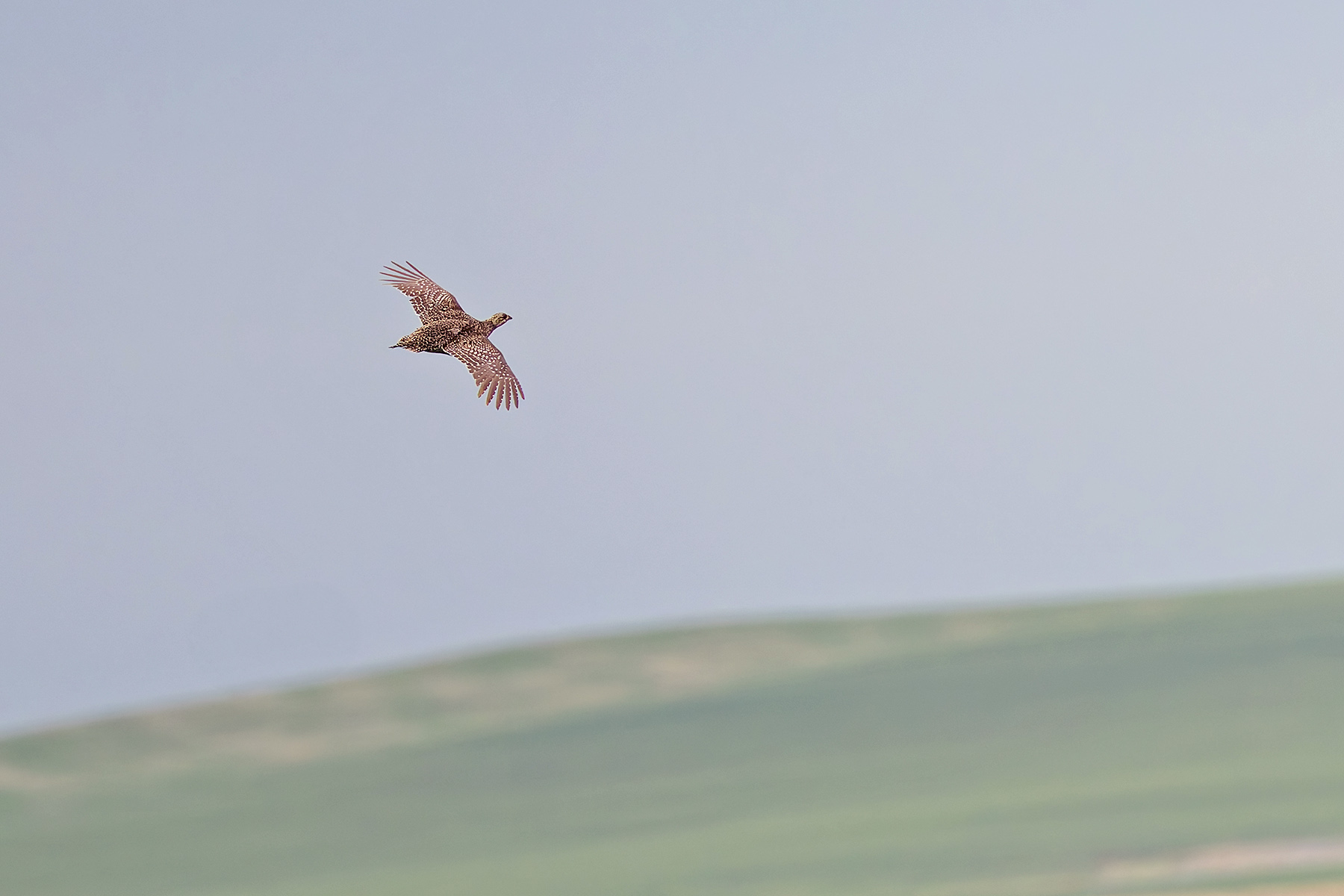
Sharp-tailed Grouse (image by Pete Morris)
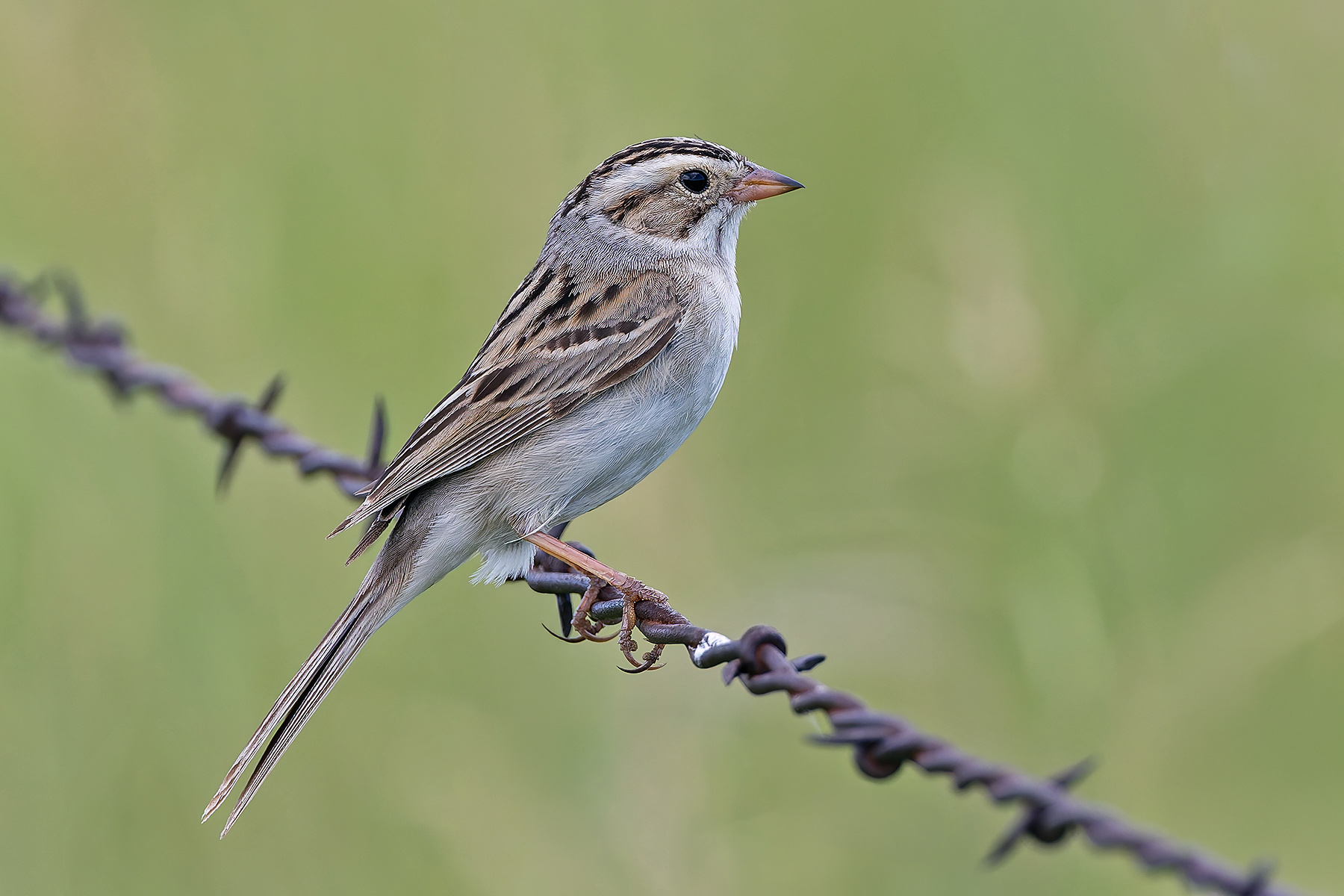
Clay-coloured Sparrow (image by Pete Morris)
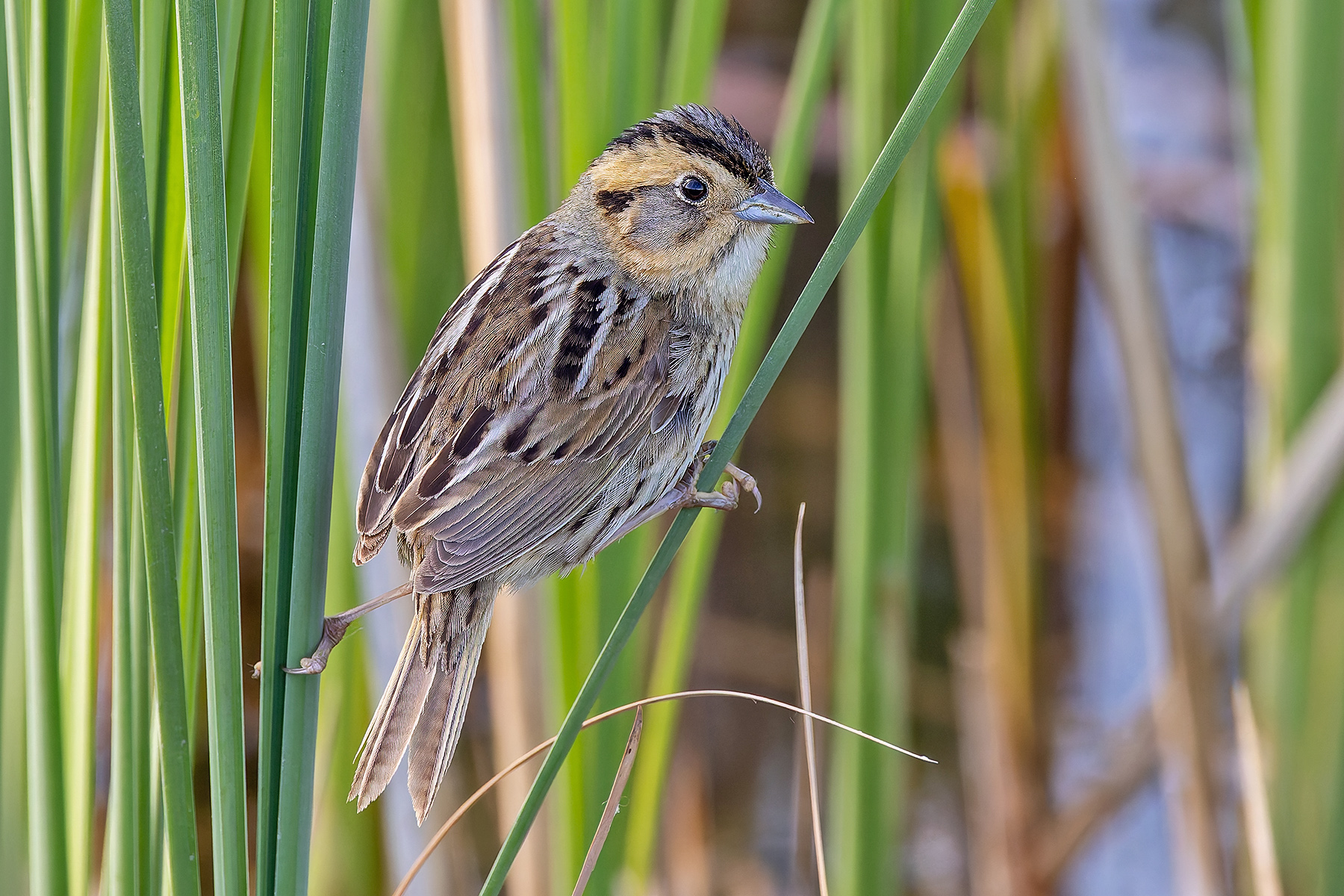
Nelson's Sparrow (image by Pete Morris)
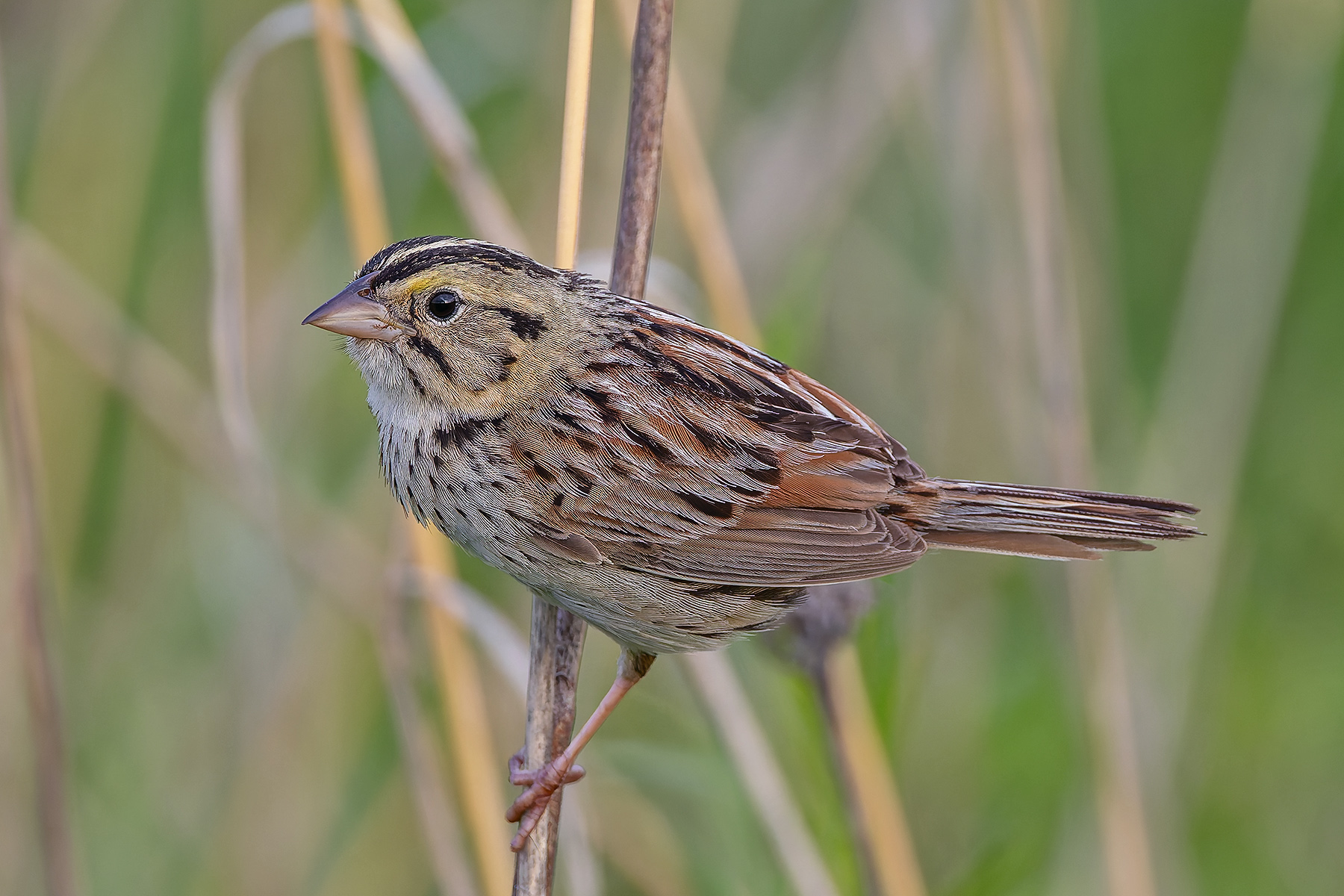
Henslow's Sparrow (image by Pete Morris)
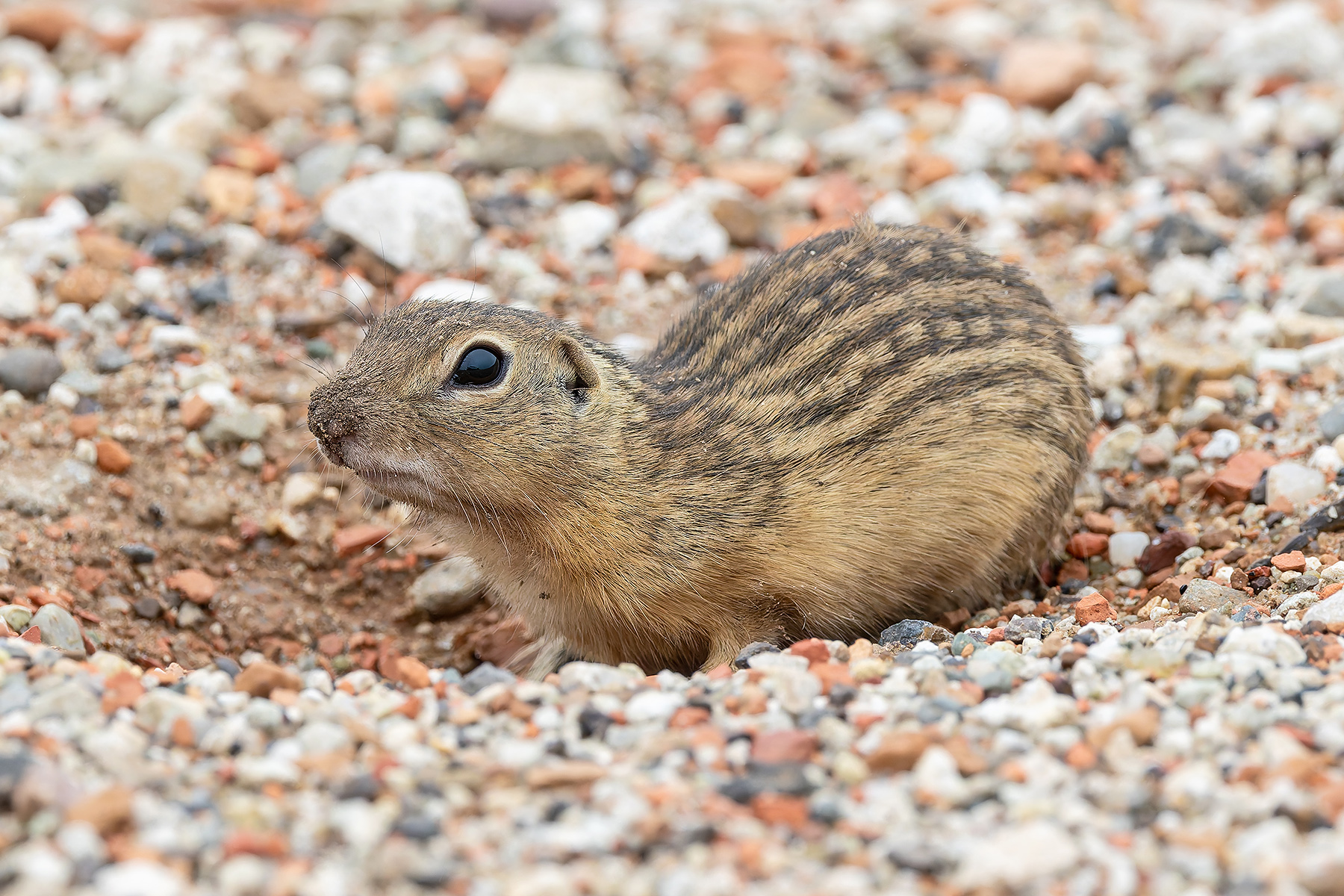
Thirteen-lined Ground Squirrel (image by Pete Morris)
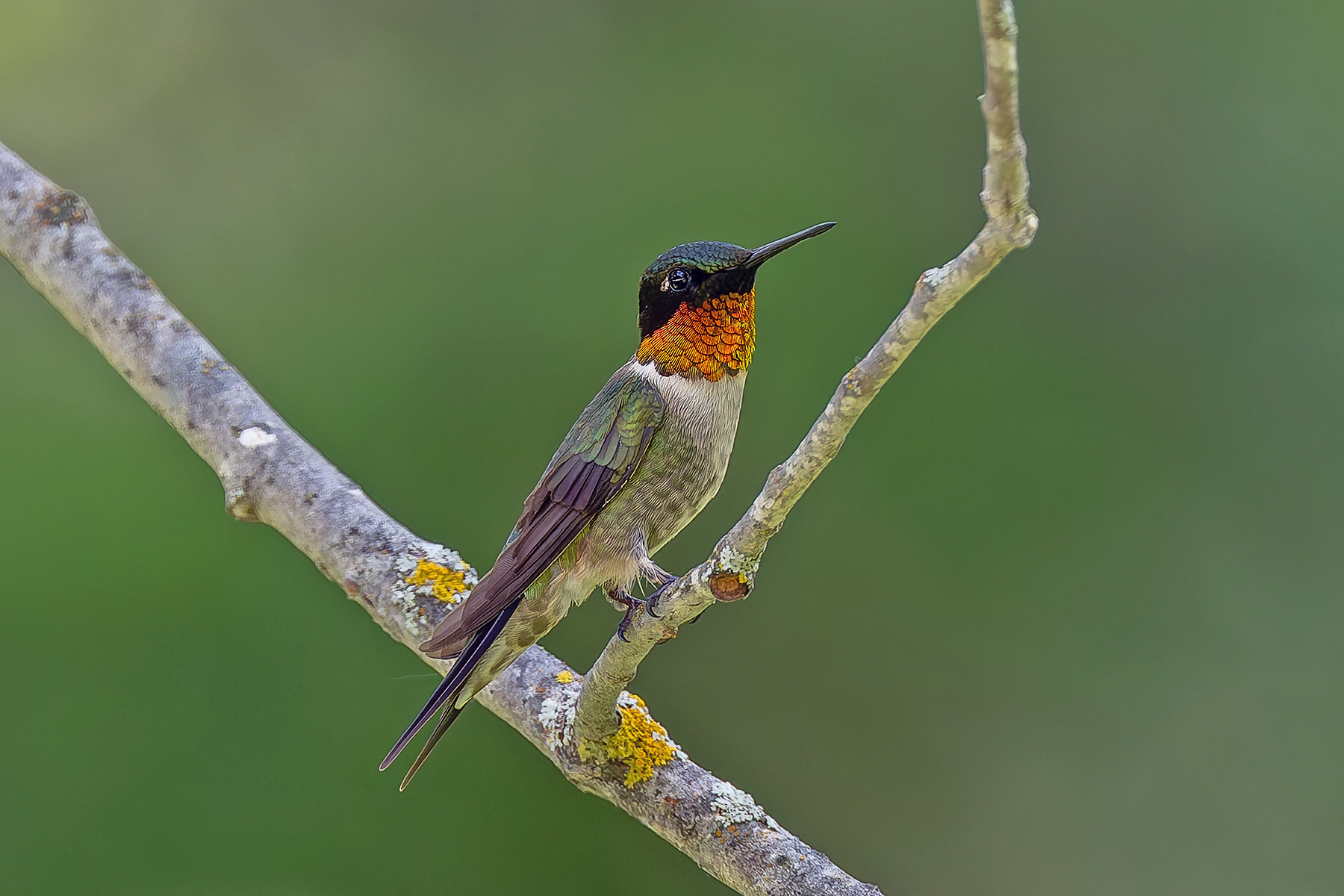
Ruby-throated Hummingbird (image by Pete Morris)
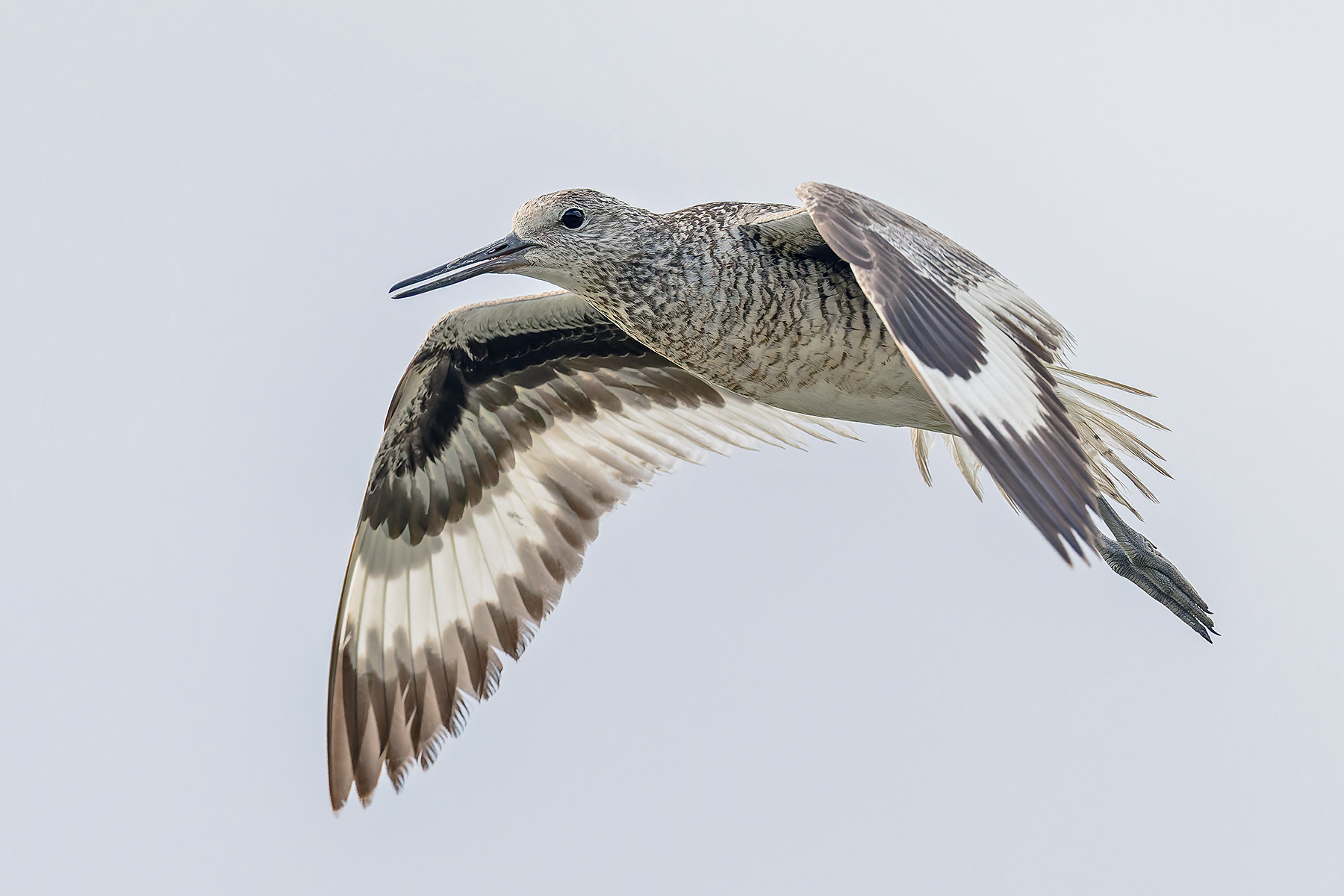
Western Willet (image by Pete Morris)
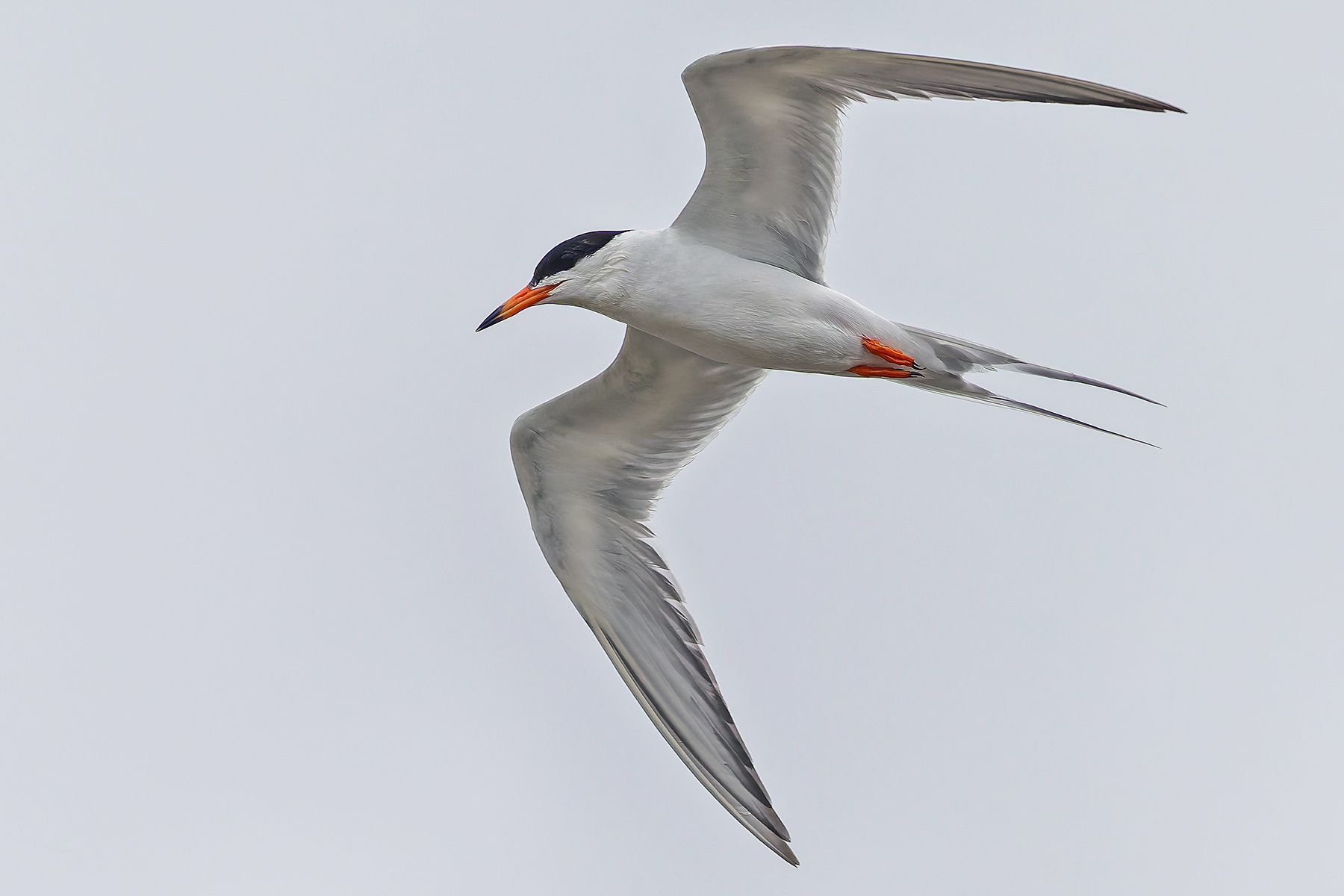
Forster's Tern (image by Pete Morris)
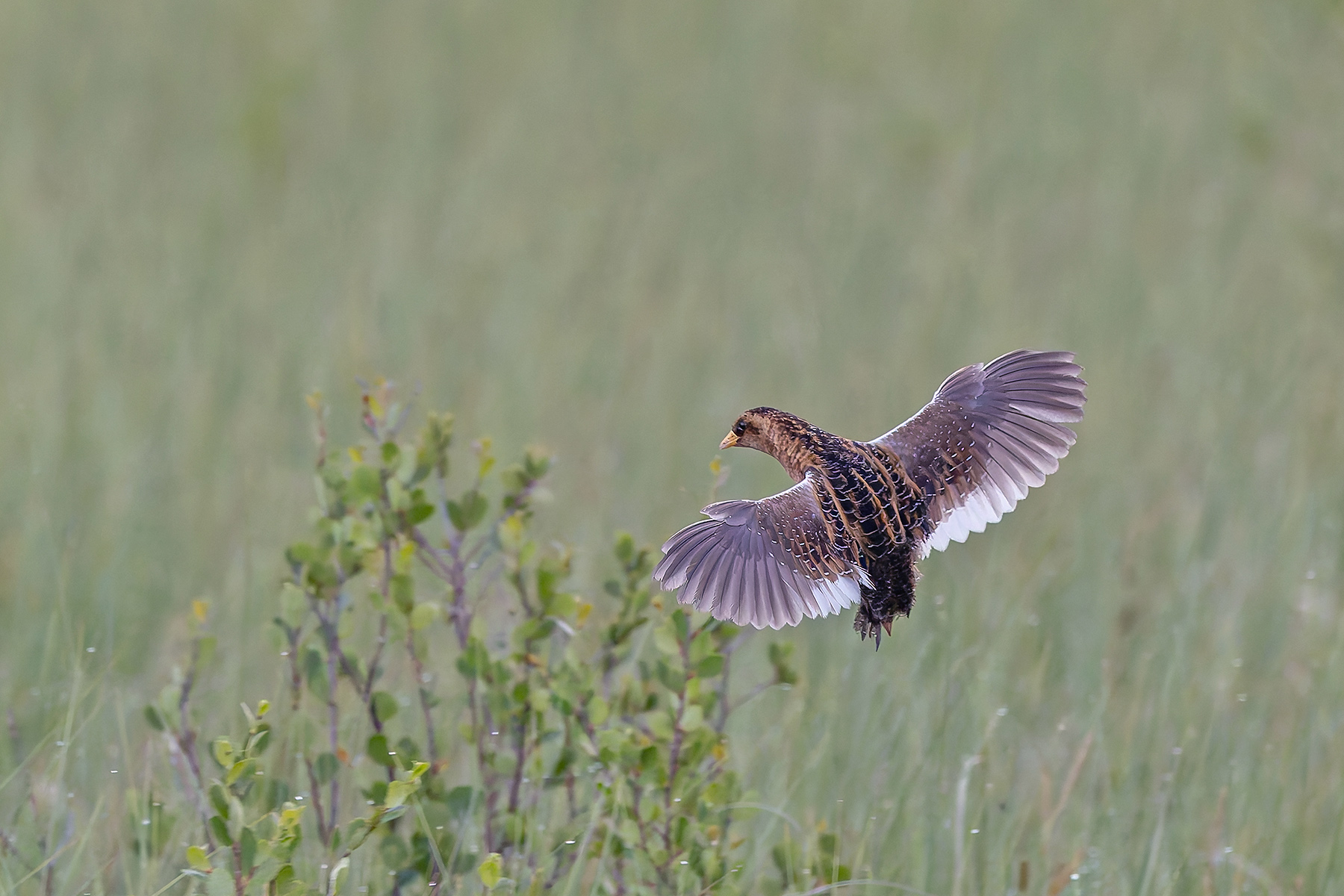
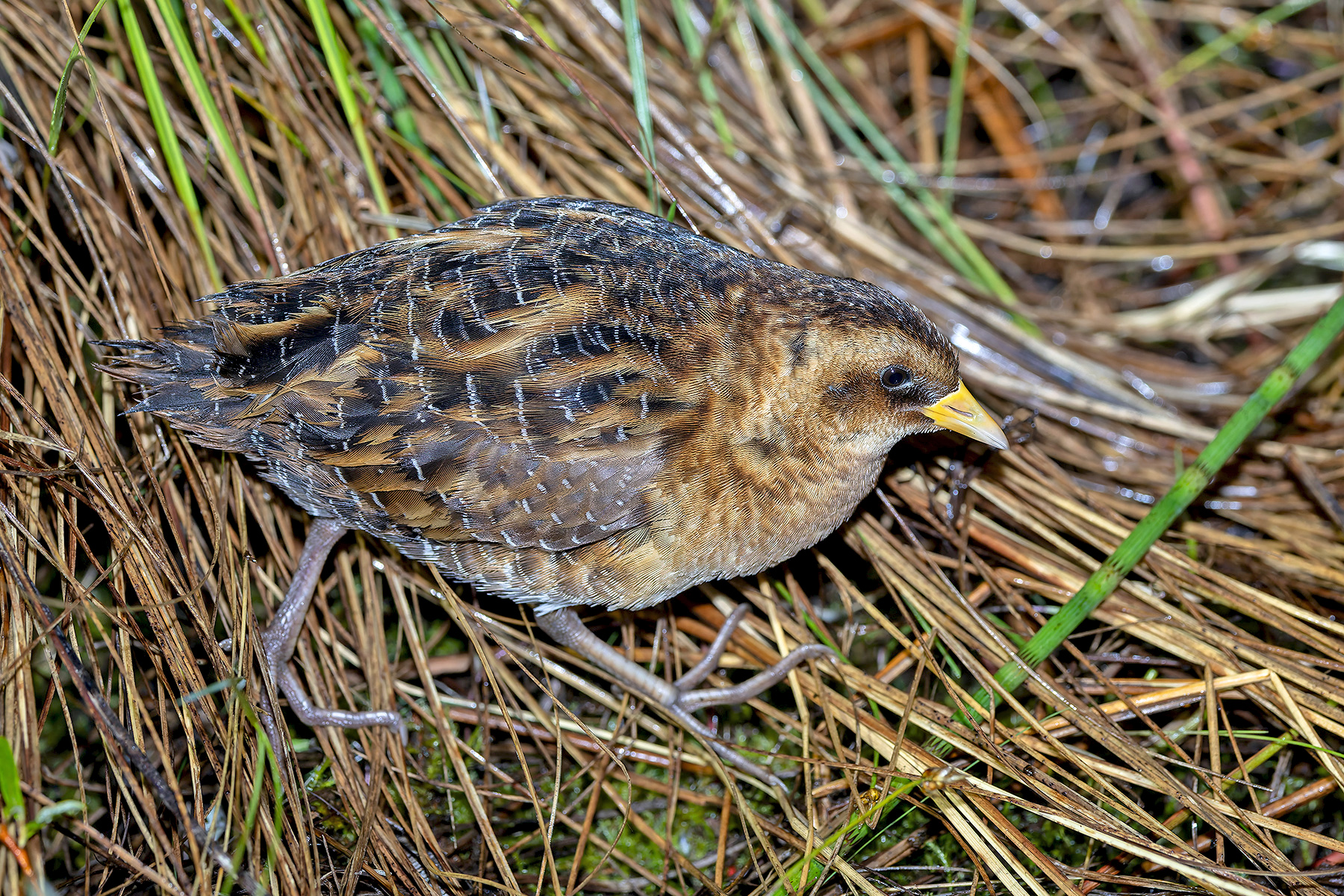
Yellow Rail (image by Pete Morris)
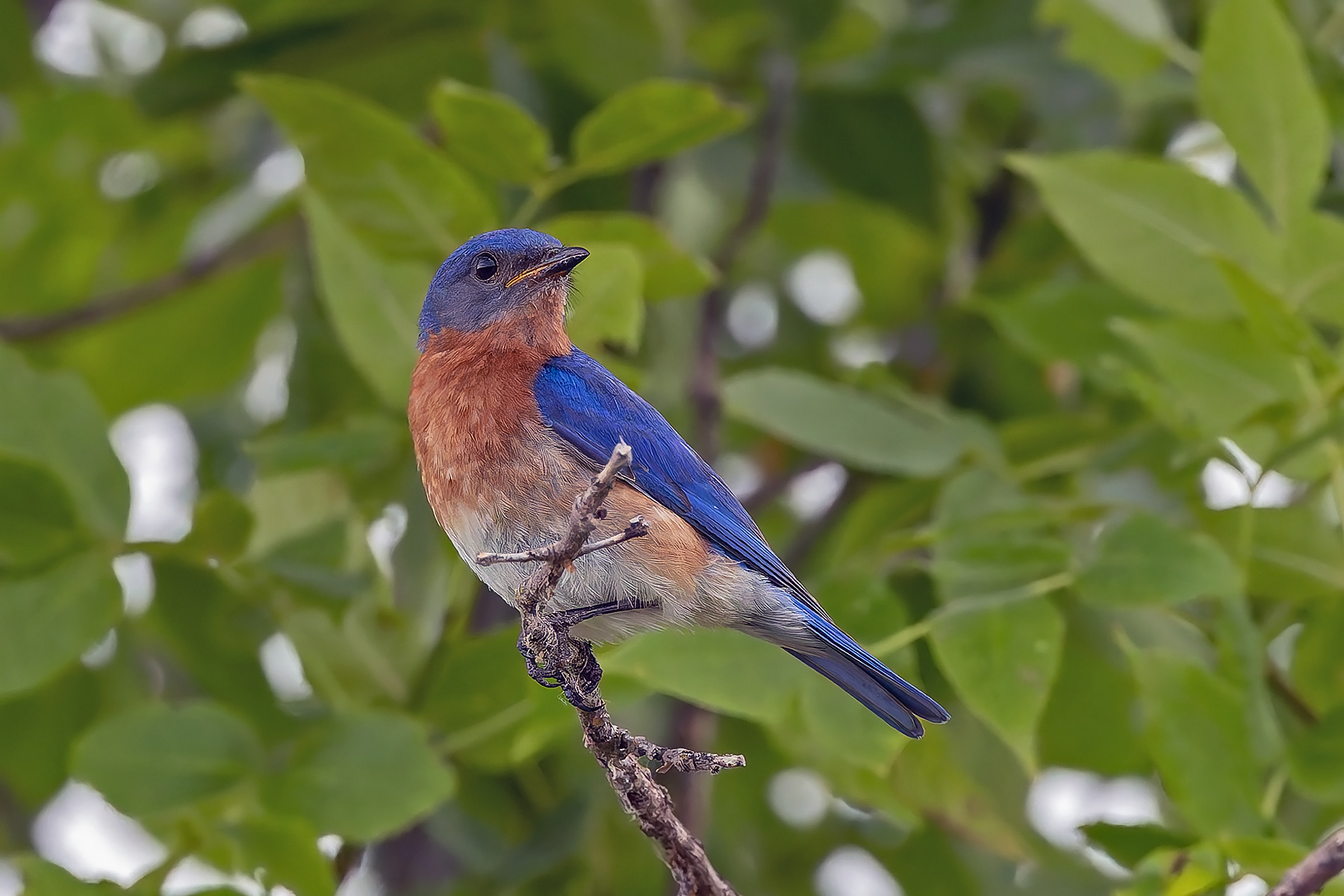
Eastern Bluebird (image by Pete Morris)
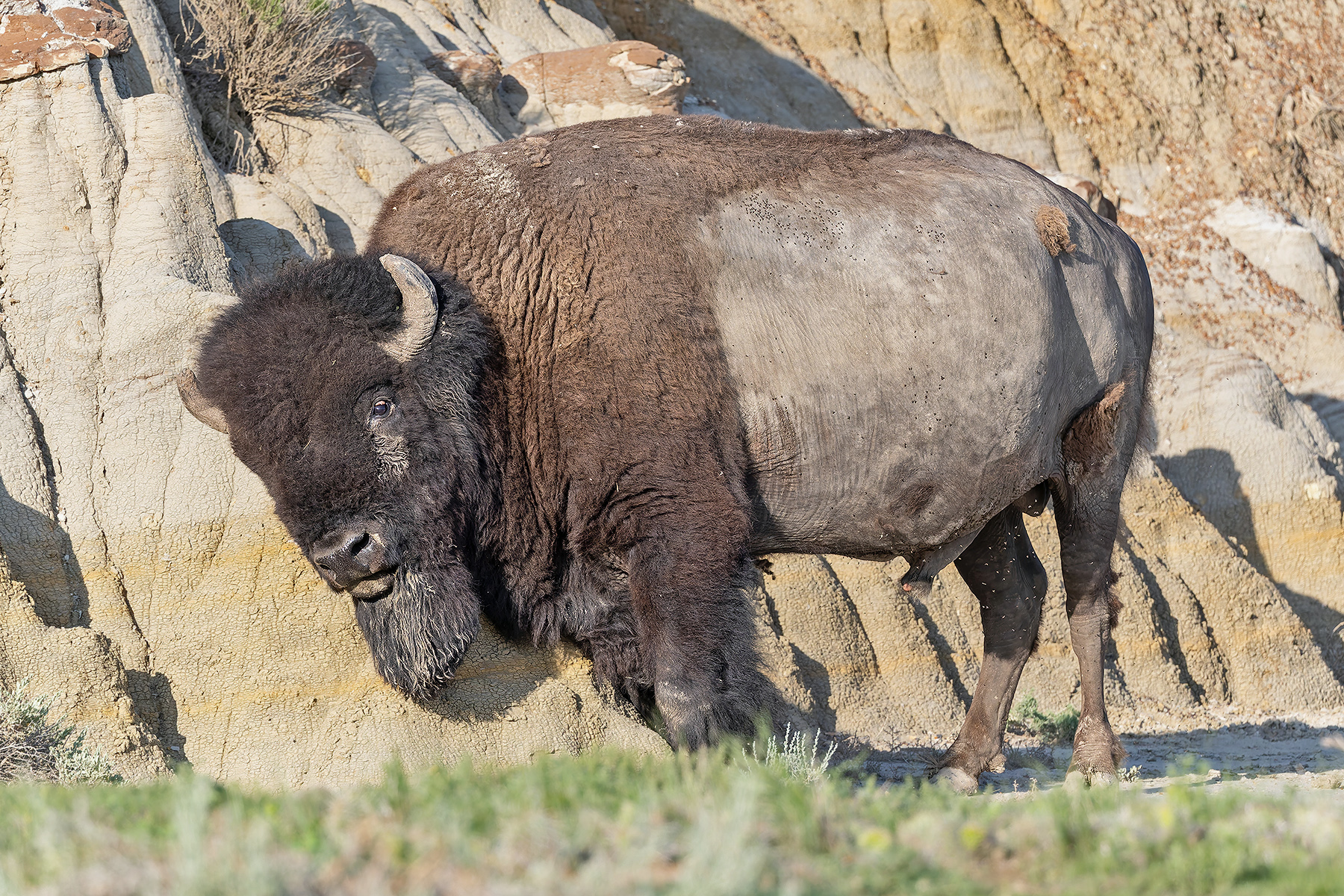
American Bison (image by Pete Morris)
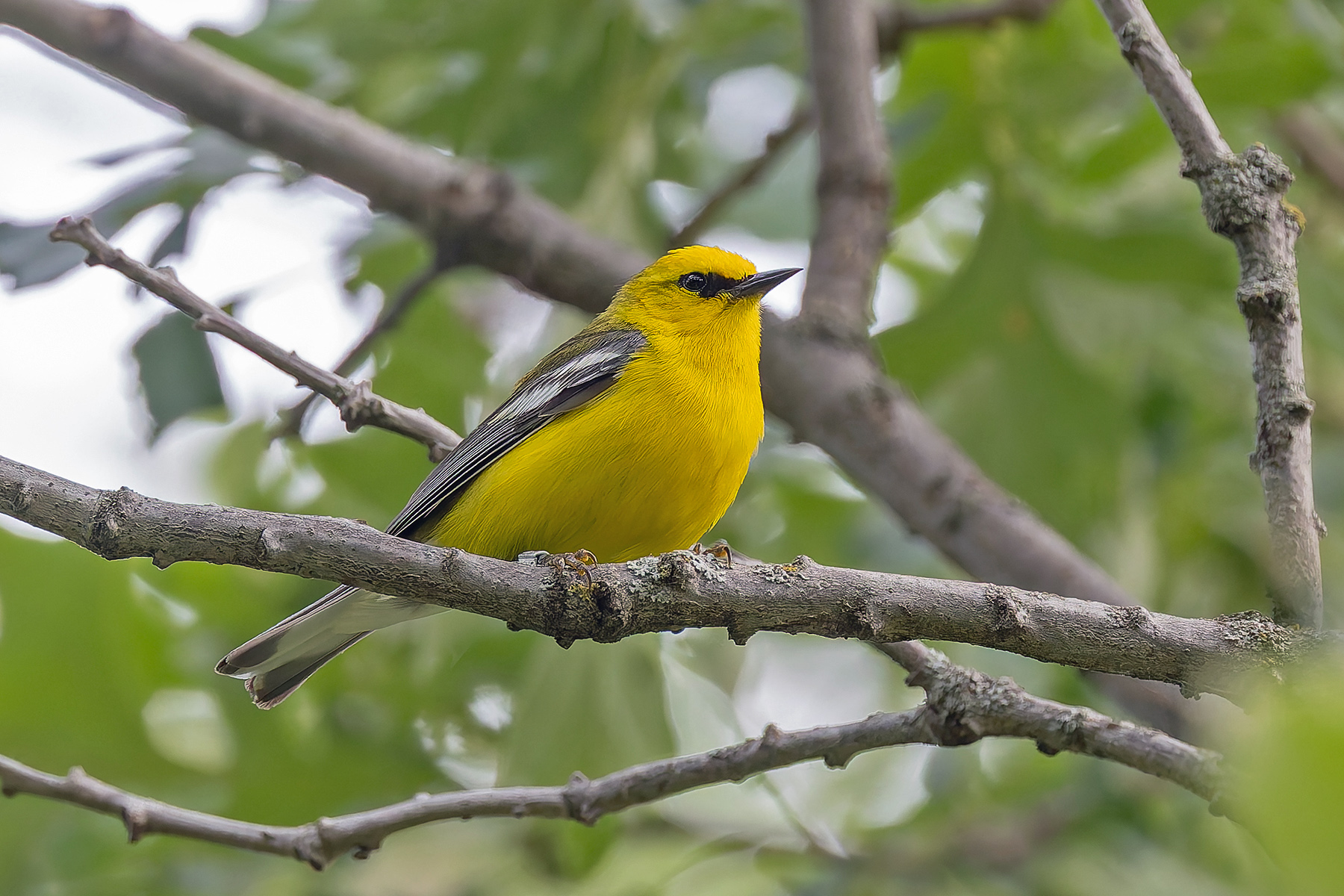
Blue-winged Warbler (image by Pete Morris)
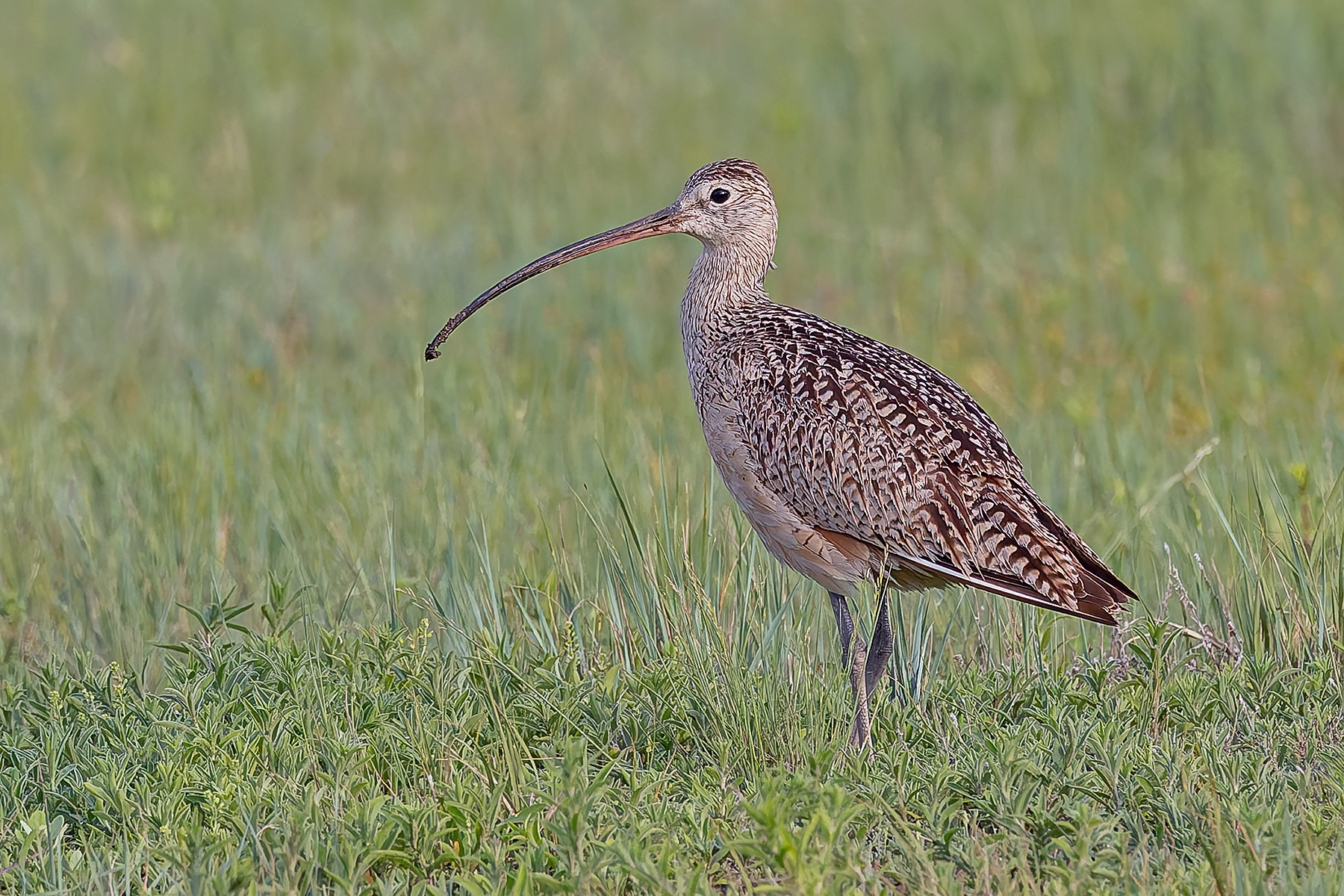
Long-billed Curlew (image by Pete Morris)
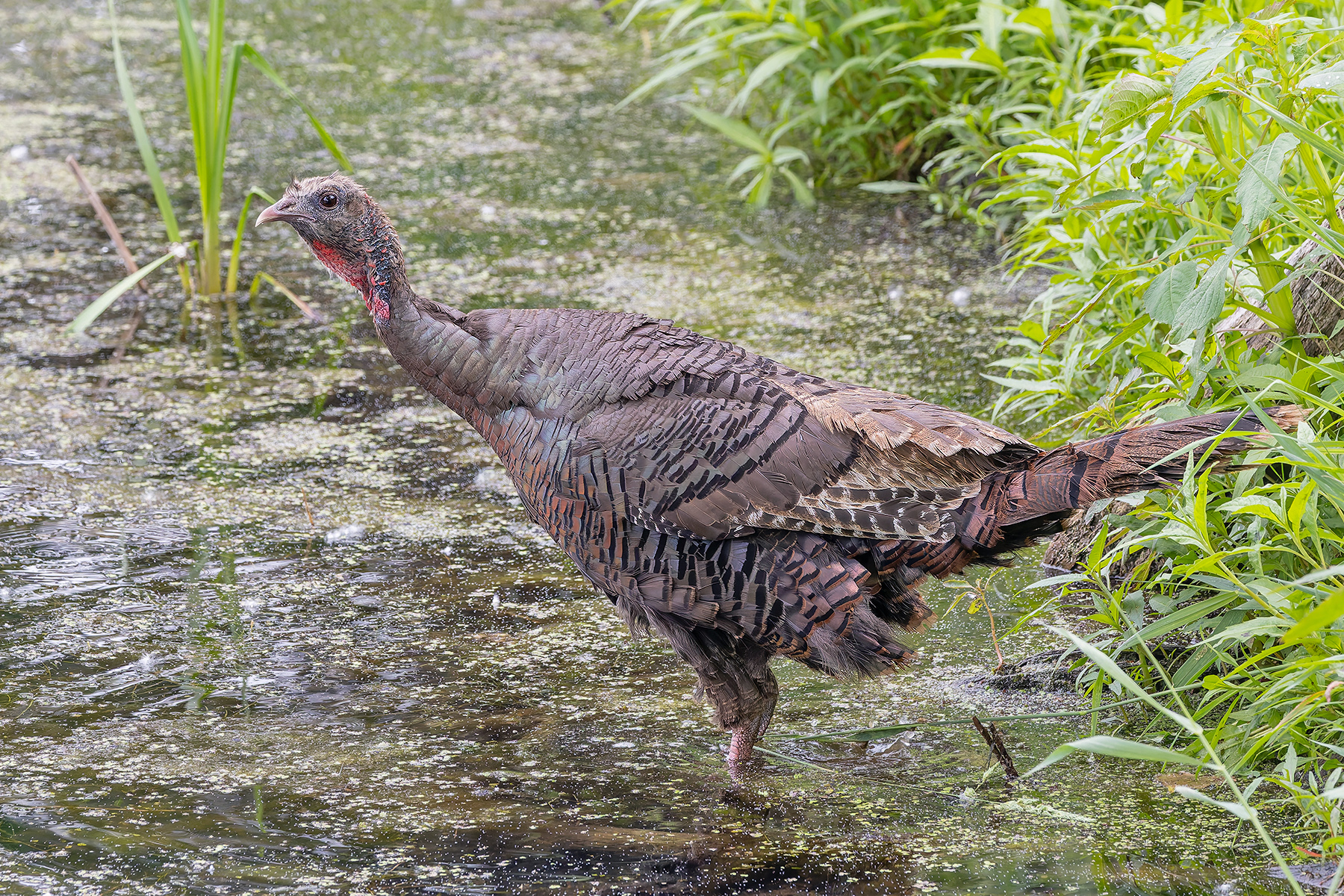
Wild Turkey (image by Pete Morris)
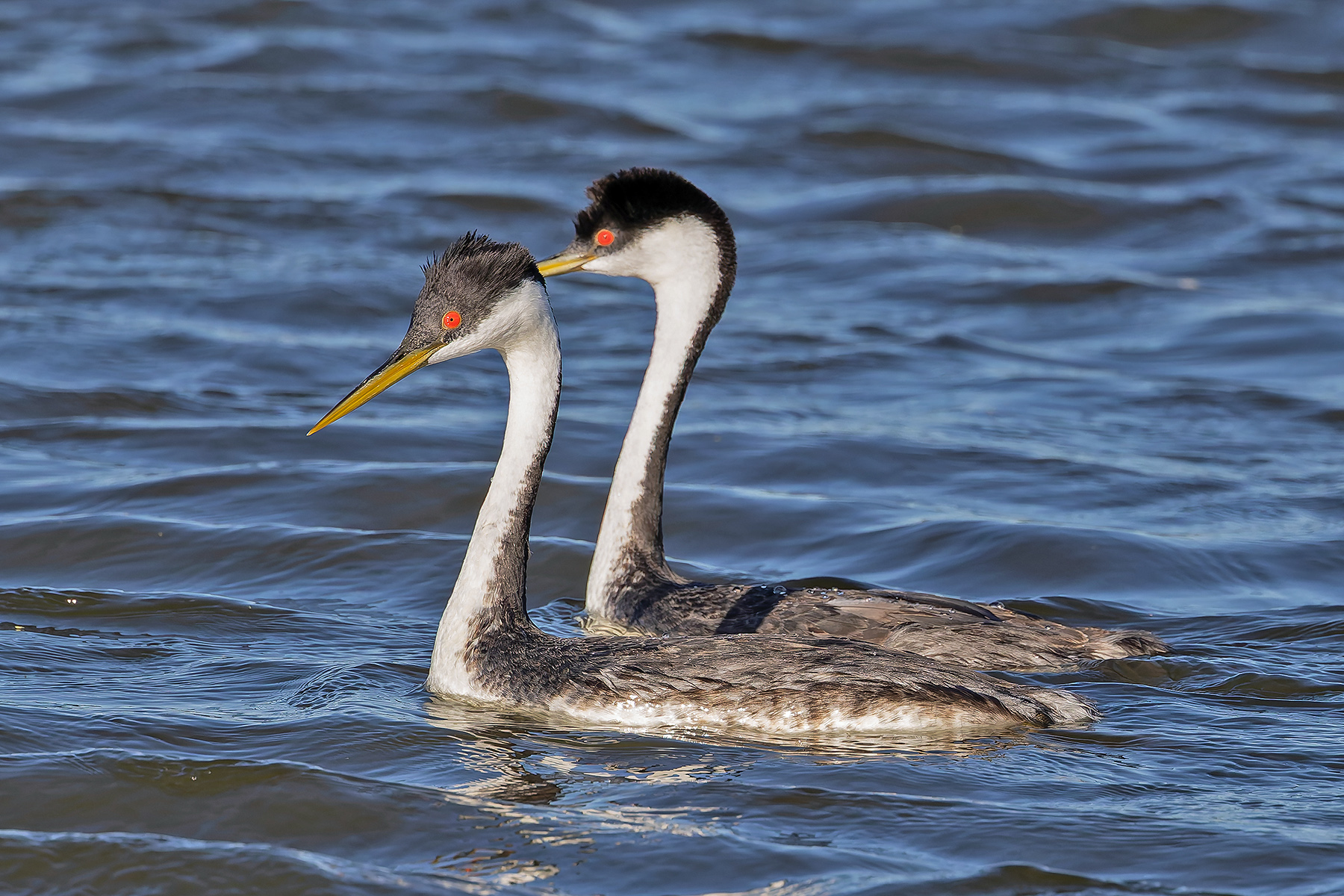
Western Grebes (image by Pete Morris)
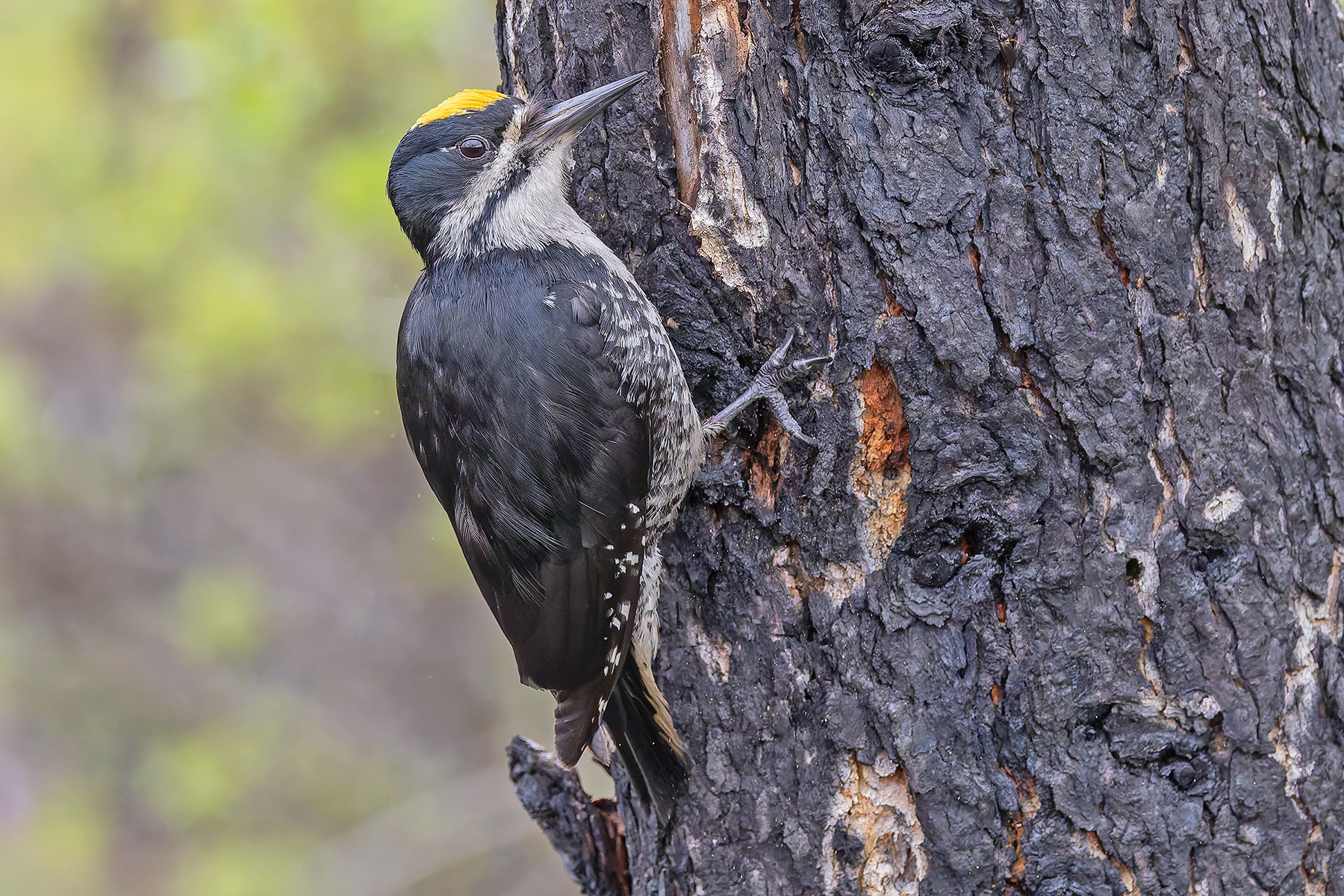
Black-backed Woodpecker (image by Pete Morris)
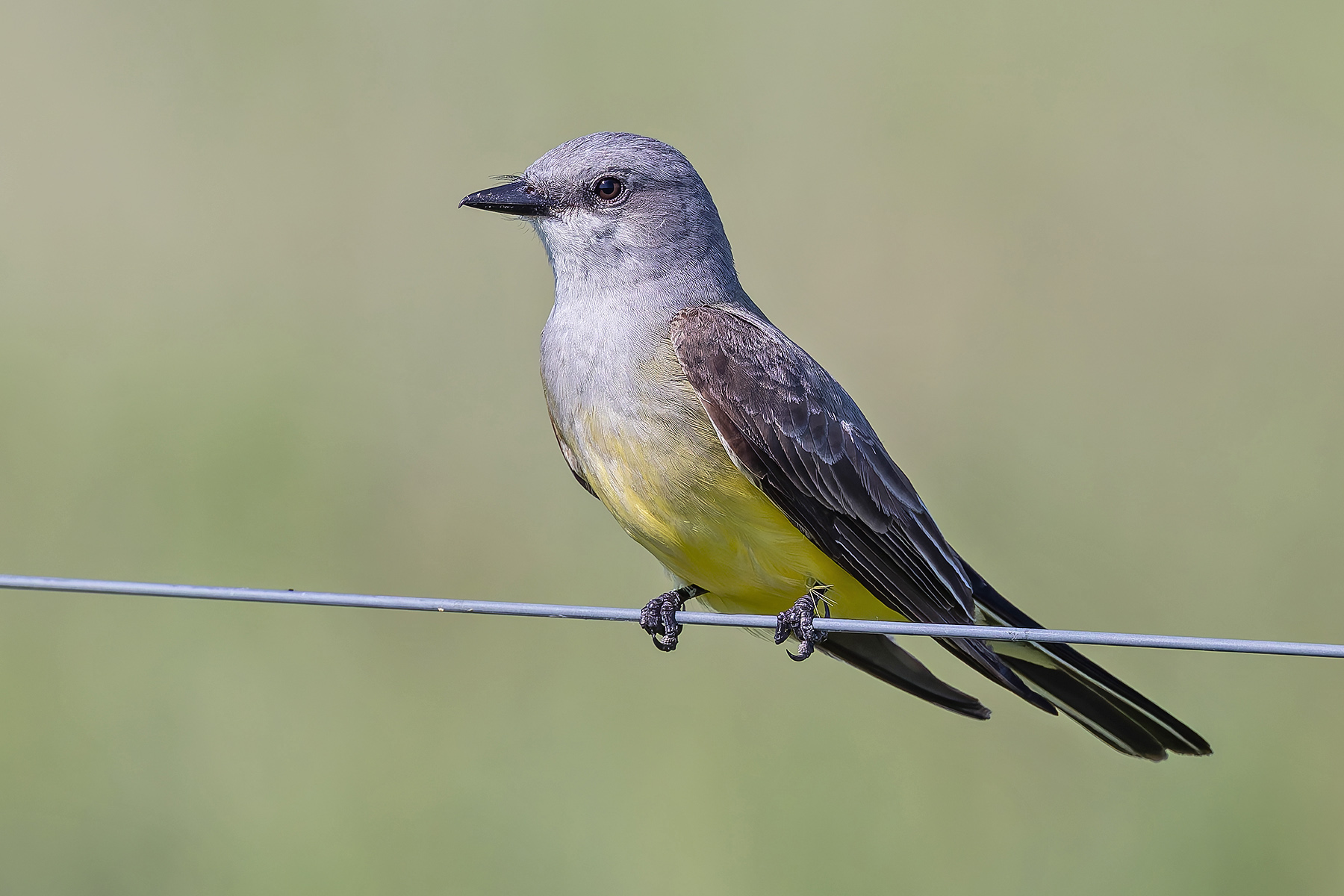
Western Kingbird (image by Pete Morris)
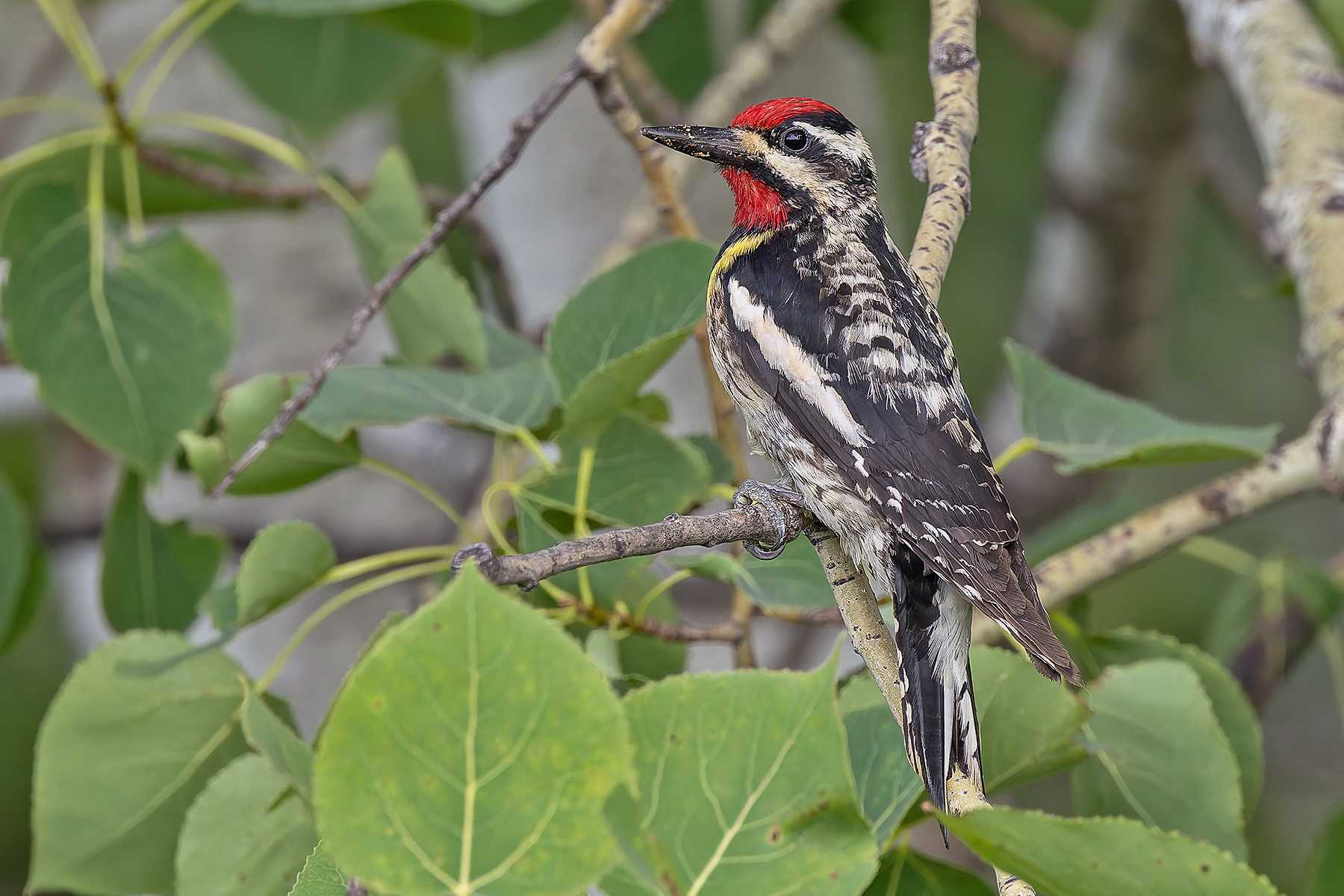
Yellow-bellied Sapsucker (image by Pete Morris)
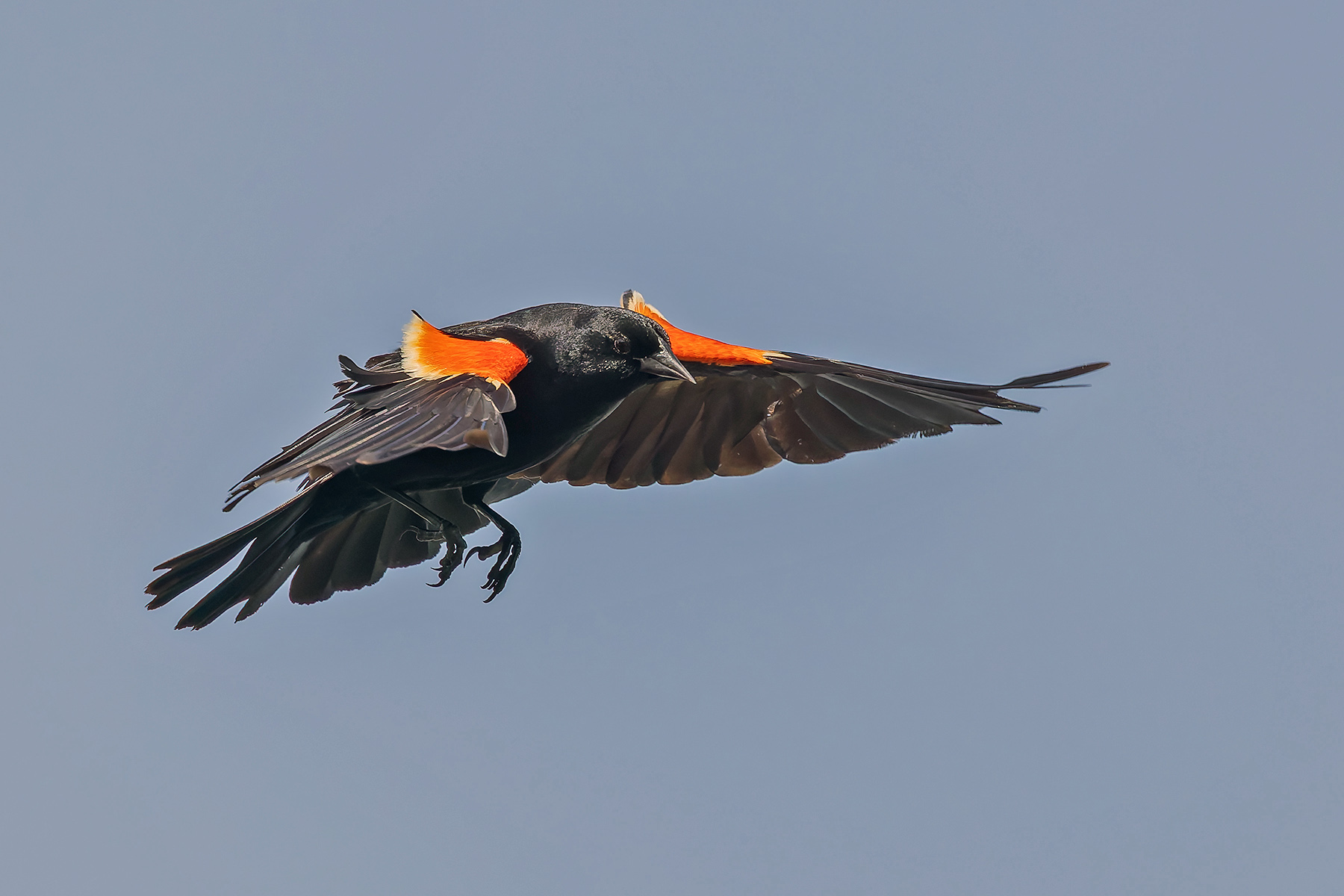
Red-winged Blackbird (image by Pete Morris)
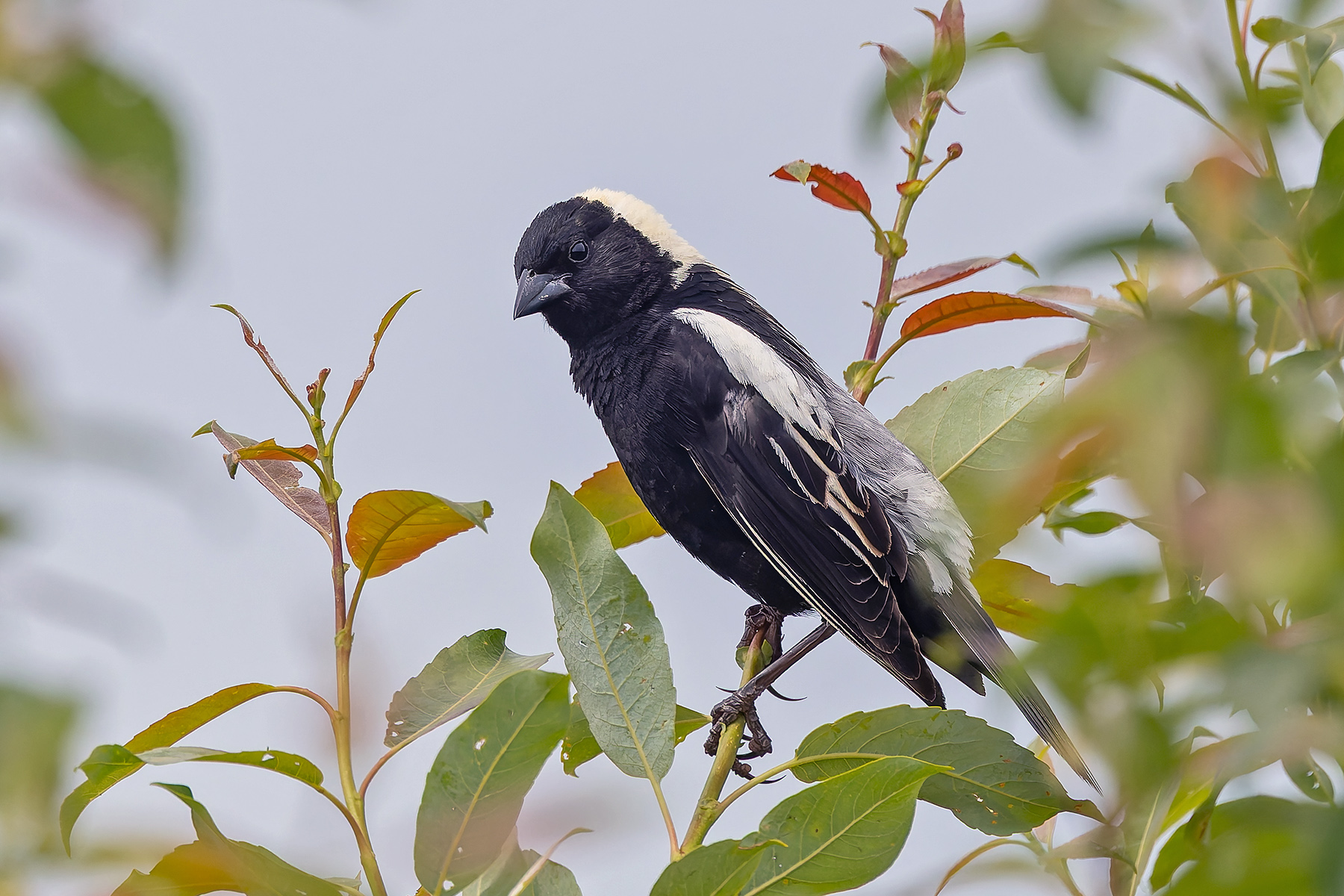
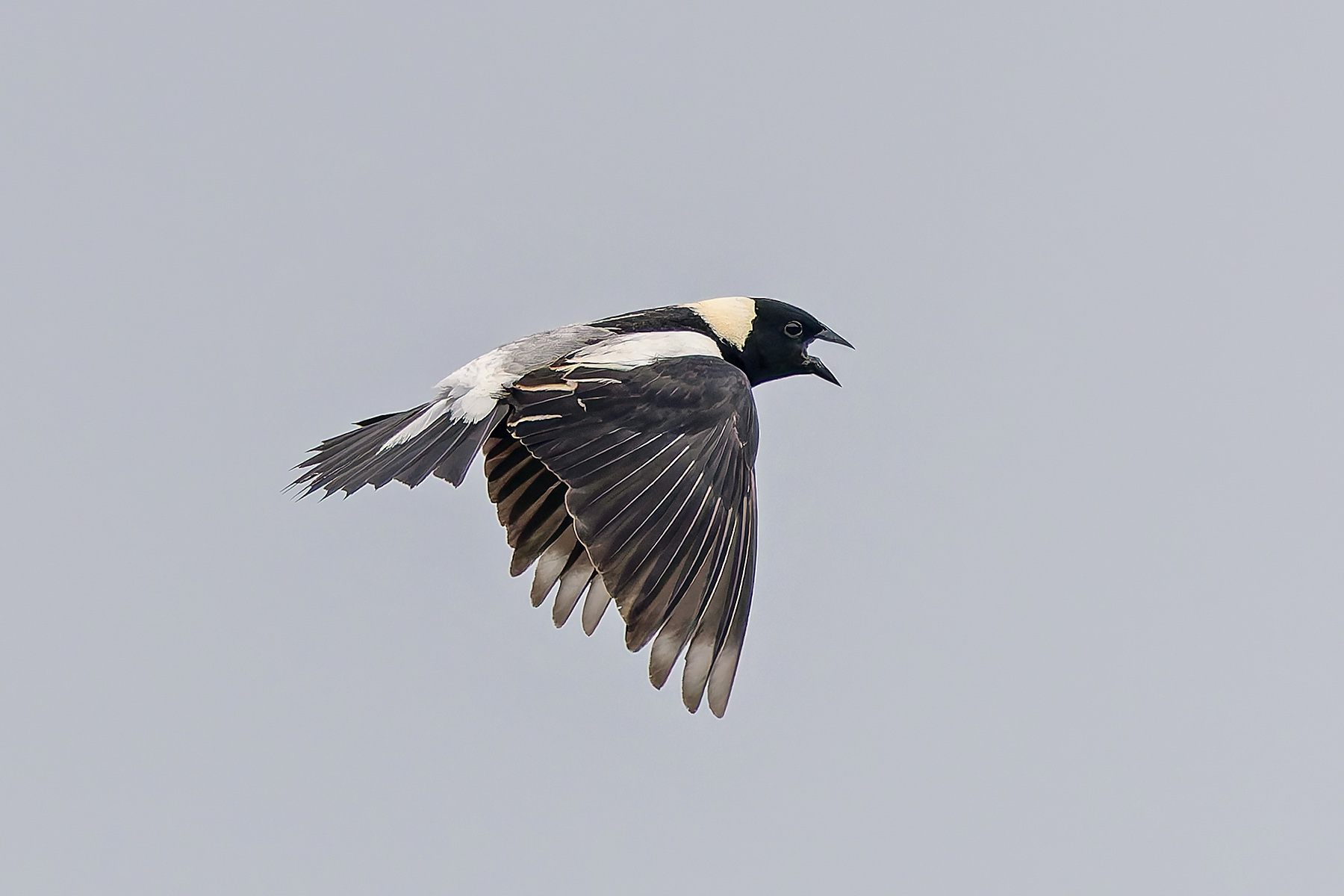
Bobolink (image by Pete Morris)
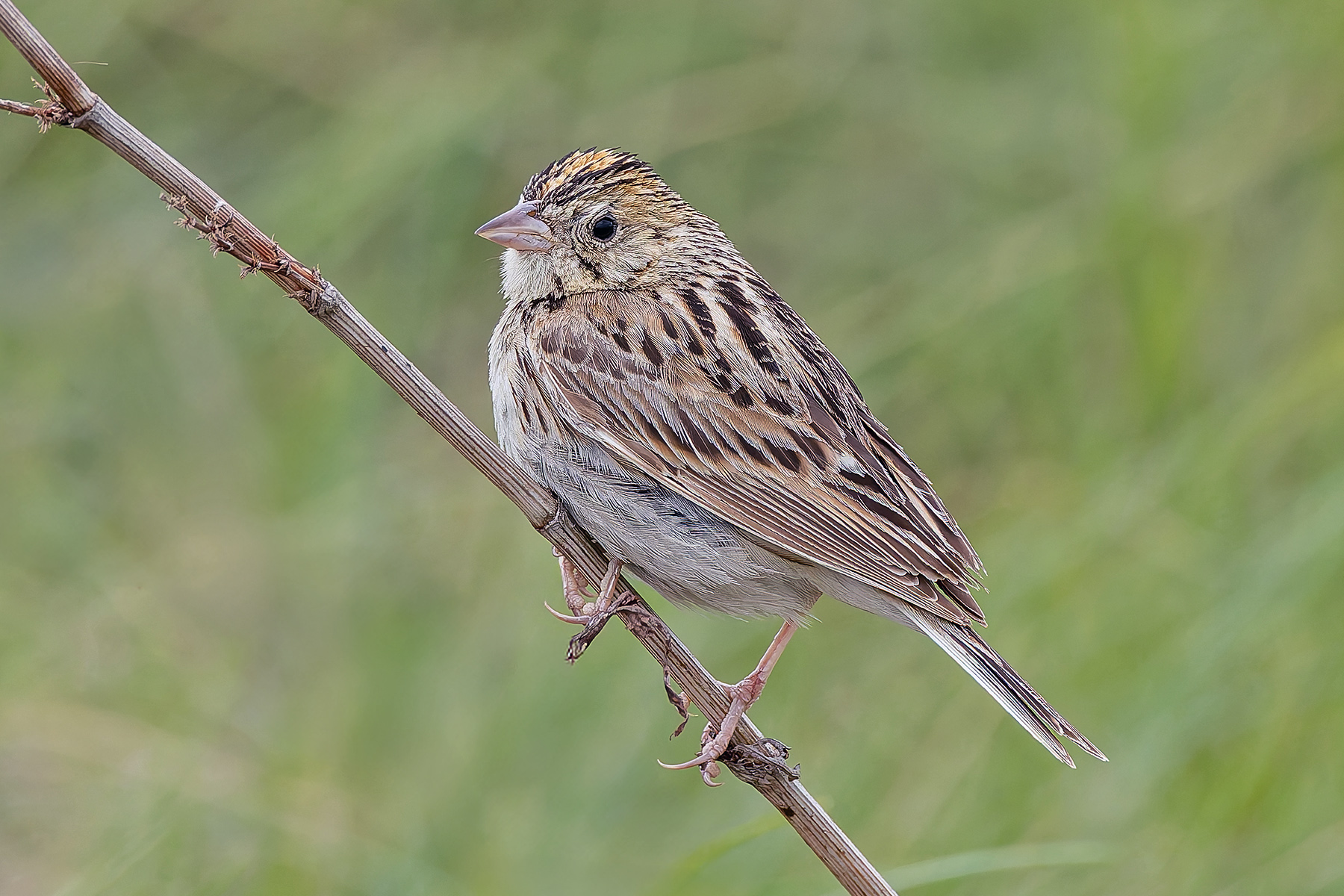
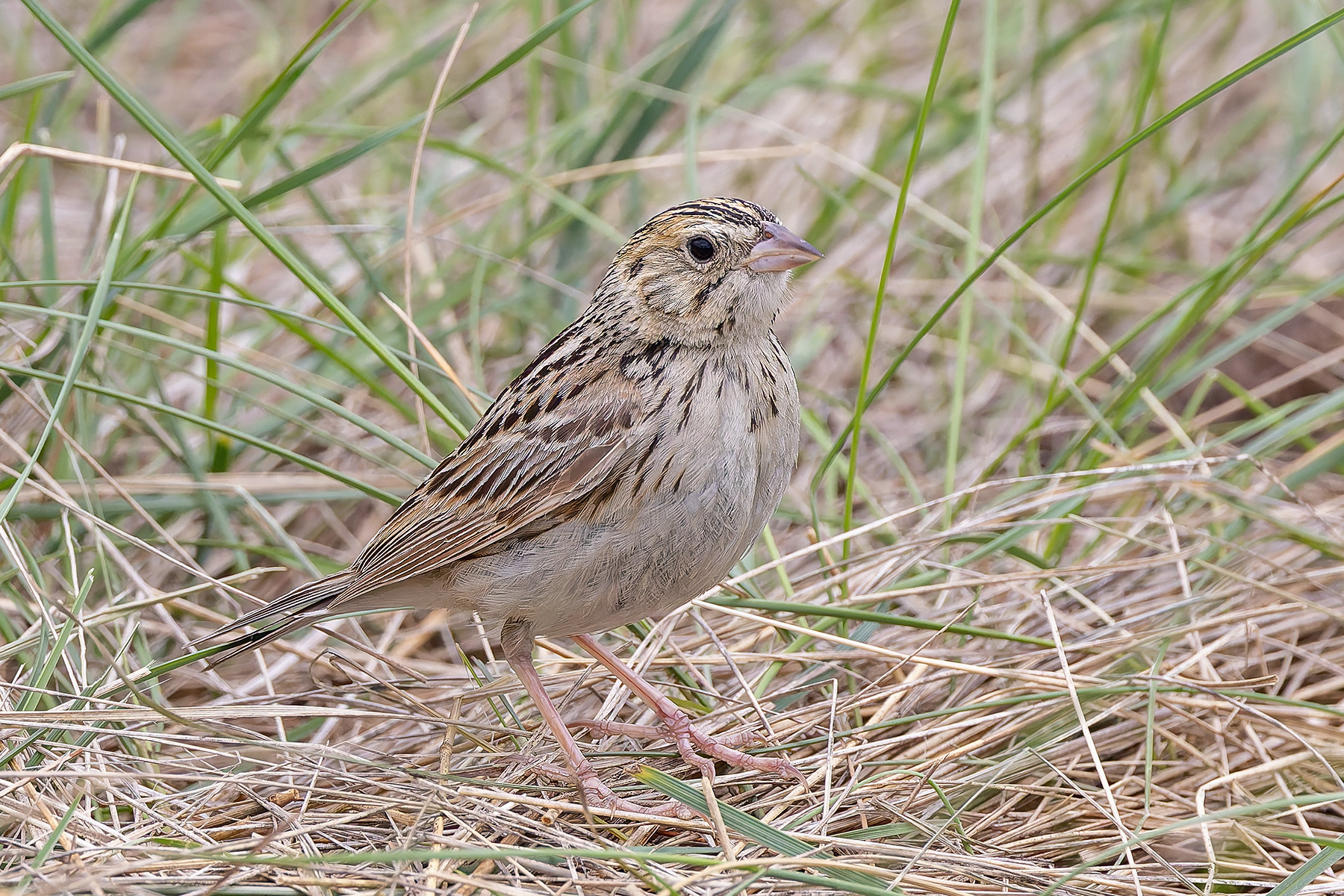
Baird's Sparrow (image by Pete Morris)
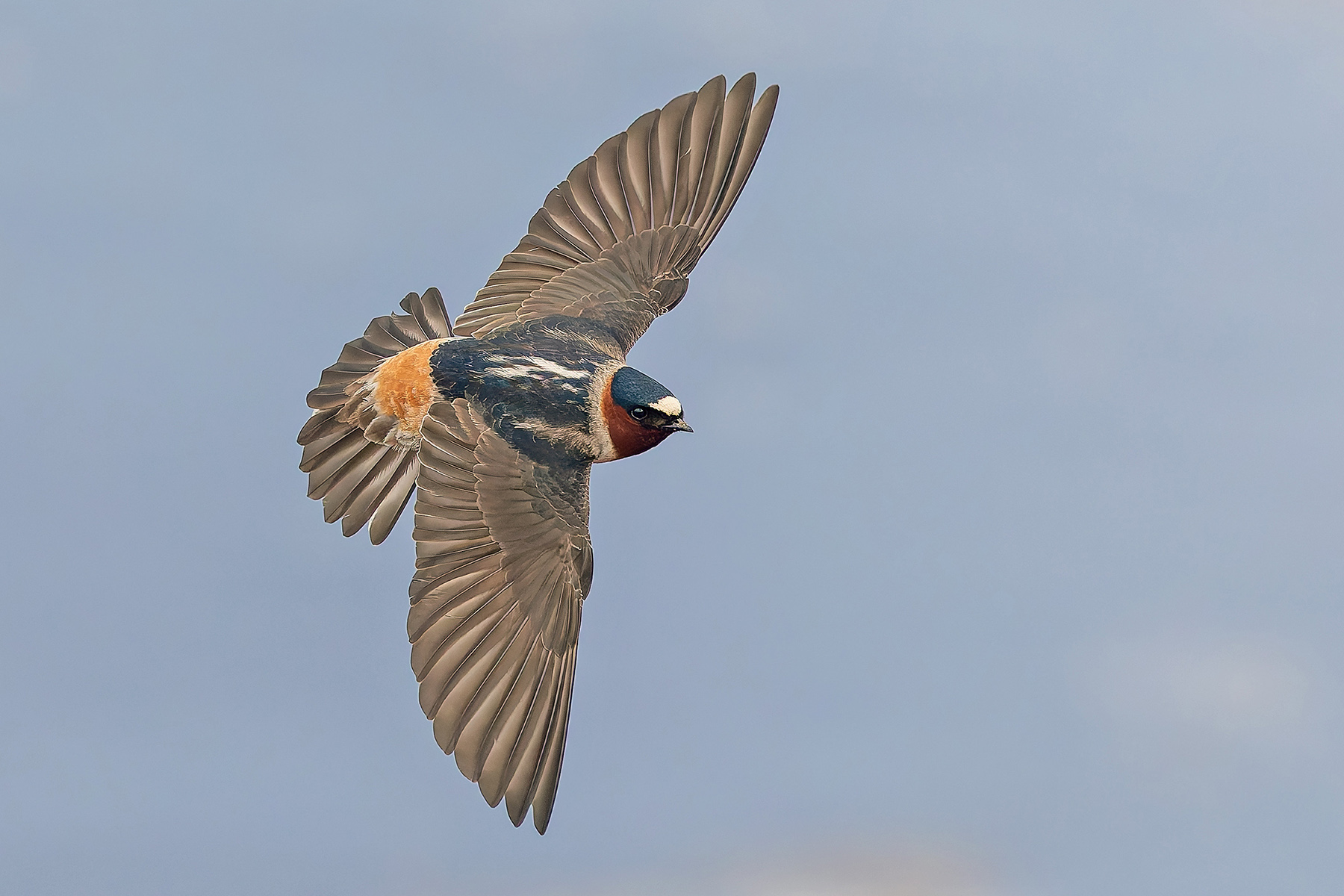
American Cliff Swallow (image by Pete Morris)
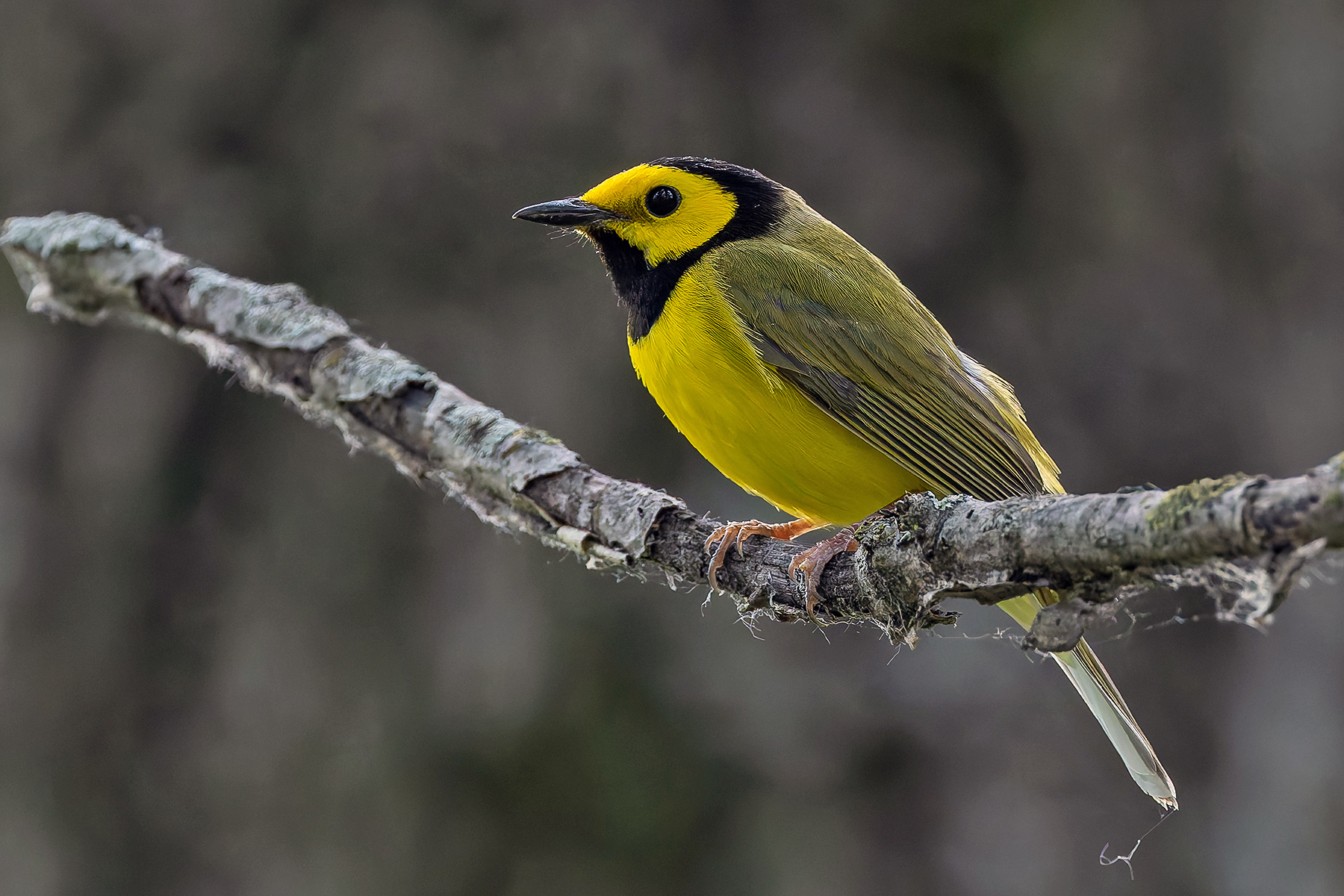
Hooded Warbler (image by Pete Morris)
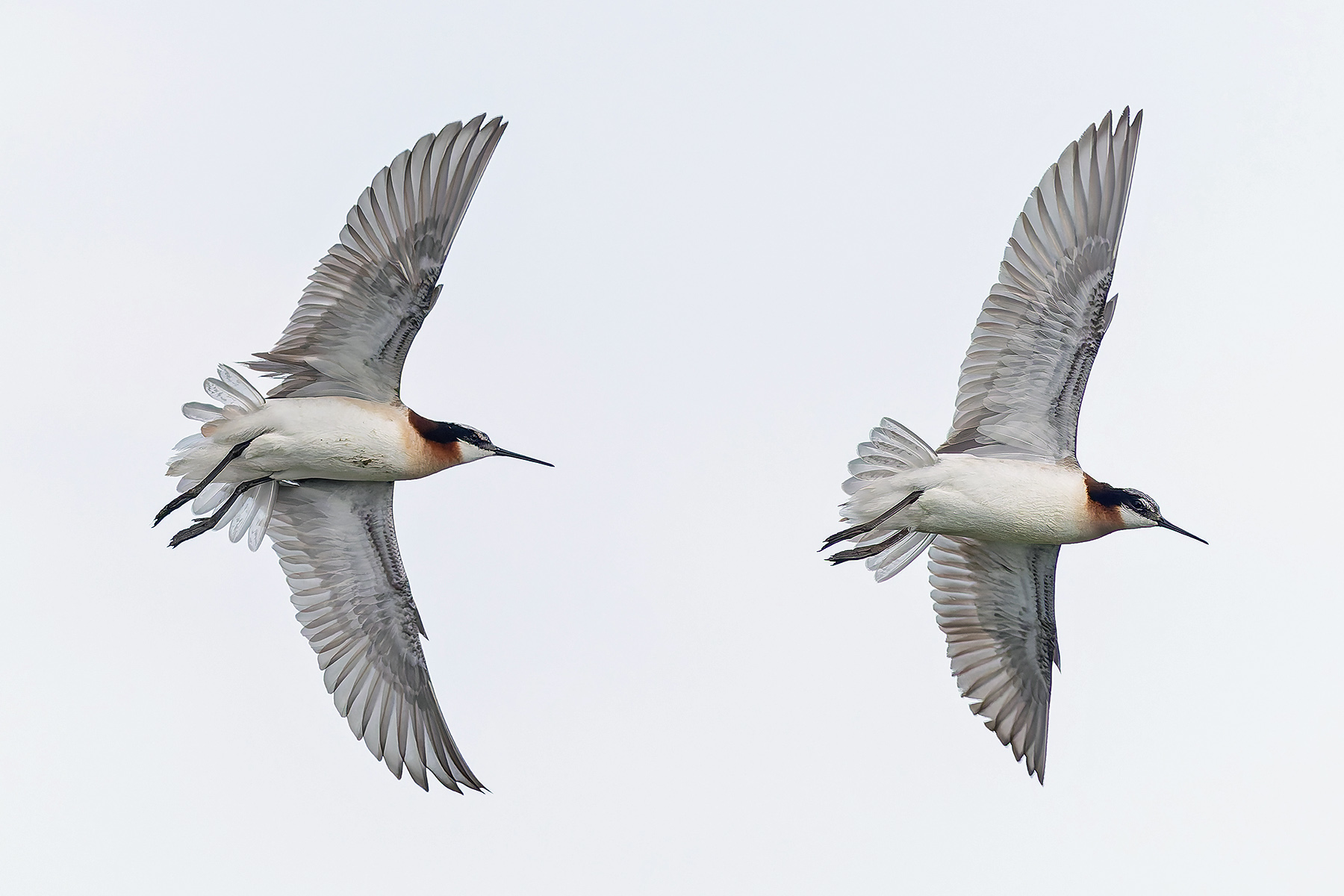
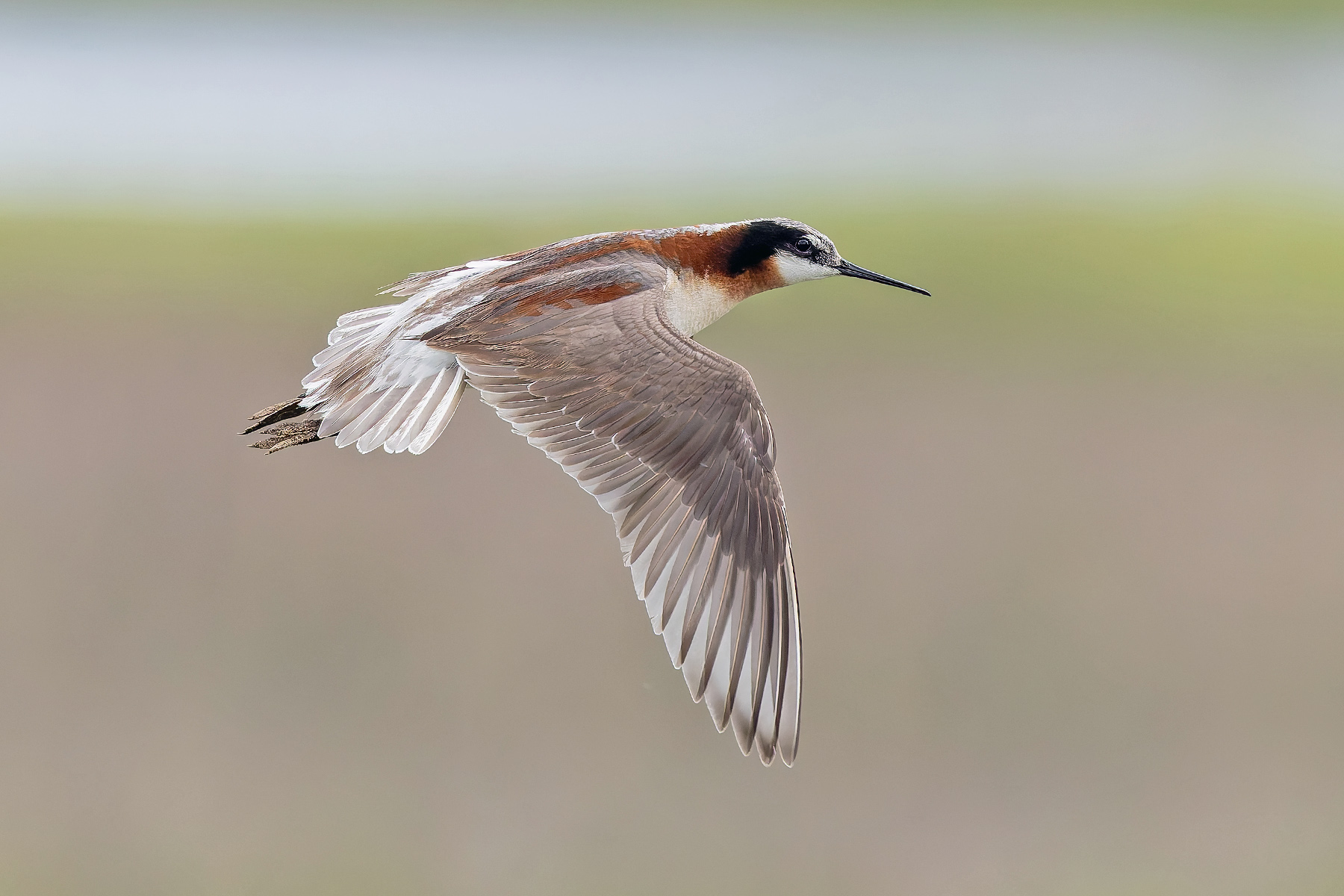
Wilson's Phalaropes (image by Pete Morris)
Wilson's Phalarope (image by Pete Morris)
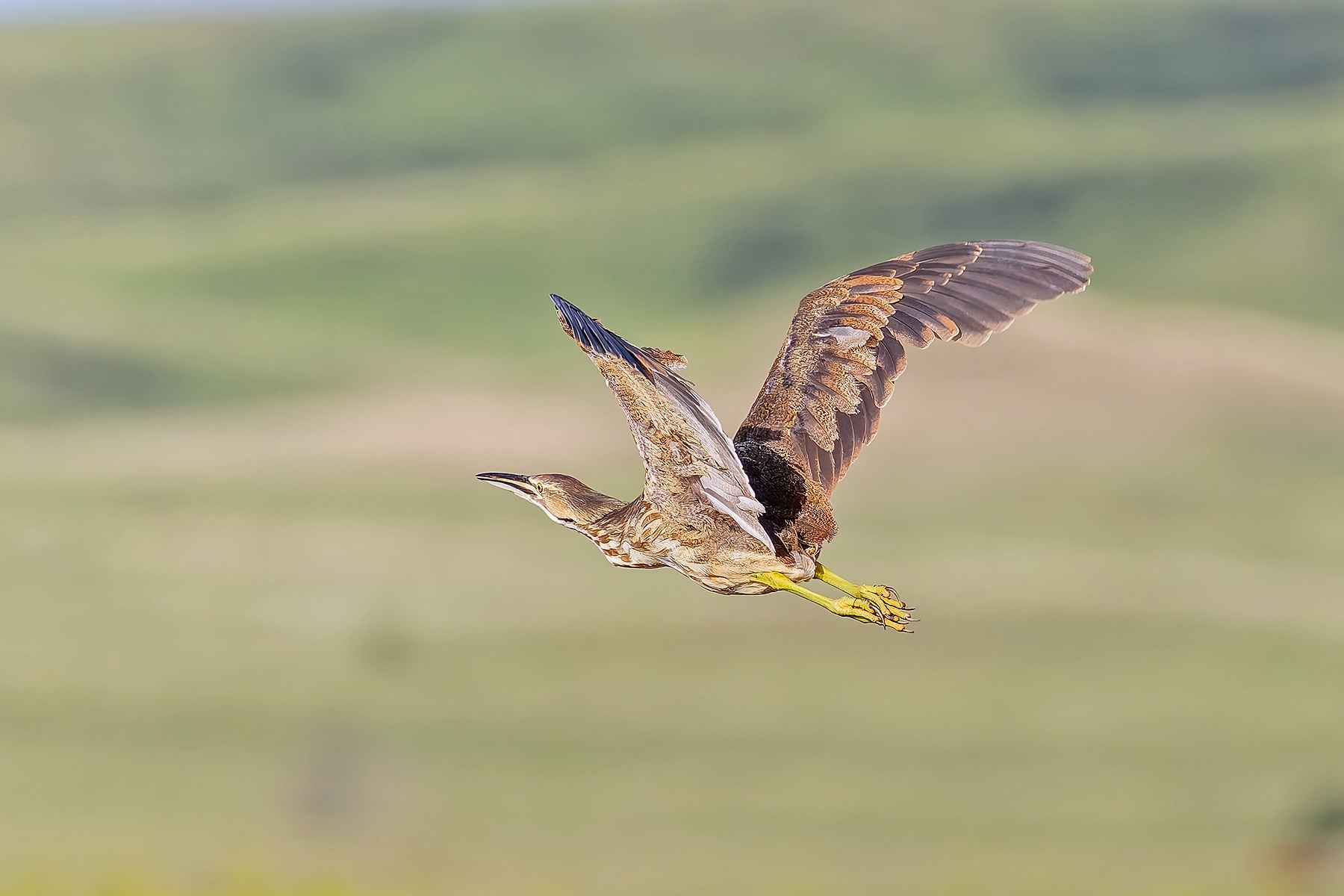
American Bittern (image by Pete Morris)
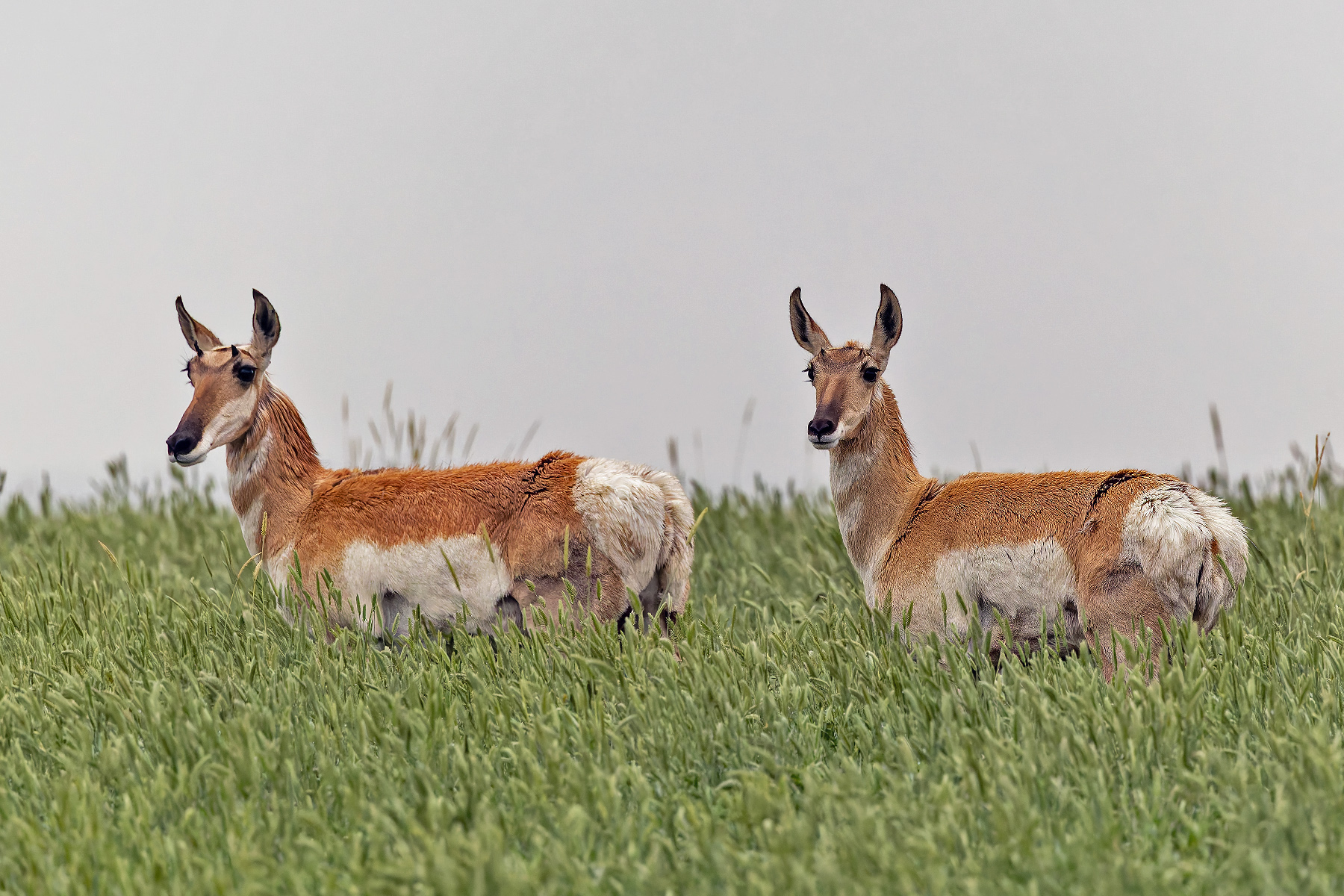
Pronghorns (image by Pete Morris)
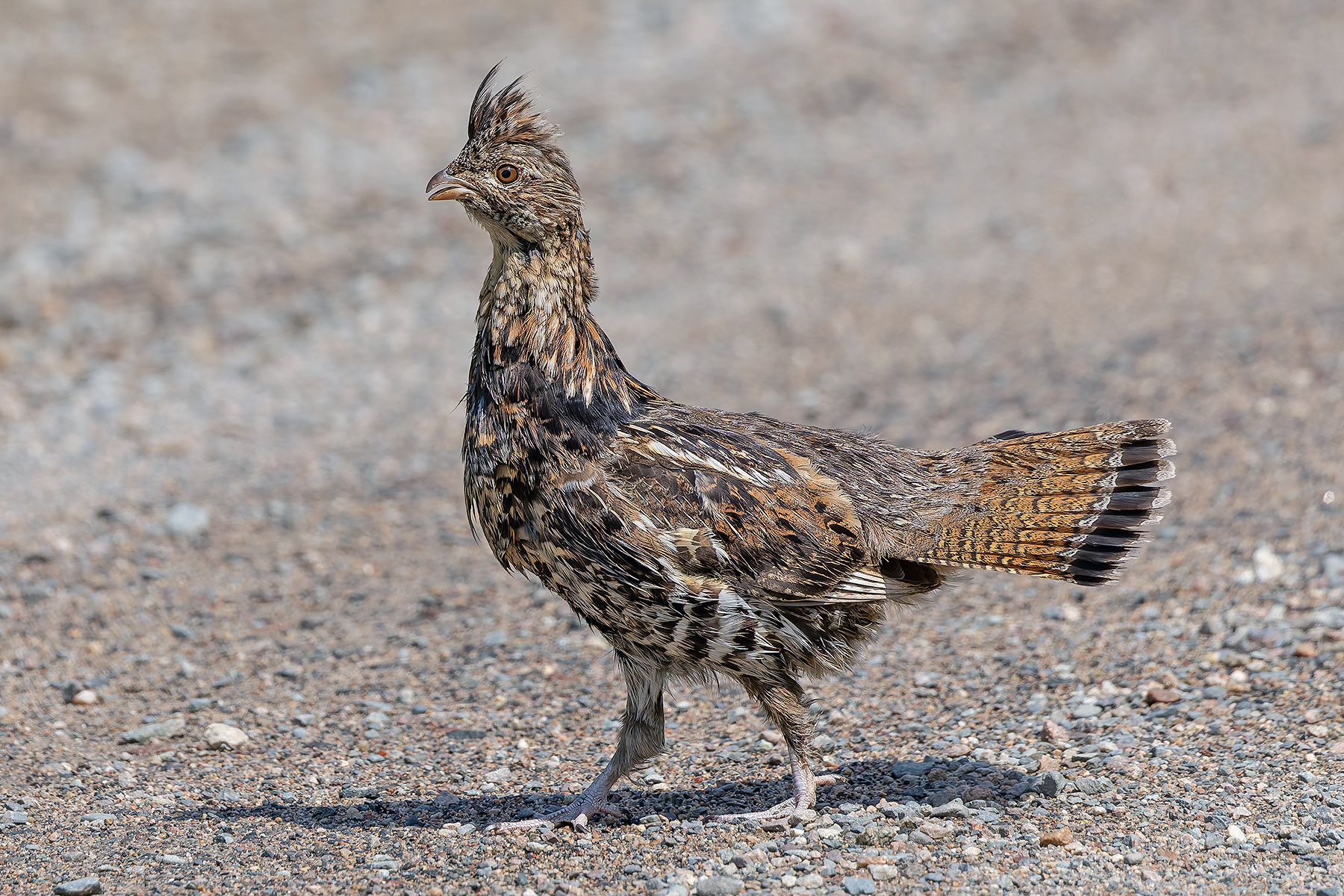
Ruffed Grouse (image by Pete Morris)
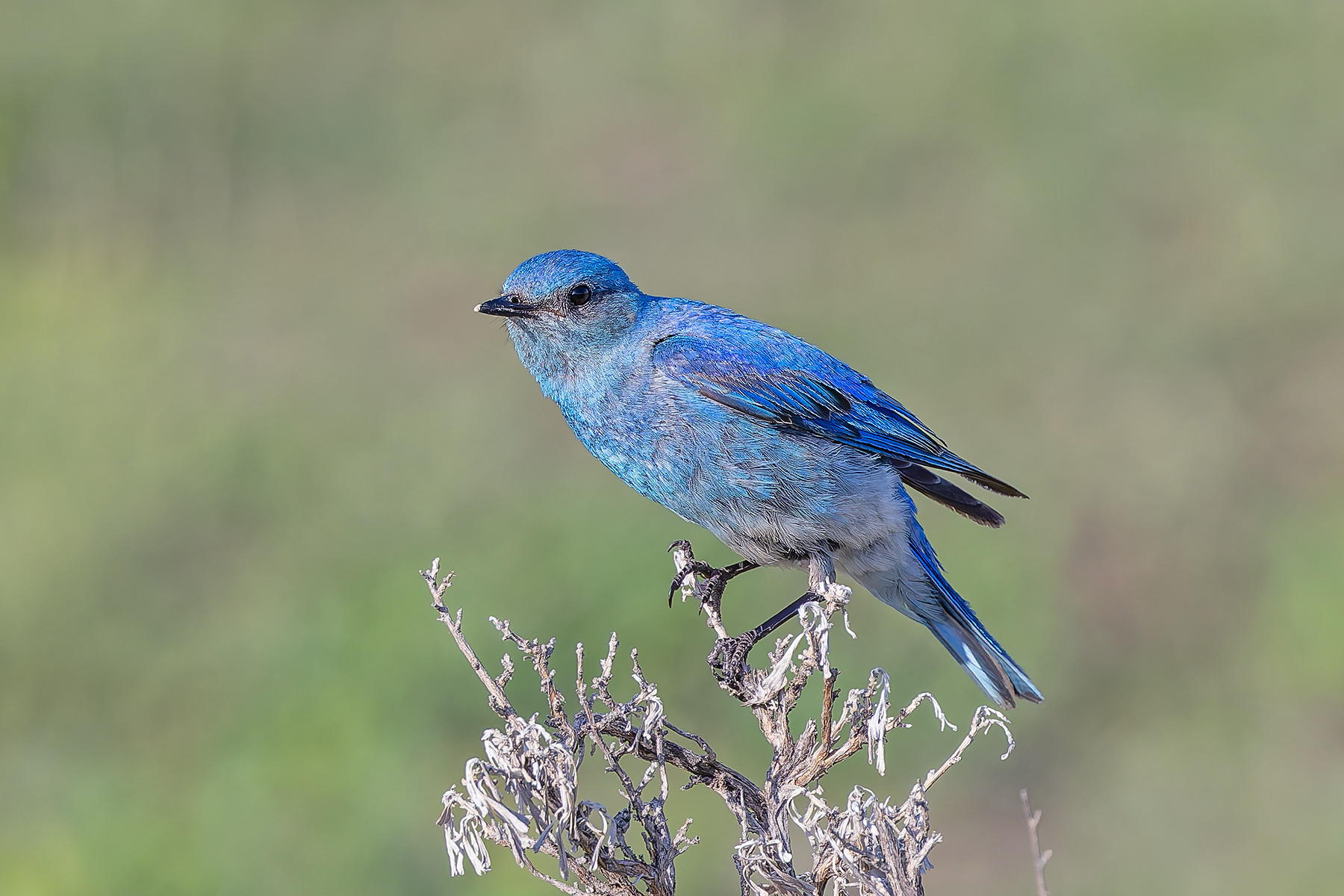
Mountain Bluebird (image by Pete Morris)
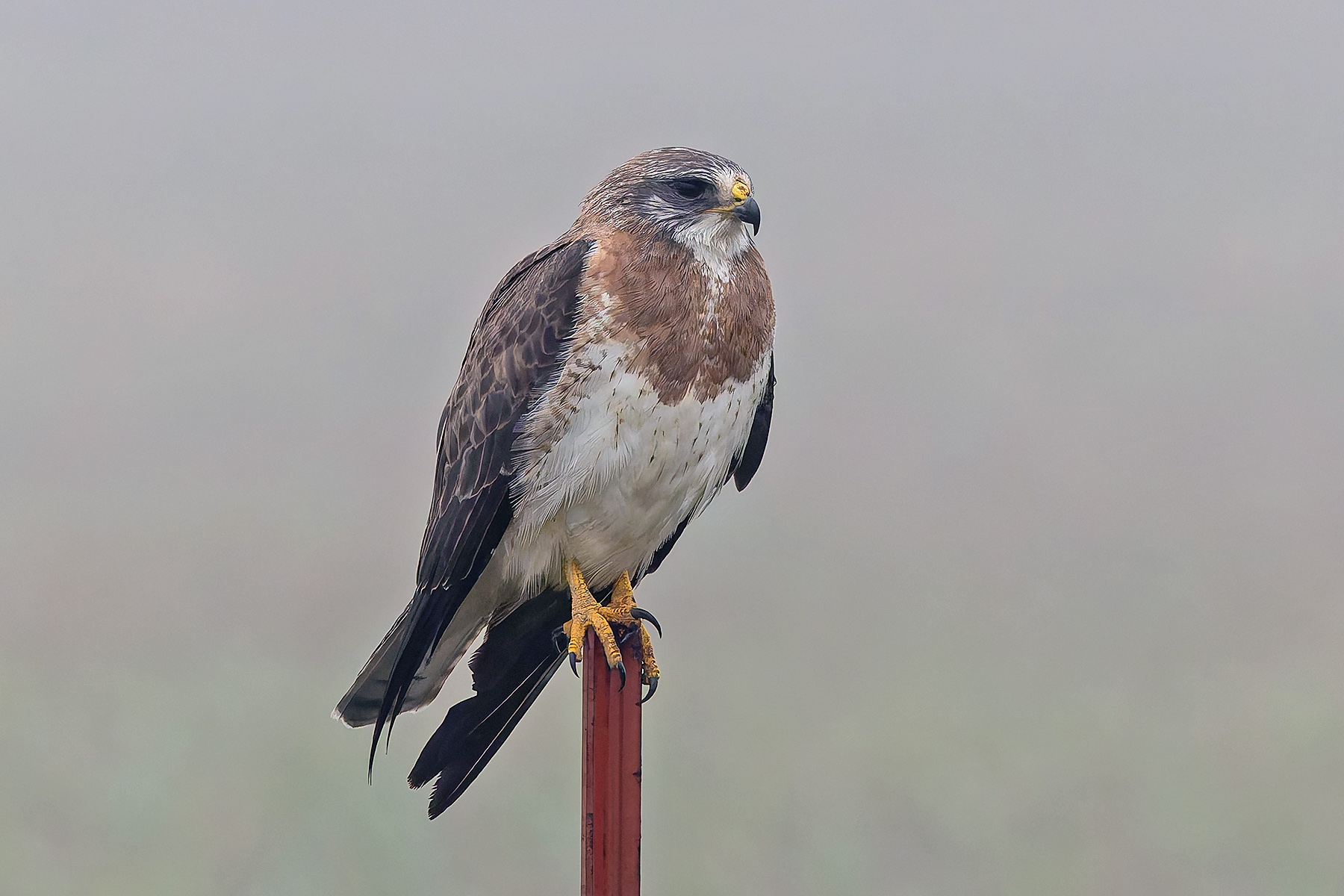
Swainson's Hawk (image by Pete Morris)
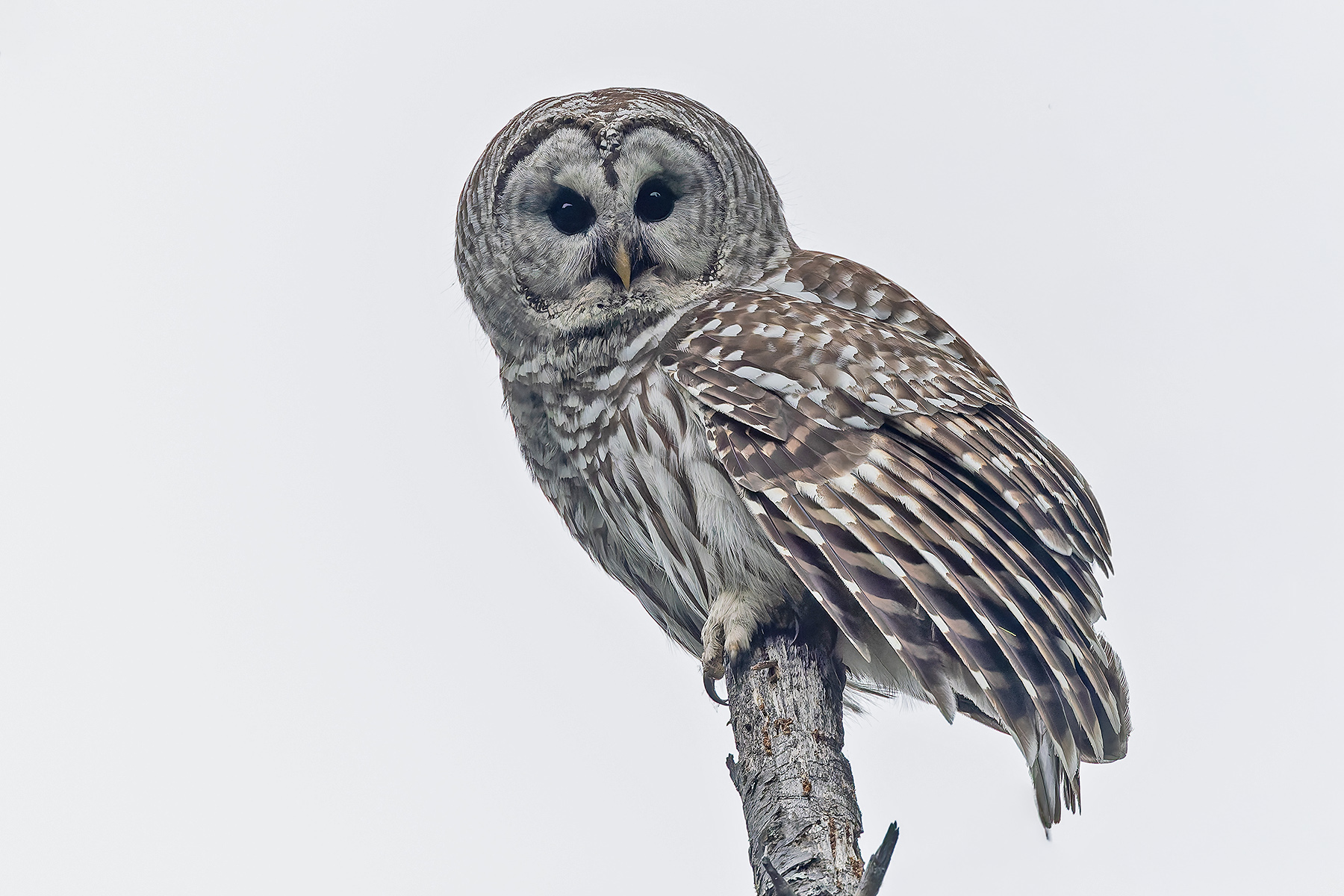
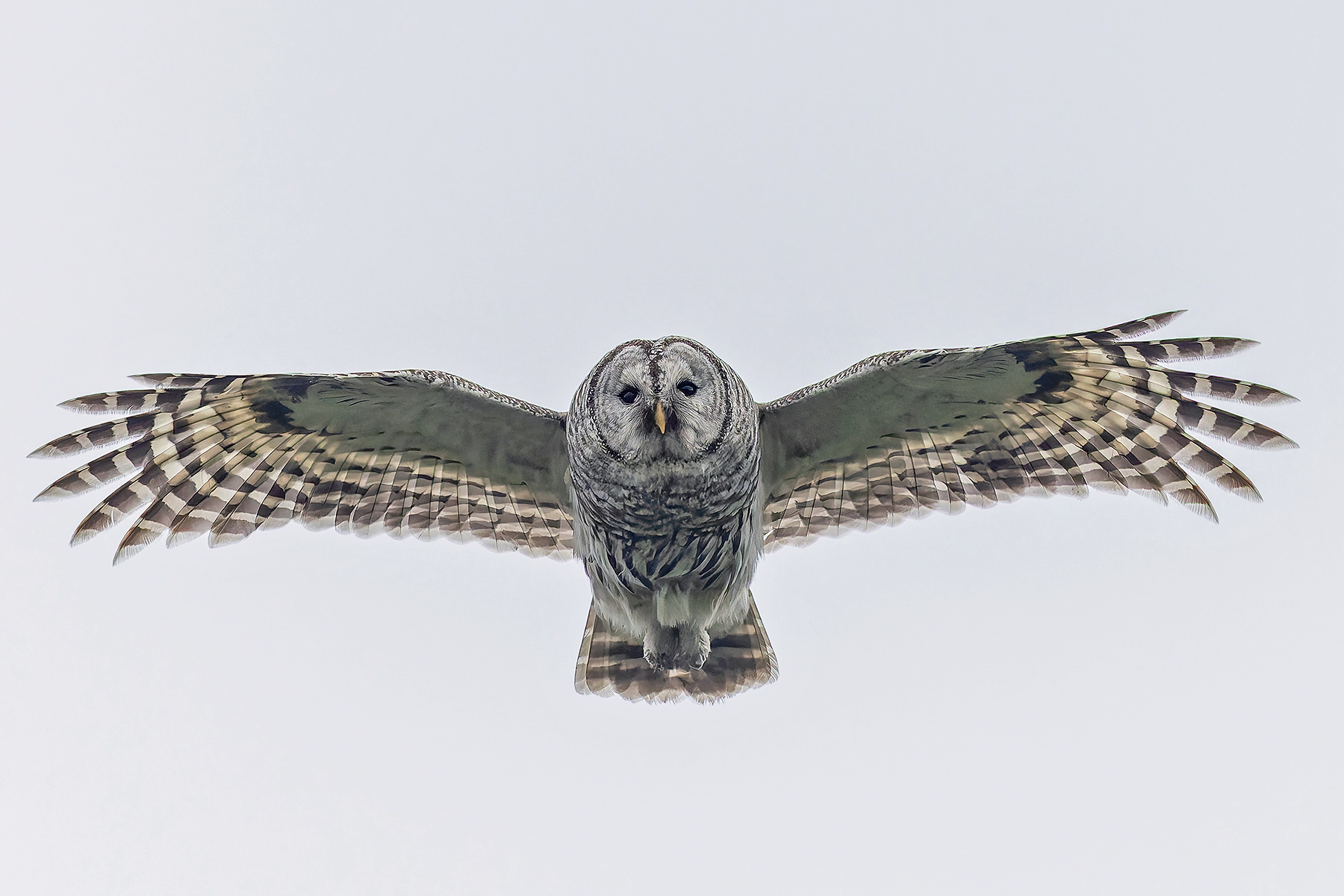
Barred Owl (image by Pete Morris)
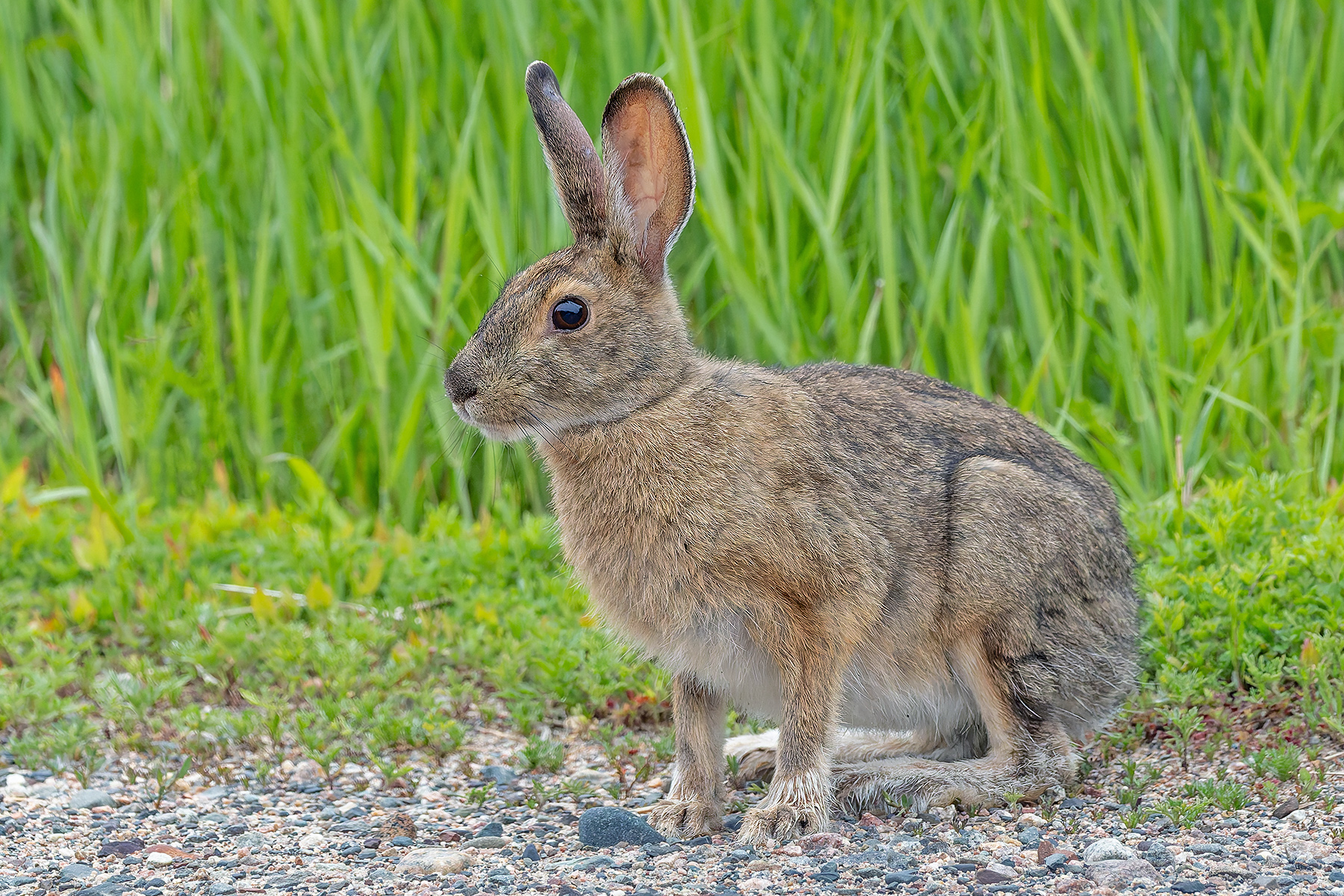
Snowshoe Hare (image by Pete Morris)
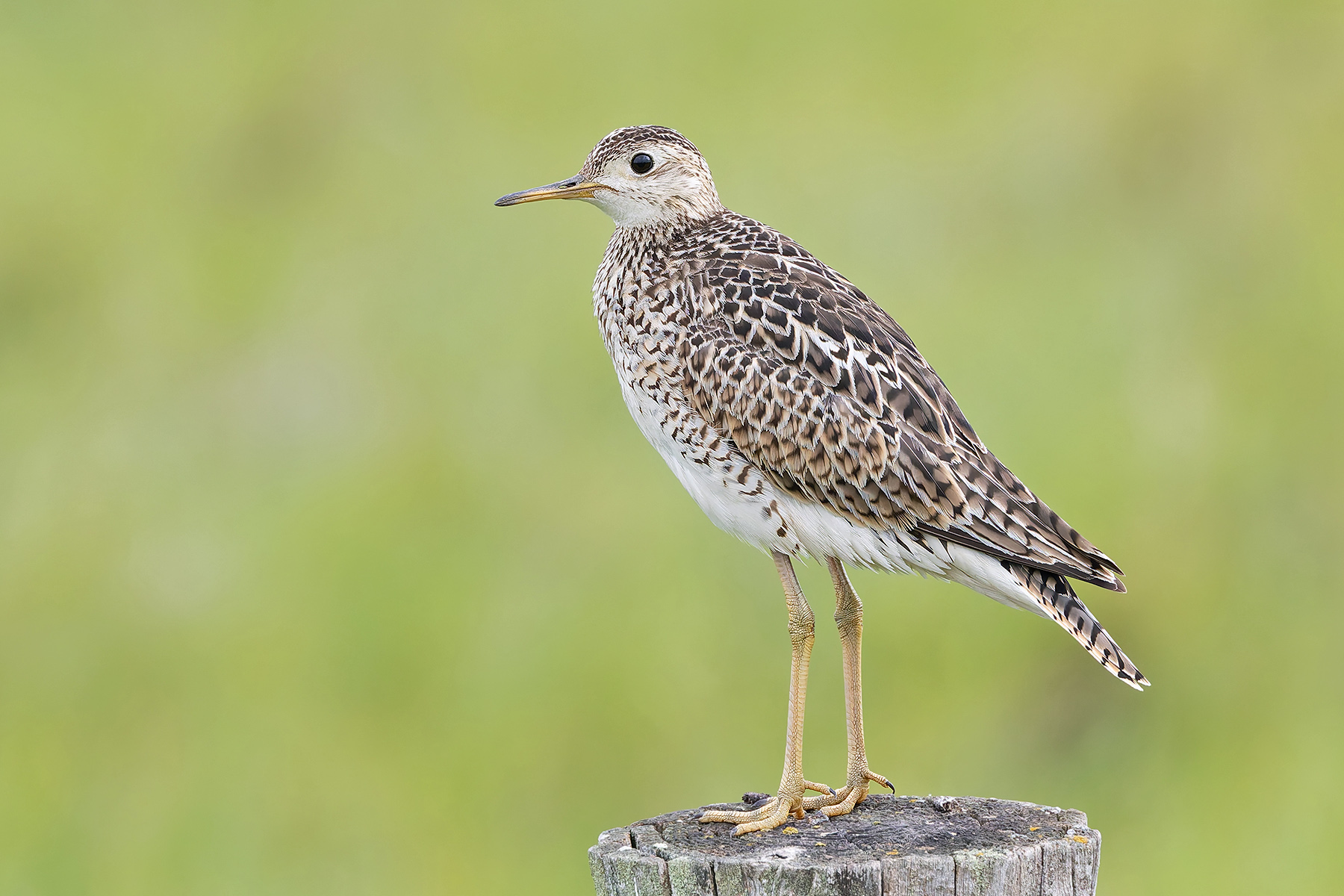
Upland Sandpiper (image by Pete Morris)
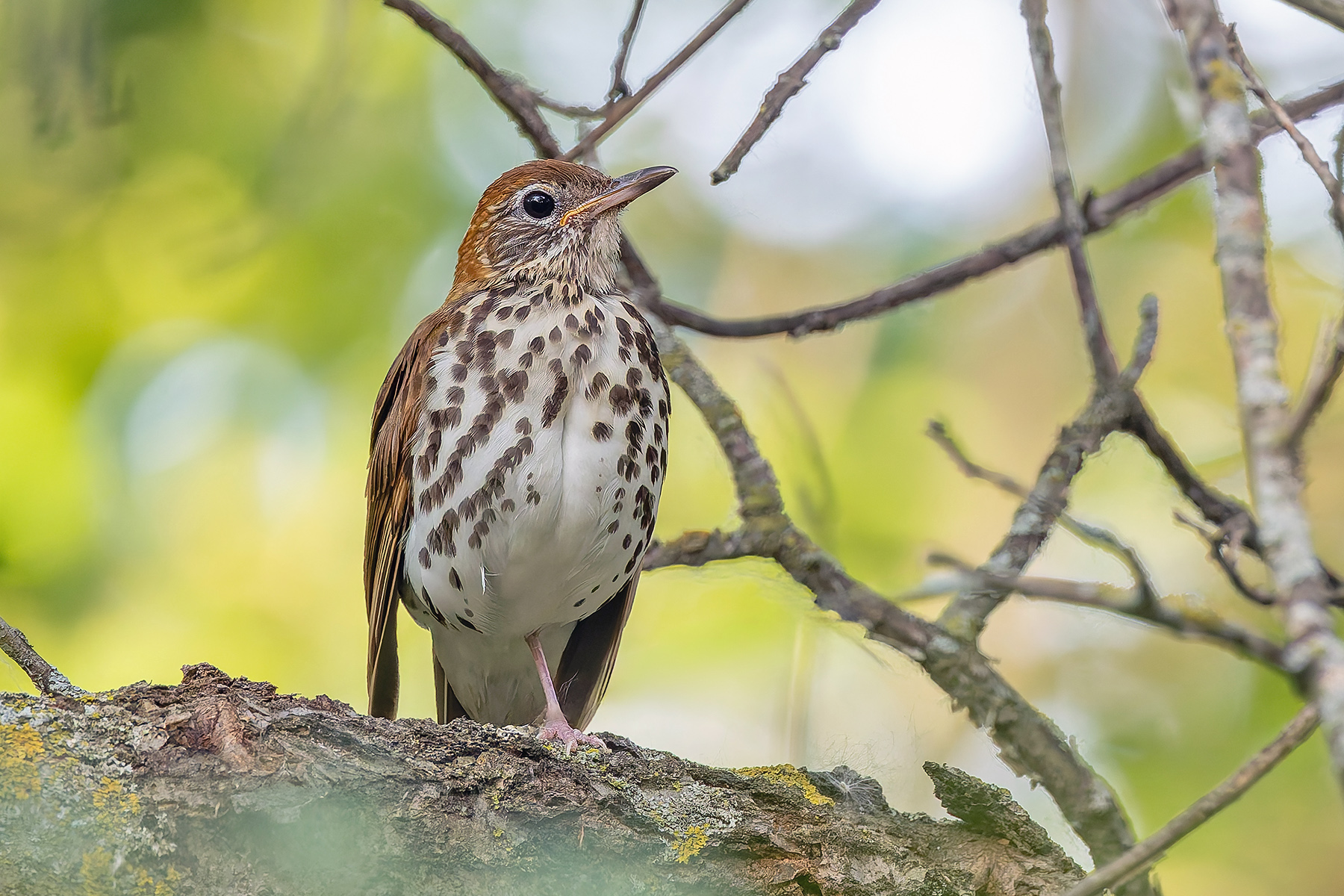
Wood Thrush (image by Pete Morris)
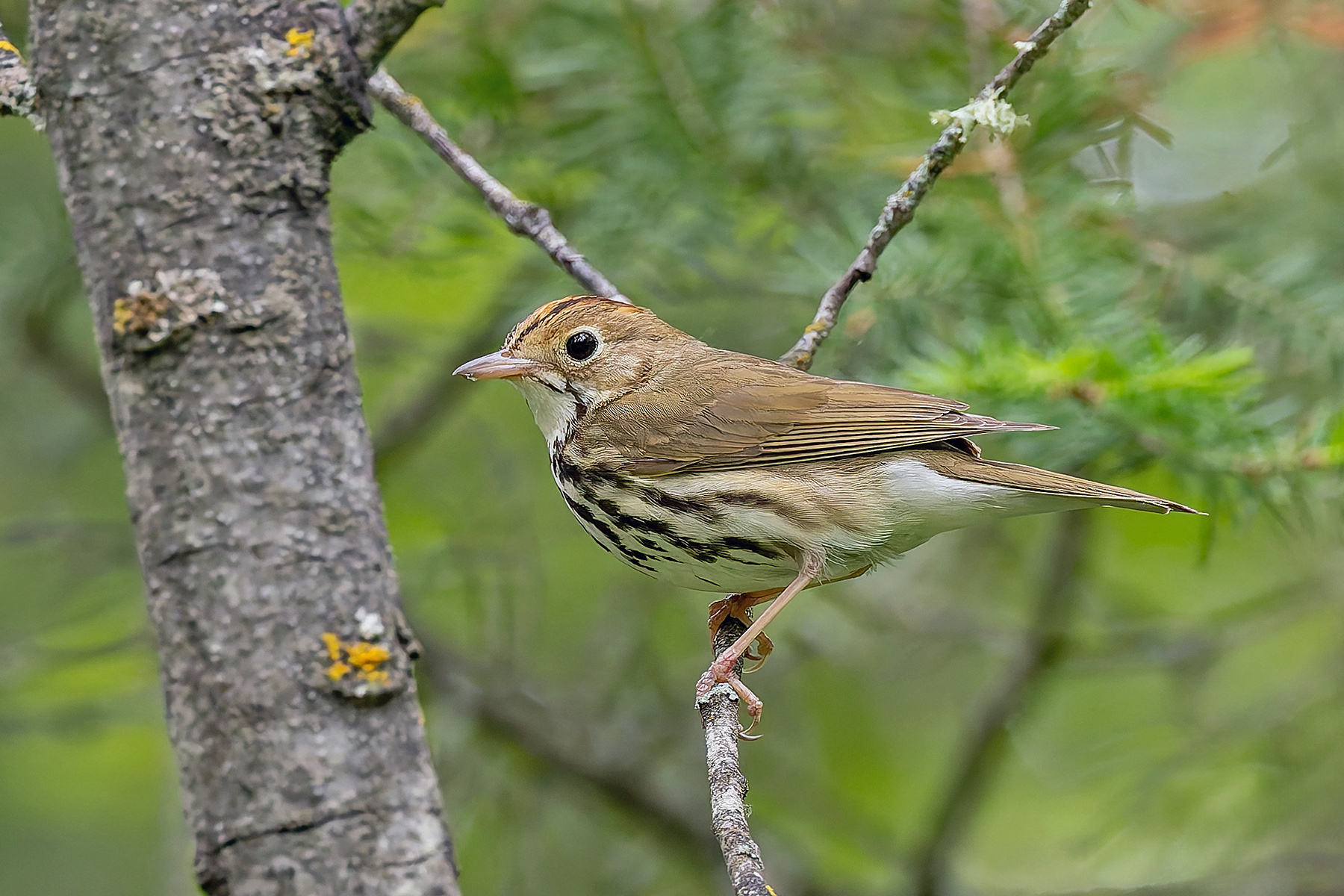
Ovenbird (image by Pete Morris)
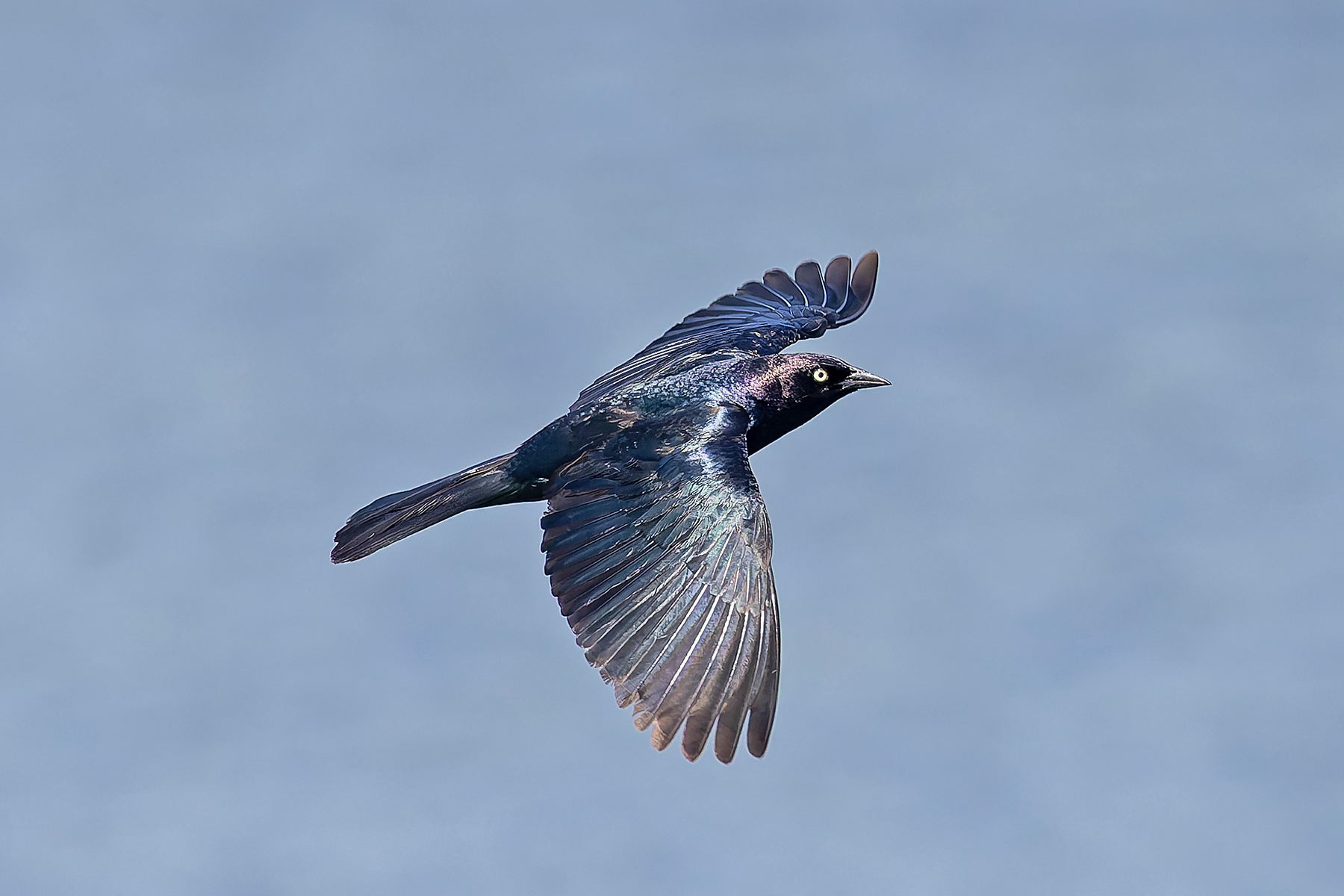
Brewer's Blackbird (image by Pete Morris)
Barred Owl (image by Pete Morris)
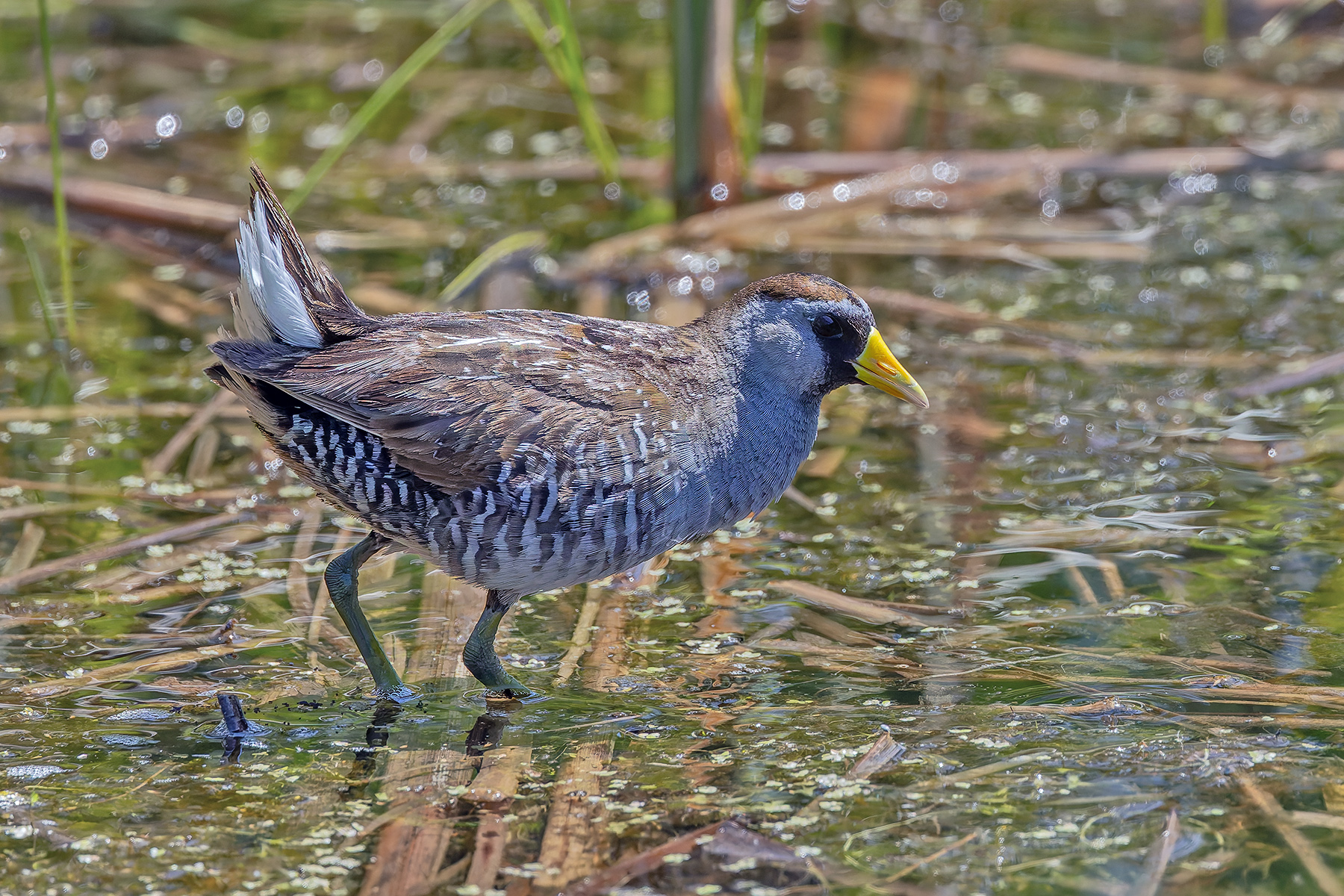
Sora (image by Pete Morris)
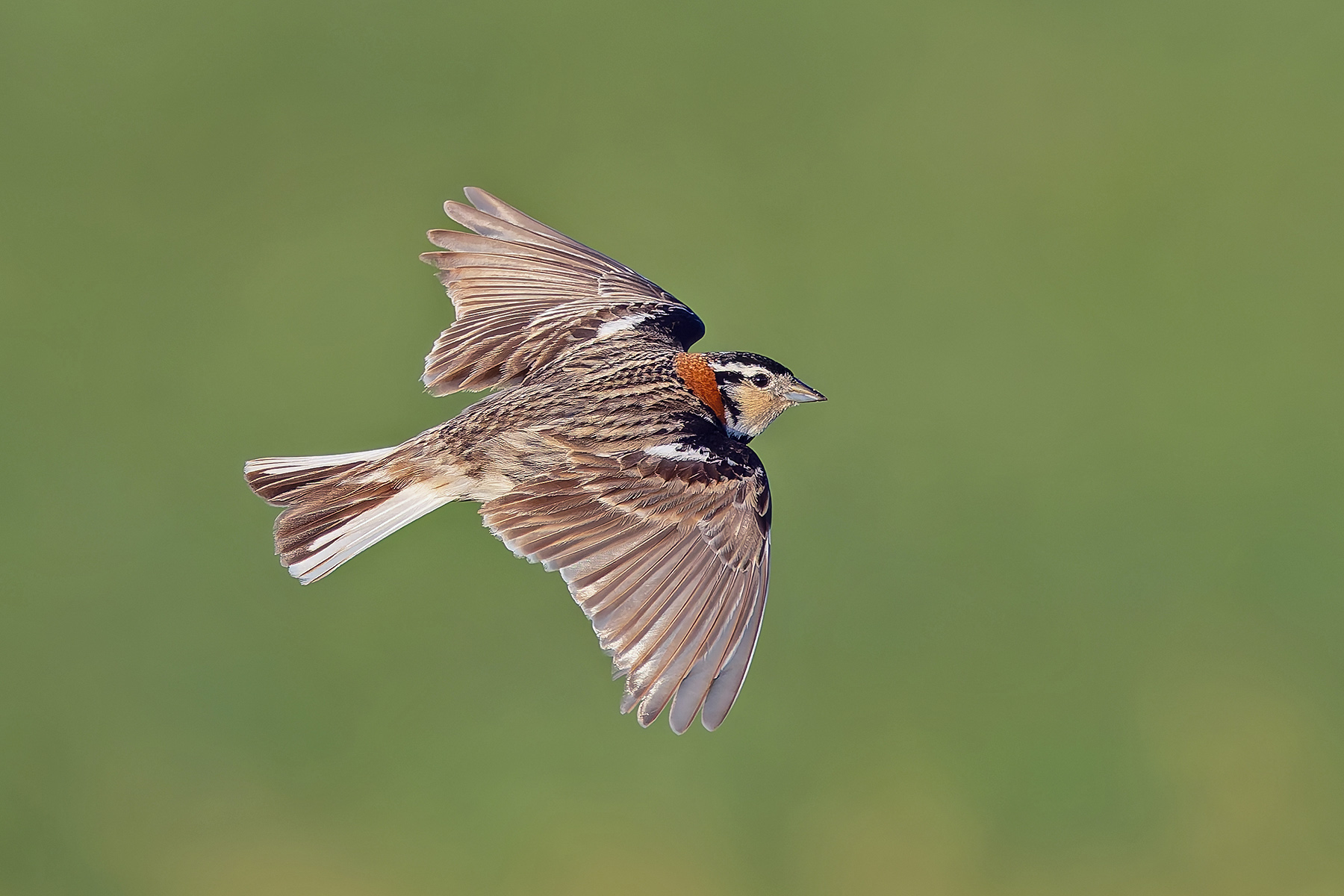
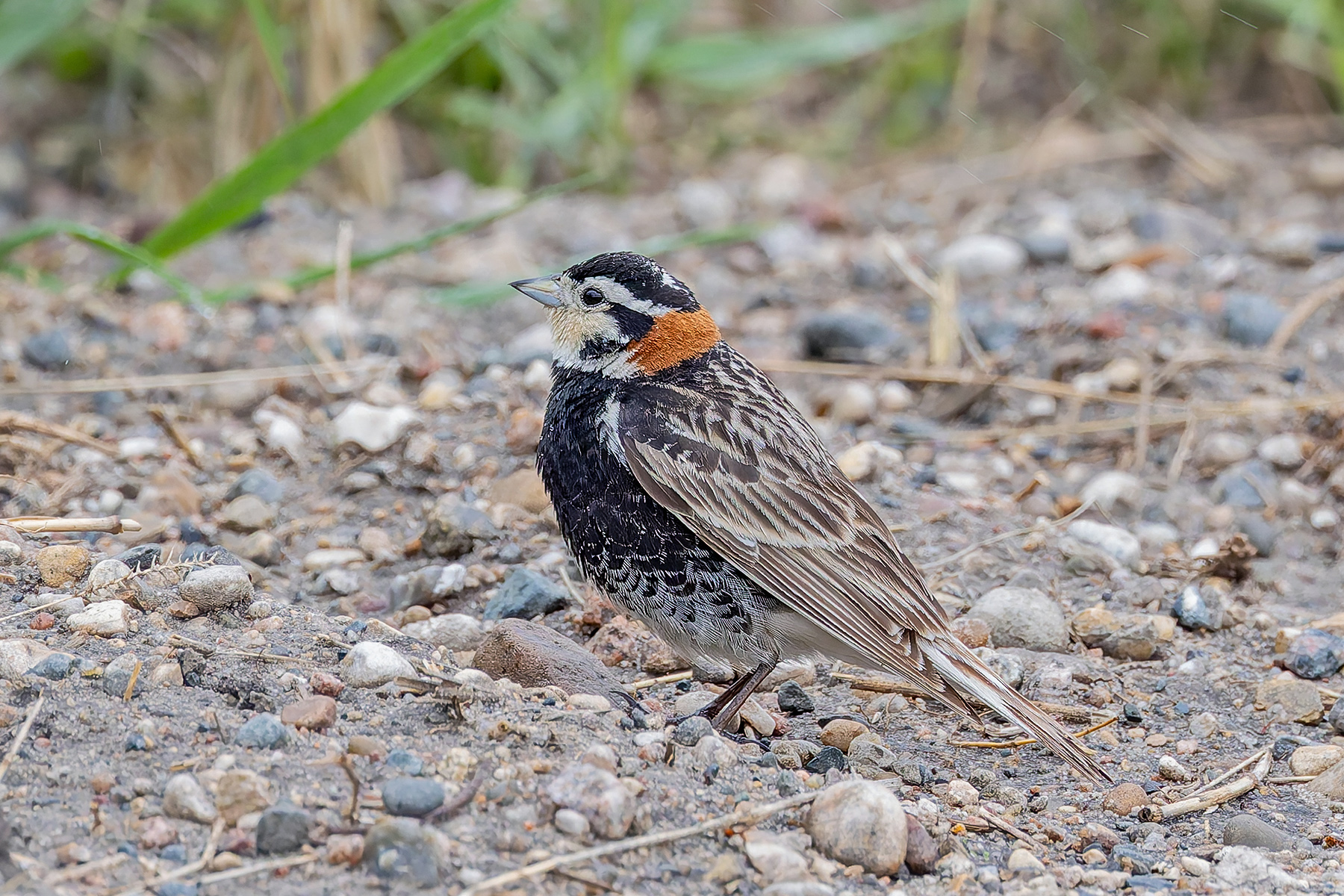
Chestnut-collared Longspur (image by Pete Morris)
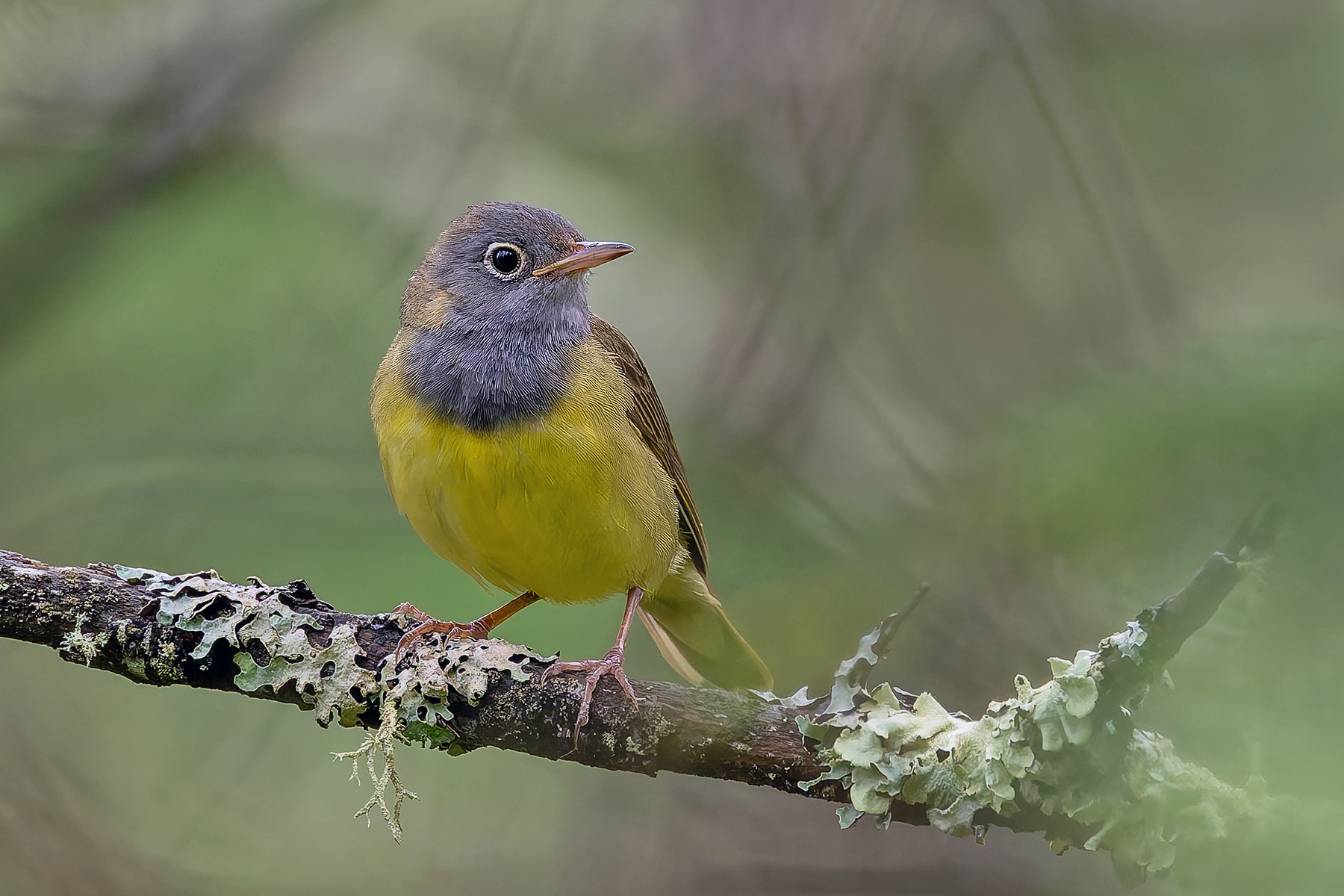
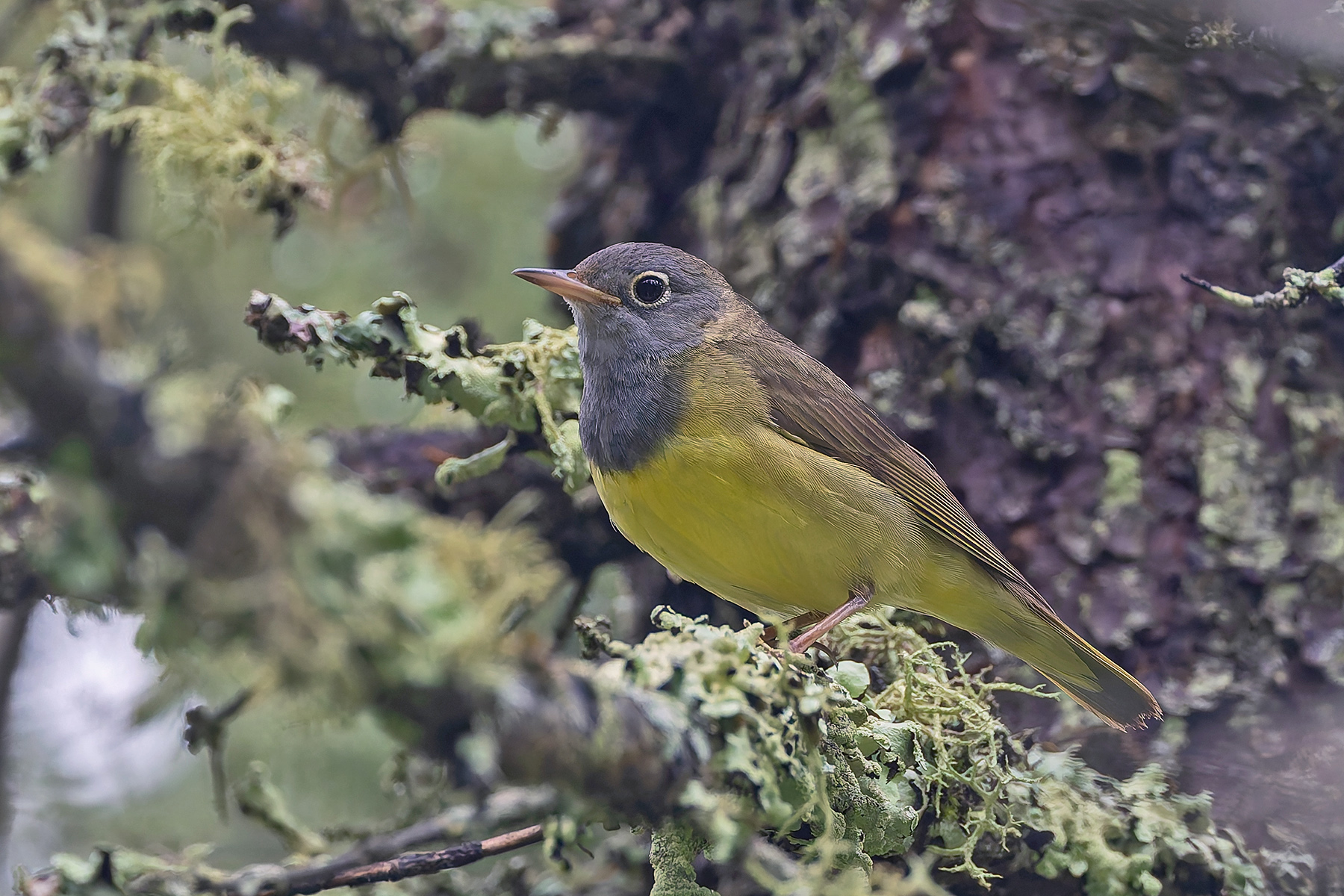
Connecticut Warbler (image by Pete Morris)
Yellow Rail (image by Pete Morris)
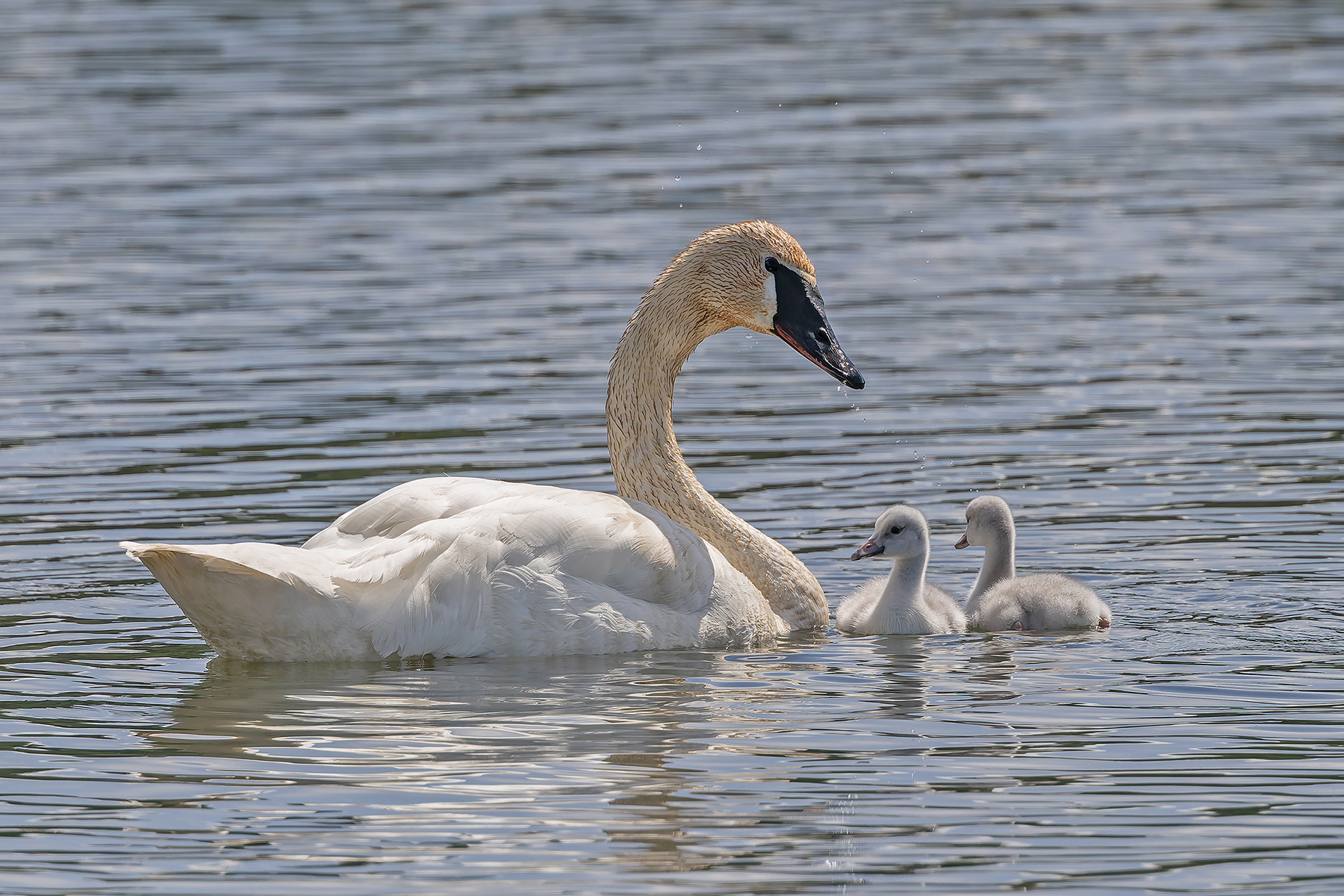
Trumpeter Swan family (image by Pete Morris)
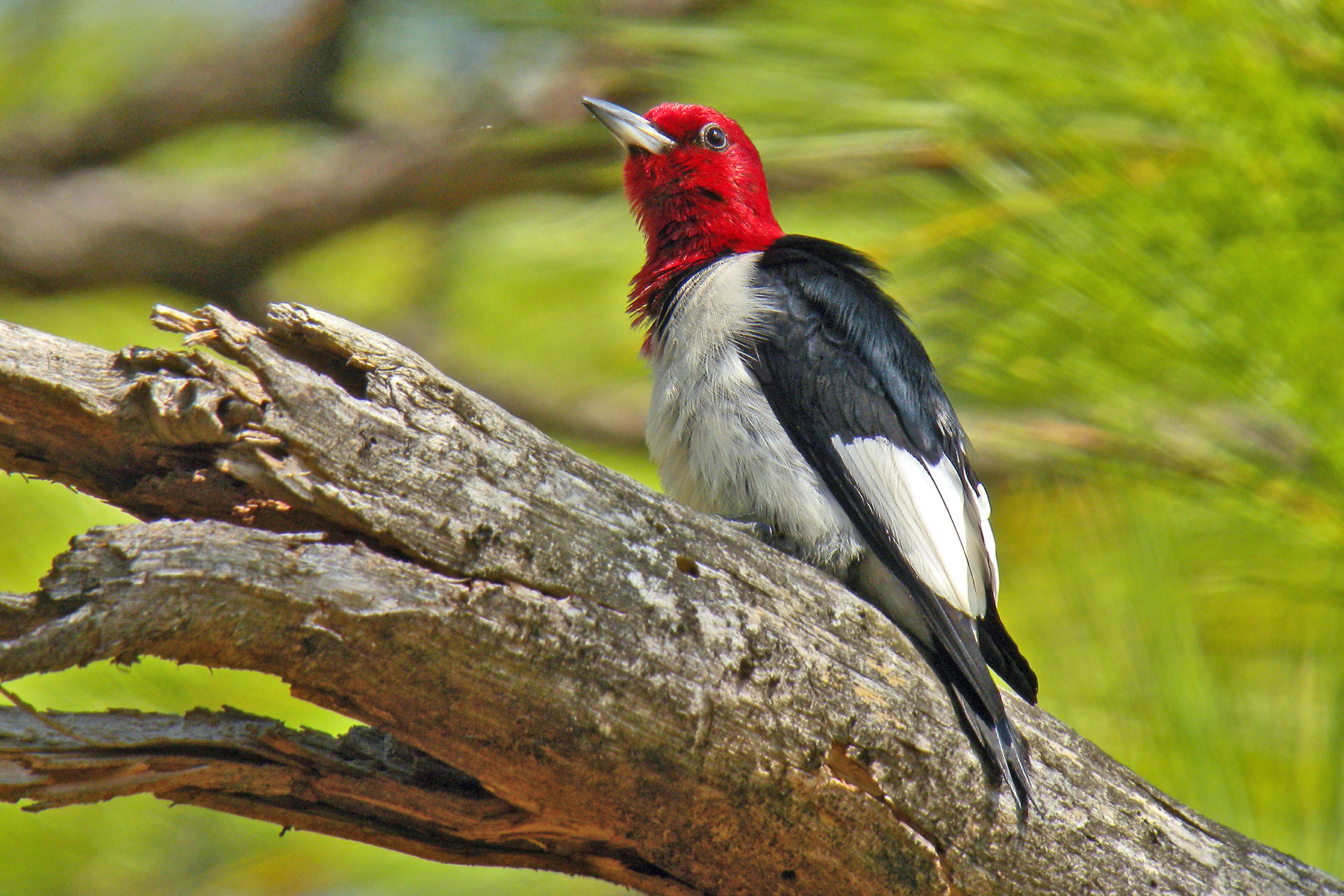
Red-headed Woodpecker (image by Pete Morris)
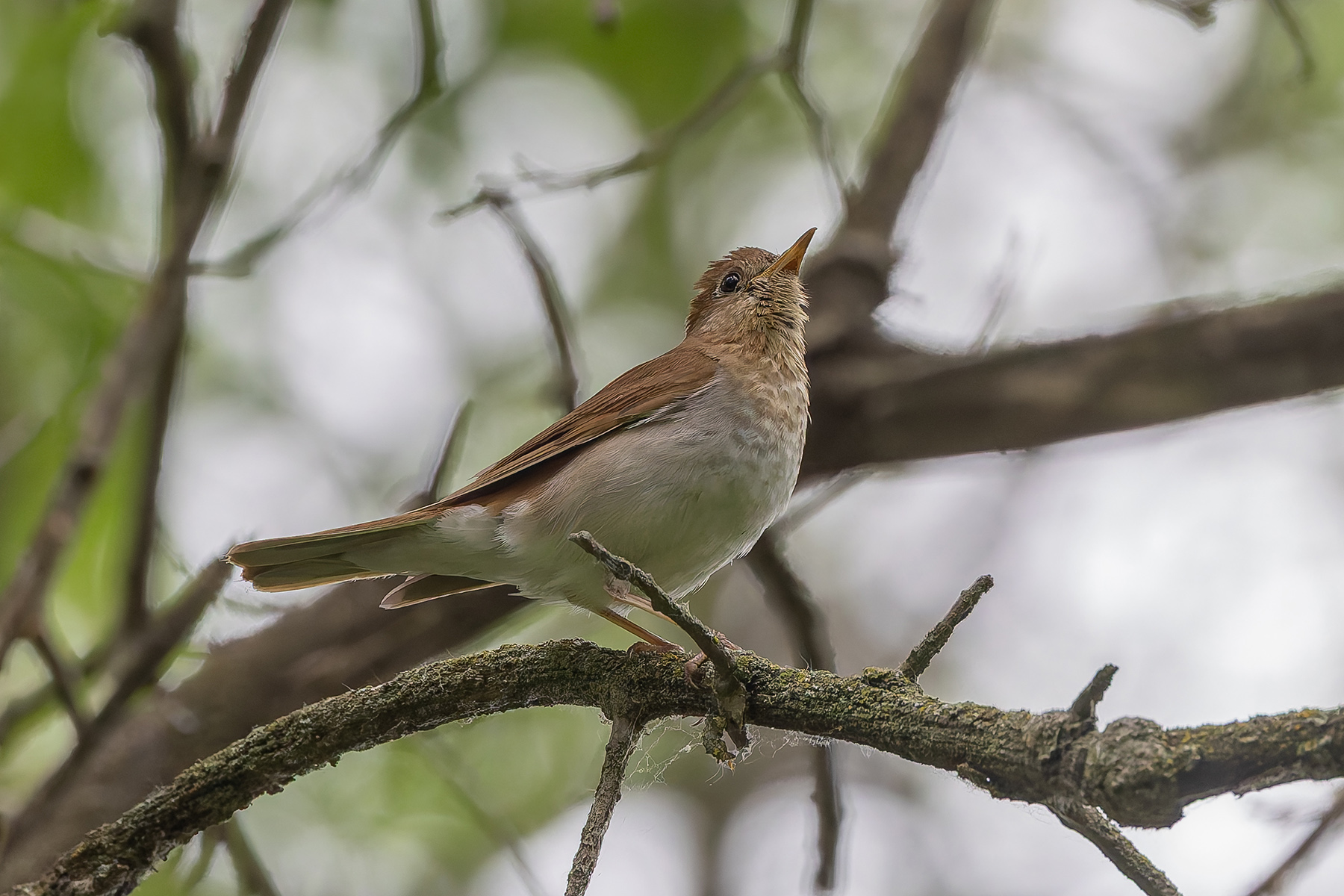
Veery (image by Pete Morris)
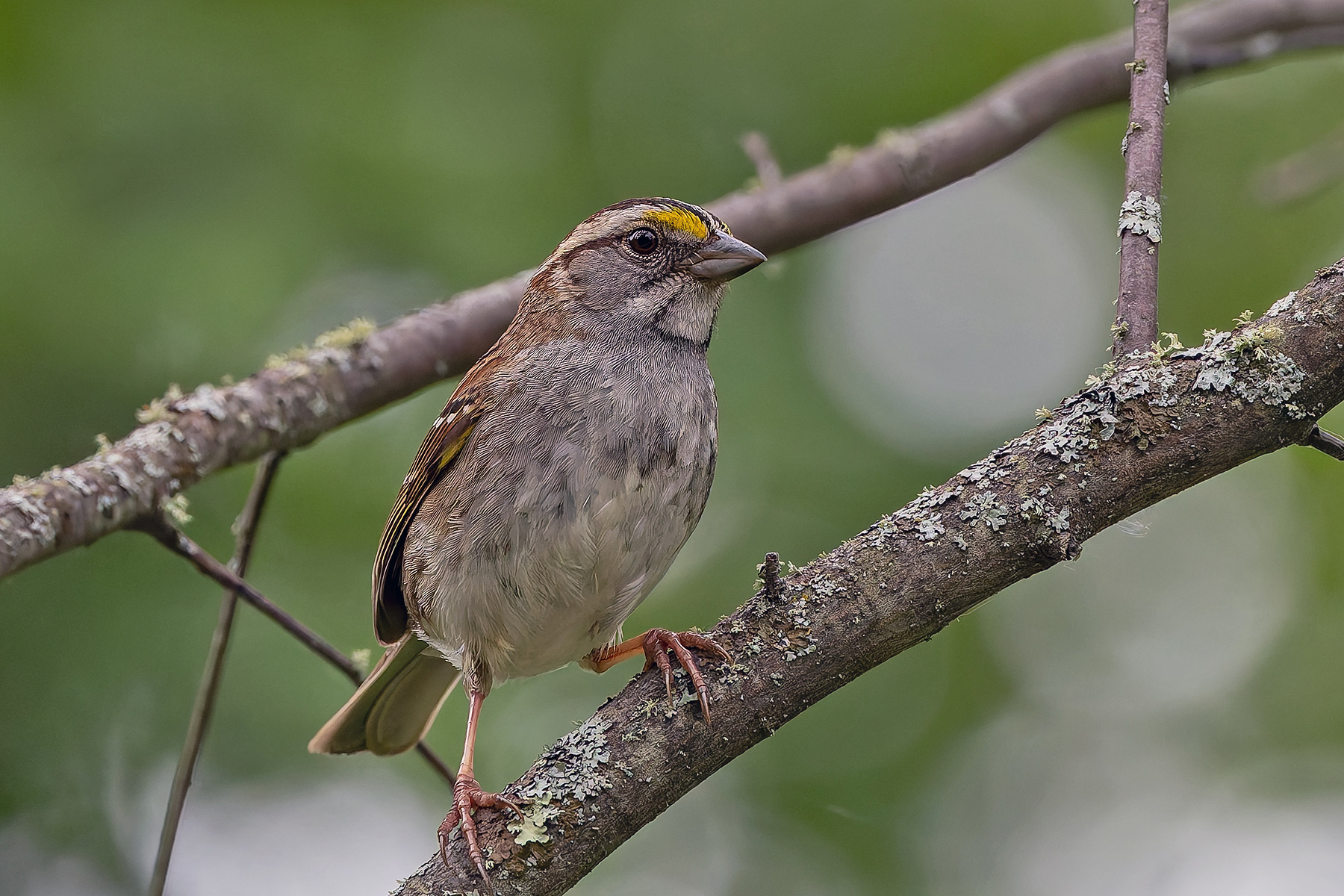
White-throated Sparrow (image by Pete Morris)
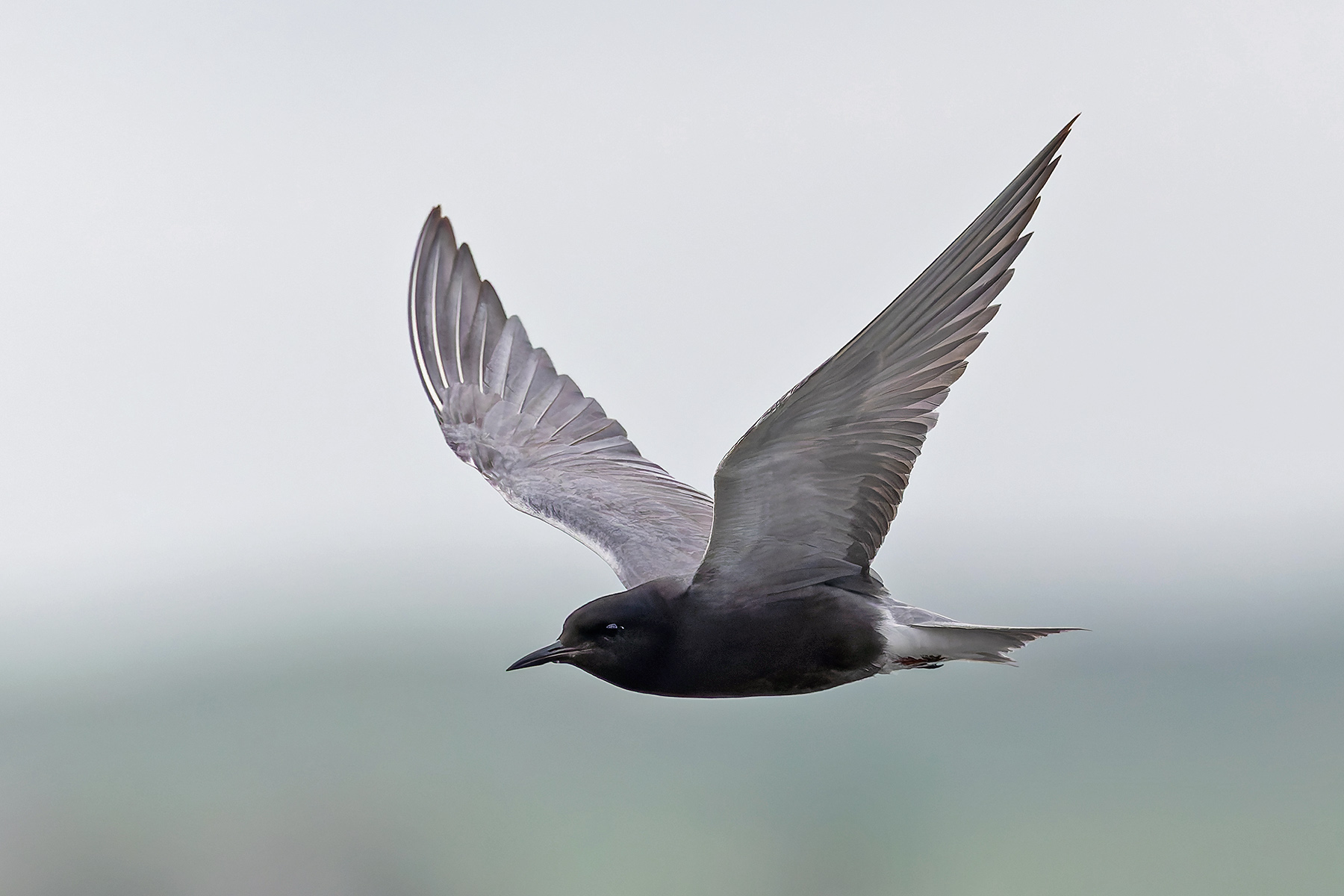
American Black Tern (image by Pete Morris)
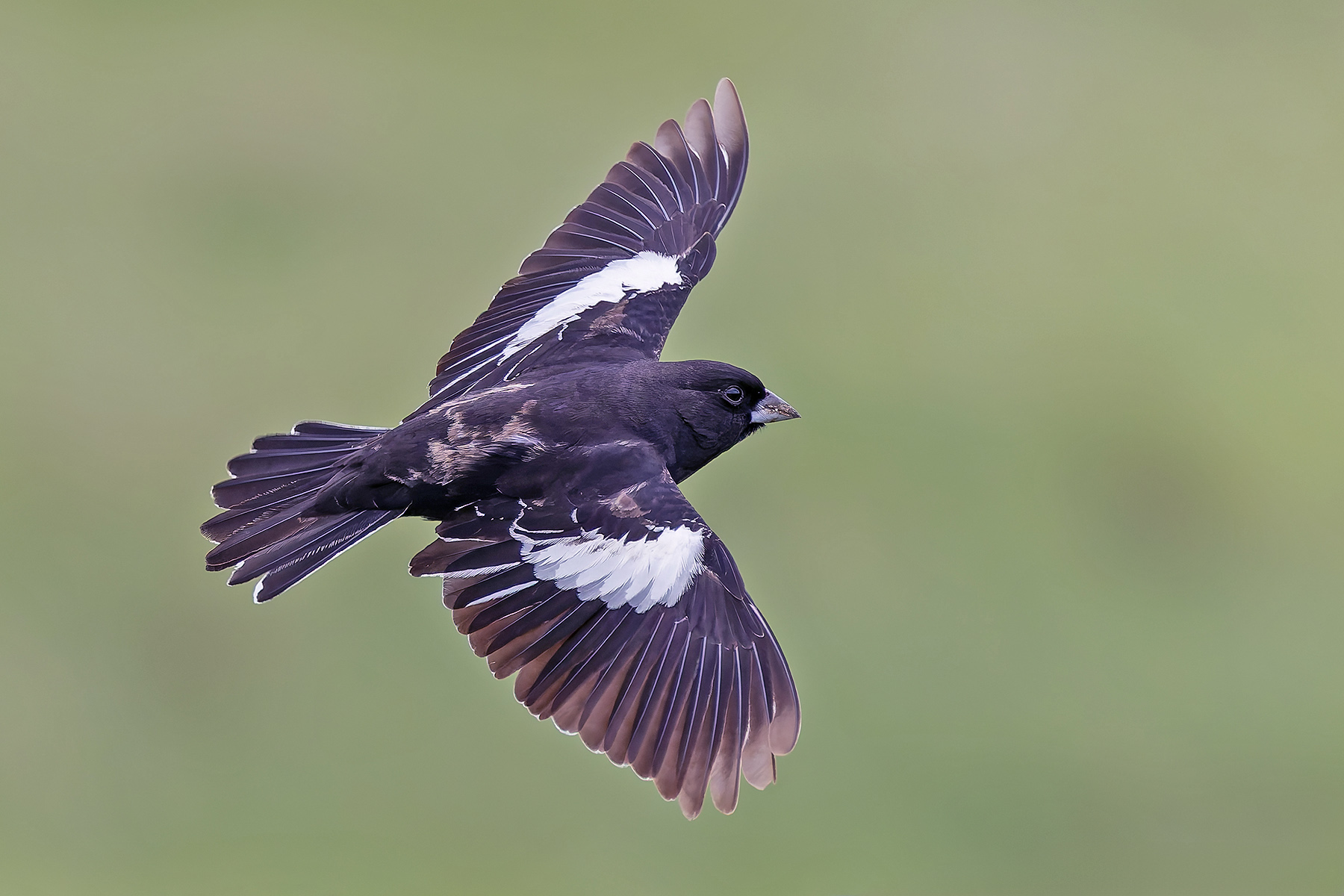
Lark Bunting (image by Pete Morris)
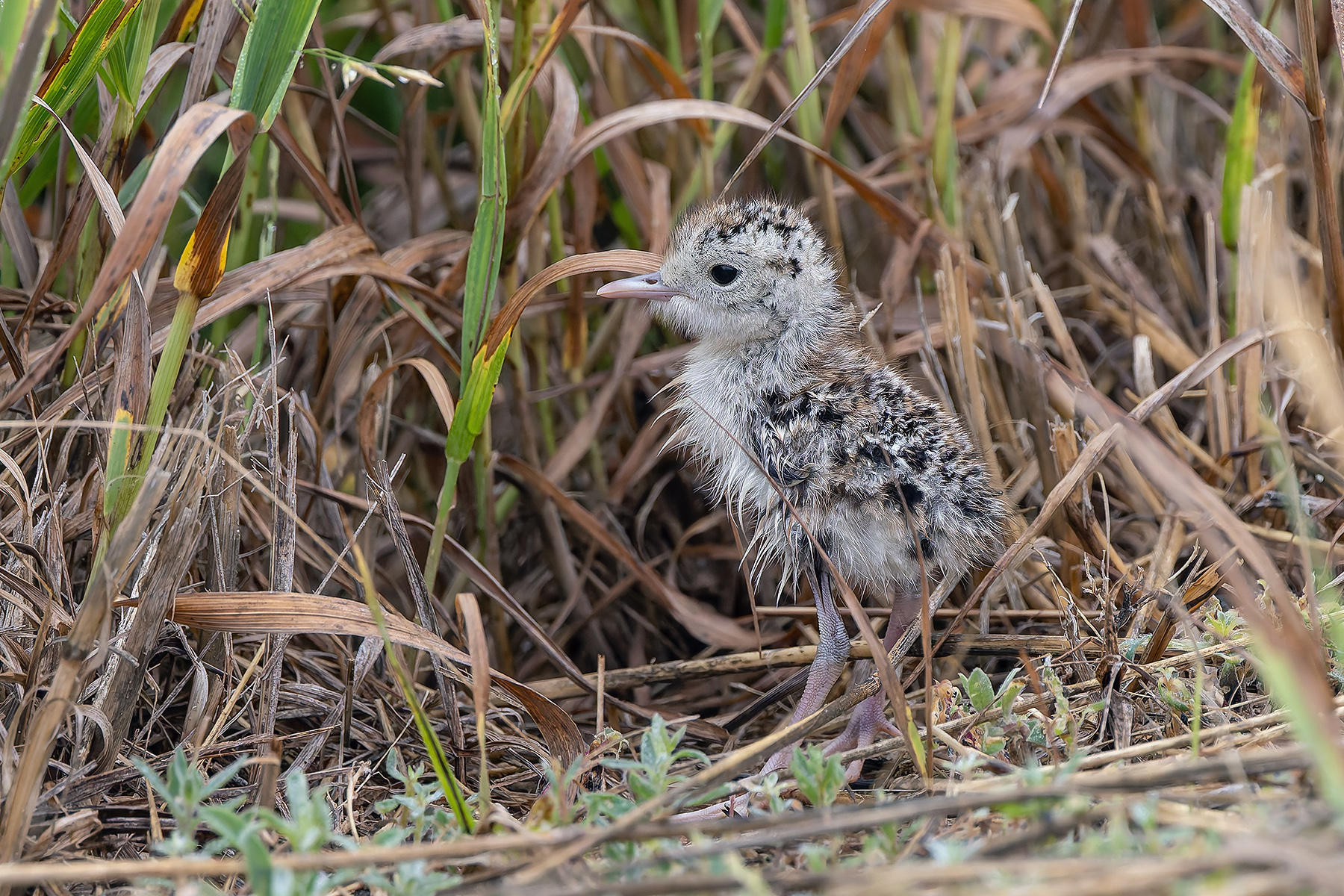
Upland Sandpiper chick (image by Pete Morris)
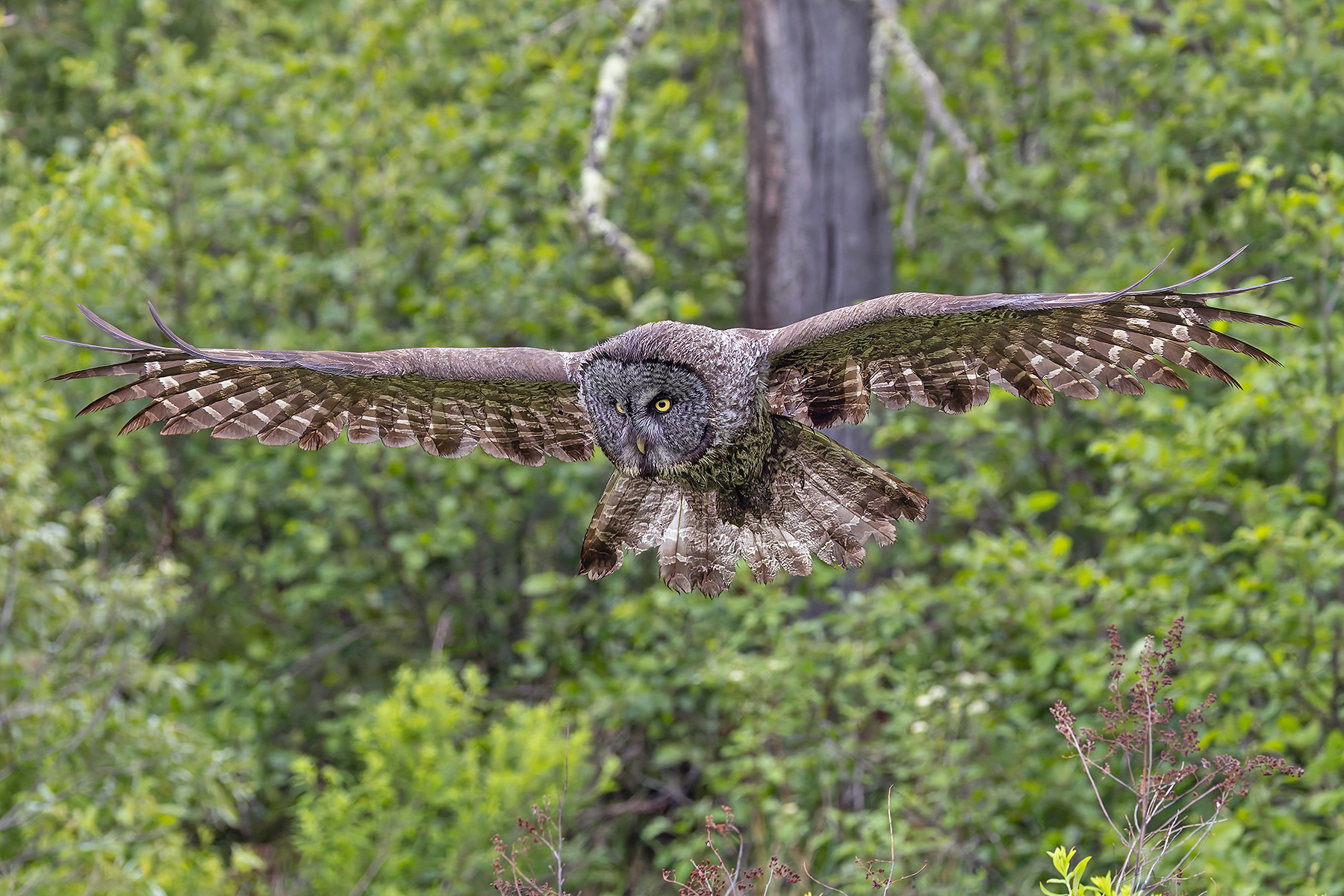
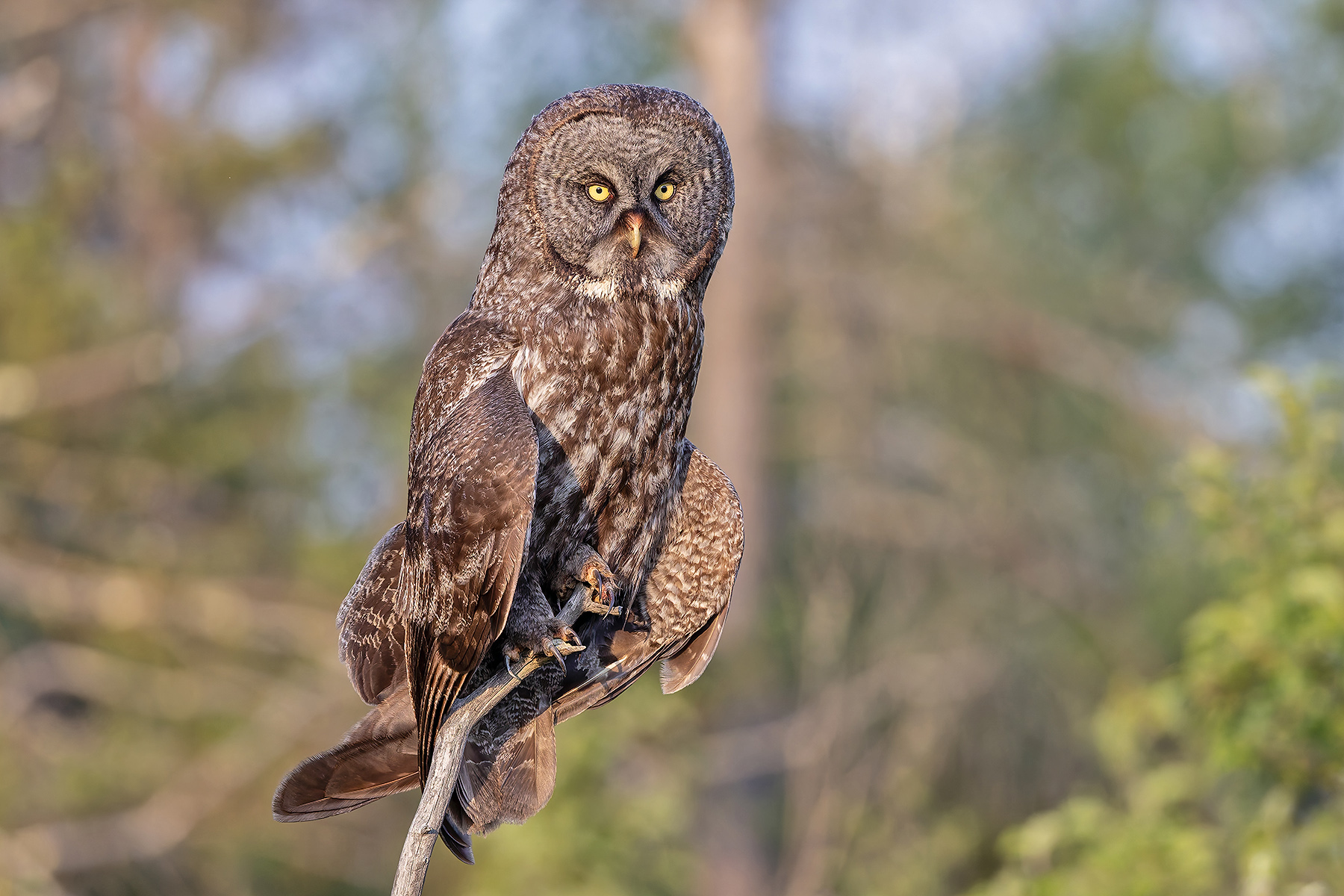
Great Grey Owl (image by Pete Morris)
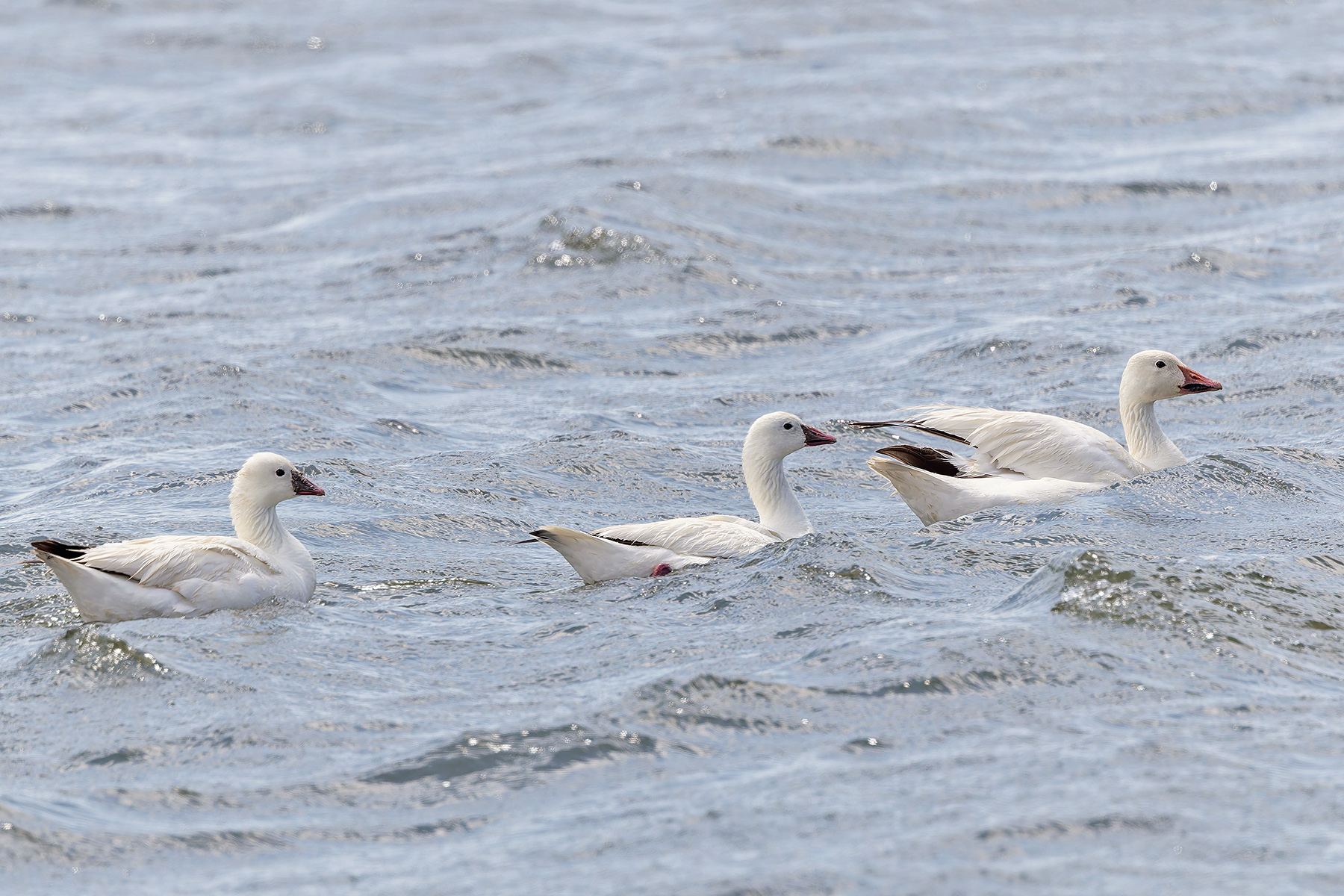
Ross's Goose, hybrid Ross's x Snow Goose, and Snow Goose (image by Pete Morris)
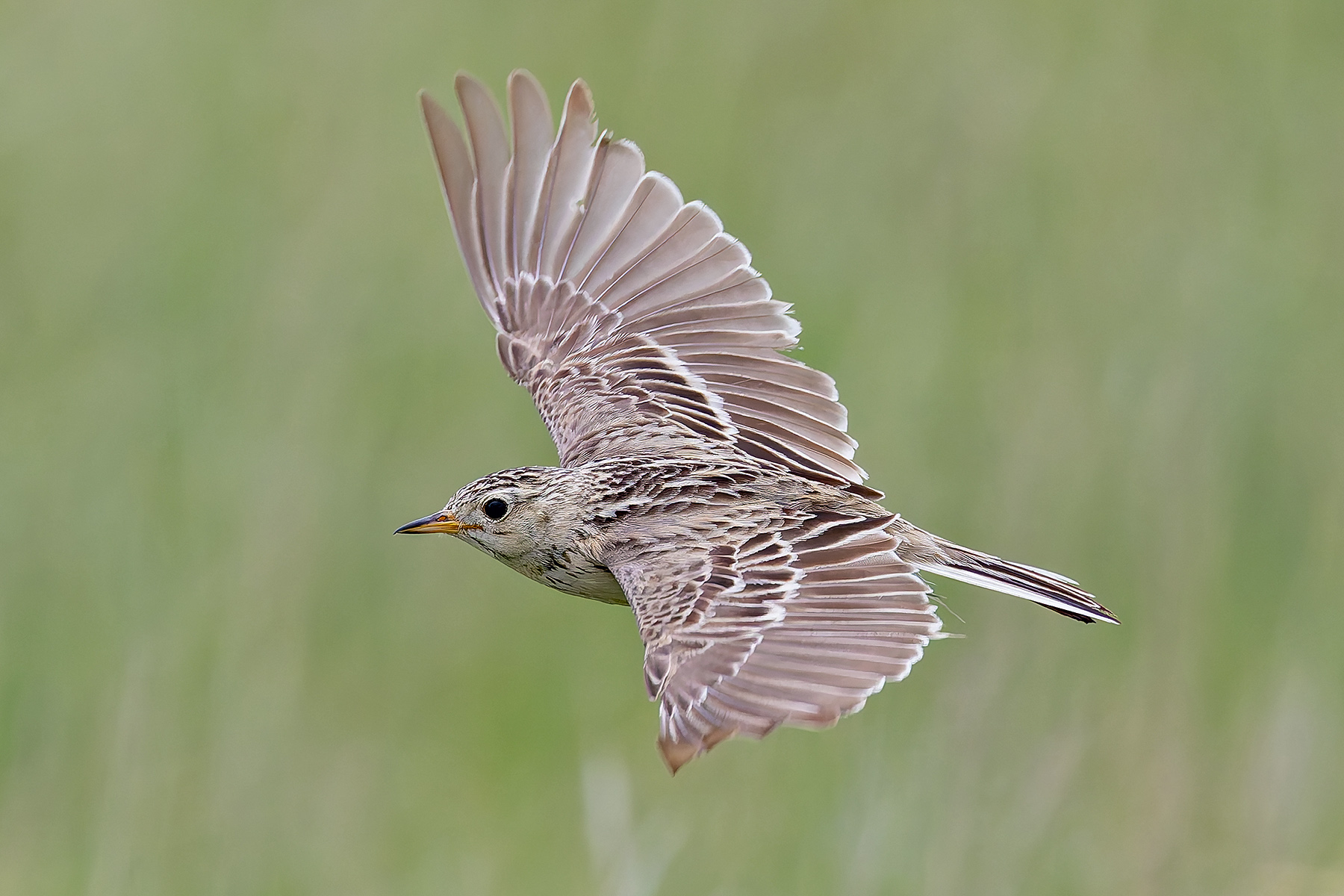
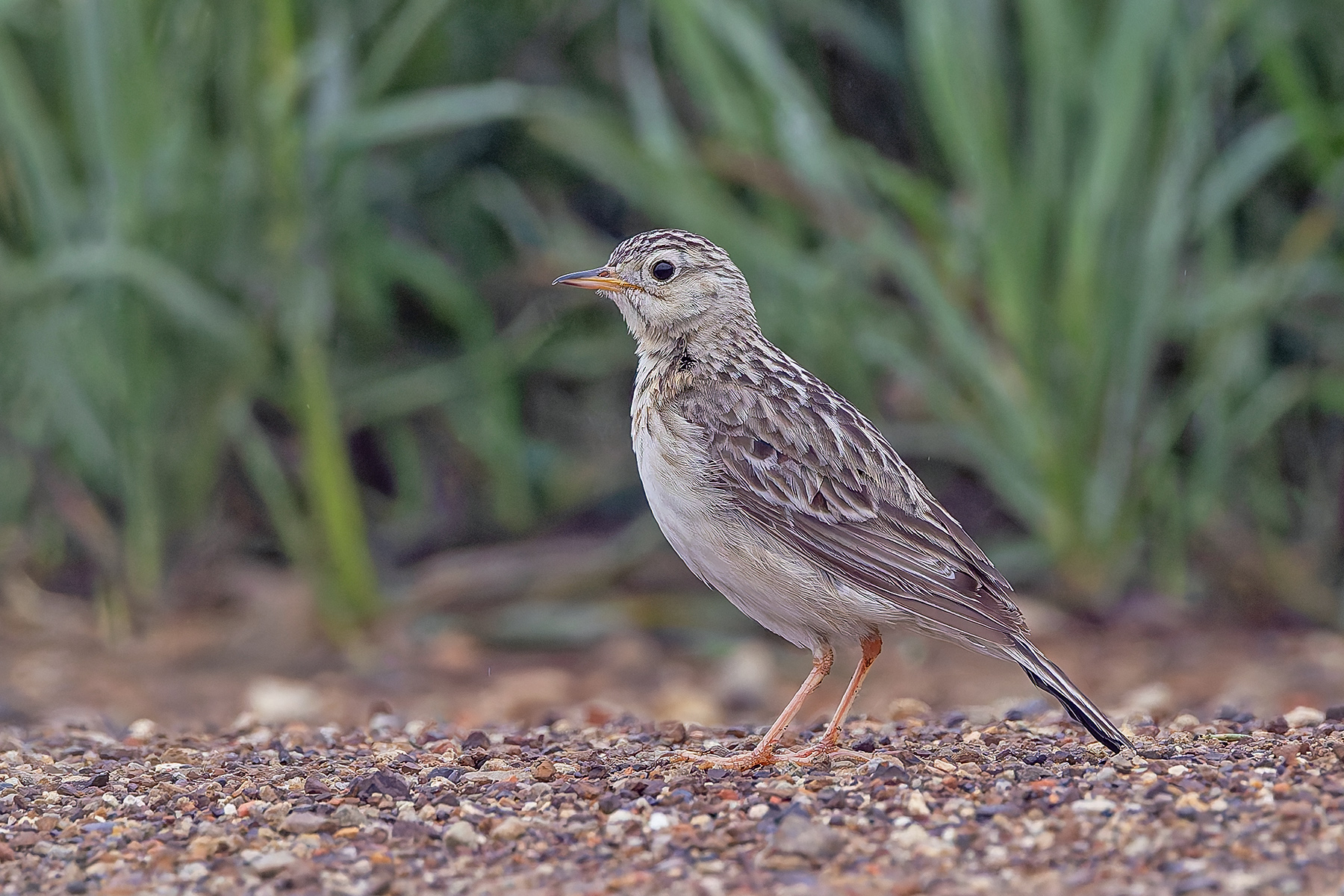
Sprague's Pipit (image by Pete Morris)
Great Grey Owl (image by Pete Morris)
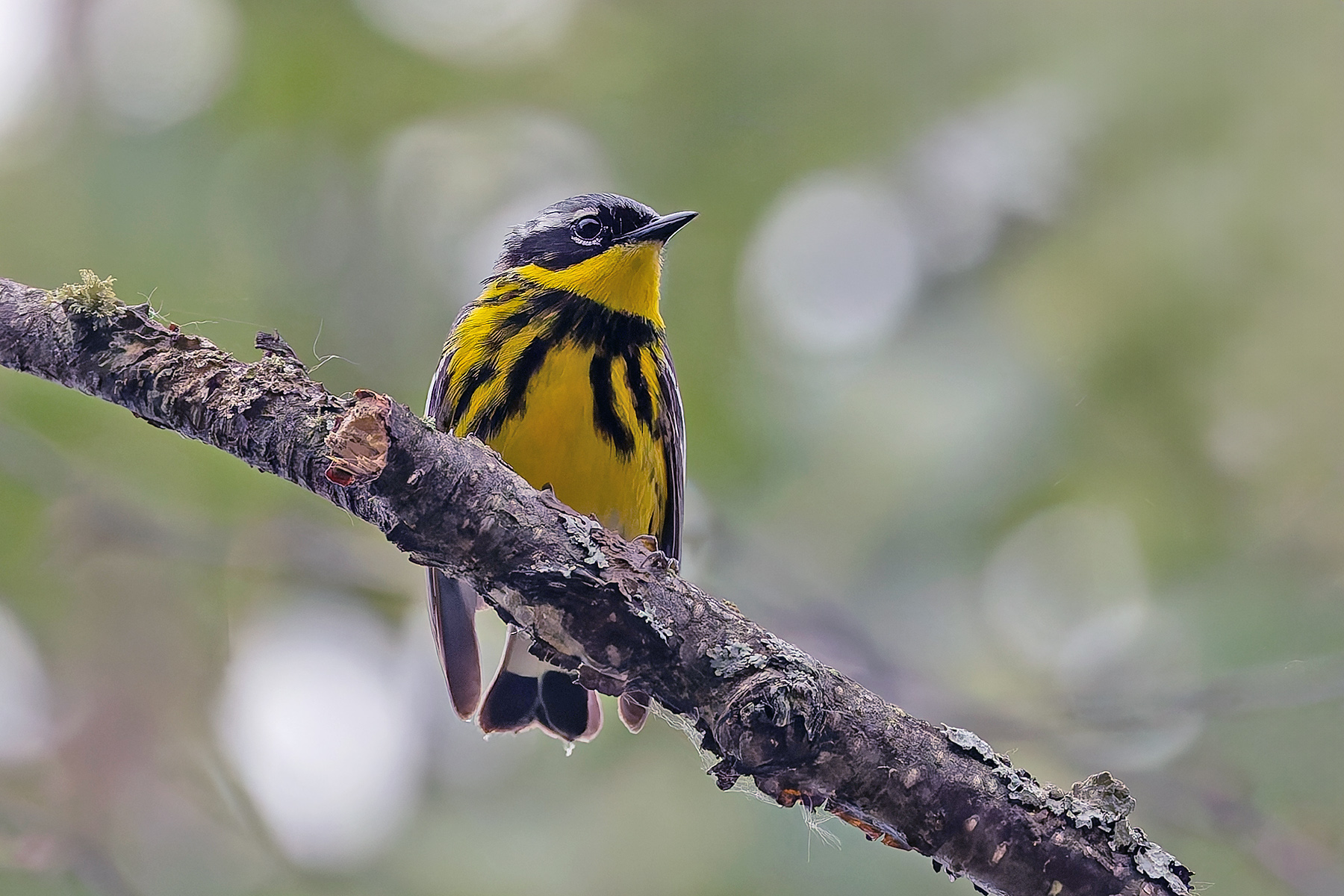
Magnolia Warbler (image by Pete Morris)
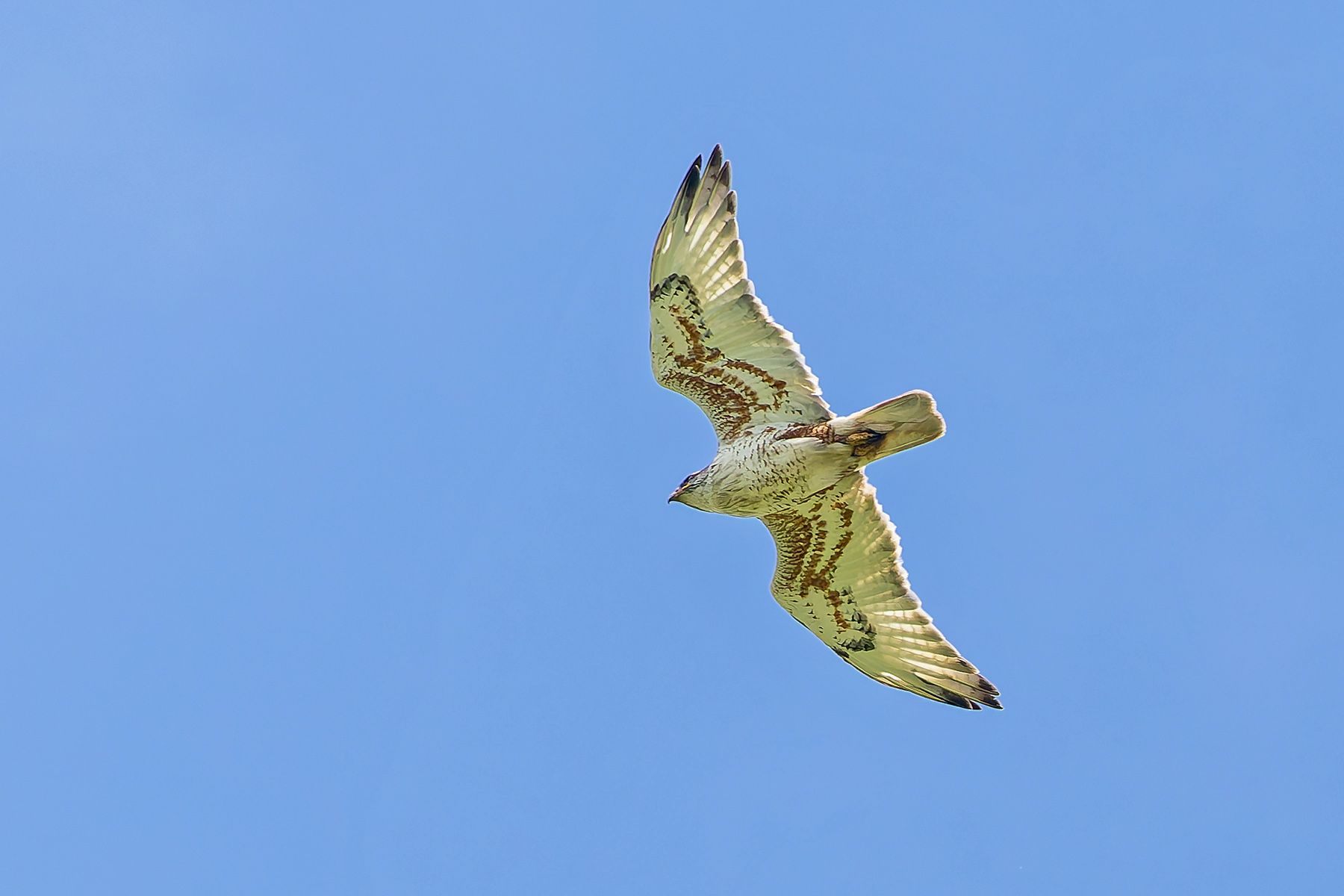
Ferruginous Hawk (image by Pete Morris)
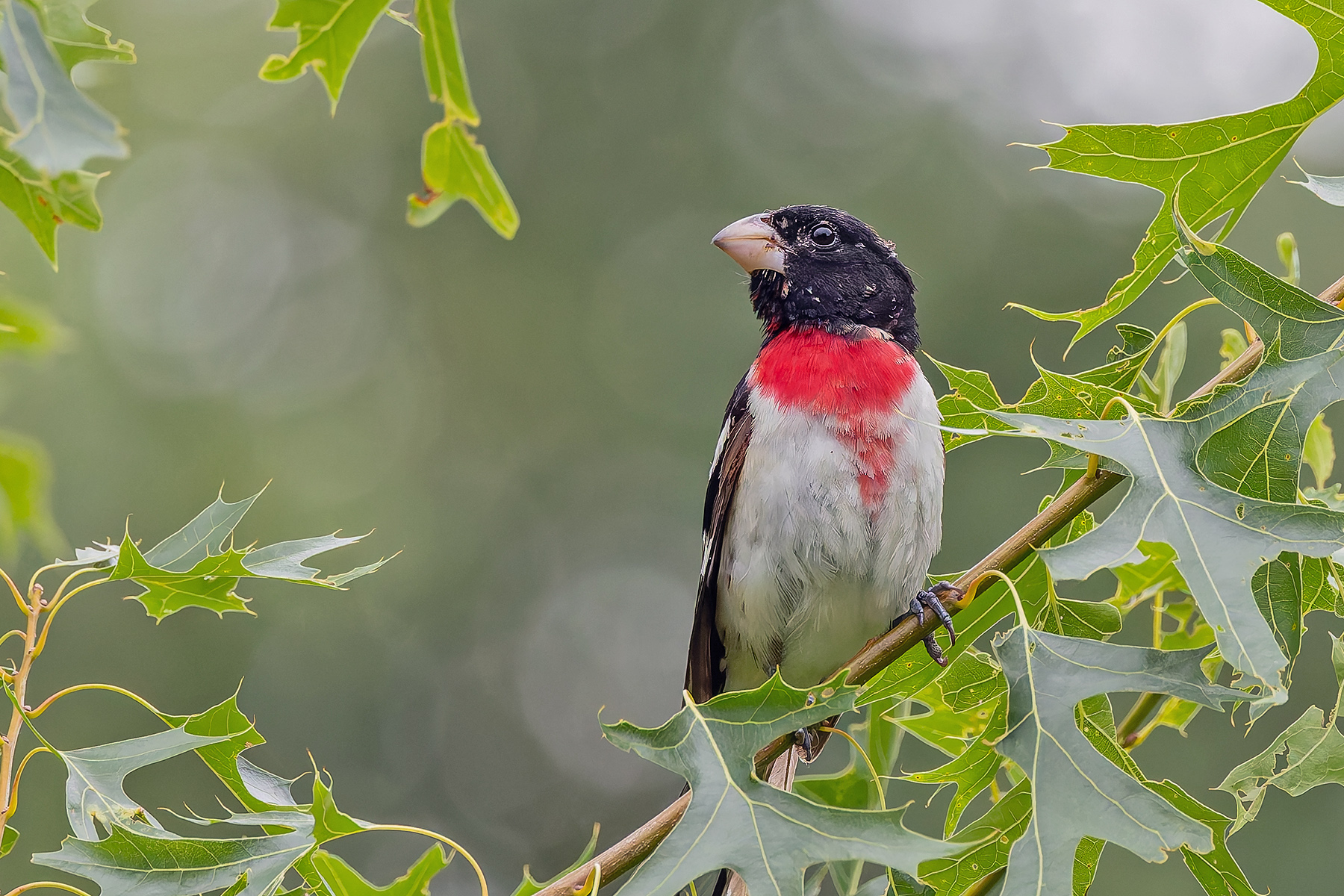
Rose-breasted Grosbeak (image by Pete Morris)
Connecticut Warbler (image by Pete Morris)
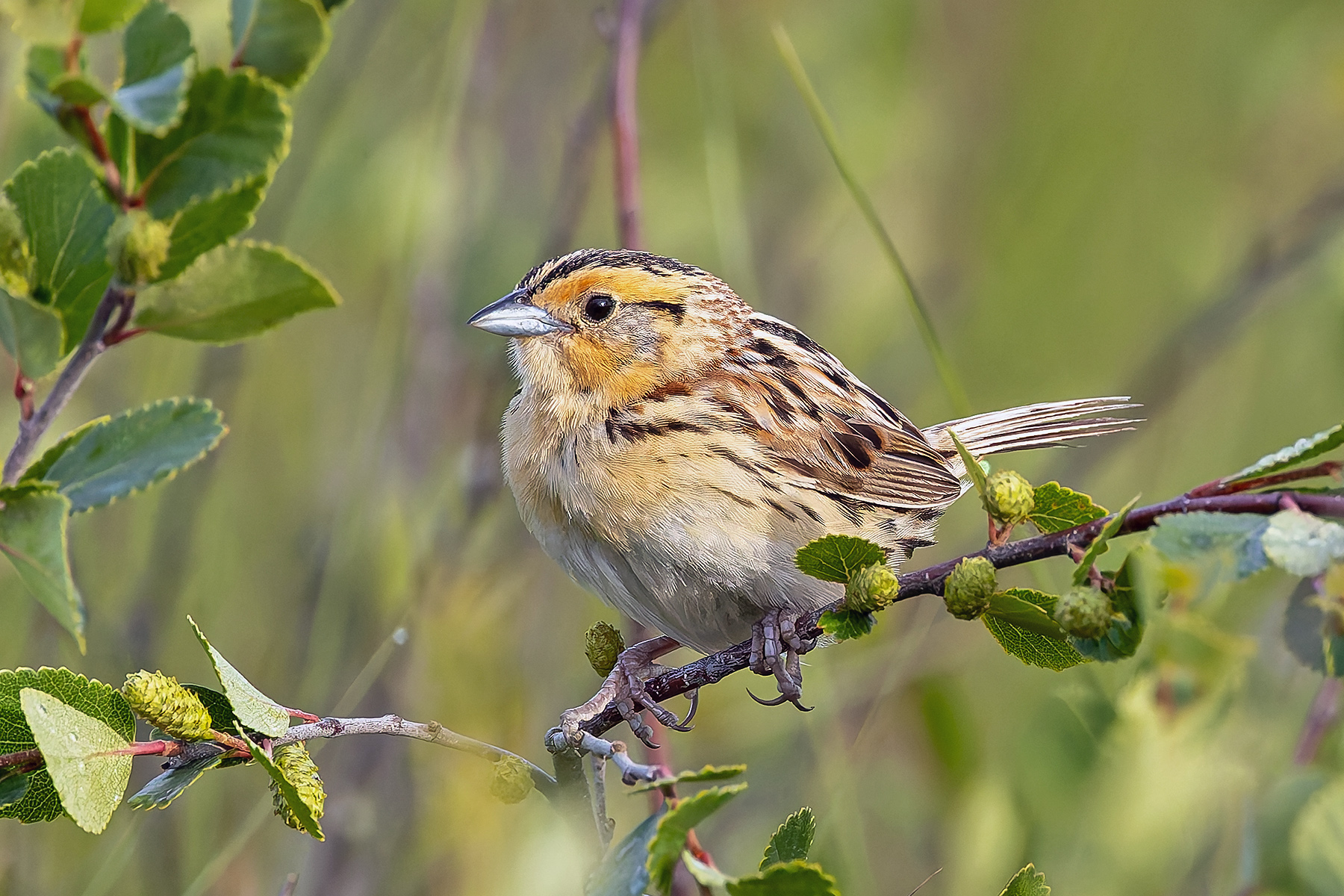
Le Conte's Sparrow (image by Pete Morris)
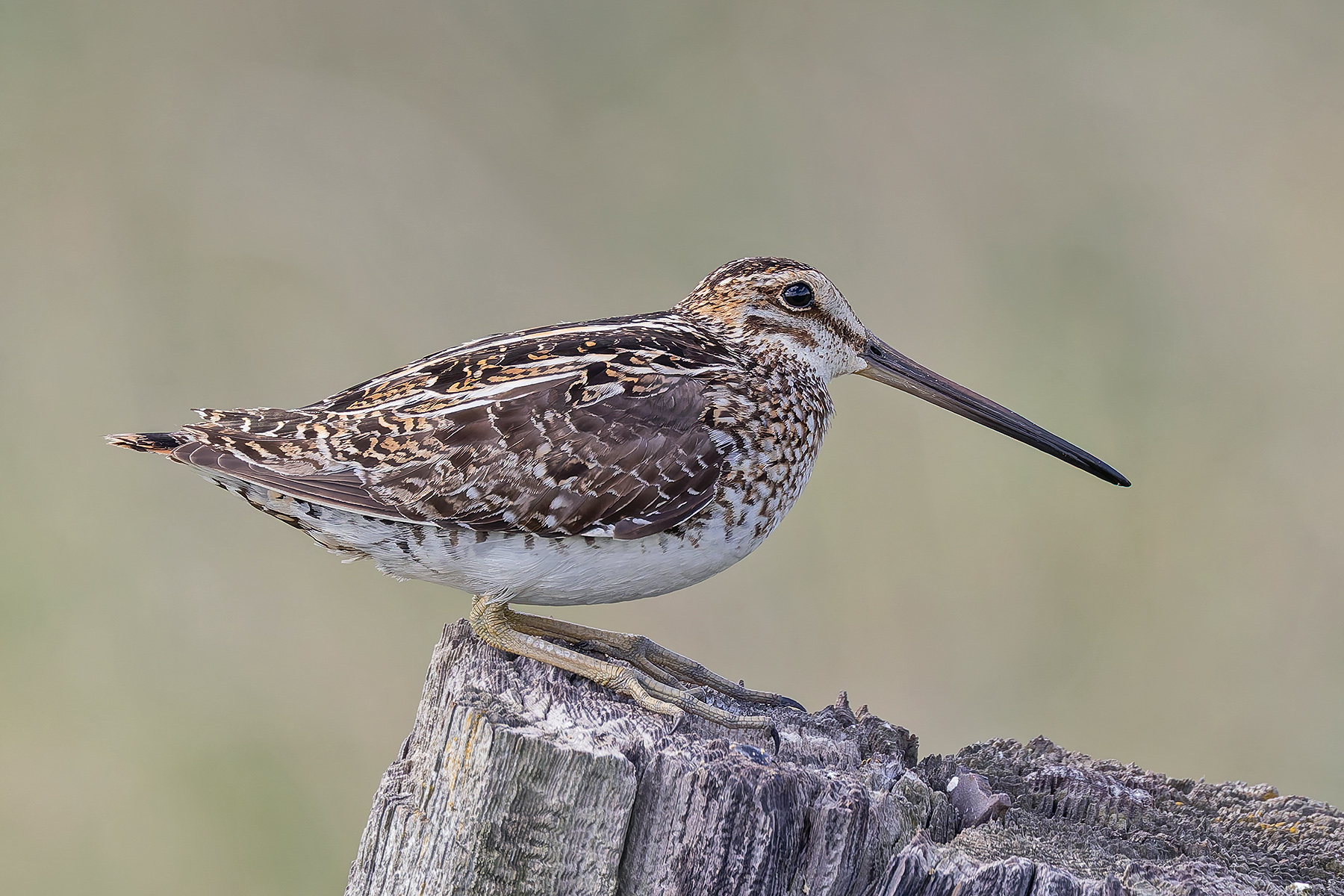
Wilson's Snipe (image by Pete Morris)
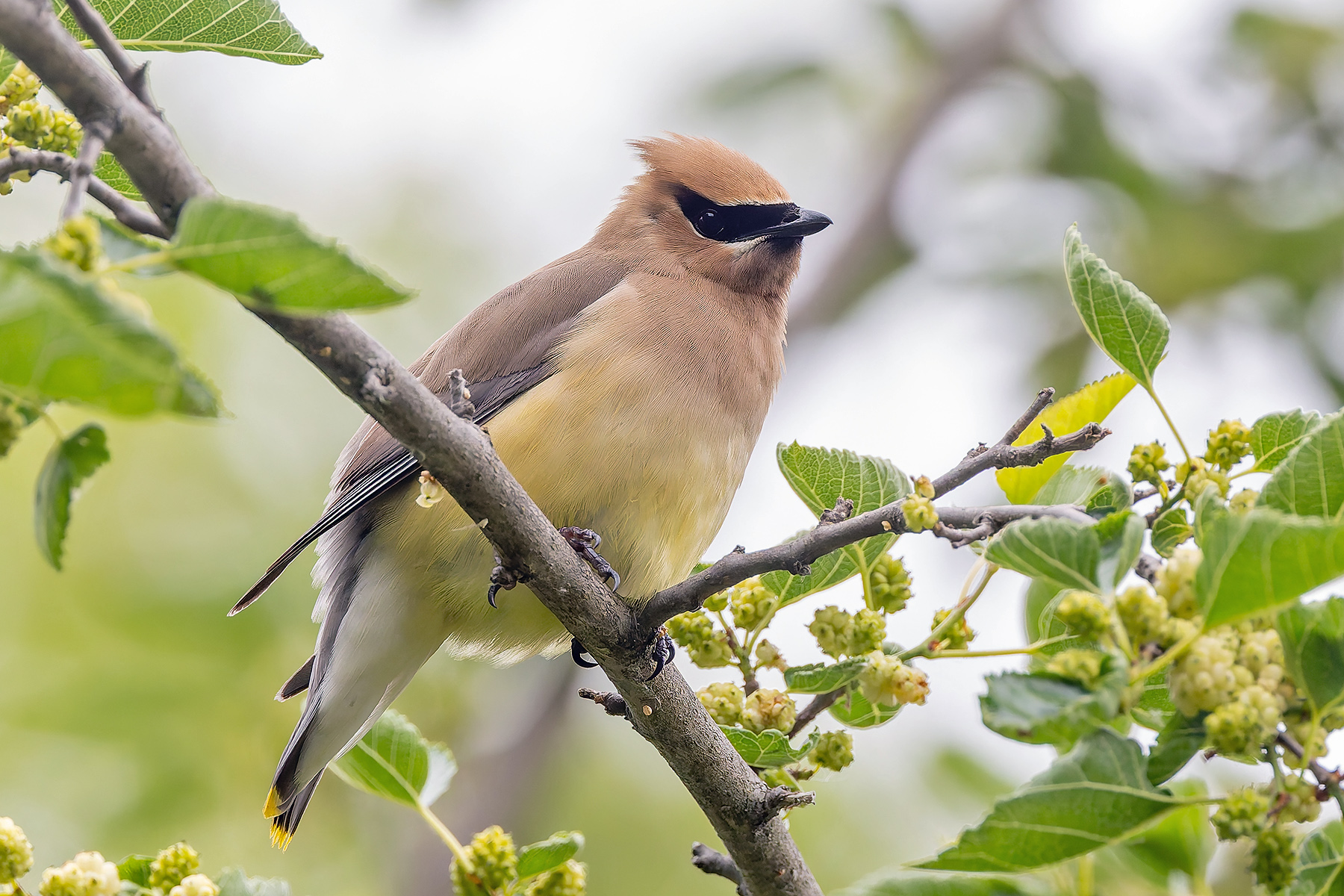
Cedar Waxwing (image by Pete Morris)
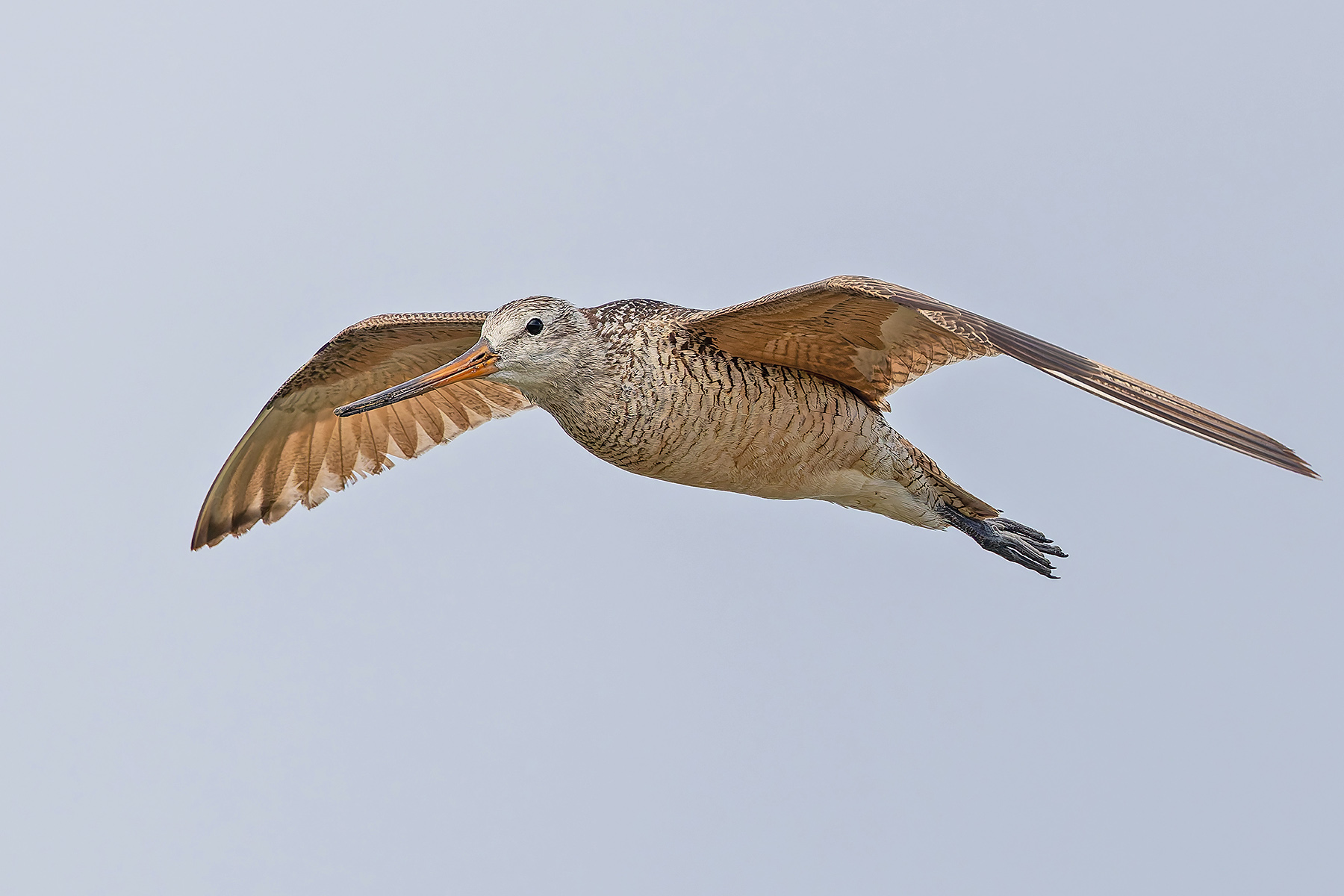
Marbled Godwit (image by Pete Morris)
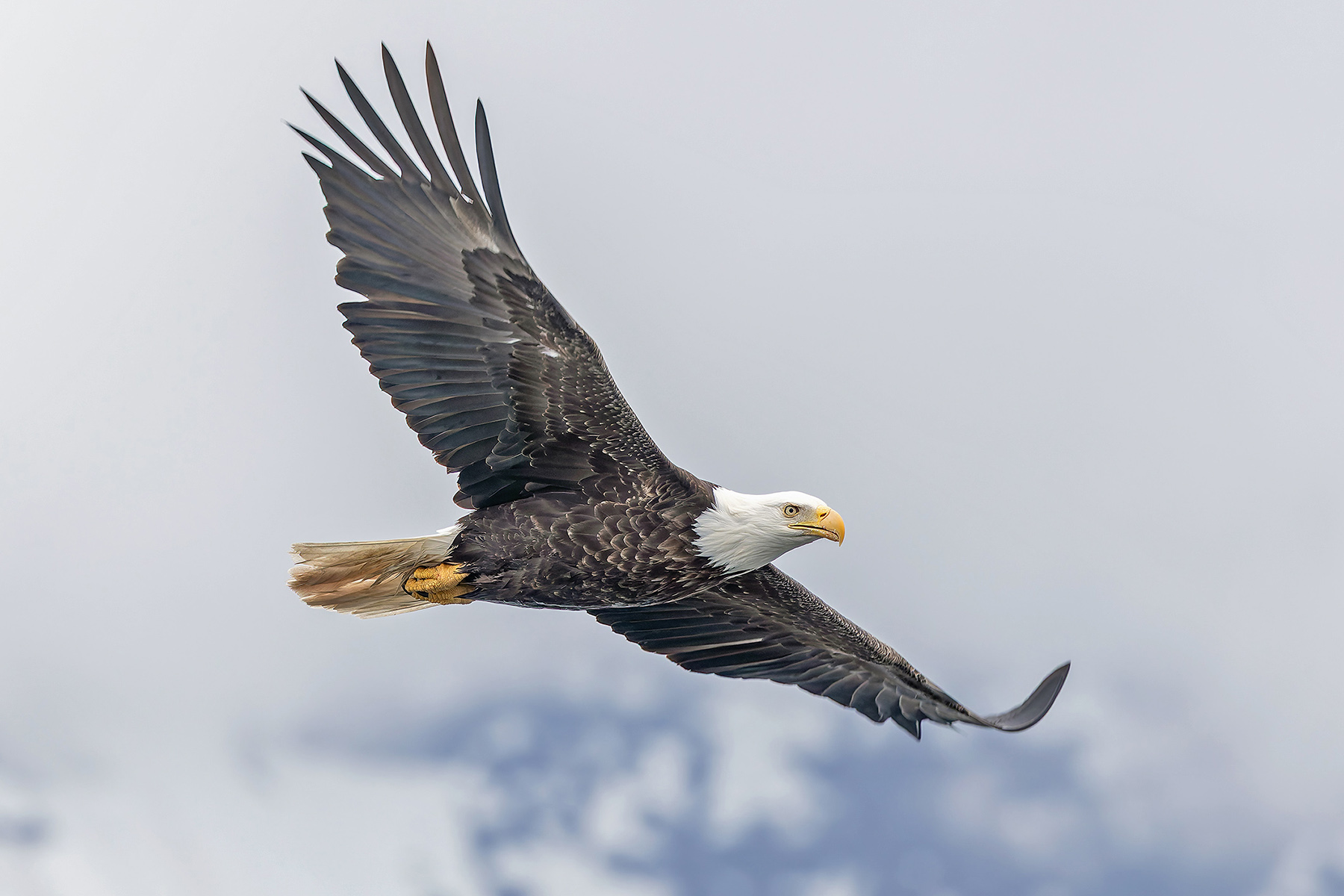
Bald Eagle (image by Pete Morris)
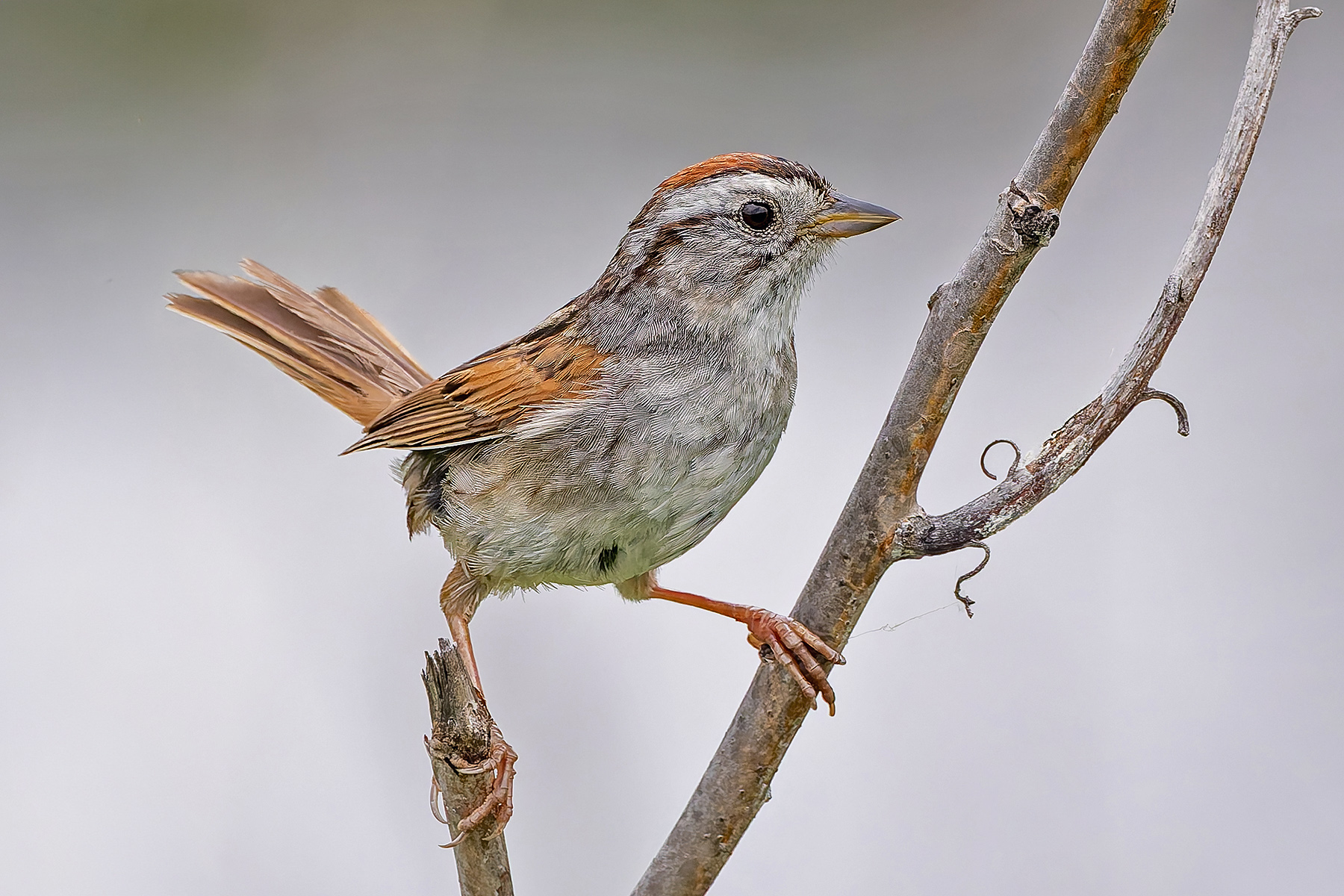
Swamp Sparrow (image by Pete Morris)
Chestnut-collared Longspur (image by Pete Morris)
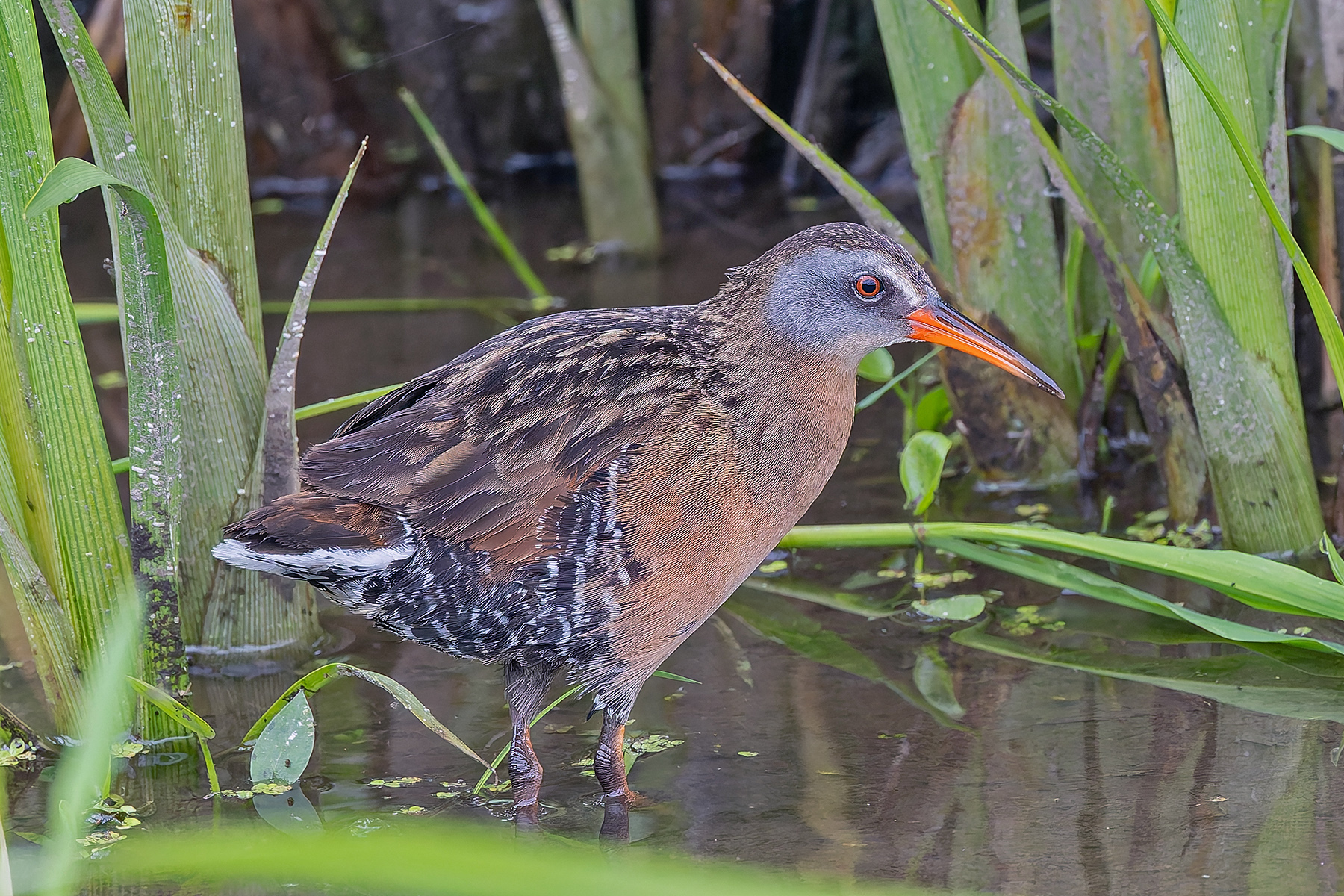
Virginia Rail (image by Pete Morris)
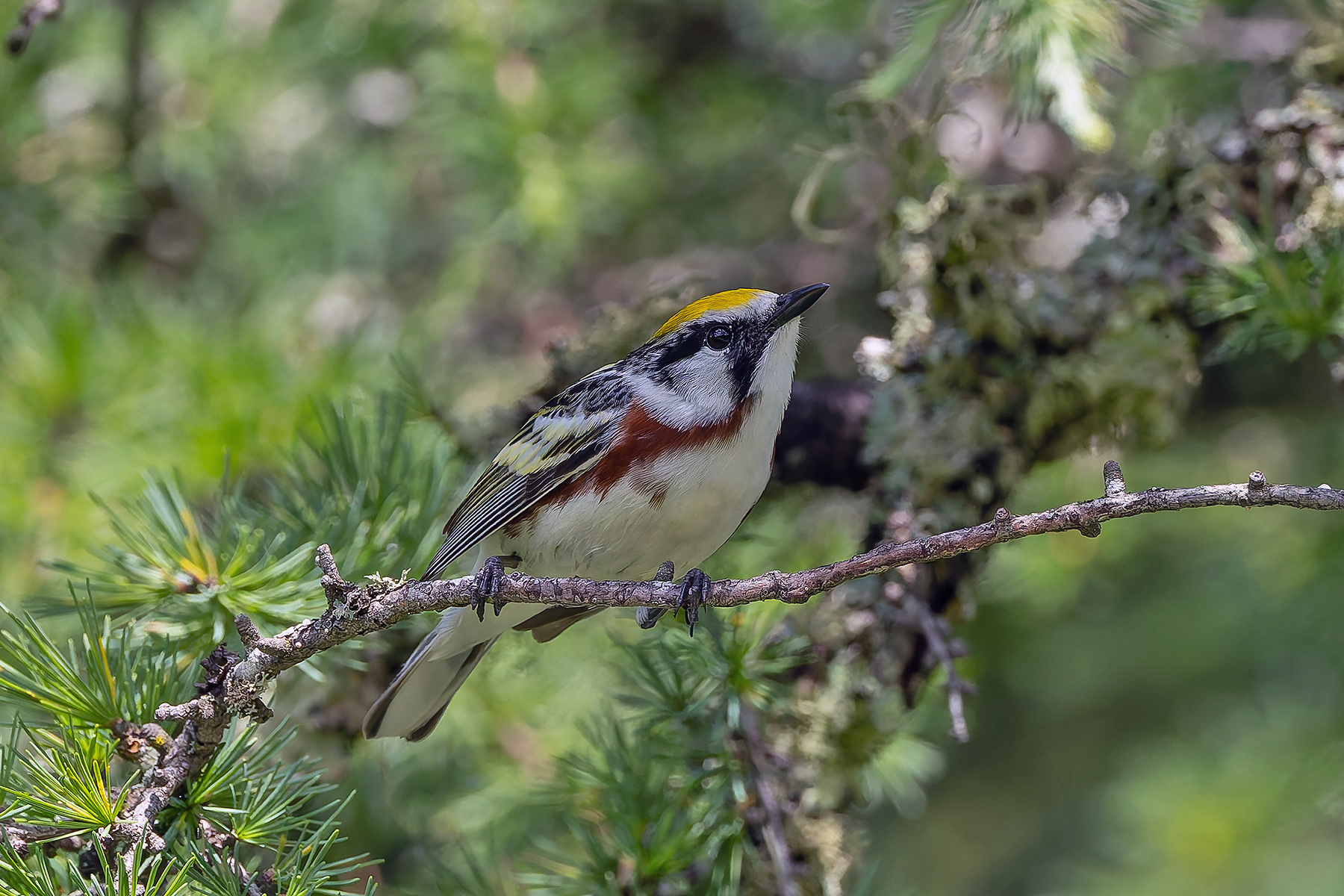
Chestnut-sided Warbler (image by Pete Morris)
Sprague's Pipit (image by Pete Morris)
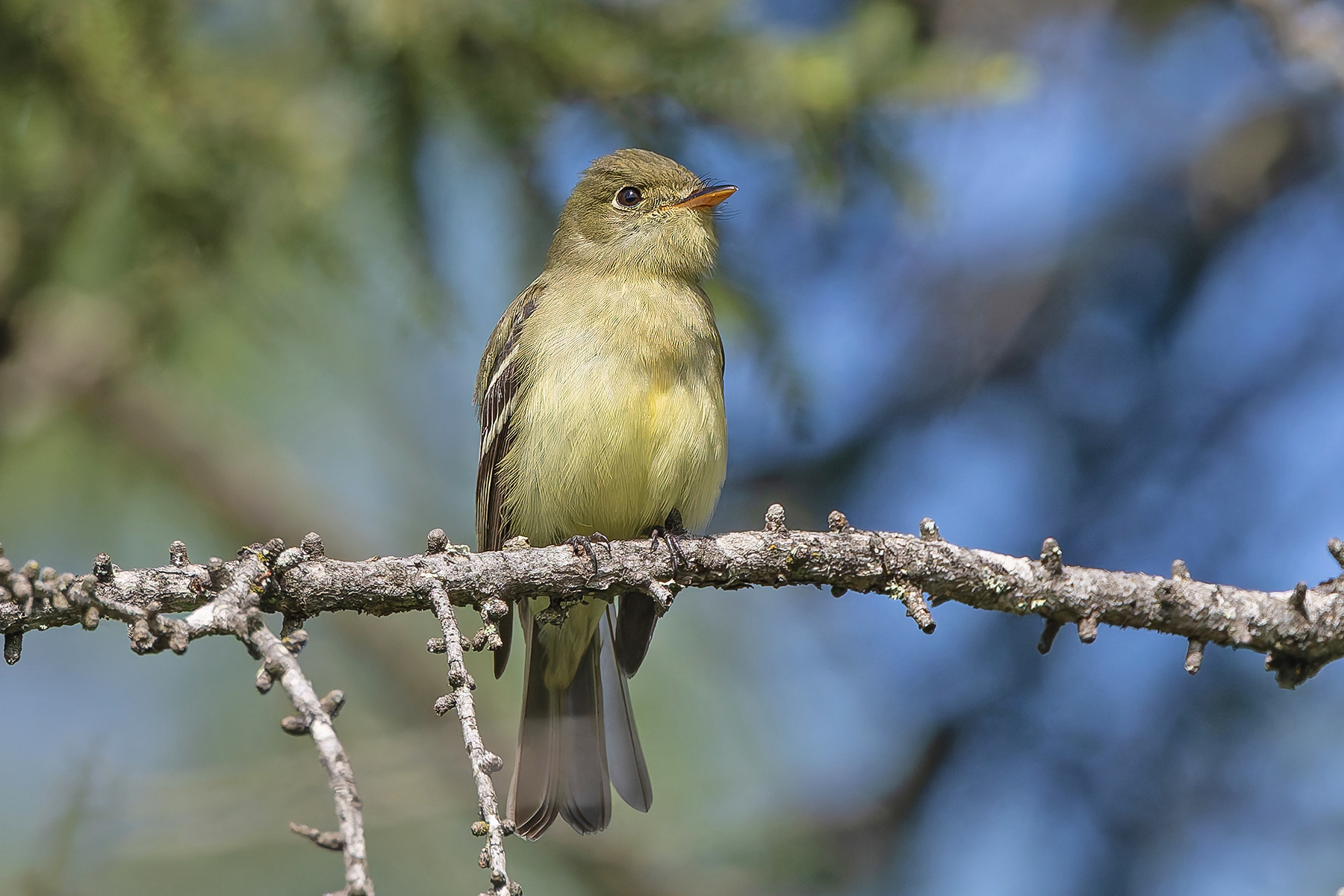
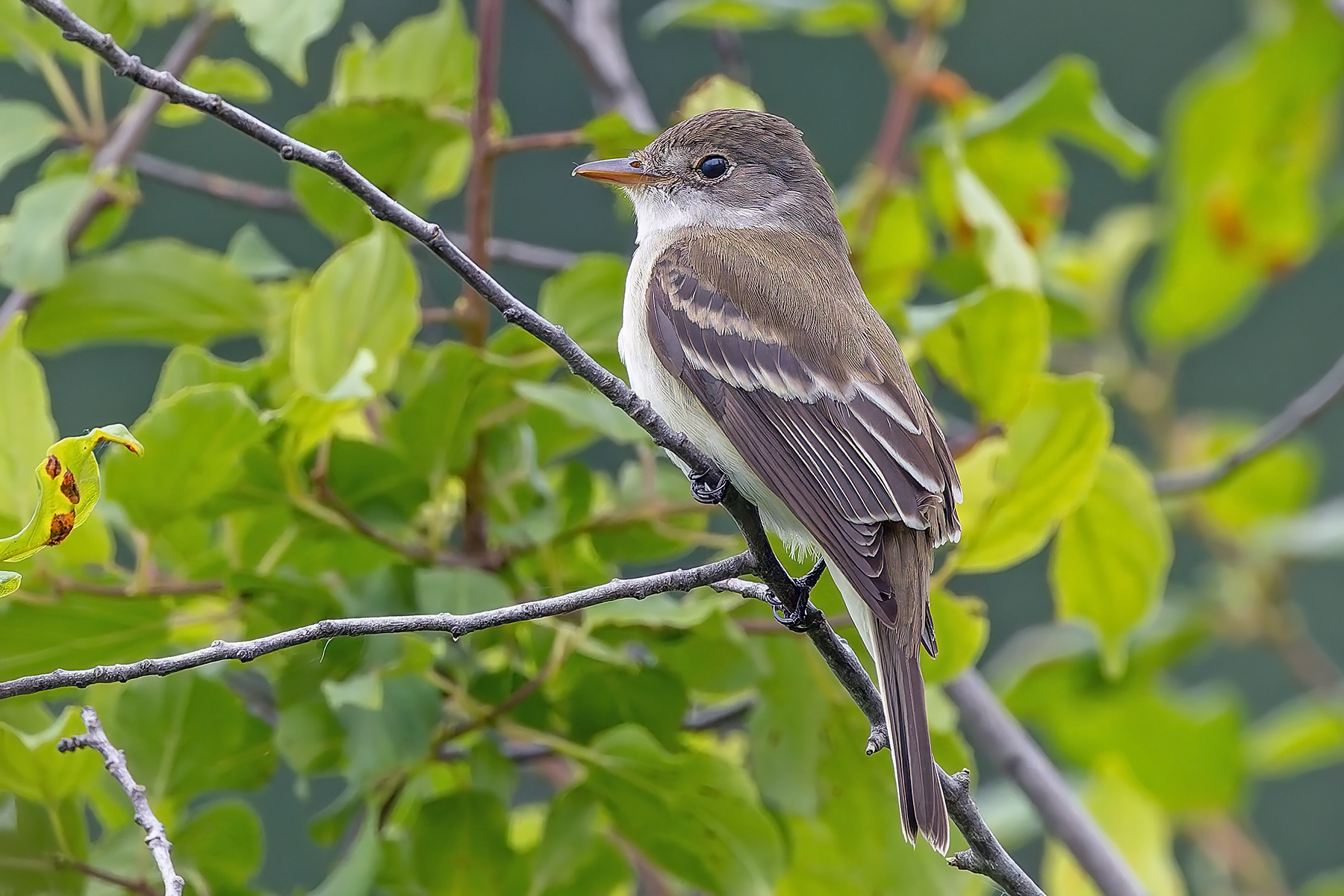
Yellow-bellied Flycatcher (image by Pete Morris)
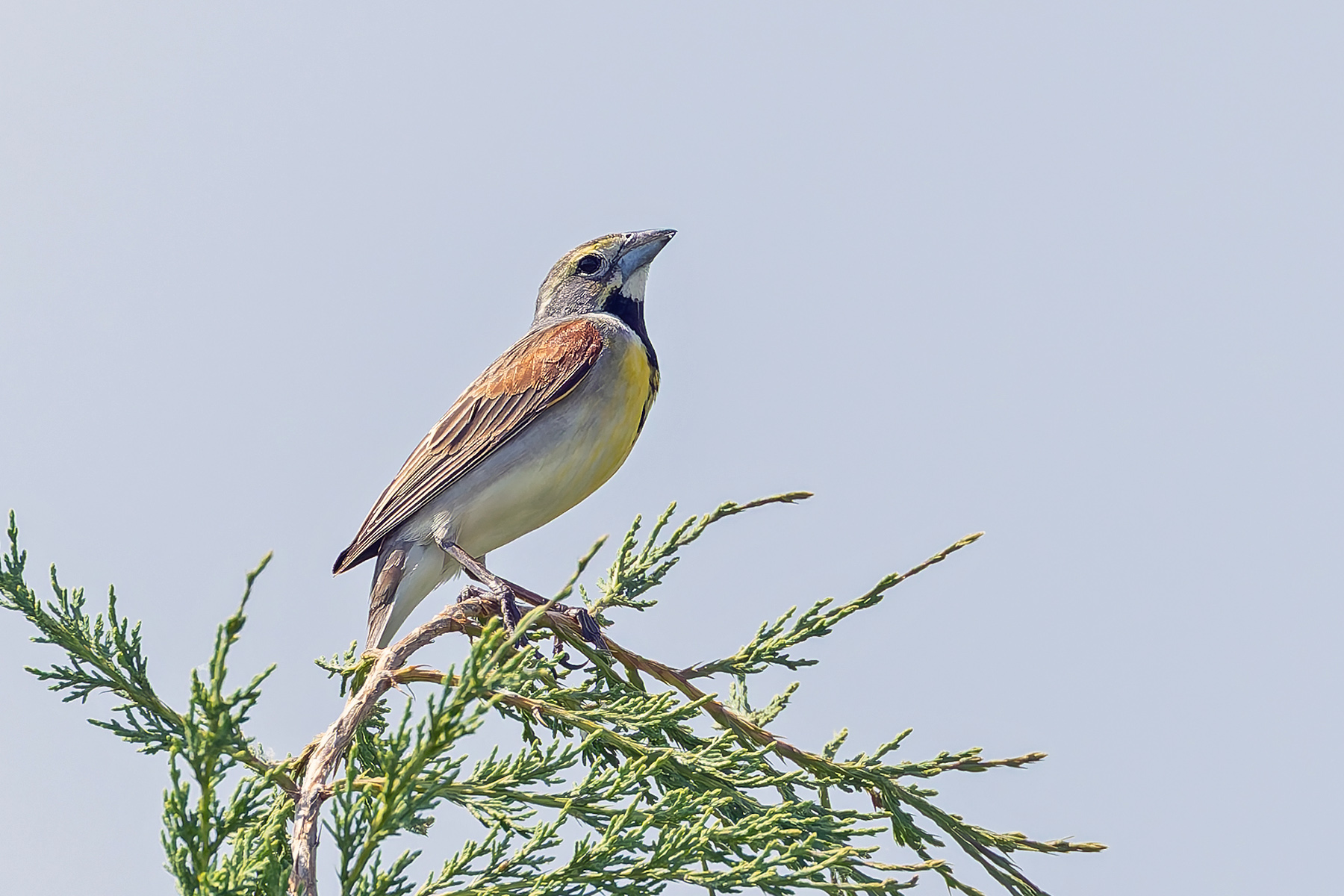
Dickcissel (image by Pete Morris)
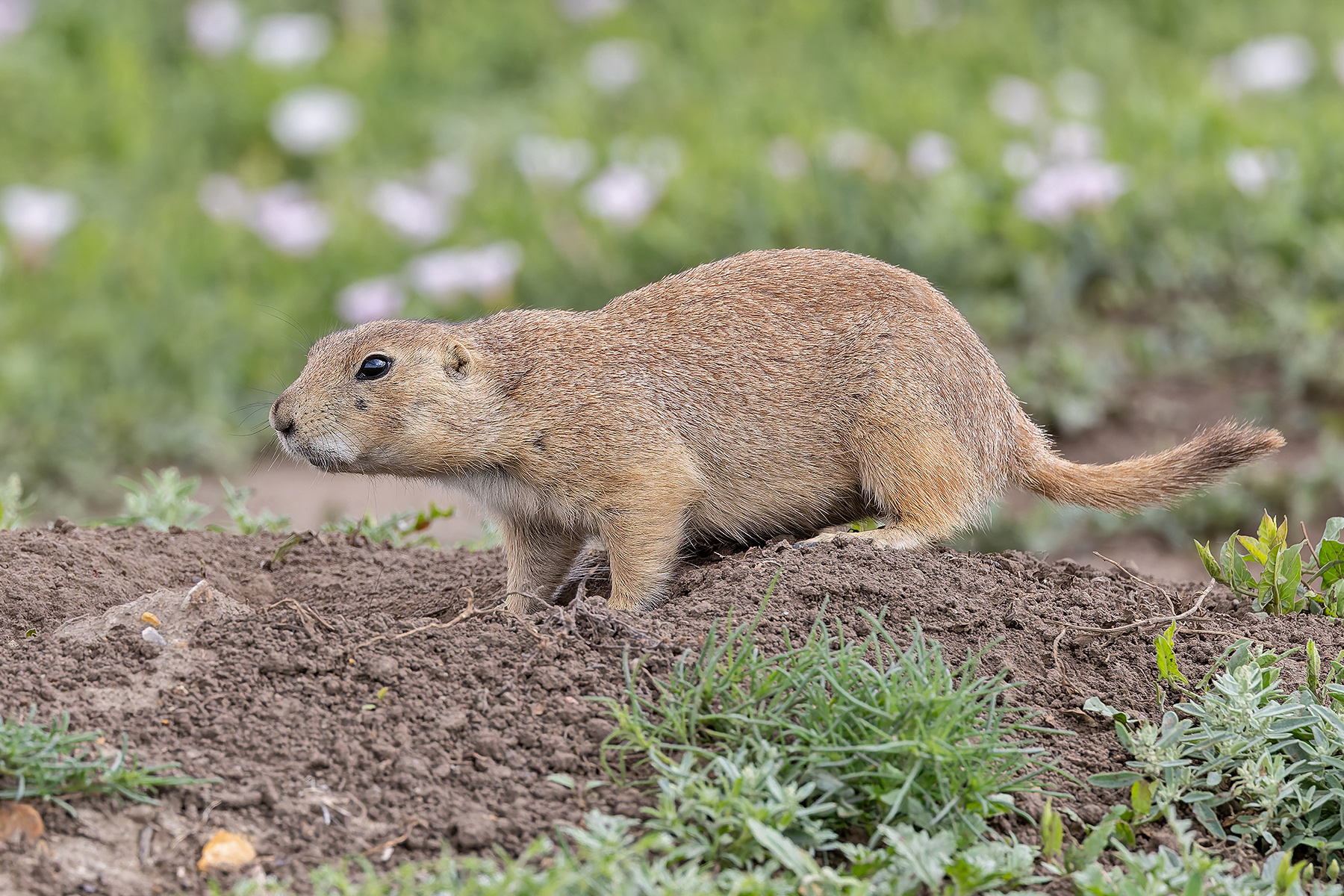
Black-tailed Prairie Dog (image by Pete Morris)
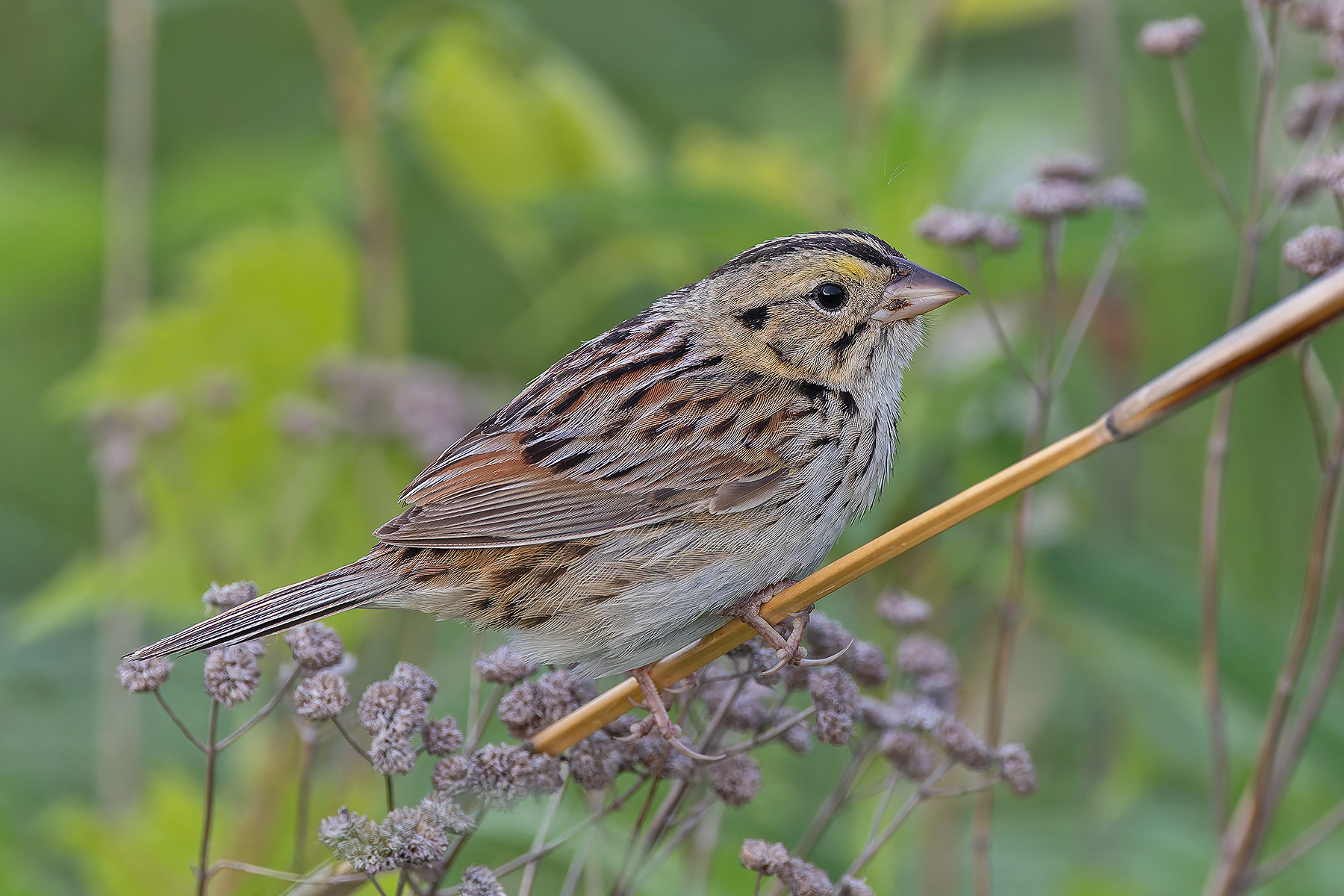
Henslow's Sparrow (image by Pete Morris)
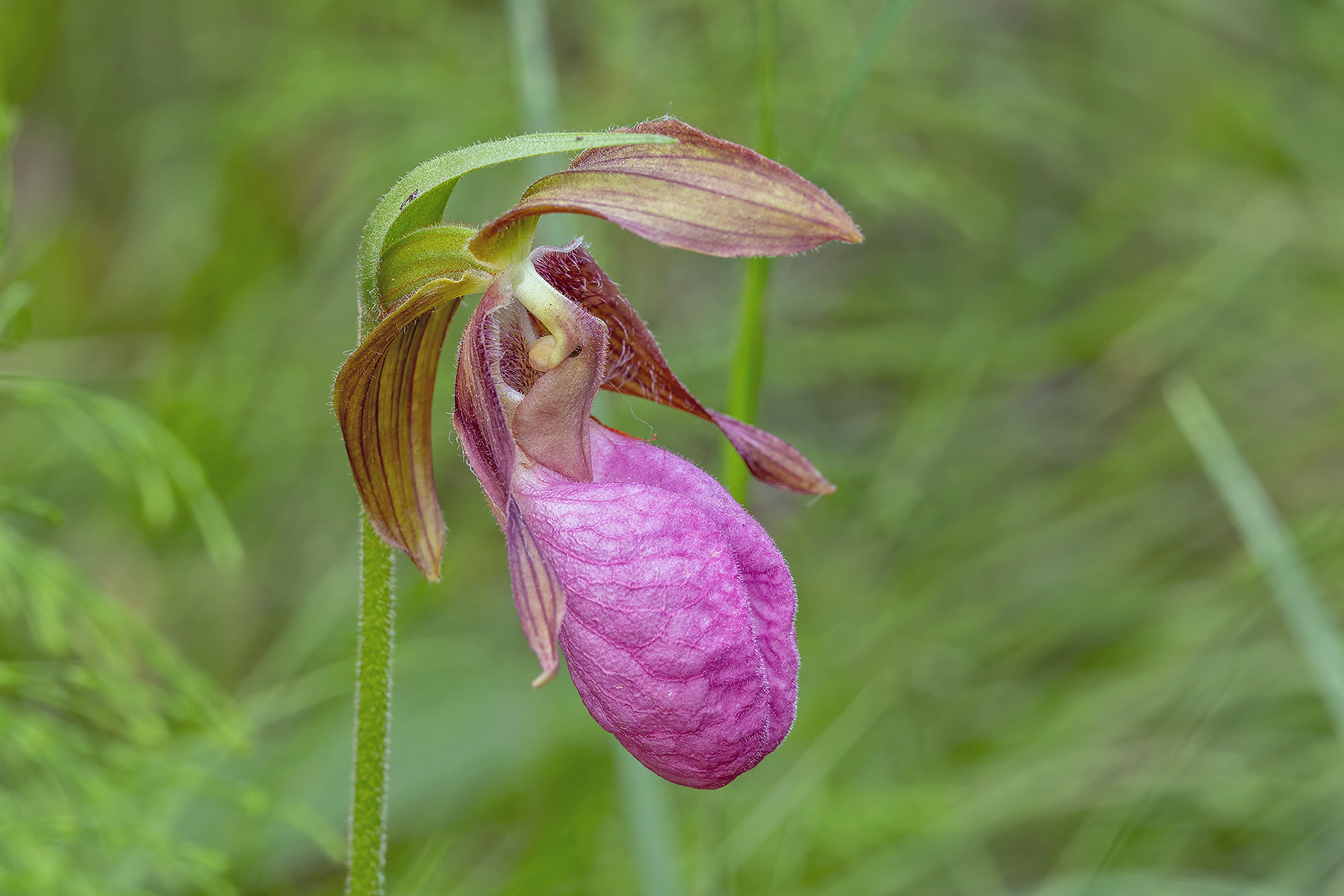
Pink Lady's Slipper Orchid (image by Pete Morris)
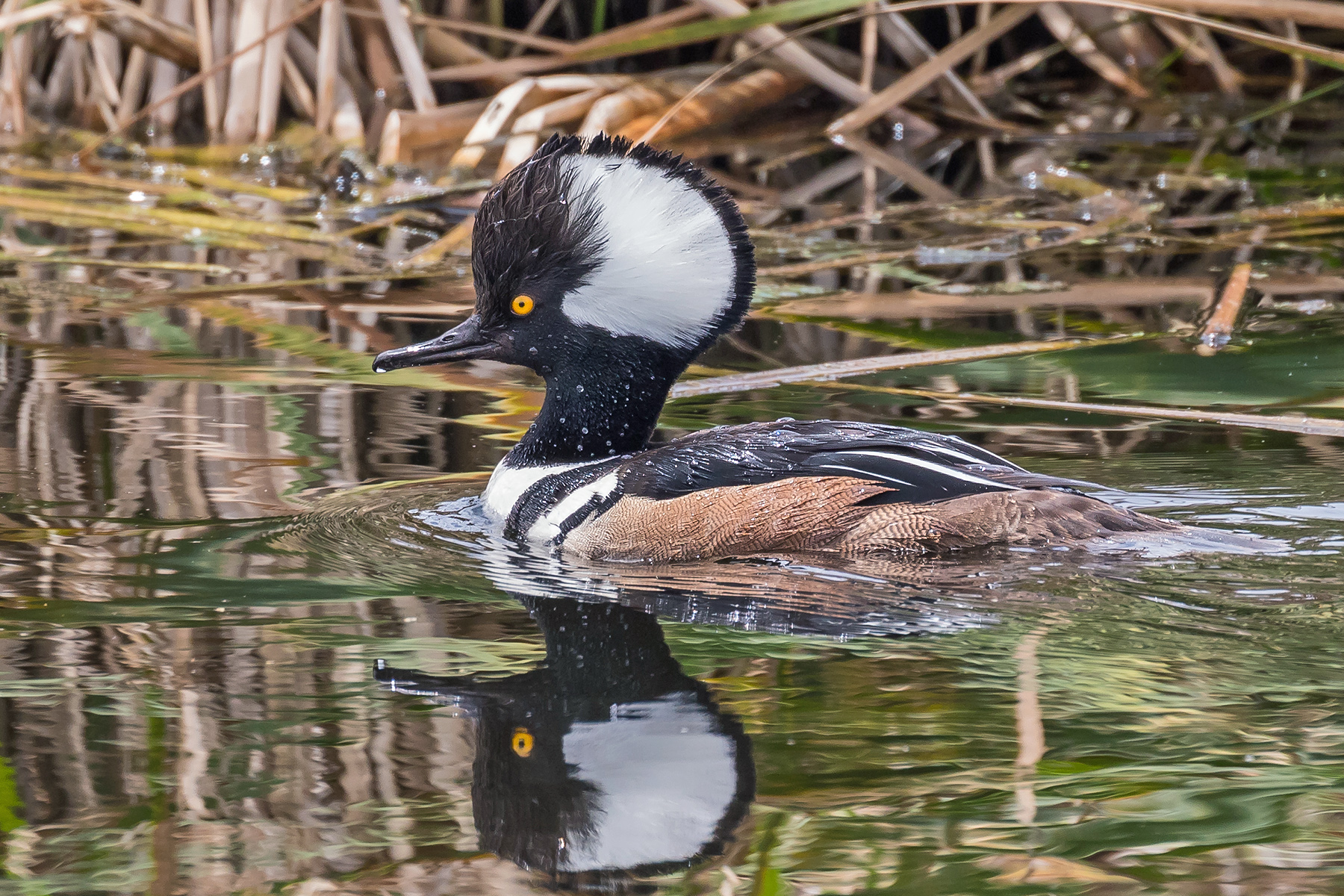
Hooded Merganser (image by Pete Morris)
Willow Flycatcher (image by Pete Morris)
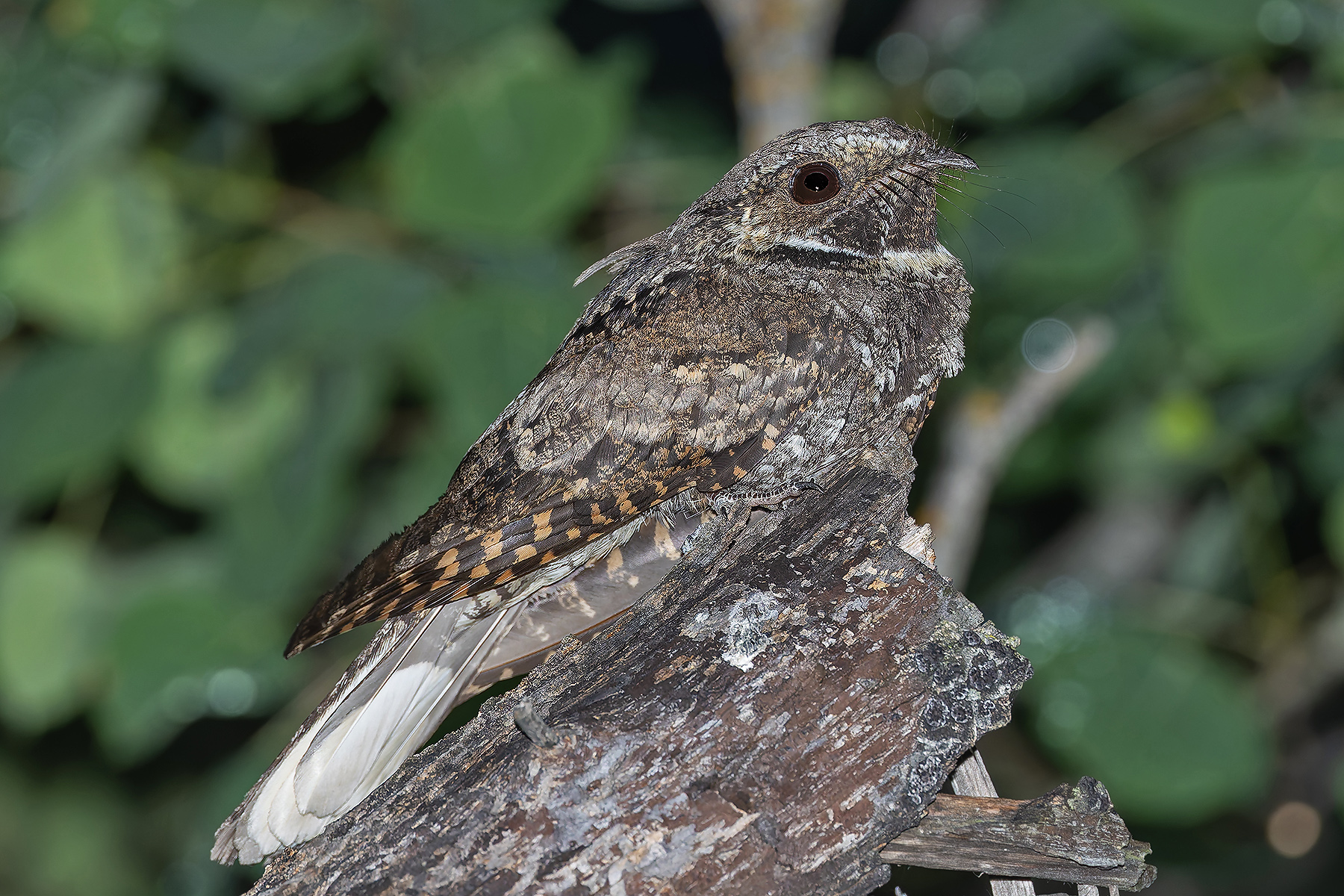
Eastern Whip-poor-will (image by Pete Morris)
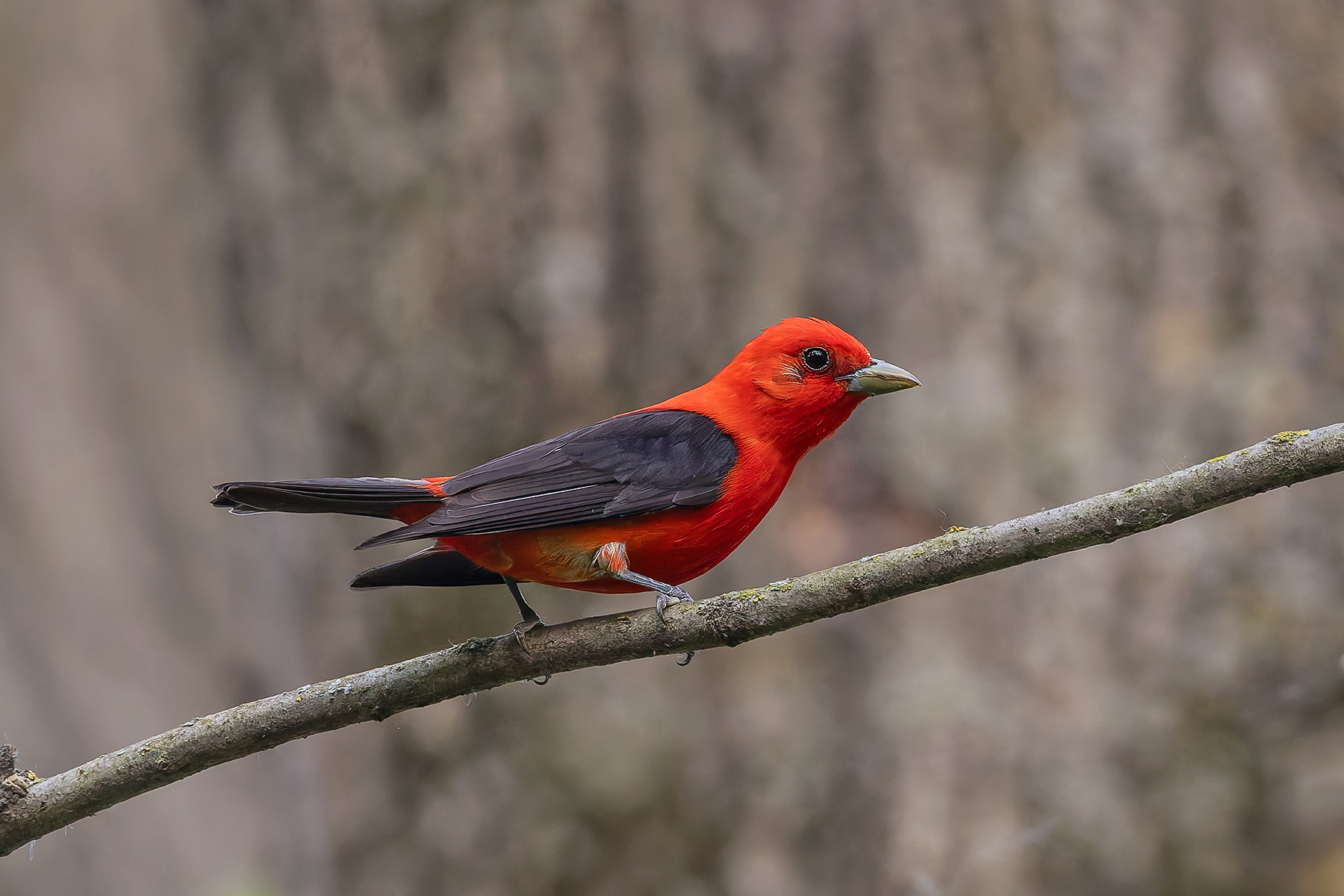
Scarlet Tanager (image by Pete Morris)
Baird's Sparrow (image by Pete Morris)
Bobolink (image by Pete Morris)
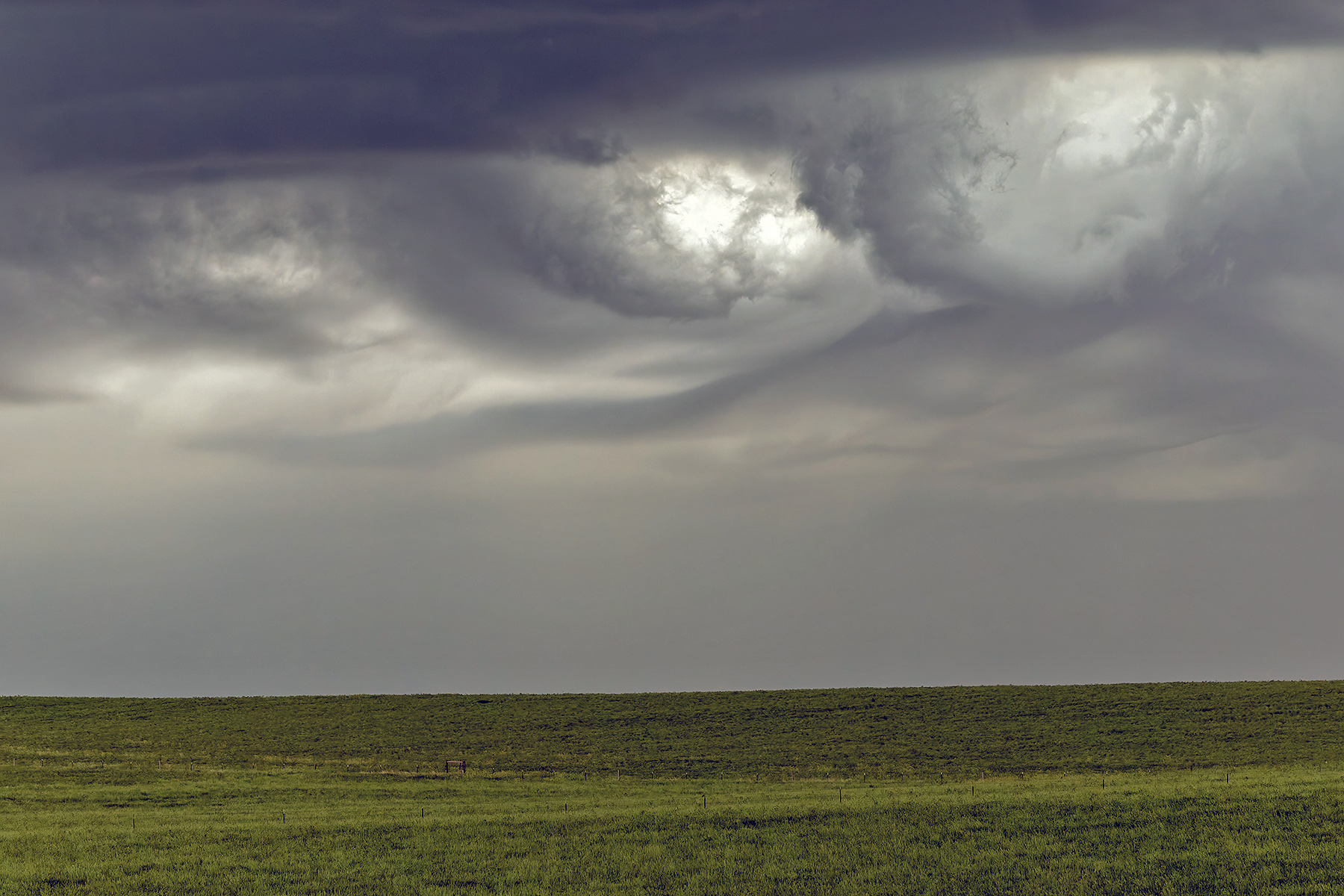
Storm on the prairie (image by Pete Morris)
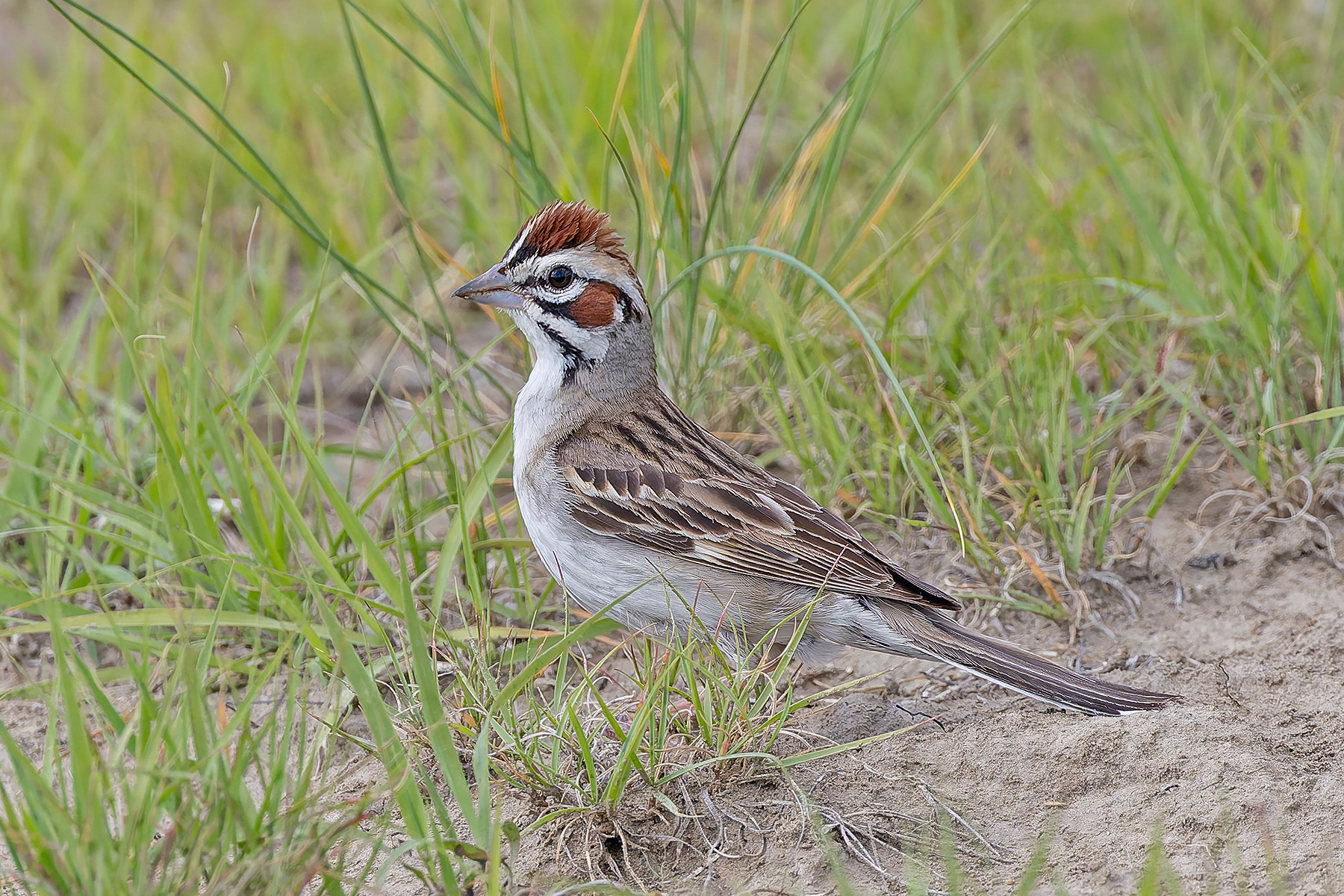
Lark Sparrow (image by Pete Morris)
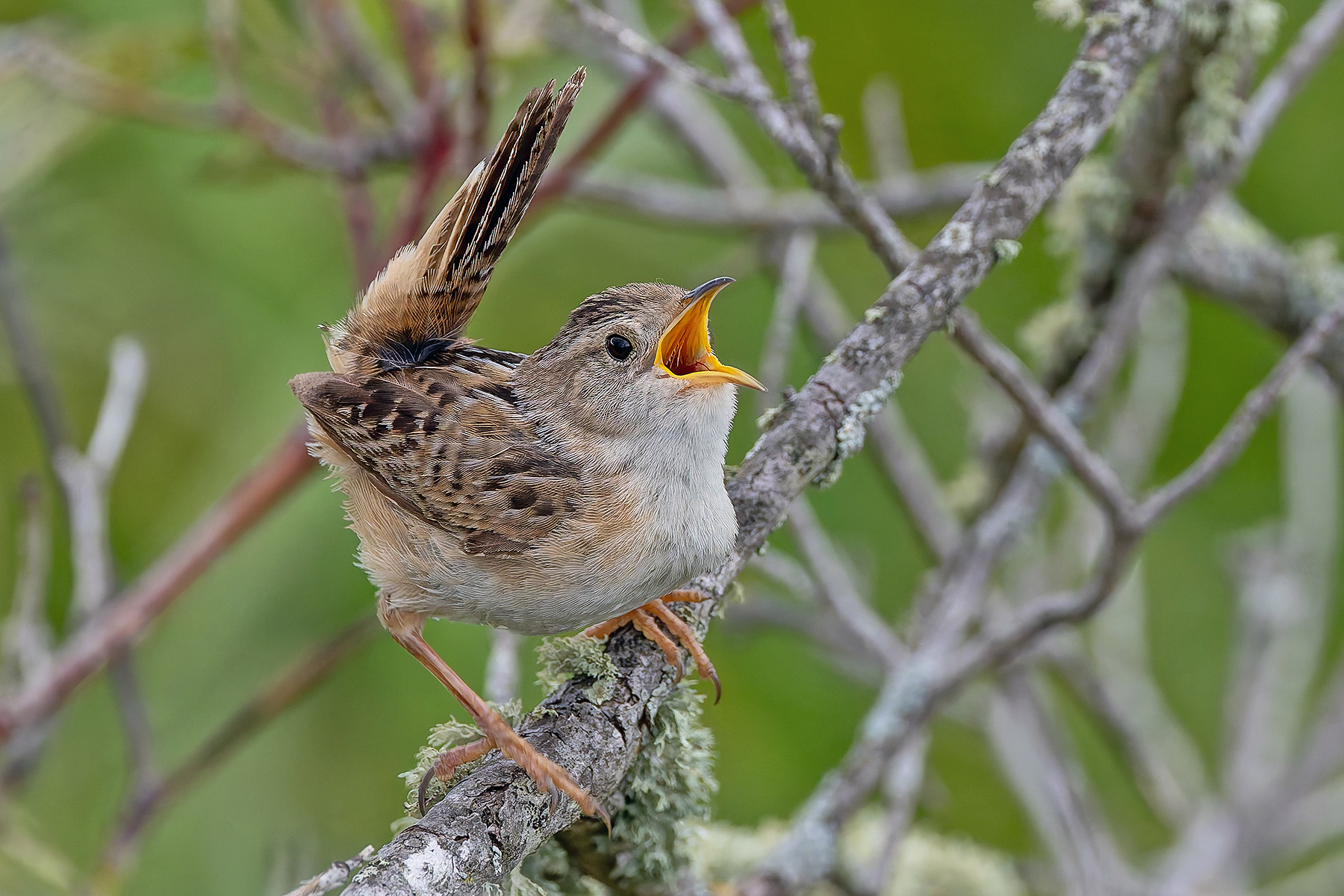
Sedge Wren (image by Pete Morris)
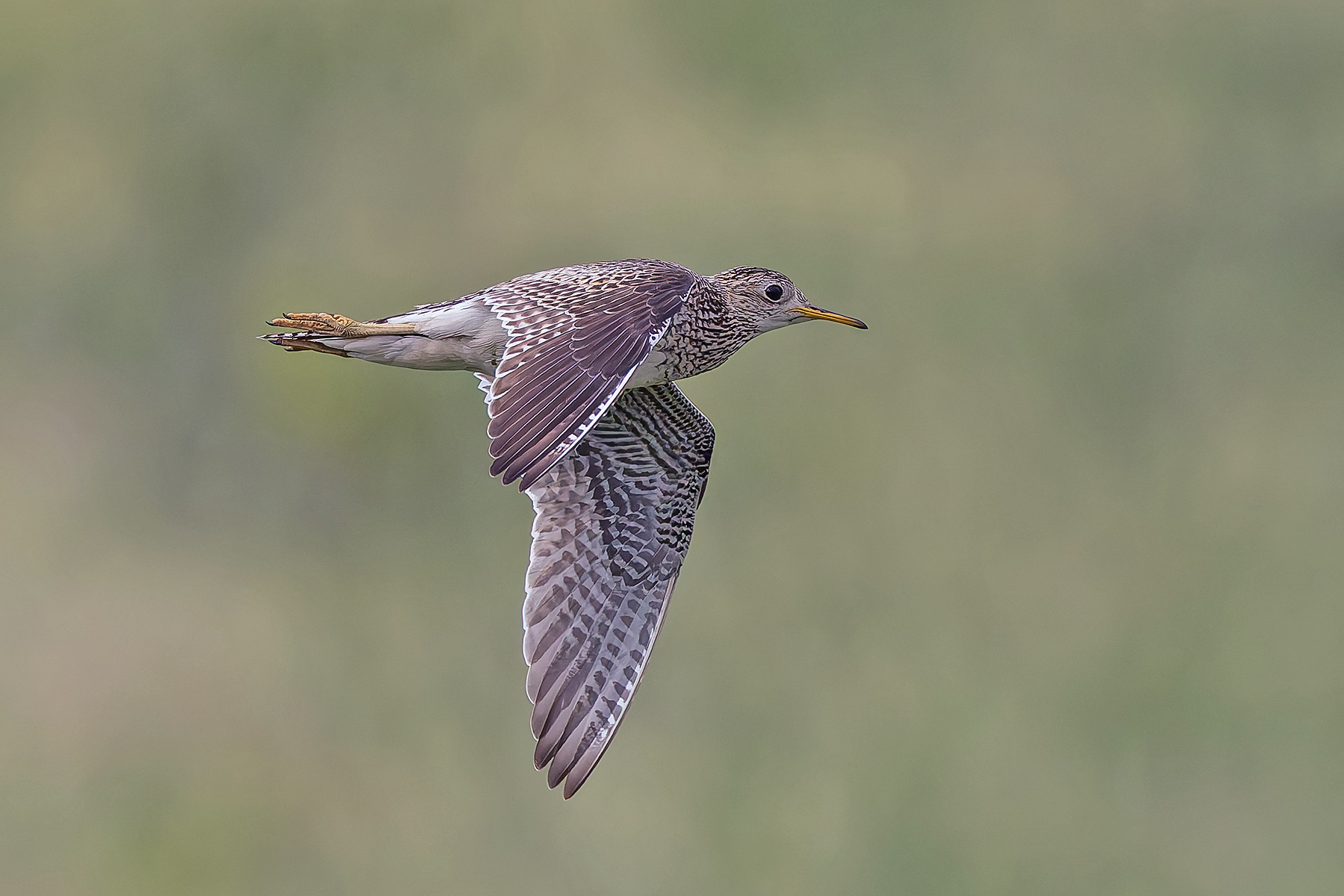
Upland Sandpiper (image by Pete Morris)
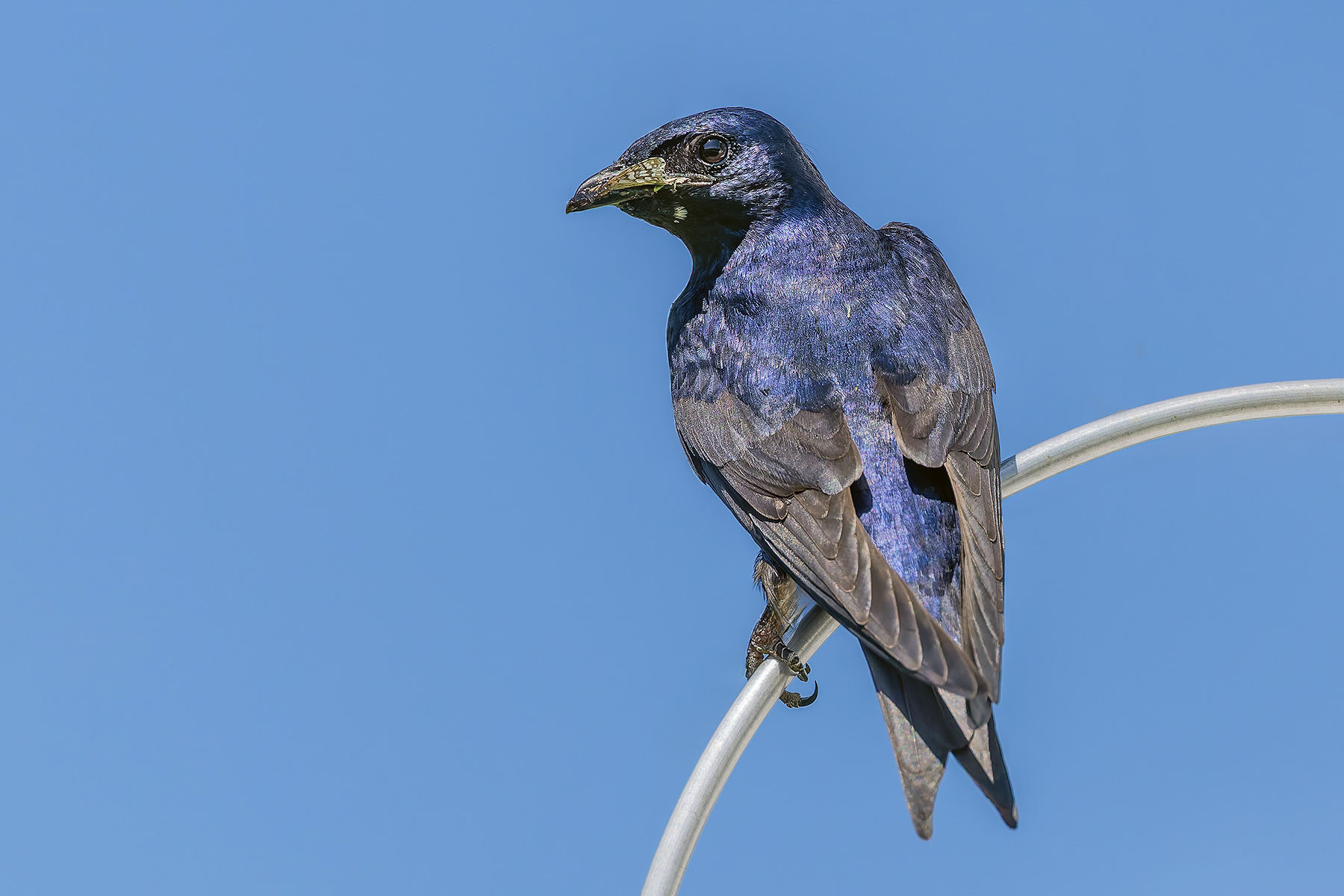
Purple Martin (image by Pete Morris)
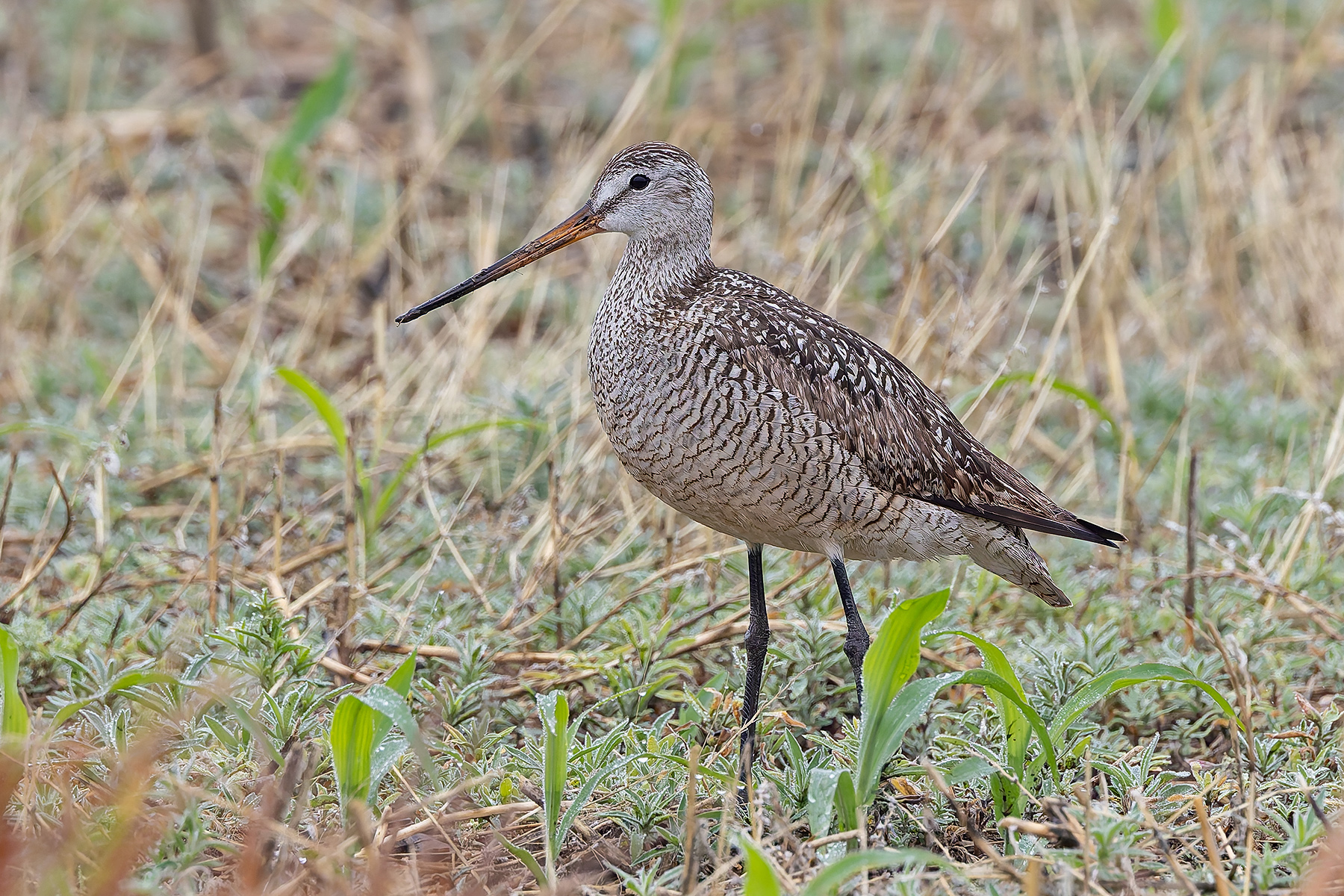
Marbled Godwit (image by Pete Morris)
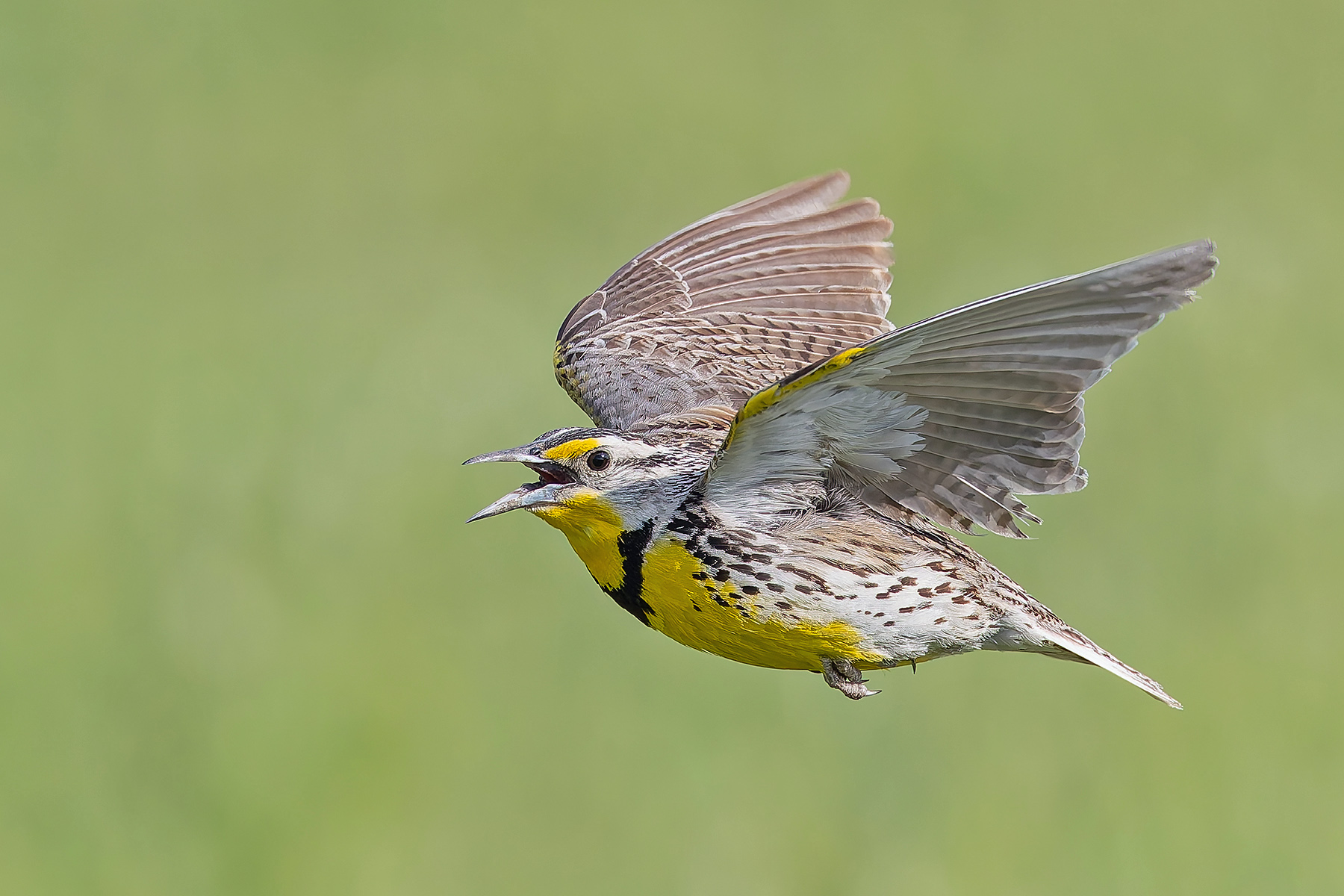
Western Meadowlark (image by Pete Morris)


Sharp-tailed Grouse (image by Pete Morris)
Clay-coloured Sparrow (image by Pete Morris)
Nelson's Sparrow (image by Pete Morris)
Henslow's Sparrow (image by Pete Morris)
Thirteen-lined Ground Squirrel (image by Pete Morris)
Ruby-throated Hummingbird (image by Pete Morris)
Western Willet (image by Pete Morris)
Forster's Tern (image by Pete Morris)
Yellow Rail (image by Pete Morris)
Eastern Bluebird (image by Pete Morris)
American Bison (image by Pete Morris)
Blue-winged Warbler (image by Pete Morris)
Long-billed Curlew (image by Pete Morris)
Wild Turkey (image by Pete Morris)
Western Grebes (image by Pete Morris)
Black-backed Woodpecker (image by Pete Morris)
Western Kingbird (image by Pete Morris)
Yellow-bellied Sapsucker (image by Pete Morris)
Red-winged Blackbird (image by Pete Morris)
Bobolink (image by Pete Morris)
Baird's Sparrow (image by Pete Morris)
American Cliff Swallow (image by Pete Morris)
Hooded Warbler (image by Pete Morris)
Wilson's Phalaropes (image by Pete Morris)
Wilson's Phalarope (image by Pete Morris)
American Bittern (image by Pete Morris)
Pronghorns (image by Pete Morris)
Ruffed Grouse (image by Pete Morris)
Mountain Bluebird (image by Pete Morris)
Swainson's Hawk (image by Pete Morris)
Barred Owl (image by Pete Morris)
Snowshoe Hare (image by Pete Morris)
Upland Sandpiper (image by Pete Morris)
Wood Thrush (image by Pete Morris)
Ovenbird (image by Pete Morris)
Brewer's Blackbird (image by Pete Morris)
Barred Owl (image by Pete Morris)
Sora (image by Pete Morris)
Chestnut-collared Longspur (image by Pete Morris)
Connecticut Warbler (image by Pete Morris)
Yellow Rail (image by Pete Morris)
Trumpeter Swan family (image by Pete Morris)
Red-headed Woodpecker (image by Pete Morris)
Veery (image by Pete Morris)
White-throated Sparrow (image by Pete Morris)
American Black Tern (image by Pete Morris)
Lark Bunting (image by Pete Morris)
Upland Sandpiper chick (image by Pete Morris)
Great Grey Owl (image by Pete Morris)
Ross's Goose, hybrid Ross's x Snow Goose, and Snow Goose (image by Pete Morris)
Sprague's Pipit (image by Pete Morris)
Great Grey Owl (image by Pete Morris)
Magnolia Warbler (image by Pete Morris)
Ferruginous Hawk (image by Pete Morris)
Rose-breasted Grosbeak (image by Pete Morris)
Connecticut Warbler (image by Pete Morris)
Le Conte's Sparrow (image by Pete Morris)
Wilson's Snipe (image by Pete Morris)
Cedar Waxwing (image by Pete Morris)
Marbled Godwit (image by Pete Morris)
Bald Eagle (image by Pete Morris)
Swamp Sparrow (image by Pete Morris)
Chestnut-collared Longspur (image by Pete Morris)
Virginia Rail (image by Pete Morris)
Chestnut-sided Warbler (image by Pete Morris)
Sprague's Pipit (image by Pete Morris)
Yellow-bellied Flycatcher (image by Pete Morris)
Dickcissel (image by Pete Morris)
Black-tailed Prairie Dog (image by Pete Morris)
Henslow's Sparrow (image by Pete Morris)
Pink Lady's Slipper Orchid (image by Pete Morris)
Hooded Merganser (image by Pete Morris)
Willow Flycatcher (image by Pete Morris)
Eastern Whip-poor-will (image by Pete Morris)
Scarlet Tanager (image by Pete Morris)
Baird's Sparrow (image by Pete Morris)
Bobolink (image by Pete Morris)
Storm on the prairie (image by Pete Morris)
Lark Sparrow (image by Pete Morris)
Sedge Wren (image by Pete Morris)
Upland Sandpiper (image by Pete Morris)
Purple Martin (image by Pete Morris)
Marbled Godwit (image by Pete Morris)
Western Meadowlark (image by Pete Morris)


|
Thursday 25th May – Saturday 3rd June 2028 Leaders: Pete Morris and an assistant |
10 Days | Group Size Limit 9 |
| Michigan (Kirtland's Warbler) Extension Saturday 3rd June – Monday 5th June 2028 |
3 Days | Group Size Limit 9 |
Birdquest’s North Dakota, Minnesota & Michigan birding tours visit a great birding area that is little known to birders outside North America. The northern United States are an icy cold, barren and largely birdless area in the winter, but is completely transformed with the onset of spring when the area becomes an important breeding area for quite literally millions of migrant birds, coming to feast on the abundant summer insects. This in turn provides some of the most exciting and rewarding birding anywhere on the planet, as birds race against time to make the most of the conditions! This tour focuses on this phenomenon, whilst targeting some rare and localised North American breeding endemics, which are difficult to find elsewhere.
Although a modern and well-developed country, the population densities in the areas we will visit are incredibly low, especially when compared to many European countries, for example. Vast swathes of agriculture are interspersed with huge tracts of forest, natural prairies, wetlands, and other wilderness areas, and so-called city state parks are the size of our national parks! It really does seem that habitats and wildlife are abundant in this part of the world, something that really enhances the overall experience!
We will begin the tour on the prairies of North Dakota, where breeding Upland Sandpipers, the rare Baird’s Sparrow, Sprague’s Pipit, displaying Bobolinks, and colourful Chestnut-collared Longspurs steal the show. Nearby wetland areas house breeding Wilson’s Phalaropes and scarce Nelson’s Sparrows, whilst a visit to a scenic national park will give us the opportunity to see incredible Bison as well as attractive Mountain Bluebirds.
We will then head northeast to northern Minnesota, where our focus will be on a large wetland area where we have an excellent chance of finding the fabled Yellow Rail and the attractive LeConte’s Sparrow. Next we will move south towards Minneapolis and explore the stunning forests around Sax-Zim Bog, home to the rarely seen Connecticut Warbler and a breeding population of fabulous Great Grey Owls. We will end the tour in Minneapolis where we have an excellent chance of finding the localised Henslow’s Sparrow as well as more widespread but desired species such as Blue-winged Warbler, Wood Thrush, Hooded Merganser and the sneaky Virginia Rail.
On the optional post-tour (actually could also work as pre-tour though would need to add a night in Detroit) to Michigan, we will seek out one of the rarest North American endemics, the Kirtland’s Warbler, a species that has been brought back from the brink by consolidated conservation efforts!
Birdquest has operated birding tours in the USA since 1982.
Accommodation & Road Transport
The hotels/motels are of good or medium standard throughout. Road transport is by minibus/passenger van or car.
Walking
The walking effort during our North Dakota, Minnesota & Michigan birding tours is mostly easy, but there will be a few moderate-grade walks.
Climate
It will vary from cool in the early mornings to relatively warm in the middle of the day. Sunshine is likely to alternate with overcast periods, either with or without rain.
Bird Photography
Opportunities during our North Dakota, Minnesota & Michigan birding tours are fairly good.
To see a larger map, click on the square-like ‘enlarge’ icon in the upper right of the map box.
To see (or hide) the ‘map legend’, click on the icon with an arrow in the upper left of the map box.
To change to a satellite view, which is great for seeing the physical terrain (and for seeing really fine details by repetitive use of the + button), click on the square ‘map view’ icon in the lower left corner of the ‘map legend’.
Birdquest Inclusions: Our tour prices include transportation, accommodations, meals and entrance fees.
We also include all tipping for accommodation/restaurant staff.
Deposit: 20% of the total tour price. Our office will let you know what deposit amount is due, in order to confirm your booking, following receipt of your online booking form.
TO BOOK THIS TOUR: Click here (you will need the tour dates)
The single supplement will not apply if you indicate on booking that you prefer to share a room and there is a room-mate of the same sex available.
This tour is priced in US Dollars. Amounts shown in other currencies are indicative.
North Dakota & Minnesota: Day 1
The tour begins this afternoon in Bismarck, North Dakota, where we will stay overnight.
North Dakota & Minnesota: Day 2
Leaving Bismarck early, we will make the short drive west to Dickinson for an overnight stay. Leaving Bismarck, open vistas will stretch from horizon to horizon as huge fields dominate the landscape. Small patches of natural grassland and numerous scattered wetlands break up the landscape and we will soon begin to see a number of the more common species of the area, which will likely include Eurasian Collared Dove, Rock Dove (Feral Pigeons), Turkey Vulture, Red-tailed Hawk, American Kestrel, American Crow, Sand Martin, Tree Swallow, Barn and American Cliff Swallows (the latter frequently nesting in colonies under bridges, Common Starling, House Sparrow, Common Grackle and Brown-headed Cowbirds. Chimney Swifts can be seen over some of the towns whilst gardens may hold species such as Brown Thrasher, American Robin, American Goldfinch and Orchard Oriole.
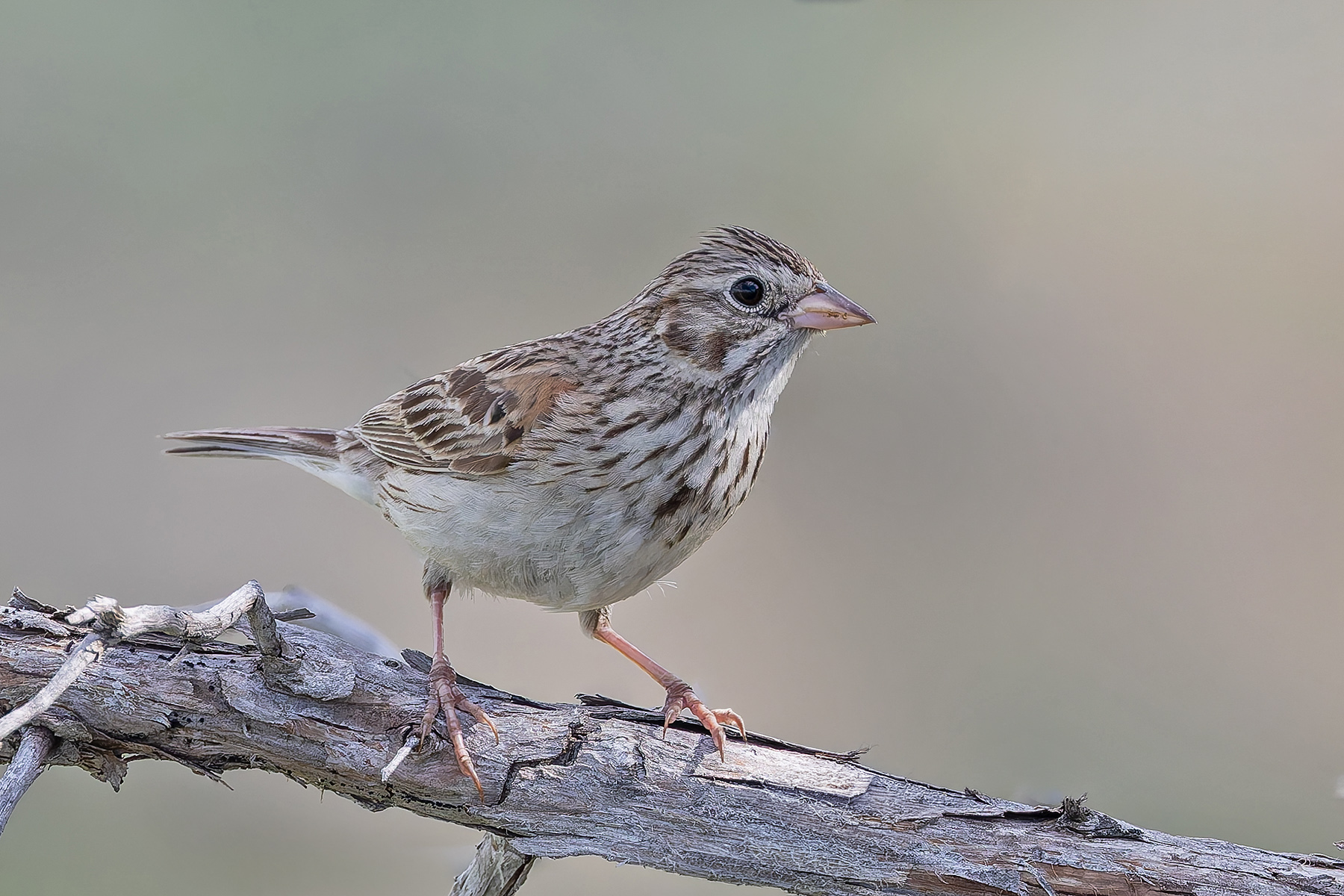
Much of the natural grassland in the prairies has been converted to agriculture, but pockets of natural habitat still exist in good quantity in western North Dakota, and we will be turning our attention today to these. As we arrive early in the morning, we will be serenaded by the evocative cries of the fabulous Upland Sandpiper, which will either be in songflight or perched on a post. Stunning piebald Bobolinks display over the rougher areas whilst sharply-marked Chestnut-collared Longspurs feed along the roadside or sing from fences which they share with fabulous Lark Buntings and the occasional Dickcissel. Our main focus, however, will be on the somewhat subtle but rare Baird’s Sparrow, and we have an excellent chance of finding a few of these smart birds. Other prairie breeding specialists we may well see include Sprague’s Pipit, which we may first detect by noticing its songflight high above us. In areas of shorter grass, we may come across a Black-tailed Prairie Dog town, and these are often shared with Burrowing Owls, which share their burrows. We will hopefully come across a pair or two of the spectacular Long-billed Curlew, and other more widespread species we may well find include Northern Harrier, Swainson’s Hawk, Eastern and Western Kingbirds which are frequent along roadside fences, smart Horned Larks, Clay-colored, Grasshopper, Vesper and Savannah Sparrows, and sweet-singing Western Meadowlarks. We are also likely to encounter a few unusual-looking Pronghorns.
In the afternoon we will visit the nearby Theodore Roosevelt National Park, a fascinating hilly area that contrasts markedly with the adjacent prairies. Here, amongst the appealing scenery we should find a number of impressive Bison as well as a few additional bird species which may well include beautiful Mountain Bluebirds, and attractive Yellow-breasted Chats and Lazuli Buntings as well as more widespread species such as Northern Flicker (Yellow-shafted), (Prairie) Merlin, Least Flycatcher, Red-eyed Vireo, Black-billed Magpie, Rock Wren, Northern House Wren, the sturdy Lark Sparrow, Chipping and Field Sparrows and Spotted Towhee. Towards dusk we may well find Common Nighthawks feeding overhead, drawing attention to themselves with their distinctive calls.
North Dakota & Minnesota: Day 3
After a second morning exploring the prairies, we will make the short journey east to Steele for an overnight stay. Later we will begin our exploration of the fabulous prairies and wetlands in the surrounding area.
North Dakota & Minnesota: Day 4
This morning we will focus on some of the rich wetlands set in the prairies. Here, exquisite Wilson’s Phalaropes, impressive Marbled Godwits, and noisy Western Willets will instantly compete for our attention. The scarce Nelson’s Sparrow will be high on our want list, sharing its favoured marshy haunts with sneaky Marsh Wrens, as well as Song Sparrow, colourful Yellow-headed and Red-winged Blackbirds, Brewer’s Blackbirds, and Common Yellowthroat and American Yellow Warbler. Open water holds good numbers of Western Grebe, as well as (American) Red-necked Grebe (a potential split), Pied-billed and Black-necked (or Eared) Grebes, and a good variety of waterfowl are likely to be present including smart Ruddy Ducks, Canada Goose, the gorgeous Bufflehead, Ring-necked Duck, Lesser Scaup, Blue-winged Teal, Mallard, Northern Pintail and Green-winged Teal, Graceful (American) Black, Forster’s and Common Terns hawk over the pools, American Bitterns can be surprisingly prominent, and other species likely to be present include Sora (easier to hear than see), American Coot, American Avocet, Killdeer (widespread and vocal), Wilson’s Snipe, Ring-billed Gull and California Gulls, Double-crested Cormorant, White-faced Ibis, impressive American White Pelicans, Snowy Egret, Black-crowned Night Heron, Green Heron, (American) Great Egret, the superb Bald Eagle and Northern Rough-winged Swallow. This is also an excellent area to find the smart Ferruginous Hawk, which hunts over the grassland, and we hope to come across the shy Sharp-tailed Grouse, a species which is still hunted for sport alongside the numerous introduced Grey Partridges and Common Pheasants.
Later we will head east to Fargo for an overnight stay. We will keep our eyes open for any interesting species on the wetlands that we pass, such as Snow Goose (if we do find any lingering flocks we will scan them for Ross’s Goose, which is also possible), and we may find other wetland species such as American Herring Gull and Caspian Tern.
North Dakota & Minnesota: Day 5
In the morning we will make a quick visit to some wetlands on the outskirts of Fargo which often hold good numbers of waterfowl including Canvasback, Ring-necked Duck, Redhead, Northern Shoveler, Gadwall and American Wigeon, and a few migrant waders may well be present that could include species on their way further north such as Semipalmated Plover and Semipalmated and White-rumped Sandpipers. This is also an excellent area for the chunky Purple Martin.
We will then make the longish drive to Warroad in far northern Minnesota for an overnight stay. Our main reason for visiting this area is to look for the secretive Yellow Rail, and we will set off to an area of marsh this evening to look for our quarry. Although difficult to see, we will have a good chance, though it may take some time and effort! Also here is the splendid LeConte’s Sparrow, as well as Swamp Sparrow and the vocal Sedge Wrens. Nearby woodlands hold a number of additional species of interest, and these may include Eastern Wood Pewee, Great Crested Flycatcher, the attractive Cedar Waxwing and Mourning Warbler, and if we are lucky we will come across a Black-billed Cuckoo. At dusk we will keep our eyes and ears open for Eastern Whip-poor-will, a species which is reasonably frequent in the area.
North Dakota & Minnesota: Day 6
We will have another morning to explore the excellent wetlands around Warroad before driving south to the Duluth area for a three-night stay. On the way we will pass a number of excellent wetlands, and we will pause to scan some of them for the attractive Hooded Merganser and the prairie-loving Franklin’s Gull as well as the more widespread Common Merganser (or Goosander). During the journey we are likely to come across a few other new species such as Broad-winged Hawk, Belted Kingfisher, the attractive Red-headed Woodpecker and Northern Raven.
North Dakota & Minnesota: Days 7-8
Our reason for staying in Duluth is to visit the adjacent Sax-Zim Bog, a fantastic, extensive area comprising spongy peatlands, dense Tamarack (larch) and black spruce forests. Formed 10,000 years ago by glacial meltwater, it represents a crucial southern extension of Canada’s boreal forest ecosystem, and is famous for its healthy population of Great Grey Owls, a species that we will make a concerted effort to see. However, it’s a much smaller denizen of the forest that we will be keen to see, as this is prime Connecticut Warbler habitat, notoriously North America’s toughest ‘wood warbler’ to see. At this time they should be singing and vigorously defending their territories, and we will hope to see one singing high up in a spruce. Whilst looking, we are likely to encounter a number of other attractive warblers including Black-and-white, Nashville, Magnolia, Blackburnian, Golden-winged, Chestnut-sided and Canada Warbler as well as the sneaky and smart Ovenbird. Alder and Yellow-bellied Flycatchers give themselves away by their simple songs, and other passerines we are likely to encounter include the smart Blue-headed Vireo, the localized Canada Jay, the colourful Blue Jay, Black-capped Chickadee, Ruby-crowned and Golden-crowned Kinglets, Red-breasted Nuthatch, Brown Creeper, Winter Wren (now a North American endemic!), Veery and Hermit Thrushes (both with their haunting songs), the attractive Purple Finch, Redpoll and White-throated and Lincoln’s Sparrows. With all the mature trees, it is no surprise that woodpeckers are conspicuous, and we will hope to find the huge Pileated Woodpecker, Downy and Hairy Woodpeckers, Yellow-bellied Sapsucker, and, if conditions are right and there are recently burnt areas, the smart Black-backed Woodpecker. Ruby-throated Hummingbirds visit feeders, Sandhill Cranes prefer the wet areas, and with luck we will also encounter American Woodcock, Barred Owl or even the elusive Ruffed Grouse.
North Dakota & Minnesota: Day 9
After a final morning in the Duluth area, we will make our way to the Minneapolis area for an overnight stay. In the afternoon we will visit an extensive wetland park within the city where we will hope to see the often tricky Virginia Rail. Also here, Trumpeter Swans breed, and we should also find a number of other widespread species either on the wetlands or in the surrounding scrub and woodland such as Mourning Dove, Great Blue Heron, the amazing Wood Duck, Wild Turkey, Eastern Phoebe, Willow Flycatcher, Eastern Warbling Vireo, Grey Catbird, Baltimore Oriole, Rose-breasted Grosbeak, House Finch, Indigo Bunting and the colourful Northern Cardinal.
North Dakota & Minnesota: Day 10
This morning we will visit another state park on the outskirts of the city. Another huge and diverse area, this park has in recent years been a reliable place to see the localised Henslow’s Sparrow. Also here we hope to find fabulous Hooded and Blue-winged Warblers, whilst we will hope to track down the attractive Wood Thrush by its distinctive song. Other species we may well find here include Common Loon (or Great Northern Diver) that breeds on lakes within the park, Cooper’s Hawk, Red-bellied Woodpecker, the striking Yellow-throated Vireo, White-breasted Nuthatch, Blue-grey Gnatcatcher, the smart Eastern Bluebird, Eastern Towhee, American Redstart and Summer and Scarlet Tanagers.
Later we will make the short transfer to Minneapolis Airport, where the tour will end this afternoon.
Michigan: Day 1
This afternoon we will take a short flight to Detroit, in Michigan, which is set in the heart of the Great Lakes. From here we will drive north to Grayling for a two-night stay.
Michigan: Day 2
Our prime reason for visiting the Grayling area is to seek out the rare Kirtland’s Warbler. This bird is nicknamed the ‘jack pine bird’ or ‘bird of fire’ because it has highly specific breeding constraints, only nesting on the ground beneath young jack pine trees that are roughly 5 to 20 years old (between 2 and 5 metres tall). Historically, wildfires cleared old forests and forced jack pine cones to open and release seeds, creating perfect even-aged habitats. For some time, fire control stopped this, but modern conservation mimics this by deliberately harvesting mature pines and planting seedlings. Over 95% of the population breeds in the northern Lower Peninsula of Michigan, with small populations expanding into Wisconsin and Ontario, Canada. Kirtland’s Warbler is a rare success story in modern conservation. Surveys in 1974 and 1987 estimated the wild population at just 167 breeding pairs due to fire suppression and extreme nest parasitism by brown-headed cowbirds. Through an intensive, multi-agency conservation program focused on habitat management and cowbird control, the population rebounded quickly, and the latest population estimates are in the region of 1,500 to 2,500 pairs.
We will have an excellent chance of finding this delightful warbler, likely seeing several singing males, and other species we may find include Olive-sided Flycatcher, Black-throated Green and Pine Warblers, Eastern Meadowlark, American Pipit, Dark-eyed Junco, Pine Siskin, and, with luck, the impressive Evening Grosbeak.
Michigan: Day 3
After another morning in the Grayling area, looking for any species we have not yet found, we will return to Detroit, where the extension will end this evening.

North America & The Caribbean
North America & The Caribbean