
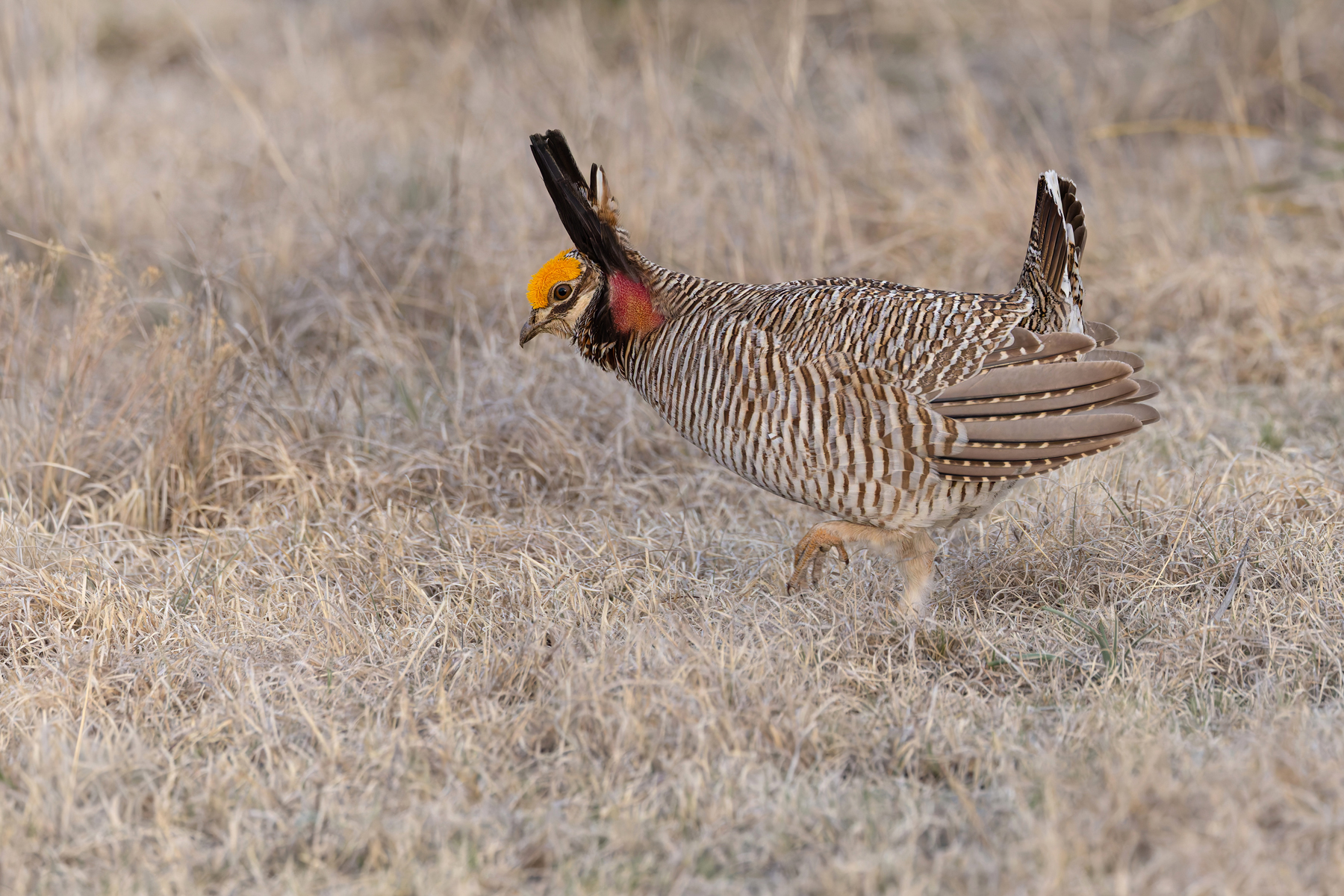
Lesser Prairie Chicken (image by Mike Watson)
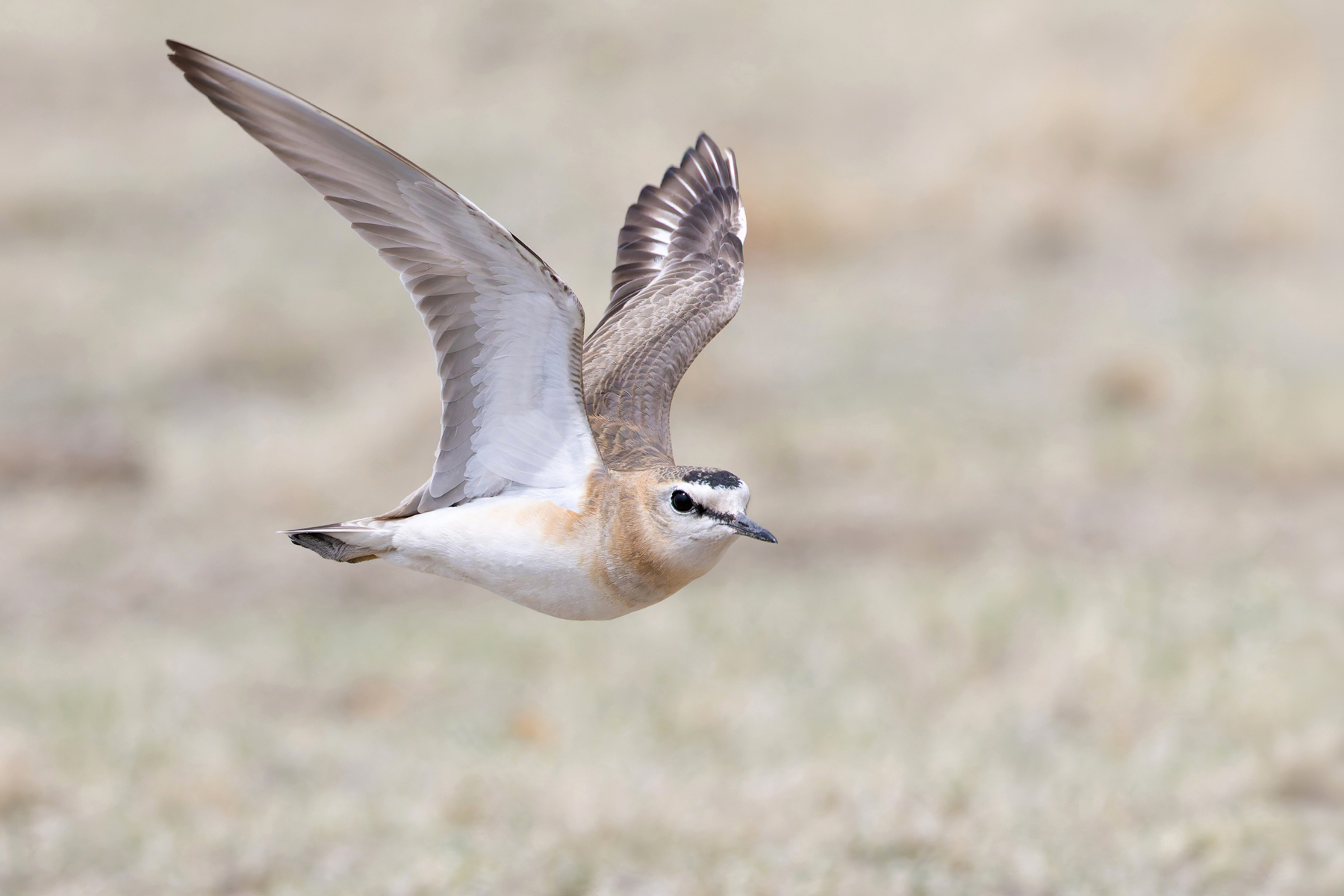
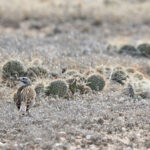
Mountain Plover (image by Mike Watson)
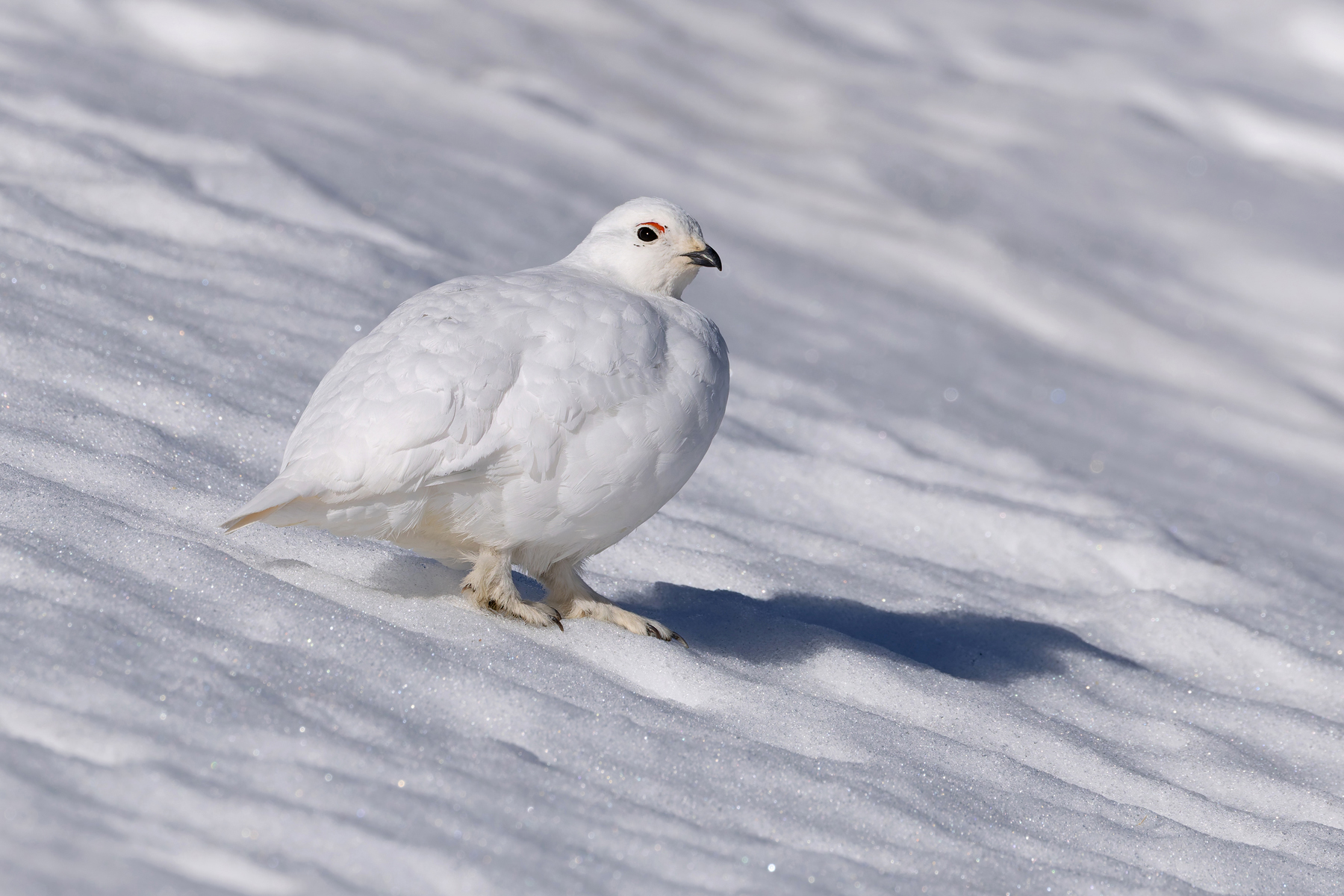
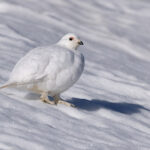
White-tailed Ptarmigan (image by Mike Watson)
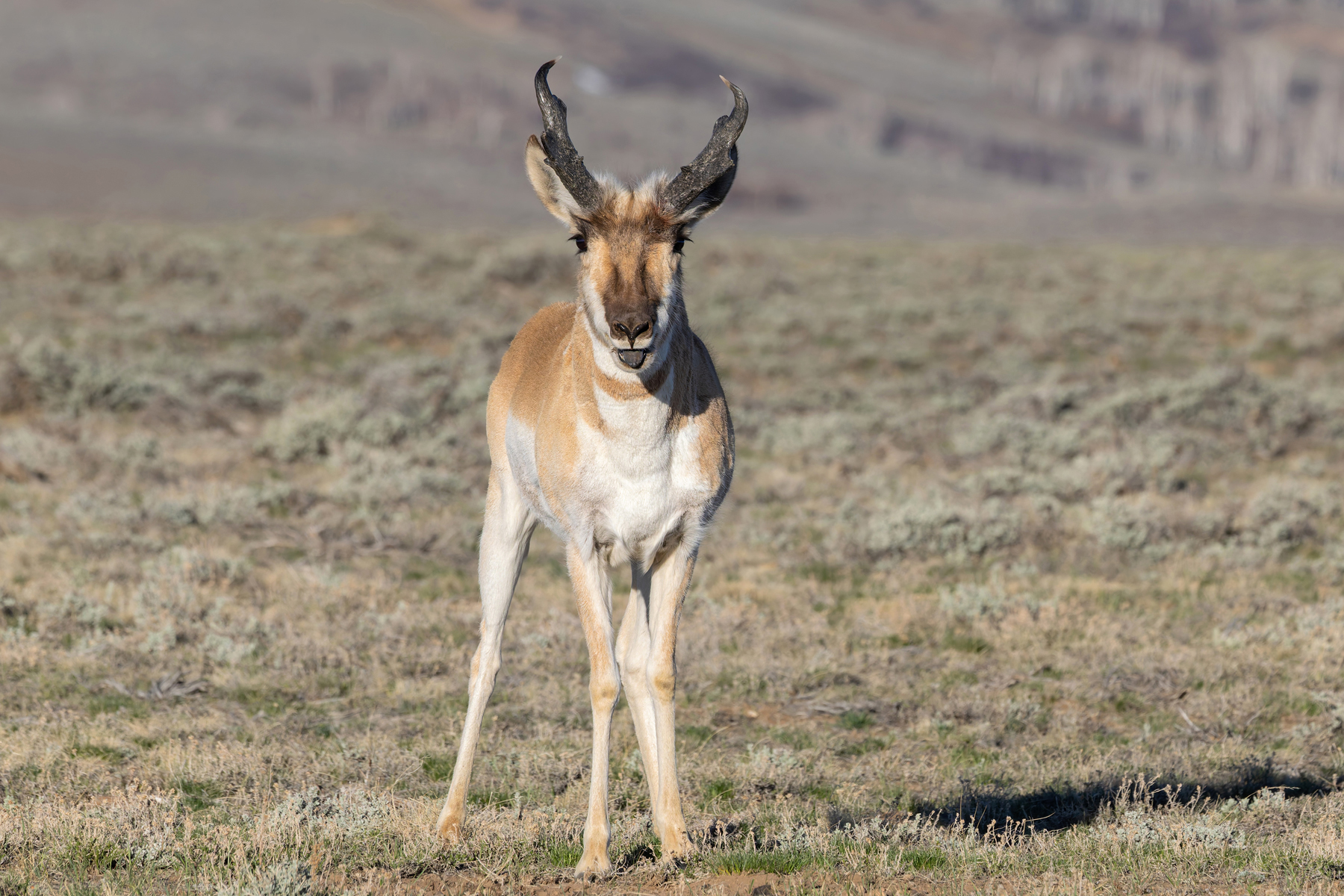
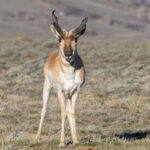
Pronghorn (image by Mike Watson)
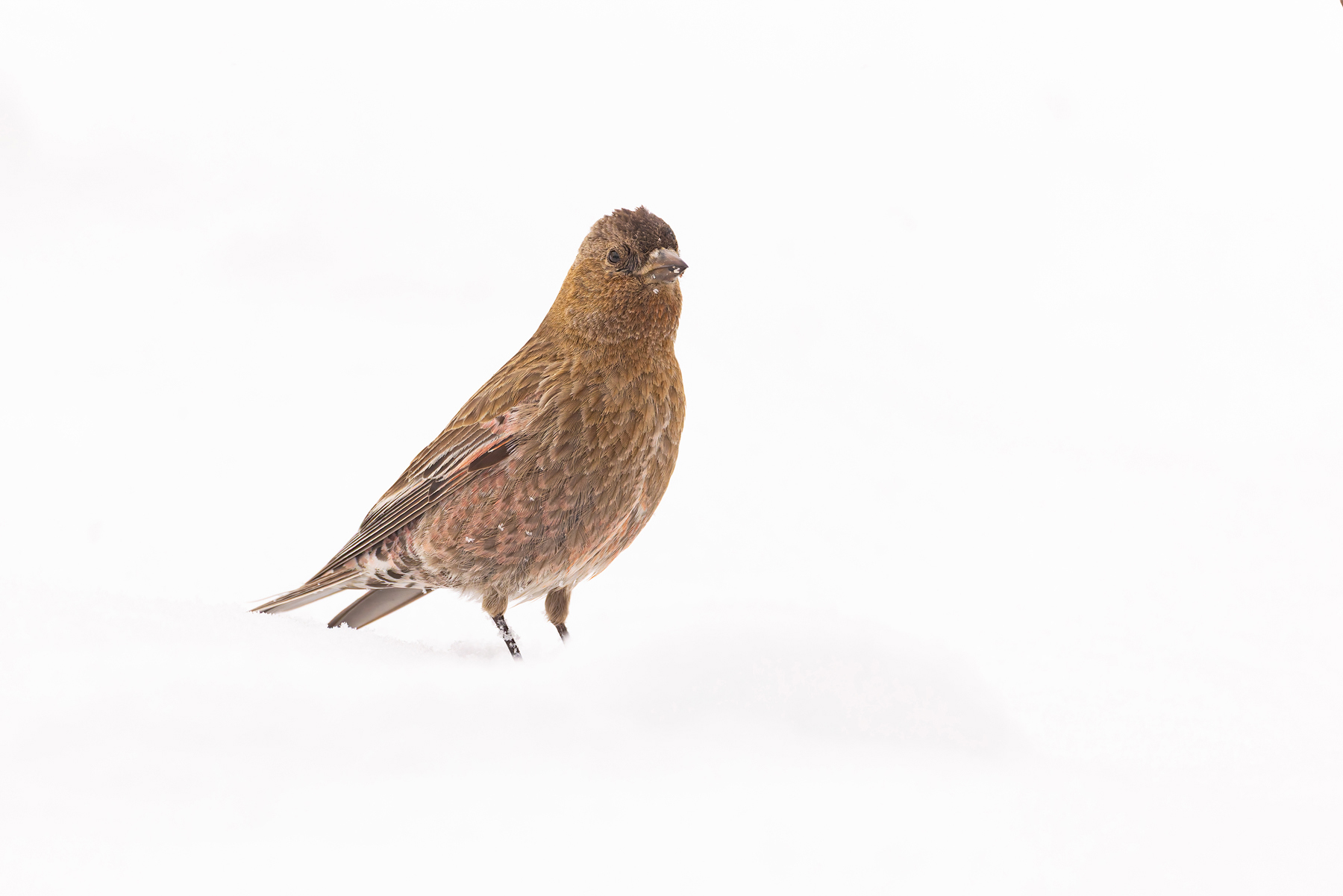
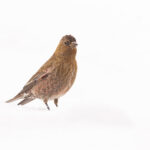
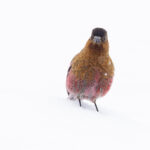
Brown-capped Rosy Finch (image by Mike Watson)
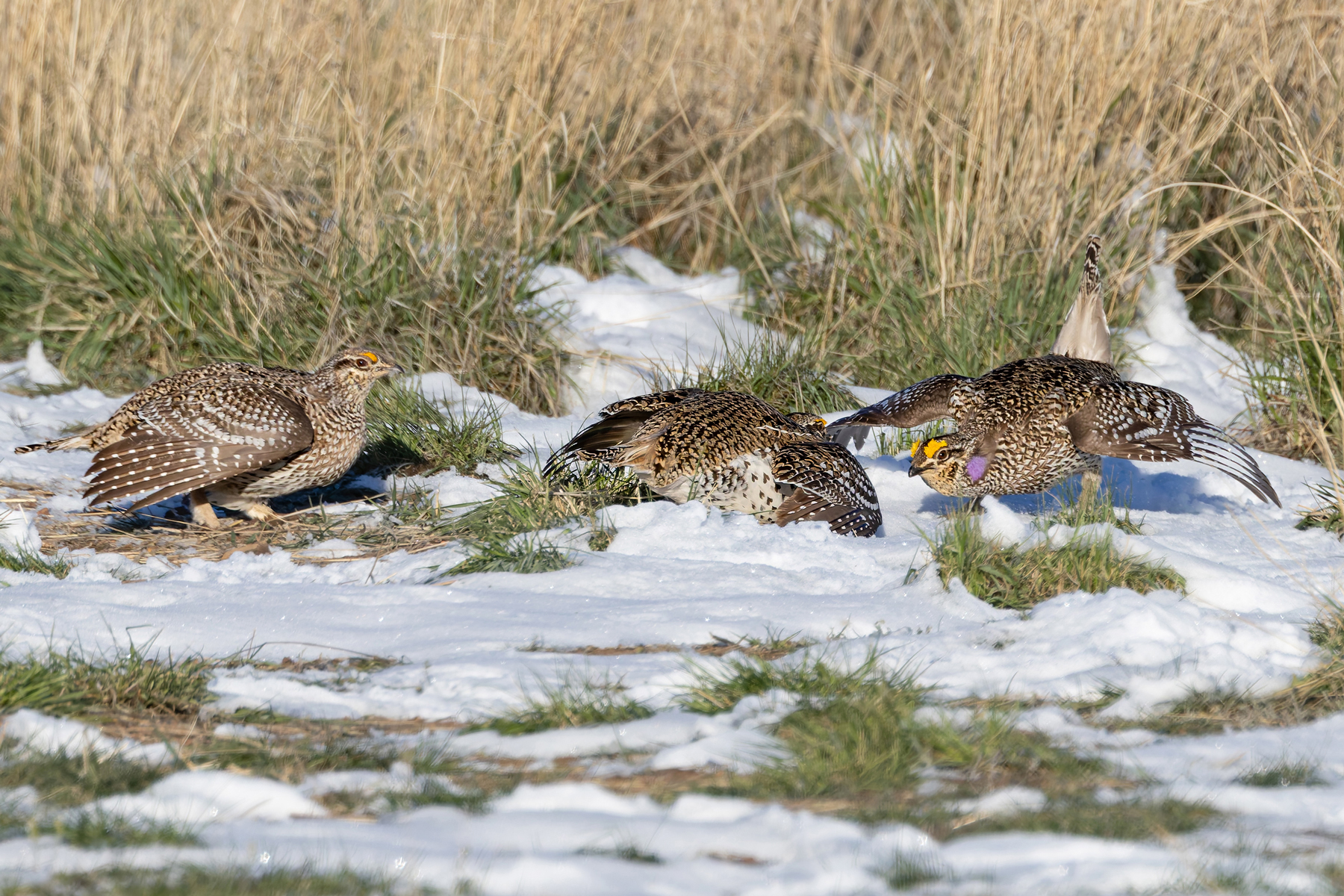
Sharp-tailed Grouse (image by Mike Watson)
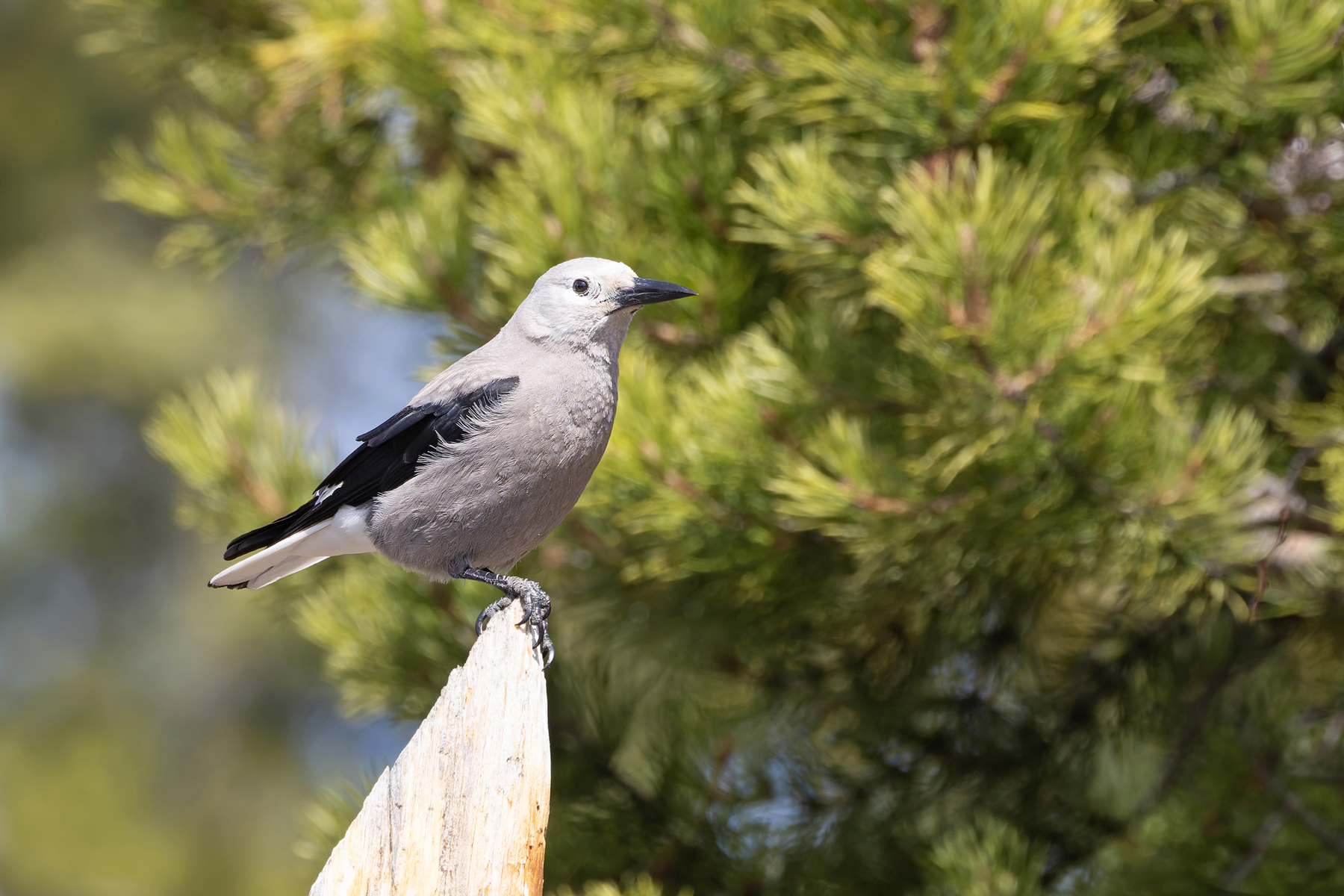
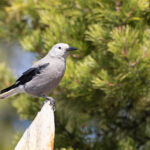
Clark's Nutcracker (image by Mike Watson)
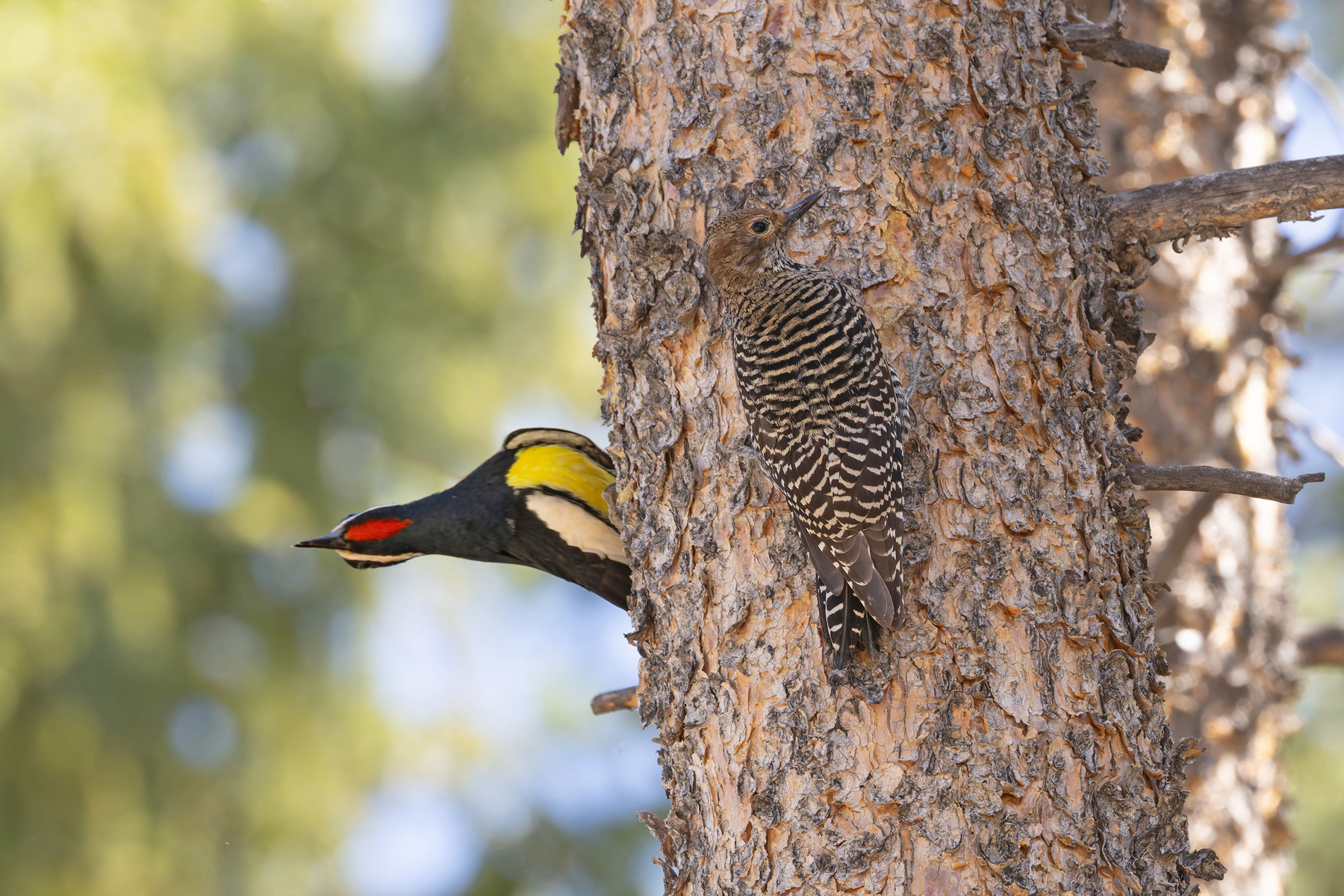
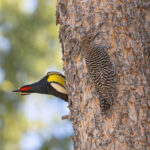
Williamson's Sapsuckers (image by Mike Watson)
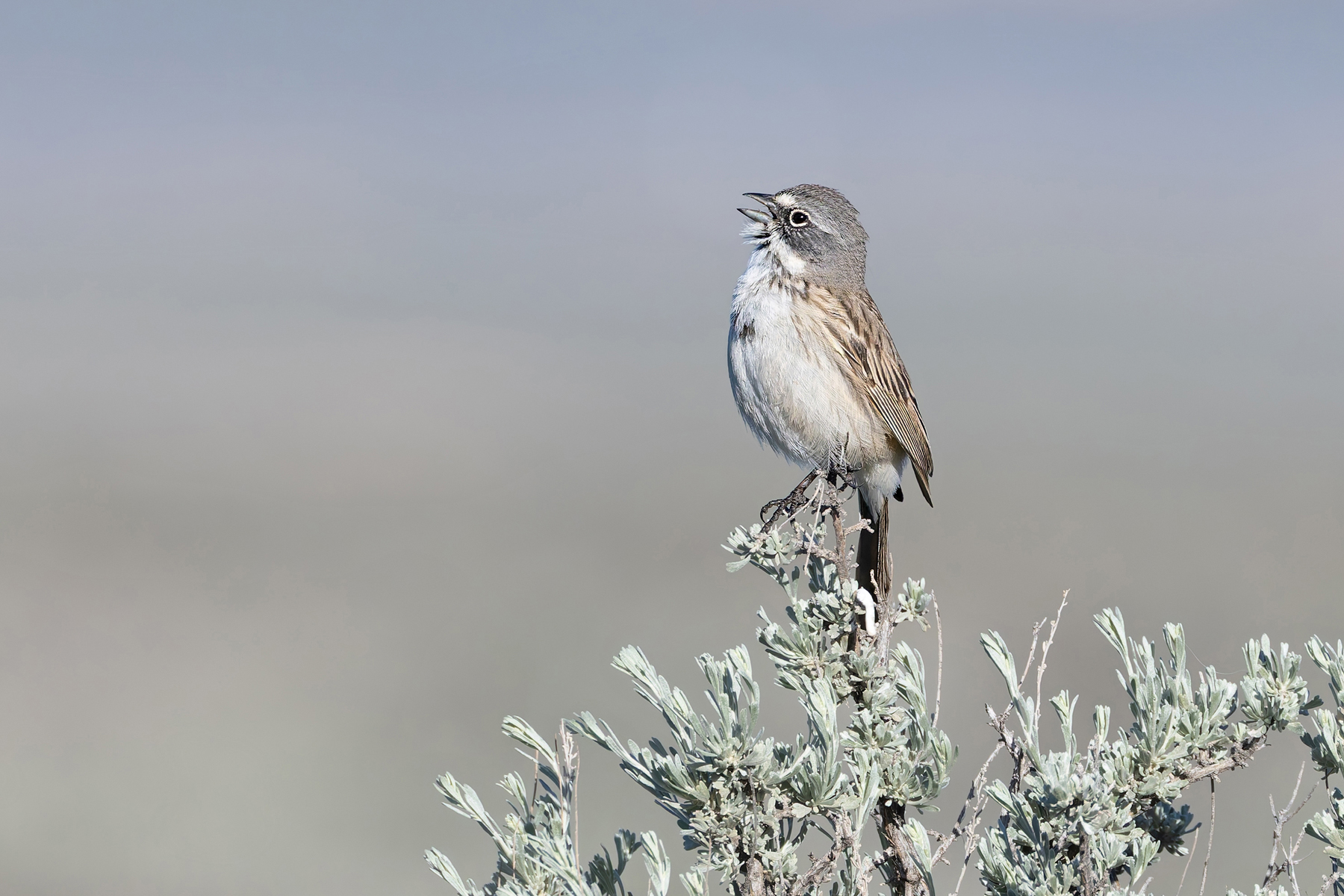
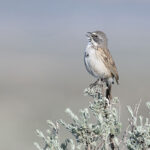
Sagebrush Sparrow (image by Mike Watson)
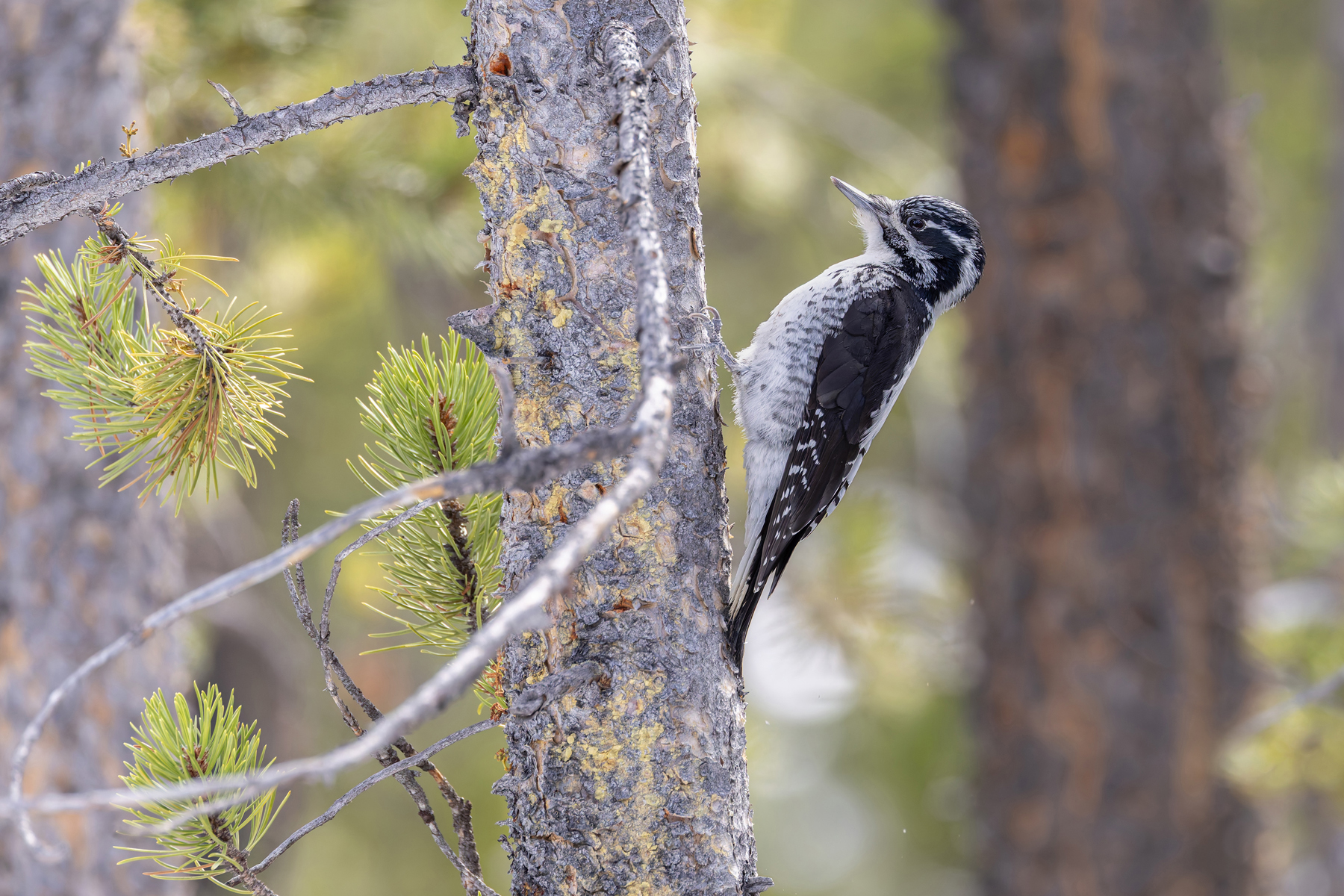
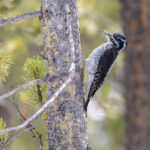
American Three-toed Woodpecker (image by Mike Watson)
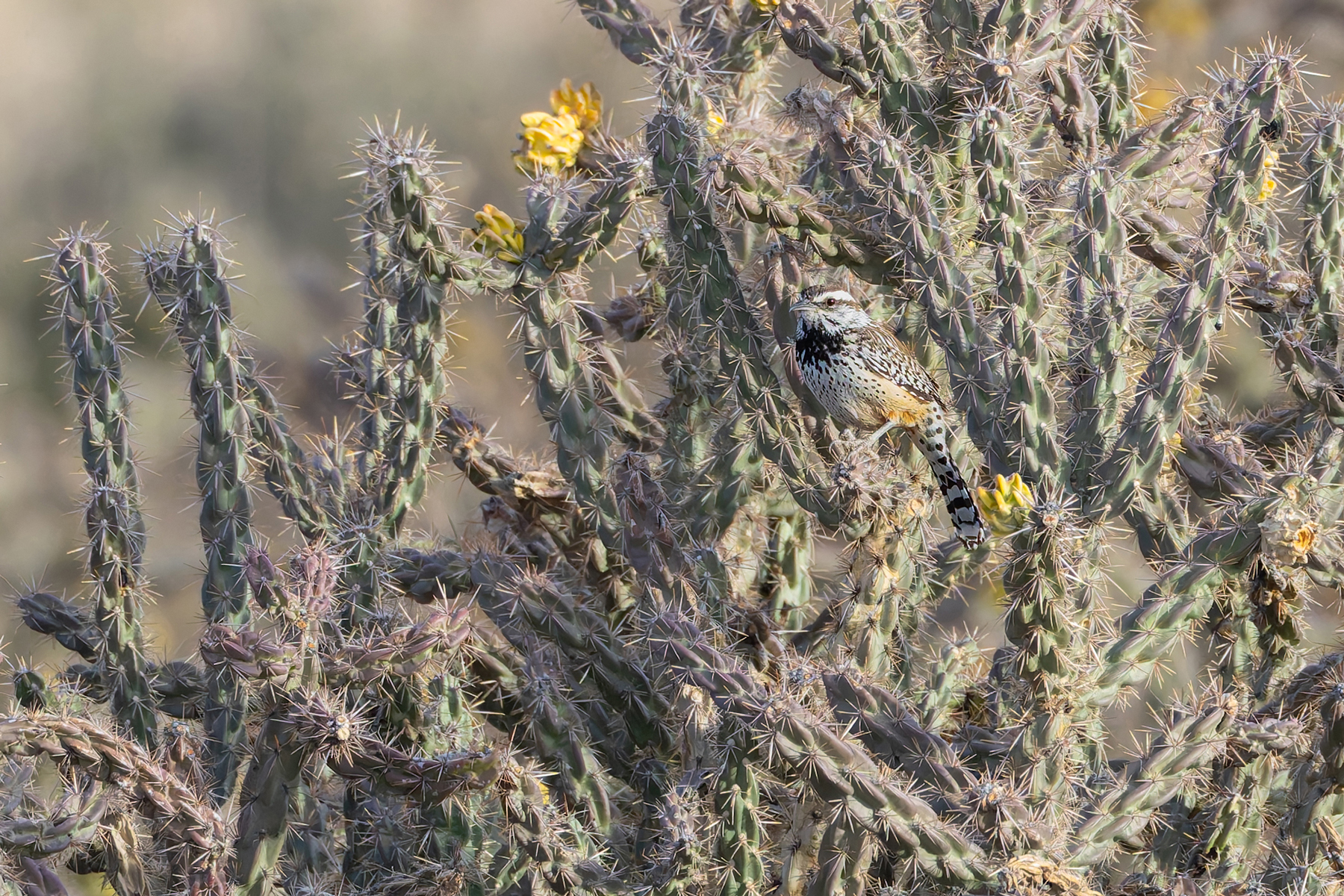
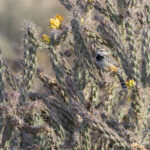
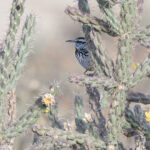
Cactus Wren (image by Mike Watson)
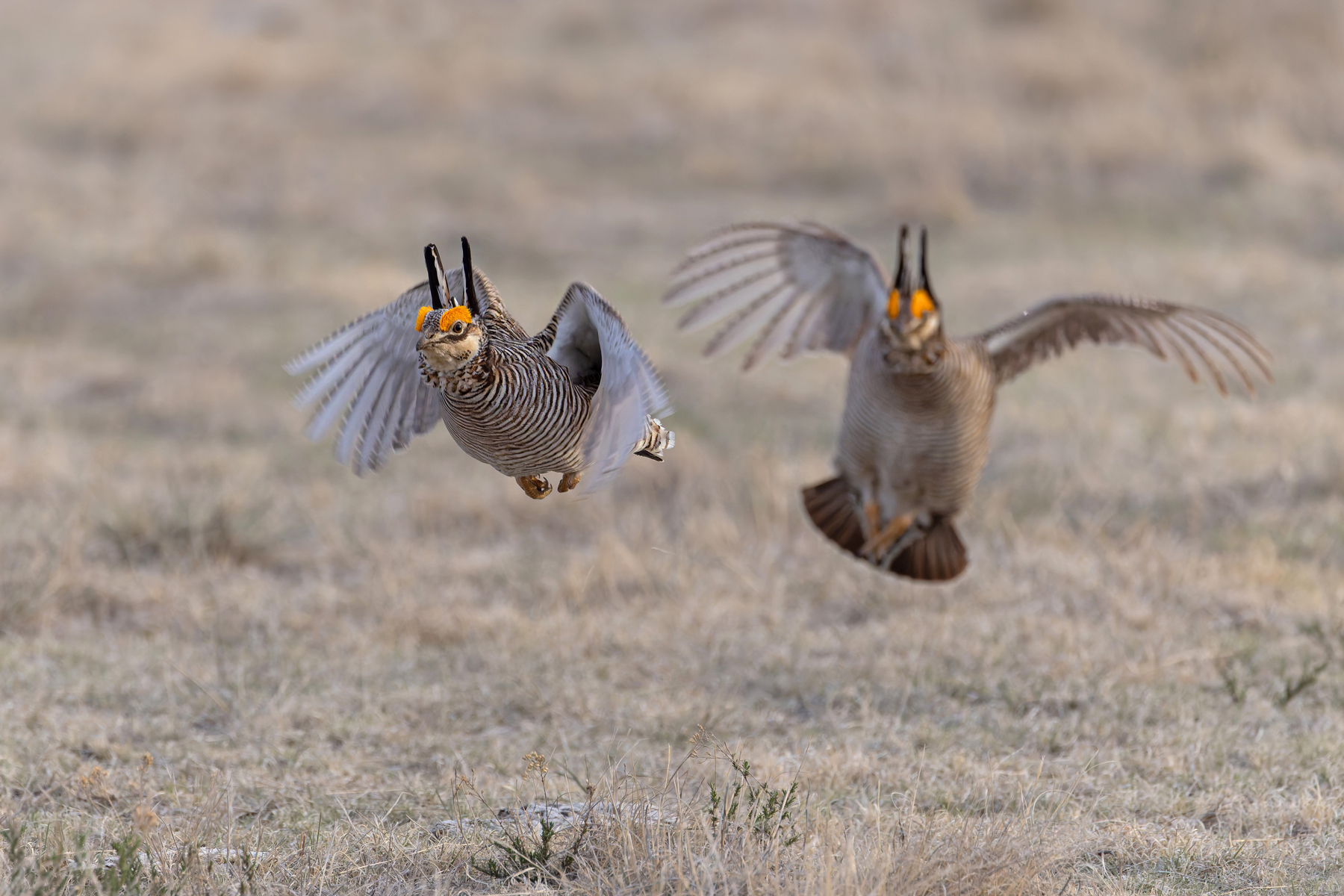
Lesser Prairie Chickens (image by Mike Watson)
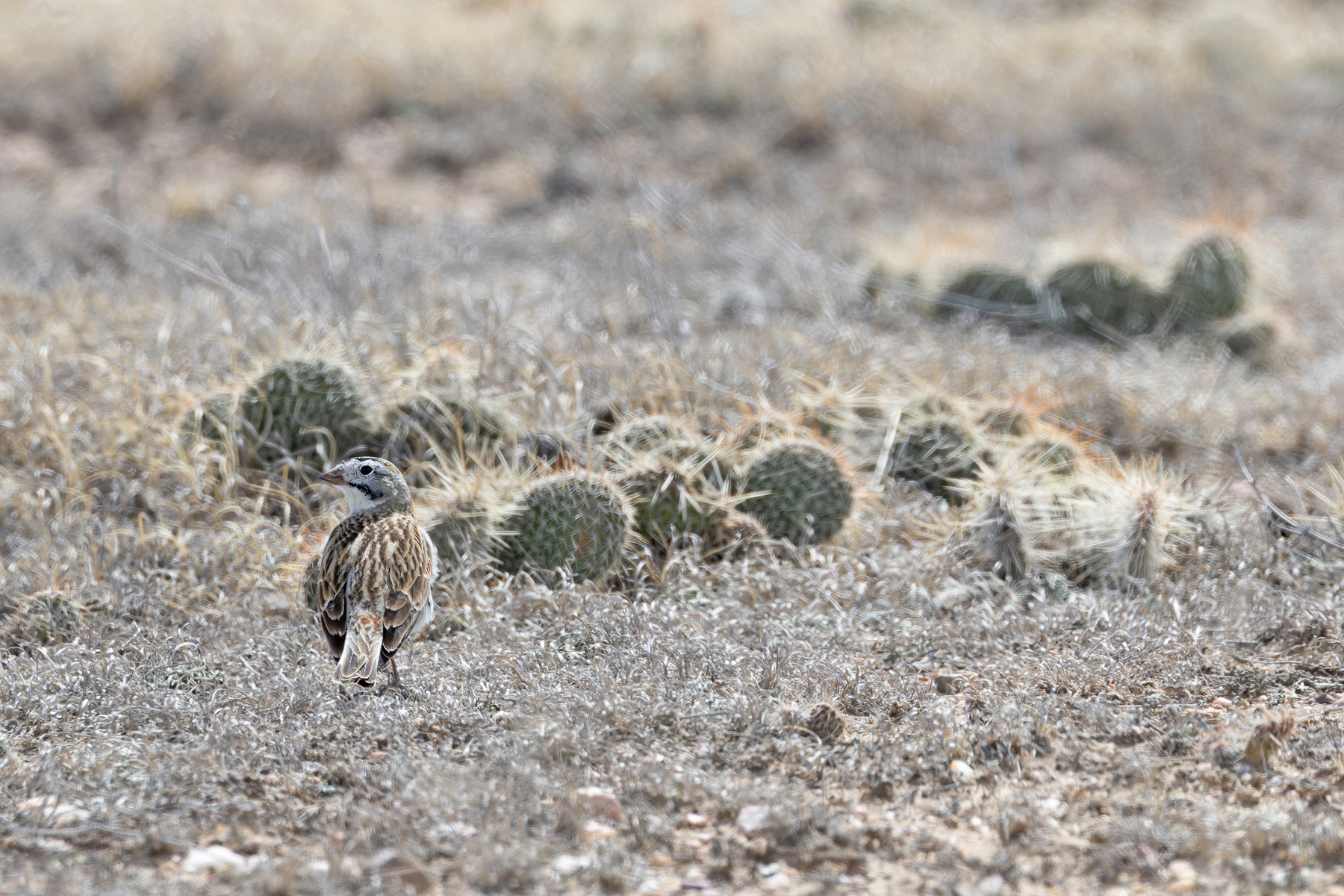
Thick-billed Longspur (image by Mike Watson)
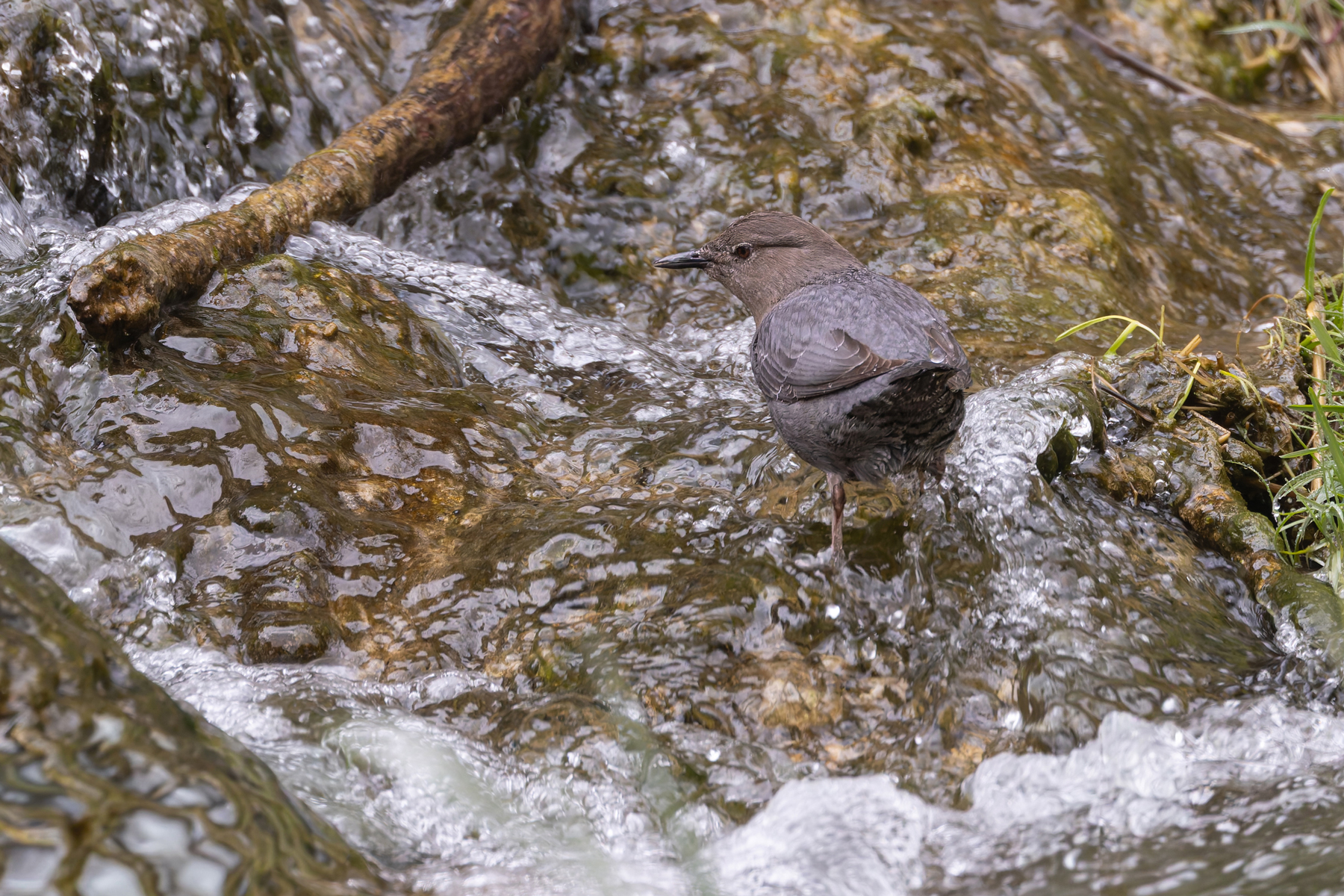
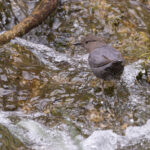
American Dipper (image by Mike Watson)
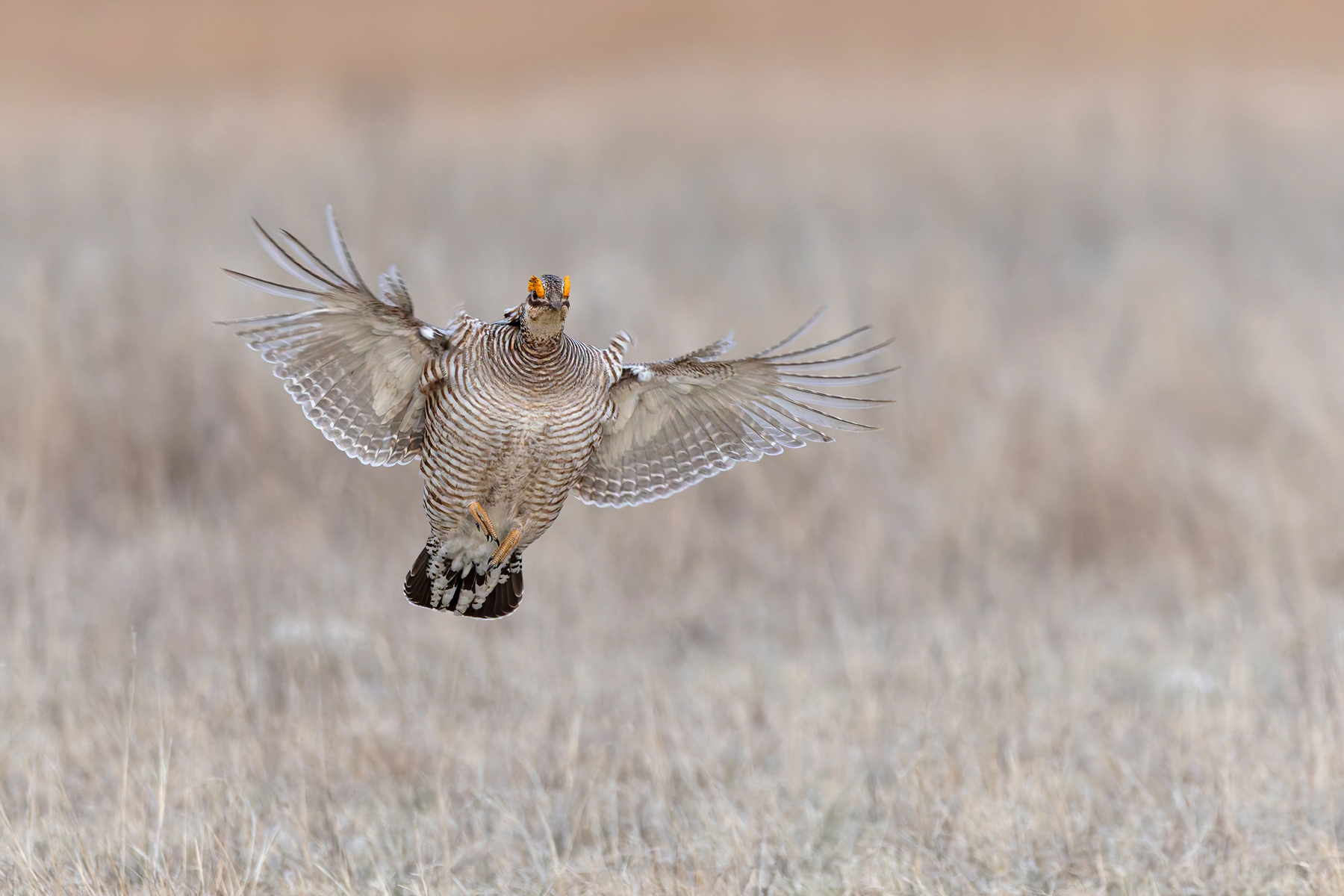
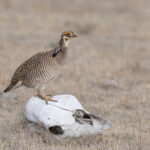
Lesser Prairie Chicken (image by Mike Watson)
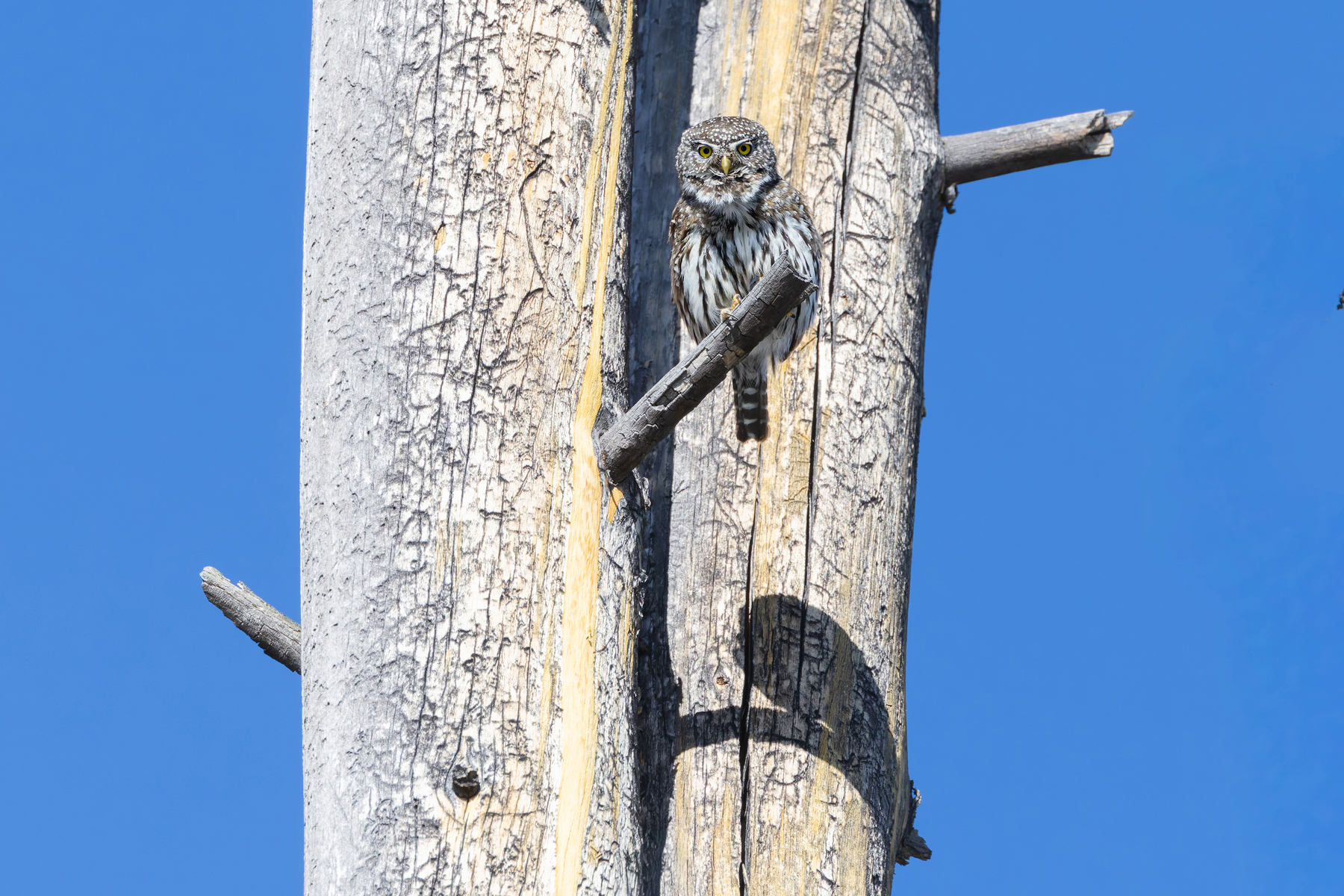
Northern Pygmy Owl (image by Mike Watson)
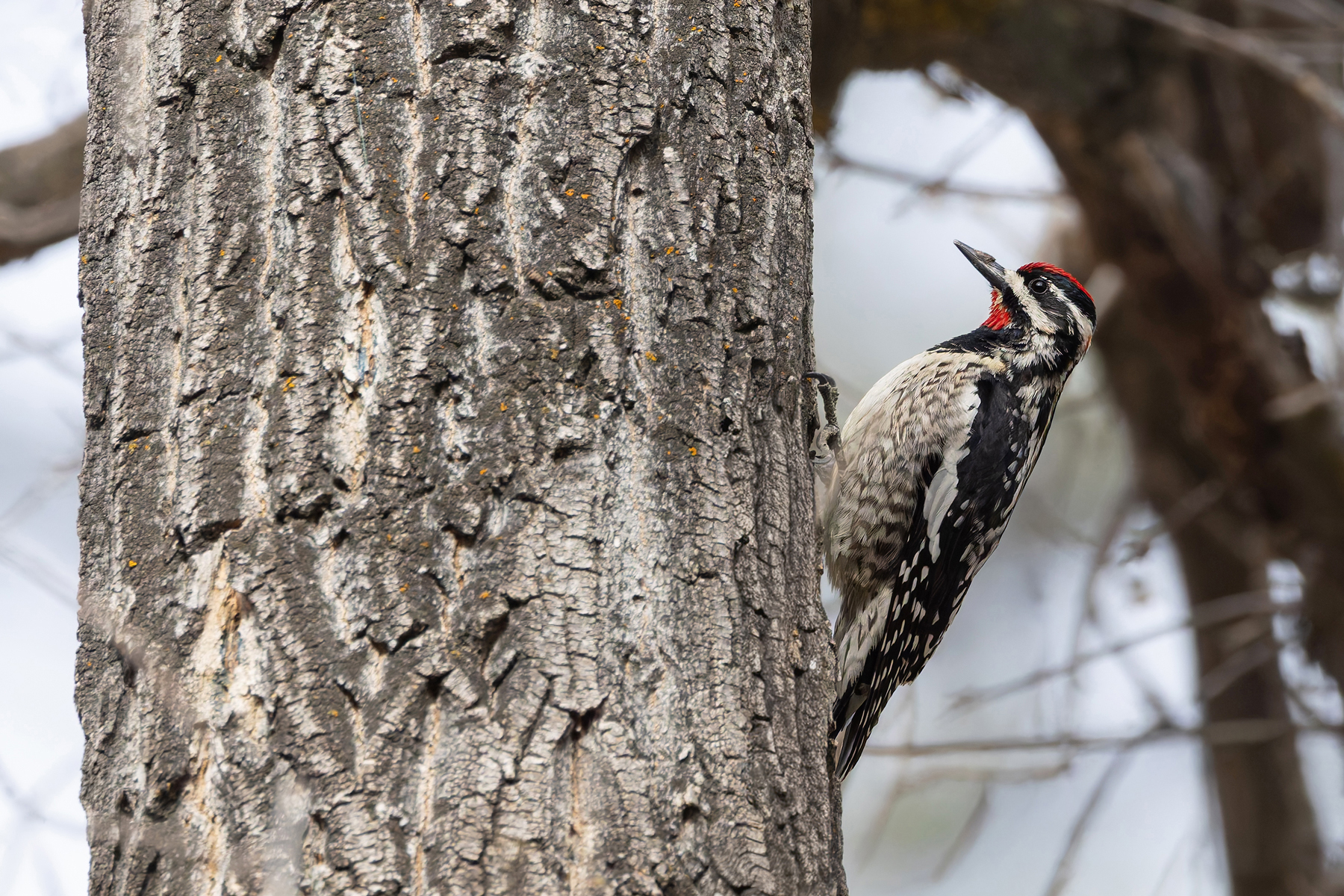
Red-naped Sapsucker (image by Mike Watson)
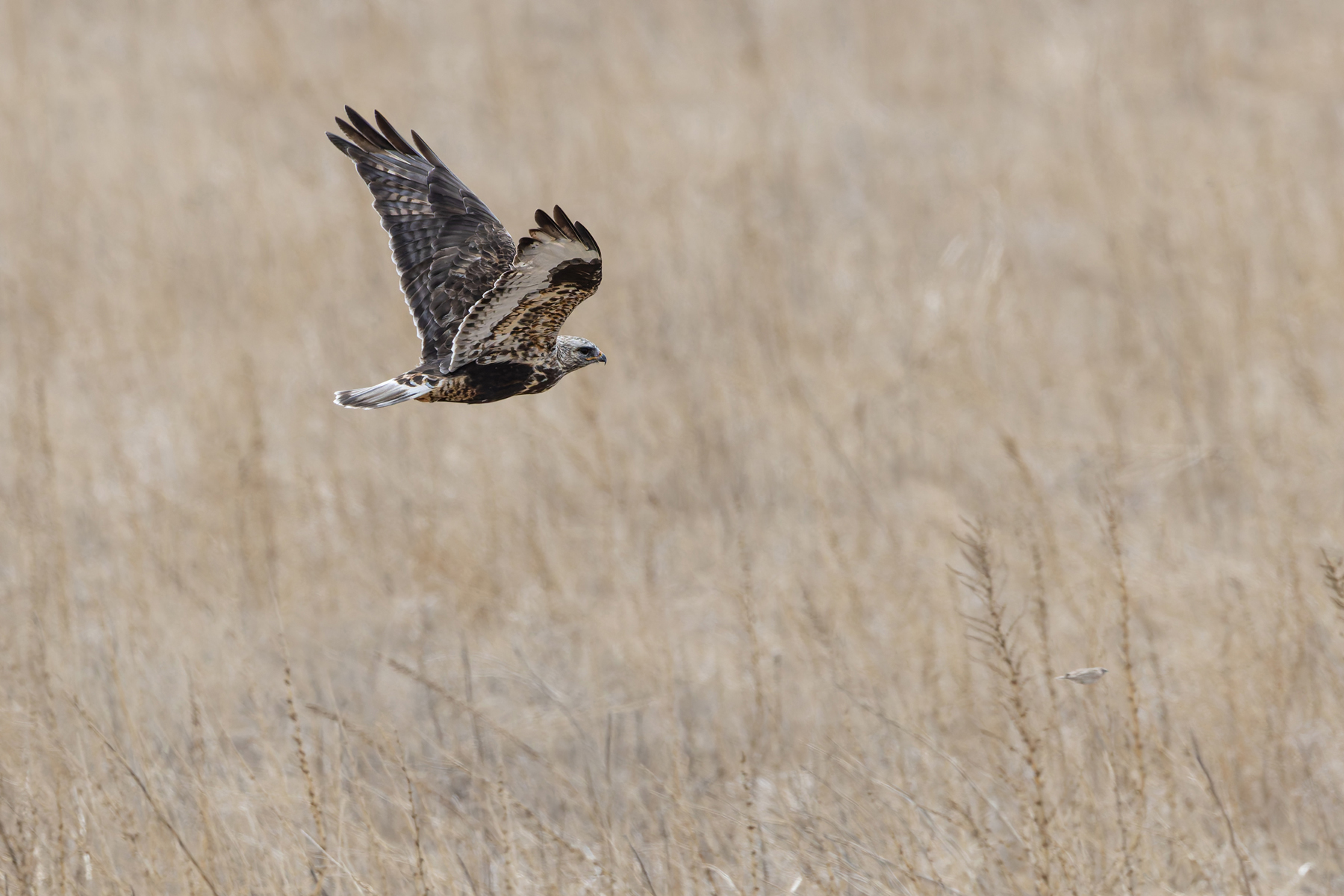
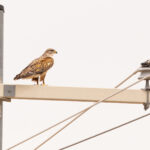
Rough-legged Buzzard (image by Mike Watson)
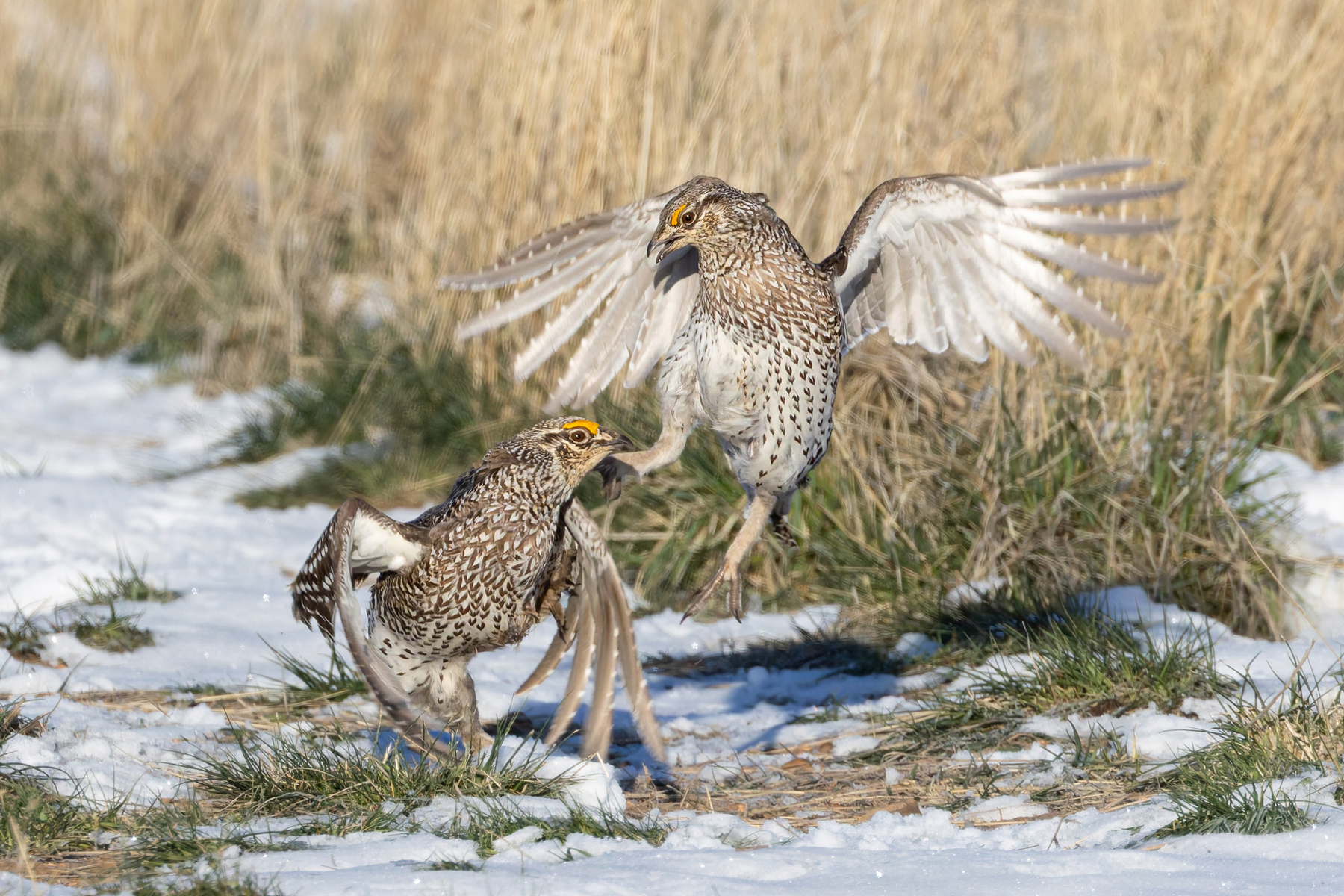
Sharp-tailed Grouse (image by Mike Watson)
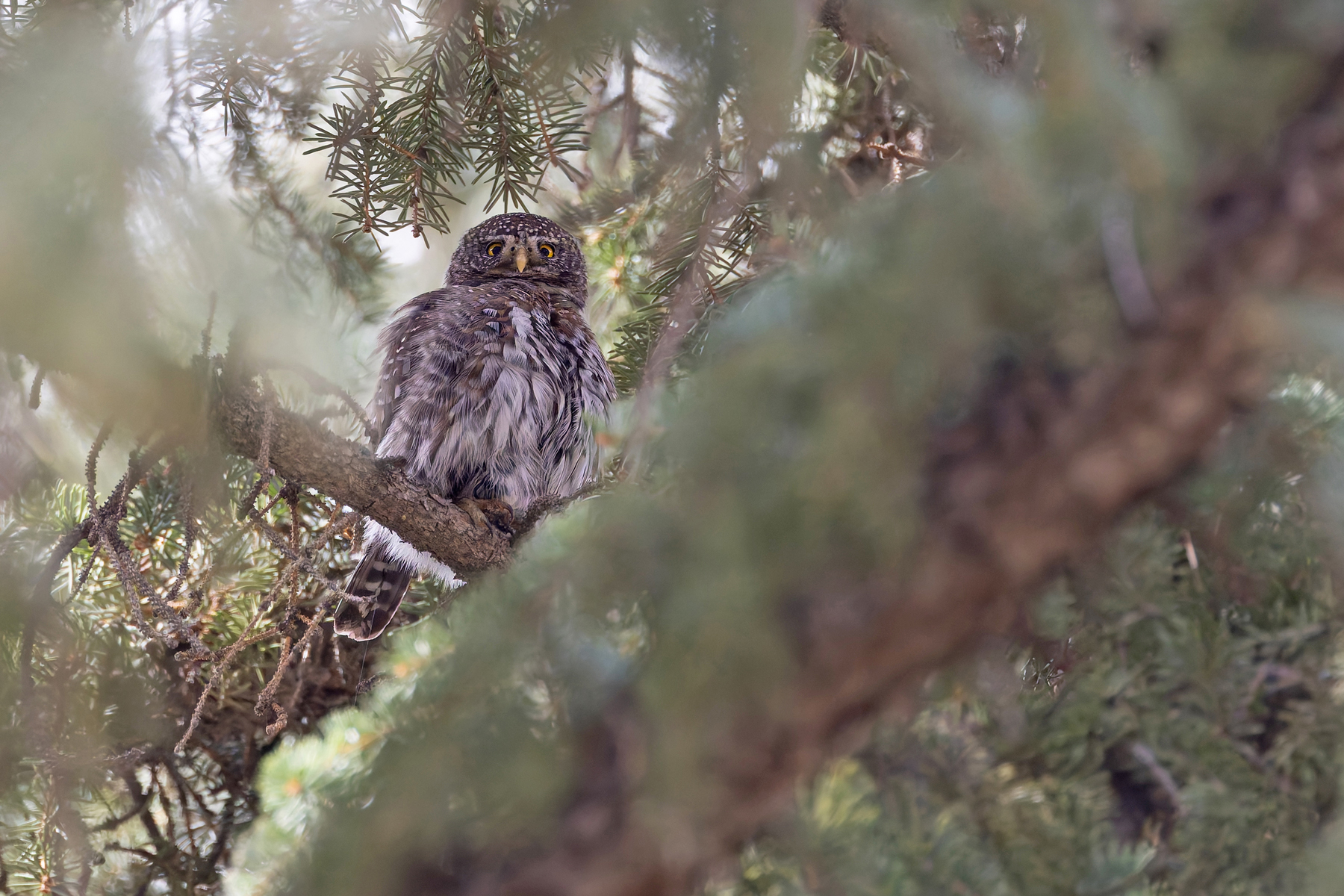
Northern Pygmy Owl (image by Mike Watson)
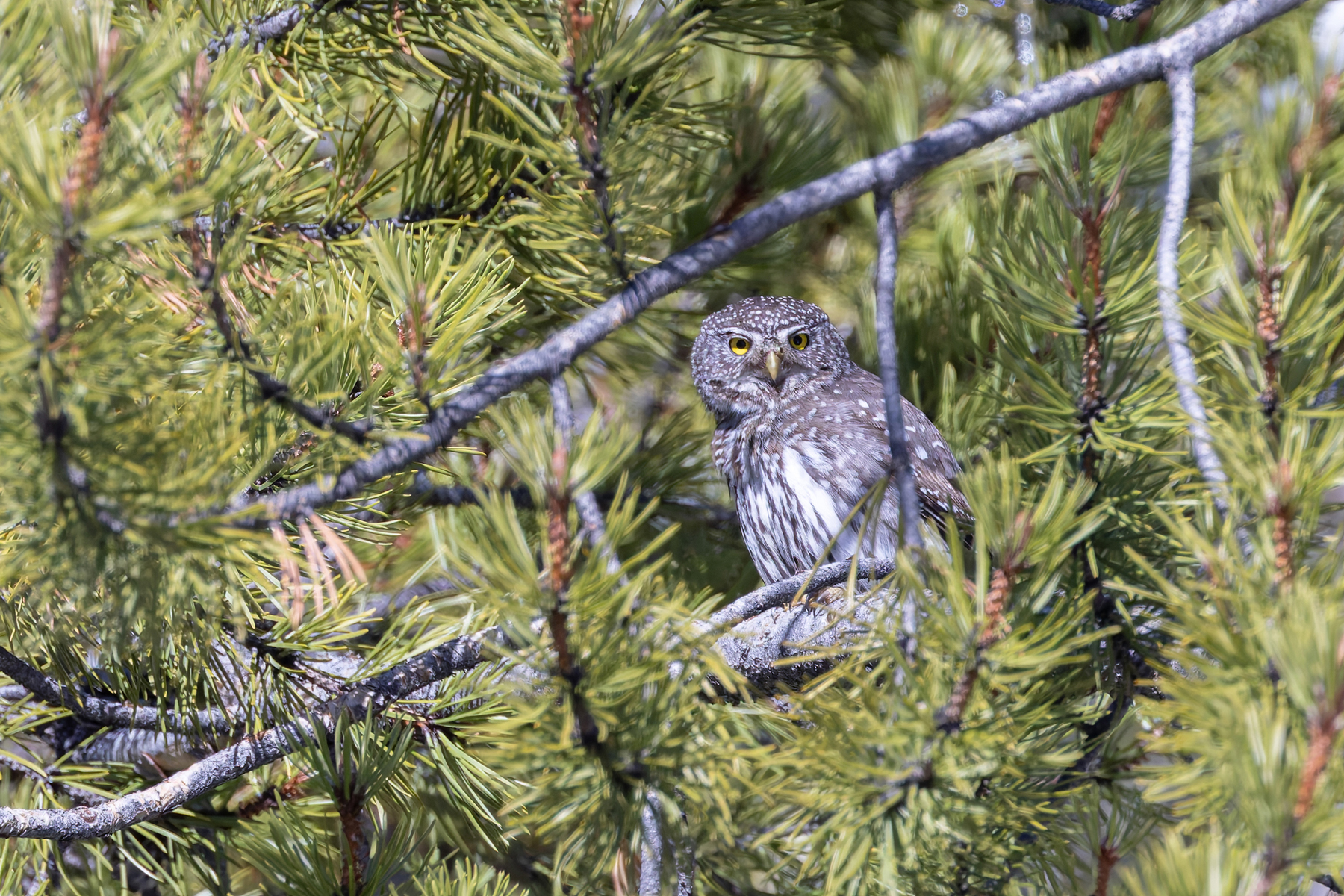
Northern Pygmy Owl (image by Mike Watson)
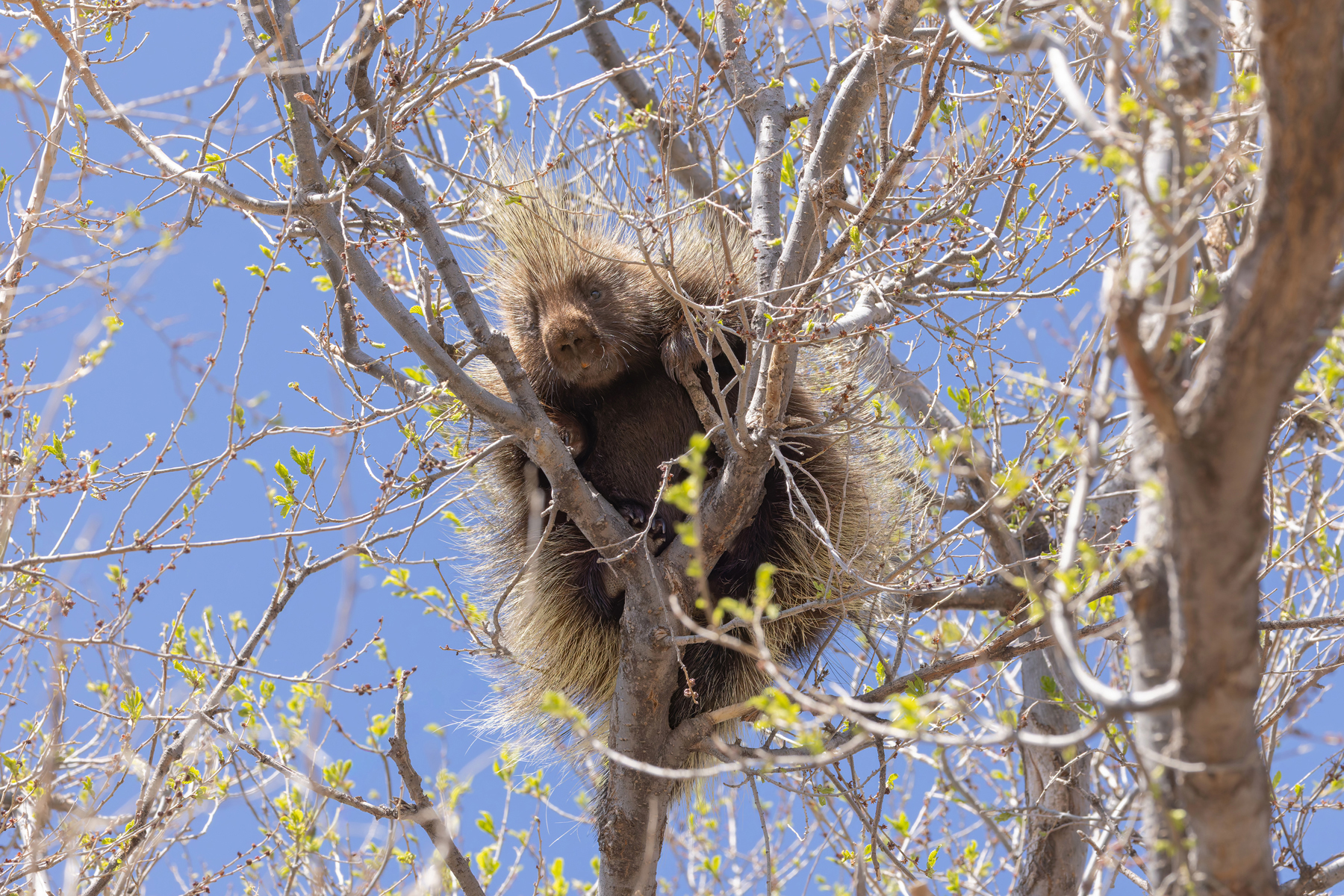
North American Porcupine (image by Mike Watson)
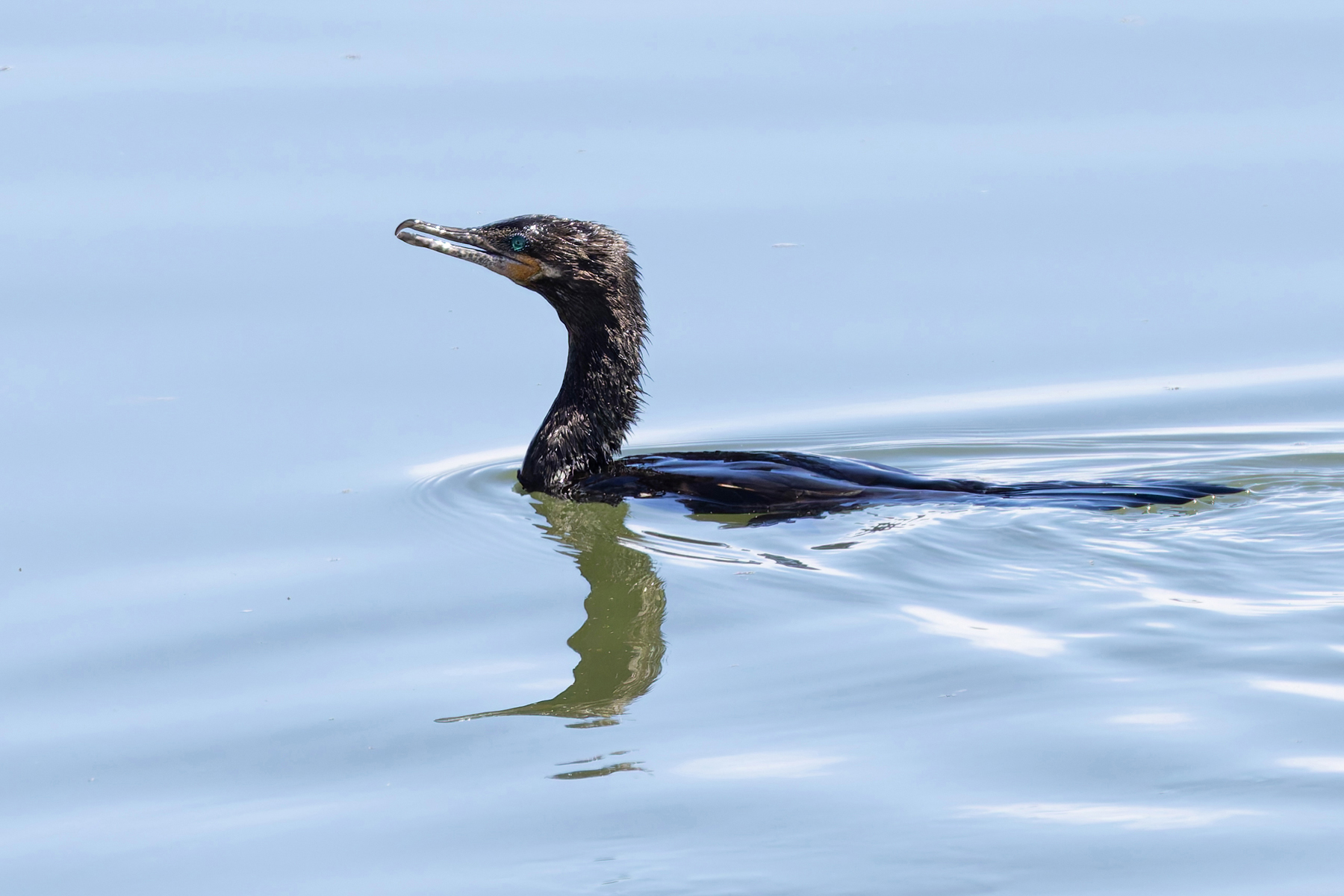
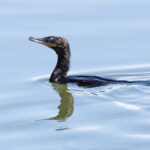
Neotropical Cormorant (image by Mike Watson)
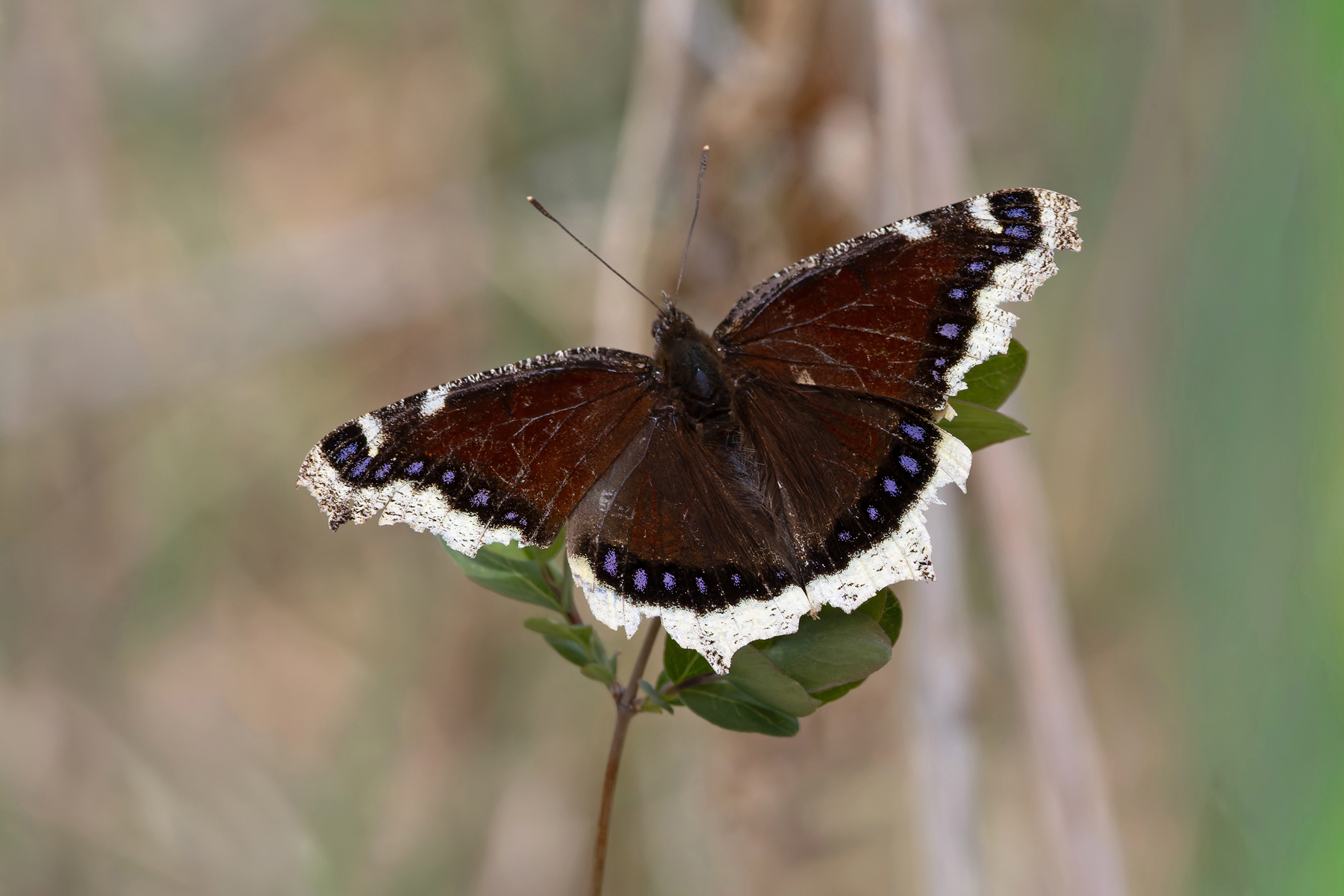
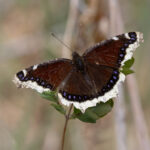
Morning Cloak (image by Mike Watson)
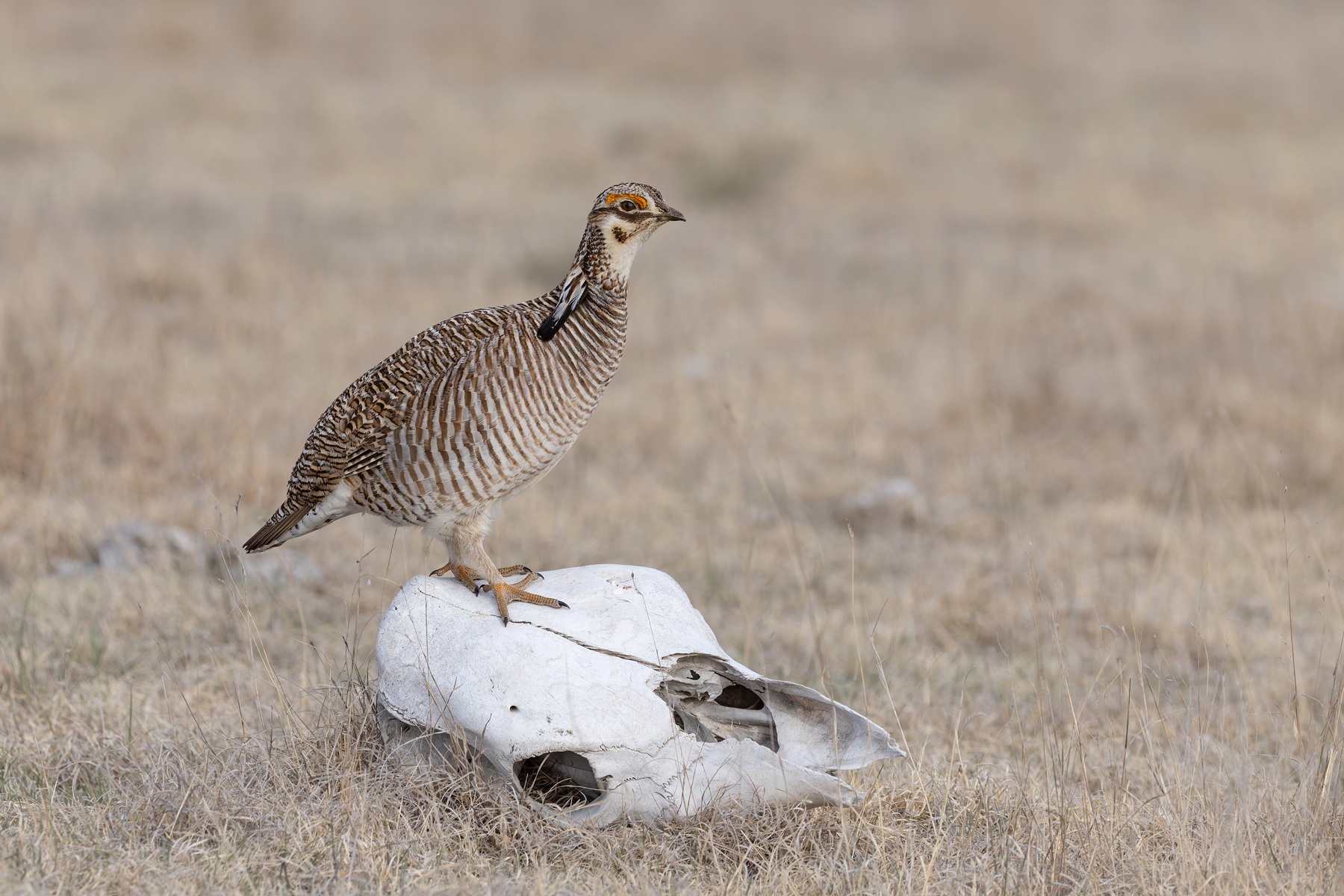
Lesser Prairie Chicken (image by Mike Watson)
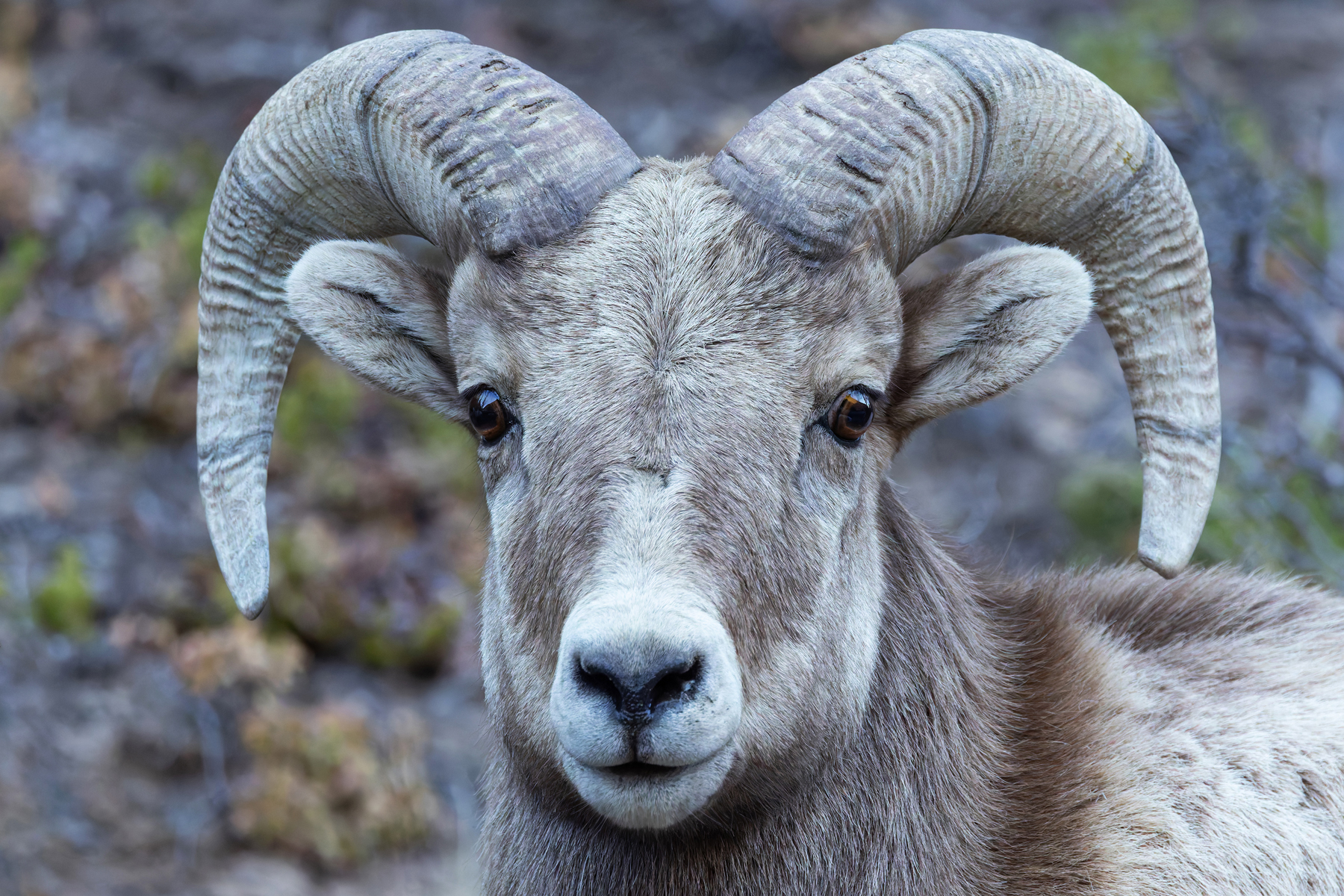
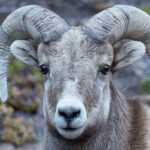
Bighorn Sheep (image by Mike Watson)
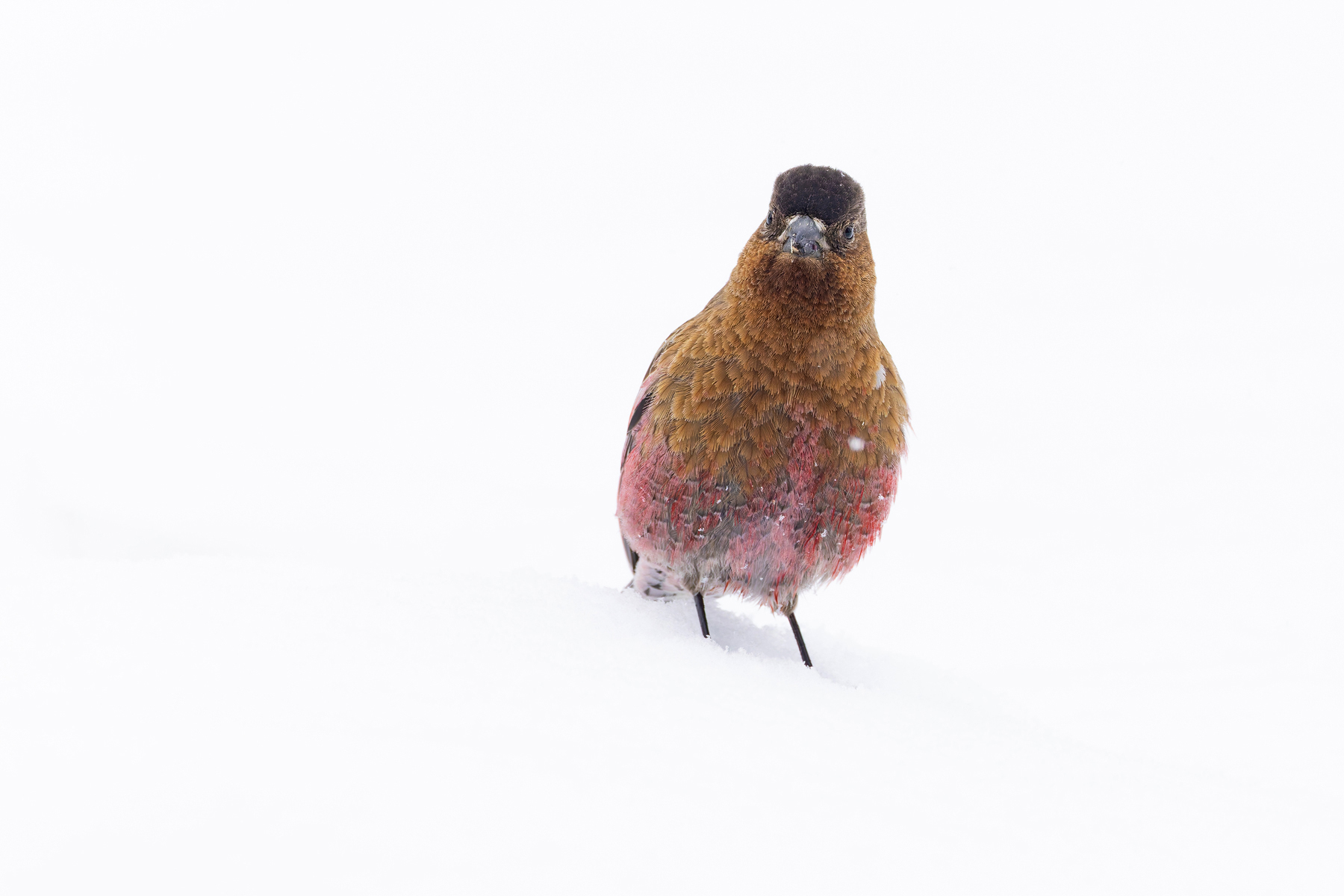
Brown-capped Rosy Finch (image by Mike Watson)
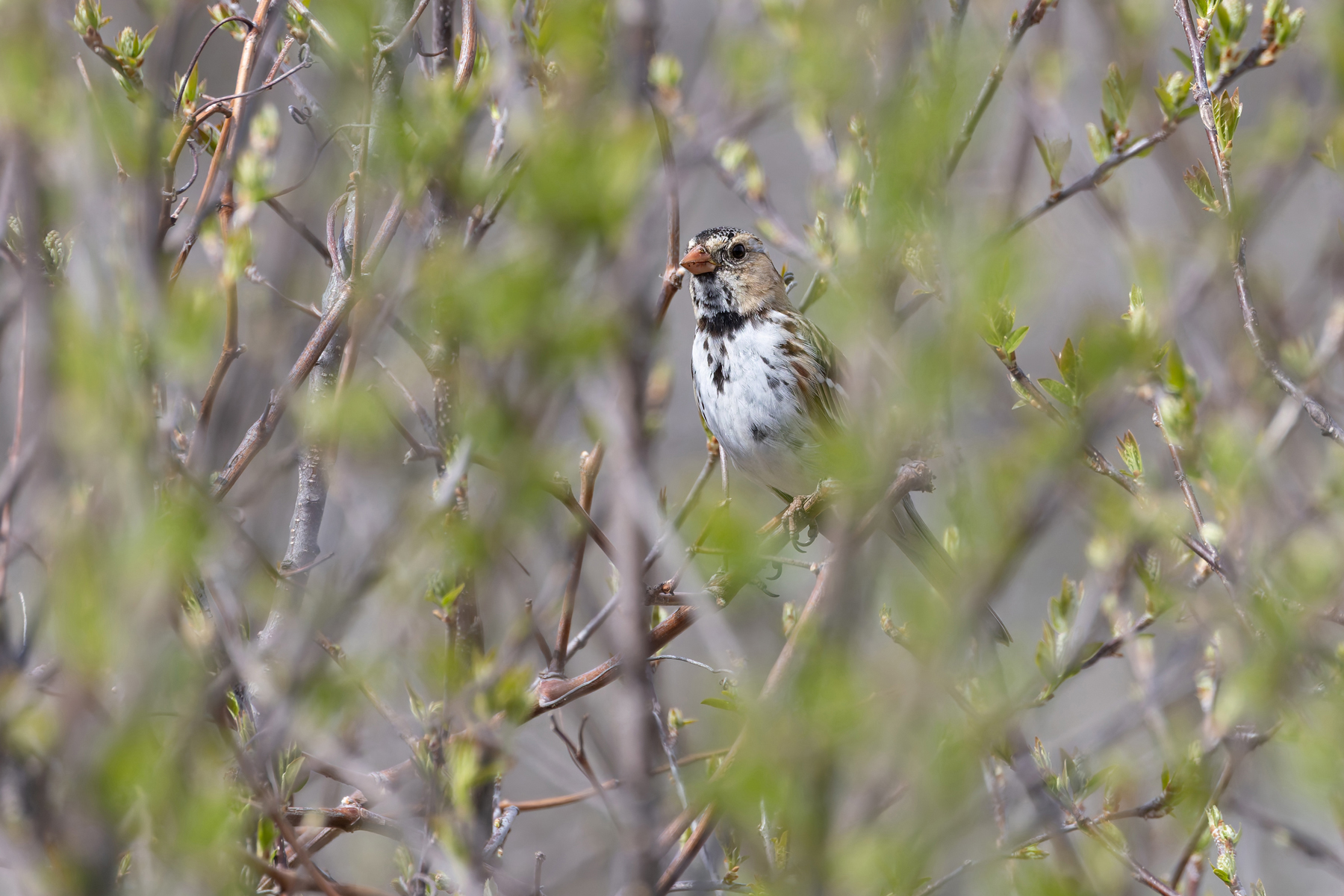
Harris's Sparrow (image by Mike Watson)
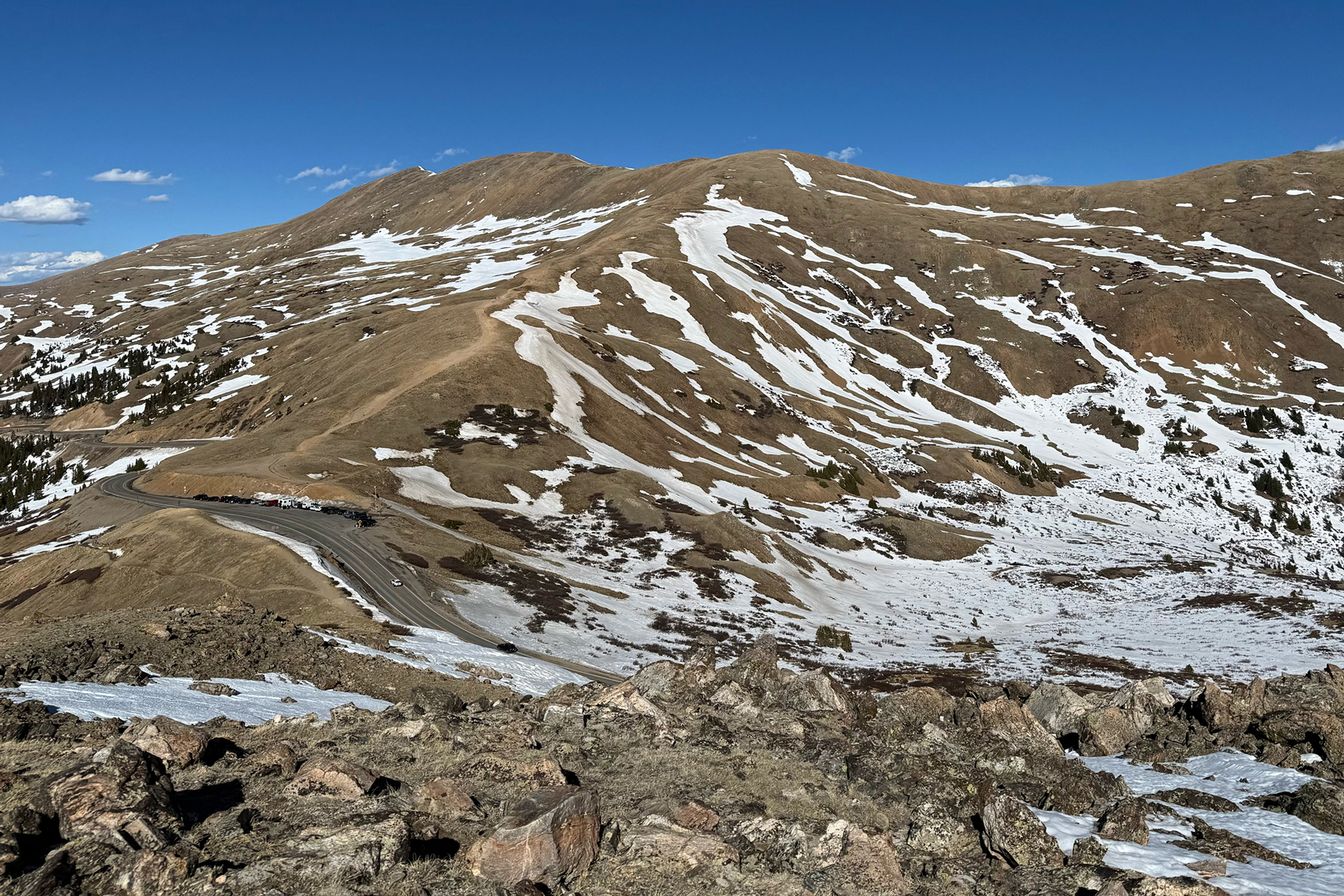
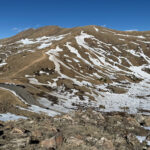
Loveland Pass (image by Mike Watson)
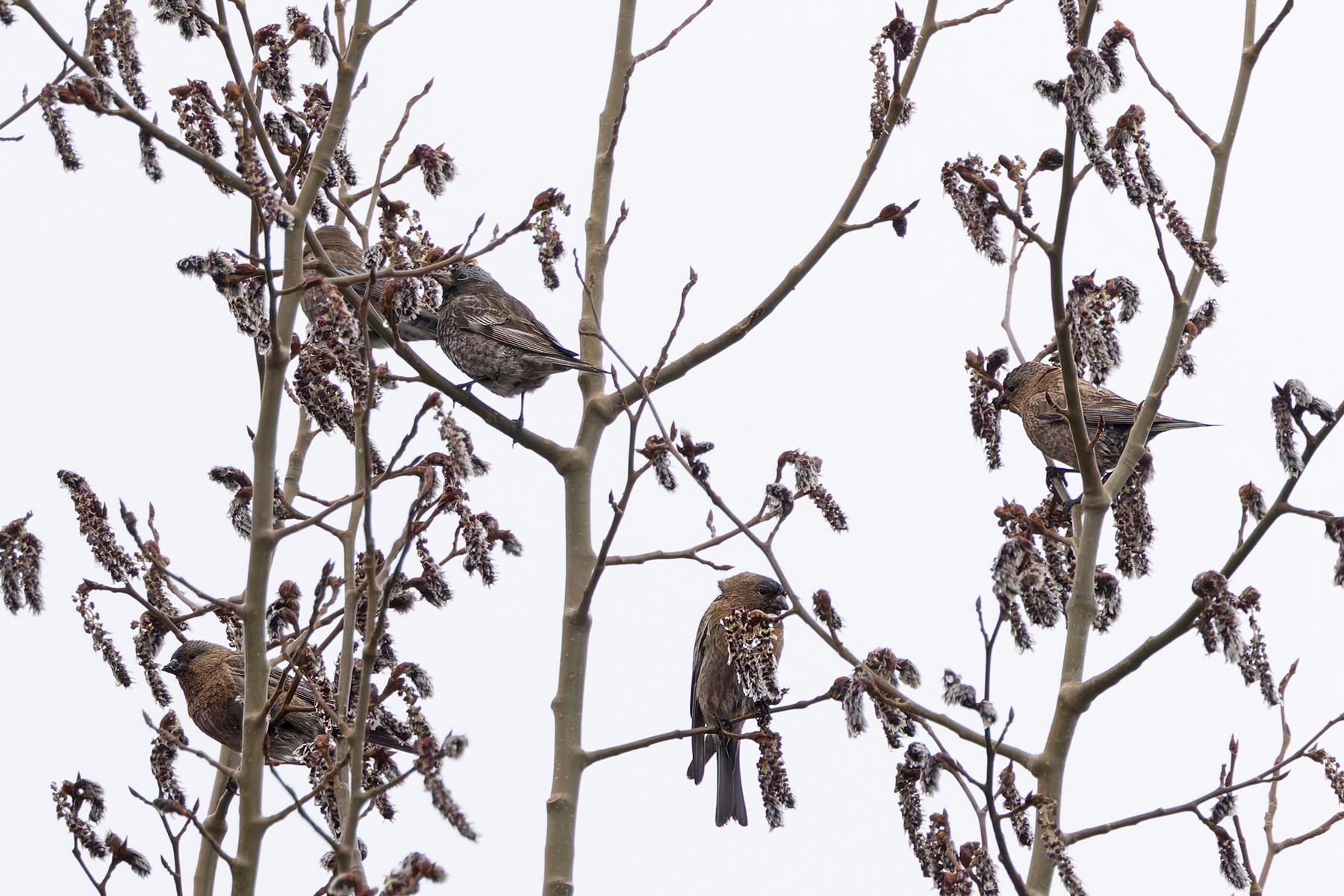
Black Rosy Finch (upper left) and Brown-capped Rosy Finches (image by Mike Watson)
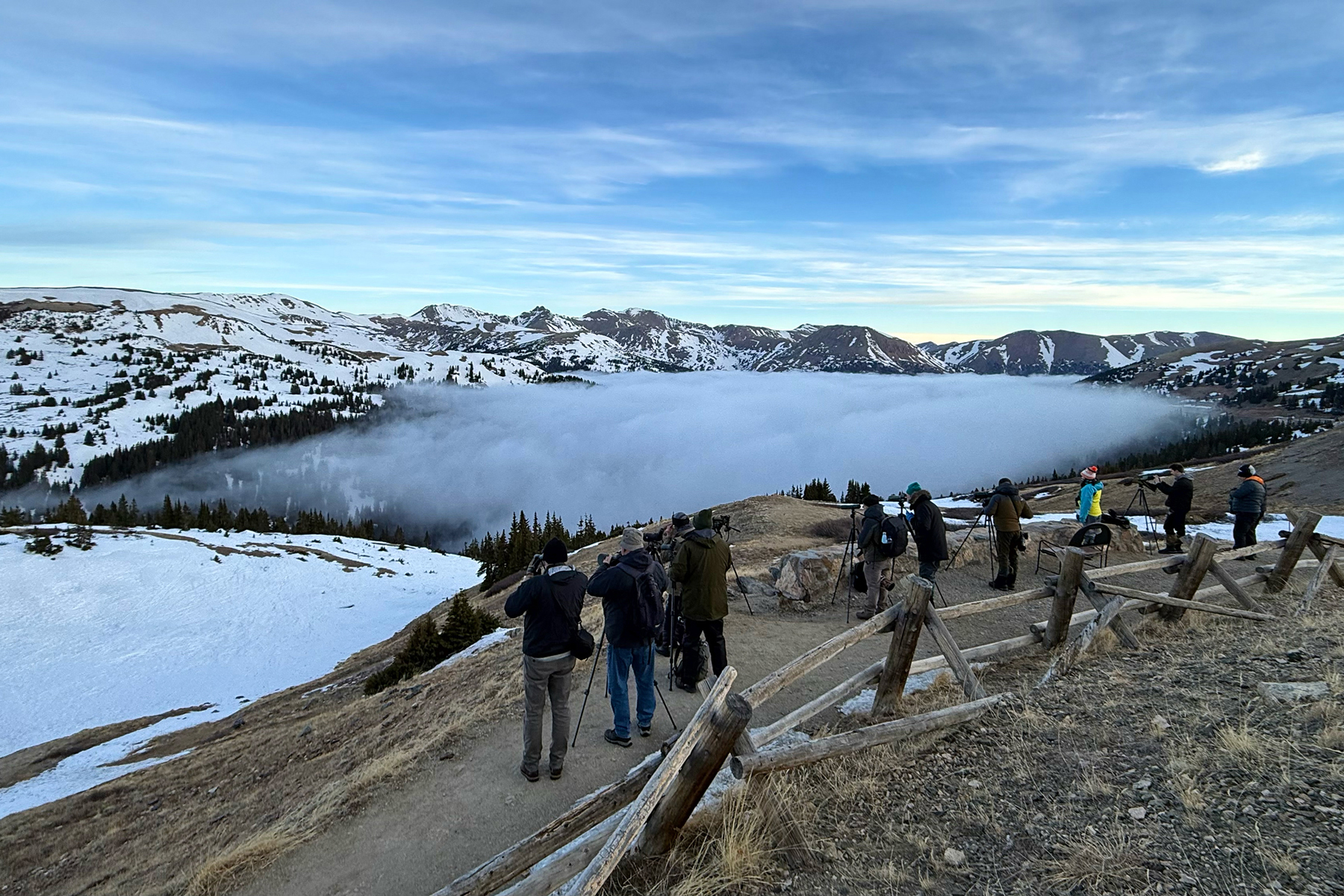
Loveland Pass (image by Mike Watson)
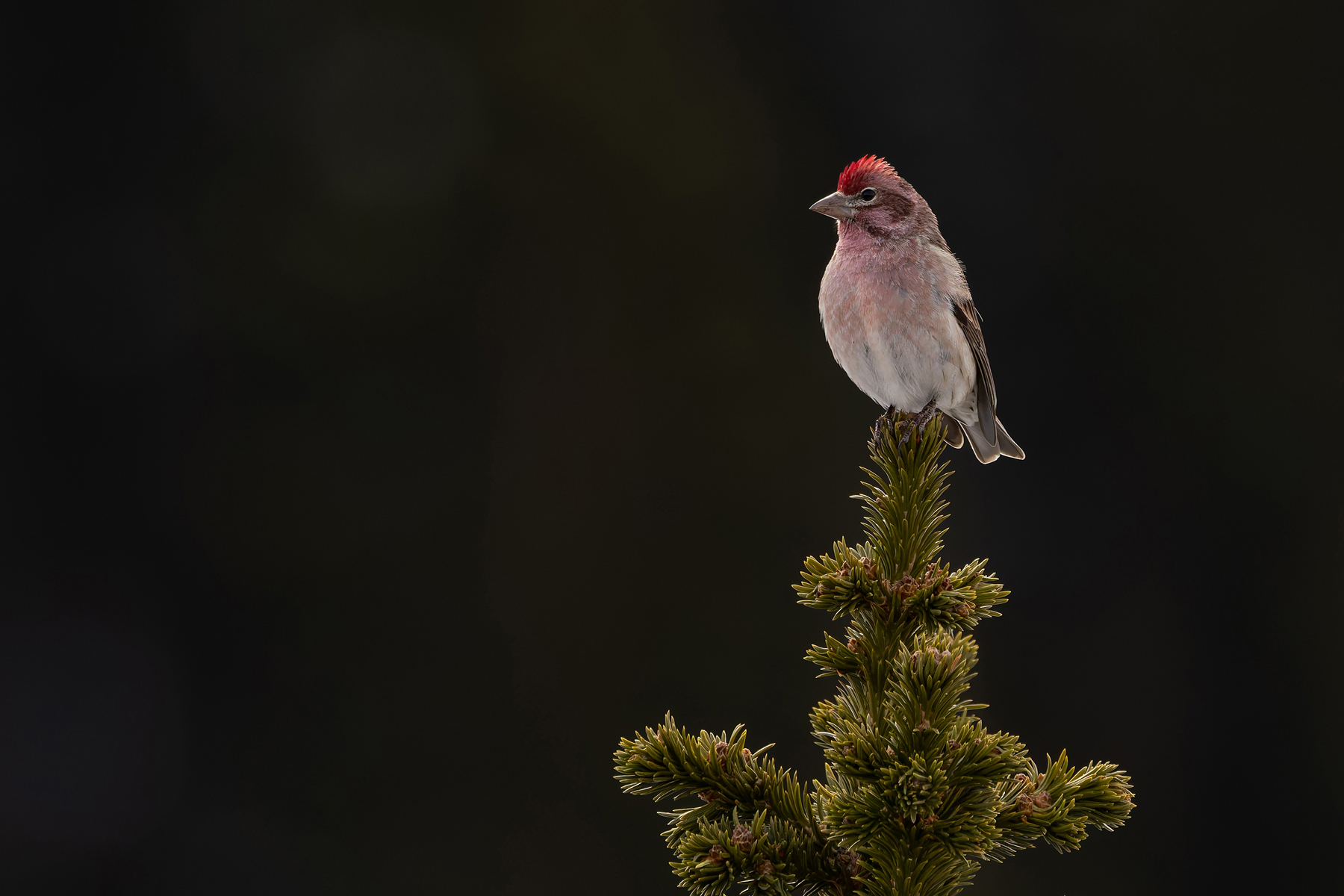
Cassin's Finch (image by Mike Watson)
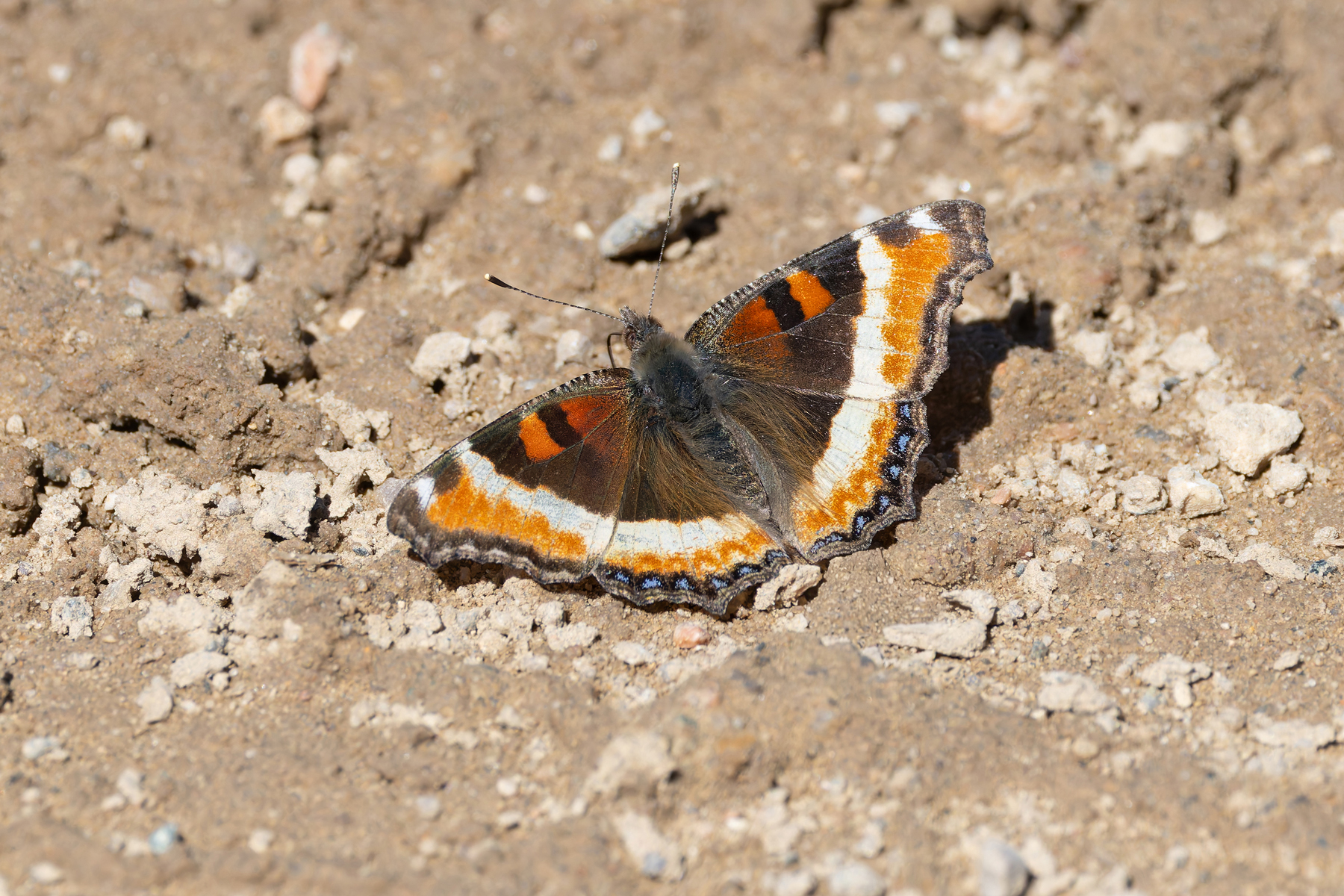
Milbert's Tortoiseshell (image by Mike Watson)
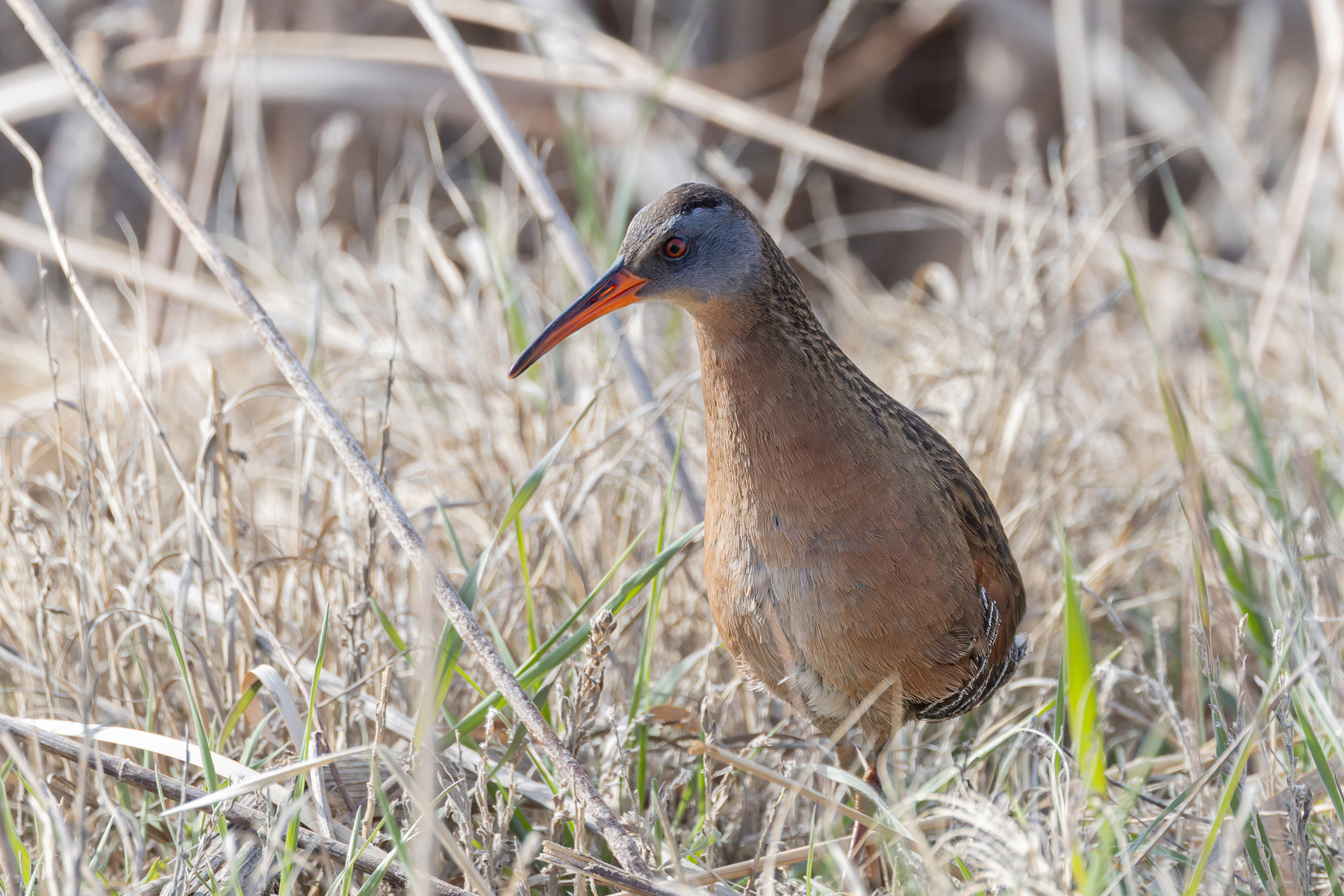
Virginia Rail (image by Mike Watson)
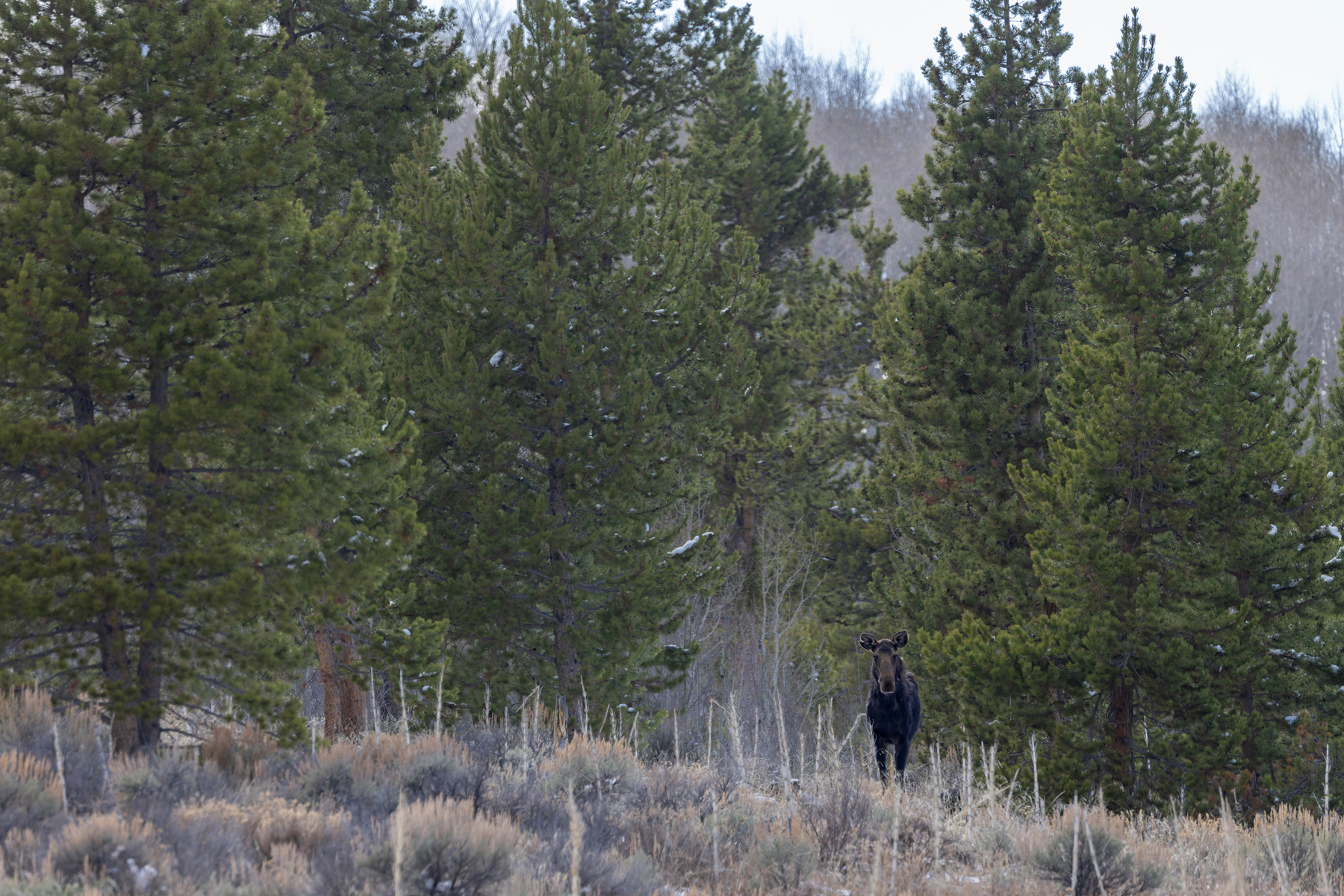
Moose (image by Mike Watson)
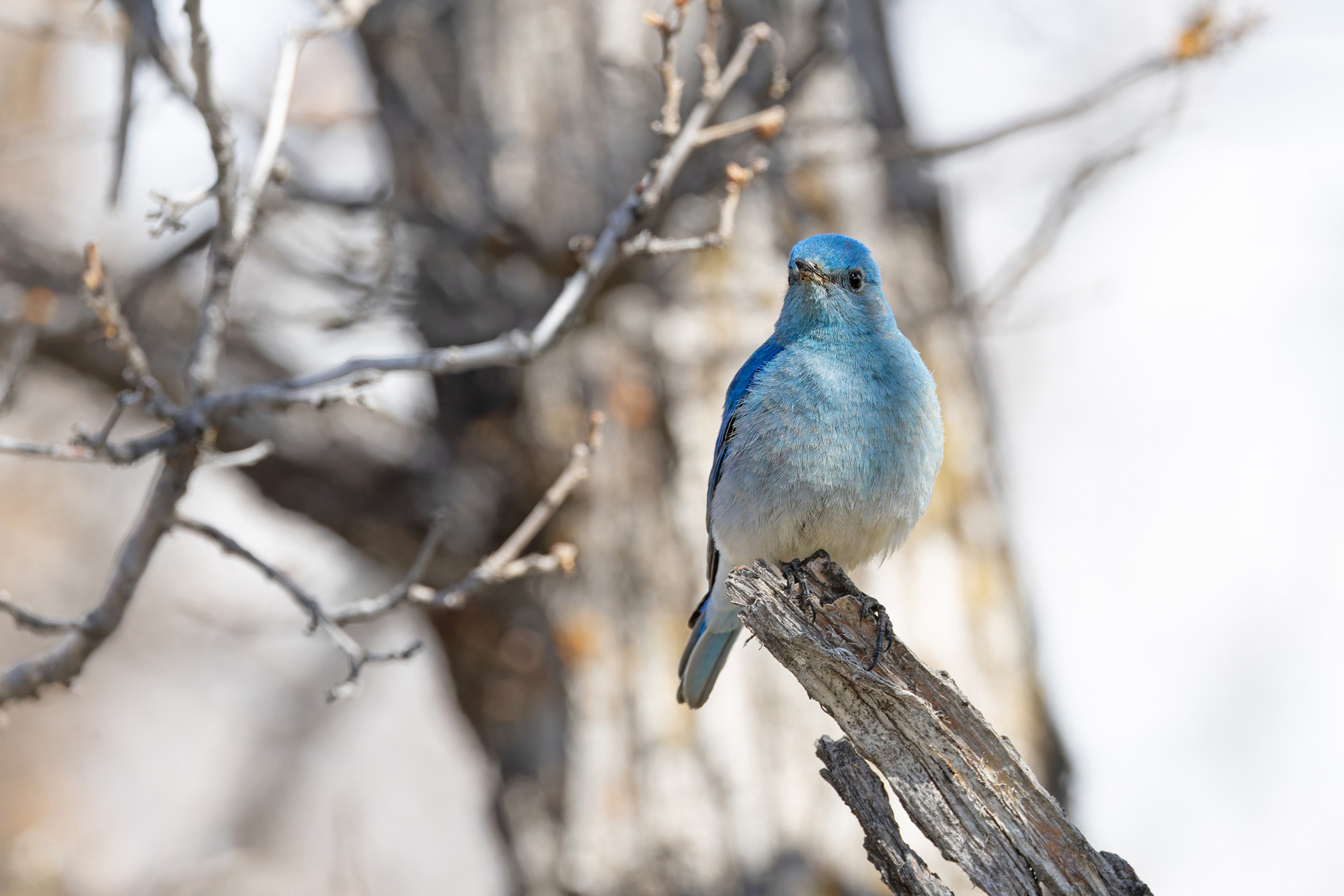
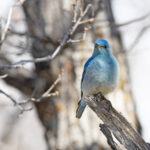
Mountain Bluebird (image by Mike Watson)
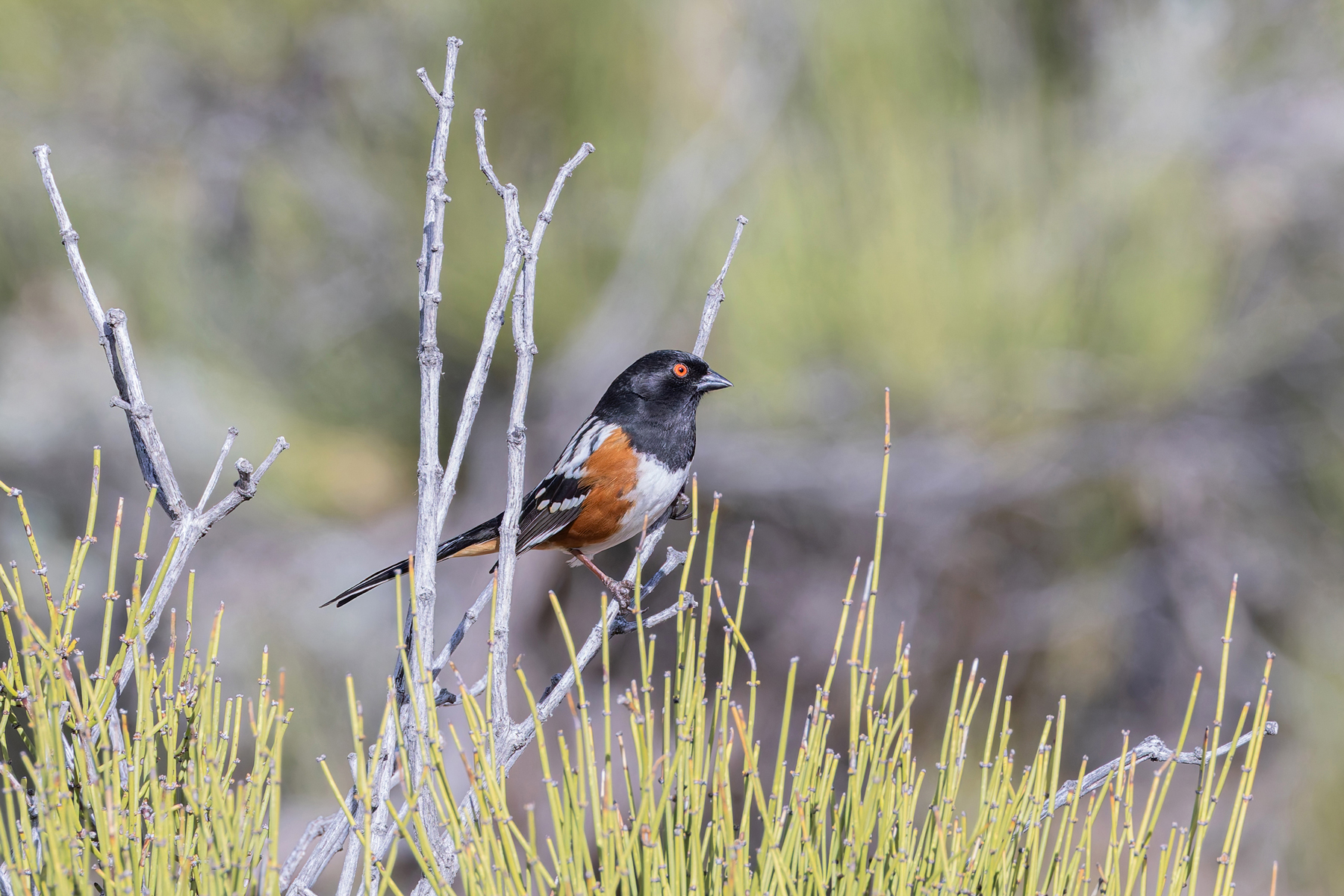
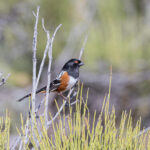
Spotted Towhee (image by Mike Watson)
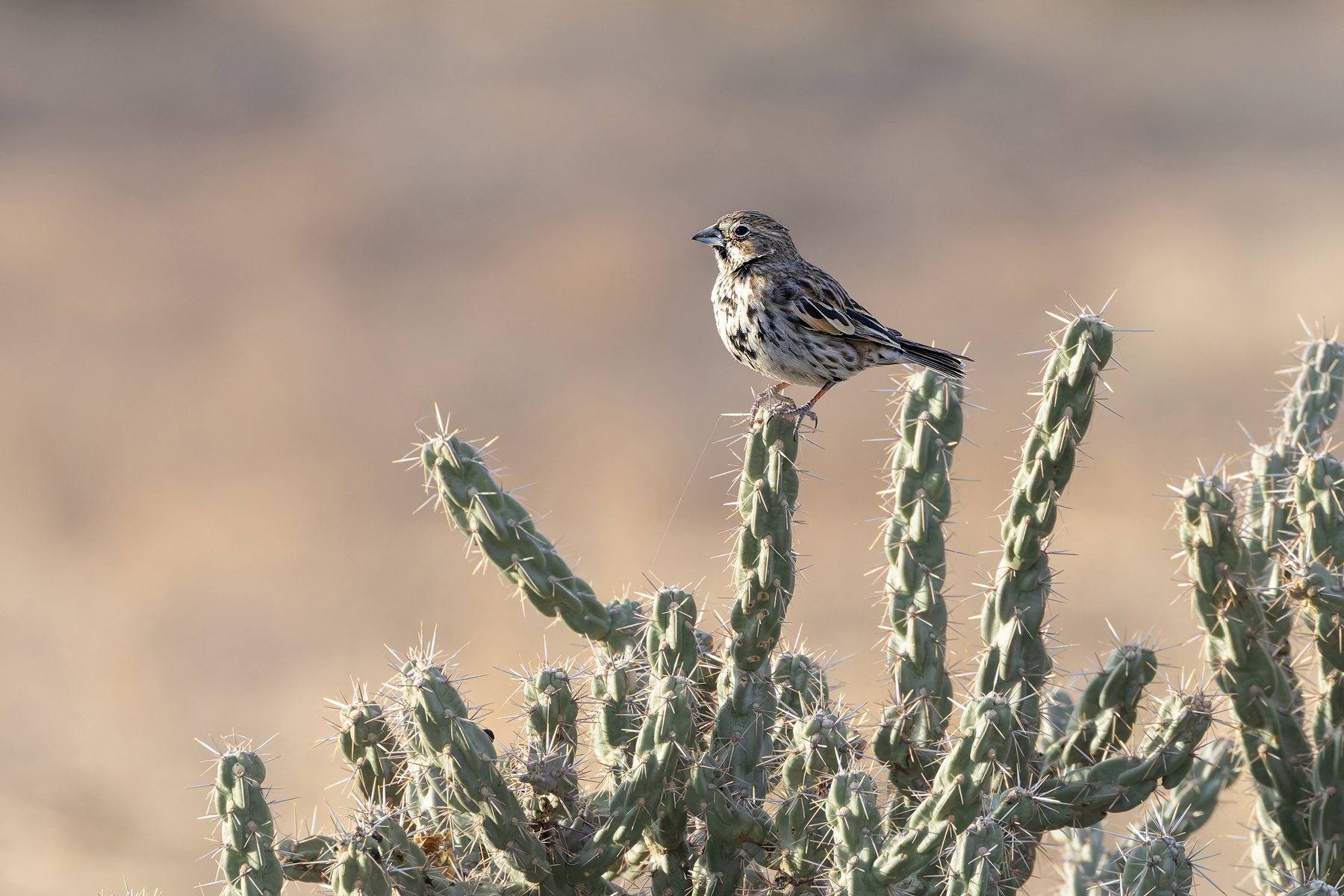
Lark Bunting (image by Mike Watson)
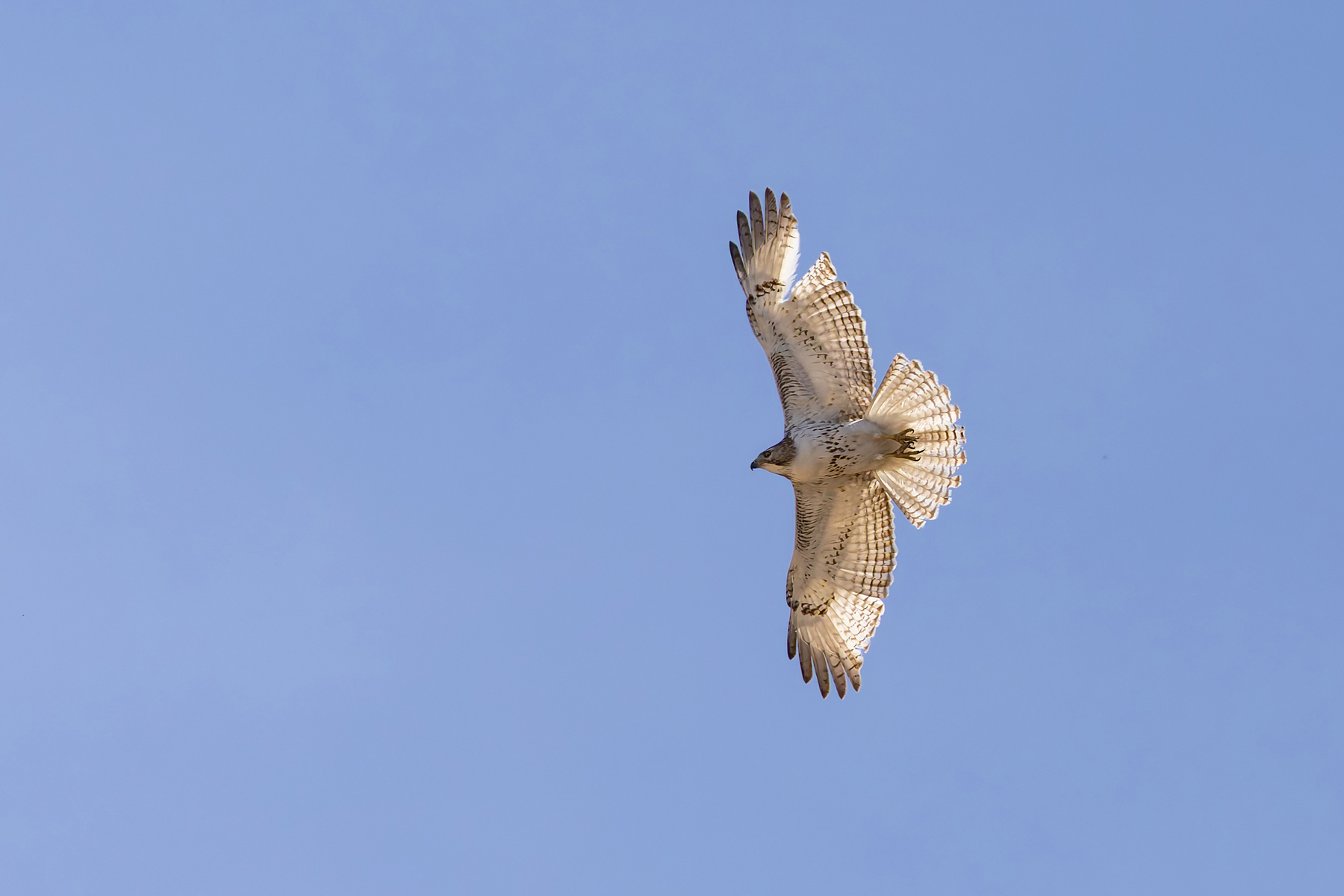
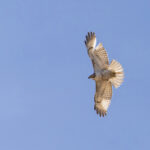
Krider's Red-tailed Hawk (image by Mike Watson)
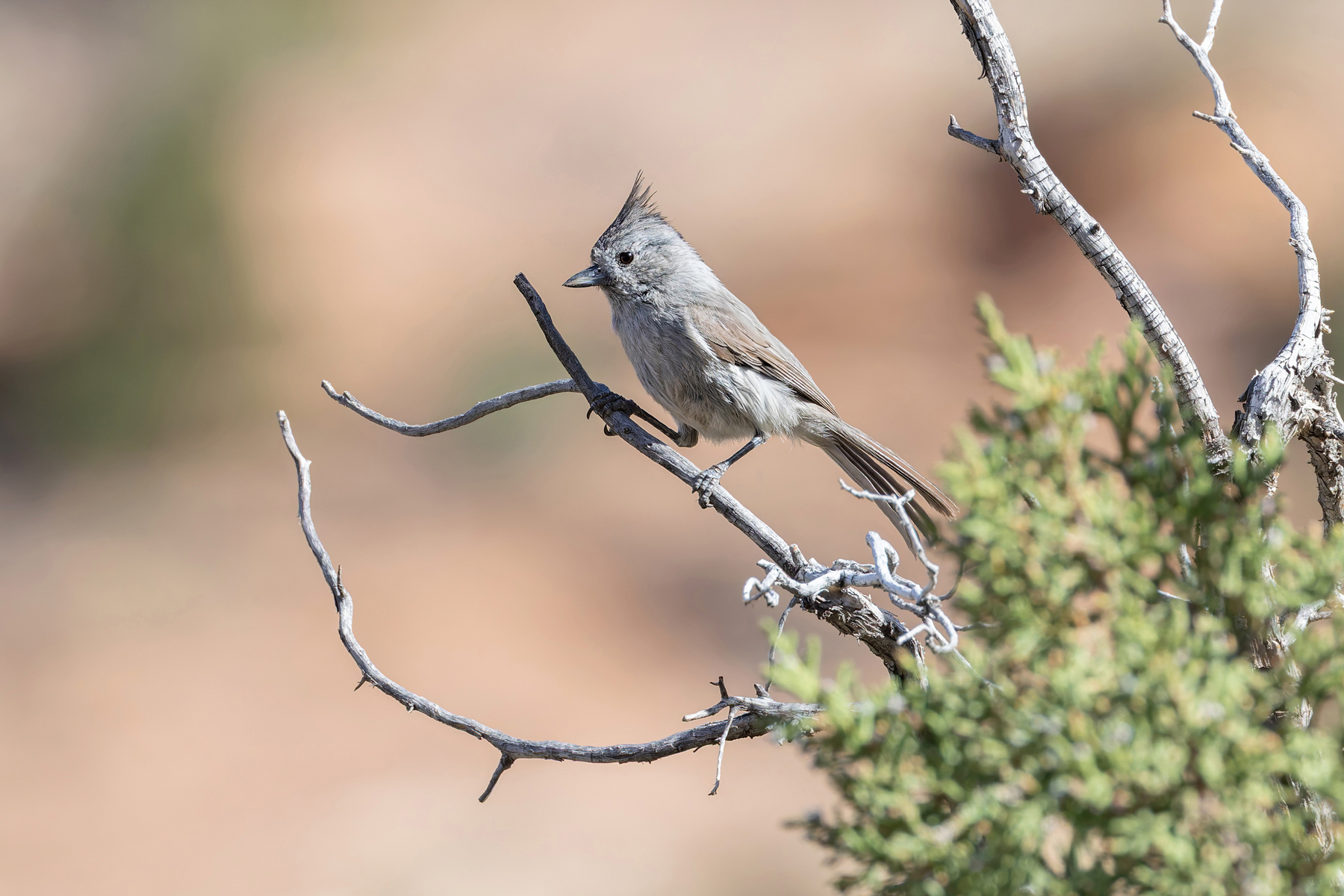
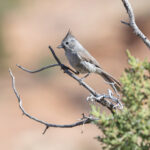
Juniper Titmouse (image by Mike Watson)
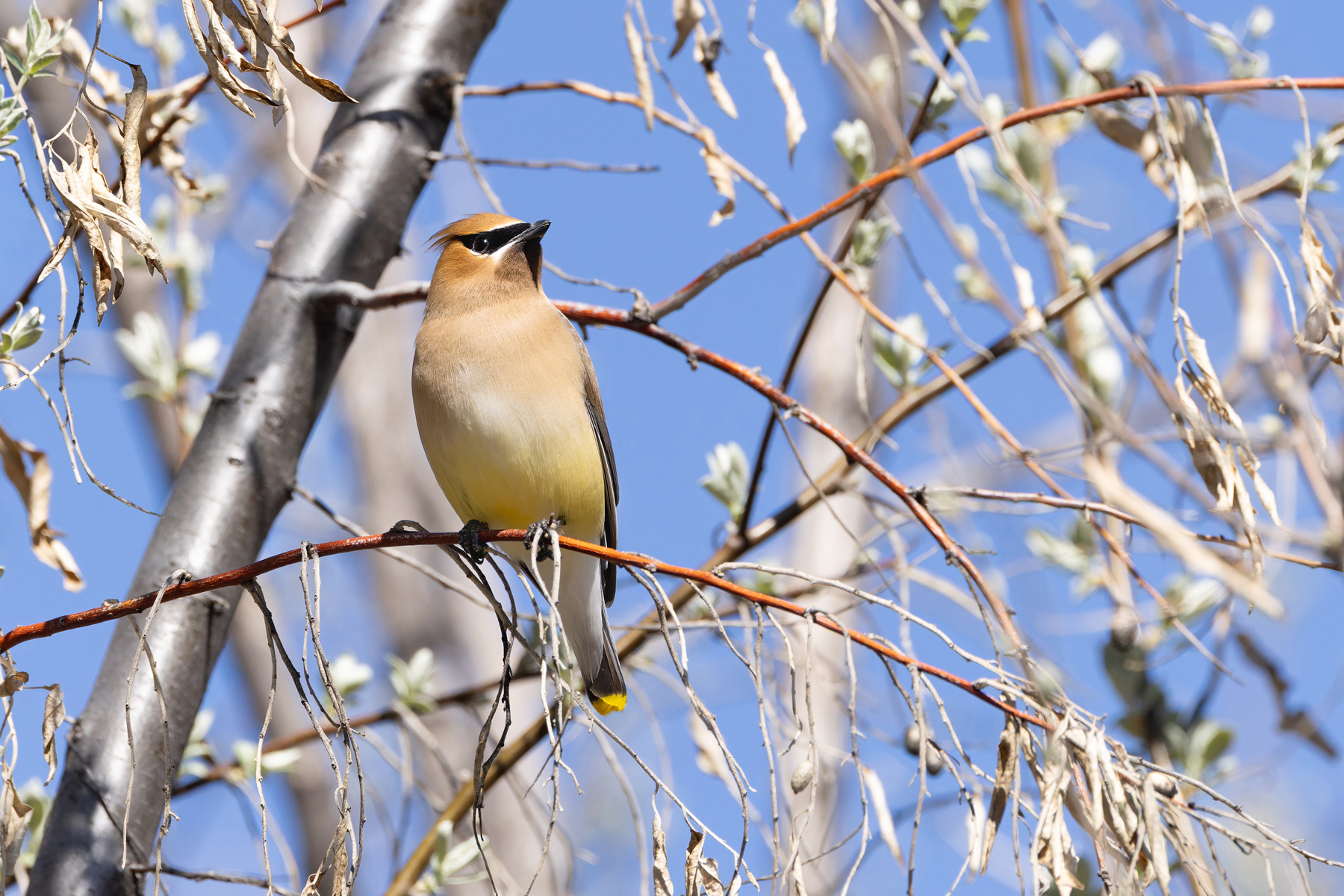
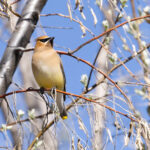
Cedar Waxwing (image by Mike Watson)
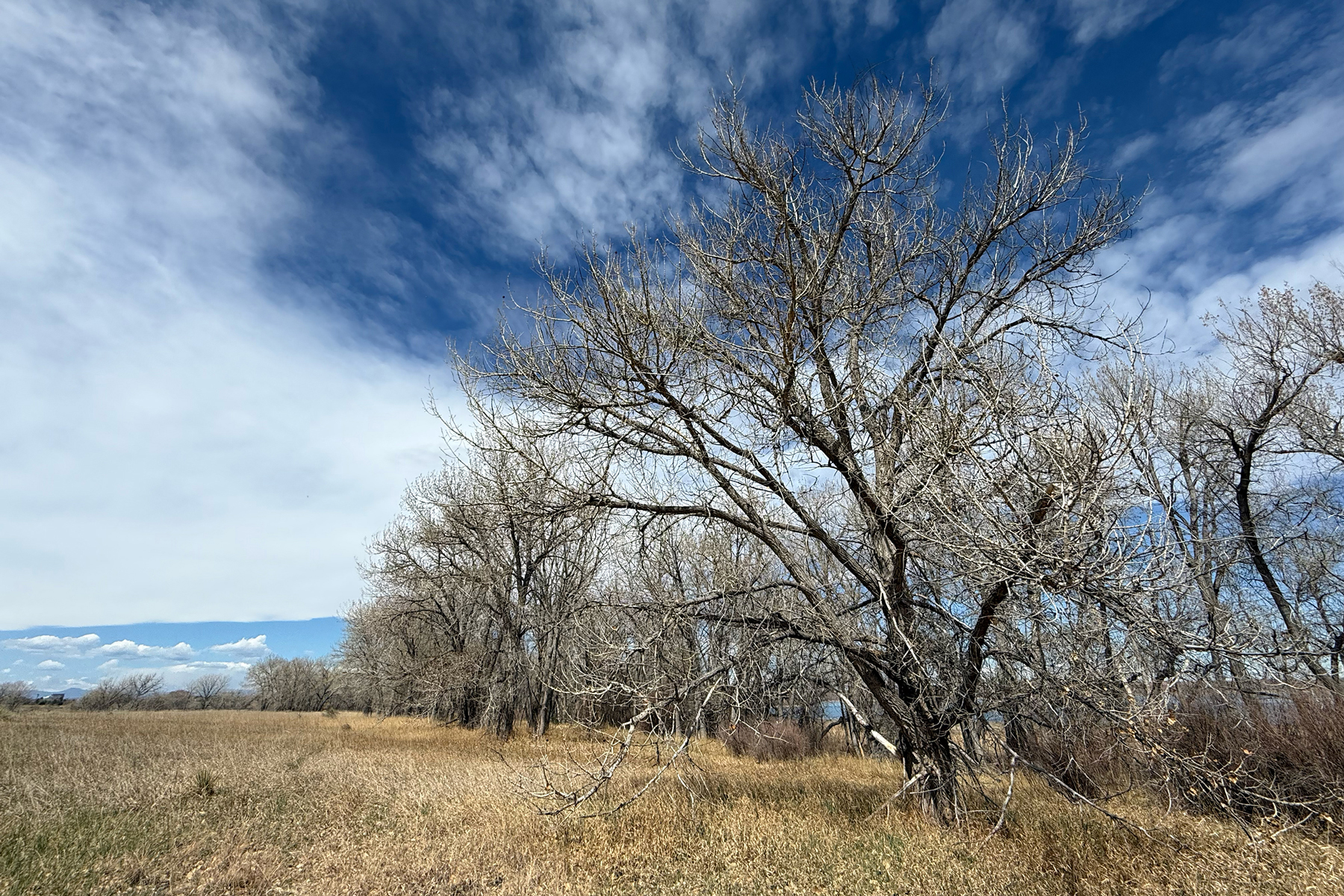
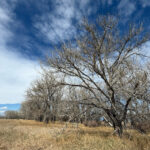
Eastern Cottonwood Trees (image by Mike Watson)
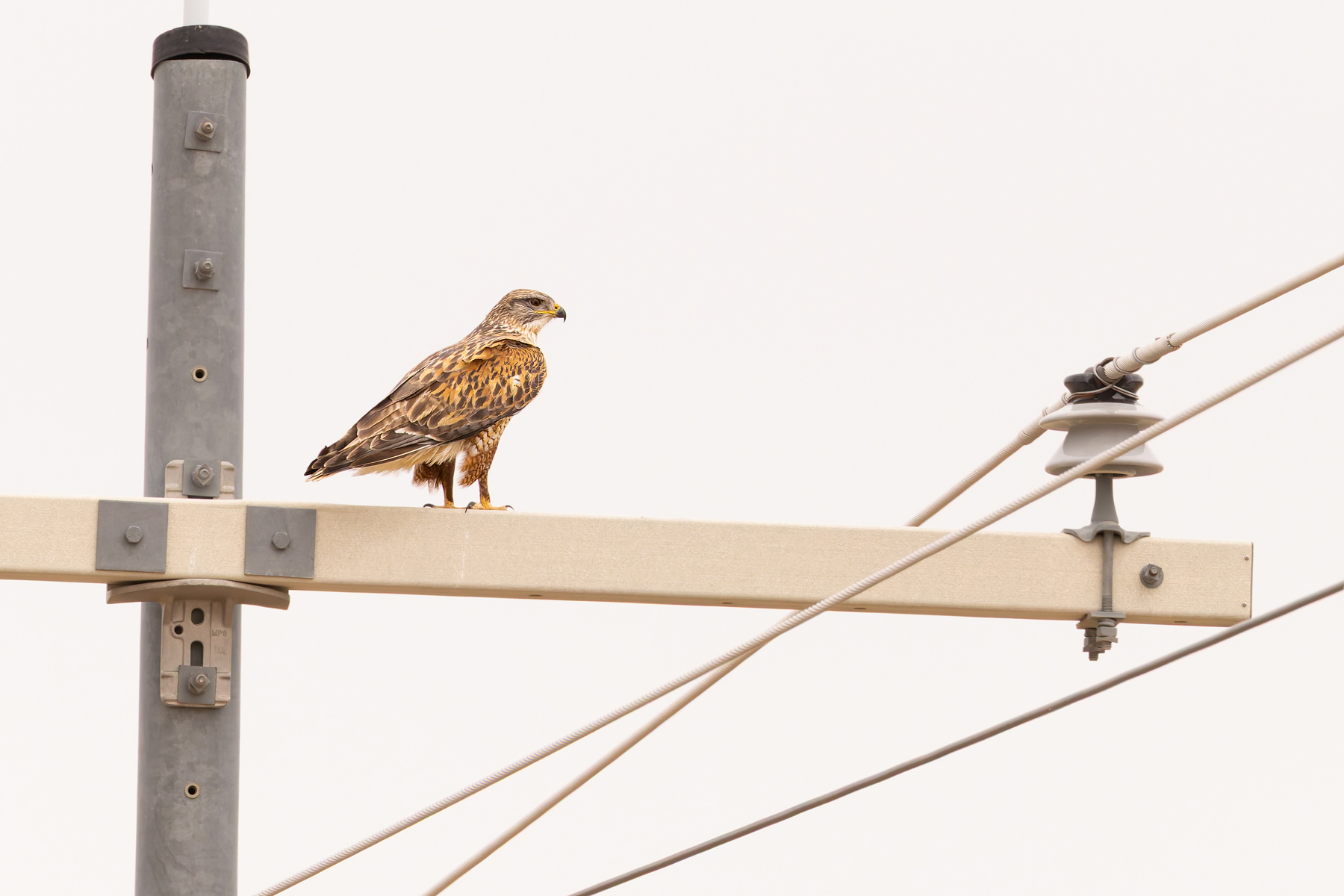
Ferruginous Hawk (image by Mike Watson)
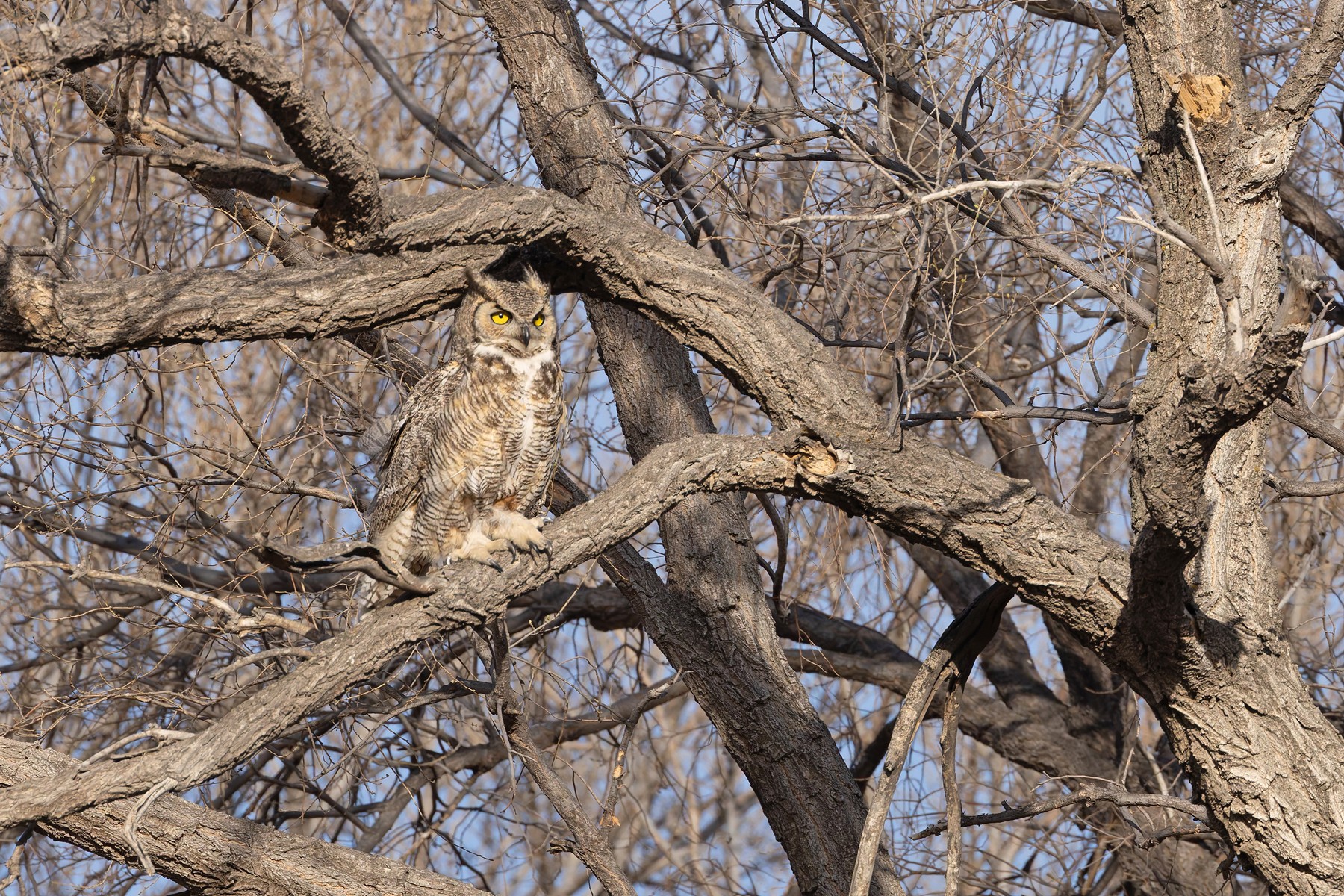
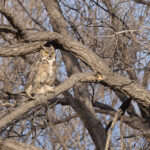
Great Horned Owl (image by Mike Watson)
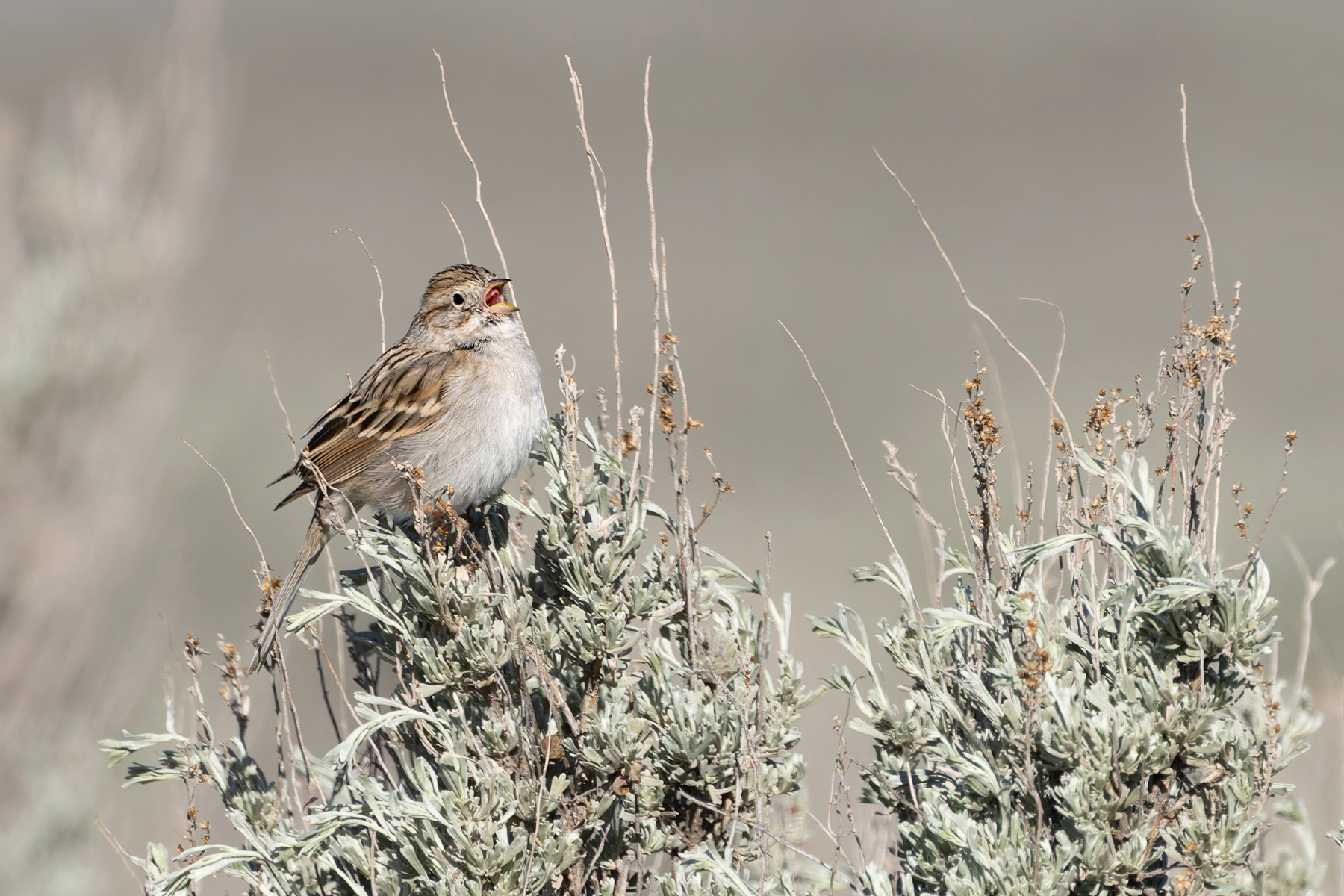
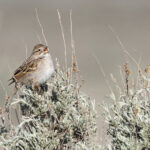
Brewer's Sparrow (image by Mike Watson)
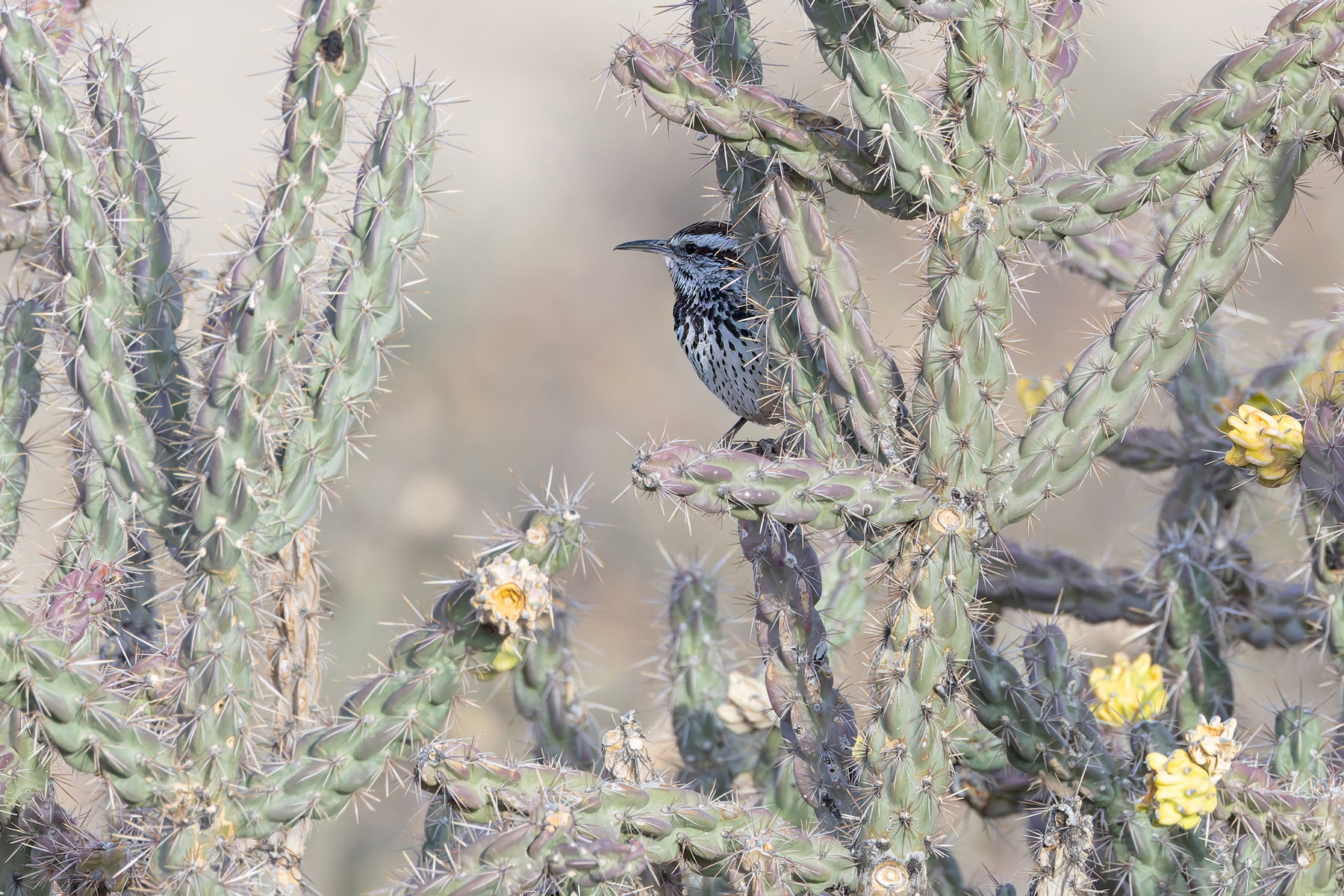
Cactus Wren (image by Mike Watson)
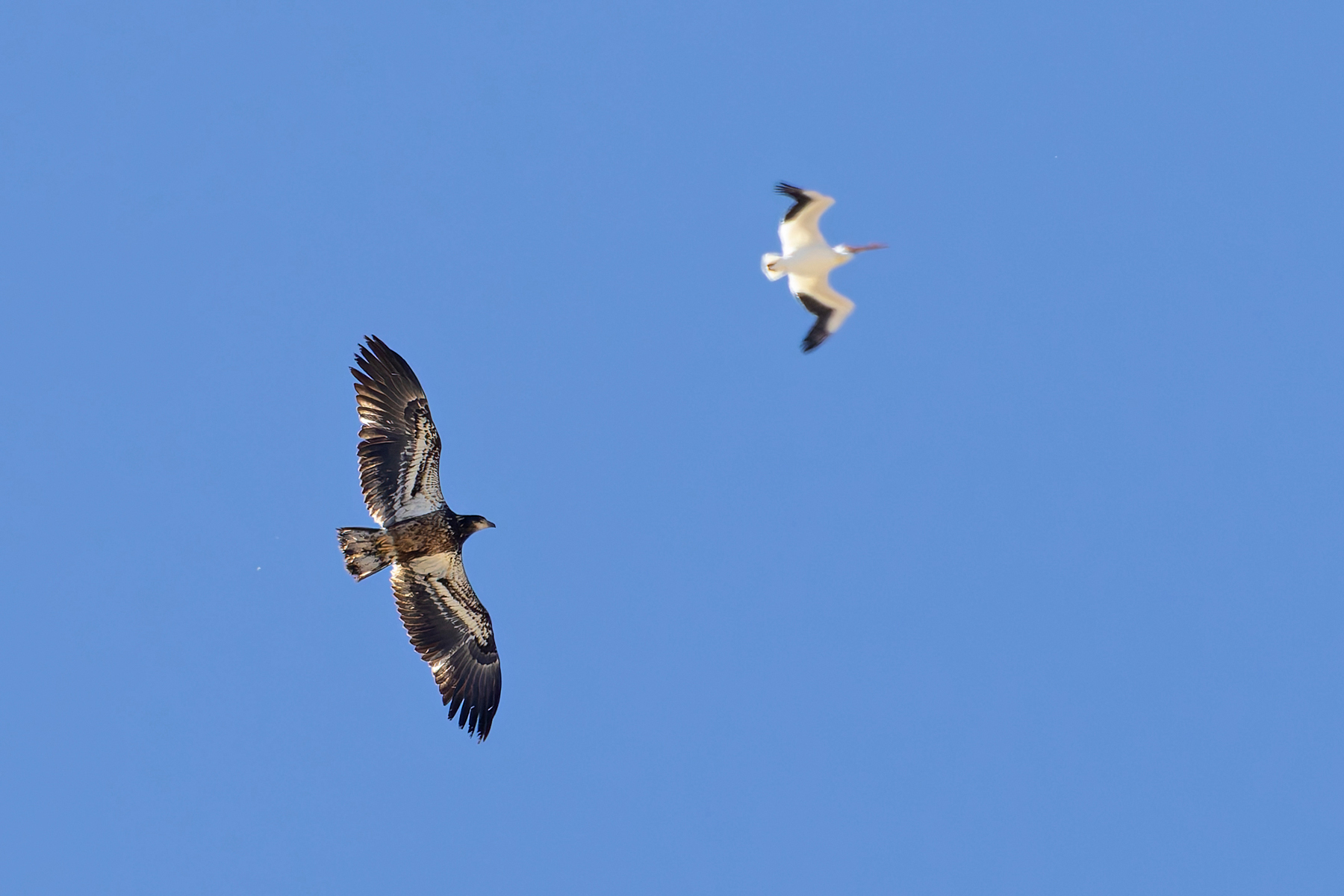
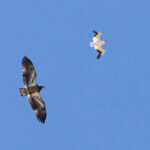
Bald Eagle and American White Pelican (image by Mike Watson)
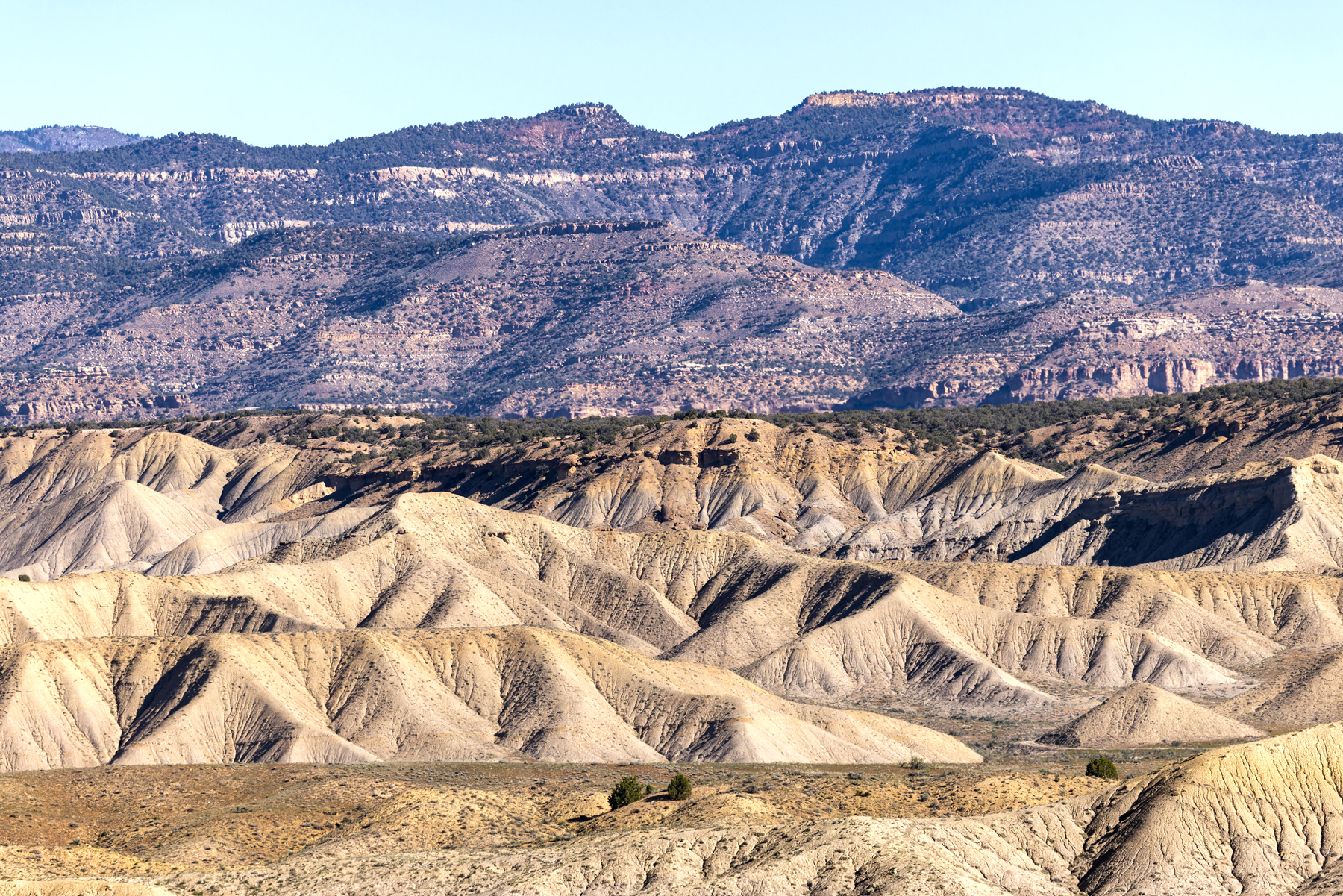
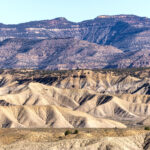
Badlands (image by Mike Watson)
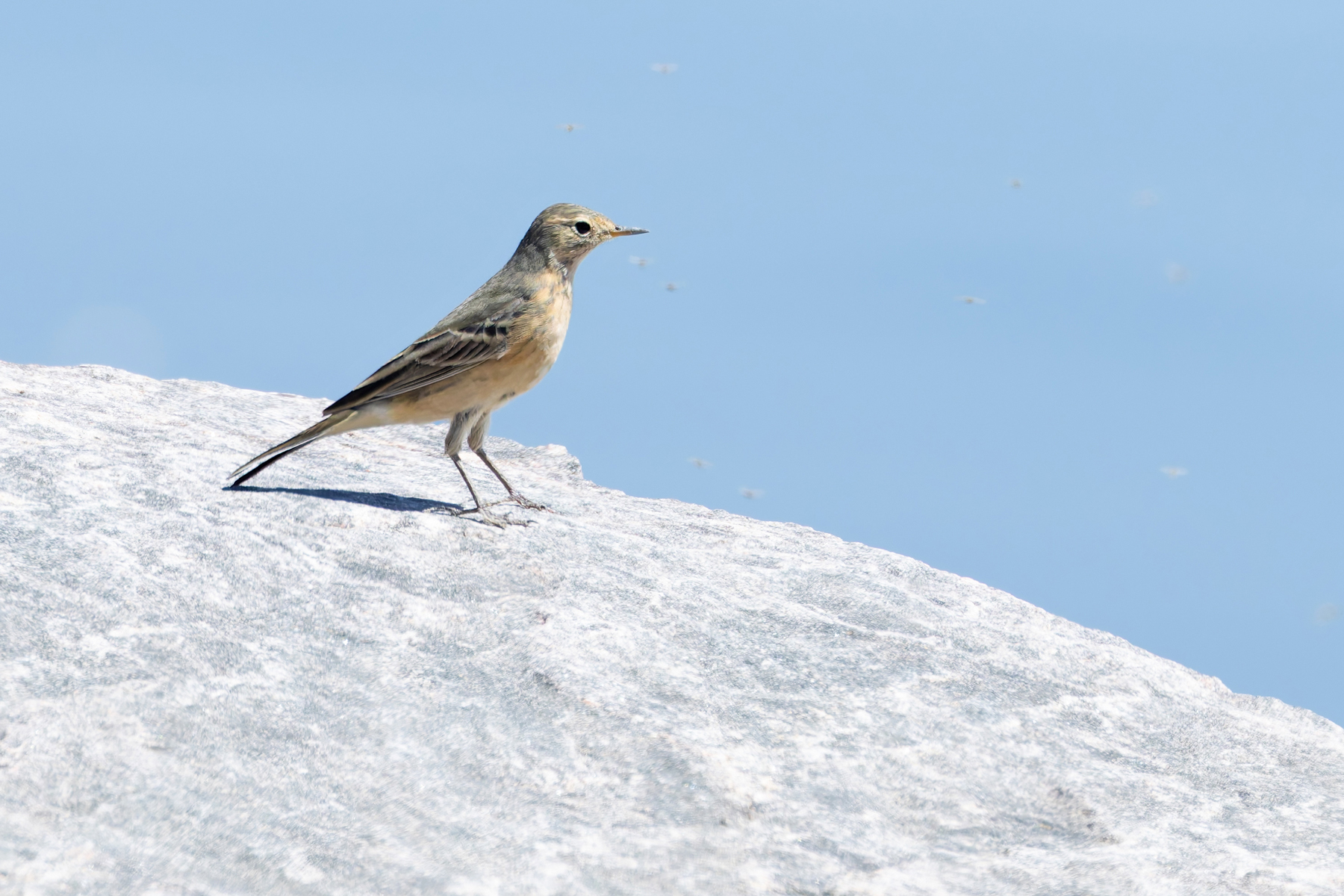
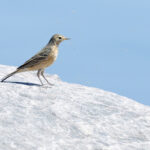
American Pipit (image by Mike Watson)
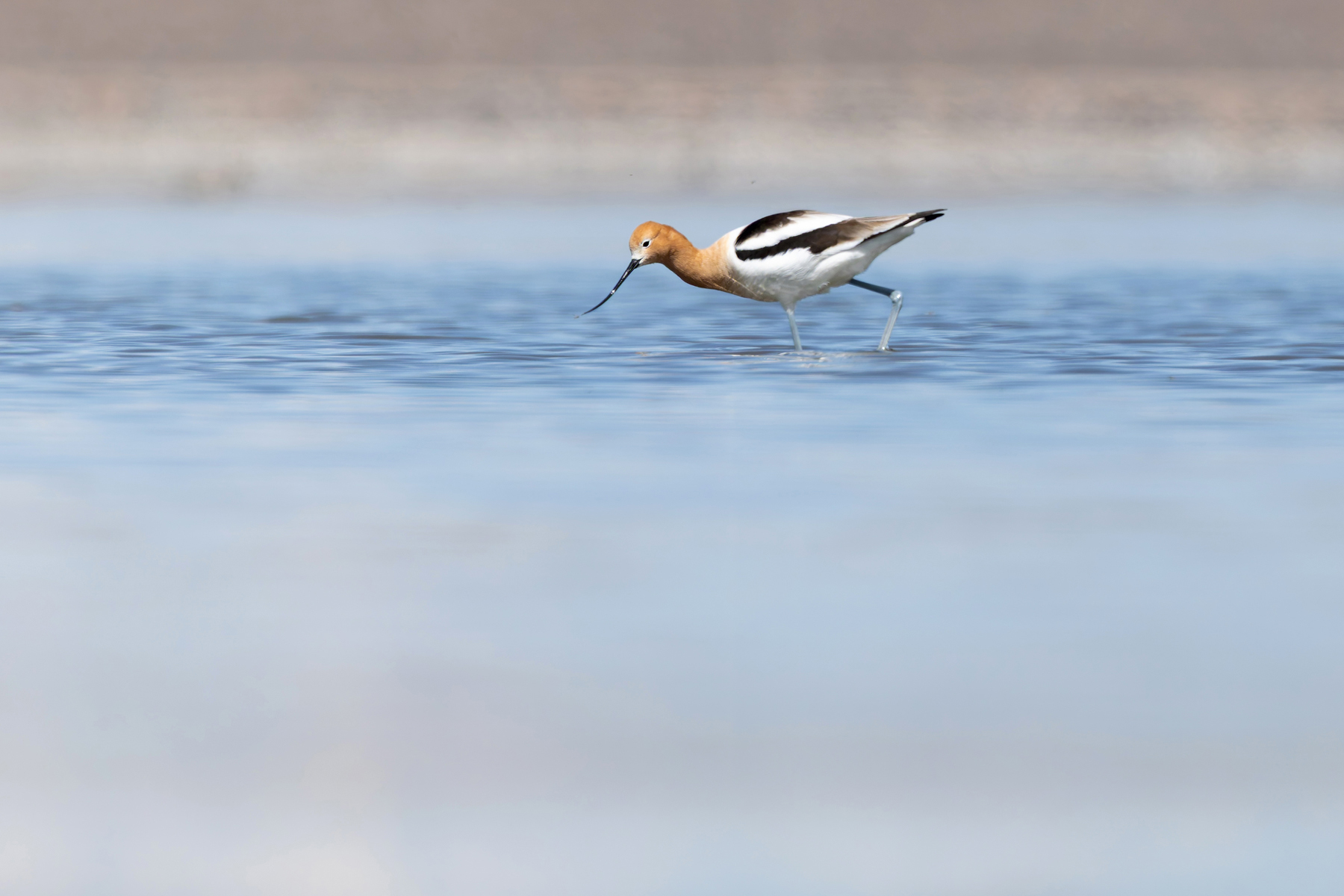
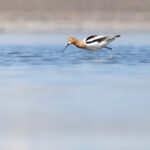
American Avocet (image by Mike Watson)
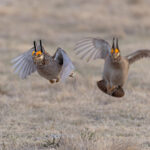


Lesser Prairie Chicken (image by Mike Watson)
Mountain Plover (image by Mike Watson)
White-tailed Ptarmigan (image by Mike Watson)
Pronghorn (image by Mike Watson)
Brown-capped Rosy Finch (image by Mike Watson)
Sharp-tailed Grouse (image by Mike Watson)
Clark's Nutcracker (image by Mike Watson)
Williamson's Sapsuckers (image by Mike Watson)
Sagebrush Sparrow (image by Mike Watson)
American Three-toed Woodpecker (image by Mike Watson)
Cactus Wren (image by Mike Watson)
Lesser Prairie Chickens (image by Mike Watson)
Thick-billed Longspur (image by Mike Watson)
American Dipper (image by Mike Watson)
Lesser Prairie Chicken (image by Mike Watson)
Northern Pygmy Owl (image by Mike Watson)
Red-naped Sapsucker (image by Mike Watson)
Rough-legged Buzzard (image by Mike Watson)
Sharp-tailed Grouse (image by Mike Watson)
Northern Pygmy Owl (image by Mike Watson)
Northern Pygmy Owl (image by Mike Watson)
North American Porcupine (image by Mike Watson)
Neotropical Cormorant (image by Mike Watson)
Morning Cloak (image by Mike Watson)
Lesser Prairie Chicken (image by Mike Watson)
Bighorn Sheep (image by Mike Watson)
Brown-capped Rosy Finch (image by Mike Watson)
Harris's Sparrow (image by Mike Watson)
Loveland Pass (image by Mike Watson)
Black Rosy Finch (upper left) and Brown-capped Rosy Finches (image by Mike Watson)
Loveland Pass (image by Mike Watson)
Cassin's Finch (image by Mike Watson)
Milbert's Tortoiseshell (image by Mike Watson)
Virginia Rail (image by Mike Watson)
Moose (image by Mike Watson)
Mountain Bluebird (image by Mike Watson)
Spotted Towhee (image by Mike Watson)
Lark Bunting (image by Mike Watson)
Krider's Red-tailed Hawk (image by Mike Watson)
Juniper Titmouse (image by Mike Watson)
Cedar Waxwing (image by Mike Watson)
Eastern Cottonwood Trees (image by Mike Watson)
Ferruginous Hawk (image by Mike Watson)
Great Horned Owl (image by Mike Watson)
Brewer's Sparrow (image by Mike Watson)
Cactus Wren (image by Mike Watson)
Bald Eagle and American White Pelican (image by Mike Watson)
Badlands (image by Mike Watson)
American Pipit (image by Mike Watson)
American Avocet (image by Mike Watson)


COLORADO TOUR REPORT 2026

26 March - 7 April 2026
Mike Watson
It was nine years, a global pandemic and thirty-five tours since I last led our Colorado – the Ultimate ‘Grousequest’ tour, so I was concerned that I might be a little rusty, bearing in mind the developments in the meantime. I need not have worried. Thanks to my sharpest-eyed group of Birdquesters so far(!), as well as targeting birds that we missed last time, and the growing utilisation of eBird, we pushed the record total for this tour up to 172 species (including 72 Birdquest diamond species). It was not all plain sailing though, and we can still make some further improvements. The most important priority is the title of the tour, and we were happy to post another clean sweep of the ‘magnificent seven’ available grouse species, our 11th in a row! We now visit four excellent leks for the five lekking species, only Gunnison remains rather distant, and even they had the decency to return to the meadow at Waunita Hot Springs, after some years on the mega-distant east ridge. White-tailed Ptarmigan and Dusky Grouse both afforded prolonged close-range views, always a relief to see these two ‘banana skin’ birds.
The other Birdquest diamonds seen were: Wood Duck, Barrow’s Goldeneye, Hooded Merganser, Gambel’s and Scaled Quails, Wild Turkey, Western and Clark’s Grebes, Greater Roadrunner (two), Mountain Plover (three), Bonaparte’s, Franklin’s, California and Iceland (Thayer’s) Gulls, White-throated Swift, Northern Pygmy Owl (two), Ferruginous Hawk (four), Rough-legged Buzzard, Williamson’s (two) and Red-naped Sapsuckers, Lewis’s and American Three-toed (two) Woodpeckers, Prairie Falcon, Canada, Pinyon and Woodhouse’s Scrub Jays, Black-billed Magpie, Clark’s Nutcracker, Chihuahuan Raven, Juniper Titmouse, Mountain & Black-capped Chickadees, American Bushtit, Pygmy and Red-breasted Nuthatches, Brown Creeper, Canyon, Bewick’s and Marsh Wrens, Curve-billed and Sage Thrashers, Eastern, Western and Mountain Bluebirds, Evening and Pine Grosbeaks, Grey-crowned, Black and Brown-capped Rosy Finches, Cassin’s Finch, Pine Siskin, Thick-billed and Chestnut-collared Longspurs, Brewer’s, Fox (Slate-coloured), Harris’s (two), Vesper, Sagebrush and Rufous-crowned Sparrows and Canyon and Spotted Towhees. We also managed another three write-ins for this long-running itinerary, all rarities: Cactus Wren (one has made it as far north as Colorado now!), Eurasian Wigeon and the rather underwhelming Neotropic Cormorant. This tour always produces a respectable mammal list and this year’s haul included a record five Elk (Moose), North American Porcupine and three species of prairie dogs of note.
We also spent a couple of days in the neighbouring state of Kansas and set foot in Utah, just. This classic birding road trip usually presents a challenge to negotiate bad weather, notably snow and high winds, however, this time it was the soft version, with only one snowfall to contend with, which was more of a problem in terms of the ensuing muddy rapid melting. Once again, it was a pleasure to make this epic birding journey, one of our hobby’s true bucket list itineraries. If you have a bucket list, reasons to move this tour up a few places include Lesser Prairie Chicken, which continues to decline (we are now on our fifth lek in the 20 years I have been visiting, the other four having collapsed) and Gunnison Grouse, which remains endangered and in continued decline. The current drought will not help either species.
At 100,000 square miles, Colorado is the USA’s 8th largest state, roughly twice the size of New York. It is also one of the highest. We visited its lowest point, near Beecher Island, where the Arikaree River leaves the state, south of Wray and flows into Kansas, where it is still 1010m ASL! Its highest point, Mount Elbert in Lake County, is 4399m ASL. As usual our 2026 tour started with a small group of Birdquesters gathering at Denver’s International Airport, before making our way westwards into the Rocky Mountains to the pretty former mining town of Georgetown, for two nights stay. Again, some successful scouting boded well for the tour, however, there was very little snowpack in the mountains this year and rosy finches had been very thin on the ground as a result, presumably staying up high, feeding above the tree line. It is very worrying for the spring snowmelt, upon which everything depends, from the alpine wildlife to the plains, and the farming communities there. We started our birding with a visit to Loveland Pass on the Continental Divide at 3655m ASL, the domain of the beautiful White-tailed Ptarmigan. Thankfully, this sometimes tricky-to-find species was not far from where we had seen it the previous day and those who wished could take a very close view, walking down a small snow field below the pass. Those who did not fancy the hike back uphill could enjoy some very nice scope views not far from the roadside instead. We were delighted to see it was still in pristine white winter plumage, with not a dark feather on it yet. While waiting at the pass, a pair of Pine Grosbeaks flew into the Loveland Basin and a couple of American Robins and Northern Ravens were also present. Buoyed by this success we started checking the alpine forest downhill, quickly finding a small flock of smart Cassin’s Finches and then a female American Three-toed Woodpecker, which both obliged at eye-level. The woodpecker betrayed its presence spontaneously with its distinctive decelerating drumming, like the noise of a bouncing ping pong ball. Also in the spruce forest we added Northern Flicker, Steller’s Jay, Mountain Chickadee, Red-breasted Nuthatch and Grey headed Junco to our small list.
There had been several Barrow’s Goldeneyes wintering in the Silverthorne area as usual, however, it seemed that the recent hot weather had caused them to migrate north before our arrival. Instead, we saw a few common species such as Black-billed Magpie, Red-winged Blackbird and House Finch. Nearby forest at Frisco did not produce the recent pygmy owl, however, some very close views of Downy and Hairy woodpeckers, almost side by side, were welcomed. Also here were Black-capped Chickadee and both White-breasted and Pygmy Nuthatches. Whilst searching in this area, a message from a pal in Colorado alerted us to a flock of rosy finches not far away, in a very familiar subdivision of Silverthorne. They had been very scarce lately. We arrived to find a flock of around 35 Brown-capped Rosy Finches at a newly restocked feeder (the folks who feed the birds here had just returned from a trip to see the Sandhill Cranes in Nebraska, so our visit was well timed). Also here, we had good views of Clark’s Nutcracker, Pine Grosbeak and a few fly overs; Bald Eagle, Mountain Bluebird and Red Crossbill. A North American Red Squirrel chattered away in a nearby pine tree. A little further north, along Ute Pass Road, the Canada Jay family seen on my recce was still present, and appeared to be feeding on newly emerged ants, a very unusual sight on this tour, where the forest floor is usually entirely covered by snow. A lovely Mourning Cloak butterfly (AKA Camberwell Beauty) glided past, and a Townsend’s Solitaire sang from atop a tall pine tree. We made our way further north, to a spot in Grand County, which has never let us down for Prairie Falcon (missed in 2024). We knew there was an occupied nest here a couple of days previously, so it was no surprise to find the occupants in attendance, one eating an unidentified bird on the cliffs above the nest. Interestingly, a pair of Peregrines is also nesting on the same cliffs this year and were also present on a hot and sunny afternoon. Nearby Say’s Phoebe and Song Sparrow were added to our tally, and the Danish Raptor Group spotted at least three Bald Eagles overhead. Returning to our motel, some waterfowl were also added – Common Merganser, Ring-necked Duck, American Coot and Mallard, ending a very productive first day in the mountains.
Our ultimate destination today was in the far northeast corner of the state, the very tidy cowboy town of Wray in Yuma County, for our appointment the following morning with Greater Prairie Chicken. So, what to do on the way there? We started with a quick look at feeders in West Chicago Creek, which had produced Grey-crowned Rosy Finch during the the previous week. This was the site of my lifer rosy finch, way back in 1990! Unfortunately, we had no luck with rosy finches today although we did add the often-difficult Fox Sparrow, of the Slate-coloured subspecies. Listening to a Song Sparrow intermittently, Steve mentioned that Merlin was also picking up Fox Sparrow, however, each time I paid attention, it failed to sing. It was lucky that he persisted and eventually sharp-eyed Ed picked the sly fox up singing through a tangle of Dogwood and good views were had by all. This is a bird we only see once, if at all, on this circuit.
Our next port of call was in the heart of the Ponderosa Pine forest near Evergreen. This this was another spot we had checked before the tour, and we were delighted to find the pair of Williamson’s Sapsuckers was still present and very obliging! This really is a smart woodpecker; the male behaves a little like a Bird of Paradise at times, flashing his striking red, yellow, black and white plumage at the female! Several characteristic Ponderosa Pine Forest Zone birds included Brown Creeper, Western Bluebird, Evening Grosbeak and Pine Siskin. Red Crossbills landed in the top of pine trees for a good look and just as we were leaving, Tree Swallow and Pygmy Nuthatch were prospecting holes in Aspen trees. On the non-avian front, a tiny group of American Pasqueflowers (Pulsatilla nuttalliana) delighted the botanists amongst us.
We still had time for one more stop before we needed to make our way onto the plains and called in at Wheat Ridge Greenbelt, another familiar occasional location for this tour. Several interesting waterfowl included Common Goldeneye, Hooded Merganser, Northern Shoveler, Gadwall, American Wigeon and Green-winged Teal. A small flock of Ring-billed Gulls was present around a Double-crested Cormorant colony that also included a couple of Great Blue Herons. The nearby woodland produced American Bushtit of note and although we heard a couple of the hoped for Virginia Rails, they refused to show. Marsh Wren was here too but remained completely silent. Progress eastwards was fast on a largely empty highway and we reached the small town of Wray with time to do a little birding. At the State Fish Hatchery, a Belted Kingfisher was new and in nearby cottonwoods a pair of Great Horned Owls, as well as an Eastern Bluebird and Eastern Phoebe were also seen. A small flock of White-crowned Sparrows scattered from a nearby tangle of bushes before it was time to attend the orientation meeting at Wray’s smart museum for our chicken appointment the next day. I love steakhouses and 4th and Main is one of my favourites! I’ve been going there for 20 years, and I was pleased to see that it hasn’t changed a bit, in an old ballroom, attached to an upstairs bar in a remote farming town – it has a lot of character.
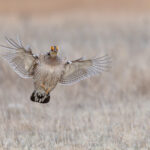
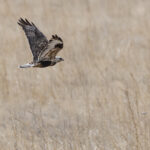
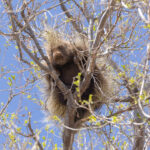
For as long as we have been operating this tour, the Wray Chamber of Commerce has organised Greater Prairie Chicken viewing tours at the Kitzmiller Grazing Association ranch, in association with the local community, which includes the loan of the big yellow school bus to take us from the town to a trailer blind out on the prairie. I was sorry to see that Ross, the Stetson-wearing manager, who used to give a hilarious talk about the ranch has now retired and lives in Nebraska, but not much else changed. It is still one of the best birding experiences in the world bar none. The following morning at a painfully early hour, a regular occurrence on this tour, we found ourselves in the dark peering out over a patch of prairie grassland, waiting for the first signs of life. Long before dawn we could hear the eerie cackling calls of the prairie chickens, followed by their strange booming sounds. In the half-light we could make out the shapes of prairie chickens as the males arrived from the surrounding sagebrush and took up their positions in the arena of their lekking ground. Their booming calls filled the air and as soon as dawn broke, details of their intricately barred plumage were gradually revealed. The dancing starts with some foot stomping, followed by the inflation of their neck sacks, as they leant forwards, from which the booming call emanates. At the same time, their elongated neck feathers are raised, completing the transformation from their usually innocuous appearance into rather fearsome looking creatures. A visit to a prairie chicken lek is certainly one of the ornithological wonders of the world and was the inspiration of the dances of the Plains Indian tribes. The same leks have been used for hundreds of years, evidenced by the arrowheads archaeologists have found on them, and the birds are apparently so loyal that if a road is built across a lek, they will simply dance in the middle of it. The dominant males occupy the central, pole positions of the lekking ground and the younger and less experienced ones are literally kicked out to the periphery. Prairie chicken numbers were a little down on my last visit, but they are apparently generally doing well in the vicinity of Wray. We counted 20 males at the lek, which were joined for a while by a single female who wandered through them and although she caused much commotion amongst her suitors, she did not show much interest. After a fabulous experience watching the prairie chickens, it was time for breakfast, almost as anticipated by me as the chickens! En route, we saw a few raptors from the bus; a dark morph Rough-legged Buzzard plus a couple of Red-tailed Hawks and a Northern Harrier. After the tasty ranch breakfast (ooh that crispy bacon! It is not cooked as well as this anywhere else on the tour) it was time to have our bones rattled back to Wray in the school bus and begin the next leg of our journey. Travelling south past vast agricultural fields, a small flock of longspurs was spotted, which turned out to be Thick-billed (formerly known as the cancelled McCown’s), however, they were difficult to get on, moved away quickly and were therefore not seen by everyone. A couple of Pronghorns delighted, and we could also see why Horned Lark is the commonest breeding bird in all of Colorado! Beecher Island is a favourite stop of ours. In September 1868 a party of 2-300 (some sources say 1000!) Cheyenne and Arapahoe ‘dog soldiers’ engaged 50 US army scouts. The scouts were able to keep the attackers at bay with their Spencer repeater rifles and were eventually rescued, however, their officer, Lieutenant Frederick H. Beecher, a decorated veteran of the Battle of Gettysburg, was killed in the conflict. Years of drought have resulted in a fallen water table in Yuma County, there is no longer an island here and the Arikaree river now only flows as a small stream. Originally the rivers of the High Plains lacked the marching regiments of cottonwoods that now stretch from the state line in the east to the foothills of the Rocky Mountains. Their courses were swept clean by spring floods and emerging saplings were grazed by herds of bison. The arrival of the Europeans led to the removal of both factors, and the subsequent growth of trees has allowed the westward expansion of the range of eastern bird species like Eastern Bluebird and Eastern Phoebe. Despite the general lack of birds today, this landscape is still very atmospheric, the twisted limbs of the Eastern Cottonwood trees (Populus deltoides), a close relative of the European Black Poplar (Populus nigra), are bent over into contorted figures. however, the trees around the church were devoid of bird life and the area was generally very dry. Additionally, the woodland habitat along the river to the east is now securely fenced off and not accessible to a group of elderly birders. Nevertheless, we enjoyed some nice views of another Great Horned Owl. A couple of flickers and meadowlarks were the only other birds seen here. Another ultimately pointless detour in birding terms took us to the South Republican River SWA, another former favourite stop on this tour, where American Goldfinch was the only bird added, not far from the once magnificent Bonny Reservoir, now bone dry. However, the extra effort to get here was rewarded by some excellent views of a North American Porcupine in a roadside tree. What a great mammal!
Breaking our journey a couple of times, we first checked Burlington Water Treatment Plant (WTP) seeing Blue-winged Teal and Great-tailed Grackle, new for our list. A couple of Northern Harriers also delighted here. Entering Kansas (Kansas is 1 hour ahead of Colorado at this time of year), we stopped briefly at the Brewster WTP, where a couple of Snow Geese had paused on migration. A pair of Wood Duck was also here. We spent the evening in the Jerusalem Hills area, southwest of Oakley. There were some very birdy patches of relic prairie here, with prairie dog towns where we tallied seven Burrowing Owls and a Ferruginous Hawk. Other interest came in the form of a 2nd calendar year Krider’s Hawk – the very pale Red-tailed Hawk form and a confusion bird for Ferruginous, as well as a more obvious Rough-legged Buzzard. A small number of Vesper Sparrows was also seen, and Brown-headed Cowbird and Common Grackle were added to our list. Returning to Oakley we saw a couple of small parties of prairie chickens, which were surely Lessers, however, as events the following morning would demonstrate, identification is impossible without seeing a lek.
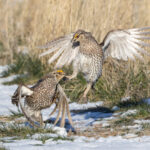
The second very early start in a row saw us meeting rancher Stacy Hoeme at a gas station, from where he took us to his headquarters building. Stacy’s prairie chicken viewing arrangements are also very well organised and soon we were again in a trailer blind in the darkness, listening to bird calls, this time of Lesser Prairie Chicken. Unfortunately, the spectre of hybrids hangs over this ranch, and it was no great surprise to find the most dominant bird on one of the leks we watched was a in fact a Greater Prairie Chicken; our best views of this species in fact! It kept the more numerous male Lesser Prairie Chickens at bay and is no doubt responsible for some hybrids – there was at least one hybrid seen at the other lek, however, this was a rather pathetic creature and quickly beaten up by the pure male Lessers. There was also more female activity at the main lek, with five visiting during our watch and a total of 14 male Lesser Prairie Chickens. This was my first proper Lesser Prairie Chicken lek experience in 20 years, having visited four more distantly-viewed leks previously. A Great Horned Owl flew across the prairie behind the lek and once the chickens had dispersed, we were able to check another area of the ranch, which had a pair of Ferruginous Hawks at a nest site atop a low escarpment, a fabulous sight! We also tallied another 8 Burrowing Owls and a Loggerhead Shrike of note. Mammals here included Coyote, Mule Deer, Eastern Cottontail, Black-tailed Prairie Dog and Thirteen-lined Ground Squirrel. After bidding farewell to Stacey, we made our way south, back into town, seeing a couple of Wild Turkeys and a Northern Mockingbird en route. After picking up some breakfast items, we spent the rest of the morning at the excellent Scott Lake SWA, still deep in Kansas. Our focus here was the sought-after Harris’s Sparrow, which very quickly obliged giving some close views. Other more easterly birds seen here included Cedar Waxwing, Ruby-crowned Kinglet, Eastern Bluebird, Chipping Sparrow and Northern Cardinal. A pair of Cooper’s Hawks was seen mating in a patch of Cottonwood woodland and both Say’s and Eastern Phoebes were also present. On the lake itself, Ruddy Duck and Bufflehead were noted. The nominate subspecies of Hairy Woodpecker occurs in Kansas, different to monticola of the Rockies that we saw further west. En route, westwards to the Colorado border, another couple of Rough-legged Buzzards was seen and checking of blackbirds on wires eventually yielded a trio of Brewer’s Blackbirds.
Regaining that lost hour, we entered Colorado and the road quality quickly deteriorated to a succession of potholed disgraces on our way to Neenoshee Lake. Interesting birds here included Wood Duck, Lesser Scaup, Wild Turkey and new-for-the tour Greater Yellowlegs, Bonaparte’s and California Gulls and American White Pelican. Andrea was delighted to find his lifer Yellow-headed Blackbird among the commoner redwings and a couple of Chihuahuan Ravens flew over after we left. Black-tailed Jackrabbit was new for our mammal list here. Unfortunately, there was no goose flock on the lake this time, their northward migration was a little earlier this year.
We had made fast progress, and with that extra hour, we were able to make one more stop today at Holbrook Lake near Swink, our banker site for Clark’s Grebe. Sure enough, three of them were in the middle of the lake, as always. Horned and Black-necked Grebes were also added here and new waterfowl included Canvasback, Redhead and Northern Pintail. A handful of American Avocets and a couple of Black-necked Stilts were present along with Bonaparte’s Gull and Northern Harrier. After a long day in the saddle our steakhouse meal in La Junta at Boss Hogg’s was very welcome tonight.
Opportunities to see something different on this long-running tour are few and far between if you have done it a lot of times, so a Cactus Wren, which has taken up residence South of La Junta was too tempting to miss. It is also the only one in Colorado! Fortunately, it has chosen a spot which also harbours almost all our other southern targets. Making our way towards its stakeout, we scored both Curve-billed and Sage Thrashers atop a sea of Cholla Cacti. THE wren was singing immediately on our arrival and obliged with some very nice views, although it was rather skittish. Also here we had some excellent views of Lark Bunting, the state bird of Colorado no less, which would only be present on the grasslands to the north after our visit there. The males were still in non-breeding plumage but were now starting to show black speckles here and there on their underparts. Turning our attention to a nearby escarpment, we added Ladder-backed Woodpecker, Rock Wren and Canyon Towhee but most appreciated was a pair of Greater Roadrunners that gave a fine display. A little further north in Higbee Valley we did not have much left to find on our southern shopping list and we quickly managed to locate Rufous-crowned Sparrow and Canyon Wren, both singing amongst the rocks and very obliging. No need to hike up the escarpment like I did on my first visit to this region many years ago.
We were comfortably ahead of schedule, so we decided to detour to the prairie southeast of Colorado Springs before we headed back to the mountains. Our intention was to see Mountain Plover, which we knew to be in residence already this spring, just in case something happened on our visit to the Pawnee Grassland at the end of the tour. John excelled himself in spotting a distant MOUP in a large prairie dog-town and lucky for us it moved a lot closer affording some brilliant views. Also in this area we saw another Ferruginous Hawk as well as a Curve-billed Thrasher singing from the gable end of a barn! This was rather a long detour, so we now found ourselves a little behind and needed to hurry back to the mountains. Passing the towns of Pueblo and Cañon City we traced the course of the Arkansas River into the Rockies as far as Salida. Along the way we saw a small flock of Bighorn sheep but no dippers yet. On the outskirts of Salida the famous Piñons subdivision produced a big flock of the hopeful Pinion Jay, eventually for some. Also here were Woodhouse’s Scrub Jay, Mountain Bluebird and many American Robins. Back towards town, Sands Lake SWA came up trumps with the last remaining Barrow’s Goldeneye, a lingering female bird in the company of a couple of Common Goldeneye for useful comparison. A small number of Buffleheads was also here, and a horde of Tree Swallows filled the air, no doubt a result of the incoming bad weather, which we knew was on the way. Progress over Monarch Pass and down into the Gunnison Basin was swift, sped by concerns of running out of fuel. I had forgotten there was a gas station at the start of the climb to the pass on the West side; never have I been so happy to see one. I have never run out of and fuel in my life and luckily today would not be that day. We enjoyed a fabulous meal at the Ol’ Miner steakhouse in Gunnison, one of our favourites! Our server Max deserves special mention after a splendid effort and staying open to serve us after hours. Restaurants do not all stay open late in the West and it had been a busy day for us.
Some of us woke to a power cut in Gunnison this morning and rain, rather than the usual sub-zero chill that we would expect here. Fortunately, the power was restored before our departure, and we soon met our local guides at the Waunita Hot Springs junction. I have visited this viewing trailer for many years and seen the Gunnison Grouse retreat to a ridge in the far distance, so it was a pleasant surprise to see they have returned to the meadow this year. Although this remains, by a wide margin, the furthest views of any grouse on this tour and they are usually a disappointment for most. We could still see their diagnostic long ponytails flopping during their booming display. A cracking traditional American breakfast in Gunnison raised our spirits and we were soon on our way again. This morning’s project was rosy finches and driving north towards the ski resort of Crested Butte, the rain quickly turned to snow, in fact a foot of it had fallen overnight on Crested Butte, so hopes were high of some of those fat finches descending from the surrounding mountains to bird feeders. Crested Butte Mountain Resort has historically had some very productive feeders, but we were disappointed to see that none of the familiar spots appeared to be in operation now. After some searching, we managed to find a couple of feeders belonging to a wonderful CBMR resident, Laura, who invited us all to wade through the snow into her yard. There we enjoyed some simply stunning views of a flock of Brown-capped Rosy Finches descending every now and then to her feeders. Unfortunately, none of the other forms were present, so our search continued. Laura had suggested a couple of friends who feed birds and while checking the general vicinity of Crested Butte South, not somewhere we normally visit on this tour, we were amazed to see the sky go black with rosy finches! They crowded into aspens making them look as if they were in leaf! Our bunting conservation expert Nigel (really!) estimated around 1000 birds. They literally swarmed everywhere in this subdivision, and we eventually discovered they were visiting a small feeder hanging from someone’s eaves. Even better, the flock contained at least 2 Black Rosy Finches, the most wanted of all. A couple of us spotted a Grey-crowned, although sadly the rest missed it, there was so much action going on all the time. It was interesting to note that the swarm would break up and go in different directions from time to time, until eventually most of them appeared to have moved back to the forest, leaving only a handful in the neighbourhood by late afternoon. This was by far the biggest rosy finch flock I’ve seen! After a rather late lunch it was time to move on again, this time heading west to the town of Montrose for the night, where we visited another favourite watering hole on this circuit, the excellent Horsefly Brewing Company. Micro-breweries were very popular amongst our group this year and we visited quite a few.
Probably the lowest point of our journey through Colorado and its surrounding states came the following morning, with the sight of the burnt South Rim of the Black Canyon of the Gunnison. This was one of my favourite places in the world and to see the charred remains of the once beautiful oak and juniper scrub was depressing indeed. We still looked at the canyon itself, which remains impressive, however, birding opportunities are now rather limited here. After checking some suitable remaining habitat, which had escaped the flames, and seeing our first Spotted Towhees, we departed quickly. Next stop was Sweitzer Lake State Park, near Delta, another favourite stop. Unfortunately, the resident Marsh Wrens here failed to show and there was very little on the lake itself, maybe owing to the shooting that goes on here. Quite why shooting is allowed in a tiny nature reserve like this is beyond me. A flock of American Avocets flew around the lake a couple of times, no doubt on their way north to somewhere more suitable. From here we continued past Delta, to our banker Lewis’s Woodpecker stakeout. Only one of the three giant cottonwood trees remains here sadly, the others having been felled, however, it is still home to at least one pair of these wonderful woodpeckers. We had enjoyed some very nice views, as well as a repeat by Brewer’s Blackbird. Nearby Fruitgrowers Reservoir restored our faith in Marsh Wren, with a responsive bird eventually showing itself. We also added some waterfowl here in the form of Cinnamon Teal and Pied-billed and Western Grebes among the now familiar others. Ahead of schedule we traversed the Grand Mesa, however, the wintry conditions we found on the top of this deceptively cold mountain plateau were not conducive to birding, so we returned to the sunshine in the valley below. Our next port of call, after meeting one very excitable fan of bird watching in Grand Junction, was the Devil’s Kitchen Trail in Colorado National Monument, the site of a vagrant Black-chinned Sparrow in 2011. It is a gorgeous spot to catch up with the targets of this red sandstone area, notably Gambel’s Quail, Juniper Titmouse and Black-throated Sparrow. A repeat performance by Canyon Wren was also welcomed and our first White-throated Swifts were spotted overhead among dramatic canyonland scenery. We also enjoyed a look at some beautiful Harsh Paintbrush (Castilleja hispida) flowers on our hike, as well as the range restricted White-tailed Antelope Squirrel.
In the late afternoon we completed the spectacular Rim Rock Drive to the Fruita entrance of the National Monument, spectacular for the passengers at least, the drivers mostly with their eyes glued to it’s one million curves. We did make several stops at viewpoints along the way such as Ute Canyon, Artists Viewpoint and the wonderful Wedding Canyon. White throated Swifts were much in evidence, and the chisel-billed Juniper Titmouse was seen again, along with a small flock of Desert Bighorn sheep, however, this interlude was mostly scenery rather than bird watching.
After a night in an instantly forgettable chain hotel in Grand Junction and a delayed breakfast, we headed out on another glorious sunny morning to the Utah Stateline, sagebrush country. Its namesake Sagebrush Sparrow duly showed well in numbers, and we were particularly pleased to find an early Brewer’s Sparrow singing in the same area, which was equally as accommodating. Several Golden Eagles were seen in this area as usual but not much else, the prairie was very dry. Returning towards Grand Junction, we stopped off at Big Salt Wash, a regular Western Screech Owl stakeout, however no luck this time. A singing Harris’s Sparrow and a handful of Gambel’s Quail, as well as some very showy Cedar Waxwings were adequate compensation. We had some ground to cover today to make it to Craig by late afternoon and only enough time for one more birding stop. Lunch at Rifle was interrupted by a flock of around 150 White-throated Swifts over the town, no doubt pushed out of the mountains by the foul weather. After this we detoured slightly to Rifle Falls State Park, a cast iron American Dipper spot. The dipper appeared beneath the falls right on cue, but we did not see much else of significance here. It is a lovely place though, with a couple of very picturesque cascades and some nice trees. Our next morning’s grouse appointment was with Mr Sharp-tailed. The owner of the lek, the now legendary Mr Ken Bekkedahl gave us a quick walkthrough of the procedure for the following morning, I had not visited this lek before. While we were there one of his future bookings drove to the lek, within sight of his farmhouse, got out of their vehicle, approached the birds with their cameras and kicked them off the lek, around 30 or 40 of them. Unbelievable behaviour! We did want to make a fuss as it was our turn the following morning. The snow of the previous days had made travelling on the country roads in this region extremely hazardous and we had made our way to Ken’s place at a relative snail’s pace. Unfortunately, we decided to take a shorter route to the main road away and became stuck in some horrendous clay mud. It was only thanks to the high-level skills of our four-wheel drive expert Paul (plus a lot of pushing/while being covered in mud) that we were able to get the van out without calling for help. It was a welcome relief to find the Mexican in Craig open late and we could all enjoy a cold beer and a good laugh about our close shave.
Next morning we took a safe route to Ken’s place and with the temperature now well below freezing, the county roads were solid, as were the slippery tracks on his ranch. We pulled up next to the grouse lek in the dark and waited to enjoy the wonderful spectacle of Sharp-tailed Grouse going at it only a few metres away. I never experienced the sound of their wing flapping like this before, owing to the proximity and the number of birds present! Wow! Exiting the lek, we encountered a trio of massive Greater Sage Grouse and enjoyed some very nice non-lekking views of these relative monsters. Saying goodbye to dear Ken we were on our way north again. After our first shot at Dusky Grouse had missed the mark, we put Plan B into action, the county roads near Hayden. However, we soon found these to be just as desperate as the clay-topped county road of the previous evening, and we decided not to get ourselves into trouble again. We could always leave this area for another couple of days and backtrack if necessary, giving the roads a chance to dry out. However, wouldn’t it be nice to see one now, so we didn’t have to do that? Picking a suitable looking patch of oak woodland, within reach of the road we set about trying to find one and happily it was not too long before we did, with an explosion of wing beats, a large male took flight in front of us. We could see it had not gone far, so we started a very careful search to find it again. Paul caught some movement out of the corner of his eye, which we followed up and there it was again, bursting from the undergrowth, but this time, it only few flew a few metres into one of the small oak trees, where it remained for all to see, once they had worked out it’s cryptic form. Ultimately, we enjoyed some fabulous views of this large grouse, somewhere between the size of a ptarmigan and capercaillie, the last of the seven. A return visit to the area was no longer necessary. After pressure-washing much of the clay welded to our vehicles, we continued over the Rabbit Ears Pass from Steamboat Springs to Walden in North Park and began our search of the surrounding area. North Park is a large intermountain glacial basin, which holds the head waters of the North Platte River. Its landscape is one of high sagebrush prairie, dotted with numerous lakes, ponds and untamed meandering streams. In 1844 Lieutenant John F. Fremont described it as ‘a beautiful circular valley of 30 miles in diameter, walled in all around with snowy mountains, rich with water and grass, fringed with pine on the mountainsides below the snow, and the paradise to all grazing animals.’
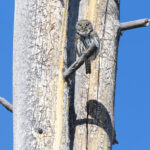
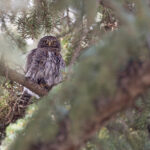
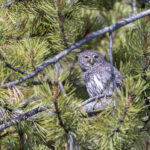
After hearing playback of Northern Pygmy Owl at least one million times on this tour already (we use it to attract small birds), it was nice to hear an actual pygmy owl respond to us! It had probably never heard an artificial voice before, and it quickly came in to check us out. After some great looks at this diminutive forest demon, we called it a day and headed back to town for the night. Along the way, Andrea spotted a Moose from the tinted rear window of the minivan, quite a feat at 50 mph. After some teasing by the Danish Raptor Group, sharp-eyed John spotted another two, he was not asleep after all!
Next morning we woke up and, again, it was not snowing. It was only 14° F though, so pretty cold. This was our final grouse appointment and although we had already completed the ‘magnificent seven’ the previous day, there is no substitute for seeing the lek of Greater Sage Grouse. This one usually wins the bird of the trip vote, partly owing to ‘recentism’, but mostly because theirs is simply the most spectacular transformation. Again, arriving before dawn, it was not long before the grouse were in full swing. We sat back and watched the action, scattered across the short grass by a dirt road in a remote area of North Park. We could easily hear the booming sounds made by the huge air sacs in their necks and the flapping of wings of the males, when they had an occasional altercation. The spectacle of a sage grouse lek is a must-see experience for world birders, just as impressive as a bird of paradise lek in my opinion. Numbers at the lek were much reduced since my recce a couple of weeks earlier but still numbered around 40 birds. There was quite a lot of fighting amongst the males and at least eight females visited the lek. We had plenty of time to explore north park today and visiting Walden Reservoir we found a mass of waterbirds. Many were now familiar species and thanks to a tip off the main flock in the middle of the reservoir included a male Eurasian Wigeon. John found it in no time at all, though asleep, through his peashooter scope – what a star! Some nice action overhead included California Gulls, Bald Eagles, American White Pelicans and Sandhill Cranes against a deep blue sky. The remaining areas of the SWA, including Delaney Buttes, were almost birdless and infested with anglers. The late afternoon saw us check some more alpine forest areas, the highlights being a gorgeous Milbert’s Tortoiseshell butterfly sunning itself and taking minerals from a forest drive and some point-blank views of a female American Three-toed Woodpecker. We could see recent signs of Moose in these forests but (probably fortunately) we did not have an encounter. In the evening we did some owling, which started well hearing a Boreal Owl, hooting softly from the roadside, however, as soon as we attempted to attract it, it shut up. I wondered why it was so shy until I saw how much these birds are battered by playback, when I checked recent Ebird checklists. We will try somewhere else for this one in future.
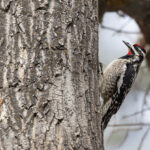
The final full day of the tour was a transfer to Fort Collins on the other side of the Cameron Pass. A few scenic roadside stops along the way did not yield anything of note and we were soon following the course of the Cache la Poudre valley, one of the most scenic drives in Colorado, until you reach the recently burned areas, where only charred remains of forest stand. After this, we stopped at a little gem of a site, Gateway Natural Area, which has been spared the devastating fires, and where we knew there had been recent Red-naped Sapsucker sightings, a bird we had looked for a couple of times already to no avail. ‘Tail-end Charlie’ Henrik waved us back excitedly; he had spotted one a little off trail, probably woken up by us, and sure enough there it was, a super-smart sapsucker. Back towards the van, a Northern Pygmy Owl showed up as well, affording some excellent seconds of this often very tricky-to-find speciality. We were now free to make our way to the prairie of the Pawnee National Grassland. But where to start? Our target birds, the pair of longspurs are spread over a very wide area and locating them sometimes takes time. So, imagine our delight when within minutes of nearing our first waypoint, we run into both species, Thick-billed and Chestnut-collared, side-by-side. Thick-billed was more numerous and easier to see, including song flights with fanned white tail etc but it would appear there was only one or two Chestnut-collareds in this area. We spread out to relocate one for those who had missed the initial sighting and eventually Andrea refound one of them. Not everyone saw it before it decided to relocate again and a nervous wait followed before it was refound for a second time. A Short-eared Owl here was a lifer for Aussie Paul and we even had time to take a closer look at the rather impressive band-winged grasshoppers.
Driving South through the Pawnee’s many enormous grassland paddocks was quite birdless. We had been lucky to find the longspurs so quickly. We paused at the tiny hamlet of Briggsdale, a favourite migrant spot/Mountain Plover stakeout. A couple of interesting migrants in the form of Hermit Thrush and Townsend’s Solitaire were spotted in the semi-derelict gardens here, but it took us some time to locate a Mountain Plover, its usual spots unoccupied. A couple of Long-billed Curlews that flew over was the only sighting of the tour, they are commoner in southeast Colorado and arrive a little later on the Pawnee than our visit.
We now only had the final leg of the journey from Fort Collins to Denver airport to complete, so we attempted to fill some of the gaps in our trip list. A stop at Lower Latham reservoir produced Lesser Yellowlegs and wham bam! Virginia Rails! However, time was ticking away so we played our trip list joker. Cherry Creek State Park in Denver had reported at least 10 birds we had not yet seen in the last few days! We did not see all of these; however, it was an excellent spot with hundreds of waterbirds. Gulls dominated the additions to our trip list, starting with the much wanted by our ‘larophiles’ Franklin’s Gull. Over 40 were seen, catching insects over the reservoir. Other gulls included American Herring, Lesser Black-backed and an adult Thayer’s Gull, now lumped with Iceland. We did not manage to spot Cackling Geese, Short-billed Gull or Greater Scaup but on checking birds from the Dam Trail, Nigel commented ‘This cormorant is smaller than the others’. That because it is a Neotropic Cormorant! So, we hurried along the dam for a closer look and some evidence of what we thought at the time was a significant find. Along the way, we bumped into a small flock of American Pipits, numbering at least eleven birds, some starting to show pinkish breeding plumage. We later learned that the cormorant had been present for two days already, although the Ebird report of it had been delayed. A final attempt at adding the common Blue Jay, was unfortunately fruitless, although we very much enjoyed our last encounter of the tour, a pair of Mourning Cloak (AKA Camberwell Beauty) butterflies duelling high into the sky above the cottonwoods. One of them returned to his territory and posed for some nice photos, a lovely way to end our travels in Colorado. I had seen one here in spring 1990, on my first visit to the state.
Thanks to our extremely enthusiastic participants this year, the Danish Raptor group; the Henriks, Brian and Rasmus, plus Andrea, John, Nigel and Ed, Steve on the comms and my four-wheel drive guru Paul for his excellent support. See you in 2028?
BIRD OF THE TRIP (as voted for by the group)
- Greater Sage Grouse
- Sharp-tailed Grouse
= 3. Greater Prairie Chicken
= 3. Lesser Prairie Chicken
= 3. White-tailed Ptarmigan
- Northern Pygmy Owl
- Mountain Plover
- Dusky Grouse
- Evening Grosbeak
- Black Rosy Finch
SYSTEMATIC LIST OF SPECIES RECORDED
BIRDS
Species marked with the diamond symbol (◊) are either endemic to the country or local region or considered ‘special’ birds for some other reason (e.g.: it is only seen on one or two Birdquest tours; it is difficult to see across all or most of its range; the local form is endemic or restricted-range and may in future be treated as a full species).
The species names and taxonomy used in the bird list follows AviList v2025 (AviList Core Team. 2025. AviList: The Global Avian Checklist, v2025). AviList was first published in June 2025, and is a global checklist which brings together the taxonomies of the eBird (Clements taxonomy), IOC, and Birdlife International checklists, and will ultimately replace those checklists. The AviList Global Avian Checklist is available at www.avilist.org. Where the subspecies seen is/are known, these are often given in parentheses, usually at the end of the species comment.
Ruddy Duck Oxyura jamaicensis First noted Neenoshe Res.
Canada Goose Branta canadensis Common throughout.
Snow Goose ◊ Anser caerulescens Two Brewster WTP, KS.
Wood Duck ◊ Aix sponsa Five noted, first Brewster WTP, KS.
Bufflehead Bucephala albeola c.33 noted, first Scott Lake SP, KS.
Barrow’s Goldeneye ◊ Bucephala islandica Female Sands Lake SWA, Salida
Common Goldeneye Bucephala clangula 10 noted, first Wheatridge Greenbelt, Denver.
Hooded Merganser ◊ Lophodytes cucullatus 7 noted, first Wheatridge Greenbelt, Denver.
Red-breasted Merganser Mergus serrator Singles Fruitgrower’s Res. & Cherry Creek SP.
Common Merganser (Goosander) Mergus merganser 19 noted, first Wheatridge Greenbelt, Denver.
Canvasback Aythya valisineria 2 Holbrook Lake & c.15 Walden Res.
Ring-necked Duck Aythya collaris First Fruitgrower’s Res.
Redhead Aythya americana First noted Holbrook Lake, Swink.
Lesser Scaup Aythya affinis First noted Kitzmiller Grazing Assoc., Wray.
Blue-winged Teal Spatula discors First noted Burlington WTP.
Cinnamon Teal Spatula cyanoptera First noted Fruitgrower’s Res.
Northern Shoveler Spatula clypeata First noted Wheatridge Greenbelt, Denver.
Gadwall Mareca strepera First noted Wheatridge Greenbelt, Denver.
American Wigeon Mareca americana First noted Wheatridge Greenbelt, Denver.
European Wigeon Mareca penelope Male continuing at Walden Res. Vagrant.
Mallard Anas platyrhynchos First noted Silverthorne.
Northern Pintail Anas acuta First noted Holbrook Res., Swink.
Green-winged Teal Anas [crecca] carolinensis First noted Wheatridge Greenbelt, Denver.
Gambel’s Quail ◊ (introduced) Callipepla gambelii 5 at each of Colorado NM & Big Salt Wash, Fruita.
Scaled Quail ◊ Callipepla squamata c.10 near Higbee Valley.
Wild Turkey ◊ Meleagris gallopavo Many noted, the first between the Hoeme Ranch & Healy, KS.
Sage Grouse ◊ (Greater S G) Centrocercus urophasianus Four near Craig & 39 at a lek in North Park.
Gunnison Grouse ◊ (Gunnison Sage G) Centrocercus minimus c.30 Waunita Hot Springs lek, Gunnison.
Dusky Grouse ◊ Dendragapus obscurus Close views of a male near Hayden.
Sharp-tailed Grouse ◊ Tympanuchus phasianellus c.40 at a lek near Craig.
Greater Prairie Chicken ◊ Tympanuchus cupido 21 Kitzmiller Grazing Association lek, Wray & one at the Hoeme Ranch, KS.
Lesser Prairie Chicken ◊ Tympanuchus pallidicinctus 19 at the Hoeme Ranch, KS.
White-tailed Ptarmigan ◊ Lagopus leucura Point blank views at Loveland Pass for those who wanted, nice scope views for the rest.
Common Pheasant (Ring-necked P) Phasianus colchicus Seven noted.
Pied-billed Grebe Podilymbus Podiceps Two Fruitgrower’s Res. were the first.
Horned Grebe (Slavonian G) Podiceps auritus Seven noted, the first at Holbrook Res.
Black-necked Grebe (Eared G) Podiceps nigricollis 14 noted, the first at Holbrook Res.
Western Grebe ◊ Aechmophorus occidentalis Four at Fruitgrower’s Res. were the first.
Clark’s Grebe ◊ Aechmophorus clarkii Three Holbrook Res., Swink.
Greater Roadrunner ◊ Geococcyx californianus Pair near Higbee Valley.
Mourning Dove (American M D) Zenaida macroura Common throughout.
Eurasian Collared Dove (introduced) Streptopelia decaocto Common throughout.
Rock Dove (introduced) Columba livia Common throughout.
Sandhill Crane Antigone canadensis Small numbers in the Steamboat Springs & North Park areas.
Virginia Rail Rallus limicola Heard only Bass Lake & ridiculous views Lower Latham Reservoir.
American Coot Fulica americana First noted Wheatridge Greenbelt.
American Avocet Recurvirostra americana First noted Holbrook Res., Swink.
Black-necked Stilt Himantopus mexicanus First noted Holbrook Res., Swink.
Killdeer Charadrius vociferus Common throughout.
Mountain Plover ◊ Anarhynchus montanus Pair near Colorado Springs plus one near Briggsdale.
Long-billed Curlew Numenius americanus Two near Briggsdale.
Lesser Yellowlegs Tringa flavipes First noted Kecher Pit, Fort Collins.
Greater Yellowlegs Tringa melanoleuca First noted Neenoshe Res.
Bonaparte’s Gull ◊ Chroicocephalus philadelphia First noted Neenoshe Res.
Franklin’s Gull ◊ Leucophaeus pipixcan 40+ Cherry Creek SP.
Ring-billed Gull Larus delawarensis First noted Wheatridge Greenbelt.
American Herring Gull Larus smithsonianus At least two at Cherry Creek SP.
Lesser Black-backed Gull Larus fuscus Minimum four Cheery Creek SP.
California Gull ◊ Larus californicus First noted Neenoshe Res.
Iceland Gull ◊ (Thayer’s G) Larus [glaucoides] thayeri Adult Cherry Creek SP.
Double-crested Cormorant Nannopterum auritum First noted Wheatridge Greenbelt.
Neotropic Cormorant Nannopterum brasilianum A vagrant continuing at Cherry Creek SP.
American White Pelican Pelecanus erythrorhynchos First noted Neenoshe Res.
Great Blue Heron Ardea herodias First noted Wheatridge Greenbelt.
White-throated Swift ◊ Aeronautes saxatalis Five Colorado NM and then a flock of c.150 Rifle.
Boreal Owl ◊ (Tengmalm’s O) Aegolius funereus Heard only State Park State Forest.
Burrowing Owl Athene cunicularia 15 in Kansas.
Northern Pygmy Owl ◊ Glaucidium [gnoma] californicum Two excellent sightings in the mountains.
Short-eared Owl Asio flammeus One Pawnee NG.
Great Horned Owl Bubo virginianus Pair at Wray, one Beecher Island & another Hoeme Ranch, KS.
Turkey Vulture Cathartes aura First noted at Wray, small numbers thereafter.
Osprey Pandion [haliaetus] carolinensis c.15 noted, the first at Silverthorne.
Golden Eagle Aquila chrysaetos 10 noted, first at Higbee Valley.
Sharp-shinned Hawk Accipiter striatus One at Rifle was the only record.
Cooper’s Hawk Astur cooperii Pair Scott Lake SP, KS & one Fruitgrower’s Res.
Northern Harrier Circus hudsonius 22 tallied, the first at Wray.
Bald Eagle Haliaeetus leucocephalus 14 tallied, they are on the increase in CO!
Swainson’s Hawk Buteo swainsoni One between Hoeme Ranch & Healy, KS.
Red-tailed Hawk Buteo jamaicensis 26 noted, including 7 ‘Krider’s’ in the south/east.
Ferruginous Hawk ◊ Buteo regalis Four sightings including a nesting pair on the Hoeme Ranch.
Rough-legged Buzzard ◊ (R-l Hawk) Buteo lagopus Four sightings, first at Wray.
Belted Kingfisher Megaceryle alcyon Singles Wray and Rifle.
Northern Flicker Colaptes auratus Common throughout.
Williamson’s Sapsucker ◊ Sphyrapicus thyroideus Pair near Evergreen.
Red-naped Sapsucker ◊ Sphyrapicus nuchalis Male Gateway Natural Area.
Lewis’s Woodpecker ◊ Melanerpes lewis One near Fruitgrower’s Res.
American Three-toed Woodpecker ◊ Picoides dorsalis Females Arapahoe Ski Basin & State Park SF.
Downy Woodpecker Dryobates pubescens Two at Frisco.
Ladder-backed Woodpecker Dryobates scalaris Three near Higbee Valley.
Hairy Woodpecker Leuconotopicus villosus Two ssp seen, monticola in the Rockies and the nominate at Scott Lake SP.
American Kestrel Falco sparverius Small numbers throughout.
Merlin Falco columbarius Female Pawnee NG ssp. richardsonii ‘Prairie Merlin’
Prairie Falcon ◊ Falco mexicanus Pair in Grand County
Peregrine Falcon Falco peregrinus Pair at the same site as the Prairie Falcons in Grand County.
Say’s Phoebe Sayornis saya Six noted, the first in Grand County.
Eastern Phoebe Sayornis phoebe One at Wray and two Scott Lake SP.
Loggerhead Shrike Lanius ludovicianus One on the Hoeme Ranch and two near Higbee Valley.
Canada Jay ◊ (Grey J) Perisoreus canadensis Three Ute Pass Road.
Pinyon Jay ◊ Gymnorhinus cyanocephalus c.70 Salida.
Steller’s Jay Cyanocitta stelleri First noted Crested Butte Mountain Resort.
Woodhouse’s Scrub Jay ◊ Aphelocoma woodhouseii Three noted, first at Salida.
Black-billed Magpie ◊ Pica hudsonia Small numbers throughout.
Clark’s Nutcracker ◊ Nucifraga columbiana Pair Silverthorne & one West Chicago Creek.
Chihuahuan Raven ◊ Corvus cryptoleucus Six in south CO.
Northern Raven (Common R) Corvus corax Small numbers throughout.
American Crow Corvus brachyrhynchos Small numbers throughout.
Juniper Titmouse ◊ Baeolophus ridgwayi Three Colorado NM.
Mountain Chickadee ◊ Poecile gambeli Common in the mountain forests.
Black-capped Chickadee ◊ Poecile atricapillus Three at Wheatridge Greenbelt the first.
Horned Lark (Shore L) Eremophila alpestris Very common on the plains, the first at Wray.
Tree Swallow Tachycineta bicolor The first near Evergreen.
American Bushtit ◊ Psaltriparus minimus The first at Wheatridge Greenbelt.
Cedar Waxwing Bombycilla cedrorum Two Scott Lake SP & four Big Salt Wash, Fruita.
Ruby-crowned Kinglet Corthylio calendula One Scott Lake SP and another State Park SF.
White-breasted Nuthatch (Interior W-b N) Sitta [carolinensis] nelsoni Two at Frisco were the first.
Pygmy Nuthatch ◊ Sitta pygmaea Two at Frisco were the first.
Red-breasted Nuthatch ◊ Sitta canadensis First noted near Evergreen.
Brown Creeper ◊ Certhia americana Pair near Evergreen.
Cactus Wren Campylorhynchus brunneicapillus One continuing near Higbee Valley. A write-in & the only one in CO.
Rock Wren ◊ Salpinctes obsoletus Two near Higbee Valley.
Canyon Wren ◊ Catherpes mexicanus Singles Higbee Valley & Colorado NM.
Bewick’s Wren ◊ Thryomanes bewickii Noted Colorado NM.
Marsh Wren ◊ Cistothorus palustris Seen Fruitgrower’s Res.
Curve-billed Thrasher ◊ Toxostoma curvirostre Two near Higbee Valley & one near Colorado Springs.
Sage Thrasher ◊ Oreoscoptes montanus Singles near Higbee Valley & North Park.
Northern Mockingbird Mimus polyglottos One between Hoeme Ranch & Healy, KS.
Common Starling (introduced) Sturnus vulgaris Common.
American Dipper Cinclus mexicanus One Rifle Falls SP.
Eastern Bluebird ◊ Sialia sialis Singles Wray and Scott Lake SP, KS.
Western Bluebird ◊ Sialia mexicana Two near Evergreen.
Mountain Bluebird ◊ Sialia currucoides 21 was a low tally for this tour. First Silverthorne.
Townsend’s Solitaire ◊ Myadestes townsendi Four noted, first at Ute Pass Road.
Hermit Thrush Catharus guttatus One Briggsdale.
American Robin Turdus migratorius Common throughout.
House Sparrow (introduced) Passer domesticus Noted.
American Pipit (American P) Anthus rubescens A flock of 11 Cherry Creek SP.
Evening Grosbeak ◊ Hesperiphona vespertine Two near Evergreen & c.30 Colorado NM.
Pine Grosbeak ◊ Pinicola enucleator A female at Silverthorne.
Grey-crowned Rosy Finch ◊ Leucosticte tephrocotis One for some at Crested Butte South.
Black Rosy Finch ◊ Leucosticte atrata At least two Crested Butte South.
Brown-capped Rosy Finch ◊ Leucosticte australis c.35 Silverthorne, c.30 Crested Butte Mountain Resort & the mega flock of c.1000 at Crested Butte South.
House Finch Haemorhous mexicanus Two Silverthorne were the first.
Cassin’s Finch ◊ Haemorhous cassinii Five at Arapahoe Ski Area were the first.
Red Crossbill (Common C) Loxia curvirostra One heard Silverthorne and six near Evergreen.
Pine Siskin ◊ Spinus pinus c.10 near Evergreen were the first.
Lesser Goldfinch Spinus psaltria One Big Salt Wash, Fruita.
American Goldfinch Spinus tristis Five South Republican River SWA.
Thick-billed Longspur ◊ (McCown’s L) Rhynchophanes mccownii c.10 near Wray & 8 Pawnee NG.
Chestnut-collared Longspur ◊ Calcarius ornatus 1-2 Pawnee NG.
Black-throated Sparrow Amphispiza bilineata One Colorado NM.
Lark Bunting Calamospiza melanocorys c.5 near Higbee Valley.
Chipping Sparrow Spizella passerina Three Scott Lake SP & one Crested Butte South.
Brewer’s Sparrow ◊ Spizella breweri One singing UT Stateline near Mack.
Fox Sparrow ◊ (Slate-colored F S) Passerella [iliaca] schistacea One West Chicago Creek.
Dark-eyed Junco ◊ (Cassiar J) Junco [hyemalis] cismontanus Singles Crested Butte Mountain Resort & Briggsdale.
Dark-eyed Junco ◊ (Pink-sided J) Junco [hyemalis] mearnsi First noted at Crested Butte.
Dark-eyed Junco ◊ (Grey-headed J) Junco [hyemalis] caniceps Small numbers, the common junco.
Harris’s Sparrow ◊ Zonotrichia querula Singles Scott Lake SP, KS & Big Salt Wash, Fruita.
White-crowned Sparrow Zonotrichia leucophrys First noted at Wray.
Vesper Sparrow ◊ Pooecetes gramineus First noted Jerusalem Hills, KS.
Sagebrush Sparrow ◊ Artemisiospiza nevadensis Nine noted UT Stateline near Mack.
Song Sparrow Melospiza melodia Small numbers, the first Grand County.
Canyon Towhee ◊ Melozone fusca 1-2 near Higbee Valley.
Spotted Towhee ◊ Pipilo maculatus The first at the Black Canyon of the Gunnison NP.
Yellow-headed Blackbird Xanthocephalus xanthocephalus One Neenoshe Res. and four Lower Latham Res.
Western Meadowlark Sturnella neglecta Common throughout, Merlin never said Eastern!
Red-winged Blackbird Agelaius phoeniceus Common throughout.
Brown-headed Cowbird Molothrus ater Small numbers noted from Jerusalem Hills, KS onwards.
Brewer’s Blackbird Euphagus cyanocephalus Three in Kansas and another three Fruitgrower’s Res.
Common Grackle Quiscalus quiscula Small numbers roadside!
Great-tailed Grackle Quiscalus mexicanus One at Burlington WTP was the first.
Yellow-rumped Warbler Setophaga [coronata] coronata One for Nigel only Scott Lake SWA.
Northern Cardinal Cardinalis cardinalis Five Scott Lake SP.
MAMMALS
The species names and taxonomy used in the mammal list follow the mammal list on the iGoTerra website (www.igoterra.com). This list largely follows IUCN (International Union for Conservation of Nature) taxonomy with just a few modifications. It is listed in family order, alphabetically by genera within families. Some alternative names are given in parentheses.
Coyote Canis latrans Several heard before one seen at Gunnison.
Pronghorn Antilocapra americana Small numbers from Wray onwards.
Moose Alces [alces] americanus Six in North Park, they are increasing!
Wapiti (American Elk) Cervus canadensis The first near Evergreen.
Mule Deer Odocoileus hemionus The first near Georgetown.
White-tailed Deer Odocoileus virginianus Three in North Park.
Bighorn Sheep Ovis canadensis Seven Arkansas River west of Cañon City, 11 Colorado NM.
Black-tailed Jackrabbit Lepus californicus First noted Neenoshe Res.
White-tailed Jackrabbit Lepus townsendii Two in North Park.
Eastern Cottontail Sylvilagus floridanus First noted at Wray.
Mountain Cottontail Sylvilagus nuttallii Noted near Craig.
North American Porcupine Erethizon dorsatum One South Republican River
White-tailed Antelope Squirrel Ammospermophilus leucurus Noted Colorado NM & near Mack.
Common Golden-mantled Ground Squirrel Callospermophilus lateralis One Black Canyon of the Gunnison NP.
Gunnison’s Prairie Dog Cynomys gunnisoni Some good views near Gunnison.
White-tailed Prairie Dog Cynomys leucurus Common near Mack.
Black-tailed Prairie Dog Cynomys ludovicianus Abundant on the plains!
Thirteen-lined Ground Squirrel Ictidomys tridecemlineatus One Hoeme Ranch & then common Pawnee NG.
Yellow-bellied Marmot Marmota flaviventris Two near Rifle.
Least Chipmunk Neotamias minimus One near Hayden.
Hopi Chipmunk Neotamias rufus Noted Colorado NM.
Eastern Fox Squirrel (Eastern F S) Sciurus niger Four sightings.
North American Red Squirrel Tamiasciurus hudsonicus Two sightings.
Wyoming Ground Squirrel (Nevada G S) Urocitellus elegans c.15 North Park.