
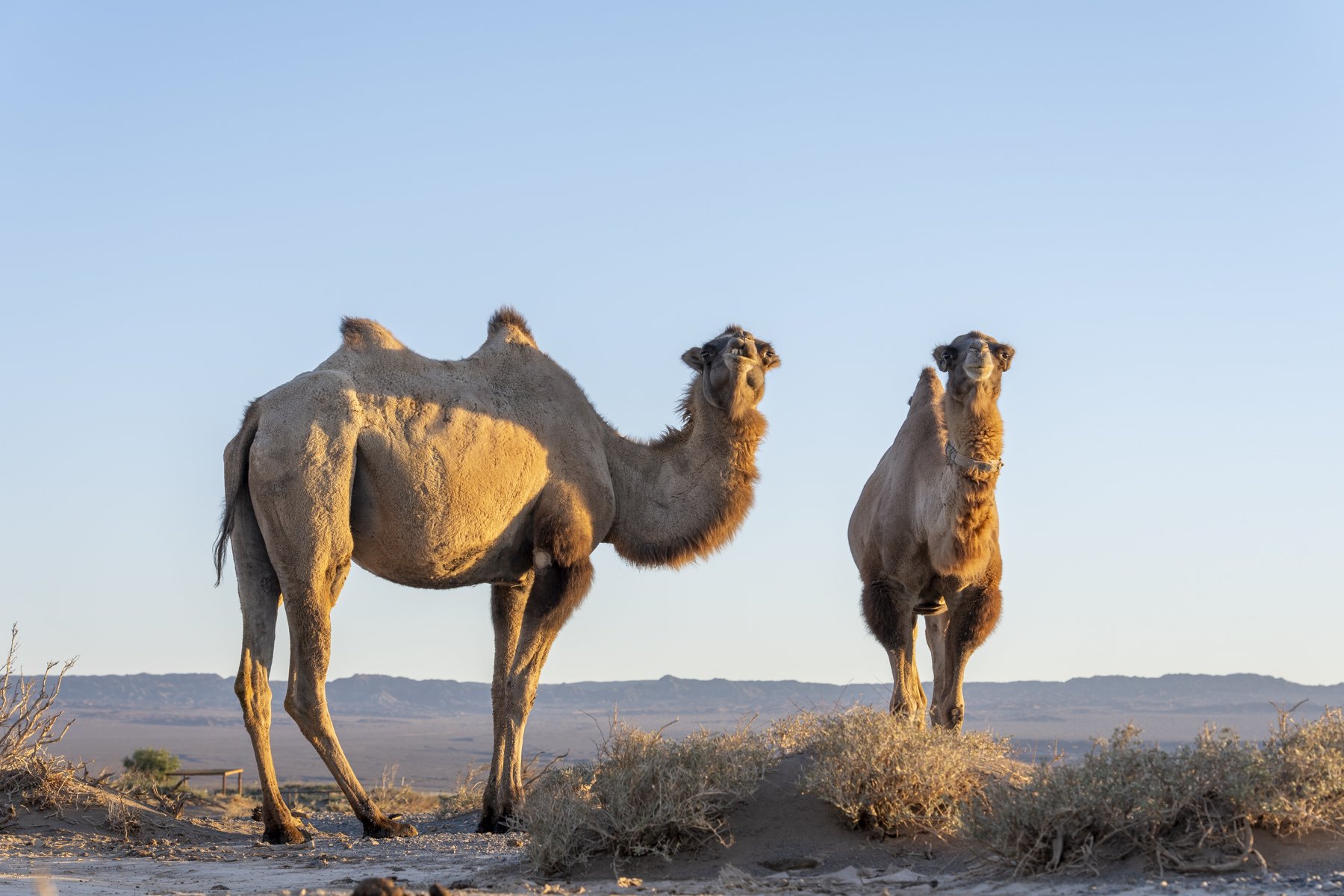
Wild Camels (image by Mark Beaman)
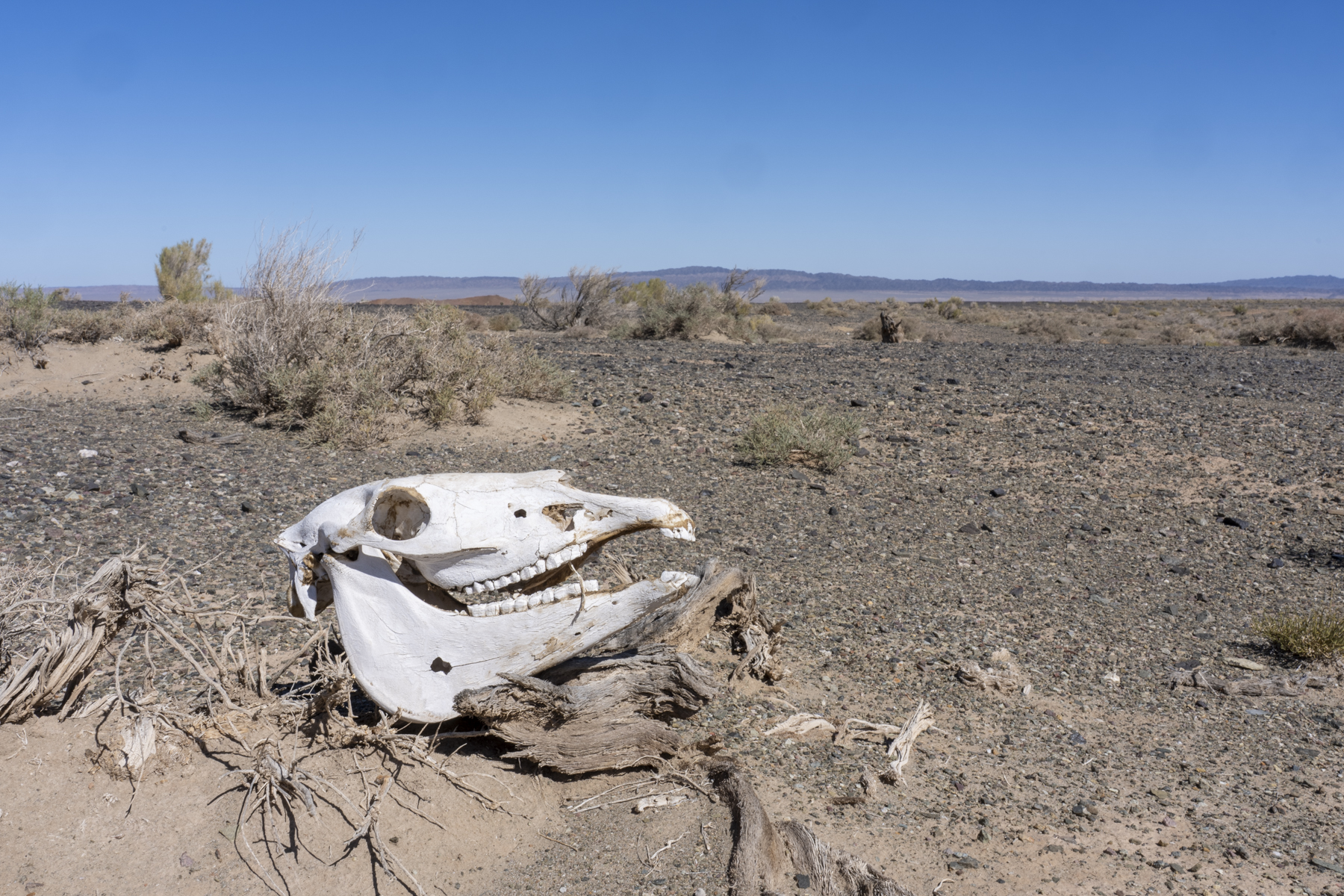
Wild Camel skull (image by Mark Beaman)
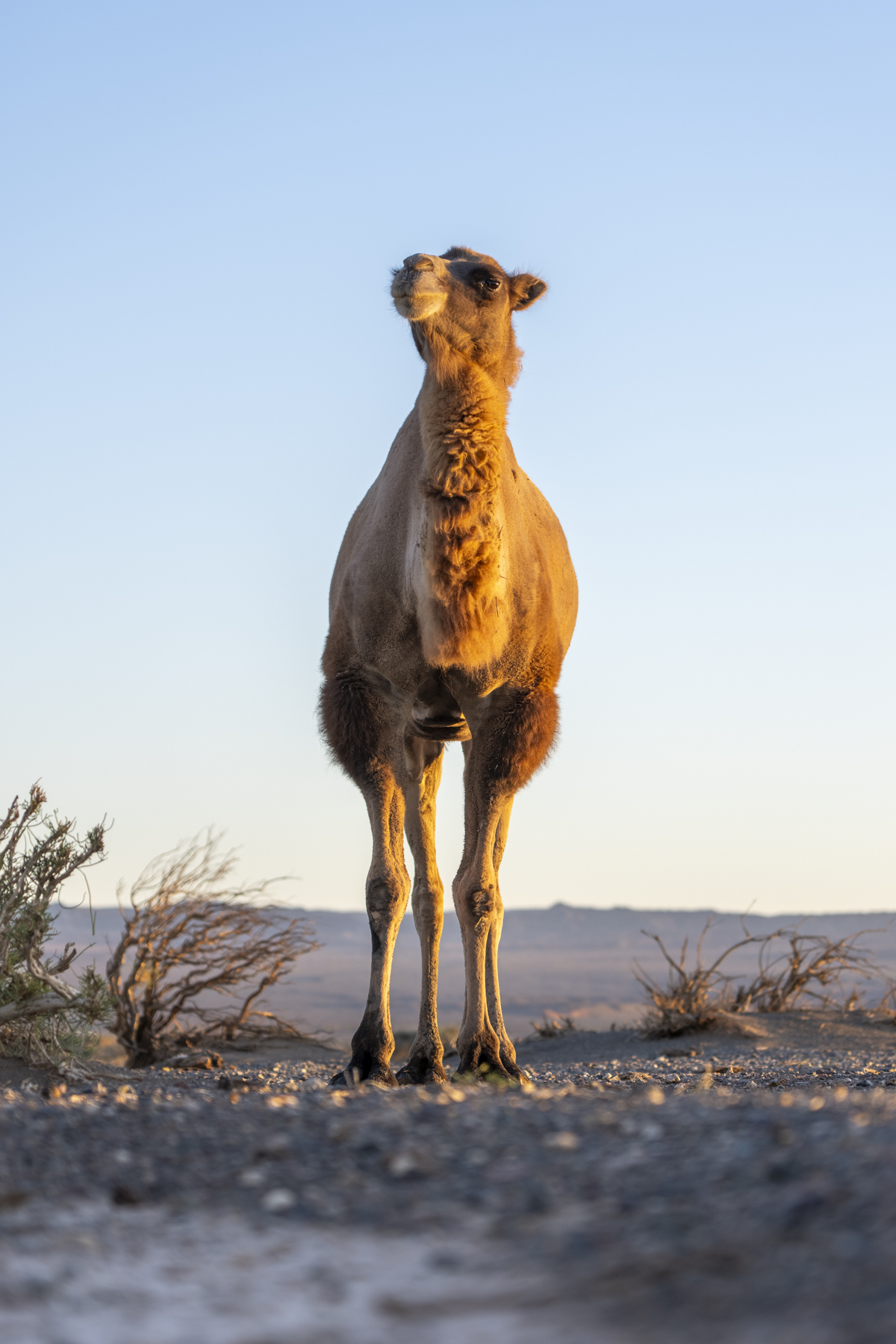
Wild Camel (image by Mark Beaman)
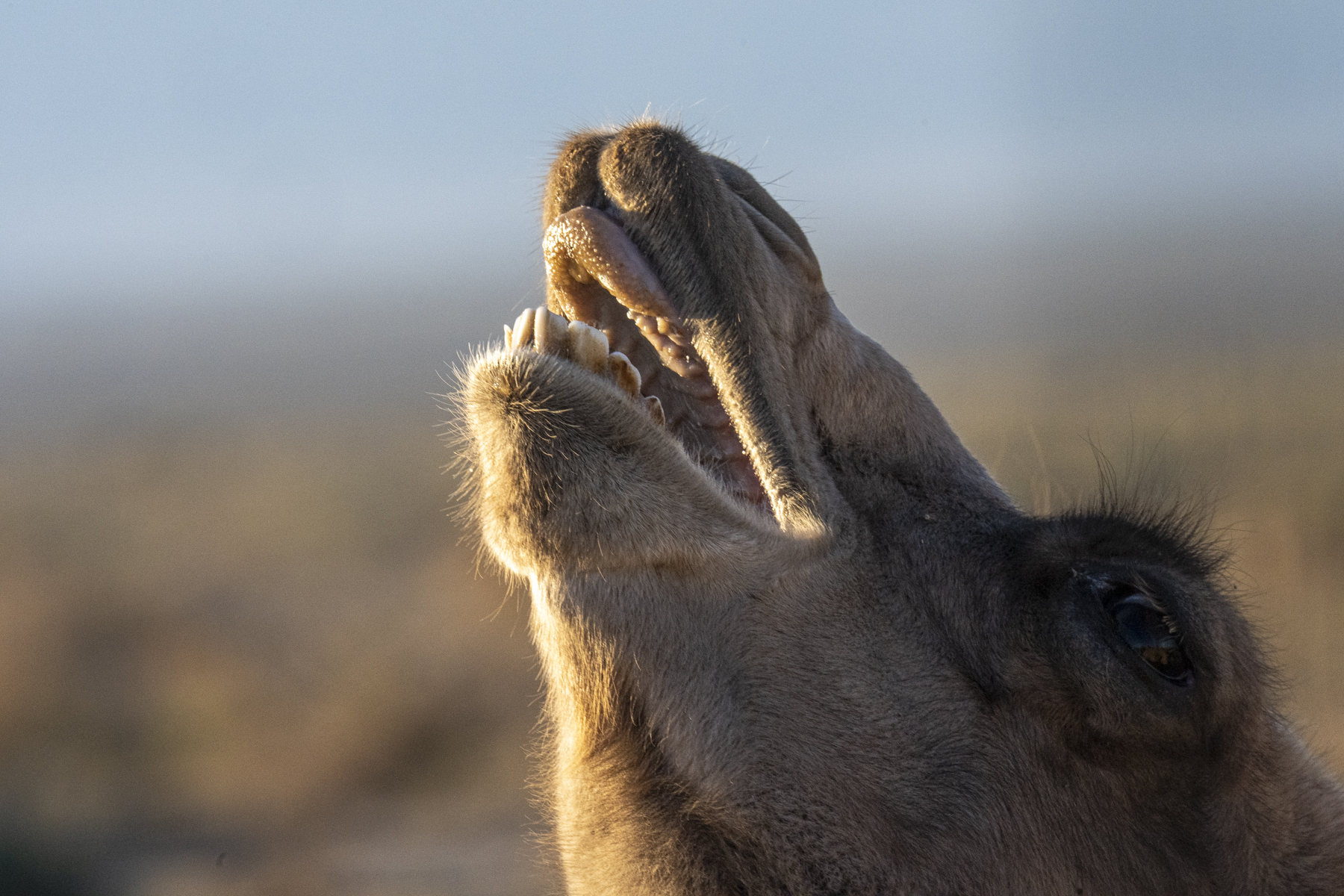
Wild Camel (image by Mark Beaman)
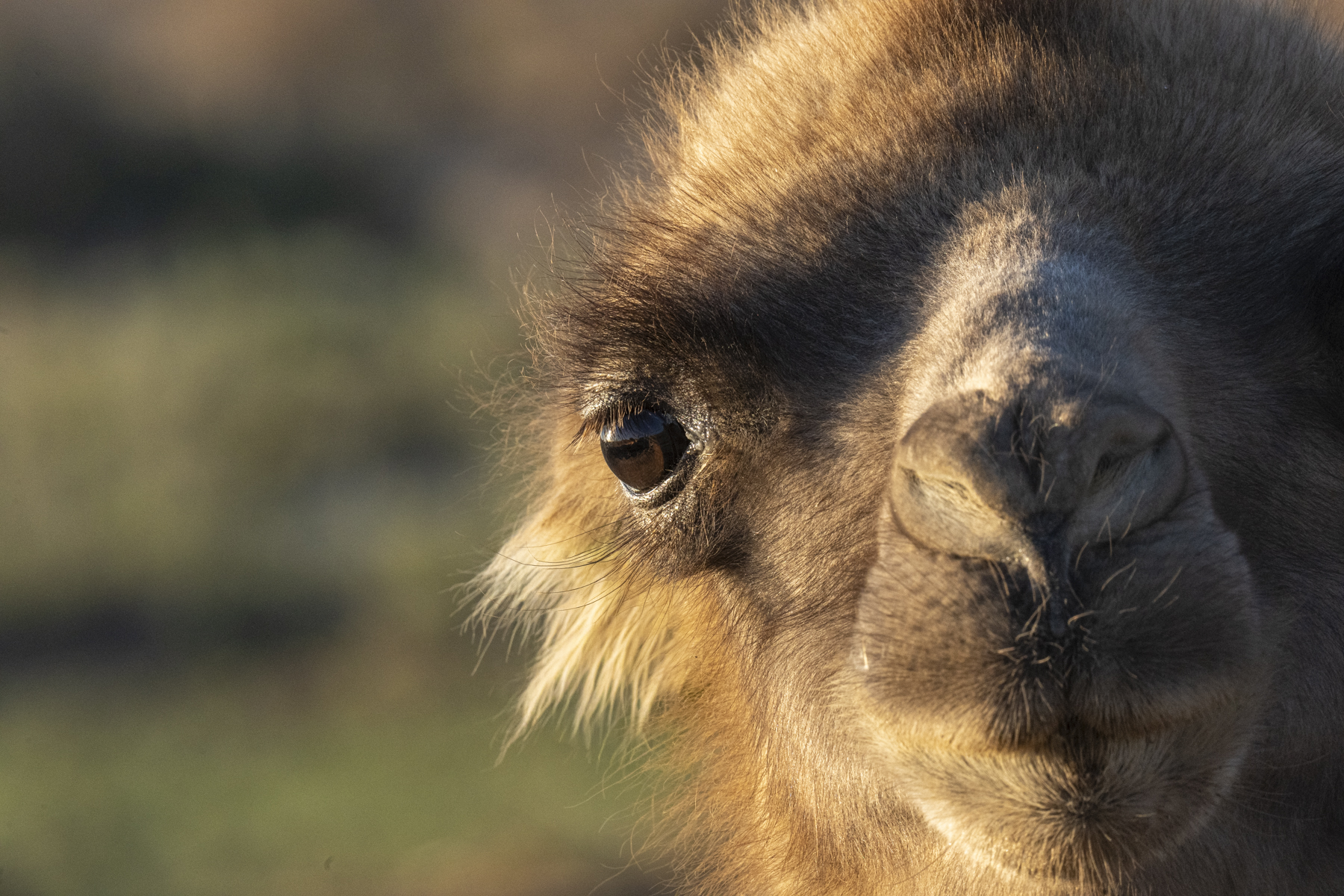
Wild Camel (image by Mark Beaman)
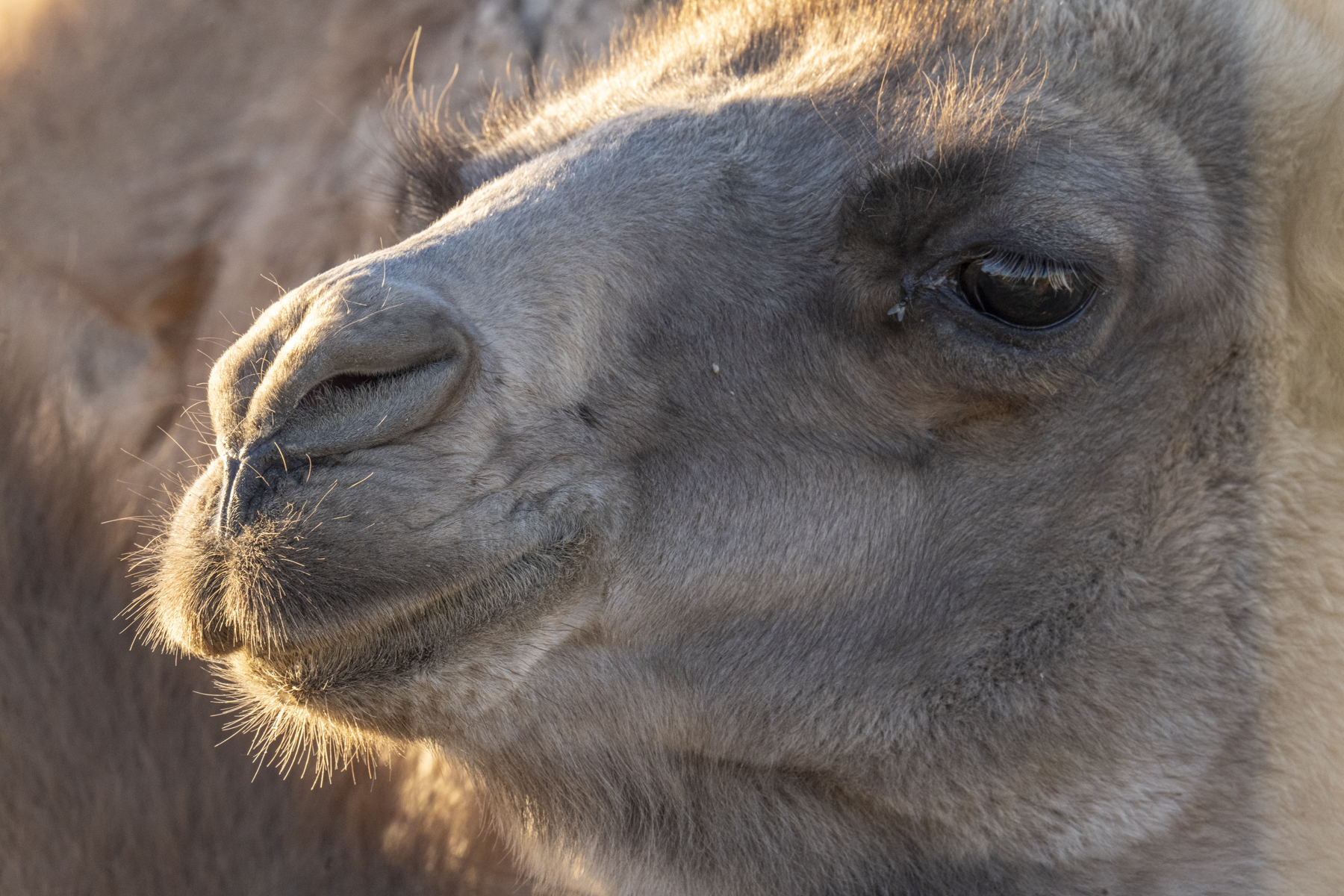
Wild Camel (image by Mark Beaman)
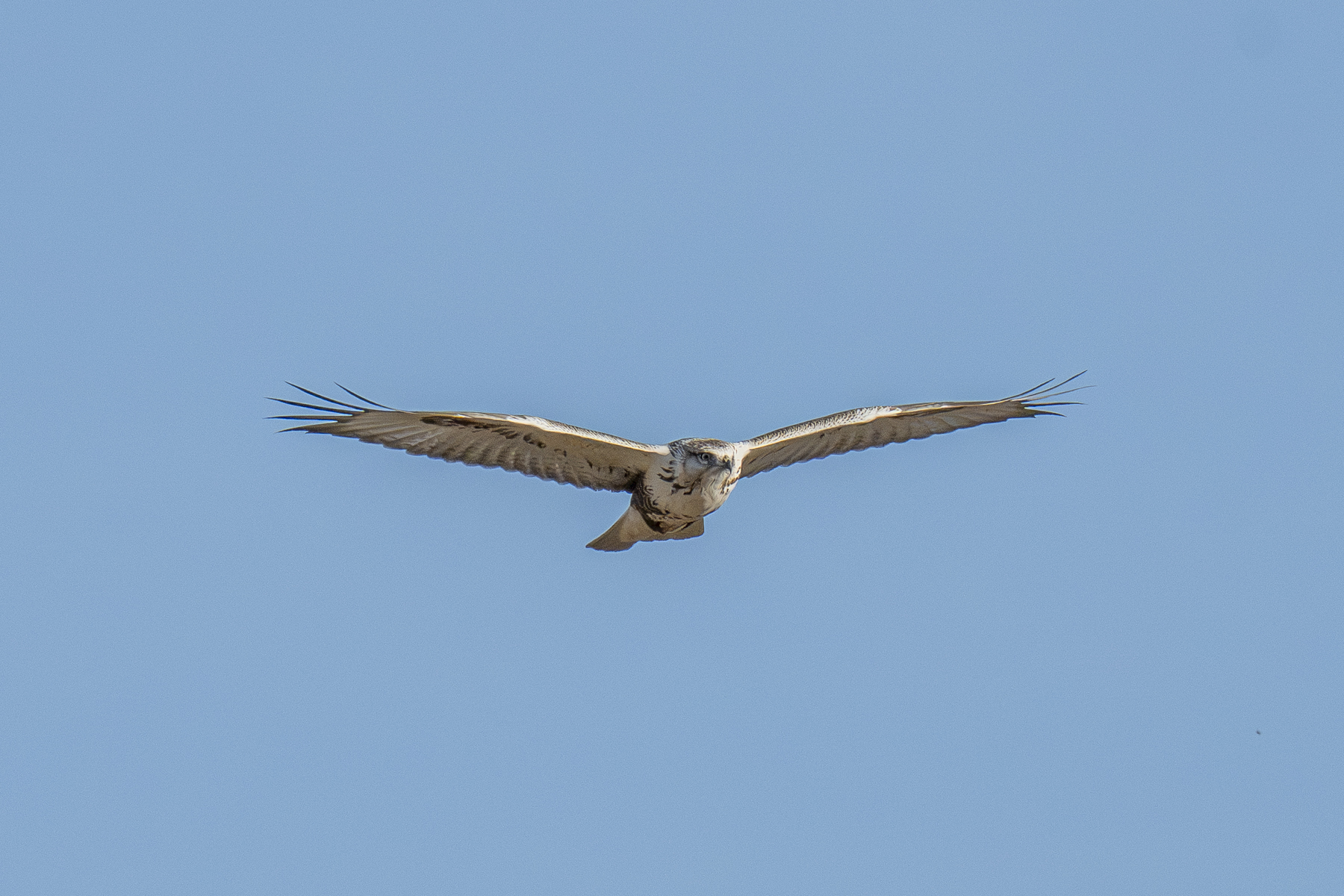
Upland Buzzard (image by Mark Beaman)
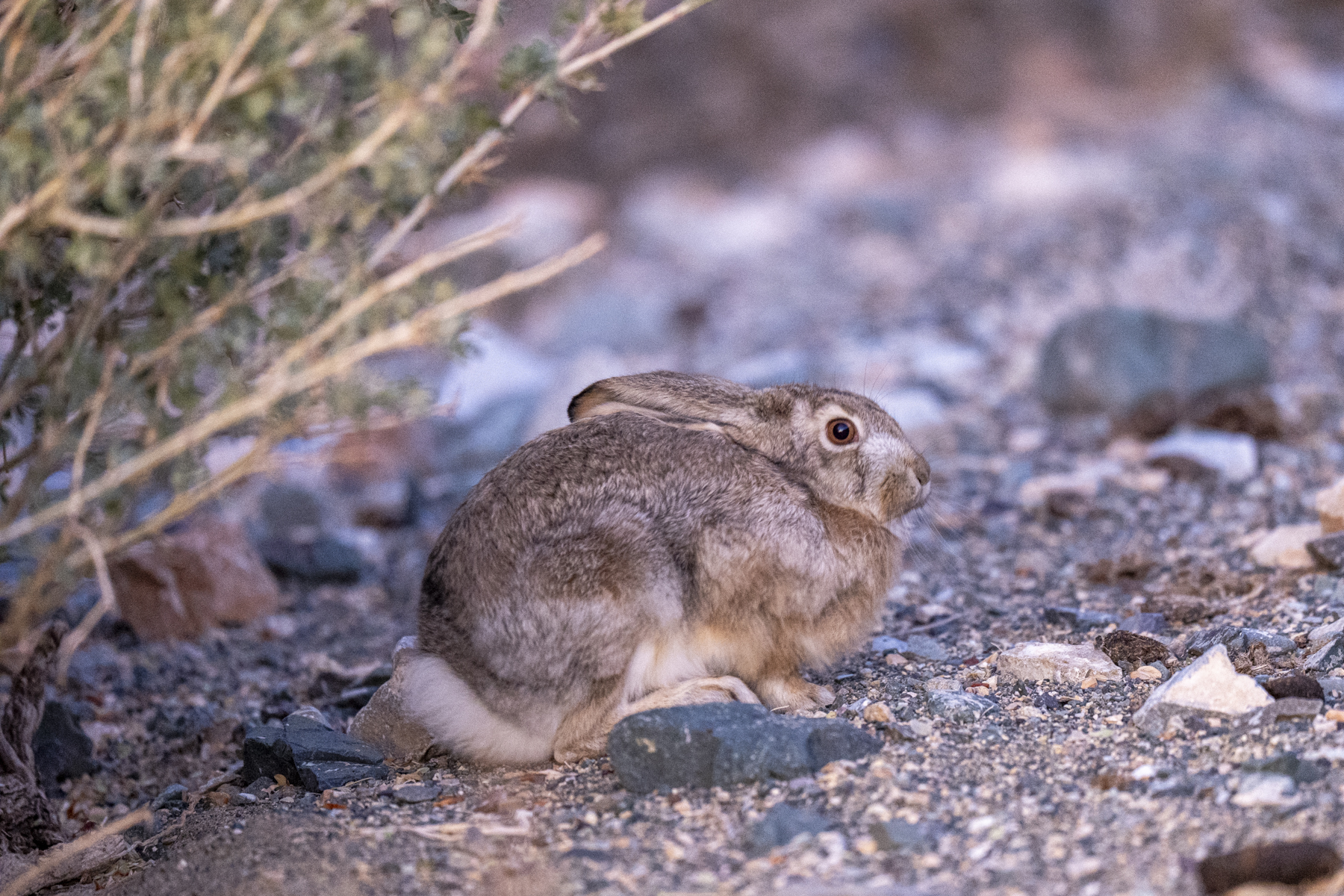
Tolai Hare (image by Mark Beaman)
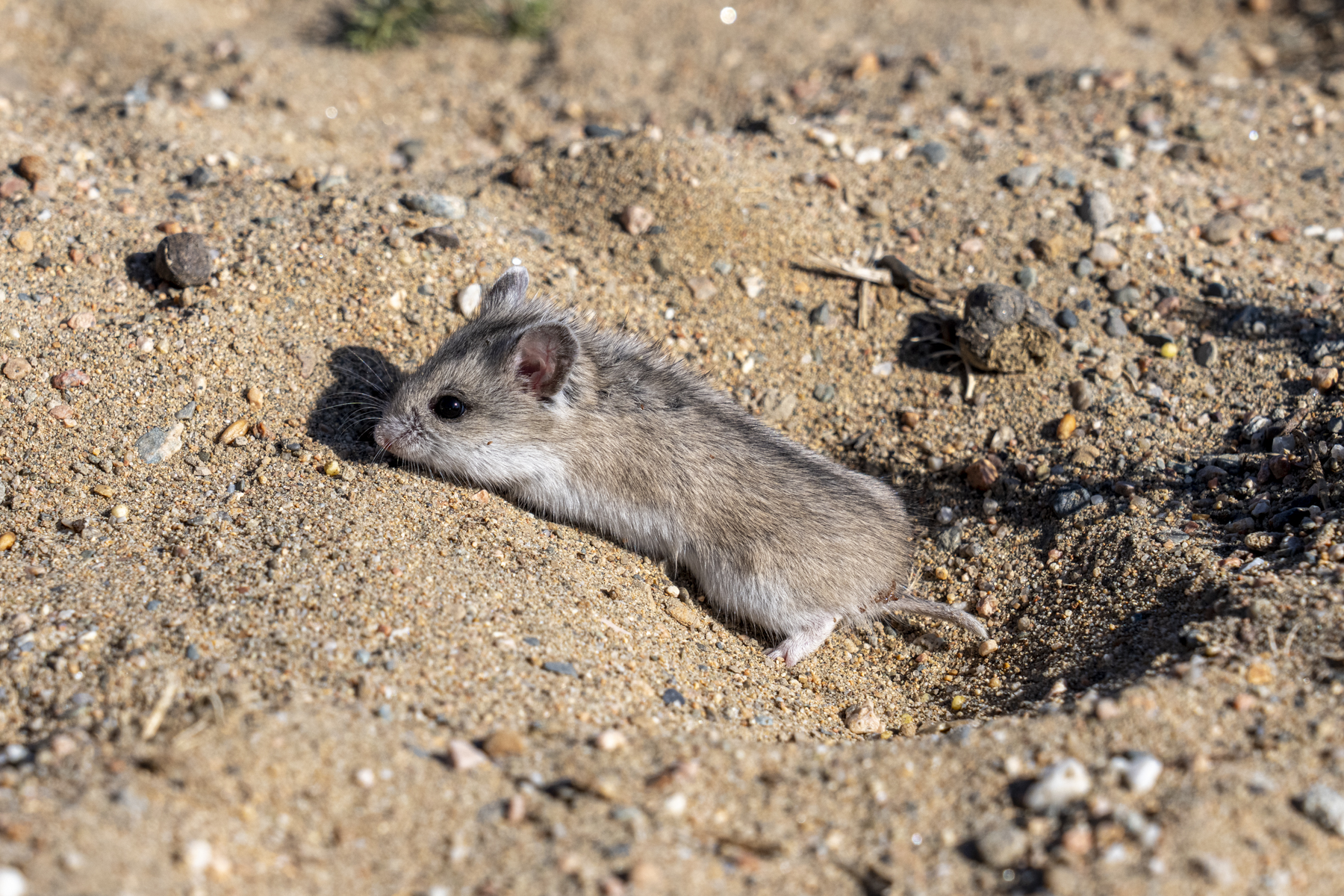
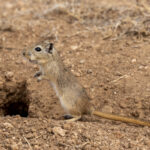
Striped Dwarf Hamster (image by Mark Beaman)
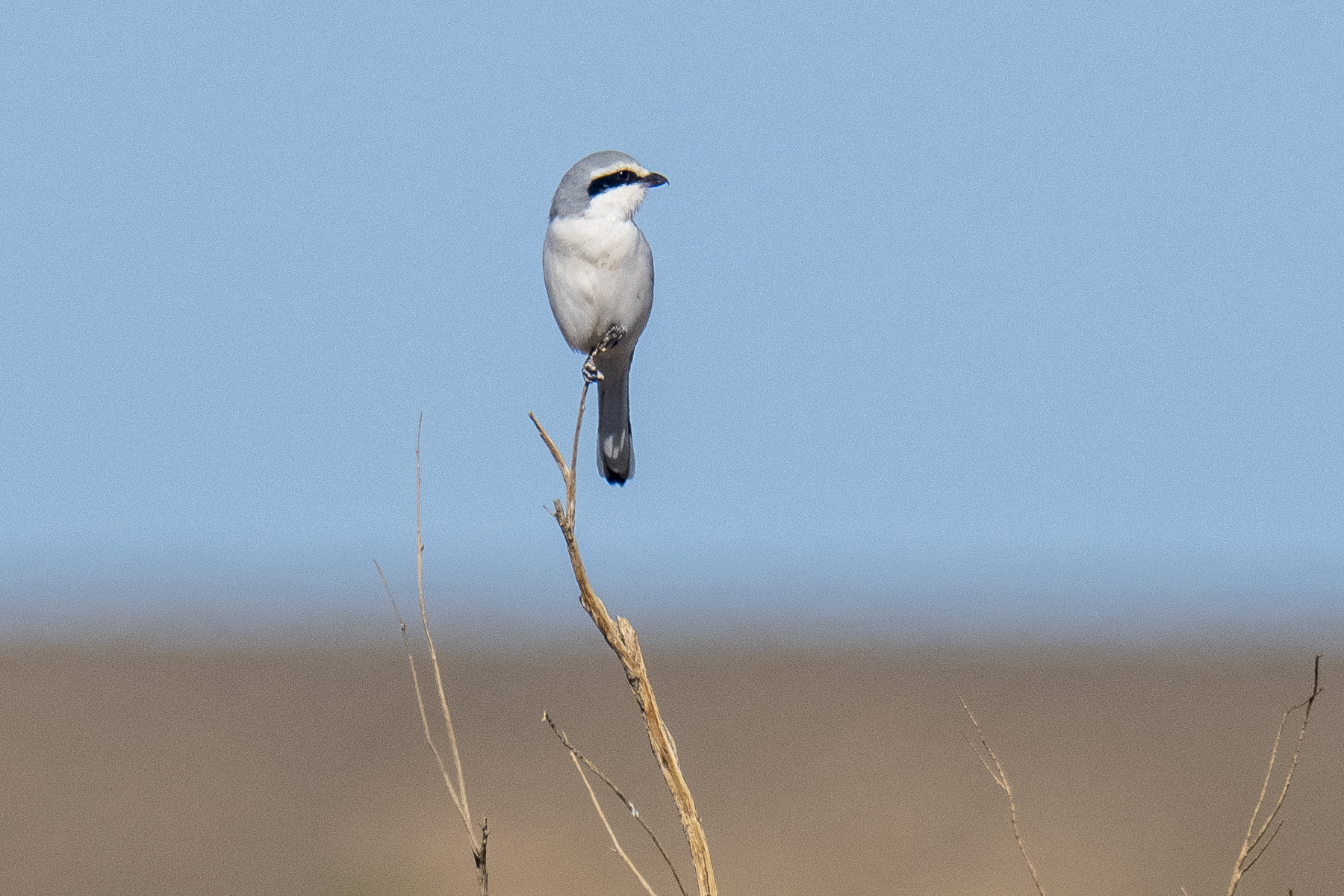
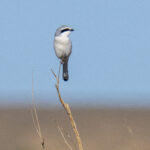
Steppe Grey Shrike (image by Mark Beaman)
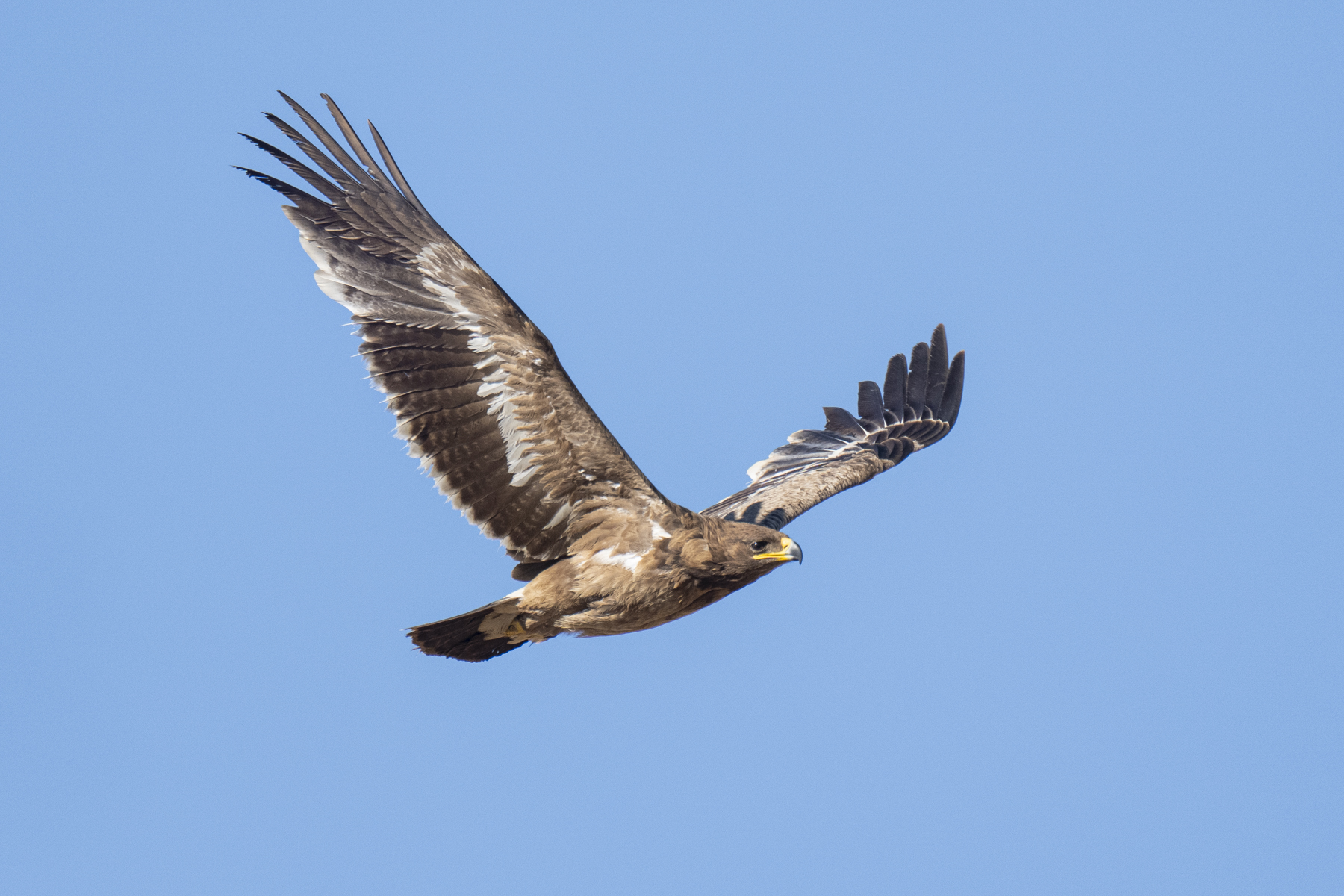
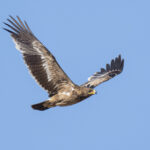
Steppe Eagle immature (image by Mark Beaman)
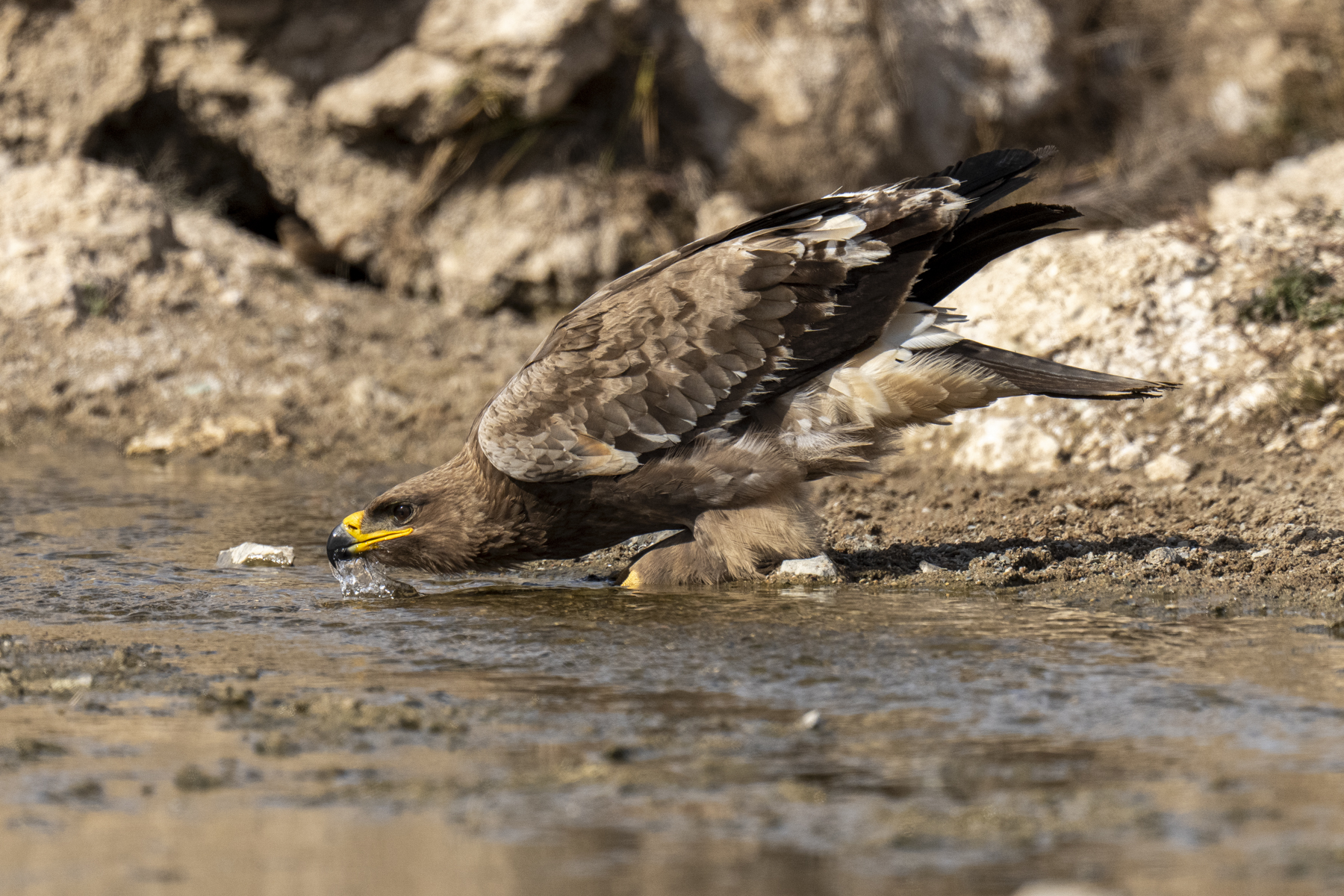
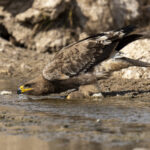
Steppe Eagle drinking (image by Mark Beaman)
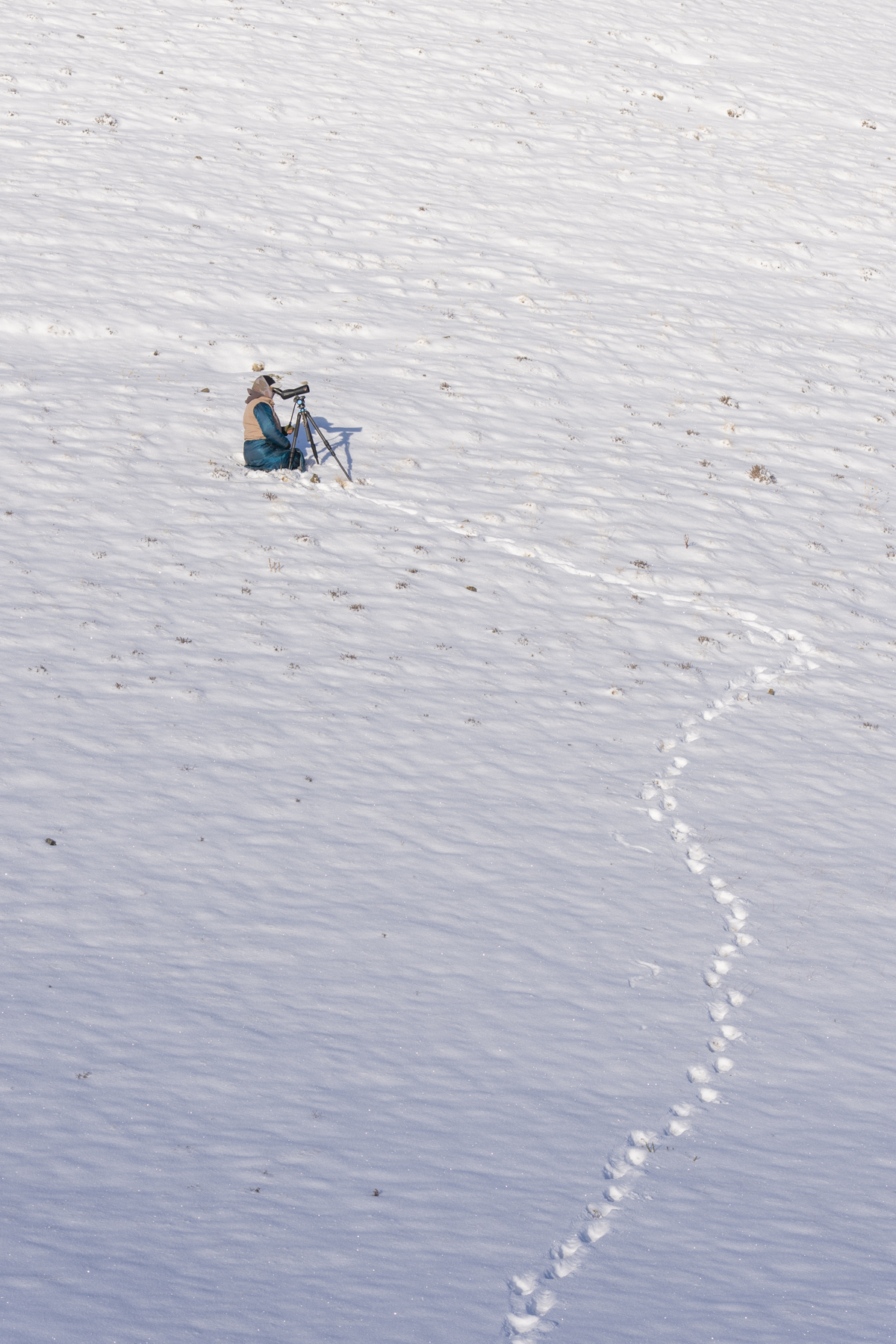
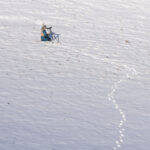
A local guide searching for Snow Leopards (image by Mark Beaman)
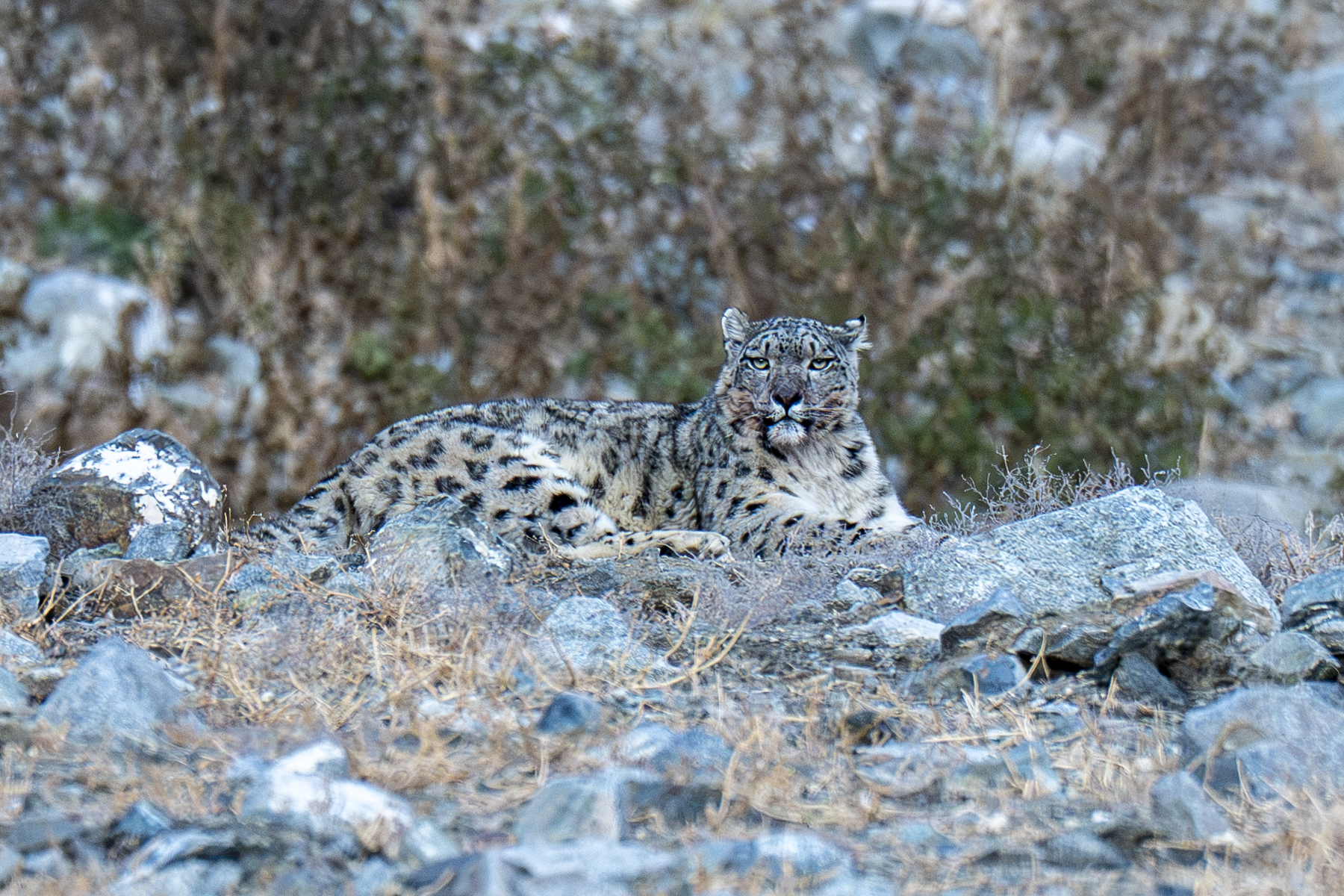
Snow Leopard (image by Mark Beaman)
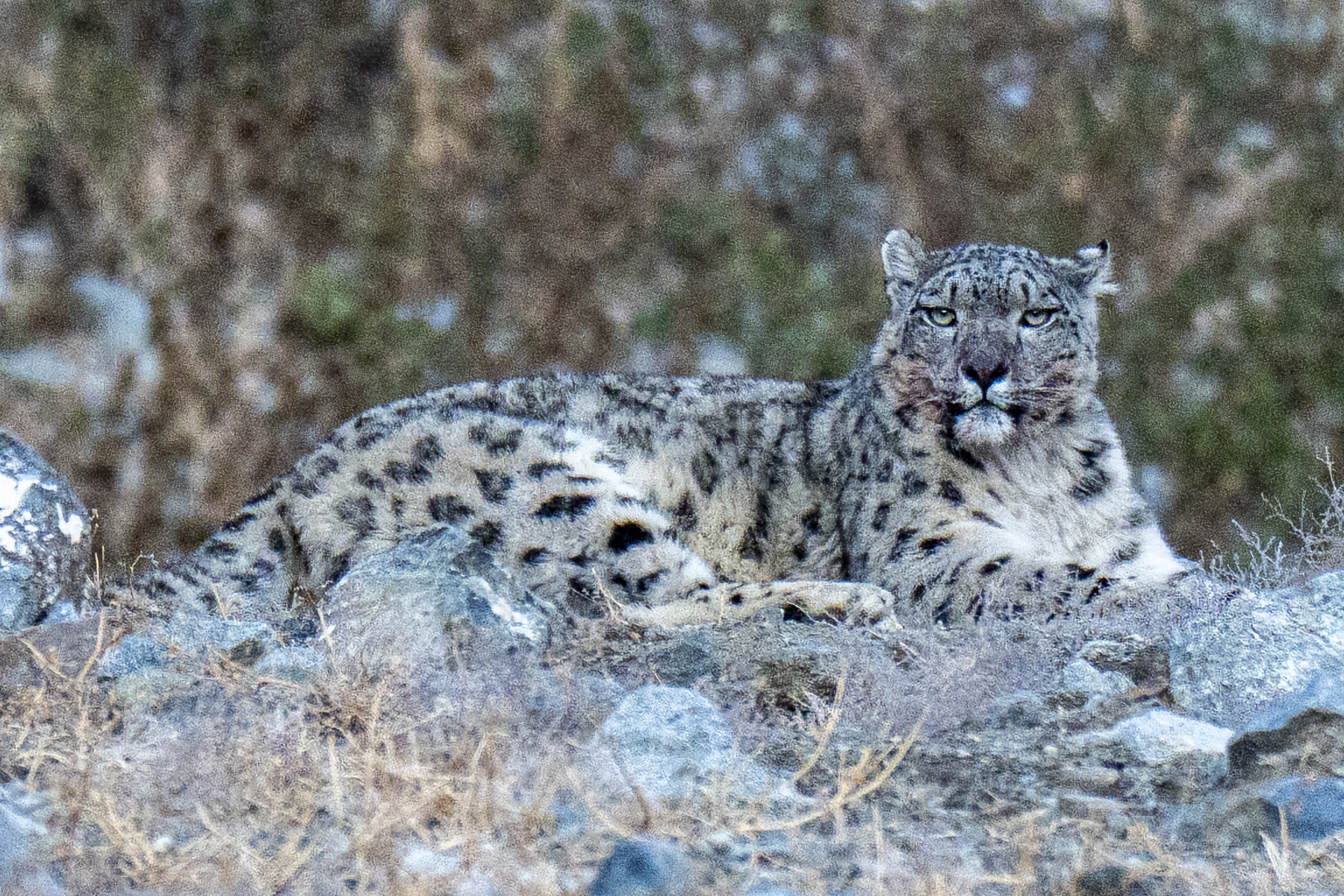
Snow Leopard, Jargalant Mts, Mongolia 2026 (image by Mark Beaman)
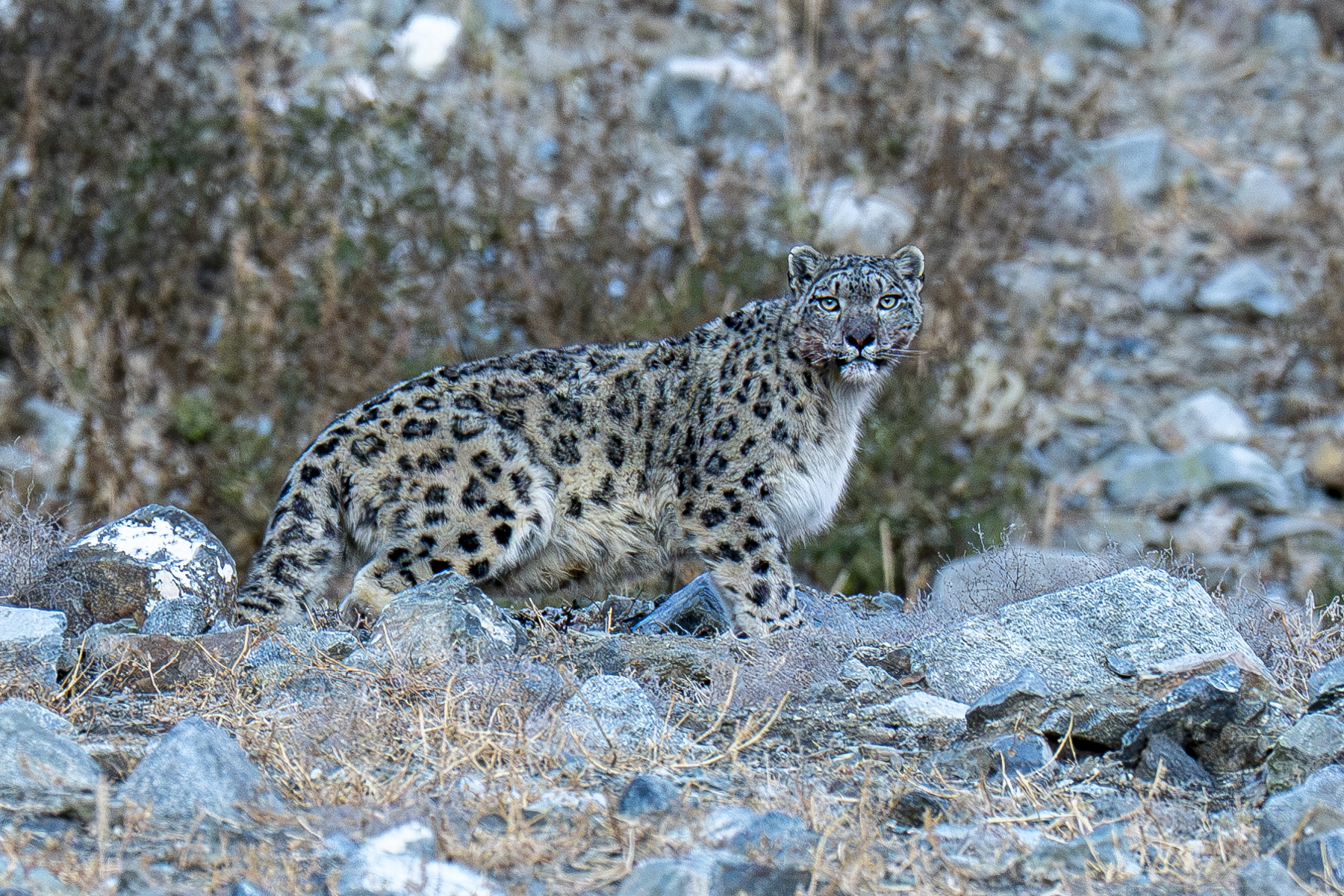
Snow Leopard (image by Mark Beaman)
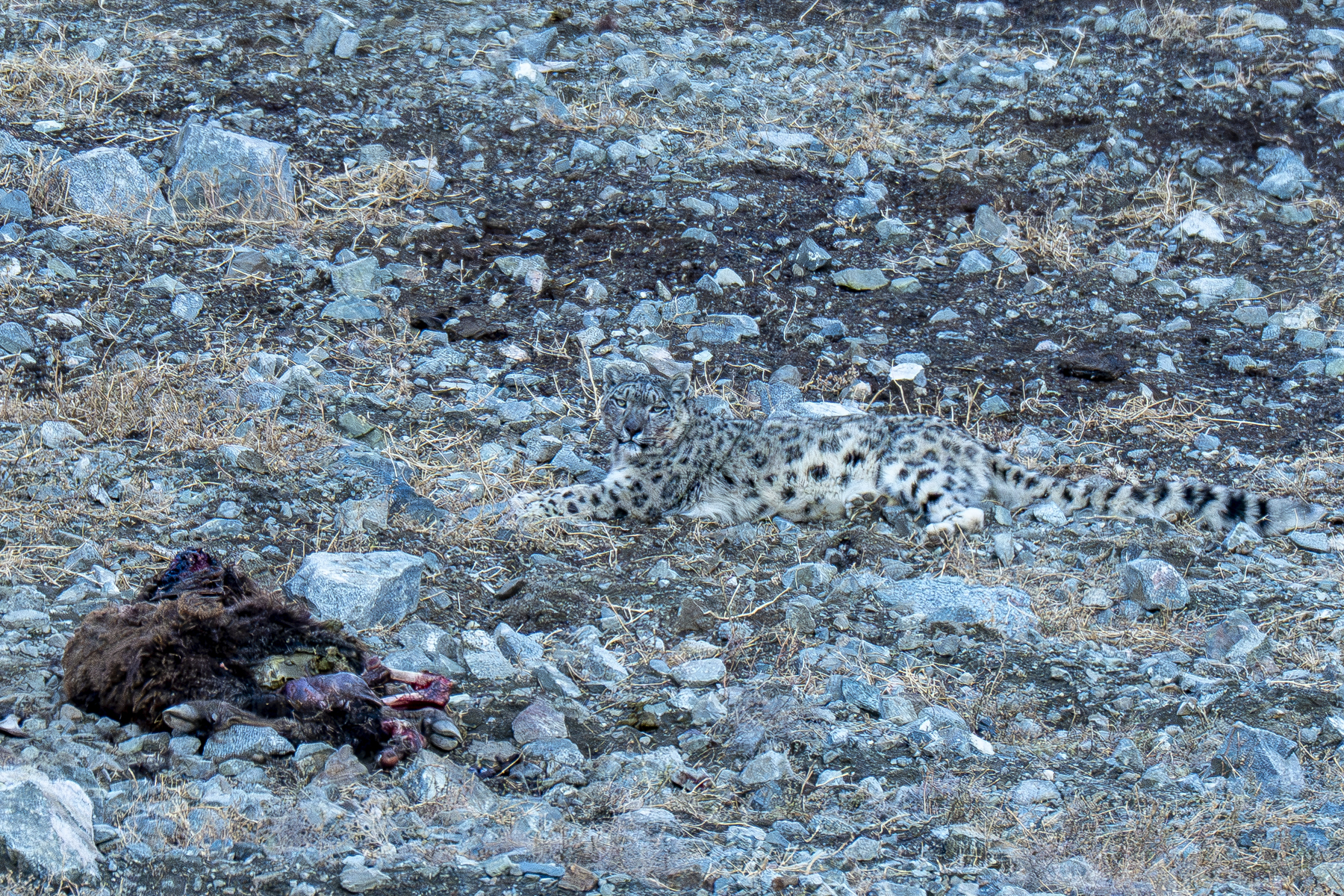
Snow Leopard (image by Mark Beaman)
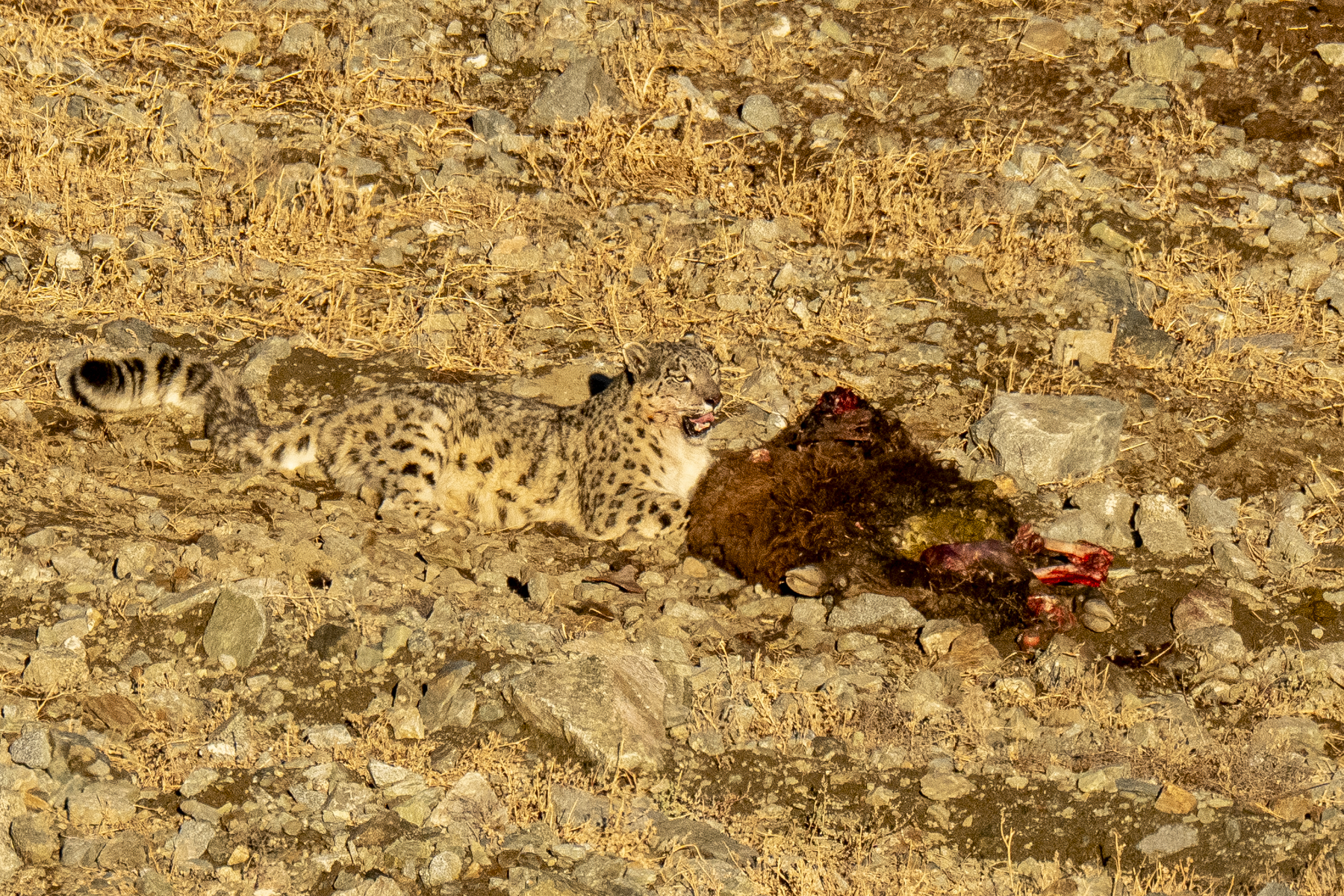
Snow Leopard (image by Mark Beaman)
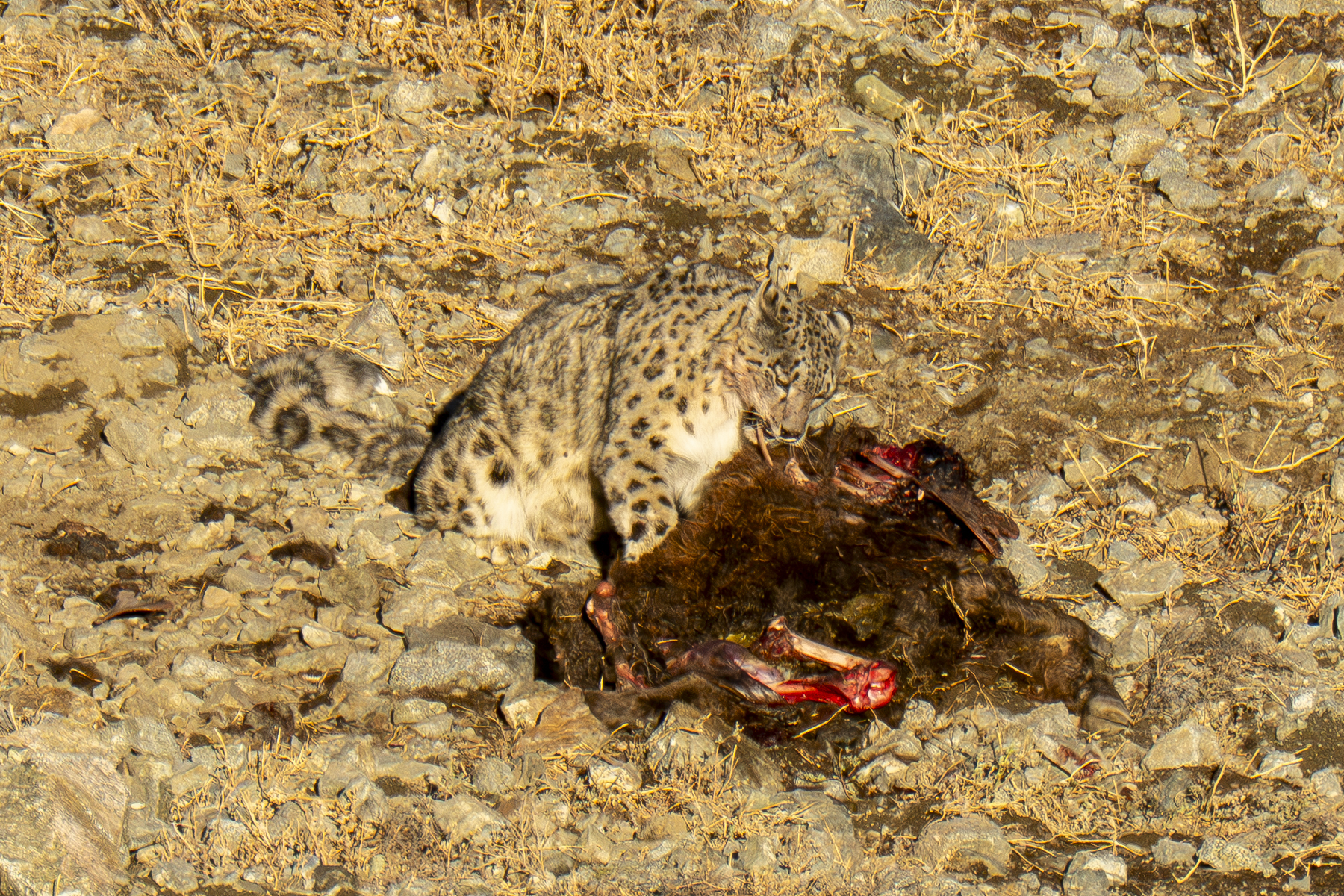
Snow Leopard (image by Mark Beaman)
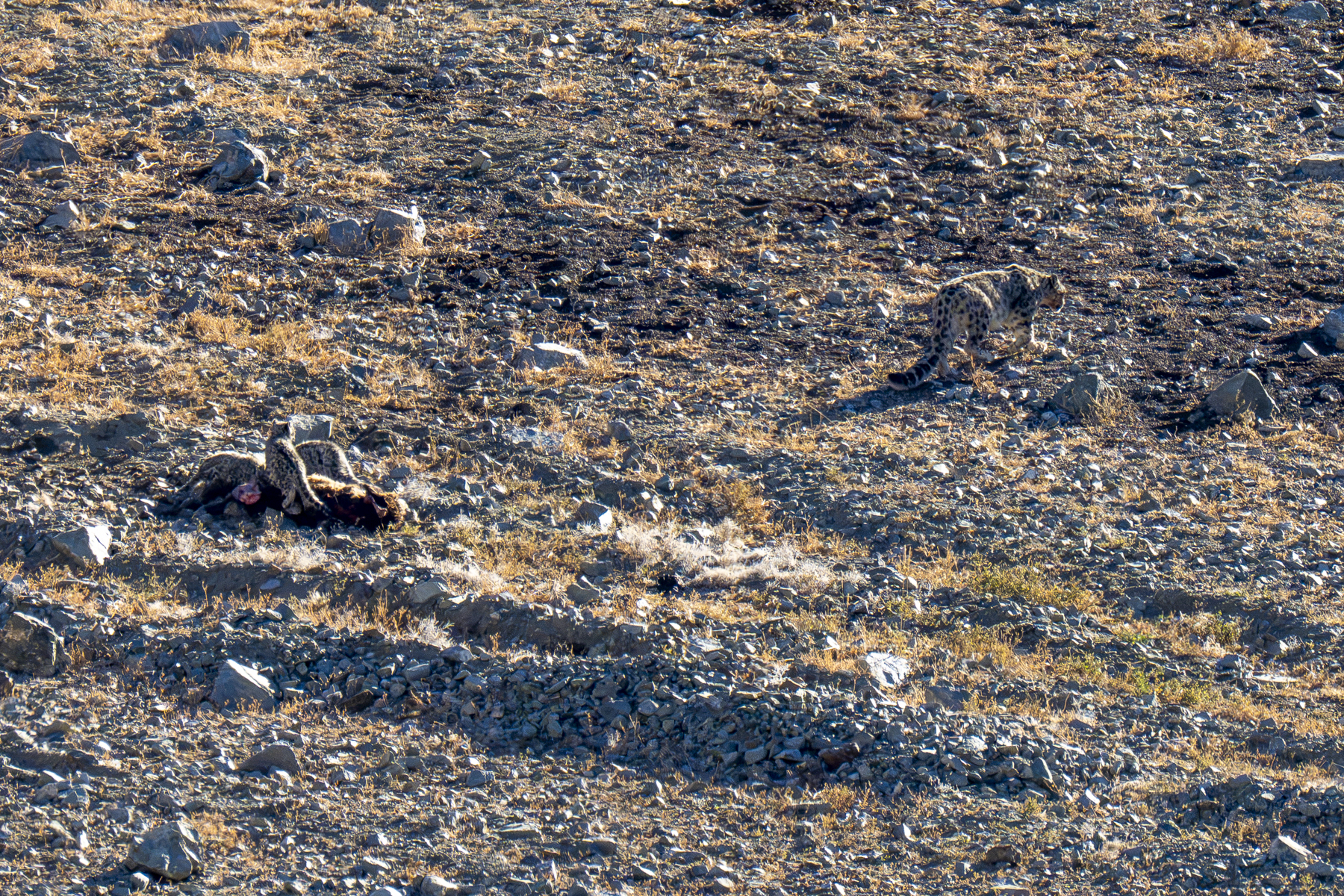
Snow Leopard and cubs (image by Mark Beaman)
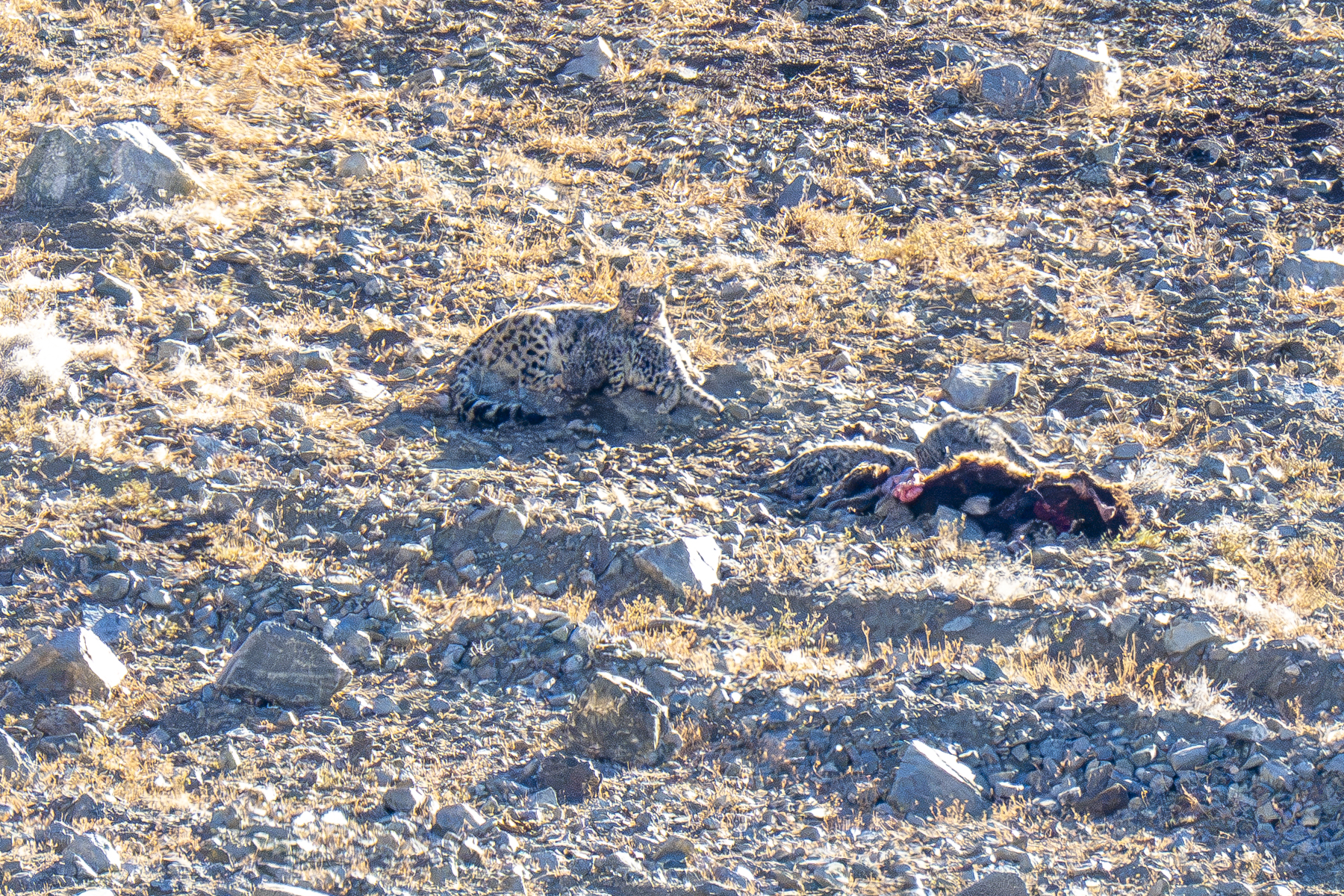
Snow Leopard and cubs (image by Mark Beaman)
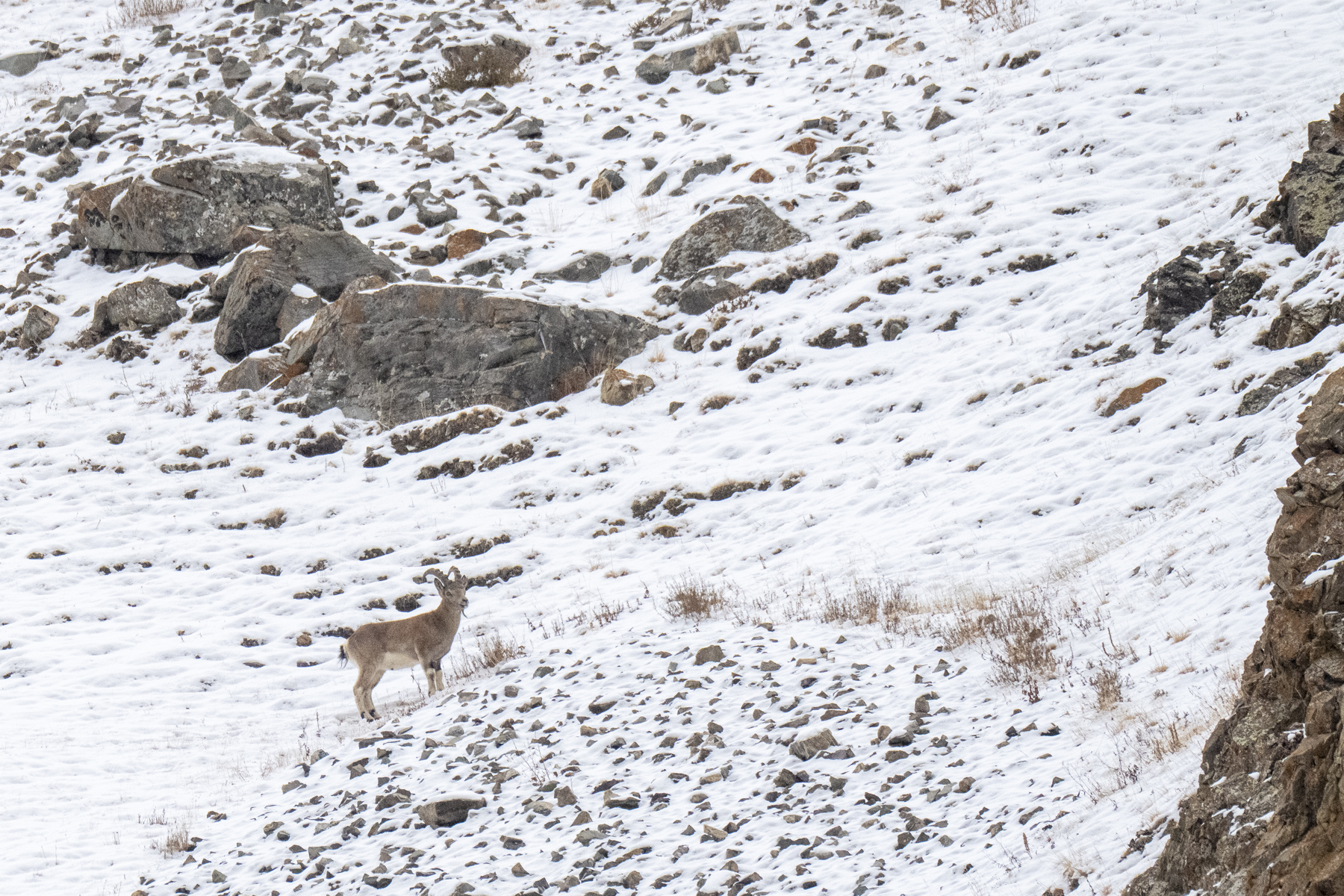
Siberian Ibex (image by Mark Beaman)
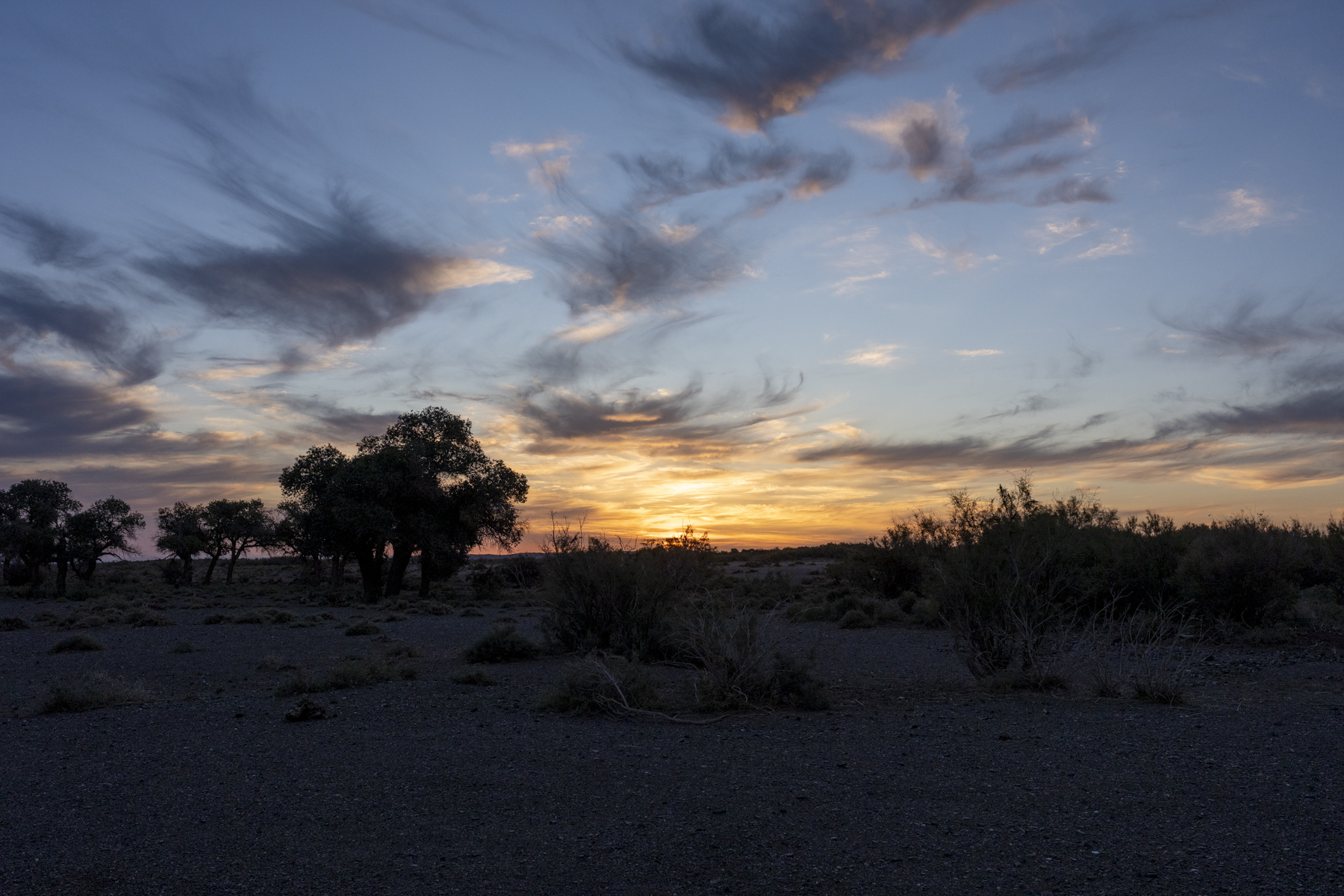
Gobi saxaul trees at sunrise (image by Mark Beaman)
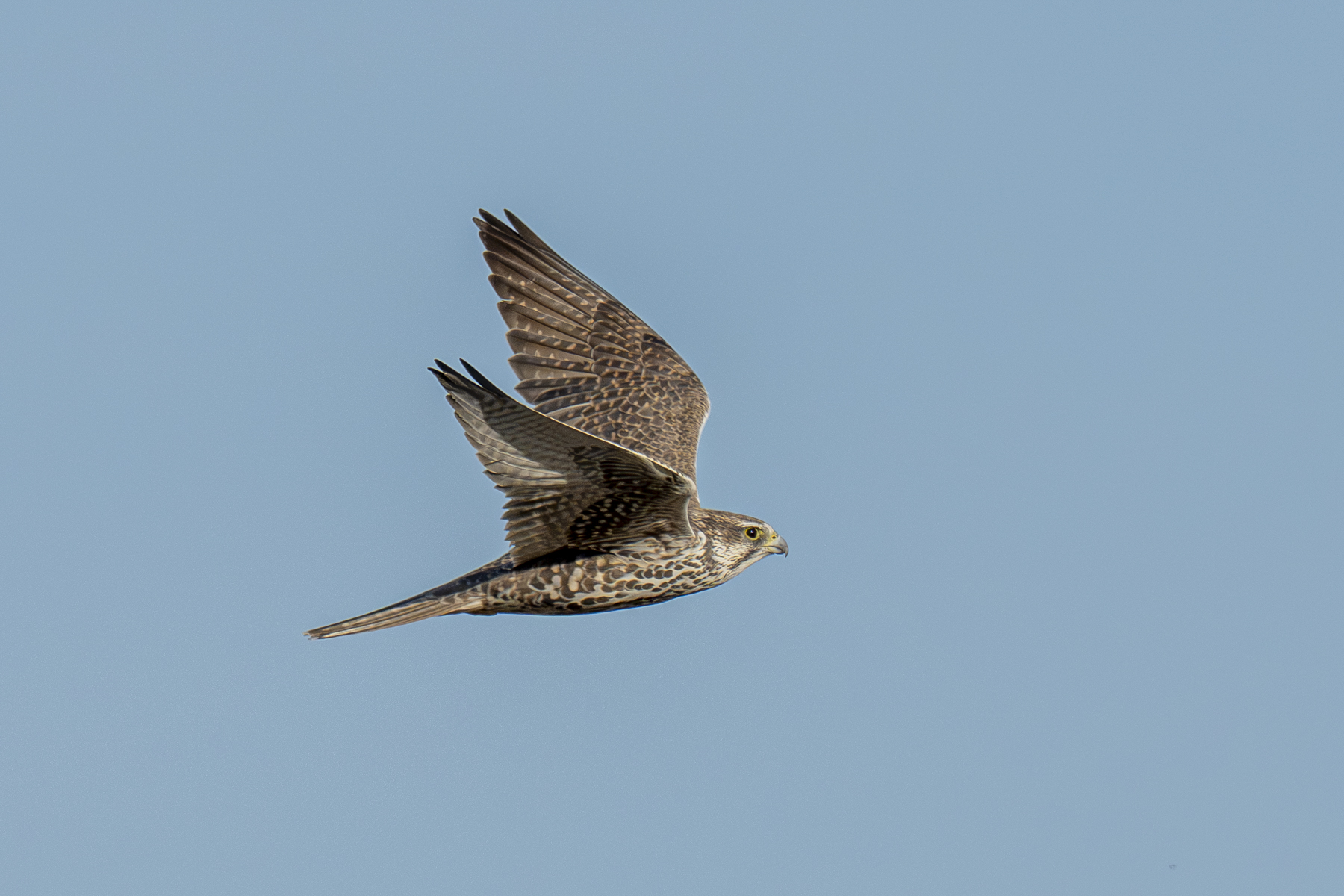
Saker Falcon (image by Mark Beaman)
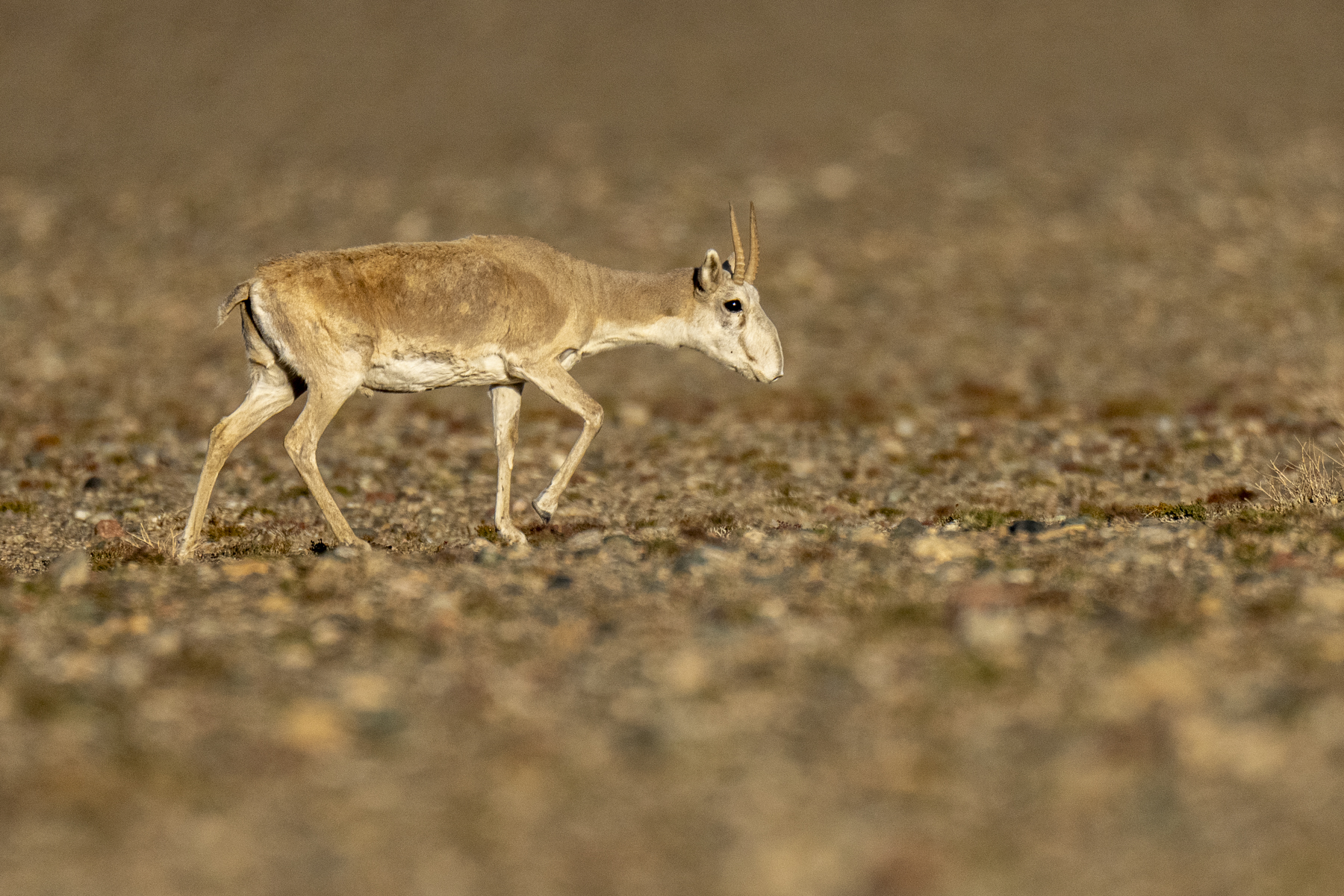
A male Saiga antelope (image by Mark Beaman)
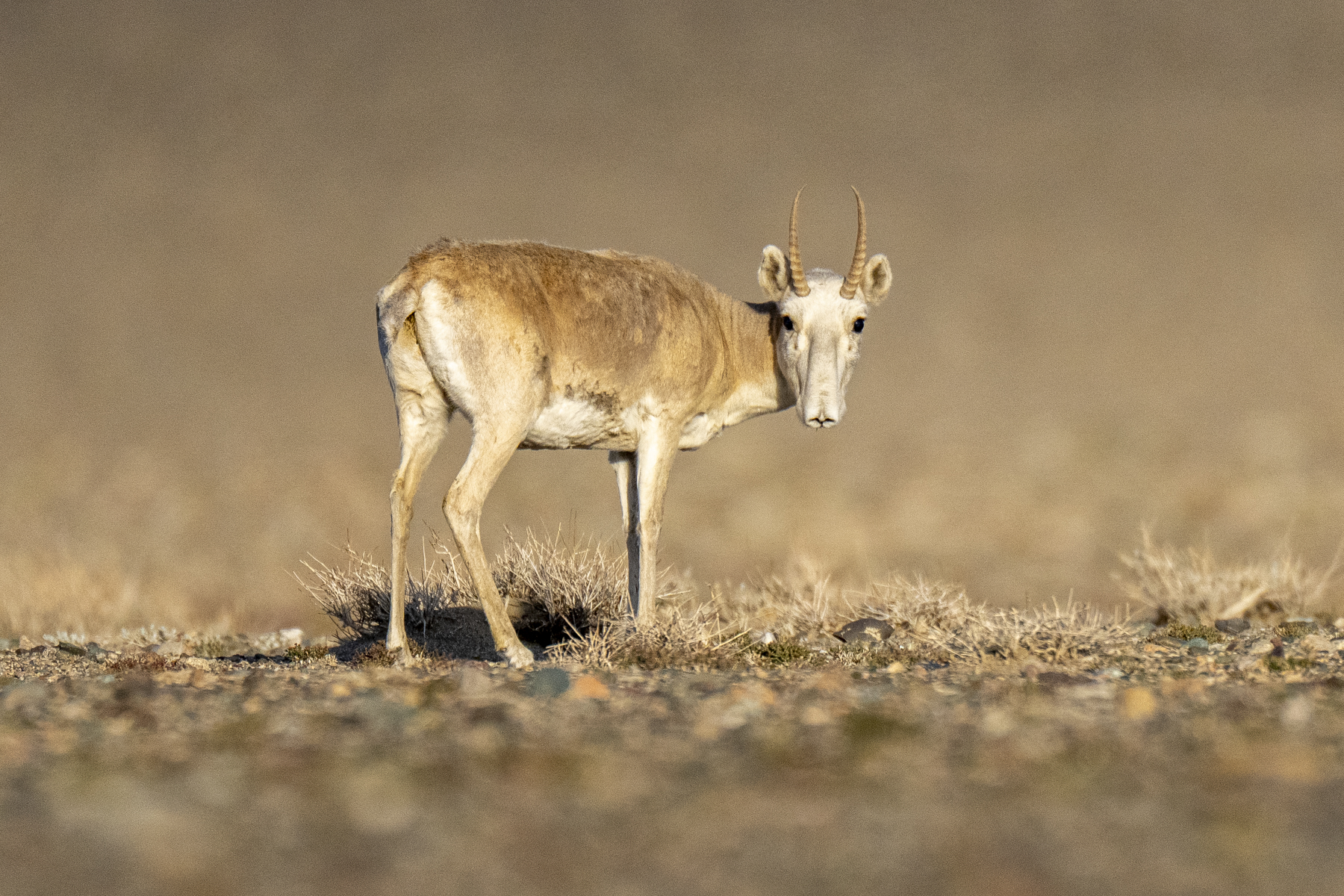
The male Saiga's proboscis-like snout is something weird and wonderful (image by Mark Beaman)
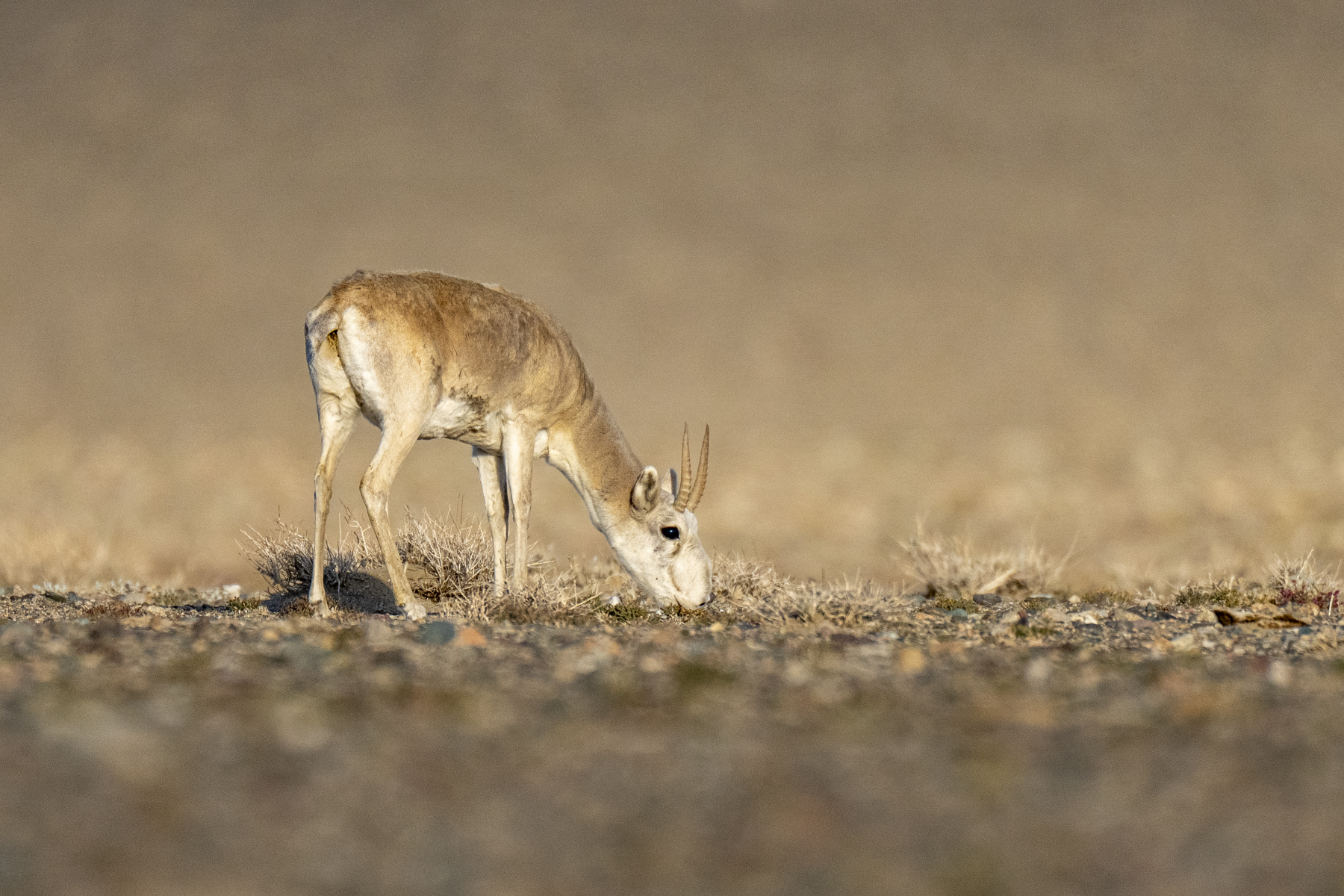
Saigas graze on the sparse semi-desert vegetation (image by Mark Beaman)
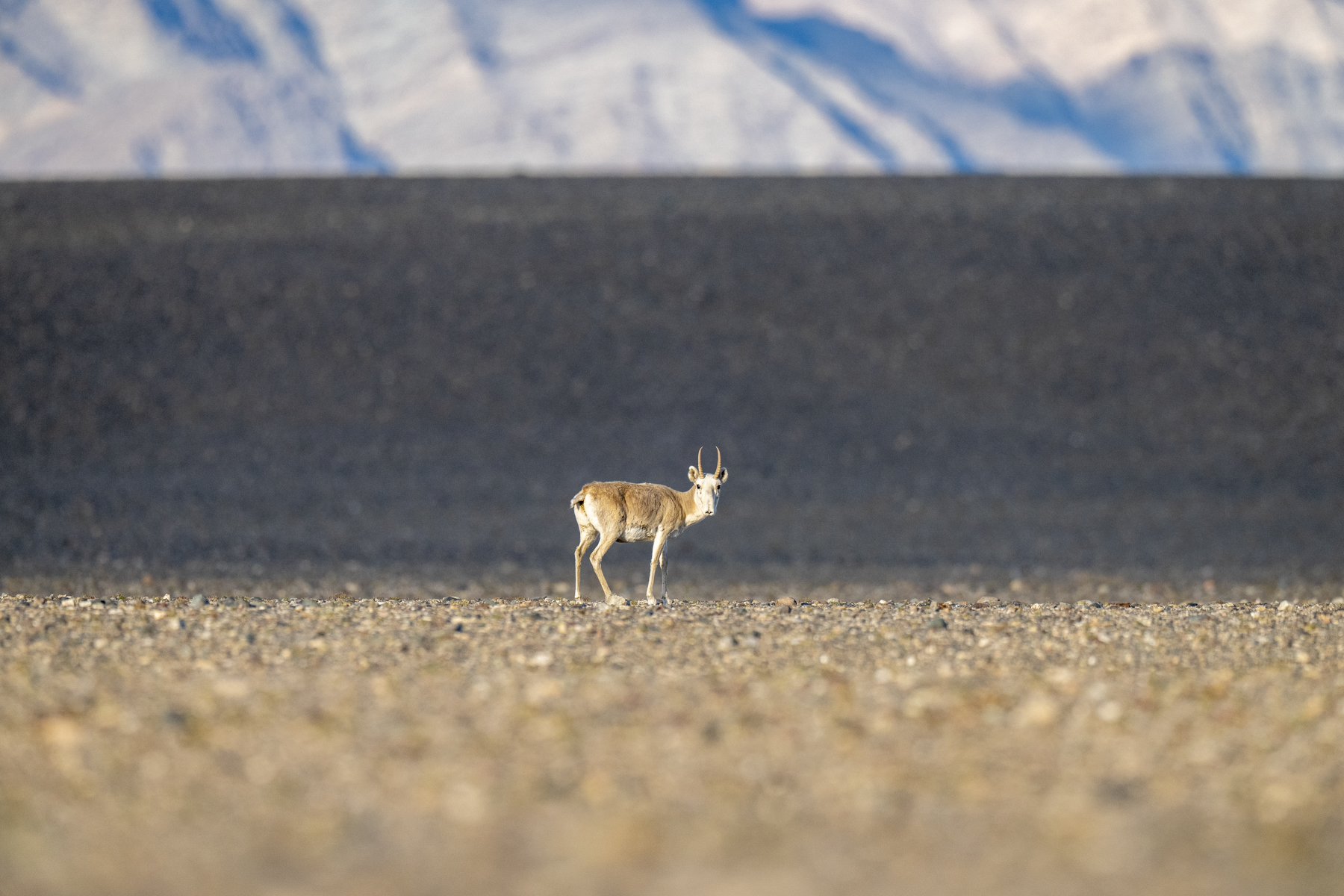
A Saiga in the desert-like lands below the snowy Altai range (image by Mark Beaman)
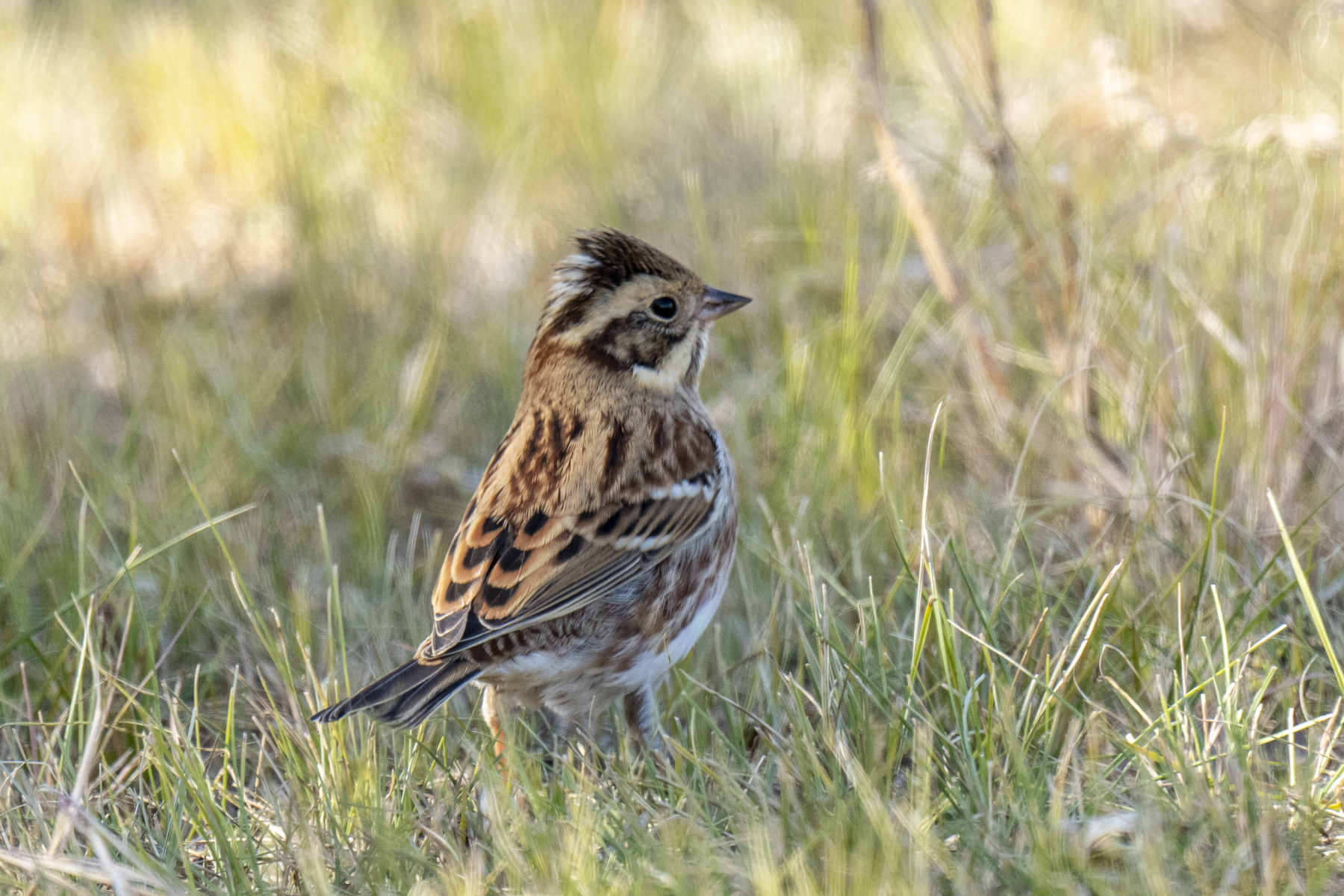
Rustic Bunting (image by Mark Beaman)
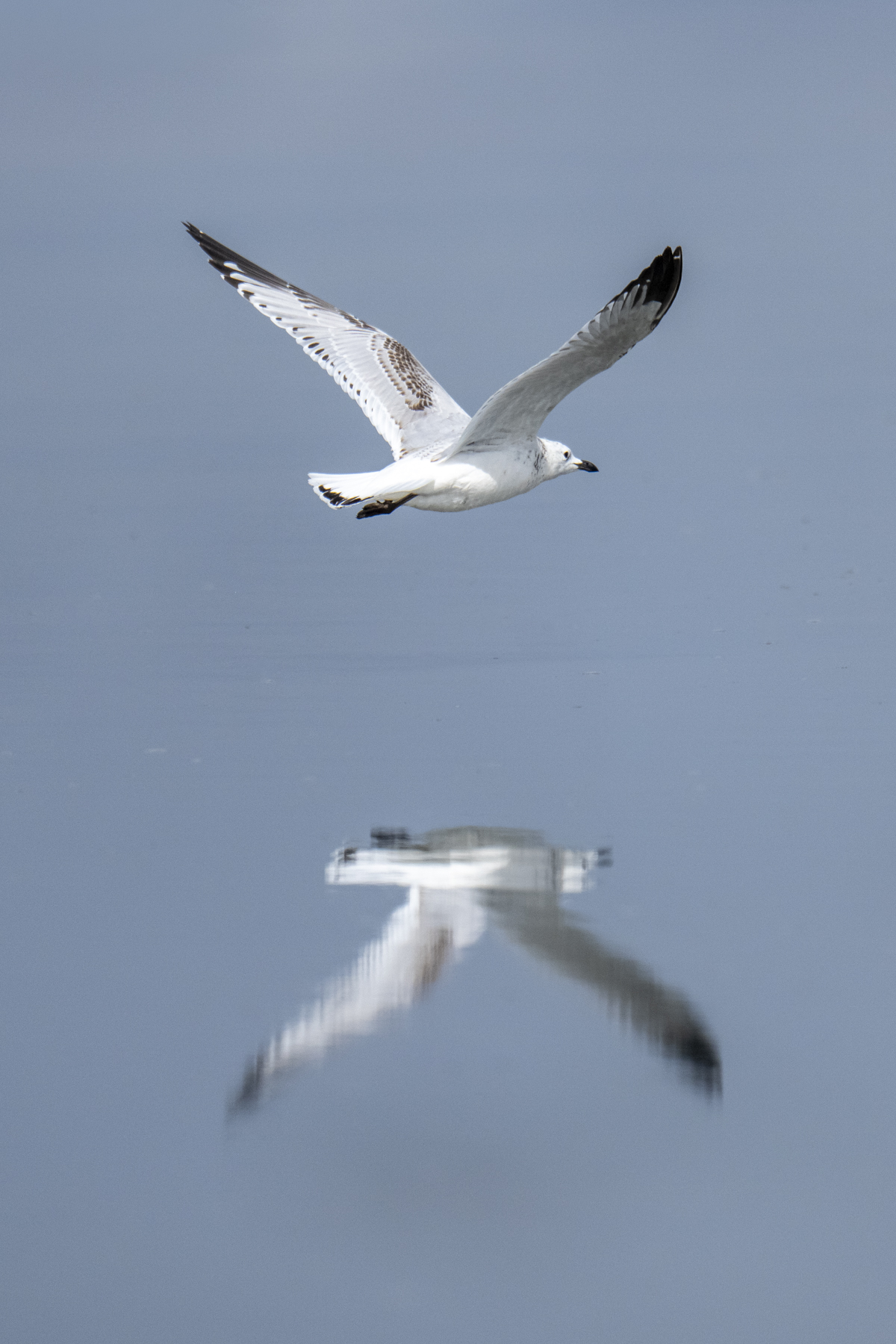
The rare Relict Gull (image by Mark Beaman)
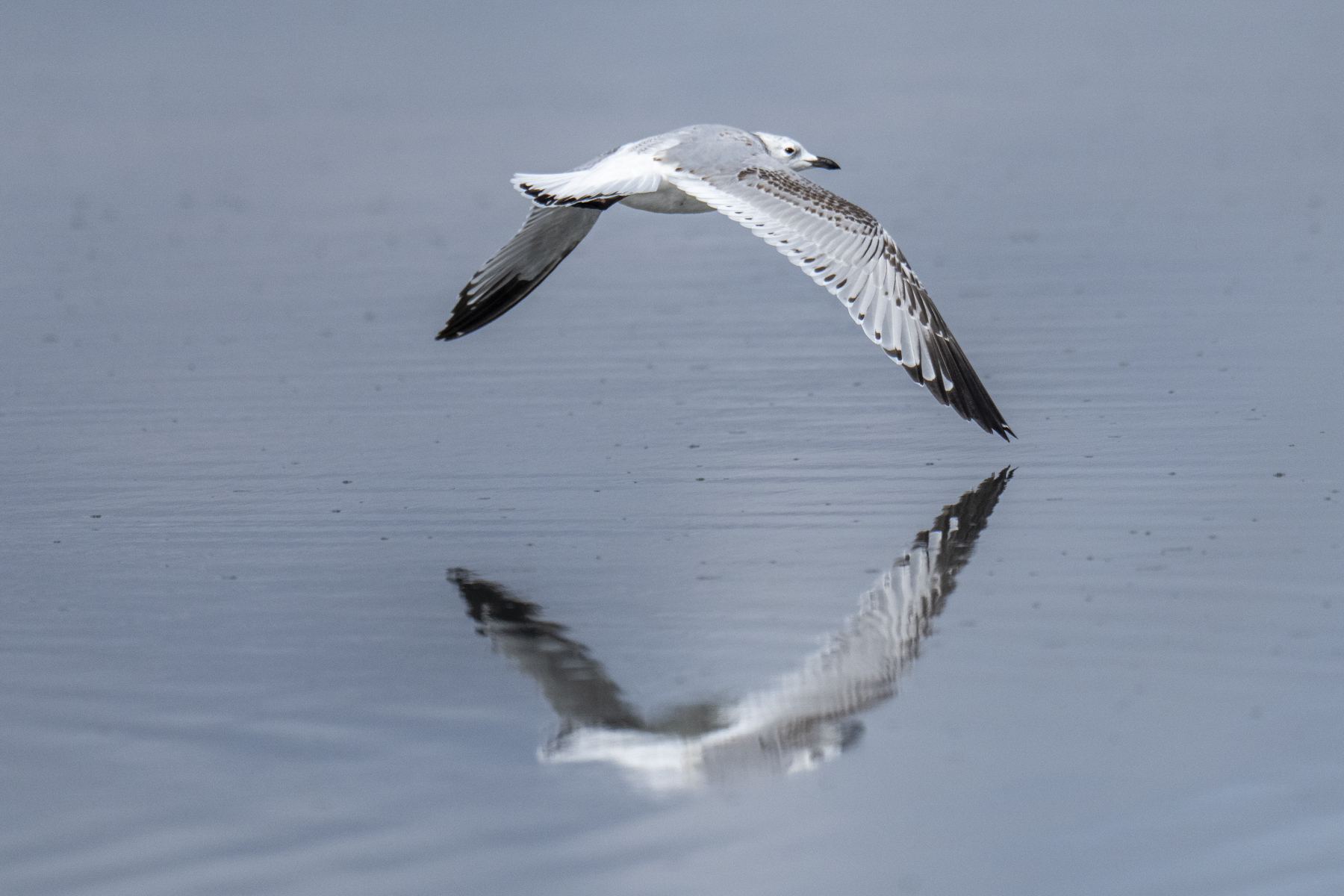
First-winter Relict Gull (image by Mark Beaman)
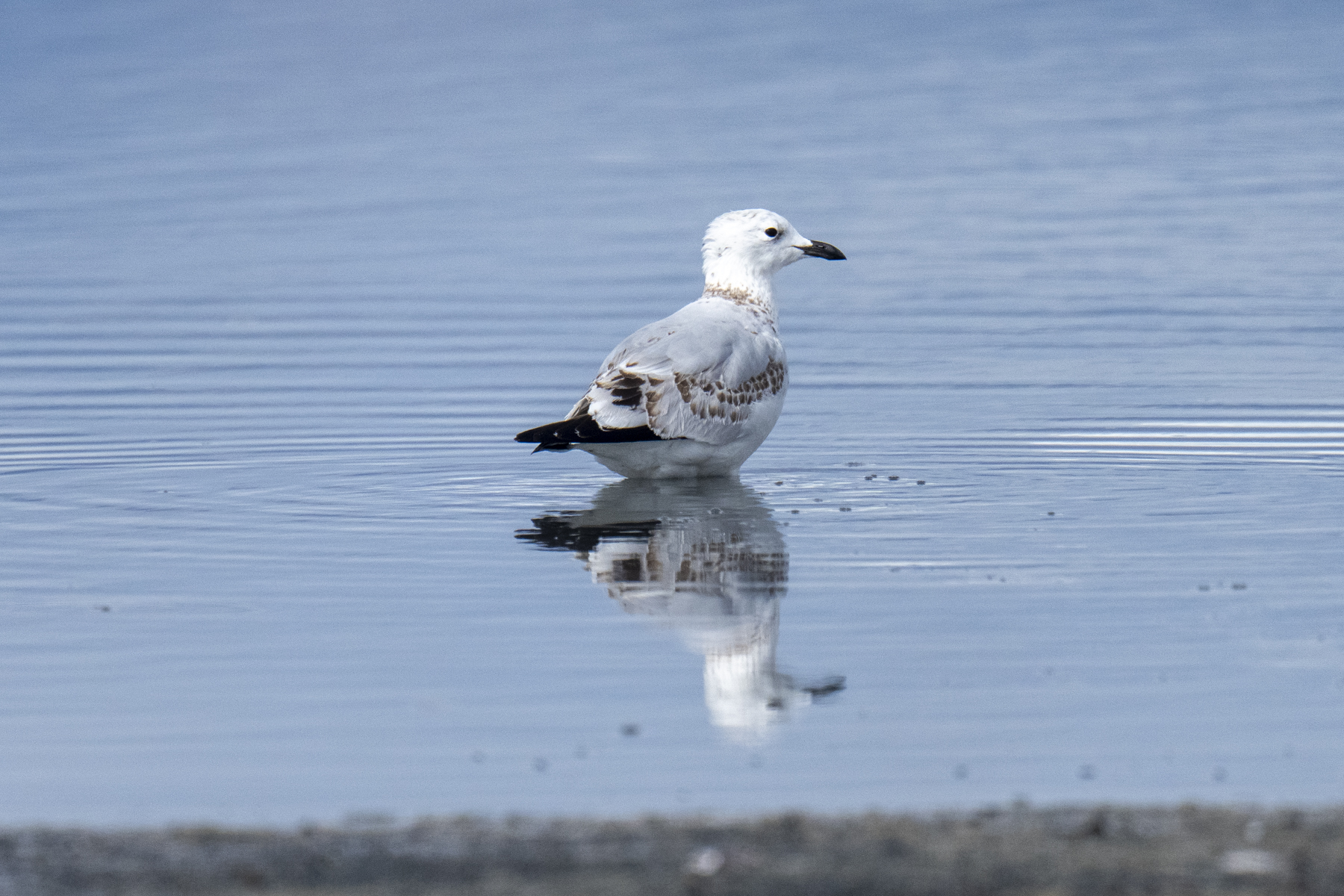
Relict Gull, one of the most sought-after Mongolian birds (image by Mark Beaman)
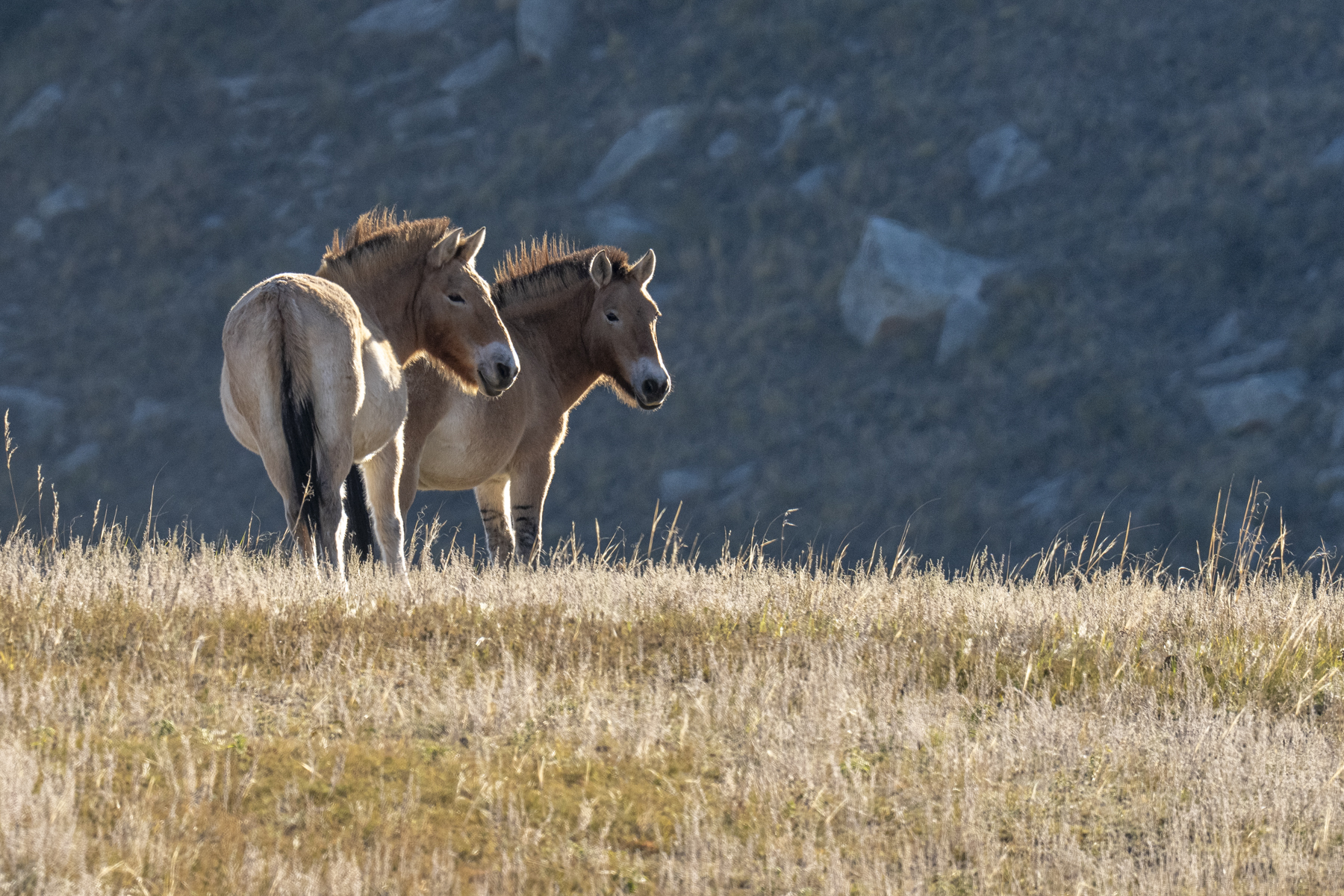
Przewalski's Horses (image by Mark Beaman)
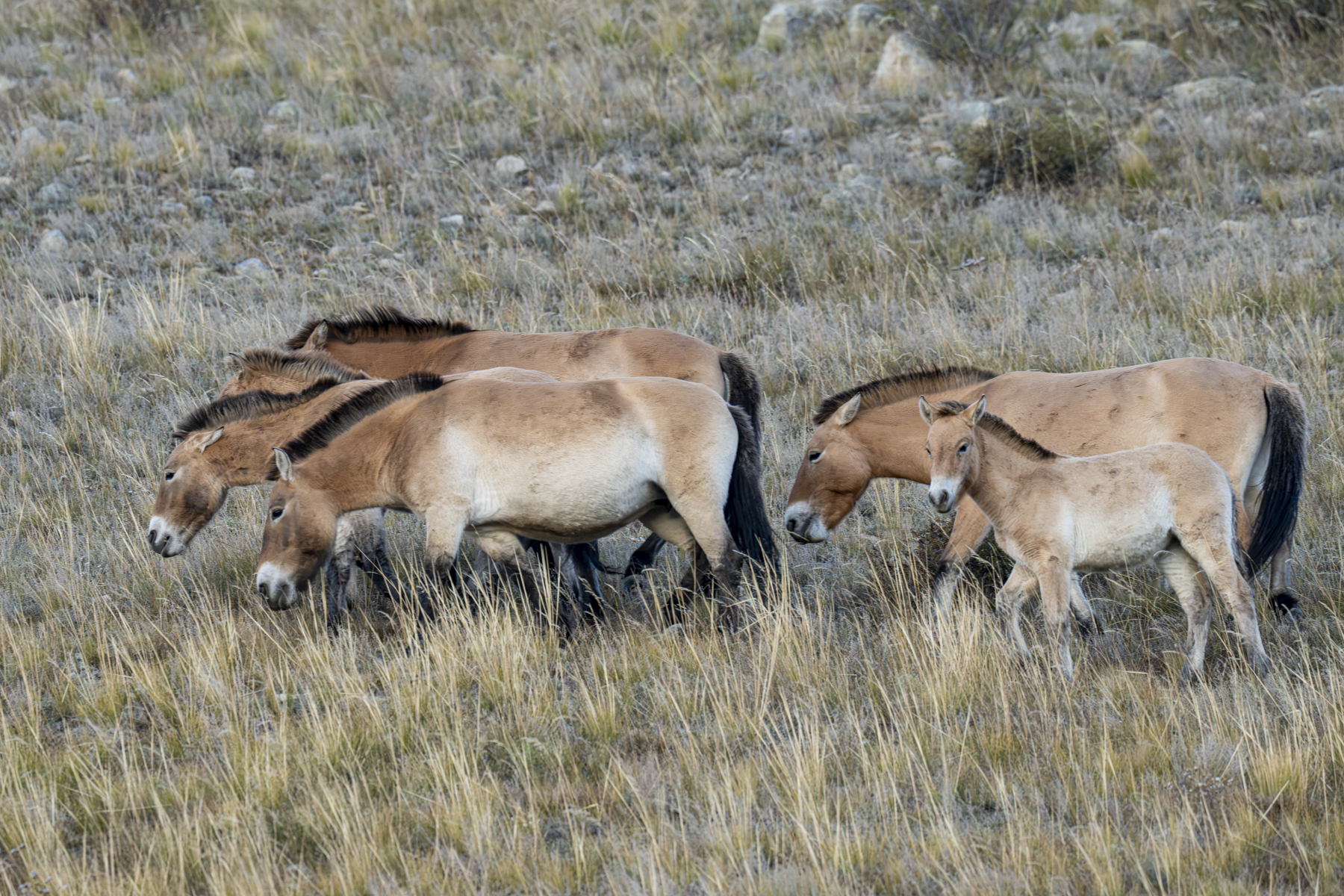
Przewalski's Horses (image by Mark Beaman)
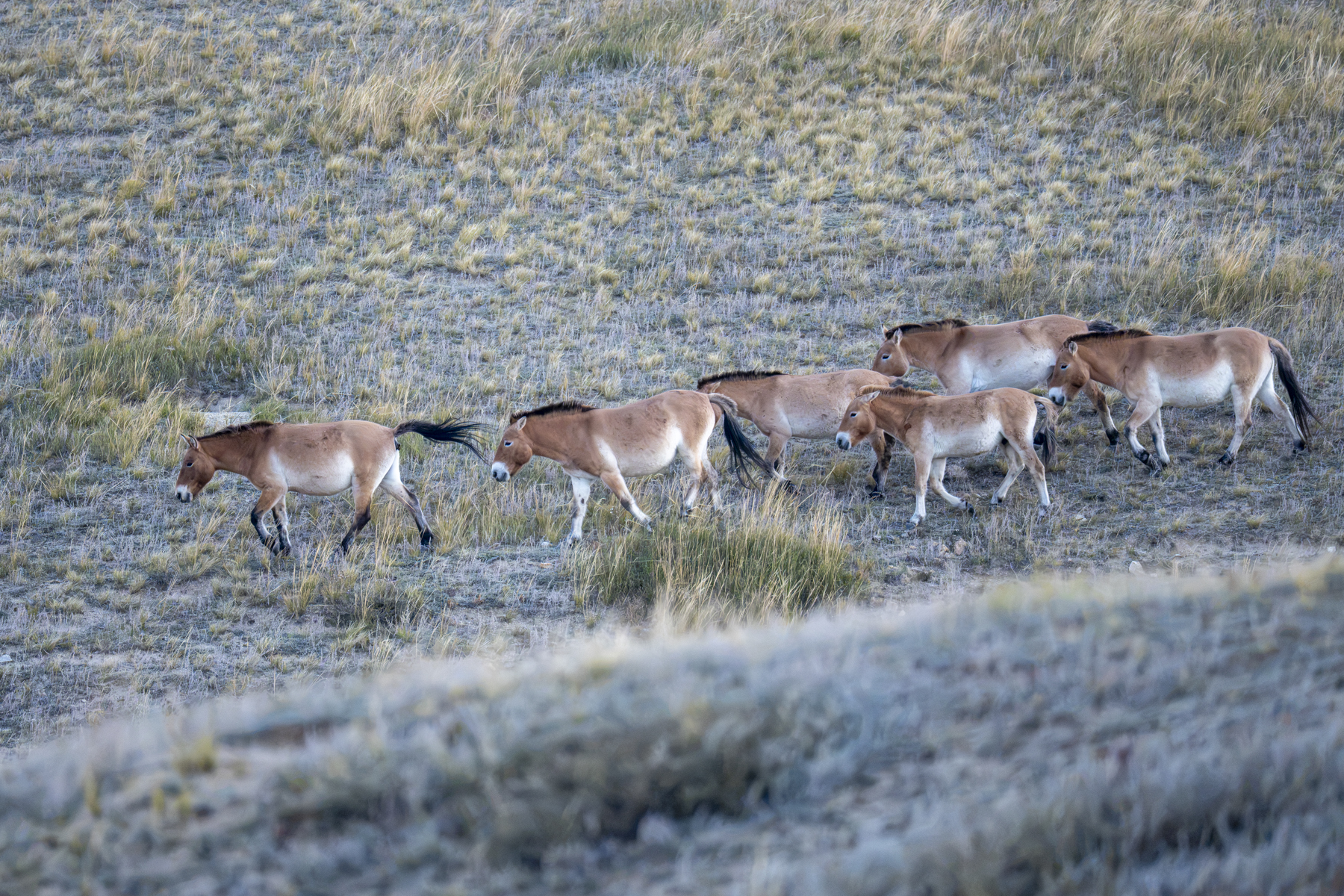
Przewalski's Horses (image by Mark Beaman)
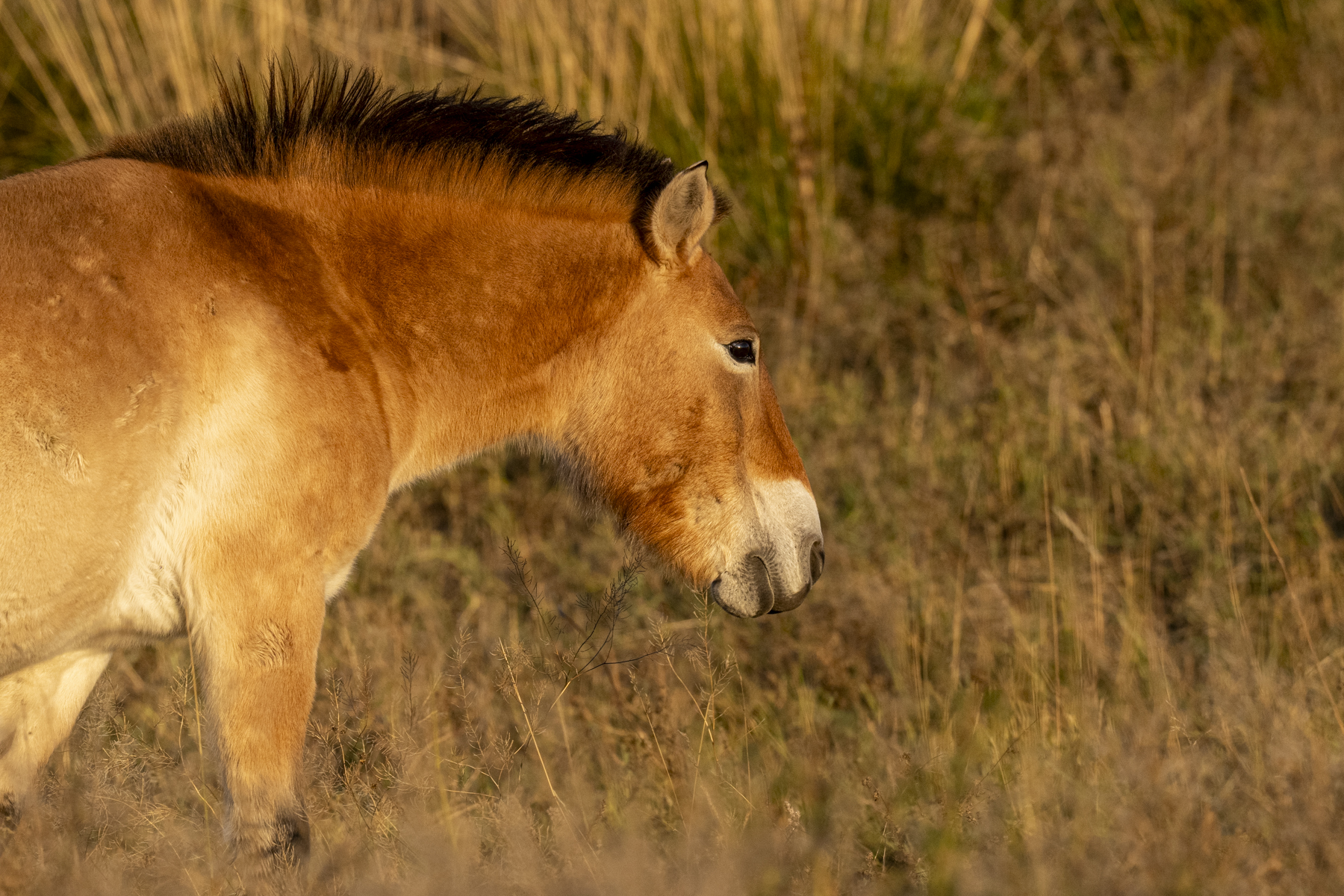
Przewalski's Horse (image by Mark Beaman)
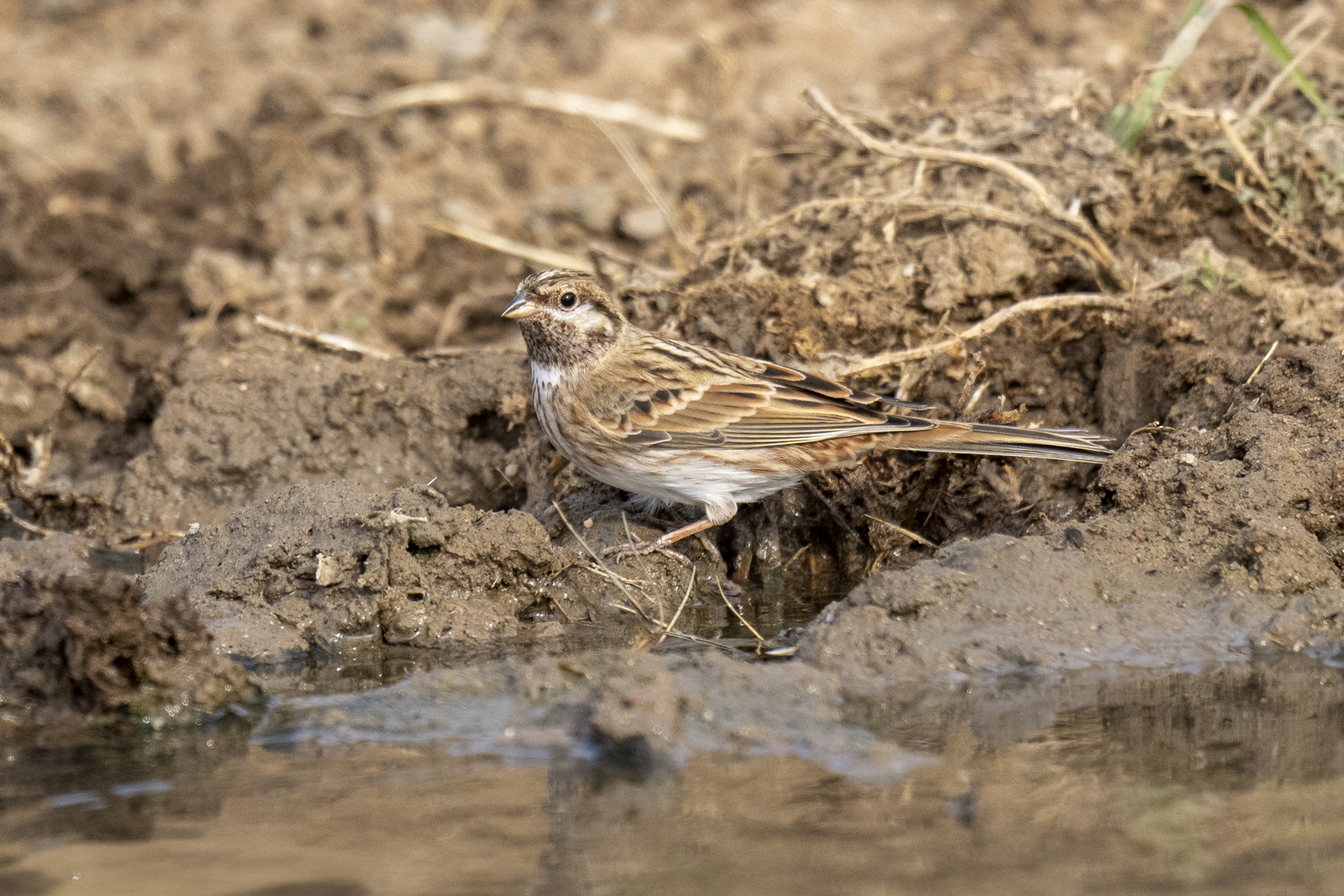
Pine Bunting (image by Mark Beaman)
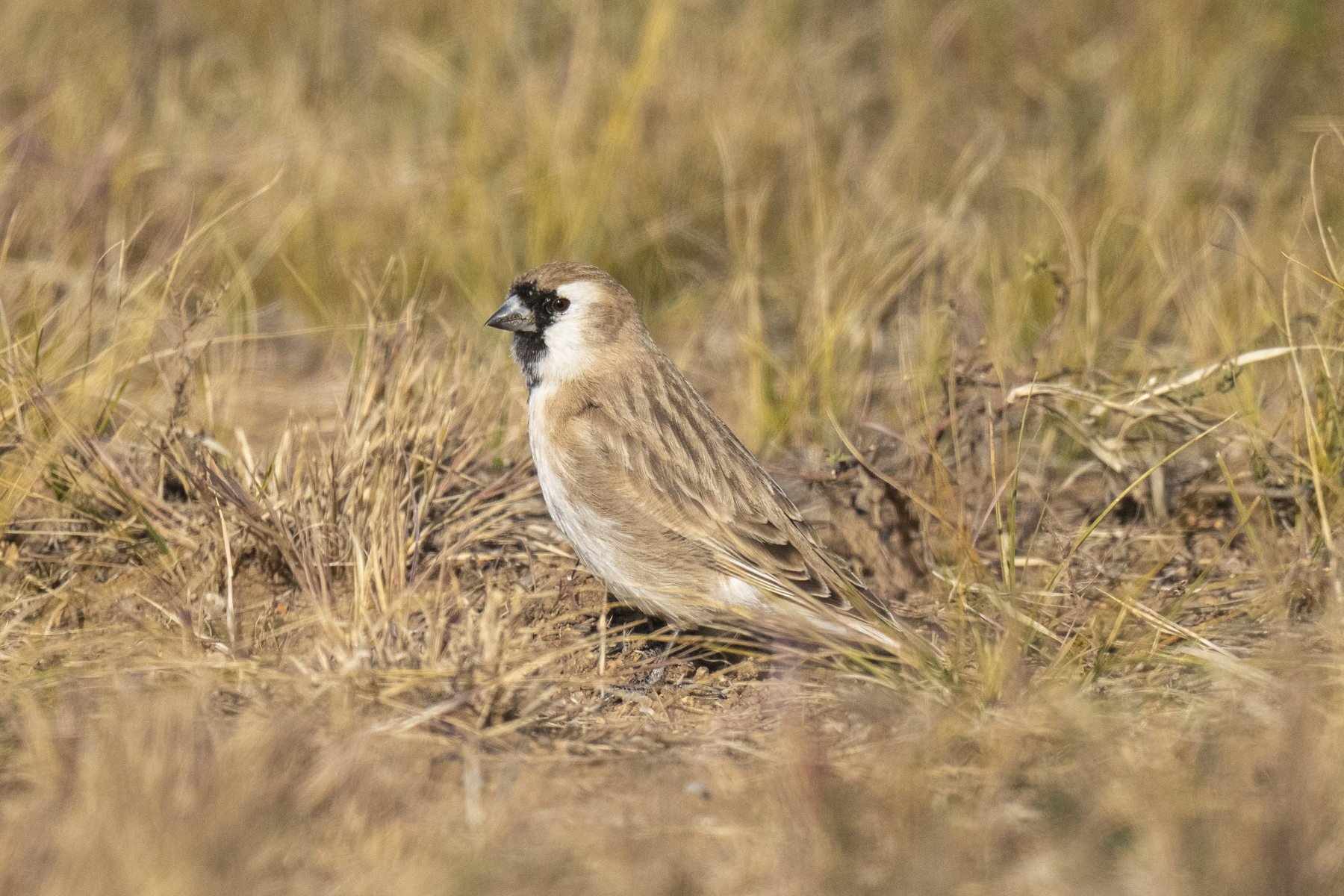
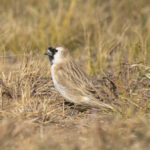
Pere David's or Small Snowfinch (image by Mark Beaman)
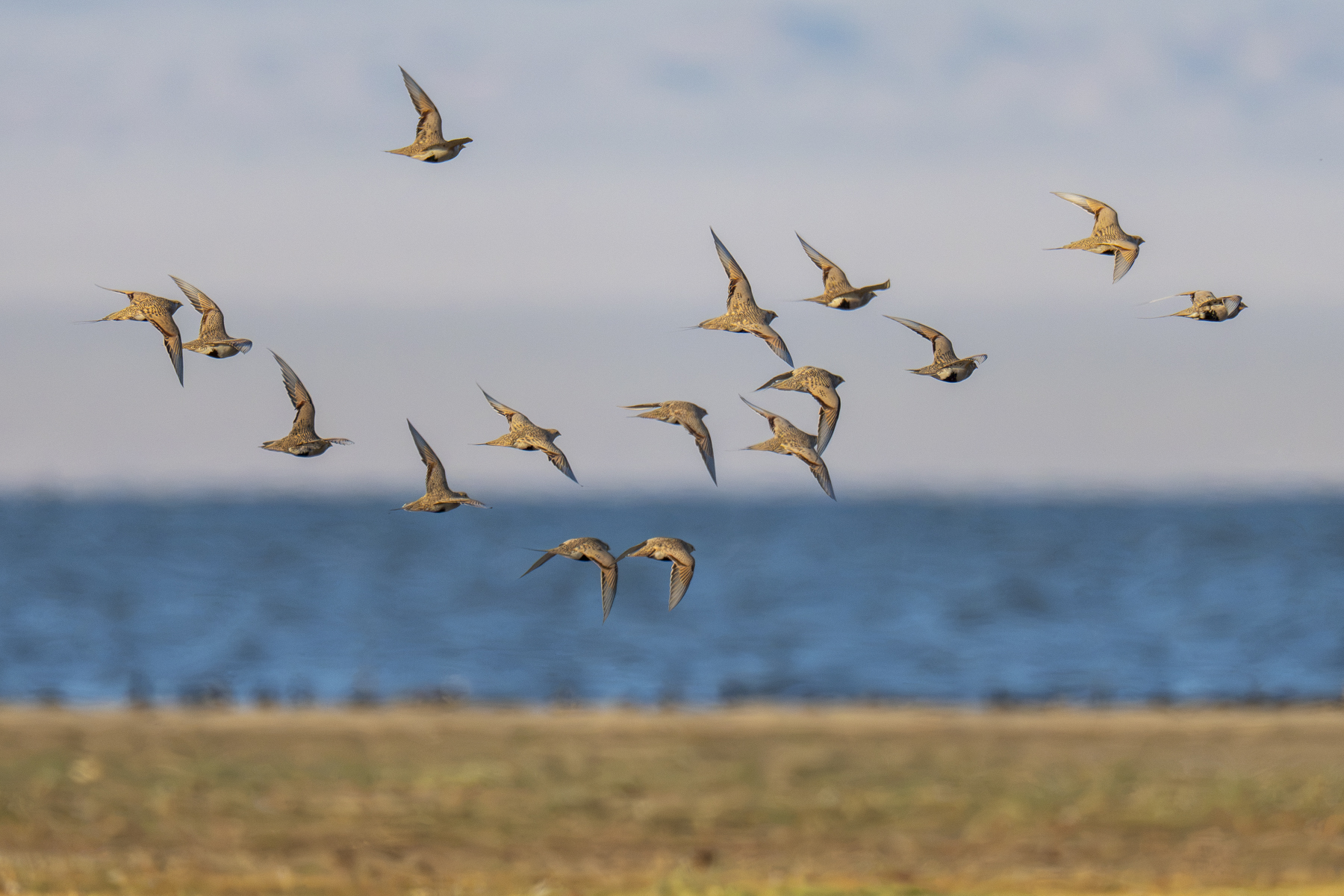
Pallas's Sandgrouse (image by Mark Beaman)
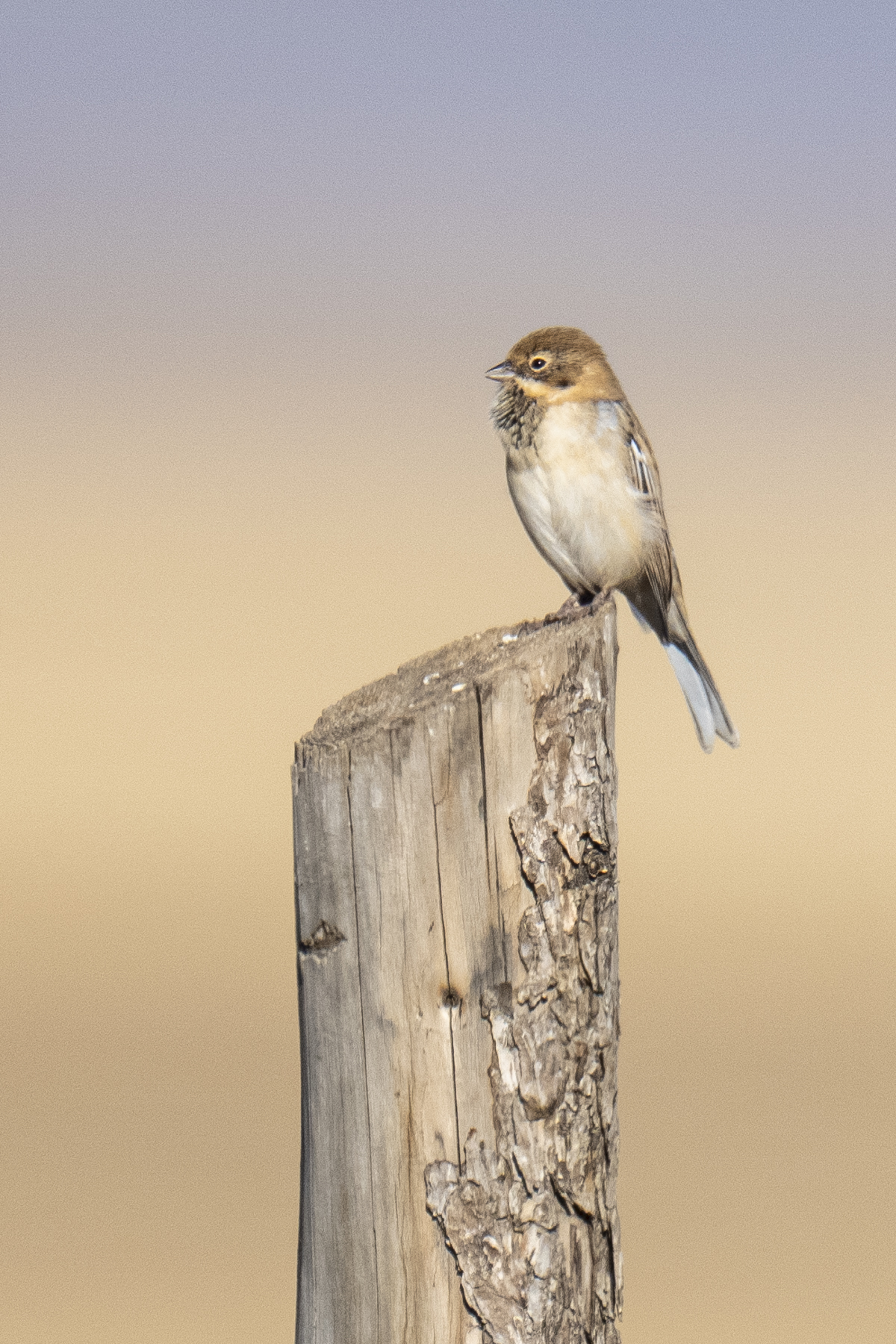
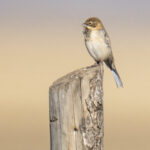
Pallas's Reed Bunting (image by Mark Beaman)
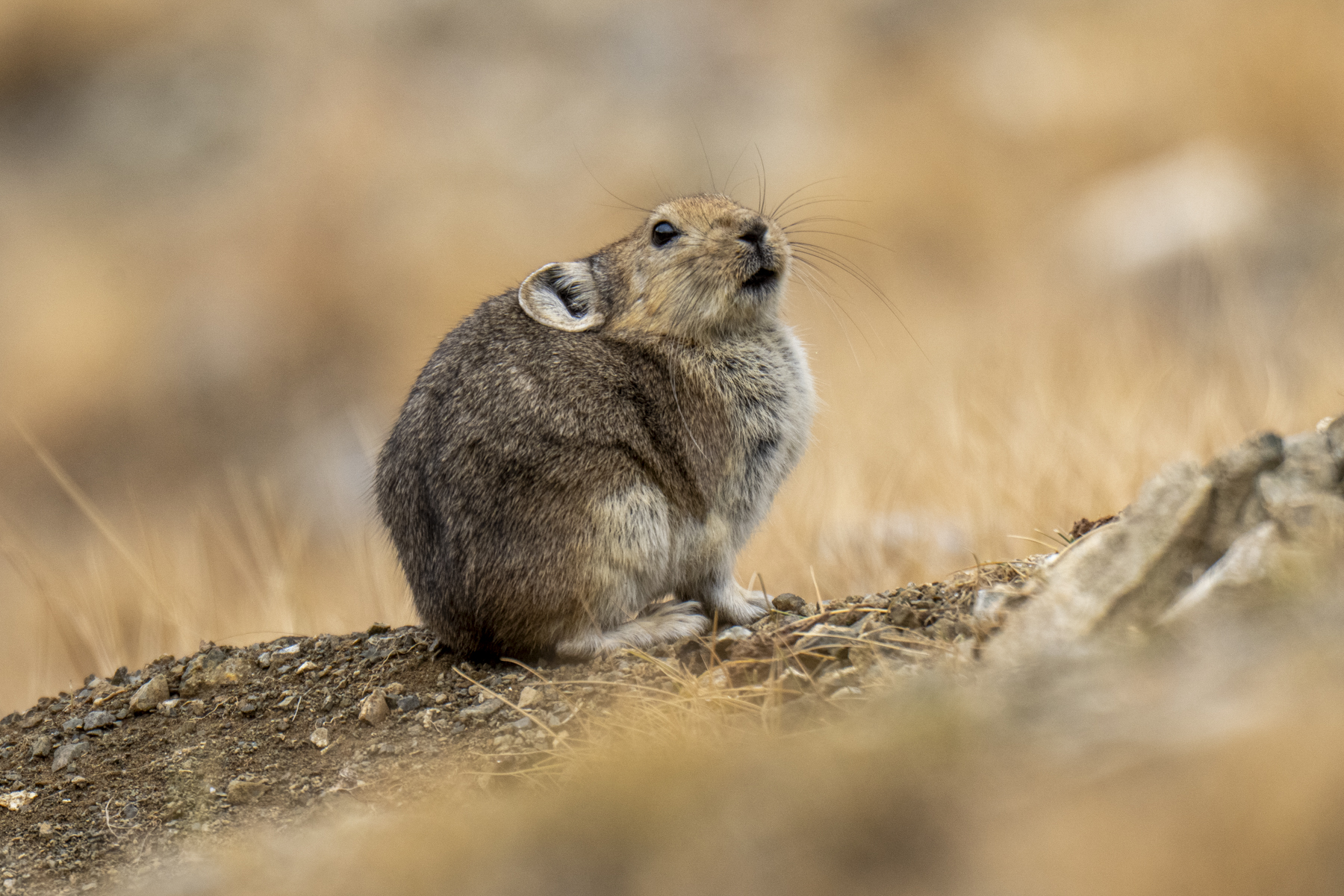
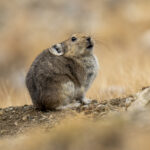
Pallas's Pika (image by Mark Beaman)
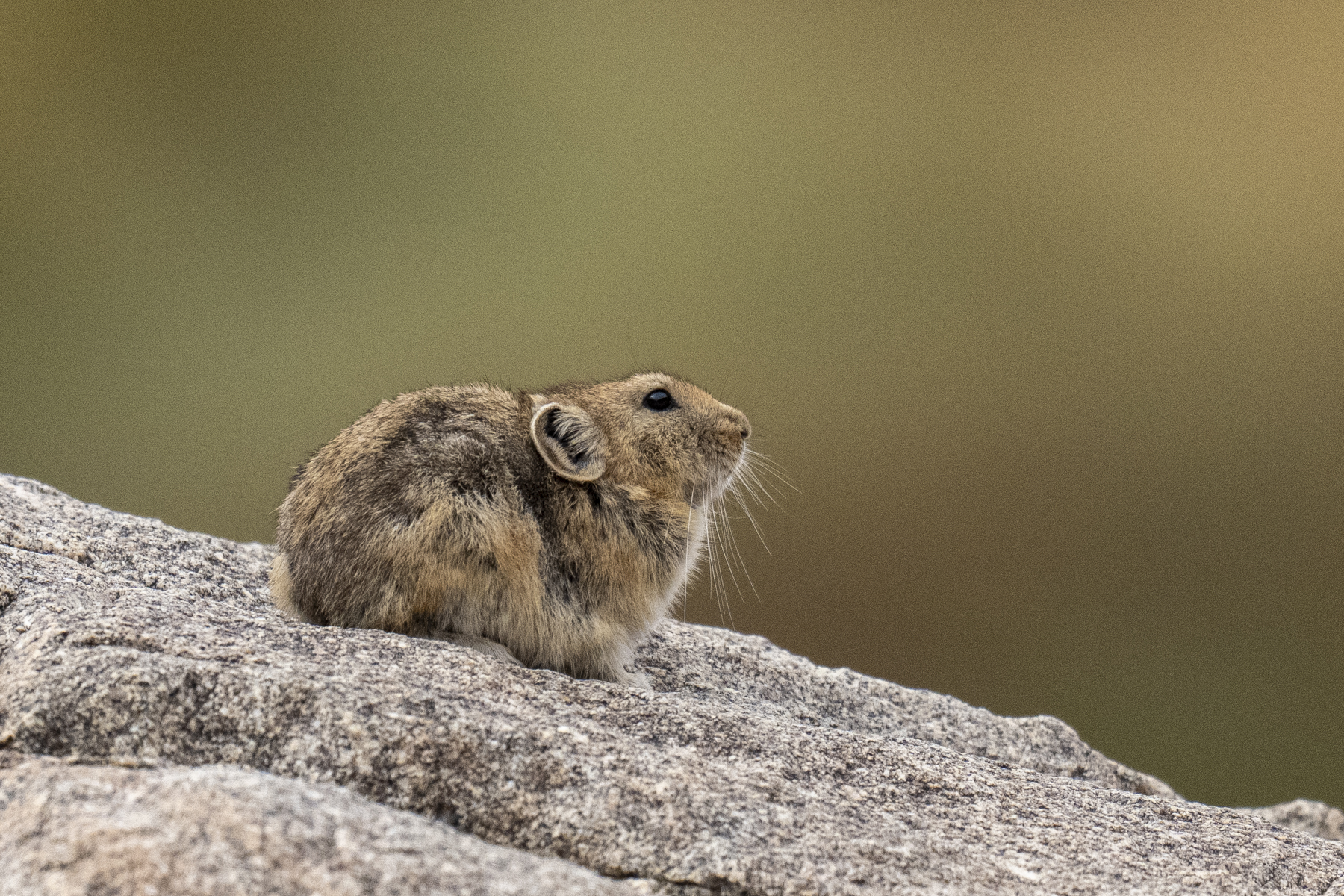
Pallas's Pika (image by Mark Beaman)
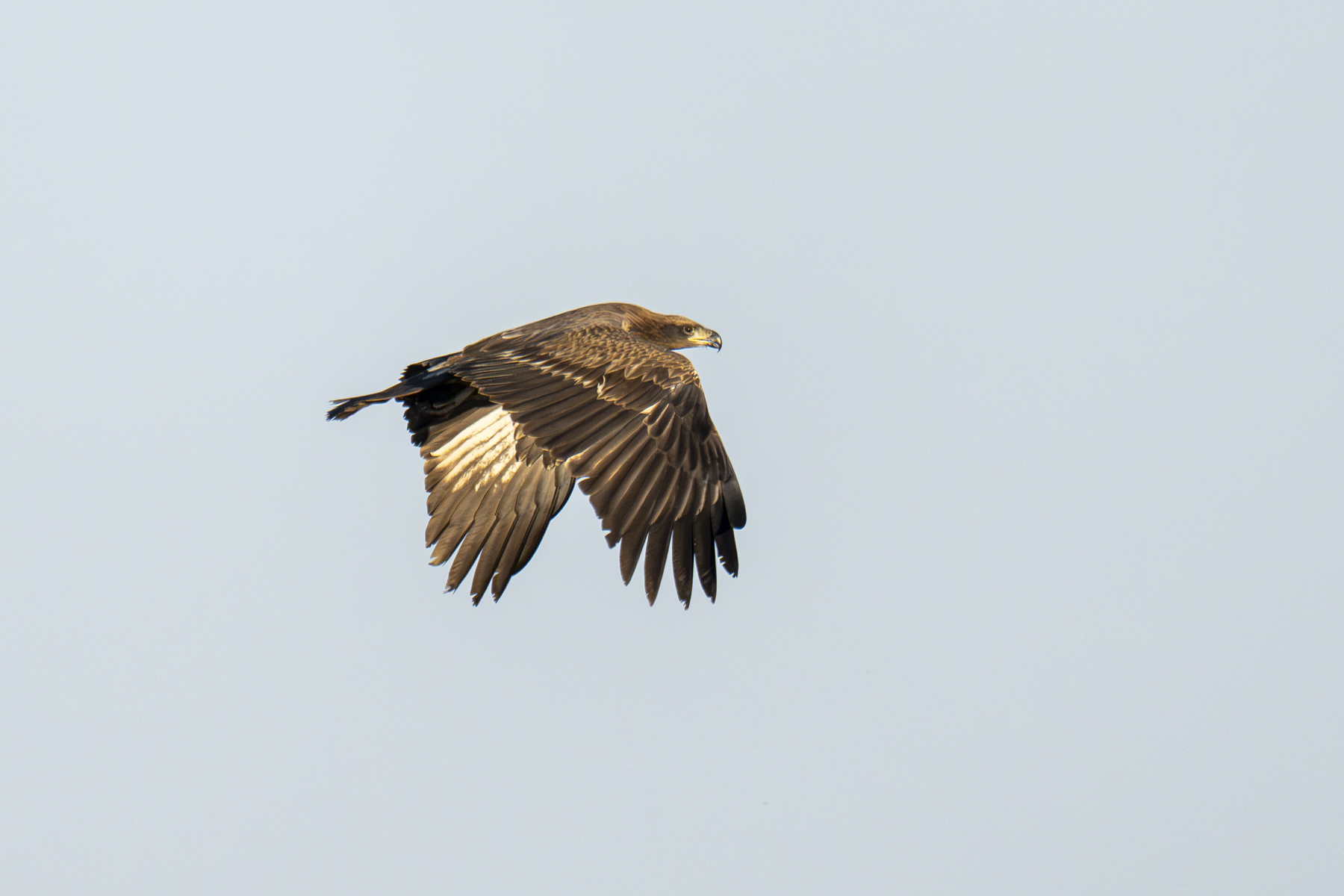
Pallas's Fish Eagle (image by Mark Beaman)
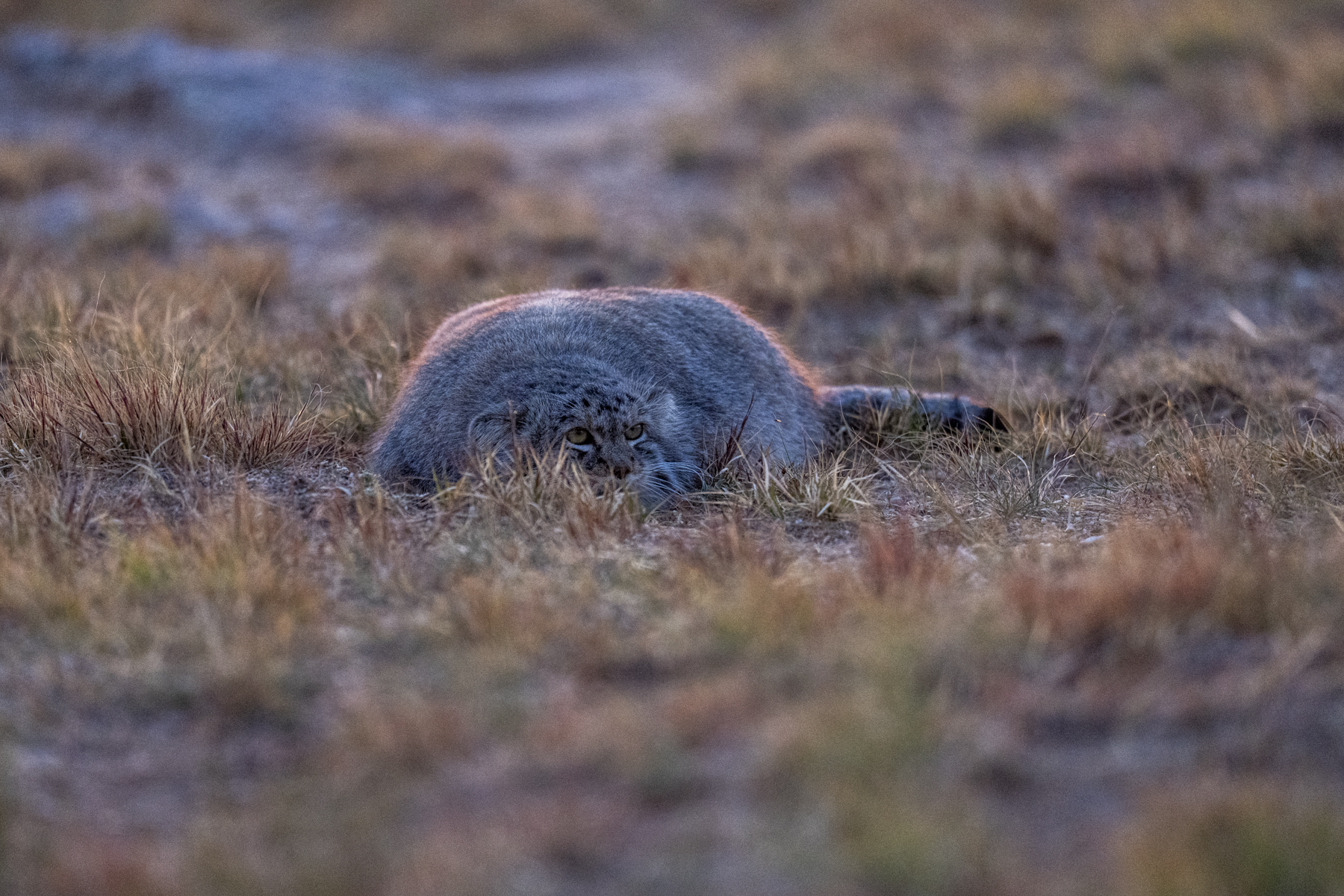
After sunset, Pallas's Cats become more active (image by Mark Beaman)
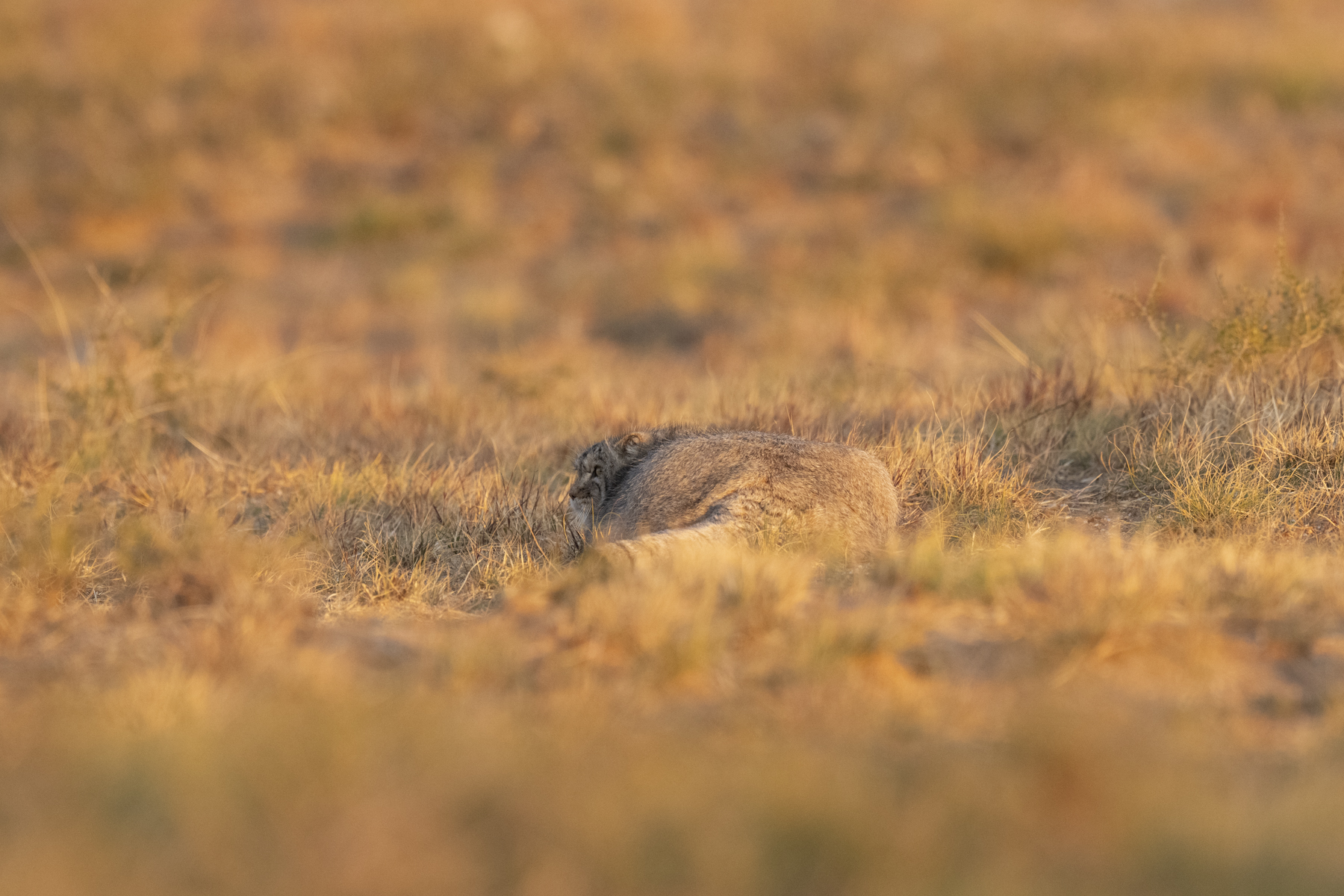
I am just a rock, so you voles and gerbils don't need to worry... (image by Mark Beaman)
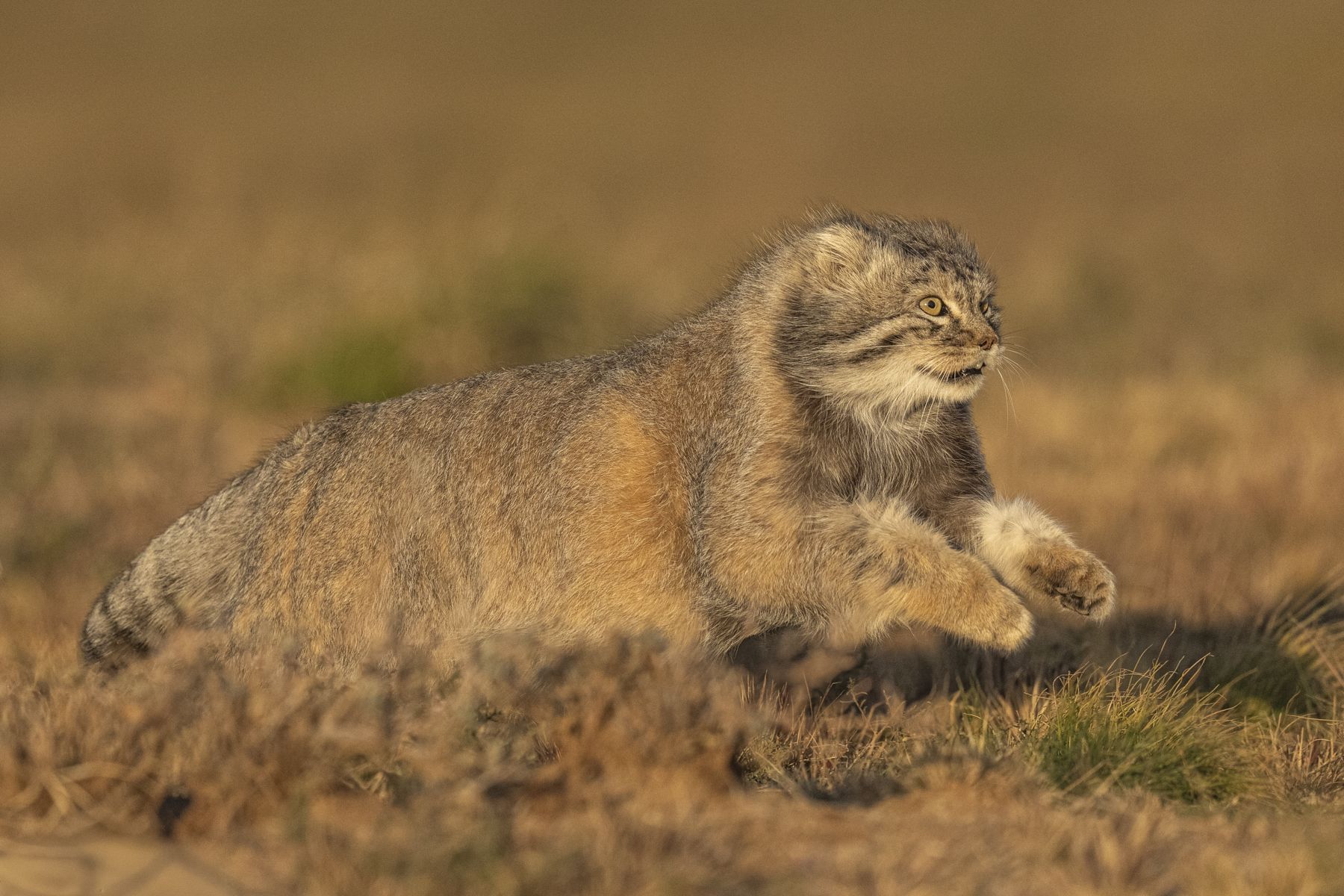
Pallas's Cat (image by Mark Beaman)
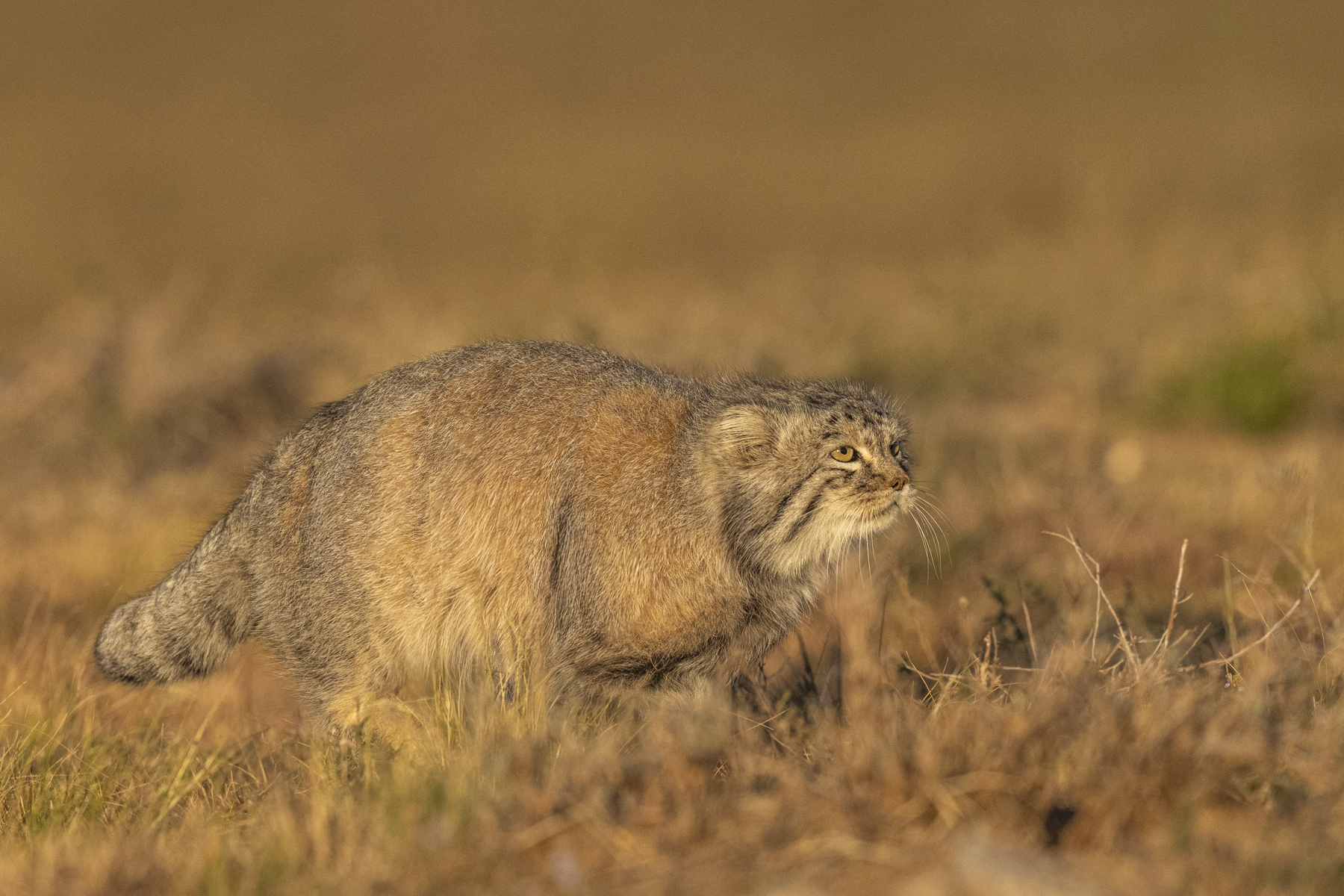
Pallas's Cat (image by Mark Beaman)
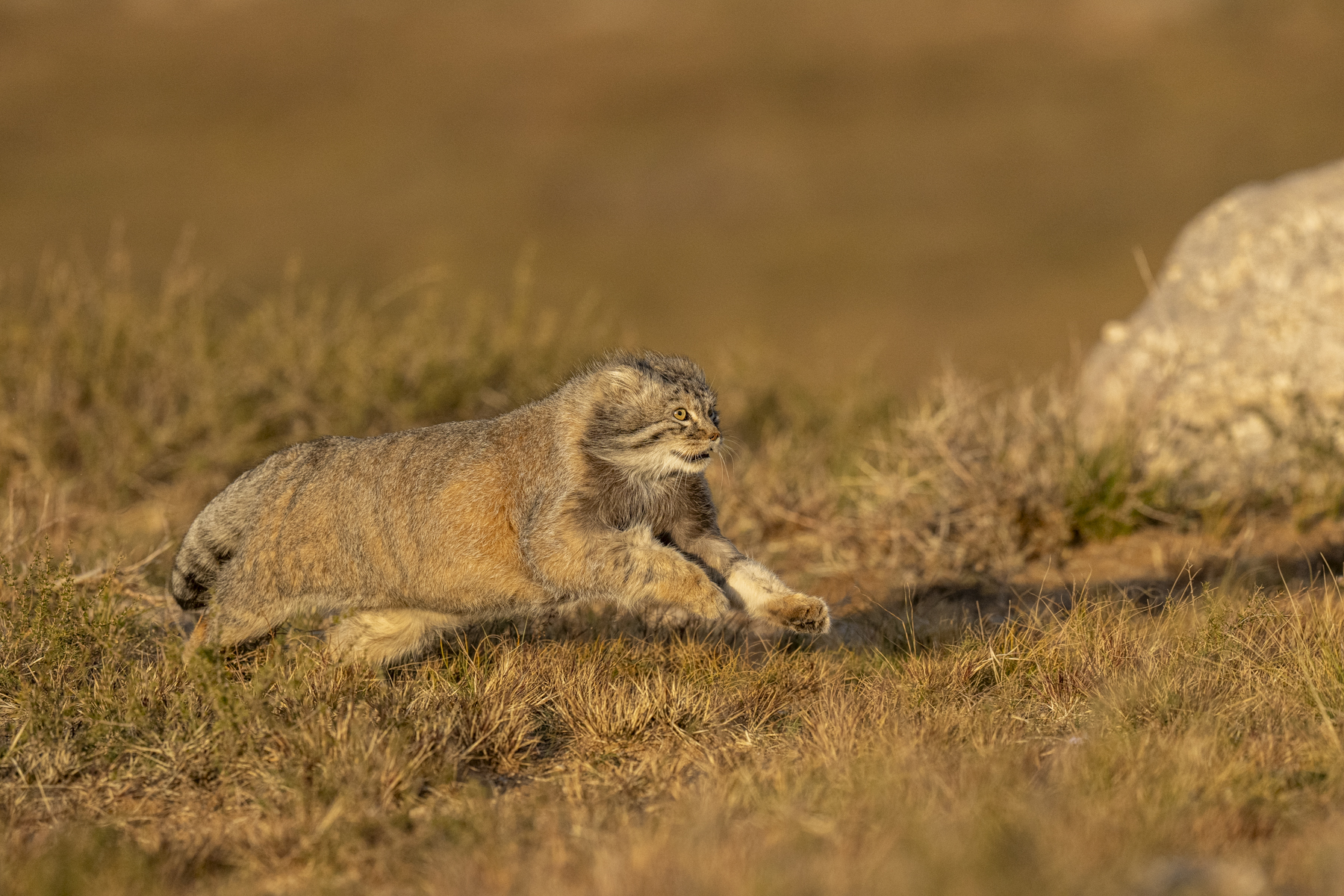
Pallas's Cat (image by Mark Beaman)
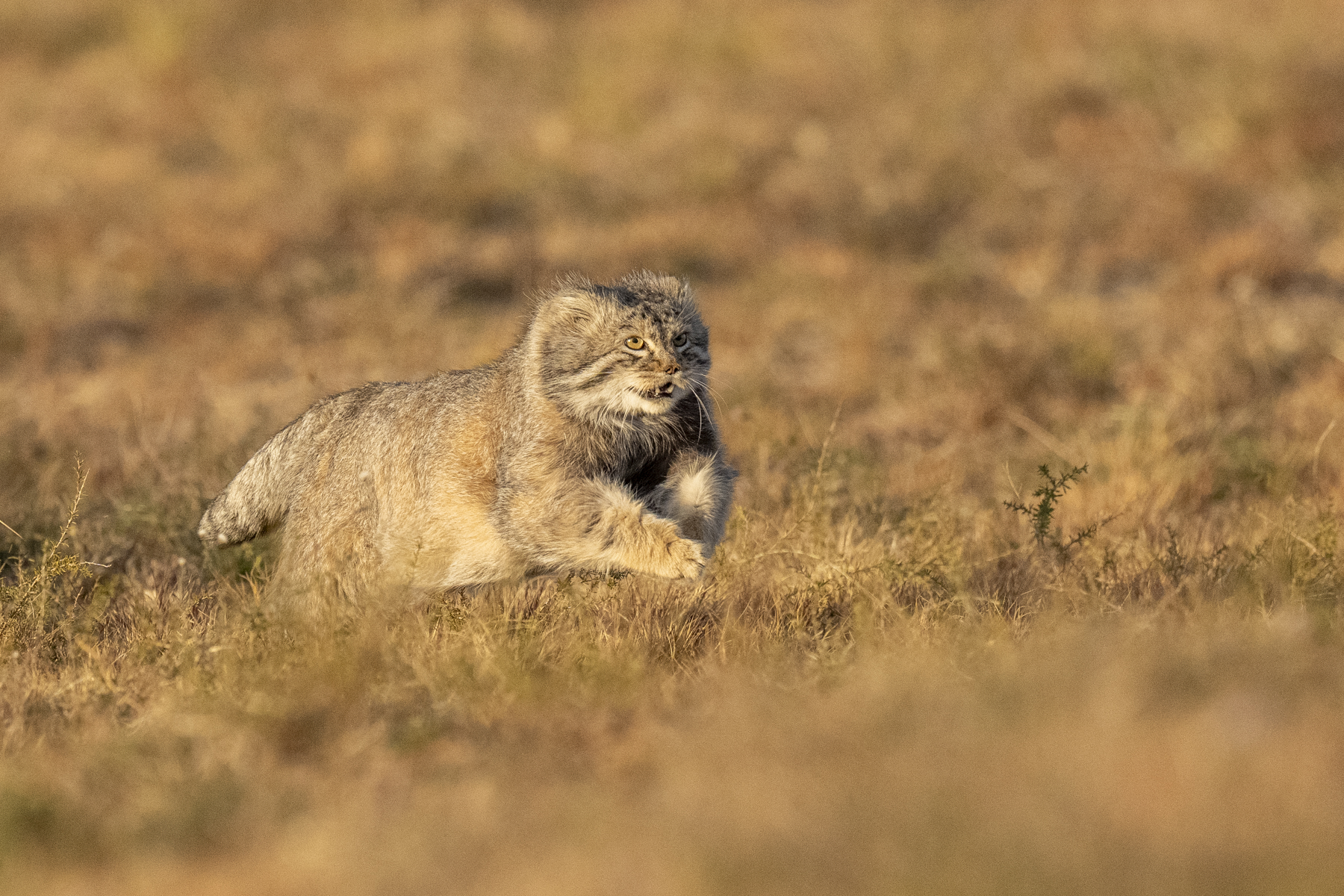
Pallas's Cat (image by Mark Beaman)
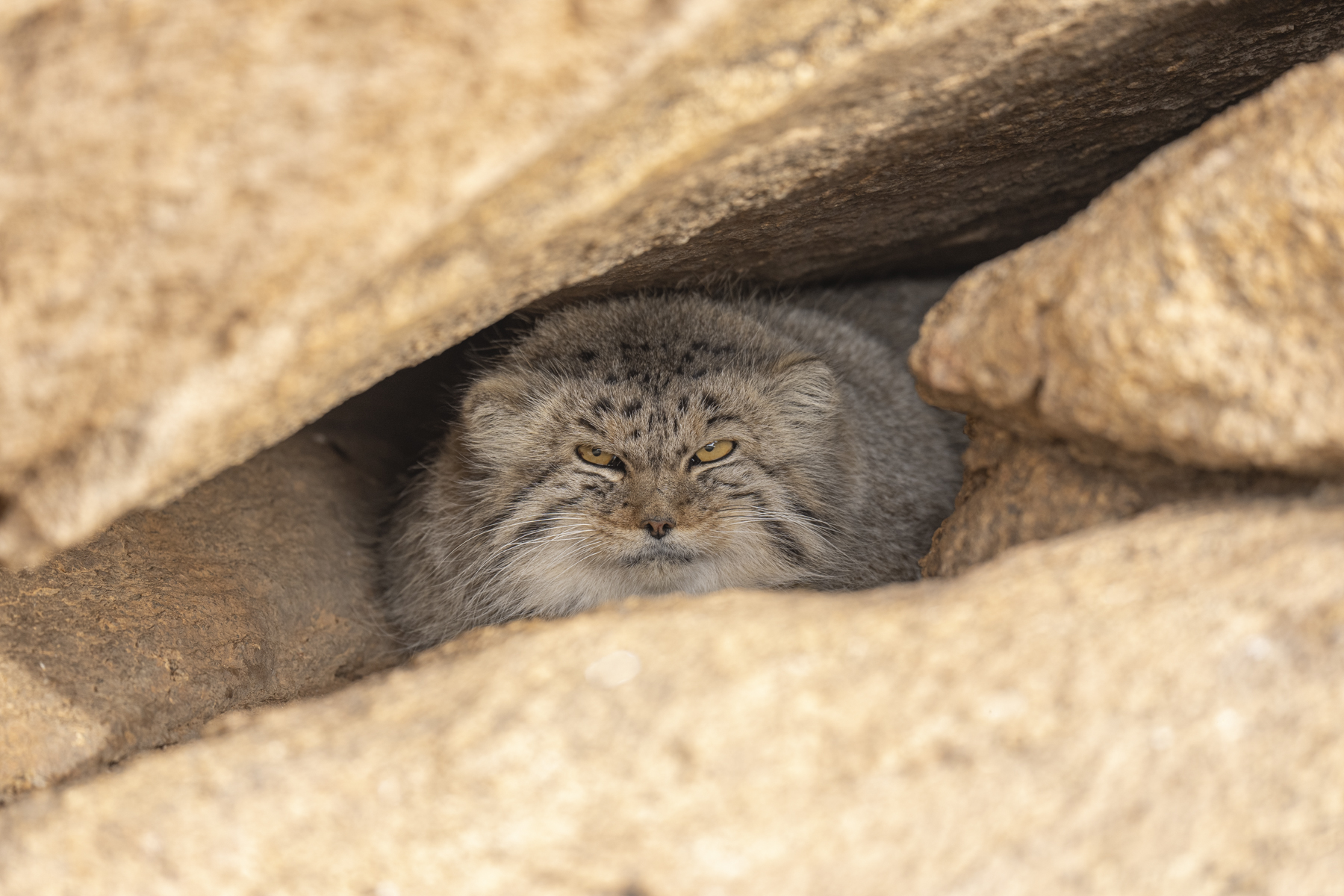
Pallas's Cat in its den (image by Mark Beaman)
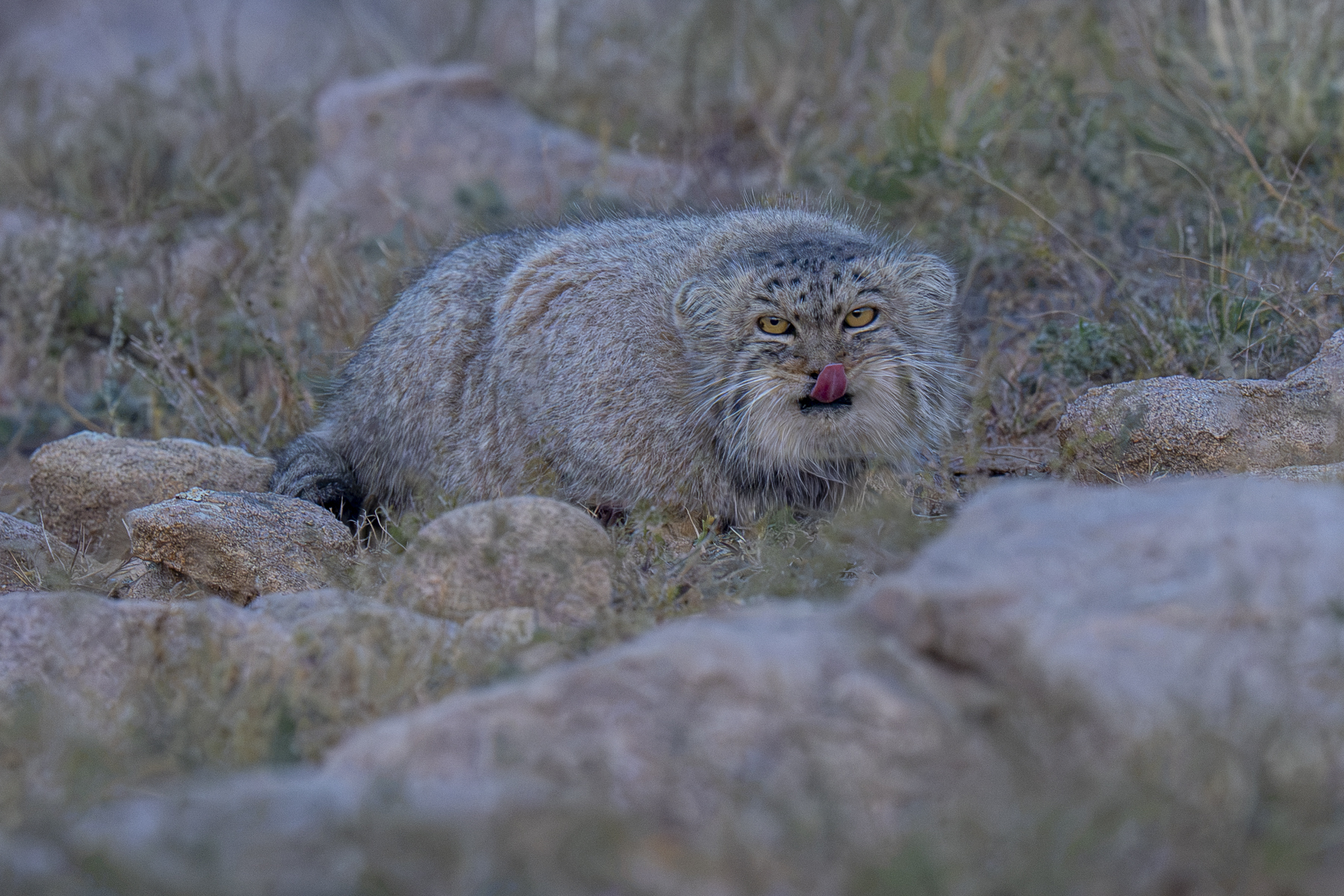
A Pallas's Cat tasting the wind (image by Mark Beaman)
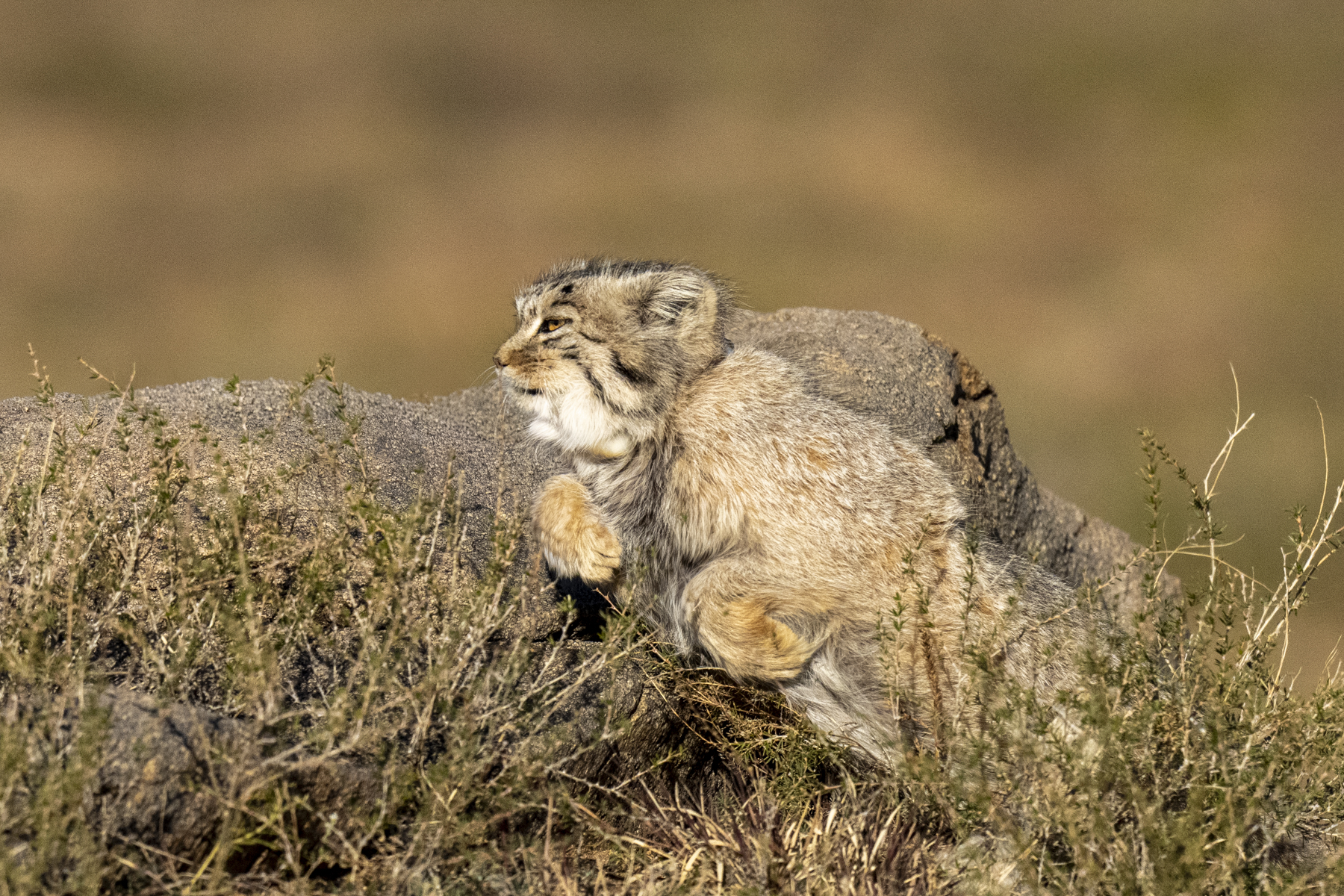
A Pallas's Cat bursts from cover (image by Mark Beaman)
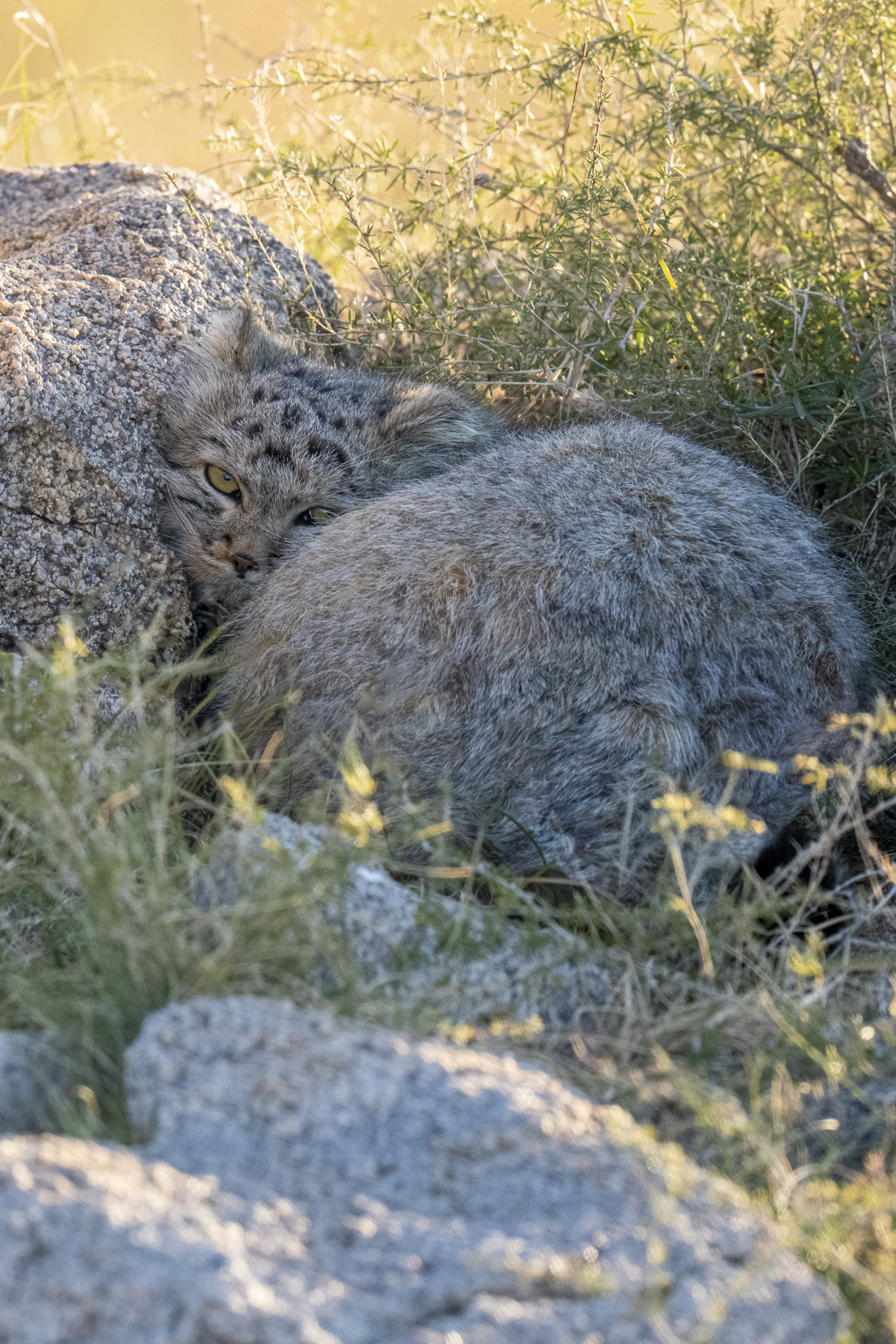
I am just a rock... (image by Mark Beaman)
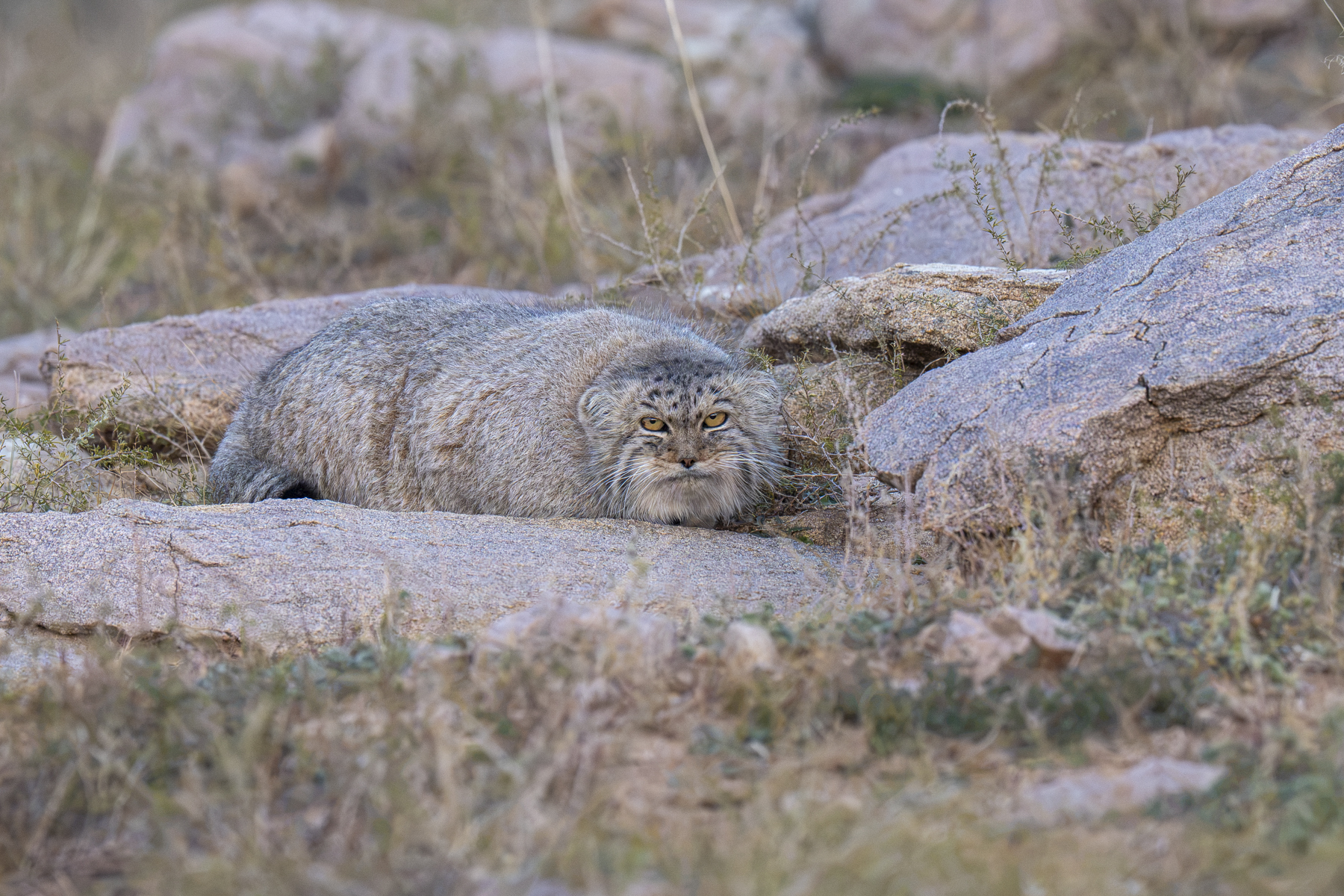
Pallas's Cat (image by Mark Beaman)
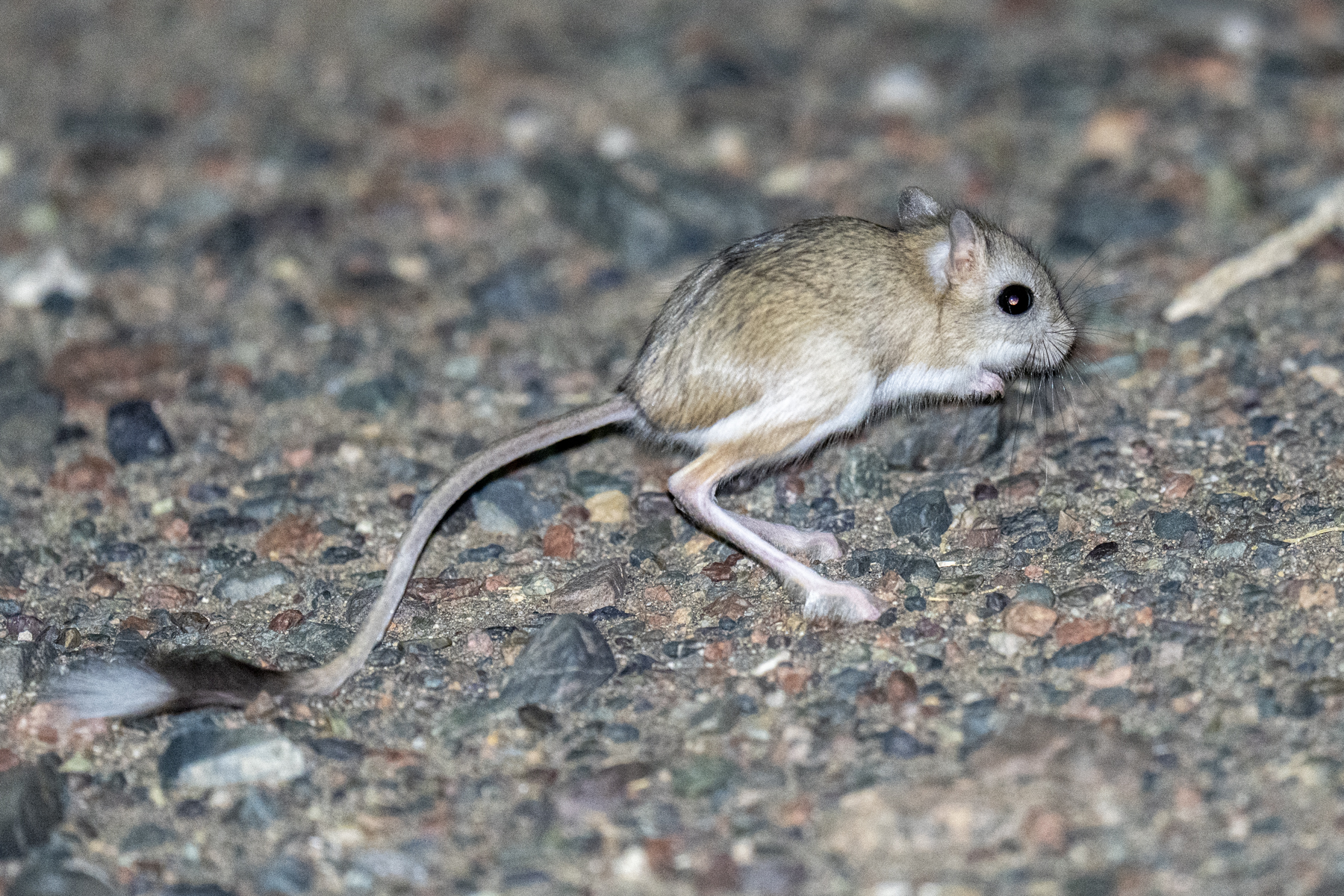
Northern Three-toed Jerboa (image by Mark Beaman)
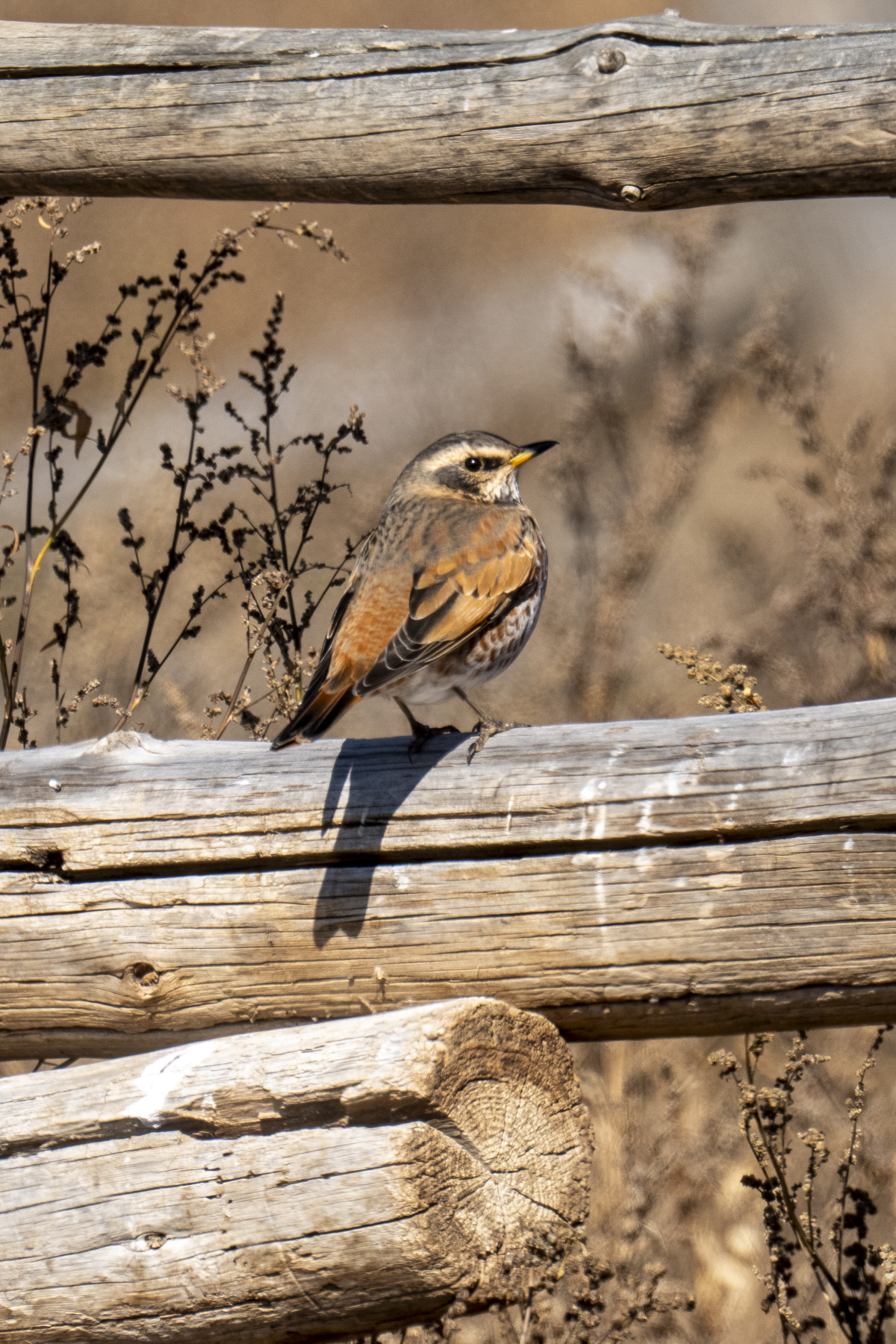
Naumann's Thrush adult male (image by Mark Beaman)
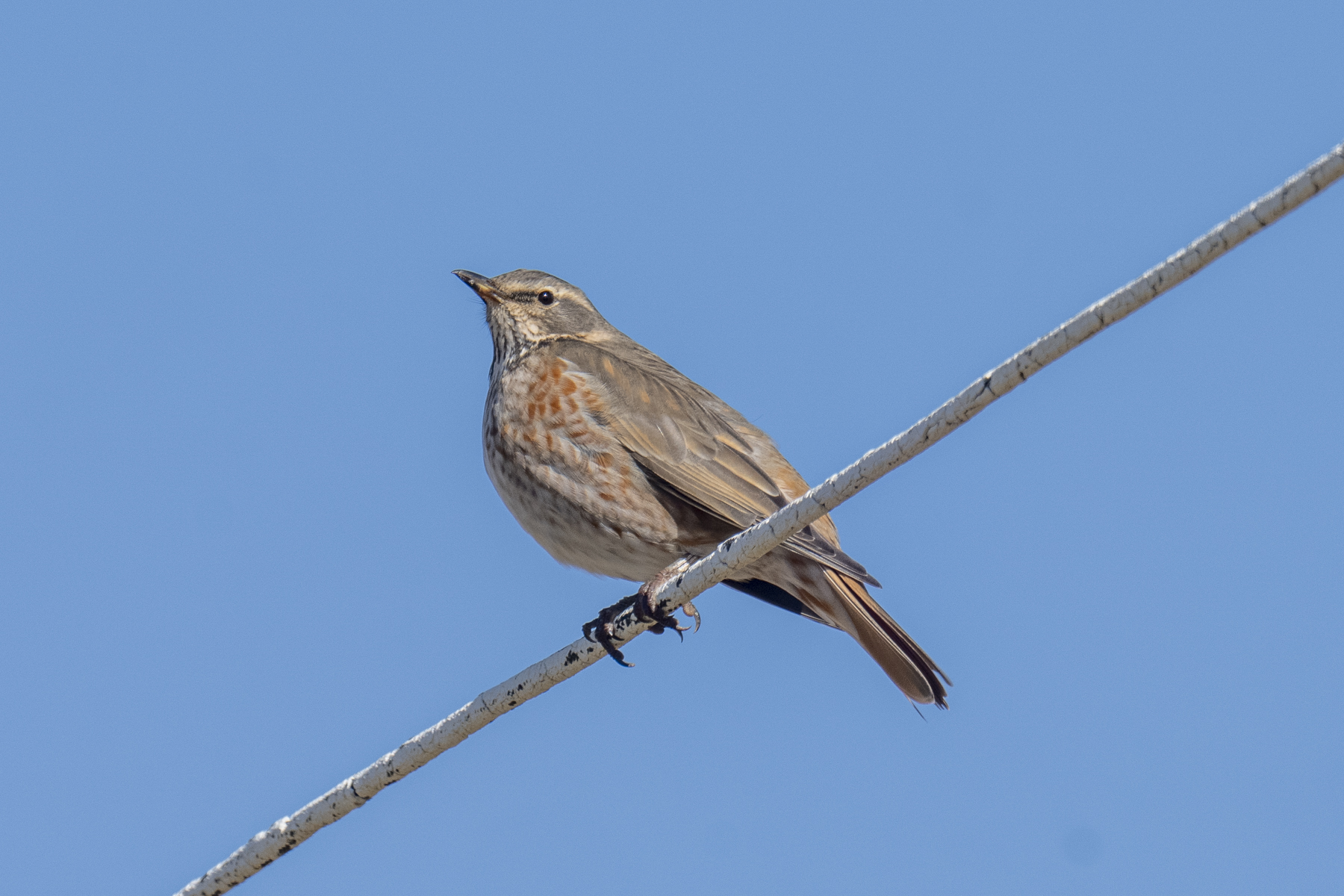
Naumann's Thrush (image by Mark Beaman)
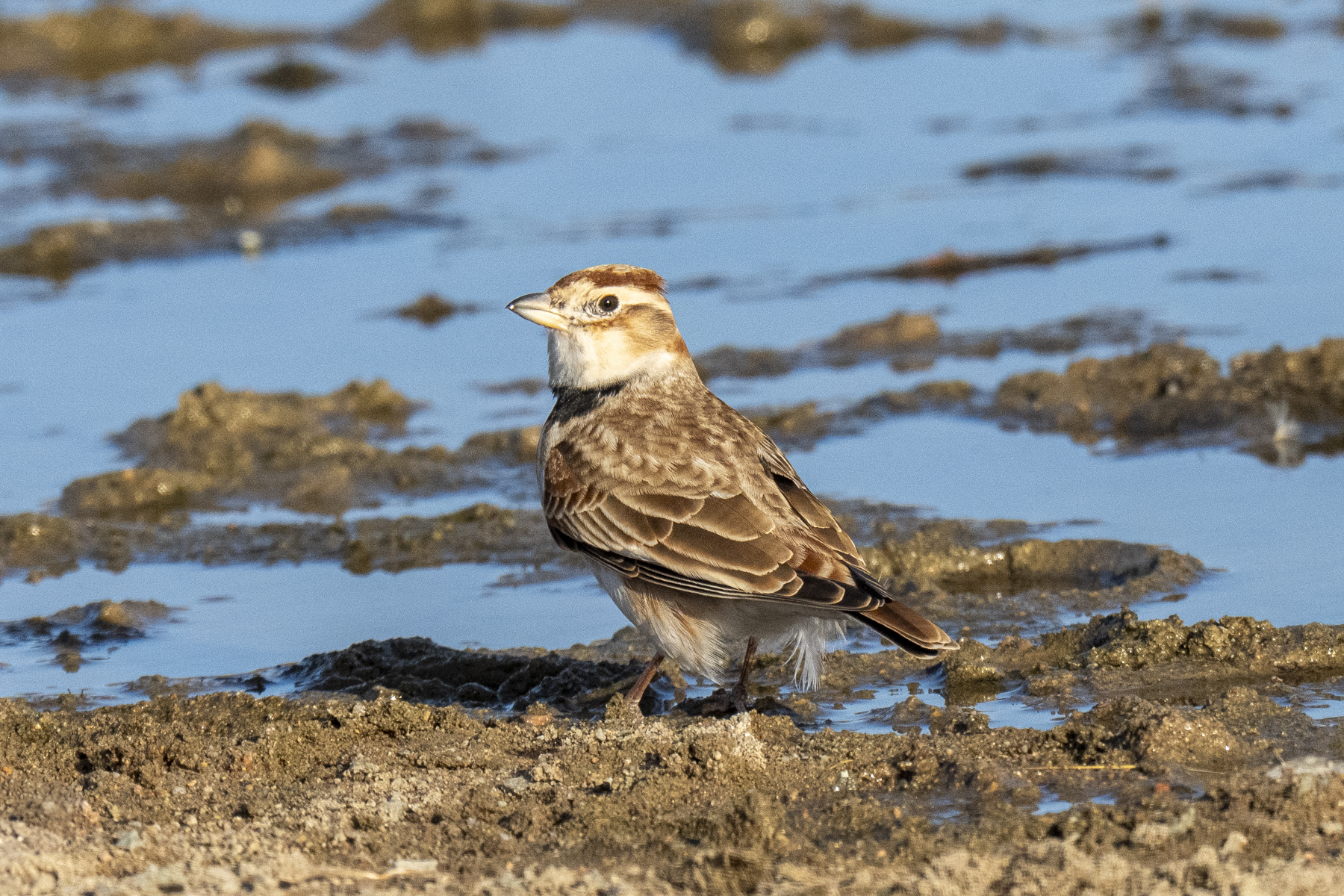
Mongolian Lark (image by Mark Beaman)
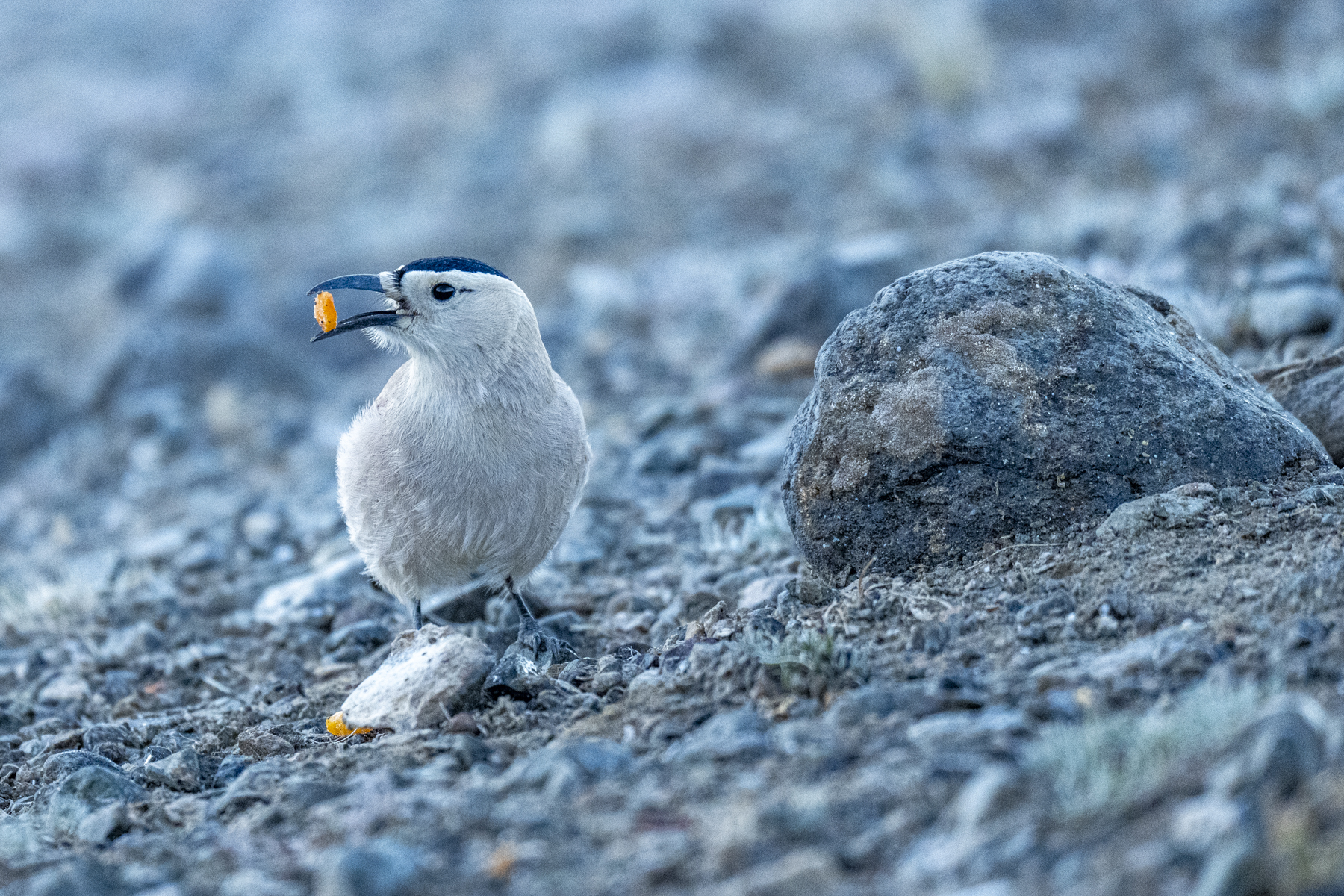
Mongolian Ground Jays like carrots (image by Mark Beaman)
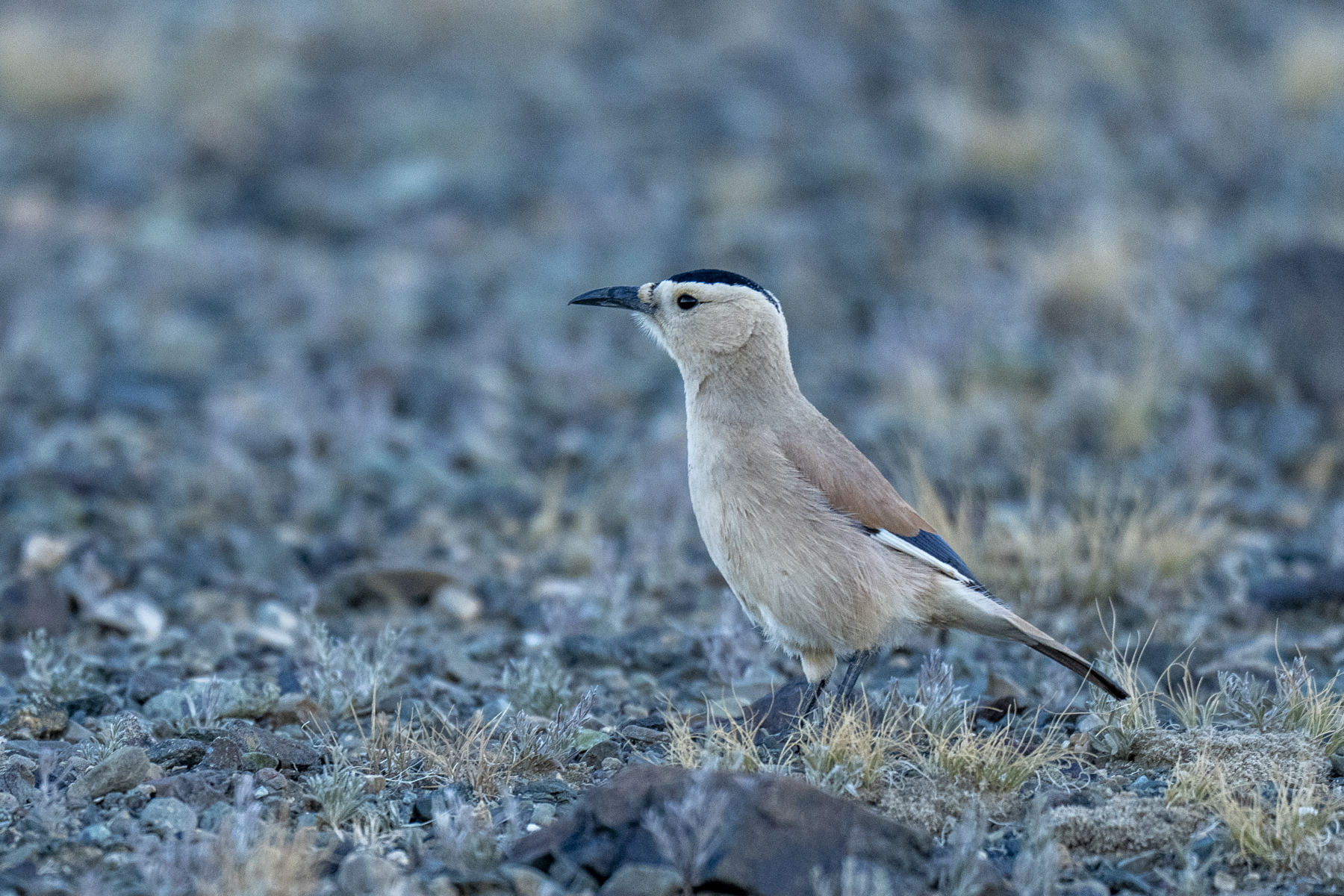
Mongolian or Henderson's Ground Jay (image by Mark Beaman)
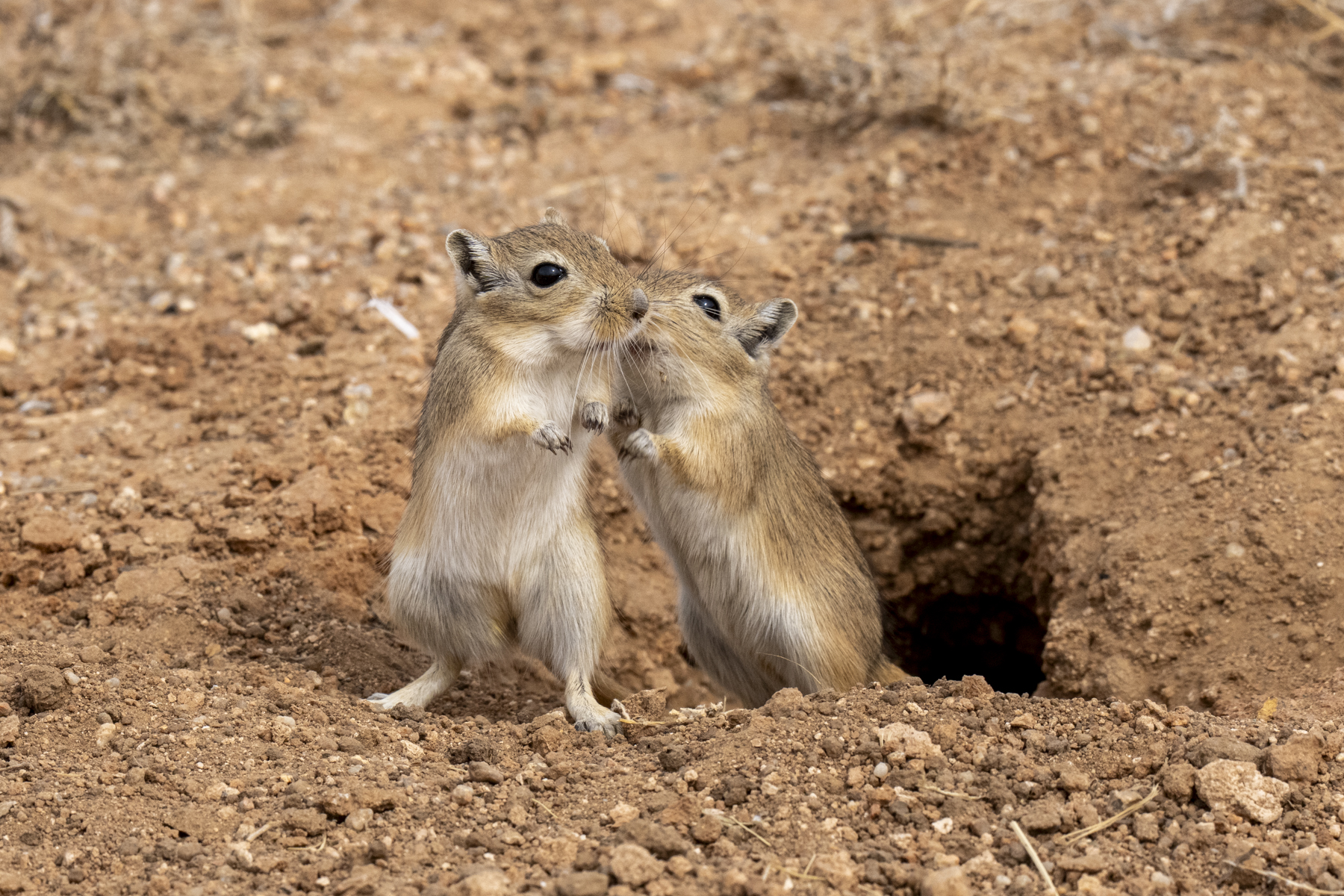
Mongolian Gerbils 'kissing' (image by Mark Beaman)
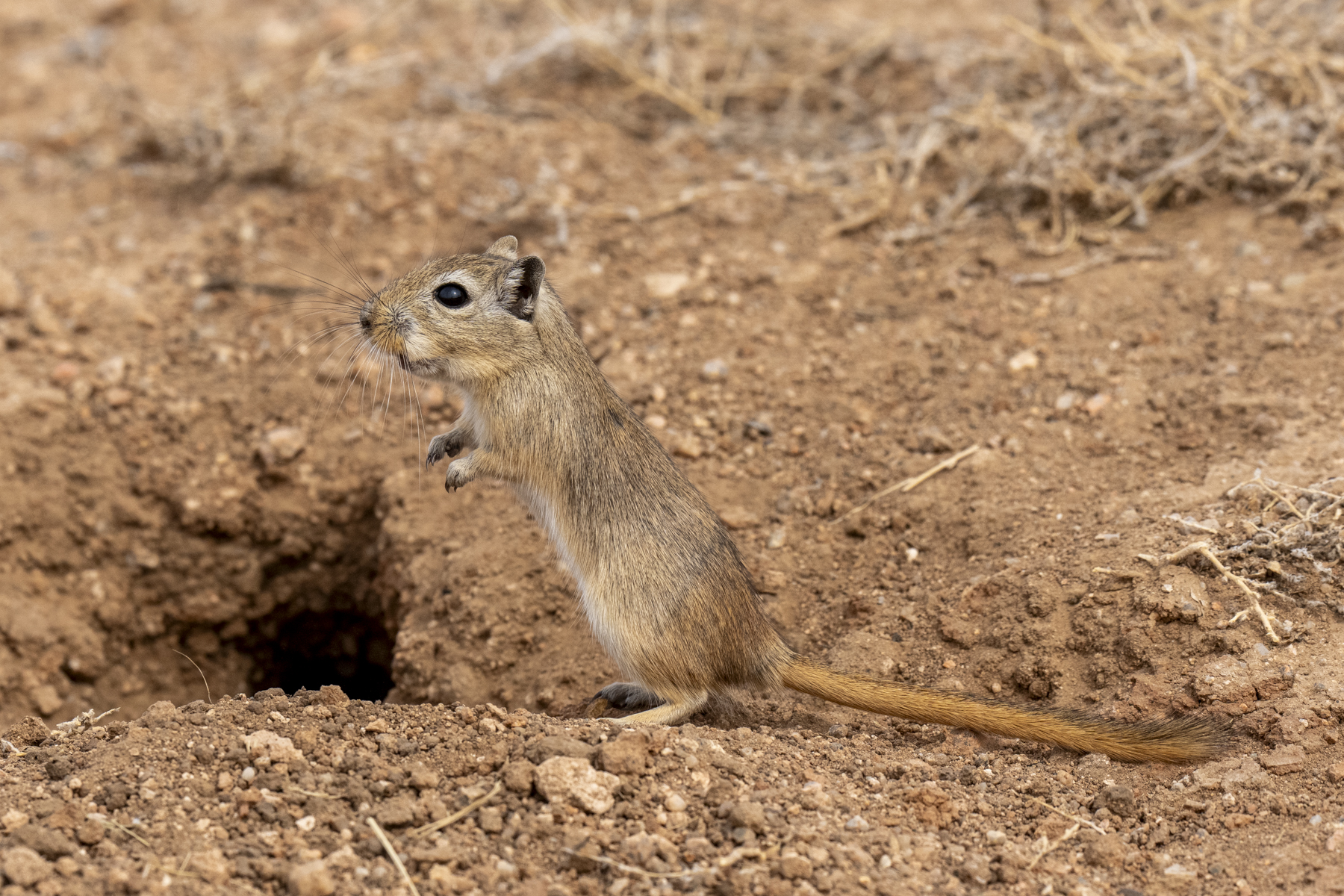
Mongolian Gerbil or Jird (image by Mark Beaman)
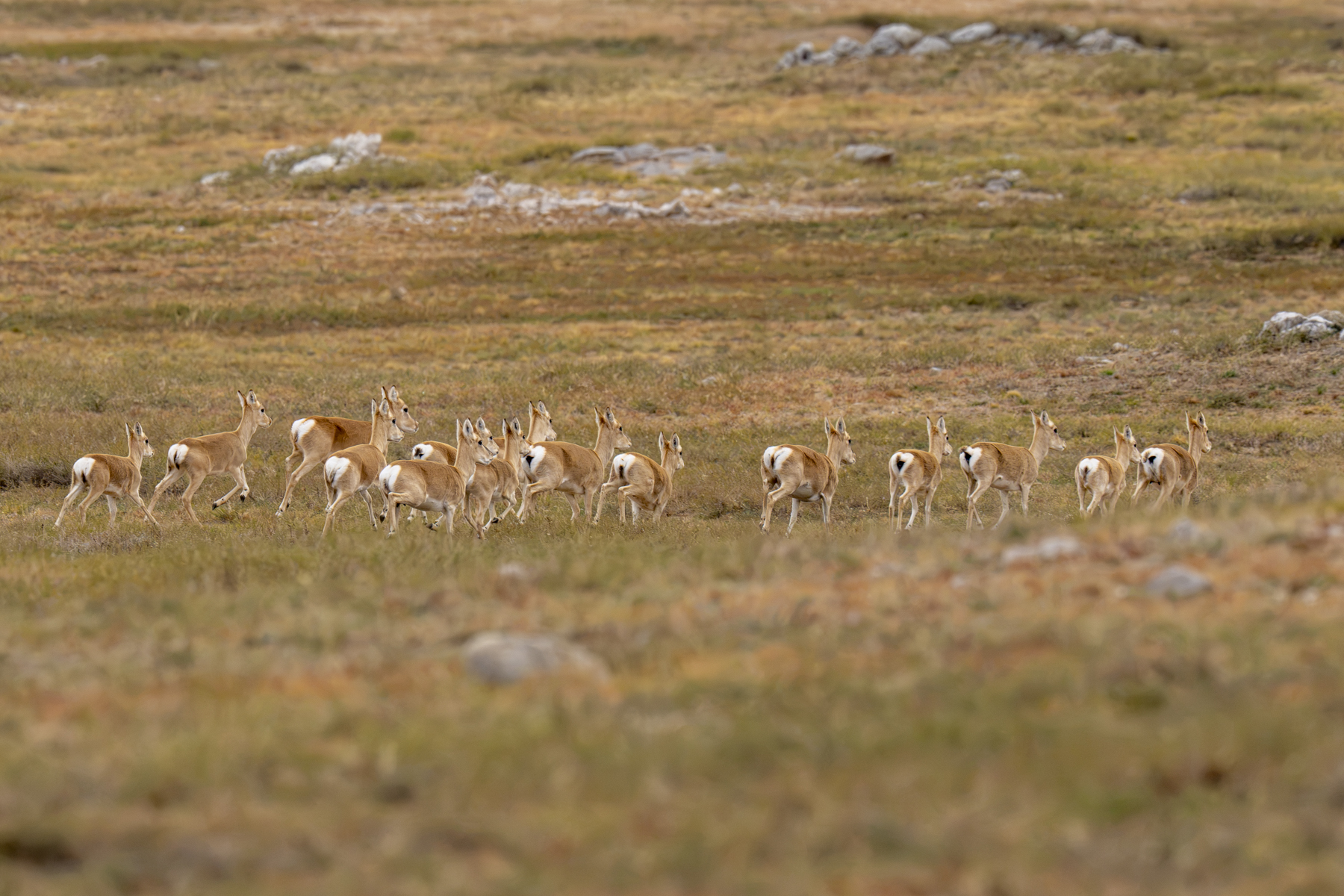
Mongolian Gazelles (image by Mark Beaman)
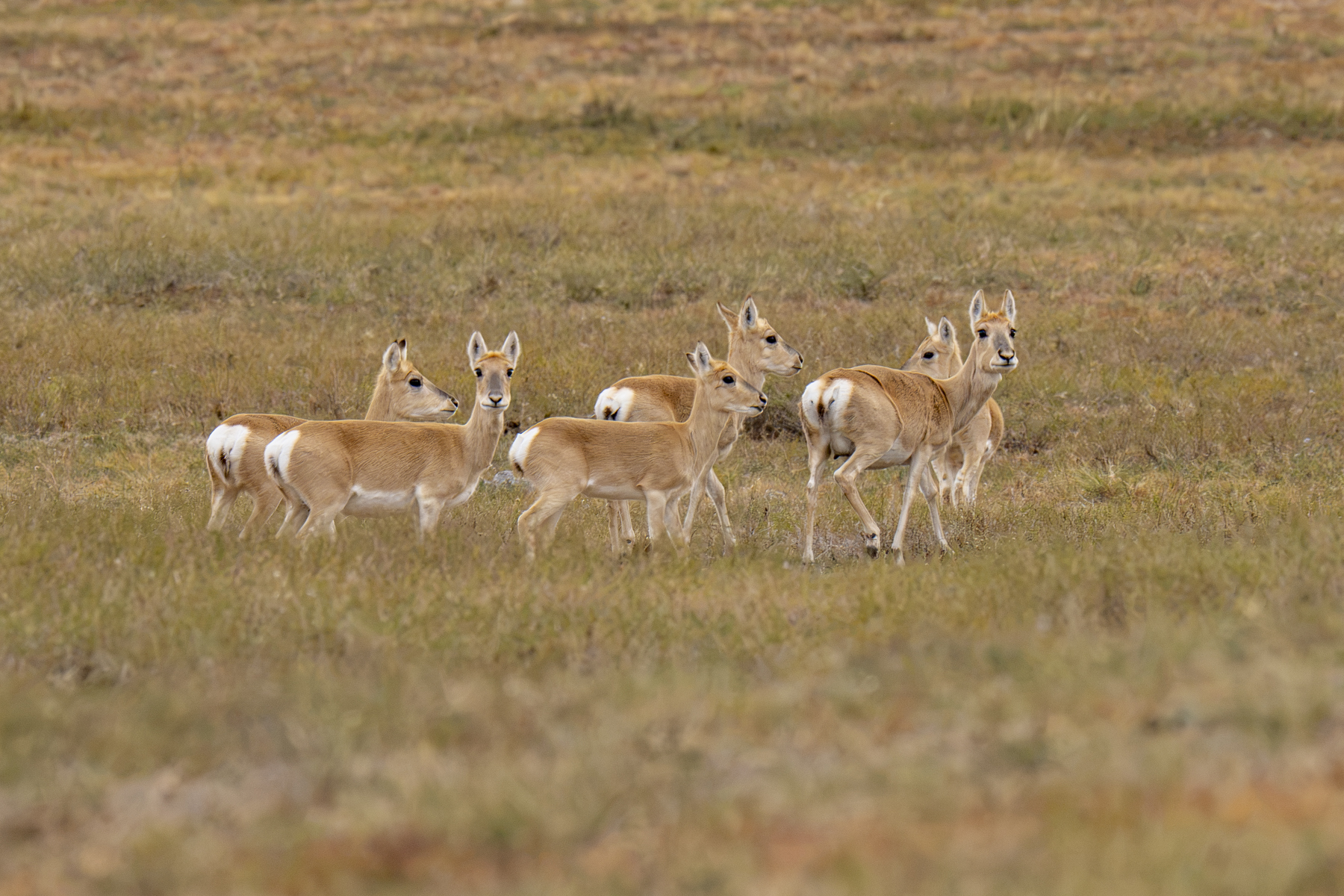
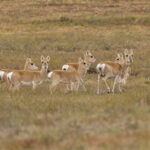
Mongolian Gazelles (image by Mark Beaman)
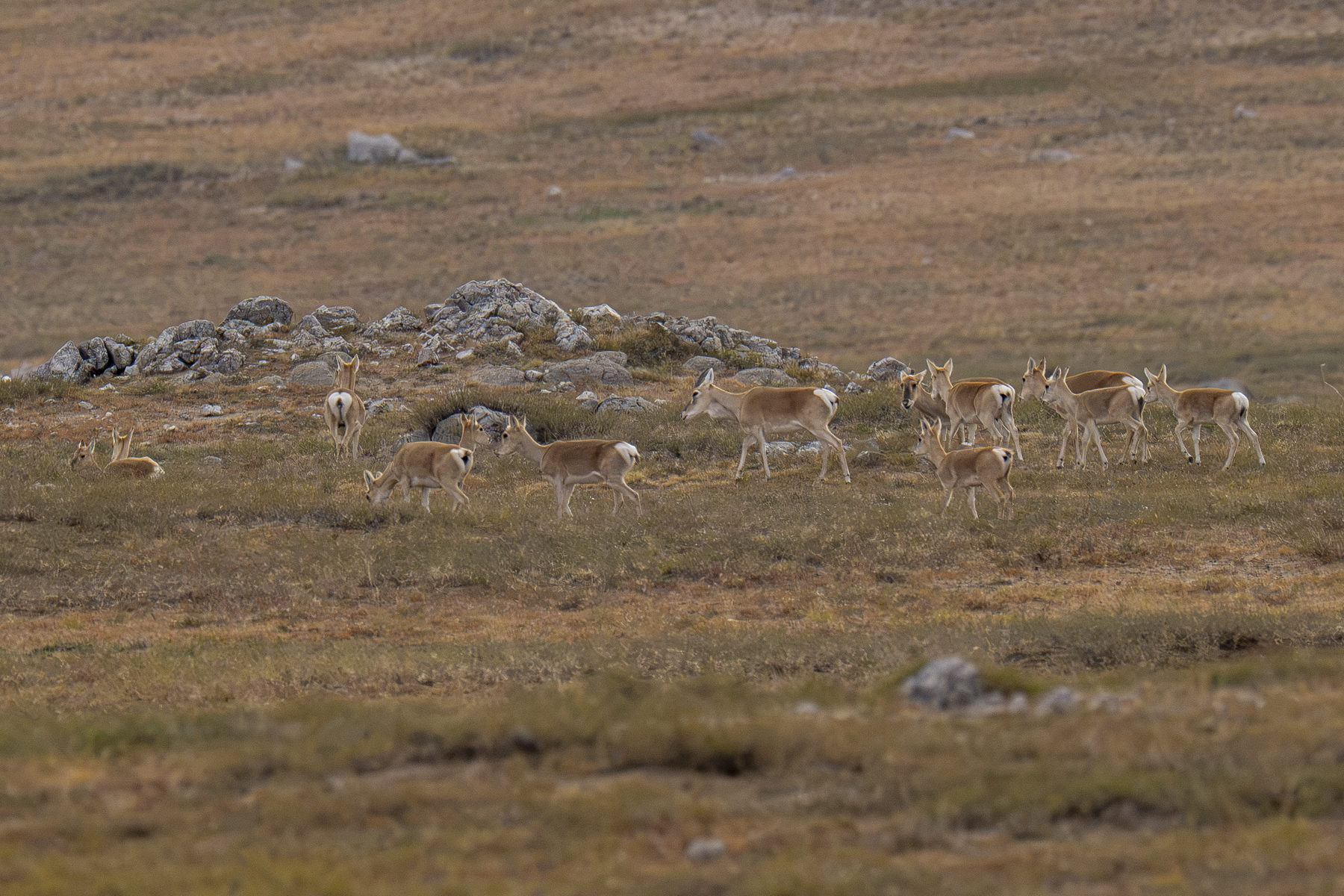
Mongolian Gazelles (image by Mark Beaman)
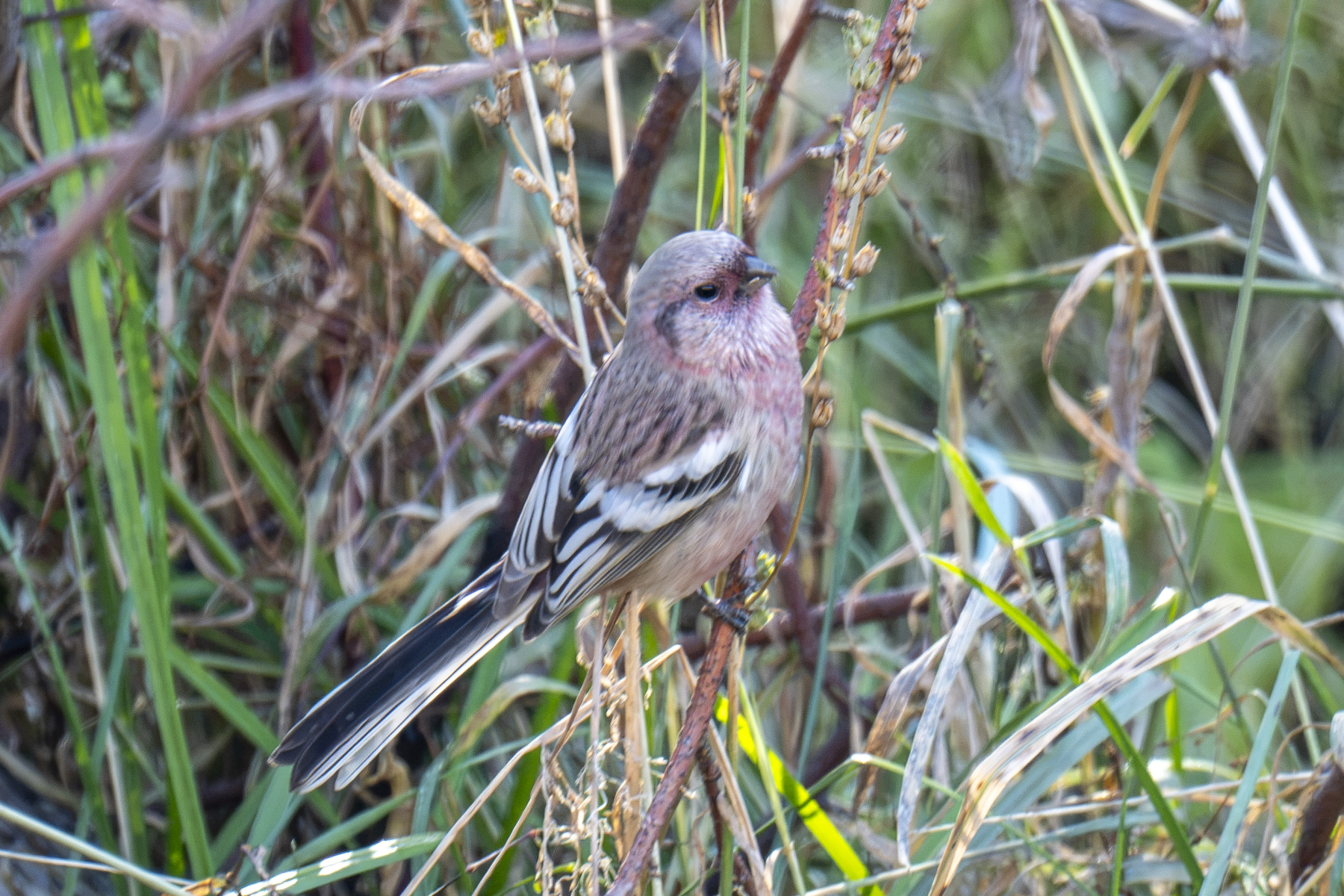
Long-tailed Rosefinch (image by Mark Beaman)
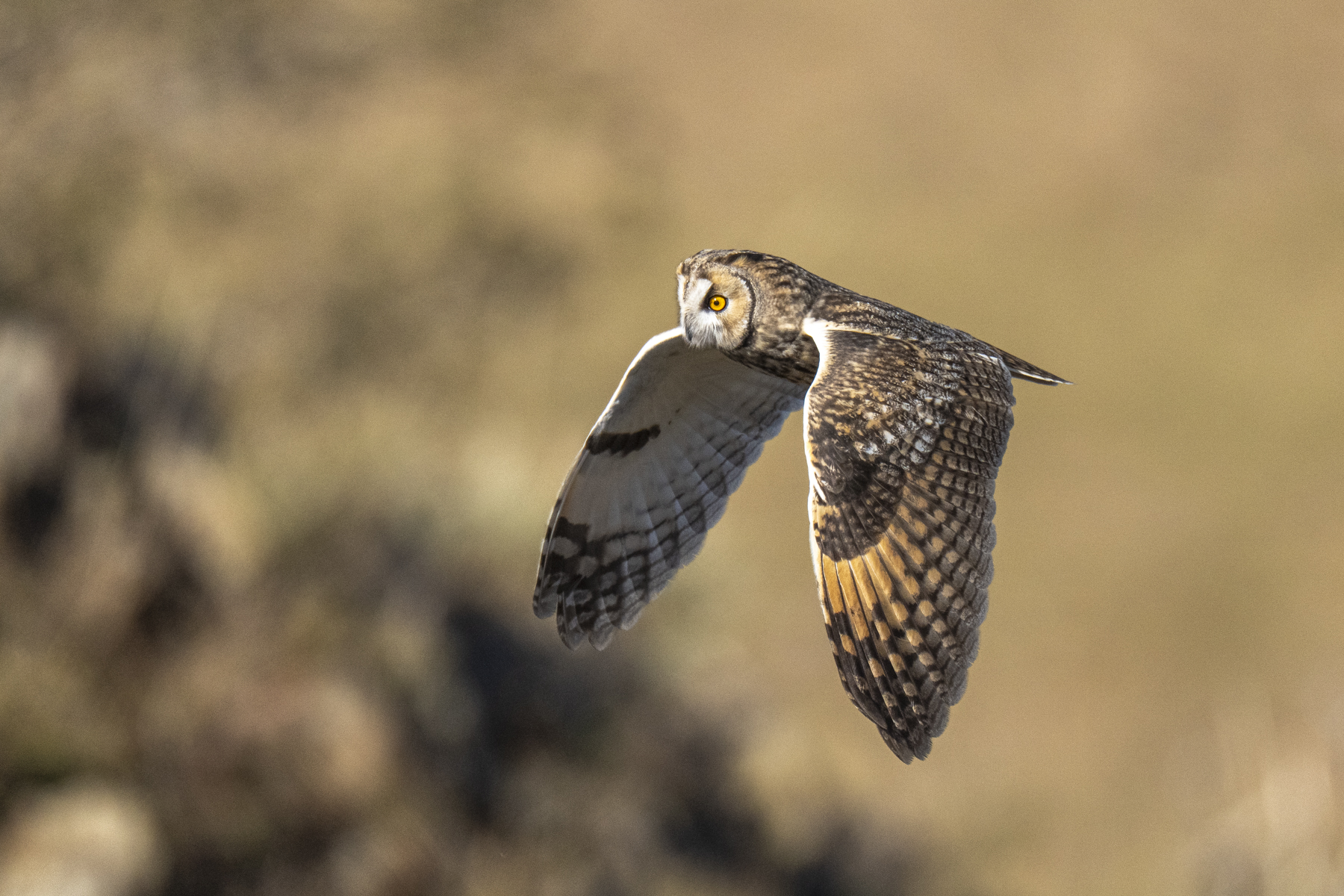
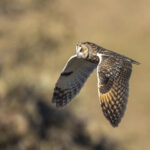
Long-eared Owl (image by Mark Beaman)
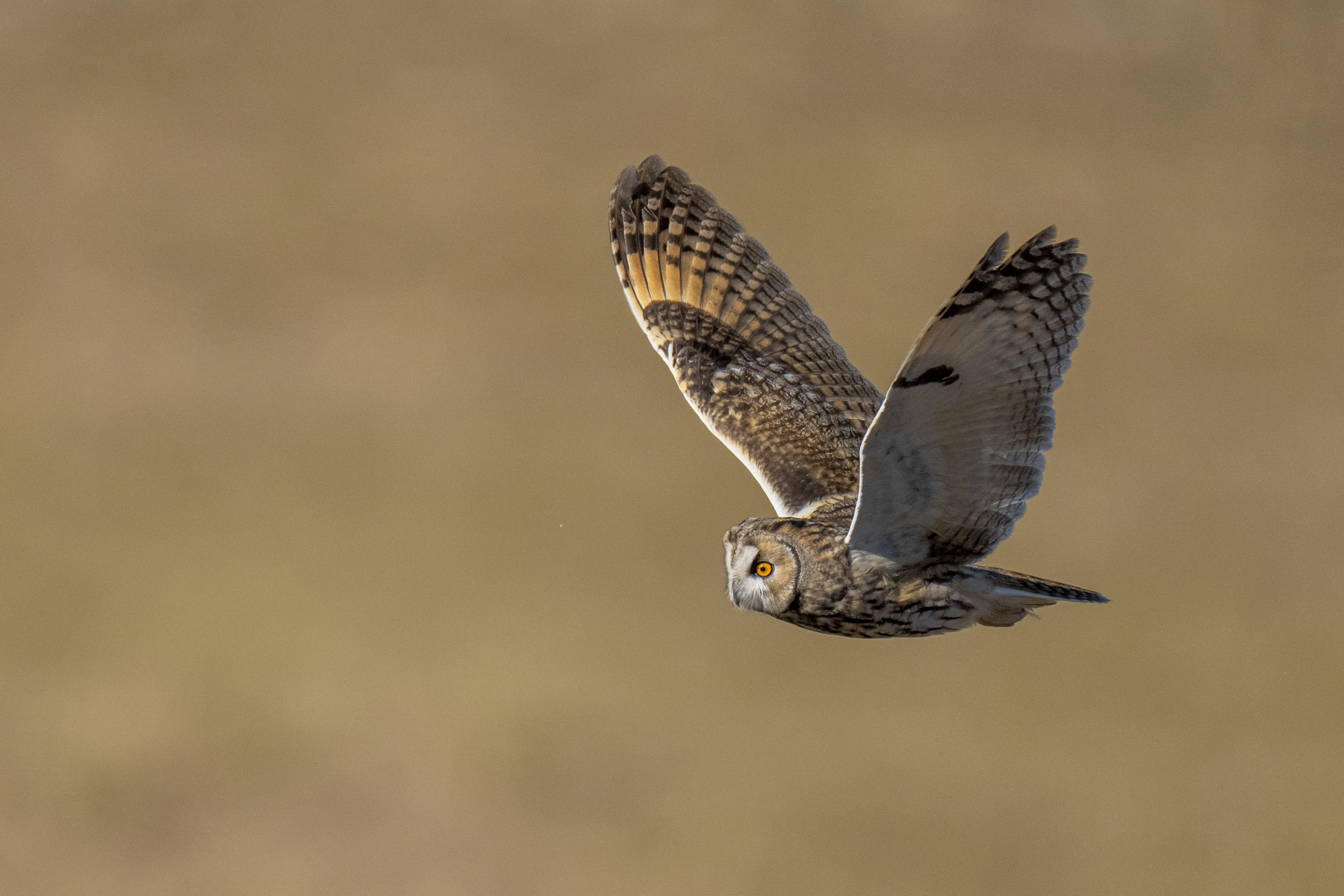
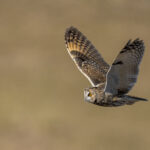
Long-eared Owl (image by Mark Beaman)
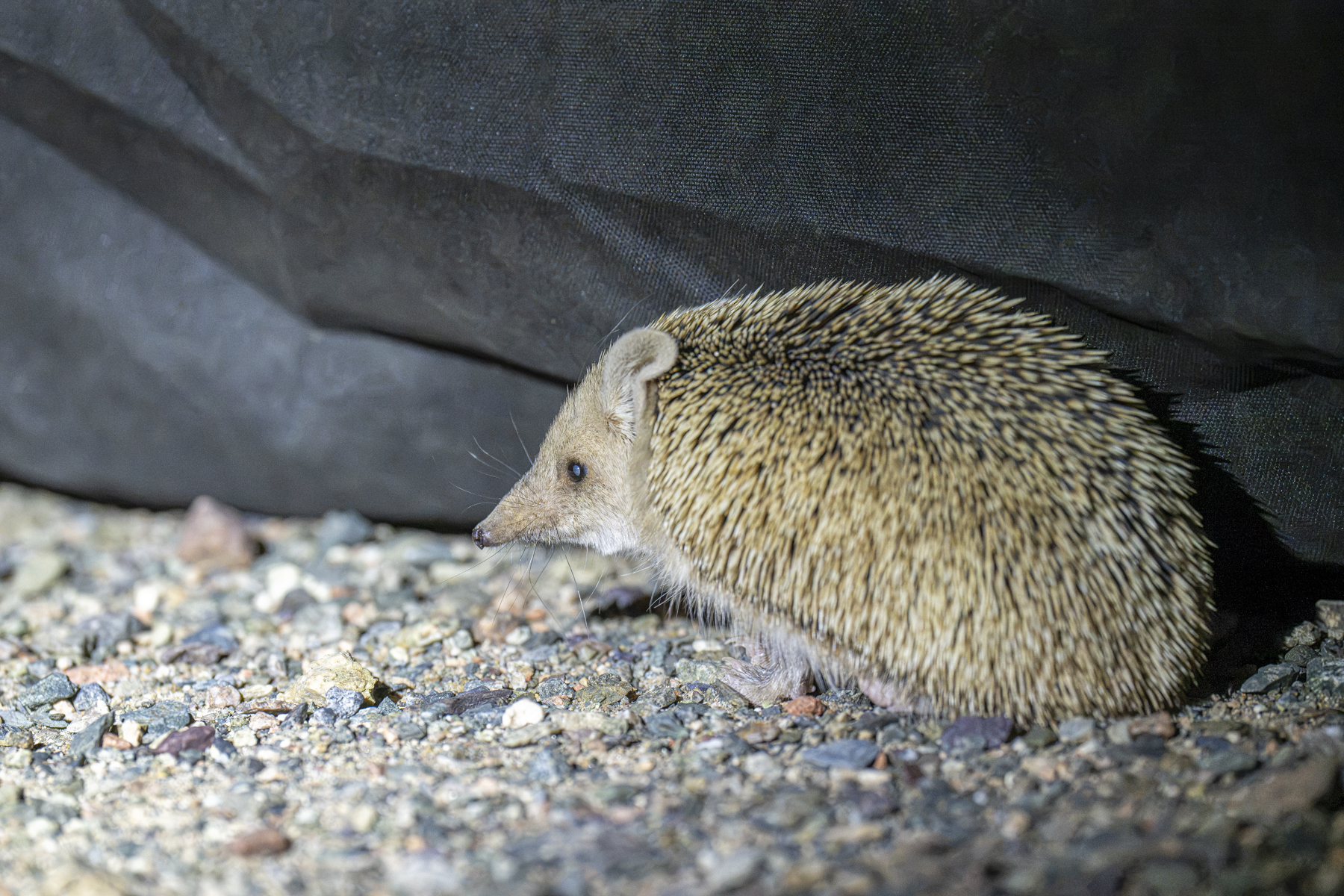
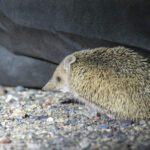
Long-eared Hedgehog (image by Mark Beaman)
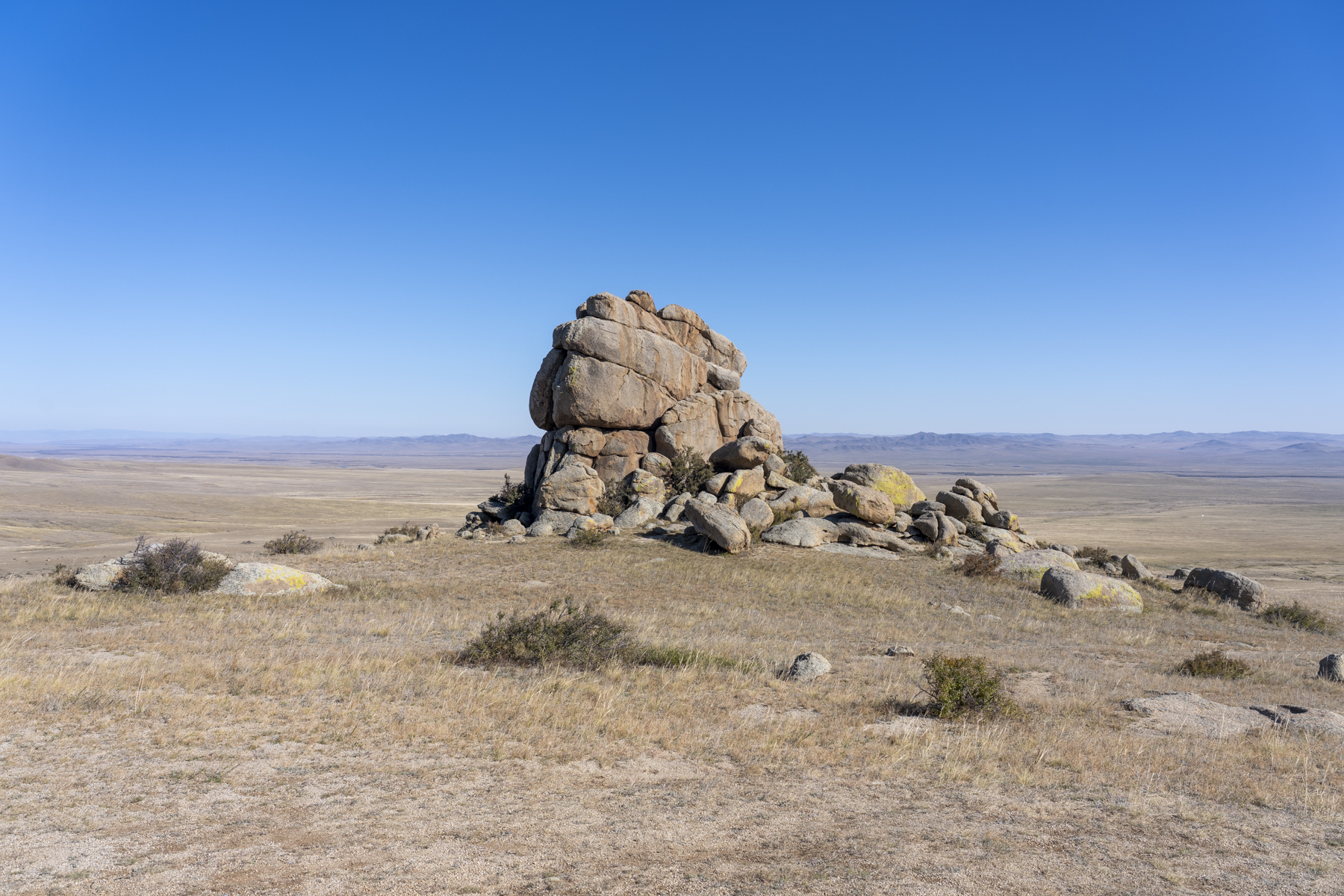
Khustai (or Hustai) National Park (image by Mark Beaman)
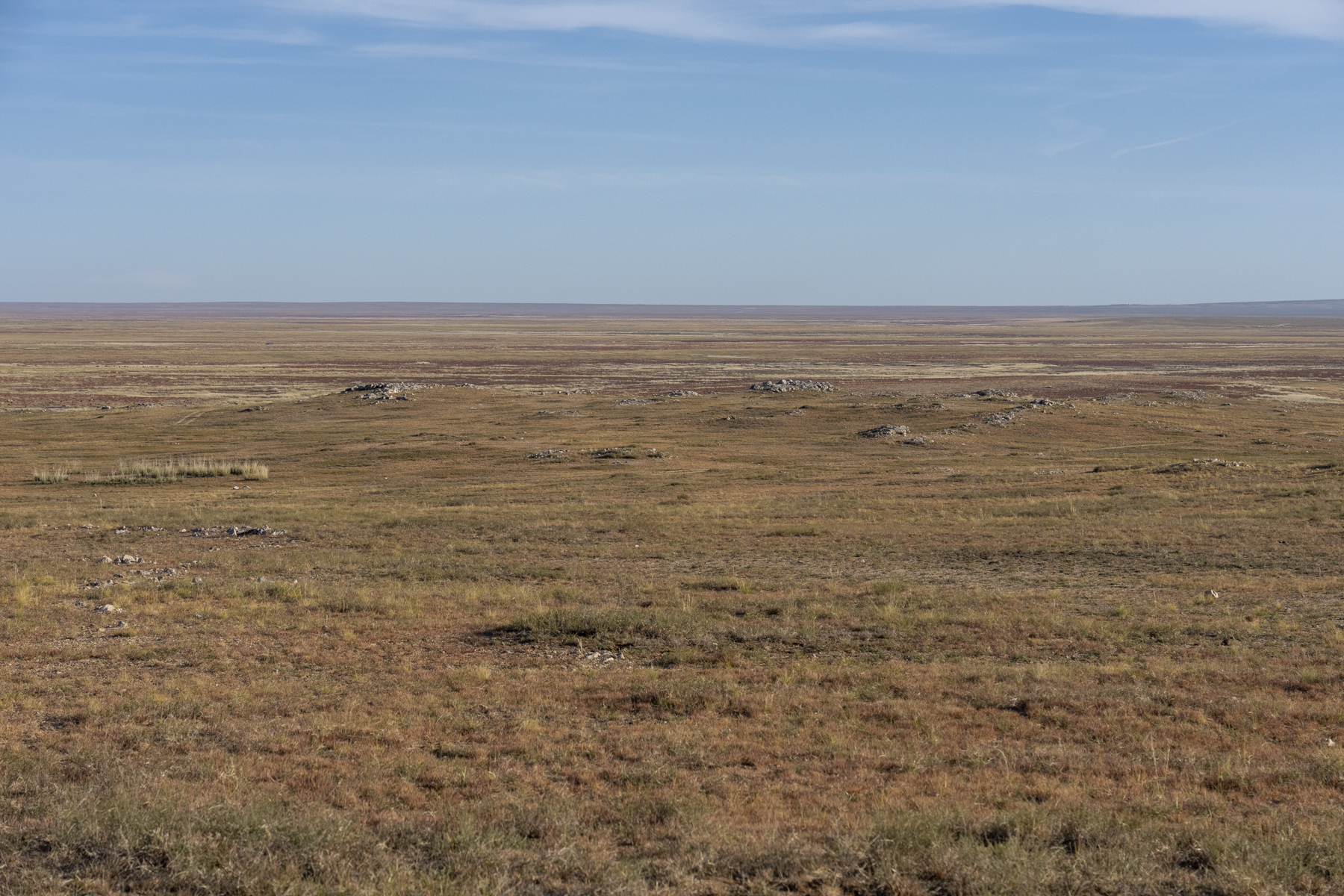
The Khalzan steppe (image by Mark Beaman)
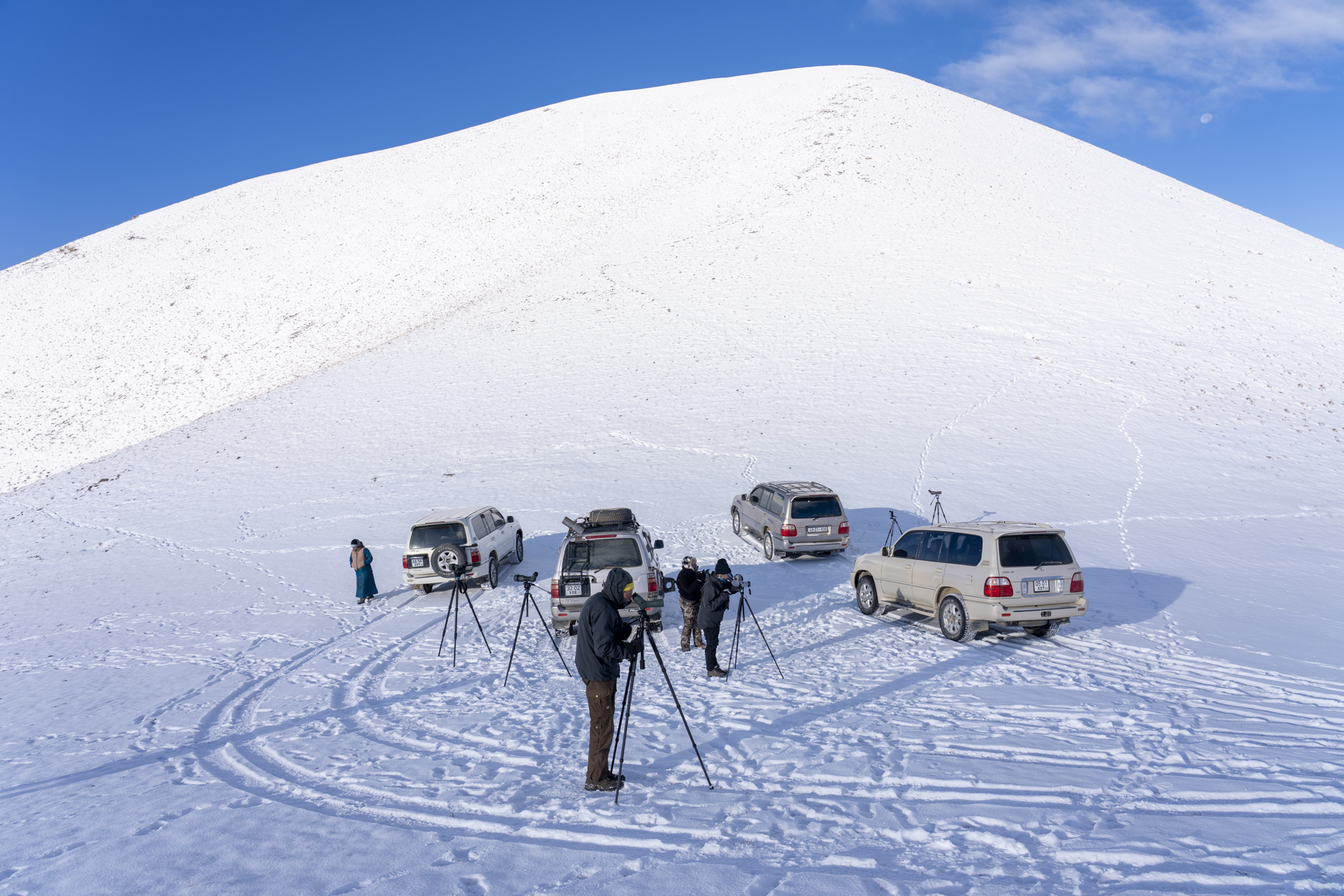
One of the Snow Leopard watchpoints after overnight snow, soon to melt (image by Mark Beaman)
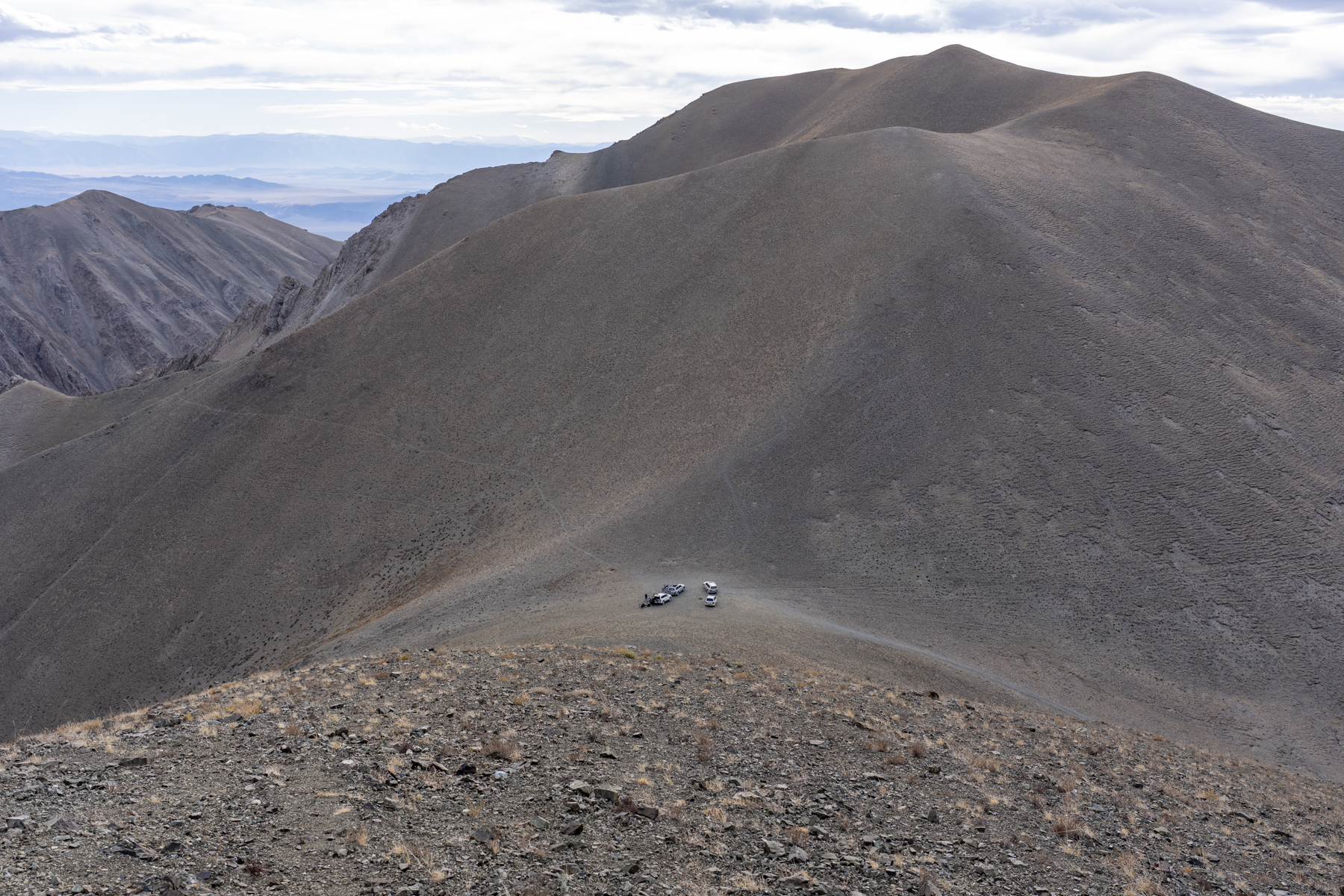
One of the Snow Leopard watchpoints in the Jargalant Mountains (image by Mark Beaman)
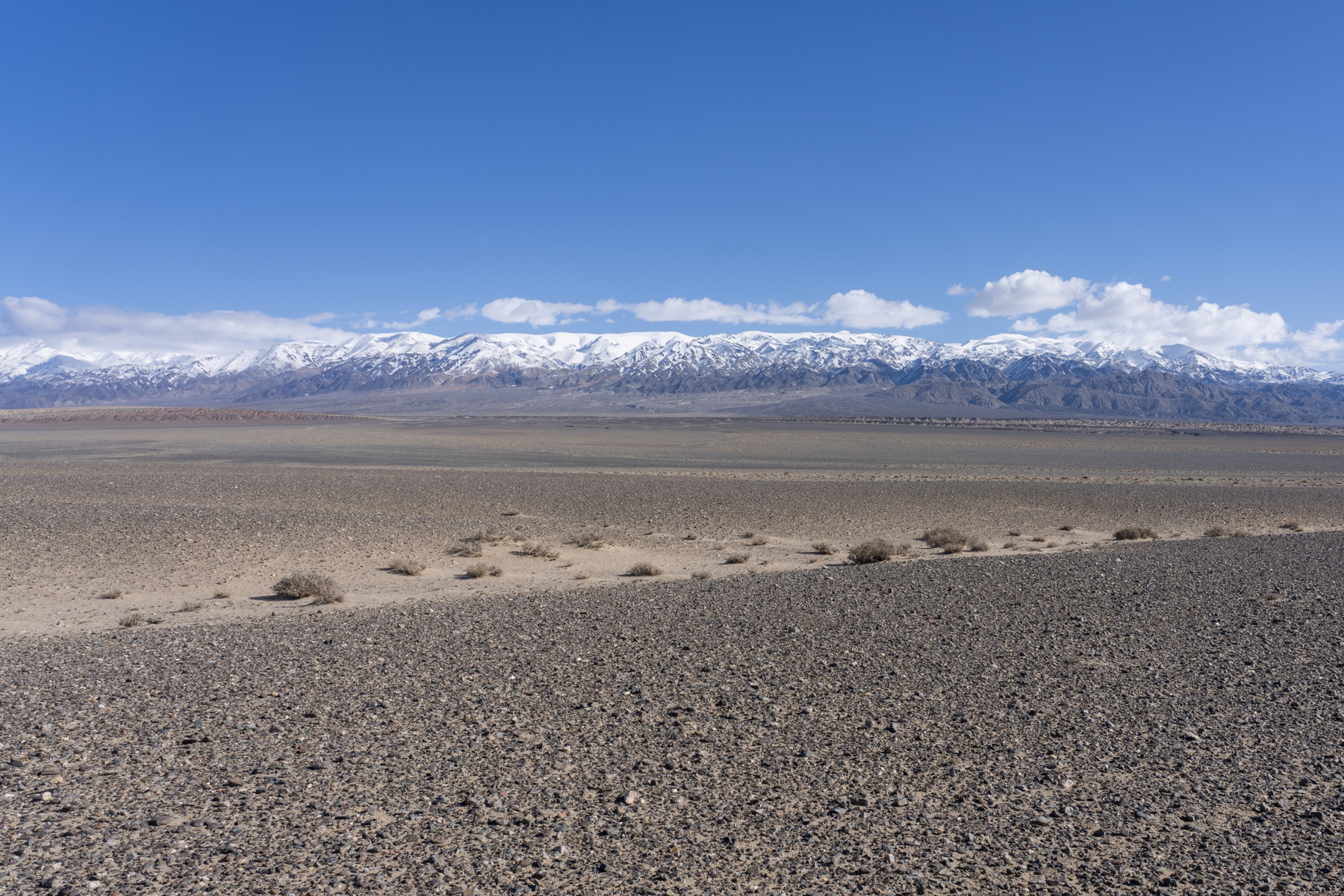
The Jargalant Mountains (image by Mark Beaman)
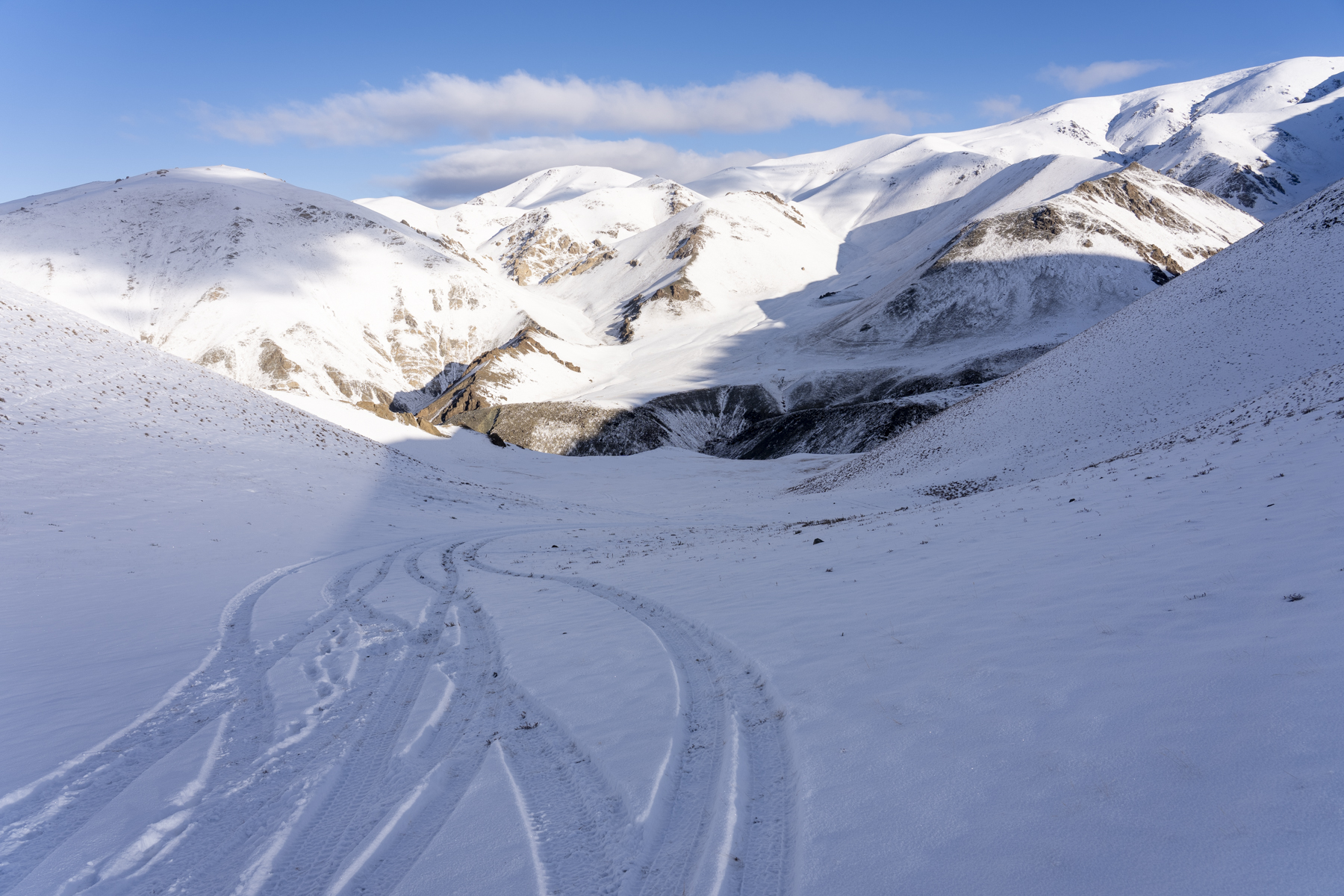
High in the Jargalant Mountains (image by Mark Beaman)
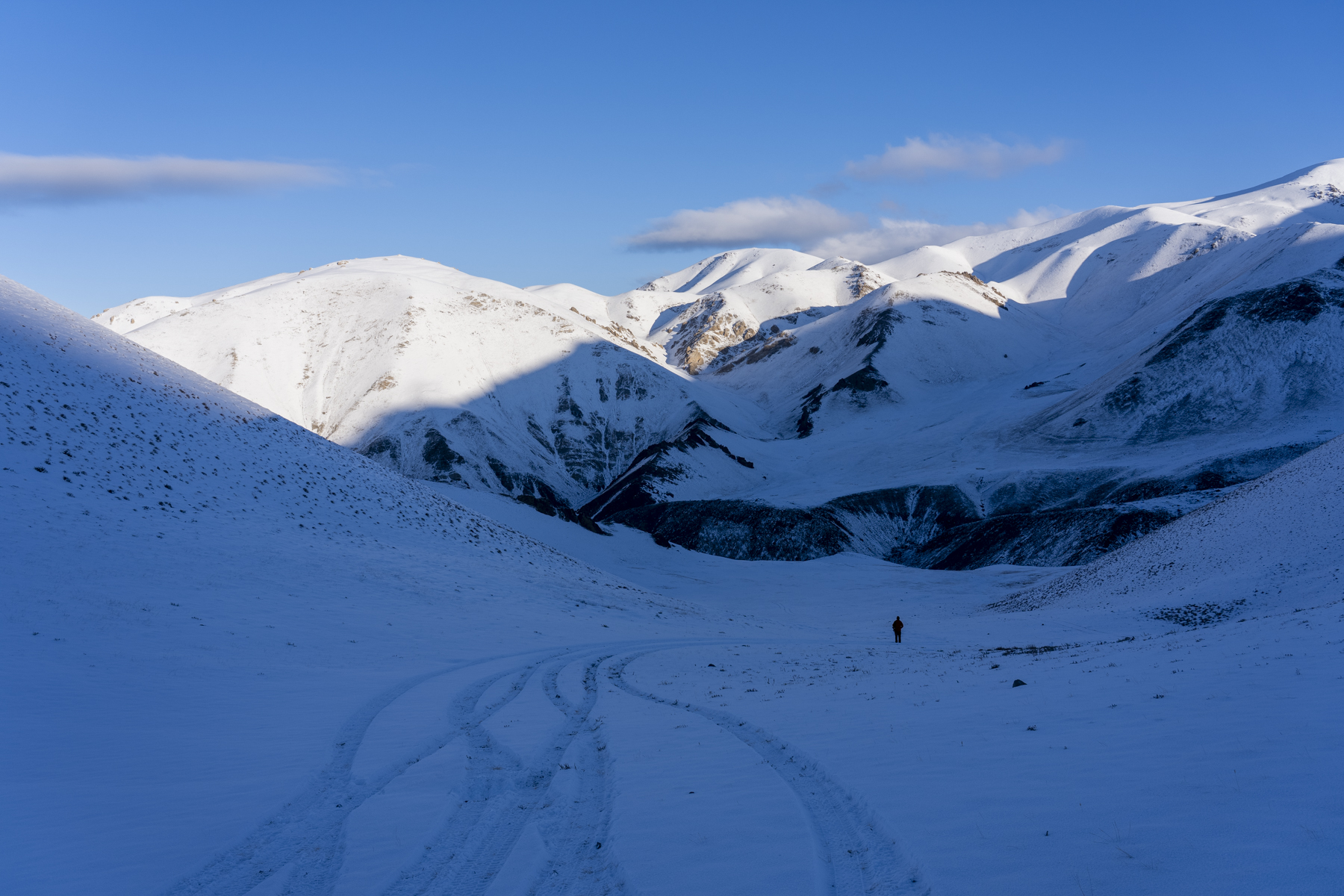
The Jargalant at sunrise (image by Mark Beaman)
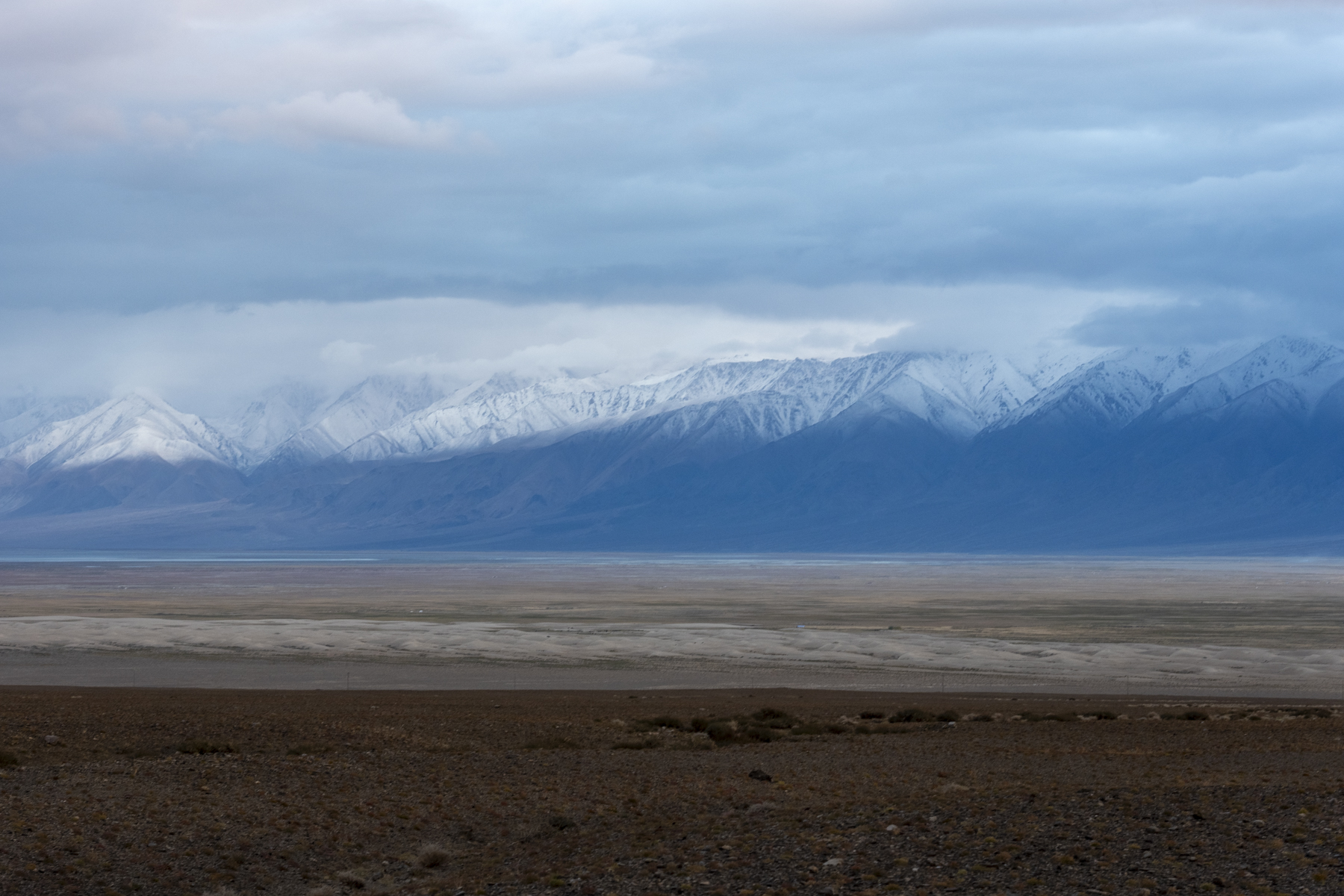
The Altai range after the first snow (image by Mark Beaman)
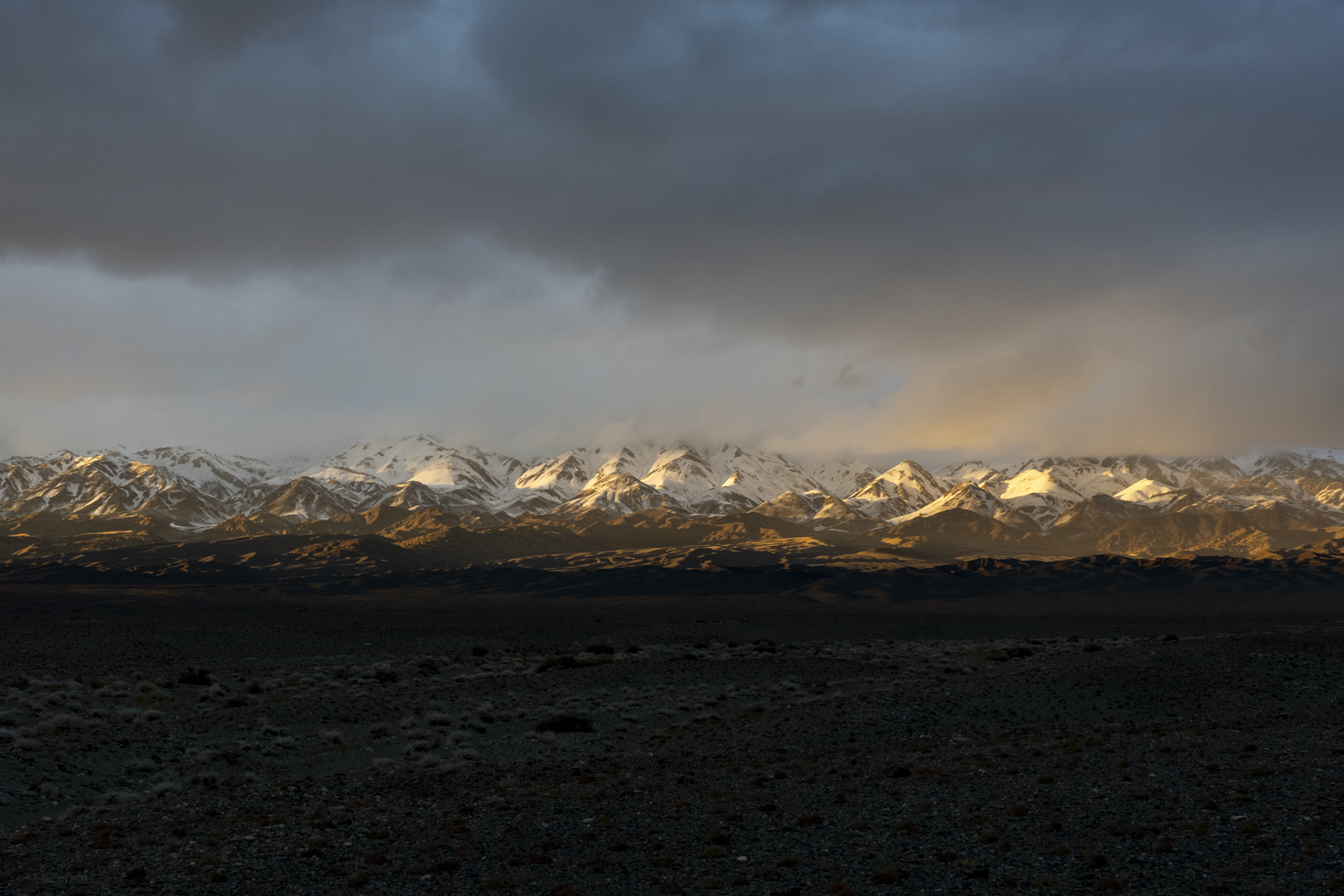
Jargalant scenery (image by Mark Beaman)
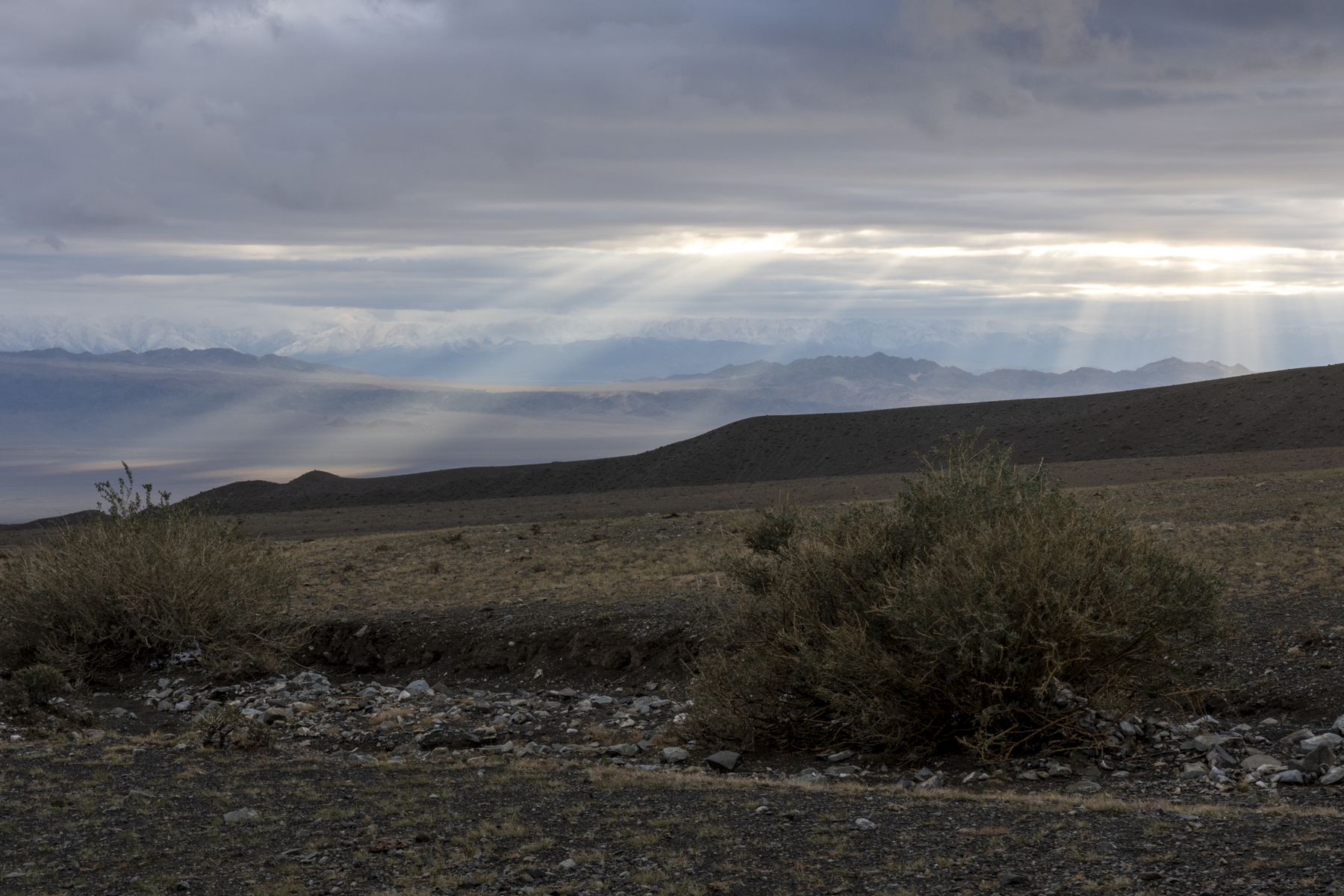
Jargalant scenery (image by Mark Beaman)
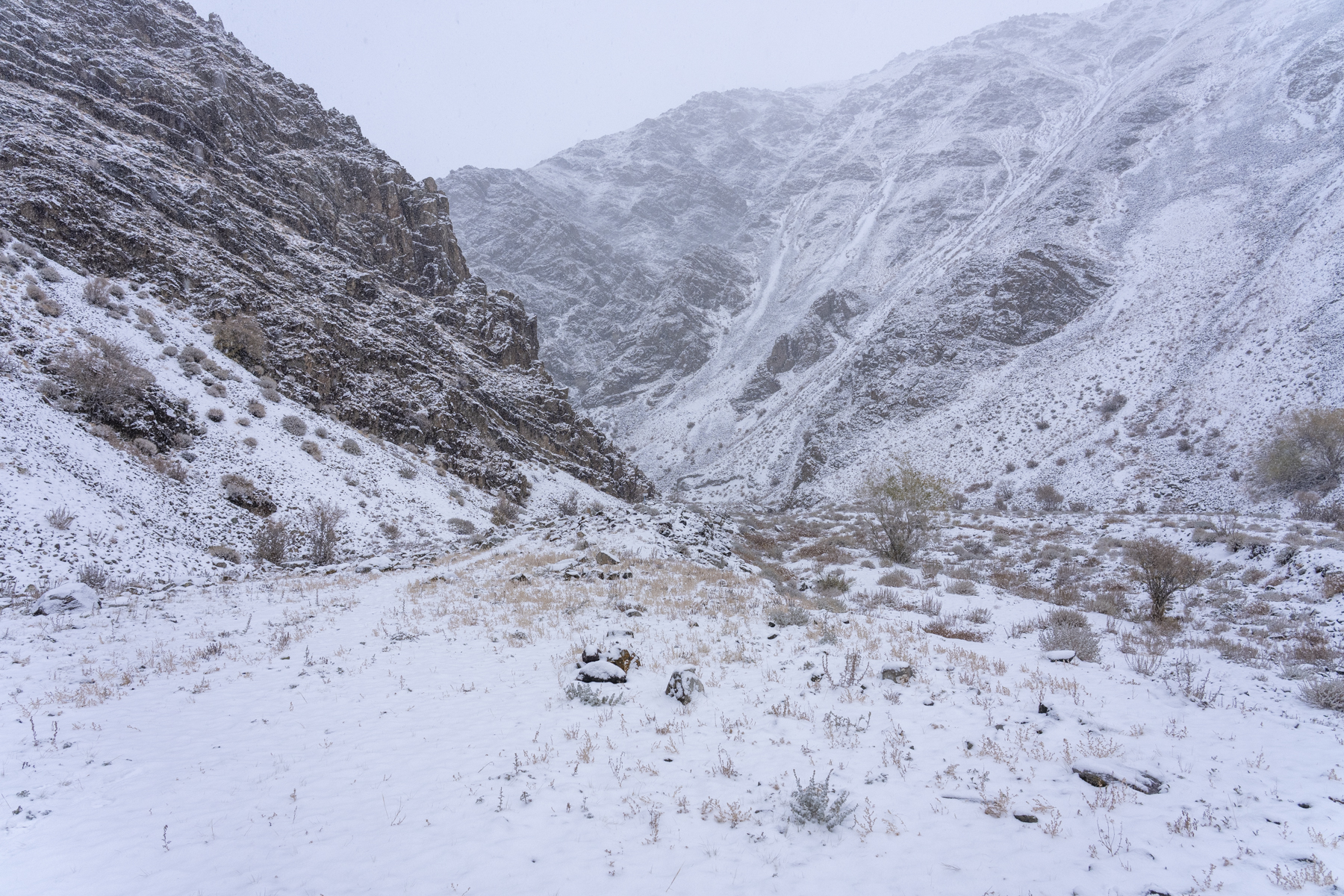
Jargalant scenery (image by Mark Beaman)
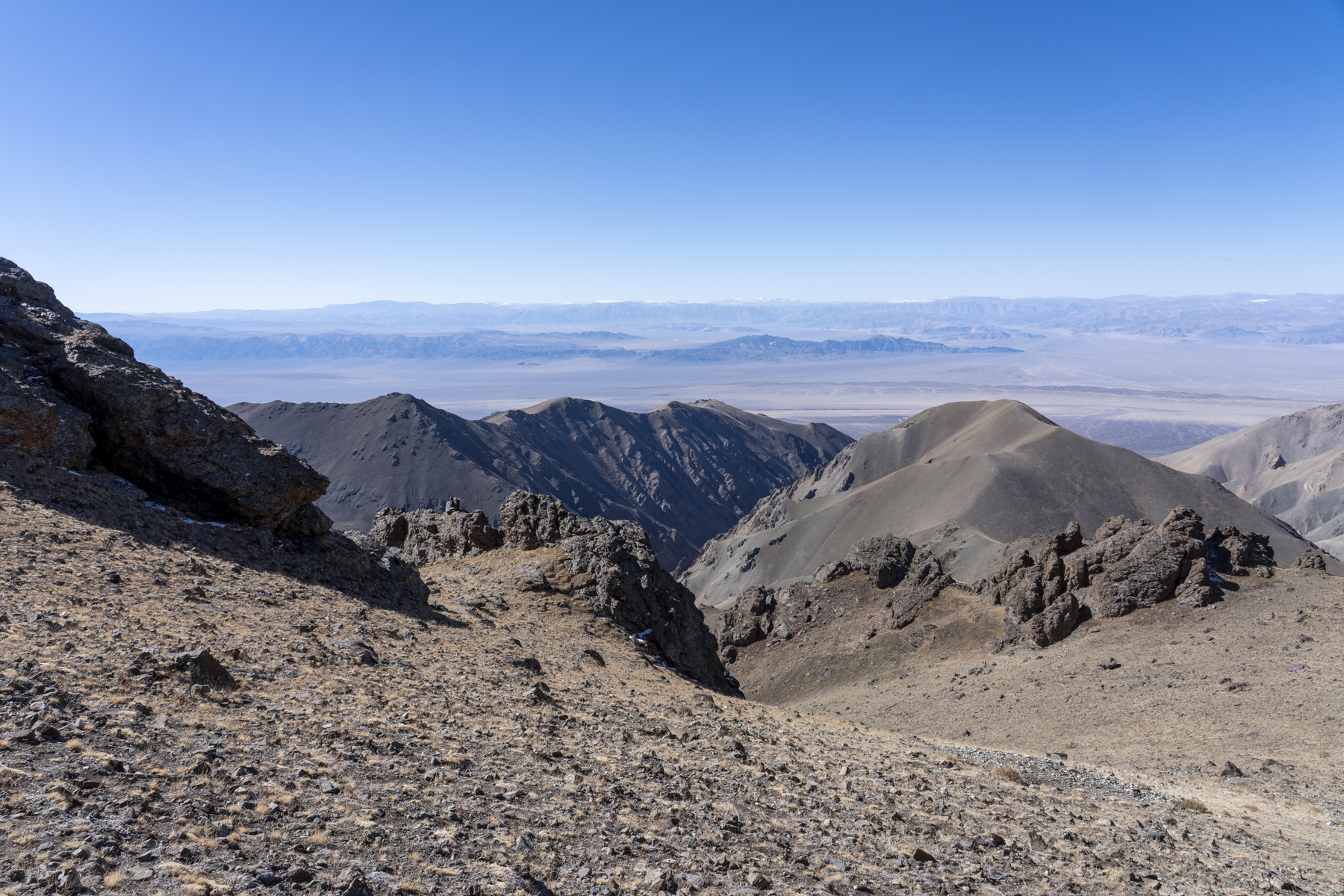
Jargalant scenery (image by Mark Beaman)
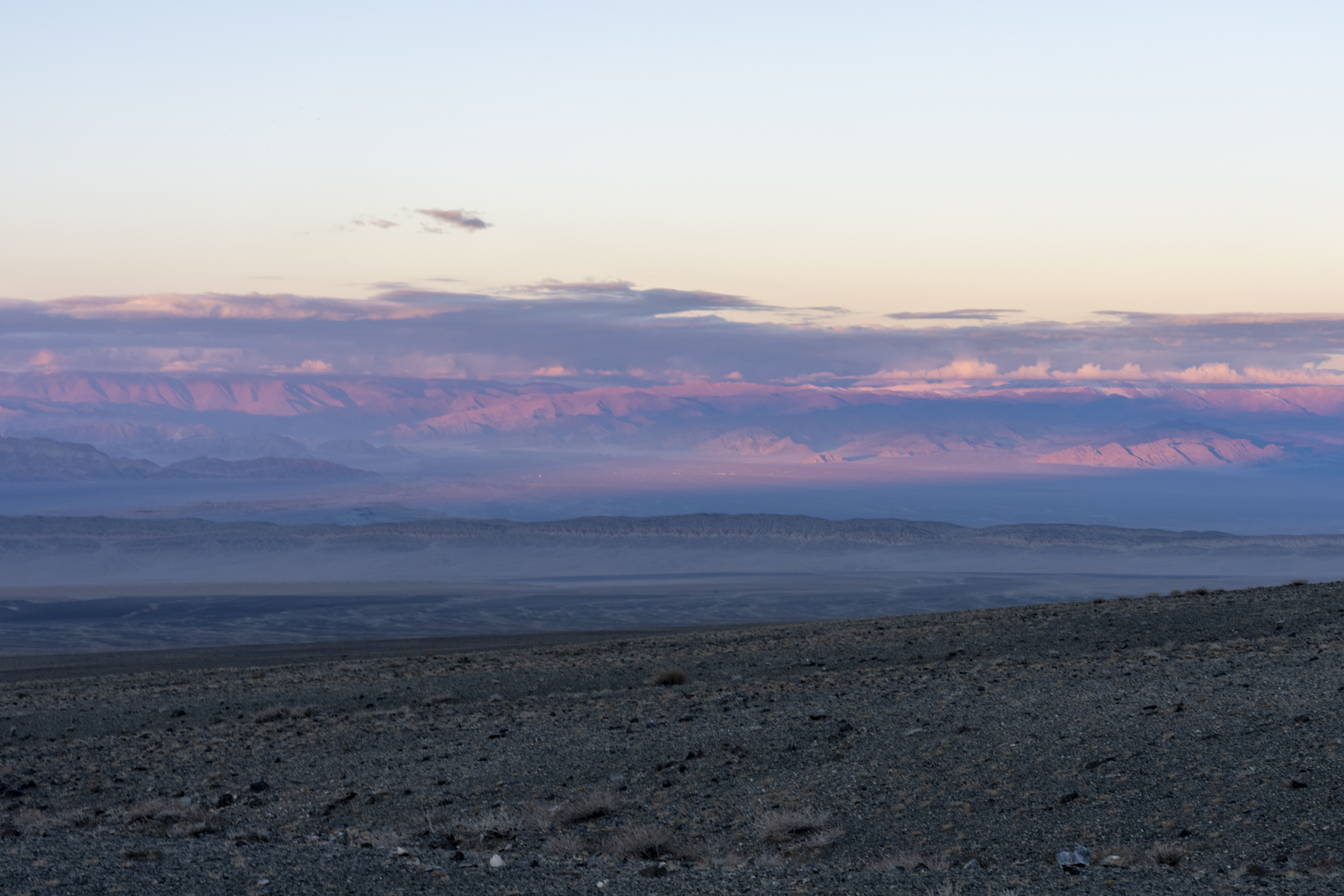
The Altai at sunrise (image by Mark Beaman)
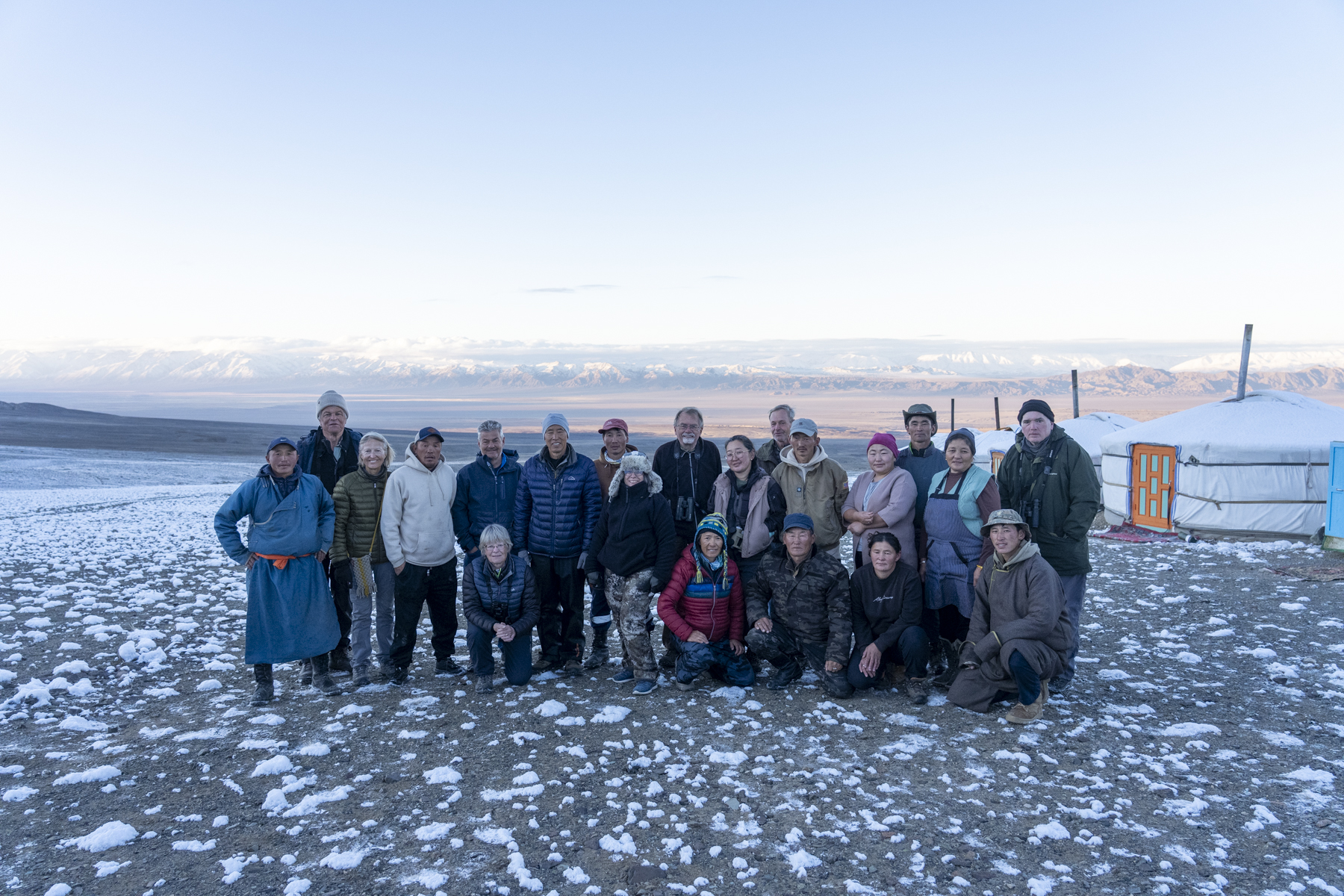
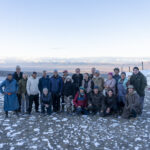
Our group with the wonderful team at the Jargalant (image by Mark Beaman)
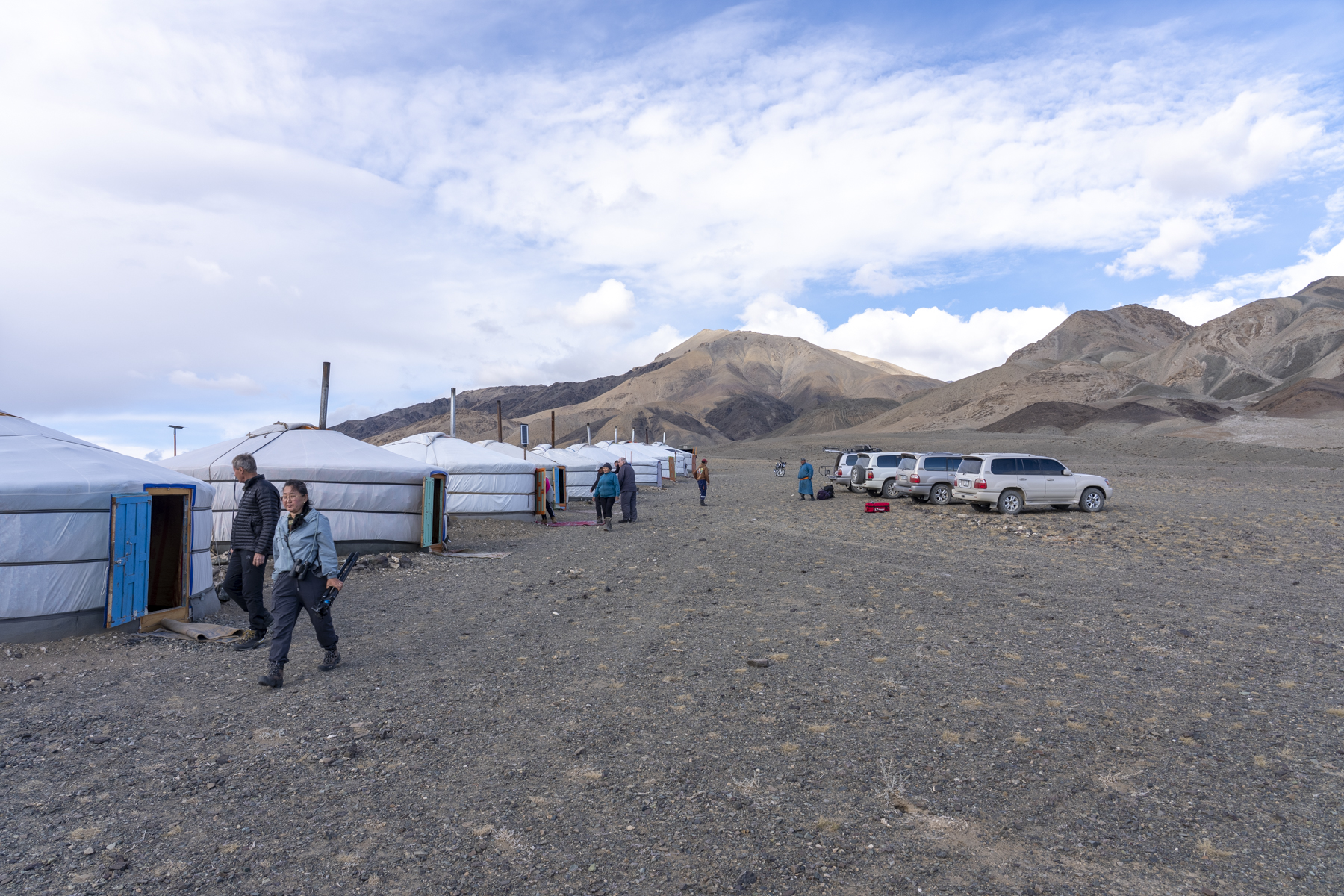
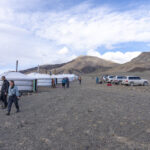
Our ger camp in the Jargalant (image by Mark Beaman)
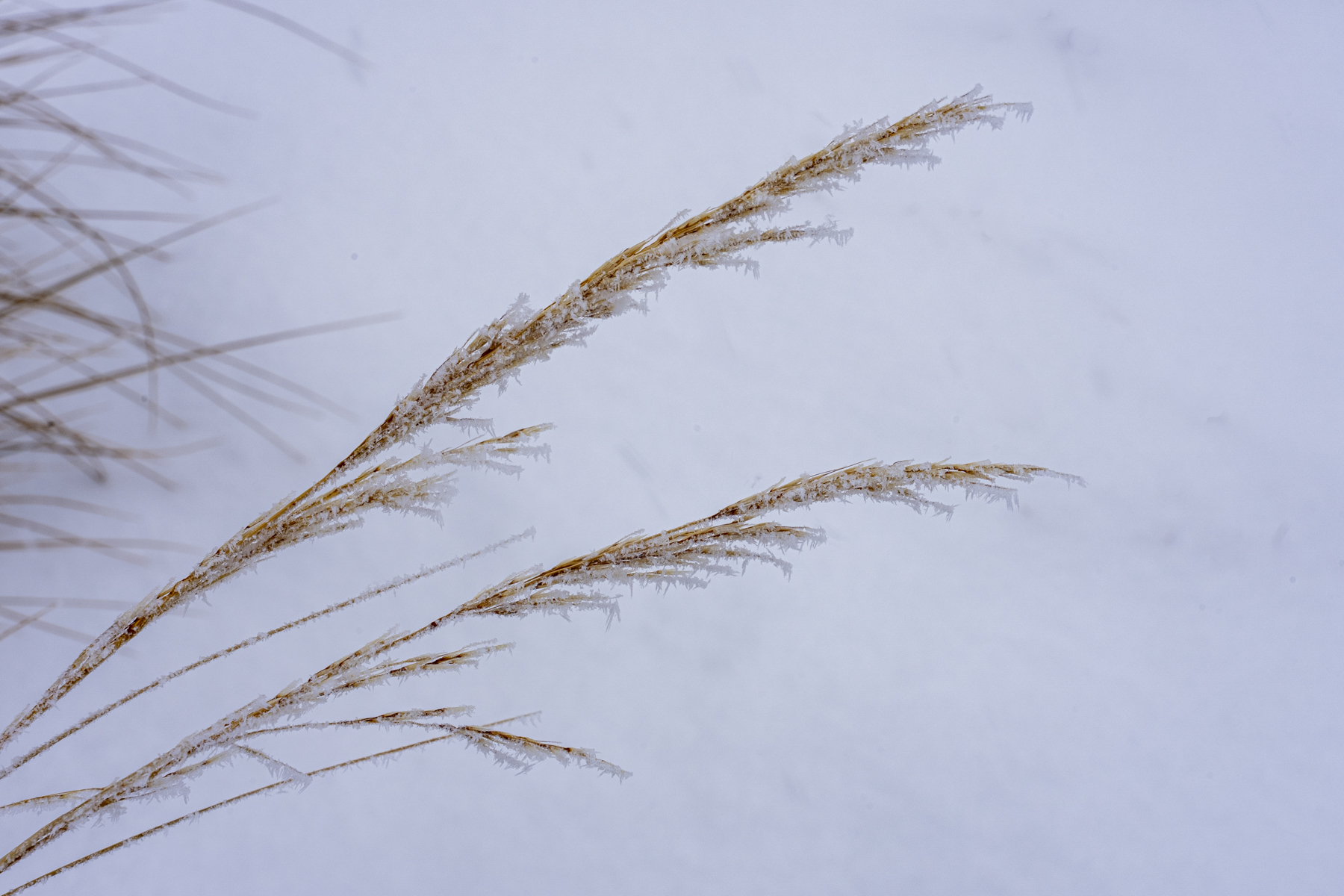
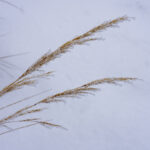
Ice crystals encrust the autumn grass (image by Mark Beaman)
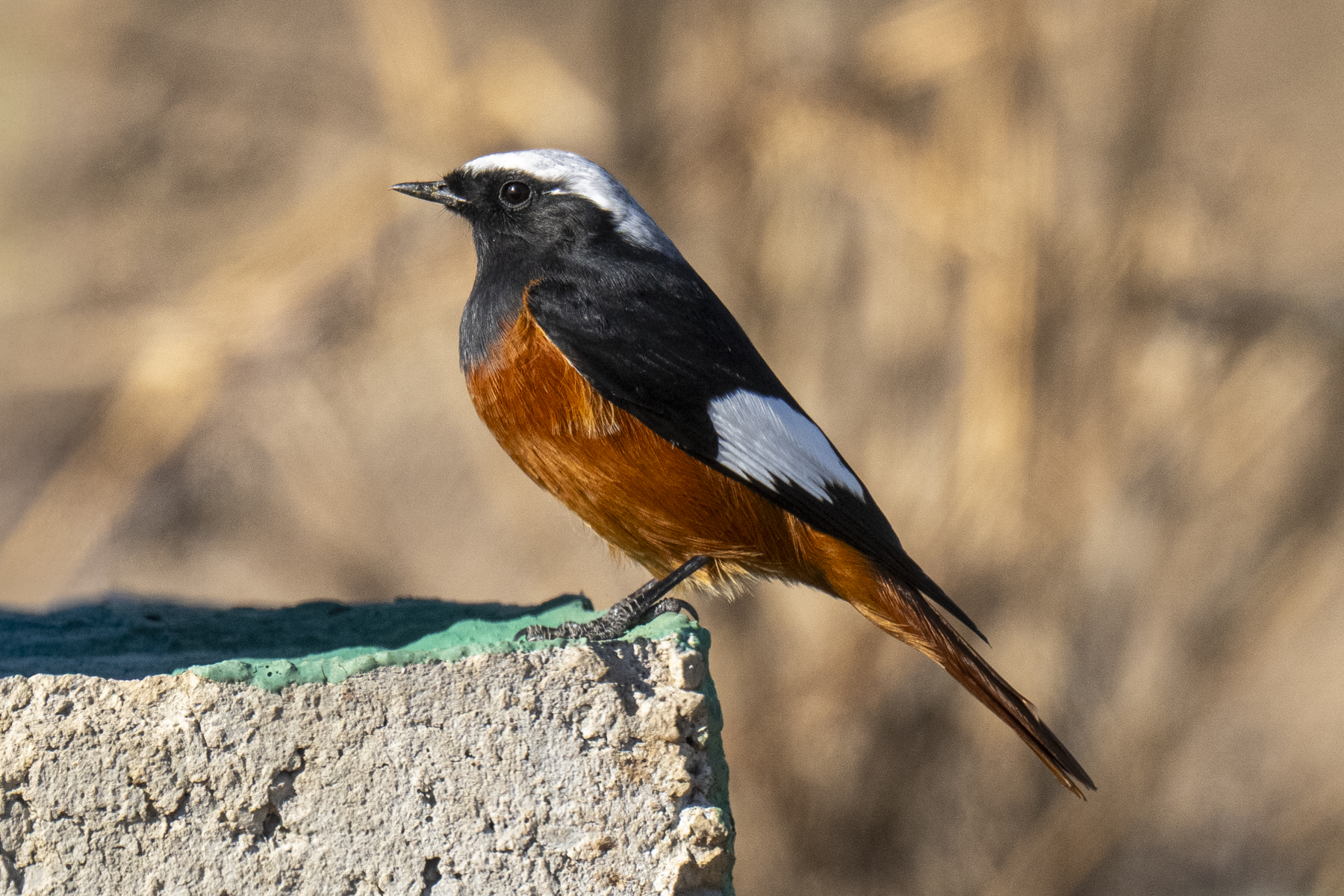
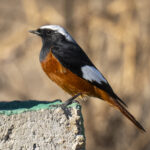
The striking Güldenstädt's Redstart (image by Mark Beaman)
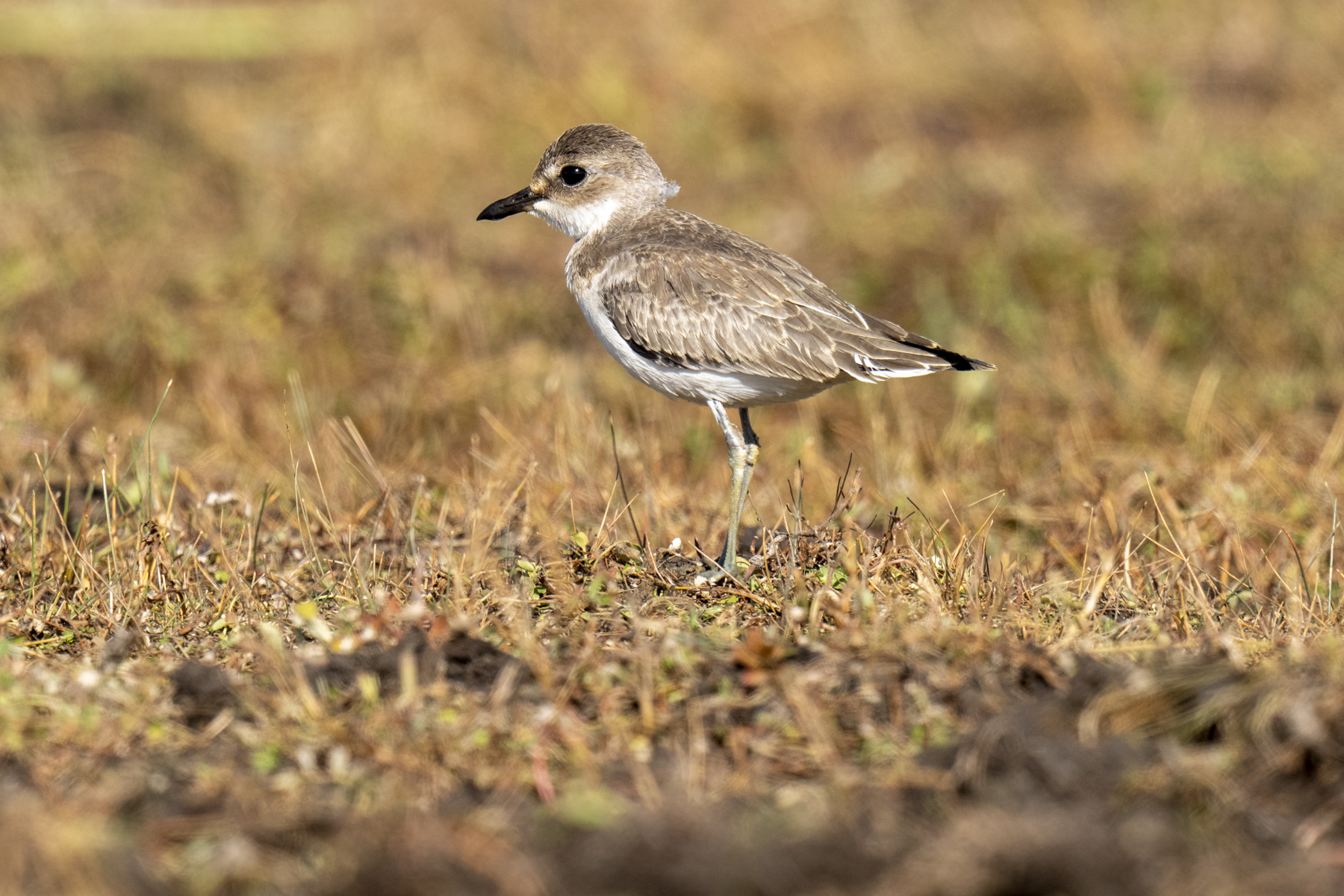
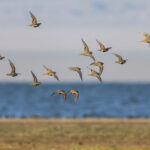
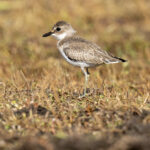
Greater Sand Plover (image by Mark Beaman)
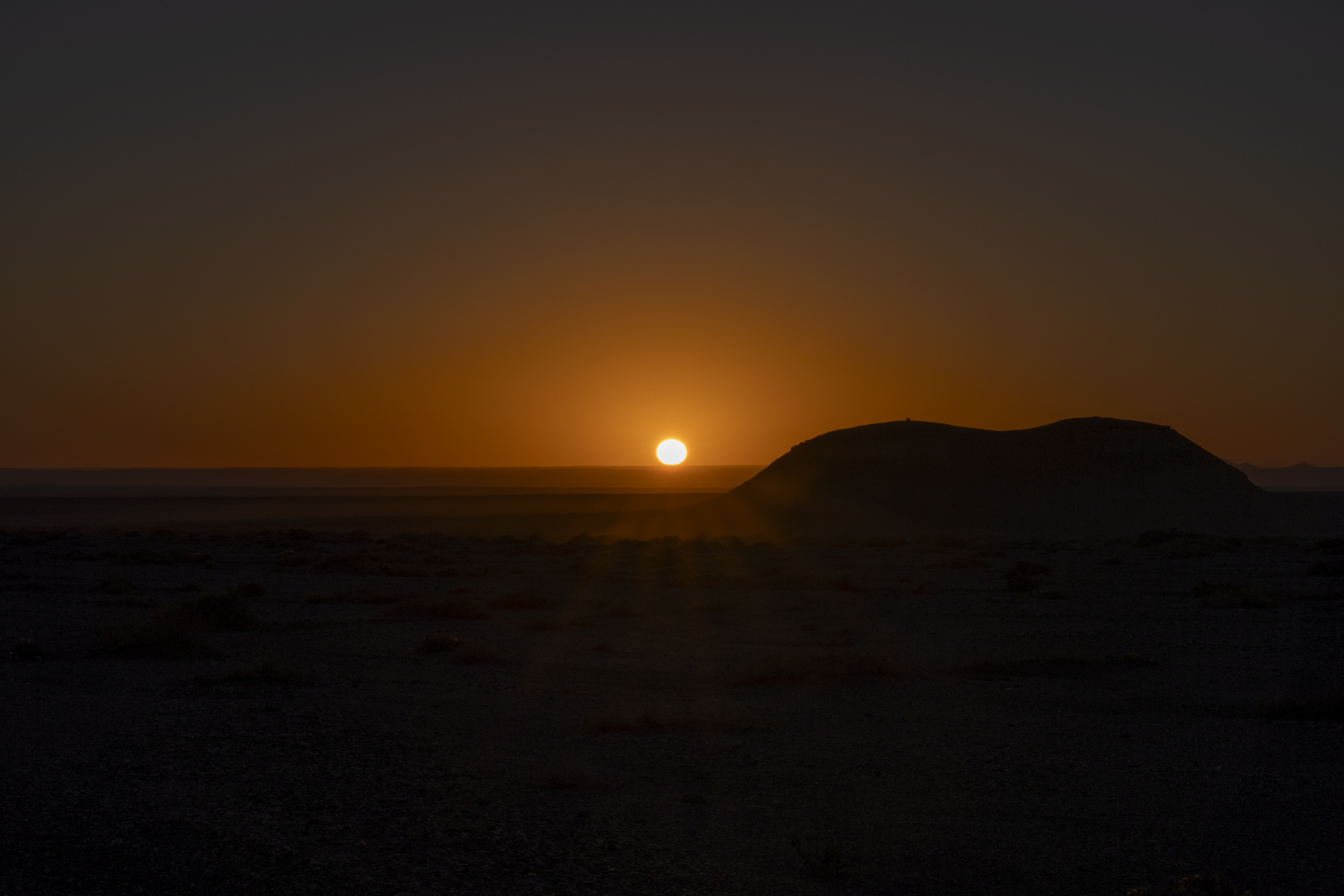
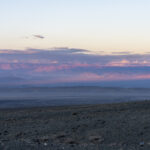
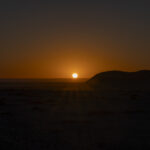
Sunrise in the Gobi Desert (imnage by Mark Beaman)
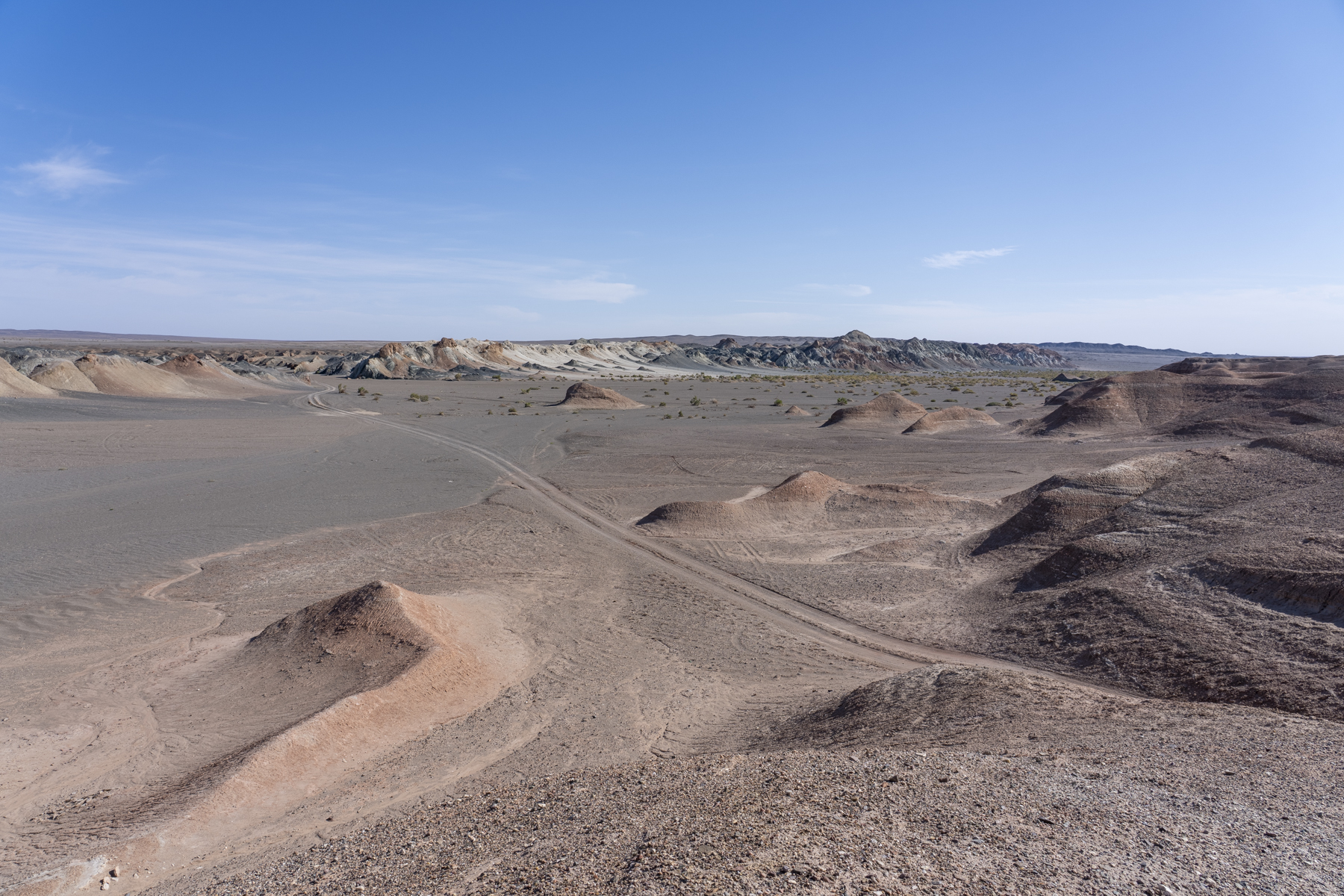
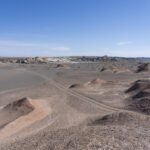
Gobi Desert scenery (image by Mark Beaman)
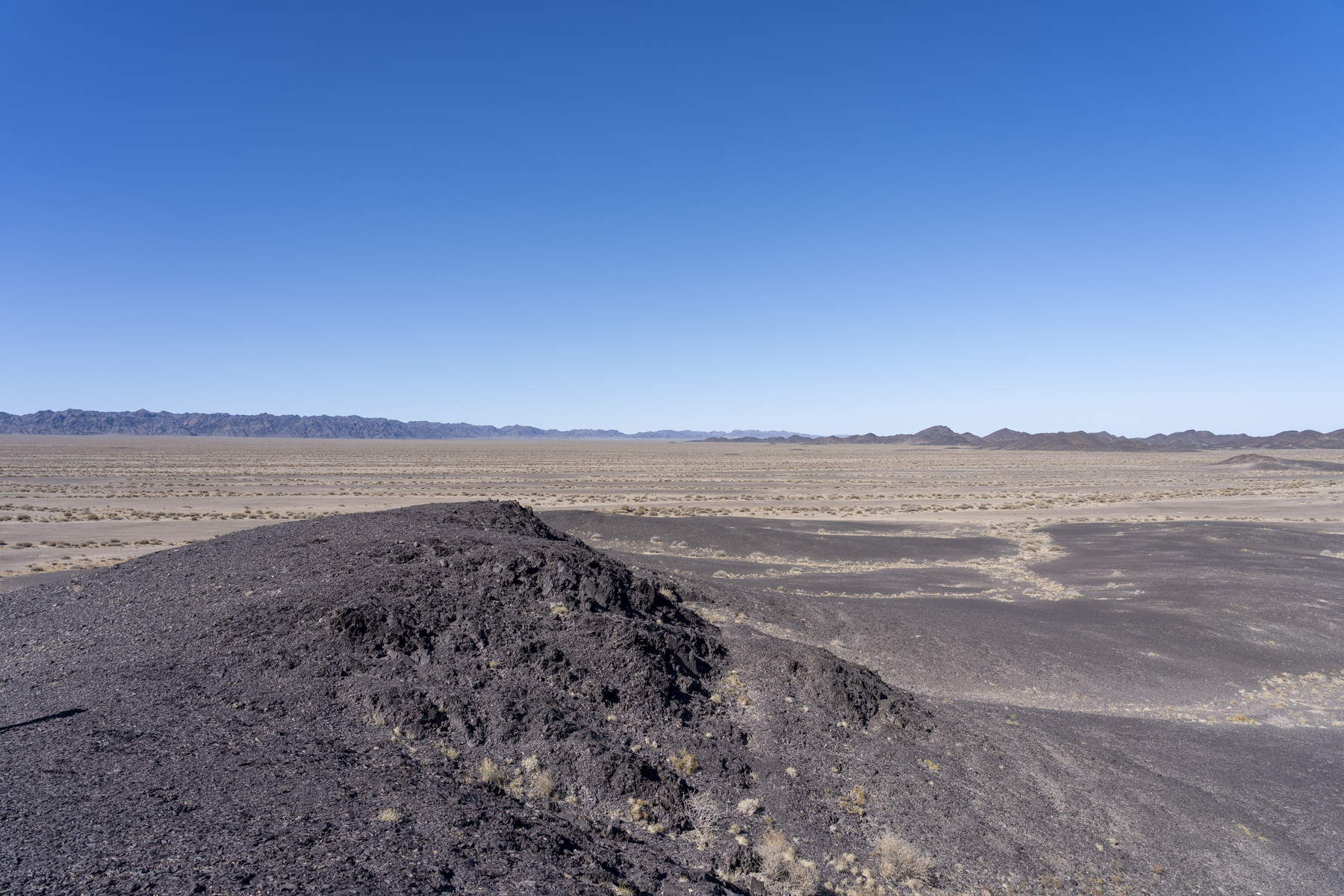
Gobi Desert scenery (image by Mark Beaman)
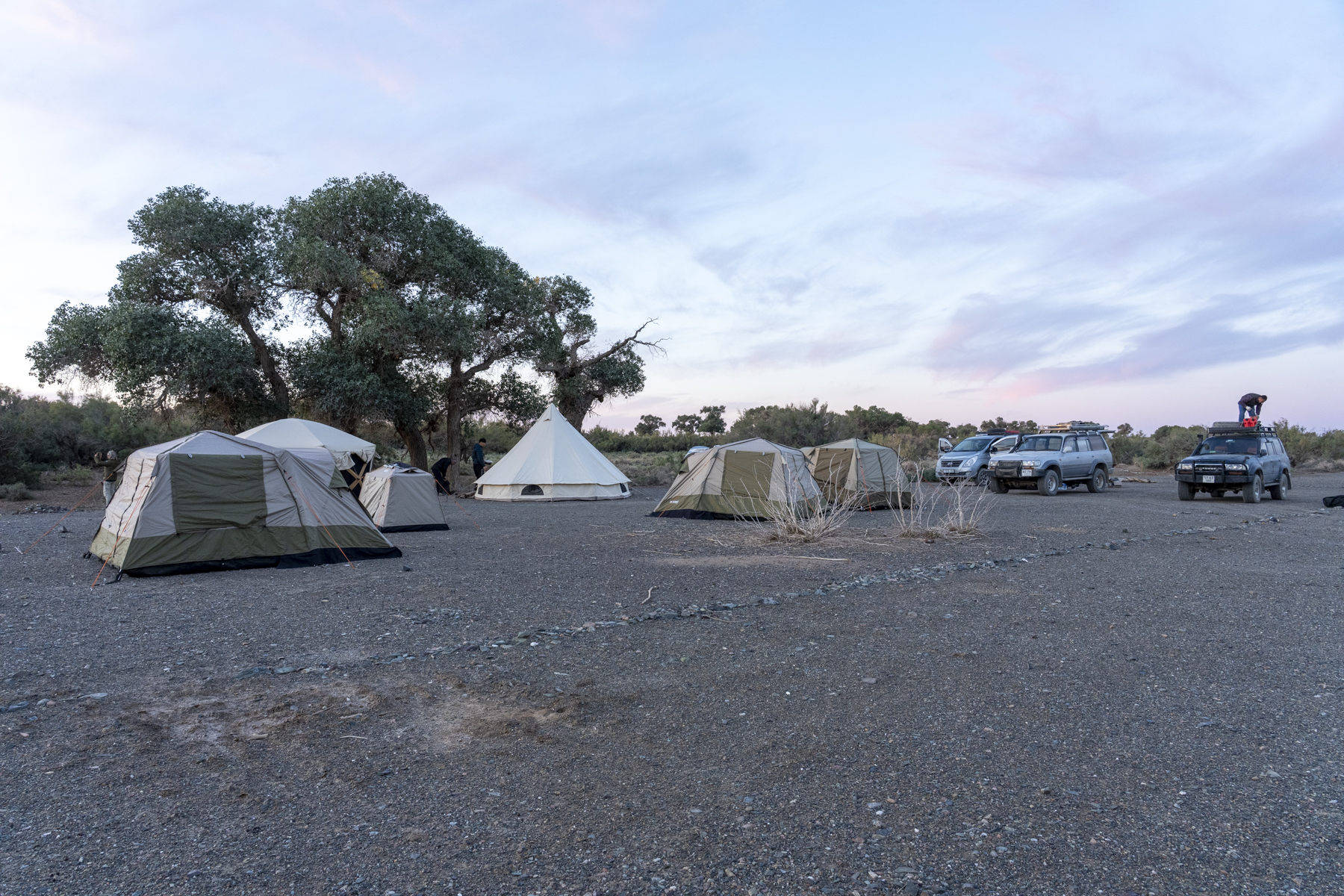
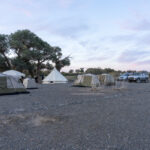
Our camp in the Gobi (image by Mark Beaman)
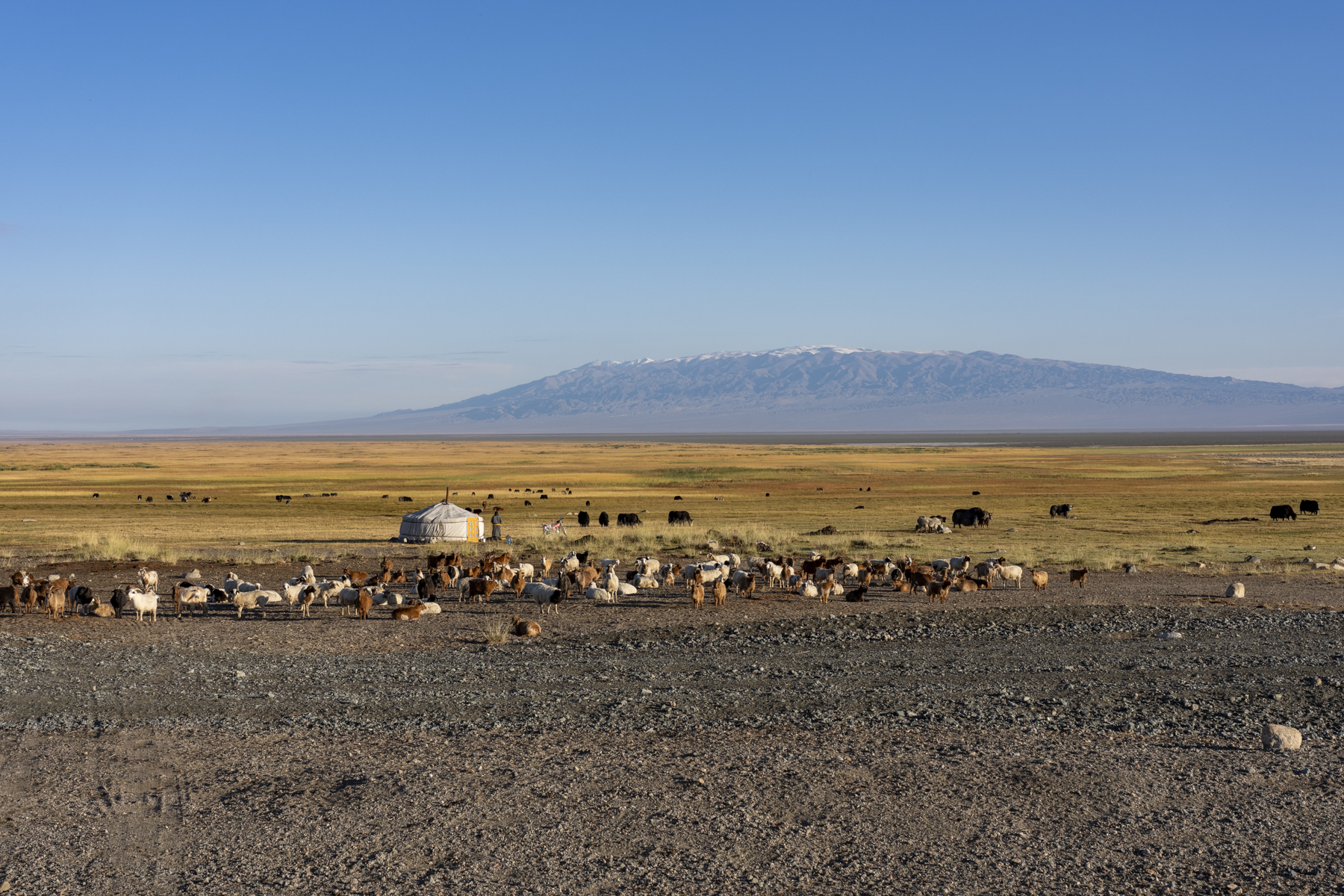
The nomadic life lives on in Mongolia (image by Mark Beaman)
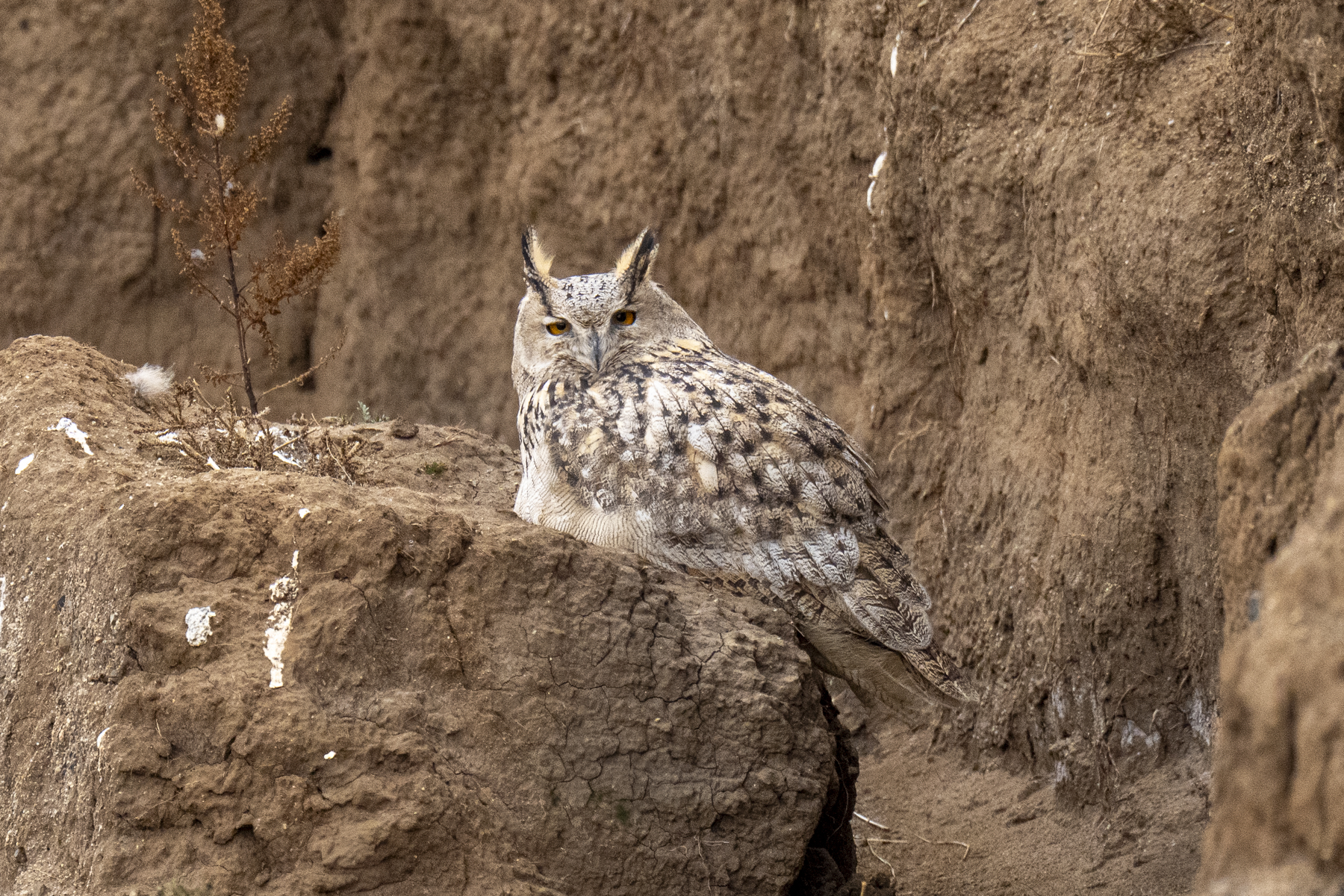
The huge Eurasian Eagle-Owl (image by Mark Beaman)
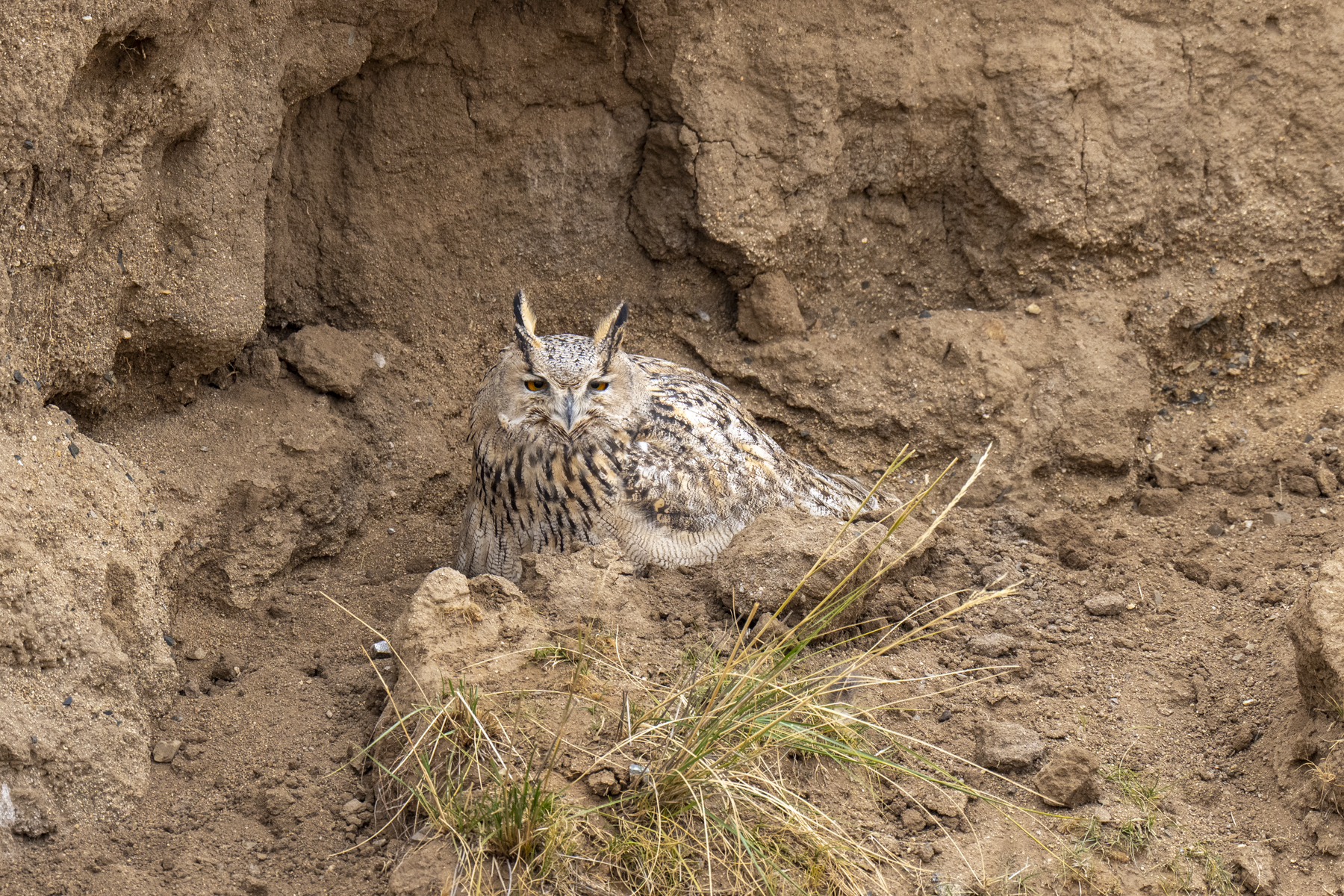
The huge Eurasian Eagle-Owl (image by Mark Beaman)
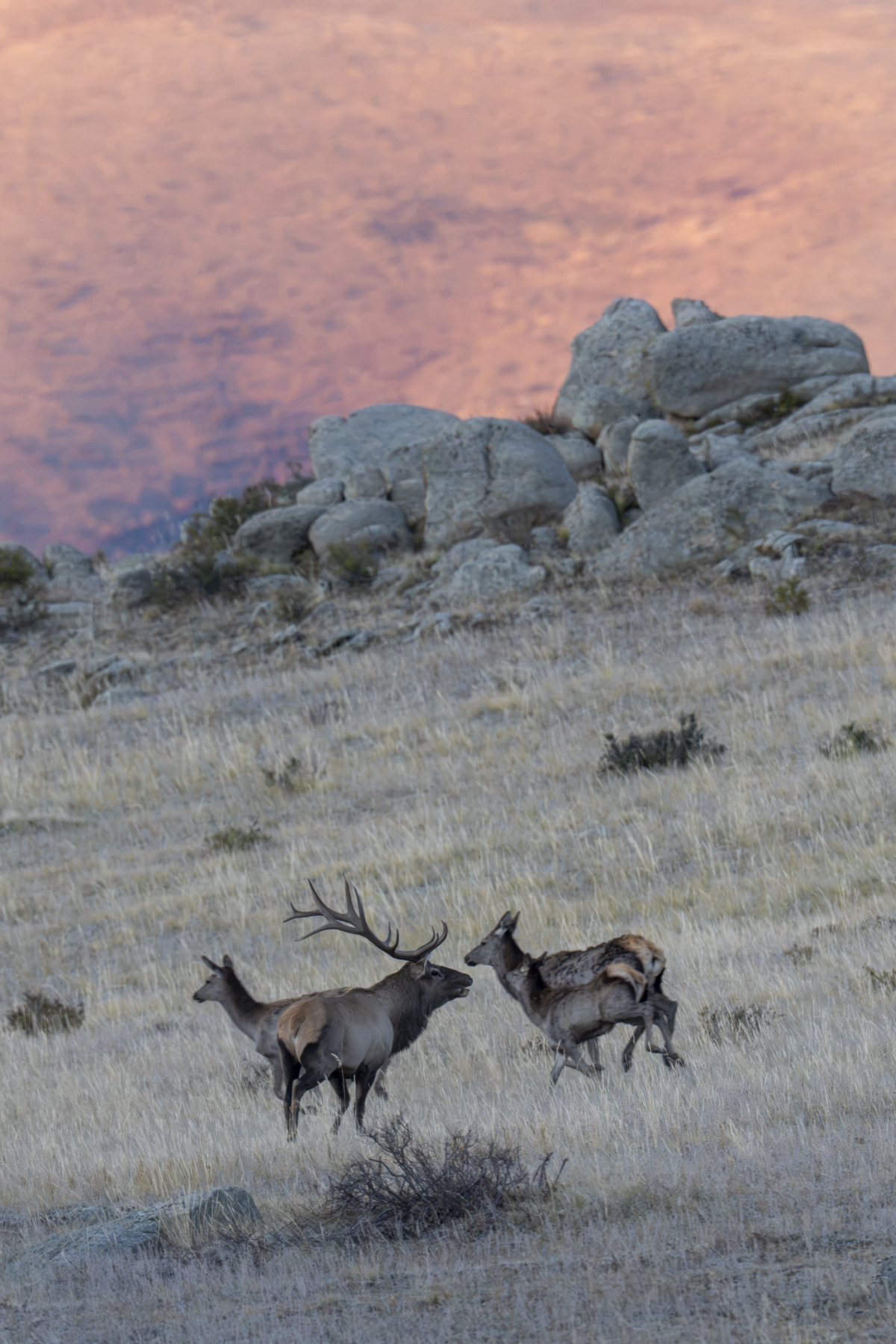
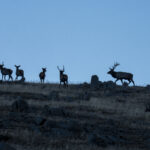
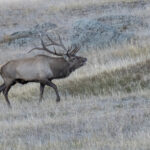
Siberian Elk at sunrise (image by Mark Beaman)
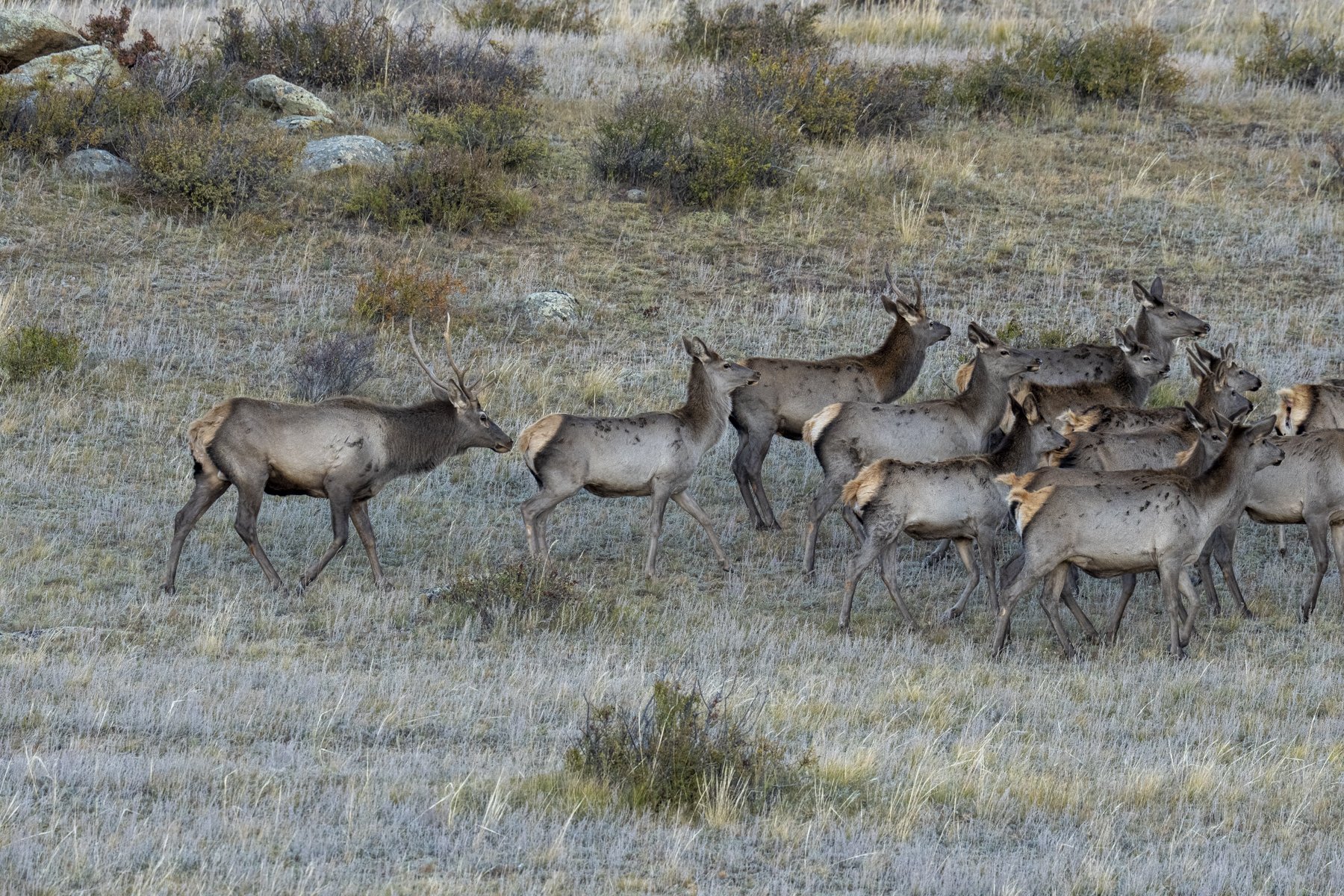
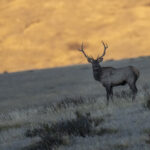
Siberian Elk (image by Mark Beaman)
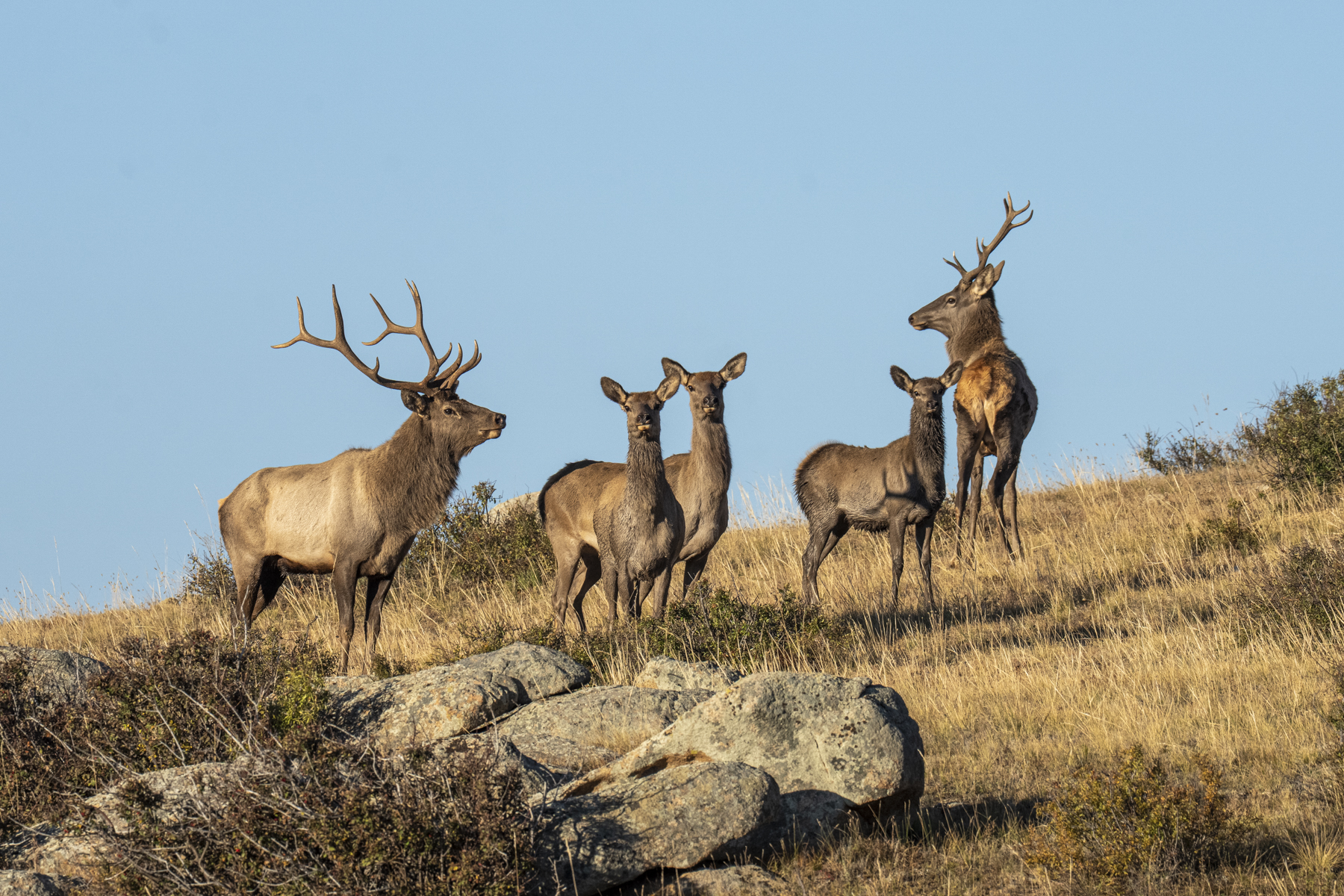
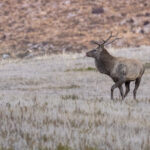
Siberian Elk (image by Mark Beaman)
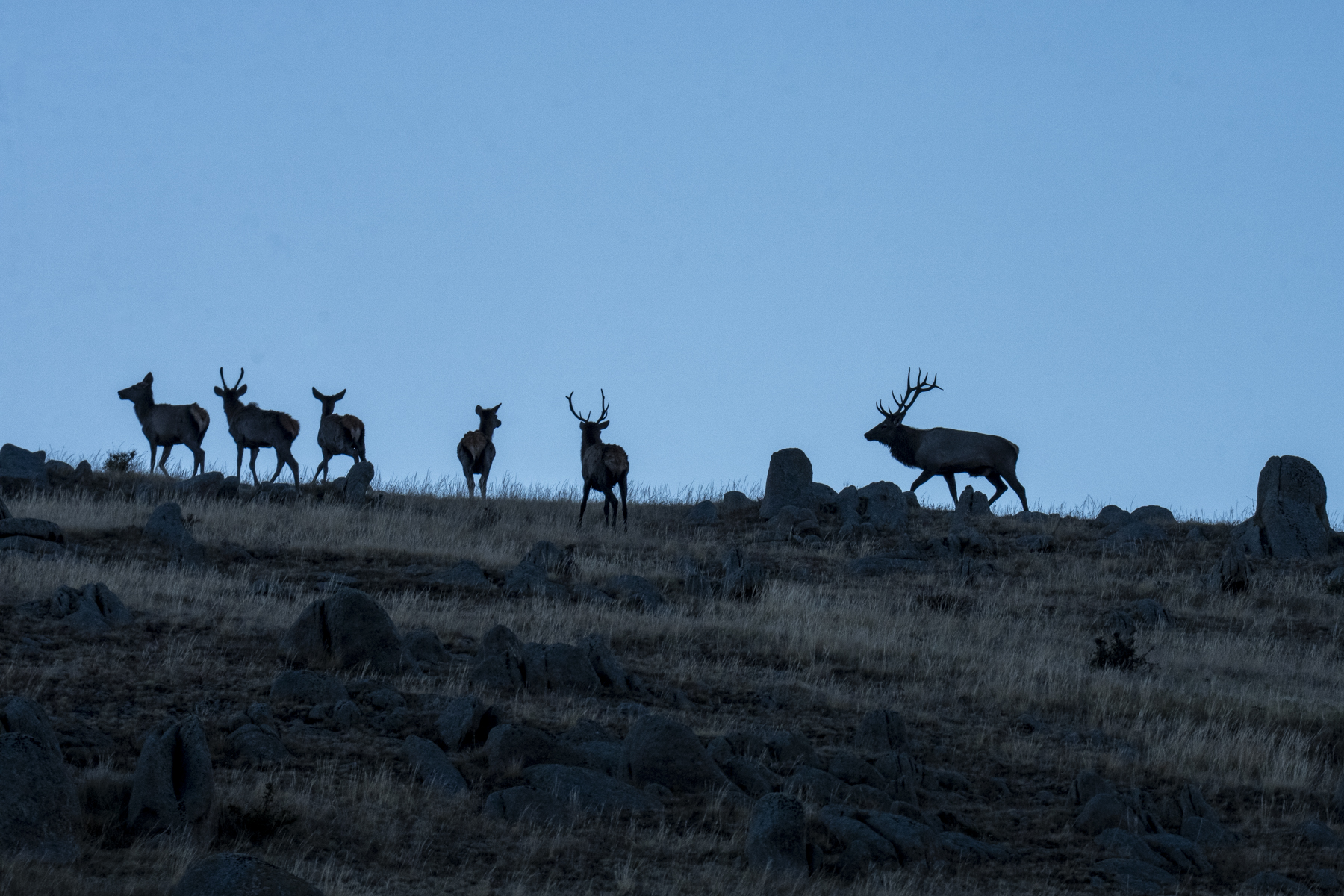
Siberian Elk at dawn (image by Mark Beaman)
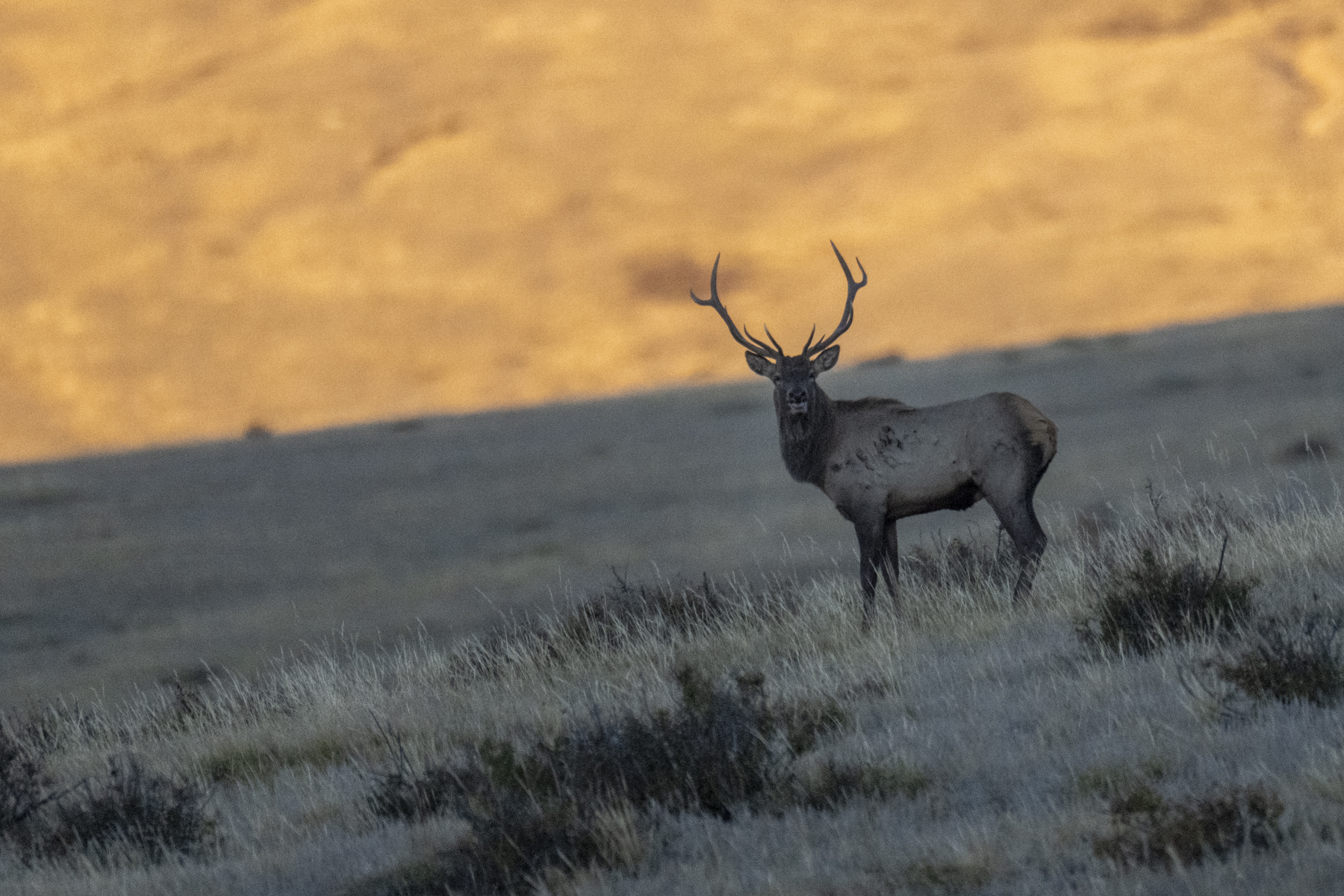
Siberian Elk (image by Mark Beaman)
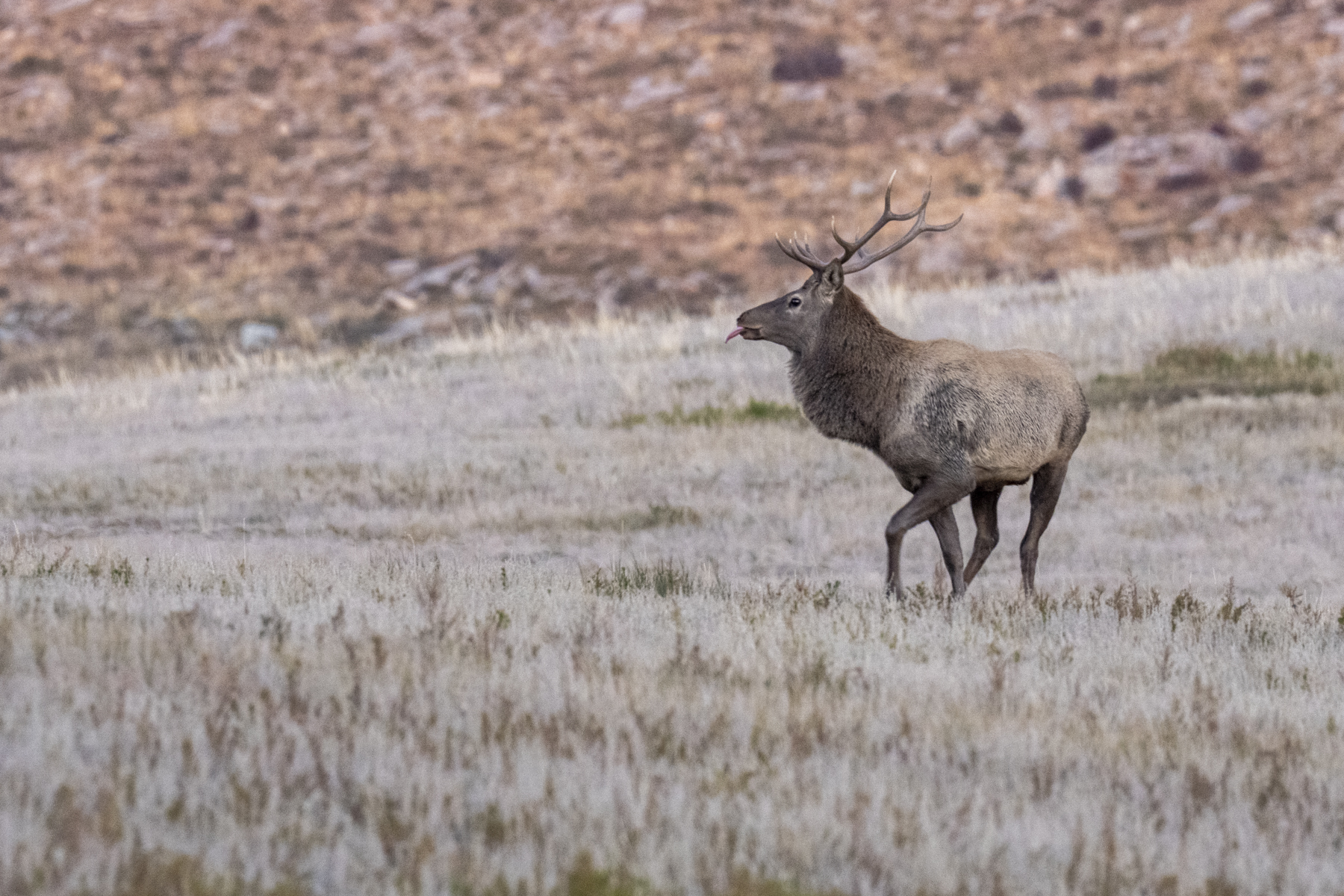
A Siberian Elk tastes the wind (image by Mark Beaman)
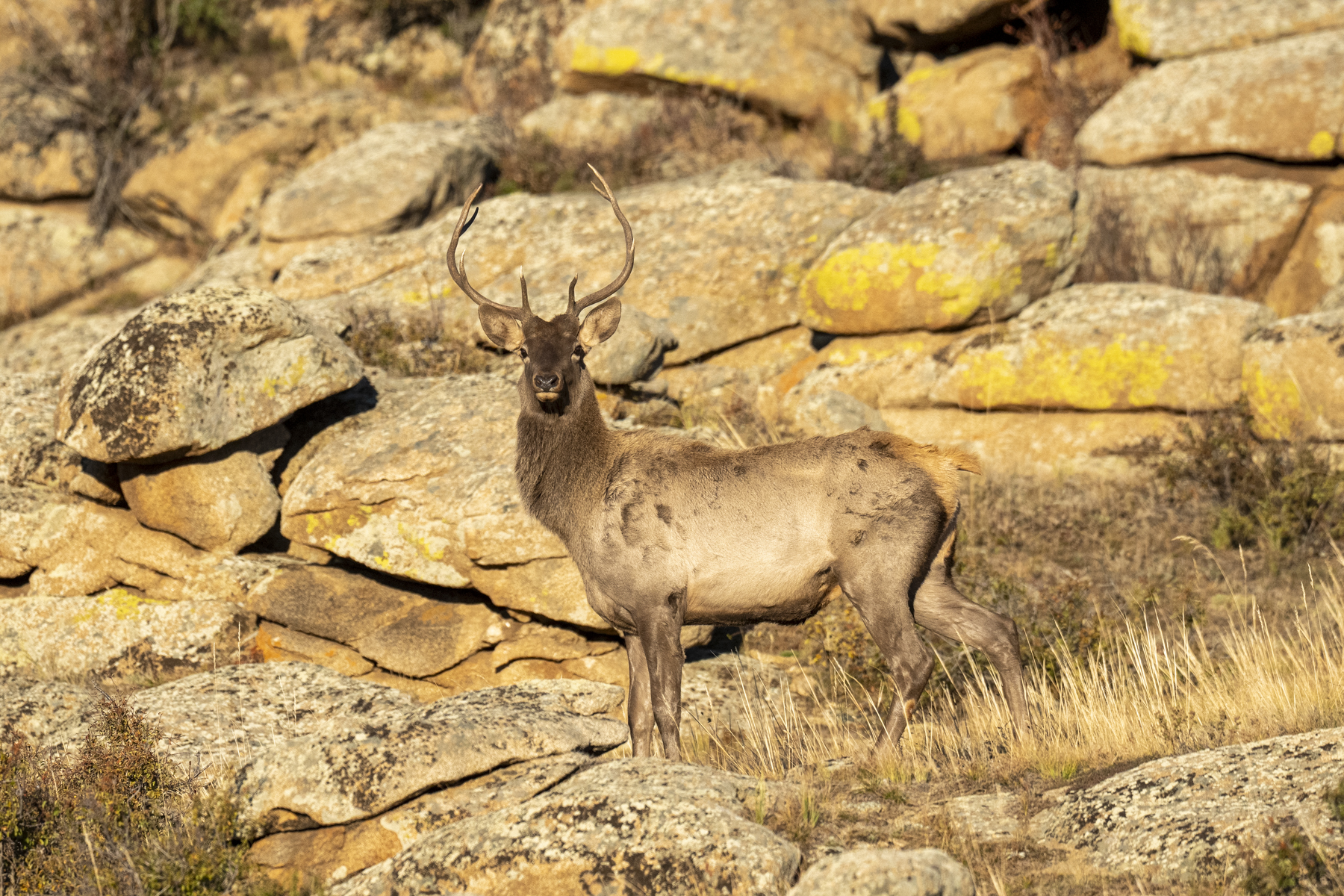
Siberian Elk (image by Mark Beaman)
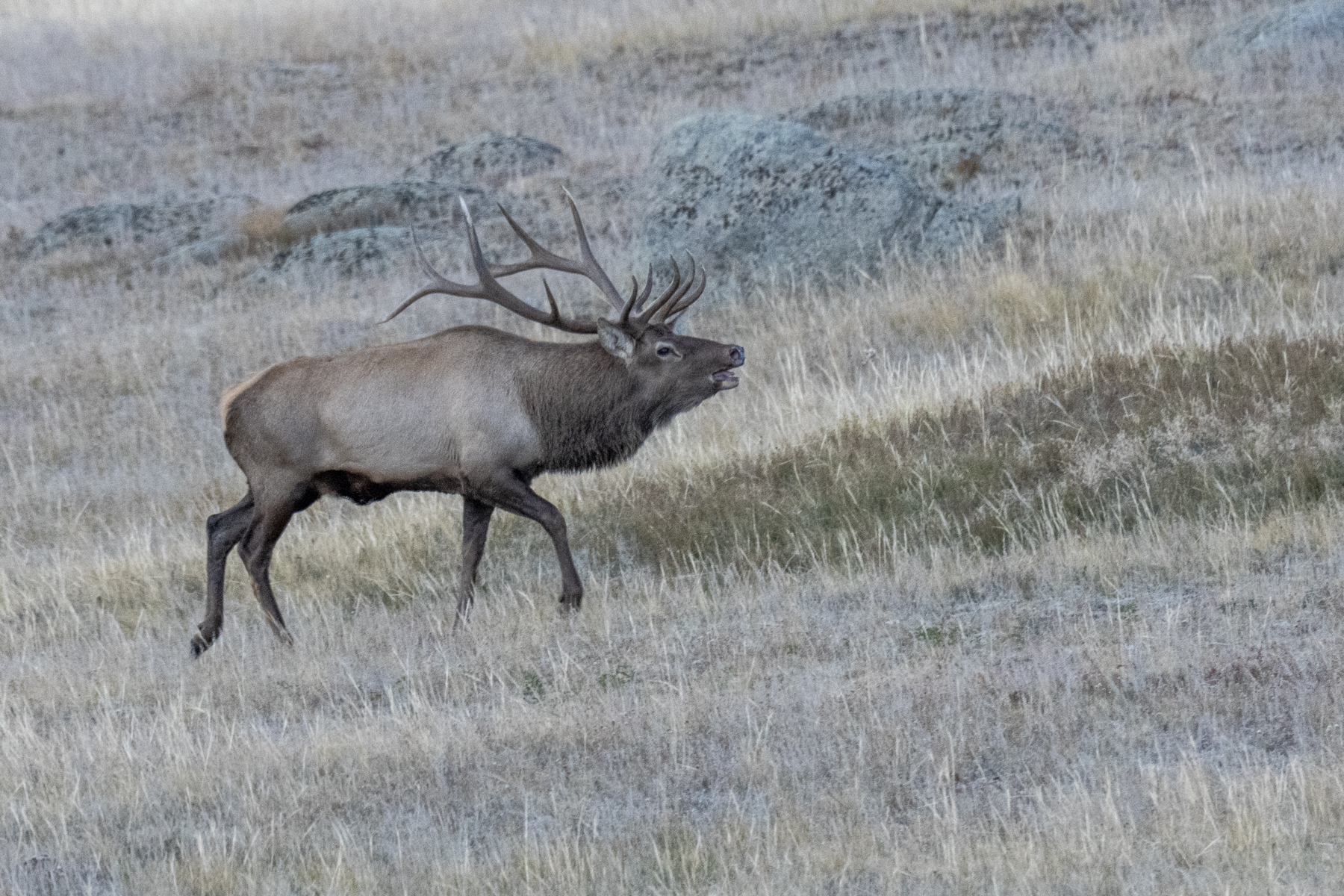
A Siberian Elk stag bugles during the rut (image by Mark Beaman)
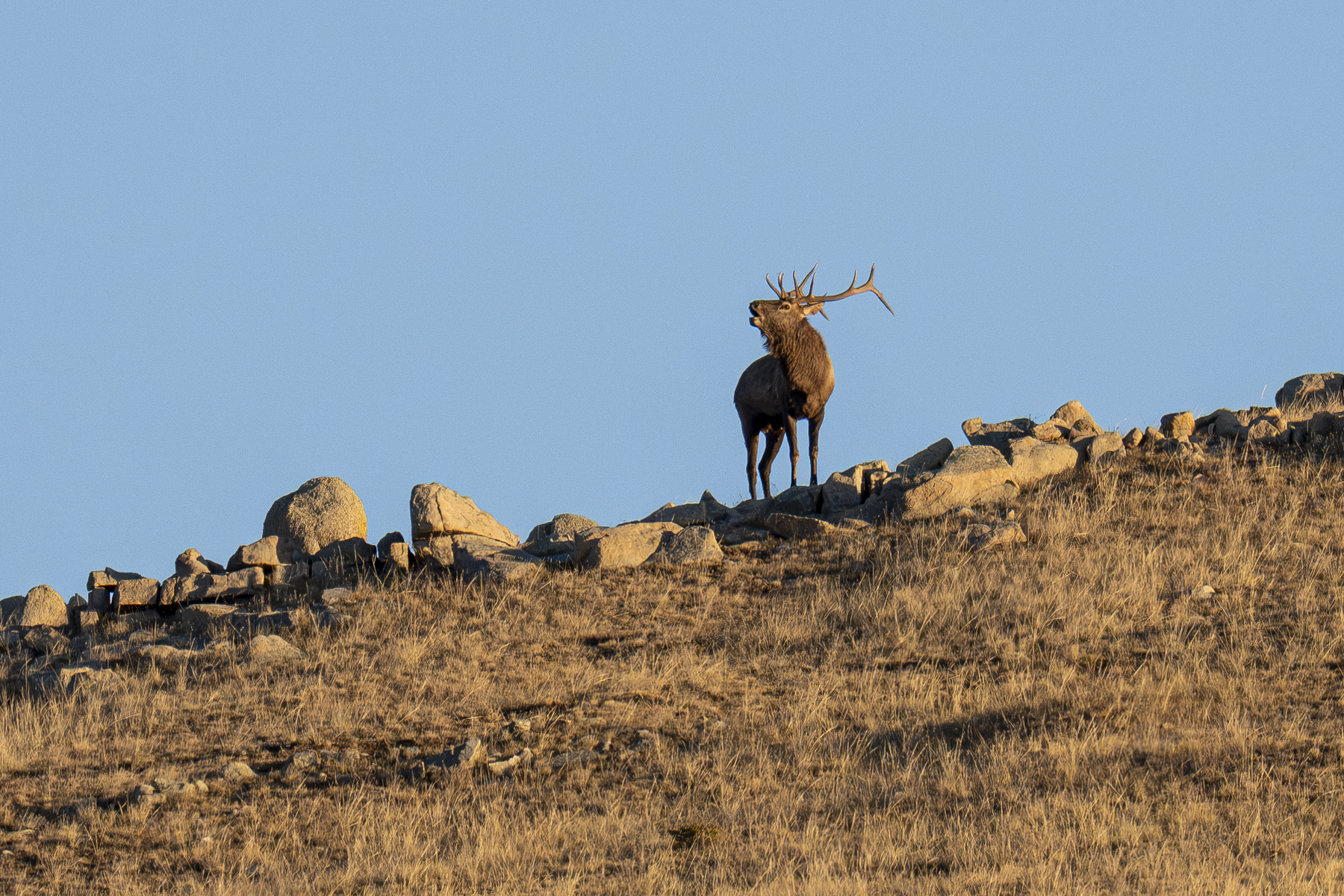
A Siberian Elk stag bugles during the rut (image by Mark Beaman)
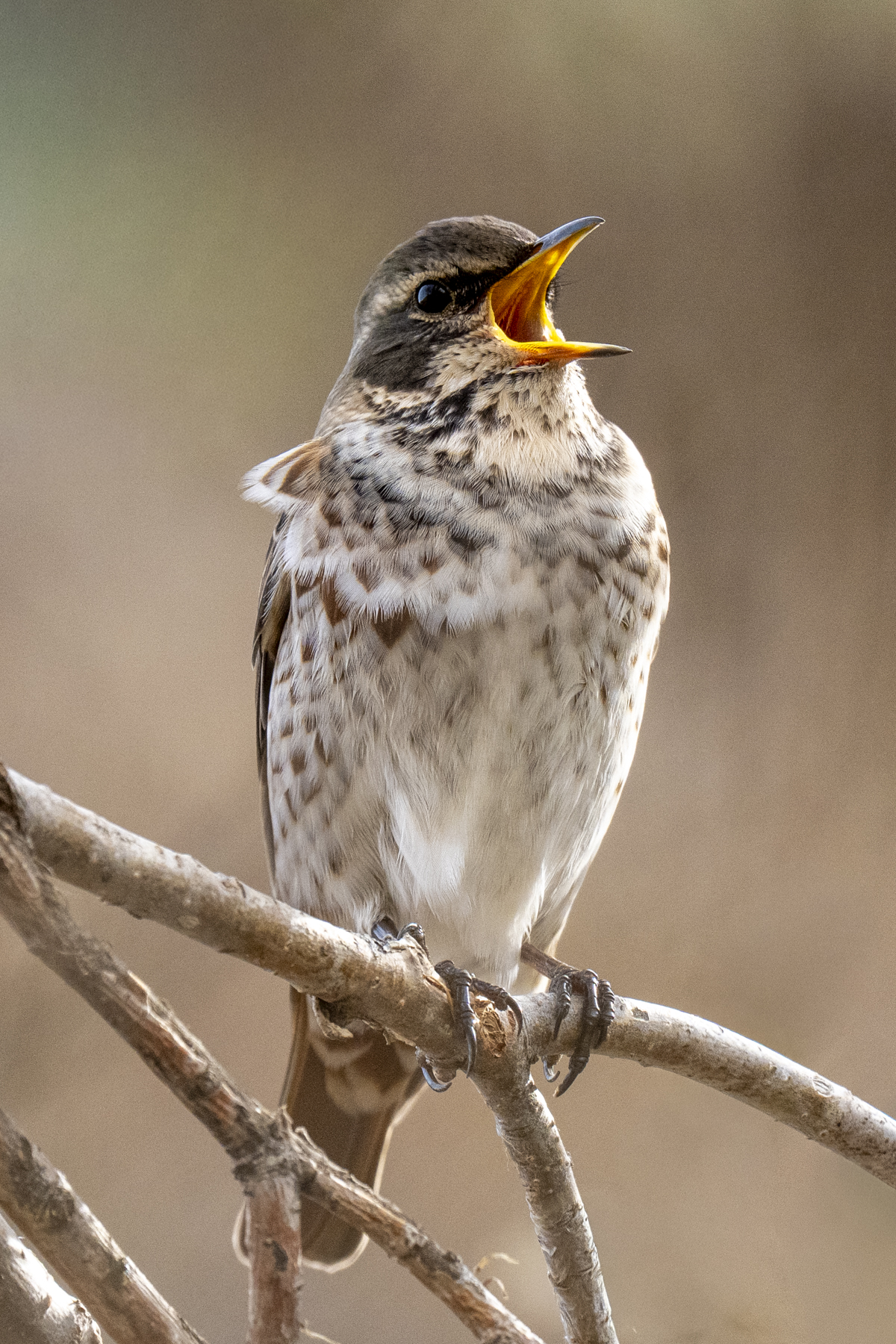
Dusky Thrush (image by Mark Beaman)
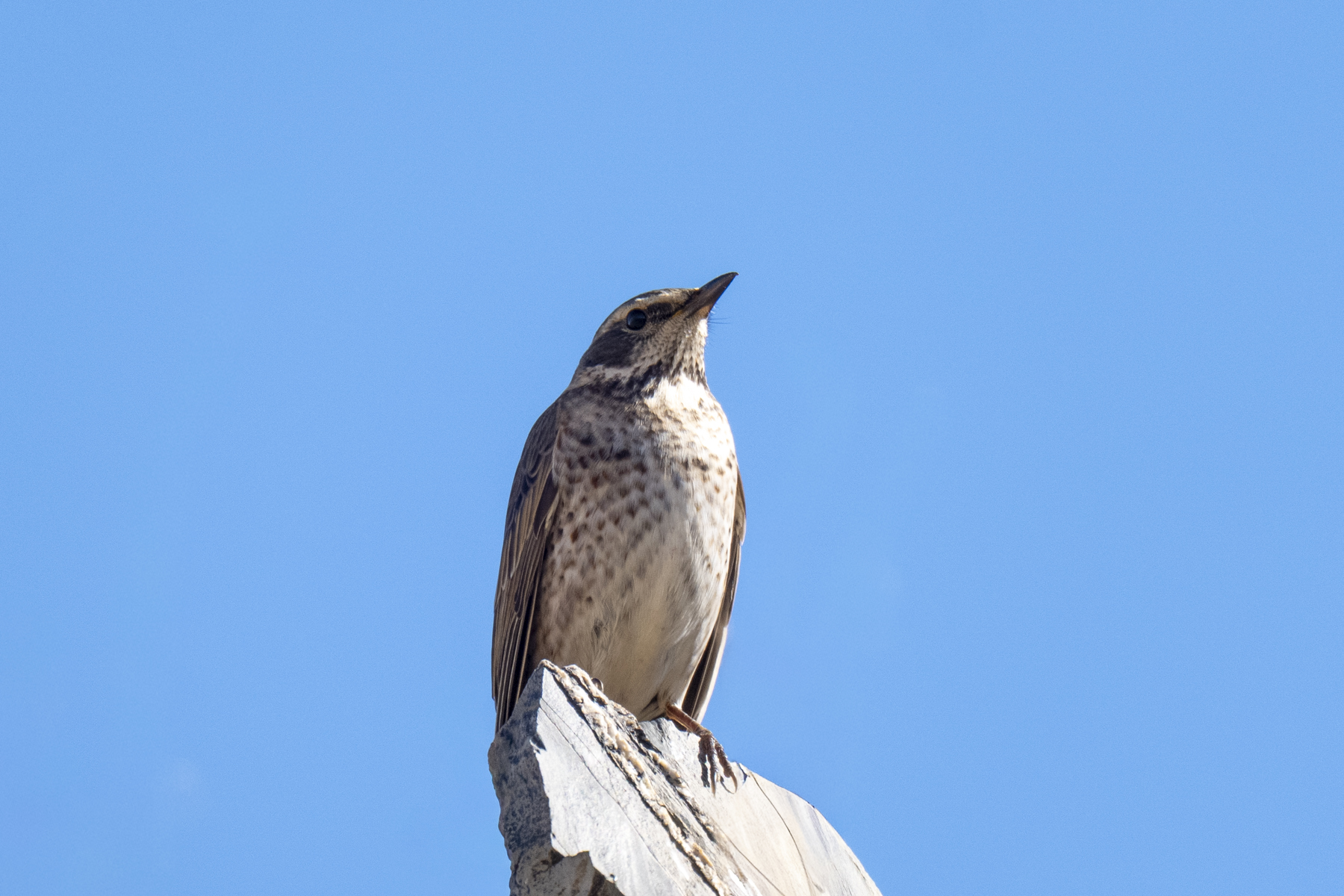
Dusky Thrush (image by Mark Beaman)
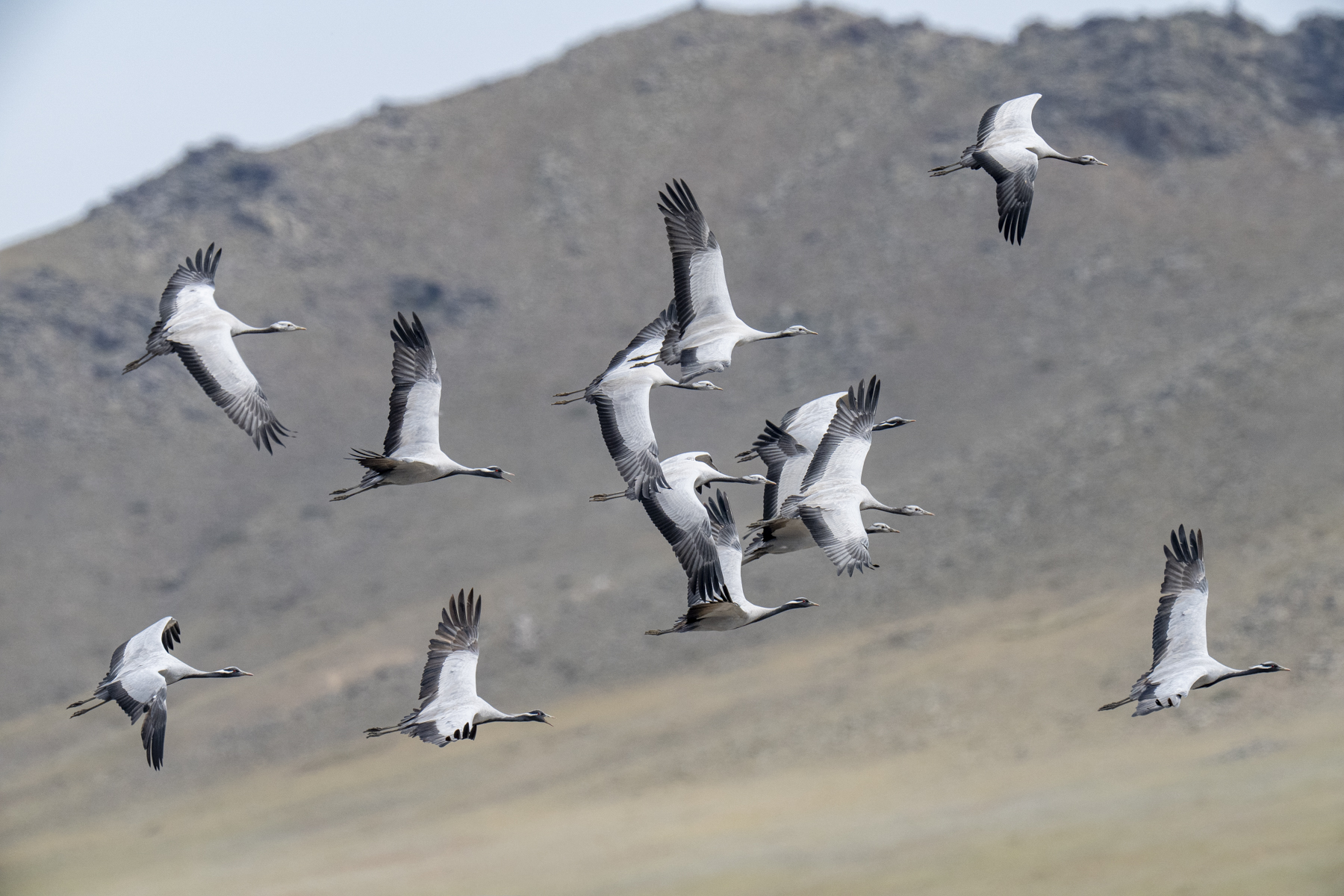
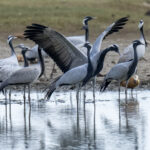
Demoiselle Cranes (image by Mark Beaman)
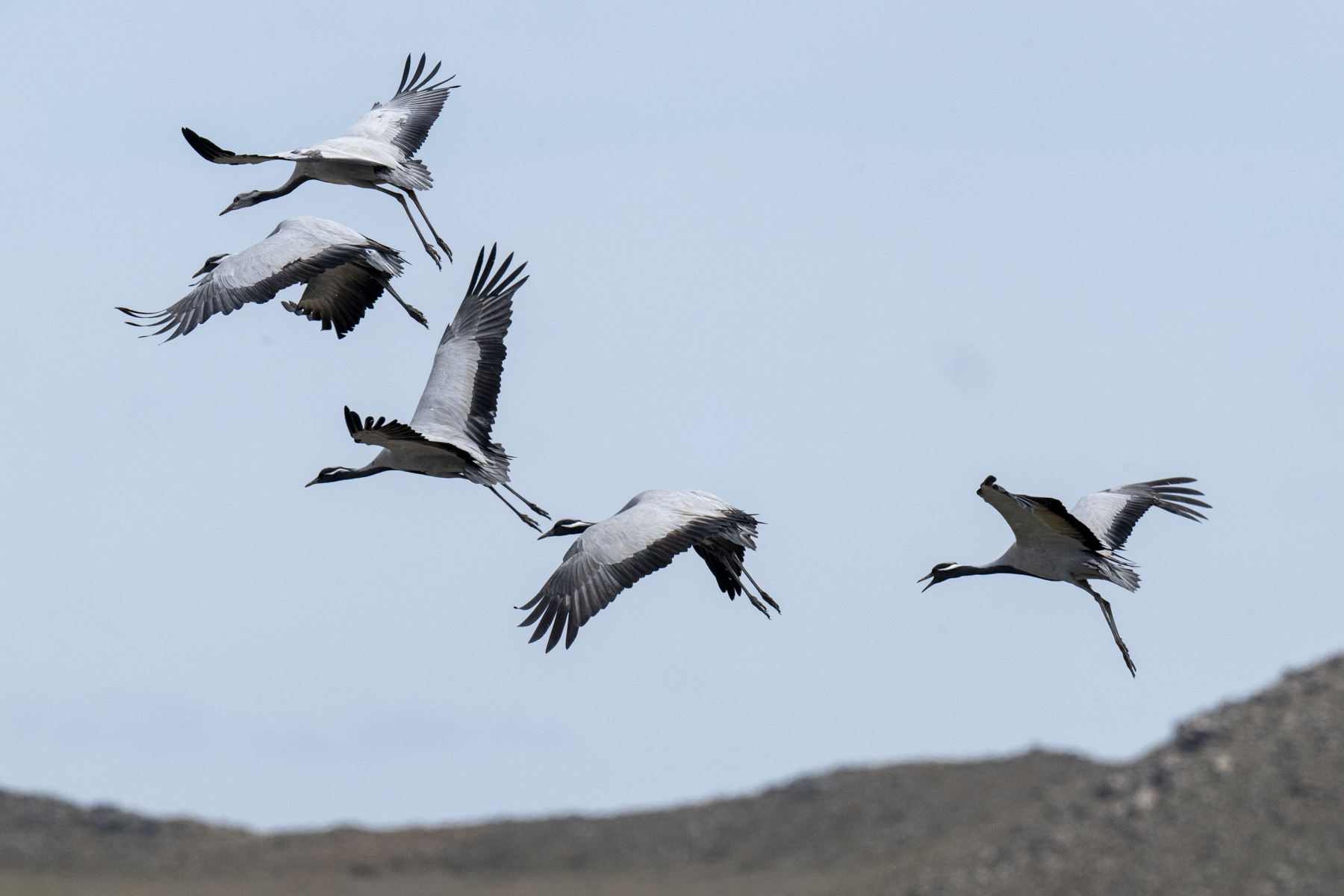
Demoiselle Cranes (image by Mark Beaman)
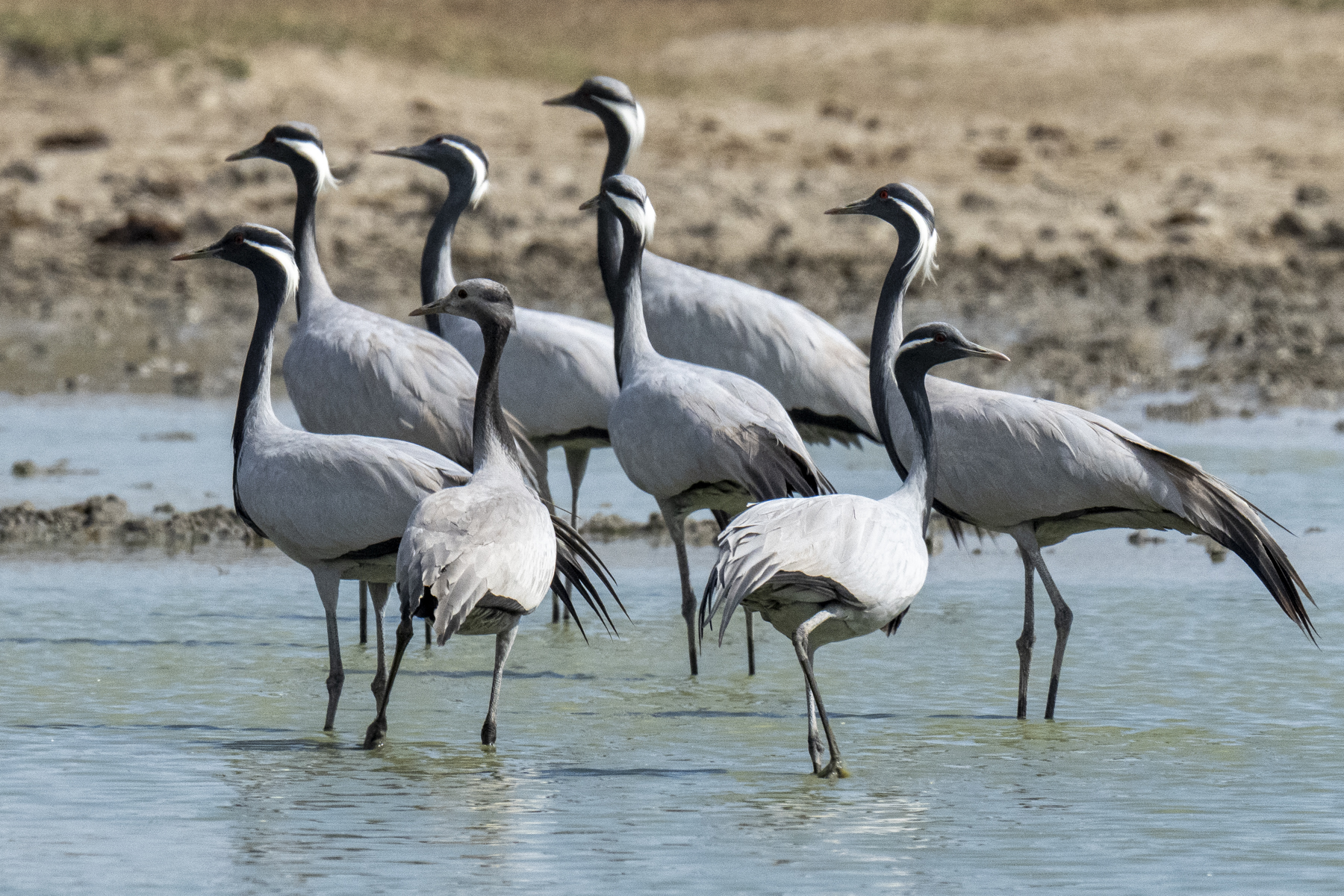
Demoiselle Cranes (image by Mark Beaman)
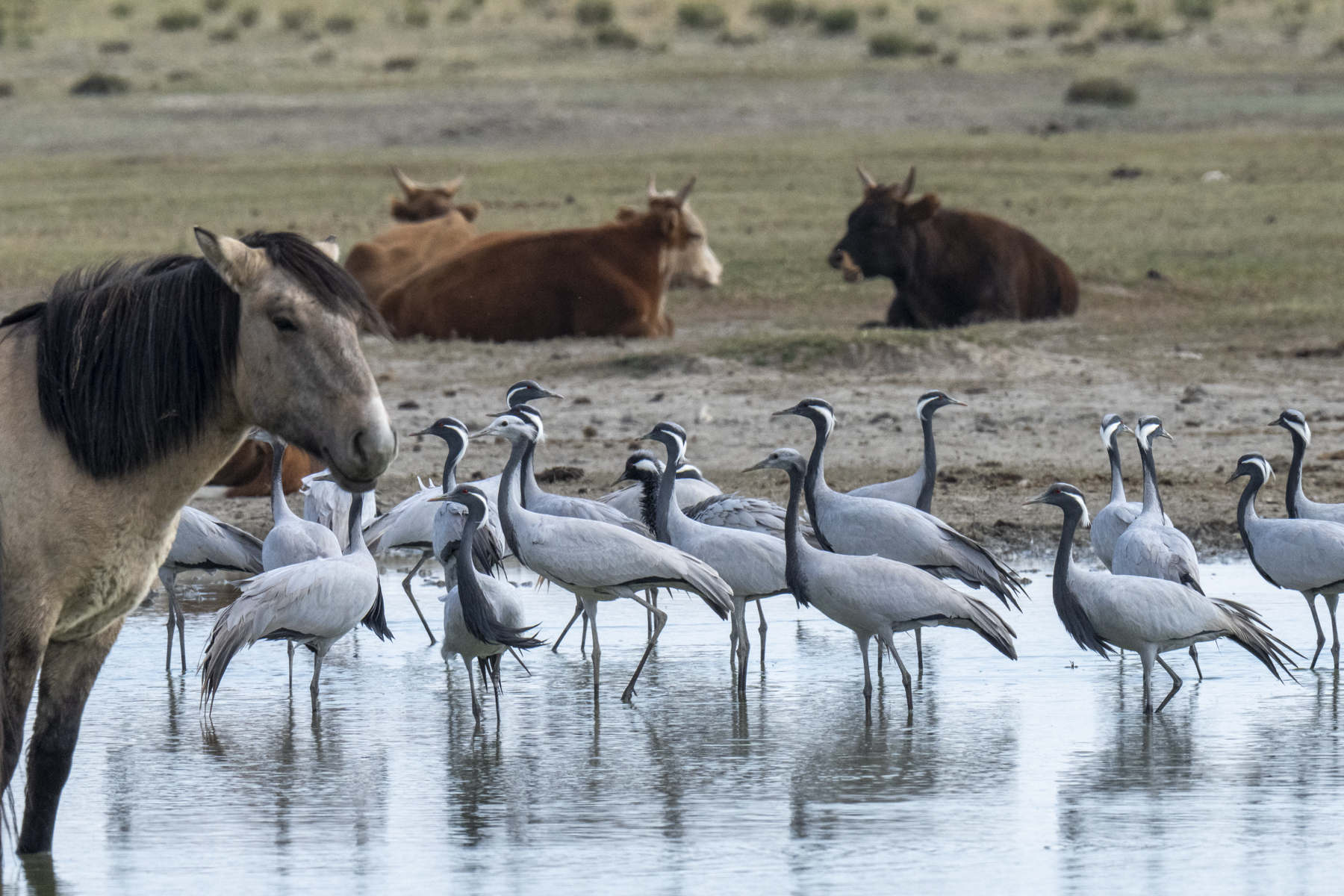
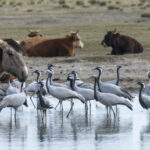
Demoiselle Cranes often mix with domestic animals in Mongolia (image by Mark Beaman)
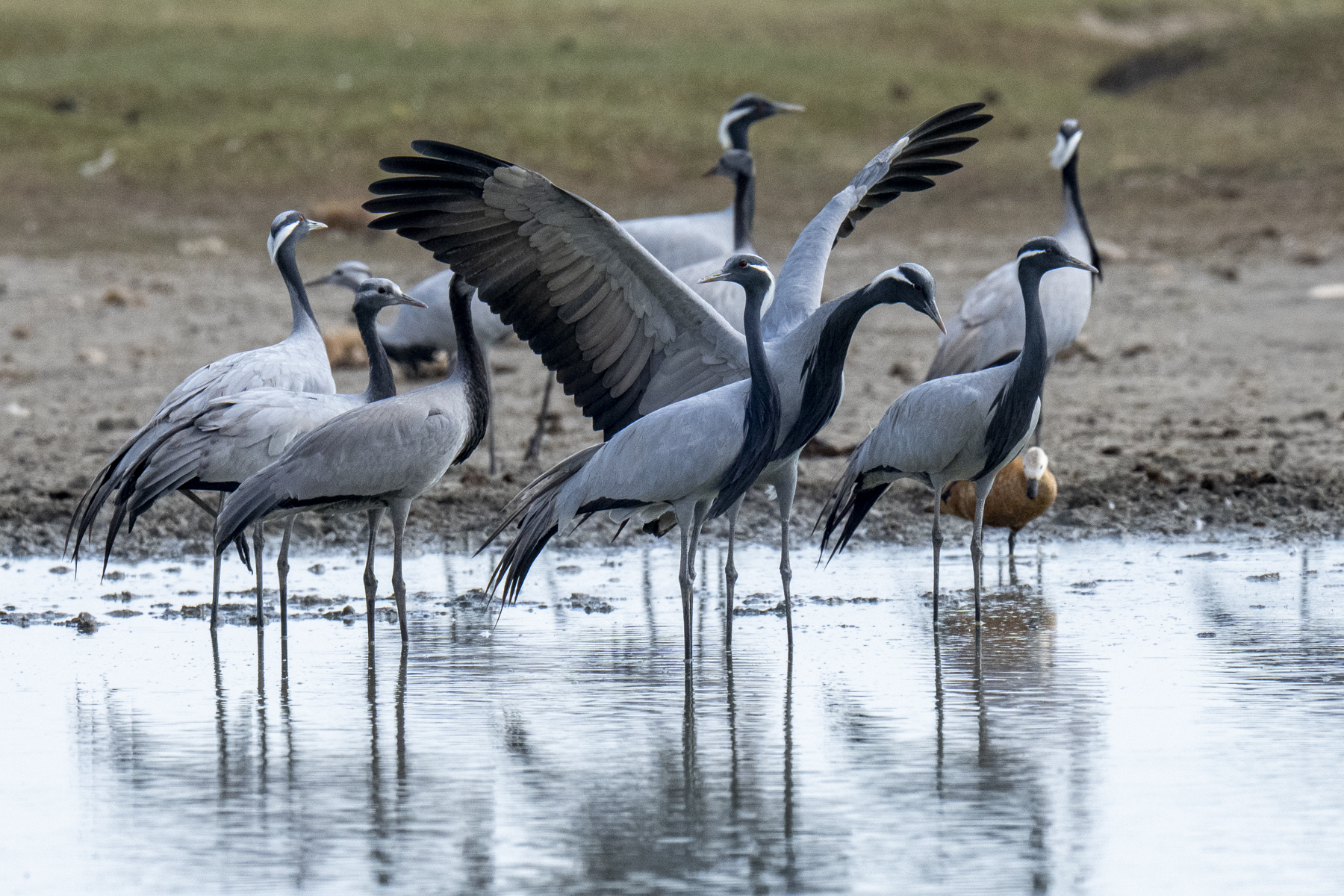
Demoiselle Cranes (image by Mark Beaman)
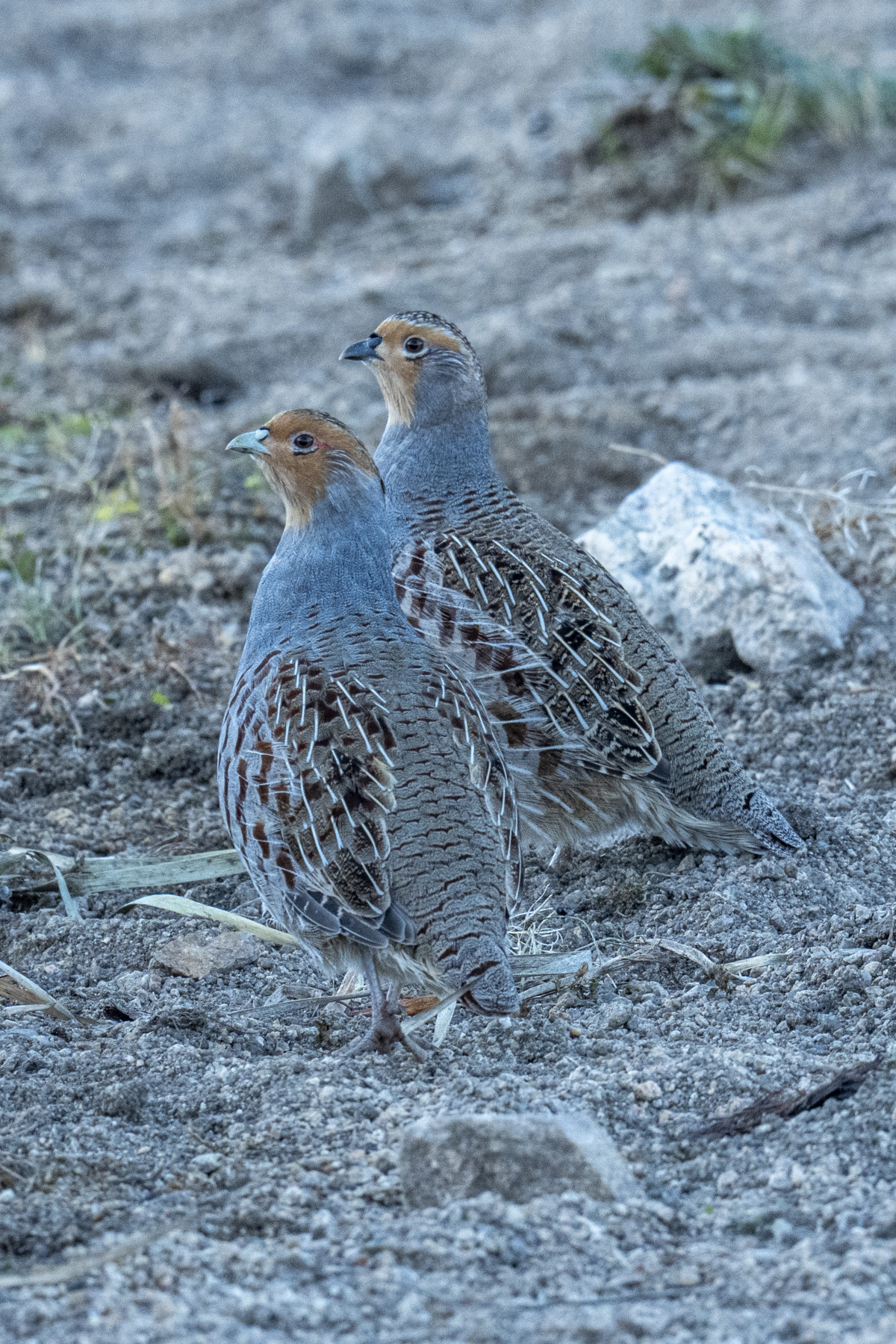
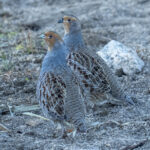
Daurian Partridges (image by Mark Beaman)
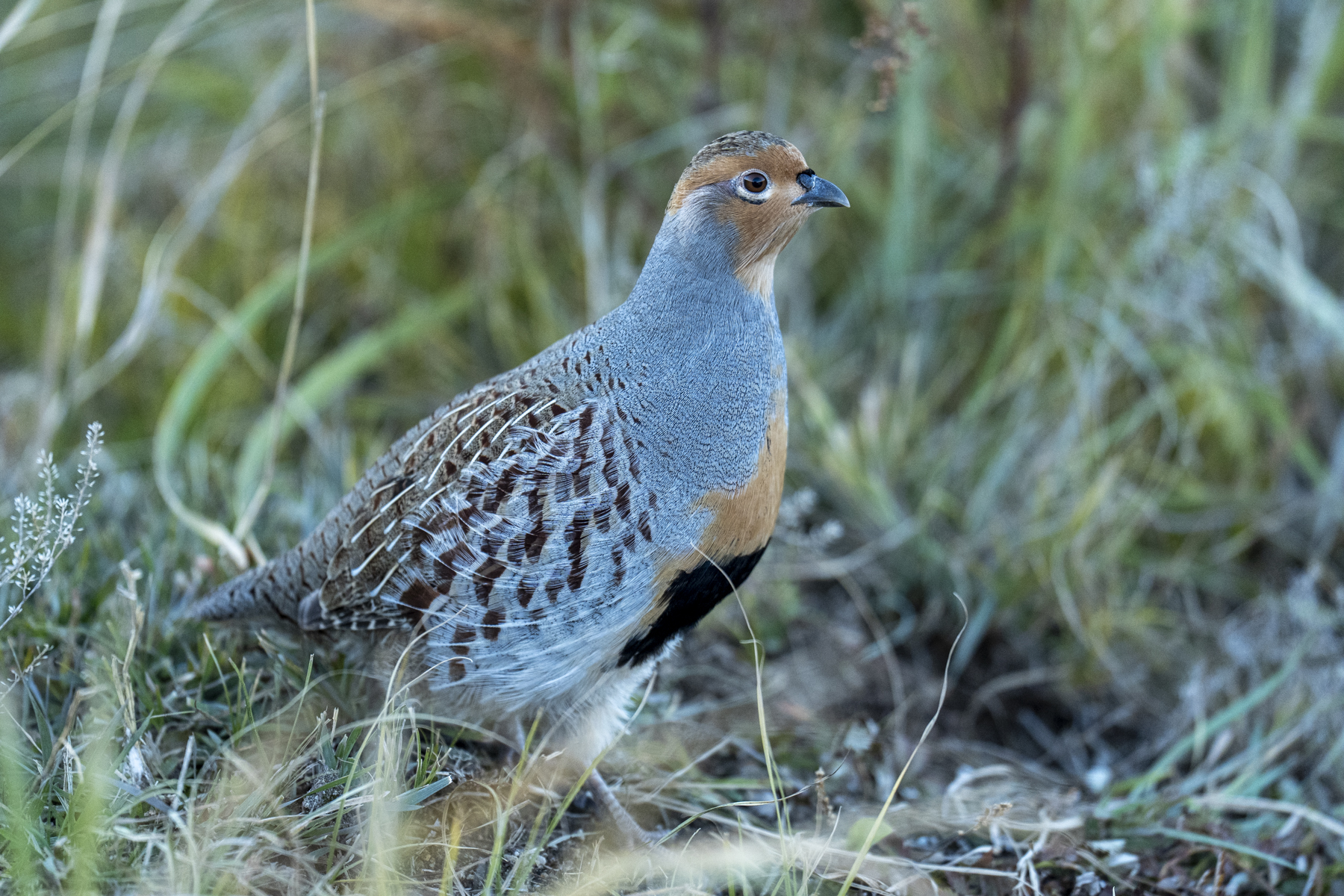
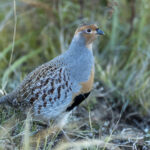
Daurian Partridge (image by Mark Beaman)
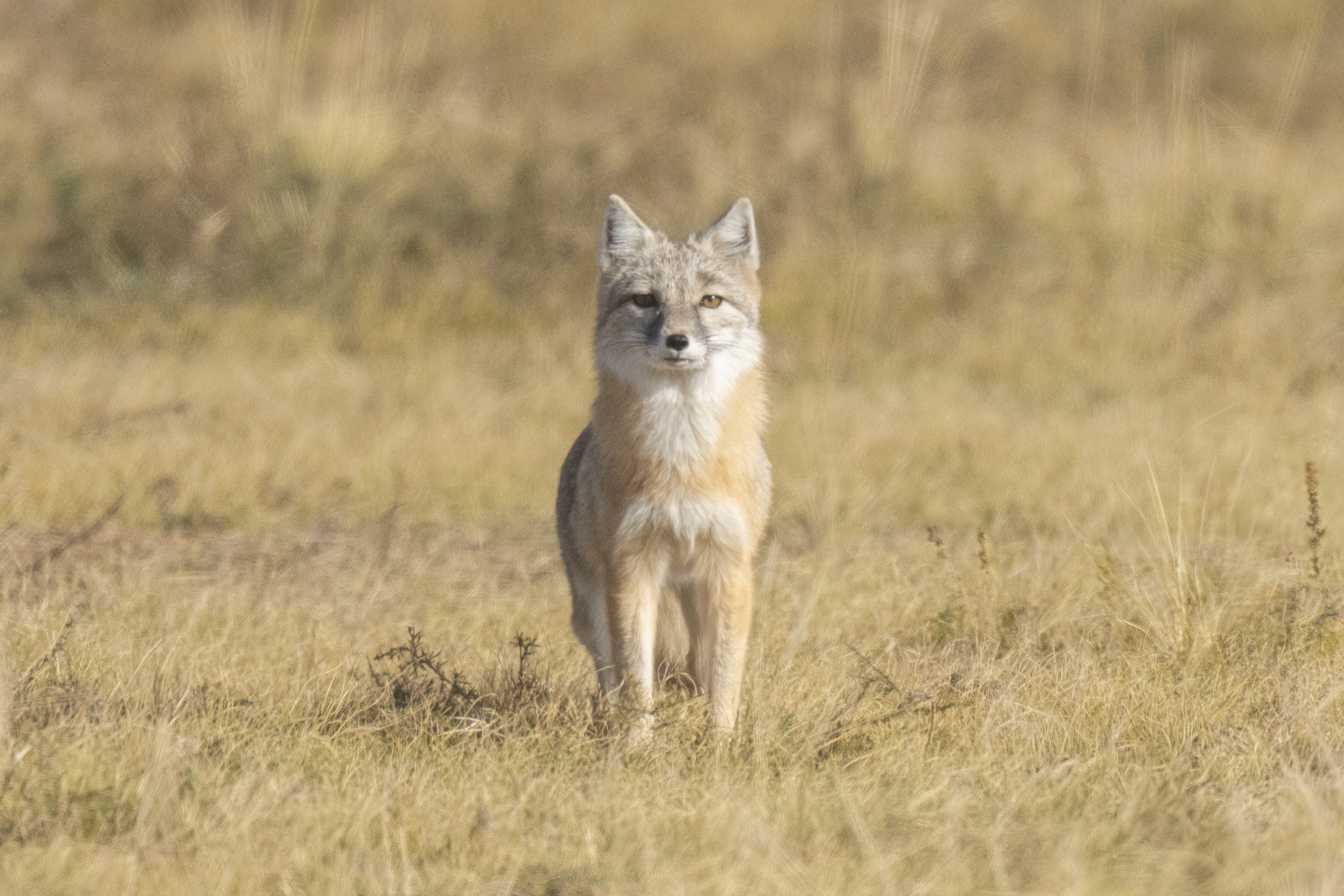
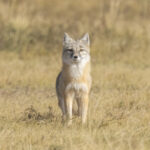
Corsac Fox (image by Mark Beaman)
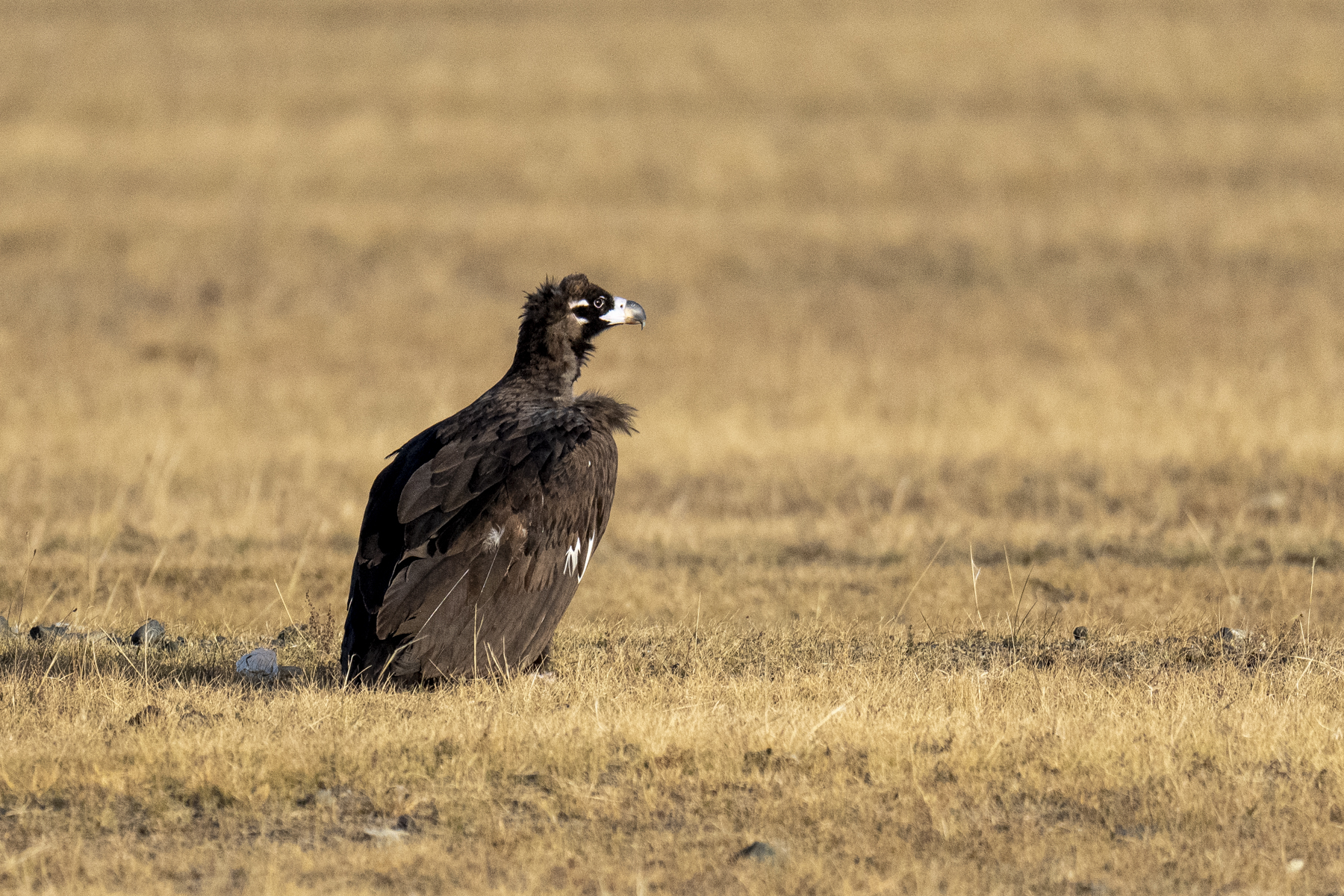
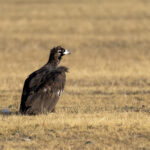
Cinereous Vulture (image by Mark Beaman)
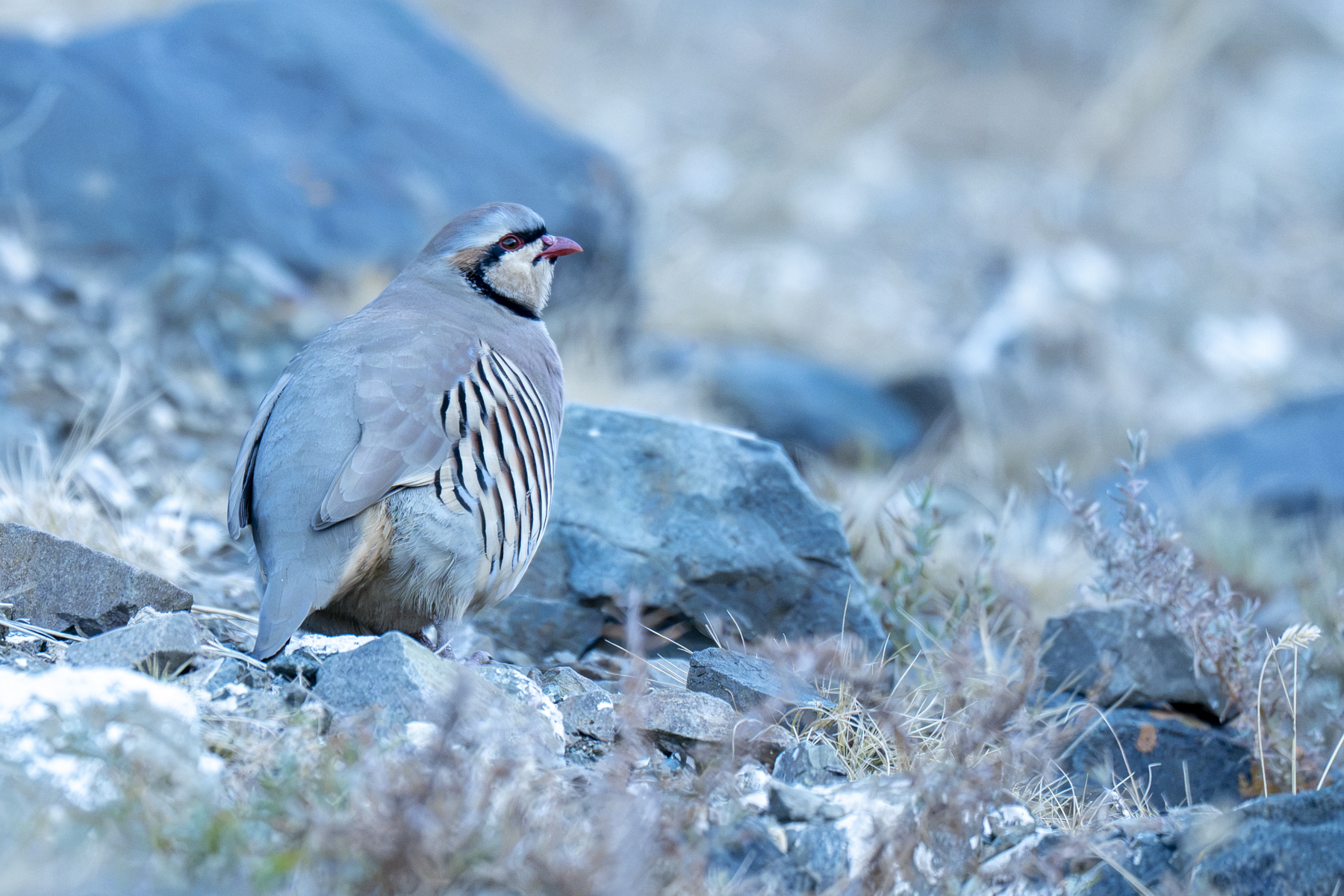
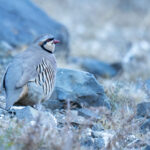
Chukar Partridge (image by Mark Beaman)
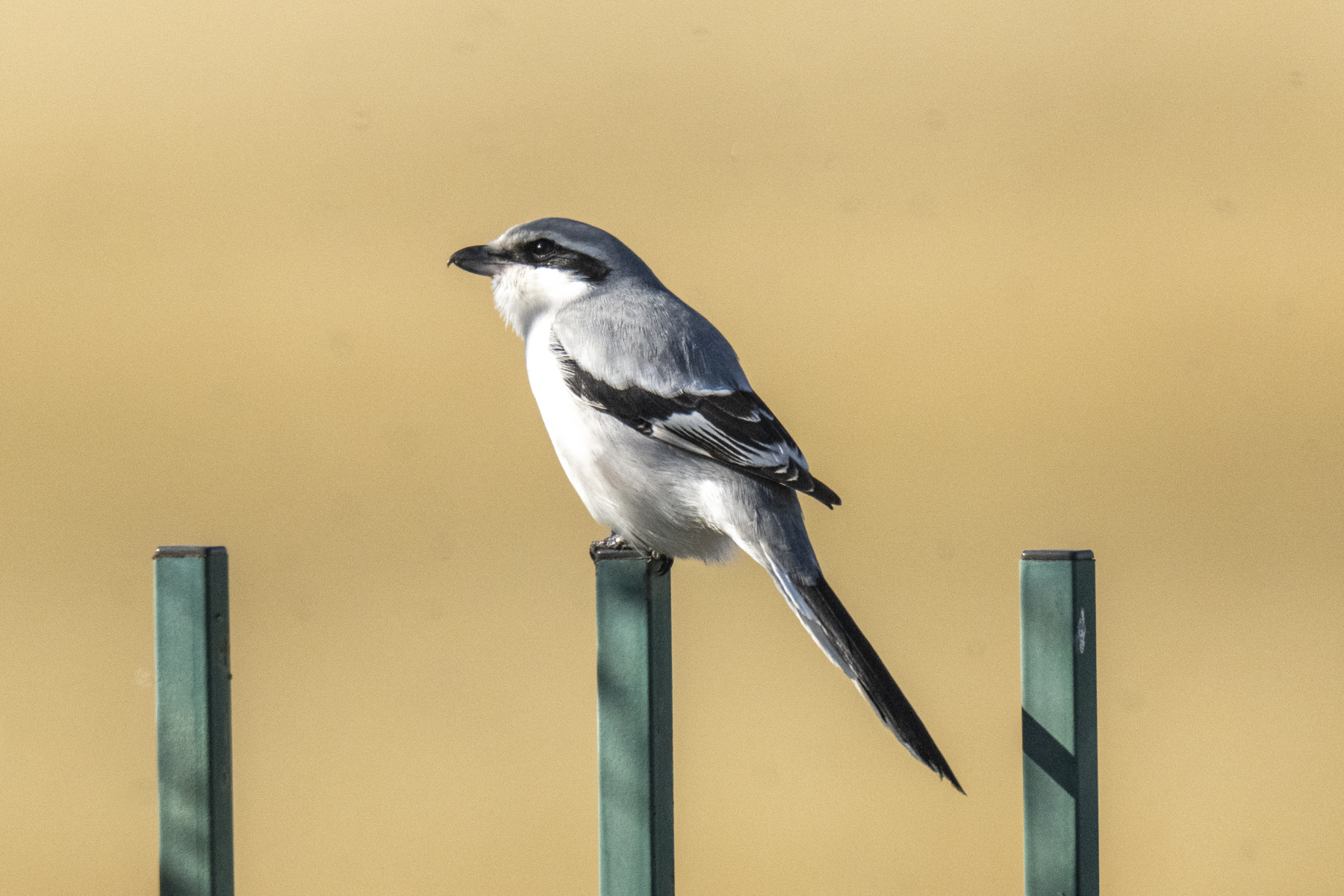
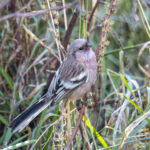
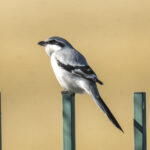
Chinese Grey Shrike (image by Mark Beaman)
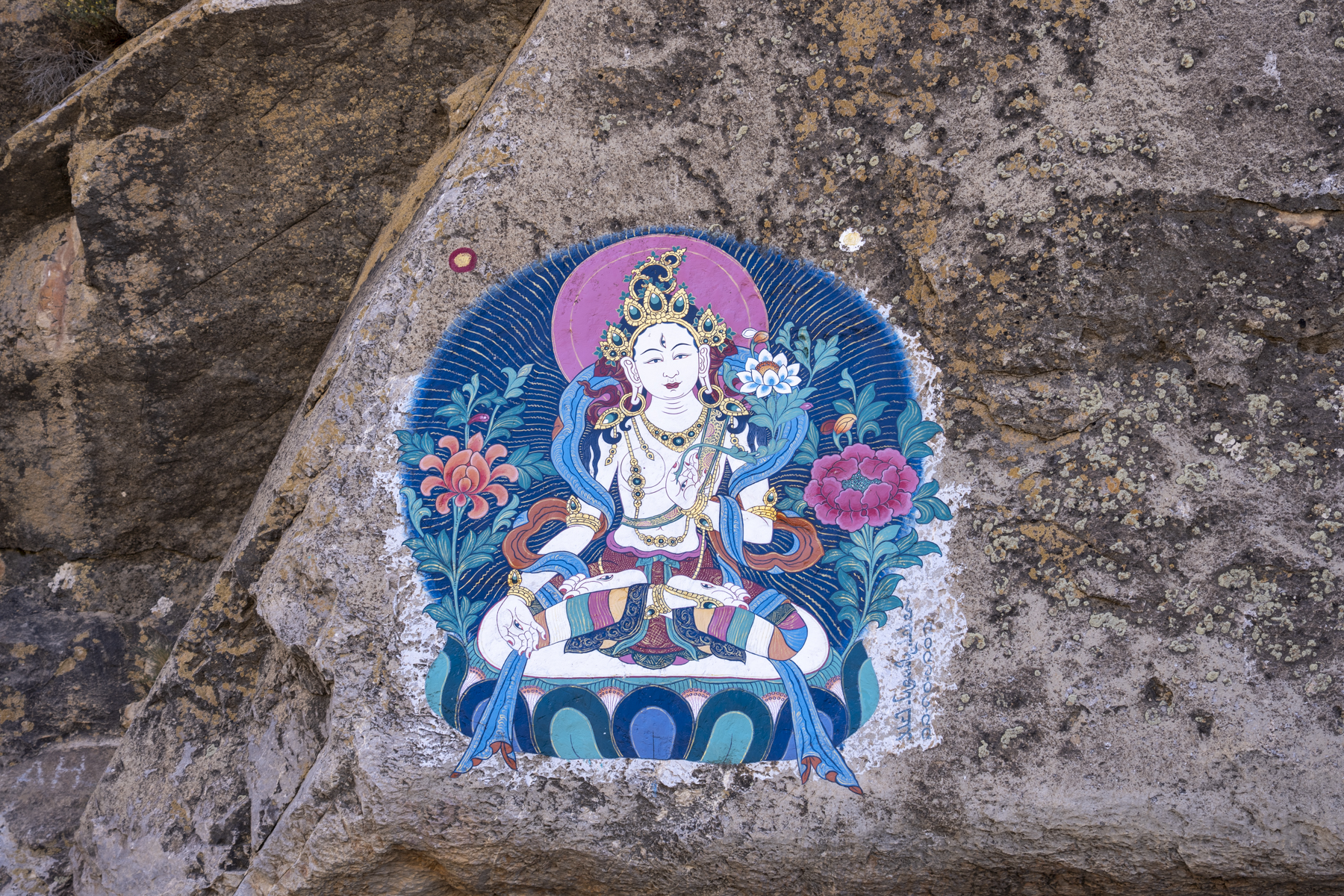
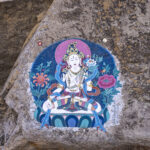
A Buddhist rock painting in the Gobi Altai (image by Mark Beaman)
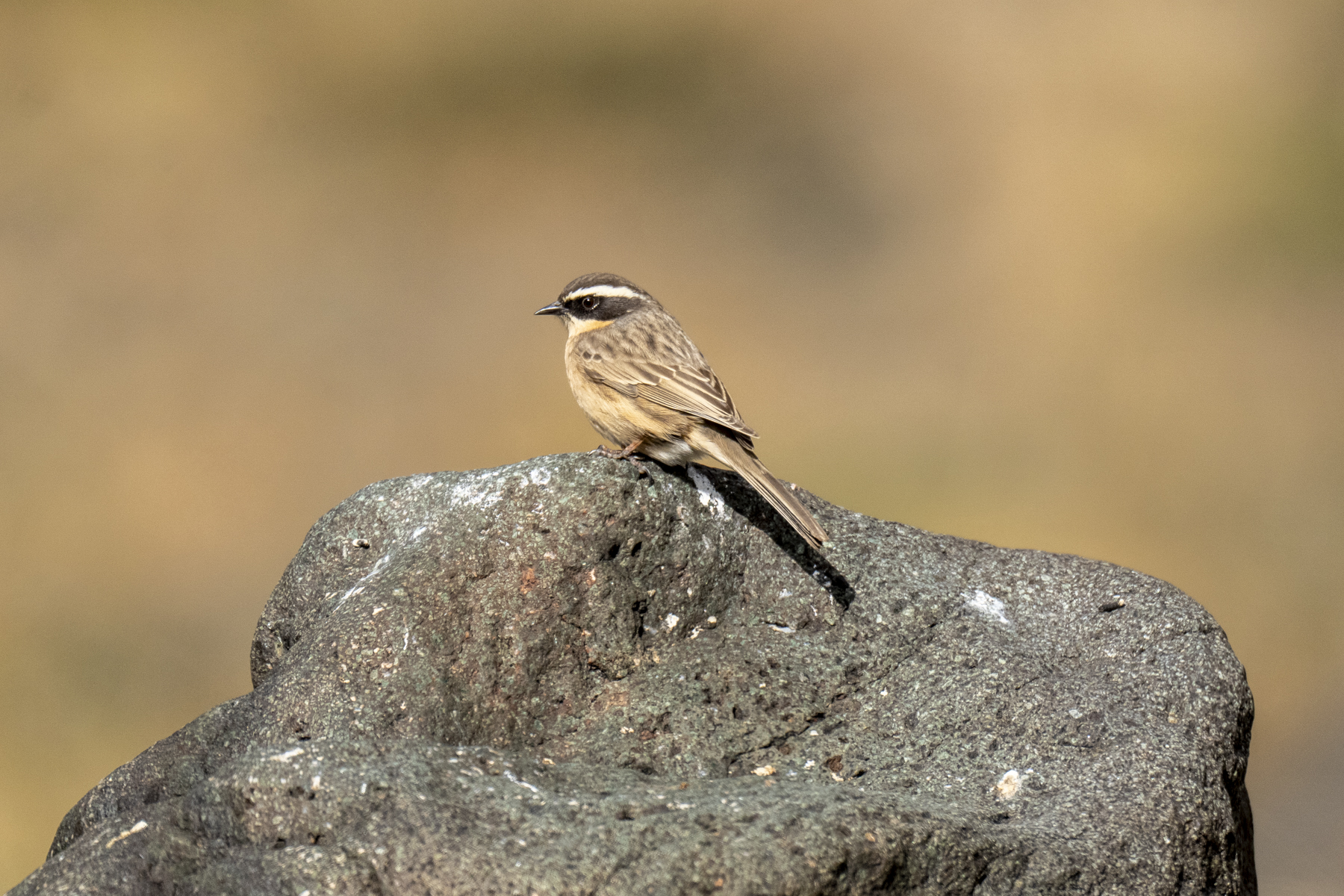
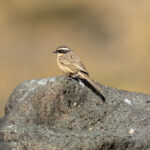
Brown Accentor (image by Mark Beaman)
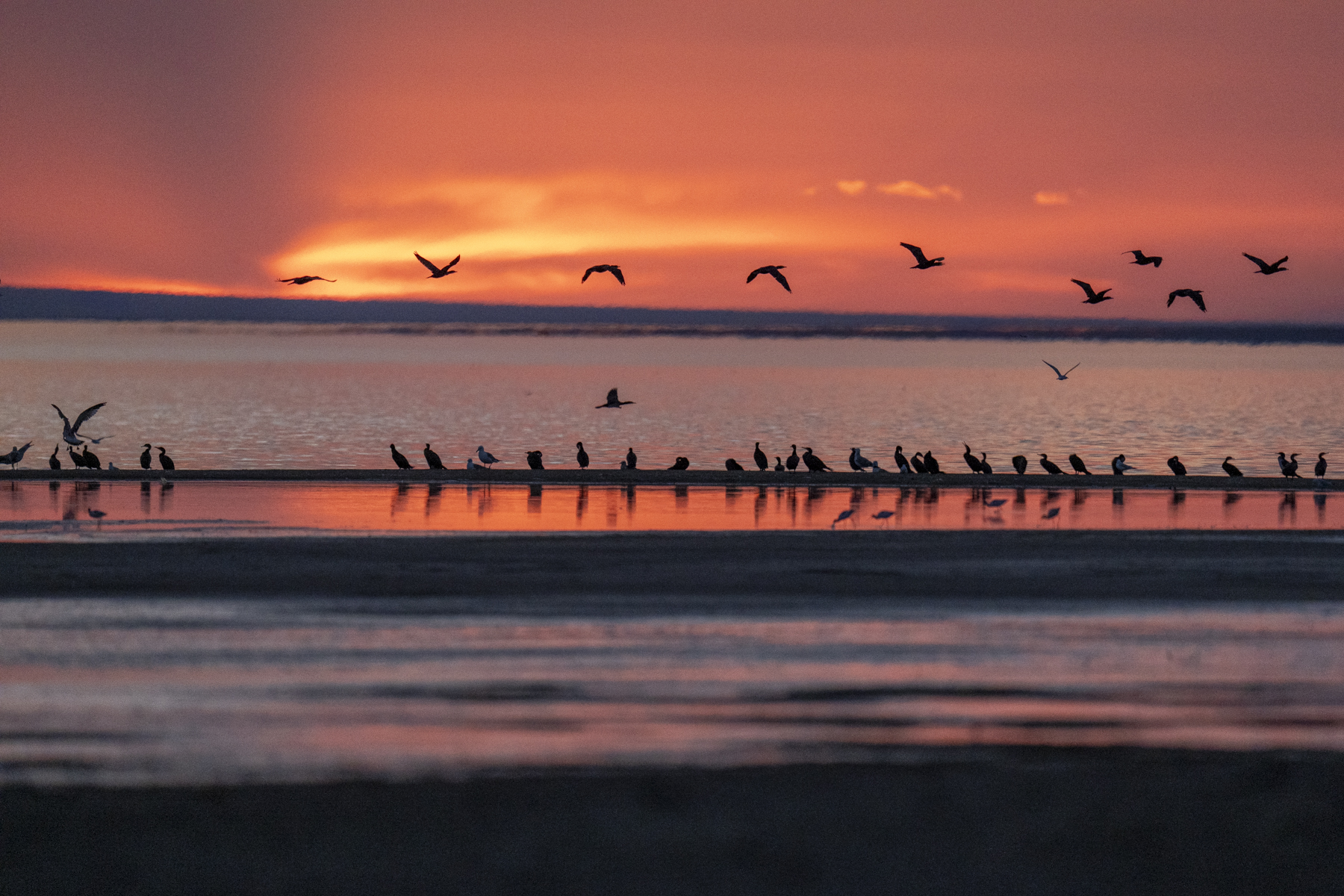
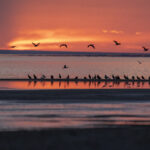
Boon Tsagaan Nuur at sunset (image by Mark Beaman)
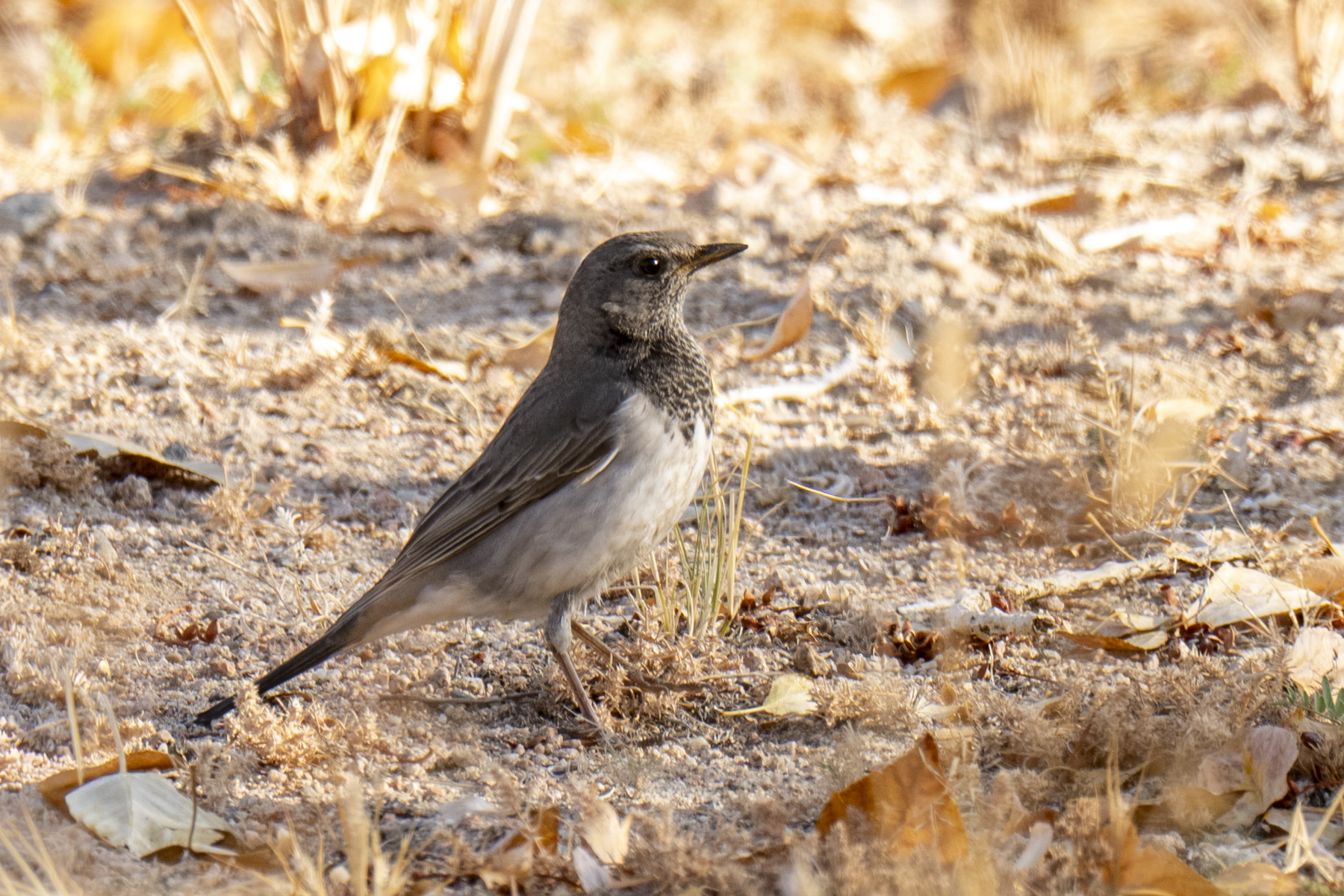
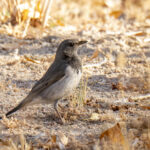
Black-throated Thrush (image by Mark Beaman)
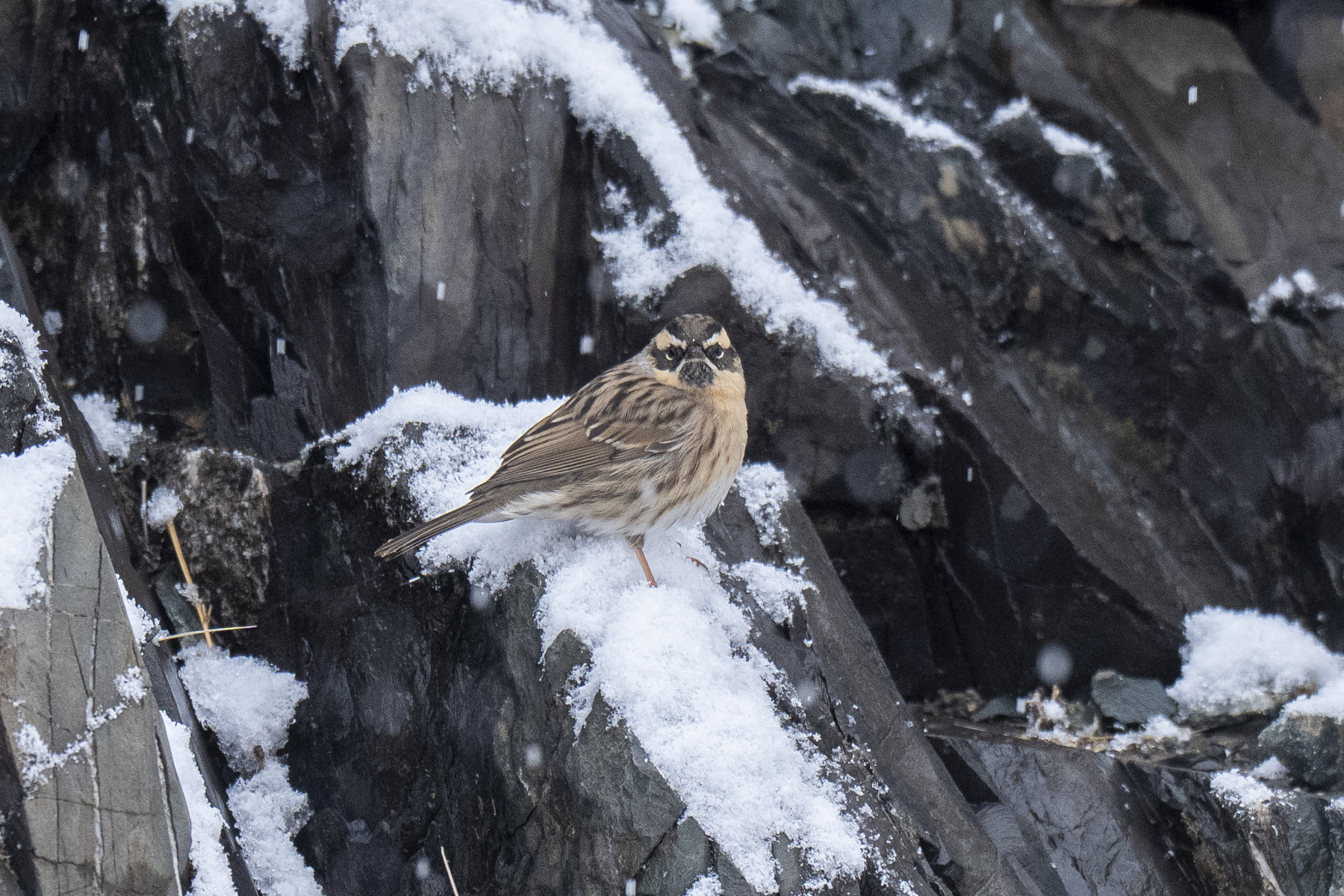
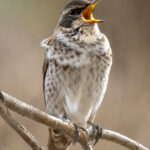
Black-throated Accentor (image by Mark Beaman)
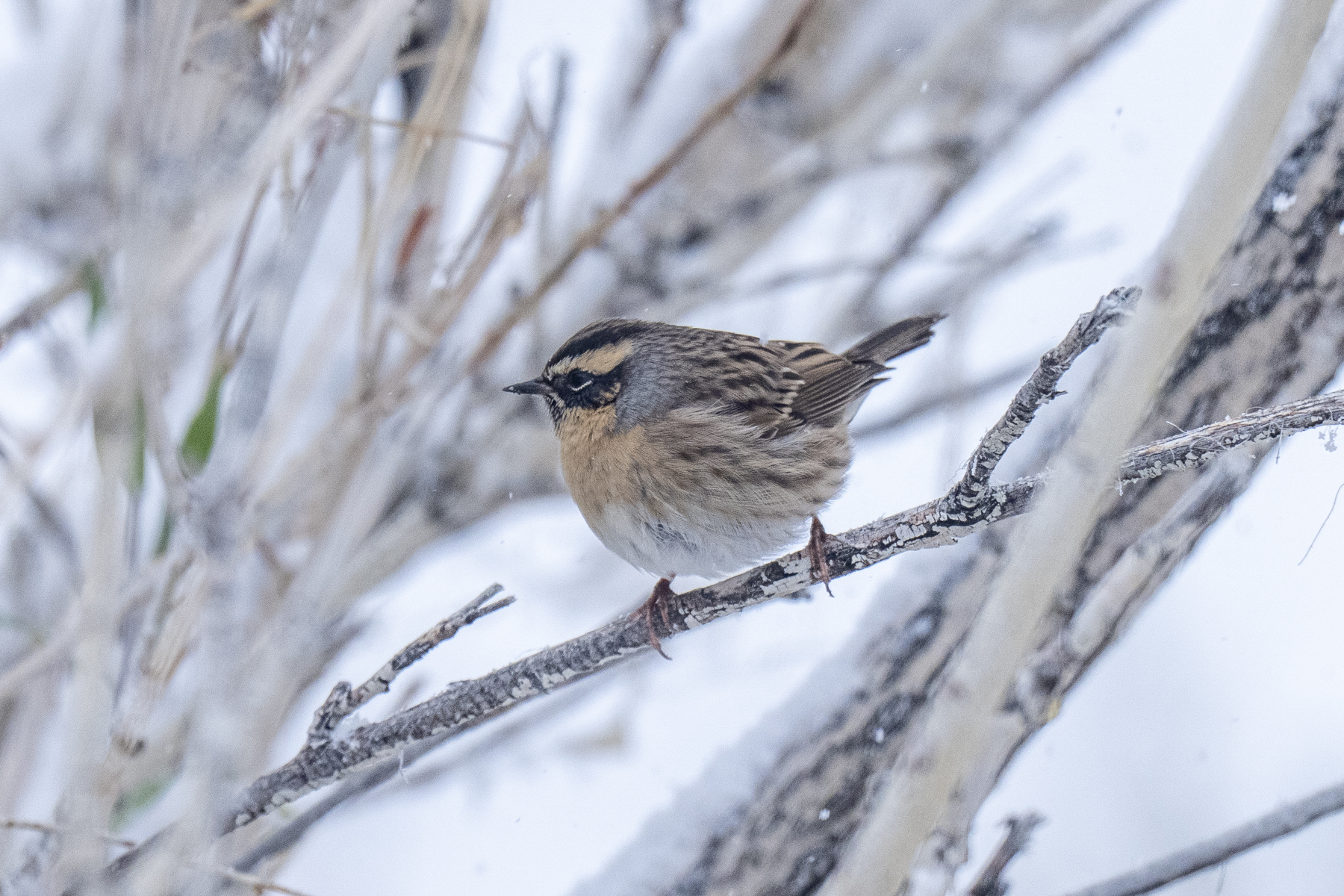
Black-throated Accentor (image by Mark Beaman)
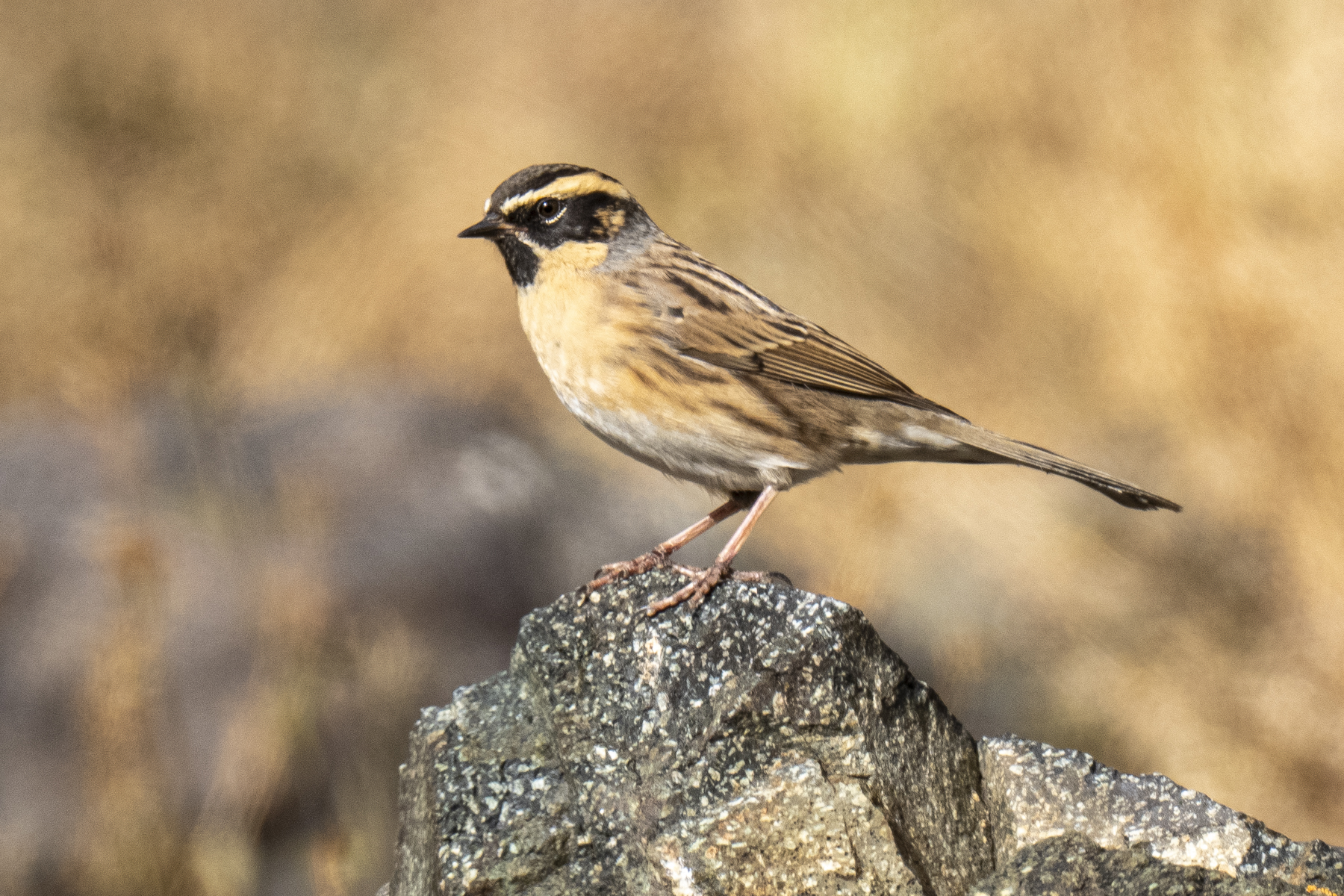
Black-throated Accentor (image by Mark Beaman)
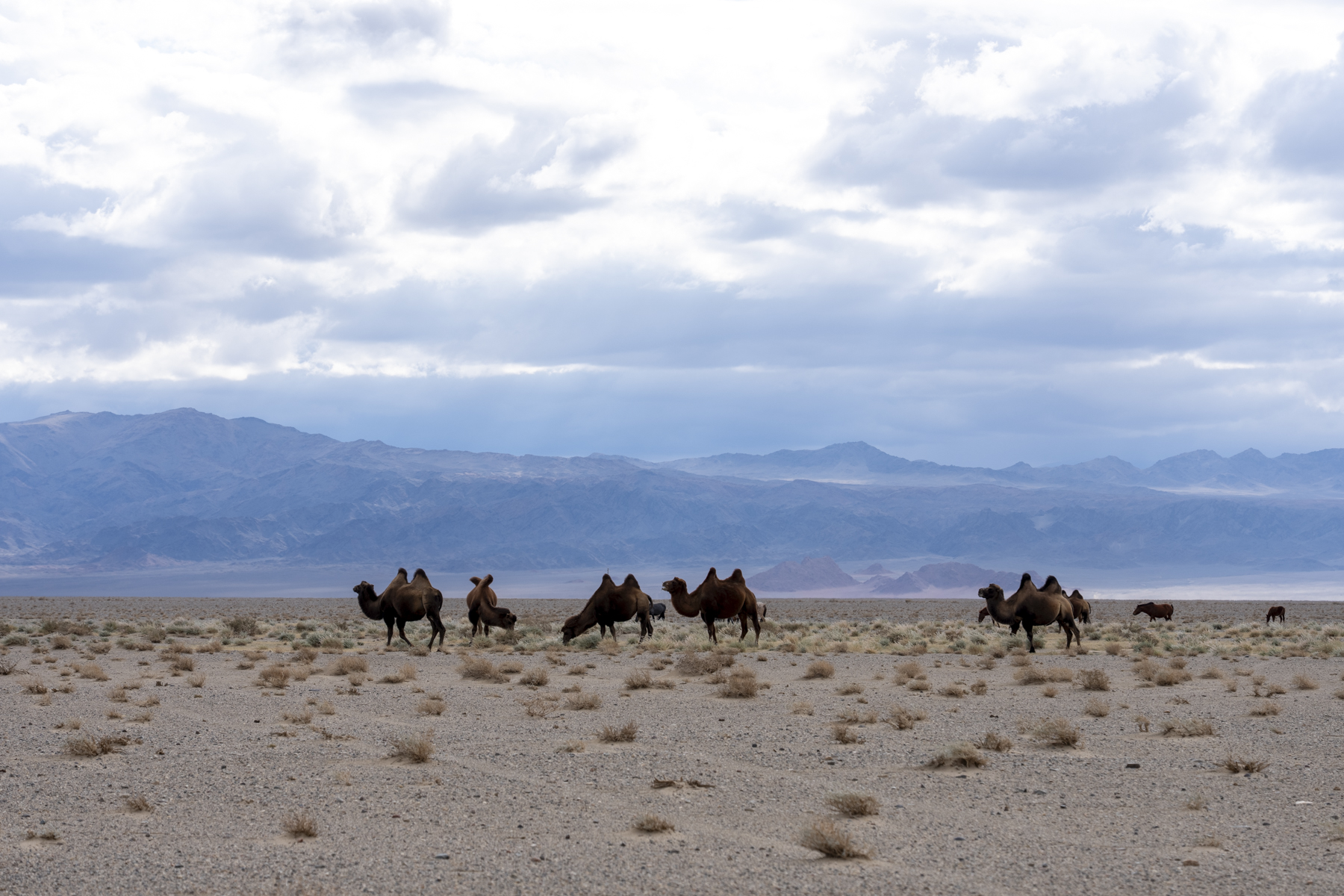
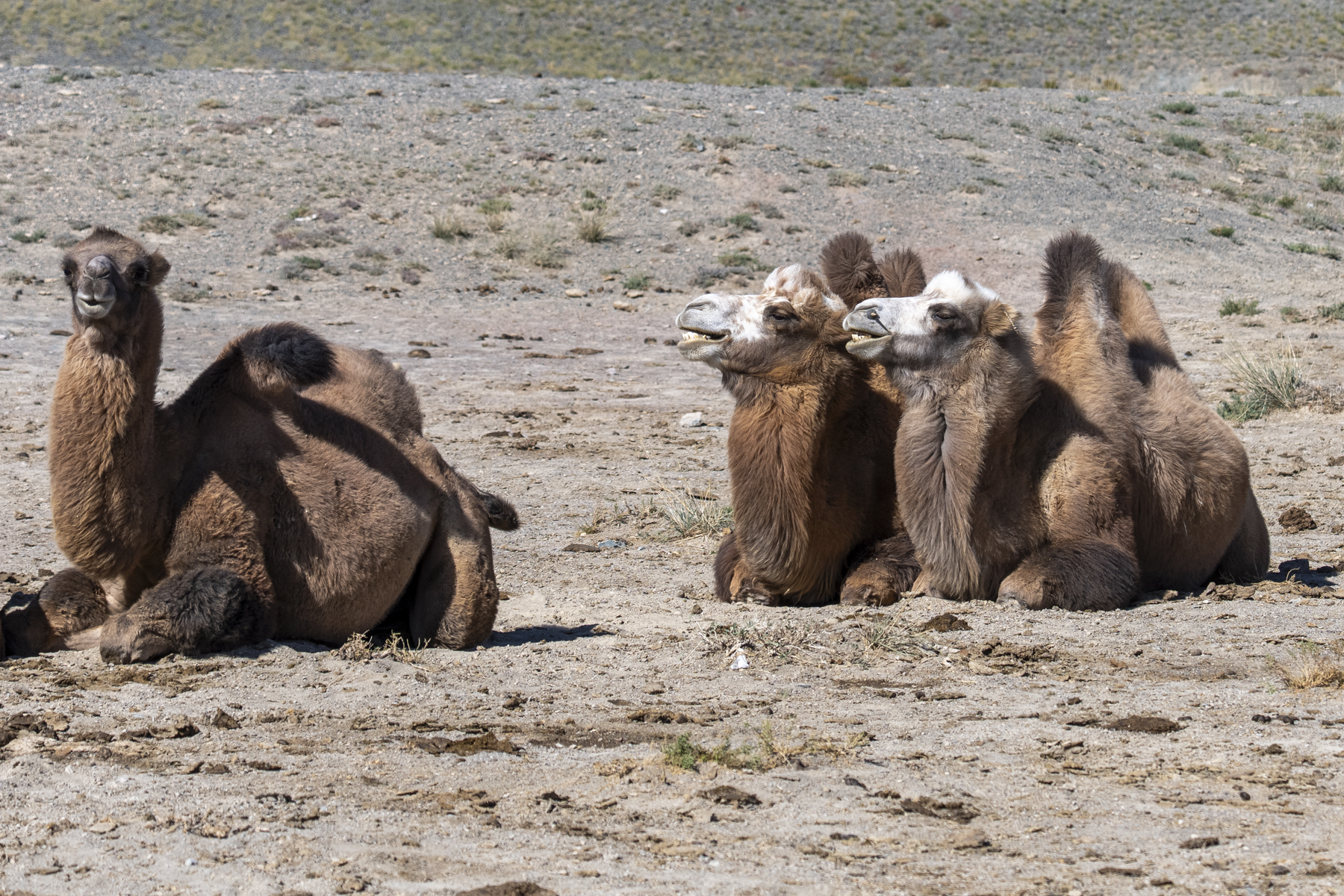
Bactrian Camels (image by Mark Beaman)
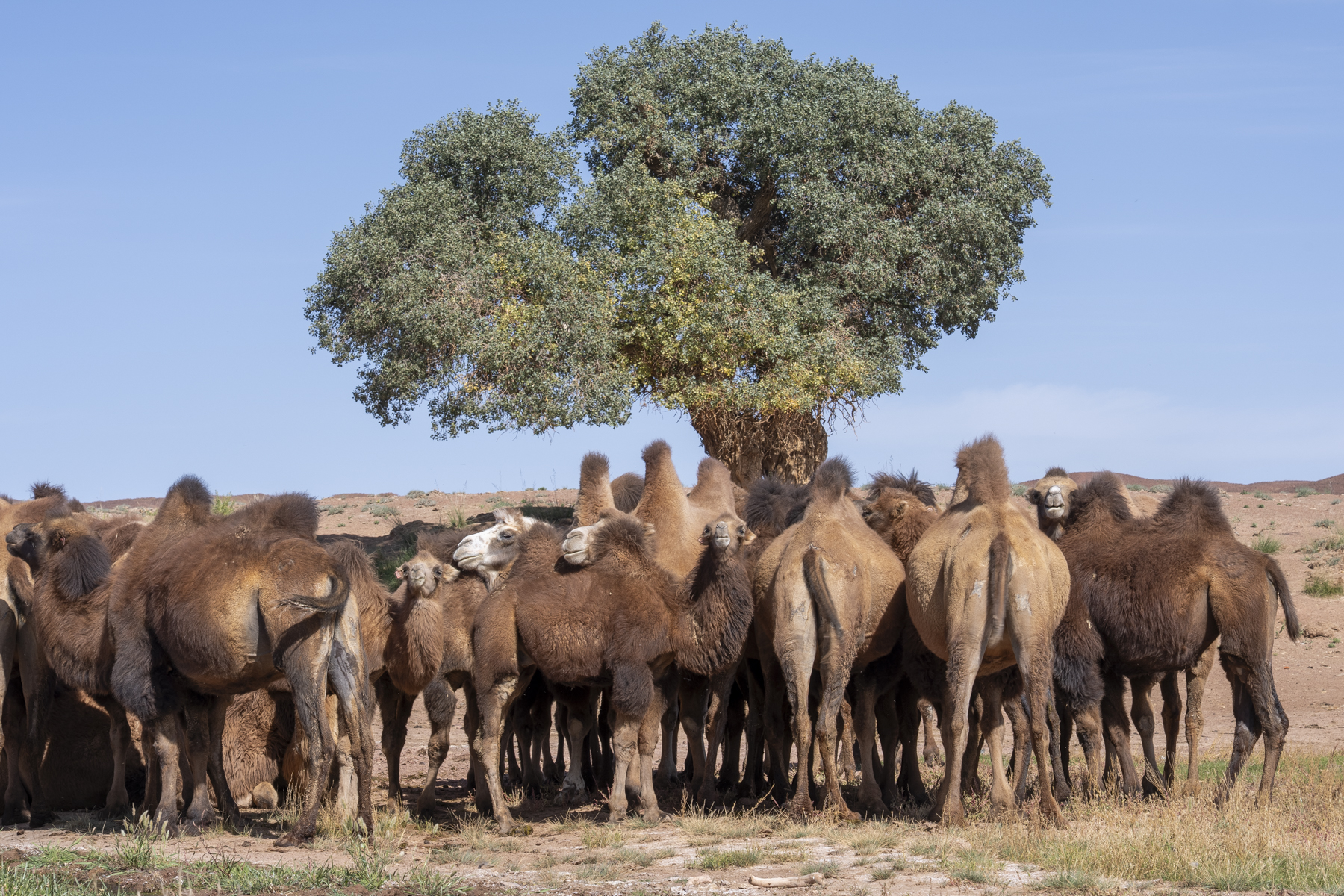
Bactrian Camels (image by Mark Beaman)
Bactrian Camels (image by Mark Beaman)
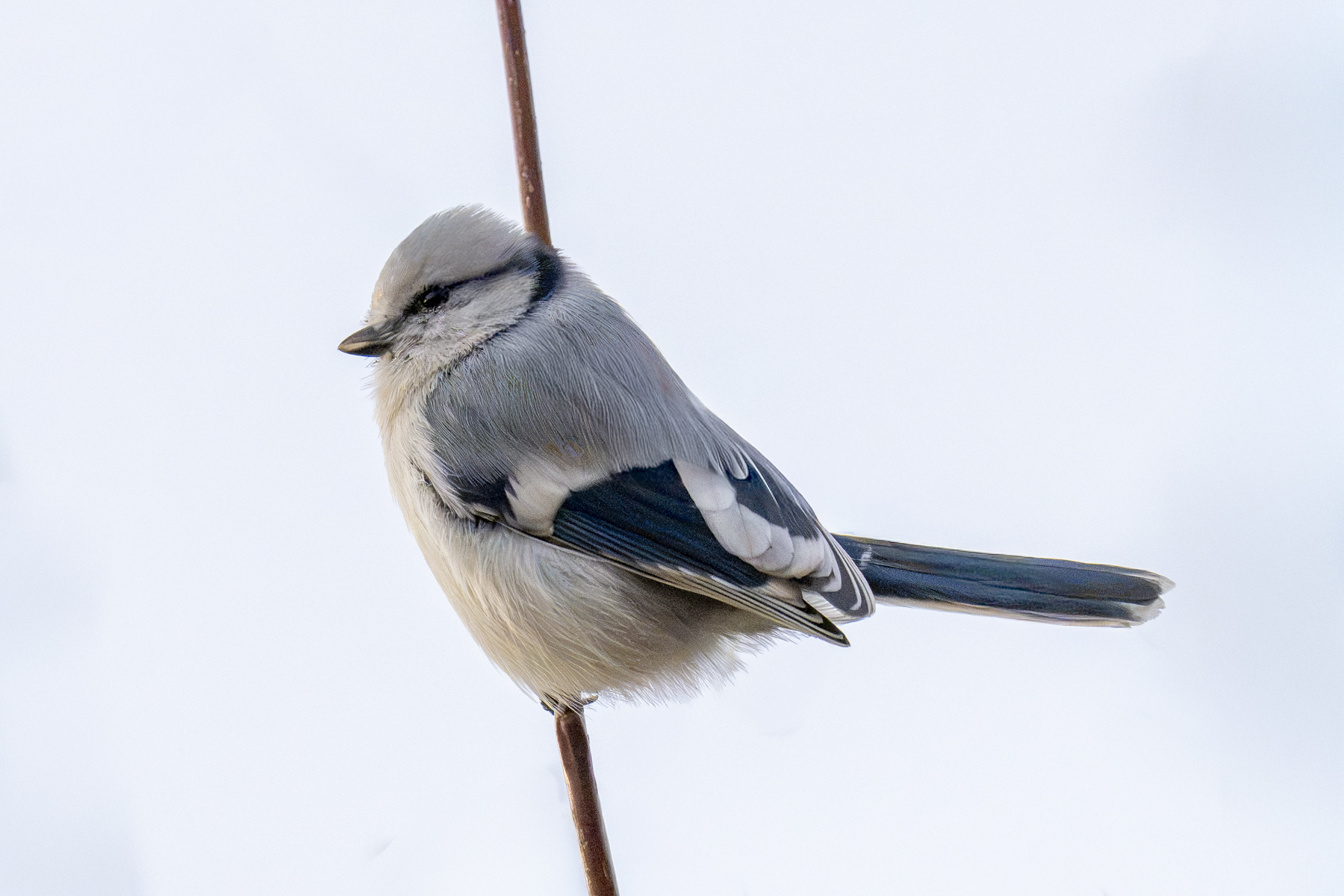
Azure Tit (image by Mark Beaman)
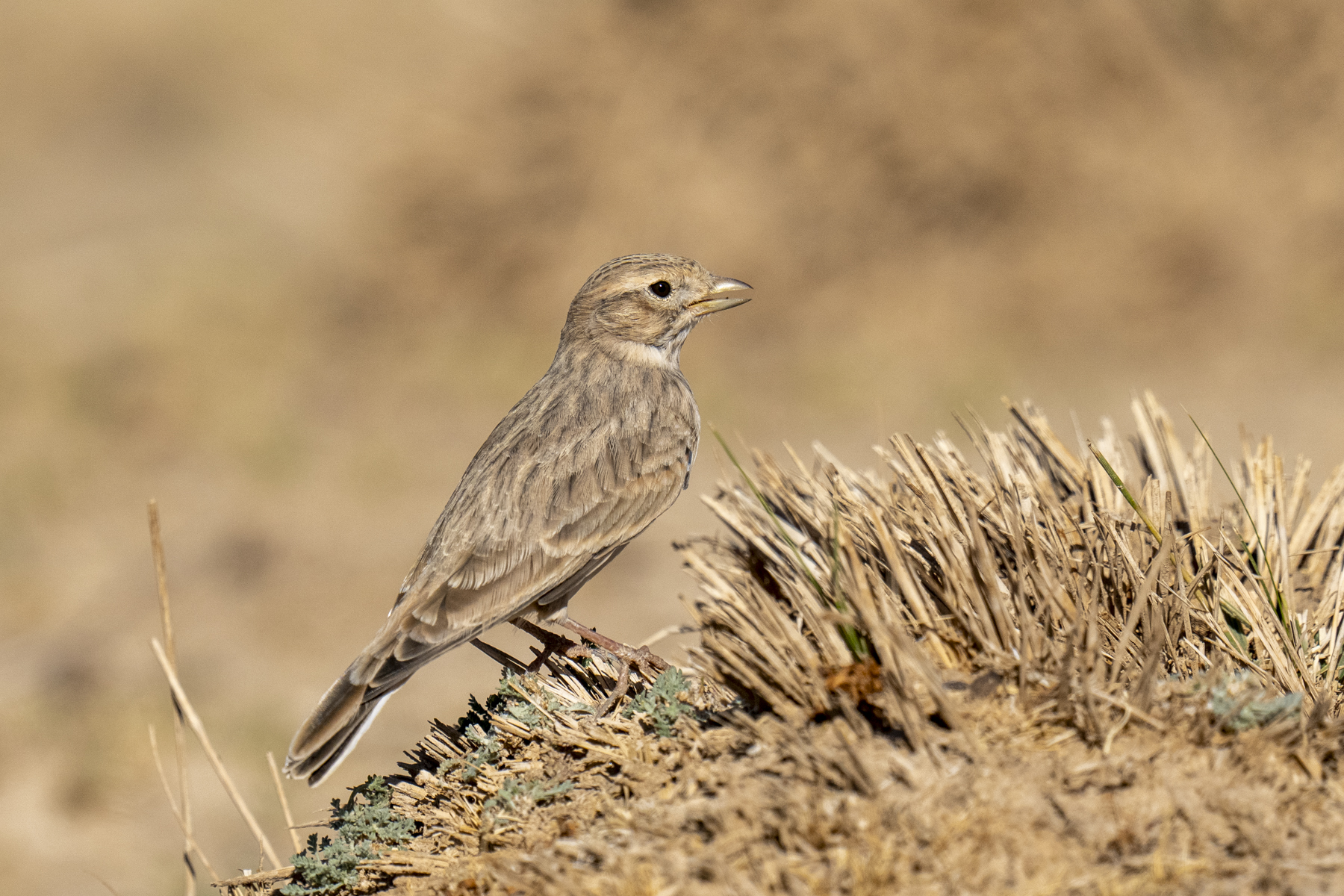
Asian Short-toed Lark (image by Mark Beaman)
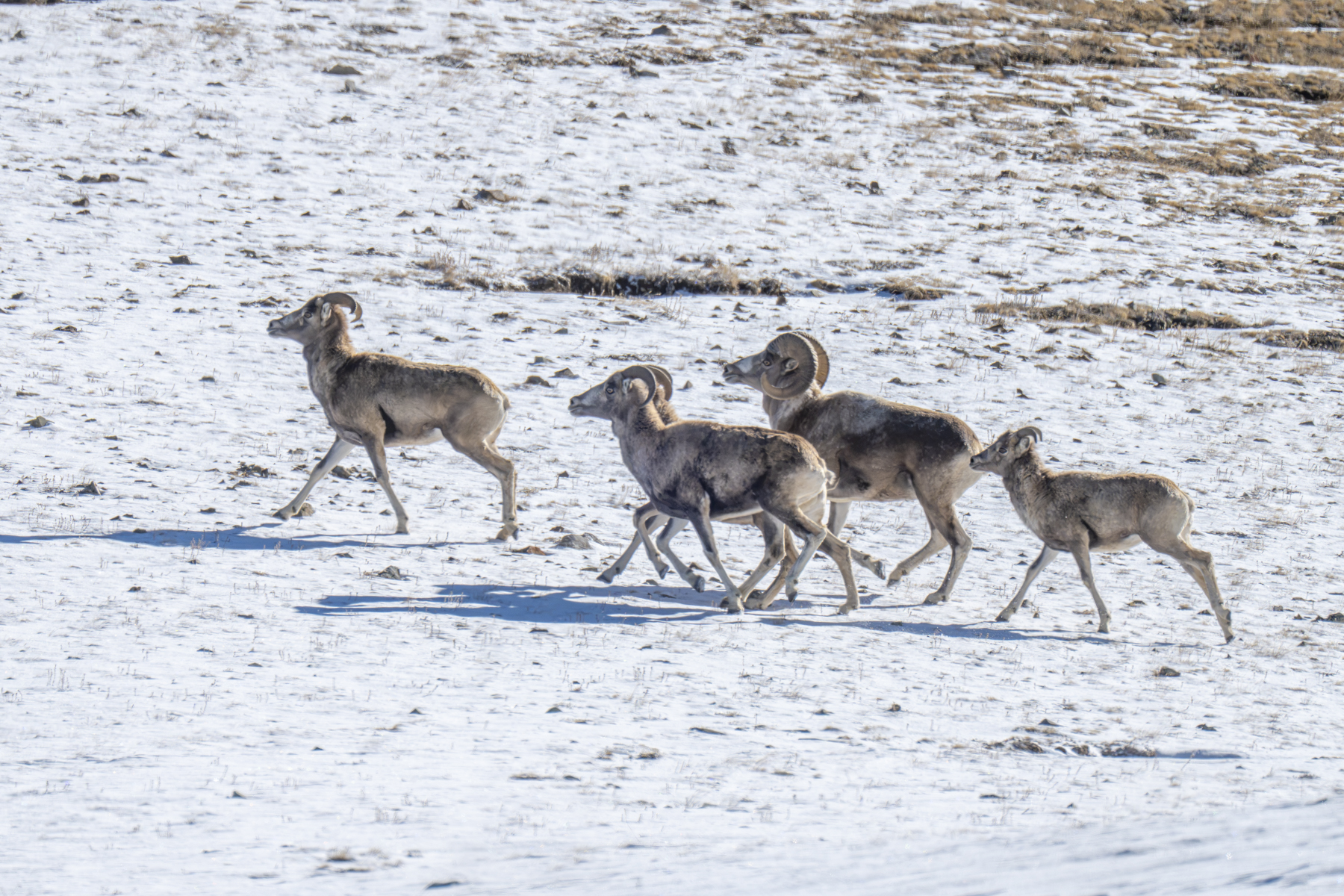
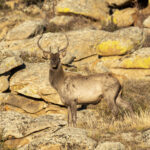
Argali wild sheep (image by Mark Beaman)
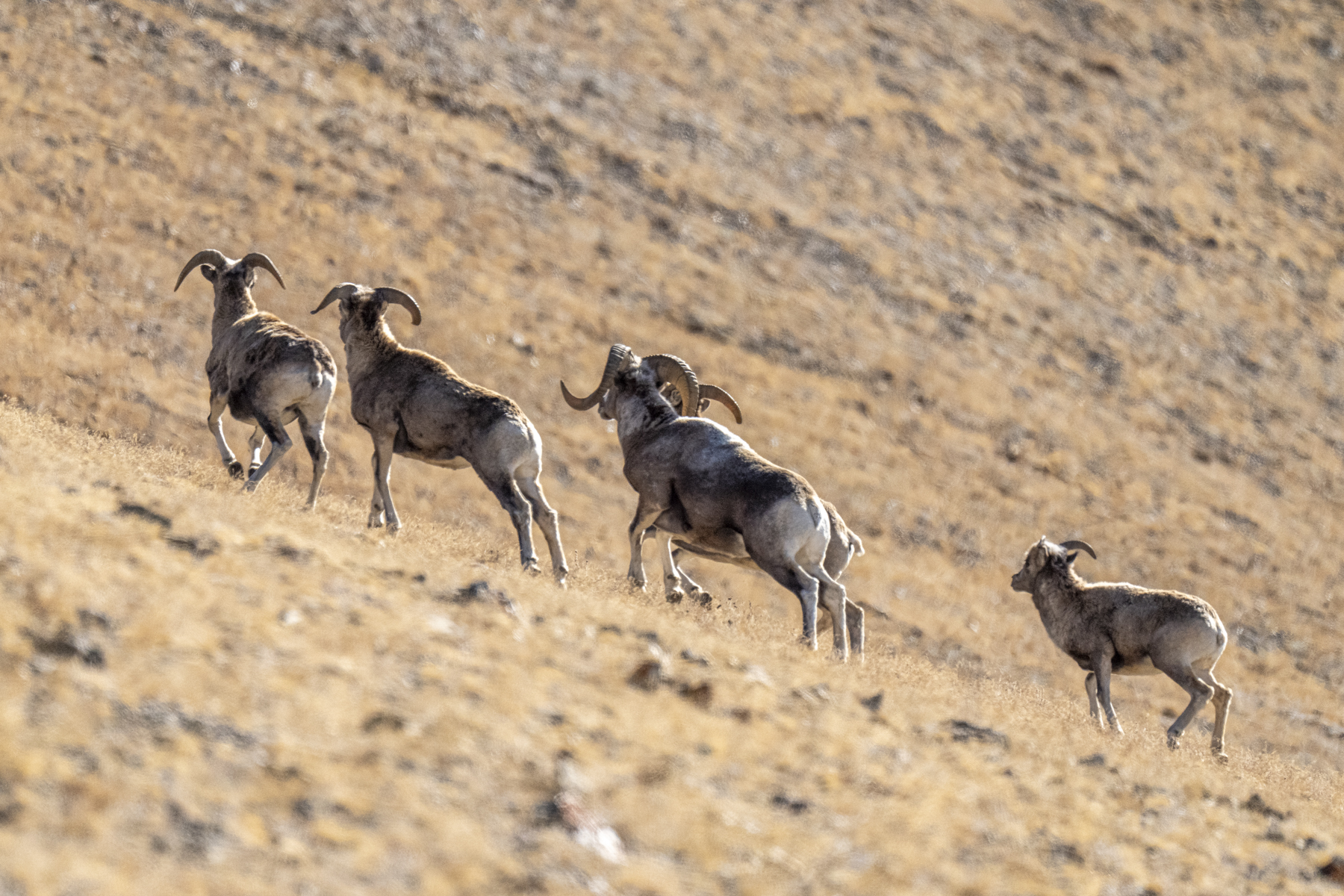
Argali wild sheep (image by Mark Beaman)
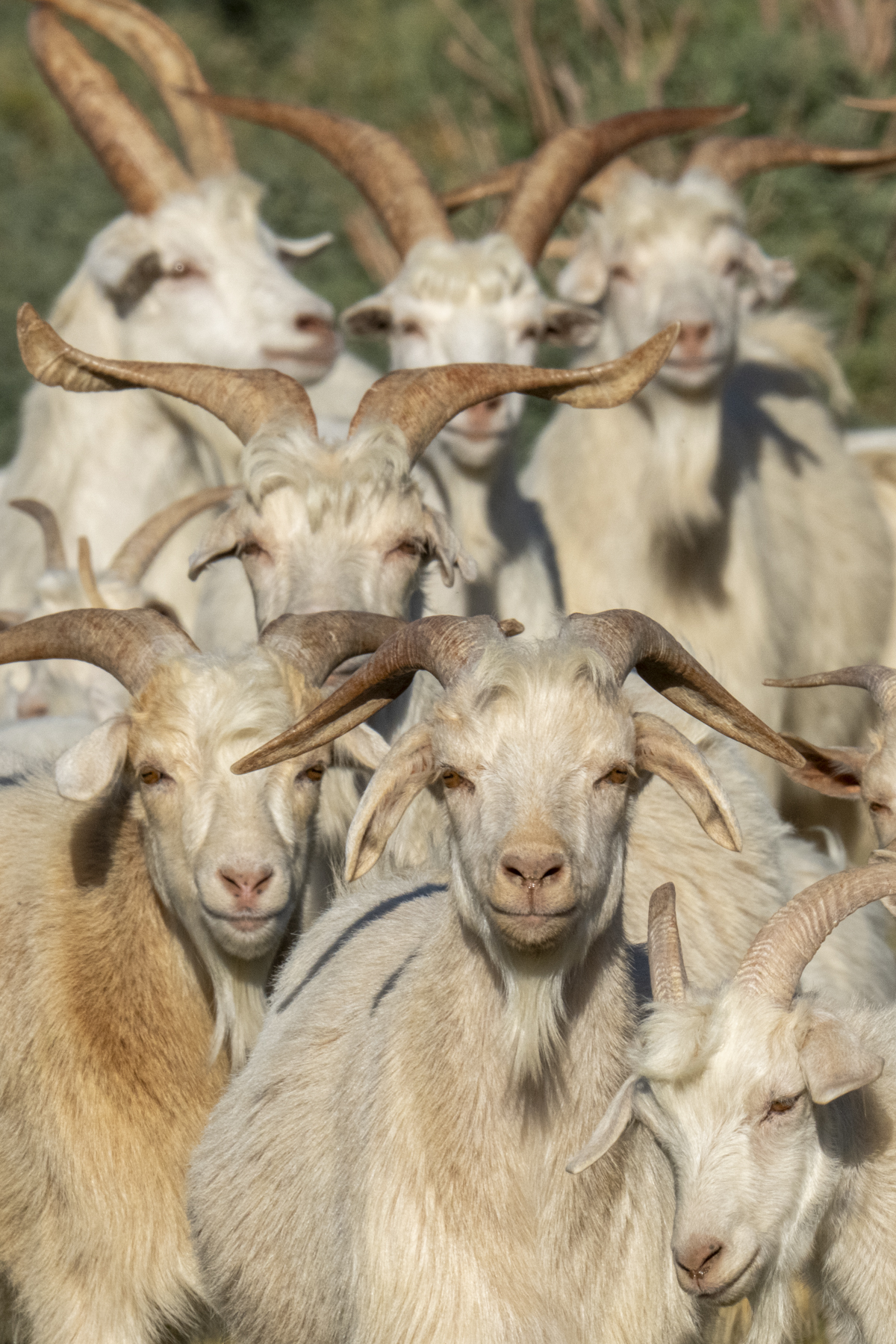
Angora Goats, the source of cashmere wool (image by Mark Beaman)

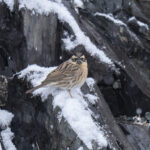
Siberian Accentor (image by Mark Beaman)

Brandt's Vole (image by Mark Beaman)
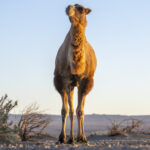
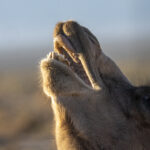
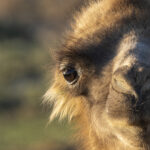
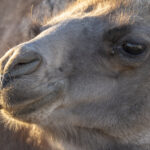
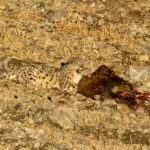
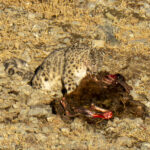
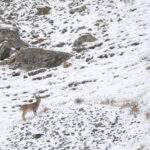
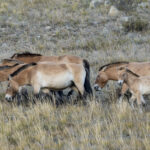
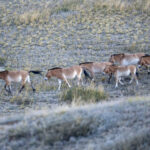
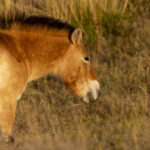
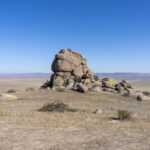
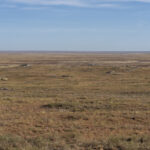
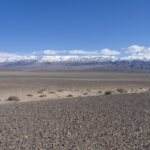
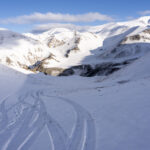
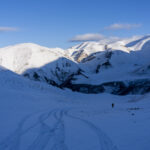
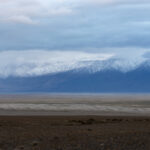
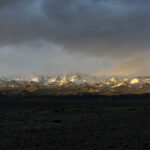
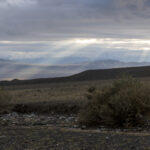
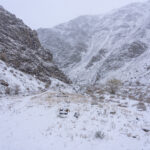
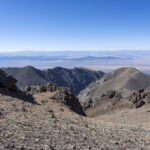
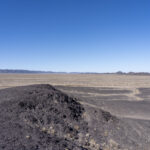
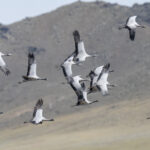
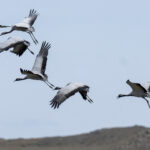
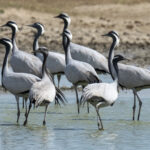
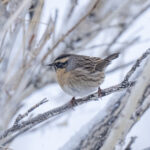
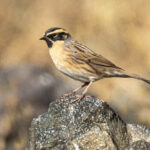
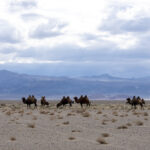
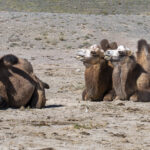
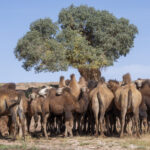




Wild Camels (image by Mark Beaman)
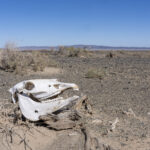
Wild Camel skull (image by Mark Beaman)
Wild Camel (image by Mark Beaman)
Wild Camel (image by Mark Beaman)
Wild Camel (image by Mark Beaman)
Wild Camel (image by Mark Beaman)
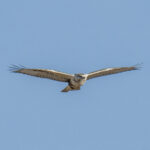
Upland Buzzard (image by Mark Beaman)
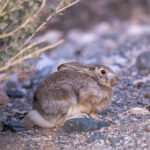
Tolai Hare (image by Mark Beaman)
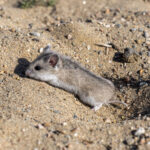
Striped Dwarf Hamster (image by Mark Beaman)
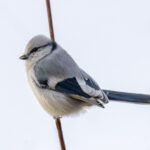
Steppe Grey Shrike (image by Mark Beaman)
Steppe Eagle immature (image by Mark Beaman)
Steppe Eagle drinking (image by Mark Beaman)
A local guide searching for Snow Leopards (image by Mark Beaman)
Snow Leopard (image by Mark Beaman)
Snow Leopard, Jargalant Mts, Mongolia 2026 (image by Mark Beaman)
Snow Leopard (image by Mark Beaman)
Snow Leopard (image by Mark Beaman)
Snow Leopard (image by Mark Beaman)
Snow Leopard (image by Mark Beaman)
Snow Leopard and cubs (image by Mark Beaman)
Snow Leopard and cubs (image by Mark Beaman)
Siberian Ibex (image by Mark Beaman)
Gobi saxaul trees at sunrise (image by Mark Beaman)
Saker Falcon (image by Mark Beaman)
A male Saiga antelope (image by Mark Beaman)
The male Saiga's proboscis-like snout is something weird and wonderful (image by Mark Beaman)
Saigas graze on the sparse semi-desert vegetation (image by Mark Beaman)
A Saiga in the desert-like lands below the snowy Altai range (image by Mark Beaman)
Rustic Bunting (image by Mark Beaman)
The rare Relict Gull (image by Mark Beaman)
First-winter Relict Gull (image by Mark Beaman)
Relict Gull, one of the most sought-after Mongolian birds (image by Mark Beaman)
Przewalski's Horses (image by Mark Beaman)
Przewalski's Horses (image by Mark Beaman)
Przewalski's Horses (image by Mark Beaman)
Przewalski's Horse (image by Mark Beaman)
Pine Bunting (image by Mark Beaman)
Pere David's or Small Snowfinch (image by Mark Beaman)
Pallas's Sandgrouse (image by Mark Beaman)
Pallas's Reed Bunting (image by Mark Beaman)
Pallas's Pika (image by Mark Beaman)
Pallas's Pika (image by Mark Beaman)
Pallas's Fish Eagle (image by Mark Beaman)
After sunset, Pallas's Cats become more active (image by Mark Beaman)
I am just a rock, so you voles and gerbils don't need to worry... (image by Mark Beaman)
Pallas's Cat (image by Mark Beaman)
Pallas's Cat (image by Mark Beaman)
Pallas's Cat (image by Mark Beaman)
Pallas's Cat (image by Mark Beaman)
Pallas's Cat in its den (image by Mark Beaman)
A Pallas's Cat tasting the wind (image by Mark Beaman)
A Pallas's Cat bursts from cover (image by Mark Beaman)
I am just a rock... (image by Mark Beaman)
Pallas's Cat (image by Mark Beaman)
Northern Three-toed Jerboa (image by Mark Beaman)
Naumann's Thrush adult male (image by Mark Beaman)
Naumann's Thrush (image by Mark Beaman)
Mongolian Lark (image by Mark Beaman)
Mongolian Ground Jays like carrots (image by Mark Beaman)
Mongolian or Henderson's Ground Jay (image by Mark Beaman)
Mongolian Gerbils 'kissing' (image by Mark Beaman)
Mongolian Gerbil or Jird (image by Mark Beaman)
Mongolian Gazelles (image by Mark Beaman)
Mongolian Gazelles (image by Mark Beaman)
Mongolian Gazelles (image by Mark Beaman)
Long-tailed Rosefinch (image by Mark Beaman)
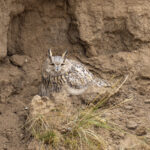
Long-eared Owl (image by Mark Beaman)
Long-eared Owl (image by Mark Beaman)
Long-eared Hedgehog (image by Mark Beaman)
Khustai (or Hustai) National Park (image by Mark Beaman)
The Khalzan steppe (image by Mark Beaman)
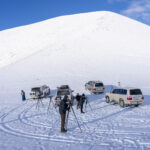
One of the Snow Leopard watchpoints after overnight snow, soon to melt (image by Mark Beaman)
One of the Snow Leopard watchpoints in the Jargalant Mountains (image by Mark Beaman)
The Jargalant Mountains (image by Mark Beaman)
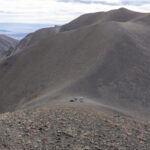
High in the Jargalant Mountains (image by Mark Beaman)
The Jargalant at sunrise (image by Mark Beaman)
The Altai range after the first snow (image by Mark Beaman)
Jargalant scenery (image by Mark Beaman)
Jargalant scenery (image by Mark Beaman)
Jargalant scenery (image by Mark Beaman)
Jargalant scenery (image by Mark Beaman)
The Altai at sunrise (image by Mark Beaman)
Our group with the wonderful team at the Jargalant (image by Mark Beaman)
Our ger camp in the Jargalant (image by Mark Beaman)
Ice crystals encrust the autumn grass (image by Mark Beaman)
The striking Güldenstädt's Redstart (image by Mark Beaman)
Greater Sand Plover (image by Mark Beaman)
Sunrise in the Gobi Desert (imnage by Mark Beaman)
Gobi Desert scenery (image by Mark Beaman)
Gobi Desert scenery (image by Mark Beaman)
Our camp in the Gobi (image by Mark Beaman)
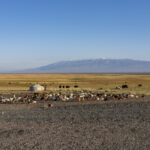
The nomadic life lives on in Mongolia (image by Mark Beaman)
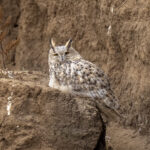
The huge Eurasian Eagle-Owl (image by Mark Beaman)
The huge Eurasian Eagle-Owl (image by Mark Beaman)
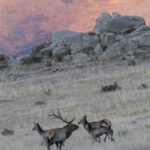
Siberian Elk at sunrise (image by Mark Beaman)
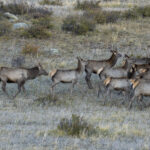
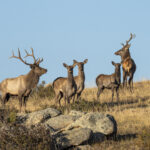
Siberian Elk (image by Mark Beaman)
Siberian Elk (image by Mark Beaman)
Siberian Elk at dawn (image by Mark Beaman)
Siberian Elk (image by Mark Beaman)
A Siberian Elk tastes the wind (image by Mark Beaman)
Siberian Elk (image by Mark Beaman)
A Siberian Elk stag bugles during the rut (image by Mark Beaman)
A Siberian Elk stag bugles during the rut (image by Mark Beaman)
Dusky Thrush (image by Mark Beaman)
Dusky Thrush (image by Mark Beaman)
Demoiselle Cranes (image by Mark Beaman)
Demoiselle Cranes (image by Mark Beaman)
Demoiselle Cranes (image by Mark Beaman)
Demoiselle Cranes often mix with domestic animals in Mongolia (image by Mark Beaman)
Demoiselle Cranes (image by Mark Beaman)
Daurian Partridges (image by Mark Beaman)
Daurian Partridge (image by Mark Beaman)
Corsac Fox (image by Mark Beaman)
Cinereous Vulture (image by Mark Beaman)
Chukar Partridge (image by Mark Beaman)
Chinese Grey Shrike (image by Mark Beaman)
A Buddhist rock painting in the Gobi Altai (image by Mark Beaman)
Brown Accentor (image by Mark Beaman)
Boon Tsagaan Nuur at sunset (image by Mark Beaman)
Black-throated Thrush (image by Mark Beaman)
Black-throated Accentor (image by Mark Beaman)
Black-throated Accentor (image by Mark Beaman)
Black-throated Accentor (image by Mark Beaman)
Bactrian Camels (image by Mark Beaman)
Bactrian Camels (image by Mark Beaman)
Bactrian Camels (image by Mark Beaman)
Azure Tit (image by Mark Beaman)
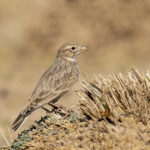
Asian Short-toed Lark (image by Mark Beaman)
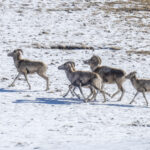
Argali wild sheep (image by Mark Beaman)
Argali wild sheep (image by Mark Beaman)
Angora Goats, the source of cashmere wool (image by Mark Beaman)
Siberian Accentor (image by Mark Beaman)
Brandt's Vole (image by Mark Beaman)


SNOW LEOPARDS & WILDLIFE OF MONGOLIA TOUR REPORT 2026

17 / 25 September - 10 October 2026
Mark Beaman
Our 2026 ‘Snow Leopards and Wildlife’ tour, ranging from west to east across Mongolia, was another great success. The main part of the tour produced some truly wonderful Snow Leopard sightings, including a nearly day-long encounter (!) with a mother and three sweet little cubs that turned into an extraordinary close encounter at the very end! Pallas’s Cats in the east put on a great show for us, with ‘close encounters’ being a wildly insufficient description for getting within a few metres of these ‘inscrutable-looking’ and ever-scowling felines! On top of this, we had a really close encounter with a bulbous-nosed male Saiga, an unusually co-operative herd of Mongolian Gazelles, hordes of rutting Siberian Elk, handsome herds of wild Przewalski’s Horses, inquisitive Corsac Foxes and huge-horned Argalis (wild sheep). Birdlife was a strong feature as well, with residents and breeding visitors including the rare Swan Goose, the near-endemic Altai Snowcock, White-naped and Demoiselle Cranes, Eurasian Eagle-Owl, Daurian Jackdaw, Mongolian Lark, Mongolian Ground Jay, Eversmann’s and Güldenstädt’s Redstarts, Saxaul Sparrow and Pere David’s Snowfinch. Stars among the many migrants heading south included Chinese Grey Shrike, Siberian and Black-throated Accentors, Black-throated, Red-throated, Naumann’s and Dusky Thrushes and Pallas’s Reed, Rustic and Pine Buntings.
Before the main tour started, our Wild Camel extension took some of us deep into the Gobi Desert in far southwest Mongolia, a travel adventure in itself. The truly Wild Camels did not grant us a close encounter this time; indeed, they were far away, but the habituated individuals were great fun and photographed at very close range, as were the almost equally admired Bactrian Camels. Some truly great ‘micro mammal’ stars included Common Long-eared Hedgehog, Striped Pygmy Hamster and a very sweet Northern Three-toed Jerboa (netted after a hot pursuit by one of our camp crew). Avian stars included very close Relict Gulls, Pallas’s and Brown-headed Gulls, Pallas’s Fish Eagle, numerous Pallas’s Sandgrouse and Blyth’s and Siberian Pipits.
The Wild Camel extension started off with two long days of travel from Ulaanbaatar, the first on mostly good tarred roads, but the second almost entirely on dirt tracks, sometimes indistinct ones that forked from time to time and were tricky to follow, as we headed towards the immense Great Gobi A Strictly Protected Area, so large that a small country would fit inside it!
We made a few stops along the way to enjoy some wetland birds, including smart Bar-headed Geese, beautiful but endangered White-naped Cranes and a large flock of elegant Demoiselle Cranes gathered before their migration.
One of our vehicles suffered some suspension damage and had to be temporarily abandoned while they waited for some spare parts (they caught us up the following day), so the journey was even more of an adventure than usual. Eventually we came to our campsite near a remote ranger station in the reserve. Before dinner got underway, there was quite a commotion as a Common Long-eared Hedgehog was found trundling around the camp. It was very sweet, and after we had finished photographing it, I carried it to a bush well away from camp so it could resume its nocturnal wanderings. It had turned out that the mattresses and sleeping bags were still in the abandoned vehicle, so our clothing had to be roped in as a substitute. Those little Gobi stones were surprisingly lumpy, even when below a tent groundsheet and a jacket or two!
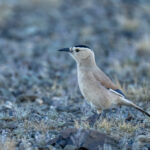
Our full-day journey travelling far into Great Gobi A involved taking two of the rangers along, one riding a tough little motorbike, as we explored this immense and almost trackless reserve. Time passed, and we encountered Mongolian Wild Ass (or Kulan), some sentinel-like Argali wild sheep on a hilltop, Goitred (or Black-tailed) Gazelles, smart Mongolian Ground Jays and Desert Wheatears, the tiny Asian Desert Warbler and ‘Steppe’ Grey Shrike, but no camels at all. How very different from my last visit, when we enjoyed a close encounter after just a couple of hours! There are not that many Wild Camels left (maybe 1200, split between Great Gobi A and some reserves over the border in China) and they are thinly distributed over a vast area, so we kept on looking, and looking, and looking! Eventually, because even our Toyota Land Cruisers could only go slowly as we negotiated the undulating, rugged ‘off-road’ terrain, full of small wadis and low hills, our rangers got on the motorbike and headed off to search further and faster than we all could. We waited, and waited. There was no news. And then we saw the motorbike coming back. Yes, Wild Camels had been sighted, ‘not far away’. Well, as usual in remote places, ‘not far away’ turned out to be about 20 kilometres! But eventually we reached the place and managed to see four Wild Camels. It needed a telescope to see any detail on them, but at least we had triumphed in the end! It was time for the long journey back to camp, which we only reached well after dark.
Rather than face another full day of bumping around the dramatic but trackless wastes of the Gobi, we opted to visit a group of habituated Wild Camels the next morning. These proved much easier to get close to, and we were soon taking great photos of these very rare creatures in the early morning light. By domesticated camel standards, they were rather well-mannered, with little or no spitting or biting of each other, and we could carefully study how very different they looked from Bactrian Camels, with their rather flat-topped heads, much less thick hair and differently shaped humps. Until recently, it was assumed that the Wild Camels were the wild relatives of the domesticated Bactrian camel and so they were simply treated as a wild subspecies, ferus, of the Bactrian Camel. Then modern genetics came along, and to the surprise of many, it was found that they were an almost completely unrelated species that had diverged from a common ancestor over three-quarters of a million years ago! Mongolian nomads living in the Gobi worked this out for themselves long ago, calling the Wild Camels Havtagai, or ‘flat heads’, and knowing they were not just wild Bactrian Camels.
Quite a few migrant and resident birds were using the greenery around the ranger station, including a small meadow and some tiny vegetable gardens, and these included Blyth’s, Olive-backed and Siberian Pipits, Isabelline Shrike, Red-throated Thrush, Hume’s Leaf Warbler, Siberian Chiffchaff, Saxaul Sparrow, Little and Black-faced Buntings and, more unexpectedly, White-cheeked Starling and Chestnut-eared Bunting.
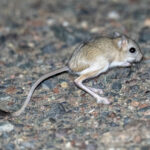
After dinner we tried our luck at spotlighting. Although late in the season (many Mongolian rodents hibernate by early autumn), we had a Gobi (or Desert) Jerboa and then, after a rather hilarious chase by a member of the camp crew with his ‘rodent net’, a very close look at a sweet and very long-legged Northern Three-toed Jerboa.
From the Gobi we headed northwards into the ‘lacustrine basin’ between the Altai ranges and the Khangai Mountains. The journey was pretty easy this time, with only a puncture that briefly delayed us, and we arrived at our campsite at the huge Boon Tsagaan Nuur (lake) by mid-afternoon.
Boon Tsagaan is one of the most famous bird lakes in Mongolia and did not disappoint; there were literally thousands of birds present! The most common species was the Great Cormorant (we estimated at least 5000 present!), but there were also large numbers of geese, ducks, shorebirds, gulls and terns. Highlights included plenty of long-necked Swan Geese, Pallas’s Fish and White-tailed Eagles, Brown-headed and Pallas’s Gulls, flocks of close Pallas’s Sandgrouse and the endearing little Striped Pygmy Hamsters that Ogii, our Mongolian wildlife guide, caught overnight.
After a rather tame river crossing (there had been a shortage of rain), we swapped vehicles and said goodbye to our lovely camp crew as they headed back to distant Ulaanbaatar. For us, the adventure continued as we travelled northwards into western Mongolia, our goal the city of Khovd, where we were to meet up with those arriving for the main tour. After the camping nights, being in hotels with running water and hot showers was a welcome novelty!
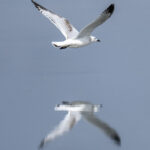
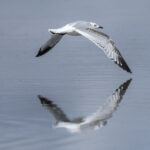
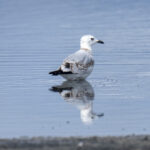
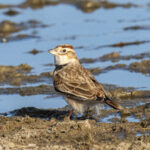
We visited some more wetlands on the way north, turning up some very close Relict Gulls that gave superb photographic opportunities as their reflections showed clearly in the still waters. White-crowned Penduline-Tits were a nice find and a Horned Grebe was a surprise. At Khar Us Nuur there was a distant Dalmatian Pelican, but only Ogii managed to spot a White-headed Duck. Normally the latter is straightforward here, but a serious drought had dried up much of their marshy habitat. We had to make do with a very obliging Greater Sand Plover instead.
To my surprise, the flight from Ulaanbaatar arrived at Khovd on time, and our entire group was soon on its way to the Jargalant Mountains, a semi-isolated range lying to the east of the Altai Range proper and famous for its Snow Leopards. We stopped along the way to look for Saiga antelopes, but as so often happens, they raced off on seeing the vehicles and were soon lost to view. Saigas are some of the fastest mammals on Earth, being capable of speeds of up to 90 kilometres (54 miles) per hour. Once they get their heads down, they run like the wind. Soon we were settling in at our ‘ger camp’ (ger is Mongolian for yurt) in the foothills of the Jargalant and starting a week of living in a style not very different from that of most Mongolian nomads.
Of course, Snow Leopards are what the Jargalant week is primarily about. You don’t come here to try and see and photograph ibexes or redstarts! Last time I guided this tour, it was so easy to encounter ‘the cat‘. Our first Snow Leopard was seen by all on the very first morning! How different it was this time. For four days we drove to different watchpoints, or hiked fairly short distances up valleys or ridges, but not a sign. Our wonderful trackers, who could climb ridge after ridge and walk all day, occasionally sighted Snow Leopards but then lost them in the wild landscapes of the Jargalant. By the fourth day we were all getting rather nervous. The severe drought had certainly not helped, greatly reducing the populations of Siberian Ibex and Argali that the leopards prey on, and the domestic animals had mostly been taken elsewhere, so life was tougher than usual, but even so… I asked Ogii about this. Had he ever got to day four of a week without a sighting? Otgonbayar Baatargal is Mongolia’s leading Snow Leopard guide, with nearly two decades of experience, and his answer was ‘Never!’. So things were looking a bit bleak!
And then, as it so often does with rare wildlife, it all completely changed! We were heading up another valley on foot when the message came in over the radio: “Snow Leopard found!” You cannot hurry a hike up a valley with a group, even at the lower heights prevalent in Mongolia, but we all did our best, and before long we had reached the trackers. “Snow Leopard”, they said, and then added the magic words “two babies”! Oh my goodness, how one’s luck can change!
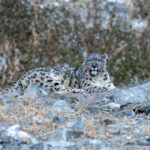
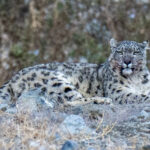
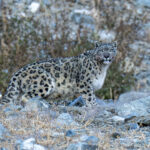
We kept as low a profile as possible until the leopards came into view. There was the mother near the carcass of a calf, and there, on the kill, no fewer than THREE gorgeous little cubs, just a few months old, their grey fur covered in black spots and hollow ovals! We feasted our eyes on this wonderful sight and started taking photographs. As so often in the mountains, there was a lot of shimmer, which was seriously enhanced by powerful telephoto lenses. We could see so much, yet the images were poor. What should we do? We could not try to get closer straight away for fear of scaring the cats.
There was nothing for it but to wait for the rest of the day while the cats fed and then try to get closer once the sun sank and the shimmer reduced. The majority opted to stick it out, and while it was warm enough to sleep, the rocks were not an ideal bed. Time passed, and the sun began to sink. Slowly, the light improved. The female had stashed her cubs in some rocks after they had finished feeding. Likely they were still not fully weaned. She continued to eat for periods and then sleep behind a rock. We waited for an age and then decided to edge our way along the rocky slope, trying not to dislodge too much scree in the process, until we had significantly reduced the distance. Thankfully she stayed at the kill, although she kept a regular eye on the approaching bipeds. The views and images became better and better. Thank goodness we had waited! The gamble had paid off! Eventually, it was time to head for the cars before night fell, but as the last of us descended to the valley floor (slowed by trying to negotiate a slippery slope while holding onto a camera), the mother got up and came down into the valley! No doubt she was looking us over to see if we represented a threat before she retrieved her cubs for an evening feed. And then, bold as brass, she sat down and gazed at us from a relatively short distance away. How amazing was that!
(Our trackers checked the site early the next morning but the carcass had been stripped bare and was left for a few magpies to scavenge over, so clearly the mother and cubs had returned and fed all night after we had left.)
After this wonderful encounter, group morale could rise no higher, and of course now that we had ‘scored’ we inevitably scored again. Watching a Snow Leopard scrambling over huge rocky crags (including watching drone footage shot from far enough away to not cause even a glance from the animal), or peering out from a hillside in light snowfall, or just moving effortlessly through its mountainous world, was the icing on a superb cake we will never forget.
The Jargalant range is a stunningly scenic place, so the opportunities for landscape photography were quite wonderful. But what about other wildlife?
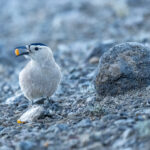
This year Siberian Ibex were clearly thinner on the ground owing to the drought, but Argali gave great views, and of course the sweet little Pallas’s Pikas were enjoyed by all, as was the furtive Tolai Hare. Altai Snowcocks were seen rather distantly by everyone, and those of us who took a vehicle higher up among the ridges had great views. Brown Accentors, Eversmann’s Redstarts and very smart Güldenstädt’s Redstarts were a feature of the area, dropping into the valley floors during the occasional temporary snowfalls that are a feature of early autumn in the Jargalant. Migrants included Meadow and Godlevski’s Buntings, but best of all were several migrant Black-throated Accentors. Magnificent Bearded Vultures and Golden Eagles were often seen very well, and the local pairs of Northern Ravens croaked away to each other and often played in the wind. The smart Hill Pigeon was scarcer than usual.
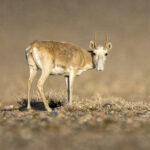
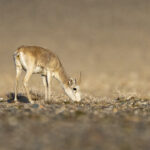
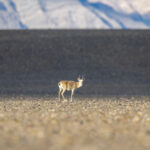
We had already been frustrated by the Saiga speeding off during two attempts to photograph them, so we were down to the final ‘throw of the dice’ on the last morning. Two of three coming to drink at a small stream headed off, but a male stayed, and we decided to try and walk closer. Gradually we closed the distance. While the male kept ahead of us, it kept pausing to look back and watch the strange creatures in gentle pursuit, and gradually we closed the distance to about 80 metres and obtained great views and images of that unique and totally unforgettable, almost alien face. What a great end to our time in the Jargalant!
From Khovd we returned to Ulaanbaatar by air and then headed out west to Khustai (or Hustai) National Park. Along the way, we stopped by the Tuul River to enjoy a close encounter with a group of Azure Tits, some Azure-winged Magpies and a Eurasian Woodcock.
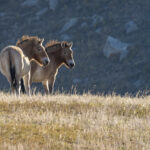
Khustai is a scenic area of low, rocky mountains surrounded by rolling steppe, best known as the original reintroduction site for Przewalski’s Horse, the last wild horse on Earth, which had become extinct in the wild. Nowadays, the horses have multiplied greatly, and they now have a healthy wild population spread over several sanctuaries. They are really beautifully marked, with their flowing black trails contrasting with the browns, buffs and russets of their pelage. They are not that tame any more, but still allow a fairly close approach if done slowly.
The other big star of Khustai is the Siberian form of the Elk (or Wapiti). This form used to be treated as part of Red Deer, but at this time of year they are actively and noisily rutting, and the ‘bugle’ the stags make is nothing like the bellowing of a Red Deer and very like that of an Elk. The deer were absolutely everywhere, with individual herds numbering up to 100 strong, and we enjoyed watching and photographing the males bugling from ridgelines, scenting the air with their tongues, chasing receptive females and generally rounding up and guarding their harems or challenging other males.
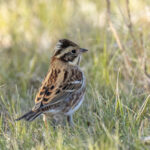
We failed in our attempt to find a Grey Wolf or two in a narrow valley, discovering only a Corsac Fox, but birdlife included Siberian Accentiors, the lovely northern form of the Long-tailed Tit, a couple more Azure Tits and, best of all, a big flock of Daurian Partridges that hid themselves so successfully that they burst into the air from some bushes only a metre from me. Even the camp surrounds held some surprises, including two Naumann’s Thrushes, a Siberian Rubythroat and a wandering Northern Nutcracker, while grassy areas held Pallas’s Reed, Pine and Meadow Buntings.
As we returned to Ulaanbaatar for a welcome hotel night, another stop along the Tuul produced the lovely Long-tailed Rosefinch, Siberian House Martins and a single White-backed Woodpecker.
It is a long haul out to the Pallas’s Cat research base near Khalzan in eastern Mongolia. The journey takes all day, but we broke it up with the obligatory stop at the highly impressive Chinggis (Genghis) Khan statue to the east of the city and a visit to the wetlands at Gun Galuut. No Siberian Cranes at the latter this time, but several Tundra Swans were a nice turn-up among the many Whooper Swans.
The ger camp near Khalzan is a cut above the Jargalant with a modern toilet and shower block that proved very welcome indeed, not to mention the fancy ‘dining ger’. It was our base for our three full days searching for Pallas’s Cats and other critters of the eastern Mongolian steppes.
We spent the early mornings and late afternoons concentrating on finding Pallas’s Cats, as they are not often active at this time of year between mid-morning and mid-afternoon, preferring to sleep in their dens in the piles of rocks that dot the rolling steppe. We had a very successful time in the area, with a series of encounters, including some really close ones.
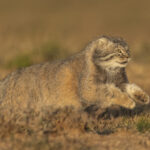
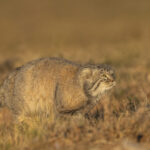
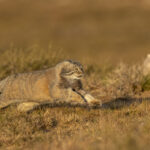
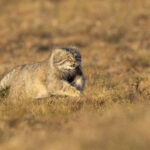
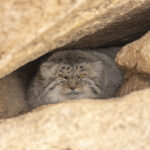
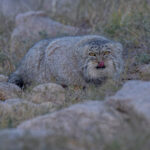
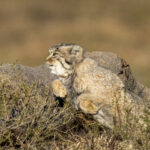
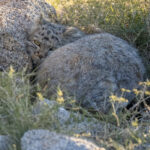
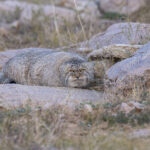
Pallas’s Cats, unlike Eurasian or African Wild Cats, tend to flatten themselves on the ground if discovered by humans and rely on their cryptic colouration, rather than immediately running away. If one retreats to a distance, they will, after watching carefully, often slink off or decide to run away. And so it was with several of the cats we found. Over the course of the three days we had cats trying to look like rounded grey stones (of which there are many in their favoured areas), cats hiding among the rocks and cats glaring at us from inside rock crevice dens at just a few metres distant! We also had cats bursting from cover and haring off, and cats very stealthily moving backwards (all the while staring at us) and then slinking away once they felt they had reached a safe distance. All in all, we had some great encounters and many good photographic opportunities, including action shots. Everyone loved the permanent ‘scowl’ and rather ‘Oriental sage’ faces of these wonderful animals that were now in their thick winter coats.
Mongolian Gazelles are often hard to get close to, and even if one does, the encounters may be affected by air shimmer (‘heat haze’), but we were lucky enough to have a good encounter with a herd of around 70 of these attractive and unusual-looking animals. As always, Corsac Foxes were numerous but only a few were both inquisitive and unafraid.
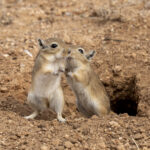
With only the early and late hours available to look for cats, we had plenty of time to look for birds of interest, enjoying the warm autumn weather of these lower altitude steppes. Steppe Eagles and Upland Buzzards, hunting the Brandt’s Voles and Mongolian Gerbils that are also beloved of the cats, were commonplace, while magnificent Saker Falcons were found from time to time. This visit it took us much more effort to find the huge and impressive Eurasian Eagle-Owl, but eventually we succeeded, finding a very pale individual that suggested the Siberian form. Huge numbers of smart Mongolian Larks were present in the area, flashing their white wing panels as they flew past, and a number of Mongolian Short-toed Larks were still present prior to migrating south.
Many migrant birds were passing through the area, with highlights being some close Long-eared Owls (what a performance!), Naumann’s and Dusky Thrushes, Lapland Longspur, and Pine and Rustic Buntings. We also enjoyed the delightful Yellow-browed and Pallas’s Leaf Warblers, Daurian Redstarts and Siberian Accentors that hung around the camp. A tame migrant Güldenstädt’s Redstart, presumably on migration to north China from the isolated breeding area east of Lake Baikal, was an unexpected bonus.
The research base itself was a sanctuary for Brandt’s Voles and gerbils. Probably hundreds of the former were in residence, scampering away or diving down their holes as we walked to our tents! Tamer than the ones out in the wild, as they were so used to seeing humans, they made fine photographic subjects.
Sadly, our time in the eastern steppes eventually came to an end, and it was time to head back to ‘civilisation’ and the end of our great adventure. Even then, there was still time for a stop to admire some huge Cinereous Vultures and find some handsome Taiga Bean Geese.
TOP CREATURES OF THE MAIN TOUR
1st SNOW LEOPARD
2nd PALLAS’S CAT
3rd SAIGA
4th EURASIAN EAGLE-OWL
5th PRZEWALSKI’S HORSE
TOP CREATURES OF THE WILD CAMEL EXTENSION
1st WILD CAMEL
2nd RELICT GULL
3rd= COMMON LONG-EARED HEDGEHOG
3rd= NORTHERN THREE-TOED JERBOA
3rd= STRIPED DWARF HAMSTER
3rd= BACTRIAN CAMEL
SYSTEMATIC LIST OF SPECIES RECORDED
Species marked with the diamond symbol (◊) are either endemic to the country or local region or considered ‘special’ for some other reason, including being seen on only a few tours.
MAMMALS
Common Long-eared Hedgehog Hemiechinus auritus
Siberian Shrew ◊ Crocidura sibirica
Snow Leopard ◊ Uncia uncia
Pallas’s Cat (Manul) ◊ Otocolobus manul
Corsac Fox ◊ Vulpes corsac
Red Fox Vulpes vulpes
Wild Horse ◊ [Przewalski’s Horse or Takhi] Equus [ferus] przewalskii
Asian Wild Ass [Mongolian Wild Ass or Kulan] ◊ Equus [hemionus] hemionus
Wild Camel ◊ Camelus ferus
Elk (or Wapiti) ◊ [Siberian Elk] Cervus [canadensis] sibiricus
Siberian (or Asiatic) Ibex Capra sibirica
Goitered (or Black-tailed) Gazelle Gazella subgutturosa
Argali ◊ Ovis ammon
Mongolian Gazelle ◊ Procapra gutturosa
Saiga ◊ Saiga tartarica
Tolai Hare Lepus tolai
Pallas’s (or Mongolian) Pika ◊ Ochotona pallasi
Tarbagan (or Mongolian) Marmot ◊ Marmota sibirica
Long-tailed Ground Squirrel Spermophilus undulatus
Northern Three-toed (or Hairy-footed) Jerboa Dipus sagitta
Gobi (or Desert) Jerboa ◊ Orientallactaga bullata
Siberian (or Mongolian Five-toed) Jerboa ◊ Orientallactaga sibirica
Eastern House Mouse Mus musculus
Brandt’s Vole Lasiopodomys brandtii
Striped Dwarf Hamster ◊ Cricetulus barabensis
Mongolian Jird (or Mongolian Gerbil) Meriones unguiculatus
BIRDS
White-headed Duck ◊ Oxyura leucocephala
Tundra Swan ◊ [Bewick’s Swan] Cygnus [columbianus] bewickii
Whooper Swan Cygnus cygnus
Bar-headed Goose ◊ Anser indicus
Greylag Goose Anser anser
Swan Goose ◊ Anser cygnoides
Greater White-fronted Goose ◊ Anser albrifrons
Taiga Bean Goose ◊ Anser fabalis
Common Shelduck Tadorna tadorna
Ruddy Shelduck Tadorna ferruginea
Common Goldeneye Bucephala clangula
Common Merganser (or Goosander) Mergus merganser
Red-crested Pochard Netta rufina
Common Pochard Aythya ferina
Tufted Duck Aythya fuligula
Northern Shoveler Spatula clypeata
Gadwall Mareca strepera
Eurasian Wigeon Mareca penelope
Mallard Anas platyrhynchos
Northern Pintail Anas acuta
Green-winged Teal Anas crecca
Altai Snowcock ◊ Tetraogallus altaicus
Daurian Partridge ◊ Perdix dauurica
Chukar Partridge Alectoris chukar
Horned (or Slavonian) Grebe ◊ Podiceps auritus
Great Crested Grebe Podiceps cristatus
Black-necked Grebe Podiceps nigricollis
Pallas’s Sandgrouse ◊ Syrrhaptes paradoxus
Oriental (or Rufous) Turtle Dove Streptopelia orientalis
Eurasian Collared Dove Streptopelia decaocto
Hill Pigeon ◊ Columba rupestris
Rock Dove (Rock Pigeon) (feral) Columba livia
Common Moorhen Gallinula chloropus
Eurasian (or Common) Coot Fulica atra
White-naped Crane ◊ Antigone vipio
Demoiselle Crane ◊ Grus virgo
Common Crane Grus grus
Pied Avocet Recurvirostra avosetta
Pacific Golden Plover Pluvialis fulva
Common Ringed Plover Charadrius hiaticula
Little Ringed Plover Charadrius dubius
Northern Lapwing Vanellus vanellus
Greater Sand Plover Anarhynchus leschenaultii
Kentish Plover Anarhynchus alexandrinus
Eurasian Curlew Numenius arquata
Black-tailed Godwit ◊ [Eastern Black-tailed Godwit] Limosa [limosa] melanuroides
Eurasian Woodcock ◊ Scolopax rusticola
Common Snipe Gallinago gallinago
Common Sandpiper Actitis hypoleucos
Green Sandpiper Tringa ochropus
Wood Sandpiper Tringa glareola
Common Redshank Tringa totanus
Spotted Redshank Tringa erythropus
Common Greenshank Tringa nebularia
Ruddy Turnstone Arenaria interpres
Ruff Calidris pugnax
Curlew Sandpiper Calidris ferruginea
Temminck’s Stint Calidris temminckii
Sanderling Calidris alba
Dunlin Calidris alpina
Little Stint Calidris minuta
Caspian Tern Hydroprogne caspia
Common Tern Sterna hirundo
Black-headed Gull Chroicocephalus ridibundus
Brown-headed Gull ◊ Chroicocephalus brunnicephalus
Pallas’s (or Great Black-headed) Gull ◊ Ichthyaetus ichthyaetus
Relict Gull ◊ Ichthyaetus relictus
Mongolian Gull ◊ Larus mongolicus
Great Cormorant Phalacrocorax carbo
Eurasian Spoonbill Platalea leucorodia
Chinese Pond Heron Ardeola bacchus
Great Egret Ardea alba
Grey Heron Ardea cinerea
Dalmatian Pelican ◊ Pelecanus crispus
Little Owl Athene noctua
Long-eared Owl Asio otus
Eurasian Eagle-Owl Bubo bubo
Bearded Vulture (Lammergeier) Gypaetus barbatus
Cinereous (or Eurasian Black) Vulture Aegypius monachus
Steppe Eagle Aquila nipalensis
Golden Eagle Aquila chrysaetos
Eurasian Sparrowhawk Accipiter nisus
Eurasian Goshawk Accipiter gentilis
Pallid Harrier Circus macrourus
Hen Harrier Circus cyaneus
Western Marsh Harrier Circus aeruginosus
Black Kite [Black-eared Kite] Milvus [migrans] lineatus
Pallas’s Fish Eagle ◊ Haliaeetus leucoryphus
White-tailed Eagle ◊ Haliaeetus albicilla
Upland Buzzard ◊ Buteo hemilasius
Eastern (or Japanese) Buzzard ◊ Buteo japonicus
Common Hoopoe Upupa epops
Grey-headed Woodpecker Picus canus
White-backed Woodpecker Dendrocopos leucotos
Great Spotted Woodpecker Dendrocopos major
Common Kestrel Falco tinnunculus
Merlin Falco columbarius
Peregrine Falcon Falco peregrinus
Saker Falcon ◊ Falco cherrug
Great Grey Shrike ◊ [Steppe Grey Shrike] Lanius [excubitor] pallidirostris
Chinese Grey Shrike ◊ Lanius sphenocercus
Isabelline Shrike Lanius isabellinus
Red-billed Chough Pyrrhocorax pyrrhocorax
Azure-winged (or Asian Azure-winged) Magpie ◊ Cyanopica cyanus
Eurasian Magpie Pica pica
Mongolian (or Henderson’s) Ground Jay ◊ Podoces hendersoni
Northern (or Spotted or Eurasian) Nutcracker Nucifraga caryocatactes
Daurian Jackdaw ◊ Coloeus dauuricus
Rook ◊ [Oriental Rook] Corvus [frugilegus] pastinator
Carrion Crow ◊ [Oriental Crow] Corvus [corone] orientalis
Northern (or Common) Raven Corvus corax
White-crowned Penduline-Tit ◊ Remiz coronatus
Azure Tit ◊ Cyanistes cyanus
Great Tit Parus major
Coal Tit Periparus ater
Eurasian Skylark Alauda arvensis
Crested Lark Galerida cristata
Horned Lark [Mongolian Horned Lark] ◊ Eremophila [alpestris] brandti
Mongolian Short-toed Lark ◊ Calandrella dukhunensis
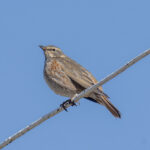
Mongolian Lark ◊ Melanocorypha mongolica
Asian Short-toed Lark ◊ Alaudala cheleensis
Sand Martin (or Bank Swallow) Riparia riparia
Barn Swallow Hirundo rustica
Siberian House Martin Delichon lagopodum
Long-tailed Tit (or Long-tailed Bushtit) Aegithalos caudatus
Yellow-browed Warbler Phylloscopus inornatus
Hume’s Leaf Warbler Phylloscopus humei
Pallas’s Leaf Warbler Phylloscopus proregulus
Common Chiffchaff [Siberian Chiffchaff] Phylloscopus [collybita] tristis
Lesser Whitethroat Curruca curruca
Asian Desert Warbler ◊ Curruca nana
Eurasian Wren Troglodytes troglodytes
Common (or European) Starling Sturnus vulgaris
White-cheeked Starling ◊ Spodiopsar cineraceus
Mistle Thrush Turdus viscivorus
Red-throated Thrush ◊ Turdus ruficollis
Black-throated Thrush ◊ Turdus atrogularis
Naumann’s Thrush ◊ Turdus naumanni
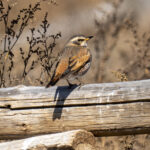
Dusky Thrush ◊ Turdus eunomus
Siberian Rubythroat Calliope calliope
Red-flanked Bluetail Tarsiger cyanurus
Eversmann’s (or Rufous-backed) Redstart ◊ Phoenicurus erythronotus
Daurian Redstart Phoenicurus auroreus
Güldenstädt’s (or White-winged) Redstart ◊ Phoenicurus erythrogastrus
Black Redstart Phoenicurus ochruros
Common Redstart Phoenicurus phoenicurus
Siberian Stonechat Saxicola maura
Desert Wheatear Oenanthe deserti
Pied Wheatear Oenanthe pleschanka
Isabelline Wheatear Oenanthe isabellina
Black-throated Accentor ◊ Prunella atrogularis
Siberian Accentor ◊ Prunella montanella
Brown Accentor ◊ Prunella fulvescens
Rock Sparrow (or Rock Petronia) Petronia petronia
White-winged Snowfinch Montifringilla nivalis
Pere David’s (or Small) Snowfinch ◊ Pyrgilauda davidiana
Eurasian Tree Sparrow Passer montanus
Saxaul Sparrow ◊ Passer ammodendri
House Sparrow Passer domesticus
Grey Wagtail Motacilla cinerea
Citrine Wagtail Motacilla citreola
White Wagtail ◊ [Masked Wagtail] Motacilla [alba] personata
White Wagtail ◊ [Baikal Wagtail] Motacilla [alba] baicalensis
White Wagtail ◊ [East Siberian Wagtail] Motacilla [alba] ocularis
Blyth’s Pipit ◊ Anthus godlewskii
Richard’s Pipit Anthus richardi
Olive-backed Pipit Anthus hodgsoni
Red-throated Pipit Anthus cervinus
Siberian Pipit ◊ Anthus japonicus
Water Pipit ◊ Anthus spinoletta
Eurasian Chaffinch Fringilla coelebs
Brambling Fringilla montifringilla
Hawfinch Coccothraustes coccothraustes
Mongolian Finch ◊ Bucanetes mongolicus
Common (or Scarlet) Rosefinch Carpodacus erythrinus
Long-tailed Rosefinch ◊ [Siberian Long-tailed Rosefinch] Carpodacus [sibiricus] sibiricus
Oriental (or Grey-capped) Greenfinch Chloris sinica
Twite Linaria flavirostris
Redpoll Acanthis flammea
Eurasian Siskin Spinus spinus
Lapland Longspur ◊ Calcarius lapponicus
Pallas’s Reed Bunting ◊ Emberiza pallasi
Little Bunting Emberiza pusilla
Rustic Bunting ◊ Emberiza rustica
Black-faced Bunting Emberiza spodocephala
Chestnut-eared Bunting ◊ Emberiza fucata
Meadow Bunting ◊ Emberiza cioides
Godlewski’s Bunting ◊ Emberiza godlewskii
Pine Bunting ◊ Emberiza leucocephalos