
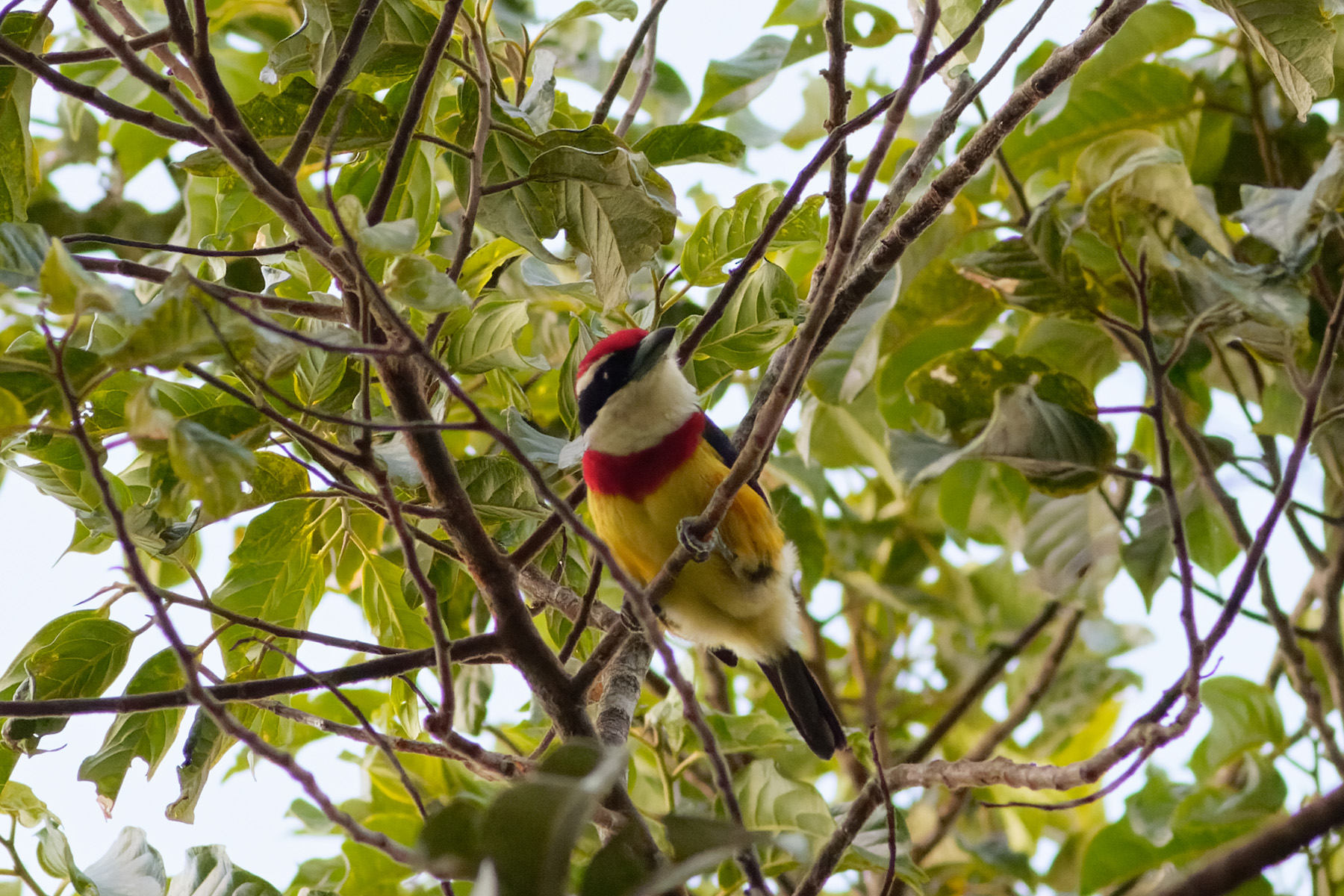
Scarlet-banded Barbet (image by Leo Garrigues)
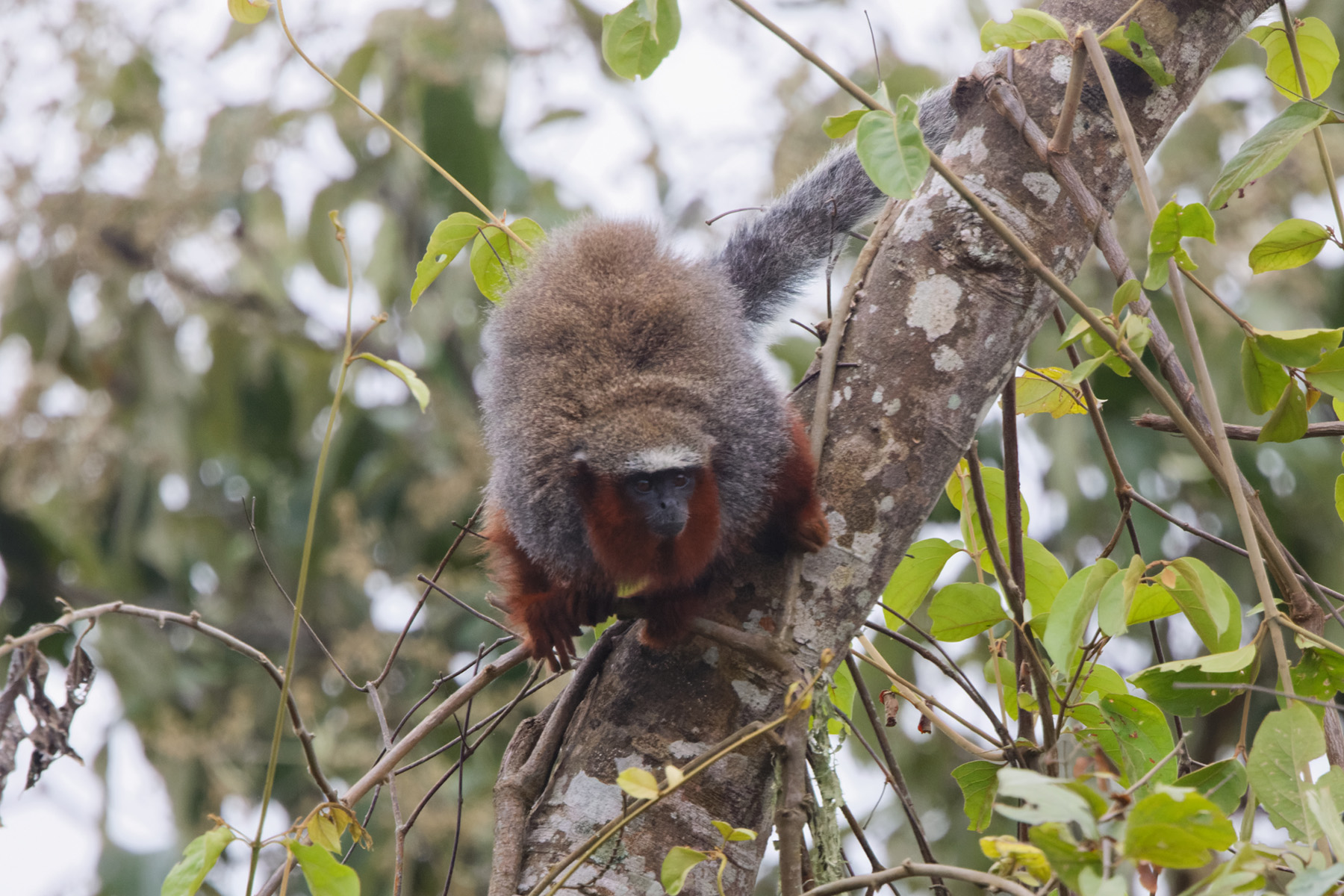
Red-crowned Titi (image by Leo Garrigues)
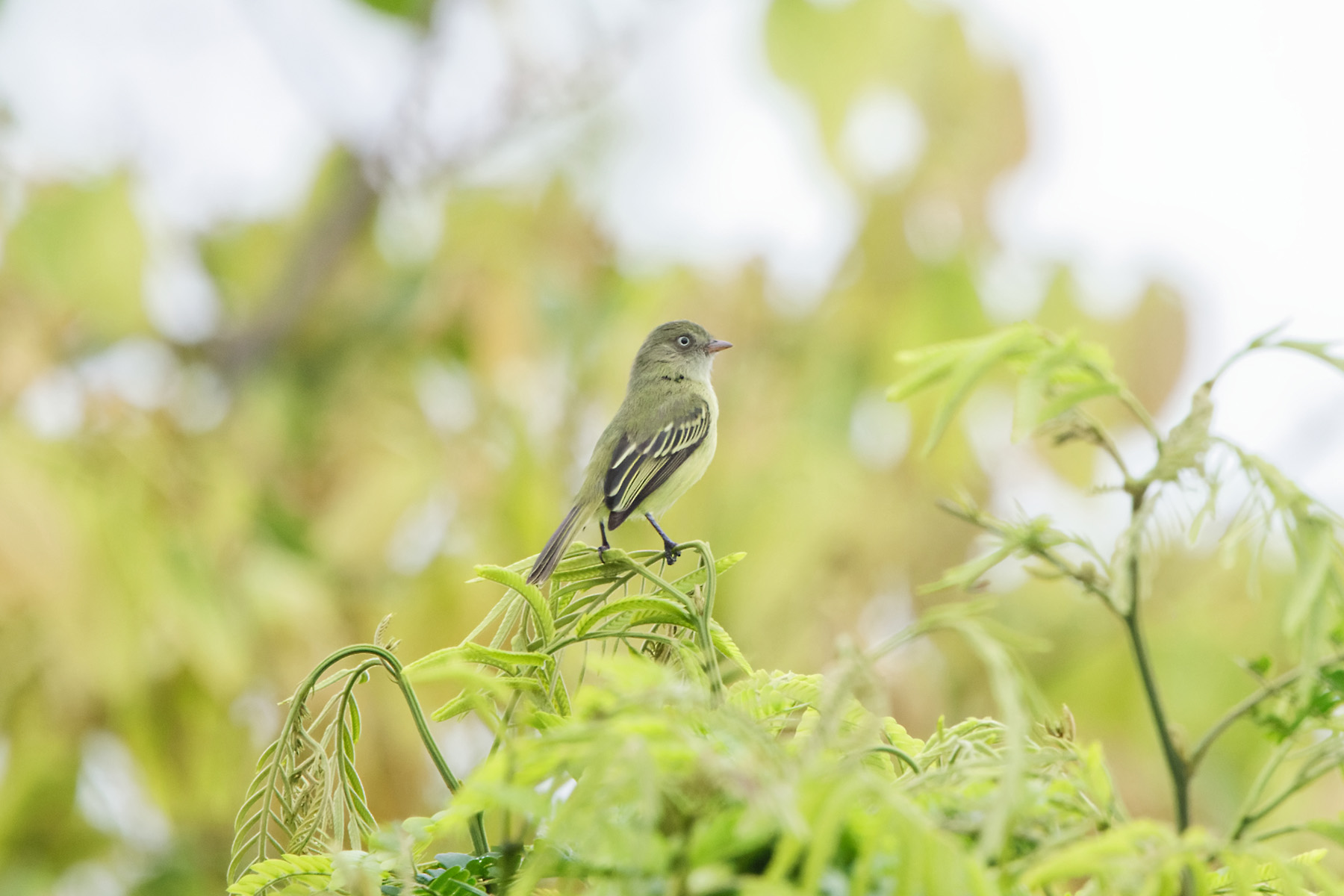
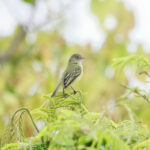
Mishana Tyrannulet (image by Leo Garrigues)
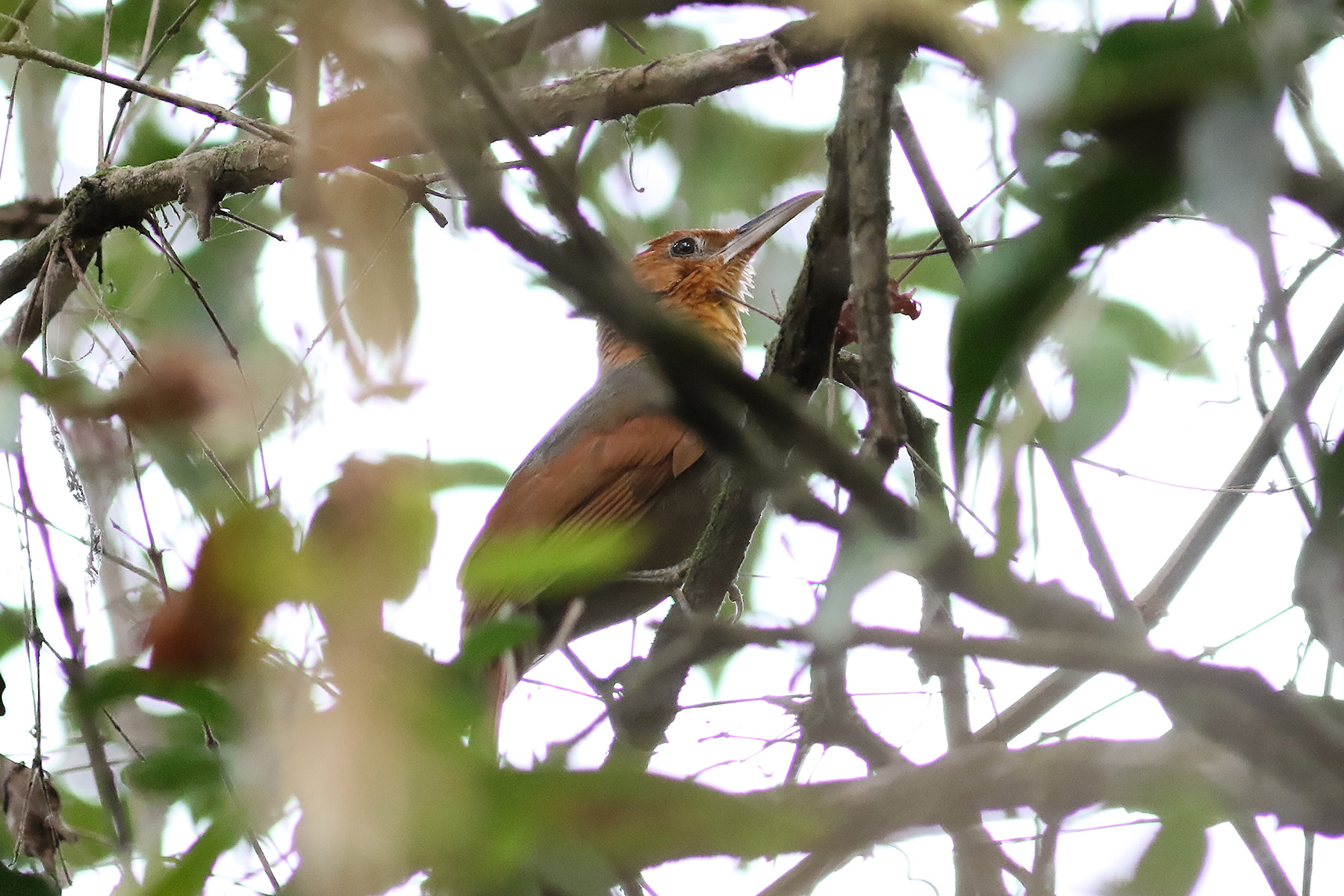
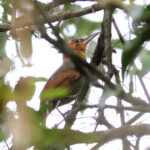
Henna-hooded Foliage-gleaner (image by Leo Garrigues)
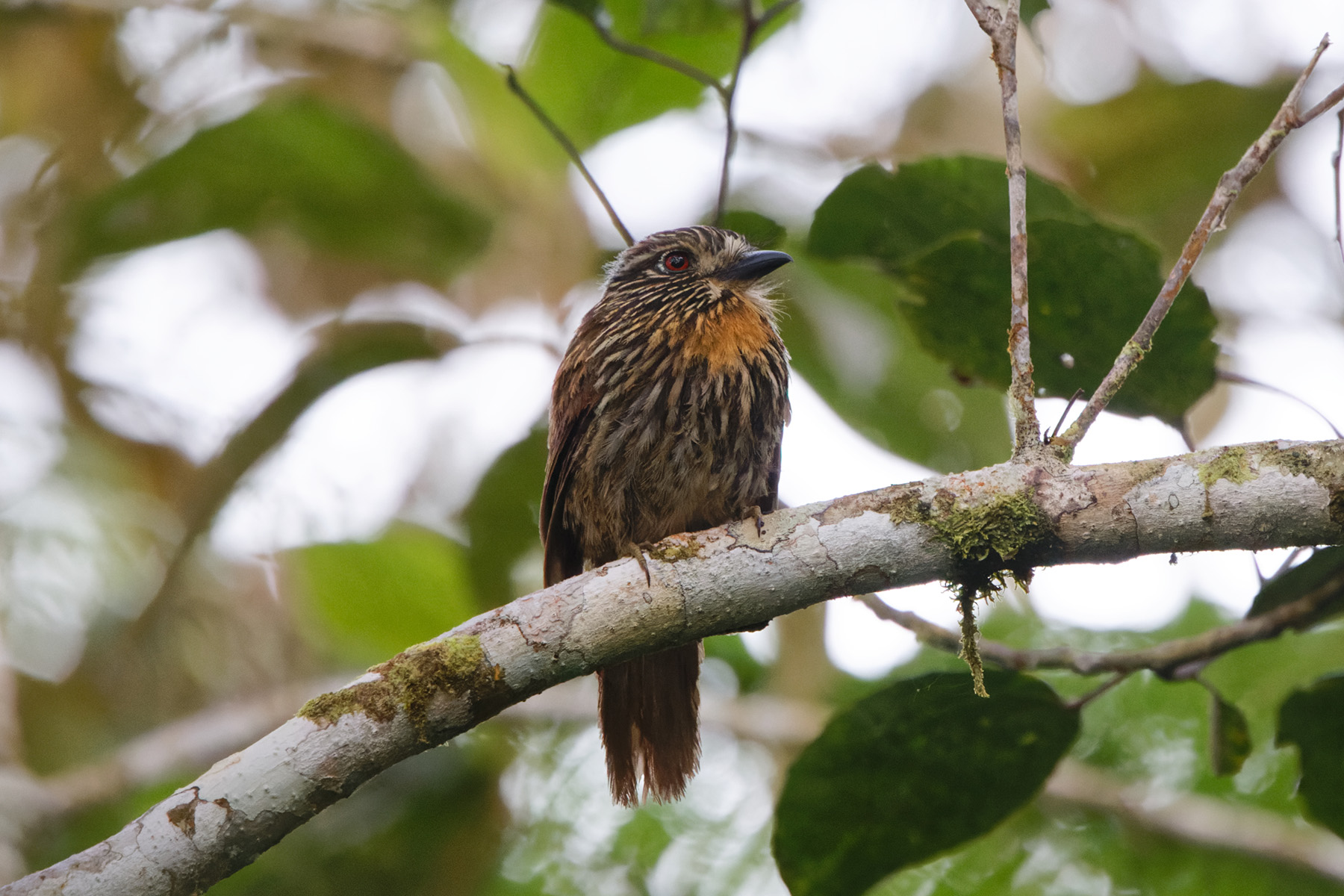
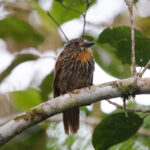
Black-streaked Puffbird (image by Leo Garrigues)
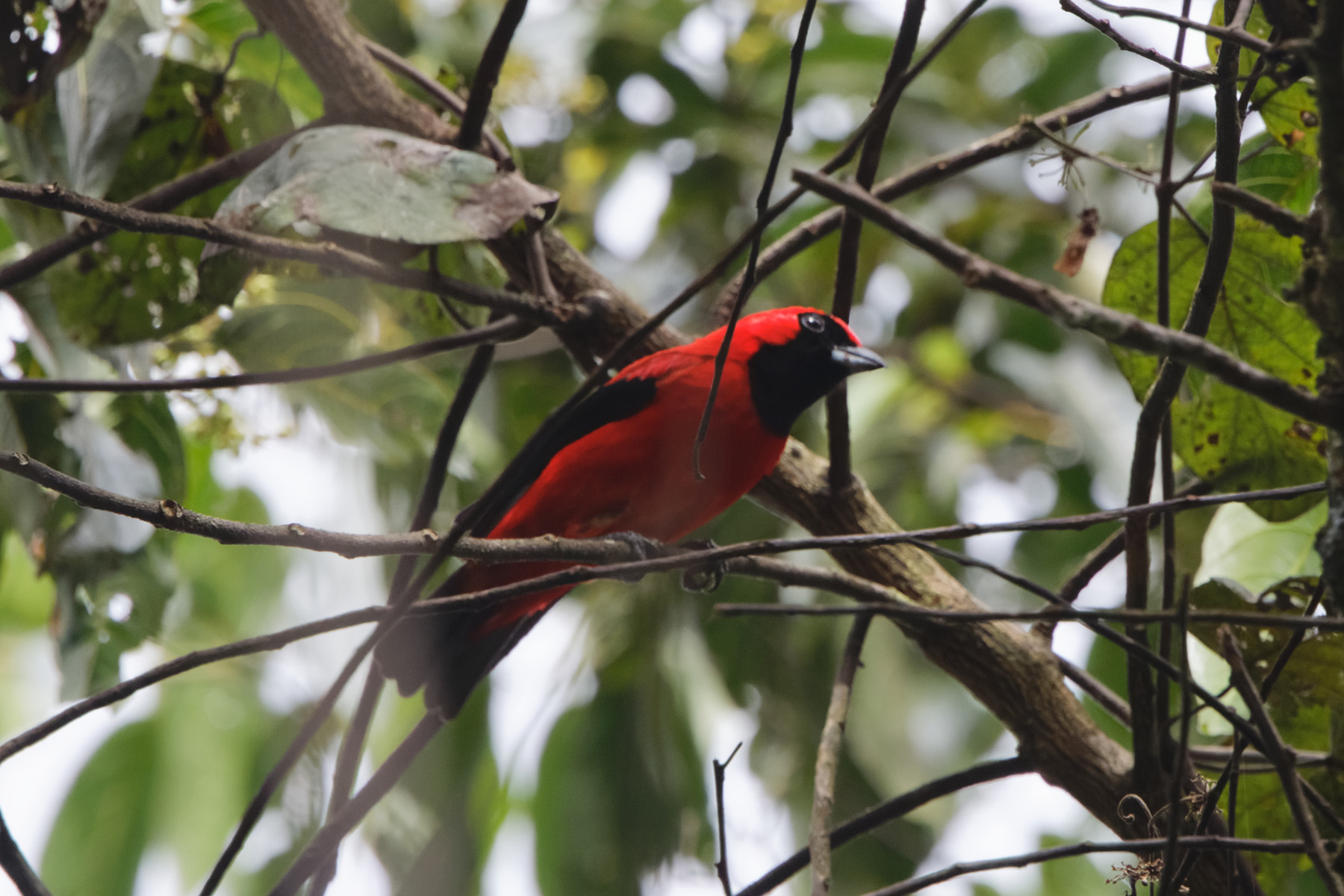
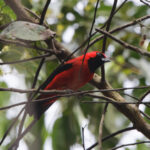
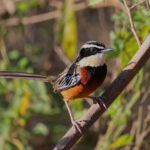
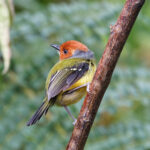
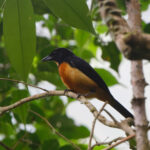
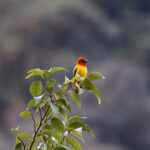
Vermillion Tanager (image by Leo Garrigues)
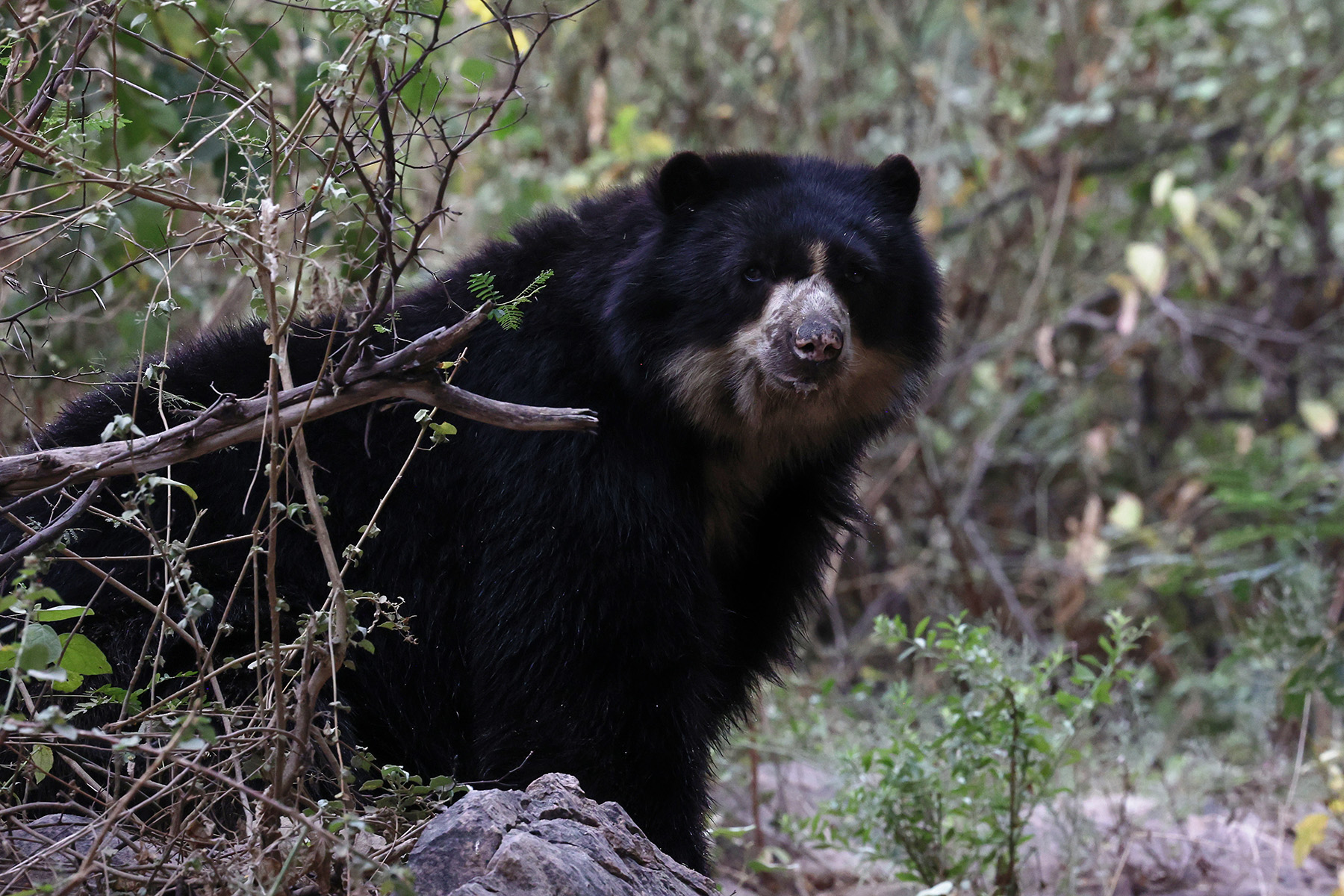
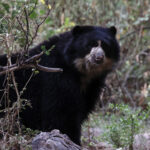
Spectacled Bear (image by Leo Garrigues)
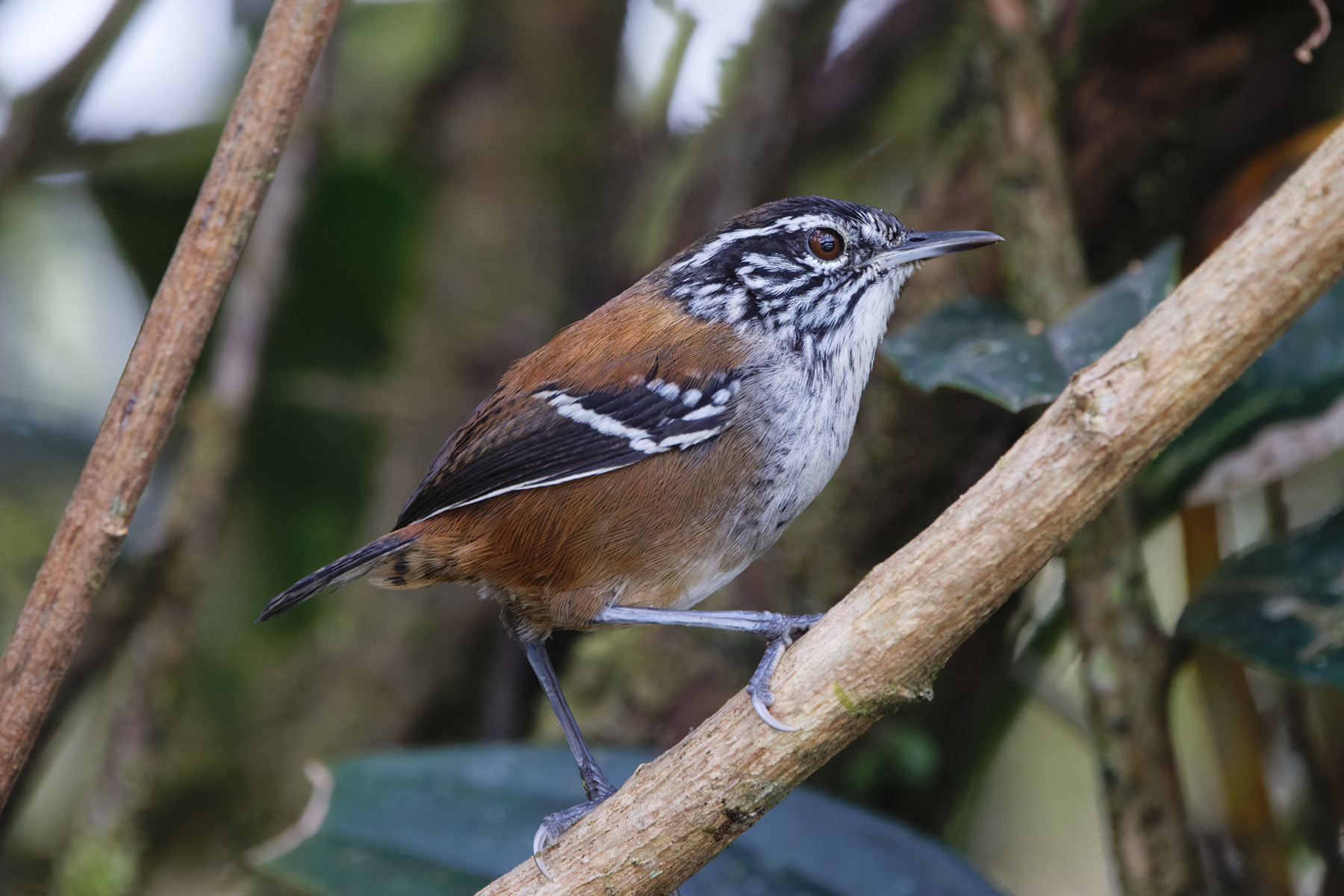
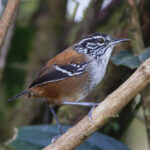
Bar-winged Wood Wren (image by Leo Garrigues)
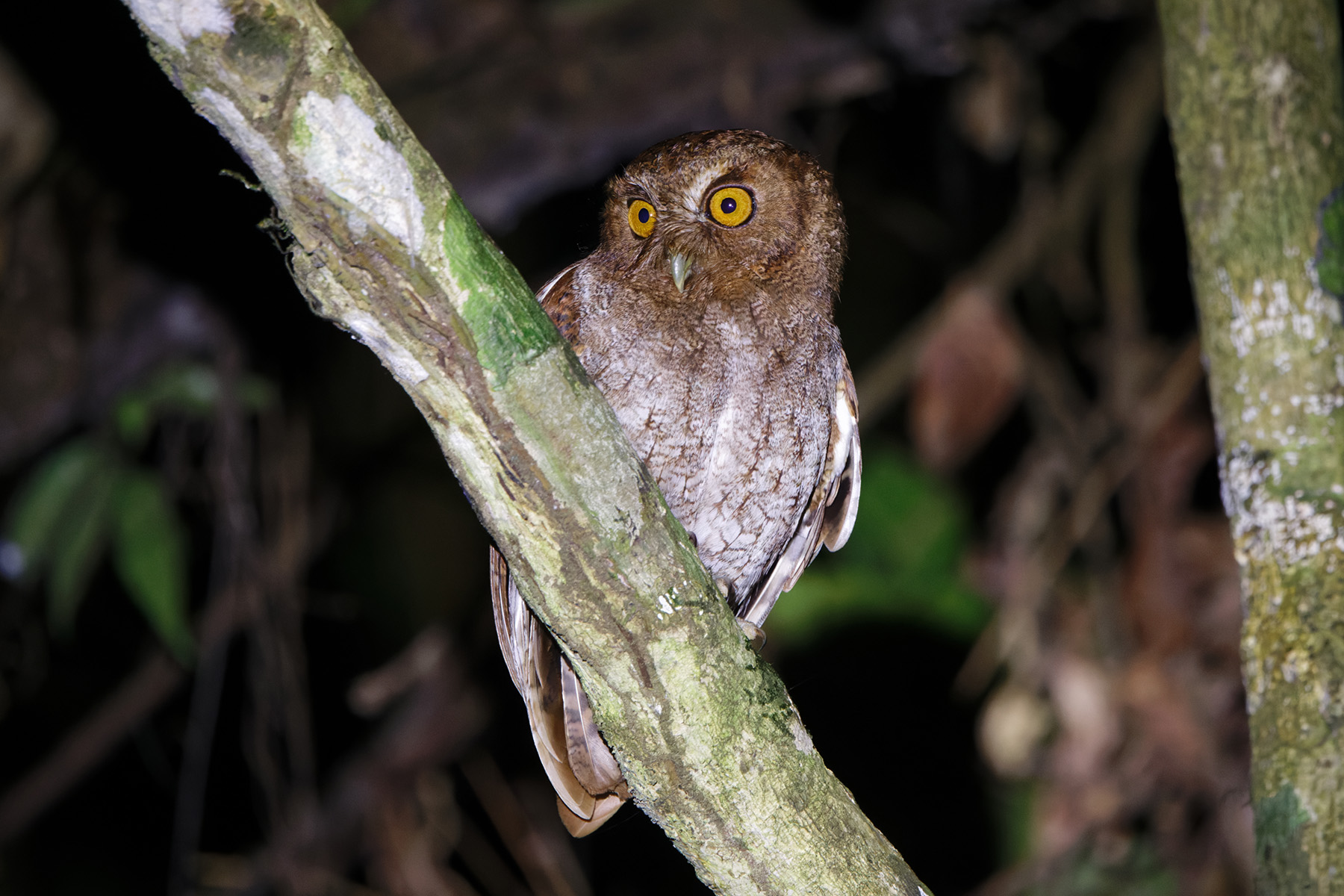
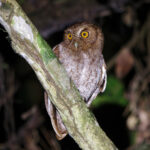
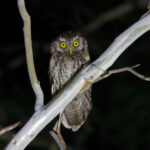
Foothill Screech Owl (image by Leo Garrigues)
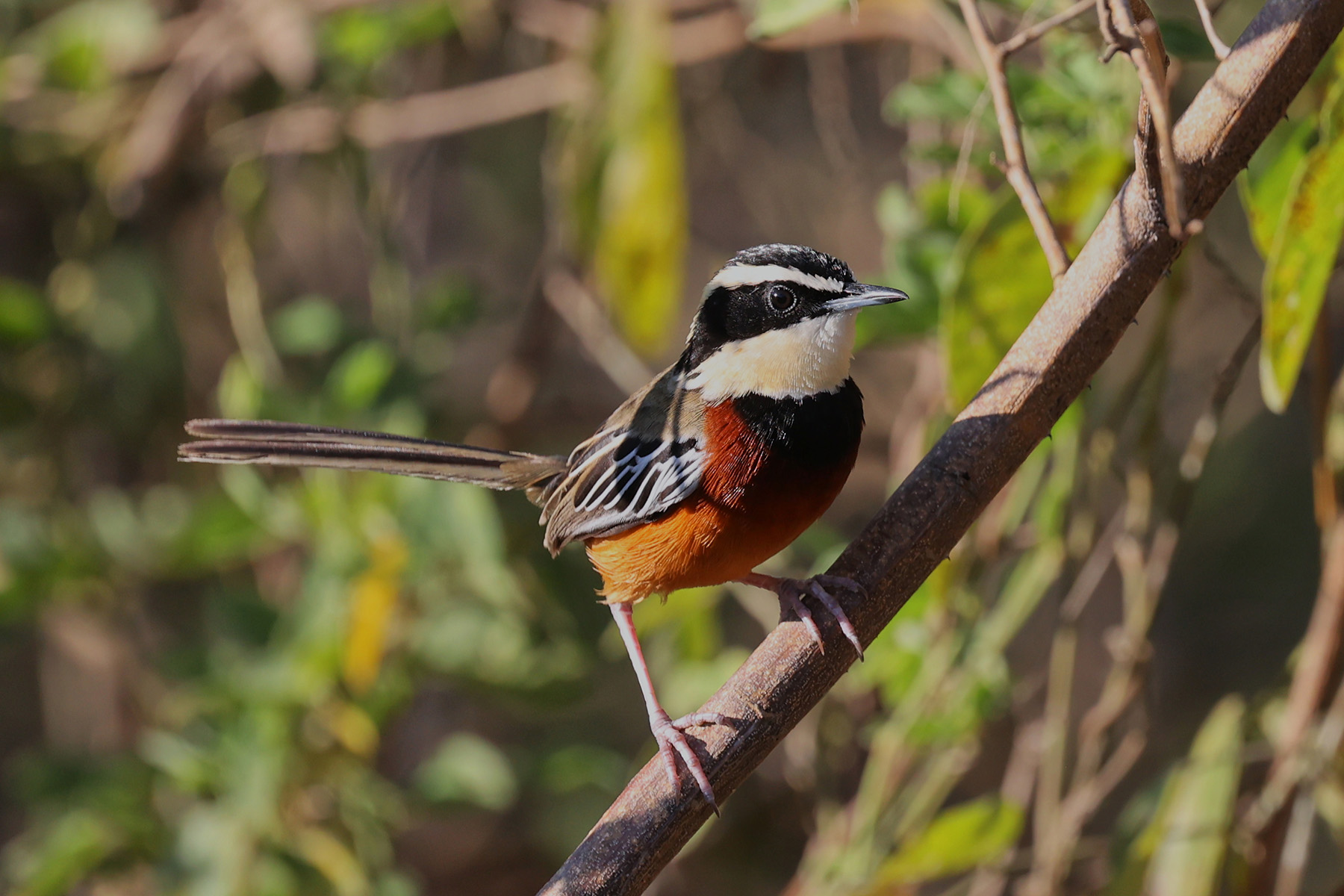
Maranon Crescentchest (image by Leo Garrigues)
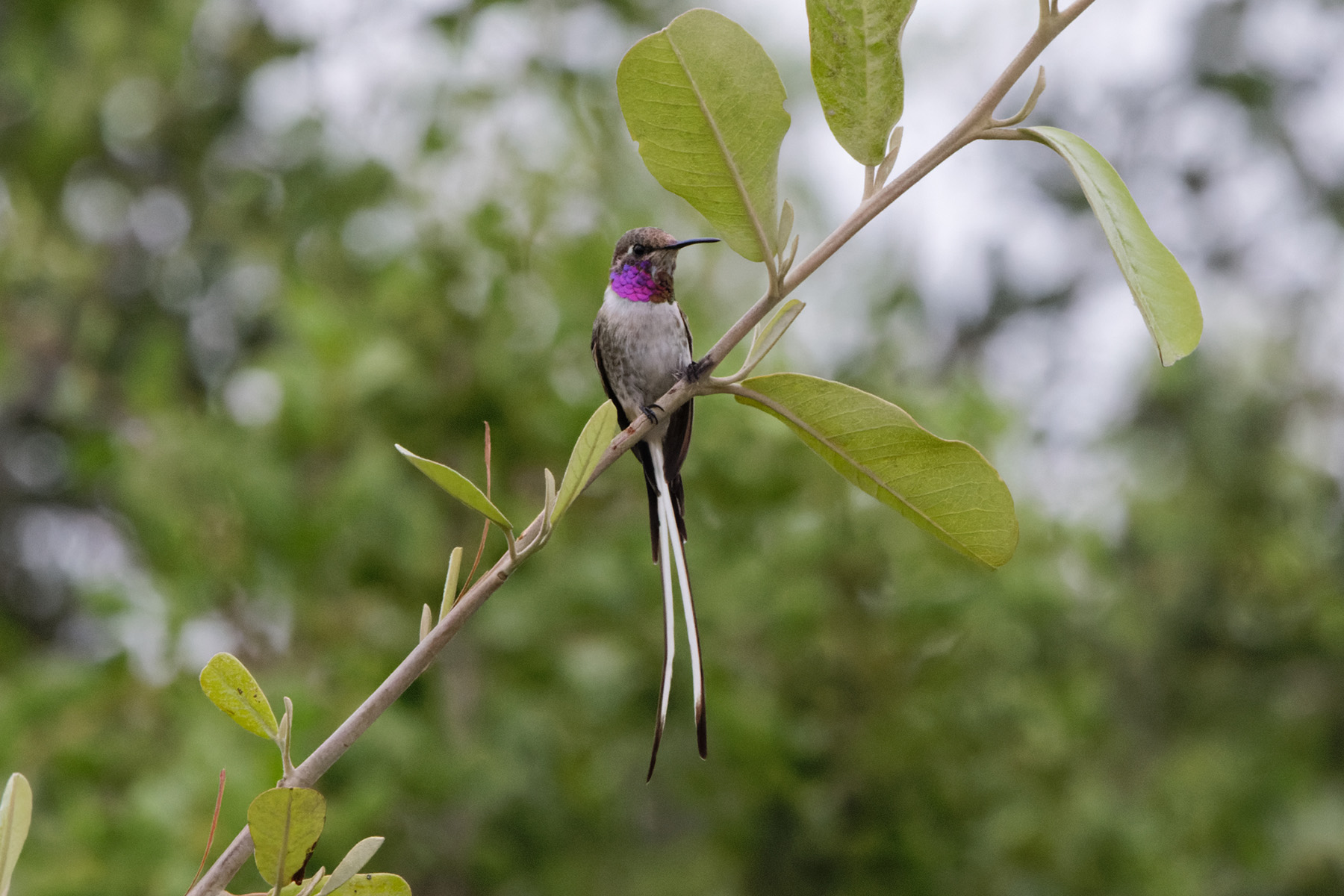
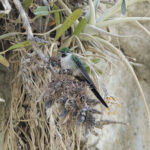
Peruvian Sheartail (image by Leo Garrigues)
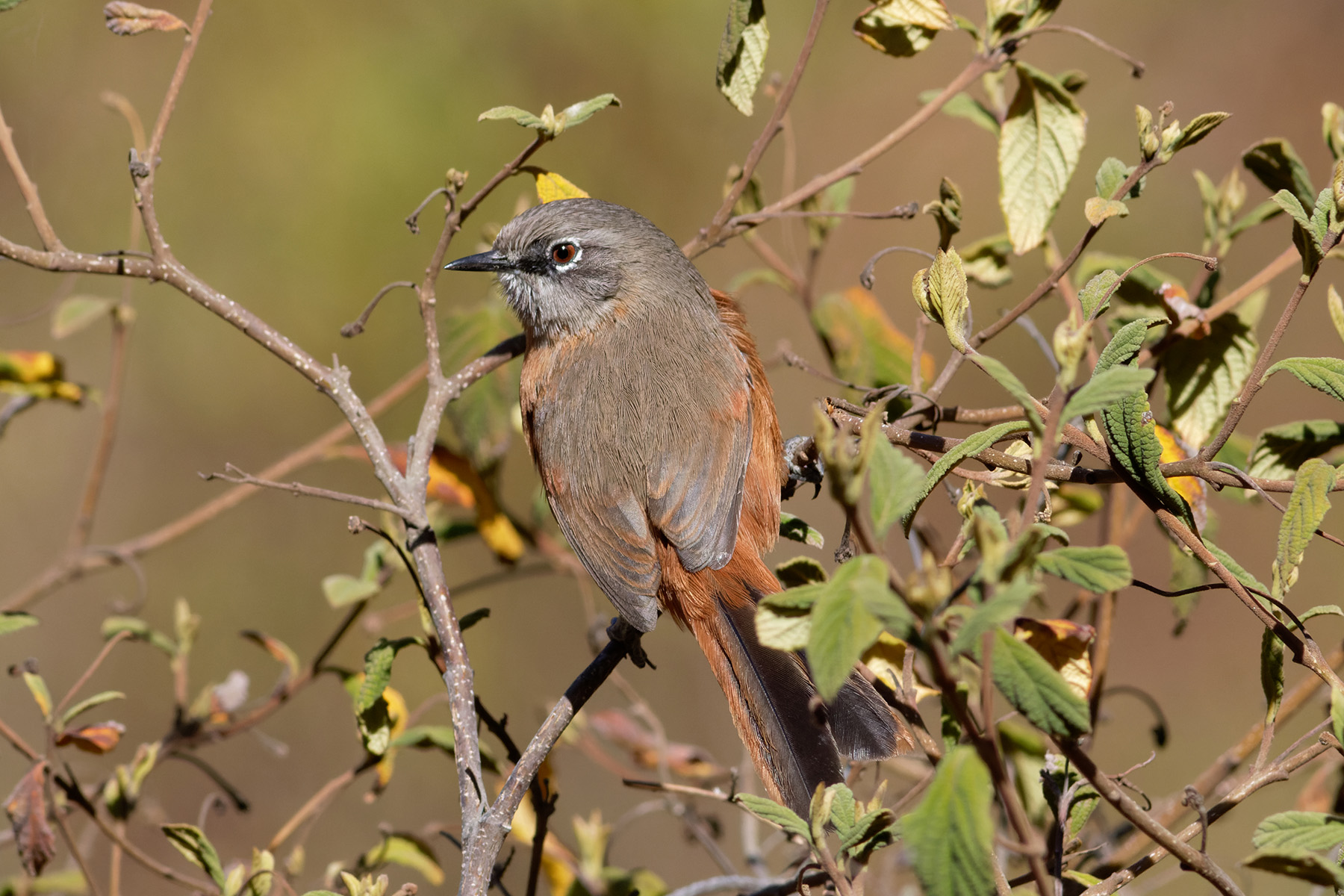
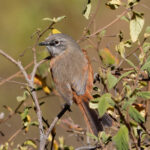
Russet-bellied Spinetail (image by Leo Garrigues)
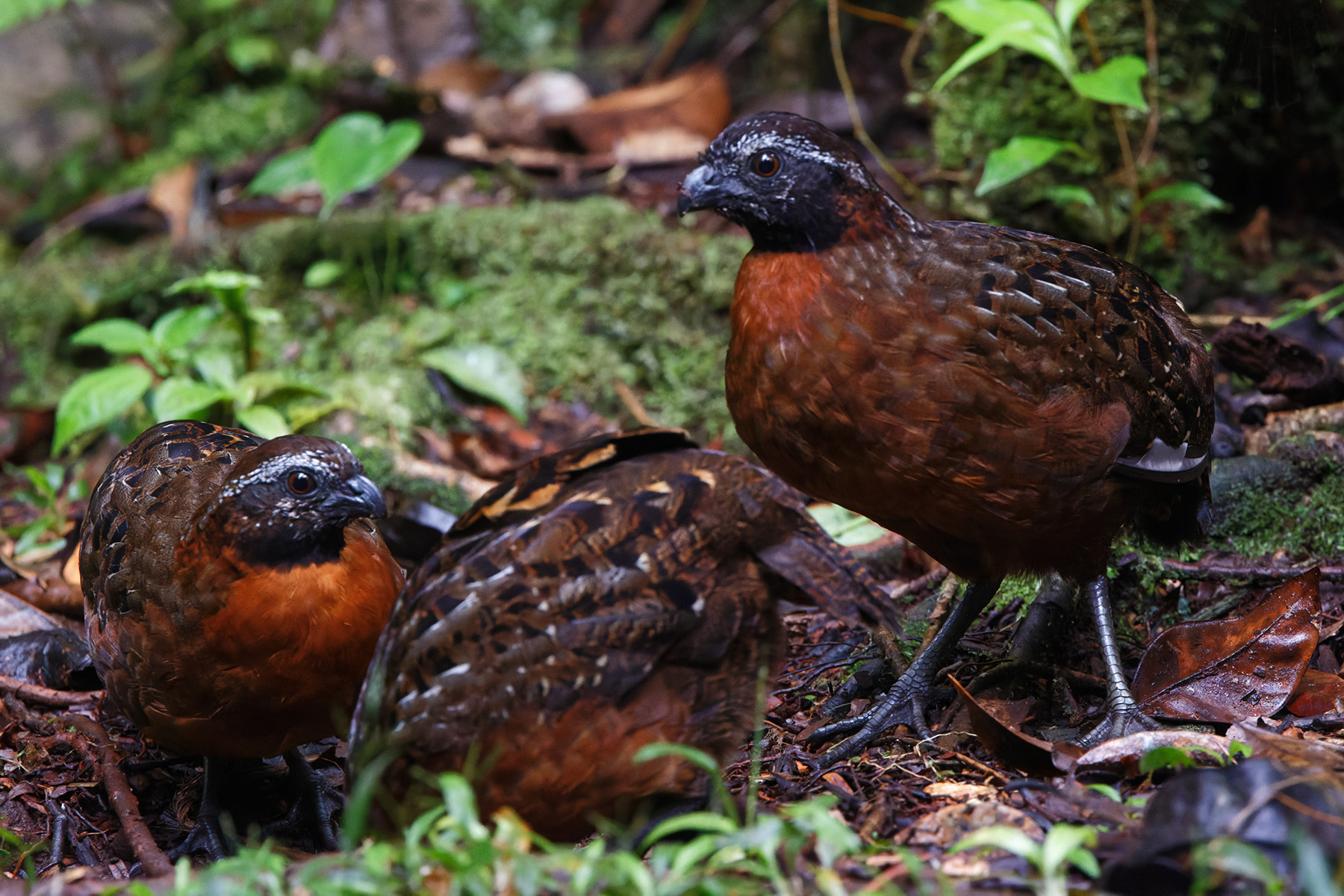
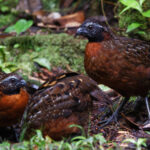
Rufous-breasted Wood-Quails (image by Leo Garrigues)
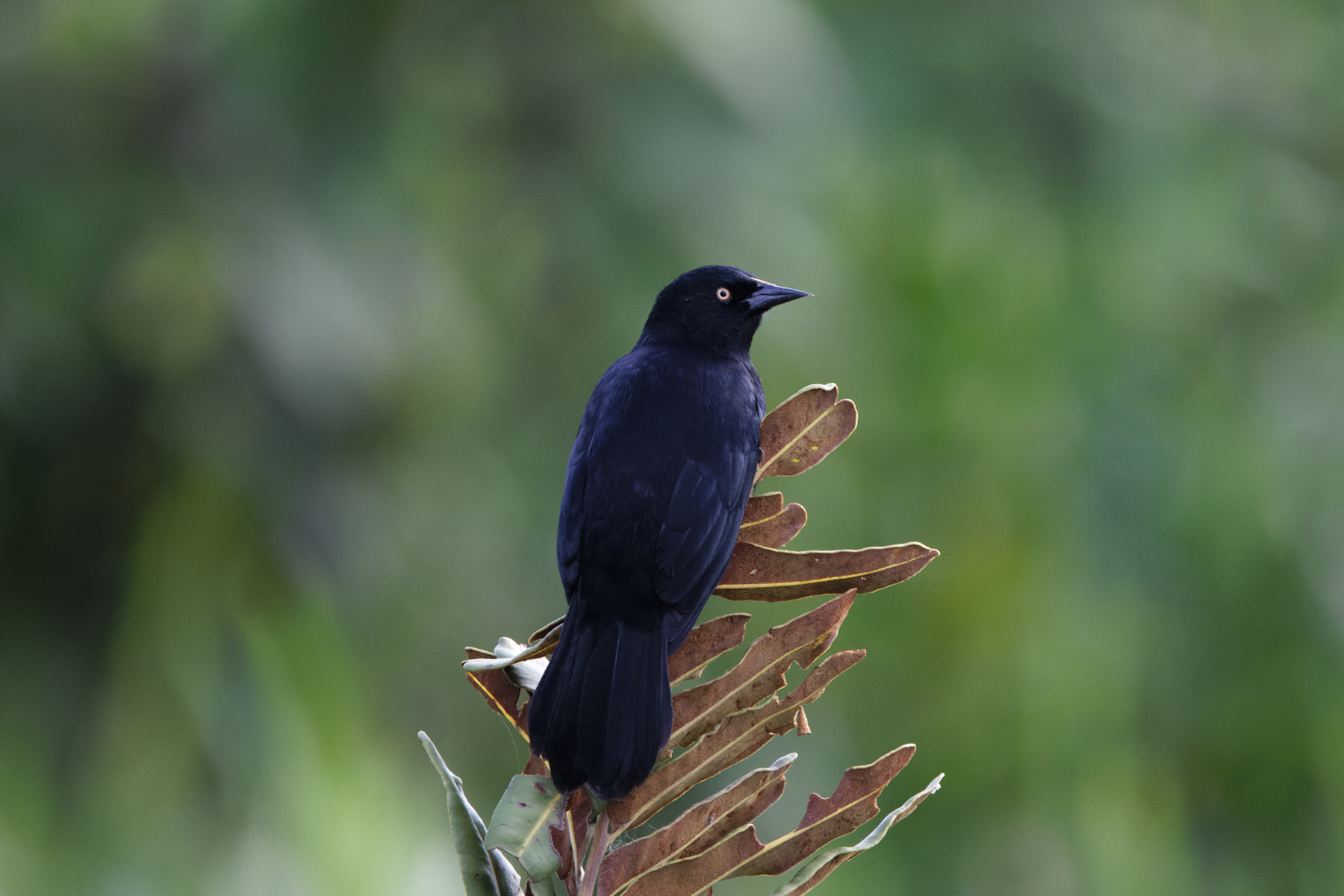
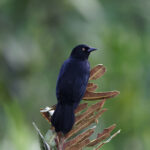
Pale-eyed Blackbird (image by Leo Garrigues)
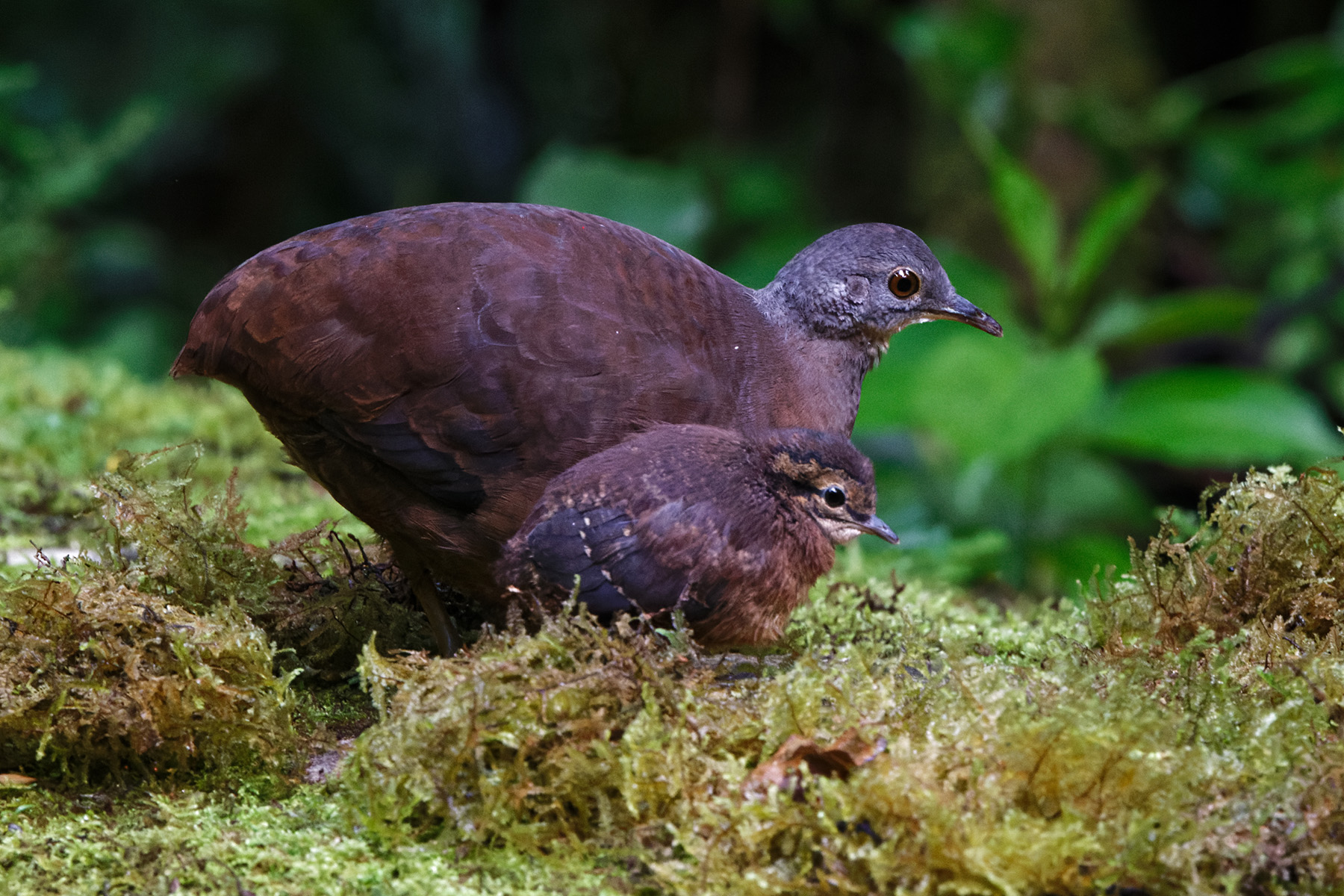
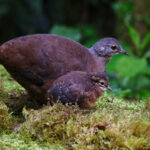
Little Tinamou (image by Leo Garrigues)
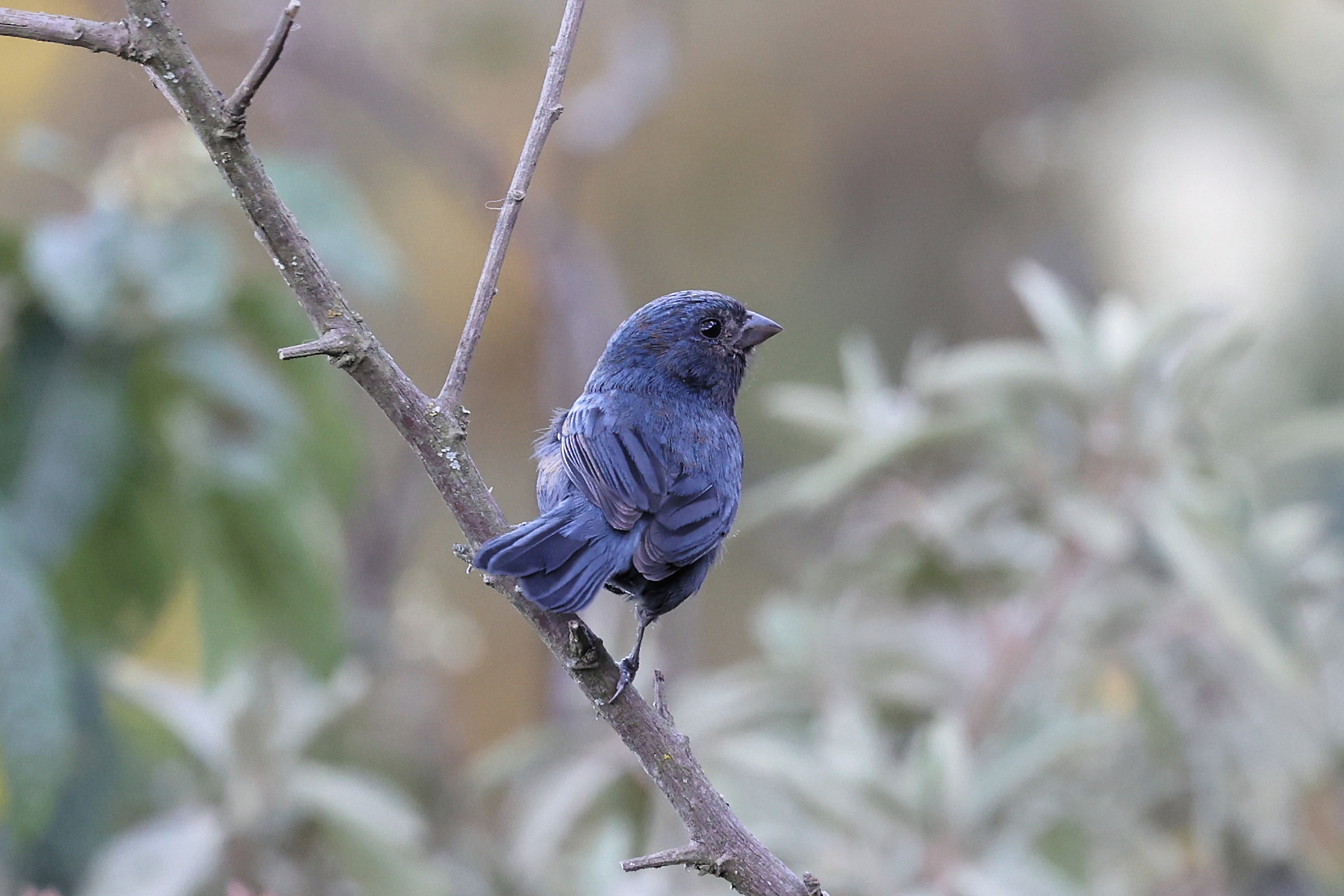
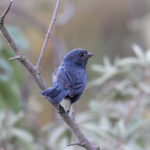
Ecuadorian Seedeater (image by Leo Garrigues)
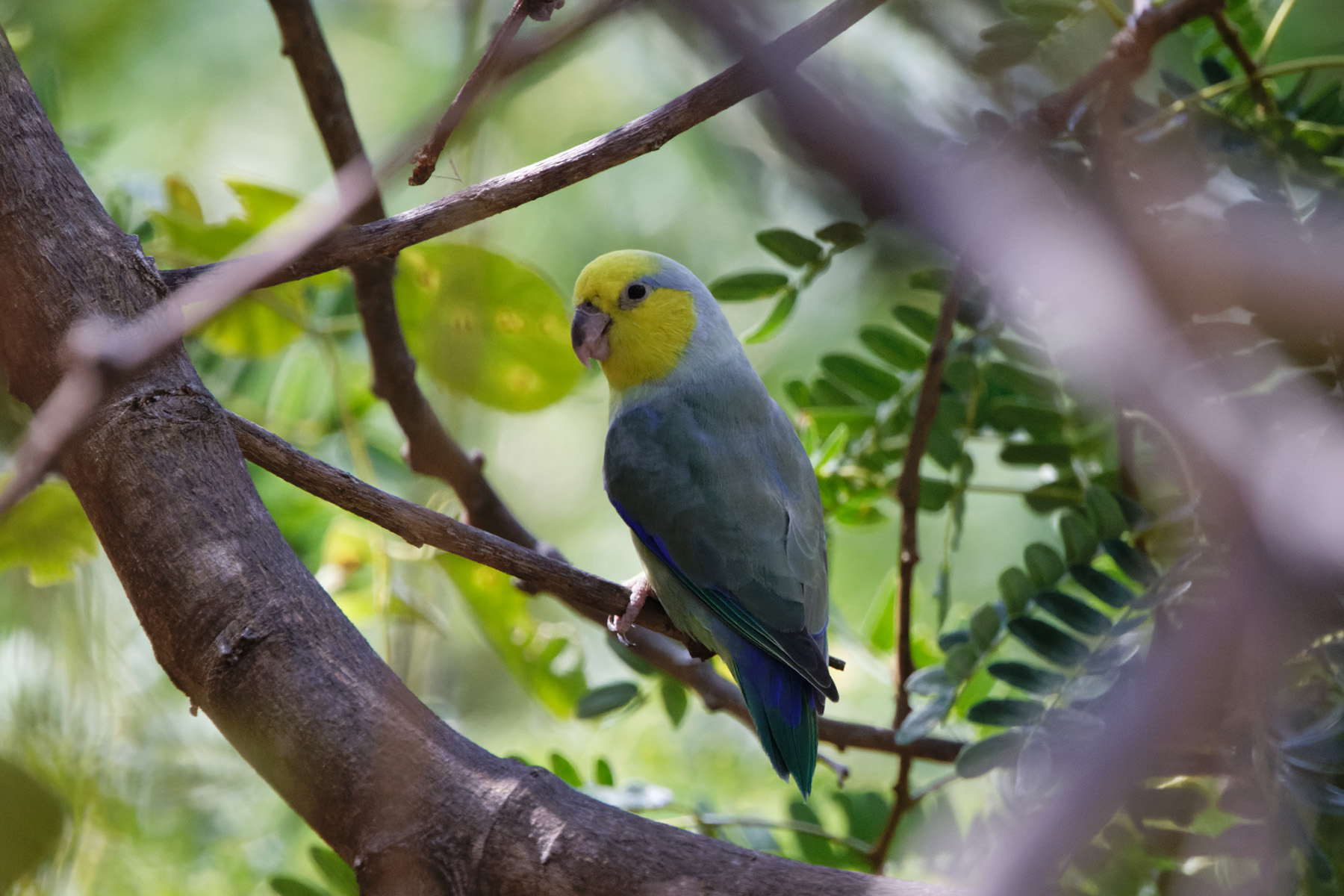
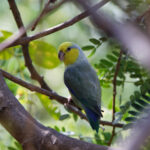
Yellow-faced Parrotlet (image by Leo Garrigues)
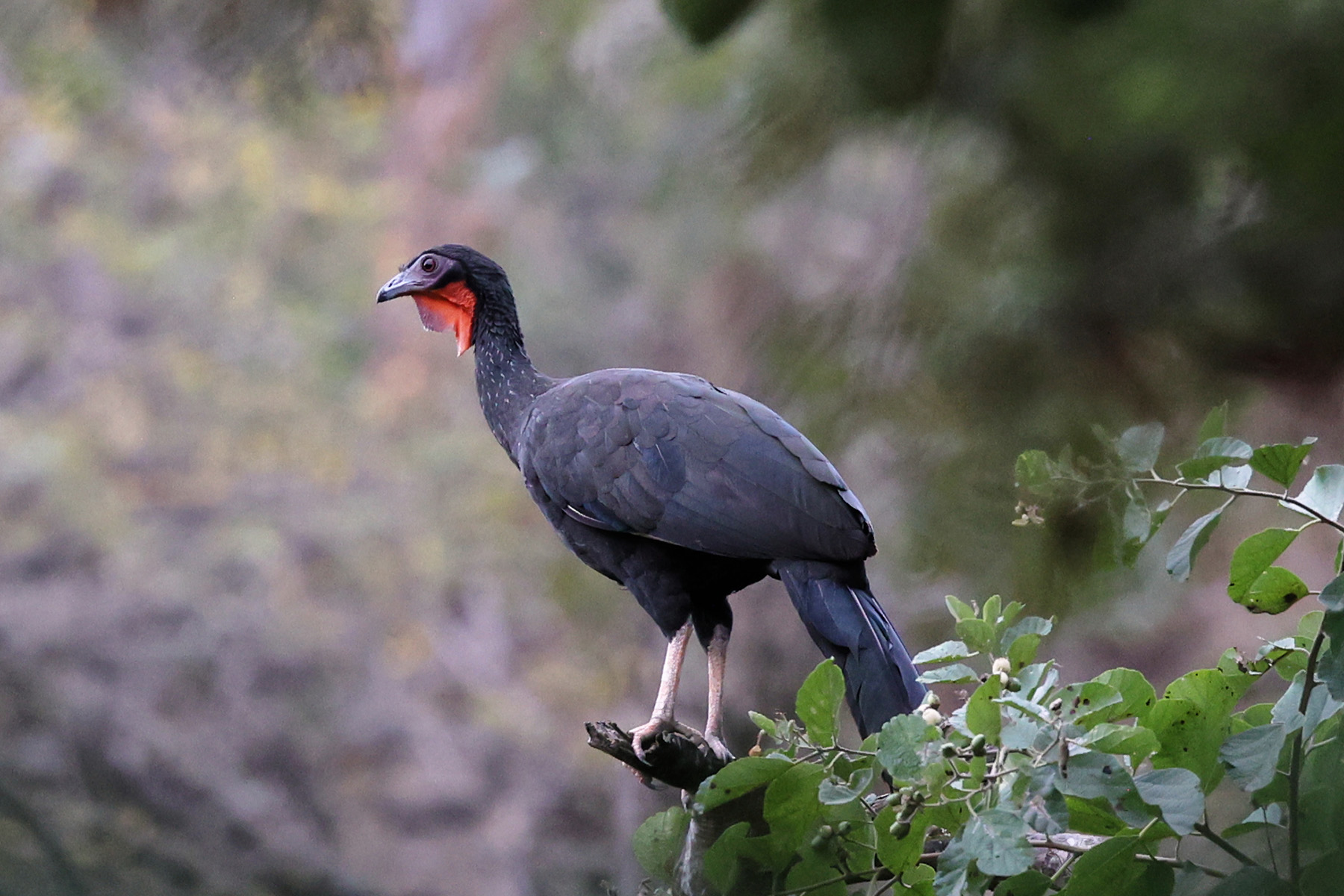
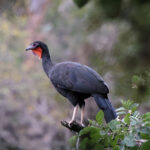
White-winged Guan (image by Leo Garrigues)
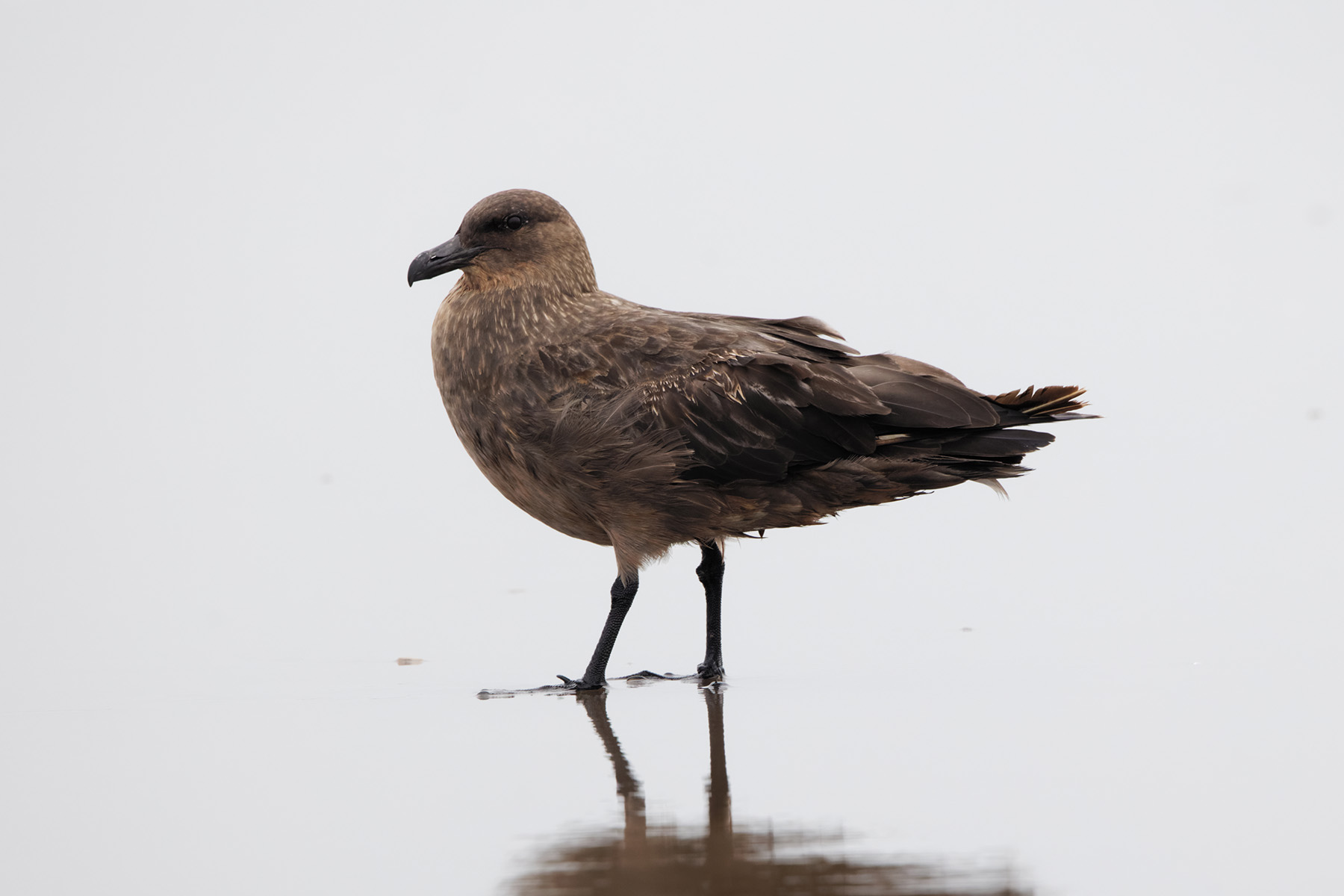
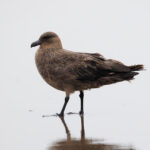
Chilean Skua (image by Leo Garrigues)
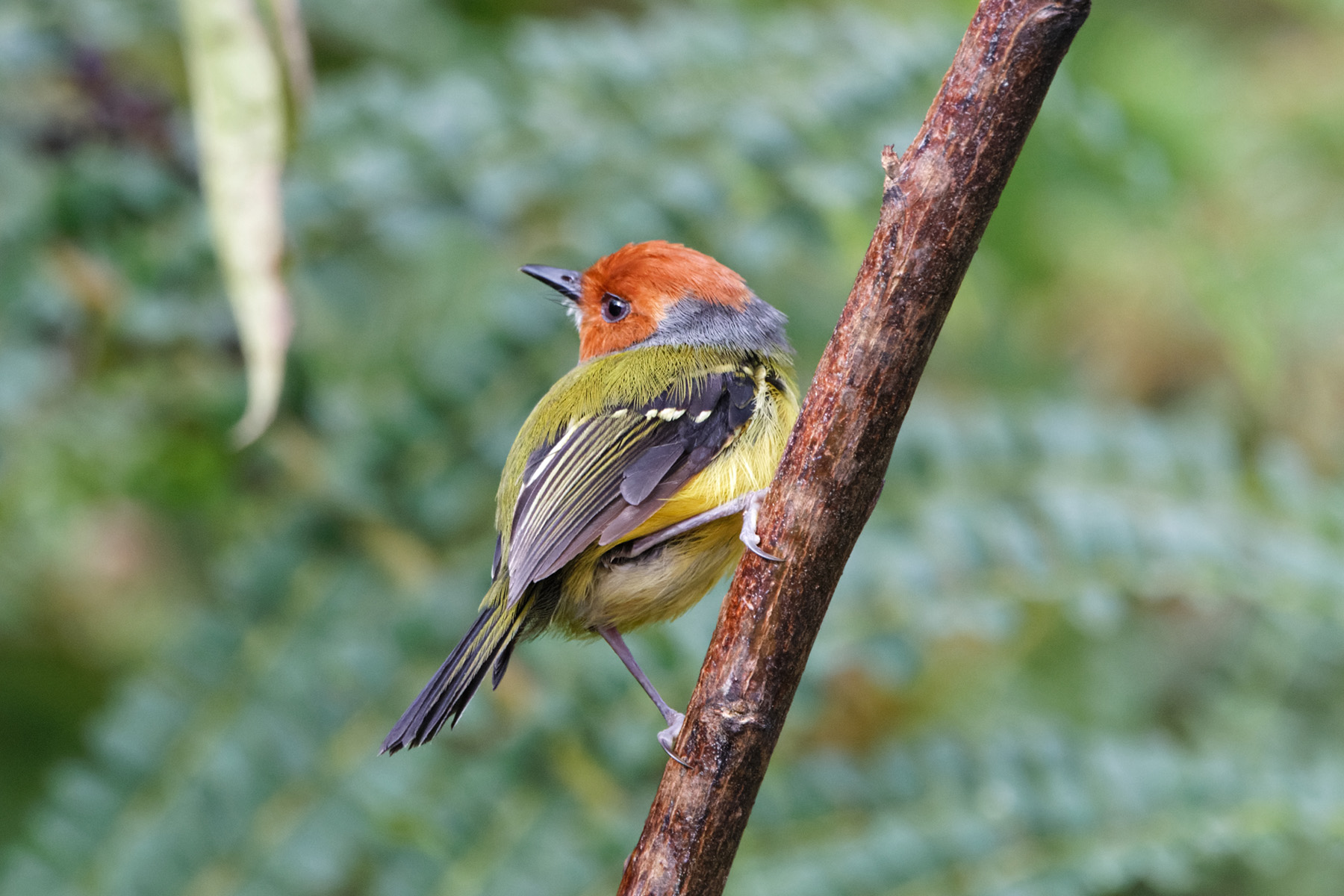
Lulu's Tody-Flycatcher (image by Leo Garrigues)
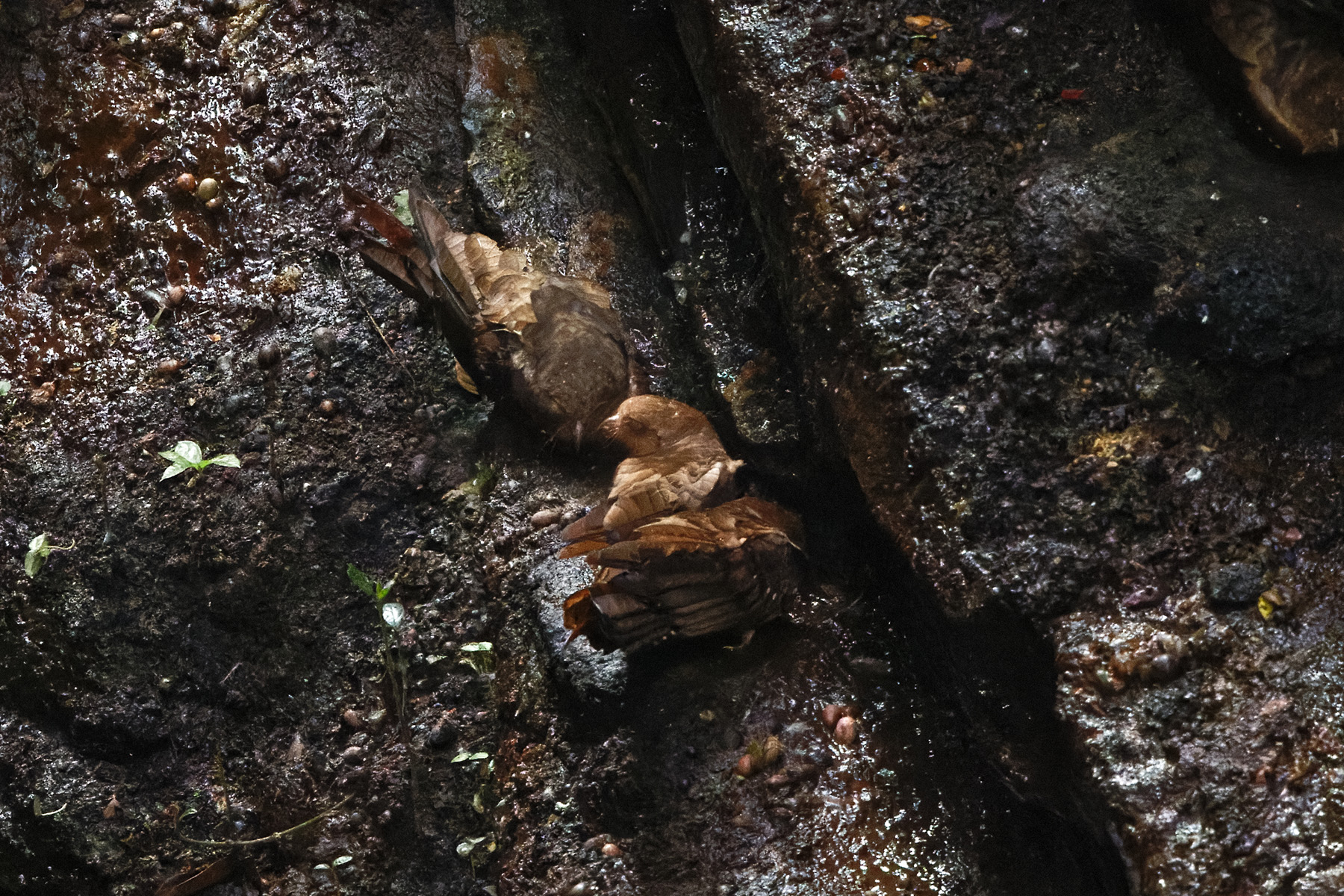
Oilbird (image by Leo Garrigues)
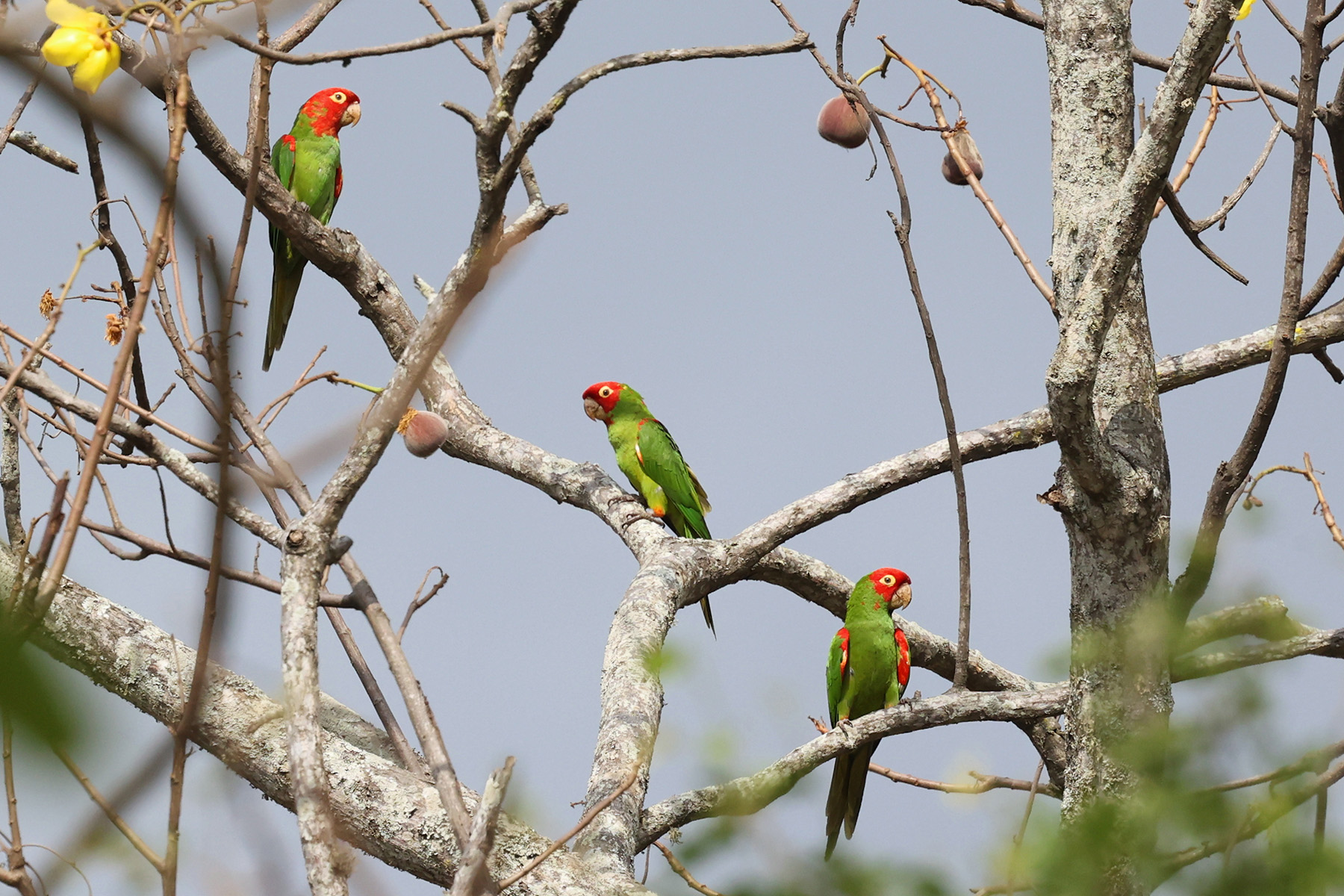
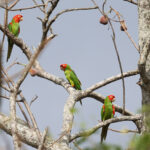
Red-masked Parakeets (image by Leo Garrigues)
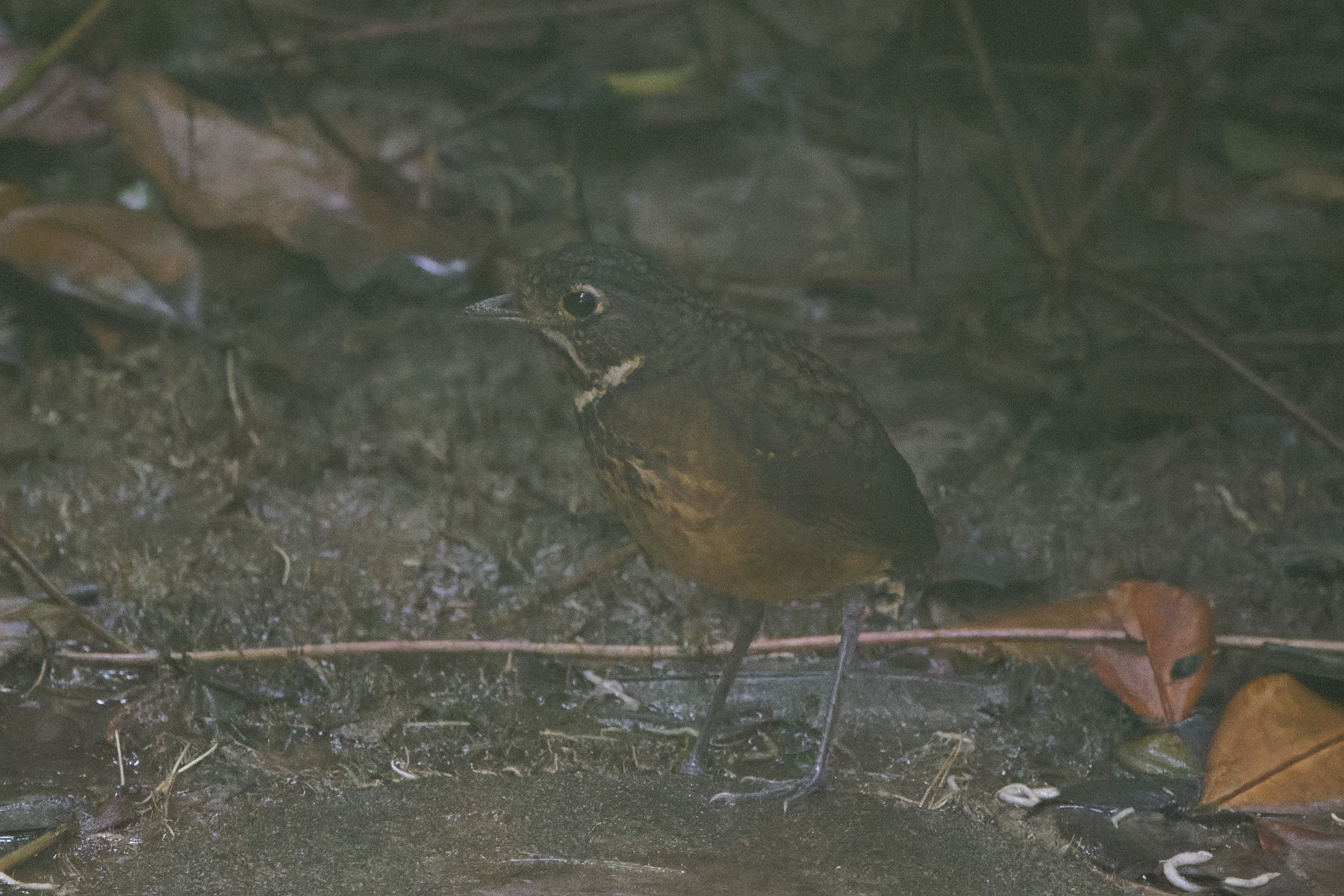
Scaled Antpitta (image by Leo Garrigues)
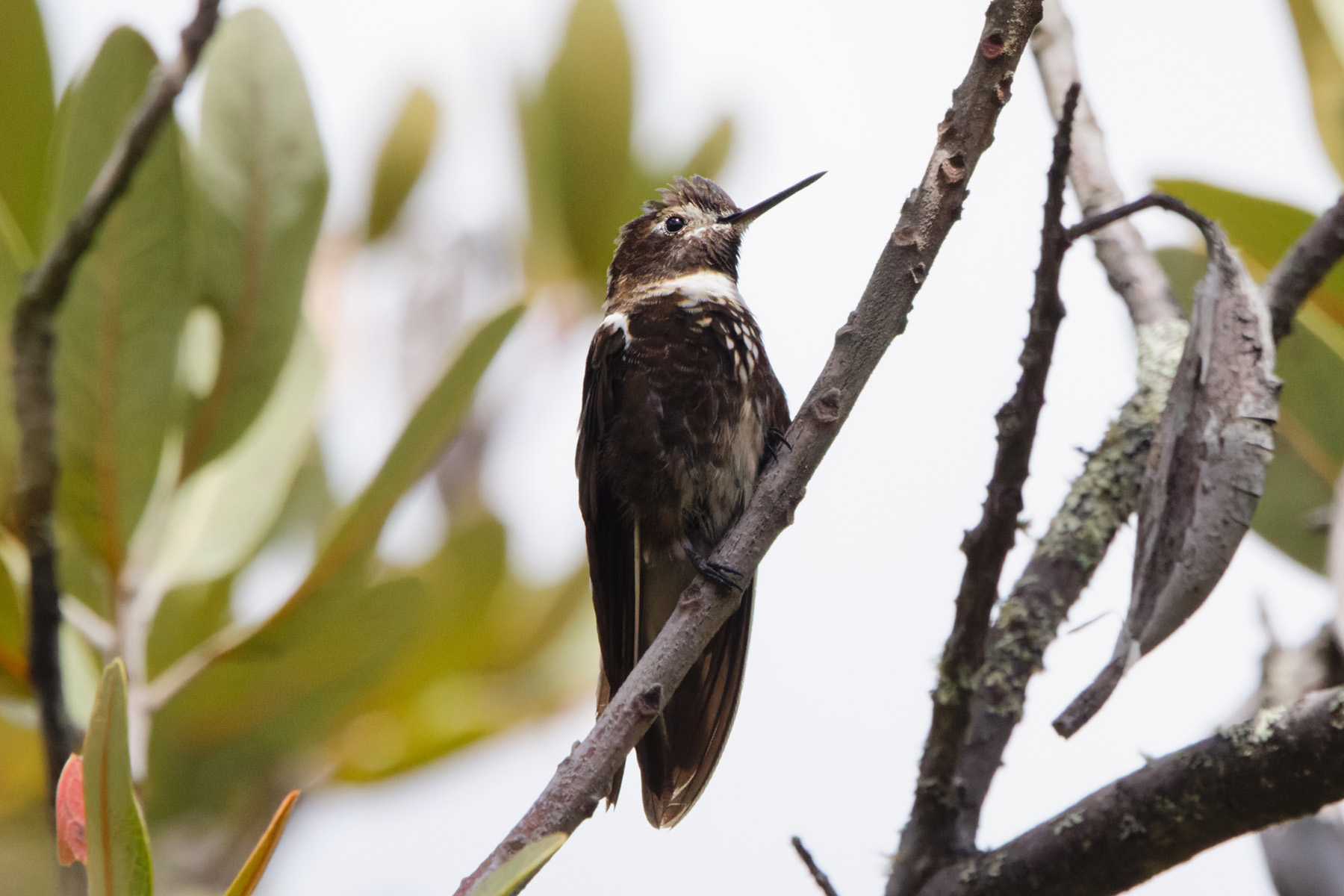
Purple-backed Sunbeam (image by Leo Garrigues)
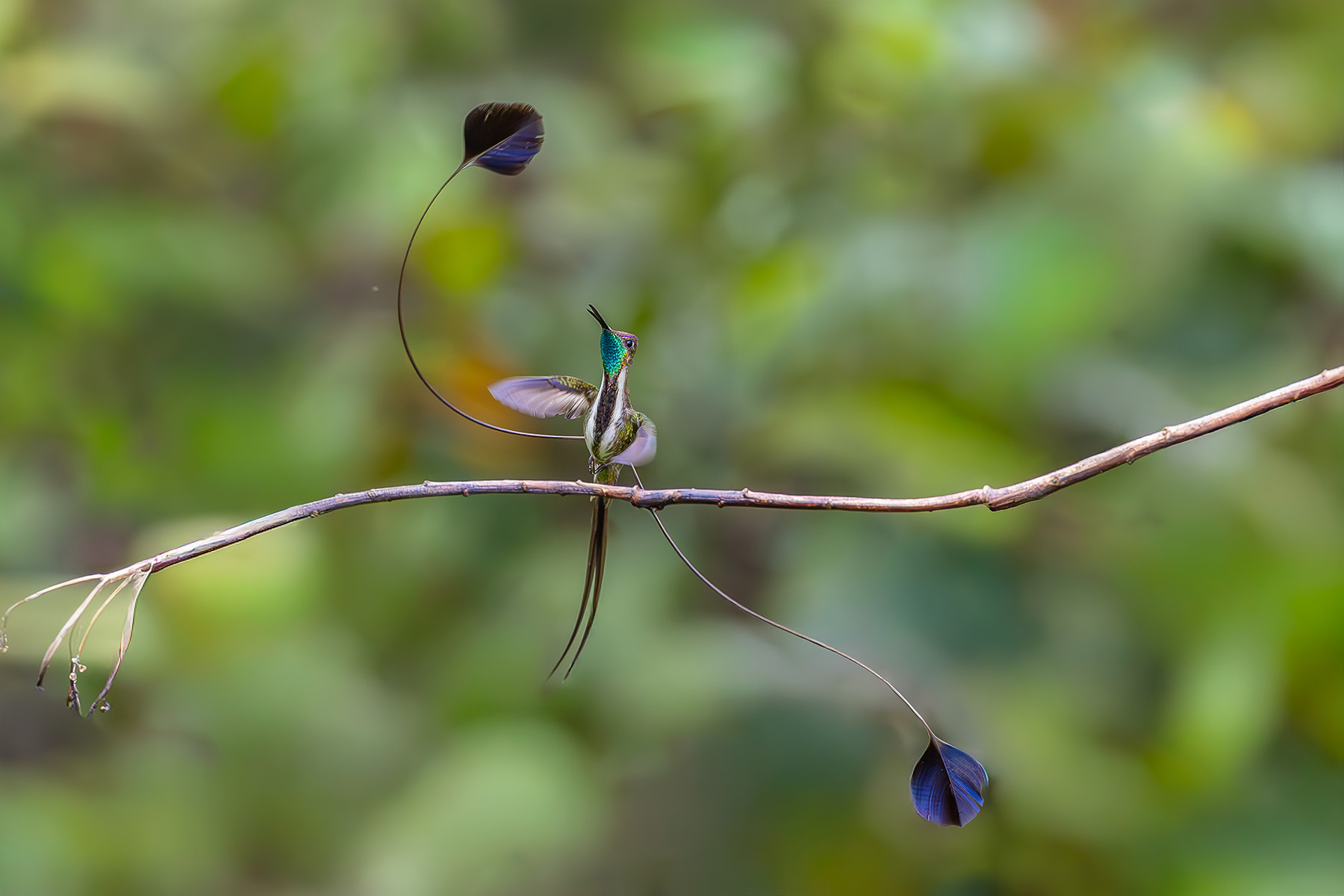
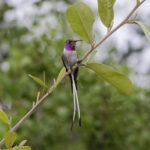
Marvelous Spatuletail (image by Leo Garrigues)
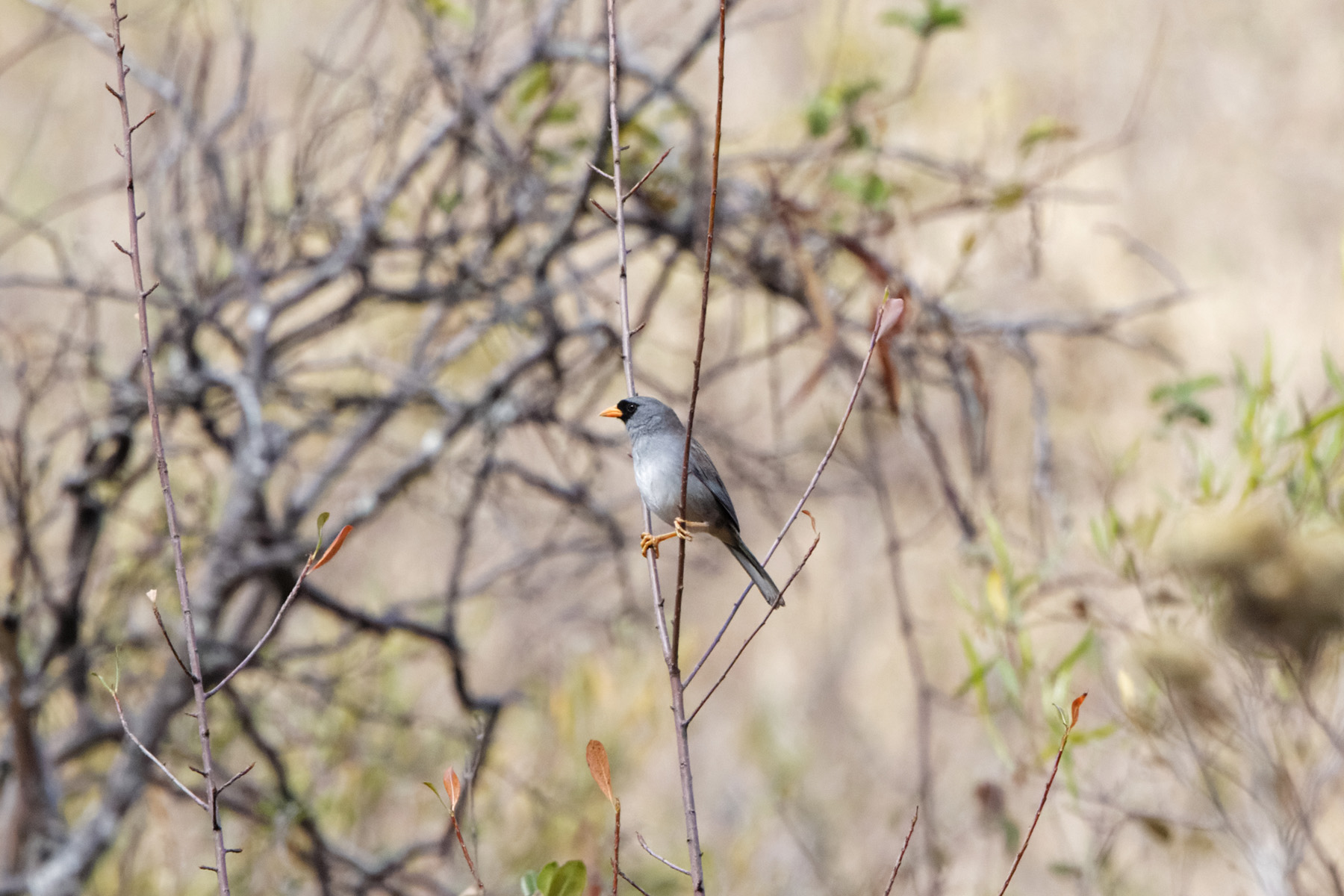
Grey-winged Inca-Finch (image by Leo Garrigues)
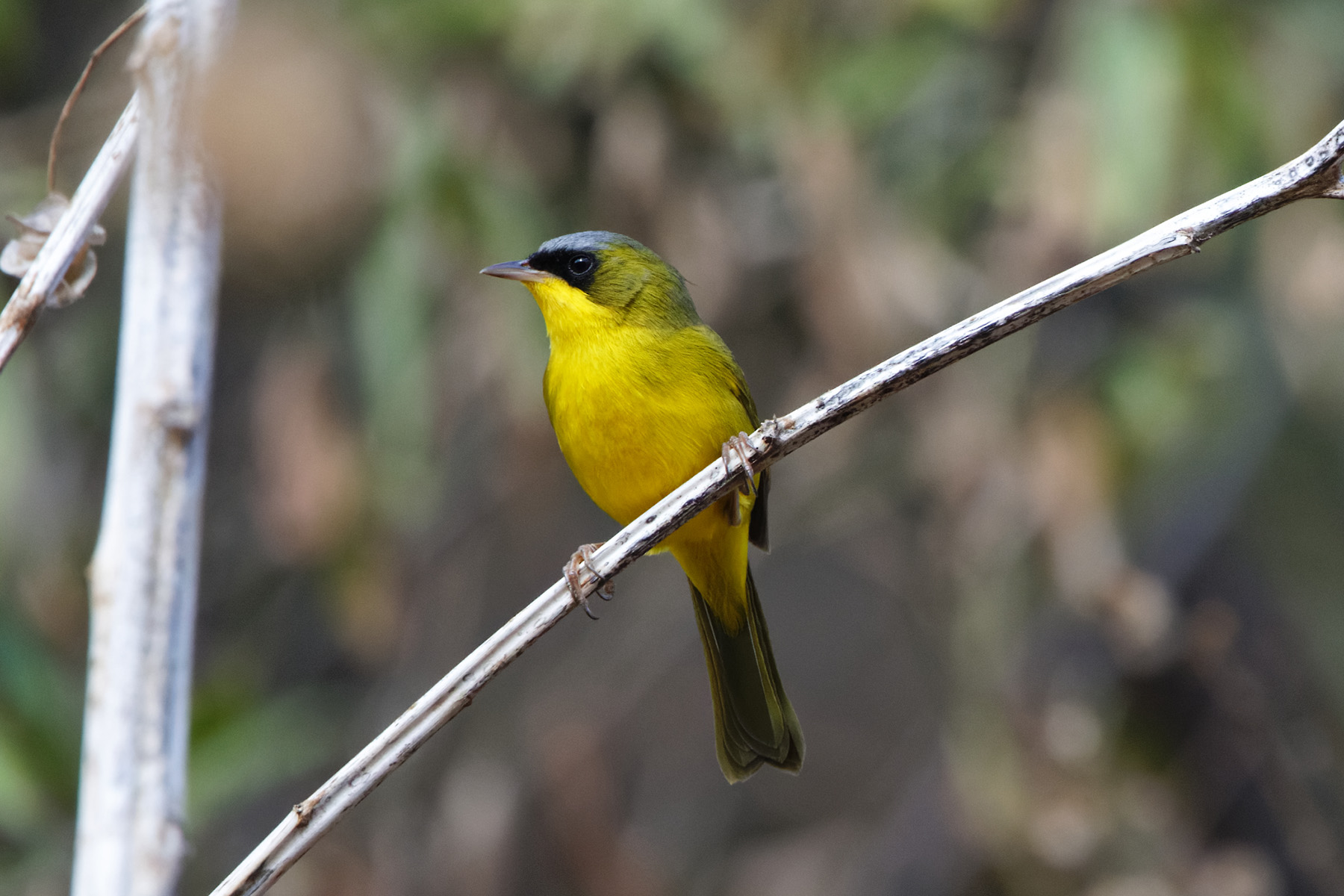
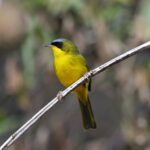
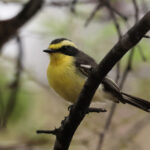
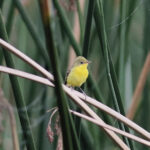
Black-lored Yellowthroat (image by Leo Garrigues)
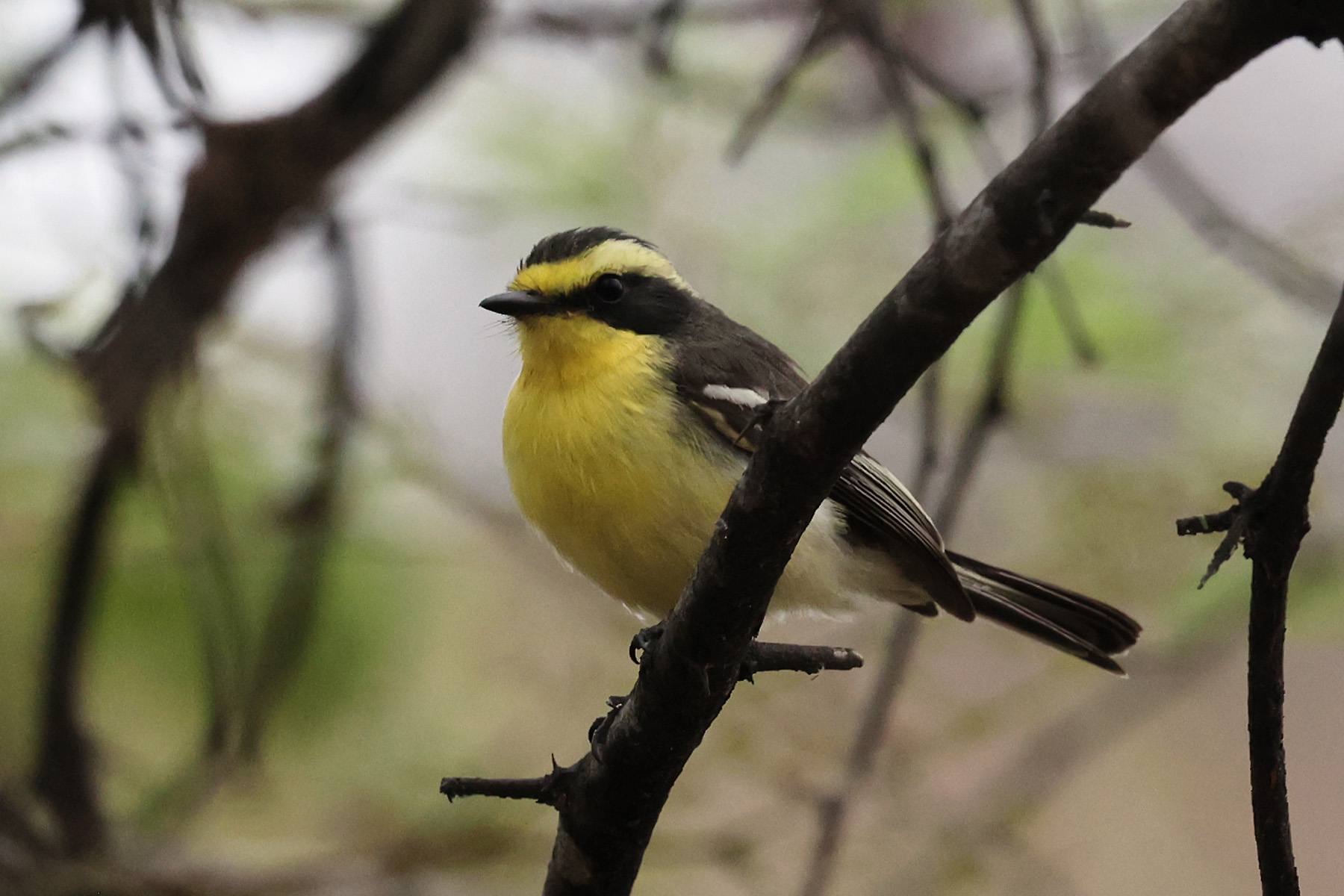
Tumbes Tyrant (image by Leo Garrigues)
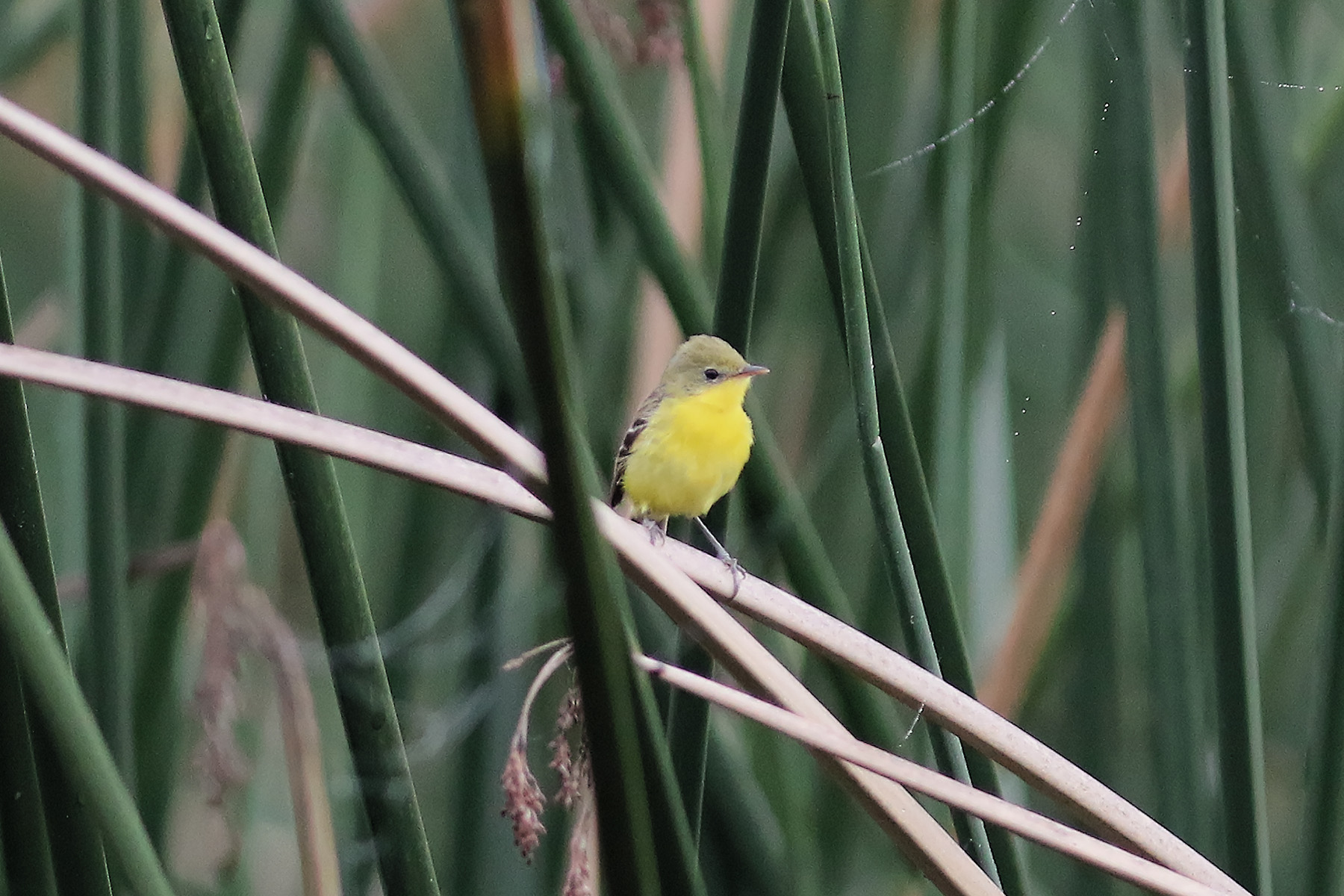
Subtropical Doradito (image by Leo Garrigues)
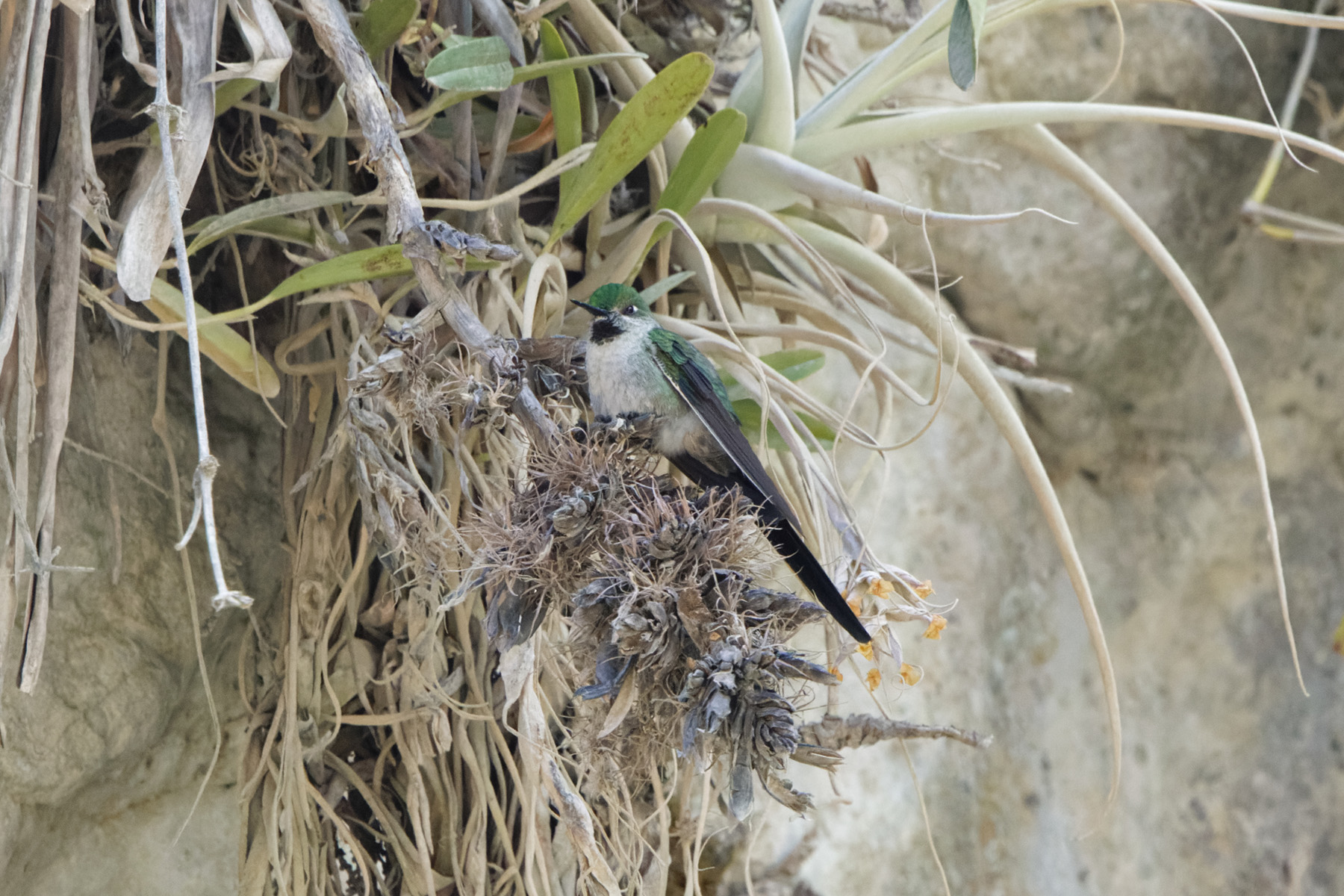
Grey-bellied Comet (image by Leo Garrigues)
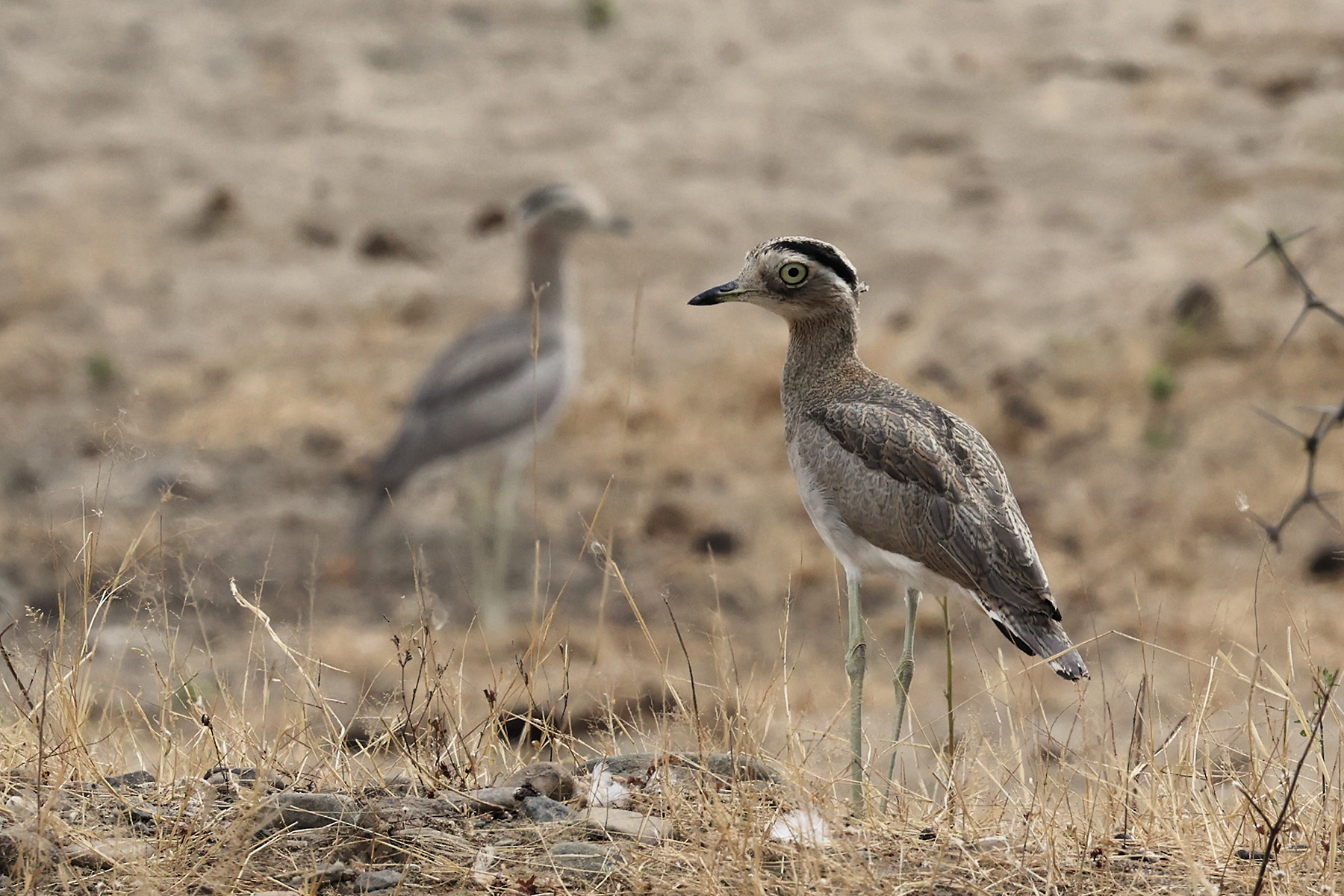
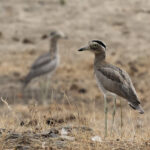
Peruvian Thick-Knee (image by Leo Garrigues)
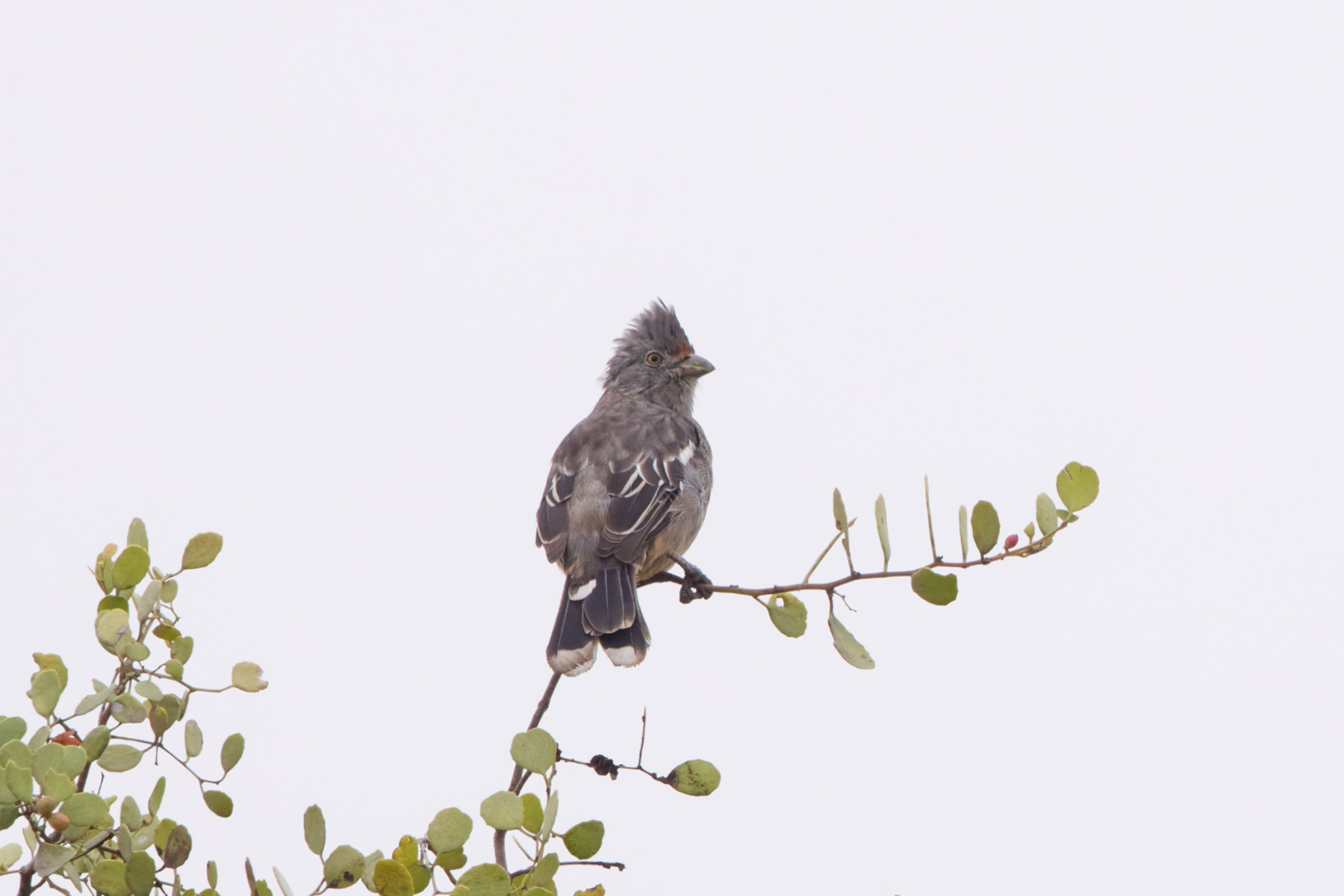
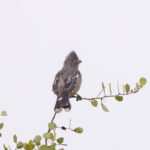
Peruvian Plantcutter (image by Leo Garrigues)
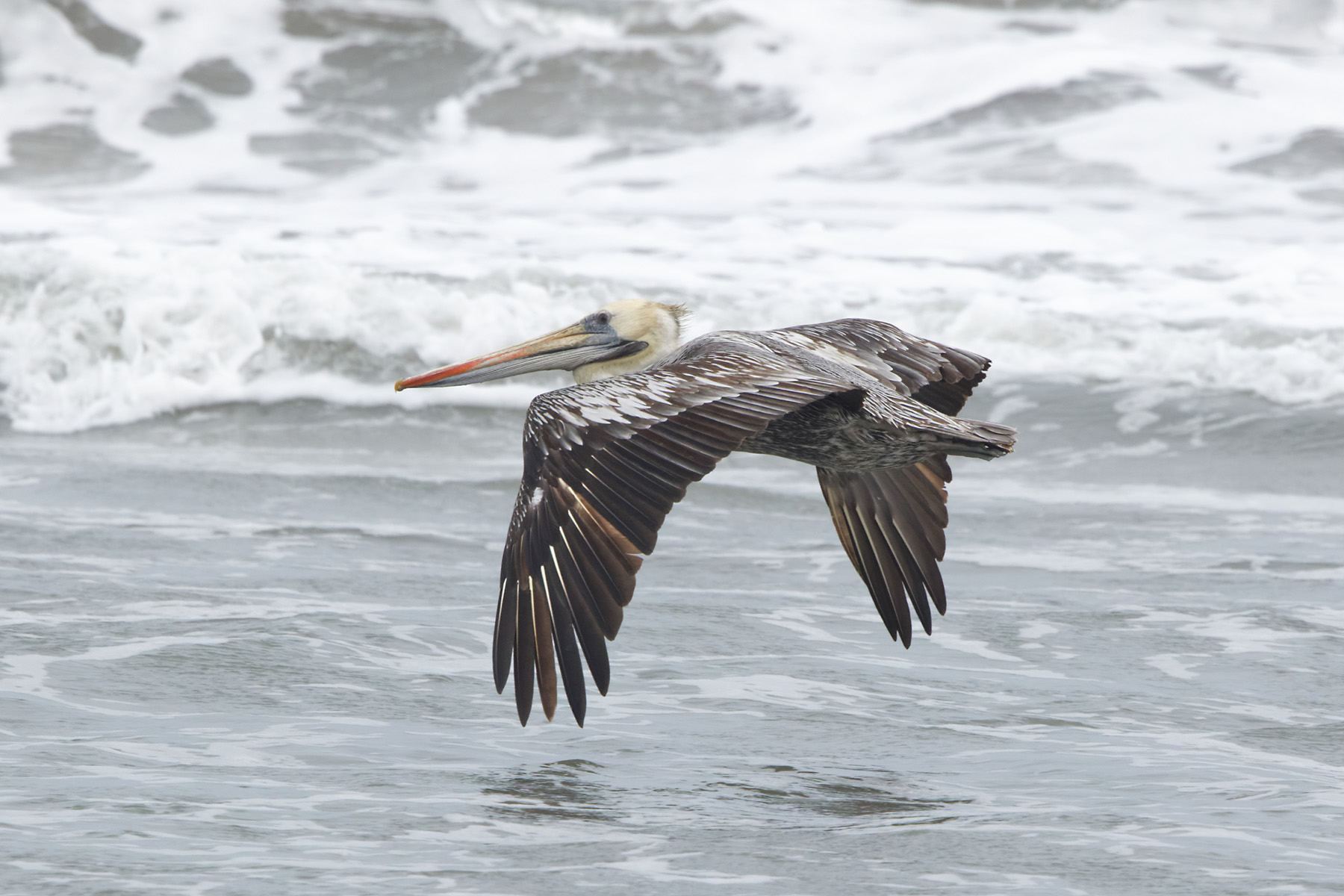
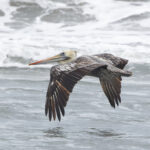
Peruvian Pelican (image by Leo Garrigues)
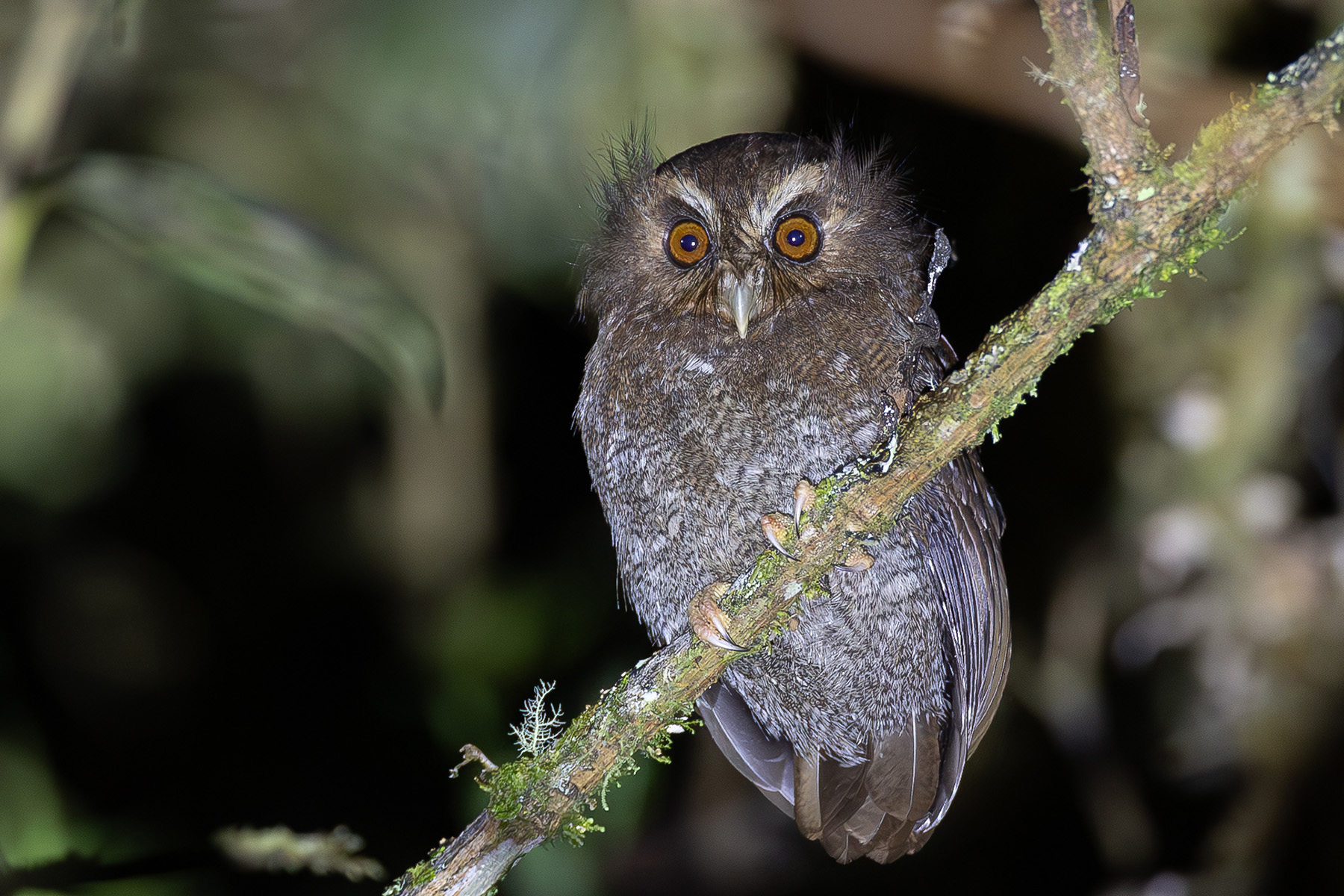
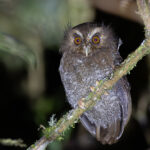
Long-whiskered Owlet (image by Leo Garrigues)
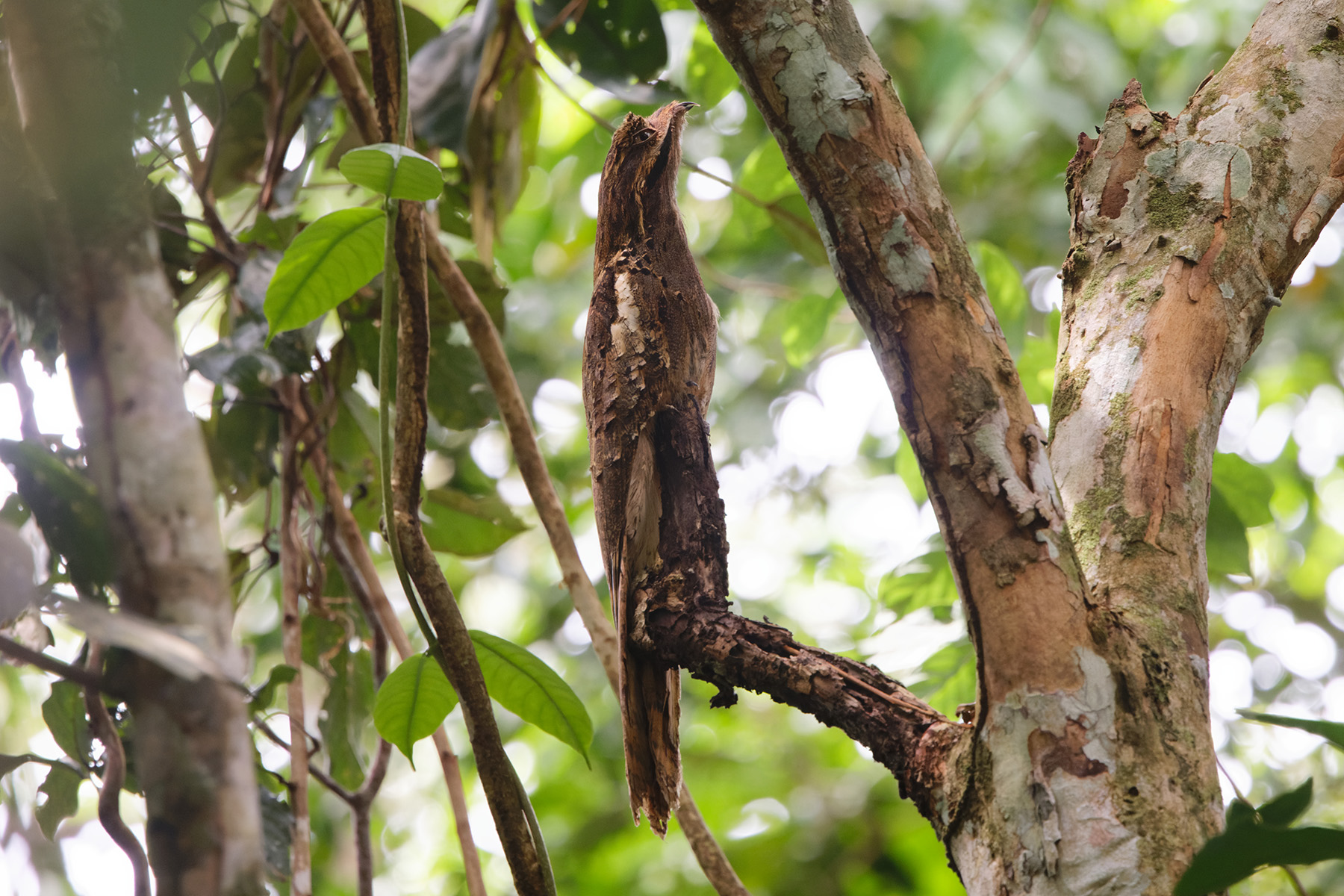
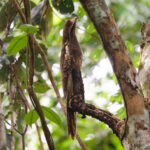
Long-tailed Potoo (image by Leo Garrigues)
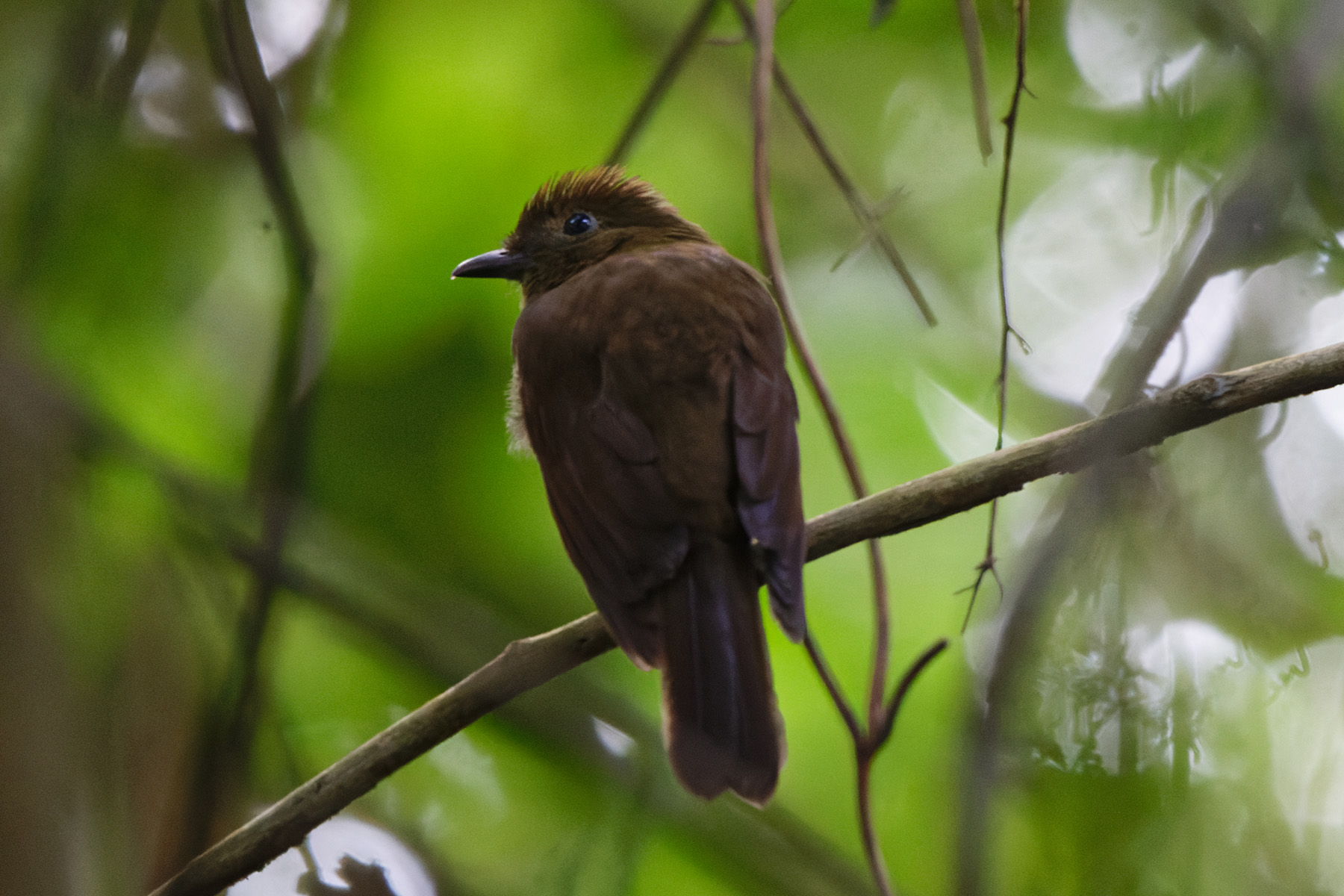
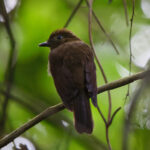
Foothill Schiffornis (image by Leo Garrigues)
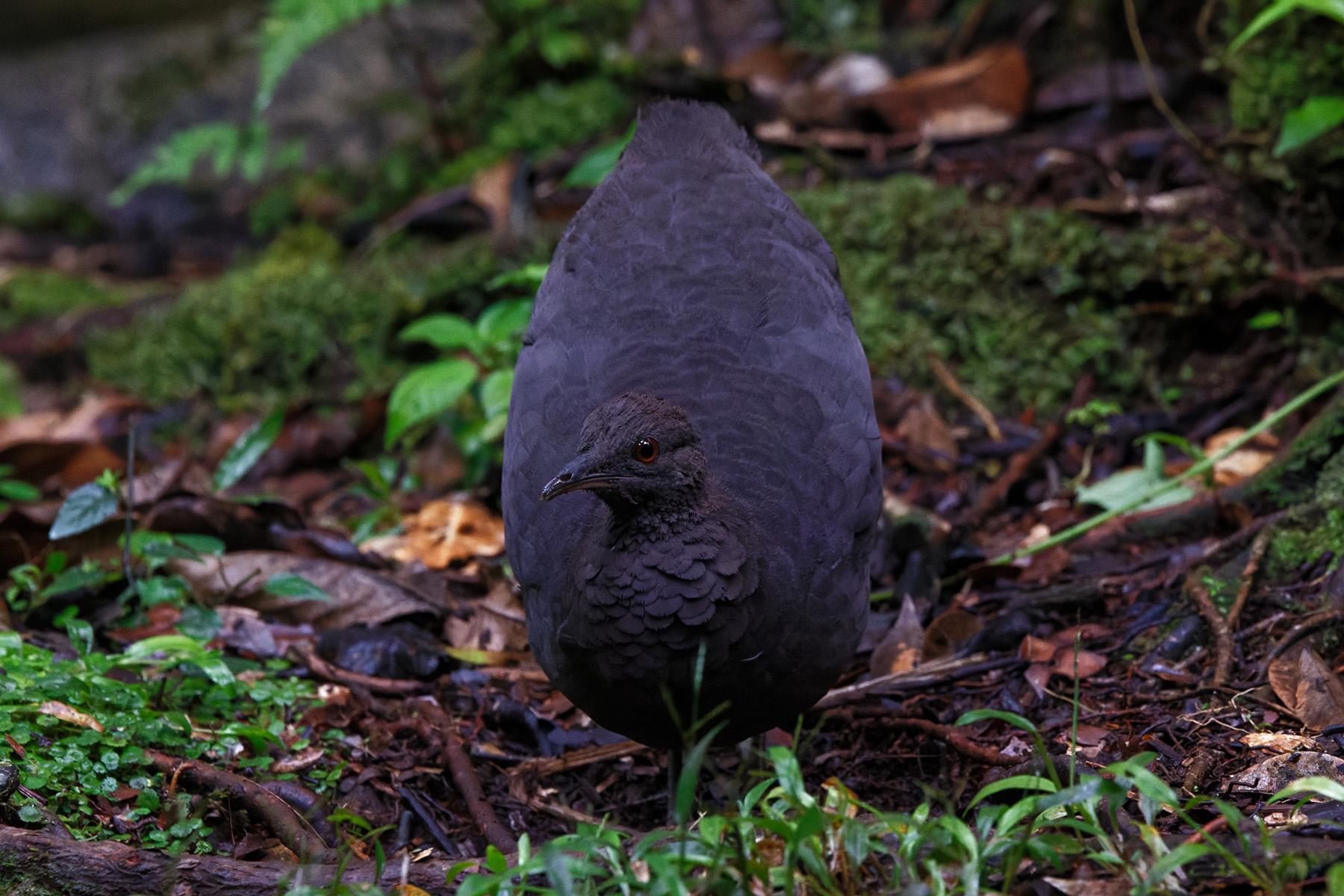
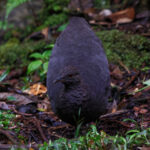
Cinereous Tinamou (image by Leo Garrigues)
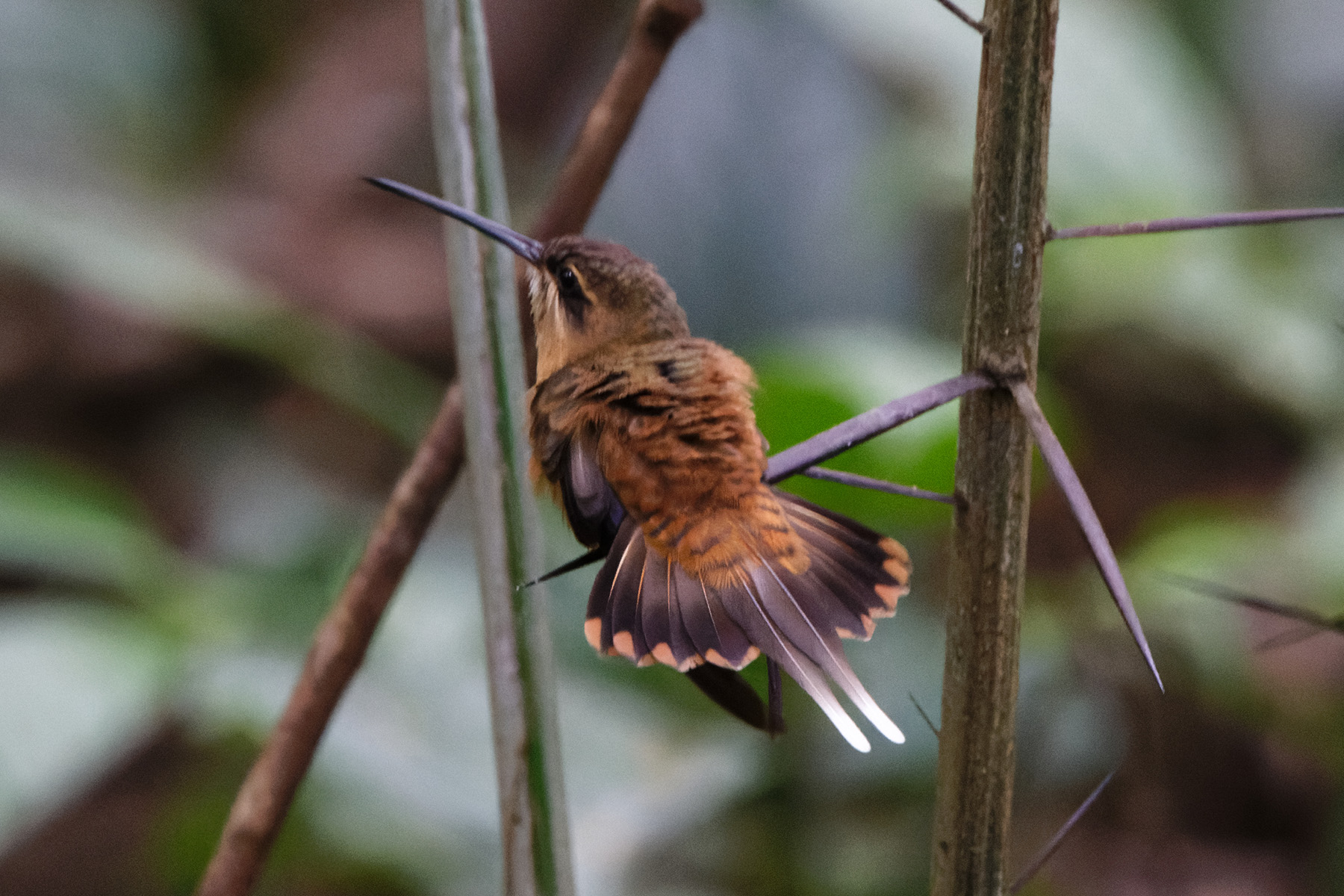
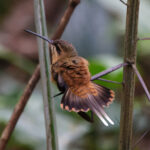
Koepcke's Hermit (image by Leo Garrigues)
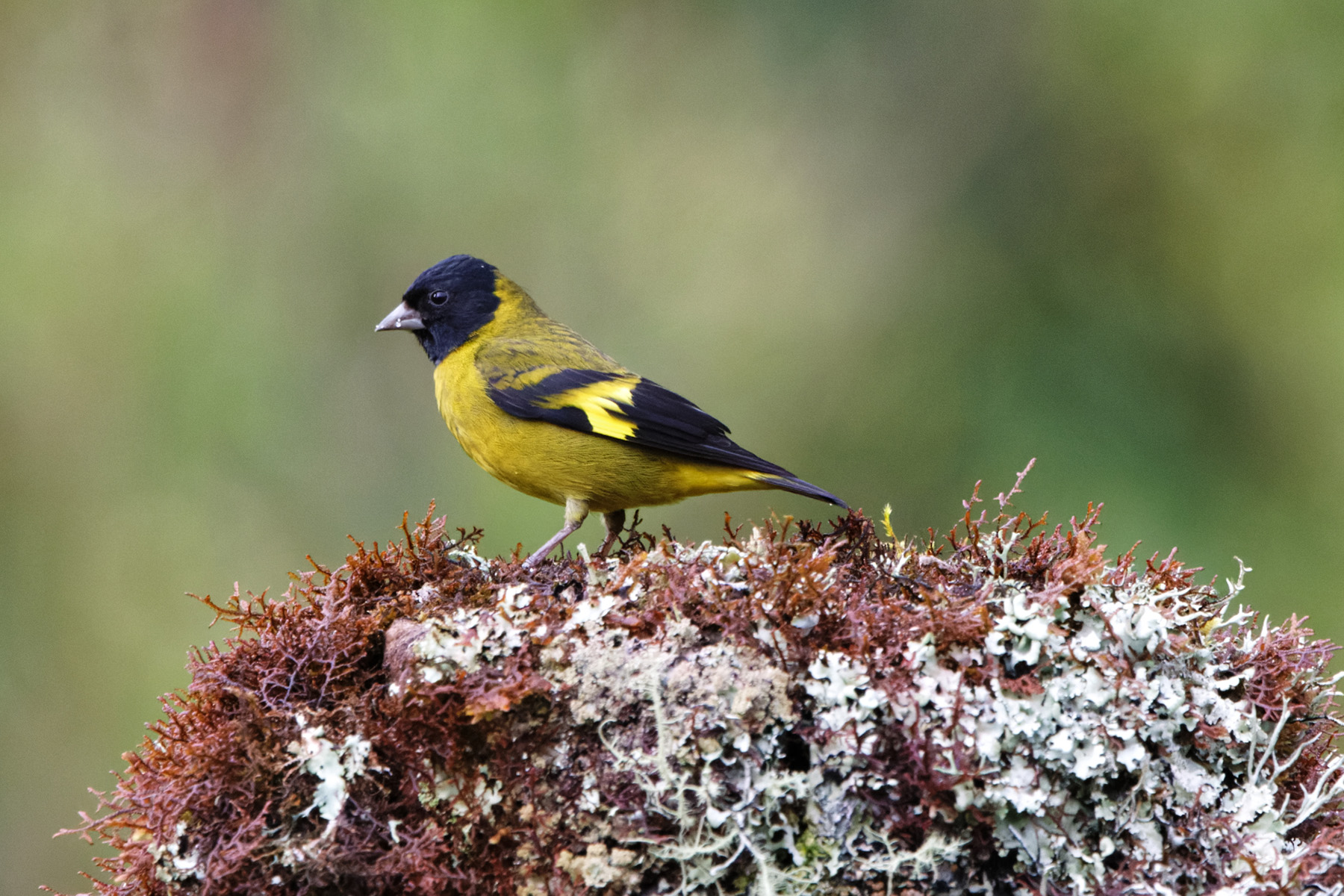
Olivaceous Siskin (image by Leo Garrigues)
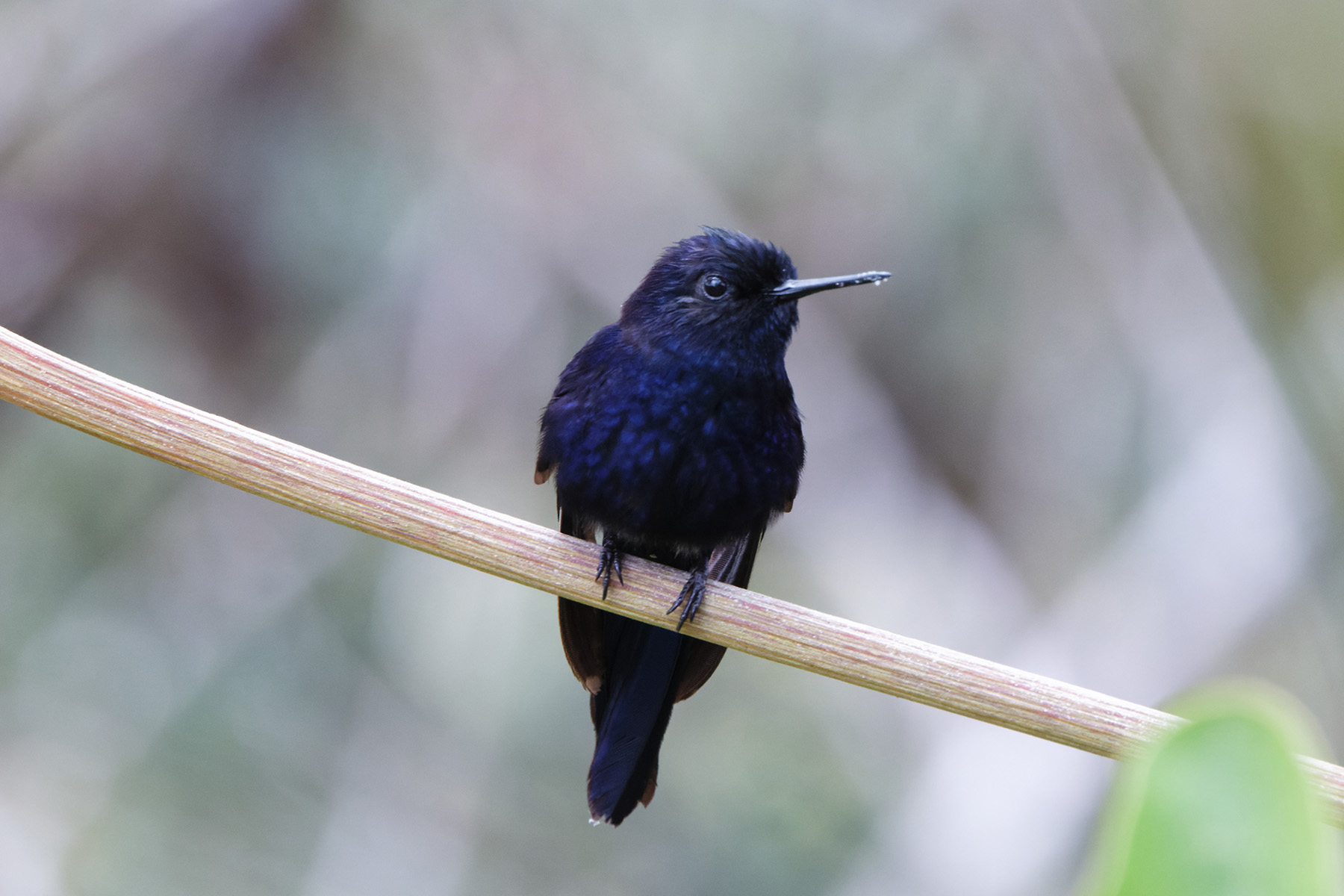
Royal Sunangel (image by Leo Garrigues)
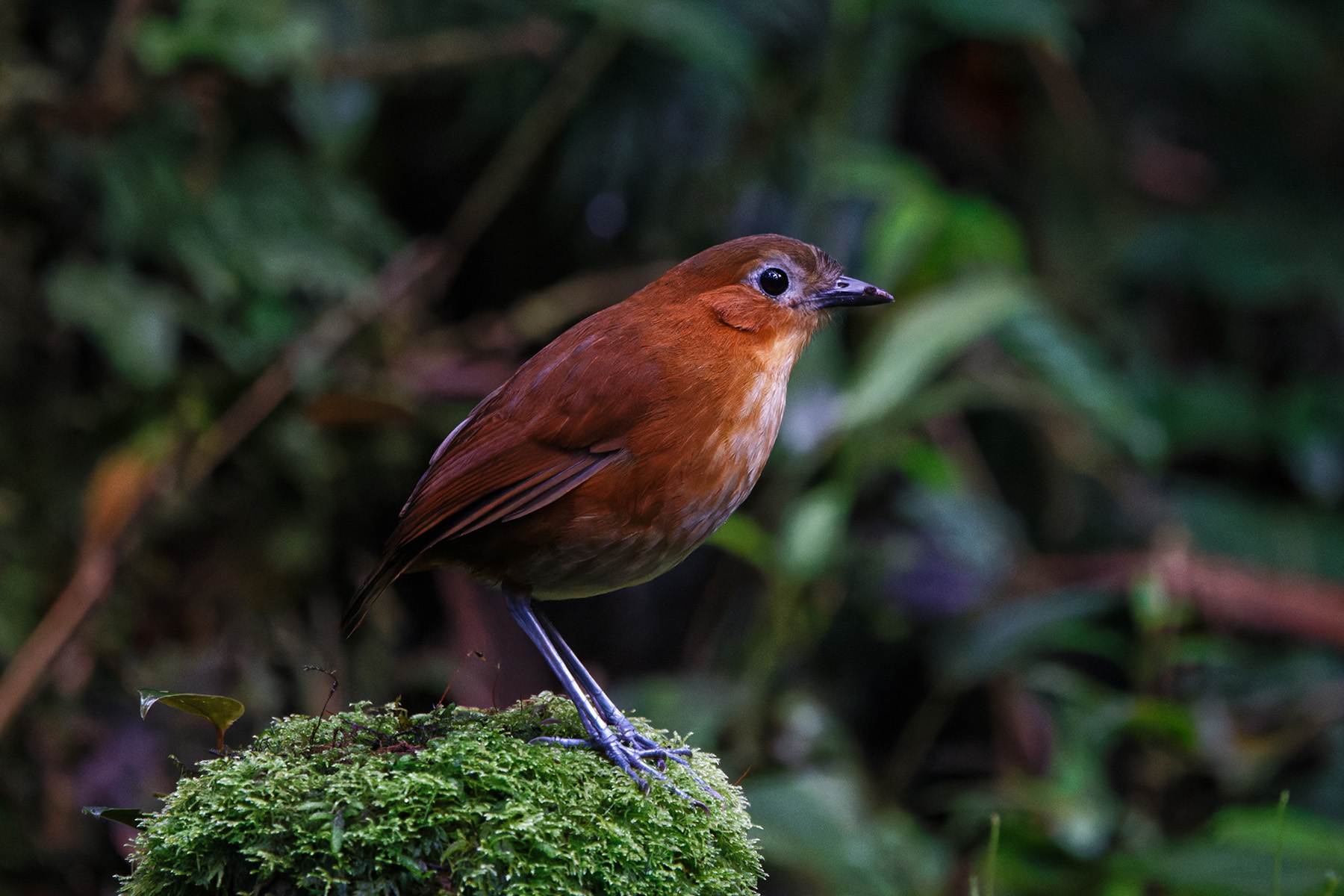
Rusty-tinged Antpitta (image by Leo Garrigues)
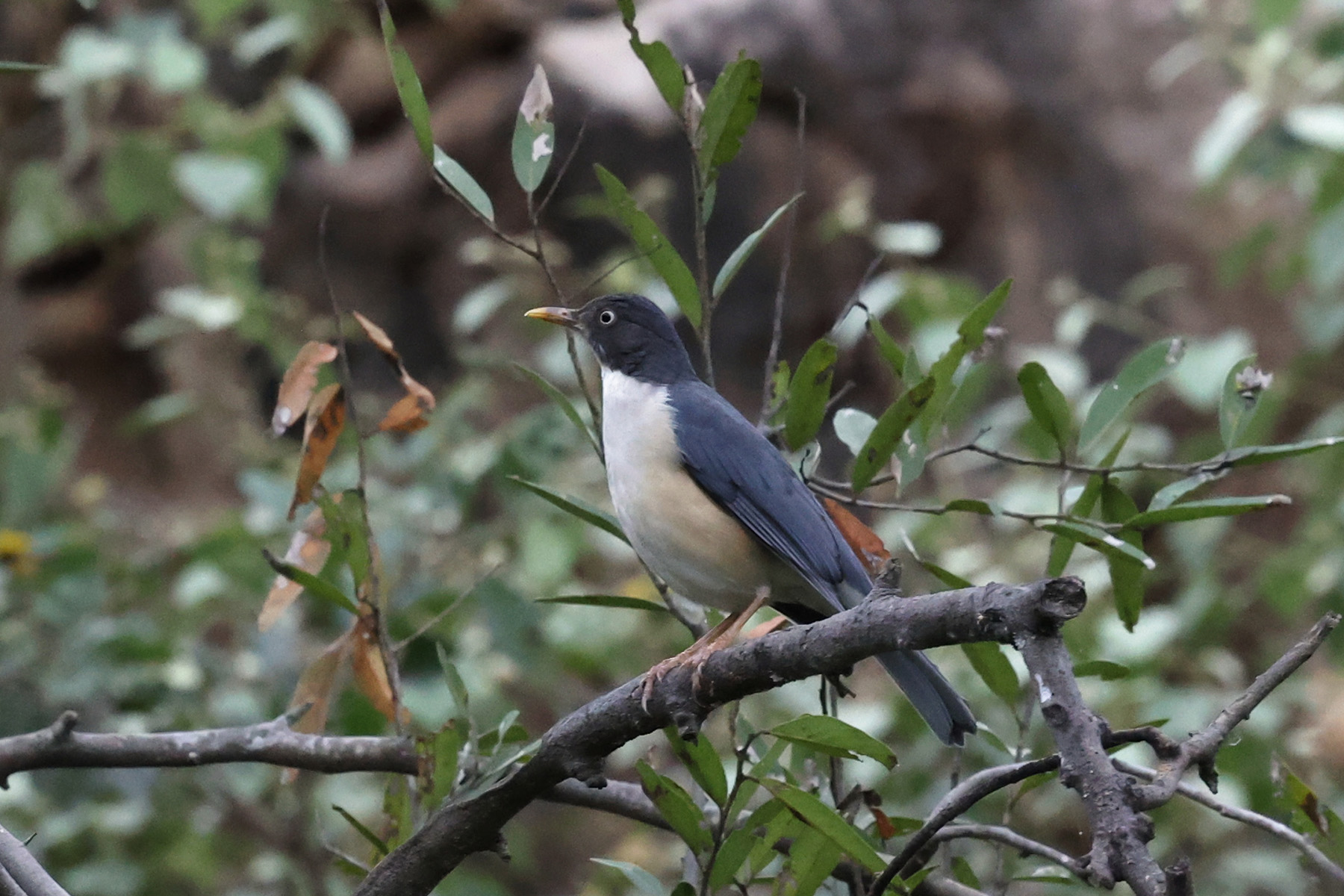
Plumbeous-backed Thrush (image by Leo Garrigues)
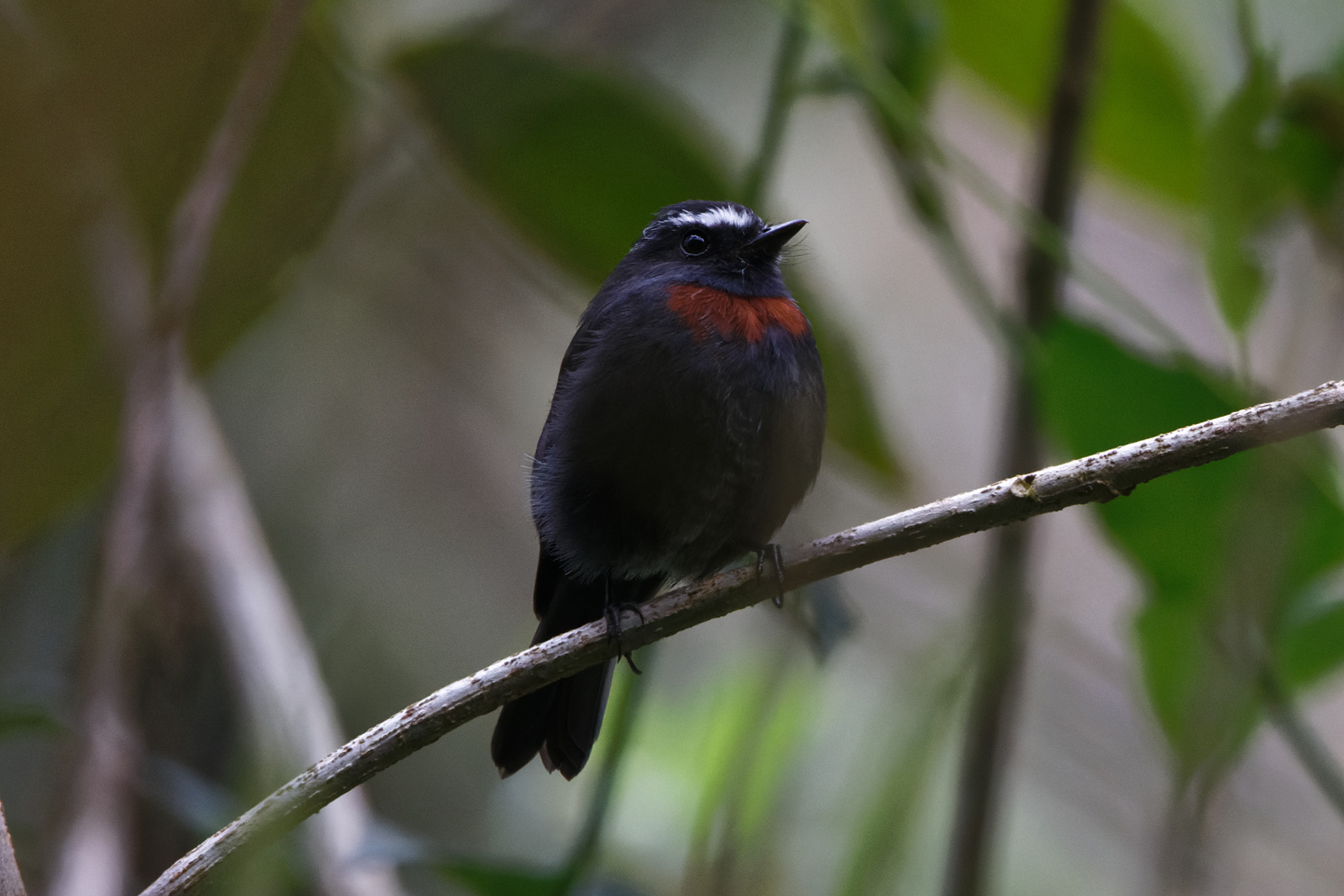
Maroon-belted Chat-Tyrant (image by Leo Garrigues)
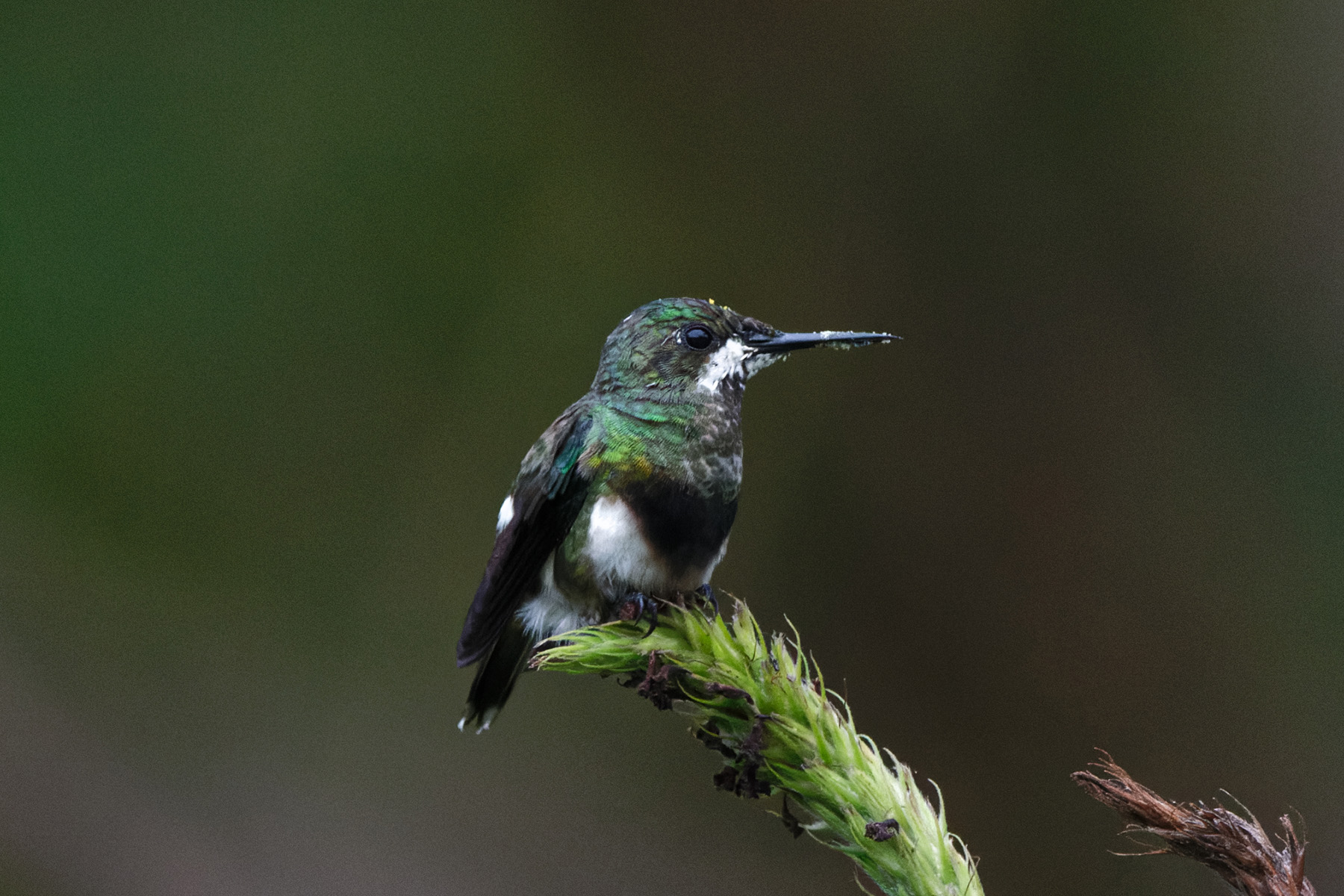
Black-bellied Thorntail (image by Leo Garrigues)
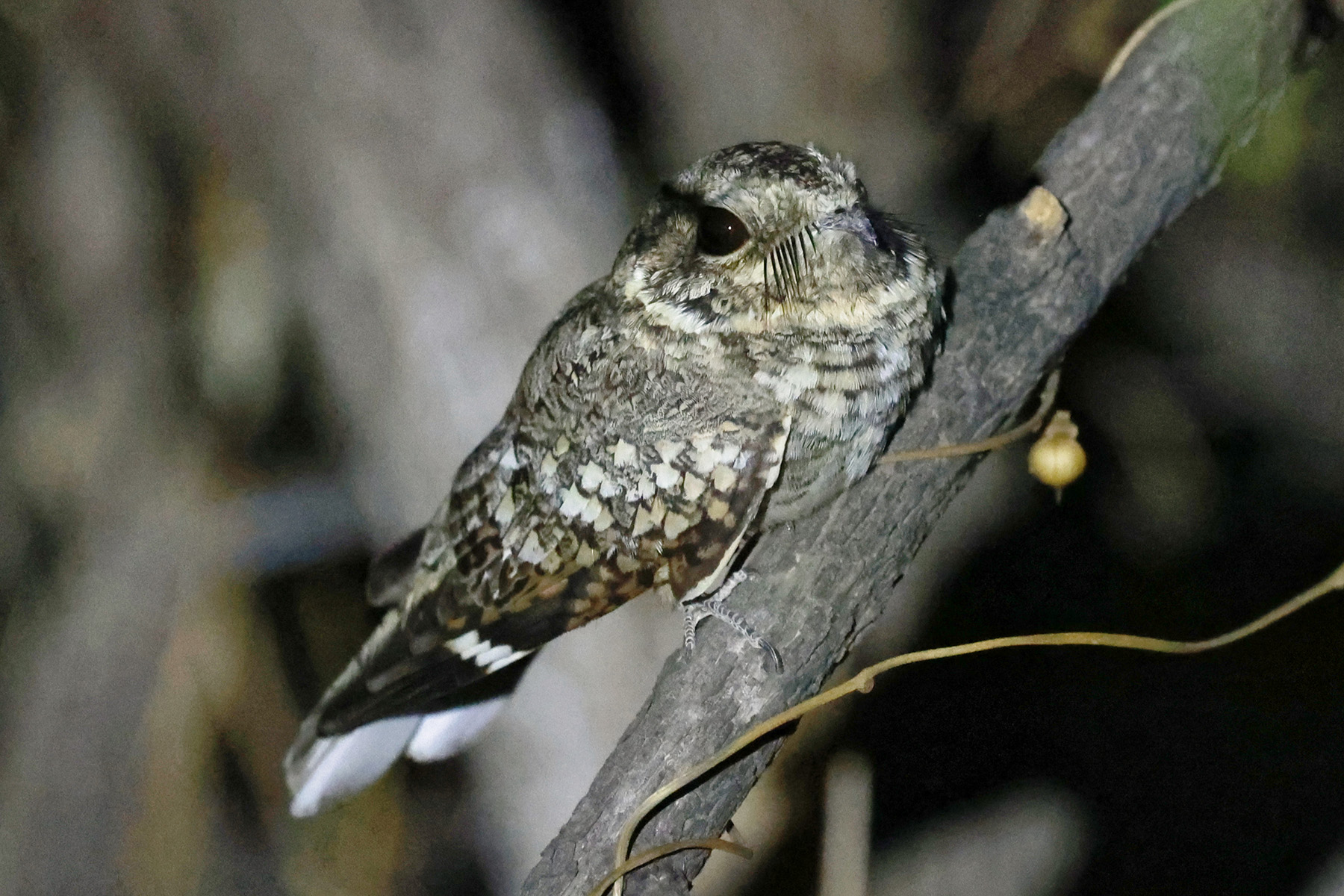
Tschudi's Nightjar (image by Leo Garrigues)
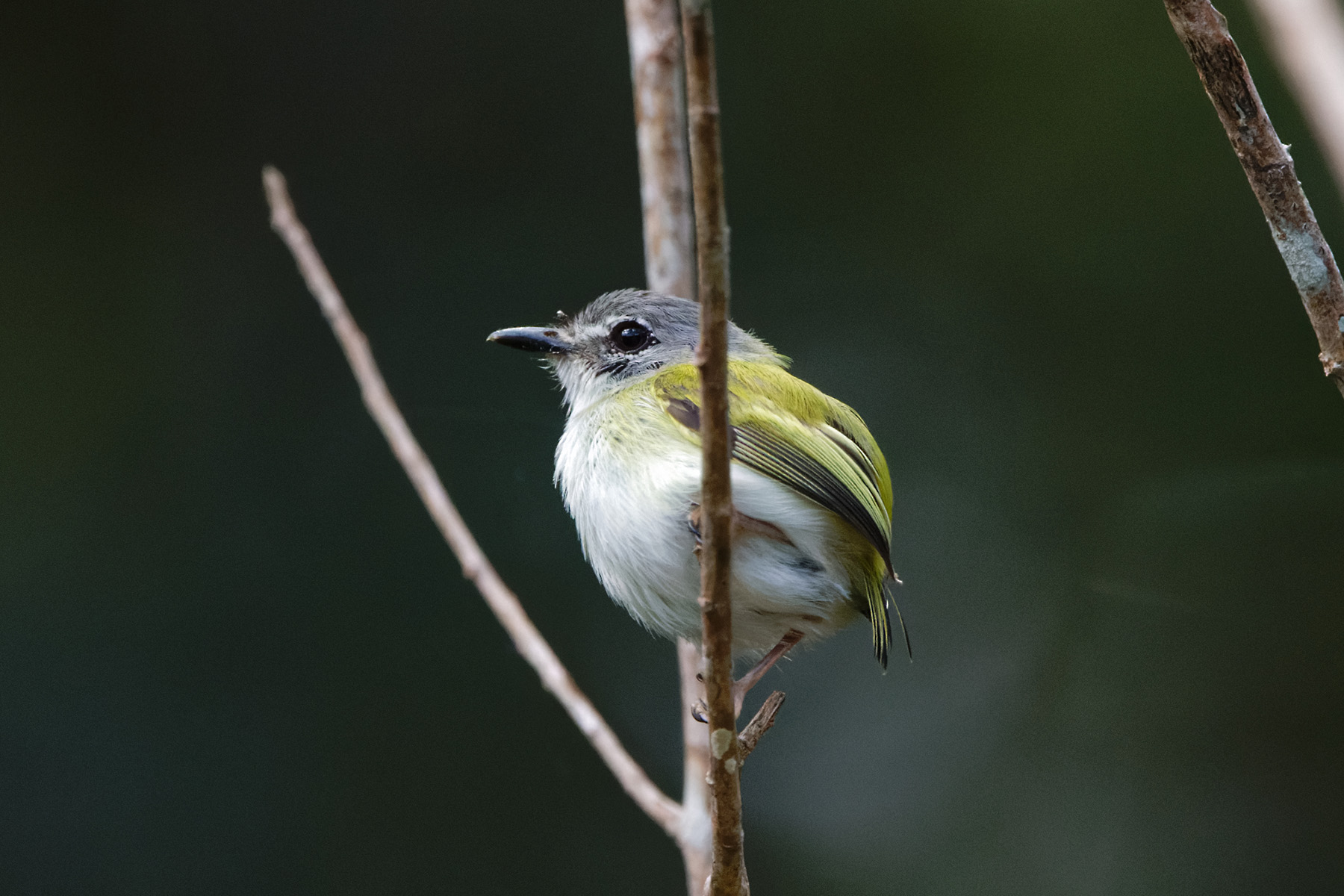
Short-tailed Pygmy Tyrant (image by Leo Garrigues)
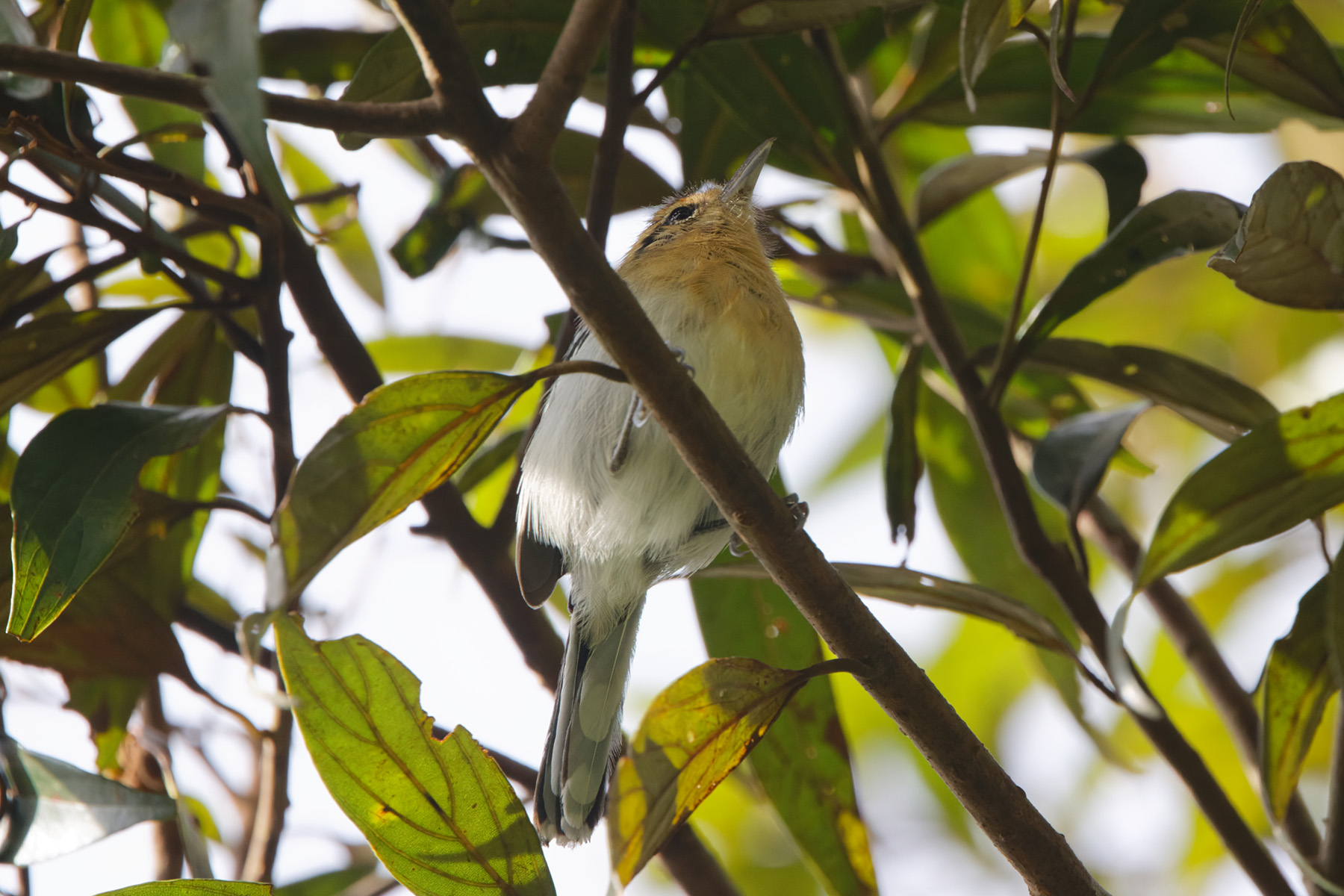
Ash-throated Antwren (image by Leo Garrigues)
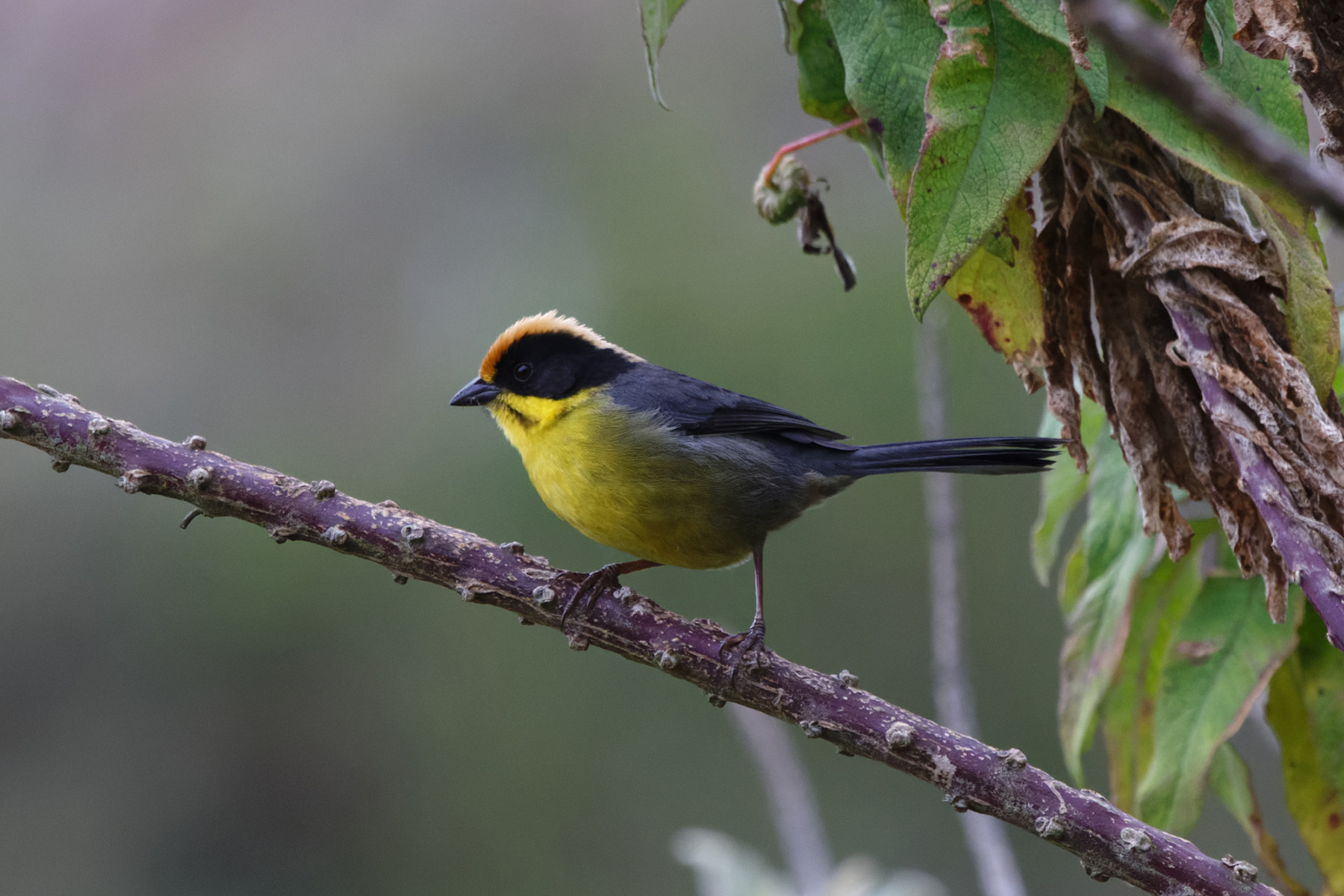
Yellow-breasted Brushfinch ssp baroni (image by Leo Garrigues)
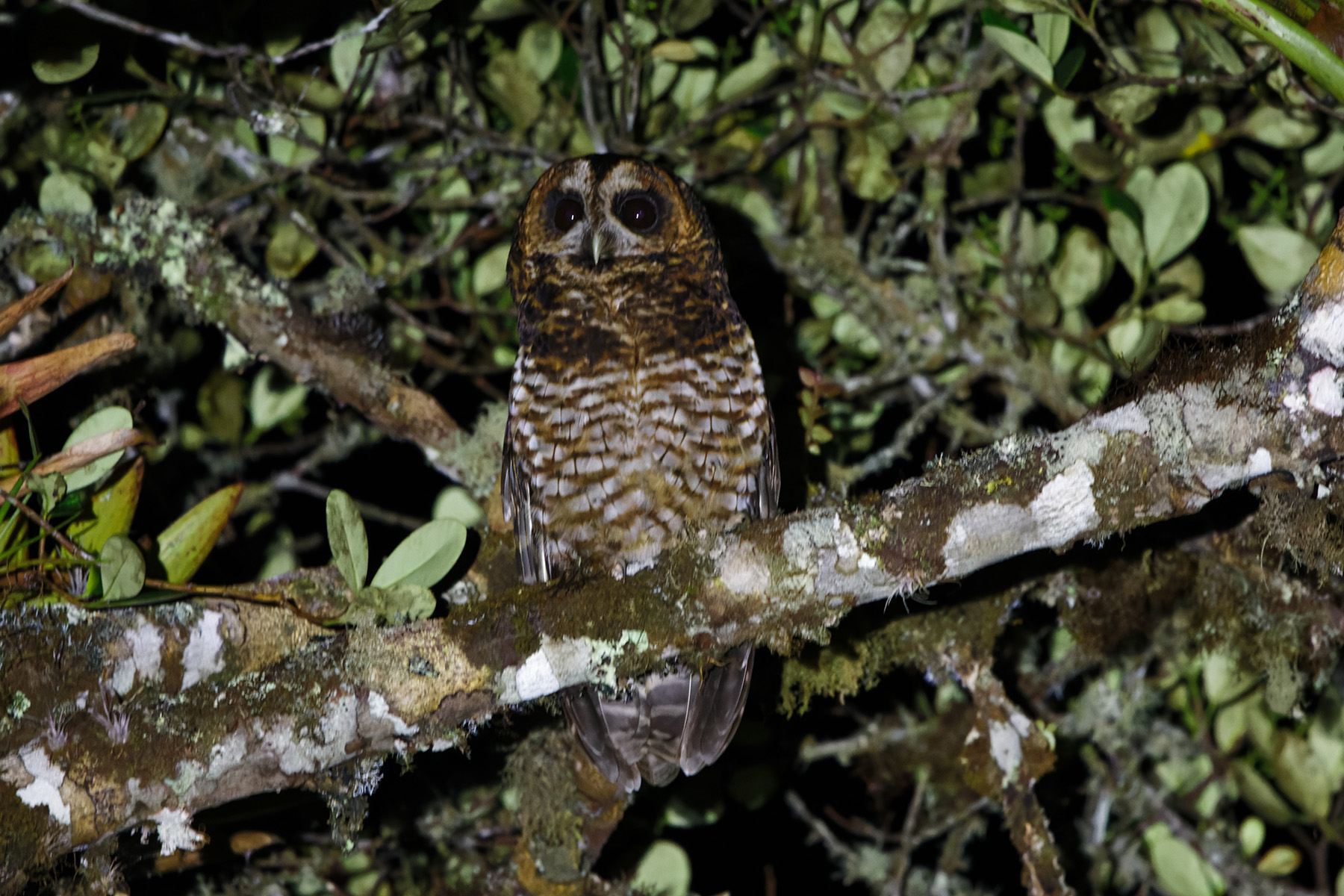
Rufous-banded Owl (image by Leo Garrigues)
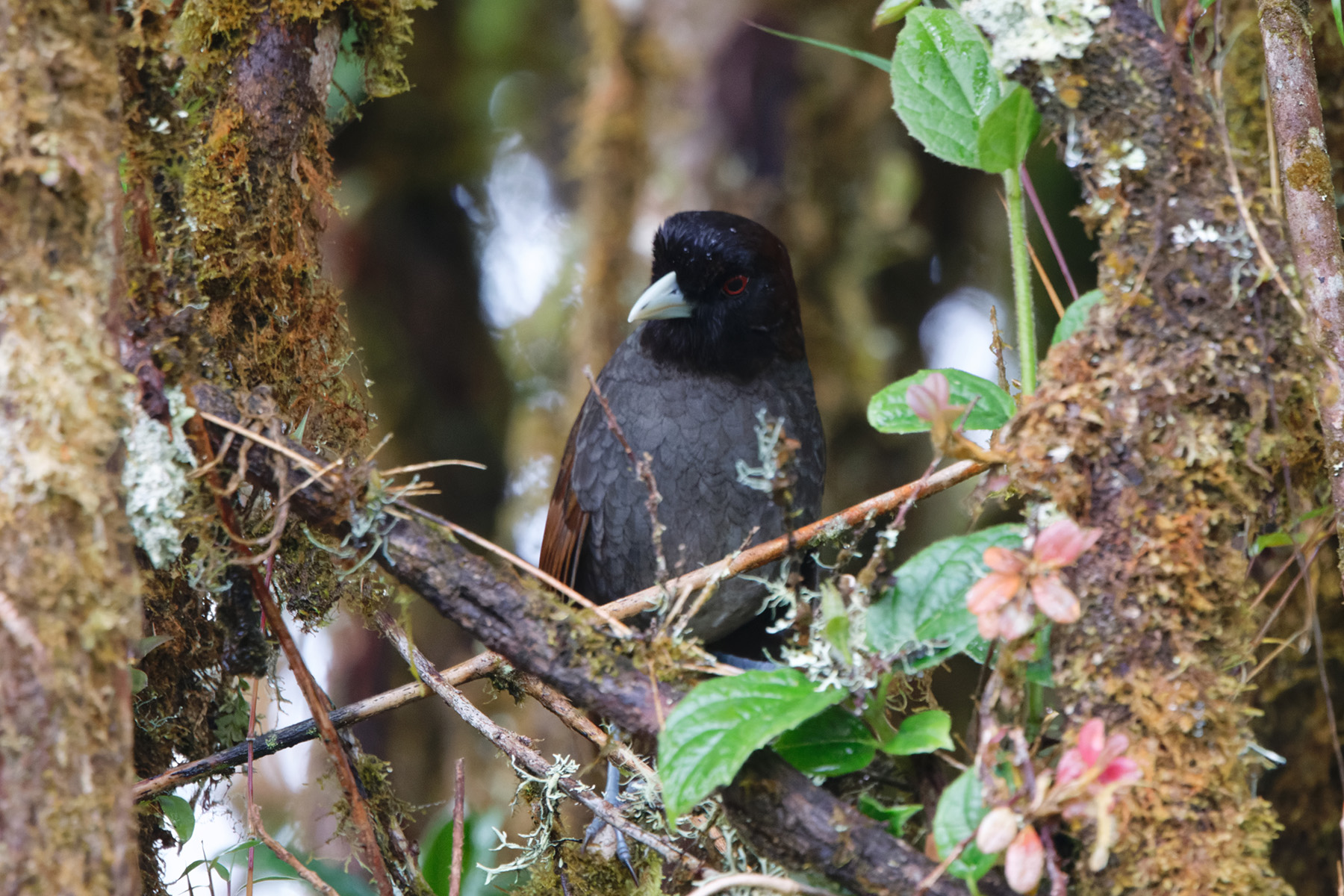
Pale-billed Antpitta (image by Leo Garrigues)
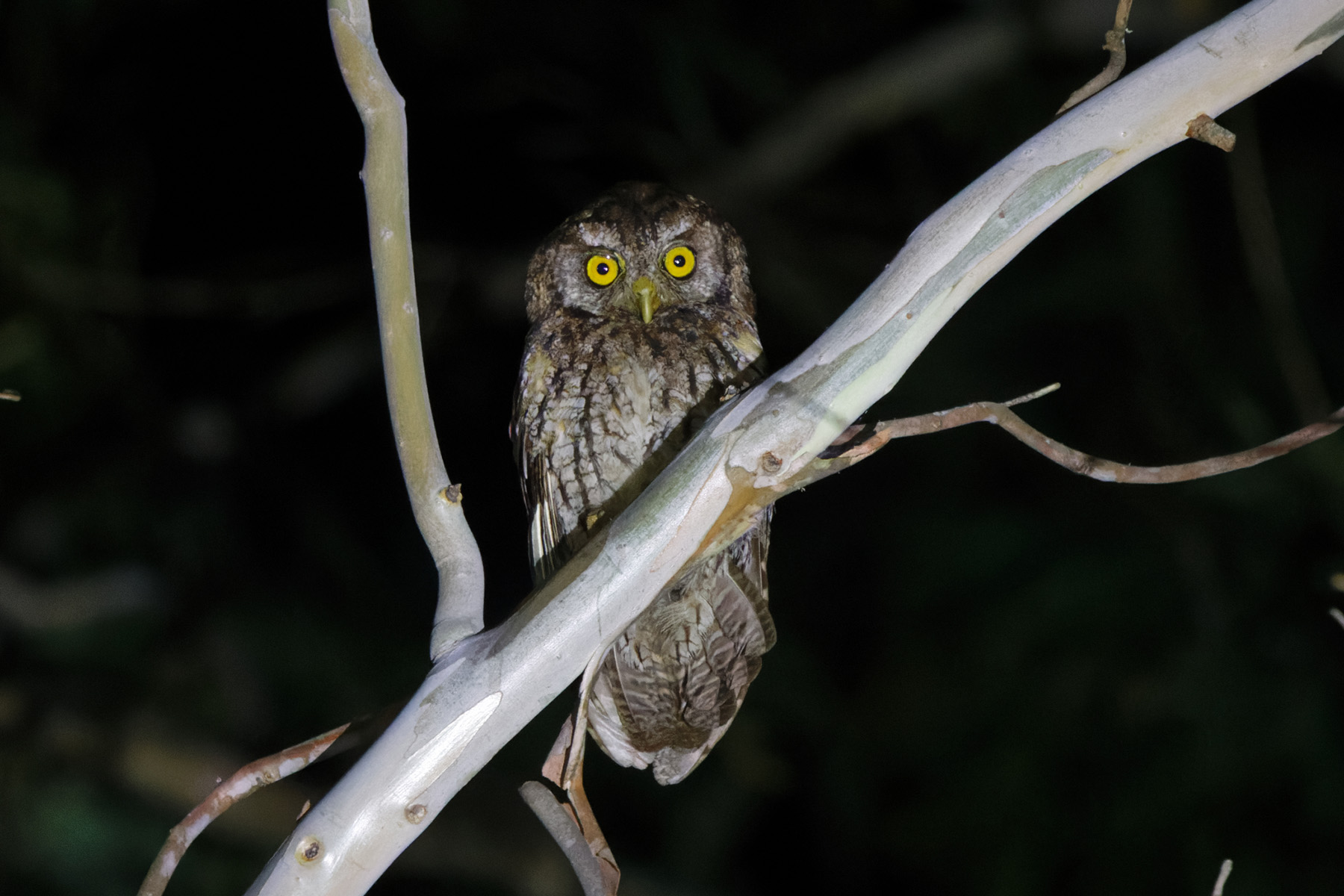
Koepcke's Screech Owl (image by Leo Garrigues)
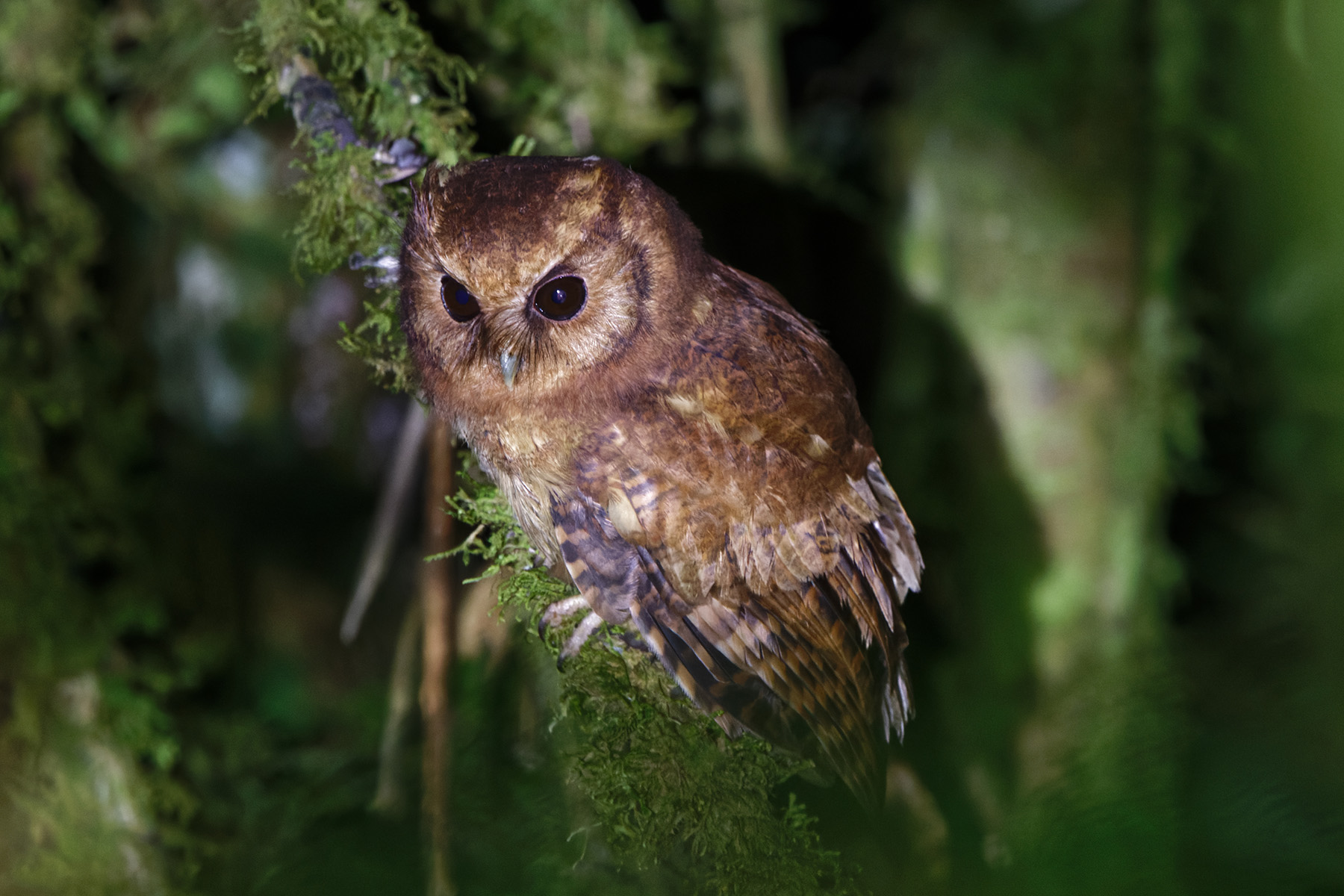
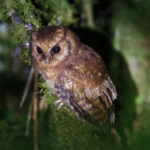
Cinnamon Screech Owl (image by Leo Garrigues)
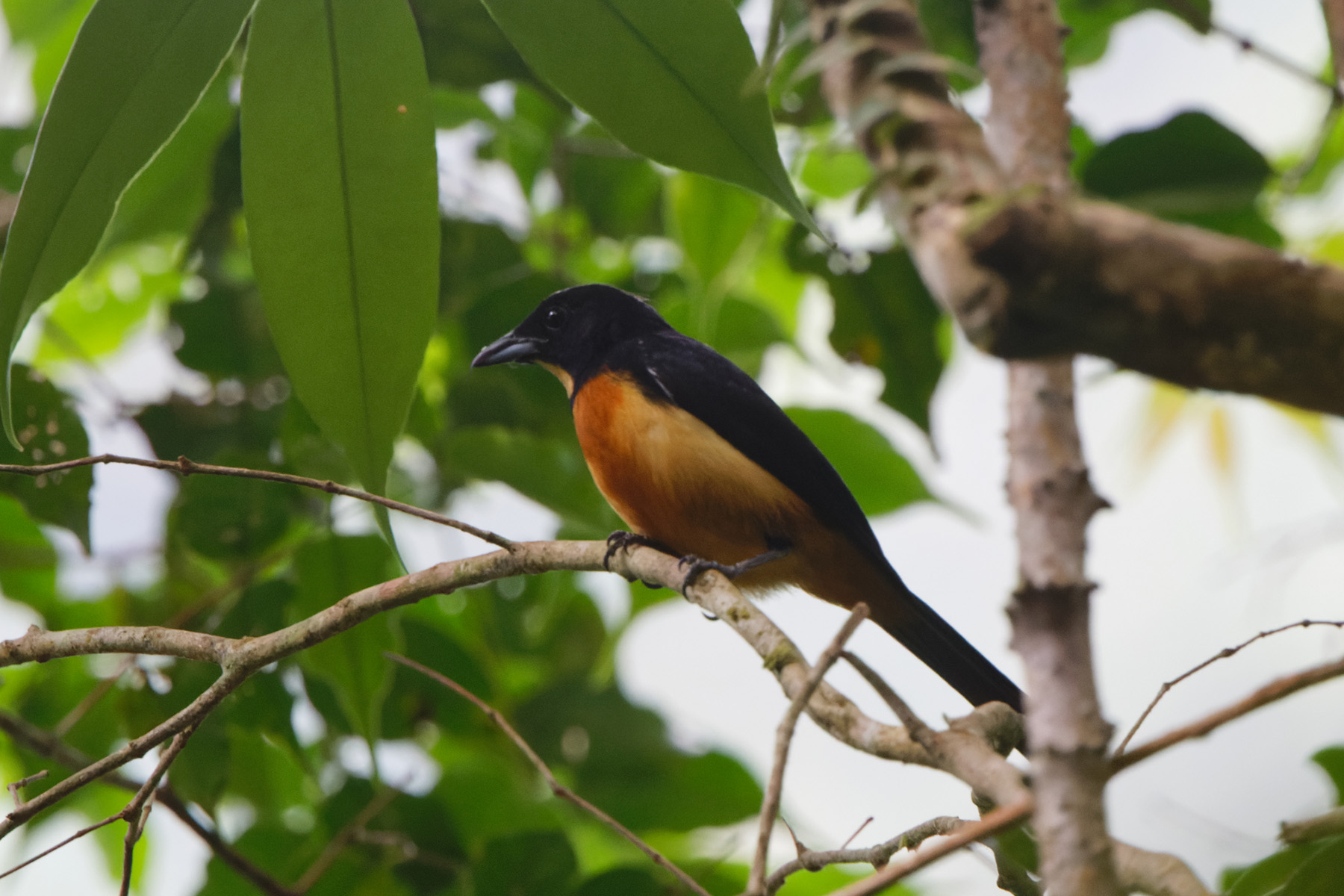
Yellow-crested Tanager (image by Leo Garrigues)
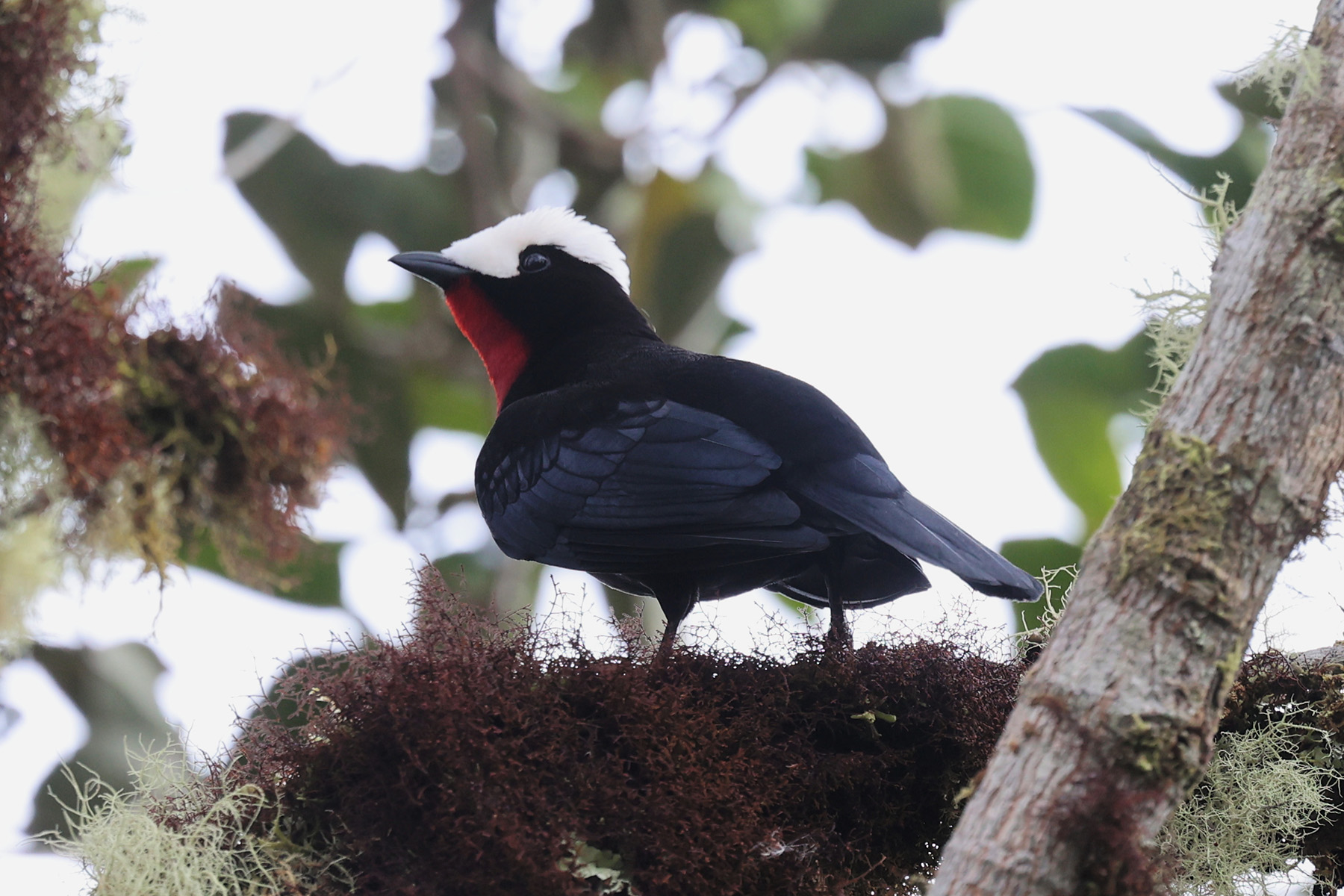
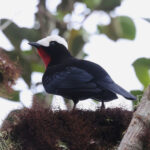
White-capped Tanager (image by Leo Garrigues)
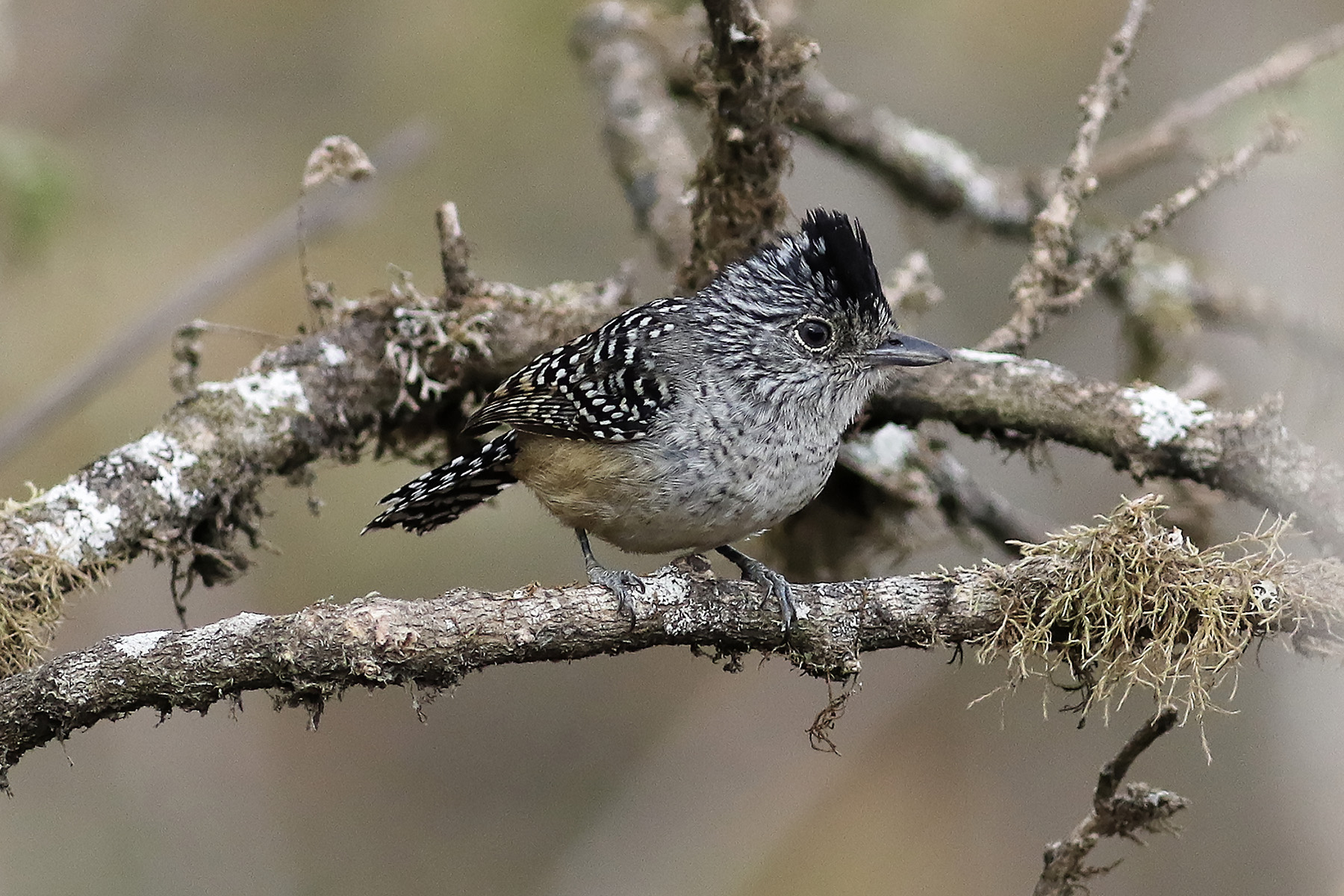
Chapman's Antshrike (image by Leo Garrigues)
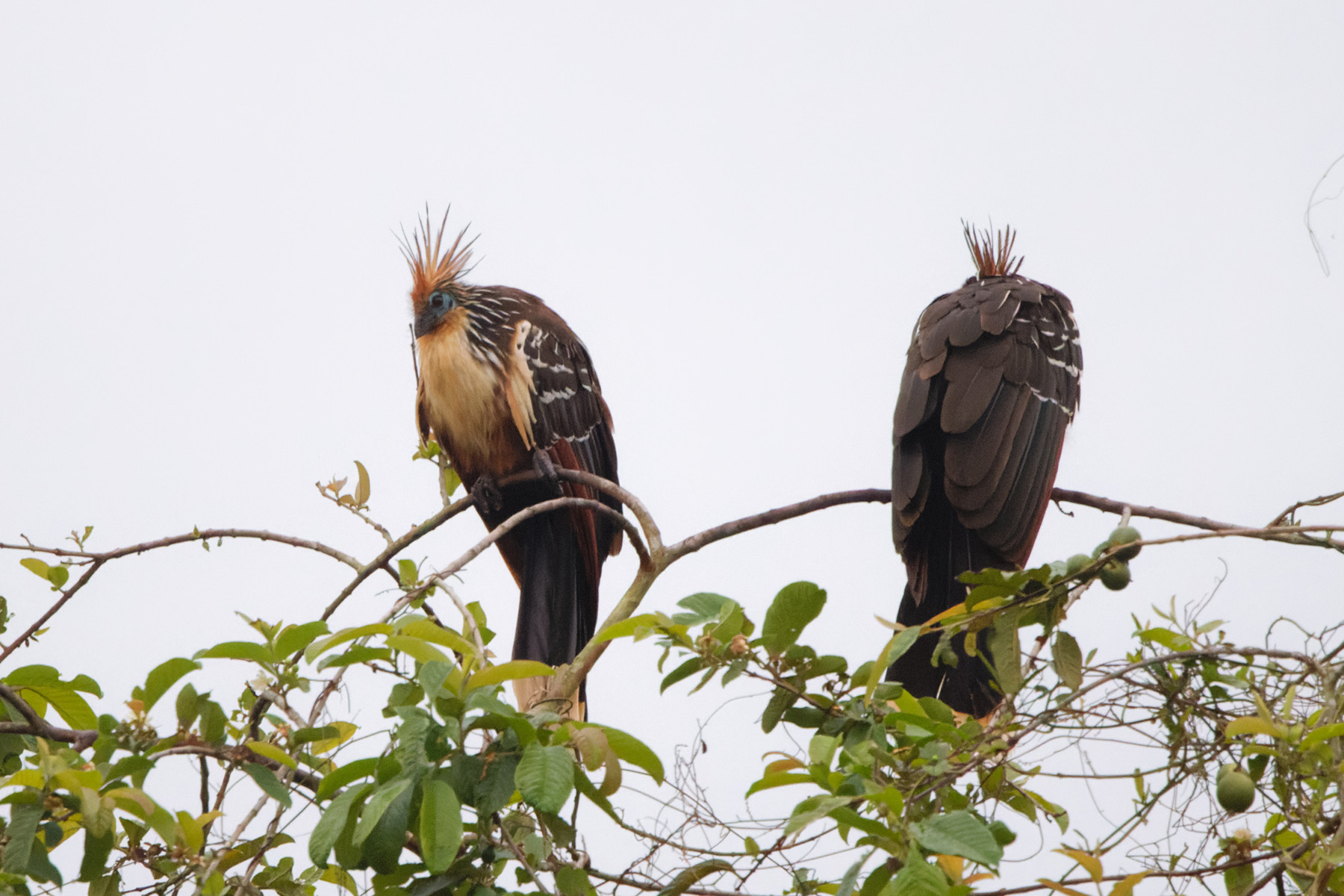
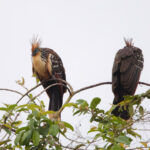
Hoatzins (image by Leo Garrigues)
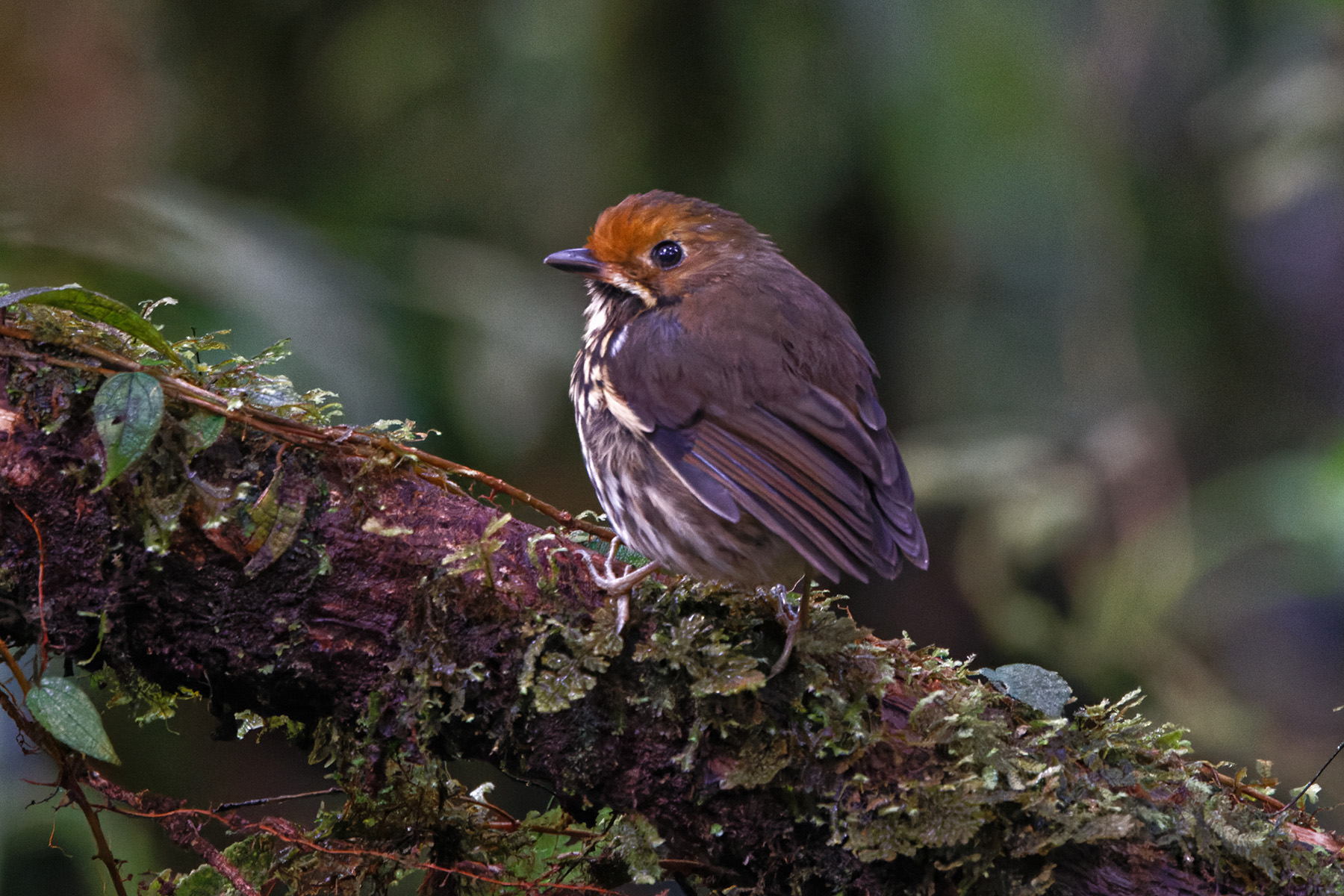
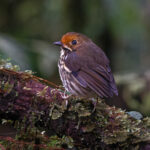
Ochre-fronted Antpitta (image by Leo Garrigues)
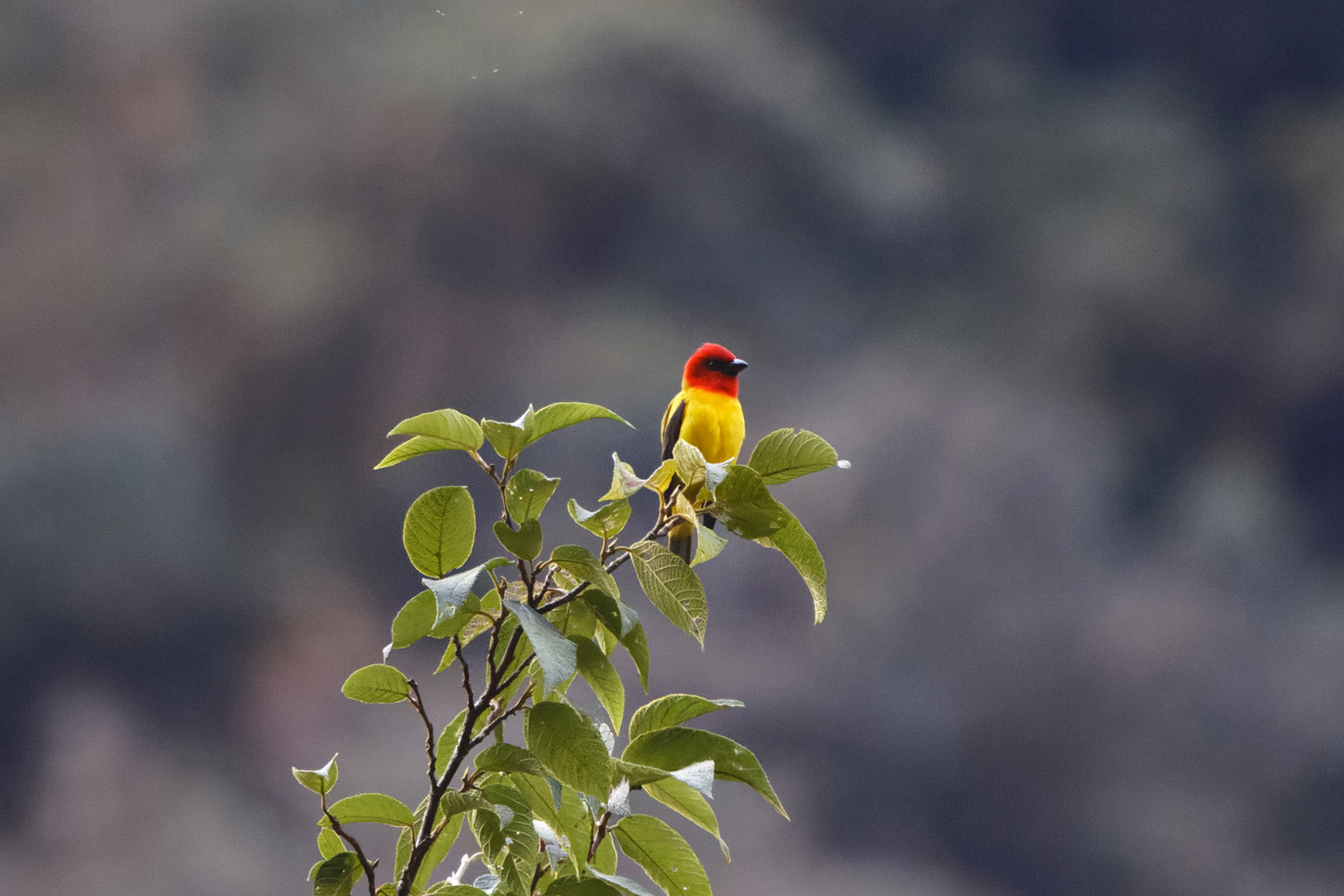
Red-hooded Tanager (image by Leo Garrigues)
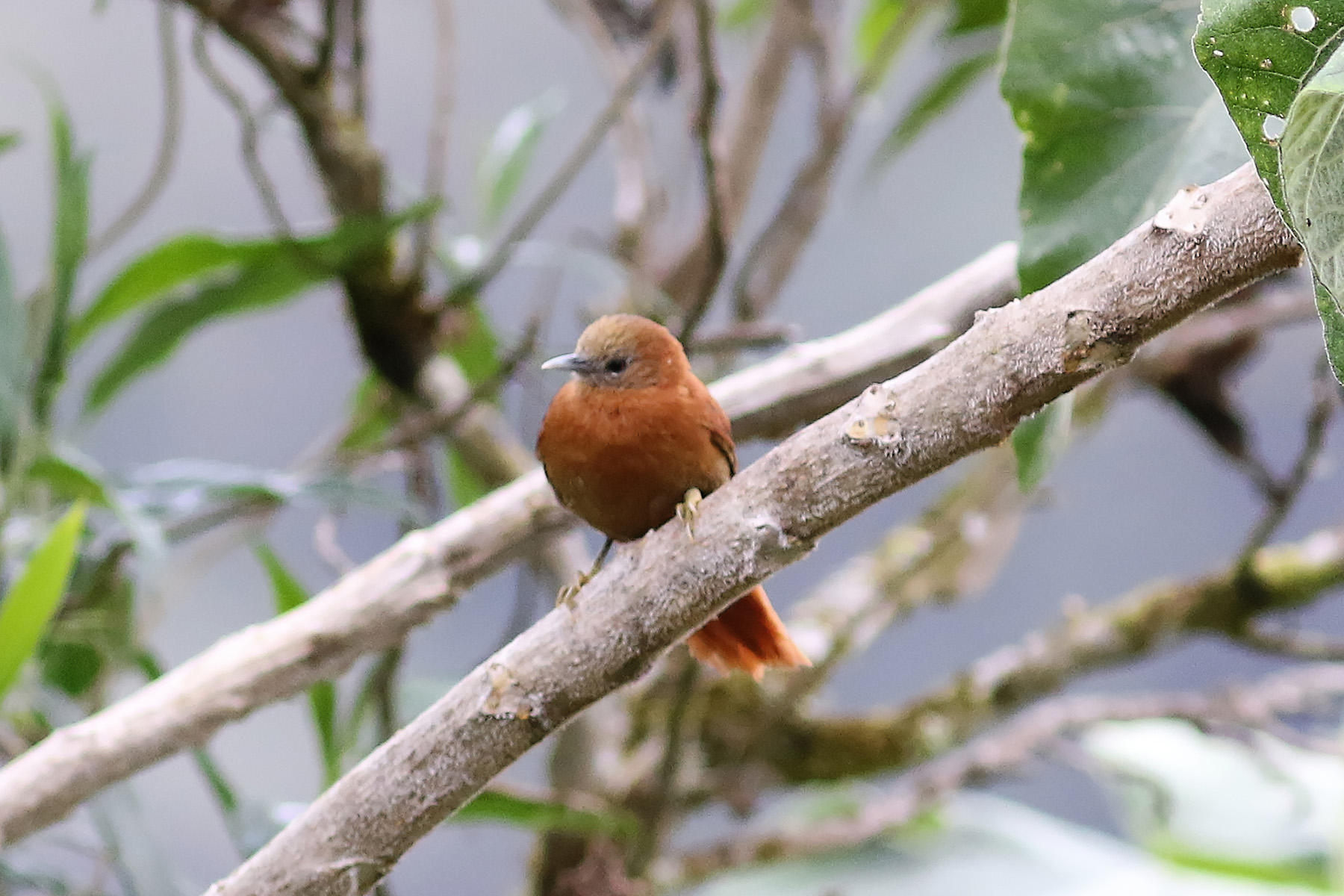
Russet-mantled Softtail (image by Leo Garrigues)
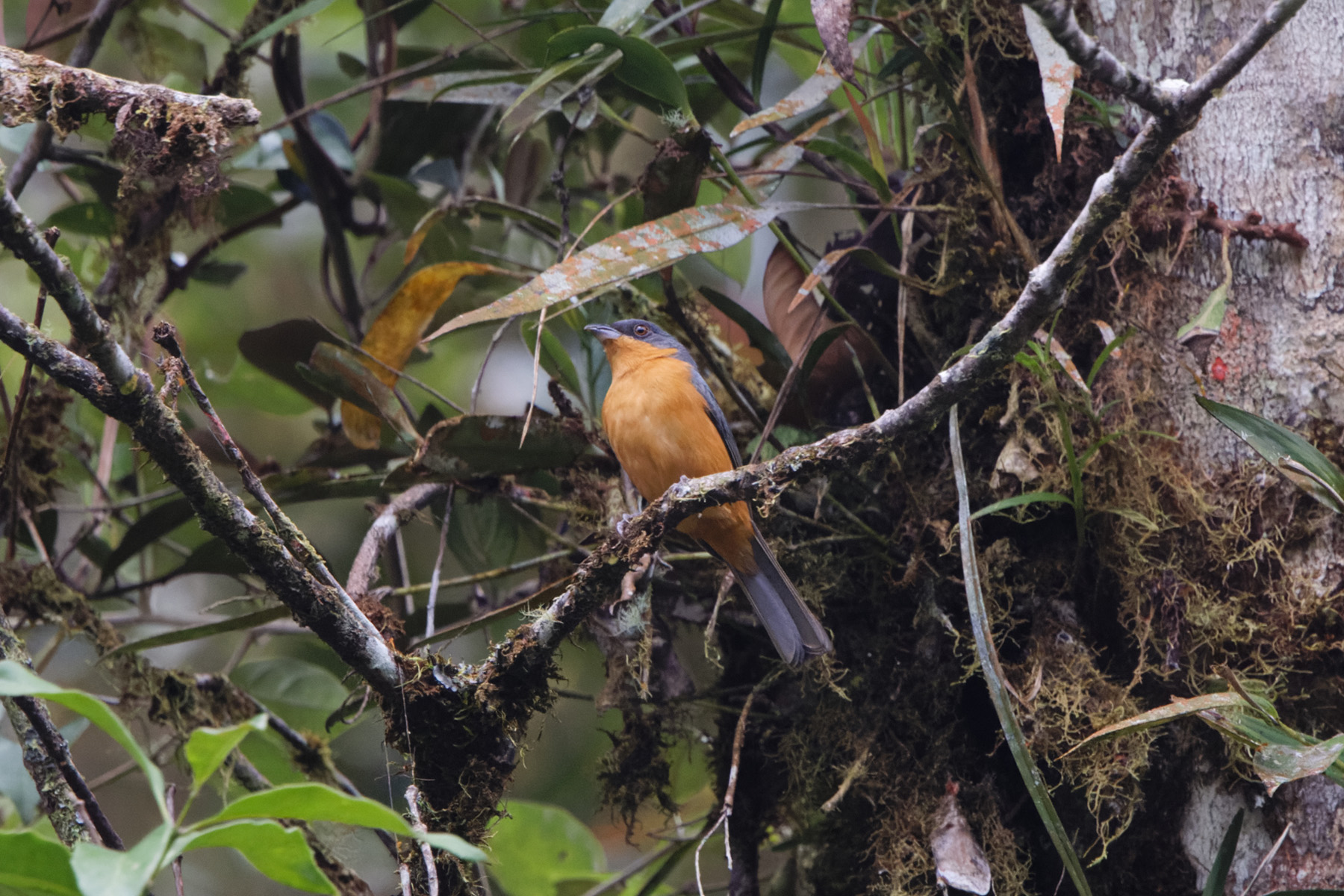
Rufous-crested Tanager (image by Leo Garrigues)
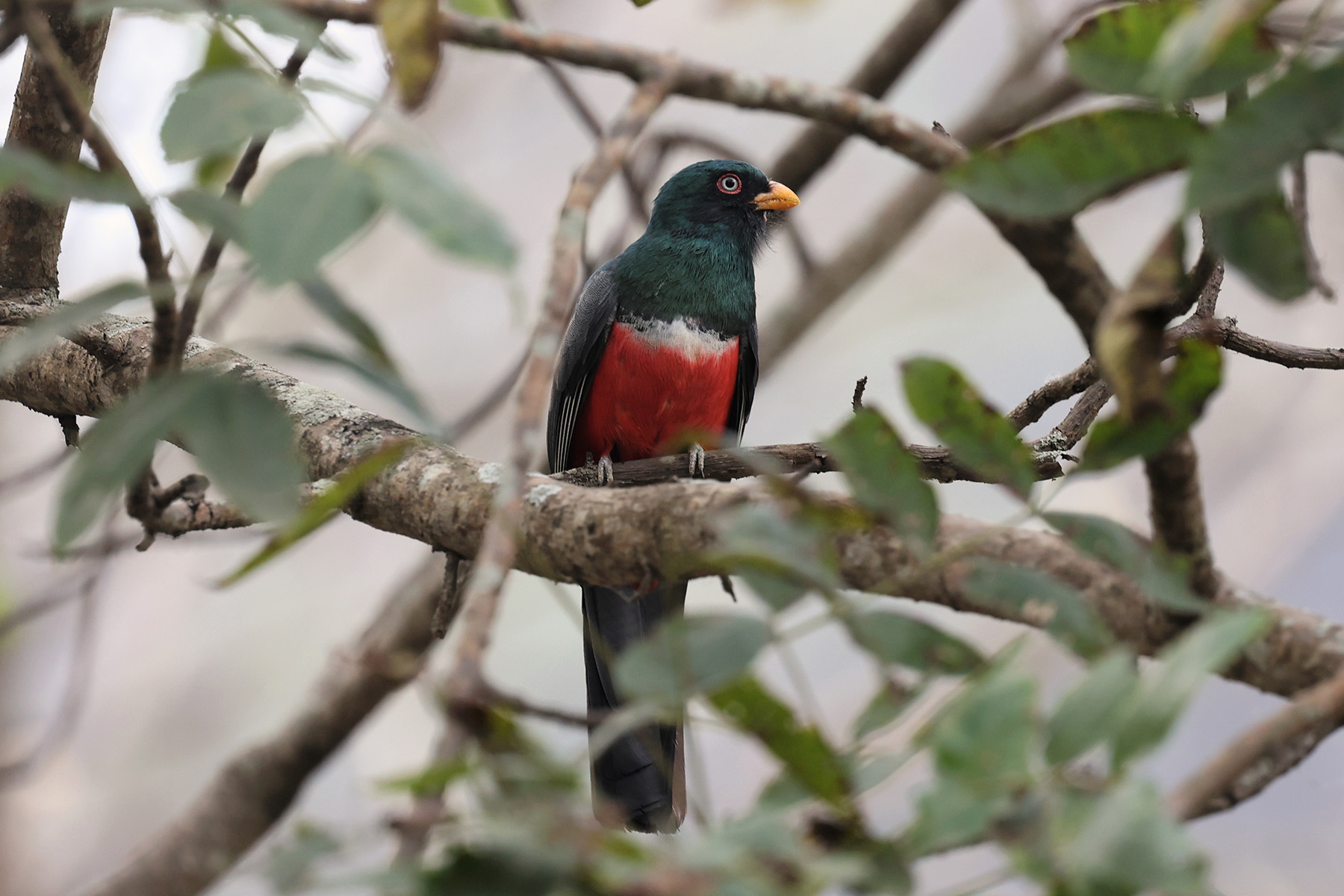
Ecuadorian Trogon (image by Leo Garrigues)
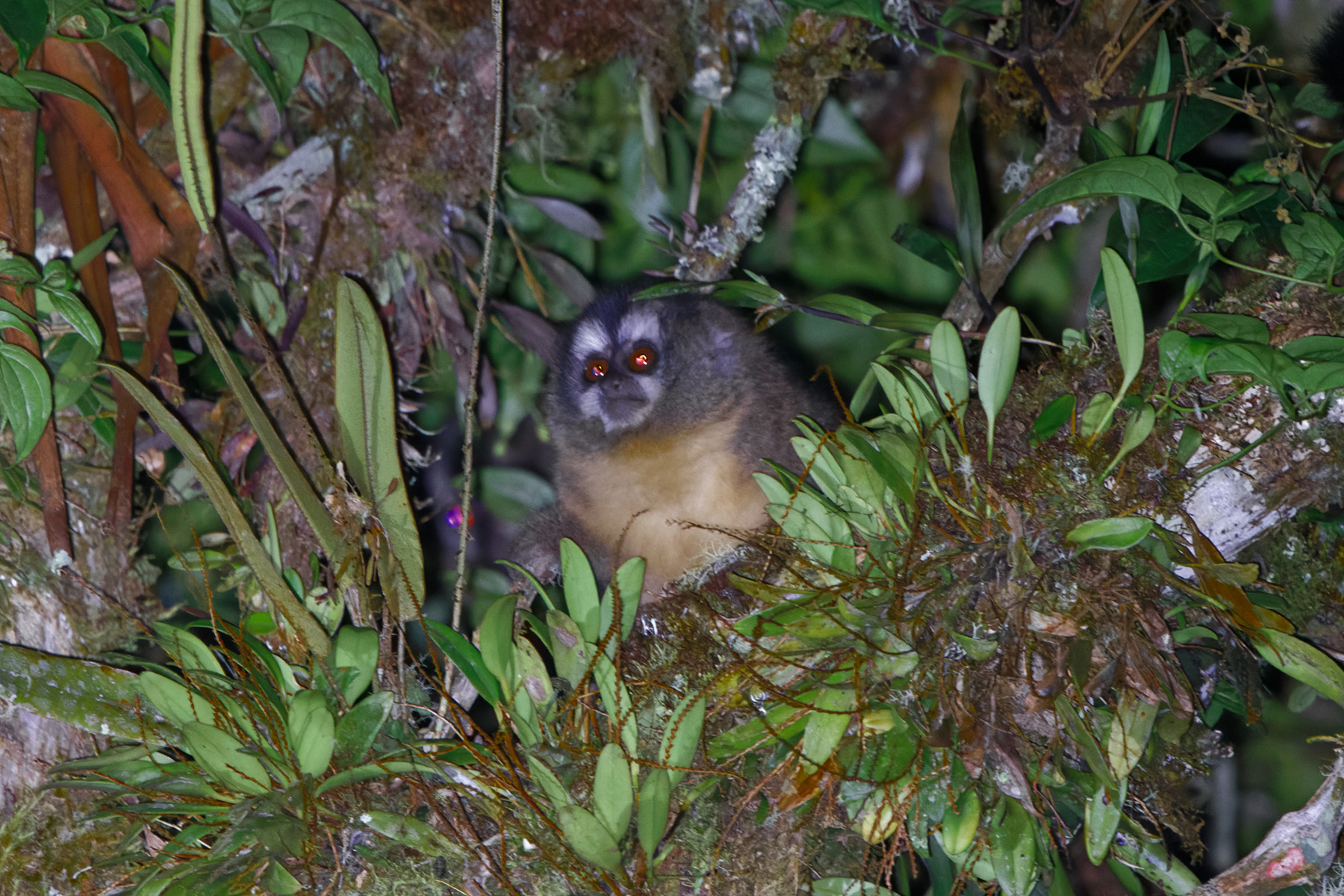
Andean Night Monkey (image by Leo Garrigues)
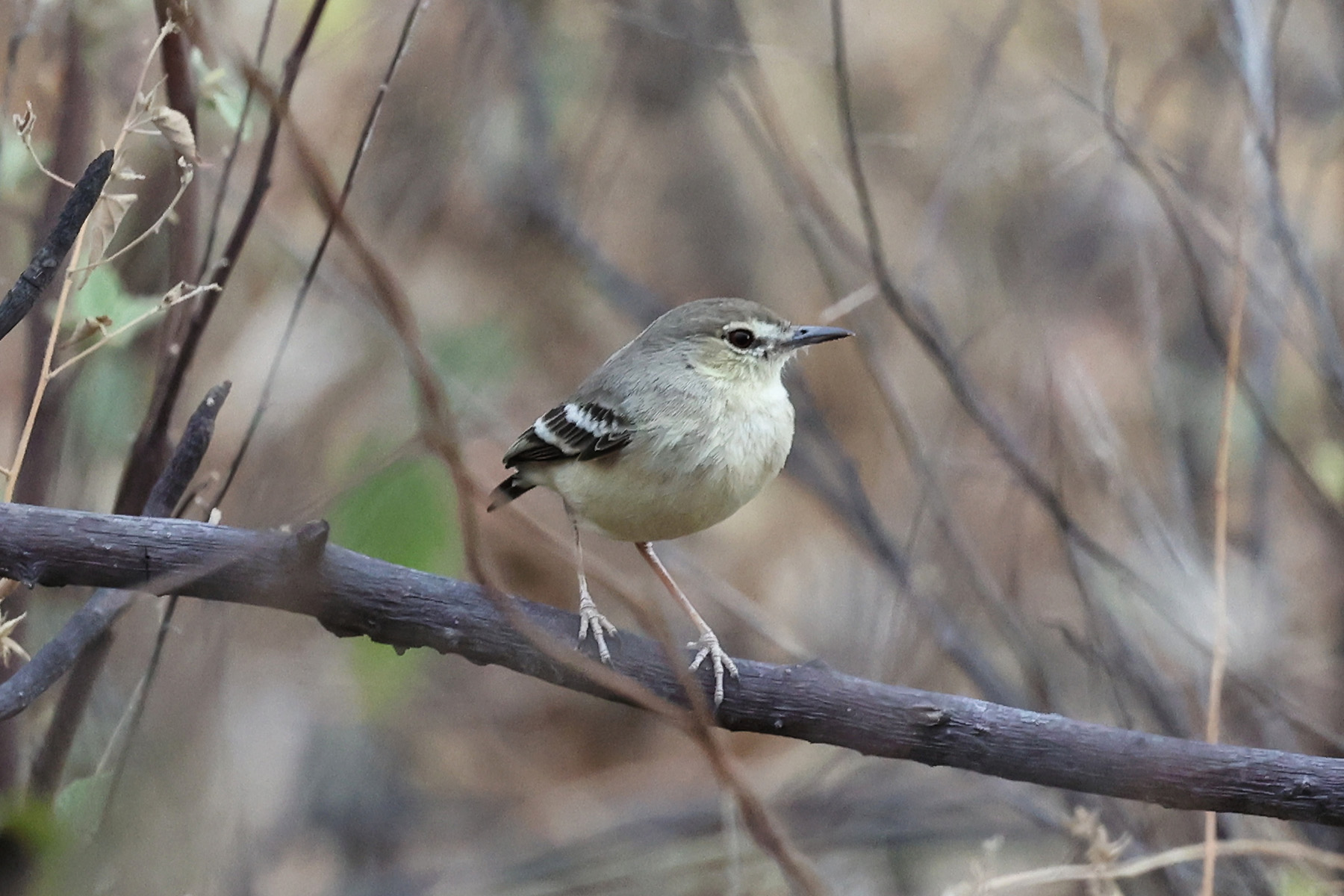
Short-tailed Field Tyrant (image by Leo Garrigues)
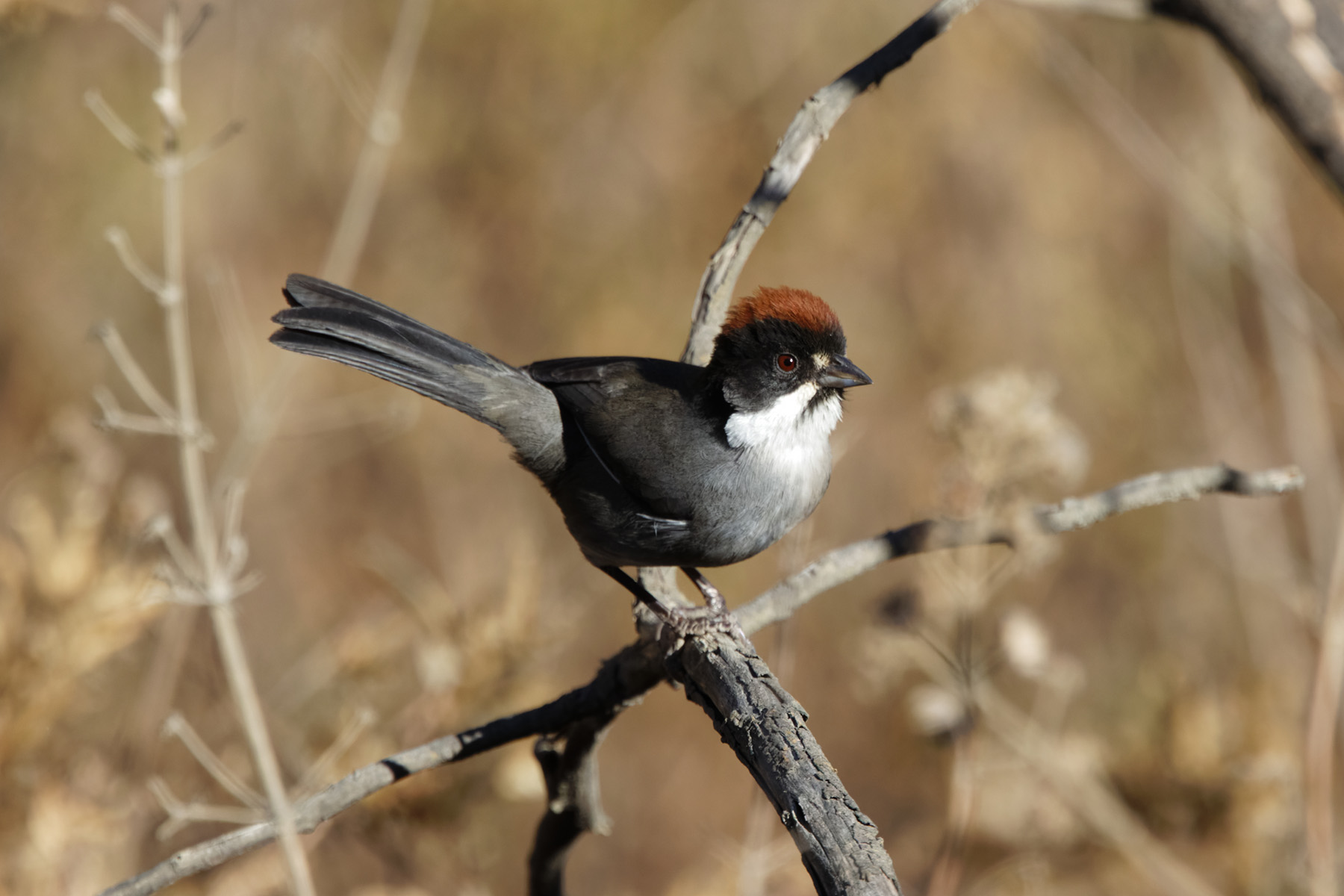
Bay-crowned Brushfinch (image by Leo Garrigues)
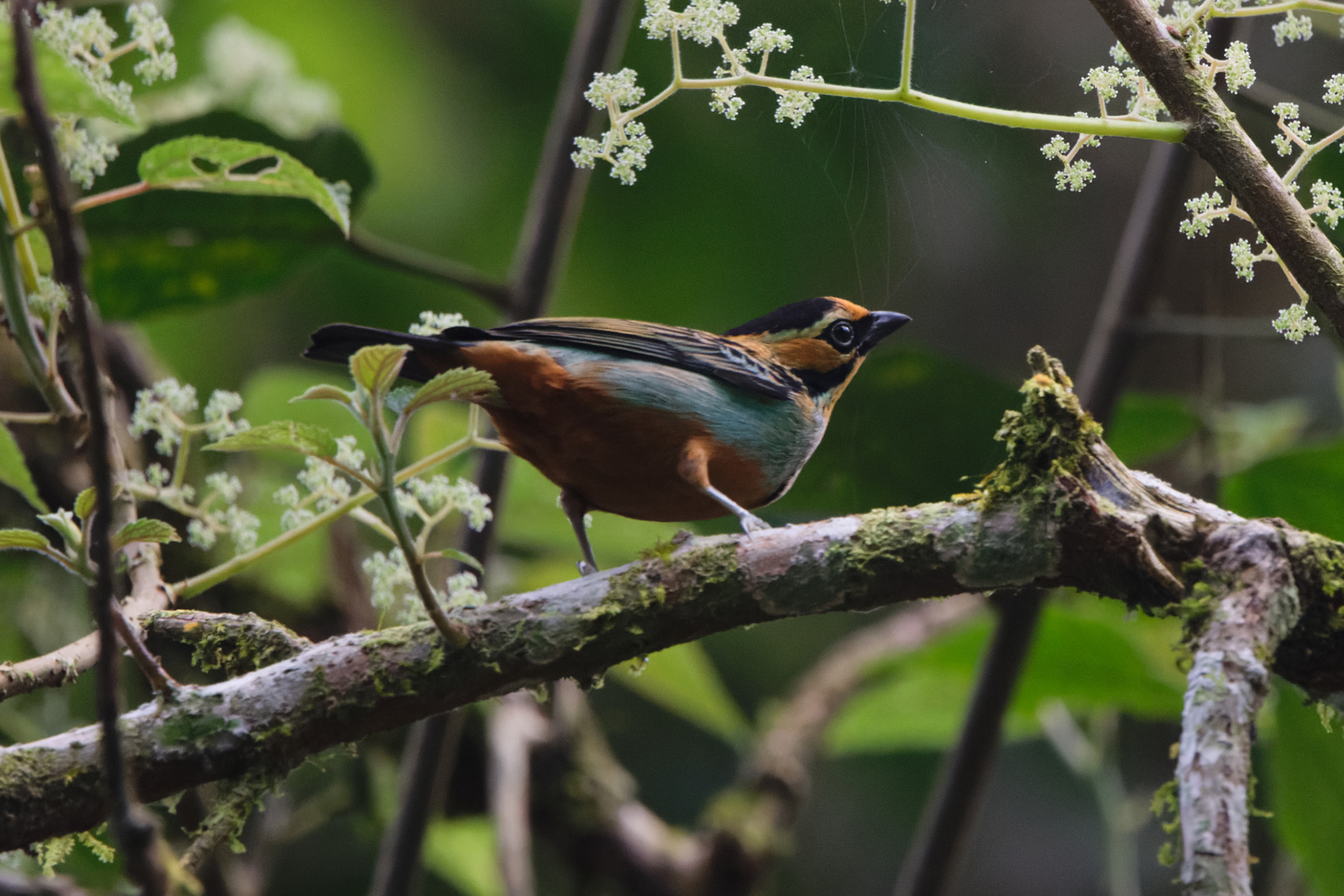
Golden-eared Tanager (image by Leo Garrigues)
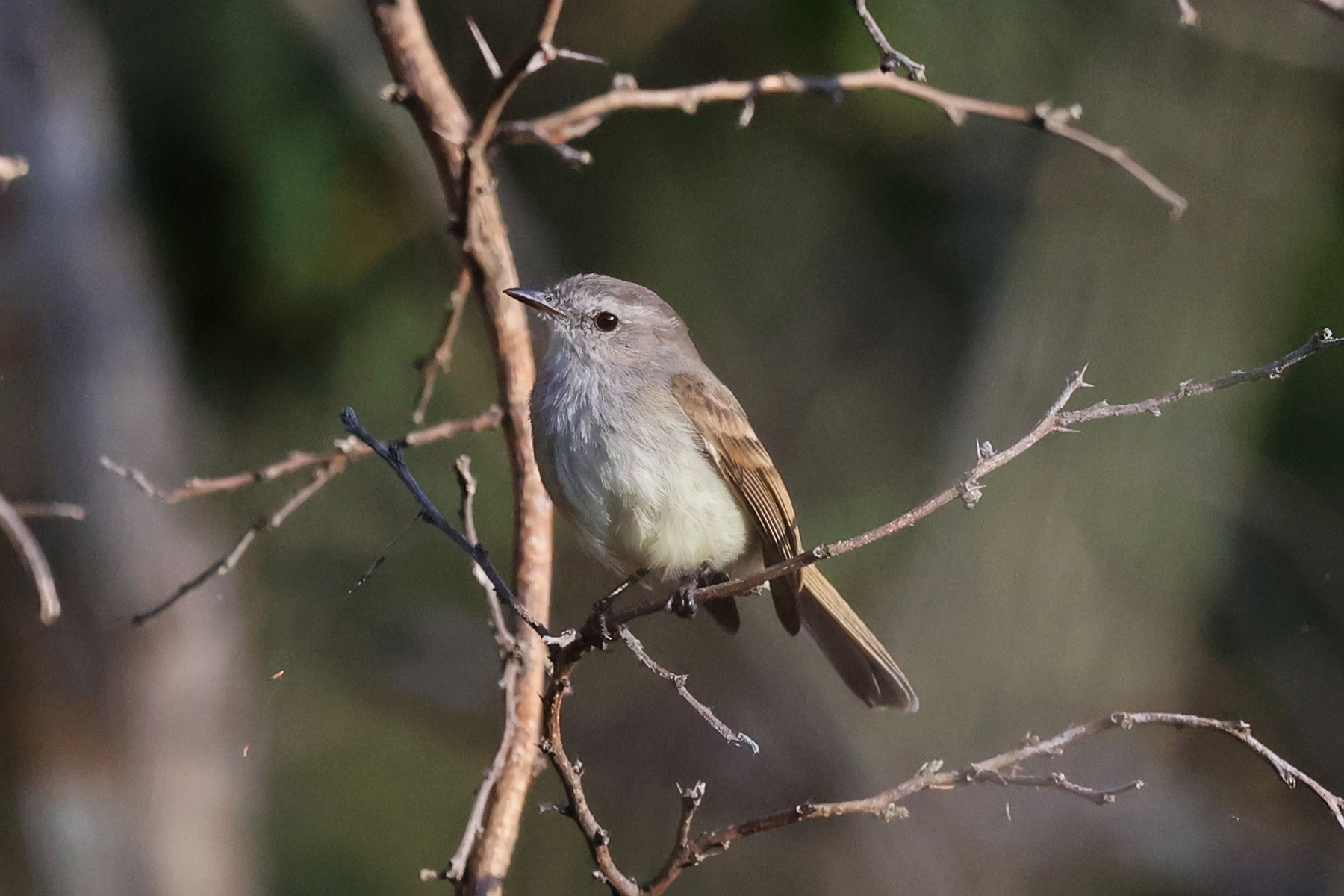
Maranon Tyrannulet (image by Leo Garrigues)
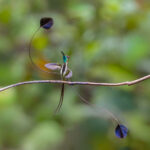
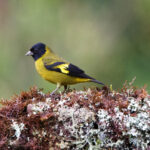
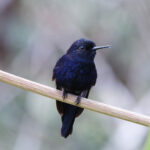
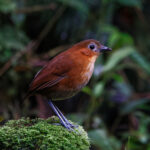
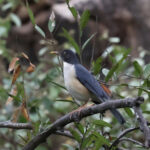
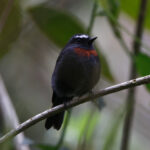
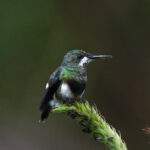
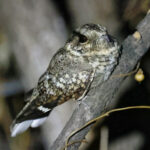
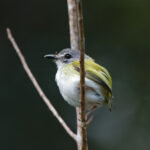
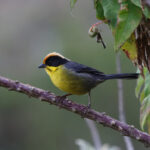
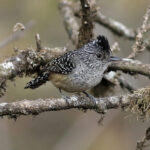
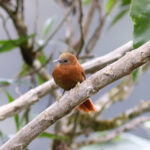
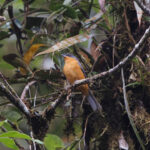


Scarlet-banded Barbet (image by Leo Garrigues)
Red-crowned Titi (image by Leo Garrigues)
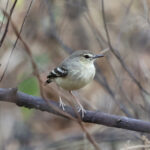
Mishana Tyrannulet (image by Leo Garrigues)
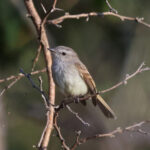
Henna-hooded Foliage-gleaner (image by Leo Garrigues)
Black-streaked Puffbird (image by Leo Garrigues)
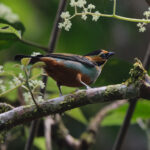
Vermillion Tanager (image by Leo Garrigues)
Spectacled Bear (image by Leo Garrigues)
Bar-winged Wood Wren (image by Leo Garrigues)
Foothill Screech Owl (image by Leo Garrigues)
Maranon Crescentchest (image by Leo Garrigues)
Peruvian Sheartail (image by Leo Garrigues)
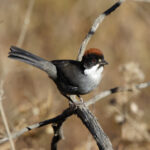
Russet-bellied Spinetail (image by Leo Garrigues)
Rufous-breasted Wood-Quails (image by Leo Garrigues)
Pale-eyed Blackbird (image by Leo Garrigues)
Little Tinamou (image by Leo Garrigues)
Ecuadorian Seedeater (image by Leo Garrigues)
Yellow-faced Parrotlet (image by Leo Garrigues)
White-winged Guan (image by Leo Garrigues)
Chilean Skua (image by Leo Garrigues)
Lulu's Tody-Flycatcher (image by Leo Garrigues)
Oilbird (image by Leo Garrigues)
Red-masked Parakeets (image by Leo Garrigues)
Scaled Antpitta (image by Leo Garrigues)
Purple-backed Sunbeam (image by Leo Garrigues)
Marvelous Spatuletail (image by Leo Garrigues)
Grey-winged Inca-Finch (image by Leo Garrigues)
Black-lored Yellowthroat (image by Leo Garrigues)
Tumbes Tyrant (image by Leo Garrigues)
Subtropical Doradito (image by Leo Garrigues)
Grey-bellied Comet (image by Leo Garrigues)
Peruvian Thick-Knee (image by Leo Garrigues)
Peruvian Plantcutter (image by Leo Garrigues)
Peruvian Pelican (image by Leo Garrigues)
Long-whiskered Owlet (image by Leo Garrigues)
Long-tailed Potoo (image by Leo Garrigues)
Foothill Schiffornis (image by Leo Garrigues)
Cinereous Tinamou (image by Leo Garrigues)
Koepcke's Hermit (image by Leo Garrigues)
Olivaceous Siskin (image by Leo Garrigues)
Royal Sunangel (image by Leo Garrigues)
Rusty-tinged Antpitta (image by Leo Garrigues)
Plumbeous-backed Thrush (image by Leo Garrigues)
Maroon-belted Chat-Tyrant (image by Leo Garrigues)
Black-bellied Thorntail (image by Leo Garrigues)
Tschudi's Nightjar (image by Leo Garrigues)
Short-tailed Pygmy Tyrant (image by Leo Garrigues)
Ash-throated Antwren (image by Leo Garrigues)
Yellow-breasted Brushfinch ssp baroni (image by Leo Garrigues)
Rufous-banded Owl (image by Leo Garrigues)
Pale-billed Antpitta (image by Leo Garrigues)
Koepcke's Screech Owl (image by Leo Garrigues)
Cinnamon Screech Owl (image by Leo Garrigues)
Yellow-crested Tanager (image by Leo Garrigues)
White-capped Tanager (image by Leo Garrigues)
Chapman's Antshrike (image by Leo Garrigues)
Hoatzins (image by Leo Garrigues)
Ochre-fronted Antpitta (image by Leo Garrigues)
Red-hooded Tanager (image by Leo Garrigues)
Russet-mantled Softtail (image by Leo Garrigues)
Rufous-crested Tanager (image by Leo Garrigues)
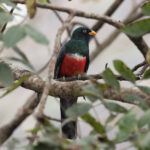
Ecuadorian Trogon (image by Leo Garrigues)
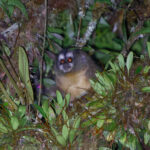
Andean Night Monkey (image by Leo Garrigues)
Short-tailed Field Tyrant (image by Leo Garrigues)
Bay-crowned Brushfinch (image by Leo Garrigues)
Golden-eared Tanager (image by Leo Garrigues)
Maranon Tyrannulet (image by Leo Garrigues)


NORTHERN PERU TOUR REPORT 2026

1 - 20/23 August 2026
Leo Garrigues
The Northern Peru tour offers an extraordinary combination of habitats, endemics and rarities, making it one of the most diverse Birdquest tours at the moment. This year we managed to record the impressive total of 769 species, with great success among the targets we were looking for, as well as many incredible surprises. Perhaps the biggest surprise of the tour was Crested Eagle, a highly unexpected addition to our list and one of the rarest raptors in the world. This remarkable sighting was enough to make it our Bird of the Tour, ahead of a superb selection of other highlights. The second favourite was the fantastic full-grown tail of a male Marvelous Spatuletail, surely one of the best hummingbirds, if not the best. The once-mythical Long-whiskered Owlet and the impressive Pale-billed Antpitta were two other iconic birds that we had excellent views of. This time Scarlet-banded Barbet was not chosen as the Bird of the Tour, but we had excellent views of this main specialty of Plataforma, as well as Cordillera Azul Antbird. Among the most noteworthy species recorded during the tour were White-winged Guan, Marañon Pigeon, Peruvian Tern, Anthony’s and Scrub Nightjars, Koepcke’s Hermit, Rufous-crested Coquette, Royal Sunangel, Grey-bellied Comet, Tumbes Hummingbird, Subtropical Pygmy Owl, Speckle-chested Piculet, Crimson-bellied Woodpecker, Yellow-faced Parrotlet, Blue-headed Macaw, Painted Manakin, Peruvian Plantcutter, Lulu’s Tody-Flycatcher, Mishana Tyrannulet, Rufous Flycatcher, Tumbes Tyrant, Ash-throated Antwren, Marañon Antshrike, Ochre-fronted, Rusty-tinged and Cajamarca Antpittas, Chestnut-backed Thornbird, Ecuadorian Seedeater, Rufous-backed, Grey-winged, Buff-bridled and Little Inca Finches, Cinereous Finch, Plain-tailed Warbling Finch and Dotted Tanager.
To give you an idea of the quality and diversity that this tour produces, there are many other species worth mentioning, including excellent views of Cinereous and Little Tinamous, Fulvous Whistling Duck, Rufous-breasted Wood Quail, Ochre-bellied Dove, Hoatzin, Spotted Rail, Peruvian Thick-knee, Stilt Sandpiper, South American Tern, Grey Gull, Peruvian and Blue-footed Boobies, Chilean Skua, Guanay Cormorant, Rufous-bellied Nighthawk, Rufous Nightjar, Long-tailed and Common Potoos, Oilbird, and White-tipped and Lesser Swallow-tailed Swifts. During the whole tour we recorded an impressive 72 species of hummingbirds, including Pale-tailed Barbthroat, Tawny-bellied, Black-throated, Grey-chinned (porcullae and zonura) and Reddish Hermits, Blue-fronted Lancebill, Greenish, Sapphire-vented and Emerald-bellied Pufflegs, Rainbow Starfrontlet, Sword-billed Hummingbird, Peruvian Racket-tail, Gould’s Jewelfront, Wire-crested and Black-bellied Thorntails, Coppery and Black Metaltails, Peruvian Sheartail, Short-tailed Woodstar, Napo Sabrewing and Spot-throated Hummingbird, among many other more widespread species.
Owls were also well represented, with Burrowing Owl, Pacific Pygmy Owl, Cinnamon, Foothill, ‘Marañon’ Koepcke’s and West Peruvian Screech Owls (two different subspecies), Band-bellied, Black-banded and Rufous-banded Owls. The Andean Condor and King Vulture were two particularly appreciated vultures, while the selection of raptors included Pearl Kite, Hook-billed Kite, Black Hawk-Eagle, White Hawk, White-throated Hawk and Black-chested Buzzard-Eagle. We also had good views of Golden-headed Quetzal, Ecuadorian Trogon, Whooping Motmot, Bluish-fronted Jacamar, Western Striolated Puffbird, Yellow-billed Nunbird, Black-streaked Puffbird, Lanceolated Monklet, Versicolored Barbet, Curl-crested Aracari, Chestnut-tipped and Golden-collared Toucanets, Grey-breasted Mountain Toucan, Ecuadorian Piculet, Cream-colored, White-throated, Black-necked, Red-necked and Guayaquil Woodpeckers, Riparian Parrotlet, Cordilleran, Mitred and Red-masked Parakeets, Sulphur-bellied Tyrant-Manakin, Yungas, Blue-capped, Blue-rumped, Band-tailed, Fiery-capped, White-crowned and Golden-headed Manakins, Masked Fruiteater, Amazonian Umbrellabird, Foothill Schiffornis, and Black-and-white and Cryptic Becards.
One particular family that stood out was the Tyrannidae, with a total of 111 species recorded. These included Wing-barred Piprites, Yellow-throated Spadebill, Inca Flycatcher, Variegated Bristle Tyrant, Ecuadorian Tyrannulet, Yellow-browed and Black-and-white Tody-Flycatchers, Cinnamon-breasted Tody-Tyrant, Sulphur-bellied, Red-billed, Peruvian, White-fronted, Ashy-headed, Tawny-rumped, Plumbeous-crowned, Tumbesian and Marañon Tyrannulets, Subtropical Doradito, Black-crested Tit-Tyrant, Rufous Casiornis, Sooty-crowned, Baird’s, Mouse-grey and Grey-breasted Flycatchers, Jelki’s, Maroon-belted and Piura Chat-Tyrants, Tumbes and Blackish Pewees, Rufous-tailed Tyrant, Rufous-webbed and Smoky Bush-Tyrants, and Black-billed and White-tailed Shrike-Tyrants.
Many other goodies included Marañon and Elegant Crescentchests, Chestnut-crowned Gnateater, Rufous-rumped Antwren, Chapman’s, Lined, Collared and Uniform Antshrikes, Rufous-breasted, Scaled, Chestnut and Chachapoyas Antpittas, Neblina, Rufous-vented and Utcubamba Tapaculos, Short-tailed Antthrush, Grey-throated Leaftosser, Coastal Miner, Tyrannine and Cinnamon-throated Woodcreepers, Point-tailed Palmcreeper, Rufous-necked and Henna-hooded Foliage-gleaners, Black-billed Treehunter, Striated Earthcreeper, Rusty-crowned Tit-Spinetail, ‘Peruvian’ White-chinned Thistletail, Equatorial Greytail, Russet-mantled Softtail, Marañon Spinetail, Chinchipe Spinetail, Olivaceous, Ashy-headed and Rufous-fronted Greenlets, White-collared and White-tailed Jays, Tumbes and Chestnut-collared Swallows, Chattering Gnatwren, Marañon Gnatcatcher, Grey-browed Wren, Bar-winged Wood Wren, Plumbeous-backed, Hauxwell’s and Varzea Thrushes, Peruvian Pipit, Chestnut-breasted Chlorophonia, Plumbeous Euphonia, Olivaceous Siskin, Ashy-throated Chlorospingus, Tumbes, Black-capped and Marañon Sparrows, White-headed and Tricolored Brushfinches, White-edged Oriole, Pale-eyed Blackbird, Black-lored Yellowthroat, Grey-and-gold Warbler, Golden-collared Honeycreeper, Parrot-billed and Drab Seedeaters, Black-billed Seed Finch, ‘Black-billed Cnemoscopus’ (Grey-hooded Bush Tanager), ‘White-browed’, Black-capped and ‘White-bellied’ Superciliaried Hemispinguses, Streak-crowned and Lacrimose Mountain Tanagers, and an impressive variety of tanagers, including Buff-bellied, Yellow-lored, Red-hooded, White-capped, Rufous-crested, Yellow-crested, Huallaga, Vermilion, Yellow-throated, Orange-eared, Metallic-green, Blue-browed, Opal-rumped, Golden-eared, Burnished-buff and Masked Tanagers.
Regarding mammals, we recorded only thirteen species, but some were particularly special. These included wild Spectacled Bears at Chaparri Reserve, the endemic Andean Night Monkey, Red-crowned Titi, which was a write-in for the tour, and Guayaquil Squirrel, also seen at Chaparri.
The main tour began when we met the last participants at Chiclayo Airport, before continuing to our first birding session at Rafan. During the journey, we managed to spot a Least Seedsnipe, which was the first surprise of the tour. Before arriving at the birding site, we had already recorded several species, including West Peruvian Dove, Eared Dove, Killdeer, Fasciated Wren, House Sparrow, and Saffron Finch.
Once at our birding site, we quickly located several of our key target species, including the range-restricted endemic Peruvian Plantcutter, with excellent views of individuals of both sexes. The Rufous Flycatcher performed particularly well this time, providing several good sightings, while Cinereous Finch was another of the main target birds of the morning. We also managed to locate Coastal Miner, another Peruvian endemic, which was an excellent addition to our morning list. Nice views of a male Peruvian Sheartail provided another highlight of the session.
Other species recorded during the morning included Croaking Ground Dove, Lesser Nighthawk, Amazilia Hummingbird, Burrowing Owl, Pearl Kite, Harris’s Hawk, Scarlet-backed Woodpecker, Aplomado Falcon, Pacific Parrotlet, Tumbes Tyrannulet, Baird’s Flycatcher, Vermilion Flycatcher, Streak-headed Woodcreeper, White-browed Gnatcatcher, Superciliated Wren and Bananaquit.
After our successful visit to Rafan, we continued to Santa Rosa Beach, where we had several unexpected sightings, probably due to the strong influence of El Niño this year. Luckily, once again, we managed to see a decent number of Peruvian Terns, with a maximum count of 82 individuals at one point. Our stakeout still seems to be reliable for the species despite the influence of El Niño.
Several bird species were not expected during our visit. These included an individual Chilean Skua resting along the coast, a species that is normally pelagic in this region; a Sooty Shearwater observed from the coast, another fairly pelagic species; and a Blue-footed Booby in poor condition on the beach, although it was still alive at the time. One Guanay Cormorant flying past was another unexpected surprise. We also managed to see several other interesting species, including Comb Duck, American Oystercatcher, Collared Plover, Hudsonian Whimbrel, Lesser Yellowlegs, Willet, Royal Tern, South American Tern, Grey-headed, Grey and Kelp Gulls, Peruvian Booby and Peruvian Pelican. Among the passerines, we had great views of Many-colored Rush Tyrant, Peruvian Pipit and Peruvian Meadowlark.
At the end of the afternoon, we visited Tinajones Lake, where we rounded off the day with several additional species, including Cinnamon Teal, White-cheeked Pintail, Peruvian Thick-knee, Pectoral Sandpiper, Puna Ibis, Roseate Spoonbill, Cocoi Heron, Pacific Pygmy Owl, Savanna Hawk, Ringed Kingfisher, Pacific Parrotlet, Fulvous-faced Scrub Tyrant, Grey-and-white Tyrannulet, Baird’s Flycatcher, Necklaced Spinetail, Chestnut-collared Swallow, Golden Grosbeak and Chestnut-throated Seedeater. On the way to Chaparri, we encountered several Lesser Nighthawks, as well as an Anthony’s Nightjar, a good species to finish the day with. After a long but highly productive first day, we arrived at Chaparri in time for dinner.
The next day, we had an early breakfast and left Chaparri before dawn to visit Casupe Road. This locality lies in the transition zone between the Tumbesian dry forest and the more humid forest at higher elevations, which supports several additional specialties. Birding was slow at times, and some birds did not cooperate as well as we would have liked, but in the end, we managed to find most of what we were looking for. Some of the major specialties seen during our visit included Ecuadorian Trogon, Ecuadorian Piculet, Guayaquil Woodpecker, Red-masked Parakeet, Grey-breasted Flycatcher and Henna-hooded Foliage-gleaner. Our morning was complemented by Grey-chinned (Porculla) Hermit, Long-billed Starthroat, Pacific Elaenia, Tumbesian Tyrannulet, Tumbes Pewee, Elegant Crescentchest, Chapman’s Antshrike, Rufous-necked Foliage-gleaner (brief views), Speckle-breasted Wren, Plumbeous-backed Thrush, Black-capped Sparrow, White-winged Brushfinch, White-wedged Oriole, Black-lored Yellowthroat, Grey-and-gold Warbler, Three-banded Warbler, Hepatic Tanager, Ash-breasted Sierra Finch, and Black-cowled Saltator. We then returned to Chaparri for lunch, followed by a short rest.
The afternoon session was focused on the species of Chaparri Ecological Reserve, a famous reserve that protects one of the best remaining areas of Tumbesian dry forest in the region and provides a refuge for signature species such as the endangered White-winged Guan. The best sighting of the afternoon was undoubtedly a group of wild Spectacled Bears, in the hills of Chaparri, and event that don’t tends to happen in our tour. Other highlights included some of the finest Tumbesian specialties, such as the endangered White-winged Guan, the localized Tumbes Tyrant, stunning views of Elegant Crescentchest, White-tailed Jay and Tumbes Sparrow. Among the other species recorded were Striped Cuckoo, Golden-olive Woodpecker, Scarlet-backed Woodpecker, Southern Beardless Tyrannulet, Short-tailed Field Tyrant, Mouse-grey Flycatcher, Tumbes Pewee, Collared Antshrike, Scrub Blackbird and Collared Warbling Finch. During our nocturnal session, we had prolonged and excellent views of an individual Tschudi’s Nightjar. We also managed to see the pacificus subspecies of Western Peruvian Screech Owl, with really good views.
On our last day, we checked the hummingbird pools before leaving Chaparri, and luckily, we managed to see Tumbes Hummingbird, a Tumbesian specialty that can be tricky to find in some years. Other hummingbird species visiting the pools included Short-tailed Woodstar, Purple-collared Woodstar, and Amazilia Hummingbird. We also saw a pair of White-headed Brushfinches, another species that we had not encountered during the previous days.
On the way out of Chaparri, we finally located large groups of Sulphur-throated Finch, another species we had still been hoping to see. We continued our journey to Bosque de Pomac, mainly to look for the localized Tumbes Swallow, of which we saw at least five individuals. We briefly checked for other possible birds, but decided it was better to continue to our afternoon birding locality.
We arrived in the afternoon at Quebrada Freolillo, a locality we had not visited for several years because the road could be in poor condition. Luckily, this year the road was in good shape, allowing us to reach the site. At this locality, the community also protects White-winged Guans, and there is another population of completely wild individuals. Their skittish behavior was noticeable, in contrast to the more habituated birds seen at Chaparri. Some of the species of interest included Whooping Motmot, Sooty-crowned Flycatcher and Andean Condor. Other species seen during the afternoon had already been recorded on previous days, but we still enjoyed some good birds, including Ecuadorian Trogon and Elegant Crescentchest. After another productive day, we arrived in Olmos in the evening, where we spent the night.
We departed Olmos before dawn, arriving at Abra Porculla in time for our morning birding session. Our main target, Piura Chat-Tyrant, gave us some trouble, but in the end, everyone managed to see it. The main highlight of the morning, however, was a lifer for our driver Mario; a nice male Ecuadorian Seedeater. This is a particularly good species to find in Peru, which represents the southernmost part of its distribution. Some participants were lucky enough to get brief views of Ochre-bellied Dove, although not everyone managed to see it. The visit to Abra Porculla also produced Bare-faced Ground Dove, Grey-chinned (Porculla) Hermit, Sparkling Violetear, Green-tailed Trainbearer, Peruvian Sheartail, Purple-collared Woodstar, Smoky-brown Woodpecker, Tumbesian Tyrannulet, Chapman’s Antshrike, Rufous-necked Foliage-gleaner, Line-cheeked Spinetail (palambae), Plumbeous-backed Thrush, Chiguanco Thrush, Grey-browed Brushfinch, White-winged Brushfinch, Bay-crowned Brushfinch, Grey-and-gold Warbler, Three-banded Warbler, Ash-breasted Sierra Finch, Band-tailed Seedeater, Rusty Flowerpiercer, Black-cowled Saltator and Dull-colored Grassquit.
After our morning session at Abra Porculla, we continued to Jaen. Once we crossed the high pass of the Porculla Mountains, we were technically in the Marañon drainage, where we would search for some of the Marañon specialties of the tour. In the afternoon, we visited Tamborapa Road, making several stops along the way through thorn-scrub forest and areas of dry forest with secondary growth. The highlights of the afternoon were the very restricted Chinchipe Spinetail and the great views of Marañon Crescentchest, especially because both species cooperated and showed well. Other major specialties, such as Marañon Spinetail and Marañon Sparrow, were also seen during our session, although not everyone managed to get good views of them. Drab Seedeater was another good species recorded, complemented by Hook-billed Kite, Fulvous-faced Scrub Tyrant, Marañon Tyrannulet, Marañon Gnatcatcher, Purple-throated Euphonia, Red Pileated Finch and Streaked Saltator.
Just after dusk, we started looking for the nominate subspecies of Western Peruvian Screech Owl from the Marañon Valley. This time, the owl gave us some trouble, and after trying several different territories, we finally managed to get excellent views of one individual. It was then time to head back so we wouldn’t miss dinner!
The following morning, we visited Huabal Road, which produced a very birdy session. Among the highlights were Marañon Spinetail and Marañon Sparrow, for which we improved our views from the previous afternoon. We also had brief views of the Marañon subspecies of Grey-chinned Hermit (zonura), our first sightings of Marañon Pigeon, and great views of Cryptic Becard, which was probably the bird of the morning. Other species recorded during our birdy morning included Speckled Chachalaca, Blue Ground Dove, Spot-throated Hummingbird, Andean Emerald, Pacific Pygmy Owl, Harris’s Hawk, Crimson-crested Woodpecker, Pacific Parrotlet, Cordilleran Parakeet, Common Tody-Flycatcher, Marañon Tyrannulet, Northern Slaty Antshrike (leucogaster), Streaked Xenops, Rufous-fronted Thornbird (peruvianus), Green Jay, Speckle-breasted Wren (nominate subspecies) and Buff-bellied Tanager. After leaving Jaen, we continued our journey to Pomacochas, looking for some birds along the way, including major specialties such as Marañon Antshrike and Little Inca Finch, both restricted Peruvian Marañon endemics. While searching for these specialties, we also had another sighting of Short-tailed Field Tyrant in the desertic, thorny habitats along the way. Another species of interest was Fasciated Tiger Heron, which we saw while driving along the margins of the Utcubamba River.
Some delays on route due to construction works on different sections of the road forced us to change our afternoon strategy, so we headed to the Abra Patricia area to spend the end of the day and try our luck with our first attempt to see the mythical Long-whiskered Owlet. Although the birding was not as productive, we did add a few species to our list, including the always tricky Cinnamon-breasted Tody-Tyrant. Other birds recorded during the afternoon were White-bellied Hummingbird, Mitred Parakeet, Peruvian Tyrannulet and Silver-backed Tanager.
Our first attempt at finding the Long-whiskered Owlet was not successful. We heard at least two different individuals, but they did not cooperate, and the conditions at the site were somewhat challenging, with dense foliage and steep terrain. Eventually, Carlos located one bird high in the subcanopy, but the views were very poor for those who had an angle to see it. After that, we headed to our accommodations to rest for the next adventures.
After an early breakfast, we headed to San Lorenzo Ridge Trail, a locality where we reached a very special area of humid montane forest on the eastern side of the northern Andes, home to several restricted Peruvian endemics. Before dawn, we tried for White-throated Screech Owl, but this time it did not cooperate, and we were unable to obtain the best views. We nevertheless had a very nice morning, managing excellent views in the open of our main target, the stunning Pale-billed Antpitta, one of the most impressive antpittas. Other major specialties from the morning included several restricted endemics, such as Chachapoyas Antpitta, Utcubamba Tapaculo, Lulu’s Tody-Flycatcher and Grey-browed Wren, all of which gave us very good views. Russet-mantled Softail, sadly, was seen only by some participants, during a moment when a mixed flock was passing and others were busy with different birds. Our productive morning also produced Andean Guan, Violet-throated Starfrontlet, Sword-billed Hummingbird, Amethyst-throated Sunangel, Tyrian Metaltail, Rufous-capped Thornbill, White-bellied Woodstar, Mitred Parakeet, Red-crested Cotinga, White-tailed Tyrannulet, Rufous-breasted Chat-Tyrant, Smoky Bush Tyrant, Rufous-breasted Antpitta, Pearled Treerunner, Buff-browed Foliage-gleaner, White-collared Jay, Yellow-throated Brushfinch, Mountain Cacique, Citrine Warbler, Spectacled Whitestart, White-sided Flowerpiercer, Masked Flowerpiercer, Black-capped Hemispingus, Lacrimose Mountain Tanager, Scarlet-bellied Mountain Tanager and Blue-and-black Tanager.
In the afternoon, we visited a recently established hummingbird feeder station in Pomacochas, where four different individuals of Marvelous Spatuletail were coming to the feeders, including an adult male with fully developed spatules, one of the most impressive birds in the world. Besides the spatuletails, the selection of other hummingbird species included Sparkling Violetear, Chestnut-breasted Coronet, White-bellied Woodstar, and White-bellied Hummingbird. Other species that we saw around Pomacochas included Plumbeous Rail, Common Gallinule, Andean Flicker, American Kestrel, Torrent Tyrannulet, Smoke-colored Pewee, Azara’s Spinetail, Rusty Flowerpiercer, Yellow-bellied Seedeater and Silver-backed Tanager. At the end of the day, we managed to see Subtropical Doradito, a species that had eluded us on previous tours. Luckily, it finally put in an appearance at the end of the afternoon, allowing us to finish the day with another great bird.
We started the day with a great sighting of Long-whiskered Owlet (not so mythical now!). We were lucky to avoid the long hike to reach the stakeouts, although the terrain can still be quite challenging. Fortunately, everything went well, and we were rewarded with very satisfying views of this highly sought-after species. Our pre-dawn owling session paid off, as we also managed to see Cinnamon Screech Owl and had excellent views of Common Potoo.
Once daylight arrived, we started our birding session at Owlet Lodge, initially around the lodge grounds, but also exploring different trails and visiting the canopy tower. We first tried the feeding session for Chestnut Antpitta, but this time the bird did not show up at the worm feeders. Luckily, some participants later managed to get brief views along the trails. Hummingbird activity was quite good, with a supporting cast that included Green-fronted Lancebill, Lesser Violetear, Bronzy Inca, Collared Inca, Chestnut-breasted Coronet, Peruvian Racket-tail, Fawn-breasted Brilliant, Amethyst-throated Sunangel, Speckled Hummingbird, Long-tailed Sylph and White-bellied Woodstar. Other species that complemented our morning session included Scaly-naped Amazon, Green-and-black Fruiteater, Mottle-cheeked Tyrannulet, Black-throated Tody-Tyrant, Peruvian Tyrannulet, Sierran Elaenia, Pale-edged Flycatcher, Variable Antshrike, Green Jay, Glossy-black Thrush, Common Chlorospingus, White-capped Tanager, Capped Conebill, Blue-and-black Tanager, Beryl-spangled Tanager and Saffron-crowned Tanager.
After some rest following lunch, we headed back out to explore the forest trails in the afternoon. We were mostly focused on finding new species and trying to catch up with others that some participants still needed, such as Lulu’s Tody-Flycatcher. We spent considerable time trying for Rufous-vented Tapaculo, although only some participants managed to see it. We also tried for Rusty-tinged Antpitta and Southern Chestnut-breasted Wren, but despite all our efforts and different techniques, we were unable to see either species. The wren was seen only by the leaders, while the antpitta did not show at all. Some of the species we did see during the afternoon included Rufous Spinetail, Sepia-brown Wren, Tyrannine and Olive-backed Woodcreeper and Golden-naped Tanager.
We waited until dark for our final session of the day, which proved to be very rewarding. First, we had excellent views of two Rufous-bellied Nighthawks flying quite close to us and even perching on branches at times. We also had fantastic close views of Cinnamon Screech Owl, with some particularly good angles that allowed us to look down on the bird from above. Other highlights of our night walk included the restricted and endemic Andean Night Monkey, a fantastic mammal to encounter during a birding tour. We also found Crimson-bellied Woodpecker and Masked Trogon roosting. Despite some slow periods and several tricky skulkers that refused to cooperate, it turned out to be a fantastic day after all.
We had an early breakfast the following day in order to be at Fundo Alto Nieva by dawn. When we arrived, the gate was still closed, but no worries—our host, Wilber, was just putting out the hummingbird feeders before coming to open the gate for us. It was our fault for arriving so early!
Once at Fundo Alto Nieva, we headed up to the Antpitta feeding site, which required a 20–30-minute hike to reach. As we approached the site, Ochre-fronted Antpitta started calling, almost as if it were welcoming us. Once we reached the feeding area, what we witnessed was almost surreal: we were watching two tricky endemic antpittas, Rusty-tinged Antpitta and Ochre-fronted Antpitta, at the same time. We were watching one species in front of us, only to turn around and find the other one behind us, with both birds enjoying their breakfast simultaneously. After a successful Antpitta feeding session, we birded the forest trails of Alto Nieva, as well as the hummingbird feeders and the stunted forest. Some of the best birds seen during our visit included Bar-winged Wood Wren, Sulphur-breasted Tyrannulet, and Western Fire-eye (castanoptera). There was also plenty of activity at the hummingbird feeders, with Greenish Puffleg, Collared Inca, Peruvian Racket-tail, Fawn-breasted Brilliant, Violet-fronted Brilliant, Long-tailed Sylph and White-bellied Woodstar.
We spent part of the morning birding the upper Alto Mayo Road, visiting different stakeouts where we found some excellent species, including Royal Sunangel, with very good views of an adult male. At other stops along the road, we connected with several interesting mixed flocks that included Ashy-headed Tyrannulet, Rufous-rumped Antwren, Rufous-crested Tanager, Yellow-throated and Blue-browed Tanager. Another major highlight of the morning was a Chestnut-crowned Gnateater, which the whole group managed to see very well. Other species recorded during our morning included Red-billed Parrot, Streak-necked Flycatcher, Mottle-cheeked Tyrannulet, Cinnamon Flycatcher, Ornate Flycatcher, Rufous-tailed Tyrant, Streaked Xenops, Montane Foliage-gleaner, Brown-capped Vireo, Three-striped Warbler and Orange-eared, Black-faced, Metallic-green and Flame-faced Tanager.
For the afternoon session, we split the group, with some participants returning to the trail we had visited the previous afternoon in an attempt to see Cinnamon Screech Owl, as a few people had missed that hike due to feeling unwell. The rest of the group stayed around the entrance road and also spent some time at the canopy tower, hoping to find Yellow-scarfed Tanager, which unfortunately did not show up during our tour. Some of the birds seen by this group included Variable Antshrike, Tyrannine Woodcreeper, and Yellow-breasted Brushfinch. Those who went farther along the trails with Carlos and Mario had better luck, finding species such as Golden-headed Quetzal, Southern Emerald Toucanet, Crimson-mantled Woodpecker, Strong-billed Woodcreeper, Striped Treehunter, Blue-naped and Chestnut-breasted Chlorophonias, Grey-hooded Bush Tanager and Hooded Mountain Tanager.
They again encountered Rufous-bellied Nighthawks, but sadly had no luck with Cinnamon Screech Owl. Carlos heard a White-throated Screech Owl, which may have caused the Cinnamon Screech Owl to remain hidden. At least they managed to see the Andean Night Monkeys again, as well as a Rufous-banded Owl.
The following day was a “big day”, with a total of 180 species recorded by the end of the day. To achieve this impressive number, we birded different habitats and elevations throughout the day, starting with some initial birding around Owlet Lodge and the upper section of Abra Patricia. We then continued along the altitudinal gradient of the Alto Mayo Road, eventually reaching the lowlands around Aguas Verdes and Rioja and finishing our day at Moyobamba.
Some of the species we recorded during our stops in the higher sections included Barred Becard, Inca Flycatcher, Peruvian Tyrannulet, Maroon-belted Chat-Tyrant, Mountain Wren, Andean Solitaire, Olivaceous Siskin, Russet-crowned Warbler, Bluish Flowerpiercer, Blue-capped Tanager and Blue-winged Mountain Tanager.
As we descended from around 2,000 meters to 1,200 meters, we started encountering a different selection of species, including some of our key targets, such as Vermilion Tanager, which gave us very good views this time. Other species at these elevations included Black-streaked Puffbird, Slaty-capped Flycatcher, Streak-necked Flycatcher, Marble-faced Bristle Tyrant, Variegated Bristle Tyrant, Rufous-rumped Antwren, Uniform Antshrike, Orange-bellied Euphonia, Ashy-throated Chlorospingus, Scarlet-rumped Cacique, Rufous-crested Tanager, Blue-browed and Spotted Tanager.
At the foothill stops along the Alto Mayo Road, we encountered another different selection of species, including Ecuadorian Tyrannulet, Plumbeous-crowned Tyrannulet, Yellow-breasted Antwren, Olivaceous Woodcreeper, Black-billed Treehunter, Olivaceous Greenlet, Grey-mantled Wren, Paradise and Golden-eared Tanager.
It was getting late, so we left the foothill species for another occasion and continued our journey. At Aguas Verdes, we started reaching the lowland species, and despite not spending too much time birding there, we managed to see Burnished-buff Tanager, a somewhat localized species in Peru but widespread elsewhere in South America. We also saw Mouse-colored Tyrannulet (wagae), a taxon that has recently undergone taxonomic changes, having first been split and more recently lumped again. It is therefore worth keeping track of this subspecies for potential future splits. After lunch in the town of Aguas Verdes, we continued our journey, aiming to make the most of the afternoon.
Several stakeouts around Rioja produced some really good species, including Point-tailed Palmcreeper and the localized Varzea Thrush. Other good sightings in the area included Stripe-necked Tody-Tyrant and Pearly-vented Tody-Tyrant, while the list was further rounded out by Gilded Barbet, Piratic Flycatcher, Purple Honeycreeper, and Turquoise Tanager. At the end of the afternoon, we visited the Rioja rice-field wetlands, where the main specialties were seen nicely, including Pale-eyed Blackbird and Black-billed Seed Finch, although the latter was a bit more challenging this time. Other species seen included Black-bellied Whistling Duck, Comb Duck, Brazilian Teal, Limpkin, Spotted Rail, Black-necked Stilt, Southern Lapwing, Wattled Jacana, Lesser Yellowlegs, Pectoral Sandpiper, Stilt Sandpiper (not a common species in Peru), Least Sandpiper, Striated Heron, Short-tailed Swift, Fork-tailed Palm Swift, Spot-breasted Woodpecker, Little Woodpecker, Riparian Parrotlet, Cobalt-winged Parakeet, White-eyed Parakeet, Blue-headed Parrot, Pale-legged Hornero, Rufous-fronted Thornbird, Black-capped Donacobius, Black-billed Thrush, Orange-backed Troupial, Oriole Blackbird and Red-capped Cardinal.
We finished the day with an owling session at Morro Calzada, where we initially had some views of Rufous Nightjar. We also saw Band-bellied Owl, had very good views of Tropical Screech Owl, and encountered several Pauraques along the road. After a long and productive day, we arrived at Waqanki in time for dinner and to work on our long day list.
During our full day at Waqanki, we visited Carrizales Ridge, at higher elevations above Waqanki, aiming to find the endangered and highly restricted endemic Ash-throated Antwren. Once at the location, we had to take a short but steep trail that was not in the best shape. With some patience, however, we managed to get the whole group up to the ridge where the Antwren occurs. Every year that we visit this location, we notice further changes in the forest as deforestation continues for the expansion of coffee plantations. Honestly, I would not be surprised if, on our next visit, some of the remaining accessible habitat for the species had disappeared. We are certainly noticing fewer of the specialty species that we used to see regularly in previous years.
Despite the slow activity during the morning, we managed to see the Antwren well, including both male and female individuals. Other species recorded at the Antwren location included Peruvian Racket-tail, Violet-fronted Brilliant, Blue-tailed Emerald, Black-streaked Puffbird, White-crowned Manakin, Wing-barred Piprites, Mottle-cheeked Tyrannulet, Streak-headed Antbird, Ocellated Woodcreeper (chunchotambo), Lineated Foliage-gleaner, Bronze-green Euphonia, Crested Oropendola, Tropical Parula, Three-striped Warbler, Saffron-crowned Tanager, Spotted Tanager, and Silver-backed Tanager. By exploring different patches of forest in the area, we managed to locate some other interesting species, including Masked Fruiteater, Rufous-tailed Tyrant, Foothill Schiffornis (flying views), and Black-billed Treehunter.
By lunchtime, we were back at Waqanki, where we enjoyed a lovely lunch while watching different euphonia species coming to the fruit feeders. After a short rest, we headed to Morro de La Calzada for our afternoon session. The main highlight was a nice male Painted Manakin a very restricted endemic, which we managed to see quite easily this time. A pair of Short-tailed Pygmy Tyrants were nesting and gave us incredibly close views of this tiny bird, considered one of the smallest passerines in the world. A pair of Spot-winged Antbirds also showed extremely well. Although this is not the rarest antbird, getting such good views was very much appreciated. Another remarkable bird was the restricted endemic Huallaga Tanager, which we found at the end of the afternoon. Additional species that complemented our visit included Sapphire-spangled Emerald, Bluish-fronted Jacamar, Gilded Barbet, Channel-billed Toucan, Chestnut-eared Aracari, Cream-colored Woodpecker, Ochre-bellied Flycatcher, Yellow-margined Flatbill, Yellow-browed Tody-Flycatcher, Small-billed Elaenia, Rusty-backed Antwren, Black-billed Thrush, Pale-breasted Thrush, Swallow Tanager, Purple Honeycreeper, Green Honeycreeper, Blue Dacnis and Paradise Tanager.
The following day, after an early breakfast, we spent the morning birding the trails of Quebrada Mishquiyacu, located in the mountains behind Waqanki. Despite some rain during the morning, we had some good sightings, including the endemic Mishana Tyrannulet and several excellent forest birds such as Golden-collared Toucanet, Black-and-white Tody-Tyrant, Foothill Stipplethroat, Ochre-throated Foliage-gleaner and Southern Nightingale-Wren. Sightings of Spix’s Guan, a write-in for the tour, were another highlight of the morning. Other species recorded along the trails of Quebrada Mishquiyacu included Speckled Chachalaca, Double-toothed Kite, White-fronted Nunbird, Golden-headed Manakin, Chestnut-crowned Becard, Lesser Elaenia, Peruvian Warbling Antbird, Plain-brown Woodcreeper, Black-faced Dacnis, Yellow-backed Tanager, Yellow-crested Tanager, Bay-headed Tanager, Green-and-gold Tanager, Yellow-bellied Tanager and Masked Tanager.
The hummingbird feeders by the lodge produced several species, including the fancy-looking Rufous-crested Coquette, which was coming regularly to the feeders. Other species visiting the feeders included White-necked Jacobin, Great-billed and Black-throated Hermit, Sparkling Violetear, Black-throated Mango, Long-billed Starthroat, Amethyst Woodstar, Grey-breasted Sabrewing, Fork-tailed Woodnymph, Golden-tailed Sapphire, and Sapphire-spangled Emerald, although some species were less regular than others, particularly Black-throated Hermit. Other species recorded around the lodge and hummingbird feeder station included Blue Ground Dove, Swallow-tailed Kite, Yellow-tufted Woodpecker, Olive-faced Flatbill, Yellow-crowned Tyrannulet, Pale-breasted and Black-billed Thrushes, Russet-backed Oropendola, Crested Oropendola, White-lined Tanager, and Blue-necked Tanager. We also had a good variety of euphonias around the restaurant area, including Purple-throated, White-lored, Thick-billed, and Orange-bellied Euphonias. Just before leaving Waqanki, we saw several Lesser Swallow-tailed Swifts flying above the lodge, as well as several Black Caracaras flying by.
On route, we stopped to see a congregation of Oilbirds roosting in the canyons of a narrow river. We estimated at least 100 individuals, although there were certainly many more hidden from view from our angle. A large group of White-collared Swifts was also flying quite low over the area, accompanied by a few White-tipped Swifts.
At the end of the afternoon, we checked the margins of the Huallaga River, where we recorded Comb Duck, Brazilian Teal, Pied Plover, Collared Plover, Black Skimmer, Puna Ibis, Black-crowned Night Heron, Cocoi Heron, White-winged Swallow, Giant Cowbird, and Oriole Blackbird, among other birds. After that, we continued our journey to Bellavista, where we arrived at night.
Early the next morning, we packed our gear into 4×4 vehicles and started the drive to Plataforma, making several stops along the way. Our first birding stops were in the lowland areas along the margins of the Huallaga River, as well as in agricultural areas with rice fields. Seeing Hoatzin and Spotted Rails (with much better views than on previous days), were the highlights of this section of the drive. Fulvous Whistling Duck was also an interesting surprise. Additional species included Common Squirrel Cuckoo, Pale-vented Pigeon, Purple Gallinule, Large-billed Tern, Burrowing Owl, Crested Caracara, Violaceous Jay, Giant Cowbird, White-lined Tanager and Chestnut-bellied Seedeater.
Once we started along the Plataforma Road, the habitat gradually changed from dry Amazonian forest in the lower areas to humid pre-montane foothill forest at higher elevations, before reaching Plataforma. Sadly, there is less and less forest along this road every year, but despite this, we always manage to find a good variety of birds, and this time was no exception.
In fact, this drive produced the bird of the trip. During a random stop, just as we were about to start driving into the mountains, Seb spotted a distant raptor that looked suspicious, so we set up one of the telescopes to check it. To our surprise, it was a Crested Eagle! After watching it through the scope for some time, the eagle eventually flew from the ridge where it had been perched and approached our group as it crossed the valley. What an experience! It was another lifer for our driver, Mario, as well.
Another unexpected species, and another write-in for the tour, was a group of three Blue-headed Macaws. At least according to eBird, there had been no recent records of the species in the area since 2016, making this another particularly exciting sighting—and Mario’s second lifer of the day.
Our morning stops were very birdy, and we managed to record species such as Scaled Pigeon, King Vulture, Pearl Kite, Hook-billed Kite, White Hawk, Green-backed Trogon, Blue-crowned Trogon, Amazonian Motmot, Western Striolated-Puffbird, Yellow-billed Nunbird, White-throated Toucan, Crimson-crested Woodpecker, Screaming Piha, White-browed Purpletuft, White-bellied Pygmy Tyrant, Red-billed Tyrannulet, Mishana Tyrannulet, Pygmy Antwren, Great Antshrike, Barred Antshrike, Northern Slaty Antshrike (huallagae), Buff-throated Woodcreeper, Chattering Gnatwren, Epaulet Oriole and Magpie and Black-faced Tanager.
As we approached Plataforma, the forest at higher elevations produced a somewhat different selection of species, including some of our main targets. One of these was the rare and localized Blackish Pewee, which we eventually found and enjoyed good views of. These areas of the road also produced a good variety of species, including Plumbeous Pigeon, Wire-crested Thorntail, Rufous-crested Coquette, Collared Trogon, Bluish-fronted Jacamar, Versicolored Barbet, White-throated Woodpecker, Marble-faced Bristle Tyrant, Ocellated Woodcreeper (chunchotambo), Slaty-capped Shrike-Vireo, Blue-naped Chlorophonia, Bronze-green Euphonia, White-winged, Green-and-gold and Golden Tanager. After this productive session, we continued to Plataforma, arriving in time to settle into our rooms and enjoy lunch.
For the next few days in Plataforma, Eugenio joined us as our local guide. His local knowledge and skills were extremely helpful in finding many of the specialties we recorded during our stay. The first bird of our afternoon session was the Scarlet-banded Barbet—literally the first bird! It seemed much easier than it could have been, and getting good views of the Scarlet-banded Barbet was a big relief, allowing us to focus on finding other species. Although we did not see as many species during the afternoon session, we had some very good-quality sightings, including Lanceolated Monklet, Chestnut-tipped Toucanet, Grey-tailed Piha, Foothill Schiffornis, Olive-striped Flycatcher, Greyish Mourner, Rufescent Antshrike, Yellow-breasted Antwren, Grey-throated Leaftosser and Blue-winged Mountain Tanager. On the way back, we did some owling and managed to get very good views of Foothill Screech Owl.
Our full day in Plataforma, where we focused on add as many targets possible, and many of those are not so easy. Some of the main specialties of the morning included Napo Sabrewing, Blue-rumped Manakin, Yellow-throated Spadebill and White-fronted Tyrannulet. Other particular species to mention were the Yungas Manakin with a disjunct population from its distribution range, the Strong-billed Woodcreeper of the area which is probably an undescribed subspecies with a very different song (much faster) than other subspecies of the taxon. As well the individuals of Rufous-rumped Foliage-gleaner of the area which probably belong to the Andean subspecies ochrogaster as they look very cinnamon, quite different than other Amazonian subspecies. But without a doubt the main target of the day was the recently discovered for science by Josh Beck in 2016, the Cordillera Azul Antbird. This time took us some work to get everyone on the bird but at the end every member of the group got very good views of one bird walking in the forest understory.
Some species that complemented our morning were the Grey-rumped Swift, Versicolored Barbet, Red-necked Woodpecker, Black-and-white Becard, Olive-striped and Olive-chested Flycatchers, Variegated Bristle Tyrant, Peruvian Tyrannulet, Chestnut-crowned Gnateater, Ornate Stipplethroat, Lined Antshrike, Blackish Antbird, Short-tailed Antthrush, Grey-throated Leaftosser, Strong-billed Woodcreeper, Golden-rumped Euphonia, Yellow-browed Sparrow, Three-striped Warbler, Golden Grosbeak, Golden-collared Honeycreeper and Orange-eared and Golden-naped Tanagers.
A relaxed afternoon along the Plataforma Road produced very good views of Curl-crested Aracari and Amazonian Umbrellabird, with these two being the main stars of the afternoon. Additional species included Chestnut-tipped Toucanet, Golden-collared Toucanet, Lafresnaye’s Piculet, Red-stained Woodpecker, Yellow-olive Flatbill (peruvianus), Inambari Woodcreeper, Ash-browed Spinetail, Slaty-capped Shrike-Vireo, Brown-capped Vireo, Thrush-like Wren, Black-faced Dacnis, Paradise Tanager, Green-and-gold Tanager, and Golden Tanager. The owling session produced a Black-banded Owl, another nocturnal species added to the tour list.
One more early morning session at Plataforma produced good results, including good views of the rare Subtropical Pygmy Owl. Other notable species included excellent flight views of Rose-fronted Parakeet, as well as Amazonian Umbrellabird, White-winged Becard, Buff-throated Tody-Tyrant, Mishana Tyrannulet, Fasciated Antshrike and Black-banded Woodcreeper.
After packing our gear into the 4×4 vehicles, we said goodbye to Eugenio and Plataforma and started birding our way down the Plataforma Road towards Bellavista. Some of the sightings during the drive included Grey-headed Kite, Black Hawk-Eagle, Short-tailed Hawk, Ferruginous Pygmy Owl, Forest Elaenia, Northern Slaty Antshrike (huallagae), Southern Chestnut-tailed Antbird and Epaulet Oriole.
In the afternoon, we birded Quebrada Upaquihua, a dry-forest area with Amazonian influence located in the Huallaga Valley. An interesting selection of birds included Hook-billed Kite, Black-tailed Trogon, Amazonian Motmot, Bluish-fronted Jacamar, Black-fronted Nunbird, Sulphur-bellied Tyrant-Manakin, Band-tailed Manakin, Rufous Casiornis, Stripe-chested Antwren, Rusty-winged Antwren, White-browed Antbird (huallagae), Straight-billed Woodcreeper, Plain-crowned Spinetail, Ashy-headed Greenlet and Hauxwell’s Thrush.
We came quite close to seeing Pheasant Cuckoo, but unfortunately it remained heard-only. At dusk, we had good views of Rufous Nightjar in flight. After our birding session at Upaquihua, we continued our journey to Tarapoto, where we had a great find thanks to the sharp eyes of the team: a Stripe Owl perched on the electricity cables along the road. We arrived in Tarapoto not too late, enjoyed a nice dinner, and had a well-deserved rest.
The following day, we visited the Escalera Ridge and ACONABIKH Reserve, areas in the Amazonian foothills where we can expect a wide array of species, although many of them can be difficult to predict. Our birding session along the Escalera Ridge Road was quite productive this year, as we managed to see Dotted Tanager, a bird that had eluded us on the last three tours. Another major specialty, at least in Peru, was Plumbeous Euphonia, and this time we managed to see a female visiting a fruiting tree.
Close views of a female Black-bellied Thorntail were another major highlight of the morning. Despite its widespread Amazonian range, this is not an easy species to see well. Some surprises during the morning included Cinnamon-throated Woodcreeper, which turned out to be a write-in for the tour, and Blue-capped Manakin, although not everyone managed to see the latter. Other noteworthy species included Black-throated Hermit, Amethyst Woodstar, Violet-headed Hummingbird, Dusky-chested Flycatcher, Ochre-throated Foliage-gleaner, Rufous-bellied Euphonia, Yellow-lored Tanager, Purple Honeycreeper, Green Honeycreeper, Black-faced Dacnis, Silver-beaked Tanager, Paradise Tanager, Bay-headed Tanager, Yellow-bellied Tanager and Masked Tanager.
Our visit to the ACONABIKH Reserve was a bit quieter, but we still managed to find some interesting species, including a Long-tailed Potoo roosting and fantastic views of the endemic Koepcke’s Hermit. The lek of Golden-headed Manakins was quite active, as usual. The reserve also produced Gould’s Jewelfront, a female Andean Cock-of-the-rock, Ochre-bellied Flycatcher, Rufous-fronted Greenlet, Yellow-lored Tanager and Yellow-crested Tanager.
After our visit to ACONABIKH, we enjoyed some nice local Peruvian food at a nearby restaurant, while also seeing a few interesting birds, including White-lored Euphonia, Thick-billed Euphonia, Yellow-backed and Opal-crowned Tanagers. We spent the rest of the afternoon driving to Nueva Cajamarca, where we spent the night.
The next day, we headed straight to the Arena Blanca Reserve, located near the town of Aguas Verdes. This site features an excellent hide for viewing tinamous and wood-quails, and during our visit we enjoyed superb views of three Cinereous and three Little Tinamous, including a baby, as well as a group of three Rufous-breasted Wood-Quail, Grey-fronted Dove and Orange-billed Sparrow.
A good variety of hummingbirds were visiting the feeders and garden flowers, including Pale-tailed Barbthroat, Rufous-breasted Hermit (leader only), White-necked Jacobin, Green and Great-billed Hermits, Bluish-fronted Lancebill, Sparkling and Brown Violetears, Black-throated Mango, Amethyst Woodstar, Grey-breasted Sabrewing, Fork-tailed Woodnymph, Many-spotted Hummingbird, and Golden-tailed Sapphire. We were also quite lucky to see a Scaled Antpitta (regulus), which is not an easy species to find, while good views of Fiery-capped Manakin were another highlight of the visit. Other species that complemented the list included Gilded Barbet, Short-crested Flycatcher, Peruvian Warbling Antbird, Wedge-billed and Black-banded Woodcreepers and Hauxwell’s Thrush.
A long day awaited us, so we continued our journey, with the next birding stops being the lower and middle sections of the Alto Mayo Road. One of the most notable sightings in these sections was the localized and uncommon Equatorial Greytail. Some members of the group who had not reached the higher sections of Waqanki had the opportunity to see a nice pair of Black-and-white Tody-Flycatchers. Other species recorded at these elevations included Reddish Hermit, Yellow-margined Flatbill, Cinnamon Flycatcher, Plain Antvireo, Buff-fronted Foliage-gleaner, Olivaceous Greenlet, Ashy-throated Chlorospingus and Golden-naped Tanager.
We decided to invest some time in the higher sections of Abra Patricia, hoping to find the Yellow-scarfed Tanager. Unfortunately, despite our efforts, we were unable to find this species, but we found several other species instead, including Tawny-bellied Hermit, Masked Trogon, Barred Parakeet, Rufous-vented Tapaculo, Grey-hooded Bush Tanager (Black-billed Cnemoscopus) and Metallic-green Tanager.
We still had some unfinished business with the endemic Speckle-chested Piculet, so we decided to look for it at some stakeouts near Pomacochas. There, we managed to get good views of the Piculet and also recorded Mitred Parakeet, Rufous-capped Antshrike (jaczewskii) and Yellow-bellied Seedeater.
We continued driving to Leymebamba, where some members of the group managed to see a Fasciated Tiger Heron while both leaders were sleeping! There was little else of note until we reached the area where we had previously seen Koepcke’s Screech Owl. It took some time to find the Screech Owl, but eventually we got excellent views of it. We arrived in Leymebamba at the usual time in the evening, had dinner, went through the checklist, and finally went to bed.
Once again, the Atuen Road proved to be a productive birding route, offering a great variety and quality of highland species. The first sections we birded were in the cloud forest. Among the highlights of the day were a group of Red-hooded Tanagers, which we encountered on several occasions and were able to observe properly; excellent views of the beautiful Rainbow Starfrontlet, which were greatly appreciated; the charismatic Grey-breasted Mountain-Toucan; and the endemic Streak-crowned Mountain-Tanager also gave us excellent views. The morning was rounded off with Fasciated Tiger Heron, Black-crowned Night Heron, ‘Coppery-naped’ Sapphire-vented Puffleg, Purple-throated Sunangel, Andean Condor, Golden-headed Quetzal, Crimson-mantled Woodpecker, Smoky-brown Woodpecker, Mountain Caracara, Barred Becard, White-tailed, White-banded and Torrent Tyrannulets, Maroon-belted Chat-Tyrant, Streaked Tuftedcheek, White-capped Dipper, Yellow-breasted Brushfinch, Golden Grosbeak, White-capped Tanager, Blue-backed and Capped Conebill, ‘White-bellied’ Superciliaried Hemispingus, Rufous-chested, Blue-and-black and Silver-backed Tanagers.
By mid-day, we were in the higher sections of Atuen Road, where we encountered a completely different selection of species. Here, we birded the transition into the puna habitat, where a combination of alpine grasslands and lakes produced a good variety of high-Andes birds, including Andean Goose, Yellow-billed Pintail, Yellow-billed Teal, Andean Lapwing, Shining Sunbeam, Black-tailed Trainbearer, Andean Flicker, Tufted Tit-Tyrant, Streak-throated Bush Tyrant, Brown-backed Chat-Tyrant, Neblina Tapaculo, Striated Earthcreeper, Cream-winged Cinclodes, Many-striped Canastero, Brown-bellied Swallow, Grass Wren, Streaked Dacnis, Plain-colored Seedeater and Black-throated Flowerpiercer. We gave the Atuen Antpitta and Stripe-headed Antpitta a try, but both species remained heard only. Chestnut-crowned Antpitta was also calling, but we didn’t even bother to try for it. On the way back to Leymebamba, we got nice views of a Rufous-banded Owl, providing another great ending to a very productive day.
This would be a very scenic day, taking us across a high mountain pass before descending all the way to the bottom of the Marañon River through the Balsas Canyon, and then climbing back up the other side of the canyon before finally reaching the city of Celendin. Technically another big day, it was carefully planned and worked out with remarkable accuracy. We started with a short birding session in the outskirts of Leymebamba, where we saw Rufous-winged Tyrannulet, good views of Grey-browed Brushfinch, ‘Baron’s’ Line-cheeked Spinetail and Green-tailed Trainbearer.
The Barro Negro Pass proved particularly productive, especially for those who had not hiked the Pale-billed Antpitta ridge a few weeks earlier, allowing them to catch up with several specialities. These included Utcubamba Tapaculo, Chachapoyas Antpitta, Smoky Bush Tyrant and White-collared Jay. Other Peruvian high-Andean specialities included the endemic Coppery Metaltail and the ‘Peruvian’ White-chinned Thistletail (peruviana). These were complemented by other highland species such as ‘Coppery-naped’ Sapphire-vented Puffleg, Mountain Velvetbreast, Shining Sunbeam, Purple-throated Sunangel, Tyrian Metaltail, Mountain Caracara, White-throated Tyrannulet, Brown-backed Chat-Tyrant, Paramo Pipit, Citrine Warbler, Blue-backed Conebill, Moustached Flowerpiercer, Rufous-chested Tanager and Scarlet-bellied Mountain Tanager.
After passing the Barro Negro Pass, we started our descent into the Balsas Canyon, where we encountered several major Marañon specialities along the way. These included Black-necked Woodpecker (peruvianus), Marañon Tyrannulet, Yellow-faced Parrotlet, Chestnut-backed Thornbird, Marañon Thrush, Grey-winged Inca Finch and Buff-bridled Inca Finch. Technically, this session served as a clean-up of the Marañon specialities offered on the main tour. Other species seen during the Balsas Canyon journey included Marañon Pigeon, Purple-collared Woodstar, Spot-throated Hummingbird, Amazilia Hummingbird and Andean Emerald, as well as Black-chested Buzzard Eagle, Fulvous-faced Scrub Tyrant, Southern Beardless Tyrannulet, Mouse-grey Flycatcher, Marañon Gnatcatcher, Fasciated Wren, Long-tailed Mockingbird, Yellow-tailed Oriole, Black-lored Yellowthroat, Hepatic Tanager, Streaked Saltator, Buff-bellied Tanager and Blue-and-yellow Tanager.
Our timing was just right to make a final attempt at another major speciality at the end of the afternoon: the localised Jelski’s Chat-Tyrant, which showed exceptionally well to the group at its regular stakeout. Black-crested Warbler was also present at the same spot. We were then welcomed into Celendin by a fine sunset before heading to our hotel for the night.
We left Celendin early in the morning and headed towards Cruz Conga, where our birding session would focus on the high-altitude birds of the upper parts of Cajamarca. Our main target for the morning was Cajamarca Antpitta, a species that can sometimes prove rather elusive. Fortunately, on this occasion we located a singing bird and everyone managed to get good views. Some other interesting species recorded during the morning included the endemic Pale-tailed Warbling Finch, Tawny-rumped Tyrannulet, Black-crested Tit-Tyrant, ‘Baron’s’ Yellow-breasted Brushfinch (baroni), Cinereous Conebill and Golden-billed Saltator.
While birding the open fields at high elevations, we saw Spot-billed and Rufous-naped Ground Tyrants, Rufous-webbed Bush Tyrant, Black-billed and White-tailed Shrike-Tyrants, and Peruvian Sierra Finch, as well as some more widespread species such as Andean Gull and Puna Ibis. On the way to Chonta Canyon, we spotted a White-throated Hawk, an austral migrant that is not recorded on every tour.
Once at Chonta Canyon, we searched for the very localized endemic Grey-bellied Comet. After some time searching, Carlos located the perch of a male, and we enjoyed prolonged views of this impressive bird. Other species of interest included a Giant Hummingbird that appeared briefly, a cooperative pair of White-winged Cinclodes, Bare-faced Ground Dove and Scrub Blackbird.
Despite having to deal with a few detours, we still had time for one final birding session of the day. We were fortunate to have found Cajamarca Antpitta so quickly that morning, as otherwise this bonus birding session would not have been possible. After crossing Cajamarca City, just as rush hour was beginning, we continued to Abra Gavilan for our final session.
This visit produced the fourth species of Inca Finch of the tour, Rufous-backed Inca Finch, a bird that we normally look for on our Central Peru tour. However, new populations have recently been discovered in the Cajamarca region, although the species appears to be rather localized and perhaps somewhat overlooked. This species of Inca Finch is not as easy to find as some of the others Inca Finches species, and tends to remain hidden in shrubby habitat. On this occasion, it took us some time to locate one, but eventually Mario spotted a bird, at least confirming that the species was present in the area. We kept looking, and eventually everyone managed to see it, along with the endemic Black Metaltail, Rusty-crowned Tit-Spinetail, Band-tailed and Plain-colored Seedeater.
After our final birding session, we headed to our hotel in Cajamarca, where the main tour officially ended with a nice dinner and celebratory drinks, during which the Crested Eagle was chosen as the bird of the trip!
Our “Sunbeam and Spinetails” Extension started from Cajamarca, where we drove to the habitat of Great Spinetail, a montane woody-scrub habitat dominated by Acacia trees. A pair of Great Spinetails were seen well, along with a complementary selection of Marañon species including Spot-throated Hummingbird, Black-necked Woodpecker, Fulvous-faced Scrub Tyrant, Southern Beardless Tyrannulet, Chestnut-backed Thornbird, Marañon Gnatcatcher, Black-lored Yellowthroat, Buff-bridled Inca Finch and Dull-colored Grassquit.
After seeing the Great Spinetails, we continued our journey, with several birding stops around the Cajabamba area producing our first Rufous-eared Brushfinch, another restricted endemic for the trip. The supporting cast of species around Cajabamba included the endemic Black Metaltail, Black-crested Tit-Tyrant, Dusky-capped Flycatcher, Chihuanco Thrush, ‘Baron’s’ Yellow-breasted Brushfinch, Black-crested Warbler, Golden Grosbeak, Hepatic Tanager and Band-tailed Seedeater.
In the afternoon, we visited Sausacocha Lake, where there was still plenty of bird activity. The best sightings of the visit were outstandingly close views of Puna Snipe, as well as good views of a small group of Grassland Yellow-Finches. Other species were mostly birds that we had already encountered during the main tour, including Cinnamon Teal, Yellow-billed Pintail, Yellow-billed Teal, Plumbeous Rail, Andean Coot, Andean Lapwing, Spotted and Pectoral Sandpipers, Andean Gull, Little Blue Heron, Black-crowned Night Heron, Hooded Siskin, Peruvian Meadowlark, Peruvian Sierra Finch, Black-throated Flowerpiercer and Yellow-bellied Seedeater. We arrived at our hotel in Huamachuco in the early evening, where we would spend the following nights.
The following day, we left early in the pre-dawn hours and headed towards El Molino. This year, the road was in poorer condition in some sections, which made the drive considerably slower. Once at El Molino didn’t took long to find the Purple-backed Sunbeam a very restricted endemic of the upper Marañon drainage, that is common in the area, but the region is under serious pressure for the mining industry. During our visit we did an estimation about ten different individuals were seen. We also saw the endemic Unicolored Tapaculo, the endemic Rufous-eared Brushfinch and the subspecies eva of Rainbow Starfrontlet. The morning was rounded off with Mountain Velvebreast, Great Sapphirewing, Green-tailed Trainbearer, Variable Hawk, Red-crested Cotinga, White-banded Tyrannulet, Black-crested and Tufted Tit-Tyrants, Black-crested Warbler, Cinereous Conebill, Streaked Dacnis, Black-throated and Rusty Flowerpiercers and Rufous-chested Tanager.
On the way back to Huamachuco we tried for Ancash Tapaculo, but it wasn’t cooperative and we just heard it only. Some birding in the Puna areas along the high pass we recorded Andean Flicker, Taczanowski’s and Rufous-naped Ground Tyrants, Black-billed Shrike-Tyrant, Slender-billed Miner, Streak-throated Canastero, Paramo Pipit and Ash-breasted and Plumbeous Sierra Finches. We returned to Huamachuco in the evening where we visited a nice local restaurant.
On our final birding day of the extension, we left Huamachuco early in the morning, making our first stop at the puna lagoons along the road in the area known as Lagunas Verdes. Here we added several species to the trip list, including Ruddy Duck, Crested Duck, Puna Teal and Baird’s Sandpiper. Other species noted included Andean Gull, Cream-winged Cinclodes and Streak-throated Canastero.
After a breakfast stop, we continued our drive towards Sinsicap, where our main birding session would take place. Here we birded the western slope of the Andes, in arid montane woody scrub habitat. Our main target was the Russet-bellied Spinetail, a charismatic and highly localized endemic species for which there are relatively few easily accessible localities in Peru. After some searching, the group was rewarded with excellent views of the spinetail. We also added several other interesting species to the trip list, including Bronze-tailed Comet, Andean Parakeet, Pied-crested Tit-Tyrant, Yellow-billed Tit-Tyrant, White-browed Chat-Tyrant and Mourning Sierra Finch.
Other species already seen on the tour included Rainbow Starfrontlet (flagrans), Speckled Hummingbird, Peruvian Sheartail, Pacific Pygmy Owl, Black-necked Woodpecker (nominate ssp.), Cordilleran Parakeet, Piura Chat-Tyrant, Tumbes Pewee, Streak-throated Bush Tyrant, White-winged Cinclodes, White-capped Dipper, Bay-crowned Brushfinch, Scrub Blackbird, Cinereous Conebill, Band-tailed Seedeater, Black-throated Flowerpiercer and Blue-and-yellow Tanager.
We then continued our journey to Trujillo, our final destination of the tour, where we enjoyed a farewell dinner. Many thanks to our fantastic crew for their terrific work throughout the trip: Carlos, our excellent local guide; our driver-guide Mario; and our superb chef Mari. Special thanks as well to all the participants for their great companionship and positive attitude throughout the journey. Until next time!
BIRDS (& MAMMALS) OF THE TOUR
1st Crested Eagle
2nd Marvelous Spatuletail
3rd Long-whiskered Owlet
4rd Spectacled Bear
5th Pale-billed Antpitta
SYSTEMATIC LIST OF SPECIES RECORDED DURING THE TOUR
Species marked with the diamond symbol (◊) are either endemic to the country or local region or considered ‘special’ birds for some other reason (e.g., it is only seen on one or two Birdquest tours; it is difficult to see across all or most of its range; the local form is endemic or restricted-range and may in future be treated as a full species).
The species names and taxonomy used in the bird list follows AviList v2025 (AviList Core Team 2025. AviList: The Global Avian Checklist, v2025); this was the current version when the checklist for the tour report was created.
Where the subspecies seen is/are known, these are often given in parentheses at the end of the species comment.
The species names and taxonomy used in the mammal list follow the mammal list on the iGoTerra website (www.igoterra.com). This list largely follows IUCN (International Union for Conservation of Nature) taxonomy with just a few modifications. It is listed in family order, alphabetically by genera within families. Some alternative names are given in parentheses.
BIRDS
Hooded Tinamou ◊ Nothocercus nigrocapillus Heard-only at Abra Patricia and Atuen Road.
Cinereous Tinamou Crypturellus cinereus Excellent views of three individuals at Arenas Blancas Reserve.
Little Tinamou Crypturellus soui Another visitor at Arenas Blancas Reserve, three individuals including a baby.
Tataupa Tinamou Crypturellus tataupa Heard-only at Huabal Road, Jaen.
Black-bellied Whistling Duck Dendrocygna autumnalis Seen at Rioja and Bellavista.
Fulvous Whistling Duck Dendrocygna bicolor A group of seven at Bellavista. Not a common species in Peru.
Ruddy Duck (Andean D) Oxyura [jamaicensis] ferruginea Seen during the extension at the puna lakes, at Lagunas Verdes area.
Andean Goose Chloephaga melanoptera Seen at Atuen.
Comb Duck Sarkidiornis sylvicola Seen at five different localities such as Playa Santa Rosa, Huallaga River, Rioja and Bellavista.
Crested Duck Lophonetta specularioides Seen during the extension at Lagunas Verdes, puna habitat.
Brazilian Teal Amazonetta brasiliensis This species has been remarkably successful in its colonization in recent years. We recorded it at Rioja, along the Rio Huallaga and at Bellavista.
Puna Teal Spatula puna A pair seen during the extension at Lagunas Verdes.
Cinnamon Teal Spatula cyanoptera
White-cheeked Pintail Anas bahamensis Seen at Tinajones Lake.
Yellow-billed Pintail Anas georgica
Yellow-billed Teal Anas flavirostris
Wattled Guan Aburria aburri Heard-only at Abra Patricia.
Andean Guan Penelope montagnii One seen by some at San Lorenzo Ridge.
Spix’s Guan Penelope jacquacu A write-in, seen at Waqanki by the ones who walk the farther trails.
White-winged Guan ◊ Penelope albipennis Endemic. On this occasion we saw the ones at Chaparri Reserve, but we also encountered completely wild individuals at Quebrada Freolillo, with much shyer behaviour.
Speckled Chachalaca Ortalis guttata
Rufous-breasted Wood Quail ◊ Odontophorus speciosus Excellent views at Arenas Blancas Reserve.
Smooth-billed Ani Crotophaga ani
Groove-billed Ani Crotophaga sulcirostris
Striped Cuckoo Tapera naevia Seen at Chaparri, heard it at another locations.
Pheasant Cuckoo Dromococcyx phasianellus Heard it on the road to Plataforma, and Quebrada Upaquihua.
Common Squirrel Cuckoo Piaya cayana
Blue Ground Dove Claravis pretiosa Seen at Jaen and Waqanki.
Bare-faced Ground Dove Metriopelia ceciliae Seen at Abra Porculla and Cajamarca area.
Ruddy Ground Dove Columbina talpacoti
Croaking Ground Dove Columbina cruziana
Ruddy Quail-Dove Geotrygon montana Heard-only at ACONABIKH.
White-tipped Dove Leptotila verreauxi
Ochre-bellied Dove ◊ Leptotila ochraceiventris Heard only at Casupe, but some saw it at Abra Porculla.
Grey-fronted Dove Leptotila rufaxilla Great views at Arenas Blancas Reserve.
West Peruvian Dove Zenaida meloda Abundant on the first days in the lower Tumbesian regions of the tour.
Eared Dove Zenaida auriculata
White-throated Quail-Dove Zentrygon frenata Heard-only at Abra Patricia and Plataforma.
Pale-vented Pigeon Patagioenas cayennensis
Scaled Pigeon Patagioenas speciosa Seen at Plataforma Road.
Band-tailed Pigeon Patagioenas fasciata
Maranon Pigeon ◊ Patagioenas oenops Seen at Huabal Road and Balsas.
Plumbeous Pigeon Patagioenas plumbea Seen at Plataforma, heard only at other locations.
Ruddy Pigeon Patagioenas subvinacea Heard-only at Carrizales Ridge and Abra Patricia.
Rock Dove (introduced) (Feral Pigeon) Columba [livia] var_domestica
Hoatzin Opisthocomus hoazin Seen along the margins of Huallaga River and Bellavista area.
Limpkin Aramus guarauna
Chestnut-headed Crake Anurolimnas castaneiceps Heard-only at Plataforma and Plataforma Road.
Spotted Rail Pardirallus maculatus Prolongued views at Bellavista, also seen at Rioja.
Plumbeous Rail Pardirallus sanguinolentus Seen at Pomacochas Lake, also at Sausacocha Lake during the extension.
Grey-cowled Wood Rail Aramides cajaneus Heard-only at Quebrada Upaquihua.
Common Gallinule Gallinula galeata
Andean Coot (Slate-colored C) Fulica ardesiaca
Purple Gallinule Porphyrio martinica
Russet-crowned Crake Rufirallus viridis (H & LO) Close encounter at Rioja, but also at Morro de La Calzada.
Rufous-sided Crake Laterallus melanophaius Heard-only at Rioja.
Peruvian Thick-knee ◊ Hesperoburhinus superciliaris First seen at TInajones Lake, but a bigger group was noticed on the way to Quebrada Freolillo.
Black-necked Stilt Himantopus mexicanus We noticed the subspecies melanurus (formerly White-backed Stilt) at Rioja and Bellavista. The nominated subspecies were in higher numbers and also at other locations.
American Oystercatcher Haematopus palliatus Seen at Playa Santa Rosa.
Pied Plover Hoploxypterus cayanus
Killdeer Charadrius vociferus
Southern Lapwing Vanellus chilensis
Andean Lapwing Vanellus resplendens
Collared Plover Anarhynchus collaris Seen at Playa Santa Rosa.
Least Seedsnipe Thinocorus rumicivorus
Wattled Jacana Jacana jacana
Hudsonian Whimbrel Numenius hudsonicus Seen at Playa Santa Rosa.
Short-billed Dowithcher Limnodromus griseus Non-leader, at Playa Santa Rosa.
Puna Snipe Gallinago andina
Spotted Sandpiper (N) Actitis macularius
Lesser Yellowlegs (N) Tringa flavipes
Willet (N) Tringa [semipalmata] inornata One individual at Playa Santa Rosa.
Stilt Sandpiper (N) Calidris himantopus Five individuals at fairly close distance at Rioja, not a common species for the region, and write-in for the tour.
Baird’s Sandpiper (N) Calidris bairdii Only positively identified during the extension, at Lagunas Verdes in the Puna habitat.
Pectoral Sandpiper (N) Calidris melanotos Seen at Tinajones Lake and Rioja.
Least Sandpiper (N) Calidris minutilla Some were noted at Rioja.
Chilean Skua ◊ Stercorarius chilensis One individual was seen resting along the coast at Santa Rosa. This was an unexpected record, as the species is normally more pelagic in these waters. Write-in for the tour.
Black Skimmer Rynchops niger Seen at Huallaga River and Bellavista.
Peruvian Tern ◊ Sternula lorata At one point, we counted 82 individuals at Playa Santa Rosa.
Large-billed Tern Phaetusa simplex Only one individual at Bellavista rice fields.
Royal Tern Thalasseus maximus One individual at Playa Santa Rosa.
South American Tern Sterna hirundinacea One individual at Playa Santa Rosa.
Grey-headed Gull Chroicocephalus cirrocephalus Several were seen at Playa Santa Rosa and Tinajones Lake.
Andean Gull Chroicocephalus serranus
Grey Gull ◊ Leucophaeus modestus Seen at Playa Santa Rosa.
Kelp Gull Larus dominicanus Big numbers at Playa Santa Rosa (200+)
Sooty Shearwater Ardenna grisea One individual was noticed flying by from the coast at Playa Santa Rosa. Write-in for the tour.
Peruvian Booby ◊ Sula variegate Some were noticed at Playa Santa Rosa.
Blue-footed Booby Sula nebouxii One individual was found in poor condition on the beach at Playa Santa Rosa.
Neotropic Cormorant Nannopterum brasilianum
Guanay Cormorant ◊ Leucocarbo bougainvilliorum One bird from Playa Santa Rosa.
Puna Ibis Plegadis ridgwayi
Roseate Spoonbill Platalea ajaja Seen at Tinajones Lake.
Peruvian Pelican ◊ Pelecanus thagus Seen at Playa Santa Rosa.
Fasciated Tiger Heron Tigrisoma fasciatum Seen along the Utcubamba River.
Little Blue Heron Egretta caerulea
Snowy Egret Egretta thula
Black-crowned Night Heron Nycticorax nycticorax
Striated Heron Butorides striata
Great Egret Ardea alba
Western Cattle Egret Ardea ibis
Cocoi Heron Ardea cocoi Seen at Tinajones and Huallaga River.
Rufous-bellied Nighthawk Lurocalis rufiventris Great views at Abra Patricia at dusk.
Anthony’s Nightjar ◊ Nyctidromus anthonyi Seen at Chaparri.
Pauraque Nyctidromus albicollis Seen at Morro de La Calzada, heard only at Plataforma.
Tschudi’s Nightjar ◊ Quechuavis decussata Great views at Chaparri.
Ocellated Poorwill Nyctiphrynus ocellatus Heard-only at Plataforma.
Rufous Nightjar Antrostomus rufus Seen briefly at Morro de La Calzada, also seen at Quebrada Upaquihua area.
Lesser Nighthawk Chordeiles acutipennis Seen in good numbers in areas near Chaparri and Tinajones. One was flushed at Rafan.
Oilbird Steatornis caripensis The visit to their breeding colony near Moyobamba area is always a highlight of the trip.
Long-tailed Potoo ◊ Nyctibius aethereus Amazing views of one bird roosting at ACONABIKH.
Common Potoo Nyctibius griseus Great views at Abra Patricia.
Chestnut-collared Swift Streptoprocne rutila One sighting from Abra Patricia.
White-collared Swift Streptoprocne zonaris
Grey-rumped Swift Chaetura cinereiventris Seen at Plataforma.
Short-tailed Swift Chaetura brachyura Seen at Rioja and Arenas Blancas Reserve.
White-tipped Swift Aeronautes montivagus Seen at Abra Patricia and at the Oilbirds Canyon site.
Fork-tailed Palm Swift Tachornis squamata Common in the lowlands, especially in areas with Mauritia Palms.
Lesser Swallow-tailed Swift Panyptila cayennensis Three individuals were noted at Waqanki.
White-necked Jacobin Florisuga mellivora
Buff-tailed Sicklebill Eutoxeres condamini Heard-only. At Plataforma, we saw the bird flying across the track while calling, and also heard it calling from within the vegetation.
Rufous-breasted Hermit Glaucis hirsutus Leader-only. Seen by leader visiting some Heliconia flowers, while we were eating breakfast at Arenas Blancas Reserve.
Pale-tailed Barbthroat Threnetes leucurus Seen by the whole group at Arenas Blancas Reserve.
Green Hermit Phaethornis guy Seen at Plataforma and Arenas Blancas Reserve.
Tawny-bellied Hermit Phaethornis syrmatophorus Seen at Abra Patricia, visiting flowers along the edge of the road.
Koepcke’s Hermit ◊ Phaethornis koepckeae Great views at ACONABIKH.
Great-billed Hermit Phaethornis malaris
Black-throated Hermit ◊ Phaethornis atrimentalis Seen at Escalera Ridge.
Grey-chinned Hermit Phaethornis [griseogularis] zonura Seen briefly at Huabal Road, Jaen.
Grey-chinned Hermit ◊ (Porculla H) Phaethornis [griseogularis] porcullae Good views at Casupe Road and Abra Porculla.
Reddish Hermit Phaethornis ruber Good views at the foothills of Alto Mayo Road.
Green-fronted Lancebill Doryfera ludovicae It was coming to the feeders at Owlet Lodge.
Blue-fronted Lancebill Doryfera johannae Good views at Arenas Blancas Reserve.
Geoffroy’s Daggerbill Schistes geoffroyi Leader-only. Only Carlos saw it at Abra Patricia.
Sparkling Violetear Colibri coruscans
Brown Violetear Colibri delphinae Seen at Arenas Blancas Reserve.
Lesser Violetear Colibri cyanotus Seen at Owlet Lodge feeders.
Black-throated Mango Anthracothorax nigricollis
Greenish Puffleg ◊ Haplophaedia aureliae Seen at Fundo Alto Nieva.
Marvelous Spatuletail ◊ Loddigesia mirabilis Great views of an adult male with full tail at Pomacochas. Four different individuals with different plumage stages.
Sapphire-vented Puffleg (Coppery-naped P) Eriocnemis [luciani] sapphiropygia Seen at Atuen Road and Abra Barro Negro.
Emerald-bellied Puffleg Eriocnemis aline Different sightings during our days in Abra Patricia.
Mountain Velvetbreast Lafresnaya lafresnayi Brief views at San Lorenzo Ridge, Atuen Road and El Molino (extension).
Shining Sunbeam Aglaeactis cupripennis
Purple-backed Sunbeam ◊ Aglaeactis aliciae This endangered species is found only in a small region of Peru, which is the main reason for including the extension, with another year producing excellent results. Aproximatelly ten different individuals were seen during our visit to El Molino.
Bronzy Inca Coeligena coeligena Seen at Owlet Lodge and Alto Nieva.
Collared Inca Coeligena torquata Seen at Abra Patricia and Alto Nieva.
Violet-throated Starfrontlet ◊ (Huanuco S) Coeligena [violifer] dichroura Seen by some at San Lorenzo Ridge and coming occasionally to the feeders at Owlet Lodge.
Rainbow Starfrontlet Coeligena iris Great views of the subspecies fulgidiceps at Atuen Road. During the extension we saw two other different subspecies: the subspecies eva in the intermontane valleys at El Molino and the subespecies flagrans in the Western slope of the Andes at Sinsicap.
Sword-billed Hummingbird Ensifera ensifera Great views during the hike of San Lorenzo Ridge.
Great Sapphirewing Pterophanes cyanopterus Seen at El Molino during the extension.
Chestnut-breasted Coronet Boissonneaua matthewsii
Peruvian Racket-tail ◊ Ocreatus peruanus Different sightings in Abra Patricia, Alto Mayo Road and Carrizales Ridge.
Gould’s Jewelfront Heliodoxa aurescens Seen at ACONABIKH.
Fawn-breasted Brilliant Heliodoxa rubinoides Seen at Owlet Lodge.
Violet-fronted Brilliant Heliodoxa leadbeateri Seen at Fundo Alto Nieva and Carrizales Ridge.
Wire-crested Thorntail Discosura popelairii Seen at the upper sections of Plataforma Road.
Black-bellied Thorntail ◊ Discosura langsdorffi Great views at Escalera Ridge.
Rufous-crested Coquette ◊ Lophornis delattrei Great views at Waqanki feeders, also was noted at Plataforma Road.
Amethyst-throated Sunangel Heliangelus amethysticollis Seen at San Lorenzo Ridge, also at Owlet Lodge.
Purple-throated Sunangel Heliangelus viola Seen at Atuen Road and Abra Barro Negro.
Royal Sunangel ◊ Heliangelus regalis Great views at Abra Patricia.
Speckled Hummingbird Adelomyia melanogenys
Grey-bellied Comet ◊ Taphrolesbia griseiventris Fantastic views at Chonta Canyon.
Long-tailed Sylph Aglaiocercus kingii Regular species in the areas of Abra Patricia.
Black-tailed Trainbearer Lesbia victoriae One individual seen at the higher sections of Atuen Road.
Green-tailed Trainbearer Lesbia nuna Seen at Abra Porculla, San Lorenzo Ridge, the outskirts of Leymebamba and El Molino.
Bronze-tailed Comet ◊ Polyonymus caroli A bit of a surprise at Sinsicap. A central Peru endemic and also a write-in for the tour.
Tyrian Metaltail Metallura tyrianthina Seen at different localities in the highlands such as San Lorenzo Ridge, Atuen Road or Barro Negro.
Coppery Metaltail ◊ Metallura theresiae Endemic. Good views at Barro Negro.
Black Metaltail ◊ Metallura phoebe Endemic. First seen at Abra Gavilan during the main tour, but also during the extension near Cajabamba.
Rufous-capped Thornbill Chalcostigma ruficeps Just seen by some at San Lorenzo Ridge.
Giant Hummingbird Patagona gigas One at Chonta Canyon.
Long-billed Starthroat Heliomaster longirostris Good views at Casupe Road and Waqanki.
Amethyst Woodstar Calliphlox amethystina Seen at Waqanki, Escalera Ridge and Arenas Blancas Reserve.
Peruvian Sheartail ◊ Thaumastura cora Great views at Rafan and Abra Porculla.
Short-tailed Woodstar ◊ Myrmia micrura Nice views at Chaparri.
Purple-collared Woodstar Myrtis fanny Seen at Chaparri, Abra Porculla and Balsas Canyon.
White-bellied Woodstar Chaetocercus mulsant
Blue-tailed Emerald Chlorostilbon mellisugus Seen at Rioja and Waqanki.
Violet-headed Hummingbird Klais guimeti One bird at Escalera Ridge.
Grey-breasted Sabrewing Campylopterus largipennis
Napo Sabrewing ◊ Campylopterus villaviscensio Good views at Plataforma.
Fork-tailed Woodnymph Thalurania furcata
Spot-throated Hummingbird ◊ Thaumasius taczanowskii Good views at Jaen, Balsas Canyon and San Marcos (extension).
Tumbes Hummingbird ◊ Thaumasius baeri Good views coming to the water pools at Chaparri.
Many-spotted Hummingbird ◊ Taphrospilus hypostictus Seen at Arenas Blancas Reserve.
Amazilia Hummingbird Amazilis amazilia
Andean Emerald Uranomitra franciae
Golden-tailed Sapphire Chrysuronia oenone
Sapphire-spangled Emerald Chionomesa lactea Seen at Waqanki and Rioja.
White-bellied Hummingbird Elliotomyia chionogaster Good views at Pomacochas.
Long-whiskered Owlet ◊ Xenoglaux loweryi Great views at Abra Patricia. This is definitely a truly exceptional owl.
Burrowing Owl Athene cunicularia Great views at Rafan and Bosque Pomac, also seen at Bellavista.
Yungas Pygmy Owl Glaucidium bolivianum Heard-only.
Subtropical Pygmy Owl ◊ Glaucidium parkeri A localized and uncommon species within its known distribution range. Our group had great views at Plataforma.
Ferruginous Pygmy Owl Glaucidium brasilianum Seen at Plataforma Road.
Pacific Pygmy Owl Glaucidium peruanum Good views at Tinajones, Bosque Pomac and Jaen.
Stygian Owl Asio stygius Heard-only.
Striped Owl Asio clamator Great views on our drive to Tarapoto.
White-throated Screech Owl ◊ Megascops albogularis Seen at San Lorenzo Ridge hike.
Tropical Screech Owl Megascops choliba Seen at Moyobamba.
Koepcke’s Screech Owl ◊ Megascops koepckeae Great views near Leymebamba.
Cinnamon Screech Owl ◊ Megascops petersoni Seen in two opportunities at Abra Patricia.
Foothill Screech Owl (Napo S O) Megascops [roraimae] napensis Great views at Plataforma.
West Peruvian Screech Owl ◊ (Peruvian S O) Megascops [roboratus] pacificus Great views at Chaparri.
West Peruvian Screech Owl ◊ (Maranon S O) Megascops [roboratus] roboratus It gave us some trouble this time, but eventually we had great views at Tamborapa, Jaen.
Band-bellied Owl ◊ Pulsatrix melanota Seen at Morro de La Calzada.
Black-banded Owl Strix huhula Good views at Plataforma.
Rufous-banded Owl Strix albitarsis Good views at Atuen, also seen by some at Abra Patricia.
King Vulture Sarcoramphus papa Seen at Plataforma Road.
Andean Condor Vultur gryphus Seen at Quebrada Freolillo and Atuen Road.
Black Vulture Coragyps atratus
Turkey Vulture Cathartes aura
Greater Yellow-headed Vulture Cathartes melambrotus Non-leader.
Pearl Kite Gampsonyx swainsonii Good views at Rafan, also at Bellavista.
Grey-headed Kite Leptodon cayanensis Brief views at Plataforma.
Hook-billed Kite Chondrohierax uncinatus Good views at three different localities: Tamborapa, Plataforma Road and Quebrada Upaquihua.
Swallow-tailed Kite Elanoides forficatus
Black Hawk-Eagle Spizaetus tyrannus Great views at Plataforma Road.
Crested Eagle ◊ Morphnus guianensis The bird of the trip! Brilliant spotting by Seb along Plataforma Road.
Double-toothed Kite Harpagus bidentatus Seen at Plataforma.
Tiny Hawk Microspizias superciliosus Non-leader. Seen by Seb at Waqanki feeders.
Plumbeous Kite Ictinia plumbea
Savanna Hawk Buteogallus meridionalis Seen at Tinajones Lake.
Roadside Hawk Rupornis magnirostris
Harris’s Hawk Parabuteo unicinctus A fairly regular raptor in the Tumbesian region during the first part of the tour.
White Hawk Pseudastur albicollis One bird at Plataforma Road.
Variable Hawk Geranoaetus polyosoma First seen at Casupe Road, Abra Porculla, Pomacochas or Atuen Road.
Black-chested Buzzard-Eagle Geranoaetus melanoleucus First seen at Quebrada Freolillo, Atuen Road, Balsas Canyon and Cajamarca area.
White-throated Hawk (A) Buteo albigula One bird seen after our birding sesion in Cruz Conga.
Short-tailed Hawk Buteo brachyurus Seen at Plataforma Road and Chonta Canyon.
Golden-headed Quetzal Pharomachrus auriceps Great views at Atuen Road, also seen by some at Abra Patricia.
Ecuadorian Trogon ◊ Trogon mesurus Great views at Casupe and Quebrada Freolillo.
Black-tailed Trogon Trogon melanurus Seen at Quebrada Upaquihua.
Green-backed Trogon Trogon viridis Seen at Plataforma Road.
Blue-crowned Trogon Trogon curucui
Collared Trogon Trogon collaris Seen at Plataforma.
Masked Trogon Trogon personatus Seen at Abra Patricia and Atuen Road.
Broad-billed Motmot Electron platyrhynchum Heard-only at Waqanki.
Whooping Motmot Momotus subrufescens Great views at Quebrada Freolillo.
Amazonian Motmot Momotus momota Seen at Plataforma Road and Quebrada Upaquihua.
Ringed Kingfisher Megaceryle torquata
Bluish-fronted Jacamar Galbula cyanescens First seen at Morro de La Calzada, also at Plataforma and Quebrada Upaquihua.
Western Striolated Puffbird ◊ Nystalus obamai Great views at Plataforma Road.
Black-fronted Nunbird Monasa nigrifrons Seen at Quebrada Upaquihua.
White-fronted Nunbird Monasa morphoeus Seen at Waqanki and Plataforma.
Yellow-billed Nunbird Monasa flavirostris Seen at Plataforma Road.
Black-streaked Puffbird Malacoptila fulvogularis Excellent views at Alto Mayo Road and Carrizales Ridge.
Lanceolated Monklet Micromonacha lanceolata Seen at Plataforma.
Versicolored Barbet Eubucco versicolor
Scarlet-banded Barbet ◊ Capito wallacei Once again, Eugenio’s expertise was really helpful with this one, as it was literally the first bird he showed us during our first afternoon session at Plataforma.
Gilded Barbet Capito auratus Seen at several locations, including Rioja, Morro de La Calzada, Plataforma and Escalera Ridge.
White-throated Toucan Ramphastos tucanus Seen at Plataforma Road.
Channel-billed Toucan Ramphastos vitellinus Seen at Morro de La Calzada and Plataforma Road.
Chestnut-eared Aracari Pteroglossus castanotis
Curl-crested Aracari Pteroglossus beauharnaisii Great views at Plataforma Road.
Southern Emerald Toucanet ◊ (Black-throated T) Aulacorhynchus [albivitta] atrogularis Seen by some at Abra Patricia.
Chestnut-tipped Toucanet Aulacorhynchus derbianus Good views at Plataforma.
Grey-breasted Mountain Toucan Andigena hypoglauca It showed nicely at Atuen Road.
Golden-collared Toucanet Selenidera reinwardtii Seen at Waqanki and Plataforma.
Lafresnaye’s Piculet Picumnus lafresnayi Seen during the last morning at Plataforma.
Ecuadorian Piculet ◊ Picumnus sclateri Good views at Casupe Road.
Speckle-chested Piculet ◊ Picumnus steindachneri Endemic. Seen nicely at Pomacochas.
Lineated Woodpecker Dryocopus lineatus
Cream-colored Woodpecker Celeus flavus Good views at Morro de La Calzada.
White-throated Woodpecker Piculus leucolaemus Great views at Plataforma Road.
Golden-olive Woodpecker Colaptes rubiginosus First seen at Chaparri, also seen at the upper Alto Mayo Road.
Crimson-mantled Woodpecker Colaptes rivolii Best views were at Atuen Road.
Black-necked Woodpecker ◊ Colaptes atricollis Endemic. Two different subspecies were recorded. The subspecies peruvianus was seen at Balsas Canyon and also at San Marcos during the extension, while the nominate subspecies was recorded at Sinsicap on the last day of the extension.
Spot-breasted Woodpecker Colaptes punctigula Seen at Rioja.
Andean Flicker Colaptes rupicola
Crimson-bellied Woodpecker ◊ Campephilus haemotogaster Seen roosting at Abra Patricia. A nice write-in for the tour.
Red-necked Woodpecker Campephilus rubricollis Seen at Plataforma.
Crimson-crested Woodpecker Campephilus melanoleucos Seen at Huabal Road, also at Plataforma Road.
Guayaquil Woodpecker ◊ Campephilus gayaquilensis Nice views of a pair at Casupe Road.
Yellow-tufted Woodpecker Melanerpes cruentatus
Smoky-brown Woodpecker Leuconotopicus fumigatus
Little Woodpecker Veniliornis passerinus First seen at Rioja, also at Waqanki and Plataforma Road.
Scarlet-backed Woodpecker Veniliornis callonotus Good views. Seen at Rafan, Chaparri and Bosque Pomac.
Red-stained Woodpecker Veniliornis affinis Seen at Plataforma.
Crested Caracara (Northern C C) Caracara [plancus] cheriway
Yellow-headed Caracara Daptrius chimachima
Black Caracara Daptrius ater Five individuals flew over Waqanki grounds.
Mountain Caracara Daptrius megalopterus Regular at the highest elevations sites of the tour.
American Kestrel Falco sparverius
Bat Falcon Falco rufigularis Heard-only at Abra Patricia.
Aplomado Falcon Falco femoralis Seen at Rafan, and briefly on the drive to Chonta Canyon.
Barred Parakeet Bolborhynchus lineola A group flew over Abra Patricia.
Andean Parakeet Bolborhynchus orbygnesius Seen at Sinsicap during the extension.
Riparian Parrotlet ◊ Forpus crassirostris Seen at Rioja.
Pacific Parrotlet ◊ Forpus coelestis Common in the Tumbesian region areas but also at Jaen.
Yellow-faced Parrotlet ◊ Forpus xanthops Endemic. Excellent views at Balsas Canyon.
Cobalt-winged Parakeet Brotogeris cyanoptera Good views at Waqanki, also at Escalera Ridge, Bellavista or Rioja.
Red-billed Parrot Pionus sordidus Seen at Fundo Alto Nieva.
Speckle-faced Parrot (White-capped P) Pionus [tumultuosus] seniloides Heard-only at Atuen Road.
Blue-headed Parrot Pionus menstruus
Scaly-naped Amazon Amazona mercenarius Seen at Abra Patricia.
Rose-fronted Parakeet ◊ Pyrrhura roseifrons Record views at Plataforma for some.
Blue-headed Macaw ◊ Primolius couloni Three different individuals were seen at Plataforma Road. A write-in and another lifer four our driver-guide Mario.
White-eyed Parakeet Psittacara leucophthalmus
Cordilleran Parakeet Psittacara frontatus A big group flying by at Huabal Road, also seen at Sinsicap during the extension.
Mitred Parakeet Psittacara mitratus Seen at Pomacochas and San Lorenzo Ridge.
Red-masked Parakeet ◊ Psittacara erythrogenys Good views at Casupe Road, Chaparri and Quebrada Freolillo.
Sulphur-bellied Tyrant-Manakin ◊ Neopelma sulphureiventer Seen at Quebrada Upaquihua.
Yungas Manakin Chiroxiphia boliviana Seen at Plataforma.
Blue-capped Manakin Lepidothrix coronata Seen by some at Escalera Ridge.
Blue-rumped Manakin ◊ (Milky-rumped M) Lepidothrix [isidorei] leucopygia Seen at Plataforma.
Band-tailed Manakin ◊ Pipra fasciicauda A nice male at Quebrada Upaquihua.
Painted Manakin ◊ Machaeropterus eckelberryi Endemic. Great views at Morro de La Calzada.
Fiery-capped Manakin ◊ Machaeropterus pyrocephalus Seen at Arenas Blanca Reserve.
White-crowned Manakin Pseudopipra pipra Seen by some at Carrizales Ridge.
Golden-headed Manakin Ceratopipra erythrocephala Seen at Waqanki, Escalera Ridge. We also visited the active lek at ACONABIKH.
Green-and-black Fruiteater Pipreola riefferii Good views at Abra Patricia.
Masked Fruiteater Pipreola pulchra Seen at Carrizales Ridge.
Grey-tailed Piha ◊ Snowornis subalaris Seen at Plataforma, although it was not particulary cooperative.
Andean Cock-of-the-rock Rupicola peruvianus One female seen at ACONABIKH.
White-cheeked Cotinga ◊ Zaratornis stresemanni Heard-only. Endemic. Both leaders heard the bird calling at El Molino during the extension, but this time we were unable to see it.
Peruvian Plantcutter ◊ Phytotoma raimondii Endemic. Great views of male and female individuals. A total of four individuals were noted at Rafan.
Red-crested Cotinga Ampelion rubrocristatus Seen at San Lorenzo Ridge and El Molino (extension).
Purple-throated Fruitcrow Querula purpurata Hear-only at Plataforma.
Amazonian Umbrellabird Cephalopterus ornatus Nice views of a male at Plataforma.
Screaming Piha Lipaugus vociferans Seen at Plataforma Road.
Foothill Schiffornis Schiffornis aenea Excellent views for the whole group at Plataforma.
White-browed Purpletuft Iodopleura isabellae Seen by some at Plataforma Road.
Masked Tityra Tityra semifasciata
Barred Becard Pachyramphus versicolor
Chestnut-crowned Becard Pachyramphus castaneus Seen by part of the group at Waqanki.
White-winged Becard Pachyramphus polychopterus Seen at Plataforma.
Black-and-white Becard Pachyramphus albogriseus Good views at Plataforma.
Cryptic Becard Pachyramphus salvini A pair seen at Huabal Road, Jaen.
Wing-barred Piprites Piprites chloris Seen at Carrizales Ridge, heard only at other localities.
Yellow-throated Spadebill ◊ Platyrinchus flavigularis Good views at Plataforma.
Many-colored Rush Tyrant Tachuris rubrigastra Seen at Playa Santa Rosa.
Rufous-headed Pygmy Tyrant Pseudotriccus ruficeps Heard-only at Owlet Lodge.
Sepia-capped Flycatcher Leptopogon amaurocephalus Heard-only at Quebrada Upaquihua.
Slaty-capped Flycatcher Leptopogon superciliaris Good views at Alto Mayo Road and Plataforma.
Inca Flycatcher ◊ Leptopogon taczanowskii Seen at Abra Patricia.
Streak-necked Flycatcher Mionectes striaticollis Seen at Abra Patricia and upper Alto Mayo Road.
Olive-striped Flycatcher Mionectes olivaceus Seen at Plataforma.
Ochre-bellied Flycatcher Mionectes oleagineus Seen at Morro de La Calzada and Escalera Ridge.
Marble-faced Bristle Tyrant Pogonotriccus ophthalmicus
Variegated Bristle Tyrant Pogonotriccus poecilotis Seen at Alto Mayo Road and Plataforma.
Mottle-cheeked Tyrannulet Phylloscartes ventralis Seen at Abra Patricia and Fundo Alto Nieva.
Ecuadorian Tyrannulet Phylloscartes gualaquizae Great views at Alto Mayo Road.
Yellow-olive Flatbill Tolmomyias sulphurescens Seen at Plataforma, the peruvianus subspecies.
Yellow-margined Flatbill Tolmomyias assimilis Seen at Morro de La Calzada and Alto Mayo.
Grey-crowned Flatbill Tolmomyias poliocephalus Heard-only at Escalera Ridge.
Olive-faced Flatbill Tolmomyias viridiceps Seen by some at Waqanki and Morro de La Calzada.
Common Tody-Flycatcher Todirostrum cinereum
Yellow-browed Tody-Flycatcher Todirostrum chrysocrotaphum Fairly close views at Morro de La Calzada.
Lulu’s Tody-Flycatcher ◊ Poecilotriccus luluae Endemic. Great views at San Lorenzo Ridge and Abra Patricia.
Black-and-white Tody-Flycatcher ◊ Poecilotriccus capitalis Seen at Waqanki and Alto Mayo Road.
Stripe-necked Tody-Tyrant Hemitriccus striaticollis Good views at Rioja.
Pearly-vented Tody-Tyrant Hemitriccus margaritaceiventer Seen at Rioja.
Black-throated Tody-Tyrant Hemitriccus granadensis Seen at Abra Patricia.
Cinnamon-breasted Tody-Tyrant ◊ Hemitriccus cinnamomeipectus Seen at Abra Patricia.
Buff-throated Tody-Tyrant ◊ Hemitriccus rufigularis Seen at Plataforma.
White-bellied Pygmy Tyrant Myiornis albiventris Seen at Plataforma Road.
Short-tailed Pygmy Tyrant Myiornis ecaudatus Great views of a pair nesting at Morro de La Calzada.
Scale-crested Pygmy Tyrant Lophotriccus pileatus Heard-only at Carrizales Ridge.
Cliff Flycatcher Hirundinea ferruginea Seen at Abra Patricia.
Cinnamon Flycatcher Pyrrhomyias cinnamomeus
Ornate Flycatcher Myiotriccus ornatus Seen at Alto Nieva and Alto Mayo Road.
Red-billed Tyrannulet ◊ Zimmerius cinereicapilla Good views at Plataforma Road.
Mishana Tyrannulet ◊ Zimmerius villarejoi Endemic. Seen at Waqanki and Plataforma Road.
Peruvian Tyrannulet ◊ Zimmerius viridiflavus Seen at Abra Patricia, Carrizales Ridge, Plataforma and Alto Mayo Road.
Fulvous-faced Scrub Tyrant Euscarthmus fulviceps Seen at different localities including Casupe, Chaparri, Jaen and Balsas Canyon.
White-fronted Tyrannulet ◊ Acrochordopus zeledoni Seen at Plataforma.
Ashy-headed Tyrannulet Tyranniscus cinereiceps Seen at the upper Alto Mayo Road.
Tawny-rumped Tyrannulet Tyranniscus uropygialis Seen at Cruz Conga.
Southern Beardless Tyrannulet Camptostoma obsoletum Three different subspecies noted during the tour. The subspecies maranonicum in the Marañon Valley localities: griseum in the arid sections of the Pacific coast and western slopes in locations as Chaparri, Quebrada Freolillo or Abra Porculla. Also the Amazonian subspecies olivaceum was noted at Rioja.
Yellow-crowned Tyrannulet Tyrannulus elatus Seen at Waqanki.
Forest Elaenia Myiopagis gaimardii Seen at Plataforma Road.
Pacific Elaenia ◊ Myiopagis subplacens Good views at Casupe and Quebrada Freolillo.
Highland Elaenia Elaenia obscura Leader-only. Seen by leader at Abra Patricia.
Yellow-bellied Elaenia Elaenia flavogaster
Small-billed Elaenia Elaenia parvirostris Seen at Morro de La Calzada.
Lesser Elaenia Elaenia chiriquensis Seen by part of the group at Waqanki.
Sierran Elaenia Elaenia pallatangae
Grey-and-white Tyrannulet ◊ Pseudelaenia leucospodia Seen at Tinajones and Chaparri.
Plumbeous-crowned Tyrannulet Phyllomyias plumbeiceps Good views at Alto Mayo Road.
Tumbesian Tyrannulet ◊ Nesotriccus tumbezanus First seen at Rafan, also at Casupe, and Abra Porculla.
Maranon Tyrannulet ◊ Nesotriccus maranonicus Good views at Jaen, also seen at Balsas Canyon.
Mouse-colored Tyrannulet ◊ Nesotriccus murinus Seen at Aguas Verdes.
White-tailed Tyrannulet Mecocerculus poecilocercus Seen at San Lorenzo Ridge and Atuen Road.
White-banded Tyrannulet Mecocerculus stictopterus Seen at Atuen Road and at El Molino (extension).
White-throated Tyrannulet Mecocerculus leucophrys Seen at Abra Barro Negro.
Rufous-winged Tyrannulet Mecocerculus calopterus Seen at Leymebamba.
Sulphur-bellied Tyrannulet Mecocerculus minor Seen at Alto Nieva.
Subtropical Doradito ◊ Pseudocolopteryx acutipennis Seen at Pomacochas Lake.
Torrent Tyrannulet Serpophaga cinerea
Black-crested Tit-Tyrant ◊ Anairetes nigrocristatus Seen at Cruz Conga, also seen at Cajabamba (extension).
Pied-crested Tit-Tyrant ◊ Anairetes reguloides Seen at Sinsicap during the extension.
Yellow-billed Tit-Tyrant Anairetes flavirostris Seen at Sinsicap during the extension.
Tufted Tit-Tyrant Anairetes parulus
Rufous Casiornis Casiornis rufus Seen at Quebrada Upaquihua
Greyish Mourner Rhytipterna simplex Seen at Plataforma.
Rufous Flycatcher ◊ Myiarchus semirufus Great views at Rafan.
Dusky-capped Flycatcher Myiarchus tuberculifer
Short-crested Flycatcher Myiarchus ferox Seen at Arenas Blancas Reserve.
Sooty-crowned Flycatcher ◊ Myiarchus phaeocephalus Seen at Quebrada Freolillo.
Pale-edged Flycatcher Myiarchus cephalotes Seen at Owlet Lodge and Carrizales Ridge.
Piratic Flycatcher Legatus leucophaius Seen at Rioja.
Bright-rumped Attila Attila spadiceus Heard-only at Escalera Ridge.
Great Kiskadee Pitangus sulphuratus
Social Flycatcher Myiozetetes similis
Dusky-chested Flycatcher Myiozetetes luteiventris Good views at Escalera Ridge.
Baird’s Flycatcher ◊ Myiodynastes bairdii Seen on several occasions in the Tumbesian Region.
Streaked Flycatcher Myiodynastes maculatus
Boat-billed Flycatcher Megarynchus pitangua
Tropical Kingbird Tyrannus melancholicus
Short-tailed Field Tyrant ◊ Muscigralla brevicauda Seen at Chaparri and Bagua.
Flavescent Flycatcher Myiophobus flavicans (H/LO) Carlos heard it at Abra Patricia.
Olive-chested Flycatcher Myiophobus cryptoxanthus Great views at Plataforma.
Bran-colored Flycatcher myiophobus fasciatus Seen at Morro de La Calzada, a write-in for the tour.
Mouse-grey Flycatcher ◊ Myiophobus crypterythrus Seen at Chaparri.
Jelski’s Chat-Tyrant ◊ Silvicultrix jelskii Good views on route to Celendin.
Golden-browed Chat-Tyrant ◊ Silvicultrix pulchella Heard-only at San Lorenzo Ridge.
Tumbes Tyrant ◊ Ochthoeca salvini Good views at Chaparri.
Maroon-belted Chat-Tyrant ◊ Ochthoeca thoracica Seen at Abra Patricia and Atuen Road.
Rufous-breasted Chat-Tyrant Ochthoeca rufipectoralis Seen at San Lorenzo Ridge.
Brown-backed Chat-Tyrant Ochthoeca fumicolor Seen at Atuen and Abra Barro Negro.
Piura Chat-Tyrant ◊ Ochthoeca piurae Endemic. Seen at Abra Porculla and Sinsicap (extension).
White-browed Chat-Tyrant Ochthoeca leucophrys Seen at Sinsicap during the extension.
Long-tailed Tyrant Colonia colonus
Vermilion Flycatcher Pyrocephalus [rubinus] obscurus
Grey-breasted Flycatcher ◊ Lathrotriccus griseipectus Seen at Casupe Road.
Euler’s Flycatcher Lathrotriccus euleri Heard-only at Carrizales Ridge.
Black Phoebe Sayornis nigricans
Olive Tufted Flycatcher ◊ Mitrephanes olivaceus Heard-only by part of the group at Abra Patricia.
Smoke-colored Pewee Contopus fumigatus
Tumbes Pewee ◊ Contopus punensis Seen at Casupe Road and Sinsicap (extension).
Blackish Pewee ◊ Contopus nigrescens Good views at Plataforma.
Spot-billed Ground Tyrant Muscisaxicola maculirostris Several individuals on route to Chonta Canyon.
Taczanowski’s Ground Tyrant ◊ Muscisaxicola griseus Seen at the puna high pass to El Molino.
Rufous-naped Ground Tyrant Muscisaxicola rufivertex Seen on route to Chonta Canyon and El Molino.
Rufous-tailed Tyrant ◊ Knipolegus poecilurus Seen at Abra Patricia and Carrizales Ridge.
Rufous-webbed Bush Tyrant ◊ Cnemarchus rufipennis First seen at Cruz Conga, also on route to Chonta Canyon.
Streak-throated Bush Tyrant Myiotheretes striaticollis Seen at Atuen Road and Chonta Canyon.
Smoky Bush Tyrant Myiotheretes fumigatus Good views at San Lorenzo Ridge and Abra Barro Negro.
Black-billed Shrike-Tyrant Agriornis montanus Seen at Cruz Conga, also seen on route to El Molino (extension).
White-tailed Shrike-Tyrant ◊ Agriornis albicauda Good views at Cruz Conga.
Maranon Crescentchest ◊ Melanopareia maranonica Great views at Tamborapa.
Elegant Crescentchest ◊ Melanopareia elegans Seen at Casupe Road, Chaparri and Quebrada Freolillo.
Chestnut-crowned Gnateater Conopophaga castaneiceps Seen at Alto Mayo Road and Plataforma.
Rufescent Antshrike Thamnistes rufescens Seen at Plataforma.
Rufous-rumped Antwren Euchrepomis callinota Seen at Alto Mayo Road.
Foothill Stipplethroat Epinecrophylla spodionota Seen at Waqanki.
Ornate Stipplethroat Epinecrophylla ornata Seen at Plataforma.
Pygmy Antwren Myrmotherula brachyura Seen at Plataforma Road.
Stripe-chested Antwren Myrmotherula longicauda Good views at Quebrada Upaquihua.
Rusty-backed Antwren Formicivora rufa Seen at Morro de La Calzada.
Fasciated Antshrike Cymbilaimus lineatus Seen at Plataforma.
Great Antshrike Taraba major Seen at Plataforma Road.
Plain Antvireo Dysithamnus mentalis Seen at Alto Mayo Road.
Ash-throated Antwren ◊ Herpsilochmus parkeri Endemic. At least three individuals were noted at Carrizales Ridge.
Yellow-breasted Antwren Herpsilochmus axillaris Seen at Alto Mayo and Plataforma.
Rusty-winged Antwren Herpsilochmus frater Seen at Quebrada Upaquihua.
Barred Antshrike Thamnophilus doliatus Seen at Plataforma Road.
Rufous-capped Antshrike Thamnophilus ruficapillus Seen at Pomacochas, the jaczewskii subspeces.
Chapman’s Antshrike ◊ Thamnophilus zarumae Seen at Casupe Road and Abra Porculla.
Lined Antshrike Thamnophilus tenuepunctatus Seen at Plataforma.
Collared Antshrike ◊ Thamnophilus bernardi Good views at Chaparri and Quebrada Freolillo.
Maranon Antshrike ◊ (Shumba A) Thamnophilus shumbae Endemic. Great views at Jaen.
Plain-winged Antshrike Thamnophilus schistaceus Heard-only at Morro de La Calzada.
Northern Slaty Antshrike ◊ (Maranon S A) Thamnophilus [punctatus] leucogaster Seen at Huabal Road, Jaen.
Northern Slaty Antshrike ◊ (Huallaga S A) Thamnophilus [punctatus] huallagae Seen at the lower sections of Plataforma Road and Quebrada Upaquihua.
Variable Antshrike Thamnophilus caerulescens Seen at Abra Patricia.
Uniform Antshrike Thamnophilus unicolor Seen at Abra Patricia.
Grey Antbird Cercomacra cinerascens Leader-only. Seen by leader at Plataforma Road.
Blackish Antbird Cercomacroides nigrescens Good views at Plataforma.
Southern Chestnut-tailed Antbird ◊ (Chestnut-t A) Sciaphylax hemimelaena Good views at Plataforma Road.
Northern Chestnut-tailed Antbird ◊ (Zimmer’s A) Sciaphylax castanea Heard-only at Arenas Blancas Reserve.
Peruvian Warbling Antbird Hypocnemis peruviana Seen at Waqanki and Arenas Blancas Reserve.
Streak-headed Antbird Drymophila striaticeps Seen at Carrizales Ridge.
Cordillera Azul Antbird ◊ Myrmoderus eowilsoni Good views by the whole group at Plataforma.
Spot-winged Antbird Myrmelastes leucostigma Best views at Morro de La Calzada, also seen at Waqanki.
White-browed Antbird Myrmoborus leucophrys Good views of a male and female at Quebrada Upaquihua. The subspecies koenigorum, restricted from the upper Rio Huallaga Valley.
Black-faced Antbird Myrmoborus myotherinus Heard-only at Escalera Ridge.
Western Fire-eye (Black-bellied F) Pyriglena [maura] castanoptera Seen at Fundo Alto Nieva.
Ochre-fronted Antpitta ◊ Grallaricula ochraceifrons Endemic. Great views at Alto Nieva.
Rufous-breasted Antpitta ◊ (Leymebamba A) Grallaricula leymebambae A pair seen at San Lorenzo Ridge.
Scaled Antpitta Grallaria guatimalensis Great views at Arenas Blancas Reserve, subspecies regulus.
Chestnut-crowned Antpitta Grallaria ruficapilla Heard-only.
Stripe-headed Antpitta ◊ Grallaria andicolus Heard-only at Atuen.
Pale-billed Antpitta ◊ Grallaria carrikeri Endemic. Great views at San Lorenzo Ridge.
Rusty-tinged Antpitta ◊ Grallaria przewalskii Endemic. Excellent views at Alto Nieva.
Cajamarca Antpitta ◊ Grallaria cajamarcae Endemic. We saw it quickly this time at Cajamarca.
Chestnut Antpitta ◊ Grallaria blakei Endemic. Seen at Owlet lodge in wild conditions. Not everyone managed to see it.
Chachapoyas Antpitta ◊ Grallaria gravesi Endemic. Seen by the whole group, first at San Lorenzo Ridge and Abra Barro Negro.
Atuen Antpitta ◊ Grallaria atuensis Endemic. Heard-only. Extremely secretive at this locality. Despite our efforts, we only managed to hear at least four individuals in the different areas where we tried for it.
Ancash Tapaculo ◊ Scytalopus affinis Endemic. Heard-only at the higher sections above El Molino in the extension.
Neblina Tapaculo ◊ Scytalopus altirostris Endemic. Great views at Atuen.
Trilling Tapaculo Scytalopus parvirostris Heard-only at San Lorenzo Ridge.
White-crowned Tapaculo Scytalopus atratus Heard-only.
Rufous-vented Tapaculo ◊ Scytalopus femoralis Endemic. Seen at Abra Patricia, but very skulking and fast-moving.
Utcubamba Tapaculo ◊ Scytalopus intermedius Endemic. Seen at San Lorenzo Ridge and Abra Barro Negro.
Large-footed Tapaculo ◊ Scytalopus macropus Endemic. Heard-only at Atuen Road.
Unicolored Tapaculo ◊ Scytalopus unicolor Endemic. Good views at El Molino during the extension.
Short-tailed Antthrush Chamaeza campanisona Seen at Plataforma.
Rufous-breasted Antthrush Formicarius rufipectus Heard-only at Plataforma.
Grey-throated Leaftosser Sclerurus albigularis Seen at Plataforma.
Coastal Miner ◊ Geositta peruviana Endemic. Seen at Rafan.
Slender-billed Miner Geositta tenuirostris Seen at the puna sections above El Molino (extension).
Wedge-billed Woodcreeper Glyphorynchus spirurus Seen at Arenas Blancas Reserve.
Olivaceous Woodcreeper ◊ Sittasomus griseicapillus
Tyrannine Woodcreeper Dendrocincla tyrannina Good views at Abra Patricia.
Plain-brown Woodcreeper Dendrocincla fuliginosa Seen at Waqanki.
Cinnamon-throated Woodcreeper Dendrexetastes rufigula Nice views at Escalera Ridge, a write-in for the tour.
Black-banded Woodcreeper Dendrocolaptes picumnus Seen at Plataforma and Arenas Blancas Reserve.
Strong-billed Woodcreeper ◊ Xiphocolaptes promeropirhynchus Part of the group saw the subspecies compressirostris at Abra Patricia. We also saw the individual of Plataforma area which has a different vocalization from other subspecies, not sure if is an official described subspecies yet. In past years was insinuation of a possible different taxon of this population of Plataforma-Cordillera Azul NP.
Ocellated Woodcreeper ◊ (Tschudi’s W) Xiphorhynchus [ocellatus] chunchotambo Seen at Carrizales Ridge and Plataforma.
Buff-throated Woodcreeper Xiphorhynchus guttatus Seen at Plataforma Road.
Olive-backed Woodcreeper Xiphorhynchus triangularis Seen at Abra Patricia and Alto Mayo Road.
Straight-billed Woodcreeper Dendroplex picus Good views at Quebrada Upaquihua.
Red-billed Scythebill Campylorhamphus trochilirostris Seen at the upper sections of the Plataforma Road.
Streak-headed Woodcreeper Lepidocolaptes souleyetii Good views at Rafan and Quebrada Freolillo. The Tumbesian subspecies souleyetii.
Montane Woodcreeper Lepidocolaptes lacrymiger
Inambari Woodcreeper ◊ Lepidocolaptes fatimalimae Seen at Plataforma.
Streaked Xenops Xenops rutilans
Point-tailed Palmcreeper ◊ Berlepschia rikeri One individual seen in Mauritia Palm areas at Rioja.
Pearled Treerunner Margarornis squamiger
Montane Foliage-gleaner Anabacerthia striaticollis Good views at Alto Mayo Road.
Lineated Foliage-gleaner Syndactyla subalaris Seen at Carrizales Ridge.
Buff-browed Foliage-gleaner Syndactyla rufosuperciliata Seen at San Lorenzo Ridge.
Rufous-necked Foliage-gleaner ◊ Syndactyla ruficollis Seen at Casupe Road, better views at Abra Porculla.
Buff-fronted Foliage-gleaner Dendroma rufa Seen at Alto Mayo Road.
Henna-hooded Foliage-gleaner ◊ Clibanornis erythrocephalus Finally, we managed to find one at the end of our morning session at Casupe Road.
Striped Treehunter Thripadectes holostictus Seen by part of the group at Abra Patricia.
Black-billed Treehunter Thripadectes melanorhynchus Seen at Alto Mayo, with better views at Carrizales Ridge.
Ochre-throated Foliage-gleaner Automolus ochrolaemus Seen at Waqanki and Escalera Ridge.
Streaked Tuftedcheek Pseudocolaptes boissonneautii Good views at Atuen Road.
Pacific Hornero Furnarius cinnamomeus
Pale-legged Hornero Furnarius leucopus Seen at Rioja and Carrizales Ridge.
Striated Earthcreeper ◊ Geocerthia serrana Endemic. Good views at Atuen, the nominate subspecies.
Cream-winged Cinclodes Cinclodes albiventris
White-winged Cinclodes Cinclodes atacamensis Great views of a pair at Chonta Canyon. Also seen at Sinsicap (extension).
Rusty-crowned Tit-Spinetail ◊ Leptasthenura pileata Endemic. Seen at Abra Gavilan.
Rufous-fronted Thornbird ◊ (Maranon T) Phacellodomus [rufifrons] peruvianus Seen at Jaen and Rioja.
Chestnut-backed Thornbird ◊ Phacellodomus dorsalis Endemic. Seen at Balsas Canyon, also seen at San Marcos during the extension.
Many-striped Canastero Asthenes flammulata Great views at Atuen, the taczanowskii subspecies.
Streak-throated Canastero Asthenes humilis Seen at the puna sections of the extension.
White-chinned Thistletail ◊ (Peruvian T) Asthenes [fuliginosa] peruviana Seen at Abra Barro Negro.
Equatorial Greytail ◊ Xenerpestes singularis Finally we saw it in our last chance to see it at Alto Mayo Road.
Russet-mantled Softtail ◊ Cranioleuca berlepschi Endemic. Seen by some at San Lorenzo Ridge.
Ash-browed Spinetail Cranioleuca curtata Seen at Plataforma.
Line-cheeked Spinetail Cranioleuca antisiensis The subspecies palambae was seen at Abra Porculla.
Line-cheeked Spinetail ◊ (Baron’s S) Cranioleuca [antisiensis] baroni Seen at Leymebamba, Cruz Conga and El Molino (extension).
Plain-crowned Spinetail Synallaxis gujanensis Seen at Quebrada Upaquihua.
Maranon Spinetail ◊ Synallaxis maranonica Endemic. Seen at Tamborapa and Huabal Road.
Great Spinetail ◊ Synallaxis hypochondriaca Endemic. One of the specialties of the extension, seen at San Marcos.
Necklaced Spinetail ◊ Synallaxis stictothorax One of the Tumbesian specialties, good views at Tinajones.
Chinchipe Spinetail ◊ Synallaxis chinchipensis Endemic. Good views at Tamborapa.
Russet-bellied Spinetail ◊ Synallaxis zimmeri Endemic. Another main specialty of the extension, great views at Sinsicap.
Dark-breasted Spinetail Synallaxis albigularis Heard-only at Plataforma.
Azara’s Spinetail Synallaxis azarae Best views at Pomacochas.
Rufous Spinetail Synallaxis unirufa Seen at Abra Patricia, skulking behaviour.
Rufous-browed Peppershrike Cyclarhis gujanensis
Olivaceous Greenlet Hylophilus olivaceus Good views at Alto Mayo Road.
Ashy-headed Greenlet Hylophilus pectoralis Seen at Quebrada Upaquihua, not a common species to see in the tour.
Slaty-capped Shrike-Vireo Vireolanius leucotis Seen at Plataforma.
Rufous-fronted Greenlet Tunchiornis ferrugineifrons Seen at ACONABIKH.
Dusky-capped Greenlet Pachysylvia hypoxantha Non-leader, at ACONABIKH.
Brown-capped Vireo Vireo leucophrys Seen at Alto Mayo Road.
Chivi Vireo Vireo chivi
White-collared Jay Cyanolyca viridicyanus Good views at San Lorenzo Ridge and Abra Barro Negro.
Violaceous Jay Cyanocorax violaceus Seen at Bellavista.
Green Jay Cyanocorax yncas Seen at Huabal Road and Abra Patricia.
White-tailed Jay ◊ Cyanocorax mystacalis Another Tumbesian specialty, good views at Chaparri.
Black-capped Donacobius Donacobius atricapilla Seen at Rioja.
Tumbes Swallow ◊ Tachycineta stolzmanni A local Tumbesian specialty, great views at Bosque Pomac.
White-winged Swallow Tachycineta albiventer Seen at Huallaga River.
Grey-breasted Martin Progne chalybea
Southern Rough-winged Swallow Stelgidopteryx ruficollis
Blue-and-white Swallow Pygochelidon cyanoleuca
Brown-bellied Swallow Orochelidon murina
Chestnut-collared Swallow ◊ Petrochelidon rufocollaris Big numbers near Tinajones.
Chattering Gnatwren Ramphocaenus sticturus Seen at Plataforma Road.
Maranon Gnatcatcher ◊ Polioptila maior Endemic. Common in the Maranon Valley areas.
White-browed Gnatcatcher Polioptila bilineata Common during the first days of the trip in the Tumbesian region.
Southern Nightingale-Wren (Scaly-breasted W) Microcerculus marginatus Seen by part of the group at Waqanki.
Fasciated Wren Campylorhynchus fasciatus Seen in Tumbesian and Marañon Valley areas.
Thrush-like Wren Campylorhynchus turdinus. Seen at Plataforma.
Grass Wren Cistothorus platensis Seen at Atuen.
Southern House Wren Troglodytes musculus
Mountain Wren Troglodytes solstitialis
Grey-mantled Wren ◊ Odontorchilus branickii Seen at Alto Mayo Road.
Grey-browed Wren ◊ Pheugopedius schulenbergi Endemic. A Chusquea bamboo specialty of the Andes of Northern Peru. Seen at San Lorenzo Ridge.
Coraya Wren Pheugopedius coraya Heard-only.
Speckle-breasted Wren ◊ Pheugopedius [sclateri] paucimaculatus Seen at Casupe Road.
Speckle-breasted Wren ◊ (Maranon W) Pheugopedius [sclateri] sclateri Great views at Huabal Road.
Sepia-brown Wren ◊ Cinnycerthia olivascens Good views at Abra Patricia.
Superciliated Wren ◊ Cantorchilus superciliaris Seen at Rafan, Chaparri and Casupe.
Buff-breasted Wren Cantorchilus leucotis Heard-only.
Bar-winged Wood Wren ◊ Henicorhina leucoptera Great views at Abra Patricia, a restricted near endemic.
Grey-breasted Wood Wren Henicorhina leucophrys Heard-only.
Southern Chestnut-breasted Wren Cyphorhinus thoracicus Heard-only. Seen by leader and heard it at Abra Patricia.
Long-tailed Mockingbird Mimus longicaudatus
White-capped Dipper Cinclus leucocephalus
Andean Solitaire Myadestes ralloides Seen at Abra Patricia.
White-eared Solitaire Entomodestes leucotis Heard-only at Abra Patricia.
Slaty-backed Nightingale-Thrush Catharus fuscater Seen at Fundo Alto Nieva.
Plumbeous-backed Thrush ◊ Turdus reevei Seen at Casupe, Chaparri, Quebrada Freolillo and Abra Porculla. Another Tumbesian specialty.
Chiguanco Thrush Turdus chiguanco
Glossy-black Thrush Turdus serranus Seen at Abra Patricia.
Great Thrush Turdus fuscater
Maranon Thrush ◊ Turdus maranonicus One of the Marañon specialties, seen at Balsas Canyon.
Black-billed Thrush Turdus ignobilis
Pale-breasted Thrush Turdus leucomelas Seen at Morro de La Calzada and Waqanki hummingbird feedeers area.
Hauxwell’s Thrush ◊ Turdus hauxwelli Seen at Quebrada Upaquihua and Arenas Blancas Reserve.
Varzea Thrush ◊ Turdus sanchezorum Seen at Rioja.
House Sparrow (introduced) Passer domesticus
Peruvian Pipit ◊ Anthus peruvianus Seen at Playa Santa Rosa.
Paramo Pipit Anthus bogotensis Seen at Abra Barro Negro, much better views in the Puna habitat above El Molino during the extension.
Golden-rumped Euphonia Chlorophonia cyanocephala Seen at Plataforma.
Blue-naped Chlorophonia Chlorophonia cyanea
Chestnut-breasted Chlorophonia Chlorophonia pyrrhophrys Seen by part of the group at Abra Patricia.
Plumbeous Euphonia ◊ Euphonia plumbea Good views of a female at Escalera Ridge. A very localized species in Peru.
Purple-throated Euphonia Euphonia chlorotica
White-lored Euphonia Euphonia chrysopasta Seen at Waqanki.
Thick-billed Euphonia Euphonia laniirostris
Orange-bellied Euphonia Euphonia xanthogaster Seen at Alto Mayo Road and Waqanki.
Bronze-green Euphonia Euphonia mesochrysa Seen at Carrizales Ridge and Plataforma.
Rufous-bellied Euphonia Euphonia rufiventris Seen at ACONABIHK Reserve.
Hooded Siskin Spinus magellanicus
Olivaceous Siskin Spinus olivaceus Great views at Abra Patricia.
Ashy-throated Chlorospingus Chlorospingus canigularis Good views at Alto Mayo Road.
Common Chlorospingus Chlorospingus flavopectus Common at Abra Patricia, subspecies hiaticolus.
Yellow-browed Sparrow Ammodramus aurifrons
Tumbes Sparrow ◊ Rhynchospiza stolzmanni Great views at Chaparri at the feeders of the lodge, a Tumbesian specialty.
Grey-browed Brushfinch Arremon assimilis Great views in the outskirts of Leymebamba.
Orange-billed Sparrow Arremon aurantiirostris Good views at Arenas Blancas Reserve.
Black-capped Sparrow Arremon abeillei Seen at Casupe Road, a Tumbesian specialty.
Maranon Sparrow ◊ Arremon nigriceps. Practically a Peruvian endemic. Seen at Tamborapa and Huabal Road.
Chestnut-capped Brushfinch Arremon brunneinucha Heard-only at Fundo Alto Nieva and Carrizales Ridge.
Rufous-collared Sparrow Zonotrichia capensis
White-headed Brushfinch ◊ Atlapetes albiceps One of the last Tumbesian specialties that we managed to see in Chaparri.
Rufous-eared Brushfinch ◊ Atlapetes rufigenis Endemic. Great views during the extension at Cajabamba and El Molino.
Tricolor Brushfinch ◊ (Golden-crowned B) Atlapetes tricolor Endemic. Good views at Carrizales Ridge. The species is mainly distributed in Central Peru, making Carrizales Ridge one of the northernmost localities in its range. A write-in for the tour.
Yellow-breasted Brushfinch (Northern Rufous-naped B) Atlapetes latinuchus Seen at San Lorenzo Ridge, Abra Patricia and Atuen Road.
Yellow-breasted Brushfinch ◊ (Baron’s B) Atlapetes [latinuchus] baroni Seen at Cruz Conga and Cajabamba (extension).
White-winged Brushfinch Atlapetes leucopterus Seen at Casupe and Abra Porculla.
Bay-crowned Brushfinch ◊ Atlapetes seebohmi Seen at Abra Porculla and Sinsicap (extension).
Peruvian Meadowlark Leistes bellicosus
Yellow-billed Cacique Amblycercus holosericeus Heard-only at San Lorenzo Ridge and Abra Patricia.
Russet-backed Oropendola Psarocolius angustifrons
Crested Oropendola Psarocolius decumanus
Scarlet-rumped Cacique Cacicus uropygialis Seen at Alto Mayo Road.
Yellow-rumped Cacique Cacicus cela
Mountain Cacique (Northern M C) Cacicus [chrysonotus] leucoramphus Seen at San Lorenzo Ridge.
White-edged Oriole ◊ Icterus graceannae Seen at Casupe, Chaparri and Quebrada Freolillo.
Yellow-tailed Oriole Icterus mesomelas Seen at Quebrada Freolillo and Balsas Canyon.
Epaulet Oriole Icterus cayanensis Seen at Plataforma Road.
Orange-backed Troupial Icterus croconotus Seen at Rioja.
Shiny Cowbird Molothrus bonariensis Seen at Huabal Road.
Giant Cowbird Molothrus oryzivorus Seen at Rioja, Waqanki and Bellavista.
Scrub Blackbird ◊ Dives warczewiczi
Oriole Blackbird Gymnomystax mexicanus
Pale-eyed Blackbird ◊ Agelasticus xanthophthalmus Great views at Rioja. A localized Amazonian species of Ecuador and Peru.
Black-lored Yellowthroat ◊ (Maranon Y) Geothlypis [auricularis] peruviana Best views at Balsas Canyon.
Tropical Parula Setophaga pitiayumi
Citrine Warbler Myiothlypis luteoviridis Best views at San Lorenzo Ridge.
Black-crested Warbler Myiothlypis nigrocristata
Buff-rumped Warbler Myiothlypis fulvicauda
Grey-and-gold Warbler ◊ Myiothlypis fraseri Seen at Casupe and Abra Porculla.
Russet-crowned Warbler Myiothlypis coronata Seen at Abra Patricia.
Three-striped Warbler Basileuterus tristriatus Seen at Alto Nieva, Alto Mayo Road and Carrizales Ridge and Plataforma.
Three-banded Warbler ◊ Basileuterus trifasciatus Good views at Casupe and Abra Porculla.
Slate-throated Whitestart Myioborus miniatus
Spectacled Whitestart Myioborus melanocephalus
Golden Grosbeak (Southern Yellow G) Pheucticus chrysogaster
Ecuadorian Seedeater ◊ Amaurospiza aequatorialis A rare and localized species for Peru. Our group enjoyed prolongued views of a male at Abra Porculla.
Red-crowned Ant Tanager Habia rubica Heard only at Waqanki.
Yellow-lored Tanager Chlorothraupis frenata Seen at Escalera Ridge and ACONABIKH.
Red-hooded Tanager Piranga rubriceps Great views at Atuen Road.
White-winged Tanager Piranga leucoptera Seen at Plataforma.
Hepatic Tanager (Tooth-billed T) Piranga [flava] lutea
White-capped Tanager Sericossypha albocristata Excellent views at Abra Patricia and Atuen Road.
Swallow Tanager Tersina viridis
Purple Honeycreeper Cyanerpes caeruleus
Black-faced Dacnis Dacnis lineata
Blue Dacnis Dacnis cayana
Golden-collared Honeycreeper Iridophanes pulcherrimus Seen at Plataforma.
Green Honeycreeper Chlorophanes spiza
Yellow-backed Tanager Hemithraupis flavicollis Seen at Waqanki and Escalera Ridge.
Rufous-crested Tanager Creurgops verticalis Great views at Alto Mayo Road.
Blue-black Grassquit Volatinia jacarina
Yellow-crested Tanager ◊ Loriotus rufiventer Good views at ACONABIKH.
Red Pileated Finch Coryphospingus cucullatus Seen at Tamborapa and Huabal Road.
White-lined Tanager Tachyphonus rufus Seen at Waqankin and Plataforma Road.
Huallaga Tanager ◊ Ramphocelus melanogaster Endemic. Seen at Morro de La Calzada.
Silver-beaked Tanager Ramphocelus carbo
Blue-backed Conebill Conirostrum sitticolor Seen at Atuen Road and Abra Barro Negro.
Capped Conebill Conirostrum albifrons Seen at San Lorenzo Ridge, Abra Patricia and Atuen Road.
Cinereous Conebill Conirostrum cinereum
Peruvian Sierra Finch Phrygilus punensis Seen at Cruz Conga, also at Sausacocha Lake and El Molino during the extension.
Saffron Finch Sicalis flaveola
Grassland Yellow Finch Sicalis luteola Good views at Sausacocha Lake during the extension.
Sulphur-throated Finch ◊ Sicalis taczanowskii Big groups were seen during our last morning at Chaparri.
Streaked Dacnis ◊ Xenodacnis petersi Good views at Atuen and El Molino (extension).
Ash-breasted Sierra Finch Geospizopsis plebejus
Plumbeous Sierra Finch Geospizopsis unicolor Seen at the puna habitat above El Molino (extension).
Band-tailed Seedeater Catamenia analis
Plain-colored Seedeater Catamenia inornata
Moustached Flowerpiercer Diglossa mystacalis Good views at Abra Barro Negro.
Black-throated Flowerpiercer Diglossa brunneiventris
White-sided Flowerpiercer Diglossa albilatera
Rusty Flowerpiercer Diglossa sittoides
Bluish Flowerpiercer Diglossa caerulescens Seen at Abra Patricia.
Masked Flowerpiercer Diglossa cyanea Seen at San Lorenzo Ridge.
Buff-throated Saltator Saltator maximus
Bluish-grey Saltator Saltator coerulescens Seen at Bellavista.
Streaked Saltator Saltator striatipectus Seen at Jaen and Balsas Canyon.
Black-cowled Saltator ◊ Saltator nigriceps Seen at Casupe Road and Abra Porculla.
Golden-billed Saltator Saltator aurantiirostris Seen at Cruz Conga and Abra Gavilan.
Mourning Sierra Finch Rhopospina fruticeti Great views at Sinsicap during the extension.
Rufous-backed Inca Finch ◊ Incaspiza personata Endemic. Seen at Abra Gavilan.
Grey-winged Inca Finch ◊ Incaspiza ortizi Endemic. Great views at Balsas Canyon.
Buff-bridled Inca Finch ◊ Incaspiza laeta Endemic. Seen at Balsas Canyon also seen at San Marcos during the extension.
Little Inca Finch ◊ Incaspiza watkinsi Endemic. Good views at Bagua.
Parrot-billed Seedeater ◊ Sporophila peruviana Good views at Chaparri.
Chestnut-throated Seedeater Sporophila telasco Seen in agricultural areas on route to Tinajones.
Drab Seedeater ◊ Sporophila simplex Good views at Tamborapa.
Chestnut-bellied Seedeater Sporophila castaneiventris Seen at Bellavista.
Black-billed Seed Finch ◊ Sporophila atrirostris Seen at Rioja wetlands.
Yellow-bellied Seedeater Sporophila nigricollis
Cinereous Finch ◊ Piezorina cinerea Endemic. Good views at Rafan and Chaparri.
Collared Warbling Finch ◊ Poospiza hispaniolensis Seen at Chaparri and Bosque Pomac.
Grey-hooded Bush Tanager ◊ (Black-billed Cnemoscopus) Cnemoscopus [rubrirostris] chrysogaster Seen at Abra Patricia.
Plain-tailed Warbling Finch ◊ Microspingus alticola Endemic. Seen at Cruz Conga.
Black-capped Hemispingus ◊ (White-browed H) Kleinothraupis [atropileus] auricularis Good views at San Lorenzo Ridge.
Oleaginous Hemispingus Sphenopsis frontalis Heard-only at dawn at San Lorenzo Ridge. Also seen by leader at Fundo Alto Nieva.
Buff-bellied Tanager ◊ Thlypopsis inornata A Marañon specialty, seen at Huabal Road and Balsas Canyon.
Superciliaried Hemispingus ◊ (White-bellied H) Thlypopsis [superciliaris] leucogastra Good views at Leymebamba. An endemic subspecies and potential split.
Rufous-chested Tanager Thlypopsis ornata Seen at Atuen Road, Barro Negro and Cruz Conga.
Bananaquit Coereba flaveola
Dull-colored Grassquit Asemospiza obscura
Vermilion Tanager ◊ Calochaetes coccineus An uncommon tanager in a monotypic genus, which showed nicely at Alto Mayo Road.
Yellow-throated Tanager Iridosornis analis Good views at Abra Patricia and Alto Mayo Road.
Blue-and-yellow Tanager Rauenia bonariensis Seen at Balsas Canyon, also at Sinsicap during the extension.
Streak-crowned Mountain Tanager ◊ Dubusia stictocephala Endemic. Excellent views at Atuen Road.
Blue-capped Tanager Sporathraupis cyanocephala
Hooded Mountain Tanager Buthraupis montana Seen by part of the group at Abra Patricia.
Lacrimose Mountain Tanager Anisognathus lacrymosus Seen at San Lorenzo Ridge.
Scarlet-bellied Mountain Tanager Anisognathus igniventris
Blue-winged Mountain Tanager Anisognathus somptuosus Seen at Abra Patricia, Alto Mayo Road and Plataforma.
Orange-eared Tanager Chlorochrysa calliparaea Good views at Alto Mayo Road and Plataforma.
Magpie Tanager Cissopis leverianus
Black-faced Tanager Schistochlamys melanopis Seen at Alto Nieva and Plataforma Road.
Red-capped Cardinal Paroaria gularis Seen at Rioja.
Blue-and-black Tanager Tangara vassorii
Beryl-spangled Tanager Tangara nigroviridis Seen at Abra Patricia
Metallic-green Tanager Tangara labradorides Seen at Alto Nieva and Abra Patricia.
Blue-browed Tanager Tangara cyanotis Great views at Alto Mayo Road.
Turquoise Tanager Tangara mexicana
Paradise Tanager Tangara chilensis
Opal-crowned Tanager Tangara callophrys Seen at Escalera Ridge.
Bay-headed Tanager Tangara gyrola
Golden-eared Tanager Tangara chrysotis Great views at Alto Mayo Road.
Saffron-crowned Tanager Tangara xanthocephala
Flame-faced Tanager Tangara parzudakii Good views at Abra Patricia.
Green-and-gold Tanager Tangara schrankii Seen at Waqanki, Plataforma Road and Alto Mayo Road.
Golden Tanager Tangara arthus Seen at Plataforma Road.
Golden-naped Tanager Chalcothraupis ruficervix The subspecies amabilis, seen at Abra Patricia, Plataforma and Alto Mayo Road.
Blue-grey Tanager Thraupis episcopus
Palm Tanager Thraupis palmarum
Dotted Tanager ◊ Ixothraupis varia We had missed this one on the last three tours, so it was good to see it again at Escalera Ridge. A localized species in Peru, and generally rare in its distribution elsewhere in the Amazon.
Yellow-bellied Tanager Ixothraupis xanthogastra
Spotted Tanager Ixothraupis punctata
Silver-backed Tanager Stilpnia viridicollis
Burnished-buff Tanager Stilpnia cayana Seen at the town of Aguas Verdes.
Masked Tanager Stilpnia nigrocincta Seen at Escalera Ridge.
Blue-necked Tanager Stilpnia cyanicollis
MAMMALS
Andean White-eared Opossum Didelphis pernigra Seen from inside our vehicle at Yambrasbamba Road, not everyone saw it.
Culpeo Lycalopex culpaeus Non-leader.
Sechuran Fox Lycalopex sechurae A friendly fox in Chaparri. Also seen at Rafan and Quebrada Freolillo.
Spectacled Bear ◊ Tremarctos ornatus We saw four wild individuals in the hills of Chaparri Reserve. A write-in for the mammal list.
Tayra Eira barbara Seen at Alto Nieva.
Collared Peccary Pecari tajacu Seen at Chaparri.
White-tailed Deer Odocoileus virginianus Seen on route to Casupe Road.
Spix’s Saddle-back Tamarin Saguinus fuscicollis Seen at Rioja and Morro de La Calzada.
Andean Night Monkey (Andean N M) Aotus miconax Endemic. Seen at Abra Patricia.
Red-crowned Titi Plecturocebus leucometopus Great views at Plataforma Road, a write-in for the mammal list.
Colombian Red Howler Alouatta seniculus Seen at Plataforma Road.
Andean Tapeti Sylvilagus andinus
Guayaquil Squirrel Sciurus stramineus Seen at Chaparri.
AMPHIBIANS
Three-striped Poison Frog Ameerega trivittata Seen at ACONABICK Reserve.