
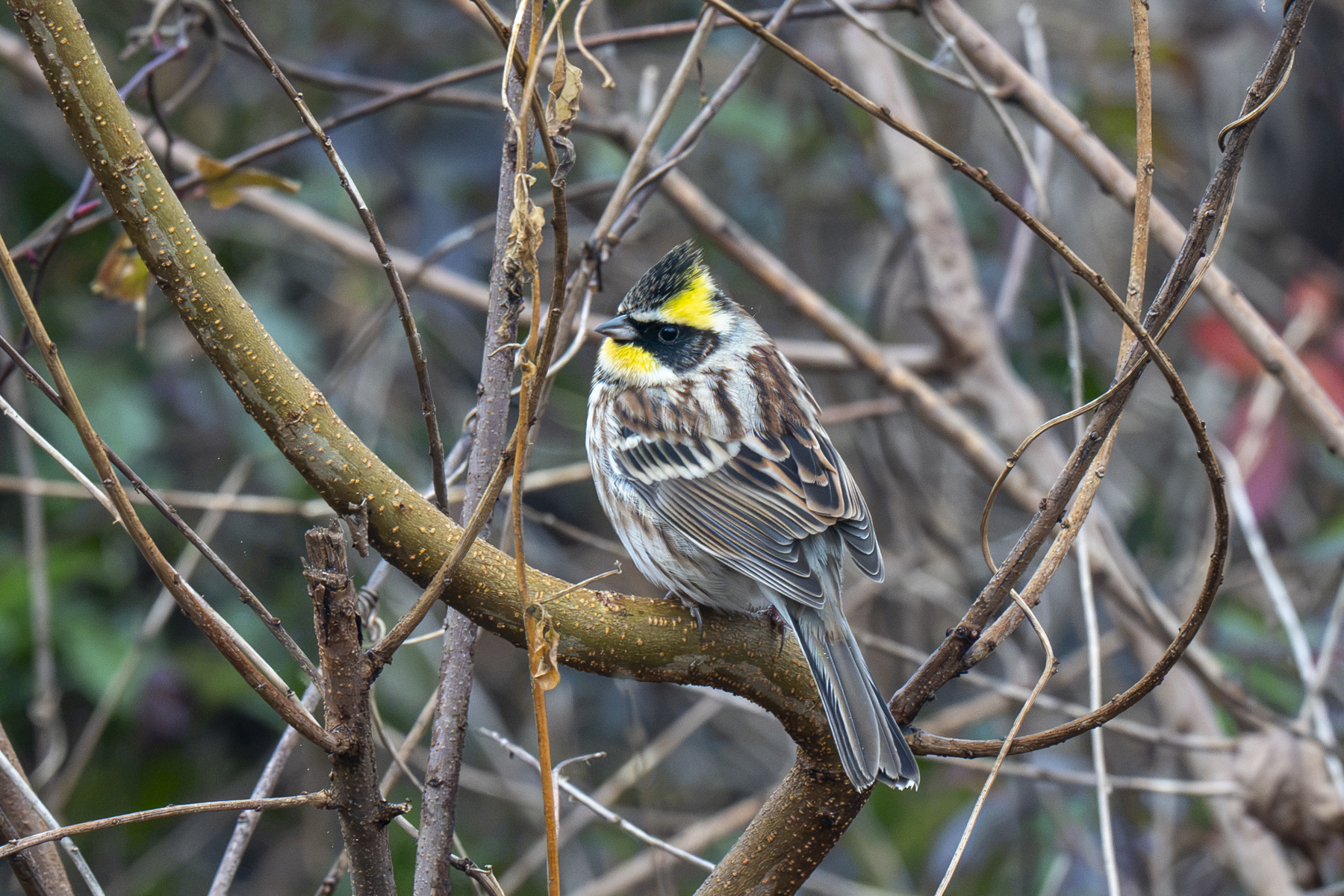
Yellow-throated Bunting (image by Mark Beaman)
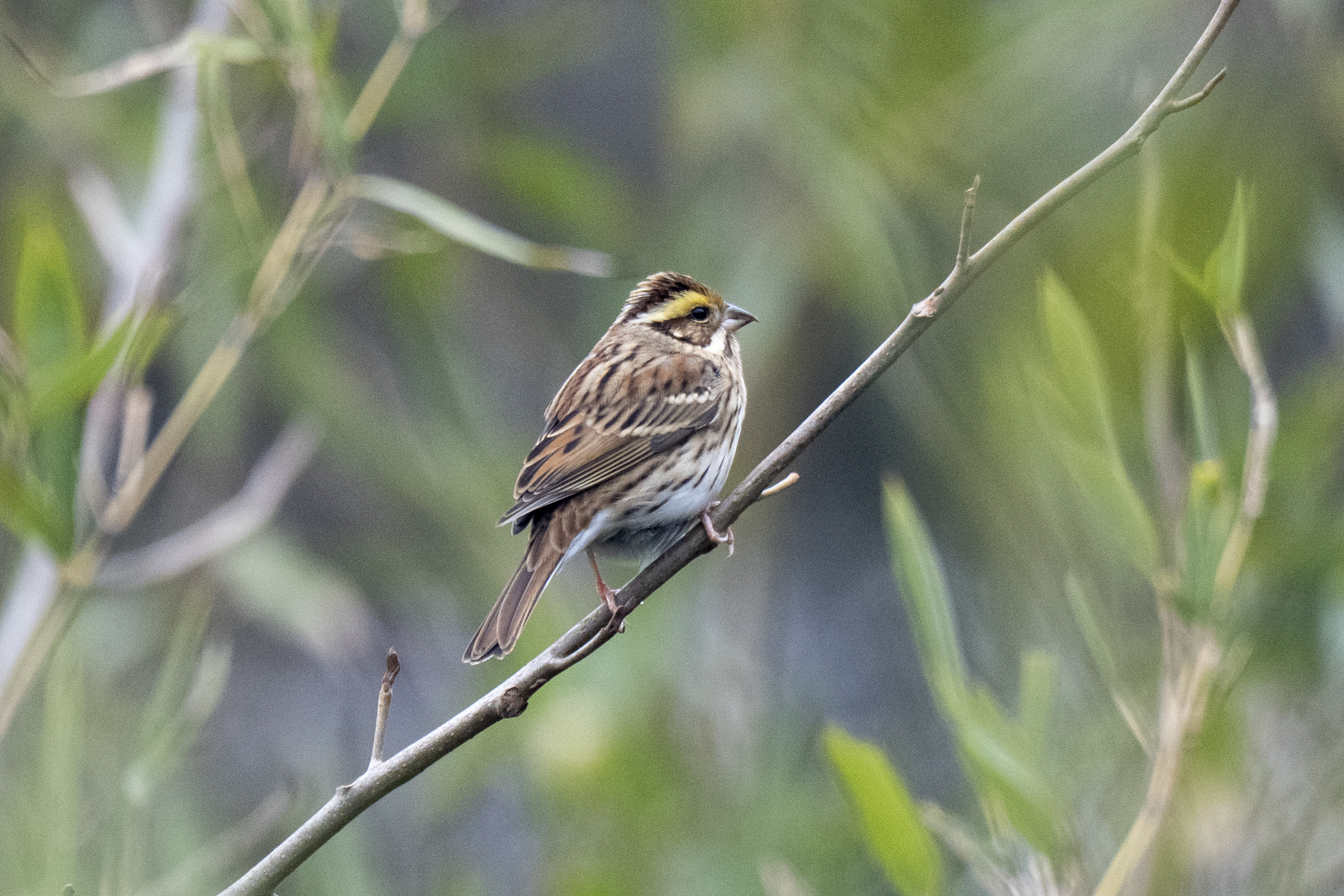
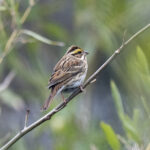
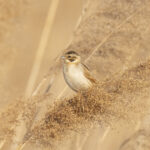
Yellow-browed Bunting (image by Mark Beaman)
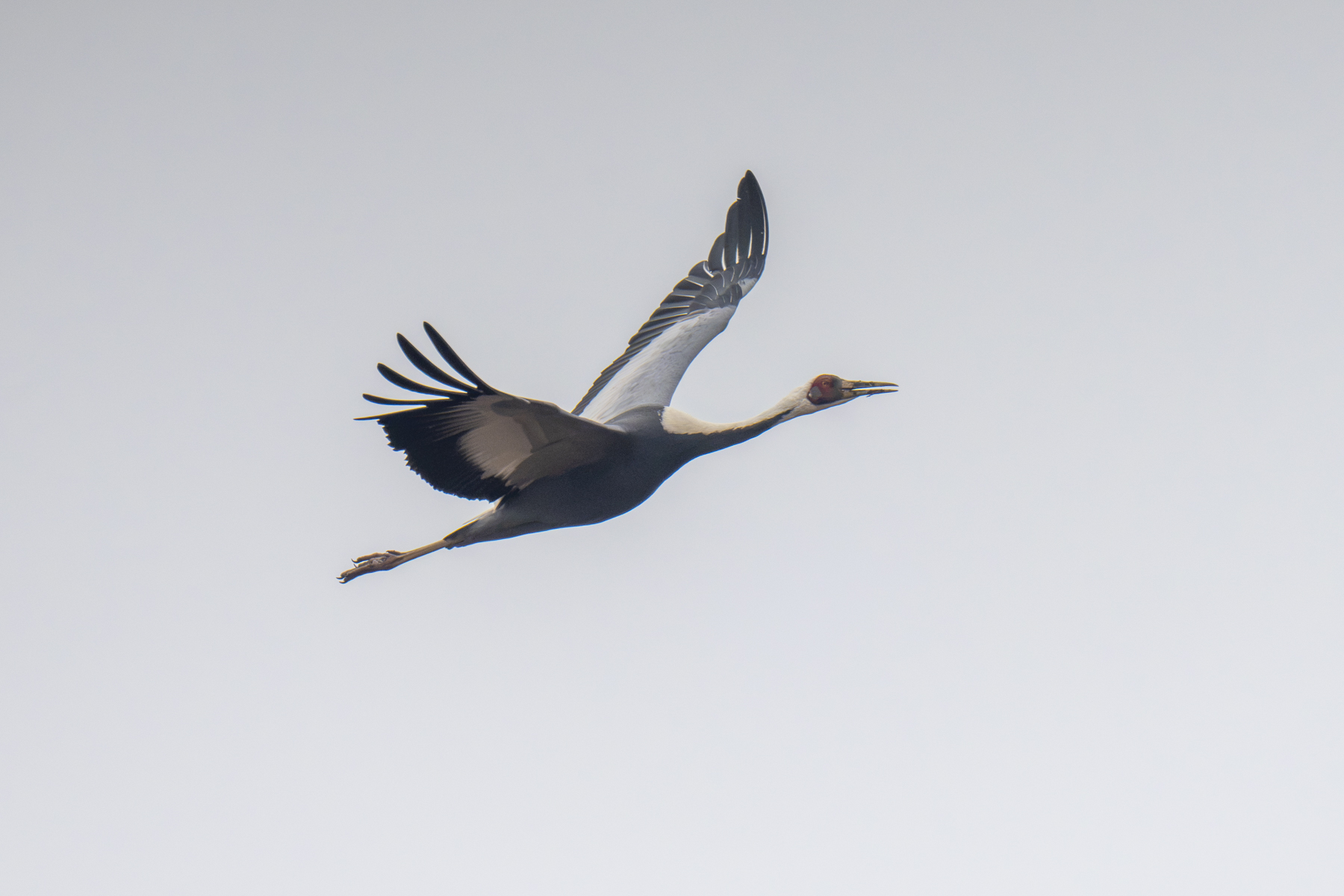
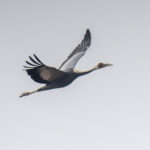
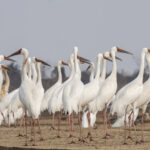
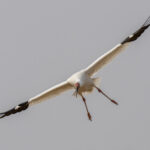
White-naped Crane (image by Mark Beaman)
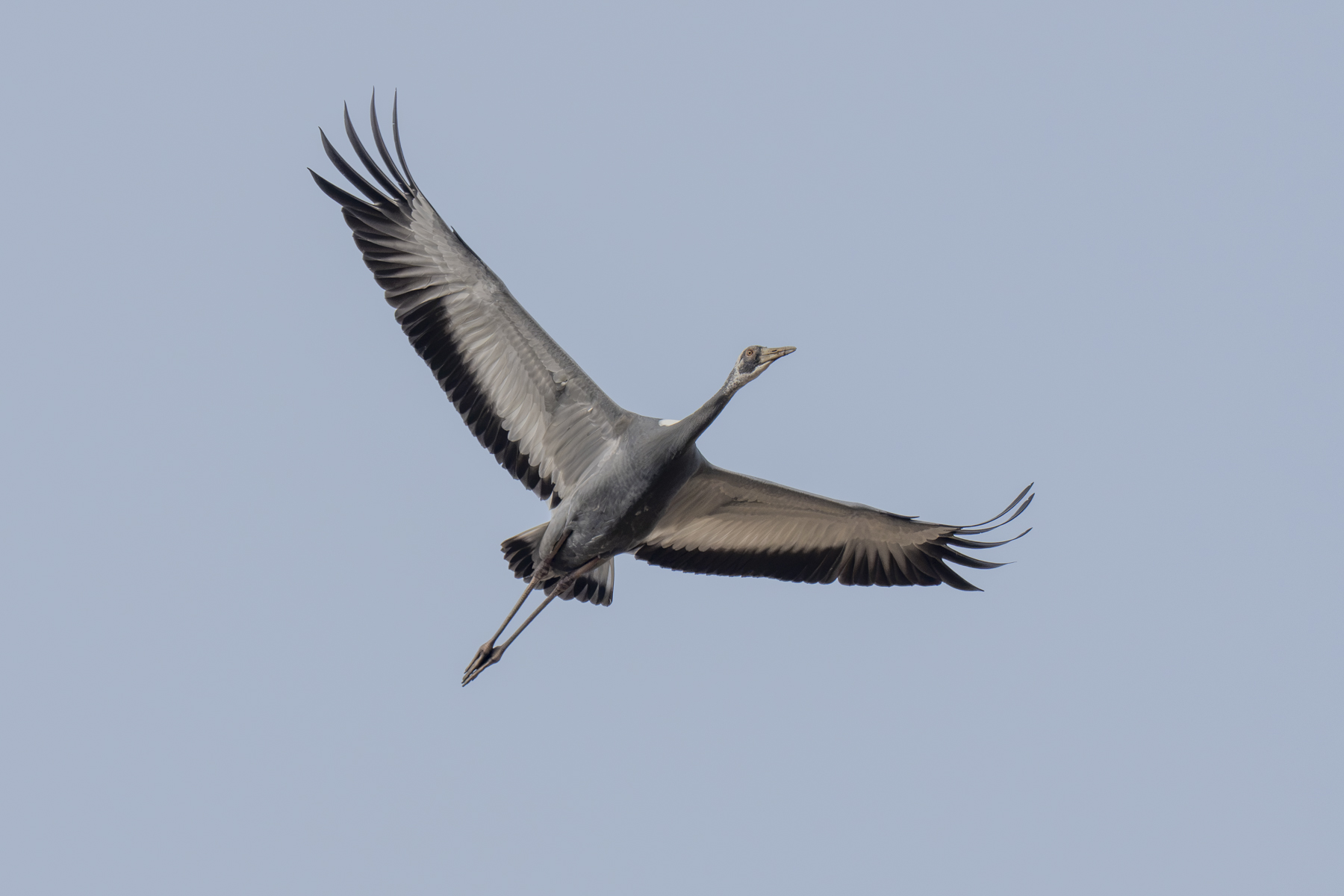
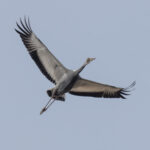
White-naped Crane immature (image by Mark Beaman)
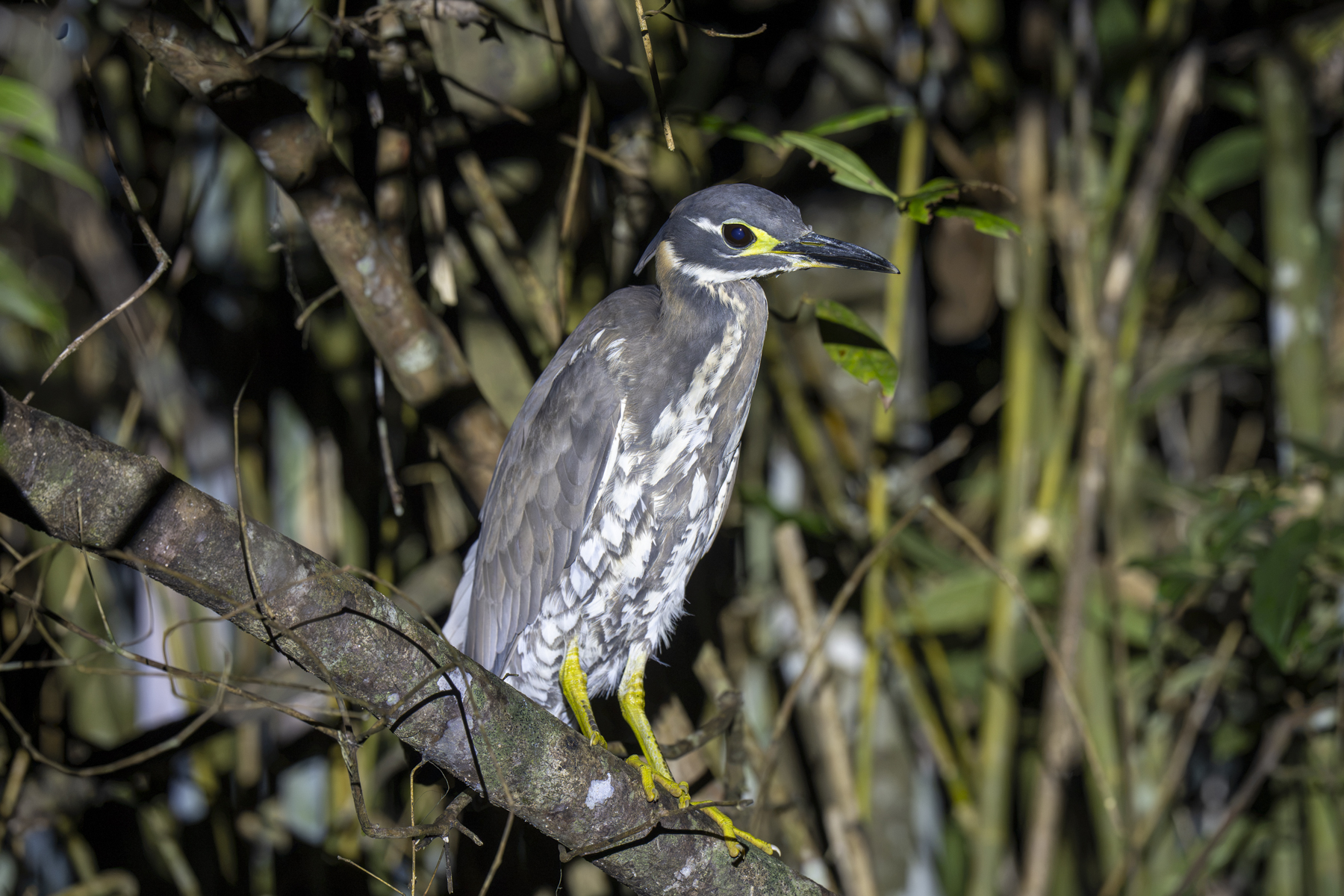
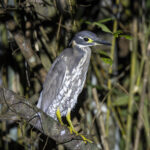
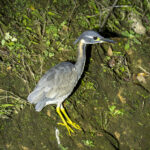
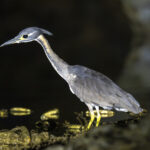
White-eared Night Heron (image by Mark Beaman)
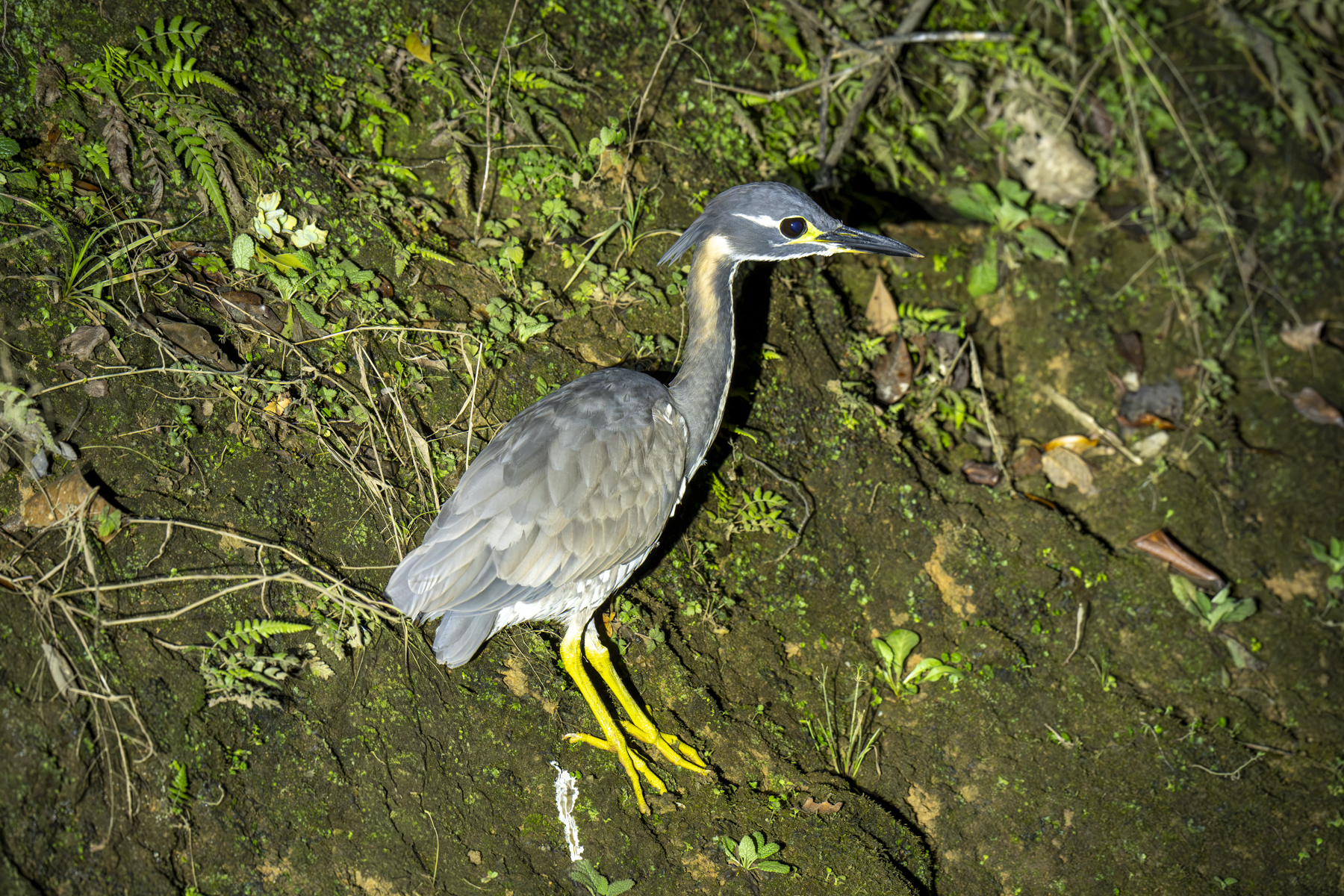
White-eared Night Heron (image by Mark Beaman)
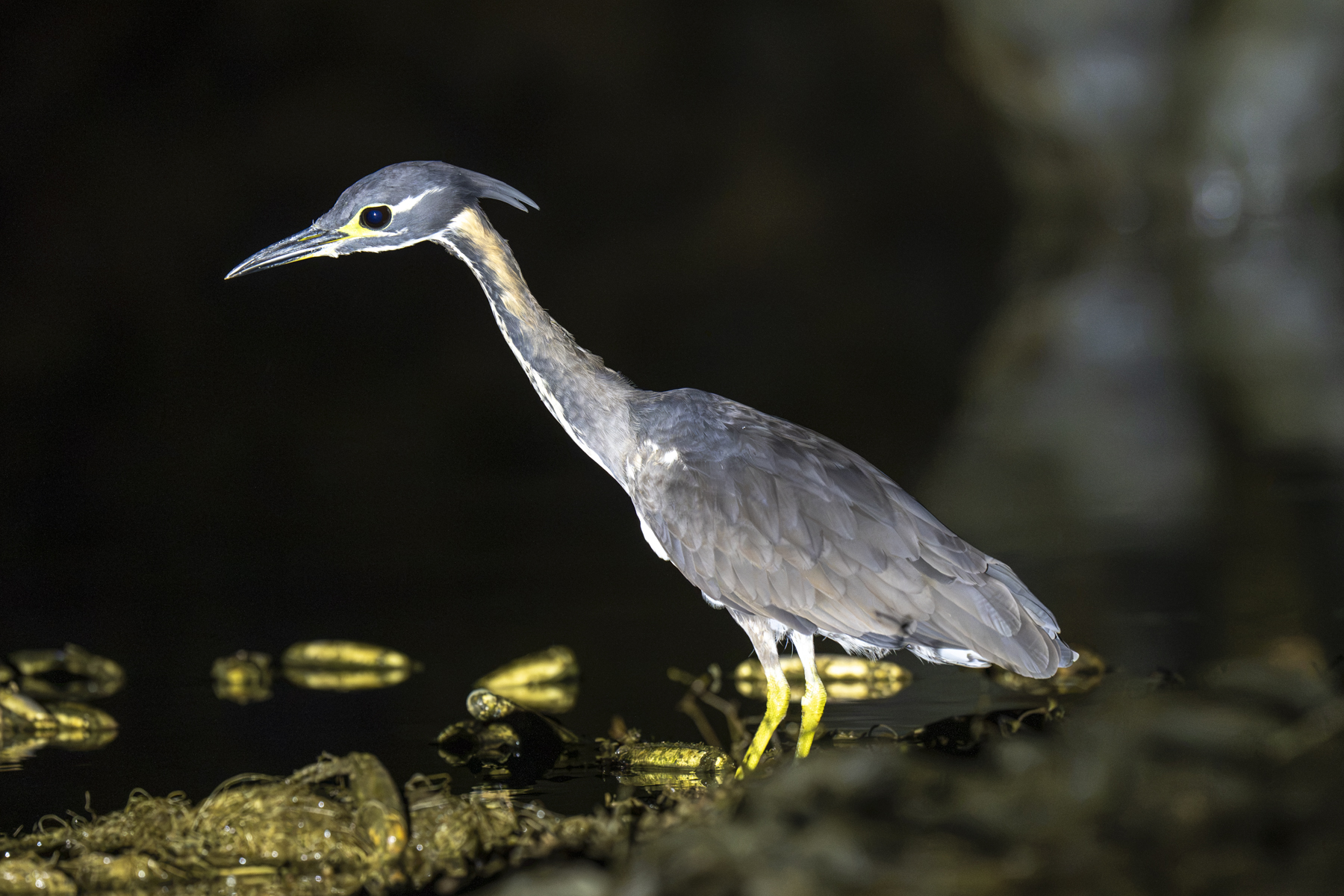
White-eared Night Heron (image by Mark Beaman)
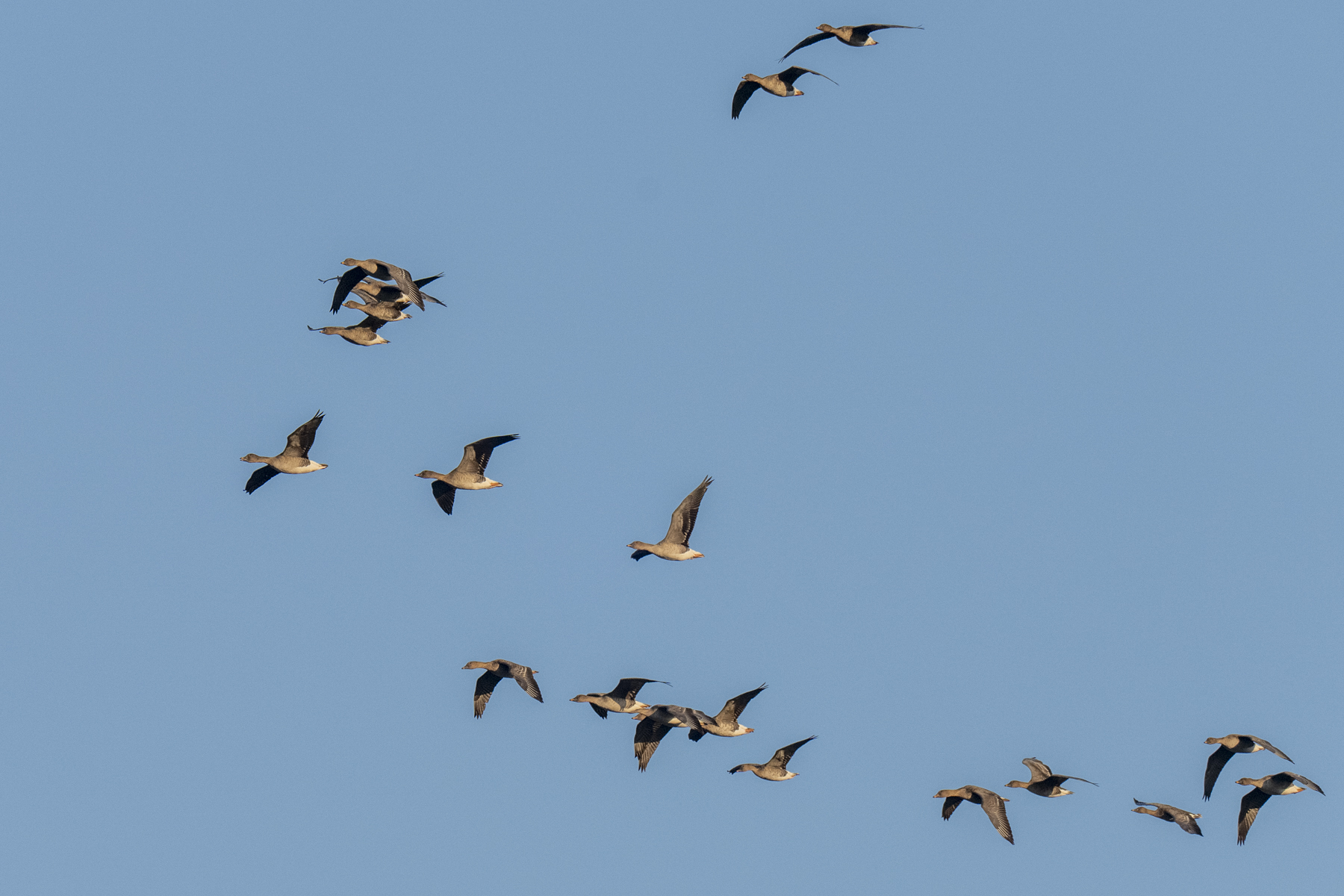
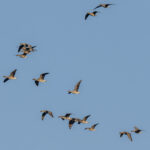
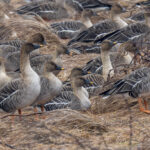
Tundra Bean Geese (image by Mark Beaman)
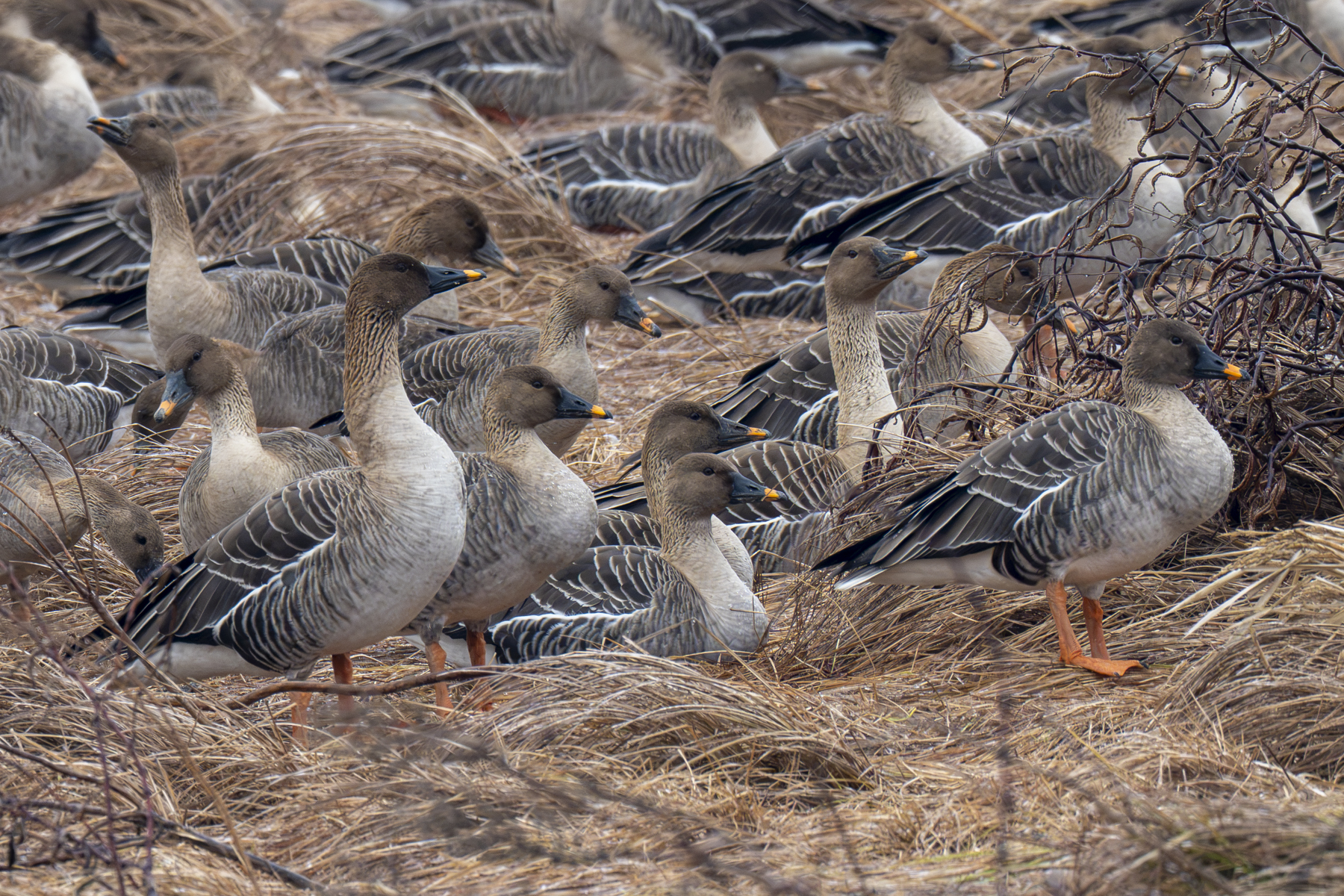
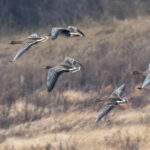
Taiga Bean Geese (image by Mark Beaman)
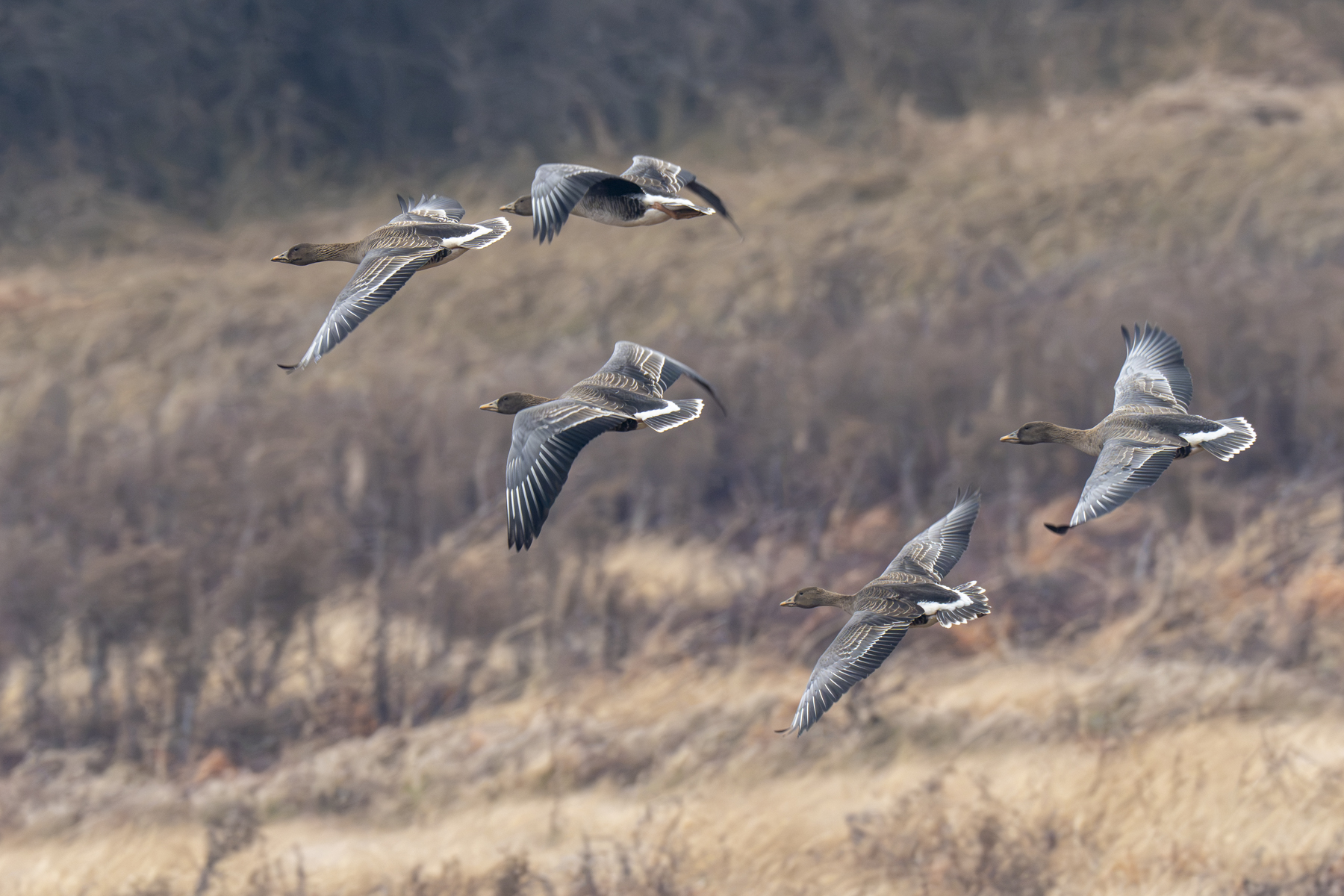
Taiga Bean Geese (image by Mark Beaman)
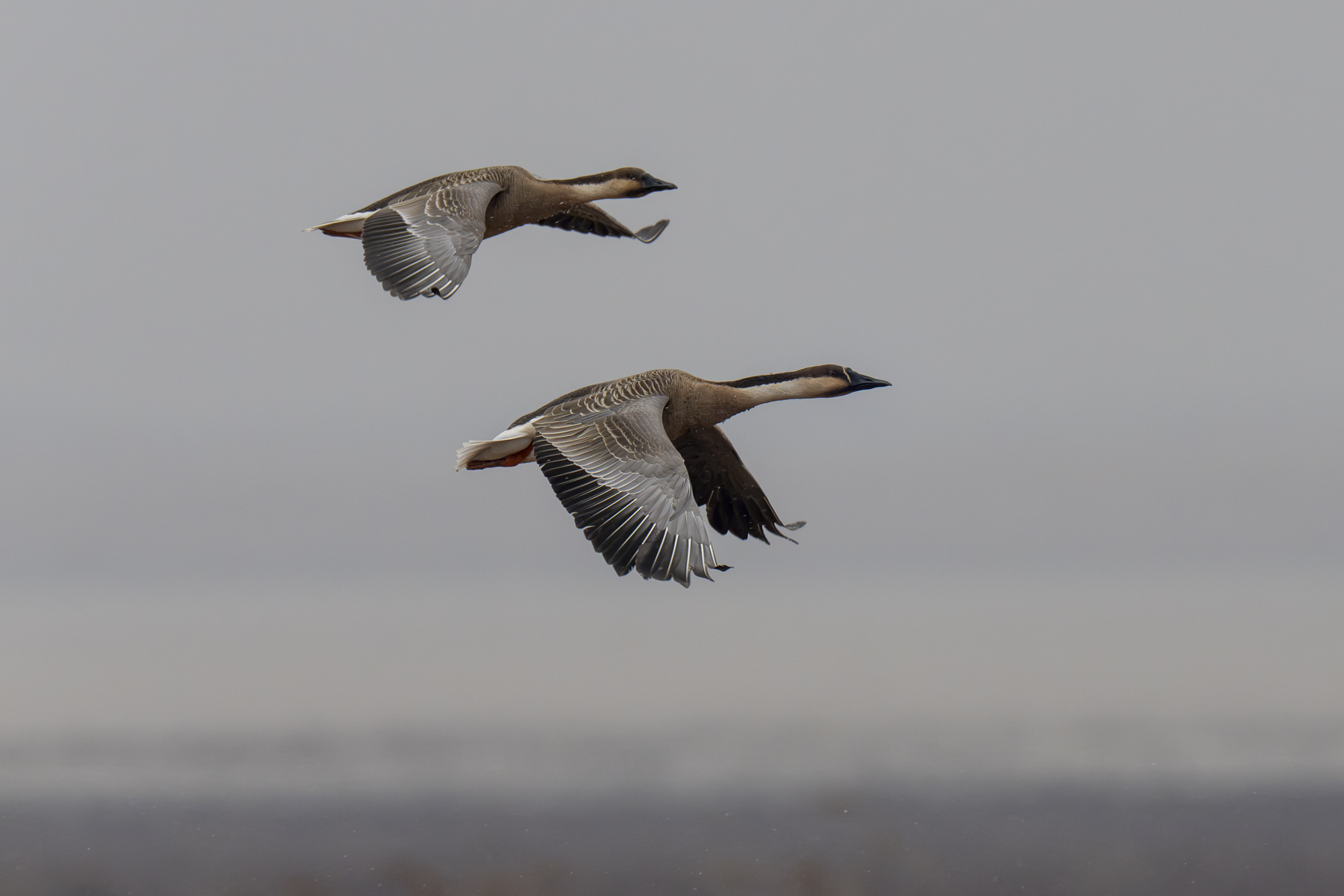
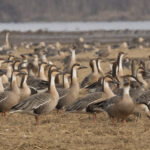
Swan Geese (image by Mark Beaman)
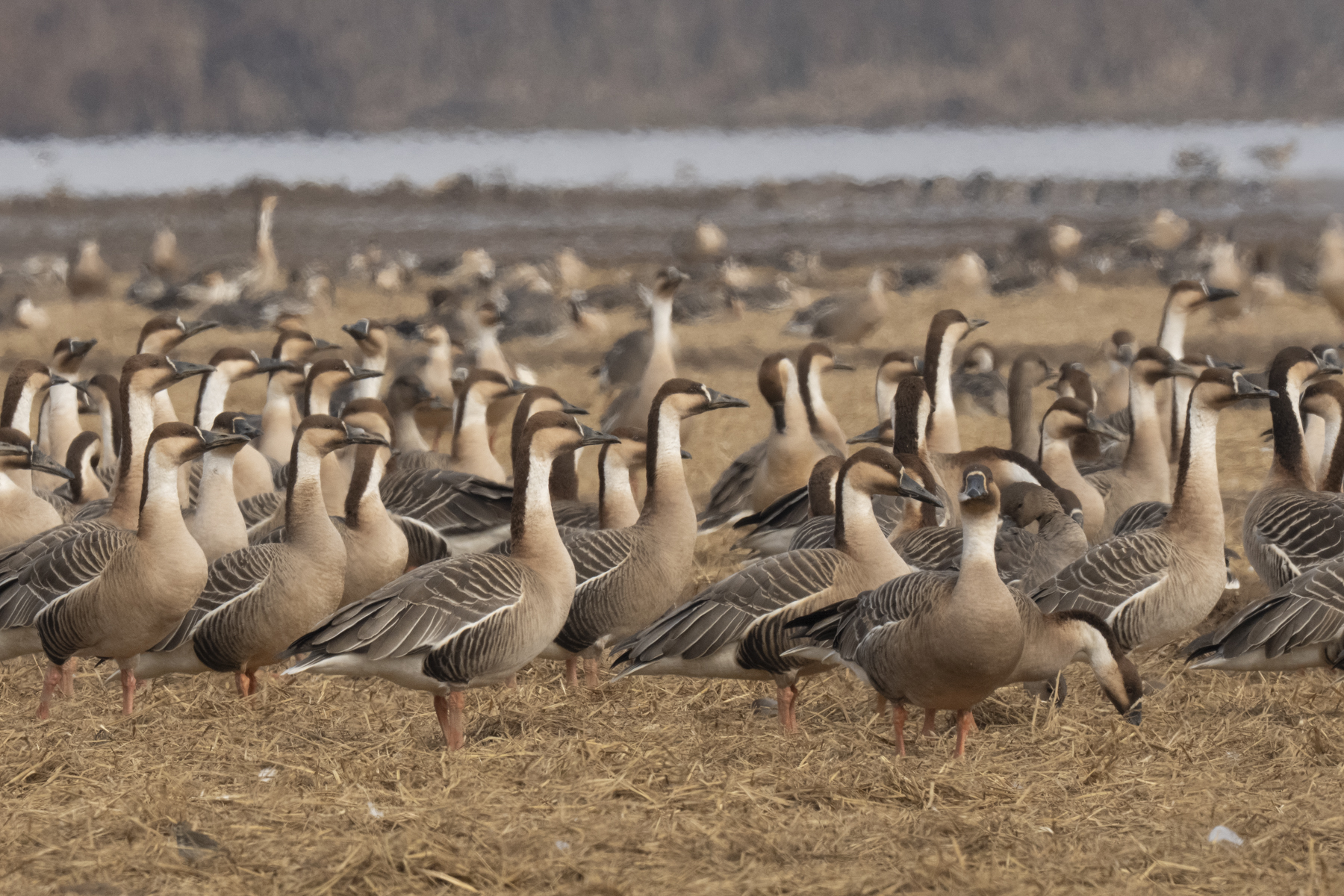
Swan Geese (image by Mark Beaman)
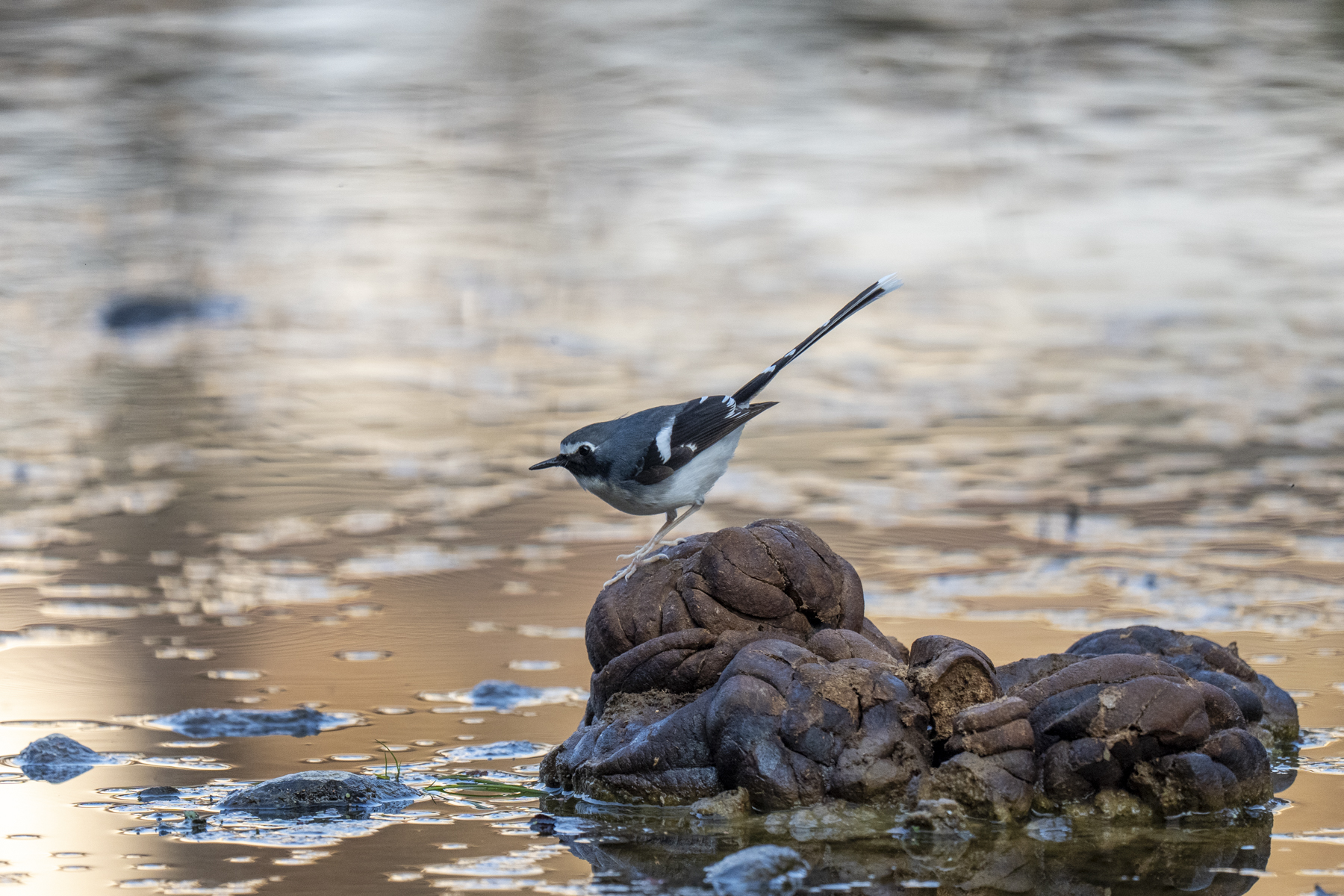
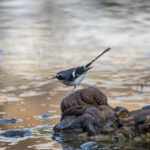
Slaty-backed Forktail (image by Mark Beaman)
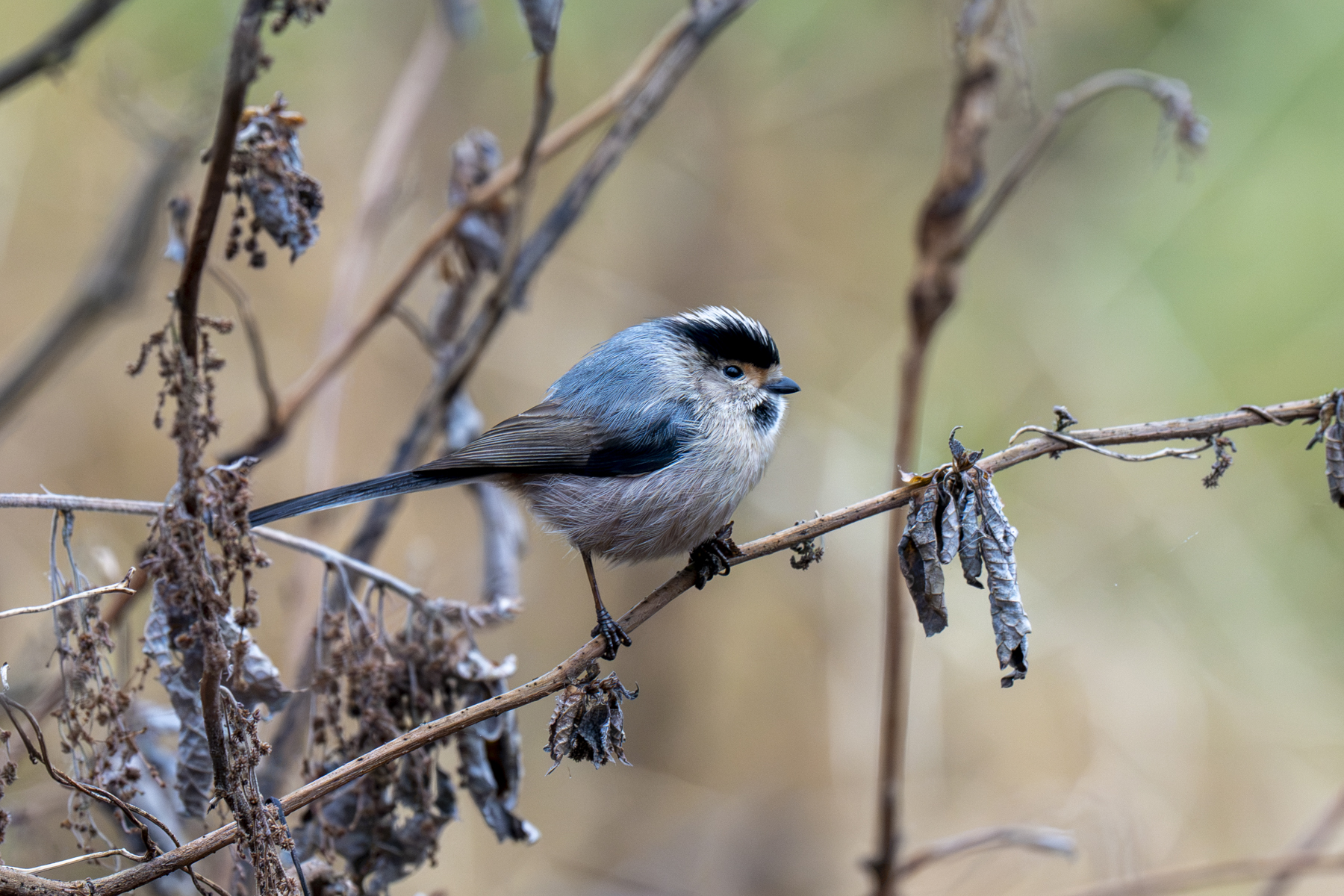
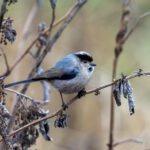
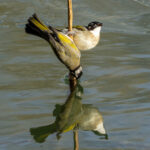
Silver-throated Bushtit (image by Mark Beaman)
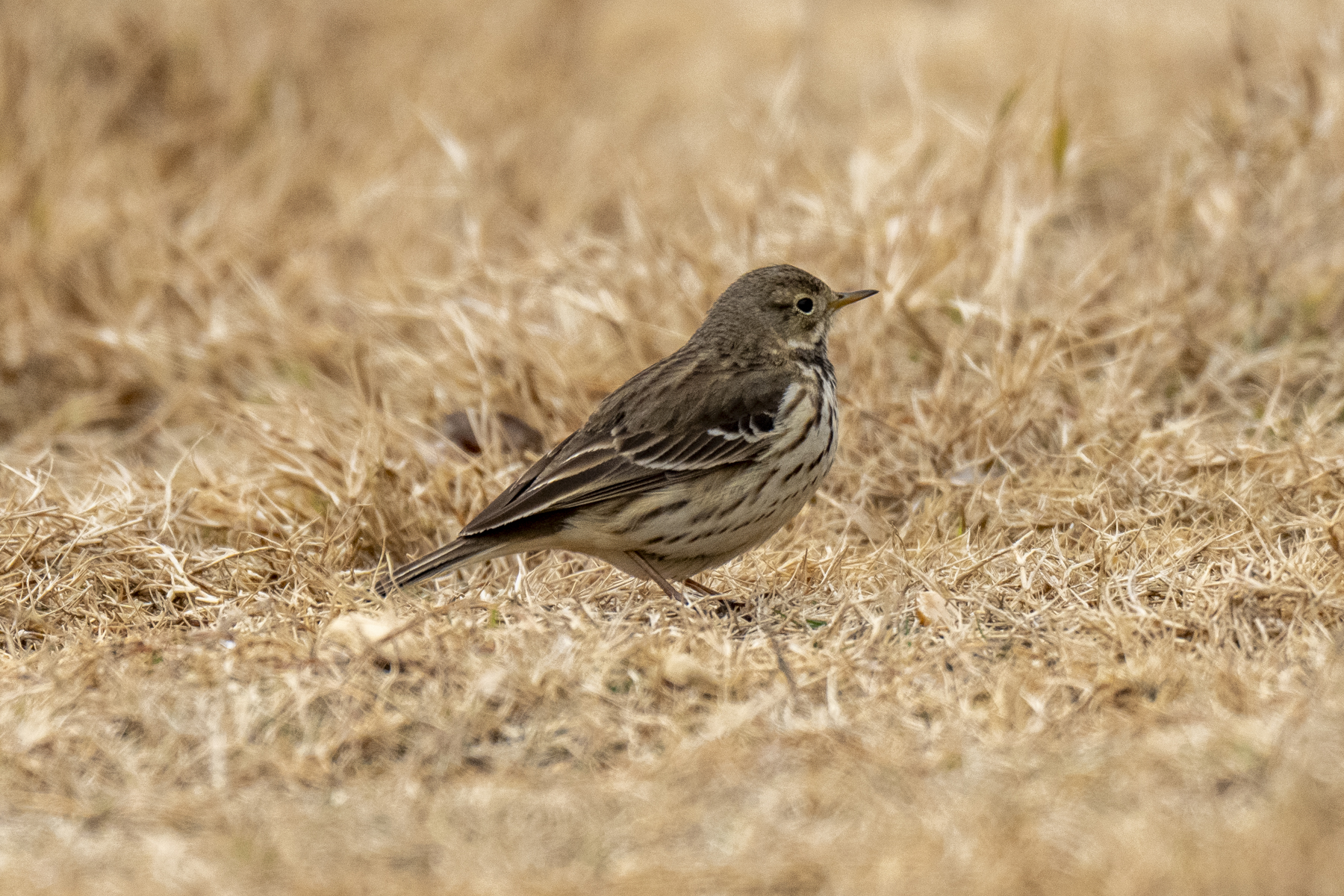
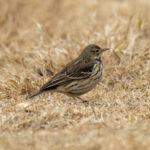
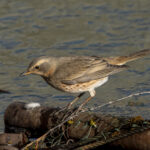
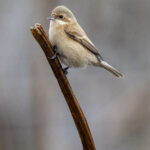
Siberian Pipit (image by Mark Beaman)
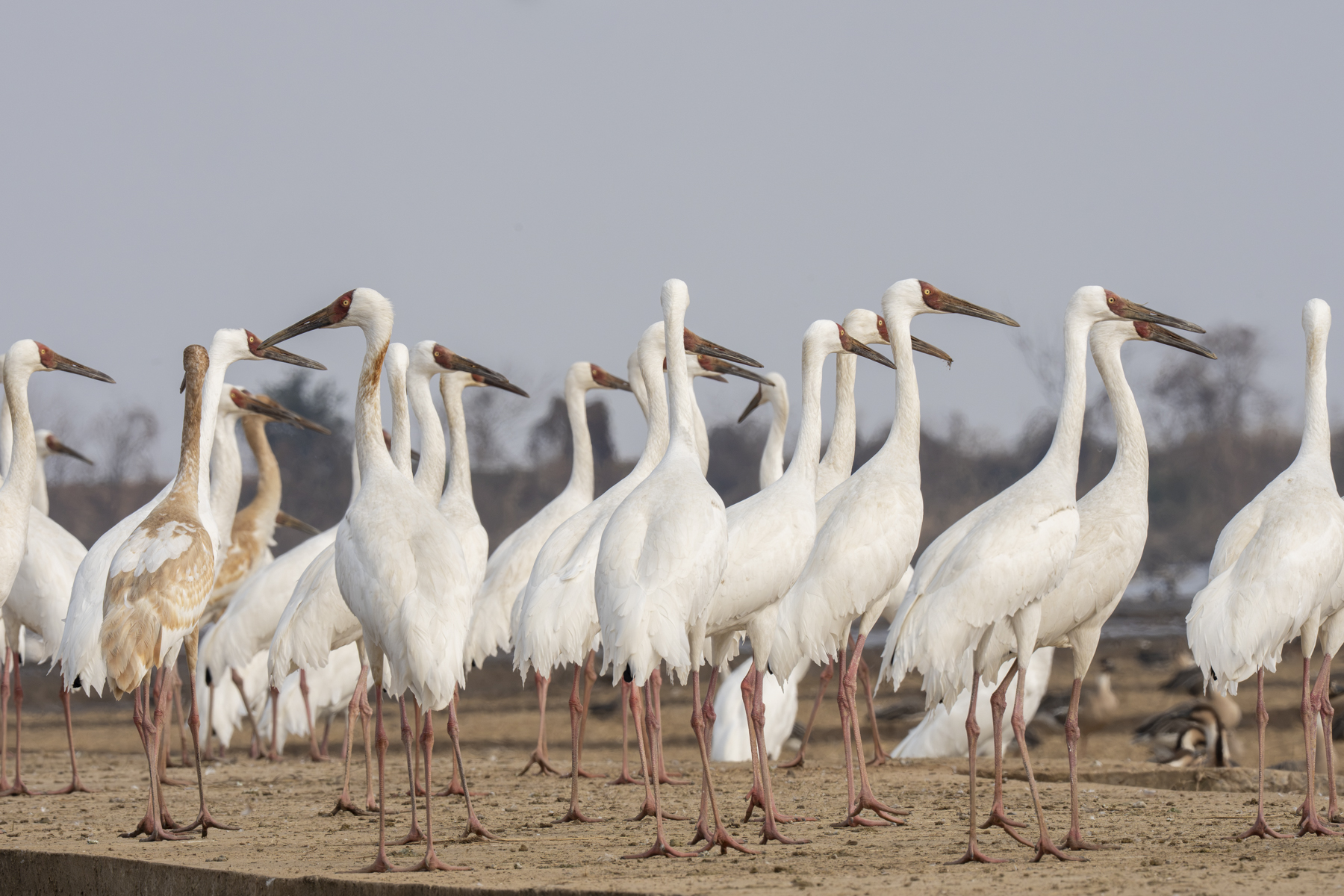
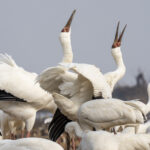
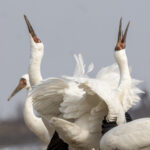
Siberian Cranes (image by Mark Beaman)
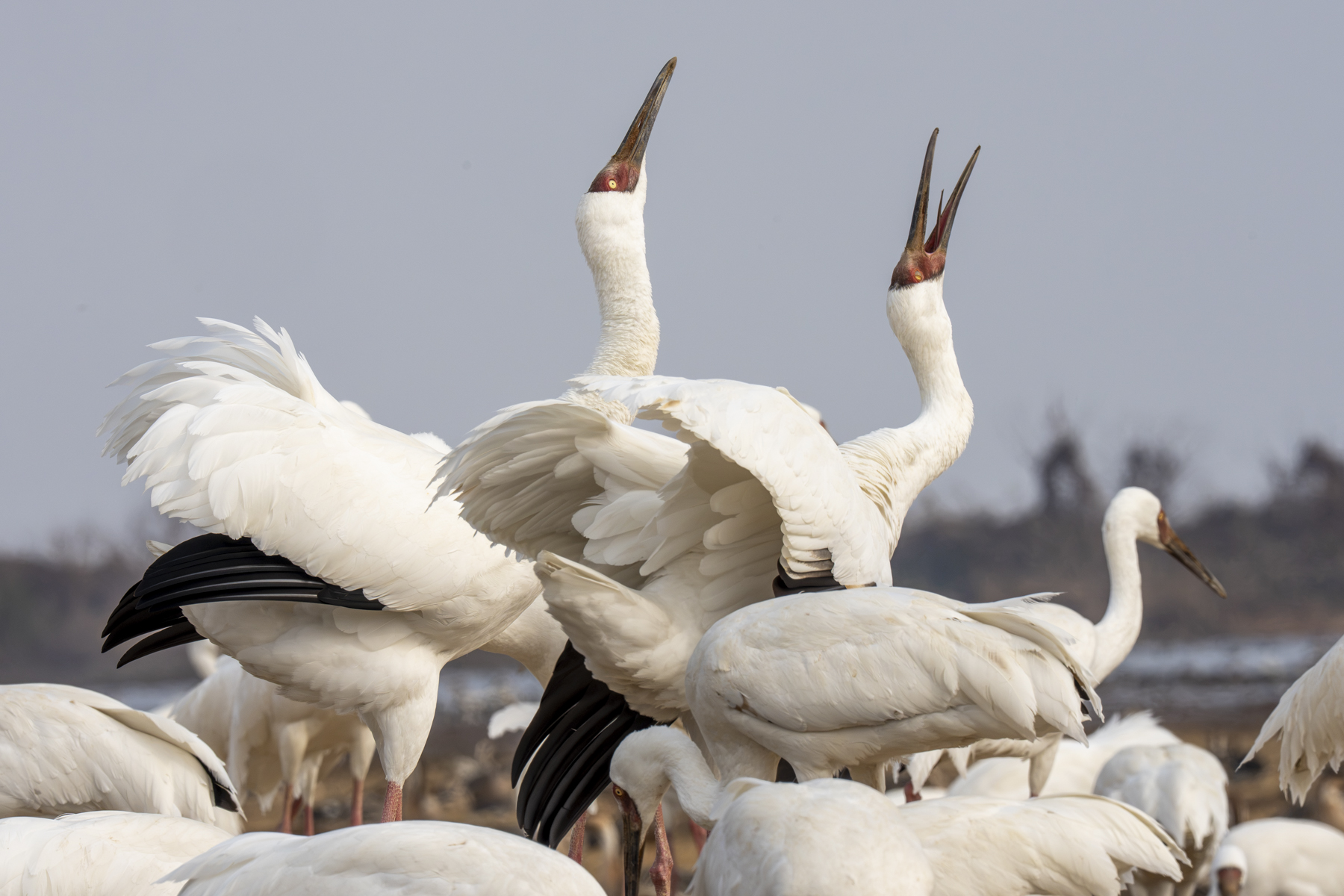
Siberian Cranes (image by Mark Beaman)
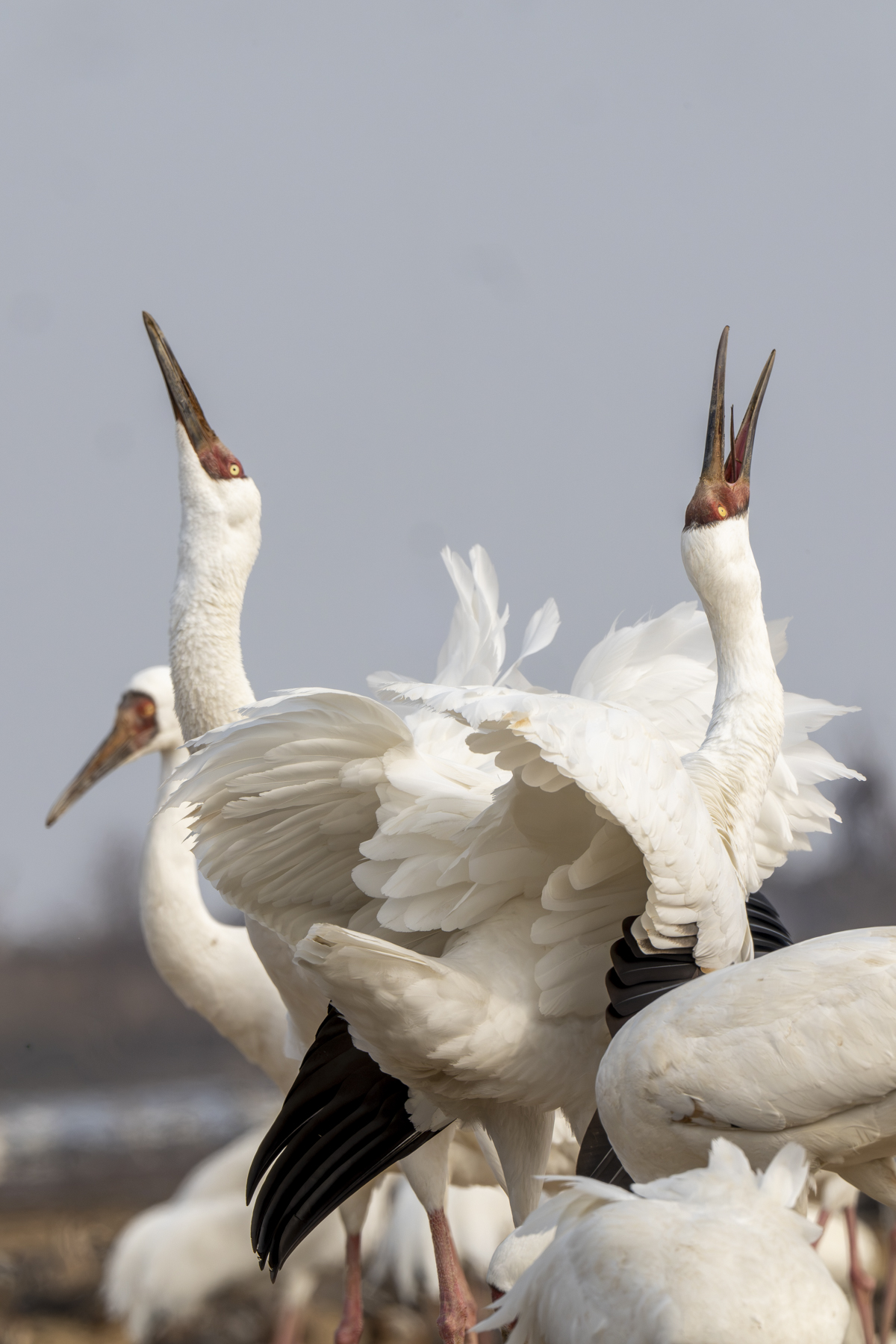
Siberian Cranes (image by Mark Beaman)
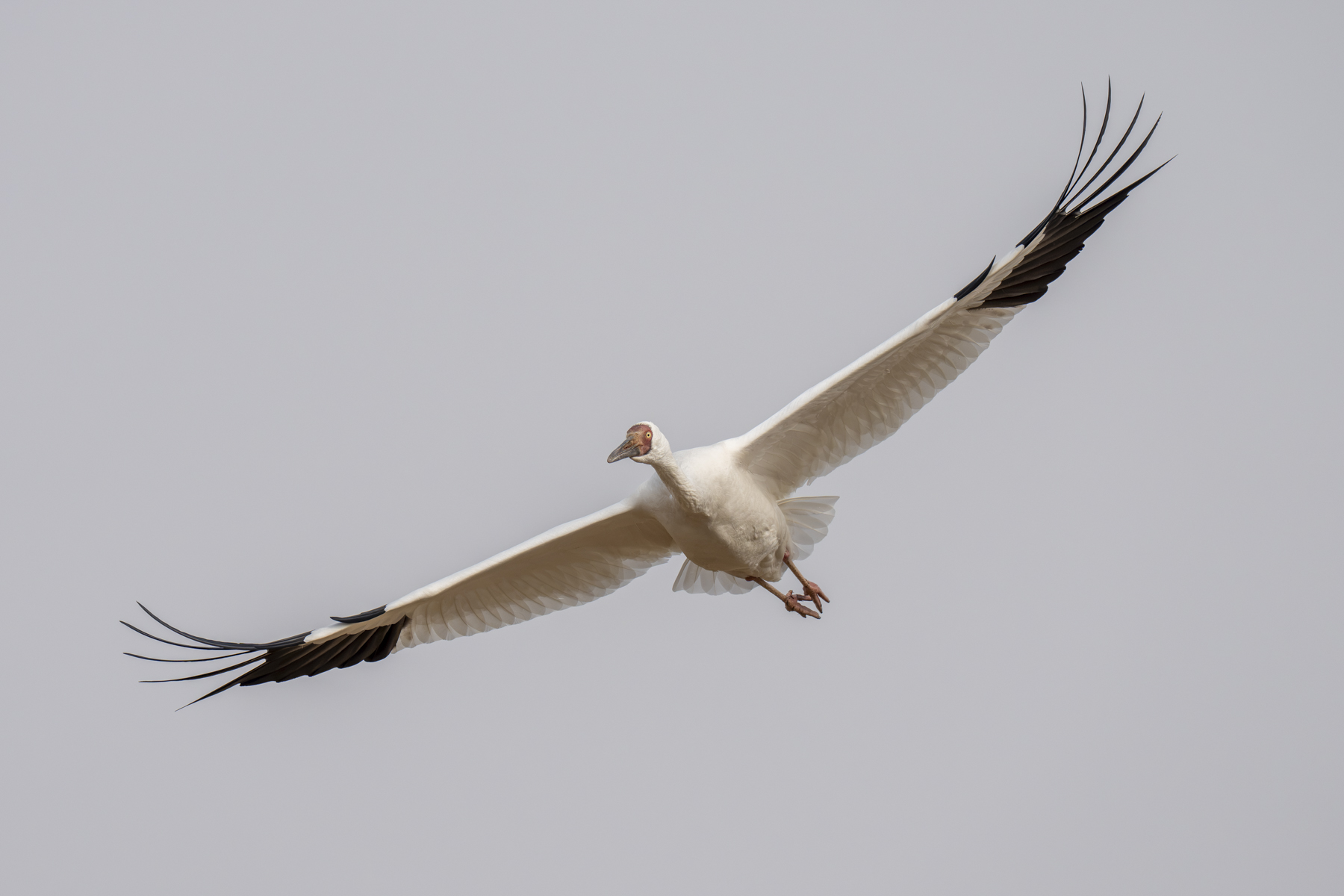
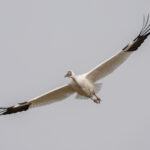
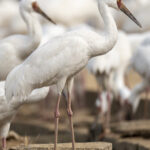
Siberian Crane (image by Mark Beaman)
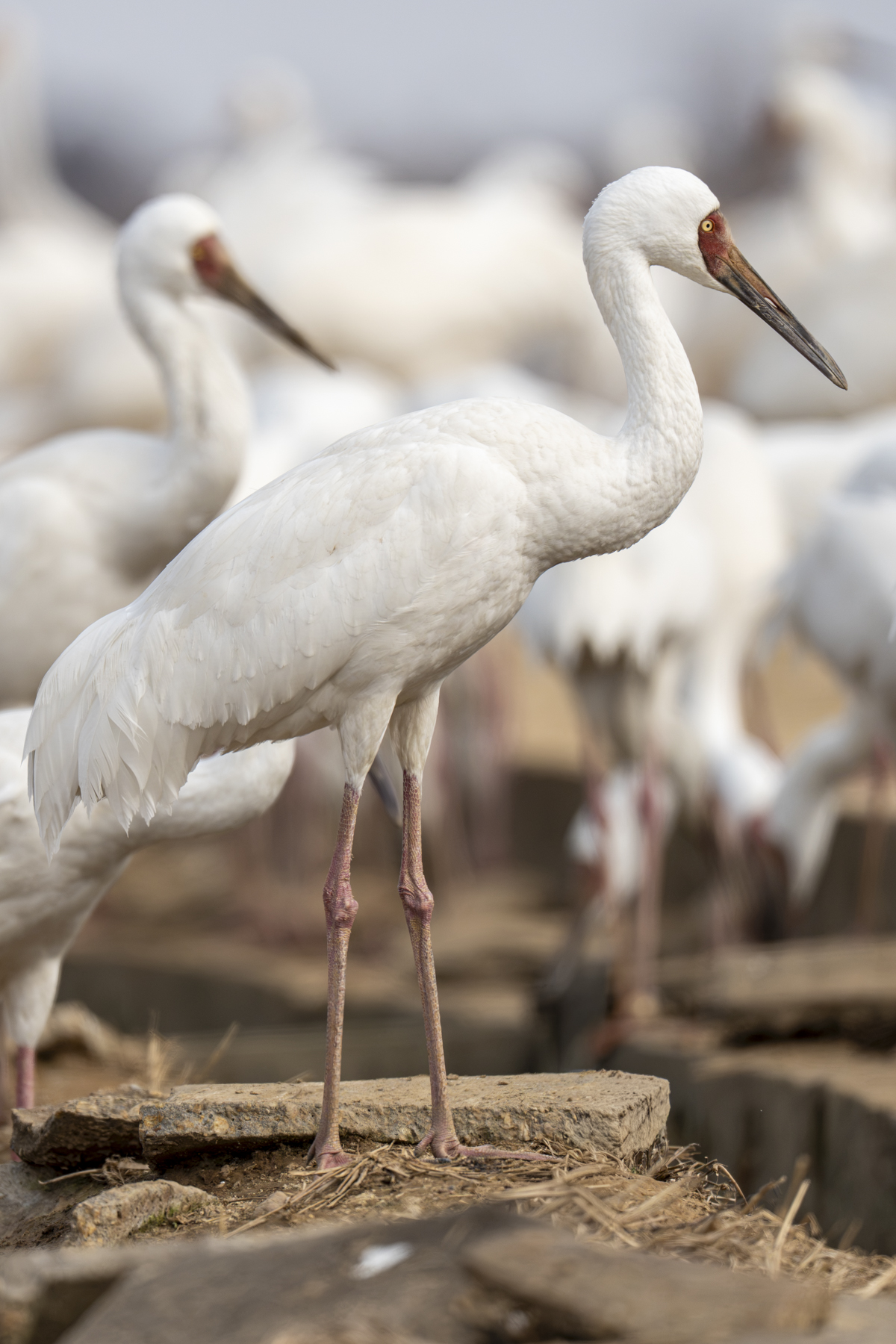
Siberian Cranes (image by Mark Beaman)
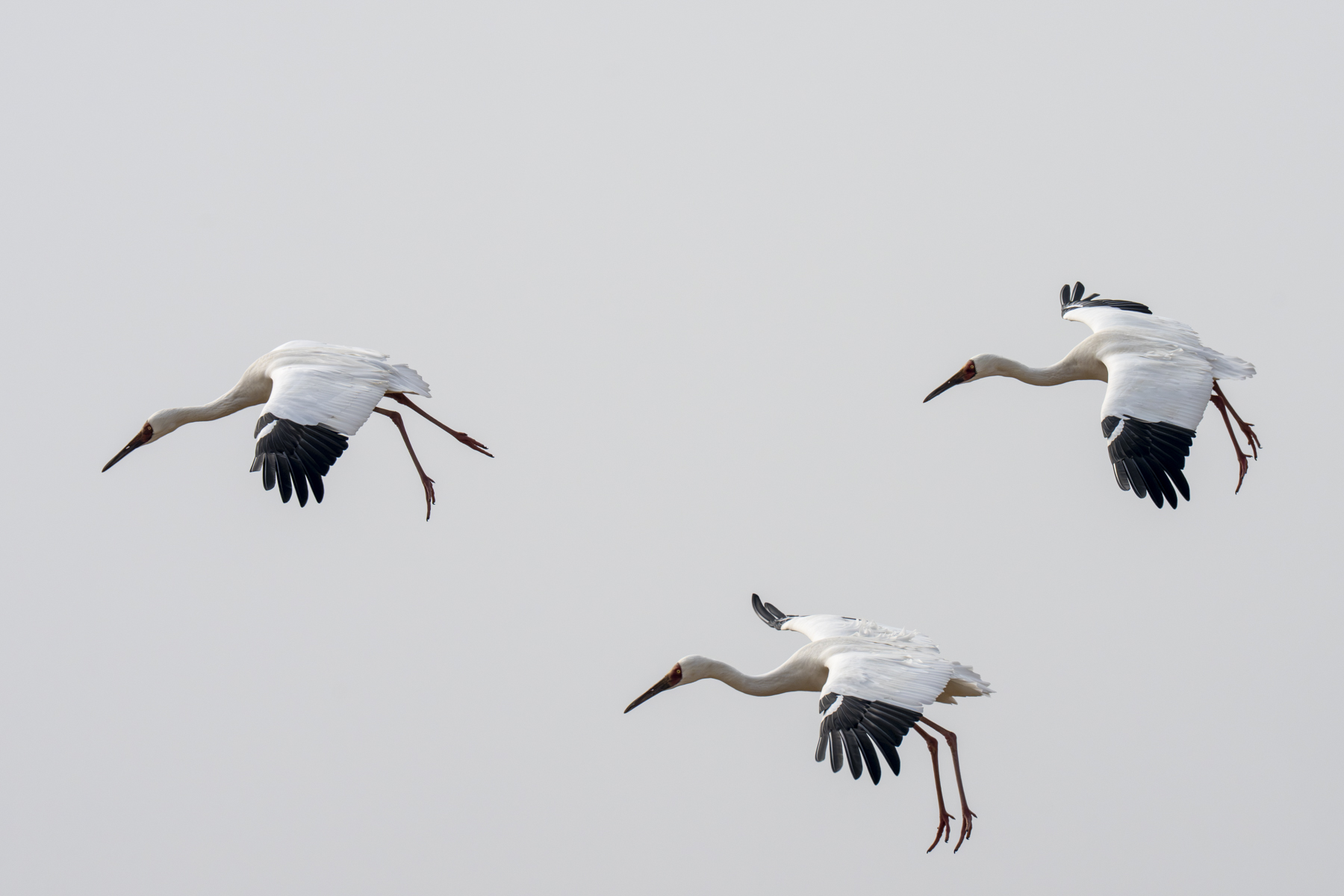
Siberian Cranes (image by Mark Beaman)
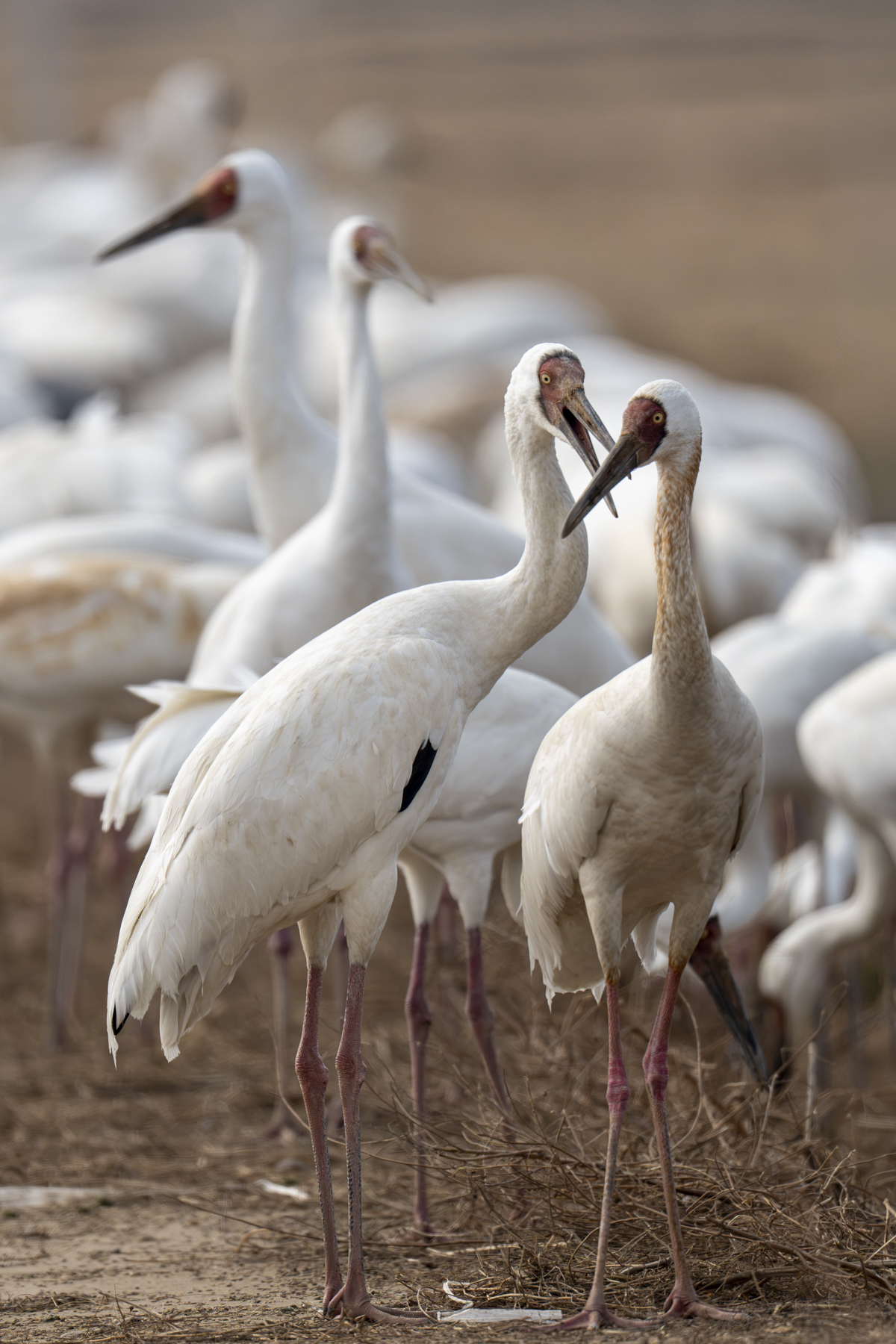
Siberian Cranes (image by Mark Beaman)
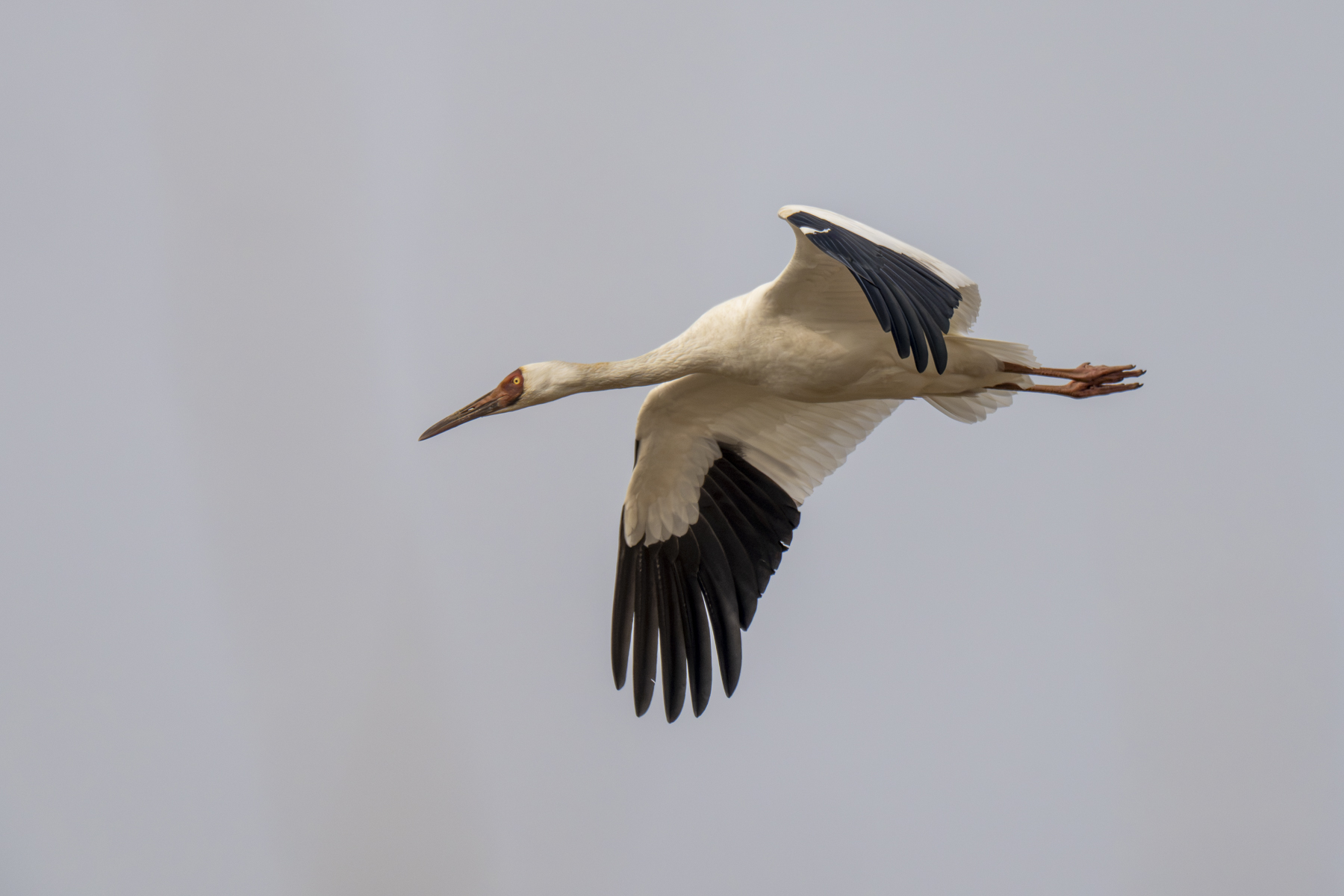
Siberian Crane (image by Mark Beaman)
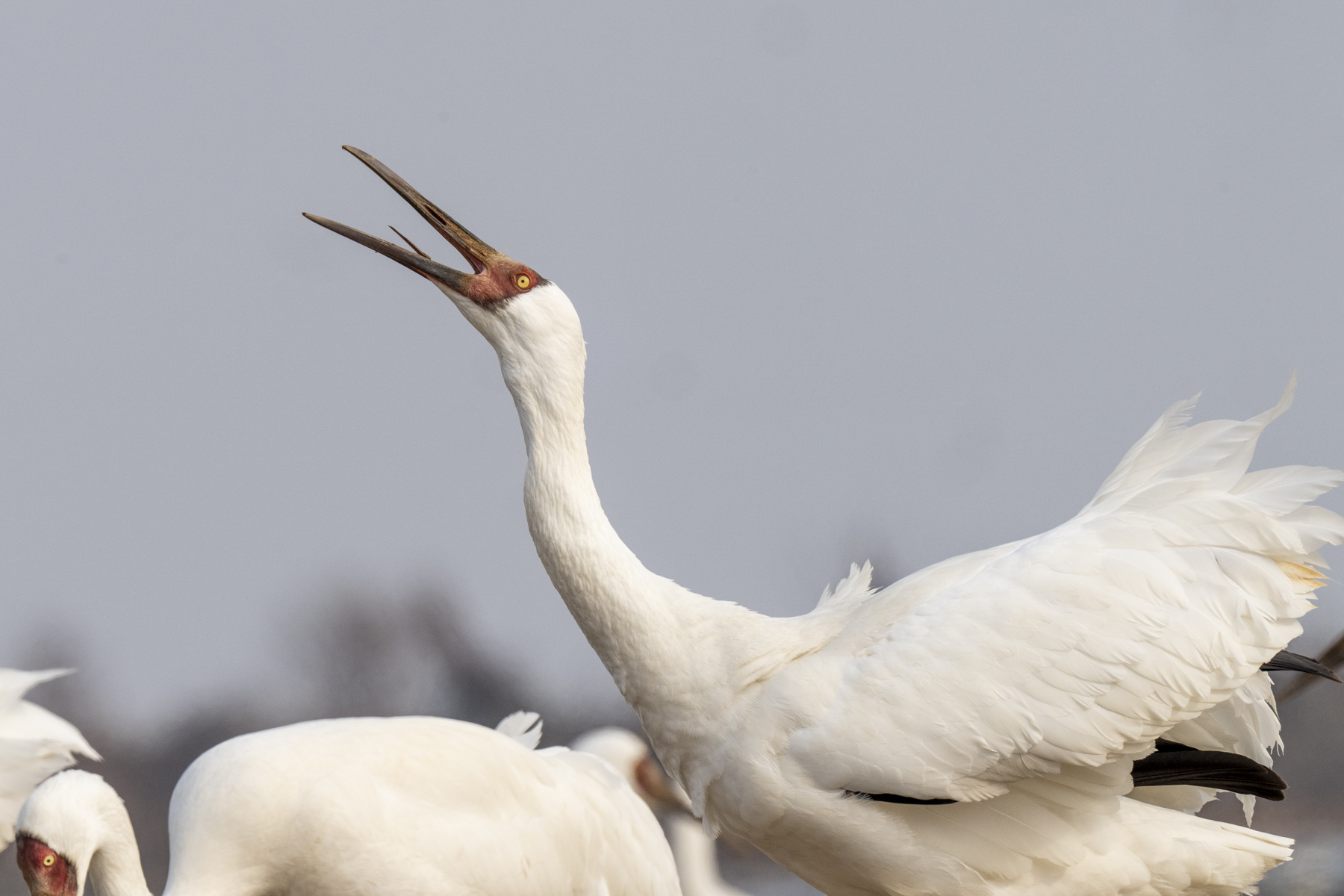
Siberian Crane (image by Mark Beaman)
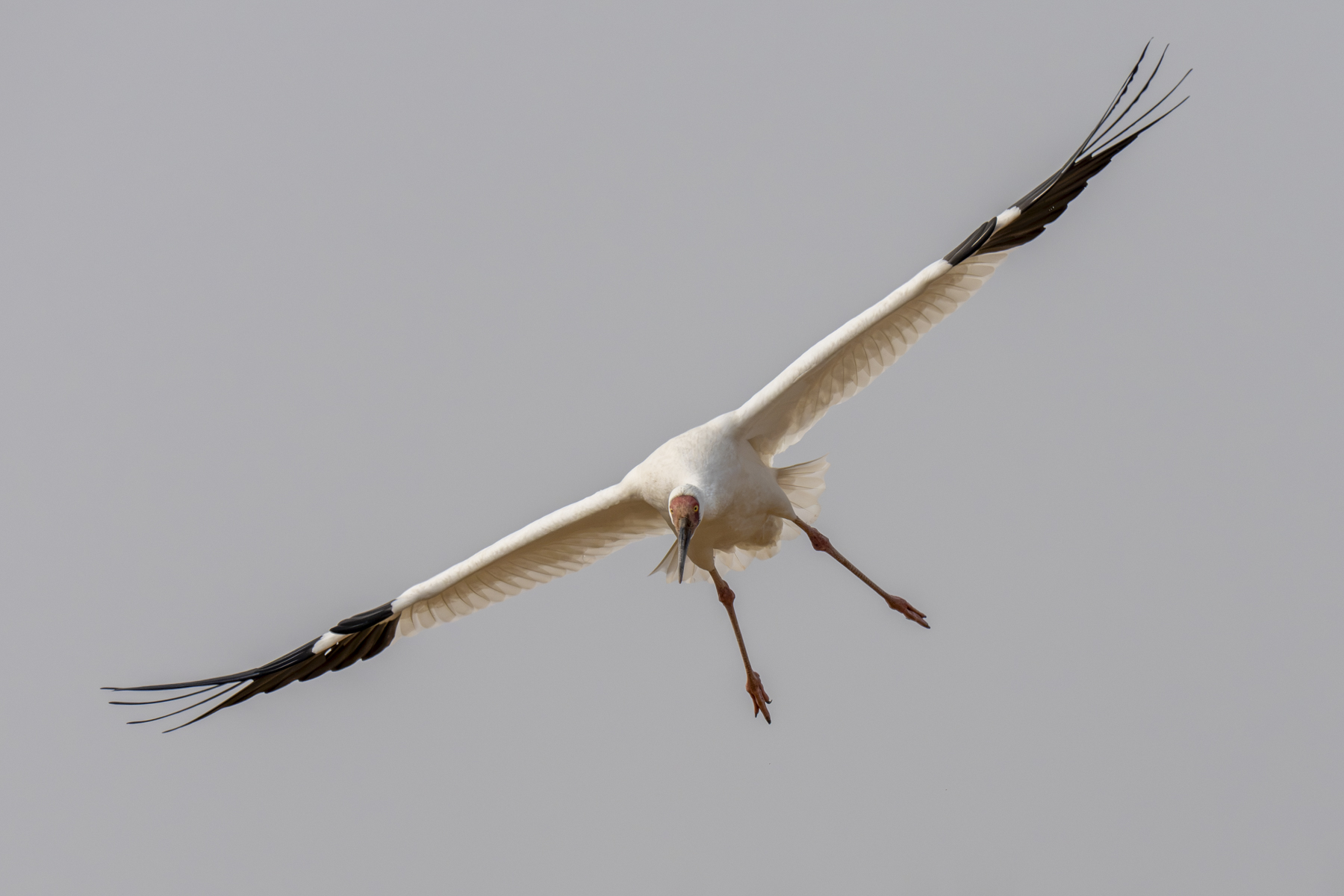
Siberian Crane (image by Mark Beaman)
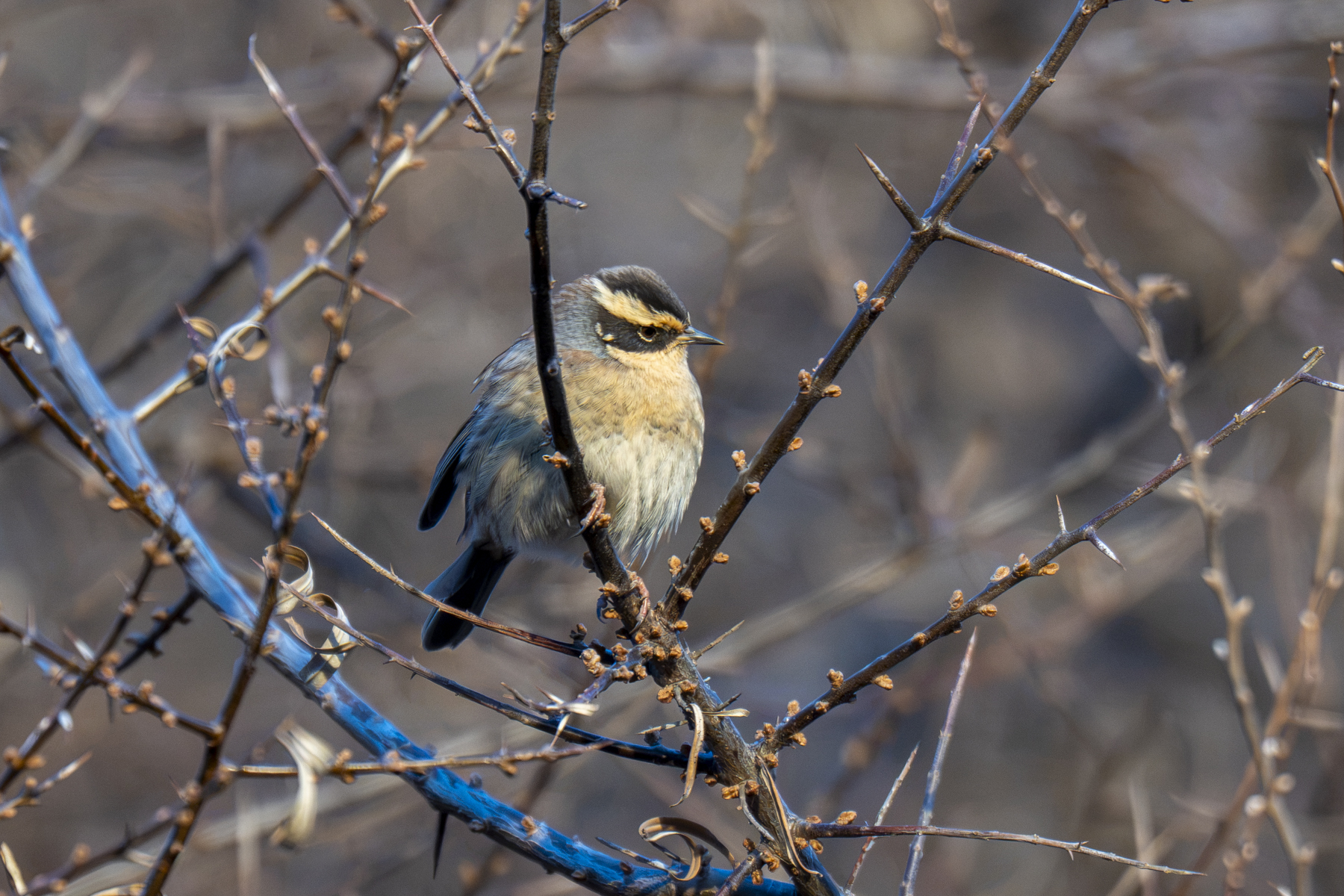
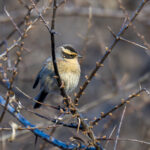
Siberian Accentor (image by Mark Beaman)
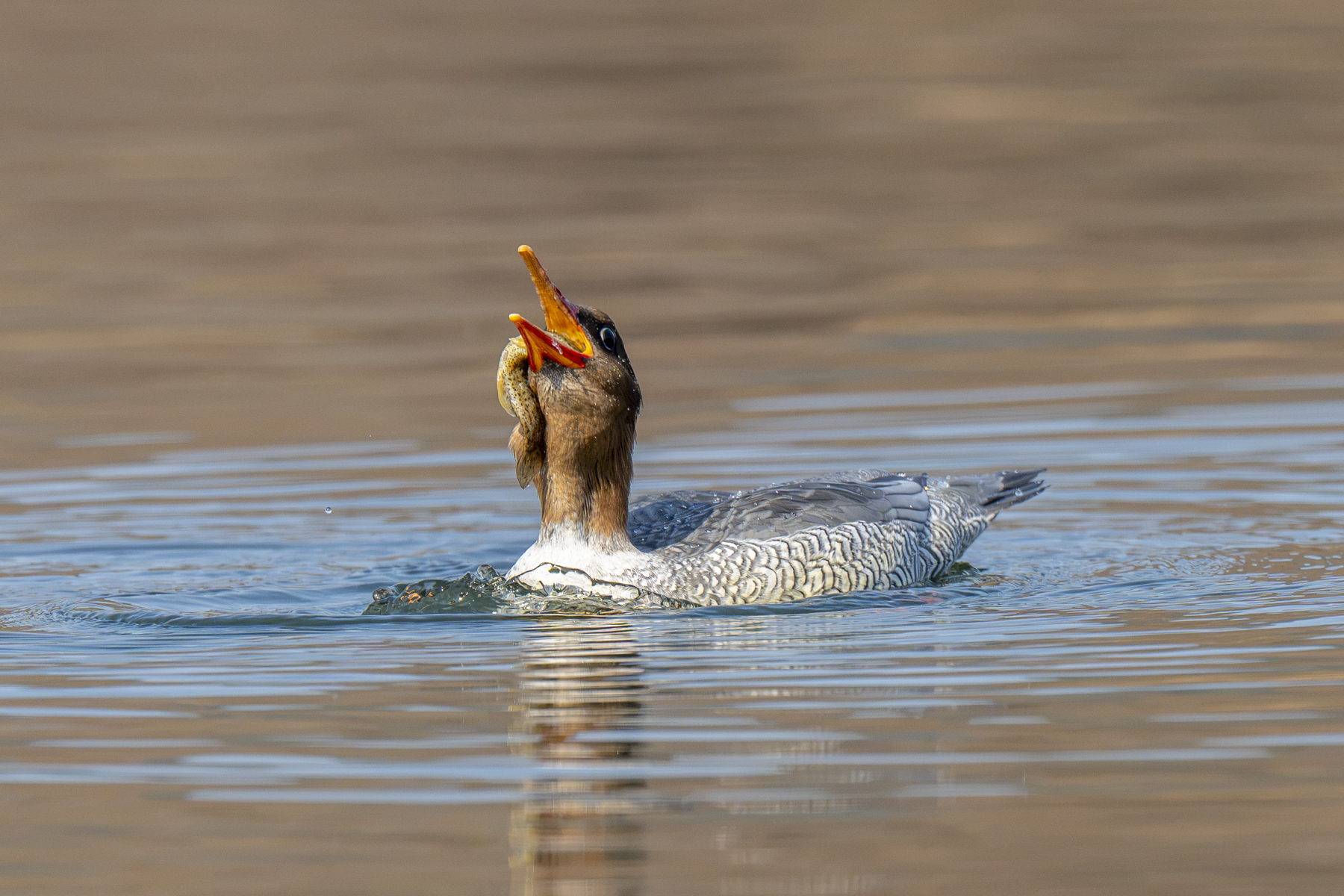
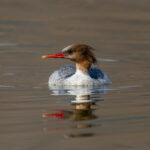
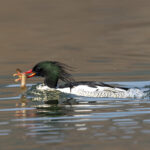
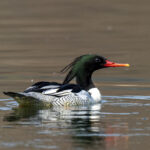
Scaly-sided Merganser female (image by Mark Beaman)
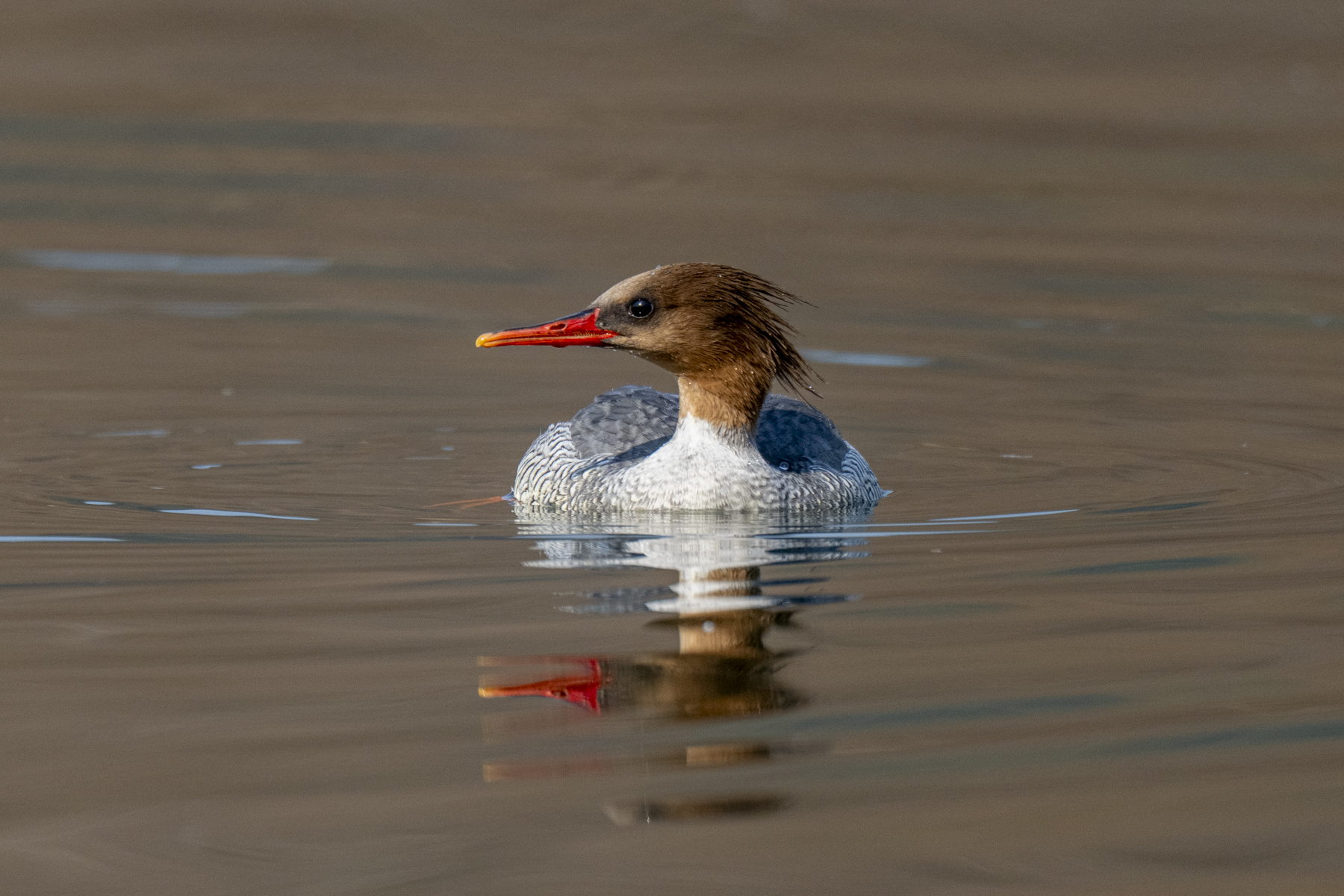
Scaly-sided Merganser female (image by Mark Beaman)
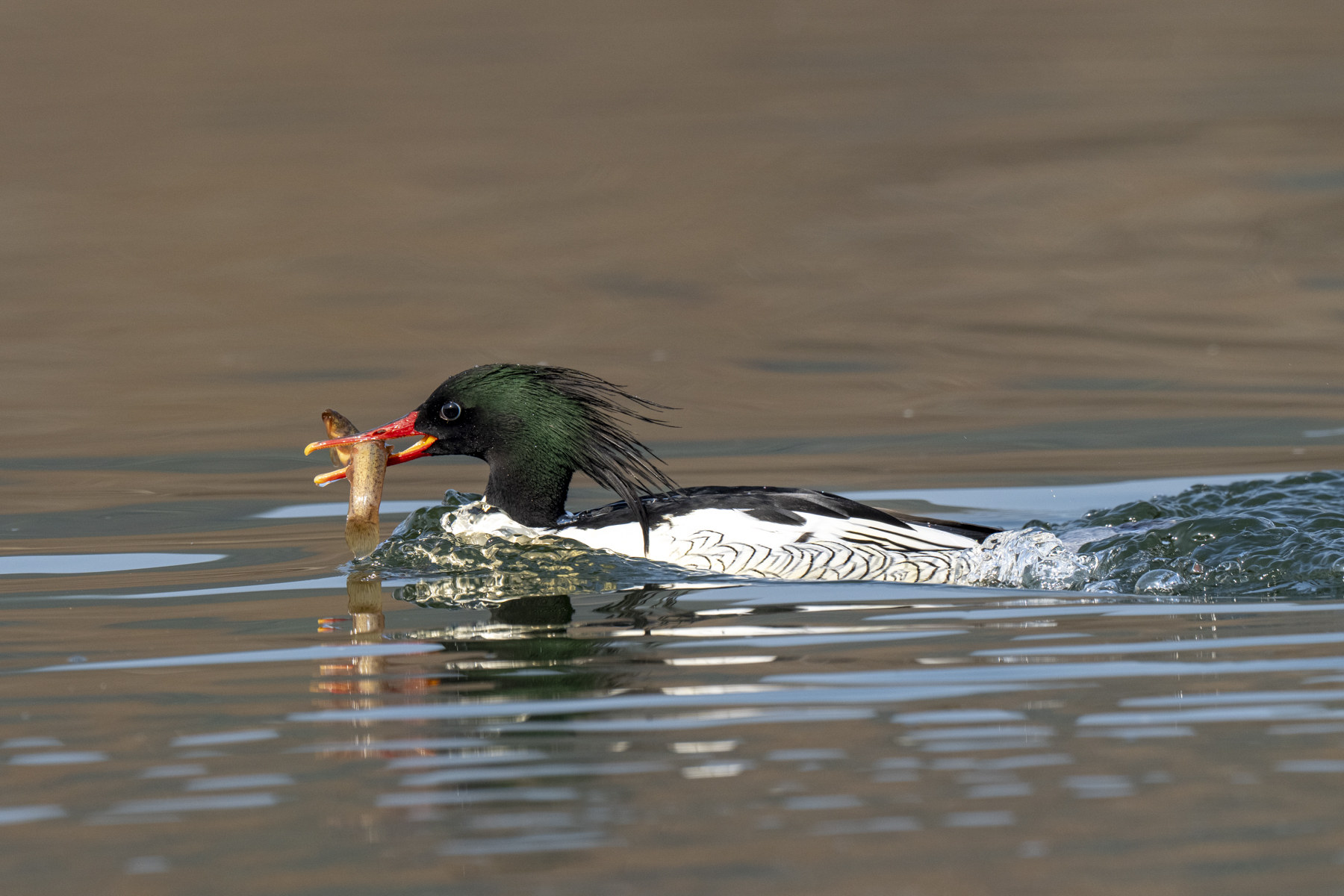
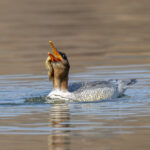
Scaly-sided Merganser (image by Mark Beaman)
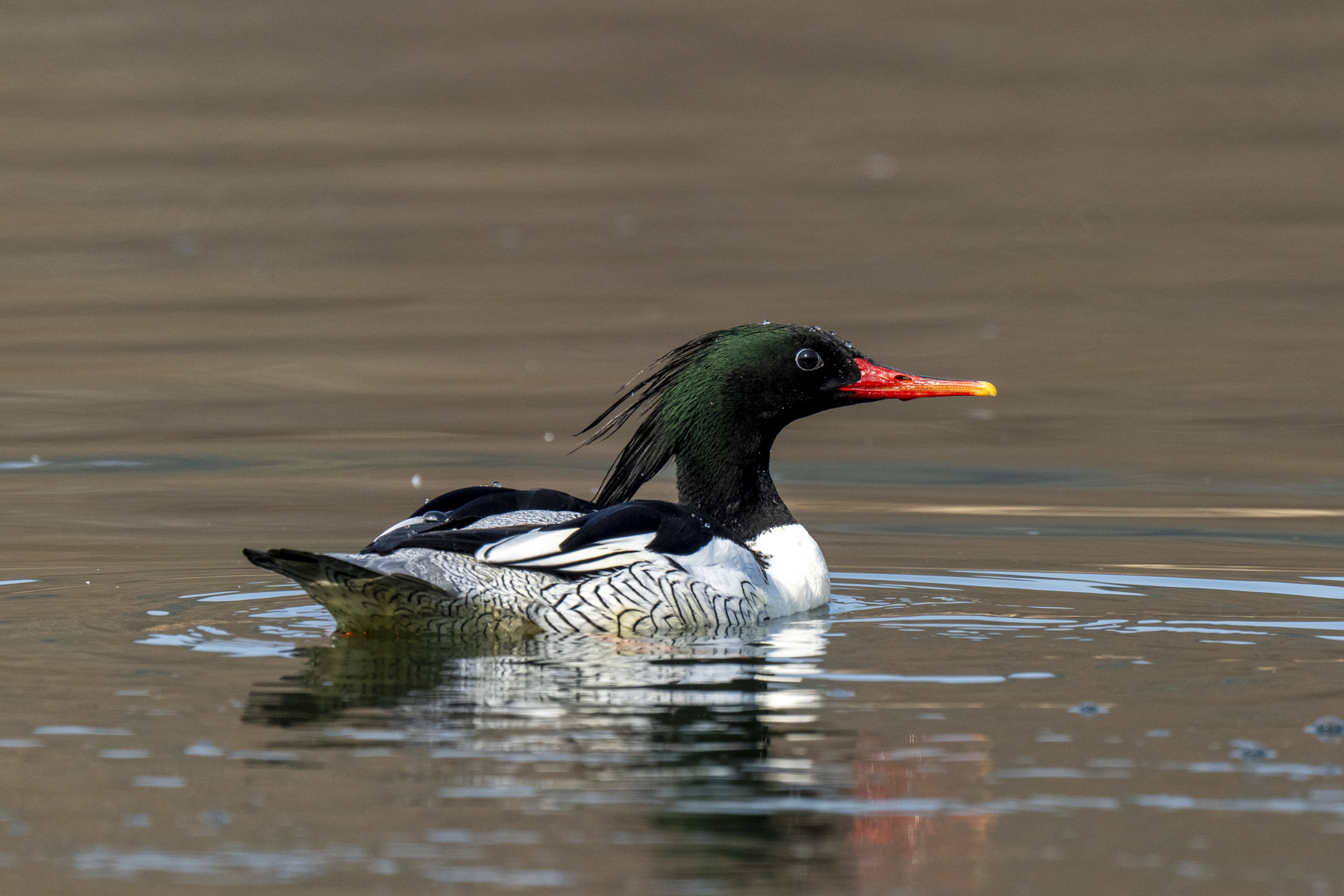
Scaly-sided Merganser (image by Mark Beaman)
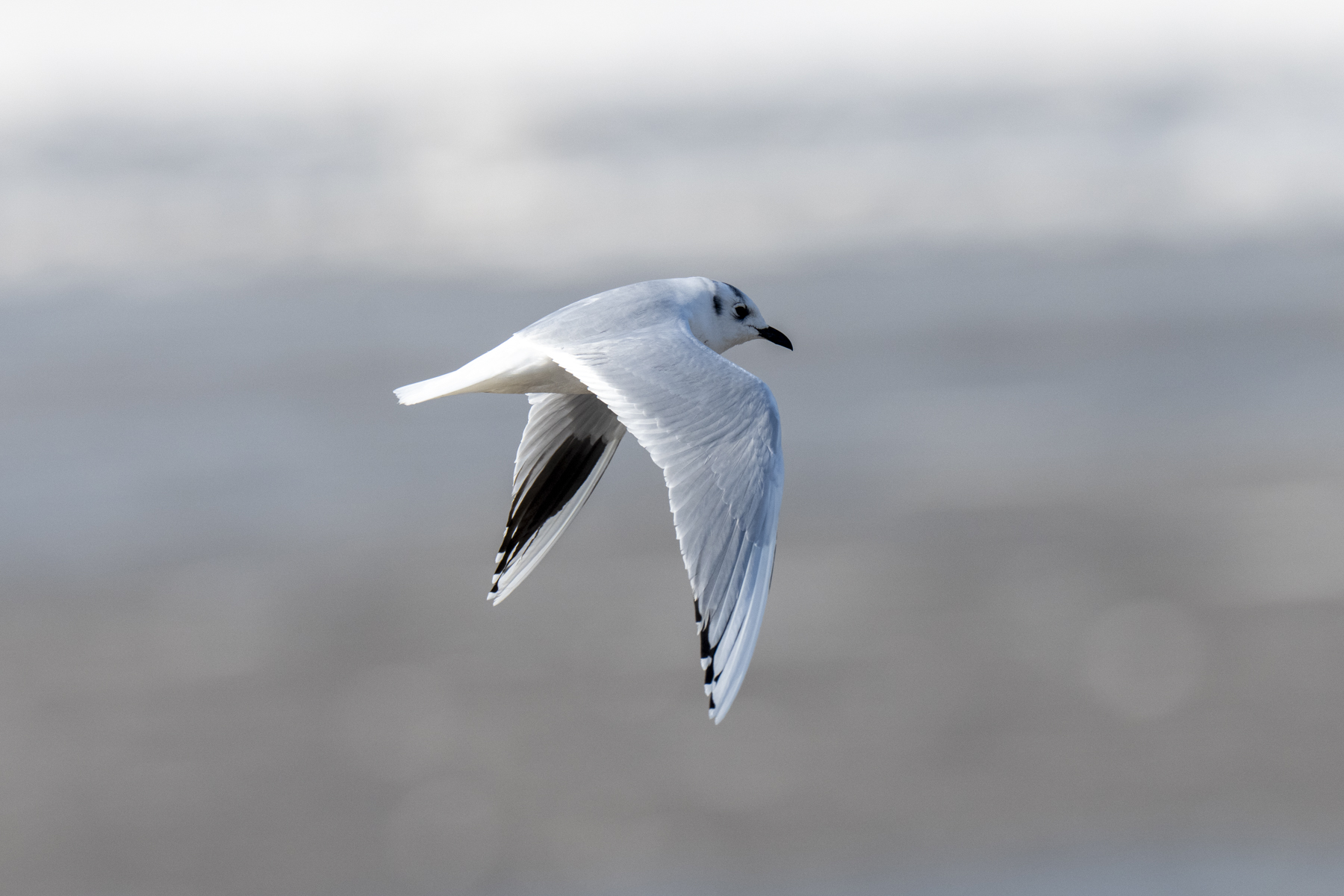
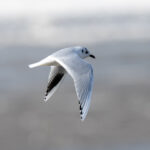
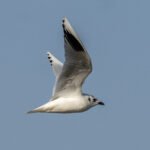
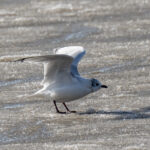
Saunders's Gull (image by Mark Beaman)
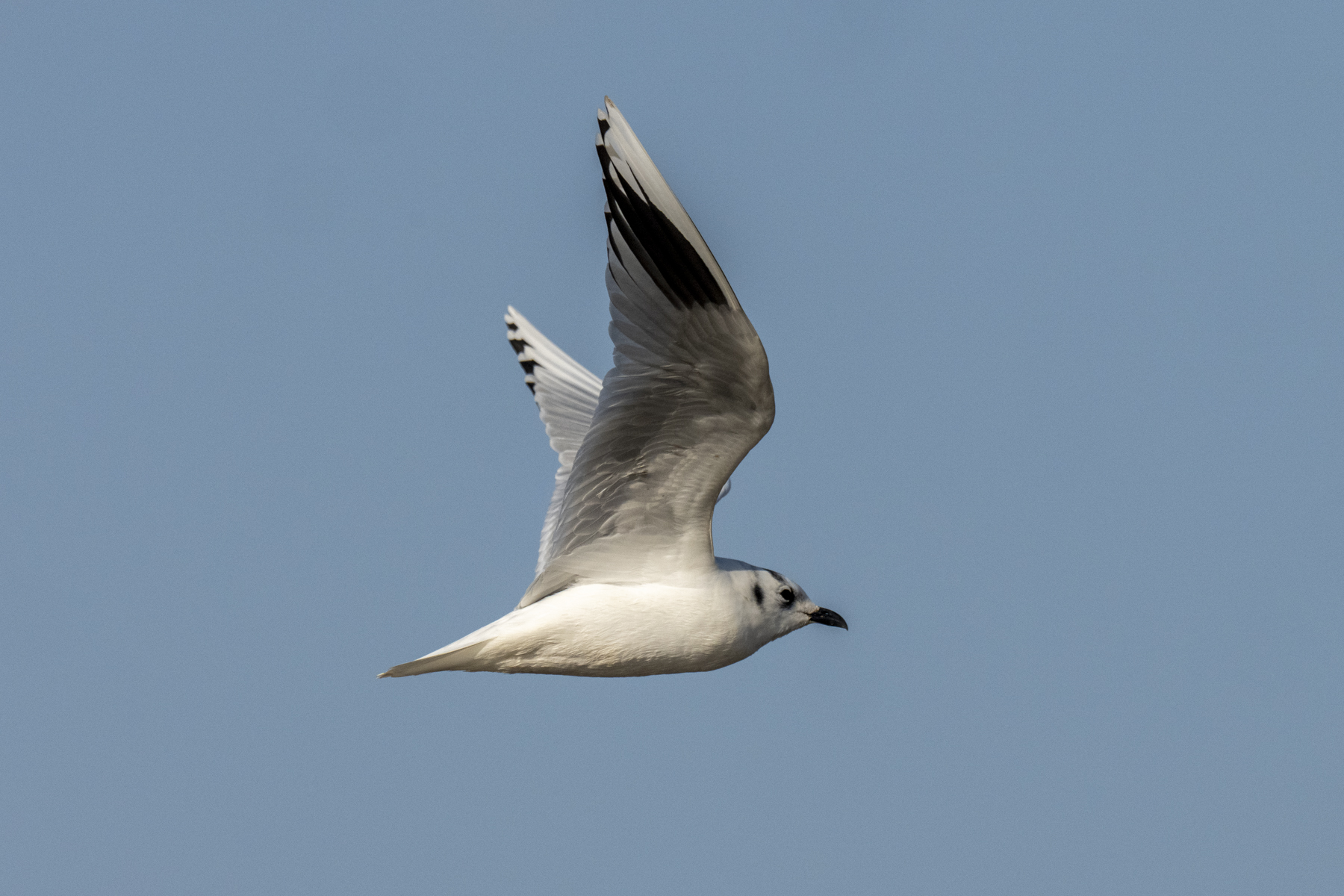
Saunders's Gull (image by Mark Beaman)
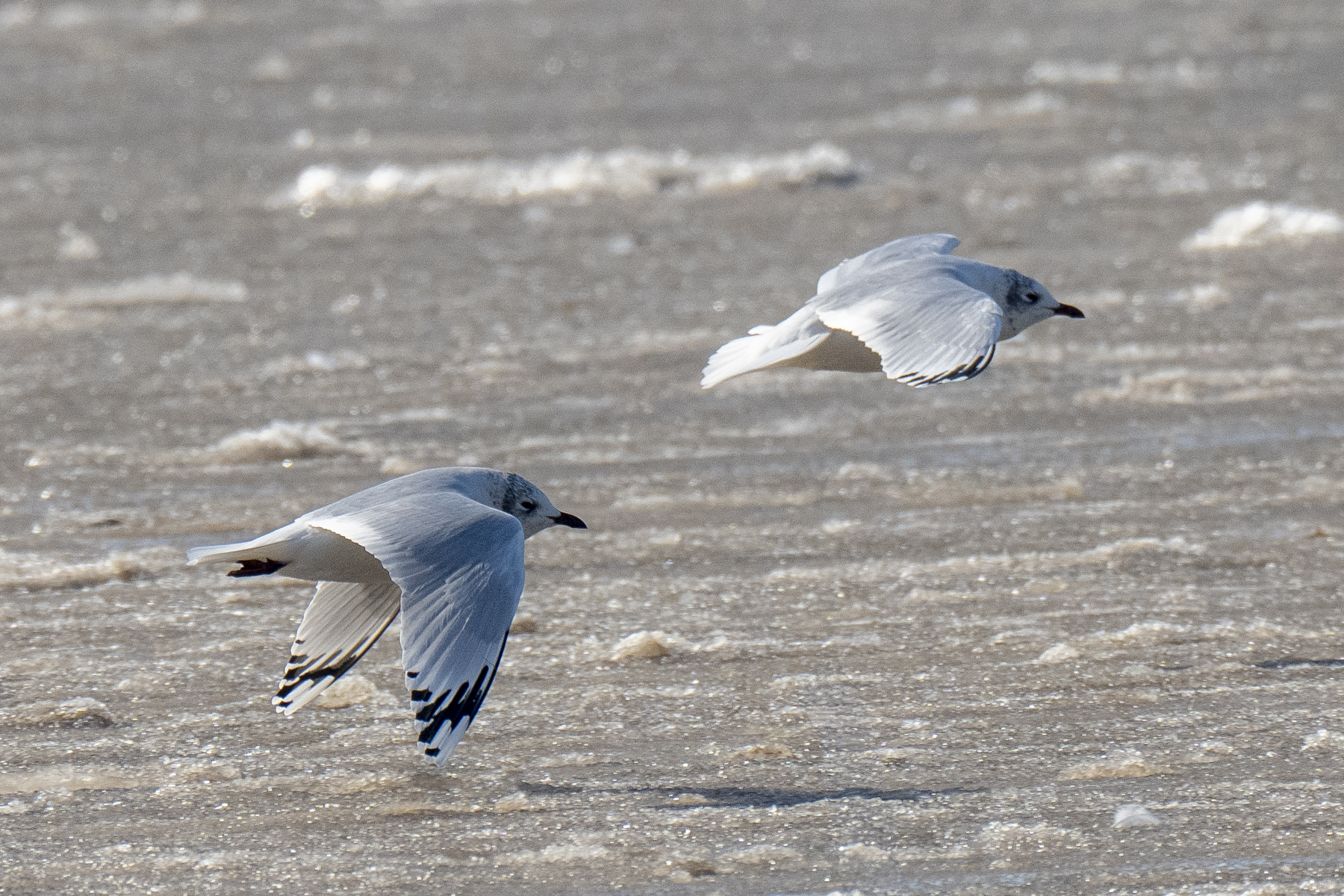
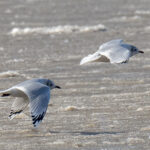
Relict Gulls (image by Mark Beaman)
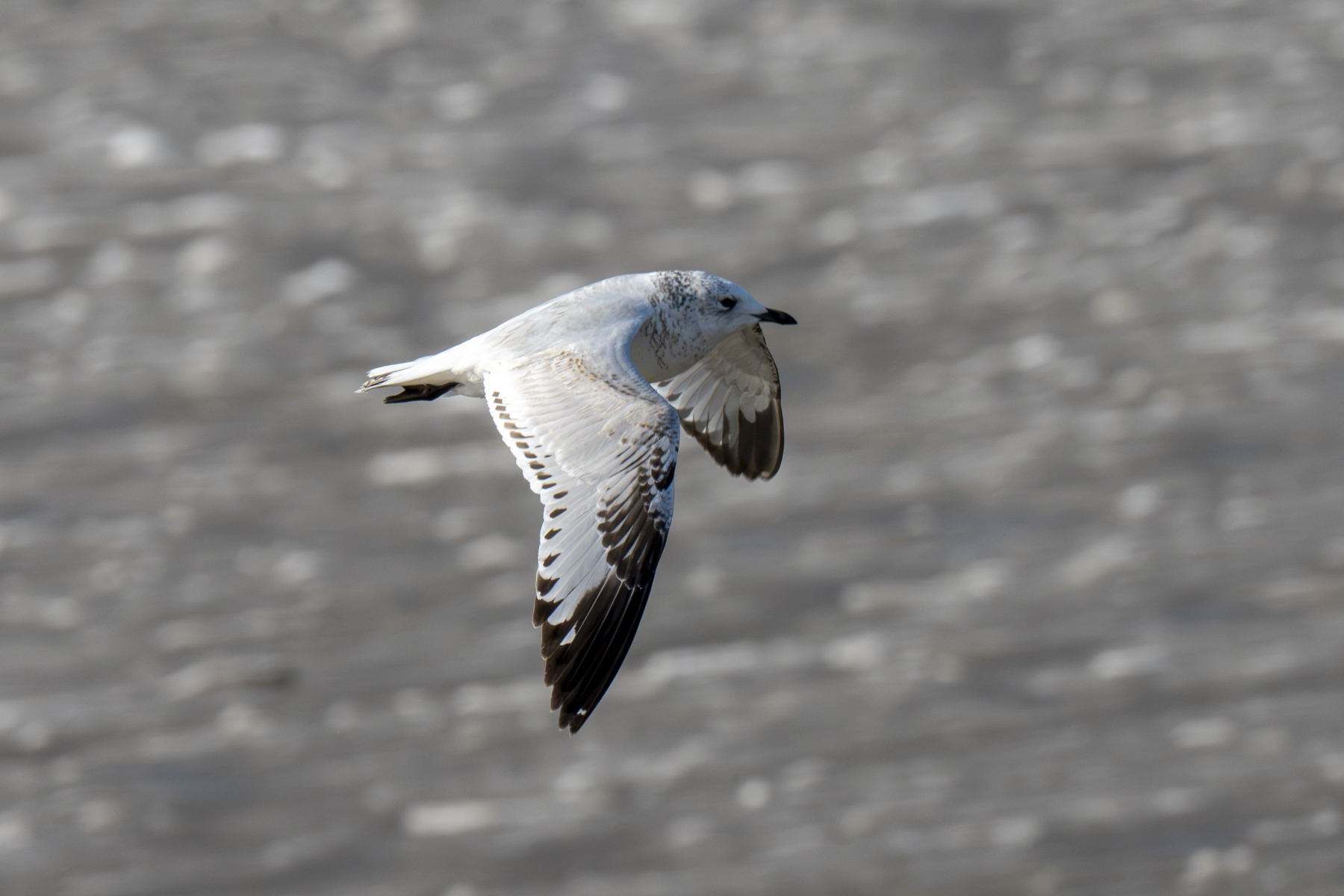
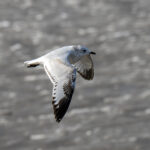
Relict Gull immature (image by Mark Beaman)
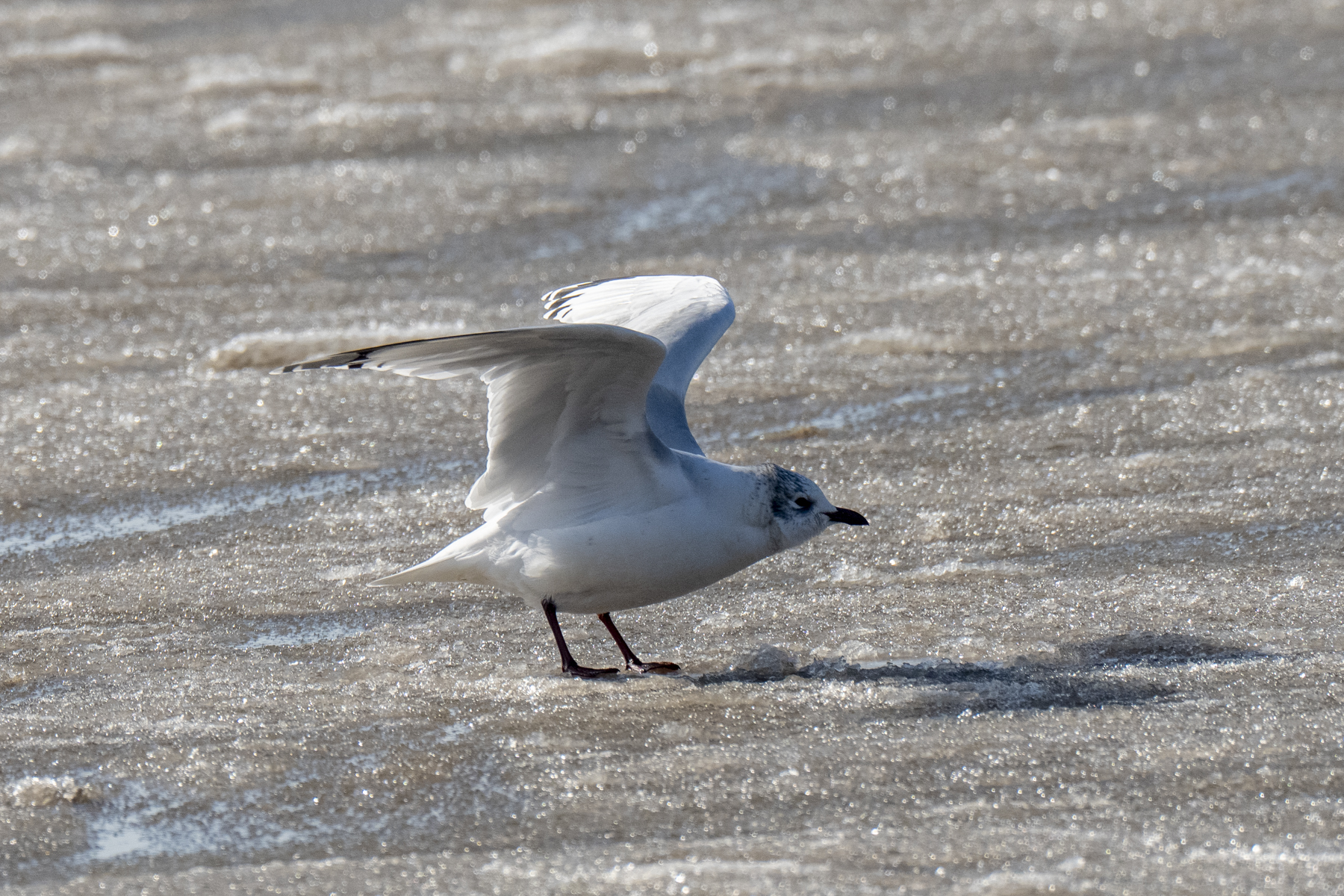
Relict Gull (image by Mark Beaman)
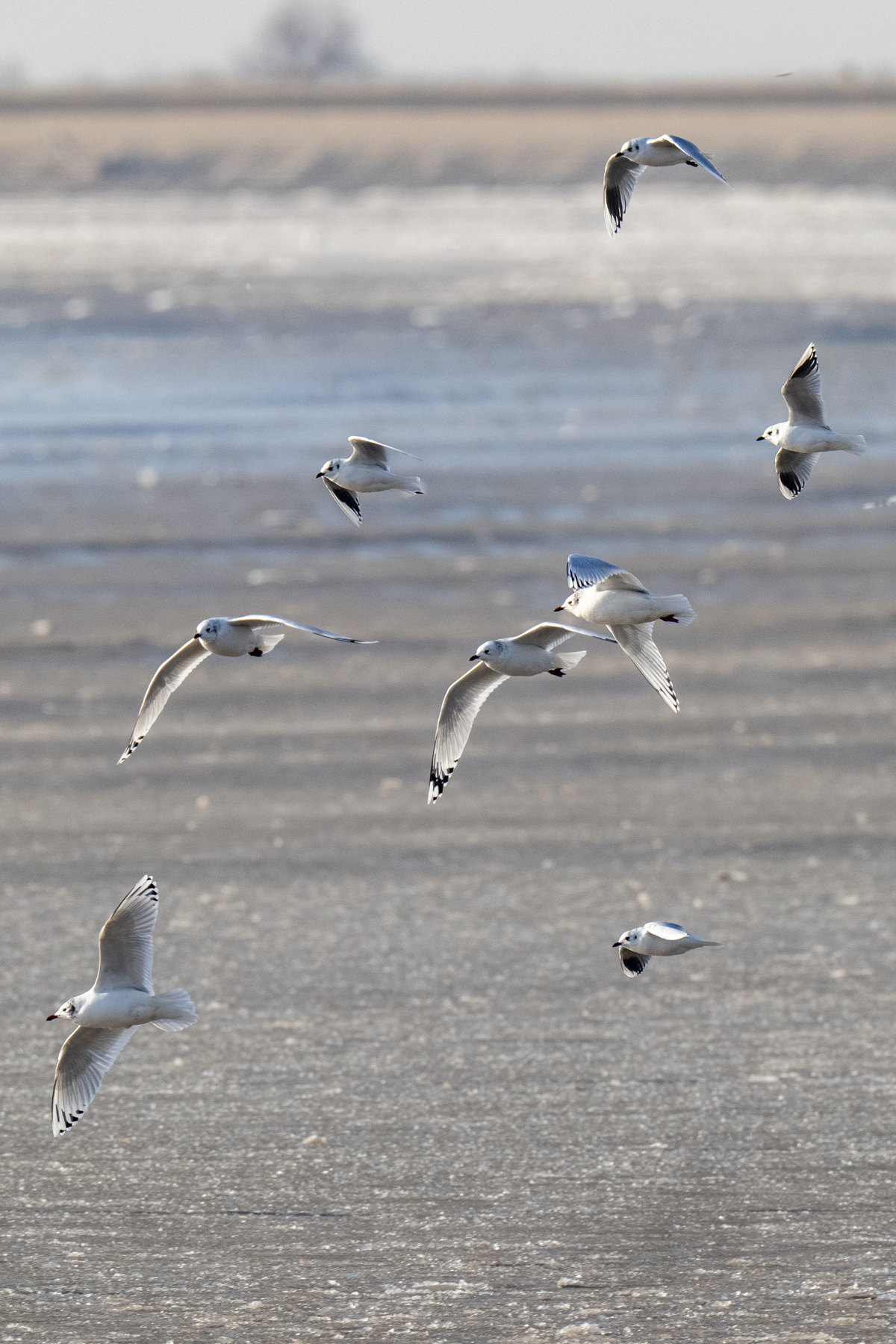
Relict and Saunders's Gulls (image by Mark Beaman)
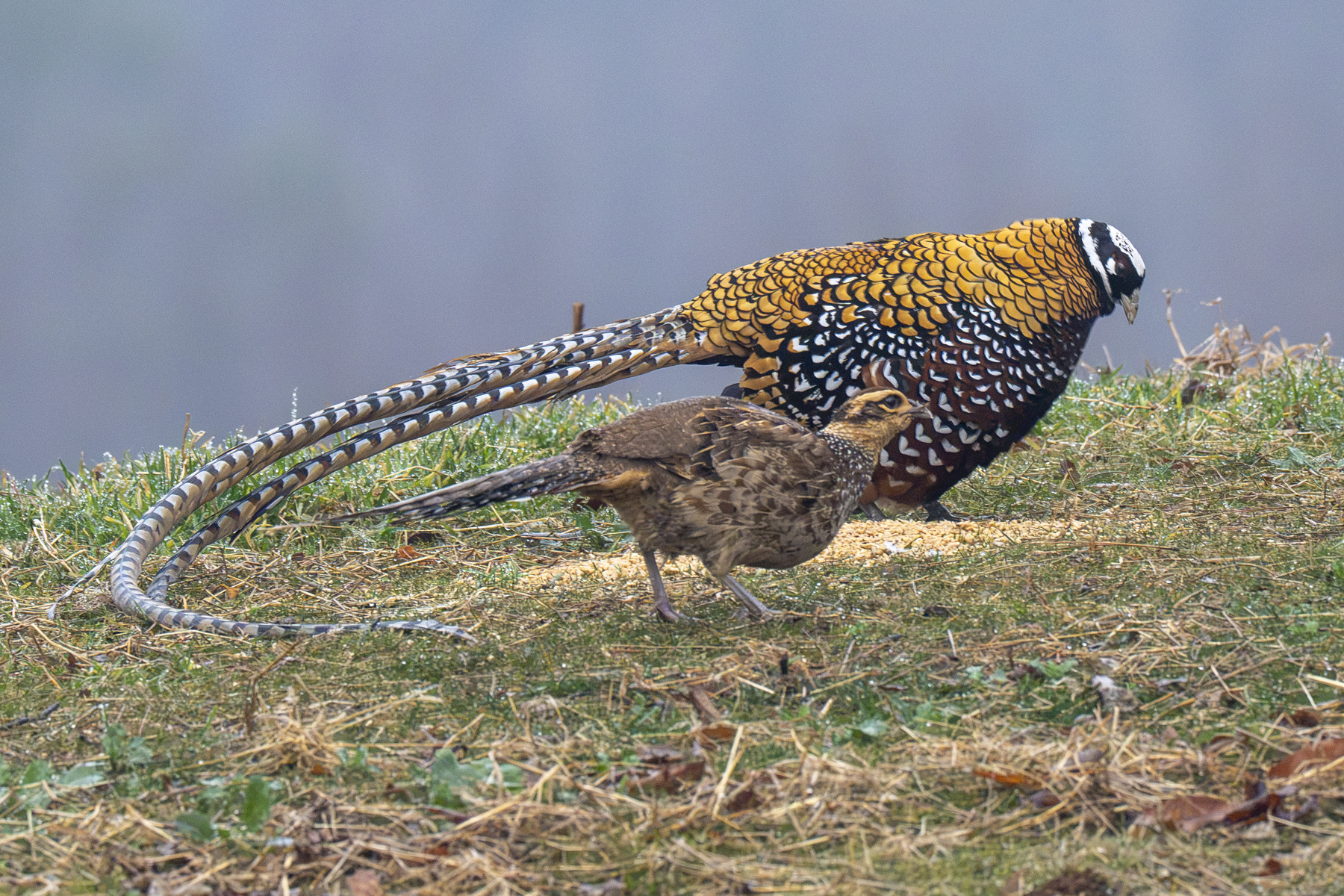
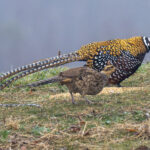
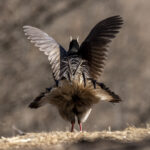
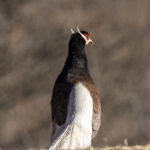
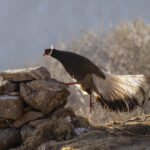
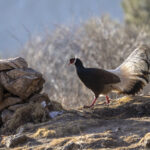
Reeves's Pheasants (image by Mark Beaman)
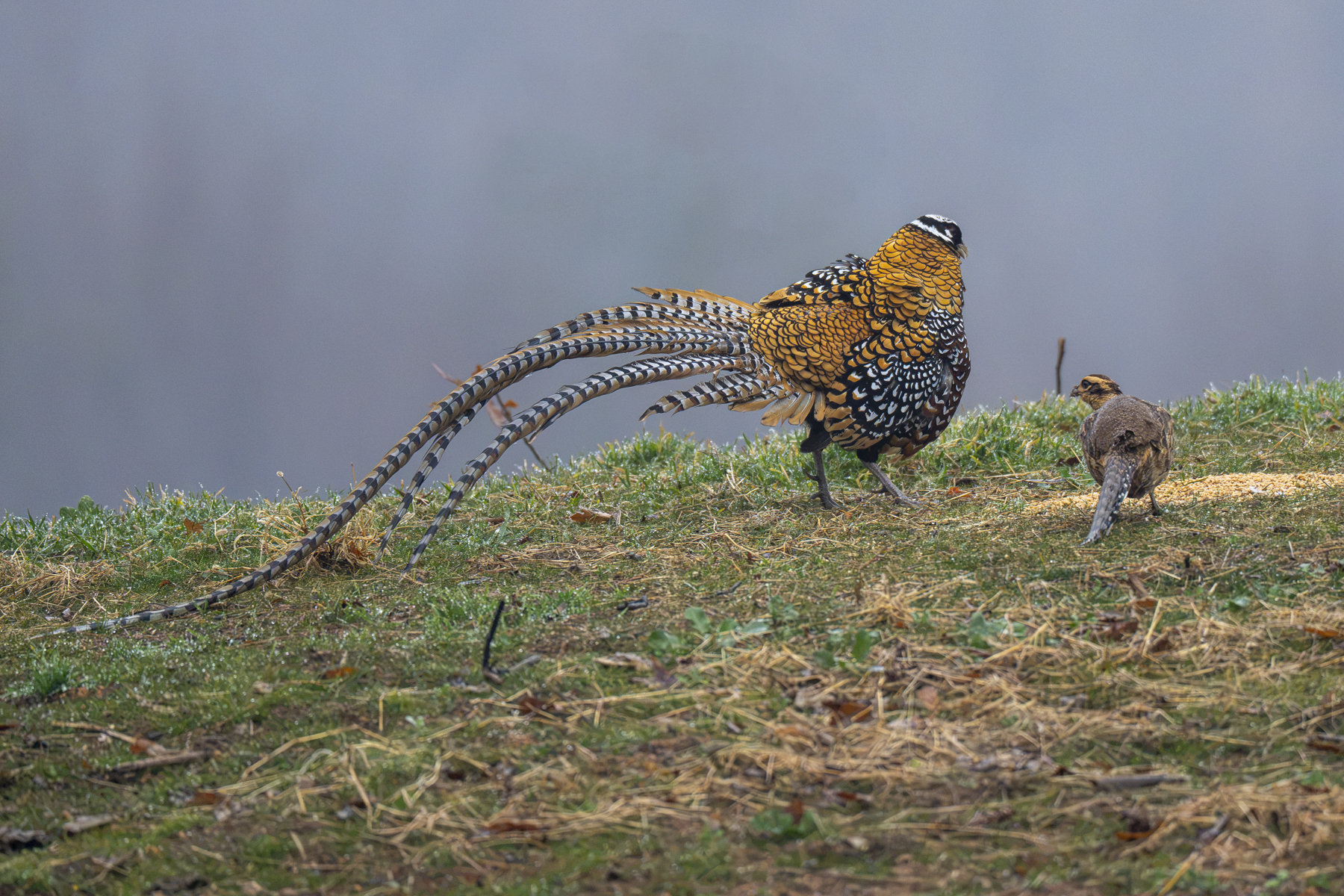
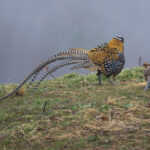
Reeves's Pheasants (image by Mark Beaman)
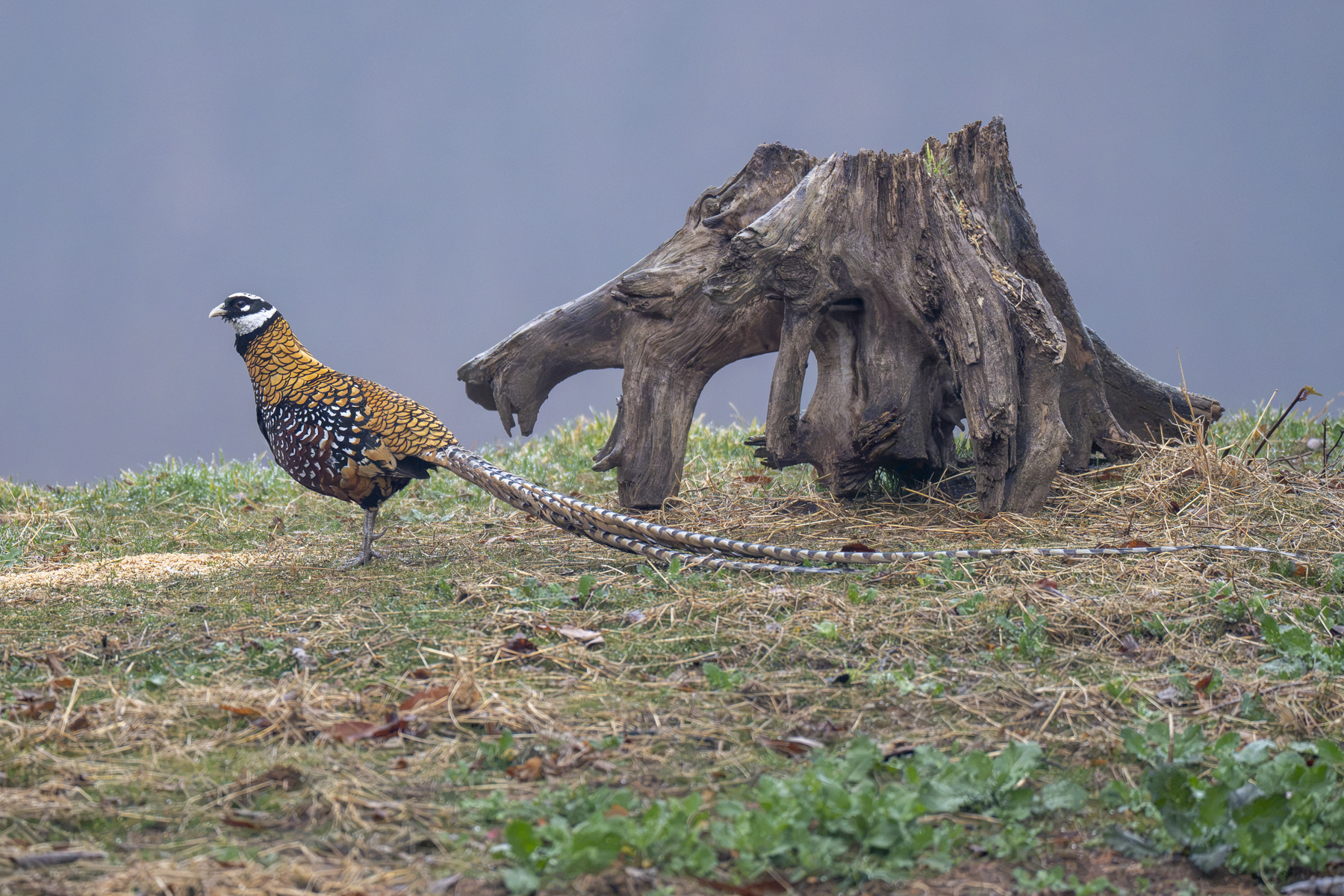
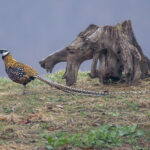
Reeves's Pheasant (image by Mark Beaman)
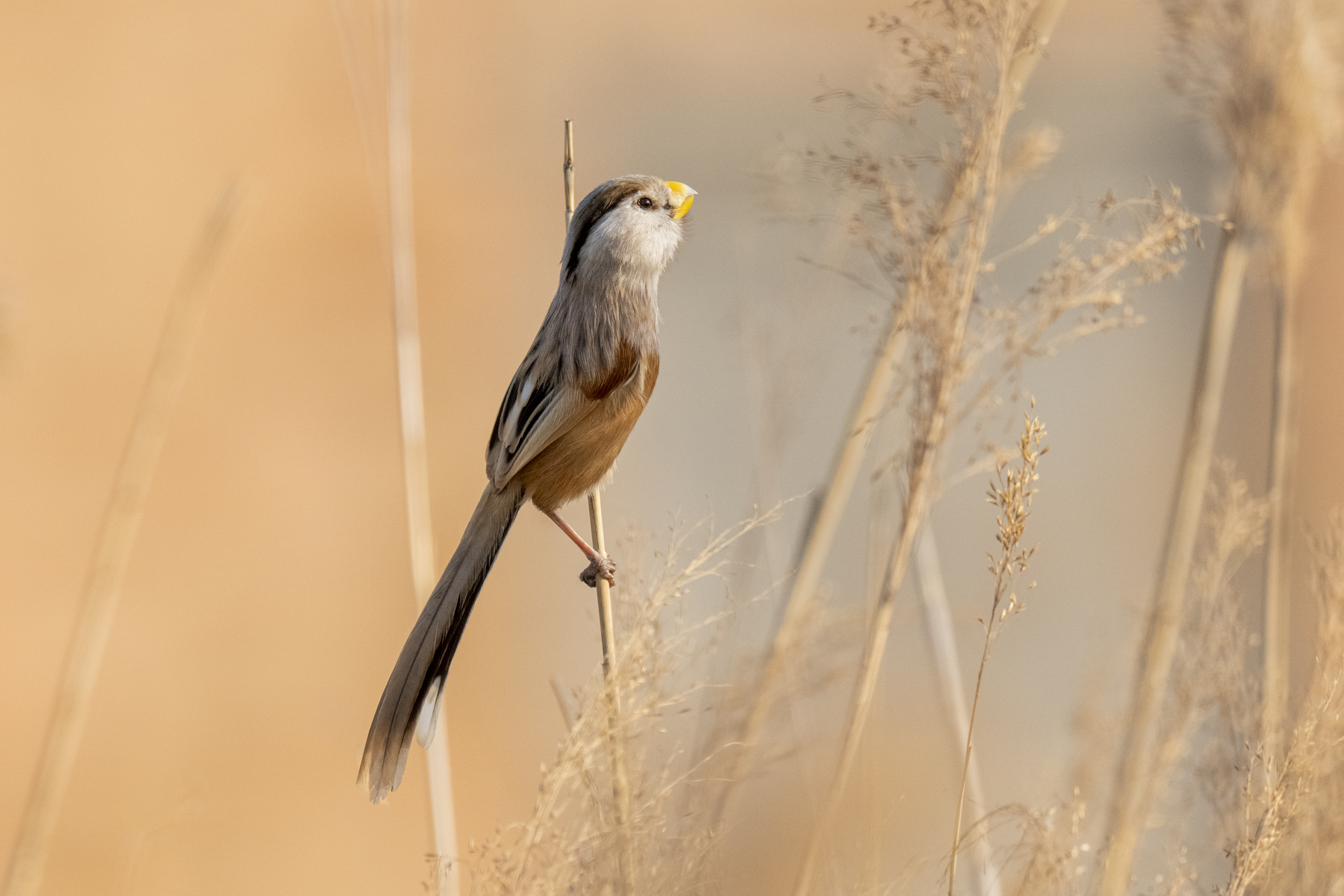
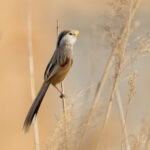
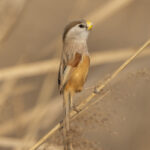
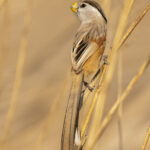
Reed Parrotbill (image by Mark Beaman)
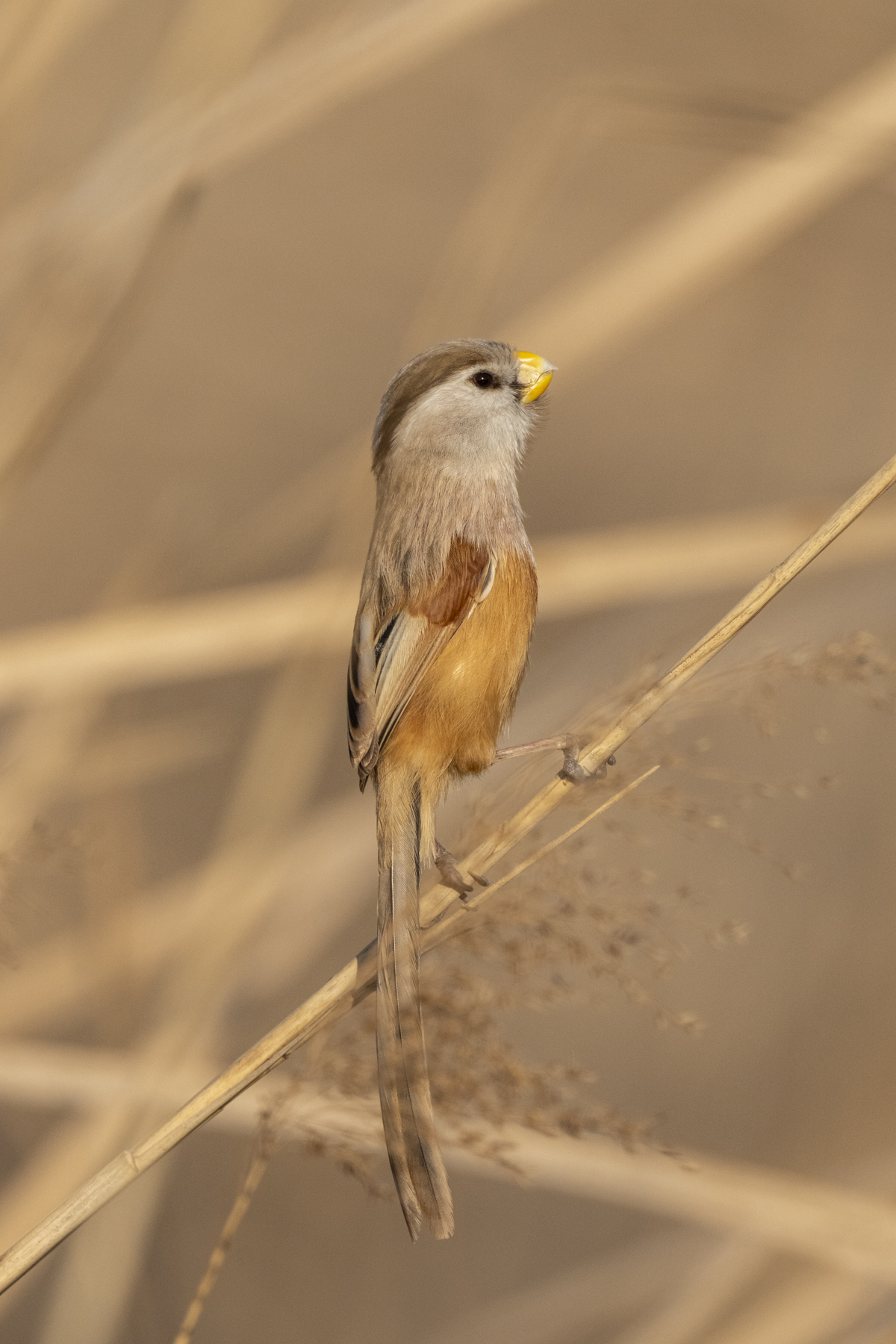
Reed Parrotbill (image by Mark Beaman)
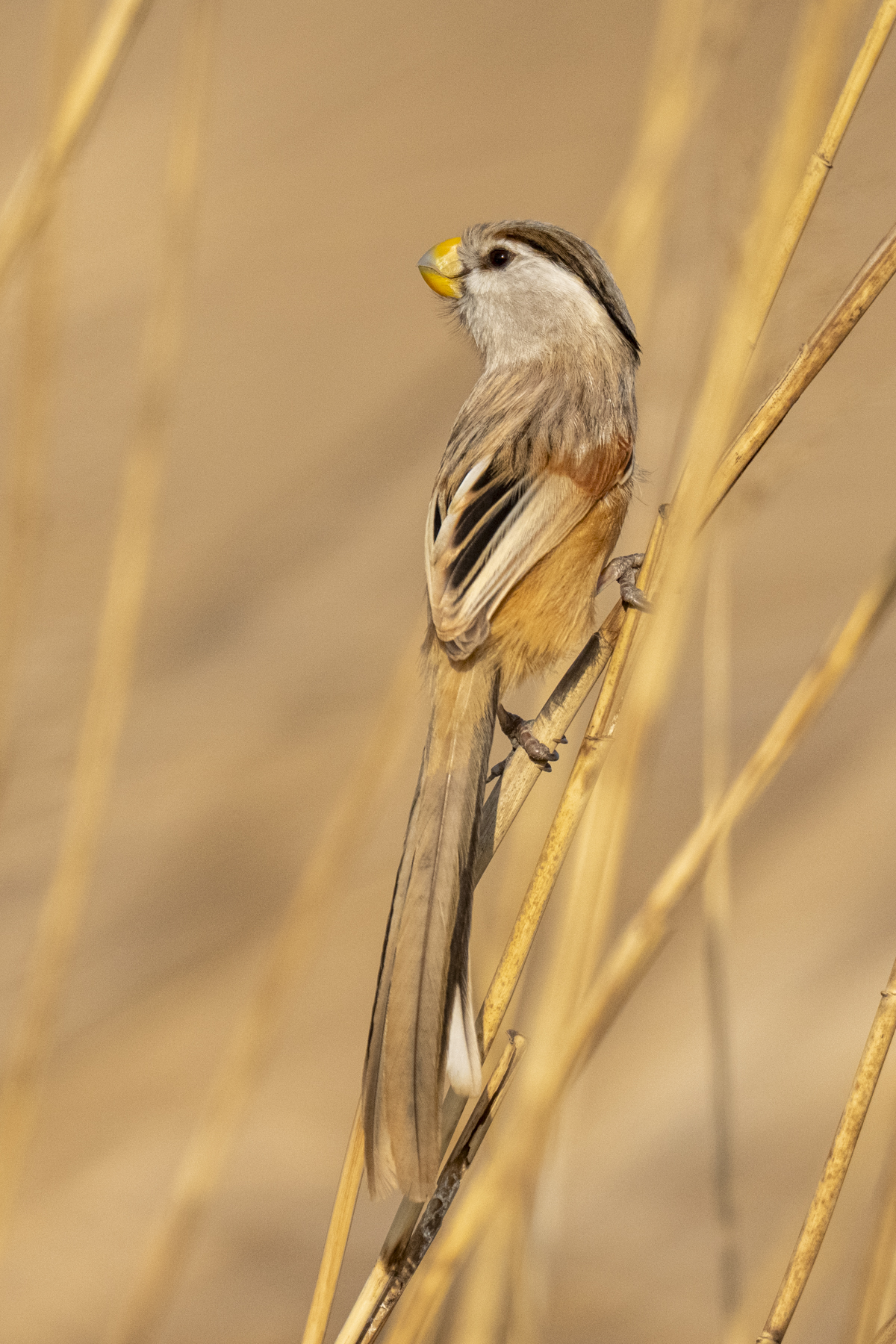
Reed Parrotbill (image by Mark Beaman)
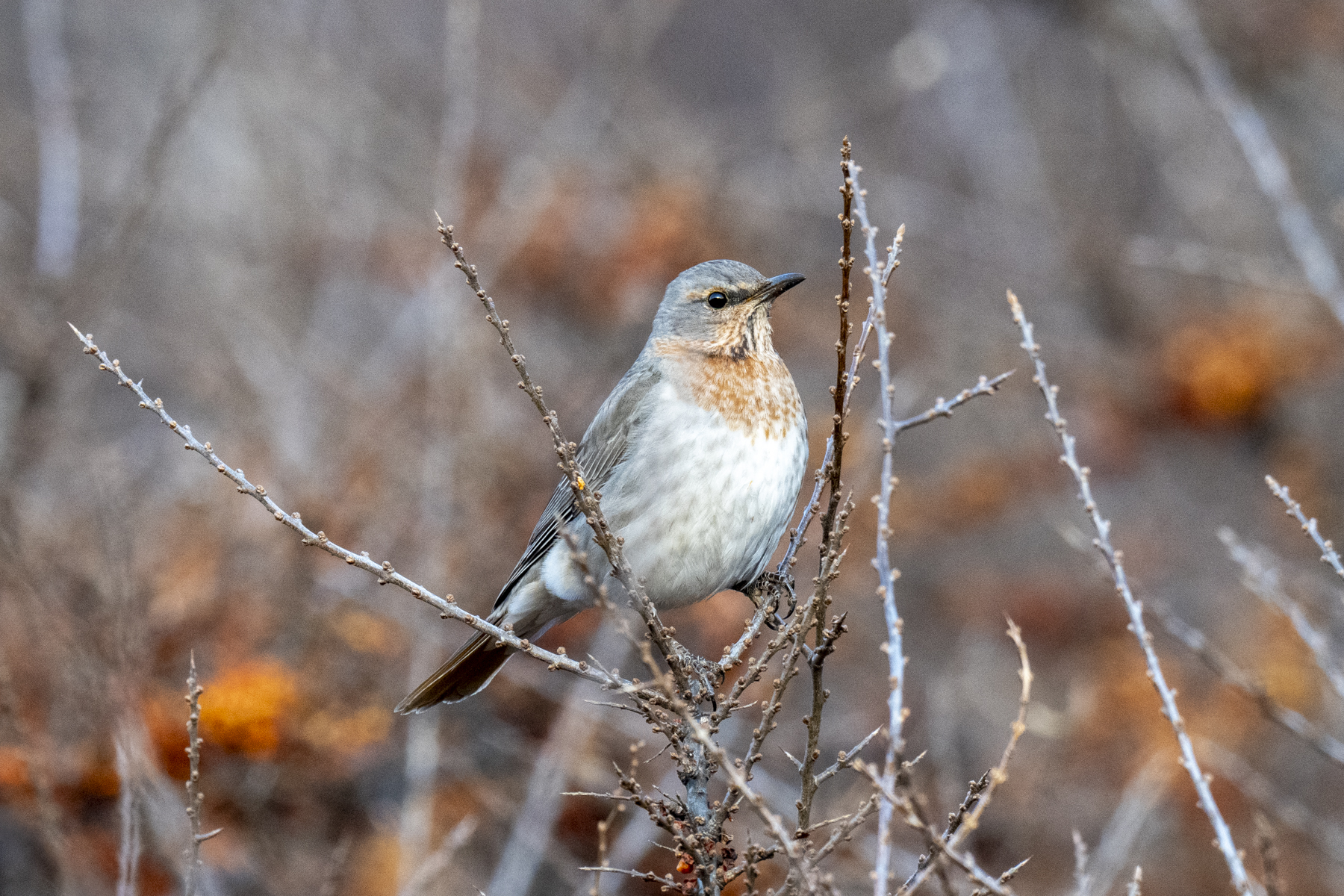
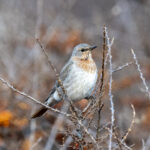
Red-throated Thrush female (image by Mark Beaman)
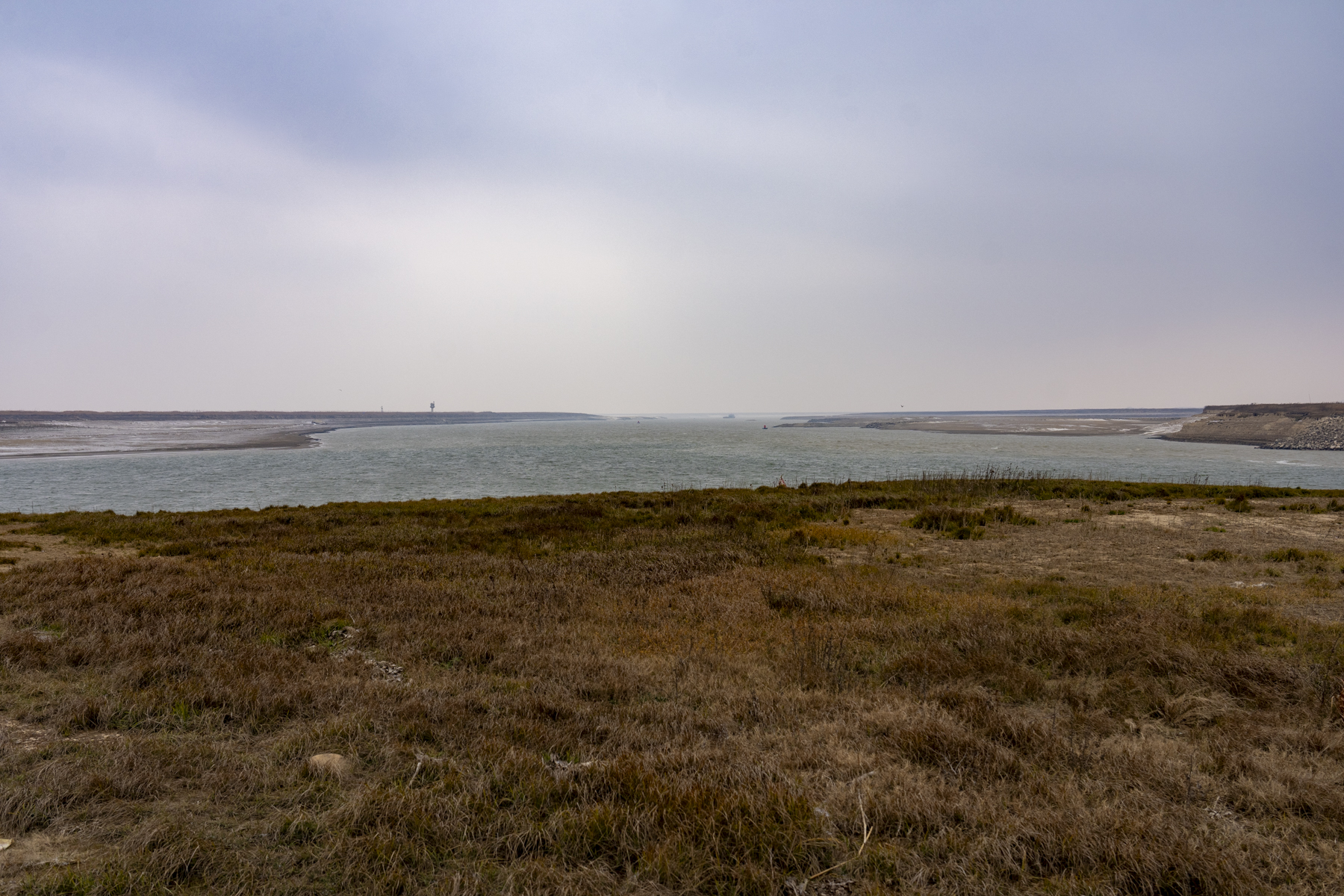
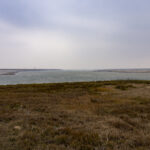
Part of the vast Poyang lake complex (image by Mark Beaman)
Pere David's Laughingthrush (image by Mark Beaman)
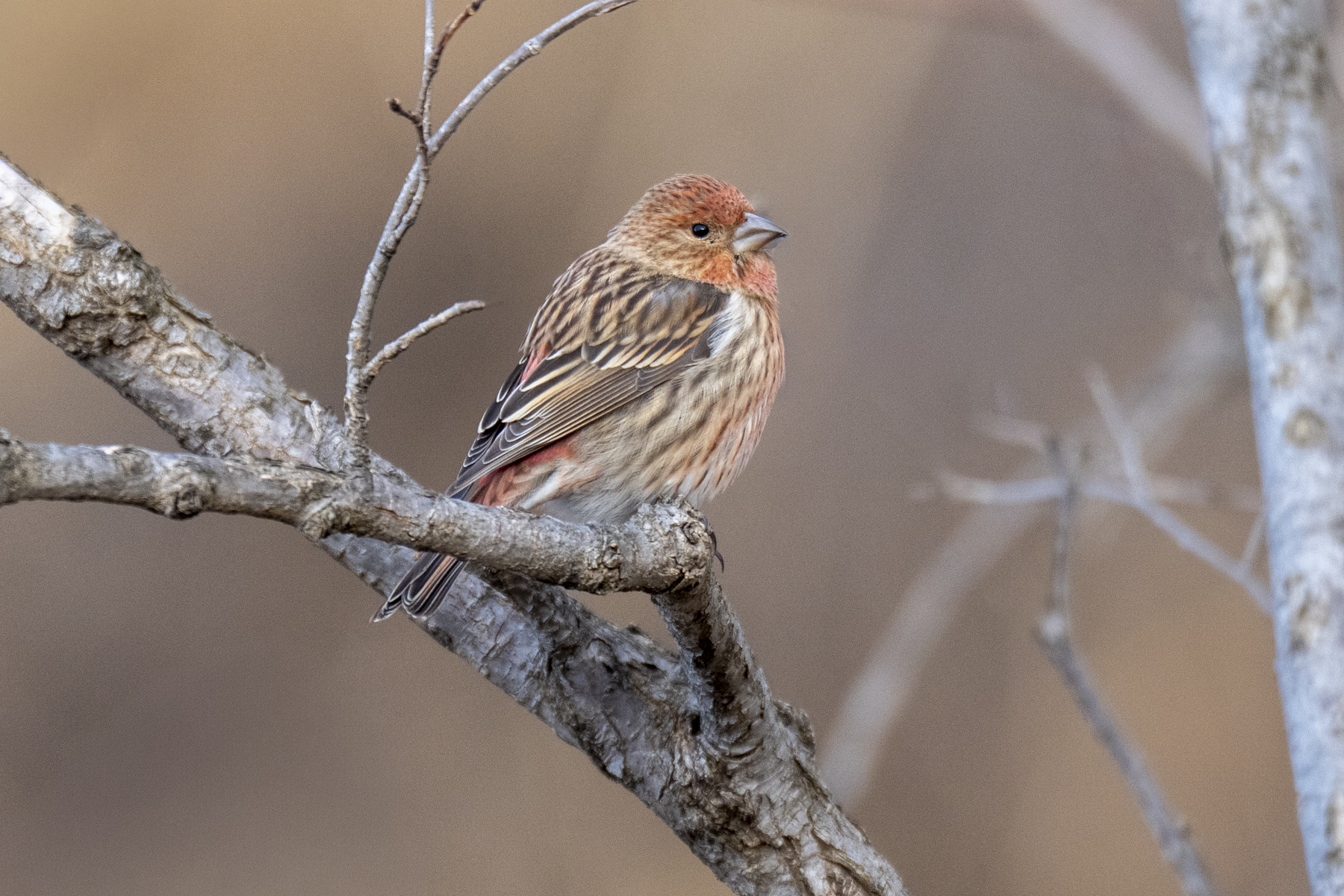
Pallas's Rosefinch female (image by Mark Beaman)
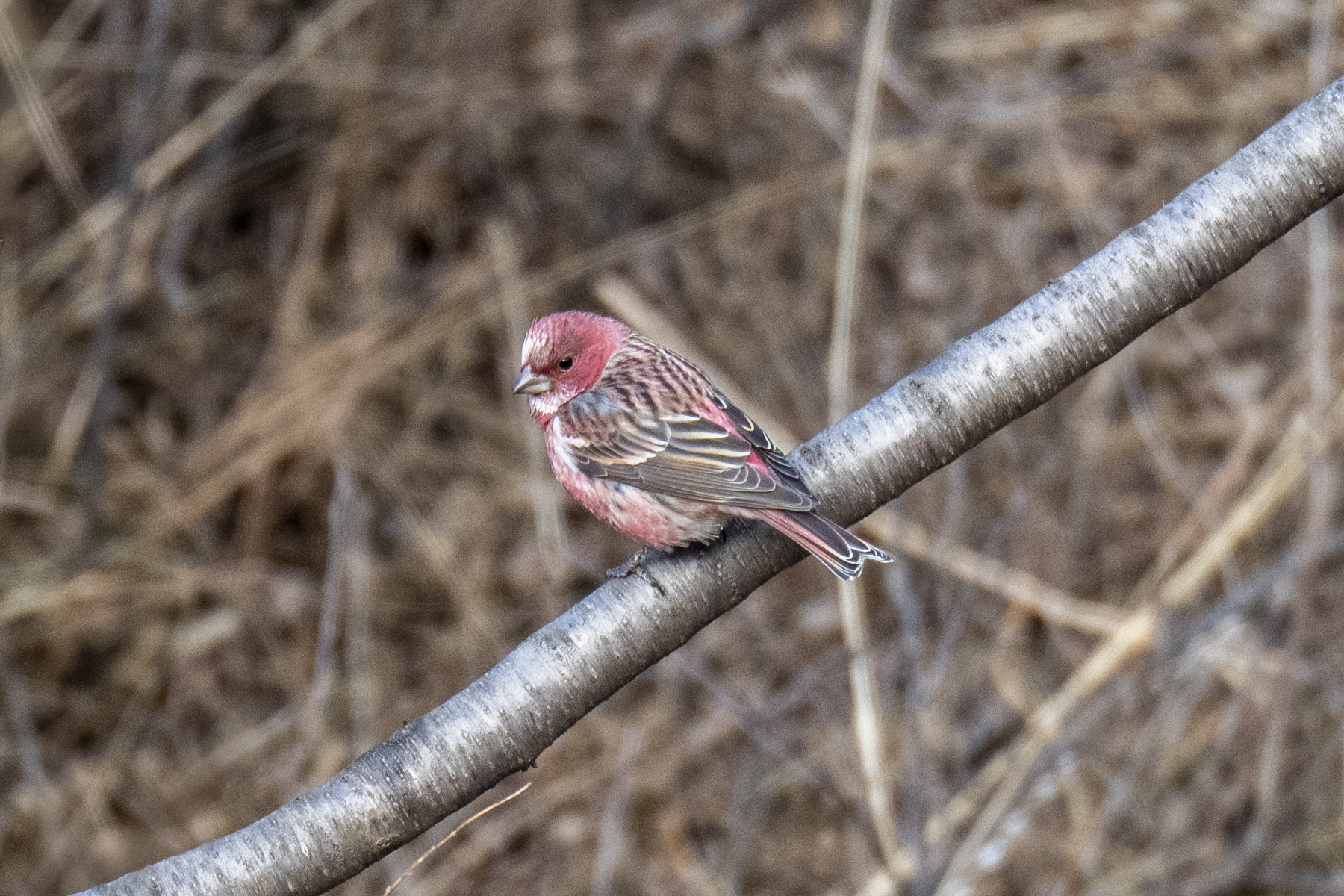
Pallas's Rosefinch (image by Mark Beaman)
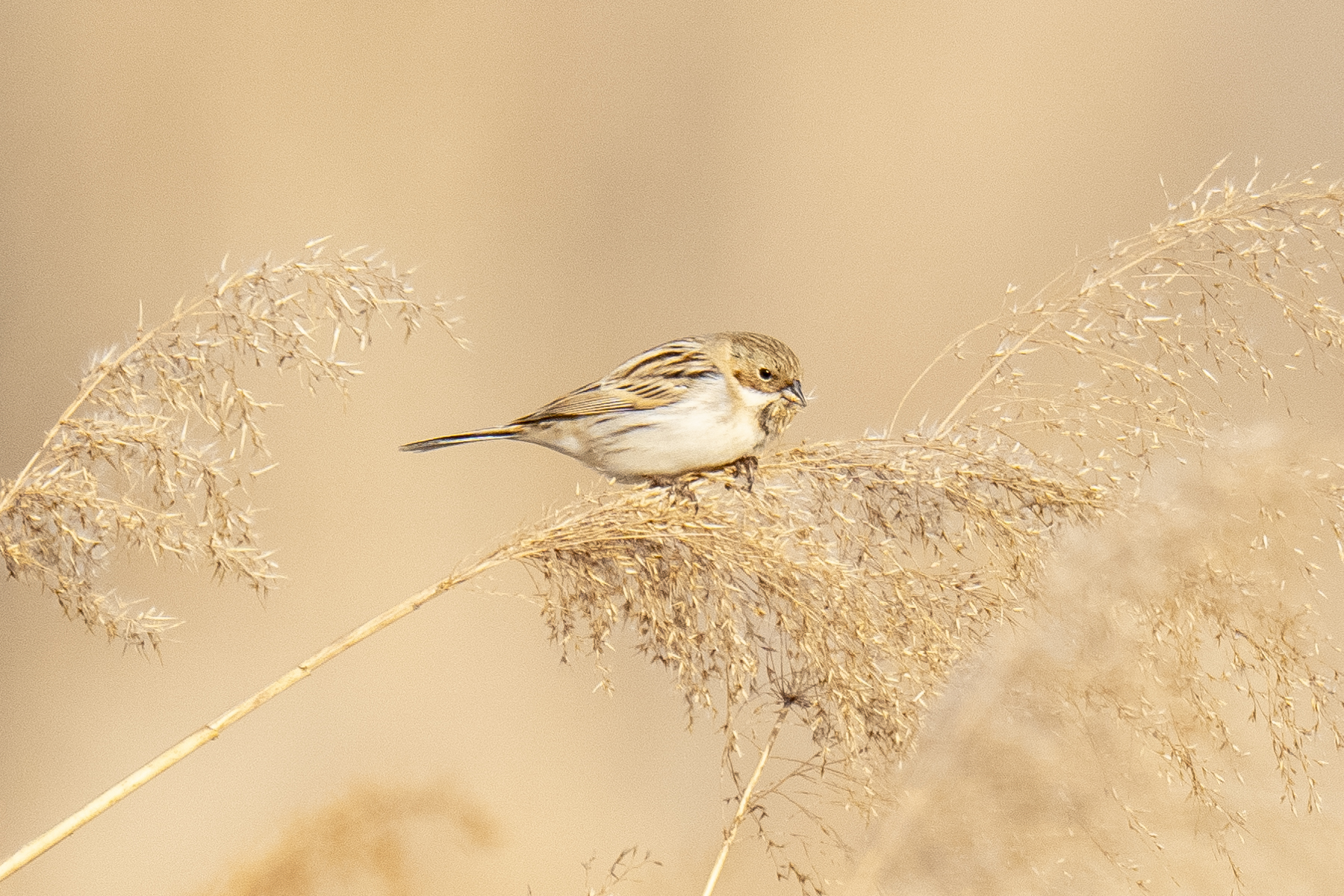
Pallas's Reed Bunting (image by Mark Beaman)
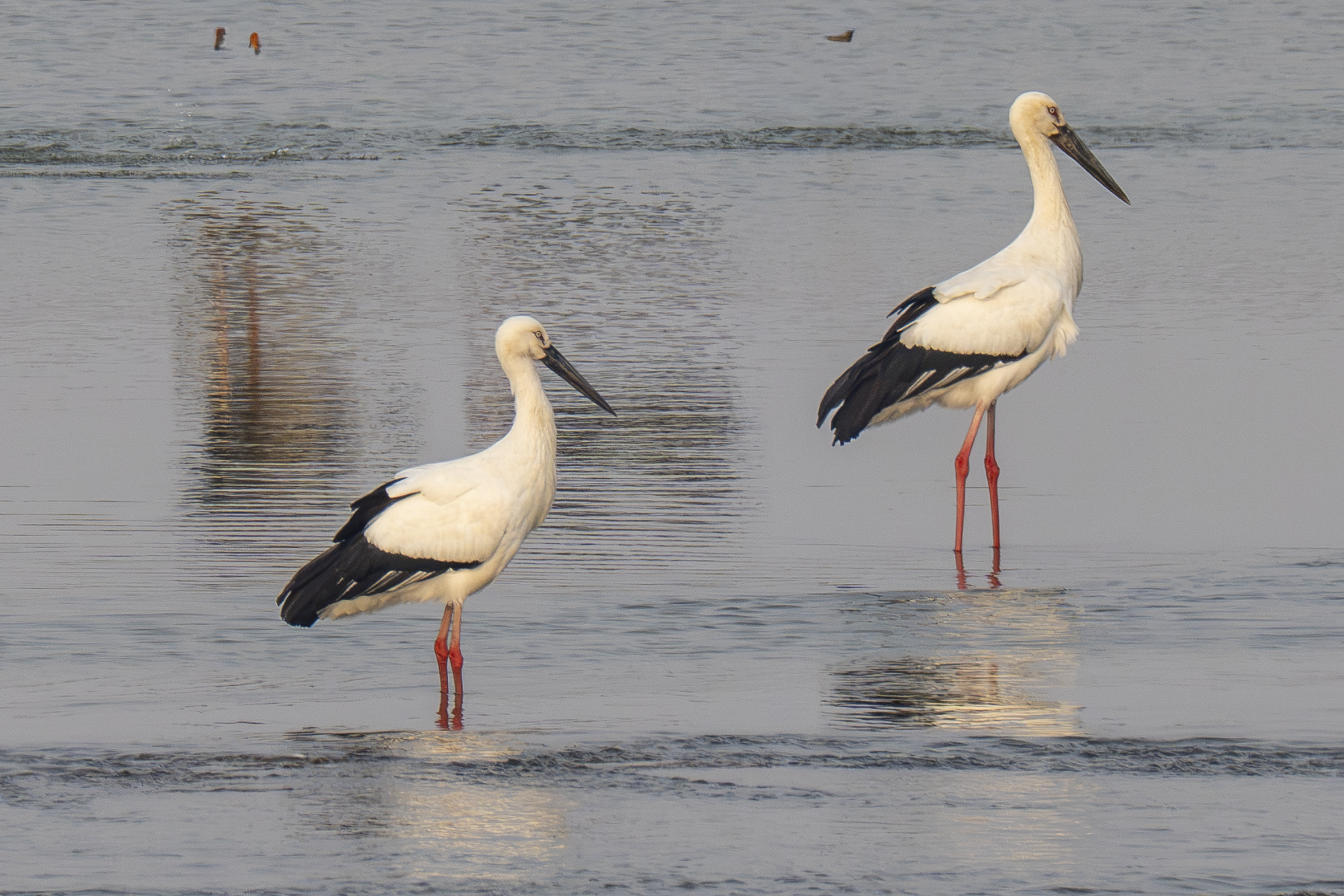
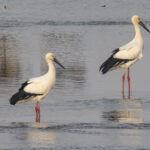
Oriental Storks (image by Mark Beaman)
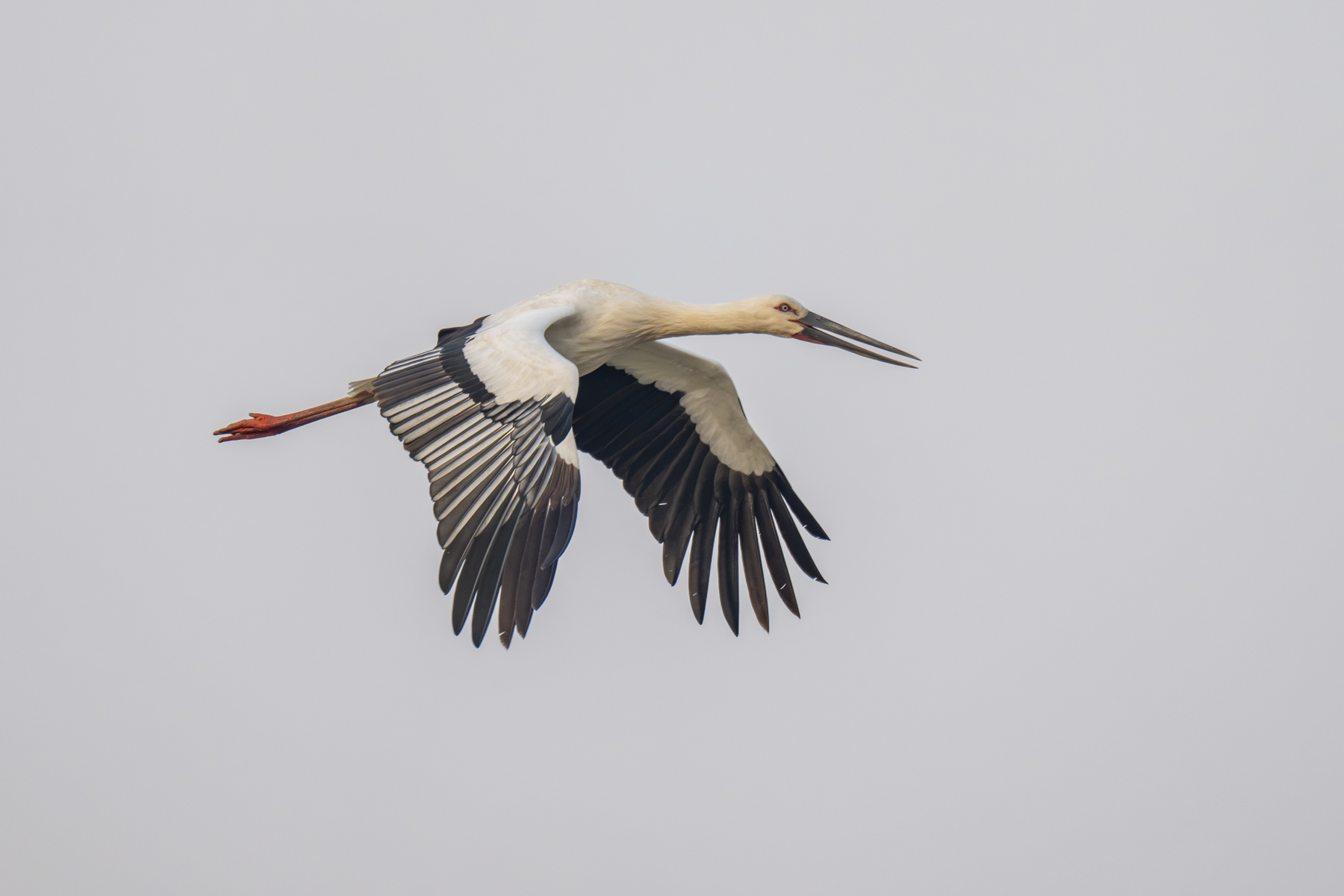
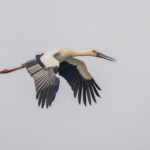
Oriental Stork (image by Mark Beaman)
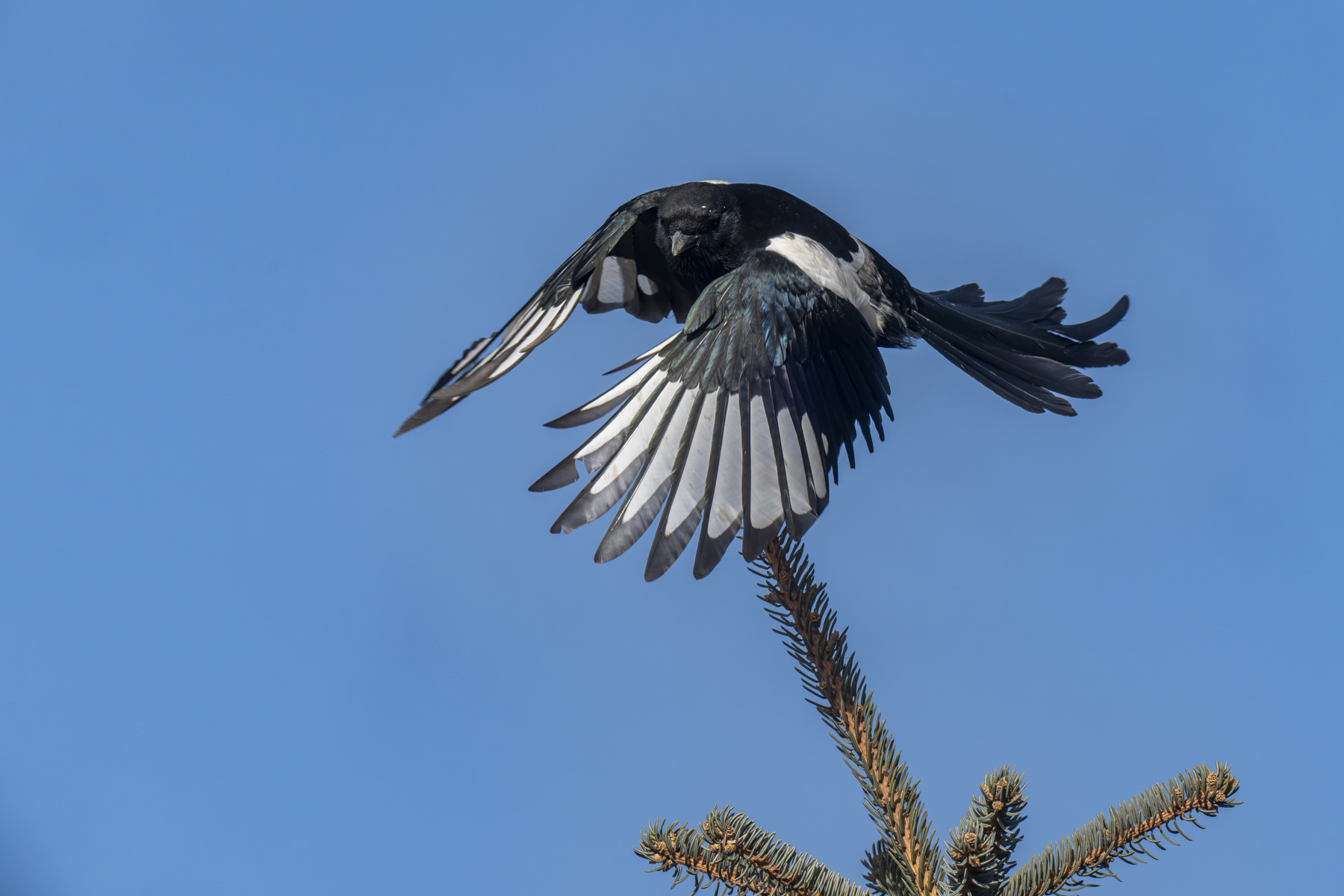
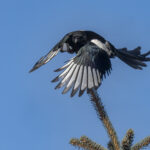
Oriental Magpie (image by Mark Beaman)
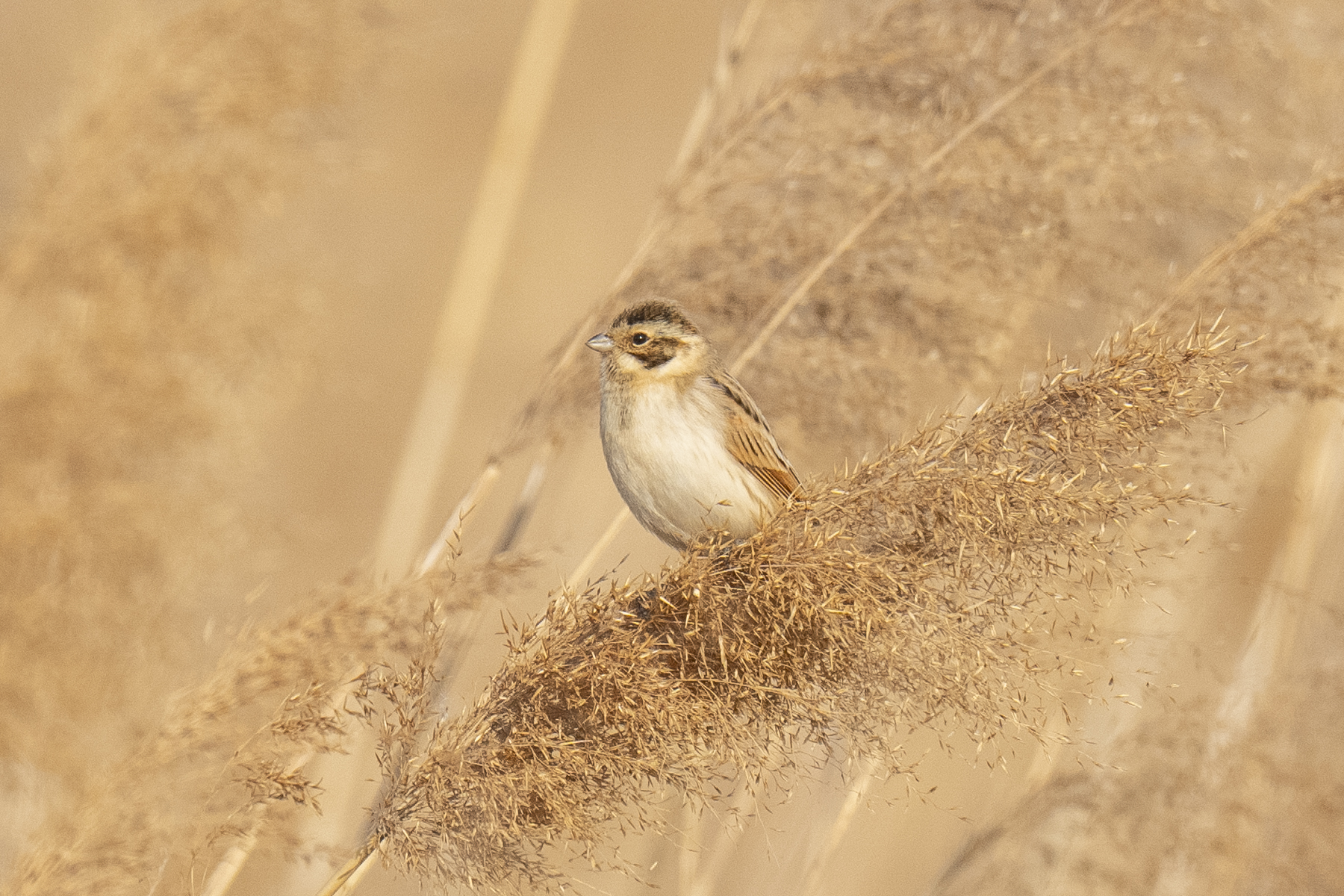
Ochre-rumped Bunting (image by Mark Beaman)
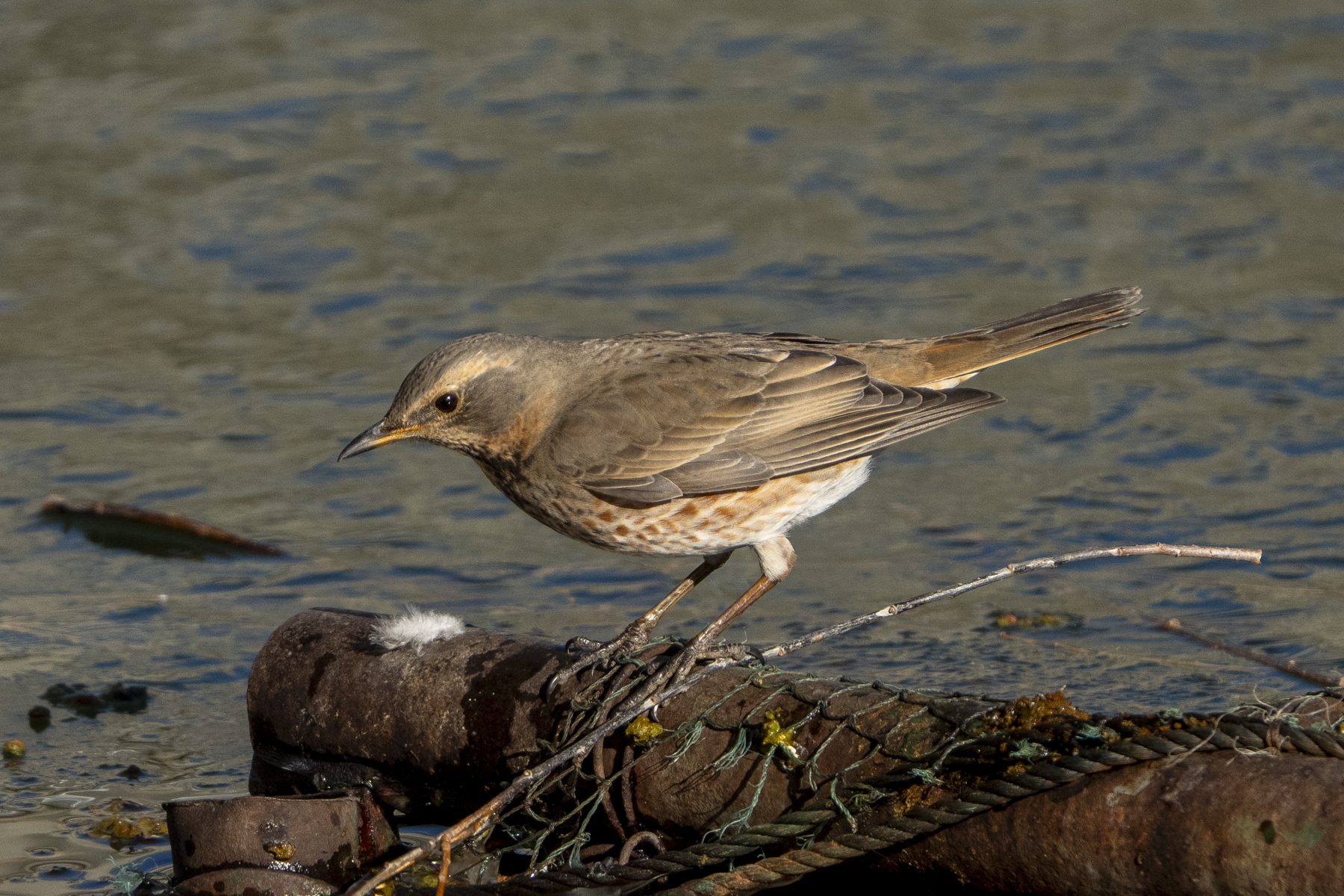
Naumann's Thrush (image by Mark Beaman)
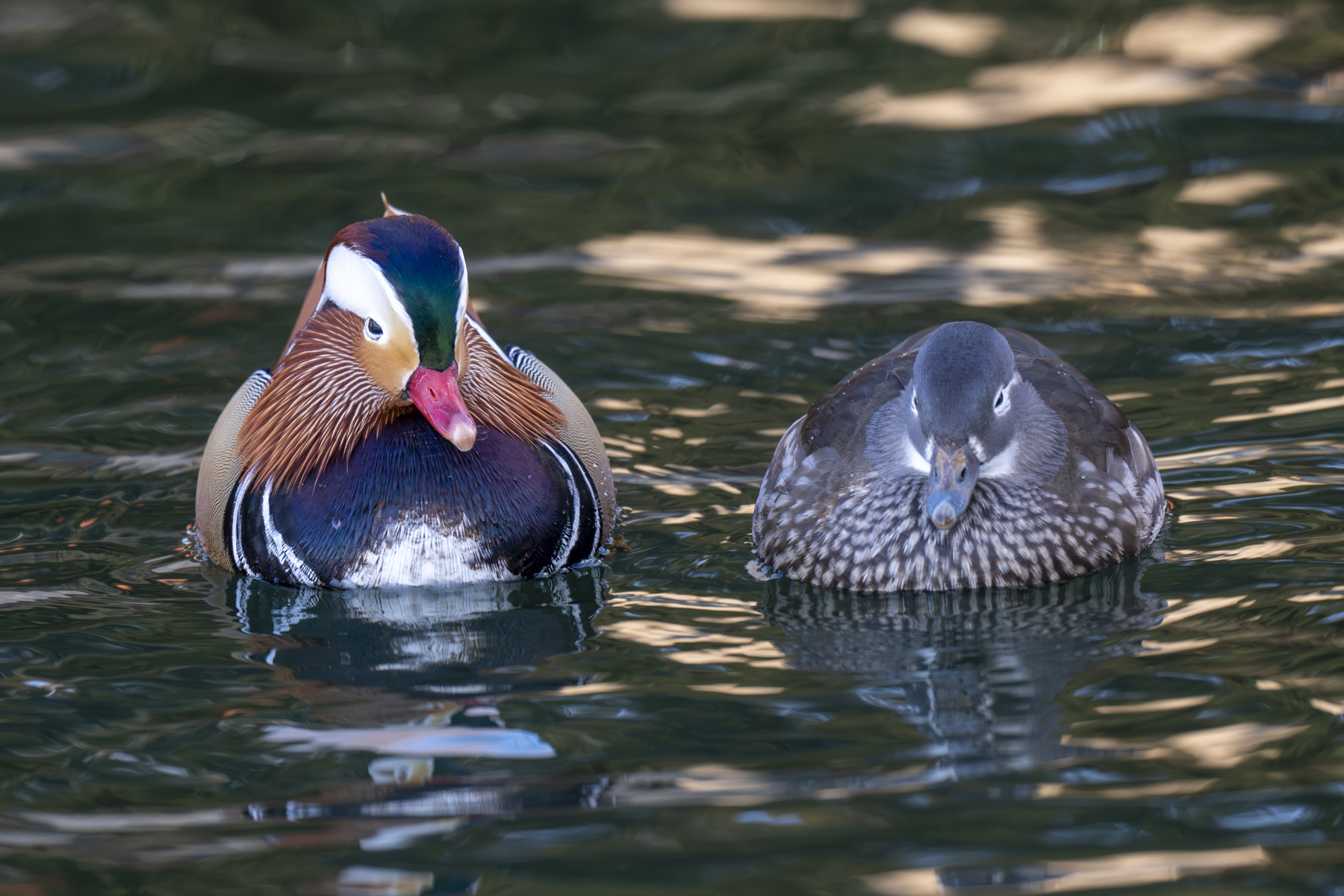
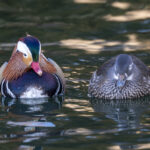
Mandarin Ducks (image by Mark Beaman)
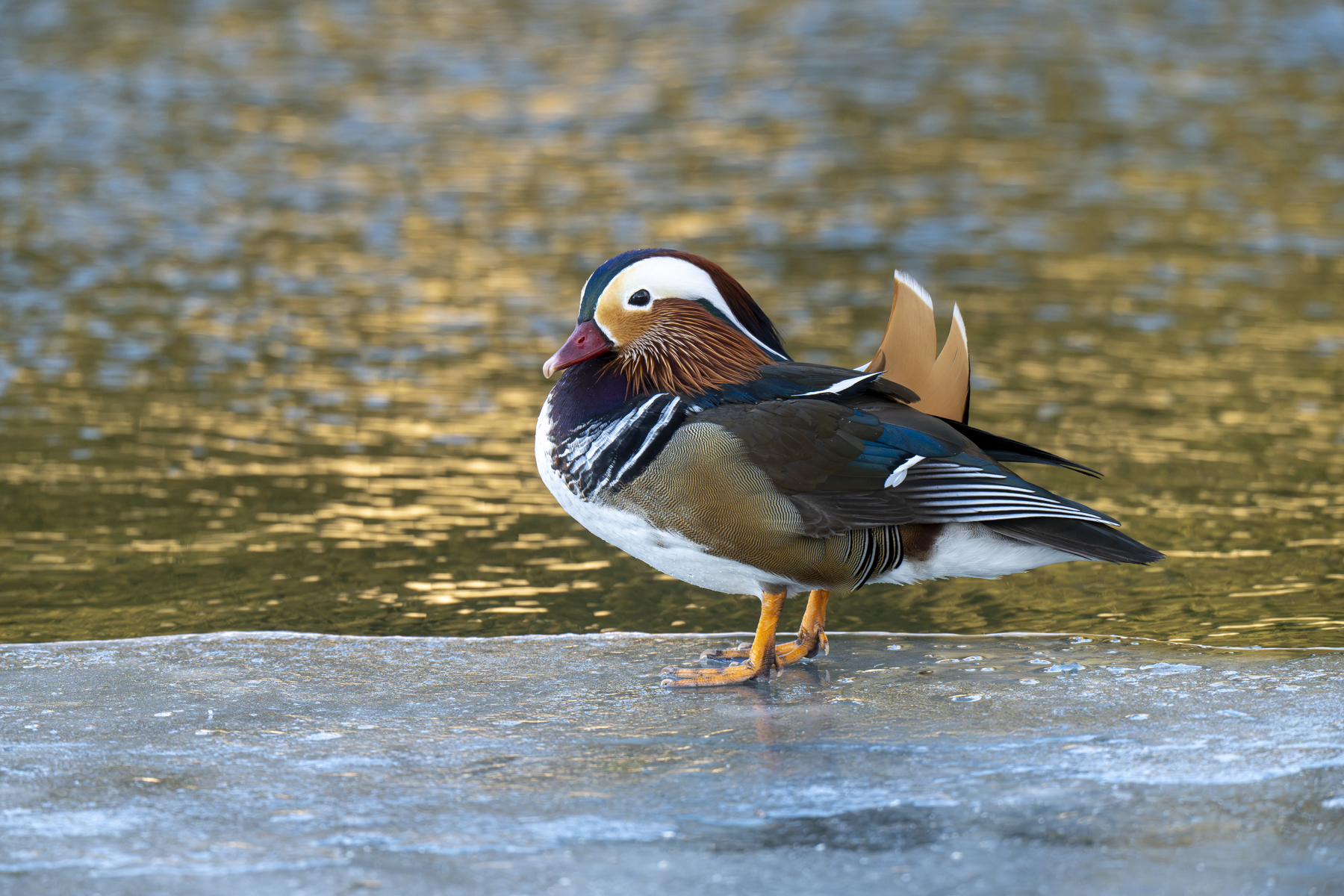
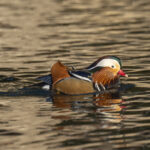
Mandarin Ducks (image by Mark Beaman)
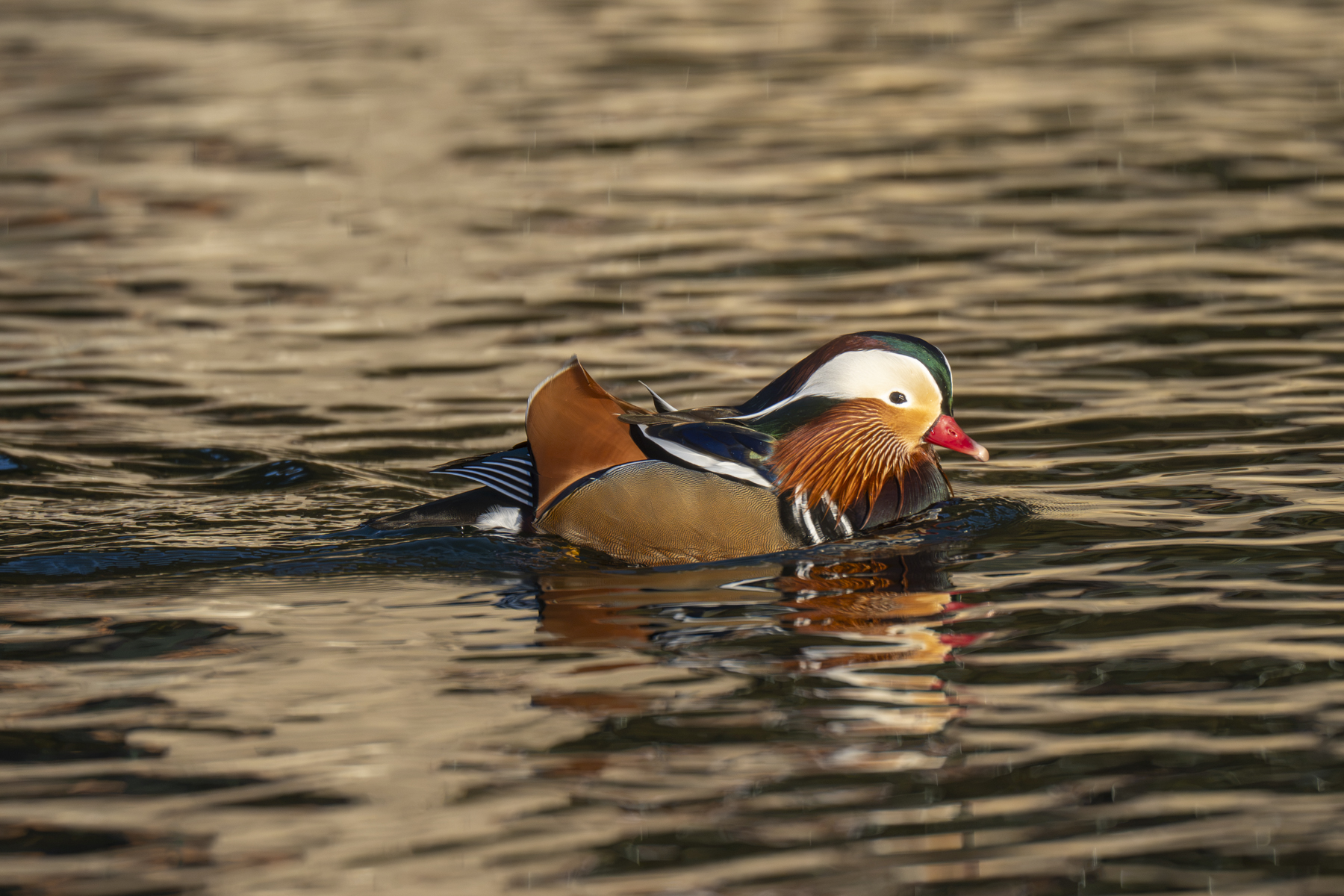
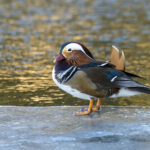
Mandarin Duck (image by Mark Beaman)
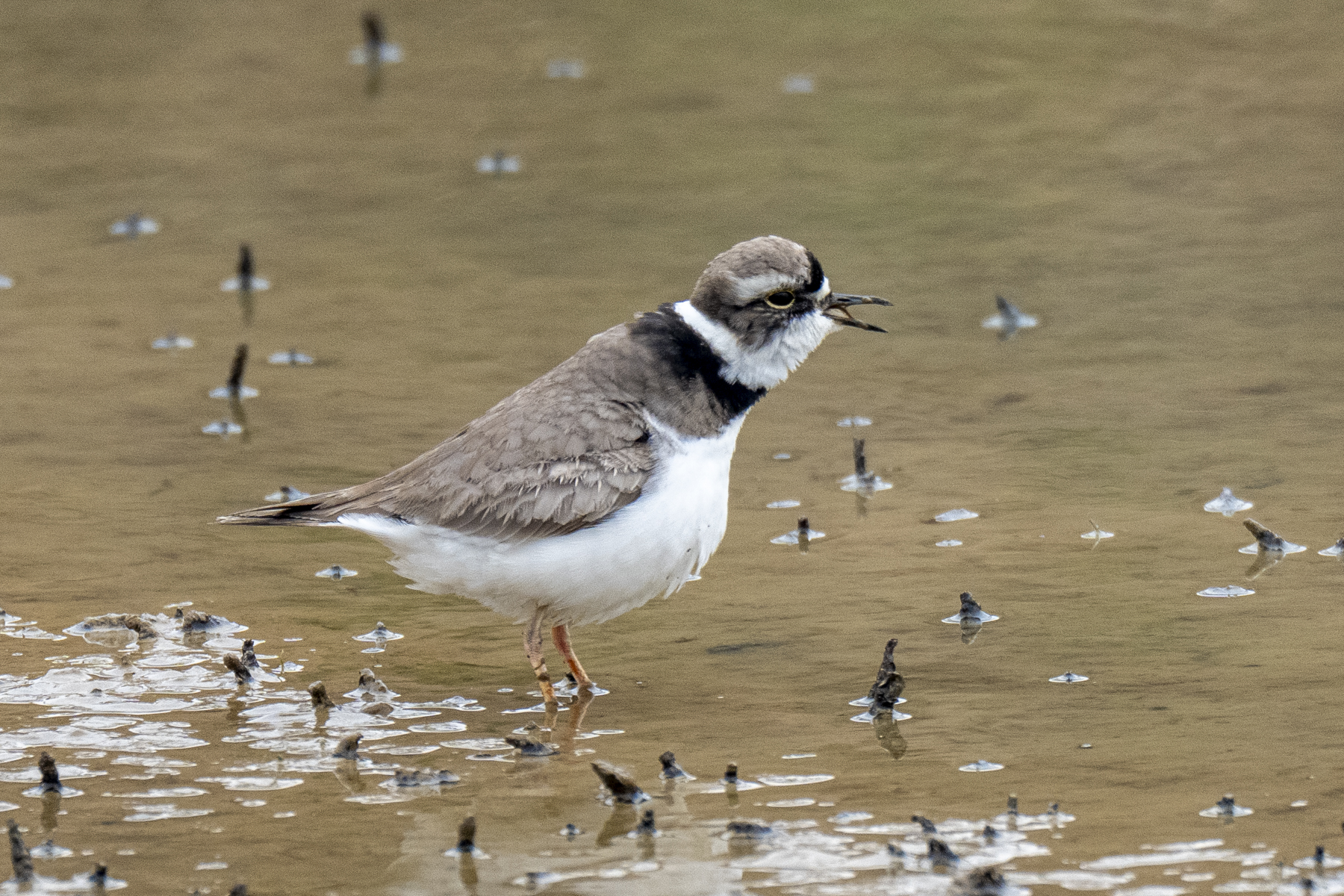
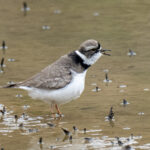
Long-billed Plover (image by Mark Beaman)
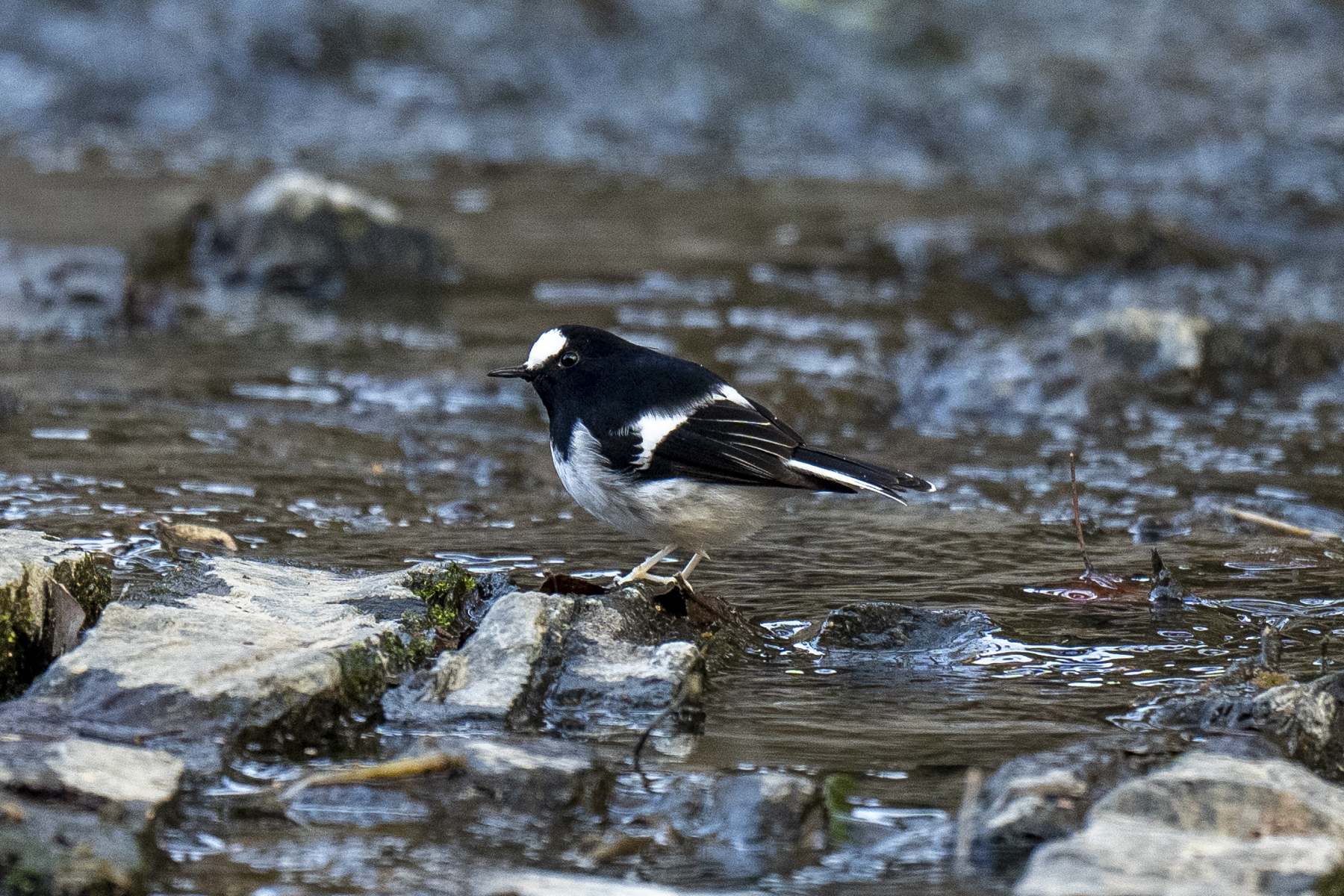
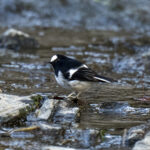
Little Forktail (image by Mark Beaman)
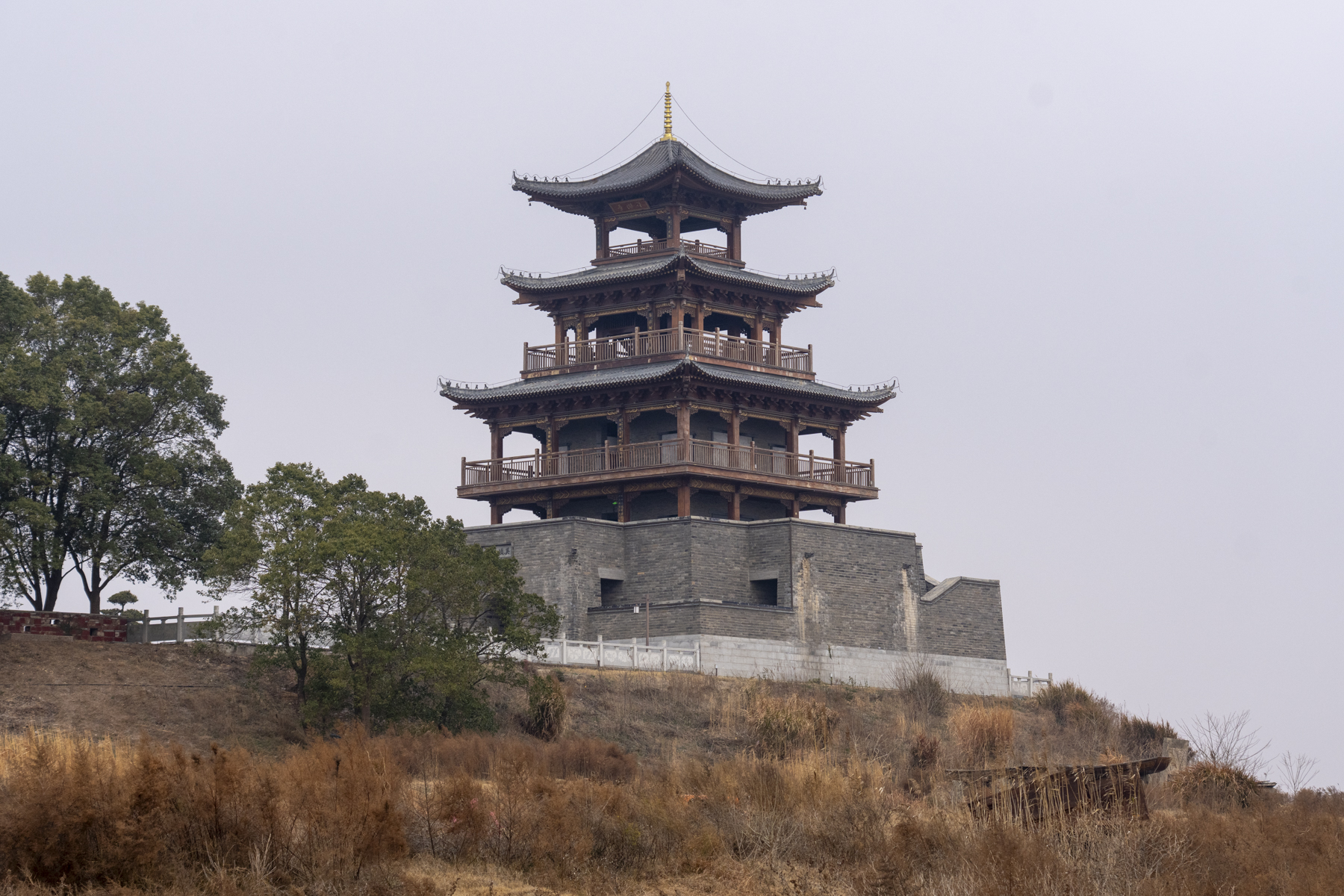
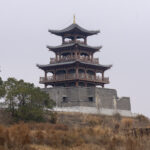
The ancient lighthouse at Poyang (image by Mark Beaman)
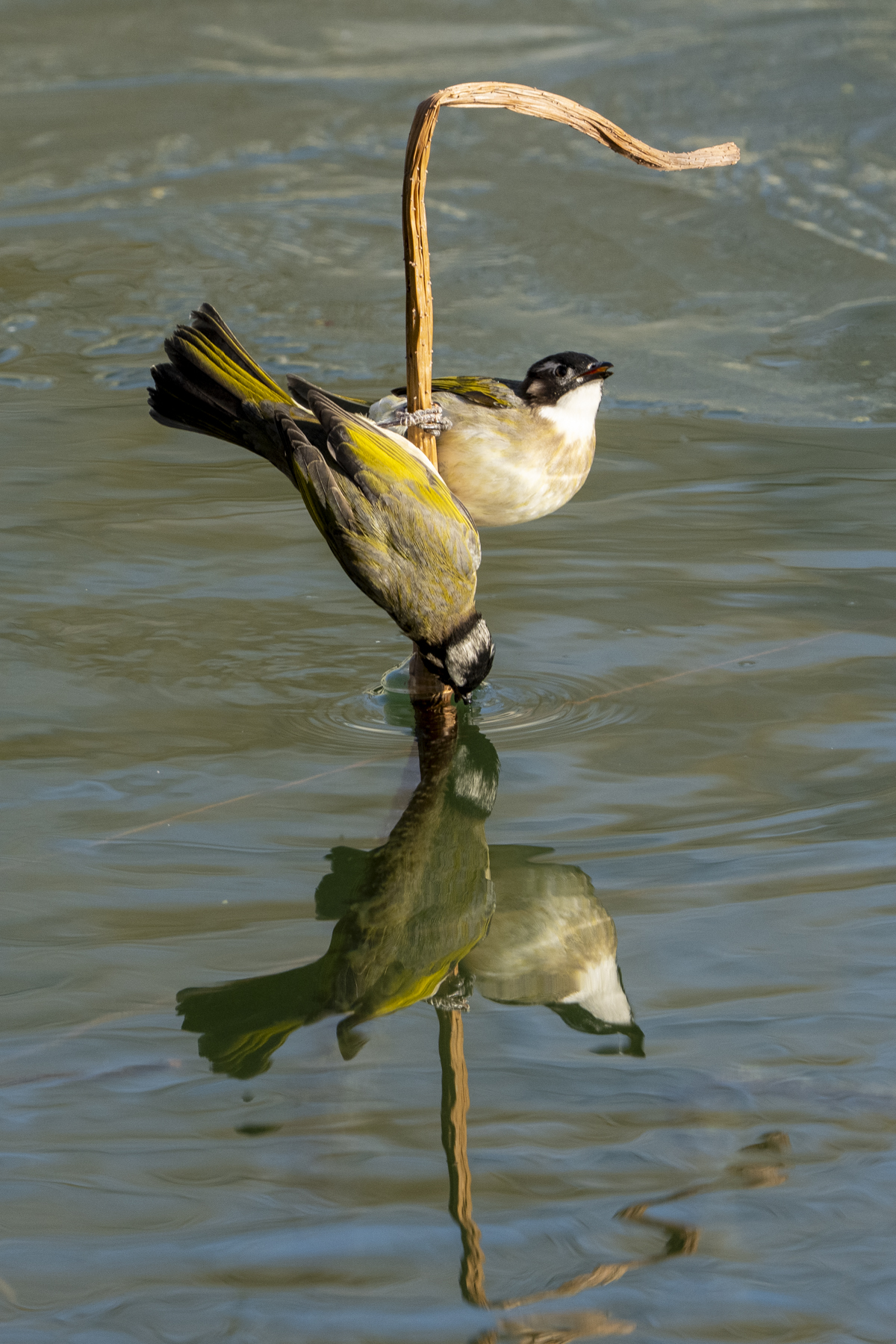
Light-vented Bulbuls (image by Mark Beaman)
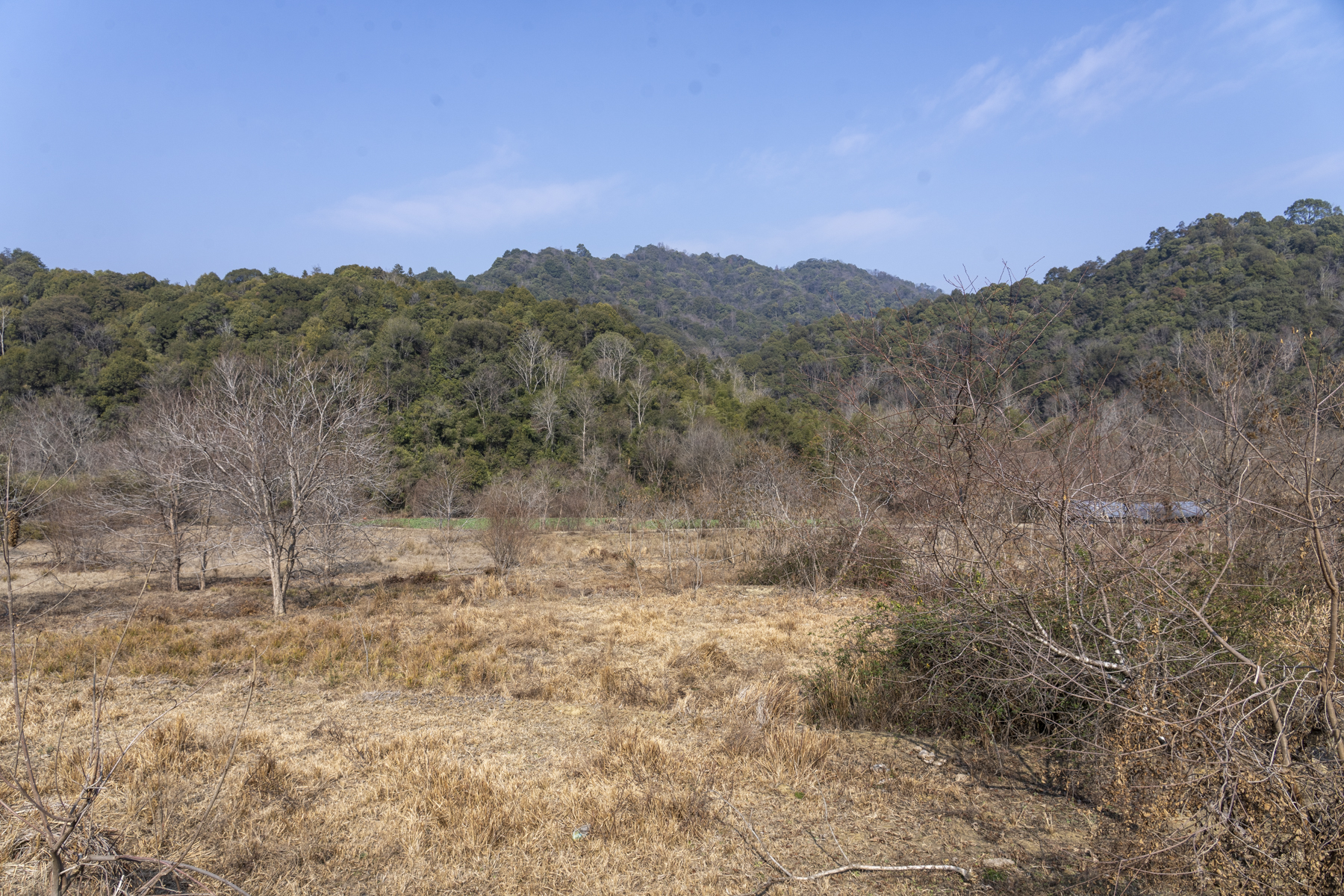
Jiangxi hill country (image by Mark Beaman)
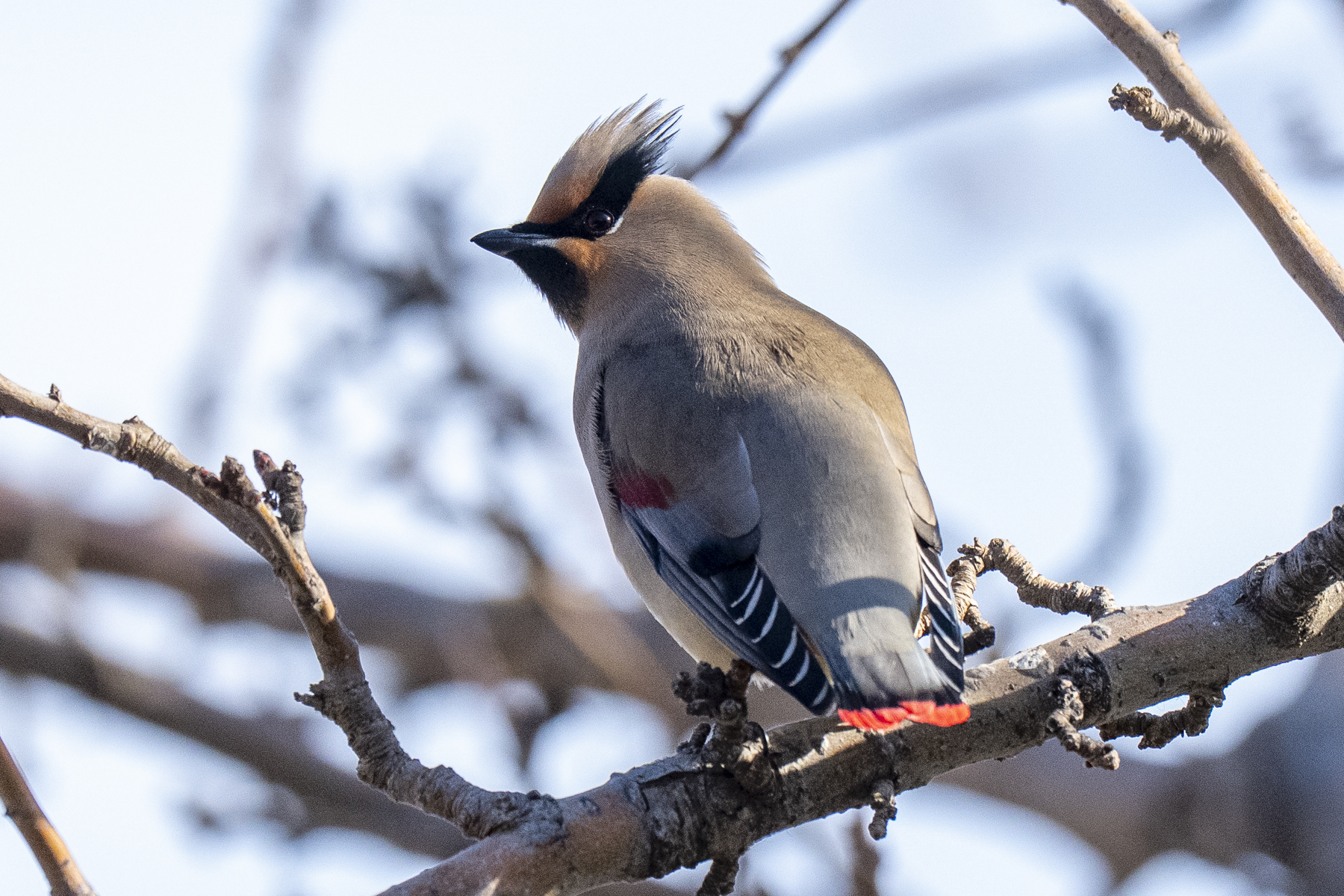
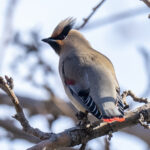
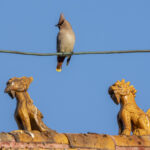
Japanese Waxwing (image by Mark Beaman)
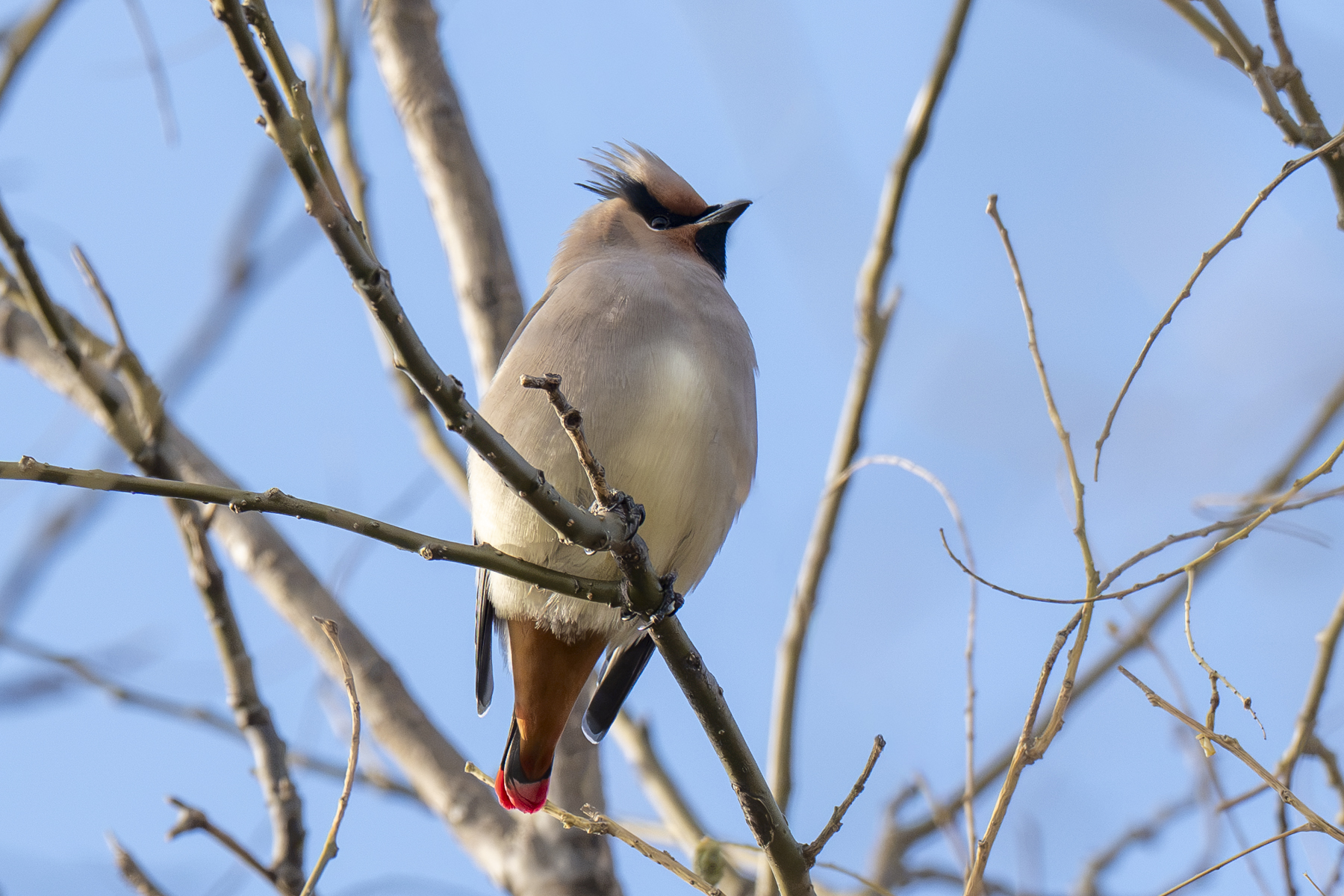
Japanese Waxwing (image by Mark Beaman)
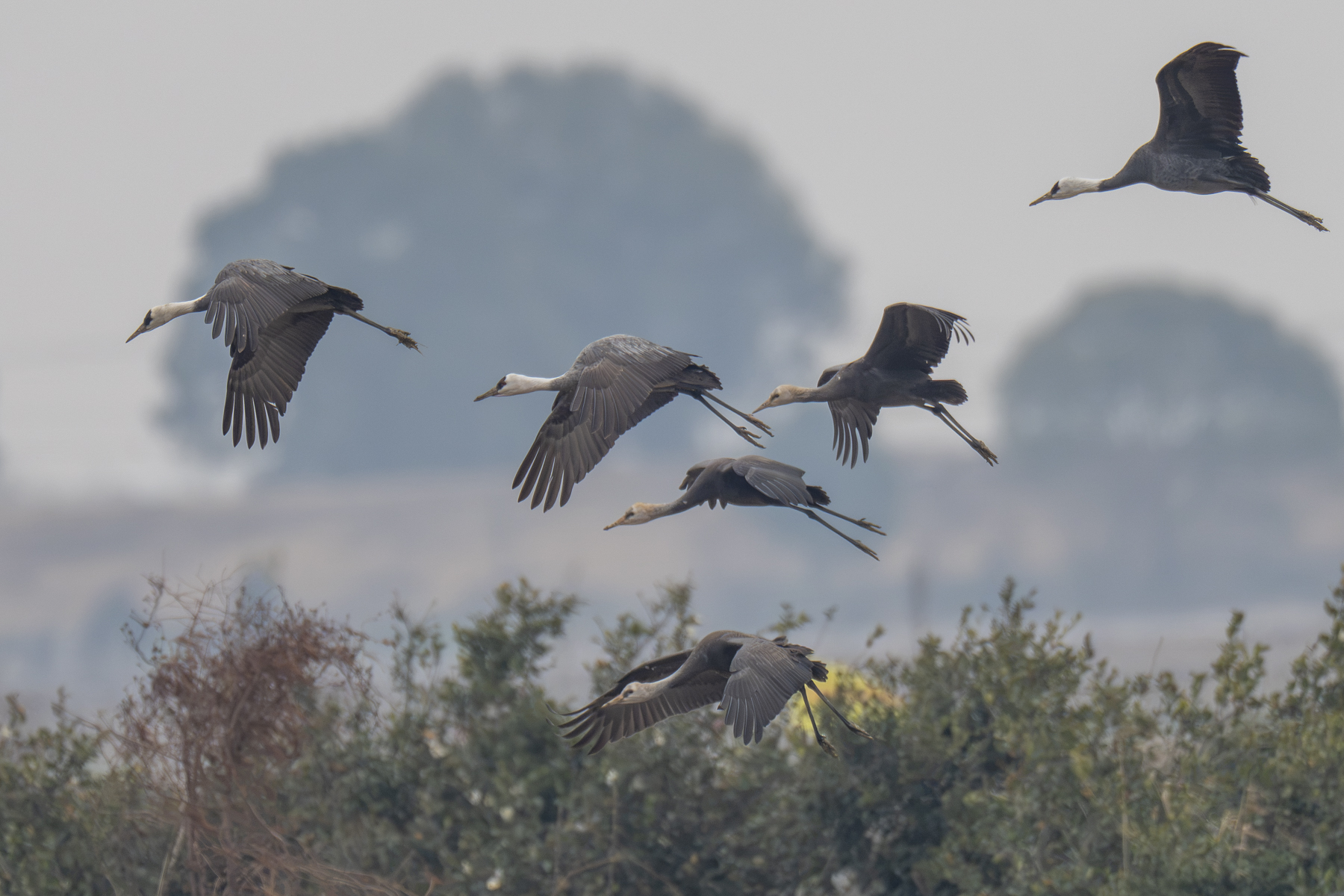
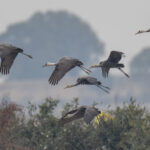
Hooded Cranes (image by Mark Beaman)
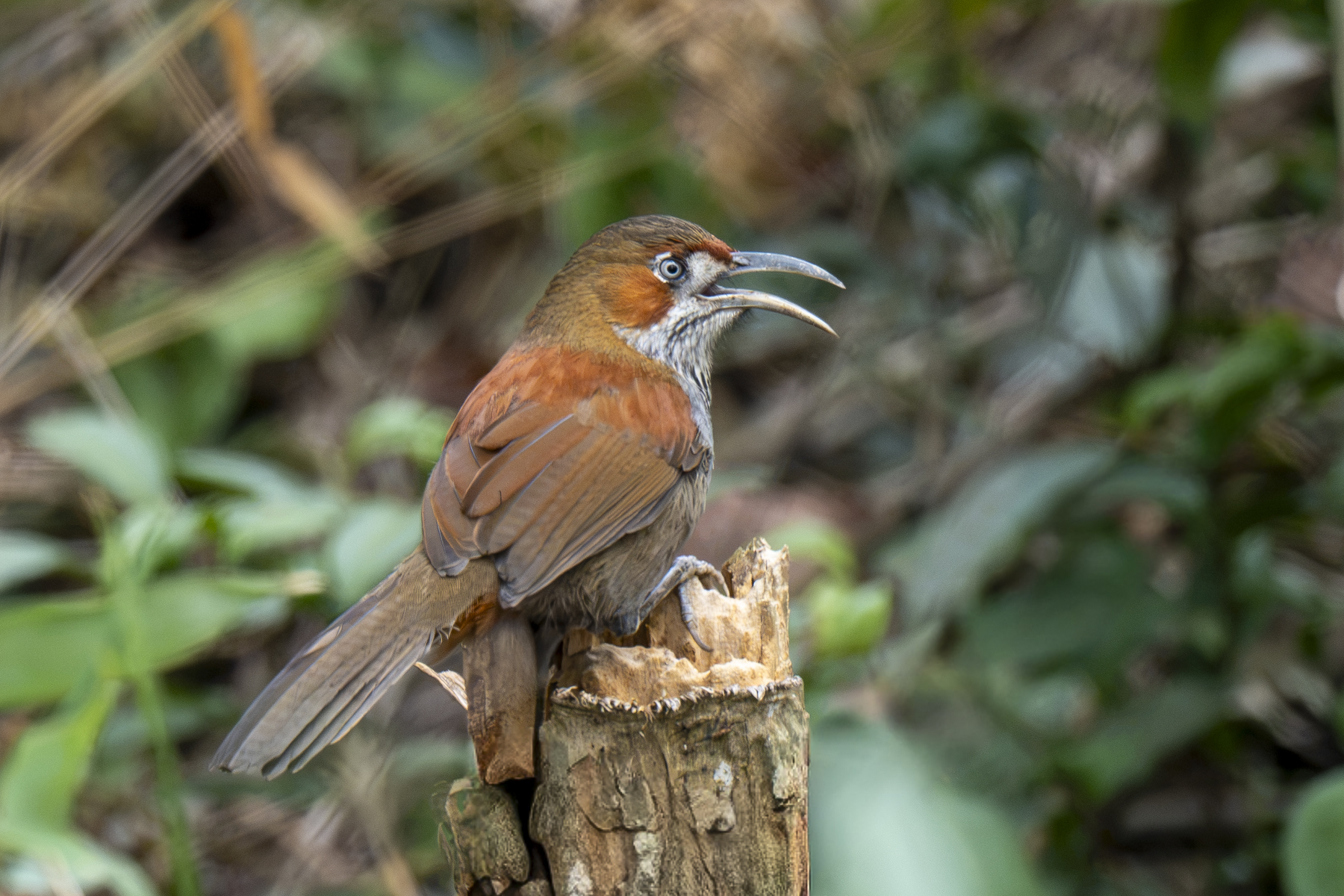
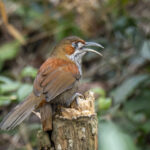
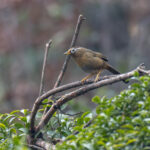
Grey-sided Scimitar Babbler (image by Mark Beaman)
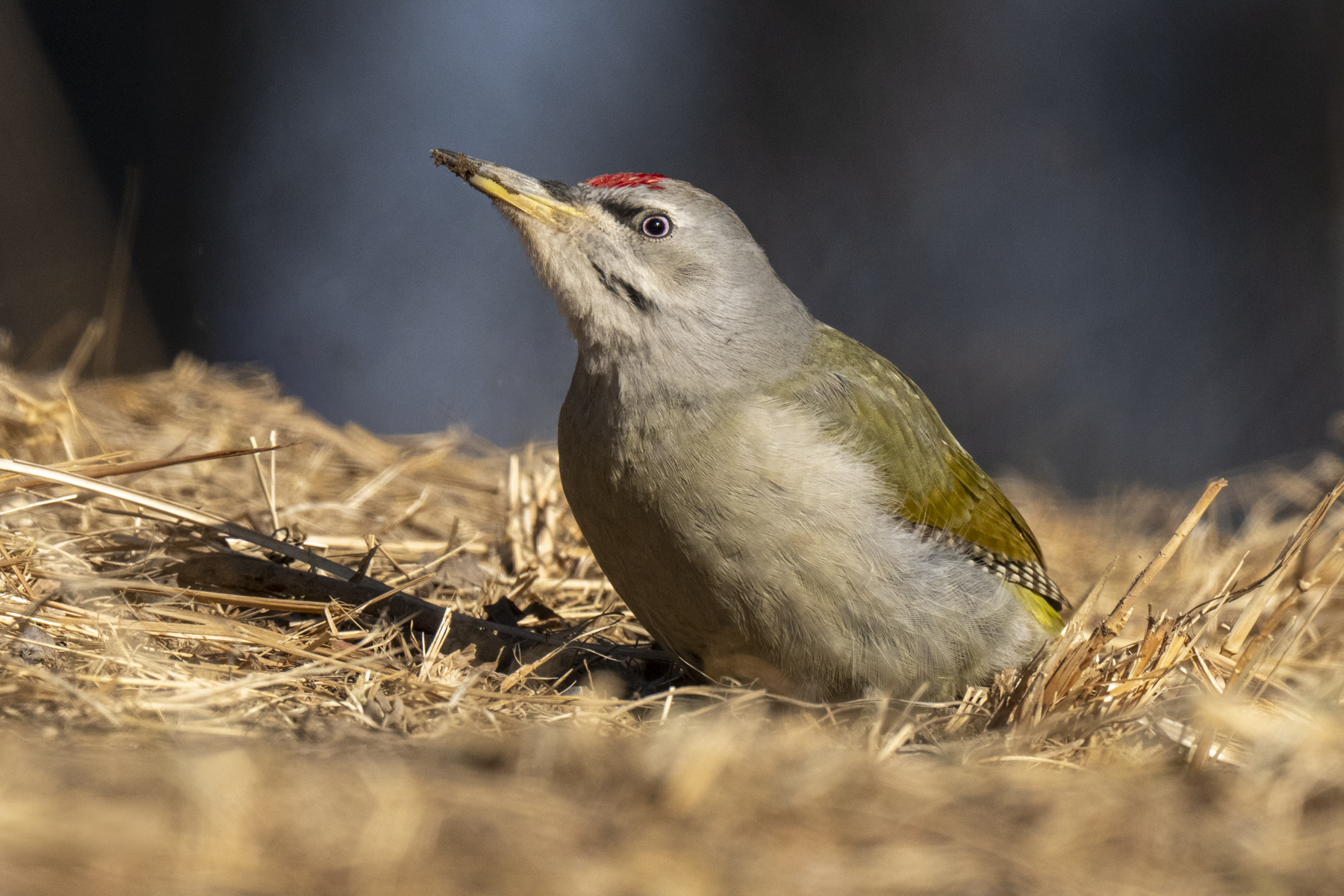
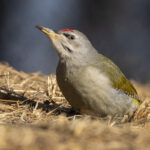
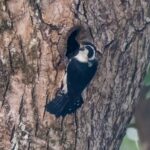
Grey-headed Woodpecker (image by Mark Beaman)
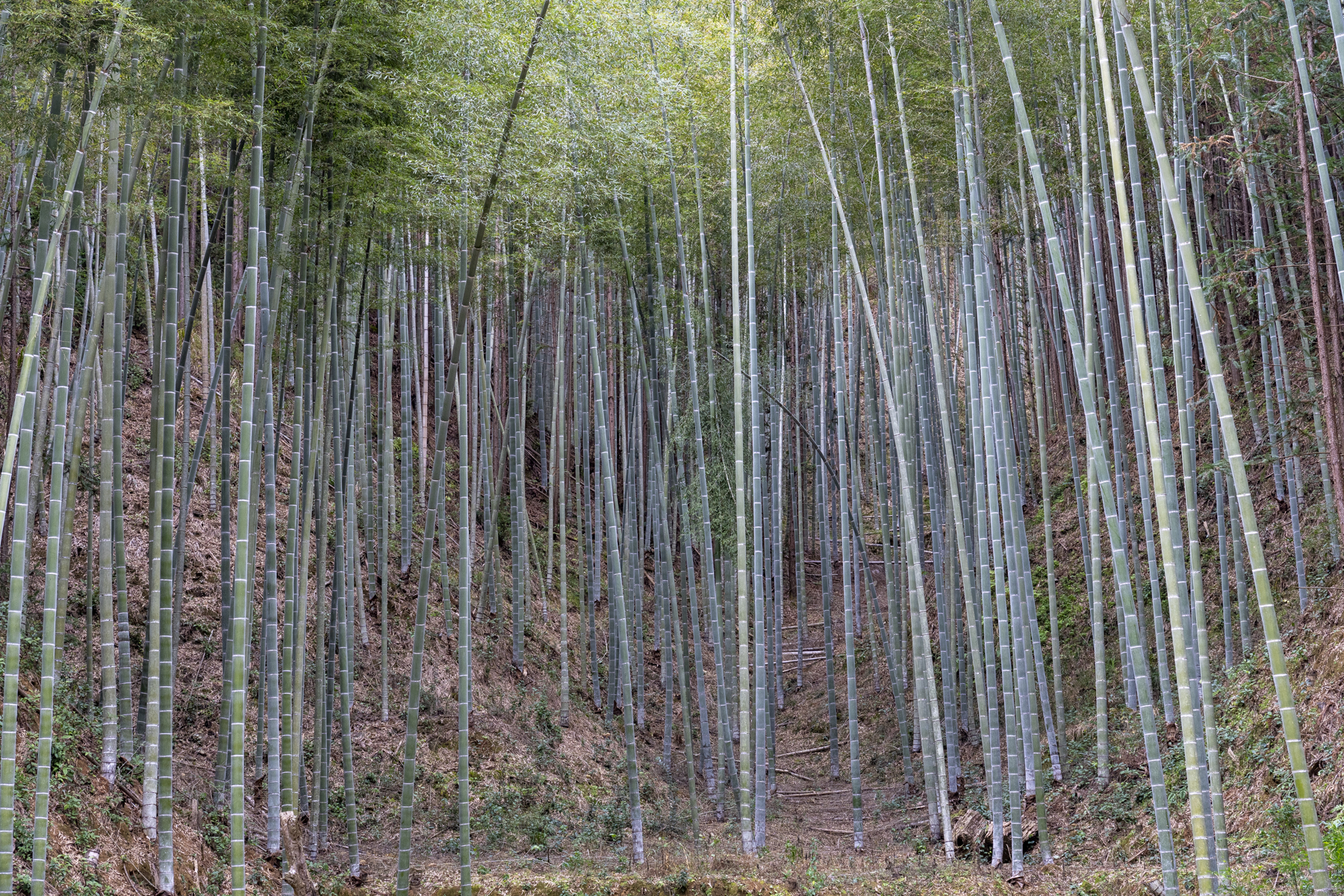
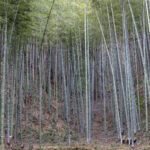
Giant bamboos are everywhere in south China (image by Mark Beaman)
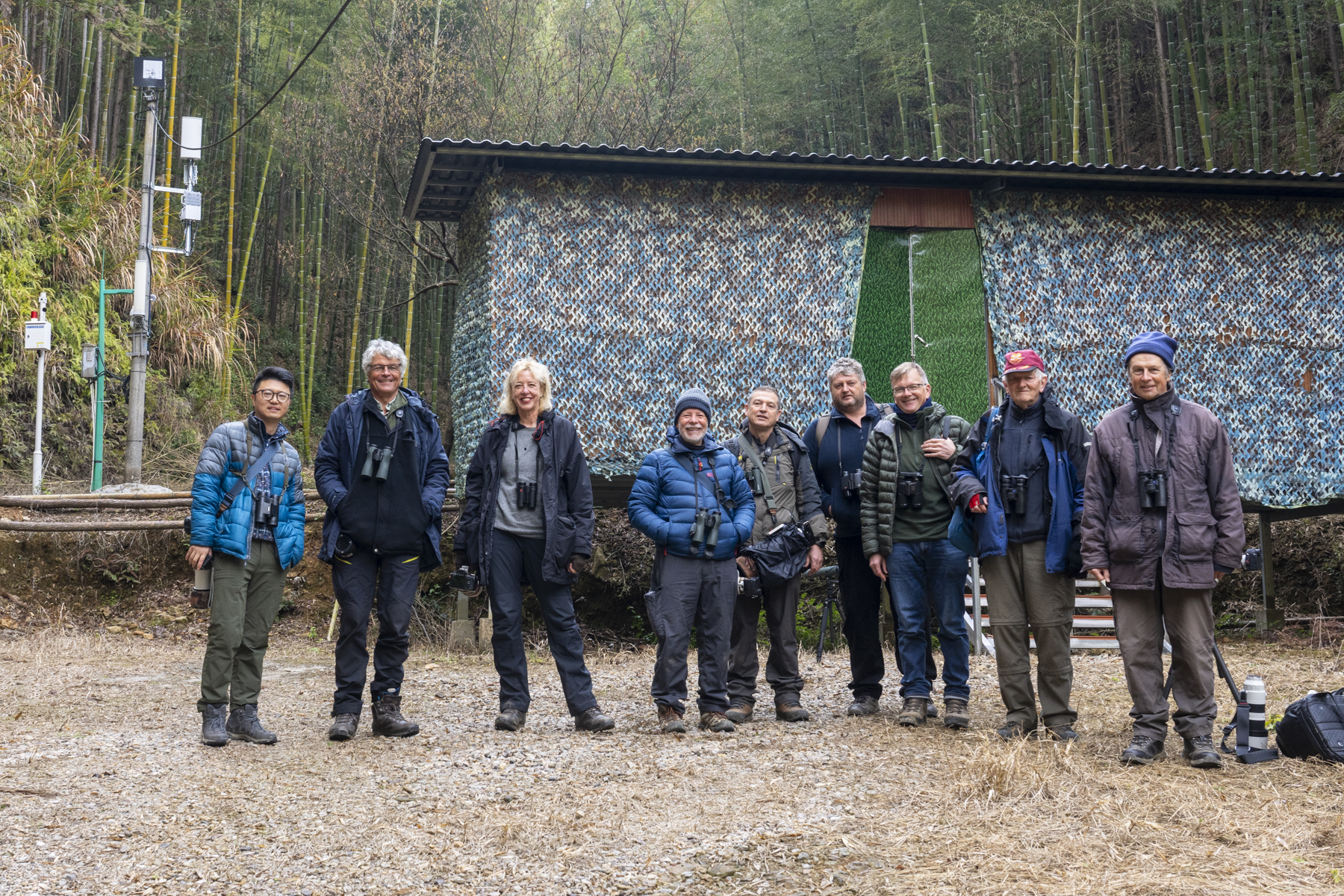
The impressive Elliot's Pheasant hide (image by Mark Beaman)
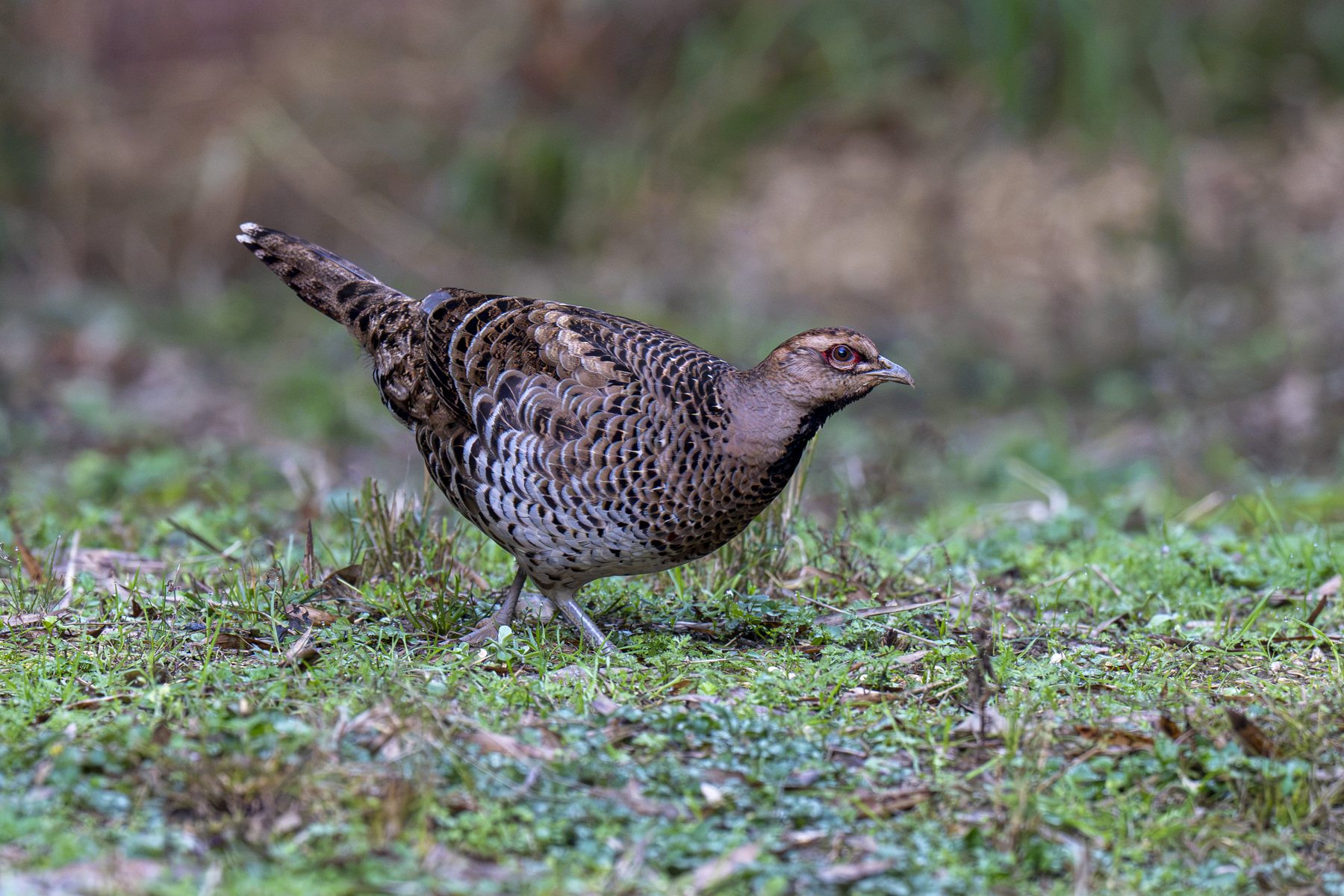
Elliot's Pheasant female (image by Mark Beaman)
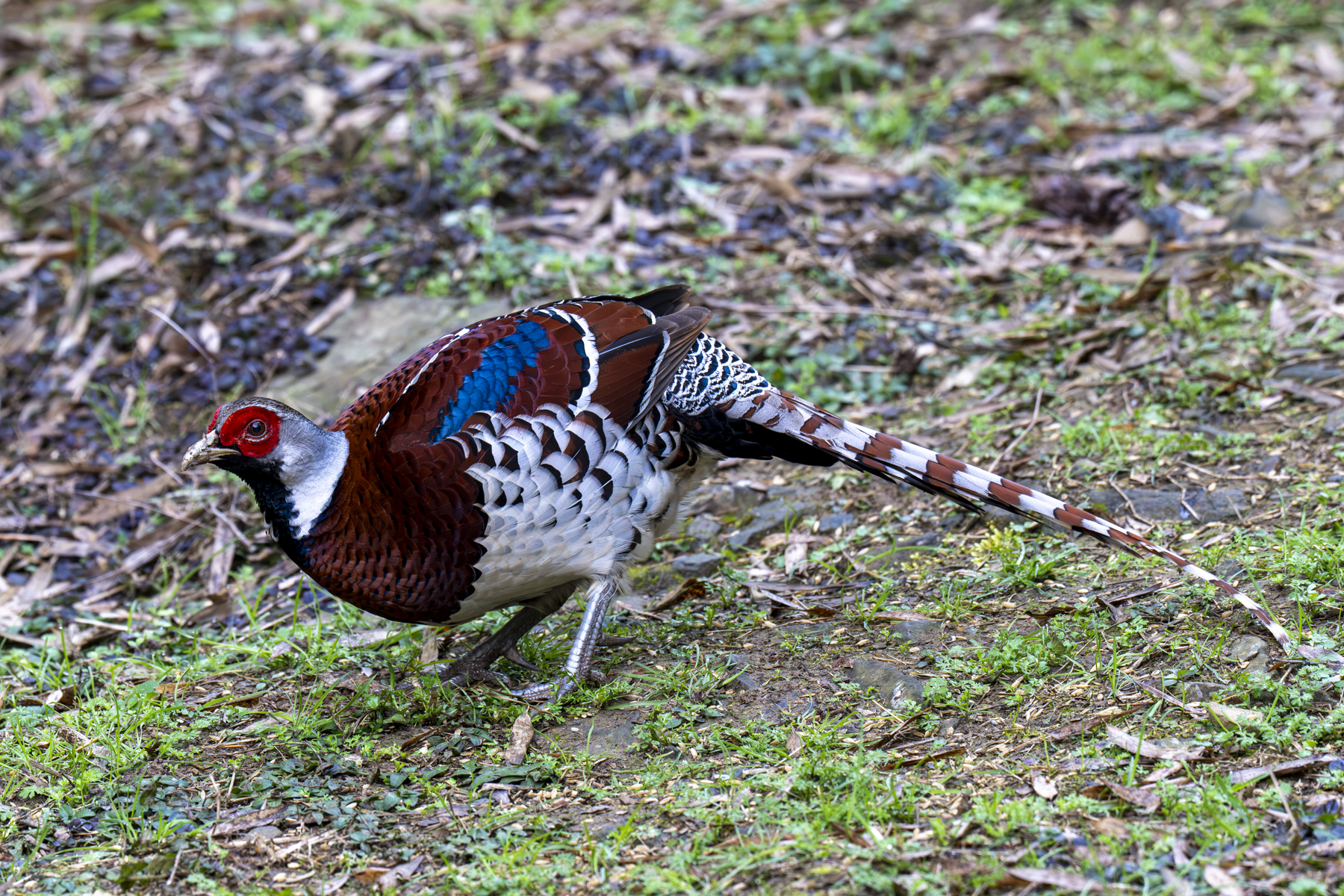
Elliot's Pheasant (image by Mark Beaman)
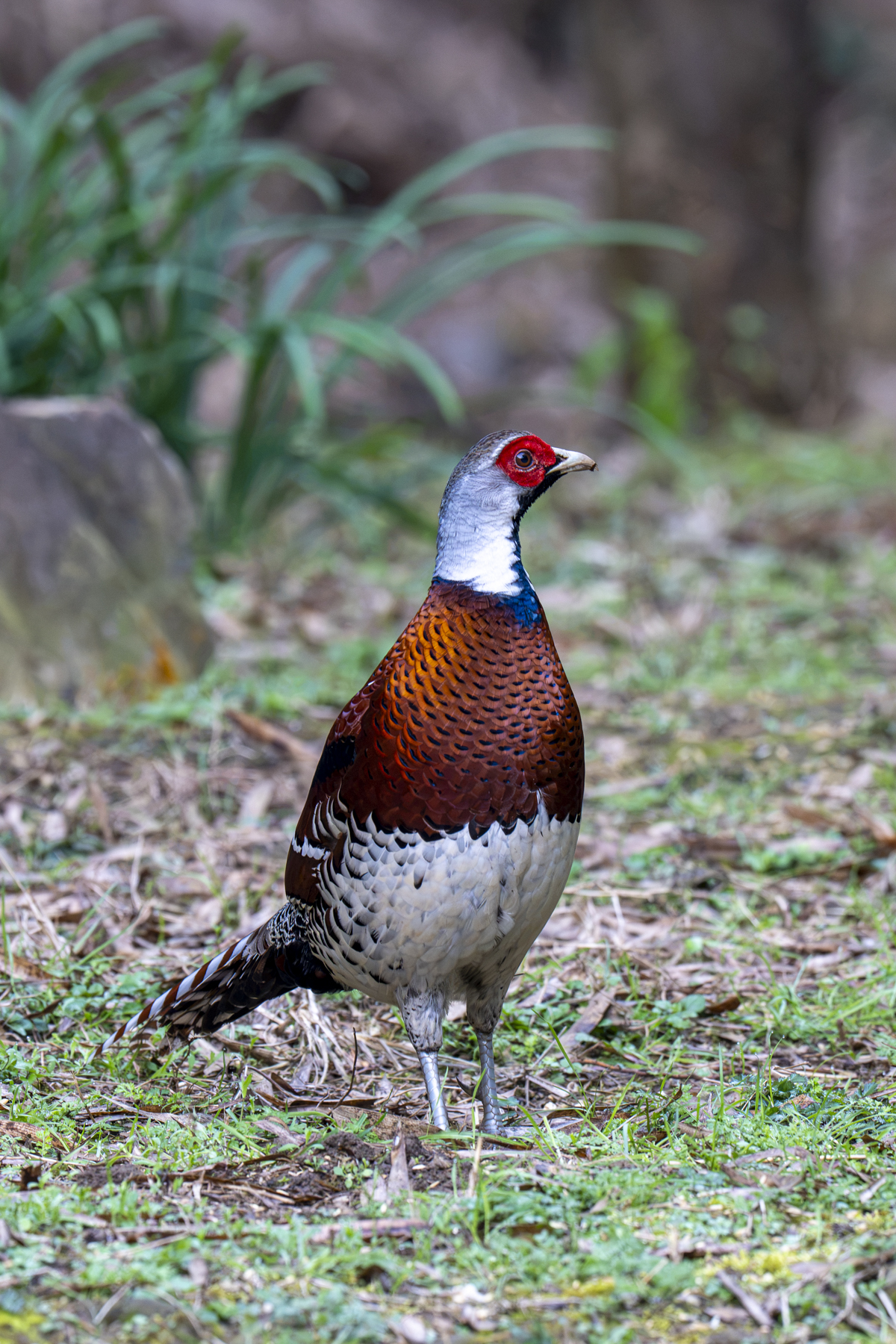
Elliot's Pheasant (image by Mark Beaman)
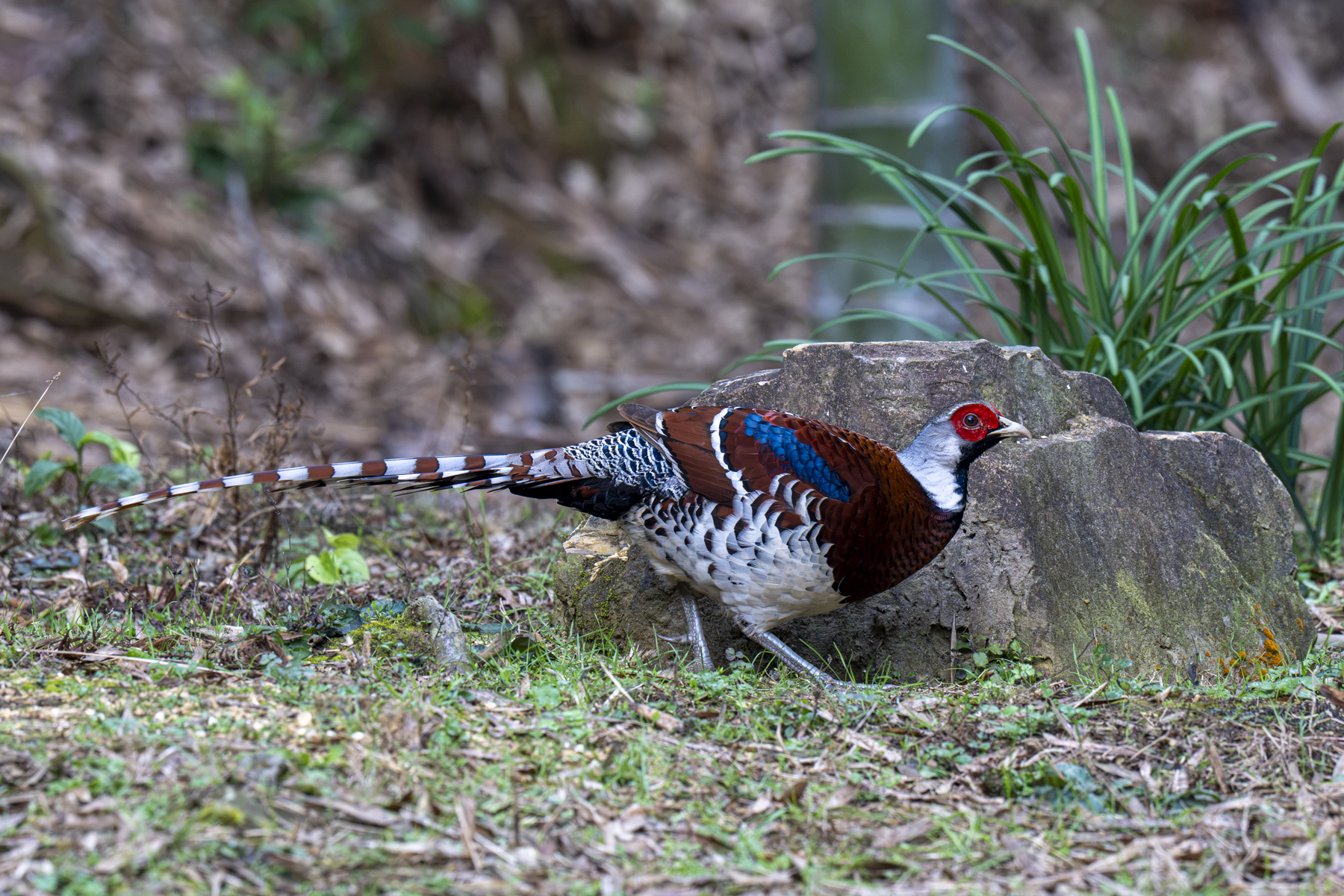
Elliot's Pheasant (image by Mark Beaman)
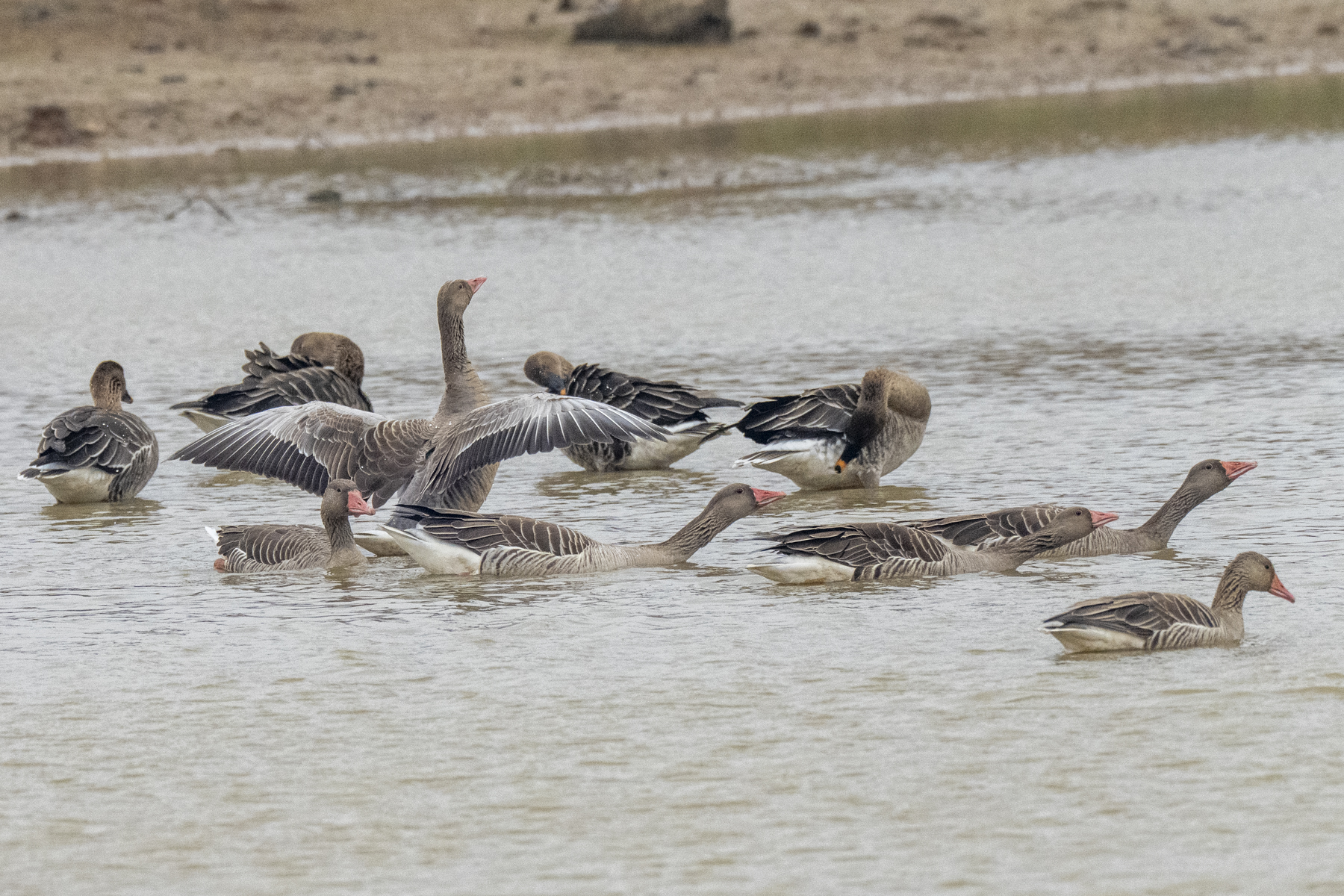
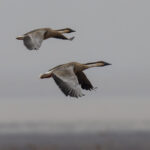
Eastern Greylag Geese (image by Mark Beaman)
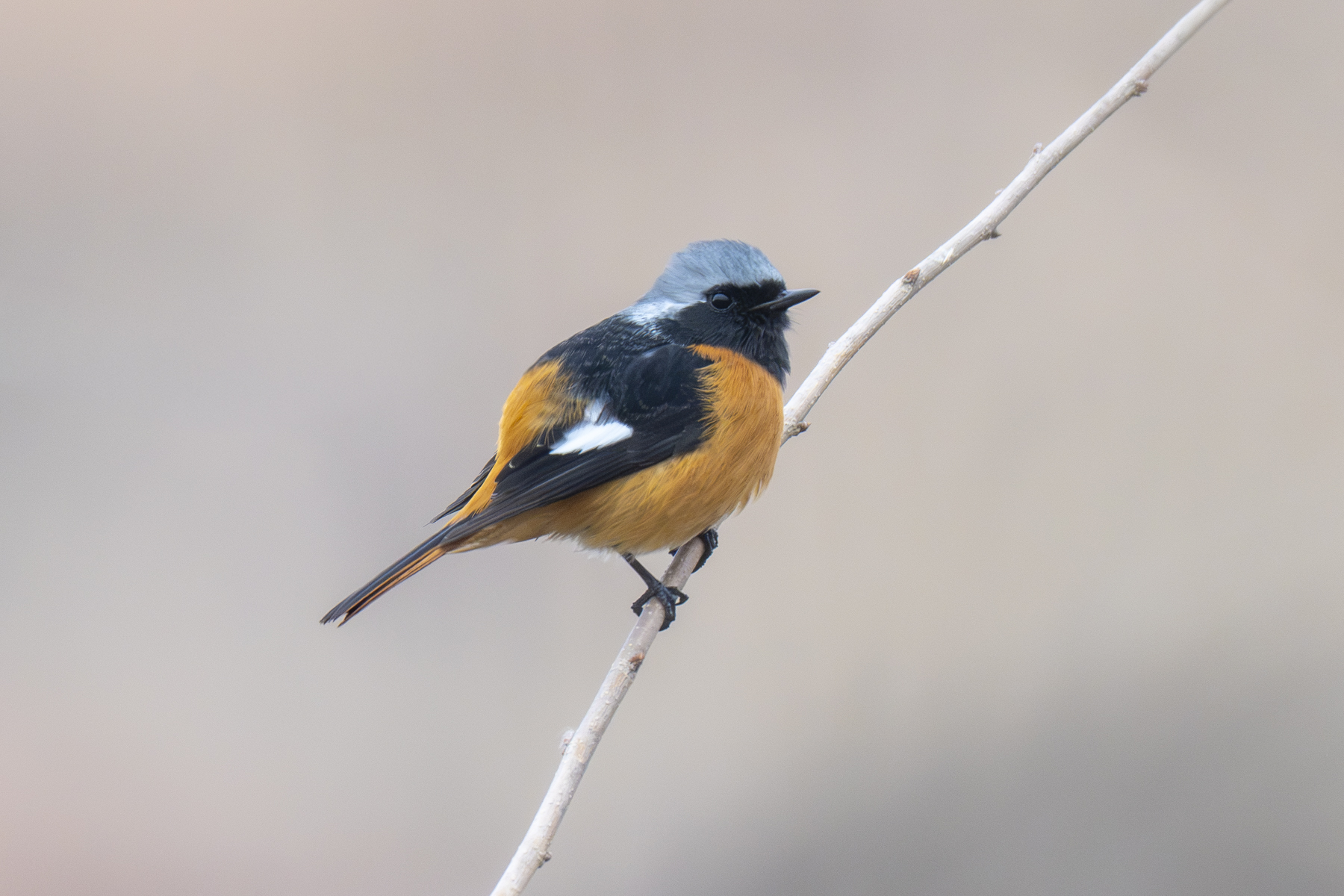
Daurian Redstart (image by Mark Beaman)
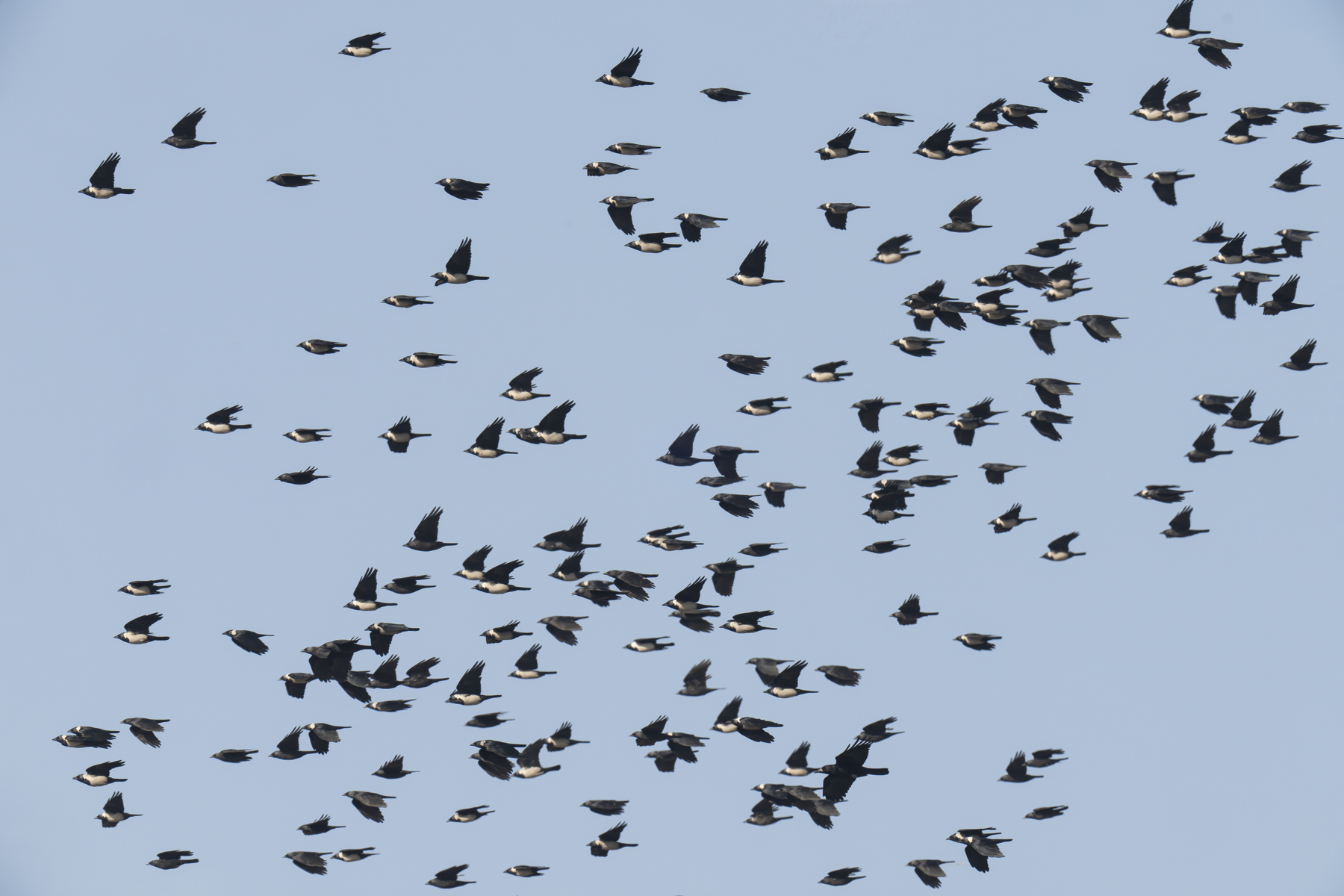
Daurian Jackdaws (image by Mark Beaman)
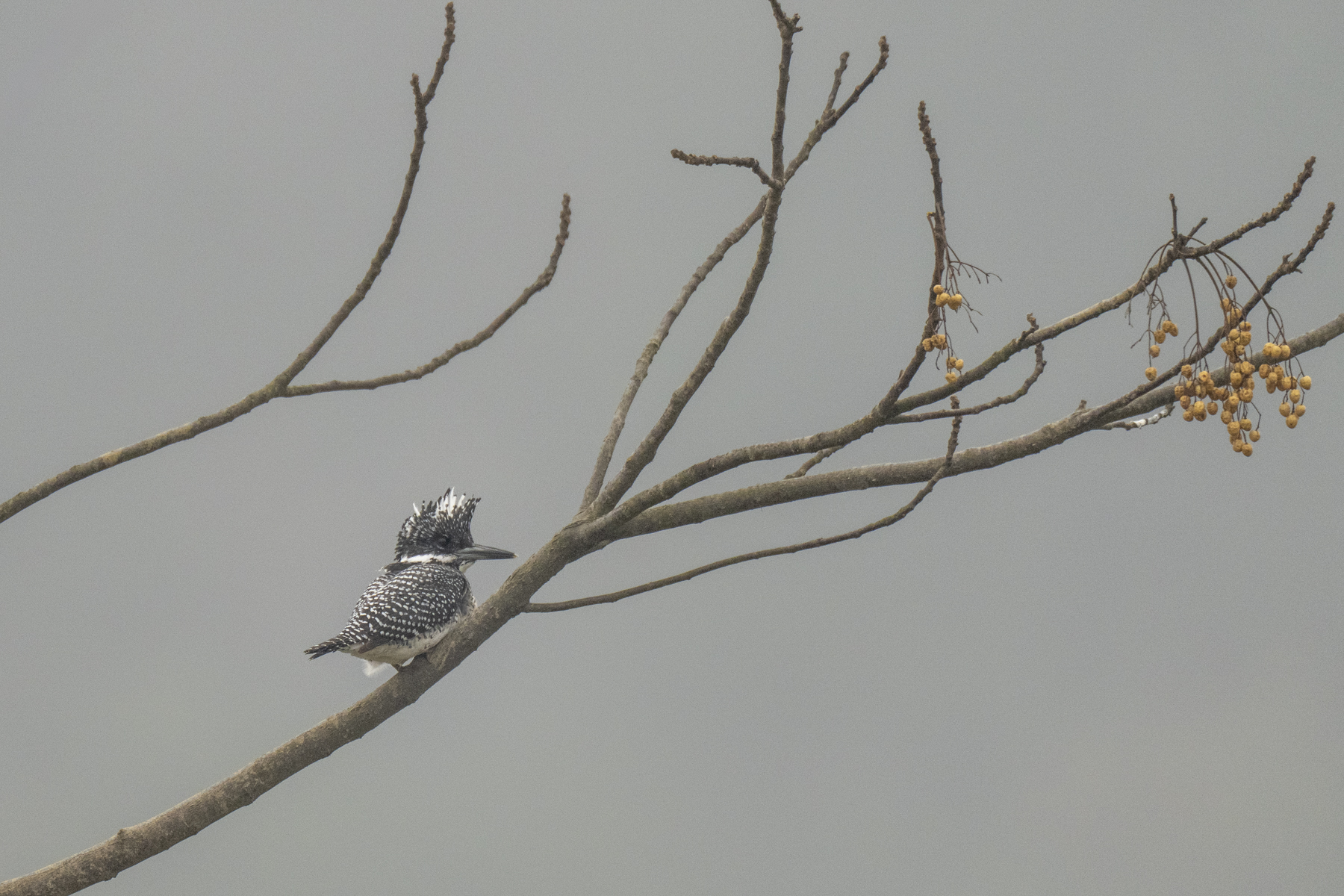
Crested Kingfisher (image by Mark Beaman)
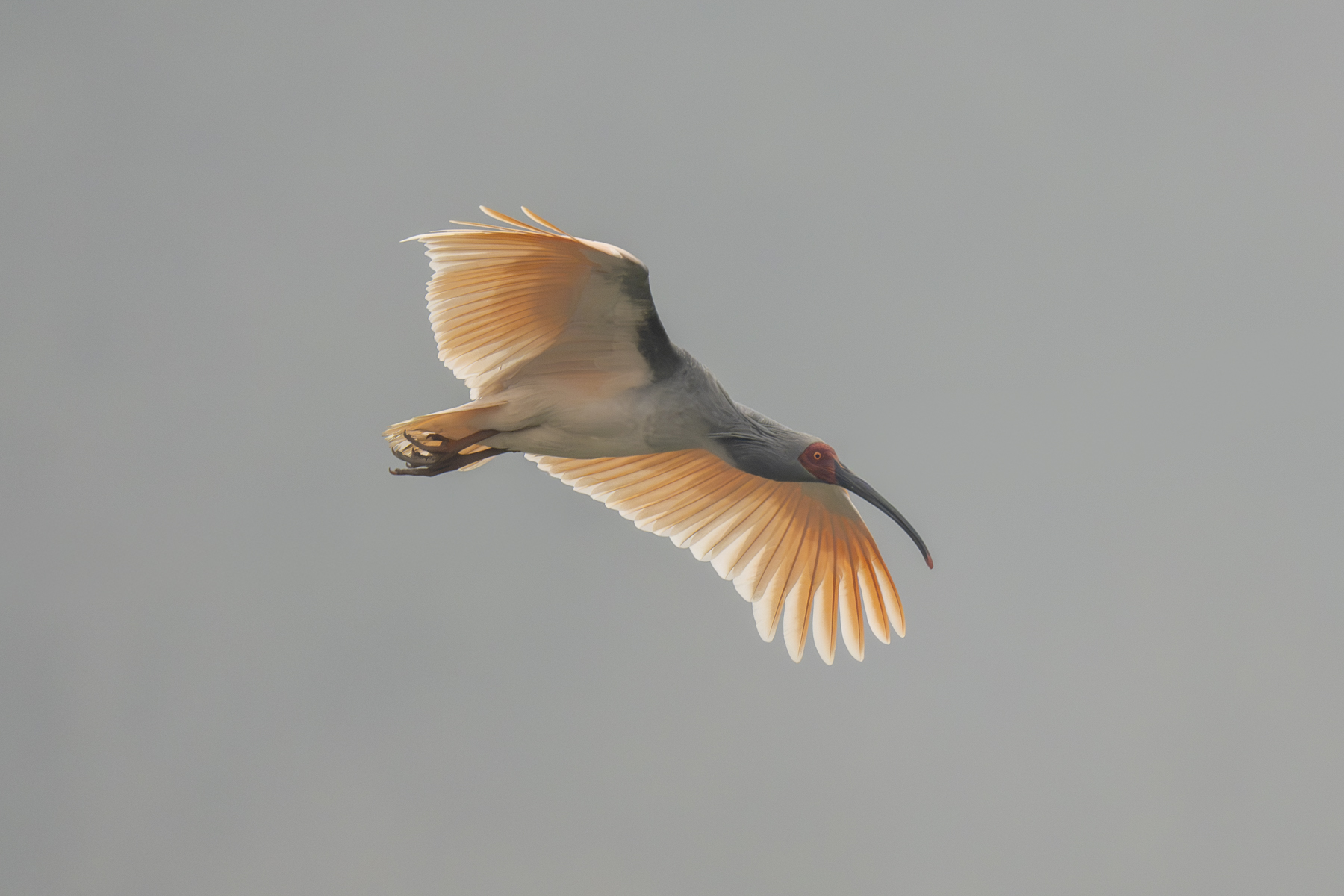
Crested Ibis (image by Mark Beaman)
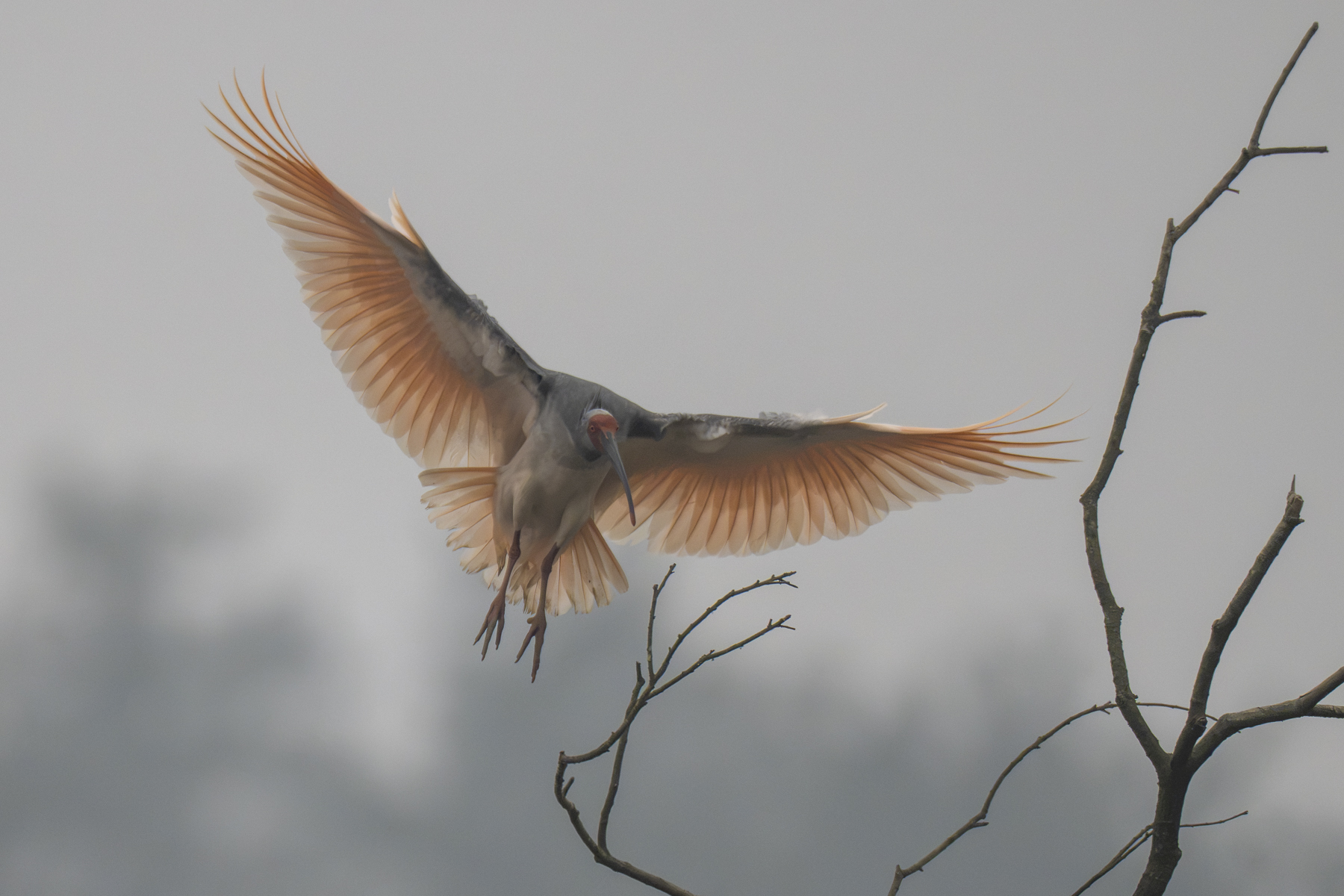
Crested Ibis (image by Mark Beaman)
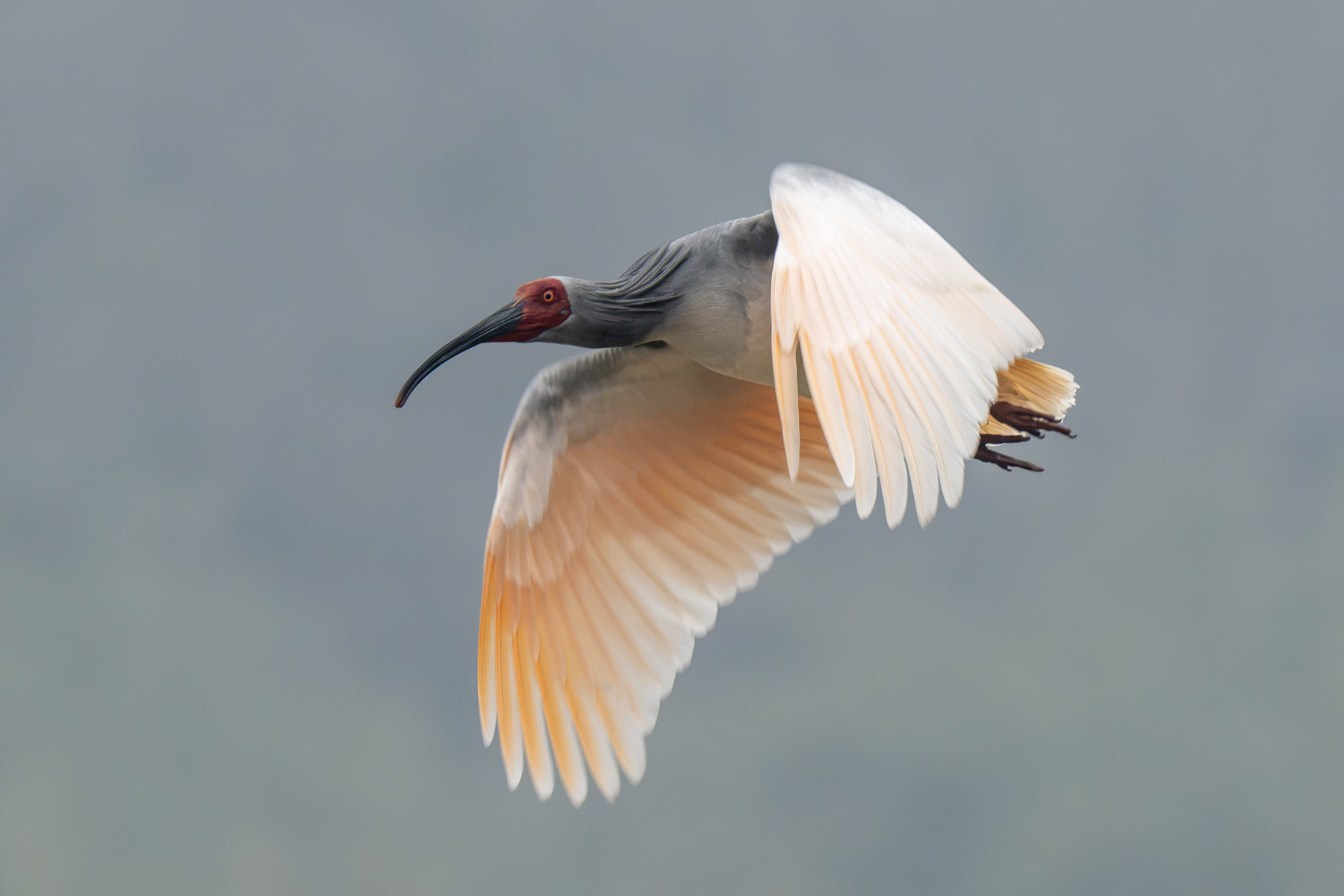
Crested Ibis (image by Mark Beaman)
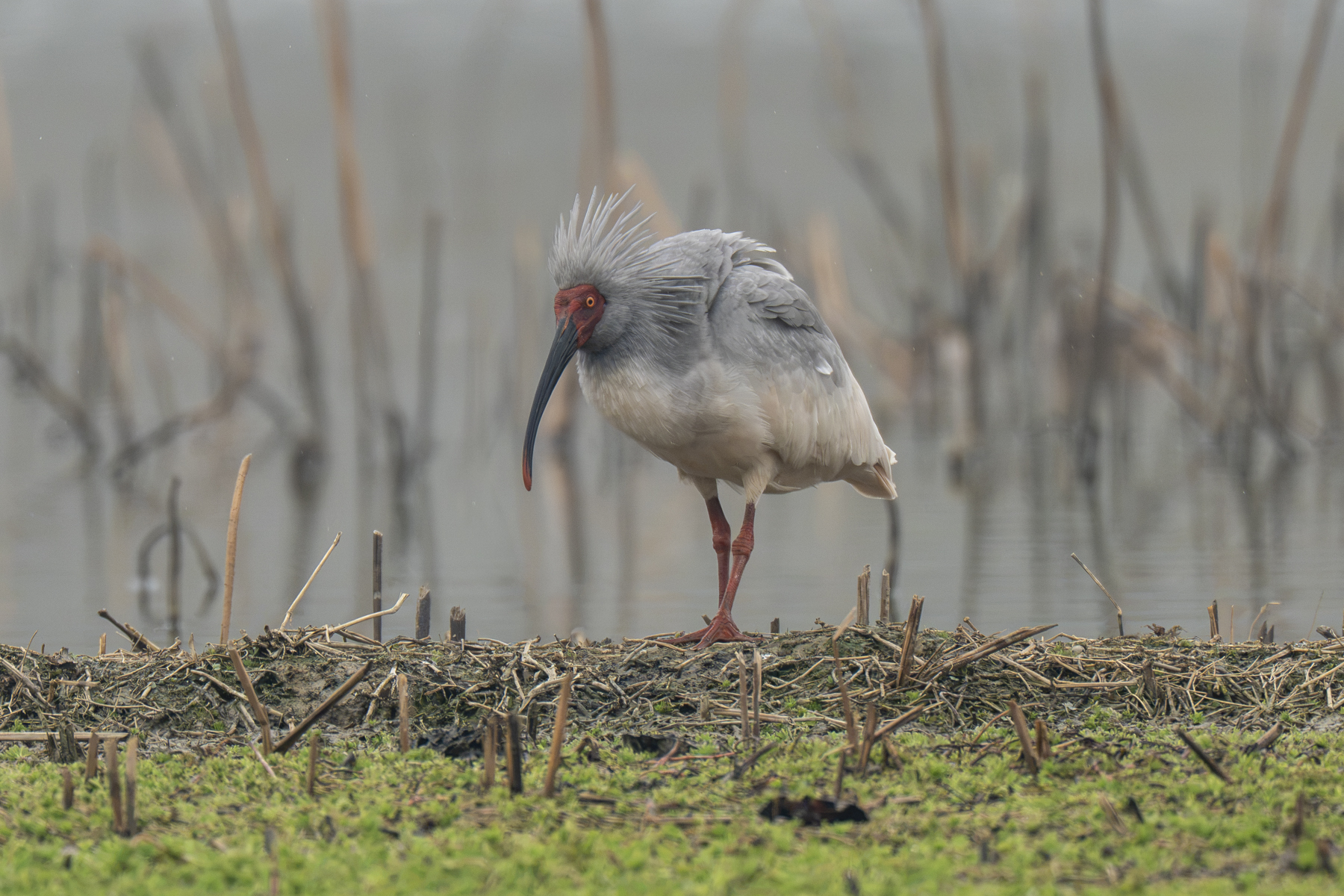
Crested Ibis (image by Mark Beaman)
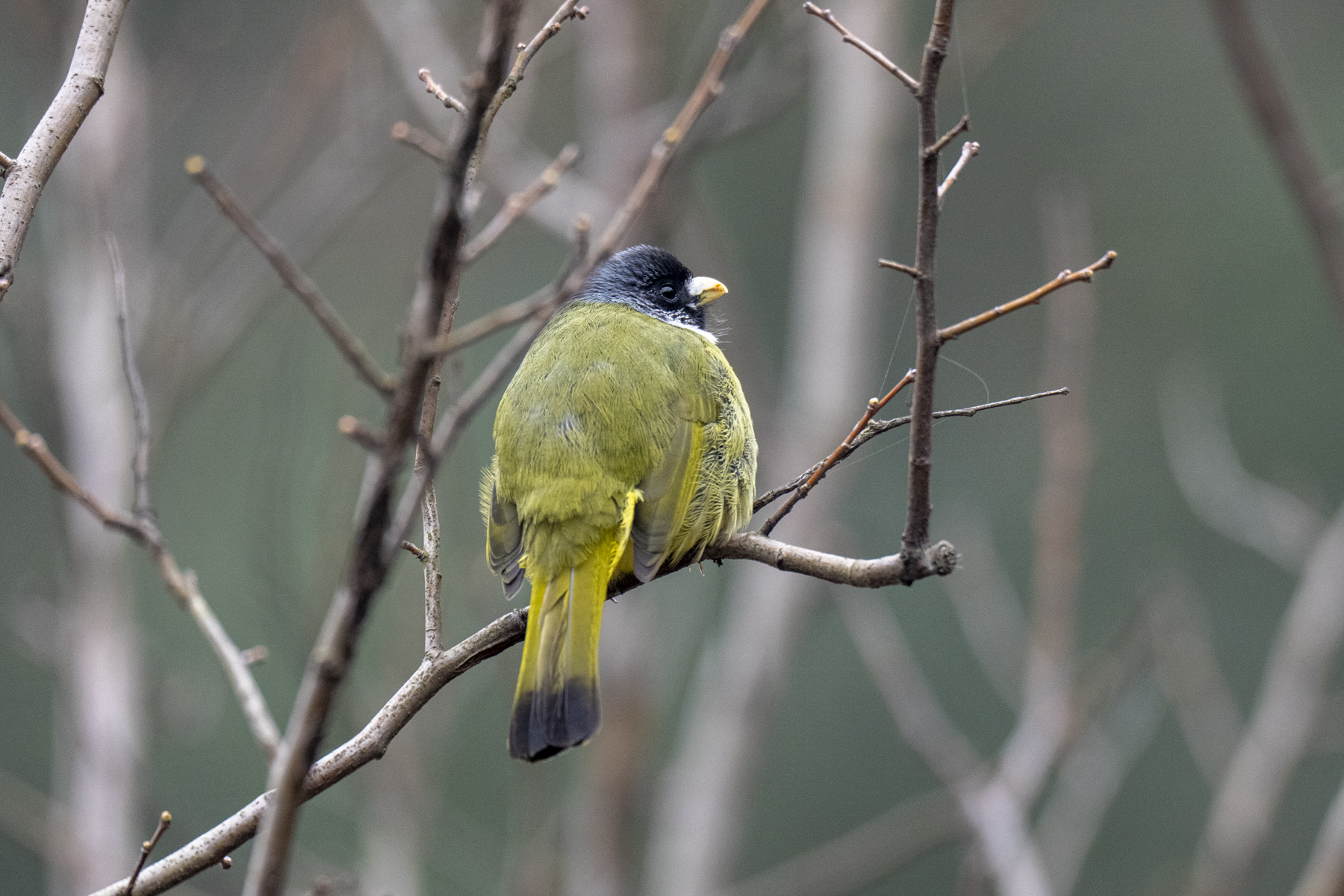
Collared Finchbill (image by Mark Beaman)
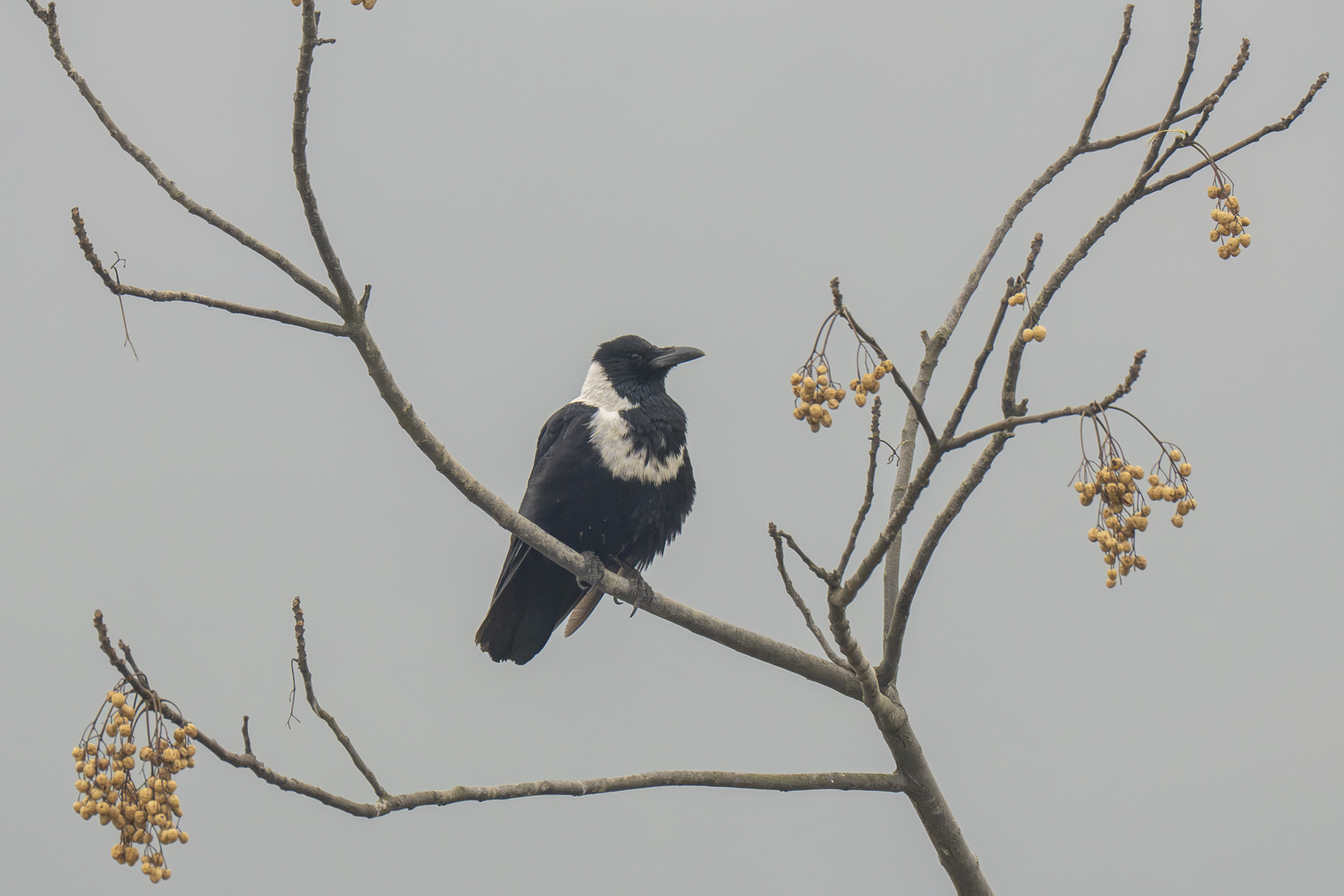
Collared Crow (image by Mark Beaman)
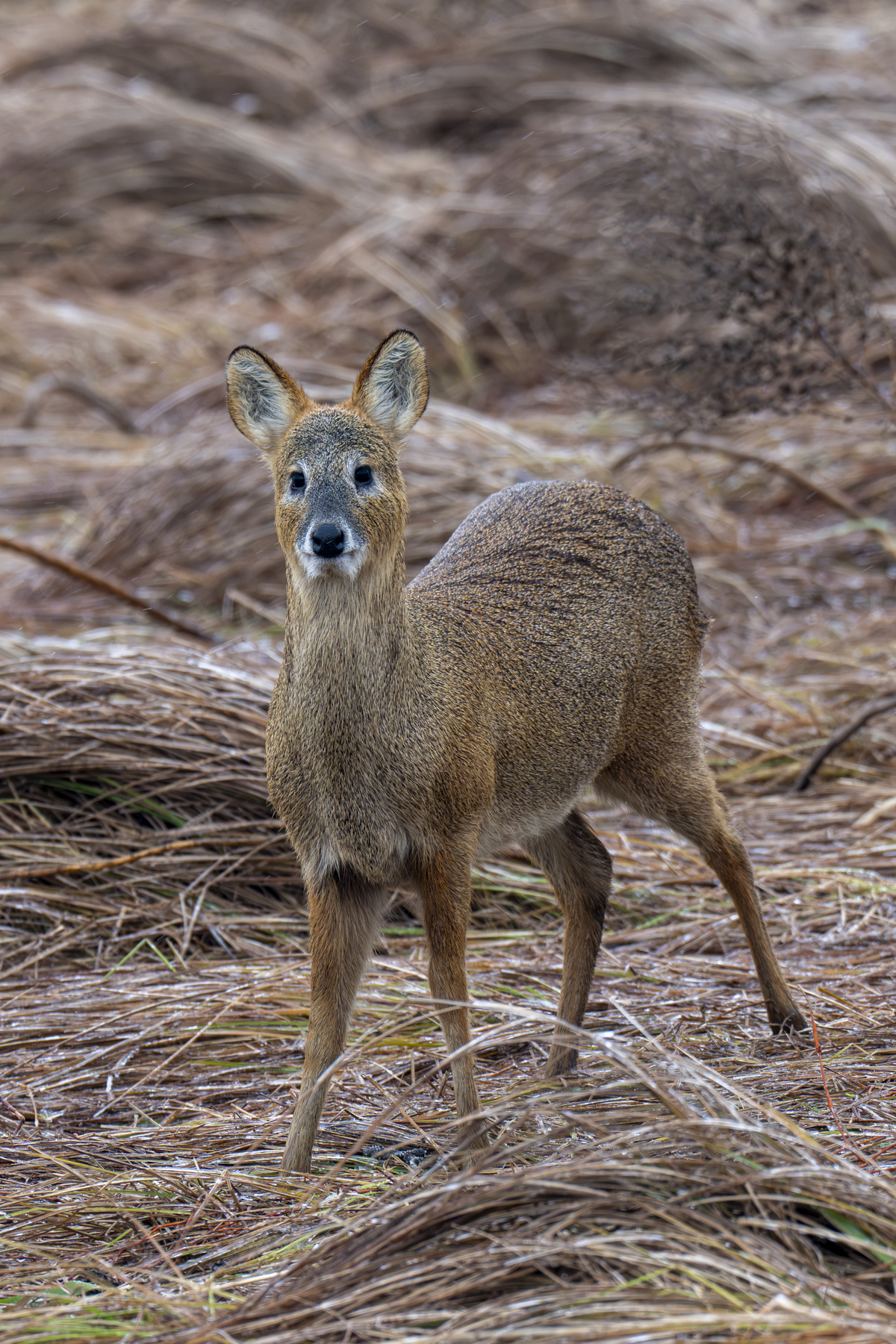
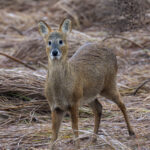
Chinese Water Deer (image by Mark Beaman)
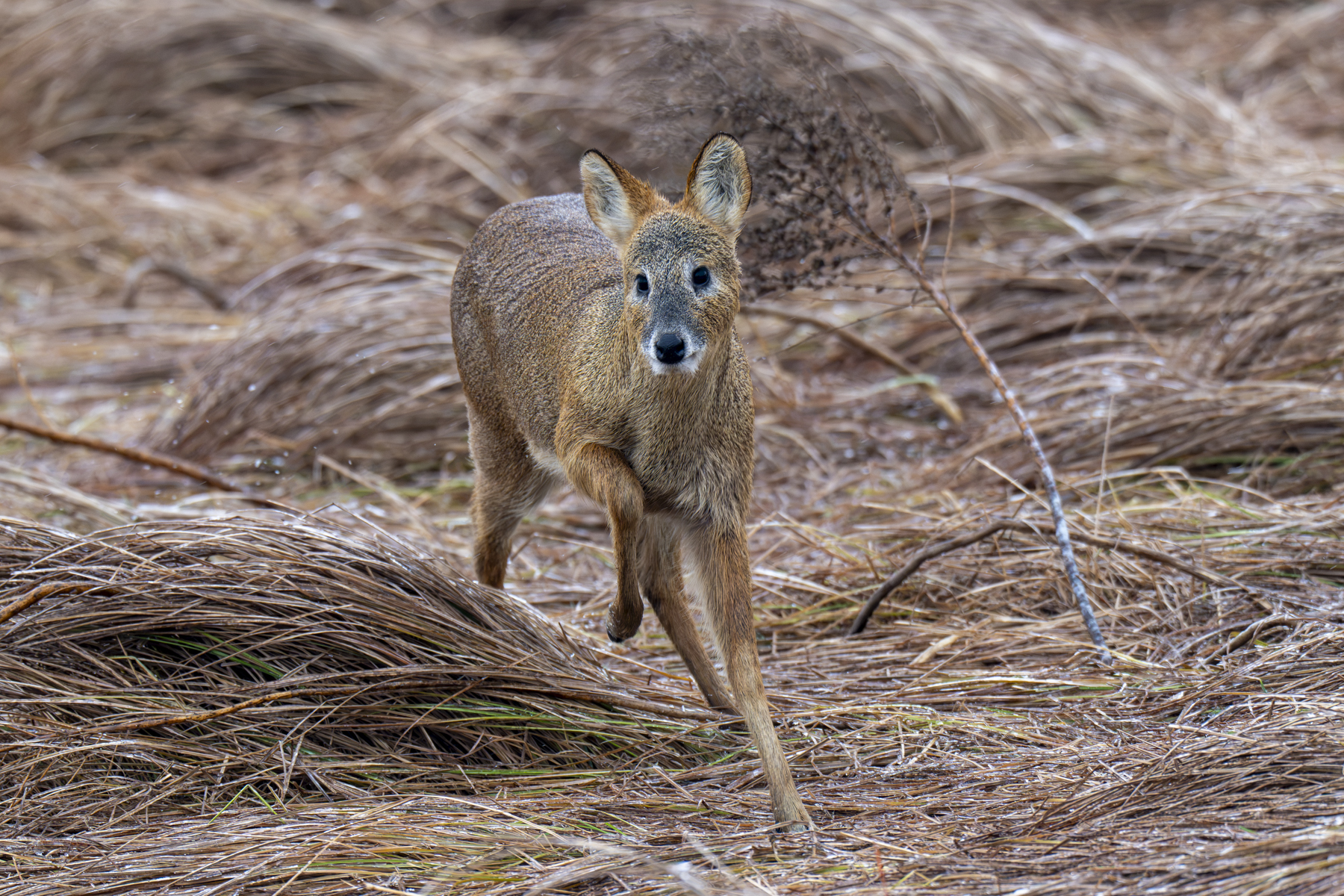
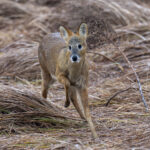
Chinese Water Deer (image by Mark Beaman)
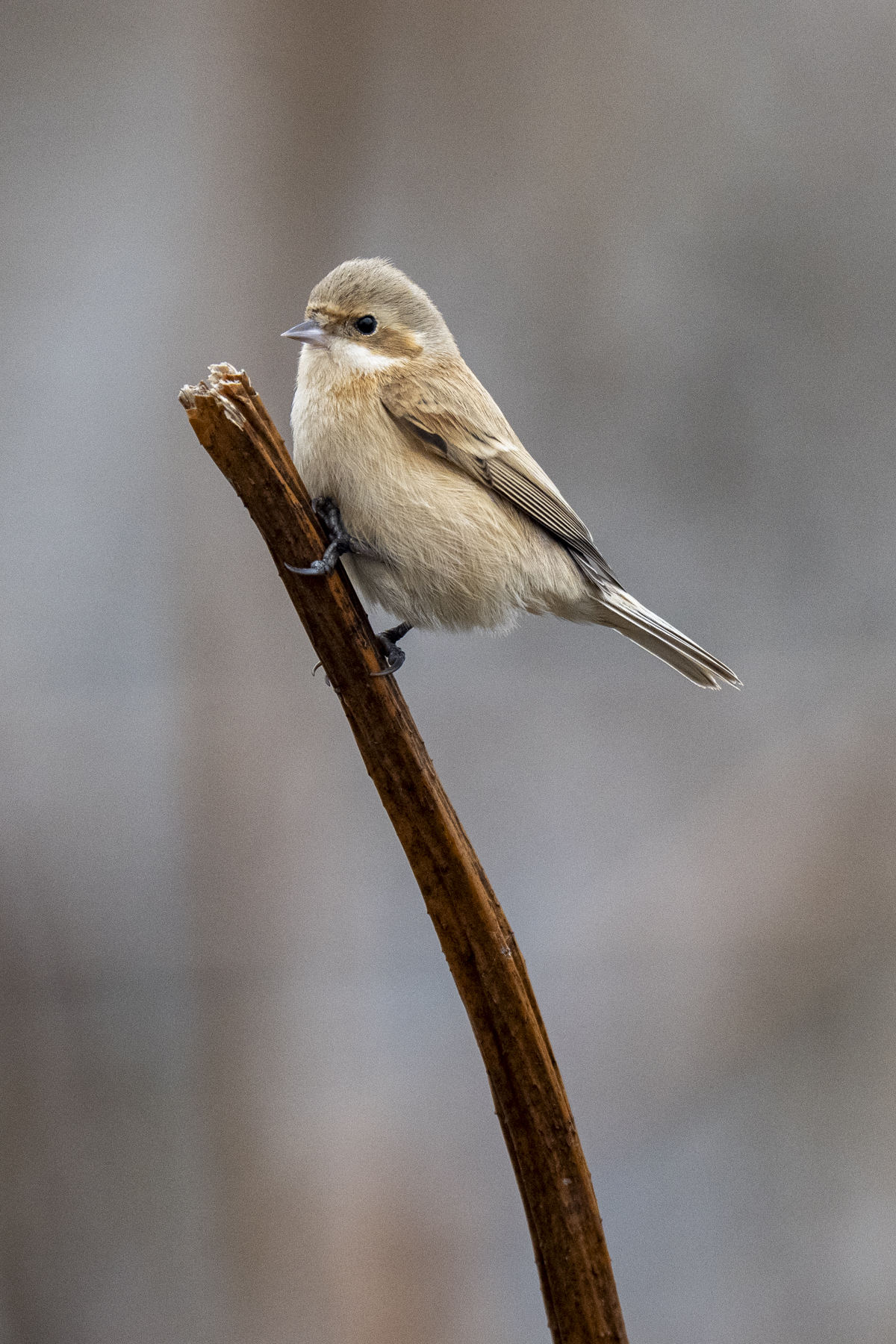
Chinese Penduline Tit (image by Mark Beaman)
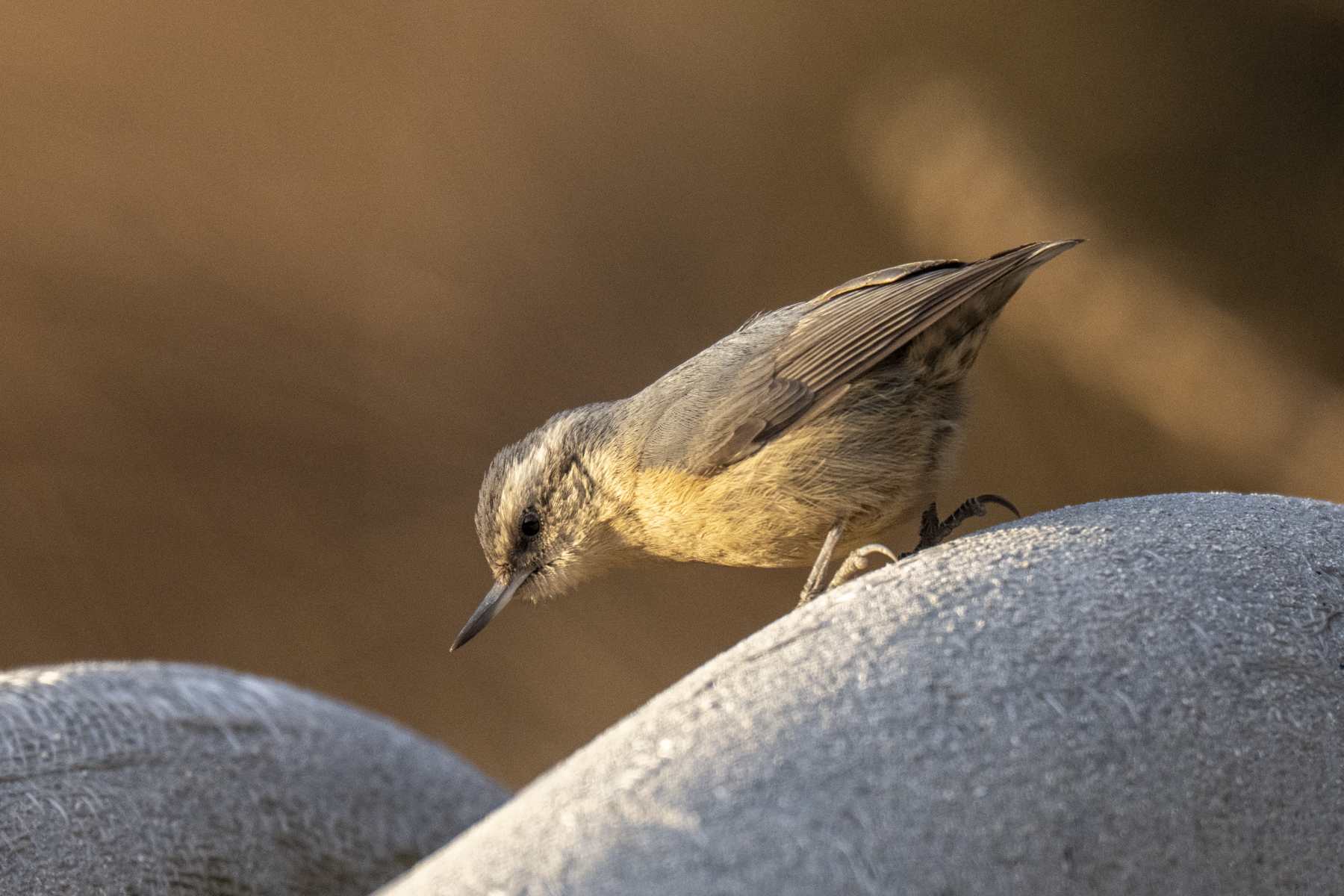
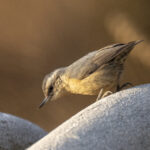
Chinese Nuthatch (image by Mark Beaman)
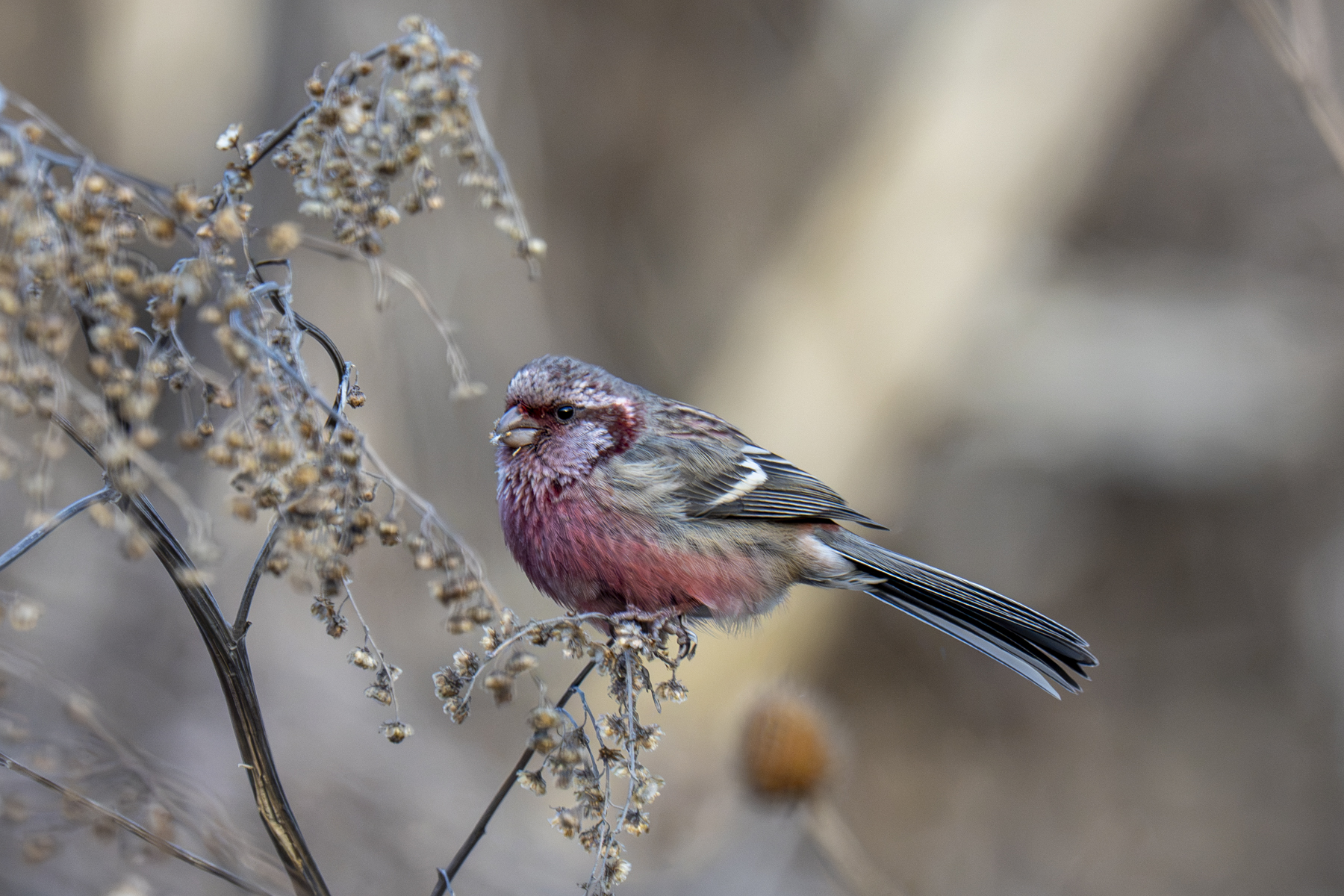
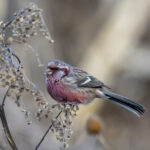
Chinese Long-tailed Rosefinch (image by Mark Beaman)
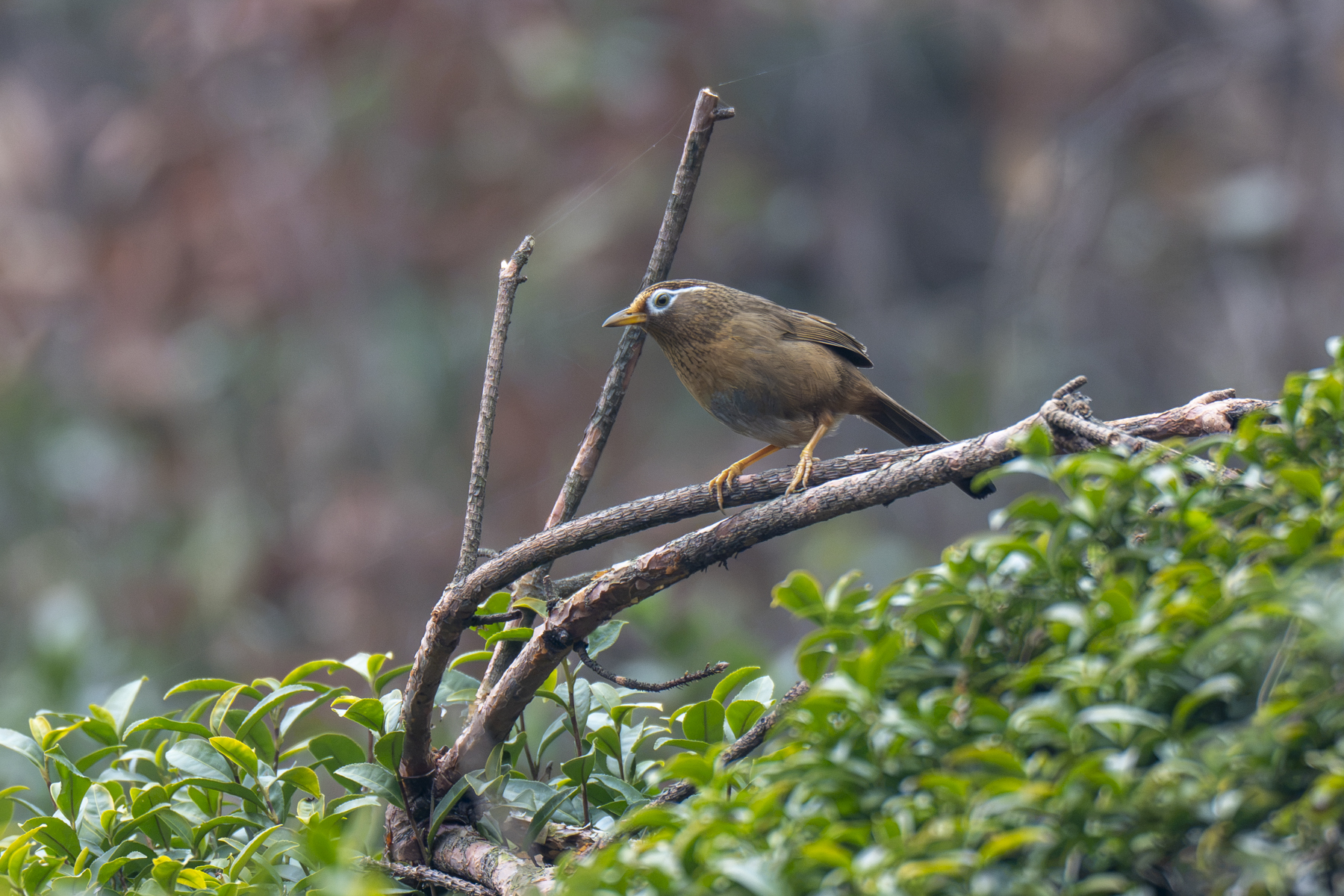
Chinese Hwamei (image by Mark Beaman)
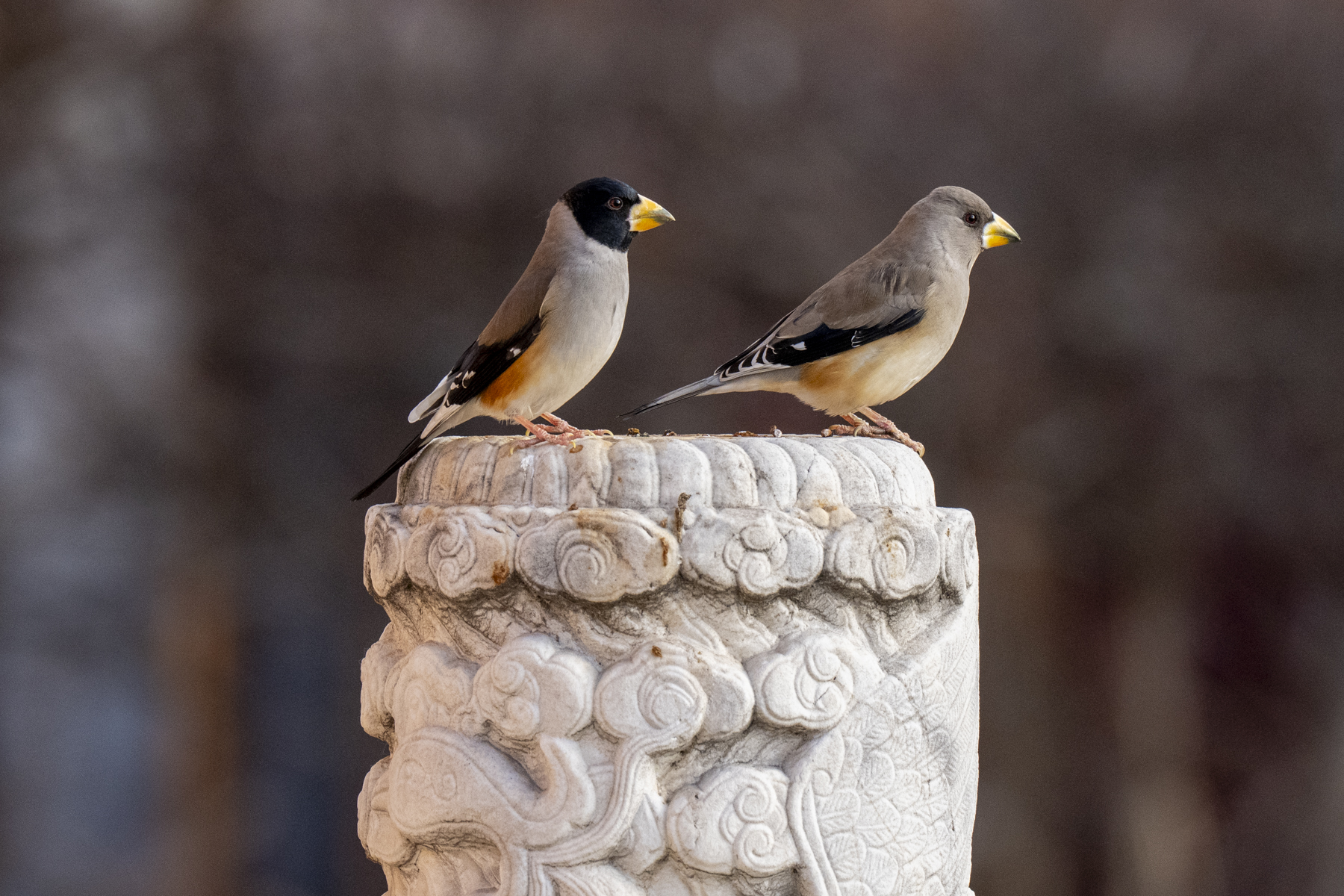
Chinese Grosbeaks (image by Mark Beaman)
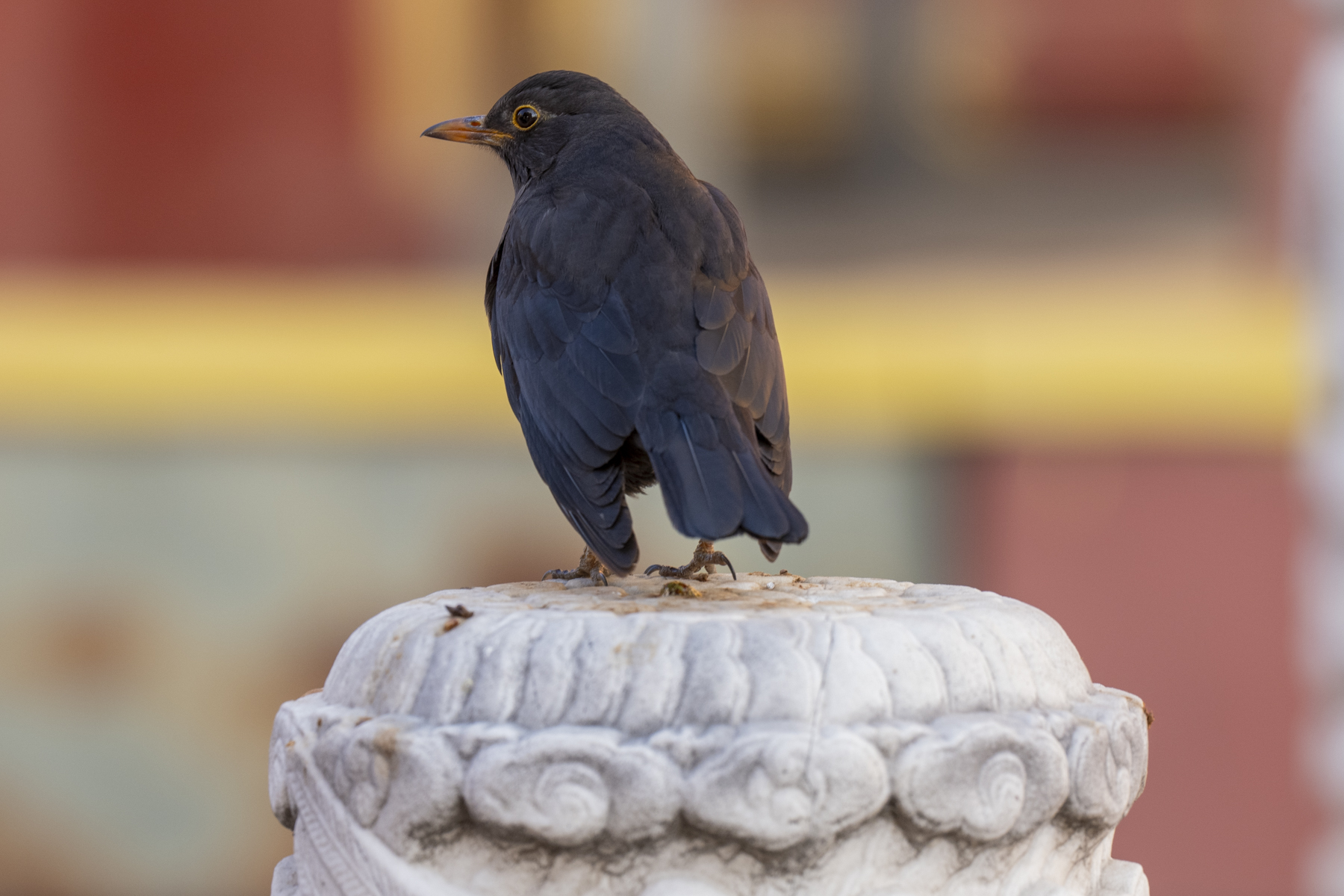
Chinese Blackbird (image by Mark Beaman)
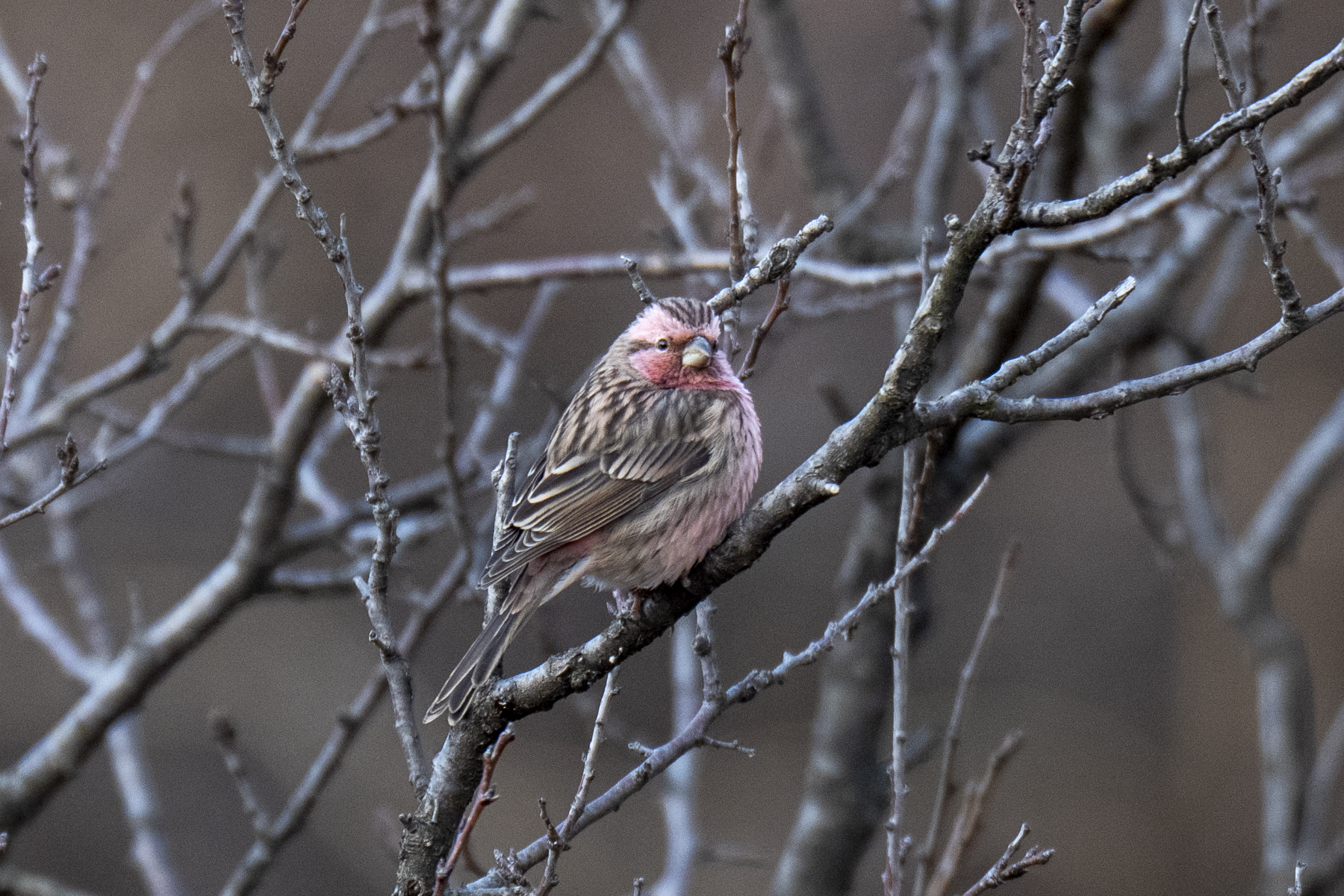
Chinese Beautiful Rosefinch (image by Mark Beaman)
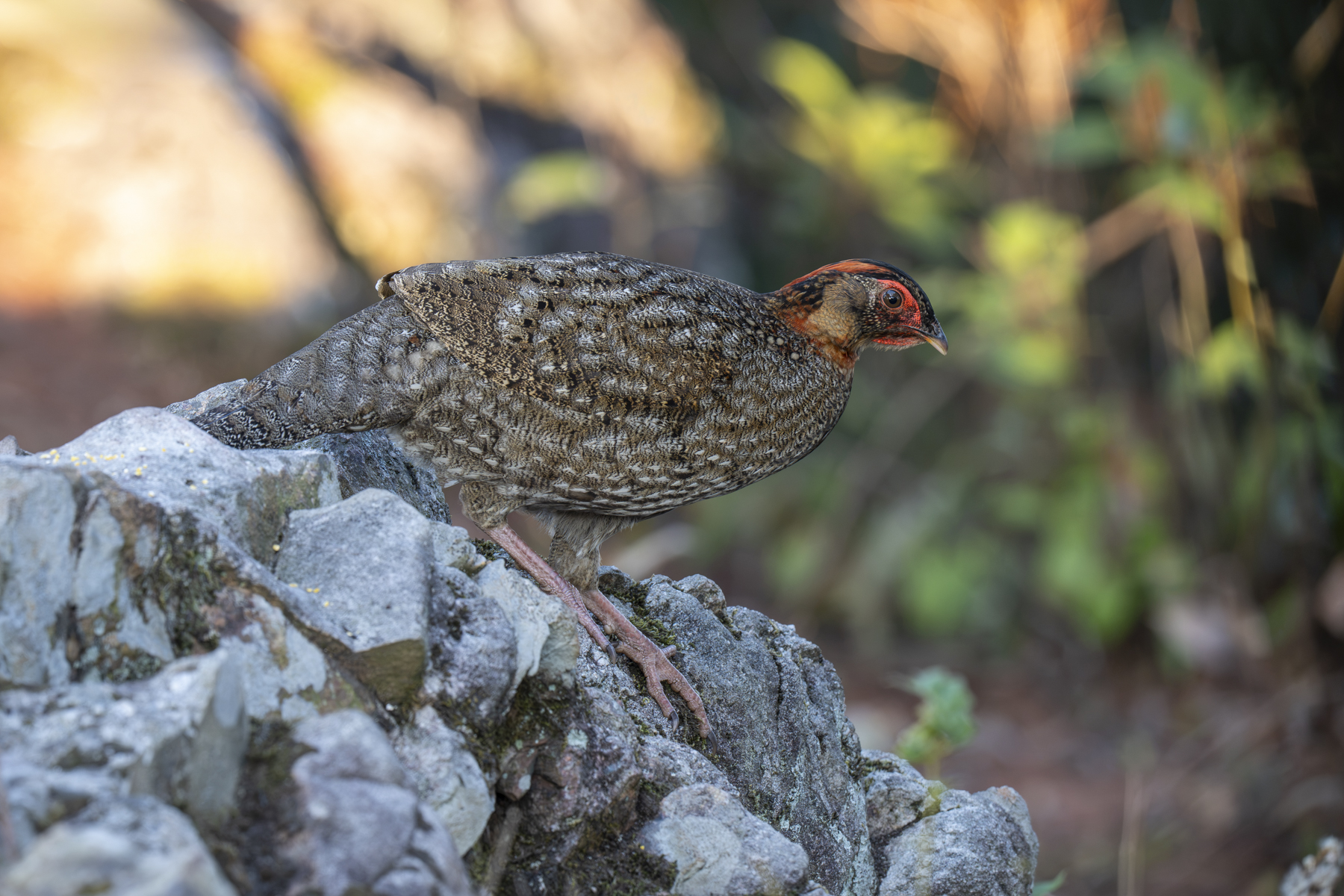
Cabot's Tragopan immature male (image by Mark Beaman)
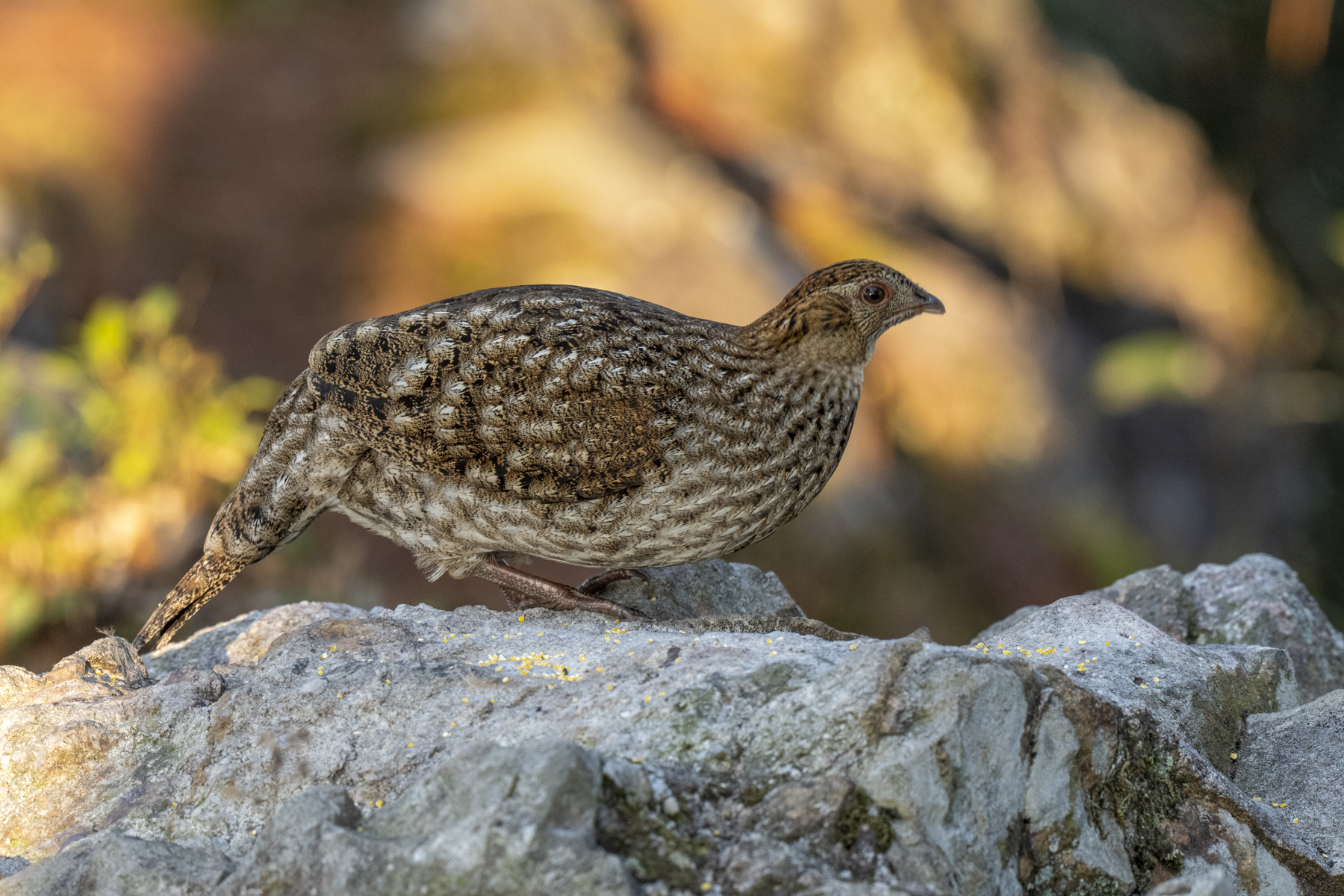
Cabot's Tragopan female (image by Mark Beaman)
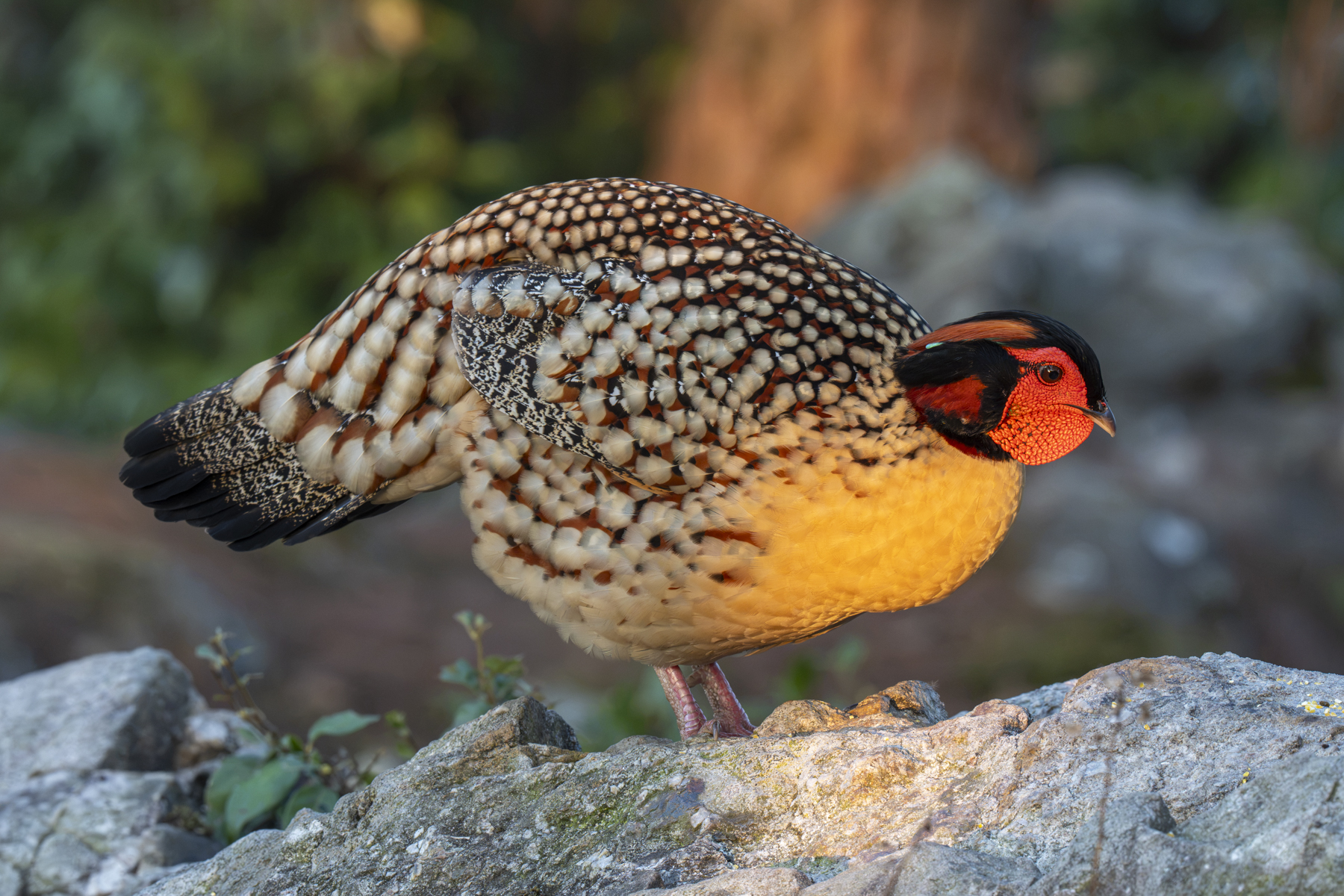
Cabot's Tragopan (image by Mark Beaman)
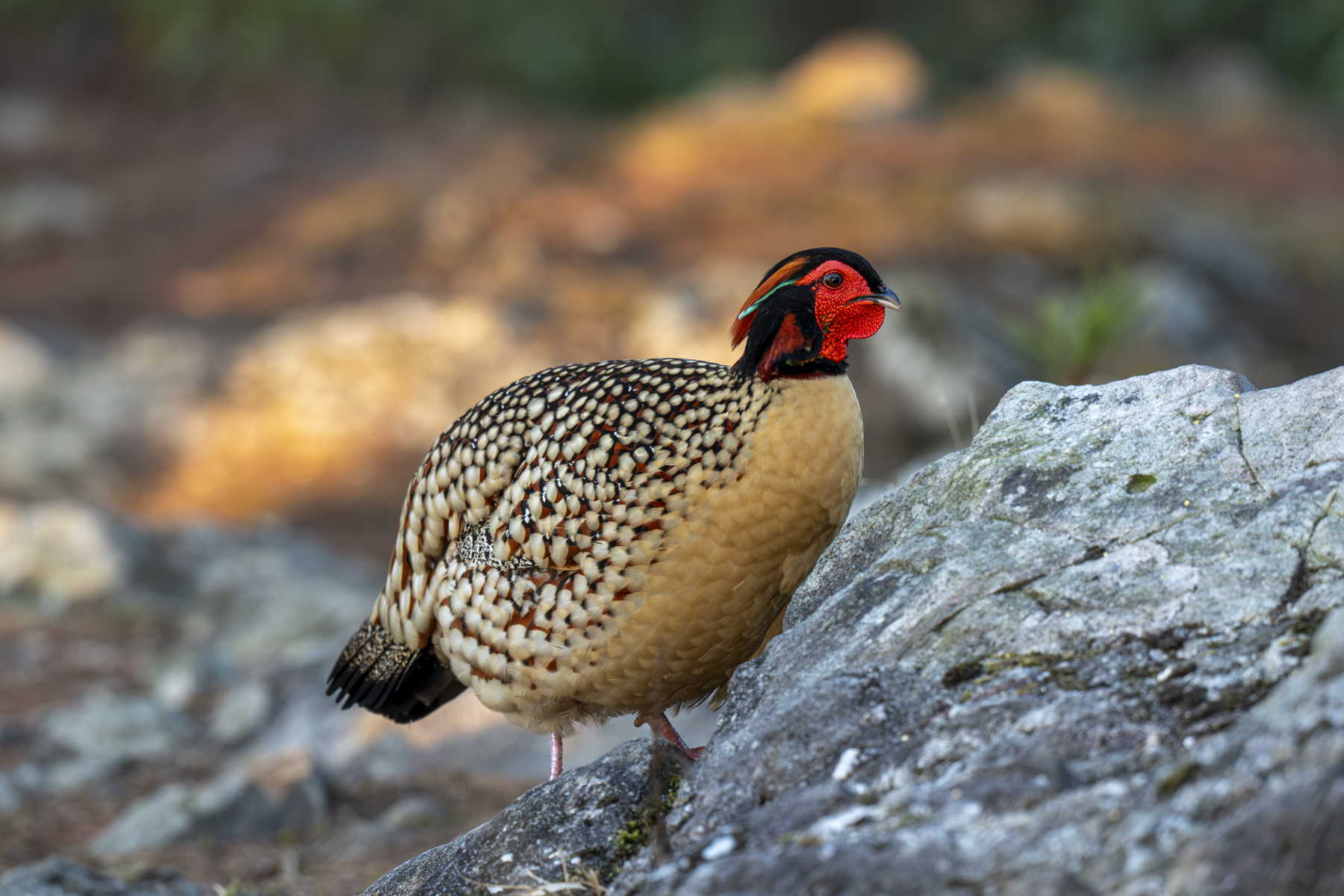
Cabot's Tragopan (image by Mark Beaman)
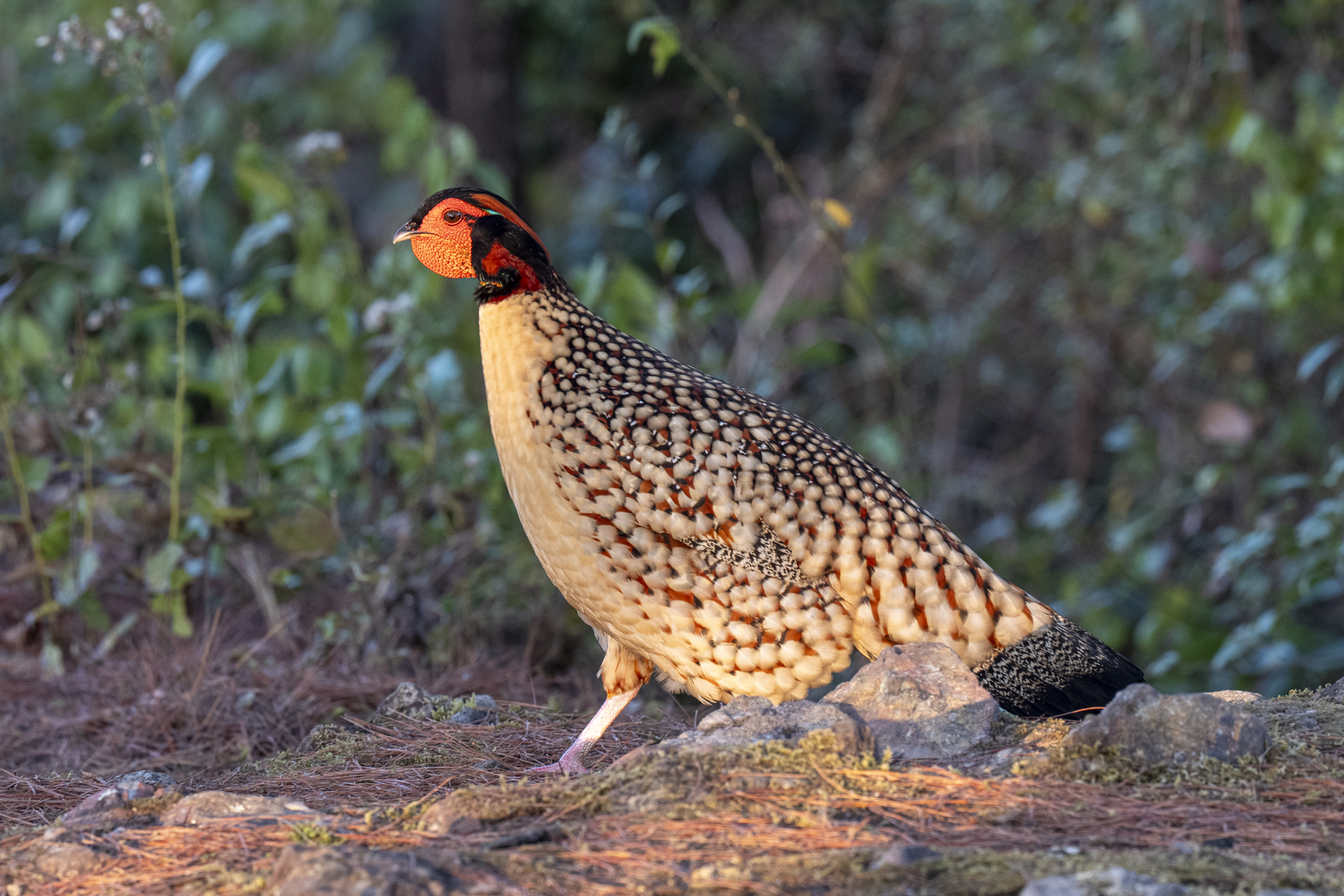
Cabot's Tragopan (image by Mark Beaman)
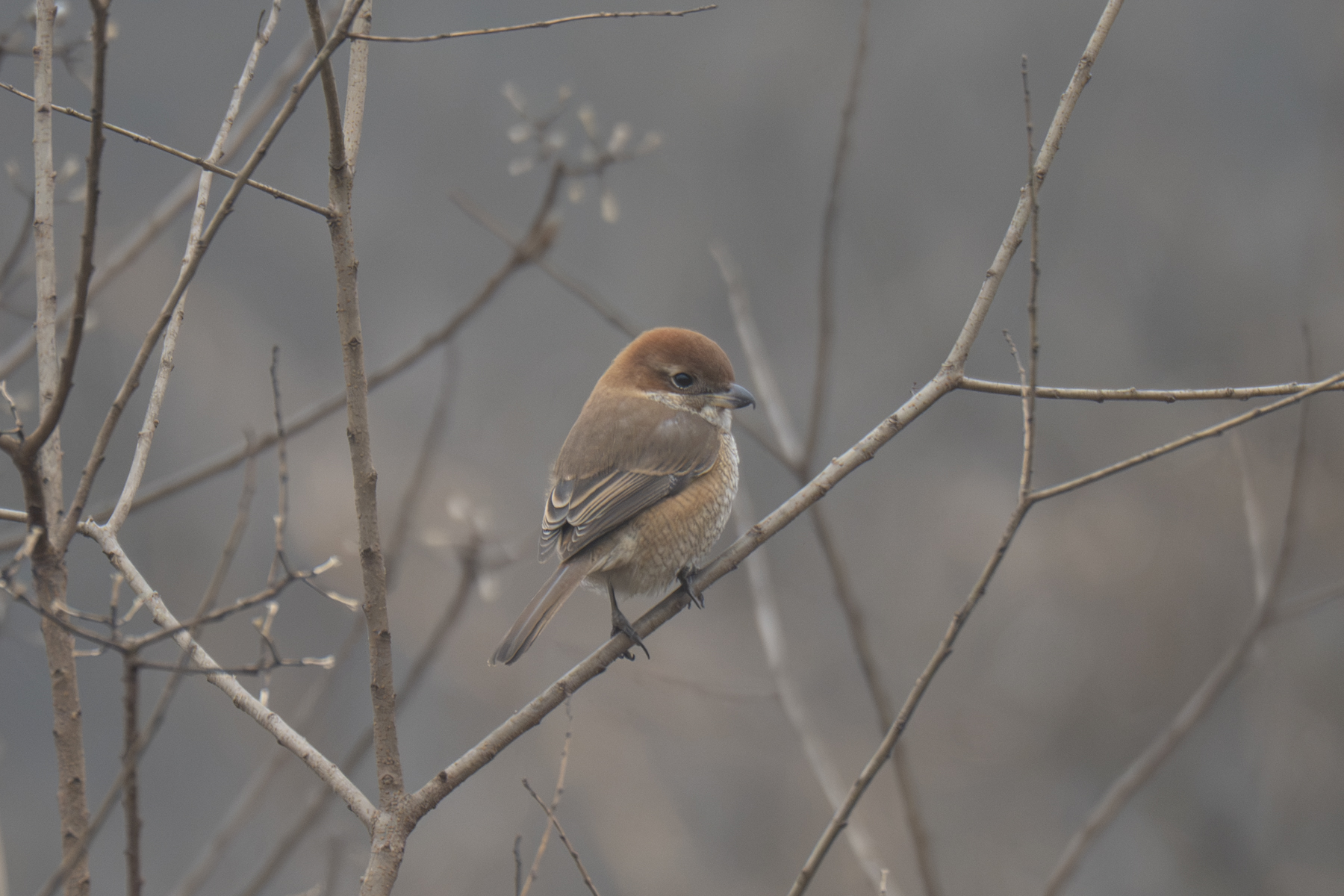
Bull-headed Shrike (image by Mark Beaman)
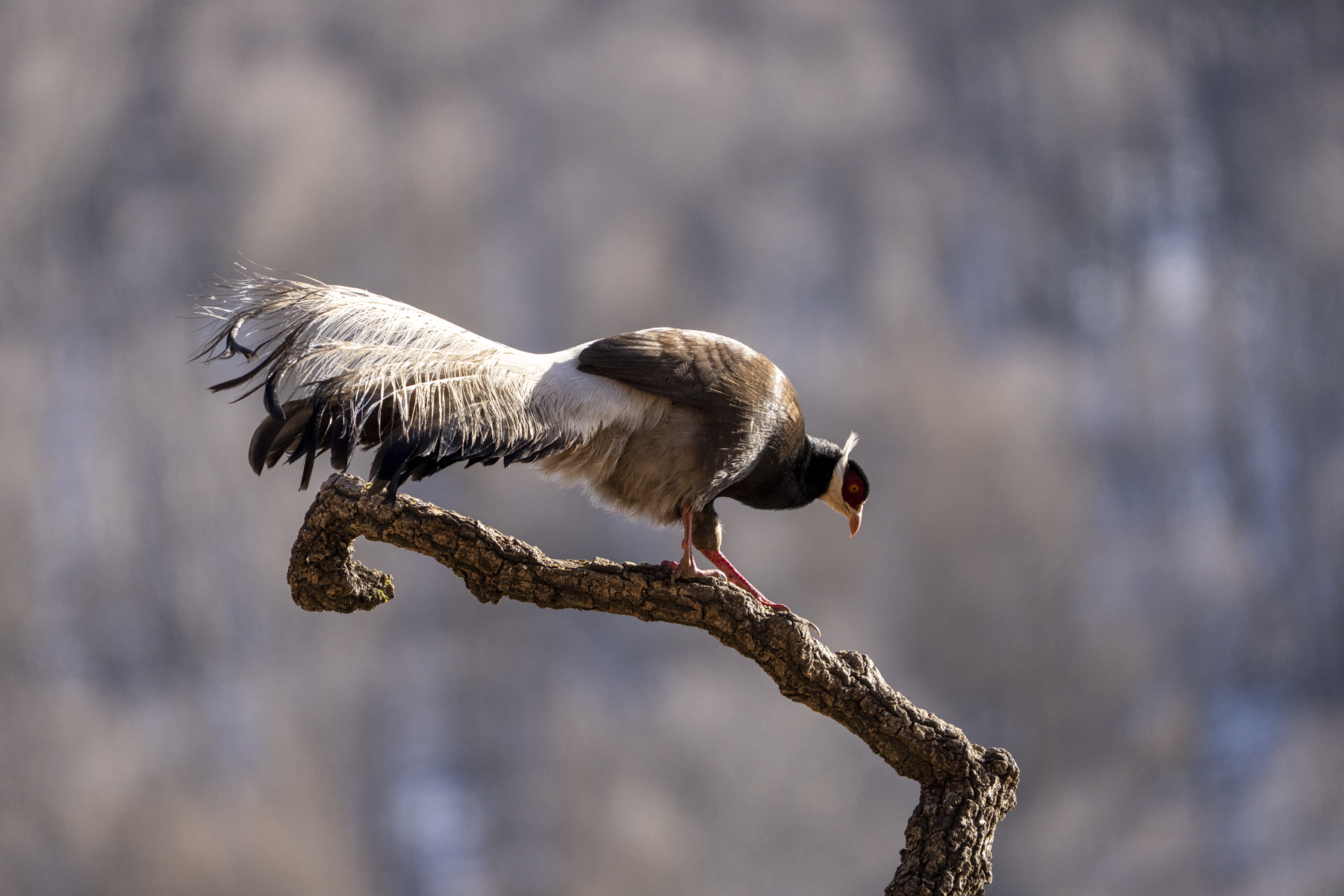
Brown Eared Pheasant (image by Mark Beaman)
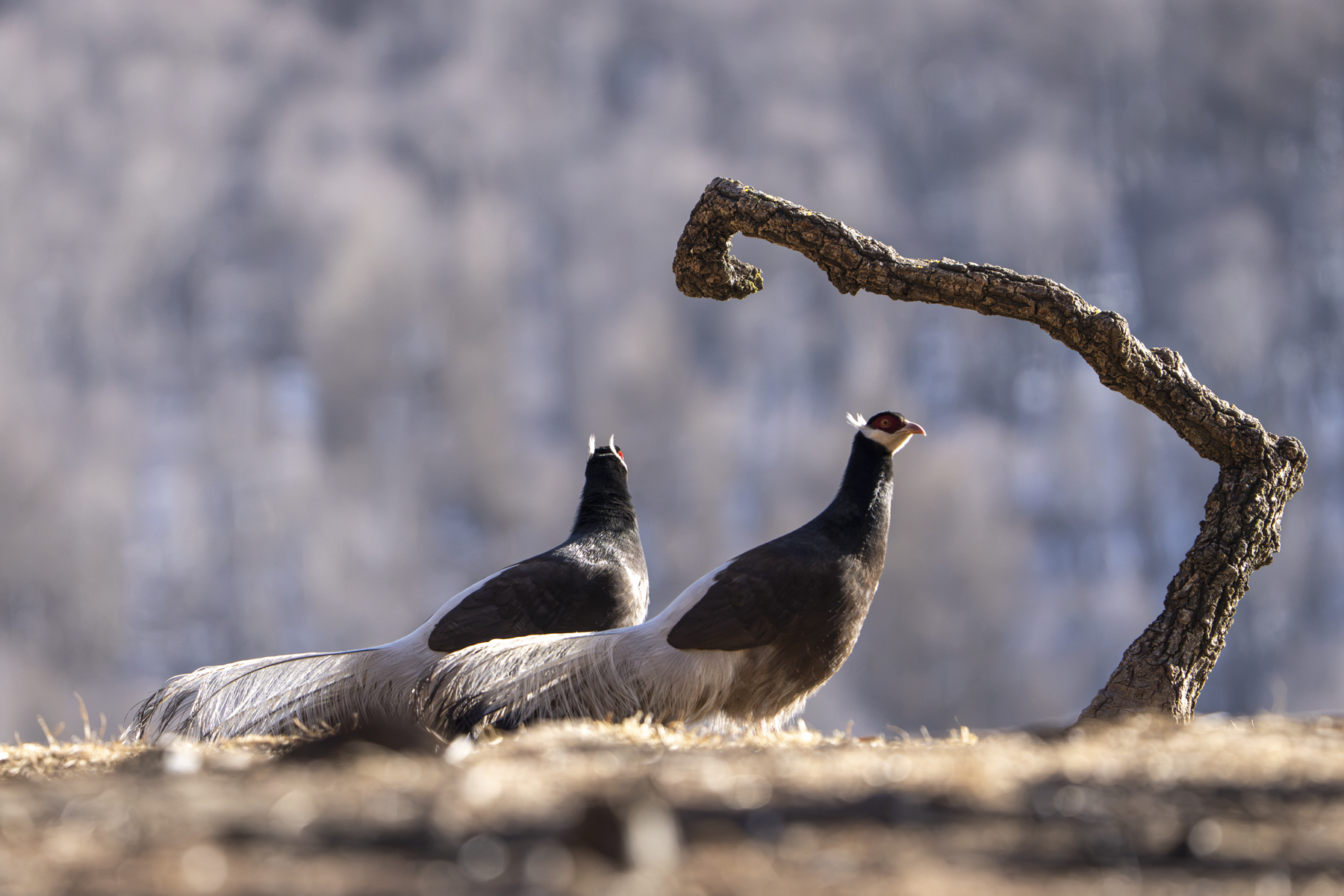
Brown Eared Pheasants (image by Mark Beaman)
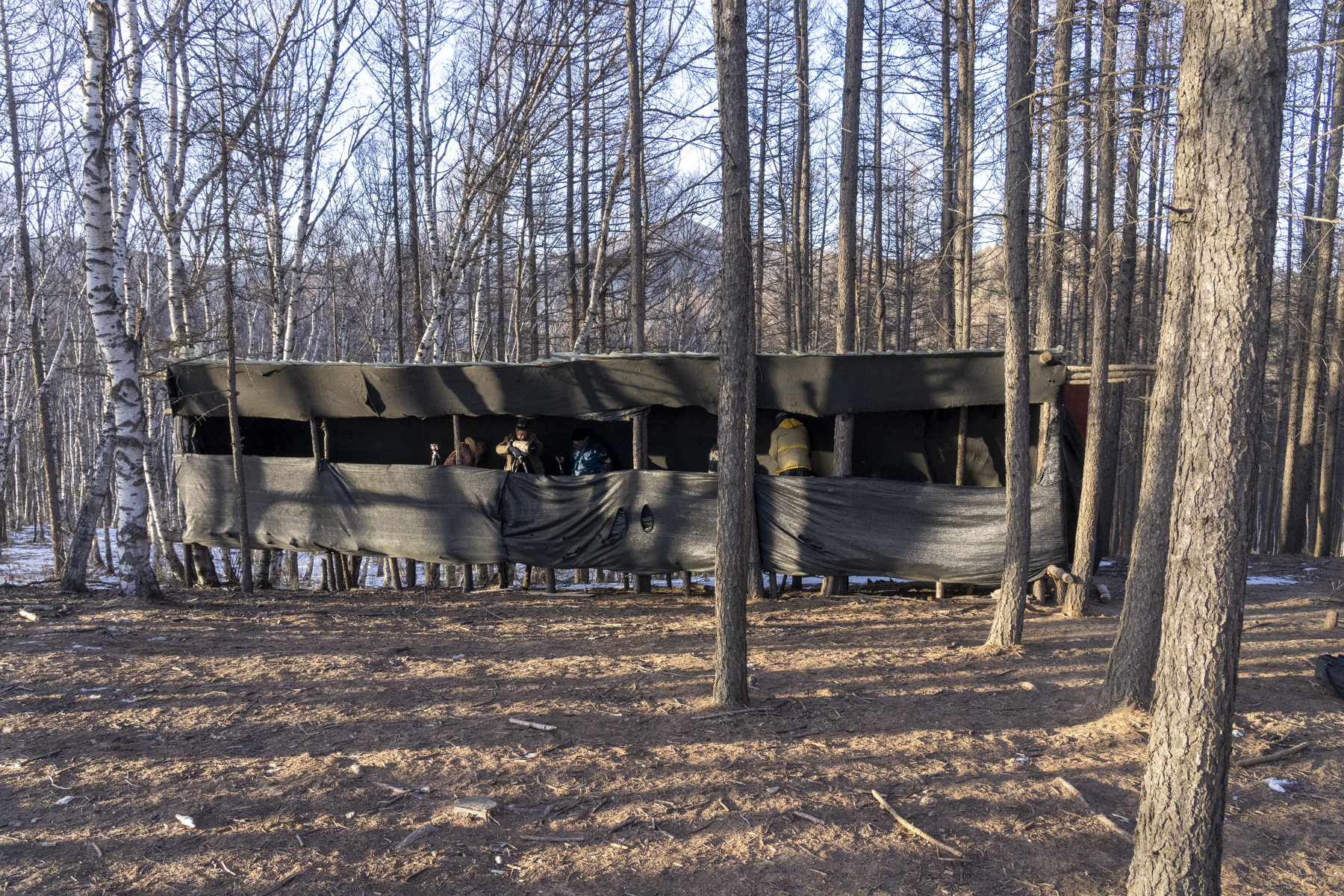
The Brown Eared Pheasant hide/blind (image by Mark Beaman)
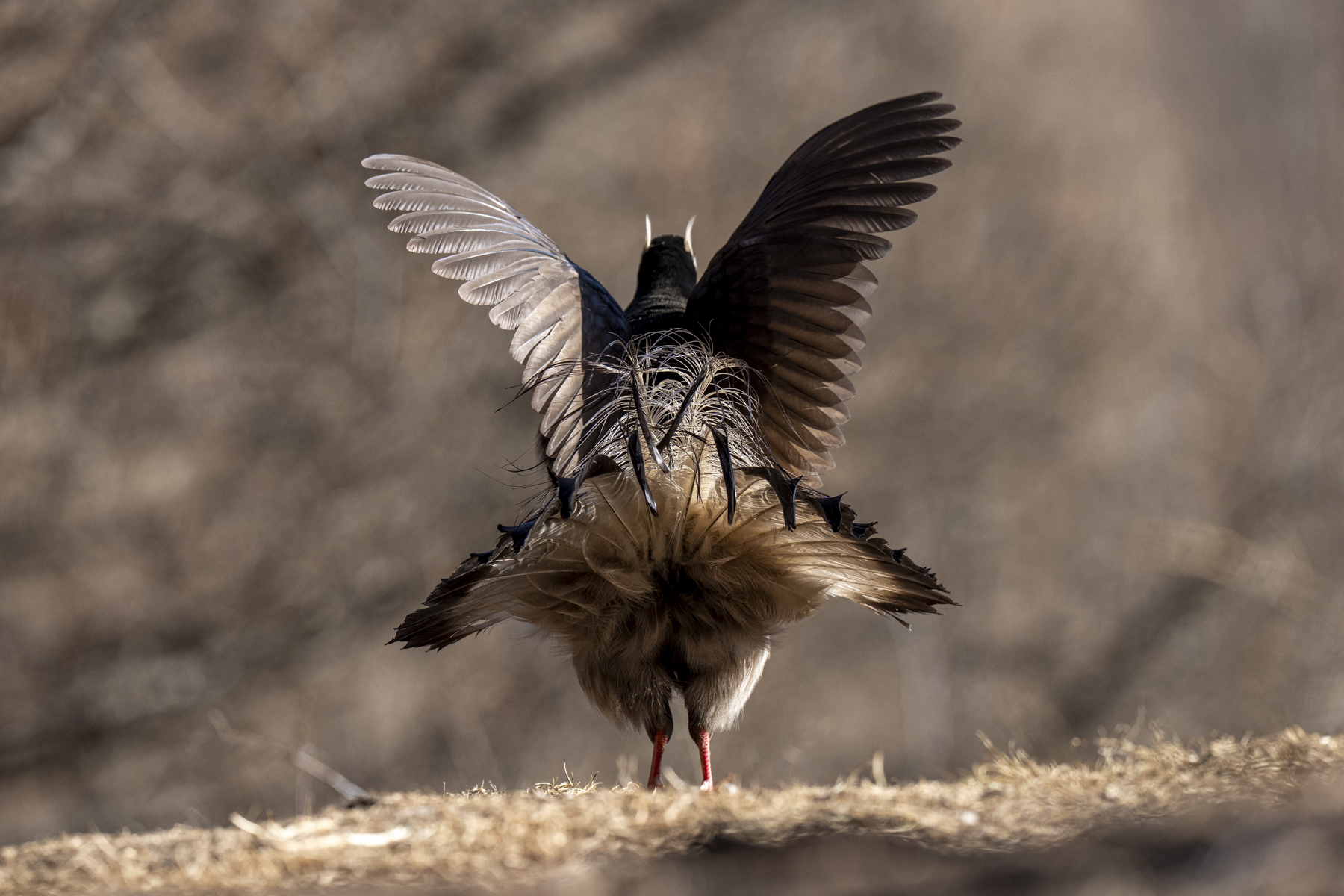
Brown Eared Pheasant (image by Mark Beaman)
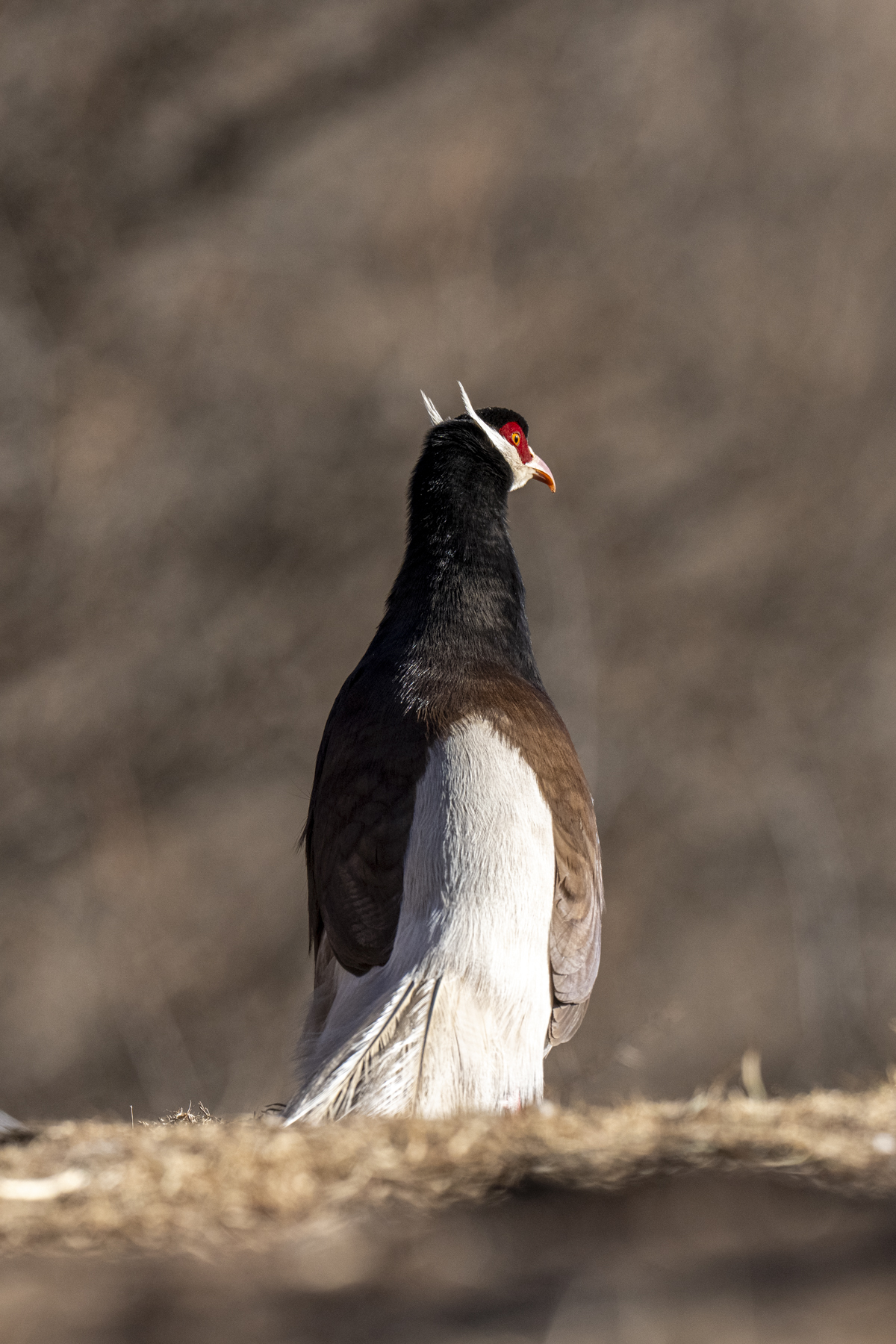
Brown Eared Pheasant (image by Mark Beaman)
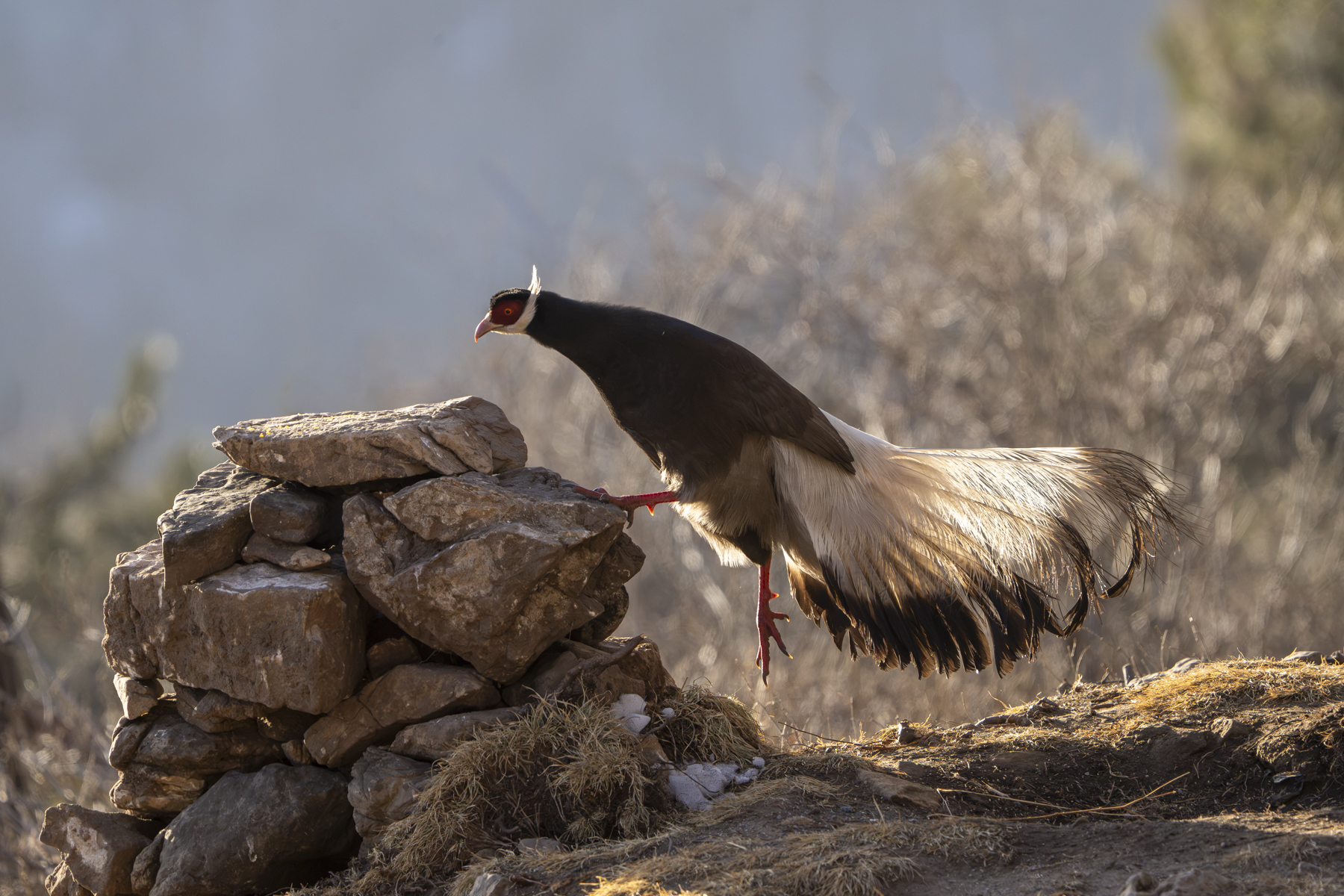
Brown Eared Pheasant (image by Mark Beaman)
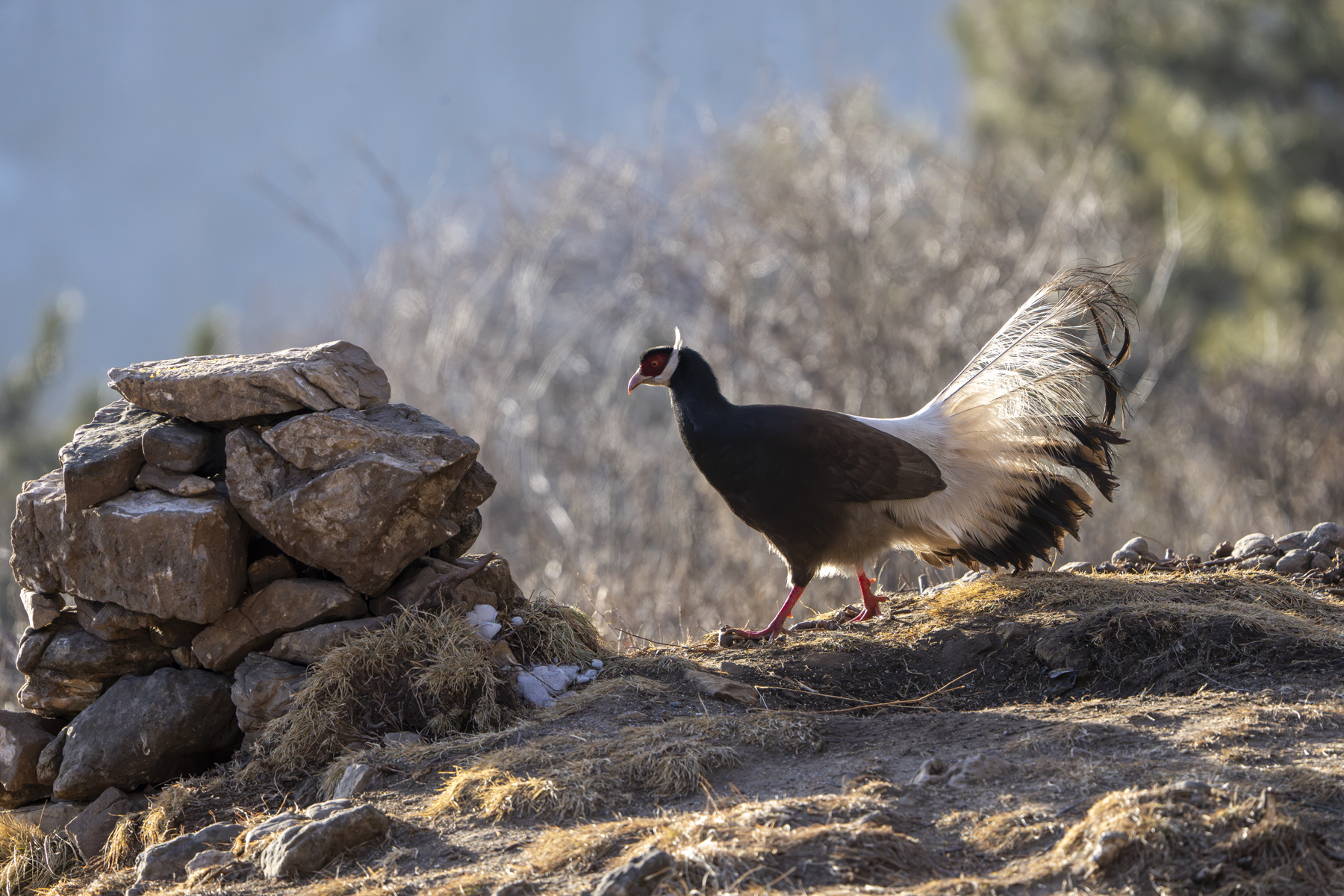
Brown Eared Pheasant (image by Mark Beaman)
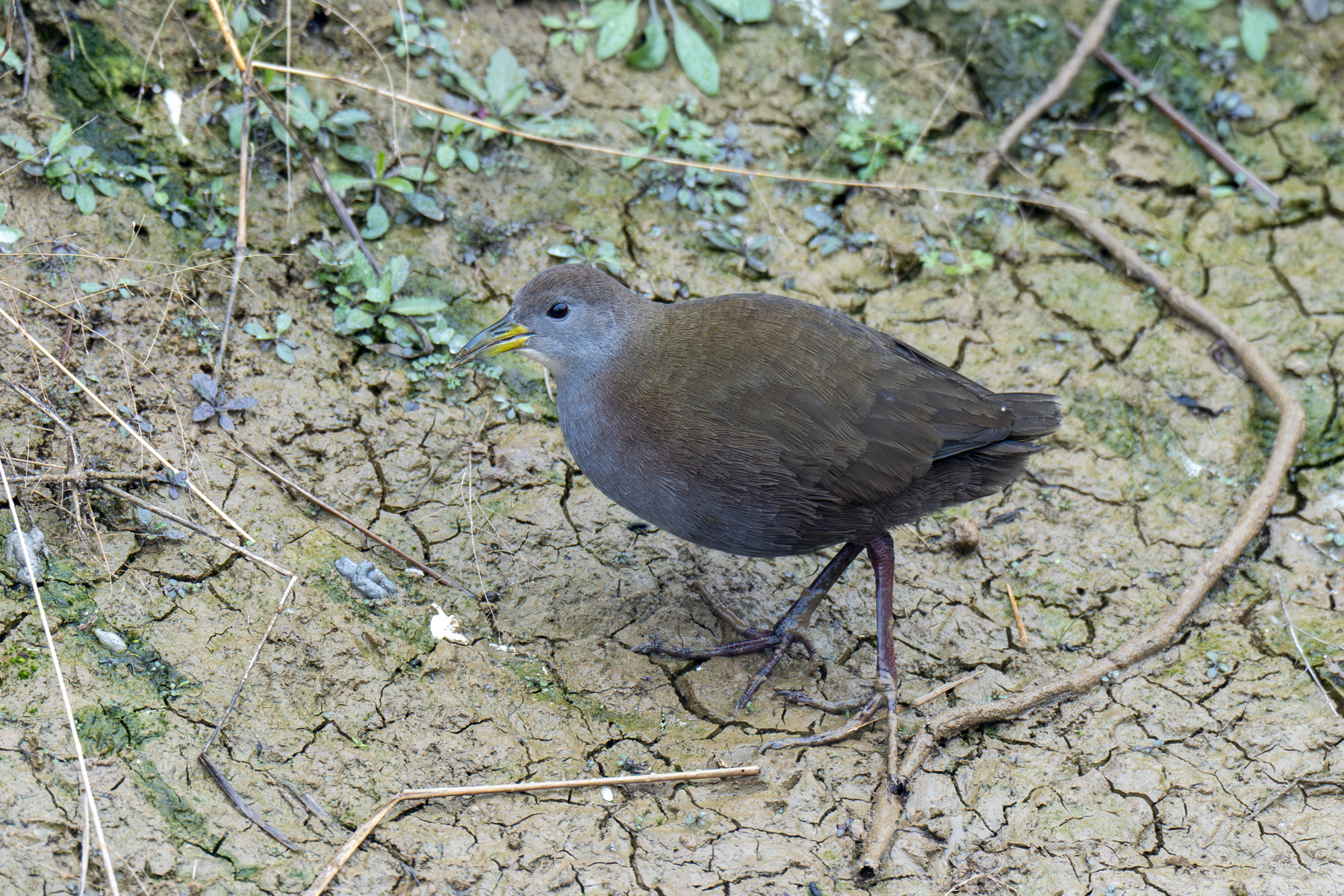
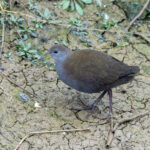
Brown Crake (image by Mark Beaman)
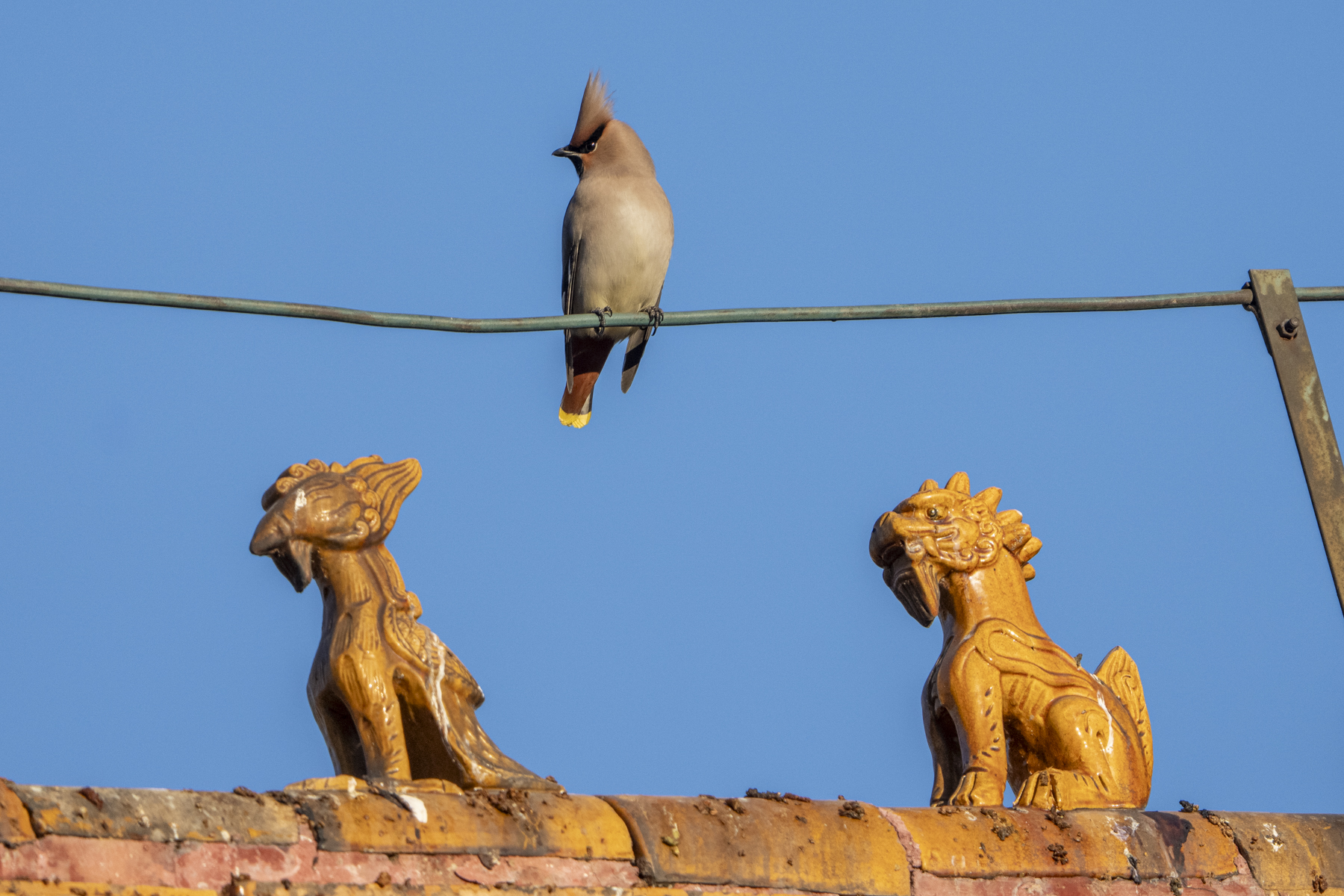
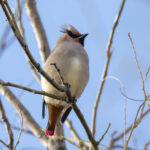
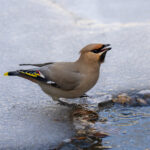
Bohemian Waxwing (image by Mark Beaman)
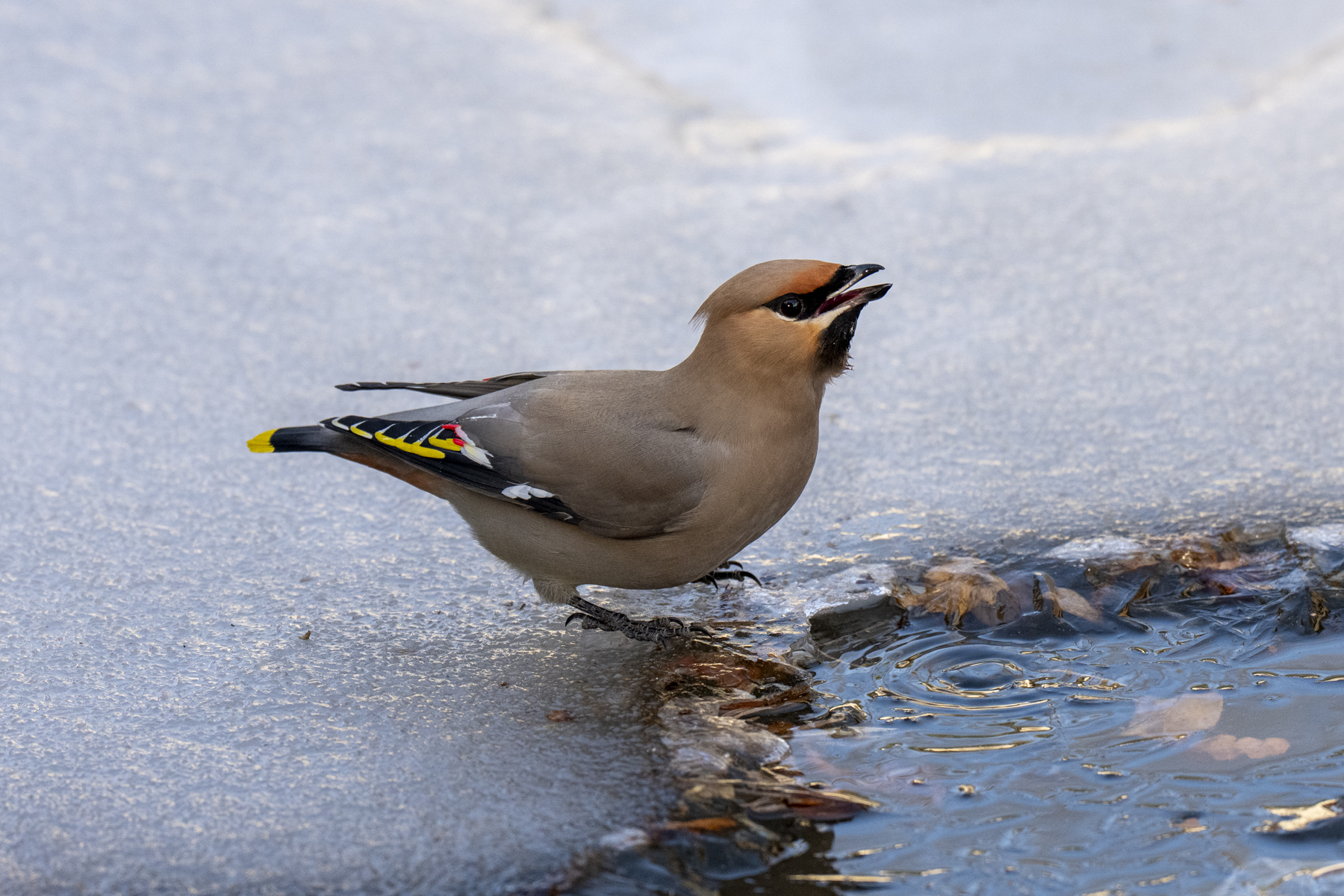
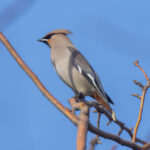
Bohemian Waxwing (image by Mark Beaman)
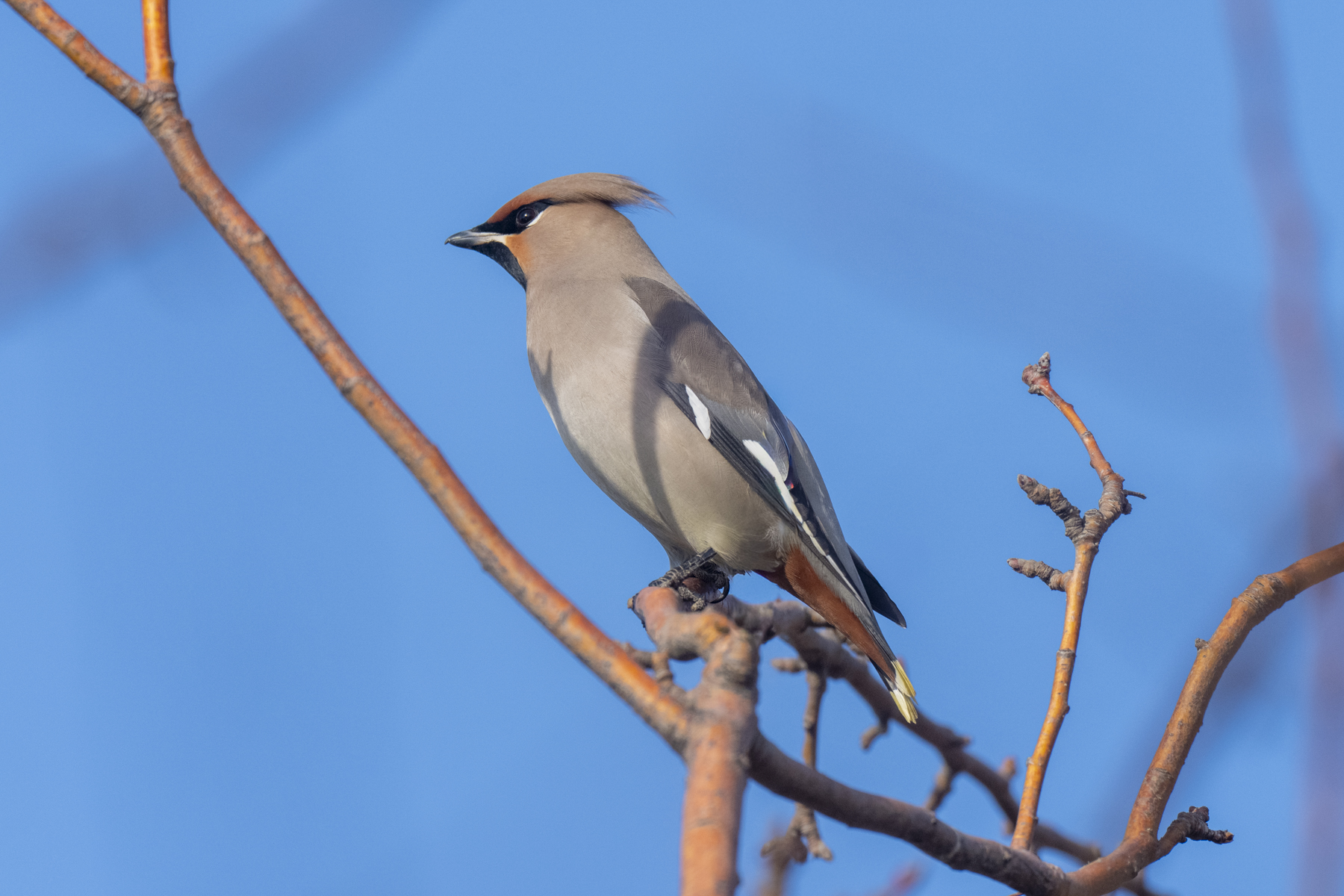
Bohemian Waxwing (image by Mark Beaman)
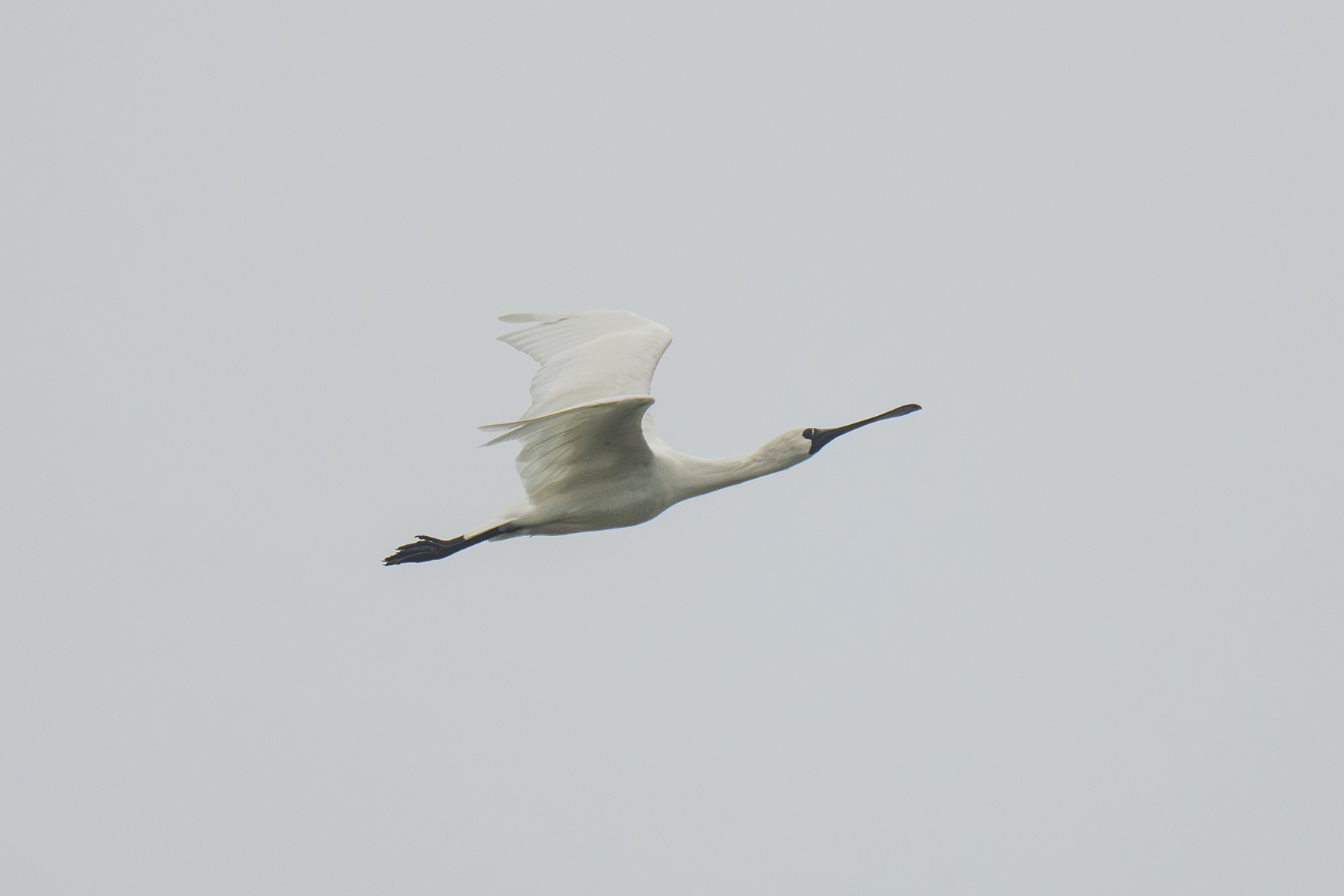
Black-faced Spoonbill (image by Mark Beaman)
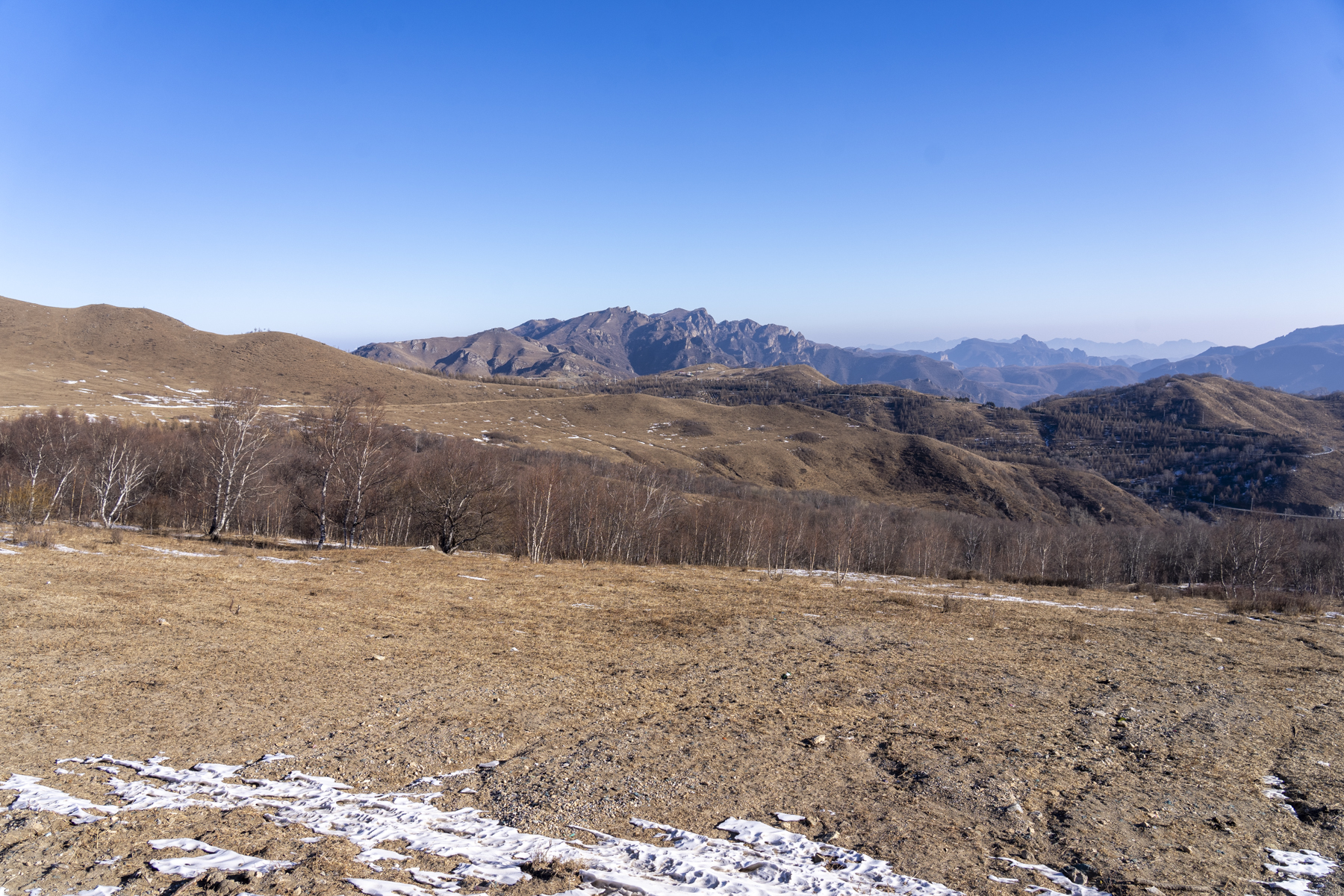
The mountains west of Beijing (image by Mark Beaman)
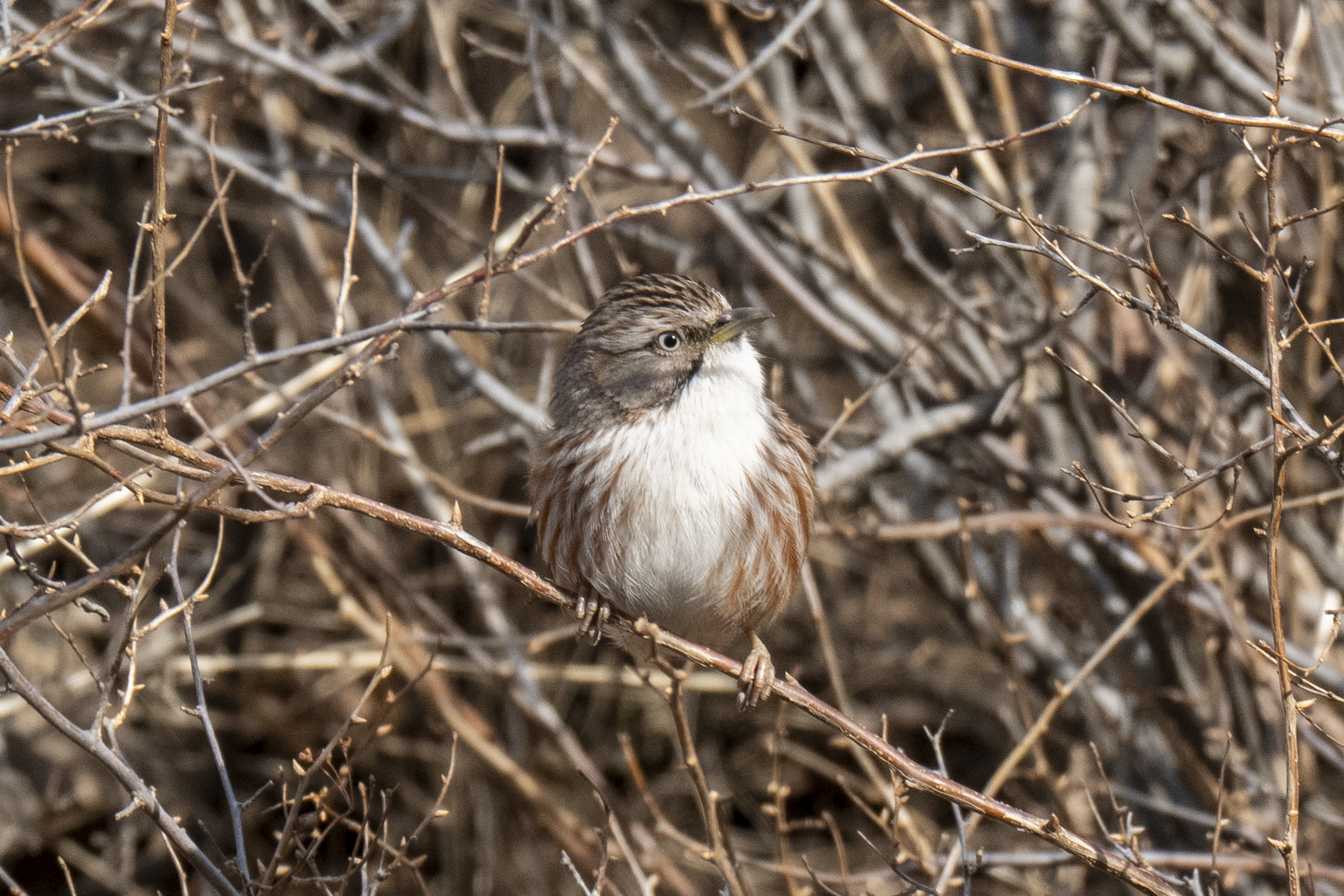
Beijing Babbler (image by Mark Beaman)
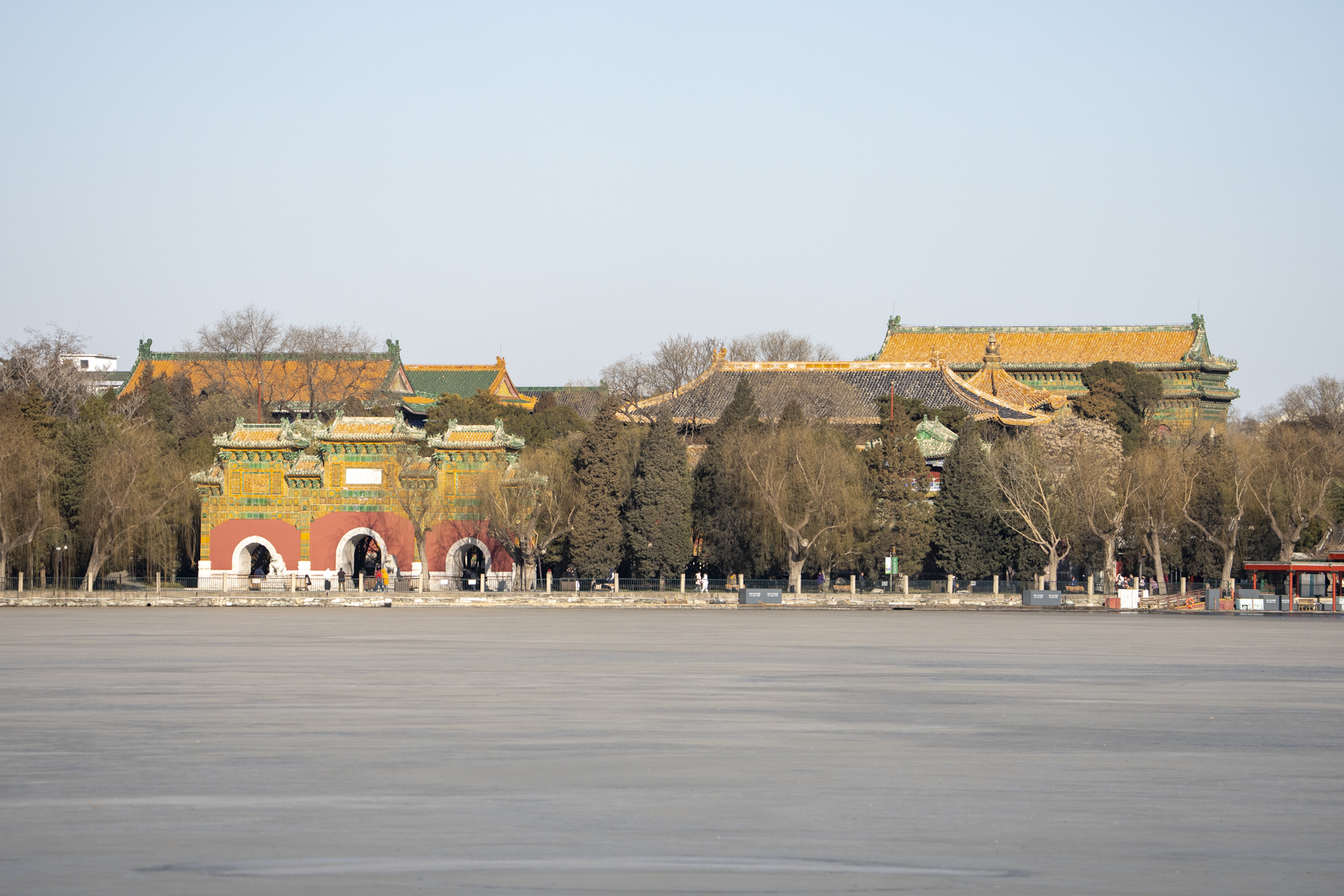
Beihai Park, Beijing (image by Mark Beaman)
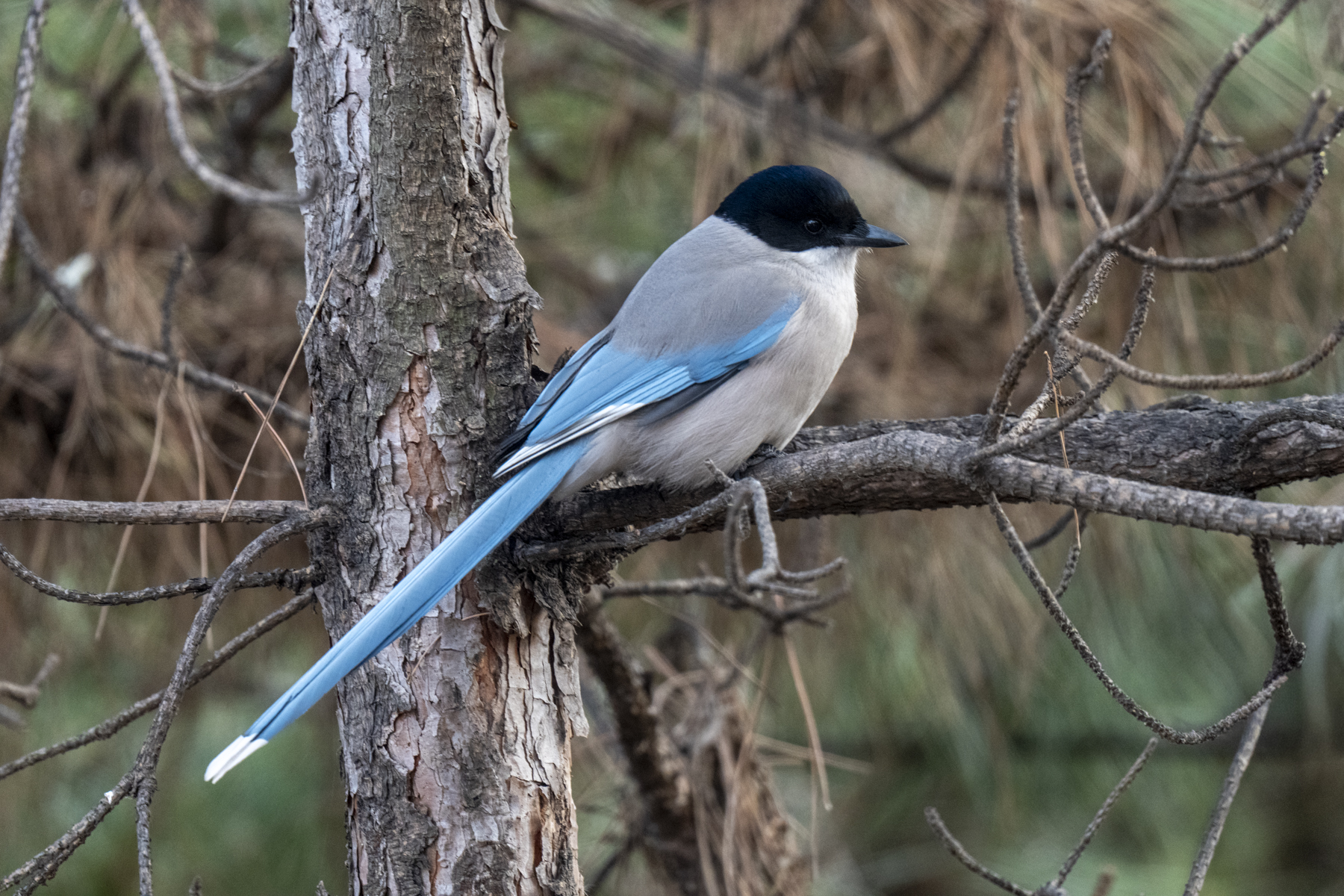
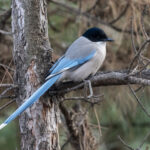
Azure-winged Magpie (image by Mark Beaman)
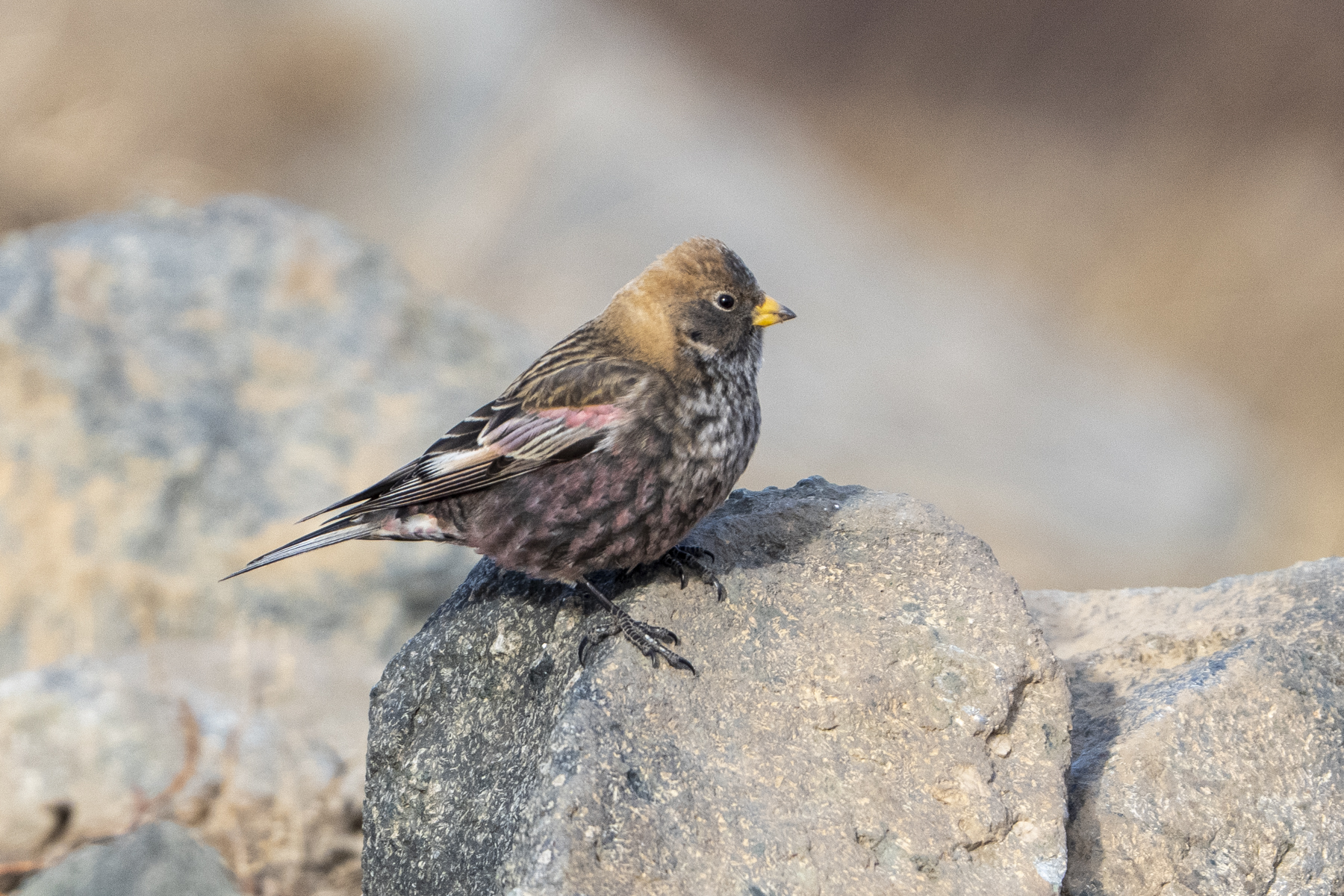
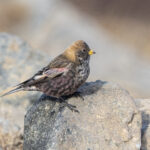
Asian Rosy Finch (image by Mark Beaman)
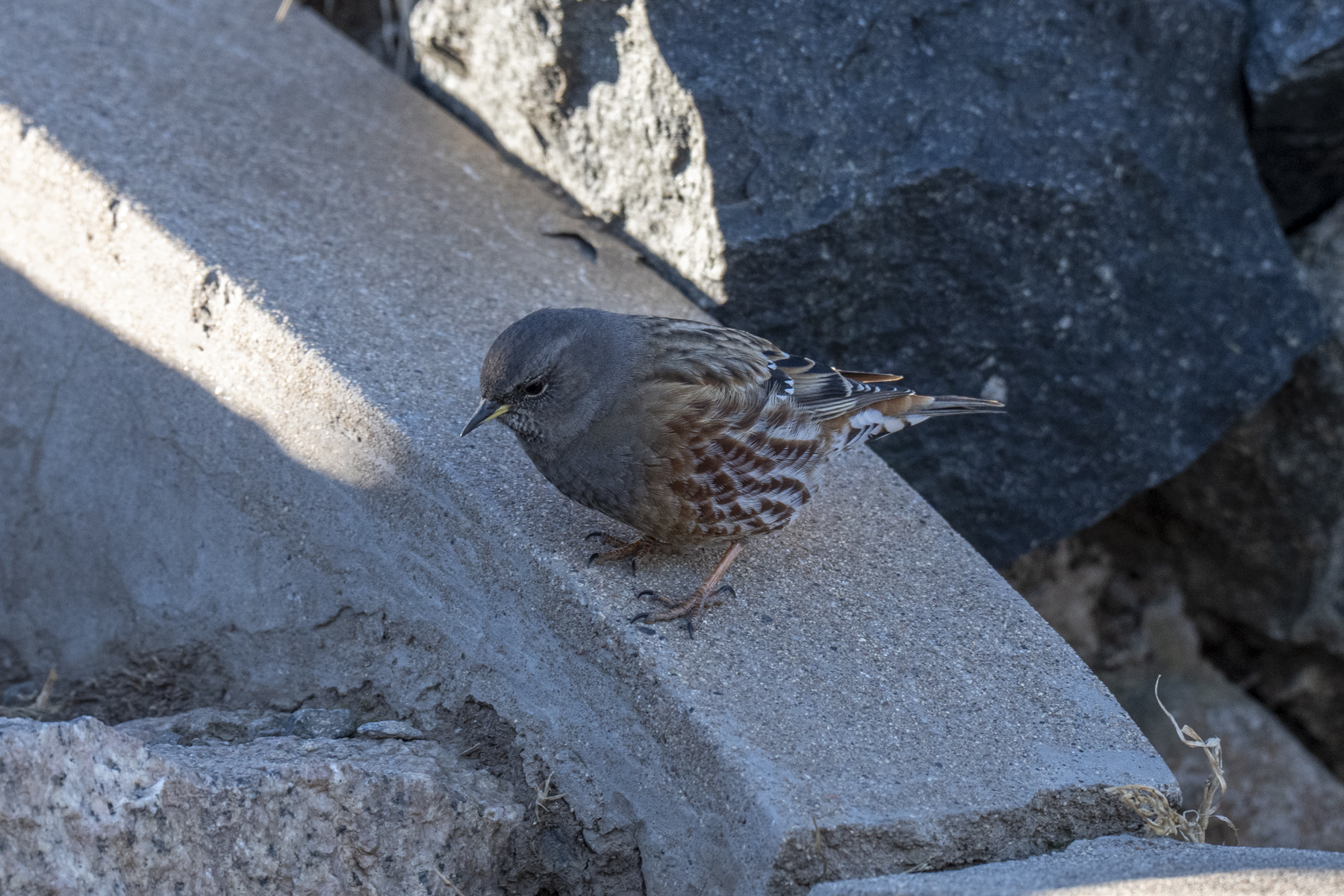
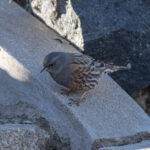
Alpine Accentor (image by Mark Beaman)
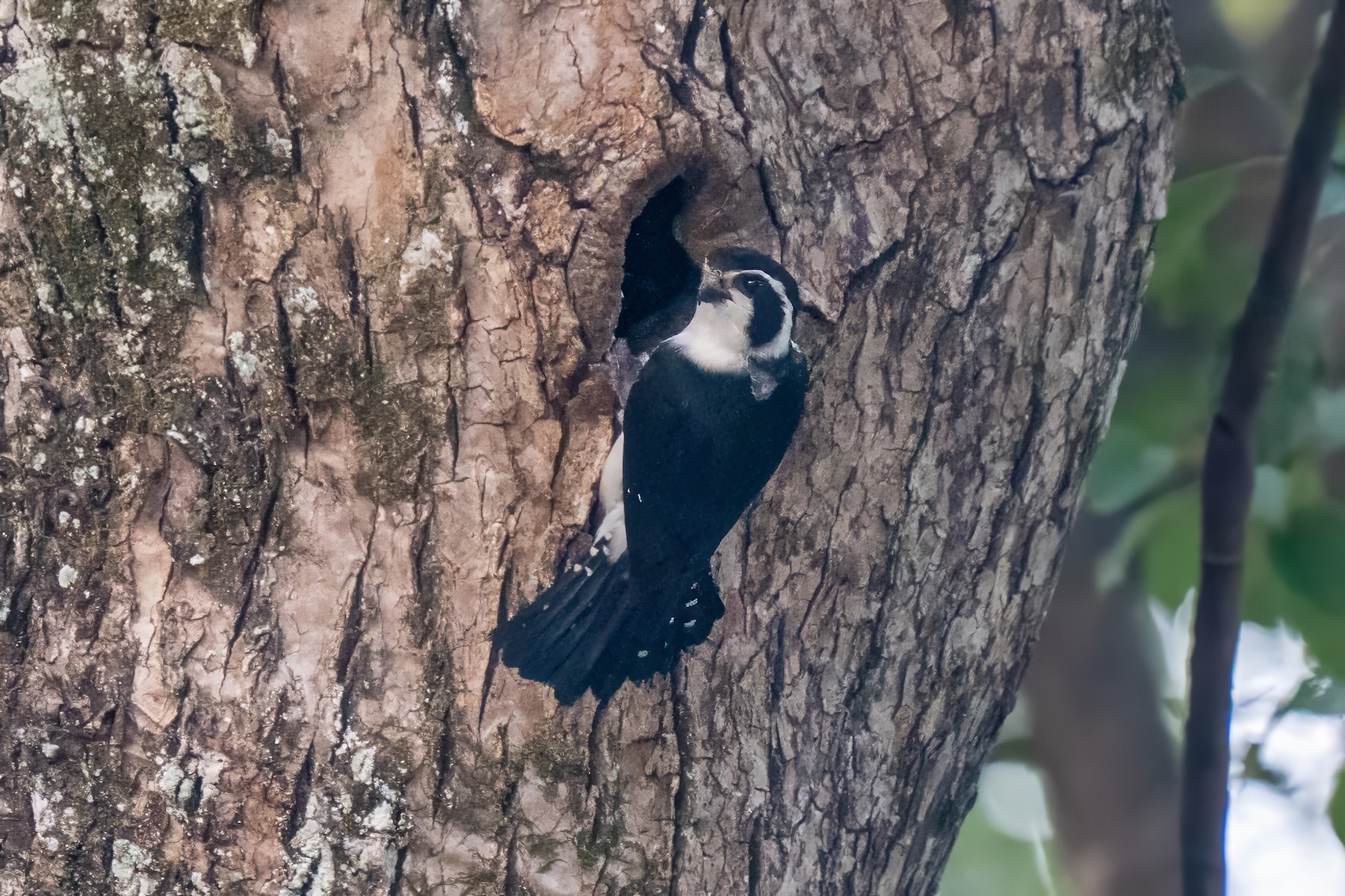
Pied Falconet (image by Inger Vandyke)
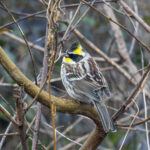
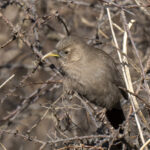
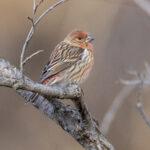
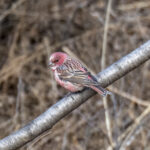
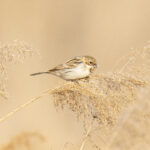
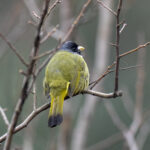
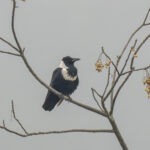
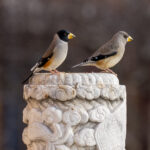
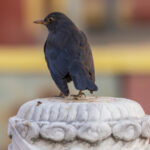
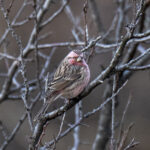
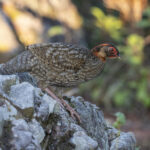
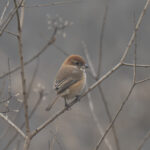
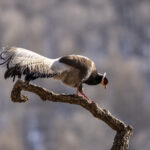
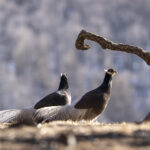
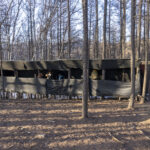


Yellow-throated Bunting (image by Mark Beaman)
Yellow-browed Bunting (image by Mark Beaman)
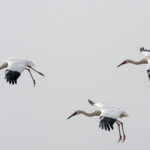
White-naped Crane (image by Mark Beaman)
White-naped Crane immature (image by Mark Beaman)
White-eared Night Heron (image by Mark Beaman)
White-eared Night Heron (image by Mark Beaman)
White-eared Night Heron (image by Mark Beaman)
Tundra Bean Geese (image by Mark Beaman)
Taiga Bean Geese (image by Mark Beaman)
Taiga Bean Geese (image by Mark Beaman)
Swan Geese (image by Mark Beaman)
Swan Geese (image by Mark Beaman)
Slaty-backed Forktail (image by Mark Beaman)
Silver-throated Bushtit (image by Mark Beaman)
Siberian Pipit (image by Mark Beaman)
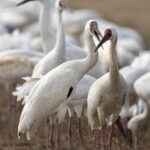
Siberian Cranes (image by Mark Beaman)
Siberian Cranes (image by Mark Beaman)
Siberian Cranes (image by Mark Beaman)
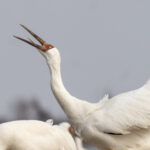
Siberian Crane (image by Mark Beaman)
Siberian Cranes (image by Mark Beaman)
Siberian Cranes (image by Mark Beaman)
Siberian Cranes (image by Mark Beaman)
Siberian Crane (image by Mark Beaman)
Siberian Crane (image by Mark Beaman)
Siberian Crane (image by Mark Beaman)
Siberian Accentor (image by Mark Beaman)
Scaly-sided Merganser female (image by Mark Beaman)
Scaly-sided Merganser female (image by Mark Beaman)
Scaly-sided Merganser (image by Mark Beaman)
Scaly-sided Merganser (image by Mark Beaman)
Saunders's Gull (image by Mark Beaman)
Saunders's Gull (image by Mark Beaman)
Relict Gulls (image by Mark Beaman)
Relict Gull immature (image by Mark Beaman)
Relict Gull (image by Mark Beaman)
Relict and Saunders's Gulls (image by Mark Beaman)
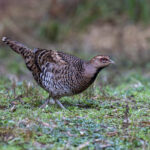
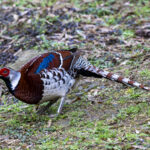
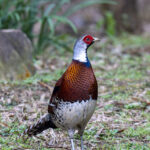
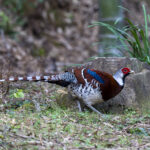
Reeves's Pheasants (image by Mark Beaman)
Reeves's Pheasants (image by Mark Beaman)
Reeves's Pheasant (image by Mark Beaman)
Reed Parrotbill (image by Mark Beaman)
Reed Parrotbill (image by Mark Beaman)
Reed Parrotbill (image by Mark Beaman)
Red-throated Thrush female (image by Mark Beaman)
Part of the vast Poyang lake complex (image by Mark Beaman)
Pere David's Laughingthrush (image by Mark Beaman)
Pallas's Rosefinch female (image by Mark Beaman)
Pallas's Rosefinch (image by Mark Beaman)
Pallas's Reed Bunting (image by Mark Beaman)
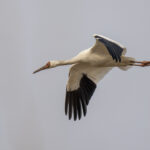
Oriental Storks (image by Mark Beaman)
Oriental Stork (image by Mark Beaman)
Oriental Magpie (image by Mark Beaman)
Ochre-rumped Bunting (image by Mark Beaman)
Naumann's Thrush (image by Mark Beaman)
Mandarin Ducks (image by Mark Beaman)
Mandarin Ducks (image by Mark Beaman)
Mandarin Duck (image by Mark Beaman)
Long-billed Plover (image by Mark Beaman)
Little Forktail (image by Mark Beaman)
The ancient lighthouse at Poyang (image by Mark Beaman)
Light-vented Bulbuls (image by Mark Beaman)
Jiangxi hill country (image by Mark Beaman)
Japanese Waxwing (image by Mark Beaman)
Japanese Waxwing (image by Mark Beaman)
Hooded Cranes (image by Mark Beaman)
Grey-sided Scimitar Babbler (image by Mark Beaman)
Grey-headed Woodpecker (image by Mark Beaman)
Giant bamboos are everywhere in south China (image by Mark Beaman)
The impressive Elliot's Pheasant hide (image by Mark Beaman)
Elliot's Pheasant female (image by Mark Beaman)
Elliot's Pheasant (image by Mark Beaman)
Elliot's Pheasant (image by Mark Beaman)
Elliot's Pheasant (image by Mark Beaman)
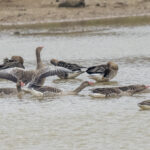
Eastern Greylag Geese (image by Mark Beaman)
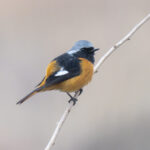
Daurian Redstart (image by Mark Beaman)
Daurian Jackdaws (image by Mark Beaman)
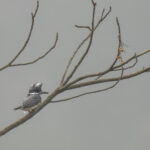
Crested Kingfisher (image by Mark Beaman)
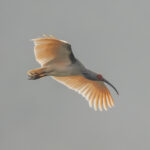
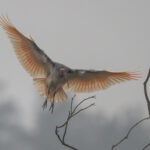
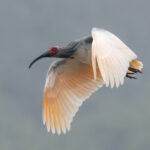
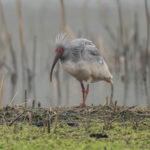
Crested Ibis (image by Mark Beaman)
Crested Ibis (image by Mark Beaman)
Crested Ibis (image by Mark Beaman)
Crested Ibis (image by Mark Beaman)
Collared Finchbill (image by Mark Beaman)
Collared Crow (image by Mark Beaman)
Chinese Water Deer (image by Mark Beaman)
Chinese Water Deer (image by Mark Beaman)
Chinese Penduline Tit (image by Mark Beaman)
Chinese Nuthatch (image by Mark Beaman)
Chinese Long-tailed Rosefinch (image by Mark Beaman)
Chinese Hwamei (image by Mark Beaman)
Chinese Grosbeaks (image by Mark Beaman)
Chinese Blackbird (image by Mark Beaman)
Chinese Beautiful Rosefinch (image by Mark Beaman)
Cabot's Tragopan immature male (image by Mark Beaman)
Cabot's Tragopan female (image by Mark Beaman)
Cabot's Tragopan (image by Mark Beaman)
Cabot's Tragopan (image by Mark Beaman)
Cabot's Tragopan (image by Mark Beaman)
Bull-headed Shrike (image by Mark Beaman)
Brown Eared Pheasant (image by Mark Beaman)
Brown Eared Pheasants (image by Mark Beaman)
The Brown Eared Pheasant hide/blind (image by Mark Beaman)
Brown Eared Pheasant (image by Mark Beaman)
Brown Eared Pheasant (image by Mark Beaman)
Brown Eared Pheasant (image by Mark Beaman)
Brown Eared Pheasant (image by Mark Beaman)
Brown Crake (image by Mark Beaman)
Bohemian Waxwing (image by Mark Beaman)
Bohemian Waxwing (image by Mark Beaman)
Bohemian Waxwing (image by Mark Beaman)
Black-faced Spoonbill (image by Mark Beaman)
The mountains west of Beijing (image by Mark Beaman)
Beijing Babbler (image by Mark Beaman)
Beihai Park, Beijing (image by Mark Beaman)
Azure-winged Magpie (image by Mark Beaman)
Asian Rosy Finch (image by Mark Beaman)
Alpine Accentor (image by Mark Beaman)
Pied Falconet (image by Inger Vandyke)


EASTERN CHINA IN WINTER TOUR REPORT 2026

11 - 26 January 2026
Mark Beaman
Does our Eastern China in Winter itinerary deliver the largest number of encounters with very spectacular birds of any Asian bird tour? I think it does! If you are in any doubt, just take a look at the Top Birds of the 2026 tour. Not only an amazing list of magnificent birds, but every single one seen up close and personal! I only need to list those great birds to make my point: Cabot’s Tragopan, Reeves’s and Elliot’s Pheasants, Brown Eared Pheasant, Siberian and White-naped Cranes, White-eared Night Heron, Scaly-sided Merganser, Crested Ibis, Relict Gull, Reed Parrotbill and the lovely ‘Chinese’ Long-tailed Rosefinch. And then there was the supporting cast of sought-after birds including Taiga Bean, Tundra Bean, Swan and Lesser White-fronted Geese, Baer’s Pochard, Hooded Crane, Great Bustard, Oriental Stork, Long-billed Plover, Saunders’s Gull, Chinese Barbet, Pied Falconet, Chinese Grey and Bull-headed Shrikes, Collared Crow, Marsh Grassbird, Chinese Penduline Tit, Japanese Waxwing, Red-throated, Naumann’s, Dusky and Grey-backed Thrushes, Siberian Accentor, Japanese Grosbeak, Pallas’s and Chinese Beautiful Rosefinches, Asian Rosy Finch, and Ochre-rumped, Pallas’s Reed, Yellow-browed and Tristram’s Buntings. And I have not even included all the specialities of this remarkable tour, as there are so many!
We had planned to head off directly to the coast, but with a waxwing invasion going on, there was no option but to head into the city of Beijing and visit Beihai Park. This proved a great move, with no fewer than 60 Japanese Waxwings and an unexpected bonus of 30 Bohemian Waxwings! We also had the chance to start off our East Asian specialities list with a bang, finding the smart Azure-winged Magpie, Oriental Magpie, Light-vented Bulbul, Red-billed and White-cheeked Starlings, Chinese Blackbird, wintering Red-throated and Naumann’s Thrushes, Chinese Grosbeak and Oriental Greenfinch. A glorious assemblage of 80 Mandarin Ducks added to the enjoyment.
From Beijing, we headed off to explore the coast and wetlands at the Gulf of Bohai, not far to the southeast of Beijing. Here, our major targets were two very special gulls: the localised Saunders’s Gull, which breeds along the east coast of China (and rarely in Korea), and the poorly-known Relict Gull, a bird that nests in just a few places from western Kazakhstan to Mongolia and northern China, and which winters along the coastline of northeast China. We enjoyed great encounters with both, finding a total of 110 Saunders’s Gulls and no fewer than 430 Relict Gulls! Small numbers of Pallas’s, Vega and Mongolian Gulls added to the interest.
The coastal wetlands, reedbeds and fields hosted large numbers of Tundra Bean Geese, Eastern Spot-billed Ducks and Common Cranes, as well as plenty of beautiful Smew, Eurasian Bittern, the very impressive Reed Parrotbill and both Pallas’s Reed and Ochre-rumped (or Japanese Reed) Buntings. One area of fields held many hundreds of ‘Oriental’ Rooks and Daurian Jackdaws, as well as a wintering Upland Buzzard.
From the coast, in dramatic contrast, we headed into the partly forested mountains situated to the west of the capital. Our first excursion, at Yangtai Shan, was very productive, turning up Silver-throated Bushtit, Beijing Babbler, Vinous-throated Parrotbill, Plain (or Pere David’s) Laughingthrush, Chinese (or Snowy-browed) Nuthatch, plenty of wintering Siberian Accentors, Alpine Accentor, Meadow and Godlewski’s Buntings, and best of all, no fewer than 30 wintering Pallas’s Rosefinches!
Next we visited Lingshan, one of the highest mountains in the region. There was not too much snow around, so most of us opted to climb up onto the mountain, our goal the pretty Asian Rosy Finch. We were not disappointed, eventually finding a flock of nine, while some of the group managed to see some Hill Pigeons and all of us enjoyed the beautiful ‘Chinese’ Long-tailed Rosefinches. During the afternoon we explored an area of fallow fields where a single Great Bustard was a surprise turn-up, and we also encountered another Upland Buzzard, a Chinese Grey Shrike and a lone Pine Bunting that soon made its getaway. A flock of Whooper Swans at a small lake were a bonus.
From Beijing we took the first of a number of high-speed train rides we were to experience during our journey through eastern China. China already has around 50,000 kilometres (30,000 miles) of high-speed tracks (here in Britain we still have none, which makes you think about how that could be possible). In what seemed no time flat, we were whisked at speeds of up to 300 kms per hour (around 180 mph) to Shanxi province and on our way up into the mountains, a journey that would have taken all day just 20 years ago!
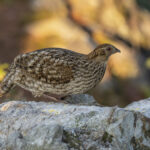
By mid-afternoon we were already at a famous Brown Eared Pheasant hide (or blind) in the coniferous forest and waiting with great excitement for the birds to appear. As is often the case at China’s many bird hides, the owner called out to the birds as if he was calling in some errant chickens (indeed, the Chinese name for pheasant equates to ‘wild chicken’). At first nothing happened, but then he told us they were coming and we got ready. There they were, seven of these huge pheasants strutting around and showing off their magnificence. Most of us had cameras with us, and we were soon shooting away when the owner told us we could leave the hide and approach the pheasants as long as we moved slowly. And so we did, until we were just a few metres away from these extraordinary birds! How amazing this was. The birds wandered around, sometimes jumping up on rocks or low branches. One bird even displayed. They were almost fearless, continuing to feed even when we shuffled around to get a new angle. After what seemed an age, they headed back into the forest, and our magic encounter was over. It was time to enjoy a great Chinese meal back at our cosy and hospitable guesthouse.
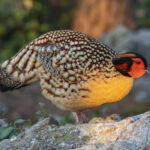
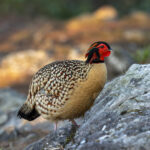
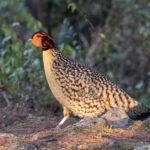
After a frustrating session trying to see, as opposed to hear, some unusually shy Himalayan Owls, we enjoyed some noisy Southern Nutcrackers as well as a pair of Grey-headed Bullfinches and some Little Buntings and smart Yellow-throated Buntings. Then it was time to head back to the high-speed rail line and head south to Xinyang in southern Henan province.
Dongzhai National Nature Reserve and its surroundings, which straddle the Henan/Hubei border, are famous as an important locality for both the rare and endangered Crested Ibis and the declining Reeves’s Pheasant.
During our time in the area, we visited two different pheasant hides in the forested hill country. The first one turned up a couple of females, which were pleasant to see but lacked the star quality of the male. The second hide turned up trumps, however, with not just another two females but a superb male with an incredibly long tail (they can be up to two metres long). We were surprised to watch it displaying ardently to one of the females, quivering with passion as it fluffed out its beautiful body feathers and spread out its glorious tail, even though it was still only January!
The other major highlight was visiting a hide specially positioned at a pool frequented by Crested Ibis. It was great to be so close to this still rare bird, but one that is now steadily increasing thanks to much-reduced persecution and reintroductions. The adults were a creamy white colour, the young birds pale grey, but in flight the salmon-coloured underwing coverts created a striking contrast. It was fun to watch them hunting for small fish in the shallows, raising their crests whenever they became excited, and sometimes chasing off Little Egrets that muscled in on their territory. Big Crested Kingfishers were also regular visitors to the pool.
We also found plenty of other good birds during our visit, most notably many Yellow-browed Buntings. Central China in winter is just about the only accessible area for seeing this migrant that breeds in Central Siberia. Other notable finds included numerous Collared Crows (now an increasingly rare bird in much of China), flocks of Yellow-bellied Tits and Japanese Grosbeaks, Bull-headed Shrike, Collared Finchbill, Brown-breasted and Chestnut Bulbuls, Masked Laughingthrush, Chinese Hwamei, and both Dusky and Grey-backed Thrushes.
We stopped off in the Jiujiang area on our way south to famous Poyang Hu (Poyang Lake), primarily to see the rare and endangered Baer’s Pochard. A concentration of 90 had been seen just a couple of days earlier, but despite much searching, they seemed to have moved temporarily, so we had to make do with decent views of a small number of individuals. Huge numbers of Tundra Swans, geese, and ducks were present, including over 4000 Falcated Ducks, and a single Black-faced Spoonbill flying with a Eurasian Spoonbill was very unexpected so far inland. We also came across our first White-browed Laughingthrushes and Siberian Pipits.
By the time we reached the vast Poyang wetland complex, the weather had turned much windier and colder; indeed, this was to be the coldest of my many visits. With light breezes, sunshine and a southerly airflow, it can be very mild at Poyang even in mid-winter, but not this time with a big cold front arriving. Low grey clouds and a biting wind persisted during our first couple of days, although by our third day things were rapidly improving with sunshine and blue skies replacing the grey murk.
Poyang is all about sheer numbers of birds plus its status as the last remaining haunt of the beautiful but endangered Siberian Crane. We explored a series of areas around the western and southern shores during our visit and came across many thousands of waterbirds. Flocks of geese, both large and small, were everywhere we went. The endangered Swan Goose and Tundra Bean Goose were the most numerous: we had many thousands of each. Taiga Bean Geese were also numerous, and there were smaller numbers of Greylag and Greater White-fronted Geese. A lot of painstaking searching finally turned up around 30 rare Lesser White-fronted Geese on our final day. Tundra Swans were everywhere and in large numbers, but ducks, while comprising many species, were generally not as numerous. Great Cormorants and Eurasian Spoonbills were present in large numbers.
The Siberian Cranes ‘stole the show’, needless to say. We had up to 1100 each day, and estimated we had recorded over 2000 in total by the end of our visit, after allowing for potential overlap. Their beautiful cries echoed across the wild ‘wastelands’ of Poyang, and one can only hope this last population on Earth continues to survive. Certainly, the Chinese authorities and conservationists have worked hard to protect their environment for the future. In recent years, an extensive feeding station has been developed for the cranes and, naturally, as the views that can be obtained are very close and simply stunning, we paid it a visit. Over a thousand Siberian Cranes were present, alongside large numbers of Swan Geese and both bean geese. The area is very well laid out, with walkways and low-level hides. It is extraordinary how close the cranes come, just a few metres away at times, and we all enjoyed the amazing spectacle.
The number of other crane species in the Poyang region is much lower, however. Our maximum daily count for the elegant White-naped Cranes was 104, while for Hooded Cranes it was 43. The striking Oriental Stork was significantly fewer in number at Poyang than the Siberian Crane even two decades ago, but it seems to be increasing, with our group recording up to 2100 in a single day and probably around 3000 individuals in total.
Other birds of note included Black Stork, Greater Spotted Eagle, a series of Brown Crakes, Greater Painted-snipe, three Long-billed Plovers, Chinese Penduline Tit, Marsh Grassbird, ‘Amur’ Stonechat and Chestnut-eared Bunting. Mammals were inconspicuous, as always, but we had really close views of Chinese Water Deer and could even see its small ‘tusks’.
From Poyang Hu we headed eastward to the town of Wuyuan, set amidst attractive partly forested country in eastern Jiangxi province and famous for its wintering Scaly-sided Mergansers.
Yet another great bird hide featured in our quest to see Scaly-sided Mergansers up close, this time, naturally enough, by the edge of a wide river with gravel islands. Here we waited for the mergansers to come close. Ten individuals could be counted from the hide, and before long the first individuals had steamed up close in front of the hide and had started to fish. The weather was perfect! Hardly any wind and hazy sunshine. I had seen many Scaly-sided Mergansers before, but nothing like this. Just a few metres away, their plumage glowing in the late afternoon sun and water droplets scattered across their heads after every shallow dive. Every so often one caught a small fish, and it was fun to watch them struggling to gulp it down before a rival merganser or an opportunistic Little Egret stole it from them! We couldn’t get enough of this spectacle, but after a time the mergansers drifted away, and it was time to leave.
Visiting Wuyuan is not just about mergansers, however, so we spent some time exploring the partly wooded valleys in the area. Most notably, a traditional site for the rare and localised Pied Falconet. It was great fun to watch these tiny falcons emerge from their communal roost hole in a large tree, although we ended up going back in the late afternoon to successfully watch them perching in treetops in the local area before swooping down to their roosting hole and disappearing. Three species of forktail, Slaty-backed, White-crowned and even Little, inhabited the nearby river. Elsewhere we came across a magnificent Black Eagle, a group of Chinese Bamboo Partridges, and the endemic Grey-sided Scimitar Babbler and Huet’s Fulvetta.
The last province on our itinerary from north to south was Fujian in southeast China, and it was to prove one of the most memorable.
Lishan has long been famous for its beautiful Cabot’s Tragopans, and we were all hoping for a close encounter as we climbed high on the mountain before a short but steep hike up to the hide. We waited for some time, watching the sun descending into the west and enjoying the antics of the Pallas’s Squirrels and tiny Maritime Striped Squirrels that jumped from the trees to the rocks and helped themselves to the hide owner’s supplies of grain.
Then, all of a sudden, tragopans appeared, but not the hoped-for adult male! First a young male with darker plumage and red areas showing on its head, and then two attractive females with very cryptic and intricate grey, buff and white plumage. And finally, in all its creamy glory, a male emerged from the forest and started to feed right in front of us! Over the course of the next 50 minutes or so, it showed us every angle of its glorious body, from its dark tail to its red facial wattle. Sometimes the cylindrical blue ‘horns’ above its eyes revealed themselves. As the sun began to set, the light turned a lovely orange-yellow and the male tragopan simply glowed, as if it was experiencing some inner illumination. What an amazing end to the day!
Other finds at Lishan paled in comparison to this spectacle, but included the localised endemic Chinese Barbet, the near-endemic Fork-tailed Sunbird and some Tristram’s Buntings that skedaddled before most could see them (sometimes they come to the tragopan hide to feed, but not this time).
Our last port of call was the hill country of Mingxi district, where we were hoping for an encounter with the lovely but shy Elliot’s Pheasant. But before we took our chance at the inevitable hide, we had something else that was very important to try for. In just the last year, it had been discovered that the rare and endangered White-eared Night Heron was wintering and perhaps nesting at a lake in the district, so we decided to try for an encounter by taking a nocturnal boat trip. After dinner, we set out, our local guide armed with a thermal imager. And indeed, we had barely been ten minutes into the trip before the first White-eared Night Heron was sighted. We enjoyed wonderful close views of this rarity, which is one of the most sought-after Asian birds, and then, after it flew away, several more close sightings. There was some controversy over the number involved; was it one or two adult individuals? Hard to say, as not every encounter resulted in checkable photos. Either way, it was an amazing encounter! Oh yes, and I must not forget to mention the Red Giant Flying Squirrels and the Reeves’s Muntjac that both added to the experience.
The next morning we were out at the Elliot’s Pheasant hide quite early. Perhaps too early, as it took a bit of time before a female descended a steep slope among the giant bamboos and then fed right in front of us. Before long, a stunning male joined her. It was so very beautiful, with its strong patterning and great combination of colours, that it was voted the second-best bird of the tour, coming in just behind Cabot’s Tragopan in the number one slot!
Before leaving, we did try unsuccessfully along the local river for a Blyth’s Kingfisher, but for most of the year the birds wander over long distances. Our final new birds included Rufous-faced Warbler, White-bellied Erpornis and a few lowland extras as we passed through Fuzhou city on our way to the airport. What a truly great birding experience it had been!
SPECIES VOTED THE TOP BIRDS OF THIS EXTRAORDINARY TOUR
(We had to go for a full ‘Top 10’ as there were too many superb candidates)
1st CABOT’S TRAGOPAN
2nd ELLIOT’S PHEASANT
3rd SIBERIAN CRANE
4th REEVES’S PHEASANT
5th WHITE-EARED NIGHT HERON
6th SCALY-SIDED MERGANSER
7th BROWN EARED PHEASANT
8th CRESTED IBIS
9th= RELICT GULL
9th= WHITE-NAPED CRANE
9th= REED PARROTBILL
9th= ‘CHINESE’ LONG-TAILED ROSEFINCH
SYSTEMATIC LIST OF SPECIES RECORDED
Species marked with the diamond symbol (◊) are either endemic to the country or local region or considered ‘special’ for some other reason, including being seen on only a few tours.
BIRDS
Tundra Swan ◊ (Bewick’s Swan) Cygnus [columbianus] bewickii
Whooper Swan ◊ Cygnus cygnus
Bar-headed Goose ◊ Anser indicus
Greylag Goose Anser anser
Swan Goose ◊ Anser cygnoides
Lesser White-fronted Goose ◊ Anser erythropus
Greater White-fronted Goose Anser albifrons
Tundra Bean Goose ◊ Anser serrirostris
Taiga Bean Goose ◊ Anser fabalis
Mandarin Duck ◊ Aix galericulata
Common Shelduck Tadorna tadorna
Ruddy Shelduck Tadorna ferruginea
Common Goldeneye Bucephala clangula
Smew ◊ Mergellus albellus
Red-breasted Merganser Mergus serrator
Scaly-sided Merganser ◊ Mergus squamatus
Common Merganser (or Goosander) Mergus merganser
Ferruginous Duck (or Ferruginous Pochard) Aythya nyroca
Baer’s Pochard ◊ Aythya baeri
Common Pochard Aythya ferina
Tufted Duck Aythya fuligula
Greater Scaup Aythya marila
Northern Shoveler Spatula clypeata
Falcated Duck ◊ Mareca falcata
Gadwall Mareca strepera
Eurasian Wigeon Mareca penelope
Eastern (or Chinese) Spot-billed Duck ◊ Anas zonorhyncha
Mallard Anas platyrhynchos
Northern Pintail Anas acuta
Green-winged (or Common) Teal Anas crecca
White-necklaced Partridge ◊ Arborophila gingica (heard only)
Cabot’s Tragopan ◊ Tragopan caboti
Reeves’s Pheasant ◊ Syrmaticus reevesii
Elliot’s Pheasant ◊ Syrmaticus ellioti
Common (or Ring-necked) Pheasant Phasianus colchicus
Brown Eared Pheasant ◊ Crossoptilon mantchuricum
Chinese Bamboo Partridge ◊ Bambusicola thoracicus
Little Grebe Tachybaptus ruficollis
Great Crested Grebe Podiceps cristatus
Black-necked (or Eared) Grebe Podiceps nigricollis
Great Bustard ◊ Otis tarda
Spotted Dove Spilopelia chinensis
Oriental (or Rufous) Turtle Dove Streptopelia orientalis
Eurasian Collared Dove Streptopelia decaocto
Hill Pigeon ◊ Columba rupestris
Rock Dove (introduced) (Feral Pigeon) Columba [livia] var_domestica
Siberian Crane ◊ Leucogeranus leucogeranus
White-naped Crane ◊ Antigone vipio
Common Crane Grus grus
Hooded Crane ◊ Grus monacha
Brown-cheeked (or Eastern Water) Rail ◊ Rallus indicus (heard only)
Common Moorhen Gallinula chloropus
Eurasian Coot Fulica atra
White-breasted Waterhen Amaurornis phoenicurus
Brown Crake ◊ Zapornia akool
Pied Avocet Recurvirostra avosetta
Black-winged Stilt Himantopus himantopus
Pacific Golden Plover Pluvialis fulva
Grey (or Black-bellied) Plover Pluvialis squatarola
Long-billed Plover ◊ Thinornis placidus
Little Ringed Plover Thinornis dubius
Northern Lapwing Vanellus vanellus
Kentish Plover Anarhynchus alexandrinus
Greater Painted-snipe Rostratula benghalensis
Eurasian Curlew Numenius arquata
Black-tailed Godwit (Eastern Black-tailed Godwit) Limosa [limosa] melanuroides
Common Snipe Gallinago gallinago
Common Sandpiper Actitis hypoleucos
Green Sandpiper Tringa ochropus
Wood Sandpiper Tringa glareola
Spotted Redshank Tringa erythropus
Common Greenshank Tringa nebularia
Ruff Calidris pugnax
Dunlin Calidris alpina
Whiskered Tern Chlidonias hybrida
Saunders’s Gull ◊ Saundersilarus saundersi
Black-headed Gull Chroicocephalus ridibundus
Pallas’s (or Great Black-headed) Gull ◊ Larus ichthyaetus
Relict Gull ◊ Ichthyaetus relictus
Common Gull ◊ Larus canus
Vega (or East Siberian)Gull ◊ Larus vegae
Mongolian Gull ◊ Larus mongolicus
Black Stork Ciconia nigra
Oriental Stork ◊ Ciconia boyciana
Great Cormorant Phalacrocorax carbo
Crested Ibis ◊ Nipponia nippon
Eurasian Spoonbill Platalea leucorodia
Eurasian Spoonbill ◊ Platalea minor
Eurasian (or Great) Bittern Botaurus stellaris
White-eared Night Heron ◊ Oroanassa magnifica
Little Egret Egretta garzetta
Black-crowned Night Heron Nycticorax nycticorax
Chinese Pond Heron Ardeola bacchus
Great Egret (Eastern Great Egret) Ardea [alba] modesta
Grey Heron Ardea cinerea
House Swift Apus nipalensis
Collared Owlet Taenioptynx brodiei
Little Owl Athene noctua
Asian Barred Owlet Glaucidium cuculoides
Himalayan (Wood) Owl Strix nivicolum (heard only)
Black-winged Kite Elanus caeruleus
Crested Serpent Eagle Spilornis cheela
Mountain Hawk-Eagle Nisaetus nipalensis
Black Eagle Ictinaetus malaiensis
Greater Spotted Eagle Clanga clanga
Eurasian Sparrowhawk Accipiter nisus
Eurasian Goshawk Astur gentilis
Hen Harrier Circus cyaneus
Eastern Marsh Harrier Circus spilonotus
Black Kite (Black-eared Kite) Milvus [migrans] lineatus
Rough-legged Buzzard ◊ Buteo lagopus
Upland Buzzard ◊ Buteo hemilasius (Edward only)
Eastern (or Japanese) Buzzard Buteo [japonicus] japonicus
Common Hoopoe Upupa epops
Common Kingfisher Alcedo atthis
Crested Kingfisher Megaceryle lugubris
Pied Kingfisher Ceryle rudis
White-throated Kingfisher Halcyon smyrnensis
Great Barbet Psilopogon virens
Chinese Barbet ◊ Psilopogon faber
Grey-headed Woodpecker Picus canus
Bay Woodpecker Blythipicus pyrrhotis (heard only)
Grey-capped Pygmy Woodpecker Yungipicus canicapillus
Great Spotted Woodpecker Dendrocopos major
Pied Falconet ◊ Microhierax melanoleucos
Common Kestrel Falco tinnunculus
Merlin Falco columbarius
Peregrine Falcon Falco peregrinus
White-bellied Erpornis Erpylognathus zantholeuca
Chinese Grey Shrike ◊ Lanius sphenocercus
Long-tailed Shrike Lanius schach
Bull-headed Shrike ◊ Lanius bucephalus
Grey Treepie Dendrocitta formosae
Red-billed Blue Magpie Urocissa erythroryncha
(Asian) Azure-winged Magpie ◊ Cyanopica cyanus
Eurasian Jay Garrulus glandarius
Oriental Magpie ◊ Pica serica
Southern Nutcracker Nucifraga hemispila
Daurian Jackdaw ◊ Coloeus dauuricus
Rook ◊ (Oriental Rook) Corvus [frugilegus] pastinator
Collared Crow ◊ Corvus torquatus
Carrion Crow (Oriental Crow) Corvus [corone] orientalis
Large-billed Crow Corvus macrorhynchos
Chinese Penduline Tit ◊ Remiz consobrinus
Cinereous (or Asian) Tit Parus cinereus
Yellow-bellied Tit ◊ Periparus venustulus
Coal Tit Periparus ater
Marsh Tit Poecile palustris
Willow Tit ◊ Poecile montanus
Oriental Skylark Alauda gulgula
Eurasian Skylark Alauda arvensis
Yellow-bellied Prinia Prinia flaviventris
Plain Prinia Prinia inornata
Common Tailorbird Orthotomus sutorius
Zitting Cisticola (Double Zitting Cisticola) Cisticola [juncidis] tinnabulans
Marsh Grassbird ◊ (or Japanese Swamp Warbler, Japanese Marsh Warbler) Helopsaltes pryeri
Silver-throated Bushtit ◊ Aegithalos glaucogularis
Black-throated Bushtit Aegithalos concinnus
Rufous-faced Warbler Abroscopus albogularis
Brown-flanked Bush Warbler ◊ Horornis fortipes
Yellow-browed Warbler Phylloscopus inornatus
Pallas’s Leaf Warbler Phylloscopus proregulus
Dusky Warbler Phylloscopus fuscatus
Collared Finchbill ◊ Spizixos semitorques
Brown-breasted Bulbul ◊ Pycnonotus xanthorrhous
Light-vented (or Chinese) Bulbul ◊ Pycnonotus sinensis
Red-whiskered Bulbul Pycnonotus jocosus
Sooty-headed Bulbul Pycnonotus aurigaster
Chestnut Bulbul ◊ Hemixos castanonotus
Mountain Bulbul Ixos mcclellandii
Black Bulbul Hypsipetes leucocephalus
Beijing Babbler ◊ Rhopophilus pekinensis
Reed Parrotbill ◊ Paradoxornis heudei
Vinous-throated Parrotbill ◊ Suthora webbiana
Indochinese (or Chestnut-collared) Yuhina Staphida torqueola
Swinhoe’s White-eye Zosterops simplex
Rufous-capped Babbler Cyanoderma ruficeps
Streak-breasted Scimitar Babbler Pomatorhinus ruficollis
Grey-sided Scimitar Babbler ◊ Erythrogenys swinhoei
Huet’s Fulvetta ◊ Alcippe hueti
Chinese Hwamei ◊ Garrulax canorus
Lesser Necklaced Laughingthrush Garrulax monileger (heard only)
Moustached Laughingthrush ◊ Ianthocincla cineracea
Black-throated Laughingthrush Pterorhinus chinensis
White-browed Laughingthrush ◊ Pterorhinus sannio
Masked Laughingthrush ◊ Pterorhinus perspicillatus
Greater Necklaced Laughingthrush Pterorhinus pectoralis (heard only)
Plain (or Pere David’s) Laughingthrush ◊ Pterorhinus davidi
Japanese Waxwing ◊ Bombycilla japonica
Bohemian Waxwing ◊ Bombycilla garrulus
Chinese (or Snowy-browed) Nuthatch ◊ Sitta villosa
Eurasian Nuthatch Sitta europaea
Common (or Eurasian) Starling Sturnus vulgaris
Black-collared Starling Gracupica nigricollis
Red-billed Starling ◊ Spodiopsar sericeus
White-cheeked Starling ◊ Spodiopsar cineraceus
Crested Myna ◊ Acridotheres cristatellus
Brown Dipper Cinclus pallasii
Chinese (or Mandarin) Blackbird ◊ Turdus mandarinus
Red-throated Thrush ◊ Turdus ruficollis
Naumann’s Thrush ◊ Turdus naumanni
Dusky Thrush ◊ Turdus eunomus
Grey-backed Thrush ◊ Turdus hortulorum
Oriental Magpie-Robin Copsychus saularis
Little Forktail Enicurus scouleri
White-crowned Forktail Enicurus leschenaulti
Slaty-backed Forktail Enicurus schistaceus
(Northern) Red-flanked Bluetail Tarsiger cyanurus
Plumbeous Water Redstart Phoenicurus fuliginosus
Daurian Redstart Phoenicurus auroreus
Blue Rock Thrush Monticola solitarius
Siberian Stonechat ◊ (Amur Stonechat) Saxicola [maurus] stejnegeri
Fork-tailed Sunbird ◊ Aethopyga christinae
Orange-bellied Leafbird Chloropsis hardwickii
Scaly-breasted Munia Lonchura punctulata
White-rumped Munia Lonchura striata
Alpine Accentor Prunella collaris
Siberian Accentor ◊ Prunella montanella
Russet Sparrow Passer cinnamomeus
Eurasian Tree Sparrow Passer montanus
Grey Wagtail Motacilla cinerea
Citrine Wagtail Motacilla citreola
Eastern Yellow Wagtail Motacilla tschutschensis
White Wagtail ◊ (East Siberian Wagtail) Motacilla [alba] ocularis
White Wagtail (Amur or Chinese Wagtail) Motacilla [alba] leucopsis
Richard’s Pipit Anthus richardi
Olive-backed Pipit Anthus hodgsoni
Red-throated Pipit Anthus cervinus
Siberian Pipit ◊ Anthus japonicus
Water Pipit Anthus spinoletta
Brambling ◊ Fringilla montifringilla
Hawfinch Coccothraustes coccothraustes
Chinese (or Yellow-billed) Grosbeak ◊ Eophona migratoria
Japanese Grosbeak ◊ Eophona personata
Chinese Beautiful Rosefinch ◊ Carpodacus davidianus
Long-tailed Rosefinch ◊ (Chinese Long-tailed Rosefinch) Carpodacus [sibiricus] lepidus
Pallas’s Rosefinch ◊ Carpodacus roseus
Grey-headed Bullfinch ◊ Pyrrhula erythaca
Asian Rosy Finch ◊ Leucosticte arctoa
Oriental (or Grey-capped) Greenfinch ◊ Chloris sinica
Eurasian Siskin Spinus spinus
Yellow-throated Bunting ◊ Emberiza elegans
Ochre-rumped (or Japanese Reed) Bunting ◊ Emberiza yessoensis
Pallas’s Reed Bunting ◊ Emberiza pallasi
Yellow-browed Bunting ◊ Emberiza chrysophrys
Tristram’s Bunting ◊ Emberiza tristrami
Little Bunting Emberiza pusilla
Black-faced Bunting Emberiza spodocephala
Chestnut-eared Bunting ◊ Emberiza fucata
Meadow Bunting ◊ Emberiza cioides
Godlewski’s Bunting Emberiza godlewskii
Pine Bunting ◊ Emberiza leucocephalos
MAMMALS
Reeves’s Muntjac Muntiacus reevesi
Eastern (or Siberian) Roe Deer Capreolus pygargus
Chinese Water Deer Hydropotes inermis
Red Fox Vulpes vulpes
Tolai Hare Lepus tolai
Pallas’s (or Belly-banded) Squirrel Callosciurus erythraeus
Pere David’s Rock Squirrel Sciurotamias davidianus
Maritime (or Formosan) Striped Squirrel Tamiops maritimus
Red Giant Flying Squirrel Petaurista petaurista