Email birders@birdquest-tours.com
Telephone 07777 186845
(International +44 7777 186845)
Email birders@birdquest-tours.com
Telephone 07777 186845
(International +44 7777 186845)
Asia and its islands
Yellow-throated Bunting (image by Pete Morris)
Common Pheasant (image by Pete Morris)
Chinese Grey Shrike (image by Pete Morris)
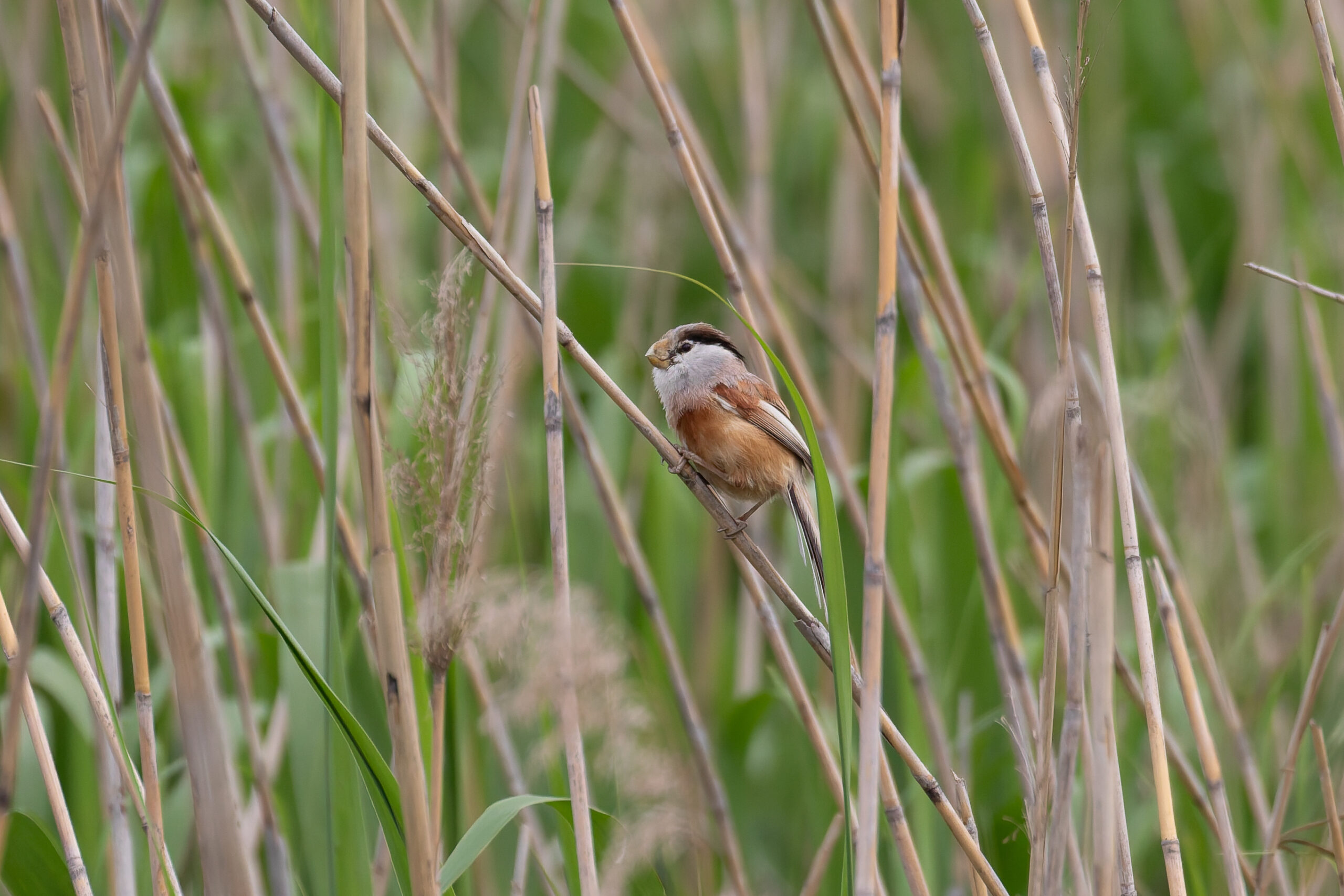
Reed Parrotbill (image by Pete Morris)
Pechora Pipit (image by Pete Morris)
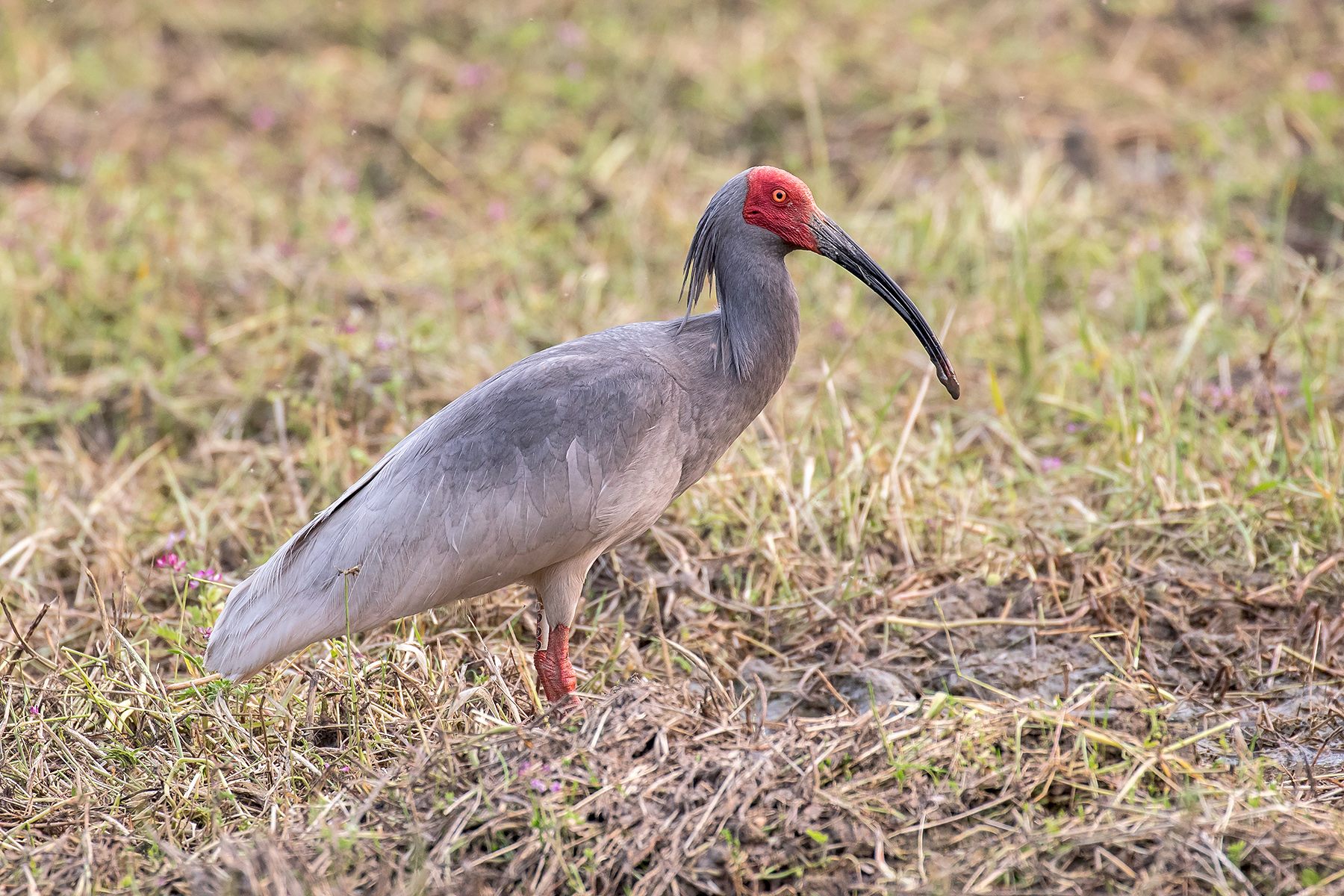
Crested Ibis (image by Pete Morris)
Amur Falcon (image by Pete Morris)
(image by Diedert Koppenol)
Zappey's Flycatcher (image by Pete Morris)
Reed Parrotbill (image by Pete Morris)
Crested Ibis (image by Pete Morris)
Drake Baer's Pochard (image by Pete Morris)
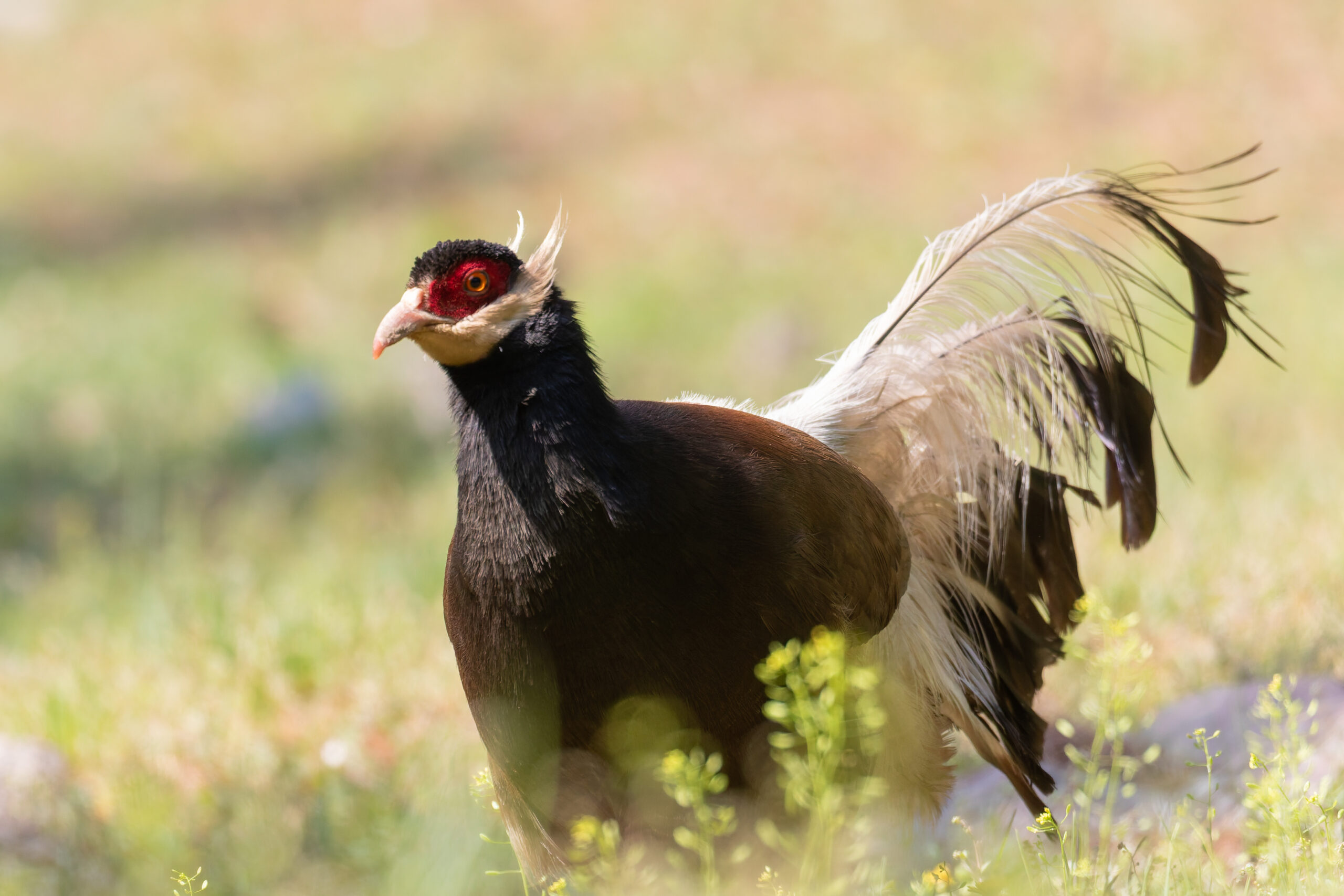
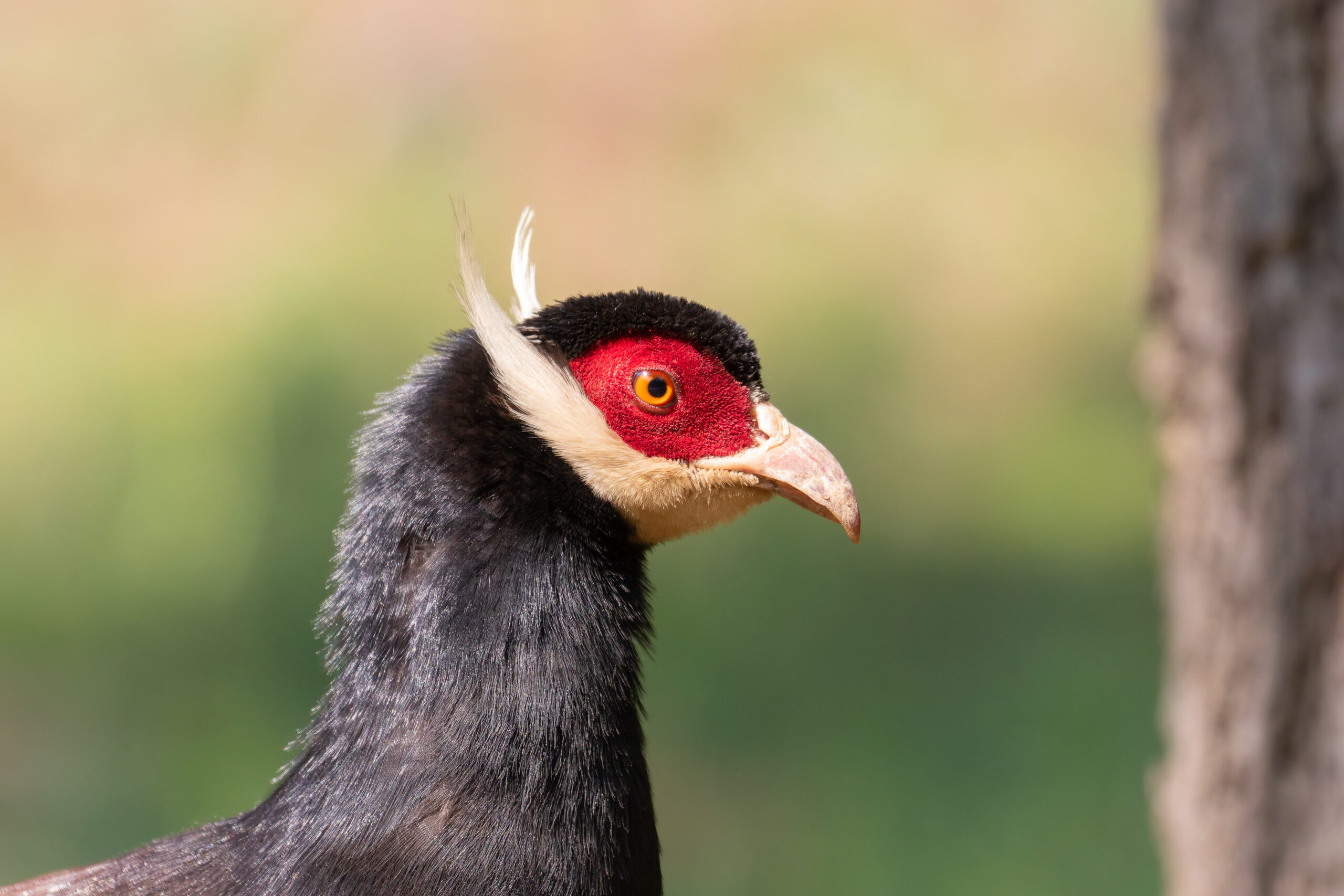
Brown Eared Pheasant (image by Diedert Koppenol)
Chinese Blackbird (image by Pete Morris)
Zappey's Flycatcher (image by Diedert Koppenol)
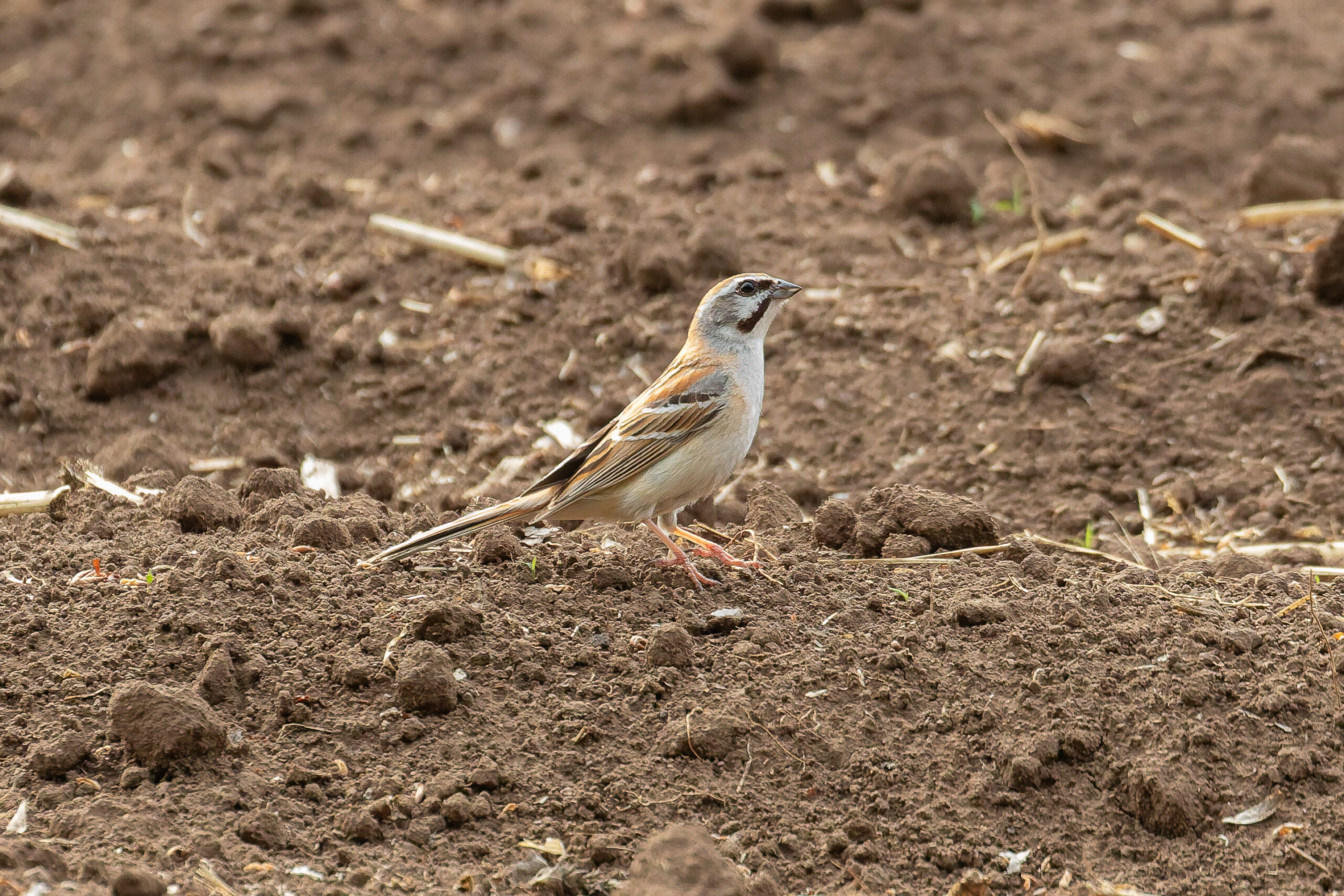
Jankowski's Bunting (image by Diedert Koppenol)
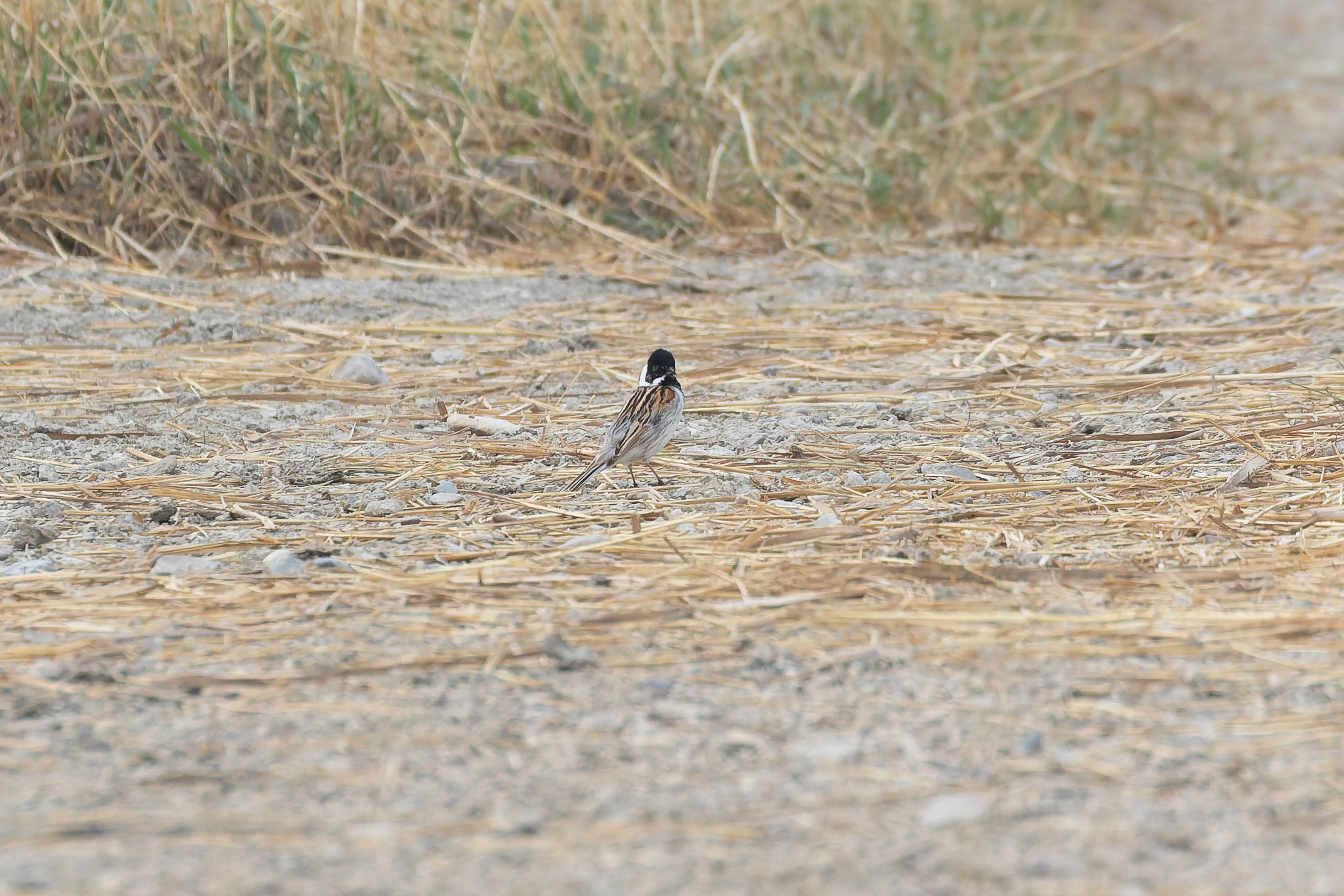
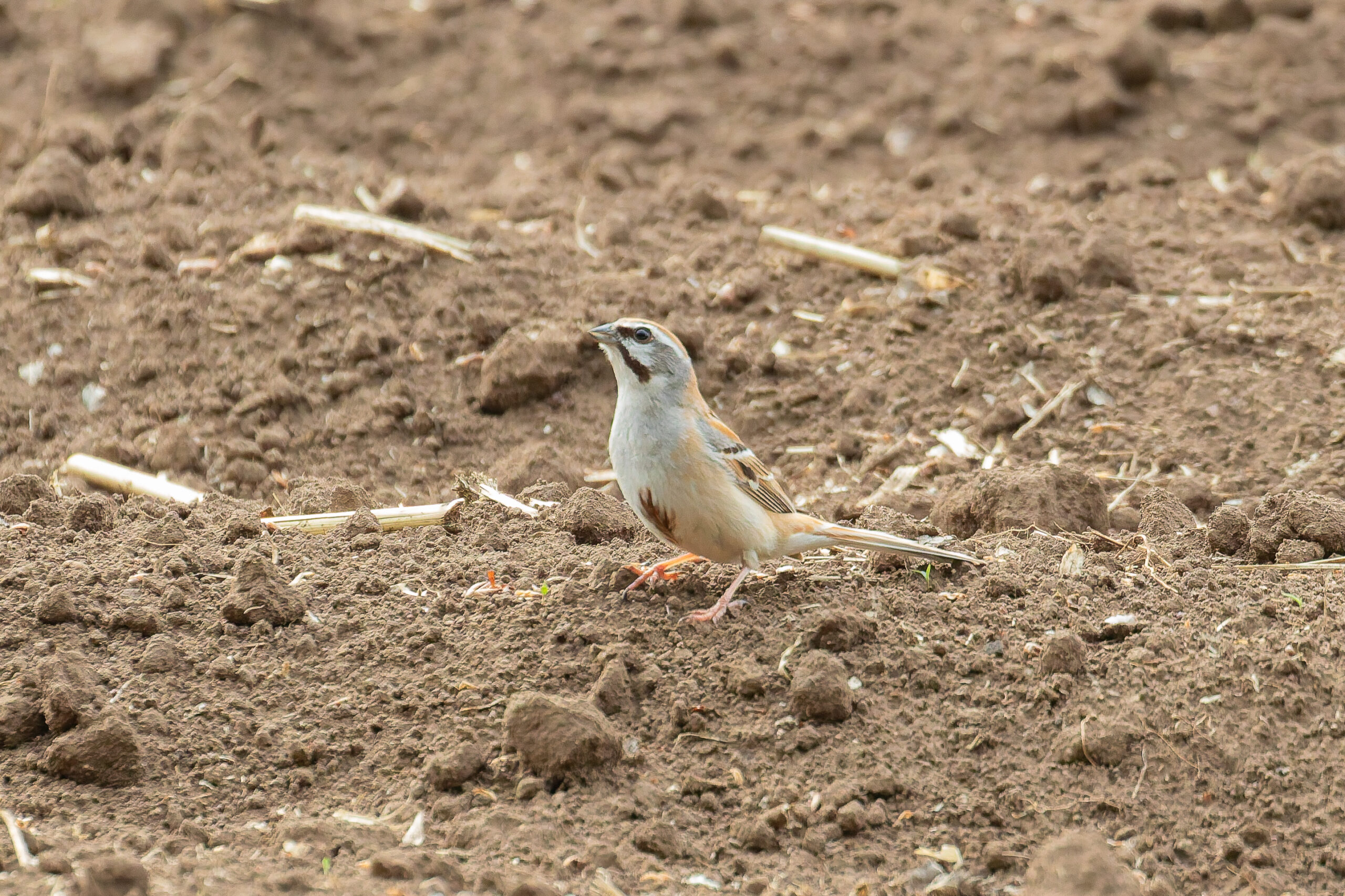
Ochre-rumped or Japanese Reed Bunting (image by Pete Morris)
Red-billed Starling (image by Pete Morris)
Daurian Redstart (image by Pete Morris)
Oriental Scops Owl (image by Pete Morris)
Eastern Red-rumped Swallow (image by Pete Morris)
Blue Whistling Thrush (Black-billed) (image by Pete Morris)
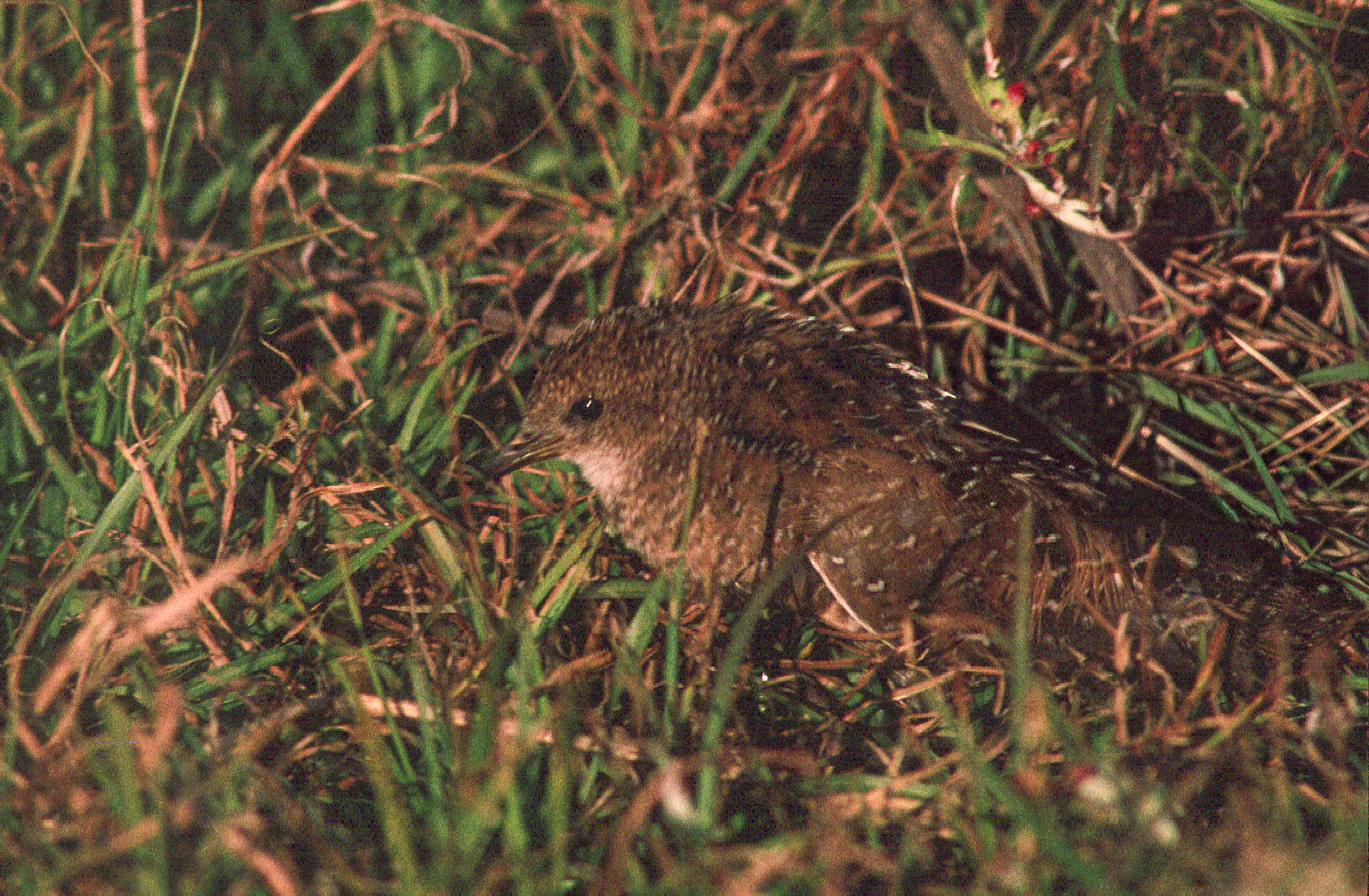
Swinhoe's Rail in China (image by Mark Beaman)
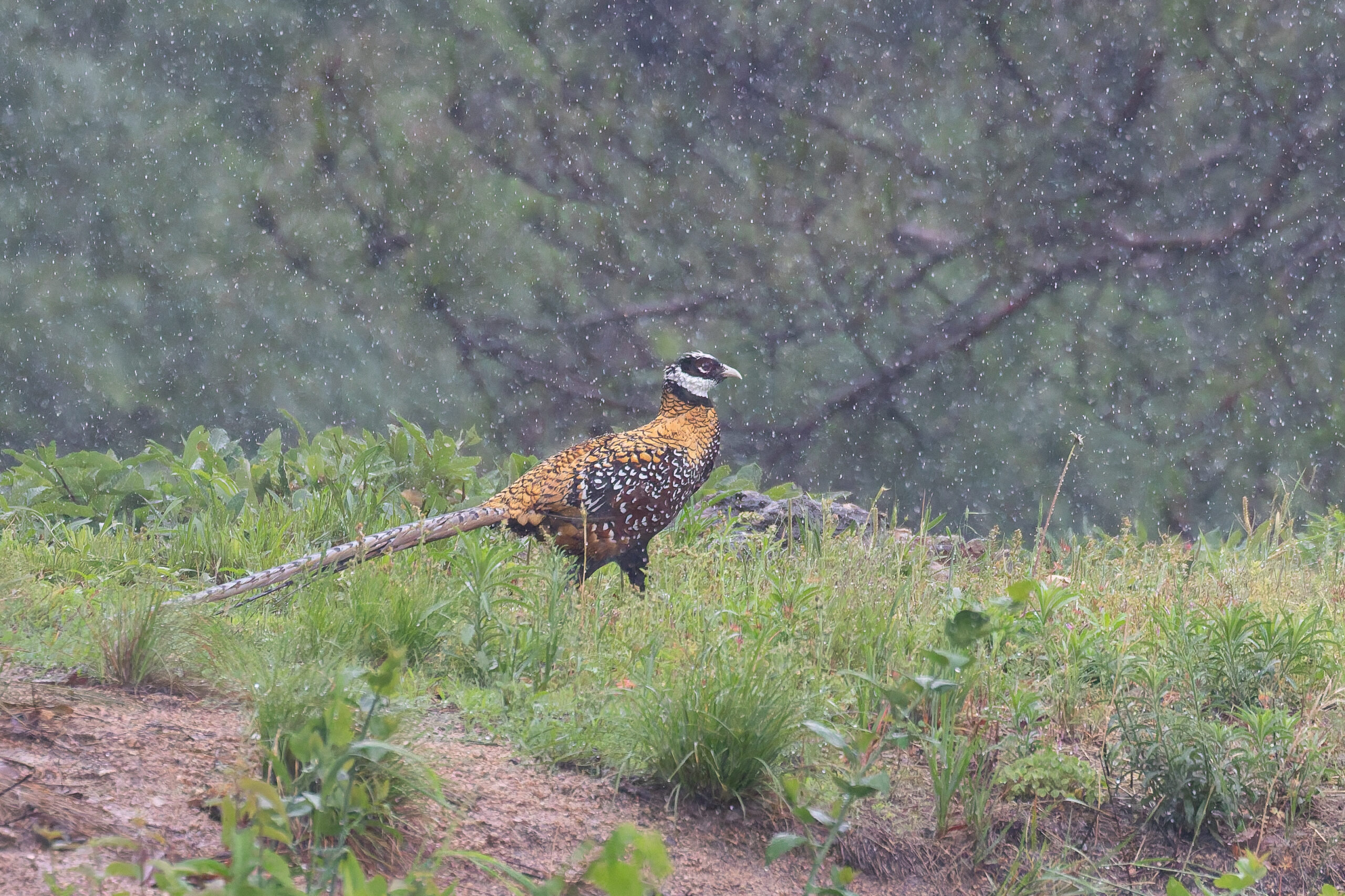
Reeves's Pheasant (image by Diedert Koppenol)
Jankowski's Bunting (image by Pete Morris)
Marsh Grassbird (image by Pete Morris)
Grey-headed Lapwing (image by Pete Morris)
the endangered Oriental Stork (image by Diedert Koppenol)
Orange-headed Thrush (image by Pete Morris)
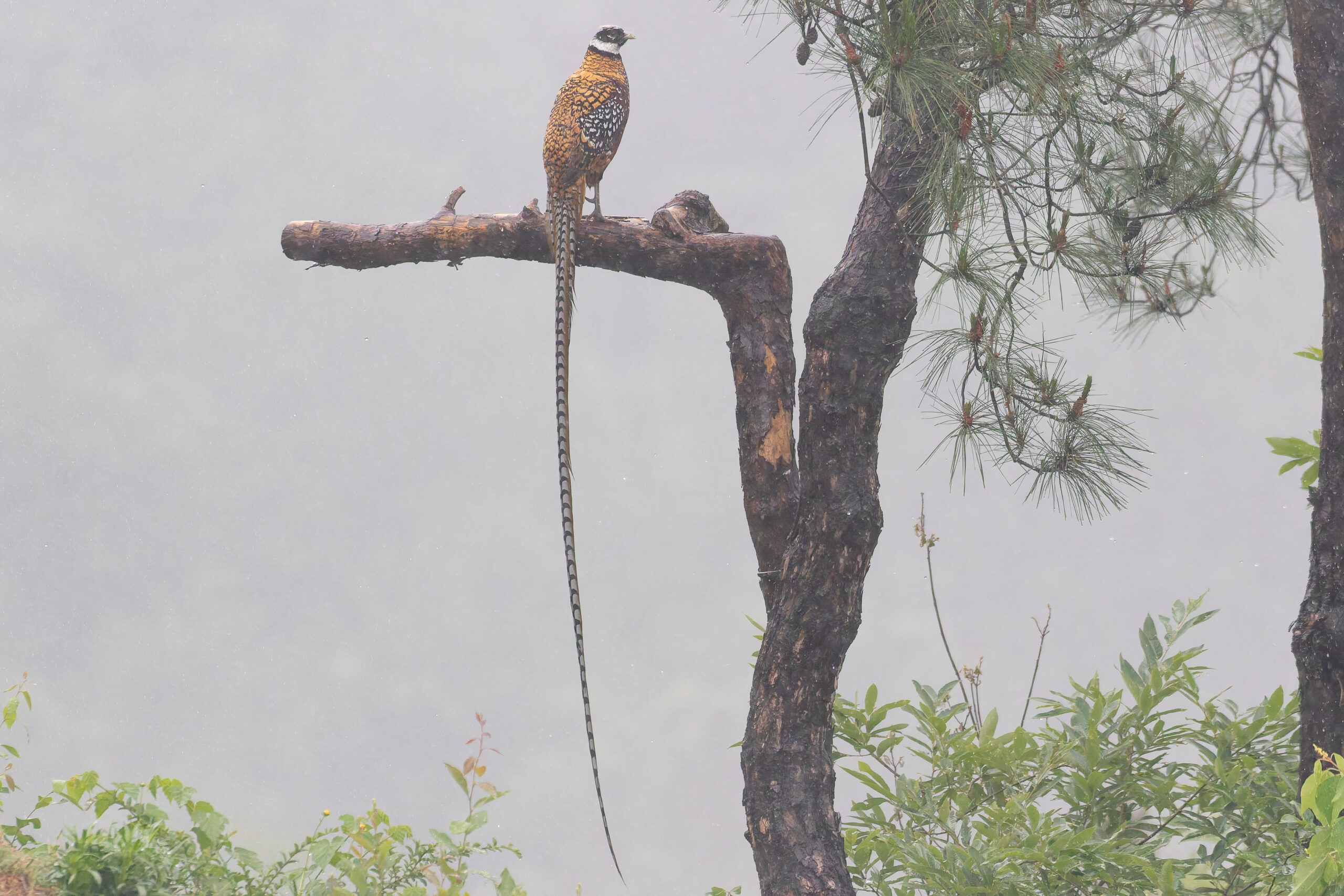
Reeves's Pheasant (image by Pete Morris)
Pine Bunting (image by Mark Beaman)
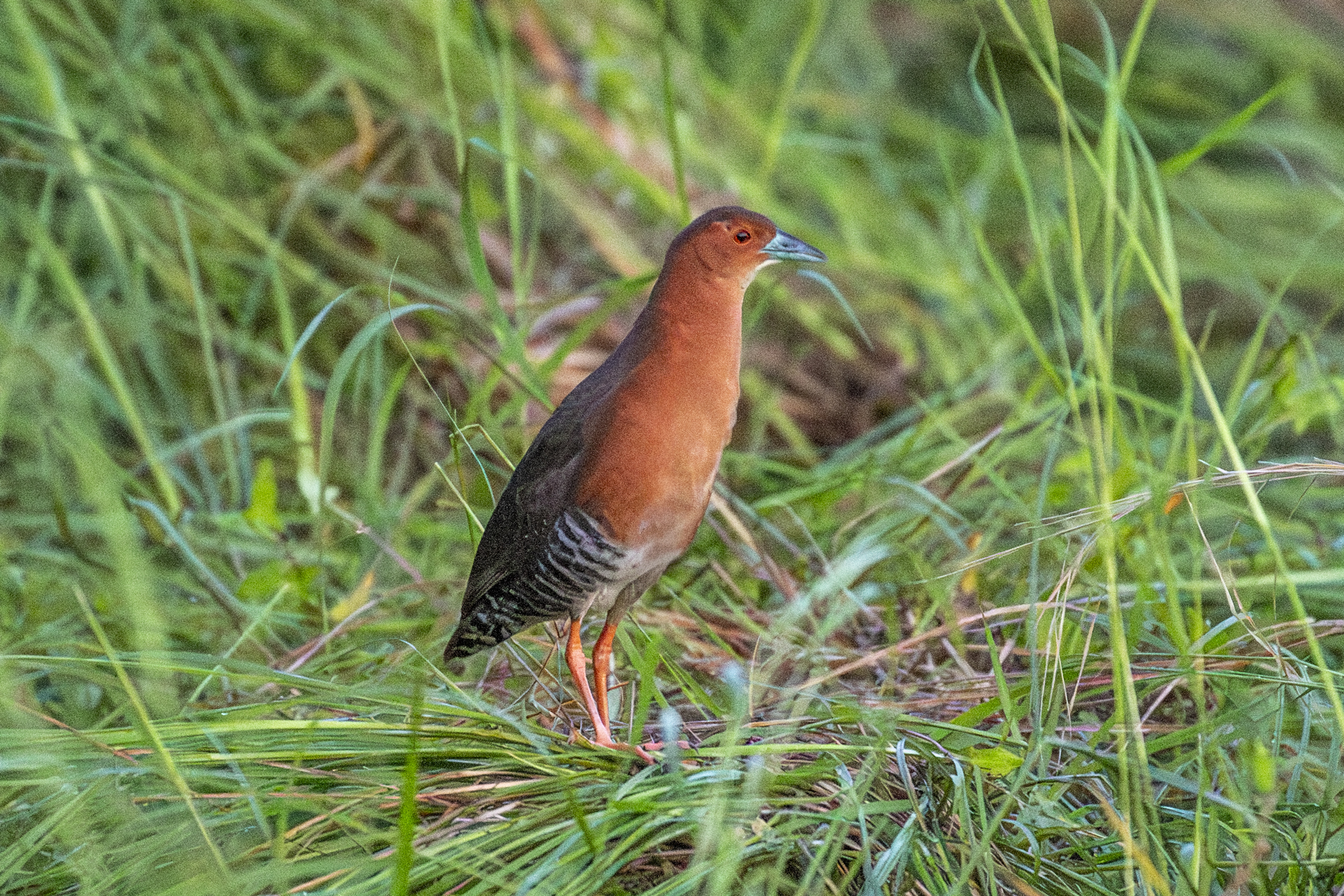
Band-bellied Crake (image by Mark Beaman)
Beijing Babbler (image by Pete Morris)
Red-billed Starling (image by Pete Morris)
Northern Boobook (image by Pete Morris)
Yellow-browed Warbler (image by Pete Morris)
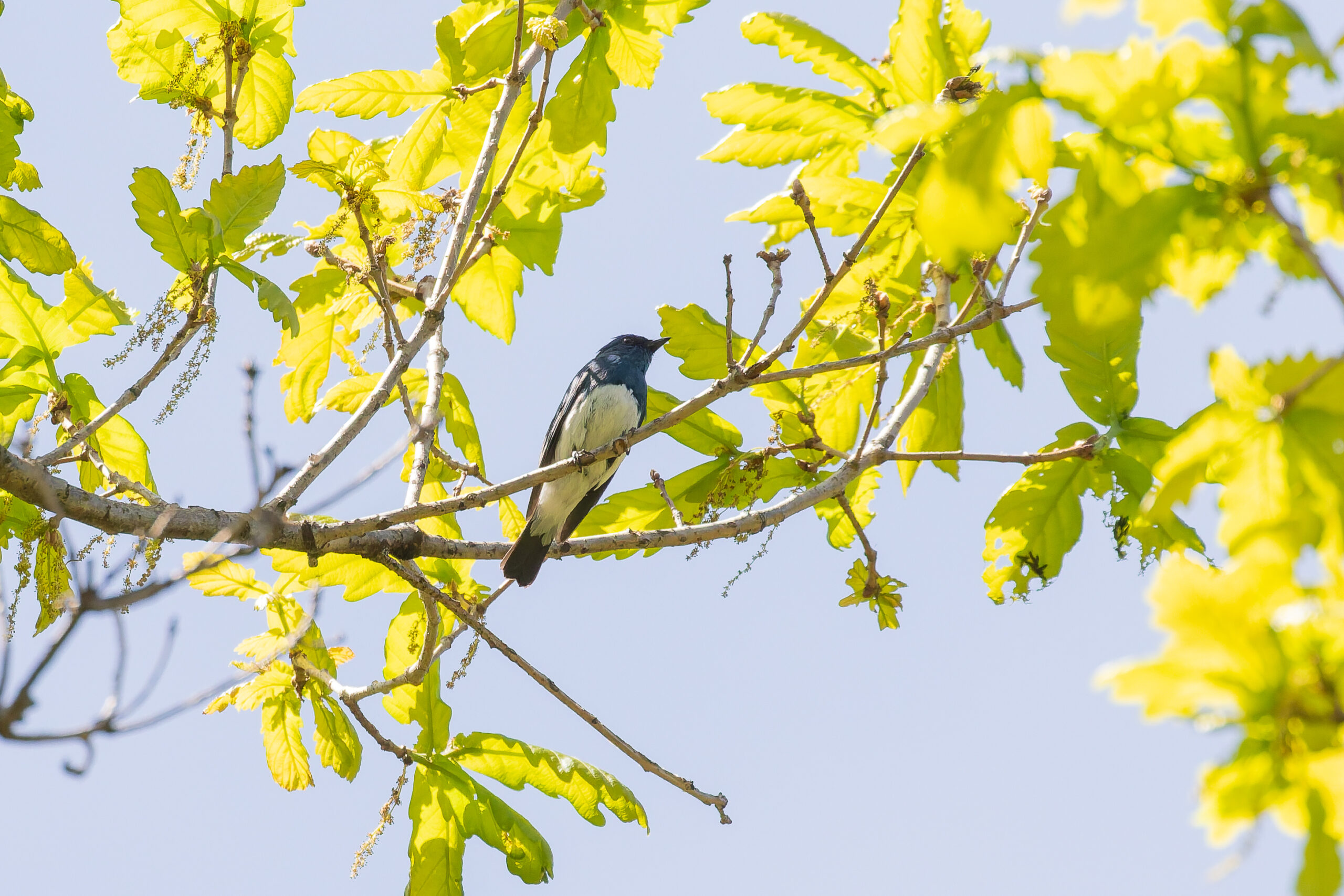
Zappey's Flycatcher (image by Pete Morris)
Siberian Rubythroat (image by Pete Morris)
Crested Honey Buzzard (image by Pete Morris)
Reeves's Pheasant (image by Diedert Koppenol)
Rufous-tailed Robin (image by Pete Morris)
Black-throated Bushtit (image by Pete Morris)
Mandarin Duck (image by Pete Morris)
Black Baza (image by Pete Morris)
Siberian Blue Robin (image by Pete Morris)
Reeves's Pheasant drumming (image by Hannu Jännes)
Great Bittern (image by Pete Morris)
Swinhoe's Rail in China (image by Mark Beaman)
Brown Eared Pheasant (image by Diedert Koppenol)
Collared Finchbill (image by Pete Morris)
Eurasian (Plain-faced) Jay (image by Pete Morris)
White-throated Needletail (image by Pete Morris)
Manchurian Reed Warbler (image by Mark Beaman)
Azure Tit (image by Mark Beaman)
Eyebrowed Thrush (image by Pete Morris)
Siberian Thrush (image by Pete Morris)
Brown-eared Pheasant (image by Pete Morris)
Light-vented Bulbul (image by Pete Morris)
Chinese Leaf Warbler (image by Pete Morris)
Reeves's Pheasant (image by Diedert Koppenol)
Jankowski's Bunting (image by Diedert Koppenol)
Chinese Flycatcher (image by Pete Morris)
Brown-eared Pheasant (image by Pete Morris)
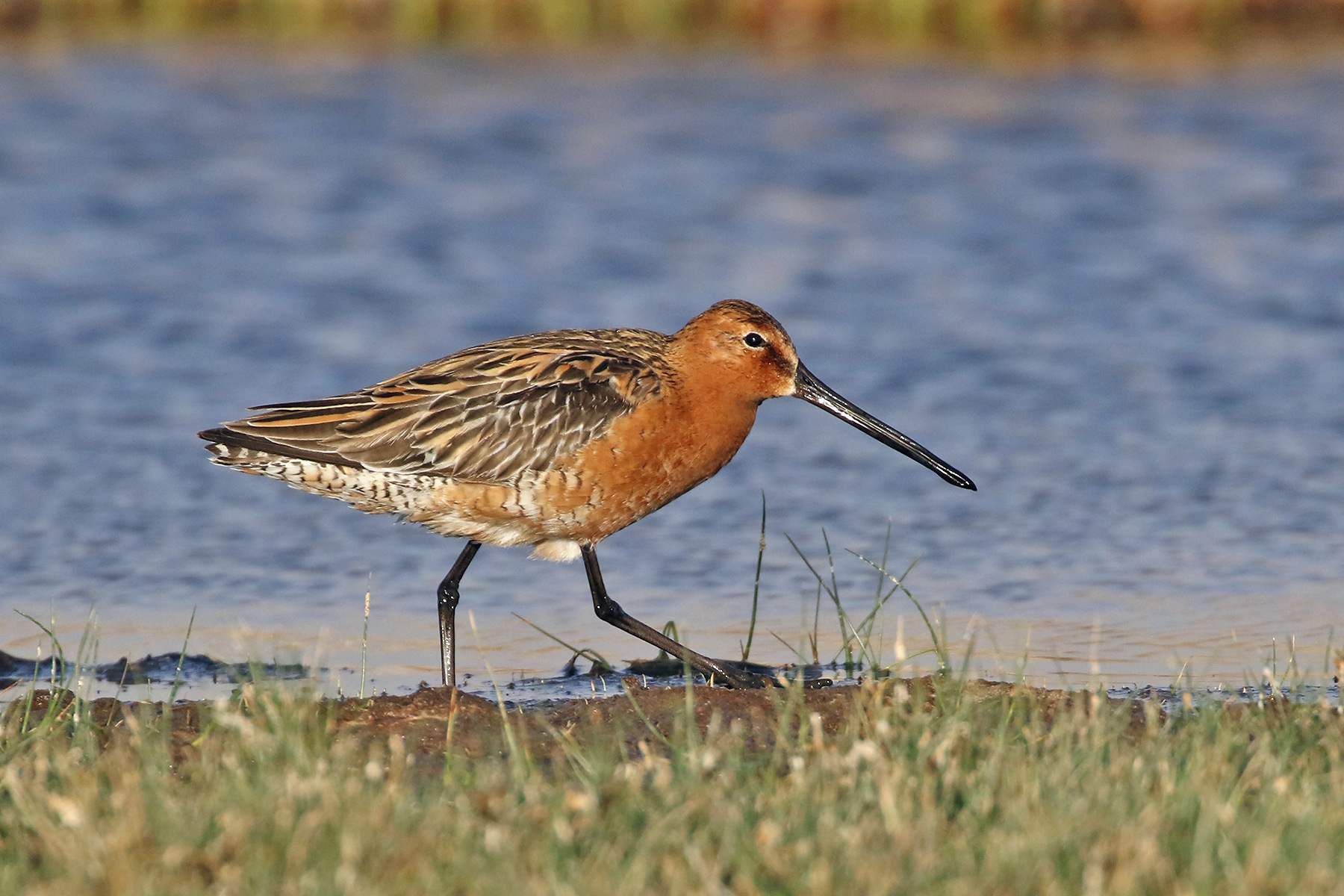
Asian Dowitcher (image by János Oláh)
Beijing Babbler (image by Pete Morris)
Chinese Grosbeak (image by Pete Morris)
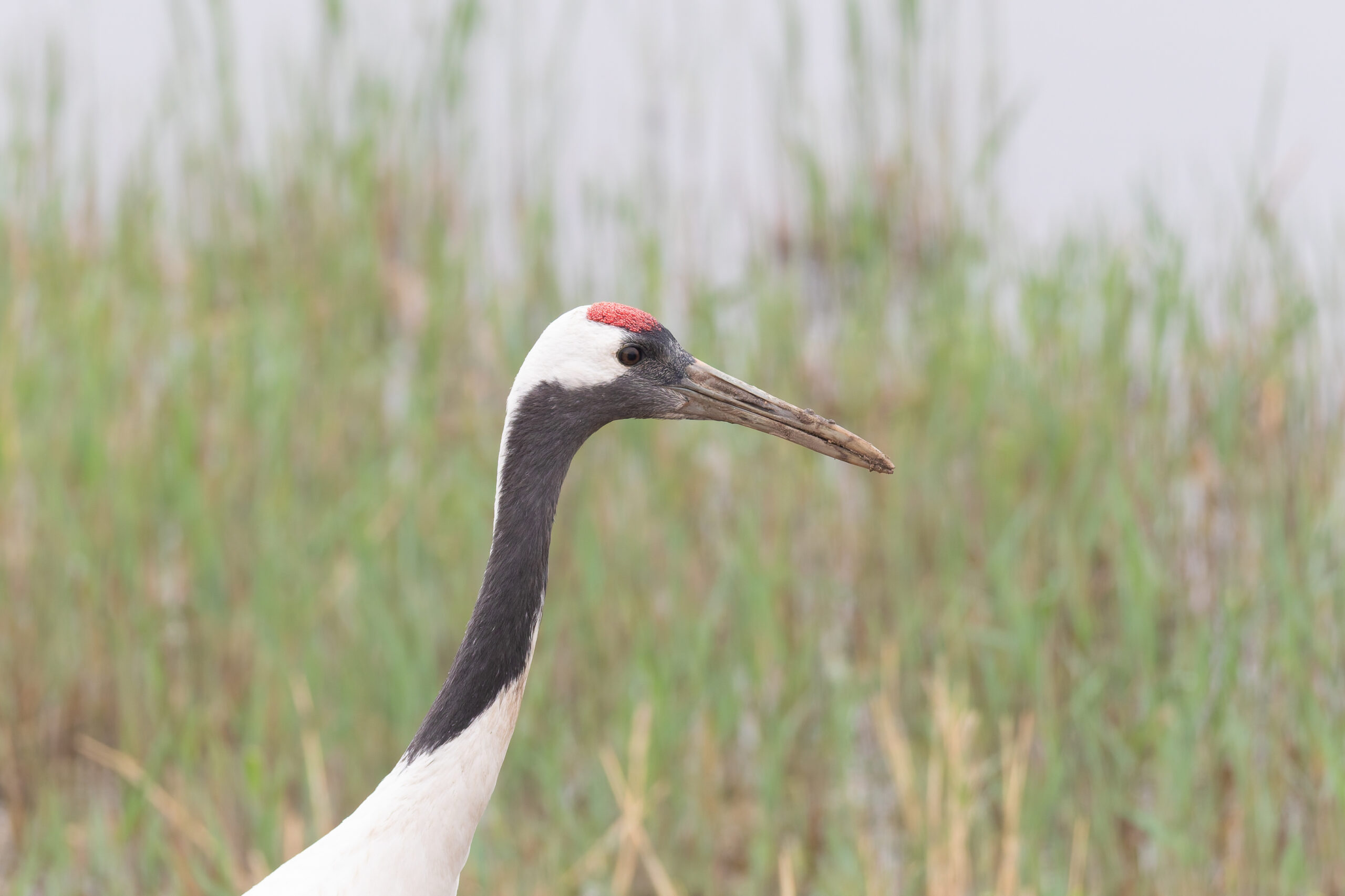
Red-crowned Crane (image by Diedert Koppenol)
Swinhoe's Minivet (image by Pete Morris)
Crested Ibis (image by Pete Morris)
Oriental Pratincole (image by Pete Morris)
Swan Goose (image by Pete Morris)
Plumbeous Redstart (image by Pete Morris)
Collared Crow (image by Pete Morris)
Manchurian Reed Warbler (image by Mark Beaman)
Red-crowned Cranes (image by Pete Morris)
Chinese Sparrowhawk (image by Pete Morris)
Reed Parrotbill (image by Diedert Koppenol)
Baikal Bush Warbler (image by Pete Morris)
Amur Falcon (image by Pete Morris)
Japanese Waxwing (image by Pete Morris)


Yellow-throated Bunting (image by Pete Morris)
Common Pheasant (image by Pete Morris)
Chinese Grey Shrike (image by Pete Morris)
Reed Parrotbill (image by Pete Morris)
Pechora Pipit (image by Pete Morris)
Crested Ibis (image by Pete Morris)
Amur Falcon (image by Pete Morris)
(image by Diedert Koppenol)
Zappey's Flycatcher (image by Pete Morris)
Reed Parrotbill (image by Pete Morris)
Crested Ibis (image by Pete Morris)
Drake Baer's Pochard (image by Pete Morris)
Brown Eared Pheasant (image by Diedert Koppenol)
Chinese Blackbird (image by Pete Morris)
Zappey's Flycatcher (image by Diedert Koppenol)
Jankowski's Bunting (image by Diedert Koppenol)
Ochre-rumped or Japanese Reed Bunting (image by Pete Morris)
Red-billed Starling (image by Pete Morris)
Daurian Redstart (image by Pete Morris)
Oriental Scops Owl (image by Pete Morris)
Eastern Red-rumped Swallow (image by Pete Morris)
Blue Whistling Thrush (Black-billed) (image by Pete Morris)
Swinhoe's Rail in China (image by Mark Beaman)
Reeves's Pheasant (image by Diedert Koppenol)
Jankowski's Bunting (image by Pete Morris)
Marsh Grassbird (image by Pete Morris)
Grey-headed Lapwing (image by Pete Morris)
the endangered Oriental Stork (image by Diedert Koppenol)
Orange-headed Thrush (image by Pete Morris)
Reeves's Pheasant (image by Pete Morris)
Pine Bunting (image by Mark Beaman)
Band-bellied Crake (image by Mark Beaman)
Beijing Babbler (image by Pete Morris)
Red-billed Starling (image by Pete Morris)
Northern Boobook (image by Pete Morris)
Yellow-browed Warbler (image by Pete Morris)
Zappey's Flycatcher (image by Pete Morris)
Siberian Rubythroat (image by Pete Morris)
Crested Honey Buzzard (image by Pete Morris)
Reeves's Pheasant (image by Diedert Koppenol)
Rufous-tailed Robin (image by Pete Morris)
Black-throated Bushtit (image by Pete Morris)
Mandarin Duck (image by Pete Morris)
Black Baza (image by Pete Morris)
Siberian Blue Robin (image by Pete Morris)
Reeves's Pheasant drumming (image by Hannu Jännes)
Great Bittern (image by Pete Morris)
Swinhoe's Rail in China (image by Mark Beaman)
Brown Eared Pheasant (image by Diedert Koppenol)
Collared Finchbill (image by Pete Morris)
Eurasian (Plain-faced) Jay (image by Pete Morris)
White-throated Needletail (image by Pete Morris)
Manchurian Reed Warbler (image by Mark Beaman)
Azure Tit (image by Mark Beaman)
Eyebrowed Thrush (image by Pete Morris)
Siberian Thrush (image by Pete Morris)
Brown-eared Pheasant (image by Pete Morris)
Light-vented Bulbul (image by Pete Morris)
Chinese Leaf Warbler (image by Pete Morris)
Reeves's Pheasant (image by Diedert Koppenol)
Jankowski's Bunting (image by Diedert Koppenol)
Chinese Flycatcher (image by Pete Morris)
Brown-eared Pheasant (image by Pete Morris)
Asian Dowitcher (image by János Oláh)
Beijing Babbler (image by Pete Morris)
Chinese Grosbeak (image by Pete Morris)
Red-crowned Crane (image by Diedert Koppenol)
Swinhoe's Minivet (image by Pete Morris)
Crested Ibis (image by Pete Morris)
Oriental Pratincole (image by Pete Morris)
Swan Goose (image by Pete Morris)
Plumbeous Redstart (image by Pete Morris)
Collared Crow (image by Pete Morris)
Manchurian Reed Warbler (image by Mark Beaman)
Red-crowned Cranes (image by Pete Morris)
Chinese Sparrowhawk (image by Pete Morris)
Reed Parrotbill (image by Diedert Koppenol)
Baikal Bush Warbler (image by Pete Morris)
Amur Falcon (image by Pete Morris)
Japanese Waxwing (image by Pete Morris)


|
Tuesday 25th May – Thursday 10th June 2027 Leaders: Hannu Jännes and a local bird guide |
17 Days | Group Size Limit 8 (tour full) |
|
Friday 25th May – Sunday 10th June 2029 Leaders: Birdquest leader to be announced and a local bird guide |
17 Days | Group Size Limit 8 |
Birdquest’s Northeast China in Spring birding tours offer a compelling experience. Our Northeast China birding tour concentrates on the forests, steppes and wetlands of this interesting region. Our Northeast China tour features such marvellous specialities as the Endangered Swan Goose, Oriental Stork, Crested Ibis and Red-crowned Crane as well as the extraordinary Reeves’s Pheasant, the magnificent Brown Eared Pheasant, Chinese Sparrowhawk, White-naped Crane, Asian Dowitcher, Amur Falcon, the lovely Fairy Pitta, Chinese Grey Shrike, Collared Crow, Gray’s Grasshopper Warbler, Chinese and Baikal Bush Warblers, Grey-sided Thrush, Green-backed and Zappey’s Flycatchers, Reed Parrotbill, Silver-throated Bushtit, Chinese Penduline Tit, Azure Tit, Chinese Nuthatch, Chinese Beautiful and Long-tailed Rosefinches, Pine, Ochre-rumped (or Japanese Reed) and Pallas’s Reed Buntings and two ‘Mega Rallids’: Band-bellied Crake and Swinhoe’s Rail! There are modest possibilities for Von Schrenck’s Bittern, Baer’s Pochard and Manchurian Reed Warbler.
The huge and varied country that is China boasts an extraordinary bird list of over 1300 species. Since 1984, Birdquest has developed a series of comprehensive China birding tours to find a vast majority of the endemics and specialities, but in a country that is so large, and with so many scattered specialities, there is always more to see. This itinerary, to the Northeast of China, targets a host of endemics and other regional specialities, many of which are hard to see elsewhere. Importantly, it allows enough time to cover the huge distances involved and still have plenty of time to enjoy the birding, including enough time to have a high success rate with the trickier species.
Our Northeast China birding tour will begin at the city of Wuhan on the Yangtze River in Hubei province..
From there, we travel north to Xinyang in Henan province, which is close to the Dongzhai National Nature Reserve in Henan province. One of the two major attractions here is the spectacular Reeves’s Pheasant, and this is surely the best place in China to get good views of this extraordinary and beautiful creature.
It is not too far from here that a relict population of the spectacular Crested Ibis was found by Chinese ornithologists long after the species was thought to have become extinct in the wild (in Japan). Now the population has greatly increased and they have spread back to cover parts of their original range, including Dongzhai. Another great speciality here is the lovely Fairy Pitta, a rare and declining species. Other attractions include Chinese Sparrowhawk, Collared Finchbill, Yellow-rumped Flycatcher, Silver-throated Bushtit, the fast-declining Collared Crow and the impressive Chinese (or Yellow-billed) Grosbeak.
Next, we will travel onwards to the rugged, partly-forested mountains of Shanxi province, famous for its spectacular Brown Eared Pheasants. Other great birds include Chinese and Claudia’s Leaf Warblers, Yellow-bellied Tit and Chinese (or Snowy-browed) Nuthatch.
Moving to the northeast, we will visit some mountains in the Beijing region which hold some special birds, including the poorly-known Green-backed (or Elisa’s) Flycatcher, the colourful Zappey’s Flycatcher, the very rare Grey-sided Thrush, the endemic Qilian Bluetail and the localised Chinese Beautiful Rosefinch.
Other specialities include the strange Beijing Babbler and Pere David’s (or Plain) Laughingthrush.
A leg by air takes us onwards to Wulanhaote (or Ulanhot) in southeastern Inner Mongolia. Here, the scrubby grasslands still harbour the critically endangered and little-known Jankowski’s Bunting, a species which has been seen by relatively few birders.
In the adjacent Baicheng region in Jilin Province in Manchuria, and in the Qiqihar region in Heilongjiang province, we will explore some very different habitats, including marshes and lagoons, and scrubby elm woodland. The majestic Red-crowned Crane (undoubtedly the most spectacular member of this impressive family) breeds here, while other specialities include the rare Swan Goose and Oriental Stork, as well as Amur Falcon, White-naped Crane, Asian Dowitcher, Reed Parrotbill, Chinese Penduline Tit, the impressive Chinese Grey Shrike and Ochre-rumped (or Japanese Reed), Pallas’s Reed and Chestnut-eared Buntings. The increasingly rare Daurian Partridge is also possible, and there are even slim but real chances for rarities like Von Schrenck’s Bittern, Baer’s Pochard and Manchurian Reed Warbler.
Finally, we will explore the far north of China at remote Wuerqihan (or Urqihan) in the Greater Khingan Mountains of northeastern Inner Mongolia. Here we will be able to enjoy some ‘Siberian’ birding without being in Russia, as the boreal forest here is contiguous with the forests of Southeast Siberia, only a short distance to the north.
Two much-longed-for rallids occur here, and we have a pretty good chance of encountering both Band-bellied Crake and the secretive and very rare Swinhoe’s Rail.
A series of ‘grasshopper’ type warblers occur in the area and we have a good chance of seeing the big Gray’s Grasshopper Warbler and Chinese Bush Warbler, as well as Pallas’s Grasshopper Warbler, Baikal Bush Warbler and Lanceolated Warbler!
There is a rich array of Phylloscopus warblers in the area, and notable birds that we may well see include Falcated Duck, Brown-cheeked Rail, Oriental Cuckoo, Ashy Minivet, the lovely Azure Tit, Thick-billed Warbler, White’s Thrush, Long-tailed Rosefinch and Pine Bunting. Siberian Thrush, Chestnut Bunting and Tristram’s Bunting are also possible.
Birdquest has an unrivalled depth of experience in China, having operated nearly 150 China birding tours since 1984.
Accommodation & Road Transport
The hotels and guesthouses are almost all of a good or medium standard. At Wuerqihan, the guesthouse accommodation is fairly simple. Road transport is by a small coach or a minibus/passenger van. Roads are generally of good or excellent quality.
Walking
The walking effort during our Northeast China in Spring birding tour is mostly easy, occasionally moderate.
Climate
Generally cool to warm (occasionally hot in the lowlands) with sunny spells interspersed with overcast conditions, especially in the mountains. Some rain is likely.
Bird Photography
Opportunities during our Eastern China in Spring birding tours are quite good in some areas.
To see a larger map, click on the square-like ‘enlarge’ icon in the upper right of the map box.
To see (or hide) the ‘map legend’, click on the icon with an arrow in the upper left of the map box.
To change to a satellite view, which is great for seeing the physical terrain (and for seeing really fine details by repetitive use of the + button), click on the square ‘map view’ icon in the lower left corner of the ‘map legend’.
Birdquest Inclusions: Our tour prices include transportation, accommodations, meals and entrance fees.
We also include all tipping for local guides, drivers and accommodation/restaurant staff.
Deposit: 20% of the total tour price. Our office will let you know what deposit amount is due, in order to confirm your booking, following receipt of your online booking form.
TO BOOK THIS TOUR: Click here (you will need the tour dates)
The single supplement will not apply if you indicate on booking that you prefer to share a room and there is a room-mate of the same sex available.
This tour is priced in US Dollars. Amounts shown in other currencies are indicative.
Northeast China: Day 1
The tour begins this morning at our hotel close to Wuhan Airport. (If you elect to arrive at Wuhan during the early hours, rather than stay overnight, kindly note that you will need to be at the hotel by 0600.)
Wuhan is a large city in Hubei province, situated on the north bank of the Yangtze River, with flight connections from all international hubs in China. If you would like us to book your internal flight to Wuhan, we will be pleased to do so on request. Wuhan is well-known in China as one of the ‘Five Furnaces of China’, owing to the high temperatures in summer, but happily for us, May is a far milder time of year for a visit to the region.
From Wuhan, we will catch a high-speed train northwards to the city of Xinyang in Henan province. The Guangzhou to Beijing main line is one of the fastest in China, with the trains reaching speeds of up to 300 kilometres (or 186 miles) per hour between stops. We will take a mere 44 minutes to reach Xinyang, 210 kilometres (130 miles) to the north!
From Xinyang, we will drive the short distance to Dongzhai National Nature Reserve for a three-night stay. We will commence our exploration of the area this afternoon.
Northeast China: Days 2-3
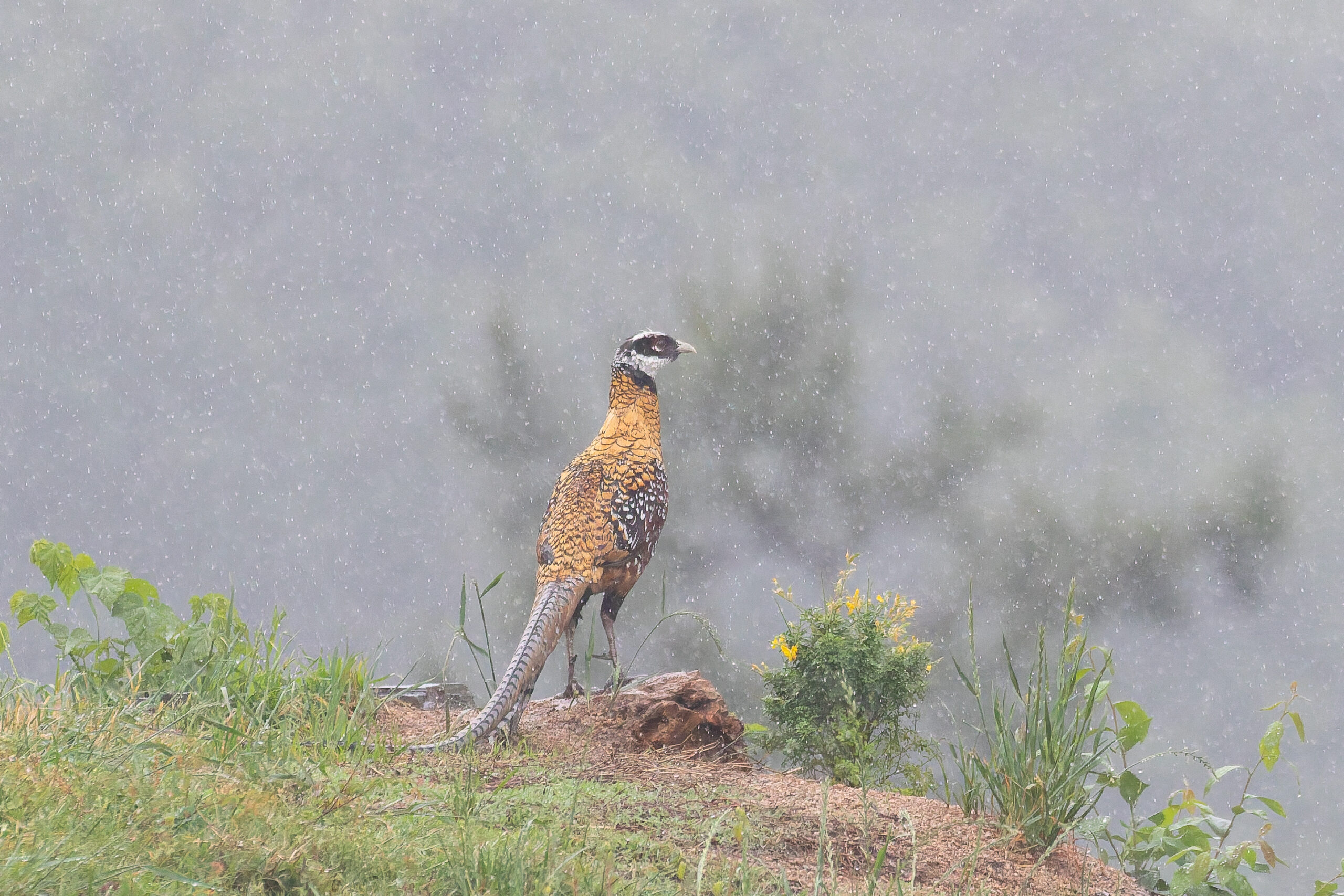
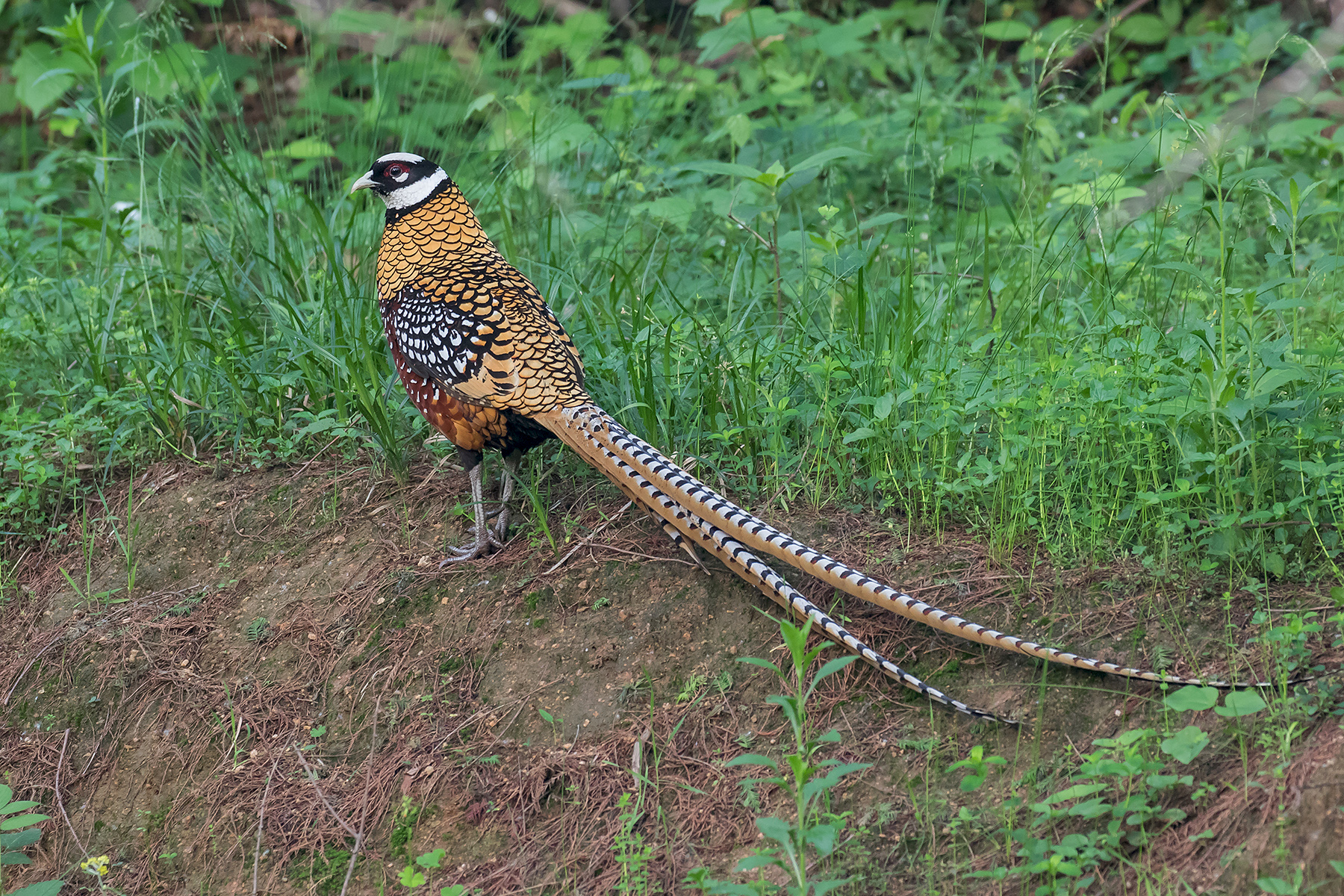
One of our main reasons for visiting Dongzhai is to see the extraordinary endemic Reeves’s Pheasant – surely one of the world’s most spectacular birds. With subtle, scaled, golden and chestnut hues, a vivid pied head pattern, and a tail that is unfeasibly long, this really is a must-see species. We will visit a hide/blind where we have an excellent chance of awesome views of one or more male Reeves’s Pheasants. We may be able to watch them parading around, twirling their incredibly long tails, or beating their wings in display from a log to attract one of the more sombre females that may also be in view.
Another major speciality at Dongzhai is the beautiful Fairy Pitta, a rare and declining species that has become hard to find in most areas in its distribution. Here at Dongzhai, it is not difficult to locate by voice, but seeing one well can take time, and so we have allowed enough time at Dongzhai to make for a high chance of success.
Close by, a population of the endangered and spectacular near-endemic Crested Ibis has become established, and we should be able to watch them feeding in the small paddies, or perhaps attending a nest. The Chinese population is currently estimated to be in excess of 3000 individuals, and they are recolonising some of their old haunts.
The rapidly declining near-endemic Collared Crow is still fairly common in the Dongzhai area, and we will make sure we get some good views of this charismatic species.
While targeting these four glorious species, we will also encounter many other specialities of the area.
The forests here are mostly of non-native tree species, and indeed more specialities occur around the villages than in the forest proper. We may well come across such interesting near-endemics or range-restricted species as Japanese Scops Owl (they can sometimes be seen in their nests during the day here), Swinhoe’s Minivet, Collared Finchbill, Light-vented Bulbul, Red-billed Starling, Chinese Blackbird, Masked Laughingthrush, Chinese Hwamei (a bird that has declined owing to an obsession in China with its rich song and resultant trapping), Vinous-throated Parrotbill, the pretty Silver-throated Bushtit, Swinhoe’s White-eye, Oriental (or Grey-capped) Greenfinch and the impressive Chinese (or Yellow-billed) Grosbeak. Chinese Sparrowhawk, while a bird with a large range as it migrates south to Indonesia, is a hard bird to find outside eastern China. At this time of year, we may well witness its spectacular display flight.
Other birds of note include Grey-faced Buzzard, Grey-headed Lapwing, Besra, Chestnut-winged Cuckoo, the smart Black-capped Kingfisher, White-backed Woodpecker, Oriental and Azure-winged Magpies, White-cheeked Starling, Brown-flanked Bush Warbler, Rufous-faced Warbler, the stunning Yellow-rumped Flycatcher, the smart Meadow Bunting and, with a bit of luck, the scarce and shy Orange-headed Thrush.
Along the watercourses, we may well come across species such as the impressive Crested Kingfisher, White-crowned Forktail, Blue Whistling Thrush (a black-billed form here) and Plumbeous Water Redstart.
More widespread species that we are likely to encounter during our visit to the area include Eastern (or Chinese) Spot-billed Duck, Common Pheasant (of the grey-rumped decollatus subspecies), Chinese Pond Heron, Eastern Cattle, Medium and Little Egrets, the smart Black Baza, Besra, Crested Goshawk, Common Moorhen, Oriental Turtle and Spotted Doves, Asian Koel, Large Hawk-Cuckoo, Indian Cuckoo, Oriental Scops Owl (they can also sometimes be seen peering out of their nest-hole during the day), Collared and Asian Barred Owlets, Northern Boobook, Common Kingfisher, Great Spotted and Grey-headed Woodpeckers, and Grey-capped Pygmy Woodpecker.
Passerines include Brown and Long-tailed Shrikes, Black-naped Oriole, Hair-crested and Black Drongos, Ashy Drongo (of the attractive white-faced form leucogenis), Eurasian Jay (the striking form here, pekingensis, is part of the ‘Brandt’s Jay’ group), the spectacular Red-billed Blue Magpie, Cinereous (or Asian) Tit, Grey-headed Canary-flycatcher, Brown-breasted and Mountain Bulbuls, Black Bulbul (smart white-headed birds here), Barn and Eastern Red-rumped Swallows, the perky little Black-throated Bushtit, Plain Prinia, Streak-breasted Scimitar Babbler, Crested Myna, Oriental Magpie-Robin, the handsome Daurian Redstart, Russet Sparrow, Eurasian Tree Sparrow, White-rumped Munia, Grey Wagtail and White Wagtail (of the form leucopsis, known as ‘Amur’ Wagtail).
There are also likely to be a few migrants around, and these may include Green, Wood and Common Sandpipers, Dusky and Yellow-browed Warblers, Amur (or Stejneger’s) Stonechat, Asian Brown and Dark-sided Flycatchers, Eastern Yellow Wagtail and even Chestnut Bunting.
Northeast China: Day 4
This morning, we will return to Xinyang and travel by high-speed train northwards to the city of Linfen in Shanxi province.
From there, we drive into the mountains to the Huoshan area for an overnight stay. We should arrive in time for a first sighting or two of the superb Brown Eared Pheasant!
Northeast China: Day 5
Our prime target in the Huoshan area will be the endangered Brown Eared Pheasant. This endemic species was once widespread in northeastern China but is now reduced to a few fragmented pockets. By scanning the hillsides, we will surely get views of this superb creature, and we may get a close view. Soon after dawn, their rolling, barking calls ring out across the wooded valleys, and we will look out for these huge pheasants as they forage across the hillsides, digging up roots and tubers with their powerful bills and claws.
(Note: In spring, the pheasants have dispersed to breed, so we are only likely to see a small number of individuals. It is not like winter when up to 40 or even more can be seen here up close.)
Other new birds may well include the noisy Southern Nutcracker, Carrion Crow, Coal Tit, Chinese and Claudia’s Leaf Warblers, Yellow-streaked Warbler, the gorgeous Yellow-throated Bunting and Godlewski’s Bunting, as well as the near-endemic Yellow-bellied Tit and Chinese (or Snowy-browed) Nuthatch.
Afterwards, we will return to Linfen and take a high-speed train to Beijing, from where we will drive into the mountains to the west of the city and spend three nights in Hebei province.
Northeast China: Days 6-7
The rugged mountains that surround Beijing on three sides rise to over 2000m (at the summit of Wuling Shan) and form one of the northernmost outliers of the montane forests that extend from the western edge of the Tibetan Plateau to the north and east.
To the north of this region, the connection between the Siberian forest zone and the forests of China proper is broken by the dry, largely treeless Manchurian plain and the Mongolian steppes and deserts, while to the south the broad lowlands of the Yellow River (or Huang He) have served a similarly isolating function, resulting in the evolution of a number of endemic (or at least breeding-endemic) species and subspecies in the wooded uplands of this region. Nowadays, the remaining forest cover in the area is decidedly patchy, but we will explore some areas that should give us a good chance to find the most sought-after birds of the area.
One of the major specialities here is the attractive and localised Green-backed Flycatcher, a form nowadays recognised as a species distinct from the more widespread Narcissus Flycatcher. Interestingly, and not too long ago, the first-summer male plumage of this interesting form was even erroneously described as a new species to science, under the name Beijing Flycatcher, and given the scientific name ‘beijingnica’!
Another speciality here is the rare and localised Grey-sided Thrush, a species now gravely threatened by habitat loss. This poorly-known bird, which only breeds in a small area of Hebei and the adjacent Beijing municipal region, occurs here and, providing there is access to the right habitat at the time, we should obtain good views.
The interesting and vocally distinct Qilian Bluetail may well turn out to be a Chinese endemic, but its wintering area is not yet established.
The localised Zappey’s Flycatcher occurs in the lower, taller forests, and we are likely to be alerted to its presence by its melodic song before setting eyes on its lovely azure plumage.
Another localised speciality is the near-endemic Chinese Beautiful Rosefinch, which, after reclassification of some subspecies, is now restricted to areas of montane scrub in parts of northeast China and very locally in southern Mongolia.
The endemic Beijing Babbler was formerly known as Chinese Hill Warbler, but more recently, genetic studies have shown it to be a sylvine babbler.
Finally, there is the endemic Pere David’s (or Plain) Laughingthrush, which makes up for its rather drab plumage with its noisy vocalisations.
While searching for these key targets, we may also encounter the endemic Chinese Thrush, the secretive Asian Stubtail and Eastern Crowned Warbler. Three birds that are uncommon here at the northern edge of their range are Alström’s Warbler, the shy White-bellied Redstart and the lepidus form of the Long-tailed Rosefinch (sometimes split as Chinese Long-tailed Rosefinch). The smart White-throated Rock Thrush and the isolated xanthospila form of the Koklass Pheasant are only outside possibilities.
More widespread species we may find here include Eurasian Sparrowhawk, Golden Eagle (uncommon), Eurasian Hobby, Hill Pigeon, Olive-backed Pipit, Long-tailed Minivet, Eurasian Wren, the handsome Siberian Blue Robin, Hume’s Warbler, Willow Tit (the form here is sometimes split as Songar Tit), Eurasian Nuthatch, Eurasian Jay (of the form brandti) and Large-billed Crow.
Northeast China: Day 8
After some more birding in the mountains, we will return to Beijing and take an early evening flight to Wulanhaote (or Ulanhot) in southeastern Inner Mongolia. We will spend the night in the Wulanhaote region.
Northeast China: Day 9
The arid steppelands of this part of Inner Mongolia will undoubtedly come as a complete contrast to everything we have seen before! The wide Manchurian Plain is truly ‘big sky country’ reminiscent of the American prairies.
Note: These days, Manchuria is not a term used much in China, where it is a reminder that the Manchu Dynasty, the last Chinese dynasty, were ‘foreign’ (i.e. non-Han) invaders from beyond ‘the wall’ and is also associated with the Japanese invasion of China, during which they set up a puppet state in Manchuria. It is, however, geographically appropriate.
The steppes in this area provide one of the last refuges for the near-endemic Jankowski’s Bunting. This once almost mythical species was rediscovered breeding in this region in the 1990s and has subsequently been found at a scattering of locations where extensive areas of grassland or scrub-grassland survive. These are habitats that have been largely cleared for cultivation elsewhere in Manchuria, so the species is now thought to be Endangered. We shall enjoy searching for and watching this unusual species, which relatively few birders have observed.
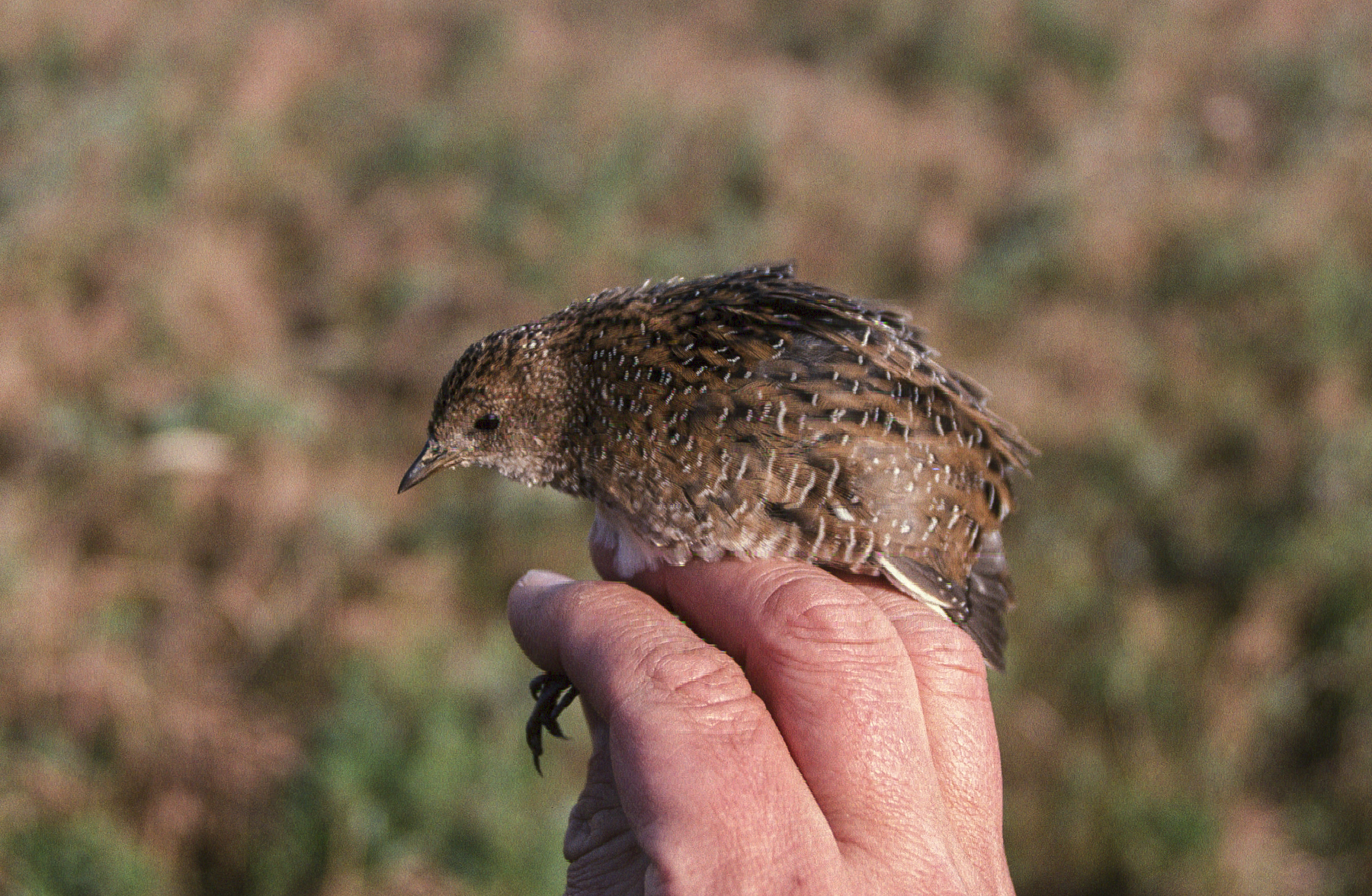
These scrubby grasslands and the surrounding area also hold Upland Buzzard, Japanese Quail (increasingly scarce, owing to habitat deterioration), Eurasian Collared Dove, Common Cuckoo, Asian Short-toed Lark, Eurasian Skylark, Rook and the striking Daurian Jackdaw.
Afterwards, we will head southeast to the Baicheng region in Jilin province for the next two nights.
Northeast China: Day 10
Much of the Manchurian plain in this region is nowadays devoted to cereal crops and other agriculture, but areas of reedy marshland, lakes and scattered elm woodlands still survive, some of which are protected as nature reserves.
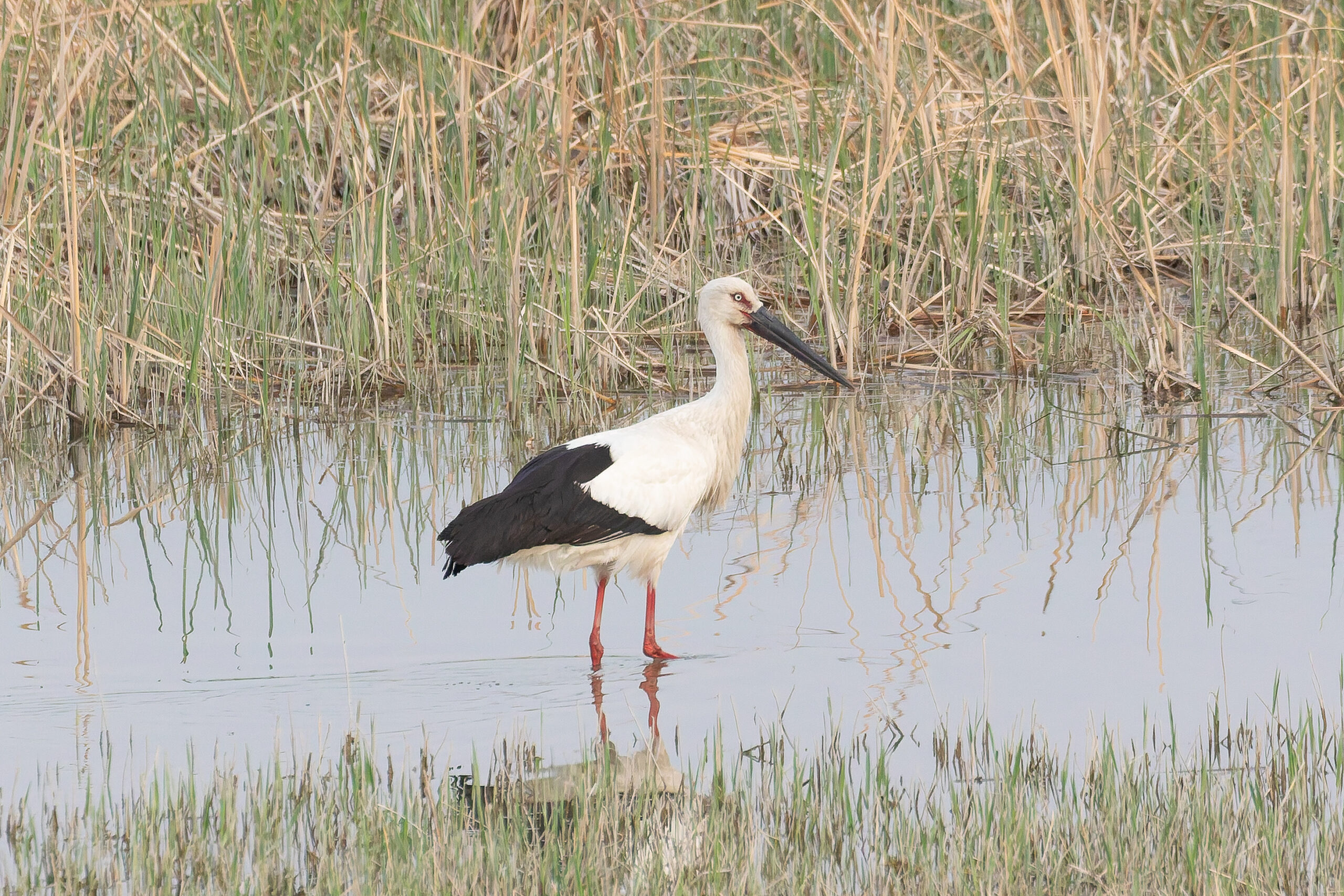
This part of China is renowned for its breeding cranes. Watching the Red-crowned (or Japanese) Cranes calling and dancing in their marshland home is an evocative experience. Furthermore, the threatened Swan Goose and the rare White-naped Crane both breed in the area, as does the rare Oriental Stork. In other words, four splendid specialities.
Other interesting new species we are likely to see include the beautiful Pied Harrier, the splendid little Amur Falcon, Chinese Penduline Tit, the impressive Chinese Grey Shrike, and Chestnut-eared and Pallas’s Reed Buntings.
Daurian Partridge used to be straightforward but has become uncommon owing to habitat changes.
With luck, we will come across one or more of the rarest specialities of the region, which include Von Schrenck’s Bittern, Manchurian Reed Warbler and Ochre-rumped (or Japanese Reed) Bunting.
If conditions are right, the shelterbelts and other cover may also attract migrants heading north into Siberia. We have even seen Pechora Pipit and Japanese Waxwing on rare occasions.
Other species we may well encounter in this part of China include Little, Great Crested and Black-necked Grebes, Great Cormorant, Eurasian (or Great) Bittern, Great Egret, Purple Heron, Eurasian Spoonbill, Greylag Goose, Common Shelduck, Mallard, Gadwall, Garganey, Northern Shoveler, Eastern Marsh Harrier, Common Kestrel, Common Moorhen, Black-winged Stilt, Pied Avocet, Little Ringed and Kentish Plovers, Northern Lapwing, Marsh Sandpiper, Eastern Black-tailed Godwit, Eurasian Curlew, Common Redshank, Black-headed Gull, Common and Little Terns, the beautiful Whiskered and White-winged Terns, Eurasian Hoopoe, Black-browed Reed Warbler, Sand Martin (or Bank Swallow), Eastern Yellow Wagtail and Richard’s Pipit. Oriental Pratincole is an uncommon possibility.
Northeast China: Day 11
After some final birding in the Baicheng region, we will head northeast to the city of Qiqihar (or Qiqihaer) in Heilongjiang province, where we will spend two nights.
Northeast China: Day 12
The Zhalong reserve, close to Qiqihar, is famous in China for its population of both Red-crowned and White-naped Cranes, but for us, the main attractions lie elsewhere.
A primate attraction here is the impressive Reed Parrotbill. Interestingly, the forem here, polivanovi, has sometimes been treated as a distinct species under the name Northern Parrotbill.
The beautiful Asian Dowitcher nests in the reserve, and we should see birds in flight and hopefully feeding, although they can be obscured by the dense vegetation in the marshes.
We used to see the Baer’s Pochard regularly in this region of Chinba, but the destruction of marshy wetlands and more frequent droughts have drastically reduced the population. Nonetheless, we have a chance at Zhgalong or even in the Baiucheng region.
Zhalong offers another opportunity to find the smart Ochre-rumped (or Japanese Reed) Bunting, which tends to be more reliable in this area than in the Baicheng area.
We also have a second chance for the rare Manchurian Reed Warbler in and around Zhalong, but again, it is nowadays a rare bird, and the chances are slim. The same applies to Marsh Grassbird.
Northeast China: Day 13
Today, after some final birding in the surrounding area, we will head northeast from Qiqihar, leaving the vast Manchurian plain behind and entering the Greater Khingan mountain range.
Eventually, we will reach the remote settlement of Wuerqihan (sometimes spelt Urqihan), where we will spend the next four nights. We will arrive in time for some initial exploration.
Northeast China: Days 14-16
The area surrounding Wuerqihan in the Lesser Khingan range still features plenty of beautiful boreal forests, bisected by rivers and streams, and mixed with damp meadows, marshes and bushy areas. Although we are still in China, the habitat and avifauna are essentially southeast Siberian, with all that that implies for very exciting birding, but without needing to be in Russia! We are so far north in this extremity of China that we are on the same latitude as Sakhalin Island to the north of Japan and only slightly further south than the southern end of Lake Baikal!
There are two mega specialities in this area, both of which we will definitely be making a concerted effort to see.
The first is Band-bellied Crake, a species that only breeds in this region of China and adjacent Russia and Korea, although it winters far to the south.
The second is the diminutive Swinhoe’s Rail, a real ‘grailbird’. This sibling of the Yellow Rail of North America breeds only in far eastern Mongolia, Northeast China and adjacent Russia and winters south through China. We have a pretty good chance of seeing this fantastic bird as well. (We used to see this species fairly regularly at Poyang Hu near the Yangtze River, but habitat destruction has resulted in a severe decline in the population, so it is a very hard bird to find nowadays in its winter quarters.)
In addition to the two ‘Mega Rallids’, the Wuerqihan area holds a fantastic collection of ‘grasshopper’ warblers! Pride of place amongst these is the big Gray’s Grasshopper Warbler, which we can expect to track down by means of its loud and explosive song. Not far behind is the declining and localised Chinese Bush Warbler, and in addition, the area holds breeding Pallas’s Grasshopper Warblers, Laceolated Warblers and Baikal Bush Warblers. What an amazing aggregation in just one area, and with just a bit of luck, we will see the entire suite!
Phylloscopus warblers are also well-represented. Bushy areas hold Dusky Warblers, while at the forest edge, we will track down the noisy Radde’s Warbler. Inside the forest are Yellow-browed, Two-barred, Pale-legged Leaf and Pallas’s Warblers. At this time of year, we may even see Arctic Warbler on migration as spring comes very late indeed in the subArctic.
Other good birds we may well encounter include Falcated Duck, Brown-cheeked Rail, Oriental Cuckoo, Far Eastern Curlew (breeding in the wet meadows), Ashy Minivet, the lovely Azure Tit, Thick-billed Warbler, Eyebrowed and White’s Thrushes, Siberian Rubythroat, Long-tailed Rosefinch and Pine and Black-faced Buntings. We also have another chance for the declining Japanese Quail.
We should also come across a few of the uncommon birds of the area. Among the more notable possibilities are Hazel and Black Grouse, White-throated Needletail, Black Stork, Siberian House Martin, Siberian Jay, Rufous-tailed Robin, Siberian Thrush, Mugimaki Flycatcher and Chestnut and Tristram’s Buntings.
Black-billed Capercaillies also inhabit these forests, but while this species is regularly recorded during the winter months, the chances of seeing one during June are slim indeed!
More widespread species we may also come across include Gadwall, Eurasian Teal, Tufted Duck, Common Goldeneye, Common Merganser (or Goosander), Crested Honey Buzzard, Black Kite, Eastern Buzzard, Eurasian Eagle-Owl, Grey Nightjar, Pacific Swift, Eurasian Three-toed Wopodpecker, Citrine Wagtail, Long-tailed Tit, Asian Brown and Taiga Flycatchers, Red-flanked Bluetail and Common Rosefinch.
Northeast China: Day 17
We will have time for some final birding today before we make our way back to Qiqihar, where our Northeast China birding tour ends at the airport in the late afternoon.
(Note: Even if you are booking your international flights yourself, we will be happy to obtain your domestic ticket to Beijing or elsewhere, on request.)