
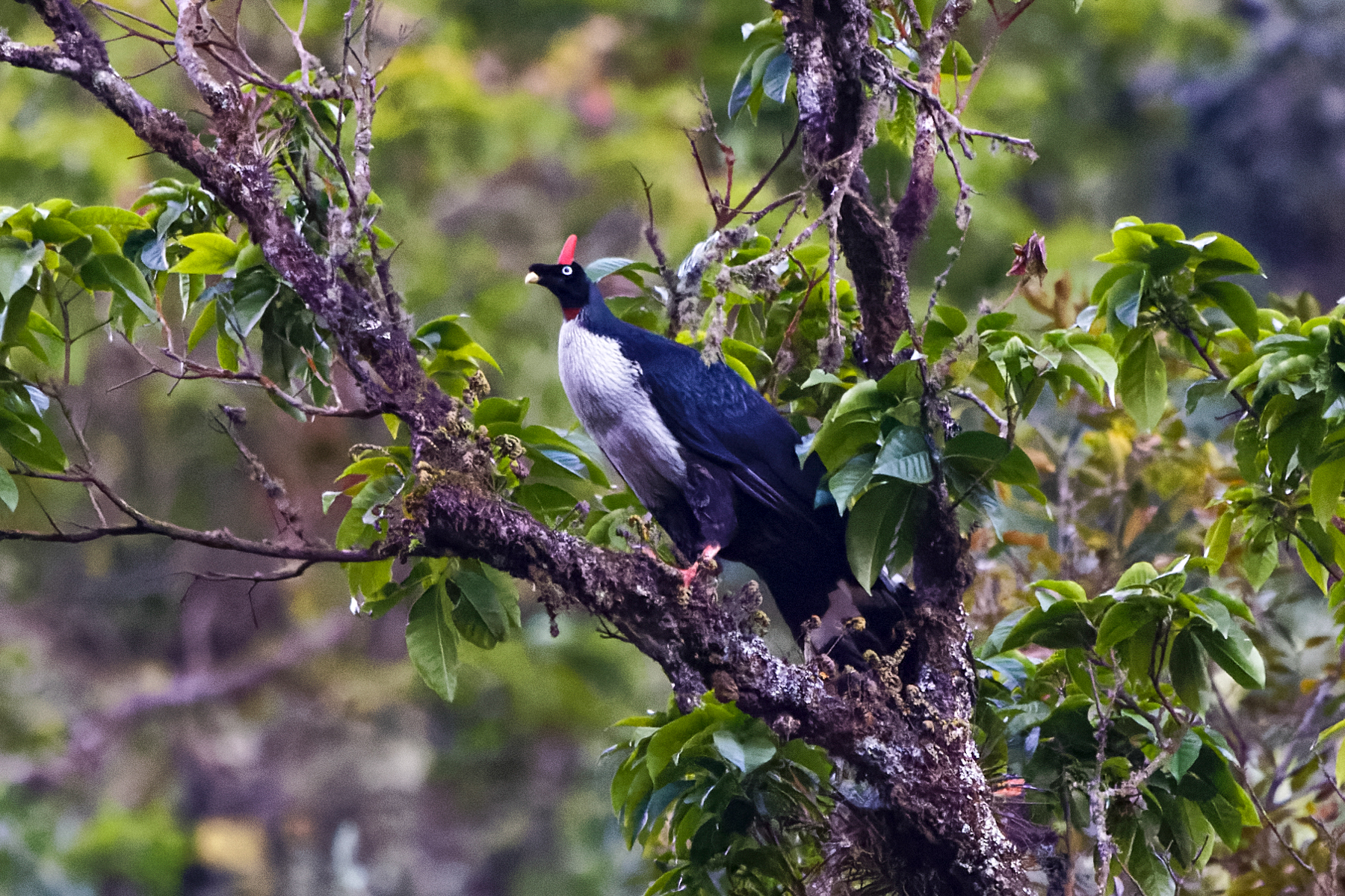
Horned Guan (image by Leo Garrigues)
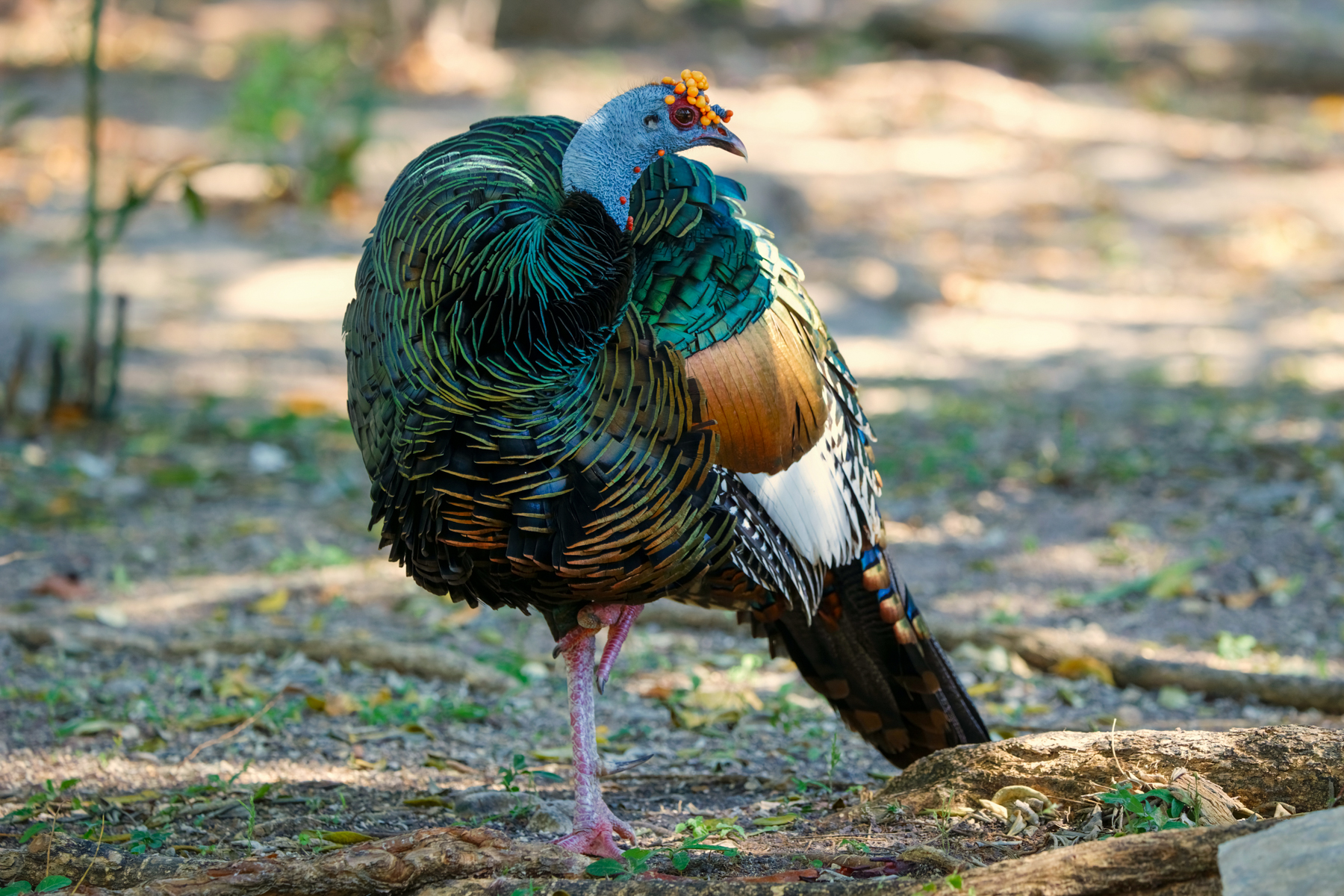
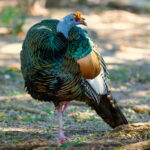
Ocellated Turkey (image by Leo Garrigues)
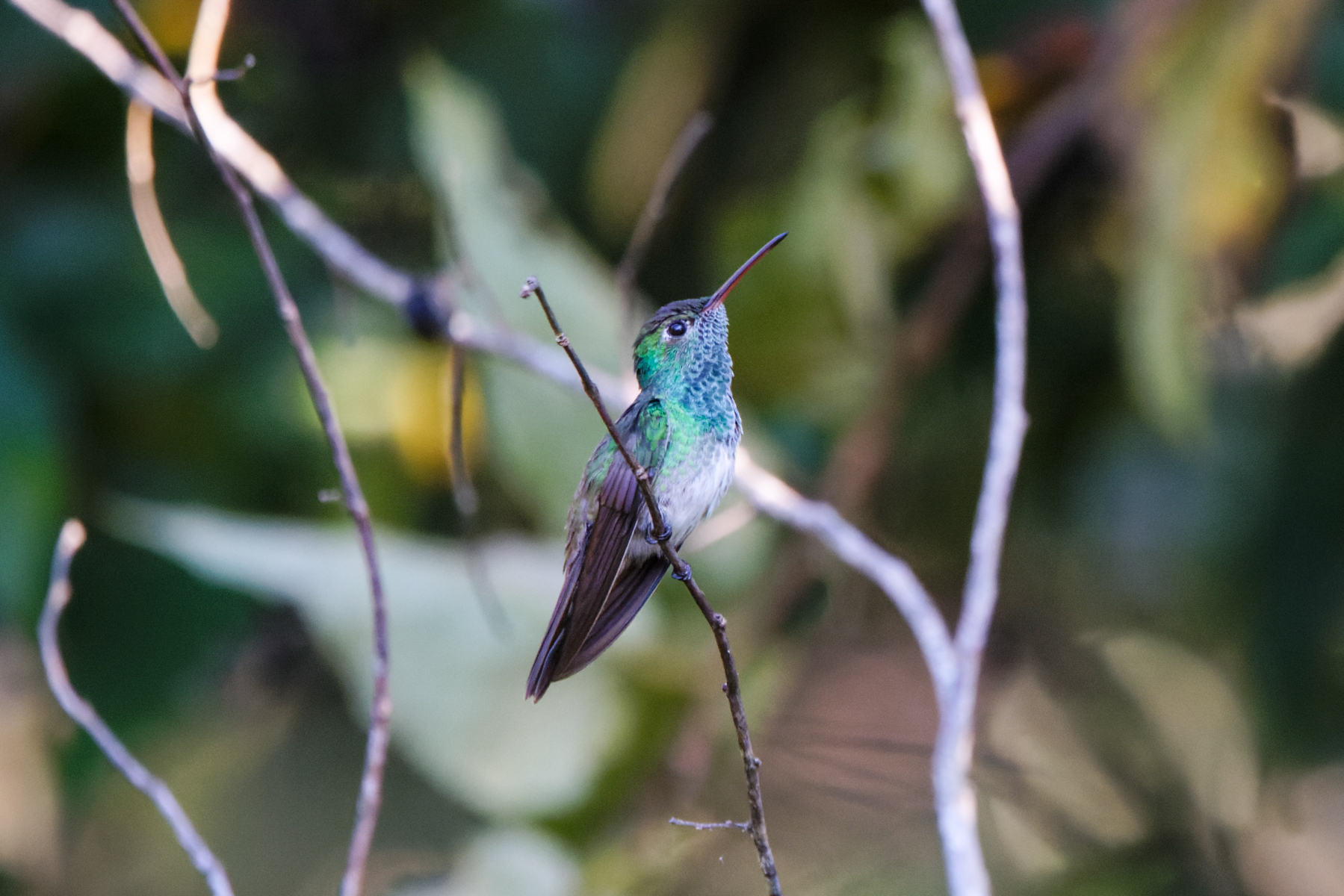
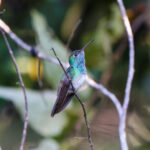
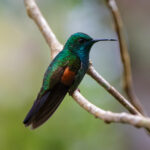
Honduran Emerald (image by Leo Garrigues)
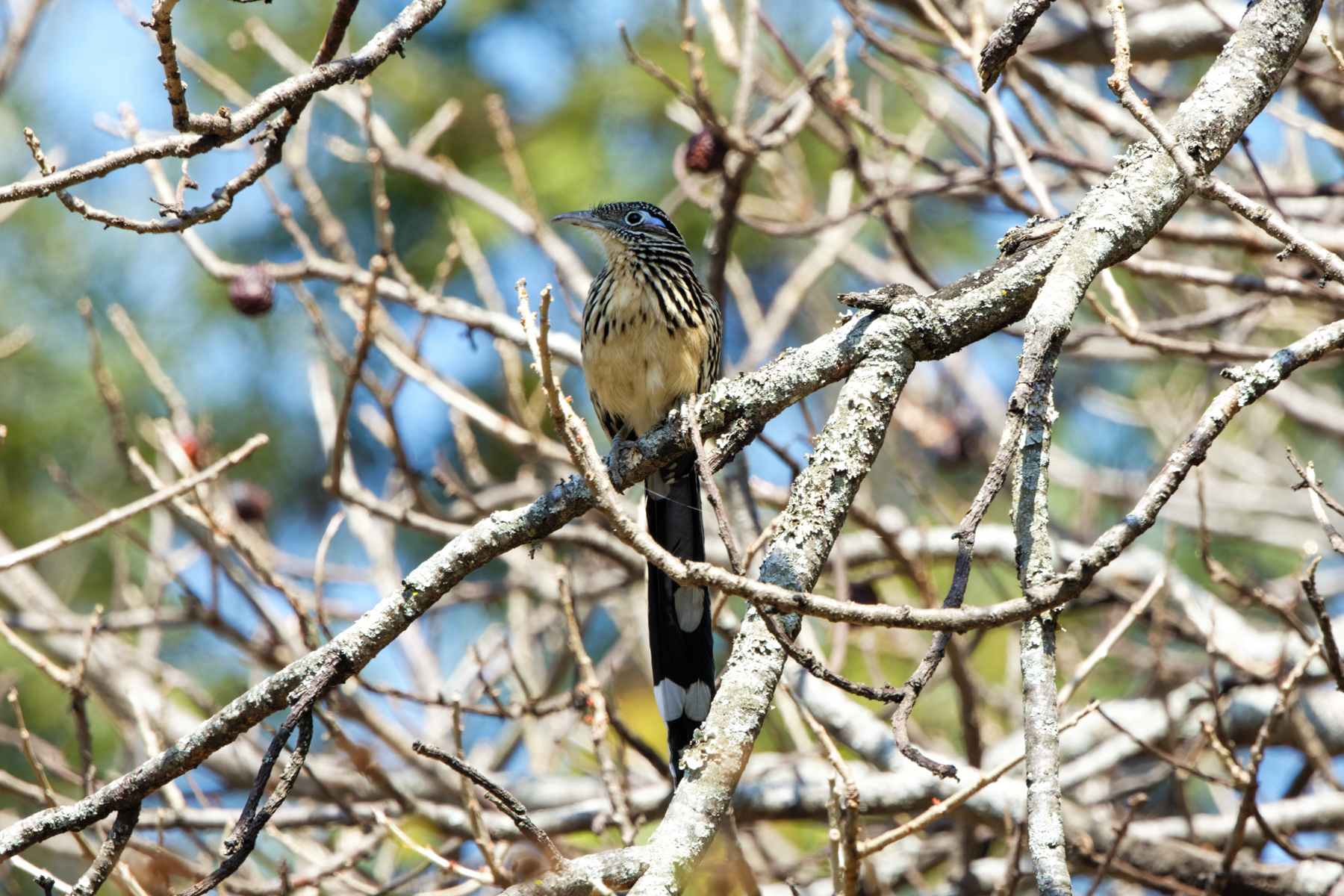
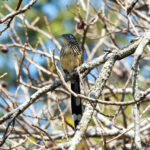
Lesser Roadrunner (image by Leo Garrigues)
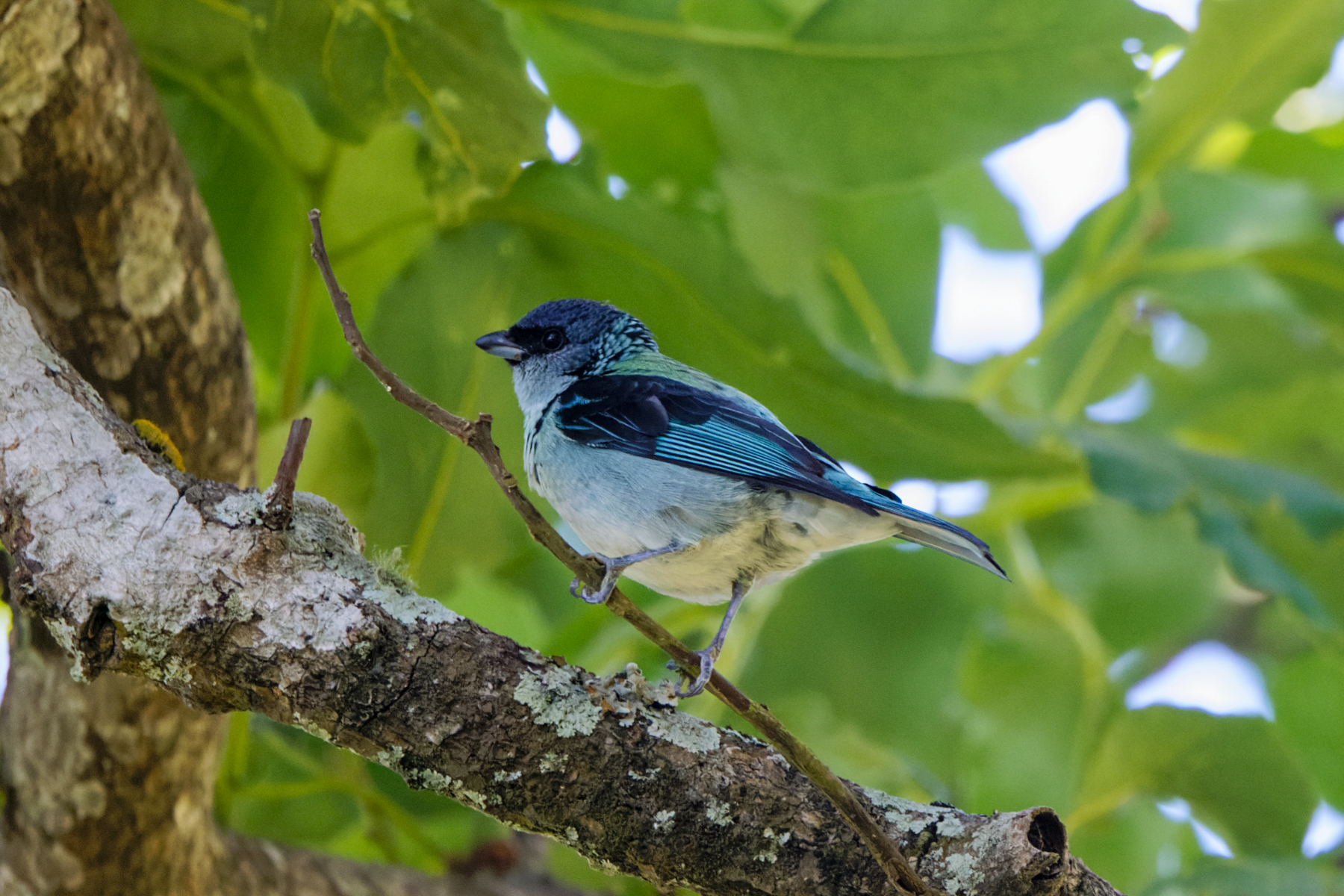
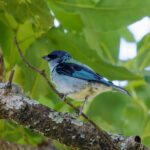
Azure-rumped Tanager (image by Leo Garrigues)
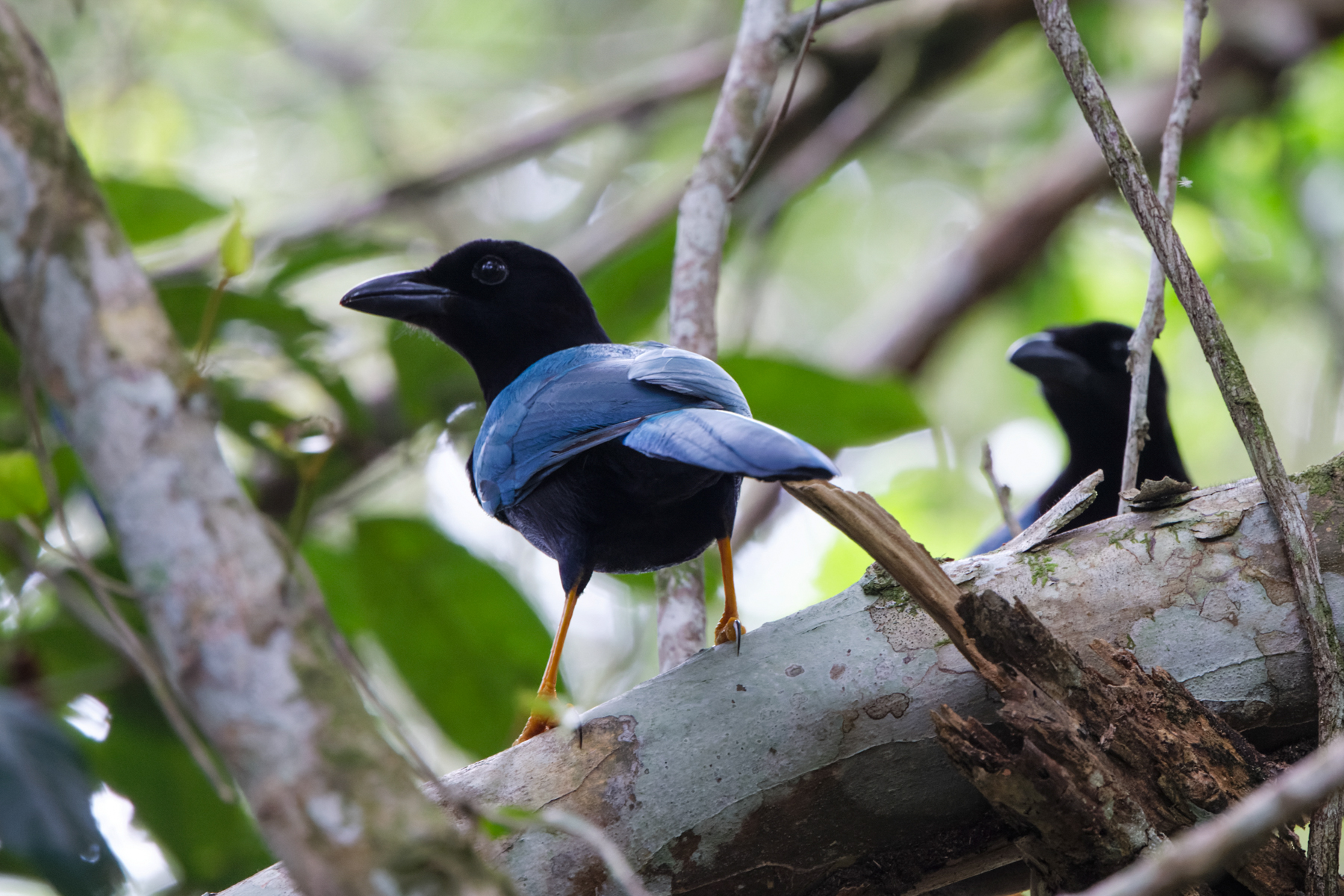
Yucatan Jay (image by Leo Garrigues)
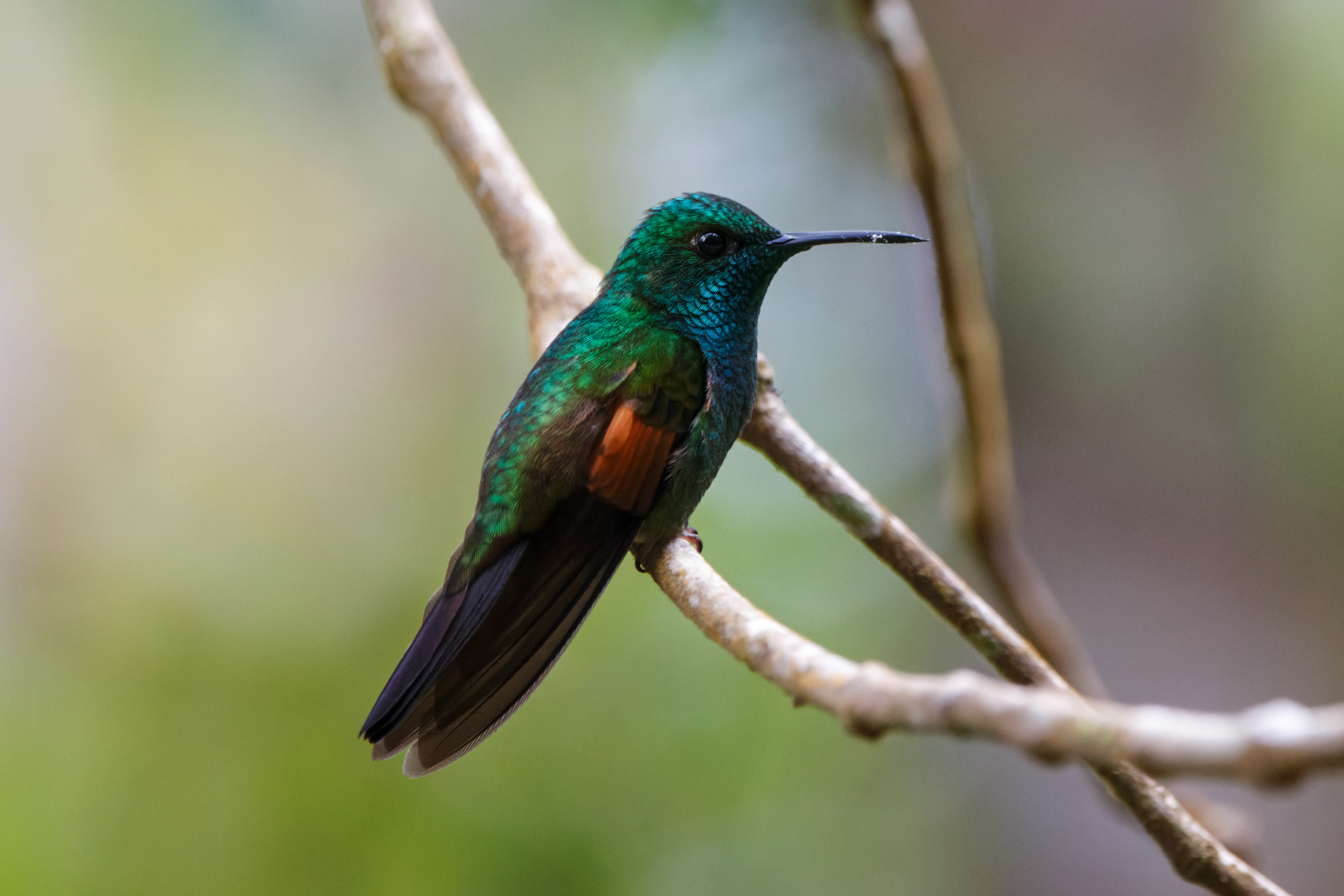
Stripe-tailed Hummingbird (image by Leo Garrigues)
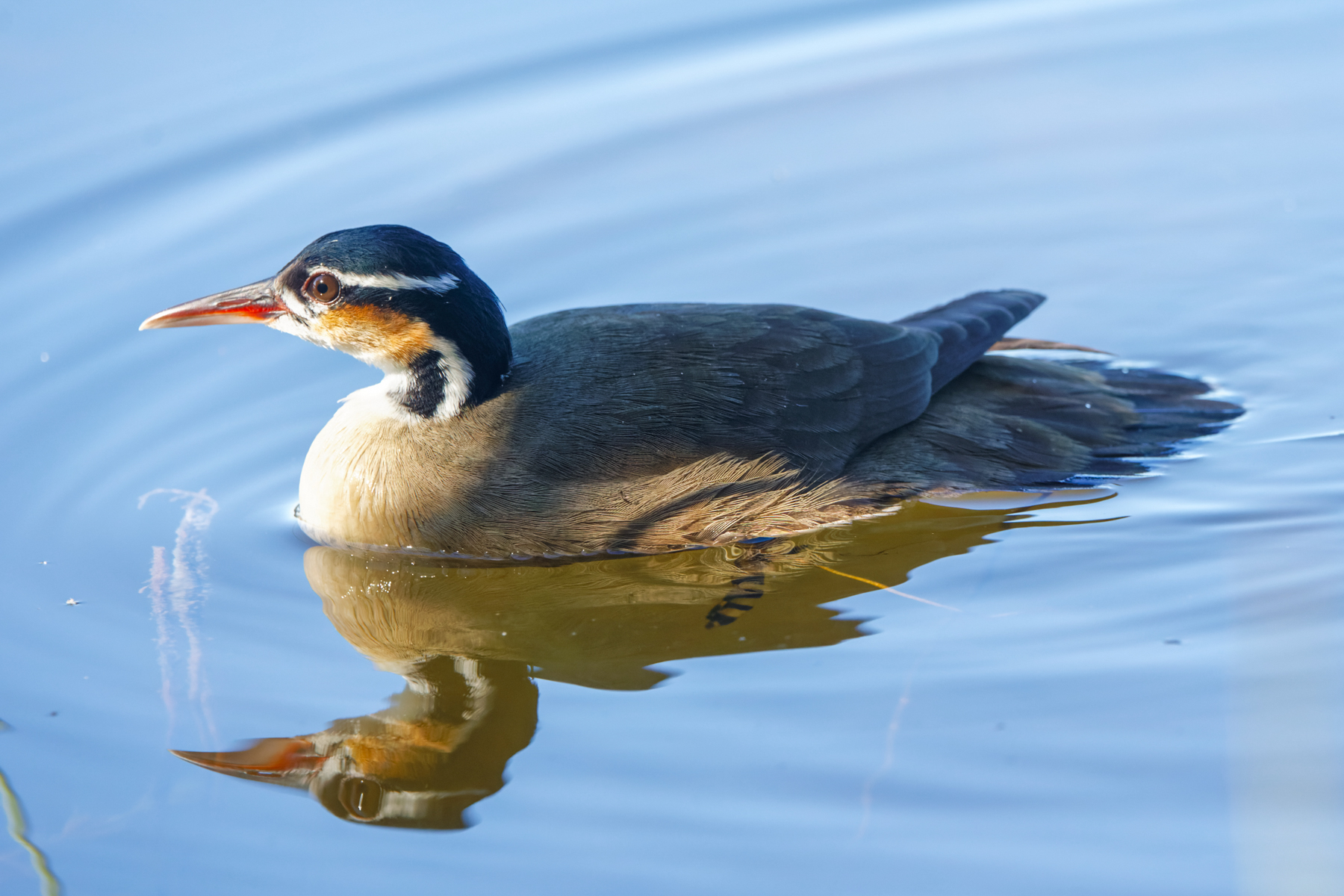
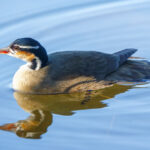
Sungrebe (image by Leo Garrigues)
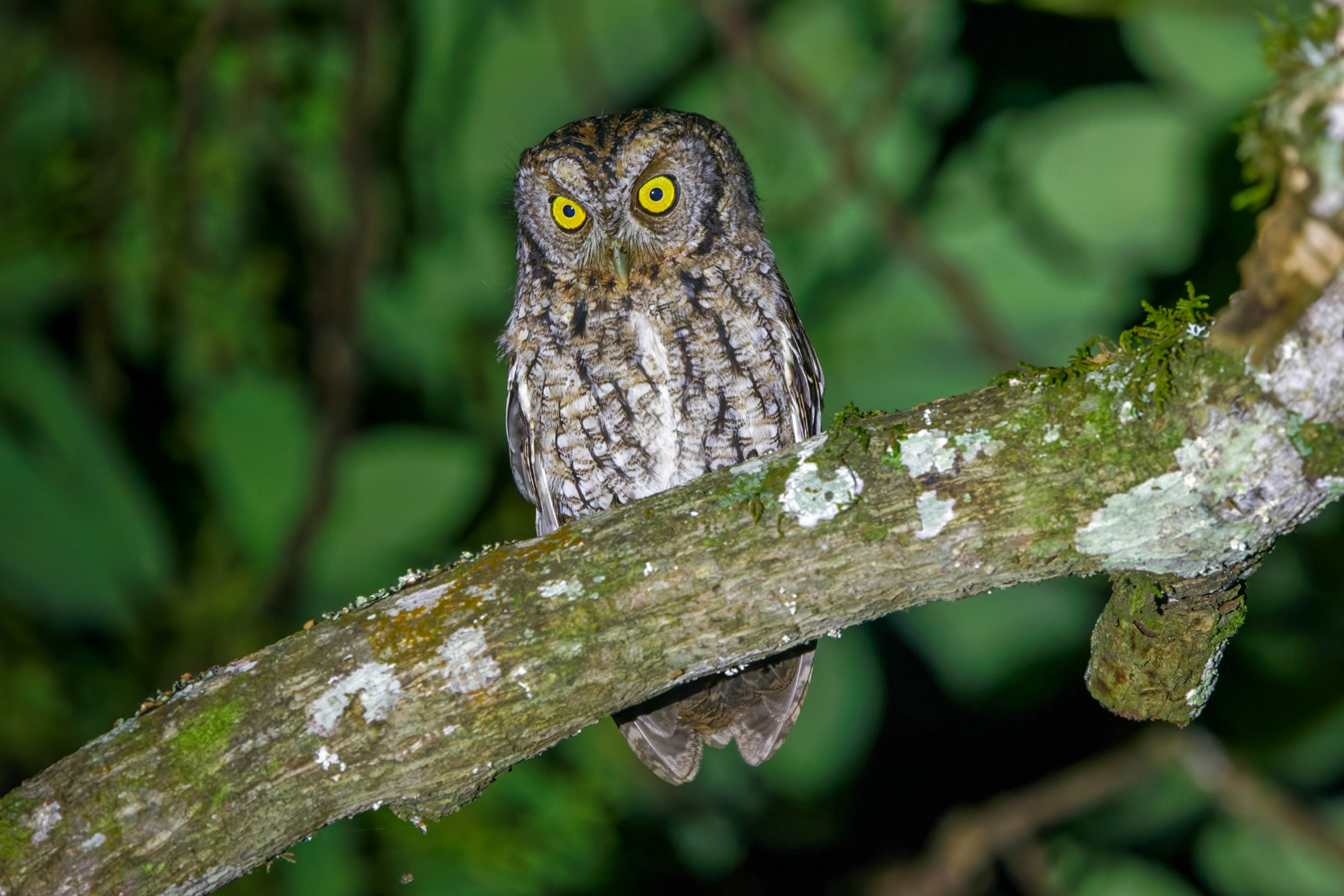
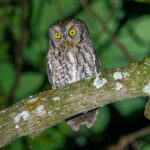
Whiskered Screech Owl (image by Leo Garrigues)
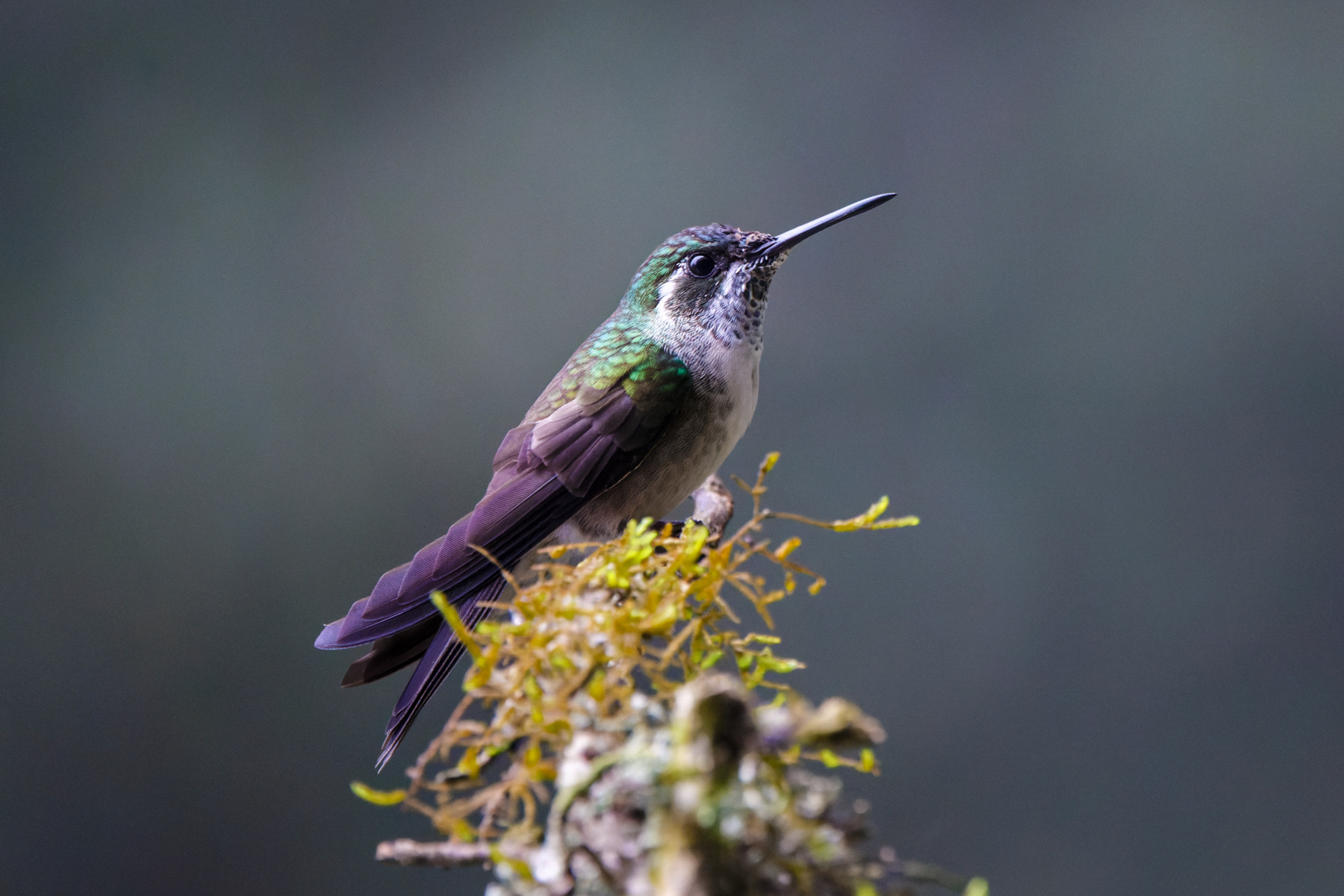
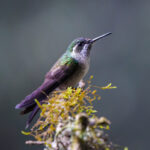
Green-throated Mountiangem (image by Leo Garrigues)
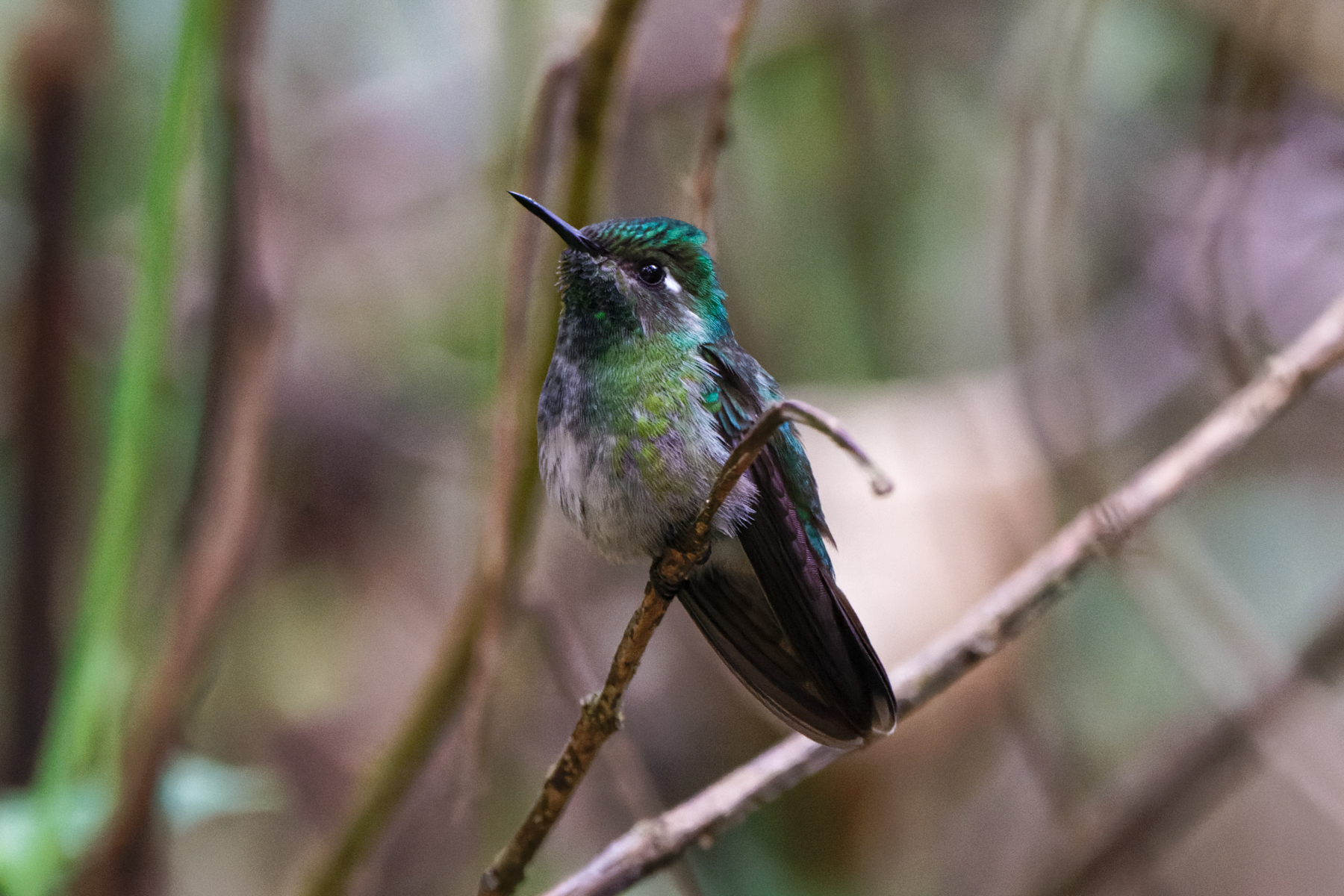
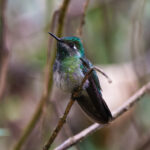
Emerald-chinned Hummingbird (image by Leo Garrigues)
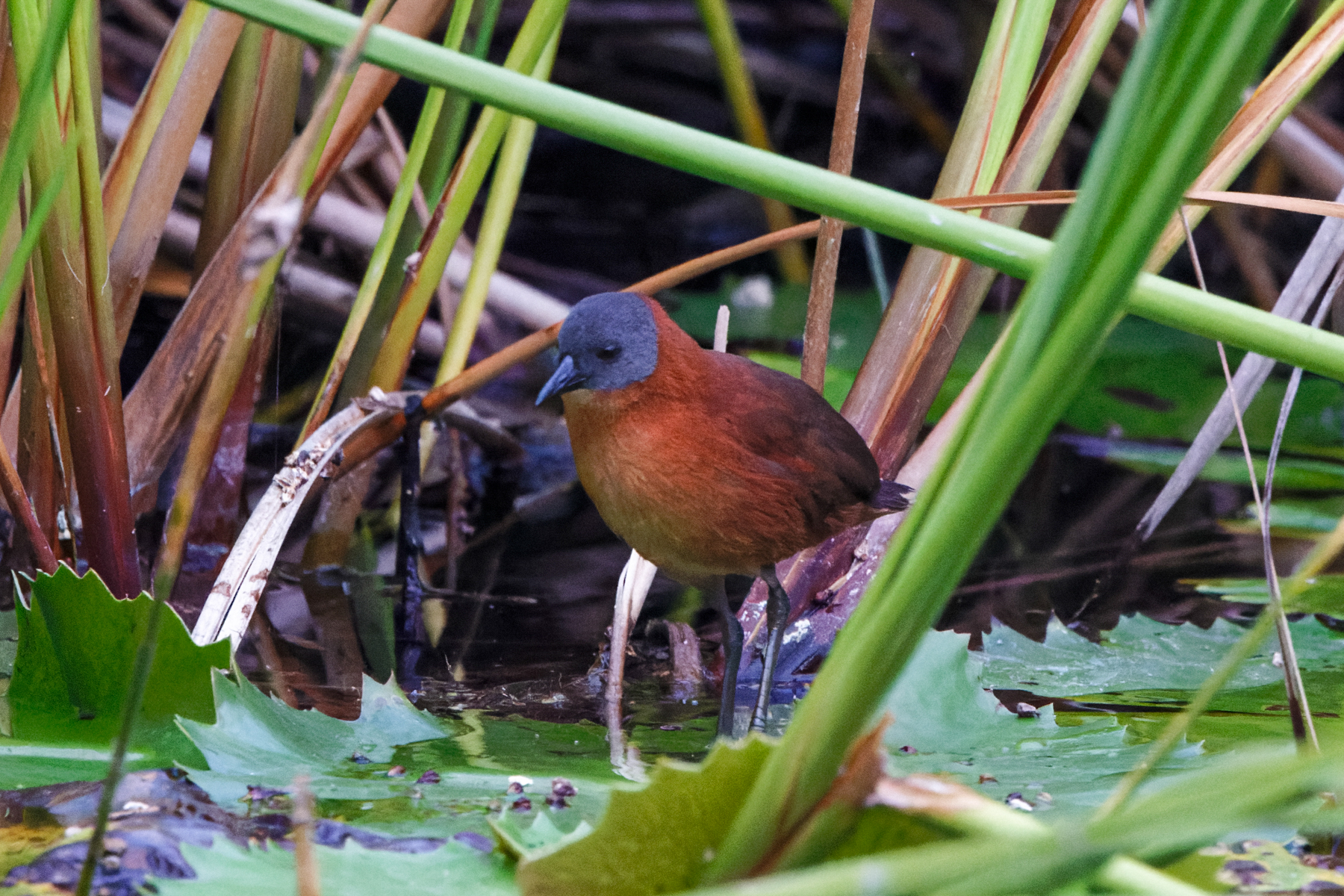
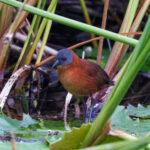
Ruddy Crake (image by Leo Garrigues)
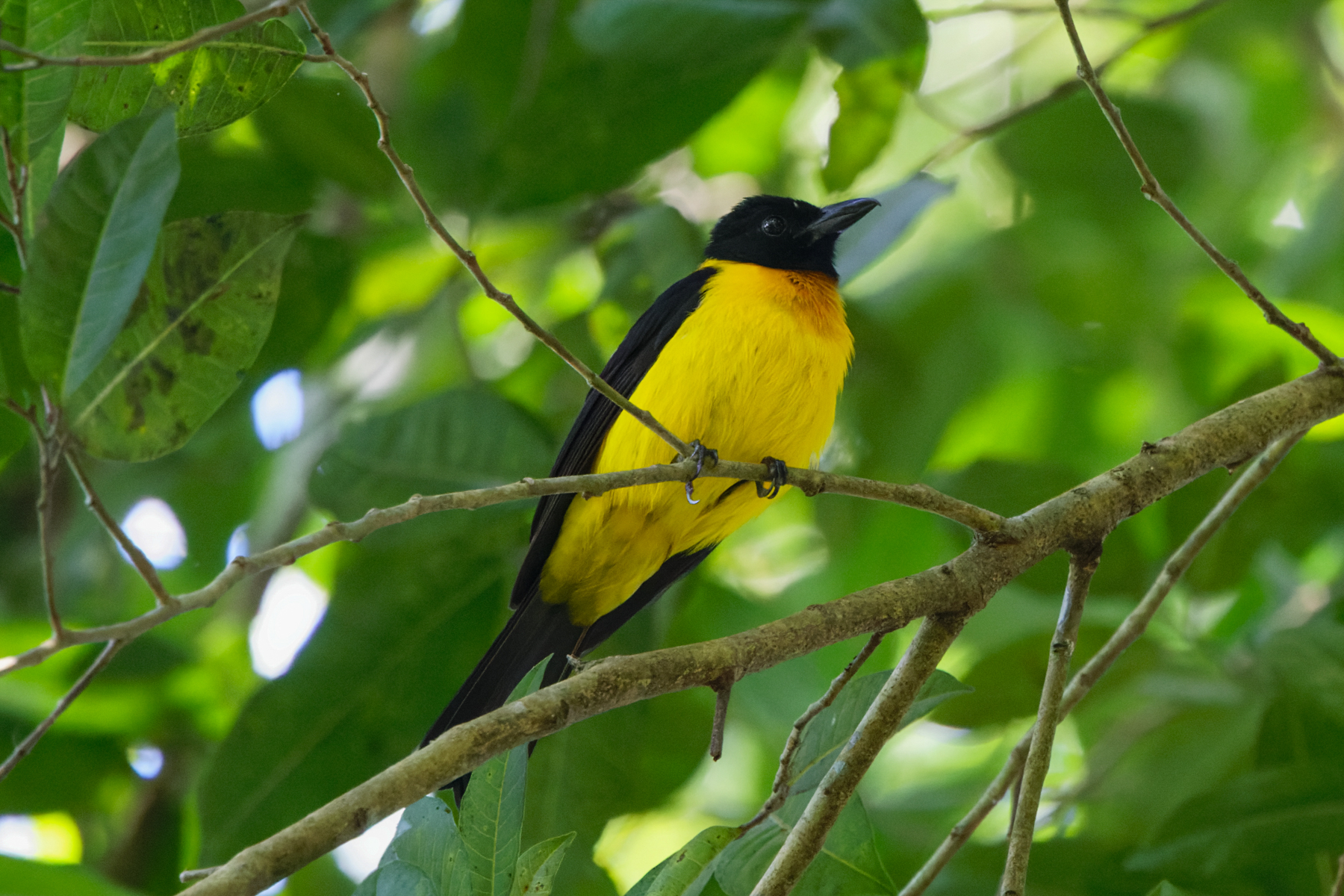
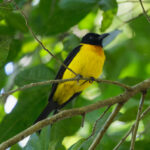
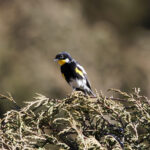
Black-throated Shrike-Tanager (image by Leo Garrigues)
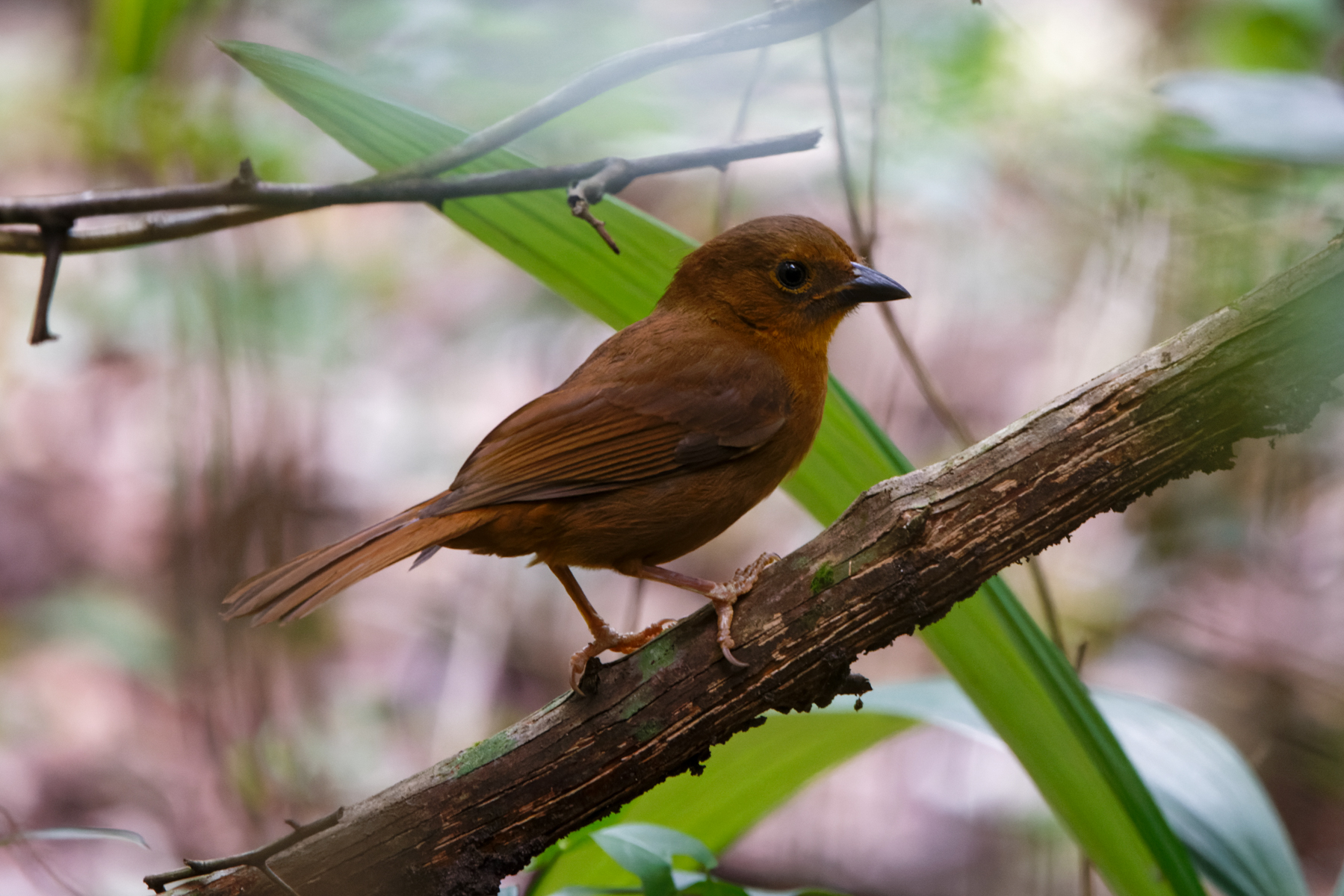
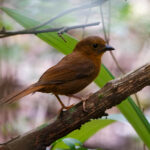
Red-throated Ant Tanager (image by Leo Garrigues)
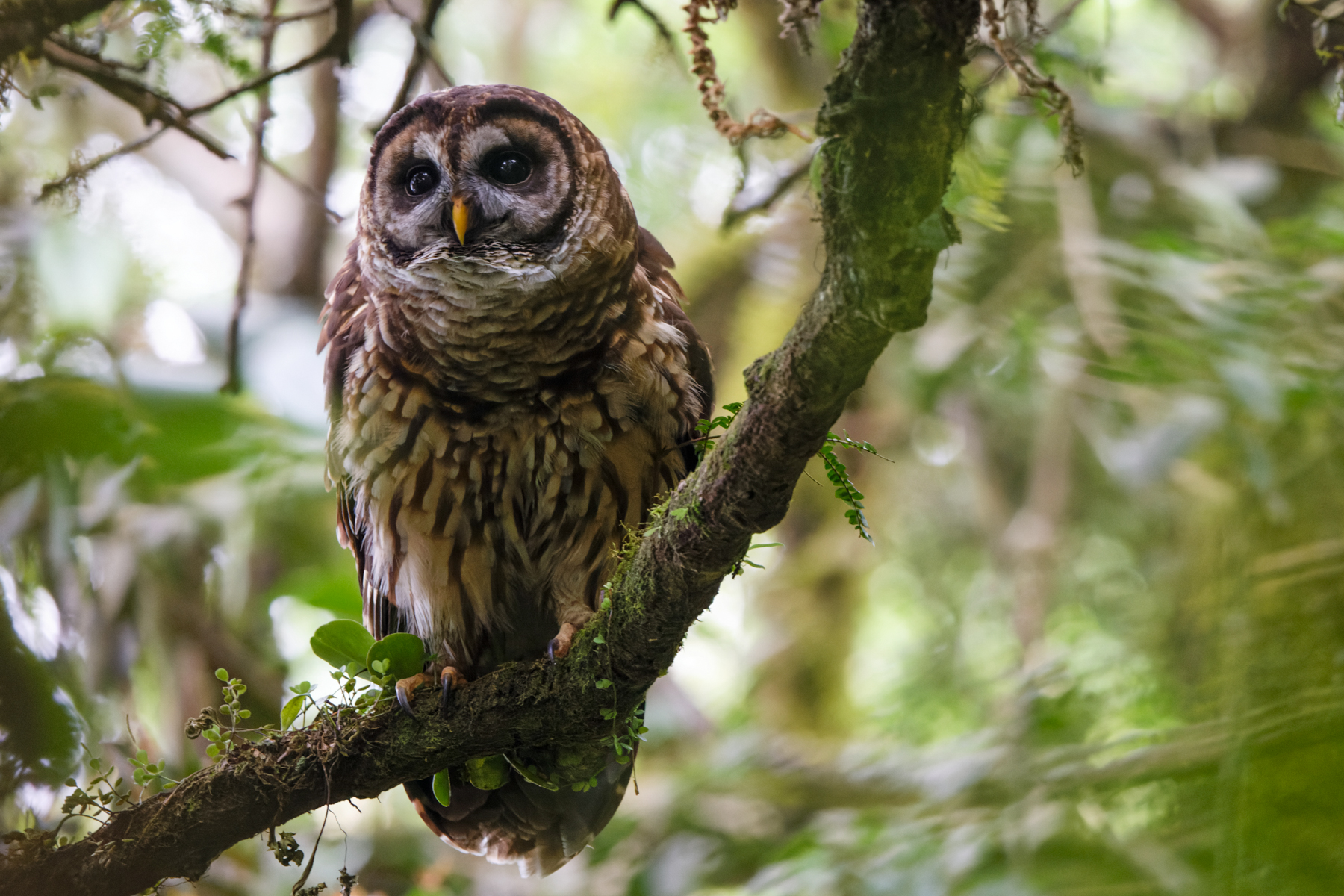
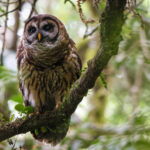
Fulvous Owl (image by Leo Garrigues)
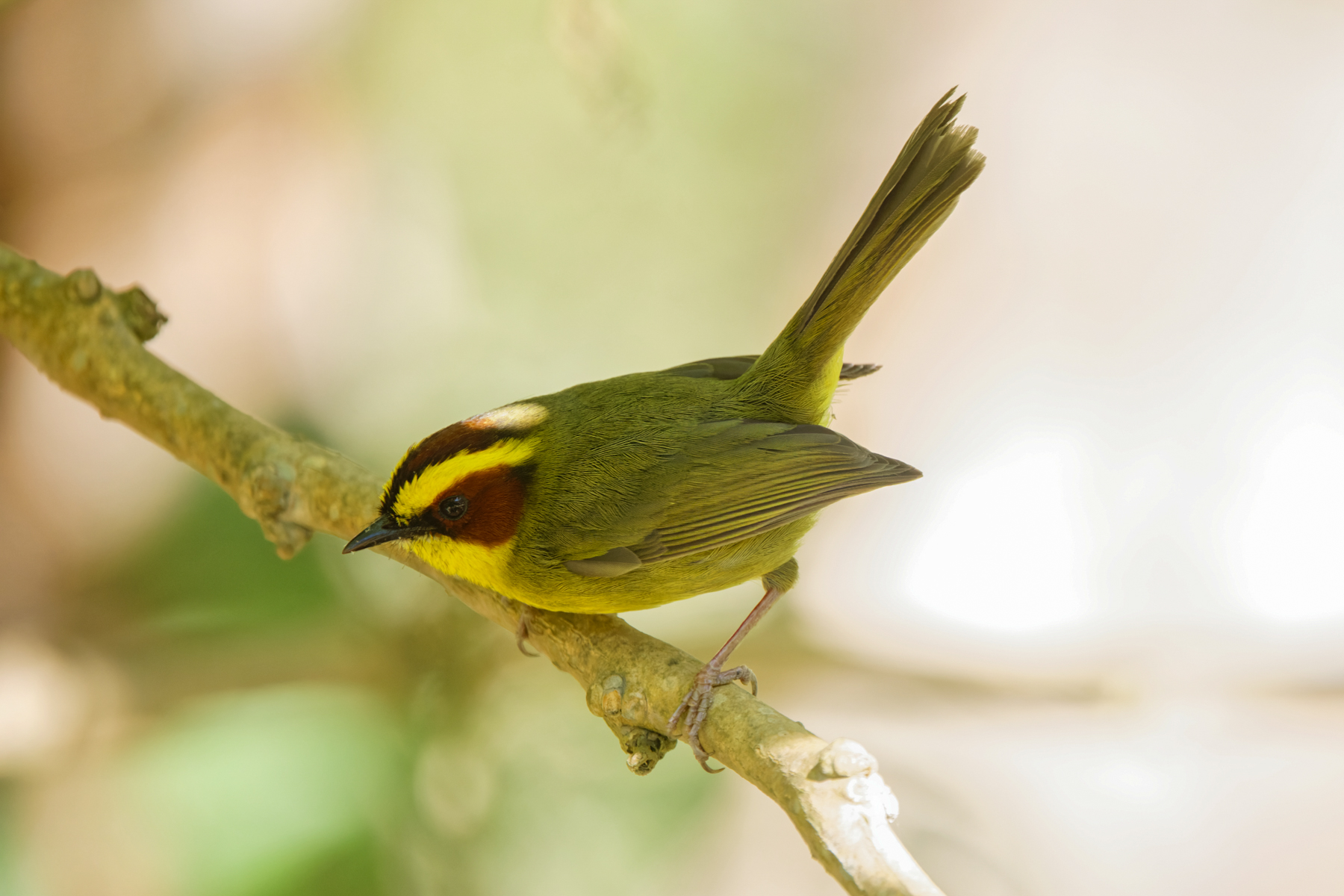
Golden-browed Warbler (image by Leo Garrigues)
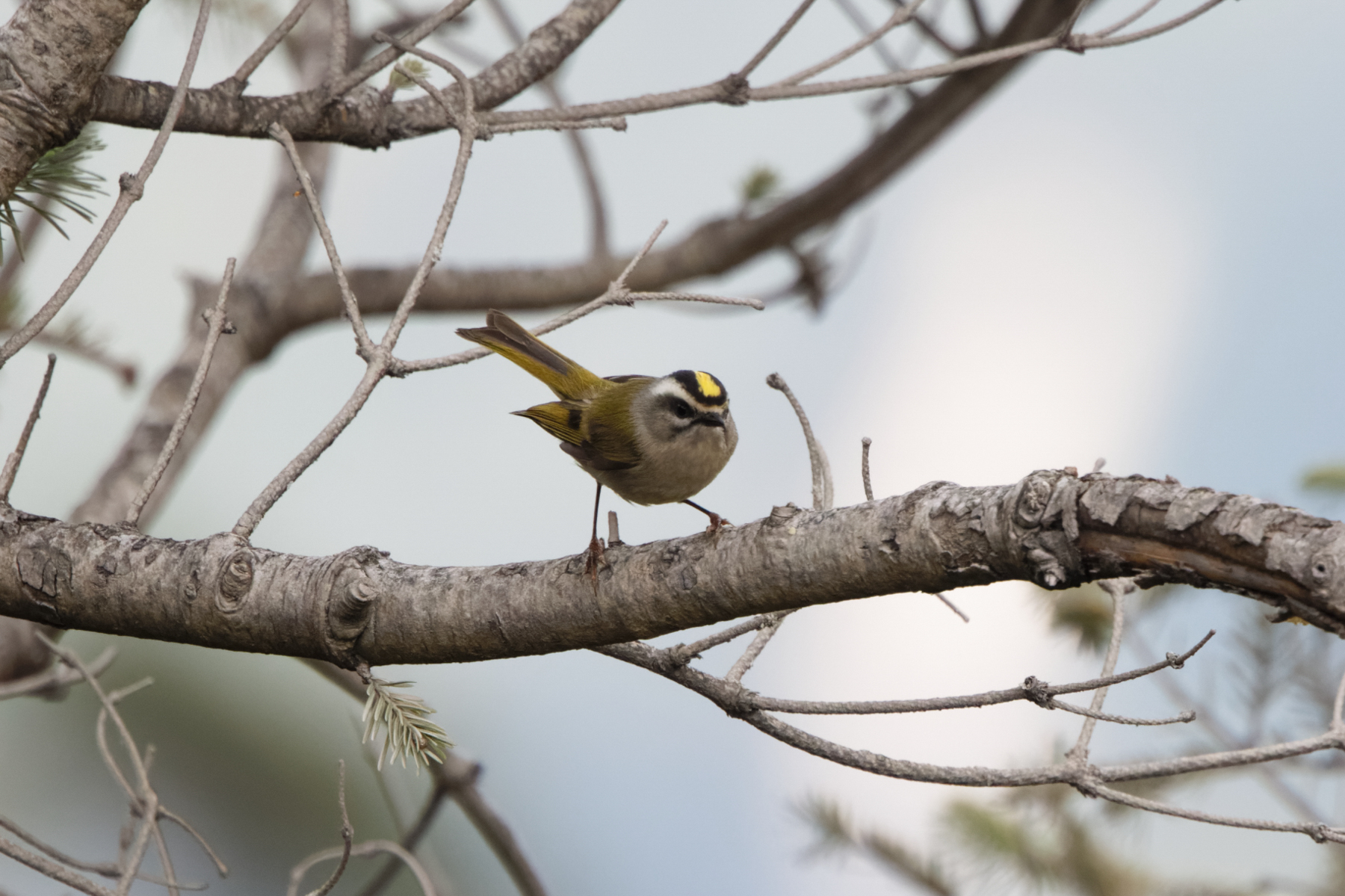
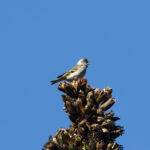
Golden-crowned Kinglet (image by Leo Garrigues)
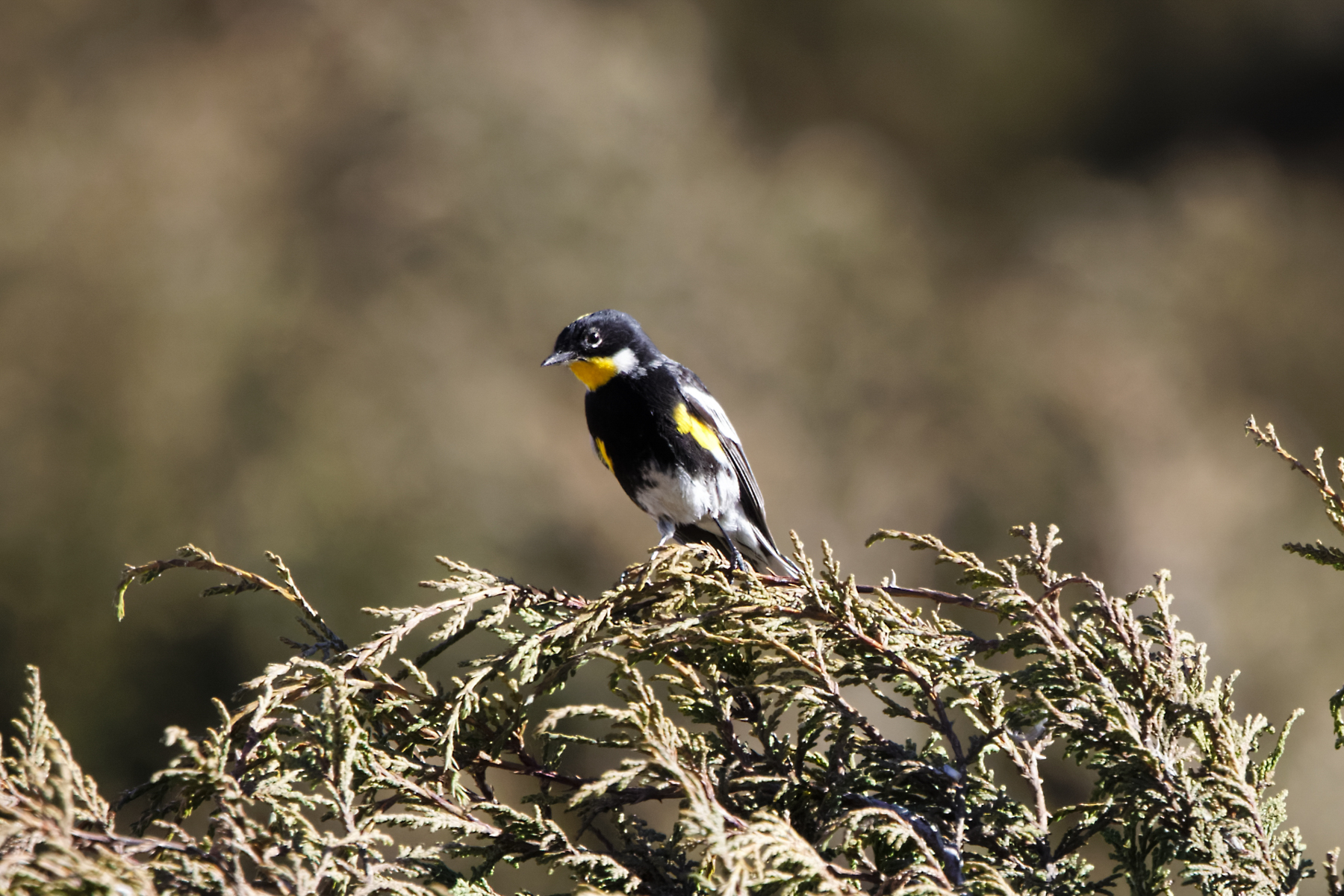
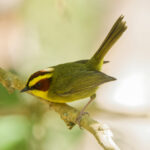
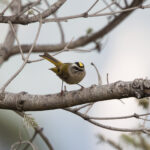
Goldman's Warbler (image by Leo Garrigues)
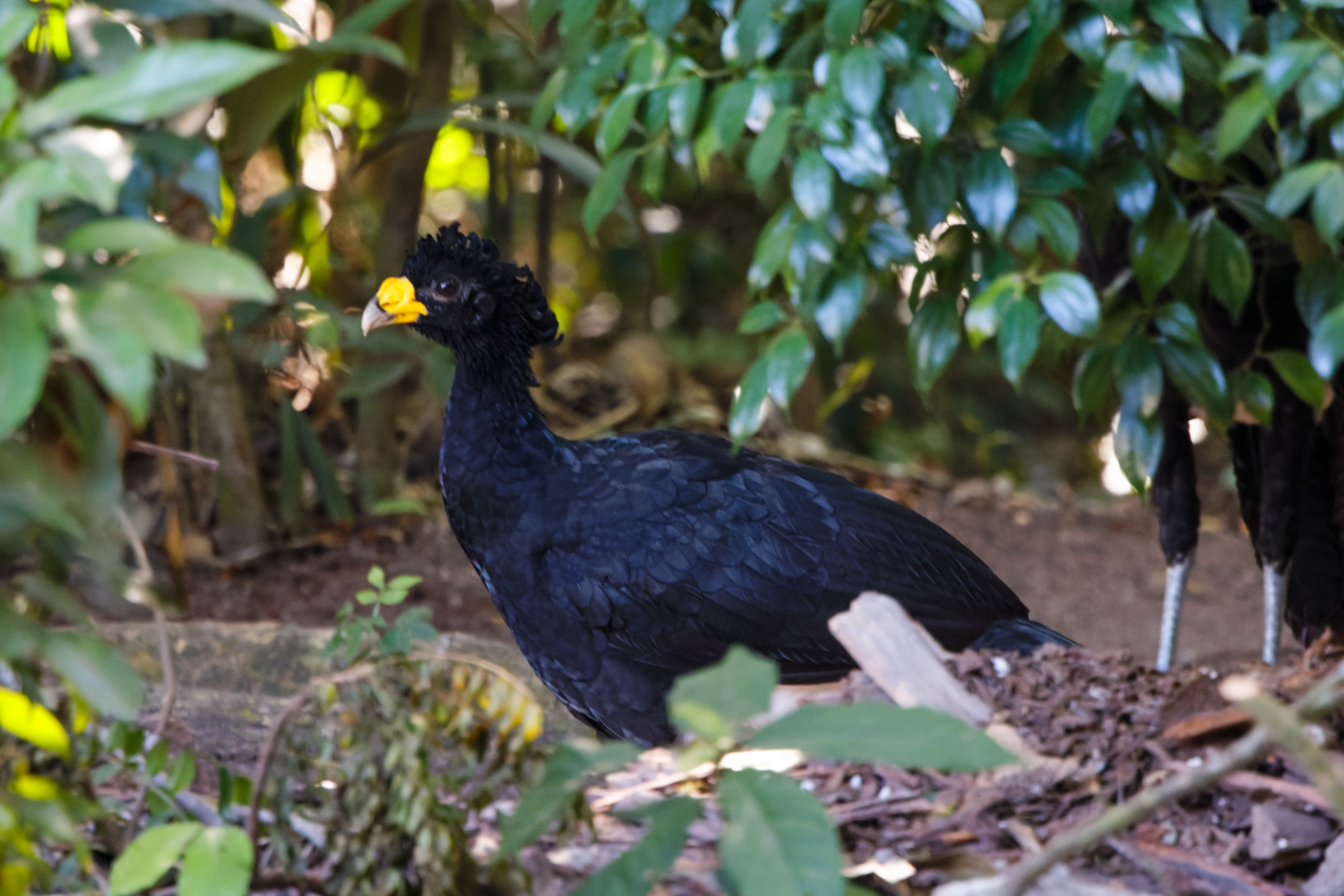
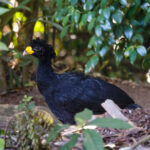
Great Curassow (image by Leo Garrigues)
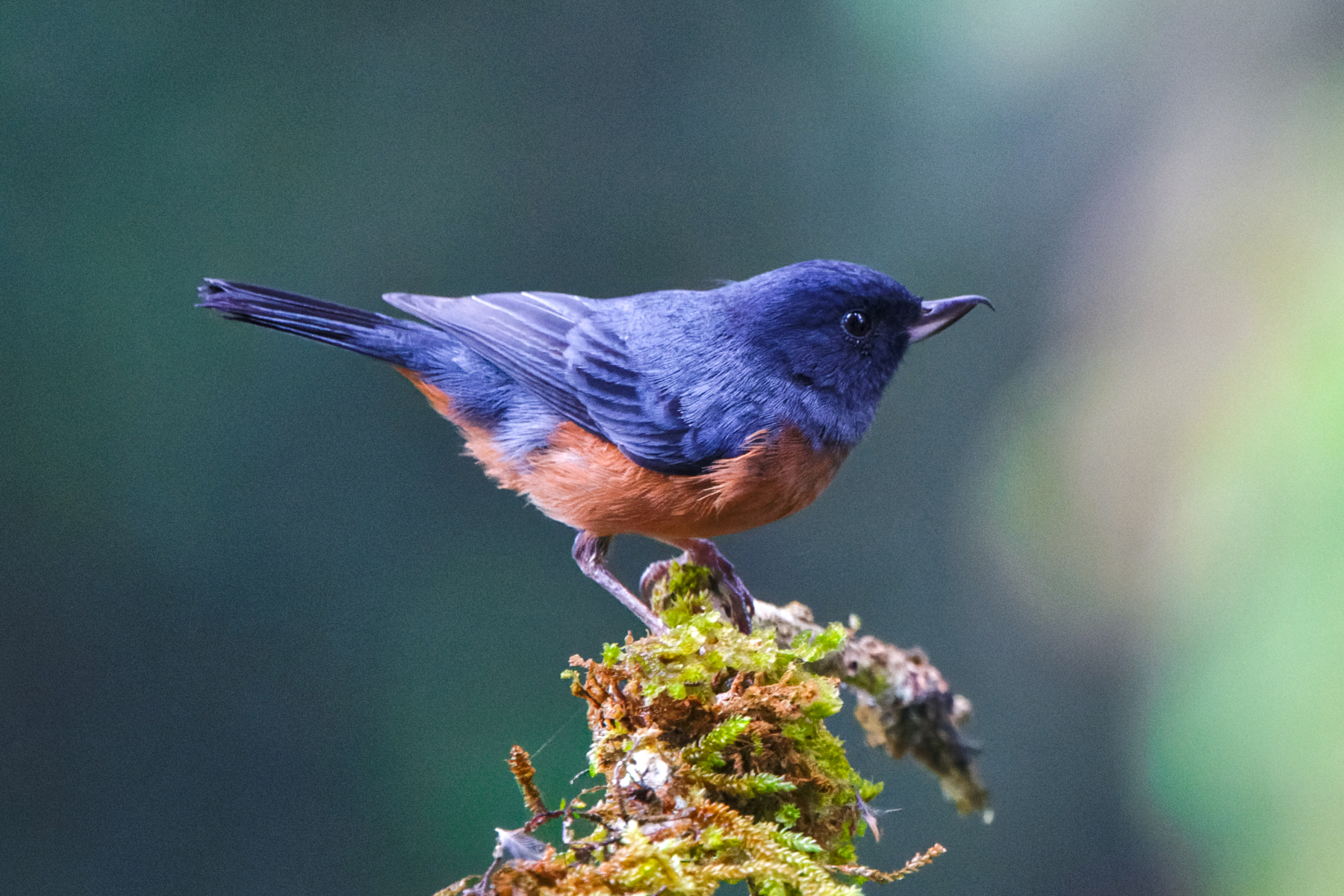
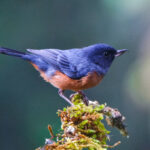
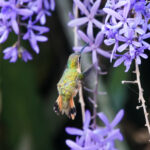
Cinnamon-bellied Flowerpiercer (image by Leo Garrigues)
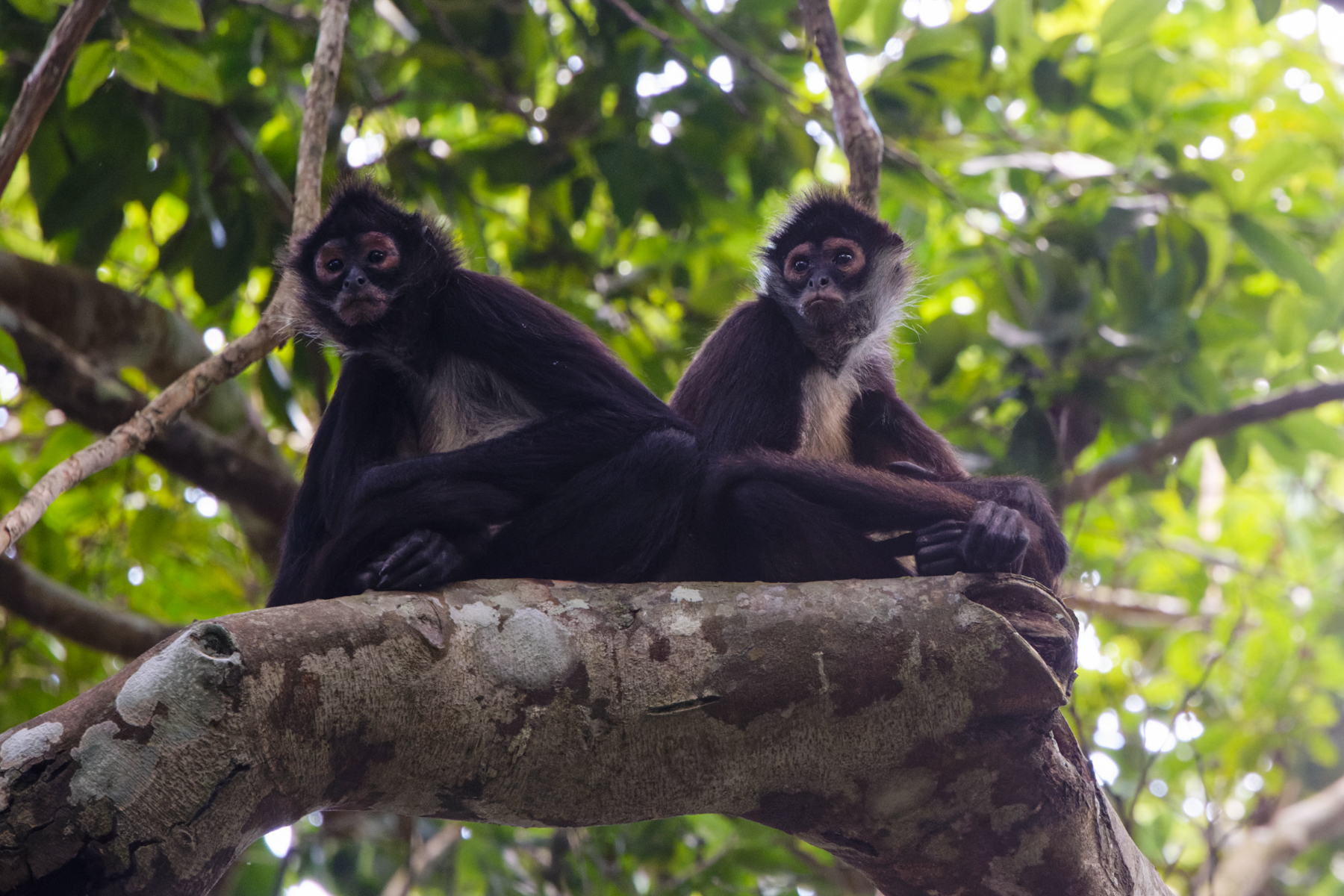
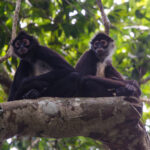
Central American Spider Monkeys (image by Leo Garrigues)
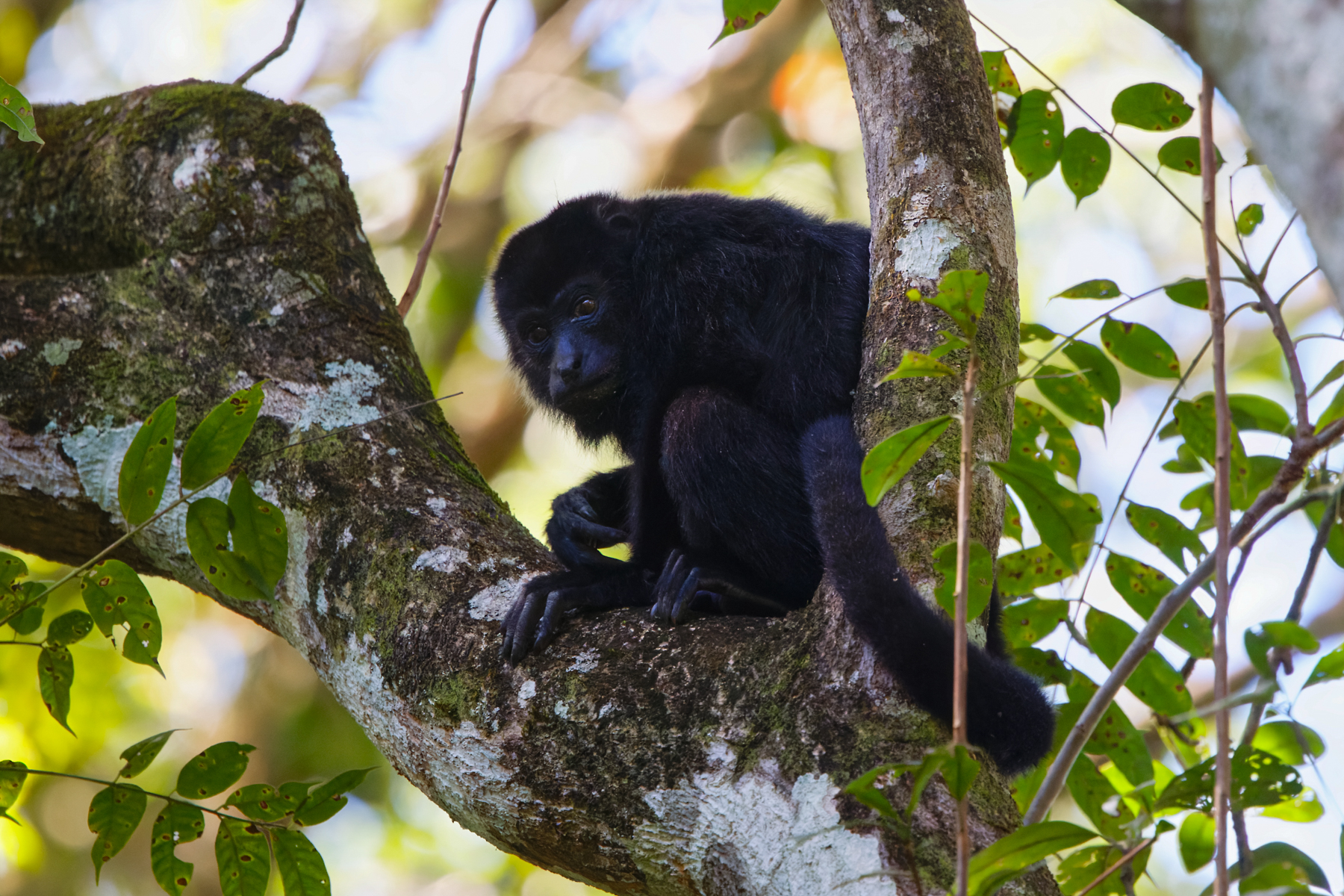
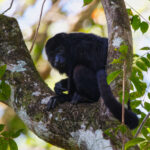
Central American Black Howler (image by Leo Garrigues)
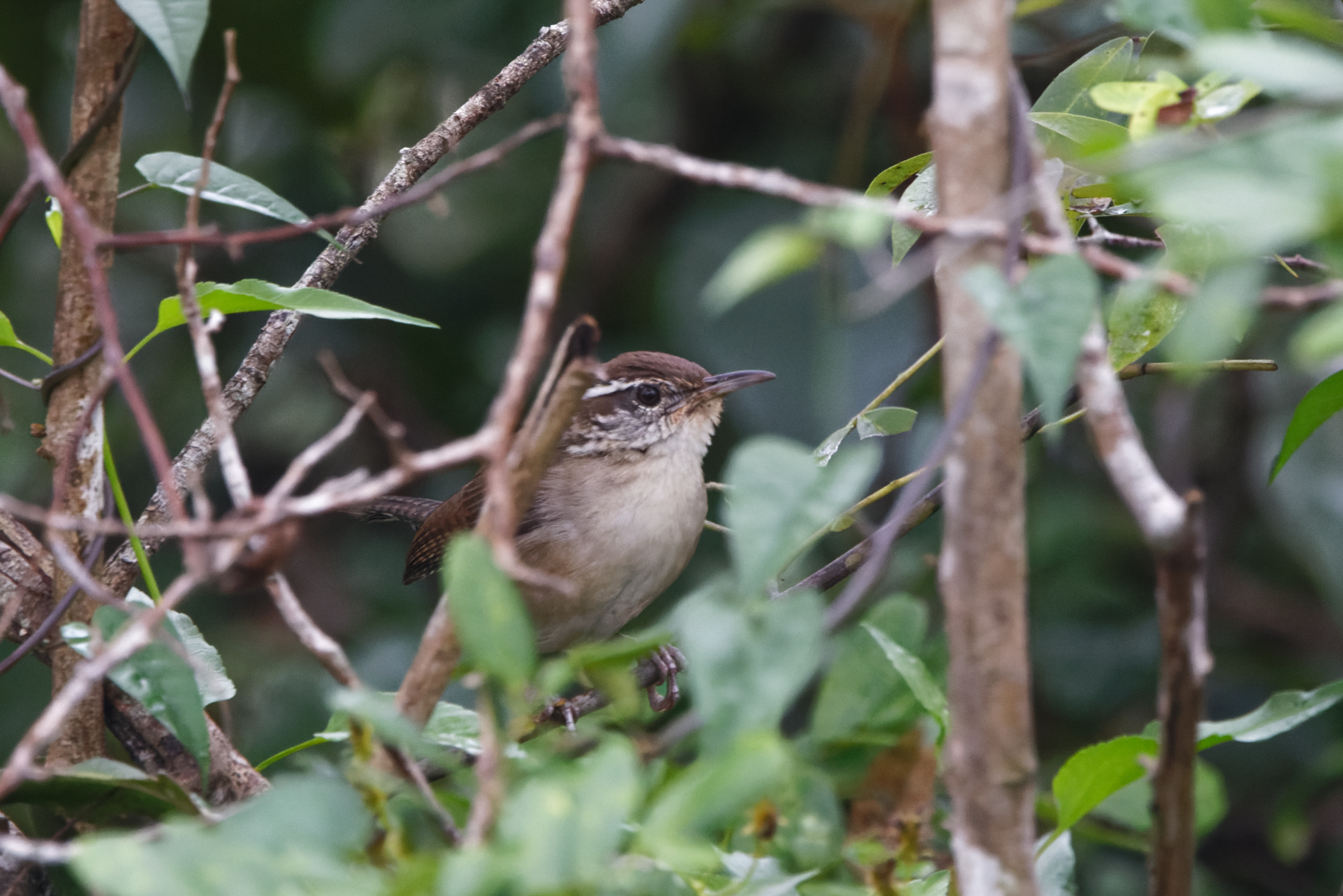
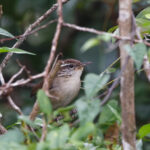
Carolina Wren (White-browed) (image by Leo Garrigues)
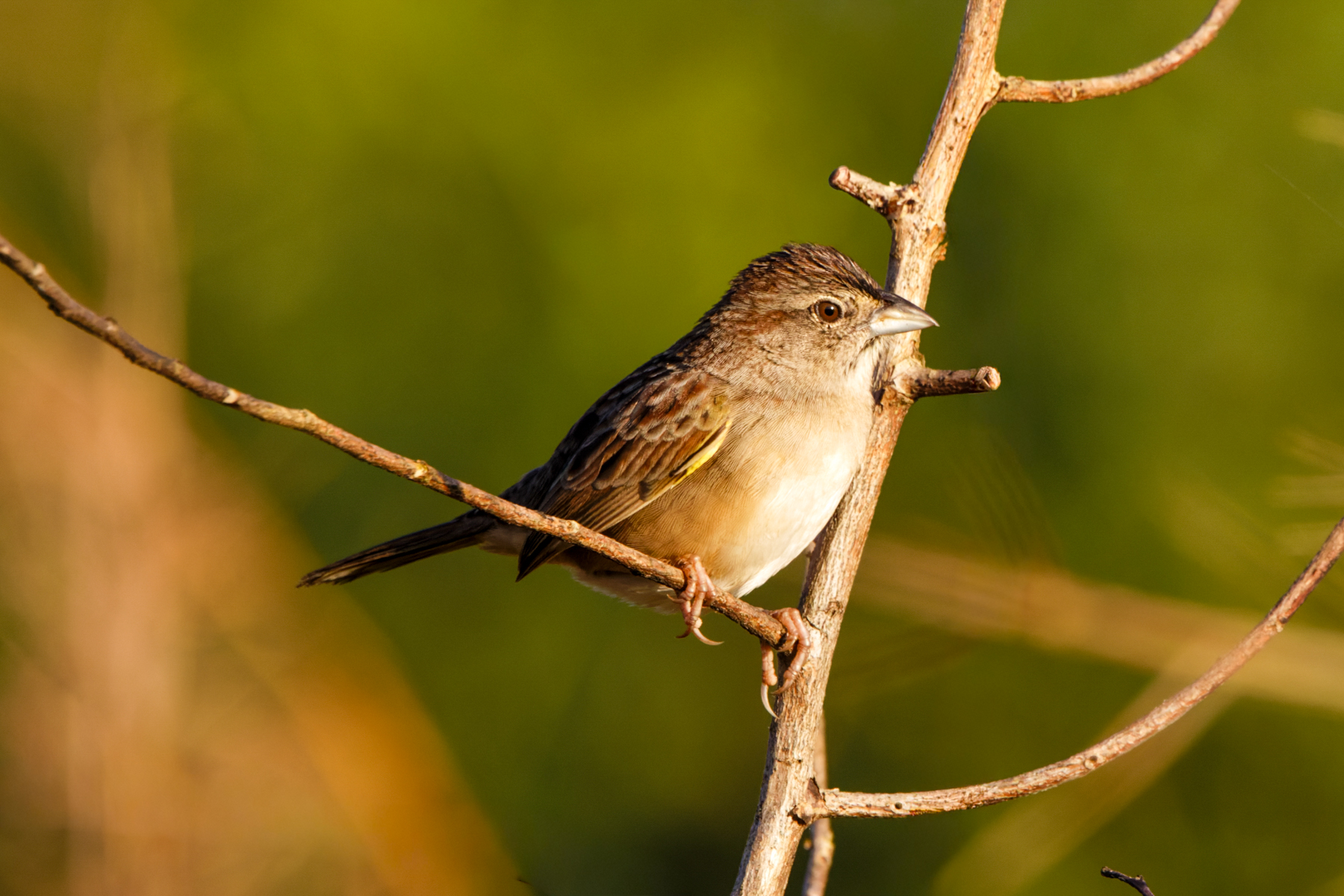
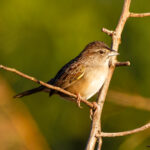
Botteri's Sparrow (image by Leo Garrigues)
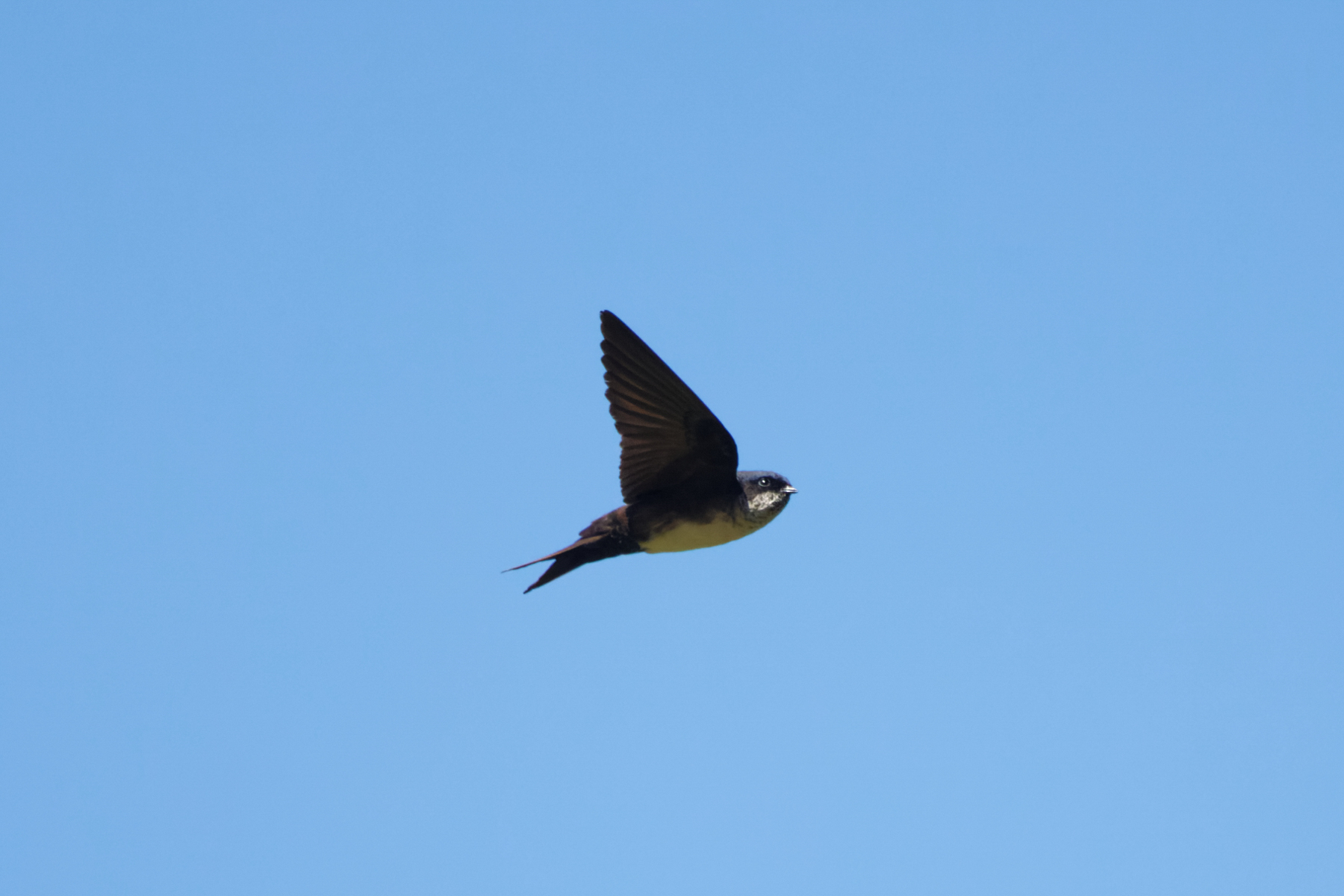
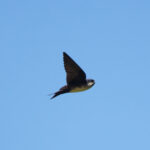
Black-capped Swallow (image by Leo Garrigues)
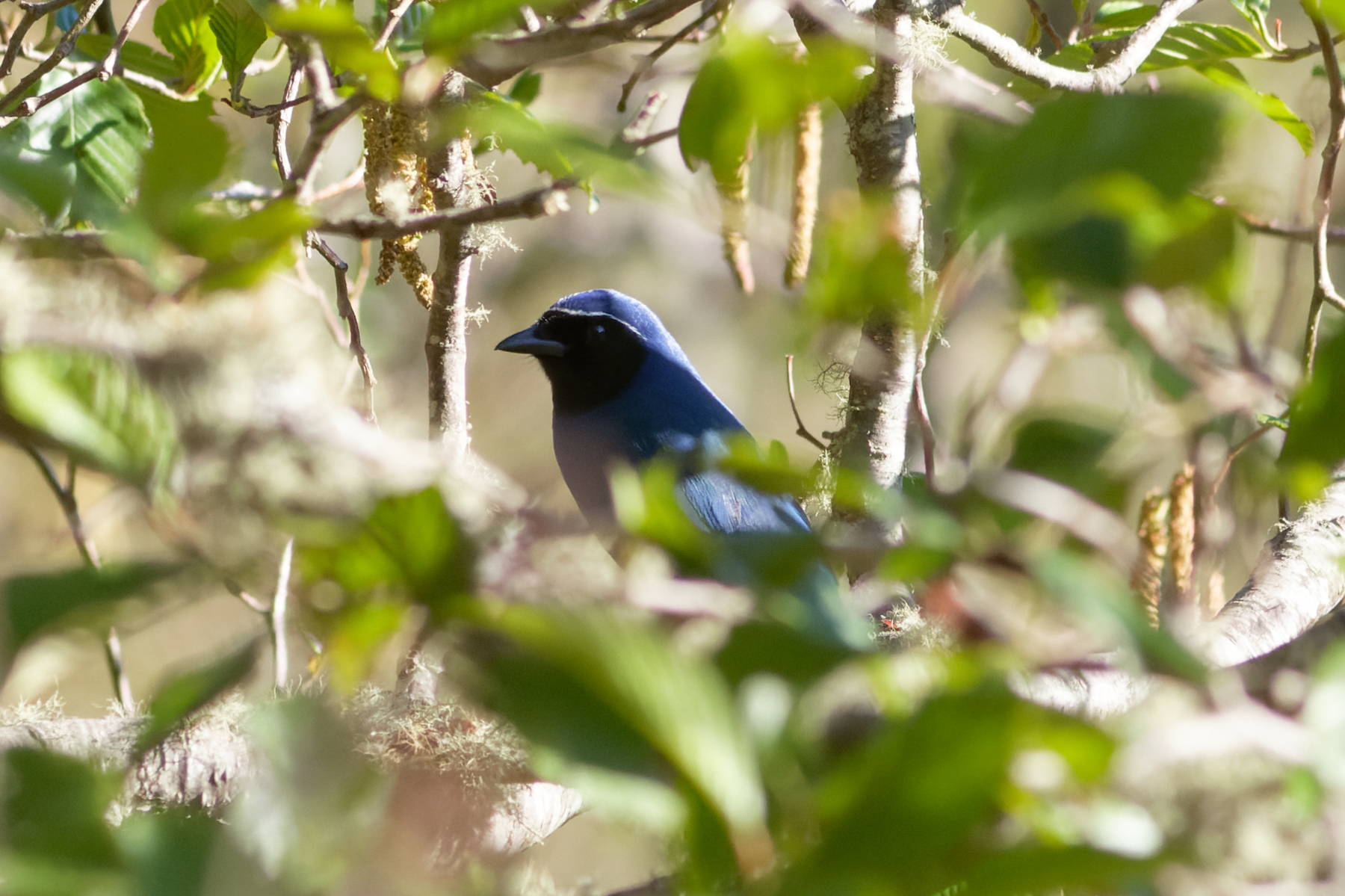
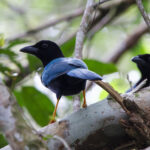
Black-throated Jay (image by Leo Garrigues)
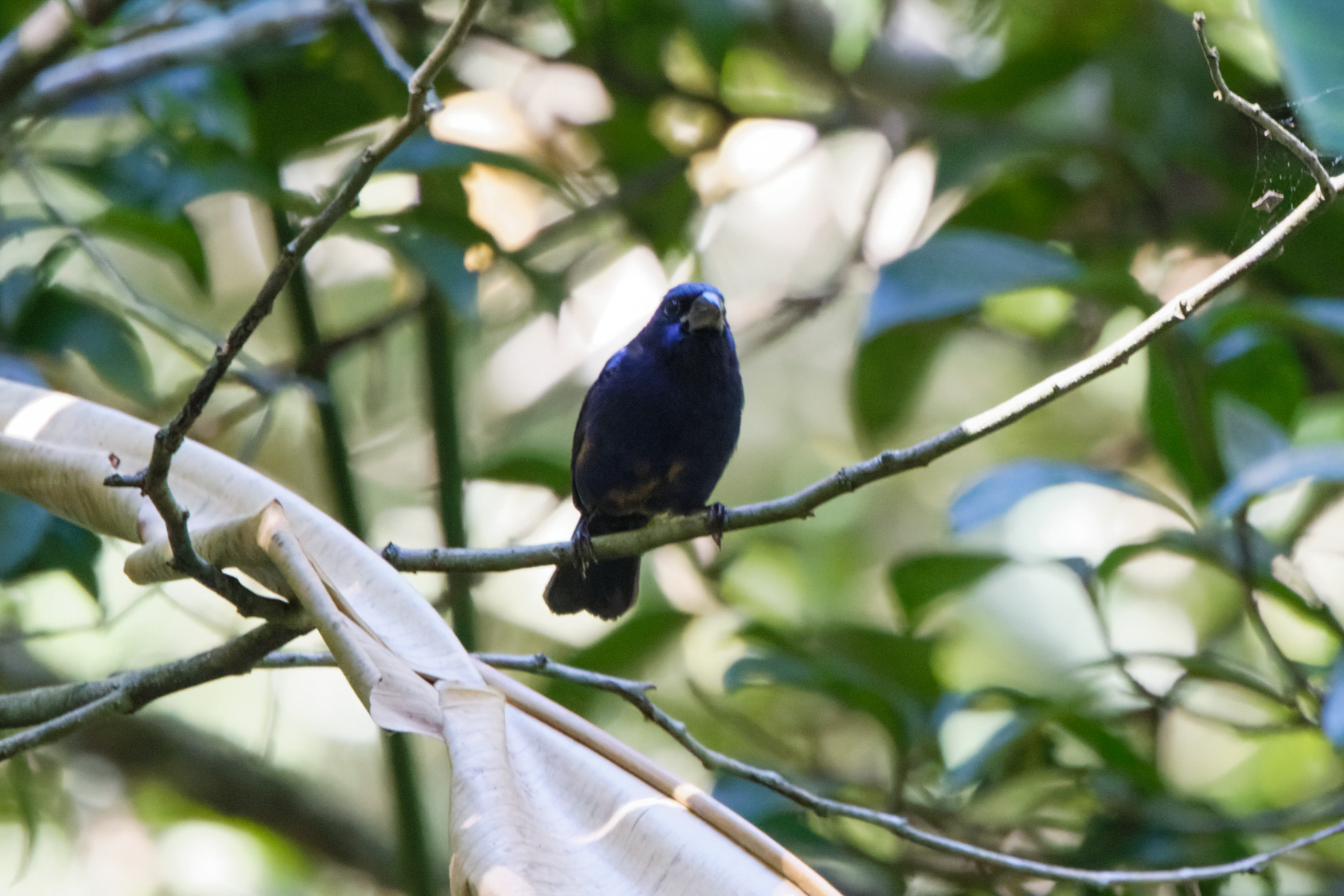
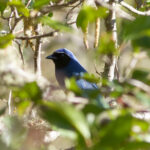
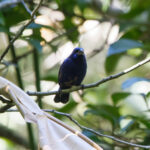
Blue Bunting (image by Leo Garrigues)
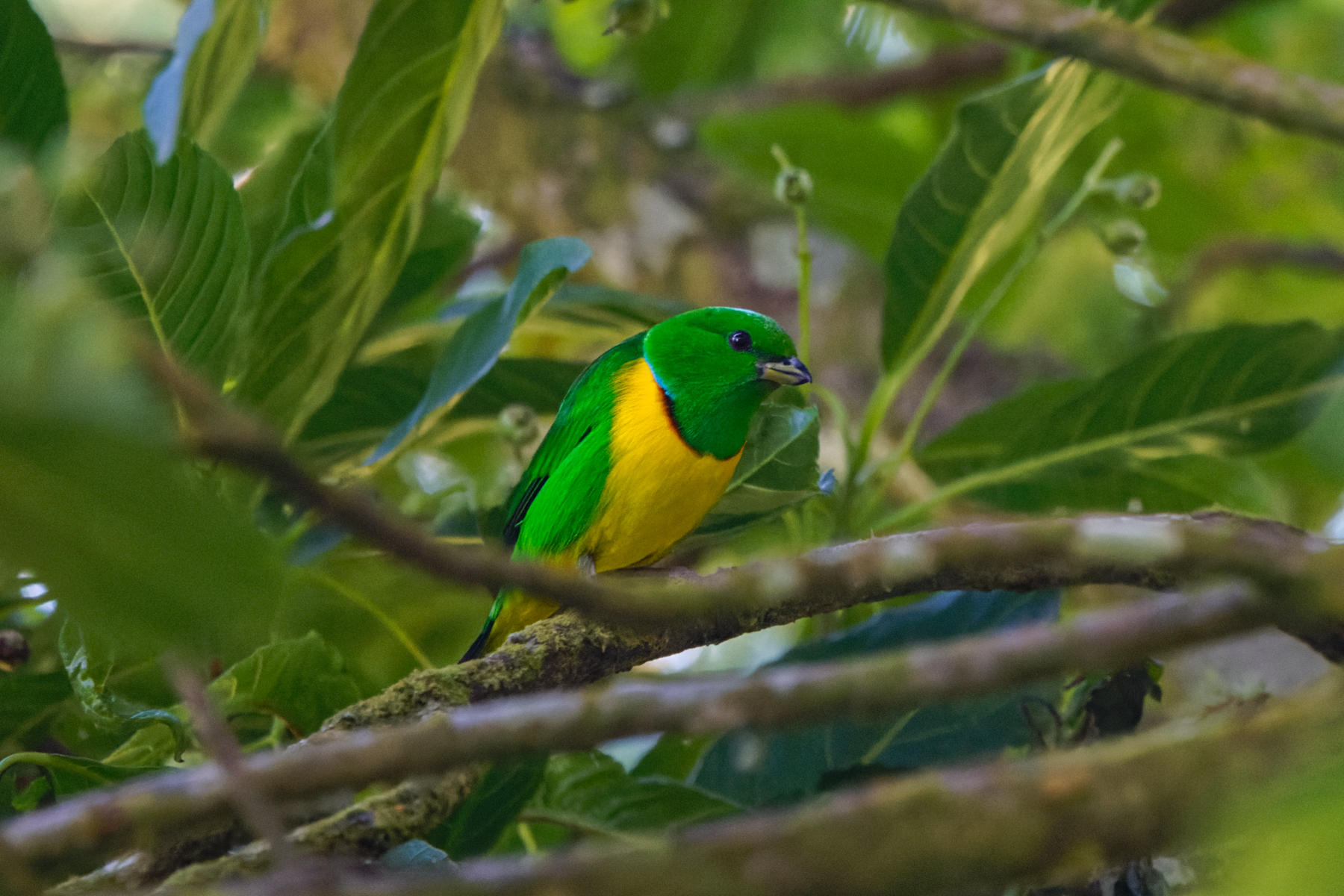
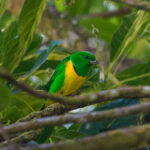
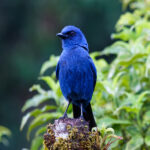
Blue-crowned Chlorophonia (image by Leo Garrigues)
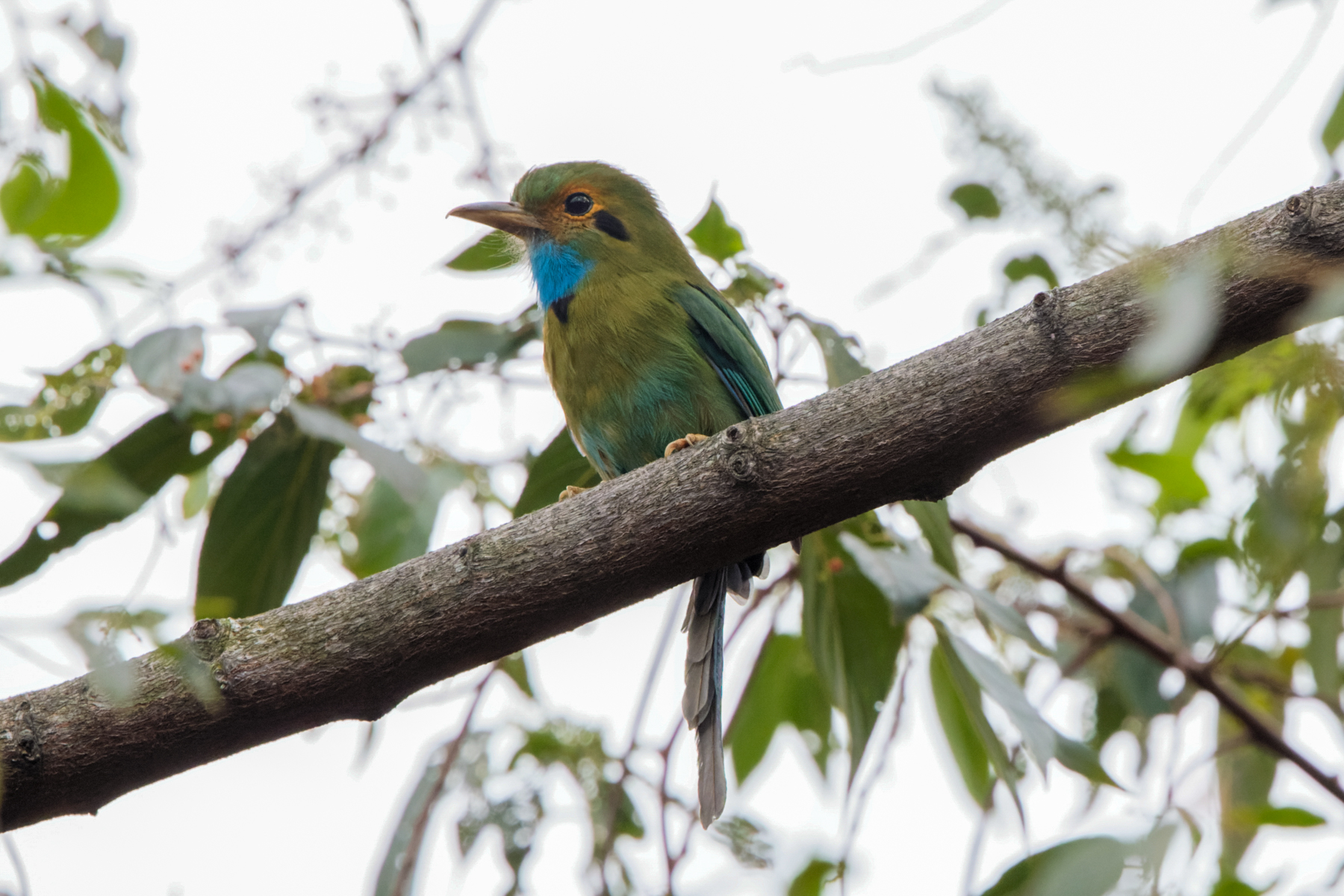
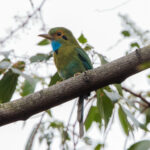
Blue-throated Motmot (image by Leo Garrigues)
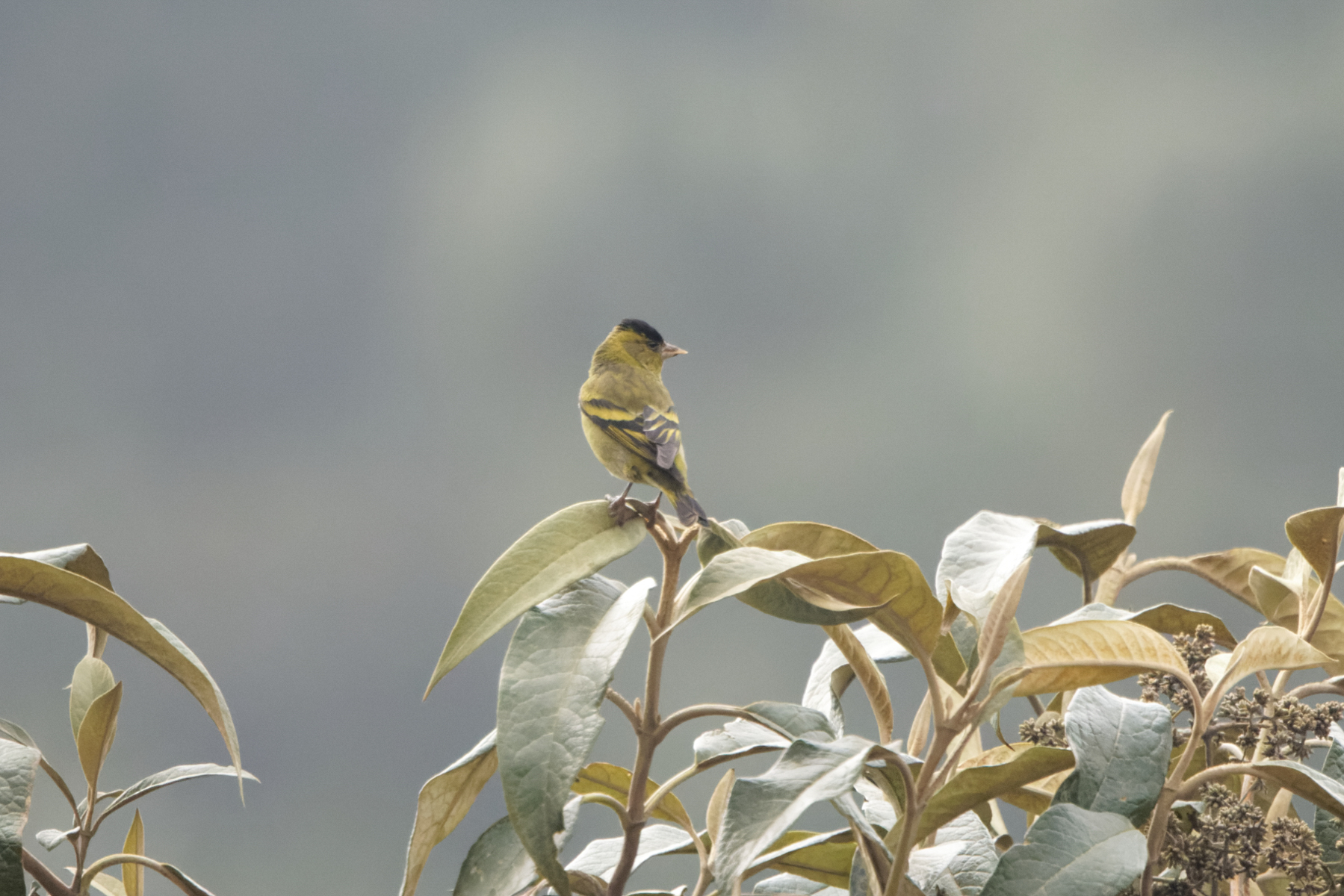
Black-capped Siskin (image by Leo Garrigues)
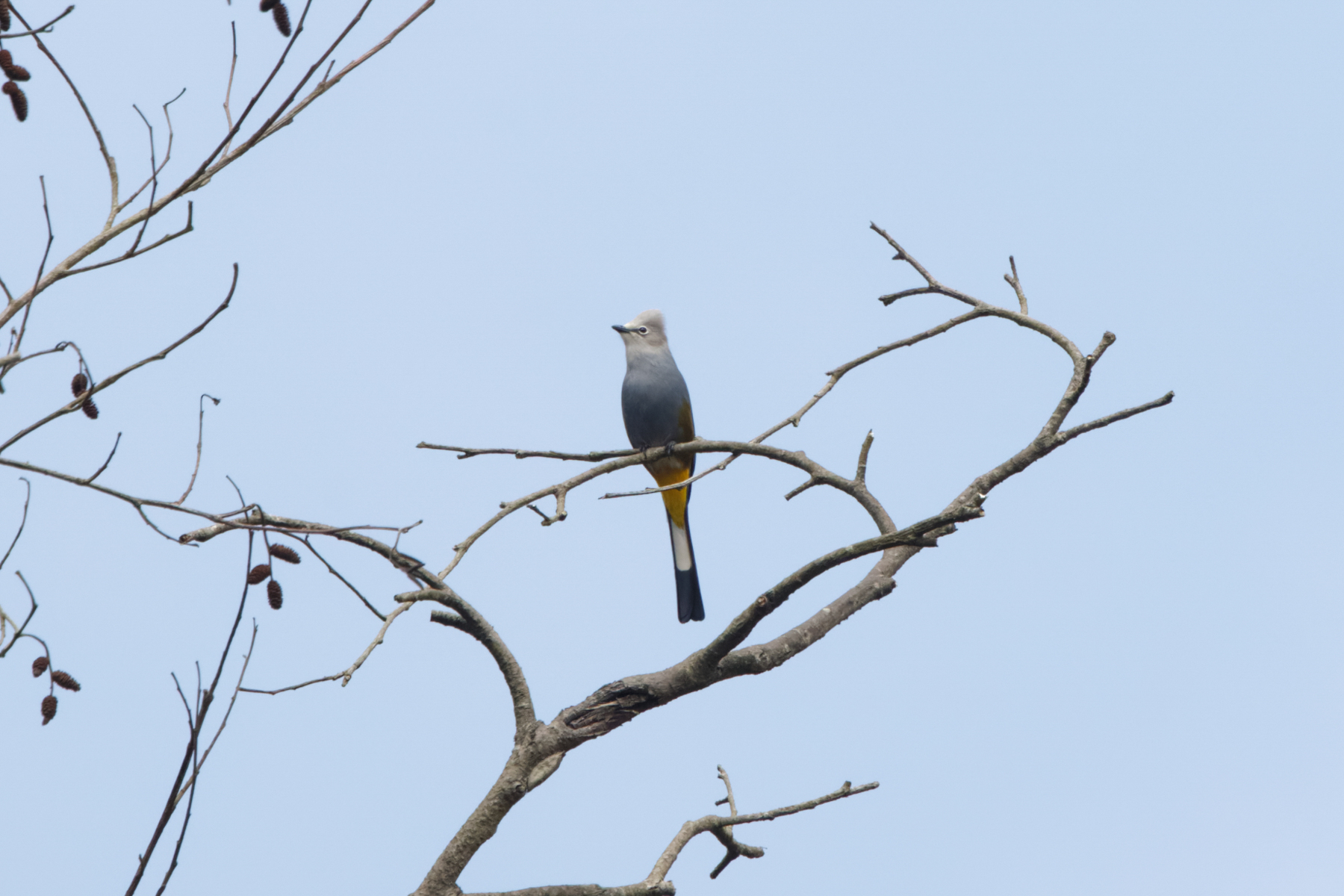
Grey Silky-flycatcher (image by Leo Garrigues)
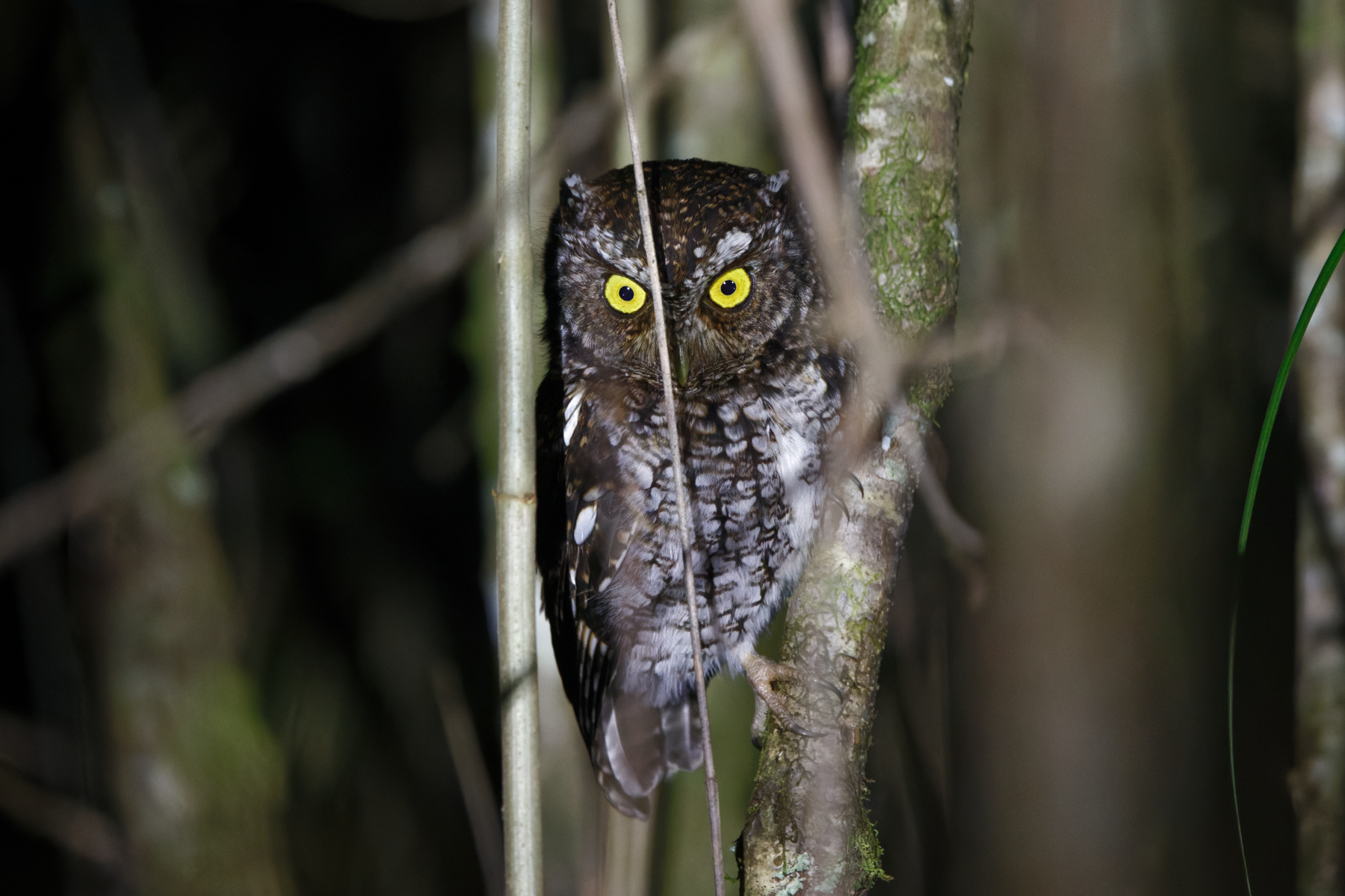
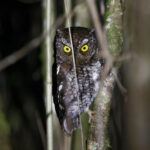
Bearded Screech-Owl (image by Leo Garrigues)
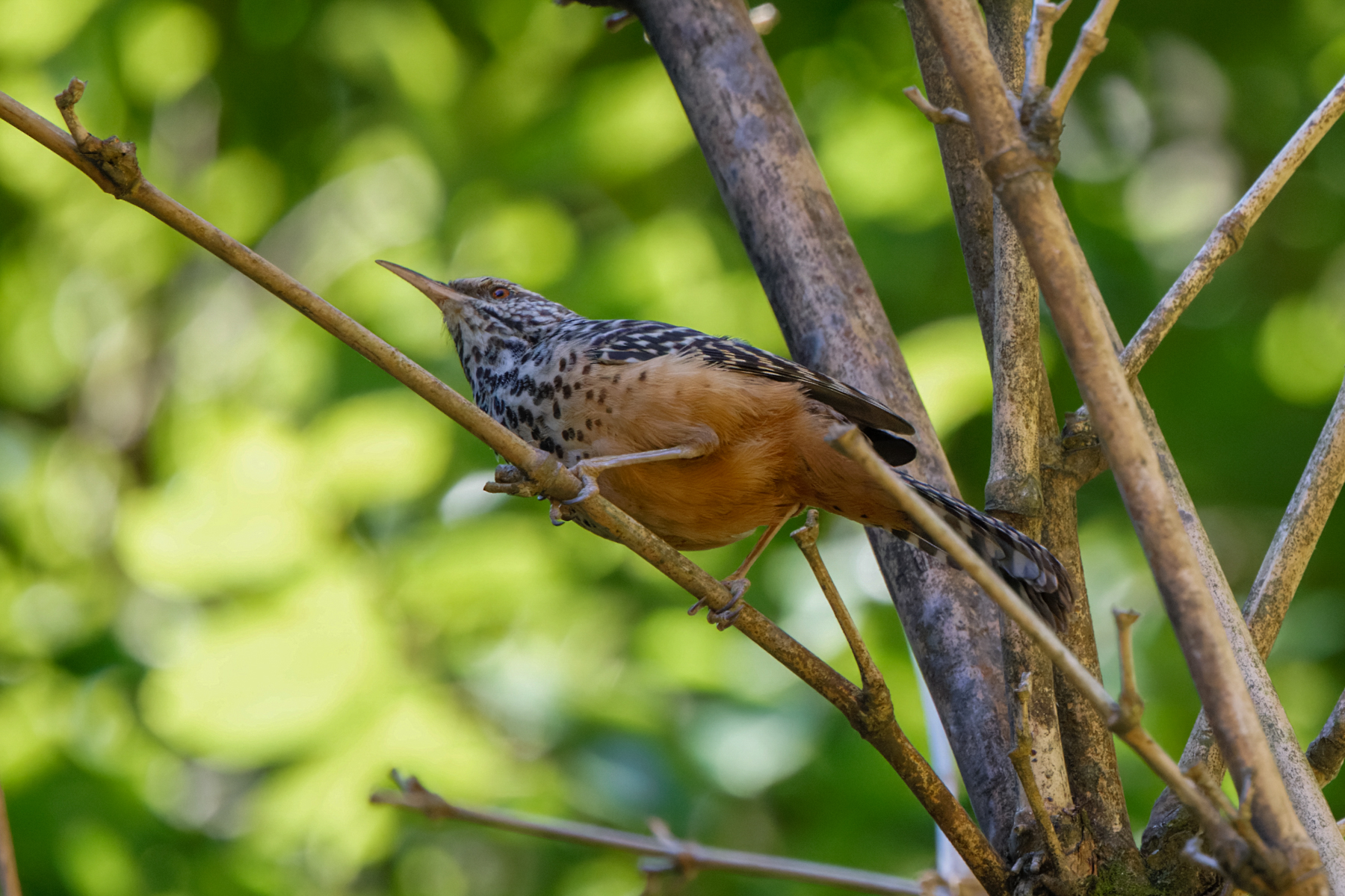
Band-backed Wren (image by Leo Garrigues)
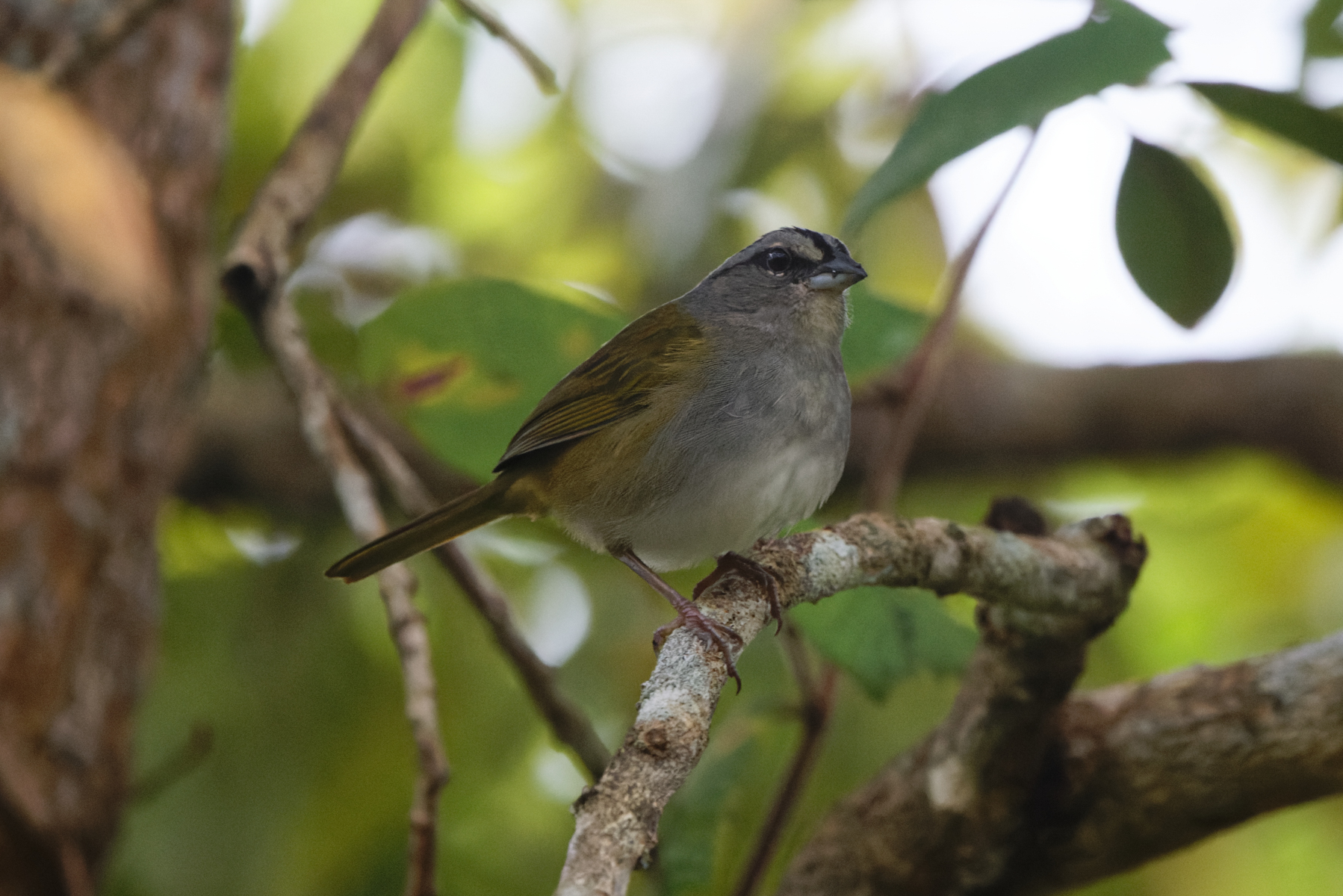
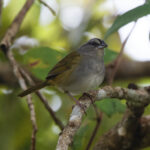
Green-backed Sparrow (image by Leo Garrigues)
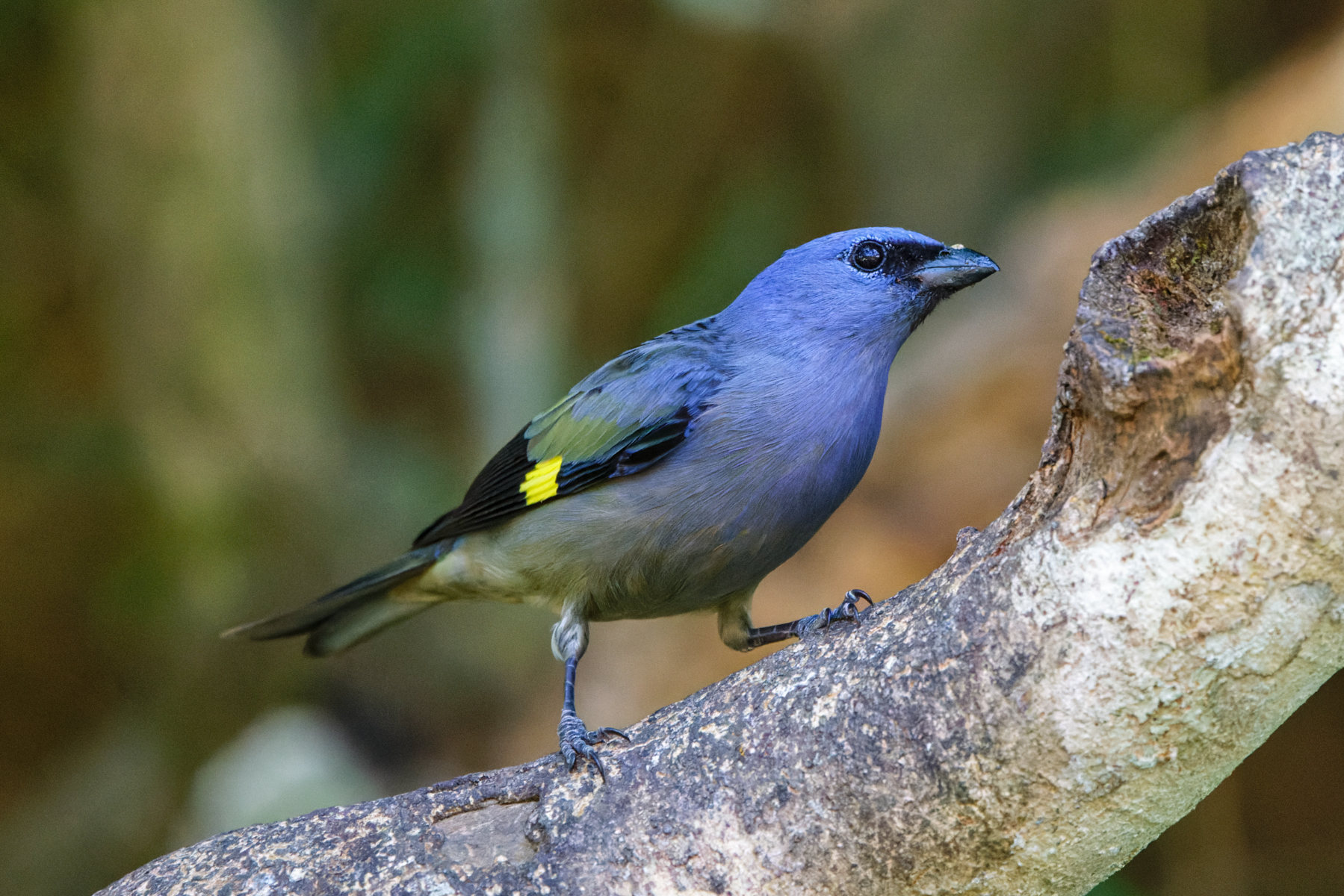
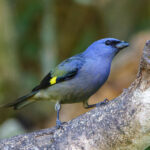
Yellow-winged Tanager (image by Leo Garrigues)
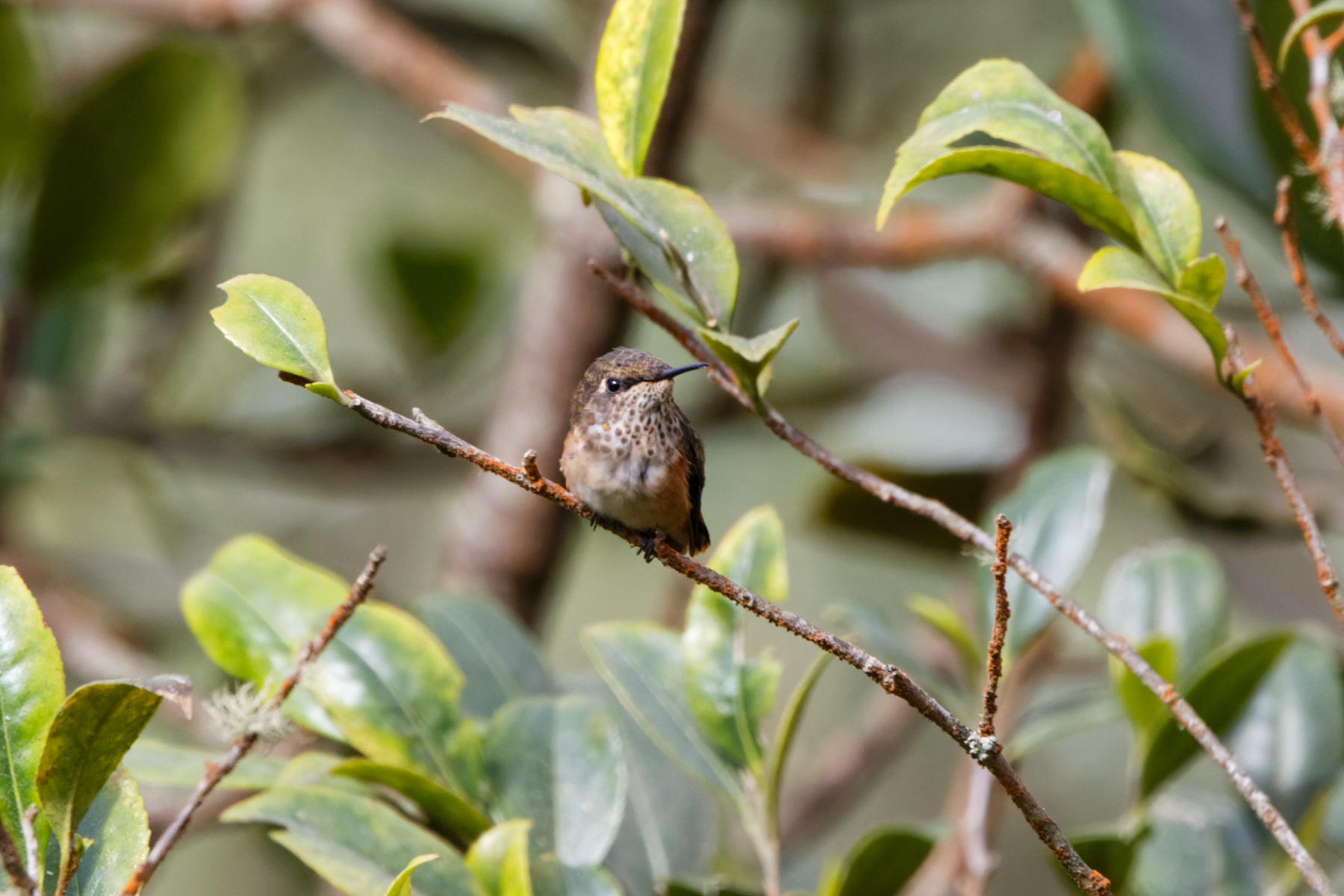
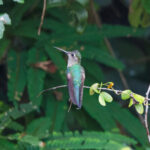
Wine-throated Hummingbird (image by Leo Garrigues)
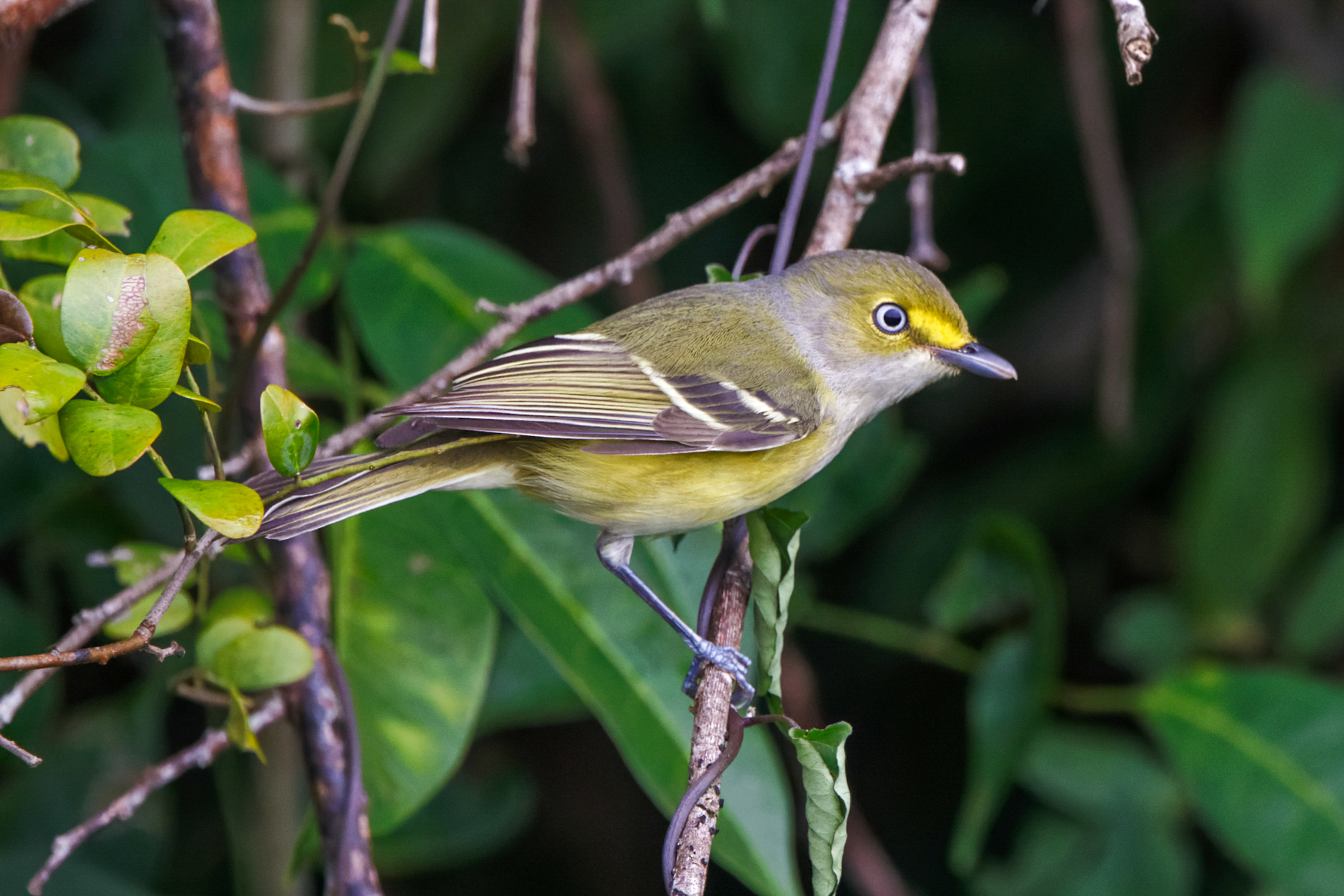
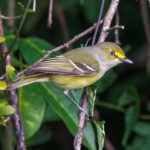
White-eyed Vireo (image by Leo Garrigues)
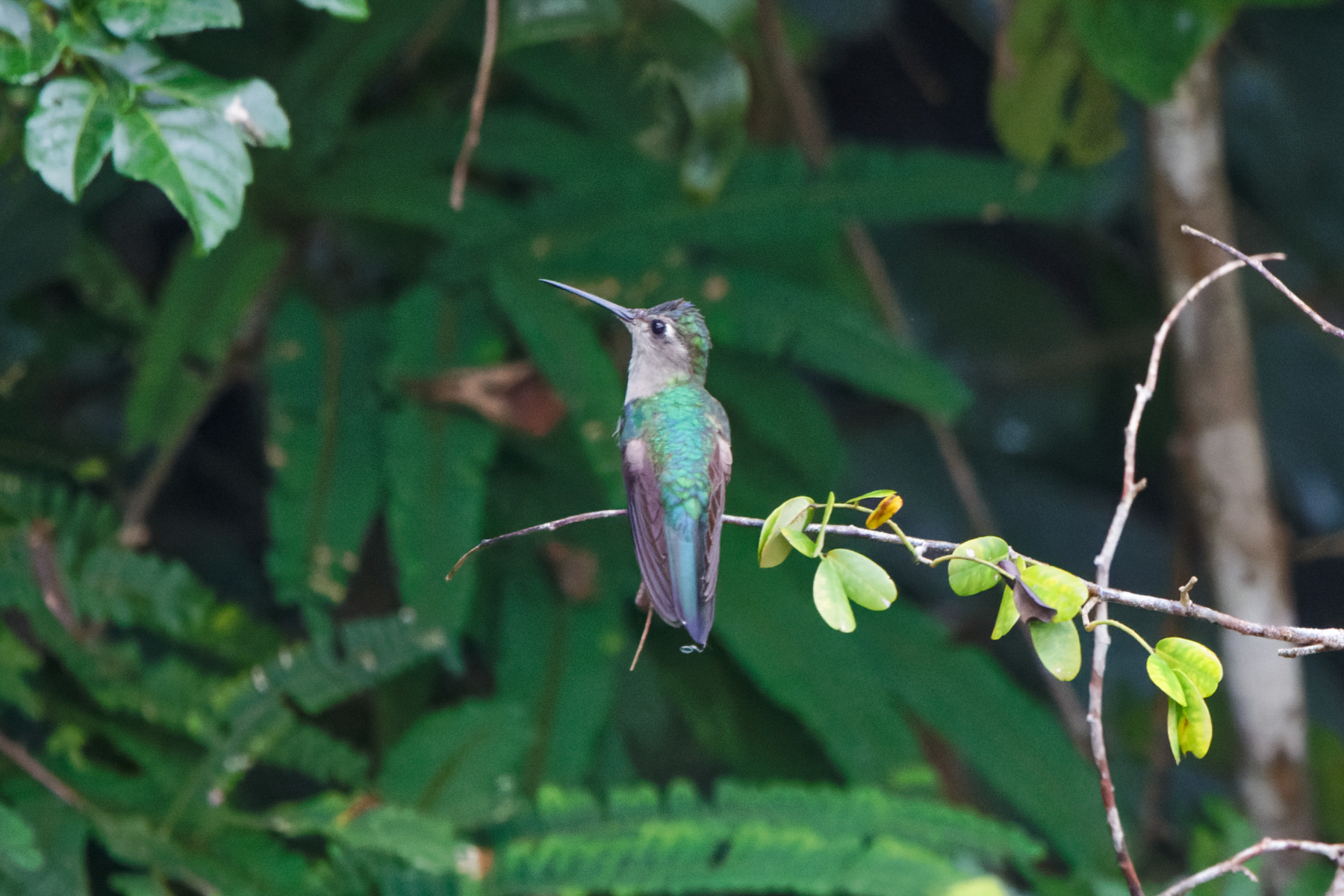
Wedge-tailed Sabrewing (image by Leo Garrigues)
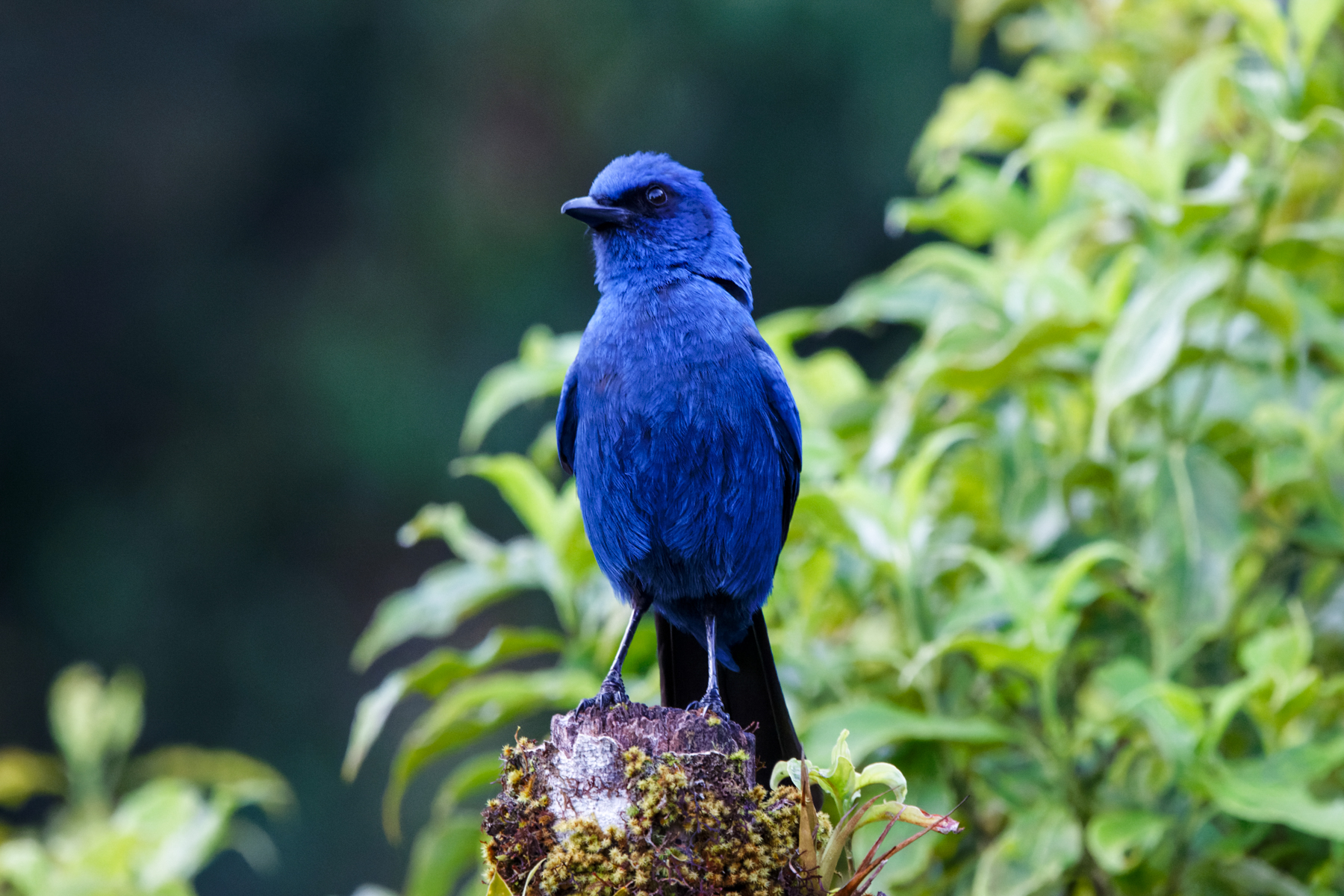
Unicolored Jay (image by Leo Garrigues)
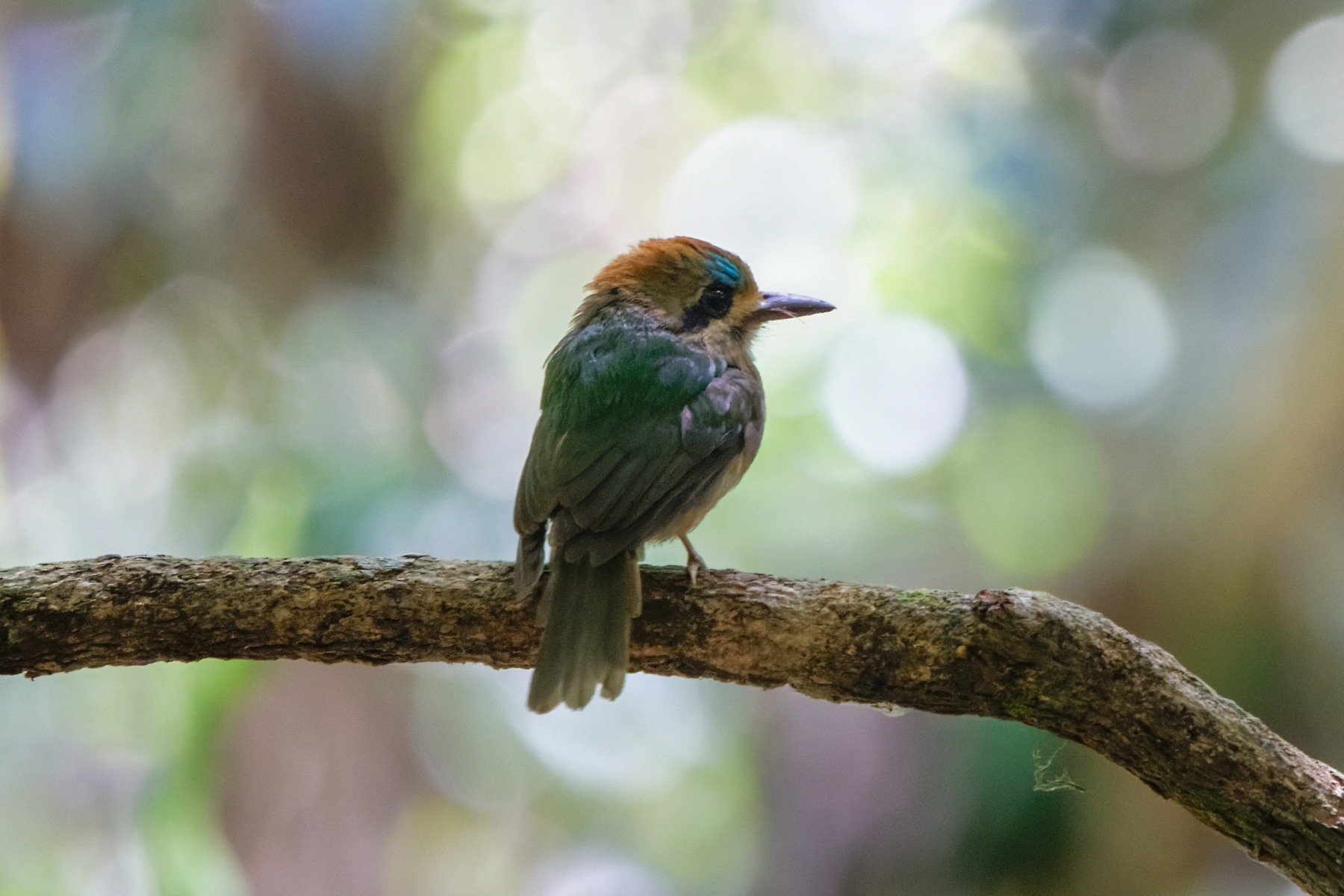
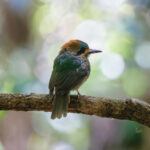
Tody Motmot (image by Leo Garrigues)
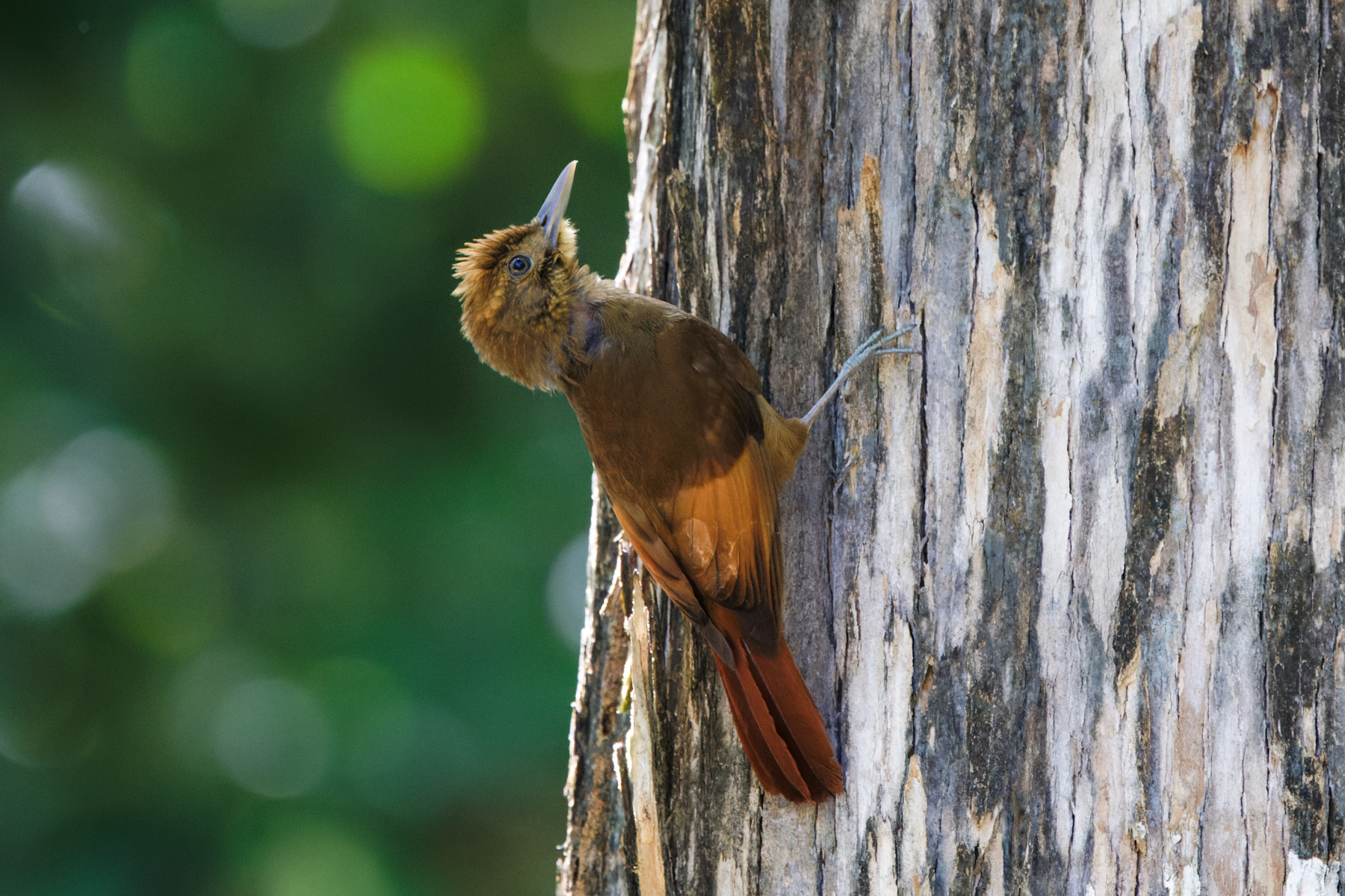
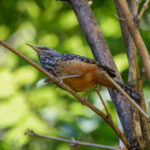
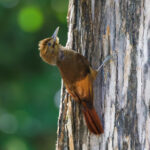
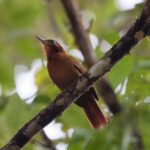
Tawny-winged Woodcreeper (image by Leo Garrigues)
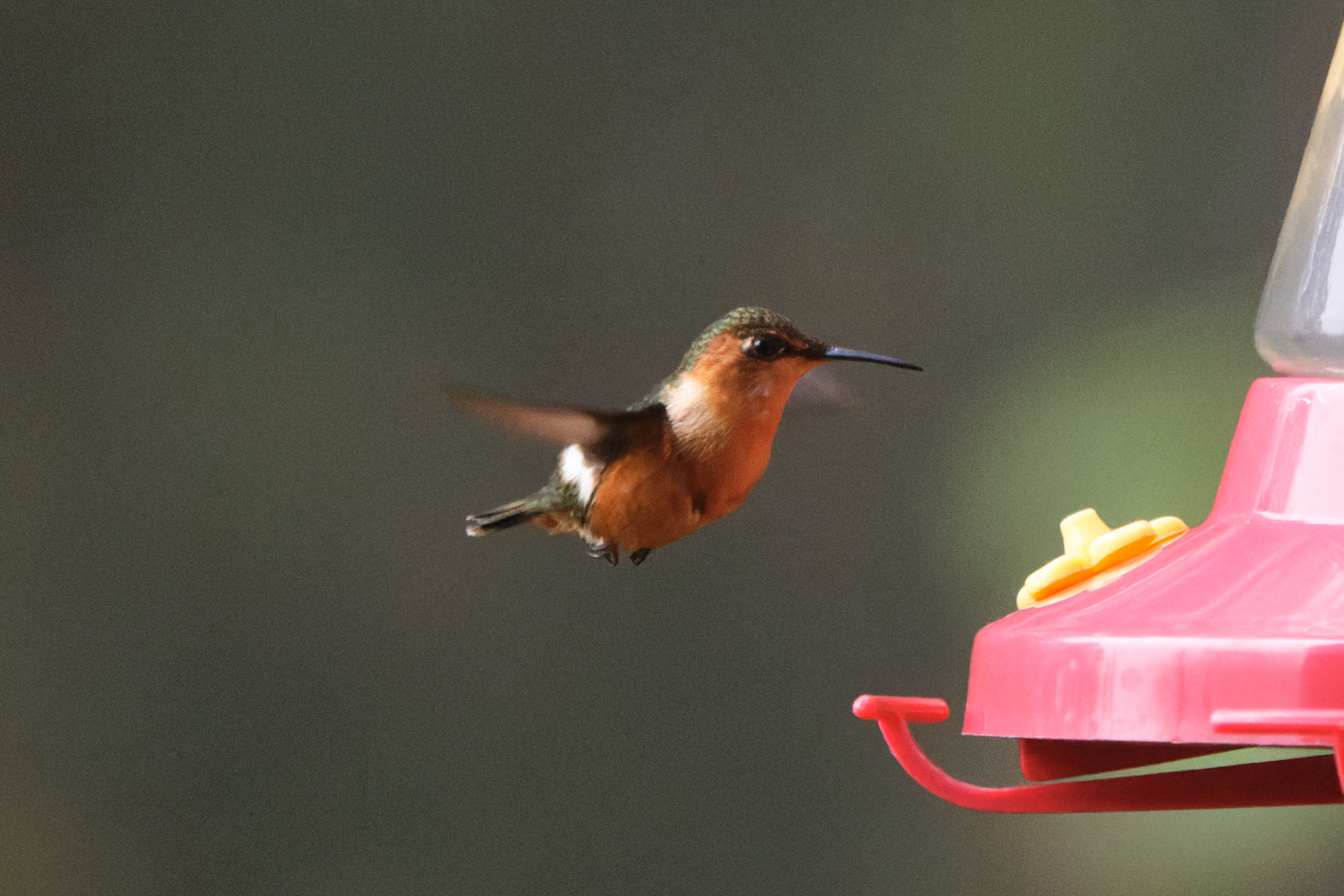
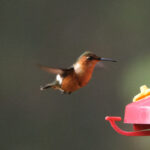
Sparkling-tailed Hummingbird (image by Leo Garrigues)
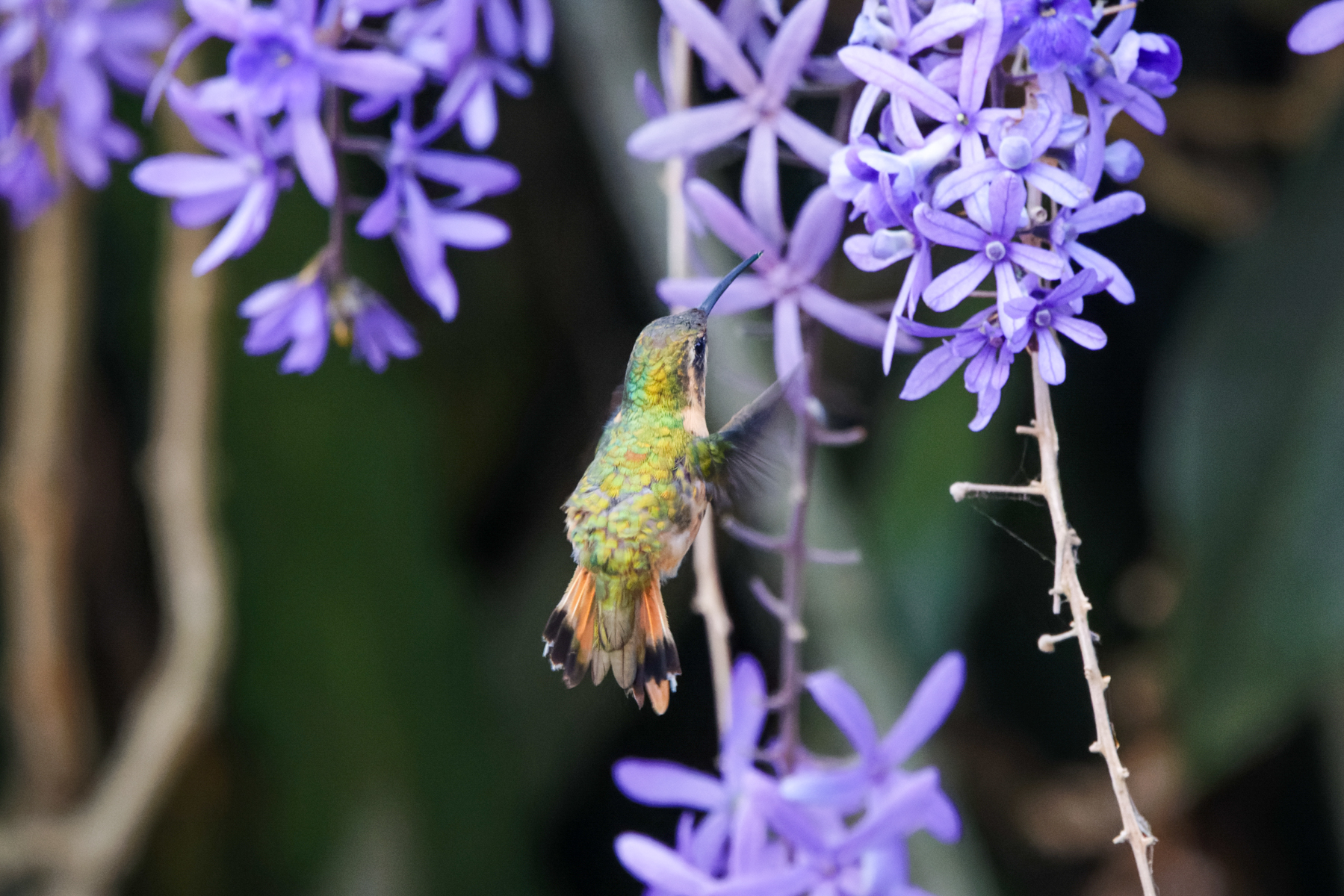
Slender Sheartail female (image by Leo Garrigues)
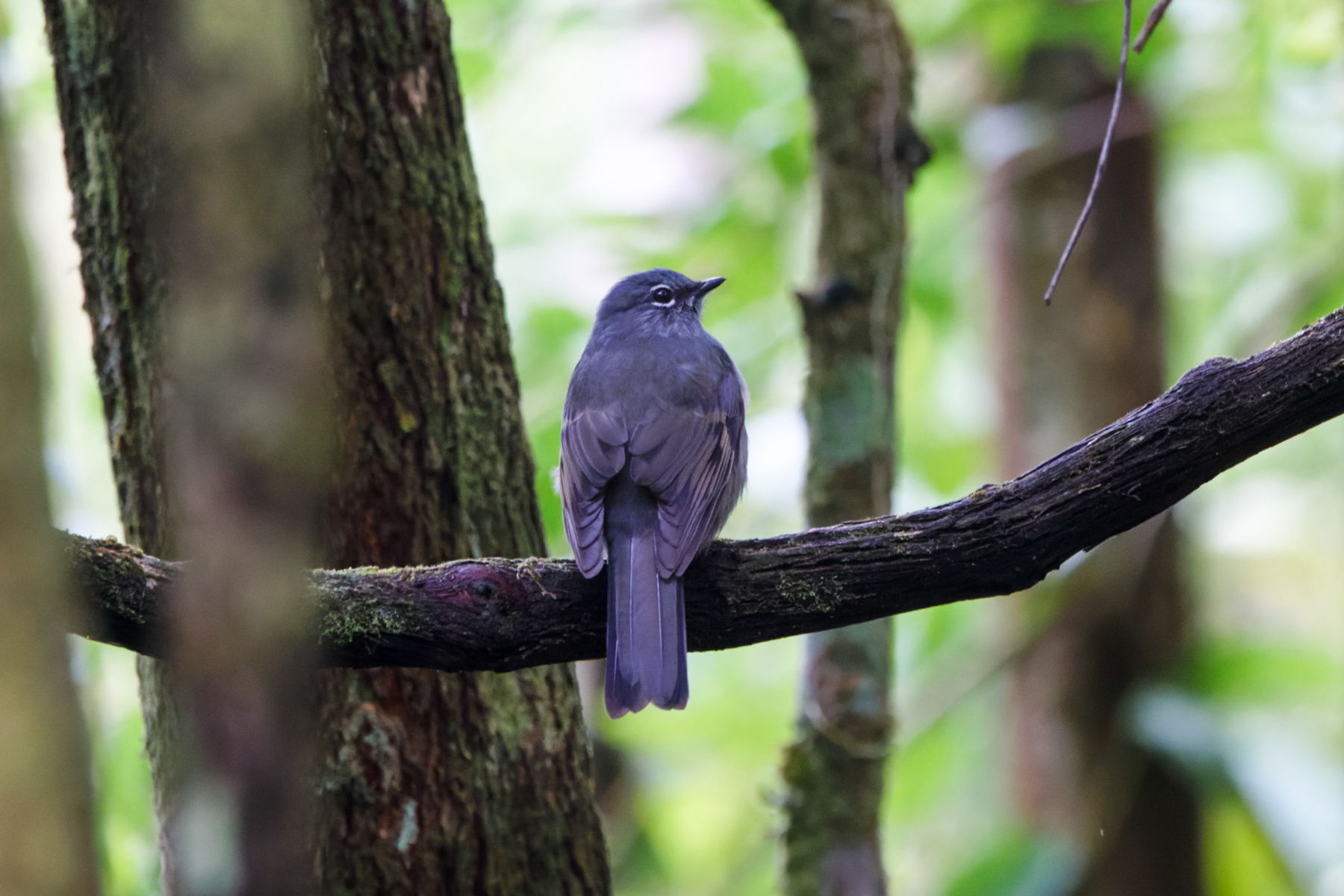
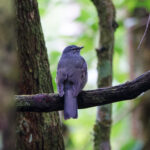
Slate-colored Solitaire (image by Leo Garrigues)
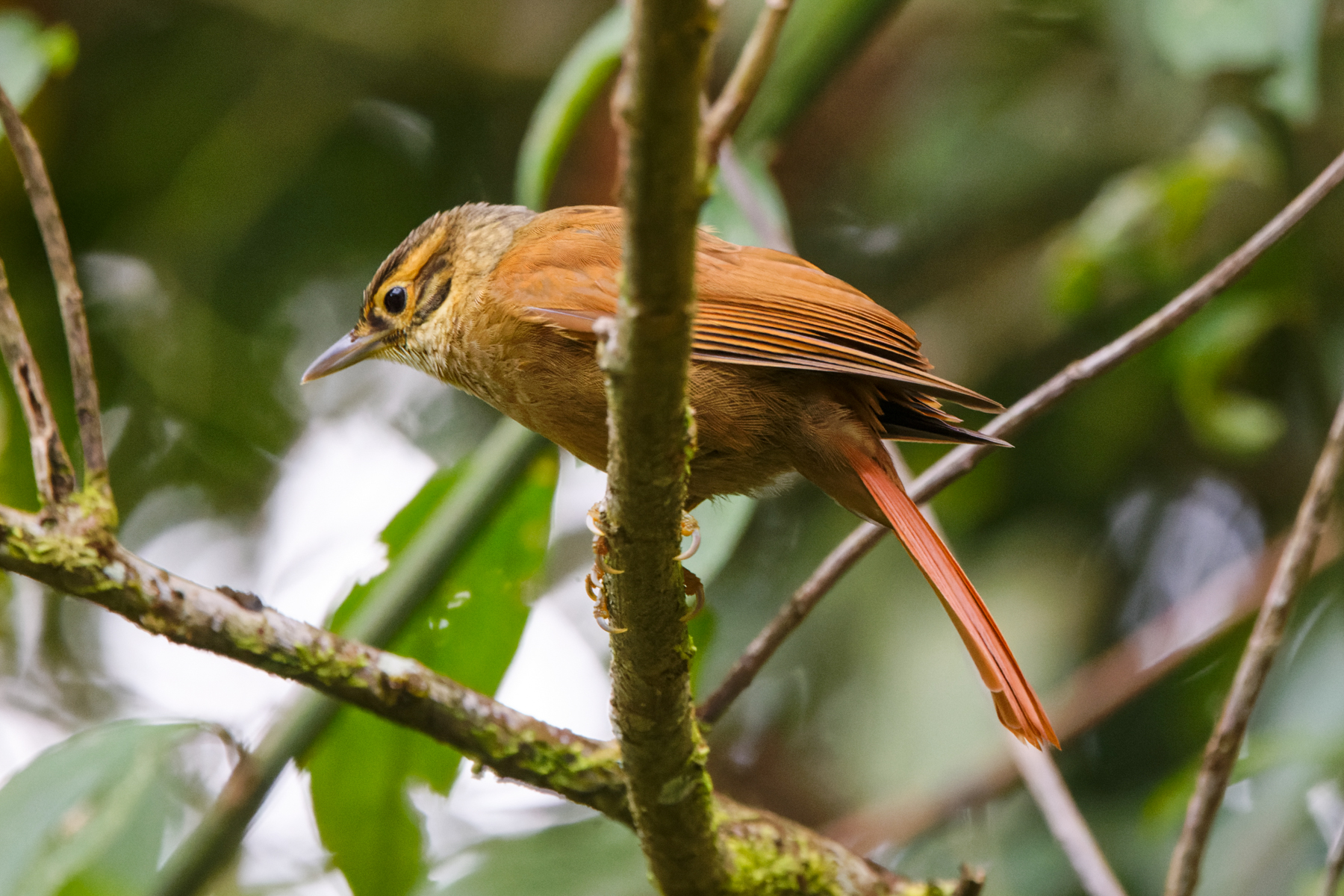
Scaly-throated Foliage-gleanner (image by Leo Garrigues)
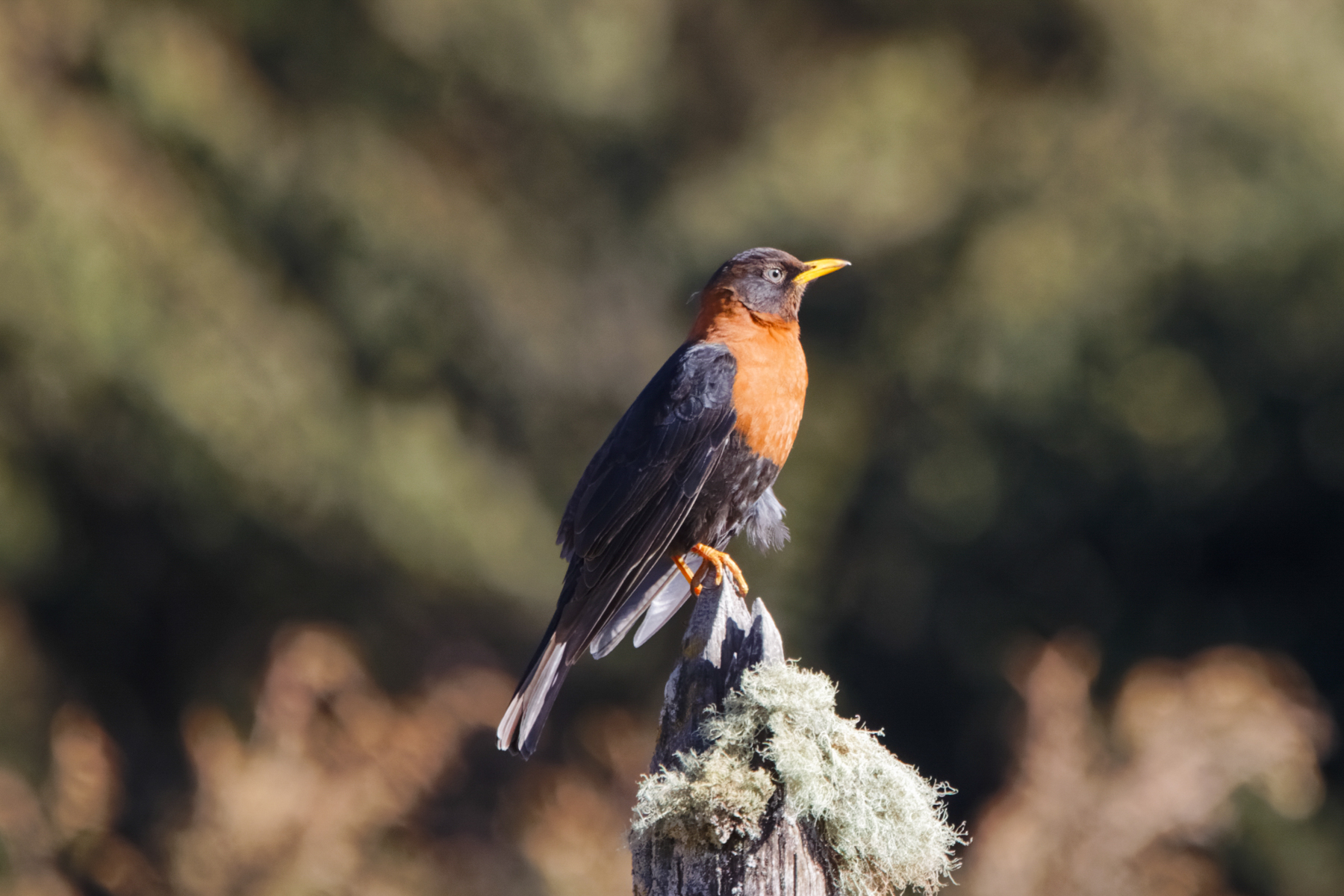
Rufous-collared Robin (image by Leo Garrigues)
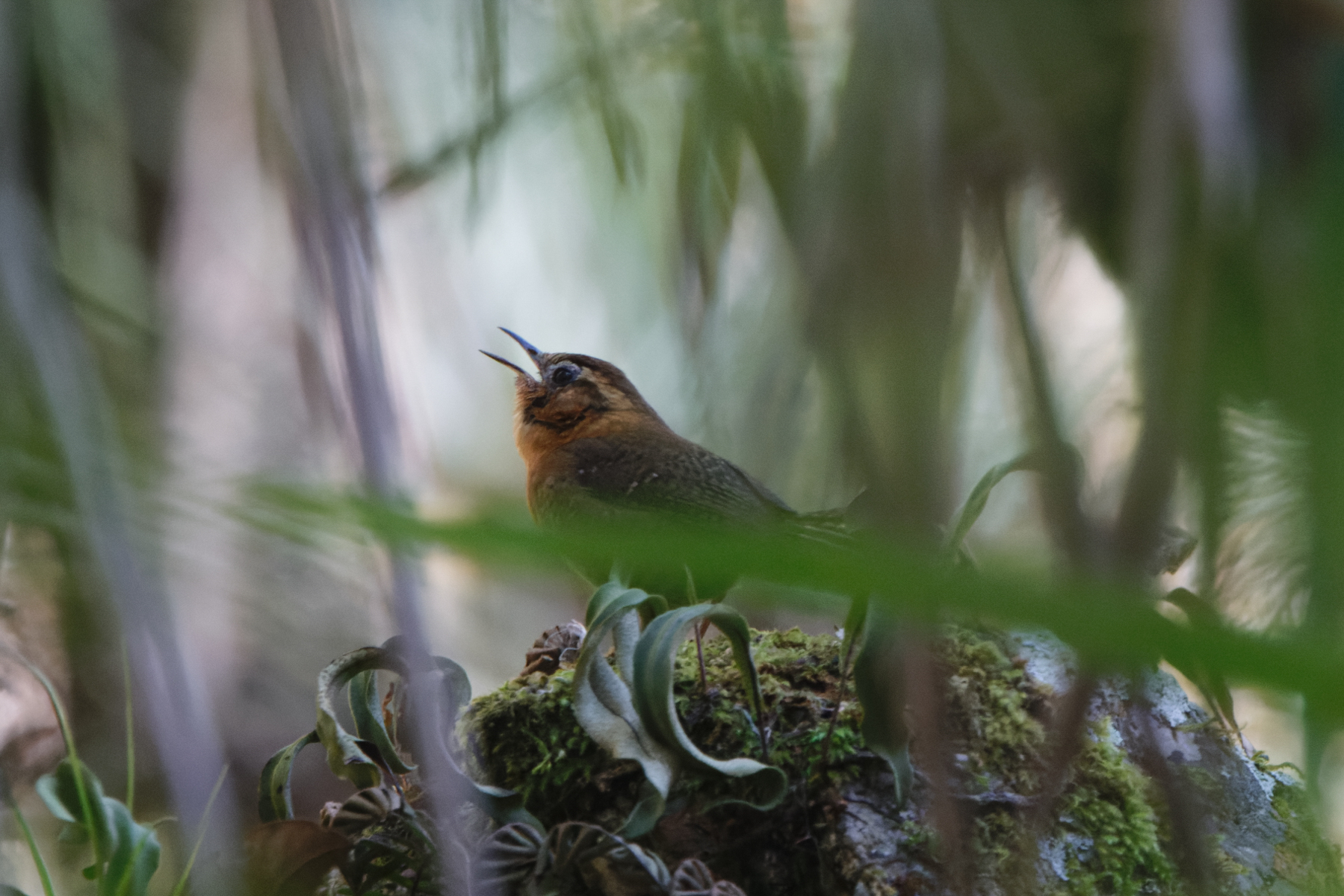
Rufous-browed Wren (image by Leo Garrigues)
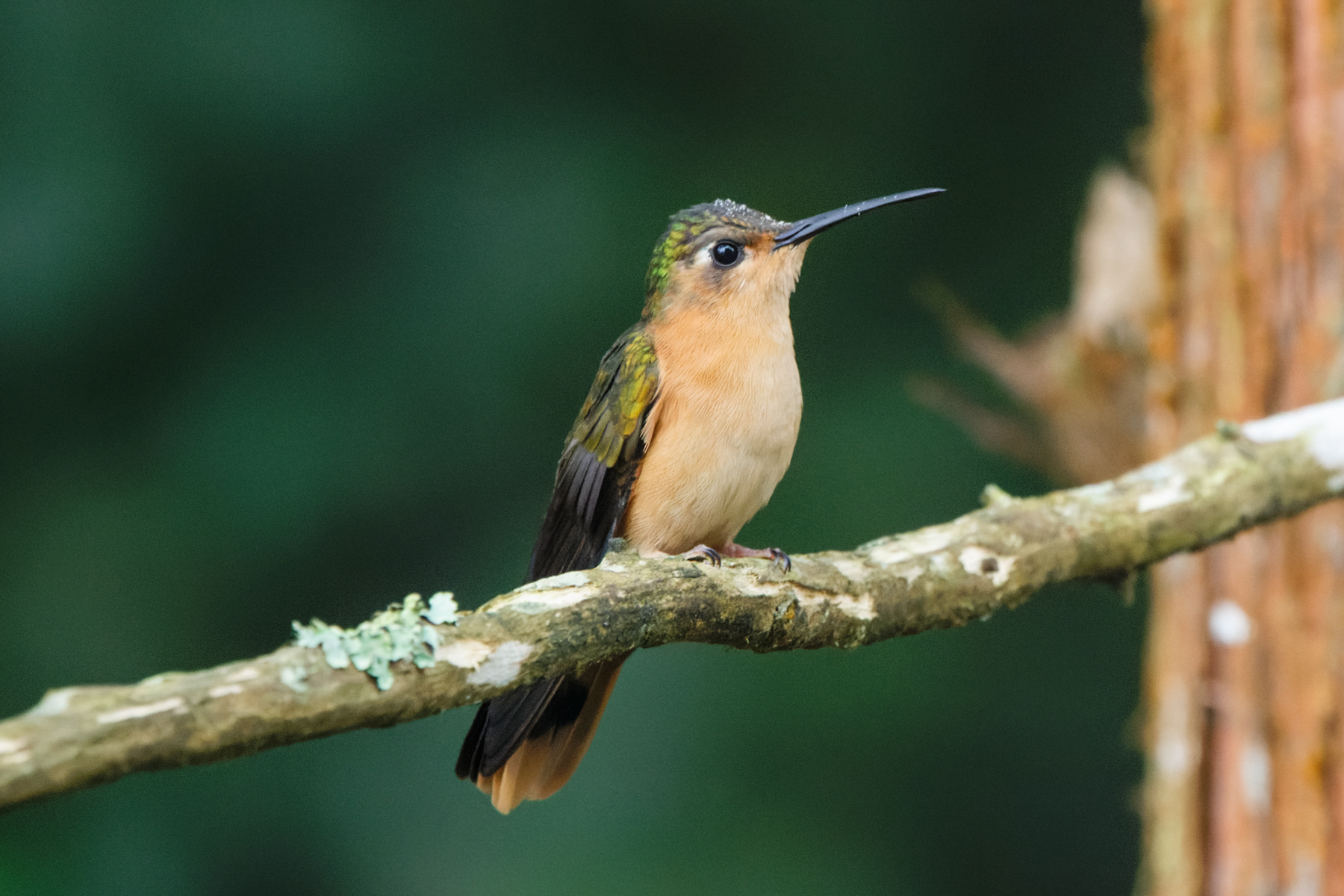
Rufous Sabrewing (image by Leo Garrigues)
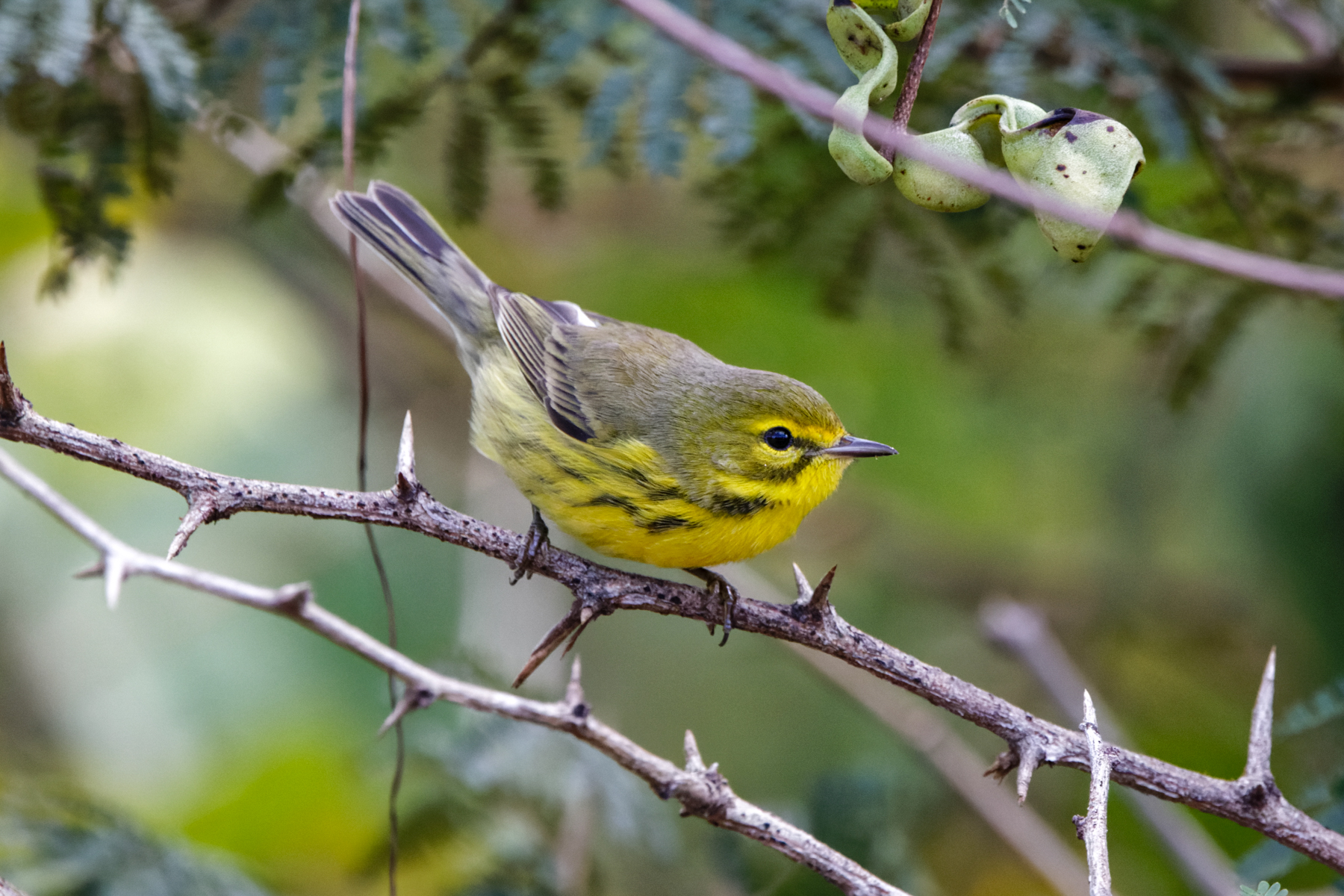
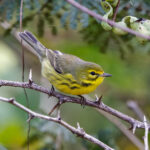
Praire Warbler (image by Leo Garrigues)
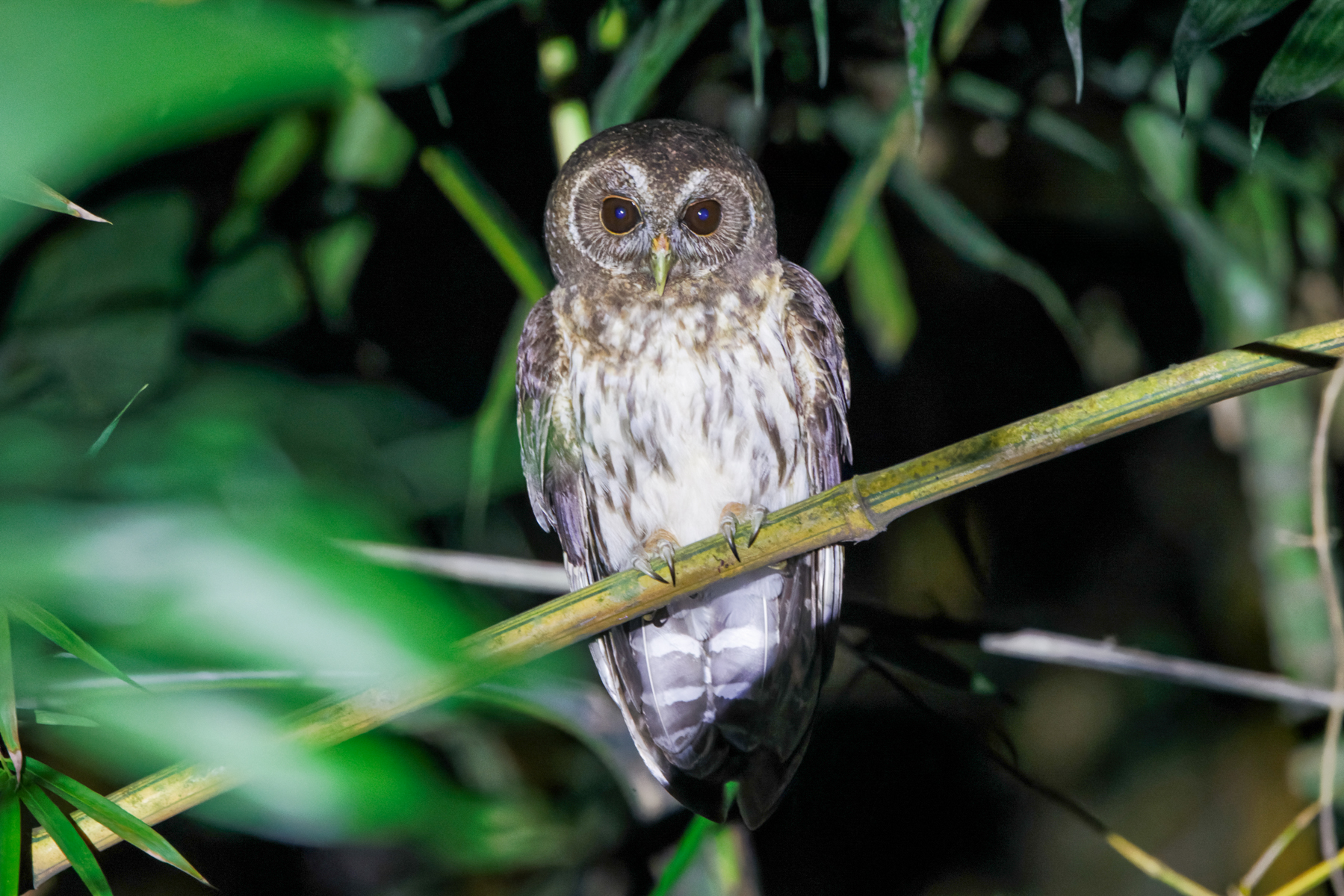
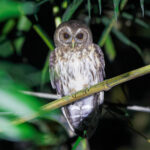
Mottled Owl (image by Leo Garrigues)
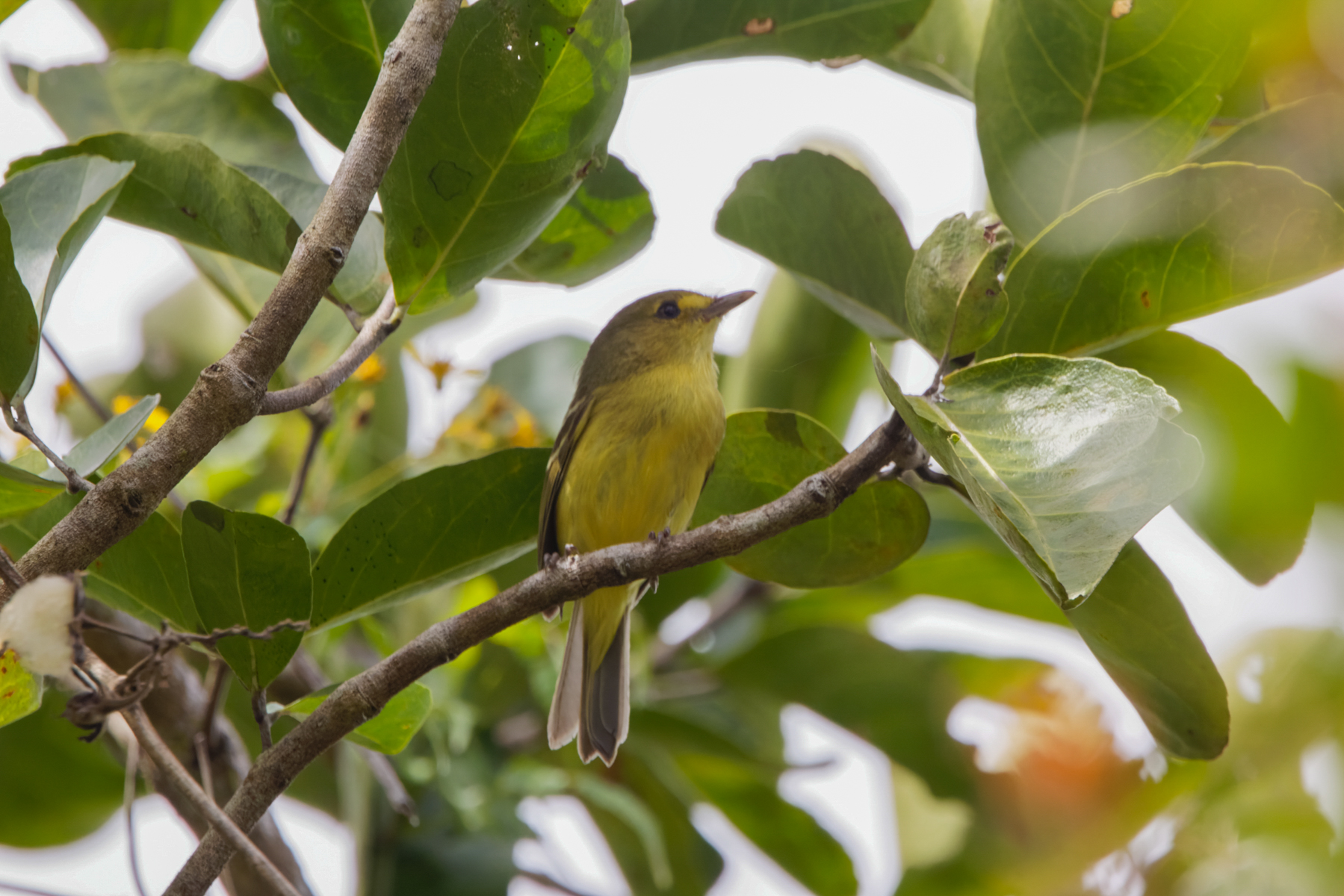
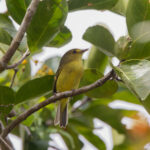
Mangrove Vireo (image by Leo Garrigues)
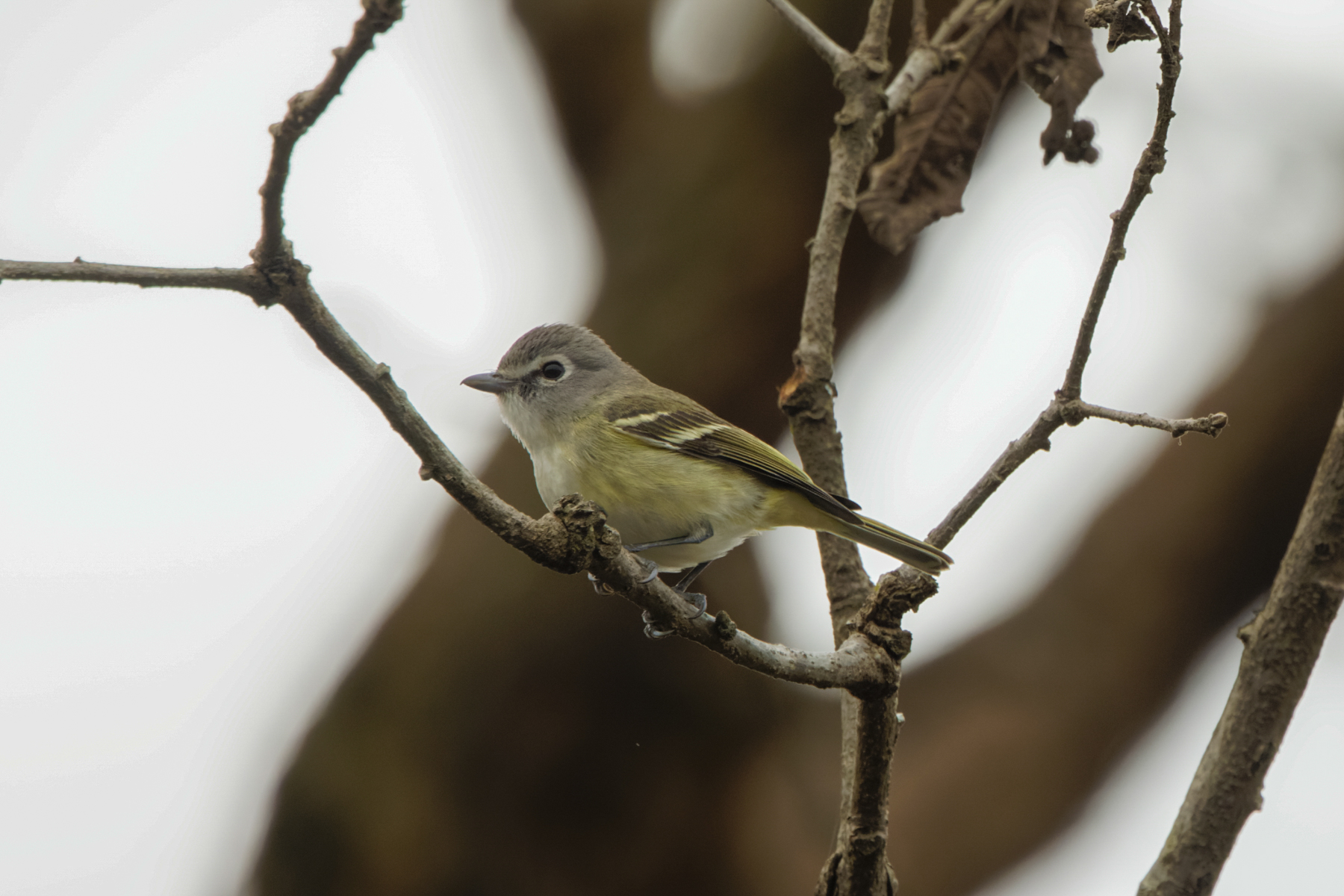
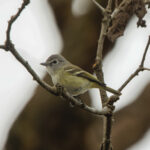
Plumbeous Vireo (montanus) (image by Leo Garrigues)
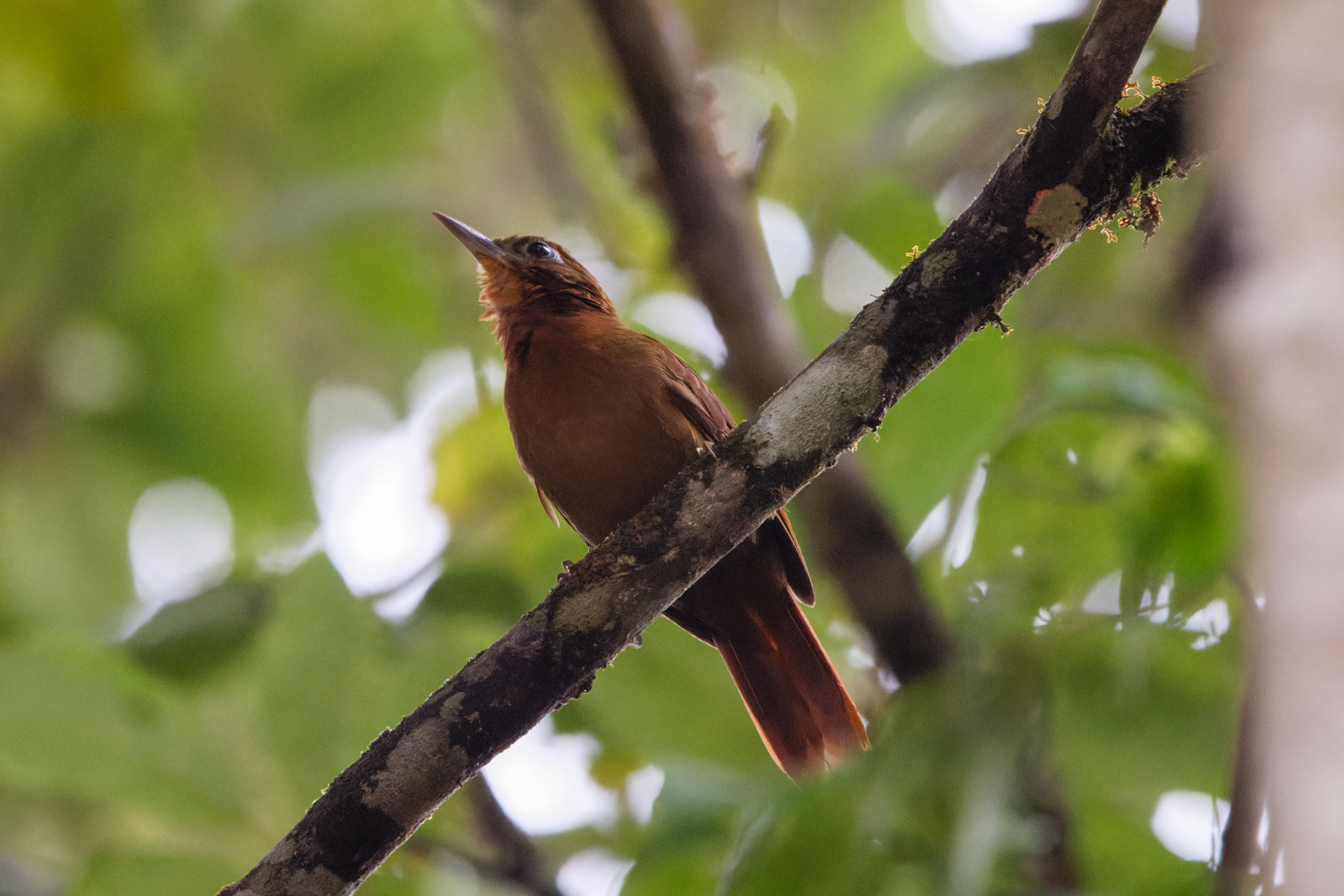
Ruddy Foliage-gleanner (image by Leo Garrigues)
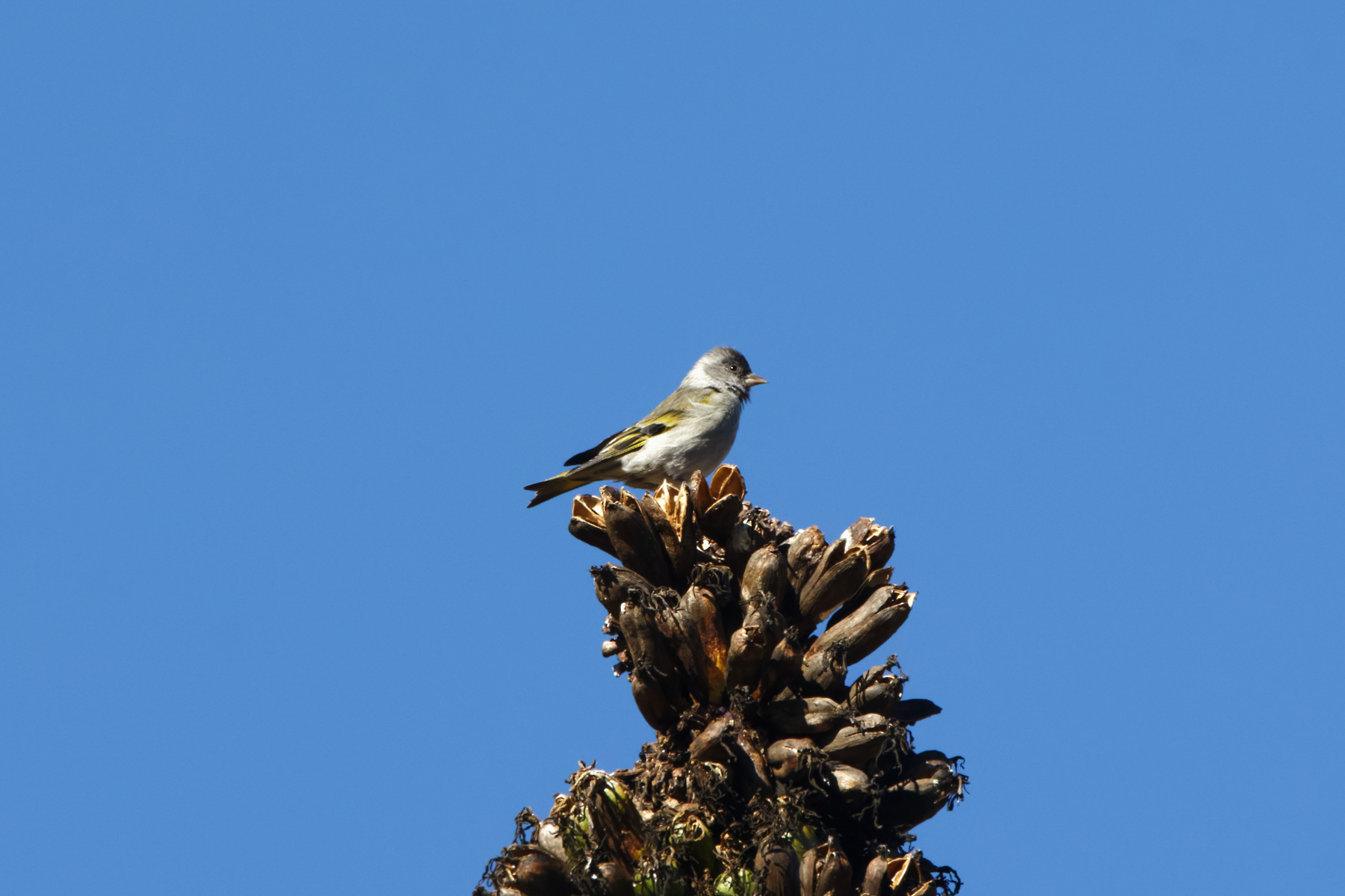
Pine Siskin (Chiapas) (image by Leo Garrigues)
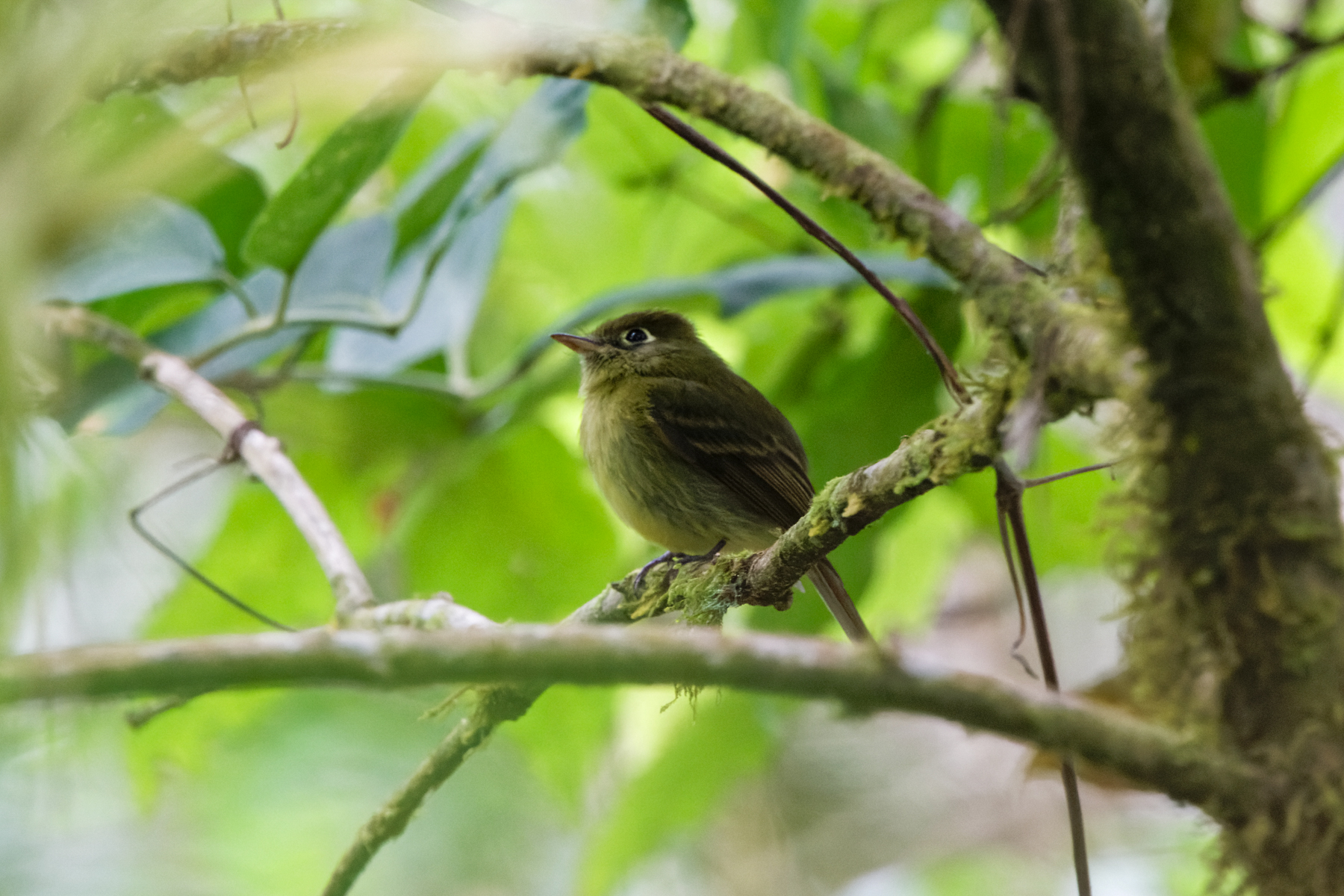
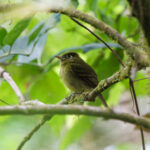
Yellowish Flycatcher (image by Leo Garrigues)
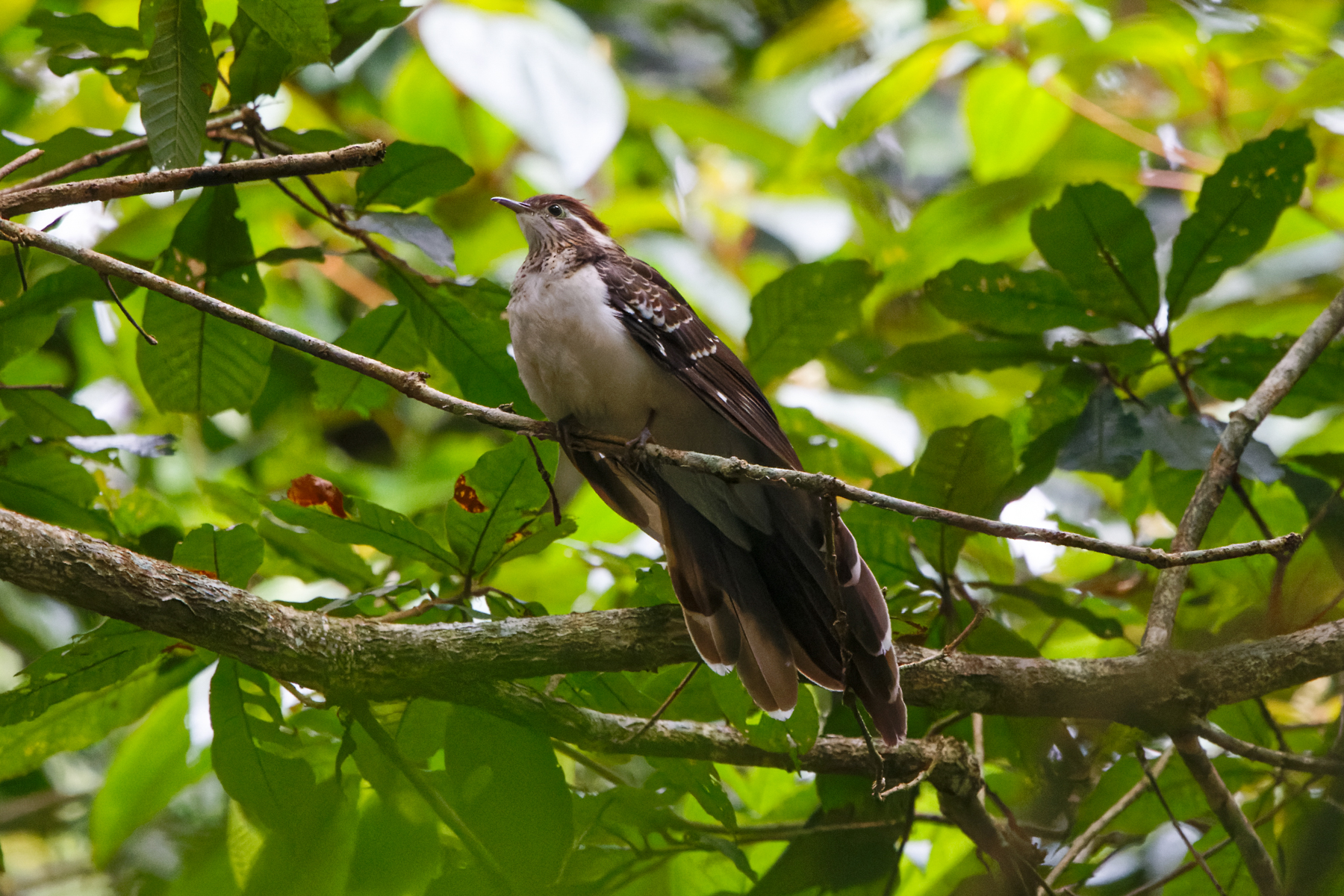
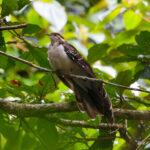
Pheasant Cuckoo (image by Leo Garrigues)
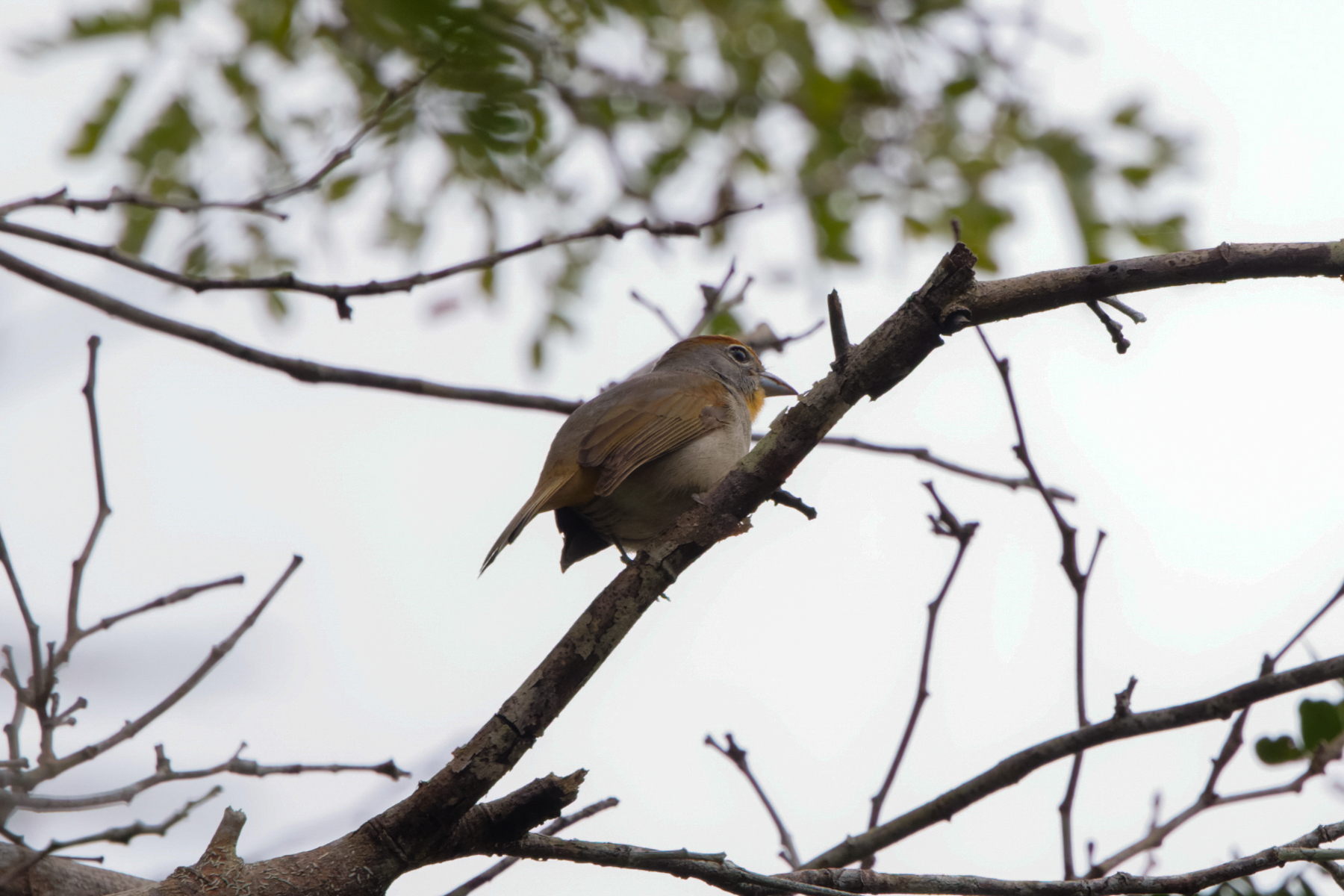
Rose-throated Tanager (image by Leo Garrigues)
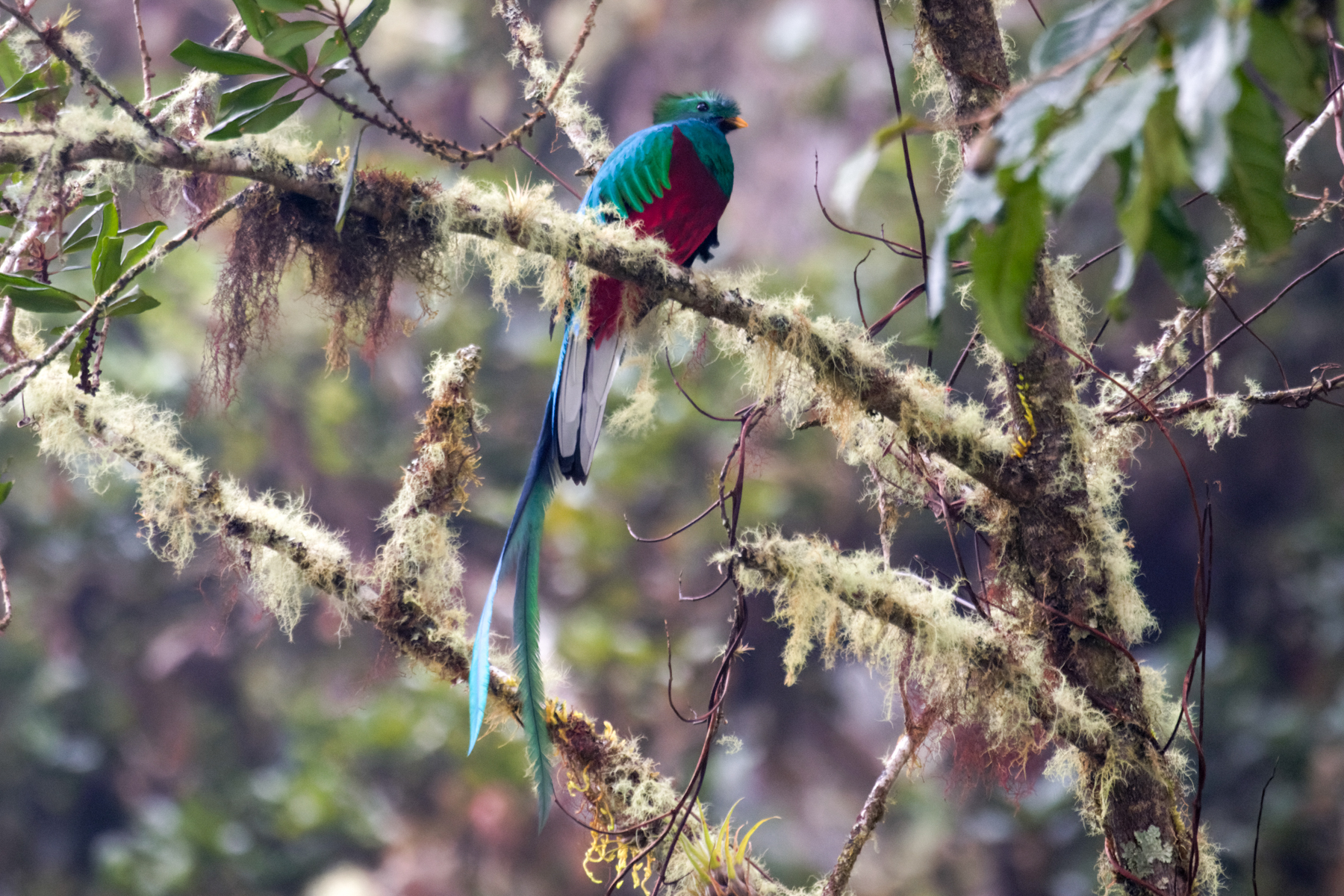
Resplendent Quetzal (image by Leo Garrigues)
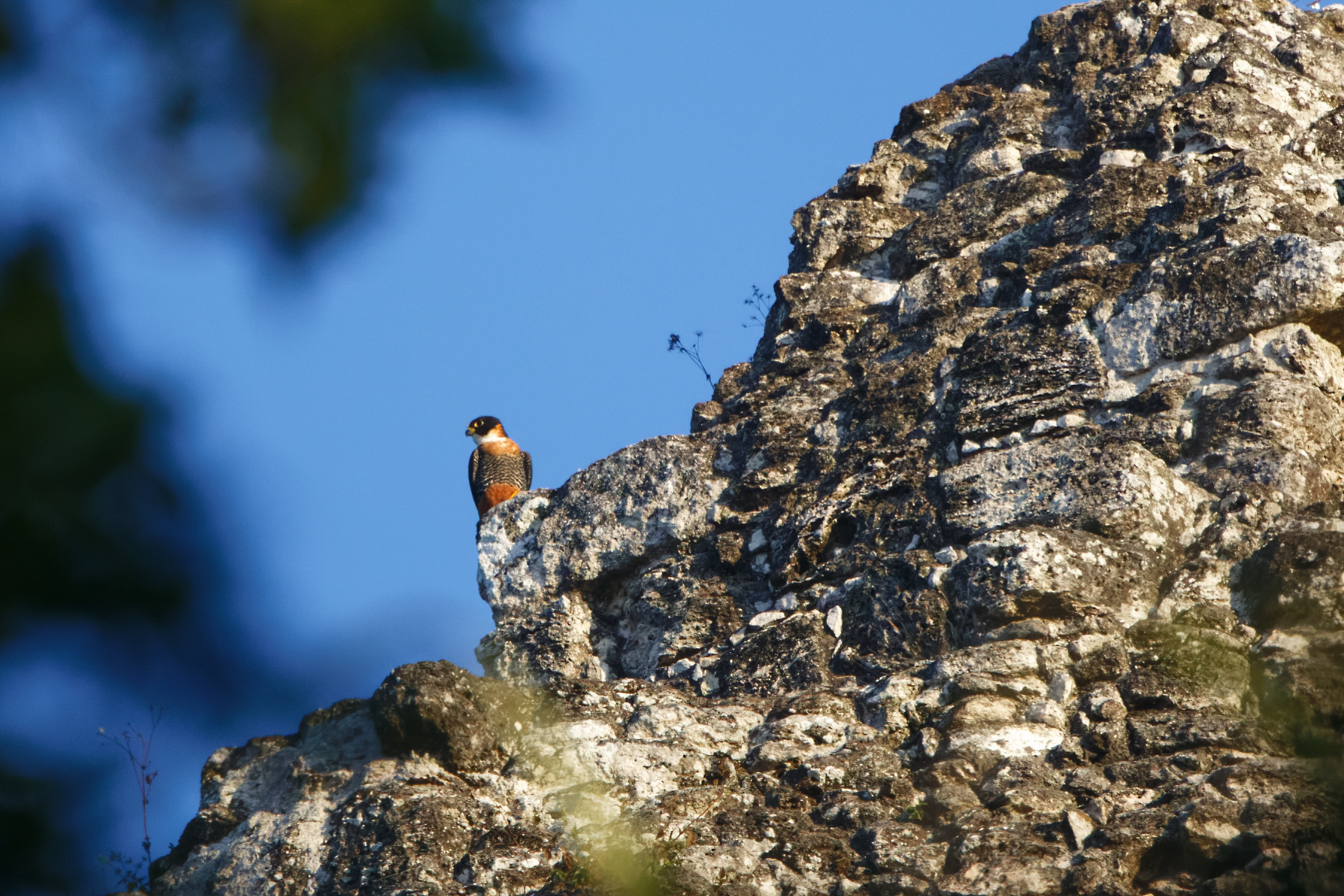
Orange-breasted Falcon (image by Leo Garrigues)
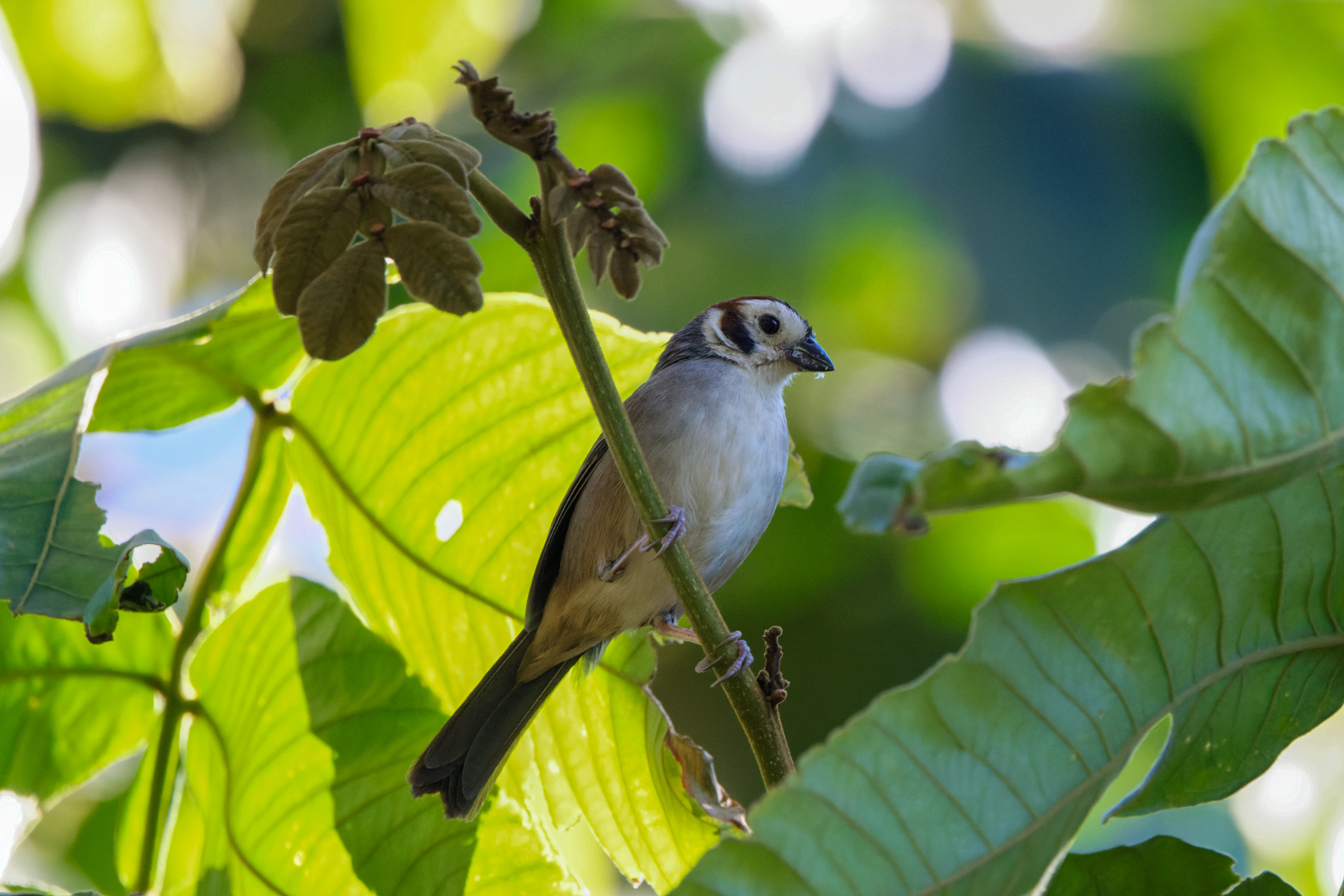
Prevost's Ground-Sparrow (image by Leo Garrigues)
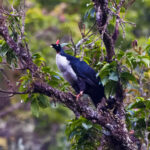
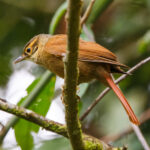
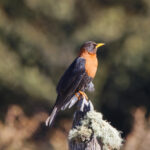
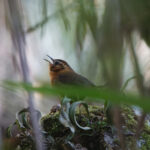
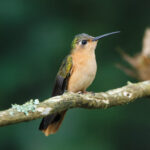
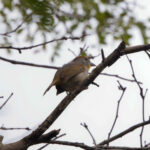
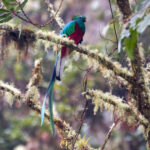
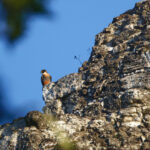
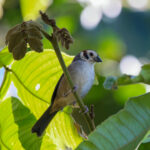


Horned Guan (image by Leo Garrigues)
Ocellated Turkey (image by Leo Garrigues)
Honduran Emerald (image by Leo Garrigues)
Lesser Roadrunner (image by Leo Garrigues)
Azure-rumped Tanager (image by Leo Garrigues)
Yucatan Jay (image by Leo Garrigues)
Stripe-tailed Hummingbird (image by Leo Garrigues)
Sungrebe (image by Leo Garrigues)
Whiskered Screech Owl (image by Leo Garrigues)
Green-throated Mountiangem (image by Leo Garrigues)
Emerald-chinned Hummingbird (image by Leo Garrigues)
Ruddy Crake (image by Leo Garrigues)
Black-throated Shrike-Tanager (image by Leo Garrigues)
Red-throated Ant Tanager (image by Leo Garrigues)
Fulvous Owl (image by Leo Garrigues)
Golden-browed Warbler (image by Leo Garrigues)
Golden-crowned Kinglet (image by Leo Garrigues)
Goldman's Warbler (image by Leo Garrigues)
Great Curassow (image by Leo Garrigues)
Cinnamon-bellied Flowerpiercer (image by Leo Garrigues)
Central American Spider Monkeys (image by Leo Garrigues)
Central American Black Howler (image by Leo Garrigues)
Carolina Wren (White-browed) (image by Leo Garrigues)
Botteri's Sparrow (image by Leo Garrigues)
Black-capped Swallow (image by Leo Garrigues)
Black-throated Jay (image by Leo Garrigues)
Blue Bunting (image by Leo Garrigues)
Blue-crowned Chlorophonia (image by Leo Garrigues)
Blue-throated Motmot (image by Leo Garrigues)
Black-capped Siskin (image by Leo Garrigues)
Grey Silky-flycatcher (image by Leo Garrigues)
Bearded Screech-Owl (image by Leo Garrigues)
Band-backed Wren (image by Leo Garrigues)
Green-backed Sparrow (image by Leo Garrigues)
Yellow-winged Tanager (image by Leo Garrigues)
Wine-throated Hummingbird (image by Leo Garrigues)
White-eyed Vireo (image by Leo Garrigues)
Wedge-tailed Sabrewing (image by Leo Garrigues)
Unicolored Jay (image by Leo Garrigues)
Tody Motmot (image by Leo Garrigues)
Tawny-winged Woodcreeper (image by Leo Garrigues)
Sparkling-tailed Hummingbird (image by Leo Garrigues)
Slender Sheartail female (image by Leo Garrigues)
Slate-colored Solitaire (image by Leo Garrigues)
Scaly-throated Foliage-gleanner (image by Leo Garrigues)
Rufous-collared Robin (image by Leo Garrigues)
Rufous-browed Wren (image by Leo Garrigues)
Rufous Sabrewing (image by Leo Garrigues)
Praire Warbler (image by Leo Garrigues)
Mottled Owl (image by Leo Garrigues)
Mangrove Vireo (image by Leo Garrigues)
Plumbeous Vireo (montanus) (image by Leo Garrigues)
Ruddy Foliage-gleanner (image by Leo Garrigues)
Pine Siskin (Chiapas) (image by Leo Garrigues)
Yellowish Flycatcher (image by Leo Garrigues)
Pheasant Cuckoo (image by Leo Garrigues)
Rose-throated Tanager (image by Leo Garrigues)
Resplendent Quetzal (image by Leo Garrigues)
Orange-breasted Falcon (image by Leo Garrigues)
Prevost's Ground-Sparrow (image by Leo Garrigues)


GUATEMALA & HONDURAS TOUR REPORT 2026

7-10 / 22-26 February 2026
Leo Garrigues
Our second Guatemala & Honduras tour was very successful. Compared to the first edition, we made several improvements that allowed us to use our time more efficiently in certain areas and increase our chances of seeing some of the more challenging target species. As a result, we recorded 407 species (18 more than on the first edition) while enjoying a similarly high success rate with the key targets. Hopefully, with a few additional tweaks, we can make the tour even better next time. This year I also had the opportunity to co-lead the Southern Mexico tour (a great tour, by the way), where you look for some of these Guatemalan birds, but you only encounter a fraction of the Northern Central American specialties found on this itinerary. In contrast, our Guatemala & Honduras tour focuses on seeing the majority of these highly sought-after birds.
As for the main highlights of the tour, we saw a total of eight Horned Guans in two different localities, including excellent views during our first encounter with the species. The restricted-range endemic Azure-rumped Tanager also showed very well this time, while we enjoyed fantastic views of Fulvous Owl both during the day and at night. Other highlights included a very cooperative “Goldman’s” Warbler, the adorable Pink-headed Warbler, prolonged views of both White-faced Quail-Dove and Lesser Roadrunner (two notoriously secretive species), the elusive Black-throated Jays, the handsome Ocellated Quail, and the localized Bearded Screech-Owl, all of which ranked among the major highlights of the tour. Other good birds recorded during the main tour were the Highland and Crested Guans, White-bellied Chachalaca, Buffy-crowned Wood Partridge, Mexican Whip-poorwill, a great selection of hummingbird which included Garnet-throated Mountaingem, Sparkling-tailed Woodstart, Wine-throated Hummingbird, Canivet’s Emerald, Rufous Sabrewing, Emerald-chinned and Blue-tailed Hummingbirds. The owls were very well represented with Unspotted Saw-whet Owl, Northern Pygmy (Guatemalan) Owl, Whiskered Screech Owl, and Mottled and Black-and-white Owls. The rare resident form of Sharp-shinned Hawk (White-breasted), the majestic Resplendent Quetzal, Tody and Blue-throated Motmots, Guatemalan Flicker, Pacific Parakeet, Long-tailed Manakin, Guatemalan Tyrannulet, Hammond’s, Pine, Buff-breasted Flycatchers, Greater Pewee, Rufous-breasted Spinetail, the Central American subspecies of Plumbeous Vireo (montanus), Bushy-crested and Unicolored Jays, Black-capped Swallow, Grey Silky-flycatcher, Blue-and-white Mockingbird, Brown-backed Solitaire, Yellow-throated Nightingale-Thrush, Black Thrush, Elegant Euphonia, Blue-crowned Chlorophonia, Black-capped, Black-headed and Pine (Chiapas) Siskins, Yellow-eyed (Guatemalan) Junco, Grey-crowned and Prevost’s Ground Sparrows, Golden-browed Warbler and Cinnamon-bellied Flowerpiercer.
Regarding the Tikal Extension, on this occasion we visited several different localities, which improved our overall success rate. The major highlights were the rare and localized Orange-breasted Falcon, the colorful Ocellated Turkey, Yucatan Jay, Mayan Antthrush, and Black Catbird, which were among the group’s favorite species. For the leaders, the top bird was a Prairie Warbler, a rare vagrant in Guatemala. Other notable species recorded during the pre-extension included Ruddy Crake, Agami Heron, Sungrebe, Wedge-tailed Sabrewing, White-bellied Emerald, Middle American Screech-Owl, King Vulture, White-necked Puffbird, Keel-billed Toucan, White-fronted and Mealy Amazons, Northern Schiffornis, Stub-tailed Spadebill, Sepia-capped, Yucatan, and Least Flycatchers, Couch’s Kingbird, Scaly-throated Leaftosser (with excellent views for the entire group), Tawny-winged, Northern Barred, and Ivory-billed Woodcreepers, Ochre-crowned Greenlet, White-eyed and Mangrove Vireos, the resident form of Northern Rough-winged Swallow (Ridgway’s), Carolina Wren (White-browed), Green-backed, Olive, and Botteri’s Sparrows, Black-cowled Oriole, and a good selection of North American warblers, including Ovenbird, Worm-eating, Golden-winged, Kentucky, Hooded, Magnolia, and Black-throated Green Warblers. Additional highlights included Grey-throated Chat, Blue, Indigo, and Painted Buntings, Red-throated Ant-Tanager, Rose-throated Tanager, Black-throated Shrike-Tanager and Yellow-winged Tanager.
For the Honduras Extension, we also made several modifications, resulting in a more diverse itinerary. During three and a half days of birding, we recorded 196 species while also enjoying good success with the regional specialties. The Honduran Emerald, the tour’s only true country endemic, was seen very well this time, as was the near-endemic Green-breasted Mountain-gem. Other major highlights included Pheasant Cuckoo, an adult male Golden-cheeked Warbler, the melodious Slate-colored Solitaire, and another exceptionally rare vagrant for Central America, a White-crowned Sparrow. Some other notable species recorded during the Honduras Extension included Lesser Ground-Cuckoo, Double-striped Thick-knee, Emerald-chinned and Stripe-tailed Hummingbirds, Sharp-shinned (White-breasted) and White Hawks, Elegant Trogon, Tody and Turquoise-browed Motmots, White-collared Manakin, Strong-billed Woodcreeper, Scaly-throated and Ruddy Foliage-gleaners, Plumbeous Vireo (montanus), Unicolored and Green Jays, Rufous-backed Wren (Sula Valley subspecies), Rusty Sparrow, Chestnut-headed Oropendola, Worm-eating, Grace’s, and Chestnut-capped Warblers and Red-crowned Ant-Tanager.
Our tour started in Guatemala City with an early flight to Flores, where we were joined by our local guide Kevin. Once we arrived at Flores, we drove to Tikal National Park for our birding adventure. Tikal National Park is best known for its amazing archeological sites, but also for been a great locality for birding, where there is always something to see. During our time in Tikal, we experienced the end of a cold front, something very unusual for Tikal. Luckily this cold front helped us to keep active during the hot moments of the day and we had bird activity all the time during our first day. One of first highlights was finding the majestic Ocellated Turkey, one of the main targets of our time in Tikal. Although we saw it surprisingly easily, it still felt very rewarding, as with this species success often comes down to being in the right place at the right time. Other specialties seen during our first day included Yucatan Flycatcher, the “Ridgway’s” subspecies of Northern Rough-winged Swallow, Green-backed Sparrow, Grey-throated Chat and Black-throated Shrike-Tanager. The list was rounded out with Plain Chachalaca, Least Grebe, Scaled Pigeon, Limpkin, Russet-naped Wood Rail, Bare-throated Tiger Heron, Boat-billed Heron, Stripe-throated Hummingbird, Green-breasted Mango, Canivet’s Emerald, Scaly-breasted and Rufous-tailed Hummingbird, White-bellied Emerald, Double-toothed Kite, Slaty-tailed, Black-headed and Gartered Trogons, Rufous-tailed Jacamar, White-necked Puffbird, Chestnut-colored, Golden-olive and Golden-fronted Woodpeckers, Red-lored, White-fronted and Mealy Amazon, Olive-throated Woodcreeper, Red-capped Manakin, Stub-tailed Spadebill, Eye-ringed Flatbill, Northern Benthbill, Ochre-bellied, Dusky-capped and Yellow-bellied Flycatchers, Bright-rumped Attila, Olivaceous, Tawny-winged, Northern-barred and Ivory-billed Woodcreepers, Ochre-crowned and Lesser Greenlet, Philadelphia, Yellow-throated and White-eyed Vireos, Brown Jay, Spot-breasted Wren, Wood Thrush, Yellow-throated and Olive-backed Euphonias, Montezuma Oropendola, Ovenbird, Worm-eating, Golden-winged, Kentucky, Hooded, Magnolia and Black-throated Green Warblers, Red-throated Ant Tanager and Red-legged Honeycreeper.
At dusk we tried for the Yucatan Poorwill, as we had heard the bird approaching us, but it never put in an appearance. It is very likely that the cold front affected the activity of nocturnal animals, as not much was vocalizing or moving. After dinner some of us tried for the Middle American Screech Owl that we had heard while trying for the Yucatan Poorwill. When we located the owl again, it didn’t cooperate, staying hidden in a dense tangle of vines. We had to find a way to get an angle to see it, and eventually we nailed it.
Next day we visited Temple IV early in the morning to see the active pair of Orange-breasted Falcons, seeing one perched atop the temple while the other flew overhead. This species has a wide distribution in the Neotropics, but is very localized and rare throughout most of its range, and the Tikal ruins are currently one of the best places to see it. Other species seen during the morning session in the forest of the Tikal ruins were the Great Curassow, Short-billed Pigeon, Keel-billed Toucan, Lesson’s Motmot, Northern Schiffornis, Ruddy-tailed Flycatcher, Yellow-bellied Tyrannulet, Greenish Elaenia, Scaly-throated Leaftosser, White-bellied Wren and great views of a male Black-throated Shrike-Tanager. Regarding mammals we recorded a good variety of species which included Northern Grey Fox, White-nosed Coati, Central American Spider Monkey and Central American Black Howler, Central American Agouti and Deppe’s Squirrel. We also had some time to enjoy The Great Plaza which has the main Temple of the Tikal complex, definitely one of the most impressive archaeological sites of the pre-Columbian Maya civilization.
During the afternoon we birded the old airstrip track where we add other species as the Grey-headed Dove, Vaux’s Swift, Buff-bellied Hummingbird, White-collared Manakin, Yucatan Flycatcher (seen on the previous day as well), Carolina Wren (White-browed Wren), Blue-grey Gnatcatcher, Northern Parula, Blue and Indigo Buntings and finally at the very last moment we managed to find the Mayan Antthrush. We also saw the Yucatan Squirrel and the Morrelet’s Croccodile. On route to our hotel, we tried for Ruddy Crake without success.
Our following day we visited Yaxha National Park, which complements some of the species of Tikal. During the first part of the morning, we tried for Ruddy Crake, where we obtained excellent and prolonged views in the open, along with other water-related species such as Pied-billed Grebe, Northern Jacana, Purple Gallinule, and the regular egrets and herons, including Snowy and Great Egret, Little Blue and Great Blue Heron, and other widespread species.
Once at Yaxha we prioritized some of the key targets that we needed to see, such as the near-endemics Yucatan Jay and Rose-throated Tanager, where we obtained good views of both. These species occur in the area, but they can be tricky to find as this represents the limit of their distribution, so it was great that we managed to see both of them. Some of the species which complemented our day at Yaxha National park included the Anhinga, Canivet’s and White-bellied Emeralds, Crane and Grey Hawks, Belted Kingfisher, Collared Aracari, Ladder-backed and Smoky-brown Woodpecker, White-crowned Parrot, Black-crowned Tityra, Rose-throated Becard, Tropical Royal Flycatcher, Couch’s Kingbird, Sepia-capped, Vermillion and Least Flycatchers, Northern Tropical Pewee, Northern Plain Xenops, Mangrove Vireo, Grey Catbird, Scrub and Yellow-throated Euphonia, Green-backed Sparrow, Black-cowled, Orchard and Baltimore Orioles, Grey-crowned and Common Yellowthroats, Morelet’s Seedeater and Yellow-winged Tanager.
Our last day of the pre-extension we visited the area of Santa Ana, an area with bushy savannas and weedy cultivated regions. Our main target was the Yucatan Bobwhite, but seems like February is not the best month for this species as they are not as responsive in this month. We heard it answering back in some occasions but not really interested to come. Probably the best bird in that habitat was the Botteri’s Sparrow that show it really well, other species seen included the Ruby-throated Hummingbird, Greenish Elaenia, Scissor-tailed Flycatcher, Barred Antshrike, Tropical Mockingbird, Lesser Goldfinch, Olive Sparrow, Rose-breasted and Blue Grosbeaks, Indigo and Painted (including nice males) Buntings, Black-headed and Cinnamon-bellied Saltators and Yellow-faced Grassquit.
Latter we visited areas with some forest in the edges of some big lagoons where we got some interesting surprises such as the Agami Heron and great views of Sungrebe. Some members of the group still needed to see the White-bellied Wren and we tried for it until we finally connect with one that put in appearance (a very skulking wren), other species to mention are the Common Squirrel Cuckoo, Wood Thrush, Hooded Warbler and Blue-black Grosbeak.
The last birding area that we visited focused on seeing the Black Catbird, a bird that can be quite tricky to see due to its skulking behavior in dense scrubby vegetation. While we were looking for the Catbird, we encountered other interesting species, especially for our local guides, when we found a rare vagrant for Guatemala and for the Peten area, the Prairie Warbler. After seeing the Warbler, Kevin reported it to the local birding community in Peten, and shortly afterwards other local birders were already searching for the bird in hopes of relocating it. Other good species seen in the area included Wedge-tailed Sabrewing, Mangrove Vireo and Blue-winged Warbler.
When we were almost ready to leave the area, we heard a suspicious call and finally managed to see the Black Catbird, where everyone managed to see it. After that, it was time to move to Peten for lunch and say goodbye to Kevin and our driver Chindo before heading to the airport to catch our flight back to Guatemala. After a short flight, we arrived in Guatemala in the evening, where our main tour officially began.
The first day of the main tour, Pablo our local guide who joined us during the whole Guatemala section, took us to a hummingbird feeder station on the outskirts of Guatemala City, with very rewarding results. Just as we were arriving at the site, we were welcomed by a small group of three Buffy-crowned Wood Partridges, a really good start!
Once we had enjoyed the partridges, we started paying attention to the hummingbirds. During our visit, we recorded six hummingbird species, with the most common species being Rivoli’s Hummingbird, followed by the Azure-crowned Hummingbird. The special species were the near-endemic Green-throated Mountaingem, where we saw males and females, and the near-endemic Rufous Sabrewing. The surprise species this time was a female Sparkling-tailed Woodstar, which made several visits to the feeders, while a single White-eared Hummingbird rounded out the hummingbird lineup. Other interesting species seen during our visit included the Northern Emerald Toucanet, Golden-fronted (Velazques intergrading subspecies group) and Hairy Woodpeckers, the near-endemic Bushy-crested Jay, Black-vented Oriole and the Cinnamon-bellied Flowerpiercer. It was time to move on and once again deal with the lovely Guatemala traffic jams (the finest traffic jams in Latin America).
Our next stop was the pine woodlands of Rincon Suizo, where we did a brief but productive birding stop, where we recorded our first Pink-headed Warbler, one of the best American Warblers without a doubt. Another interesting species recorded was the Central American subspecies of Plumbeous Vireo (montanus ssp.), and the resident Golden-browed Warbler. Other species seen were Acorn Woodpecker, Rose-throated Becard, Northern Tufted Flycatcher, Greater Pewee, Crescent-chested and Townsend’s Warblers, Hepatic Tanager. We also heard the Blue-throated Motmot, but it refused to show up this time.
After our visit to Rincon Suizo, we continued our journey to Los Tarrales Nature Reserve. We arrived in the end of the afternoon, allowing us to add some species to our day list just around the grounds of the place. These species included some of the main targets, as the near-endemic White-bellied Chachalaca and the Pacific Parakeet, as well other species like Cinnamon Hummingbird, Clay-colored Thrush and Yellow-winged Tanager. After a short birding around the grounds, we went to our lovely rooms followed by a nice dinner at the hotel.
During our full day in Tarrales we visited the higher elevations of the property at El Vesubio, aiming to find one of the main Guatemala targets, the “Azure-rumped Tanager”. It took us a while to find it, but eventually we got terrific looks of this restricted-range species of the Pacific foothills of Guatemala and Chiapas (Mexico). Besides the Azure-rumped Tanager we recorded other specialties such as the Emerald-chinned Hummingbird, Blue-tailed Hummingbird, Guatemalan Tyrannulet, Blue-crowned Chlorophonia, and Grey-crowned and Prevost’s Ground Sparrows. Other species seen during the morning included Crested Guan, White-collared and White-throated Swifts, Rufous Sabrewing, Broad-winged and Short-tailed Hawks, Collared Trogon, Northern Emerald Toucanet, Golden-olive Woodpecker, Bat Falcon, Brown-capped and Blue-headed Vireos, Bushy-crested Jay, Band-backed Wren, Elegant Euphonia, Common Chlorospingus, Orchard Oriole, Tennessee, Nashville, Magnolia and Wilson’s Warblers, White-winged and Flame-colored Tanagers and Black-headed Saltator.
During the afternoon we birded the Tarrales trails, some of the highlights were the Tody Motmot, Long-tailed Manakin and White-throated Magpie Jay. Other species who complemented the afternoon included Green-breasted Mango, Long-billed Starthroat, Grey Hawk, Lesson’s and Turquoise-browed Motmots, Collared Aracari, Lineated Woodpecker, Peregrine Falcon, Pacific Parakeet, Dusky-capped and Boat-billed Flycatcher, Barred Antshrike, Ivory-billed Woodcreeper, Yellow-throated Vireo, Rufous-backed Wren, Swainson’s Thrush, Scrub and Yellow-throated Euphonias, Melodious Blackbird, Black-and-white and American Yellow Warblers, Rose-breasted Grosbeak, Western Tanager, Morelet’s Seedeater and Blue-grey and Yellow-winged Tanagers.
We waited until dusk to have an owling session. While we waited for it to get dark, we heard and saw silhouettes of the Highland Guans flying over the trail, but we didn’t get great views this time. The first owl that we saw was the Mottled Owl, which was very cooperative, and just after seeing the Mottled Owl, we saw the Black-and-white Owl. We heard the mammal Cacomistle but didn’t see it. After our session, we went for dinner.
On our last morning at Tarrales, we went just before dawn to the area where we saw the Highland Guans the day before, and this time we managed to get good views of them with the torchlight. What a great start to our day! After seeing the Guans, we tried to find the Tody Motmot again, but there were no signs of it that day. Another good bird for the morning was seeing a pair of the very skulking Rufous-breasted Spinetail. Other species we saw during our morning included the Collared Trogon, Yellow-naped Amazon, Common Tody-Flycatcher, Warbling Vireo (Eastern WV), Rufous-backed Wren, Streak-backed and Spot-breasted Orioles and Golden-crowned Warbler.
It was time to move on to Atitlan, where we had the help of Arnoldo, who knew all the stakeouts in the area. The first bird we searched for in the area was the Lesser Roadrunner, where we visited a rocky dry forest within some coffee plantations. With a bit of patience and strategy, we had great views of two Lesser Roadrunners. Some other interesting birds in the area of Atitlan were the Rusty Sparrow and the near-endemic Slender Sheartail, where we got excellent views of a female. Other species recorded were the Inca Dove, Red-tailed Hawk, Bushy-crested Jay, Blue-and-white Mockingbird, Orange-billed Nightingale-Thrush and Bronzed Cowbird. Most of the afternoon we were in the area of Rey Tepepul, where we had terrific views of the Fulvous Owl. The activity in the forest during the afternoon wasn’t the best, but other interesting species seen were the Buffy-crowned Wood Partridge (for some), Blue-throated Motmot, Yellowish Flycatcher, and Slate-throated Whitestart. At night we looked for the Whiskered Screech Owl, which eventually showed nicely. During our return to the hotel, we had a peculiar experience where the locals of the town blocked the access to the city due to protests against the city mayor, and we had to walk to our hotel. Fortunately, it didn’t escalate further, and the blockades ended that same night, allowing us to continue our itinerary without issues. It was an interesting Guatemalan experience.
Our full day in Atitlan we visited other trails in the Rey Tepepul area, in slightly higher elevations than our previous day. We did a moderated hike, maybe a bit longer than we thought, but we came with good birds such as the secretive White-faced Quail-Dove that was seen by the whole group, the majestic Resplendent Quetzal (the national bird of Guatemala), Rufous-browed Wren and the Yellow-throated Nightingale-Thrush. The morning was complemented by Emerald-chinned Hummingbird, Guatemalan Tyrannulet, Hammond’s Flycatcher, Greater Pewee, Plumbeous Vireo, Cabanis’s Wren, Blue-and-white Mockingbird (for some), Brown-backed Solitaire and White-winged Tanager.
Some of the species that we saw in the lower elevations of Atitlan were the Slender Sheartail, Red-billed Pigeon, Blue-throated Motmot, Yellow-breasted Chat, Painted Bunting and Cinnamon-bellied Saltator.
During our last morning in Atitlan, we hiked to reach a territory of Belted Flycatcher; unfortunately, the bird answered a few times but it never got interested and we didn’t see it. The consolation of missing the Flycatcher was seeing a small group of three individuals of the striking Ocellated Quail. Another good bird was the Northern Pygmy Owl (Guatemalan), which showed quite closely and nicely. Other species that rounded out the morning were Golden-olive and Golden-fronted Woodpeckers, Hammond’s Flycatcher, Blue-headed Vireo, Grey Silky-flycatcher, Blue-and-white Mockingbird, Rufous-collared Thrush and Yellow-rumped Warbler (Myrtle). After lunch we continued to Quetzaltenango, where we spent the night. In the evening we did an owling session which didn’t produce much, with Mexican Whip-poor-will just as heard only.
On this occasion we visited the area of Quetzaltenango to break up the drive to Sibinal, but also to give the Horned Guan another try at Fuentes Georginas. The plan worked out quite well, as we succeeded in obtaining excellent views of the Horned Guan. In total, we saw three different individuals, and one of them came fairly close and performed really well for our group. Thanks to the excellent views we had of the Horned Guan, it was voted “Bird of the Trip” by unanimous decision. We also came very close to seeing a Maroon-chested Ground Dove. We heard one individual with certainty, and possibly others as well. One bird flew over our group at one point, but unfortunately it remained unseen.
Another key species during our visit to Fuentes Georginas was the Unicolored Jay, where we saw a small group of four individuals. The Wine-throated Hummingbird (probably a young male) and Black-capped Swallow were also notable sightings. Other species recorded during our visit included Band-tailed Pigeon, Mexican Violetear, Green-throated Mountain-gem, Mountain Trogon, Northern Emerald Toucanet, Grey Silky-flycatcher, Brown-backed Solitaire, Ruddy-capped Nightingale-Thrush, Rufous-collared Thrush, Chestnut-capped Brushfinch, Golden-browed Warbler, Pink-headed Warbler, and Western Tanager.
After lunch we continued our journey to Sibinal, where we stayed for the next two nights. It was nice to see Vinicio and his family again, who assisted us during our days in the area. After dinner we made our first attempt for the Unspotted Saw-whet Owl. A responsive individual approached, but it remained high up in the pine trees. At some moments I managed to locate it with the thermal camera, but it was covered by branches and leaves, making it impossible to see with the flashlight. We were close, but without success this time, and we returned to our accommodations to rest for the following day.
On this occasion our visit to Las Vegas del Volcan Tacana was very different from our previous Birdquest Tour, as we visited the place without the pressure of seeing the Horned Guan, thanks to our great views in Fuentes Georginas during our previous day. Anyway, it is always good to have a backup chance, especially for this bird. On this occasion we saw a total of five Horned Guans in the distance, with decent views through the scope. Also, a Highland Guan was seen very far away and just distinguished with the telescope.
A very good species recorded during our visit was the Black-capped Siskin, a tricky Guatemalan specialty sometimes. Other good birds seen during our visit to Las Vegas del Volcan were Garnet-throated Hummingbird, Mexican Violetear, Northern Pygmy Owl (Guatemalan), Yellow-bellied Sapsucker, Hairy Woodpecker, Guatemalan Tyrannulet, Black Phoebe, Buff-breasted Flycatcher, Hutton’s and Blue-headed Vireos, Black-capped Swallow, Grey Silky-flycatcher, Southern House Wren, Blue-and-white Mockingbird, Black Thrush, Black-headed Siskin, Yellow-eyed Junco (Guatemalan), Spotted Towhee, White-naped Brushfinch, Yellow-backed Oriole, Crescent-chested, Yellow-rumped (Audubon’s), Pink-headed Warbler and Cinnamon-bellied Flowerpiercer.
We visited a different locality where Vinicio thought we could have opportunities for the Unspotted Saw-whet Owl. We arrived in the area in the late afternoon, where we saw the Black Thrush, a bird that we still needed to see. Once at dusk we had good views of Mexican Whip-poor-will, after seeing it we started to look for the Saw-whet Owl. During our search we didn’t locate any Saw-whet Owl, but we saw a pair of Fulvous Owls, which wasn’t the best sign for the Saw-whet Owl. After dinner we did a try for the Saw-whet Owl in the locality of the previous night and on this occasion, some were lucky enough to have the right window for seeing the Unspotted Saw-whet Owl. Unfortunately, not the whole group managed to see it.
During our last morning at Sibinal we birded Union Reforma early in the morning before continuing our journey to Chiabal. We managed to see the Black-throated Jay, but not the whole group saw it, as this jay tends to be somewhat trickier than the other Jay species, because it spends more time in the lower levels of the vegetation and tends to skulk at times. Other species seen included Broad-tailed Hummingbird, Guatemalan Flicker, Acorn Woodpecker, American Kestrel, Pine Flycatcher, Steller’s Jay, Violet-green Swallow, Mountain Thrush, another Black-capped Siskin, Yellow-eyed Junco and Townsend’s and Pink-headed Warblers.
After our morning session in Union Reforma we continued our journey to Chiabal, an area largely inhabited by the Mam Maya people. We arrived in the afternoon, where our local guide Esteban was waiting for the list of targets that we had for him. We started birding the areas just beyond his house trying for Ocellated Quails, but on this occasion it just called a couple of times far away in the distance. Some of the birds seen during our session were Broad-tailed Hummingbird, Steller’s Jay, Brown Creeper, Eastern Bluebird, Rufous-collared Thrush, Rufous-collared Sparrow, Spotted Towhee, Eastern Meadowlark and Yellow-rumped Warbler (Audubon’s).
It was time to move on to the area where we would make another attempt for the Unspotted Saw-whet Owl. After trying in different areas we finally had a responsive bird, but with a bit of odd behavior, responding but not sounding really excited. At some point the Saw-whet Owl stopped answering, but we kept trying to see if we could get active again. Then, I found the shape of an owl on the thermal camera, so we quickly positioned everyone before turning on the light in one of those moments full of suspense. Once everyone was ready, we put the light on the bird and, as soon as we saw it, we realized it was a Fulvous Owl and not the Saw-whet Owl. Everything suddenly made sense, and there was no point in continuing to try for that individual at that site. We had another long day ahead of us the following day, so the wisest decision was to return to our accommodations and avoid getting to dinner too late.
The next morning, we pick-up Esteban, followed by a good breakfast at the local restaurant. Esteban then took us to his sites. Our first stop was for Goldman’s Warbler, which recently got lumped with Yellow-rumped Warbler again. We had excellent views of two adult males and a female too. Another species of interest was the resident subspecies of Savannah Sparrow (wetmorei ssp.) that appeared along the fields while we were driving the area.
After seeing the Goldman’s Warbler, we looked for the Ocellated Quail. We heard a bird answering us, but it never showed itself, so we decided to walk farther into the area to see if we could locate it. To make a long story short, we eventually flushed a pair of Ocellated Quails, getting only flight views as they disappeared into the pine forest patch. For some participants those views were satisfying enough, while for others they felt rather incomplete. Fortunately, most of the group saw it very well the species in the Atitlan area.
A fairly long drive awaited us, so we continued our journey to the town of Barillas, where we arrived in the afternoon. Once in Barillas we dropped off our stuff in our rooms and then jumped into 4×4 vehicles that took us to the area for the localized Bearded Screech Owl. We arrived in time to visit the owl territory and soon it was dark enough we start trying for the owl. Before long, an individual started answering. Finally, we managed to locate it, and although the views through the vegetation were not perfect, they were still very good views. It was time to return to our accommodations after a long but productive day.
Our adventure in Barillas ended and we started driving back along the same route to Chiaval. A random stop at some viewpoints produced nice views of the uncommon resident subspecies of Sharp-shinned Hawk (White-breasted). It was the only remarkable sighting we had before reaching our birding area at the highland forest of Todos los Santos, in the locality of La Puerta del Cielo in the Sierra de los Cuchumatanes. Our birding session at Puerta del Cielo produced Amethyst-throated Mountaingem, Guatemalan Flicker, Black-throated Jay (the best bird of the session!), Golden-crowned Kinglet, Black-capped Siskin (again!), Yellow-eyed Junco, Lincoln’s Sparrow, Spotted Towhee, MacGillivray’s, Hermit and Pink-headed Warblers and Cinnamon-bellied Flowerpiercer.
The last hours of our day were spent birding at Chiabal in the areas behind Esteban’s house, where we finally saw the local subspecies of Pine Siskin (perplexus ssp.), which is very different from the regular Pine Siskins and could be considered a different taxon in the future. Another species seen at Chiabal included the American Bushtit, which was new for our trip. We also tried for Scott’s Oriole, which was singing but refused to appear. After our birding session we said goodbye to Esteban and continued our journey to Huehuetenango City, where we spent the night.
The final day of the tour was mainly a driving day back to Guatemala City, but we did some birding stops along the journey. The first stop happened at the Mirador Quetzaltenango, where we saw a group of Singing Quails, along with other birds that we had seen before. After Mirador Quetzaltenango we made another visit to Rincon Suizo, where we hiked the track through the pine forest. Here we saw Band-tailed Pigeon, Mountain Trogon, Northern Tufted Flycatcher, Spot-crowned Woodcreeper (new for our trip), Black-capped Swallow, American Bushtit, Brown Creeper, Rufous-collared Thrush, Elegant Euphonia, Common Chlorospingus, Hermit Warbler and Painted Whitestart (another new bird for the trip). Another good sighting was the Blue-and-white Mockingbird, which showed nicely and allowed everyone good views this time.
After our birding session at Rincon Suizo, we continued our drive to Guatemala City without complications or serious traffic jams. The tour was very successful thanks to the help of our local guide Pablo and our driver Andy, who both did an exceptional job throughout the tour. This tour always comes with its challenges, but everything worked out very well. Now it was time to enjoy a nice farewell dinner and get ready for the Honduras adventure.
HONDURAS EXTENSION
After a travelling day our flight to Honduras arrived in the early afternoon at Palmerola International Airport in Comayagua, where Angel, our local guide, was waiting for us along with our driver Amado. After putting our stuff in the vehicle, we made a brief birding stop not far from the airport.
The place where we stopped had suitable habitat for some dry forest species and proved to be very productive. We initially saw a Lesser Ground Cuckoo and, while trying to relocate it, we ended up finding a rare vagrant. On this occasion it was a White-crowned Sparrow, which is a very rare vagrant in Honduras, especially inland, where there are very few records of the species. Most reports in Honduras come from the Honduran Caribbean islands. Other birds seen during our stop were Inca and White-winged Doves, Cinnamon Hummingbird, Ferruginous Pygmy Owl, White-lored Gnatcatcher, Banded Wren, Yellow-breasted Chat, Melodious Blackbird and Painted Bunting.
After our brief stop, we focused on the drive to La Union, which was our base for the first birding location of the extension. We had dinner along the way and arrived in La Union not too late, but not too early either.
We had a full day to explore La Muralla National Park, a great birding locality with one of the best-preserved cloud forest reserves in Honduras. La Muralla has a mixture of transitional forest from pine forest to broad-leaved cloud forest, with a transition of Caribbean foothill forest bird species. The result of this mixture of habitats was a day with great diversity of bird species with some great quality too. One of the main targets was the Green-breasted Mountaingem, which is a near-endemic of Honduras and northern Nicaragua, and fortunately we saw good views of it in the wild conditions (no feeders). Another main target of our visit was the subspecies of Green Parakeet (Red-throated) that occurs in big numbers in the area, but unfortunately during our visit they were not very active around and we just heard them feeding in some trees but sadly they never put in appearance for us.
The Golden-cheeked Warbler was another main highlight where we saw a nice adult male joining a mixed-species flock, a Sharp-shinned Hawk (White-breasted) was another rare sighting of our visit, the melodious Slate-colored Solitaire and a Pheasant Cuckoo which gave us fantastic views were some of the best birds of the day. Other species that complemented our morning included the Red-billed Pigeon, Emerald-chinned Hummingbird, Stripe-tailed Hummingbird (nominate ssp.), King Vulture, White Hawk, Collared Trogon, Lesson’s Motmot, Northern Emerald Toucanet, White-crowned Parrot, Yellow-olive Flatbill, Northern Bentbill, Yellow-bellied, Yellowish and Hammond’s Flycatcher. A great selection of woodcreepers which included Northern Barred, Strong-billed, Ivory-billed, Spotted, Streak-headed and Spot-crowned Woodcreepers, the Scaly-throated and Ruddy Foliage-gleaners, Unicolored, Green, Brown and Bushy-crested Jays, Trilling Gnatwren, Band-backed Wren, Grey Catbird, Chestnut-headed Oropendola, Yellow-backed Oriole, Worm-eating, Golden-winged, Chestnut-sided, Grace’s and Chestnut-capped Warblers, Painted Whitestart, Red-crowned Ant-Tanager, White-winged Tanager and Buff-throated Saltator. We had chances for Lovely Cotinga and Greater Swallow-tailed Swifts but despite our efforts looking for them we didn’t see it. After a fantastic day we returned to La Union where we pass the night.
The following day we had the opportunity to make another visit to La Muralla; however, it had rained during the early morning, and the road conditions did not allow us to reach the areas we wanted to visit. Because of that we birded the lower elevations with drier areas and pine woodlands where the birding wasn’t as good like the mourning of the previous day, but we managed to see some species like Azure-crowned Hummingbird, Ferruginous Pygmy Owl, Masked Tityra, Rufous-browed Peppershrike, Rusty Sparrow, Black-vented Oriole and Hepatic Tanager. Another good bird was the Plumbeous Vireo that was seen at our lunch place.
We continued our drive and we did another brief stop in Comayagua area aiming to see Spot-bellied Bobwhites which it didn’t happen, but we saw other species like the Double-striped Thick-knee, Peregrine Falcon, Western Kingbird and Tropical Mockingbird. After that we continued to our hotel at Santa Cruz de Yojoa.
The main target of the morning was the Honduran Emerald, which is an endemic species of the dry intermontane valleys of Honduras. Luckily, this time we saw it without complications alongside Berylline and Rufous-tailed Hummingbirds, allowing us to compare the details of the three species in good light. After managing good views of the Honduran Emerald, we continued to El Cajon, which is drier and has more deciduous forest than the areas inhabited by the Honduran Emerald, which are more like transitional deciduous forest with pine woodlands.
Our main target at El Cajon was the Elegant Trogon, which was recently split with the Coopery-tailed Trogon of Mexico and the United States, making the Elegant Trogon a Central American specialty now. With a bit of patience, we managed very good views of the Elegant Trogon, along with some other species such as Canivet’s Emerald, White-bellied Emerald, Ferruginous Pygmy Owl, Gartered Trogon, Turquoise-browed Motmot, Lineated Woodpecker, Ochre-bellied Flycatcher, Northern Beardless Tyrannulet, Cabanis’s Wren, Grey Catbird, Scrub Euphonia, Montezuma Oropendola, Spot-breasted and Altamira Orioles, American Redstart and Yellow-faced Grassquit.
After productive morning we continued to Luna del Puente Reserve, which features more humid forest with a different composition of species. One of the main specialties of the forest at Luna del Puente is the Tody Motmot, which we managed to appreciate quite well during our visit. Another species of interest is the Rufous-backed Wren subspecies from the Sula Valley, which has the potential to become a future split. Other species seen during our visit to Luna del Puente and the surrounding areas included Bare-throated Tiger Heron, Swallow-tailed Kite, Keel-billed Toucan, Golden-fronted Woodpecker, Olive-throated Parakeet, White-collared Manakin, Least Flycatcher, Ivory-billed Woodcreeper, Green and Brown Jays, Grey Catbird, Wood Thrush, Chestnut-headed Oropendola, Ovenbird, Golden-winged, Kentucky and Hooded Warblers, Red-throated Ant Tanager, Red-legged Honeycreeper, Blue-black Grassquit, Buff-throated, Black-headed and Cinnamon-bellied Saltators and Morelet’s Seedeater.
On our final day of the trip, it was basically a driving day without complications until we reached the airport in San Pedro Sula. Many thanks to Angel and Amado for their great work during the days they accompanied us, and also to all the members of our enthusiastic group. Until next time!
BIRDS OF THE MAIN TOUR
1st Horned Guan
2nd Bearded Screech Owl
3rd Azure-rumped Tanager
4th Fulvous Owl
5th Ocellated Quail
6th Goldman’s Warbler
7th Pink-headed Warbler
8th Blue-throated Motmot
9th White-faced Quail-Dove
10th Lesser Roadrunner
BIRDS OF TIKAL PRE-EXTENSION
1st Ocellated Turkey
2nd Orange-breasted Falcon
3rd Yucatan Jay
4th Praire Warbler
5th Black Catbird
BIRDS OF HONDURAS EXTENSION
1st Honduran Emerald
2nd Pheasant Cuckoo
3rd Golden-cheeked Warbler
4th Tody Motmot
5th Slate-colored Solitaire
SYSTEMATIC LIST OF SPECIES RECORDED
BIRDS
Species marked with the diamond symbol (◊) are either endemic to the country or local region or considered ‘special’ birds for some other reason (e.g.: it is oly seen on one or two Birdquest tours; it is difficult to see across all or most of its range; the local form is endemic or restricted-range and may in future be treated as a full species).
The species names and taxonomy used in the bird list follows AviList v2025 (AviList Core Team. 2025. AviList: The Global Avian Checklist, v2025). AviList was first published in June 2025, and is a global checklist which brings together the taxonomies of the eBird (Clements taxonomy), IOC, and Birdlife International checklists, and will ultimately replace those checklists. The AviList Global Avian Checklist is available at www.avilist.org. Where the subspecies seen is/are known, these are often given in parentheses, usually at the end of the species comment.
Great Tinamou Tinamus major Heard-only.
Thicket Tinamou ◊ Crypturellus cinnamomeus Heard-only.
Lesser Scaup Aythya affinis
Blue-winged Teal Spatula discors
Highland Guan ◊ Penelopina nigra
Crested Guan Penelope purpurascens First seen at Tikal, but best views occur at Los Tarrales.
Horned Guan ◊ Oreophasis derbianus The bird of the trip! Great views at Fuentes Georginas where we saw three individuals, also seen it later during our daytrip to Las Vegas del Volcan where we saw 5 individuals.
Great Curassow Crax rubra Great views at Tikal.
Plain Chachalaca ◊ Ortalis vetula Seen at Tikal and Luna del Puente (Honduras).
White-bellied Chachalaca ◊ Ortalis leucogastra A specialty of the Pacific slope of Southern Mexico to Nicaragua. Common around the grounds of Los Tarrales.
Buffy-crowned Wood Partridge ◊ Dendrortyx leucophrys Good views at Gabriel’s Hummingbird feeders, and brief views for some at Rey Tepepul trails. The nominate subspecies which is slightly different than the Costa Rican subspecies.
Yucatan Bobwhite ◊ Colinus nigrogularis Heard-only during our morning at Santa Ana, Peten.
Ocellated Quail ◊ Cyrtonyx ocellatus Good views at Atitlan, flushed at Todos Los Santos area.
Singing Quail ◊ Dactylortyx thoracicus Great views at Mirador Quetzaltenango.
Spotted Wood Quail ◊ Odontophorus guttatus Heard-only at El Vesubio, Los Tarrales.
Ocellated Turkey ◊ Meleagris ocellata Great views at Tikal. We saw the same familiar group on different opportunities, and we noticed that they had a wide range in Tikal. As they could be around the parking area they could be deep in the forest trails.
Least Grebe Tachybaptus dominicus
Pied-billed Grebe Podilymbus podiceps
Groove-billed Ani Crotophaga sulcirostris
Striped Cuckoo Tapera naevia Heard-only at Santa Ana.
Pheasant Cuckoo Dromococcyx phasianellus Great views at La Muralla NP (Honduras).
Lesser Ground Cuckoo Morococcyx erythropygus Seen at Comayagua (Honduras).
Lesser Roadrunner ◊ Geococcyx velox Great views at Atitlan.
Common Squirrel Cuckoo Piaya cayana
Blue Ground Dove Claravis pretiosa
Maroon-chested Ground Dove ◊ Paraclaravis mondetoura Heard-only at Fuentes Georginas.
Inca Dove Columbina inca
Ruddy Ground Dove Columbina talpacoti
White-tipped Dove Leptotila verreauxi
Grey-headed Dove Leptotila plumbeiceps Seen at Tikal.
White-winged Dove Zenaida asiatica
White-faced Quail-Dove ◊ Zentrygon albifacies Seen by the whole group at Rey Tepepul trails.
Scaled Pigeon Patagioenas speciosa Seen at Tikal.
Red-billed Pigeon Patagioenas flavirostris
Band-tailed Pigeon Patagioenas fasciata
Short-billed Pigeon ◊ Patagioenas nigrirostris Seen at Tikal.
Eurasian Collared Dove (introduced) Streptopelia decaocto
Rock Dove (introduced) (Feral P) Columba [livia] var_domestica
Limpkin Aramus guarauna
Sungrebe Heliornis fulica Excellent views at the Villa Maya Lake.
Russet-naped Wood Rail ◊ Aramides albiventris Seen at Tikal.
Common Gallinule Gallinula galeata
Purple Gallinule Porphyrio martinica
Ruddy Crake ◊ Laterallus ruber Great views at Peten.
Double-striped Thick-knee Hesperoburhinus bistriatus Seen at Comayagua (Honduras).
Black-necked Stilt Himantopus mexicanus
Northern Jacana Jacana spinosa
Royal Tern Thalasseus maximus Seen at Peten Itza Lake.
Laughing Gull Leucophaeus atricilla Seen at Peten Itza Lake.
Wood Stork Mycteria americana
Anhinga Anhinga anhinga Seen at Yaxha NP.
Neotropic Cormorant Nannopterum brasilianum
Brown Pelican Pelecanus occidentalis Seen at Peten Itza Lake.
Bare-throated Tiger Heron Tigrisoma mexicanum
Boat-billed Heron Cochlearius cochlearius Seen at Tikal.
Agami Heron Agamia agami Seen at Villa Maya Lake.
Little Blue Heron Egretta caerulea
Snowy Egret Egretta thula
Green Heron Butorides virescens
Great Egret (American G E) Ardea [alba] egretta
Western Cattle Egret Ardea ibis
Great Blue Heron Ardea herodias
Pauraque Nyctidromus albicollis
Yucatan Poorwill ◊ Nyctiphrynus yucatanicus Heard-only at Tikal.
Mexican Whip-poor-will ◊ Antrostomus arizonae Seen at Sibinal.
White-collared Swift Streptoprocne zonaris
Vaux’s Swift Chaetura vauxi
White-throated Swift Aeronautes saxatalis Seen at El Vesubio, Los Tarrales.
Lesser Swallow-tailed Swift Panyptila cayennensis
Long-billed Hermit Phaethornis longirostris Seen at Tikal.
Stripe-throated Hermit Phaethornis striigularis Seen at Tikal.
Mexican Violetear ◊ Colibri thalassinus Seen at Fuentes Georginas and Sibinal.
Green-breasted Mango ◊ Anthracothorax prevostii
Green-throated Mountaingem ◊ Lampornis viridipallens Near-endemic. Good views at Gabriel’s Hummigbird feeders.
Green-breasted Mountaingem ◊ Lampornis sybillae Near-endemic. Good views at La Muralla NP.
Amethyst-throated Mountaingem ◊ Lampornis amethystinus Seen at Puerta del Cielo, Todos Los Santos area.
Garnet-throated Hummingbird ◊ Lamprolaima rhami Seen during our visit to Las Vegas del Volcan.
Rivoli’s Hummingbird ◊ Eugenes fulgens
Long-billed Starthroat Heliomaster longirostris
Sparkling-tailed Woodstar ◊ Tilmatura dupontii Great views of a female at Gabriel’s Hummingbird feeders.
Slender Sheartail ◊ Doricha enicura Great views of a female at Atitlan.
Ruby-throated Hummingbird Archilochus colubris
Broad-tailed Hummingbird Selasphorus platycercus
Wine-throated Hummingbird ◊ Selasphorus ellioti Seen at Fuentes Georginas, probably a young male, or a female.
Canivet’s Emerald ◊ Cynanthus canivetii
White-eared Hummingbird ◊ Basilinna leucotis
Rufous Sabrewing ◊ Pampa rufa Seen on different opportunities during the main tour.
Wedge-tailed Sabrewing ◊ Pampa curvipennis Seen at Santa Ana area, Peten.
Emerald-chinned Hummingbird ◊ Abeillia abeillei First seen at El Vesubio, also at Rey Tepepul and La Muralla NP (Honduras).
Violet Sabrewing ◊ Campylopterus hemileucurus (LO) Seen by leader at La Muralla NP (Honduras).
Stripe-tailed Hummingbird ◊ Eupherusa eximia Great views of the nominate subspecies at La Muralla NP (Honduras).
Scaly-breasted Hummingbird ◊ Phaeochroa cuvierii
Azure-crowned Hummingbird ◊ Saucerottia cyanocephala
Berylline Hummingbird ◊ Saucerottia beryllina
Blue-tailed Hummingbird ◊ Saucerottia cyanura Seen at Los Tarrales and Atitlan.
Cinnamon Hummingbird Amazilia rutila
Buff-bellied Hummingbird ◊ Amazilia yucatanensis Seen at the old airstrip track, Tikal.
Rufous-tailed Hummingbird Amazilia tzacatl
Honduran Emerald ◊ Amazilia luciae Endemic. Great views at Santa Cruz de Yojoa (Honduras).
White-bellied Emerald ◊ Chlorestes candida
Unspotted Saw-whet Owl ◊ Aegolius ridgwayi Despite we had 3 different encounters we were not as lucky on this tour and just part of the group managed to see it at Union Reforma, Sibinal.
Northern Pygmy Owl ◊ (Guatemalan P O) Glaucidium [gnoma] cobanense Excellent views at Atitlan and Las Vegas del Volcan.
Ferruginous Pygmy Owl Glaucidium brasilianum
Whiskered Screech Owl ◊ Megascops trichopsis Great views at Atitlan.
Middle American Screech Owl ◊ Megascops guatemalae Finally we found it, but it gave us extra work at Tikal.
Bearded Screech Owl ◊ Megascops barbarus Good views at Barillas.
Mottled Owl Strix virgata Seen by some at our hotel in Tikal, and for others during our owling session at Los Tarrales.
Black-and-white Owl Strix nigrolineata Good views at Los Tarrales.
Fulvous Owl ◊ Strix fulvescens Great views at Rey Tepepul, also seen it at Sibinal and Todos Los Santos.
King Vulture Sarcoramphus papa Good views at Tikal and La Muralla NP (Honduras).
Black Vulture Coragyps atratus
Turkey Vulture Cathartes aura
Osprey Pandion haliaetus Seen at some Tilapia fish farms during our Honduras extension,
Swallow-tailed Kite Elanoides forficatus Seen at Luna del Puente (Honduras).
Ornate Hawk-Eagle ◊ Spizaetus ornatus Heard-only at El Vesubio, Los Tarrales.
Sharp-shinned Hawk ◊ (White-breasted H) Accipiter [striatus] chionogaster Seen during the drive from Barillas to Todos Los Santos, also seen at La Muralla NP (Honduras).
Double-toothed Kite Harpagus bidentatus Seen at Tikal.
Crane Hawk Geranospiza caerulescens Seen at Yaxha NP.
Roadside Hawk Rupornis magnirostris
White Hawk Pseudastur albicollis Seen at La Muralla NP.
Grey Hawk Buteo plagiatus
Broad-winged Hawk Buteo platypterus
Short-tailed Hawk Buteo brachyurus
Red-tailed Hawk Buteo jamaicensis
Resplendent Quetzal ◊ Pharomachrus mocinno Seen at Rey Tepepul trials.
Slaty-tailed Trogon Trogon massena Seen at Tikal.
Black-headed Trogon ◊ Trogon melanocephalus Seen at different localites during the Tikal pre-extension.
Gartered Trogon Trogon caligatus Seen at Tikal and El Cajon (Honduras).
Elegant Trogon ◊ Trogon elegans Seen at El Cajon (Honduras).
Mountain Trogon ◊ Trogon mexicanus Seen at Fuentes Georginas, also at Rincon Suizo.
Collared Trogon Trogon collaris Seen at Los Tarrales and La Muralla NP (Honduras).
Tody Motmot ◊ Hylomanes momotula Seen at Los Tarrales, also at Puente Luna Reserve (Honduras) where tends to be very reliable place to see it.
Turquoise-browed Motmot ◊ Eumomota superciliosa Seen at El Cajon (Honduras).
Blue-throated Motmot ◊ Aspatha gularis Good views at Atitlan and Rey Tepepul trails.
Lesson’s Motmot ◊ Momotus lessonii First seen at Tikal, also at Tarrales and Luna del Puente (Honduras).
Belted Kingfisher Megaceryle alcyon Seen at Yaxha NP.
Ringed Kingfisher Megaceryle torquata
Amazon Kingfisher Chloroceryle amazona
Rufous-tailed Jacamar Galbula ruficauda Seen at Tikal.
White-necked Puffbird Notharchus hyperrhynchus Seen at Tikal.
Keel-billed Toucan Ramphastos sulfuratus Seen at Tikal and Puente de Luna Reserve (Honduras).
Collared Aracari Pteroglossus torquatus
Northern Emerald Toucanet Aulacorhynchus prasinus
Lineated Woodpecker Dryocopus lineatus
Chestnut-colored Woodpecker Celeus castaneus Seen at Tikal.
Golden-olive Woodpecker Colaptes rubiginosus
Guatemalan Flicker ◊ Colaptes mexicanoides Seen during our days in Sibinal and Todos Los Santos.
Pale-billed Woodpecker Campephilus guatemalensis
Yellow-bellied Sapsucker Sphyrapicus varius Seen at Las Vegas del Volcan.
Acorn Woodpecker Melanerpes formicivorus
Golden-fronted Woodpecker ◊ (Velasquez’s W) Melanerpes [aurifrons] santacruzi
Ladder-backed Woodpecker Dryobates scalaris Seen at Yaxha NP.
Hairy Woodpecker Leuconotopicus villosus
Smoky-brown Woodpecker Leuconotopicus fumigatus Seen at Tikal.
Laughing Falcon Herpetotheres cachinnans Heard-only.
Collared Forest Falcon Micrastur semitorquatus Heard-only at Tikal.
Barred Forest Falcon** Micrastur ruficollis
Crested Caracara (Northern C C) Caracara [plancus] cheriway
American Kestrel Falco sparverius
Orange-breasted Falcon ◊ Falco deiroleucus Nice views at Temple IV, Tikal.
Bat Falcon Falco rufigularis
Peregrine Falcon Falco peregrinus Seen at Los Tarrales, also at Comayagua (Honduras).
Brown-hooded Parrot ◊ Pyrilia haematotis Heard only at Tikal.
White-crowned Parrot ◊ Pionus senilis Seen at Tikal and La Muralla NP (Honduras).
Red-lored Amazon Amazona autumnalis
Yellow-naped Amazon ◊ Amazona auropalliata Seen at Los Tarrales.
White-fronted Amazon ◊ Amazona albifrons Seen at different localities during the Tikal pre-extension, also at Luna del Puente (Honduras).
Mealy Amazon ◊ (Northern M A) Amazona [farinosa] guatemalae Seen at Tikal.
Olive-throated Parakeet ◊ Eupsittula nana
Pacific Parakeet ◊ Psittacara strenuus Great views at Los Tarrales.
Long-tailed Manakin ◊ Chiroxiphia linearis Seen at Los Tarrales.
White-collared Manakin Manacus candei Seen at Tikal and Puente de Luna Reserve (Honduras).
Red-capped Manakin Ceratopipra mentalis Seen at Tikal (young males and females).
Northern Schiffornis ◊ Schiffornis veraepacis Seen at Tikal.
Black-crowned Tityra Tityra inquisitor Seen at Yaxha NP.
Masked Tityra Tityra semifasciata
Rose-throated Becard Pachyramphus aglaiae
Tropical Royal Flycatcher ◊ Onychorhynchus coronatus Seen during our day at Yaxha NP.
Ruddy-tailed Flycatcher Terenotriccus erythrurus Seen at Tikal.
Stub-tailed Spadebill ◊ Platyrinchus cancrominus Seen at Tikal.
Sepia-capped Flycatcher Leptopogon amaurocephalus Seen during our day at Yaxha NP.
Ochre-bellied Flycatcher Mionectes oleagineus Seen at Tikal and El Cajon (Honduras).
Eye-ringed Flatbill Rhynchocyclus brevirostris A regular species with the mix-species flocks in Tikal.
Yellow-olive Flatbill Tolmomyias sulphurescens
Common Tody-Flycatcher Todirostrum cinereum
Northern Bentbill ◊ Oncostoma cinereigulare Seen at Tikal and La Muralla NP.
Guatemalan Tyrannulet ◊ Zimmerius vilissimus Near-endemic. Seen at El Vesubio, Rey Tepepul and Las Vegas del Volcan.
Yellow-bellied Tyrannulet ◊ Ornithion semiflavum Very good views at Tikal of this tricky canopy species.
Northern Beardless Tyrannulet Camptostoma imberbe Seen at Yaxha NP, also at El Cajon (Honduras).
Greenish Elaenia Myiopagis viridicata Seen at Tikal.
Yellow-bellied Elaenia Elaenia flavogaster Seen at Yaxha NP.
Yucatan Flycatcher ◊ Myiarchus yucatanensis A Yucatan specialty. Good views at El Tikal.
Dusky-capped Flycatcher Myiarchus tuberculifer
Nutting’s Flycatcher Myiarchus nuttingi Heard-only at Comayagua (Honduras).
Great Crested Flycatcher Myiarchus crinitus
Brown-crested Flycatcher Myiarchus tyrannulus Seen at Yaxha NP.
Bright-rumped Attila Attila spadiceus Seen at Tikal.
Great Kiskadee Pitangus sulphuratus
Social Flycatcher Myiozetetes similis
Boat-billed Flycatcher Megarynchus pitangua
Tropical Kingbird Tyrannus melancholicus
Couch’s Kingbird ◊ Tyrannus couchii Seen at El Remate Peten, also at Santa Ana.
Scissor-tailed Flycatcher Tyrannus forficatus Seen at Santa Ana.
Western Kingbird Tyrannus verticalis Seen at Comayagua (Honduras).
Vermilion Flycatcher Pyrocephalus rubinus Seen at Santa Ana, also on route to Yaxha NP.
Belted Flycatcher ◊ Xenotriccus callizonus Heard-only at Atitlan.
Black Phoebe Sayornis nigricans Seen at Las Vegas del Volcan.
Yellow-bellied Flycatcher Empidonax flaviventris
Yellowish Flycatcher ◊ Empidonax flavescens Seen at Rey Tepepul, also seen at La Muralla NP (Honduras).
Hammond’s Flycatcher Empidonax hammondii Seen at Atitlan, Rey Tepepul, Las Vegas del Volcan and La Muralla NP (Honduras).
Pine Flycatcher ◊ Empidonax affinis Seen at Union Reforma.
Least Flycatcher Empidonax minimus Seen at Tikal and Puente de Luna Reserve (Honduras).
Buff-breasted Flycatcher ◊ Empidonax fulvifrons Seen at Las Vegas del Volcan and Chiabal.
Northern Tufted Flycatcher Mitrephanes phaeocercus Seen at Rincon Suizo and Las Vegas del Volcan. There are proposals for split this taxon in 3 species, the ones of Mexico and North Central America, the one in Costa Rica and Panama and the ones in South America.
Greater Pewee Contopus pertinax
Northern Tropical Pewee Contopus bogotensis
Plain Antvireo Dysithamnus mentalis Heard-only at La Muralla NP (Honduras).
Barred Antshrike Thamnophilus doliatus
Mayan Antthrush ◊ Formicarius moniliger Seen at Tikal, we also heard this species at La Muralla NP (Honduras).
Scaly-throated Leaftosser ◊ Sclerurus guatemalensis Good views at Tikal, where the whole group managed to see it.
Wedge-billed Woodcreeper Glyphorynchus spirurus Seen at Tikal and Luna del Puente (Honduras).
Olivaceous Woodcreeper Sittasomus griseicapillus
Tawny-winged Woodcreeper ◊ Dendrocincla anabatina Seen at Tikal and Villa Maya.
Northern Barred Woodcreeper Dendrocolaptes sanctithomae
Strong-billed Woodcreeper* Xiphocolaptes promeropirhynchus Great views at La Muralla NP (Honduras).
Ivory-billed Woodcreeper Xiphorhynchus flavigaster
Spotted Woodcreeper Xiphorhynchus erythropygius Seen at La Muralla NP (Honduras).
Streak-headed Woodcreeper Lepidocolaptes souleyetii
Spot-crowned Woodcreeper Lepidocolaptes affinis Seen at Rincon Suizo, also at La Muralla NP (Honduras).
Northern Plain Xenops Xenops mexicanus
Scaly-throated Foliage-gleaner ◊ Anabacerthia variegaticeps Seen at La Muralla NP.
Ruddy Foliage-gleaner Clibanornis rubiginosus Heard only at Fuentes Georginas, great views at La Muralla NP (Honduras).
Fawn-throated Foliage-gleaner Automolus cervinigularis Heard-only at La Muralla NP (Honduras).
Rufous-breasted Spinetail ◊ Synallaxis erythrothorax Seen at Los Tarrales Reserve.
Rufous-browed Peppershrike Cyclarhis gujanensis Seen at La Union (Honduras).
Chestnut-sided Shrike-Vireo ◊ Vireolanius melitophrys Heard-only.
Ochre-crowned Greenlet Tunchiornis ochraceiceps Seen at Tikal and Yaxha NP.
Lesser Greenlet Pachysylvia decurtata
Philadelphia Vireo Vireo philadelphicus
Warbling Vireo (Eastern W V) Vireo gilvus Seen at Los Tarrales, also at Atitlan.
Brown-capped Vireo Vireo leucophrys Seen at Los Tarrales and Rey Tepepul.
Hutton’s Vireo ◊ Vireo huttoni Seen at Las Vegas del Volcan.
Yellow-throated Vireo Vireo flavifrons
Blue-headed Vireo Vireo solitarius Seen at different localities on both countries.
Plumbeous Vireo Vireo plumbeus The Central American subspecies montanus. Good views at Rincon Suizo and Rey Tepepul. Also seen during a lunch stop when we left La Union (Honduras).
Mangrove Vireo ◊ Vireo pallens Seen at Yaxha NP and Santa Ana. The semiflavus subspecies.
White-eyed Vireo Vireo griseus Common at Tikal.
Black-throated Jay ◊ Cyanolyca pumilo Seen by some at Union Reforma, also seen again at La Puerta del Cielo at Todos Los Santos.
Steller’s Jay Cyanocitta stelleri Seen at Union Reforma, Chiabal-Todos Los Santos and Rincon Suizo.
Unicolored Jay ◊ Aphelocoma unicolor Seen at Fuentes Georginas, also seen at La Muralla NP (Honduras).
White-throated Magpie-Jay Cyanocorax formosus Seen at Los Tarrales.
Brown Jay ◊ Cyanocorax morio Seen on both extensions (Tikal & Honduras)
Green Jay Cyanocorax yncas Seen at Yaxha NP, also seen at Puente de Luna Reserve (Honduras).
Bushy-crested Jay ◊ Cyanocorax melanocyaneus Seen at different localities on both countries.
Yucatan Jay ◊ Cyanocorax yucatanicus Great views at Yaxha NP.
Mangrove Swallow Tachycineta albilinea
Violet-green Swallow Tachycineta thalassina Seen at Union Reforma.
Grey-breasted Martin Progne chalybea
Northern Rough-winged Swallow Stelgidopteryx serripennis We saw the nominate subspecies (migratory ones), but also the residet subspecies ridgwayi at Tikal where is a debate of considering a different taxon.
Black-capped Swallow ◊ Atticora pileata Great views at Fuentes Georginas and Las Vegas del Volcan.
American Bushtit Psaltriparus minimus Seen at Chiabal and Rincon Suizo.
Grey Silky-flycatcher ◊ Ptiliogonys cinereus First seen at Fuentes Georginas, but also in other highland localities.
Golden-crowned Kinglet Regulus satrapa Seen at La Puerta del Cielo, Todos Los Santos.
Brown Creeper Certhia americana Seen at Chiabal and Rincon Suizo.
Trilling Gnatwren Ramphocaenus melanurus Seen at Tikal and La Muralla NP (Honduras).
White-browed Gnatcatcher Polioptila bilineata
Blue-grey Gnatcatcher Polioptila caerulea Seen at Tikal pre-extension.
White-lored Gnatcatcher* ◊ Polioptila albiloris Seen at Comayagua (Honduras).
Carolina Wren Thryothorus ludovicianus Seen at Tikal and Santa Ana, this individuals belong to the albinucha group also known as “White-browed Wren”.
Band-backed Wren Campylorhynchus zonatus
Rufous-backed Wren ◊ Campylorhynchus capistratus We saw the xerophilus subspecies at Los Tarrales, also the castaneus subspecies (“Sula Valley”) at Puente Luna Reserve which could be considered as a different taxon.
Southern House Wren Troglodytes musculus
Rufous-browed Wren ◊ Troglodytes rufociliatus Seen at Rey Tepepul trails.
White-bellied Wren ◊ Uropsila leucogastra Seen by some at Tikal, and seen it again by everyone at Villa Maya.
Spot-breasted Wren ◊ Pheugopedius maculipectus
Cabanis’s Wren ◊ Cantorchilus modestus
White-breasted Wood Wren Henicorhina leucosticta Heard-only at La Muralla NP.
Grey-breasted Wood Wren Henicorhina leucophrys Heard-only at La Vega del Volcan.
Banded Wren ◊ Thryophilus pleurostictus Seen at Comayagua (Honduras).
Blue-and-white Mockingbird ◊ Melanotis hypoleucus Seen at different localities, but always tricky by its skulking behavior. Best views at Atitlan and Rincon Suizo.
Black Catbird ◊ Melanoptila glabrirostris In the last minute we saw it at Santa Ana, Peten.
Grey Catbird Dumetella carolinensis
Tropical Mockingbird Mimus gilvus Seen at Santa Ana, Peten. Also seen at Comayagua (Honduras).
Eastern Bluebird Sialia sialis Seen at Chiabal.
Brown-backed Solitaire ◊ Myadestes occidentalis Seen at Atitlan and Fuentes Georginas.
Slate-colored Solitaire ◊ Myadestes unicolor Seen at La Muralla NP (Honduras).
Wood Thrush Hylocichla mustelina Common at Tikal.
Orange-billed Nightingale-Thrush Catharus aurantiirostris Seen at Atitlan.
Yellow-throated Nightingale-Thrush ◊ Catharus dryas Good views at Rey Tepepul.
Swainson’s Thrush Catharus ustulatus Seen at Los Tarrales.
Ruddy-capped Nightingale-Thrush Catharus frantzii Seen at Fuentes Georginas.
Rufous-collared Thrush ◊ Turdus rufitorques First seen at Atitlan, but also at Chiabal and Todos Los Santos.
Black Thrush ◊ Turdus infuscatus Seen at Sibinal.
Mountain Thrush ◊ Turdus plebejus Seen at Union Reforma.
Clay-colored Thrush ◊ Turdus grayi
Olive Warbler ◊ Peucedramus taeniatus Heard-only at Puerta del Cielo, Todos Los Santos.
House Sparrow Passer domesticus
Elegant Euphonia Chlorophonia elegantissima Seen at Rincon Suizo.
Blue-crowned Chlorophonia Chlorophonia occipitalis Seen at El Vesubio, Los Tarrales.
Scrub Euphonia Euphonia affinis
Yellow-throated Euphonia Euphonia hirundinacea
Olive-backed Euphonia Euphonia gouldi Seen at Tikal.
Hooded Grosbeak ◊ Hesperiphona abeillei
Pine Siskin Spinus pinus Seen it at Chiabal. This particular perplexus subspecies which is restricted to the high elevations of Chiapas and Western Guatemala is quite different (in the males mainly) than the other subspecies, o could be a potential split.
Black-capped Siskin ◊ Spinus atriceps Near-endemic. This particular Siskin species tends to be erratic at some moments, and not so common. But we saw it in 3 different localities: first at Las Vegas del Volcan, then at Union Reforma and also at Puerta del Cielo Todos Los Santos.
Black-headed Siskin ◊ Spinus notatus This is the most common Siskin species but we only noticed once during the tour at Las Vegas del Volcan.
Lesser Goldfinch Spinus psaltria Seen at Chiabal and Atitlan.
Common Chlorospingus (C Bush-Tanager) Chlorospingus flavopectus
Olive Sparrow Arremonops rufivirgatus Seen at Santa Ana.
Green-backed Sparrow ◊ Arremonops chloronotus Seen at Tikal and Yaxha NP.
Botteri’s Sparrow ◊ Peucaea botterii Great views at Santa Ana.
Chestnut-capped Brushfinch Arremon brunneinucha Seen at Fuentes Georginas and La Muralla NP (Honduras).
Yellow-eyed Junco ◊ (Guatemalan J) Junco [phaeonotus] alticola Seen at Las Vegas del Volcan, Union Reforma and Todos Los Santos.
Rufous-collared Sparrow Zonotrichia capensis
White-crowned Sparrow Zonotrichia leucophrys A very rare vagrant for Central America. For Honduras possibly is only one record inland, and that was on previous months of our sighting at the same locality where we saw it, so could be the same individual. There are more records for Honduras but in the small Caribbean islands of Honduras. We saw a 1st winter bird at Comayagua.
Savannah Sparrow Passerculus sandwichensis We saw the resident Guatemalan subspecies wetmorei at Chiabal.
Lincoln’s Sparrow Melospiza lincolnii Seen at Todos Los Santos.
Rusty Sparrow ◊ Aimophila rufescens Seen at Atitlan, also at La Union (Honduras).
Grey-crowned Ground Sparrow ◊ Melozone occipitalis This species was recently split from the White-eared Groud-Sparrow. Now is a regional endemic of the Pacific foothills of Southern Mexico, Guatemala and Salvador. We had good views at Los Tarrales and during our excursion to El Vesubio.
Prevost’s Ground Sparrow ◊ (White-faced G S) Melozone biarcuata Great views at El Vesubio, also at Atitlan.
Spotted Towhee Pipilo maculatus Seen at Las Vegas del Volcan and Todos Los Santos.
White-naped Brushfinch Atlapetes albinucha Seen at Las Vegas del Volcan.
Yellow-breasted Chat Icteria virens Best views at Atitlan, also at Comayagua, and some members of the group saw it at Santa Ana.
Eastern Meadowlark Sturnella magna Seen at Chiabal.
Yellow-billed Cacique Amblycercus holosericeus Heard-only at Yaxha NP and Los Tarrales.
Chestnut-headed Oropendola Psarocolius wagleri Seen at La Muralla NP and Puente Luna Reserve (Honduras).
Montezuma Oropendola ◊ Psarocolius montezuma Common at Tikal.
Black-vented Oriole ◊ Icterus wagleri Seen at Gabriel’s Hummingbird feeders, also at La Union (Honduras).
Bar-winged Oriole ◊ Icterus maculialatus Well, we technically heard it, and also saw when it was flushed with the laser pointer at Atitlan.
Black-cowled Oriole Icterus prosthemelas Seen at Yaxha NP.
Orchard Oriole Icterus spurius
Yellow-backed Oriole Icterus chrysater Seen at Las Vegas del Volcan and La Muralla NP (Honduras).
Streak-backed Oriole ◊ Icterus pustulatus Seen at Los Tarrales.
Spot-breasted Oriole ◊ Icterus pectoralis Seen at Los Tarrales and Atitlan.
Altamira Oriole ◊ Icterus gularis Seen at El Cajon (Honduras).
Baltimore Oriole Icterus galbula
Scott’s Oriole Icterus parisorum Heard-only at Chiabal.
Red-winged Blackbird Agelaius phoeniceus Seen at Remate del Peten.
Bronzed Cowbird Molothrus aeneus
Melodious Blackbird Dives dives
Great-tailed Grackle Quiscalus mexicanus
Ovenbird Seiurus aurocapilla Seen at Tikal and Puente Luna Reserve.
Northern Waterthrush Parkesia noveboracensis
Worm-eating Warbler Helmitheros vermivorum Seen at La Muralla NP.
Black-and-white Warbler Mniotilta varia
Golden-winged Warbler Vermivora chrysoptera Seen at Tikal. Also seen at La Muralla NP and Puente Luna Reserve (Honduras).
Blue-winged Warbler Vermivora cyanoptera Seen by some at Santa Ana.
Crescent-chested Warbler ◊ Oreothlypis superciliosa Regular bird in the highlands of Guatemala.
Tennessee Warbler Leiothlypis peregrina
Nashville Warbler Leiothlypis ruficapilla Seen at El Vesubio, Los Tarrales and Atitlan.
MacGillivray’s Warbler Geothlypis tolmiei Seen at Todos Los Santos.
Grey-crowned Yellowthroat Geothlypis poliocephala Seen during our Tikal extension.
Kentucky Warbler Geothlypis formosa Seen during our Tikal extension.
Common Yellowthroat Geothlypis trichas Seen during our Tikal extension, also at Puente Luna Reserve (Honduras).
American Redstart Setophaga ruticilla
Hooded Warbler Setophaga citrina Seen at Tikal, also at El Cajon (Honduras)
Northern Parula Setophaga americana Seen at Tikal.
Tropical Parula Setophaga pitiayumi Seen at La Muralla NP (Honduras).
Magnolia Warbler Setophaga magnolia
Chestnut-sided Warbler Setophaga pensylvanica
American Yellow Warbler Setophaga aestiva
Yellow-rumped Warbler (Myrtle W) Setophaga [coronata] coronata Seen at Tikal.
Yellow-rumped Warbler (Audubon’s W) Setophaga [coronata] auduboni
Yellow-rumped Warbler (Goldman’s W) Setophaga [coronata] goldmani Great views at Todos Los Santos.
Praire Warbler Setophaga discolor A rare vagrant for Guatemala, we had good views at Santa Ana Peten.
Grace’s Warbler Setophaga graciae Seen at La Union (Honduras).
Black-throated Green Warbler Setophaga virens Seen at Tikal, El Vesubio, Atitlan, Rey Tepepul, and different localities in Honduras as well.
Golden-cheeked Warbler ◊ Setophaga chrysoparia A nice adult male at La Muralla NP (Honduras).
Hermit Warbler Setophaga occidentalis First seen at Puerta del Cielo, also seen at Rincon Suizo.
Townsend’s Warbler Setophaga townsendi Very common in the mountains of Guatemala.
Chestnut-capped Warbler Basileuterus delattrii Seen at Los Tarrales.
Golden-browed Warbler ◊ Basileuterus belli Good views at Fuentes Georginas and Rincon Suizo.
Golden-crowned Warbler Basileuterus culicivorus Seen at Los Tarrales.
Wilson’s Warbler Cardellina pusilla
Pink-headed Warbler ◊ Cardellina versicolor Seen at different localities in the Guatemala Highlands.
Painted Whitestart (P Redstart) Myioborus pictus Seen at La Union (Honduras).
Slate-throated Whitestart (S-t Redstart) Myioborus miniatus
Rose-breasted Grosbeak Pheucticus ludovicianus
Grey-throated Chat ◊ Granatellus sallaei Seen at Tikal.
Blue-black Grosbeak Cyanoloxia cyanoides Seen at Villa Maya.
Blue Bunting ◊ Cyanocompsa parellina Seen at Tikal.
Indigo Bunting Passerina cyanea Good numbers at Santa Ana.
Blue Grosbeak Passerina caerulea Seen at Santa Ana.
Painted Bunting Passerina ciris Seen at Santa Ana and Atitlan.
Red-crowned Ant Tanager Habia rubica Seen at La Muralla NP (Honduras).
Red-throated Ant Tanager ◊ Driophlox fuscicauda Seen at Tikal, Yaxha NP and Villa Maya.
White-winged Tanager Piranga leucoptera Seen at El Vesubio, Rey Tepepul and La Muralla NP (Honduras).
Rose-throated Tanager ◊ Piranga roseogularis Another Yucatan specialty, good views at Yaxha NP.
Summer Tanager Piranga rubra
Hepatic Tanager Piranga flava Seen at Rincon Suizo and La Muralla NP (Honduras).
Western Tanager Piranga ludoviciana
Flame-colored Tanager Piranga bidentata
Red-legged Honeycreeper Cyanerpes cyaneus
Blue-black Grassquit Volatinia jacarina
Grey-headed Tanager Eucometis penicillata (LO) Seen by leader at Tikal.
Black-throated Shrike-Tanager ◊ Lanio aurantius Great views at Tikal.
Cinnamon-bellied Flowerpiercer ◊ Diglossa baritula First seen at Gabriel’s Hummingbird feeders, but also seen at Las Vegas del Volcan, Todos Los Santos and Rincon Suizo.
Buff-throated Saltator Saltator maximus
Black-headed Saltator ◊ Saltator atriceps
Cinnamon-bellied Saltator Saltator grandis
Variable Seedeater Sporophila corvina (LO) Seen by leader at Yaxha NP.
Morelet’s Seedeater Sporophila morelleti
Yellow-faced Grassquit Tiaris olivaceus
Blue-grey Tanager Thraupis episcopus
Yellow-winged Tanager ◊ Thraupis abbas Good views at Tikal and Tarrales.
Azure-rumped Tanager ◊ Poecilostreptus cabanisi A restricted near-endemic from the humid forest of the Pacific foothills of Southern Mexico and Guatemala. We had great views at El Vesubio.
Golden-hooded Tanager Stilpnia larvata Seen at Puente Luna Reserve (Honduras).
MAMMALS
Northern Gray Fox Urocyon cinereoargenteus Seen at Tikal.
Cacomistle ◊ Bassariscus sumichrasti Heard-only at Los Tarrales and Sibinal.
White-nosed Coati Nasua narica Seen at Tikal.
White-tailed Deer Odocoileus virginianus Seen at Los Tarrales.
Mantled Howler Alouatta palliata Heard-only at La Muralla NP (Honduras).
Central American Black Howler Alouatta pigra Great views at Tikal.
Central American Spider Monkey Ateles geoffroyi Seen at Tikal.
Central American Agouti Dasyprocta punctata Seen at Tikal.
Red-bellied Squirrel Sciurus aureogaster Seen at Rincon Suizo and Union Reforma.
Deppe’s Squirrel Sciurus deppei Good views at Tikal.
Variegated Squirrel Sciurus variegatoides Seen at Honduras.
Yucatan Squirrel Sciurus yucatanensis Seen at Tikal.