Email birders@birdquest-tours.com
Telephone 07777 186845
(International +44 7777 186845)
Email birders@birdquest-tours.com
Telephone 07777 186845
(International +44 7777 186845)
Asia and its islands
Chestnut-vented Nuthatch (image by Pete Morris)
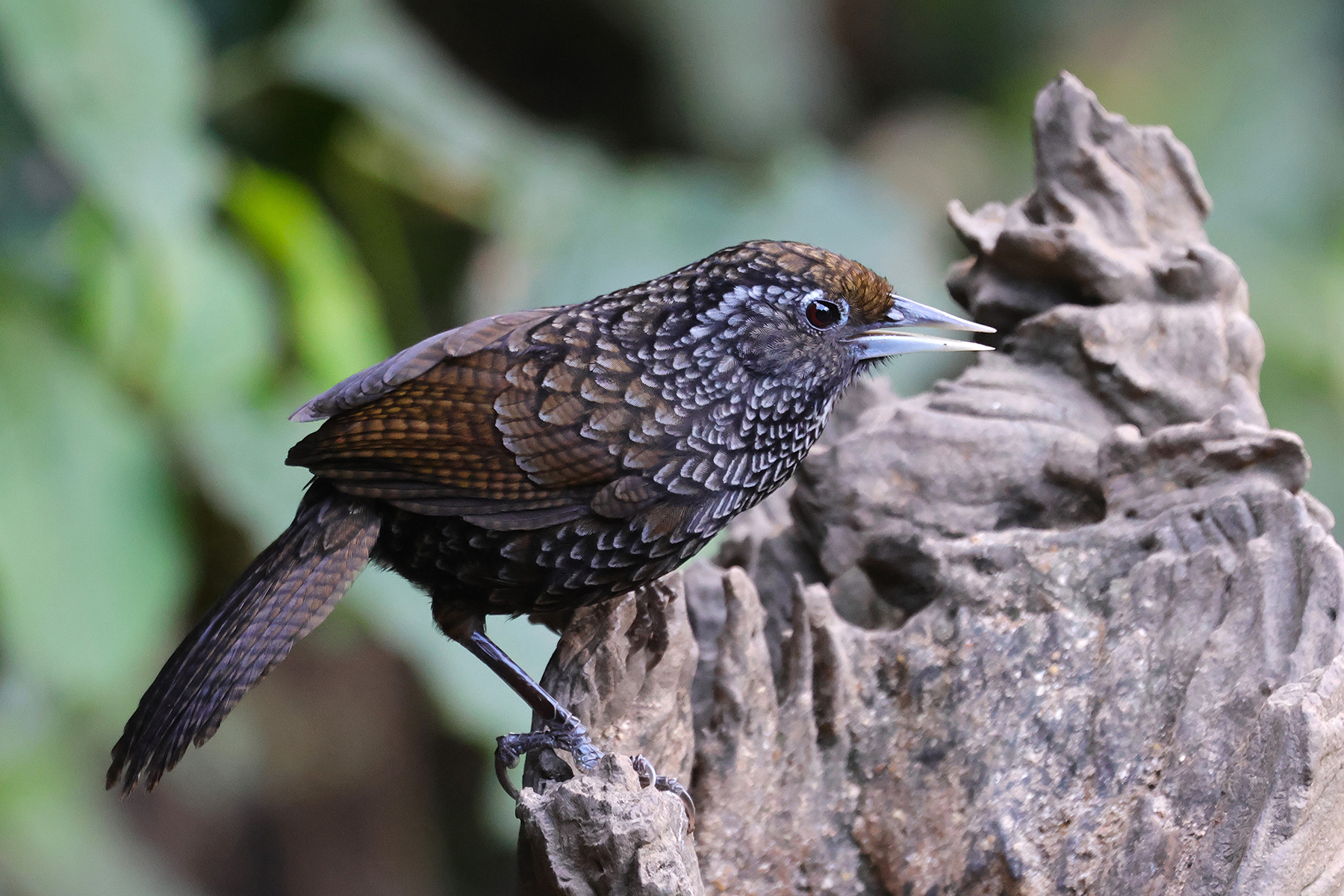
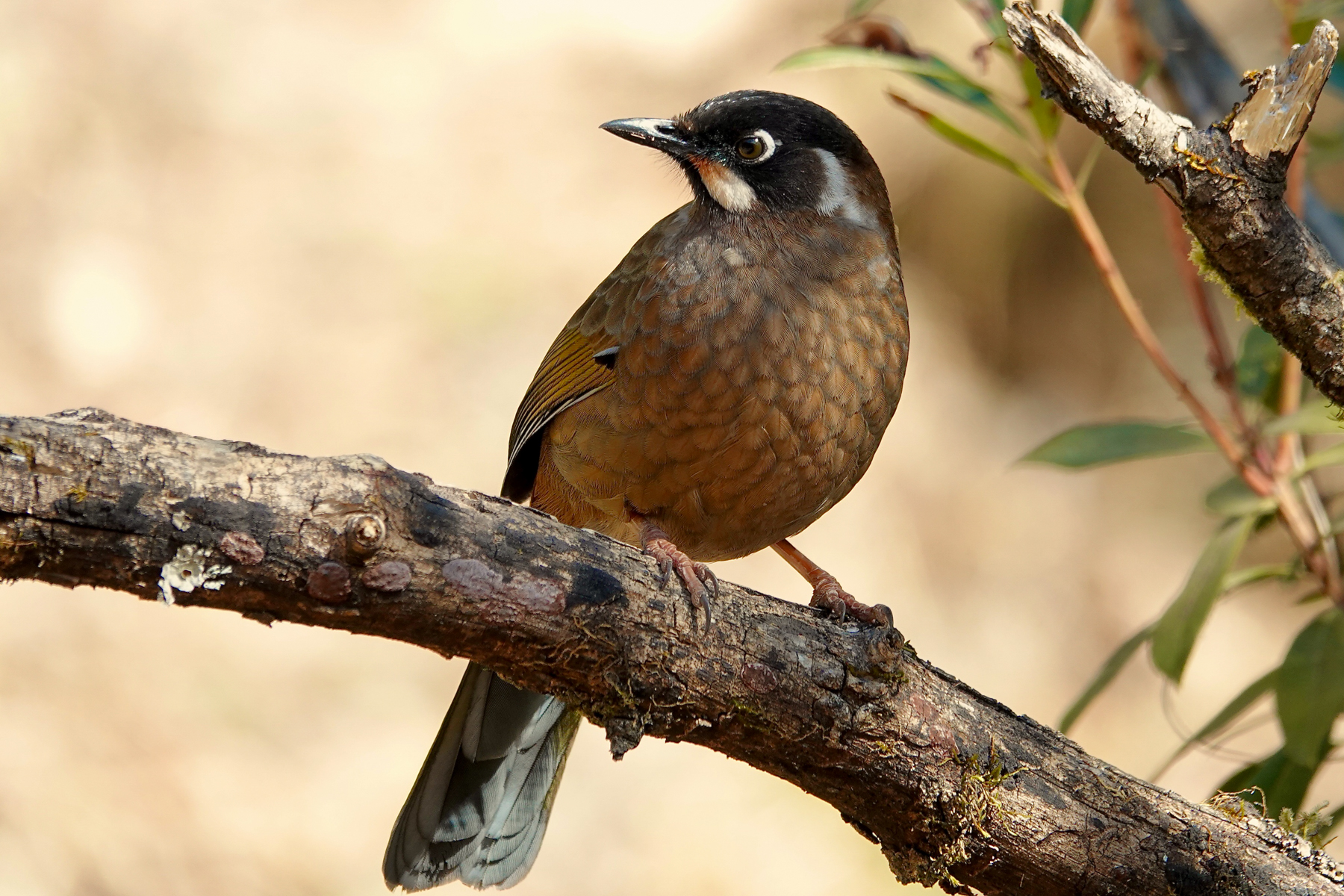
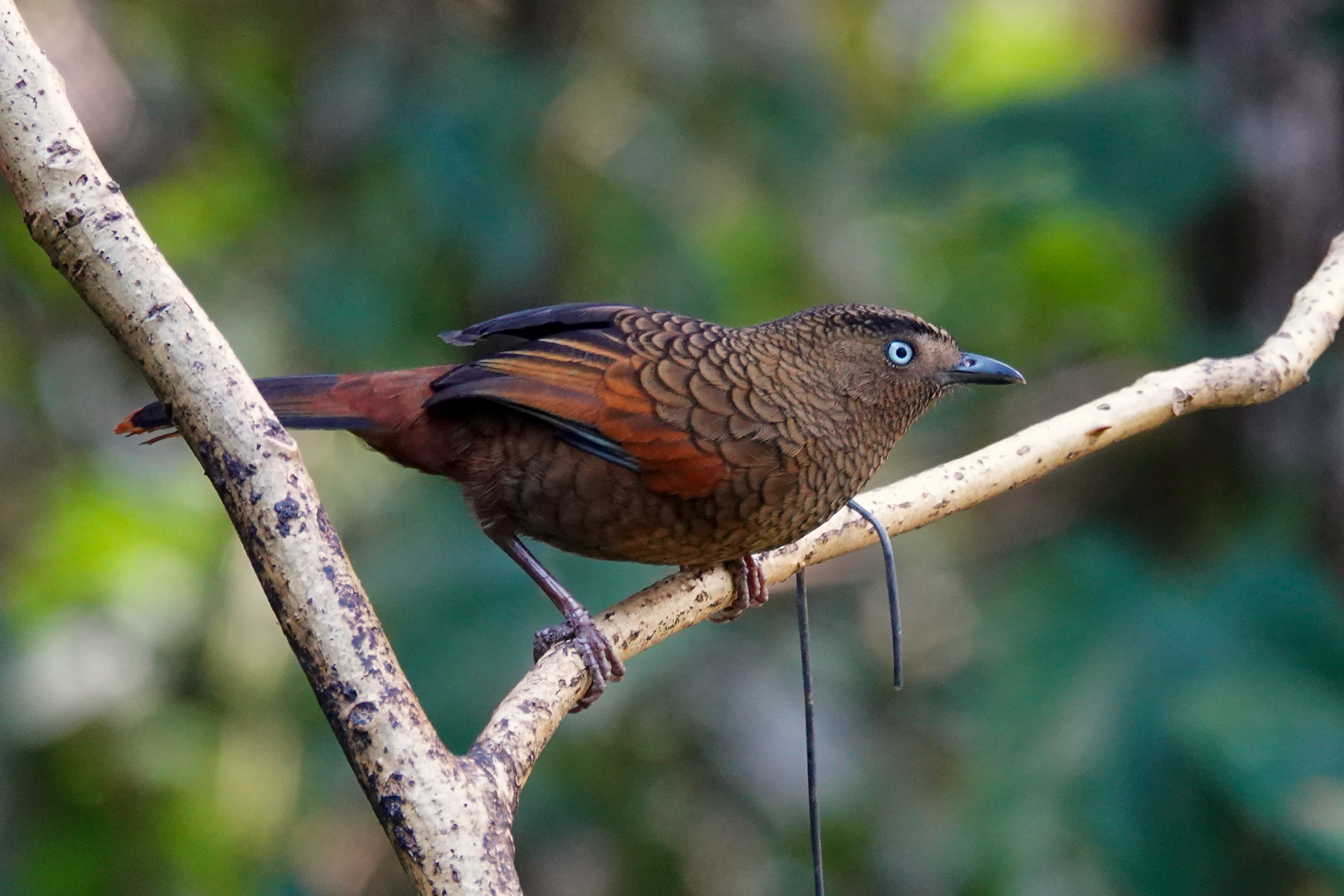
Cachar Wedge-billed Babbler (image by Hannu Jännes)
Indochinese Green Magpie (image by Hannu Jännes)
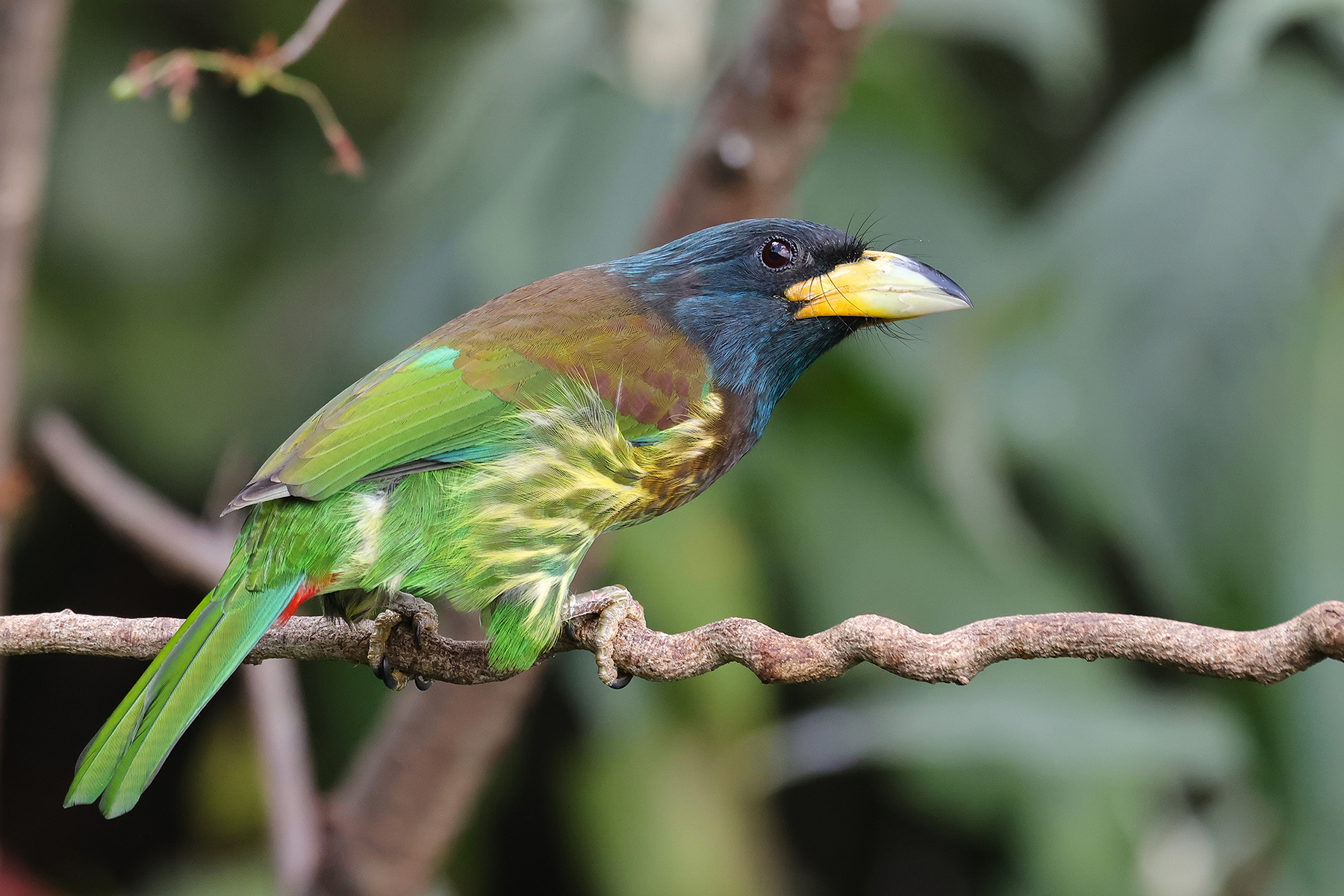
Great Barbet (image by Hannu Jännes)
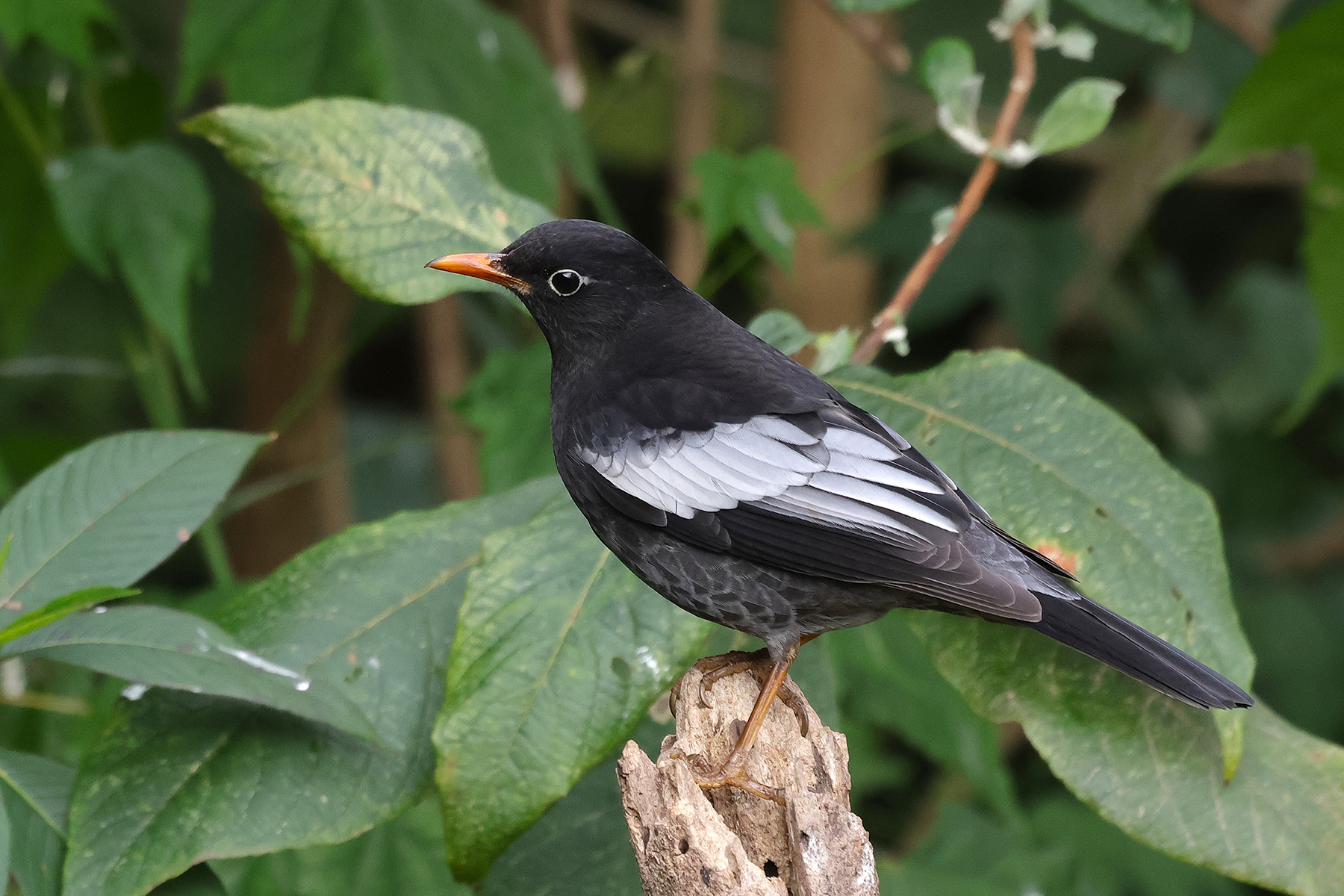
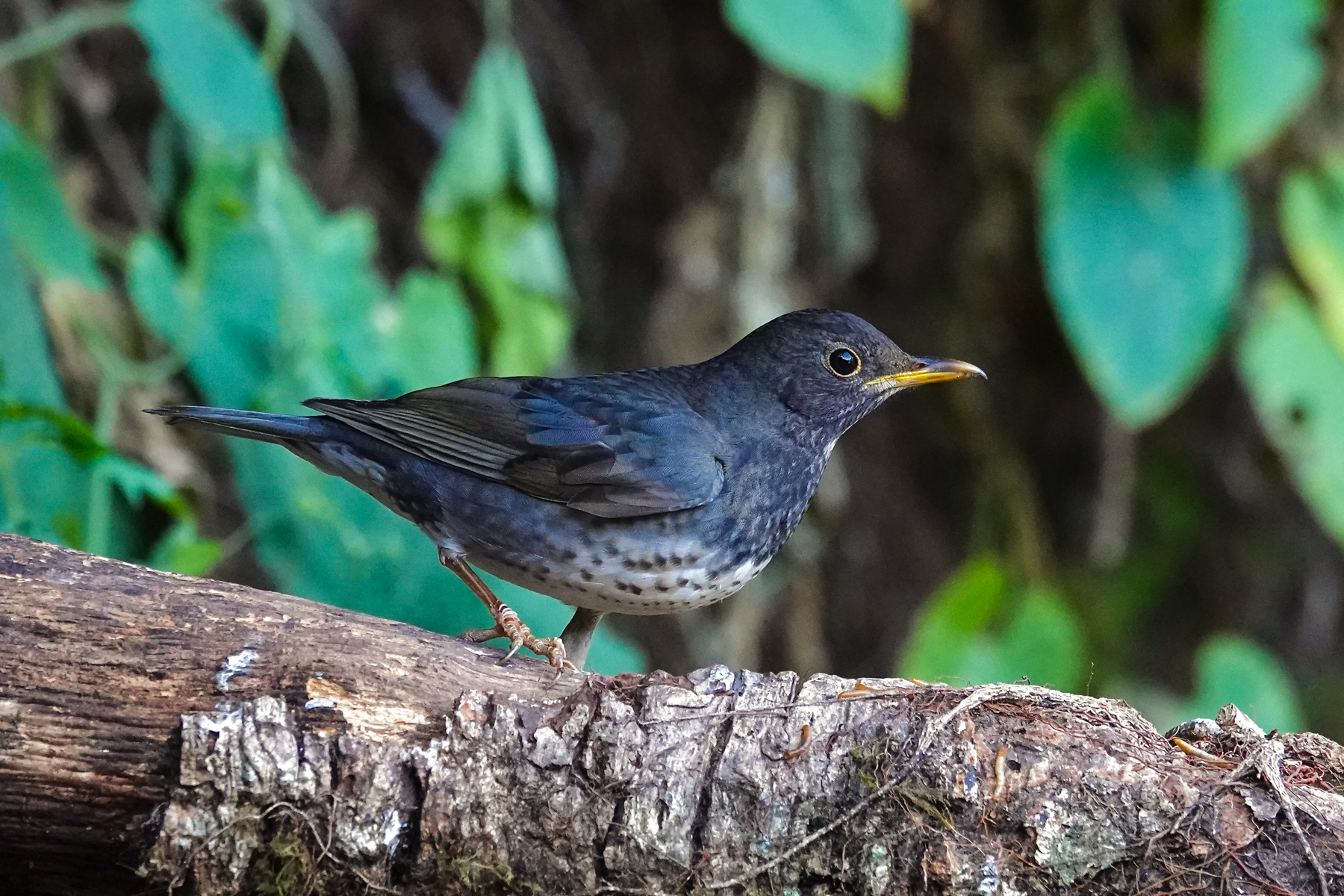
Grey-winged Thrush (image by Hannu Jännes)
Blyth's Leaf Warbler (image by Pete Morris)
Chestnut Bulbul (image by Vincent van der Spek)
Rufous-headed Parrotbill (image by Hannu Jännes)
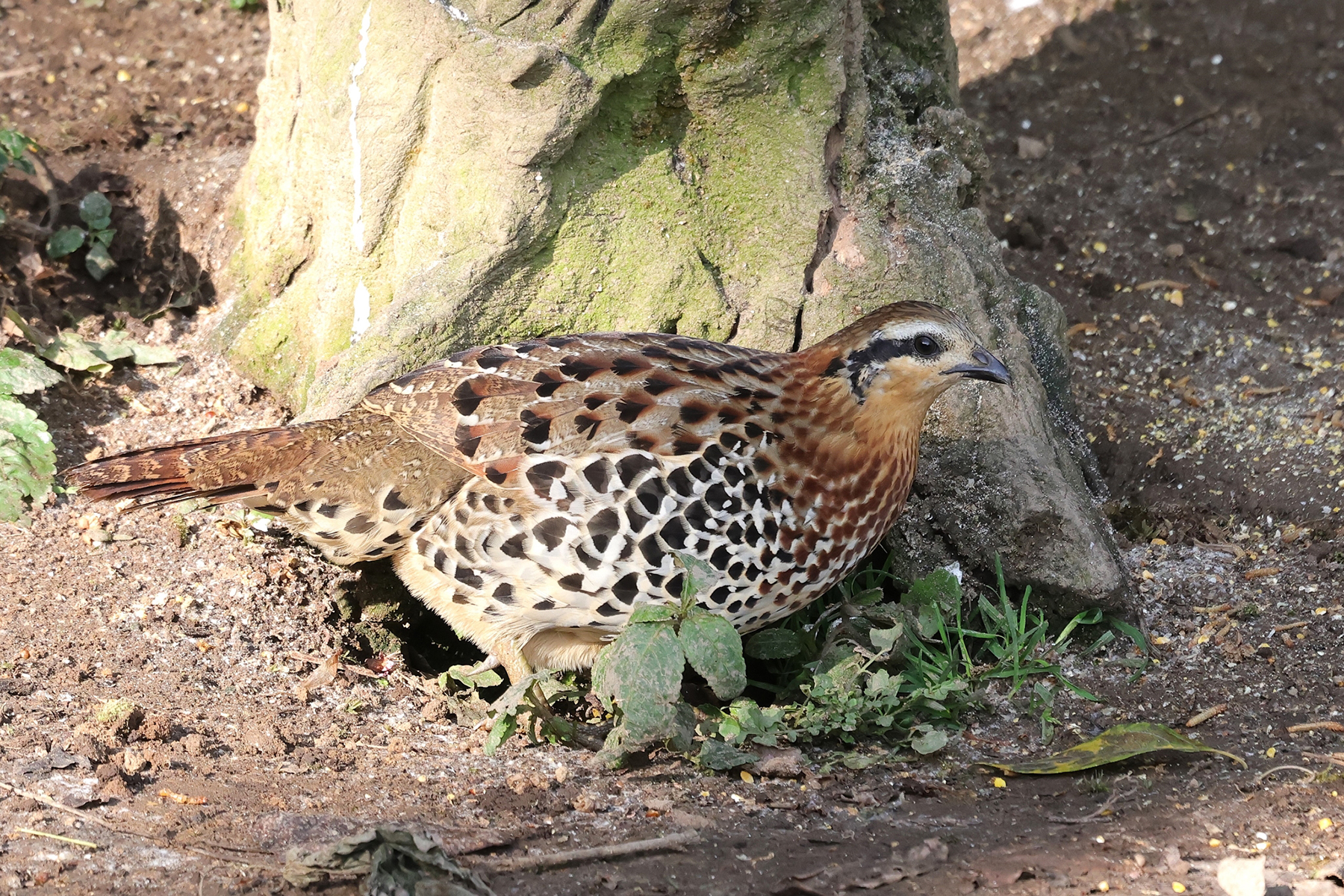
Mountain Bamboo Partridge (image by Hannu Jännes)
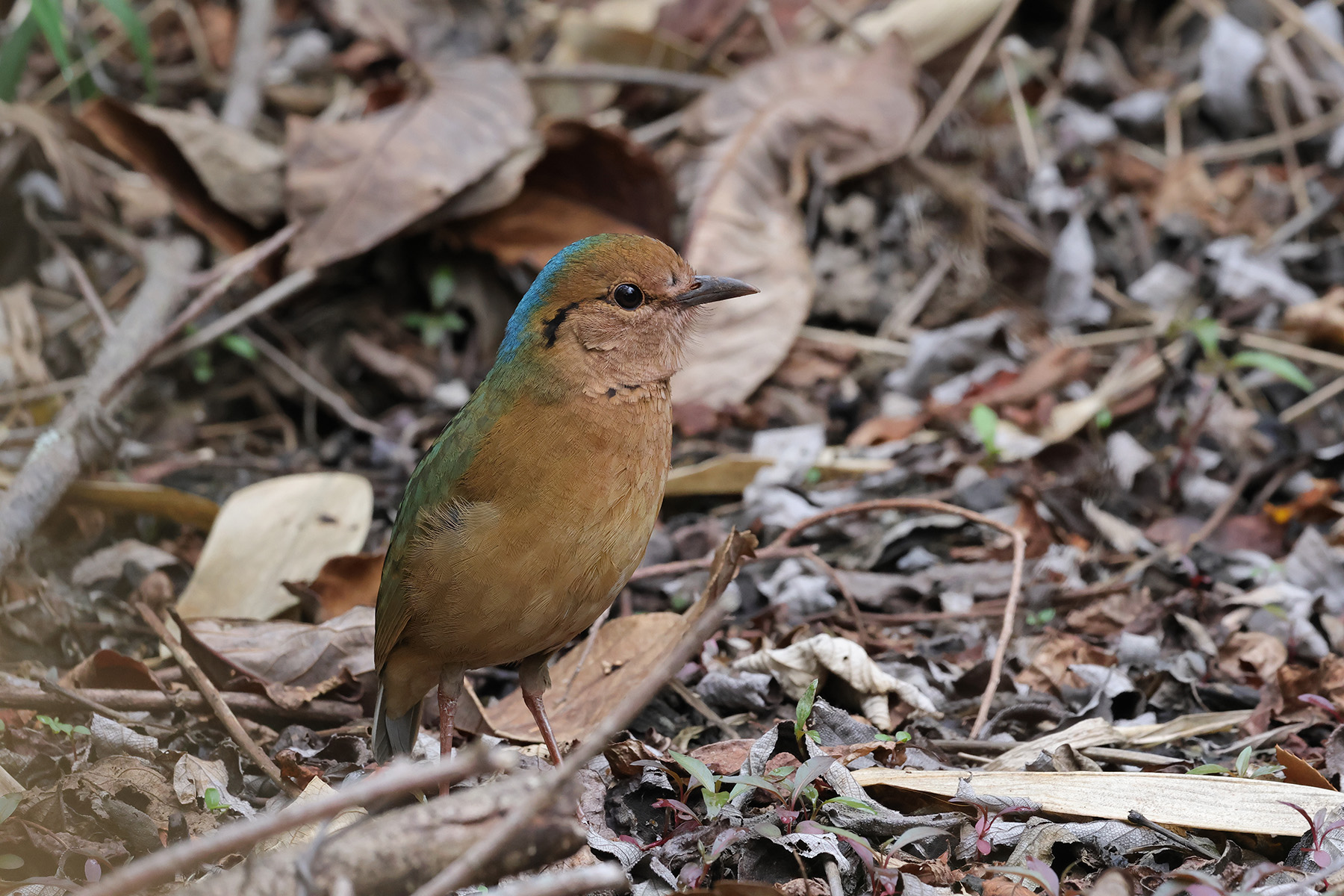
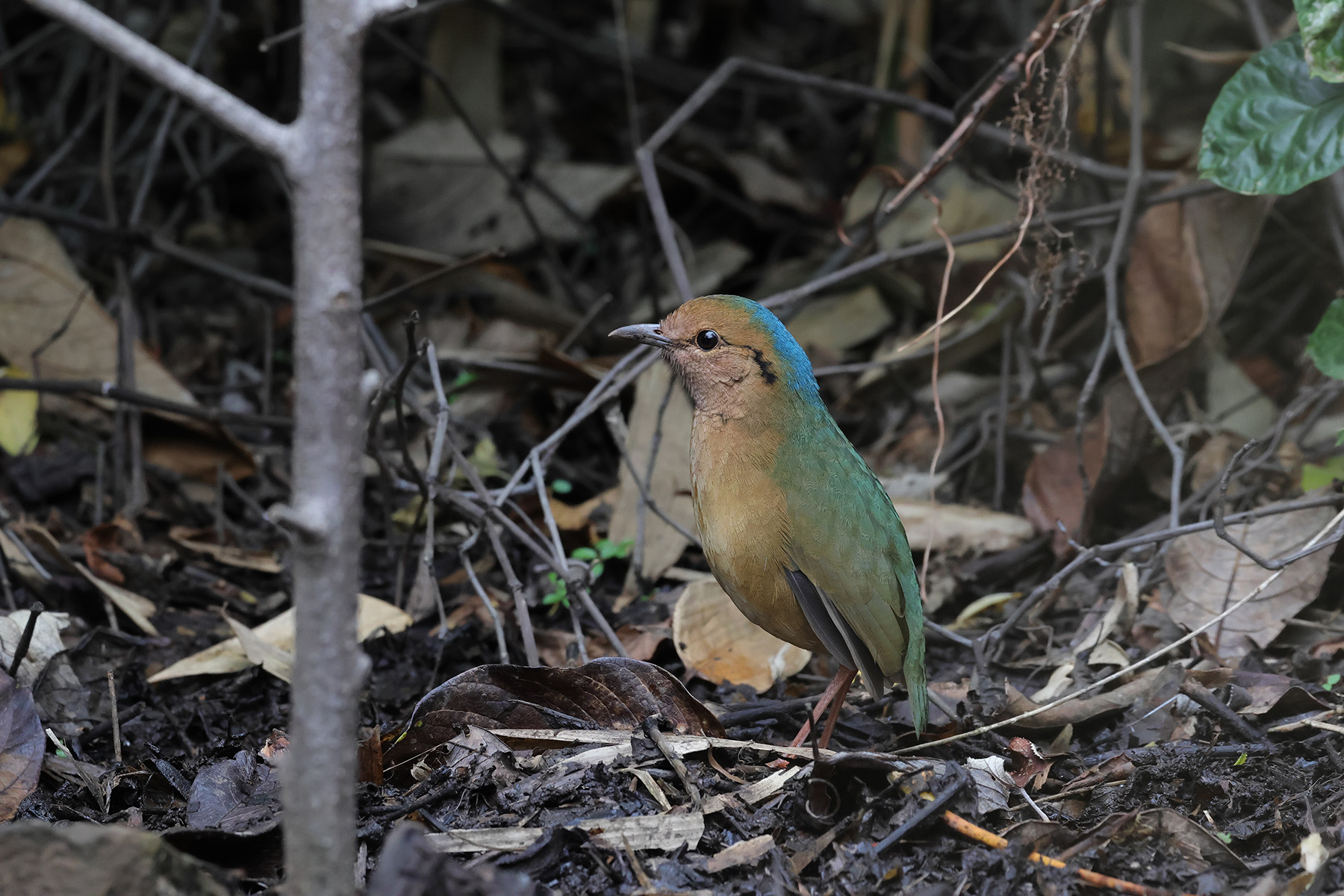
Blue-naped Pitta (image by Hannu Jännes)
Yunnan Nuthatch (image by Pete Morris)
Black-faced Spoonbills (image by Pete Morris)
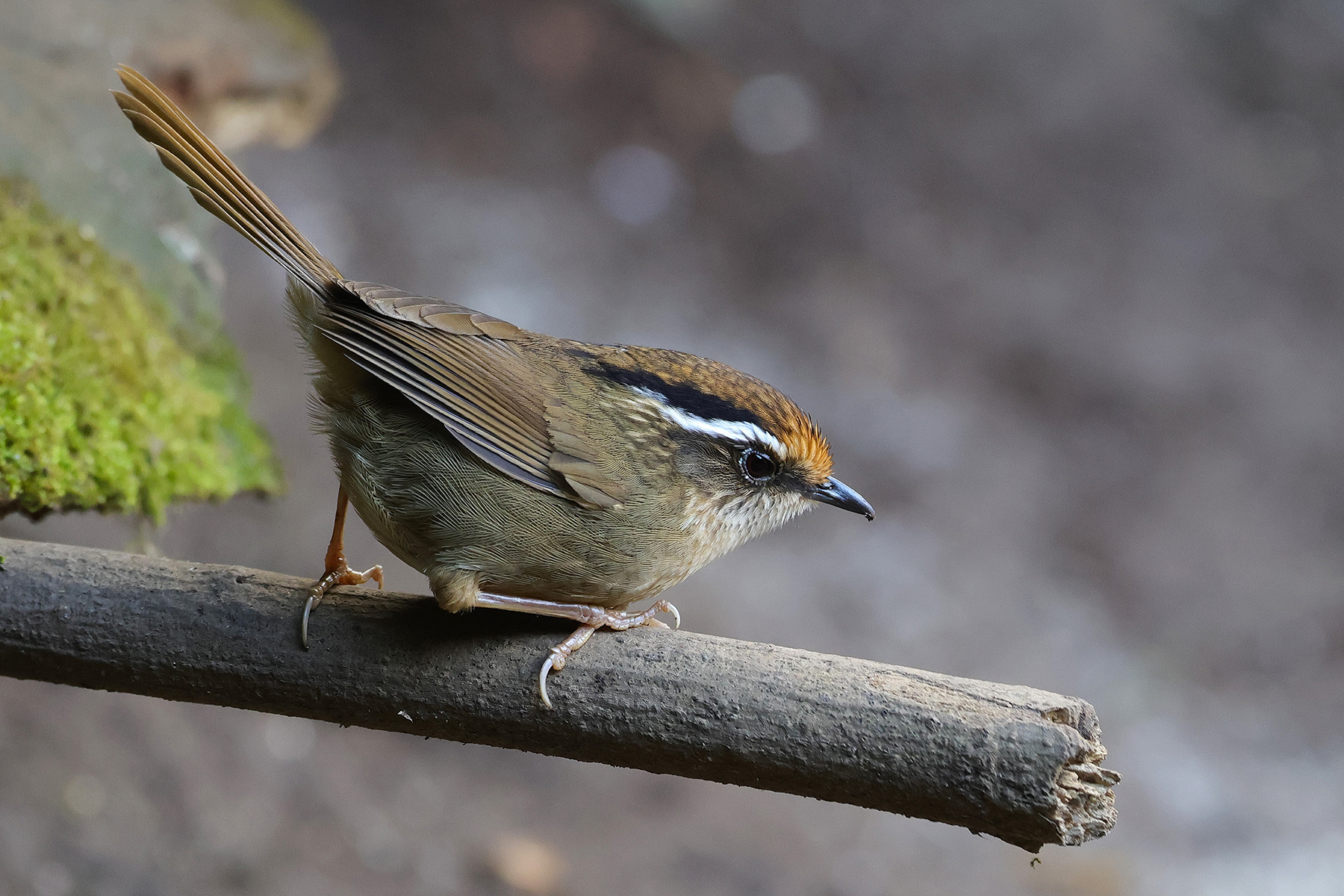
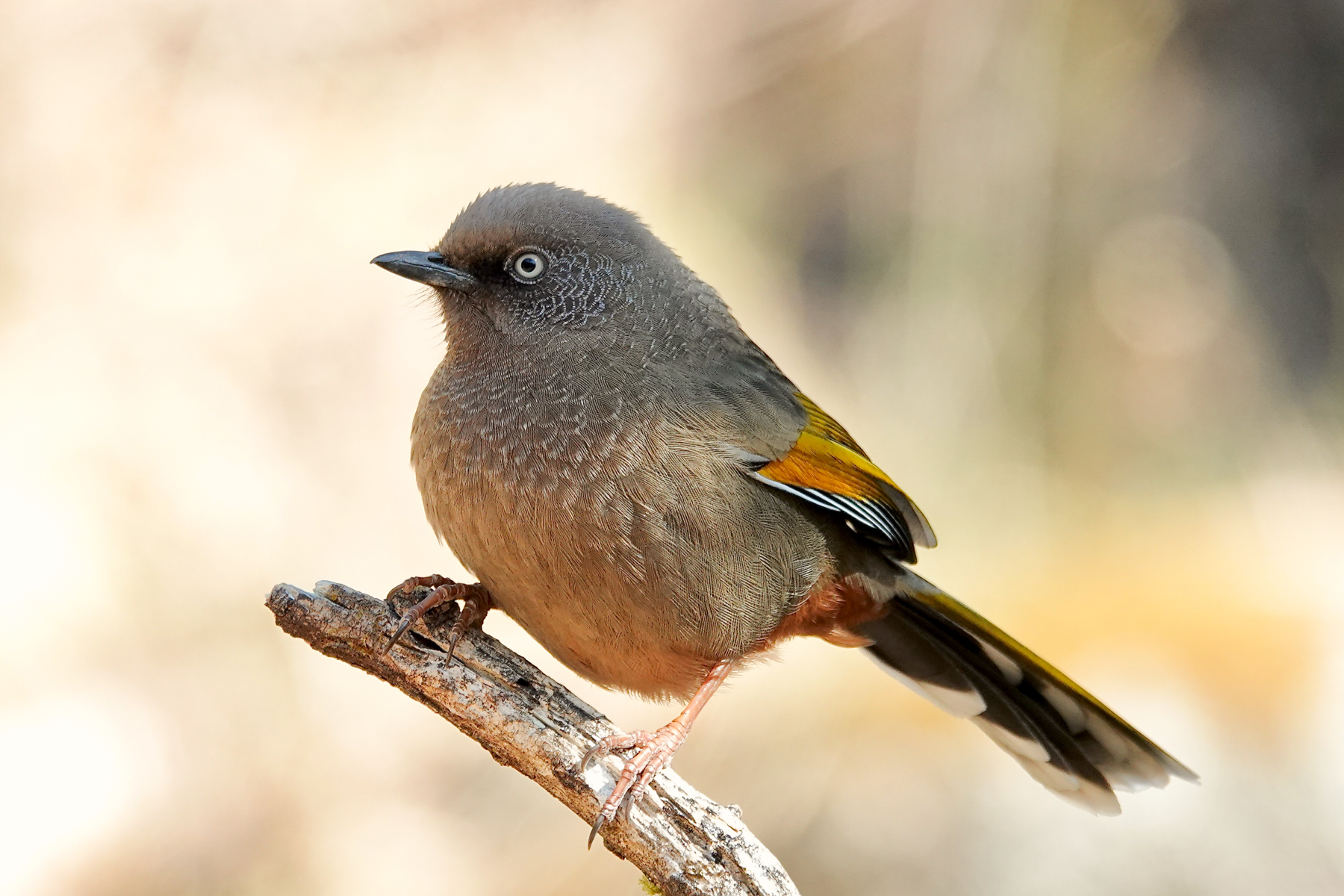
Rusty-capped Fulvetta (image by Hannu Jännes)
Daurian Redstart (image by Pete Morris)
Spot-necked Babbler (image by Hannu Jännes)
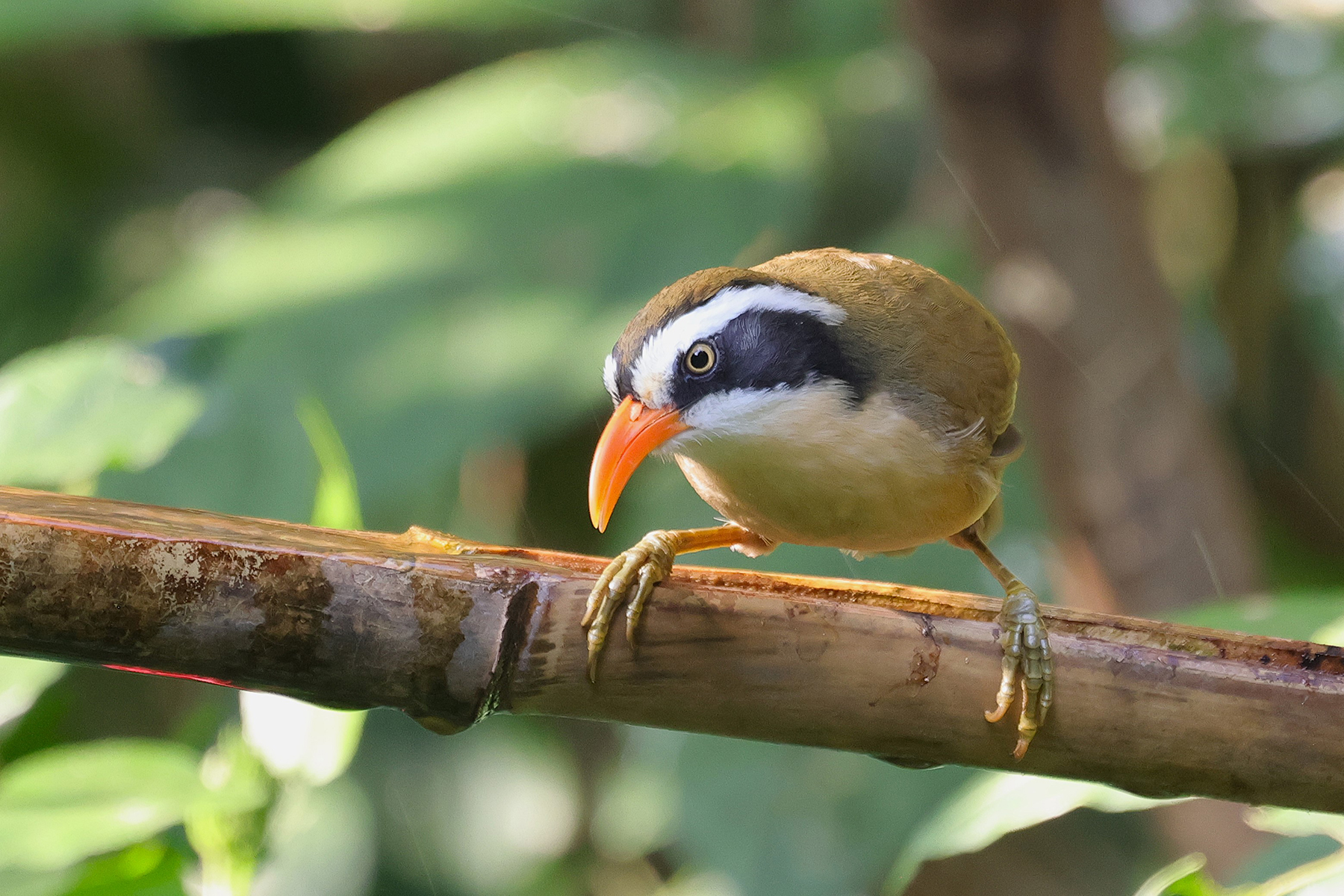
Brown-crowned Scimitar Babbler (image by Hannu Jännes)
Black-browed Bushtit (image by Pete Morris)
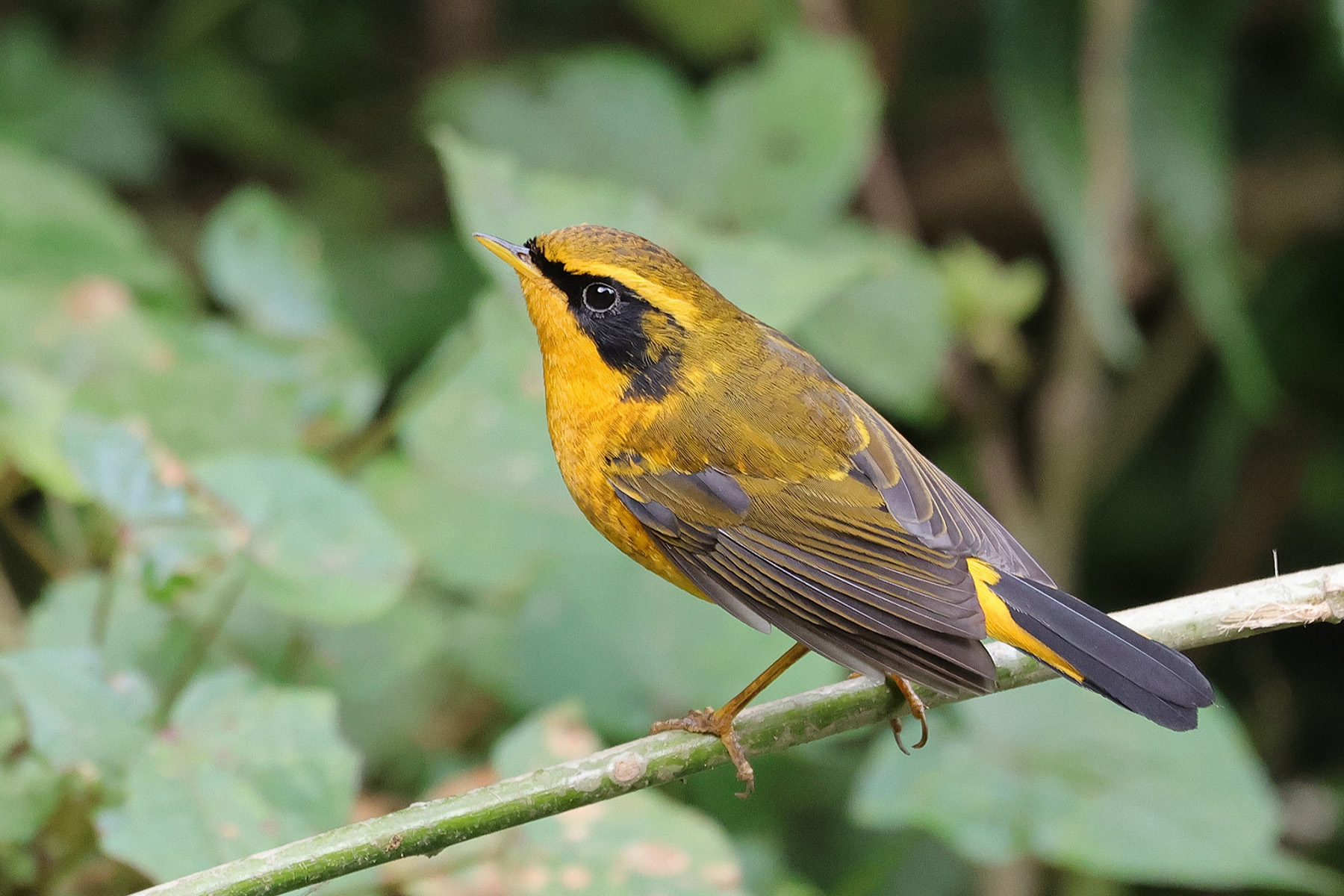
Golden Bush Robin (image by Simon Mitchell)
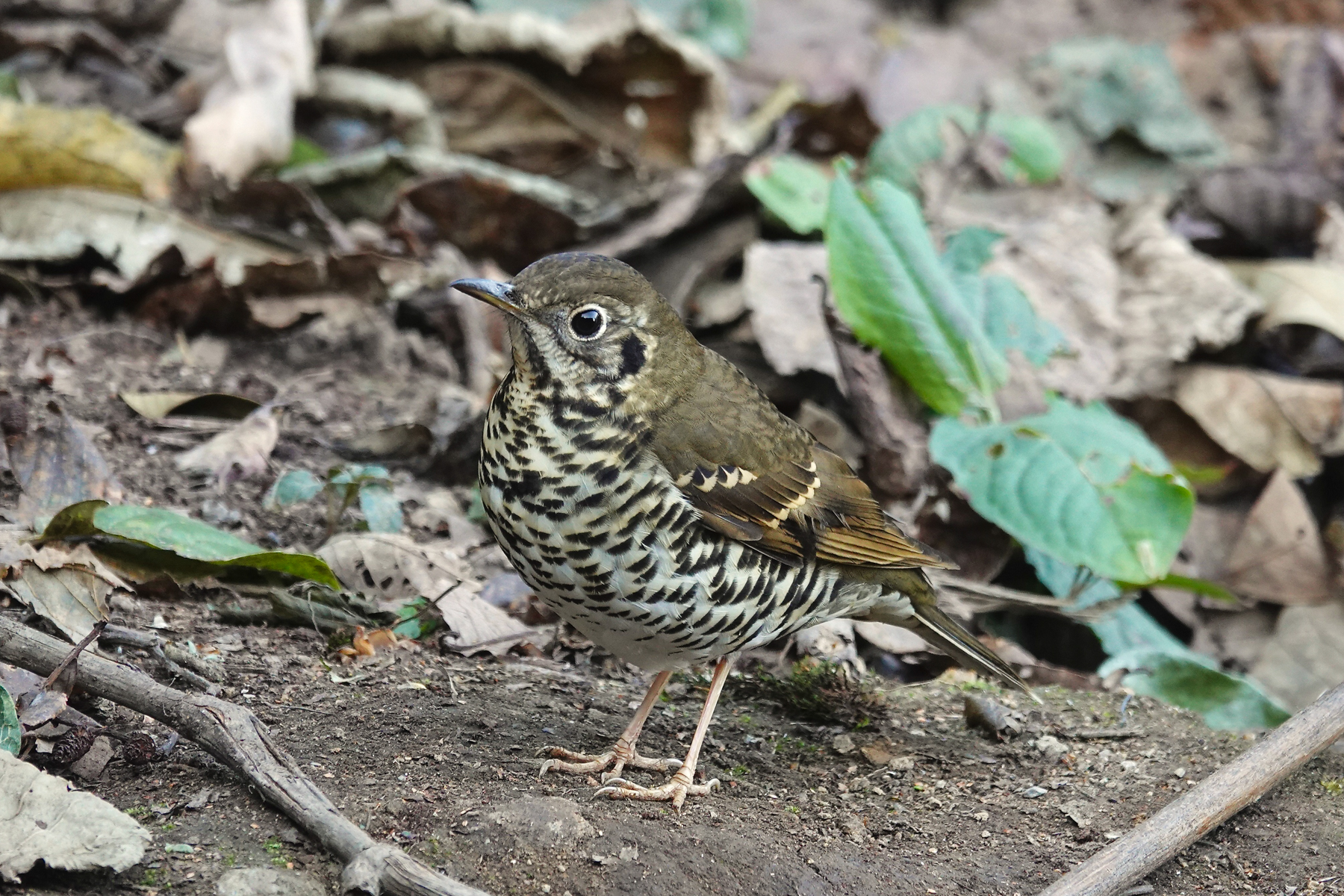
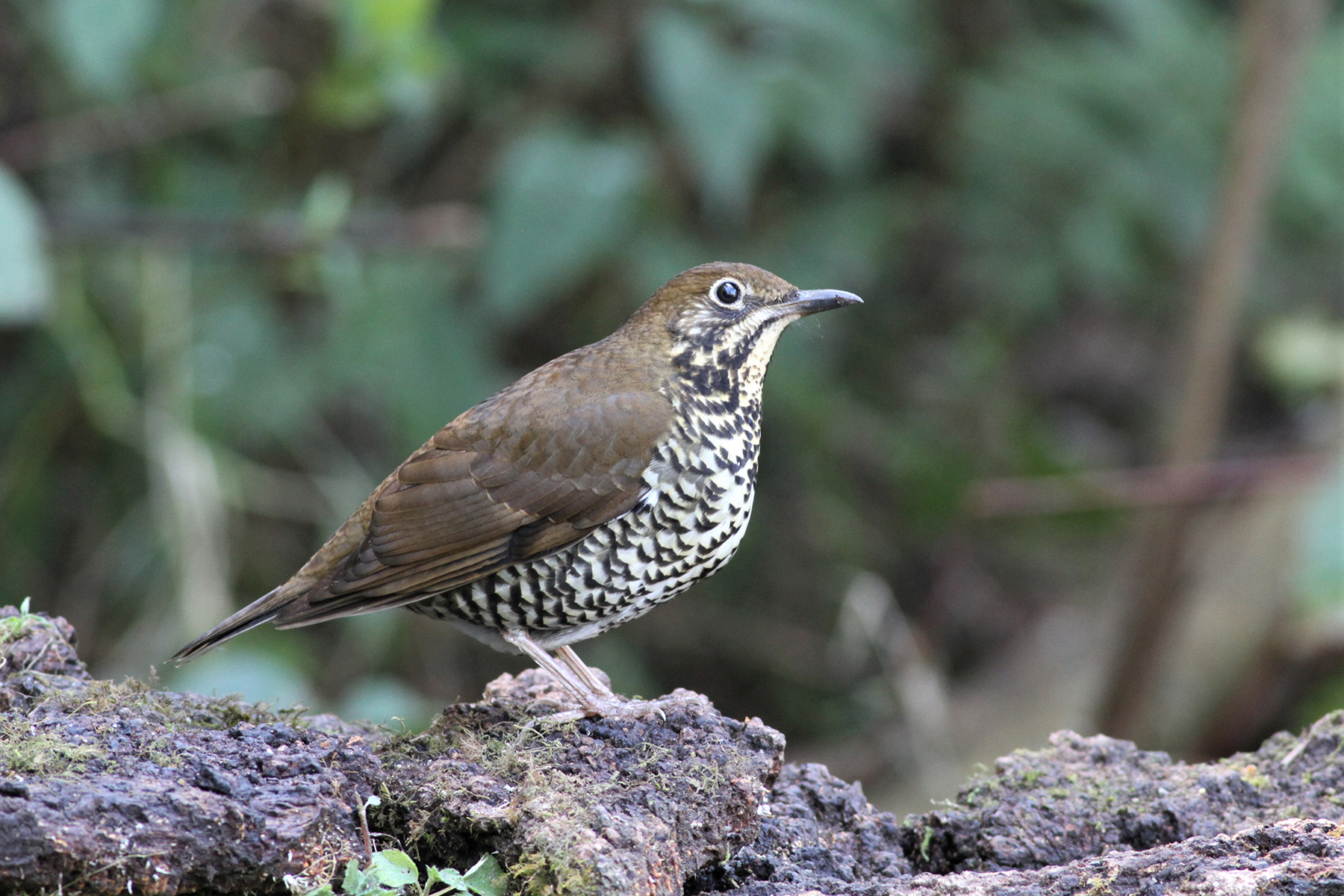
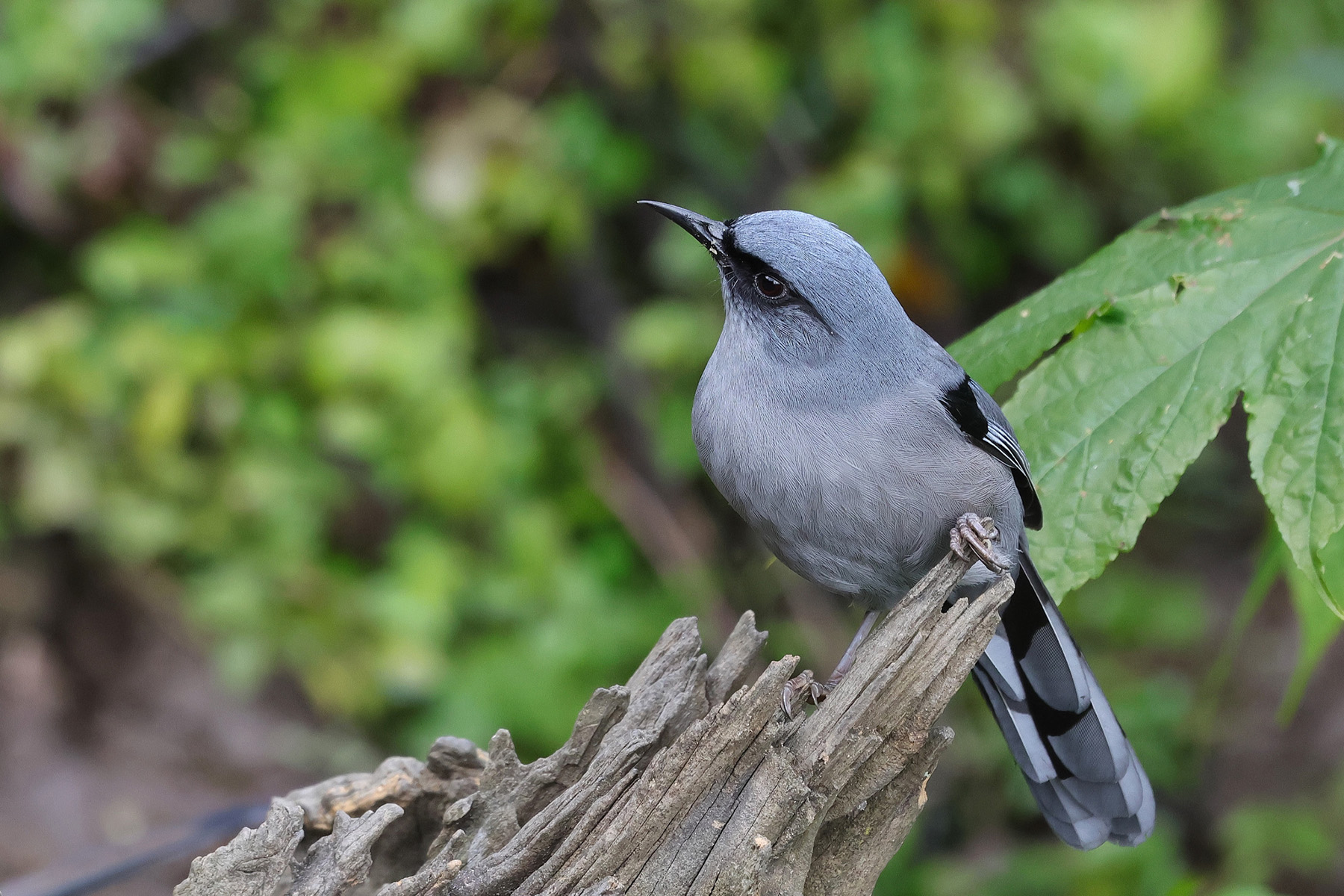
Long-tailed Thrush (image by Craig Robson)
Chestnut-capped Babbler (image by Hannu Jännes)
Light-vented Bulbul (image by Pete Morris)
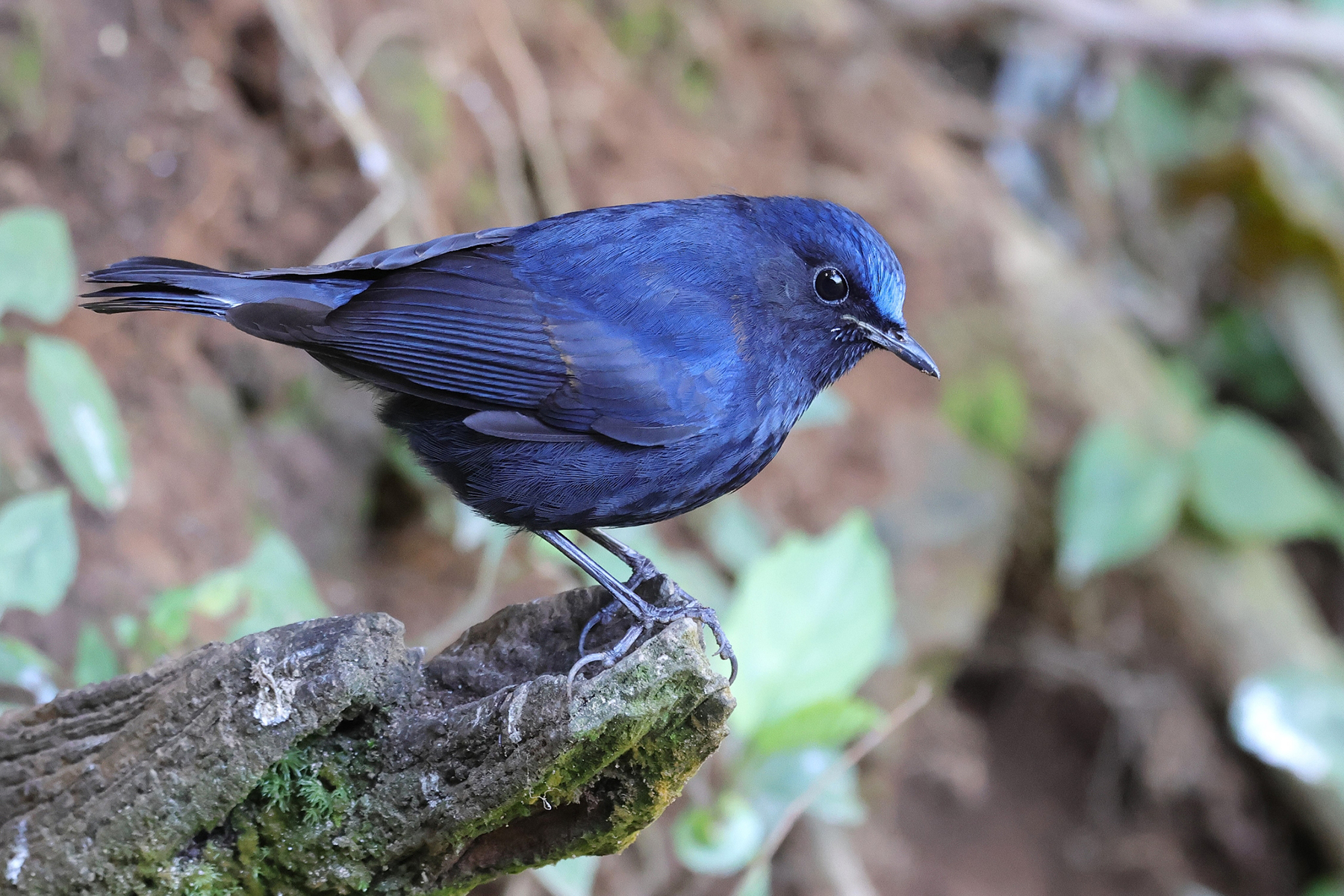
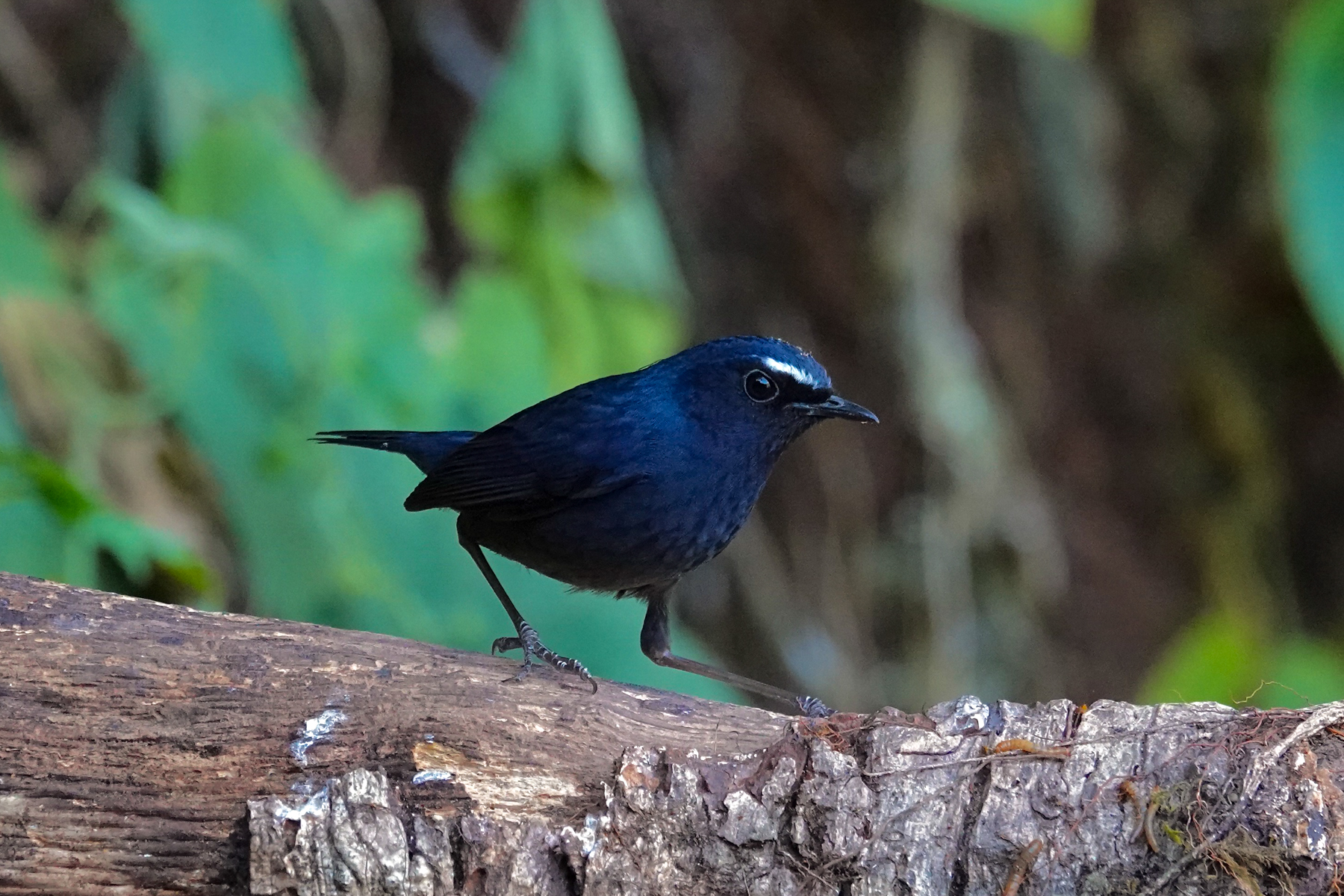
Blue-fronted Redstart (image by Pete Morris)
Elliot's Laughingthrush (image by Craig Robson)
Chestnut Thrush (image by Pete Morris)
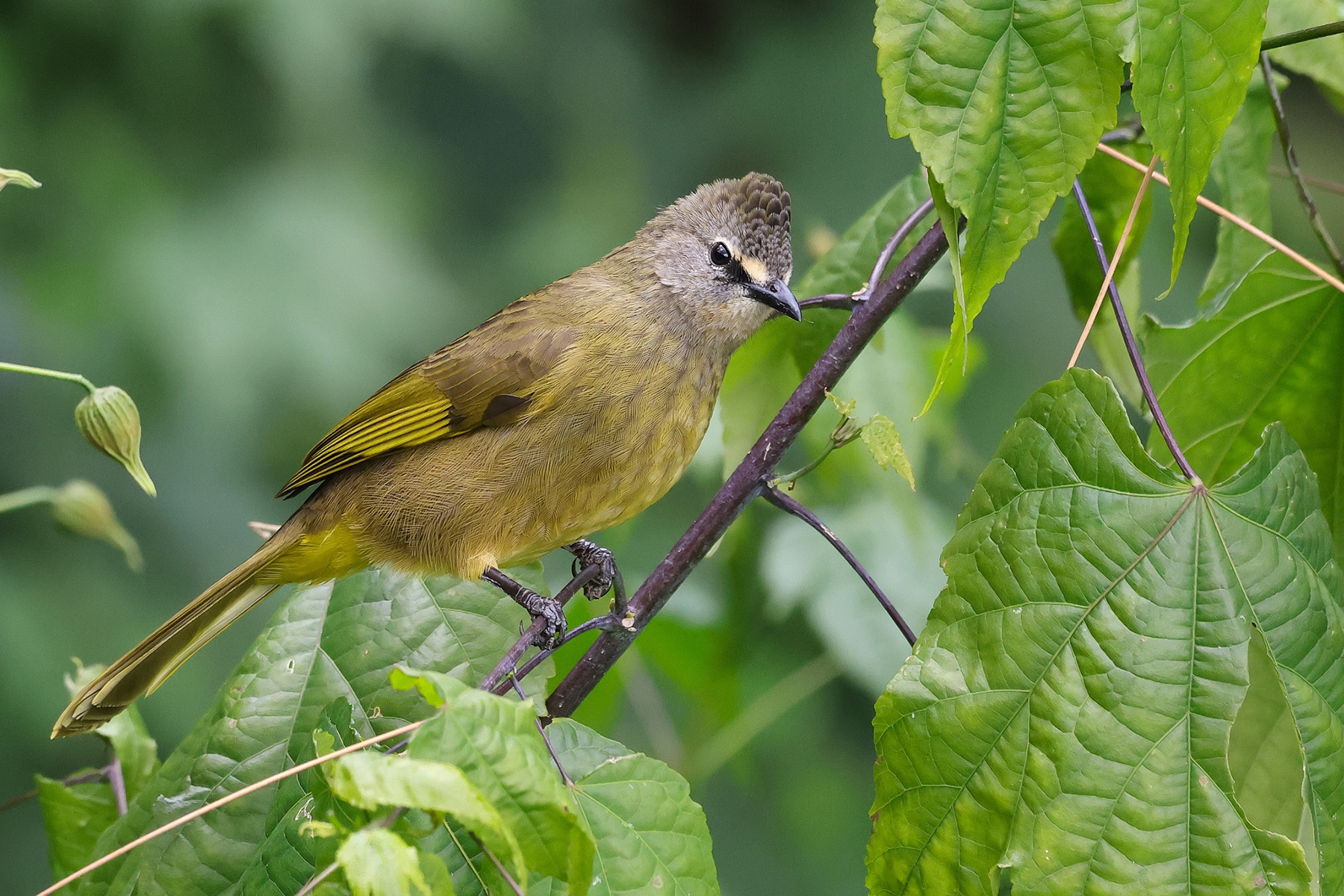
Flavescent Bulbul (image by Hannu Jännes)
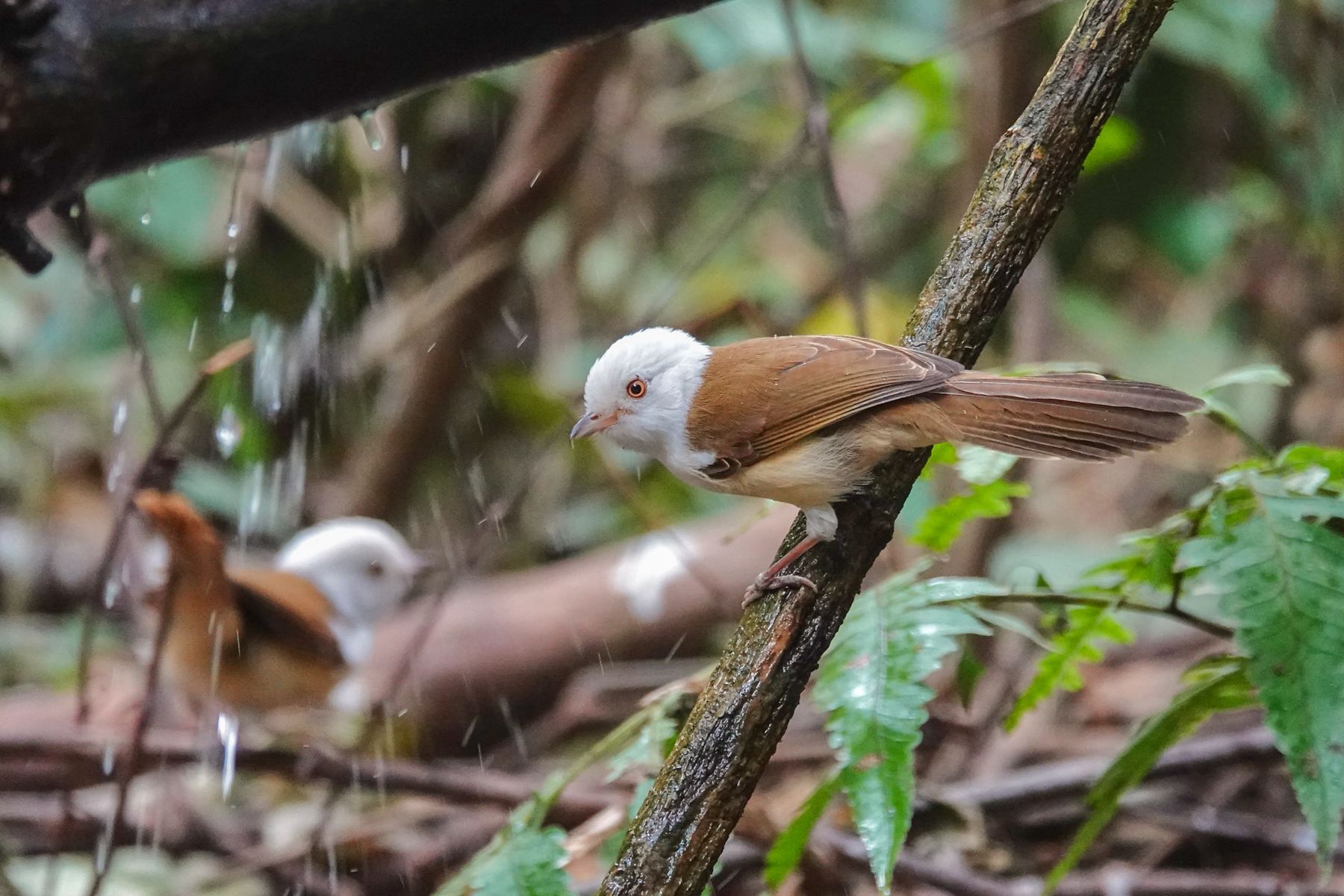
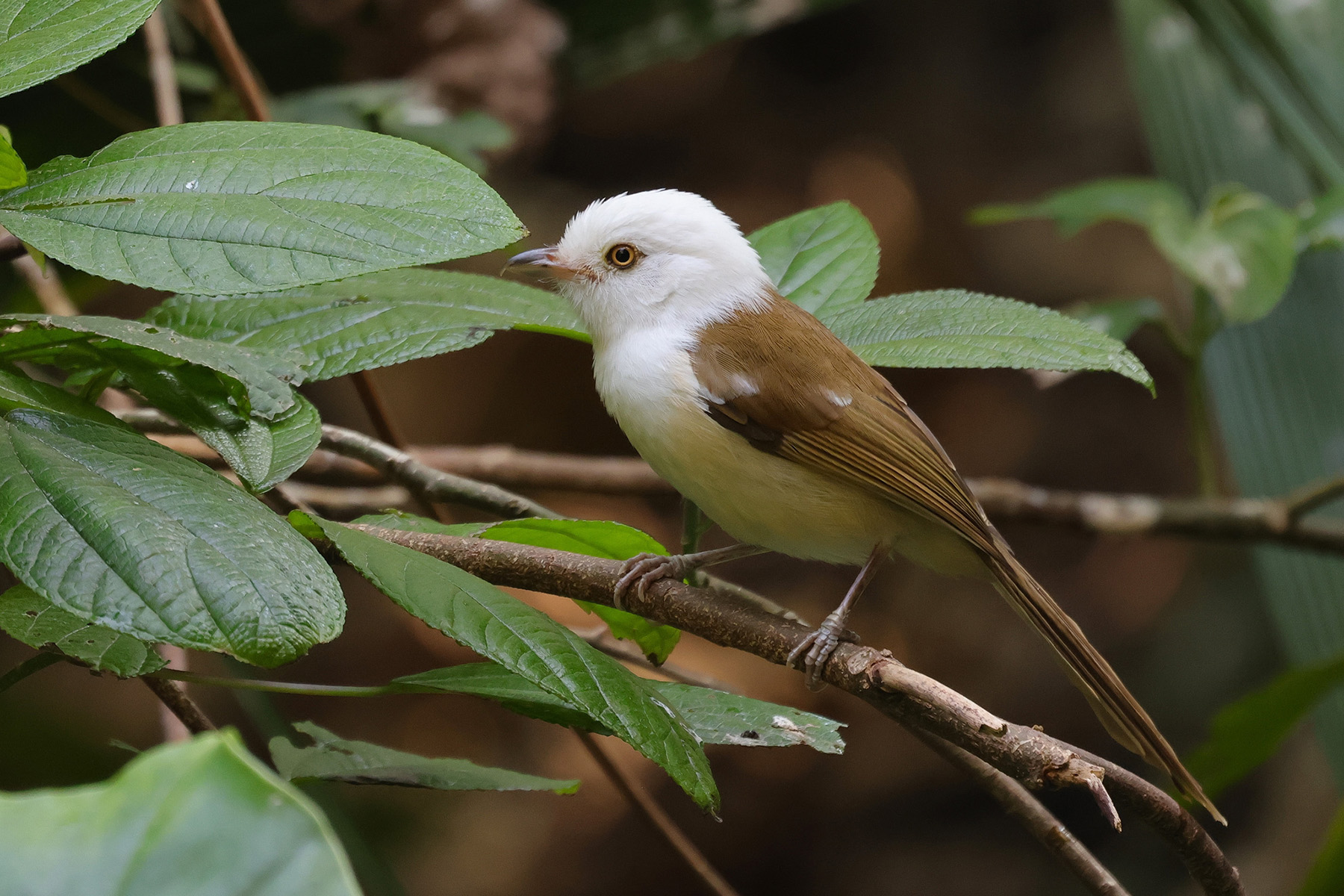
White-hooded Babblers (image by Craig Robson)
Spoon-billed Sandpiper (image by János Oláh)
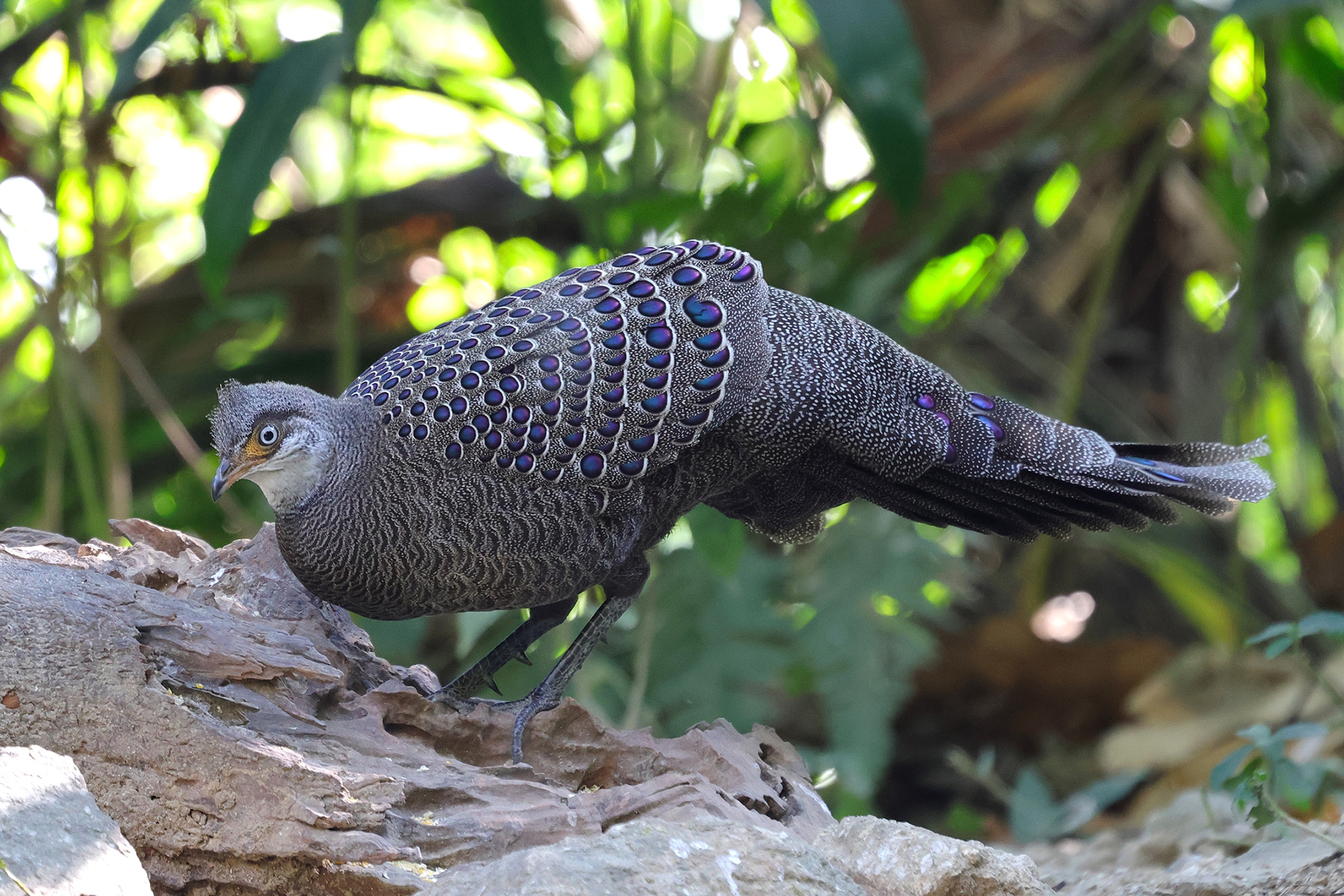
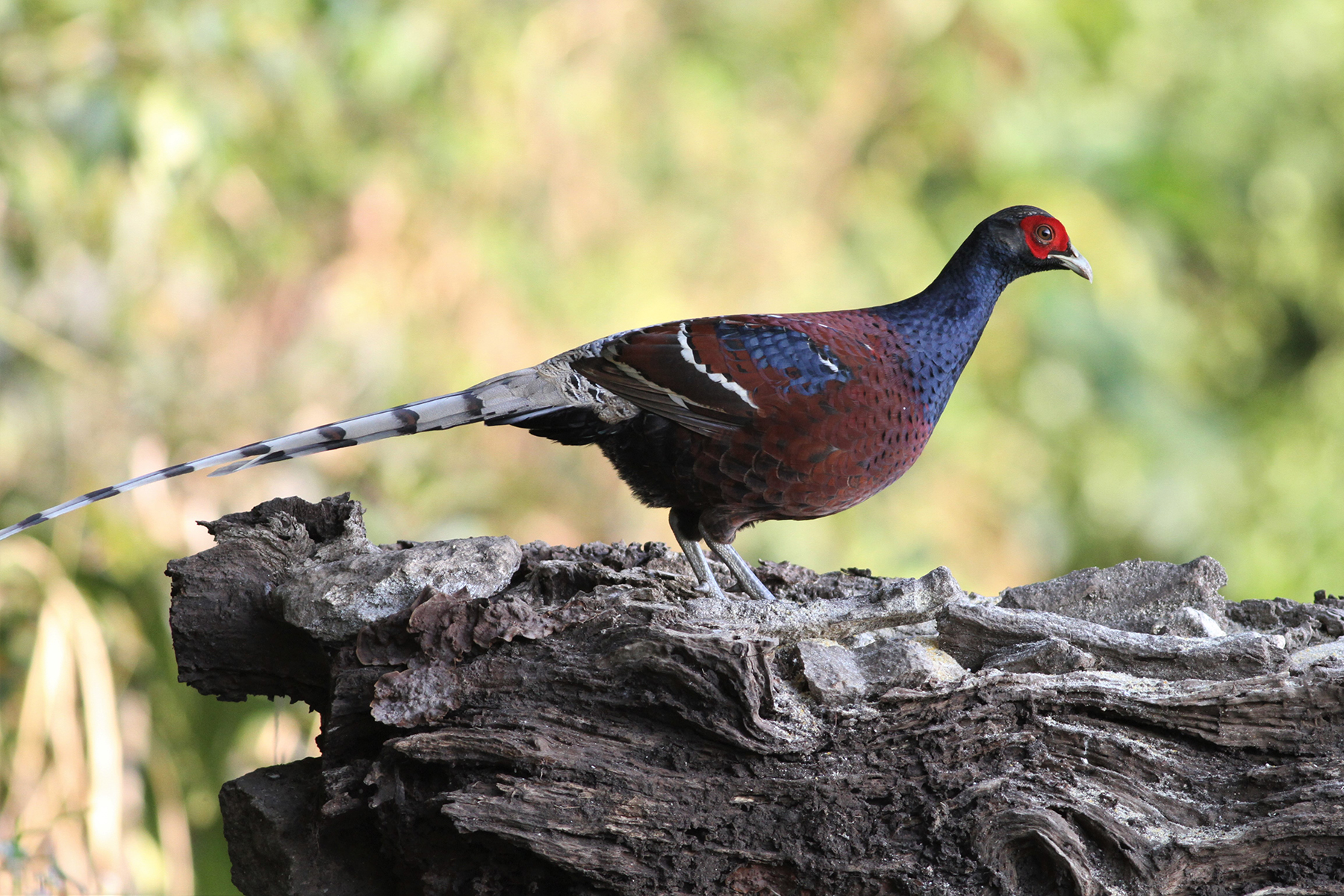
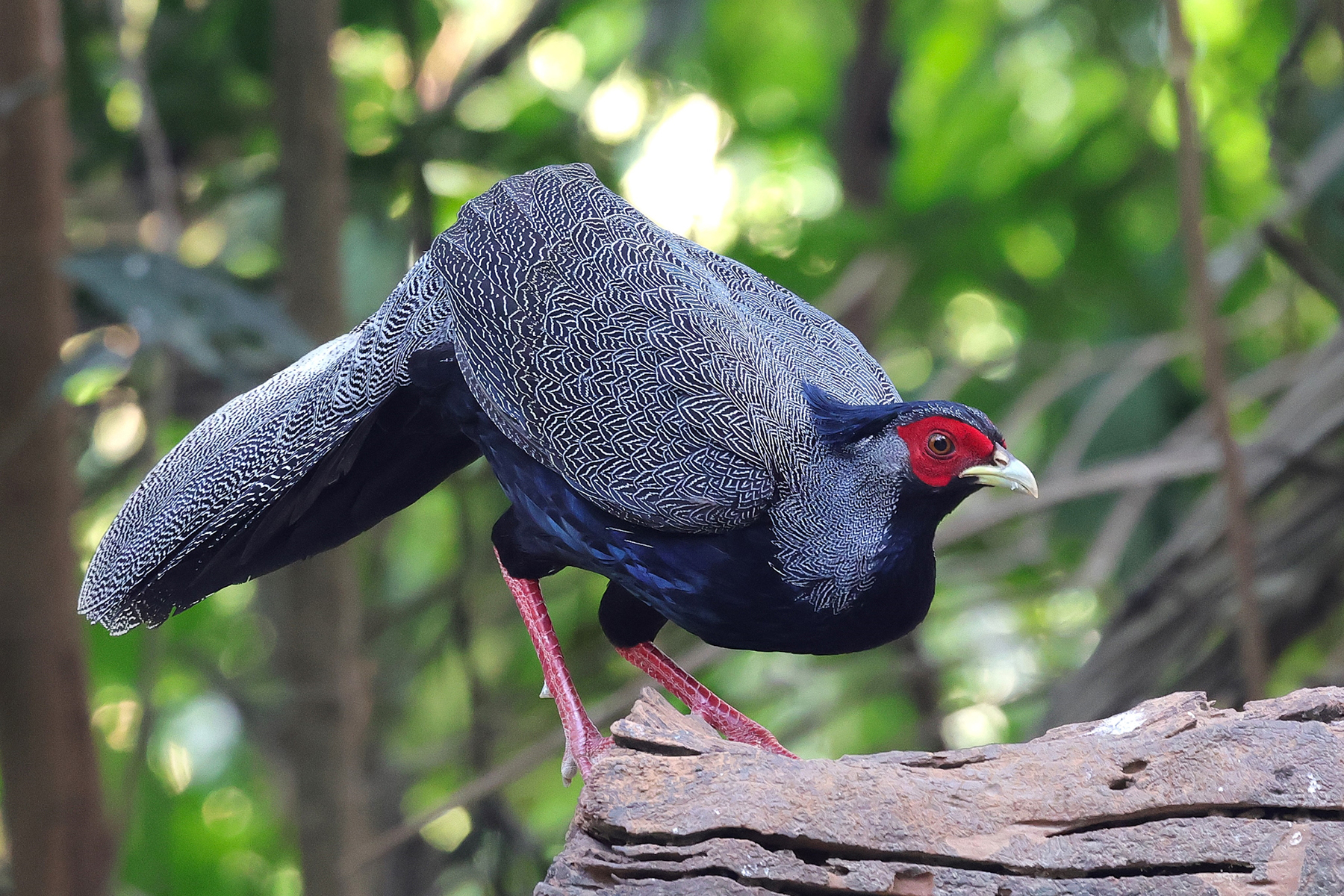
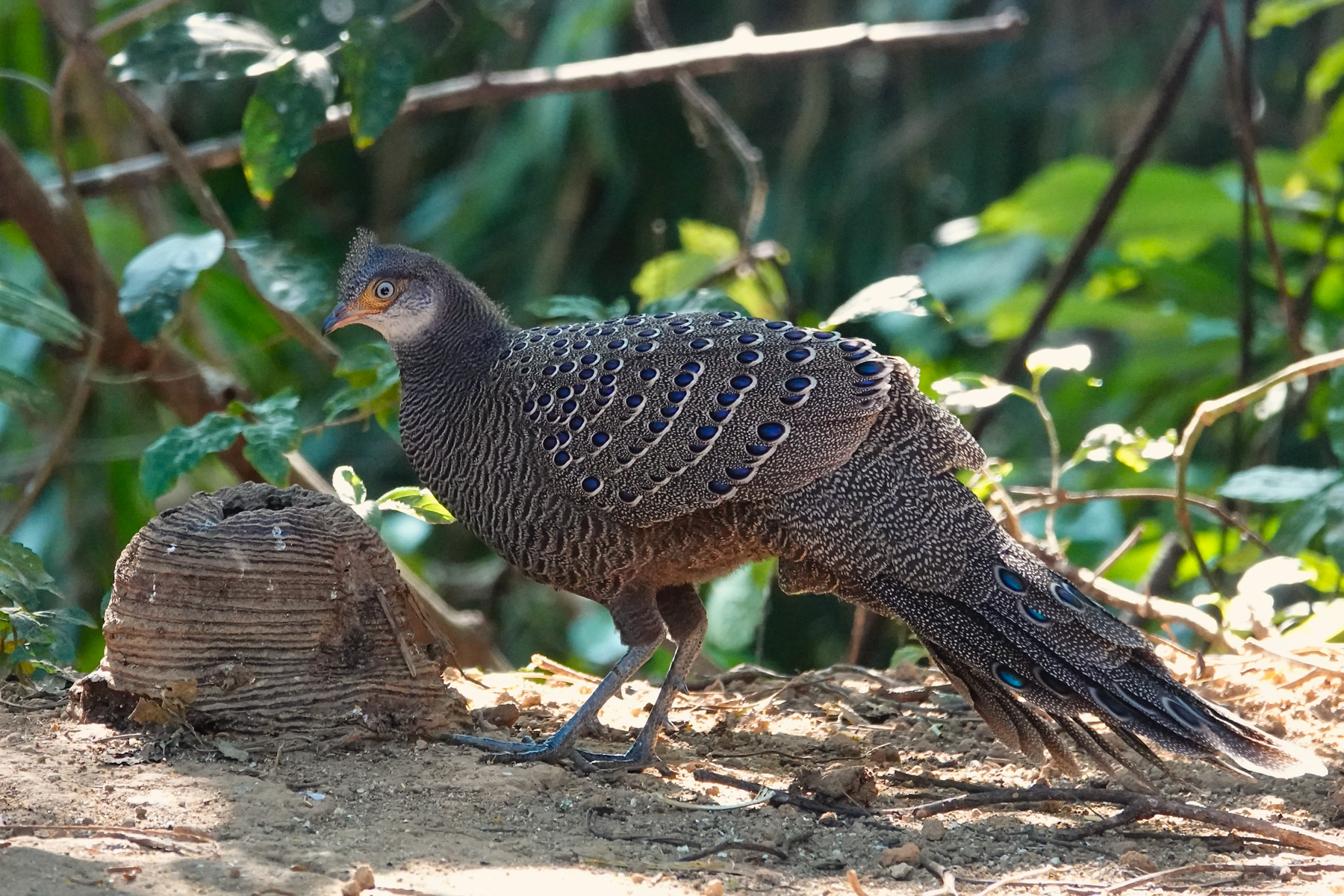
Grey Peacock-Pheasant (image by Hannu Jännes)
Chestnut-vented Nuthatch (image by Simon Mitchell)
Himalayan Thrush (image by Hannu Jännes)
Cachar Wedge-billed Babbler (image by Hannu Jännes)
Rufous-tailed Babbler (image by Pete Morris)
Mrs Gould's Sunbird (image by Pete Morris)
Green Shrike-Babbler (image by Pete Morris)
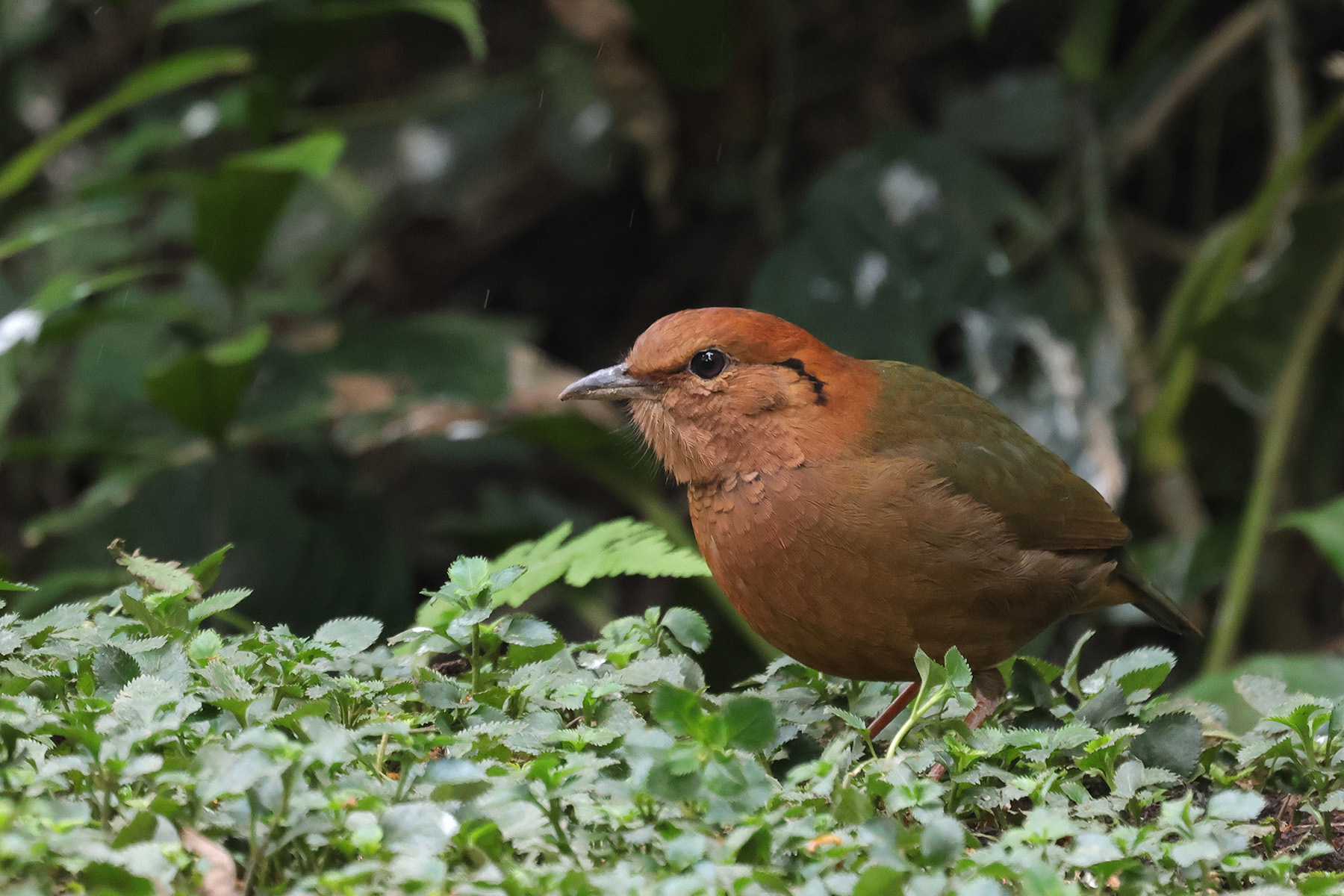
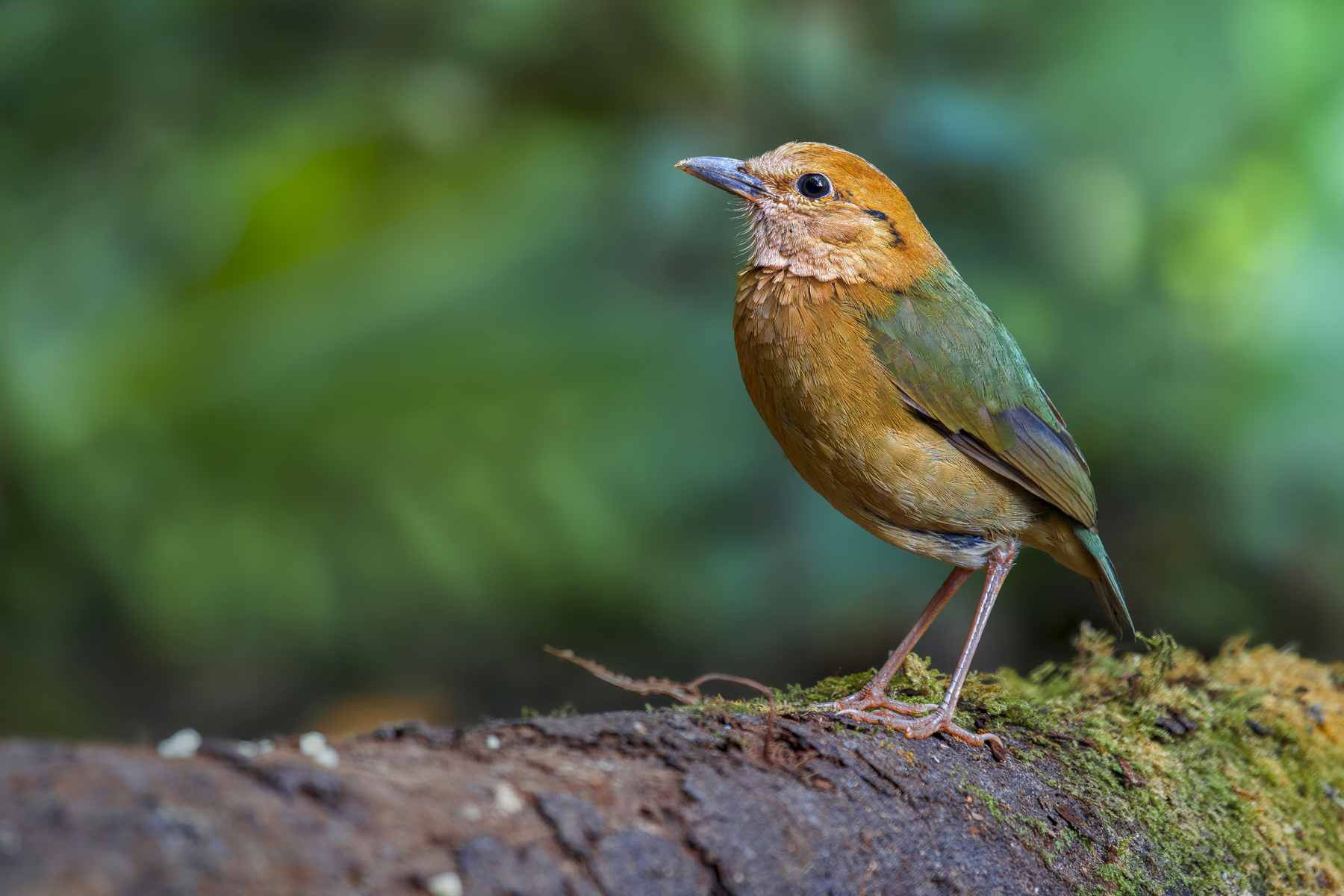
Rusty-naped Pitta (image by Hannu Jännes)
Crimson-browed Finch (image by Craig Robson)
Sichuan Leaf Warbler (image by Simon Mitchell)
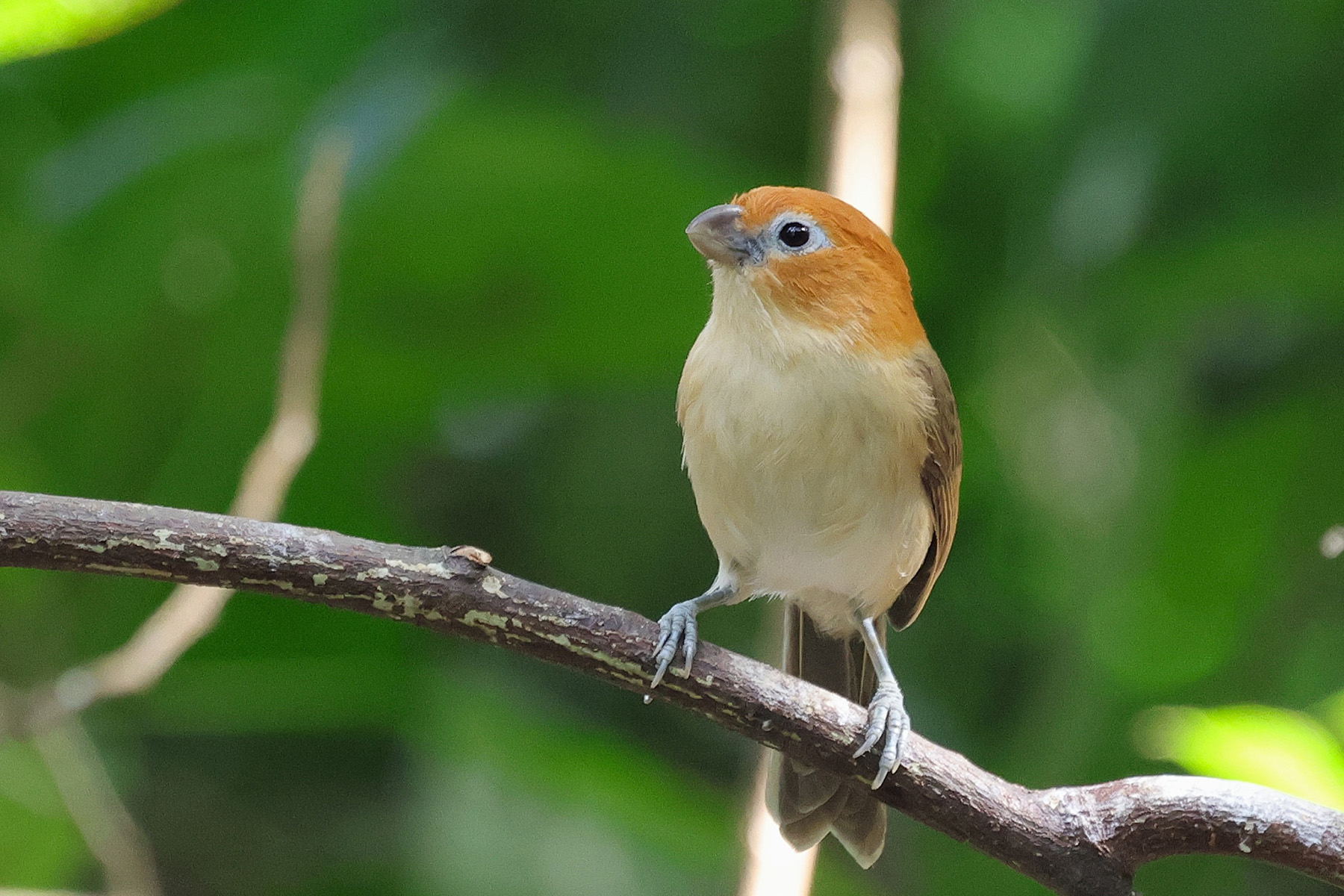
White-hooded Babbler (image by Hannu Jännes)
Black-throated Bushtit (image by Pete Morris)
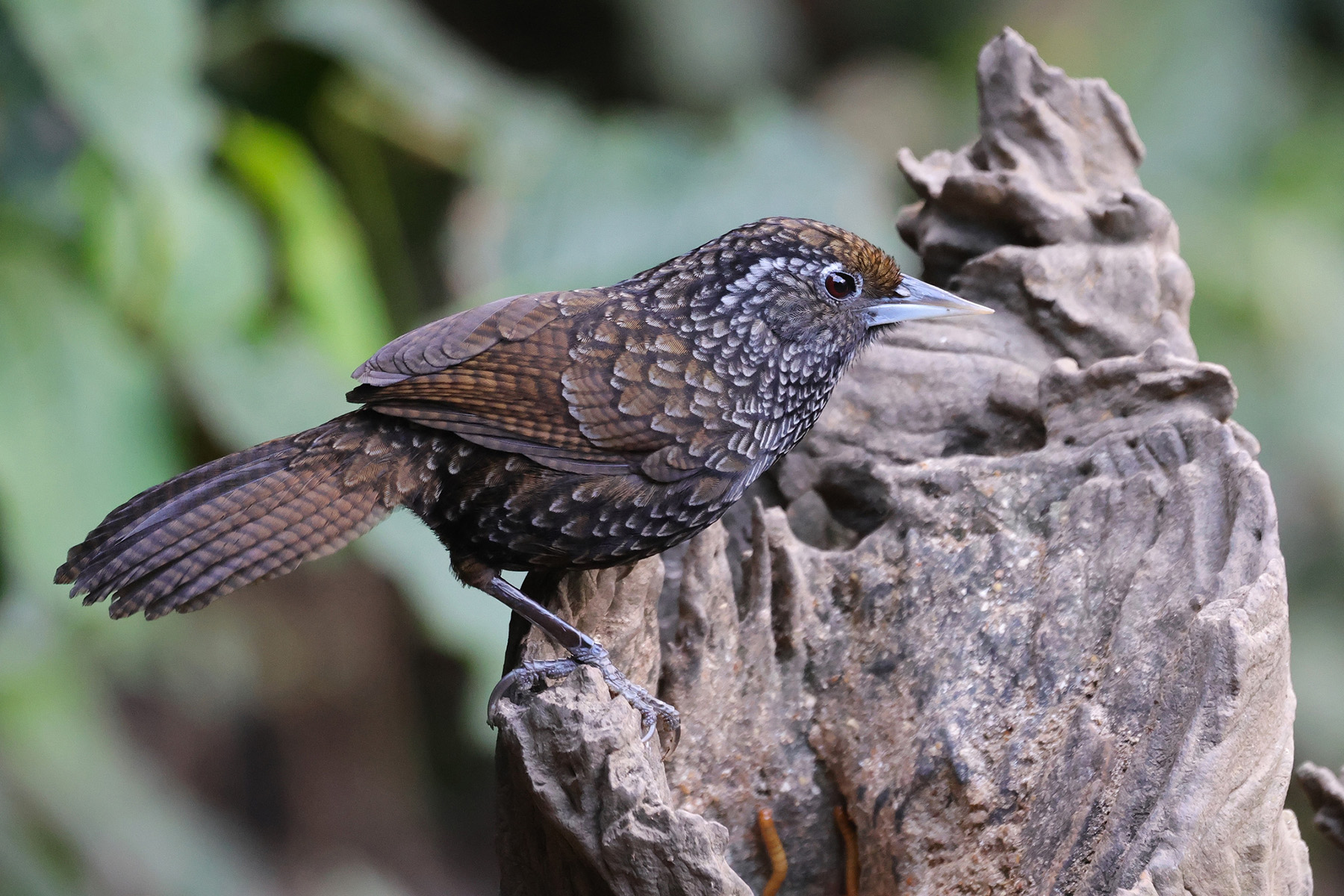
Black-streaked Scimitar Babbler (image by Hannu Jännes)
Grey-throated Babbler (image by Hannu Jännes)
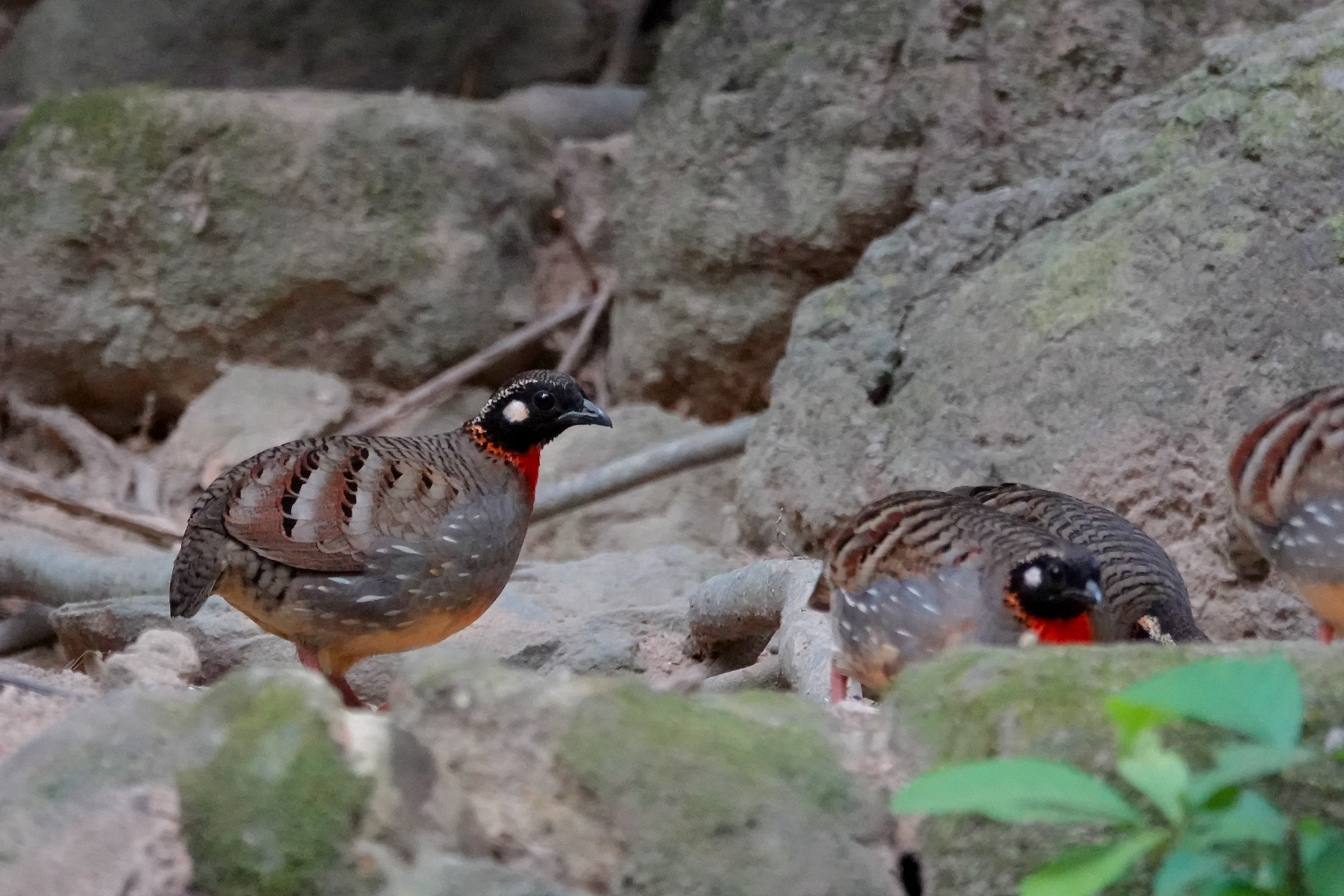
Hainan Partridges (image by Craig Robson)
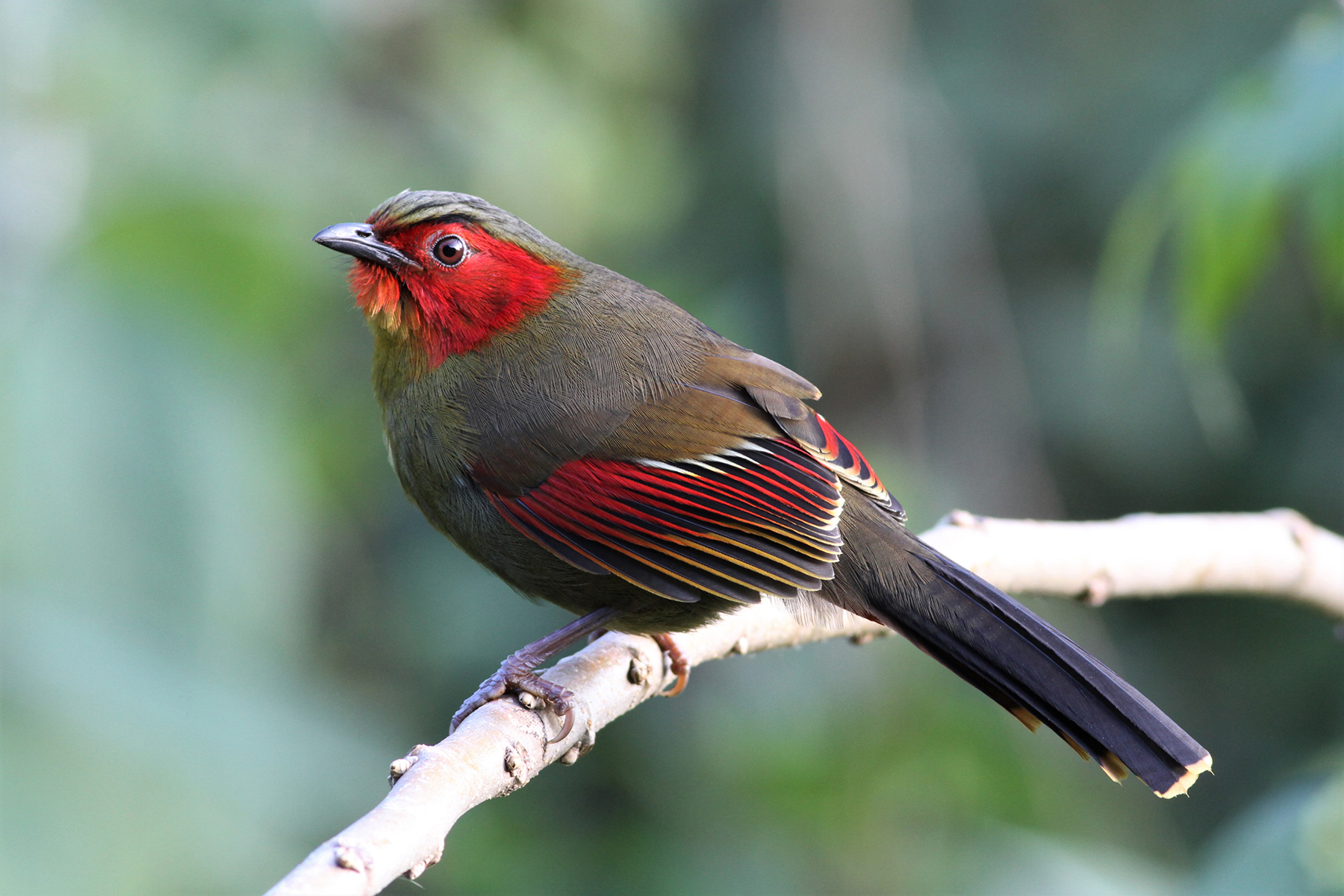
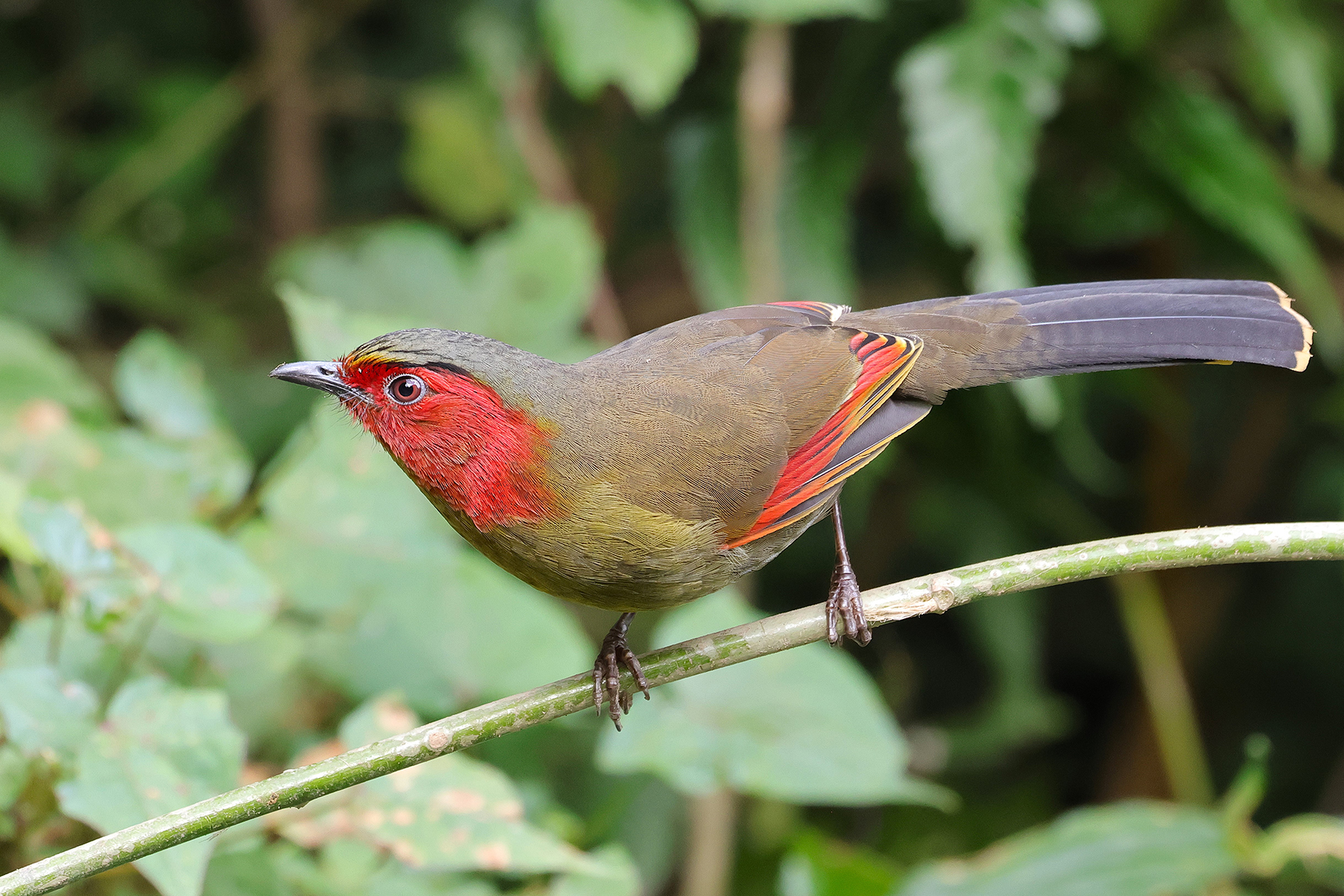
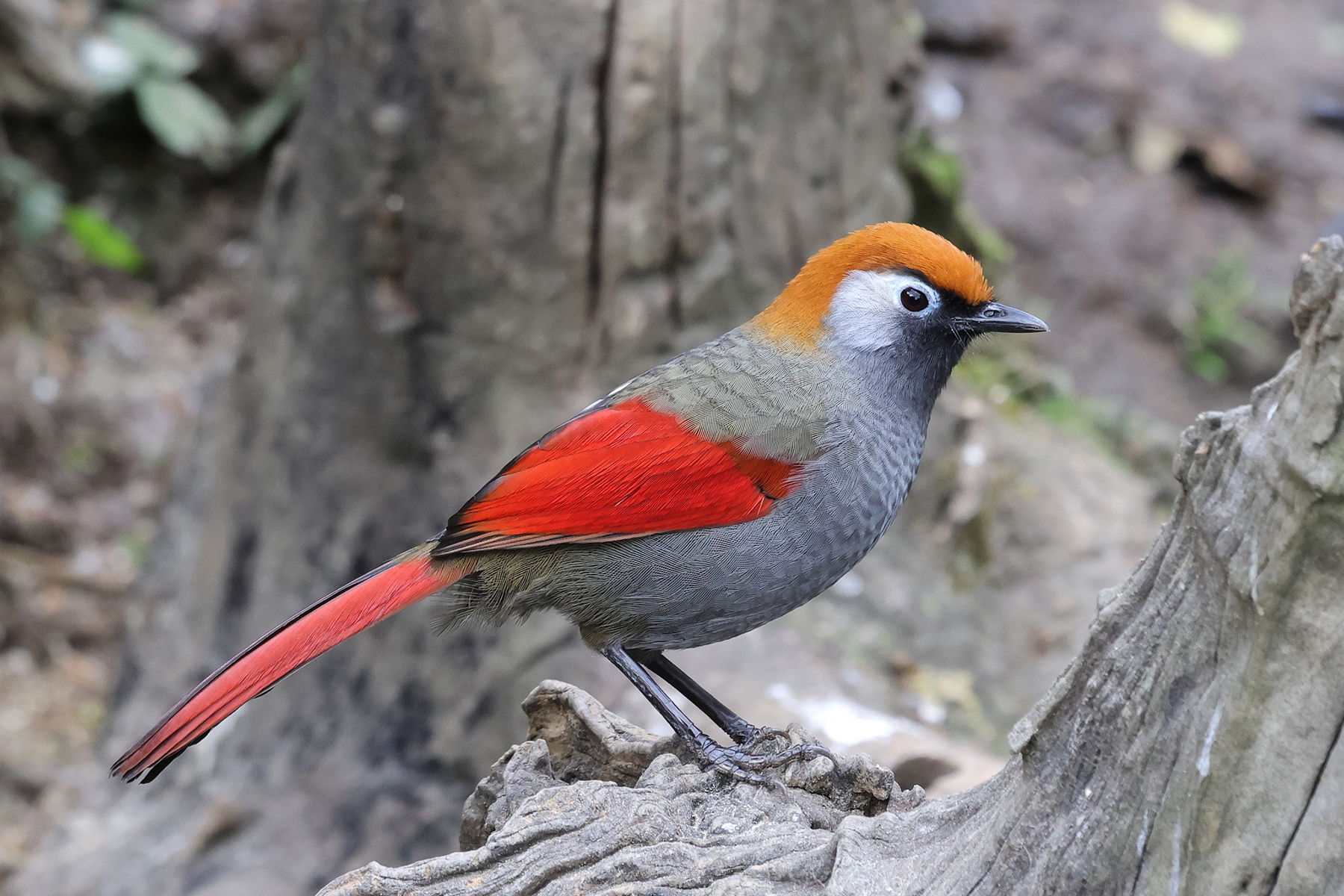
Scarlet-faced Liocichla (image by Hannu Jännes)
Blue-winged Laughingthrush (image by Hannu Jännes)
White-tailed Robin (image by Hannu Jännes)
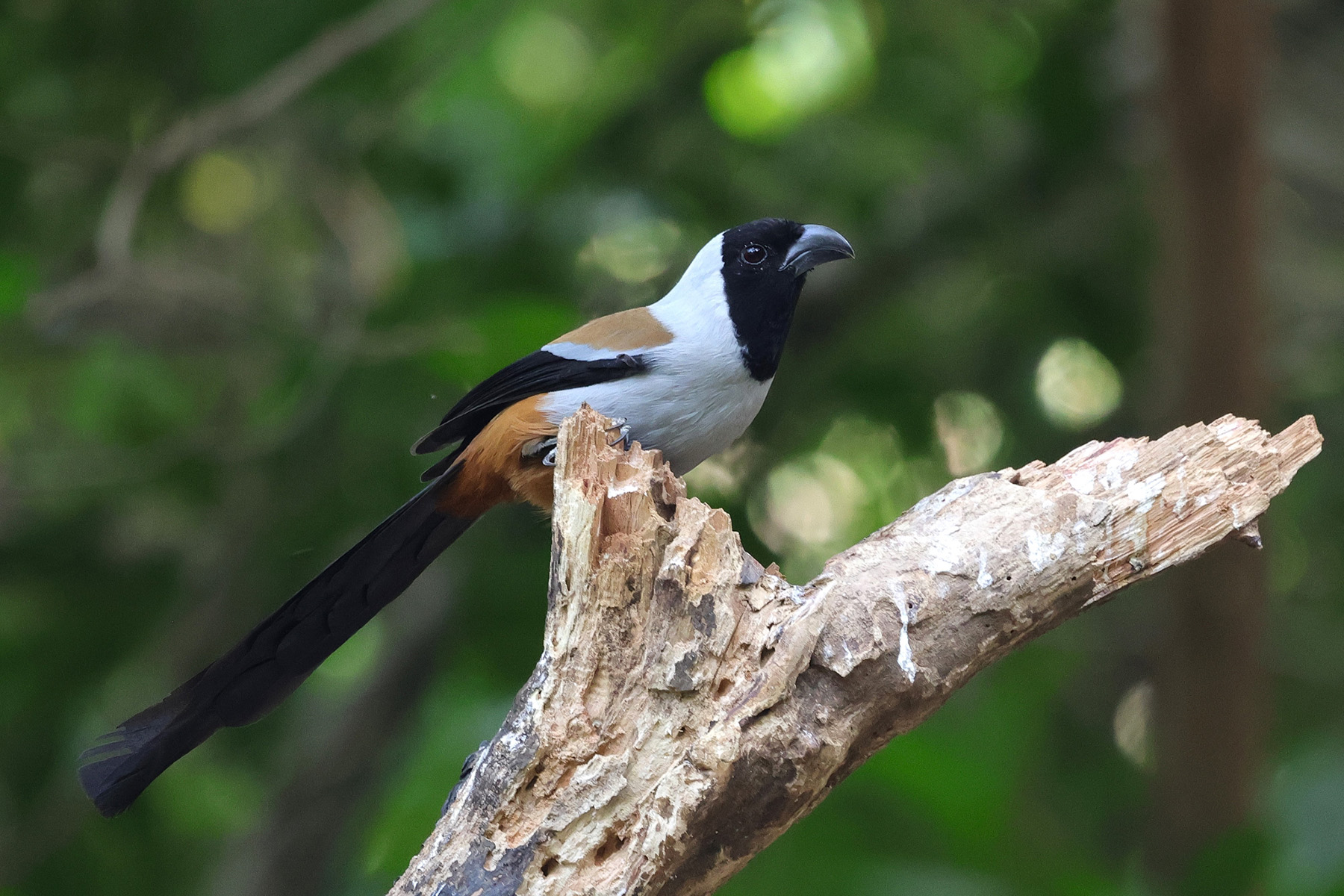
Collared Treepie (image by Hannu Jännes)
Eye-ringed Parrotbill (image by Pete Morris)
Golden Bushrobin (image by Hannu Jännes)
Moustached Laughingthrush (image by Simon Mitchell)
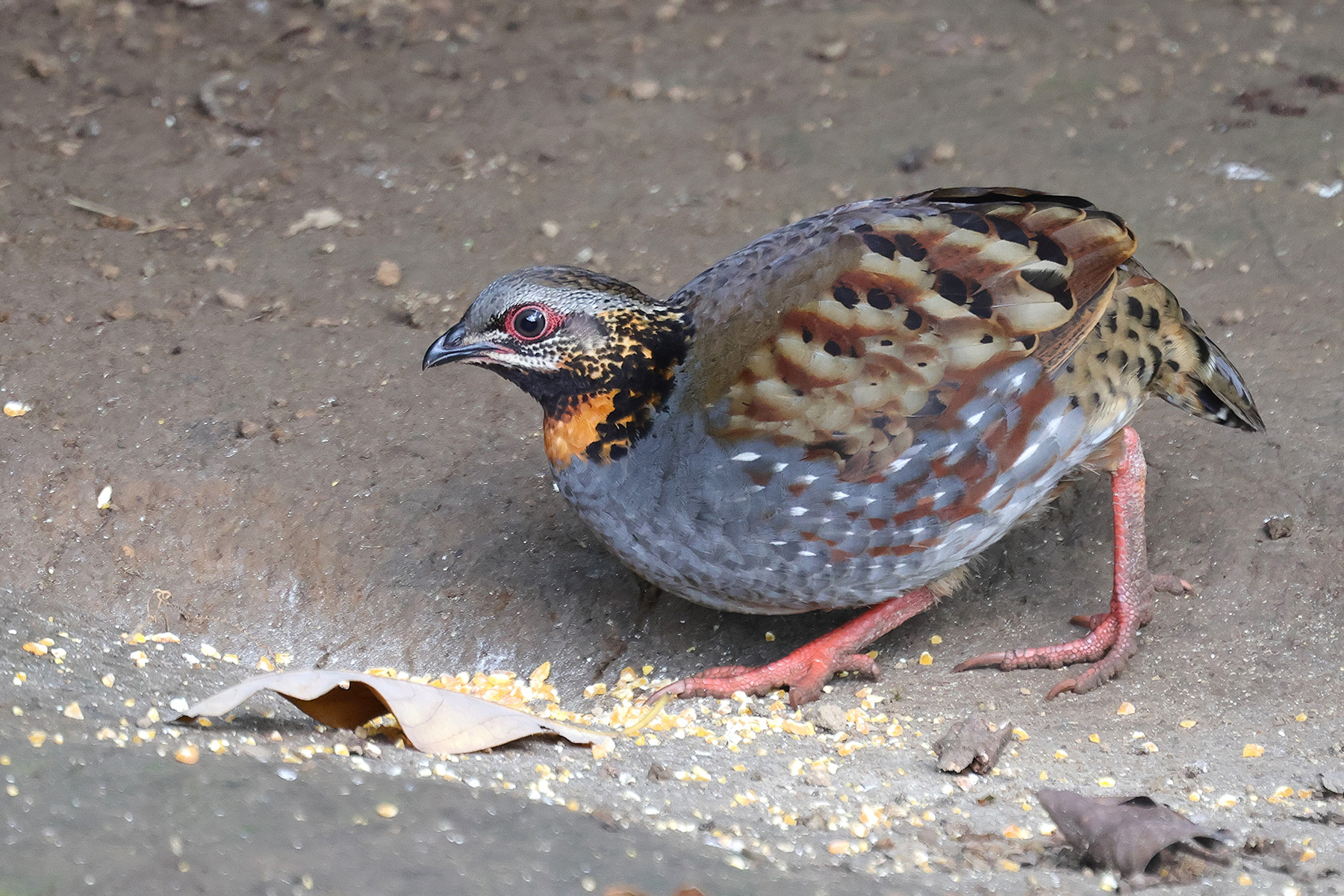
Rufous-throated Partridge (image by Hannu Jännes)
Buff-barred Leaf Warbler (image by Simon Mitchell)
Scarlet-faced Liocichla (image by Hannu Jännes)
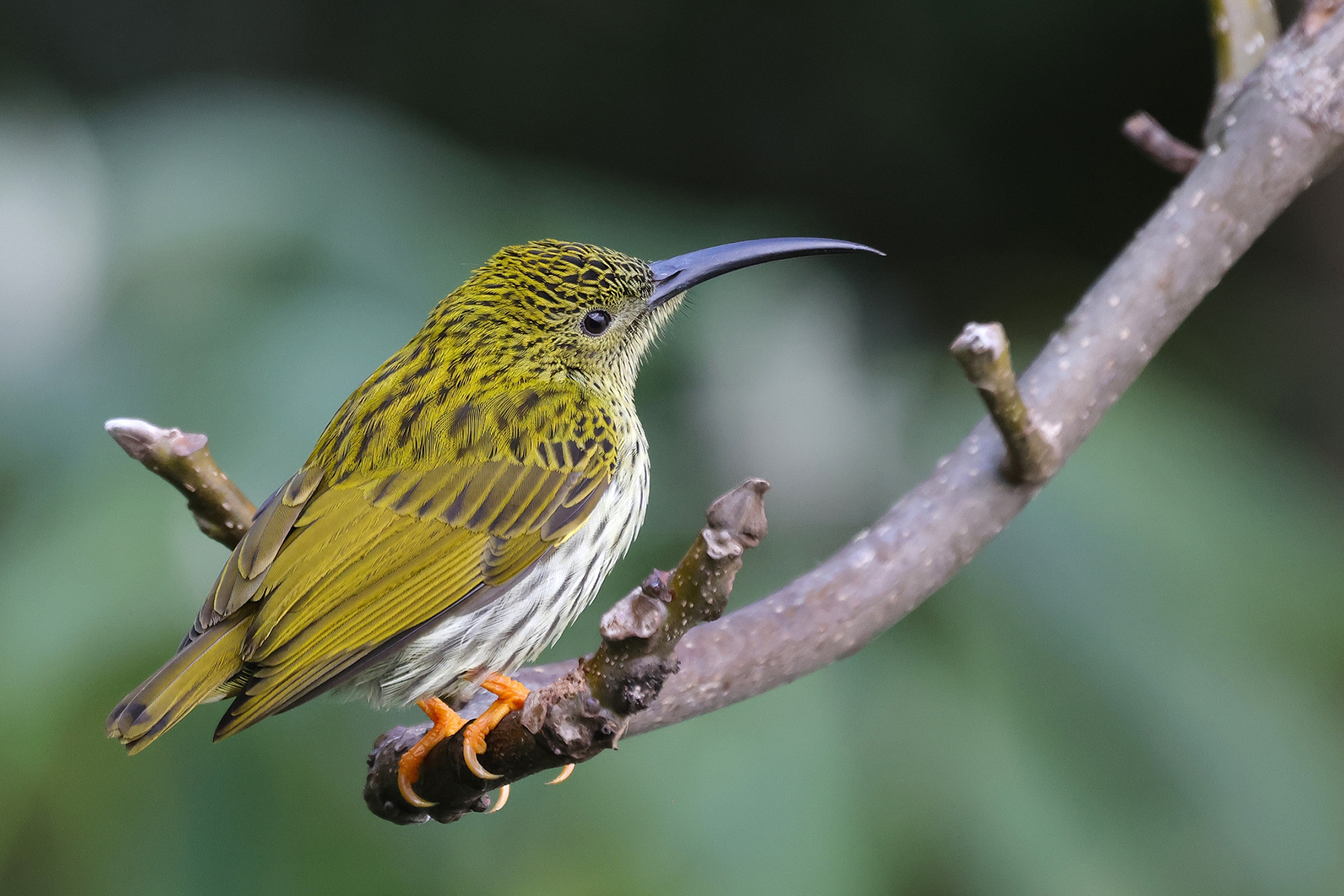
Streaked Spiderhunter (image by Hannu Jännes)
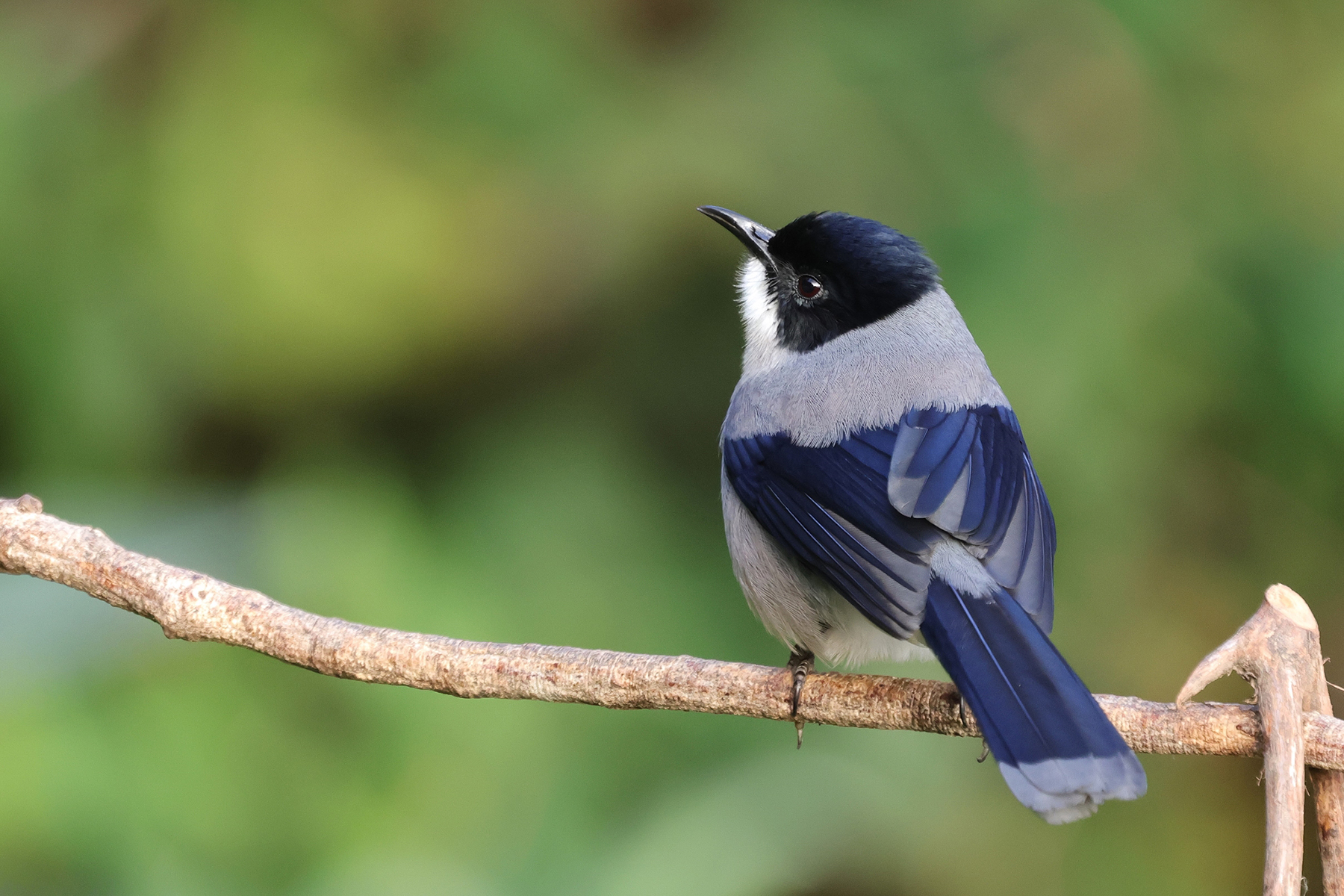
Black-headed Sibia (image by Hannu Jännes)
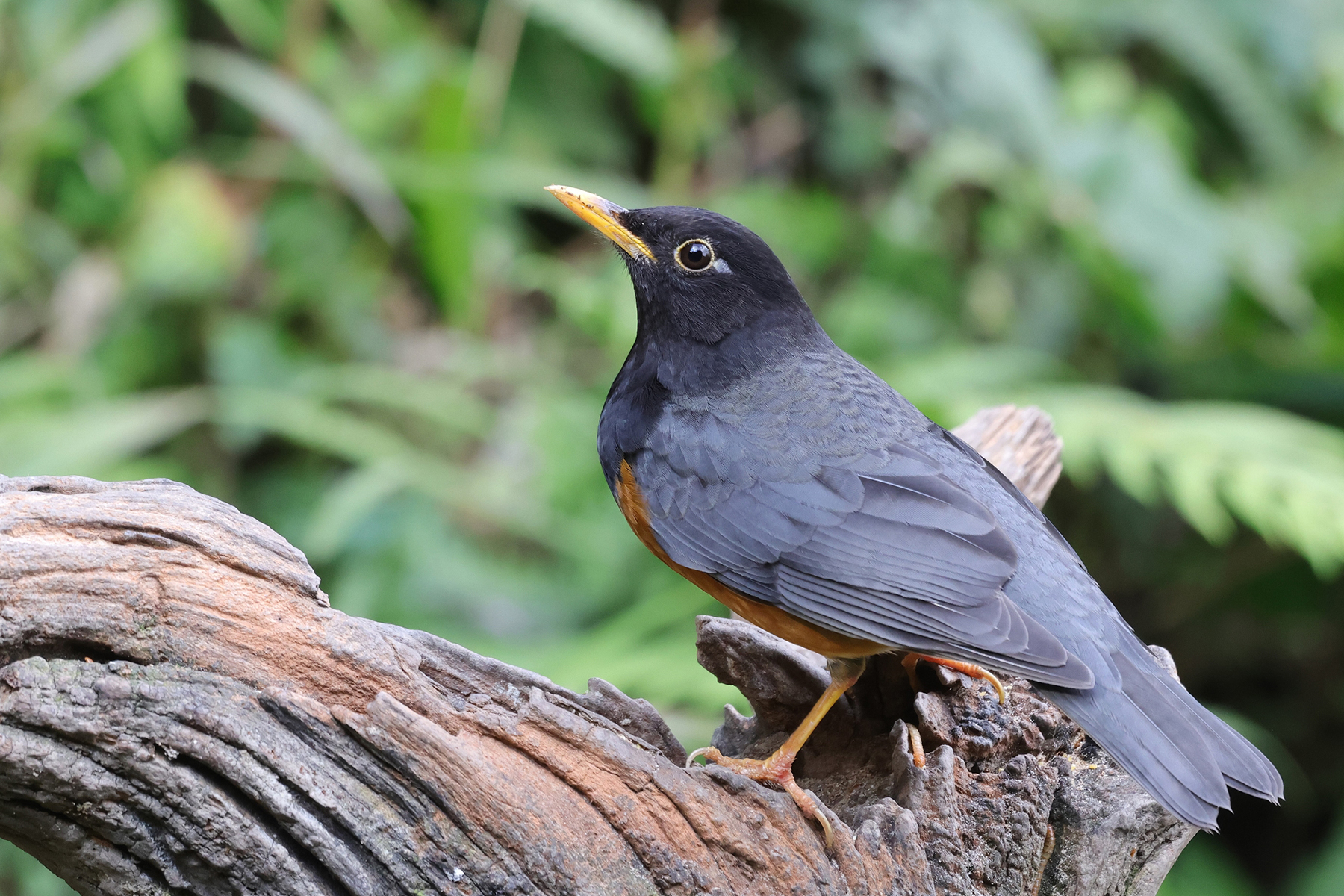
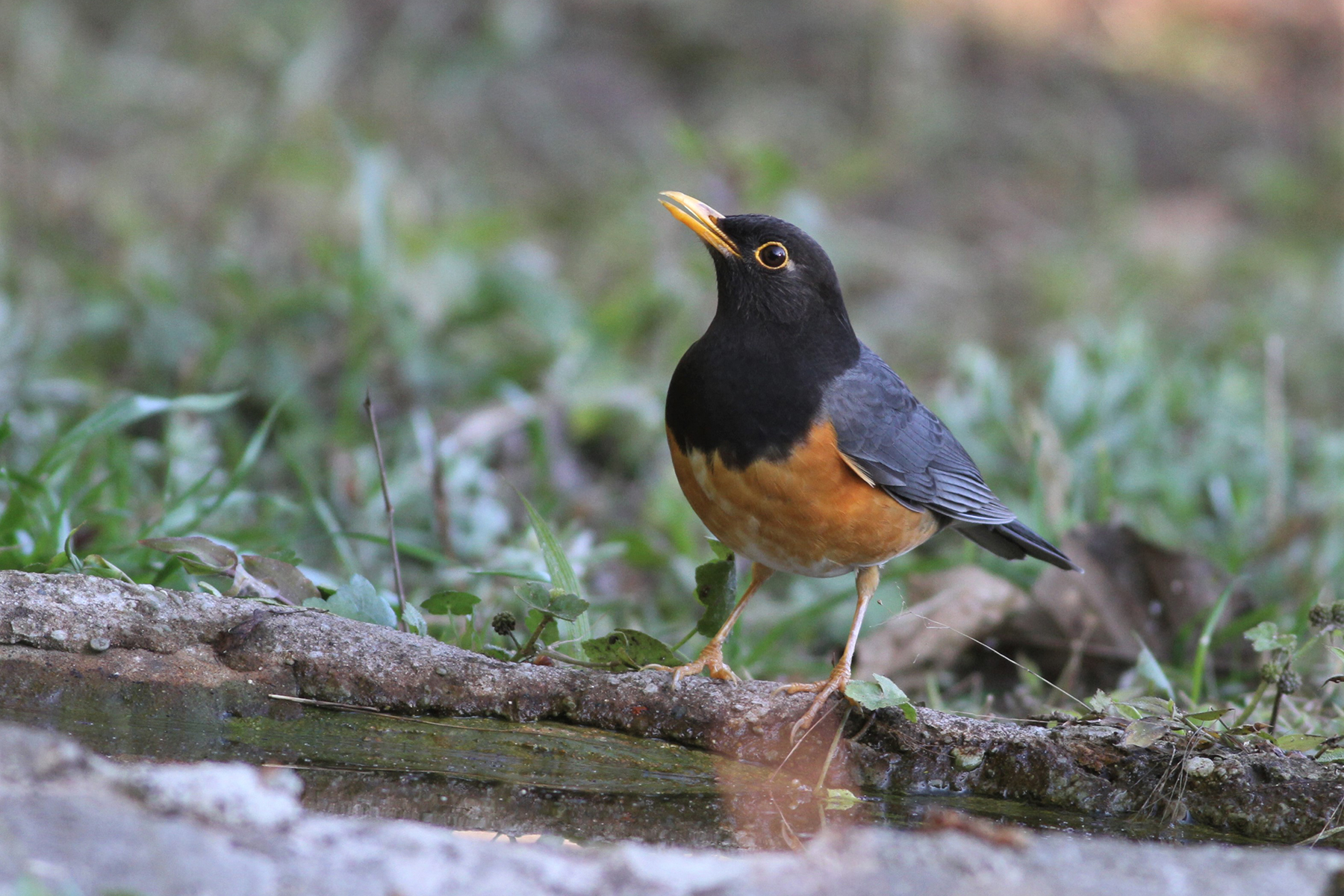
male Black-breasted Thrush (image by Hannu Jännes)
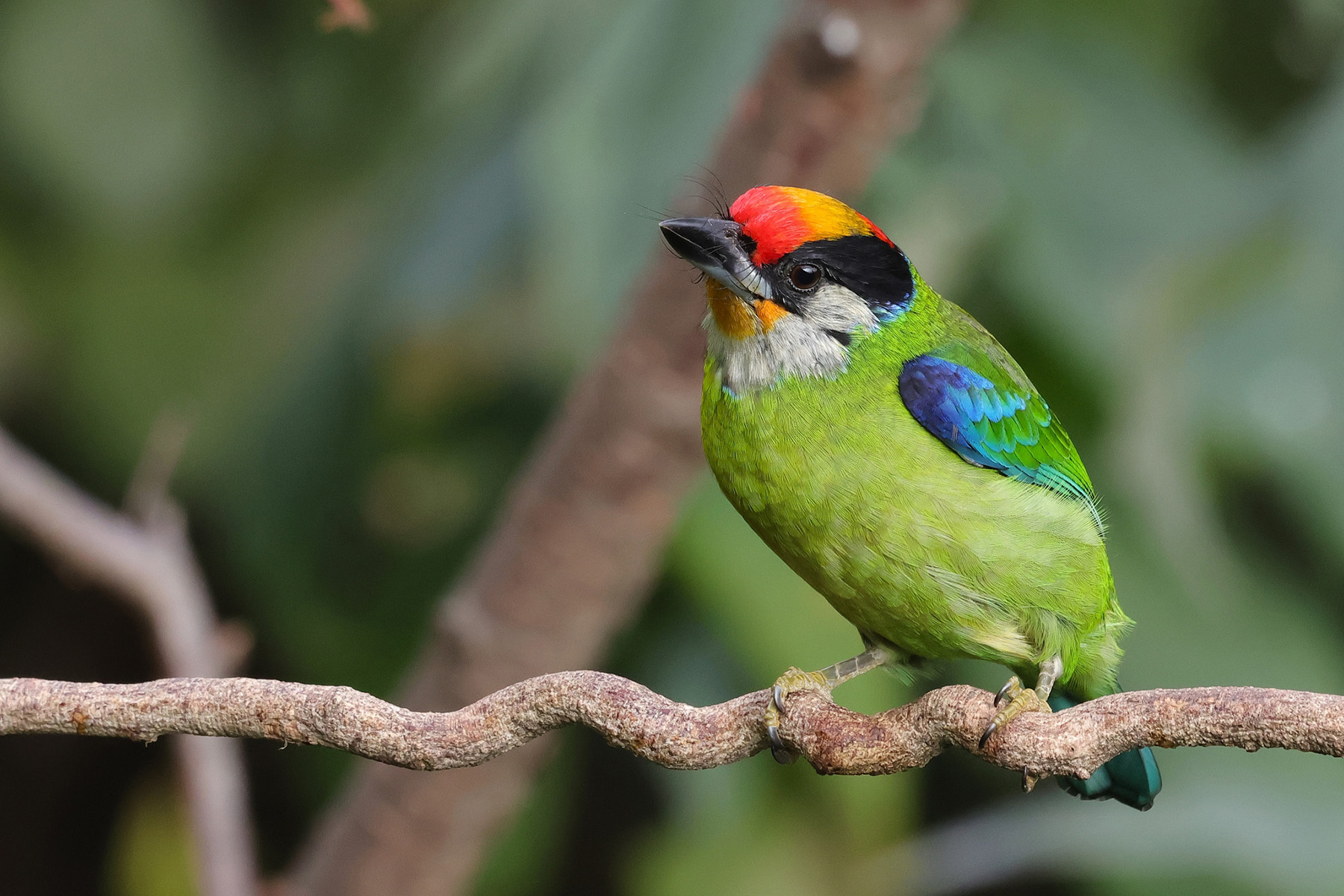
Golden-throated Barbet (image by Hannu Jännes)
Malaysian Plover (image by Pete Morris)
Baihualing (image by Craig Robson)
Assam Laughingthrush (image by Hannu Jännes)
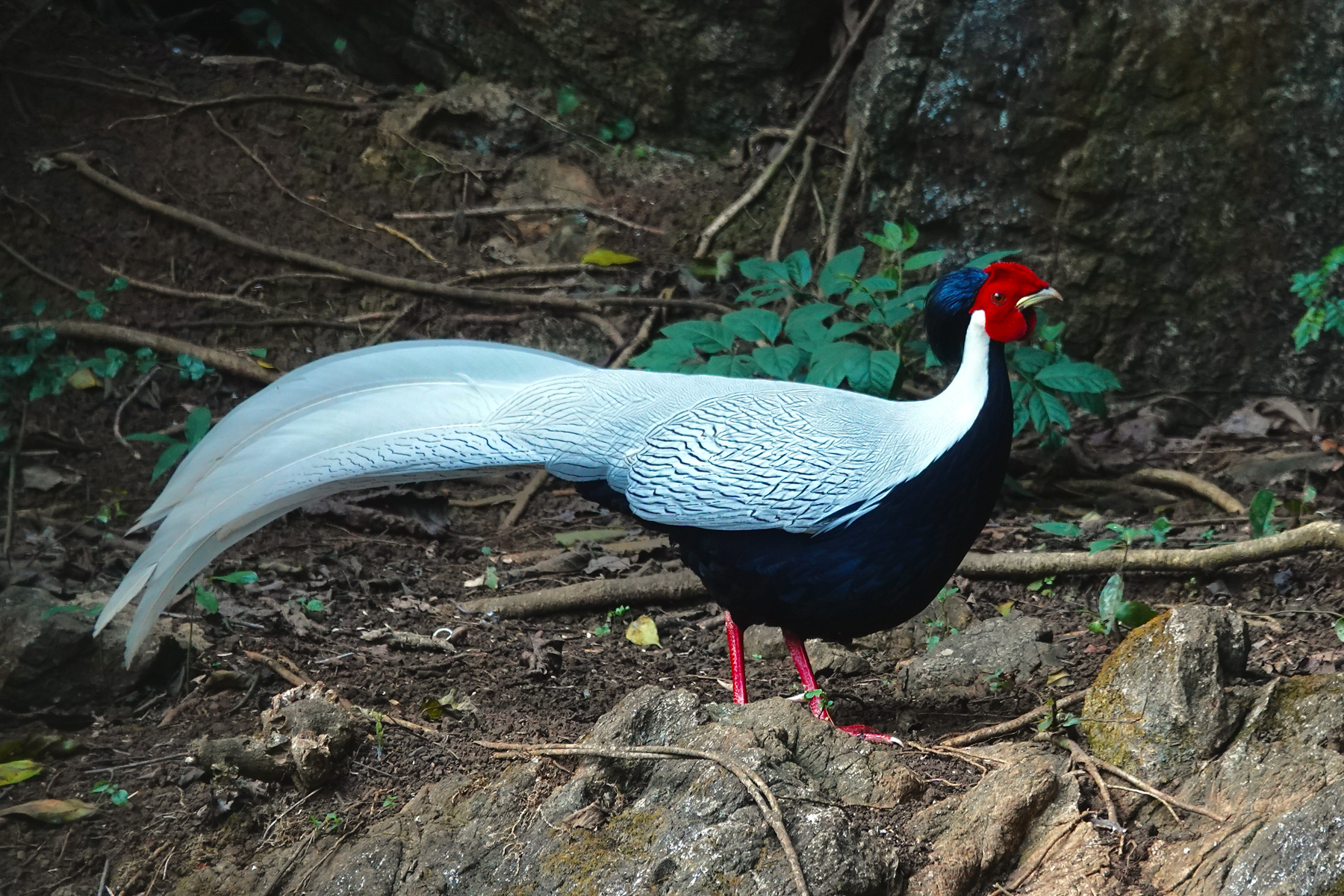
Silver Pheasant (image by Craig Robson)
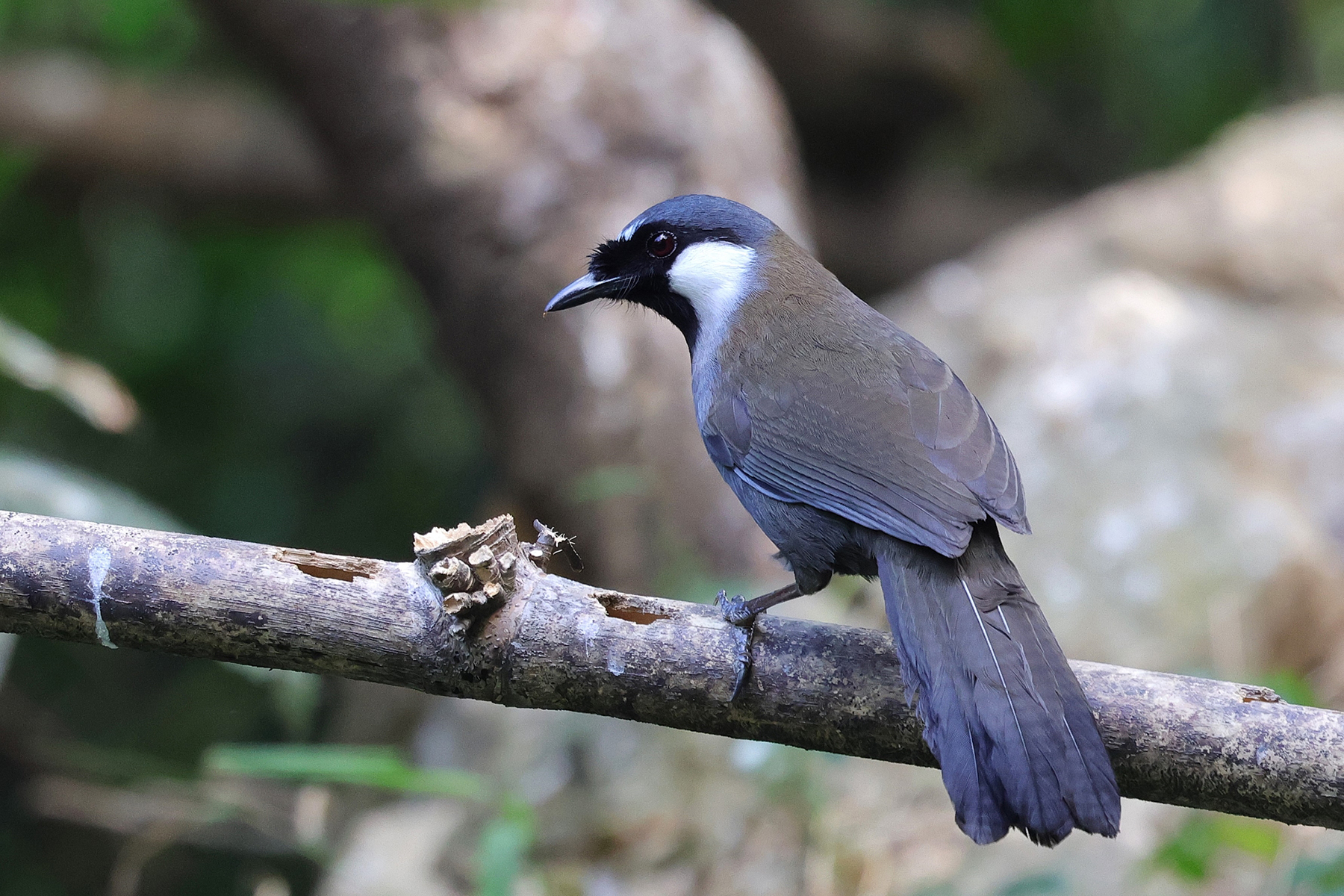
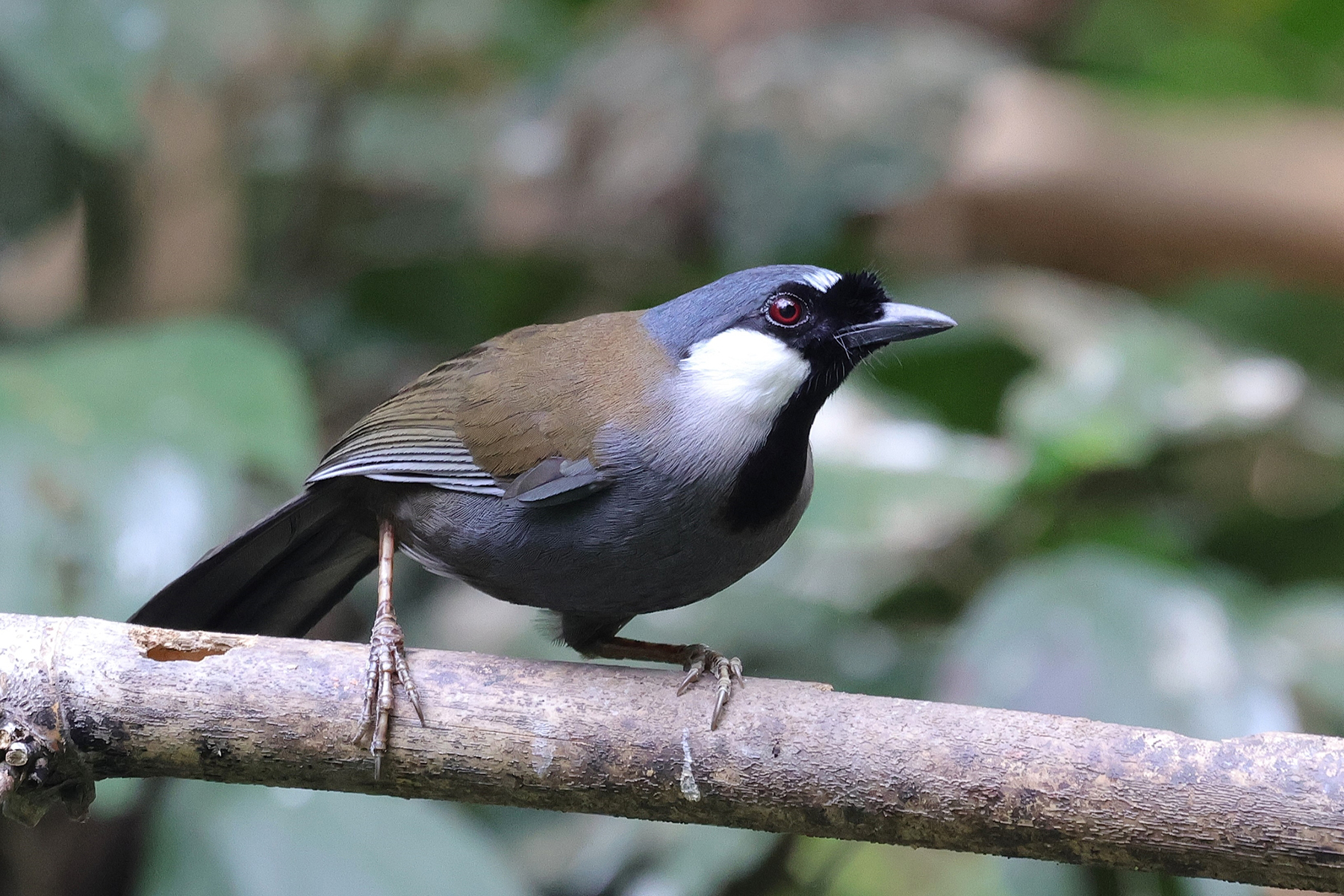
Black-throated Laughingthrush (image by Hannu Jännes)
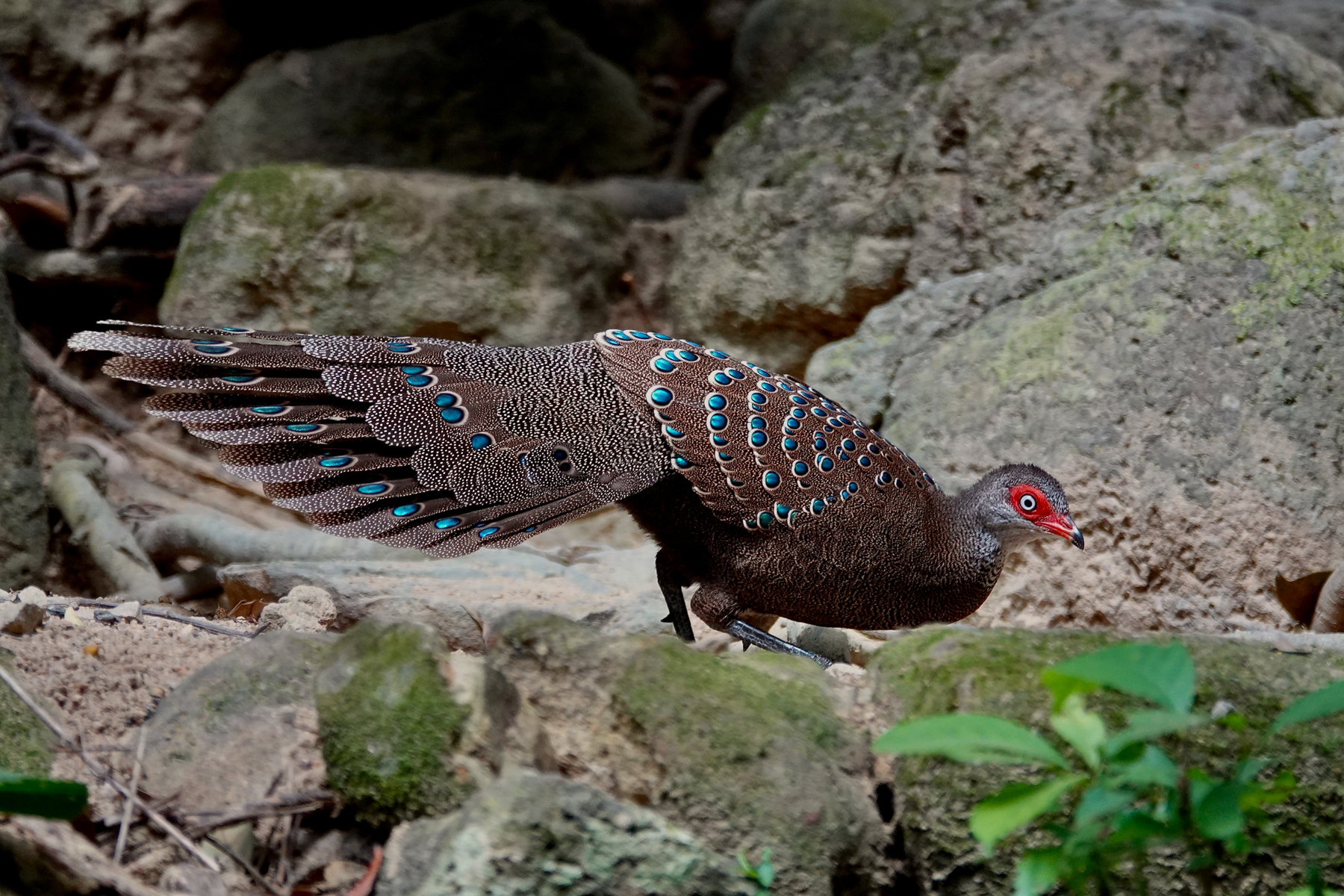
Hainan Peacock-Pheasant (image by Craig Robson)
Blue-naped Pitta (image by Hannu Jännes)
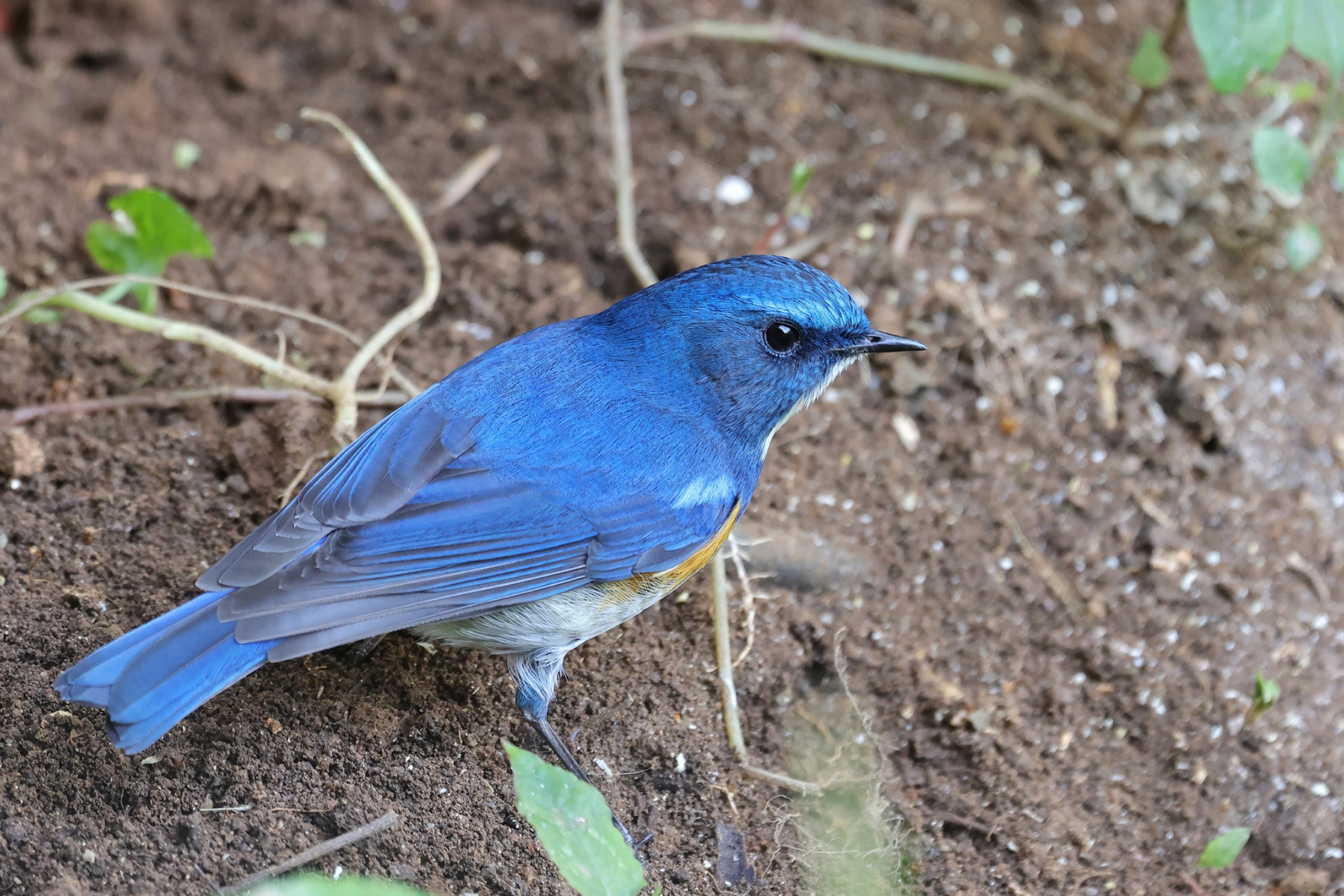
Himalayan Bluetail (image by Hannu Jännes)
Hainan (image by Hannu Jännes)
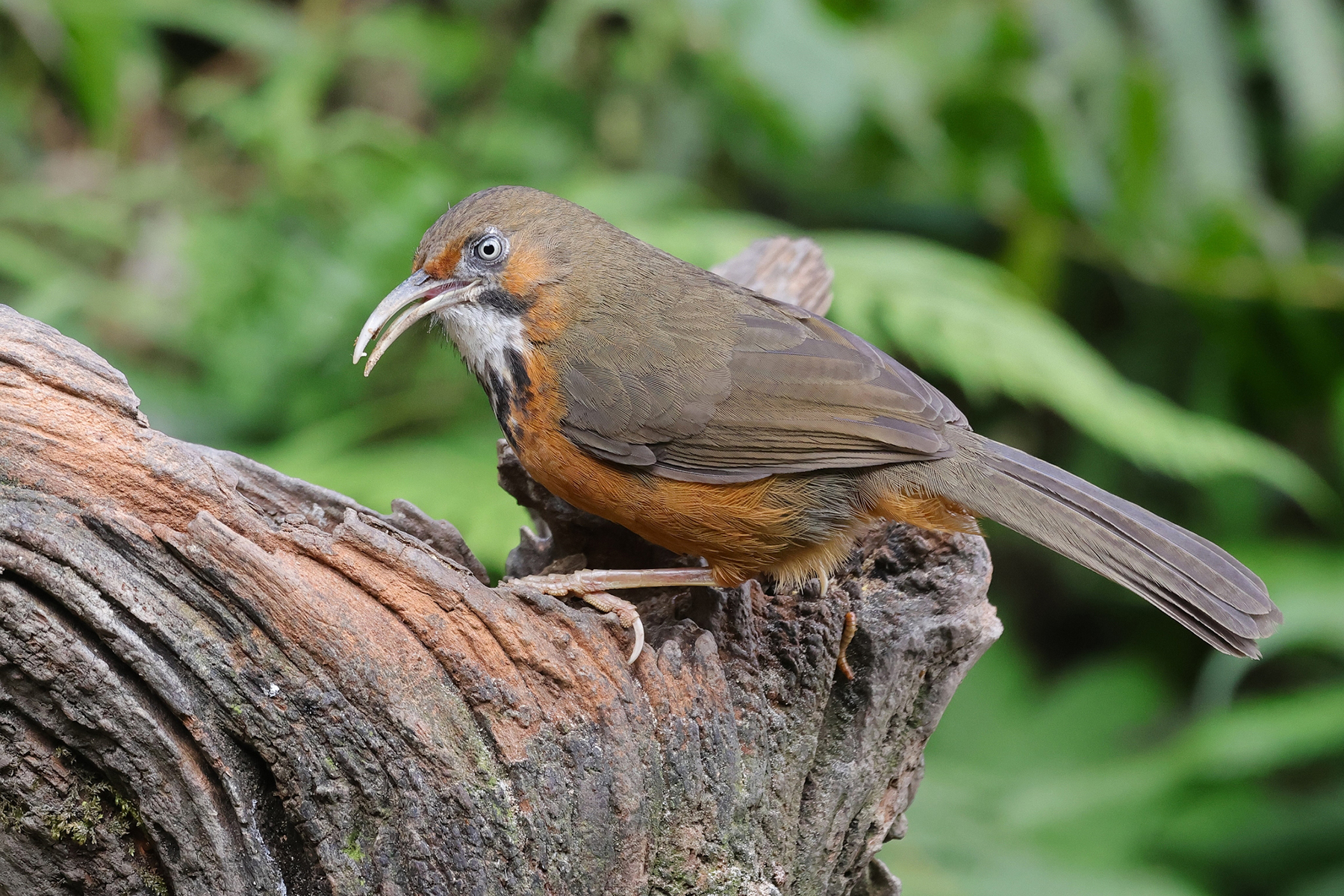
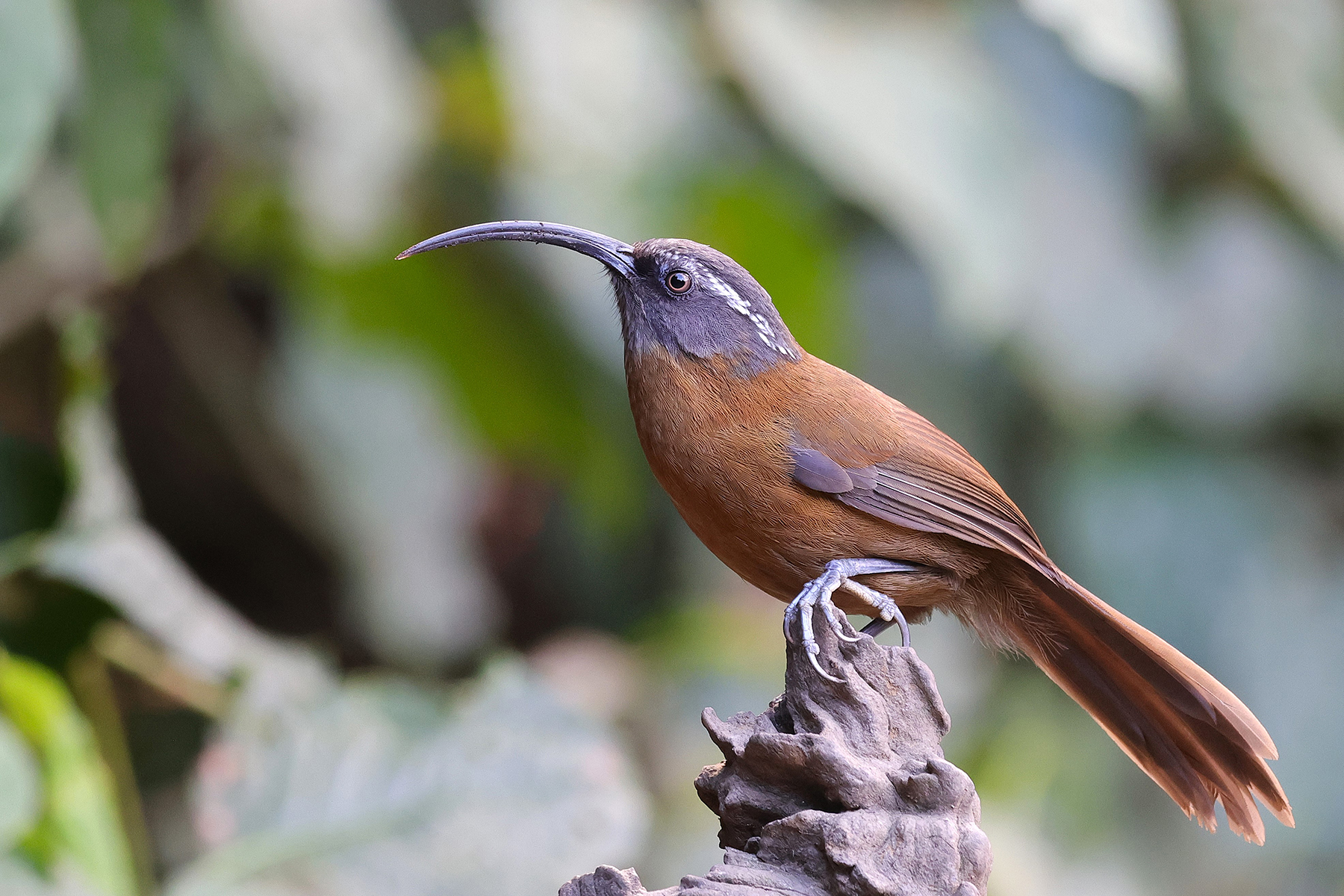
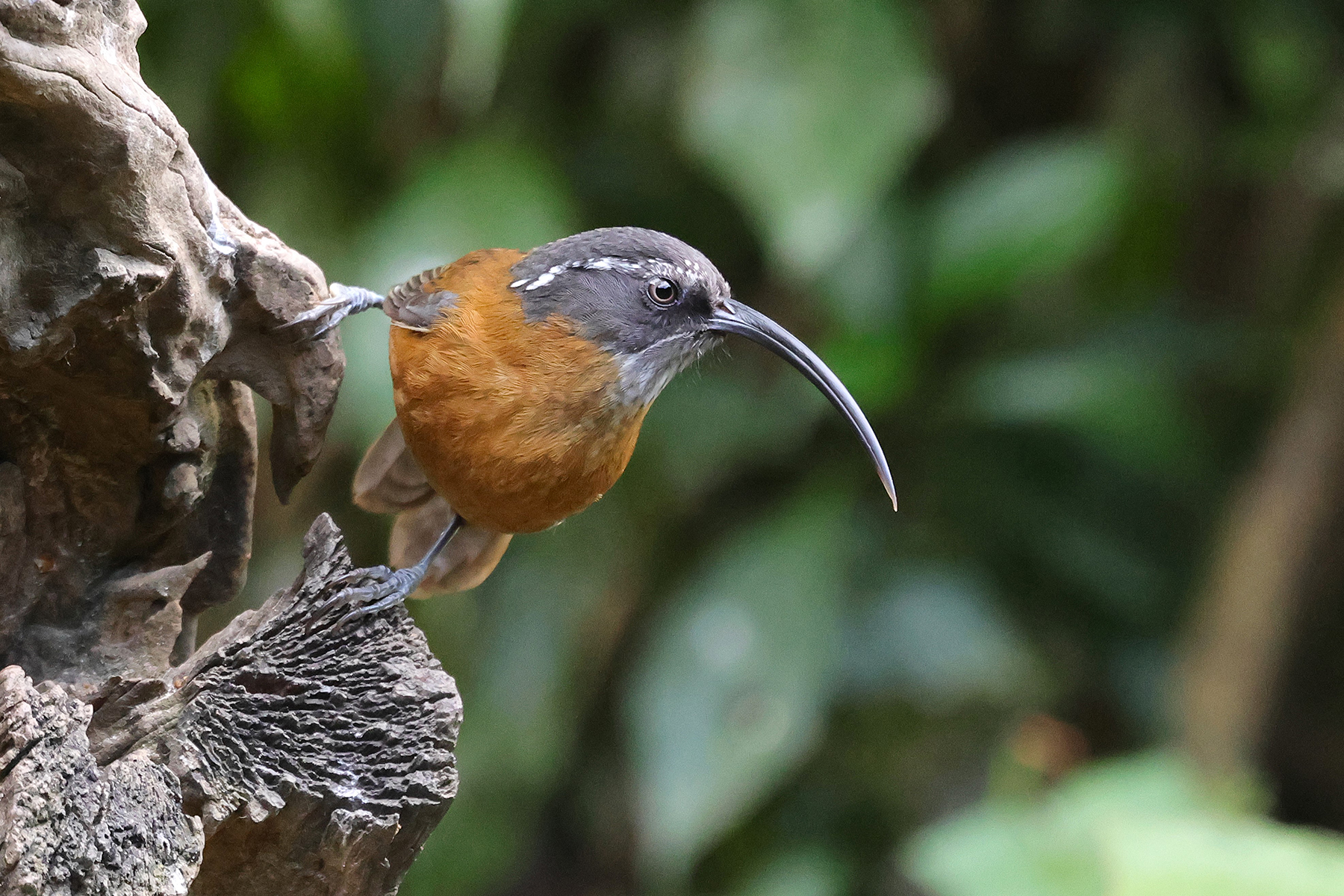
Slender-billed Scimitar Babbler (image by Hannu Jännes)
Slender-billed Scimitar Babbler (image by Hannu Jännes)
male Daurian Redstart (image by Hannu Jännes)
Mrs Hume's Pheasant (image by Hannu Jännes)
Rufous-tailed Babbler (image by Pete Morris)
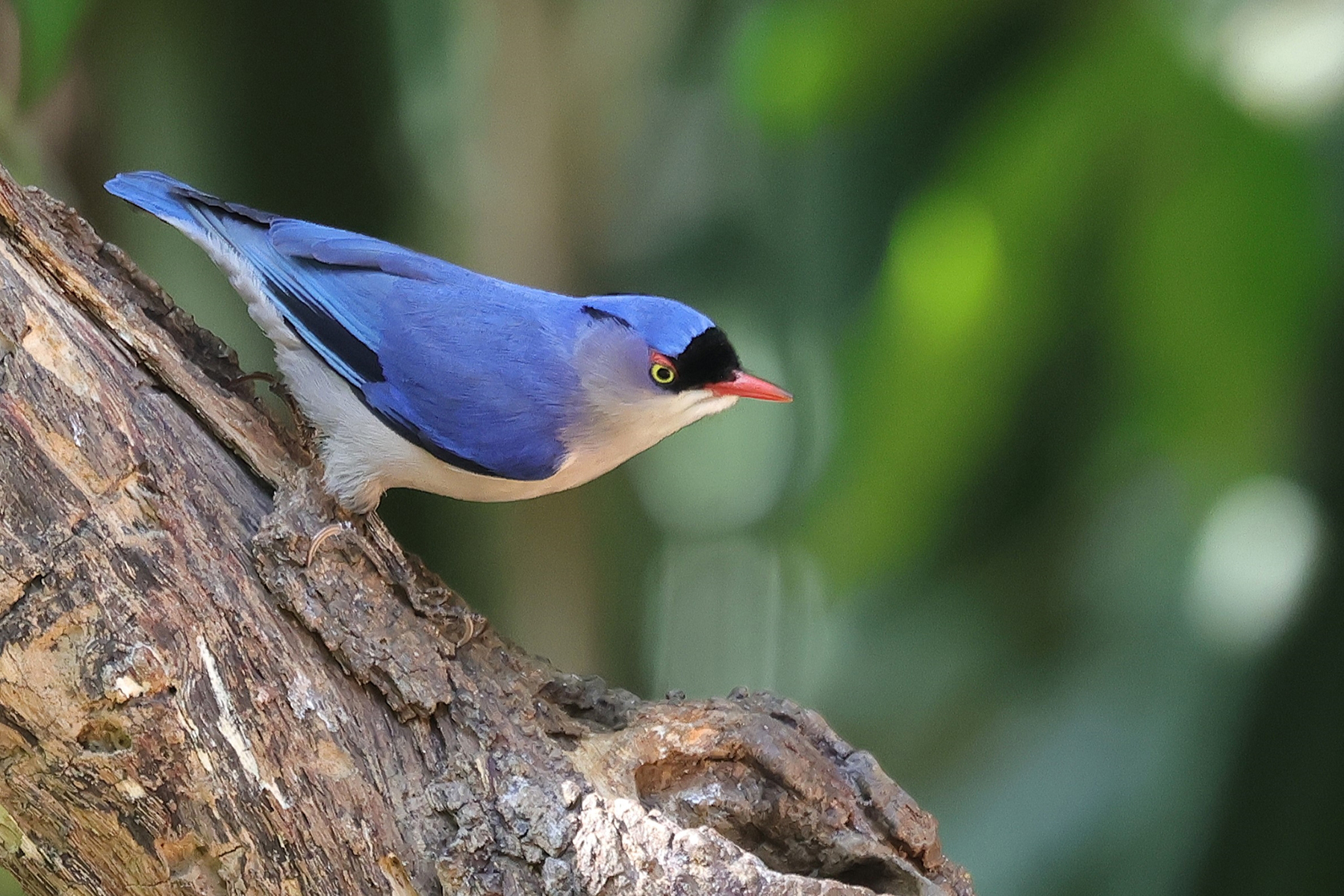
Velvet-fronted Nuthatch (image by Hannu Jännes)
Japanese Thrush (image by Craig Robson)
Nonggang Babbler (image by Hannu Jännes)
Black-breasted Thrush (image by Hannu Jännes)
Black-faced Laughingthrush (image by Craig Robson)
Hainan (Black-throated) Laughingthrush (image by Hannu Jännes)
Plain Prinia (image by Hannu Jännes)
Great Knot (image by Pete Morris)
Beautiful Sibia (image by Hannu Jännes)
Kalij Pheasant (image by Hannu Jännes)
White-faced Plover (image by Pete Morris)
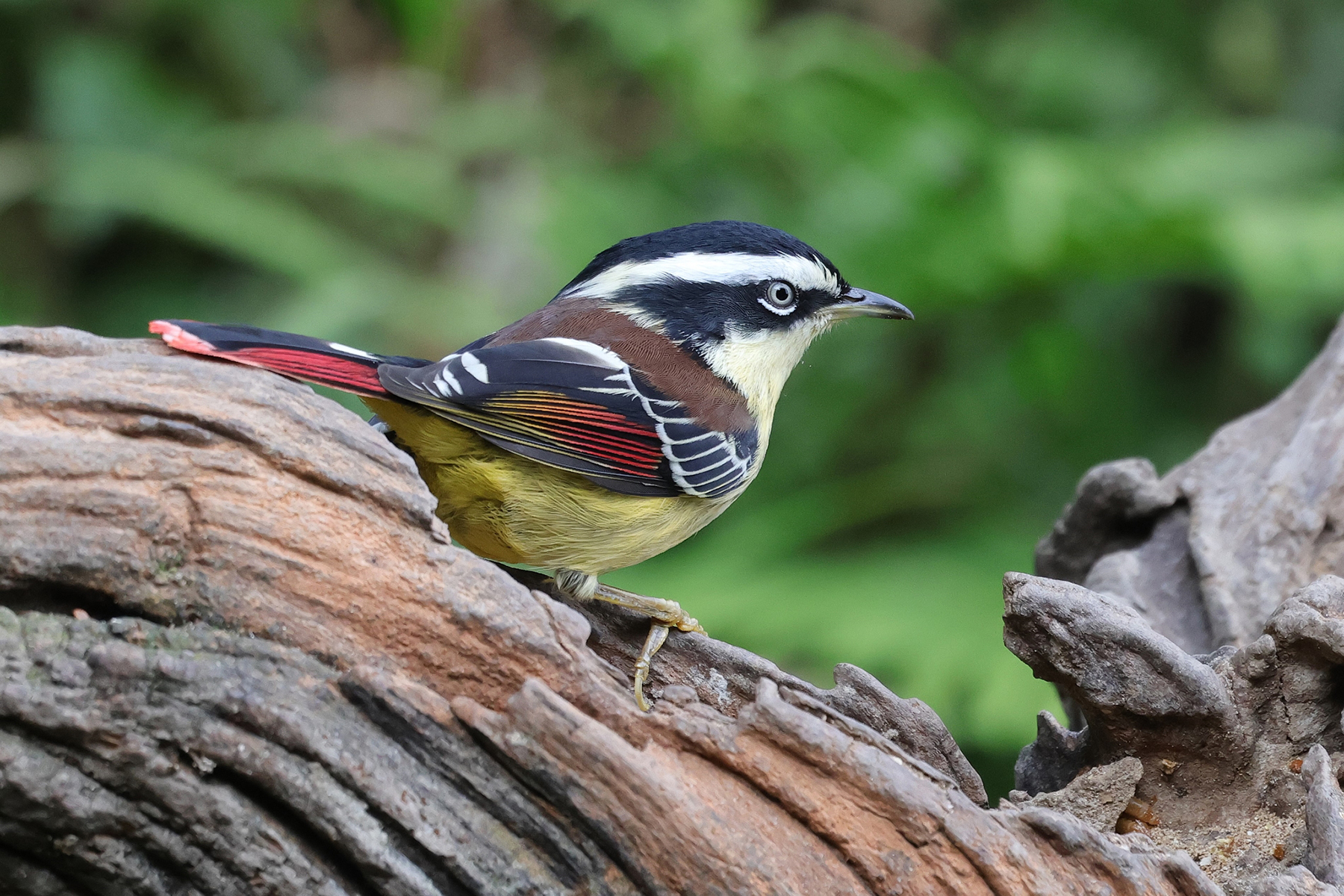
Red-tailed Minla (image by Hannu Jännes)
Black-browed Bushtit (image by Pete Morris)
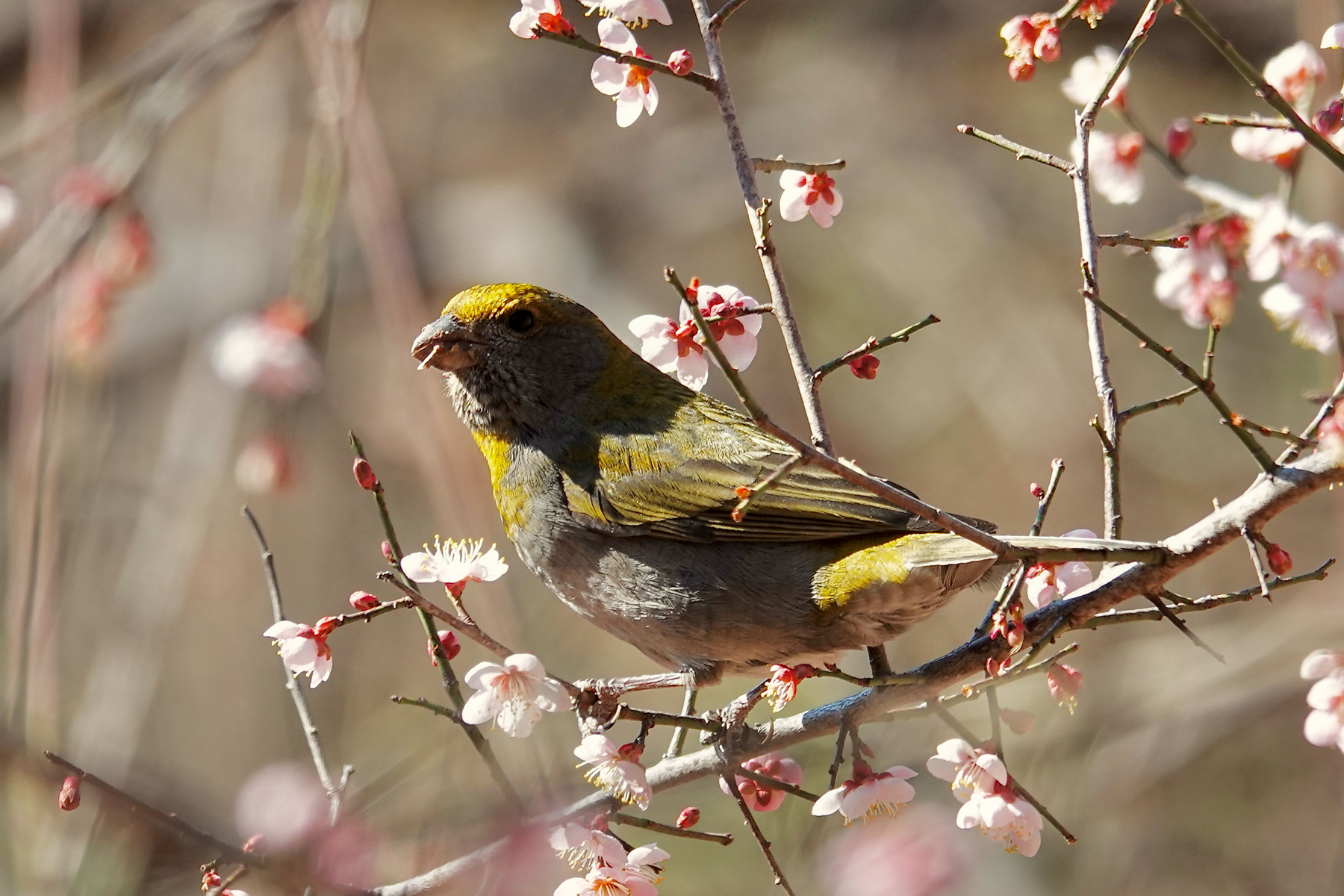
Black-headed Greenfinch (image by Pete Morris)
Fork-tailed Sunbird (image by Pete Morris)
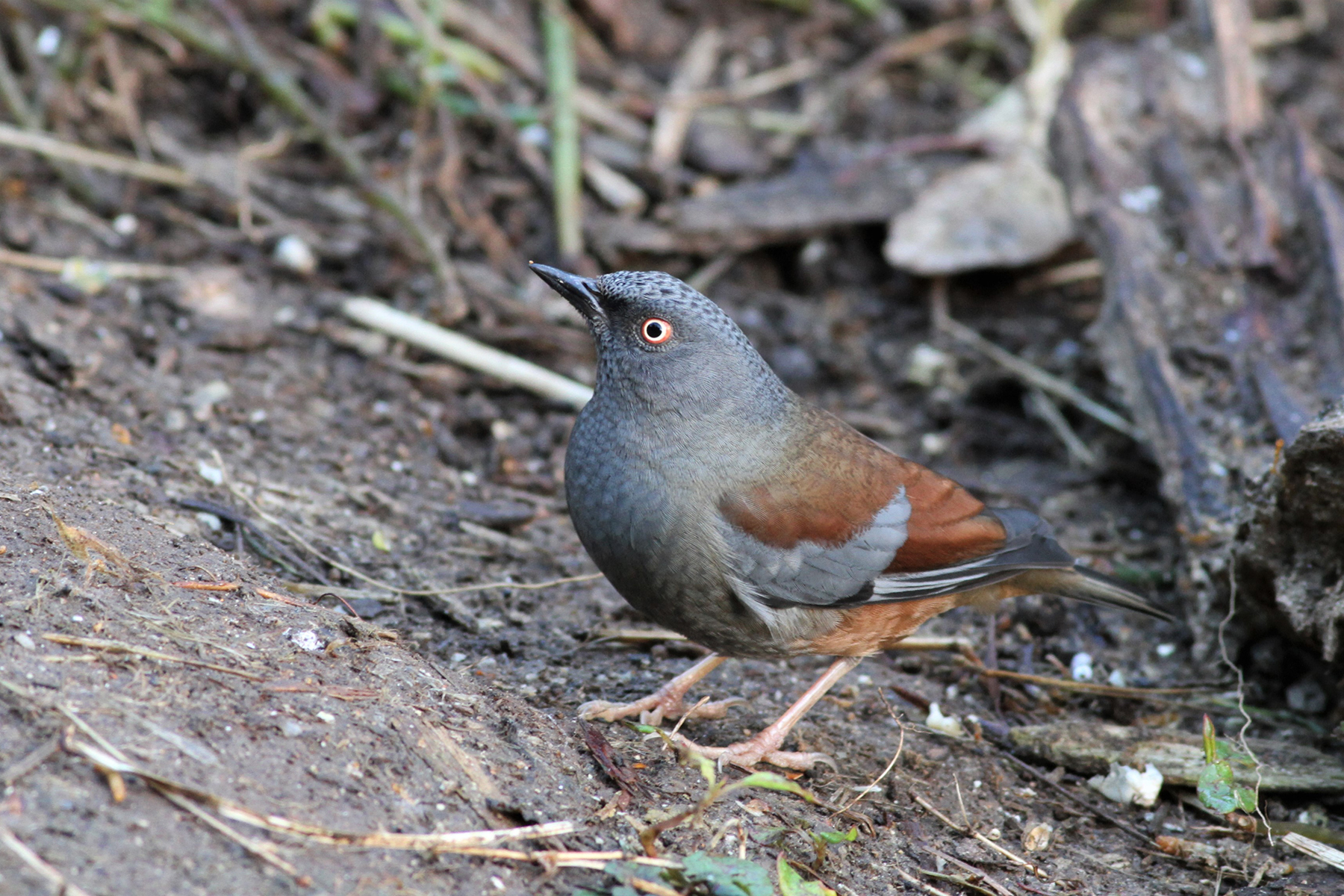
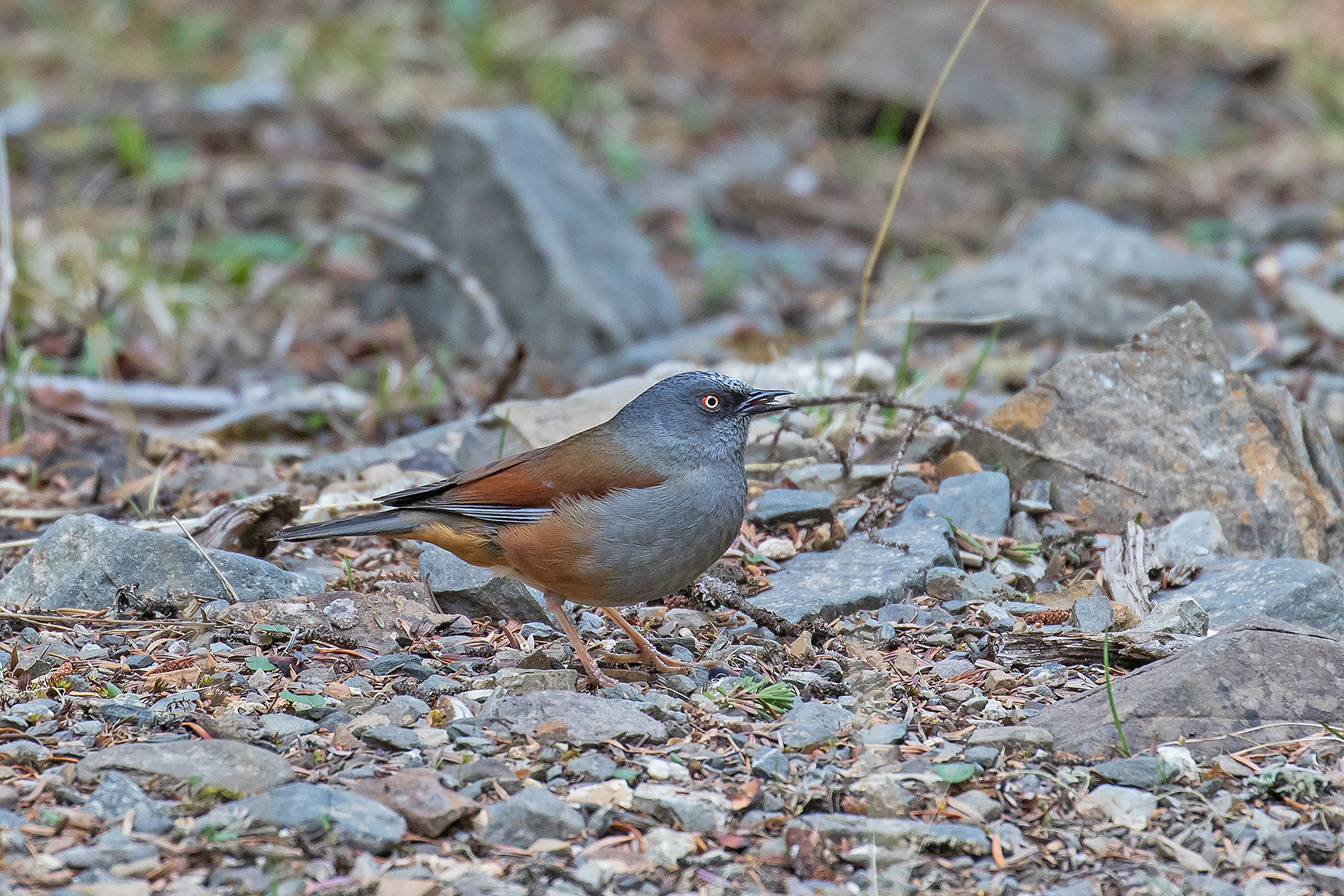
Maroon-backed Accentor (image by Hannu Jännes)
Blue-winged Laughingthrush (image by Craig Robson)
Black-throated Laughingthrush (image by Hannu Jännes)
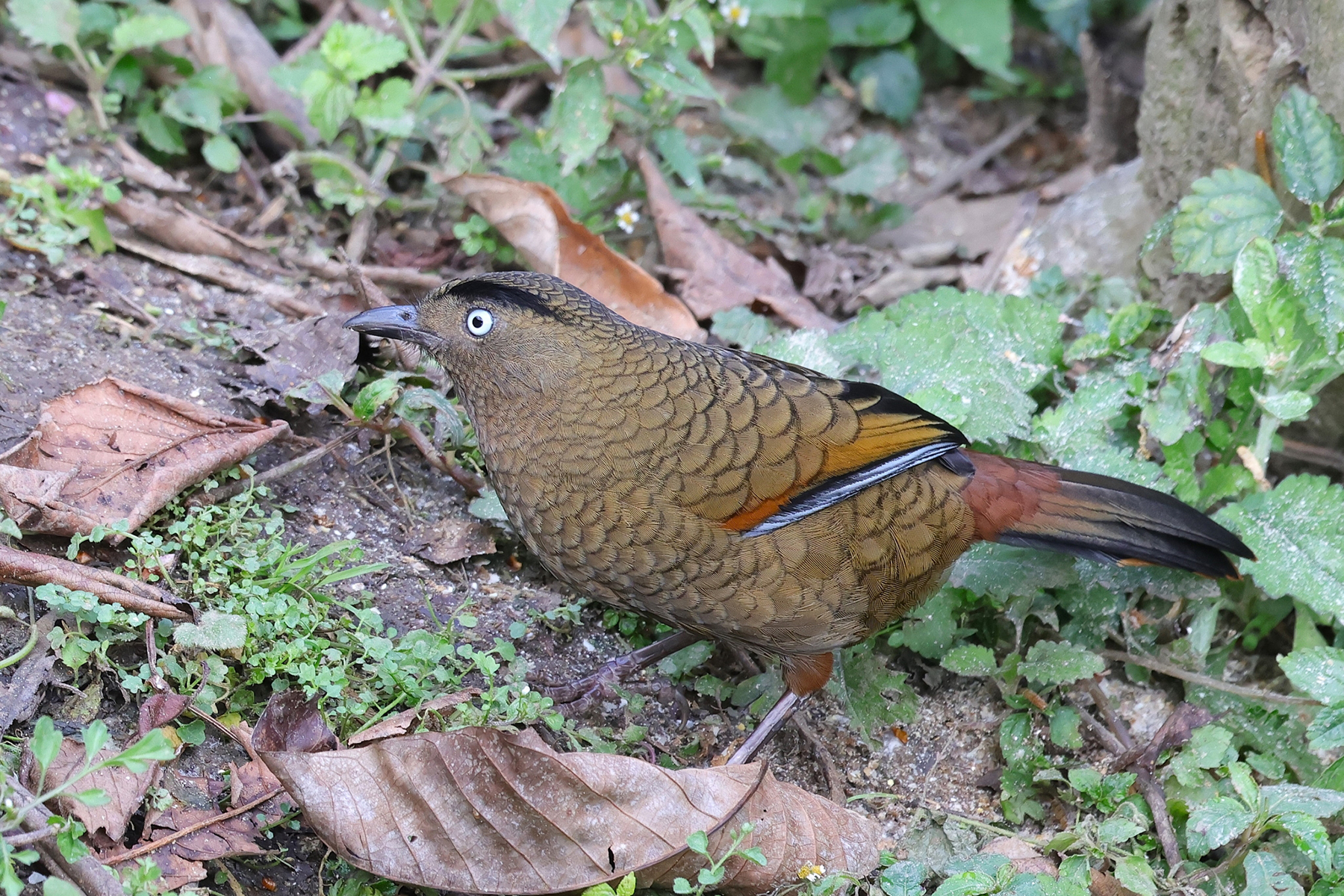
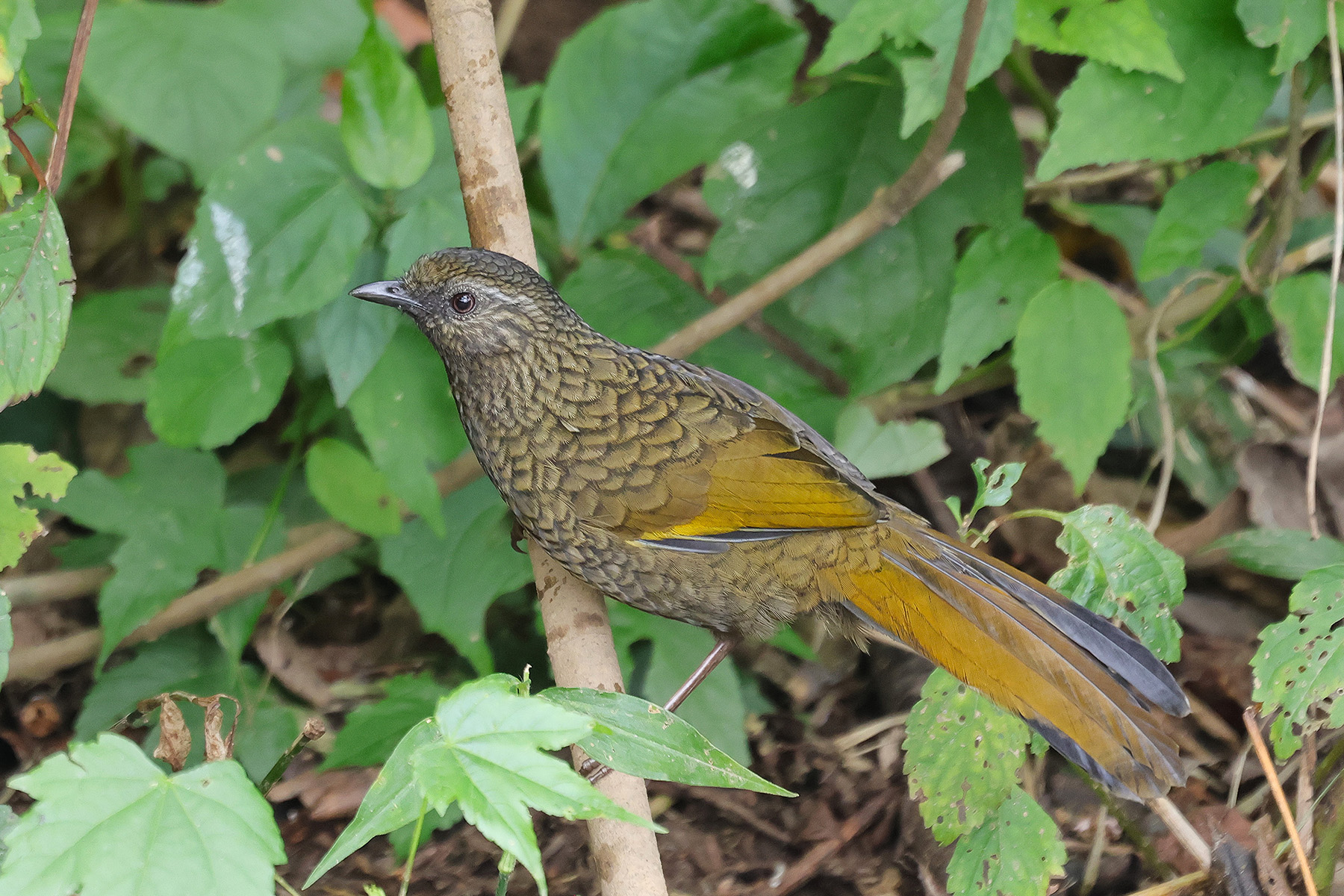
Scaly Laughingthrush (image by Hannu Jännes)
Red-tailed Laughingthrush (image by Hannu Jännes)
Buff-breasted Babbler (image by Hannu Jännes)
Grey Peacock-Pheasant (image by Craig Robson)
Rusty-naped Pitta (image by Auttawee Phopairoj)
Himalayan Shortwing (image by Craig Robson)
White-speckled or Biet's Laughingthrush (image by Simon Mitchell)
Maroon-backed Accentor (image by Pete Morris)


Chestnut-vented Nuthatch (image by Pete Morris)
Cachar Wedge-billed Babbler (image by Hannu Jännes)
Indochinese Green Magpie (image by Hannu Jännes)
Great Barbet (image by Hannu Jännes)
Grey-winged Thrush (image by Hannu Jännes)
Blyth's Leaf Warbler (image by Pete Morris)
Chestnut Bulbul (image by Vincent van der Spek)
Rufous-headed Parrotbill (image by Hannu Jännes)
Mountain Bamboo Partridge (image by Hannu Jännes)
Blue-naped Pitta (image by Hannu Jännes)
Yunnan Nuthatch (image by Pete Morris)
Black-faced Spoonbills (image by Pete Morris)
Rusty-capped Fulvetta (image by Hannu Jännes)
Daurian Redstart (image by Pete Morris)
Spot-necked Babbler (image by Hannu Jännes)
Brown-crowned Scimitar Babbler (image by Hannu Jännes)
Black-browed Bushtit (image by Pete Morris)
Golden Bush Robin (image by Simon Mitchell)
Long-tailed Thrush (image by Craig Robson)
Chestnut-capped Babbler (image by Hannu Jännes)
Light-vented Bulbul (image by Pete Morris)
Blue-fronted Redstart (image by Pete Morris)
Elliot's Laughingthrush (image by Craig Robson)
Chestnut Thrush (image by Pete Morris)
Flavescent Bulbul (image by Hannu Jännes)
White-hooded Babblers (image by Craig Robson)
Spoon-billed Sandpiper (image by János Oláh)
Grey Peacock-Pheasant (image by Hannu Jännes)
Chestnut-vented Nuthatch (image by Simon Mitchell)
Himalayan Thrush (image by Hannu Jännes)
Cachar Wedge-billed Babbler (image by Hannu Jännes)
Rufous-tailed Babbler (image by Pete Morris)
Mrs Gould's Sunbird (image by Pete Morris)
Green Shrike-Babbler (image by Pete Morris)
Rusty-naped Pitta (image by Hannu Jännes)
Crimson-browed Finch (image by Craig Robson)
Sichuan Leaf Warbler (image by Simon Mitchell)
White-hooded Babbler (image by Hannu Jännes)
Black-throated Bushtit (image by Pete Morris)
Black-streaked Scimitar Babbler (image by Hannu Jännes)
Grey-throated Babbler (image by Hannu Jännes)
Hainan Partridges (image by Craig Robson)
Scarlet-faced Liocichla (image by Hannu Jännes)
Blue-winged Laughingthrush (image by Hannu Jännes)
White-tailed Robin (image by Hannu Jännes)
Collared Treepie (image by Hannu Jännes)
Eye-ringed Parrotbill (image by Pete Morris)
Golden Bushrobin (image by Hannu Jännes)
Moustached Laughingthrush (image by Simon Mitchell)
Rufous-throated Partridge (image by Hannu Jännes)
Buff-barred Leaf Warbler (image by Simon Mitchell)
Scarlet-faced Liocichla (image by Hannu Jännes)
Streaked Spiderhunter (image by Hannu Jännes)
Black-headed Sibia (image by Hannu Jännes)
male Black-breasted Thrush (image by Hannu Jännes)
Golden-throated Barbet (image by Hannu Jännes)
Malaysian Plover (image by Pete Morris)
Baihualing (image by Craig Robson)
Assam Laughingthrush (image by Hannu Jännes)
Silver Pheasant (image by Craig Robson)
Black-throated Laughingthrush (image by Hannu Jännes)
Hainan Peacock-Pheasant (image by Craig Robson)
Blue-naped Pitta (image by Hannu Jännes)
Himalayan Bluetail (image by Hannu Jännes)
Hainan (image by Hannu Jännes)
Slender-billed Scimitar Babbler (image by Hannu Jännes)
Slender-billed Scimitar Babbler (image by Hannu Jännes)
male Daurian Redstart (image by Hannu Jännes)
Mrs Hume's Pheasant (image by Hannu Jännes)
Rufous-tailed Babbler (image by Pete Morris)
Velvet-fronted Nuthatch (image by Hannu Jännes)
Japanese Thrush (image by Craig Robson)
Nonggang Babbler (image by Hannu Jännes)
Black-breasted Thrush (image by Hannu Jännes)
Black-faced Laughingthrush (image by Craig Robson)
Hainan (Black-throated) Laughingthrush (image by Hannu Jännes)
Plain Prinia (image by Hannu Jännes)
Great Knot (image by Pete Morris)
Beautiful Sibia (image by Hannu Jännes)
Kalij Pheasant (image by Hannu Jännes)
White-faced Plover (image by Pete Morris)
Red-tailed Minla (image by Hannu Jännes)
Black-browed Bushtit (image by Pete Morris)
Black-headed Greenfinch (image by Pete Morris)
Fork-tailed Sunbird (image by Pete Morris)
Maroon-backed Accentor (image by Hannu Jännes)
Blue-winged Laughingthrush (image by Craig Robson)
Black-throated Laughingthrush (image by Hannu Jännes)
Scaly Laughingthrush (image by Hannu Jännes)
Red-tailed Laughingthrush (image by Hannu Jännes)
Buff-breasted Babbler (image by Hannu Jännes)
Grey Peacock-Pheasant (image by Craig Robson)
Rusty-naped Pitta (image by Auttawee Phopairoj)
Himalayan Shortwing (image by Craig Robson)
White-speckled or Biet's Laughingthrush (image by Simon Mitchell)
Maroon-backed Accentor (image by Pete Morris)


|
Sunday 10th January – Wednesday 27th January 2027 Leaders: Vincent van der Spek and a local bird guide |
18 Days | Group Size Limit 8 (tour full) |
|
Friday 14th January – Monday 31st January 2028 Leaders: János Oláh and a local bird guide |
18 Days | Group Size Limit 8 |
Birdquest’s Southwest China birding tours comprise a special itinerary that focuses not only on the endemics and other good birds of Southwest China in Guangxi and Yunnan provinces and on Hainan Island but also features the many wonderful birds that visit the region’s famous photographic bird hides/blinds.
Our Southwest China tour features Hainan, White-cheeked, Rufous-throated and Mountain Bamboo Partridges, Mrs Hume’s Pheasant, Hainan and Grey Peacock-Pheasants, Black-faced Spoonbill, Blue-breasted Quail, the wonderful Spoon-billed Sandpiper, Eastern Grass Owl, the rare Pale-capped Pigeon, Chinese Barbet, Blue-rumped, Blue-naped and Rusty-naped Pittas, Collared Treepie, Indochinese Green and White-winged Magpies, Collared and Burmese Mynas, Limestone and Hainan Leaf Warblers, Brown-winged, Eye-ringed and Rufous-headed Parrotbills, the recently-described Nonggang Babbler, Cachar Wedge-billed Babbler, ‘Hainan’ (or ‘Swinhoe’s’), Rufous-cheeked, White-speckled (or Biet’s), Blue-winged, Red-tailed and Spot-breasted Laughingthrushes, Scarlet-faced Liocichla, Black-breasted, Long-tailed and Himalayan Thrushes, Yellow-billed and Chinese Nuthatches, and many other great birds. We will even visit an area where the relatively recently described Naung Mung Scimitar Babbler has been discovered in western Yunnan!
The huge and varied country that is China boasts an extraordinary bird list of over 1300 species. Since 1984, Birdquest has developed a series of comprehensive China birding tours to find a vast majority of the endemics and specialities, but in a country that is so large, and with so many scattered specialities, there is always more to see.
Our Southwest China birding tour starts off at Sanya on the subtropical island of Hainan
From here we travel to Baimajing, close to the large estuary known as Danzhou Wan. Here we have a very high chance of a marvellous close encounter with the Critically Endangered Spoon-billed Sandpiper, as well as a fair chance for Nordmann’s Greenshank. There are plenty of other good birds around Danzhoiu, including Black-faced Spoonbill, Blue-breasted Quail, Eastern Grass Owl, Oriental Bay Owl and the rare Pale-capped Pigeon (at what is very likely its most reliable site).
Moving to the mountains of the southwest, our major targets include Hainan Partridge and Hainan Peacock-Pheasant (both now regularly seen from hides/blinds at feeding stations at Jianfengling), plus Chinese Barbet, Hainan (or Swinhoe’s) Laughingthrush and Hainan Leaf Warbler. A supporting cast of important specialities includes Ratchet-tailed Treepie, Rufous-cheeked Laughingthrush and Yellow-billed Nuthatch.
Next, our journey will take us to the rarely-visited Guangxi province in southwestern China. Here, at the Nonggang National Nature Reserve on the borders of Vietnam, we will be looking for the relatively recently described endemic Nonggang Babbler, as well as Blue-rumped Pitta, the striking White-winged Magpie and Limestone Leaf Warbler.
For the grand finale, we head westwards into amazing Yunnan.
First, we will visit the Tengchong and Yingjiang areas in Western Yunnan. Here, we will spend part of our time in the famous photographic hides/blinds and part of our time more conventionally birding so that we can best target some special, mostly range-restricted species, including Grey Peacock-Pheasant, White-cheeked Partridge, Blue-naped and Rusty-naped Pittas, Collared Treepie, Collared and Burmese Mynas, Brown-winged and Rufous-headed Parrotbills, White-hooded Babbler and Spot-breasted Laughingthrush. We will also try our luck with the little-known, range-restricted and rarely observed Naung Mung Scimitar Babbler.
While enjoying the hides and the area’s trails, we will see dozens of other new birds for the tour, including such stars as Kalij Pheasant, Large, Coral-billed and Red-billed Scimitar Babblers, Red-tailed and Grey-sided Laughingthrushes, and Scarlet-faced Liocichla.
Afterwards, we will head eastwards to the famous Gaoligongshan range at Baihualing for yet another feast of close-up and often wonderful birds from a series of hides/blinds. Among the likely highlights are Rufous-throated, Hill and Mountain Bamboo Partridges, Golden-throated Barbet, the remarkable Slender-billed Scimitar Babbler, Cachar Wedge-billed Babbler, Moustached and Blue-winged Laughingthrushes, the stunning Red-tailed Laughingthrush, Beautiful Sibia, Chestnut-headed Tesia, Grey-winged Blackbird, Black-breasted, Long-tailed and Himalayan Thrushes, Golden Bush Robin, Maroon-backed Accentor, Mrs Gould’s Sunbird and Scarlet Finch.
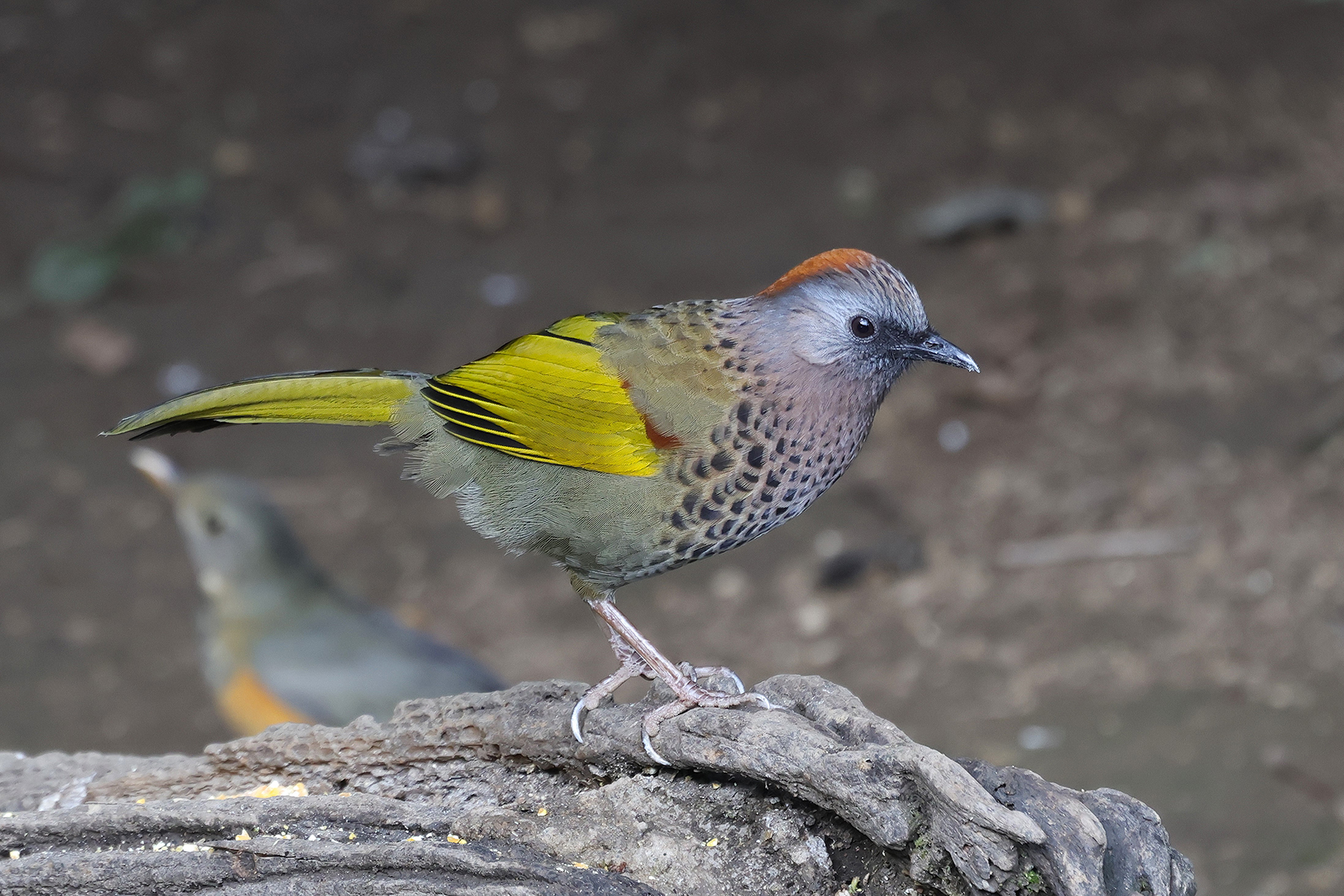
There will also be many other species at the hides or along the roads between the hides, including the near-endemic Black-streaked Scimitar Babbler, Assam Laughingthrush, Long-tailed Sibia and Yunnan and Rusty-capped Fulvettas, to mention just a few.
Finally, for some additional marvellous birds, we shall explore the Lijiang region in Northern Yunnan, situated not far from the awesome peaks of the Jade Dragon Snow Mountain. Here we will be searching out the little-known endemic White-speckled (or Biet’s) Laughingthrush, as well as the endemic Rufous-tailed Babbler (or Rufous-tailed Moupinia), Eye-ringed Parrotbill and Spectacled Fulvetta (of the form sordidior) and the near-endemic Black-browed Bushtit, Yunnan Nuthatch, Black-bibbed Tit and Black-headed Greenfinch. We will also be hoping to see the impressive, range-restricted Mrs Hume’s Pheasant.
Birdquest has unsurpassed experience in China, having operated nearly 120 China birding tours since 1984.
This tour can sometimes be taken together with EASTERN CHINA IN WINTER
Accommodation & Road Transport
The hotels and guesthouses are mostly of a good or medium standard, but some nights are in simple guesthouses (and at one where we spend two nights, some rooms have shared bathrooms). Road transport is by small coach, minibus/passenger van or cars. Roads are generally of good or very good quality.
Walking
The walking effort during our Southwest China birding tours is mostly easy, only rarely of a moderate grade.
Climate
Generally cool to warm, with sunny spells interspersed with overcast conditions. It can be cold in the early morning in the Lijiang region. Some rain is likely.
Bird Photography
Opportunities during much of our Southwest China birding tours are exceptional! Those hides/blinds are amazing!
To see a larger map, click on the square-like ‘enlarge’ icon in the upper right of the map box.
To see (or hide) the ‘map legend’, click on the icon with an arrow in the upper left of the map box.
To change to a satellite view, which is great for seeing the physical terrain (and for seeing really fine details by repetitive use of the + button), click on the square ‘map view’ icon in the lower left corner of the ‘map legend’.
Birdquest Inclusions: Our tour prices include transportation, accommodations, meals and entrance fees.
We also include all tipping for local guides, drivers and accommodation/restaurant staff.
Deposit: 20% of the total tour price. Our office will let you know what deposit amount is due, in order to confirm your booking, following receipt of your online booking form.
TO BOOK THIS TOUR: Click here (you will need the tour dates)
The single supplement will not apply if you indicate on booking that you prefer to share a room and there is a room-mate of the same sex available.
This tour is priced in US Dollars. Amounts shown in other currencies are indicative.
Southwest China: Day 1
Our Southwest China birding tour starts this morning at Sanya on Hainan Island, situated off the southern coast of China. Our hotel is across the road from the airport terminals.
[Sanya is served by flights from all major Chinese gateway cities and also has some international flights. We can easily arrange a domestic flight into Sanya on request, even if you are not arranging your international flights through us.]
From Sanya, we head northwest to Baimajing for a two-night stay.
This afternoon, we will begin our exploration of Danzhou Wan and its surrounding region.
Southwest China: Day 2
Danzhou Wan is an expansive estuary situated on the northwest coast of Hainan.
It has become famous for its wintering Spoon-billed Sandpipers, which often allow a very close approach, allowing for truly wonderful views!
As well as Spoon-billed Sandpiper, the mudflats also offer a fair chance of the rare Nordmann’s Greenshank, as well as the rare White-faced Plover and Great Knot.
More widespread shorebirds include Pied Avocet, Grey (or Black-bellied) and Pacific Golden Plovers, Kentish, Greater Sand and Siberian Sand Plovers, Eurasian Whimbrel, Eurasian Curlew, Bar-tailed Gowit, Common Greenshank, Common Redshank, Red-necked Stint and Curlew Sandpiper.
Fishponds and small marshes attract the Endangered Black-faced Spoonbill as well as Slaty-breasted Rail.
A nocturnal excursion should turn up Blue-breasted Quail (yes, located at night for close views!), Eastern Grass Owl and quite possibly Oriental Bay Owl.
Other birds we are likely to come across include the near-endemic Light-vented (or Chinese) Bulbul and Red-billed Starling, as well as Great, Little and Eastern Cattle Egrets, Grey Heron, Chinese Pond Heron, Northern Shoveler, Green-winged Teal, Eastern Marsh Harrier, Common Kingfisher, Brown Shrike and Plain and Yellow-bellied Prinias.
Southwest China: Day 3
After a final morning in the Danzhou region, where we will focus on seeing the rare Pale-capped Pigeon, we will head south to Jianfengling National Forest Park, a beautiful area in the mountains where we will stay for three nights.
This afternoon, we will begin our exploration of Jianfengling.
Southwest China: Days 4-5
The Jianfengling National Forest Park protects an extensive area of upland native forest in the interior of Hainan.
When it was only a case of walking the trails at Jianfengling, one only had a fair chance of seeing the endemic Hainan Partridge and only a slim chance for the endemic Hainan Peacock-Pheasant. Nowadays, both species are regularly visiting feeding stations at photographic hides/blinds in the area, and so we have excellent chances for amazing encounters with these two superb birds!
Away from the hides, we will be looking in particular for the endemic Hainan Leaf Warbler and also Hainan (or Swinhoe’s) Laughingthrush, a distinctive island endemic form which has been proposed as a full species rather than a race of Black-throated Laughingthrush.
Other great birds in this fine area include the splendid Silver Pheasant, the range-restricted Chinese Barbet, Ratchet-tailed Treepie, Rufous-cheeked Laughingthrush, Huet’s and Dusky Fulvettas and Yellow-billed Nuthatch, all of which we can expect to see. Near-endemics include Chestnut Bulbul. The near-endemic Fork-tailed Sunbird is also present, as is Pale Blue Flycatcher (both are represented by fairly distinctive island subspecies).
More widespread species we may well encounter include Little Grebe, Crested Serpent Eagle, Crested Goshawk, Shikra, Black Kite, Mountain Imperial Pigeon, Green-billed Malkoha, Collared Scops Owl, Collared Owlet, Asian Palm and House Swifts, Red-headed Trogon, Blue-bearded Bee-eater, Grey-capped Pygmy Woodpecker, Greater and Lesser Yellownapes, Silver-breasted Broadbill, Grey-chinned and Scarlet Minivets, Black-winged Cuckooshrike, White-browed Shrike-babbler, White-bellied Erpornis, Bronzed and Greater Racket-tailed Drongos, Black-naped Monarch, Long-tailed Shrike, Grey Treepie, Sultan Tit, Barn Swallow, Puff-throated and Mountain Bulbuls, Yellow-browed and Rufous-faced Warblers, Swinhoe’s White-eye, Rufous-capped and Spot-necked Babblers, Streak-breasted Scimitar Babbler, Eyebrowed Wren-Babbler, Greater Necklaced Laughingthrush, Hainan Blue Flycatcher, White-crowned Forktail, Orange-bellied Leafbird, Grey and White Wagtails, and Olive-backed Pipit. Mountain Scops Owl is also present, but as usual, it is tricky to see rather than hear.
More uncommon possibilities include the near-endemic Hartert’s Leaf Warbler and the shy and sought-after Rufous-tailed Robin, as well as Common Emerald Dove, Crested Honey Buzzard, Brown Wood Owl, Bay and Rufous Woodpeckers, Large Woodshrike, White-winged Magpie, Indochinese Green Magpie, Grey-headed Canary-flycatcher, Yellow-bellied Prinia, Grey-headed Parrotbill, Lesser Necklaced Laughingthrush, Orange-headed and Japanese Thrushes, Verditer and Mugimaki Flycatchers, Blue Rock Thrush, Amur (or Stejneger’s) Stonechat, Plain and Fire-breasted Flowerpeckers, and White-rumped Munia.
Southwest China: Day 6
We will set off very early this morning and return to Sanya, from where we will take a morning flight to Nanning in Guangxi province on the Chinese mainland.
From Nanning, we will drive to a remote settlement in the Nonggang National Natural Reserve for a two-night stay. We will arrive in time for some initial exploration.,
Southwest China: Day 7
Nonggang is situated not far from the border with Vietnam and is surrounded by spectacular ‘karst’ mountain scenery, every bit as dramatic as that which surrounds far more famous Guilin. During our birding here, we will enjoy some fine backdrops of steep limestone peaks with forest clinging to the cliffs. The massifs rise abruptly from green fields and orchards, peppered with tiny villages.
The area came to prominence in the ornithological world in 2008 when a new species of babbler, Nonggang Babbler Stachris nonggangensis, was described from the area. The babblers nest high on the mountains in summer, making seeing one a challenge in the steep terrain, but in winter they come right down to the base of the hills, visiting feeding stations (both at hides/blinds and in the open) that the locals (many of whom are former bird-trappers) have constructed to attract both birds and Chinese bird photographers to the area! We can expect brilliant views of the babbler as a result.
Regular visitors to the bird hides include the lovely Blue-rumped Pitta, the spectacular Indochinese Green and White-winged Magpies, David’s Fulvetta, Buff-breasted Babbler, Black-throated Laughingthrush, White-rumped Shama and Hainan Blue Flycatcher.
Other species we may well encounter include the range-restricted Limestone Leaf Warbler as well as Black Baza, White-breasted Waterhen, Spotted Dove, Greater Coucal, Asian Barred Owlet, the beautiful Long-tailed Broadbill, Eurasian Jay, Red-billed Blue Magpie, Cinereous and Yellow-cheeked Tits, Red-whiskered, Sooty-headed Bulbul, Rufescent Prinia, Common Tailorbird, Pale-footed Bush Warbler, Grey-throated, Yellow-eyed and Chestnut-capped Babblers, Pin-striped Tit-babbler, Indochinese Yuhina, the near-endemic Fork-tailed Sunbird, Ornate Sunbird and Crested Bunting.
Southwest China: Day 8
Today, we will return to Nanning Airport and take a flight to Tengchong in western Yunnan. We will spend one night at Tengchong itself and four nights in Yingjiang County.
Southwest China: Days 9-12
This subtropical region of Yunnan has a mild climate and some special birds. During our visit, we will spend part of our time in the famous photographic hides/blinds at Hongbenghe and Shiti and part of our time birding conventionally on foot.
There are a great number of species in the area, and indeed, the hides have become famous among mostly Chinese bird photographers for the wide variety of species they attract. Many of these species are widespread birds in the region, so we shall be concentrating on some range-restricted specialities, including Grey Peacock-Pheasant (stunning views are likely at the hides!), White-cheeked Partridge, Blue-naped and Rusty-naped Pittas, Collared Treepie, Collared and Burmese Mynas, Brown-winged, Pale-billed and Rufous-headed Parrotbills, White-hooded Babbler and Spot-breasted Laughingthrush. Some of these species are easier to see at the hides, and some are easier on the local trails. The laughingthrush is extremely shy and has declined owing to trapping, so seeing one as opposed to hearing one is usually very difficult.
Another special bird is the Grey-bellied Wren-Babbler. If an accessible area turns up for this species, we will, of course, try for it.
Even more intriguing is the Naung Mung Scimitar Babbler, a rare species described from northern Burma in 2005 that has subsequently been recorded from this part of China. We will go to the exact location of a recent sighting and hold our breath!
An absolutely amazing variety of species turn up at the hides, either using the feeding stations or just passing through, or can be seen while walking roads and trails in the Yinjiang and Tengchong regions.
These include Black Eagle, Crested Serpent Eagle, Crested Honey Buzzard, Crested Goshawk, Collared Falconet, Kalij Pheasant, White-breasted Waterhen, Spotted Dove, Barred Cuckoo-Dove, Asian Emerald Dove, Thick-billed, Wedge-tailed and Pin-tailed Green Pigeons, Mountain Imperial Pigeon, Green-billed Malkoha, Red-headed Trogon, Crested Kingfisher, Blue-bearded and Asian Green Bee-eaters, Oriental Pied Hornbill, Blue-eared, Coppersmith and Blue-throated Barbets, White-browed and Speckled Piculets, Grey-headed, Stripe-breasted, Bay and Great Slaty Woodpeckers, Greater and Lesser Yellownapes, and Greater Flameback.
Passerines include Long-tailed and Silver-breasted Broadbills, Eastern Red-rumped and Wire-tailed Swallows, Asian House Martin, Grey-backed Shrike, Scarlet Minivet, Bar-winged Flycatcher-shrike, Black-winged Cuckooshrike, Black-hooded, Slender-billed and Maroon Orioles, Ashy, Bronzed, Hair-crested, Lesser Racket-tailed and Greater Racket-tailed Drongos, Great Myna, Common Green Magpie, Grey Treepie, Crested Finchbill, Red-vented, Black-crested, Mountain, Grey-eyed, Flavescent and White-throated Bulbuls, Spotted Elachura (a monotypic family), Pygmy Cupwing, Streaked Wren-Babbler, Grey-headed Parrotbill, Large, White-browed, Coral-billed, Red-billed and Streak-breasted Scimitar Babblers, Pin-striped Tit-babbler, Golden, Spot-throated and Puff-necked Babblers, Lesser Necklaced, White-crested, White-browed, Black-throated and Grey-sided Laughingthrushes, Scarlet-faced Liocichla, Silver-eared Mesia, Rufous-backed Sibia, Black-headed and White-browed Shrike-babblers, Striated Yuhina, White-bellied Erpornis, Striated Grassbird, Mountain and Common Tailorbirds, Grey-bellied Tesia, Rufous-faced, Black-faced, Yellow-bellied and Dusky Warblers, Blyth’s Leaf Warbler, Hill Blue, Chinese Blue, Indochinese Blue, Rufous-gorgeted, Snowy-browed and Little Pied Flycatchers, Large, Small and Rufous-bellied Niltavas, White-tailed Robin, Himalayan Bluetail, Chestnut-bellied Rock Thrush, Blue Whistling Thrush, White-crowned, Slaty-backed and Black-backed Forktails, the range-restricted Hume’s Treecreeper, Velvet-fronted Nuthatch, Ashy Woodswallow, Asian Fairy-bluebird, Orange-bellied, Golden-fronted and Blue-winged Leafbirds, and Streaked Spiderhunter.
Also possible are Jerdon’s Baza, Large Hawk-Cuckoo, Rufous-bellied Woodpecker, Citrine Wagtail, Short-billed Minivet, Grey Sibia, Chinese Leaf Warbler, Scaly Thrush, Yellow-browed Tit, Asian Fairy-bluebird, Yellow-vented Flowerpecker, Tibetan Serin and even the rare Pale-headed Woodpecker.
Southwest China: Day 13
Today, we will head eastwards to the Gaoligong mountain range for a three-night stay.
Southwest China: Days 14-15
Gaoligongshan is a long north-south mountain range in western Yunnan with extensive forests. Another set of hides at the settlement of Baihualing holds a very different suite of birds of higher elevations.
There are great birds to see and photograph at Baihualing, including such range-restricted specialities as Mountain Bamboo Partridge, Cachar Wedge-billed Babbler, the stunning Red-tailed Laughingthrush, Moustached, Blue-winged and Assam Laughingthrushes, Beautiful Sibia, Black-breasted and Himalayan Thrushes and Maroon-backed Accentor, as well as the near-endemic Black-streaked Scimitar Babbler.
Other notables include Rufous-throated and Hill Partridges, Golden-throated Barbet, the remarkable Slender-billed Scimitar Babbler, Long-tailed Sibia, Chestnut-headed Tesia, Grey-winged Blackbird, Long-tailed and White’s Thrushes, Golden Bush Robin, Mrs Gould’s Sunbird and Scarlet Finch.
Additional regular visitors to the hides or birds seen along the roads include Bearded Vulture (or Lammergeier), Himalayan Vulture, Bonelli’s Eagle, Banded Bay Cuckoo, Great Barbet, Black and Striated Bulbuls, White-throated Fantail, Grey-throated and Rufous-capped Babblers, Rusty-cheeked Scimitar Babbler, Scaly Laughgingthrush, Blue-winged, Bar-throated and Red-tailed Minlas, Rusty-fronted Barwing, Red-billed Leiothrix, Black-headed Sibia, Whiskered Yuhina, Rusty-capped and Yunnan Fulvettas, Hill Prinia, Buff-barred, Ashy-throated and Chestnut-crowned Warblers, Sichuan, Hume’s and Davison’s Leaf Warblers, White-gorgeted Flycatcher, Himalayan Shortwing, Grey Bushchat, Blue-fronted and Daurian Redstarts, Eyebrowed and Chestnut Thrushes, Chestnut-vented Nuthatch, Green-backed and Yellow-cheeked Tits, Oriental White-eye and White Wagtail.
[Note: Mrs Hume’s Pheasant is only a very occasional visitor to the Baihualing hides. The Gaoligongshan National Nature Reserve is closed to foreign visitors these days, so birding is restricted to the hides and roads outside the reserve.]
Southwest China: Day 16
Today, we have a long drive to Liju in the Lijiang region of northern Yunnan, where we will spend two nights.
We will stop along the way to look for the near-endemic Yunnan Nuthatch and the endemic Eye-ringed Parrotbill. The parrotbill form here presents a taxonomic puzzle. The birds in the Lijiang region have been regularly identified as being Eye-ringed Parrotbills (the monotypic Suthora ricketti), following its splitting from Brown-winged Parrotbill (S. brunnea), but they show dark rather than white irises and plumage features suggesting that they belong to the taxon styani, which is currently placed in Brown-winged! Basically, the Lijiang birds appear somewhat intermediate between the nominate form of Brown-winged and Eye-ringed, although, as they show pale eye-rings, they definitely look closer to the latter. If these forms truly merit splitting, which is open to debate, then styani may be better treated as a subspecies of S. ricketti.
Southwest China: Day 17
This ornithologically poorly-known area offers a feast of beautiful scenery, with deep valleys clothed in deciduous and coniferous woodland giving way at higher altitudes to alpine meadows and icy peaks.
Some special endemic birds can be found in the area, and in particular, we will want to see the rare and localised White-speckled (or Biet’s) Laughingthrush. This very rare and declining species can now be seen at close range from a hide. In addition, another hide has been developed for the superb, range-restricted Mrs Hume’s Pheasant, so we will be hoping they are turning up at the time of our visit (but this is by no means assured). The near-endemic Lady Amherst’s Pheasant is also possible.
Other endemics include the inquisitive Rufous-tailed Babbler (or Rufous-tailed Moupinia) and the sordidior form of the endemic Spectacled Fulvetta (which looks very different to the nominate race in northern Sichuan). Important near-endemics include Elliot’s Laughingthrush, White-collared Yuhina, Black-bibbed Tit, Black-browed Bushtit and Black-headed Greenfinch.
Additional species that we may well encounter include Southern Nutcracker, Brown-breasted Bulbul, Eurasian Wren, Green Shrike-babbler, Manipur Fulvetta, White-capped Redstart and Rufous-breasted Accentor.
Less frequently observed species include Necklaced Woodpecker, Yellow-bellied Fantail, Spotted and Black-faced Laughingthrushes, White-browed and Golden-breasted Fulvettas, the localised Sharpe’s Rosefinch and Little Bunting.
Southwest China: Day 18
After some final birding around Liju, we will head for Lijiang Airport.
Lijiang is the principal settlement of the Naxi people, a matriarchal society with some fascinating social customs and the old town, dating back to the 12th century. At this point, the mighty Yangtze River makes a long loop to the north before resuming its flow towards the China Sea, forming a natural boundary to the spectacular, snow-capped peaks of the Jade Dragon Snow Mountain, which rise to 5596m (18,360ft) and tower above the town.
The tour ends early this evening at Lijiang Airport.
[Lijiang is served by direct flights to several Chinese gateway cities. We can easily arrange a domestic flight out of Lijiang on request, even if you are not arranging your international flights through us.]