
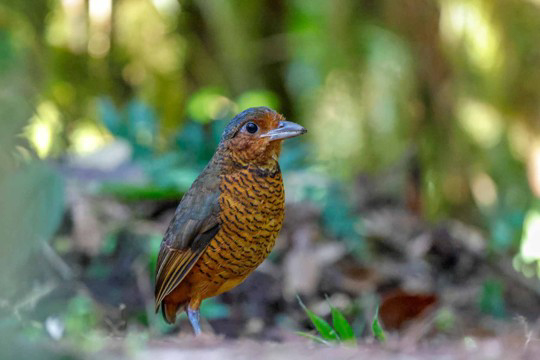
Giant Antpitta (image by Antonio Cortizo)
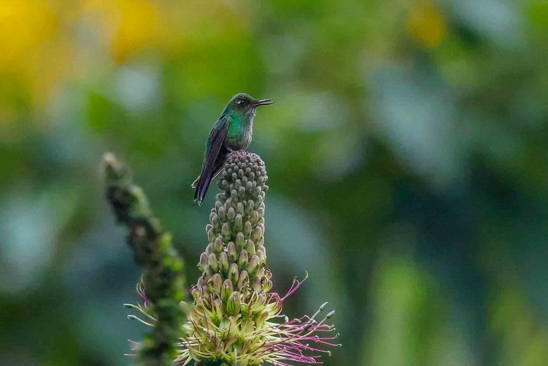
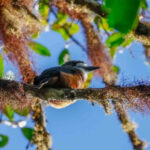
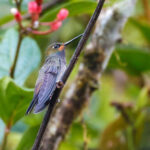
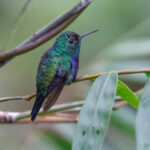
Mountain Avocetbill (image by Antonio Cortizo)
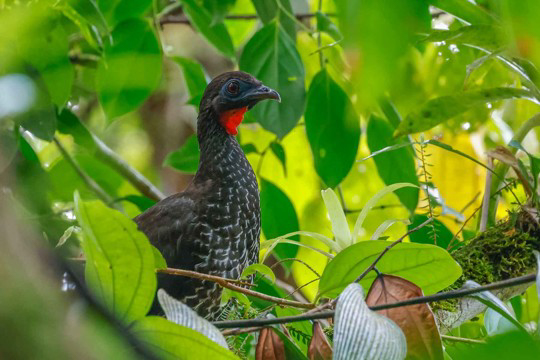
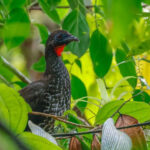
Baudo Guan (image by Antonio Cortizo)
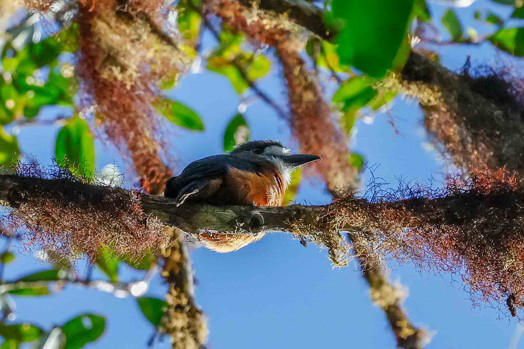
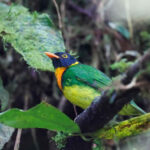
White-faced Nunbird (image by Antonio Cortizo)
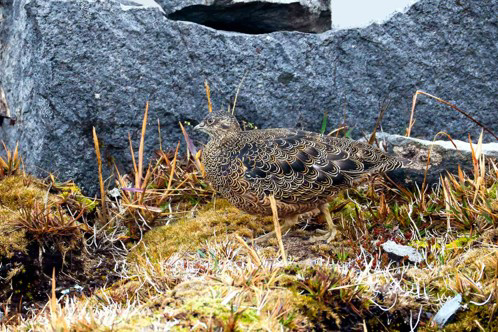
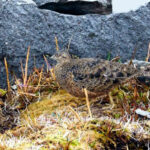
Rufous-bellied Seedsnipe (image by Antonio Cortizo)
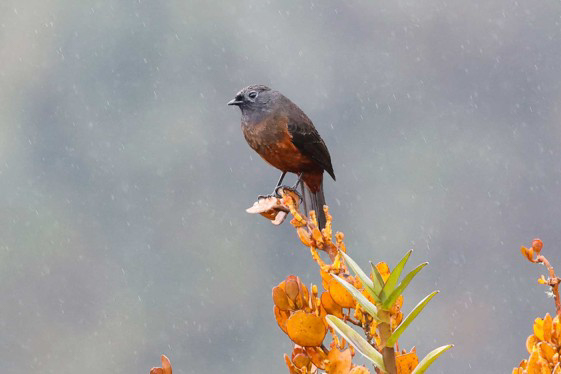
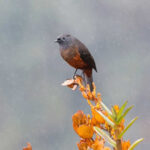
Chestnut-bellied Cotinga (image by Antonio Cortizo)
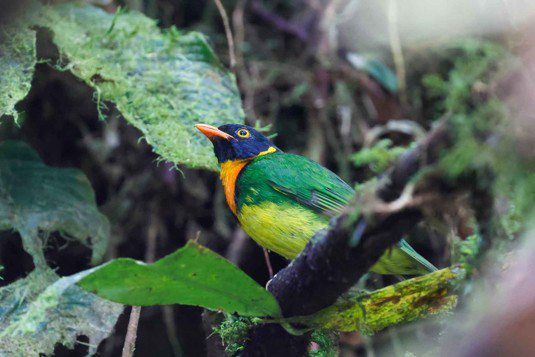
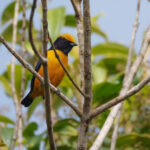
Orange-breasted Fruiteater (image by Antonio Cortizo)
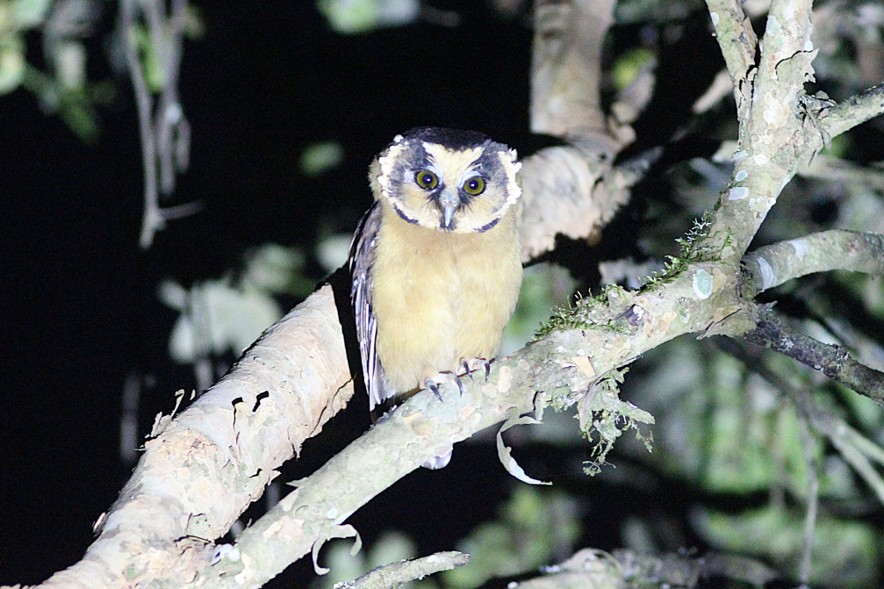
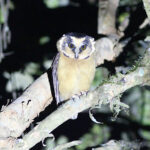
Buff-fronted Owl (image by Peter Zahl Marki)
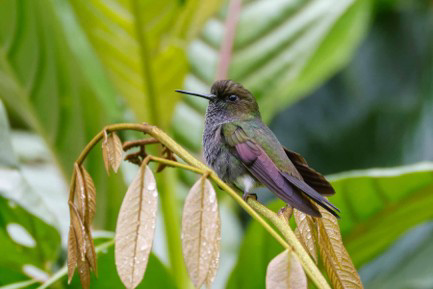
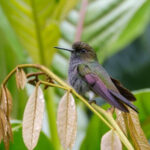
Hoary Puffleg (image by Antonio Cortizo)
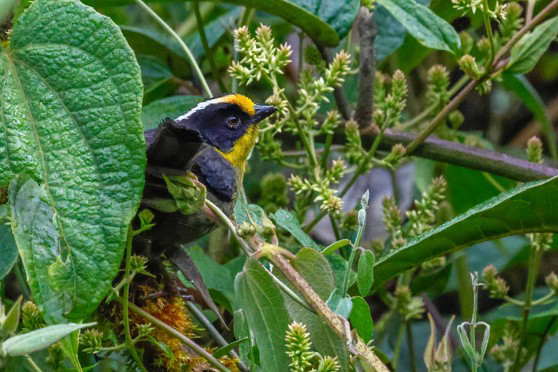
Pale-naped Brushfinch (image by Antonio Cortizo)
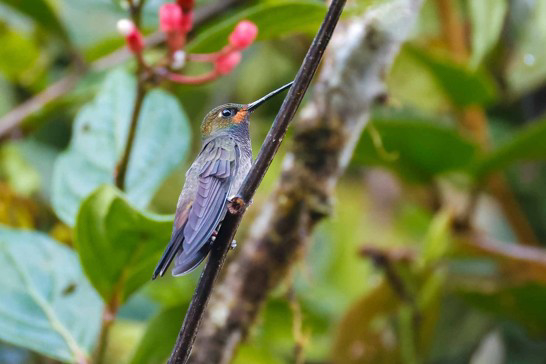
Rufous-gaped Hillstar (image by Antonio Cortizo)
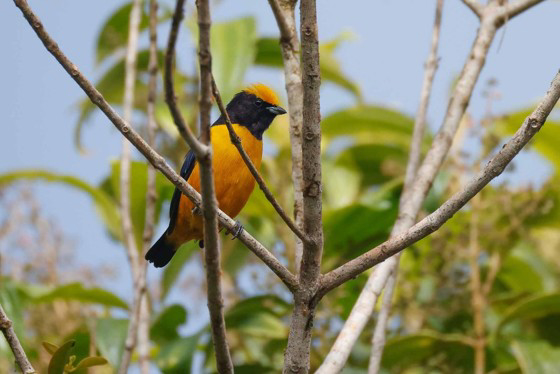
Orange-crowned Euphonia (image by Antonio Cortizo)
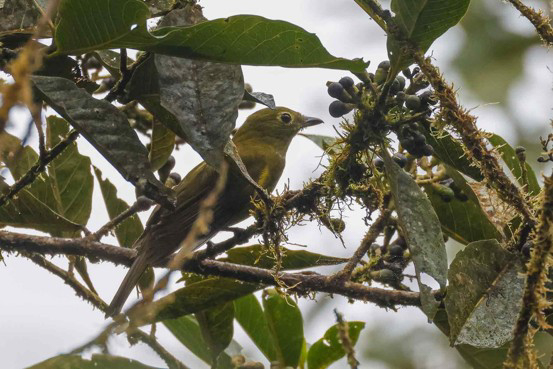
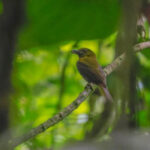
Olivaceous Piha (image by Antonio Cortizo)
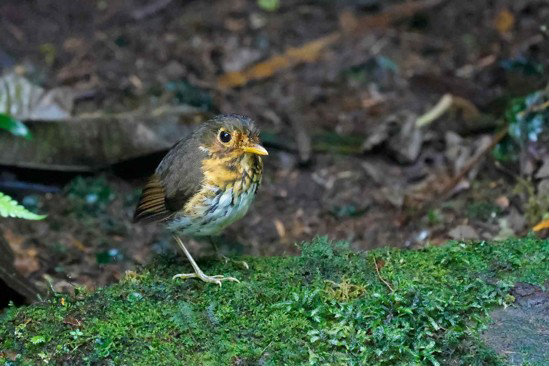
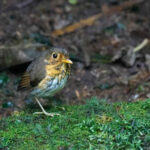
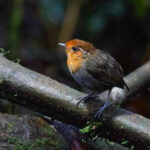
Ochre-breasted Antpitta (image by Antonio Cortizo)
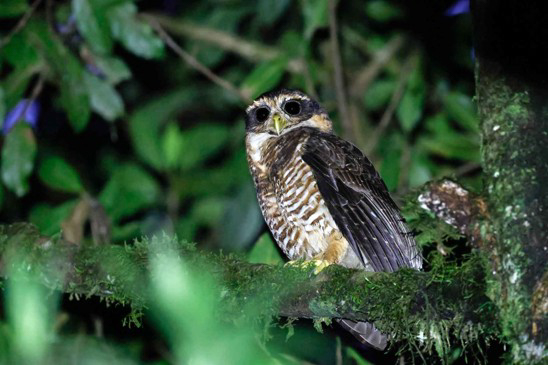
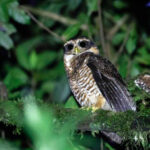
Band-bellied Owl (image by Antonio Cortizo)
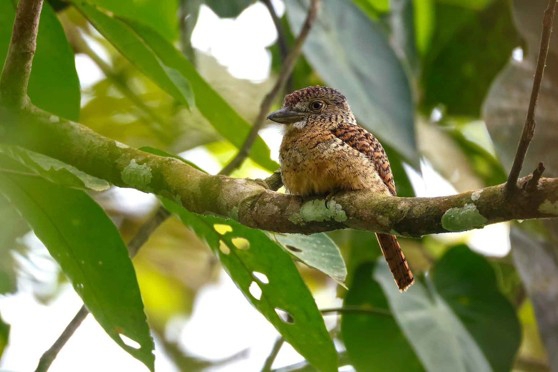
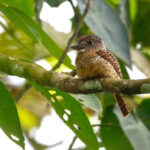
Barred Puffbird (image by Antonio Cortizo)
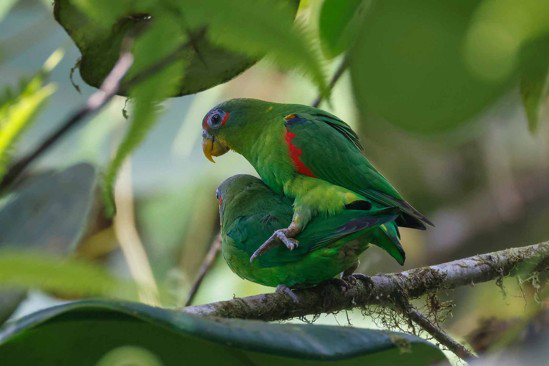
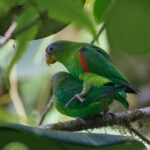
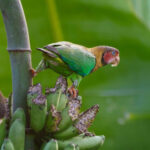
Blue-fronted Parrotlets (image by Antonio Cortizo)
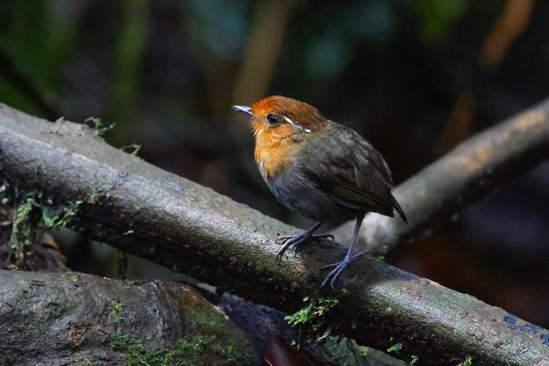
Chestnut-crowned Gnateater (image by Antonio Cortizo)
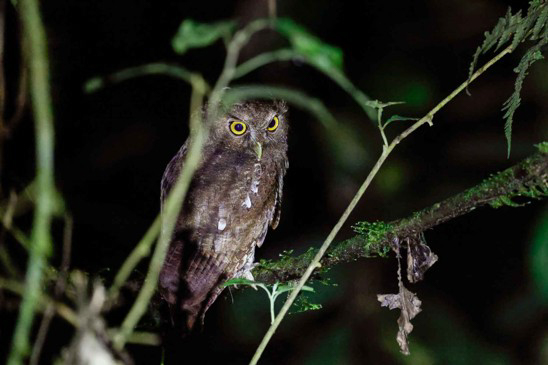
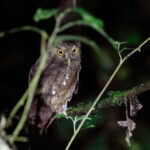
Foothill Screech Owl (image by Antonio Cortizo)
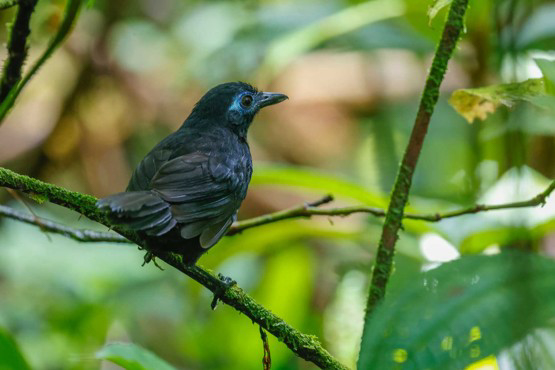
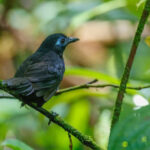
Zeledon's Antbird (image by Antonio Cortizo)
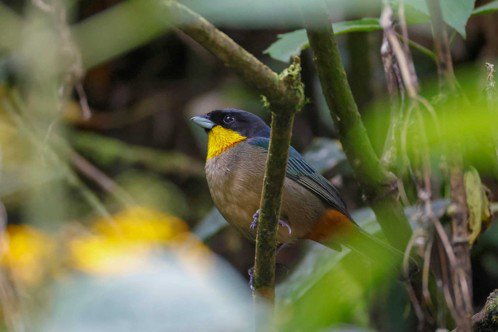
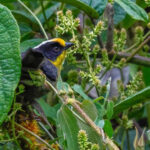
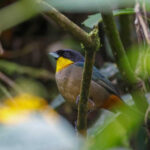
Yellow-throated Tanager (image by Antonio Cortizo)
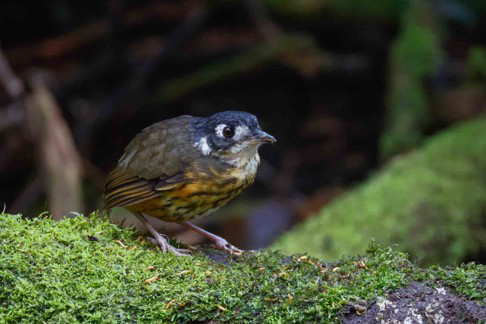
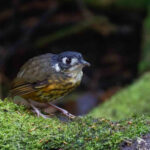
White-lored Antpitta (image by Antonio Cortizo)
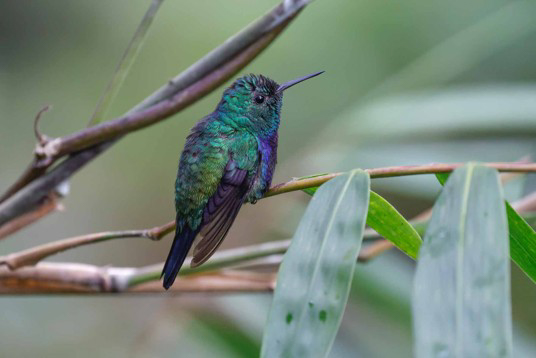
Violet-bellied Emerald (image by Antonio Cortizo)
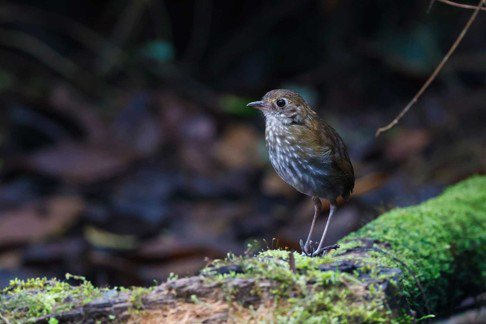
Thrush-like Antpitta (image by Antonio Cortizo)
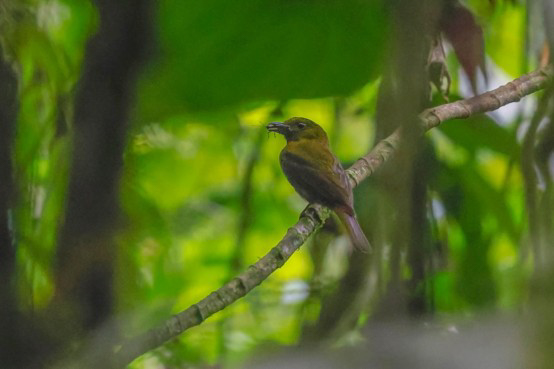
Sapayoa (image by Antonio Cortizo)
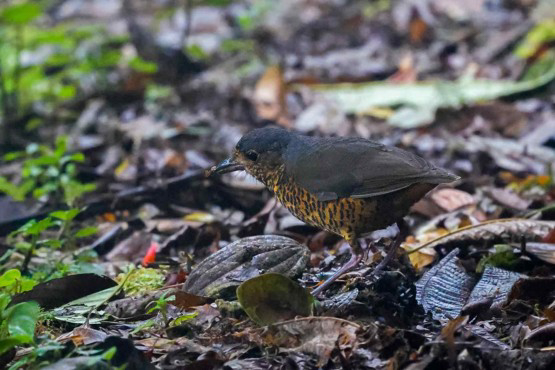
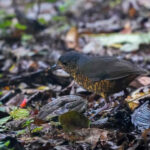
Undulated Antpitta (image by Antonio Cortizo)
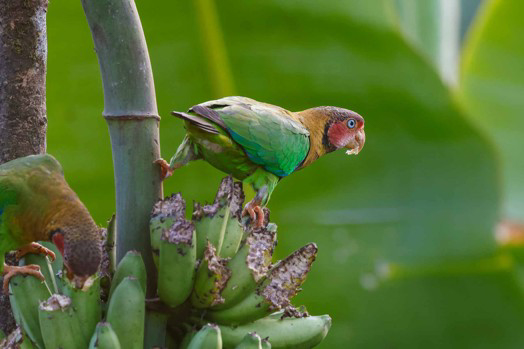
Rose-faced Parrot (image by Antonio Cortizo)
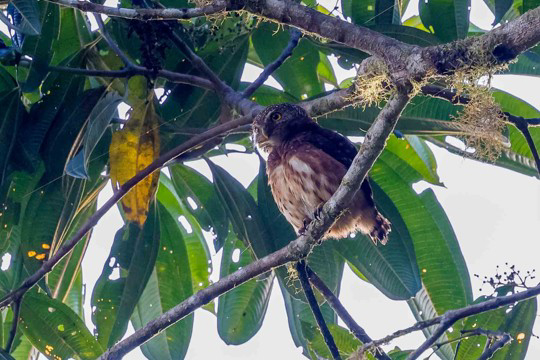
Cloud-forest Pygmy Owl (image by Antonio Cortizo)
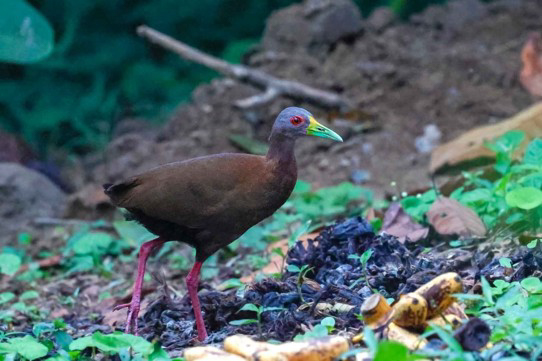
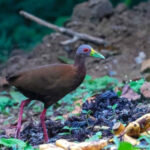
Brown Wood Rail (image by Antonio Cortizo)
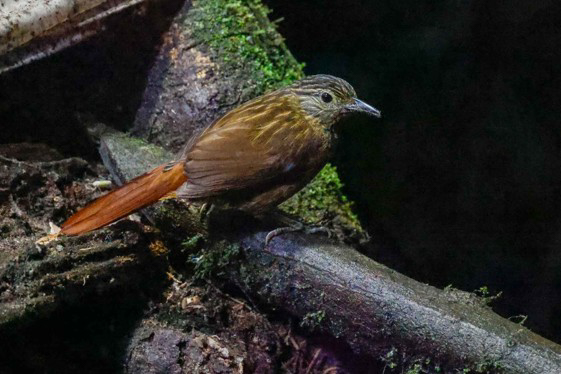
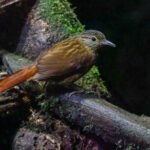
Black-billed Treehunter (image by Antonio Cortizo)
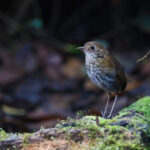


Giant Antpitta (image by Antonio Cortizo)
Mountain Avocetbill (image by Antonio Cortizo)
Baudo Guan (image by Antonio Cortizo)
White-faced Nunbird (image by Antonio Cortizo)
Rufous-bellied Seedsnipe (image by Antonio Cortizo)
Chestnut-bellied Cotinga (image by Antonio Cortizo)
Orange-breasted Fruiteater (image by Antonio Cortizo)
Buff-fronted Owl (image by Peter Zahl Marki)
Hoary Puffleg (image by Antonio Cortizo)
Pale-naped Brushfinch (image by Antonio Cortizo)
Rufous-gaped Hillstar (image by Antonio Cortizo)
Orange-crowned Euphonia (image by Antonio Cortizo)
Olivaceous Piha (image by Antonio Cortizo)
Ochre-breasted Antpitta (image by Antonio Cortizo)
Band-bellied Owl (image by Antonio Cortizo)
Barred Puffbird (image by Antonio Cortizo)
Blue-fronted Parrotlets (image by Antonio Cortizo)
Chestnut-crowned Gnateater (image by Antonio Cortizo)
Foothill Screech Owl (image by Antonio Cortizo)
Zeledon's Antbird (image by Antonio Cortizo)
Yellow-throated Tanager (image by Antonio Cortizo)
White-lored Antpitta (image by Antonio Cortizo)
Violet-bellied Emerald (image by Antonio Cortizo)
Thrush-like Antpitta (image by Antonio Cortizo)
Sapayoa (image by Antonio Cortizo)
Undulated Antpitta (image by Antonio Cortizo)
Rose-faced Parrot (image by Antonio Cortizo)
Cloud-forest Pygmy Owl (image by Antonio Cortizo)
Brown Wood Rail (image by Antonio Cortizo)
Black-billed Treehunter (image by Antonio Cortizo)


NORTHERN ECUADOR TOUR REPORT 2025

2 - 21 August 2025
Juan Carlos Calvachi
Northern Ecuador is one of the finest South America, standing out for its exceptional diversity of birds and the variety of habitats available across different elevation ranges on both slopes of the northern Ecuador Andes. On the western slope, you will encounter Choco birds; on the eastern side, an Amazonian influence is evident; and as you ascend, you reach the paramo regions.
Ecuador is renowned for its birdwatching infrastructure in both private and state reserves, where numerous feeder attractions have been developed for colourful birds like tanagers and hummingbirds as well as secretive birds like antpittas or wood quails. We make use of these feeder stations, but we also venture off the beaten path in search of rarer specialties, which is what makes this tour truly exceptional. The northwest region of Ecuador is one of the best areas to observe Chocó endemic birds, and the tour emphasizes the search for the many Chocó specialties. While Colombia is also an excellent destination to look for Chocó endemics, some species- like the Plate-billed Mountain Toucan, Dark-backed Wood Quail, Choco Tyrannulet or Scarlet-breasted Dacnis ( to name just a few ) occur in the far southern parts of Colombia. Ecuador, by contrast, offers easier access to outstanding birding sites for these species.
To name a few highlights of the tour; we can start with my bird of the tour, that was a sighting of a Baudo Guan at Playa de Oro reserve, a very rare species. Another major highlight was one of the rarest and most difficult species of owl, the fantastic Buff-fronted Owl (chosen as the best bird of the trip at Pululahua volcano. The total amount of 672 species of birds recorded was a major highlight as well, with a total of 608 birds seen by at least one participant and me. Including some of the major targets like the Five-colored Barbet, Chestnut-bellied Cotinga, Beautiful Jay or the unique White-faced Nunbird.
Other highlights included to see the Tawny-faced Quail, Band-winged and Lyre-tailed Nightjars, Choco Poorwill, Oilbird and Andean Potoo, White-chested Swift, Little Cuckoo, Dusky Pigeon and Tooth-billed Hummingbird. During the tour we managed to record ¡81 species of Hummingbirds which included great views of White-tipped Sicklebill, Black-bellied Thornbill (a write-in for the tour) , Wire-crested Thorntail, Ecuadorian Piedtail, Violet-tailed Sylph, Ecuadorian Hillstar, Mountain Avocetbill, Rainbow-bearded Thornbill, Viridian Metaltail, Hoary and Golden-breasted Pufflegs, Ecuadorian, Green-backed and Rufous-gaped Hillstars, Purple-bibbed Whitetip, Giant Hummingbird, Gorgeted and Purple-collared Woodstars were some of the hummingbird species we got to see. Got to see the rare and local Brown Wood Rail in wild conditions by the whole group was another major highlight, as well great views of Blackish Rail, also Rufous-bellied Seedsnipe was one of the top five best birds of the trip.
With the raptors we did really well with major rarities like the Black Hawk and Ornate Hawk-Eagles, Barred Hawk and the rare Semicollared Hawk and Orange-breasted Falcon. Several species of Owls included the Cloud-forest and Andean Pygmy Owls, Foothill Screech Owl, Spectacled, Band-bellied Owls, as well the mysterious “San Isidro” Owl that at the moment is labelled under the Black-banded Owl but is quite likely to be an undescribed species.
Other species that complemented our highlights were Chestnut-bellied Cotinga, Coppery-chested Jacamar, Pied, Barred, Black-streaked, White-necked and White-whiskered Puffbirds, Five-colored and Toucan Barbets, the two species of Mountain Toucans as the Plate-billed, and Gray-breasted Mountain Toucans, a pair of Blue-fronted Parrotlets copulating, Golden-collared Toucanet and Stripe billed Aracari. A good selection of woodpeckers included Lafresnaye’s Piculet, Yellow-vented, Lita, Cinnamon, Crimson-bellied and Guayaquil Woodpeckers. Members of other groups included Rose-faced Parrot, Military and Great-green Macaws, Tyrannine, Strong-billed and Black-striped Woodcreepers, Red-billed Scythebill, Rufous-tailed Foliage-gleaner, Uniform, Black-billed and Streak-capped Treehunters, Star-chested Treerunner (a rare and localized Choco endemic), Streak-backed Canastero, White-chinned Thistletail, Ash-browed, Dusky and Rufous Spinetails, Ornate and Foothill Stipplethroats, Black-faced, Stub-tailed and Zeledon’s Antbirds, White-streak Antvireo, Rufous-breasted and Short-tailed Antthrushes, Giant, Undulated, Scaled , Streak-chested, Yellow-breasted, White-bellied, Equatorial, Tawny, Thrush-like, White lored, Ochre-breasted, Slaty-crowned and Rufous-breasted Antpittas (With an amazing number of 13 species of them seen), Long-tailed, Blackish, Ocellated, Nariño, White-crowned, Choco and Spillman’s Tapaculos ( With 7 species seen well) Choco, Ecuadorian and Sulphur-bellied Tyrannulets, Foothill and Coopman´s Elaenias, Rufous-headed Pygmy-Tyrant, Rufous-breasted, and Handsome Flycatchers, Red-rumped, Streak-throated and Smoky Bush Tyrants, Slaty-backed, Yellow-bellied and Brown-backed Chat-Tyrants, Snowy-throated Kingbird, Scaled, Black-chested, Fiery-throated, Orange-breasted and Barred Fruiteaters, Rufous and Olivaceous Pihas, Andean Cock-of-the-rock, Chestnut-bellied and Black-tipped Cotingas, Green, Blue-rumped and Club-winged Manakins, Cryptic and One-colored Becards, Coraya, Stripe-throated, Wing-banded Wrens, Andean, Rufous-brown and Black Solitaires and Ecuadorian Thrushes, Olive Finch, Choco Brushfinch, Cerulean Warbler, Choco Warbler, Golden-collared Honeycreeper, Scarlet-breasted Dacnis, Western Hemispingus, Golden-eye and Indigo Flowerpiercers completing all the possible Flowerpiercers, the 3 species of “Iridosornis” Purplish-mantled, Yellow-throated and Golden-crowned Tanagers, as well 3 species of “Bangsias” as the Yellow-green, Moss-backed and Golden-chested Tanagers, and many more colourful tanagers like the Grass-green, Rufous-throated, Grey-and Gold, Scrub, Metallic-green, Black-capped, Glistening-green, Orange-eared, Emerald, and Scarlet-and-white Tanagers.
Our first day we left our hotel early in the morning to go to Yanacocha Reserve, where we had our first session at bird feeders with several Shining Sunbeams, Buff-winged Starfrontlets, and several Great Sapphirewings. Masked and Glossy Flowerpiercers at feeders as well.
Other birds included the Andean Guan, Hooded, Black-chested and Scarlet-bellied Mountain Tanagers. We hiked the Masked Trogon trail where we managed to see several species like White-throated Tyrannulet, Smoky Bush-Tyrant, Yellow-breasted Brushfinch, Golden-crowned Tanager, Spectacled Whitestar, the elusive Ocellated Tapaculo, Superciliaried Hemispingus, Blue-backed Conebill and right after we had the a male Barred Fruiteater. We waited at the farther hummingbird feeders to see if Golden-breasted Puffleg was around and just in the last minute it showed up. So we continued our journey towards Mindo area where we would spend the next four nights but having a brief stop at Alambi reserve where we added another dozen new hummingbirds having over 20 species of this beautiful creatures for our first day.
Our first day in the Mindo area we drove early towards the Bellavista cloud-forest reserve where we had to work hard to get our birds with a great reward like the rare White-faced Nunbird a big highlight for our trip, other species included Capped Conebill, Beryl-spangled, Blue-and-black, Grass-green Tanagers, Gorgeted Sunangel, Spillman´s Tapaculo, Streaked Tuftedcheek, Plate-billed Mountain Toucan and Green-and-black Fruiteater.
After lunch we birded the Mindo area where we managed to find a Sunbittern, Pallid Dove, Rufous Motmot, the rare and local Ecuadorian Seedeater and a magical moment with the flight of a male Lyre-tailed Nightjar at dusk.
Our second day on the Mindo area was the visit to the Angel Paz reserve we were lucky enough meet Angel Paz where he managed to show to us a Giant Antpitta. Angel Paz is known as the original Antpitta man, because he was the pioneer person who started to feed antpittas (and other secretive species) with worms, something that change a lot the game for us, and for many families like his own family who found an innovating way to get some incomes from protecting the forest instead of changing it to a cattle pasture. Angel gave us a superb tour who started with the very active Andean Cock-of-the-rock lek, which was very active. After the lek session and the Giant Antpitta that Angel showed to us, we went to look for “Willy” the Yellow-breasted Antpitta, which came quite quickly. Later we met “Shakira” (an Ochre-breasted Antpitta female),performed very nicely for our group. We were delighted as well with one individual of Rufous-breasted Antthrush that completed the worm’s show. Some other interesting species seen during our visit to Angel Paz Reserve were the Purple-bibbed Whitetip, Purple-throated Woodstar, Crested Guan, Beryl-spangled and Flame-faced Tanagers. In the afternoon we drove towards the Oilbirds cave site where we added several new birds to our list like Yellow-faced and Dull-colored Grassquits and Masked Water-Tyrant.
Our second day on Mindo area we visited the area of Mashpi combined with Amagusa Reserve. On this area we had a combination of hummingbird feeders, fruit feeders, moth lights, and a very productive roadside birding in one of the most diverse elevations of the western slope (800-1500 meters). The highlights of our day included to see the very localized Choco Vireo that with persistence we managed to see in the canopy of primary forest. Other good species of the day were the Dark-backed Wood Quail, White-throated Quail-Dove , Collared Trogon, Barred Puffbird, Yellow-collared Chlorophonia, Rose-faced Parrot, Scaled and Orange-breasted Fruiteaters, Tawny-breasted Myiobius, Cryptic and One-colored Becard, Cloud-forest Pygmy Owl, the near endemic Choco Vireo, Rufous-brown Solitaire, Choco Warbler, Olive Finch, Indigo Flowerpiercer, Black-chinned Mountain Tanager, Glistening-Green, Moss-backed and Grey-and-gold Tanagers. A good selection of new hummingbirds for the tour included White-whiskered Hermit, Green Thorntail, Violet-tailed Sylph, Brown Inca, Velvet-purple Coronet, White-booted Racket-tail, White-tipped Sicklebill, White-throated Daggerbill and Empress Brilliant.
It was a very diverse day where nearly 100 species were recorded at the end of the day. Some other species which complemented our day included Crimson-rumped Toucanet, Choco Toucan, a mayor highlight a pair of Blue-fronted Parrotlets copulating , Maroon-tailed Parakeet [pacifica], Scaly-throated and Lineated Foliage-gleaners, Streak-capped Treehunter, Rufous-rumped Antwren, Zeledon’s Antbird, Bay Wren [nominate ssp], Yellow-throated and Dusky Chlorospingus, Choco and Chesnut-capped Brushfinches, Dusky-faced, Ochre-breasted, Fawn-breasted, Rufous-throated, Golden-naped, Blue-necked, Bay-headed, Flame-faced [lunigera],Moss-backed and Golden Tanagers.
The day we left Mindo area, we visited a new place known as Fruti Tour. Is located at lower elevations in areas characterized by disturbed forest and agriculture, offering an interesting selection of birds for the tour. These included Bronzy Hermit, Long-billed Starthroat, Violet-bellied and Purple-chested Hummingbirds, Pallid Dove, Red-billed Scythebill, Sooty-headed and Choco Tyrannulet, White-lined Tanager, Silver-throated and Blue-necked Tanager. However the best bird that we saw that morning was the Brown Wood Rail, that now is easily coming and habituated to come in the open at the feeders site. Afterwards we had the longest drive of the tour, to reach Selva Alegre where we took a boat to the Playa de Oro Reserve.
We didn’t make much birding on the way to Playa de Oro but we add some species during our lunch stop on the coast near Esmeraldas, including new birds like Magnificent Frigatebird, Brown Pelican and Great-tailed Grackle.
Once we reached Selva Alegre dock, we put all our stuff in the boat and still managed to see Fasciated Tiger-Heron and Neotropic Cormorants. Luckily, we arrived before a light rain and spent some time birding near our basic accommodations at Playa de Oro, one of the best lowland Chocó sites in Ecuador. Some of the birds that we saw that afternoon included the Gray-rumped Swift, some noisy Scarlet-rumped Caciques, Stripe-billed Aracaris, Stripe-throated Hermit and Dusky Pigeons around the lodge.
We spent two full days exploring the forest trails of Playa de Oro in search of some of the most special lowland Chocó endemics and many other birds as well.
We had many other good species that included Choco Poorwill, Choco Screech Owl and Spectacled Owl the first morning at dawn. In day time we saw Tooth-billed Hummingbird, Purple-chested Hummingbird, Five-colored Barbet, Stub-tailed Antbird, Black-tipped Cotingas, Slate-throated, Gnatcatcher, the elusive Tawny-faced Quail, several Broad-billed Sapayoas, Lemon Spectacled, Blue-whiskered, Gray-and-gold and Scarlet-browed Tanagers and the Scarlet-breasted Dacnis, just to mention some of the best birds that we got to see. Some other birds seen at Playa de Oro were White-whiskered Puffbird, Guayaquil Woodpecker, Plain-brown and Black stripe Woodcreepers, Dot-winged, Moustached and White-flanked Antwrens, Checker-throated Stipplethroat, Spot-crowned Antvireo, Bicolored, Spotted and Chestnut-backed Antbirds, Yellow-crowned and Brown-capped Tyrannulets, Black-capped Pygmy Tyrant, Snowy-throated Kingbird, Velvety Manakin, Striped-throated Wren, Tawny-faced Gnatwren, Scarlet-thighed Dacnis, Slate-colored Grosbeak, Tawny-crested, Golden-hooded and Rufous-winged Tanagers and great scope views of the rare Semicollared Hawk my first time on the western lowlands.
Our last day in Playa de Oro we left the place after an early breakfast, to continue our journey to our next destination. On the way out we got to see a Rufous-headed Chachalaca, Pied and White-necked Puffbirds.
After our stop at Yalare we continued to Alto Tambo, where we found a superb selection of Chocó foothills species. Notable among these were the two members of the genus Bangsia- Golden-chested and Yellow-green Tanagers – which both of have a very restricted distribution in the lower Chocó foothills. Other species of interest were a pair of Great-green Macaws, a pair of the rare Choco Woodpecker, Choco Trogon, Lita and Cinammon Woodpeckers, Lanceolated Monklet, Stub-tailed Antbird, Choco Tapaculo, Ochre-breasted Tanager, Golden-collared Honeycreeper, Scarlet-and-white, Grey-and-gold and Emerald Tanagers. After our birding session at Alto Tambo, we went to our nice accommodations where we enjoyed a very nice dinner and celebrate the great success of the day.
The following day provided our final opportunity to see more of the remaining Chocó endemics as well as excellent cloud forest species. During the morning we traveled the Chical Road, where we got to see a very fine selection of birds including the Beautiful Jay again (an ultimate Chocó endemic bird), the Star-chested Treerunner which is a local and rare Funariid, the localized Hoary Puffleg, the rare Yellow-vented Woodpecker, Ornate Hawk-Eagle, Rufous-gaped Hillstar.
Other main targets of the morning were the Purplish-mantled Tanager who performed really nice for our group, the Toucan Barbet which we heard it several times during the tour and finally saw it properly. Other birds seen during our morning were the Rufous-gaped Hillstar, Olive-crowned Yellowthroat, the secretive Olivaceous Piha,, Nariño Tapaculo, Streak-necked and Flavescent Flycatchers, Green-and-black Fruiteater, Golden-winged Manakin, Masked and White-sided Flowerpiercer, Glistening-green, Moss-backed, Tanager, Flame-faced, Metallic-green and Rufous-throated Tanagers.
After that we continued our way up to Ibarra, an area located on intermontane dry Andean valleys with very arid vegetation. We got one of our main targets that was the Scrub Tanager then we had to work harder to find a female Blue-headed Sapphire near the hotel area. We didn’t have the best weather that afternoon, and it was a bit windy. Even so we managed to see other birds like the Western Emerald, Eared Dove, American Kestrel, Vermilion Flycatcher, Tropical Mockingbird, Golden Grosbeak, Purple-collared Woodstar female, Ash-breasted Sierra Finch, Streaked Saltator ( the non streaked morph), Yellow-bellied and Variable Seedeaters.
The following day we drove very early towards Cerro Mongus. An area with transition of Elfin Forest with Paramo, where we were hoping to see the rare and localized Chestnut-bellied Cotinga, among other species. To reach the proper habitat we drove through agricultural villages as far as our four wheel drive vehicles could managed. From there we began our top hike uphill to reach the areas where we might see the Cotinga. Once in the right spot we were lucky enough to see a female of Chestnut-bellied Cotinga on the distance from a viewpoint fairly close. Although our time was very limited, we still managed to see some interesting birds with excellent views of a Rainbow-bearded Thornbill, a Red-crested Cotinga displaying with its crest up, Lacrimose Mountain Tanager, Slaty Brushfinch, Andean Pygmy Owl and Golden-breasted Puffleg.
After our visit to Cerro Mongus, we continued our journey to Pululahua Geobotanical reserve, an area in the highlands, located within the crater of a dormant volcano. We arrived at night, just in time for dinner, and planned to search for Buff-fronted Owl that evening but we had no activity. The next day at dawn Buff-fronted Owl provided superb views and became the bird of the trip. Afterwards a Band-winged Nighjar responded very well to my playback as well as a Band-winged Nightjar we were also rewarded by a Burrowing Owl in a day light roost. Other birds seen our morning in Pululahua before breakfast included the Black-tailed and Green-tailed Trainbearers, Tyrian Metaltail, Collared Inca, Rusty Flowerpiercer, Azara’s Spinetail, White-tailed Tyrannulet, Grey-browed, and White-winged Brushfinches, Black-crested Warbler, Tufted Tit-Tyrant, Rufous-chested and Blue-capped Tanagers, a pair of Golden-rumped Euphonias, Scarlet-bellied Mountain Tanager and Yellow-bellied Chat-Tyrant.
After our morning session we continued our journey to the eastern slope of the Andes. On the way we stopped at the Papallacta pass on areas of Paramo and some Polylepis forest patches as well where we managed to see Viridian Metaltail, White-throated Tyrannulet, Andean Duck, Silvery Grebe and Andean Coot.
After our birding session along Papallacta pass, we focused on the drive to Wild Sumaco which would be our base for the next four nights.
Wild Sumaco is a premier birding lodge with an excellent network of trails, located on the lower eastern foothills of the
Andes, and influence by Amazonian species. Over the next three days, we recorded a large number of foothill specialties and highlights at Wild Sumaco with excellent views included species such as the striking Wire-crested Thorntail, Ecuadorian Piedtail, Gould’s Jewelfront, Green-backed Hillstar, Black-throated and Violet-fronted Brilliants, Green and Gray-chinned Hermits, Napo Sabrewing, Blackish Rail, Foothill Screech Owl, Band-bellied Owl, Coppery-chested Jacamar, Barred-Forest Falcon, the rare Yellow-throated Spadebill, Buff-throated Tody-Tyrant, Chesnut-crowned Gnateater, Scale Antpitta, Military and Chesnut-fronted Macaws, Northern White-crowned Tapaculo, Golden-collared and Chesnut-tipped Toucanets, Rufous-tailed, Montane and Buff-fronted Foliage-Gleaners, Channel-billed and Yellow-throated Toucans, Crimson-crested and Crimson-bellied Woodpeckers, Black-streaked Puffbird, Short-tailed Antthrush, Black-billed Treehunter, Lafresnaye´s Piculet, Black-banded Crake, Ornate and Foothill Stipplethroats, Ecuadorian Tyrannulet, Golden-winged Tody-Flycatcher, Dusky Spinetail, Olive-chested Flycatcher, a write in bird the rare White-chested Swift and amazing views of the smallest Fruiteater in Ecuador the Fiery-throated Fruiteater male.
Even that we spend three full days in the area, and part of the morning that we left the place it wasn’t enough time to see all the diversity that the area has to offer. Special thanks to our local guide Manuel at Sumaco lodge.
We repeated and came back to new site of Thrush-like and White-lored Antpittas near the town of Archidona and we had made plans to visit the site the previous night. In fact, we had a successful visit, with both species of Antpittas observed clearly, as well as two new write in new birds for our list: a male Black-bellied Thorntail and Straight-billed Hermit. Other birds included on this site were Glittering-throated Emerald, Thrush-like Wren, Buff-tailed Sicklebill and Great-billed Hermit.
So, after our productive birding at Archidona area we came back to the Loreto road to have our last chance to see the rare a local Orange-breasted Falcon, having a pair of them displaying and flying above us near some cliffs, certainly a mayor highlight for our tri. We stopped before the Guacamayos ridge before getting to the hotel, we birded a bit on the area, where we saw a pair of gorgeous Yellow-throated Tanagers posing nicely in the open. Then we continued to our very nice hotel where we stayed the next 3 nights and right at dinner time we had a San Isidro Owl which at the moment is consider a subspecies of Black-banded Owl, but its distribution, voice and physical appearance may suggest that should be a different taxon which was right at the porch catching moths out of the lights. We enjoyed a very delicious dinner and worked on a very long bird list after a very successful day.
Our first full day we spent it at the Jumandi Trail on the Guacamayos Ridge, where we spent the whole morning . The weather didn’t cooperate on the best way, but despite to deal with 3 different landslides and a heavy rain for most of our time on this trail we had some interesting birds, we saw, an amazing Undulated Antpitta for nearly half an hour hopping in front of us along the trail, Slate-crowned Antpitta, a group of Wattled Guans, Common Chlorospingus and Bluish Flowerpiercer.
The second day we started drinking coffee and watching the birds who came to the moth light near the restaurant, as well hummingbirds coming to the feeders and flowers around the gardens. Some of the birds seen before breakfast included Long-tailed Sylph, Bronzy and Collared Incas, Buff-tailed and Chestnut-breasted Coronets, Fawn-breasted Brilliant, Olive-backed and Montane Woodcreepers, Streak-headed Antbird, Smoke-colored Pewee, a male Black-capped Tanager, Pale-edged Flycatcher, Inca Jay, Mountain Wren, Masked Trogons, Subtropical Cacique, Black-crested Warbler and Black-billed Peppershrike.
Just before our breakfast we had an appointment with the White-bellied Antpitta, who was going to receive his breakfast. It didn’t take that long to have them coming for Edwin´s worms (the Antpitta Man), we managed to see one individual feeding in the open. After this brief show, we had our breakfast.
Most of the morning we spent our time birding on the San Isidro Reserve where we saw really good birds like Red-billed and White-capped Parrots, Sulphur-bellied Tyrannulet, Streak-necked Flycatcher, Sickle-winged Guan, Rufous-crowned Tody Flycatcher, Glossy-black Thrush, Beryl-spangled and Saffron-crowned Tanagers, Rufous-breasted Flyctacher, Streaked Tuftedcheek and Black-eared Hemispingus. Another bird that we saw nearby was the Torrent Duck. In the afternoon we drove towards Bermejo road and El Concierto de las Aves near the town of Borja where we birded the rest of the afternoon having a great selection of new species for our trip with a male Black-chested Fruiteater, Long-tailed Tapaculo, Ash-browed Spinetail, a roosting Andean Potoo, a female Gorgeted Woodstar and Andean Motmot, the visit of this new site was very much worth it. Later we came back to San Isidro lodge for our last night.
The next day we left San Isidro very early towards Guango lodge, visiting the territory for the rare and local Mountain Avocetbill that perched in the open, responding to my playback as well as a pair of Gray-breasted Mountain Toucans. Other birds we saw at Guango included Tourmaline Sunangel, White-bellied Woodstar, Capped Conebill, Tyryan Metaltail, Andean Guan, Tyrannine Woodcreeper and Pale-naped Brush-Finch.We then continued on to the Cayambe-Coca National Park, an area of elfin forest on the eastern side of the Andes, where we saw several additions for the tour. The weather conditions weren’t the best and we have to deal with some mist and cold temperatures too, even so we managed to see birds like Viridian Metaltail, Great Sapphirewing, White-chinned Thistletail, White-throated Tyrannulet, Brown-backed Chat-Tyrant, Pale-naped Brushfinch.Then drove back to Guango Lodge to have lunch, and afterwards we came back to the Papallacta Pass.
We took advantage that the moment we were passing by the highest section of the Paramo was clear, and we went right away to look for the Rufous-bellied Seedsnipe with a pair of them right at the top of the antenas area.
Then we stopped bellow the antenas at the Papallacta Pass where we added and had open views of a Paramo Tapaculo and Blue-mantled Thornbill. Other birds seen during our stops along the Papallacta pass were the Variable Hawk, Chestnut-winged and Stout-billed Cinclodes, Red-rumped Bush Tyrant (a rare species), Brown-bellied Swallow, Plumbeous Sierra Finch and Black Flowerpiercer.
Then we continued our way to Quito, where we pass the last night of our tour.
During the last day of the tour, we did a daytrip to Antisana National Park. First, we searched for Giant Hummingbird (the largest hummingbird in the world) around the gardens followed by Black-tailed Trainbearer, Shining Sunbeam, Black Flowerpiercer, several Caranculated Caracaras and a group of Andean Condors flying against the cliffs. So, we continued to Antisana to look for the remaining birds on our list in this Paramo habitat.
The selection of birds during our visit to Antisana included Andean Teal, Ecuadorian Hillstar, Black-winged Ground Dove, Andean Lapwing, Andean Gull, Chestnut-winged and Stout-billed Cinclodes, Streak-backed Canastero, Grass Wren, Paramo Pipit, Plumbeous Sierra Finch, Paramo Ground-Tyrant and Plain-colored Seedeater.
After seen the expected birds of Antisana we went back to Tambo Condor for our last lunch and meal of the trip. At this point the tour was coming to an end, and we finished our last list and choose the bird of the tour.
After our farewell lunch, we continued to the airport where the tour officially finished. It was a very remarkable tour where we managed to see very good quality and quantity of birds. A special thanks to Antonio Cortizo for his bird phoyography, as well to our driver Celfides who was very aware all the time, and helped as much as he could.
Many thanks to all the members of our group for being great birding companions and having a positive attitude during all these days, that really helped to have a very enjoyable tour from the beginning to the end.
BIRDS OF THE TOUR
1st Buff-fronted Owl
2nd Baudo Guan
3rd Rufous-bellied Seedsnipe
4th Undulated Antpitta
5th Spectacled Owl
SYSTEMATIC LIST OF SPECIES RECORDED DURING THE TOUR
Species marked with the diamond symbol (◊) are either endemic to the country or local region or considered ‘special’ birds for some other reason (e.g., it is only seen on one or two Birdquest tours; it is difficult to see across all or most of its range; the local form is endemic or restricted-range and may in future be treated as a full species).
The species names and taxonomy used in the bird list follows Gill, F., Donsker, D., & Rasmussen, P.(Eds). 2024. IOC World Bird List (v14.2).
Where the subspecies seen is/are known, these are often given in parentheses at the end of the species comment.
BIRDS
Great Tinamou Tinamus major. Seen twice at Playa de Oro.
Berlepschl´s Tinamou Crypturellus berlepschi. (H) Heard only at Playa de Oro.
Little Tinamou Crypturellus soui. (H) Heard only in several locations.
Undulated Tinamou Crypturellus undulatus. (H) heard only at Amarun Pakcha.
Torrent Duck Merganetta armata. Good views at Cosanga.
Yellow-billed Pintail Anas georgica. Seen at Papallacta Pass and Antisana N.P.
Andean Teal Anas andium. Seen at Papallacta Pass and Antisana N.P.
Andean Duck (A Ruddy D) Oxyura ferruginea. Seen at Papallacta Pass and Antisana N.P.
Rufous-headed Chachalaca Ortalis erythroptera. Good views on the way out from Playa de Oro.
Speckled Chachalaca Ortalis guttata. Seen at Sumaco reserve.
Baudo Guan ◊ Penelope ortoni. Seen and photographed at Playa de Oro reserve.
Andean Guan Penelope montagnii. Seen at Yanacocha reserve at Angel Paz reserve.
Crested Guan Penelope purpurascens. Two individuals seen at Playa de Oro reserve.
Wattled Guan ◊ Aburria aburri. Seen at the Guacamayos ridge trail.
Sickle-winged Guan ◊ Chamaepetes goudotii. Seen at Sumaco reserve.
Rufous-fronted Wood Quail ◊ Odontophorus erythrops. Seen briefly at Playa de Oro reserve.
Dark-backed Wood Quail ◊ Odontophorus melanonotus. Good views at Amagusa Reserve.
Rufous-breasted Wood Quail ◊ Odontophorus speciosus. (H) Heard only at Sumaco.
Tawny-faced Quail ◊ Rhynchortyx cinctus. Seen crossing the trail at Playa de Oro reserve.
Pauraque (Common P) Nyctidromus albicollis. Seen at Wild Sumaco.
Band-winged Nightjar Systellura longirostris. Seen at Pululahua.
Lyre-tailed Nightjar Uropsalis lyra. A male was seen at Mindo.
Choco Poorwill ◊ Nyctiphrynus rosenbergi. Excellent views at Playa de Oro reserve.
Oilbird Steatornis caripensis. Excelent views at their cave at El Chontal.
Common Potoo Nyctibius griseus. Seen perched at Mindo.
Andean Potoo ◊ Nyctibius maculosus. One bird seen on its roosting site at Borja area.
Lesser Swallow-tailed Swift Panyptila cayennensis. Several birds seen at Playa de Oro reserve.
Chestnut-collared Swift Streptoprocne rutile. Seen at Mindo, Mashpi and Wild Sumaco.
White-collared Swift Streptoprocne zonaris. Commonly seen in different altitudes and habitats.
White-chested Swift Cypseloides Lemosi. Seen at Sumaco reserve.
White-necked Jacobin Florisuga Mellivora. Seen at the feeders of Septimo Paraiso and Fruti Tour.
White-tipped Sicklebill ◊ Eutoxeres aquila. Excellent views at Mashpi area.
Buff-tailed Sicklebill ◊ Eutoxeres condamini. Brief views at Archidona area.
Bronzy Hermit Glaucis aeneus. One bird came at Fruti Tour feeders.
Stripe-throated Hermit Phaethornis striigularis. Seen at Playa de Oro.
Gray-chinned Hermit Phaethornis griseogularis. Seen at Sumaco reserve.
White-whiskered Hermit ◊ Phaethornis yaruqui. Commonly seen at Mashpi, MIndo and Playa de Oro reserve.
Green Hermit Phaethornis guy. Regular at Wild Sumaco reserve.
Tawny-bellied Hermit ◊ Phaethornis syrmatophorus. Seen at Bellavista reserve and Angel Paz reserve.
Great-billed Hermit Phaethornis malaris. One bird seen at Archidona area.
Green-fronted Lancebill ◊ Doryfera ludovicae. (H) Heard at Chical Road.
White-throated Daggerbill ◊ Schistes albogularis. One bird seen at Mashpi area.
Geoffroy´s Daggerbill Schistes geoffroyi. Seen and scope views at Bermejo road.
Brown Violetear Colibri delphinae. Seen at Wild Sumaco and the Mindo area.
Lesser Violetear Colibri cyanotus. Seen at Angel Paz reserve.
Sparkling Violetear Colibri coruscans. Common at Pululahua, Tambo Condor and Sumaco lodge.
Tooth-billed Hummingbird ◊ Androdon aequatorialis. Seen at Playa de Oro reserve.
Purple-crowned Fairy Heliothryx barroti. Seen at Playa de Oro.
Black-throated Mango Anthracothorax nigricollis. Seen at Wild Sumaco.
Gorgeted Sunangel ◊ Heliangelus strophianus. Seen at Bellavista reserve.
Tourmaline Sunangel ◊ Heliangelus exortis. Seen at Guango feeders and trails.
Green Thorntail ◊ Discosura conversii. Seen at different feeders localities in the west slope
Wire-crested Thorntail Discosura popelairii. Common at Wild Sumaco.
Black-bellied Thorntail ◊ Discosura langsdorffi. Seen at Archidona area.
Ecuadorian Piedtail ◊ Phlogophilus hemileucurus. Seen at Wild Sumaco.
Speckled Hummingbird Adelomyia melanogenys. Several seen at Bellavista area, and San Isidro lodge feeders.
Long-tailed Sylph Aglaiocercus kingii. Seen at San Isidro lodge.
Violet-tailed Sylph ◊ Aglaiocercus coelestis. A regular hummingbird around Mindo area and Chical road.
Ecuadorian Hillstar ◊ (Chimborazo H) Oreotrochilus Chimborazo. Seen at Antisana N.P.
Mountain Avocetbill ◊ Opisthoprora euryptera. Seen by all participants on one territory at Guango trails.
Black-tailed Trainbearer Lesbia victoriae. Seen at Pululahua and Antisana N.P.
Green-tailed Trainbearer Lesbia nuna. Seen at Pululahua volcanoe.
Purple-backed Thornbill Ramphomicron microrhynchum. A female seen at Yanacocha reserve.
Rainbow-bearded Thornbill Chalcostigma herrani. A female seen at Cerro Mongus.
Blue-mantled Thornbill ◊ Chalcostigma stanleyi. Seen at Cayambe-Coca N.P.
Tyrian Metaltail Metallura tyrianthina. Common at higher elevations like Yanacocha, Antisana N.P and Cerro Mongus.
Viridian Metaltail Metallura williami. Seen several times at Cayambe-Coca NP.
Hoary Puffleg ◊ Haplophaedia lugens. Good views at Chical Road of this localized near-endemic species.
Sapphire-vented Puffleg Eriocnemis luciani. Common at Yanacocha reserve.
Golden-breasted Puffleg ◊ Eriocnemis Mosquera. One bird was seen at Yanacocha and other seen at Cerro Mongus.
Shining Sunbeam Aglaeactis cupripennis. A few were seen at the higher elevations.
Bronzy Inca Coeligena coeligena. Seen at San Isidro feeders.
Brown Inca ◊ Coeligena wilsoni. Seen around Mindo area, also at Chical Road.
Collared Inca Coeligena torquate. Common in upper subtropical and temperate forest.
Buff-winged Starfrontlet Coeligena lutetiae. Common at the Yanacocha reserve and Cerro Mongus.
Mountain Velvetbreast Lafresnaya lafresnayi. Several birds seen at Yanacocha reserve and Pululahua volcanoe.
Sword-billed Hummingbird Ensifera ensifera. Seen at Yanacocha reserve and Guango lodge feeders.
Great Sapphirewing Pterophanes cyanopterus. Seen at Yanacocha, Cerro Mongus and Cayambe-Coca N.P.
Buff-tailed Coronet ◊ Boissonneaua flavescens. Seen at Bellavista reserve and Guango feeders.
Chestnut-breasted Coronet ◊ Boissonneaua matthewsii. Common at San Isidro and Guango feeders.
Velvet-purple Coronet ◊ Boissonneaua jardini. A stunning Choco speciality, seen regularly in feeders on the west.
White-booted Racket-tail Ocreatus underwoodii. Seen at different localites on the west.
Peruvian Racket-tail Ocreatus peruanus. Seen at Wild Sumaco feeders.
Rufous-gaped Hillstar Urochroa bougueri. One bird seen along the Chical road.
Green-backed Hillstar ◊ Urochroa leucura. Seen at Wild Sumaco feeders.
Purple-bibbed Whitetip ◊ Urosticte benjamini. Seen at alambi, Angel Paz and Séptimo Paraiso feeders.
Rufous-vented Whitetip ◊ Urosticte ruficrissa. Seen at Wild Sumaco feeders.
Black-throated Brilliant ◊ Heliodoxa schreibersii. Seen at Wild Sumaco feeders.
Gould’s Jewelfront ◊ Heliodoxa aurescens. Great views at Wild Sumaco feeders.
Fawn-breasted Brilliant ◊ Heliodoxa rubinoides. Seen around Mindo area and San Isidro feeders.
Green-crowned Brilliant Heliodoxa jacula. Seen at Alambi, Septimo Paraiso and Fruti Tour feeders.
Empress Brilliant ◊ Heliodoxa imperatrix. A regular Chocó specialty that was seen mostly at Mashpi area.
Violet-fronted Brilliant Heliodoxa leadbeateri. Few birds were seen at Wild Sumaco feeders.
Giant Hummingbird Patagona gigas. Nice views at Tambo Condor.
Long-billed Starthroat Heliomaster longirostris. One bird seen at Fruti Tour.
Purple-collared Woodstar Myrtis fanny. A female seen at El Chota area.
Purple-throated Woodstar ◊ Philodice mitchellii. Seen at Angel Paz and Mindo area.
White-bellied Woodstar ◊ Chaetocercus mulsant. Seen at Yanacocha reserve and Guango lodge feeders.
Gorgeted Woodstar ◊ Chaetocercus heliodor. Good views of a female at Borja area.
Western Emerald ◊ (West Andean E) Chlorostilbon melanorhynchus. Seen at the grounds of our Hotel at El Chota area.
Violet-headed Hummingbird Klais guimeti. Seen at Wild Sumaco berbena flowers.
Napo Sabrewing ◊ Campylopterus villaviscensio. A localized species of the east Andes gave us great looks at Wild Sumaco.
Crowned Woodnymph ◊ Thalurania colombica. Seen on several locations the western slope of the Andes.
Fork-tailed Woodnymph (Common W) Thalurania furcate. Seen at Wild Sumaco feeders.
Many-spotted Hummingbird ◊ Taphrospilus hypostictus. Seen at Wild Sumaco feders.
Rufous-tailed Hummingbird Amazilia tzacatl. Common on the western slope and lowlands.
Andean Emerald ◊ Uranomitra franciae. Seen at Angel Paz and Mindo area.
Golden-tailed Sapphire Chrysuronia oenone. Common at Wild Sumaco feeders.
Blue-headed Sapphire ◊ Chrysuronia grayi. A female seen at our hotel at El Chota area.
Glittering-throated Emerald Chionomesa fimbriata. Seen at Archidona area.
Purple-chested Hummingbird ◊ Polyerata rosenbergi. Several birds seen at Fruti Tour and Playa de Oro.
Violet-bellied Hummingbird ◊ Chlorestes julie. Seen at Mindo area and Fruti Tour feeders.
Smooth-billed Ani Crotophaga ani. Commonly seen at lower elevations.
Little Cuckoo Coccycua minuta. Seen at Sumaco reserve.
Squirrel Cuckoo Piaya cayana. Several seen in different locations.
Rock Dove (introduced) Columba livia. Common near populated areas.
Band-tailed Pigeon Patagioenas fasciata. Several birds seen at higher elevations.
Pale-vented Pigeon Patagioenas cayennensis. Several birds seen at Playa de Oro.
Plumbeous Pigeon Patagioenas plumbea. Seen at Bellavista reserve and Chical road.
Ruddy Pigeon Patagioenas subvinacea. Seen at Mindo area and Wild Sumaco.
Dusky Pigeon ◊ Patagioenas goodsoni. Seen and heard regularly at Playa de Oro reserve.
Blue Ground Dove Claravis pretiosa. (H) Heard only at Playa de Oro reserve.
Black-winged Ground Dove Metriopelia melanoptera. Good views at Antisana N.P.
Purple Quail-Dove Geotrygon purpurata. (H) Heard only at Alto Tambo.
Sapphire Quail-Dove Geotrygon saphirina. (H) Heard only at Wild Sumaco.
Ruddy Quail-Dove Geotrygon montana. Seen at Sumaco trails.
White-tipped Dove Leptotila verreauxi. Common along the road near Bellavista reserve.
Pallid Dove ◊ Leptotila pallida. Excellent views at Fruti Tour.
White-throated Quail-Dove ◊ Zentrygon frenata. Seen at Amagusa reserve feeders.
Eared Dove Zenaida auriculata. Common near populated areas.
Blackish Rail Pardirallus nigricans. Excellent views of a single bird at Wild Sumaco.
Brown Wood Rail ◊ Aramides wolfi. Seen by the whole group in the western lowlands.
Andean Coot (Slate-coloured C) Fulica ardesiaca. Seen at Papallacta Pass and Antisana N.P.
Black-banded Crake ◊ Rufirallus fasciatus. Seen at Sumaco area.
White-throated Crake Laterallus albigularis. (H) Heard only at Mindo area.
Rufous-sided Crake Laterallus melanophaius. (H) Heard only at Archidona area.
Silvery Greebe Podiceps occipitalis. Seen at Papallacta Pass.
Southern Lapwing Vanellus chilensis. Seen at Playa de Oro and San Isidro area.
Andean Lapwing Vanellus resplendens. Seen at Antisana.
Wattled Jacana Jacana jacana. Seen along the road towards Playa de Oro.
Rufous-bellied Seedsnipe ◊ Attagis gayi. A pair seen at Papallacta pass.
Spotted Sandpiper (W) Actitis macularius. Seen along the main rivers.
Andean Gull Chroicocephalus serranus. Seen at Antisana area.
Sunbittern Eurypyga helias. Seen at Mindo area.
Magnificent Frigatebird Fregata magnificens. Seen at the Pacific coast.
Neotropic Cormorant (Olivaceous C) Nannopterum brasilianum. Mostly seen along the Santiago river.
Fasciated Tiger Heron Tigrisoma fasciatum. Seen along the Santiago river.
Western Cattle Egret Bubulcus ibis. Common in the lowlands.
Great Egret (American G E) Ardea [alba] egretta Several seen along the ponds and rivers.
Little Blue Heron Egretta caerulea. Seen along the Santiago river on the way in and out of Playa de Oro Reserve.
Striated Heron Butorides striata Seen at Mindo area.
Snowy Egret Egretta thula. Seen along the Santiago river on the way in and out of Playa de Oro Reserve
Cocoi Heron (White-necked H) Ardea Cocoi. Seen along the Santiago river.
Andean Condor Vultur gryphus. Excellent views at Antisana N.P.
Black Vulture Coragyps atratus. Common everywhere.
Turkey Vulture Cathartes aura. Common at lower elevations.
Greater Yellow-headed Vulture Cathartes melambrotus. Seen around the Archidona area.
Hook-billed Kite Chondrohierax uncinatus. Best views at Mindo area and Frutitour.
Swallow-tailed Kite (American S-t K) Elanoides forficatus. First seen at Playa de Oro and Sumaco area.
Ornate Hawk-Eagle Spizaetus ornatus. Great views at Chical Road.
Semicollared Hawk Microspizias collaris. Seen at Playa de Oro reserve.
Barred Hawk Morphnarchus princeps. Seen at Wild Sumaco.
Roadside Hawk Rupornis magnirostris. Common in the tropics.
Black-chested Buzzard Eagle Geranoaetus melanoleucus. Seen at Cerro Mongus and Antisana N.P.
Gray-lined Hawk Buteo Nitidus. Seen in the lower part of the Mashpi area.
Zone-tailed Hawk Buteo albonotatus. Seen at Alto Tambo.
Variable Hawk Geranoaetus polyosoma Seen at Papallacta pass and Antisana.
White-throated Hawk Buteo albigula. Seen along the Bermejo road.
Short-tailed Hawk Buteo brachyurus. One bird seen along the Chical road.
Buff-fronted Owl ◊ Aegolius harrisii. Amazing views of a single bird at Pululahua volcano.
Cloud-forest Pygmy Owl ◊ Glaucidium nubicola. Seen at Amagusa reserve.
Andean Pygmy Owl ◊ Glaucidium jardinii. Seen at Cerro Mongus.
Stygian Owl Asio stygius. (H) Heard only at Pululahua volcano.
White-throated Screech Owl ◊ Megascops albogularis. (H) Heard only at Pululahua.
Rufescent Screech Owl ◊ (Colombian S O) Megascops [ingens] colombianus. (H) Heard at Septimo Paraiso.
Choco Screech Owl ◊ Megascops centralis. Seen at Playa de Oro.
Foothill Screech Owl ◊ (Napo S O) Megascops [roraimae] napensis. Seen at Wild Sumaco.
Spectacled Owl Pulsatrix perspicillata. Seen at Playa de Oro reserve.
Band-bellied Owl Pulsatrix melanota. Seen at Sumaco reserve.
Mottled Owl Strix virgata. (H) Heard only at Mindo.
Black-banded Owl Strix huhula. Seen at San Isidro of the undescribed cloud-forest form known as “San Isidro Owl”.
Rufous-banded Owl Strix albitarsis. (H) Heard only at San Isidro.
Golden-headed Quetzal Pharomachrus auriceps. Great views at Angel Paz reserve and Amagusa reserve.
Crested Quetzal Pharomachrus antisianus. (H) Heard only at Bellavista reserve.
Choco Trogon ◊ (White-eyed T, Blue-tailed T) Trogon comptus. Seen at Alto Tambo.
White-tailed Trogon (Western W-t T) Trogon chionurus. Seen at Mashpi area, Playa de Oro reserve and Alto Tambo.
Green-backed Trogon Trogon viridis. Seen at Wild Sumaco.
Gartered trogon Trogon caligatus. Seen at Playa de Oro reserve.
Choco Black-throated Trogon Trogon cupreicauda. A female seen at Playa de Oro reserve.
Collared Trogon Trogon collaris. Seen at Wild Sumaco.
Masked Trogon Trogon personatus. Seen at San Isidro and Guango lodges.
Green Kingfisher Chloroceryle americana. Seen along the Santiago river.
Ringed Kingfisher Megaceryle torquate. Seen along the Santiago river and Mindo area.
Andean Motmot Momotus aequatorialis. Seen at Borja area.
Rufous Motmot Baryphthengus martii. Seen at Mindo area and at Frutitour.
Broad-billed Motmot Electron platyrhynchum. (H) Heard only at Playa de Oro
Coppery-chested Jacamar ◊ Galbula pastazae. Seen at Sumaco reserve.
Great Jacamar Jacamerops aureus. (H) Heard only at Playa de Oro reserve.
White-necked Puffbird Notharchus hyperrhynchus. Seen at Yalare.
Pied Puffbird Notharchus tectus. Seen close to Yalare.
Barred Puffbird ◊ Nystalus radiatus. Good views at Mashpi area.
Black-streaked Puffbird ◊ Malacoptila fulvogularis. Atending the moth lights at Wild Sumaco.
White-whiskered Puffbird Malacoptila panamensis. Seen at Playa de Oro reserve.
Lanceolated Monklet ◊ Micromonacha lanceolata. Seen at Alto Tambo.
White-faced Nunbird ◊ Hapaloptila casteana. Seen at Bellavista reserve.
Gilded Barbet Capito auratus. Seen at Wild Sumaco.
Five-colored Barbet ◊ Capito quinticolor. Seen at Playa de Oro.
Red-headed Barbet ◊ Eubucco bourcierii. Seen at Mindo area and Wild Sumaco.
Toucan Barbet ◊ Semnornis ramphastinus. Great views at Chical Road.
White-throated Toucanet (Andean T) Aulacorhynchus albivitta Seen at the Guacamayos ridge and San Isidro.
Crimson-rumped Toucanet ◊ Aulacorhynchus haematopygus. Seen at Angel Paz reserve.
Chestnut-tipped Toucanet Aulacorhynchus derbianus. Seen at Wild Sumaco.
Many-banded Aracari Pteroglossus pluricinctus. (H) Heard only at Wild sumaco area.
Stripe-billed Aracari Pteroglossus sanguineus. Seen at Playa de Oro.
Pale-mandibled Aracari ◊ Pteroglossus erythropygius. (E) Endemic. Seen at Septimo Paraiso lodge.
Golden-collared Toucanet Selenidera reinwardtii. A male seen at Wild Sumaco area.
Plate-billed Mountain Toucan ◊ Andigena laminirostris Seen at Bellavista and near Tandayapa valley.
Gray-breasted Mountain Toucan ◊ Andigena hypoglauca. Seen at Guango lodge trails.
Channel-billed Toucan Ramphastos vitellinus. Seen along the Loreto road and Sumaco area.
Choco Toucan ◊ Ramphastos brevis. Seen at Playa de Oro and Alto Tambo.
White-throated Toucan Ramphastos tucanus. Seen at Wild Sumaco.
Yellow-throated Toucan ◊ Ramphastos ambiguous. Few sights on the west side, also at Wild Sumaco.
Lafresnaye’s Piculet Picumnus lafresnayi. Good views at Wild Sumaco.
Rufous-breasted Piculet Picumnus rufiventris. (H) Heard only at Wild Sumaco.
Yellow-tufted Woodpecker Melanerpes cruentatus. Seen a few times at Sumaco area.
Black-cheeked Woodpecker Melanerpes pucherani. It was seen on several occasions on the western side.
Scarlet-backed Woodpcker Veniliornis callonotus. Seen at Frutitour.
Yellow-vented Woodpecker ◊ Veniliornis dignus. Great views of a pair at Chical Road.
Red-rumped Woodpecker Veniliornis kirkii. Seen at Frutitour and Playa de Oro reserve.
Choco Woodpecker Veniliornis chocoensis. A pair seen at Alto Tambo.
Smoky-brown Woodpecker Leuconotopicus fumigatus. Few seen at Septimo Paraiso lodge and Amagusa reserve.
Little Woodpecker Veniliornis passerinus. A female seen at Sumaco area.
Lita Woodpecker ◊ Piculus litae. Seen at Playa de Oro and Alto Tambo.
Golden-olive Woodpecker Colaptes rubiginosus. Seen a few times on the western side.
Crimson-mantled Woodpecker Colaptes rivolii. Seen at Yanacoha reserve.
Cinnamon Woodpecker Celeus loricatus. Great views at Playa de Oro reserve and Alto Tambo area.
Lineated Woodpecker Dryocopus lineatus. Seen at Sumaco area.
Powerful Woodpecker Campaphilus pollens. (H) Heard only at Guango lodge trails.
Crimson bellied Woodpecker Campephilus haemotogaster. Seen at Sumaco lodge trails.
Crimson-crested Woodpecker Campephilus melanoleucos. Seen at Wild Sumaco.
Guayaquil Woodpecker ◊ Campephilus gayaquilensis. Seen at Playa de Oro reserve.
Carunculated Caracara ◊ Phalcoboenus carunculatus. Common in the high Andes.
Laughing Falcon Herpetotheres cachinnans Few birds seen at Frutitour, and at Playa de Oro reserve.
Barred Forest Falcon Micrastur ruficollis. Seen at Sumaco reserve.
Collared Forest Falcon Micrastur semitorquatus. (H) Heard only at San Isidro lodge.
Buckley’s Forest Falcon ◊ Micrastur buckleyi. (H) Heard only at Wild Sumaco.
American Kestrel Falco sparverius. Commonly seen in the highlands.
Orange-breasted Falcon ◊ Falco deiroleucus. Two individuals seen along the Loreto Road.
Blue-fronted Parakeet ◊ Touit dilectissimus. Two individuals seen at Mashpi area.
Rose-faced Parrot ◊ Pyrilia pulchra. Excelent views at Amagusa, also seen at Playa de Oro.
Red-billed Parrot Pionus sordidus Seen at Angel Paz reserve, Mashpi area, Wild Sumaco and San Isidro.
White-capped Parrot Pionus seniloides. Several seen at San Isidro.
Blue-headed Parrot Pionus menstruus. First seen at Playa de Oro, also at Wild Sumaco.
Bronze-winged Parrot Pionus chalcopterus. Common on the western side.
Scaly-naped Amazon (S-n Parrot) Amazona mercenarius. (H) Heard only at Bellavista reserve.
Mealy Amazon (M Parrot) Amazona farinosa. A regular parrot at Playa de Oro.
Maroon-tailed Parakeet ◊ Pyrrhura melanura. Two different subspecies were seen on the tour One of them at Mashpi
area and the other one at Wild Sumaco. See taxonomic note.
Chestnut-fronted Macaw Ara severus. Several birds were seen at Sumaco area.
Military Macaw ◊ Ara militaris. Good numbers at Wild Sumaco.
Great Green Macaw ◊ Ara ambiguus. A pair seen at Alto Tambo.
White-eyed Parakeet Psittacara leucophthalmus. (H) heard only at Wild Sumaco.
Sapayoa ◊ Sapayoa aenigma. Several individuals seen at Playa de Oro reserve.
Olivaceous Woodcreeper Sittasomus griseicapillus. Seen at Playa de Oro and Wild Sumaco.
Tyrannine Woodcreeper Dendrocincla tyrannina. Good views at Guango lodge trails.
Plain-brown Woodcreeper Dendrocincla fuliginosa. Seen at Mashpi area and Playa de Oro reserve.
Wedge-billed Woodcreeper Glyphorynchus spirurus. Seen at Mashpi area, Playa de Oro and Wild Sumaco.
Northern Barred Woodcreeper Dendrocolaptes sanctithomae. (H) Heard only at Playa de Oro.
Strong-billed Woodcreeper Xiphocolaptes promeropirhynchus. Seen at Wild Sumaco.
Black-striped Woodcreeper Xiphorhynchus lachrymosus. Good views at Playa de Oro.
Spotted Woodcreeper Xiphorhynchus erythropygius. Seen at Mashpi area.
Olive-backed Woodcreeper Xiphorhynchus triangularis. Seen at Wild Sumaco and San Isidro lodge.
Red-billed Scythebill ◊ Campylorhamphus trochilirostris. An individual was seen at Fruti Tour.
Brown-billed Scythebill Campylorhamphus pusillus. An individual was seen at Alto Tambo.
Streak-headed Woodcreeper Lepidocolaptes souleyetii. Seen at Frutitour.
Montane Woodcreeper Lepidocolaptes lacrymiger. Commonly seen at mid elevations of both slopes.
Northern Plain Xenops Xenops mexicanus. Seen at Playa de Oro reserve.
Streaked Xenops Xenops rutilans. Good views at Playa de Oro and Wild Sumaco.
Pacific Tuftedcheek ◊ Pseudocolaptes johnsoni. Seen at Amagusa reserve.
Streaked Tuftedcheek Pseudocolaptes boissonneautii Seen at Bellavista, Guacamayos Ridge and Guango lodge trails.
Pacific Hornero ◊ Furnarius cinnamomeus. Seen at El Chontal, Mashpi area and Fruti Tour.
Chestnut-winged Cinclodes Cinclodes albidiventris. Common at the high altitudes in the Paramo.
Stout-billed Cinclodes ◊ Cinclodes excelsior. Common in the Paramo.
Montane Foliage-gleaner Anabacerthia striaticollis. Good views at Wild Sumaco.
Scaly-throated Foliage-gleaner ◊ Anabacerthia variegaticeps. Coming to the moth lights at Amagusa Reserve, also at
Septimo Paraiso trails.
Rufous-tailed Foliage-gleaner Anabacerthia ruficaudata. Excelent views at Sumaco area.
Lineated Foliage-gleaner Syndactyla subalaris First seen at Amagusa Reserve, also at Bellavista and Septimo Paraiso.
Buff-fronted Foliage-gleaner Dendroma rufa. Seen at Sumaco area.
Uniform Treehunter ◊ Thripadectes ignobilis. Seen at Amagusa trails.
Black-billed Treehunter ◊ Thripadectes melanorhynchus. Coming to the moth lights at Wild Sumaco.
Striped Treehunter Thripadectes holostictus. Seen at Borja area.
Streak-capped Treehunter ◊ Thripadectes virgaticeps. Coming to the moth lights at Amagusa reserve.
Western Woodhaunter Automolus virgatus. Seen at Playa de Oro reserve.
Spotted Barbtail Premnoplex brunnescens. Seen at Amagusa reserve.
Star-chested Treerunner ◊ (Fulvous-dotted T) Margarornis stellatus. Seen at Chical Road, one of finest choco specialties.
Pearled Treerunner Margarornis squamiger. Common at higher elevations.
Andean Tit-Spinetail Leptasthenura andicola. (H) Heard only at Papallacta Pass.
White-browed Spinetail Hellmayrea gularis. Seen at Yanacocha Reserve.
Streak-backed Canastero Asthenes wyatti. Seen at Antisana N.P.
White-chinned Thistletail ◊ Asthenes fuliginosa. Seen at Cayambe-Coca NP.
Red-faced Spinetail Cranioleuca erythrops. Commonly seen in the northwestern mid elevations.
Ash-browed Spinetail Cranioleuca curtata. Seen at Bermejo road.
Dusky Spinetail ◊ Synallaxis moesta. Good views of this skulker at Sumaco area.
Dark-breasted Spinetail Synallaxis albigularis. Seen at Sumaco area.
Azara’s Spinetail Synallaxis azarae. Seen at Pululahua volcano.
Rufous Spinetail Synallaxis unirufa. (H) Heard only at Guacamayos ridge and Guango trails.
Rufous-rumped Antwren ◊ Euchrepomis callinota. Seen at Amagusa reserve.
Russet Antshrike Thamnistes anabatinus. Seen at Mashpi area and Alto Tambo.
Dot-winged Antwren Microrhopias quixensis. A pair seen at Playa de Oro.
Checker-throated Stipplethroat Epinecrophylla fulviventris. Seen at Playa de Oro.
Ornate Stipplethroat Epinecrophylla ornate. A female seen at Wild Sumaco area.
Foothill Stipplethroat ◊ (F Antwren) Epinecrophylla spodionota. Seen at Wild Sumaco area.
Moustached Antwren ◊ Myrmotherula ignota. (H) Hearn only at Playa de Oro reserve.
Pacific Antwren (Pacific Streaked A) Myrmotherula pacifica. A female seen at Mindo.
White-flanked Antwren Myrmotherula axillaris. Seen at Playa de Oro.
Plain-winged Antwren ◊ Myrmotherula behni. A female seen at Wild Sumaco.
Yellow-breasted Antwren Herpsilochmus axillaris. Seen at Wild Sumaco.
Rusty-winged Antwren Herpsilochmus frater. Seen at Wild Sumaco.
Plain Antvireo Dysithamnus mentalis. Seen at Wild Sumaco.
Spot-crowned Antvireo ◊ Dysithamnus puncticeps. Great views at Playa de Oro.
White-streaked Antvireo ◊ Dysithamnus leucostictus. (H) Heard only at Wild Sumaco.
Lined Antshrike Thamnophilus tenuepunctatus. Seen at Wild Sumaco.
White-shouldered Antshrike Thamnophilus aethiops. Seen at Wild Sumaco.
Black-crowned Antshrike (Western Slaty A) Thamnophilus atrinucha. (H) Heard only at Playa de Oro reserve.
Mouse-coloured Antshrike Thamnopilus murinus. Seen at Wild Sumaco.
Great Antshrike Taraba major. (H) Heard only at Fruti Tour.
Ocellated Antbird Phaenostictus mcleannani. (H) Heard only at Playa de Oro reserve.
Bicolored Antbird Gymnopithys bicolor. Seen at Playa de Oro in an anstsworm.
Common Scale-backed Antbird Willisornis poecilinotus. (H) Heard only at Wild Sumaco.
Streak-headed Antbird ◊ Drymophila striaticeps. Good views at El Chical road.
Blackish Antbird Cercomacroides nigrescens. (H) Heard only at Wild Sumaco.
Dusky Antbird Cercomacroides tyrannina. (H) Heard only at Playa de Oro.
Spotted Antbird ◊ Hylophylax naevioides. Seen several times at Playa de Oro.
Spot-backed Antbird ◊ Hylophylax naevius. Seen at Wild Sumaco.
Chestnut-backed Antbird Poliocrania exsul. Seen at Playa de Oro.
Stub-tailed Antbird ◊ Sipia berlepschi. Seen at Playa de Oro.
Esmeraldas Antbird ◊ Sipia nigricauda. (H) Heard only at Amagusa Reserve.
Black-faced Antbird Myrmoborus myotherinus. Attending to the moth lights at Wild Sumaco.
Peruvian Warbling-Antbird Hypocnemis peruviana Seen at Archidona area and a write in.
Western Fire-eye ◊ Pyriglena maura. Attending to the moth lights at Wild Sumaco.
Zeledon’s Antbird ◊ Hafferia zeledoni. Coming to the moth lights at Amagusa Reserve.
Rufous-breasted Antthrush ◊ Formicarius rufipectus. Great views of one individual at Angel Paz Reserve.
Short-tailed Antthrush Chamaeza campanisona. Seen at Wild Sumaco.
Giant Antpitta ◊ Grallaria gigantea. The first of the three antpittas species that we saw at Angel Paz.
Undulated Antpitta Grallaria squamigera. Seen along the Guacamayos ridge trail.
Plain-backed Antpitta Grallaria haplonota. Seen at Wild Sumaco.
Chestnut-crowned Antpitta Grallaria ruficapilla. (H) Heard only in several locations.
Chestnut-naped Antpitta ◊ Grallaria nuchalis. (H) Heard only at Yanacocha reserve.
Yellow-breasted Antpitta ◊ Grallaria flavotincta. The charismatic “Willy” at Angel Paz.
White-bellied Antpitta ◊ Grallaria hypoleuca. An individual came to feed on worms at San Isidro.
Scaled Antpitta Grallaria guatimalensis. Seen at Wild Sumaco area.
Equatorial Antpitta Grallaria saturate. Seen at Yanacocha reserve.
Tawny Antpitta ◊ Grallaria quitensis. Excellent views at Papallacta Pass.
Streak-chested Antpitta Hylopezus perspicillatus. Seen at Playa de Oro reserve.
Thrush-like Antpitta Myrmothera campanisona. Seen at Archidona feeders.
White-lored Antpitta Hylopezus fulviventris. Seen at Archidona feeders.
Ochre-breasted Antpitta ◊ Grallaricula flavirostris. Seen at Angel Paz and Wild Sumaco.
Rufous-breasted Antpitta ◊ Grallaricula leymebambae. (H) Heard only at Pululahua volcano.
Slaty-crowned Antpitta Grallaricula nana. Seen at Guacamayos Ridge.
Chesnut-crowned Gnateater ◊ Conopophaga castaneiceps. Seen at Wild Sumaco.
Ocellated Tapaculo Acropternis orthonyx. Seen quite well at Yanacocha reserve.
Ash-colored Tapaculo Myornis senilis. (H) Heard only at Yanacocha reserve.
Paramo Tapaculo ◊ Scytalopus opacus. Seen very well at Cayambe-Coca NP.
White-crowned Tapaculo ◊ Scytalopus atratus. Seen at Wild Sumaco.
Long-tailed Tapaculo ◊ (Equatorial Rufous-vented T) Scytalopus Micropterus. Seen at San Isidro.
Blackish Tapaculo ◊ Scytalopus latrans. Seen at Pululahua volcano.
Nariño Tapaculo ◊ Scytalopus vicinior. Seen at Chical Road.
Choco Tapaculo ◊ Scytalopus chocoensis. Seen at Alto Tambo.
Spillmann’s Tapaculo ◊ Scytalopus spillmanni. Good views at Bellavista.
Wing-barred Piprites Piprites chloris. Seen at Wild Sumaco.
Sooty-headed Tyrannulet Phyllomyias griseiceps. Seen at Fruti Tour.
Black-capped Tyrannulet Tyranniscus nigrocapillus. Seen at Cerro Mongus.
Yellow-crowned Tyrannulet Tyrannulus elatus. Seen at Playa de Oro reserve.
Foothill Elaenia ◊ Myiopagis olallai. Seen at Wild Sumaco.
Greenish Elaenia Myiopagis viridicata. Seen at Playa de Oro reserve.
Yellow-bellied Elaenia Elaenia flavogaster. Seen at El Chontal.
White-crested Elaenia Elaenia albiceps. Seen at Pululahua volcano.
Coopman´s Elaenia ◊ Elaenia brachyptera. Seen at the Mindo area.
Sierran Elaenia Elaenia pallatangae. (H) Heard only at Chical road.
Brown-capped Tyrannulet Ornithion brunneicapillus. Close views at Playa de Oro.
Southern Beardless Tyrannulet Camptostoma obsoletum. Seen by at El Chonta near the hotel.
White-throated Tyrannulet Mecocerculus leucophrys. Seen at Yanacocha and Cayambe-Coca NP.
White-tailed Tyrannulet Mecocerculus poecilocercus. Seen at Bellavista and San Isidro.
Sulphur-bellied Tyrannulet Mecocerculus minor. Great views of a responding bird at San Isidro.
White-banded Tyrannulet Mecocerculus stictopterus. Several birds seen at Yanacocha reserve.
Tufted Tit-Tyrant Anairetes parulus. Seen at the Pululahua volcano.
Agile Tit-Tyrant Uromyias agilis. Seen at Cayambe Coca N.P.
Torrent Tyrannulet Serpophaga cinerea. Seen at Mindo area and El Chical road.
Northern Mouse-colored Tyrannulet Nesotriccus incombus. Seen at El Chota area.
Bronze-olive Pygmy Tyrant ◊ Pseudotriccus pelzelni. Seen at El Chical road.
Rufous-headed Pygmy Tyrant Pseudotriccus ruficeps. (H) Heard only at Bellavista reserve and Guacamayos Ridge.
Golden-faced Tyrannulet ◊ Zimmerius chrysops. Seen at Wild Sumaco.
Choco Tyrannulet ◊ Zimmerius albigularis. Seen at Amagusa, Fruti Tour and Playa de Oro.
Marble-faced Bristle Tyrant Pogonotriccus ophthalmicus. Seen at Mashpi area and Wild Sumaco.
Ecuadorian Tyrannulet ◊ (E Bristle Tyrant) Phylloscartes gualaquizae. Seen at Wild Sumaco.
Streak-necked Flycatcher Mionectes striaticollis Seen at Chical Road and San Isidro.
Olive-striped Flycatcher Mionectes galbinus. Seen at Playa de Oro and Wild Sumaco.
Slaty-capped Flycatcher Leptopogon superciliaris. Seen at Mashpi area and Wild Sumaco.
Rufous-breasted Flycatcher ◊ Leptopogon rufipectus. Good views at San Isidro and Guango lodge.
Flavescent Flycatcher ◊ Myiophobus flavicans. Good views at Chical Road and San Isidro.
Orange-crested Flycatcher ◊ Myophobus phoenicomitra. Seen at Amagusa reserve.
Olive-chested Flycatcher ◊ Myiophobus cryptoxanthus. Seen at Wild Sumaco.
Ornate Flycatcher Myiotriccus ornatus. First seen at Mashpi, also at Séptimo Paraiso and Wild Sumaco.
Buff-throated Tody-Tyrant ◊ Hemitriccus rufigularis. Seen at Wild Sumaco.
Black-capped Pygmy Tyrant Myiornis atricapillus. Seen at Playa de Oro reserve.
Scale-crested Pygmy Tyrant Lophotriccus pileatus. Heard at many sites, but it was seen at Playa de Oro.
Rufous-crowned Tody-Flycatcher (R-c T-Tyrant) Poecilotriccus ruficeps. Good views at San Isidro.
Common Tody-Flycatcher Todirostrum cinereum. Commonly seen in different locations.
Black-headed Tody-Flycatcher Todirostrum nigriceps. (H) Heard only at Alto Tambo.
Pacific Flatbill ◊ Rhynchocyclus pacificus Good views at Playa de Oro.
Yellow-olive Flatbill (Y-o Flycatcher) Tolmomyias sulphurescens. One bird seen at Playa de Oro reserve.
Yellow-winged Flatbill (Y-m Flycatcher) Tolmomyias flavotectus. Seen at Playa de Oro.
Olive-faced Flatbill (O-f Flycatcher) Tolmomyias viridiceps. Good views at Wild Sumaco.
Golden-crowned Spadebill Platyrinchus coronatus. (H) Heard only at Playa de Oro.
Yellow-throated Spadebill Platyrinchus flavigularis. Seen at Wild Sumaco.
Cinnamon Flycatcher Pyrrhomyias cinnamomeus. Commonly seen at mid elevations.
Cliff Flycatcher Hirundinea ferruginea. Excellent views from the cliff areas of Loreto Road.
Black Phoebe Sayornis nigricans. Commonly seen near rivers.
Smoke-colored Pewee Contopus fumigatus. Seen at Amagusa, Chical Road and San Isidro.
Vermilion Flycatcher Pyrocephalus obscurus. Seen at the gardens of our hotel at El Chota.
Paramo Ground Tyrant ◊ Muscisaxicola alpinus. A few were seen at Papallacta pass and Antisana N.P.
Rufous-tailed Tyrant Knipolegus poecilurus. Seen at the Loreto road.
Red-rumped Bush Tyrant ◊ Cnemarchus erythropygius. Seen at Papallacta pass.
Smoky Bush Tyrant Myiotheretes fumigatus Seen at Yanacocha reserve and the Guacamayos ridge.
Black-billed Shrike-Tyrant Agriornis montanus. Seen at Antisana N.P.
Masked Water Tyrant Fluvicola nengeta. A pair was seen at Mindo and El Chontal.
Crowned Chat-Tyrant ◊ Silvicultrix frontalis. Seen at Yanacocha reserve.
Yellow-bellied Chat-Tyrant ◊ Silvicultrix diadema. Seen at Pululahua volcano.
Slaty-backed Chat-Tyrant ◊ Ochthoeca cinnamomeiventris. Seen at El Chical road.
Brown-backed Chat-Tyrant Ochthoeca fumicolor. Seen at Cerro Mongus and Cayambe-Coca NP.
Long-tailed Tyrant Colonia colonus. Seen at Playa de Oro reserve.
Rusty-margined Flycatcher Myiozetetes cayanensis Seen in different locations in the northwest.
White-ringed Flycatcher Conopias albovittatus. Seen at Playa de Oro reserve.
Lemon-browed Flycatcher Conopias cinchoneti. Seen at San Isidro.
Golden-bellied Flycatcher Myiodynastes hemichrysus. Attending the moth lights at San Isidro, Mindo and El Chical road.
Boat-billed Flycatcher Megarynchus pitangua. Seen at Playa de Oro reserve.
Snowy-throated Kingbird Tyrannus niveigularis. Seen at Playa de Oro reserve.
Tropical Kingbird Tyrannus melancholicus. Commonly seen during the tour.
Dusky-capped Flycatcher Myiarchus tuberculifer. Seen at Mindo and Amagusa reserve.
Pale-edged Flycatcher Myiarchus cephalotes. Seen at San Isidro.
Short-crested Flycatcher Myiarchus ferox. Seen at Wild Sumaco area.
Large-headed Flatbill (Bamboo F) Ramphotrigon megacephalum. (H) Heard only at Wild Sumaco.
Bright-rumped Attila Attila spadiceus. (H) Heard only at Playa de Oro reserve.
Scaled Fruiteater Ampelioides tschudii. Seen at Amagusa reserve.
Black-chested Fruiteater ◊ Pipreola lubomirskii. Good views at Bermejo road.
Orange-breasted Fruiteater ◊ Pipreola jucunda. Good views from Amagusa Reserve.
Barred Fruiteater Pipreola arcuate. Excellent views at Yanacocha reserve.
Green-and-black Fruiteater Pipreola riefferii. Commonly seen in the mid elevations
Grey-tailed Piha ◊ Snowornis subalaris. (H) Heard only at Wild Sumcaco.
Olivaceous Piha ◊ Snowornis cryptolophus. Good views from El Chical road.
Andean Cock-of-the-rock Rupicola peruvianus One of many star birds of the tour! We got a very active morning at the
Angel Paz lek, also seen at different localities during the tour.
Chestnut-bellied Cotinga ◊ Doliornis remseni. A rare and localized species of Cotinga. Our main target at Cerro Mongus
that luckily we succeed to see a female again.
Red-crested Cotinga Ampelion rubrocristatus. Seen at Cerro Mongus.
Purple-throated Fruitcrow Querula purpurata. Seen at Playa de Oro reserve.
Rufous Piha Lipaugus unirufus. (H) Heard only at Playa de Oro reserve.
Black-tipped Cotinga (White C) Carpodectes hopkei. A male was seen at Playa de Oro reserve.
Golden-winged Manakin Masius chrysopterus. Seen at Chical Road.
Green Manakin ◊ Cryptopipo holochlora. Good views from Wild Sumaco.
Velvety Manakin Lepidothrix velutina. Seen at Playa de Oro.
Blue-rumped Manakin ◊ Lepidothrix isidorei. Seen at Wild Sumaco.
White-bearded Manakin Manacus manacus. (H) Heard only at Playa de Oro.
Club-winged Manakin ◊ Machaeropterus deliciosus. (H) Heard only at Amagusa reserve.
White-crowned Manakin Pseudopipra pipra. Good views of a male at Wild Sumaco.
Tawny-breasted Myiobius ◊ Myiobius villosus. First seen at Amagusa Reserve, also was seen at Wild Sumaco.
Black-tailed Myiobius Myiobiis atricaudus. Seen at Playa de Oro reserve.
Black-crowned Tityra Tityra inquisitor. Seen at Playa de Oro reserve.
Masked Tityra Tityra semifasciata. Seen at Playa de Oro.
Barred Becard Pachyramphus versicolor. A pair seen at Amagusa reserve.
Cinnamon Becard Pachyramphus cinnamomeus. Seen at Playa de Oro.
White-winged Becard ◊ Pachyramphus polychopterus. One subspecie was seen from the east slope at Wild Sumaco [tenebrosus].
Cryptic Becard Pachyramphus salvini. Good views from Mashpi area. A recent split of Black-and-white Becard.
One-colored Becard Pachyramphus homochrous. Several birds coming to the moth light at Amagusa and Playa de Oro.
Black-billed Peppershrike ◊ Cyclarhis nigrirostris. Excellent views at San Isidro.
Slaty-capped Shrike-Vireo Vireolanius leucotis. Seen at Alto Tambo.
Olivaceous Greenlet ◊ Hylophilus olivaceus. Seen at Wild Sumaco.
Tawny-crowned Greenlet Tunchiornis ochracelceps. Seen at Playa de Oro reserve.
Lesser Greenlet Pachysylvia decurtate. (H) Heard only at Playa de Oro reserve.
Rufous-naped Greenlet ◊ Pachysylvia semibrunnea. Seen at Wild Sumaco.
Chivi Vireo Vireo chivi. Seen several times on the western lowlands and subtropics.
Brown-capped Vireo Vireo leucophrys. Commonly seen on both slopes of the Andes.
Choco Vireo ◊ Vireo masteri. An ultimate Chocó endemic that we managed to see at Amagusa Reserve.
Turquoise Jay ◊ Cyanolyca turcosa. Seen at Yanacocha reserve, the Guacamayos ridge and Guango lodge trails.
Beautiful Jay ◊ Cyanolyca pulchra. Great views of this Choco endemic along the Chical road.
Violaceous Jay Cyanocorax violaceus. Common in the Sumaco area.
Inca Jay Cyanocorax yncas. Common around the San Isidro area.
Grey-breasted Martin Progne chalybea. Seen at Playa de Oro area.
Southern Rough-winged Swallow Stelgidopteryx ruficollis. Commonly seen during the trip.
White-banded Swallow Atticora fasciata. Seen at the Archidona area.
White-thighed Swallow ◊ Atticora tibialis. Seen at Sumaco area.
Blue-and-white Swallow Pygochelidon cyanoleuca. Commonly seen during the trip.
Brown-bellied Swallow Orochelidon murina. Seen at the high altitues of Cayambe Coca NP and Antisana NP.
Band-backed Wren Campylorhynchus zonatus. Seen at Playa de Oro reserve.
Thrush-like Wren Campylorhynchus turdinus. Seen at Archidona area.
Rufous Wren Cinnyrcerthia unirufa. Seen at Yanacocha reserve and heard at Guango lodge trails.
Sepia-brown Wren Cinnycerthia olivascens. Good views at Bellavista reserve.
Grass Wren Cistothorus platensis. Seen at Antisana NP.
Plain-tailed Wren Pheugopedius euophrys. (H) Heard only at Bellavista reserve, Guango lodge and San Isidro.
Coraya Wren Pheugopedius coraya. Seen at Sumaco area.
Bay Wren Cantorchilus nigricapillus. Seen at few times in the western lowlands.
Stripe-throated Wren Cantorchilus leucopogon. Excellent views at Playa de Oro.
House Wren Troglodytes aedon. Commonly seen during the trip.
Mountain Wren Troglodytes solstitialis. Commonly seen on both slopes of the Andes.
White-breasted Wood Wren Henicorhina leucosticte. (H) Two different subspecies were heard on the tour, one in the Choco
foothills [inornata] and the one on the eastern foothills [hauxwelli].
Grey-breasted Wood Wren Henicorhina leucophrys. Commonly seen and heard in both slopes of the Andes.
Southern Nightingale-Wren (Scaly-breasted W) Microcerculus marginatus. Seen at Playa de Oro.
Wing-banded Wren ◊ Microcerculus bambla. Seen at Wild Sumaco.
Musician Wren Cyphorhinus arada. (H) Heard only at Wild Sumaco.
Tawny-faced Gnatwren Microbates cinereiventris. Good views at Alto Tambo.
Slate-throated Gnatcatcher ◊ Polioptila schistaceigula. Seen at Playa de Oro reserve.
Tropical Mockingbird Mimus gilvus. Seen in the dry areas of El Chota valley and Casa Ilayaku.
Andean Solitaire Myadestes ralloides. Seen at Mashpi area and El Chical road.
Speckled Nightingale-Thrush Catharus maculatus. Seen at Wild Sumaco.
Slaty-backed Nightingale-Thrush Catharus fuscater. (H) Heard only at Bellavista reserve.
Glossy-black Thrush Turdus serranus. First seen at Bellavista, also at San Isidro and Guacamayos Ridge.
Great Thrush Turdus fuscater. Commonly seen during the trip.
Black-billed Thrush Turdus ignobilis. Common in the eastern lower foothills.
Dagua Thrush Turdus daguae. (H) Heard only at Playa de Oro reserve.
White-necked Thrush Turdus albicollis. Seen at Wild Sumaco.
Pale-vented Thrush Turdus obsoletus. (H) Heard only at Alto Tambo.
Ecuadorian Thrush ◊ Turdus maculirostris. Seen at different sites on the western side.
White-capped Dipper Cinclus leucocephalus. Good views at El Chical area.
Paramo Pipit Anthus bogotensis. Seen at Antisana NP.
Hooded Siskin Spinus magellanicus. Seen at El Chota area and Tambo Condor.
Golden-rumped Euphonia Chlorophonia cyanocephala. Seen at Pululahua volcano.
Blue-naped Chlorophonia Chlorophonia cyanea. Seen at Wild Sumaco.
Chesnut-breasted Chlorophonia Chlorophonia pyrrhophrys. Seen at San Isidro area.
Yellow-collared Chlorophonia Chlorophonia flavirostris. Seen at Amagusa reserve.
Orange-crowned Euphonia Euphonia saturata. Seen at Chical road.
White-vented Euphonia Euphonia minuta. Seen at Archidona area.
Thick-billed Euphonia Euphonia laniirostris. Seen on both slopes during the tour, mainly in lower foothills.
Fulvous-vented Euphonia Euphonia fulvicrissa. Seen at Playa de Oro reserve.
Orange-bellied Euphonia Euphonia xanthogaster. The most common euphonia during the trip.
Bronze-green Euphonia Euphonia mesochrysa. Seen at Wild Sumaco and Loreto road.
Yellow-throated Chlorospingus Chlorospingus flavigularis. Seen in different sites, in the foothills of both slopes.
Common Chlorospingus Chlorospingus flavopectus. Common at El Chical road, San Isidro and Guacamayos Ridge.
Dusky Chlorospingus ◊ (Dusky-bellied B-T) Chlorospingus semifuscus. Seen at Amagusa, Bellavista and Chical Road.
Yellow-browed Sparrow Ammodramus aurifrons. Commonly seen on the eastern foothills.
Black-striped Sparrow Arremonops conirostris. Seen at Amagusa Reserve.
Grey-browed Brushfinch Arremon assimilis. Seen at Pululahua volcano.
Orange-billed Sparrow Arremon aurantiirostris. Seen at Mindo area.
Chestnut-capped Brushfinch Arremon brunneinucha. Seen at Amagusa reserve.
Olive Finch ◊ Arremon castaneiceps. Seen at Amagusa reserve.
Rufous-collared Sparrow Zonotrichia capensis. Commonly seen during the trip.
Choco Brushfinch ◊ (Dusky B-F) Atlapetes crassus. Good views at Mashpi area.
Slaty Brushfinch ◊ Atlapetes schistaceus. Seen at Cerro Mongus and Guango lodge.
Pale-naped Brushfinch ◊ Atlapetes pallidinucha. Good views at Guango lodge and Antisana N.P.
Yellow-breasted Brushfinch (Northern Rufous-naped B-F) Atlapetes latinuchus. Good views Yanacocha reserve.
White-winged Brushfinch Atlapetes leucopterus. Seen at Pululahua volcano.
Russet-backed Oropendola Psarocolius angustifrons. Commonly seen on the eastern slope.
Crested Oropendola Psarocolius decumanus. Commonly seen on the eastern slope.
Yellow-rumped Cacique Cacicus cela. Seen at Wild Sumaco.
Scarlet-rumped Cacique Cacicus microrhynchus. Seen at Mashpi and Playa de Oro.
Subtropical Cacique Cacicus uropygialis. Good views at San Isidro.
Giant Cowbird Molothrus oryzivorus. Seen at Sumaco area.
Shiny Cowbird Molothrus bonariensis Commonly seen at scrubby areas and forest edges.
Great-tailed Grackle Quiscalus mexicanus. Common in the towns close to the Pacific Coast.
Tropical Parula Setophaga pitiayumi. Commonly seen on the lowlands and foothills.
Black-crested Warbler Myiothlypis nigrocristata. Best views at Pululahua and San Isidro.
Buff-rumped Warbler Myiothlypis fulvicauda. Seen at Mindo area.
Choco Warbler ◊ Myiothlypis chlorophrys. Good views at Mashpi and Amagusa.
Russet-crowned Warbler Myiothlypis coronata Seen at Bellavista, Pululahua and Guango.
Three-striped Warbler Basileuterus tristriatus. Seen at Bermejo road.
Slate-throated Whitestart (S-t Redstart) Myioborus miniatus. Commonly seen during the tour.
Spectacled Whitestart (S Redstart) Myioborus melanocephalus. Commonly seen in high elevations.
Dusky-faced Tanager Mitrospingus cassinii. Seen at Mashpi.
Lemon-spectacled Tanager ◊ Chlorothraupis olivacea. Seen at Playa de Oro reserve.
Ochre-breasted Tanager ◊ Chlorothraupis stolzmanni. Seen at Amagusa Reserve and Alto Tambo.
Golden Grosbeak Pheucticus chrysogaster. Seen at El Chota and Pululahua volcano.
Ecuadorian Seedeater ◊ Amaurospiza aequatorialis. Seen at Septimo Paraiso trails.
Plushcap Catamblyrhynchus diadema. Seen at Bellavista reserve.
Green Honeycreeper Chlorophanes spiza. Seen at Playa de Oro and Wild Sumaco.
Golden-collared Honeycreeper ◊ Iridophanes pulcherrimus. Best views at Amagusa reserve and Wild Sumaco.
Scarlet-and-white Tanager ◊ Chrysothlypis salmoni. Great views at Playa de Oro and Alto Tambo area.
Scarlet-browed Tanager ◊ Heterospingus xanthopygius. Seen at Playa de Oro reserve.
Swallow Tanager Tersina viridis. Commonly seen during the trip.
Purple Honeycreeper Cyanerpes caeruleus. Commonly seen on the western lowlands.
Scarlet-breasted Dacnis ◊ Dacnis berlepschi. Seen at Playa de Oro reserve.
Scarlet-thighed Dacnis Dacnis venusta. Seen at Playa de Oro reserve.
Blue Dacnis Dacnis cayana. Seen at Wild Sumaco area.
Black-faced Dacnis Dacnis lineata. Seen at Wild Sumaco.
Bluish-grey Saltator Saltator coerulescens. Seen at Wild Sumaco.
Streaked Saltator Saltator striatipectus. Seen at El Chota valley area.
Buff-throated Saltator Saltator maximus. Commonly seen on the western foothills and lowlands.
Black-winged Saltator Saltator atripennis. Commonly seen on the western lowlands and foothills.
Slate-colored Grosbeak (Slaty G) Saltator grossus. Seen at Alto Tambo area and Wild Sumaco.
Bananaquit Coereba flaveola. Commonly seen on the lowlands.
Yellow-faced Grassquit Tiaris olivaceus. Seen at El Chontal area.
Dull-colored Grassquit (D-c Seedeater) Asemospiza obscura. Seen at El Chontal and El Chical road.
Blue-black Grassquit Volatinia jacarina. Commonly seen on the western and eastern lowlands.
White-shouldered Tanager Loriotus luctuosus. Seen at Playa de Oro reserve.
Tawny-crested Tanager Tachyphonus delatrii. Common at Playa de Oro and Alto Tambo.
White-lined Tanager Tachyphonus rufus. Good views at El Chontal,Mashpi and Sumaco areas.
Fulvous Shrike-Tanager Lanio fulvus Several indivuduals. (H) Heard only at Wild Sumaco.
Lemon-rumped Tanager (Yellow-r T) Ramphocelus icteronotus. Commonly seen on the western slope.
Silver-beaked Tanager Ramphocelus carbo. Commonly seen on the eastern slope
Variable Seedeater Sporophila corvina. Common on the western slope and lowlands.
Black and White Seedeater Sporophila luctuosa. Seen at San Isidro area.
Yellow-bellied Seedeater Sporophila nigricollis. Seen on the western lowlands.
Chesnut-bellied Seed Finch Sporophila angolensis. Seen at Wild Sumaco area.
Chestnut-bellied Seedeater Sporophila castaneiventris. Seen at Wild Sumaco area.
Grey-hooded Bush Tanager Cnemoscopus rubrirostris. Seen at Guango lodge trails.
Oleaginous Hemispingus Sphenopsis frontalis. (H) Heard only at San Isidro.
Black-eared Hemispingus Sphenopsis melanotis. Seen at San Isidro and Guango lodge trails.
Superciliaried Hemispingus Thlypopsis superciliaris. Seen at Yanacocha reserve.
Rufous-chested Tanager Thlypopsis ornate. Seen at Pululahua volcano.
Capped Conebill Conirostrum albifrons. Seen at Bellavista and Guango lodge trails.
Blue-backed Conebill Conirostrum sitticolor. Seen at Yanacocha reserve and Guango lodge trails.
Cinereous Conebill Conirostrum cinereum Seen at Yanacocha reserve and Antisana N.P.
Saffron Finch Sicalis flaveola. Seen at Frutitour.
Ash-breasted Sierra Finch Geospizopsis plebejus. Seen at El Chota valley.
Plumbeous Sierra Finch Geospizopsis unicolor. At the higher areas in Paramo, like Papallacta pass and Antisana NP.
Plain-colored Seedeater Catamenia inornate. Seen at Antisana N.P.
Golden-eyed Flowerpiercer (Deep-blue F-p) Diglossa glauca. Good views at Wild Sumaco.
Bluish Flowerpiercer Diglossa caerulescens. Seen at San Isidro and Guacamayos Ridge.
Masked Flowerpiercer Diglossa cyanea. Common at subtropical forest areas on both slopes.
Indigo Flowerpiercer Diglossa indigotica. Seen at Amagusa reserve.
Rusty Flowerpiercer Diglossa sittoides. Good views at Pululahua.
Glossy Flowerpiercer Diglossa lafresnayii. Good views at Yanacocha, Cerro Mongus and Cayambe Coca NP.
White-sided Flowerpiercer Diglossa albilatera. Seen at Chical road.
Black Flowerpiercer Diglossa humeralis. Common at Tambo Condor.
Purplish-mantled Tanager ◊ Iridosornis porphyrocephalus. Good views at Chical Road.
Yellow-throated Tanager Iridosornis analis. Good views in the lower part of the Guacamayos ridge.
Golden-crowned Tanager Iridosornis rufivertex. Seen at Yanacocha reserve.
Fawn-breasted Tanager Pipraeidea melanonota. Seen at Amagusa reserve.
Blue and Yellow Tanager ◊ Rauenia bonariensis. Seen at Casa Ilayaku and Pululahua volcano.
Buff-breasted Mountain Tanager Dubusia taeniata. Seen at Guango lodge trails
Hooded Mountain Tanager Buthraupis montana. Seen at Yanacocha reserve and the Guacamayos ridge trail.
Blue-capped Tanager Sporathraupis cyanocephala. Seen at Pululahua volcano.
Grass-green Tanager Chlorornis riefferii. Seen at Bellavista reserve and the Guacamayos ridge Trail.
Black-chested Mountain Tanager Cnemathraupis eximia. Seen at Yanacocha.
Blue-winged Mountain Tanager Anisognathus somptuosus. Seen a few times on both slopes in places like Bellavista and
San Isidro.
Black-chinned Mountain Tanager ◊ Anisognathus notabilis. Great views coming to the Amagusa feeders and El Chical road.
Scarlet-bellied Mountain Tanager Anisognathus igniventris. First seen at Yanacocha reserve, also at Cerro Mongus and
Cayambe-Coca NP.
Lacrimose Mountain Tanager Anisognathus lacrymosus. Seen at Cerro Mongus.
Glistening-green Tanager ◊ Chlorochrysa phoenicotis. Great views at Amagusa reserve and Chical Road.
Orange-eared Tanager Chlorochrysa calliparaea. Seen along the Loreto road.
Yellow-green Tanager ◊ (Y-g Bush Tanager) Bangsia flavovirens A very special Chocó endemic, great views at Alto
Tambo.
Moss-backed Tanager ◊ Bangsia edwardsi. Great views at Amagusa and Chical Road.
Golden-chested Tanager ◊ Bangsia rothschildi. What a stunner!!! Great views at Alto Tambo of one of the most sought
after Chocó endemics.
Magpie Tanager Cissopis leverianus. Good views at Sumaco area.
Rufous-throated Tanager ◊ Ixothraupis rufigula. This Choco Endemic was seen nicely at Amagusa and Chical Road.
Spotted Tanager Ixothraupis punctata. Joining mix-species flocks at Wild Sumaco.
Yellow-bellied Tanager Ixothraupis xanthogastra. Scope views at Loreto road and Wild Sumaco.
Golden-naped Tanager Chalcothraupis ruficervix. Regular sightings around Mindo and Chical road.
Grey-and-gold Tanager ◊ Poecilostreptus palmeri. Good views at Mashpi, Playa de Oro reserve and Alto Tambo.
Blue-grey Tanager Thraupis episcopus. Commonly seen during the tour
Palm Tanager Thraupis palmarum. Commonly seen during the tour.
Black-capped Tanager Stilpnia heinei. Seen at Bellavista reserve, Mindo area and San Isidro lodge.
Golden-hooded Tanager (G-masked T) Stilpnia larvata. Seen at Playa de Oro.
Blue-necked Tanager Stilpnia cyanicollis. Seen on both slopes (two different subspecies).
Scrub Tanager ◊ Stilpnia vitriolina. Good views at El Chota valley.
Blue-and-black Tanager Tangara vassorii. First seen at Bellavista, also seen at Guacamayos Ridge and Guango lodge trails.
Beryl-spangled Tanager Tangara nigroviridis. Most abundant at Bellavista, also seen at San Isidro and Guacamayos Ridge.
Metallic-green Tanager Tangara labradorides. Seen at Bellavista reserve and El Chical road.
Bay-headed Tanager Tangara gyrola. Seen at Frutitour and Wild Sumaco.
Rufous-winged Tanager ◊ Tangara Lavinia. Seen at Playa de Oro.
Golden-eared Tanager Tangara chrysotis. Seen along the Loreto road and Wild Sumaco.
Saffron-crowned Tanager Tangara xanthocephala. Regular sightings at El Chical road, San Isidro and Guacamayos Ridge.
Flame-faced Tanager Tangara parzudakii. Seen on both slopes, two different subspecies. The nominate form parzudakii
on the east, and lunigera (Yellow-faced) on the west.
Blue-whiskered Tanager ◊ Tangara johannae. Seen with scope views at Playa de Oro.
Green-and-gold Tanager Tangara schrankii. Seen at Wild Sumaco.
Golden Tanager Tangara arthus. Commonly seen in both slopes
Emerald Tanager Tangara florida. Great views at Alto Tambo.
Silver-throated Tanager Tangara icterocephala Several birds seen in the western lowlands.
Paradise Tanager Tangara chilensis. Seen several times at Wild Sumaco.
MAMMALS
White-tailed Deer Odocoileus virginianus. At least 200 individuals, but easily more, at Antisana NP.
Black-mantled Tamarin (Black-and-red T) Saguinus nigricollis. Seen at Wild Sumaco.
Mantled Howler Alouatta palliata. (H) Heard only at Playa de Oro.
Andean Tapeti (Tapiti, Brazilian Rabbit) Sylvilagus brasiliensis. Seen in the Paramo habitat
Black Agouti (Grey Agouti) Dasyprocta fuliginosa. Seen at San Isidro.
Amazon Dwarf Squirrel Microsciurus flaviventer. Seen at Wild Sumaco.
Western Dwarf Squirrel Microsciurus mimulus. Seen at Amagusa reserve.
Red-tailed Squirrel (Tropical Red S) Sciurus granatensis