
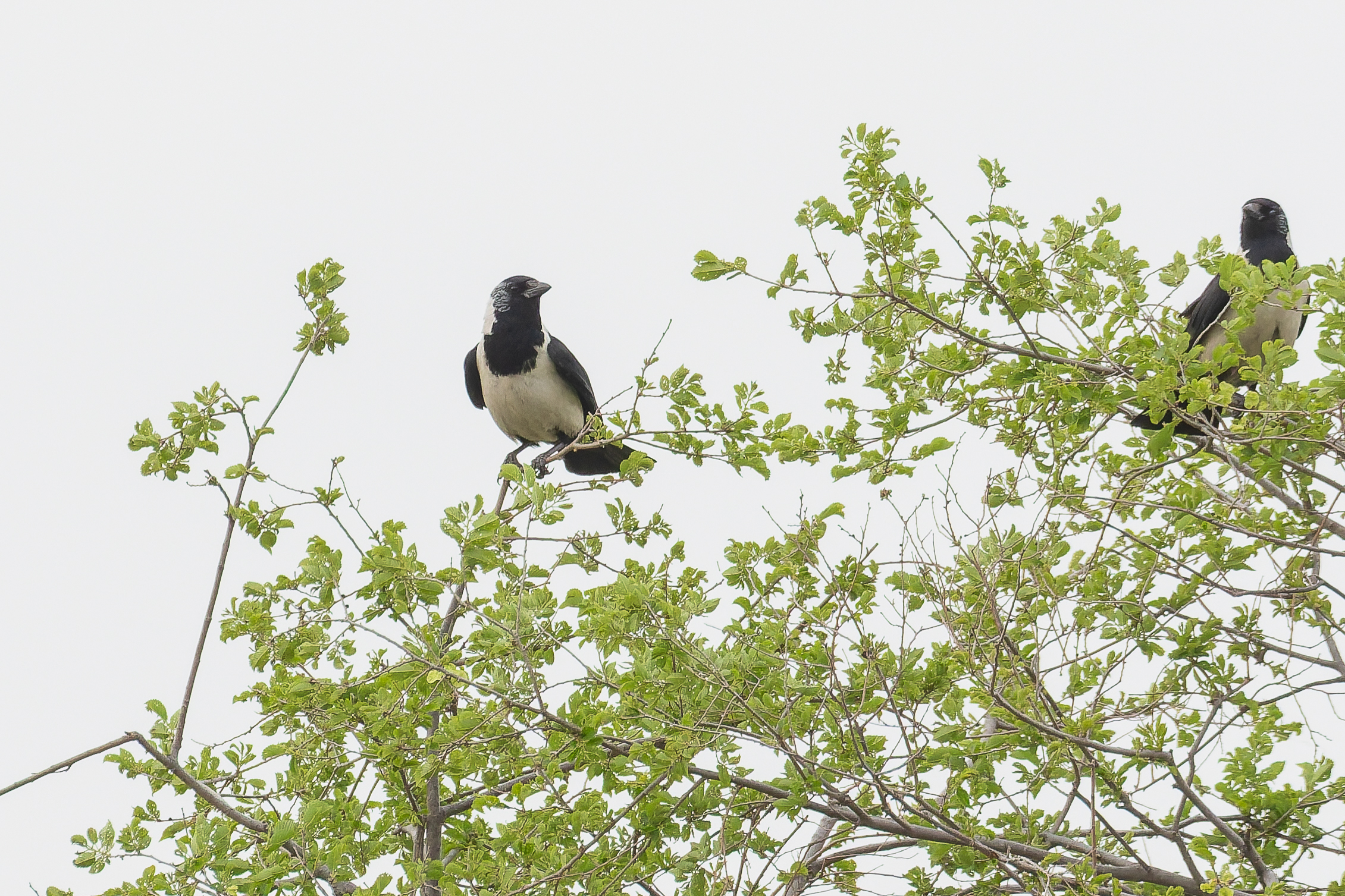
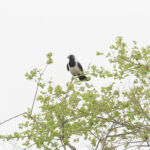
Daurian Jackdaws (image by Diedert Koppenol)
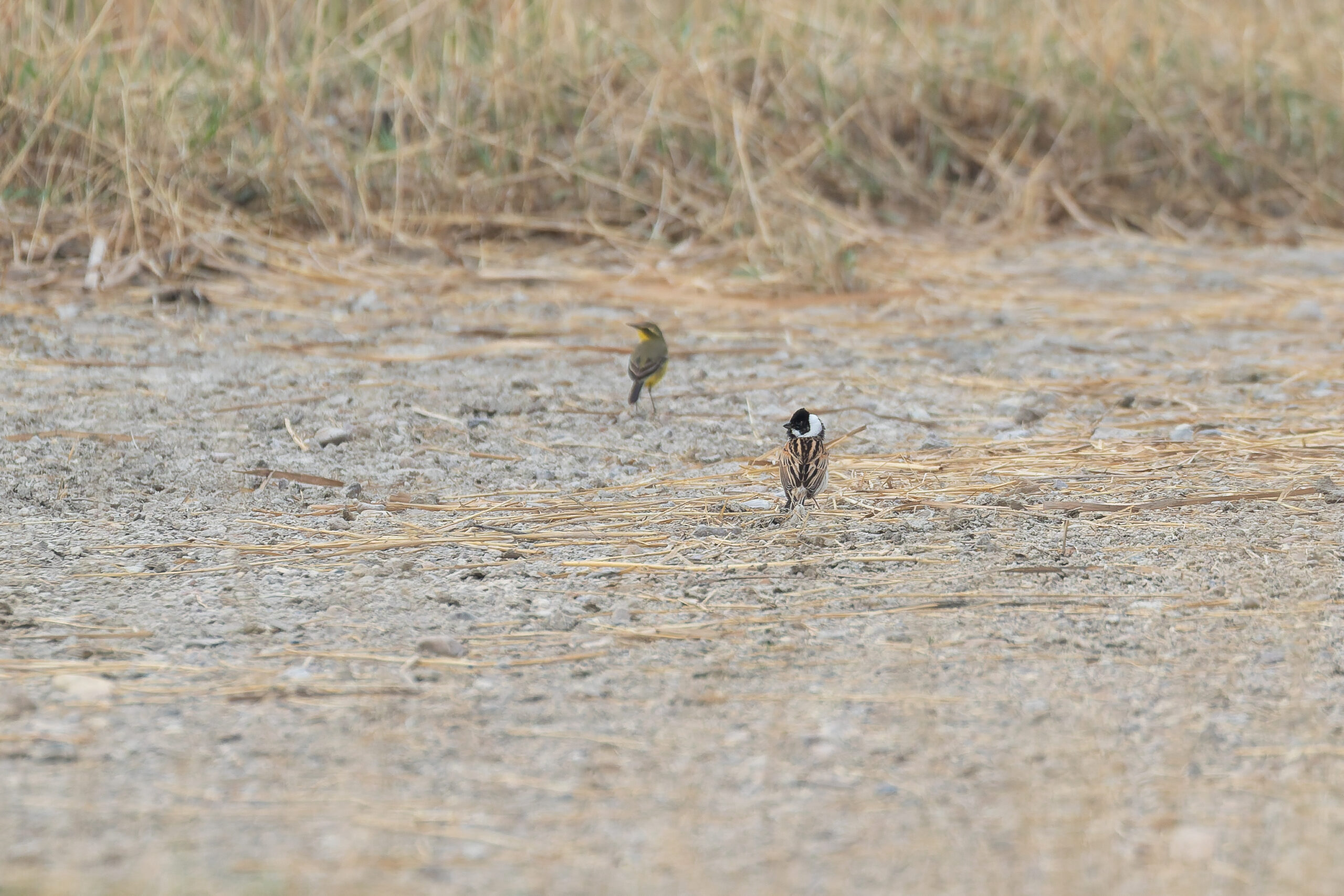
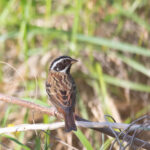
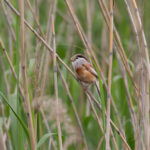
Pallas's Reed Bunting with Eastern Yellow Wagtail (image by Diedert Koppenol)
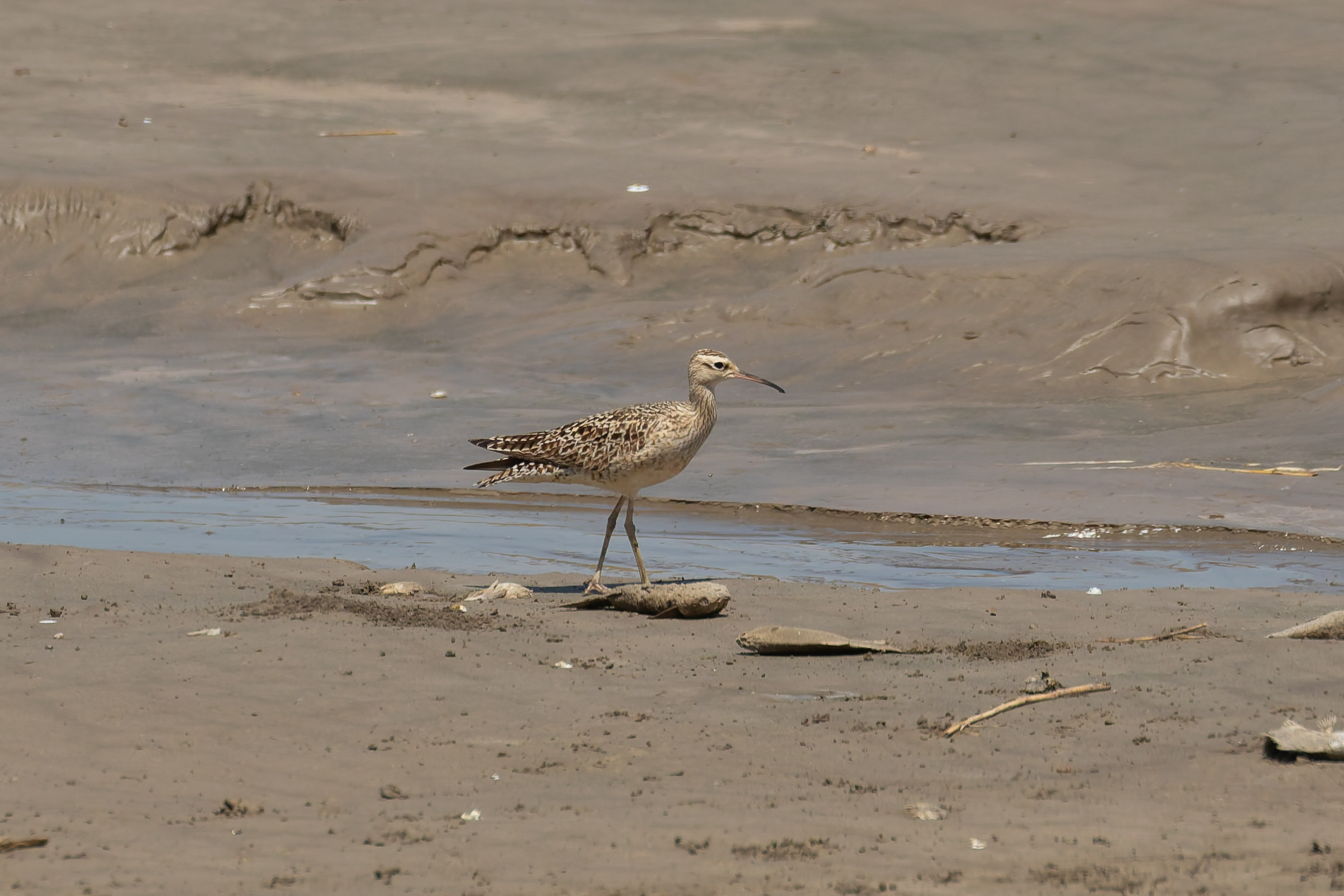
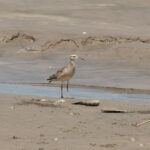
Little Curlew (image by Diedert Koppenol)
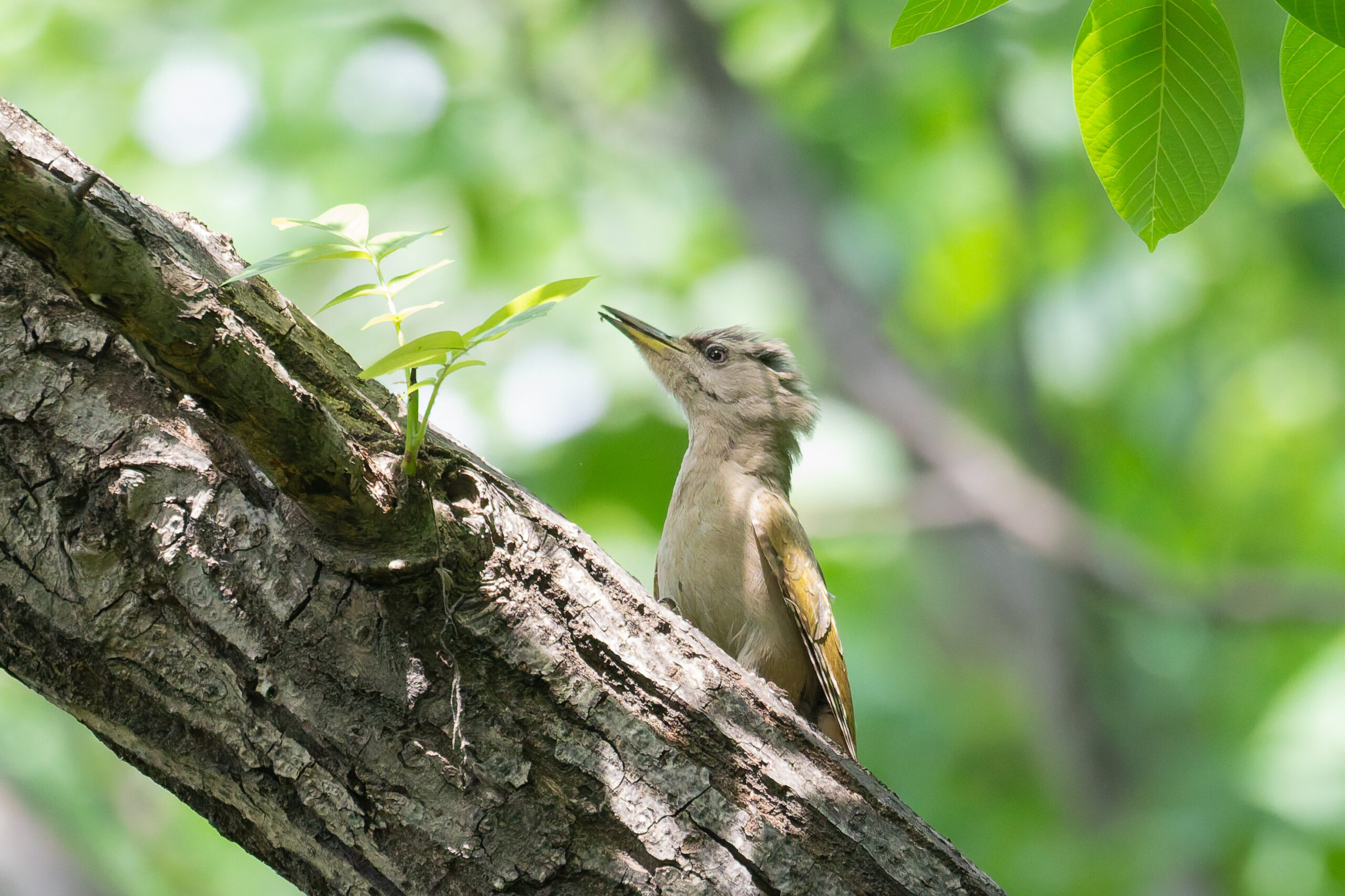
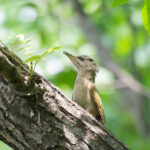
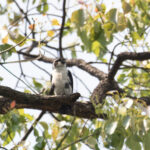
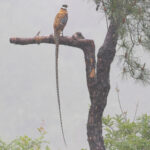
Grey-headed Woodpecker (image by Diedert Koppenol)
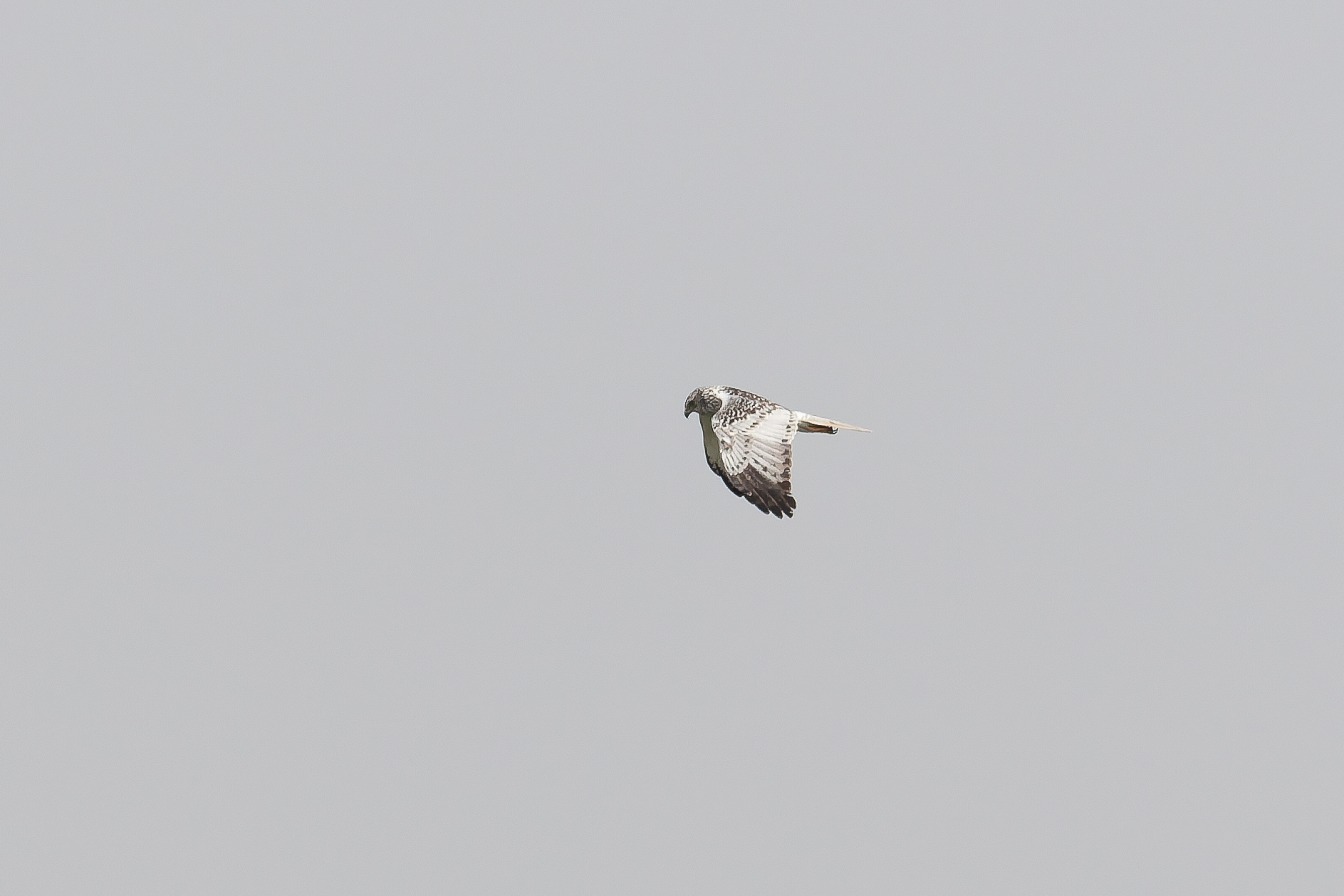
Eastern Marsh Harrier (image by Diedert Koppenol)
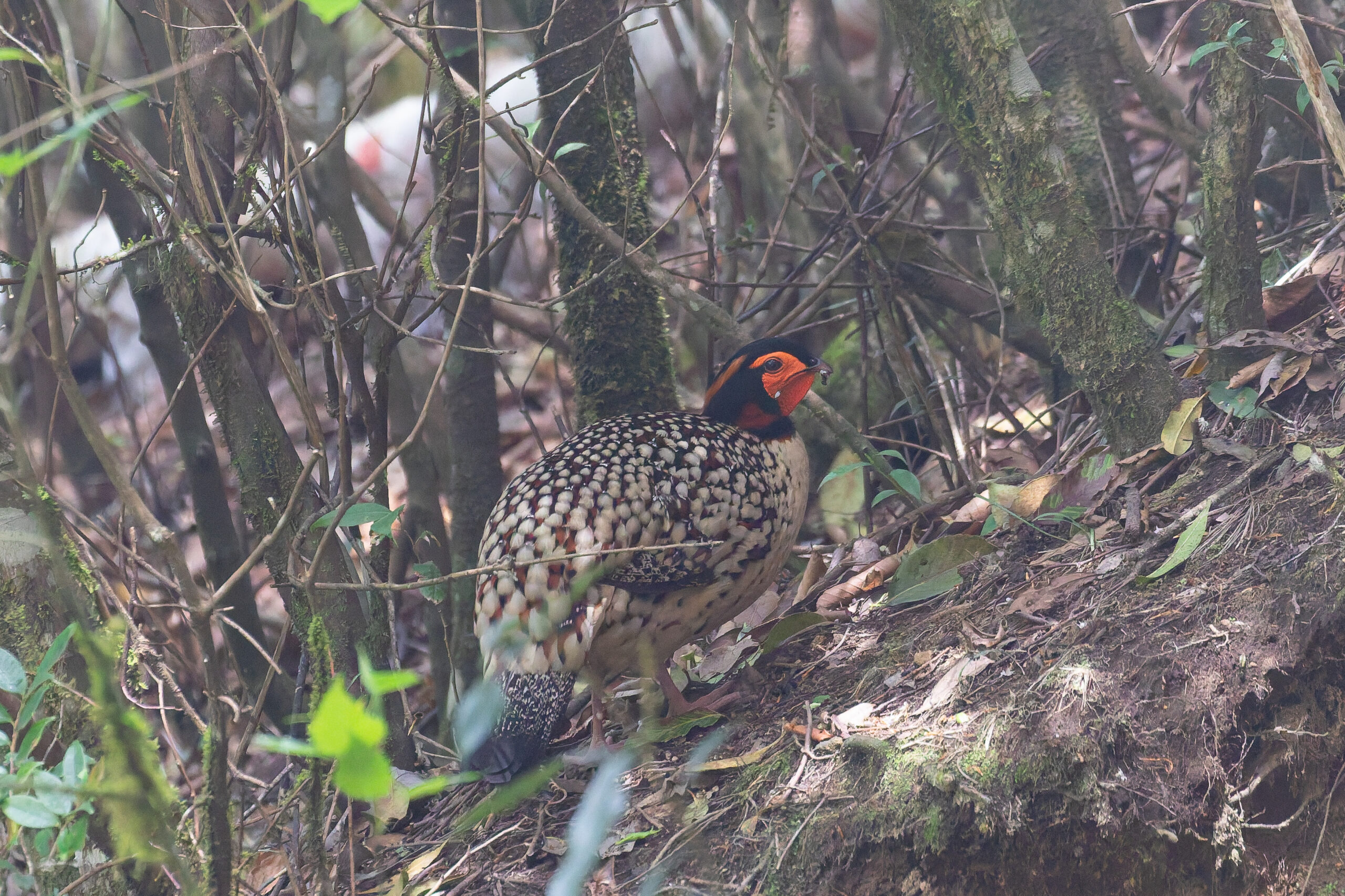
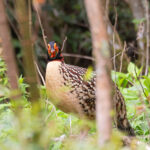
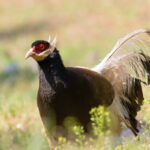
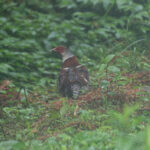
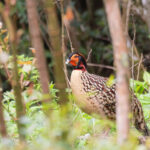
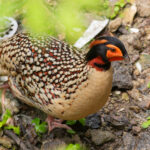
male Cabot's Tragopan (image by Diedert Koppenol)
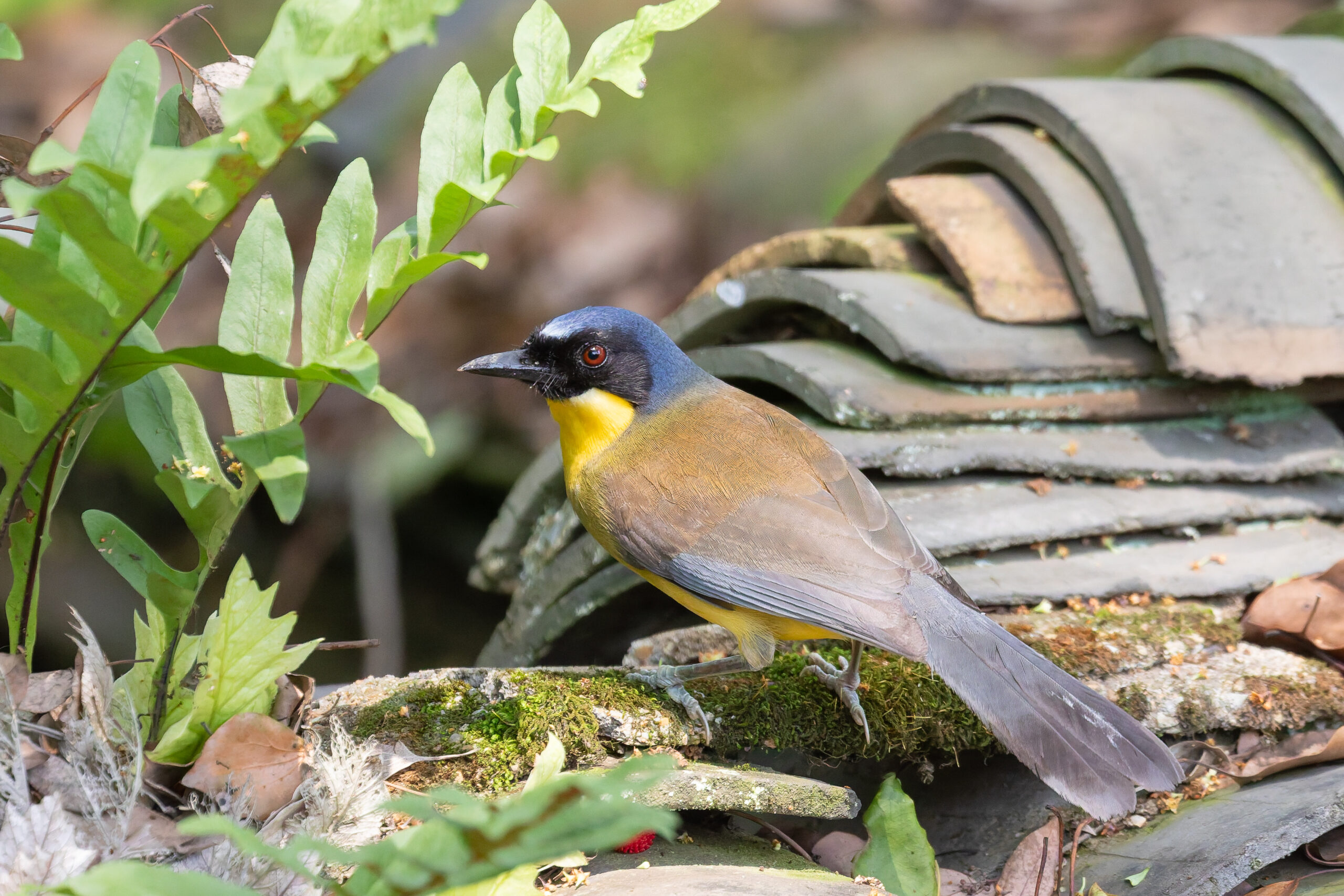
Blue-crowned Laughingthrush (image by Diedert Koppenol)
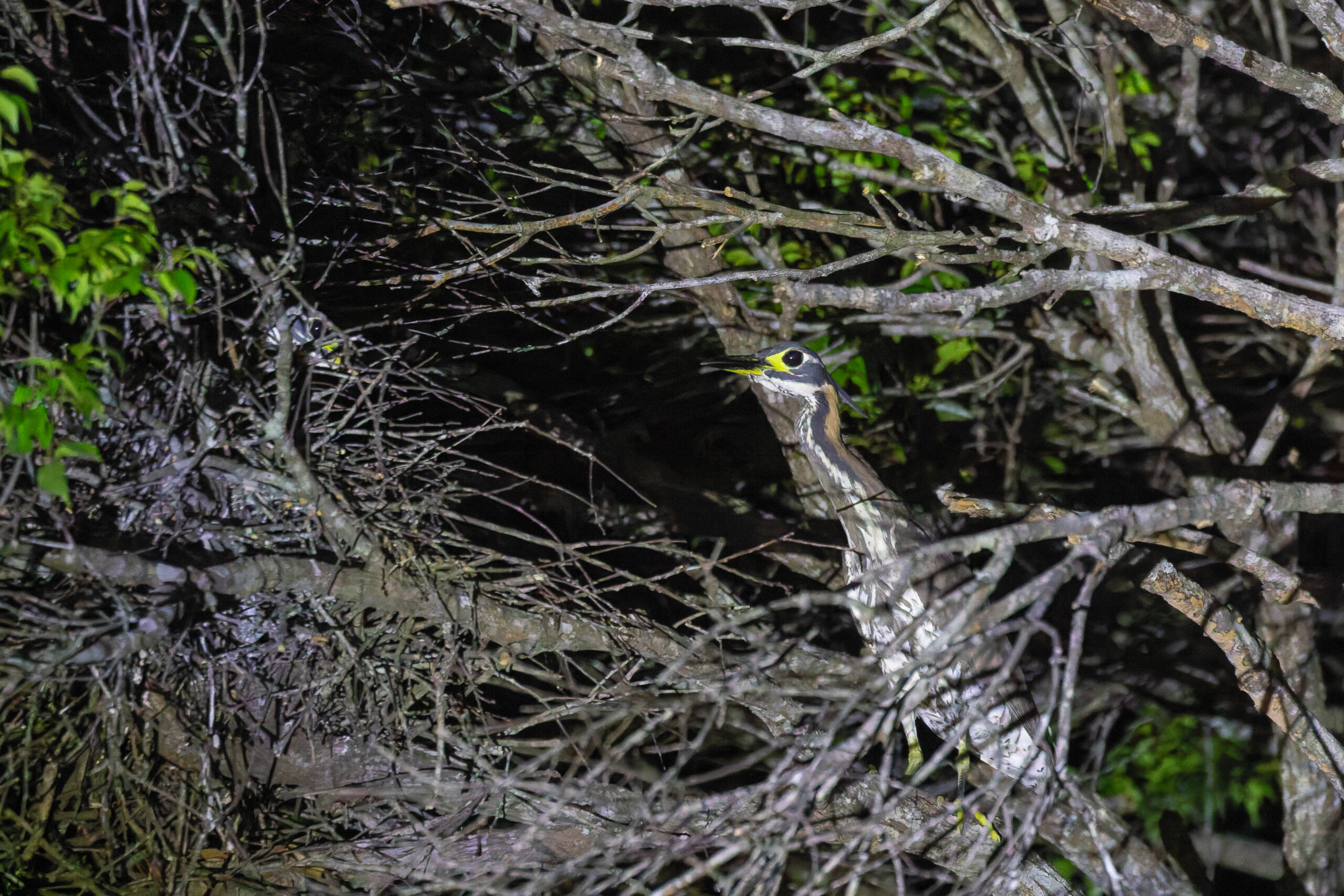
White-eared Night Heron (image by Diedert Koppenol)
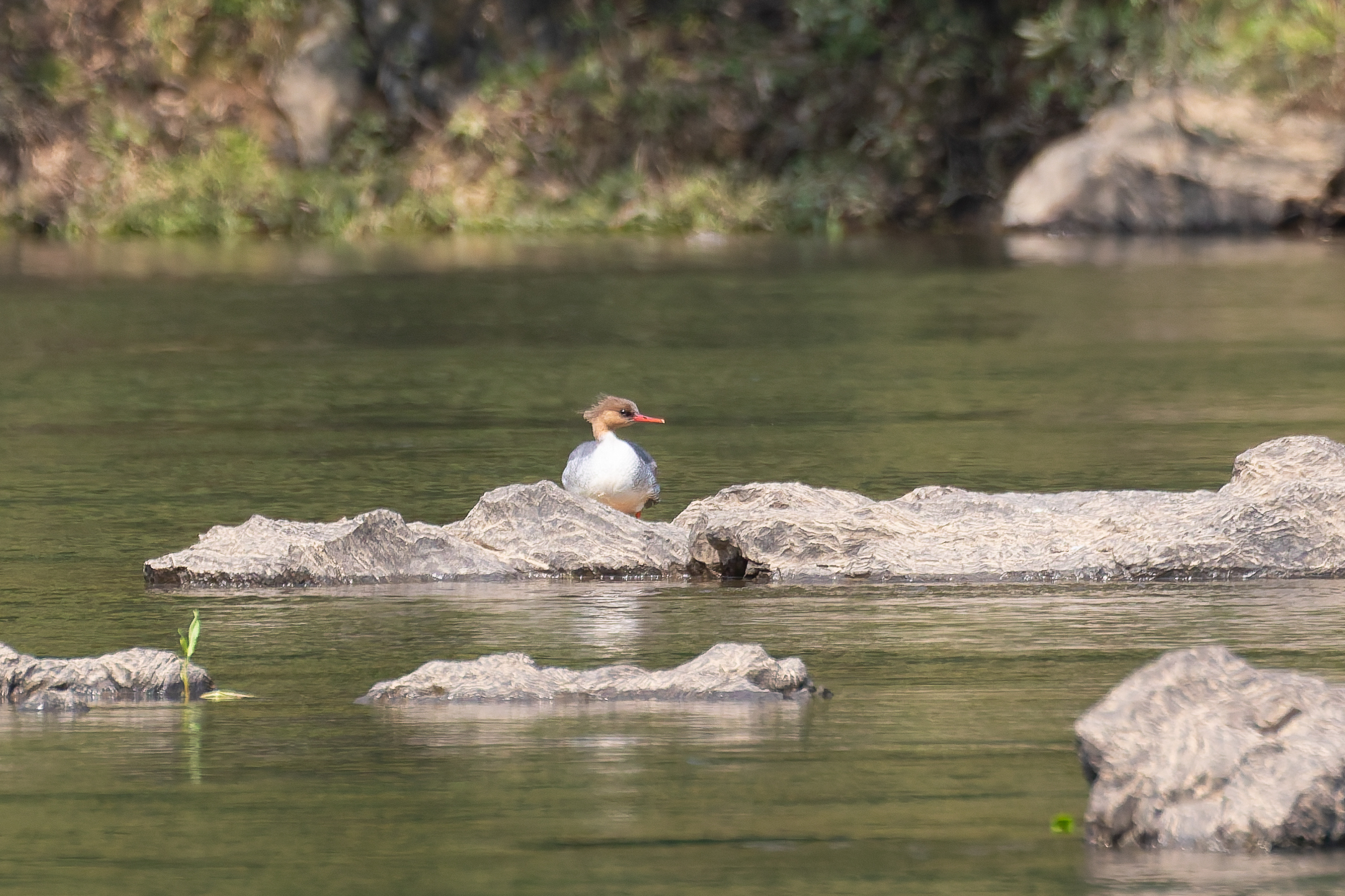
female Scaly-sided Merganser (image by Diedert Koppenol)
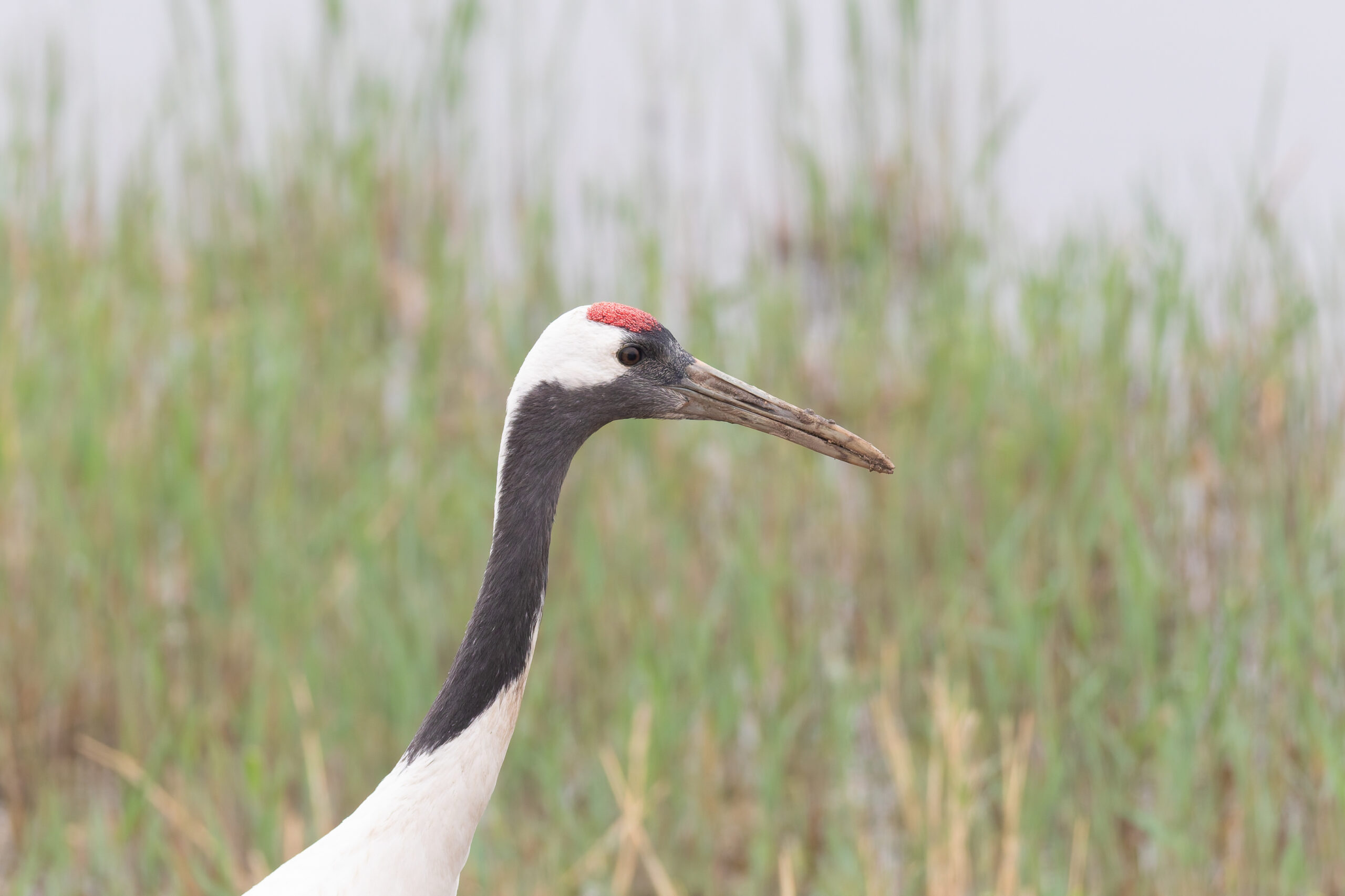
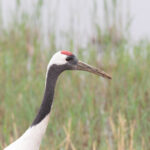
Red-crowned Crane (image by Diedert Koppenol)
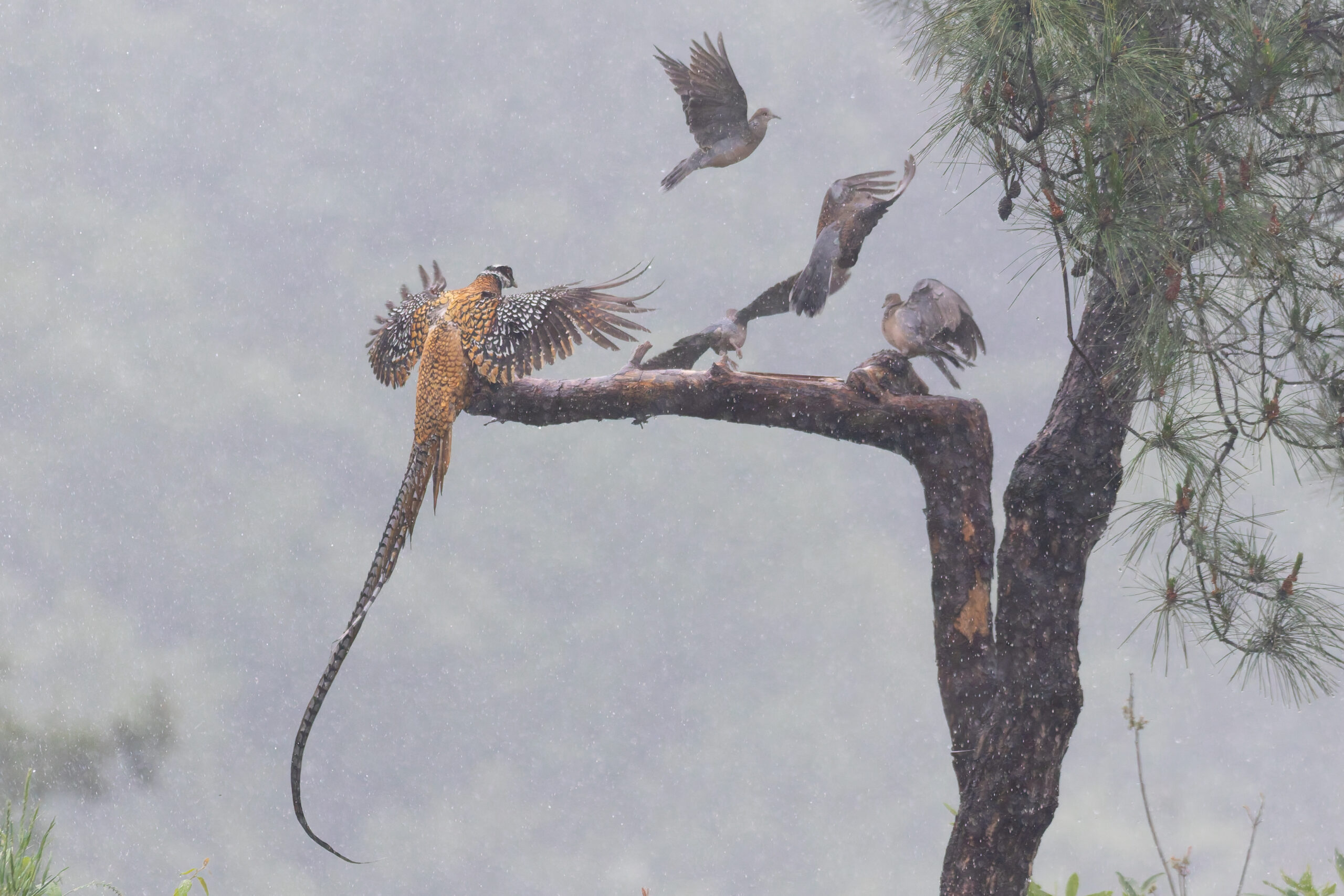
Reeves's Pheasant with Oriental Turtle Doves (image by Diedert Koppenol)
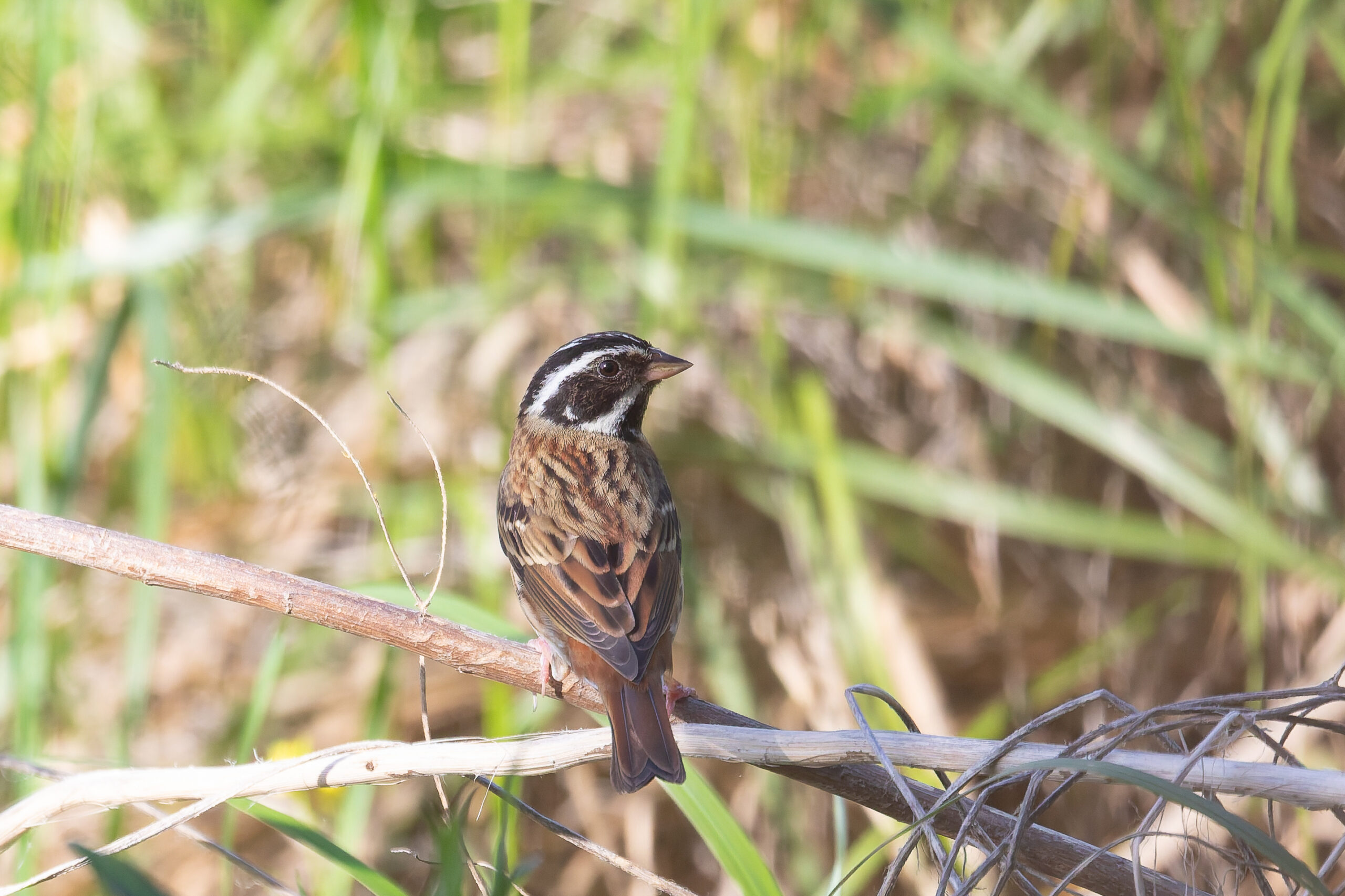
Tristram's Bunting (image by Diedert Koppenol)
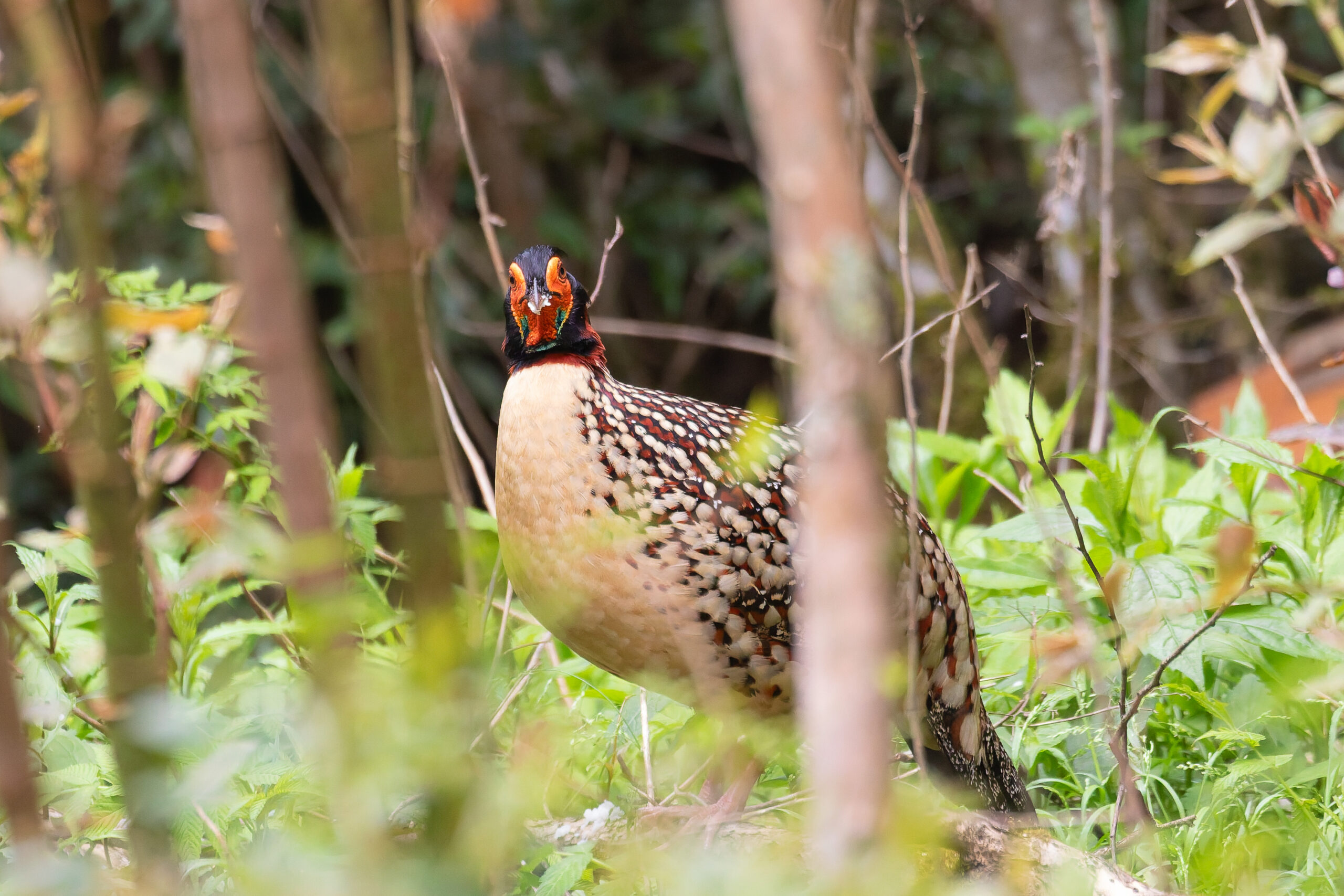
male Cabot's Tragopan (image by Diedert Koppenol)
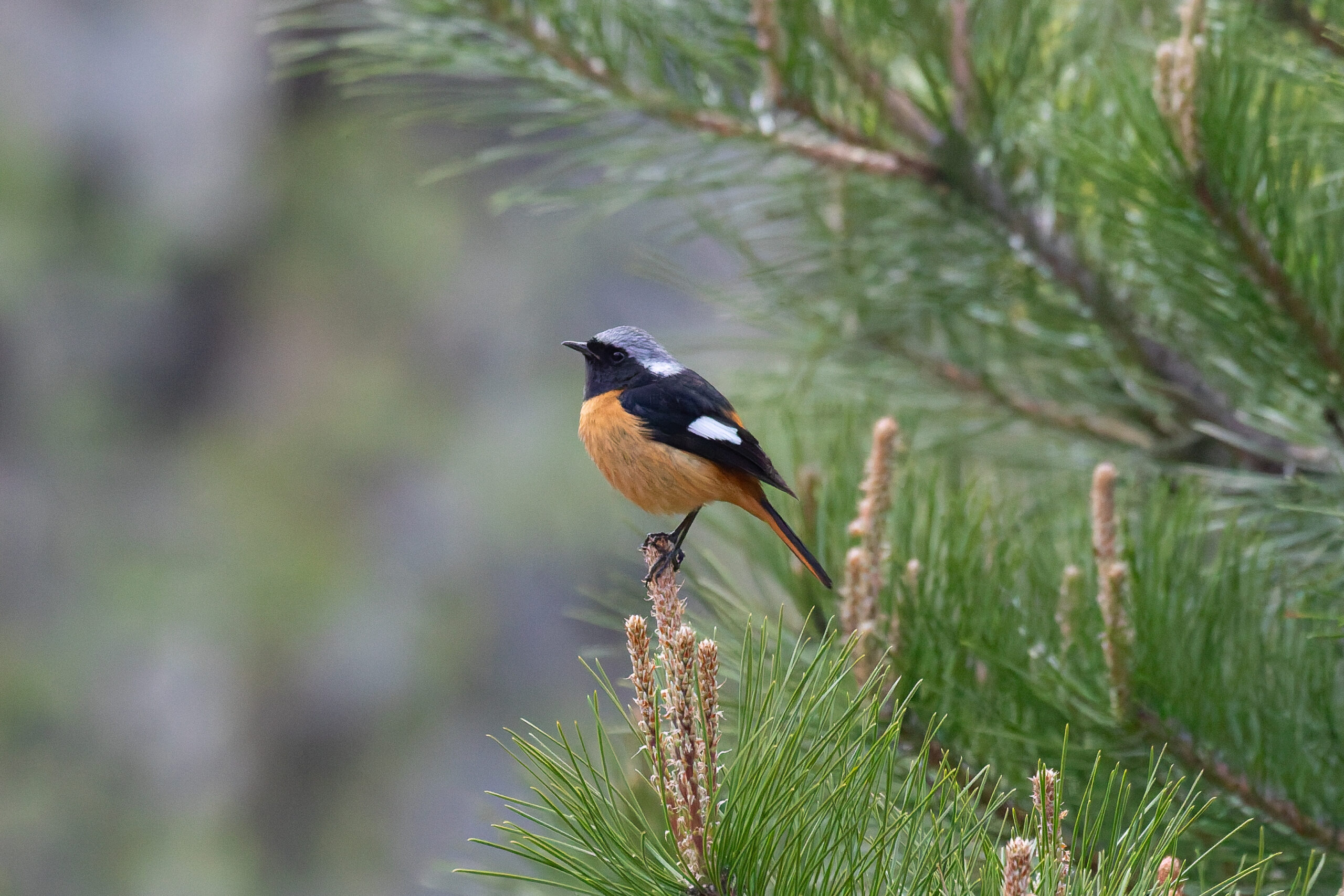
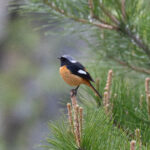
Daurian Redstart (image by Diedert Koppenol)
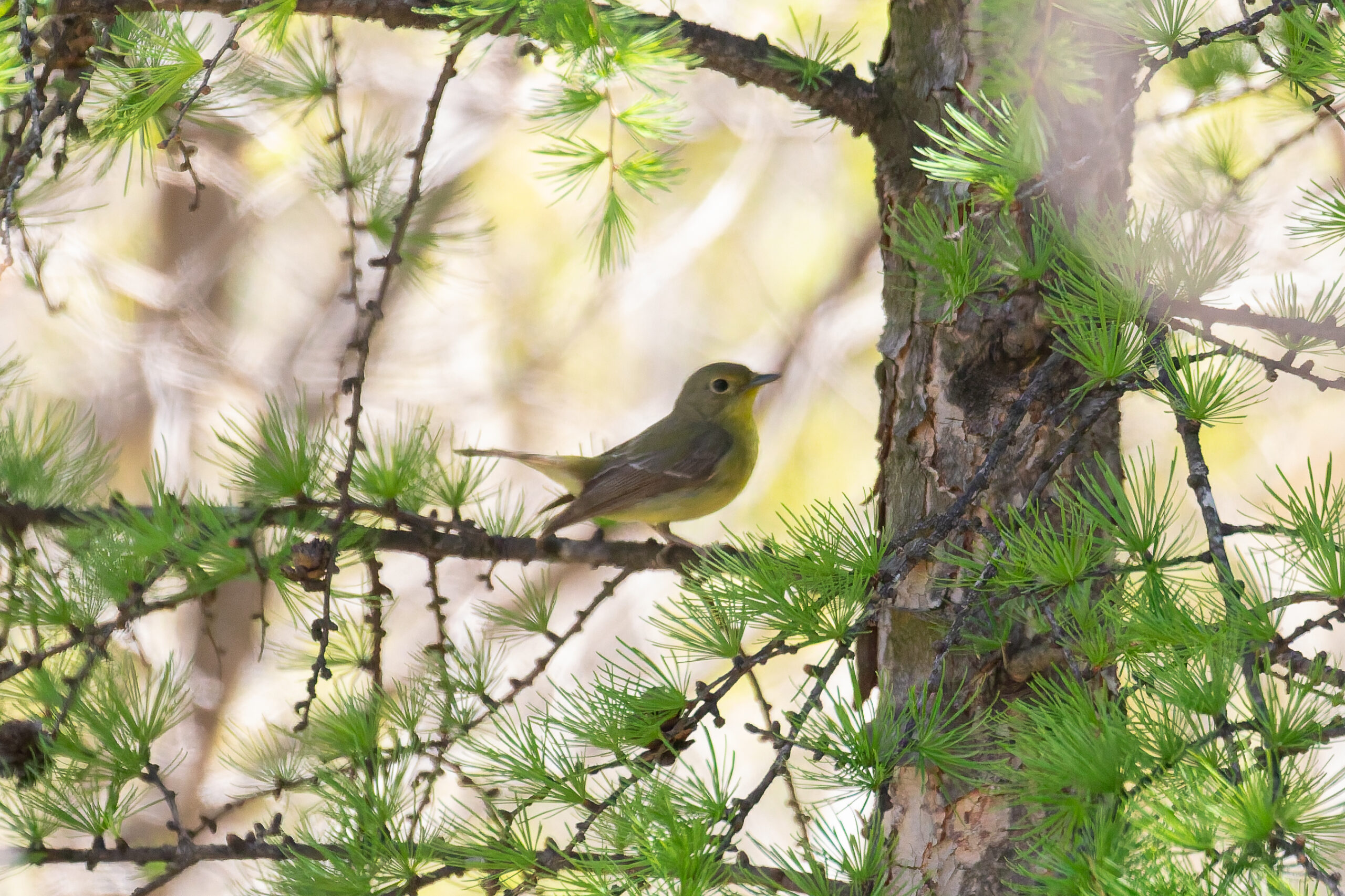
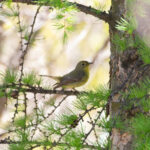
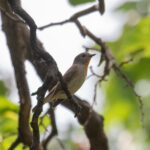
female Green-backed Flycatcher (image by Diedert Koppenol)
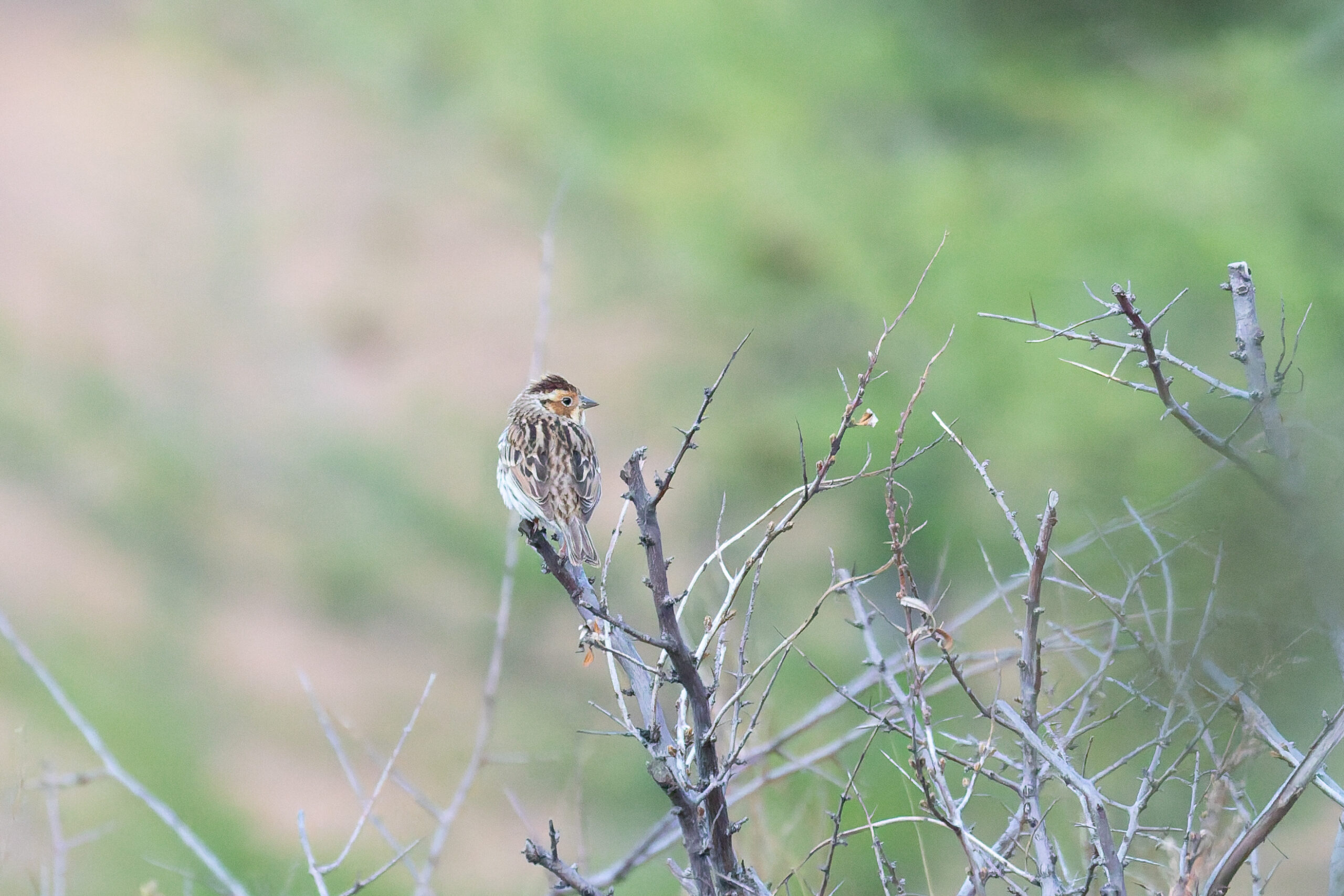
Little Bunting (image by Diedert Koppenol)
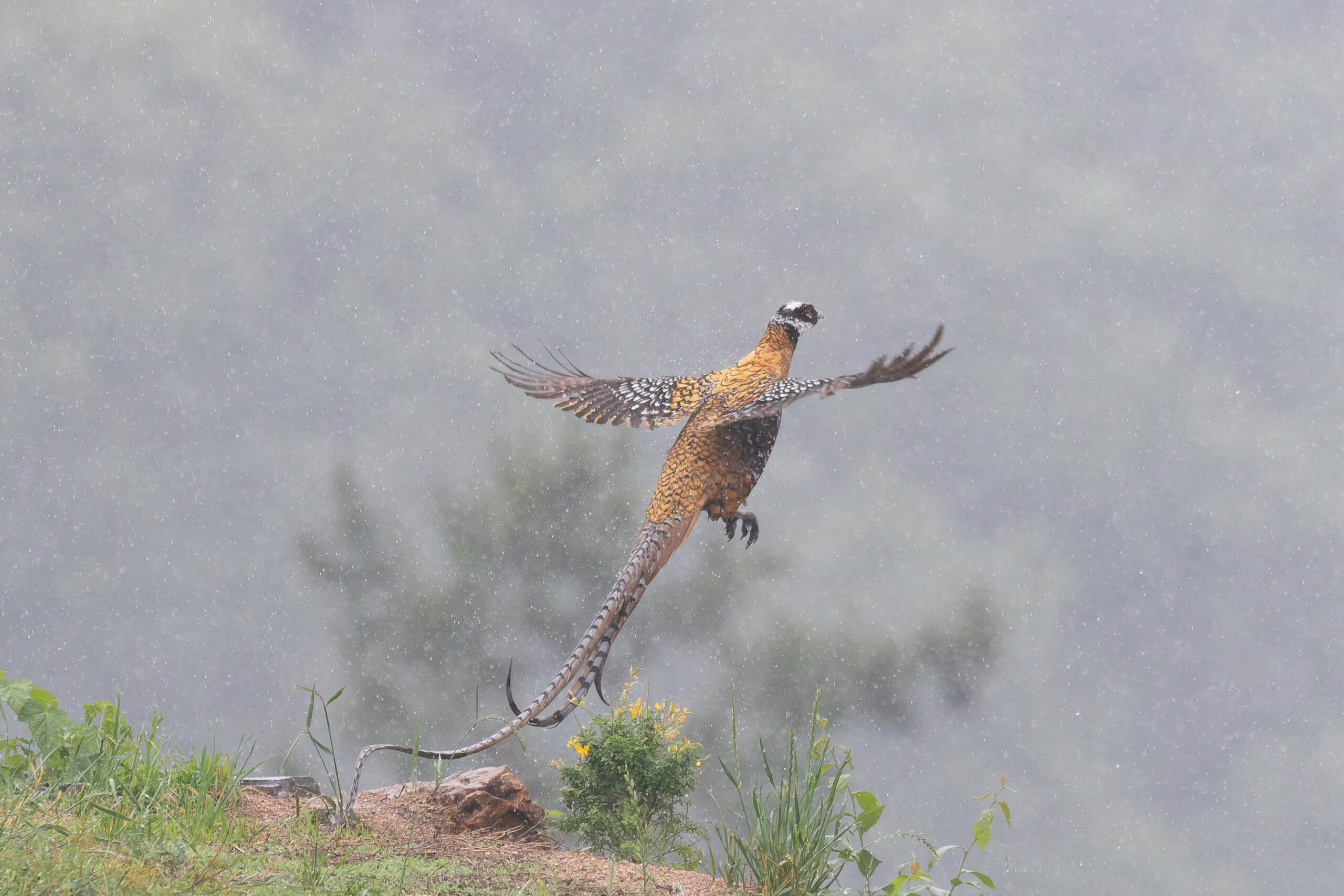
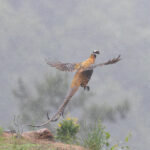
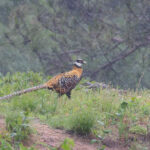
Reeves's Pheasant (image by Diedert Koppenol)
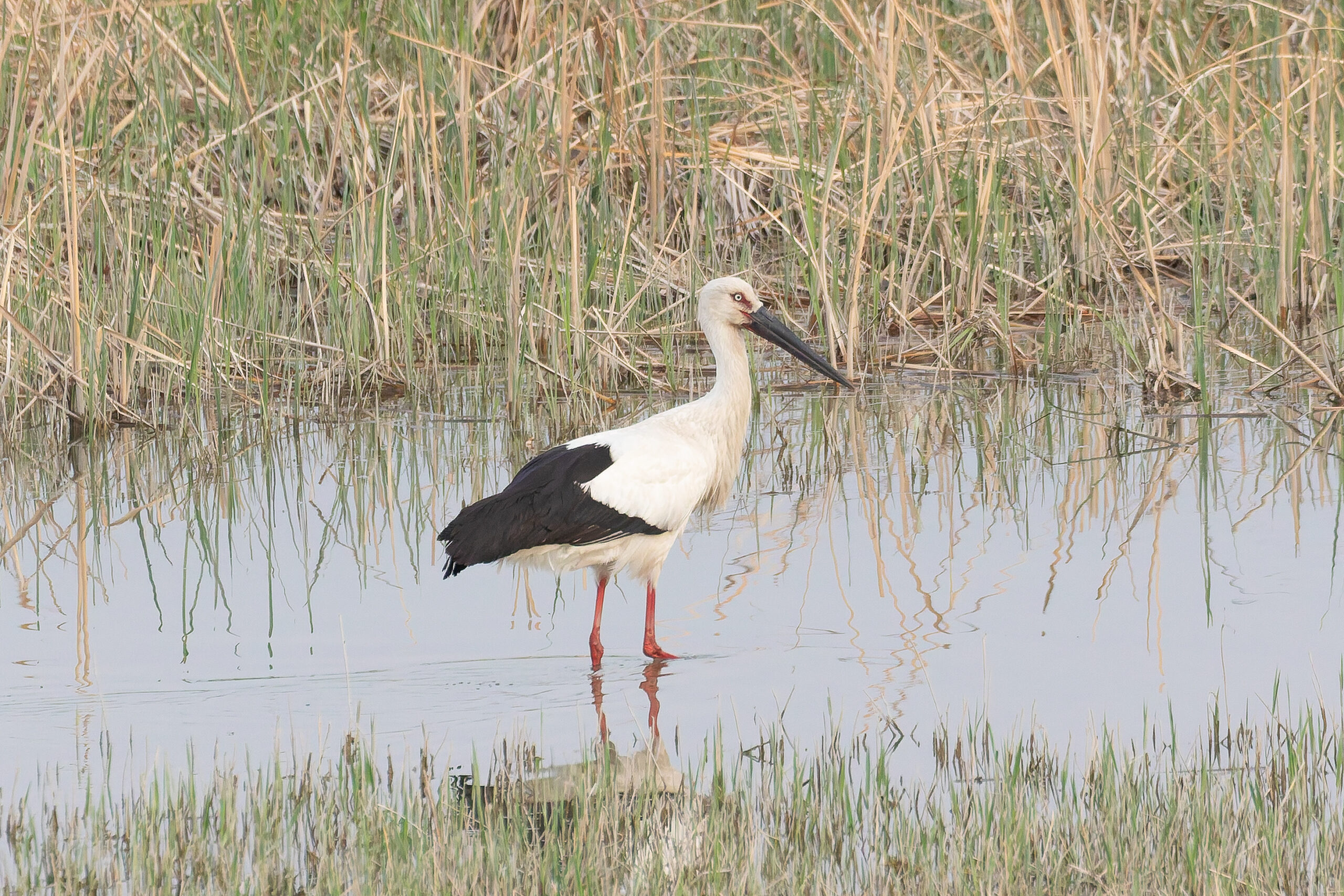
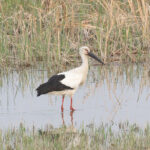
the endangered Oriental Stork (image by Diedert Koppenol)
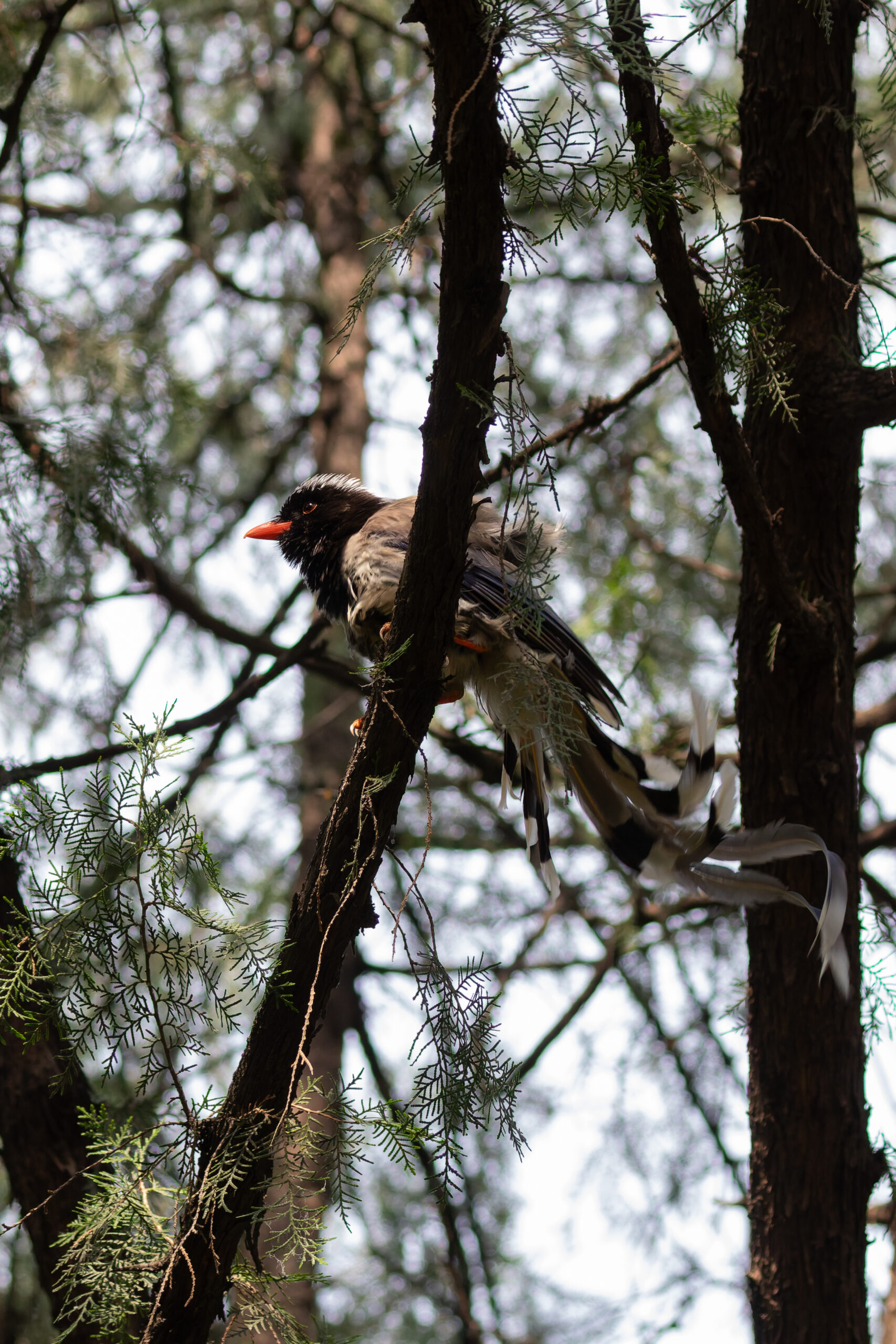
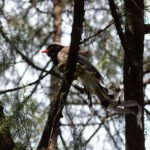
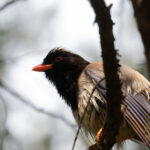
Red-billed Blue Magpie (image by Diedert Koppenol)
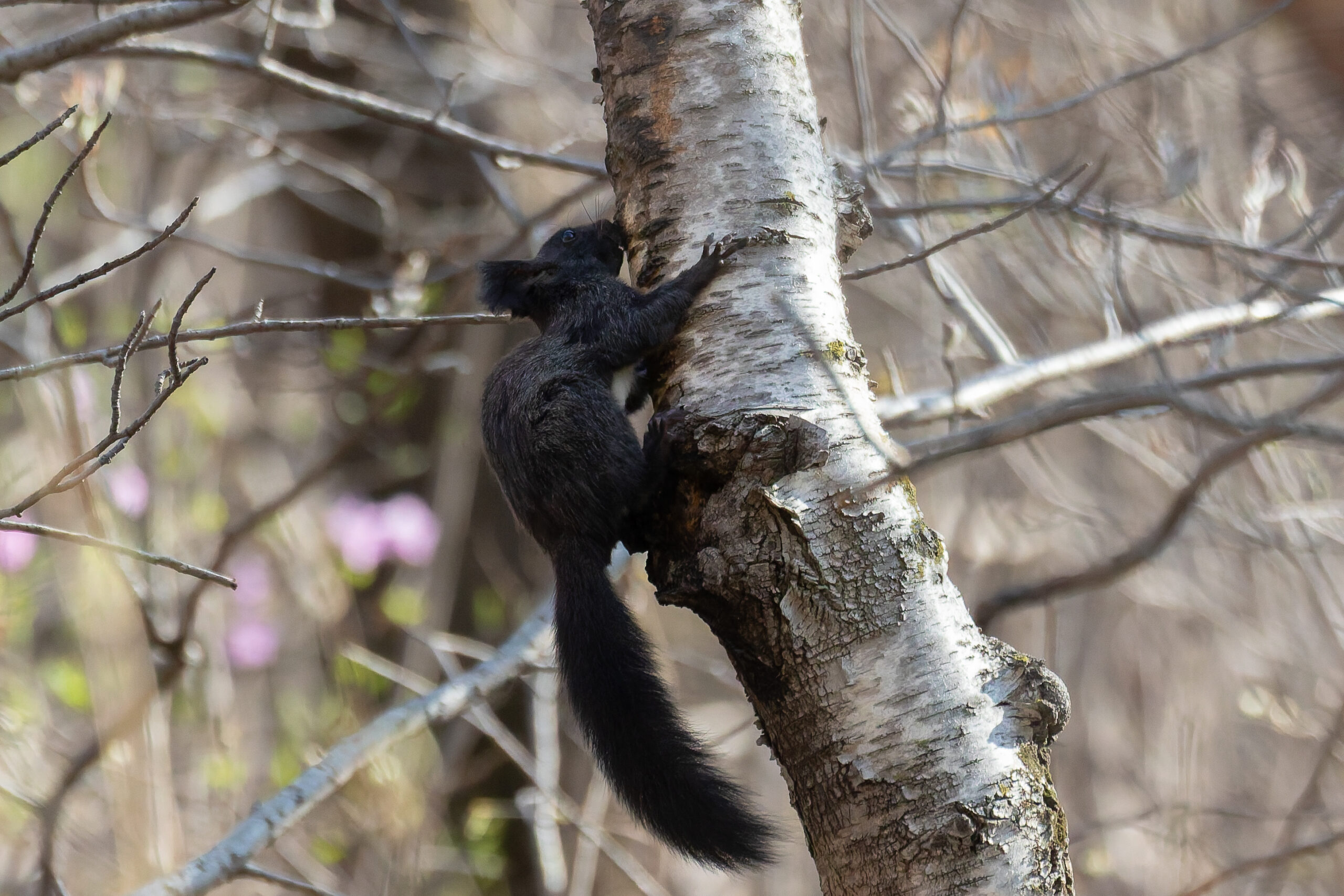
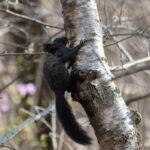
black morph of Red Squirrel (image by Diedert Koppenol)
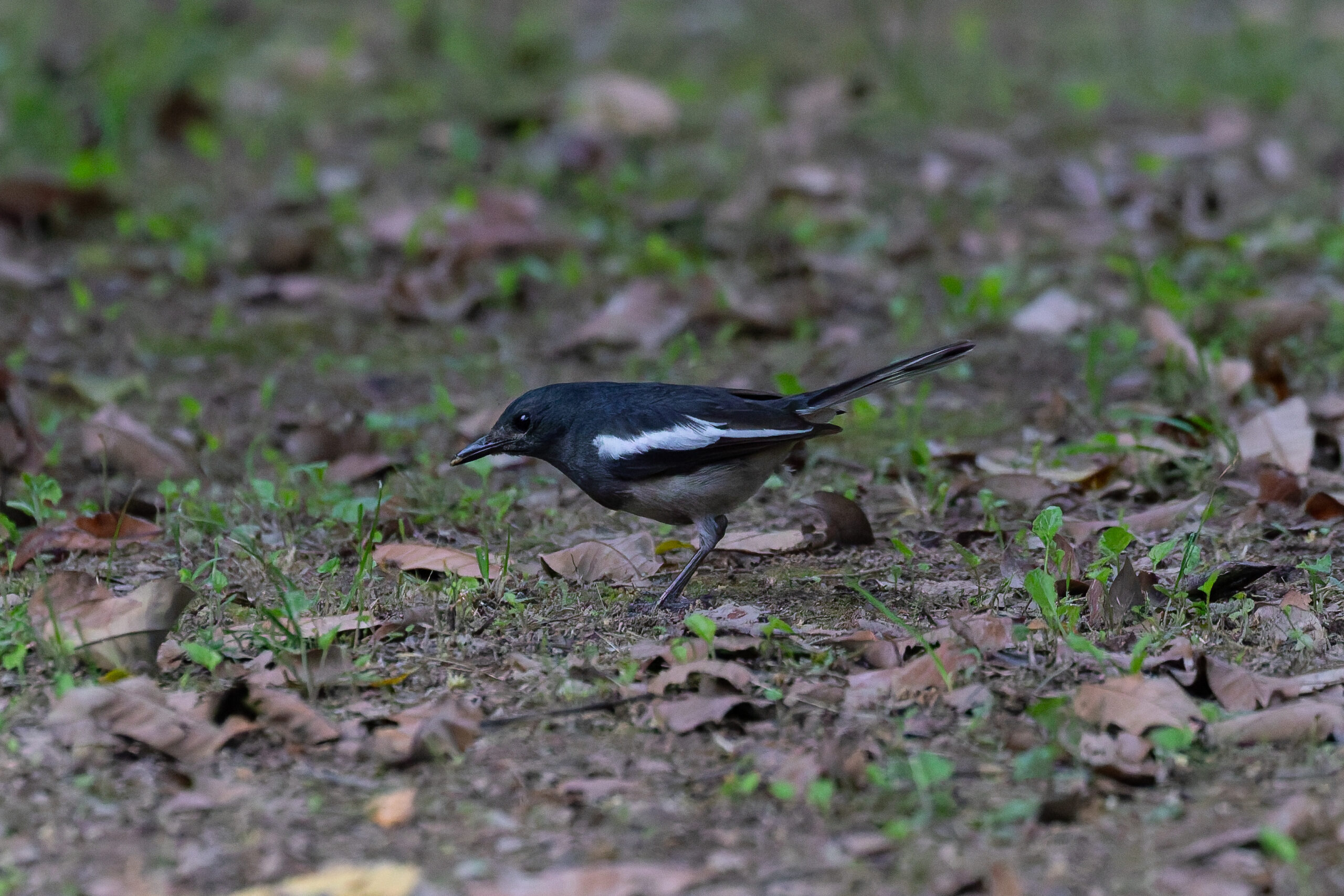
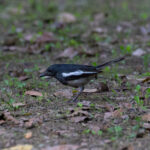
Oriental Magpie-Robin (image by Diedert Koppenol)
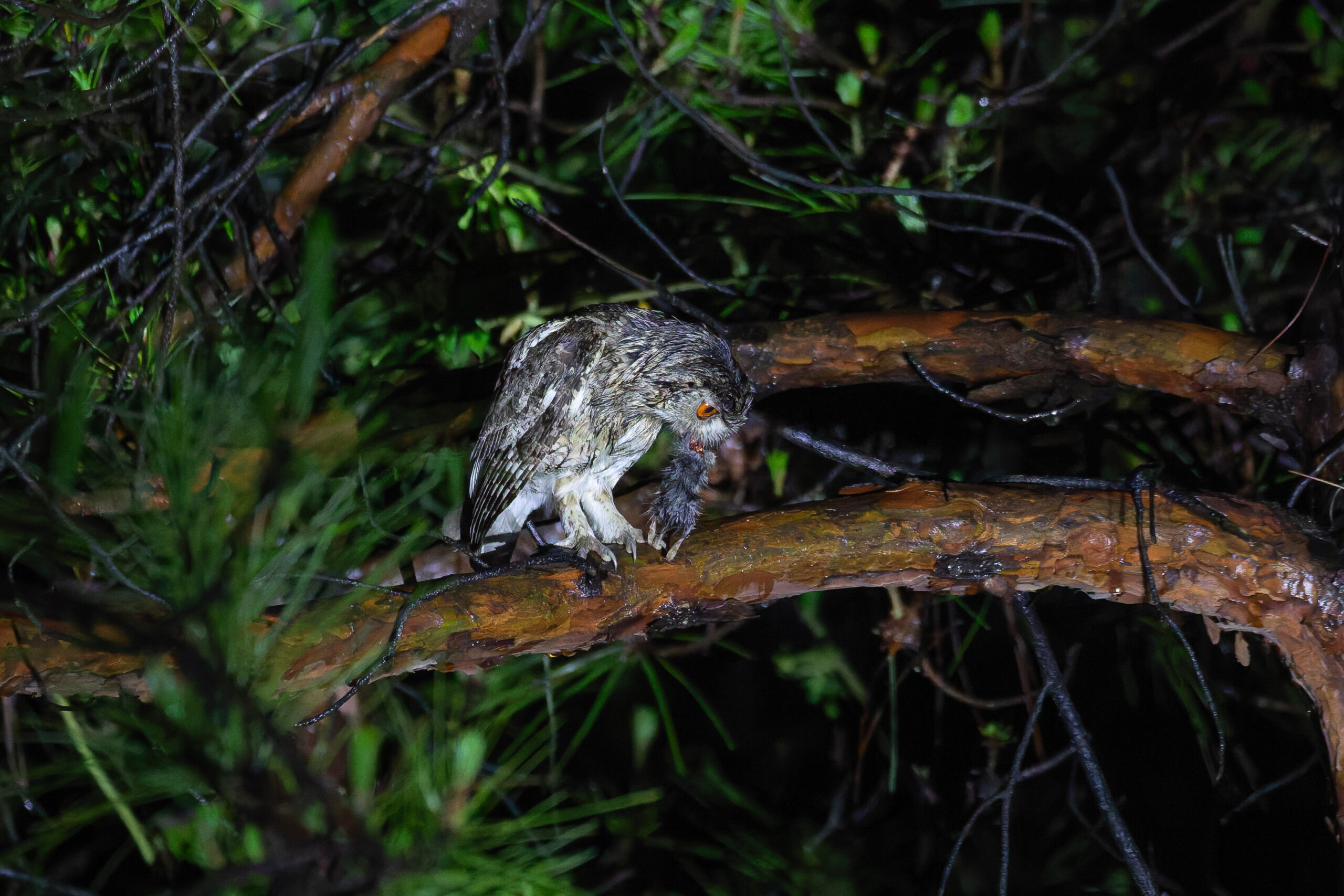
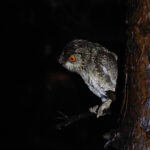
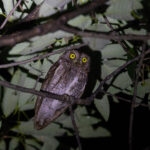
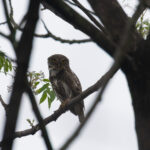
Japanese Scops Owl (image by Diedert Koppenol)
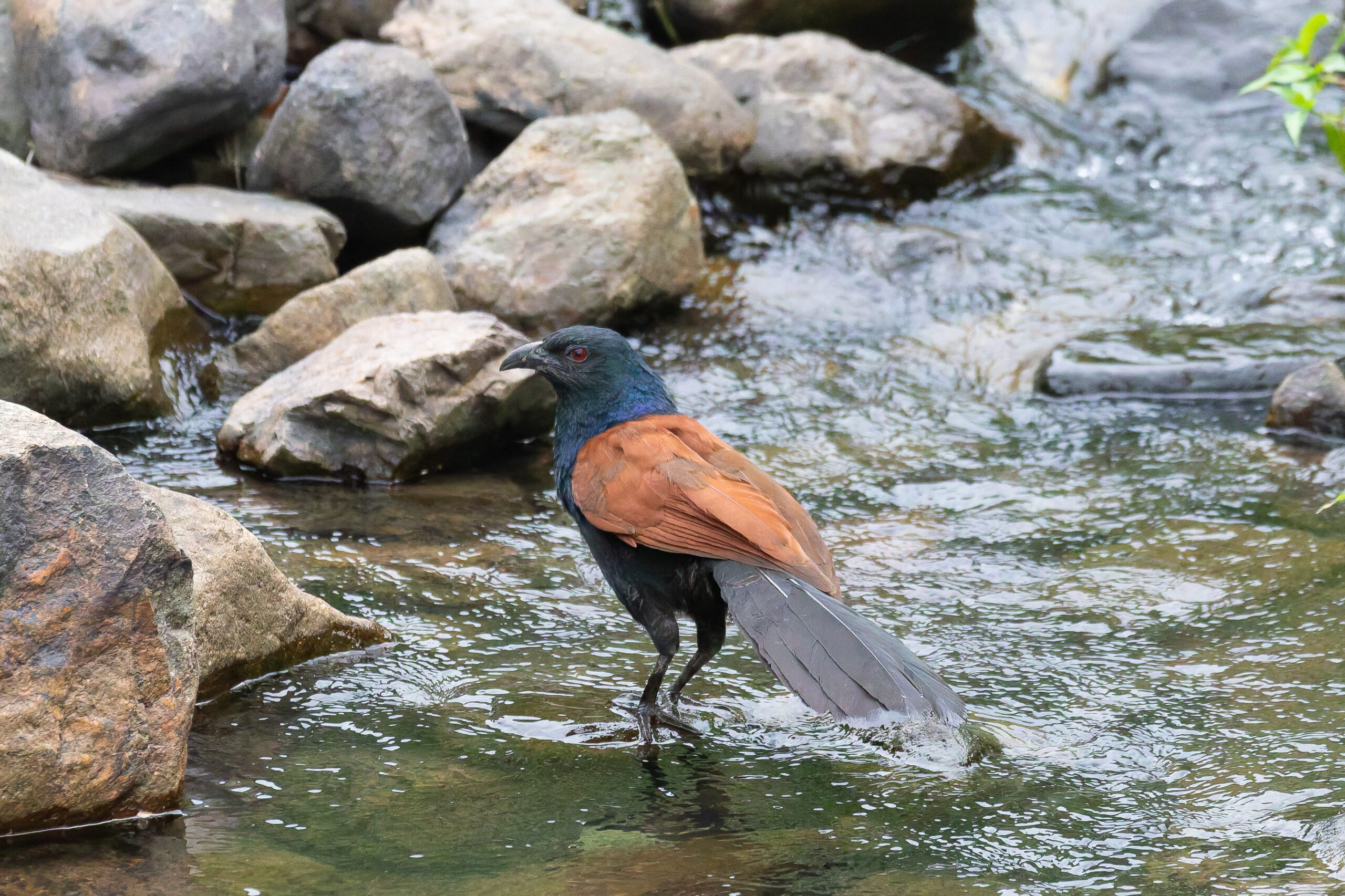
Greater Coucal (image by Diedert Koppenol)
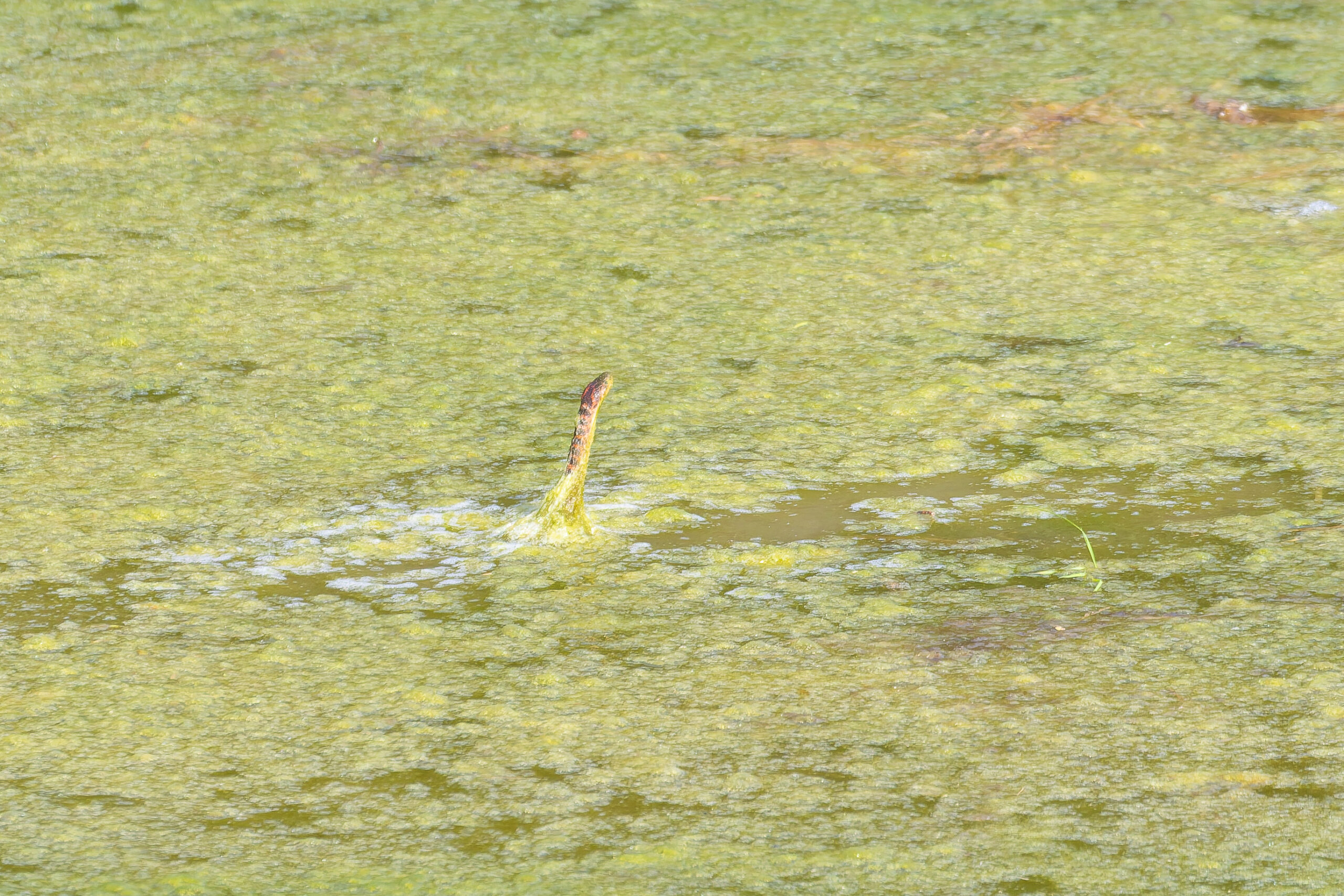
Chinese Water Snake (image by Diedert Koppenol)
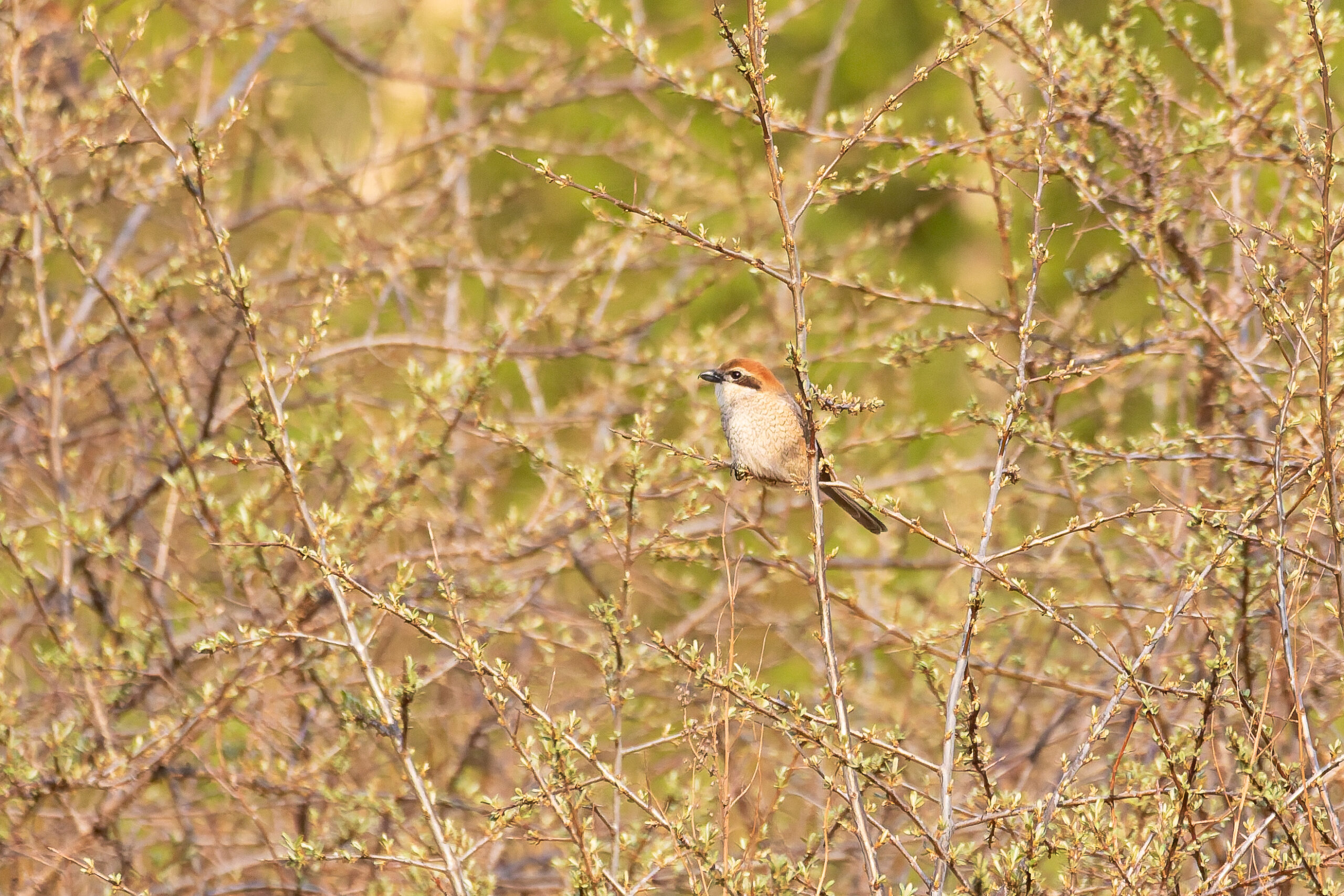
male Bull-headed Shrike (image by Diedert Koppenol)
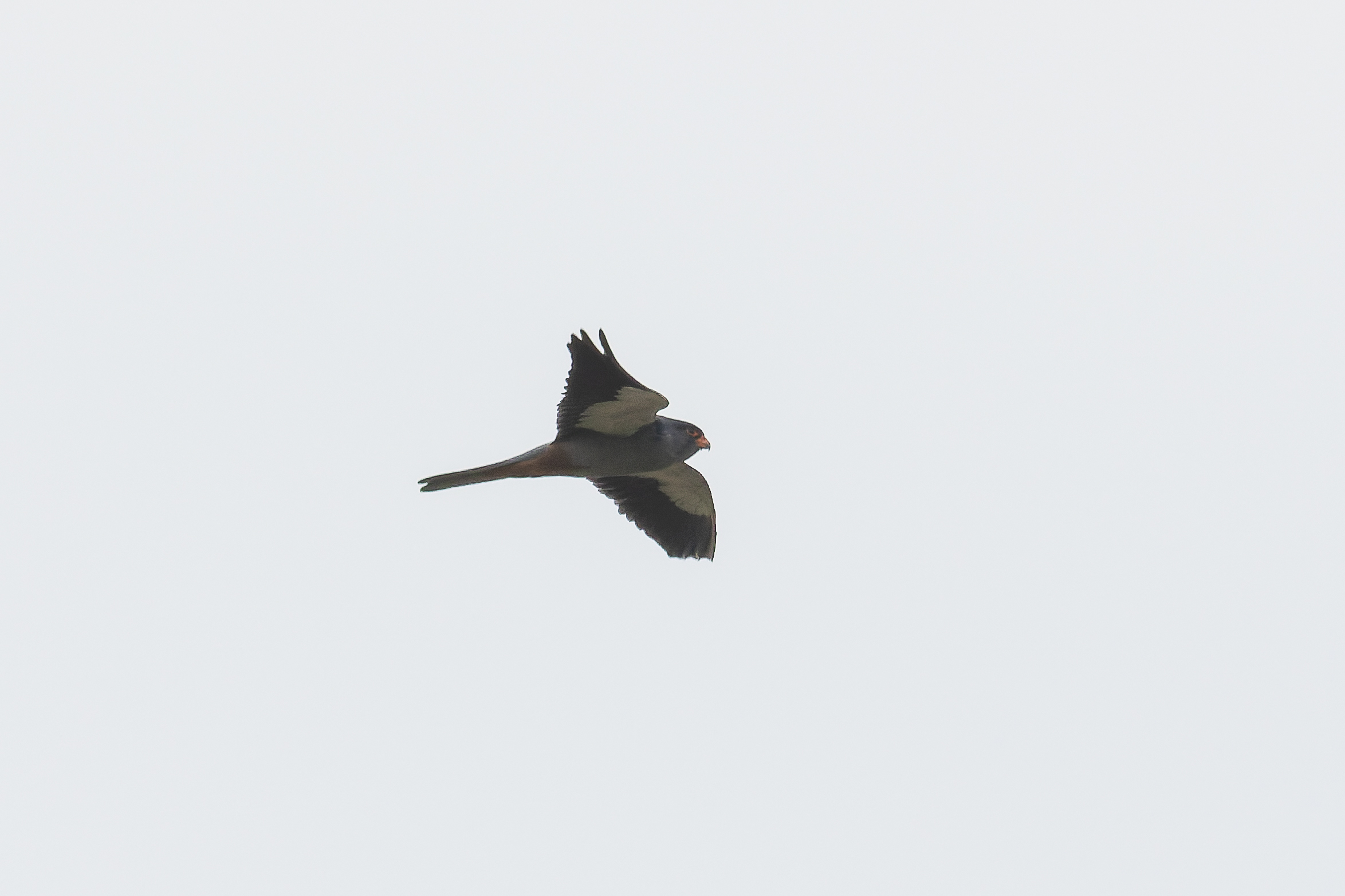
Amur Falcon (image by Diedert Koppenol)
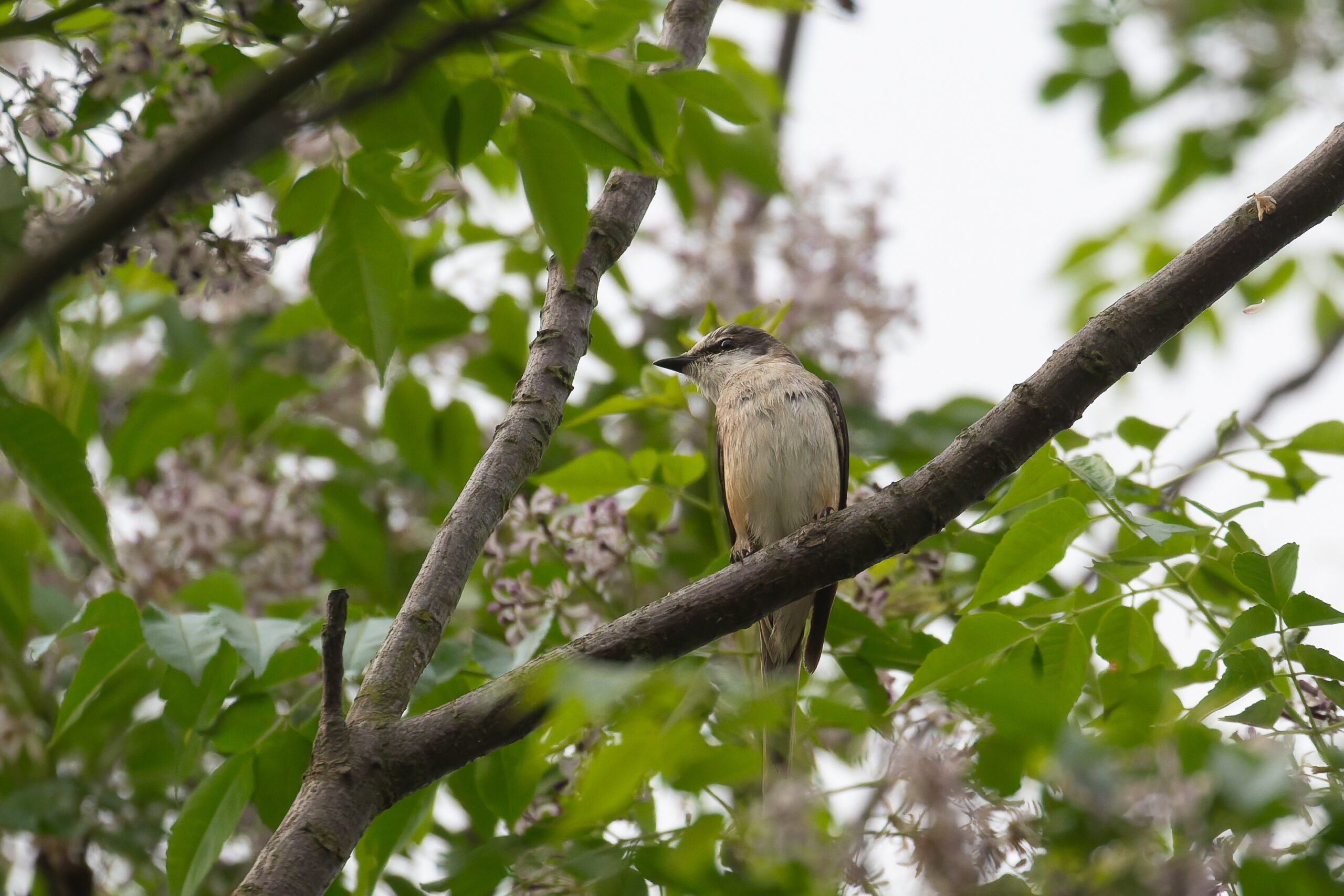
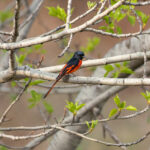
Swinhoe's Minivet (image by Diedert Koppenol)
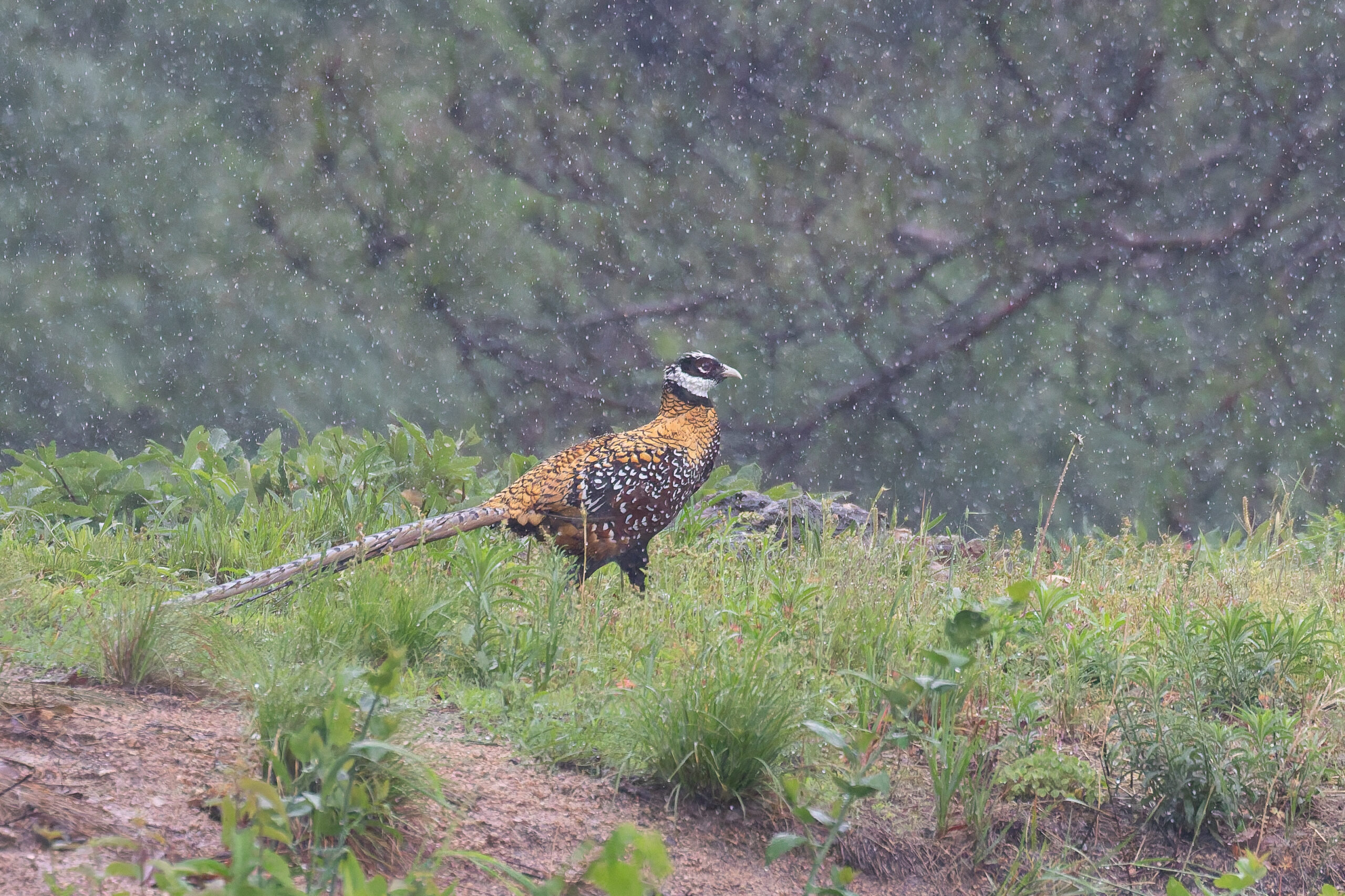
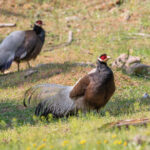
Reeves's Pheasant (image by Diedert Koppenol)
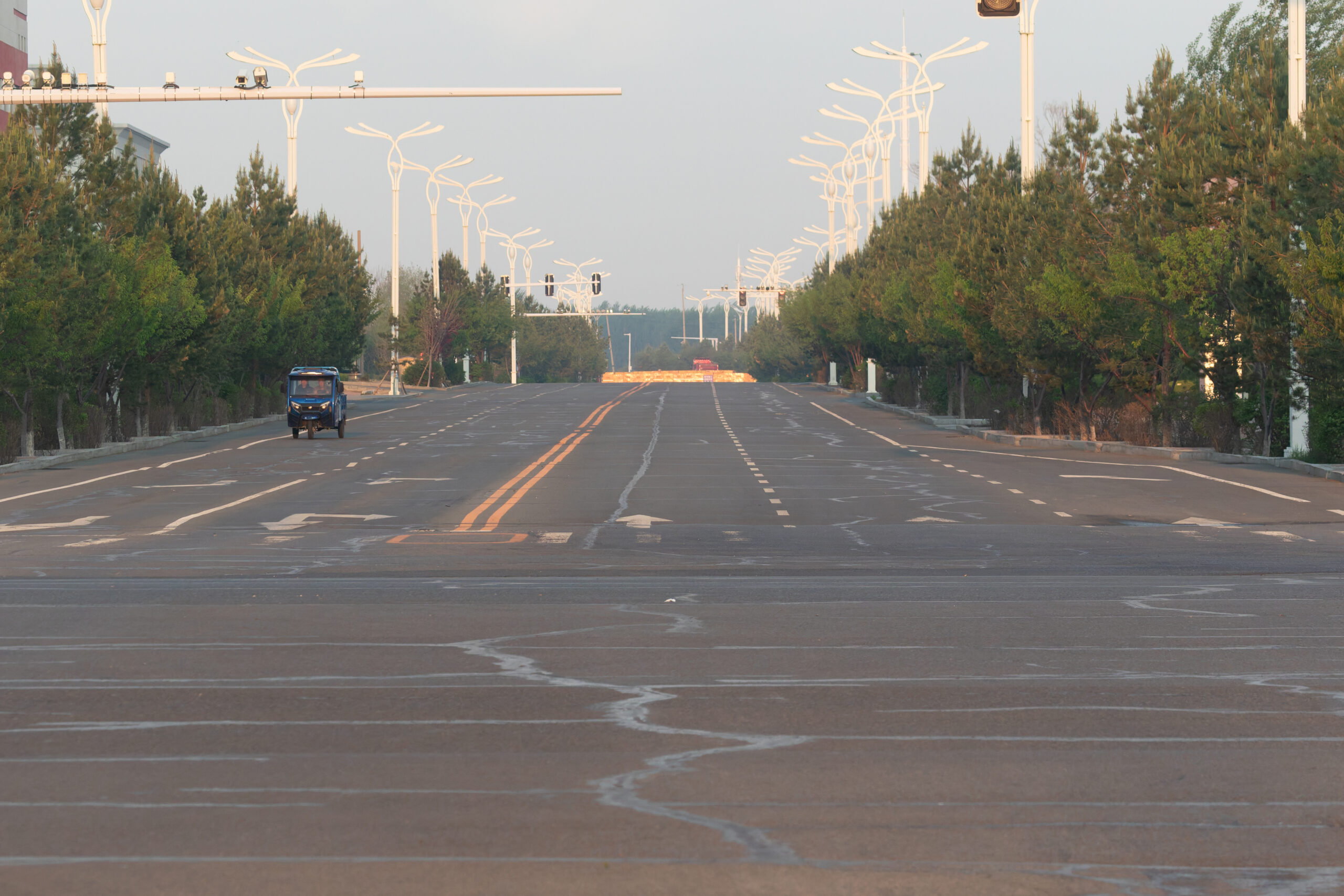
the roads into Inner Mongolia (image by Diedert Koppenol)
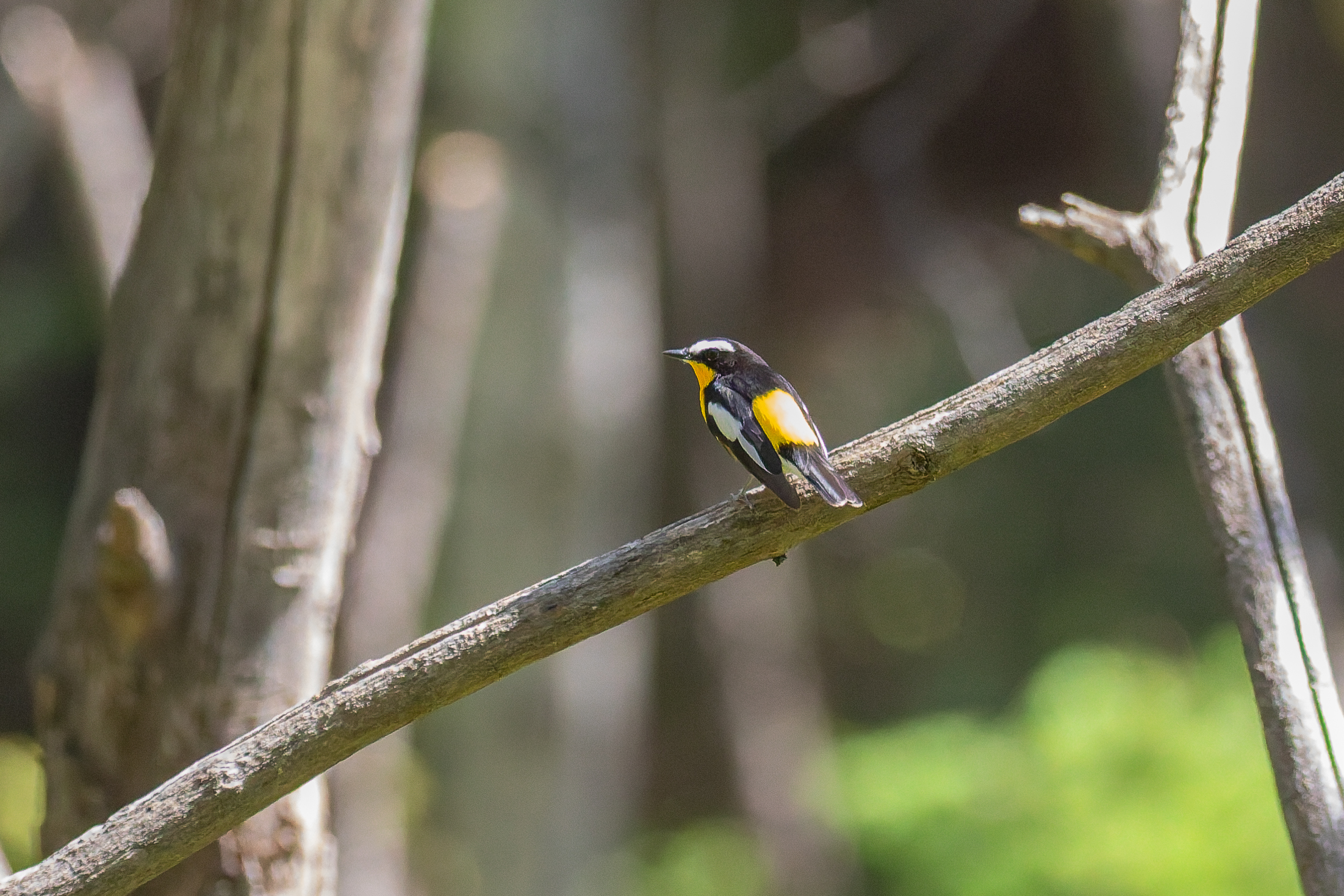
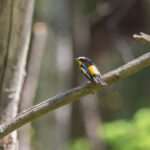
Yellow-rumped Flycatcher (image by Diedert Koppenol)
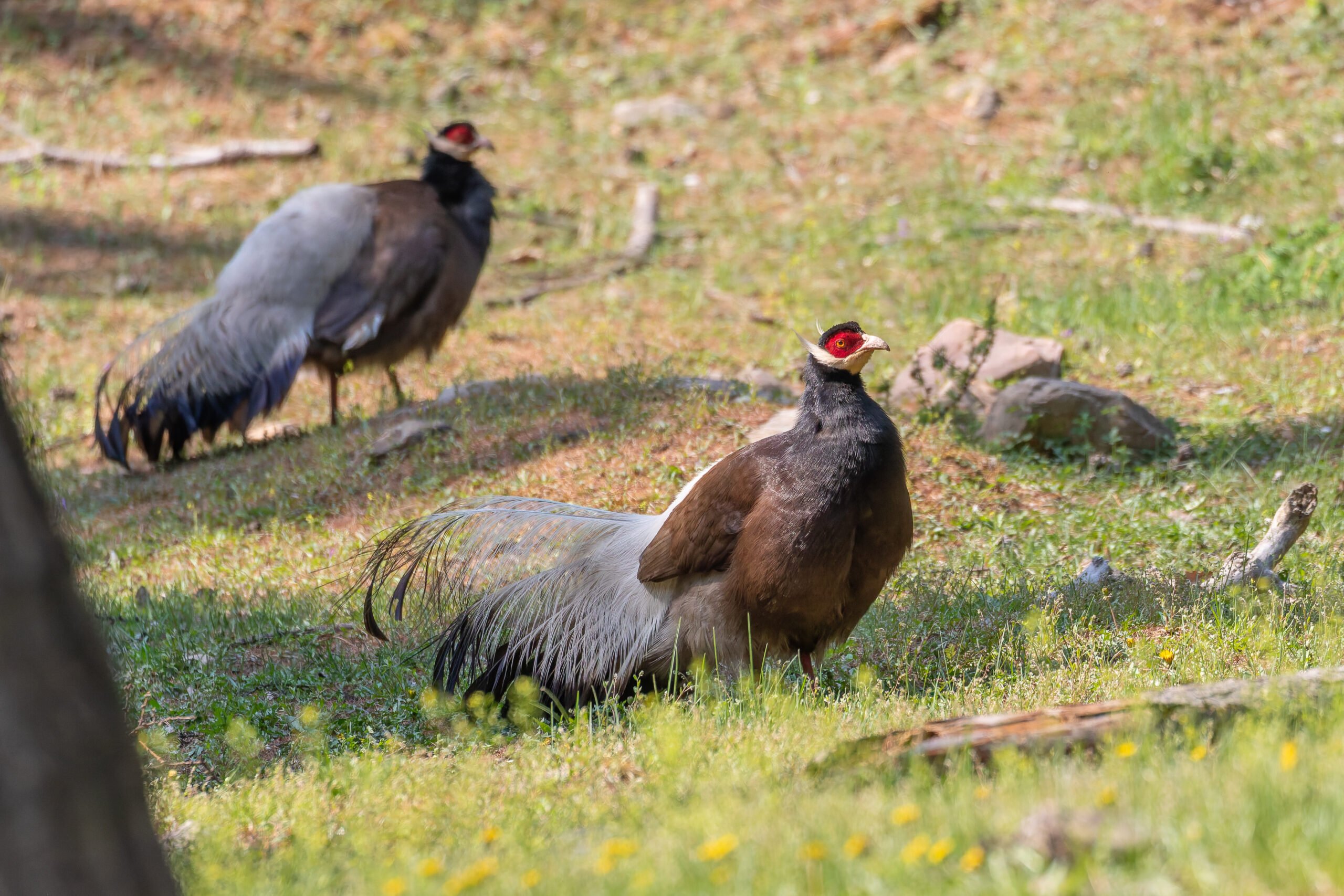
Brown Eared Pheasants (image by Diedert Koppenol)
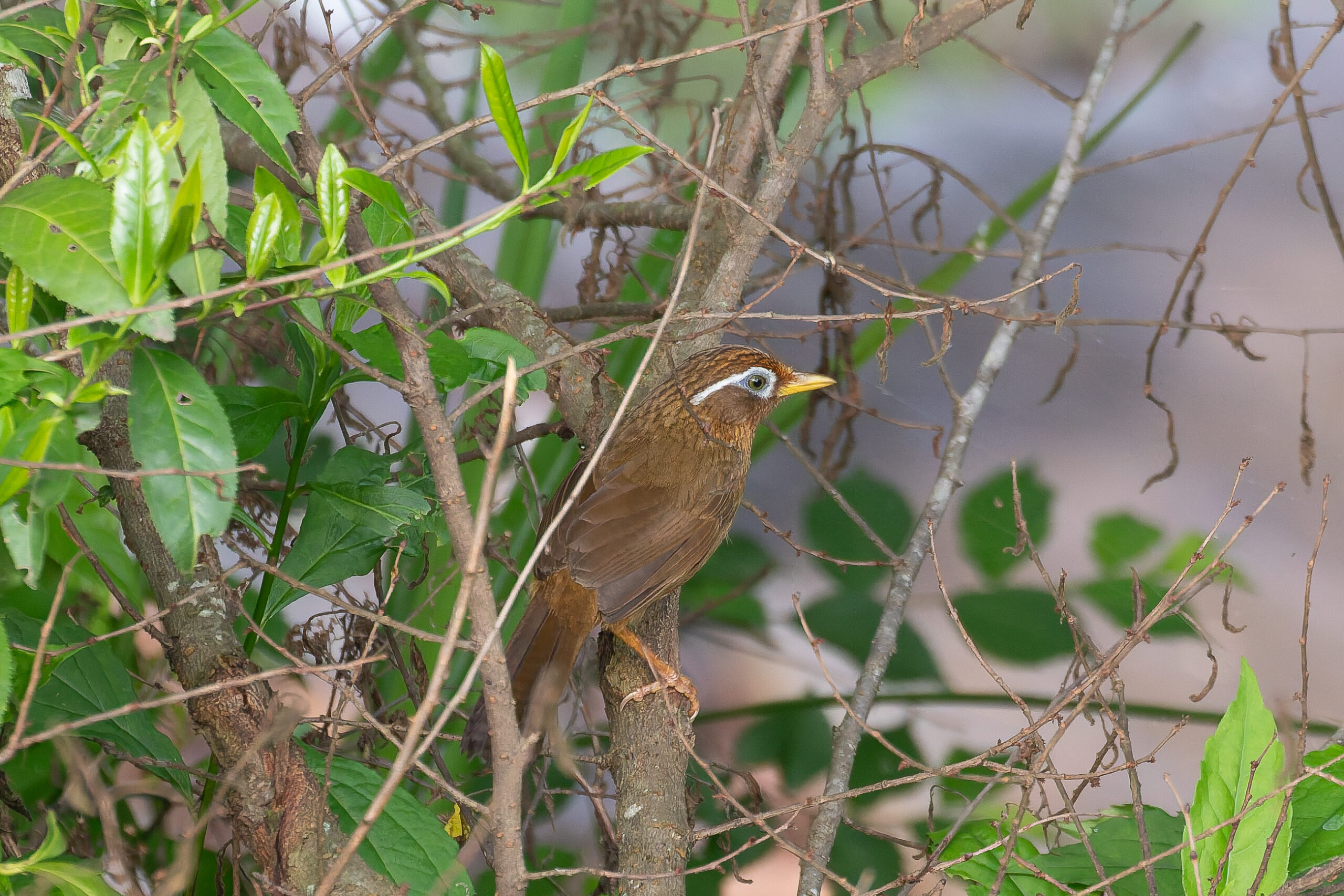
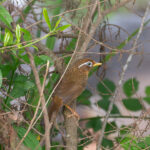
Chinese Hwamei (image by Diedert Koppenol)
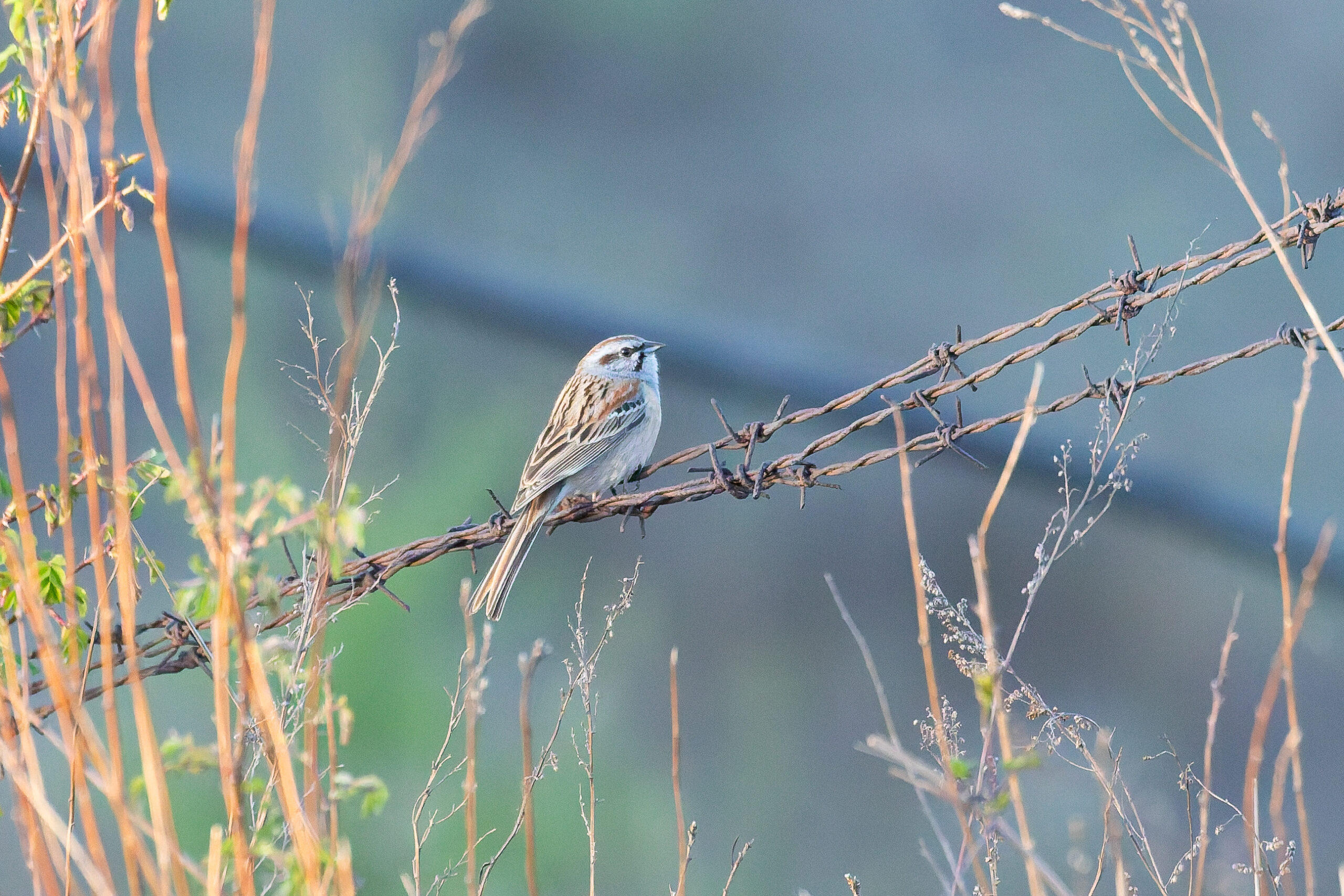
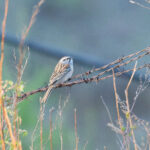
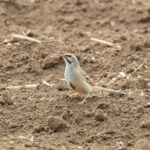
Godlewski's Bunting (image by Diedert Koppenol)
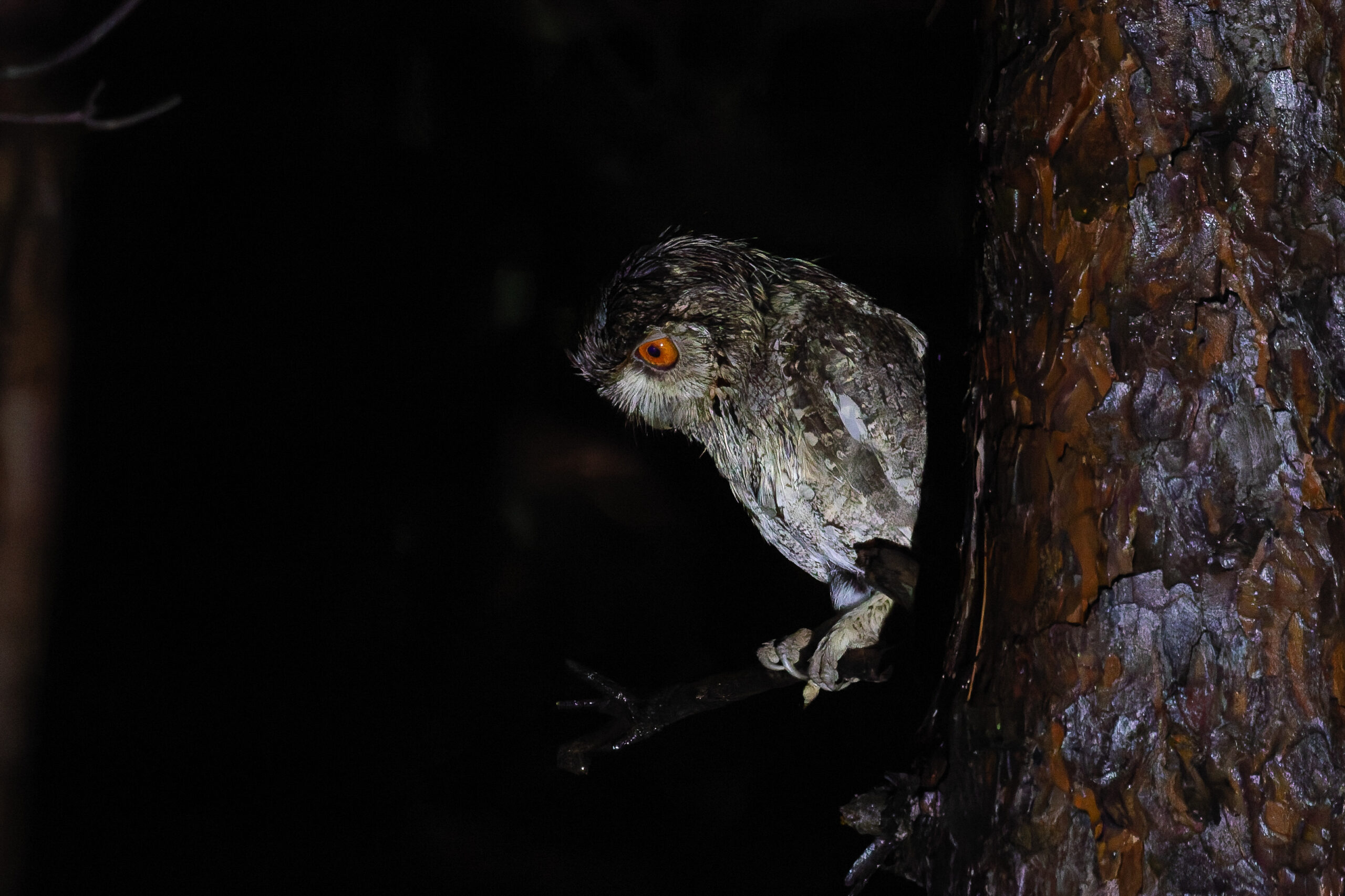
Japanese Scops Owl (image by Diedert Koppenol)
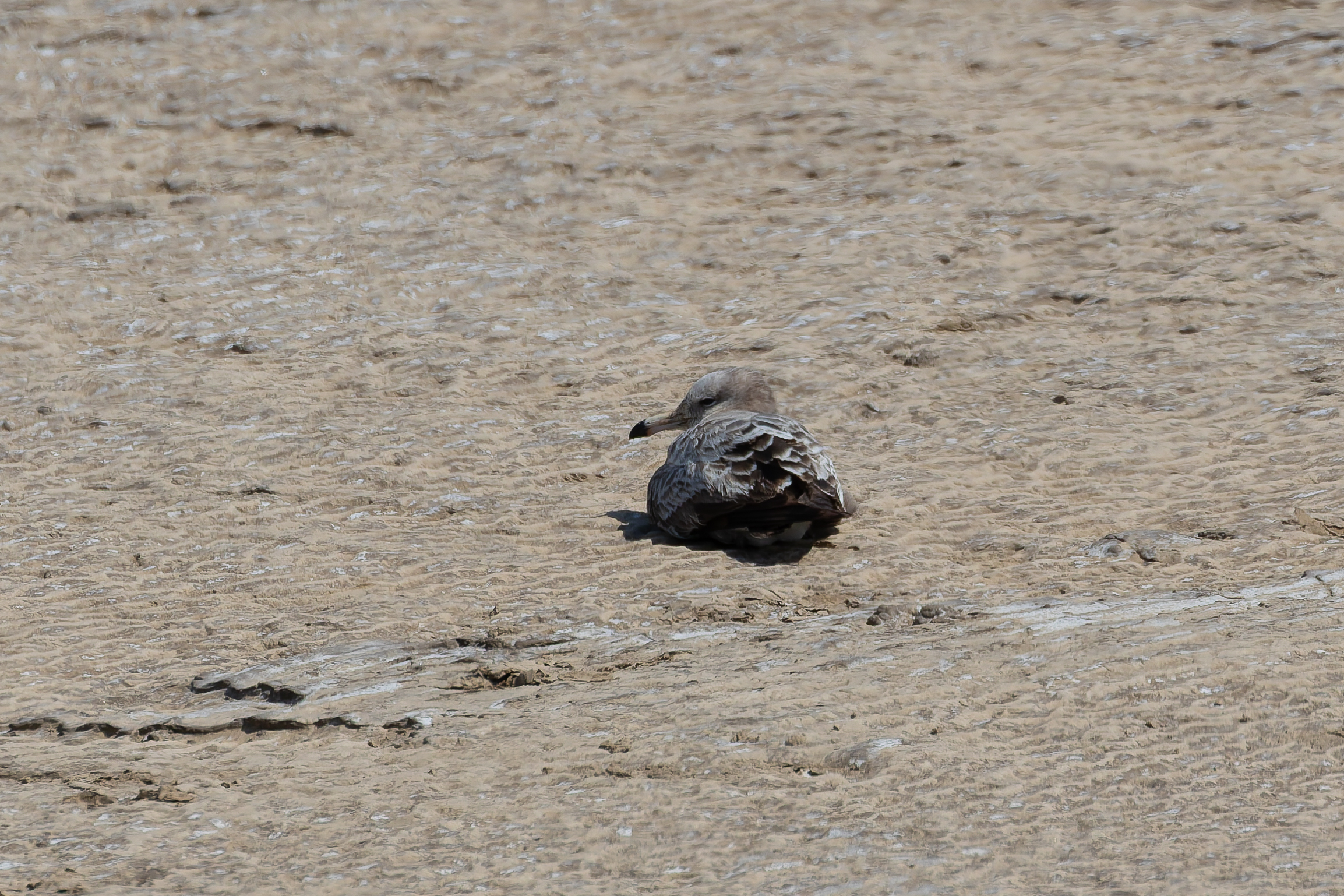
Black-tailed Gull (image by Diedert Koppenol)
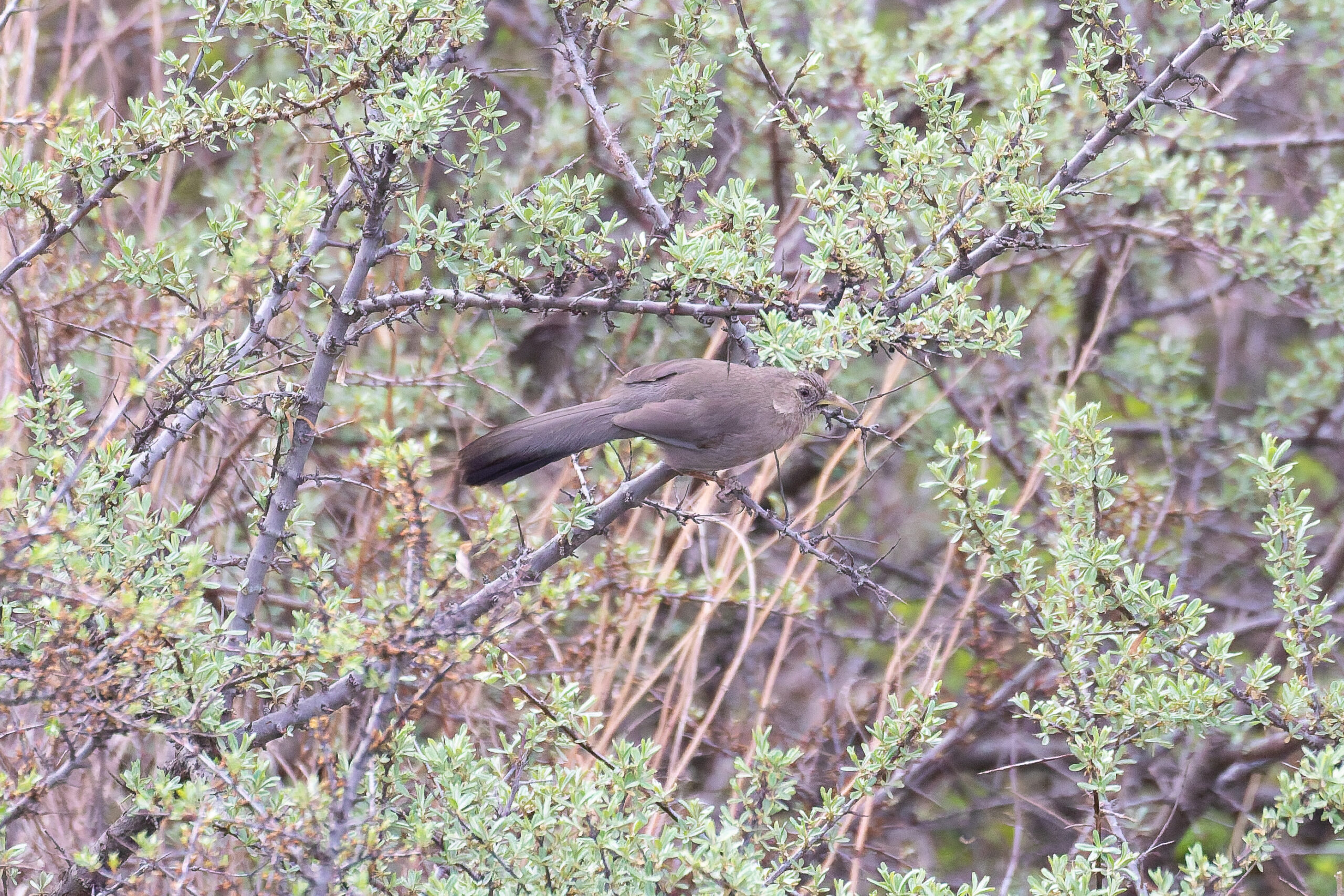
Plain Laughingthrush (image by Diedert Koppenol)
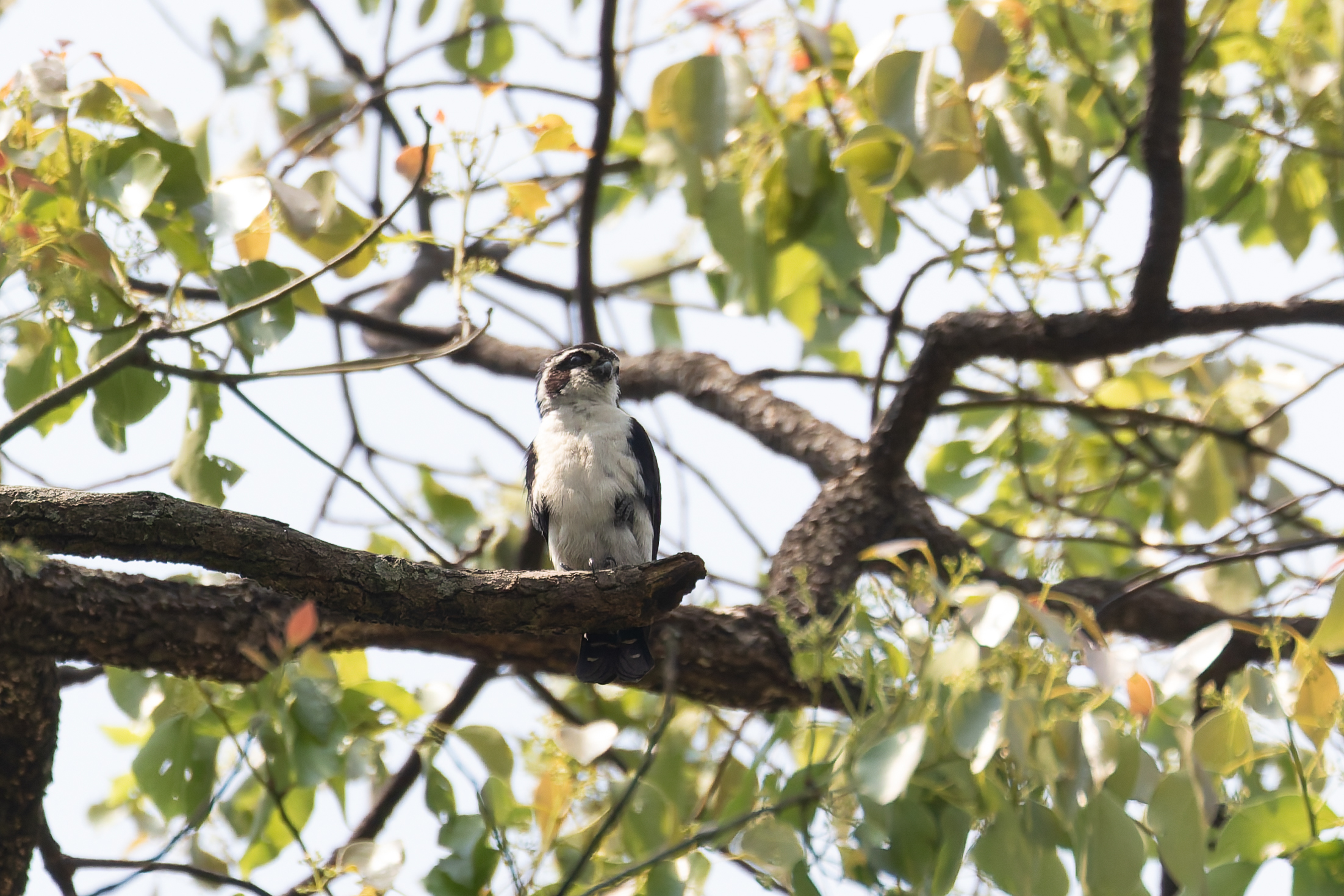
(image by Diedert Koppenol)
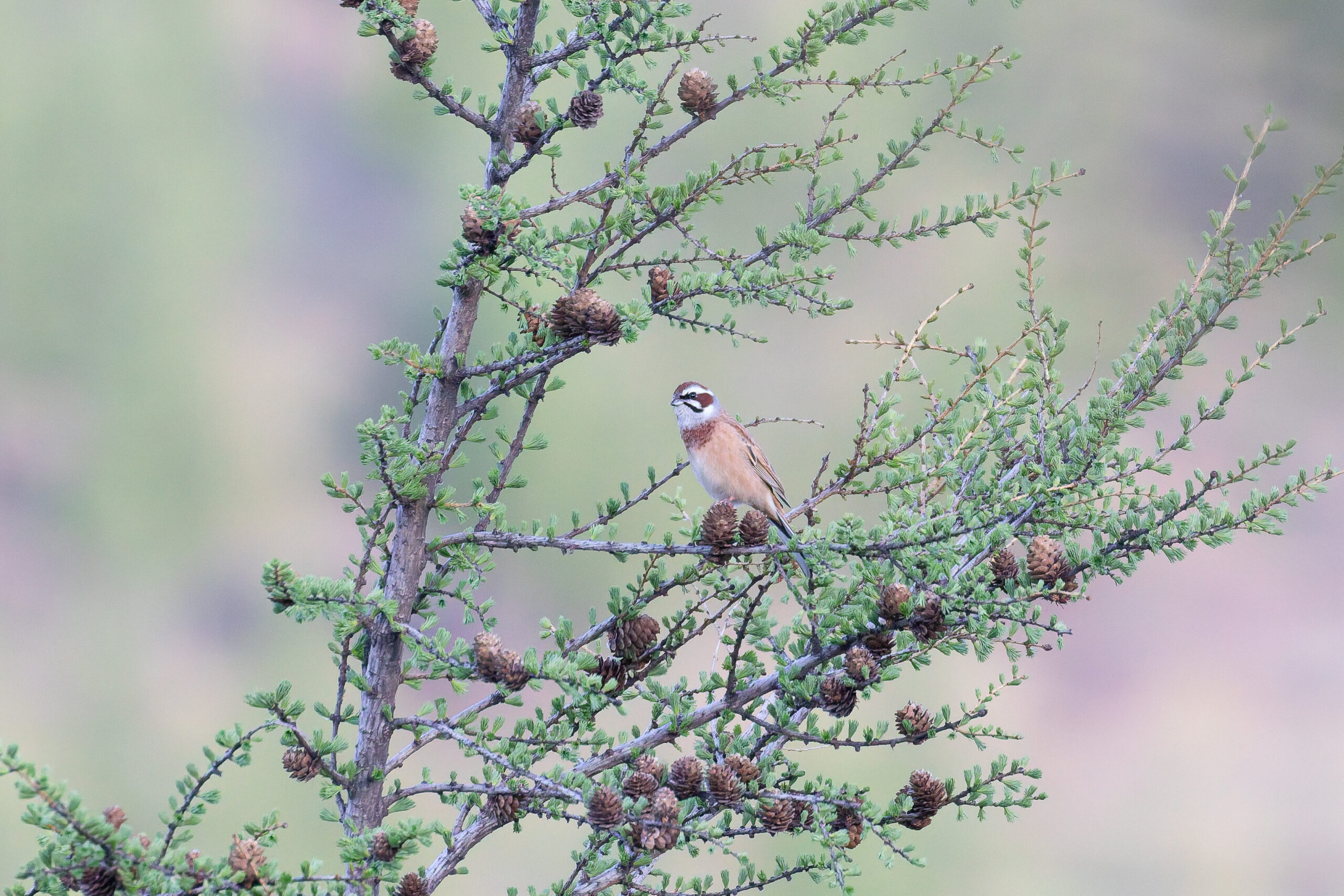
Meadow Bunting (image by Diedert Koppenol)
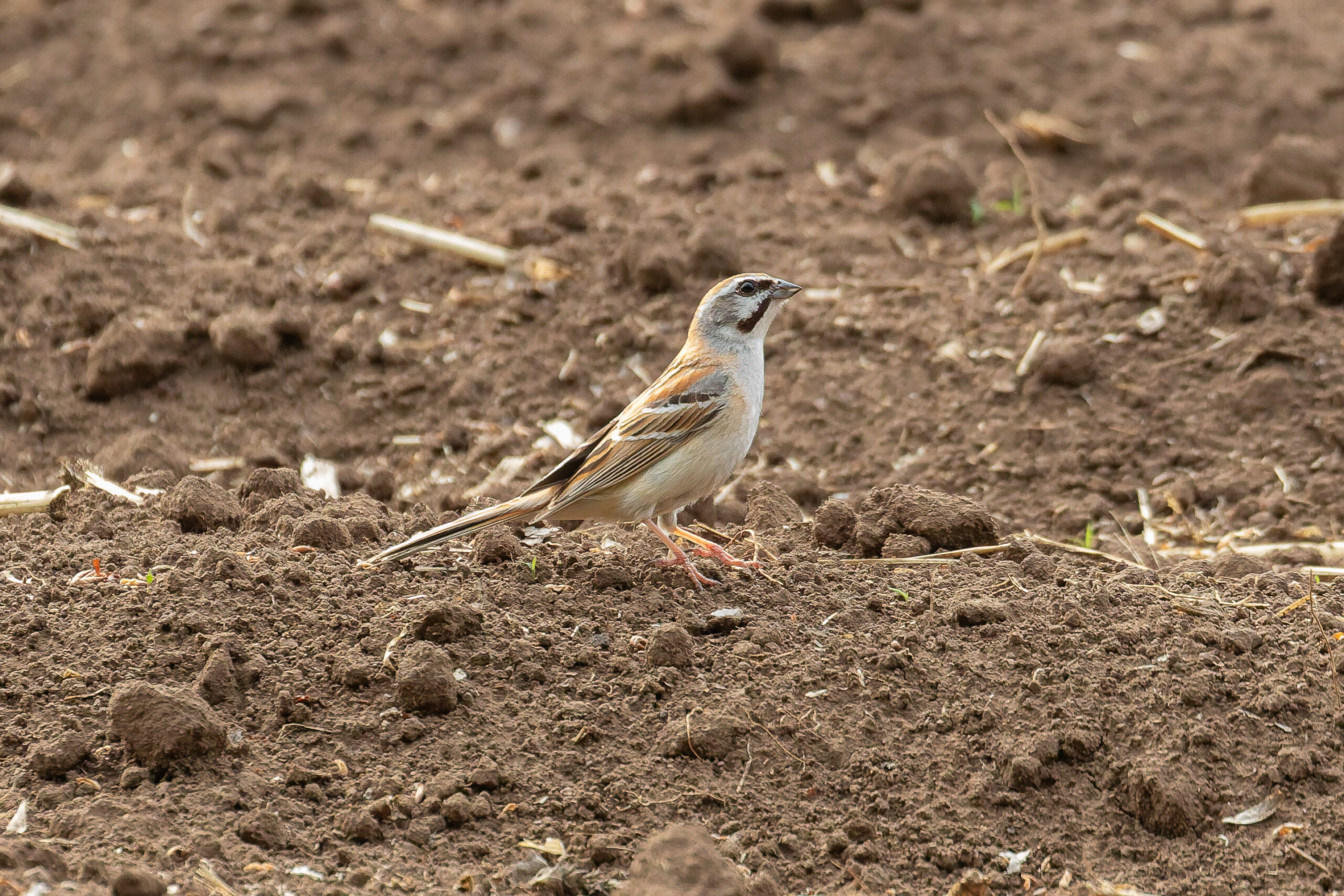
Jankowski's Bunting (image by Diedert Koppenol)
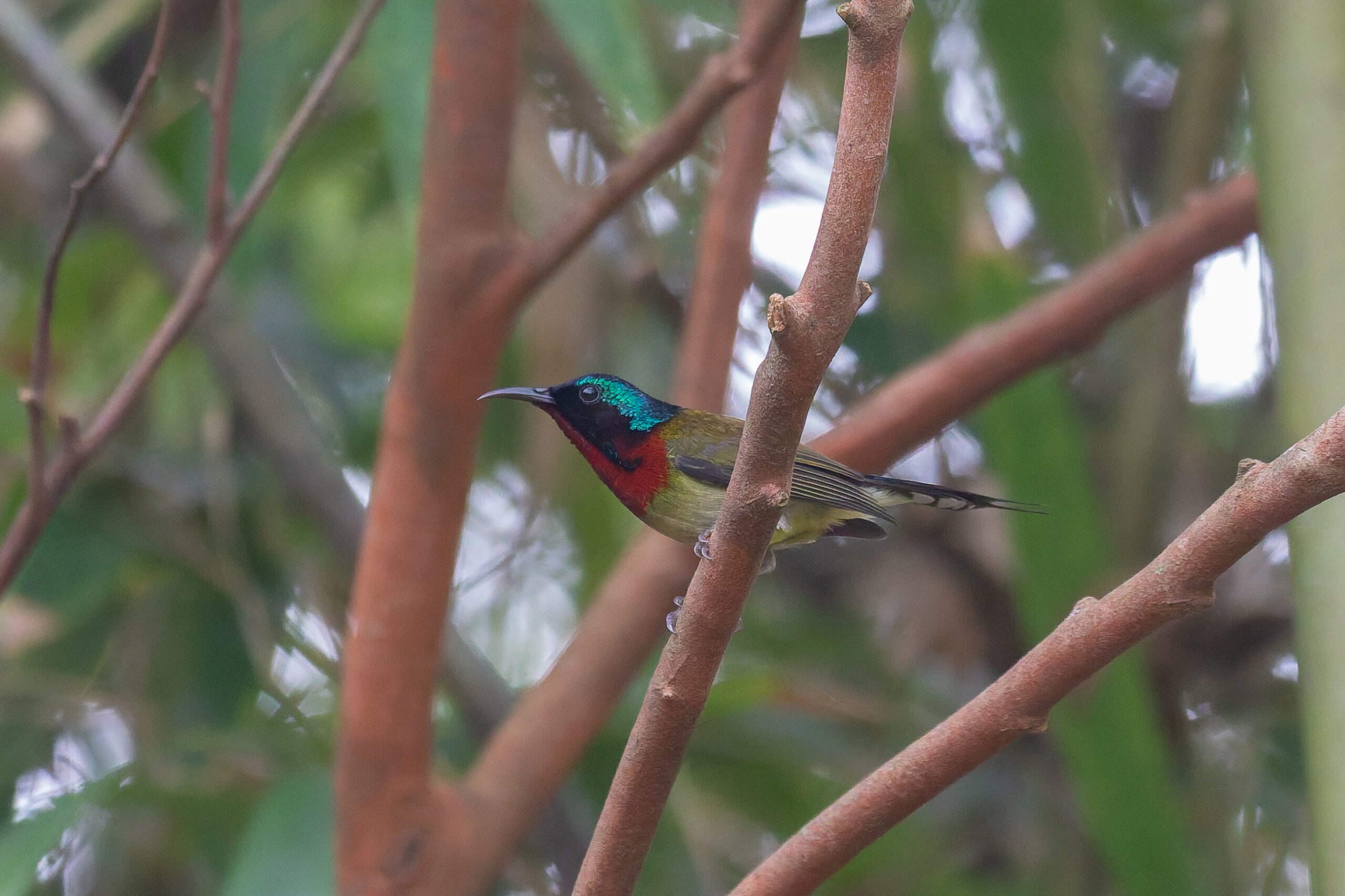
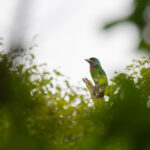
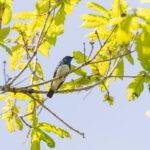
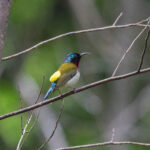
Fork-tailed Sunbird (image by Diedert Koppenol)
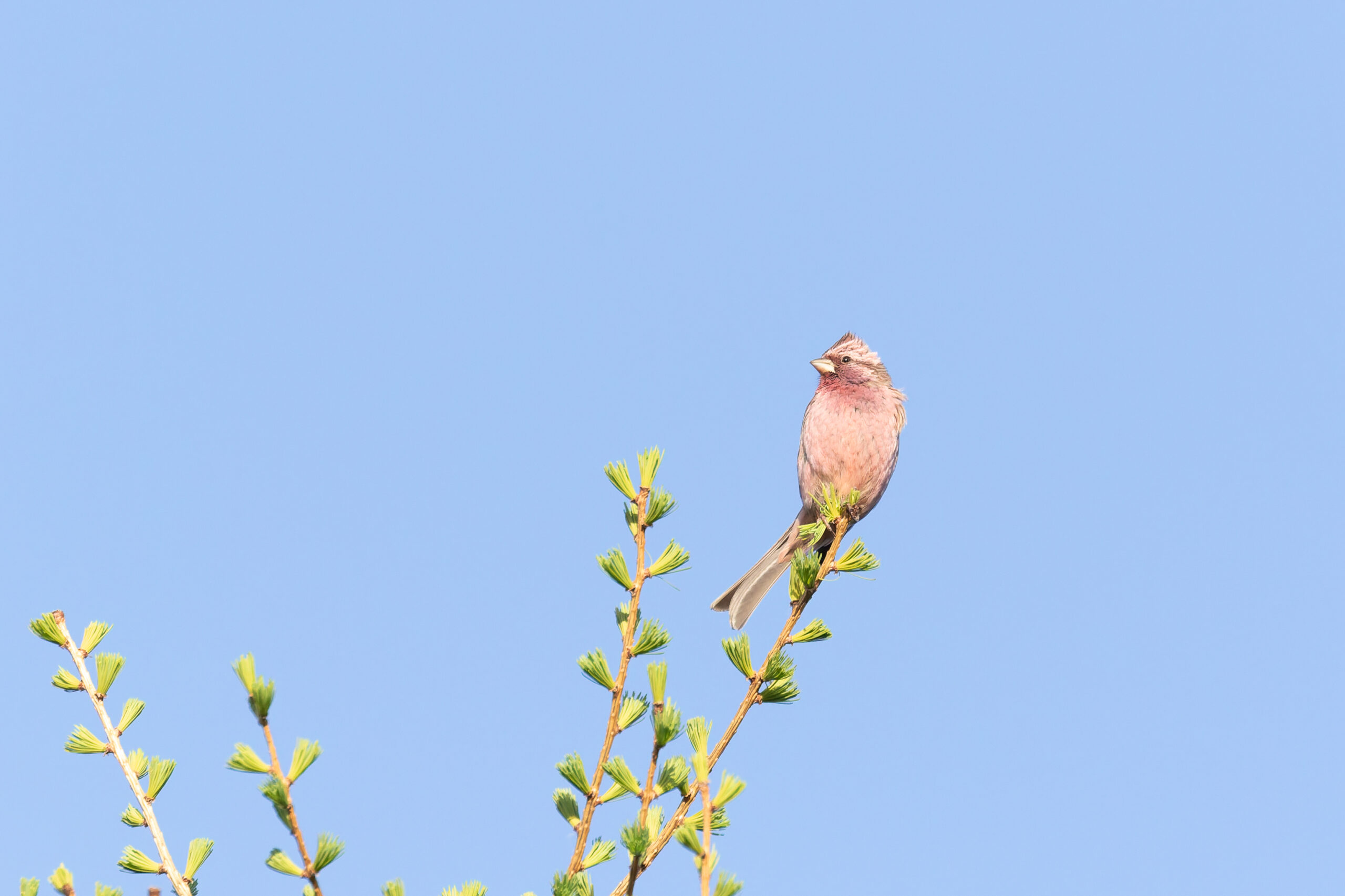
Chinese Beautiful Rosefinch (image by Diedert Koppenol)
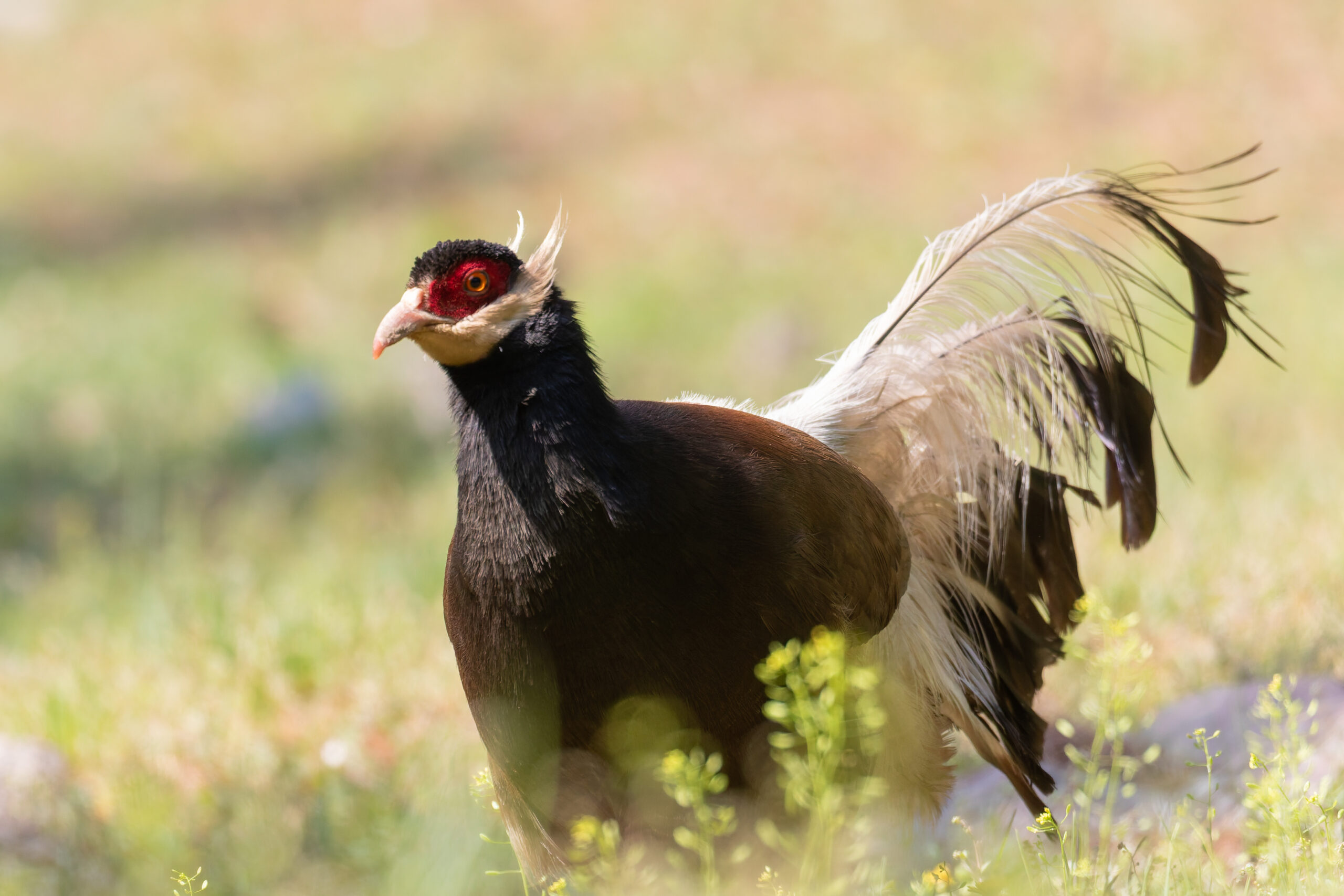
Brown Eared Pheasant (image by Diedert Koppenol)
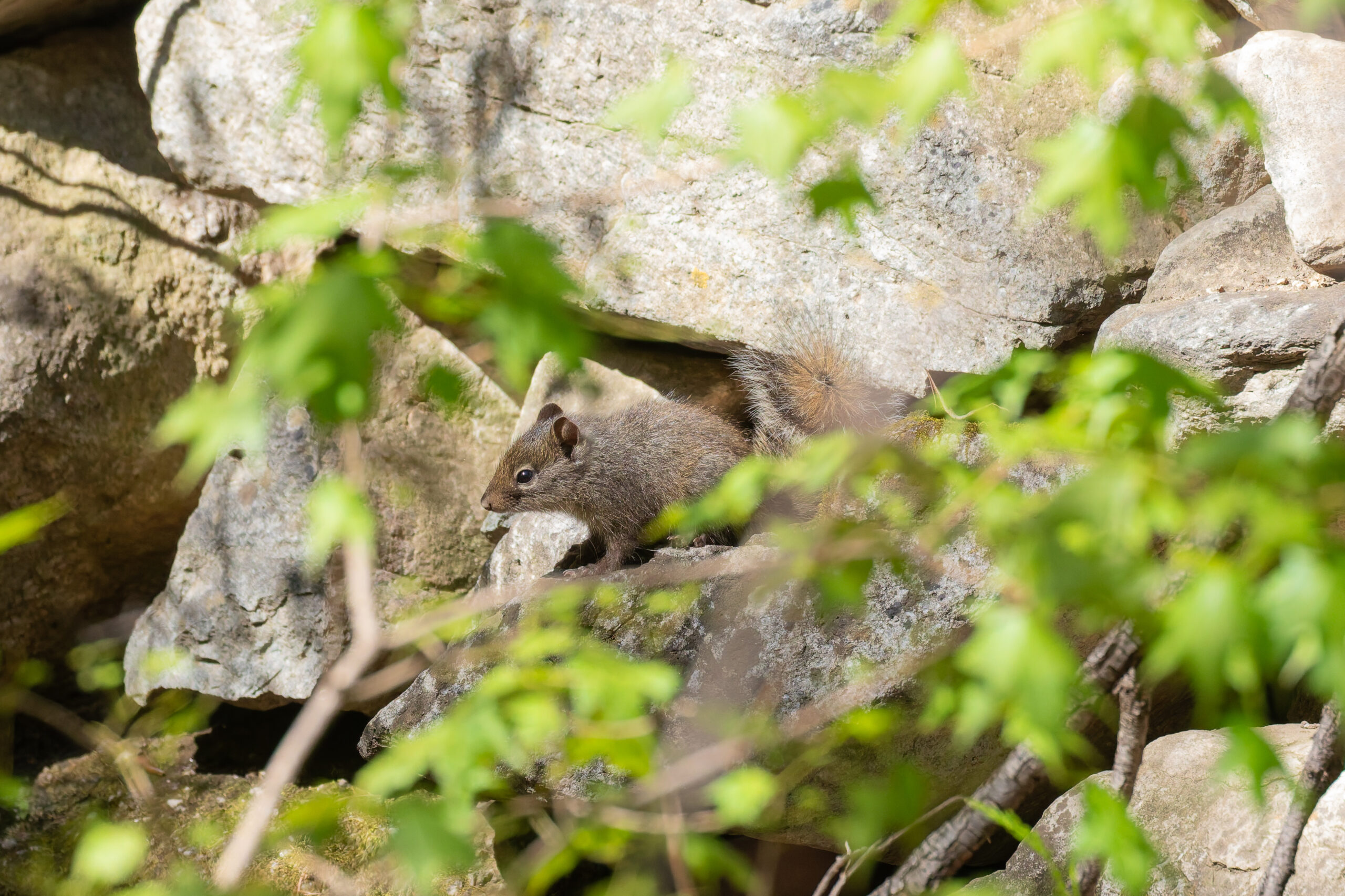
(image by Diedert Koppenol)
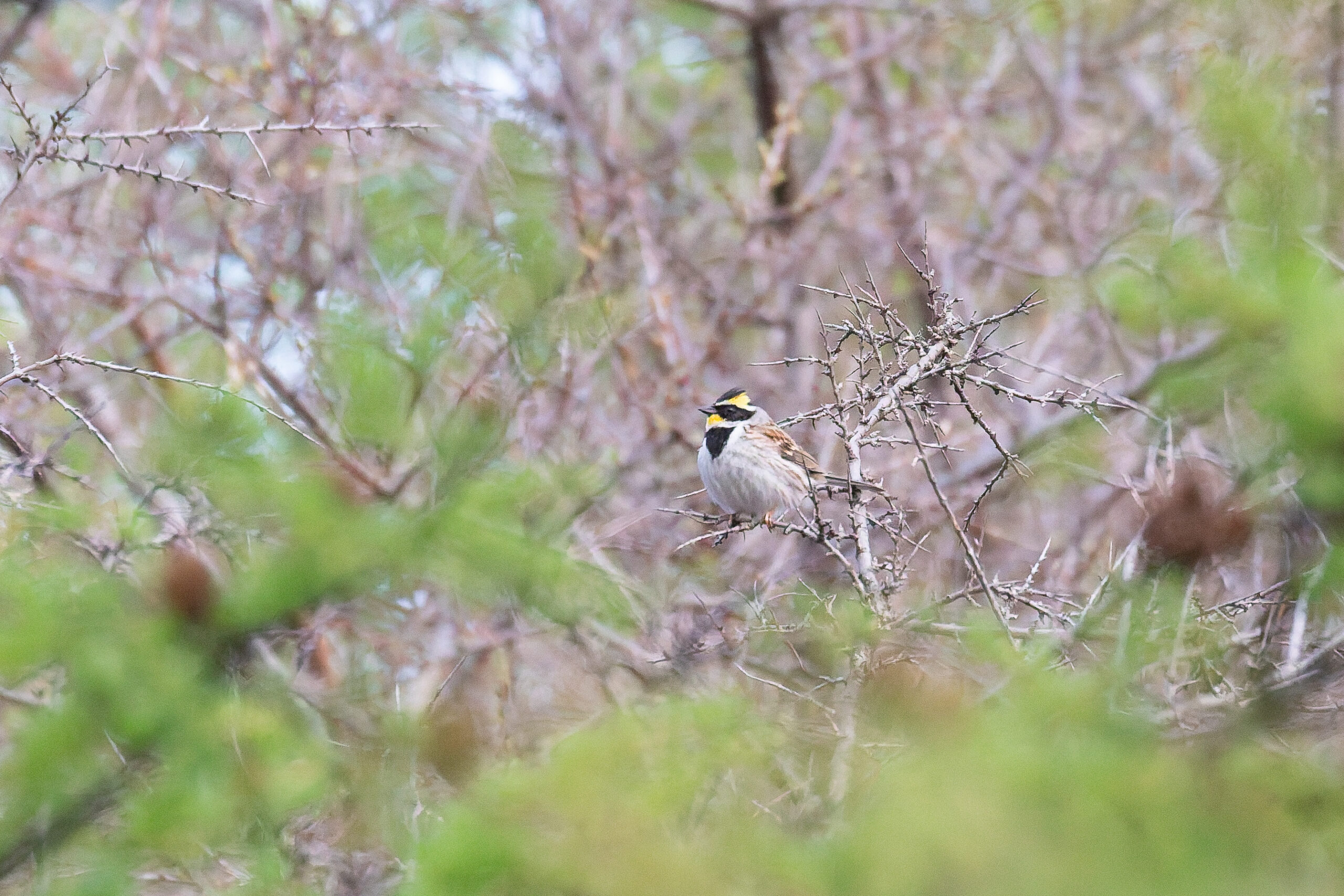
Yellow-throated Bunting (image by Diedert Koppenol)
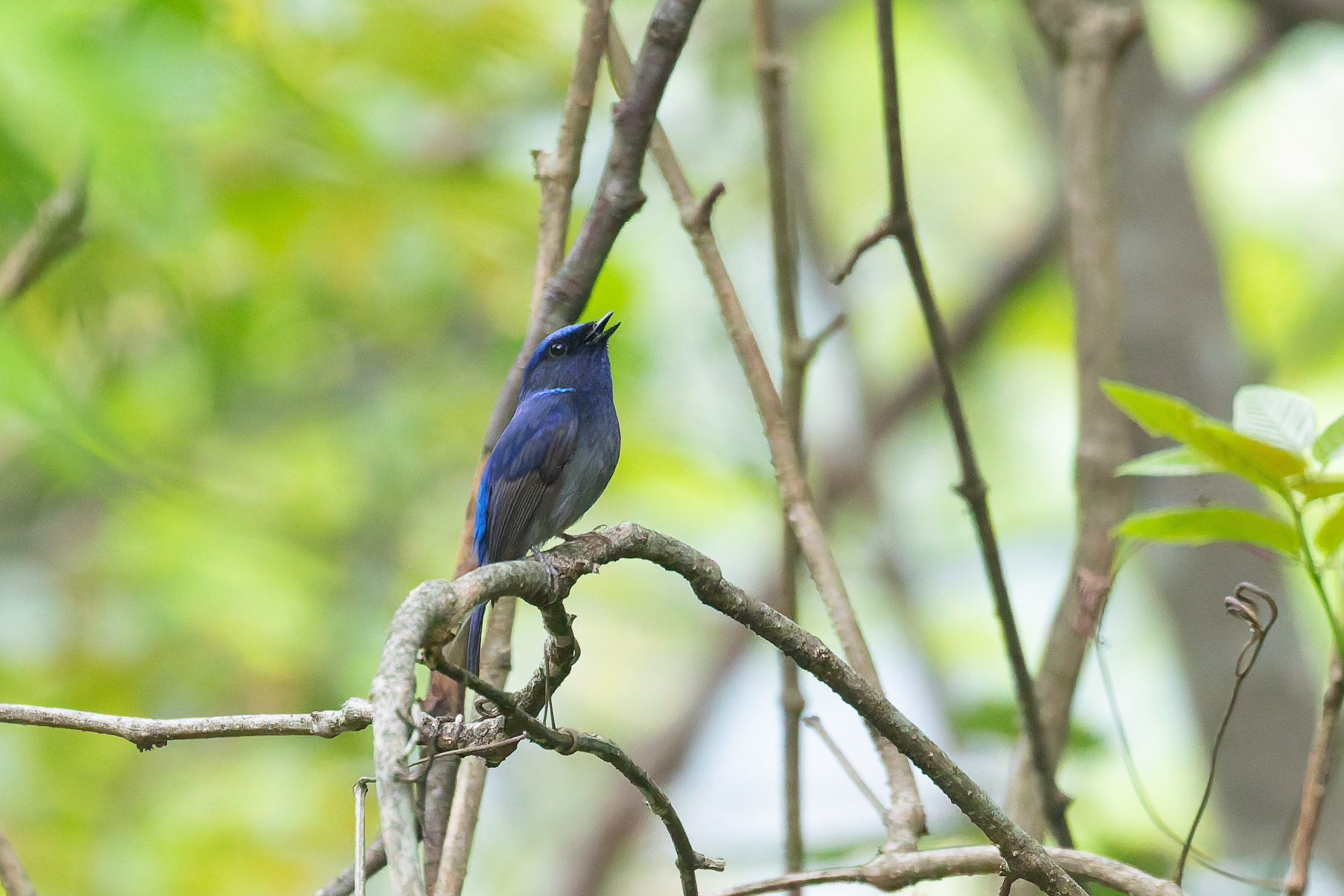
Small Niltava (image by Diedert Koppenol)
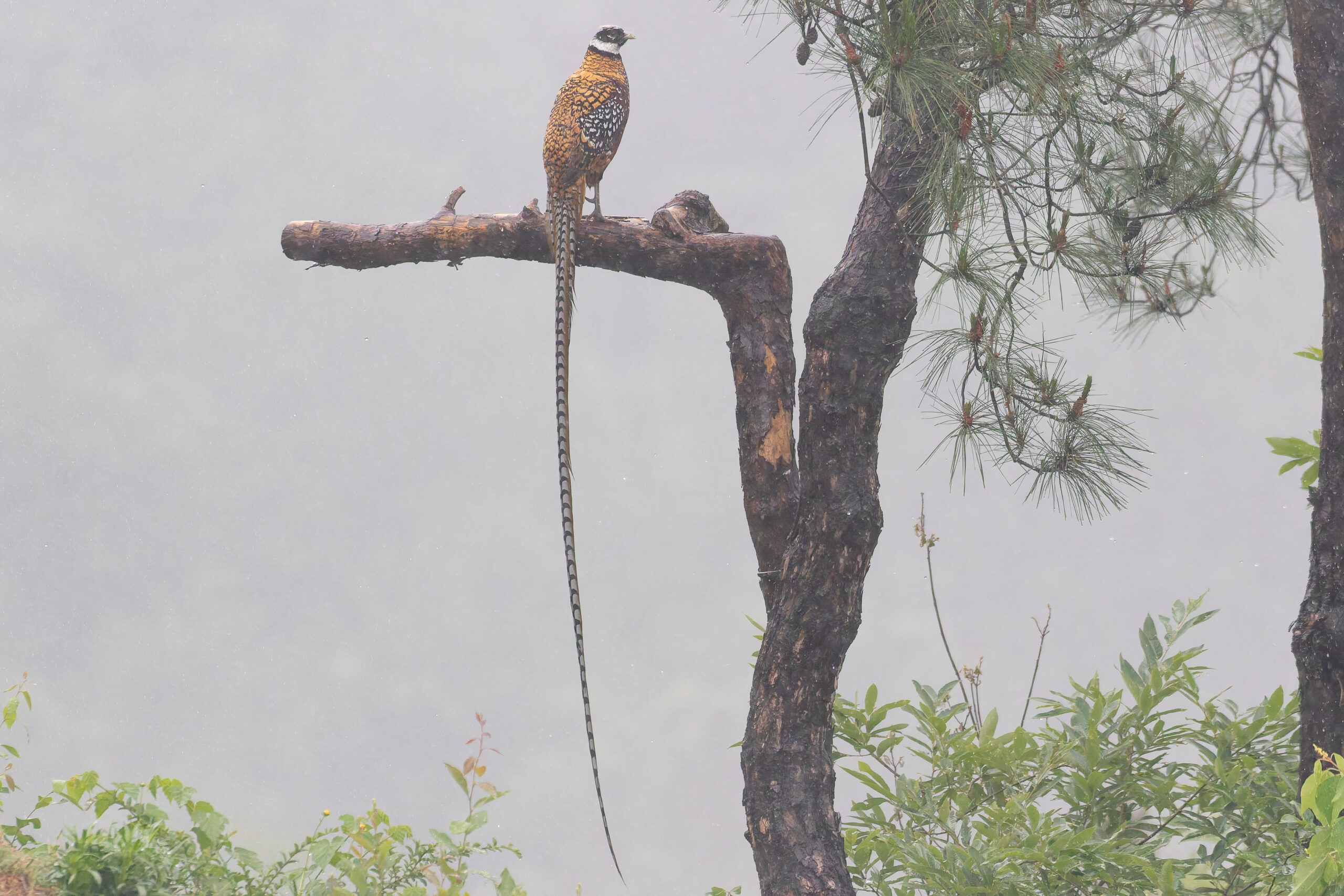
Reeves's Pheasant (image by Diedert Koppenol)
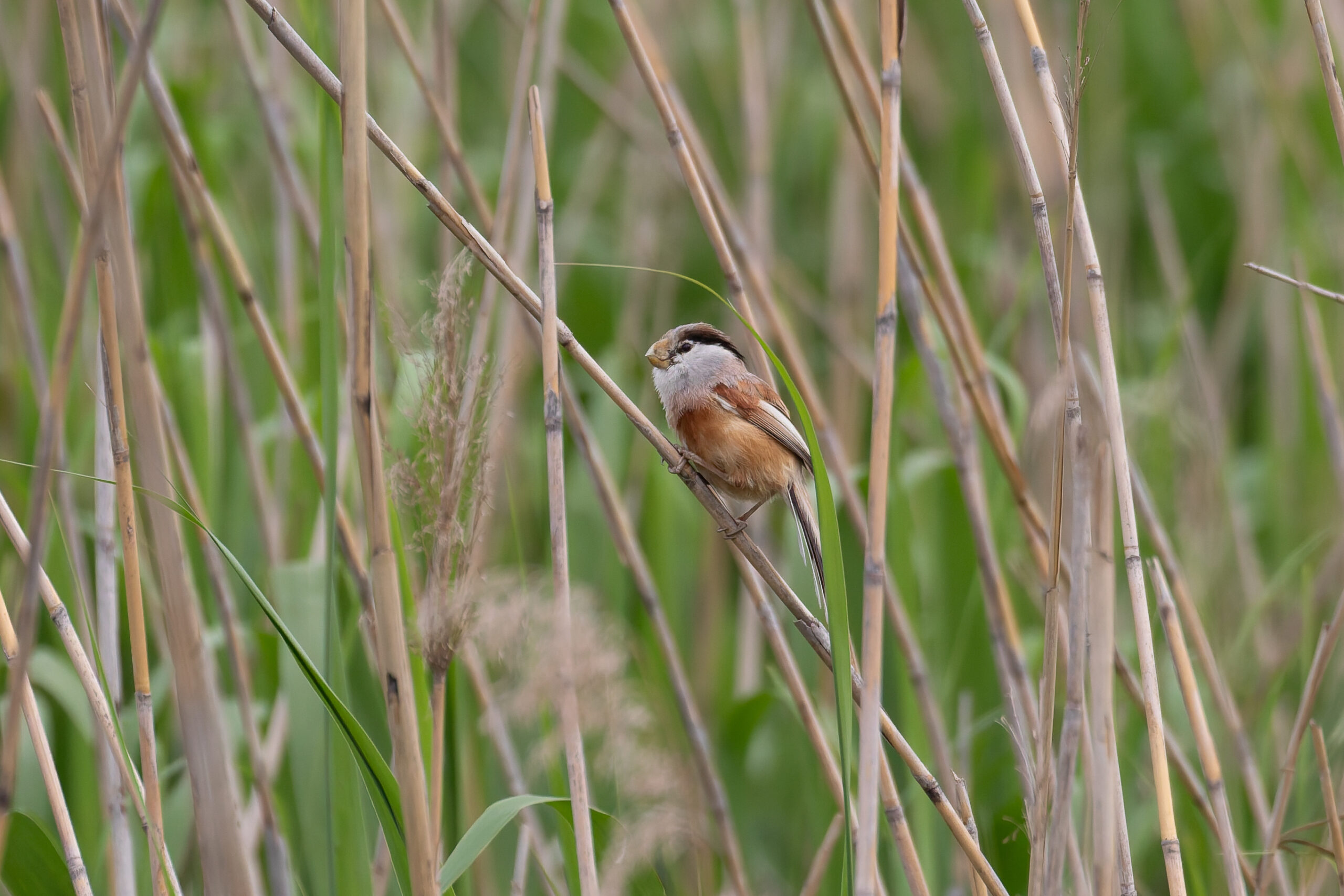
Reed Parrotbill (image by Diedert Koppenol)
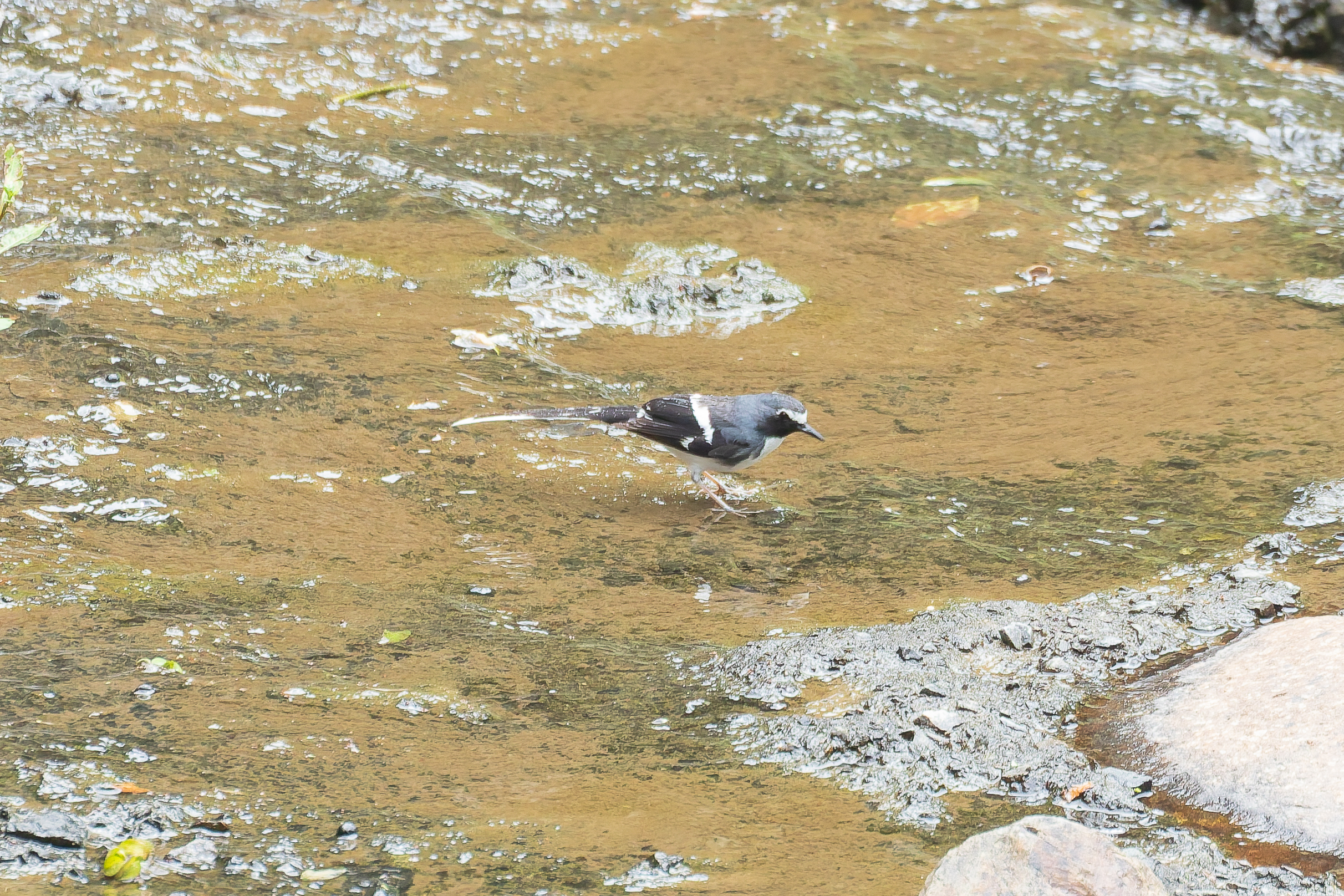
Slaty-backed Forktail (image by Diedert Koppenol)
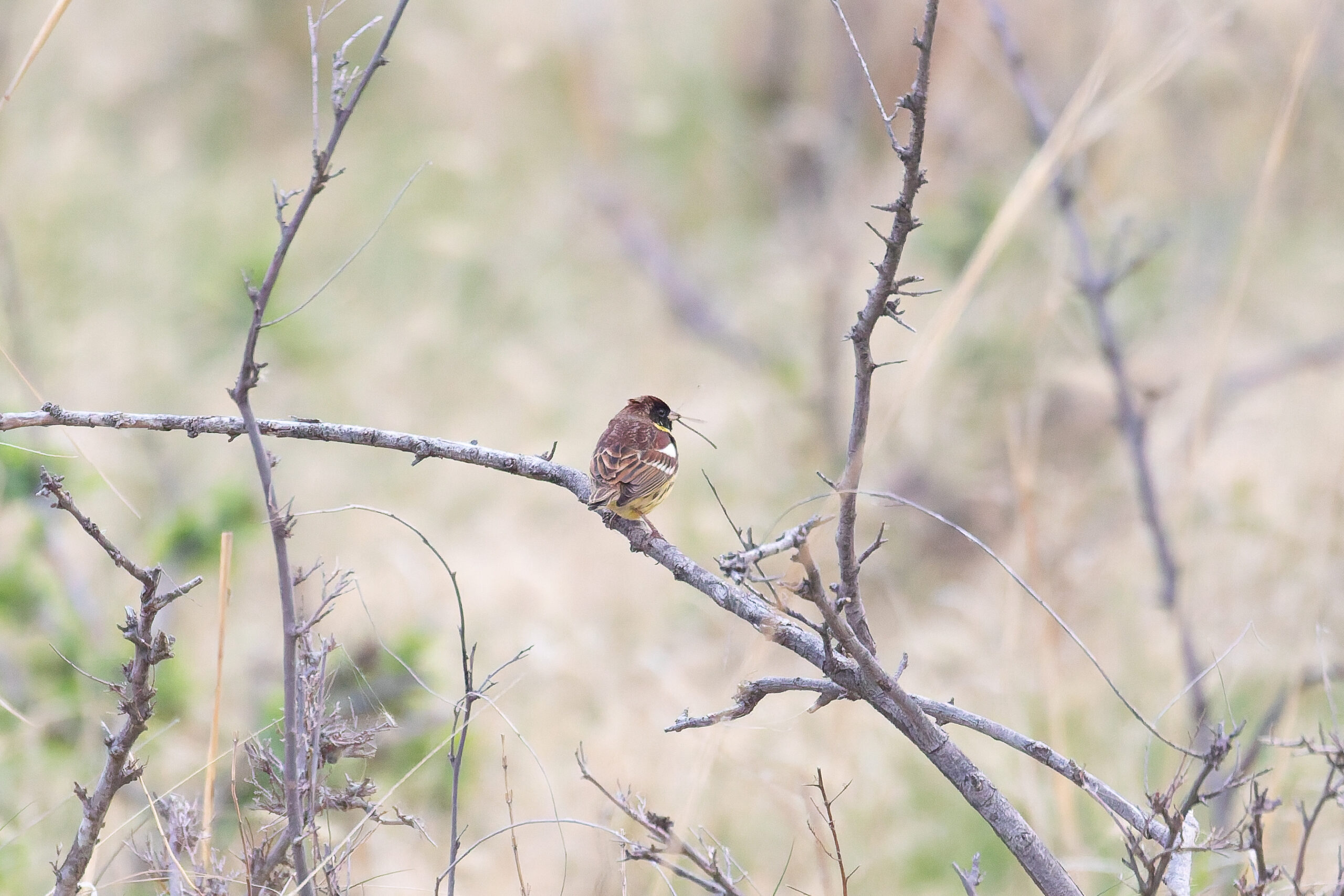
Yellow-breasted Bunting (image by Diedert Koppenol)
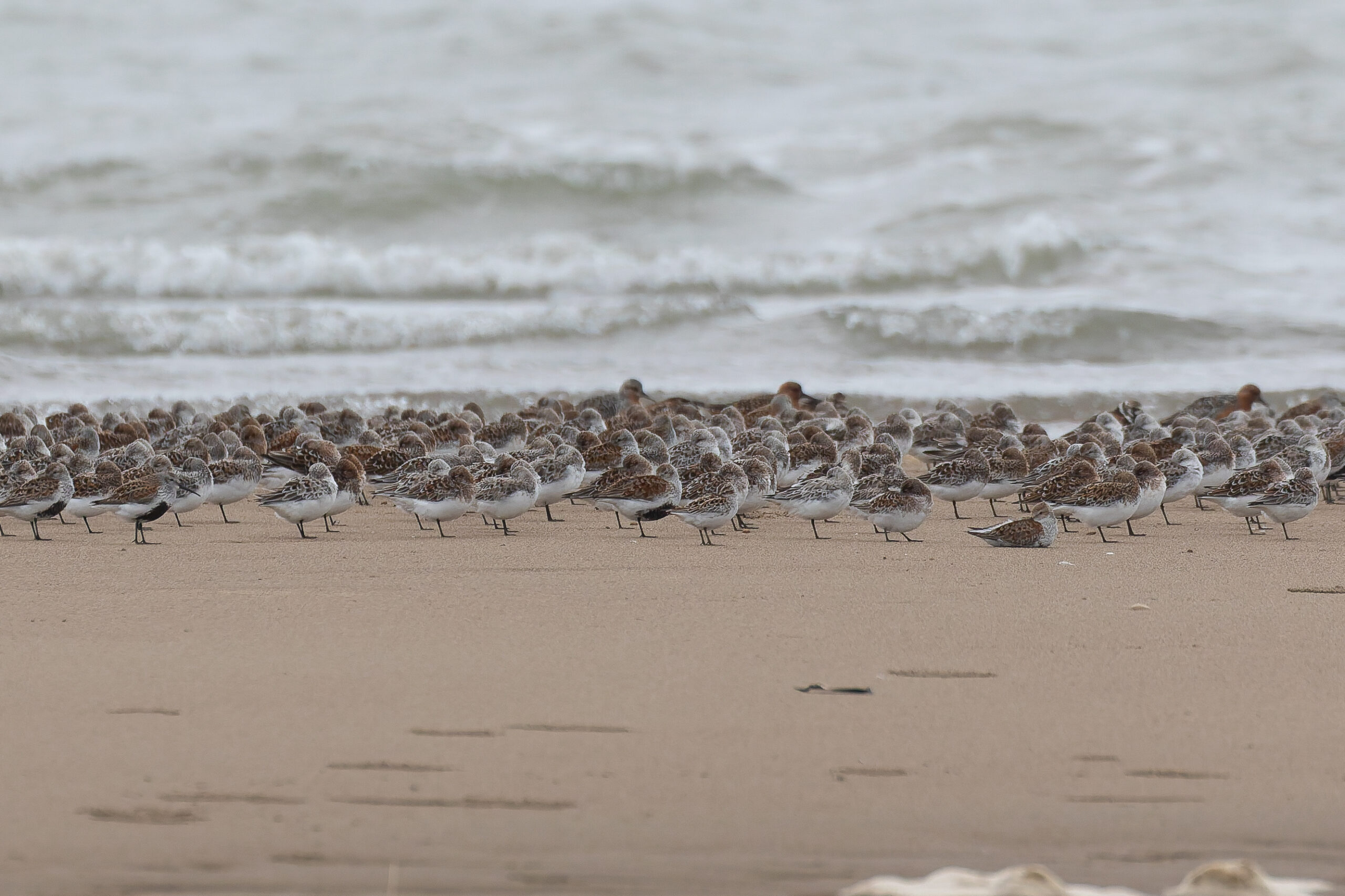
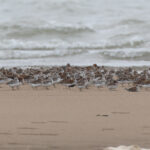
Broad-billed Sandpiper amongst resting sandpipers (image by Diedert Koppenol)
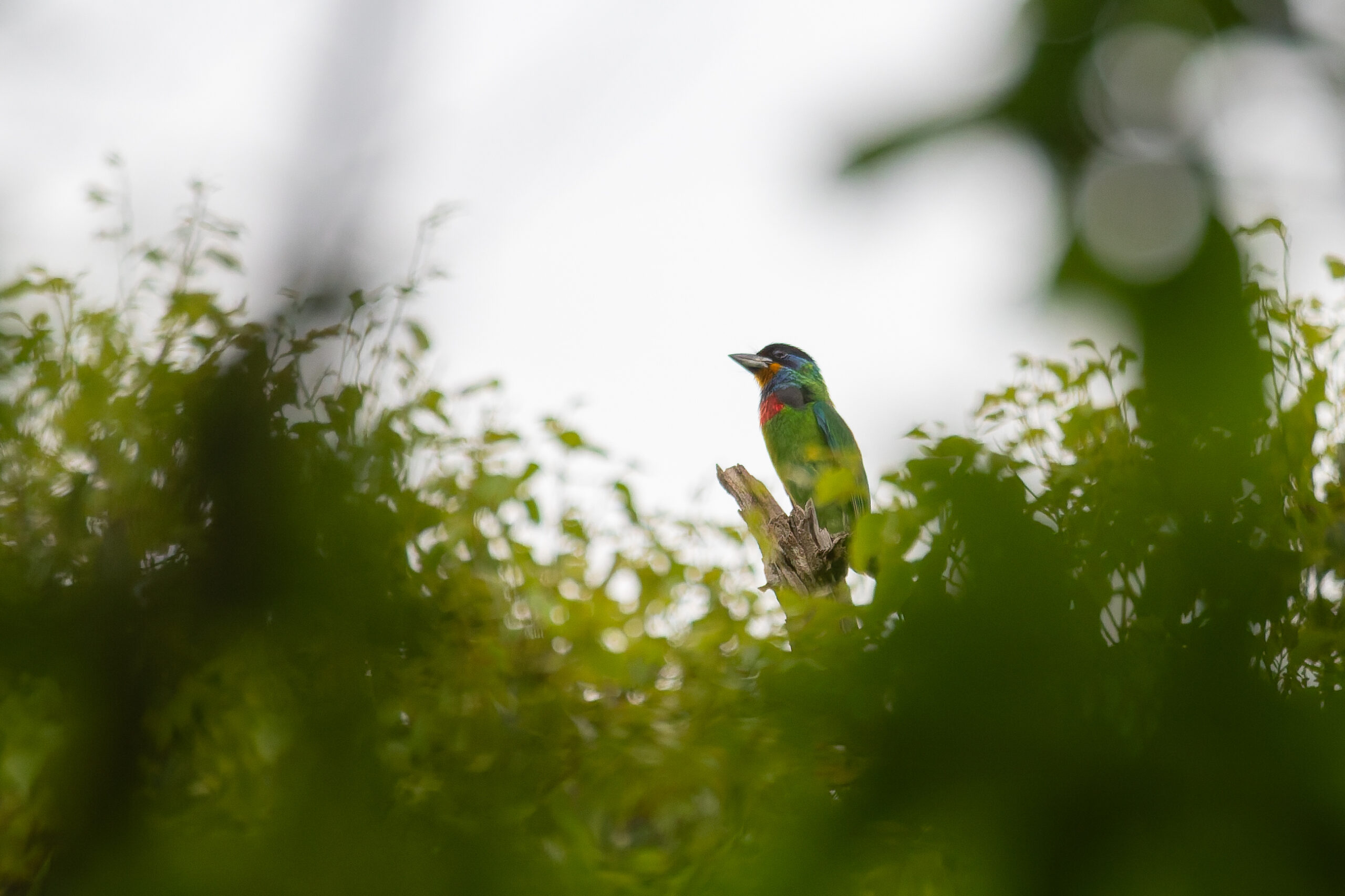
Chinese Barbet (image by Diedert Koppenol)
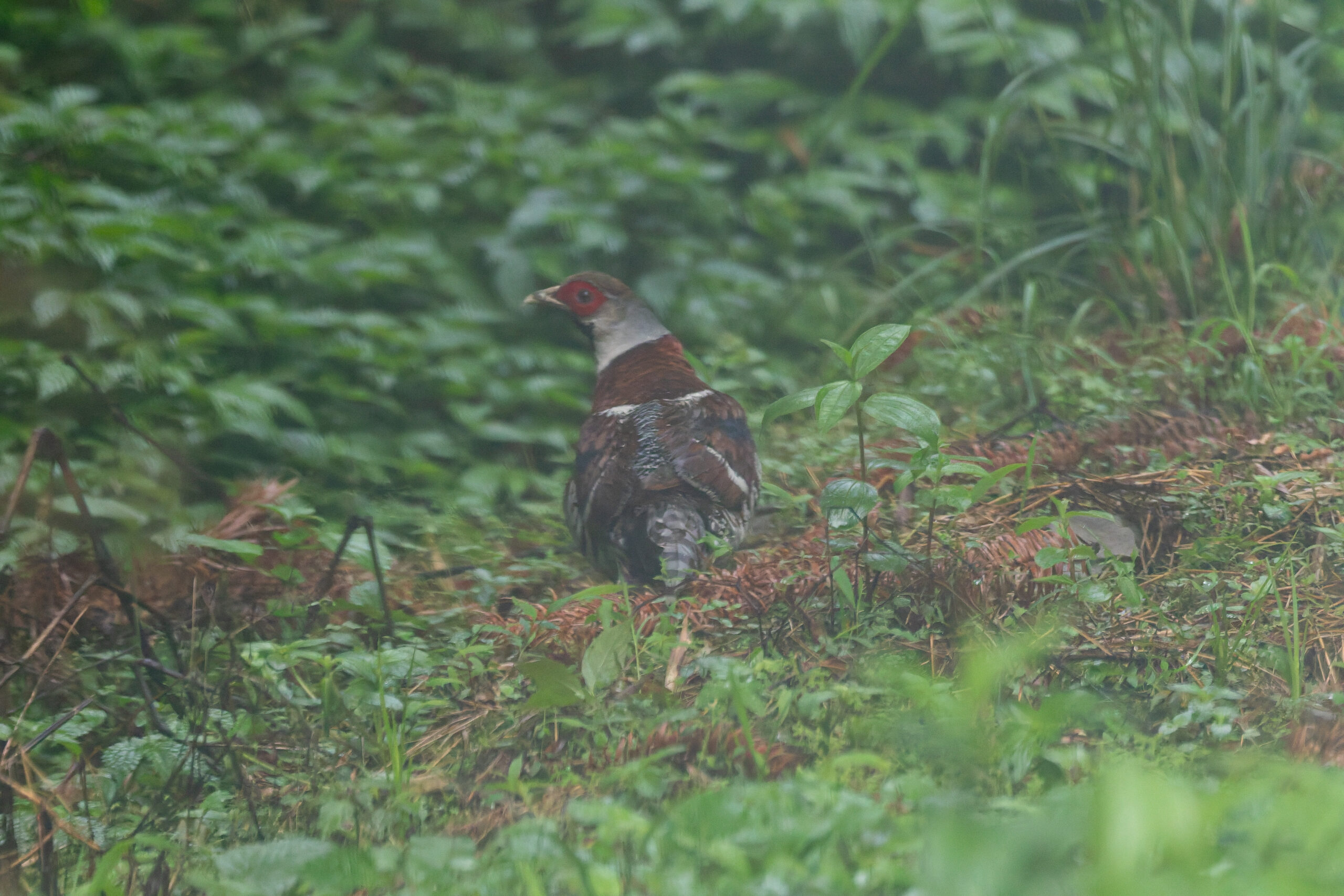
Elliot's Pheasant (image by Diedert Koppenol)
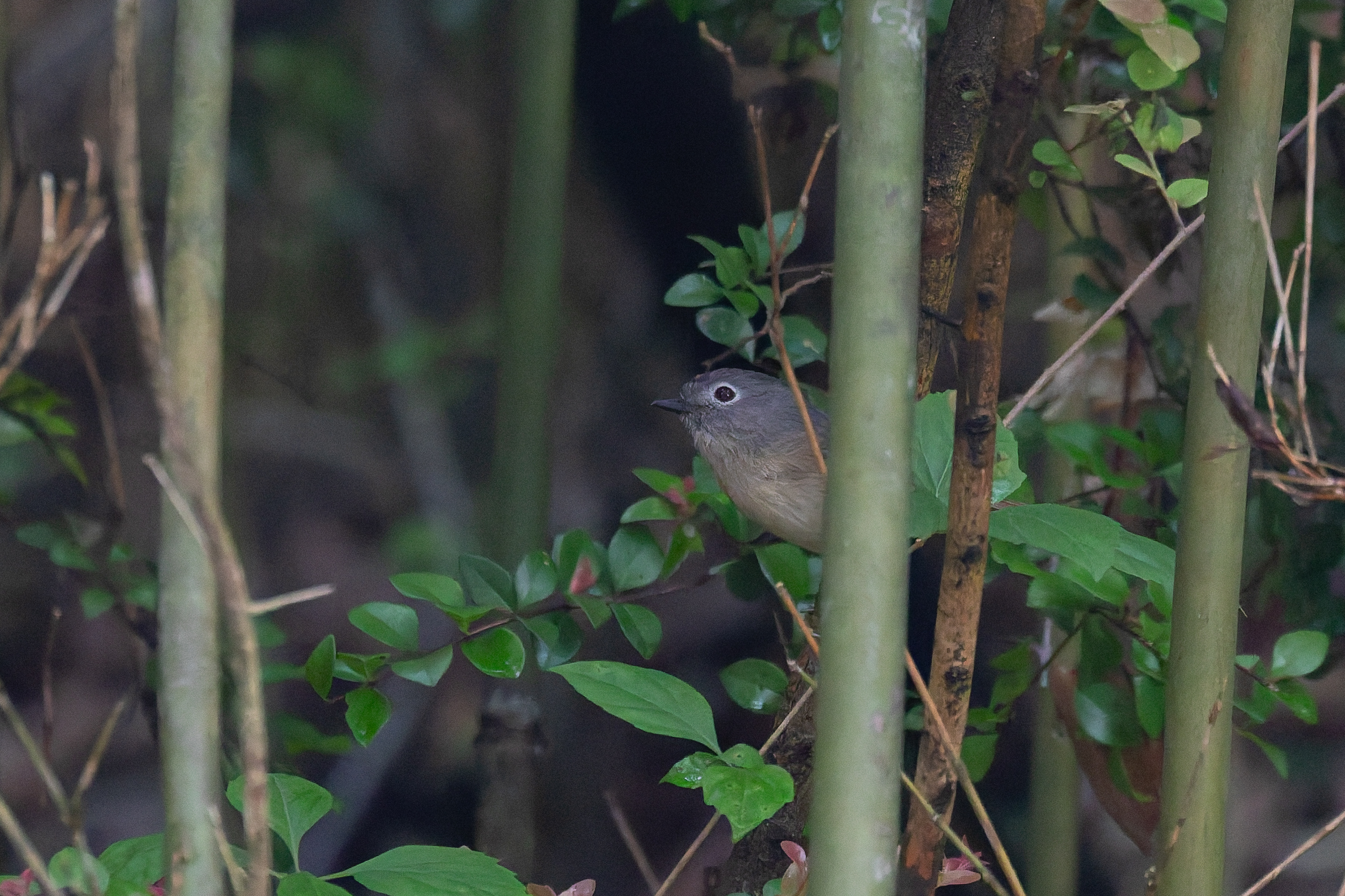
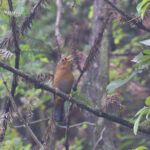
Huet's Fulvetta (image by Diedert Koppenol)
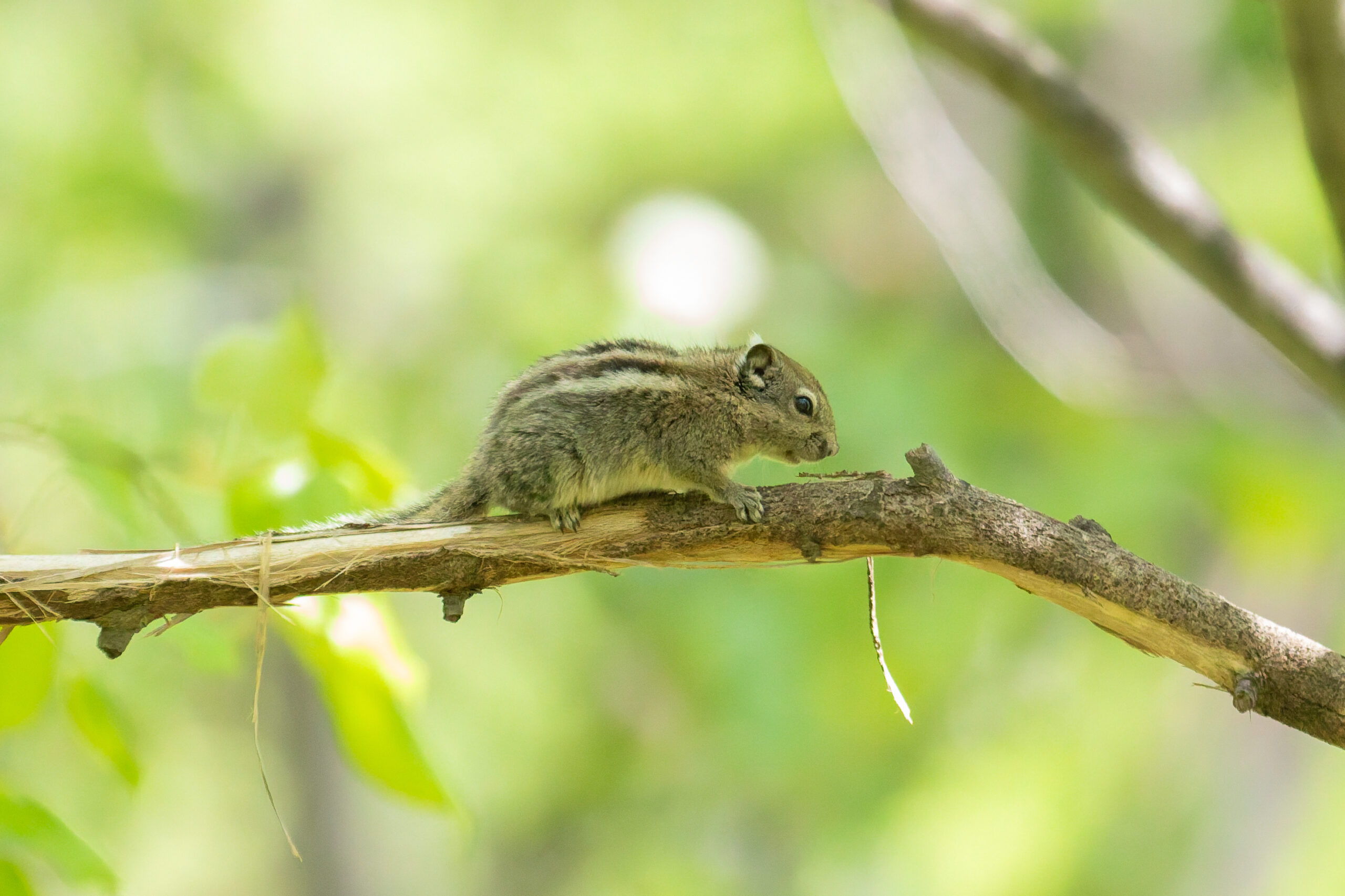
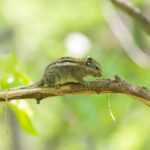
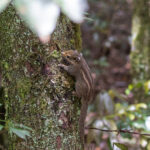
Swinhoes Striped Squirrel ssp vestitus (image by Diedert Koppenol)
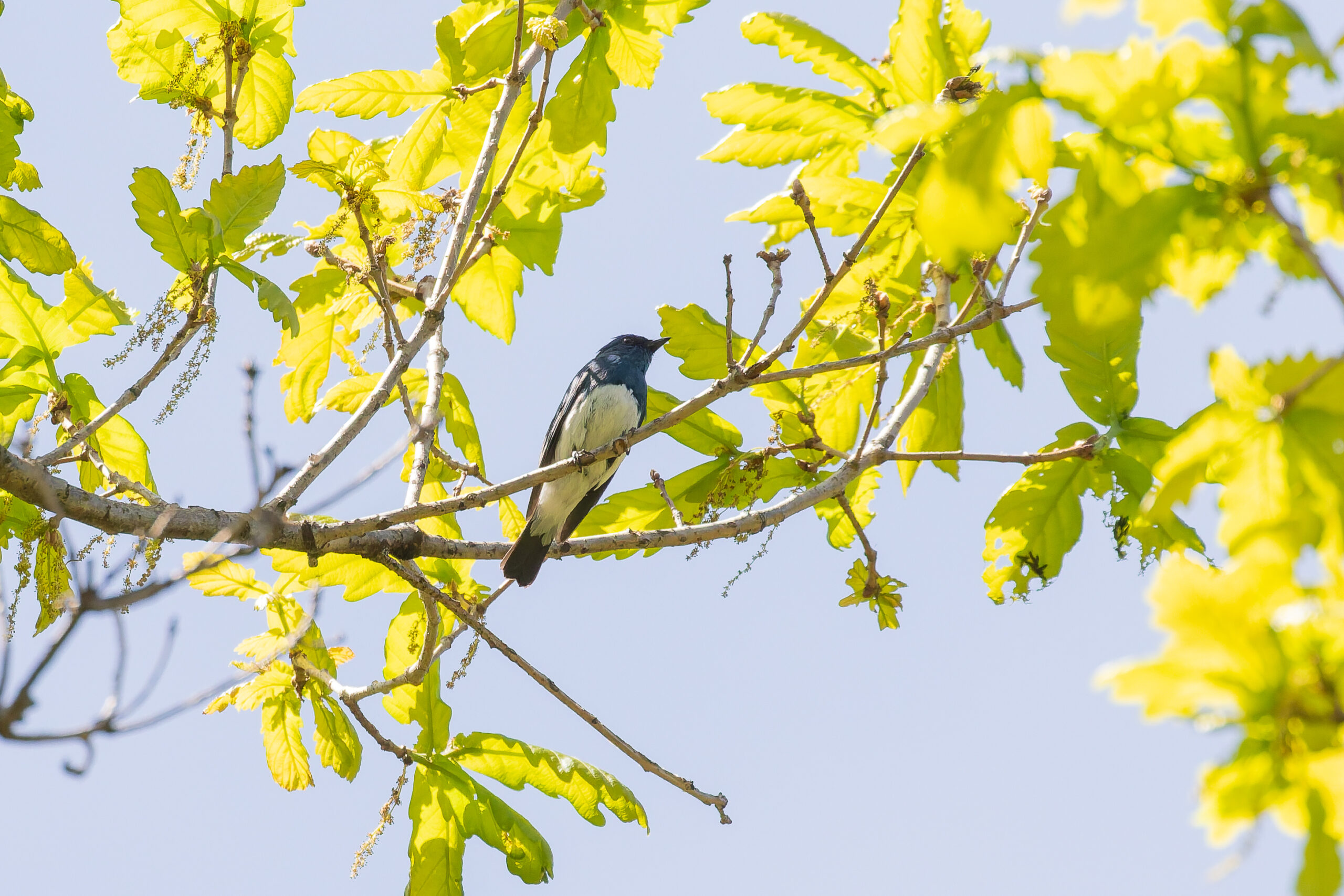
Zappey's Flycatcher (image by Diedert Koppenol)
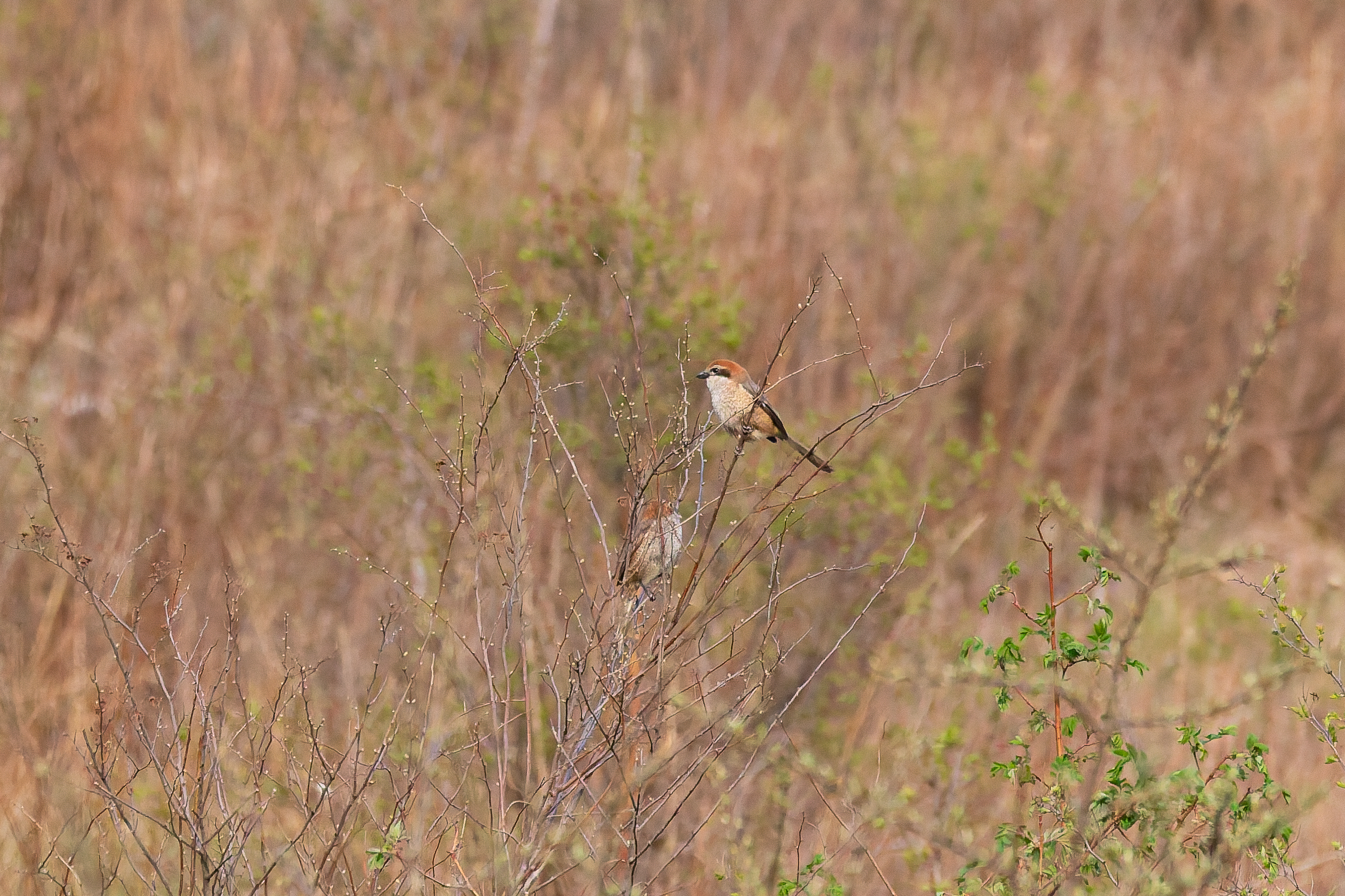
pair of Bull-headed Shrikes (image by Diedert Koppenol)
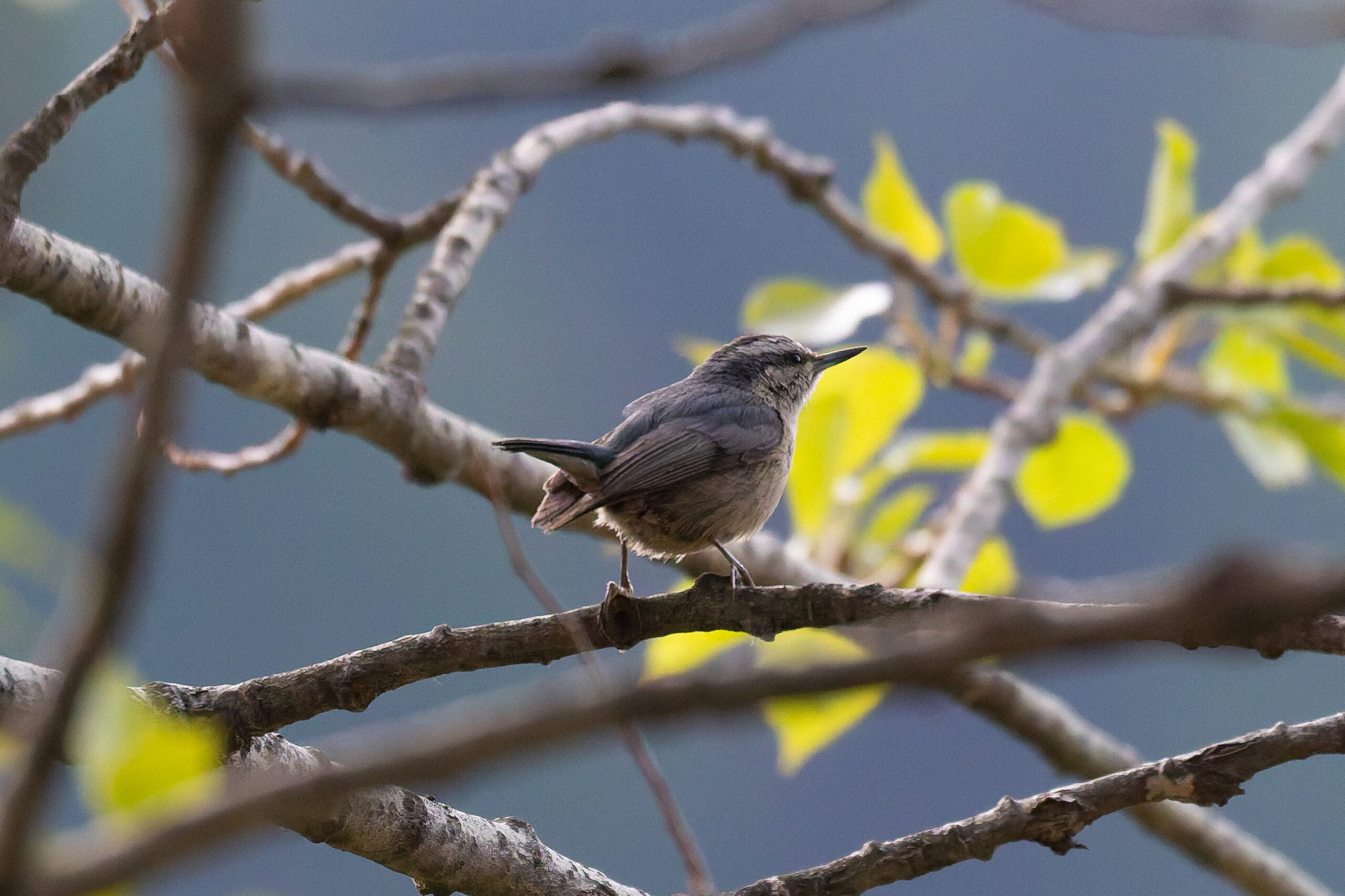
Chinese Nuthatch (image by Diedert Koppenol)
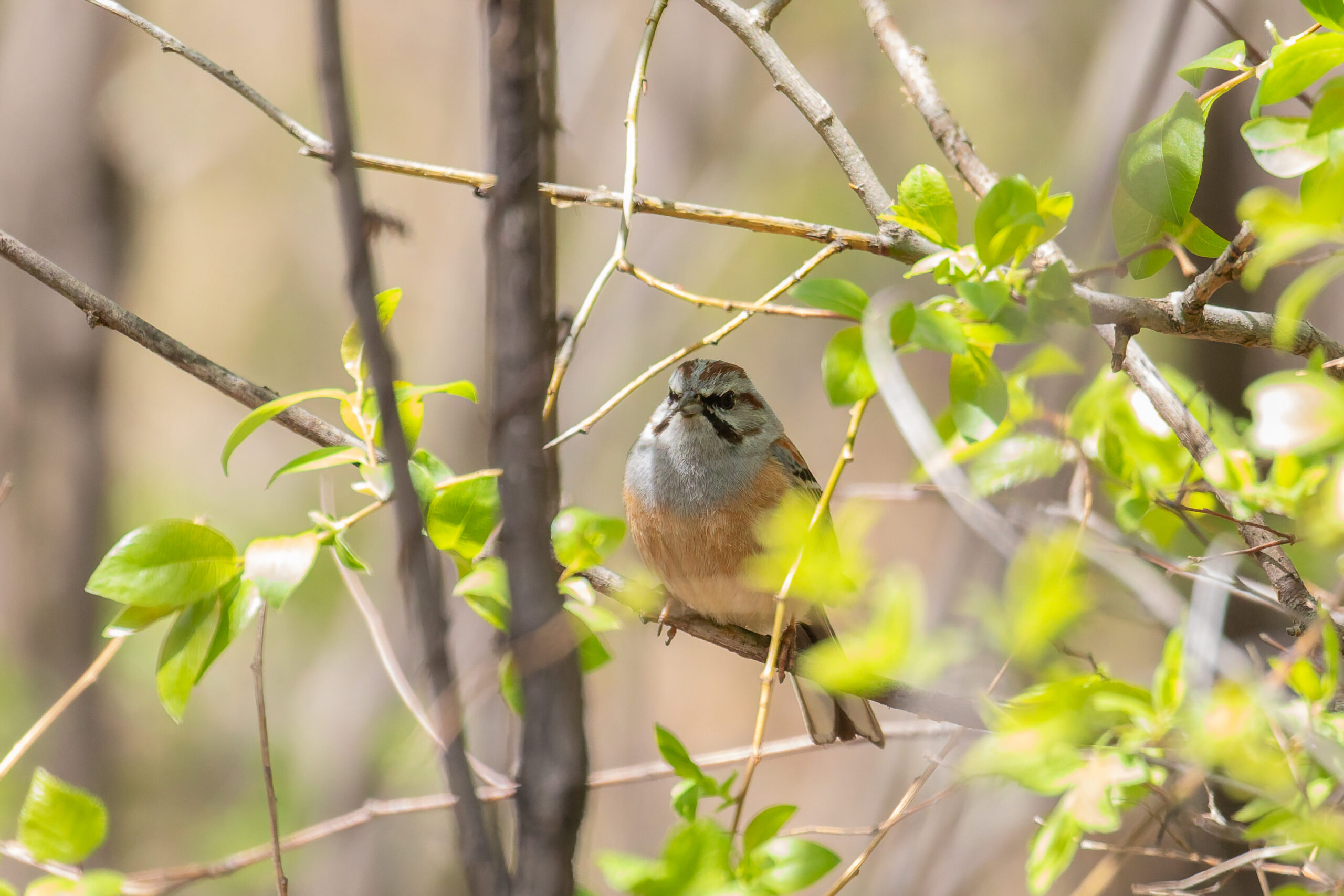
Godlewski's Bunting (image by Diedert Koppenol)
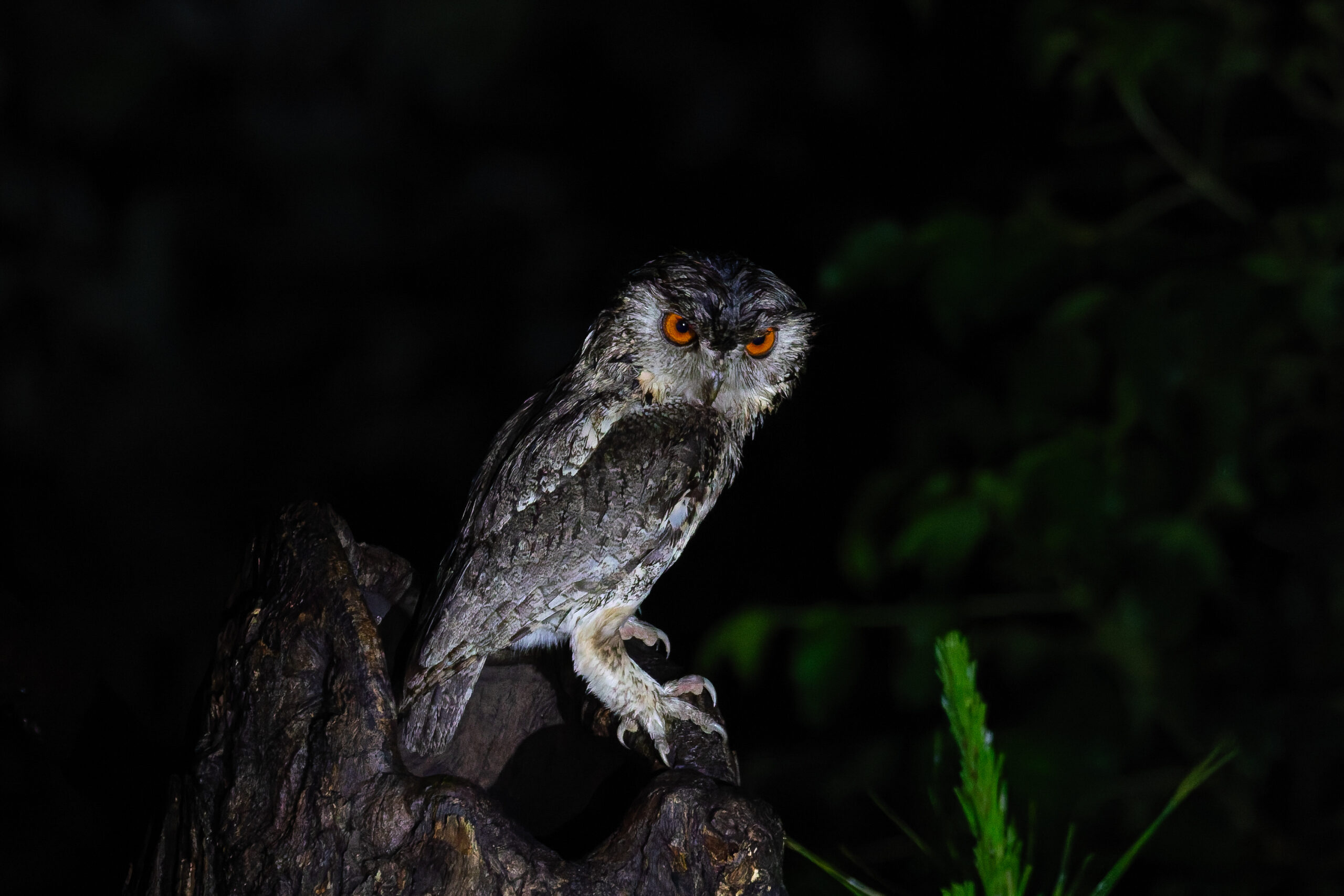
Japanese Scops Owl (image by Diedert Koppenol)
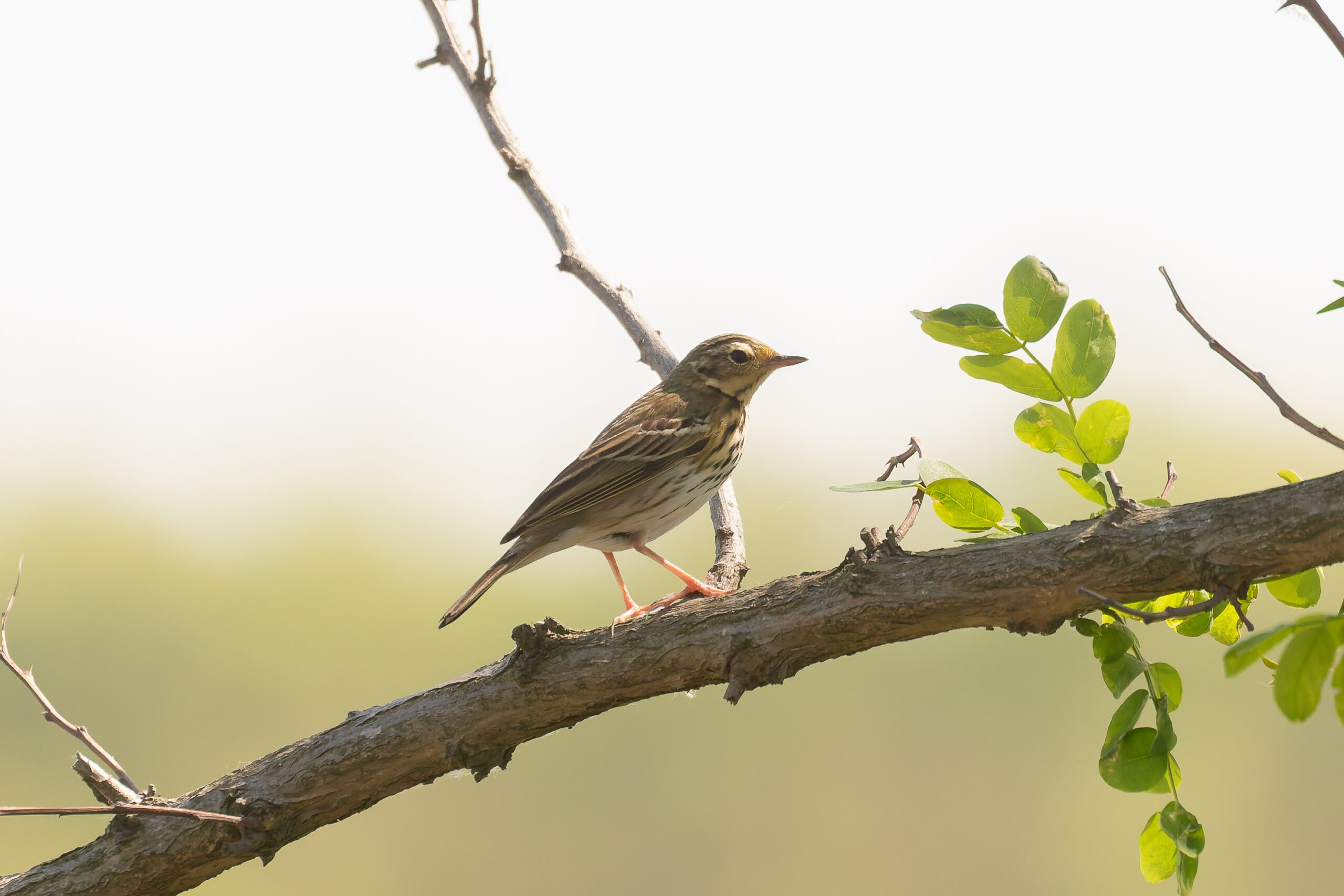
Olive-backed Pipit (image by Diedert Koppenol)
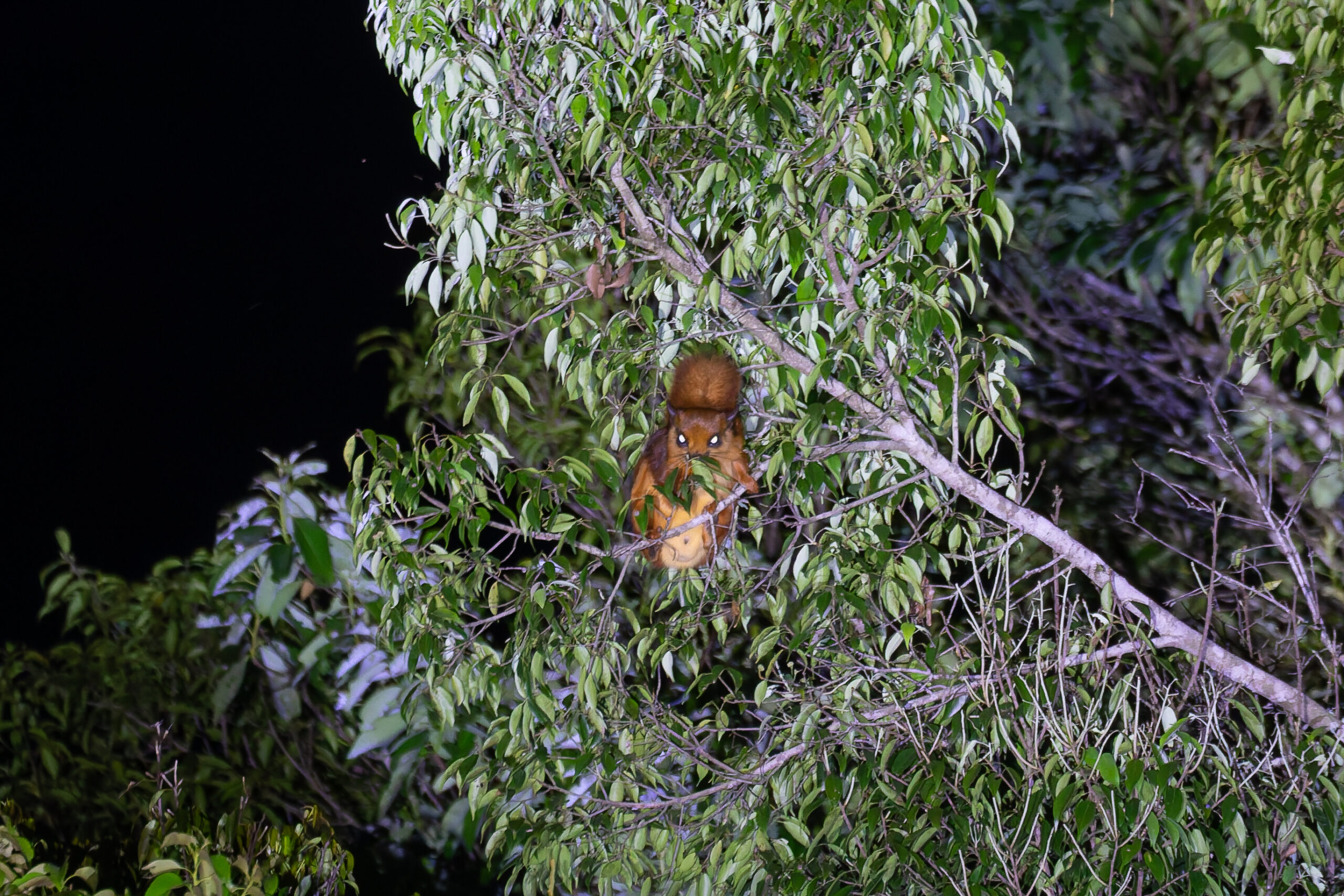
Red Giant Flying Squirrel (image by Diedert Koppenol)
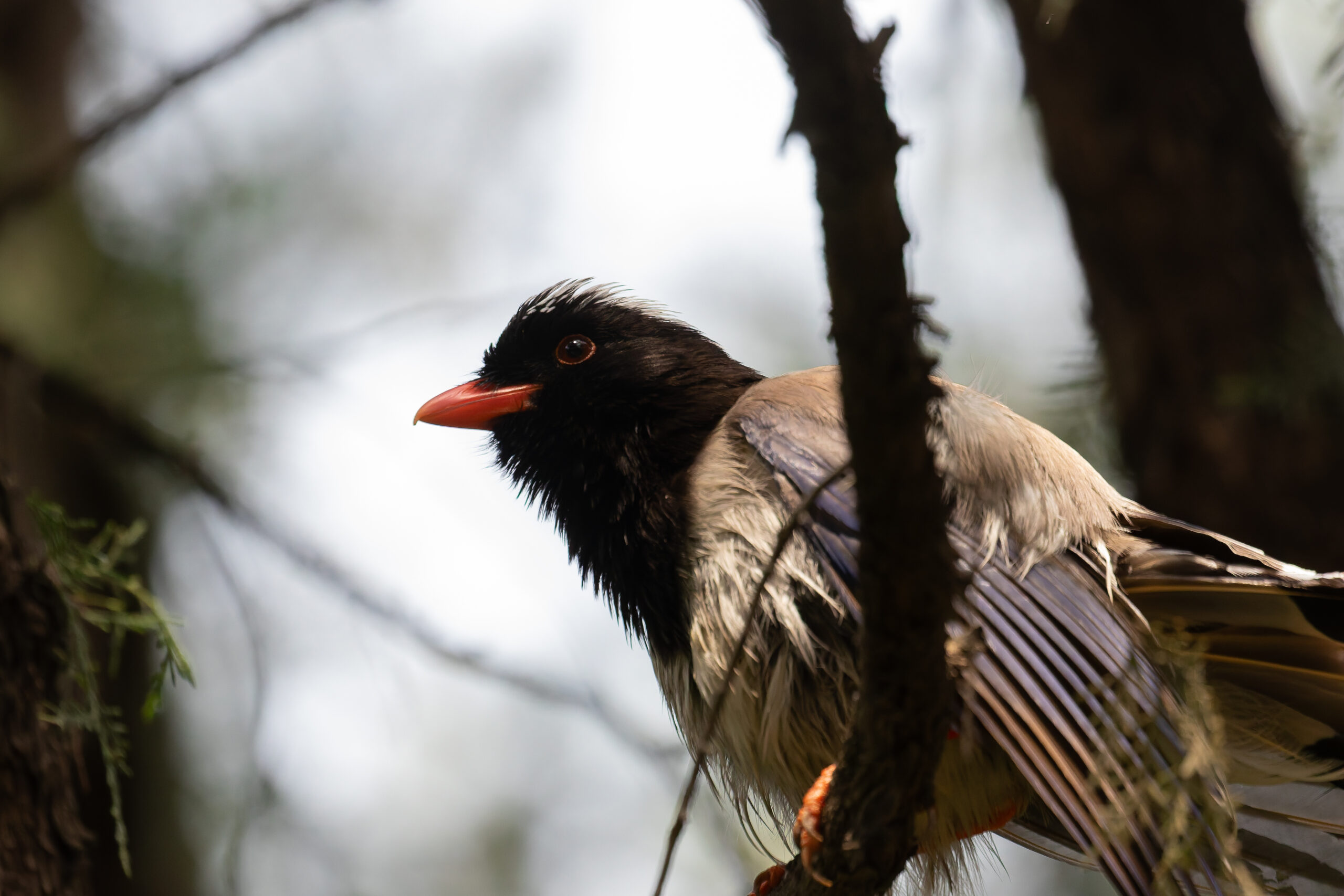
Red-billed Blue Magpie (image by Diedert Koppenol)
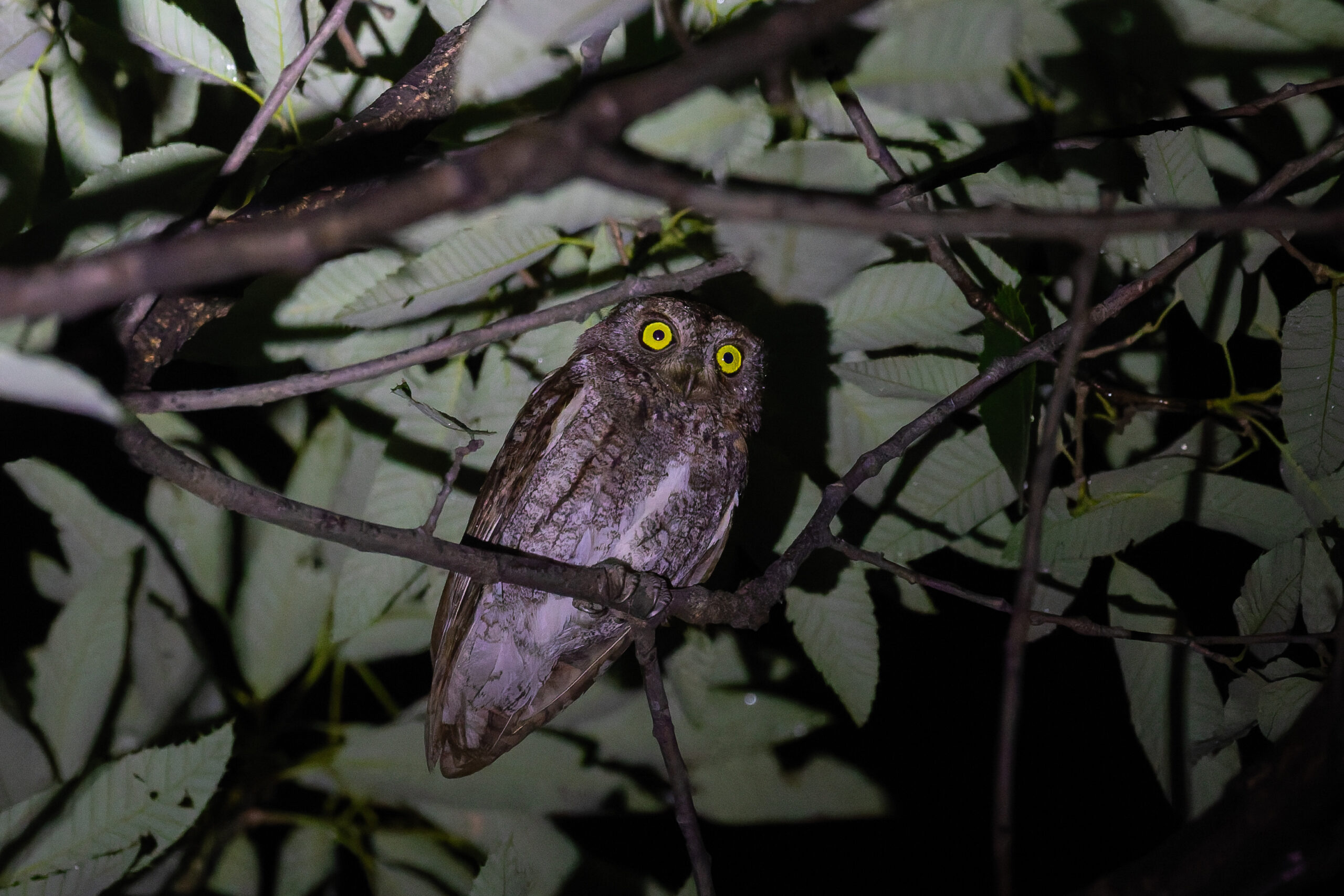
Oriental Scops Owl (image by Diedert Koppenol)
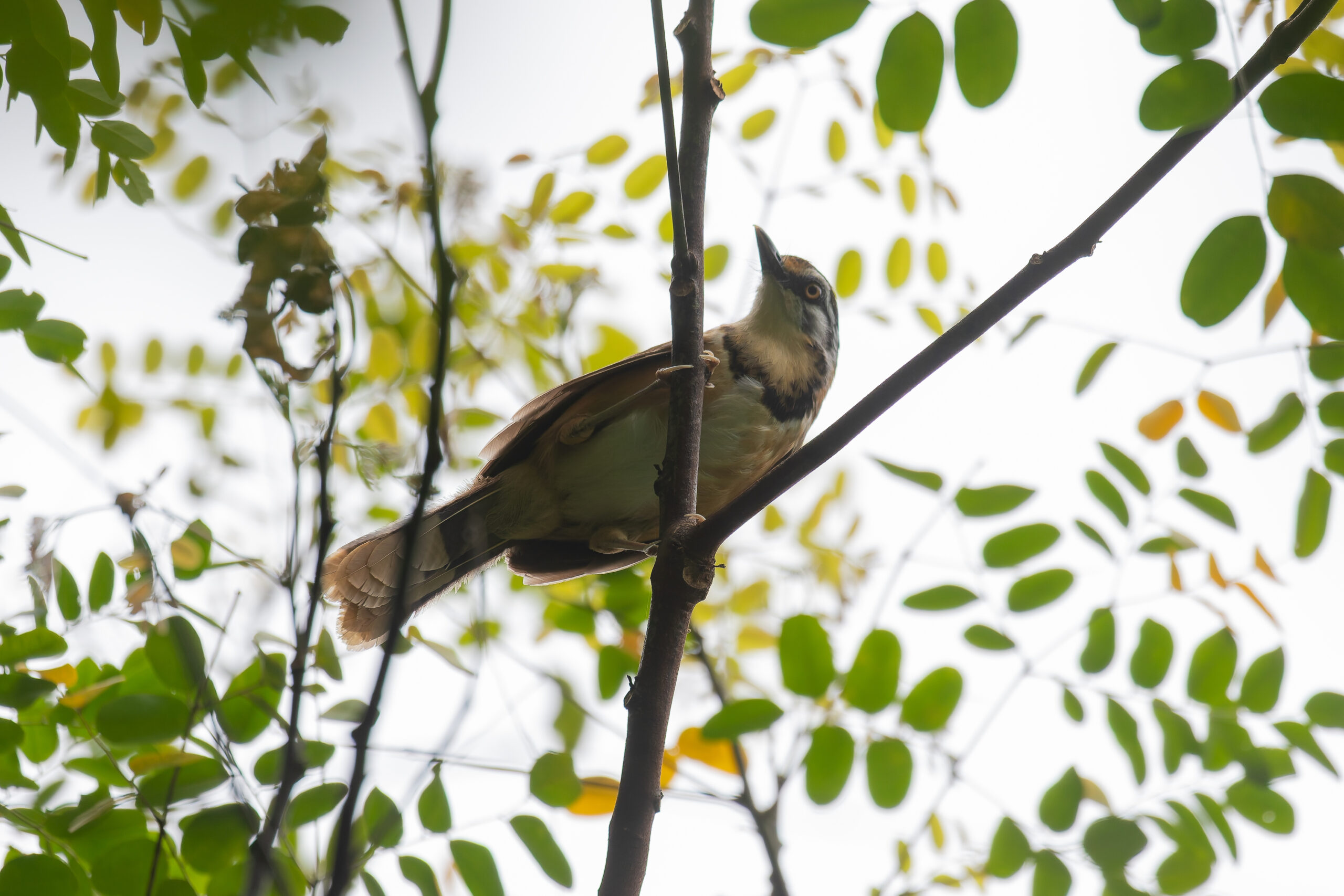
Lesser Necklaced Laughingthrush (image by Diedert Koppenol)
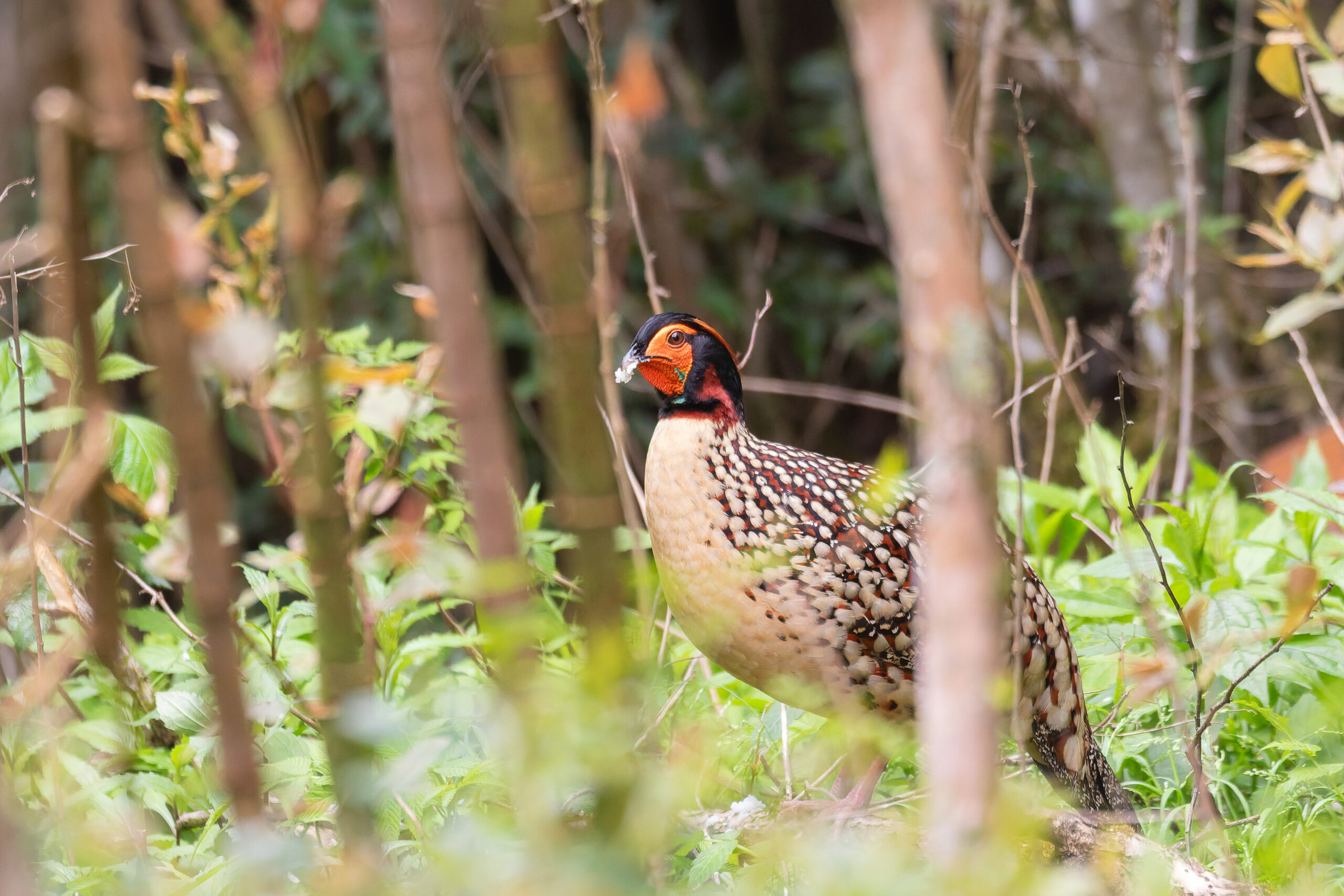
male Cabot's Tragopan (image by Diedert Koppenol)
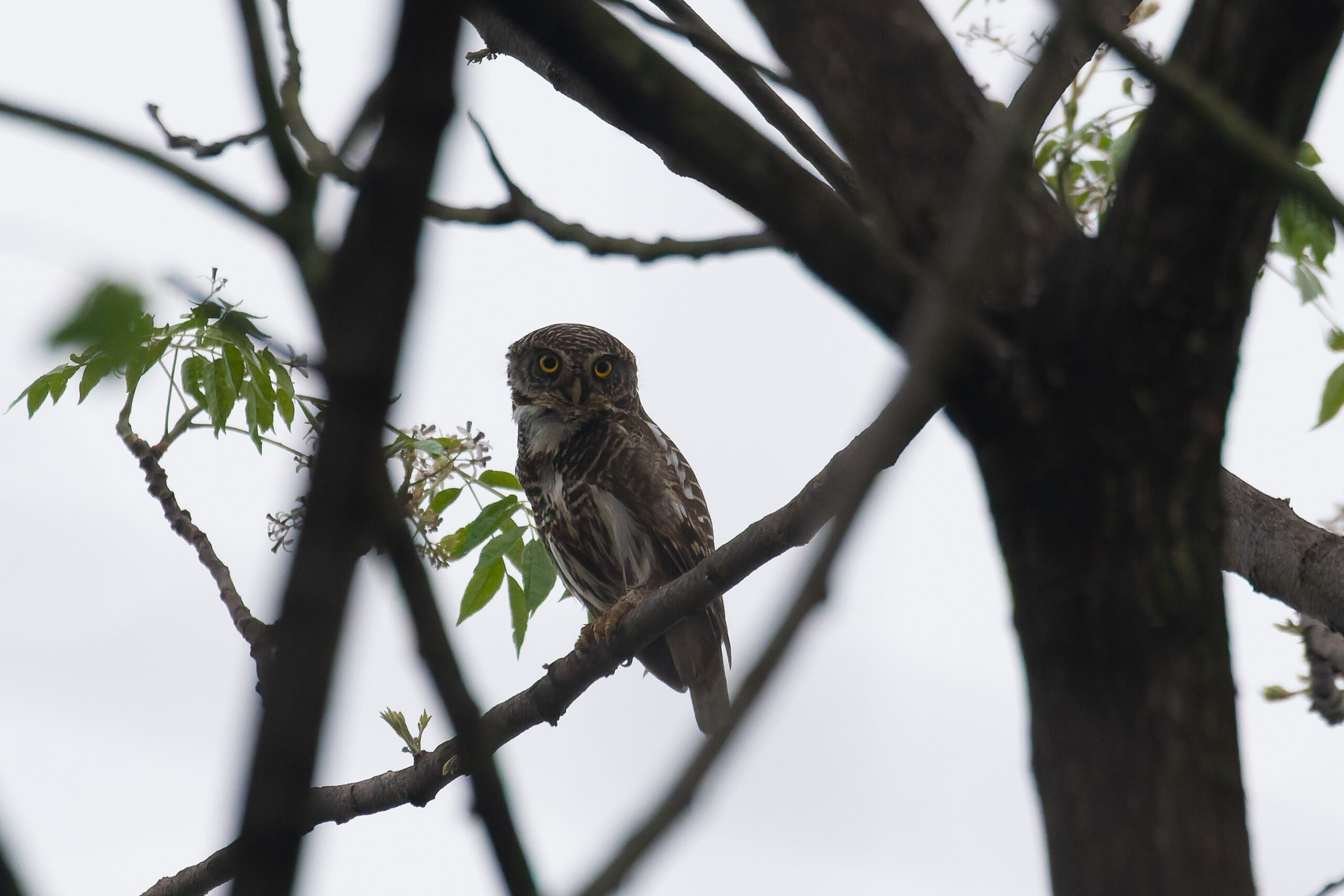
Asian Barred Owlet (image by Diedert Koppenol)
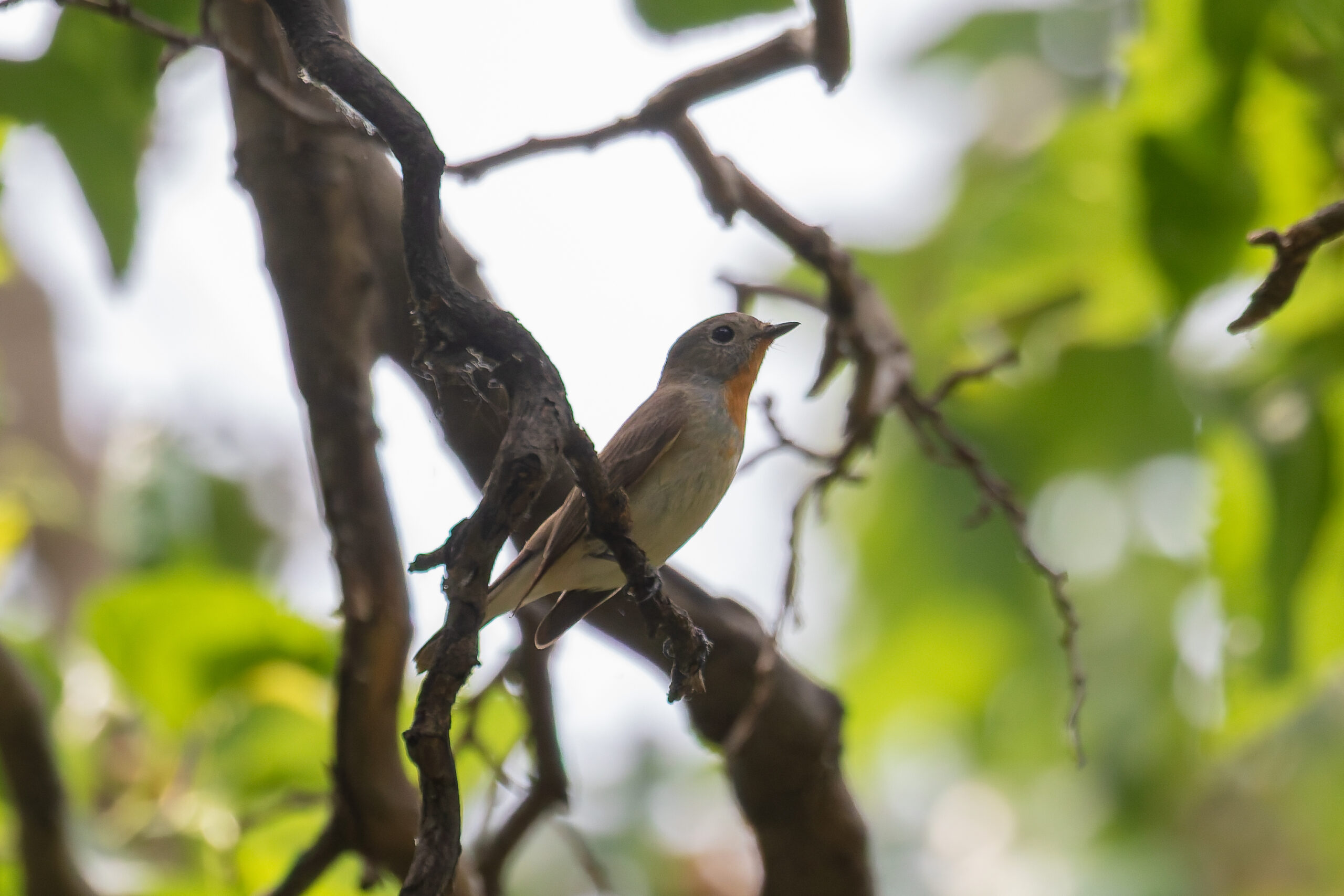
Taiga Flycatcher (image by Diedert Koppenol)
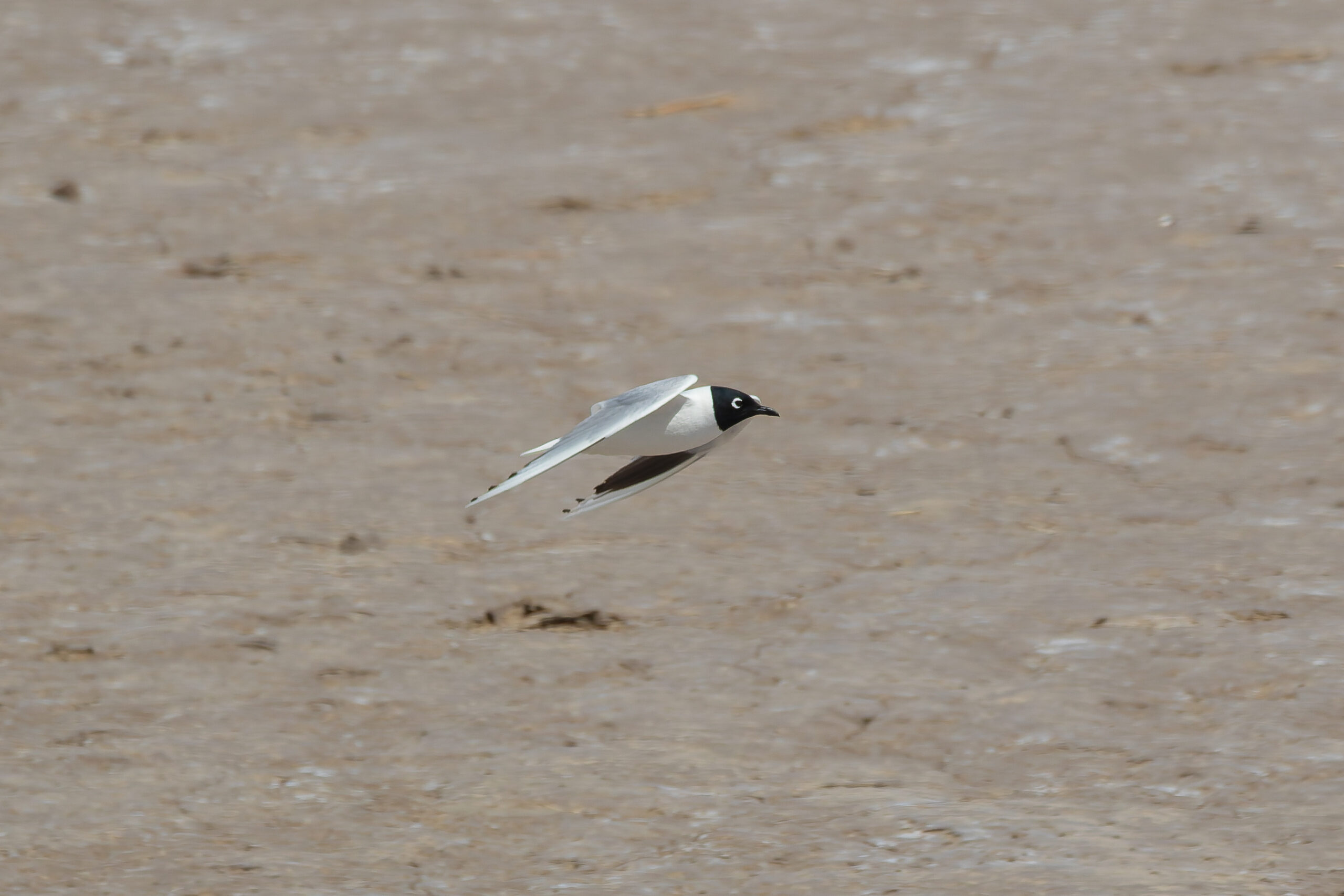
Saunders's Gull (image by Diedert Koppenol)
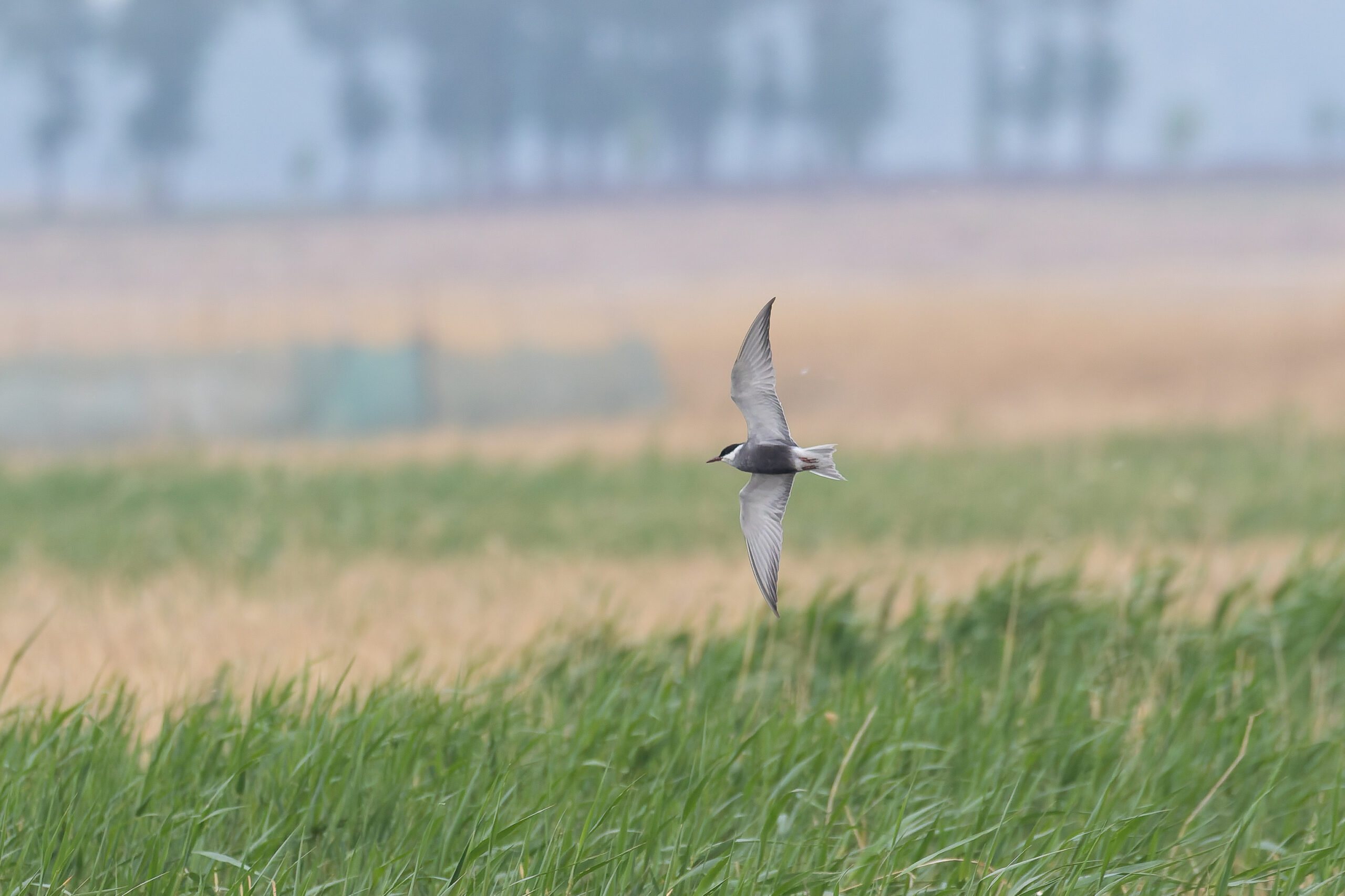
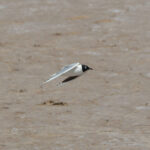
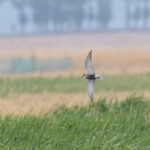
Whiskered Tern (image by Diedert Koppenol)
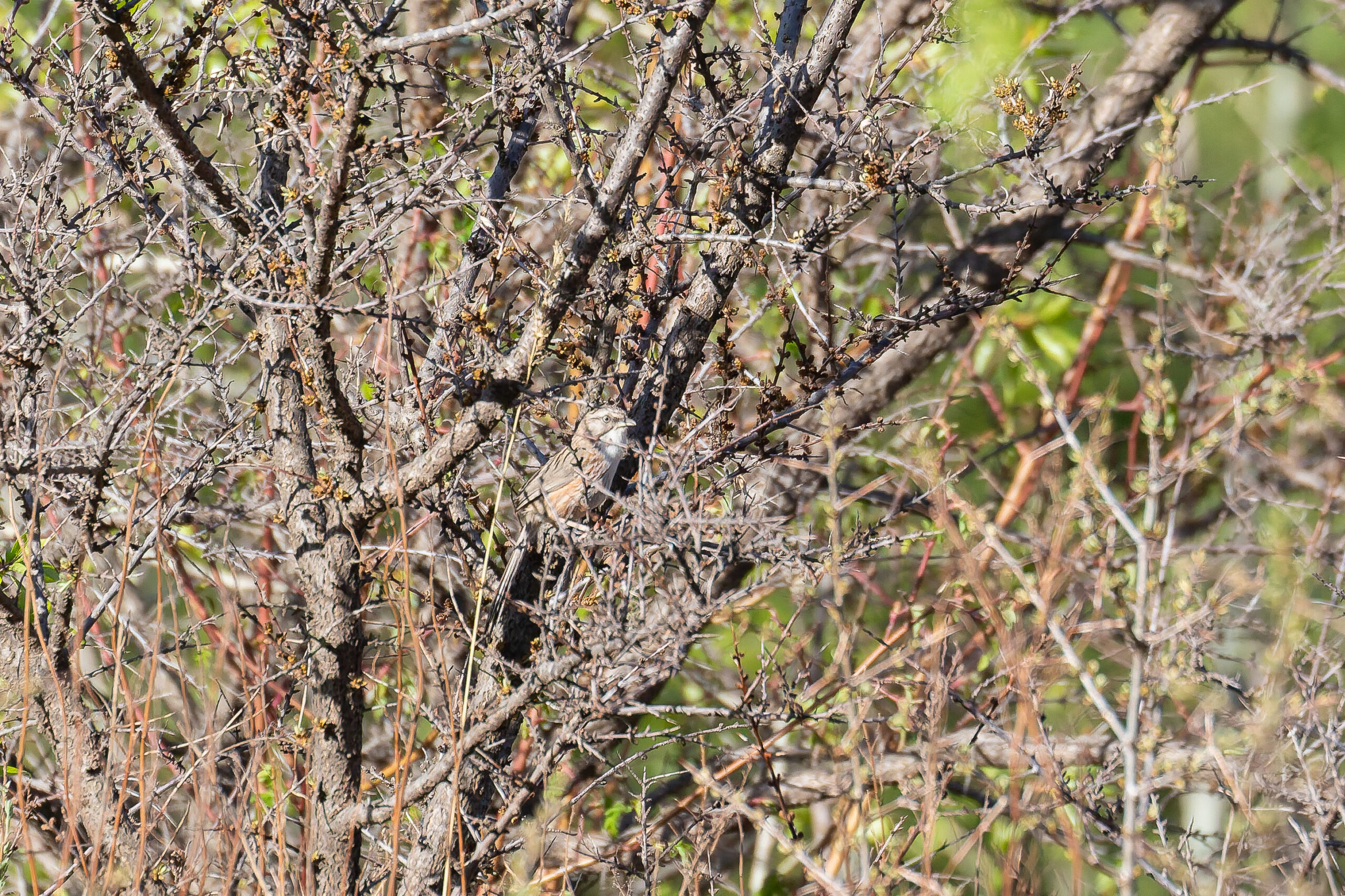
Beijing Babbler (image by Diedert Koppenol)
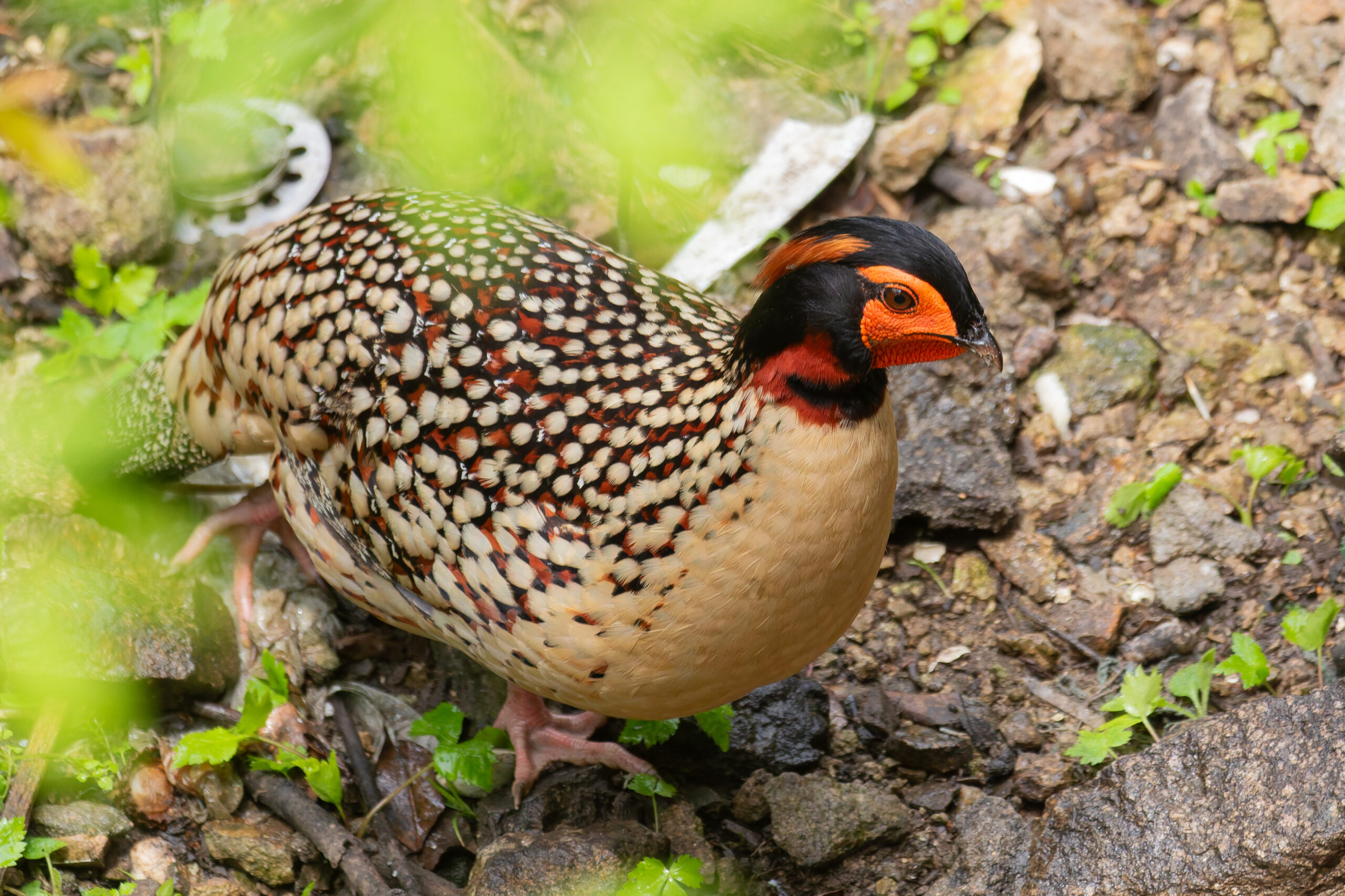
male Cabot's Tragopan (image by Diedert Koppenol)
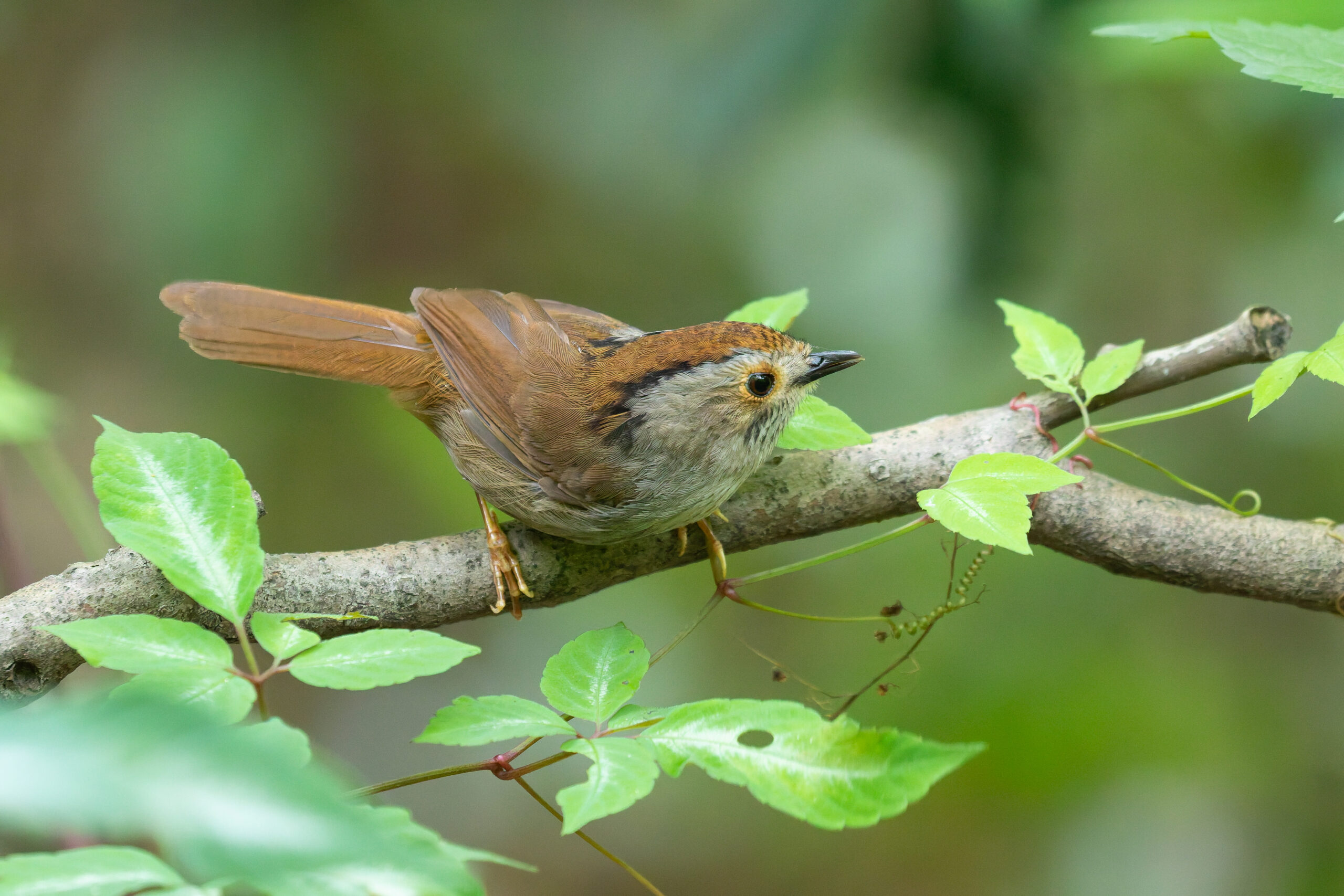
Dusky Fulvetta (image by Diedert Koppenol)
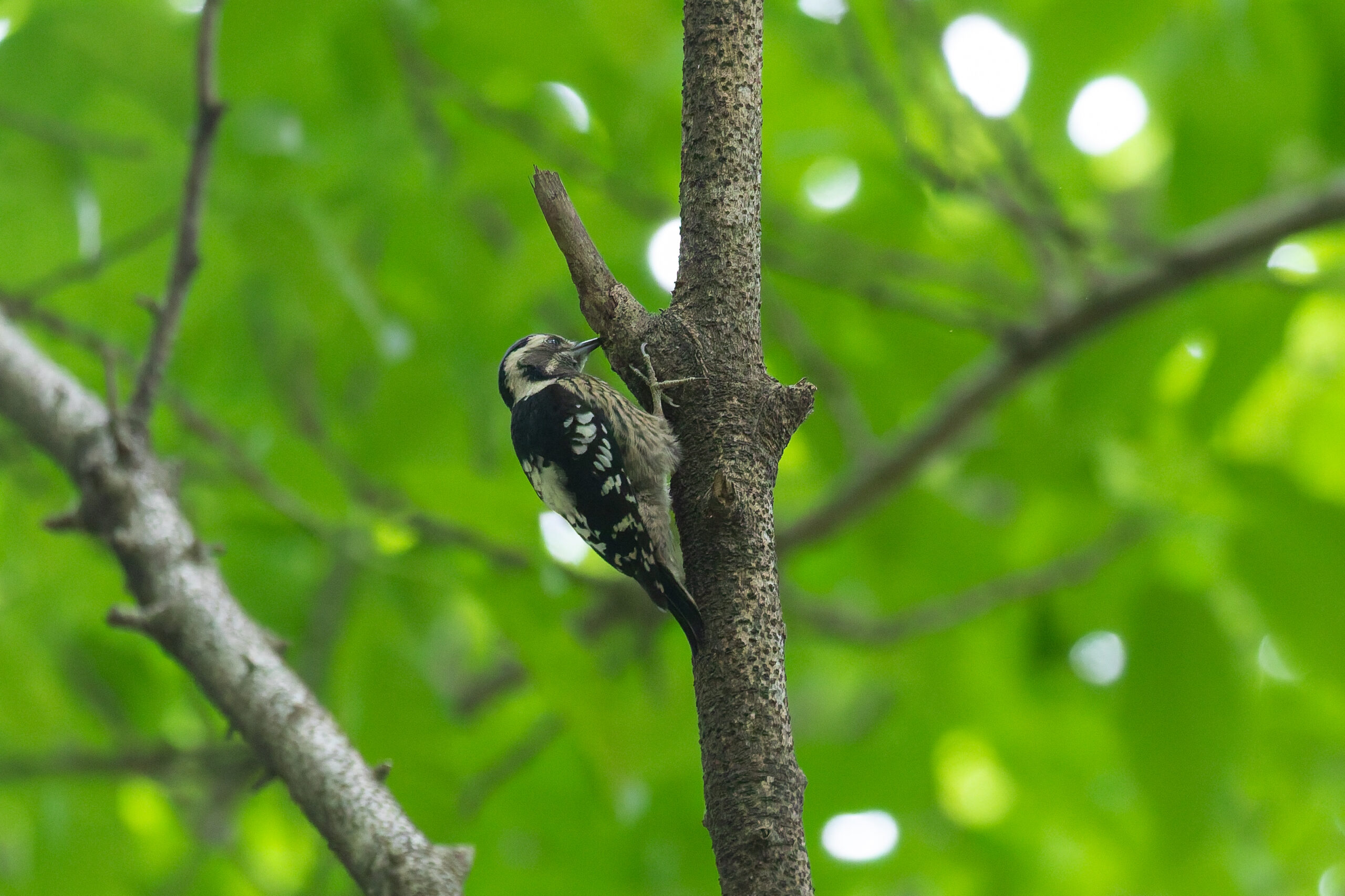
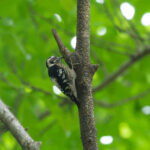
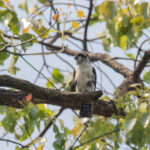
Grey-capped Pygmy Woodpecker (image by Diedert Koppenol)
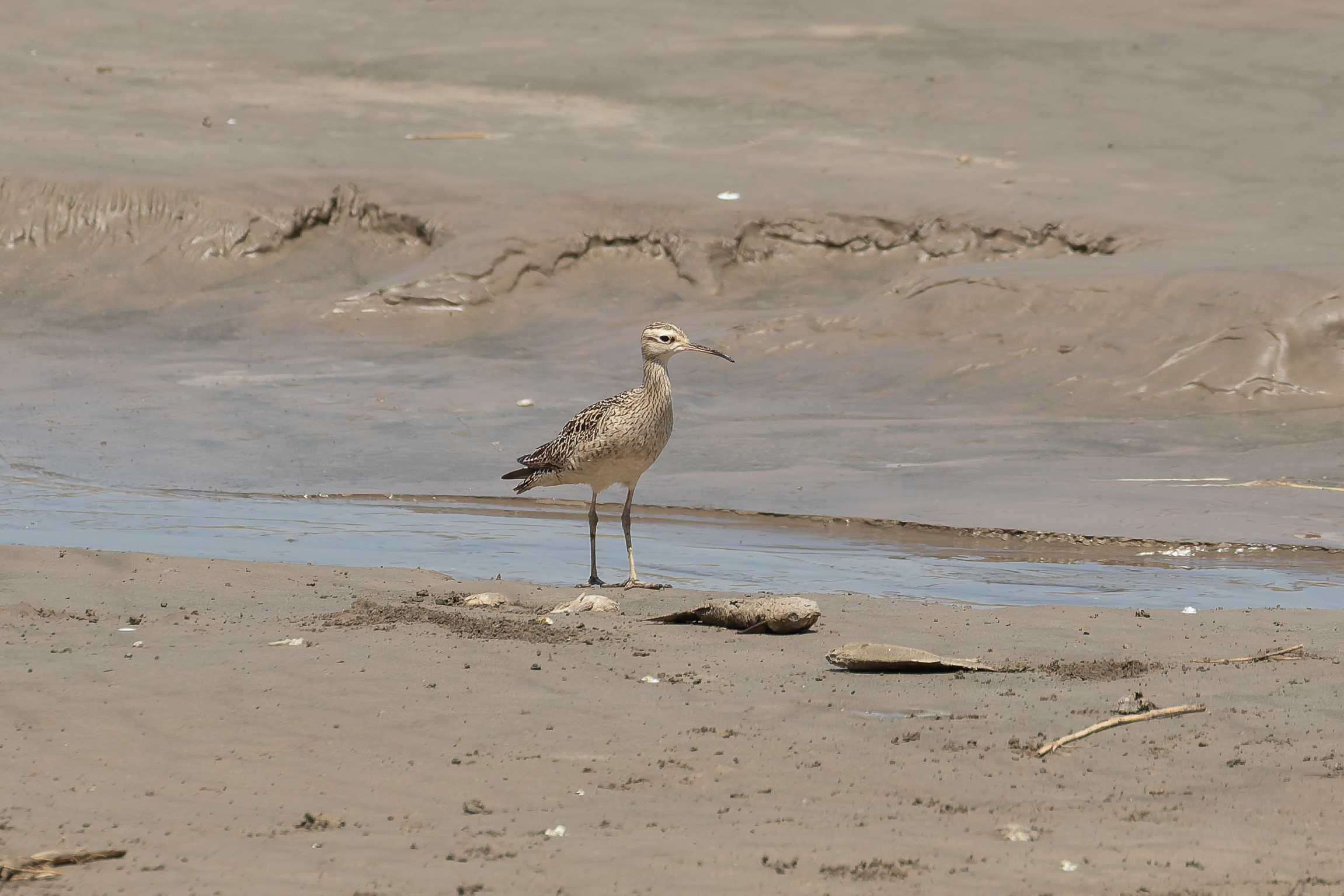
Little Curlew (image by Diedert Koppenol)
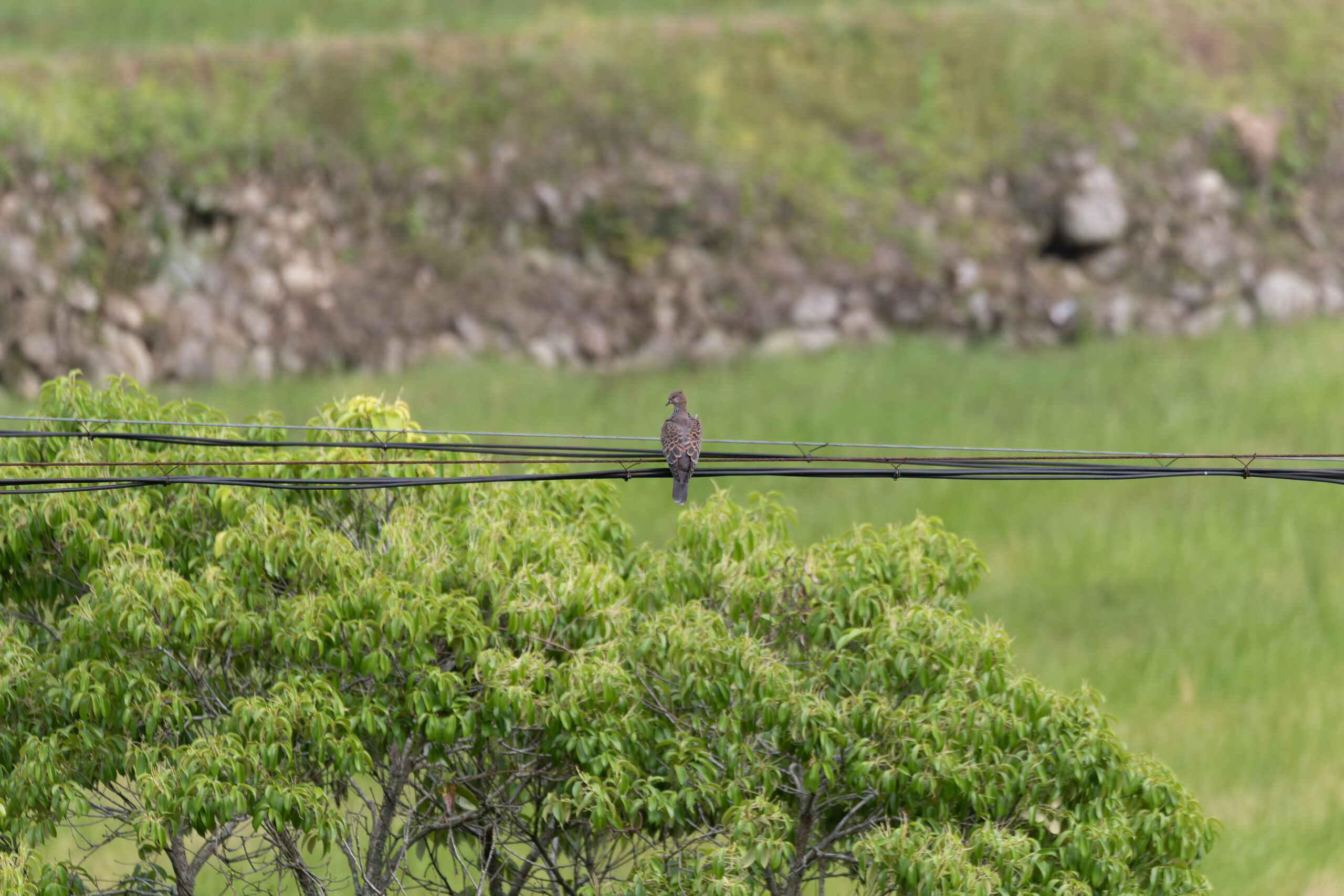
(image by Diedert Koppenol)
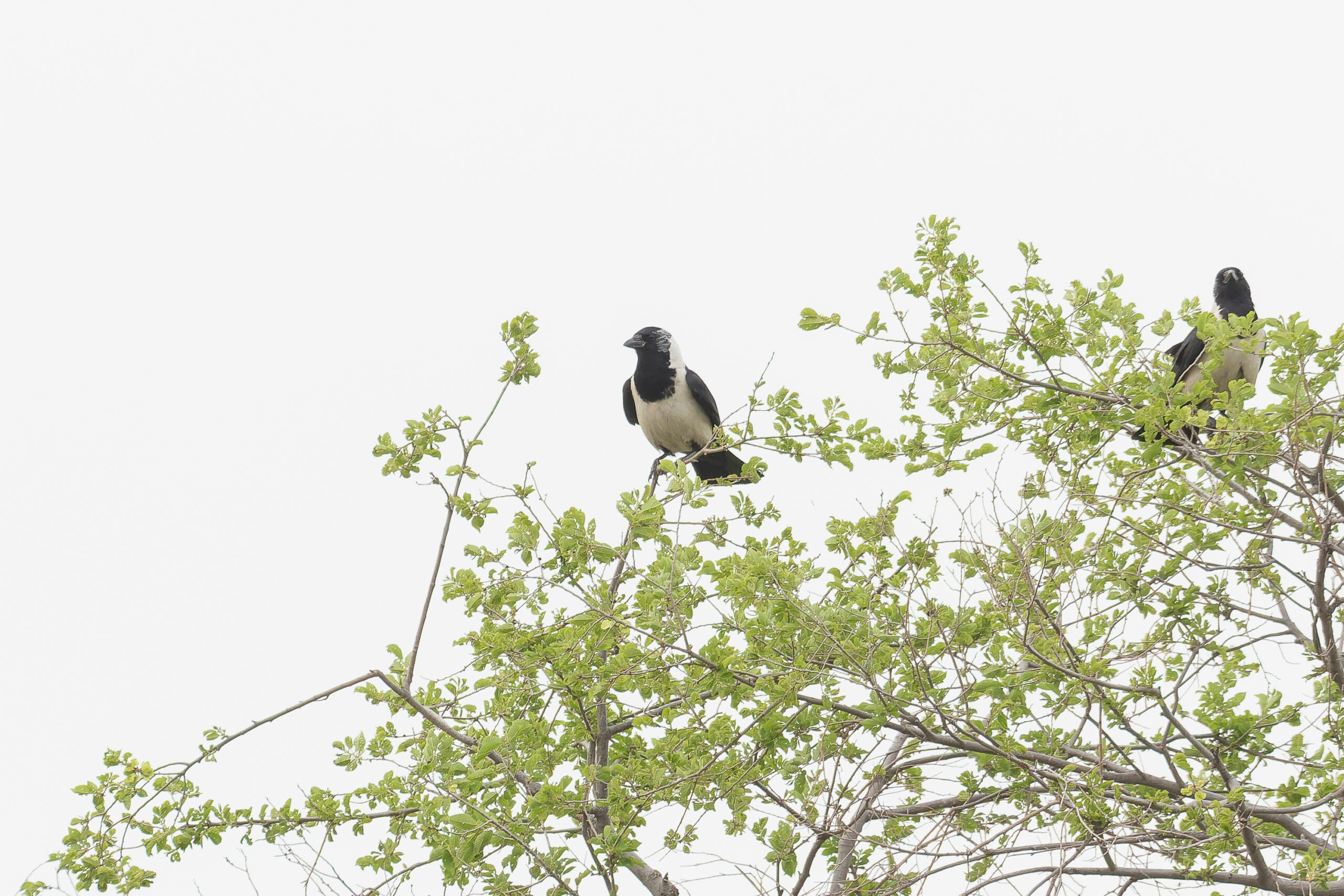
Daurian Jackdaws (image by Diedert Koppenol)
(image by Diedert Koppenol)
Long-tailed Minivet (image by Diedert Koppenol)
Jankowski's Bunting (image by Diedert Koppenol)
Fork-tailed Sunbird (image by Diedert Koppenol)
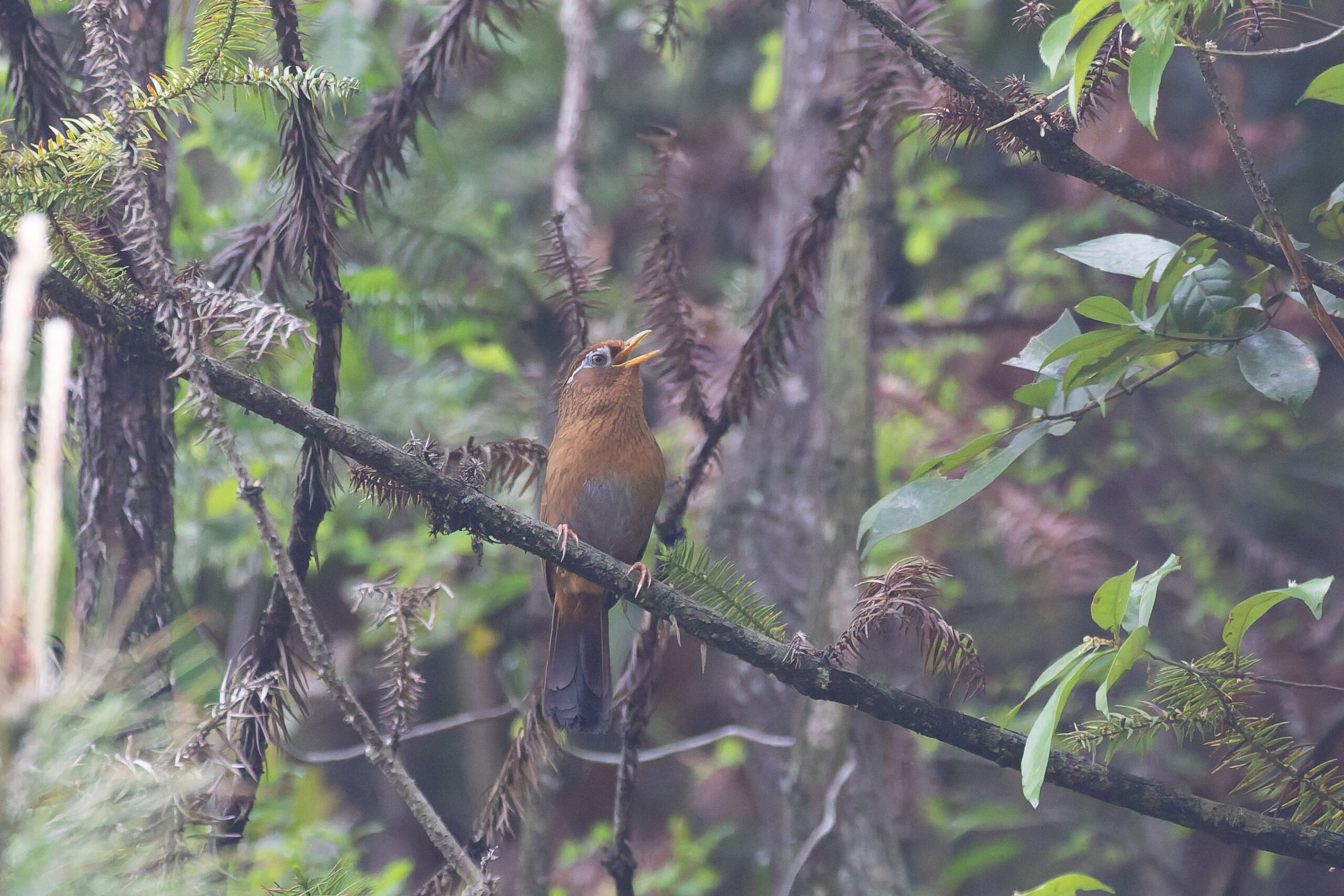
Chinese Hwamei (image by Diedert Koppenol)
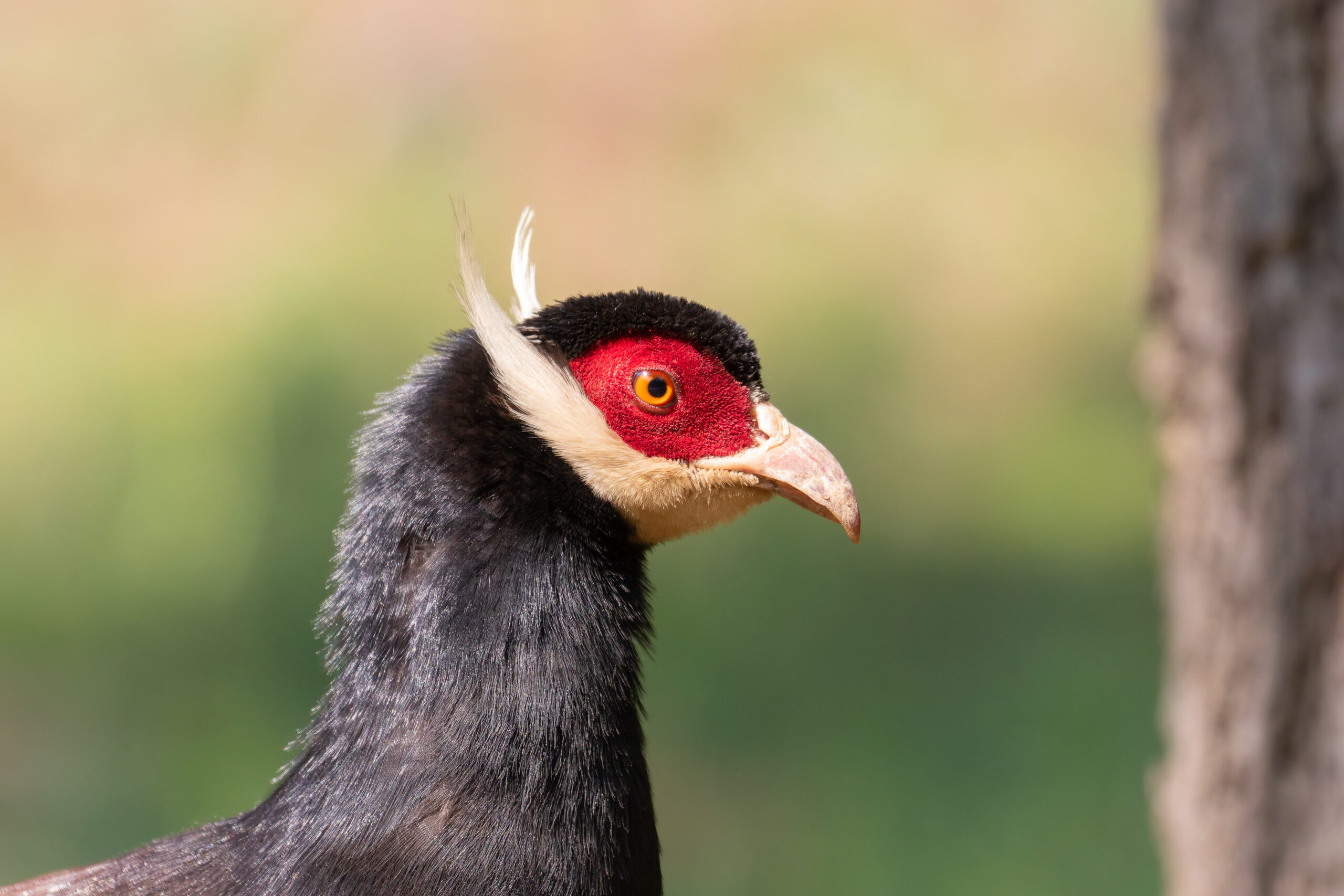
Brown Eared Pheasant (image by Diedert Koppenol)
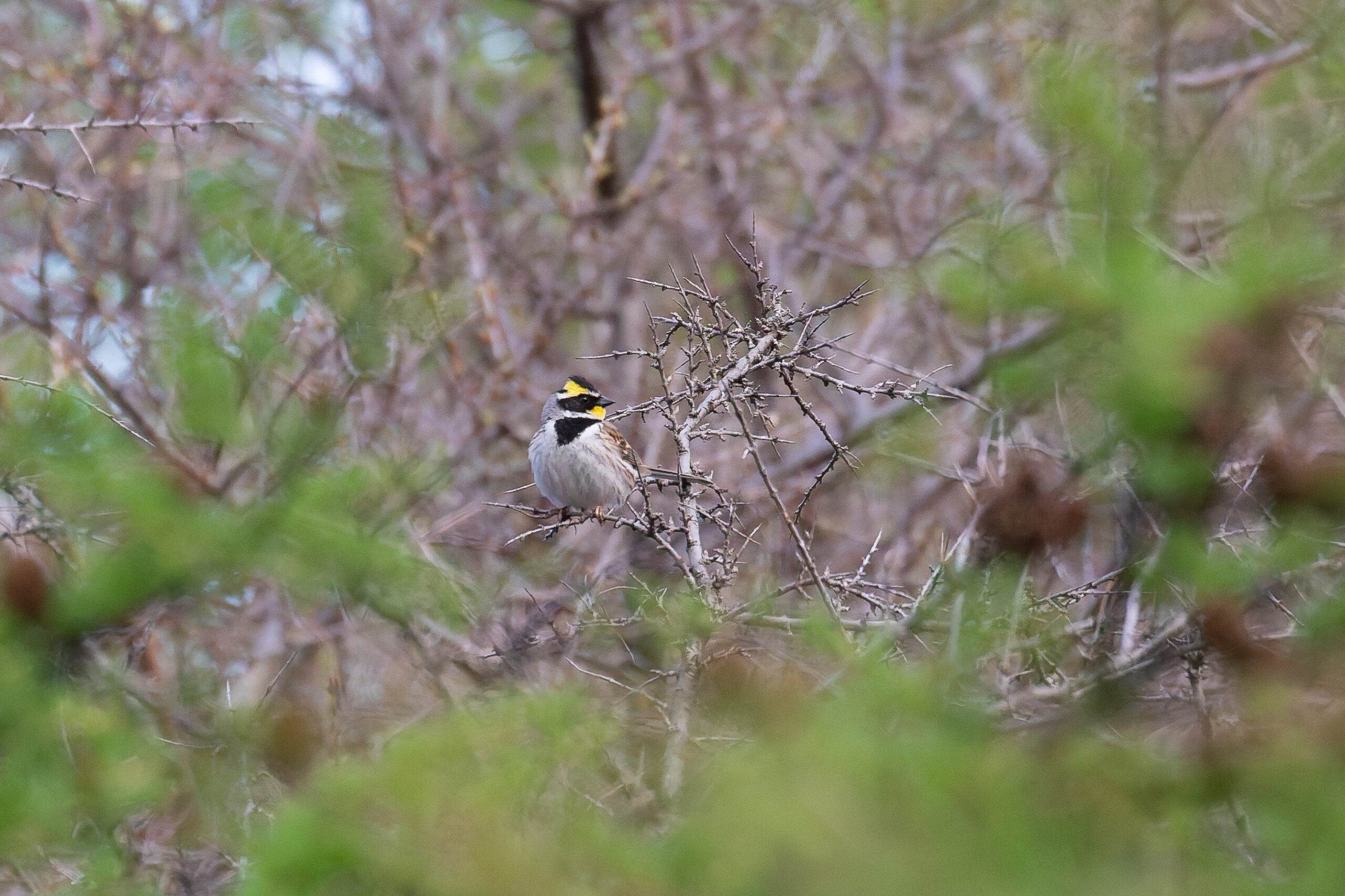
Yellow-throated Bunting (image by Diedert Koppenol)
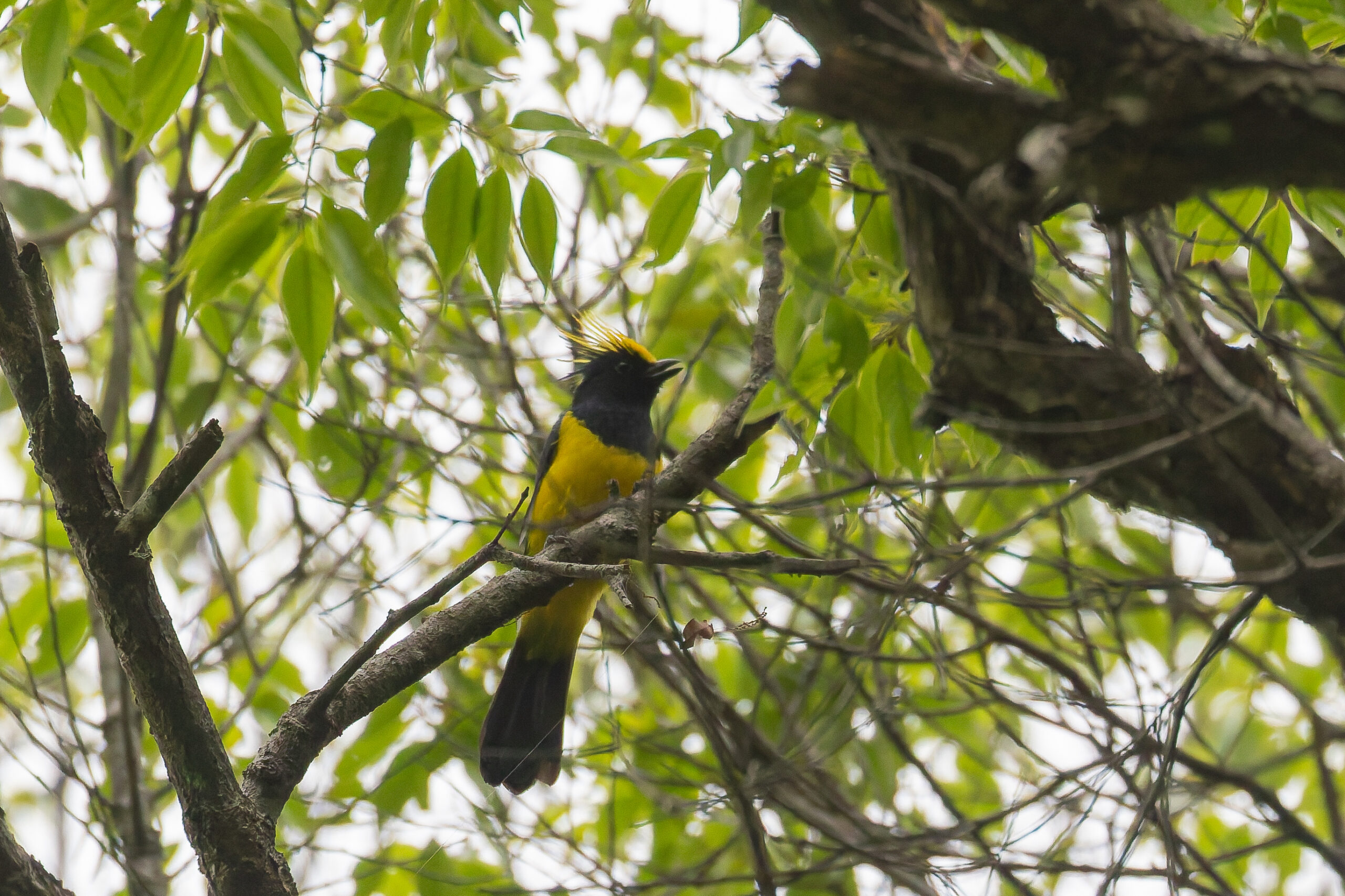
Sultan Tit (image by Diedert Koppenol)
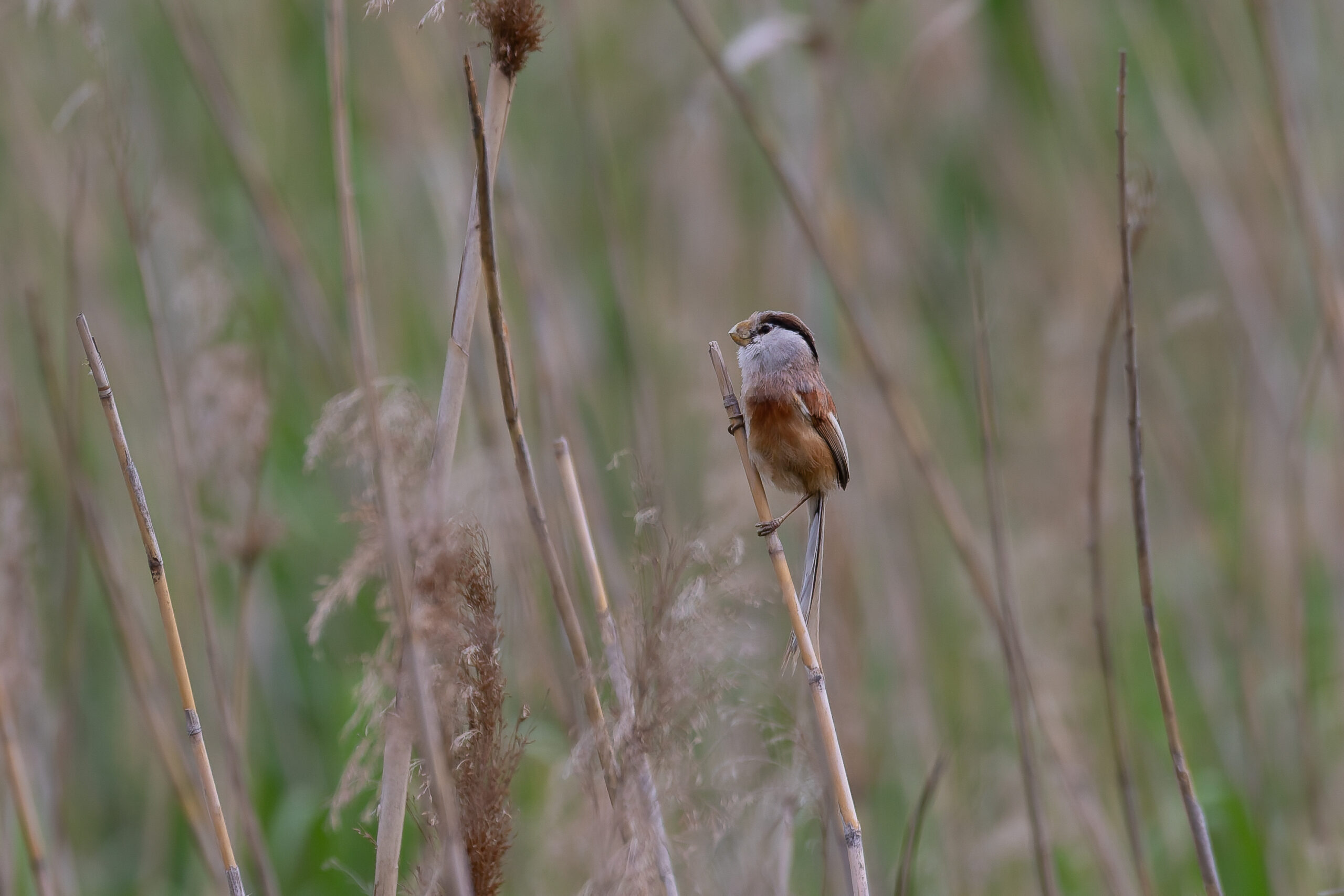
Reed Parrotbill (image by Diedert Koppenol)
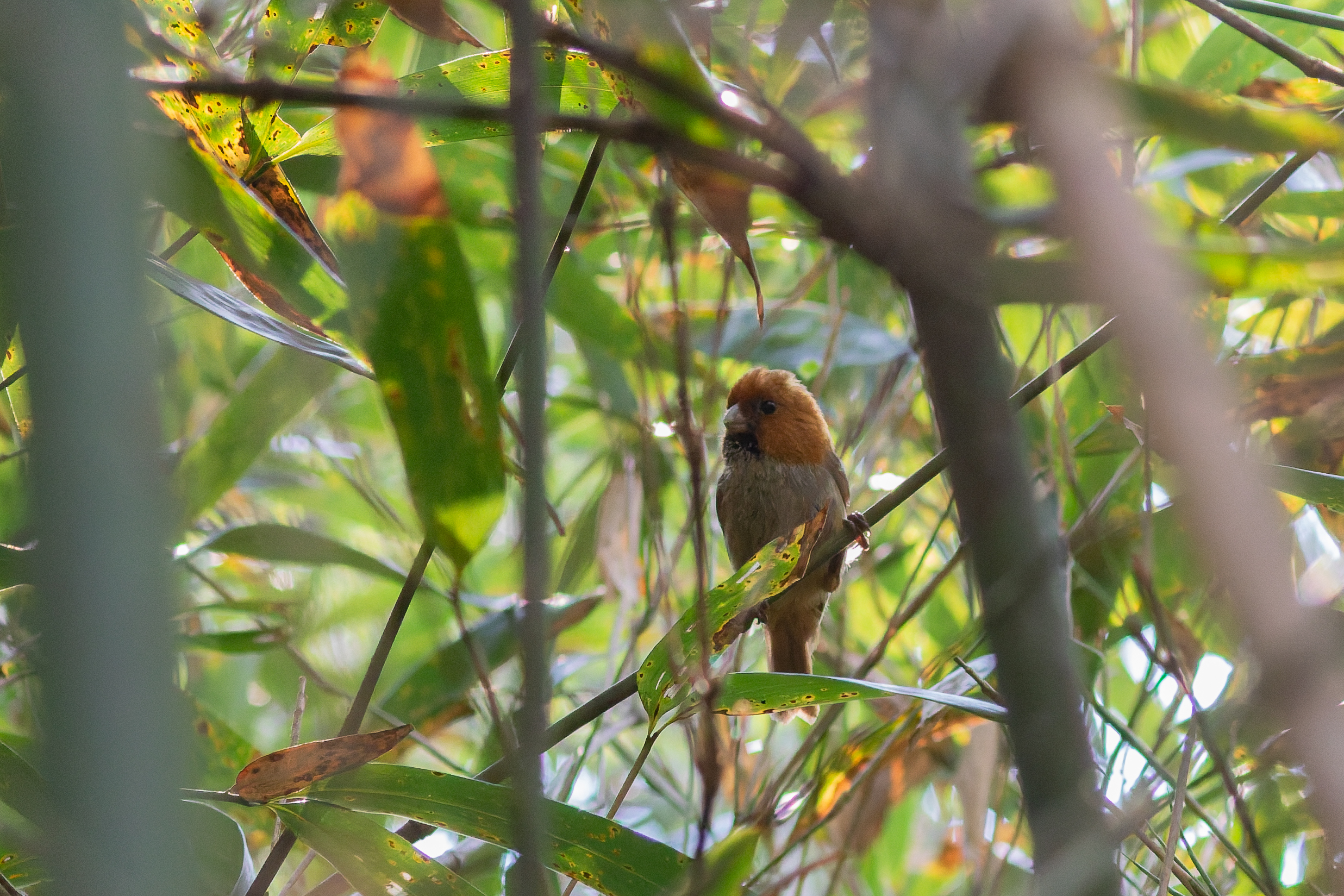
Short-tailed Parrotbill (image by Diedert Koppenol)
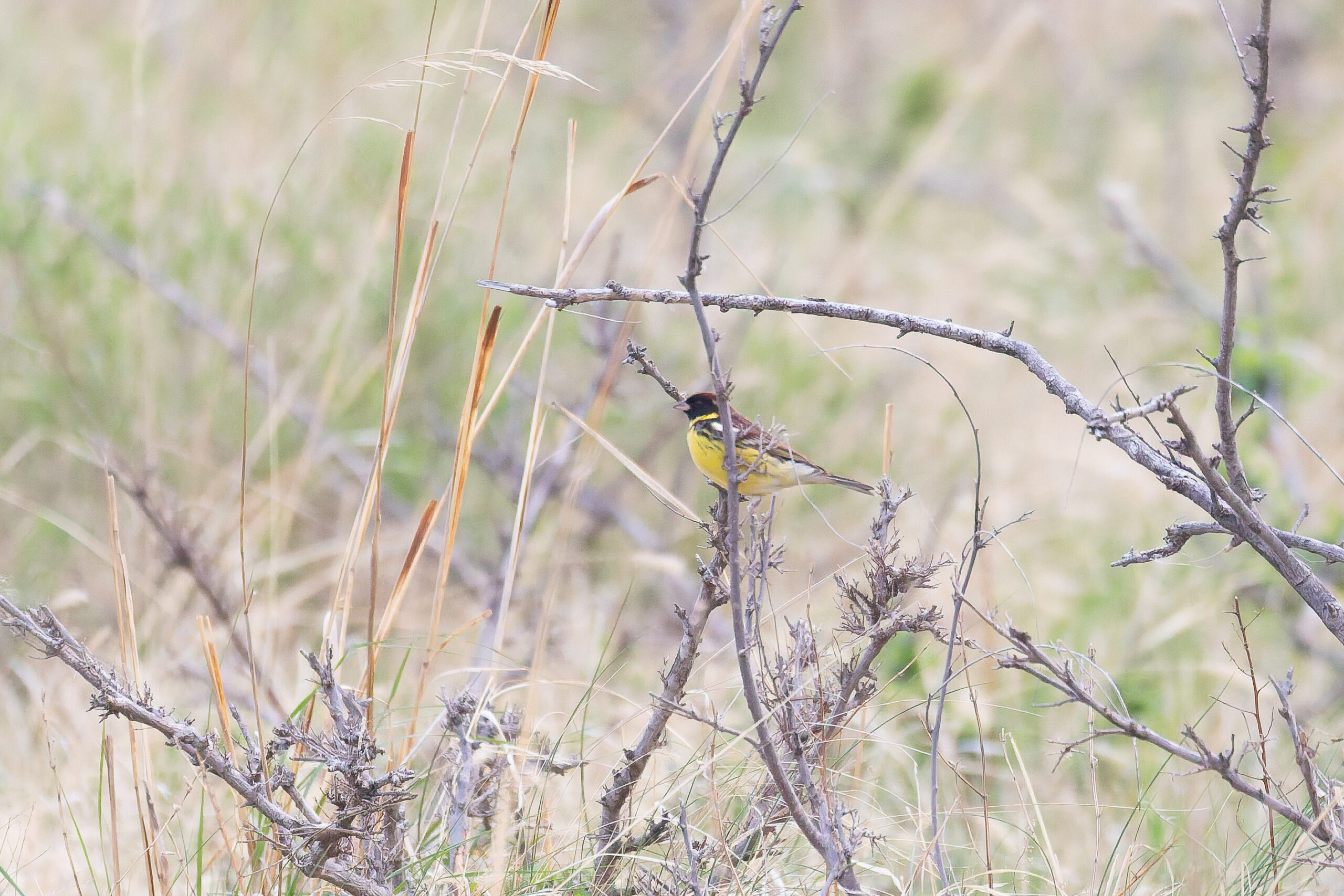
Yellow-breasted Bunting (image by Diedert Koppenol)
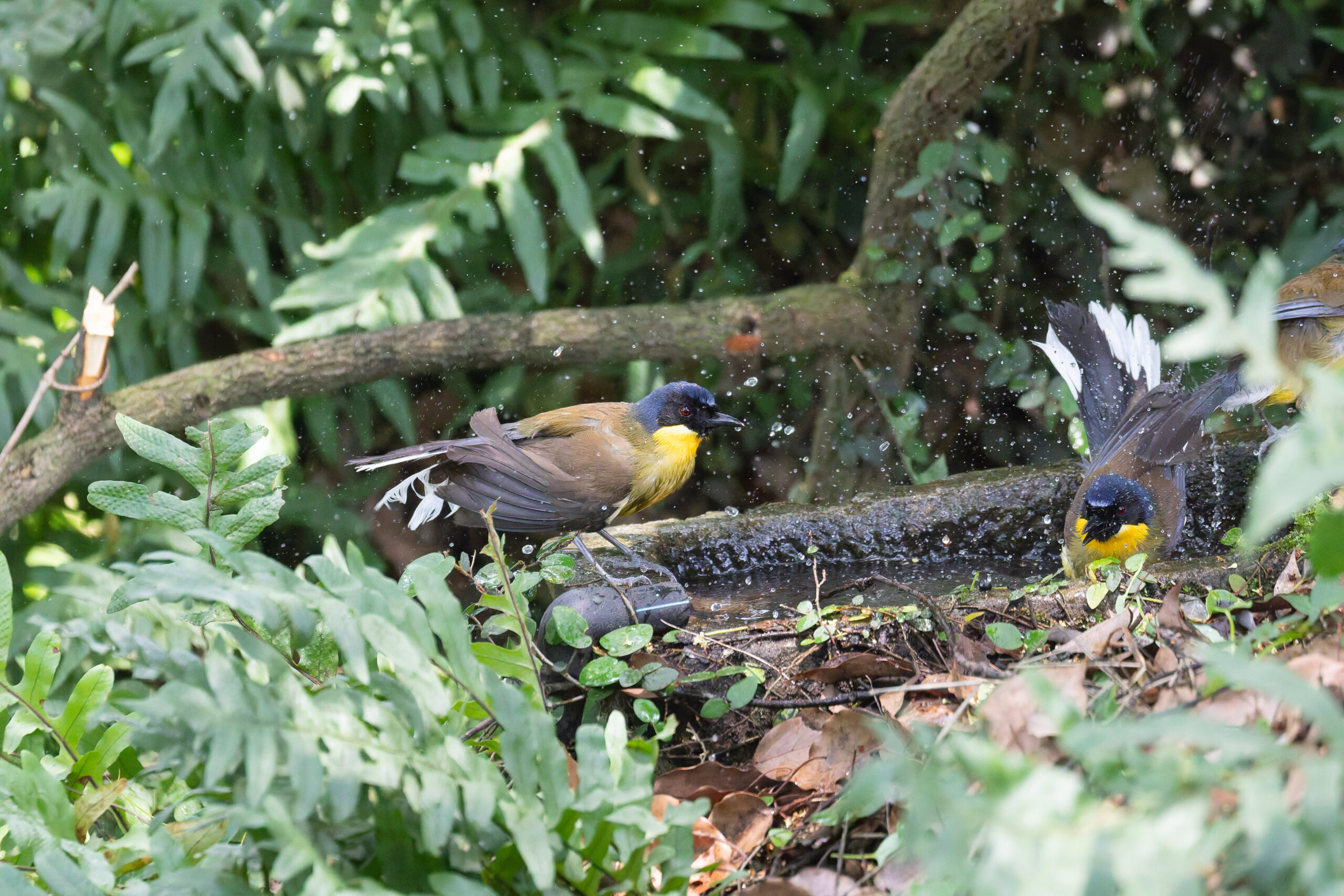
Blue-crowned Laughingthrushes (image by Diedert Koppenol)
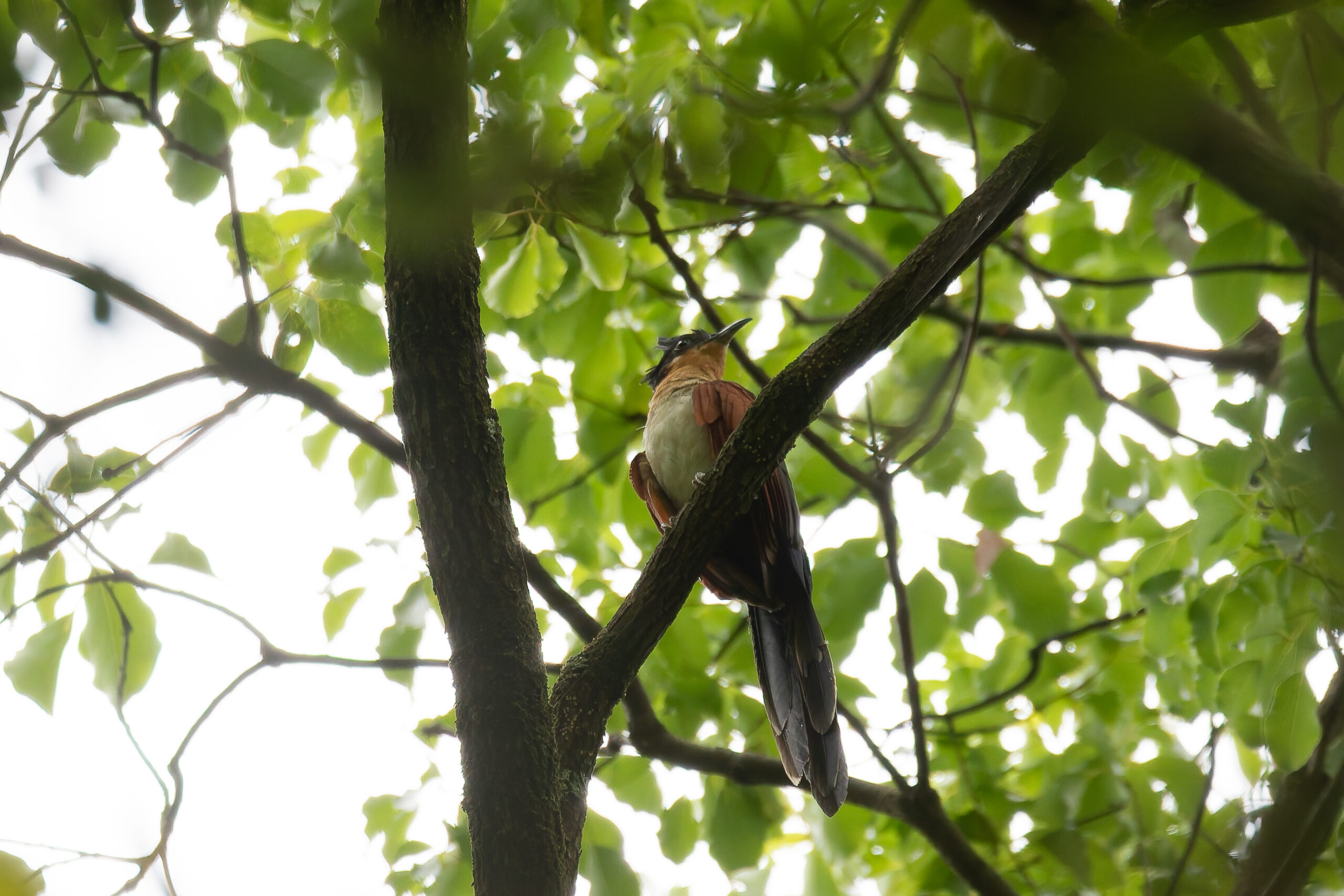
Chestnut-winged Cuckoo (image by Diedert Koppenol)
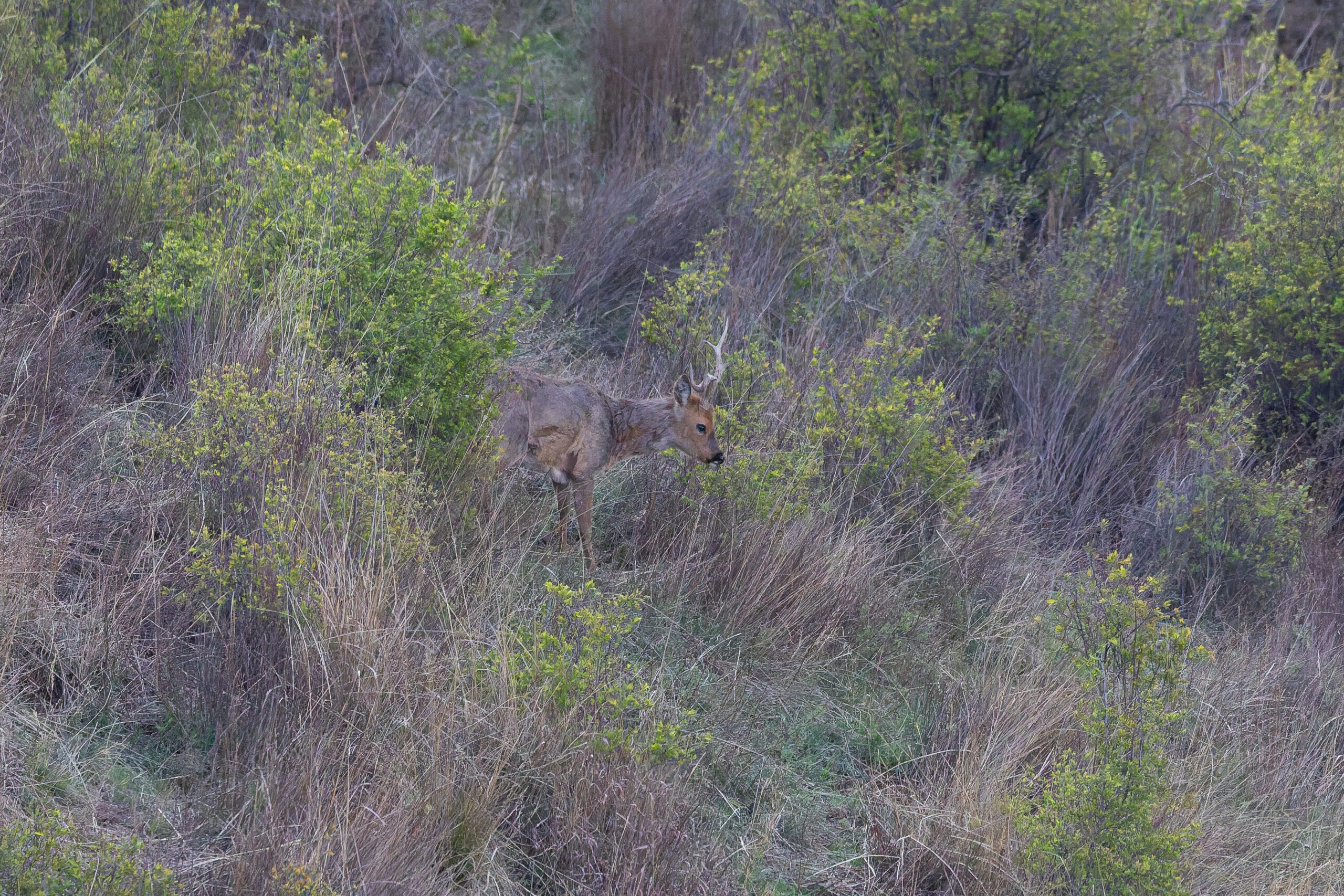
Eastern Roe Deer (image by Diedert Koppenol)
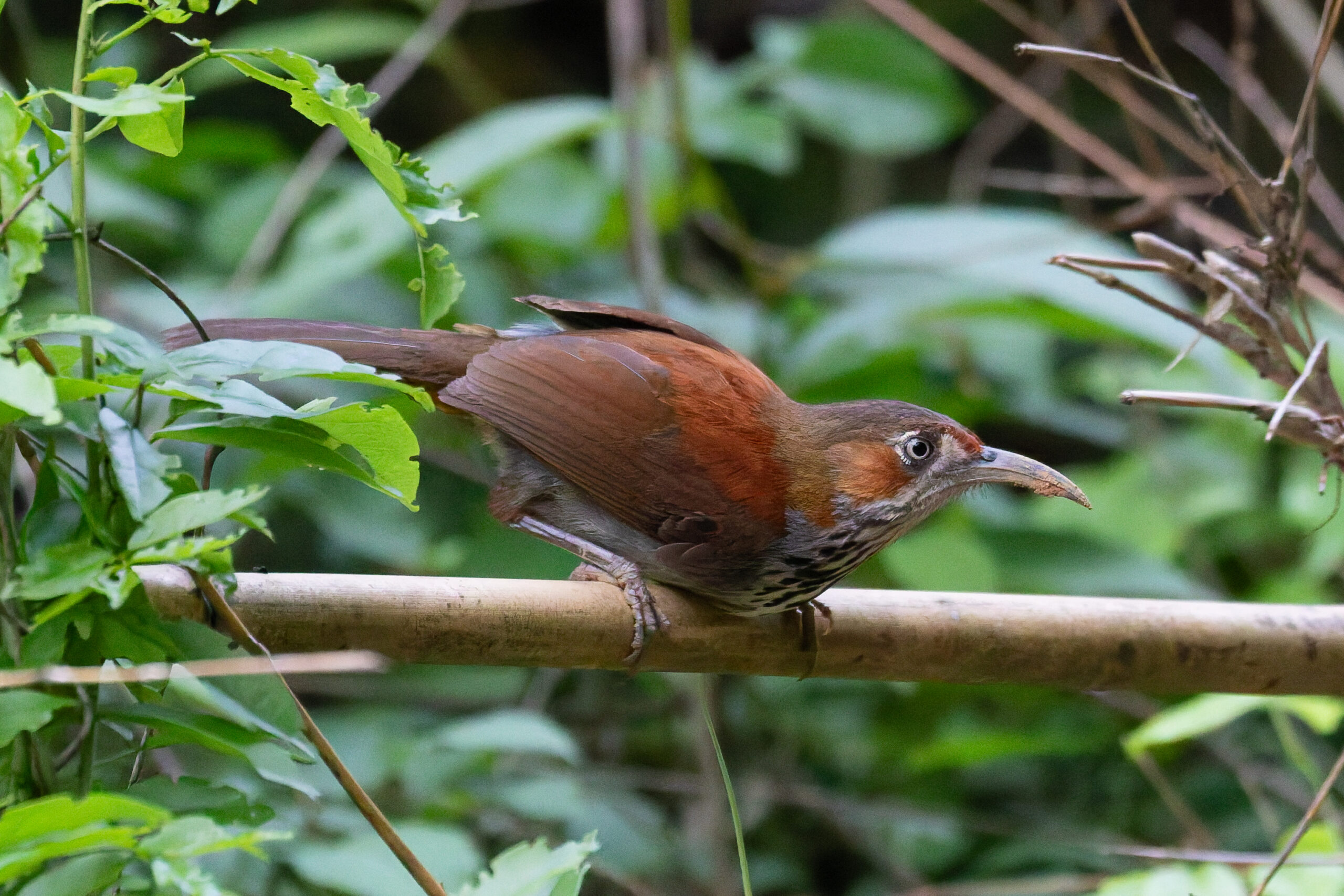
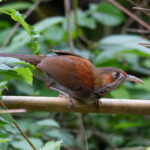
Grey-sided Scimitar Babbler (image by Diedert Koppenol)
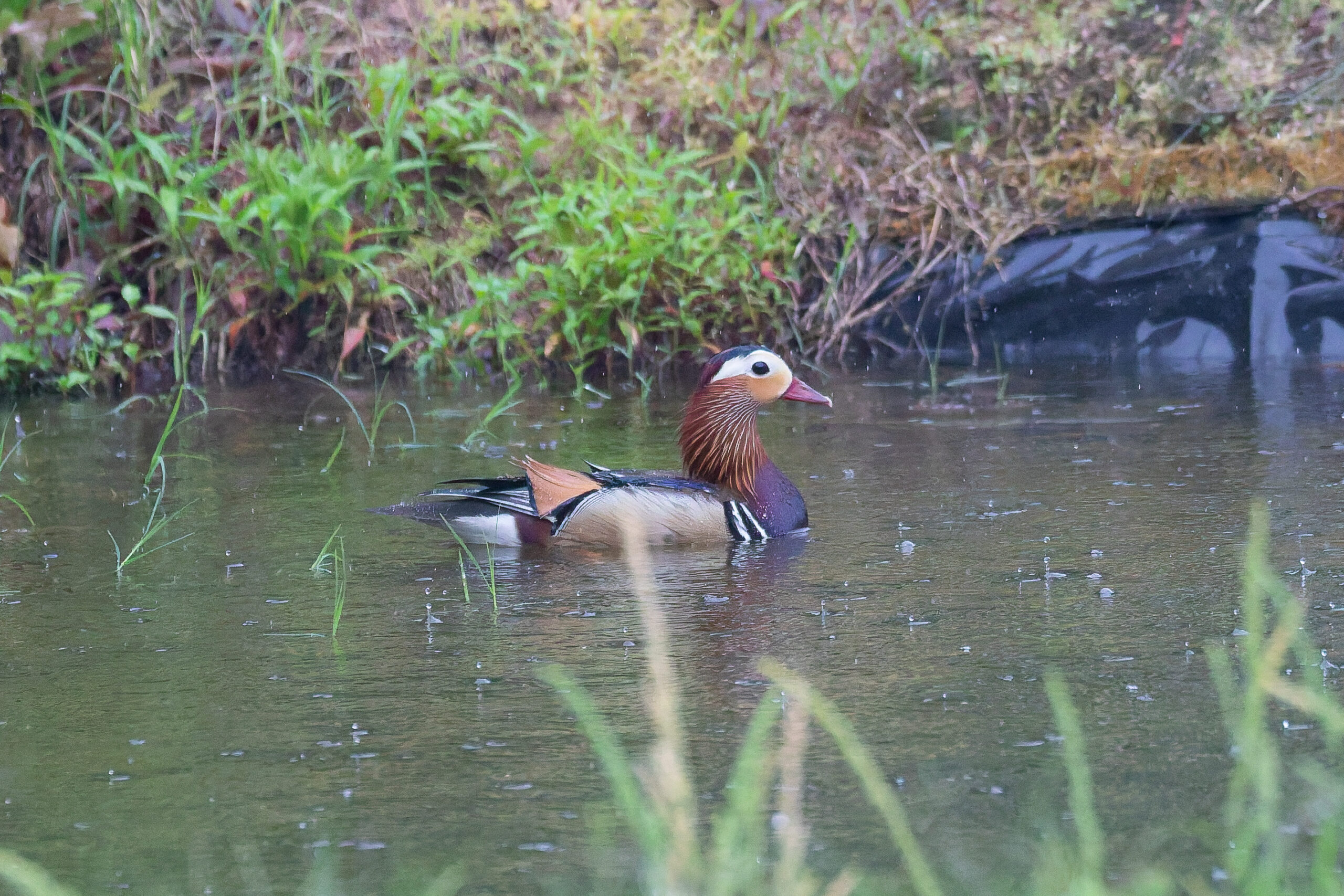
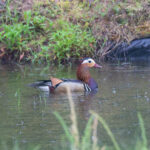
Mandarin Duck (image by Diedert Koppenol)
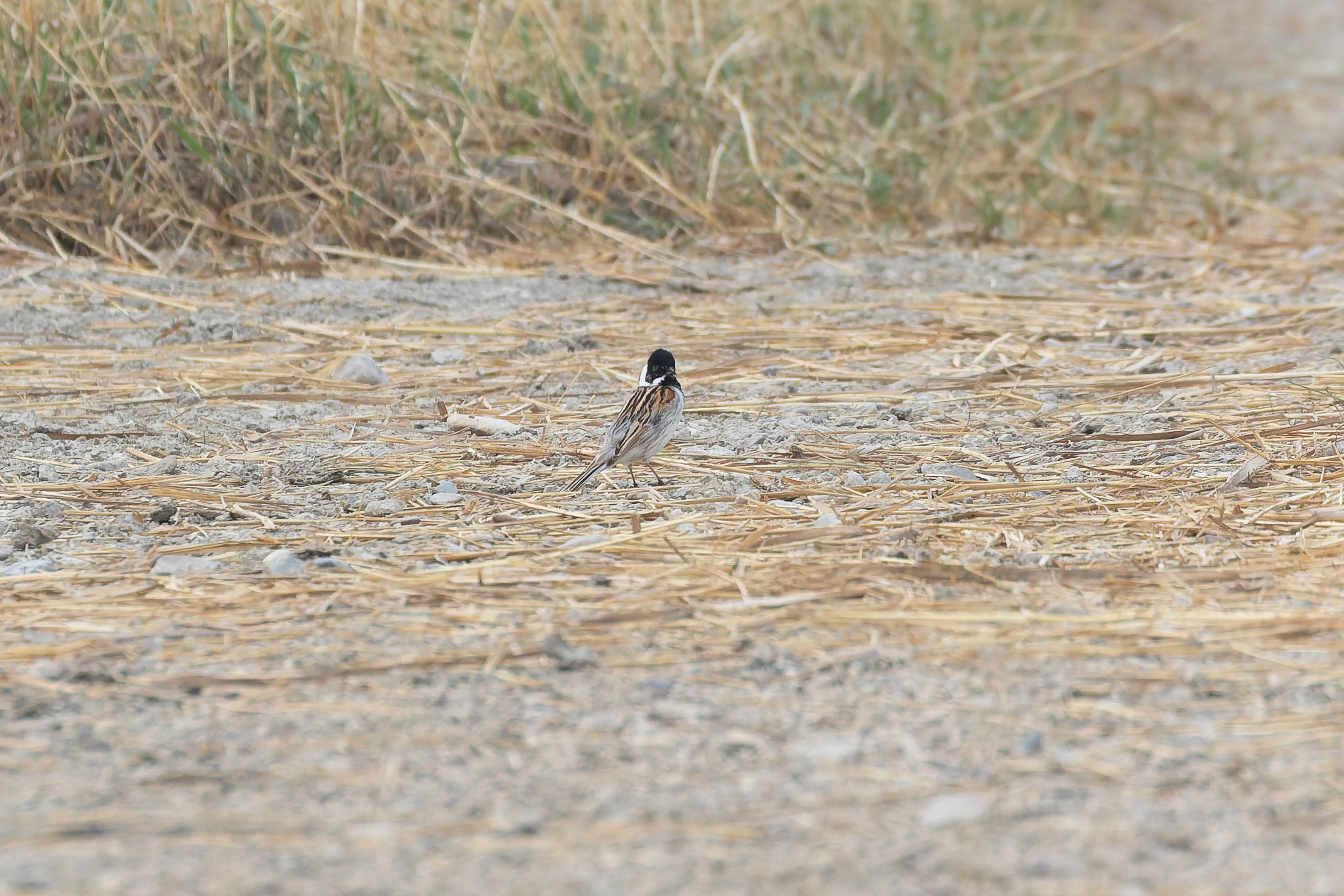
(image by Diedert Koppenol)
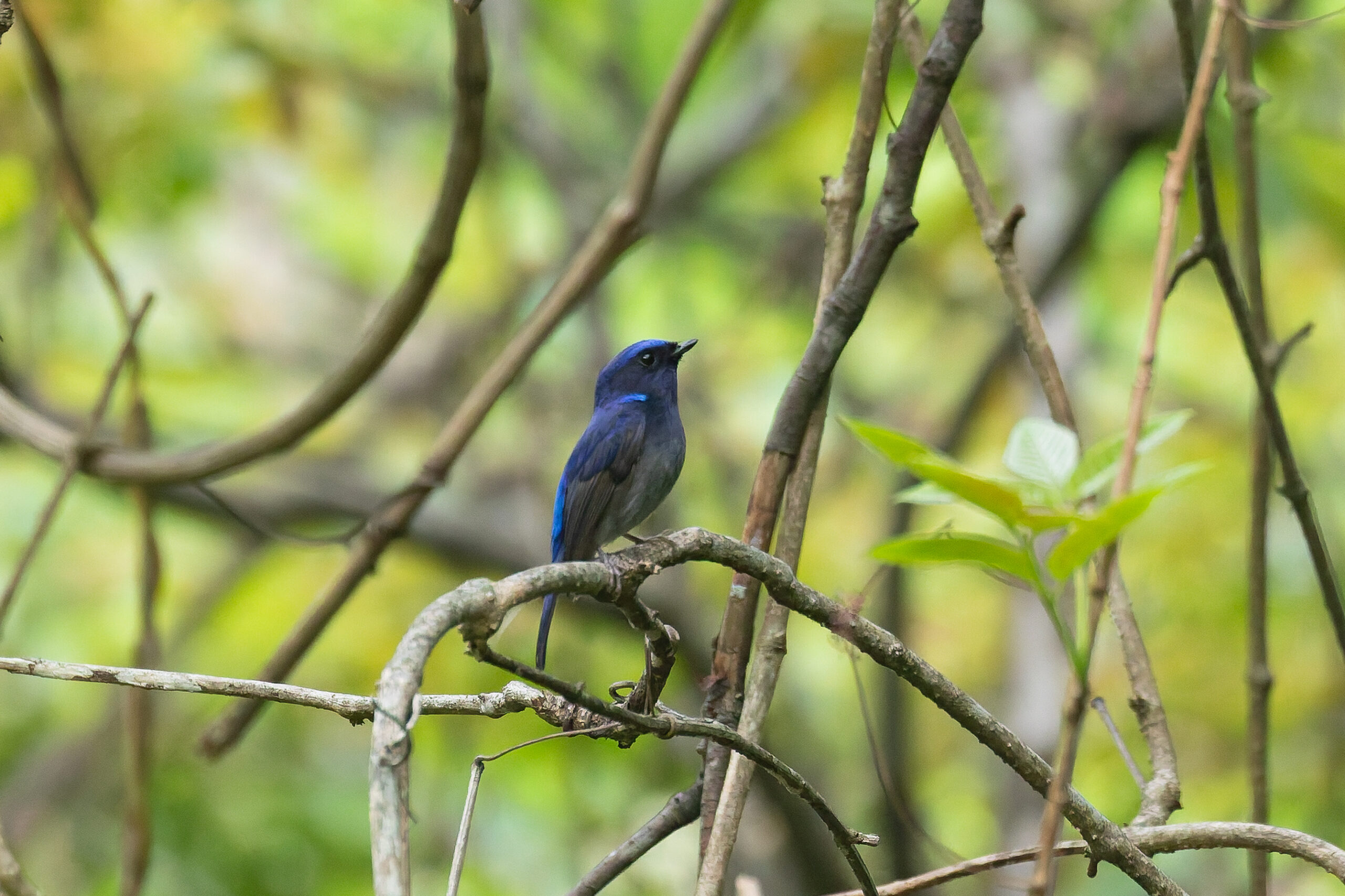
Small Niltava (image by Diedert Koppenol)
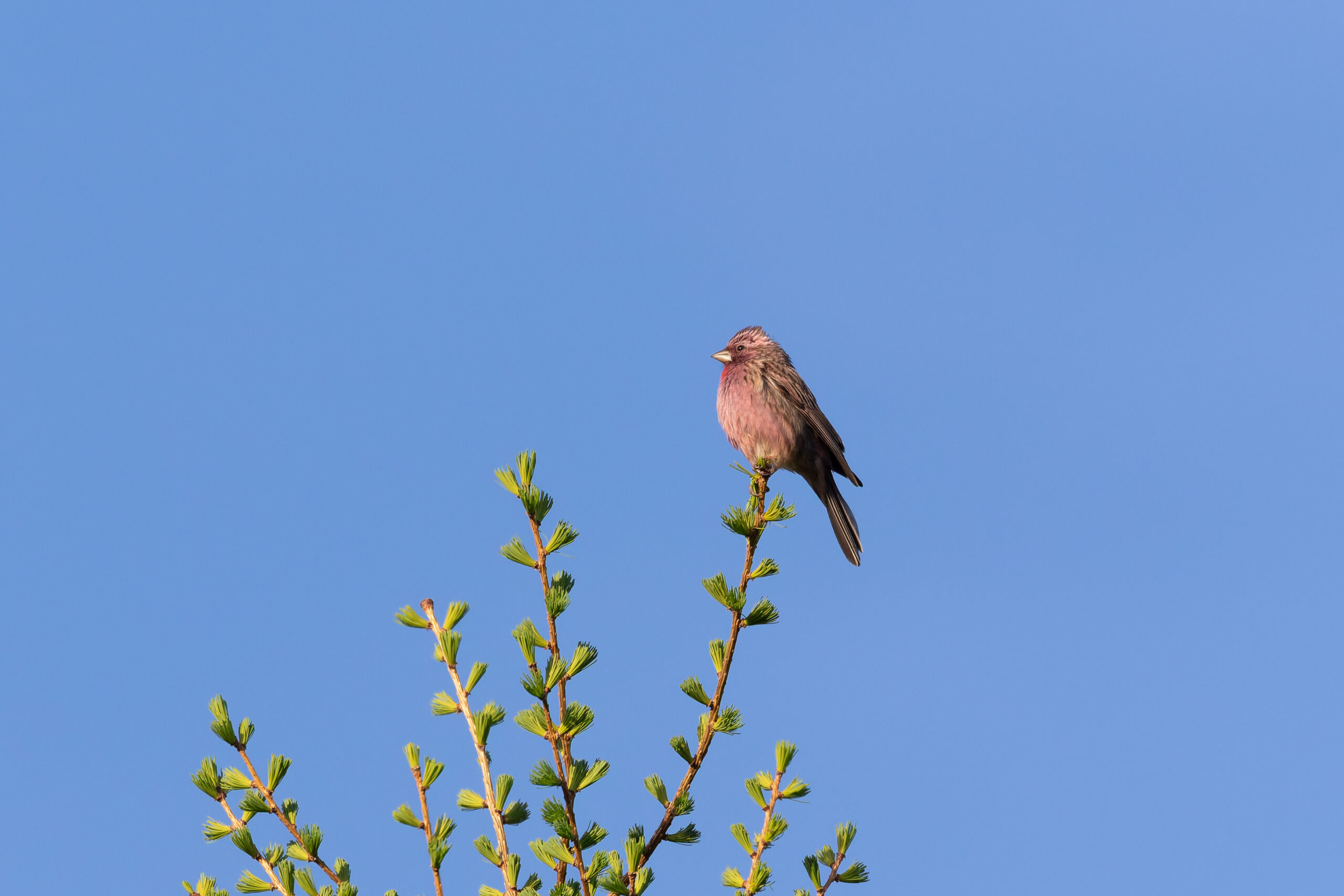
Chinese Beautiful Rosefinch (image by Diedert Koppenol)
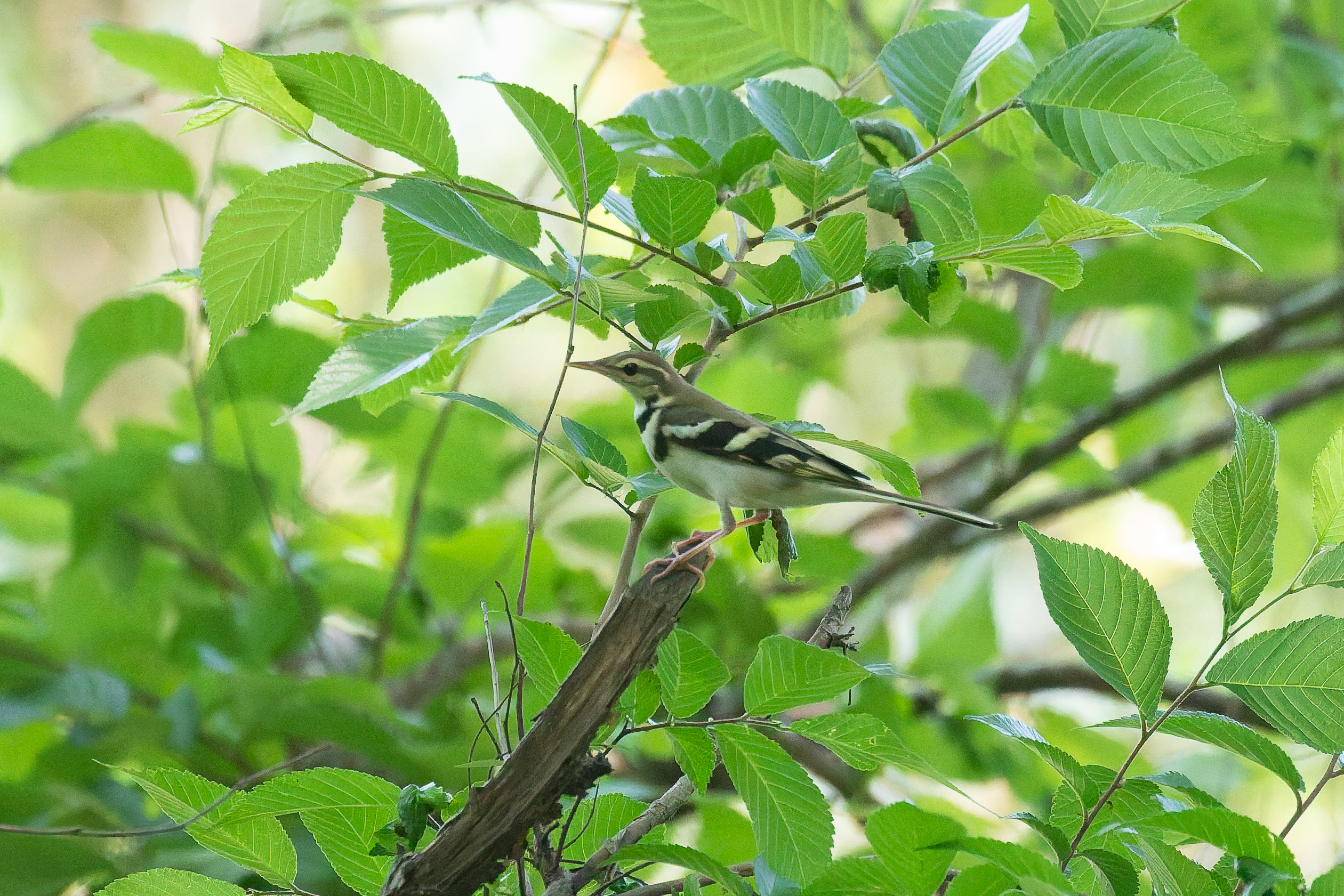
Forest Wagtail (image by Diedert Koppenol)
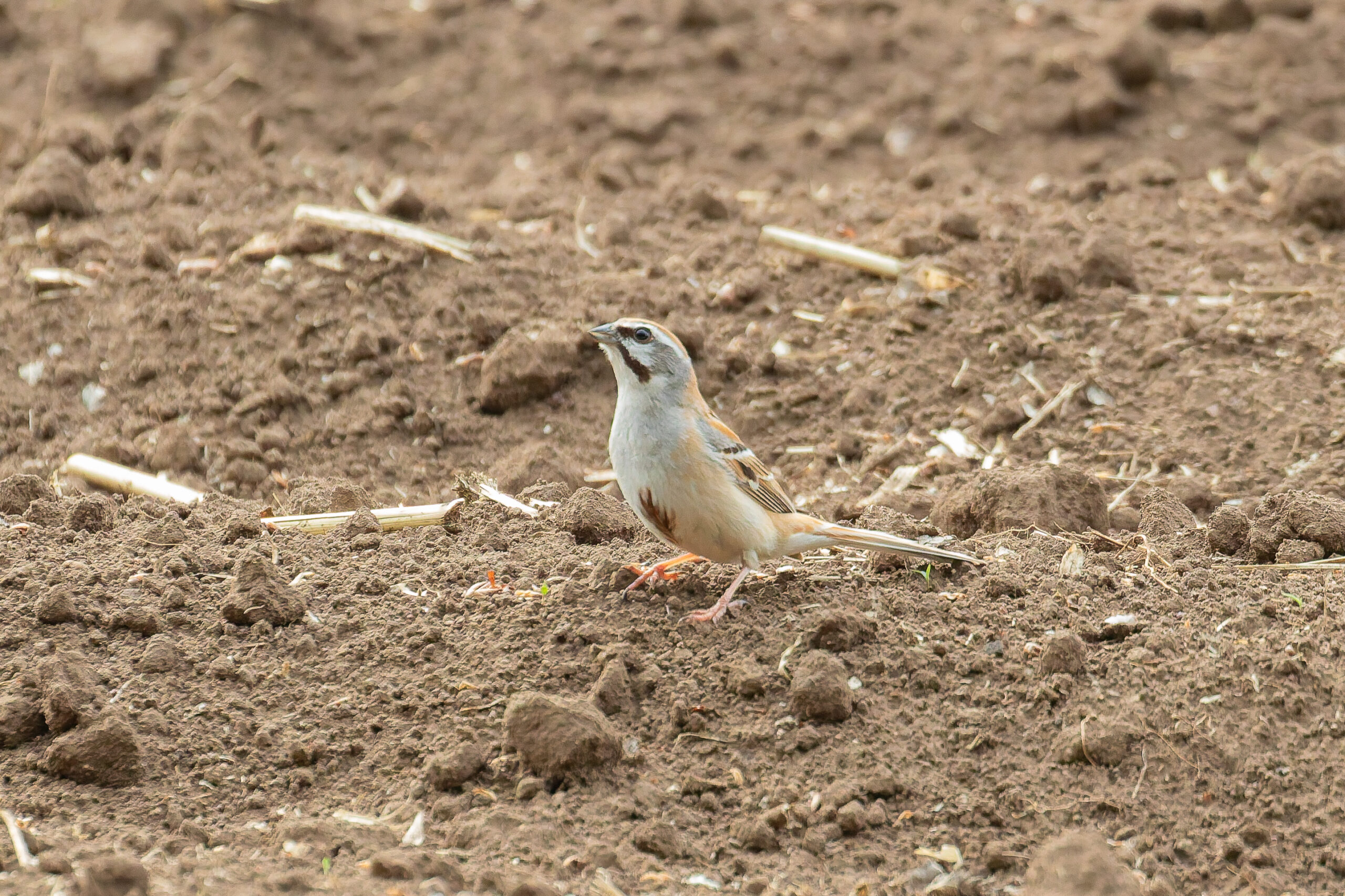
Jankowski's Bunting (image by Diedert Koppenol)
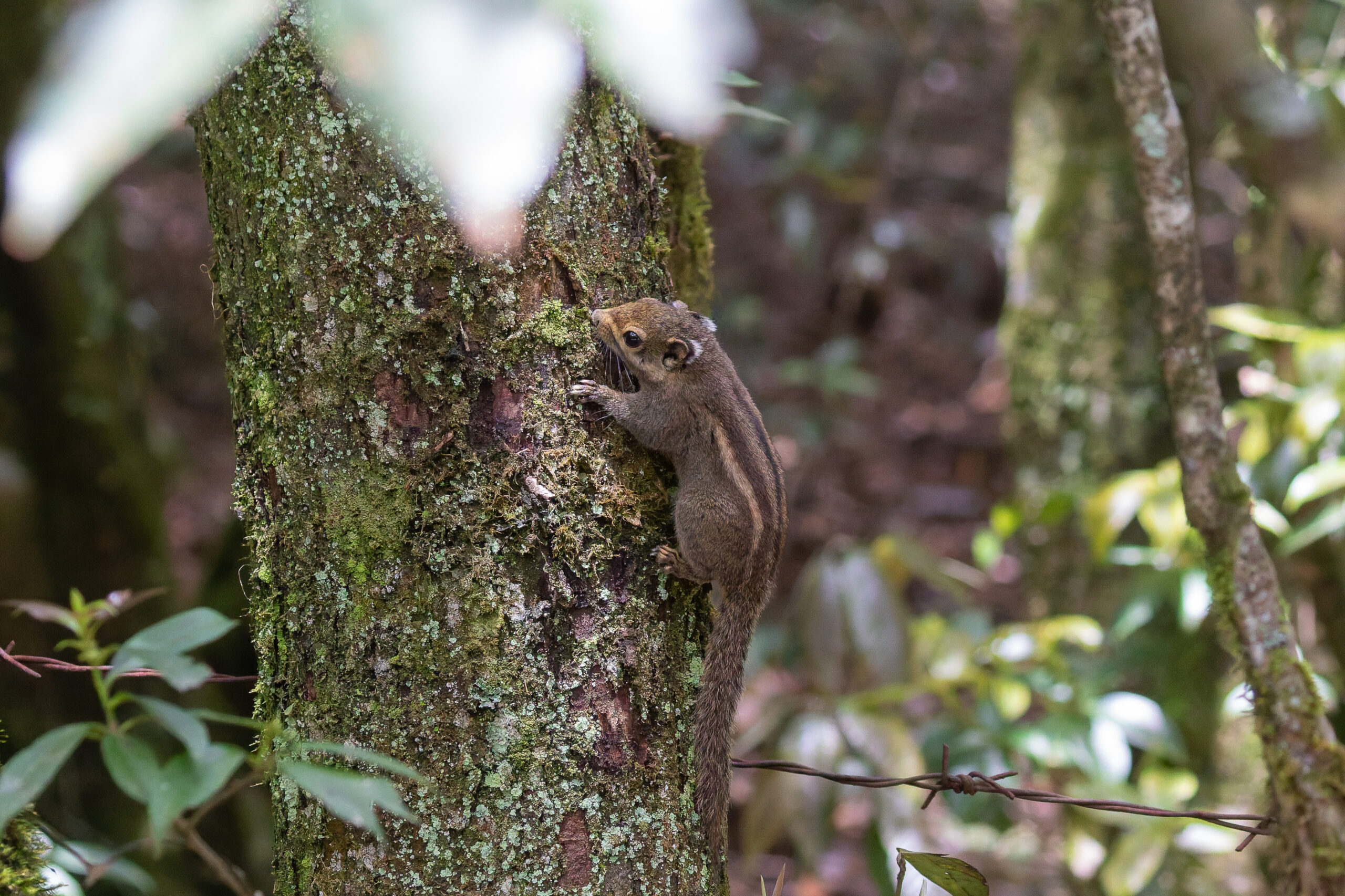
Maritime Striped Squirrel (image by Diedert Koppenol)
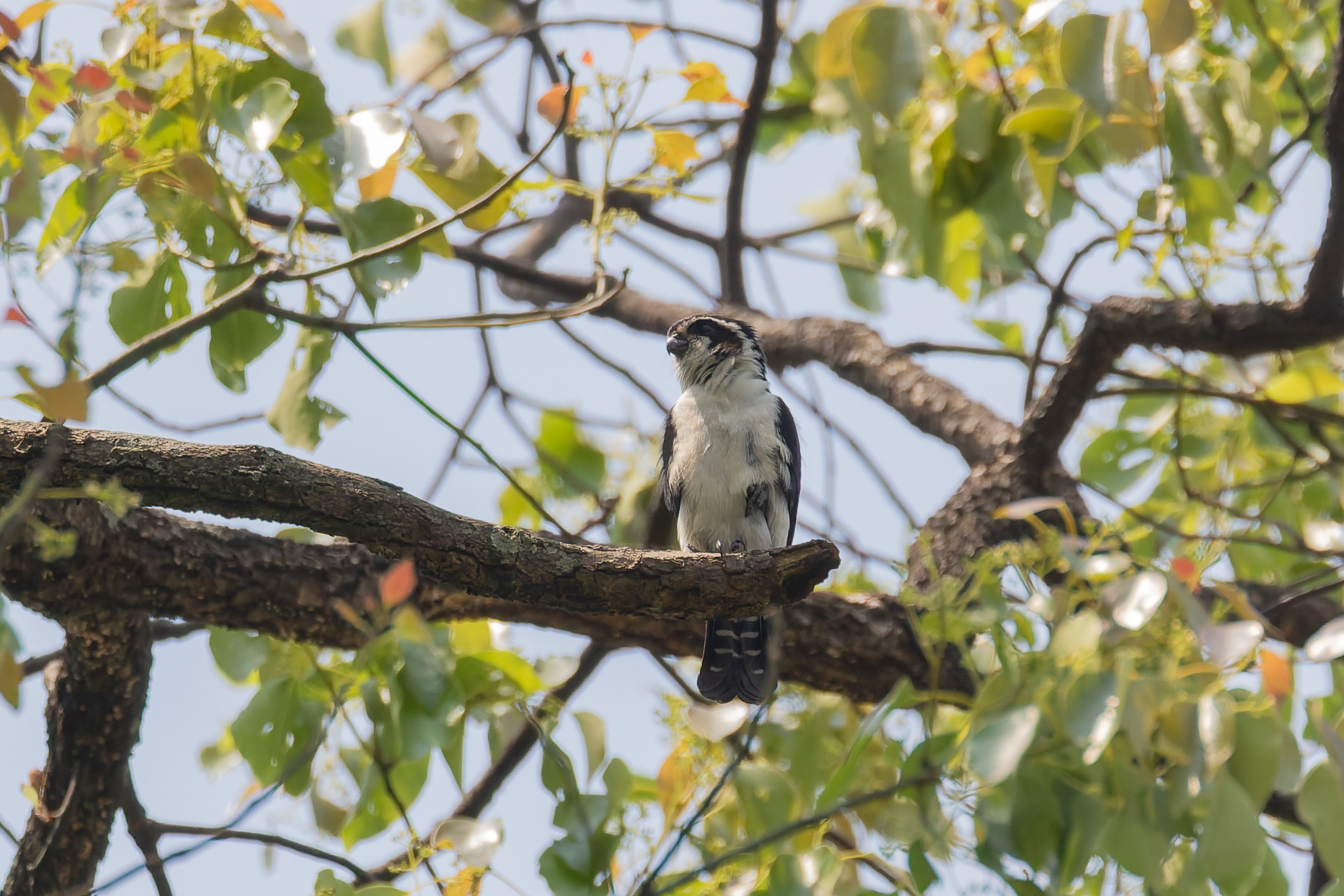
(image by Diedert Koppenol)
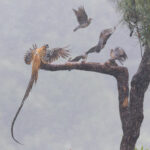
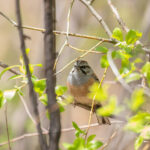
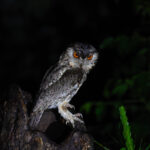
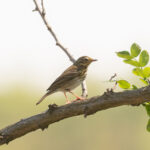
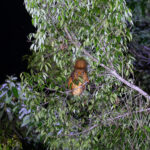


Daurian Jackdaws (image by Diedert Koppenol)
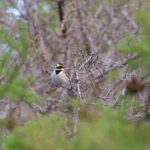
Pallas's Reed Bunting with Eastern Yellow Wagtail (image by Diedert Koppenol)
Little Curlew (image by Diedert Koppenol)
Grey-headed Woodpecker (image by Diedert Koppenol)
Eastern Marsh Harrier (image by Diedert Koppenol)
male Cabot's Tragopan (image by Diedert Koppenol)
Blue-crowned Laughingthrush (image by Diedert Koppenol)
White-eared Night Heron (image by Diedert Koppenol)
female Scaly-sided Merganser (image by Diedert Koppenol)
Red-crowned Crane (image by Diedert Koppenol)
Reeves's Pheasant with Oriental Turtle Doves (image by Diedert Koppenol)
Tristram's Bunting (image by Diedert Koppenol)
male Cabot's Tragopan (image by Diedert Koppenol)
Daurian Redstart (image by Diedert Koppenol)
female Green-backed Flycatcher (image by Diedert Koppenol)
Little Bunting (image by Diedert Koppenol)
Reeves's Pheasant (image by Diedert Koppenol)
the endangered Oriental Stork (image by Diedert Koppenol)
Red-billed Blue Magpie (image by Diedert Koppenol)
black morph of Red Squirrel (image by Diedert Koppenol)
Oriental Magpie-Robin (image by Diedert Koppenol)
Japanese Scops Owl (image by Diedert Koppenol)
Greater Coucal (image by Diedert Koppenol)
Chinese Water Snake (image by Diedert Koppenol)
male Bull-headed Shrike (image by Diedert Koppenol)
Amur Falcon (image by Diedert Koppenol)
Swinhoe's Minivet (image by Diedert Koppenol)
Reeves's Pheasant (image by Diedert Koppenol)
the roads into Inner Mongolia (image by Diedert Koppenol)
Yellow-rumped Flycatcher (image by Diedert Koppenol)
Brown Eared Pheasants (image by Diedert Koppenol)
Chinese Hwamei (image by Diedert Koppenol)
Godlewski's Bunting (image by Diedert Koppenol)
Japanese Scops Owl (image by Diedert Koppenol)
Black-tailed Gull (image by Diedert Koppenol)
Plain Laughingthrush (image by Diedert Koppenol)
(image by Diedert Koppenol)
Meadow Bunting (image by Diedert Koppenol)
Jankowski's Bunting (image by Diedert Koppenol)
Fork-tailed Sunbird (image by Diedert Koppenol)
Chinese Beautiful Rosefinch (image by Diedert Koppenol)
Brown Eared Pheasant (image by Diedert Koppenol)
(image by Diedert Koppenol)
Yellow-throated Bunting (image by Diedert Koppenol)
Small Niltava (image by Diedert Koppenol)
Reeves's Pheasant (image by Diedert Koppenol)
Reed Parrotbill (image by Diedert Koppenol)
Slaty-backed Forktail (image by Diedert Koppenol)
Yellow-breasted Bunting (image by Diedert Koppenol)
Broad-billed Sandpiper amongst resting sandpipers (image by Diedert Koppenol)
Chinese Barbet (image by Diedert Koppenol)
Elliot's Pheasant (image by Diedert Koppenol)
Huet's Fulvetta (image by Diedert Koppenol)
Swinhoes Striped Squirrel ssp vestitus (image by Diedert Koppenol)
Zappey's Flycatcher (image by Diedert Koppenol)
pair of Bull-headed Shrikes (image by Diedert Koppenol)
Chinese Nuthatch (image by Diedert Koppenol)
Godlewski's Bunting (image by Diedert Koppenol)
Japanese Scops Owl (image by Diedert Koppenol)
Olive-backed Pipit (image by Diedert Koppenol)
Red Giant Flying Squirrel (image by Diedert Koppenol)
Red-billed Blue Magpie (image by Diedert Koppenol)
Oriental Scops Owl (image by Diedert Koppenol)
Lesser Necklaced Laughingthrush (image by Diedert Koppenol)
male Cabot's Tragopan (image by Diedert Koppenol)
Asian Barred Owlet (image by Diedert Koppenol)
Taiga Flycatcher (image by Diedert Koppenol)
Saunders's Gull (image by Diedert Koppenol)
Whiskered Tern (image by Diedert Koppenol)
Beijing Babbler (image by Diedert Koppenol)
male Cabot's Tragopan (image by Diedert Koppenol)
Dusky Fulvetta (image by Diedert Koppenol)
Grey-capped Pygmy Woodpecker (image by Diedert Koppenol)
Little Curlew (image by Diedert Koppenol)
(image by Diedert Koppenol)
Daurian Jackdaws (image by Diedert Koppenol)
(image by Diedert Koppenol)
Long-tailed Minivet (image by Diedert Koppenol)
Jankowski's Bunting (image by Diedert Koppenol)
Fork-tailed Sunbird (image by Diedert Koppenol)
Chinese Hwamei (image by Diedert Koppenol)
Brown Eared Pheasant (image by Diedert Koppenol)
Yellow-throated Bunting (image by Diedert Koppenol)
Sultan Tit (image by Diedert Koppenol)
Reed Parrotbill (image by Diedert Koppenol)
Short-tailed Parrotbill (image by Diedert Koppenol)
Yellow-breasted Bunting (image by Diedert Koppenol)
Blue-crowned Laughingthrushes (image by Diedert Koppenol)
Chestnut-winged Cuckoo (image by Diedert Koppenol)
Eastern Roe Deer (image by Diedert Koppenol)
Grey-sided Scimitar Babbler (image by Diedert Koppenol)
Mandarin Duck (image by Diedert Koppenol)
(image by Diedert Koppenol)
Small Niltava (image by Diedert Koppenol)
Chinese Beautiful Rosefinch (image by Diedert Koppenol)
Forest Wagtail (image by Diedert Koppenol)
Jankowski's Bunting (image by Diedert Koppenol)
Maritime Striped Squirrel (image by Diedert Koppenol)
(image by Diedert Koppenol)


EASTERN CHINA TOUR REPORT 2025

25 April - 15 May 2025
Diedert Koppenol
Our epic 21-day journey across almost the whole of Eastern China focused on a range of rare Chinese endemics and migrants, and once again proved a great success. The focus of the early part of the tour is achieving good views of specialities such as the critically endangered Blue-crowned Laughingthrush, the superb Cabot’s Tragopan and Elliot’s Pheasant and the rare Silver Oriole. Other much sought-after species included the stunning Saunders’s Gull, magnificent Reed Parrotbill, eastern migrants with Little Curlew, Yellow-browed & Tristram’s Bunting as highlights, and forest species such as White-necklaced Partridge, Silver Pheasant, superb Fairy Pitta, Fork-tailed Sunbird and the delightful Pied Falconet. A great bonus was a pair of the unknown White-eared Night Heron. All in all, quite a haul! The latter part of the tour visited a series of sites for various other Chinese awesomeness. Beginning in Wuhan, we bagged the amazing Reeves’s Pheasant and Crested Ibis as well as Fairy Pitta, before moving on for the fabulous Brown Eared Pheasants. Next the mountains of Hebei province, where we saw the endemic Chinese Beautiful Rosefinch, Chinese Nuthatch, Green-backed and Zappey’s Flycatchers, and then our final destination, the grasslands and wetlands of Jilin province, where we found more rarities including the fabulous Jankowski’s Bunting, Red-crowned and White-naped Cranes, Oriental Stork and Chinese Grey Shrike and an array of Siberian migrants. With so many rare and sought-after species on offer, it is great that China is back on the menu. We’re sure to be back plenty; this trip alone we noted 109 diamond species!
Our adventure began at our nice and quirky hotel, close to the airport. After a quick breakfast, we were off to the races. We would start with looking for the enigmatic Reed Parrotbill, definitely one of the smartest parrotbills out there! After a short drive, we birding along one of the channels out from Shanghai to sea, with our first of many Chinese Blackbirds, Oriental Magpies and Crested Mynas during the drive there. We had to dodge a few heavy-load trucks while making our way towards the Reed Parrotbill habitat, and a few distractions such as a Manchurian Bush Warbler, Black-faced Buntings and Long-tailed Shrikes roadside made us stop. A small inlet held quite a few waders, including our first Black-winged Stilts, a few Long-toed Stints and a Temminck’s Sandpiper. After a few tries, we finally located the correct habitat and almost instantly found a pair of beautiful Reed Parrotbills! They showed very nicely and with that target out of the way, we quickly returned to the car to relocate and try to find the sneaky Marsh Grassbird. A first stop was quite futile as the target location was behind a channel we couldn’t cross from this side, but did result in nice views of two Terek Sandpipers and an Olive-backed Pipit. On we went and the second site we visited, that also had recent sightings, still did not result in the sought-after Marsh Grassbird. We did have great views of Daurian Redstart, Yellow-throated Bunting, Yellow-browed Warbler, Plain Prinia and Zitting Cisticola. With the increasing temperature, activity dropped quite a bit, and we still hadn’t located any grassbirds. We relocated to the most prominent site in terms of recent sightings, but an extensive look didn’t result in anything, apart from a few Common Snipes, Plain Prinia’s and Zitting Cisticola. New were a pair of Asian Red-rumped Swallows flying overhead. We went for a very tasty lunch and after that, returned to the site of our morning success, but it was dead silent here. It was late in the afternoon and we still had quite a long drive ahead, so, with a detour via the airport to pick up one of our group members who had been delayed getting into Shanghai, we relocated north of the big city to our hotel.
The following morning, we had a nice leisurely start with a good hotel breakfast. Our days of ‘western-style’ breakfast were soon numbered but for now we could still enjoy freshly brewed coffee and even bread. Our target for today would be the enigmatic Spoon-billed Sandpiper. High tide was shown for the late morning, so we made our way to the now Nature Reserve Park entrance to buy tickets. Sadly, the park does not open until 08:30 and we weren’t able to get in any earlier as the Chinese authorities would not budge. Waiting at the ticketing office, we found some leucopsis White Wagtails, a single Eastern Spot-billed Duck flew overhead and a flock of about twenty Oriental Pratincoles flew by in the distance. Once we were finally allowed to buy tickets, we raced down to the coast and made our way along the boardwalks up to the viewpoint. Along the boardwalk, we ran into a few migrants, including a brief Taiga Flycatcher for some, loads of singing Yellow-browed Warblers, a few Olive-backed Pipits, several Yellow-browed Buntings and furthermore some saw a White-faced Plover amongst the Kentish Plovers in the mudflats across the board walk. A pair of Tristram’s Buntings was also present here and we enjoyed great views before we started our scanning of the muddy sea. Sadly, we were unable to locate any Spoon-billed Sandpipers, but we did enjoy great views of several hundred of Red-necked Stints, quite a few Bar-tailed Godwits, Greater Sand Plovers, Terek Sandpipers, Dunlins and some Grey-tailed Tattlers, Far Eastern Curlews, while plenty of Saunders’s Gulls filled the sky. A singleton of Mongolian Gull was also seen and a Little Curlew ‘inland’ gave amazing views! After spending almost the entire day at the seaboard, as soon as the tide turned again, we made our way back to the van. Quite a few new birds had arrived in the small stretch of forest along the boardwalk here, as there were now a few Grey-backed Thrushes, a single Little Bunting, a fleeting Red-flanked Bluetail and more Yellow-browed and Tristram’s Buntings, Olive-backed Pipits and Yellow-browed Warblers. The mudflats opposite the boardwalk now also held a flock of Curlew Sandpipers, a few Black-tailed Godwits of the eastern race and some Eurasian Teals. We relocated to another inlet from the East China Sea further inland, where we had more of the same, but also a few showy Sharp-tailed Sandpipers, several Grey-headed Lapwings, and a pair of Whiskered Tern. Several White-cheeked Starlings were flying past as well but apart from the ever-present Light-vented Bulbuls and another fleeting Red-flanked Bluetail, not much was going on. It was off to a nice dinner again and then in for an early night.
The next morning, we rose nice and early for a pre-breakfast round of birding. It didn’t deliver much as it was a much more overcast morning than the day before, but we still obtained great views of Chinese Grosbeaks. Furthermore, a few Yellow-browed Warblers, loads of Black-crowned Night Herons departing from their night roost, quite some White-cheeked Starlings and Azure-winged and Oriental Magpies and a few Common Terns. Three Pin-tailed Snipes were feeding in the park and a single Grey Treepie was a surprise. After that, we went onwards to the inlet we ended our birding yesterday, which now held a different set of birds with lots more Sharp-tailed Sandpipers, Bar-tailed Godwits and Greater Sand Plovers. A Eurasian Curlew was a new species for the trip list but other than that it was quiet and we headed for the seaboard again. Not much time was left for birding today but we made another attempt for the much-wanted spoonies, however, they did not show. Their greater ‘cousins’ the Black-faced Spoonbills were giving good views today and still plenty of waders to be seen, with a different subset here today as well; more Greater Sand Plovers and quite a few Kentish as well. The Little Curlew was still present but five Garganey were new for the trip. Sadly, we had to depart from here to catch our high-speed train to Wuyuan. After a sit-down lunch, we started the long drive to the train station and boarded our late afternoon train to Wuyuan to arrive there in the early evening. After another tasty rice table and short drive to the hotel we went straight to bed.
Today, we would drive straight for one of our main targets of this tour, the Blue-crowned Laughingthrush. However, for birders, straight is never straight. We made several stops on the way towards the hotspot of laughingthrush galore, as we would also try and locate Short-tailed Parrotbill. The roadside birding resulted in great views of a singing Chinese Hwamei, a very showy male Fork-tailed Sunbird, and a few flocks of passerines with Rufous-faced Warblers, Huet’s Fulvetta and Rufous-capped Babblers. The bulbul selection had gotten a bit more diverse, now including Brown-breasted and Chestnut Bulbul. We also added a few larger raptor species to the trip list with our first Crested Serpent Eagles and a Black Eagle soaring overhead. A surprise find were two male Silver Pheasants along the edge of a field, just before we reached the village where the colony of Blue-crowned Laughingthrushes has settled. With the villagers having set up a viewing area from their home, we could get so close we could almost touch them! After this amazing encounter and a late lunch, we continued our hunt for Short-tailed Parrotbill. We met up with a great local guide and off into the bamboo forest we went. A showy Moustached Laughingthrush and a few Black-throated Bushtits distracted, but it wasn’t long before we found our first Short-tailed Parrotbill. Sadly, it moved through the thick sticks very quickly and was gone in a fleeting moment. So, we had to continue on and luckily we did! We made our way along the river through quite some good bamboo forest habitat, but it was dead silent. This is the place where you can also go and see Scaly-sided Mergansers in winter and a hide system has been built, mostly to allow photographers for water-level shots. A pair of Crested Kingfishers were making some noise on the other side and a Little Grebe was swimming into the current, when after a while, suddenly Bruno calls out that he sees a merganser! It turned out to be a female Scaly-sided Merganser that hadn’t migrated! Luck was on our side again and not long after, we received the news the local guide had located more Short-tailed Parrotbills. A mad dash through the bamboo and soon everyone got amazing, prolonged views of this cute parrotbill. Slowly birding our way back with a few distractions such as Grey Treepies and Red-billed Blue Magpies, we decided to go to the other side of the river and try to find Grey-sided Scimitar-Babbler, as it had eluded our gaze until then. A walk through some nice mixed forest here produced not only great views of at least two Grey-sided Scimitar-Babblers (it did take some time to finally lure them out of hiding), but also Mountain Bulbul, more Rufous-faced Warblers and Huet’s Fulvetta, but also heard-only Chinese Barbet and Collared Owlet. Rain impending, we decided to end our day’s birding here and, accompanied by Eastern Red-rumped Swallows that were feeding on the insects coming down, we reached the bus just in time before the heavy drops started falling. Another tasty dinner and we were in bed nice and early.
Our morning started with another round of pre-breakfast birding. It was actually still a tad bit too dark when we wandered across the bridge near our hotel, with Common Cuckoos singing, but after a while it was light enough to see a few Whiskered Terns foraging on the river, the standard few Chinese Blackbirds scurrying through the parks and several Yellow-browed Warblers flitting through the trees. A Hair-crested Drongo flew over in the distance, standing out with its typical long tail, but we were soon distracted by the bird of the morning in the form of a showy Asian Barred Owlet, that was hunting on the local Cinerous Tits. It was breakfast time after that and we were off to a stake-out for Pied Falconet. Upon arrival, we were met by several showy Chinese Hwameis, singing loudly as well. However, the falconet was not home, so we had to set up shop and wait for it to come to its nesting hole. The group split up after an itinial scan of the nearby river, with one half staying on watch and one half went on to do some birding in the valley on the other side of the river. As soon as it warmed up, several raptors took to the sky and a Bonelli’s Eagle soared across the mountain side far away. A Crested Goshawk perched on a dead tree, also far away. Closer-by, we were treated to a displaying pair of Chinese Sparrowhawks, while Chinese Bamboo Partridges were calling everywhere. One individual had a song post very close to the road, but the crops made it impossible to see and when we tried to approach it, it, of course, flew up and off… A few Brown Shrikes made use of the electricity wires to try and spot prey, but not much else was going on. The group joined up together again, when a Forest Wagtail was flushed off the track, but only seen by the leader. A Blue Whistling Thrush and a pair of Plumbeous Redstarts were seen along the bridge, but then we suddenly got the call that the Pied Falconet was back! A quick sprint and soon everyone enjoyed this magnificent little regal falconet, with scopefilling views. Having bagged our main target here, it was time to stop birding and start our long drive to Emeifeng. Smooth travel followed, but also a late arrival. We turned into bed straight away and were all anxious for our pheasant hunting that was to follow!
Waking up with ‘brain-fever’-birds, also known as Large Hawk-Cuckoo, already singing everywhere, we got up before dawn to start our first day of birding Emeifeng. It was only after about five minutes of driving when a Cabot’s Tragopan started calling right next to the road (and bus)! Sadly, it was so close, it popped up next to the bus and then got startled. We tried to relocate it below us, but it had actually walked across the road behind us and up the hill. A few got a glimpse while it was striding away from us into the forest, but we would need to find another one for most. We next bumped into a pack of about ten Silver Pheasants, with males and females, which was quite exciting, but not one of the species we hoped for. We did manage to locate a nice singing Sulphur-breasted Warbler while birding the road for pheasants, but not much else. Our breakfast at the checkpoint below the mountain was pleasantly supplemented by the presence of a pair of Mandarin Ducks, a small group of Streak-breasted Scimitar Babblers and hot water for coffee-making by the policemen who man the checkpoint. After breakfast, we made a short detour before heading back up the mountain. Not much of note was seen here, apart from a single White-crowned Forktail, so we went back up the mountain. A pair of Chinese Bamboo Partridges were difficult to locate in the foliage along the road, but some obtained good views of these secretive birds. It was quite birdy at some places so we walked most of the way up, adding Speckled Piculet and Hartert’s Leaf Warbler to our list. We also managed to locate the high-pitched song from the Small Niltava and obtained great views. After a while, lunch called so we drove up. About halfway there, local guide Jason got a phone call: a Cabot’s Tragopan was enjoying its lunch near our lunch spot!! The driver didn’t need much encouragement, he was soon racing us up to the top and not long after, we were having a great time viewing a male Cabot’s Tragopan that was enjoying scraps of discarded rice. The female was visible as well, but was much shyer and kept to the edge of the area. The rice was quite sticky and its beak sadly kept one or two grains attached, so photographs have to be altered a bit. 😉 After lunch, we spent our time birding the high hills near our accommodation at the top of Emeifeng. First up, we tried hard to get to grips with viewing a Buffy Laughingthrush, but for most it wasn’t until later that they would get views. A few Chestnut-crowned Warblers were here too, singing, and soon we found our way outside the forest and onto the hillside. During our walk, we had several Bay Woodpeckers fly up and over the crest, Hartert’s Leaf Warblers were singing everywhere and relatively easy to see, but it took us a long time and a fierce battle before everyone laid eyes on the great White-spectacled Warbler. After this success, we made our way to the nearby temple, which has some big board walks. We didn’t see much of note, apart from a small flock of Pacific Swifts; a nice bonus. On the way back, we had another surprise meeting with a Brown Bush Warbler, that gave itself away after a short wait. With this rather successful start, we went to bed early, as we were still missing a pheasant or two and were eager for tomorrow!
Another early morning with more Large Hawk-Cuckoos and basically much of today would be the same. The drive down was uneventful, but got very exciting when we went back up after our breakfast. A few corners in, we located a pair of Elliot’s Pheasants foraging right next to the road! We were already a bit too close for their comfort, so they soon took off and disappeared out of view, but at least they were around! A target species that showed itself almost instantly was a Spotted Elachura that started singing virtually next to the van. We obtained spectacular views of this shy species. Slowly making our way up, we suddenly had a pair of Elliot’s Pheasants next to the van. Finally! They did spot us as well, so soon flew up and disappeared out of view, but it was a good sign for activity. We made another pass down and explored a bit further around the breakfast area again, where we added White-bellied Erpornis to our list, when we found a small feeding flock along the road. Back up for lunch and we had another great session with the local Cabot’s Tragopan. In the afternoon, we explored the way up towards the radar station. Apparently, the authorities don’t like foreigners up this road anymore, but we had no trouble whatsoever. More Hartert’s Leaf Warblers here and birding here was not half-bad. After a while, we were alerted to the presence of a White-necklaced Partridge, when it started calling closeby. We set up and waited for it to show itself, but sadly, a male partridge managed to see us before we saw it and all but one of our group had to make do with a heard-only sighting.
Our last morning and day on Emeifeng started well early again, as we went to try for White-necklaced Partridge again. This time, we set ourselves up along a ridge inside the pine tree forest, with some playback to see if anything would respond. Sadly, only a few calls from elsewhere on the mountain were heard and we had to descend without views for all. A large flock of laughingthrushes, with Greater Necklaced and Buffy, was a nice distraction. Even though we left a bit later today, we still encountered a female Cabot’s Tragopan that was foraging in the roadside. It scurried away quickly once we stopped, so we continued birding along the road. One good flock of birds held many Indochinese Yuhina’s, a Fork-tailed Sunbird and a pair of Orange-bellied Leafbirds was a nice addition to our trip list. We also managed to get scope views of a Great Barbet perched high up, giving its typical call. Back down at the checkpoint we enjoyed our breakfast, this time in the company of a massive Chinese Water Snake but apart from a Chinese Sparrowhawk, not much else was going on. We headed off for Mingxi County, for our next targets. One of the toilet breaks resulted in three Black Drongos for the trip list and a group of four Crested Serpent Eagles were soaring past. We arrived in the early afternoon for a late lunch, after which we added Black-collared Starling to our list before we headed of to start our search for the enigmatic Blyth’s Kingfisher. However, they did not find a nest this year, so we would have to try and find it the hard way. This basically meant walking up and down a river, checking rocks and overhanging branches to see if a kingfisher was perching on it. Distractions in the form of calling Chinese Barbet and Red-headed Trogon were ignored at first as the focus was on finding the kingfisher. Sadly, we failed to find anything and on our way back to the bus, a Chinese Barbet started calling right above us. After a long time, we finally managed to see it perched, singing and all, with great scope views. What a stunner! It was time for dinner as we had special plans this evening. Recently, White-eared Night Heron has been seen quite steadily in the area and the leaders had arranged for a night trip to try and see this rare, poorly known heron species. Before getting on the bus, we heard a Mountain Scops Owl giving its typical double hoots somewhere in the surrounding valley, but with no time to spare, we drove quite a bit before we reached the ‘harbour’ where we boarded our electrically-powered pontoon. At least two Oriental Scops Owls were calling across the river, but we were off to find our target bird. It turned out that the locals had found the nest of a pair of White-eared Night Heron and a short boat trip brought us well near the nest where we enjoyed amazing views of the pair, with one on the nest and one standing guard near it. This mega was a welcome addition to our Eastern China list! We also heard several Mountain Scops Owls calling in the hills along the river and spotlighted quite a few Red Giant Flying Squirrels, showing their enormous tails and their gliding flaps on their sides. After our boat ride, everybody quickly went to bed after this long day.
It was another early start before dawn as we had yet to find any sign of Blyth’s Kingfisher. After a short drive, we were back at the starting point for the search of the kingfisher. As we walked out onto the bridge, a kingfisher was calling in the distance and the call became louder very quickly, until suddenly a Blyth’s Kingfisher flew past, over the bridge, and disappeared around the corner following the river. As we were just getting out of the bus and it all happened so quickly, almost everyone missed it. We spent the whole morning walking along the river and searching everywhere, but not a sniff of the kingfisher… A singing Spotted Elachura and a singing Greater Necklaced Laughingthrush about halfway into the search, and a pair of Sultan Tits and a Grey-headed Pygmy Woodpecker at the end of our quest were a very small comfort. Travel to the coast awaited us, so we had to return to the guesthouse to load up the baggage, have a small bit of breakfast and then drive for quite a bit again. An uneventful drive later, we were in Fuzhou. We would spent the entire afternoon looking for the ultra-rare Chinese Crested Tern. There were quite some birds present and it was good birding, but sadly, we arrived just too late to see the Chinese Crested Terns, as they were flushed by a photographer just before we got into viewing range… Large flocks of mixed species were roosting and foraging along the coast, with Greater Sand Plovers, Terek Sandpipers, a couple of Broad-billed Sandpipers showed themselves well, a few Black-tailed Gulls but that was all she wrote before the sun set.
We still had some unfinished business with the White-necklaced Partridge, so we went to Fuzhou Forest Park this morning. This should be a good site for the species, but it did require some walking effort to get to the site. The entrance near the park had some birds and we noted Red-whiskered Bulbul, Oriental Magpie-Robin, a few Slaty-backed Forktails, several Chinese Pond Herons, and there were flocks of Eastern Cattle Egrets in the sky. The partridges were located on the hills inside the park, so we took the steps up into the hillside. Along the way, we added a few more Great Barbets, a nice male Scarlet Minivet and also a few Grey-chinned Minivets. Singing Rufous-faced Warblers were a bit difficult to locate but some gave themselves away. It took us quite a long time and we were already into the descend, when we came across a small band of White-necklaced Partridges. The angles were difficult and the birds still quite shy so not everybody managed to get views. We continued and whilst we were chatting away a bit, as a loud group of tourists passed us, a small step forward and some sudden movements gave away another small group of White-necklaced Partridges. Here everyone got to see the species well and we even saw two small chicks that were quite cute! The route back went down low along the skirts of the hill and here we obtained great views of Dusky Fulvetta, a new species for our list, and also ran into a small flock of Lesser Necklaced Laughingthrushes. Further highlights included a large group of Grey-sided Scimitar Babblers that showed very well, a few Black-throated Laughingthrushes for some, and great views of Chestnut-winged Cuckoo. Then we set out for lunch. After lunch, we resumed our hunt for the Chinese Crested Tern, but to no avail. Plenty of Greater Crested Terns and Little Terns but relentless scanning didn’t result in finding that one bird with an all-dark cap… Many waders were present, we added a few more Sharp-tailed and Broad-billed Sandpipers as highlights and a White-winged Tern showed itself well. Back to the hotel for a short night, after sunset, as we had an early train the next day.
Back on the high speed magnetic train, on our way to the Guangdong region. We reached our stop in the early afternoon, were we switched to another minivan and driver. We drove for a few hours to our next birding stop, which was an old hydrodam, where people used to see Silver Oriole, a very threatened migratory species. Sadly, we didn’t see any orioles here and got chased down the mountain when a massive downpour started. Before this downpour, we did see a few Chinese Barbets, two male Scarlet Minivets, and a heard-only Collared Owlet but we had to wait until tomorrow for another try for the oriole.
Sometimes, or quite often, being a tour leader is not per se about being a good birder; it is more about being good in finding where to see the birds! We managed to sign up for a session in a hide for the Silver Oriole, so the next morning was spent driving quite a bit further upwards to this place. En route, we saw a few Oriental Greenfinches and Oriental Magpie-Robins, a pair of vocal White-throated Kingfishers flying high, a few Large-billed Crows and highlight was a small flock of Blue-throated Bee-eaters, that would still be there on our way back as well. It took quite a while for activity to pick up, so the wait in the hide was quite long. We got great views of a pair of Black-naped Orioles, when suddenly a male and female Silver Oriole graced the surroundings of the hide with their presence. Photography was a bit difficult depending on your angle, but everyone had great views. We were riding a high, and when a Fairy Pitta started singing quite close, we decided to stay in the hide and try for it. We couldn’t believe our luck when, within a few minutes, we had walkaway views of a singing Fairy Pitta right above the hide. What a great bird and a very successful morning! We went down for brunch and spent the afternoon birding in Liuxihe National Forest Park. It was quite entertaining birding with quite a lot of feeding flocks to check, several raptors flying about and highlights included a Grey-streaked Flycatcher, two Asian Brown Flycatchers, a showy Blue Whistling Thrush, a Crested Honey Buzzard flying over, a Black(-eared) Kite, a small number of Large Woodshrikes, a few Fork-tailed Sunbirds and then the darkness set in. We enjoyed a slow dinner with too much food before we headed to bed.
Another day, another highspeed train. We zoomed across the Chinese midlands for about five hours before reaching our destination. We hopped into our new minivan at Xinyeng and drove towards our accomodation in Dongzhai. As soon as we exited the van, we were distracted by the new set of birds. Right at the entrance of our hotel, we found a few loud Brown-flanked Bush Warblers that showed well. We birded the roadside from our accommodation and added quite a few new species to our ever-growing list. It was nice birding along the road with the many Oriental Turtle Doves, a few Brown Shrikes, and we finally managed to lay eyes on a Large Hawk-Cuckoo when it was located quite far away and allowed for scopeviews. It was also here that we noted our first Collared Crow, listed as Vulnerable. Another welcome addition was an Ashy Minivet, and the very cool subspecies leucogenis of Ashy Drongo. We saw quite a few; these Ashy Drongos actually are ash-grey and not ash-black! A few Russet Sparrows and Vinous-throated Parrotbills later, we hopped into the van and went out to find one of our main targets here: the Crested Ibis. After having been deemed extinct in China for a very long time, they were only rediscovered in 1981 in Shaanxi Province. Today, the population is doing quite well following strong conservation efforts and we didn’t have to search for long to find a few birds and get great scope views. Even though there were quite a few showers of rain, bird activity was quite high, with plenty of migrating Brown Shrikes resting in the agricultural area before moving on. Possibly the bad weather was keeping them here and we also noted a few Long-tailed Shrikes in amongst the Browns. After this success, everybody was eager to keep going and we made a quick dash back towards the accommodation but kept driving, deeper into the forest. It is here that we entered another hide as one of the highlights of this tour was waiting for us. Most of us had never seen a hide this big and efficient, as we found ourselves in a two-story, sixty seats big hide, with plenty of Chinese photographers too. A tense but overall short wait followed and soon two magnificent Reeves’s Pheasants flew in from above us, right across the hide, to land in front of us. Some tactically-placed food lured them right in and we watched them for about an hour, taking in that enormous tail; the longest of any bird(!), and their beautiful colour pattern. A great day that wasn’t over yet, as we stuffed ourselves with another delicious dinner before going out for some owls. We noted at least four Northern Boobooks by the end of it, and heard Grey Nightjar and Oriental Scops Owl. What a day!
Even though we were all eager to keep going, the weather told us otherwise. The forecast showed us that most of the midday we would be stuck in immense showers. So, we started early again and birded on foot for the first bit. It was still nice and sunny, and we had quite a few birds about. We managed to work an Indian Cuckoo well enough that it showed itself and we obtained good views of this elusive bird. A Daurian Redstart showed itself nicely and it wasn’t before long that we finally laid eyes on a very beautiful male Yellow-rumped Flycatcher! We birded our way back after having our fill of yellow, with a few more Collared Crows and then the heavens broke. We had some breakfast and then decided to make some use of our time. We drove back to the Reeves’s Pheasant hide and spent most of the late morning and early afternoon here. We had nowhere to go with the heavy rain, but after a few hours, around midday, a male Reeves’s Pheasant came walking out from the forest edge and we were able to enjoy it for a long time. A pair of Mandarin Ducks showed up as well and was foraging near the artificial pond as well. Beautiful waterfowl, really! It was time for a late lunch and then we decided to Don Quichot it and drove around the fields nearby with the minibus. A lot less shrikes today, but still a few Brown Shrikes were present. A great bonus were two Brown Crakes that showed themselves briefly but well. A few Collared Crows and a White-breasted Waterhen were noted and then it was time for dinner, because we would do a special night excursion. Everybody geared up and ready, we drove for a short while and then were brought to a specially-made ‘hide’ where we were enjoying point-blank views of Japanese Scops Owl! Once everybody had enough pictures to last a lifetime, we went back and did some more owling on our own. It took some persistance, but in the end we obtained great views of Oriental Scops Owl. The Grey Nightjar remained elusive and with that we called it a night. Another train was waiting.
It would be a long travel day today, up to Linfen. It was a long few train rides and a long drive and we reached the accommodation too late for our quarry: the Brown Eared Pheasant. En route, a few of us noted a fleeting Siberian Accentor, but then it was time to flee from the cold air and get tucked into our warm beds with electrically-heated blankets!
Another D-Day for us as we would have only one morning to find the rare Brown Eared Pheasant. According to the locals, they usually arrive a bit late, so we did some birding in the general area first. It was a very productive morning, with quite a few new species. A pair of vocal Southern Nutcrackers gave away a nice show, we enjoyed singing Yellow-streaked Warblers, Chinese and Claudia’s Leaf Warblers, had walkaway views of Yellow-bellied Tits, noted Coal and Willow Tits, had distant views of a Himalayan Cuckoo flying above and across the valley and a pair of foraging Chinese Nuthatches were seen very well. Then, fear started to creep in. Still no sign of any pheasants… Until, we suddenly heard a call echoing from the mountain. We dashed up to position ourselves and most of us laid eyes on a perched Brown Eared Pheasant, but it wasn’t too comfortable and retreated back into the forest before everyone saw it. We looked around but time was ticking away and we had to return for breakfast. However, one bold (or tame) Brown Eared Pheasant decided to get some snacks and came for breakfast scraps right next to us. We enjoyed this bird although it did look a bit scrappy. Back on the bus and back to the train station. We didn’t get far because we located two more Brown Eared Pheasants that gave away a great show. They weren’t tame but certainly not shy either and after a nice photo op, we went back on the bus and actually made it to the train station. We arrived late at our accommodation at Lingshan and turned in for the night.
Early next morning, we found ourselves in freezing conditions, but birds were singing everywhere. We would bird the valley and hillside from the accommodation in the Lingshen area and it was a nice morning session. Highlights included beautiful Godlewski’s and Meadow Buntings, a pair of showy Chinese Beautiful Rosefinches, a surprise discovery of a pair of Bull-headed Shrikes and a singing Beijing Babbler that showed itself well. There were quite some small flocks of migrating bunting species foraging throughout the area as well, which included Little and Black-faced Buntings. After this nice morning, we relocated to Xiaolongmen NP. A bit of a drive and some discussions with the locals later, we found ourselves at a closed park. However, we decided to bird the roadside to look for our target species in this deciduous forest. At first, it was a bit slow going. A surprise Lesser Cuckoo was nice and we did locate a few Yellow-rumped Flycatchers quite quickly. Other highlights here were a pair of Chinese Nuthatches and also a few Eurasian, so we could study the differences well, a pair of Silver-throated Bushtits were new and soon we noticed that there were quite a few Eastern Crowned Warblers here as well, which was a nice addition to our trip list. We moved on along the road, higher up. The exact moment is lost in my memory, but we were looking at something not that exciting when Jason called us with ‘ZAPPEY’. A sprint uphill that left most of us breathless followed but soon we were staring at a stunning male Zappey’s Flycatcher! It was singing as well and slowly foraging in the canopy. At that moment, some locals stopped and started to talk to us, but we went back aboard our minivan and didn’t take any notice. We drove uphill and stopped halfway again to do some more roadside birding but it was then that we were forced back into reality. China remains a different world inside our world really and apparently it was ‘fire prevention month’. Nobody is allowed out of their vehicle along this road in the Beijing Province because they are afraid of wildfires. The Chinese smoke like the chimneys that adorn their many coal factories so cigarretes being tossed to the side are a big factor in wildfires here. So, even though no one in our group smoked, we were forced to move on. Luckily for us, the border with the Hebei Province was very close, so after about 500 metres further, we could roam the roadside again. Sadly, the best part of the forest was behind us, but we carried on anyway. And luck was with us, as it didn’t take us too long before we ran into a female Green-backed Flycatcher, another major target! We also located a nice male Common Rosefinch here, clearly on migration business. We birded a bit more here before returning back to Lingshen. We were kept for quite a while by the border control which allowed some of us to see a White-backed Woodpecker before we were cleared to move on. The afternoon was spent birding around Lingshen again, near the ski area this time. We walked quite a bit uphill to try and see if we could find any trace of Qilian Bluetail, but sadly did not succeed in this. Birding highlights here were a pair of foraging Dusky Warblers, a small band of Long-tailed Minivets, a Rustic Bunting for some, a single Hill Pigeon(!), and we also found an all-black Red Squirrel which was quite cool. As dusk was setting in, we slowly made our way back to the vehicle, but just before we got there, we discovered a beautiful male Yellow-throated Bunting, one of the bunting species we were still missing. We all enjoyed great views, even getting the scope on it to fully admire its colours. With that, we called it a day.
We would be spending this day trying to catch up with some missed species, due to the ‘fire prevention’. First, we went out into the Lingshen area again to catch up with one bird that was still missing from our list. Once we reached the correct habitat, it didn’t take long and we had great views of about three Plain Laughingthrushes near our accommodation. After that, it was time to drive back to Beijing, where we would fly to Inner Mongolia in the afternoon. We birded several parks within the city and although we didn’t find our target species, we did add quite a few birds to our list. Highlights included our first Oriental Stork, walking in the riverbed, several Grey-headed Woodpeckers inside the parks, a few Pallas’s Leaf Warblers which are alwasy nice to see, quite a few Taiga Flycatchers singing their heart out and a large flock of Chestnut Buntings that moved through the area at high speed. After this birding, we manouvered our way through the capital to reach its regional airport for an uneventful flight to Ulanhot.
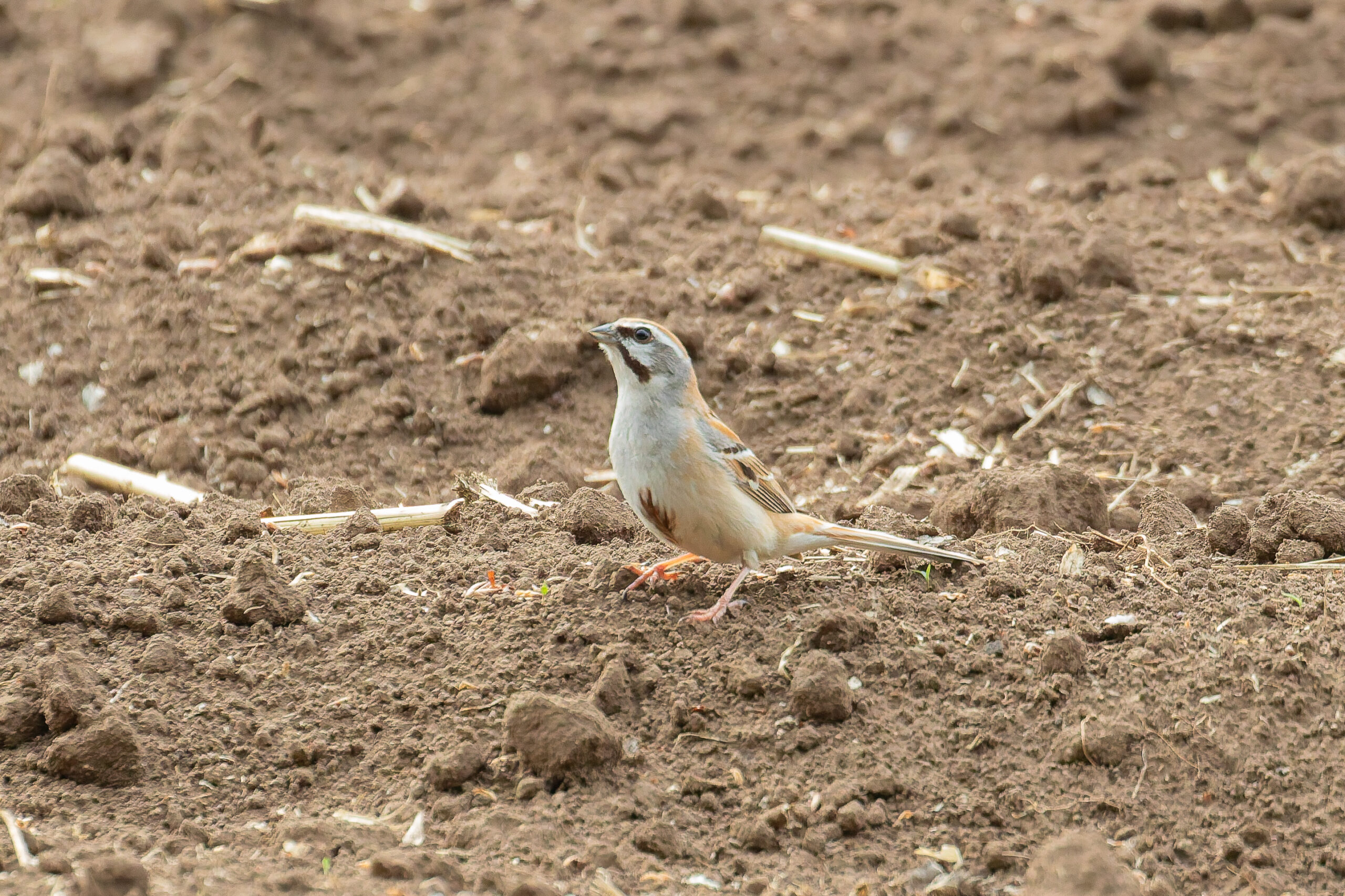
The following day, with a new driver and minibus, we were out early to drive a long way down southwest for one of our major targets: Jankowski’s Bunting. En route, the highlight was the presence of many Daurian Jackdaws, one of the best corvids out there. We also added several Rooks, Eurasian Hoopoes and a small pool roadside had a few Black-winged Stilts in it. Once we reached the area for the bunting, it didn’t take us long to locate a showy male and we birded the area for a bit more, totalling at least three individuals. Further highlights in the area included a few Little and Meadow Buntings, many Amur Falcons hunting everywhere and a few Brown Shrikes hopping bushes. We drove out towards the steppes, trying to switch habitat a bit to find some different species. We had great views of a few displaying Asian Short-toed Larks and plenty of Daurian Ground Squirrels kept us entertained, before we started the long drive to our accommodation, located in Xianghai. This town is situated in the middle of marshes, swamps and wetlands, aptly named Xianghai Reservoir. En route, we made a splendid birding stop, with almost too few eyes as there was a lot to see! Our first Red-crowned Cranes were the major highlight, but we enjoyed the many Eurasian Bitterns that showed themselves very well for such a secretive species, many Amur Falcons and Amur Stonechats, a distant Whooper Swan, a few Eastern Marsh Harriers that flew by very close and plenty of Oriental Storks, with their nests dotted around the area. A bit further, we drove along a nice waterwork that held a plethora of waterfowl, including plenty of drakes Falcated Ducks, a single Ruddy Shelduck and a pair of Red-breasted Merganser amongst the many Tufted Ducks, Common Pochards, Eastern Spot-billed Ducks and Eurasian Teals. Taiga Bean Geese were a write-in for the tour. During our time driving through the area, we also located the much-desired Chinese Grey Shrike, perched on one of the many electric wires. It gave away great views and we reached the accommodation content. We did some more birding on foot before dark but didn’t see much apart from a pair of write-in Long-tailed Tits nestbuilding close to the road.
After a good night sleep, the alarm was earlier than before again, as we had moved quite a bit east. We would spend the whole day around the Xianghai Reserve area to find its specialties and started off very strong with a pair of Yellow-breasted Buntings! The area we wanted to enter was still closed but this in effect helped us find this beautiful, Critically Endangered, bunting species. The area is definitely not easy to navigate, with many fences, closed-off roads and protected areas intertwined, but during our time in the area we enjoyed more Red-crowned Cranes, more Swan Geese, which are nice and wild here, a single, wild (!) Mute Swan was a nice discovery, our first Ferruginous Ducks, and quite some more wildfowl. On one of our drives from A to B, we were lucky to run into a triplet of Daurian Starlings adorning some wires. A very welcome addition to our list, as they are quite a nice starling species! After lunch, we were finally able to enter Red-crowned Crane Island, which we were told was a good place for Red-crowned Cranes but also White-naped ones! It turned out that they kept more Red-crowned Cranes in captivity, for reintroduction purposes, here, than we could see out in the wild, but this did allow for nice close-up studies of the species as a few are let out of their caches for wild foraging. However, highlights for us included nice views of a pair of White-naped Cranes, which are not kept in captivity here, a large flock of more Yellow-breasted Buntings intertwined with quite a few Pallas’s Reed Buntings, a few Black-browed Reed Warblers and a nice adult male Chestnut Bunting for some. With that, we set off towards Niuxintaobao Lake, but sadly the route wasn’t two hours but turned out to be four hours! Sadly, this left us with little birding time once we were there. We added a few more Ferruginous Ducks to our tally, but no Baer’s Pochard was found. A single Oriental Stork showed itself well, an Osprey was new, we had good looks of another Chinese Grey Shrike and we had a surprise visit from a female Hen Harrier just before sunset. We explored the area a bit more, took some nice photographs of the beautiful aforementioned sunset and set off to our hotel for our last tour night.
The early bird gets the worm, so we were up and out at the crack of dawn again, on our way to Momoge National Nature Reserve, one of the stopovers for Siberian Cranes on migration. Although we would most likely be too late for the cranes, we were keen to try anyway. Of course, the birding park only opened at 08:30…, but we didn’t let this keep us back. We explored the southern parts of the area and although it was very, very windy, we managed to find some great birds here. More Yellow-breasted Buntings were a definite highlight, but most exciting was a very typical pipit sneaking through the grasses like a mouse: Pechora Pipit! Photographing was very tricky with the weather and location, but we obtained great views. Most likely, this Pechora belongs to the subspecies menzbieri, which is quite an unknown population. We also had good views of a pair of Oriental Reed Warblers, a nice Bluethroat, showy Pallas’s Reed Buntings with displaying males and plenty of Eastern Yellow Wagtails flying about. We explored the area, were finally led into the park which held more captive Red-crowned Cranes, but not much more of note. With that, we set out for the airport, did some more birding en route which didn’t result in much and arrived at the airport early enough to take our flight back to Beijing in a relaxed mood. Thanks to everyone for the excellent company during this long and sometimes tiring but overall rewarding trip, that included many great birds and beautiful scenery.
BIRDS OF THE TOUR
1st: Reeves’s Pheasant
2nd: Cabot’s Tragopan
3rd: Fairy Pitta & Brown Eared Pheasant
4th: White-eared Night Heron
5th: Jankowski’s Bunting
SYSTEMATIC LIST OF SPECIES RECORDED DURING THE TOUR
Species marked with the diamond symbol (◊) are either endemic to the country or local region or considered ‘special’ birds for some other reason (e.g., it is only seen on one or two Birdquest tours; it is difficult to see across all or most of its range; the local form is endemic or restricted-range and may in future be treated as a full species).
The species names and taxonomy used in the bird list follows Gill, F., Donsker, D., & Rasmussen, P.(Eds). 2024. IOC World Bird List (v14.2).
Where the subspecies seen is/are known, these are often given in parentheses at the end of the species comment.
BIRDS
Greylag Goose Anser answer Small groups in any of the reedbeds of Jilin Province.
Swan Goose ◊ Anser cygnoides Quite common in Inner Mongolia and Jilin Province.
Taiga Bean Goose ◊ Anser fabilis A small group in Xianghai Reserve.
Whooper Swan Cygnus cygnus A singleton in Jilin Province; a tour write-in.
Mute Swan ◊ Cygnus olor One distantly swimming in one of the lakes of Xianghai Reserve.
Common Shelduck Tadorna tadorna
Ruddy Shelduck Tadorna ferruginea A singleton in Jilin Province
Mandarin Duck ◊ Aix galericulata Obliging wild (!) pairs were seen at Emeifeng NP and in Dongzhai.
Garganey Spatula querquedula A small group in the Rudong area.
Northern Shoveler Spatula clypeata
Gadwall Mareca strepera Fairly common in the northern regions.
Falcated Duck ◊ Mareca falcata Large numbers seen the in Xianghai area.
Eurasian Wigeon Mareca penelope
Eastern Spot-billed Duck ◊ (Chinese S-b D) Anas zonorhyncha Widespread and common.
Mallard Anas platyrhynchos Widespread throughout.
Northern Pintail Anas acuta Two pairs in Xianghai Reserve.
Eurasian Teal Anas crecca
Common Pochard Aythya farina
Ferruginous Duck Aythya nyroca Quite a few pairs noted during our visit of ‘Inner Mongolia’.
Tufted Duck Aythya fuligula
Red-breasted Merganser Mergus serrator A pair in Xianghai Reserve.
Scaly-sided Merganser ◊ Mergus squamatus Bonus! A single female at Wuyuan. It seemed to have some problems with its left wing, probably explaining why it did not migrate north.
White-necklaced Partridge ◊ Arborophila gingica One of us got lucky in Emeifeng with a sighting, but most of us had to make due with calls. However, everyone managed to get views at Fuzhou!
Cabot’s Tragopan ◊ Tragopan caboti Great views at Emeifeng, for a few along the road but all got great views from the derelict hide near the kitchen of our accommodation.
Koklass Pheasant ◊ Pucrasia macrolopha Fleeting views of a female flushed of the road at Emeifeng.
Reeves’s Pheasant ◊ Syrmaticus reevesii Amazing and prolonged views of two males at the hide in Dongzhai NR.
Elliot’s Pheasant ◊ Syrmaticus ellioti Great views of a total of five birds at Emeifeng along the roads at the bottom of the mountain.
Common Pheasant (Ring-necked P) Phasianus colchicus Common and widespread. Subspecies torquatus, kiangsuensis and pallasi were seen.
Brown Eared Pheasant ◊ Crossoptilon mantchuricum It took some time but great views of two males at point blank range, after a brief view of one in the hills near the accommodation. The individual that came to some corn at breakfast and had a very tatty looking suit of feathers will be quickly forgotten.
Silver Pheasant ◊ Lophura nycthemera Two males in the Wuyuan and a few sightings at Emeifeng, including a group of 10+.
Chinese Bamboo Partridge ◊ Bambusicola thoracicus A pair at the bottom of Emeifeng gave views to those who managed to get on them through the thick bush. Also flushed at Wuyuan and heard throughout the tour.
Grey Nightjar Caprimulgus jotaka Heard-only. Despite several attempts, none would show.
Common Swift Apus apus
Pacific Swift (Fork-tailed S) Apus pacificus A large group of these above Emeifeng.
House Swift Apus nipalensis Small numbers seen in Guangzhou.
Greater Coucal Centropus sinensis
Chestnut-winged Cuckoo ◊ Clamator coromandus A surprise encounter of three in Mingxi County was fleeting but great views at Fuzhou.
Asian Koel Eudynamys scolopaceus Heard-only.
Square-tailed Drongo-Cuckoo Surniculus lugubris Heard-only.
Large Hawk-Cuckoo Hierococcyx sparverioides Widespread and vocally present everywhere. Scope views obtained in Dongzhai.
Lesser Cuckoo Cuculus poliocephalus A surprise encounter near Xiaolongmen Forest Park.
Indian Cuckoo Cuculus Micropterus Seen in Dongzhai.
Himalayan Cuckoo Cuculus saturates Seen in the Linfen Mountains.
Oriental Cuckoo Cuculus optatus A few Oriental/Common Cuckoos seen in the north, but they were all silent.
Common Cuckoo Cuculus canorus Heard and seen in Wuyuan.
Rock Dove (Feral Pigeon) Columba [livia] var_domestica
Hill Pigeon ◊ Columba rupestris One single bird in the Lingshen Mountains.
Oriental Turtle Dove (Rufous T D) Streptopelia orientalis Widespread and pleasantly common.
Eurasian Collared Dove Streptopelia decaocto Relatively common in Inner Mongolia and Jilin Province.
Red Collared Dove Streptopelia tranquebarica
Spotted Dove Spilopelia chinensis
Common Moorhen Gallinula chloropus
Eurasian Coot (Common C) Fulica atra
Brown Crake ◊ Zapornia akool Two walking in the paddy fields, in the pouring rain, in Dongzhai.
White-breasted Waterhen Amaurornis phoenicurus
White-naped Crane ◊ Antigone vipio One pair in Xianghai Reserve.
Red-crowned Crane ◊ (Japanese C) Grus japonensis A few singletons in Jilin Province and several pairs in Xianghai Reserve itself.
Little Grebe Tachybaptus ruficollis Widespread [poggei].
Great Crested Grebe Podiceps cristatus
Black-necked Grebe (Eared G) Podiceps nigricollis
Eurasian Oystercatcher ◊ (Eastern O) Haematopus [ostralegus] osculans A handful in Rudong.
Black-winged Stilt Himantopus himantopus
Pied Avocet Recurvirostra avosetta
Grey Plover (Black-bellied P) Pluvialis squatarola
Pacific Golden Plover Pluvialis fulva
Little Ringed Plover Charadrius dubius
Northern Lapwing Vanellus vanellus
Grey-headed Lapwing ◊ Vanellus cinereus Widespread and common.
Siberian Sand Plover (Mongolian P) Anarhynchus mongolus
Greater Sand Plover Anarhynchus leschenaultii
Kentish Plover Anarhynchus alexandrinus
White-faced Plover ◊ (Swinhoe’s P) Anarhynchus dealbatus Non-leader. A single bird in Rudong.
Eurasian Whimbrel Numenius phaeopus
Little Curlew ◊ Numenius minutus A single bird gave walkaway views at the Rudong coast.
Far Eastern Curlew Numenius madagascariensis
Eurasian Curlew Numenius arquata
Bar-tailed Godwit Limosa lapponica
Black-tailed Godwit (Eastern Black-t G) Limosa [limosa] melanuroides
Pin-tailed Snipe Gallinago stenura
Common Snipe Gallinago gallinago
Terek Sandpiper Xenus cinereus
Common Sandpiper Actitis hypoleucos
Green Sandpiper Tringa ochropus
Grey-tailed Tattler Tringa brevipes
Marsh Sandpiper Tringa stagnatilis
Wood Sandpiper Tringa glareola
Common Redshank Tringa totanus
Spotted Redshank Tringa erythropus
Common Greenshank Tringa nebularia
Ruddy Turnstone Arenaria interpres
Great Knot ◊ Calidris tenuirostris Quite a few at the coast in Rudong.
Red Knot Calidris canutus
Broad-billed Sandpiper ◊ Calidris falcinellus Present along the coast in Rudong and Fuzhou.
Sharp-tailed Sandpiper Calidris acuminata
Curlew Sandpiper Calidris ferruginea
Temminck’s Stint Calidris temminckii
Long-toed Stint Calidris subminuta
Red-necked Stint Calidris ruficollis
Sanderling Calidris alba
Dunlin Calidris alpina
Oriental Pratincole Glareola maldivarum
Little Tern Sternula albifrons
Gull-billed Tern Gelochelidon nilotica
Caspian Tern Hydroprogne caspia
Whiskered Tern Chlidonias hybrida
White-winged Tern (W-w Black T) Chlidonias leucopterus
Common Tern (Eastern C T) Sterna [hirundo] longipennis
Greater Crested Tern Thalasseus bergii
Saunders’s Gull ◊ Saundersilarus saundersi Very common at the coast in Rudong.
Black-headed Gull Chroicocephalus ridibundus
Black-tailed Gull ◊ Larus crassirostris A few immatures seen well at Rudong coast and also present in Fuzhou.
Mongolian Gull ◊ Larus mongolicus Several along the East China Sea coast.
Oriental Stork ◊ (O White S) Ciconia boyciana Surprisingly common in the north, with quite a few occupied nests throughout Xianghai Reserve.
Great Cormorant Phalacrocorax carbo
Crested Ibis ◊ Nipponia nippon A small group seen in Dongzhai.
Eurasian Spoonbill Platalea leucorodia
Black-faced Spoonbill ◊ Platalea minor
Eurasian Bittern Botaurus stellaris
Black-crowned Night Heron Nycticorax nycticorax
Chinese Egret ◊ Egretta eulophotes A few on the coast at Rudong.
Little Egret Egretta garzetta
White-eared Night Heron ◊ Oroanassa magnifica Great views of a nesting pair in Mingxi County during a nightly boat ride. A tour write-in and great bonus!
Little Heron Butorides striata
Chinese Pond Heron Ardeola bacchus
Great Egret (Eastern G E) Ardea [alba] modesta
Medium Egret Ardea intermedia
Eastern Cattle Egret Ardea coromanda
Grey Heron Ardea cinerea
Purple Heron Ardea purpurea
Osprey (Western O) Pandion [haliaetus] haliaetus
Black-winged Kite Elanus caeruleus
Crested Honey Buzzard (Oriental H B) Pernis [ptilorhynchus] orientalis
Black Baza Aviceda leuphotes
Crested Serpent Eagle Spilornis cheela
Black Eagle Ictinaetus malaiensis
Bonelli’s Eagle Aquila fasciata A single adult above the mountains while waiting for the Pied Falconet to show up. A tour write-in.
Crested Goshawk Lophospiza trivirgata
Chinese Sparrowhawk ◊ (C Goshawk) Tachyspiza soloensis A few displaying pairs were noted at Emeifeng, Mingxi and Wuyuan with singletons elsewhere.
Japanese Sparrowhawk ◊ Tachyspiza gularis One flying over at the coast near Shanghai.
Eurasian Sparrowhawk Accipiter nisus
Hen Harrier Circus melanoleucos A female in Jilin Province.
Pied Harrier Circus melanoleucos A female in the Shanghai area.
Eastern Marsh Harrier Circus spilonotus Common in the north.
Black Kite (Black-eared K) Milvus [migrans] lineatus
Northern Boobook Ninox japonica Great views at Dongzhai.
Collared Owlet Taenioptynx brodiei Heard-only at several places throughout the tour.
Asian Barred Owlet Glaucidium cuculoides Great views of one in Wuyuan City and en route to the Pied Falconet nest.
Mountain Scops Owl Otus spilocephalus Heard-only in Mingxi County.
Oriental Scops Owl Otus sunia Heard in Mingxi County and seen well in Dongzhai.
Japanese Scops Owl ◊ Otus semitorques A nest with a large family allowed for great views.
Red-headed Trogon Harpactes erythrocephalus Seen by local guide only at Emeifeng.
Eurasian Hoopoe Upupa epops
Oriental Dollarbird Eurystomus orientalis
White-throated Kingfisher Halcyon smyrnensis
Common Kingfisher Alcedo atthis
Blyth’s Kingfisher ◊ Alcedo hercules A flyby was only picked up by the leader and one group member; further searching turned futile. There was no nesting pair this year and the species seems in rapid decline here!
Crested Kingfisher Megaceryle lugubris
Pied Kingfisher Ceryle rudis
Blue-throated Bee-eater Merops viridis A few flocks near Liuxihe.
Great Barbet Psilopogon virens It took some time but good views were obtained in Emeifeng.
Chinese Barbet ◊ Psilopogon faber Quite vocal and locally common in the south. Great views obtained in Mingxi County.
Speckled Piculet Picumnus innominatus One in Emeifeng.
Grey-capped Pygmy Woodpecker Yungipicus canicapillus
Great Spotted Woodpecker Dendrocopos major The following subspecies were encountered during our tour: cabanisi in the southeast, stresemanni in Central China and japonicus in Inner Mongolia / Jilin Province.
White-backed Woodpecker Dendrocopos leucotos
Grey-headed Woodpecker Picus canus Seen well inside Beijing’s parks. This subspecies guerini is sometimes split off as Black-naped Woodpecker.
Bay Woodpecker Blythipicus pyrrhotis Several at the top of Emeifeng, belonging to the subspecies sinensis.
Rufous Woodpecker Micropternus brachyurus
Pied Falconet ◊ Microhierax melanoleucos The wait felt very long but after a while we had great views of one half of the pair.
Common Kestrel (Eurasian K) Falco tinnunculus
Amur Falcon ◊ Falco amurensis Pleasantly abundant throughout Inner Mongolia and Jilin Province.
Eurasian Hobby Falco subbuteo
Fairy Pitta ◊ Pitta nympha Quite a few freshly-arrived individuals singing in the mountains near Liuxihe and one showing itself exceedingly well to the whole group by perching right above us, loudly singing!
Large Woodshrike Tephrodornis virgatus A few in Liuxihe Forest Park.
Grey-chinned Minivet Pericrocotus solaris
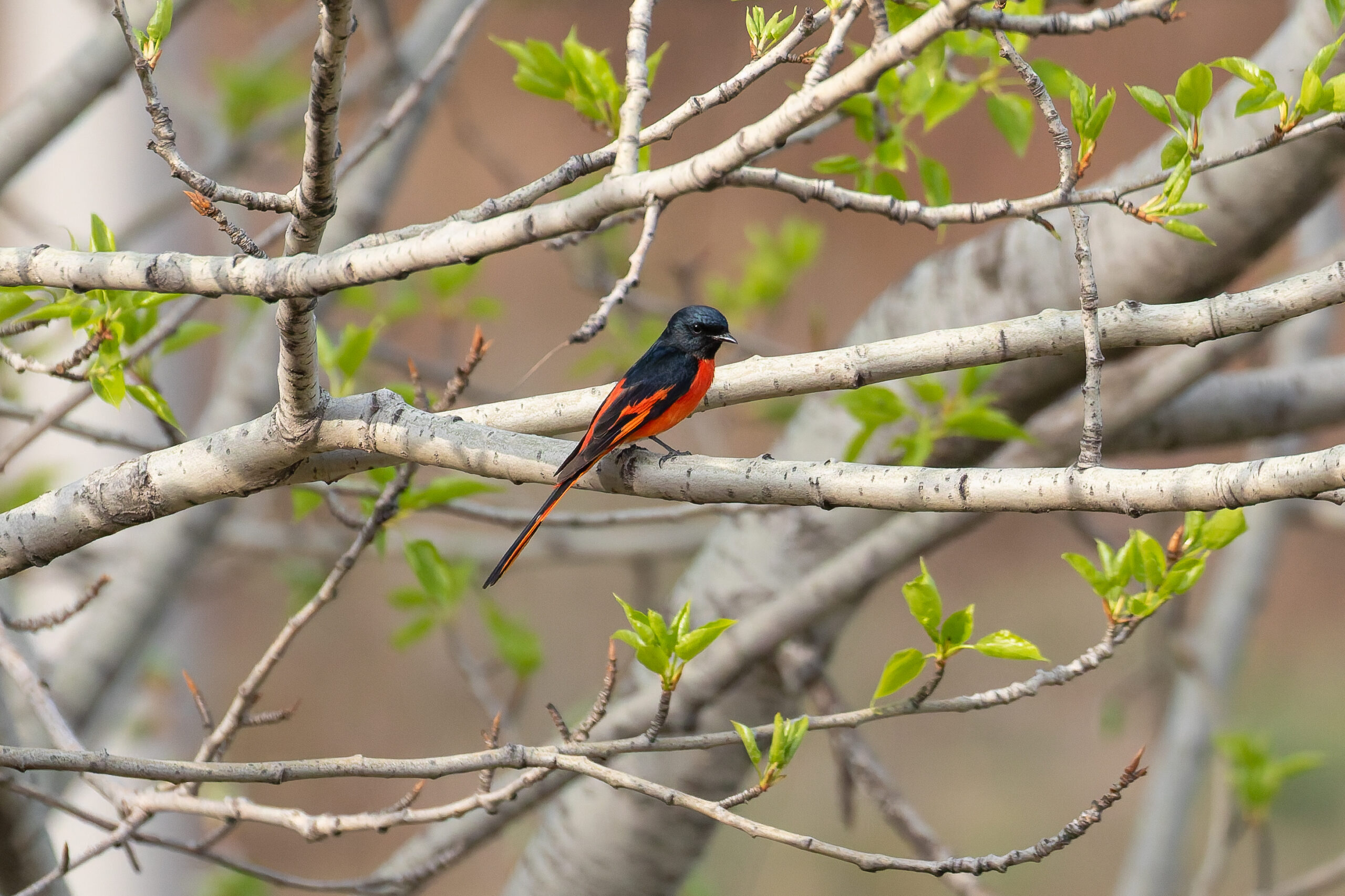
Long-tailed Minivet Pericrocotus ethologus A pair in the Lingshen Mountains.
Scarlet Minivet Pericrocotus speciosus
Ashy Minivet Pericrocotus divaricatus
Swinhoe’s Minivet ◊ Pericrocotus cantonensis Quite common in the Wuyuan area.
Silver Oriole ◊ Oriolus mellianus A pair seen briefly but well from a hide in the Liuxihe area.
Black-naped Oriole Oriolus chinensis Seen from a hide in the Liuxihe area and in the Park of Temple of Heaven in Beijing.
Hair-crested Drongo Dicrurus hottentottus
Ashy Drongo Dicrurus leucophaeus Common in Donghzai, subspecies leucogenis.
Black Drongo Dicrurus macrocercus
Chinese Grey Shrike ◊ Lanius sphenocercus One seen well on one of the many wires in Jilin Province.
Brown Shrike Lanius cristatus Common throughout and especially in Dongzhai, where we seemed to have struck ‘migration gold’ of this species with 40+ dotted through the valley.
Bull-headed Shrike ◊ Lanius bucephalus A pair in the Lingshen Mountains showed well.
Long-tailed Shrike Lanius Schach Common in the southern parts of the trip.
Eurasian Jay Garrulus glandarius
Azure-winged Magpie ◊ (Asian A-w M) Cyanopica cyanus Widespread and seen throughout the trip.
Red-billed Blue Magpie Urocissa erythroryncha Common and present everywhere.
Grey Treepie Dendrocitta formosae A few throughout the trip.
Oriental Magpie Pica serica Widespread and abundant.
Southern Nutcracker Nucifraga hemispila A few showy and vocal individuals in the Linfen Mountains.
Daurian Jackdaw ◊ Coloeus dauuricus Very common in the northeast.
Rook ◊ (Oriental R) Corvus [frugilegus] pastinator Quite common in the northern parts.
Carrion Crow ◊ (Oriental C) Corvus [corone] orientalis A few here and there in Inner Mongolia and Jilin Province.
Collared Crow ◊ Corvus torquatus Locally common in Dongzhai.
Large-billed Crow Corvus macrorhynchos
Grey-headed Canary-flycatcher Culicicapa ceylonensis Non-leader.
Sultan Tit Melanochlora sultanea A pair along the river in Mingxi County.
Coal Tit Periparus ater
Yellow-bellied Tit ◊ Pardaliparus venustulus Quite common in Shanxi and Lingshan Mountains.
Marsh Tit Poecile palustris A few in the Lingshan Mountains and Shanxi Province.
Willow Tit ◊ (Songar T) Poecile [montanus] songarus Several in the Lingshan Mountains and Linfen Mountains.
Cinereous Tit (Japanese T) Parus [cinereus] minor Common and widespread.
Yellow-cheeked Tit Machlolophus spilonotus Seen daily at Emeifeng.
Chinese Penduline Tit ◊ Remiz consobrinus Surprisingly common in Inner Mongolia and Jilin Province.
Eurasian Skylark Alauda arvensis
Asian Short-toed Lark ◊ Alaudala cheleensis Several seen well in Inner Mongolia.
Chestnut Bulbul ◊ Hemixos castanonotus Common and widespread in southern China.
Mountain Bulbul Ixos mcclellandii
Black Bulbul (Himalayan B B) Hypsipetes leucocephalus Widespread and common, quite a few with the nice white heads noted.
Collared Finchbill Spizixos semitorques Common all the way from Wuyuan to Dongzhai.
Brown-breasted Bulbul ◊ Pycnonotus xanthorrhous Uncommon but daily at the bottom of Emeifeng.
Light-vented Bulbul ◊ (Chinese B) Pycnonotus sinensis Common and widespread, even in Inner Mongolia.
Red-whiskered Bulbul Pycnonotus jocosus Common in Fuzhou parks.
Sooty-headed Bulbul Pycnonotus aurigaster Non-leader.
Sand Martin (Bank Swallow) Riparia riparia
Eurasian Crag Martin Ptyonoprogne rupestris
Barn Swallow Hirundo rustica
Asian House Martin Delichon dasypus Seen at Emeifeng.
Eastern Red-rumped Swallow Cecropis daurica
Rufous-faced Warbler Abroscopus albogularis This high-pitch song couldn’t be missed, unless you are above a certain age..!
Manchurian Bush Warbler ◊ Horornis canturians First seen well near Shanghai but also noted in the north.
Brown-flanked Bush Warbler ◊ (Brownish-f B W) Horornis fortipes Abundant and unable to miss in Dongzhai.
Long-tailed Tit ◊ Aegithalos caudatus caudatus A breeding pair of ‘White-headed Tits’ in Xianghai Reserve. A tour write-in.
Silver-throated Bushtit Aegithalos glaucogularis
Black-throated Bushtit (B-t Tit) Aegithalos concinnus
Yellow-browed Warbler Phylloscopus inornatus
Chinese Leaf Warbler ◊ Phylloscopus yunnanensis Singing everywhere in Shanxi and Beijing Province.
Pallas’s Leaf Warbler Phylloscopus proregulus
Yellow-streaked Warbler ◊ Phylloscopus armandii Common in Shanxi and Beijing.
Dusky Warbler Phylloscopus fuscatus
Eastern Crowned Warbler ◊ Phylloscopus coronatus A few seen well near Xiaolongmen.
White-spectacled Warbler ◊ Phylloscopus intermedius Notoriously difficult to get views of, but we managed to obtain walkaway views at Emeifeng through persistence.
Two-barred Warbler (T-b Greenish W) Phylloscopus plumbeitarsus A singleton in Shanghai area.
Arctic Warbler Phylloscopus borealis
Chestnut-crowned Warbler Phylloscopus castaniceps
Sulphur-breasted Warbler ◊ Phylloscopus ricketti Seen at Emeifeng.
Claudia’s Leaf Warbler ◊ Phylloscopus claudiae Common and abundant in Shanxi and Beijing.
Hartert’s Leaf Warbler ◊ Phylloscopus goodsoni Common at the higher altitudes of Emeifeng.
Oriental Reed Warbler Acrocephalus orientalis Widespread, first heard in Shanghai area but seen well in Beijing.
Black-browed Reed Warbler Acrocephalus bistrigiceps Seen in Xianghai Reserve.
Brown Bush Warbler ◊ Locustella luteoventris Once the song was actually ascribed to a bird, we had good views of one at the board walks of the temple at Emeifeng.
Zitting Cisticola Cisticola juncidis
Yellow-bellied Prinia Prinia flaviventris
Plain Prinia Prinia inornata
Beijing Babbler ◊ (C Bush-dweller) Rhopophilus pekinensis Surprisingly scarce, with only one male showing itself in the Lingshan Mountains.
Reed Parrotbill ◊ Paradoxornis heudei Once you find yourself in large enough reedbeds, you will soon find yourself a pair of this species.
Short-tailed Parrotbill ◊ Suthora davidiana Walkaway views in the Wuyuan region, after some persistence.
Vinous-throated Parrotbill ◊ Suthora webbiana Common and widespread.
Indochinese Yuhina ◊ (Striated Y) Staphida torqueola Common in the southern parts, especially at Emeifeng.
Black-chinned Yuhina Yuhina nigrimenta
Swinhoe’s White-eye Zosterops simplex
Rufous-capped Babbler Cyanoderma ruficeps
Streak-breasted Scimitar Babbler Pomatorhinus ruficollis Good views of a pair at Emeifeng.
Grey-sided Scimitar Babbler ◊ Erythrogenys swinhoei Small numbers in the southern parts of the tour, but great views were obtained in the Wuyuan area.
Dusky Fulvetta ◊ Schoeniparus brunneus Seen very well in Fuzhou.
Huet’s Fulvetta ◊ Alcippe hueti Common in the southern belt of China.
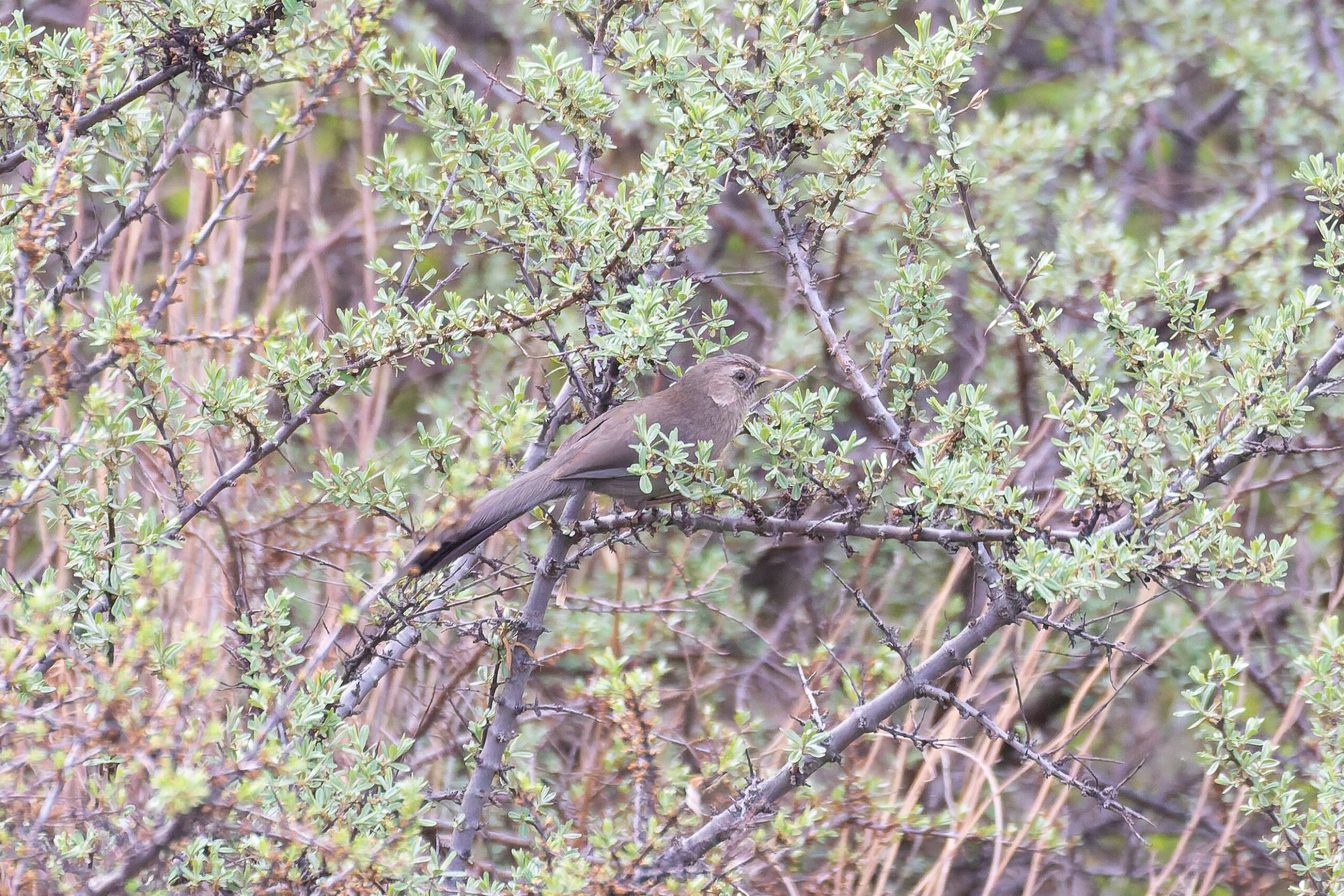
Chinese Hwamei ◊ Garrulax canorus Not always as skulky as its reputation makes it out to be and we had great views in the Wuyuan region.
Lesser Necklaced Laughingthrush Garrulax monileger Great views of a pair in Fuzhou.
Blue-crowned Laughingthrush ◊ (Courtois’s L) Pterorhinus courtoisi Visiting the nesting area of this species was amazing and a great privilege to see a large group of these stunning birds at point blank range.
Black-throated Laughingthrush Pterorhinus chinensis Typical laughingthrush behaviour resulted in only a few getting good views in Fuzhou.
Masked Laughingthrush ◊ Pterorhinus perspicillatus Fairly common and loud from Fuzhou to Dongzhai.
Greater Necklaced Laughingthrush Pterorhinus pectoralis A large flock at Emeifeng gave the best views during our trip.
Plain Laughingthrush ◊ Pterorhinus davidi It took some time to locate this species, surprisingly, until Kevin B. showed us the right spot and we found a breeding pair.
Buffy Laughingthrush ◊ Pterorhinus berthemyi Quite common at Emeifeng.
Spotted Elachura ◊ (S Wren-Babbler) Elachura formosa Walkaway views of this notorious skulker.
Chinese Nuthatch ◊ Sitta villosa Quite common in Xiaolongmon Forest and seen well.
Eurasian Nuthatch Sitta europaea Quite common in Lingshan Mountains area and seen well.
Crested Myna Acridotheres cristatellus
Common Myna Acridotheres tristis (introduced) A single bird in the farm fields at Fuzhou coast.
Red-billed Starling ◊ Spodiopsar sericeus Common throughout.
White-cheeked Starling Spodiopsar cineraceus
Black-collared Starling Gracupica nigricollis
Daurian Starling ◊ (Purple-backed S) Agropsar sturninus A group of three on the wires near our accommodation in Xianghai Reserve.
Chinese Blackbird ◊ Turdus mandarinus One of the commoner birds of the trip.
Grey-backed Thrush ◊ Turdus hortulorum Two birds along the Rudong coast.
Oriental Magpie-Robin Copsychus saularis
Grey-streaked Flycatcher ◊ Muscicapa griseisticta Seen in Liuxihe Forest Park.
Dark-sided Flycatcher Muscicapa sibirica Seen briefly from one of the hides in Dongzhai.
Asian Brown Flycatcher Muscicapa dauurica
Small Niltava Niltava macgrigoriae
Zappey’s Flycatcher ◊ Cyanoptila cumatilis One male seen well along the road at Xiaolongmen.
Bluethroat Luscinia svecica
Slaty-backed Forktail Enicurus schistaceus
White-crowned Forktail Enicurus leschenaulti
Blue Whistling Thrush Myophonus caeruleus
Yellow-rumped Flycatcher Ficedula zanthopygia Great views at Dongzhai.
Green-backed Flycatcher ◊ Ficedula elisae A female found in Hebei Province.
Taiga Flycatcher Ficedula albicilla One migrating along the coast at Rudong and quite a few in Jilin Province.
Red-flanked Bluetail Tarsiger cyanurus Two individuals in the Rudong area. A tour write-in.
Plumbeous Water Redstart (P Redstart) Phoenicurus fuliginosus
Daurian Redstart Phoenicurus auroreus
Amur Stonechat ◊ Saxicola stejnegeri Quite a few in the northeast but first encountered in Wuyuan.
Brown Dipper Cinclus pallasii
Orange-bellied Leafbird Chloropsis hardwickii
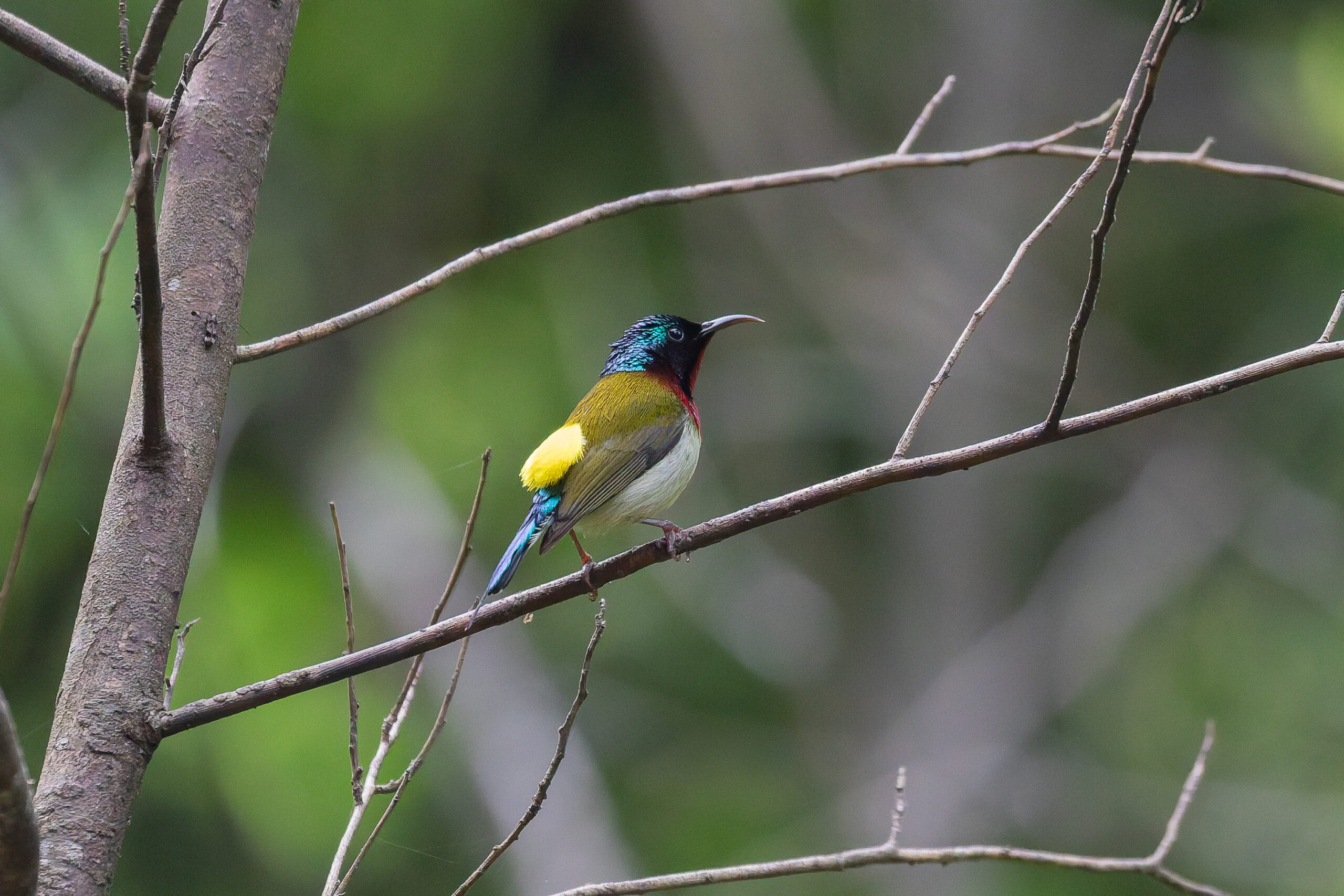
Fork-tailed Sunbird ◊ Aethopyga christinae Quite common in the southwest.
Russet Sparrow Passer cinnamomeus A few seen before we reached Inner Mongolia and Jilin, where it is more common.
Eurasian Tree Sparrow Passer montanus The most common bird seen on the trip. They could do with teaching their European brethren some survival tips.
Scaly-breasted Munia Lonchura punctulata
White-rumped Munia Lonchura striata
Siberian Accentor ◊ Prunella montanella A single bird scrambling in the roadside, seen during our drive to the Linfen Mountains. A tour write-in.
Forest Wagtail ◊ Dendronanthus indicus Leader-only. One flushed off the track that could not be refound.
Eastern Yellow Wagtail ◊ Motacilla tschutschensis Quite common in the north, on migration. Large flocks were seen which included ssp tschutschensis and taivana.
Grey Wagtail Motacilla cinerea
White Wagtail Motacilla alba The forms ocularis and leucopsis were seen, with most belonging to leucopsis showing the typical white forehead and cheeks, which can become quite extreme (possibly because of ‘interbreeding’ with other types).
Olive-backed Pipit Anthus hodgsoni
Pechora Pipit ◊ Anthus gustavi One at Momoge NP. Could well be from the menzbieri population.
Chinese Grosbeak ◊ (Yellow-billed G) Eophona migratoria Quite common nearby settlements and in parks.
Common Rosefinch Carpodacus erythrinus A young male in Hebei Province was a surprise.
Chinese Beautiful Rosefinch ◊ Carpodacus davidianus Great views of this species in the Lingshan Mountains were it was not uncommon.
Oriental Greenfinch (Grey-capped G) Chloris sinica
Godlewski’s Bunting ◊ Emberiza godlewskii Quite common in the Lingshan Mountains.
Meadow Bunting ◊ Emberiza cioides Common in the Lingshan Mountains and in the northeast.
Jankowski’s Bunting ◊ Emberiza jankowskii Luckily, this species is still present in Inner Mongolia and not too difficult to find. We saw at least one male and another pair in the area, which is being stripped bare as we speak. It made us wonder how long will they hold on…
Tristram’s Bunting ◊ Emberiza tristrami Quite a few of this smart bunting along the coast at Rudong and a few in Jilin Province.
Little Bunting Emberiza pusilla Abundant in the Lingshan Mountains and Beijing parks.
Yellow-browed Bunting ◊ Emberiza chrysophrys Great views of several in the Shanghai area and along the coast in Rudong County.
Rustic Bunting ◊ Emberiza rustica At least two individuals in the Lingshan Mountains.
Yellow-throated Bunting ◊ Emberiza elegans Stunning bunting of which we had amazing views in the Lingshan Mountains.
Yellow-breasted Bunting Emberiza aureola It was a very nice surprise to come across a relatively large number of this
Chestnut Bunting ◊ Emberiza rutila A large flock was moving through Shahe Reservoir very quickly but luckily a singleton in Xianghai Reserve meant everyone saw this species during the trip.
Black-faced Bunting Emberiza spodocephala Widespread and encountered throughout the trip.
Pallas’s Reed Bunting ◊ Emberiza pallasi Quite common in Xianghai Reserve and Jilin Province in general.
MAMMALS
Pallas’s Squirrel (Red-bellied S) Callosciurus erythraeus Seen in the Linfen area where we spent time for the Brown Eared Pheasants.
Perny’s Long-nosed Squirrel Dremomys pernyi Present in several of the city parks we visited.
Red Giant Flying Squirrel Petaurista petaurista Common during our boat trip for White-eared Night Heron.
Pere David’s Rock Squirrel Sciurotamias davidianus Quite common throughout North and Central China, also inside Beijing City.
Eurasian Red Squirrel Sciurus vulgaris One of these, that are completely black, in the Lingshan Mountains seen well.
Daurian Ground Squirrel (D Souslik) Spermophilus dauricus Common throughout Inner Mongolia, especially in steppe areas.
Maritime Striped Squirrel Tamiops maritimus Replaces Swinhoe’s at lower altitudes and we ran into it in Liuxihe National Forest Park and close to our hotel in the Silver Oriole area.
Swinhoe’s Striped Squirrel Tamiops swinhoei Quite common at higher altitudes throughout the trip.
Brown Rat Rattus norvegicus One in Momoge NNR, looking rather ill.
Chinese Hare Lepus sinensis One ran off the track when we arrived at our accommodation in Emeifeng.
Tolai Hare Lepus tolai One flushed in the Lingshan Mountains.
Amur Hedgehog Erinaceus amurensis A sickly individual in Shahe Reservoir park, covered in flies. A sad sight.
Asian Lesser White-toothed Shrew Crocidura shantungensis A caravan with at least three youngsters crossed the track at Emeifeng, leaving us all quite stunned for a while with the way it looked so much like a weird millipede or such!
Red Fox Vulpes vulpes Two in Inner Mongolia.
Sika Deer Cervus nippon (introduced) Two were seen briefly, running away from us, while we were out birding near our accommodation at Xianghai Reserve. The following day, we found out that a large group of these was held for captive breeding at the Red-crowned Crane Island Reserve.
Pere David’s Deer Elaphurus davidianus A herd of these deer was making its way through one of the fields in Rudong Area. This species was once hunted to extinction in the wild and all Père David’s deer alive today descend from a herd that was held on the Woburn Abbey estate in the UK, where Herbrand Russell bred a small group he acquired from Berlin Zoo in captivity. In the 1980’s part of this herd was donated to the Chinese government for reintroduction and the species is now doing quite well again.
Eastern Roe Deer Capreolus pygargus Relatively common in the Lingshan Mountains, also vocalizing a lot.
Reeves’s Muntjac Muntiacus reevesi Heard-only in the Lingshan Mountains.
REPTILES
Chinese Green Snake Ptyas major One on the road of Emeifeng NP.
Chinese Water Snake Enhydris chinensis One at the bottom of Emeifeng, in the water across the police checkpoint.