
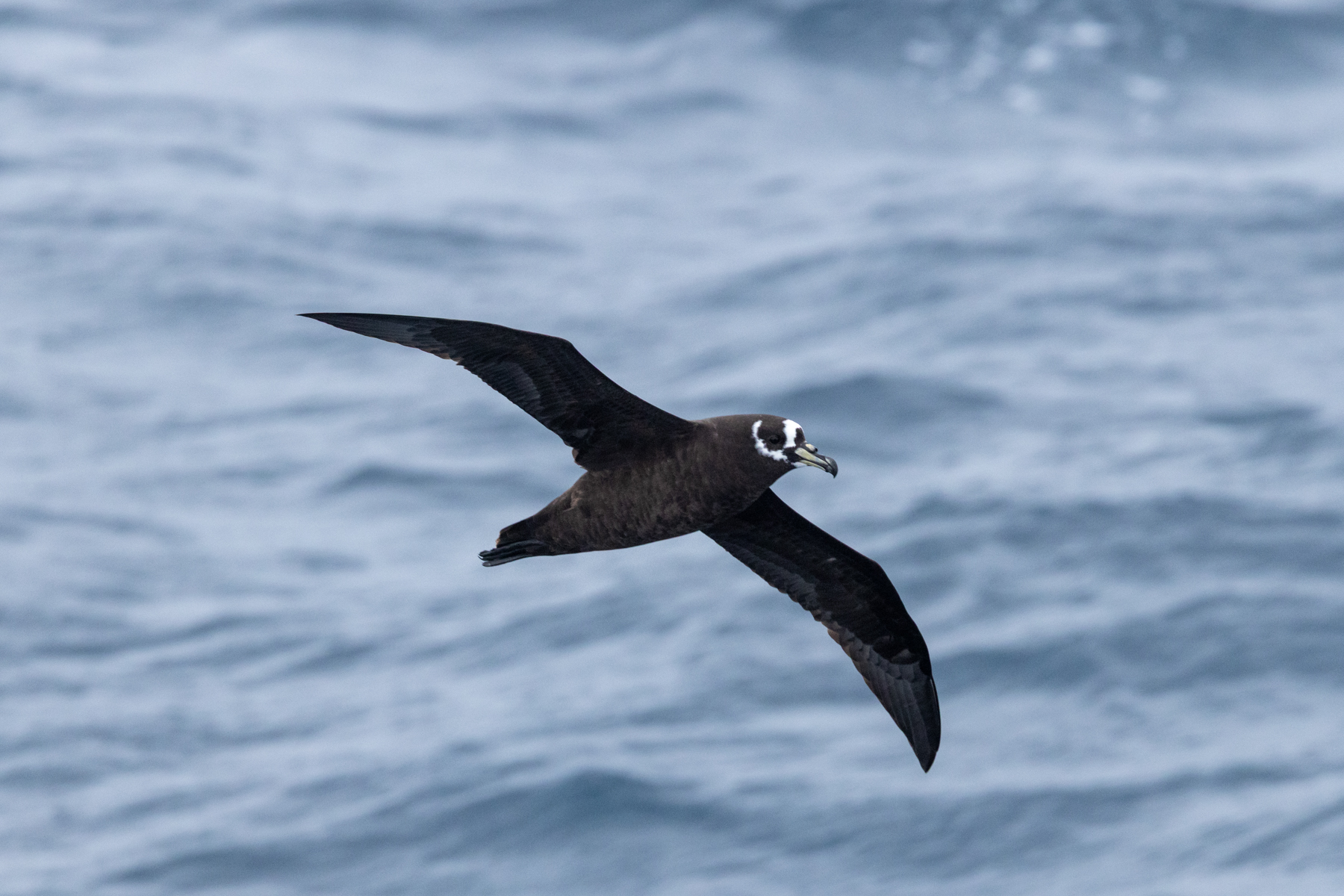
Spectacled Petrel (image by Nick Lessof)
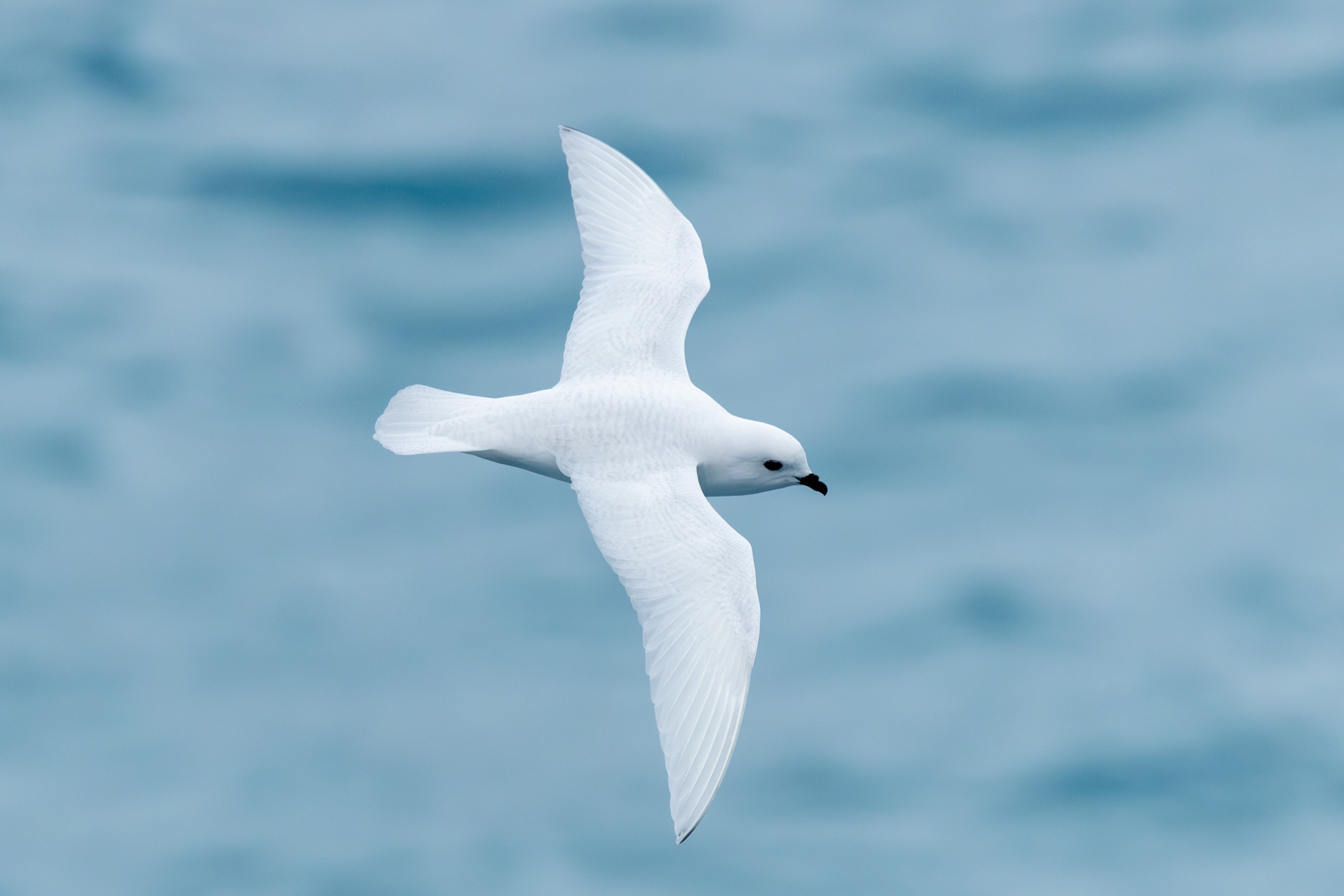
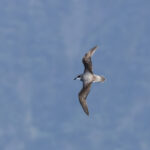
Snow Petrel (image by Nick Lessof)
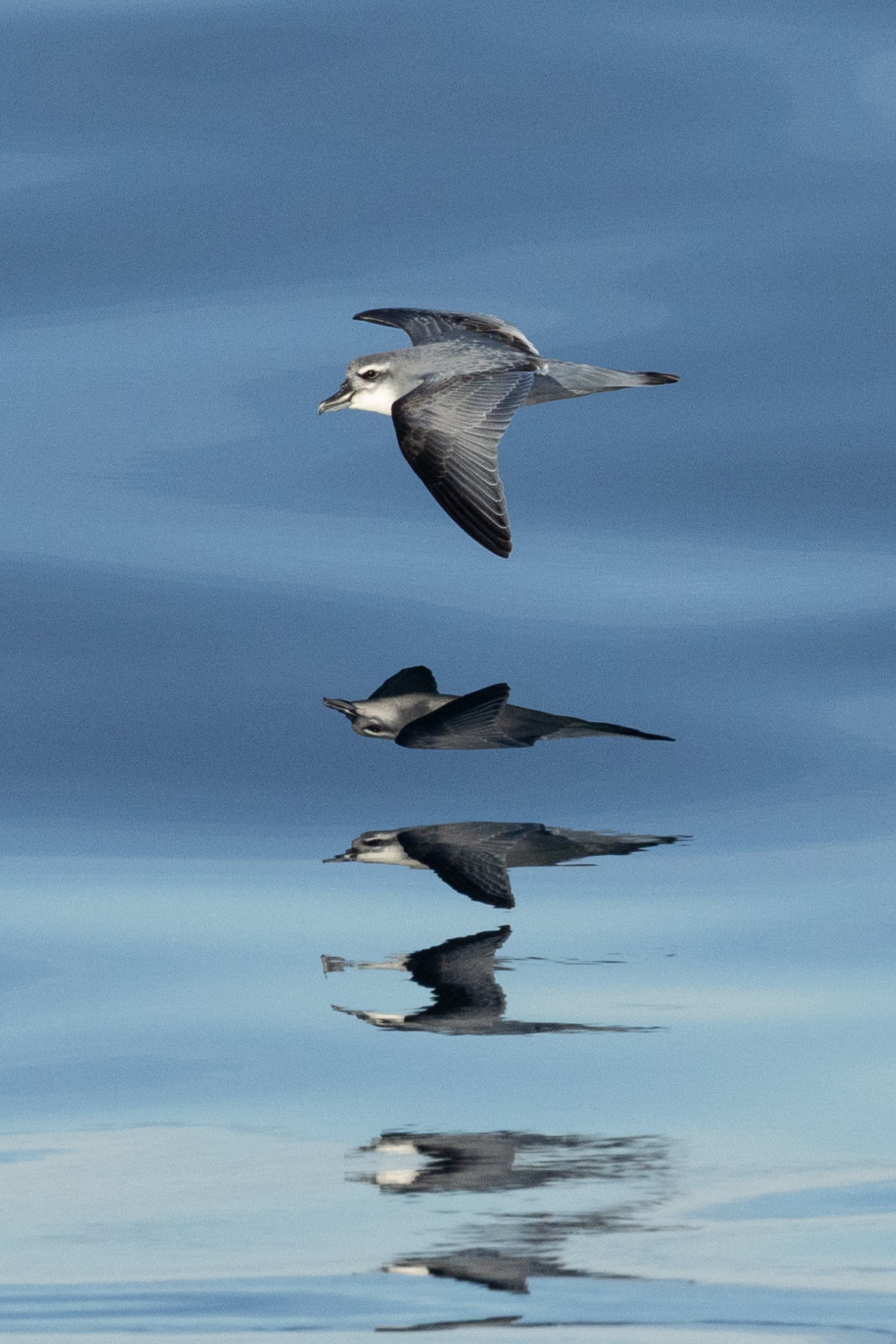
Broad-billed Prion (image by Nick Lessof)
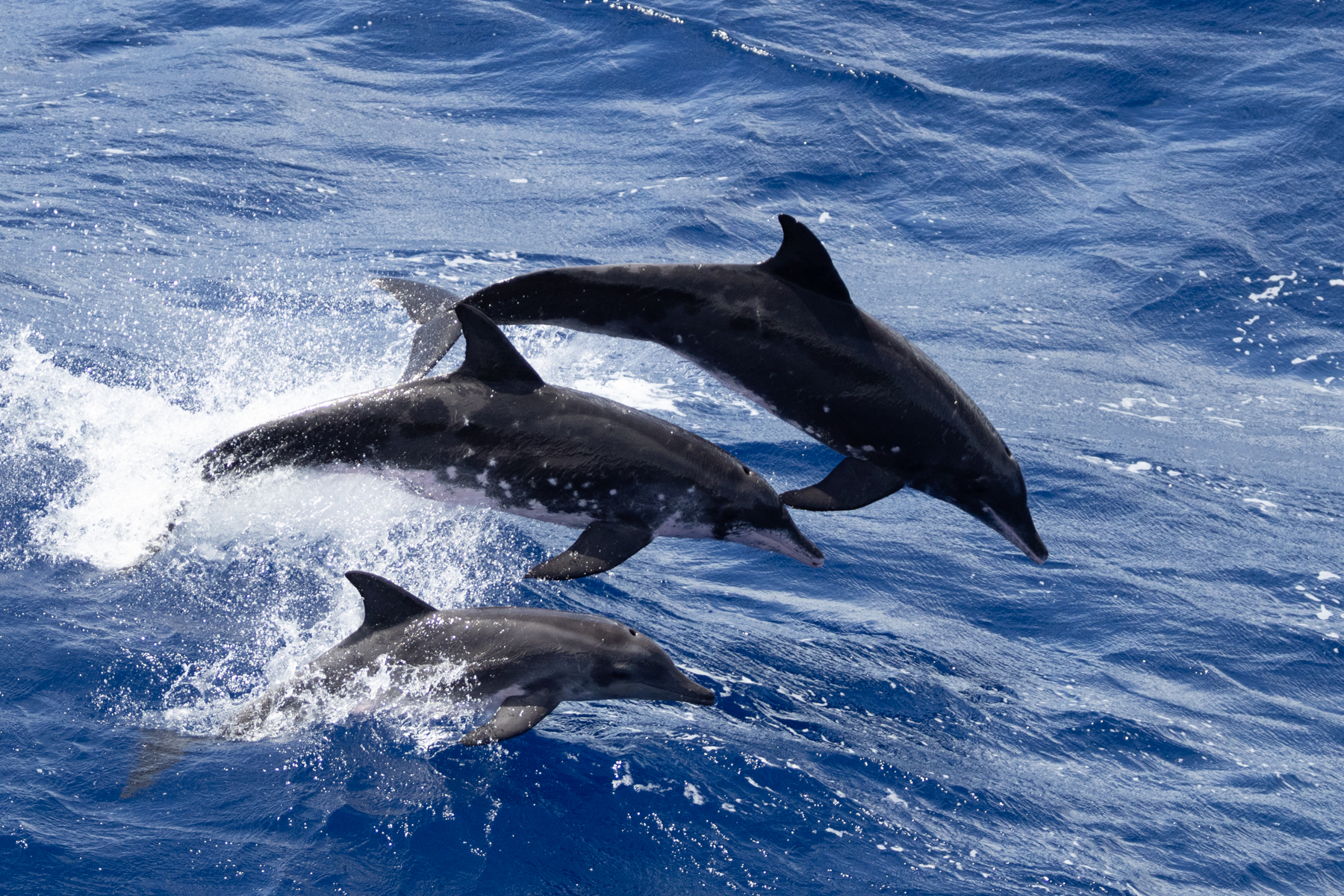
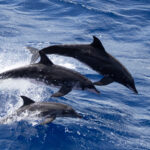
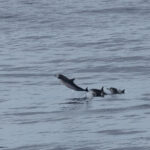
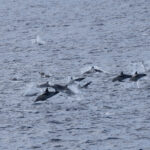
Rough-toothed Dolphins (image by John Young)
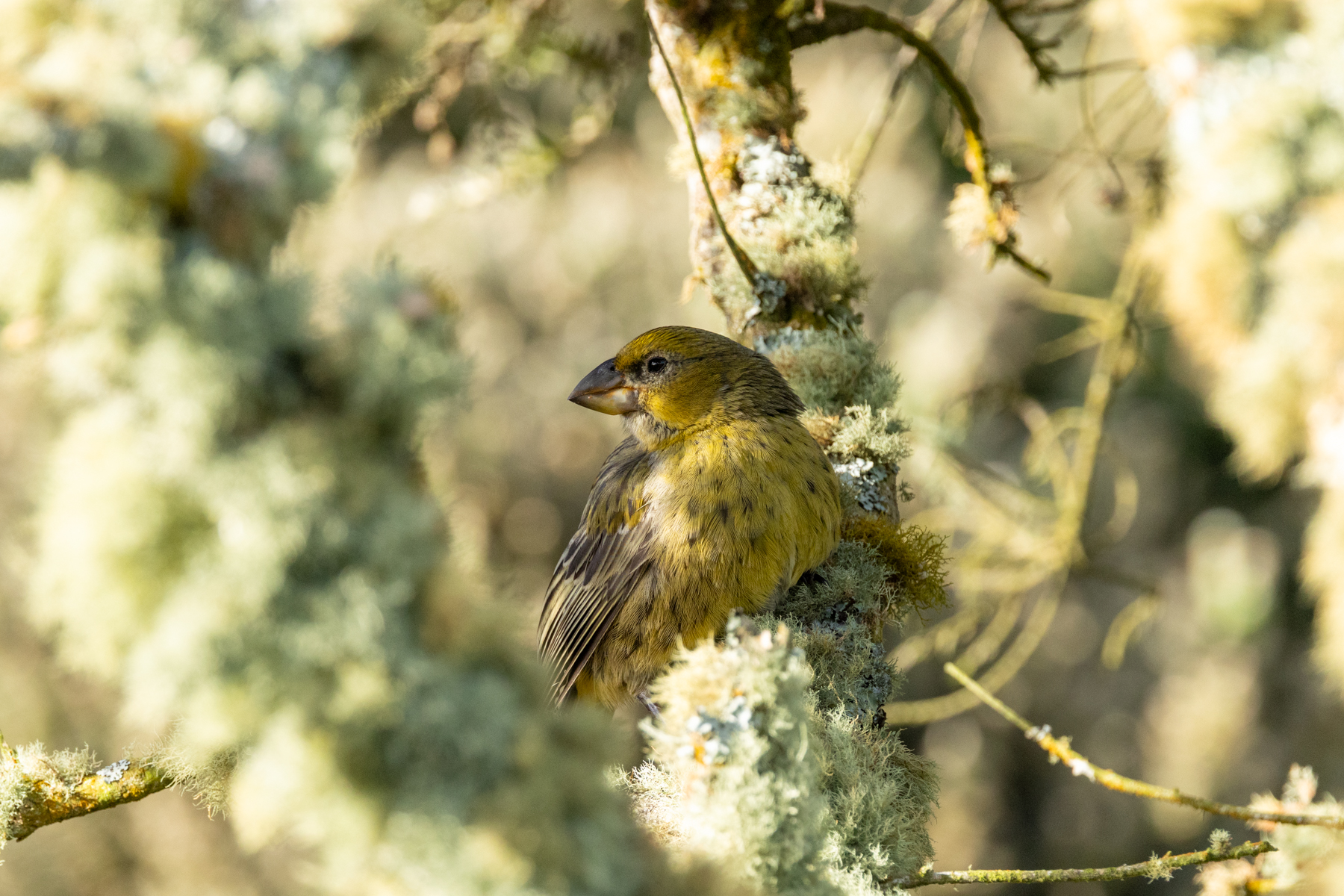
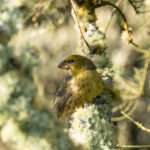
Wilkins's Finch (image by Nick Lessof)
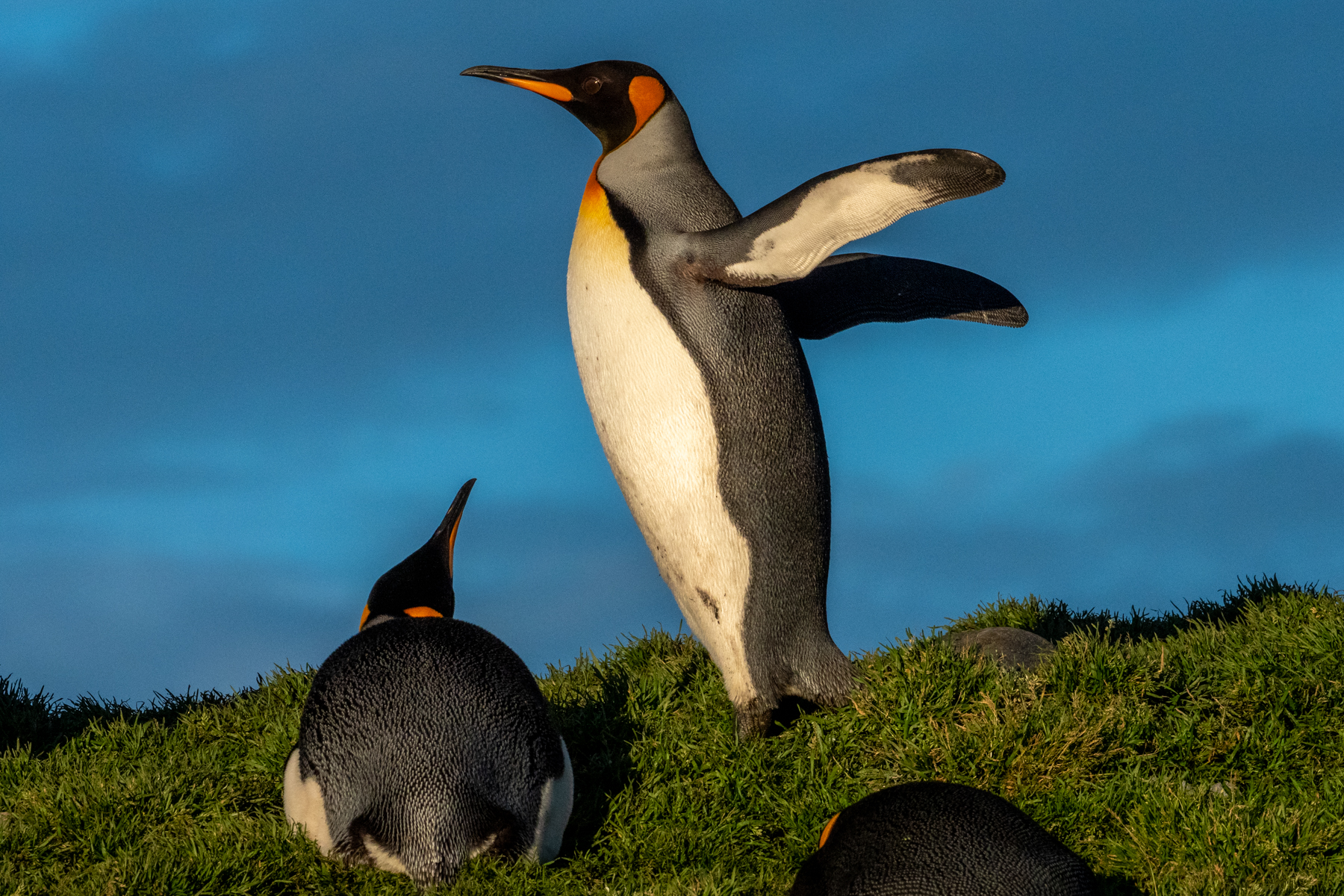
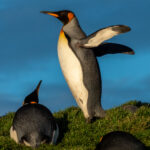
King Penguins (image by Mark Van Beirs)
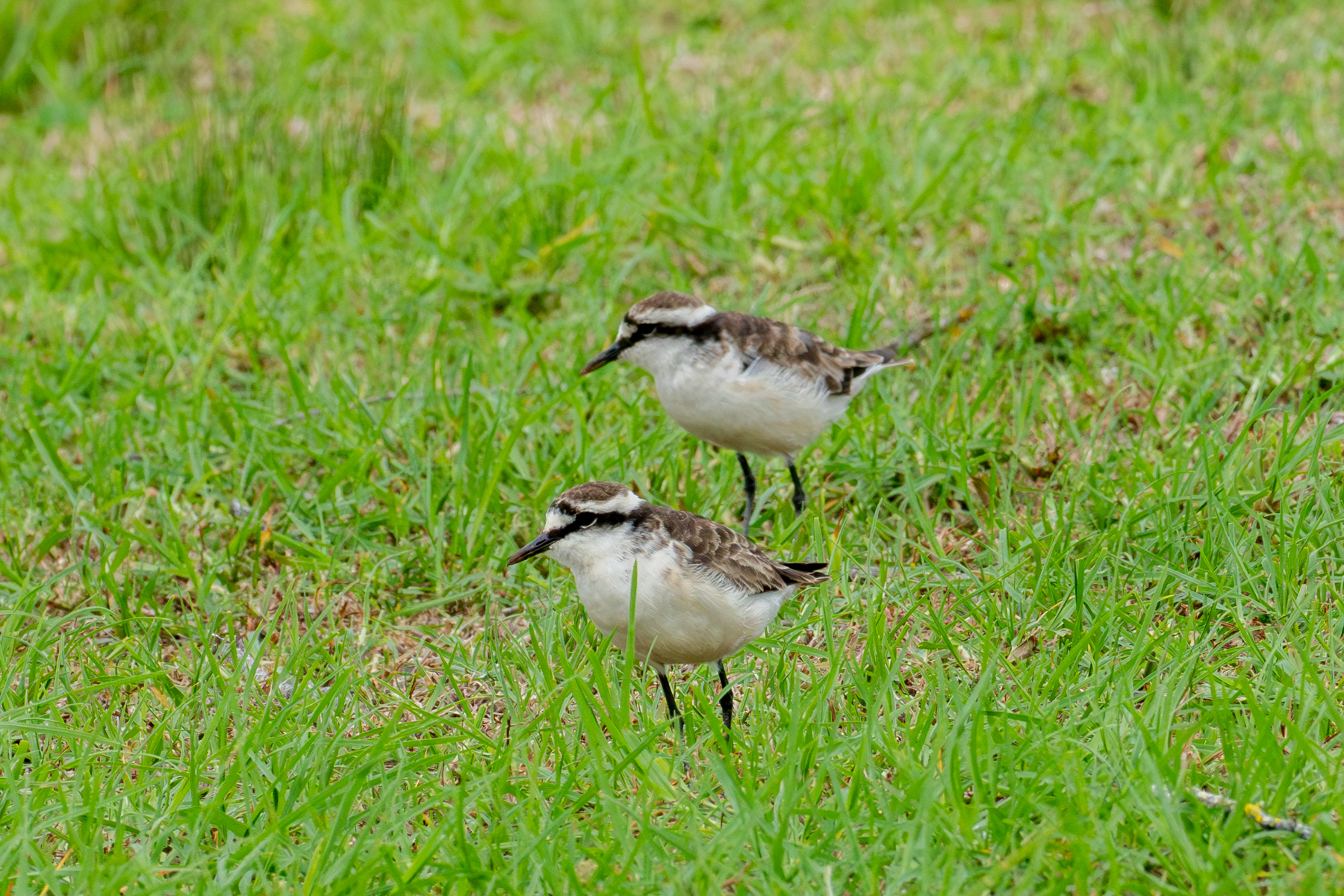
St Helena Plovers (Wirebird) (image by Mark Van Beirs)
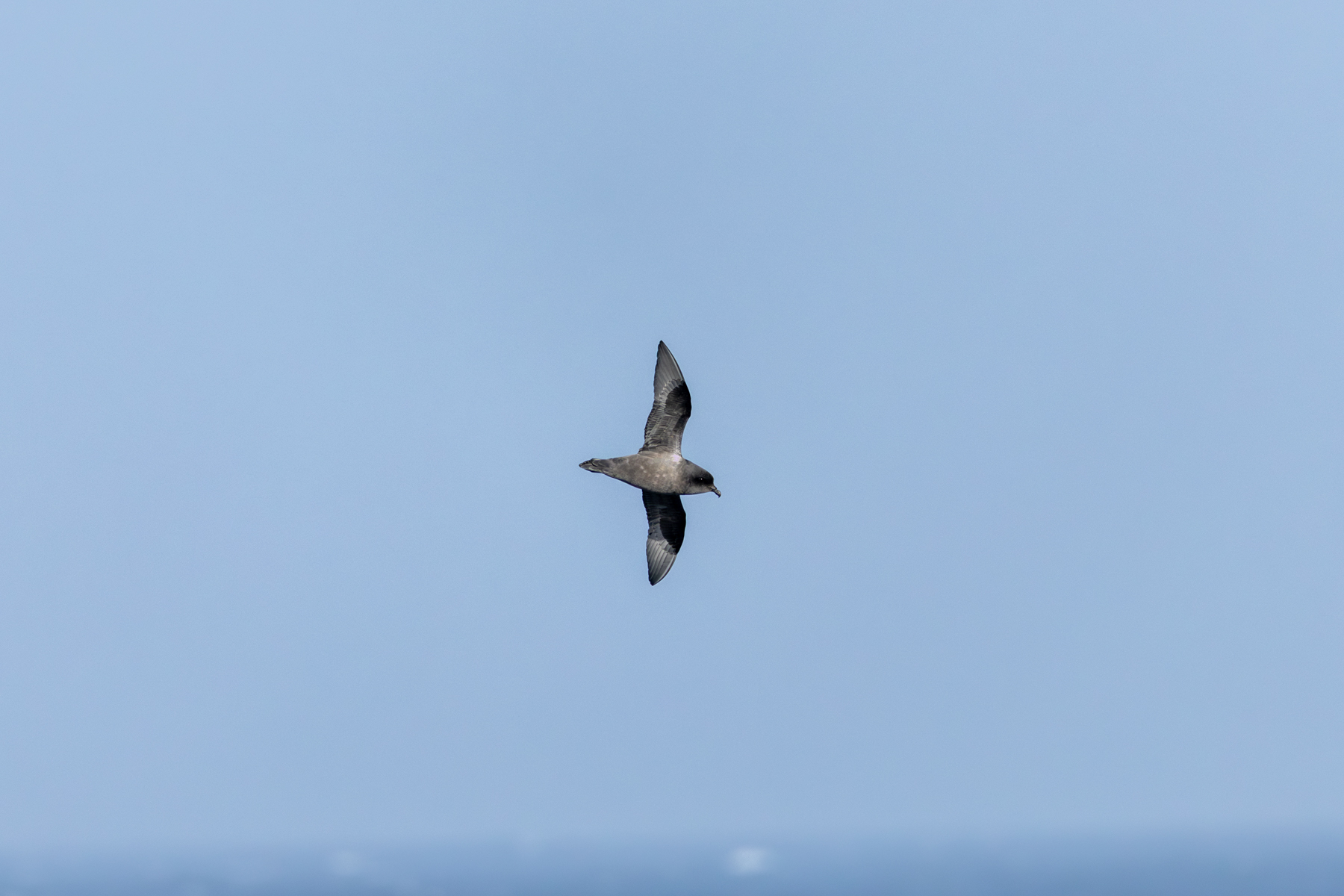
Kerguelen Petrel (image by Nick Lessof)
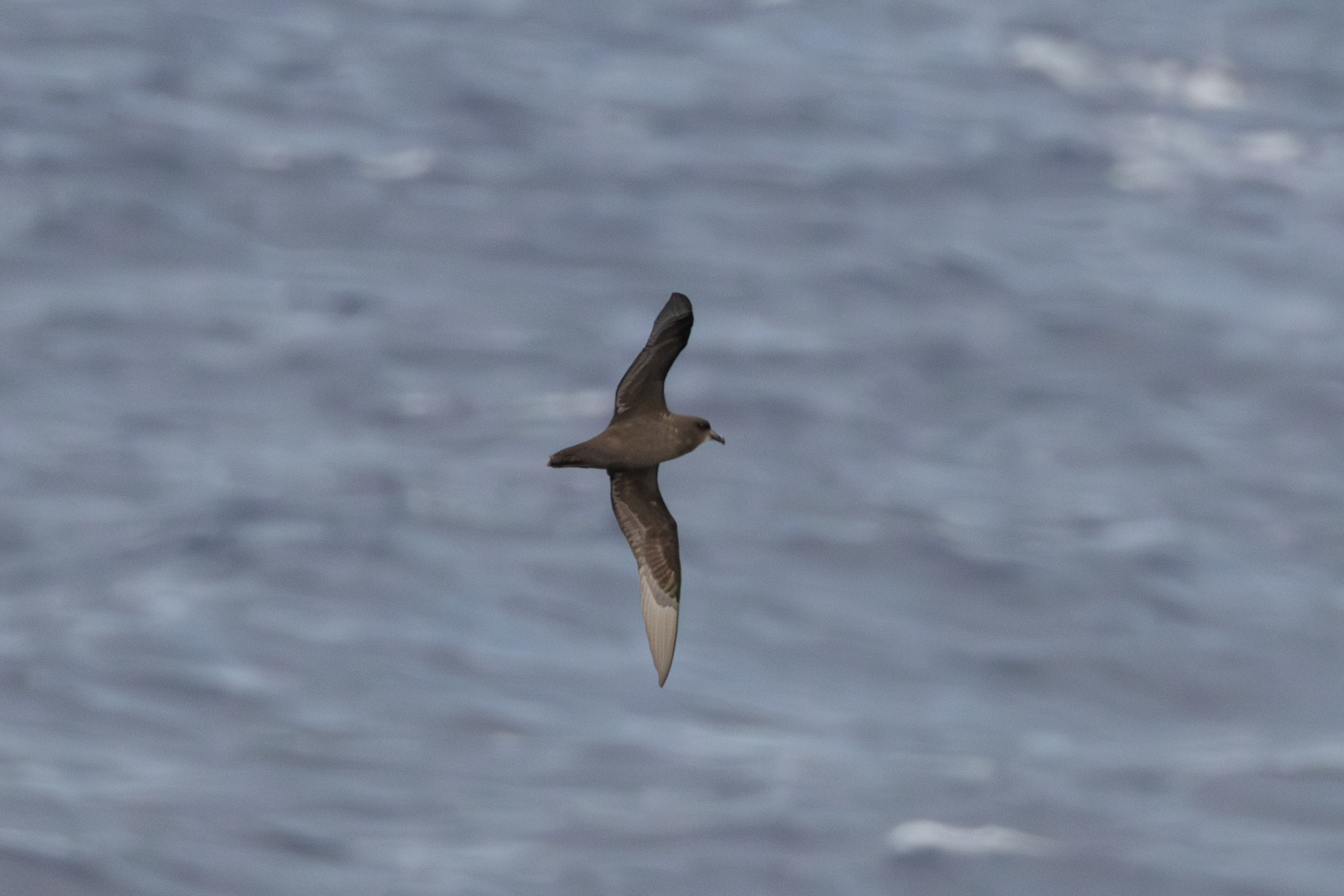
Great-winged Petrel (image by John Young)
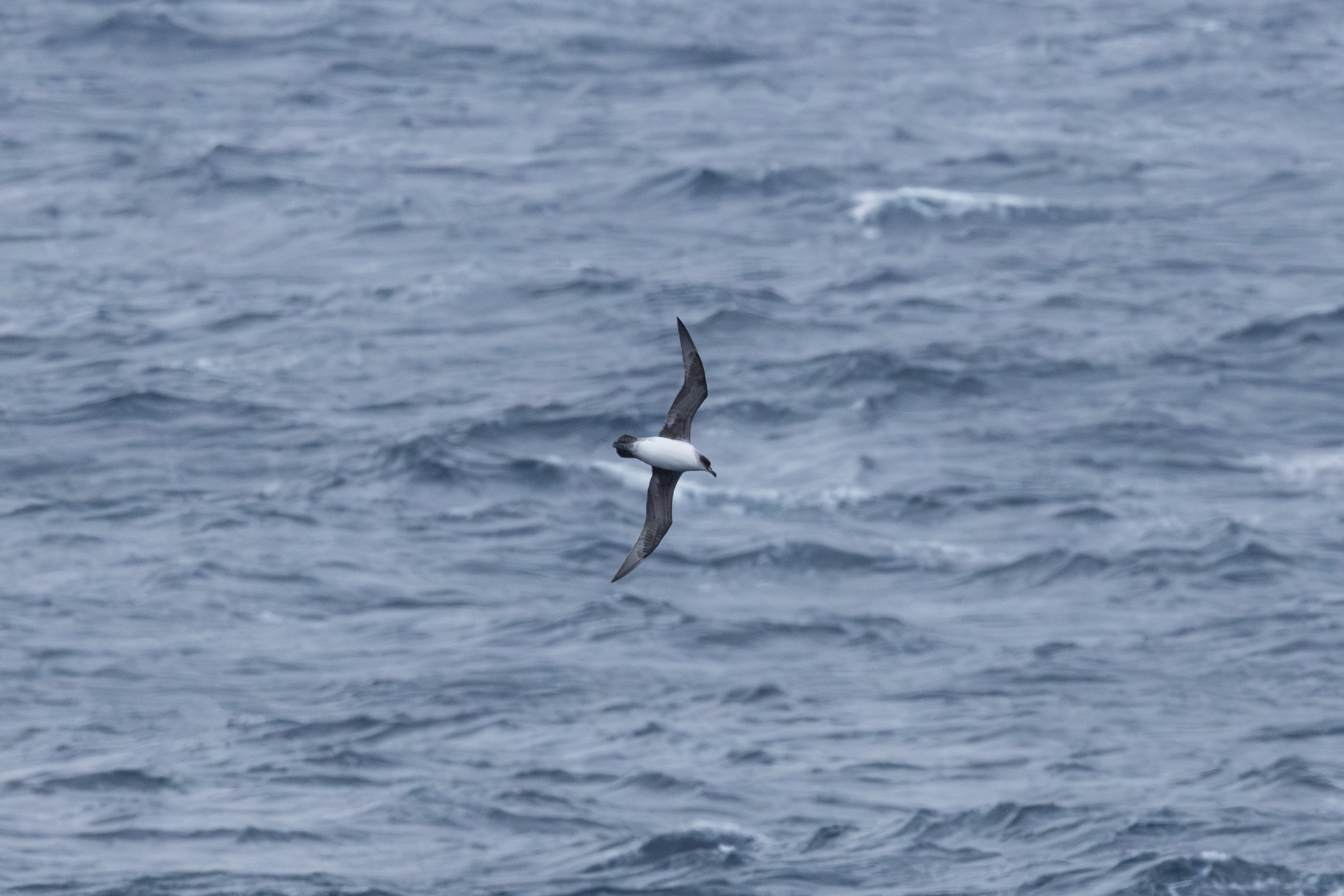
Grey Petrel (image by Nick Lessof)
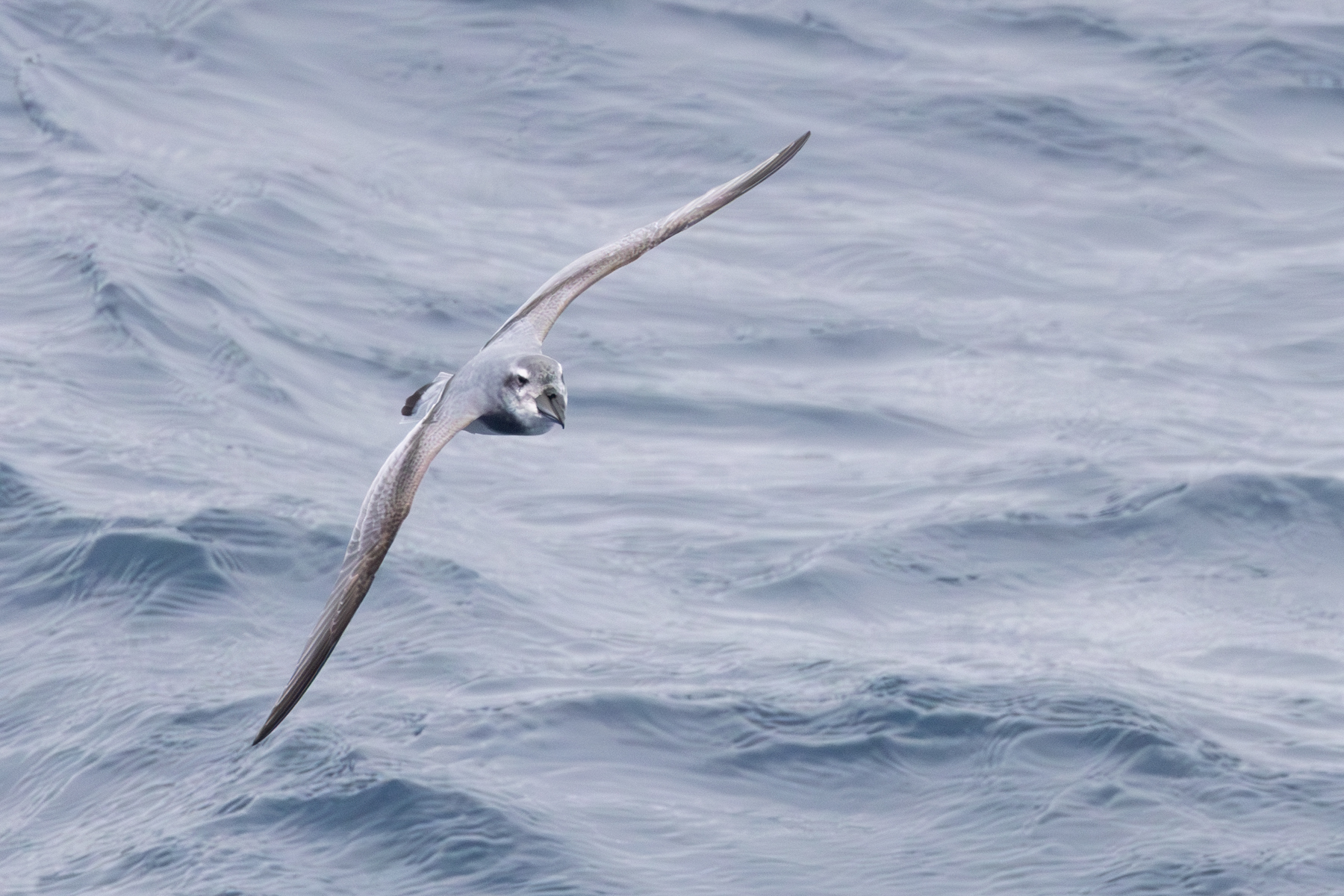
Broad-billed Prion (image by John Young)
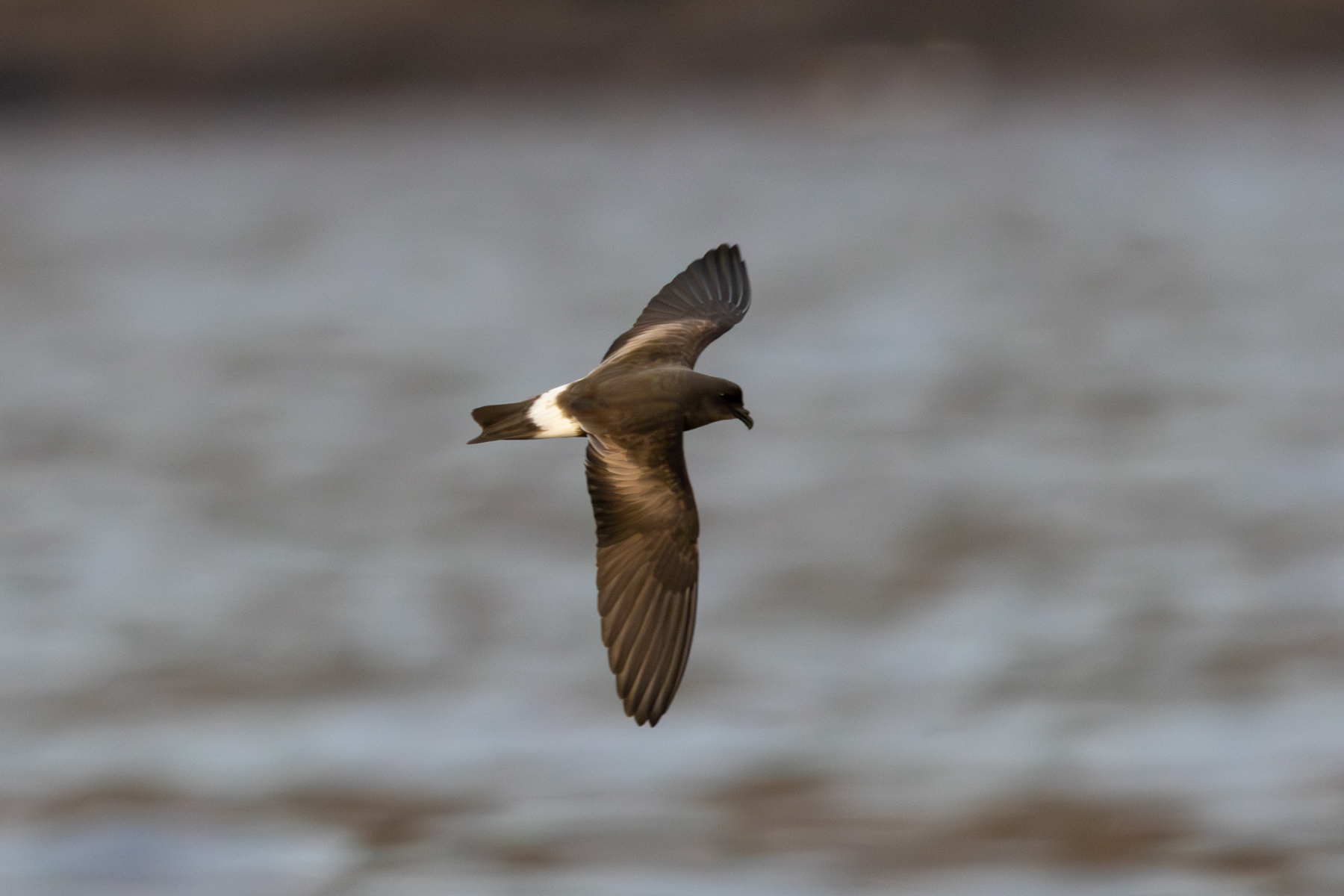
Band-rumped Storm Petrel (image by John Young)
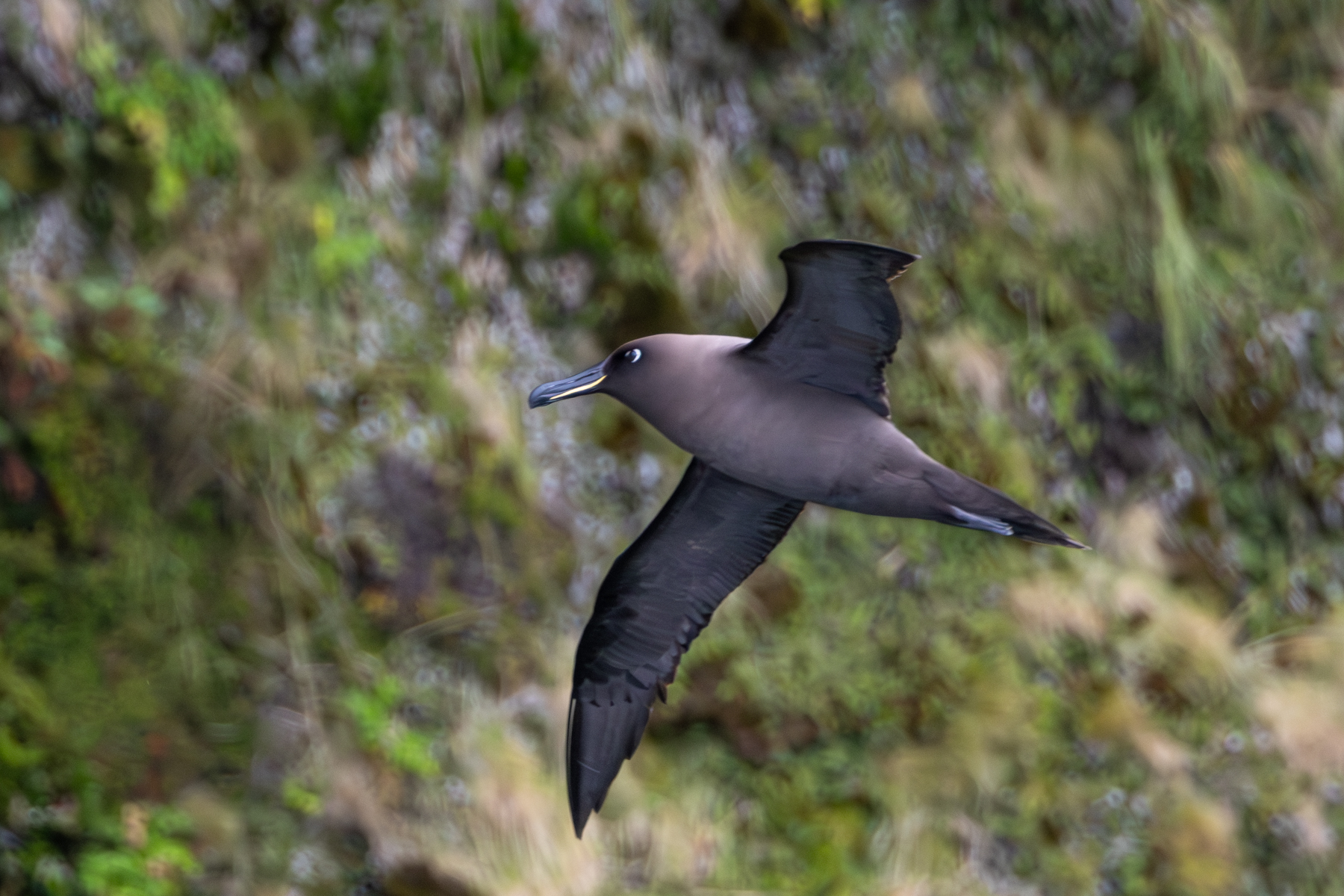
Sooty Albatross (image by John Young)
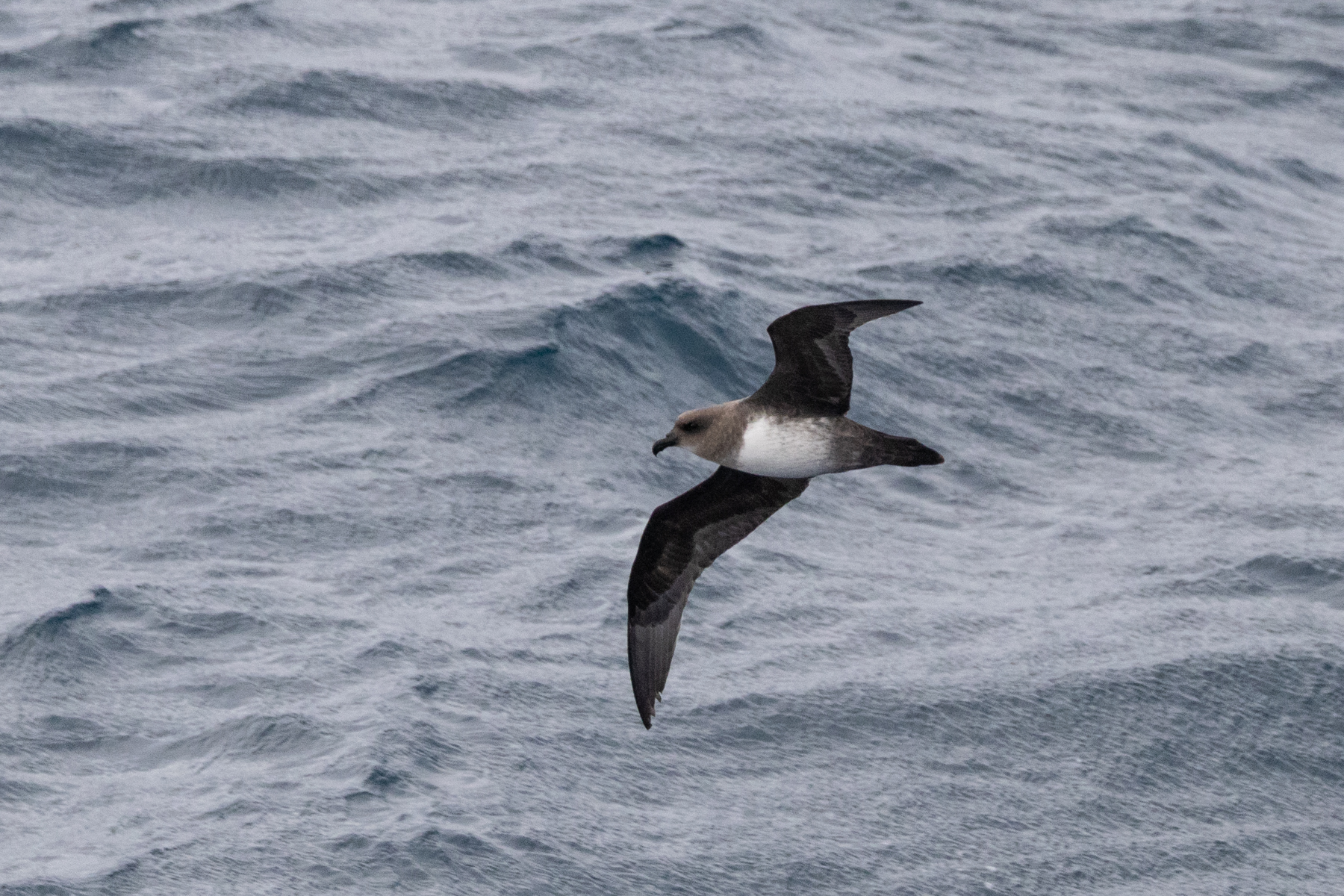
Atlantic Petrel (image by John Young)
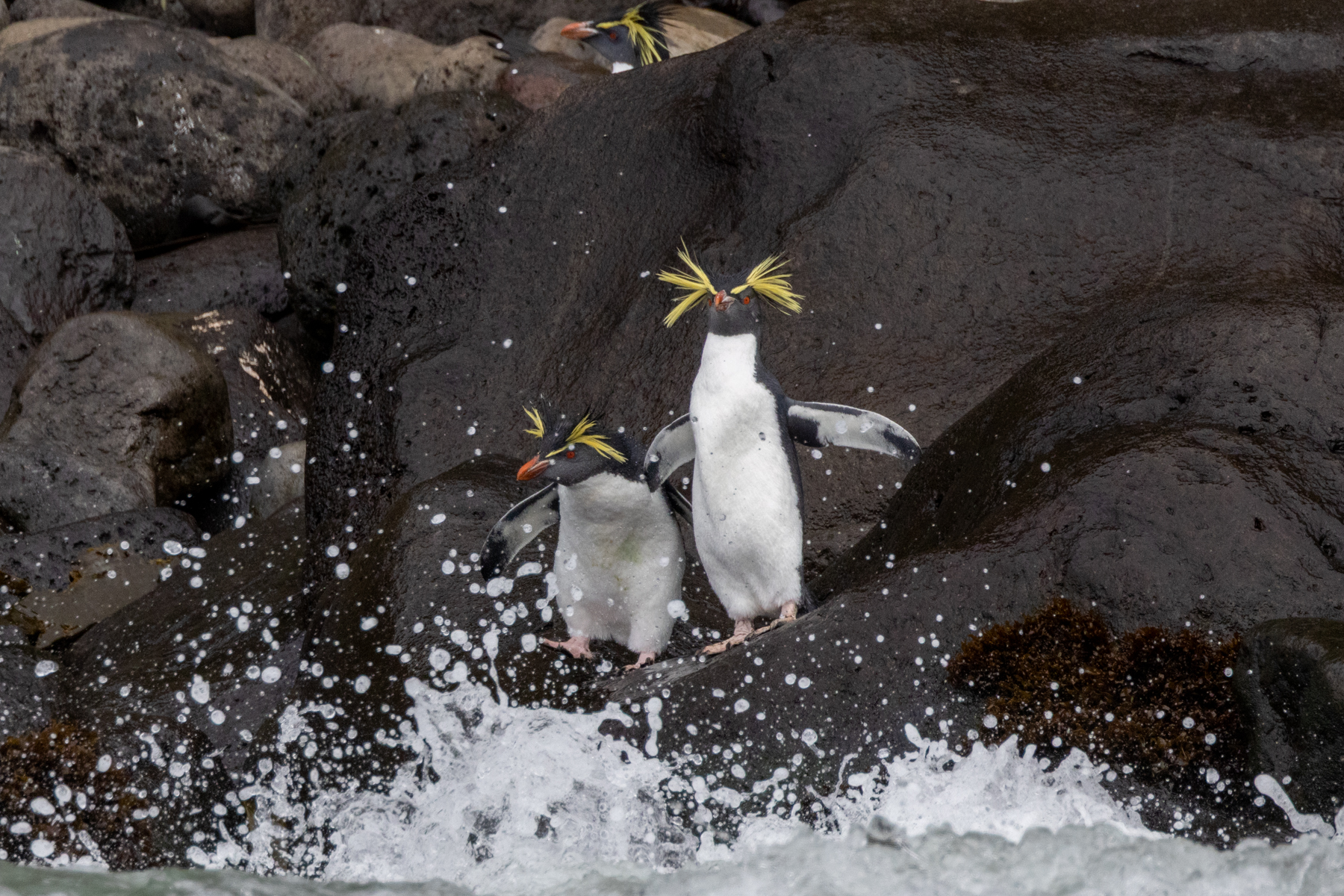
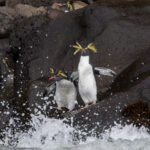
Northern Rockhopper Penguins (image by John Young)
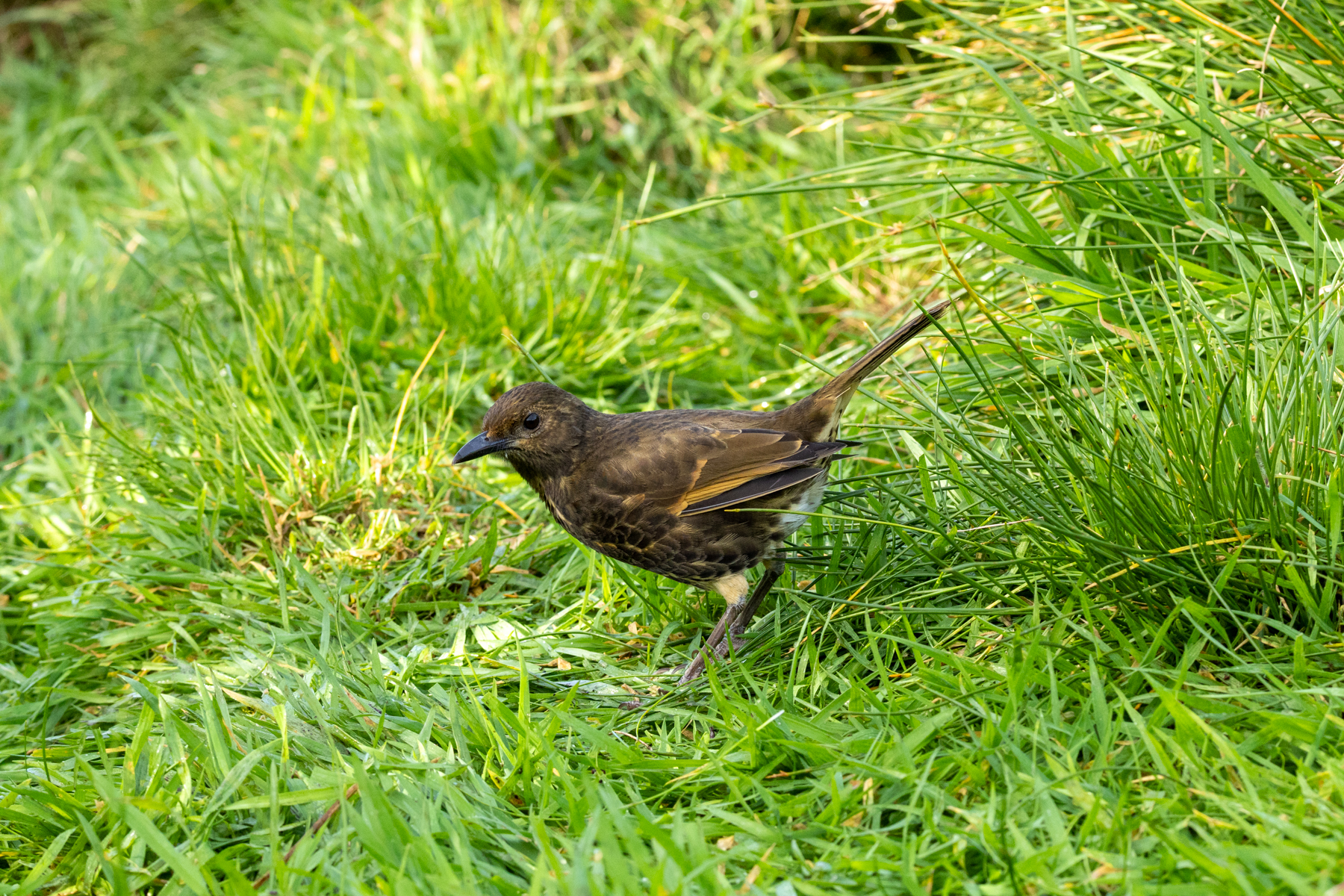
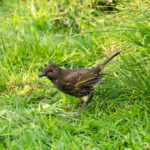
Tristan Thrush (image by Nick Lessof)
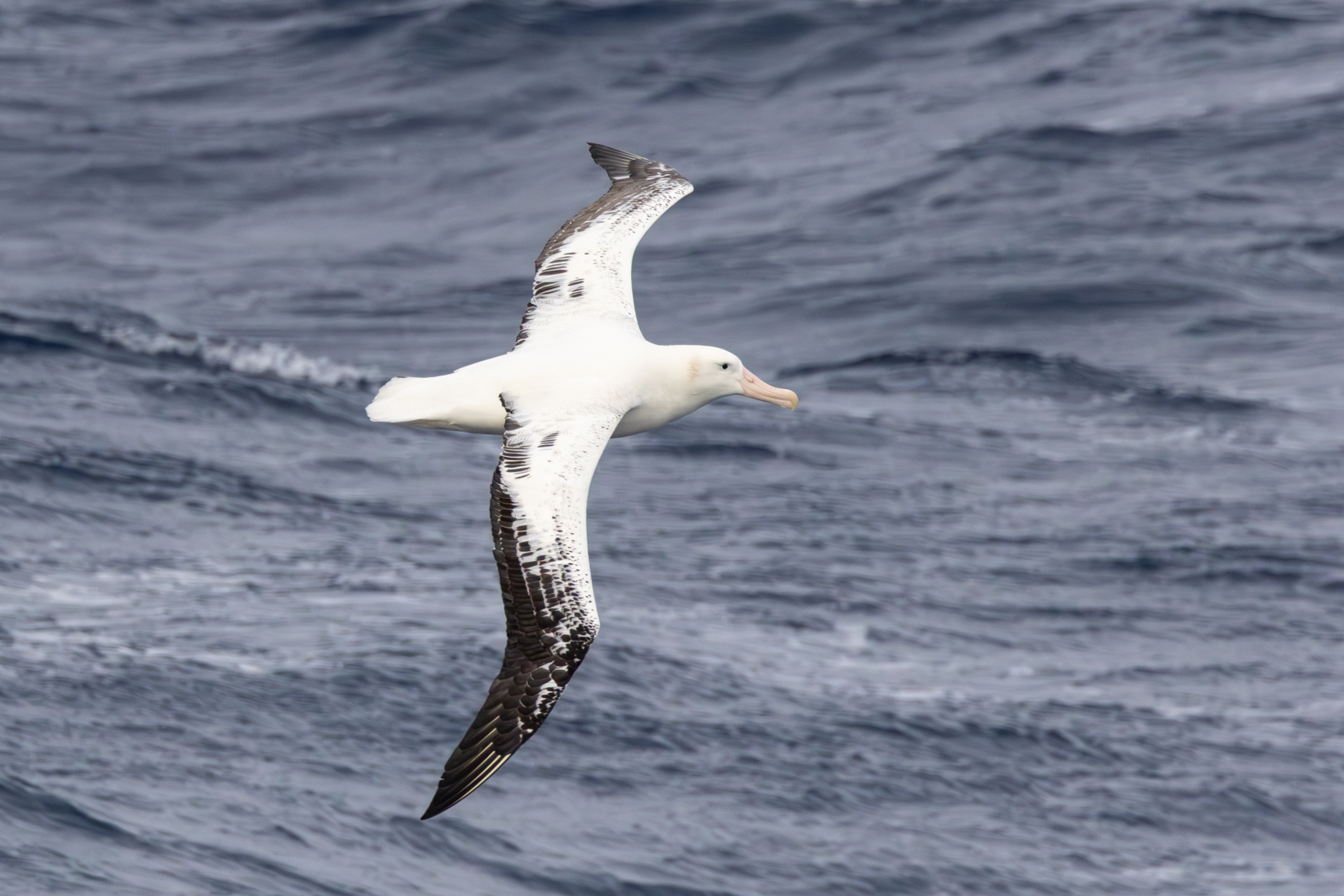
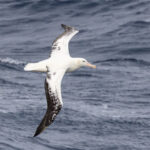
Snowy Albatross (image by John Young)
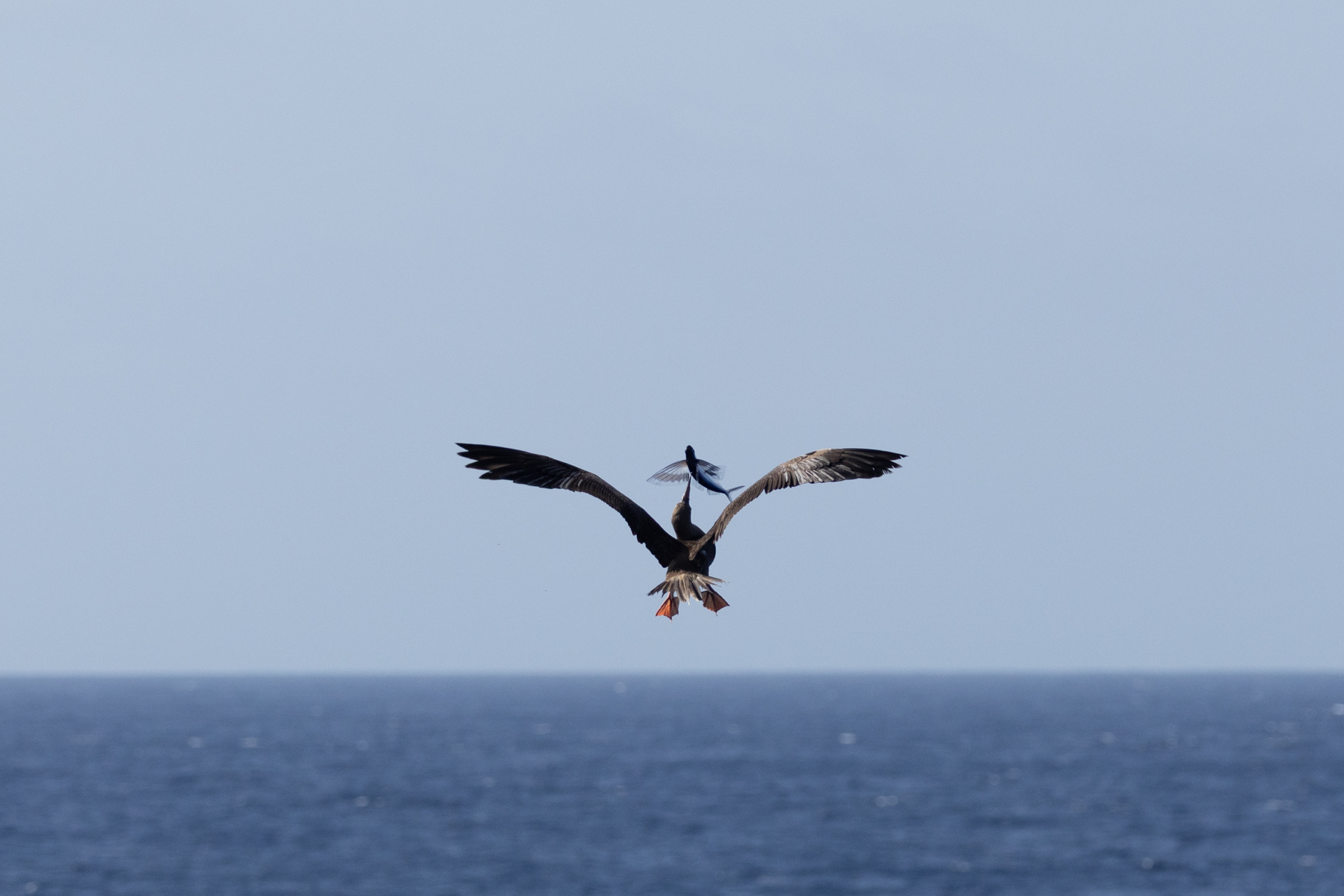
Red-footed Booby (image by Nick Lessof)
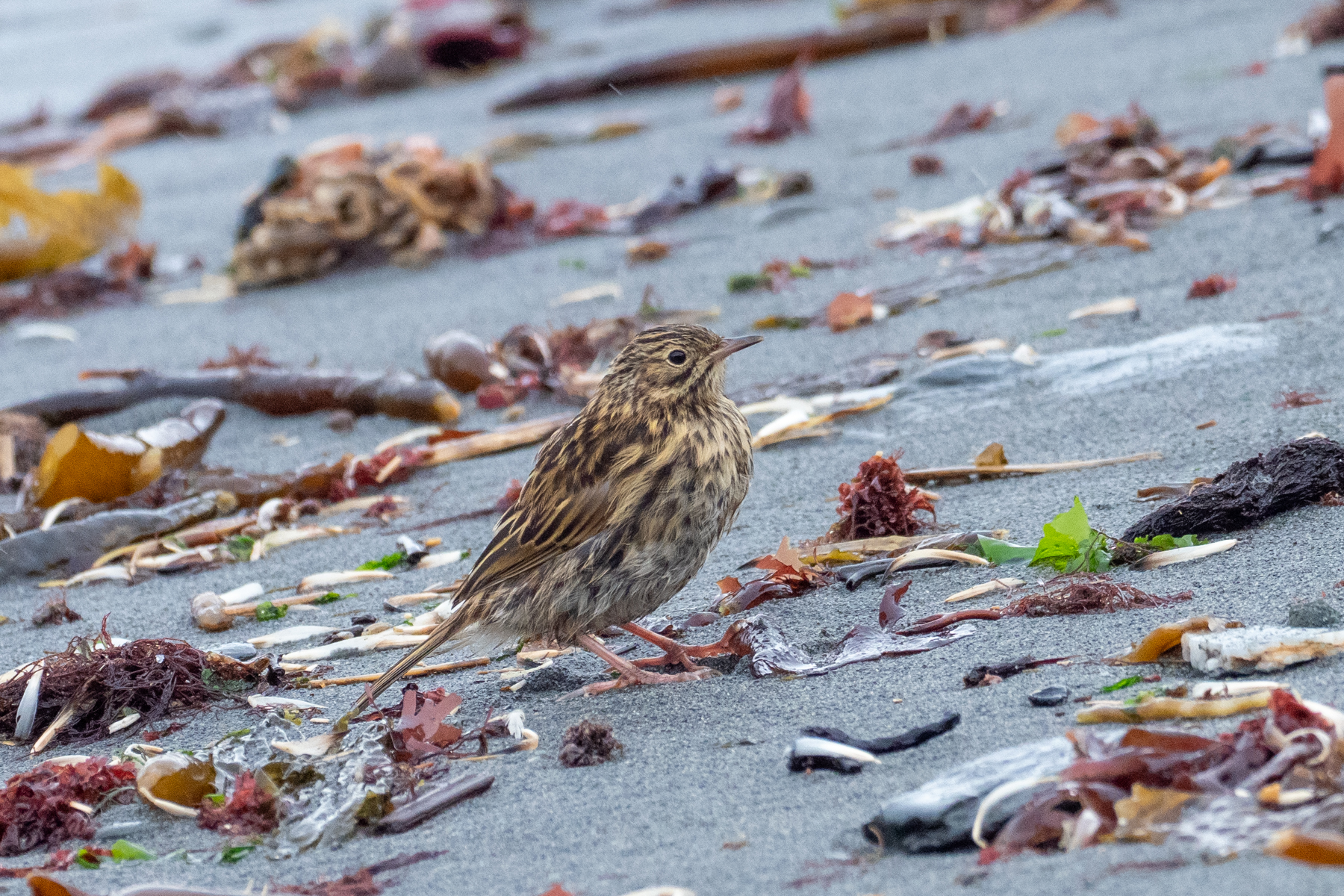
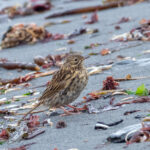
South Georgia Pipit (image by Mark Van Beirs)
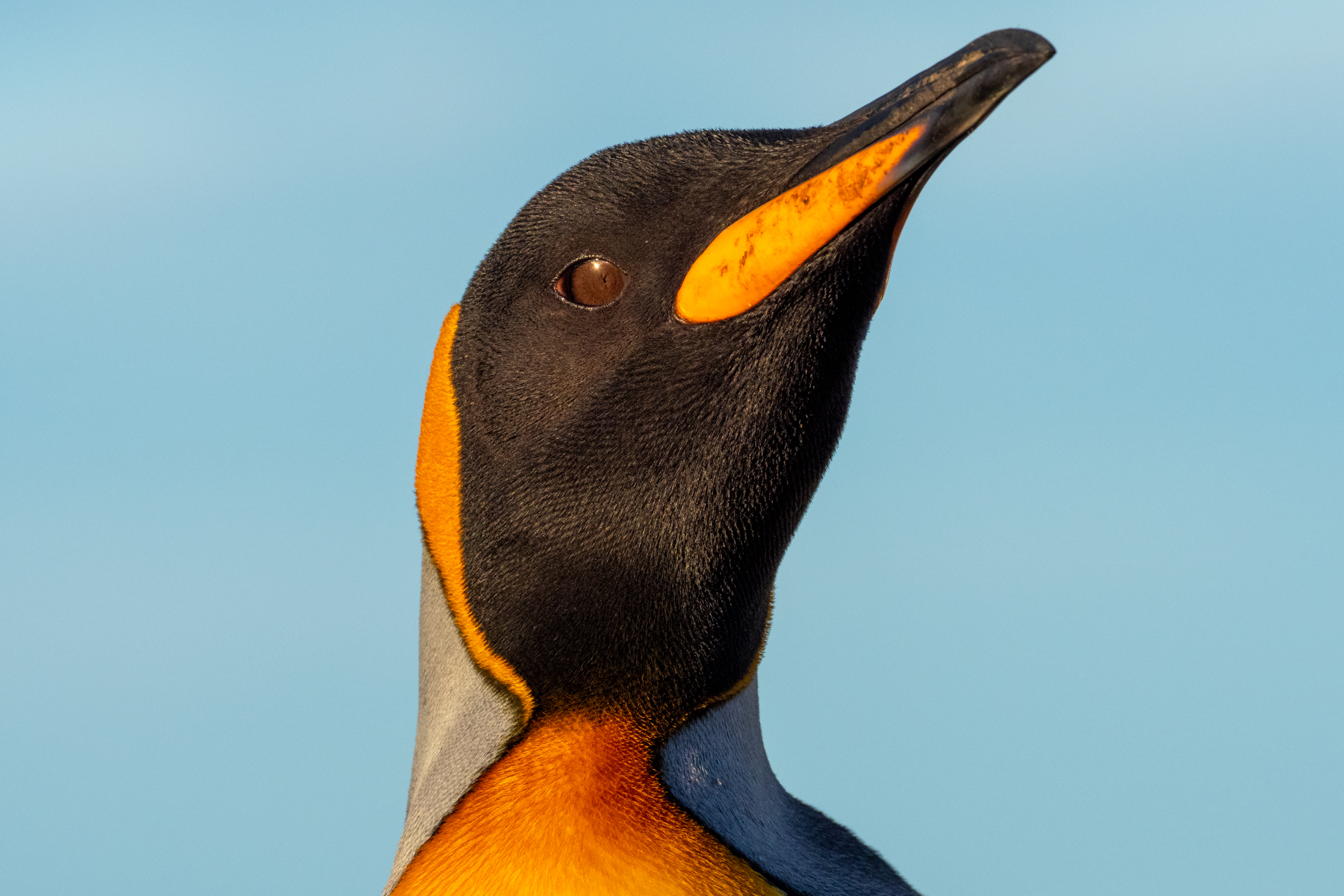
King Penguin (image by Mark Van Beirs)
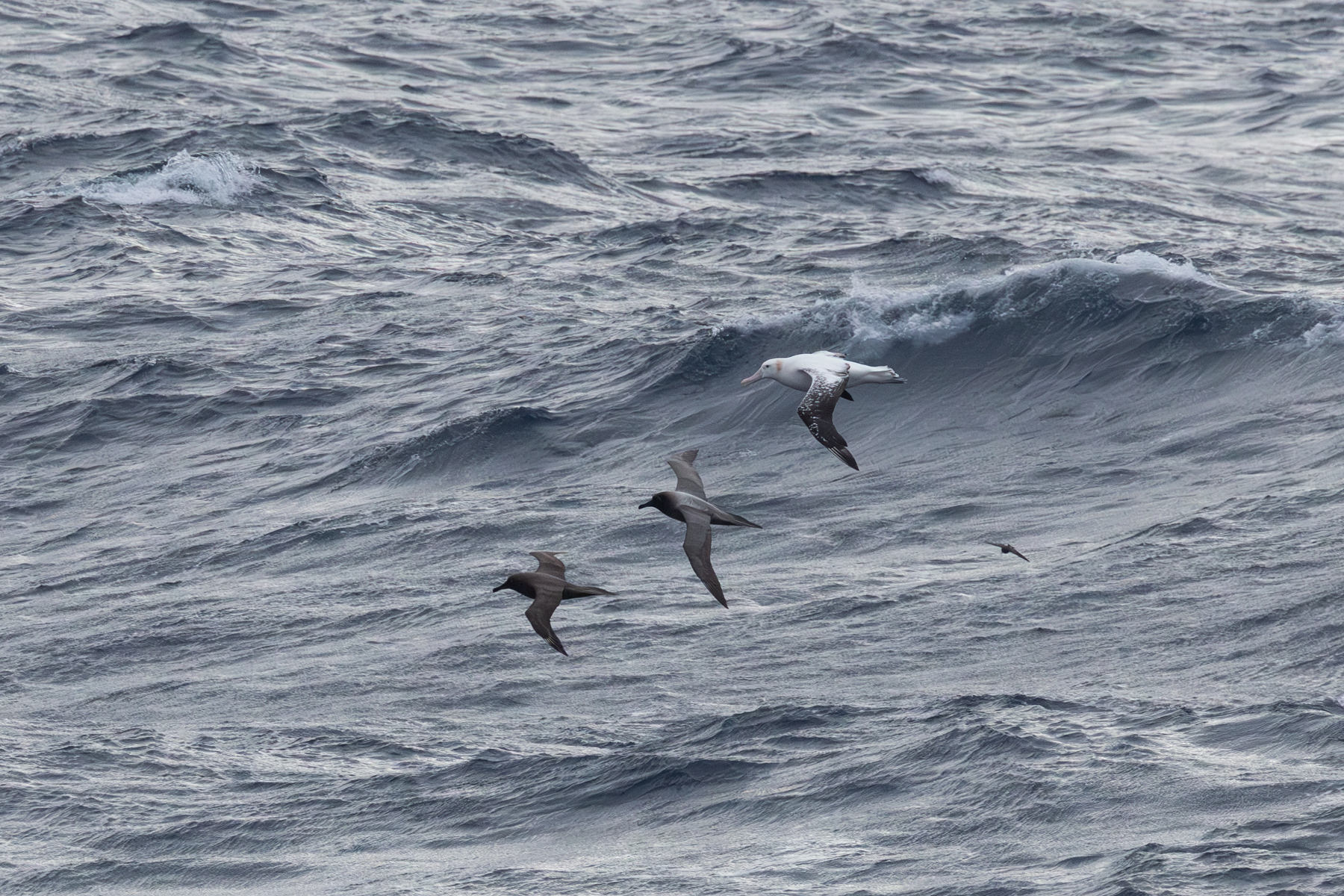
Sooty, Light-mantled and Snowy Albatrosses (image by Nick Lessof)
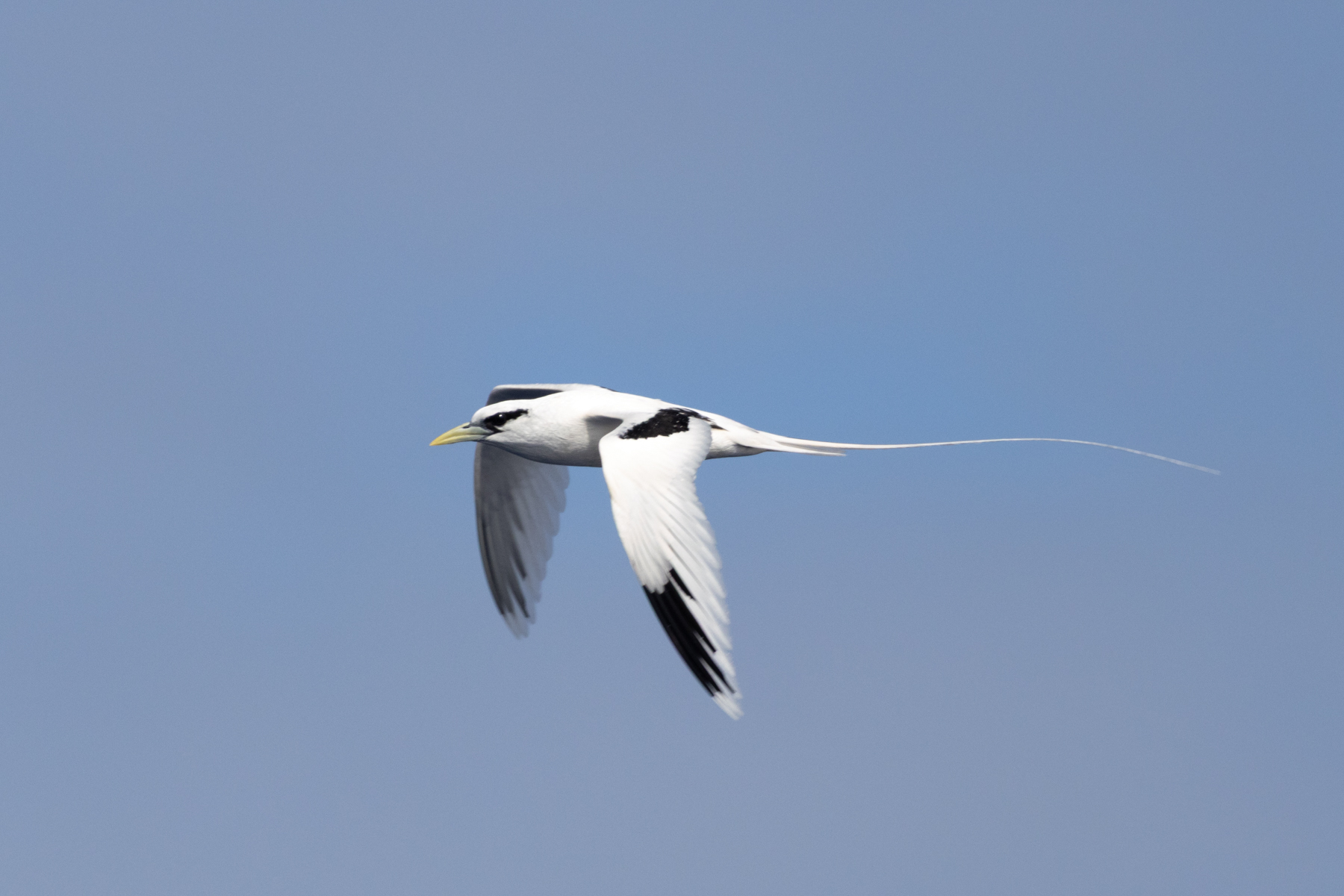
White-tailed Tropicbird (image by John Young)
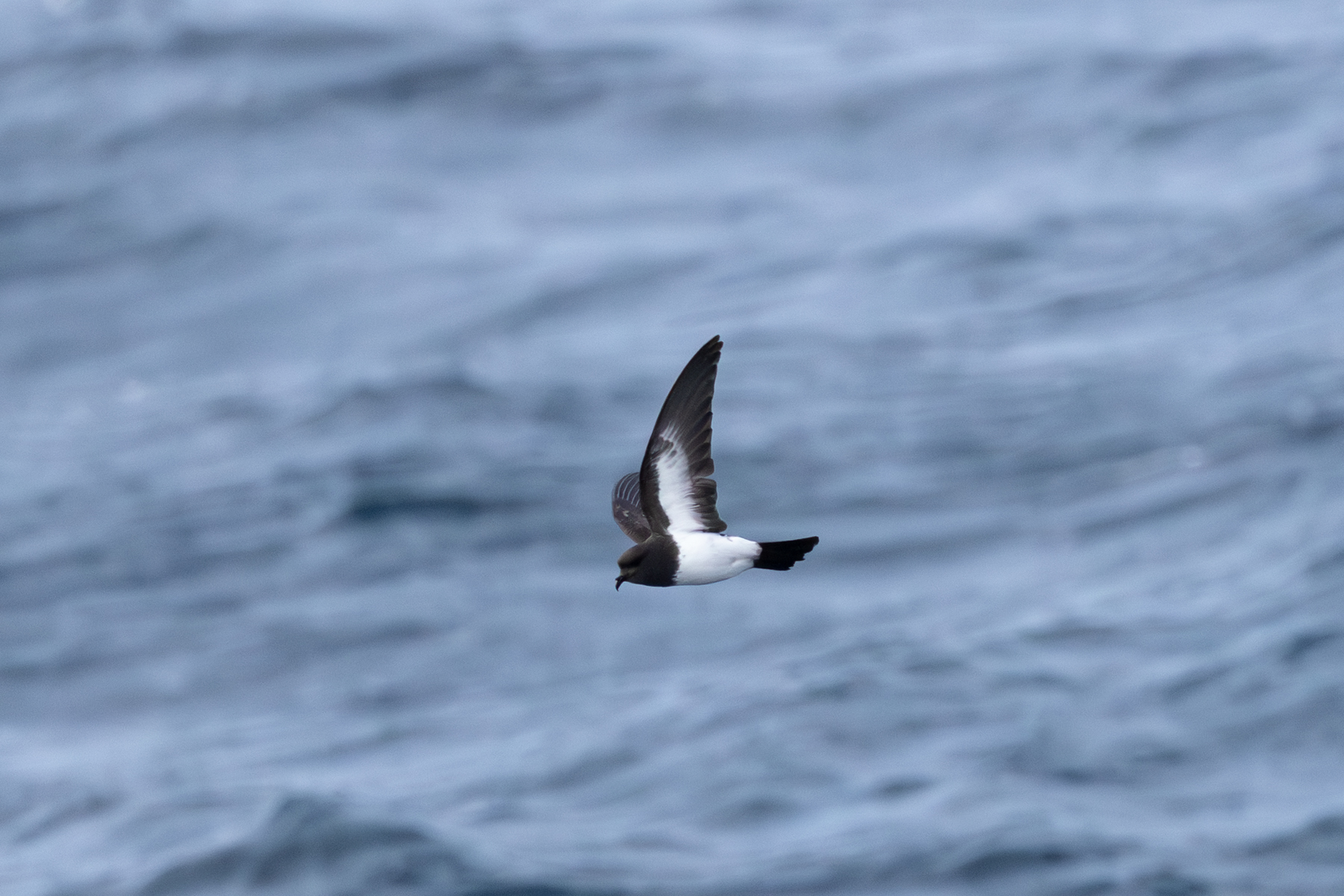
Gough Storm Petrel (image by Nick Lessof)
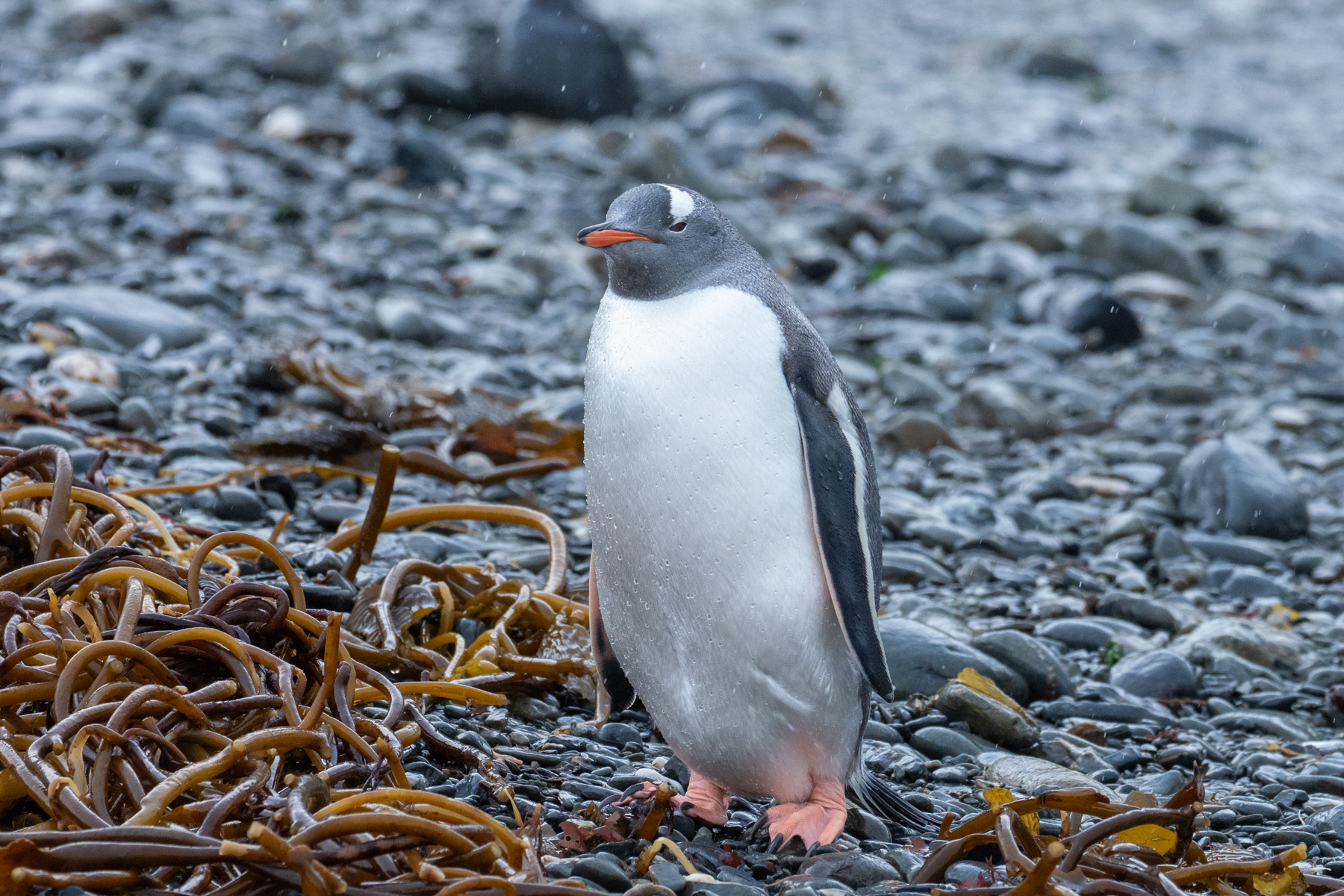
Gentoo Penguin (image by Mark Van Beirs)
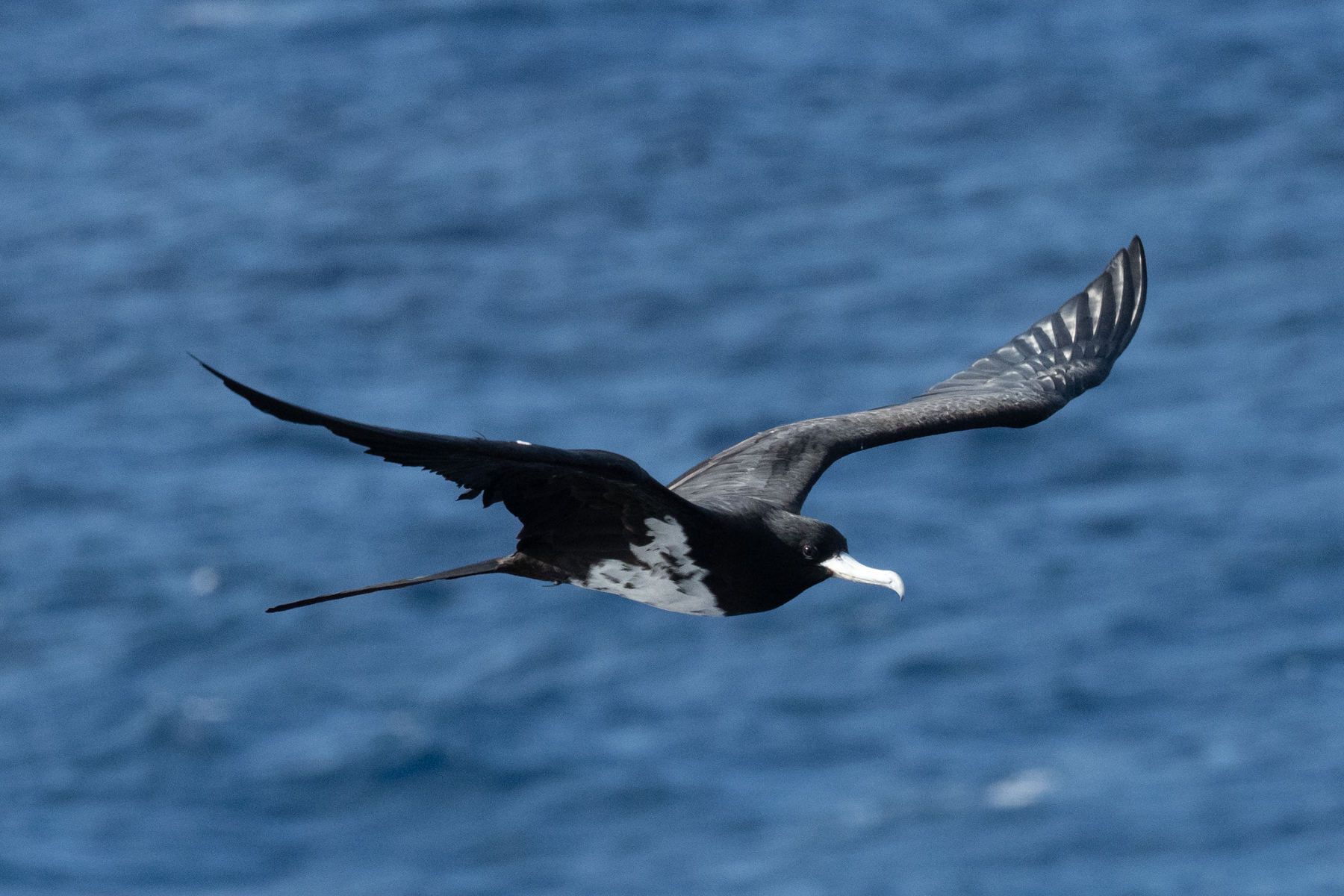
Ascension Frigatebird (image by Mark Van Beirs)
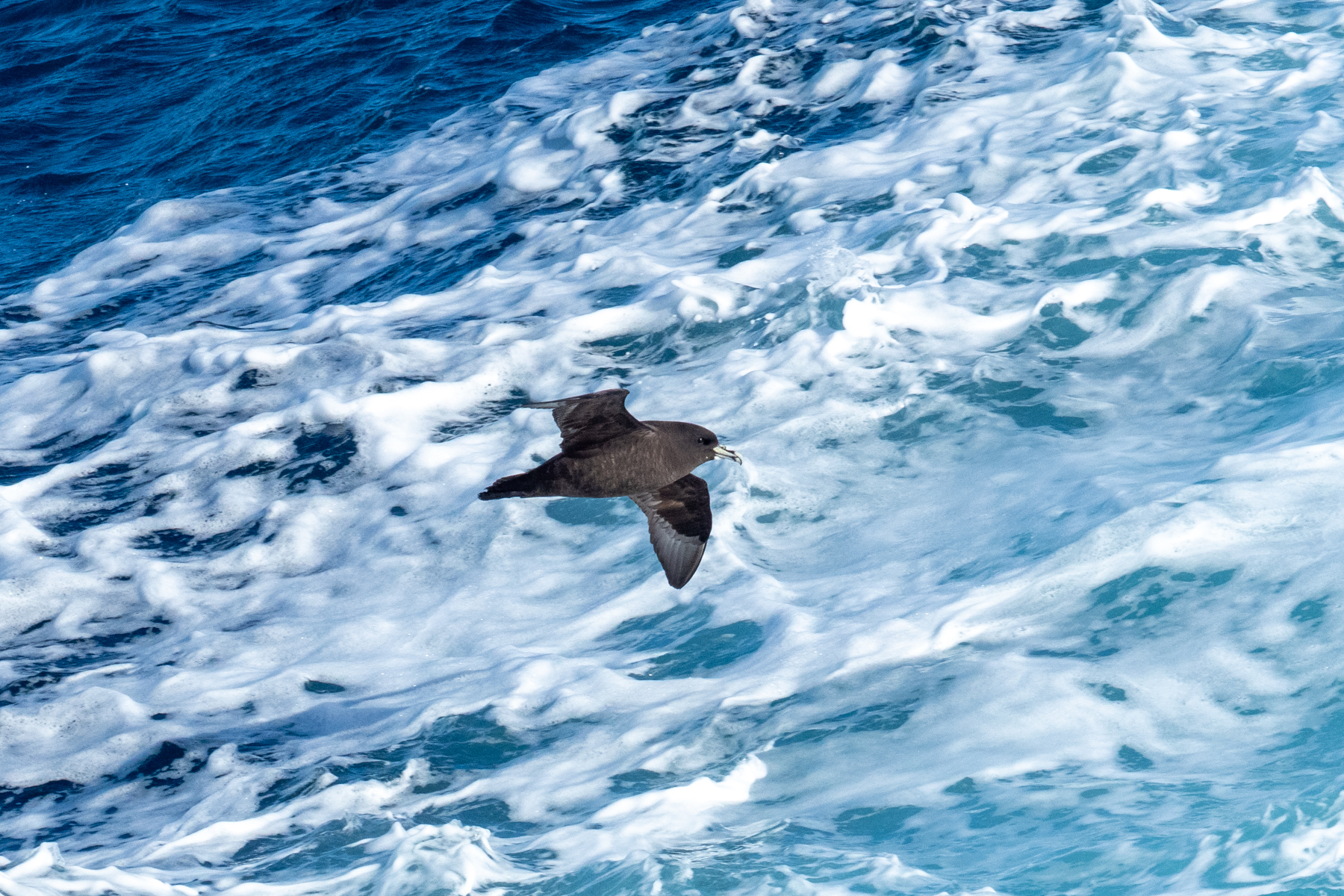
White-chinned Petrel (image by Mark Van Beirs)
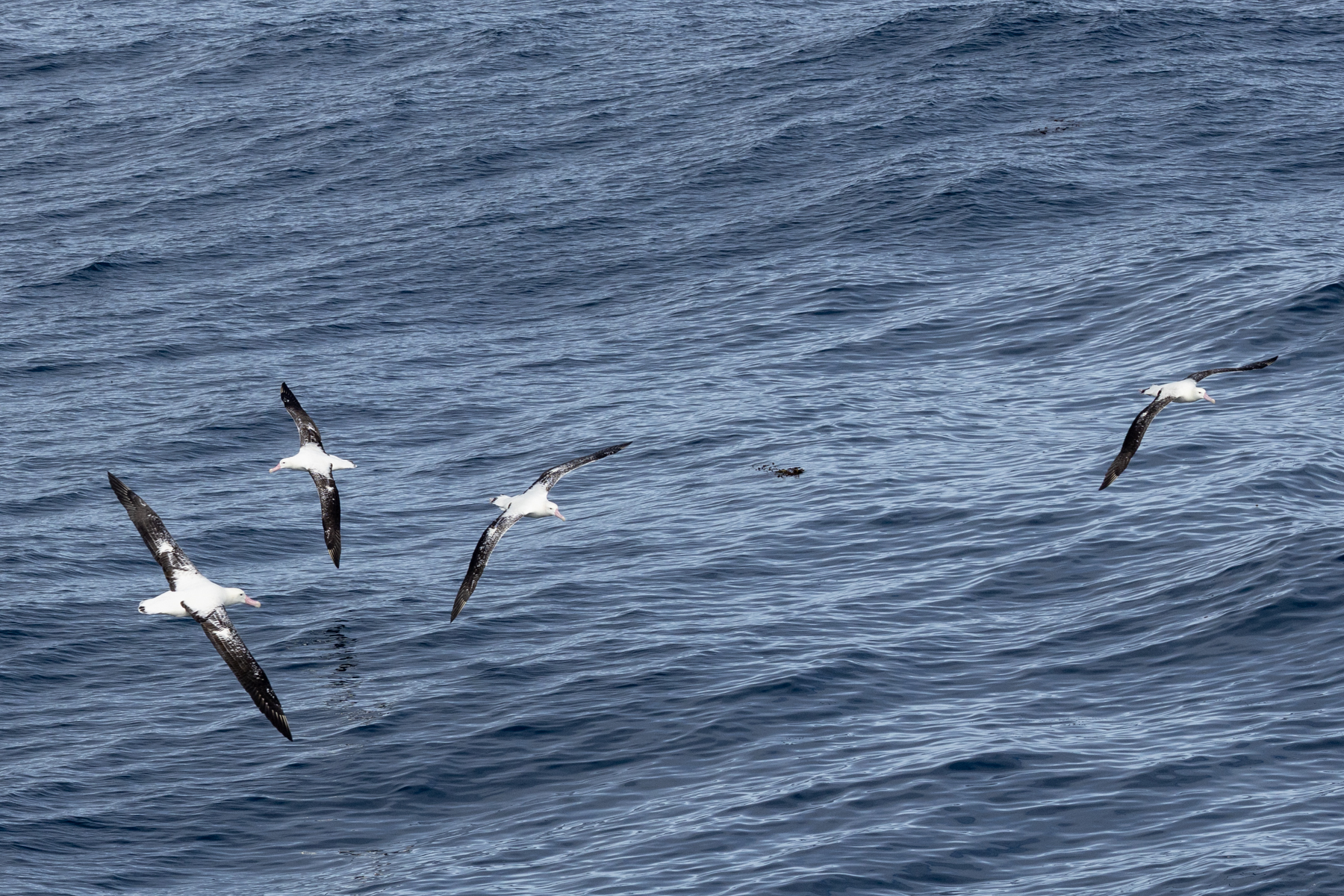
Tristan Albatrosses (image by Nick Lessof)
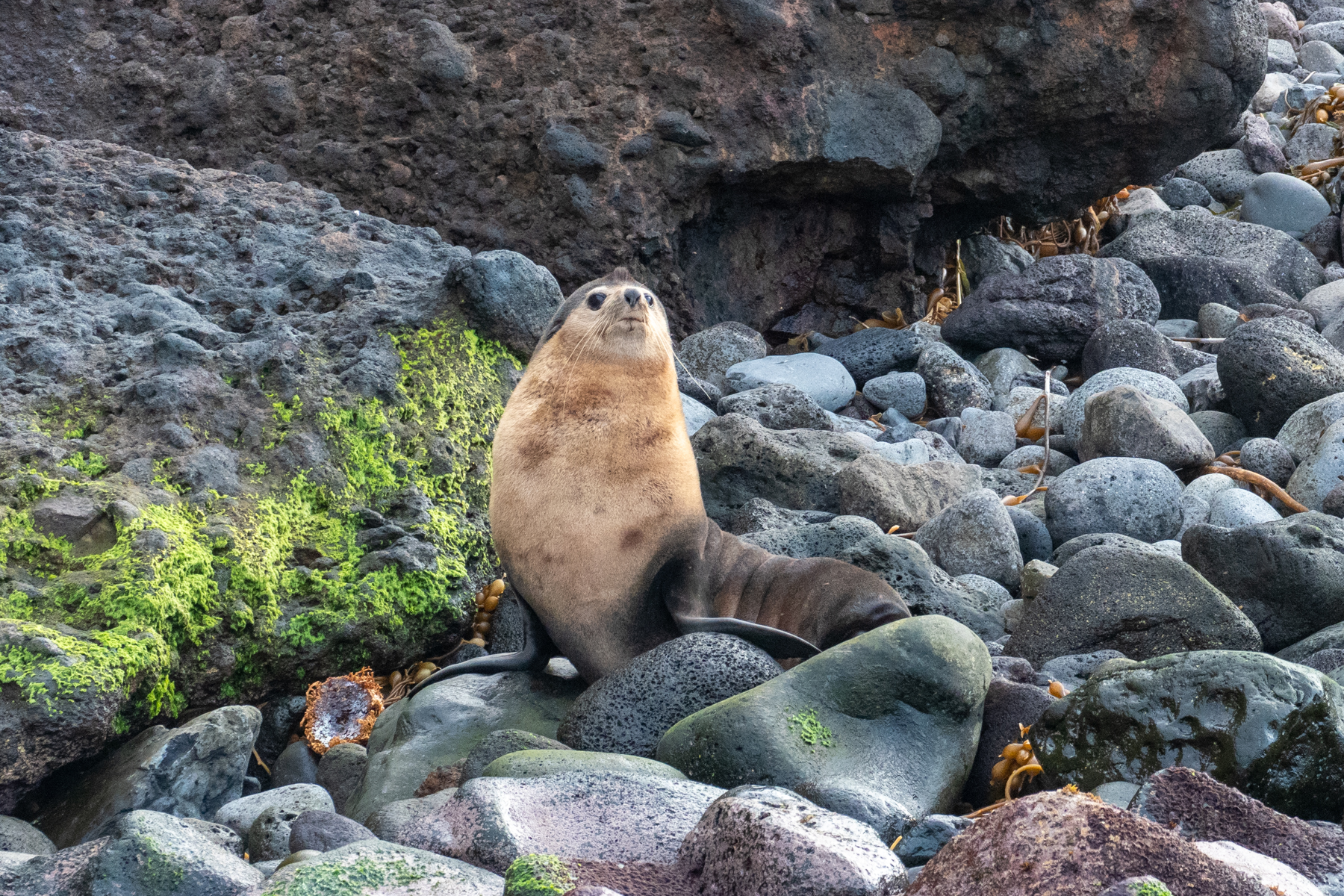
Subantarctic Fur Seal (image by Mark Van Beirs)
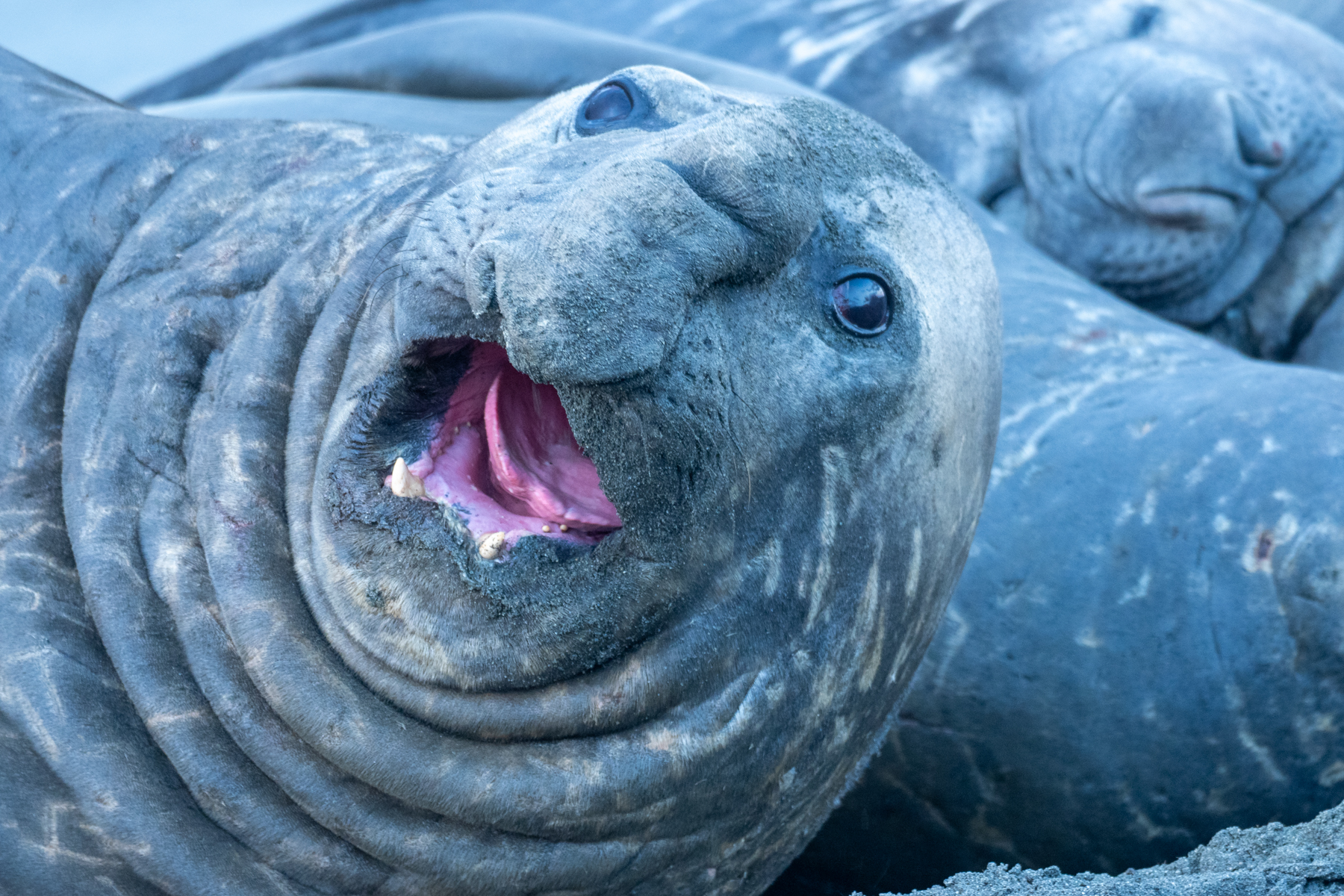
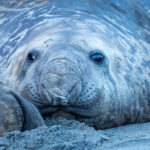
Southern Elephant Seal (image by Mark Van Beirs)
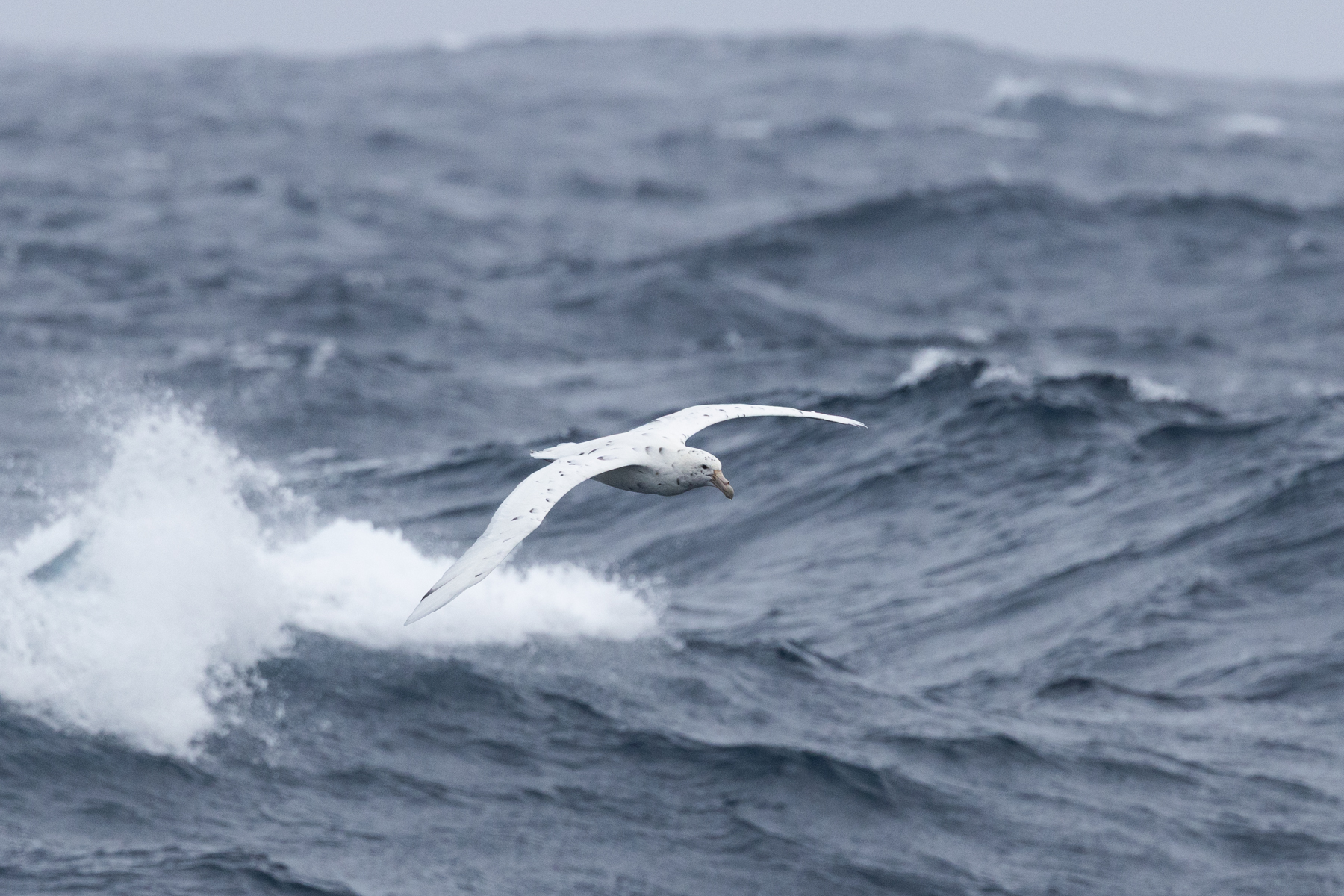
Southern Giant Petrel (image by Nick Lessof)
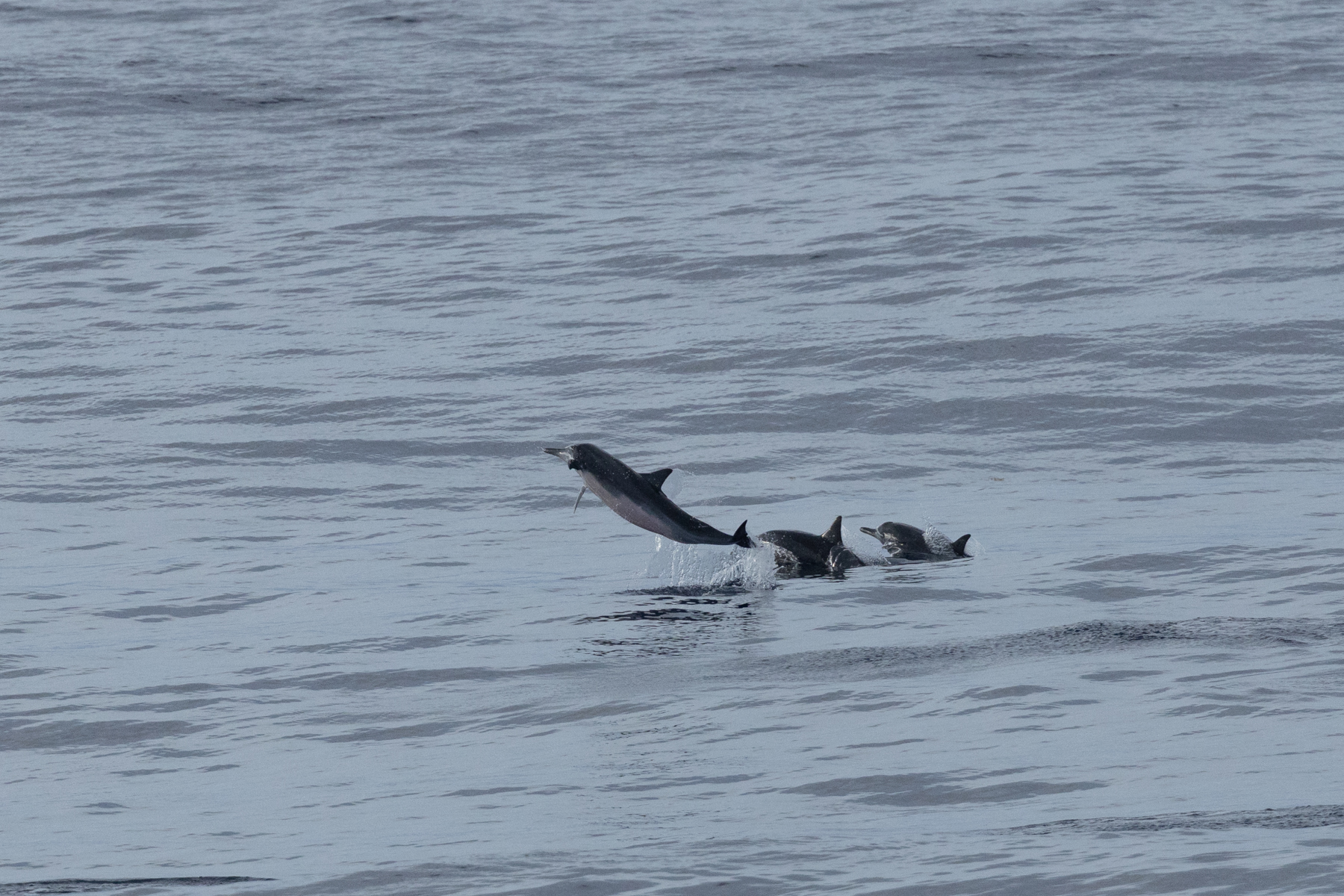
Spinner Dolphins (image by Nick Lessof)
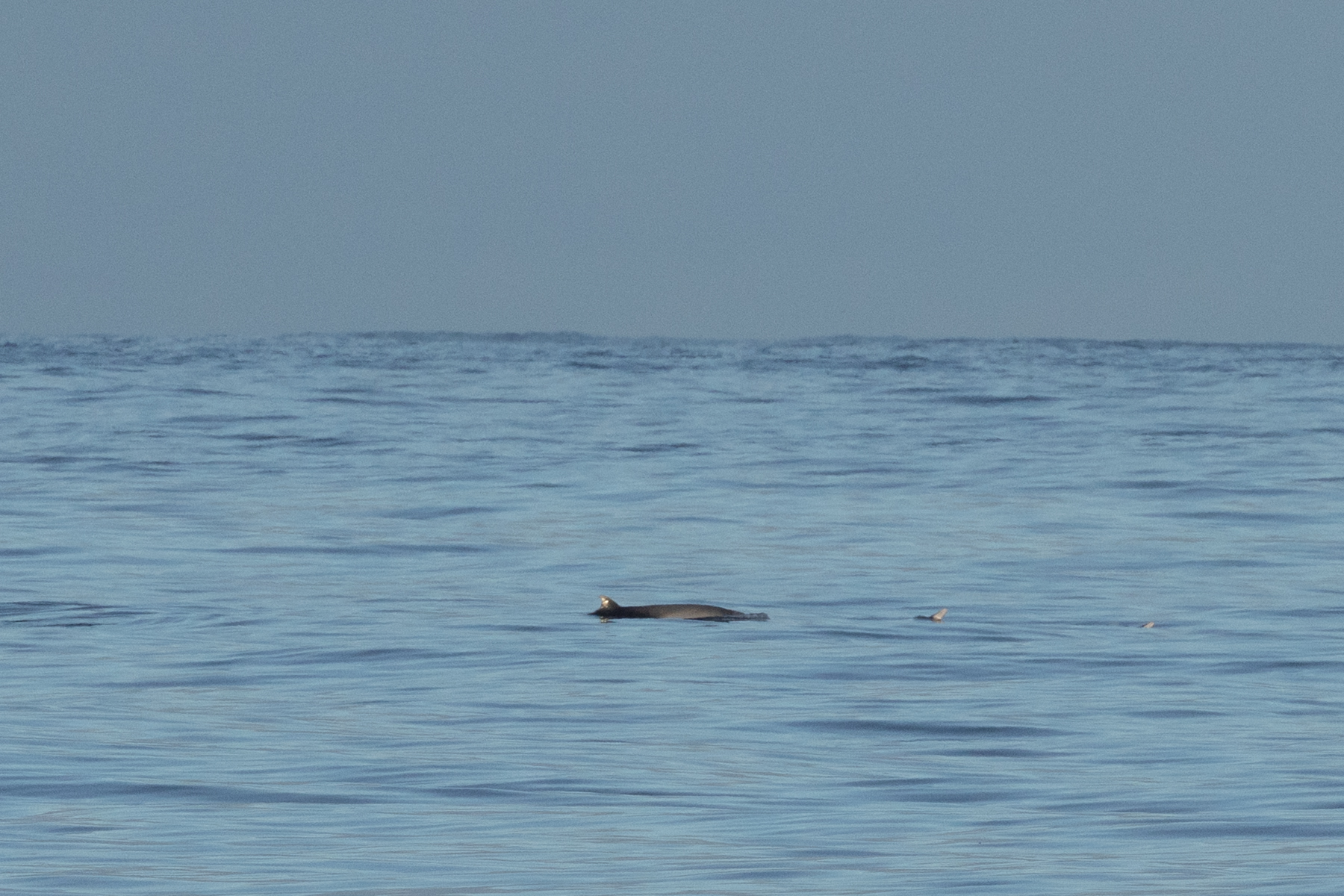
Strap-toothed Beaked Whale (image by Nick Lessof)
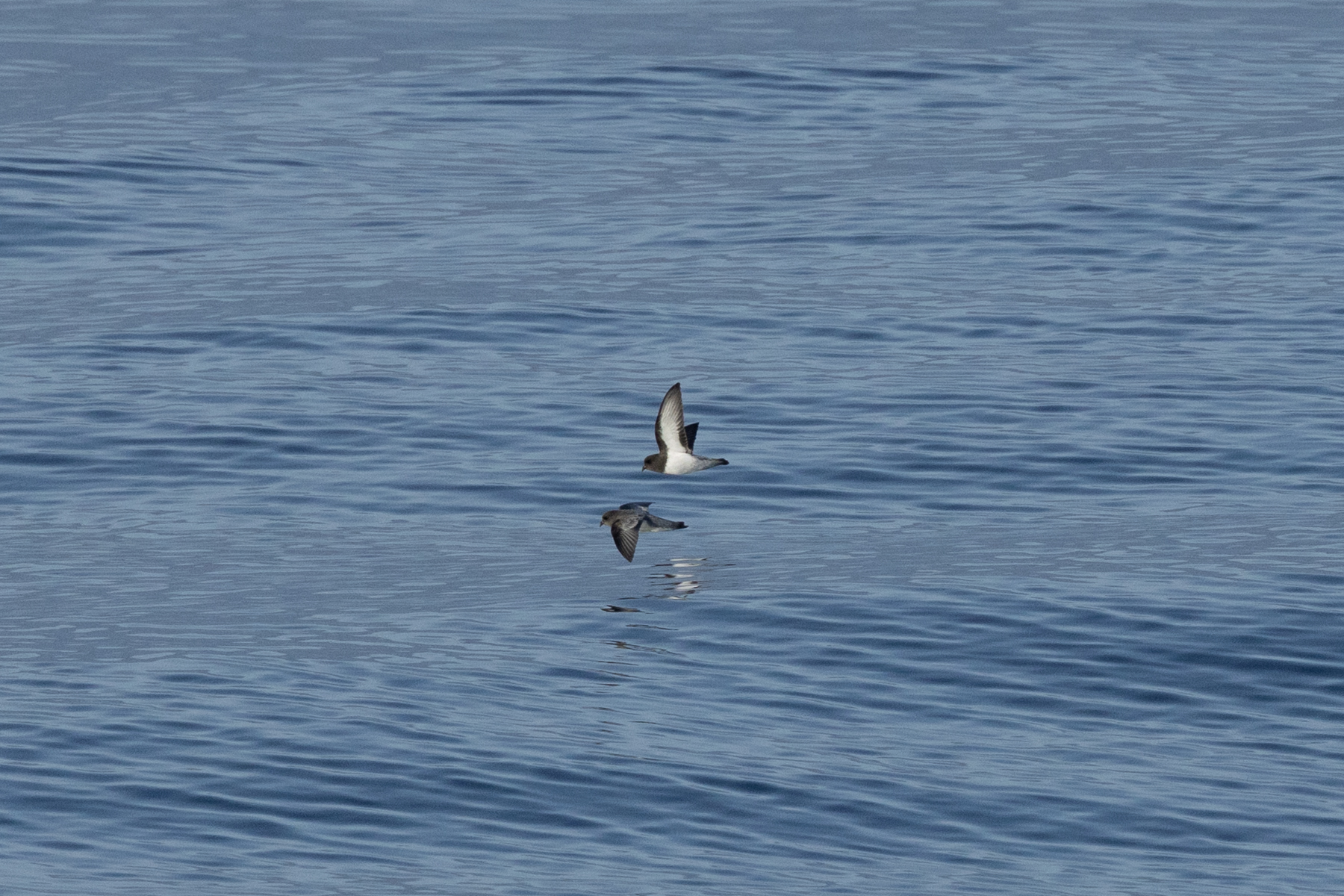
Grey-backed Storm Petrels (image by Nick Lessof)
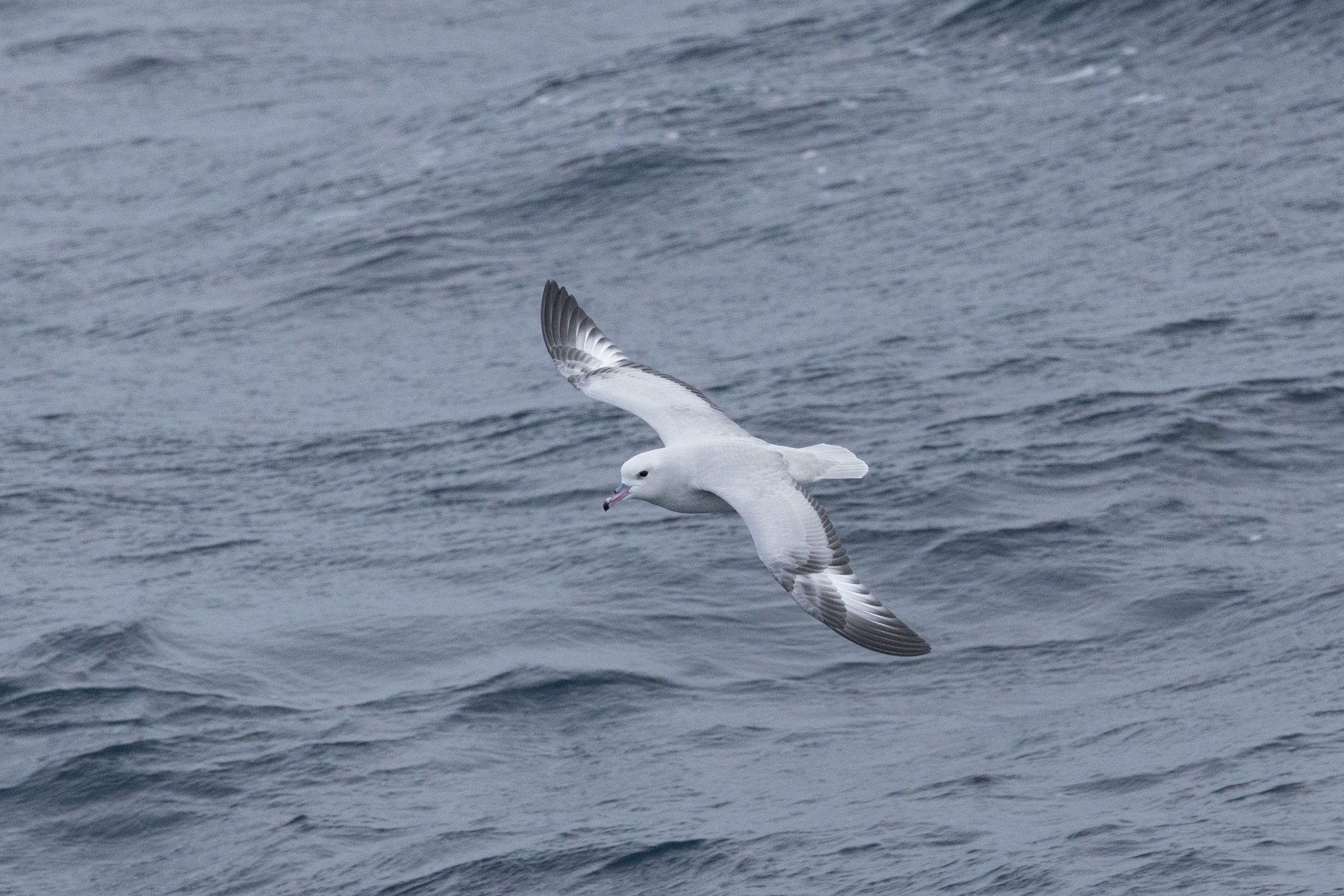
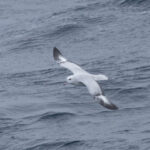
Southern Fulmar (image by Nick Lessof)
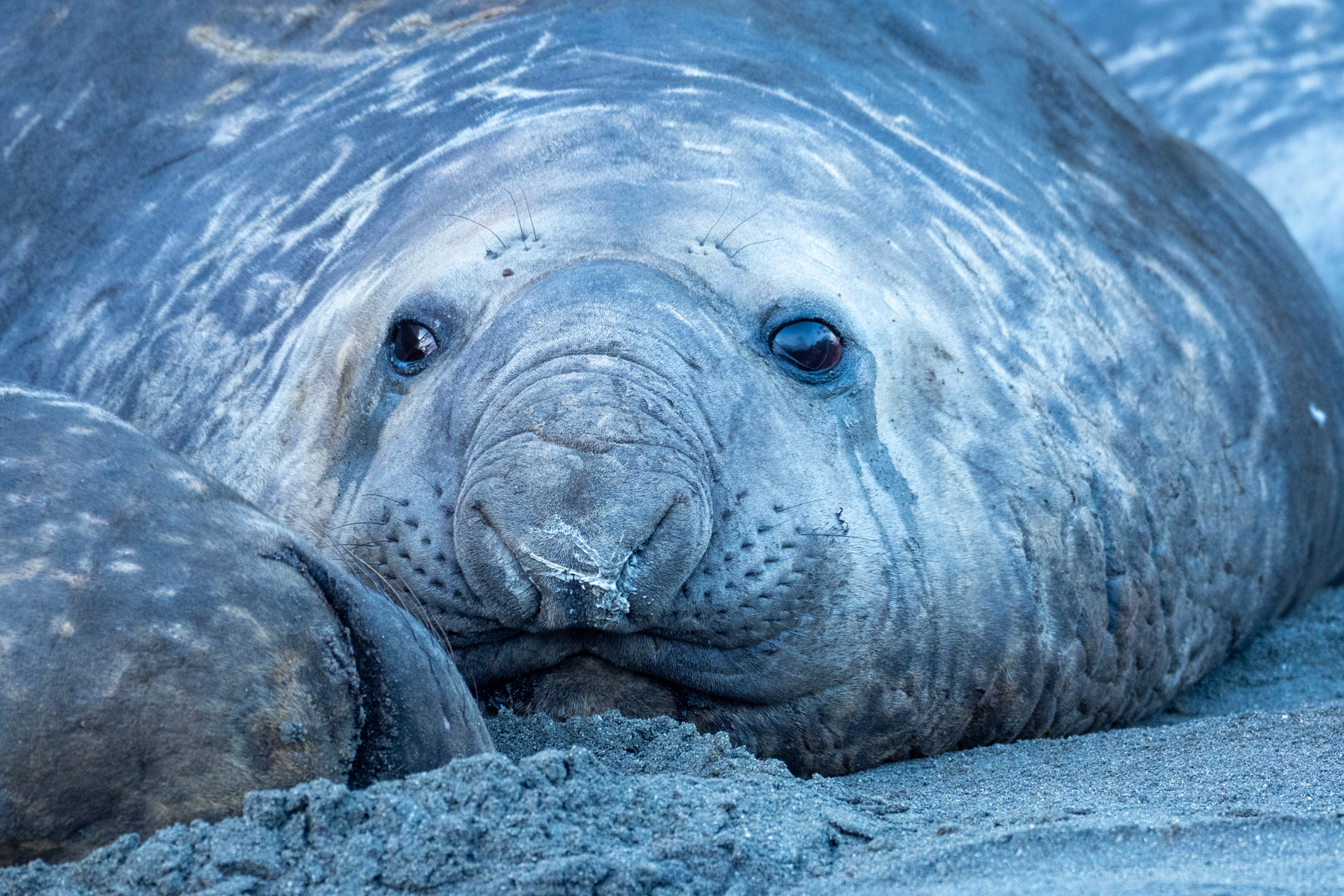
Southern Elephant Seal (image by Mark Van Beirs)
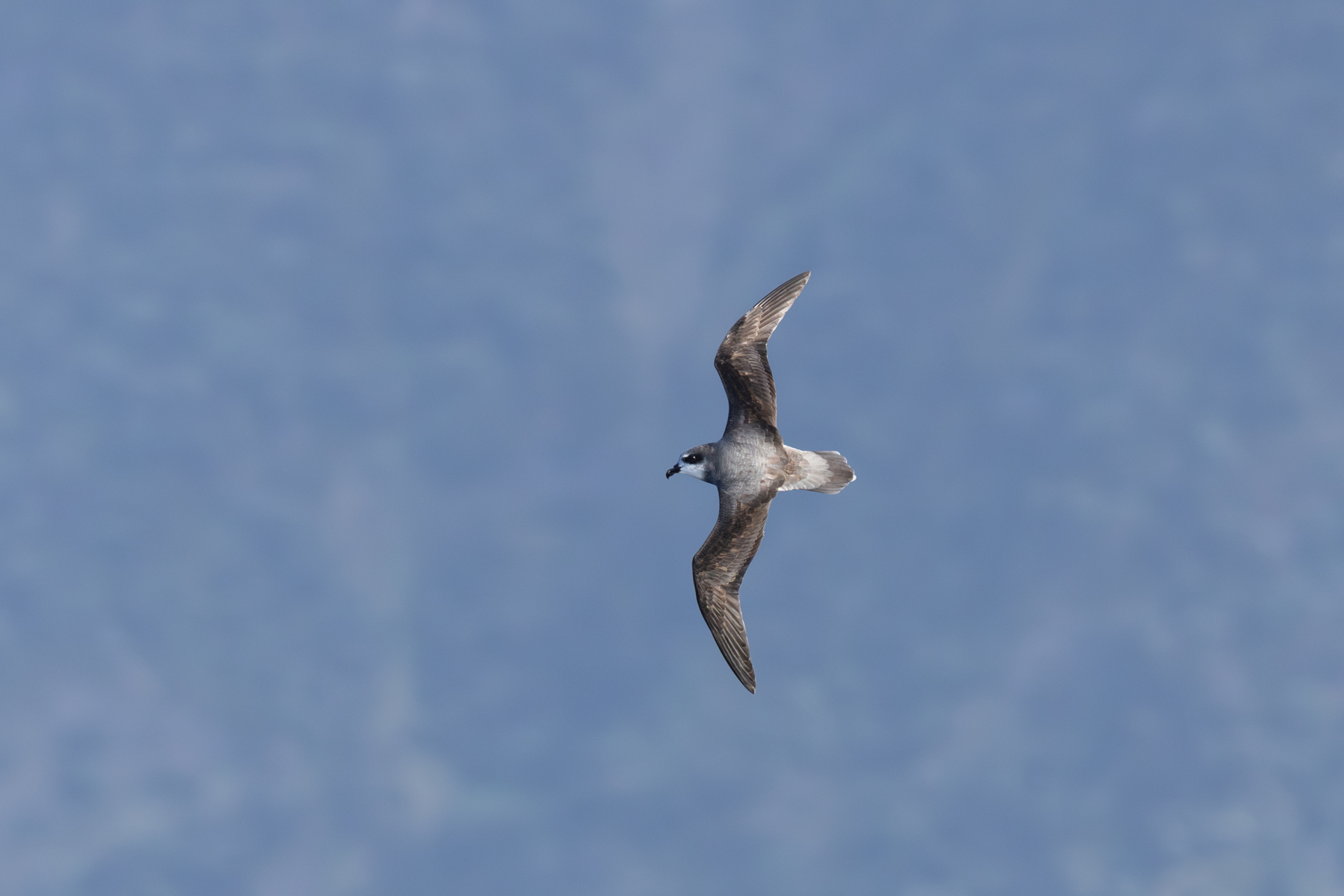
Soft-plumaged Petrel (image by Nick Lessof)
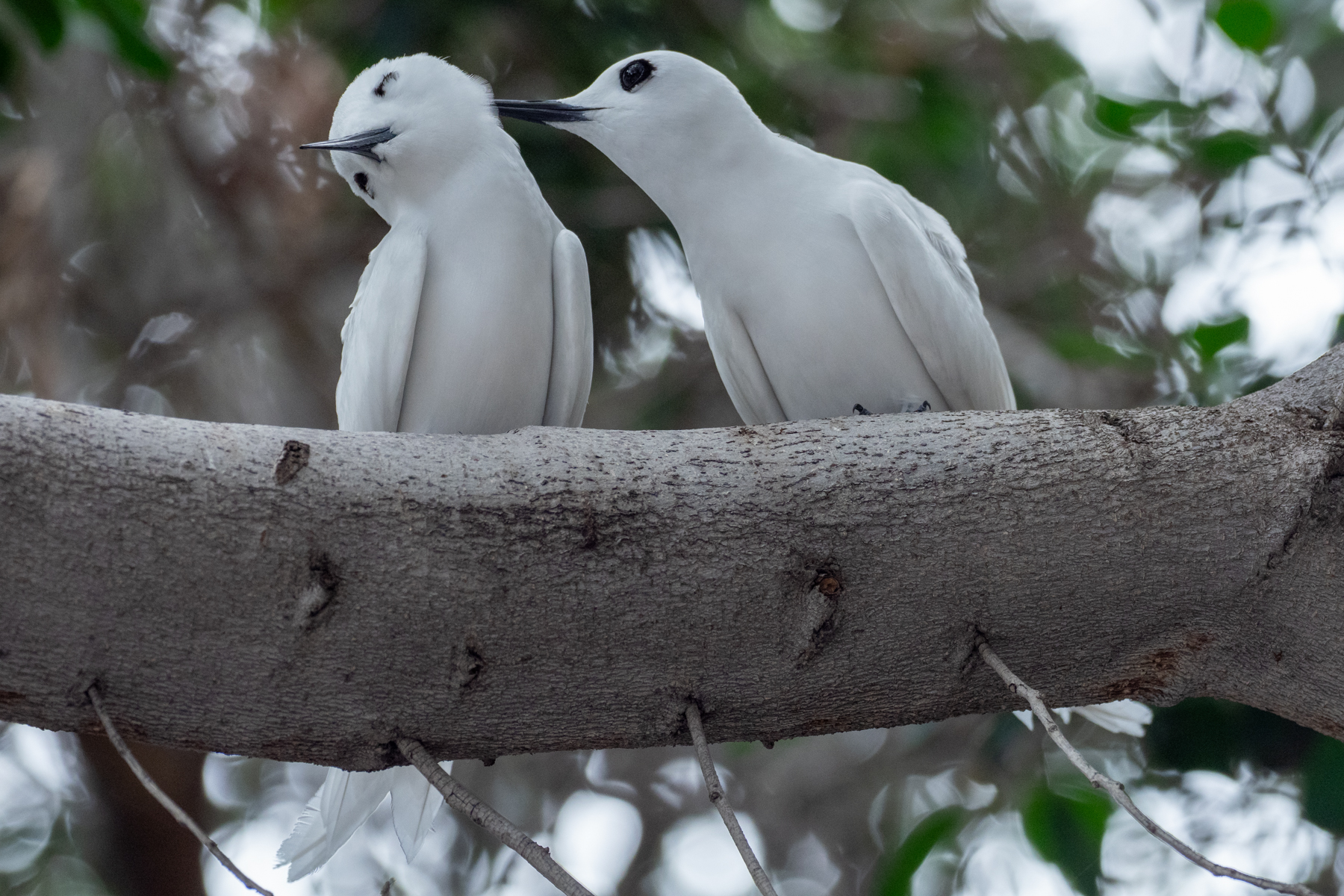
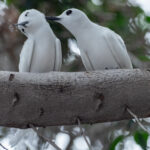
Atlantic White Terns (image by Mark Van Beirs)
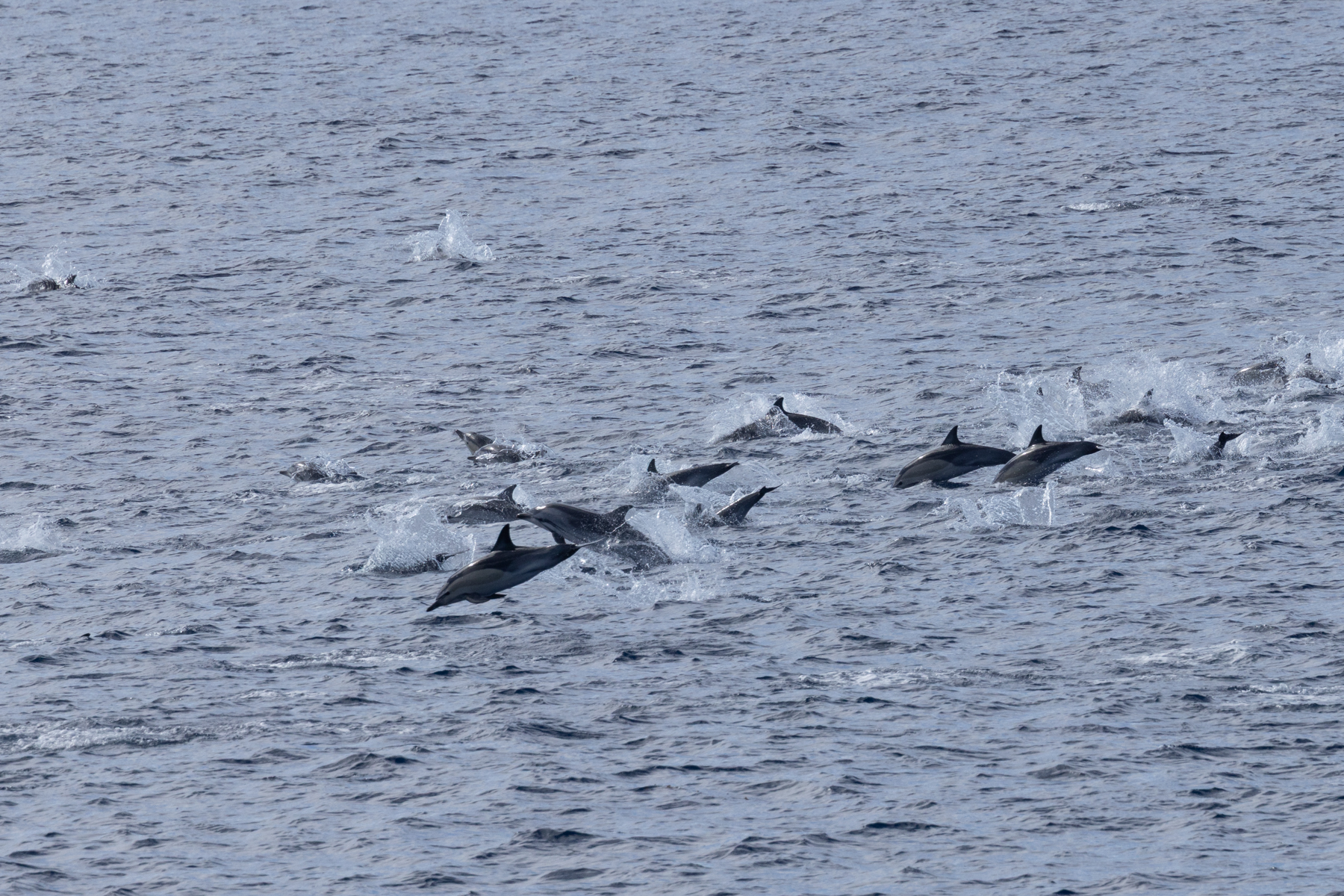
Common and Striped Dolphins (image by Nick Lessof)
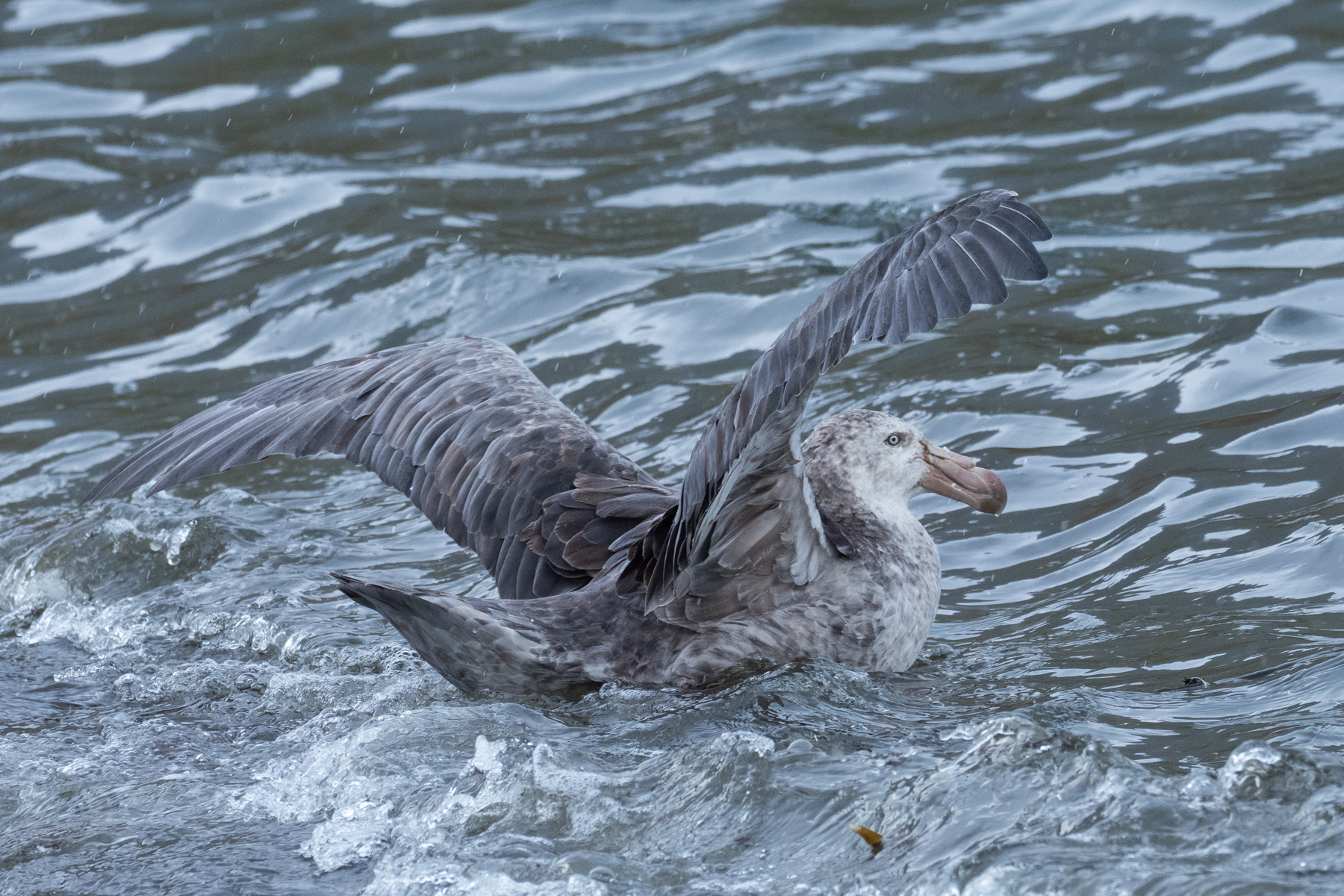
Northern Giant Petrel (image by Mark Van Beirs)
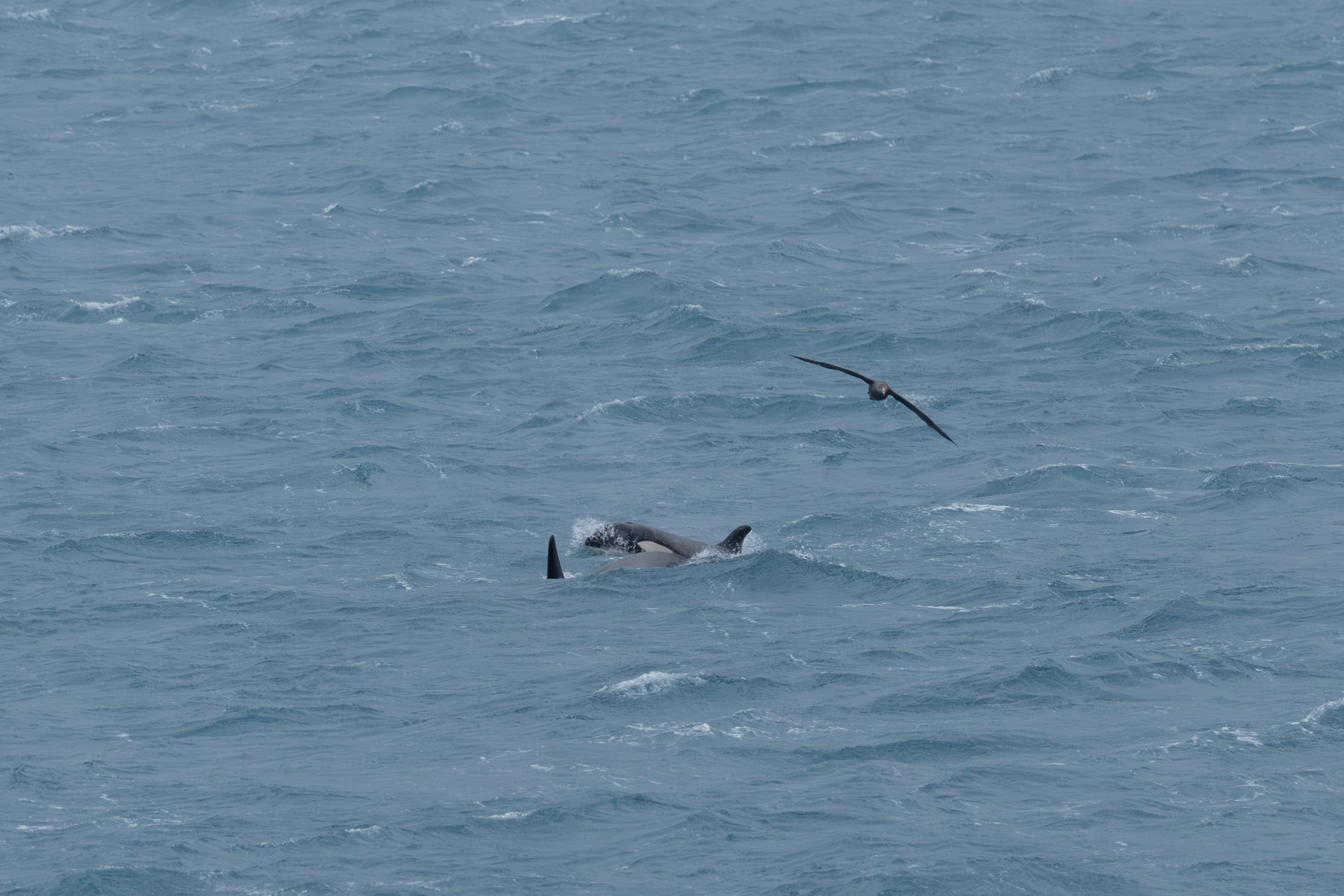
Orcas (image by Nick Lessof)
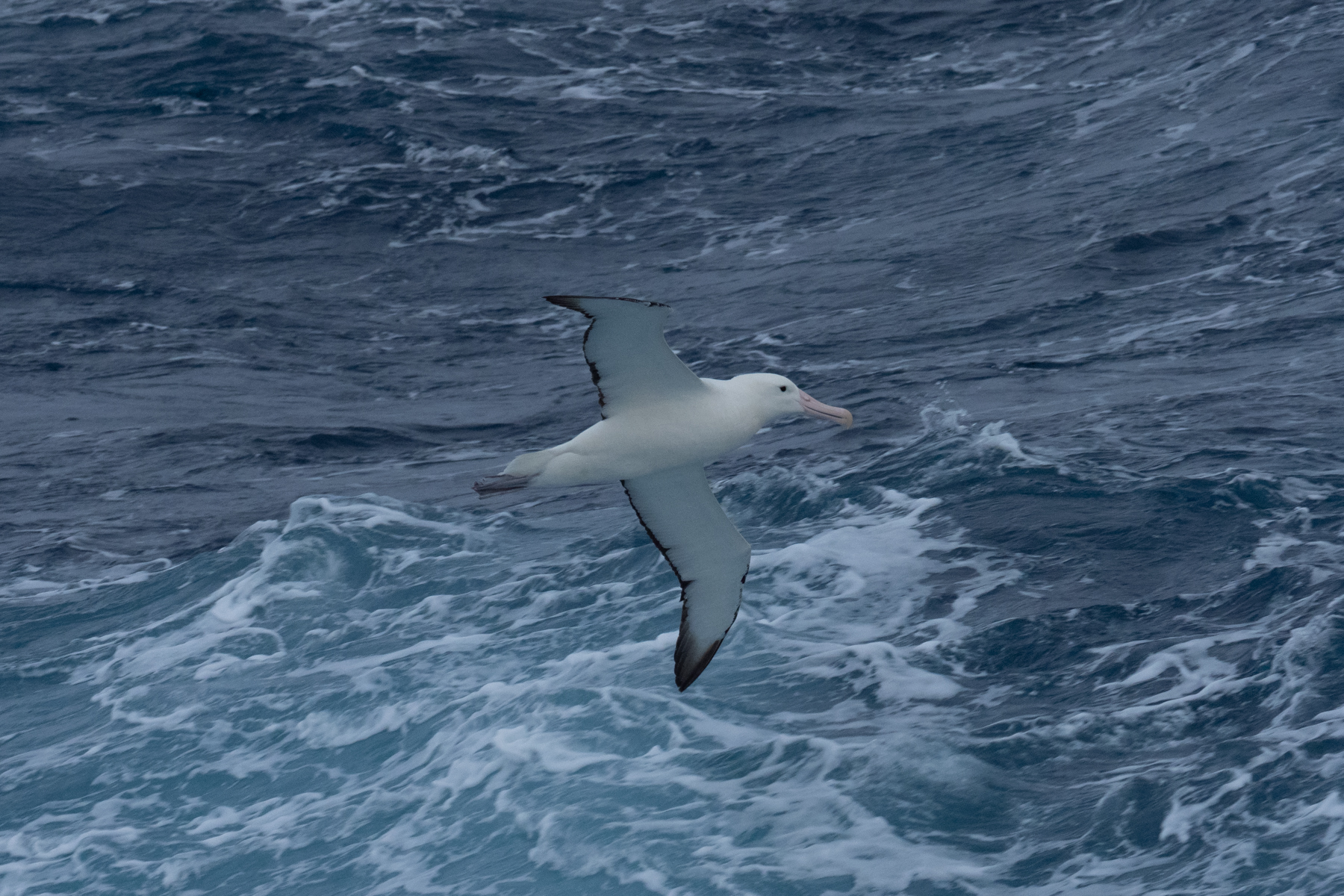
Southern Royal Albatross (image by Mark Van Beirs)
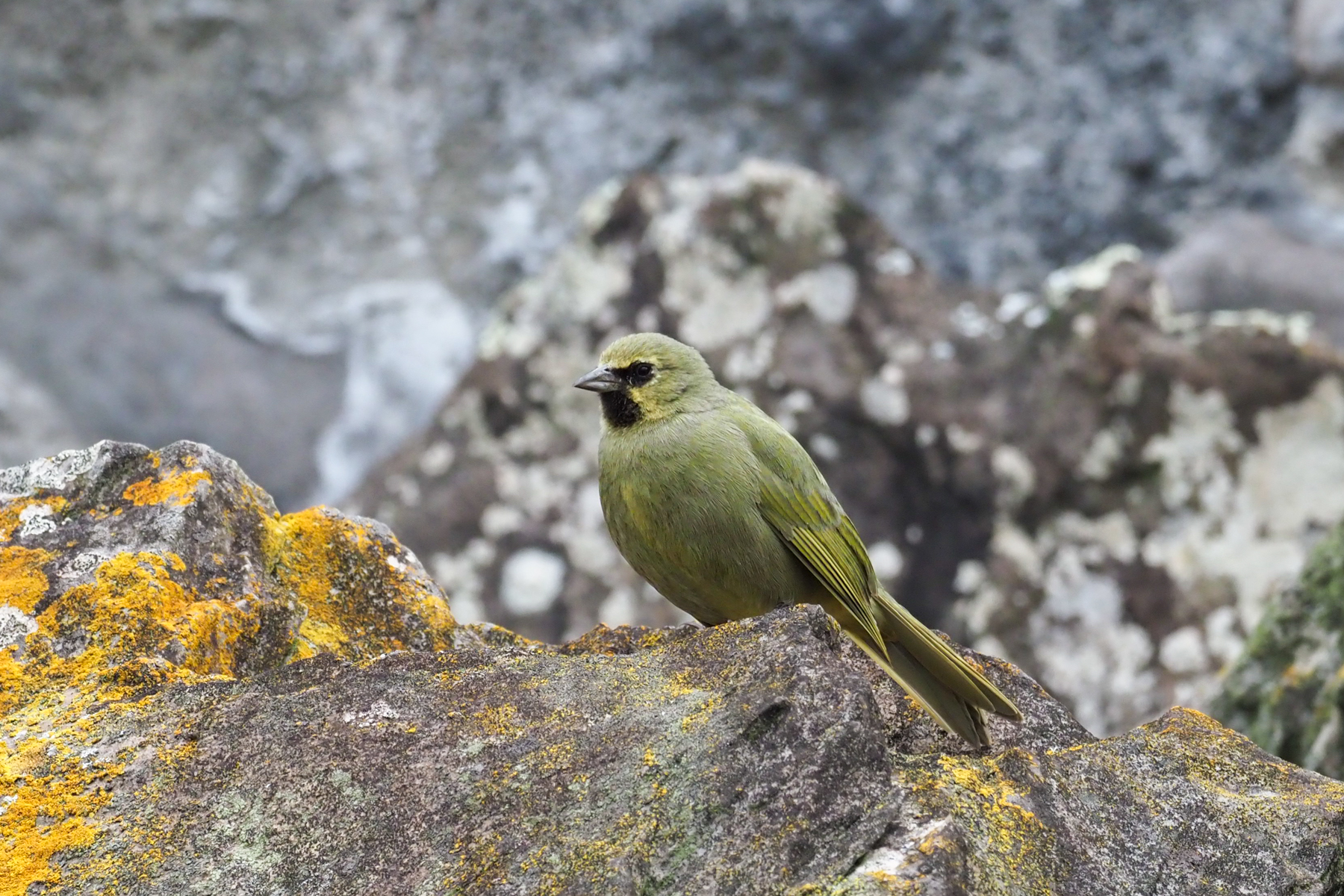
Gough Finch (image by Mark Van Beirs)
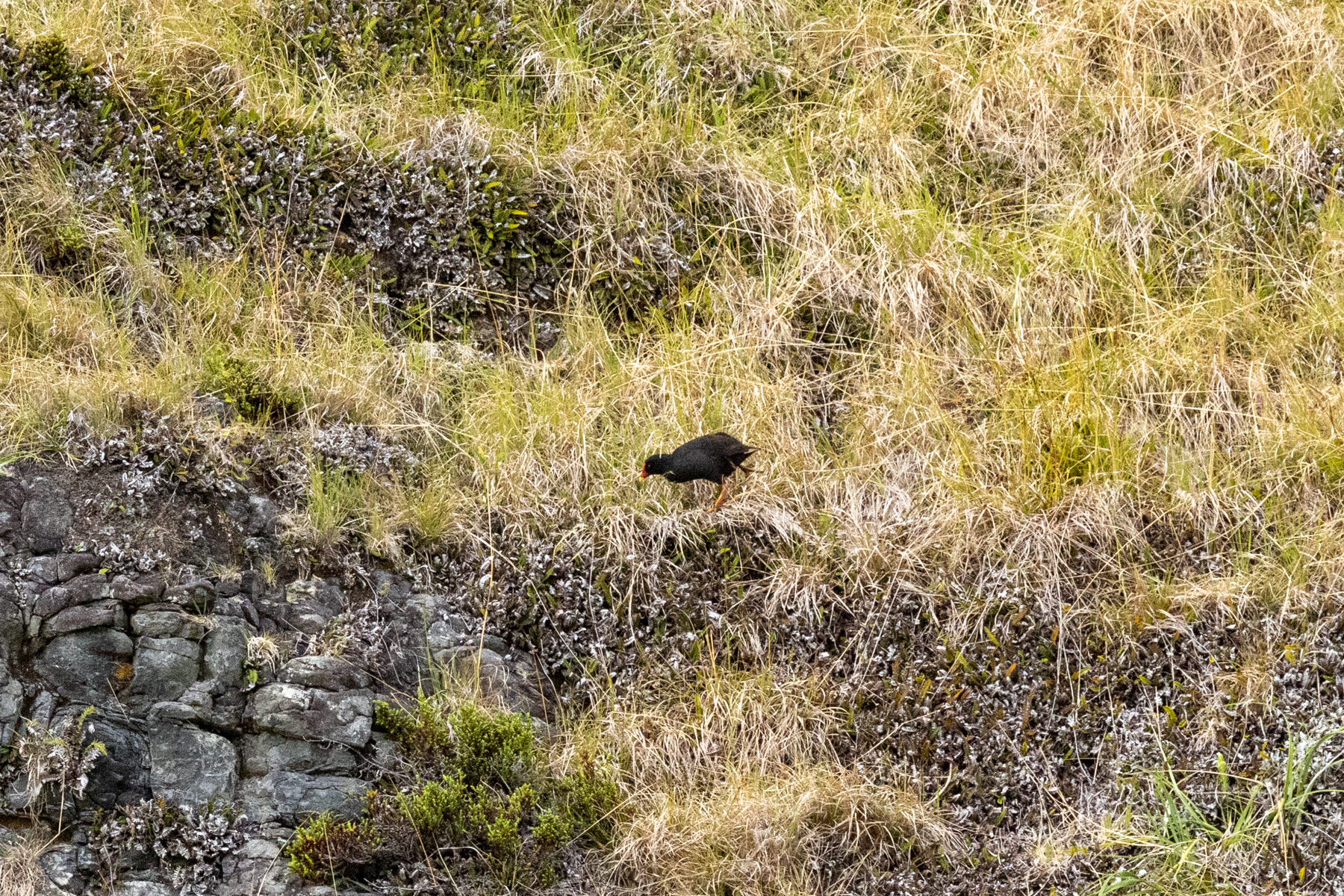
Gough Moorhen (image by Nick Lessof)
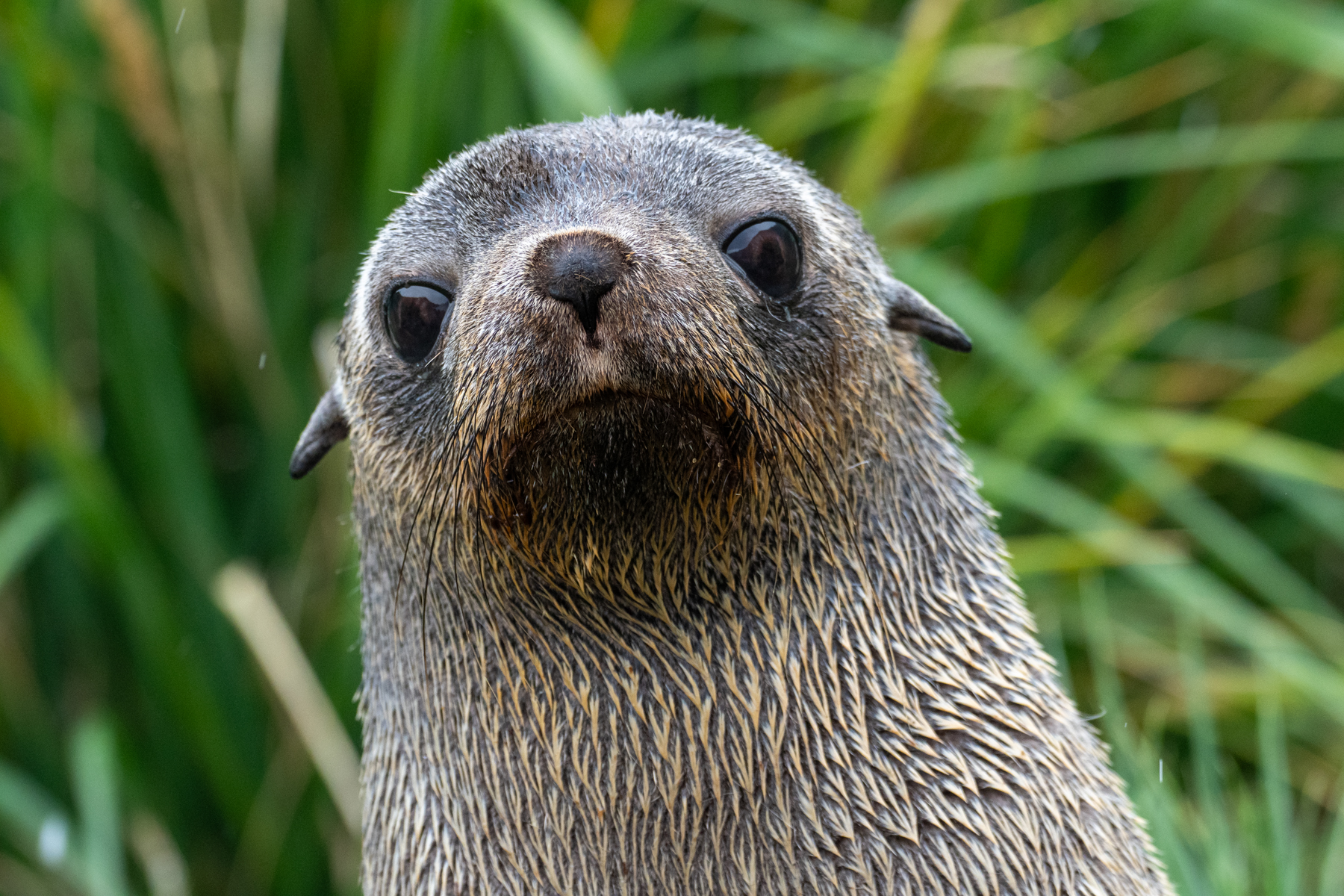
Antarctic Fur Seal (image by Mark Van Beirs)
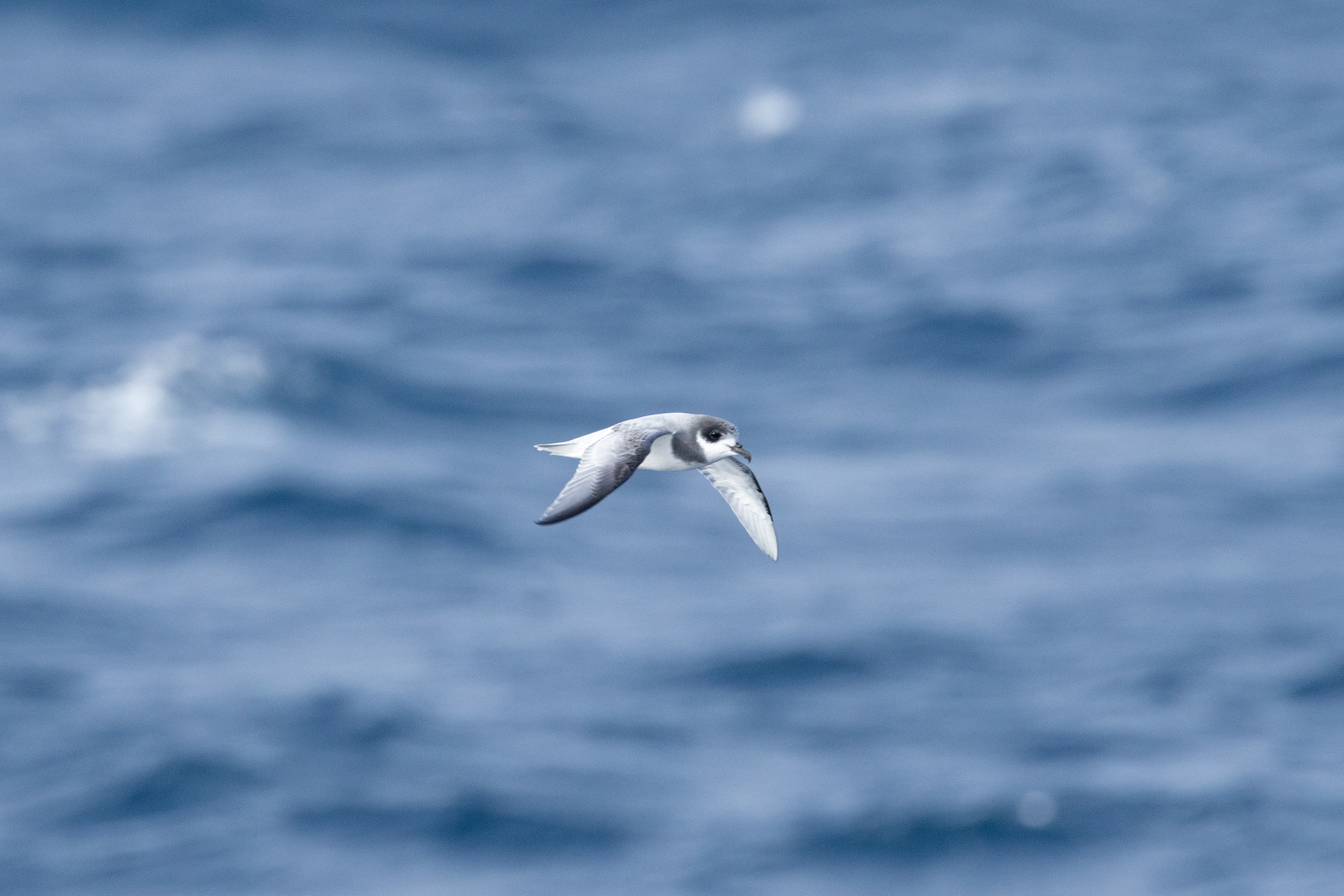
Blue Petrel (image by Nick Lessof)
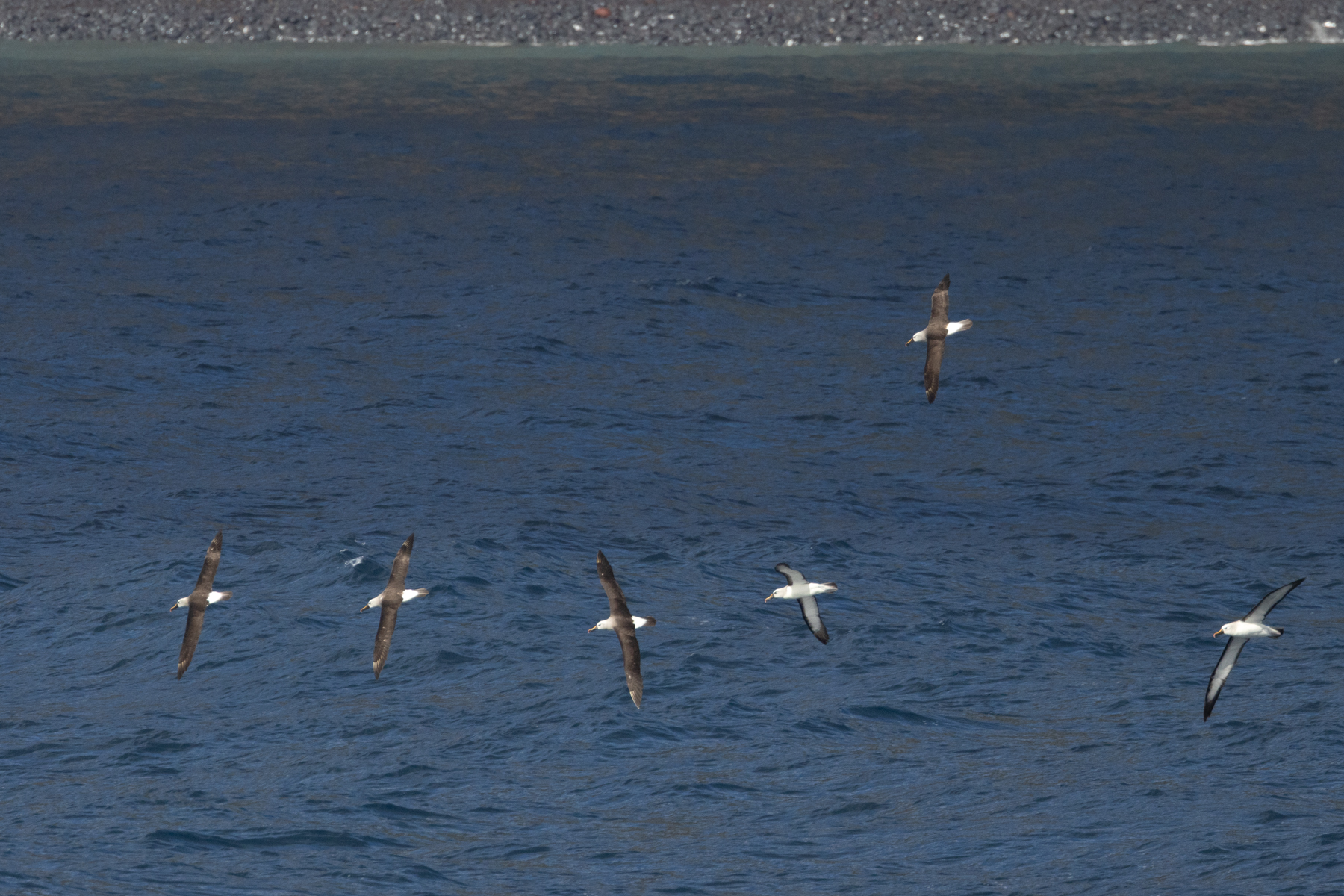
Atlantic Yellow-nosed Albatrosses (image by John Young)
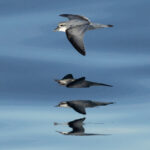
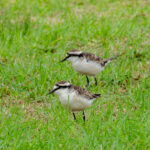
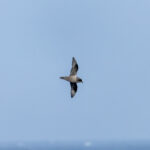
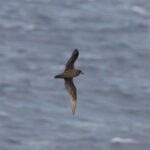
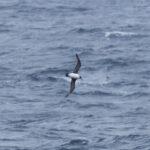
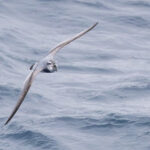
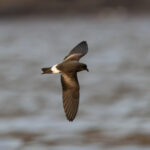
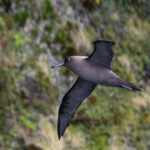
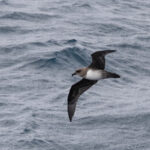
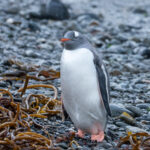
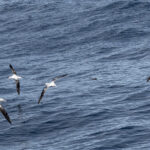
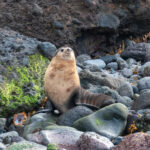
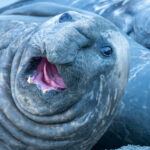
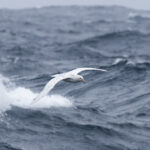
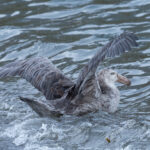
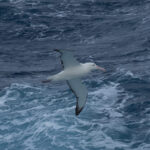
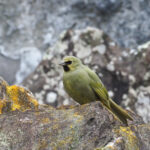
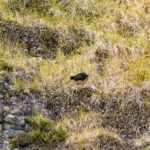
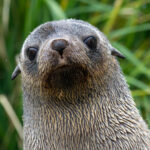
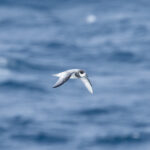
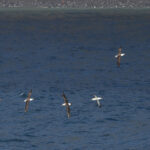


Spectacled Petrel (image by Nick Lessof)
Snow Petrel (image by Nick Lessof)
Broad-billed Prion (image by Nick Lessof)
Rough-toothed Dolphins (image by John Young)
Wilkins's Finch (image by Nick Lessof)
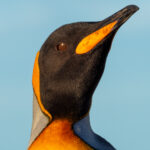
King Penguins (image by Mark Van Beirs)
St Helena Plovers (Wirebird) (image by Mark Van Beirs)
Kerguelen Petrel (image by Nick Lessof)
Great-winged Petrel (image by John Young)
Grey Petrel (image by Nick Lessof)
Broad-billed Prion (image by John Young)
Band-rumped Storm Petrel (image by John Young)
Sooty Albatross (image by John Young)
Atlantic Petrel (image by John Young)
Northern Rockhopper Penguins (image by John Young)
Tristan Thrush (image by Nick Lessof)
Snowy Albatross (image by John Young)
Red-footed Booby (image by Nick Lessof)
South Georgia Pipit (image by Mark Van Beirs)
King Penguin (image by Mark Van Beirs)
Sooty, Light-mantled and Snowy Albatrosses (image by Nick Lessof)
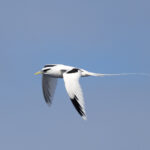
White-tailed Tropicbird (image by John Young)
Gough Storm Petrel (image by Nick Lessof)
Gentoo Penguin (image by Mark Van Beirs)
Ascension Frigatebird (image by Mark Van Beirs)
White-chinned Petrel (image by Mark Van Beirs)
Tristan Albatrosses (image by Nick Lessof)
Subantarctic Fur Seal (image by Mark Van Beirs)
Southern Elephant Seal (image by Mark Van Beirs)
Southern Giant Petrel (image by Nick Lessof)
Spinner Dolphins (image by Nick Lessof)
Strap-toothed Beaked Whale (image by Nick Lessof)
Grey-backed Storm Petrels (image by Nick Lessof)
Southern Fulmar (image by Nick Lessof)
Southern Elephant Seal (image by Mark Van Beirs)
Soft-plumaged Petrel (image by Nick Lessof)
Atlantic White Terns (image by Mark Van Beirs)
Common and Striped Dolphins (image by Nick Lessof)
Northern Giant Petrel (image by Mark Van Beirs)
Orcas (image by Nick Lessof)
Southern Royal Albatross (image by Mark Van Beirs)
Gough Finch (image by Mark Van Beirs)
Gough Moorhen (image by Nick Lessof)
Antarctic Fur Seal (image by Mark Van Beirs)
Blue Petrel (image by Nick Lessof)
Atlantic Yellow-nosed Albatrosses (image by John Young)


ATLANTIC ODYSSEY TOUR REPORT 2026

1 April – 9 May 2026
Mark Van Beirs
The 2026 Atlantic Odyssey was a very unusual tour blessed with many marvelous observations of birds and marine mammals in some of the more remote islands of the world, but sadly and very unusually blighted by the occurrence of the dreaded Hanta virus on board of the ship, the Hondius. We did manage to visit most of the intended island groups, except for the Cape Verdes, where we got sabotaged by the local authorities. It must be stressed that the captain, officers, crew and expedition staff on board of the Hondius did a terrific job throughout the trip. The absolute highlights of this exquisite voyage were the stunning King Penguins at their incredible colonies on South Georgia, the astounding Tristan and Light-mantled Sooty Albatrosses, the stupendous Snow, Spectacled and Atlantic Petrels, the unique Ascension Frigatebird spectacle at the Boatswain Rock and the four endemic finches of the Tristan archipelago (Inaccessible Island, Nightingale Island, Gough and Wilkins’s). The best sea mammals of the tour were Dwarf Sperm, Strap-toothed Beaked and Shepherd’s Beaked Whales and amazing Rough-toothed Dolphins. Swimming with the gigantic Whale Shark at St Helena was another unforgettable climax. We also observed an excellent selection of other penguins including Gentoo, Chinstrap, Magellanic, Macaroni and Northern Rockhopper. We were able to admire a fabulous collection (half of the world’s species) of Albatrosses including Snowy, Northern and Southern Royal, Sooty, Atlantic Yellow-nosed, Grey-headed Black-browed and Shy. We saw nine species of Storm Petrels (Wilson’s, Grey-backed, White-faced, White-bellied, Black-bellied, Gough, Cape Verde, Band-rumped and Leach’s) and encountered a wonderful assortment of petrels including marvels like Pintado, Grey, Bulwer’s, Kerguelen, Great-winged and Cape Verde. Several splendid Shearwaters like Cape Verde, Cory’s, Scopoli’s, Great, Boyd’s and Subantarctic, and Common and South Georgia Diving Petrels also appeared in front of our binoculars. Other goodies included all three species of Tropicbirds, St Helena Plover, Long-tailed Jaeger, Atlantic White Tern, Tristan Thrush and South Georgia Pipit. We also spotted a magnificent variety of marine mammals which included Southern Right, Sei, Blue, Sperm, Killer and False Killer Whales, Cuvier’s Beaked Whales and Hourglass, Risso’s and Clymene Dolphins. 112 species of birds species and 33 mammal species (of which no fewer than 25 cetacean species) were recorded on this tour.
This unusual tour started when the ship “Hondius” left the pier at Ushuaia in the afternoon of the 1st of April. After being briefed on the security measures on board, we sailed east through the Beagle Channel, picking up lots of Black-browed Albatrosses and Southern Giant Petrels. We also spotted several Magellanic Penguins and a colony of Gentoo Penguins on one of the islands. Other goodies included Upland Goose, Fuegian Steamer Duck, Chilean Skua, South American Tern, Dolphin and Kelp Gulls, Northern Giant Petrel, Southern Fulmar, Rock and Imperial Cormorants and Turkey Vultures. Near the eastern end of the Channel we noted an amazing concentration of Wilson’s (Fuegian) Storm Petrels (1000+) and Sooty Shearwaters. A lucky soul managed to observe a Magellanic Diving Petrel and we all obtained good looks at several obliging Soft-plumaged Petrels. At a spot where we were close to land Crested, Chimango and a single White-throated Caracara were seen. South American Fur Seals and South American Sea Lions showed regularly and we had great looks at three Sei Whales, at a Humpback Whale and at bow-riding Peale’s Dolphins. In the early evening a party of c20 Snowy Sheathbills intended to land on our ship.
Next morning, at dawn, our party was already scanning the ocean and in the course of the day we found six species of Albatrosses. Impressive Southern Royal and Snowy Albatrosses showed all the time and we obtained regular sightings of Grey-headed and Black-browed. A single Northern Royal Albatross and a single Light-mantled Sooty were also identified. Several Grey-backed Storm Petrels approached the vessel and both White-chinned Petrel and Great Shearwater allowed good looks. A small number of Common Diving Petrels were also picked up. We saw quite a few prions, and these could only be identified through the photos that were taken. They showed Antarctic, Fairy and Slender-billed. A single Brown Skua also performed. The ocean had behaved today, as we only experienced a two meter high swell.
The ship continued sailing east throughout the night and in the morning we were on deck again checking which birds were about. Several pristine looking Snowy Albatrosses were following the Hondius, as were White-chinned Petrels and both Antarctic and Slender-billed Prions. During the course of the day we also picked up Kerguelen and Great-winged Petrels. The highlight of the day however was the modestly-plumaged Grey Petrel, which showed well and approached our vessel quite closely. A party of smart-looking Hourglass Dolphins paid their respects and allowed great looks.
We continued our voyage, and next morning stood ready at the bow of the ship. The highlight of the day was an excellent sighting of Sooty Albatross, which circled the ship a few times. We also noted several King Penguins, a few Macaroni Penguins, quite a few Black-bellied Storm Petrels, another Grey Petrel, a single Subantarctic Shearwater (for the lucky ones), lots of smart-looking Blue Petrels and many well-behaved Soft-plumaged Petrels. Mammals were quite obvious today as we chanced upon goodies like Antarctic Fur Seals, Hourglass Dolphins, several Killer Whales, quite a few Fin Whales and a single rather distant Blue Whale.
We arrived off the northwestern coast of South Georgia early next morning, and although it was quite misty, we could already discern the spectacular scenery of this famous island. As it was extremely windy, the captain decided to sail further eastwards. King and Macaroni Penguins escorted us as did Common and South Georgia Diving Petrels. A Blue Whale showed very well and after lunch we anchored in the secluded Godthul Bay, where we were able to land safely. Immediately upon arriving at the beach we found several curious, and much-wanted South Georgia Pipits feeding on the beach. Lots of Antarctic Fur Seal pups were playing in the water and amongst the tussock grass. Several parties of Yellow-billed Pintail were flying about and young Southern Elephant Seals were sleeping amongst the rocks. After this successful visit we enjoyed a zodiac ride around the bay, observing Imperial Shags (of the South Georgia race), Snowy Sheathbills, Antarctic Terns, many more Gentoo Penguins, Southern and Northern Giant Petrels and more South Georgia Pipits.
Next morning we visited the old whaling station of Grytviken, where thousands and thousands of whales were butchered in the late nineteenth and early twentieth century. We paid our respects to Sir Ernest Shackleton, a man of incredible feats, who lies buried here. We all enjoyed a dram of Shackleton whiskey on his behalf and wandered through the remains of the whaling station. Hundreds of Antarctic Fur Seals were lying and playing about. Around lunch we made our way to famous St Andrew’s Bay, where, upon arrival a Southern Right Whale could be observed. The amazing numbers of King Penguins sure made an impression as we approached the coast. Our visit was truly out of this world. We walked along the edge of this enormous colony, which is said to harbour 129,000 pairs of King Penguins. There were also many chocolate-brown young about and we were all impressed by the curiosity and beauty of these stunning creatures. The view over the colony from a nearby hill was exquisite. What an incredible experience! Small numbers of lumbering Southern Elephant Seals were sleeping on the nearby beach and dozens of Snowy Sheathbills were foraging amongst the penguins. A very happy group of Birdquesters returned to the ship as dusk was falling.
Next morning we were hoping to land at another King Penguin colony, but the swell at the beach at Gold harbour was too much, so a zodiac ride along the impressive coastline allowed us to appreciate the diverse wildlife of this very scenic area. Thousands of King Penguins, hundreds of Antarctic Fur Seals and smaller numbers of Southern Elephant Seals and Gentoo Penguins were showing well. In the afternoon we sailed through Cooper Bay with its Chinstrap and Macaroni Penguin colonies and entered the dramatic Drygalski Fjord, where the scenery was out of this world. Lots of glaciers provided a magnificent backdrop to this unique area. A Southern Right Whale was found, a small pod of Killer Whales performed beautifully and a dozen or so exquisite Snow Petrels patrolled the icebergs. After this excellent experience we started sailing towards the distant island of Gough in the Tristan archipelago, while observing hundreds of Blue Petrels and smaller numbers of Fairy Prions.
On our first full day at sea sailing towards Gough, we had many excellent sightings of the usual suspects … White-chinned Petrel, Black-browed Albatross, Wilson’s and Black-bellied Storm Petrels, Antarctic Prion and Pintado Petrel. We also noted good numbers of attractive Blue Petrels, Fairy Prions, Diving Petrels (both Common and South Georgia) and speedy Kerguelen and Soft-plumaged Petrels. A single Grey-backed Storm Petrel performed nicely, as did Grey-headed and Light-mantled Sooty Albatrosses. A Fin Whale was identified and two pods of playful Hourglass Dolphins could be observed at length next to the ship. We also encountered a dozen or so really spectacular icebergs in different shapes.
On our second full day sailing towards the island of Gough we regularly encountered fantastically sculpted icebergs. The main bird of the day was the lovely white-bellied race of the Black-bellied Storm Petrel that breeds on Gough island and will most probably be soon regarded as a separate species, Gough Storm Petrel. We needed photos to convince ourselves, but there was no doubt and we saw them regularly throughout the day, often in the company of normal “Antarctic” Black-bellied Storm Petrels. We also obtained excellent looks at Sooty Albatross, Kerguelen Petrels, a couple of Grey Petrels and a beautifully performing Great-winged Petrel.
Another day at sea sailing towards the northeast gave us several new birds for the trip. The ocean was very calm with barely one meter swell, so we could really enjoy. Our first Atlantic Petrels appeared and these distinctive birds became quite regular towards the end of the day. We also noted our first extremely attractive Spectacled Petrels, which stayed with us for quite a while. Grey Petrels became more and more regular and towards late afternoon we had an albatross bonanza around the ship as five species showed very well: Light-mantled Sooty, Sooty, Black-browed, Grey-headed and Snowy. What a fantastic show they offered. A couple of White-headed Petrels were also noted.
On our fourth day sailing towards the island of Gough we paid especially attention to the many prions that surrounded our ship and we got totally frustrated. Most of the prions that we identified (by photo) were typical Broad-billed Prions, which are the most common prions on Gough Island. We also identified several Antarctic Prions, but we couldn’t convince ourselves to have nailed the infamous MacGillivray’s Prions that occur in fair numbers. The identification features for that taxon are to my mind too variable, so we left it as a maybe… We had several excellent encounters with gorgeous adult Tristan Albatrosses, that showed all the necessary features. Subantarctic Shearwaters showed in small numbers and Great Shearwaters became regular visitors around our ship. Throughout the day we also enjoyed regular visits of Grey and Atlantic Petrels and a single Shy Albatross performed ever so well.
In the middle of the night we had to change course to the main island of Tristan da Cunha because of the unfortunate passing away of a passenger on board, so we temporarily lost the island of Gough. This sad incident obviously influenced the atmosphere on board. We were surrounded by birds throughout the day as the foul weather finally started to catch up with us and the swell easily amounted to 5 to 6 meters. The only new species we recorded was an Arctic Tern and we enjoyed many excellent views again of beauties like Tristan Albatross (all age cycles), Spectacled, Grey and Atlantic Petrels, Great and Antarctic Shearwaters and Gough Storm Petrels. One of the really old very white albatrosses that kept following the ship was shown on photographs to have a colour ring (K46), which turned out to be a Snowy Albatross female ringed on the island of Marion in 1986 … a marvelous bit of information. So, this bird was now 41 years old and we learned that not all the albatrosses in the Tristan archipelago are Tristan Albatrosses!!!
As the sun was fighting with the horizon we were sailing past Nightingale island towards the mighty volcanic island of Tristan da Cunha. The ship was surrounded by dozens of smart Spectacled Petrels, offering a splendid spectacle. Many Great Shearwaters were about and we started to see several Atlantic Yellow-nosed Albatrosses. In mid morning we arrived at the south side of Tristan and slowly sailed along the eastern side towards the settlement of Edinburgh of the Seven Seas, situated at the northern tip of the island. The local authorities decided that the seas were too rough to send out their boat to arrange the official duties, so we spent the rest of the day sailing back and forth in the lee of Tristan da Cunha. We could see the small volcano and its impressive lava flow that caused the desertion of the island in 1961 and admired the imposing cliffs, dotted with breeding Atlantic Yellow-nosed Albatrosses.
Next morning, after the official requirements were met, we sailed to nearby Inaccessible Island. The sea was quite smooth, so we were keeping our fingers crossed for a possible landing… but, Orni, the goddess of birders, didn’t play. The expedition staff did briefly manage to land and were incredibly lucky with an observation of an Inaccessible Island Rail. Lucky bastards… The increasing high swell made landing quite impossible. We had to satisfy ourselves with a zodiac ride along the more sheltered southeast coast of this truly very hard to access island. The high cliffs dotted with patches of tussock grass would deter even the most experienced rock climber. Good numbers of attractive Subantarctic Fur Seals were loafing or playing on the rocky beaches and we soon found several rusty brown Tristan Thrushes foraging amongst the kelp on the beach. It took a bit longer to locate the endemic Inaccessible Island Finch, but eventually everyone managed fair views of this modestly attired speciality. We also spotted a couple of Brown Noddies in the bay. In late afternoon we returned to the ship and in the hour before dusk several “real” White-bellied Storm Petrels were identified from the bow. A nice bonus.
Our full day on the main island of Tristan da Cunha was quite enjoyable. We started with a good walk – so nice after 7 days on the ship – towards the famous potatofields and with a concerted effort of all the 50 or so birders scanning the nearby and more distant grassy and bushy slopes it didn’t take too long before a couple of distant Gough Moorhens were located. Luckily a nice adult was then found playing hide and seek near a fairly close bush, offering excellent views. A bit later an immature bird performed even better at close range. A terrific new bird for the tour, even if realizing that this species was introduced more than a hundred years ago from the island of Gough to the island of Tristan da Cunha. Gough Moorhen is now exceedingly rare on Gough Island, as it has suffered greatly from the recent rodent poisoning program there. After this nice experience we strolled back into town, having good looks at Tristan Brown Skuas and experiencing the atmosphere of the most remote settlement in the world. The local pub was a favourite, as was the post office and the tourist office. In the afternoon four Barn Swallows and a Cliff Swallow were identified flying over the nearby lavafield. These vagrants from the New World had been around for a while already. On the evening recap we were told that we were going to try to include Gough Island in the program, news of which was hailed by a loud applause.
At dawn we found ourselves anchored very close to Nightingale Island and soon the zodiacs with the expedition staff went out to check the landing conditions. We got news that landing was possible and we did just that within 30 minutes. Only one Odyssey in seven manages to land here!! Upon arrival at the island we saw dozens of adult and pup Subantarctic Fur Seals lying on the coastal rocks. We made our way up along a steep trail through the man high tussock grass and after an hour hike found ourselves in the appropriate habitat for the rare and localized Wilkins’s Finch. It only took a few minutes before the first bird was found and in the course of the morning everyone who made it up the plateau enjoyed excellent views of this lovely, “Critically Endangered” Nightingale Island endemic with its thick bill. There were also quite a few endemic Nightingale Island Finches about and Tristan Thrushes (of the race procax) were extremely friendly and cooperative. Overhead Tristan Brown Skuas, Great Shearwaters and a few Atlantic Yellow-nosed Albatrosses patrolled the skies. Along the trail we found a number of Great Shearwaters shuffling out of the tussock grass and lancing themselves in the sky from a protruding rock. There were lots of used nests of albatrosses, but the young birds had recently fledged. Upon our return at the landing spot we were welcomed by a beautiful Northern Rockhopper Penguin posing for us. A sight for sore eyes. Around midday we left this amazing island and started sailing south towards Gough Island. The afternoon produced a marvelous sighting of a dozen Sperm Whales next to the regularly observed seabirds.
At dawn we were anchored on the east side of famous Gough Island and we could already see fair numbers of Northern Rockhopper Penguins standing on the rocky coast. This amazing island probably holds several million seabirds, and although the breeding season was mostly over during our visit, we still observed good numbers. The island is a strict nature reserve, so access is not allowed, but our zodiac cruise along the eastern shore was highly enjoyable. Obviously, we first wanted to observe the endemic Gough Island Finch and that didn’t take long at all. Several birds, mainly adult males, showed extremely well at short range, as the sea was almost like a mirror, which allowed us to get very close to the shore. Along the rocky coast were hundreds upon hundreds of adult and pup Subantarctic Fur Seals, many emitting their nice sounding calls. We approached several groups of Northern Rockhopper Penguins, usually holding a number of moulting birds together with many individuals in pristine condition, sporting their amazing hairdo. They sure offered a splendid sight. We also found two nests with almost ready to fledge young Sooty Albatrosses. After this amazing zodiac ride, the Hondius near circumnavigated Gough Island offering excellent views over the undulating plateau, where most of the world’s population of Tristan Albatrosses breed. Dozens of these impressive birds were wheeling over the island or following the ship at close range. Just after midday we started our long voyage north towards St Helena. The sea was like glass, so the seabirds showed very well. Best of all were the many lovely Grey-backed Storm Petrels that showed so very well, often at short distance hovering over bits of kelp. Many Broad-billed Prions appeared and we were constantly accompanied by a good variety of well-known seabirds. In late afternoon a pod of Beaked Whales was discovered quite far on the starboard side and they were then identified on photo as Strap-toothed Beaked Whales. Magical stuff!!! The excellent dinner this evening consisted of crayfish and potatos, both originating from Tristan da Cunha. Very tasty…
Next morning, we continued sailing north towards Saint Helena and we sure felt the temperature rise through the day. The first T-shirts and shorts appeared and we enjoyed the delightful warmth of the sun. The ocean was still very smooth and seabird activity and variety was decidedly low. Only a few albatrosses and petrels were noted, and only Great Shearwaters and Soft-plumaged Petrels appeared regularly. We did obtain excellent looks at several White-bellied Storm Petrels, but the highlights of the day were the different kinds of cetaceans. First a Southern Bottlenose Whale was picked up by a few people, and this was followed by a very rare Shepherd’s Beaked Whale, which showed quite well (for a Beaked Whale that is). And then, just before midday a large mixed pod of dolphins and whales was spotted in the distance. As we approached Short-finned Pilot Whales were identified, as were lots and lots of Common Dolphins and a smaller number of Striped Dolphins. Afterwards one or two Risso’s Dolphins were identified on photos. It was a real spectacle seeing this large mixed group so very well. Pure magic. Later in the day we also observed a couple of Fin Whales and a Loggerhead Turtle. The late evening stargazing session on the highest deck of the ship was a real delight. Most people had never seen the Milky Way so very well – no light pollution at all – and we were also shown the Southern Cross, the Magellanic Clouds and distinctive constellations like Scorpio, Orion, Canis Major and Leo … great fun.
A quiet day followed with rather few birds and cetaceans seen. Just a few albatrosses (Sooty & Atlantic Yellow-nosed) were noted and the number of petrels also dropped significantly. A distant pod of Short-finned Pilot Whales caused some excitement and a Loggerhead Turtle was seen.
Another very quiet day followed as we continued our voyage northwards. Just a few birds were noted and a mother and calf Sei Whale showed well on the starboard side at fairly close range. Several cracking Spectacled Petrels kept following us in the wake. We also started to see flying fish.
On our last full day at sea towards St Helena we saw a few more flying fish and just a few birds. A single Band-rumped Storm Petrel was seen, and the first Red-billed Tropicbird made its appearance.
The next day we started to see quite a few more species on the final run to St Helena. Ethereal-looking Atlantic White Terns became quite regular and we also spotted a few Bulwer’s Petrels. Several Band-rumped Storm Petrels showed quite well and a few Red-billed Tropicbirds appeared. In the early afternoon we finally managed to see the famous island and soon we were surrounded by flocks of Brown and Black Noddies, fair numbers of elegant Atlantic White Terns, quite a few Masked Boobies and lots of Band-rumped Storm Petrels. A single Whale Shark and several Pantropical Spotted Dolphins showed briefly. In late afternoon we anchored in front of the settlement of Jamestown, on the northwestern coast, where dozens of Red-billed Tropicbirds were patrolling the high cliffs.
Our main target on the island of St Helena was of course getting to know the fabled Wirebird (alias St Helena Plover), which is the national bird of the island. We took a minibus, together with a group of like-minded birders and were soon dropped off at the well-known golfcourse, where it only took a minute to find this lovely endemic. We spent more than an hour with this adorable species. A walk in the quaint town of Jamestown gave us excellent looks at superbly elegant Atlantic White Terns and we, of course, could only fantasize about the six endemic birds of St Helena which were lost following the human arrival in the 16th/17th century: St Helena Petrel, St Helena Hoopoe, St Helena Rail, St Helena Crake, St Helena Dove and St Helena Cuckoo. Just after midday we all boarded a small bus and enjoyed a tour of the mainly cultural highlights of this fascinating island, visiting beautiful viewpoints, Napoleon’s first tomb, Napoleon’s house and Jonathan, the oldest tortoise in the world on the Plantation House’s lawn. After this excellent excursion some of us walked a bit more through town and had a local dinner, while others returned to our faithful Hondius.
On our second day at St Helena we enjoyed a delightful boattrip along the western coast which first produced a party of three fabulous Rough-toothed Dolphins attending a small fishing boat. We obtained excellent looks at these uncommon, almost reptilian-looking cetaceans as they regularly received some baitfish from the fishermen. The distinctive white beak showed brilliantly and we could also follow them underwater just next to our boat. Much cherished moments. We then paid a visit to the different Noddy islets and admired both Brown and Black Noddies sitting on the ledges at close range. Upon returning to our ship we spotted some dolphins in the distance and we soon found ourselves in the middle of a fabulous pod of c250 Pantropical Spotted Dolphins. They performed so very well for more than 30 minutes offering exquisite views. In the afternoon some of us went snorkeling with a Whale Shark, which was a totally exhilarating experience… We swam just meters away from this eight meter long, beautifully marked fish, which carried quite a load of remora and other semi parasitic fish enjoying a free ride on the shark’s tail and fins. Other members of our group joined an offshore chumming session in zodiacs with lots of Band-rumped Storm Petrels coming in at very close range. One of our plant lovers went on a walk in the hills of St Helena and observed a good number of endemic plant species. In mid-afternoon a Red-tailed Tropicbird was found patrolling the nearby cliff face and most of us got good looks at this vagrant from the distant Indian Ocean.
The first full day sailing northwest towards Ascension Island was a truly quiet day. Only two species of bird were identified, Atlantic White Tern and Bulwer’s Petrel, and only one mammal was noted … a party of several unidentified Beaked Whales, which could have been Blainville’s. The ocean was very calm, the sun was shining and the temperature was delightful.
We had another fairly uneventful day at sea. A few observations of storm petrels got the pulses going as we encountered White-bellied, a single Gough and several Leach’s. The first Ascension Frigatebirds were found 220 nautical miles (407 km) from their breeding island and we enjoyed observing good numbers of different attractively patterned flying fish.
Early next morning we could see the island of Ascension in the distance and the number of birds was steadily increasing. The first Red-footed Boobies were noted amongst the many Brown and Masked. Black and Brown Noddies and Atlantic White and Sooty Terns were everywhere and the threatening silhouettes of Ascension Frigatebirds were overlooking the feeding frenzies. A Long-tailed Jaeger (Skua) showed quite well. A Sperm Whale appeared briefly and a minute, rare and totally amazing Dwarf Sperm Whale breached several times close to our vessel. Pods of Bottlenose Dolphins and Rough-toothed Dolphins came in to bow ride, offering a fantastic spectacle and small numbers of Pantropical Spotted Dolphins were also seen. Around midday we arrived at the island and after arranging some formalities in the village, we sailed to the eastern part of the island, where we concentrated on magnificent Boatswain Island, a stack covered in birds. Hundreds of Ascension Frigatebirds were perched on the stack, sunbathing, resting or seen displaying. Many were patrolling over the rock and good numbers of Masked Boobies were sitting about. We spent the late afternoon admiring the activity at Boatswain Island as immature Frigatebirds were constantly gliding low over the ship. Numbers of Band-rumped Storm Petrels arrived at the island just before dusk. What an amazing place!
On our first full day at sea sailing north towards the Cape Verde Islands we still encountered several breeding species of Ascension like White-tailed Tropicbird, Sooty Tern, Masked Booby and Bulwer’s Petrel, but during the course of the day we also found goodies like Sabine’s Gull, Arctic Skua (Parasitic Jaeger), a Scopoli’s Shearwater, Cory’s Shearwater and Leach’s Storm Petrel. Early in the day a small pod of Short-finned Pilot Whales accompanied by several Rough-toothed Dolphins showed. The doldrums were kind to us.
On the 29th of April we finally crossed the equator and this special event was celebrated with a baptism of all the landlubbers who crossed the equator for the first time by ship. Neptune was benevolent and after all the newcomers drank dragon’s blood, were soaked in a horrible concoction and kissed a not so very fresh-looking fish, the ship was allowed to continue its trip northwards. We obtained excellent looks at a couple of very smart-looking breeding plumaged Long-tailed Jaegers, several Leach’s Storm Petrels and quite a few Cory’s Shearwaters. A magnificent Sperm Whale allowed close up looks before it showed its impressive fluke, several unobtrusive Cuvier’s Beaked Whales disappeared all too quickly and a pod of c35 Clymene Dolphins performed very well. The day ended with a tasty BBQ on deck.
At dawn an immature Magnificent Frigatebird appeared on the forward mast of the ship… a lovely surprise! Our full day in the doldrums produced a nice variety of already known birds. Several superbly elegant Long-tailed Jaegers showed very well and good numbers of Leach’s Storm Petrels were counted. Bulwer’s Petrels allowed close up looks and a couple of Sooty Shearwaters passed by. Two pods of spectacular Spinner Dolphins performed beautifully offering great looks at these very acrobatic animals. A small group of False Killer Whales only showed briefly, sadly. Throughout the day we encountered extended mats of orange Sargasso algae at which some of us found Sargasso crabs and cute, tiny, golden-coloured flying fish.
The highlight of our next day at sea was admiring the antics of an adult Brown Booby and an immature Red-footed Booby as they were catching flying fish that got disturbed by the ship. Both of them were resting on the forward mast and regularly flew around and reacted very swiftly when a flying fish showed. Brilliant stuff. Another excellent experience was observing a cracking Long-tailed Jaeger harassing a Leach’s Storm Petrel for minutes on end close to the ship. The same range of species as the previous day was seen.
At dawn the two boobies were still about and again showed their hunting prowess, but all too soon they disappeared as we were sailing further northwards. The ocean was quite turbulent today and the wind from the north made viewing conditions quite uncomfortable. In the course of the day we did pick up new birds like Boyd’s and Cape Verde Shearwaters and a single Grey (or Red) Phalarope. We arrived at the island of Praia in the middle of the night.
Because of a medical emergency we had made our way straight to Praia, the main town of the Cape Verde Islands. The authorities made us wait and wait and wait, so at first, the ship sailed slowly up and down a few miles off the harbour of Praia. We managed to pick up the endemic Boyd’s and Cape Verde Shearwaters and Fea’s Petrel, so we were not displeased. Later in the day we anchored close to town, and, next to Little Egrets and lots of feral Rock Pigeons, we did get distant views of the endemic Cape Verde Swifts. The original plan was to disembark here and spend a day and a half birding on the island of Santiago before flying home, but fate and the Hanta virus decided differently.
Because of medical emergencies we were made to wait for four days before the seriously ill patients were evacuated by plane. Meanwhile we birded and waited and waited and birded, but nothing new was seen. Finally we were allowed to start sailing north to the Canary Islands. Diligent spotting over the next days resulted in nice observations of Cape Verde and Boyd’s Shearwaters, Cape Verde Petrels, dainty White-faced Storm Petrels, a single Cape Verde Storm Petrel, Cuvier’s Beaked Whales and Pantropical Spotted and Atlantic Spotted Dolphins. Upon arrival at Tenerife we were all professionally evacuated by our own authorities, so the tour ended on a sad note.
BIRDS OF THE TOUR
1 King Penguin
2 Ascension Frigatebird
3 Spectacled Petrel
4 Wilkins’s Finch
5 Atlantic Petrel
MAMMAL OF THE TOUR
1 Rough-toothed Dolphin
2 Cuvier’s Beaked Whale
3 Hourglass Dolphin
4 Southern Right Whale
5 Blue Whale
HONORARY SPECIES
WHALE SHARK
SYSTEMATIC LIST OF SPECIES RECORDED
BIRDS
Species marked with the diamond symbol (◊) are either endemic to the country or local region or considered ‘special’ birds for some other reason (e.g.: it is oly seen on one or two Birdquest tours; it is difficult to see across all or most of its range; the local form is endemic or restricted-range and may in future be treated as a full species).
The species names and taxonomy used in the bird list follows AviList v2025 (AviList Core Team. 2025. AviList: The Global Avian Checklist, v2025). AviList was first published in June 2025, and is a global checklist which brings together the taxonomies of the eBird (Clements taxonomy), IOC, and Birdlife International checklists, and will ultimately replace those checklists. The AviList Global Avian Checklist is available at www.avilist.org. Where the subspecies seen is/are known, these are often given in parentheses, usually at the end of the species comment.
Upland Goose ◊ Chloephaga picta c20 or so were seen from the Hondius as we sailed through the Beagle Channel.
Fuegian Steamer Duck ◊ (Flightless S D) Tachyeres pteneres Two of these near endemic ducks were observed in the Beagle Channel.
Yellow-billed Pintail ◊ (South Georgia P) Anas [georgica] georgica Small numbers were noted at different landing spots on South Georgia.
Rock Dove Columba livia
Zebra Dove (introduced) Geopelia striata Common and tame on St Helena. Originally from Australia and New Guinea.
Gough Moorhen ◊ Gallinula comeri Excellent views of several (both adult and immature birds) on Tristan da Cunha, where they were introduced in 1956. This species is now very rare on Gough, as the rodenticide used for the extermination of mice in 2021 also affected them in a bad way, sadly… collateral damage.
Snowy Sheathbill ◊ Chionis albus Regular encounters with this unusual-looking species in the Beagle Channel and on South Georgia.
St. Helena Plover ◊ (Wirebird) Anarhynchus sanctaehelenae Superb, close range observations of several of these lovely St Helena endemics near Napoleon Bonaparte’s final residence. The total population stands at c540 birds.
Least Seedsnipe Thinocorus rumicivorus An unusual sighting at sea of a single bird in flight as we were sailing towards South Georgia on the second day of the Odyssey.
Red (Grey) Phalarope Phalaropus fulicarius A single was identified at sea just south of the Cape Verde islands.
Parasitic Jaeger Stercorarius parasiticus A single bird was identified just north of Ascension Island.
Long-tailed Jaeger Stercorarius longicaudus Regular sightings around Ascension and while sailing north towards the Cape Verde Islands. Most birds were in pristine breeding plumage. On the 1st of May we observed a Long-tailed Skua harassing a Leach’s Storm Petrel at length just next to the ship … quite a spectacle.
Chilean Skua ◊ Stercorarius chilensis Ten or so showed well while we sailed through the Beagle Channel.
Brown Skua ◊ (Tristan S) Stercorarius [antarcticus] hamiltoni Regular observations on all four main islands of the Tristan archipelago.
Brown Skua ◊ (Subantarctic S) Stercorarius [antarcticus] lonnbergi Fairly common on our way to South Georgia and at this fabulous island.
Atlantic White Tern ◊ Gygis alba It started with marvelous close up looks in the trees of Jamestown (St Helena). This was followed by many good looks everywhere we went on St Helena and we also obtained great views of this beauty at sea between St Helena and Ascension. We also found them regularly along the cliffs of Ascension and at nearby Boatswain Island.
Brown Noddy Anous stolidus Many great encounters, often together with the following species, along the coast of St Helena. Also seen at feeding frenzies over the nearby ocean.
Black Noddy Anous minutus Many great encounters, often together with the previous species, along the coast of St Helena. Also seen at feeding frenzies over the nearby ocean.
Sooty Tern Onychoprion fuscatus Regular at Ascension and while sailing north from there. The airport at Ascension is named “Wideawake” after the distinctive sound of these terns.
Sandwich Tern Thalasseus sandvicensis A single bird was noted north of the Cape Verde Islands.
Arctic Tern Sterna paradisaea Regular at sea during the second half of our voyage. One of the most amazing long distance migrants in the avian world and probably the bird that sees more sunlight than any other!
South American Tern Sterna hirundinacea Regular observations in the Beagle Channel.
Antarctic Tern ◊ Sterna vittata Common around South Georgia (georgiae) and in the Tristan archipelago (tristanensis).
Sabine’s Gull Xema sabini A single sighting of a bird in breeding plumage just north of Ascension. This species breeds in the high Arctic.
Dolphin Gull ◊ Leucophaeus scoresbii A handful of these smart-looking gulls were seen in the Beagle Channel.
Kelp Gull Larus dominicanus Common in the Beagle Channel and on South Georgia.
Yellow-legged Gull Larus michahellis Common along the coast of Tenerife.
Red-billed Tropicbird Phaethon aethereus Regular at St Helena, at Santiago (Cape Verde Islands) and also seen close to the Canary Islands.
Red-tailed Tropicbird Phaethon rubricauda A single vagrant was found patrolling the cliffs accompanied by Red-billed Tropicbirds near Jamestown on St Helena on 24 April. There have been a few records in the Atlantic Ocean over the past years. Far away from its Indian Ocean home…
White-tailed Tropicbird Phaethon lepturus Regular in small numbers near Ascension.
King Penguin ◊ Aptenodytes patagonicus The vast colonies on South Georgia offered a magnificent spectacle as thousands upon thousands of these exquisite birds emitted unbelievable sounds and showed so very, very well at minimum distance. Lots of teddybear-like youngsters were also about. We also quite enjoyed the distinctive smell. A large colony of King Penguins is one of the most amazing sights on our planet!
Gentoo Penguin ◊ Pygoscelis papua A colony could be observed in the Beagle Channel and this attractive species was commonly noted on South Georgia.
Chinstrap Penguin ◊ Pygoscelis antarcticus Commonly seen at the extreme southeastern tip of South Georgia, but only from the ship.
Magellanic Penguin ◊ Spheniscus magellanicus We saw this species while sailing through the Beagle Channel. Twenty or so were noted.
Macaroni Penguin ◊ Eudyptes chrysolophus Common at the southeastern tip of South Georgia, where several colonies were seen on the rocky slopes We only saw them from the ship as conditions were too rough to do any zodiac rides.
Northern Rockhopper Penguin ◊ Eudyptes moseleyi Fantastic views of a single individual posing for us at our landing site on Nightingale Island (Tristan archipelago), were followed by many great looks at hundreds in pristine breeding attire along the shoreline of Gough Island. A very restricted range species that looks so very spectacular with its amazing hairdo!!
Northern Royal Albatross ◊ Diomedea sanfordi Good looks at a single adult bird on our first day at sea sailing towards South Georgia.
Southern Royal Albatross Diomedea epomophora Ten or so were identified on our first day at sea sailing towards South Georgia. A truly impressive species!!
Snowy Albatross (Wandering A) Diomedea exulans Observed on eight days of sailing between Tierra del Fuego and Tristan da Cunha. Great looks at different plumages (cycles) at close range. Always spectacular.
Tristan Albatross ◊ Diomedea dabbenena Many fantastic looks around the Tristan archipelago. We obtained our best looks while circumnavigating Gough, where most of the population breeds. We sometimes had up to ten birds together over the wake of the ship. It is estimated that there are 3,400 to 4,800 mature individuals about.
Light-mantled Albatross ◊ (L-m Sooty A) Phoebetria palpebrata This very smart-looking and ever so elegant species showed on most days between Tierra del Fuego and the Tristan archipelago. A real cracker!!
Sooty Albatross ◊ Phoebetria fusca We picked up our first one just west of South Georgia, and started to note them regularly two days after leaving South Georgia. Many excellent encounters in the Tristan archipelago, where we also found young at the nest about to fledge. A wonderful bird!!
Atlantic Yellow-nosed Albatross ◊ Thalassarche chlororhynchos Regular around the Tristan archipelago, and probably showing best along the shoreline of Tristan de Cunha itself.
Grey-headed Albatross ◊ Thalassarche chrysostoma Regular at sea till we reached the Tristan archipelago. Another cracker.
Black-browed Albatross Thalassarche melanophris Very common from Tierra del Fuego till we reached the Tristan archipelago.
Shy Albatross Thalassarche cauta One showed really well on the day before we reached the Tristan archipelago. A visitor from New Zealand waters.
Wilson’s Storm Petrel Oceanites oceanicus A common sight around the ship from Tierra del Fuego till beyond South Georgia and also seen north of Ascension Island. The form at Tierra del Fuego and off Chile is sometimes split off as Fuegian Storm Petrel Oceanites chilensis.
Grey-backed Storm Petrel ◊ Garrodia nereis Regular sightings in the southern ocean. We experienced a remarkable afternoon with up to 30 excellent observations when we bade farewell to Gough Island. They obviously love patches of floating kelp.
White-faced Storm Petrel ◊ Pelagodroma marina This adorable species showed very well just north of the Tristan archipelago and then again, in greater numbers north of the Cape Verde Islands.
White-bellied Storm Petrel ◊ Fregetta grallaria We found the first ‘real’ ones near Inaccessible Island in the Tristan archipelago and picked up several more while sailing towards St Helena. Photographic proof was needed to make sure we were observing “true” White-bellied Storm Petrels.
Black-bellied Storm Petrel ◊ Fregetta tropica Regular encounters in the southern Ocean and we even found a few near St Helena.
“Gough” Storm Petrel ◊ Fregetta melanoleuca This white-bellied form looks very much like a White-bellied Storm Petrel and is still considered to belong with Black-bellied Storm Petrel, but will be split in the near future. Photographic evidence easily showed the feather details that separate this form from the ‘real’ White-bellied Storm Petrels. We started seeing them from the second day upon leaving South Georgia and our final observation was north of St Helena.
Cape Verde Storm Petrel ◊ Hydrobates jabejabe A single was photographed just after dawn on the first day sailing north of the Cape Verde islands and only identified after we returned home. Thank you, Josh.
Band-rumped Storm Petrel Hydrobates castro Commonly encountered between St Helena and Ascension Island. Many excellent sightings.
Leach’s Storm Petrel Hydrobates leucorhous Decidedly regular from Ascension Island northwards with up to forty a day.
Snow Petrel ◊ (Lesser S P) Pagodroma [nivea] nivea Ten of these beauties showed very well in the Drygalski Fjord in southeastern South Georgia. A gem of a bird!
Pintado Petrel (Pintado P) Daption capense Common from Tierra del Fuego onwards till we reached the Tristan archipelago. There were always a few birds in the wake of the Hondius. A delightful species.
Southern Giant Petrel Macronectes giganteus Common from Tierra del Fuego onwards till we reached the Tristan archipelago. Especially obvious near Fur Seal and penguin colonies. We observed the very smart white morph several times.
Northern Giant Petrel Macronectes halli Regular from Tierra del Fuego till beyond South Georgia. More common than the previous species around South Georgia.
Southern Fulmar ◊ (Antarctic F) Fulmarus glacialoides This beauty only showed in numbers on the first two days of the Odyssey and two were seen upon leaving South Georgia.
Bulwer’s Petrel Bulweria bulwerii Regular observations Regular once we left St Helena and becoming more common upon approaching the Canary islands.
Grey Petrel ◊ Procellaria cinerea Many excellent encounters in and around the Tristan archipelago. A subtly beautiful petrel, that breeds in very good numbers on Gough Island.
White-chinned Petrel Procellaria aequinoctialis Common from Tierra del Fuego till we departed from South Georgia. One of the regulars in the wake of the Hondius.
Spectacled Petrel ◊ Procellaria conspicillata This very attractive species started to appear halfway between South Georgia and the Tristan archipelago and stayed with us till we reached St Helena. A magnificent species!
Cape Verde Shearwater ◊ Calonectris edwardsii Regular in small numbers around the Cape Verde Islands, to which it is endemic.
Scopoli’s Shearwater Calonectris diomedea Two were identified from photos while sailing north towards the Cape Verde Islands. This species breeds in the Mediterranean Sea, but ranges widely in the Atlantic outside the breeding season.
Cory’s Shearwater Calonectris borealis Regular encounters. The first ones were identified just north of the Tristan archipelago and they became fairly common once we reached Ascension Island.
Sooty Shearwater Ardenna grisea Regular in the southern Ocean. Enormous numbers were noted in the Beagle Channel. We also saw several north of the equator.
Great Shearwater Ardenna gravis Regularly noted in the southern ocean, but especially common and obvious in the Tristan archipelago, where most of the world population breeds. On our visit to Nightingale Island we saw dozens shuffling about in the tussock grass and laboriously taking off from a protruding rock or albatross nest.
Boyd’s Shearwater ◊ Puffinus boydi Small numbers were seen around the Cape Verde Islands. It only breeds on these islands.
Subantarctic Shearwater ◊ (S Little S) Puffinus elegans This lovely, but unobtrusive species was mainly seen around the Tristan archipelago.
Common Diving Petrel (Subantarctic D P) Pelecanoides urinatrix Regular observations at sea till we departed from the Tristan archipelago.
South Georgia Diving Petrel ◊ (Georgian D P) Pelecanoides georgicus Small numbers were identified in the South Georgia area. Photos obviously helped a lot with the identification.
Magellanic Diving Petrel ◊ Pelecanoides magellani (NL) One was seen in the Beagle Channel on the first day of the tour.
Blue Petrel ◊ Halobaena caerulea Many excellent views of this very smart-looking petrel on our way to South Georgia and around this beautiful island. Easy to identify.
Fairy Prion Pachyptila turtur Small numbers were noted in the South Georgia area. Photos clinched the identification.
Broad-billed Prion ◊ Pachyptila vittata The common prion towards and in the Tristan archipelago. Many photos were taken at close range of this “frogmouth”-like species.
MacGillivray’s Prion ◊ Pachyptila macgillivrayi Maybe… probably… Many photos of prions were taken in the Tristan archipelago where this species occurs in fair numbers (more than 100,000 pairs on Gough!!) and some of the photos indicate towards this species, but the described criteria in the literature are very vague and sometimes contradictory. Quite a few of the published photos create even more doubt… A very frustrating situation!!
Antarctic Prion ◊ (Dove P) Pachyptila desolata Common around South Georgia and also identified in the Tristan archipelago.
Slender-billed Prion ◊ (Thin-billed P) Pachyptila belcheri A handful were identified on our way towards South Georgia. Again, photos did the job.
Kerguelen Petrel ◊ Aphrodroma brevirostris Many excellent looks at this very energetic petrel. A joy to watch it in action.
Soft-plumaged Petrel ◊ Pterodroma mollis Seen on most days from the beginning of the Odyssey till we approached St Helena and often common. A delightful species.
Atlantic Petrel ◊ Pterodroma incerta Regular in the Tristan archipelago, often offering marvelous views at close range. A subtly beautiful species.
White-headed Petrel ◊ Pterodroma lessonii Just two observations of this uncommon visitor from the southern Indian Ocean.
Great-winged Petrel Pterodroma macroptera Many observations in the Tristan archipelago, but already identified on the third day of the Odyssey. Easily confused with several other species.
Cape Verde Petrel ◊ (Fea’s Petrel) Pterodroma feae Seven sightings of this Cape Verde breeding endemic in the Cape Verde area. The population is estimated at around 3,000 birds.
Magnificent Frigatebird Fregata magnificens An immature female bird suddenly appeared halfway between Ascension and the Cape Verde islands and perched on the mast of the Hondius for a while. The Cape Verde population is now extinct, so this must have been a visitor from the Neotropics.
Ascension Frigatebird ◊ Fregata aquila Observing hundreds upon hundreds at Boatswain Island, their breeding stack just off Ascension island was a fantastic experience. The rock was covered in frigatebirds of all ages, just sitting about, or sunbathing. We even saw several males with inflated pouches display. Dozens of immature birds were hovering and gliding just above the highest deck of the ship offering glorious views. The total population is estimated at c20,000 birds.
Red-footed Booby Sula sula Small numbers of this elegant booby were seen at Ascension island. We saw both white morphs and white-tailed brown morphs. We really enjoyed the antics of the immature bird that showed off its fishing skills around the bow of the ship as we approached the Cape Verde islands.
Brown Booby Sula leucogaster Common at Ascension Island and regular over the nearby ocean.
Masked Booby Sula dactylatra Common at Ascension Island and regular over the nearby ocean.
Rock Shag ◊ (R Cormorant) Leucocarbo magellanicus About ten were seen in the Beagle Channel on the first day of the voyage.
Imperial Shag ◊ (I Cormorant) Leucocarbo atriceps Hundreds showed well while we were sailing through the Beagle Channel.
Imperial Shag ◊ (South Georgia S) Leucocarbo [atriceps] georgianus Common along the shore of South Georgia.
Little Egret (C) Egretta garzetta A few sightings along the shoreline of Santiago Island (Cape Verde Islands).
Cape Verde Swift ◊ (C) Apus alexandri We managed to identify several flying over the nearby parts of the town while being anchored off Praia (Santiago Island, Cape Verde Islands).
Turkey Vulture Cathartes aura Several were seen from the ship as we sailed through the Beagle Channel.
Crested Caracara Caracara plancus A couple showed along the shore of the Beagle Channel.
Chimango Caracara Daptrius chimango Several were observed from the ship as we sailed through the Beagle Channel.
White-throated Caracara ◊ Daptrius albogularis One was seen from the ship as we sailed fairly close to the shoreline of the Beagle Channel.
Barn Swallow Hirundo rustica Four birds were noted hunting insects over the settlement of Edinburgh of the Seven Seas on Tristan da Cunha on the 15th of April. Most probably vagrants originating from the New World.
American Cliff Swallow Petrochelidon pyrrhonota On the 15th of April we observed one of these together with the previous species over the settlement of Edinburgh of the Seven Seas on Tristan da Cunha. Far away from home!!
Common Myna (introduced) Acridotheres tristis Common and very obvious on St Helena.
Tristan Thrush ◊ Turdus eremita Good looks from the zodiac at the race gordoni on Inaccessible Island and many fantastic eye-ball to eye-ball encounters with the race procax on our walk on Nightingale Island.
Red Fody (introduced) Foudia madagascariensis Regular on St Helena.
Java Sparrow (introduced) Padda oryzivora Common and attractive on St Helena. I wish they were as easy to find and see on Java.
Common Waxbill (introduced) Estrilda astrild Regular sightings on St Helena.
South Georgia Pipit ◊ Anthus antarcticus Perfect looks at this subtly-plumaged species at several venues on South Georgia.
Yellow Canary (introduced) Crithagra flaviventris Regular observations on St Helena.
Inaccessible Island Finch ◊ Nesospiza acunhae Eventually, we all obtained good views of this Inaccessible island endemic from the zodiac. Because of the swell we couldn’t approach the shoreline too close, but the views were quite good. Unobtrusive.
Nightingale Island Finch ◊ Nesospiza questi Excellent sightings of this Nightingale Island endemic amongst the tussock grass and on the bushy plateau of this rarely visited island.
Wilkins’s Finch ◊ Nesospiza wilkinsi Terrific looks at this thick-billed species in the higher reaches of Nightingale Island in the Tristan archipelago. It is endemic to this island and the population is only c50 birds. We managed to observe all three members of the genus Nesospiza, which is endemic to the Tristan archipelago!
Gough Finch ◊ (G Island F) Rowettia goughensis We obtained excellent views of several of these endemic birds, as we were able to do a zodiac ride very close to the shore of this amazing island. A male performed so very well only meters away, offering out of this world views. This is the only member of the genus Rowettia!
MAMMALS
The species names and taxonomy used in the mammal list follow the mammal list on the iGoTerra website (www.igoterra.com). This list largely follows IUCN (International Union for Conservation of Nature) taxonomy with just a few modifications. It is listed in family order, alphabetically by genera within families. Some alternative names are given in parentheses.
South American Fur Seal Arctocephalus australis A handful were seen on and near islets in the Beagle Channel.
Antarctic Fur Seal Arctocephalus gazella Decidedly common and vociferous on South Georgia. They could be quite aggressive at times.
Subantarctic Fur Seal Arctocephalus tropicalis Regular in the Tristan archipelago. Especially common on the island of Gough, where many smart-looking males were posing on the rocky shoreline.
South American Sea Lion Otaria flavescens c100 were noted on an island in the Beagle Channel.
Southern Elephant Seal Mirounga leonina Small numbers of these giants were found on the beaches of South Georgia.
Southern Right Whale Eubalaena australis Three sightings in the southern ocean.
Sei Whale Balaenoptera borealis Good looks at three in the Beagle Channel were followed by two more south of St Helena.
Blue Whale Balaenoptera musculus Two nice observations of this leviathan near South Georgia.
Fin Whale Balaenoptera physalus Twelve encounters with the second largest mammal on earth.
Humpback Whale Megaptera novaeangliae A single animal was seen in the Beagle Channel.
Dwarf Sperm Whale Kogia sima Two of these tiny whales were seen breaching just south of Ascension. Wow!!
Sperm Whale Physeter macrocephalus A dozen of these impressive whales were seen well in the Tristan archipelago and two more were noted near Ascension.
Southern Bottlenose Whale Hyperoodon planifrons A single animal was identified north of the Tristan archipelago.
Strap-toothed Whale Mesoplodon layardii Six showed well as we were leaving the island of Gough. A rarely observed species!!
Shepherd’s Beaked Whale Tasmacetus shepherdi This very rarely seen animal was identified north of the Tristan archipelago.
Cuvier’s Beaked Whale Ziphius cavirostris Several were seen all too briefly as we were sailing north towards the Cape Verde islands.
Peale’s Dolphin Cephalorhynchus australis Two were seen well in the Beagle Channel.
Hourglass Dolphin Cephalorhynchus cruciger Three excellent encounters with this lovely dolphins in the southern ocean. Marvelous to see them ride the waves.
Common Dolphin Delphinus delphis A large, playful pod could be admired north of the Tristan archipelago.
Short-finned Pilot Whale Globicephala macrorhynchus Several pods were seen, including some fairly close up looks at these “blackfish”.
Risso’s Dolphin Grampus griseus A single animal was identified on a photo of the first pod of Short-finned Pilot Whales we saw.
Killer Whale (Orca) Orcinus orca Four were seen on our way towards South Georgia and five showed very well in the Drygalski Fjord of southeastern South Georgia.
False Killer Whale Pseudorca crassidens A pod of c12 animals was briefly seen halfway between Ascension and the Cape Verde Islands.
Pantropical Spotted Dolphin Stenella attenuata Fantastic, prolonged looks at a pod of c250 animals off St Helena.
Clymene Dolphin (Short-snouted Spinner D) Stenella clymene Great views of c35 off Ascension.
Striped Dolphin Stenella coeruleoalba c30 of these rather shy animals were identified in the Common Dolphin pod north of the Tristan archipelago.
Atlantic Spotted Dolphin Stenella frontalis Several pods were noted just south of the Canary Islands.
Spinner Dolphin (Long-snouted S D) Stenella longirostris A fantastic performance by two pods halfway between Ascension and the Cape Verde Islands. Real acrobats!!
Rough-toothed Dolphin Steno bredanensis We were spoiled with close up views on several occasions. We saw several accept fish from a fishing boat off St Helena and admired a whole group bow-riding off Ascension. Terrific stuff!!
Common Bottlenose Dolphin Tursiops truncatus Several sightings of this widespread species.
House Mouse Mus musculus (NL) One was seen on Tristan da Cunha.
Brown Rat Rattus norvegicus (NL) One was seen on Tristan da Cunha.