
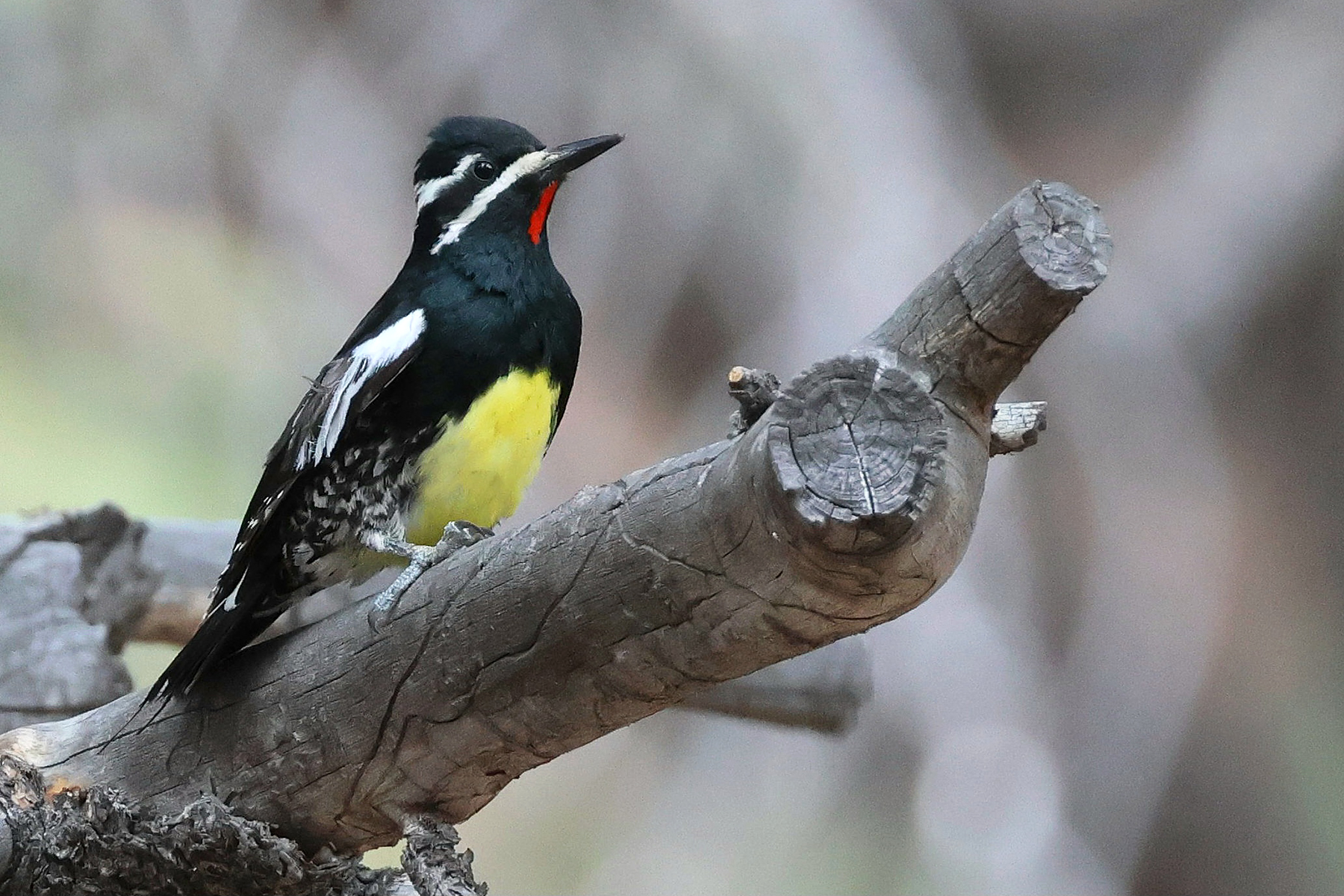
Williamson's Sapsucker (image by Sjoerd Radstaak)
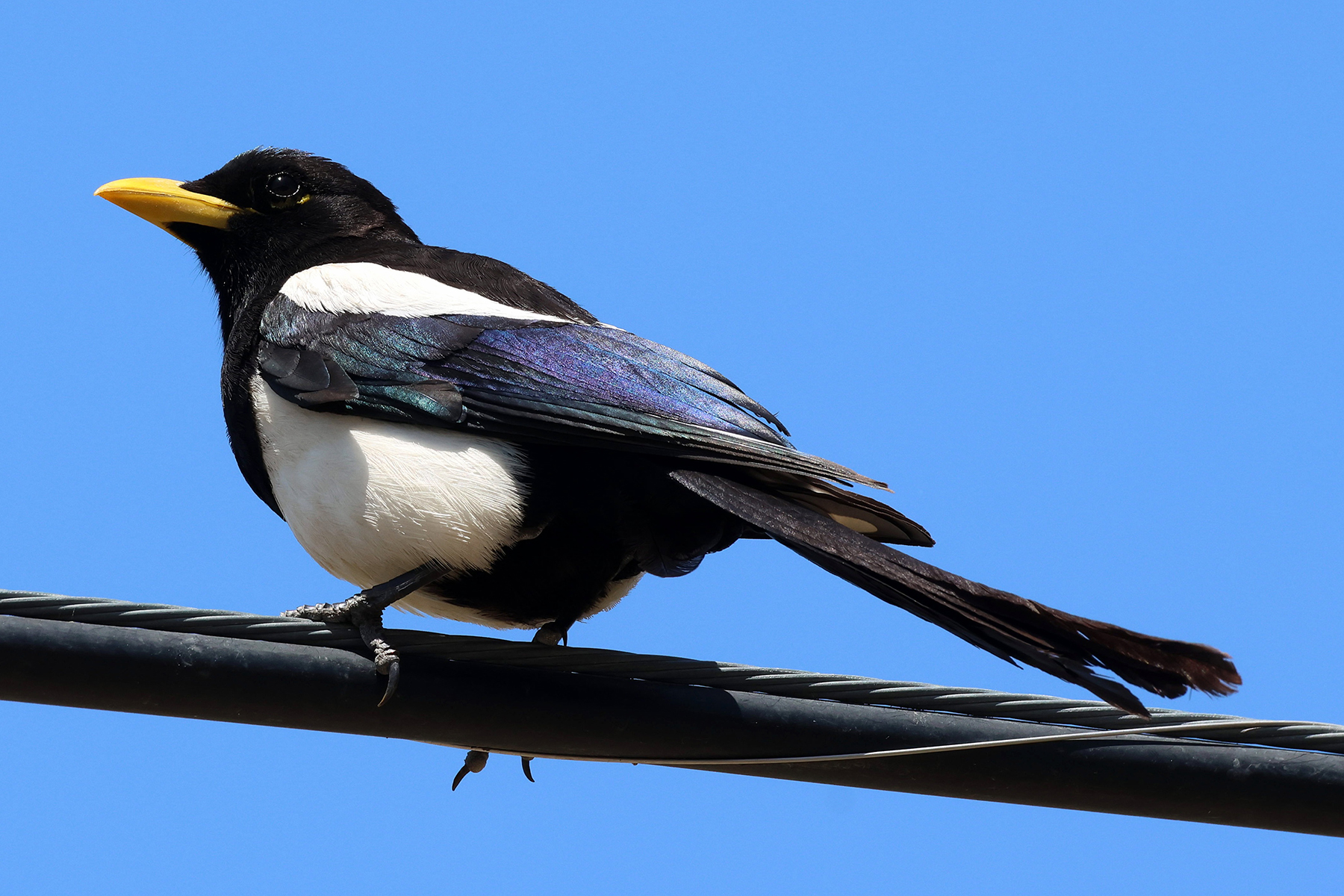
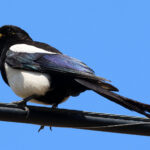
Yellow-billed Magpie (image by Sjoerd Radstaak)
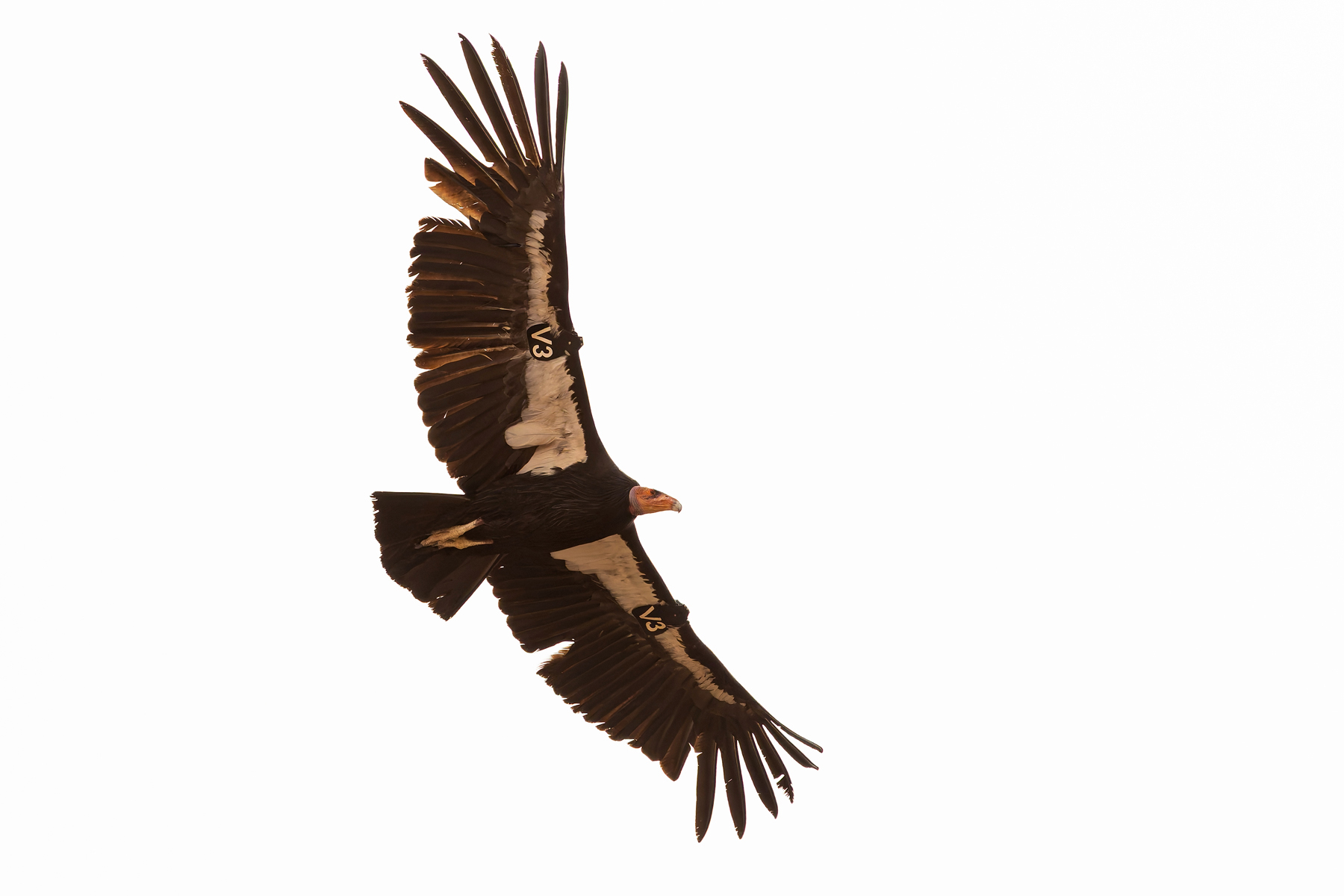
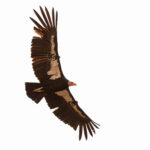
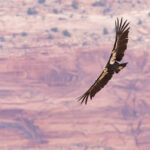
California Condor (image by Mike Watson)
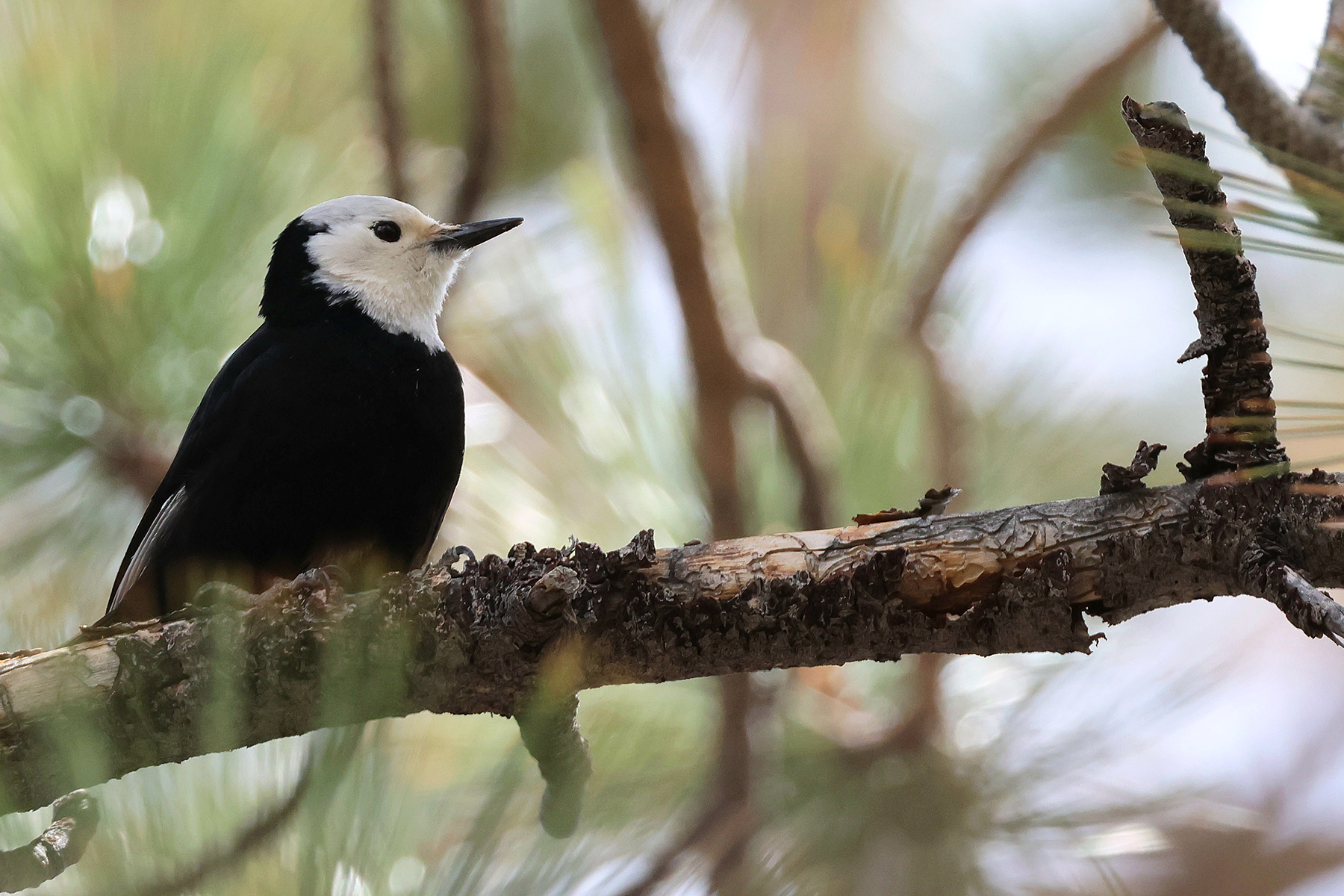
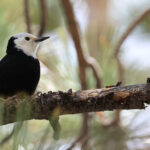
White-headed Woodpecker (image by Sjoerd Radstaak)
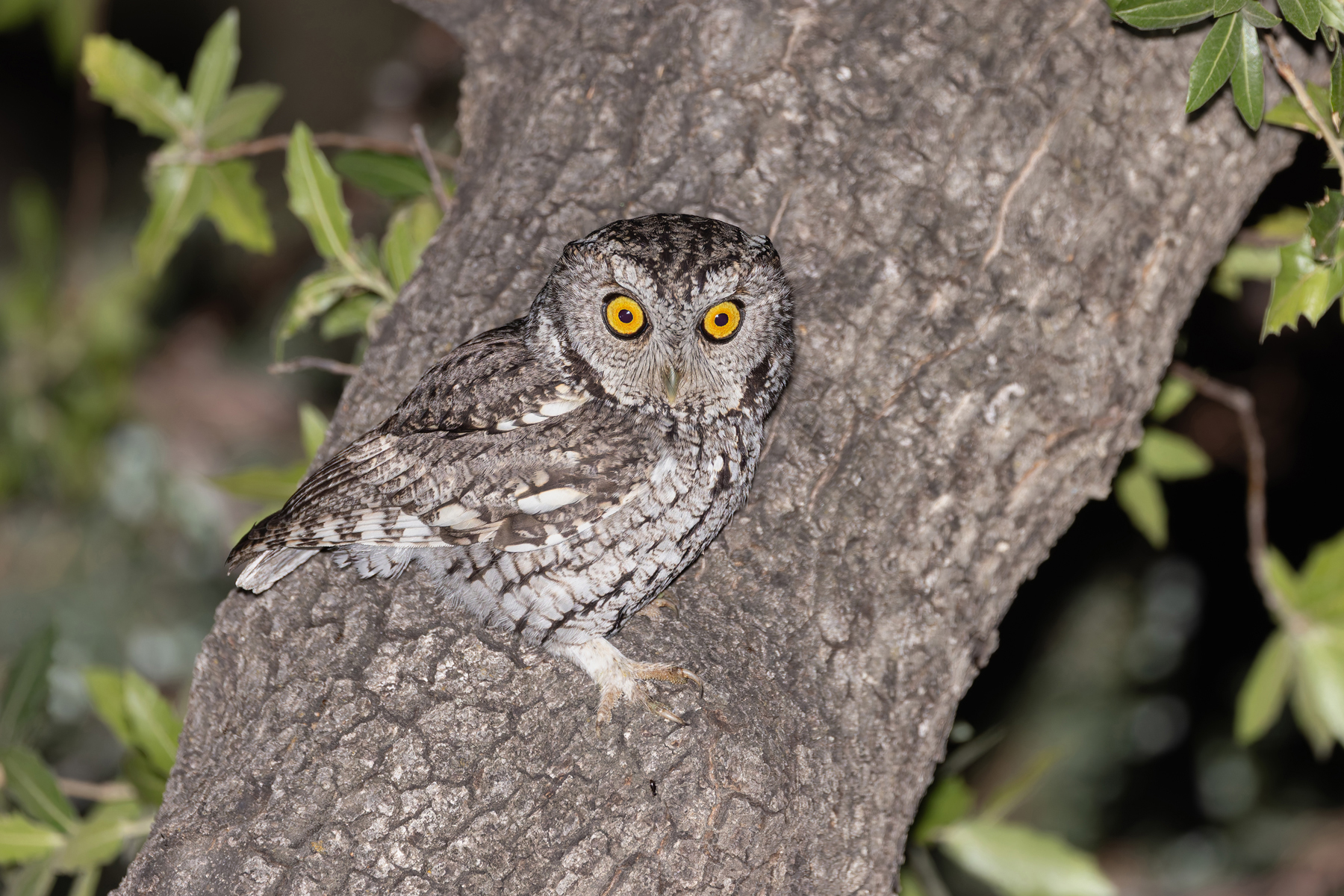
Whiskered Screech-Owl (image by Mike Watson)
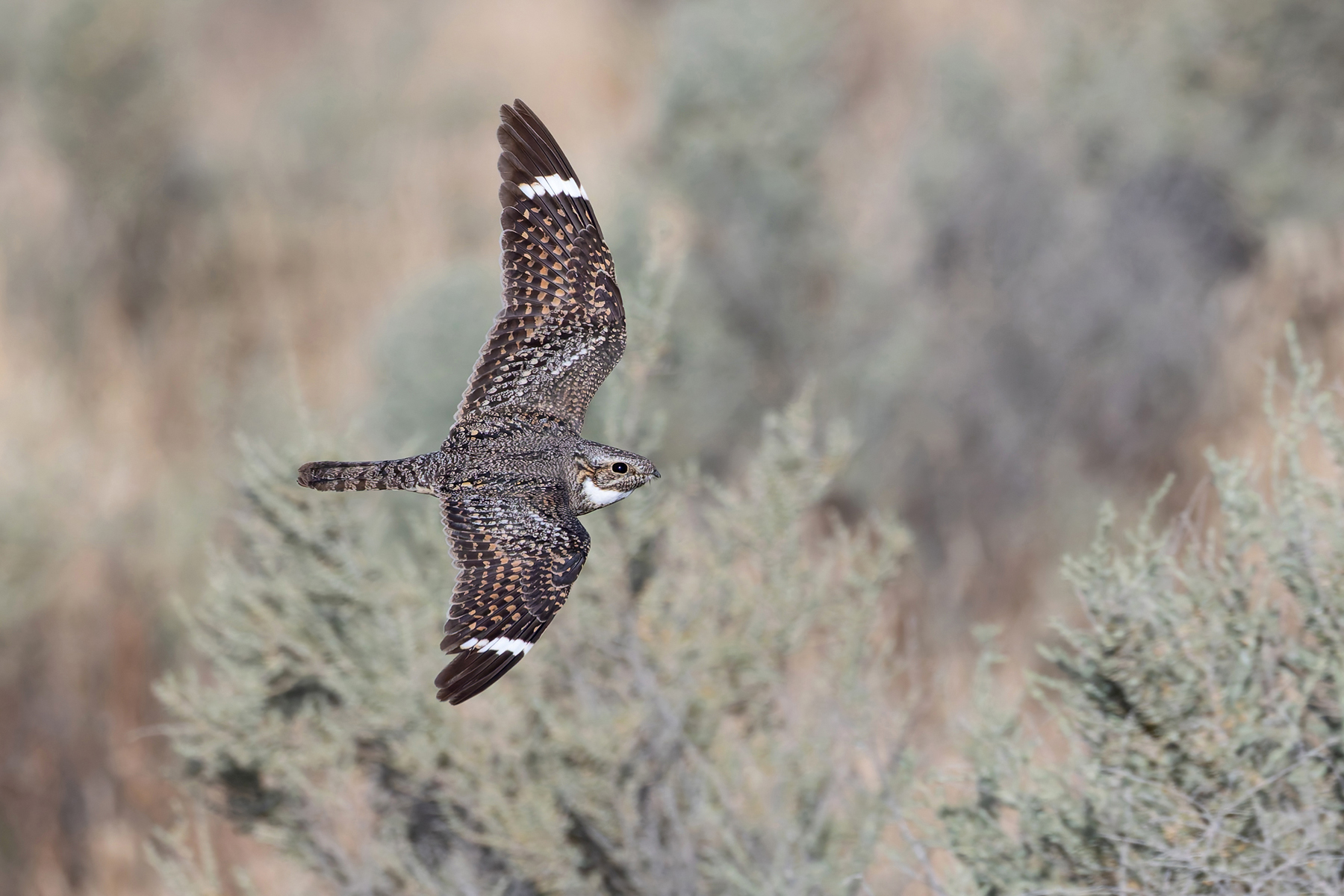
Lesser Nighthawk (image by Mike Watson)
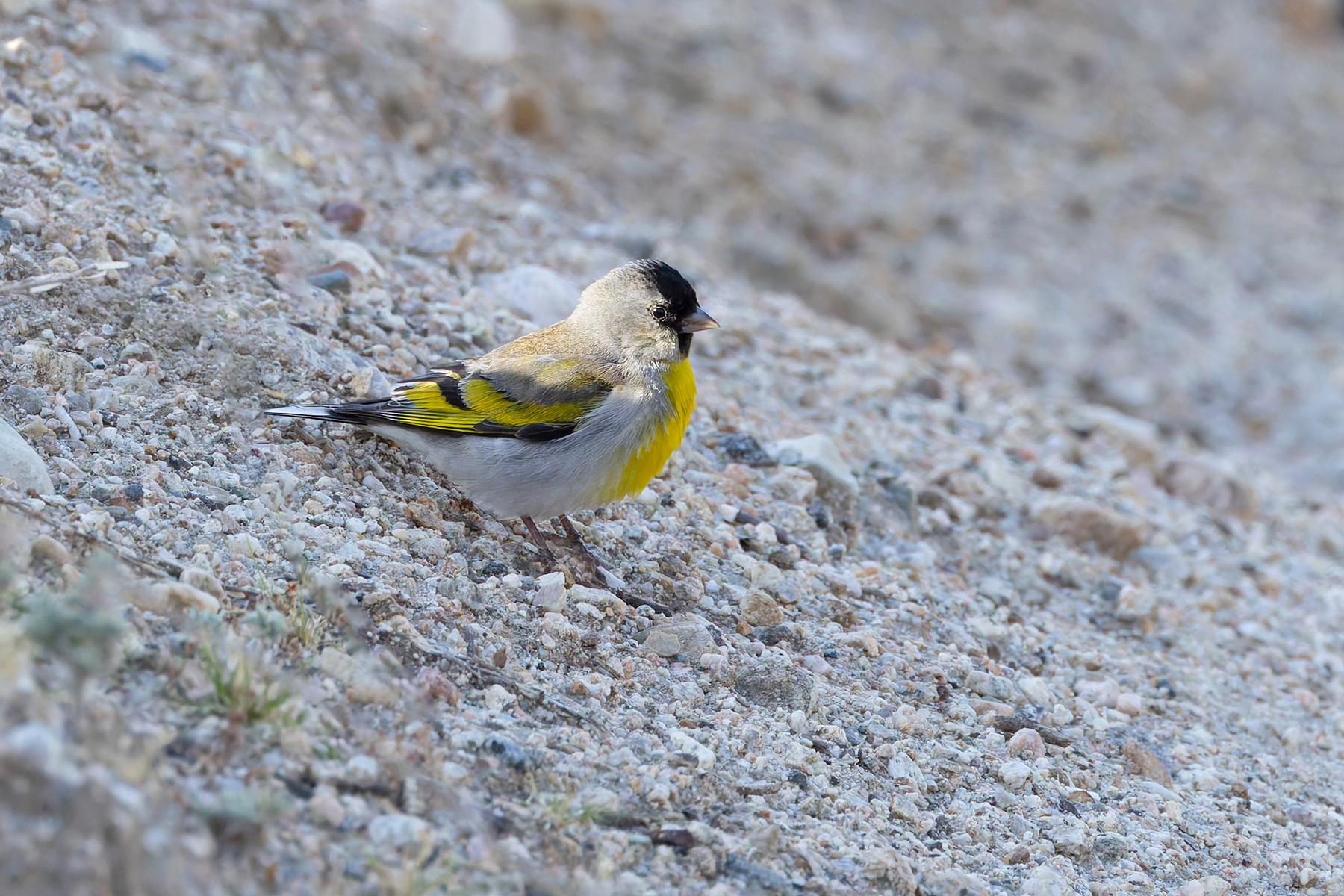
Lawrence's Goldfinch (image by Mike Watson)
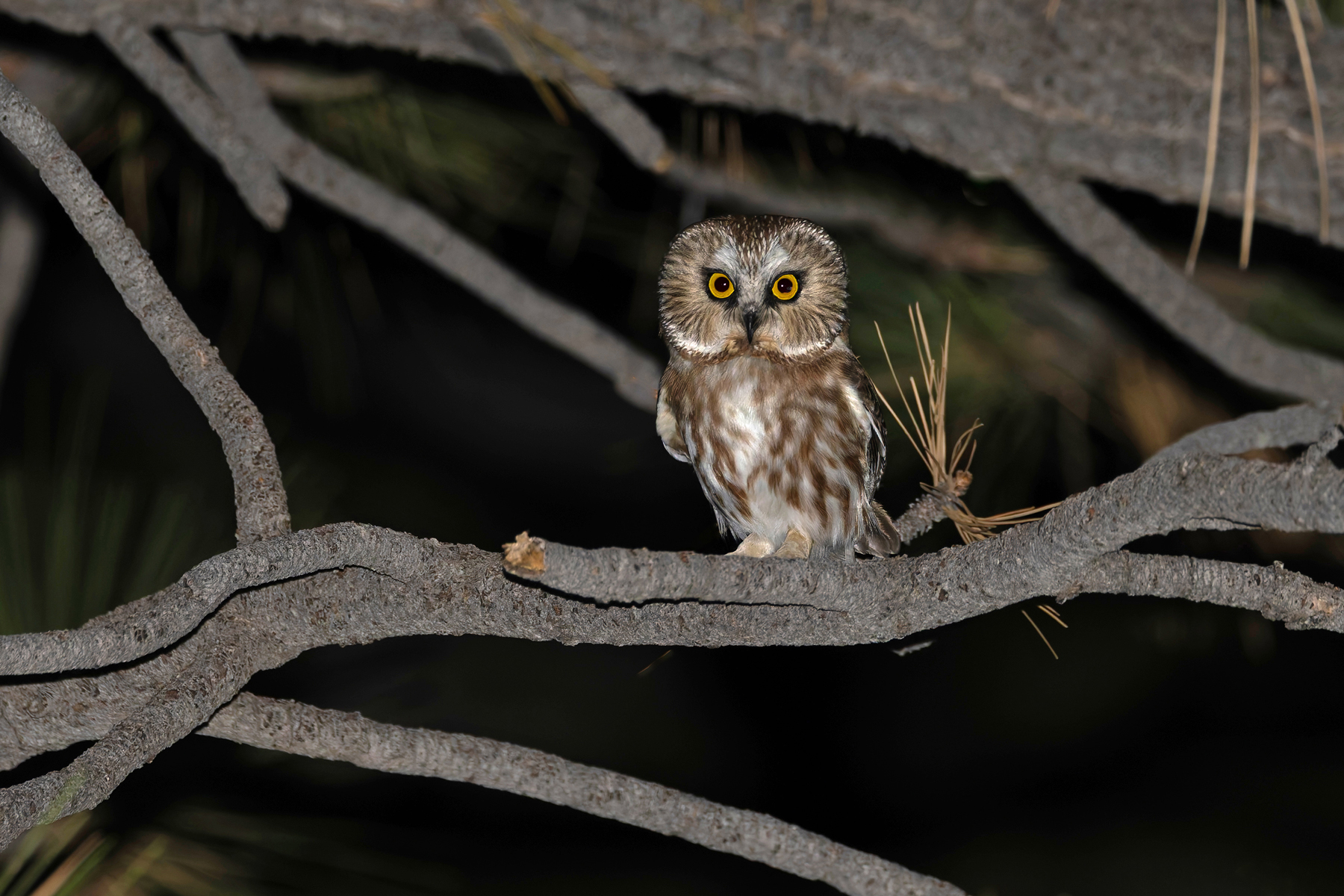
Northern Saw-whet Owl (image by Mike Watson)
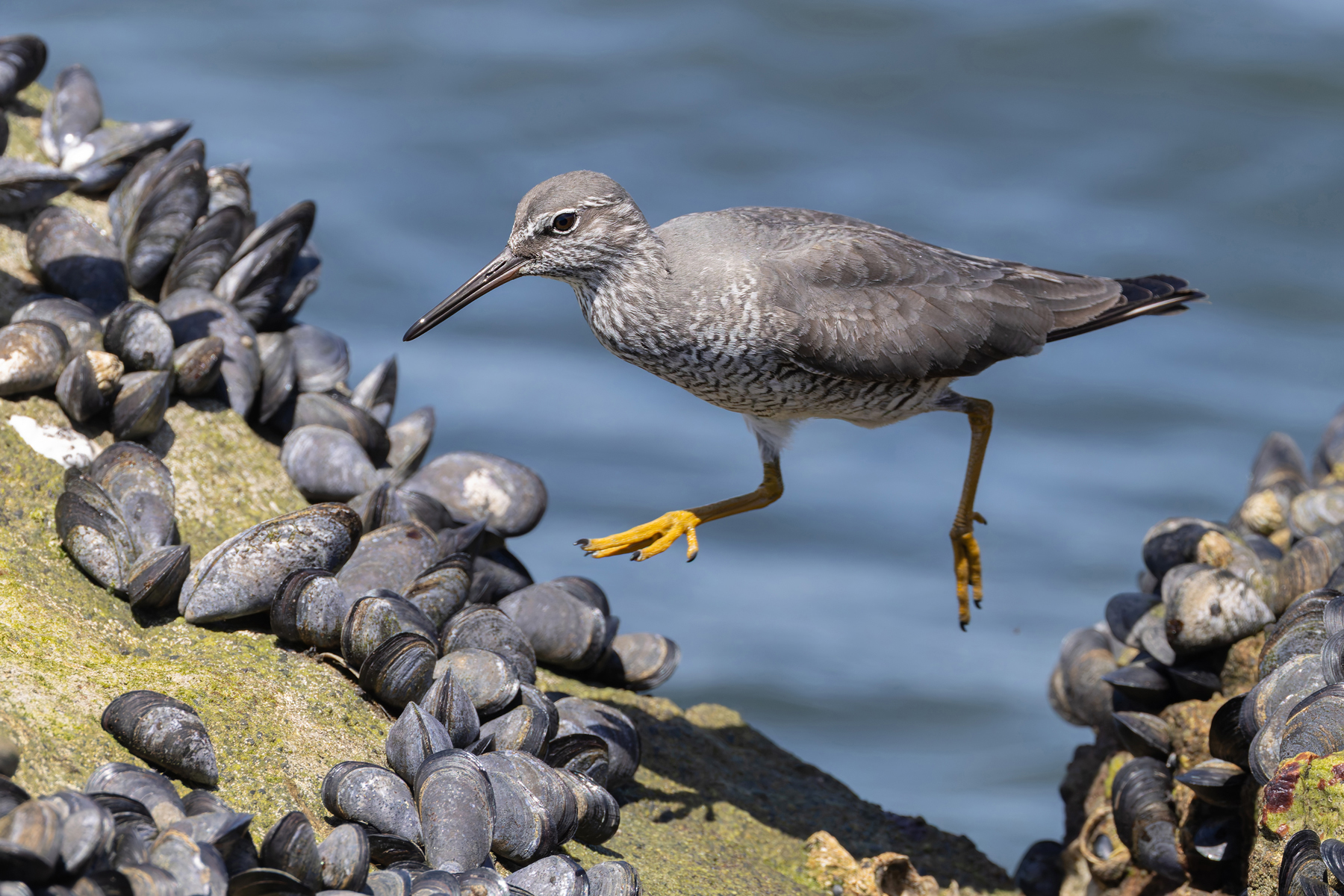
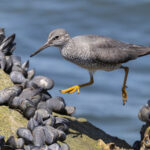
Wandering Tattler (image by Mike Watson)
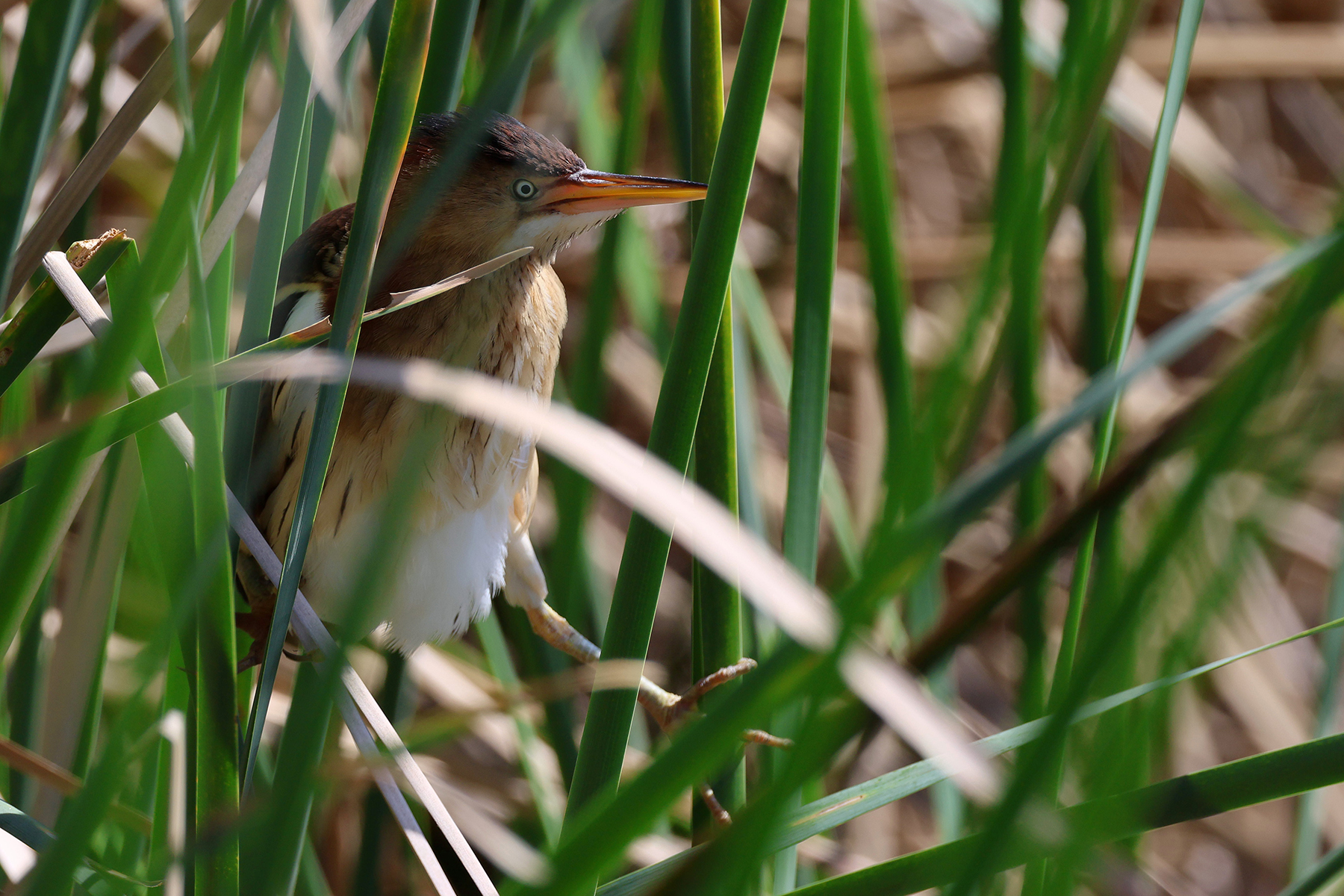
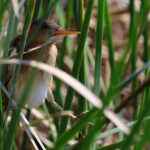
Least Bittern (image by Sjoerd Radstaak)
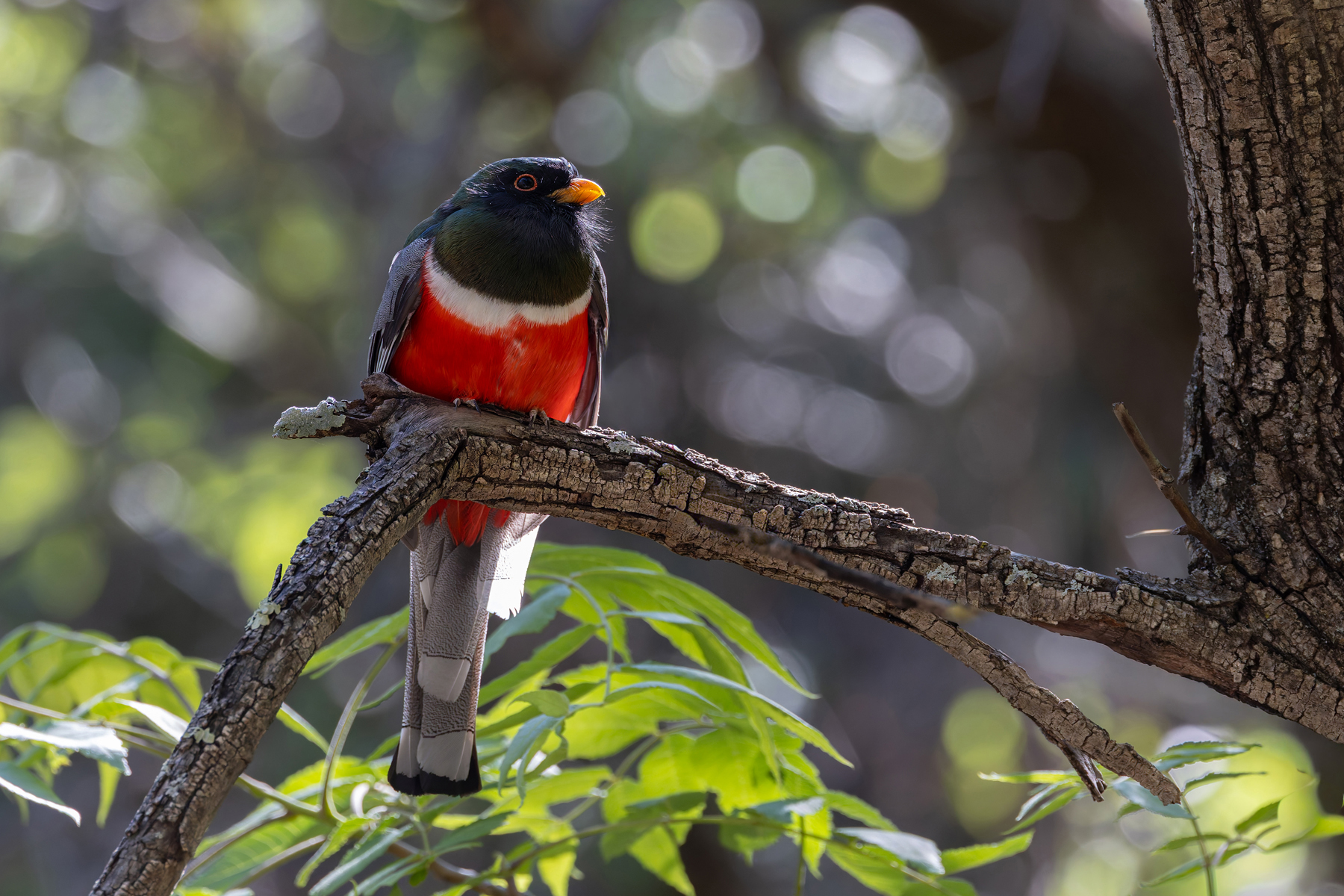
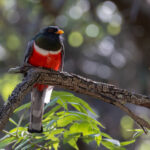
Coppery-tailed Trogon (image by Mike Watson)
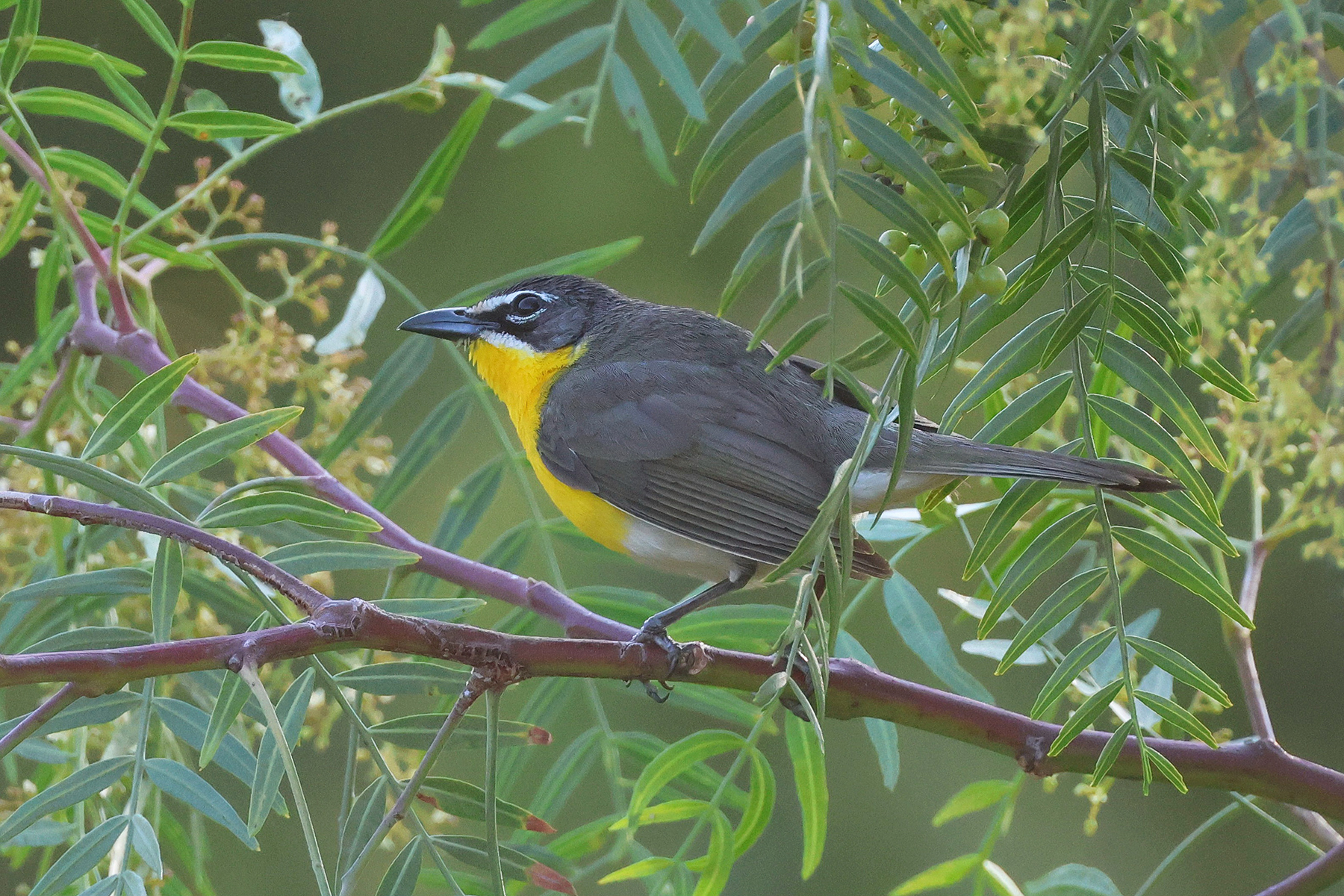
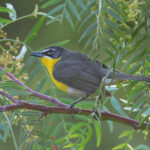
Yellow-breasted Chat (image by Sjoerd Radstaak)
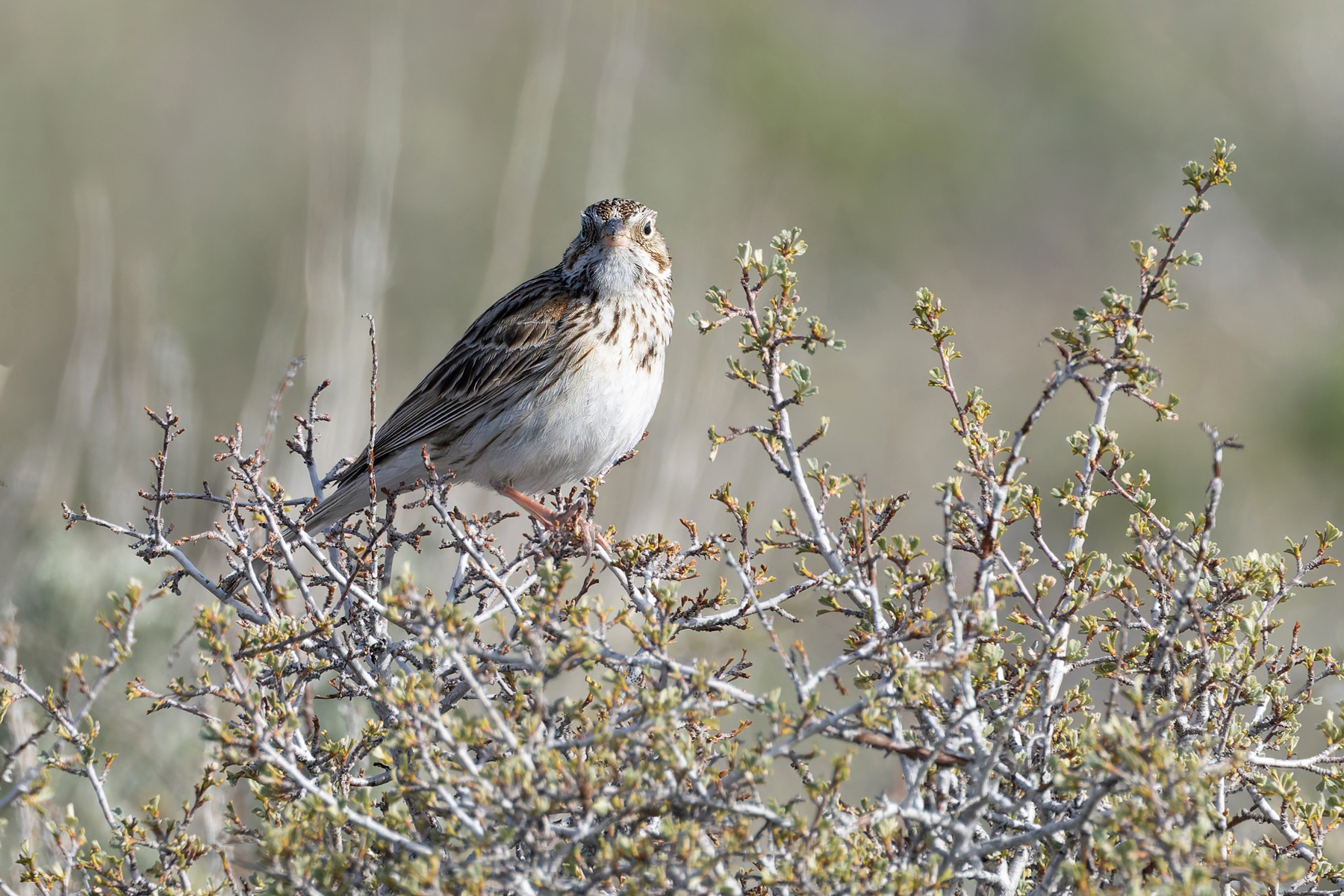
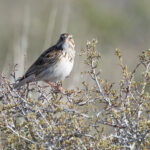
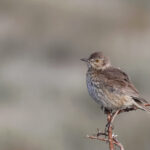
Vesper Sparrow (image by Mike Watson)
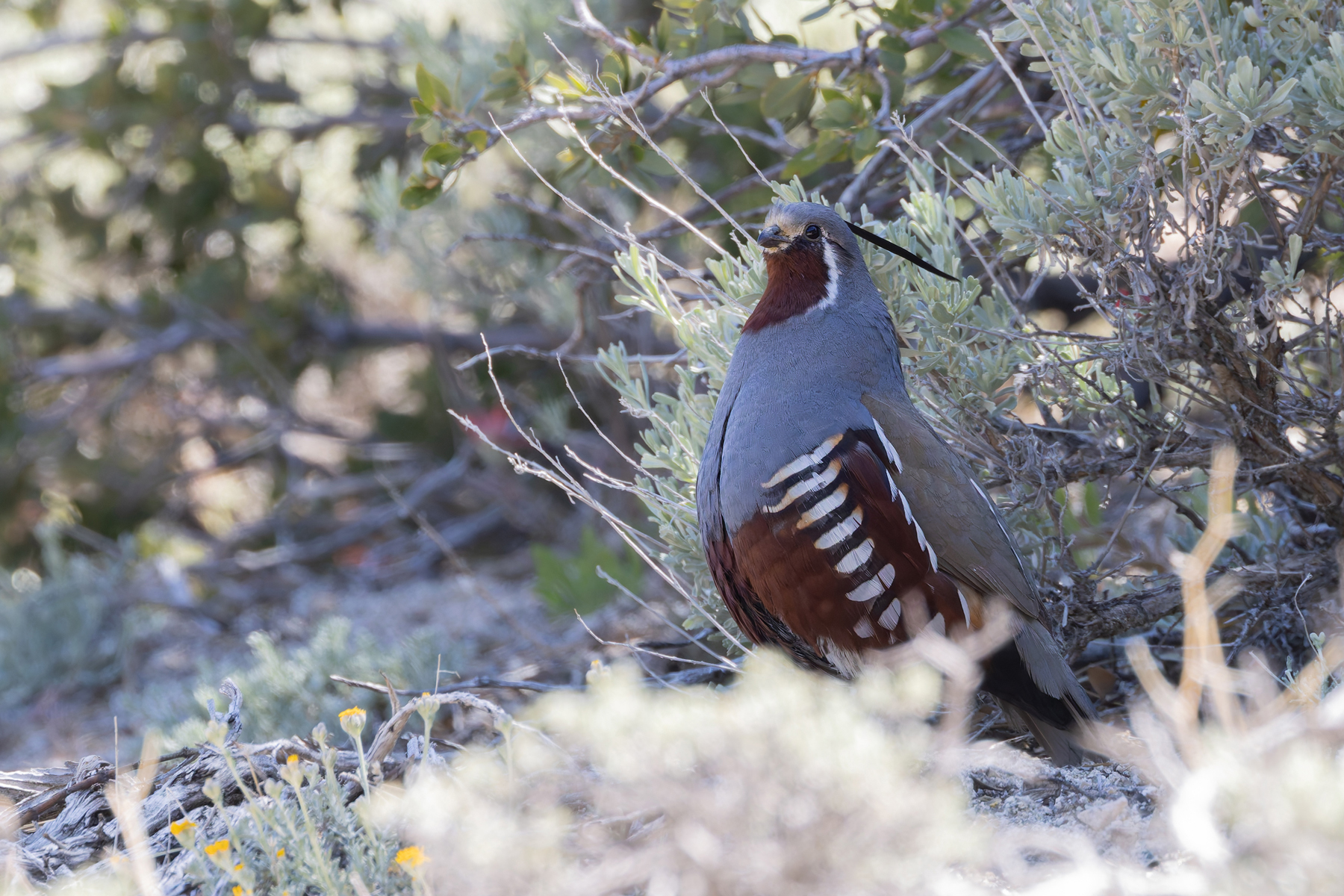
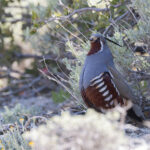
Mountain Quail (image by Mike Watson)
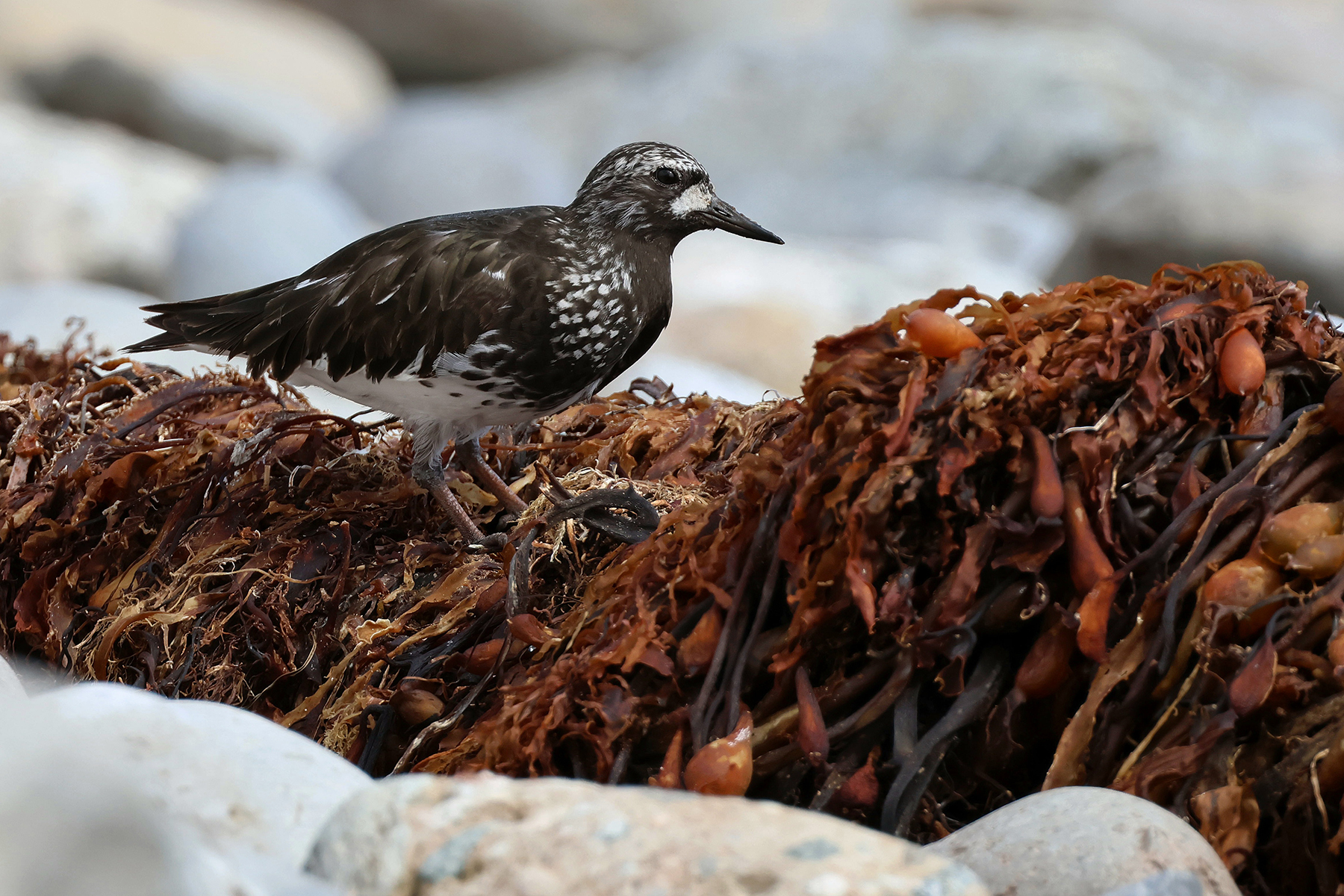
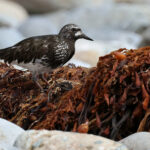
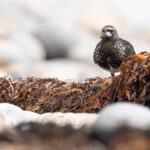
Black Turnstone (image by Sjoerd Radstaak)
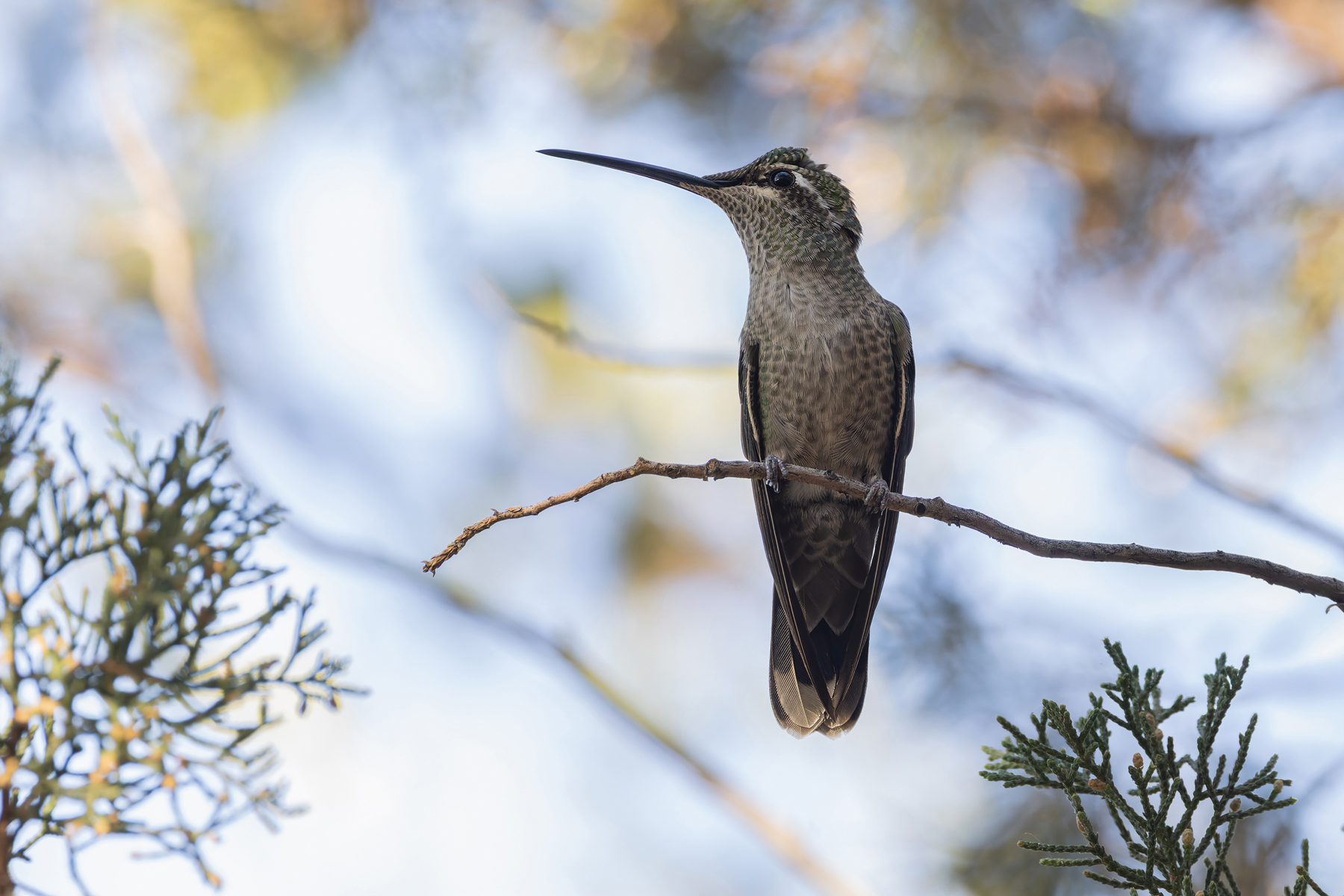
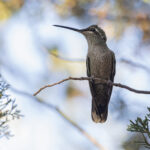
Rivolis Hummingbird (image by Mike Watson)
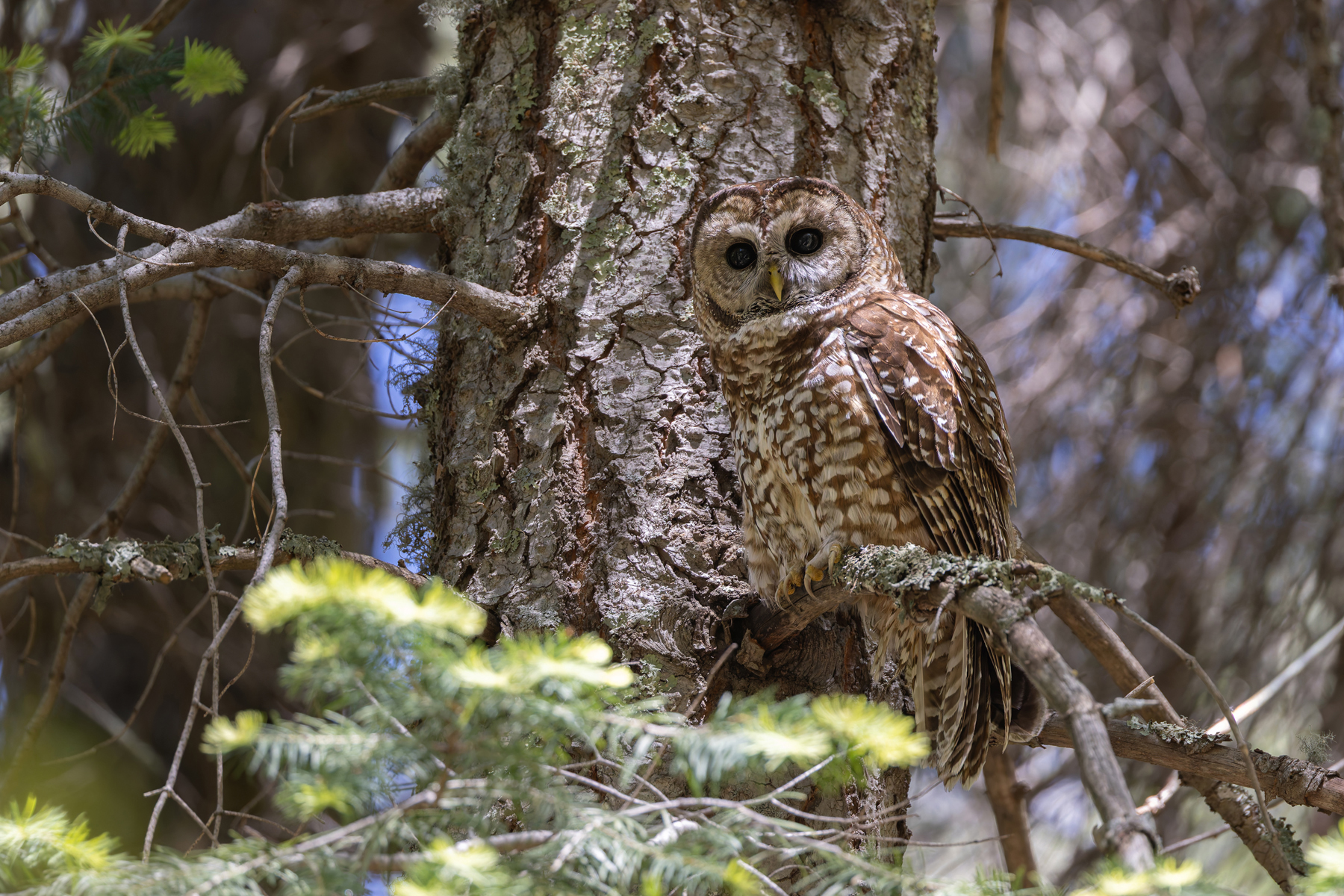
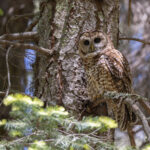
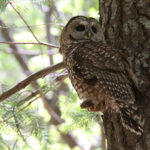
Spotted Owl (image by Mike Watson)
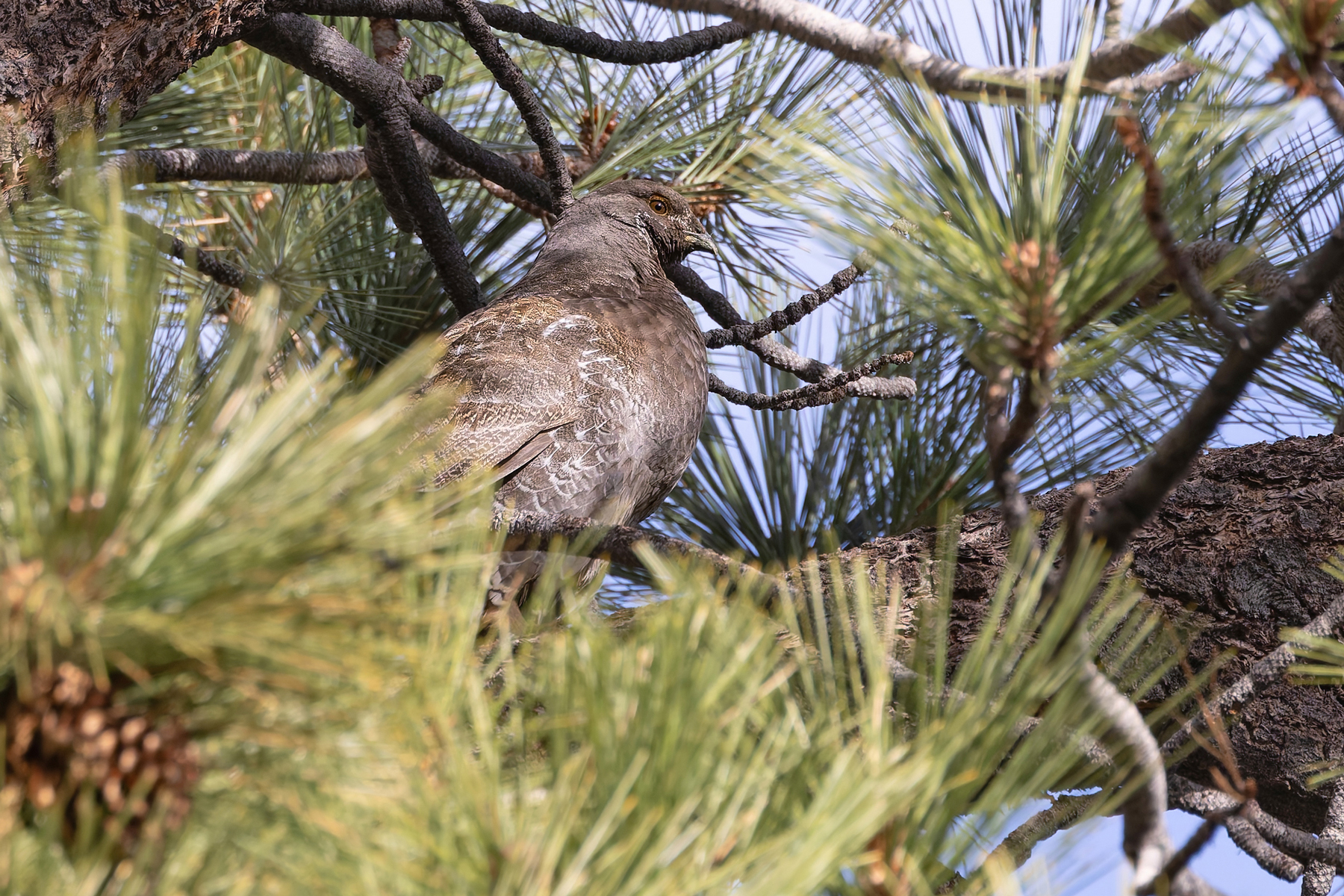
Sooty Grouse (image by Mike Watson)
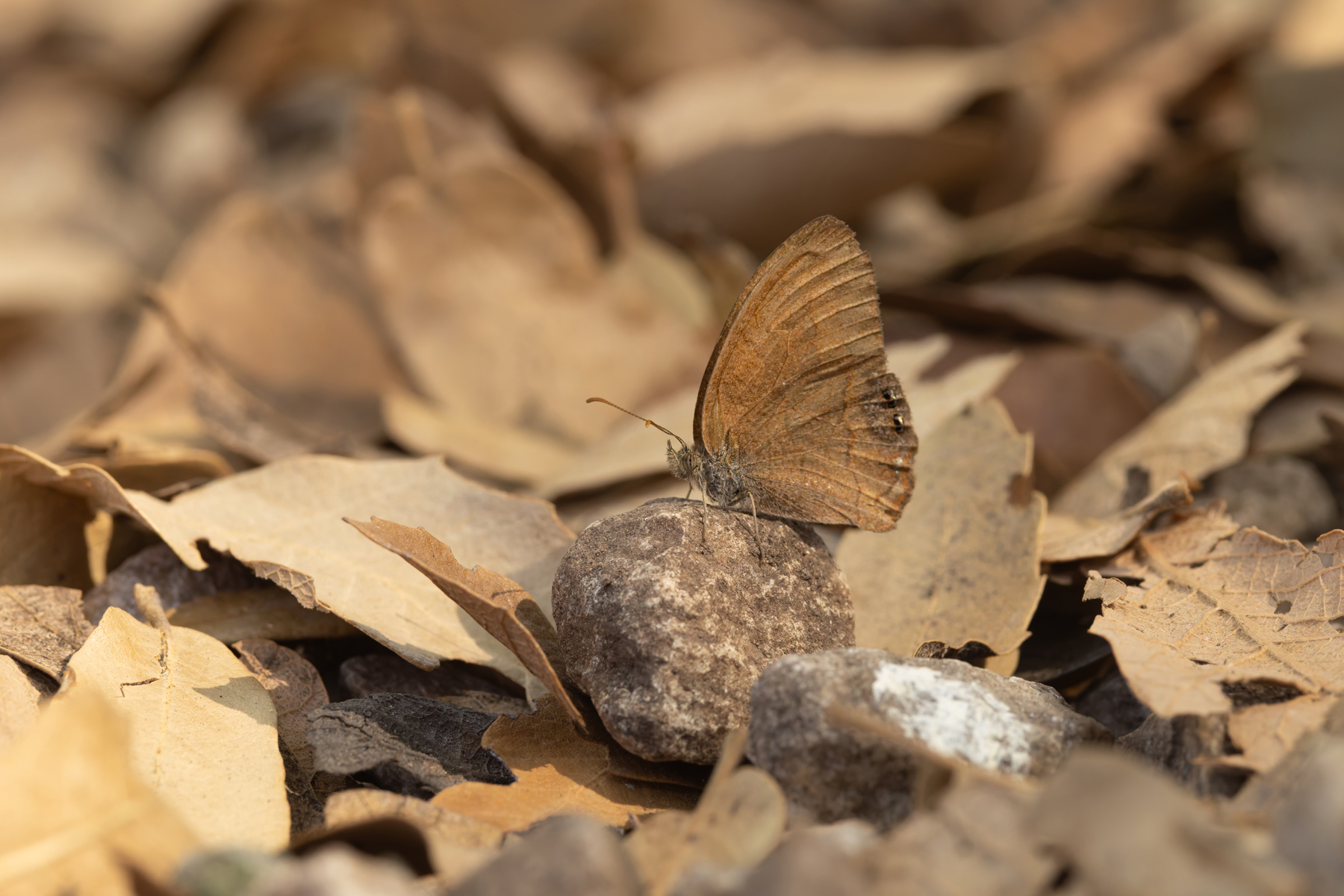
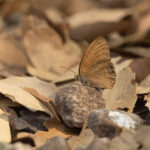
Nabokovs Satyr (image by Mike Watson)
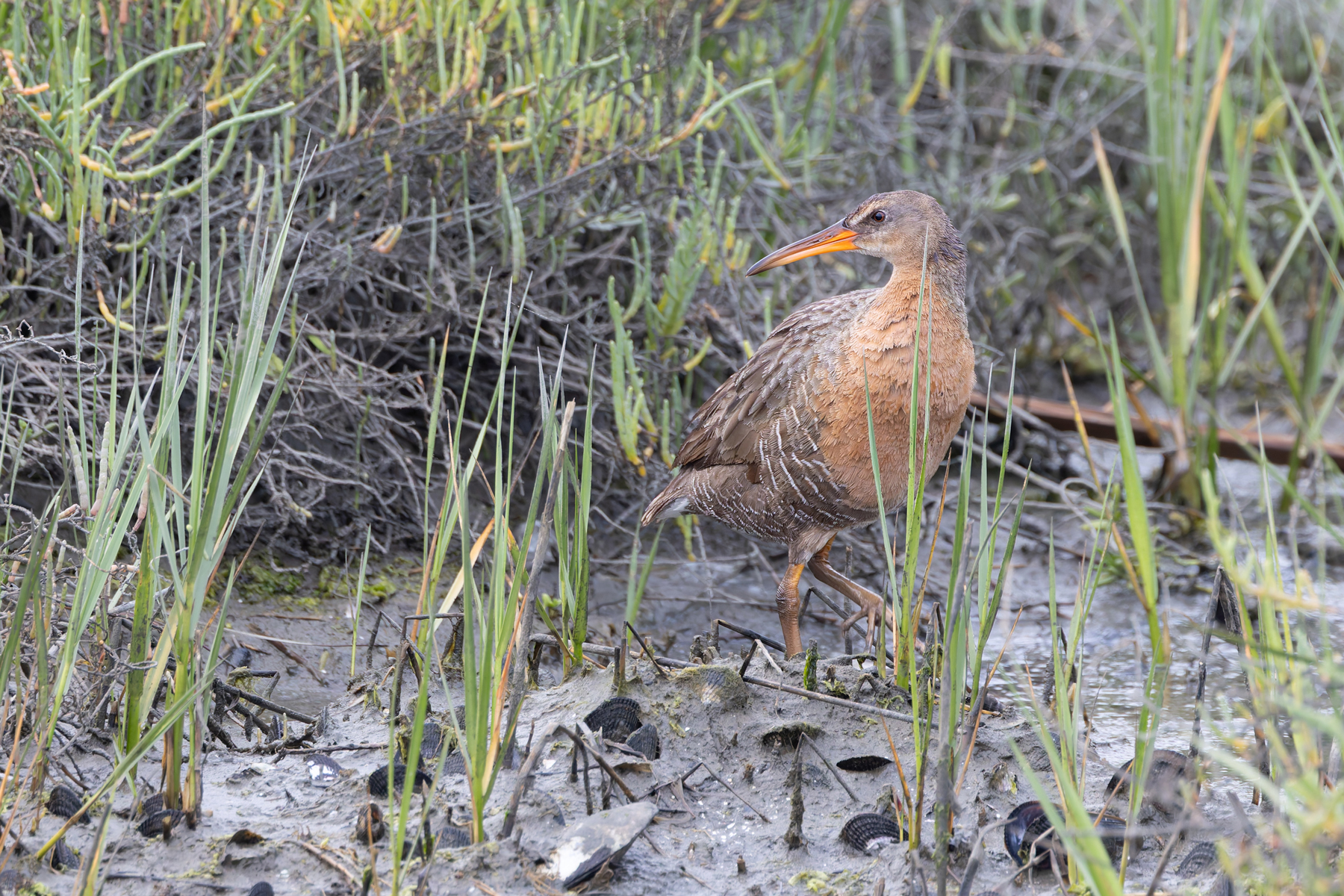
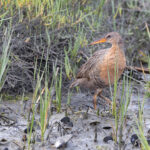
Ridgway's Rail (image by Mike Watson)
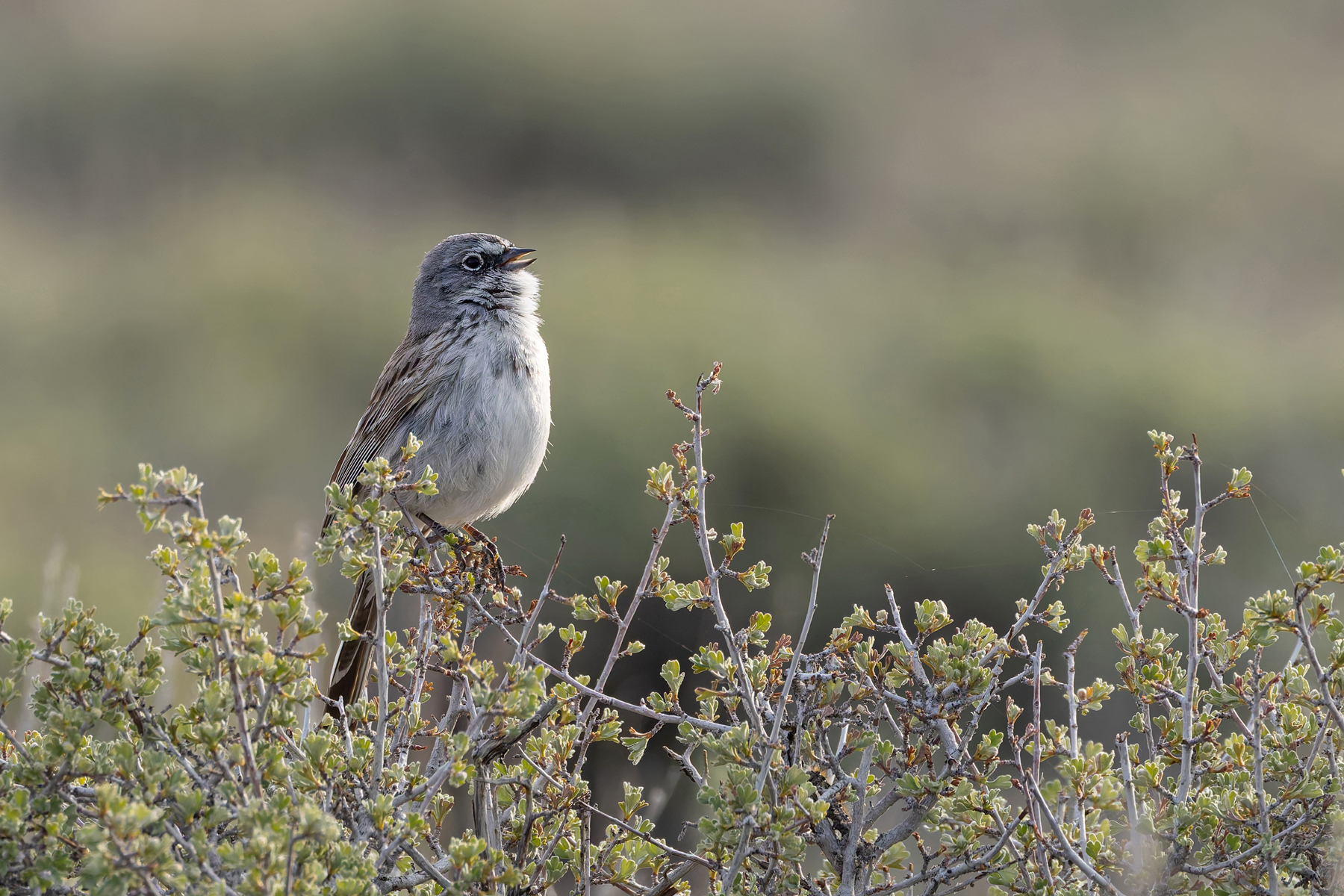
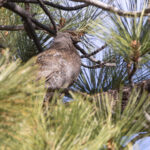
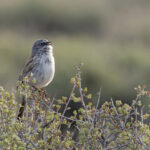
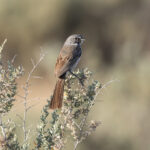
Sagebrush Sparrow (image by Mike Watson)
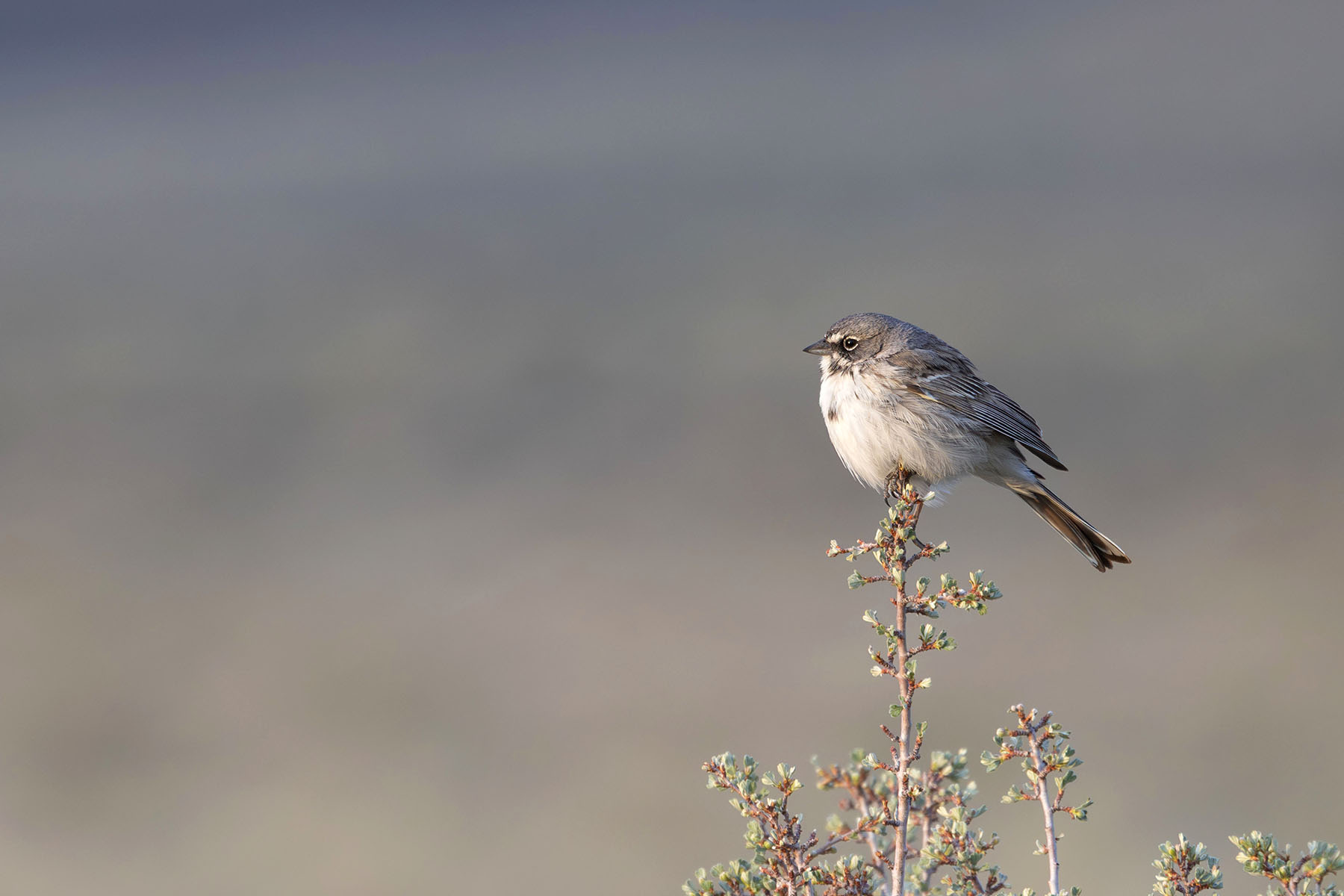
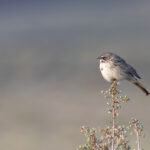
Sagebrush Sparrow (image by Daniel Branch)
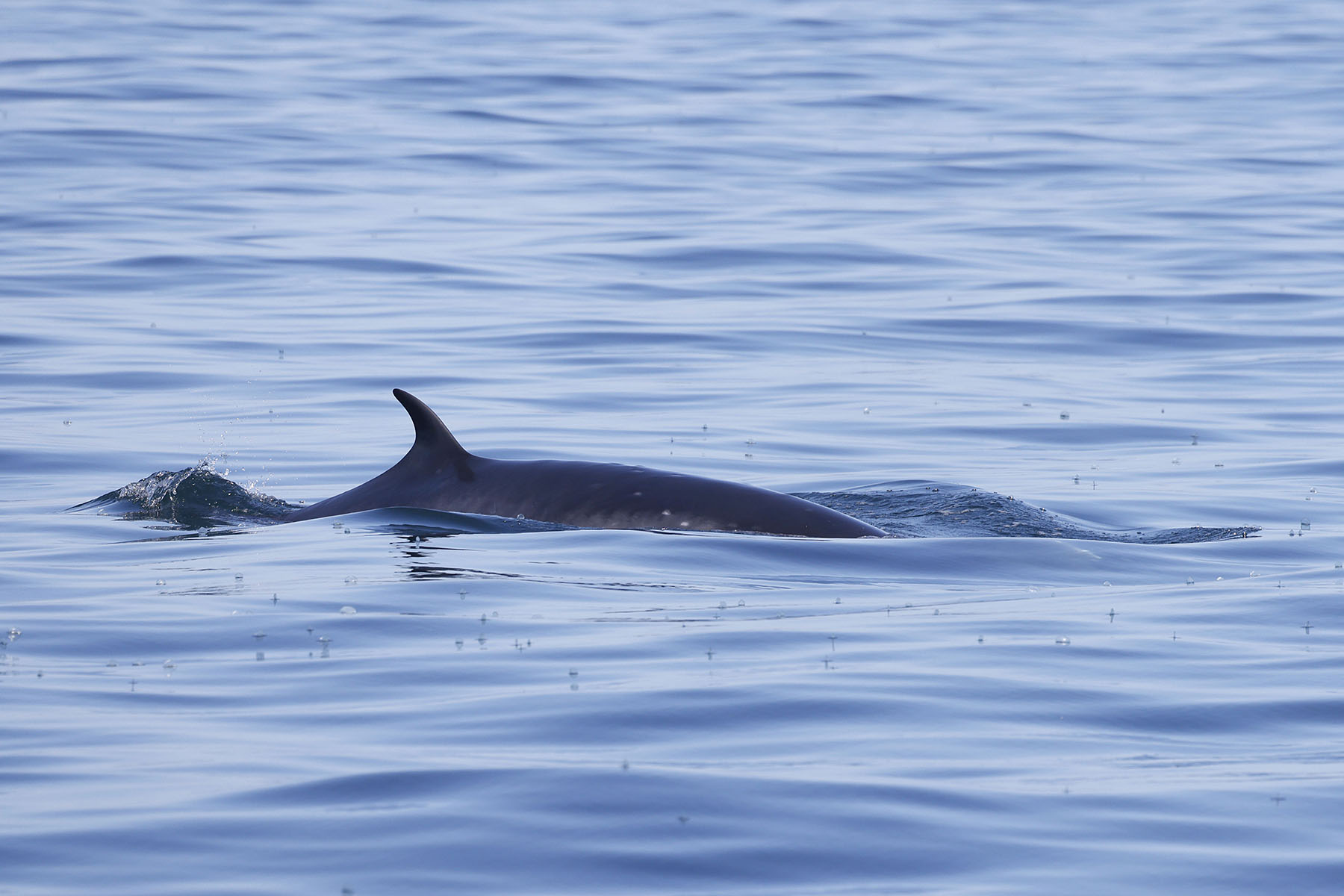
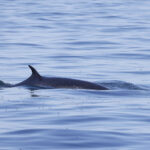
Minke Whale (image by Daniel Branch)
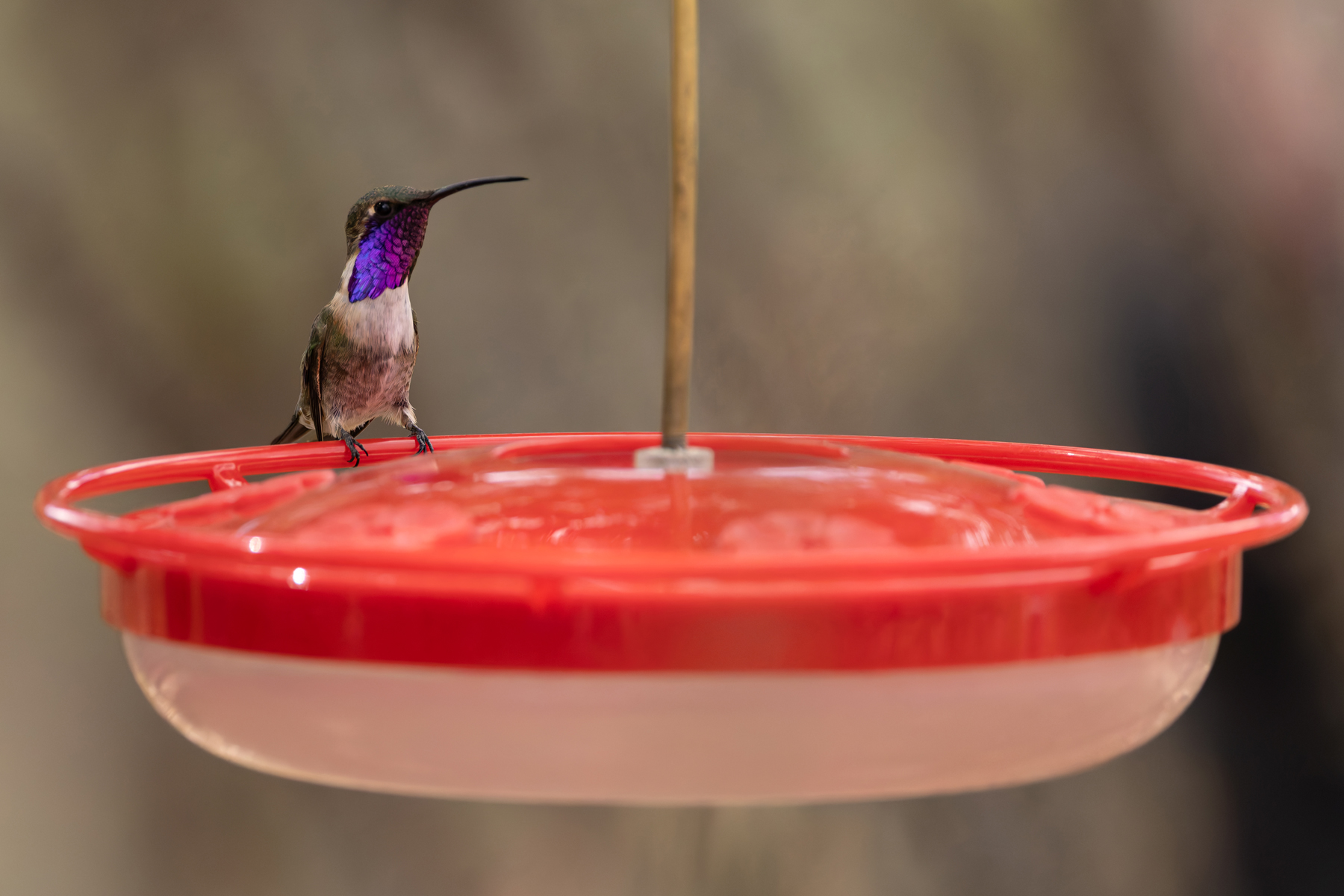
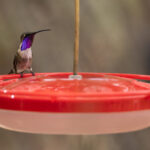
Lucifer Hummingbird (image by Mike Watson)
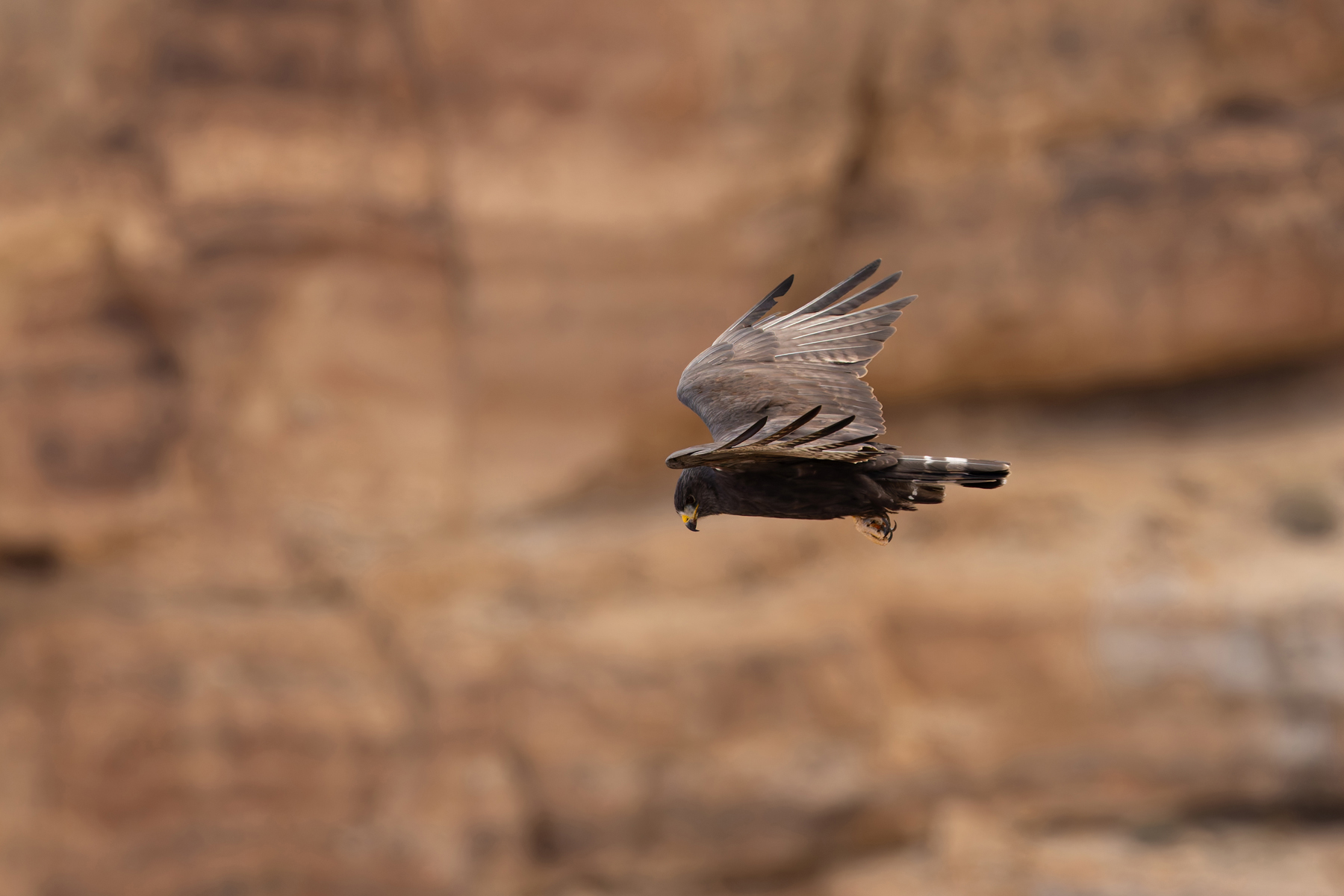
Zone-tailed Hawk (image by Mike Watson)
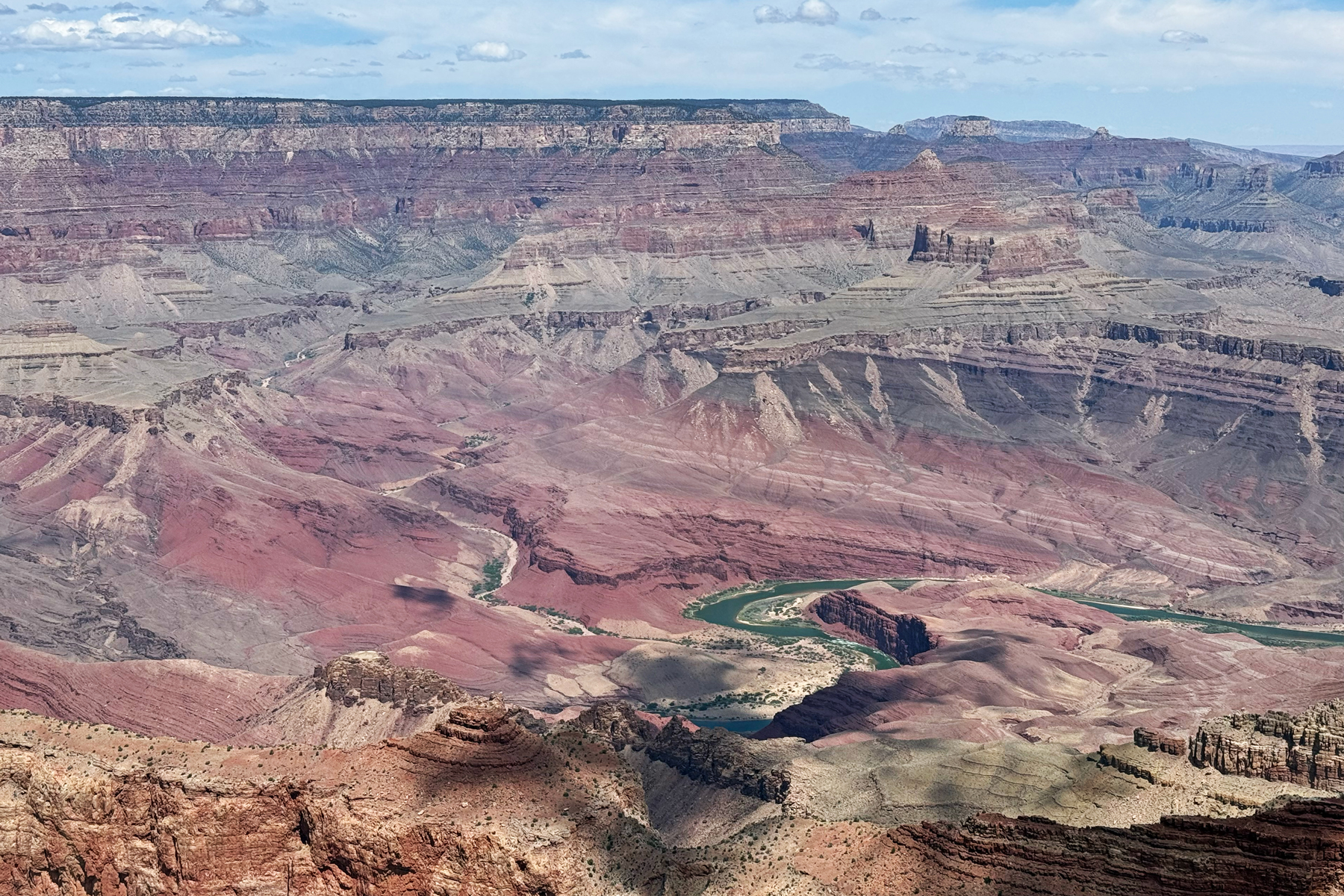
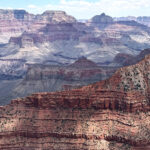
Grand Canyon (image by Mike Watson)
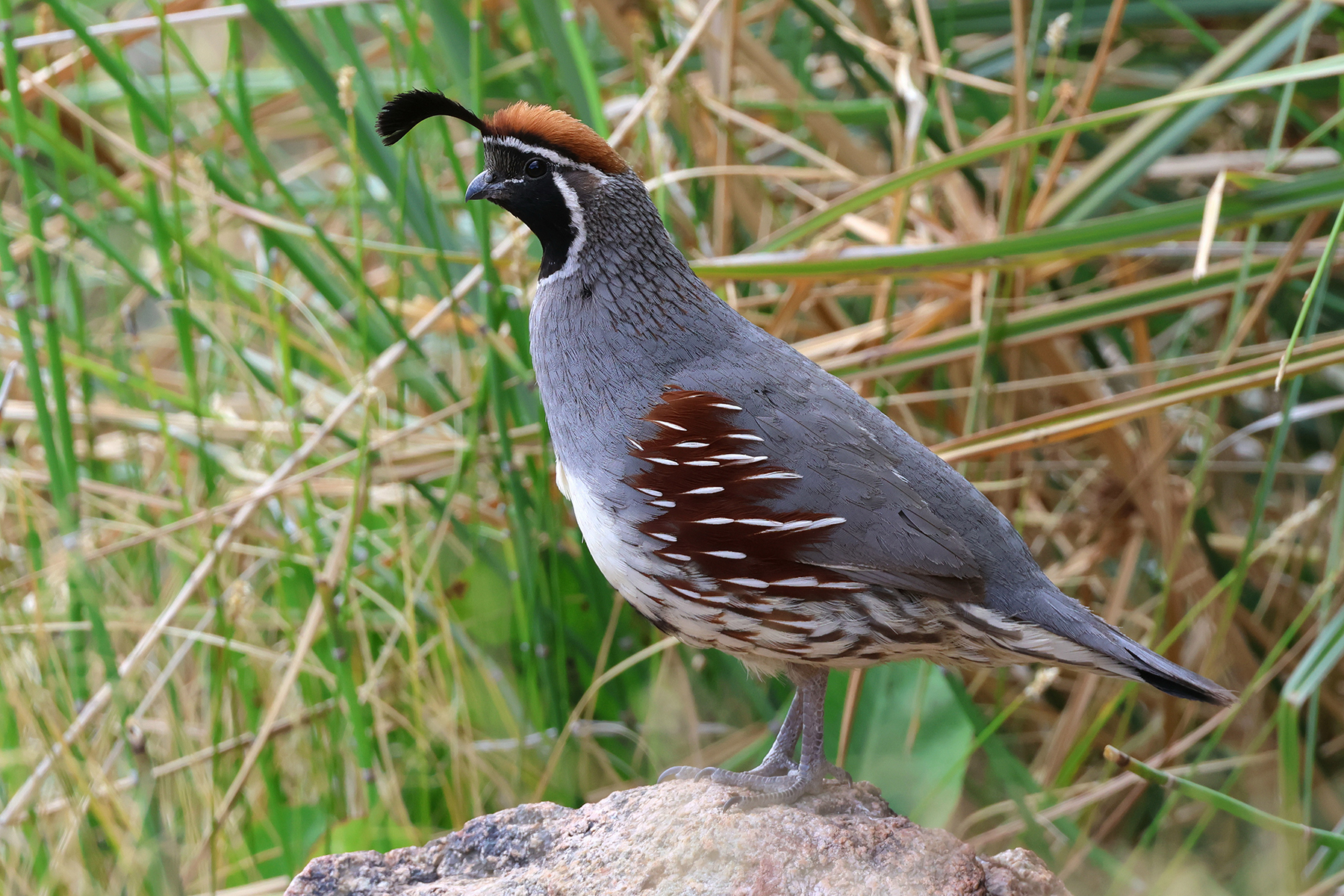
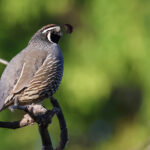
Gambell's Quail (image by Sjoerd Radstaak)
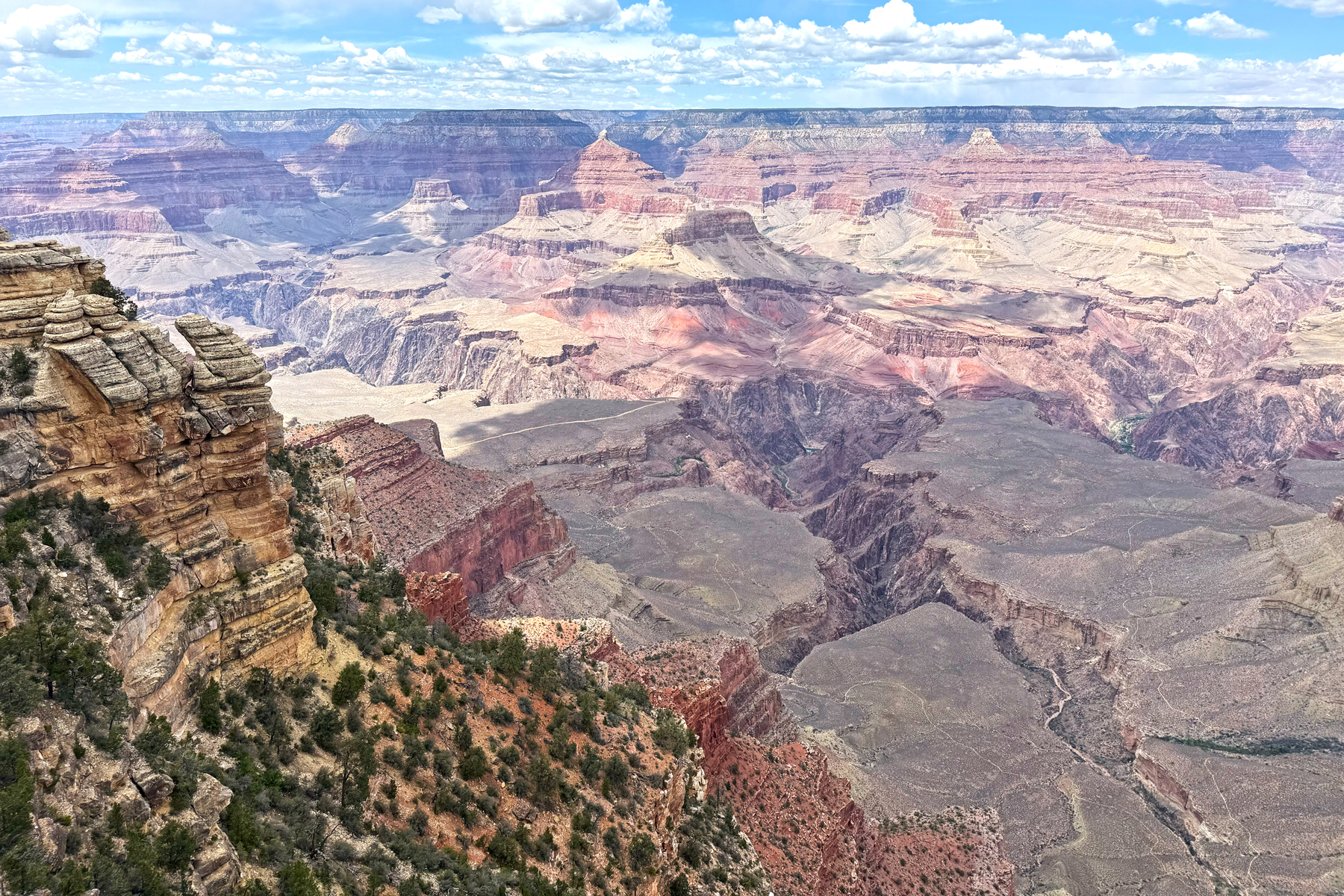
Grand Canyon (image by Mike Watson)
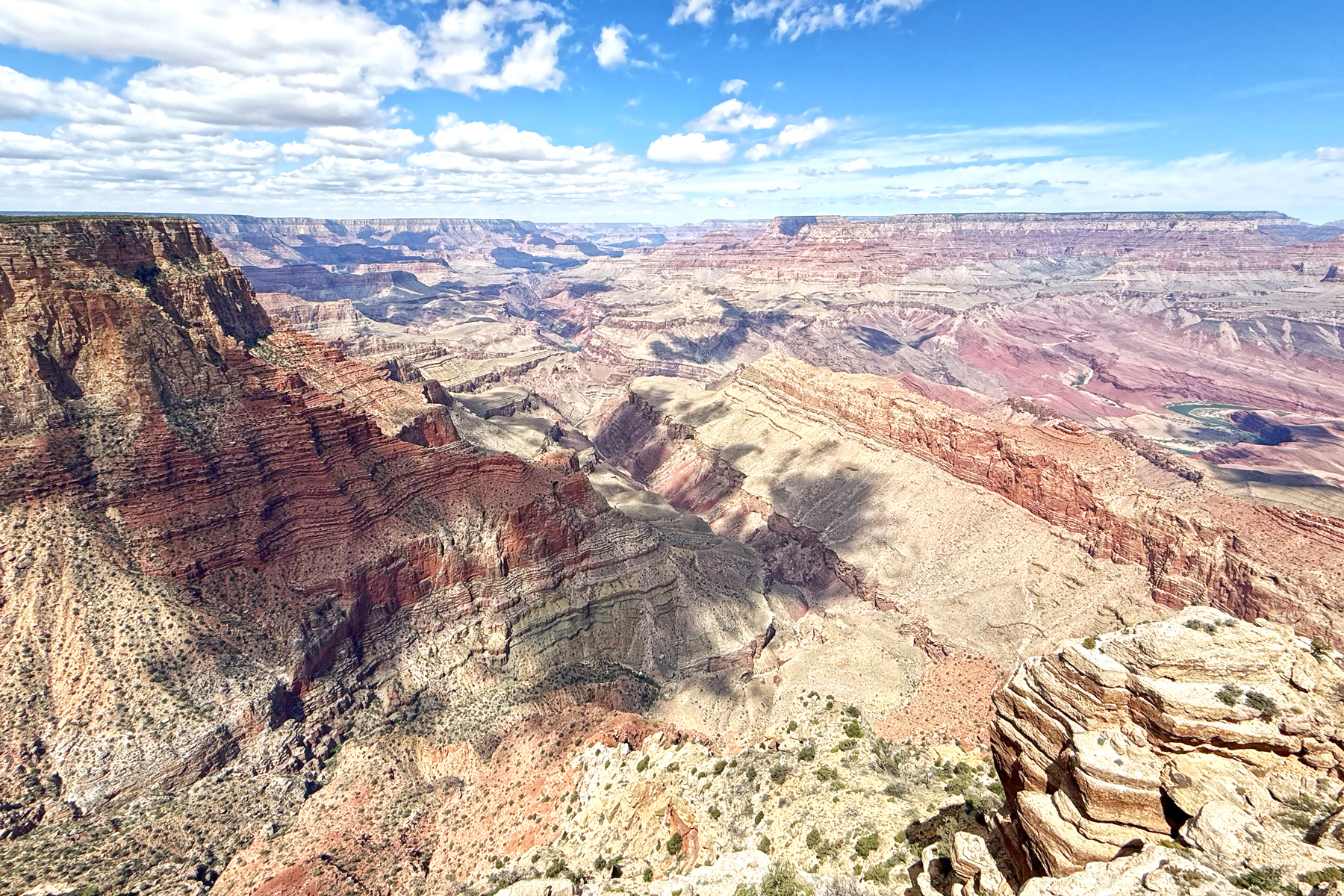
Grand Canyon (image by Mike Watson)
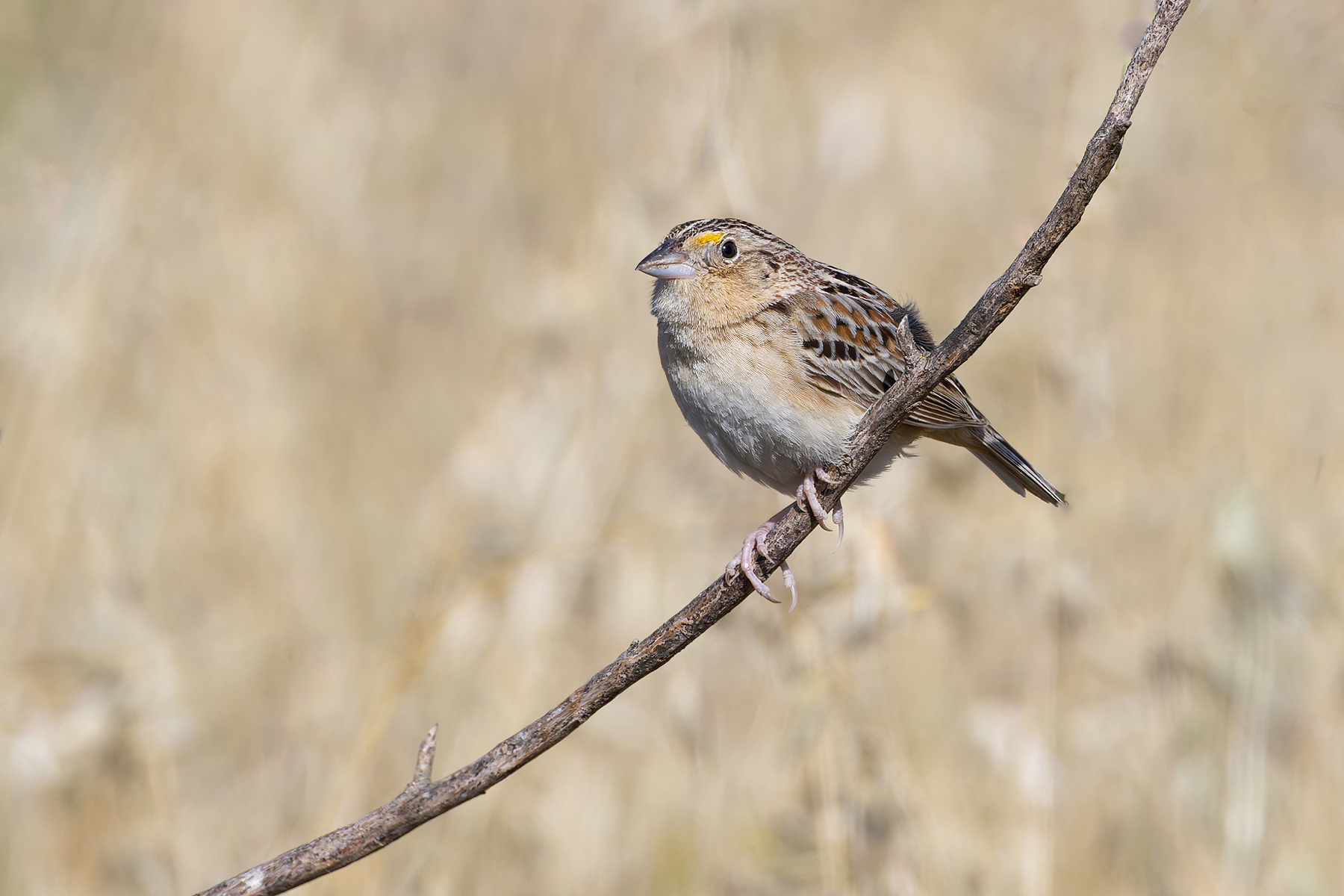
Grasshopper Sparrow (image by Mike Watson)
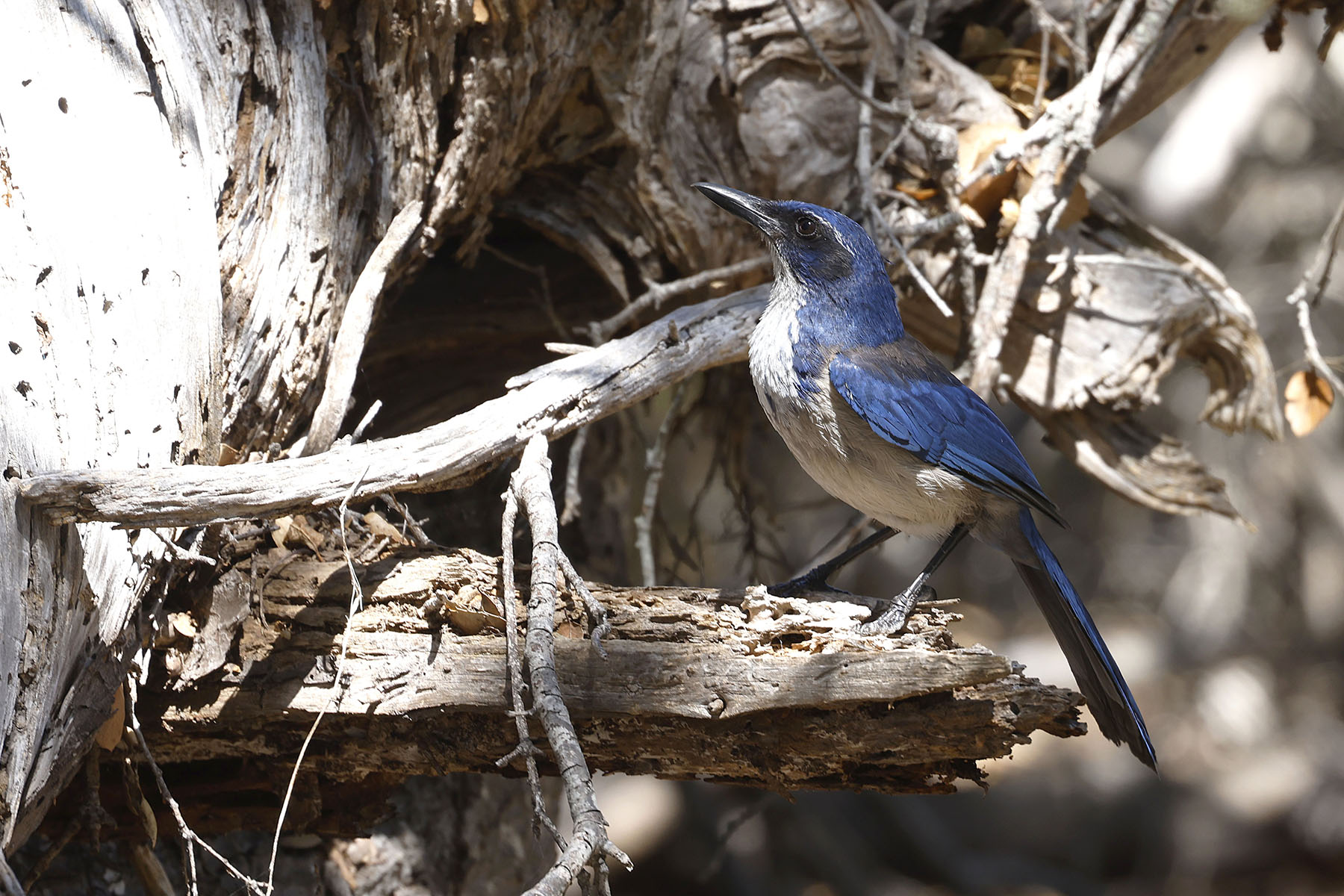
Island Scrub Jay (image by Daniel Branch)
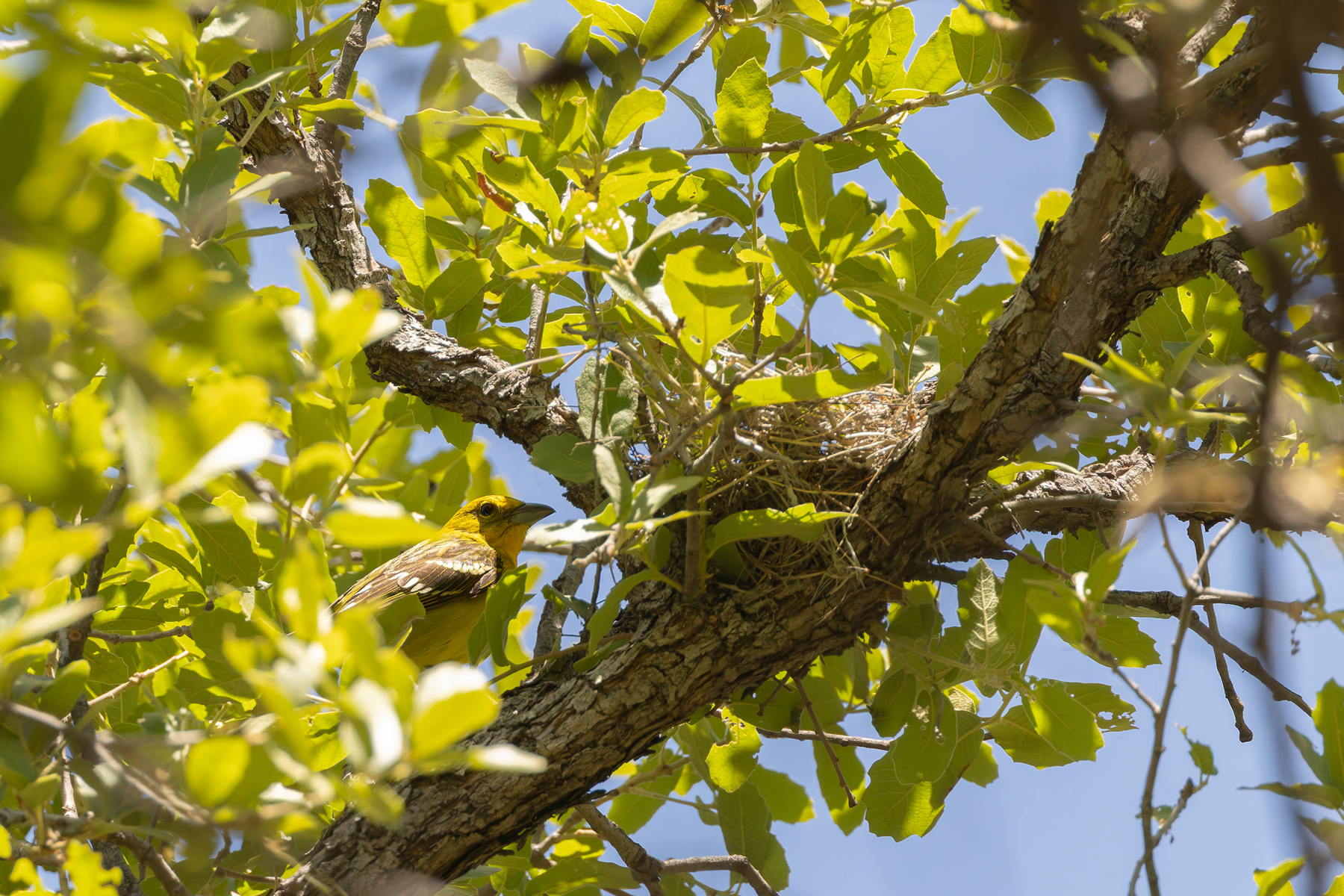
Flame-colored Tanager (image by Mike Watson)
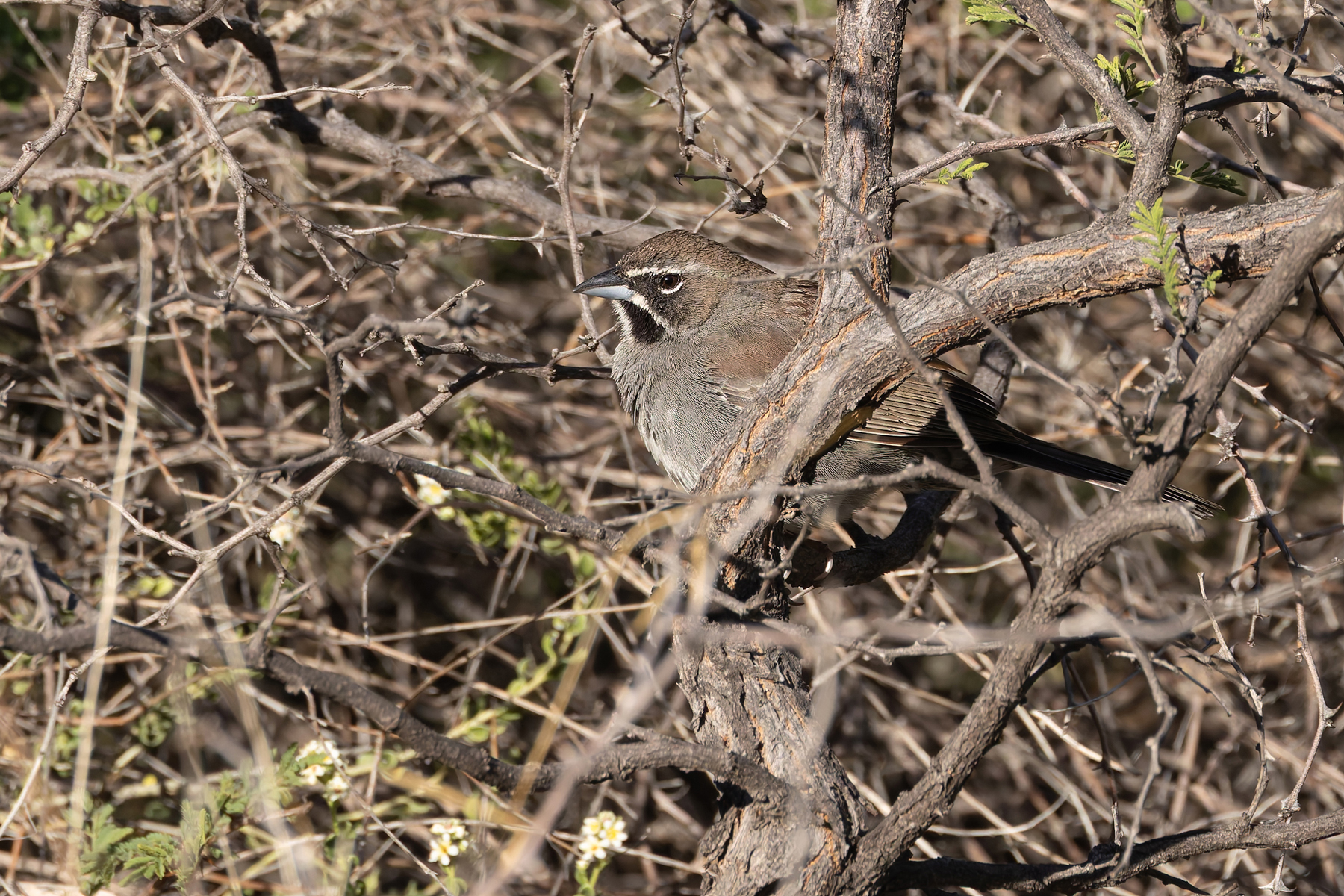
Five-striped Sparrow (image by Mike Watson)
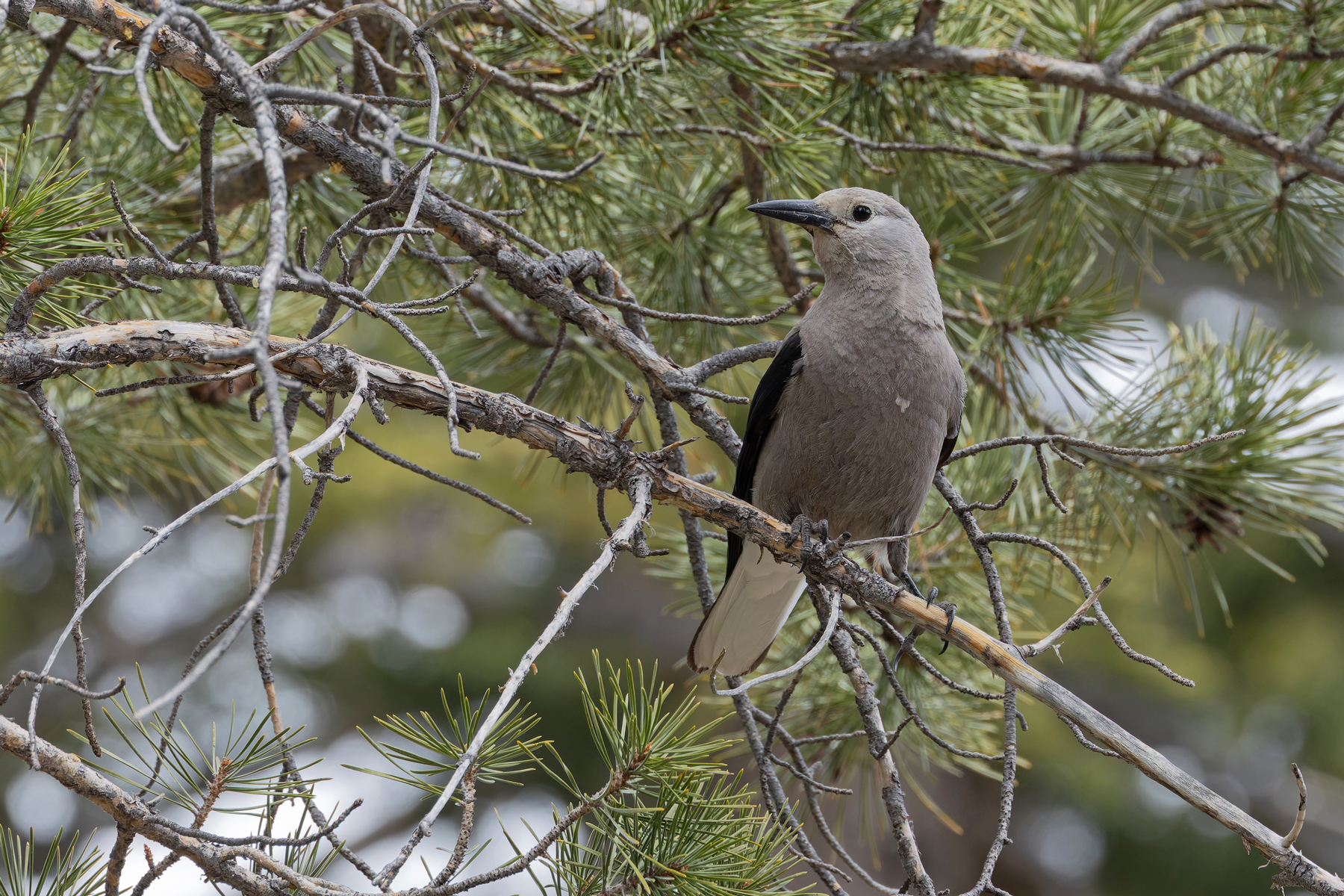
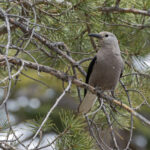
Clark's Nutcracker (image by Mike Watson)
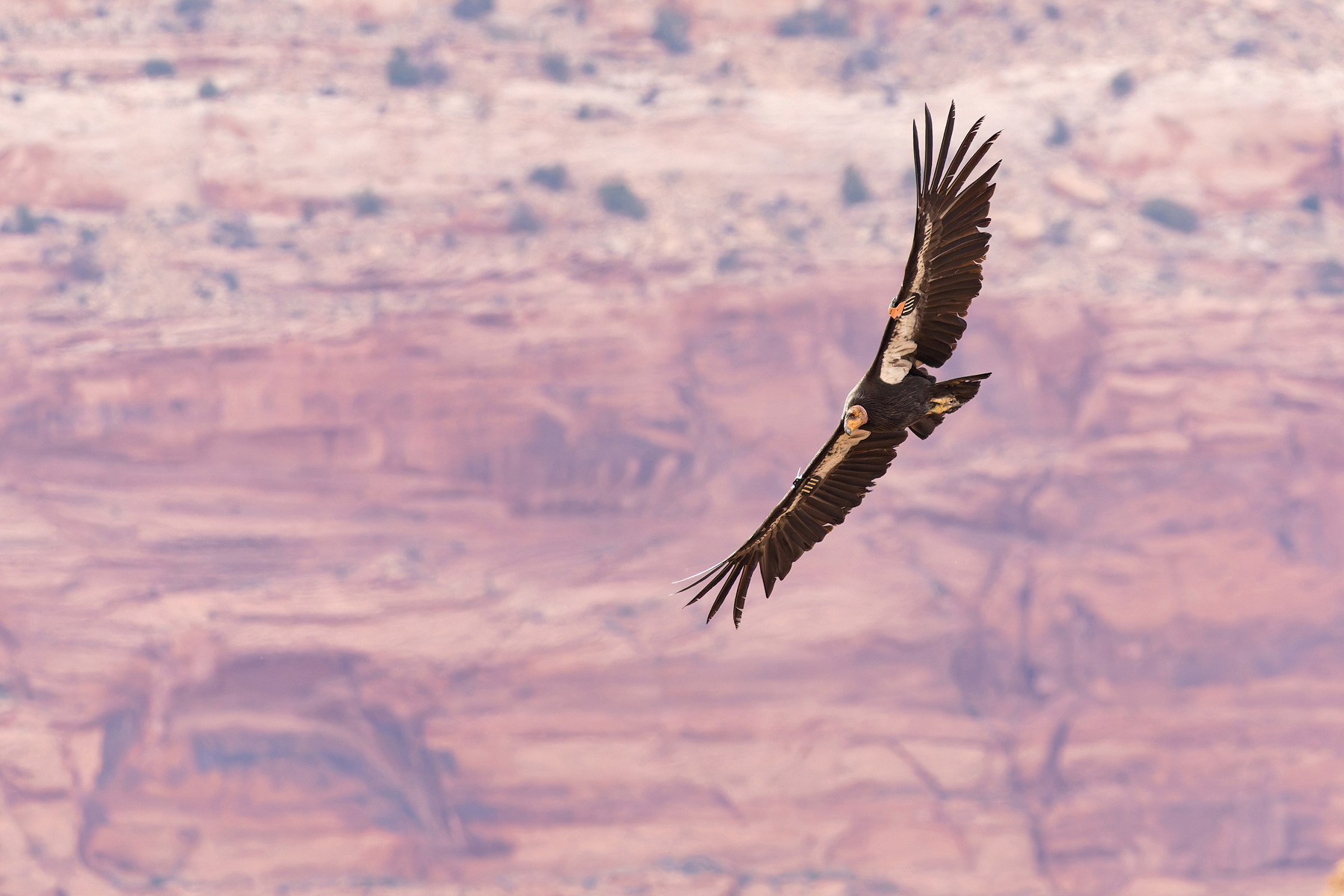
California Condor (image by Mike Watson)
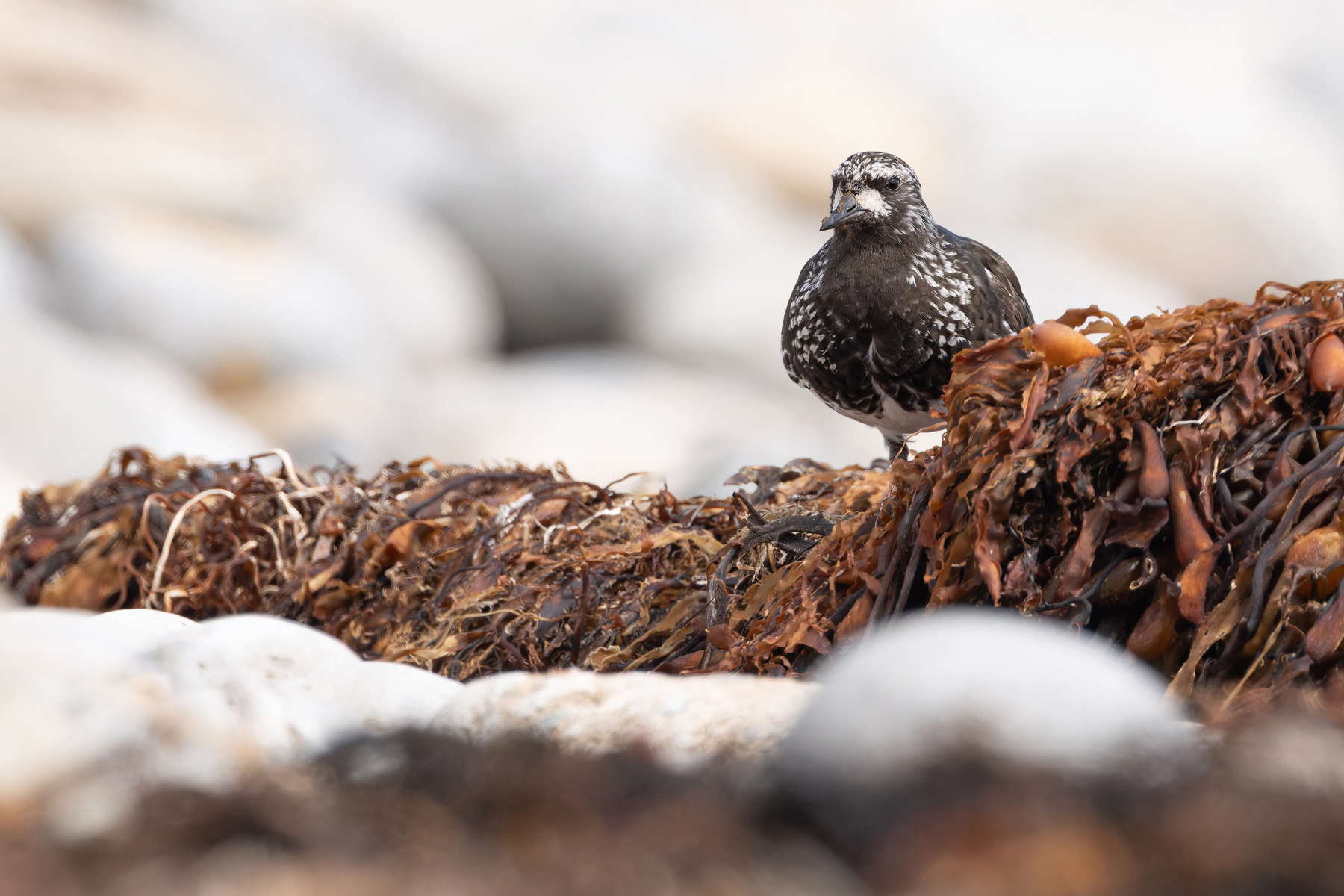
Black Turnstone (image by Mike Watson)
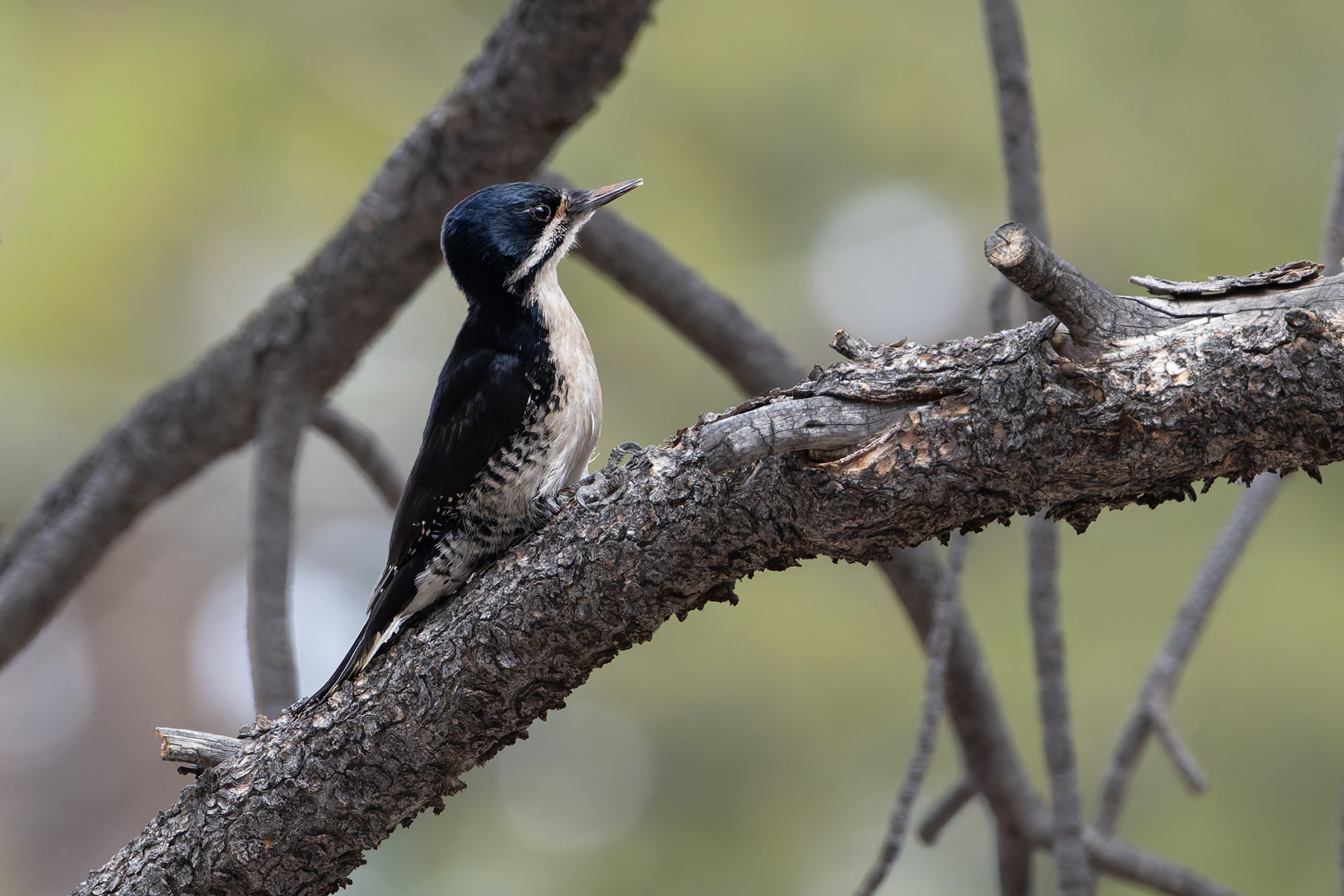
Black-backed Woodpecker (image by Mike Watson)
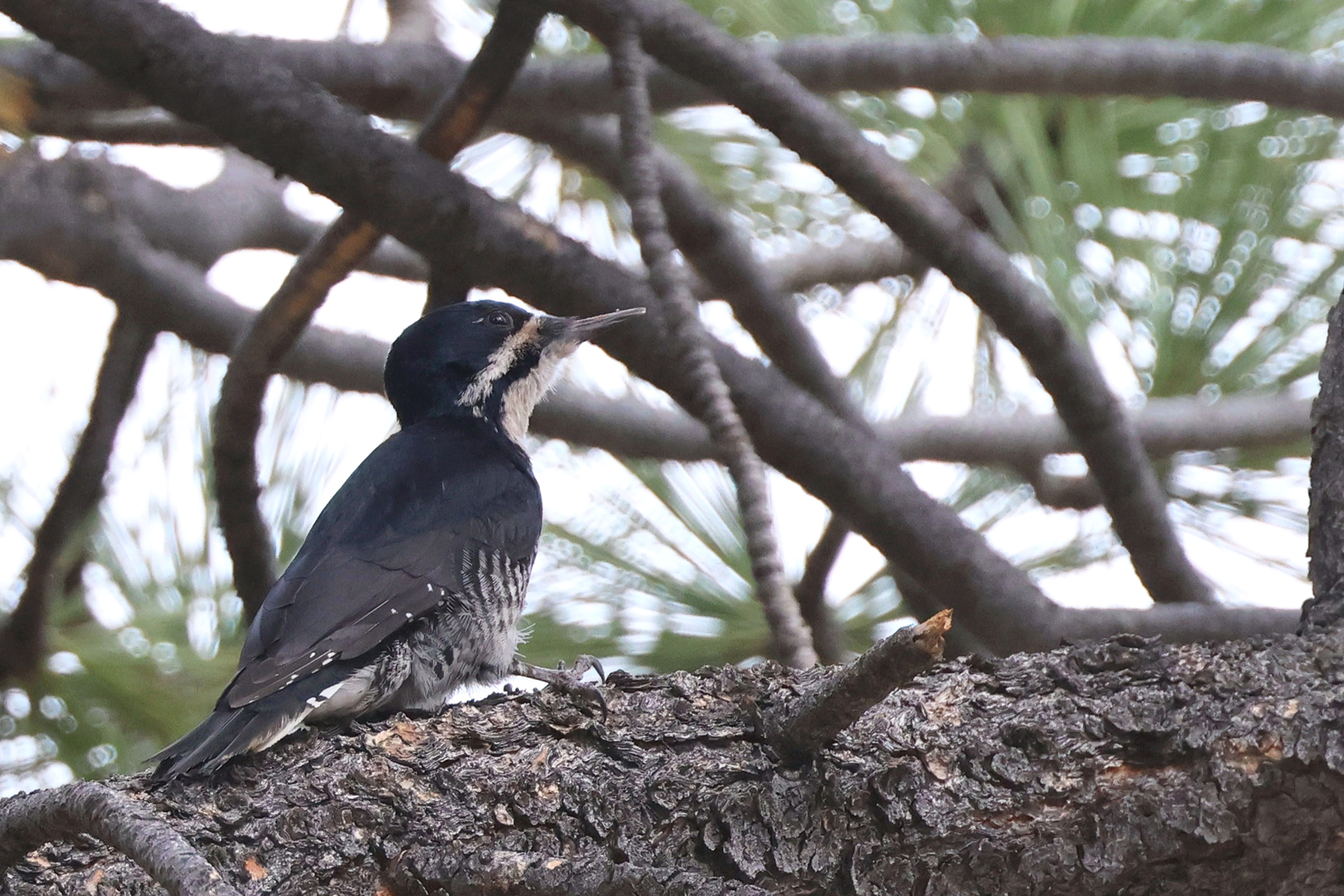
Black-backed Woodpecker (image by Sjoerd Radstaak)
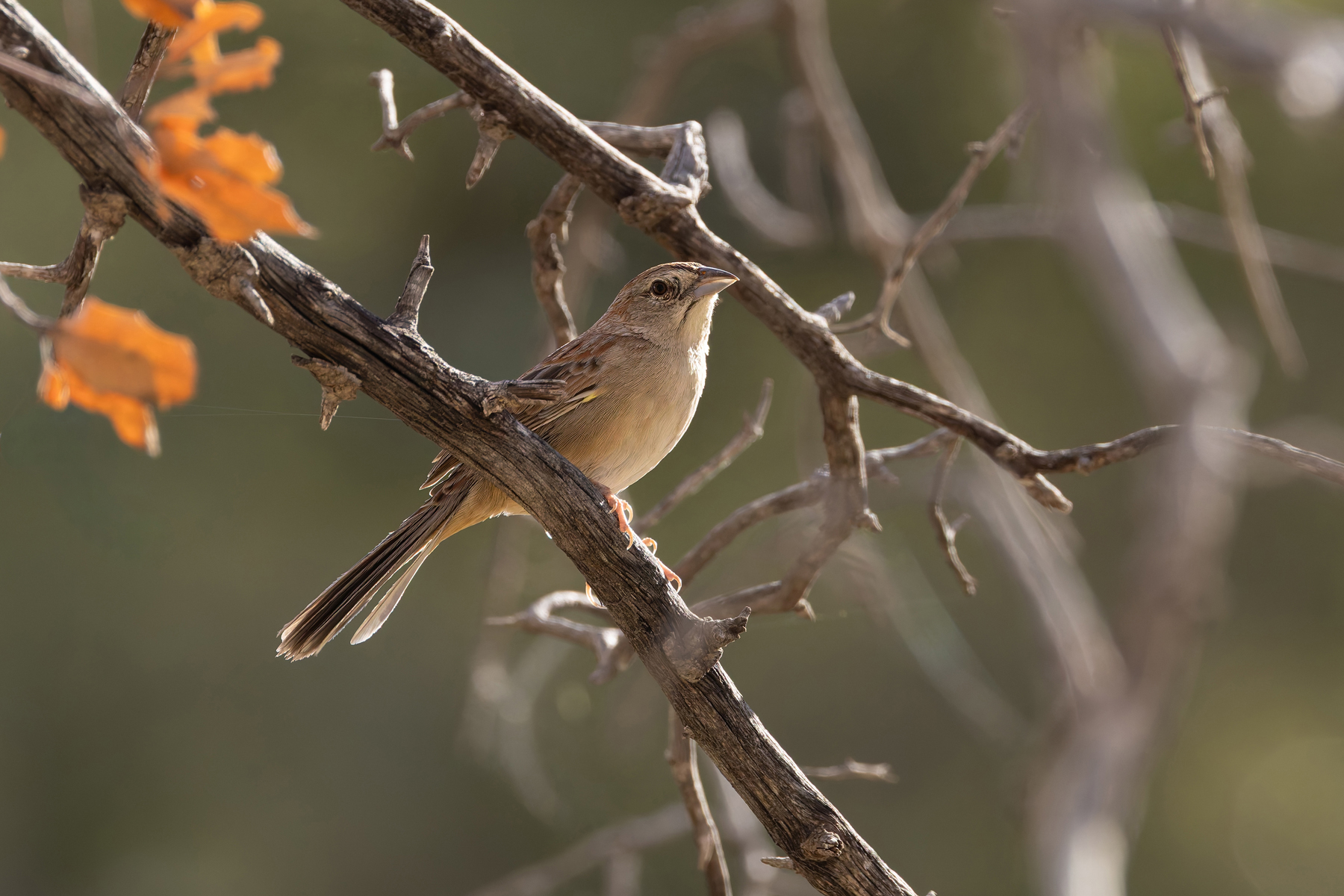
Botteri's Sparrow (image by Mike Watson)
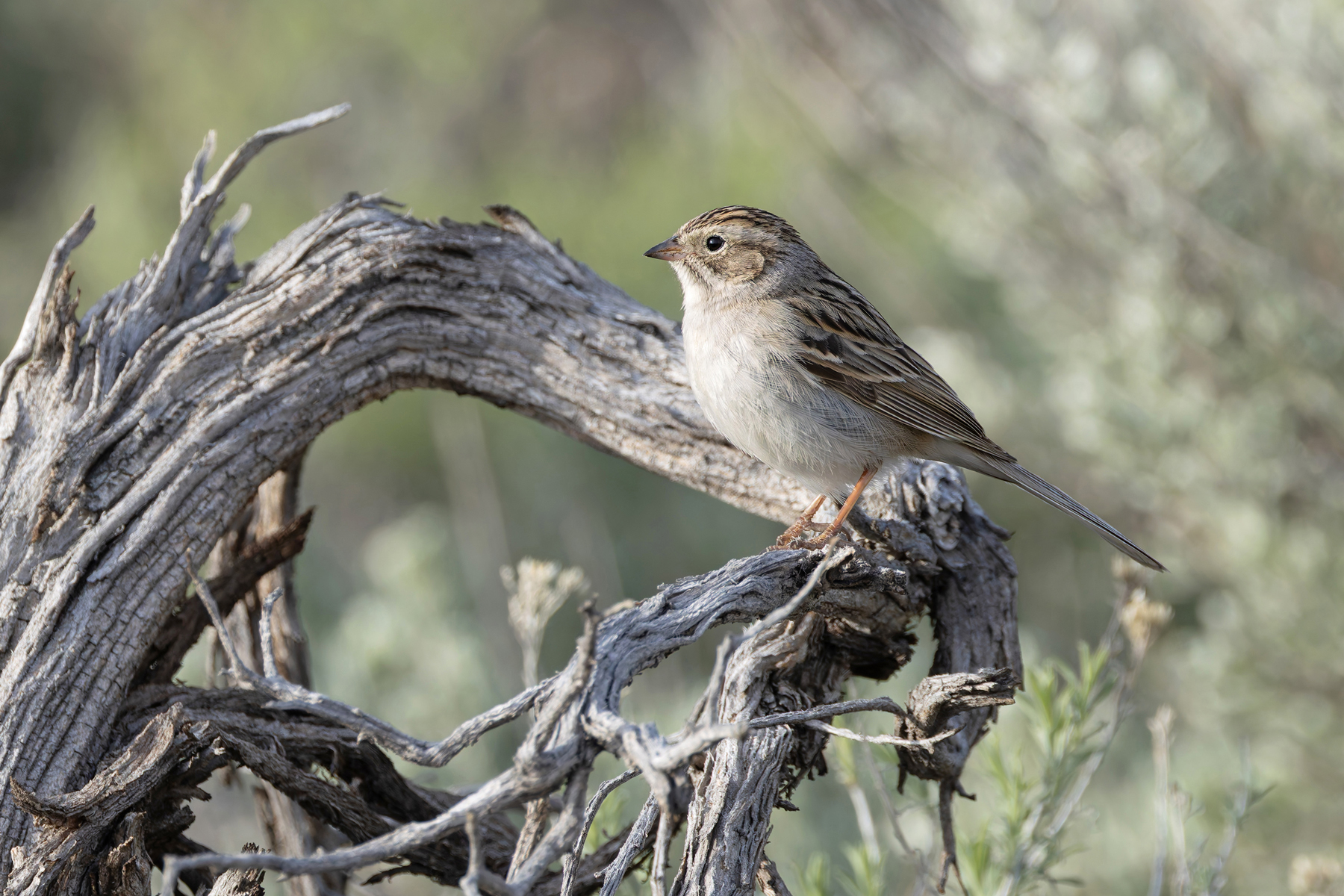
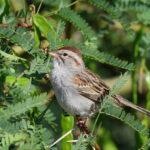
Brewer's Sparrow (image by Mike Watson)
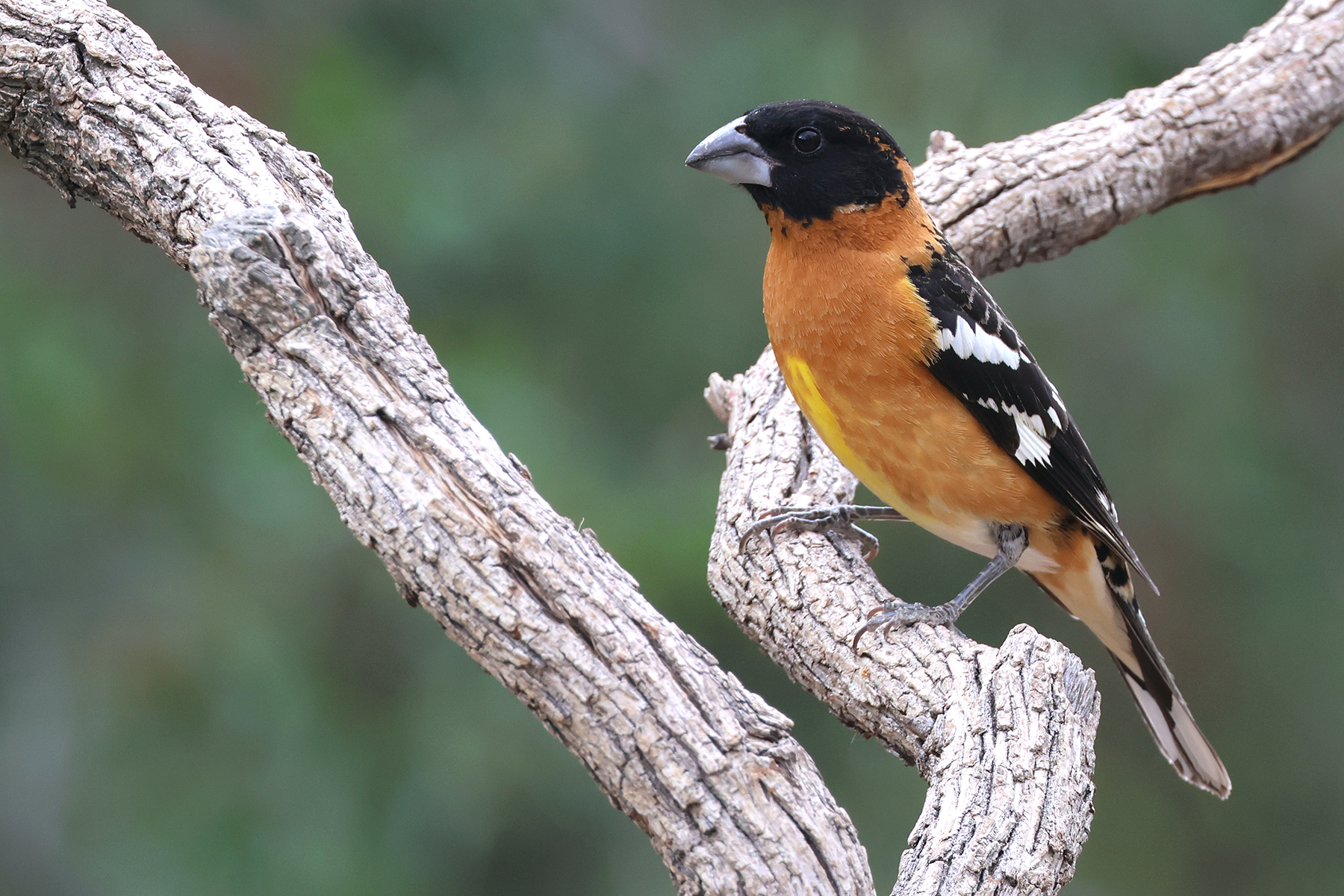
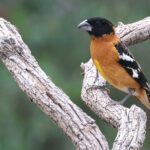
Black-headed Grosbeak (image by Sjoerd Radstaak)
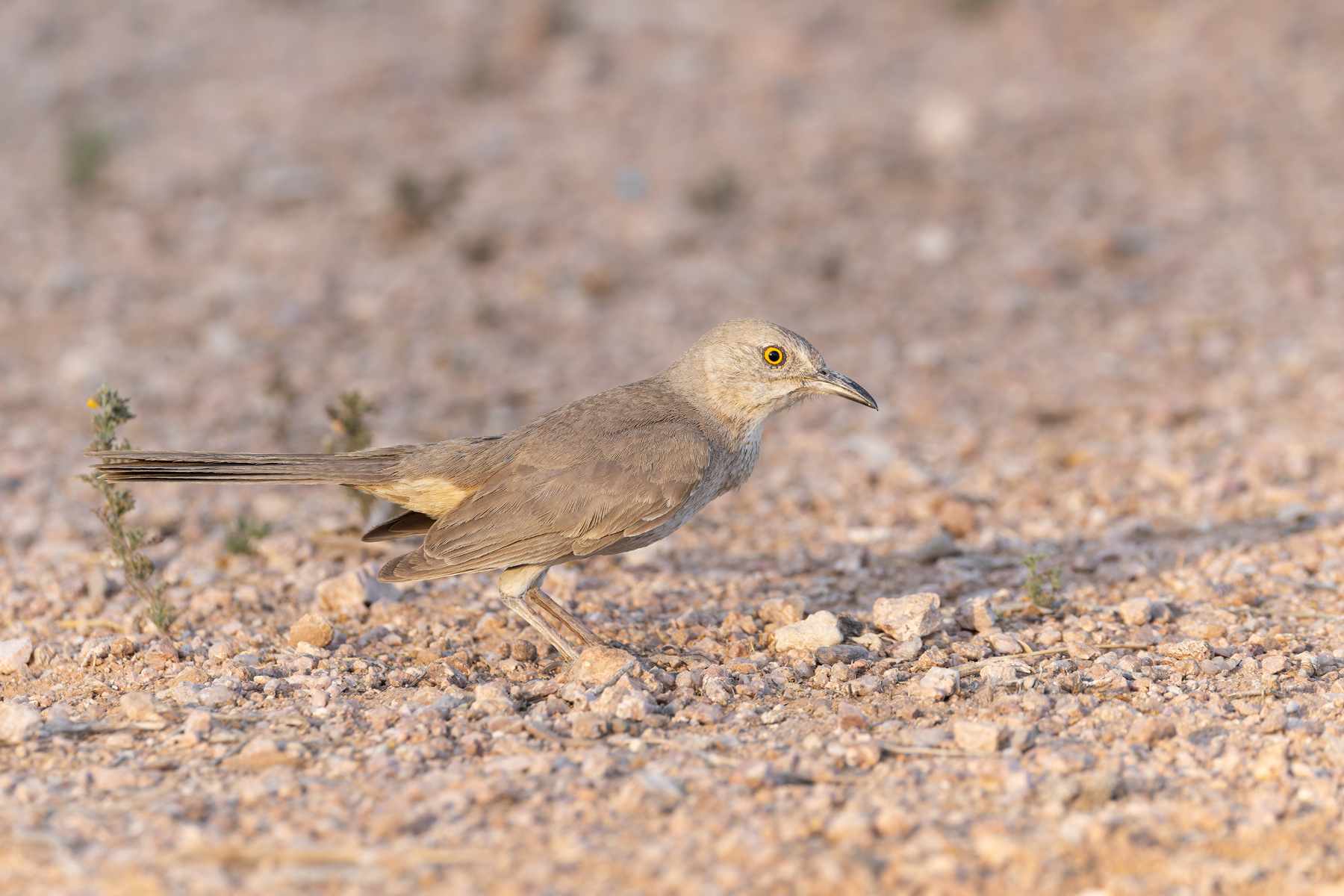
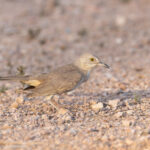
Bendire's Thrasher (image by Mike Watson)
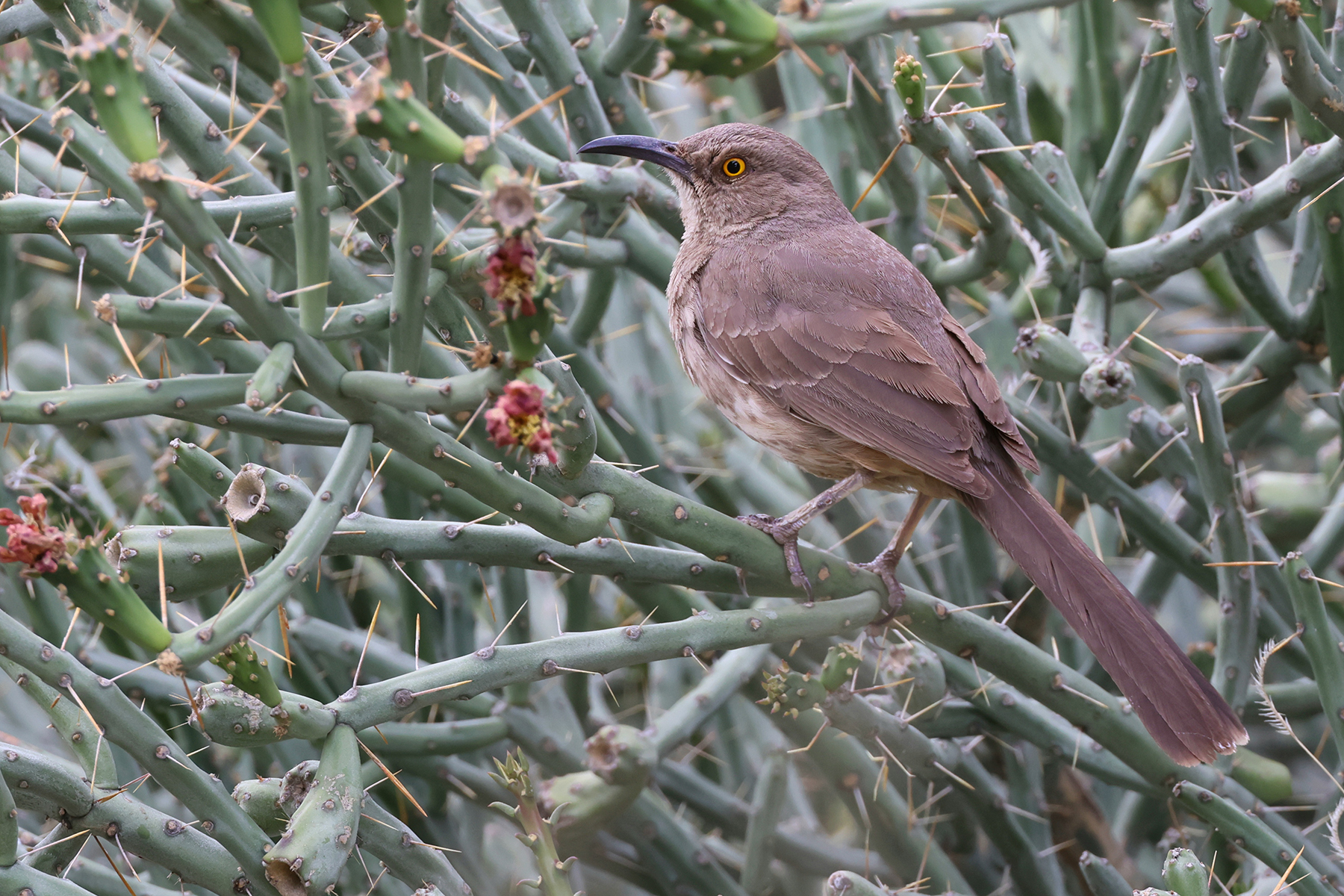
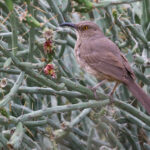
Curve-billed Thrasher (image by Sjoerd Radstaak)
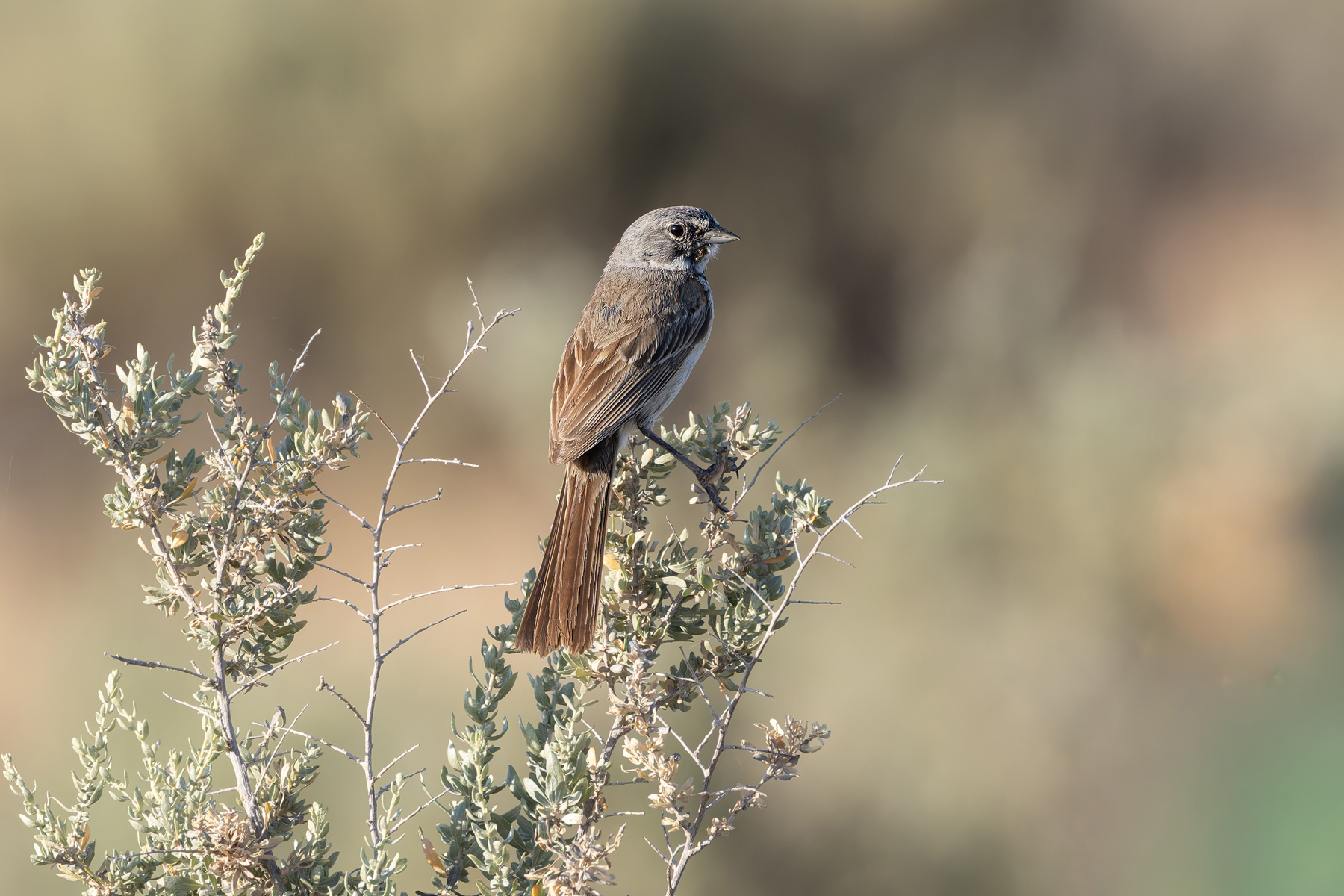
Bell's Sparrow (image by Mike Watson)
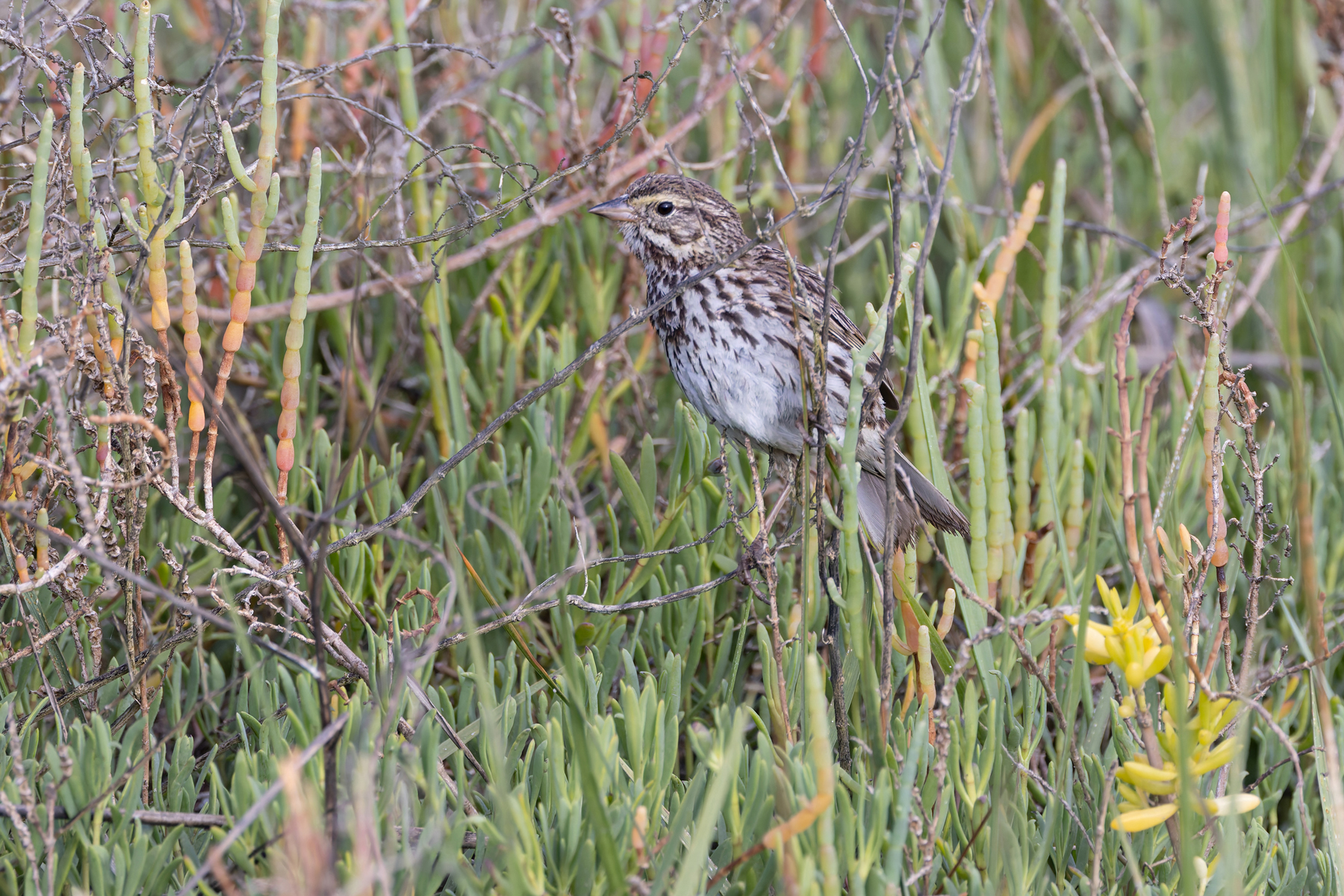
Belding's Savannah Sparrow (image by Mike Watson)
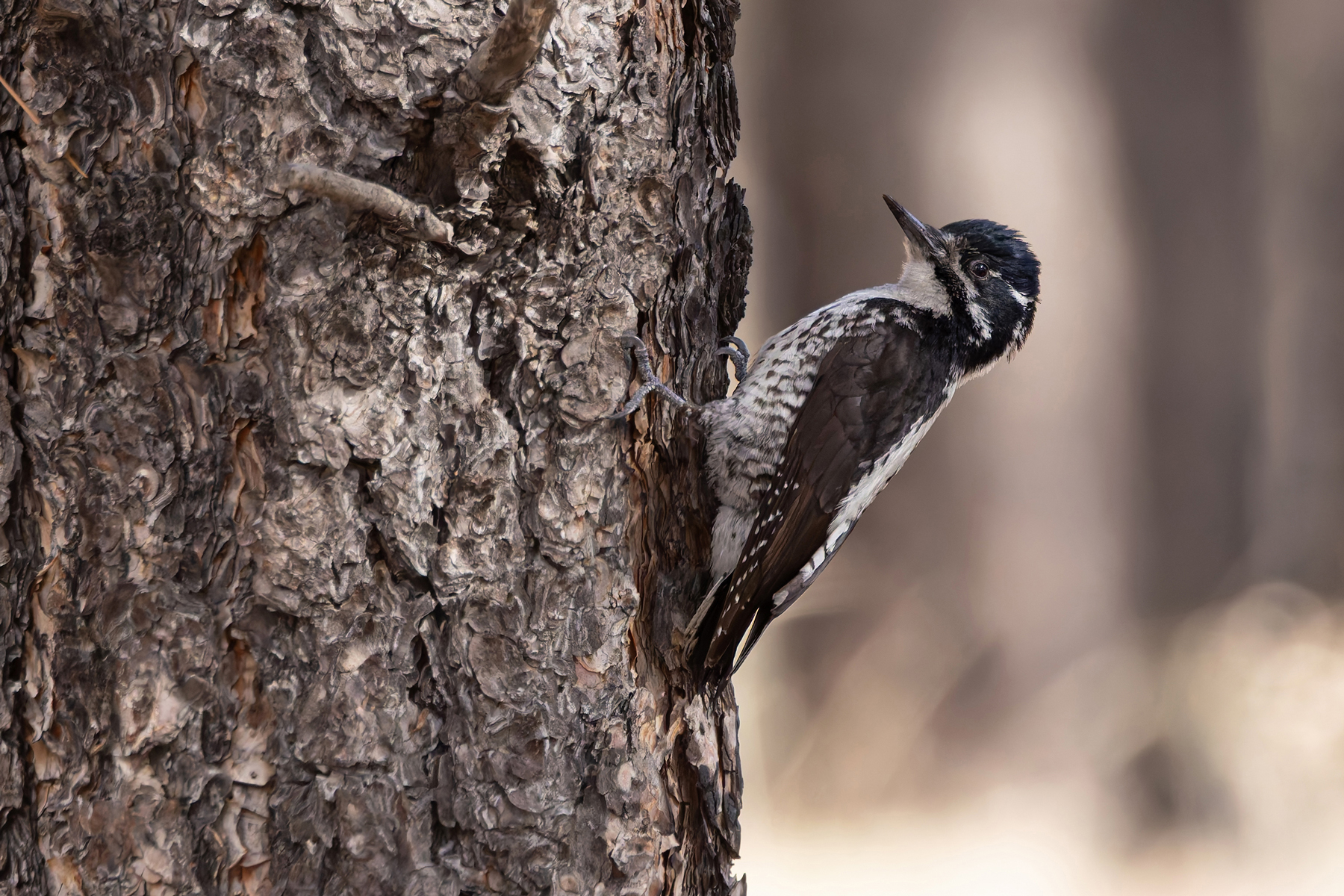
American Three-toed-Woodpecker (image by Mike Watson)
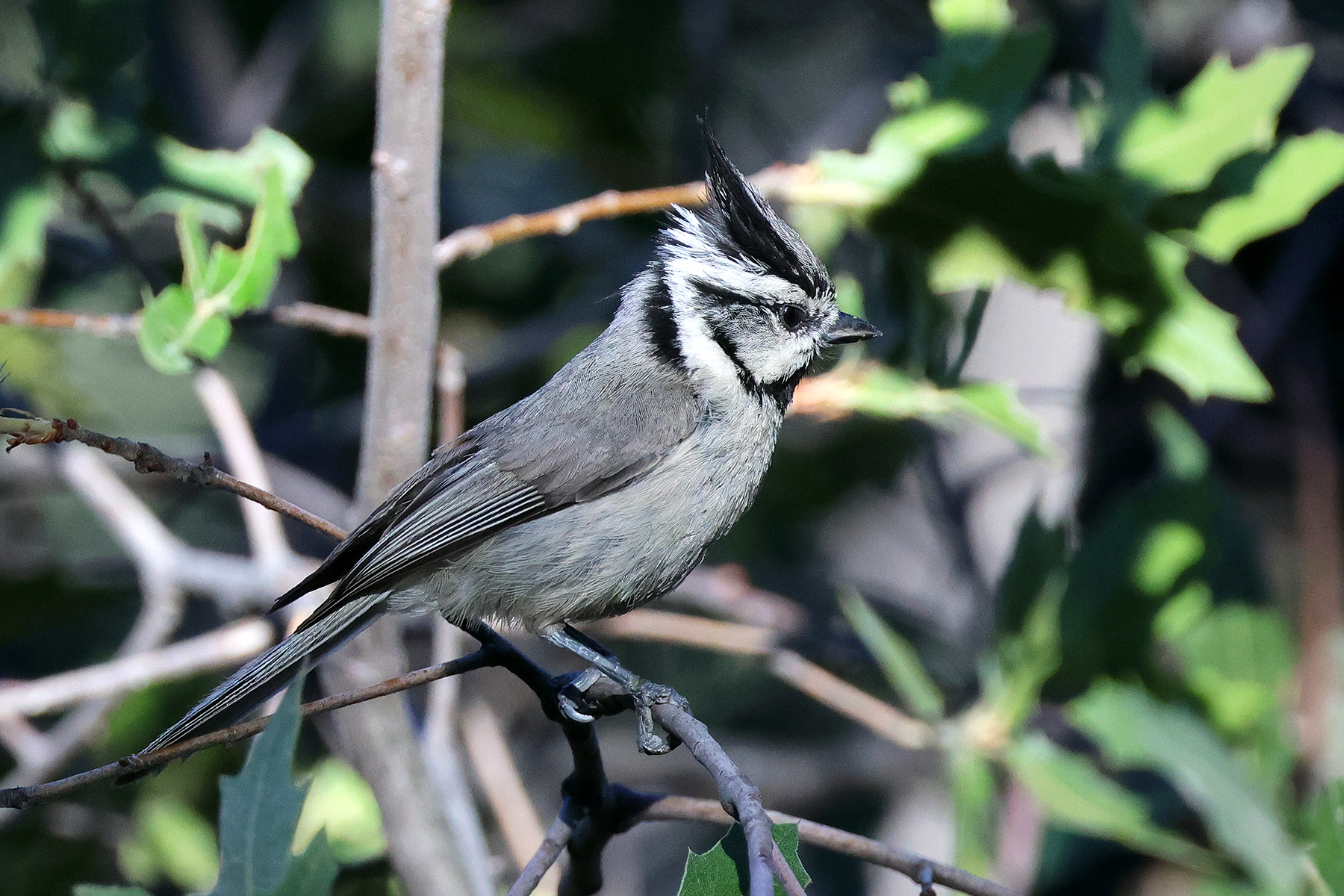
Bridled Titmouse (image by Sjoerd Radstaak)
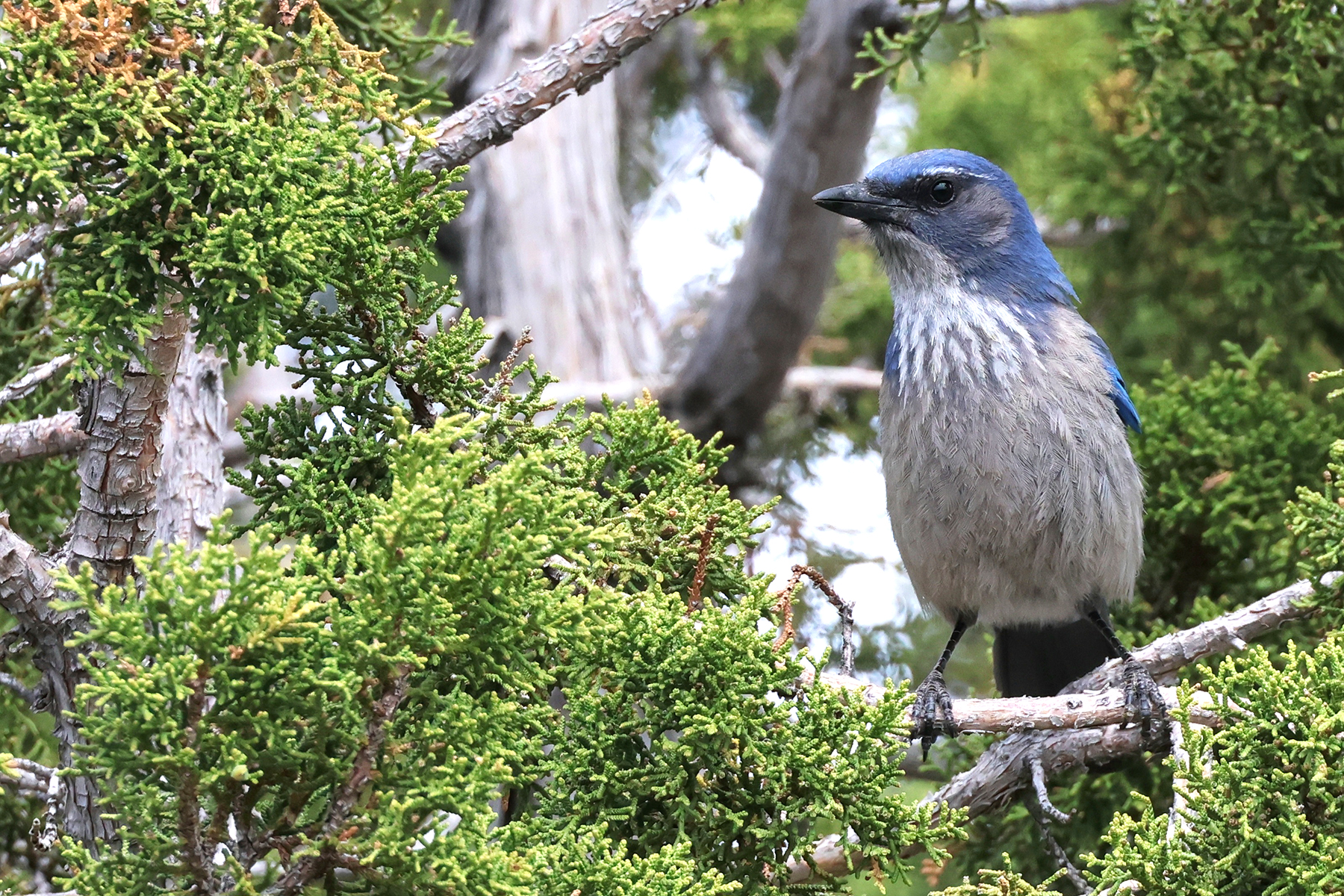
Woodhouse's Scrub Jay (image by Sjoerd Radstaak)
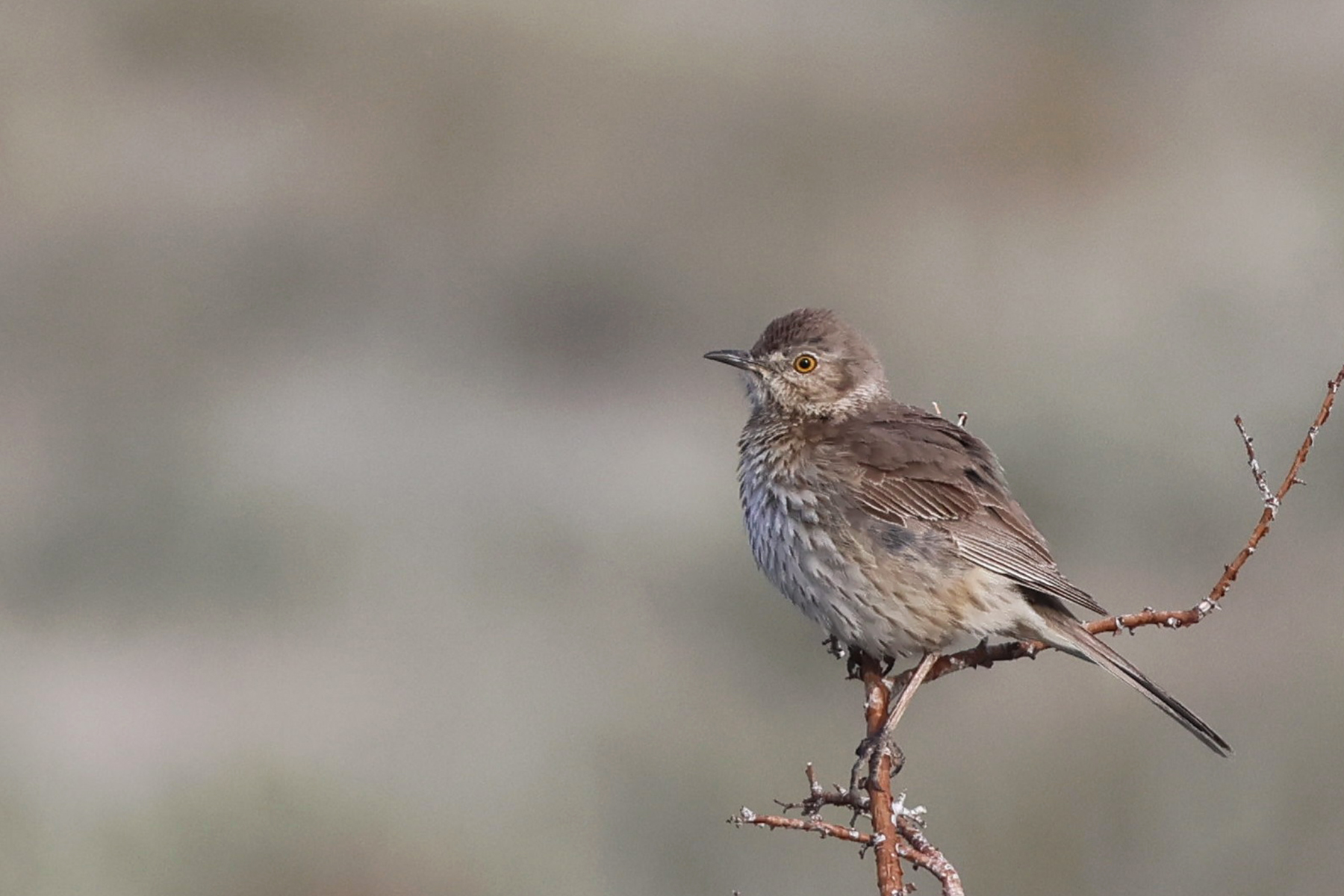
Sage Thrasher (image by Sjoerd Radstaak)
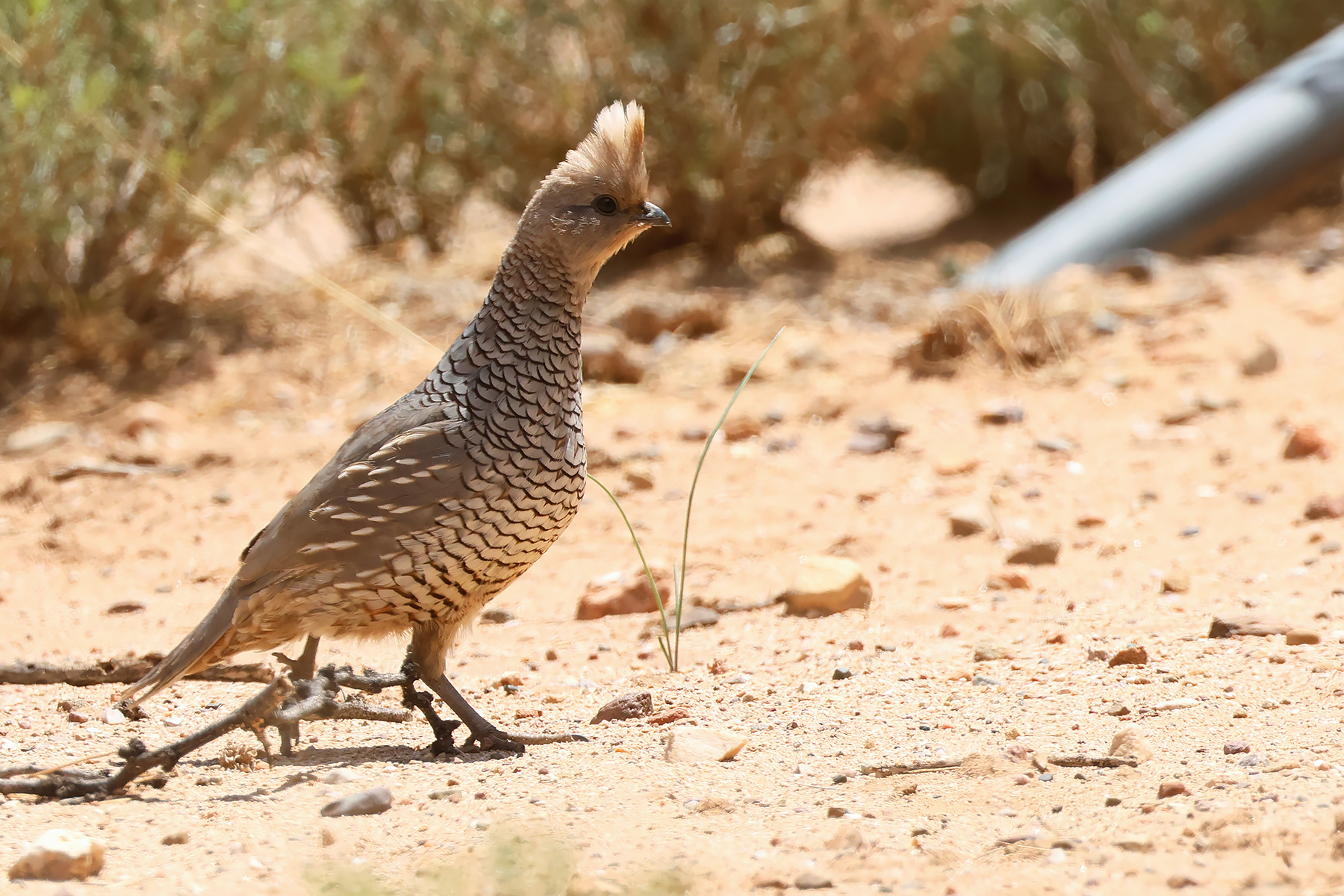
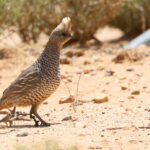
Scaled Quail (image by Sjoerd Radstaak)
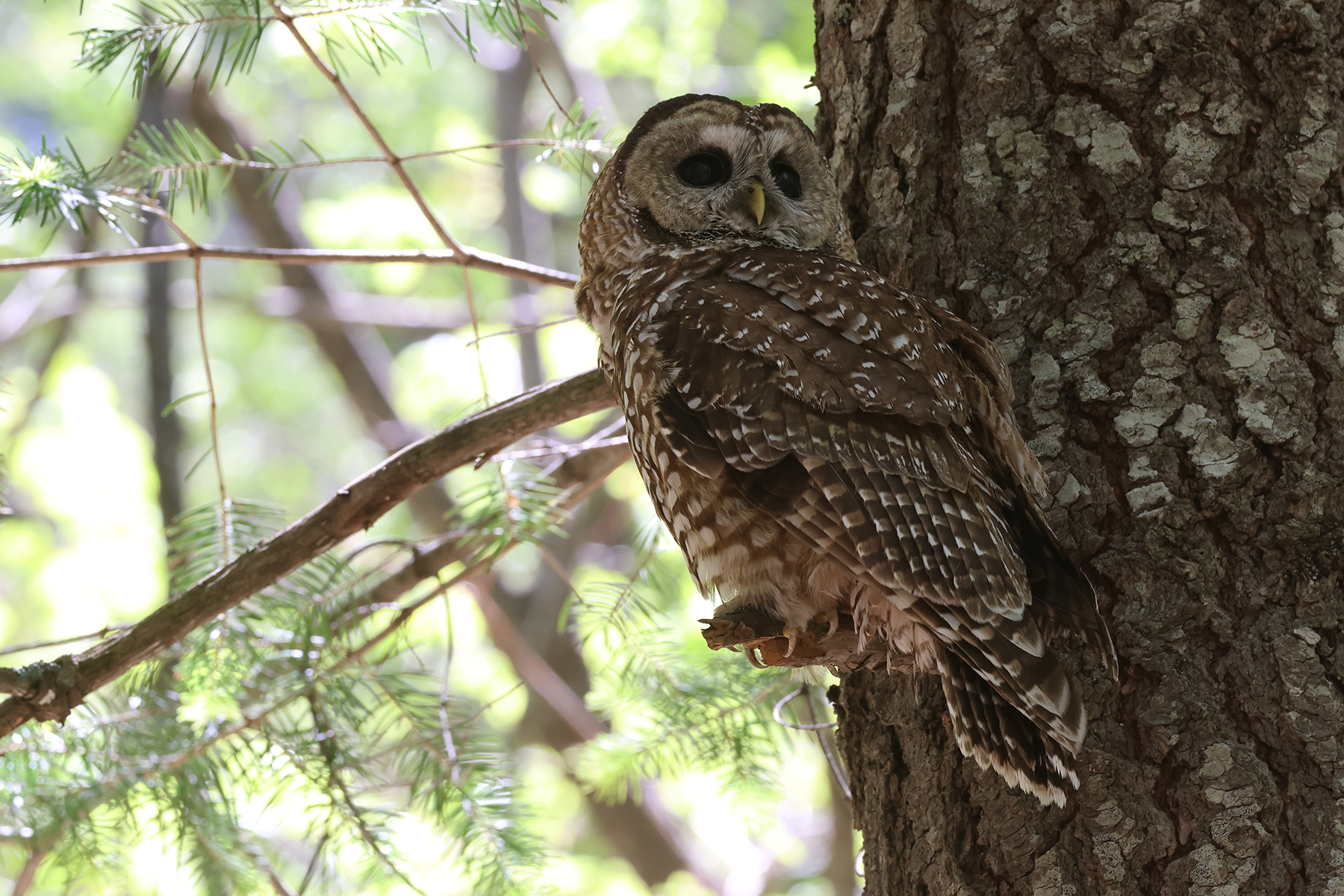
Spotted Owl (image by Sjoerd Radstaak)
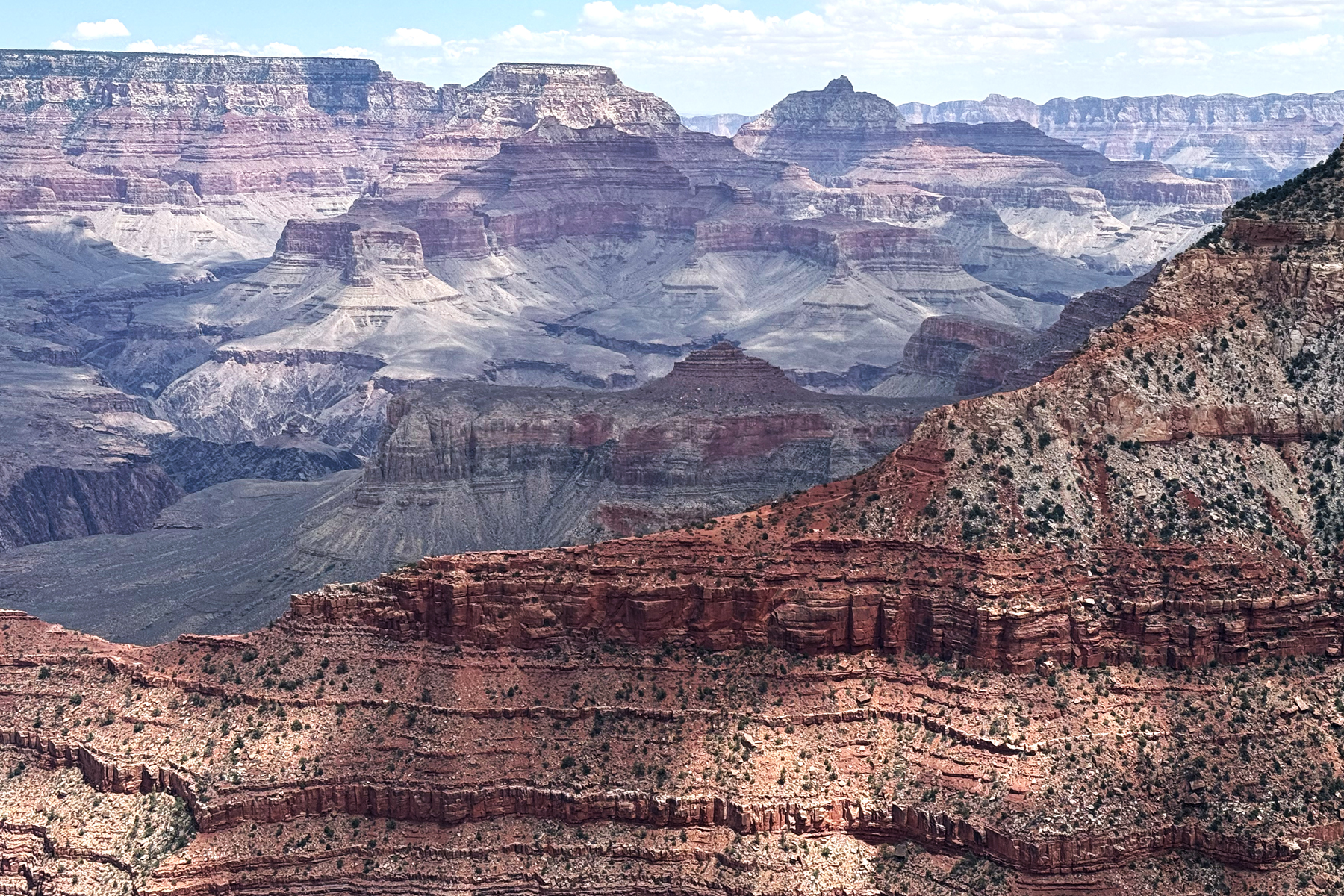
Grand Canyon (image by Mike Watson)
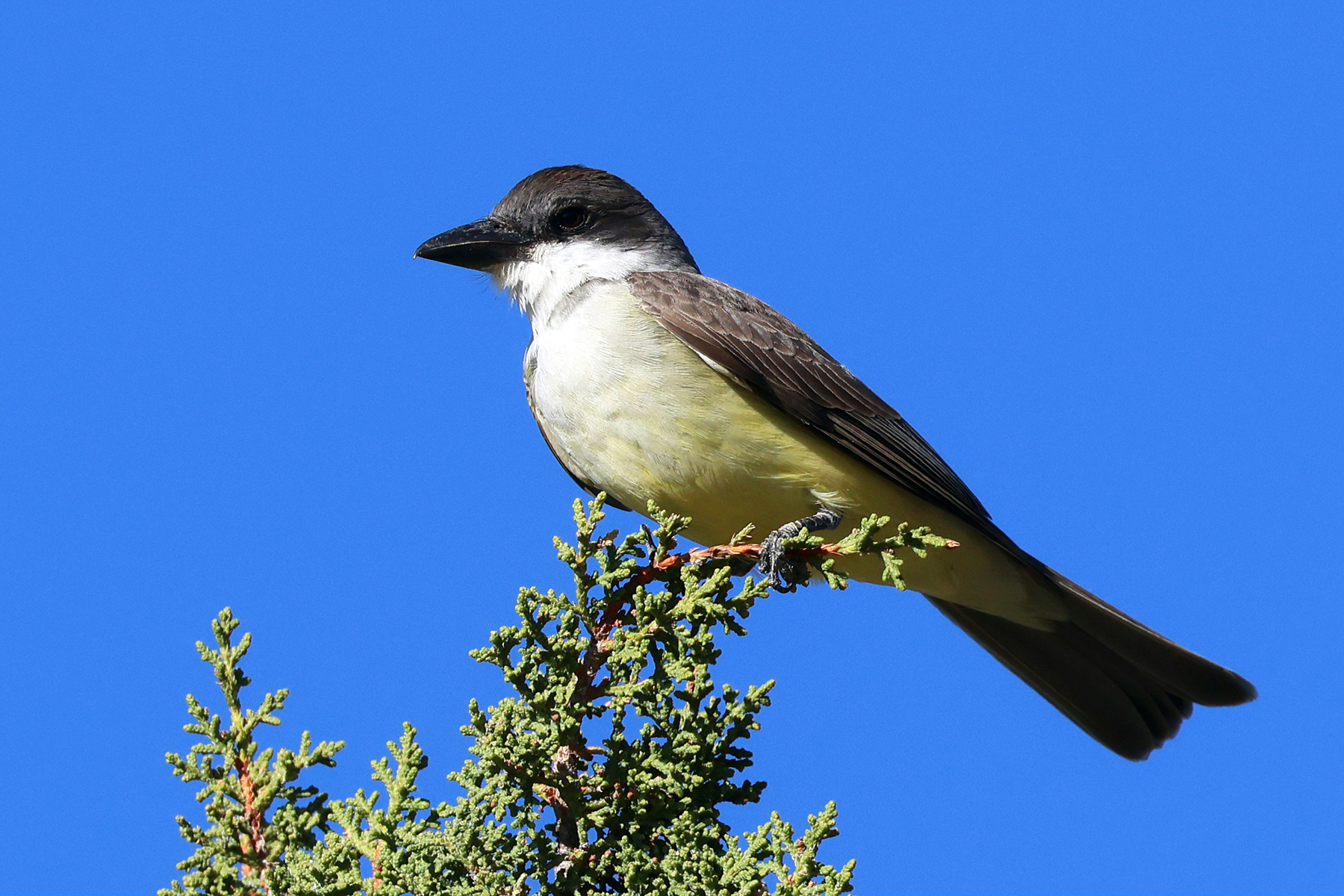
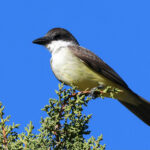
Thick-billed Kingbird (image by Sjoerd Radstaak)
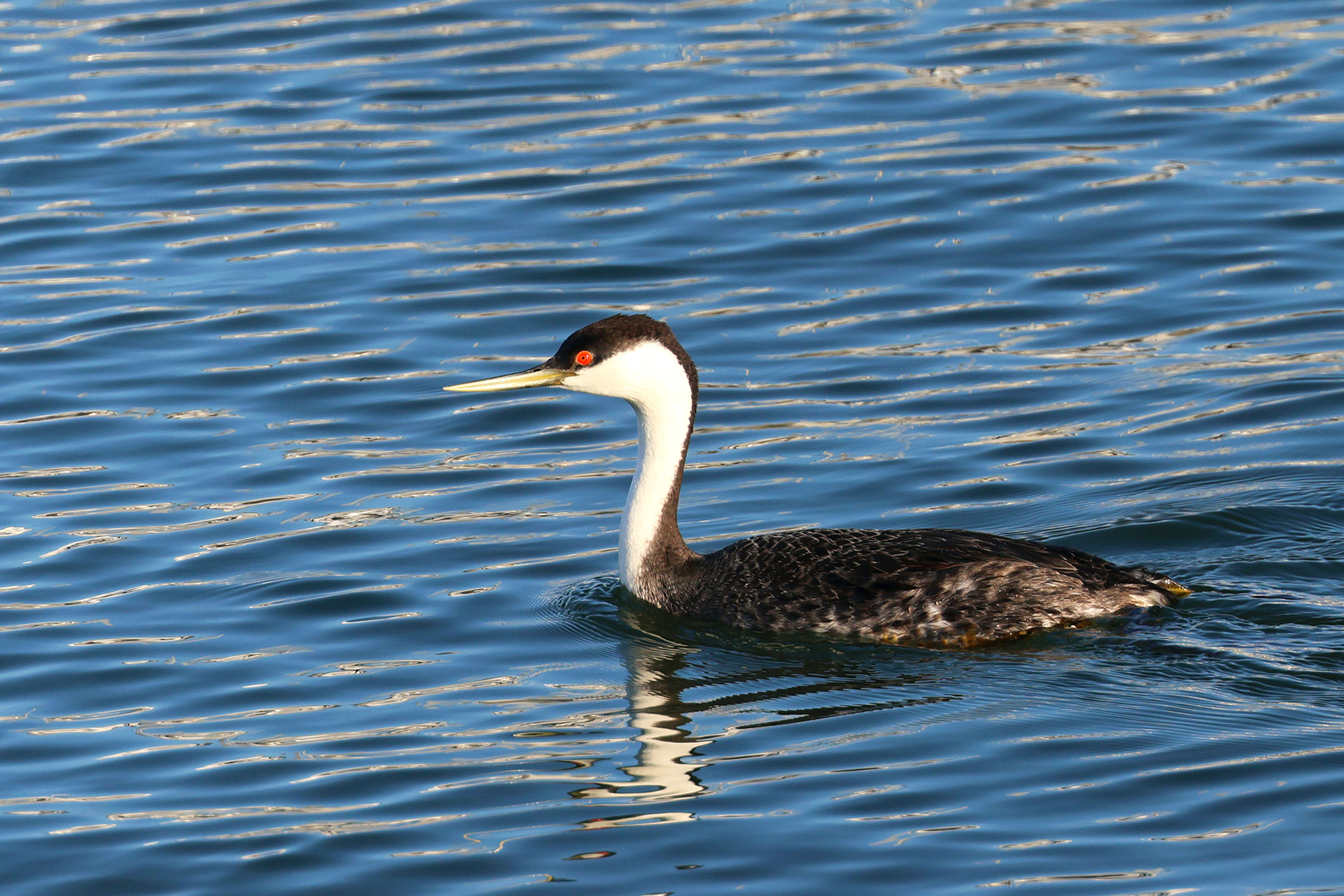
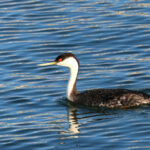
Western Grebe (image by Sjoerd Radstaak)
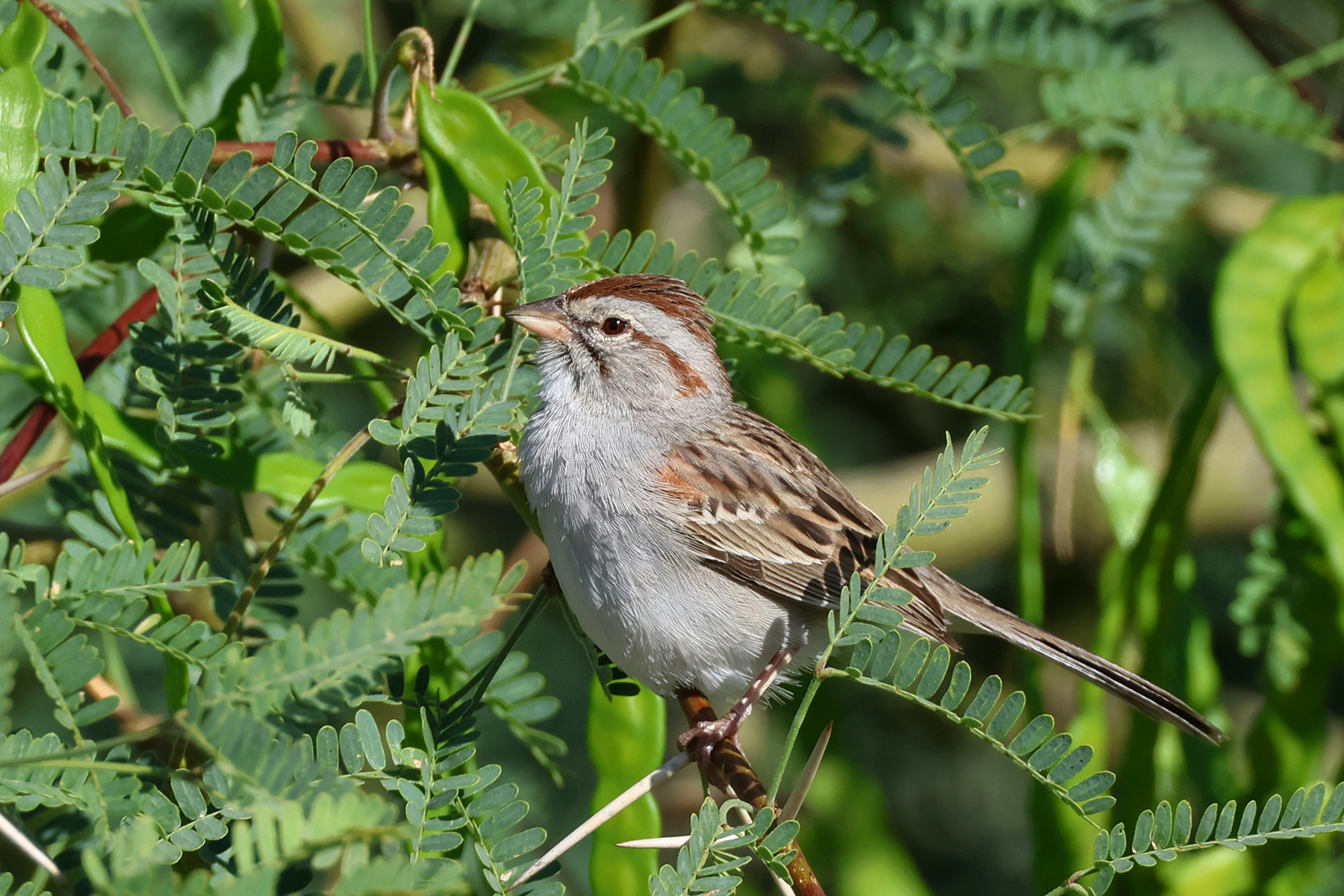
Rufous-winged Sparrow (image by Sjoerd Radstaak)
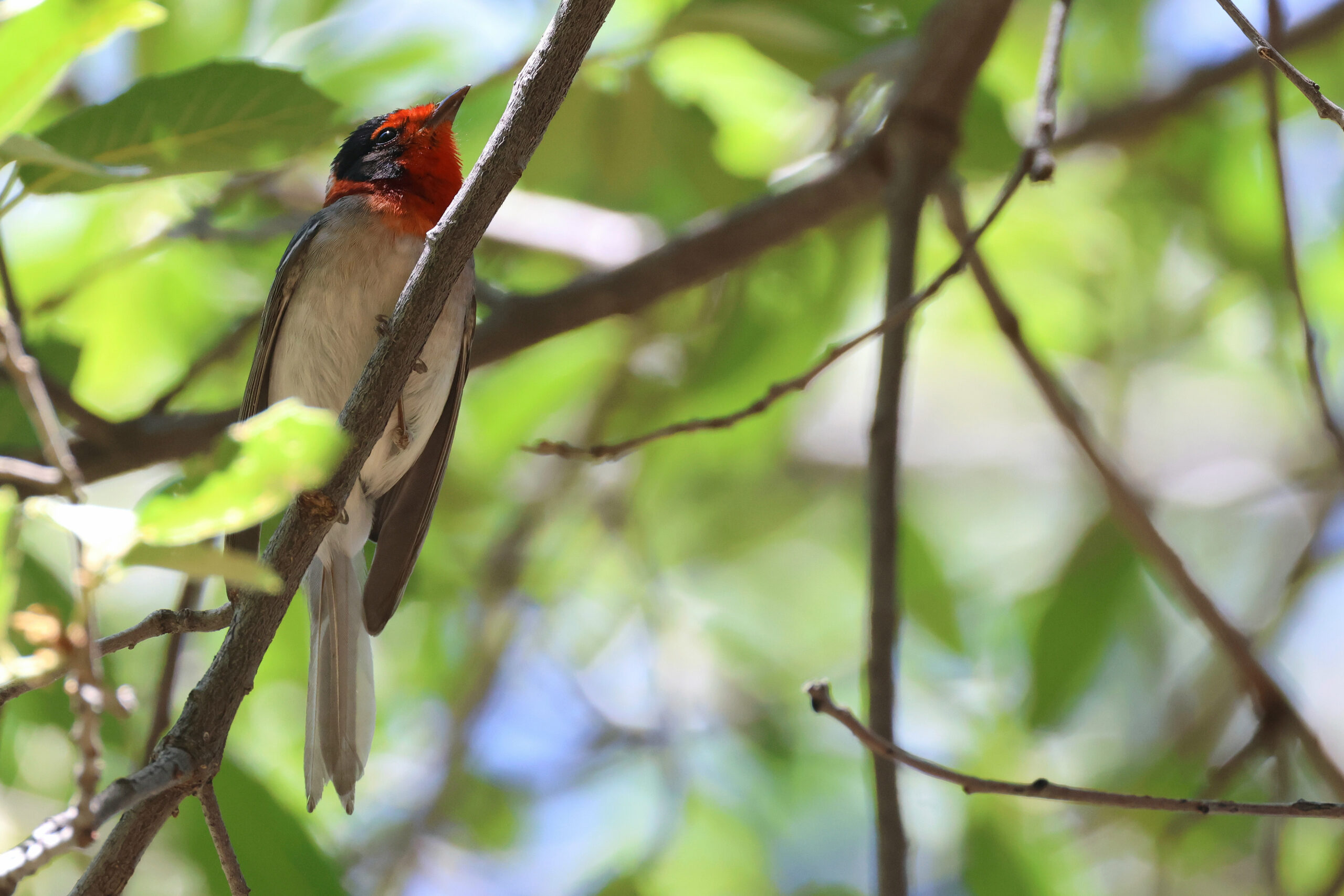
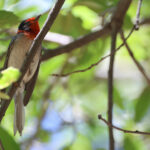
Red-headed Warbler (image by Sjoerd Radstaak)
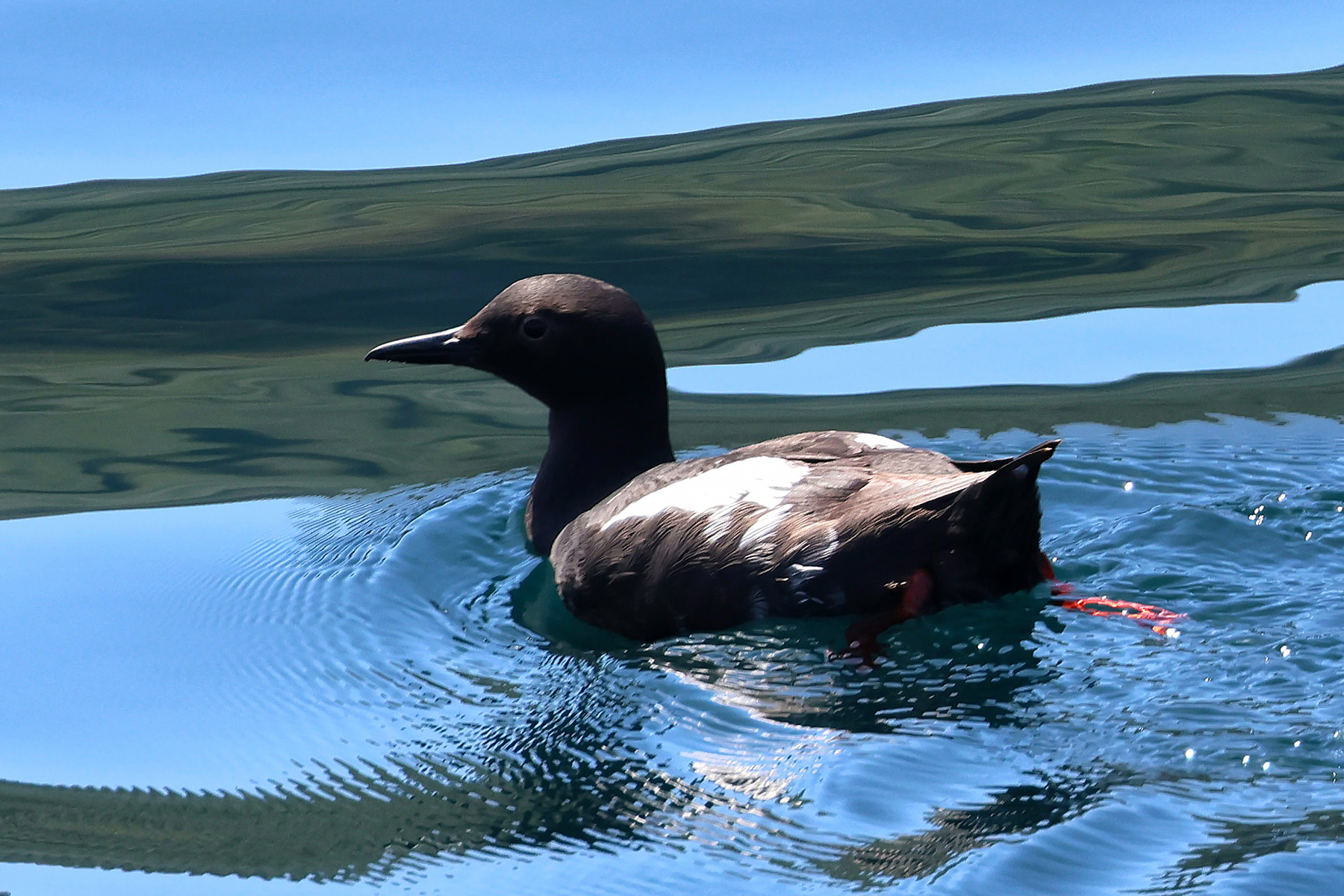
Pigeon Guillemot (image by Sjoerd Radstaak)
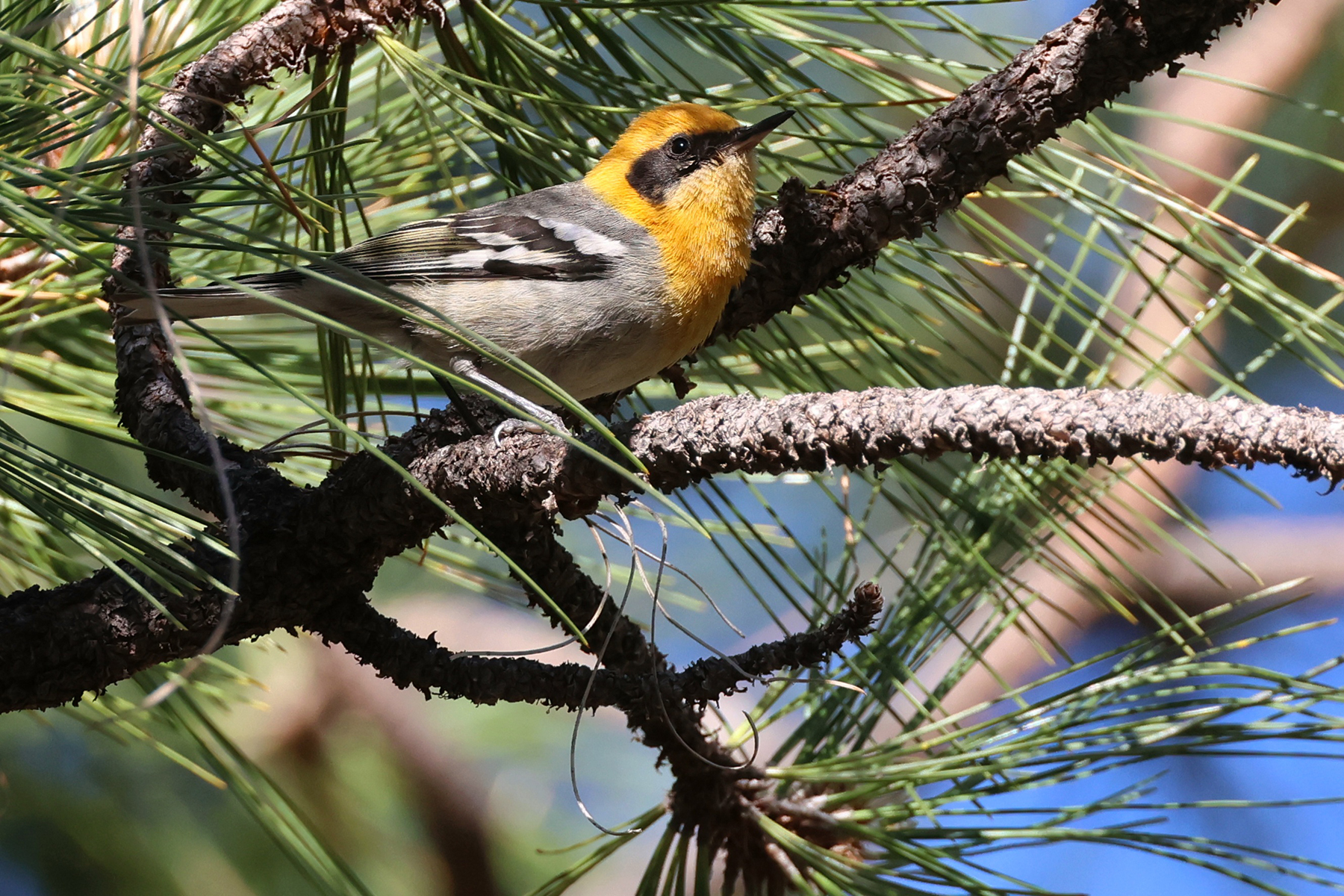
Olive Warbler (image by Sjoerd Radstaak)
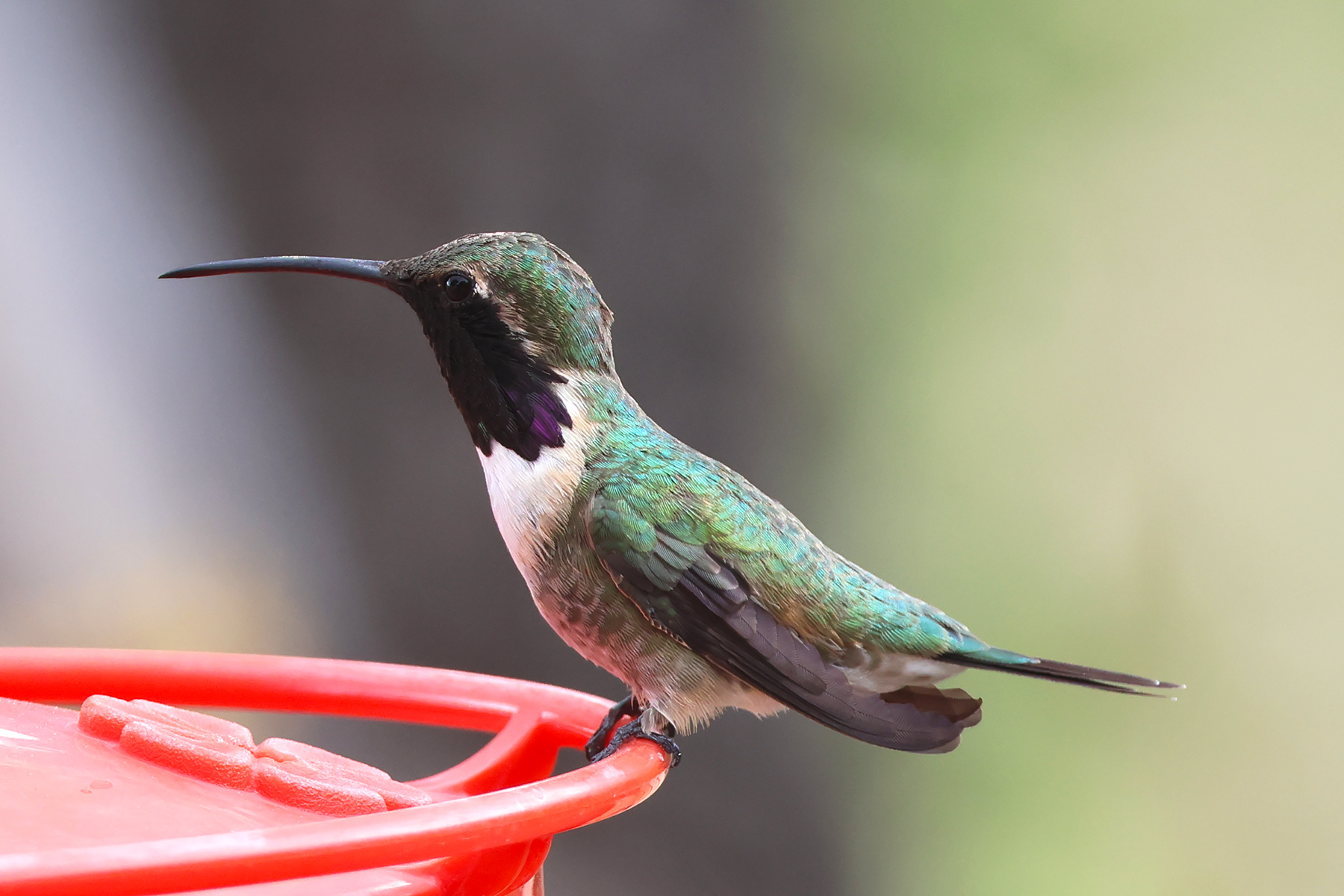
Lucifer Hummingbird (image by Sjoerd Radstaak)
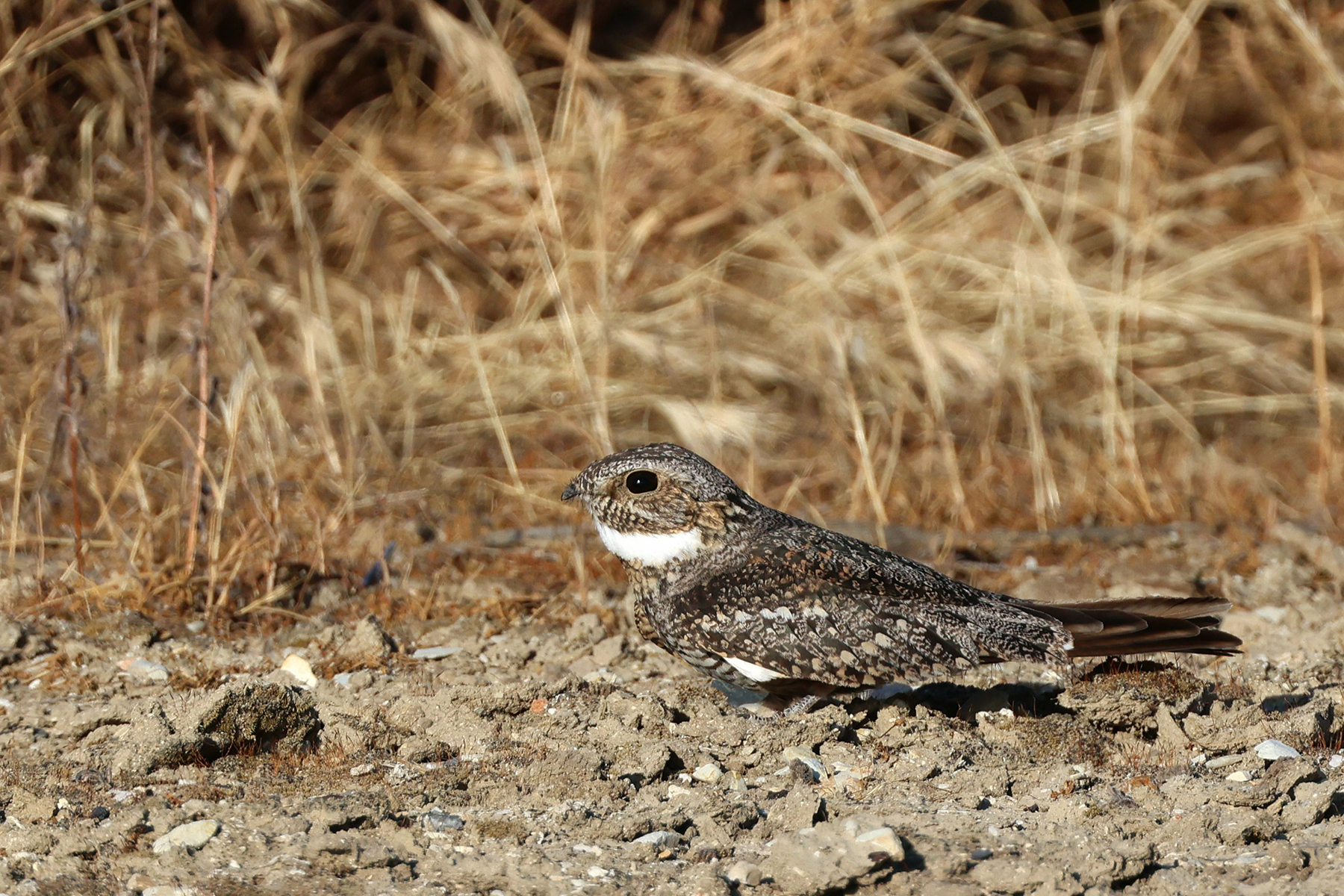
Lesser Nighthawk (image by Sjoerd Radstaak)
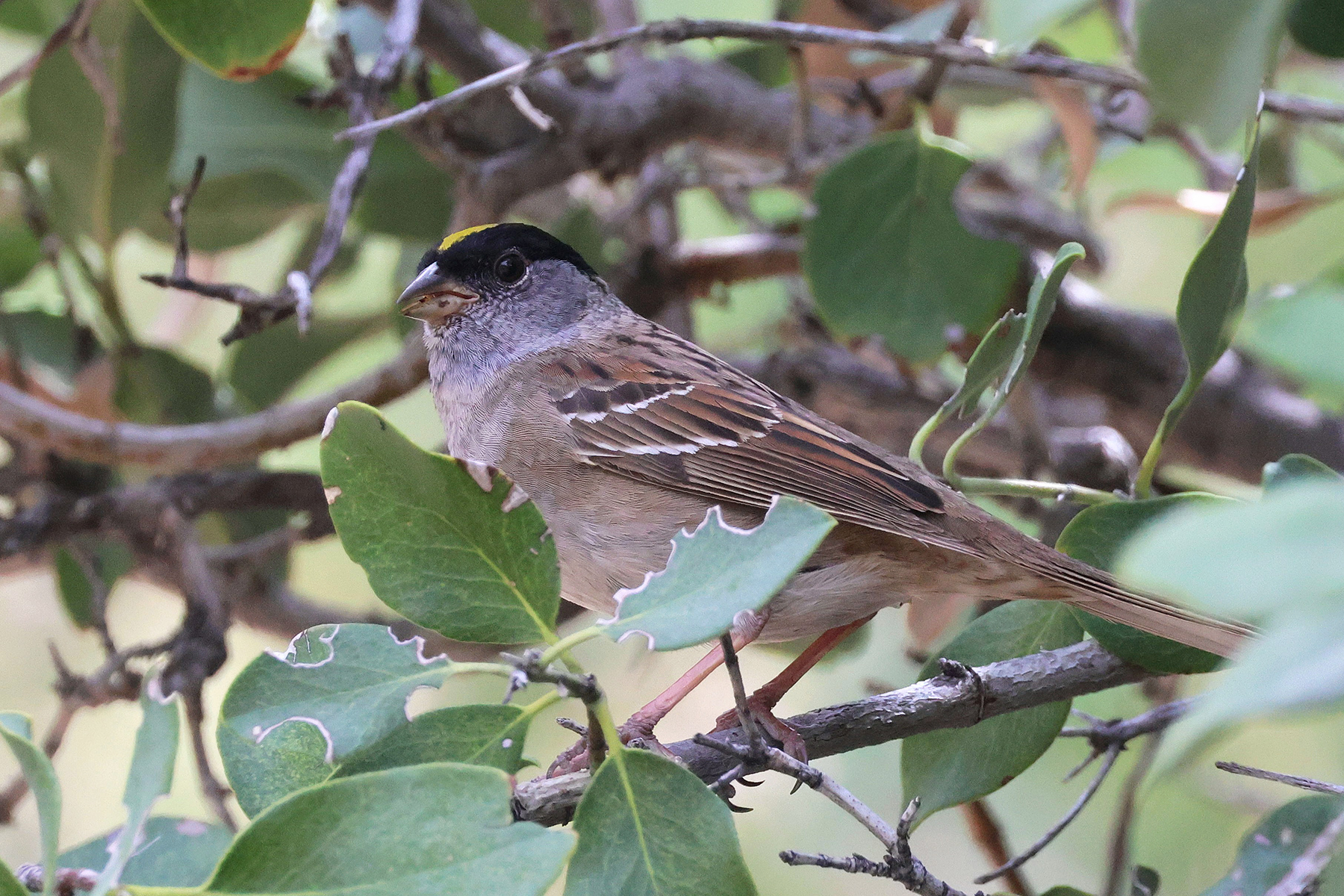
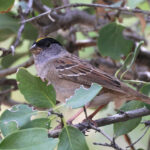
Golden-crowned Sparrow (image by Sjoerd Radstaak)
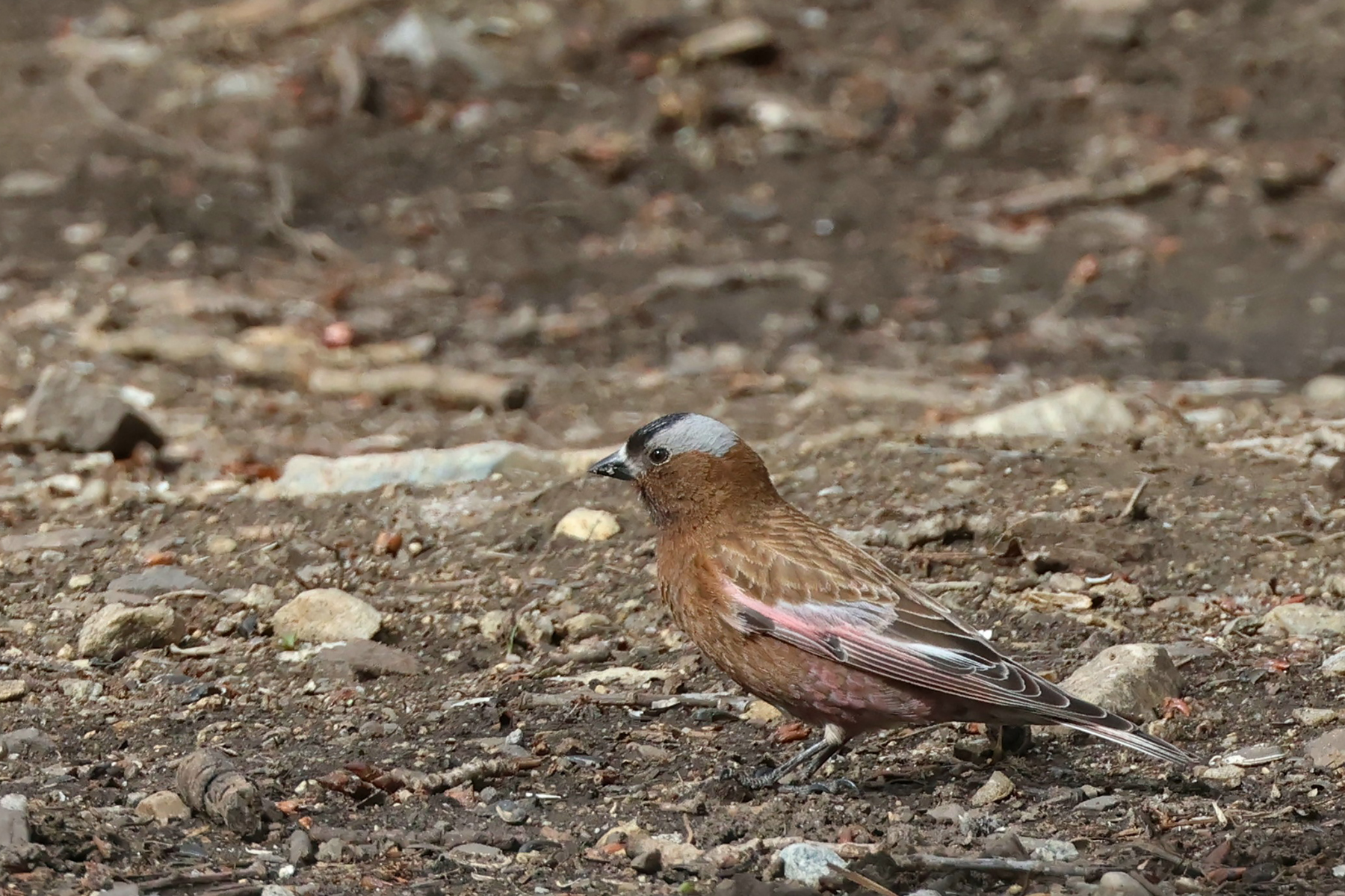
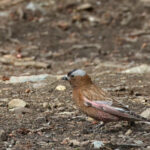
Grey-crowned Rosy Finch (image by Sjoerd Radstaak)
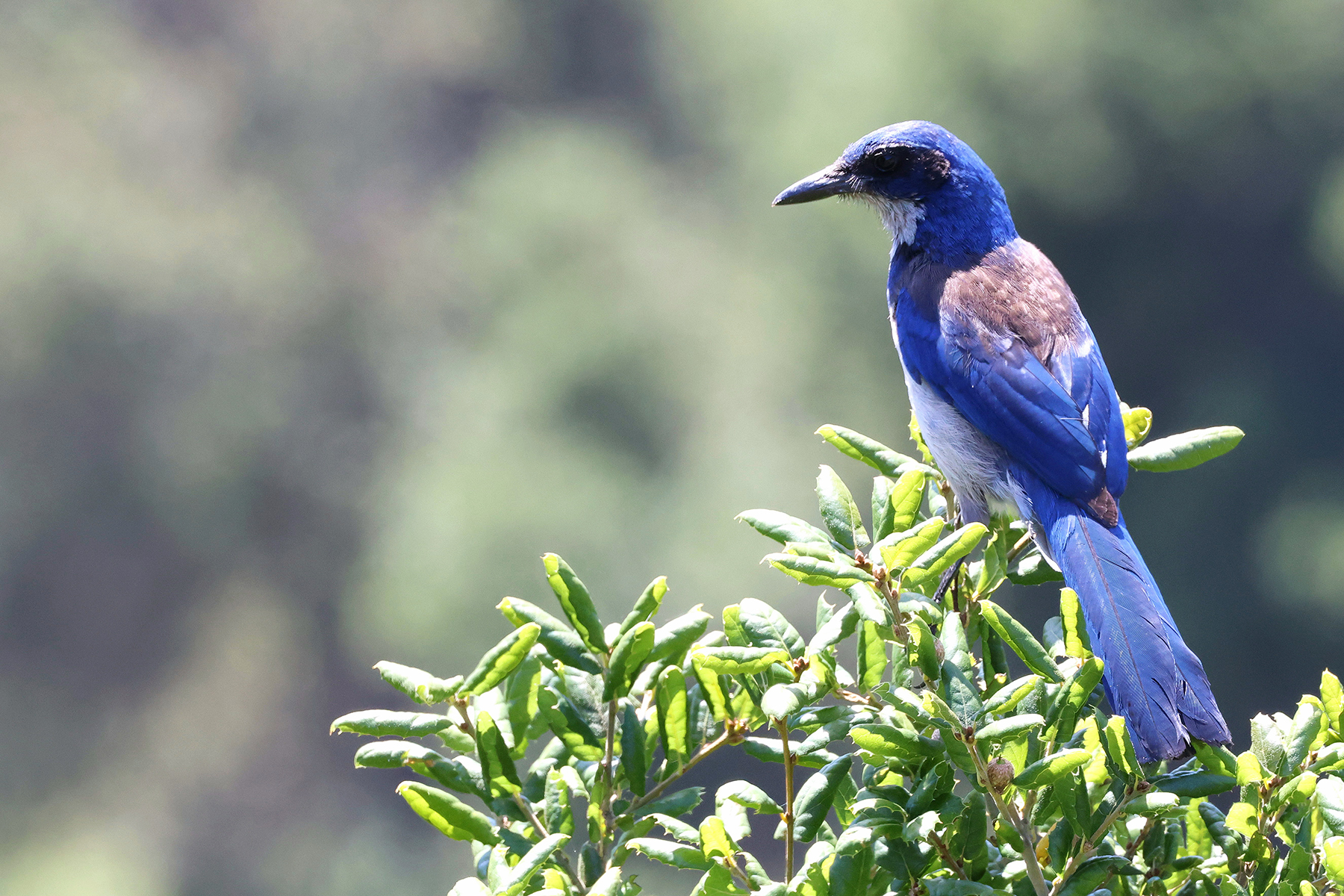
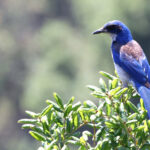
Island Scrub Jay (image by Sjoerd Radstaak)
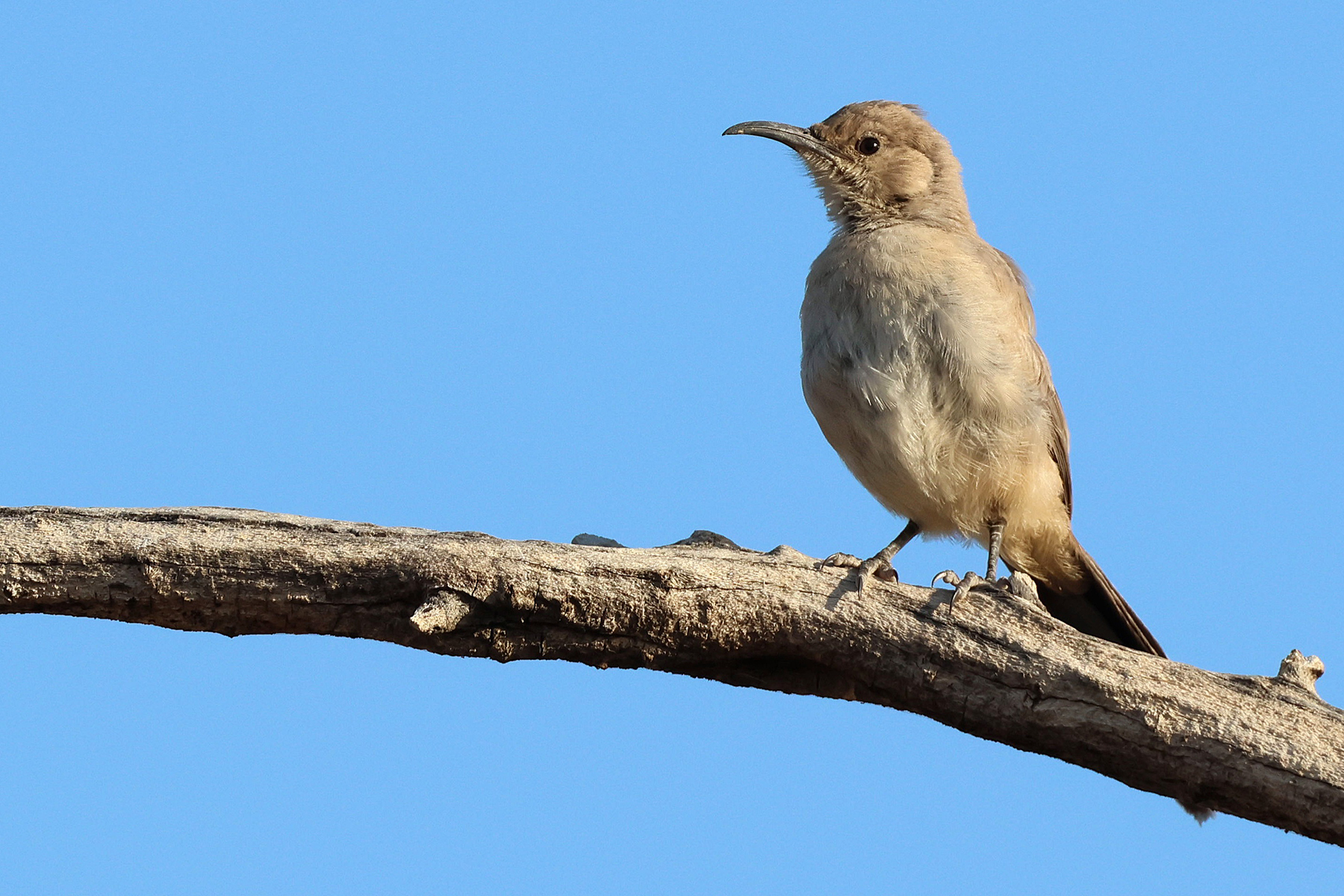
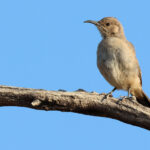
Le Conte's Thrasher (image by Sjoerd Radstaak)
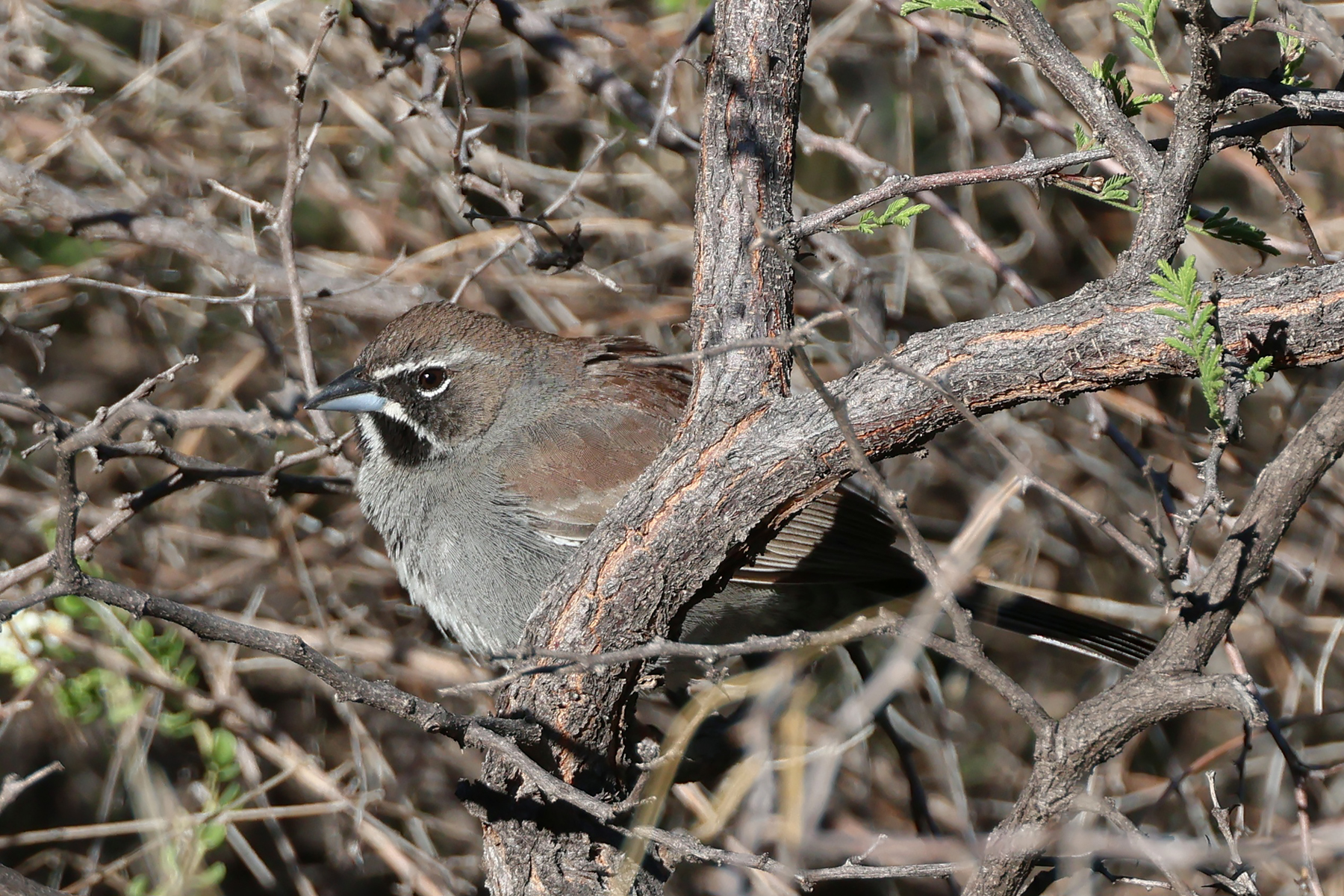
Five-striped Sparrow (image by Sjoerd Radstaak)
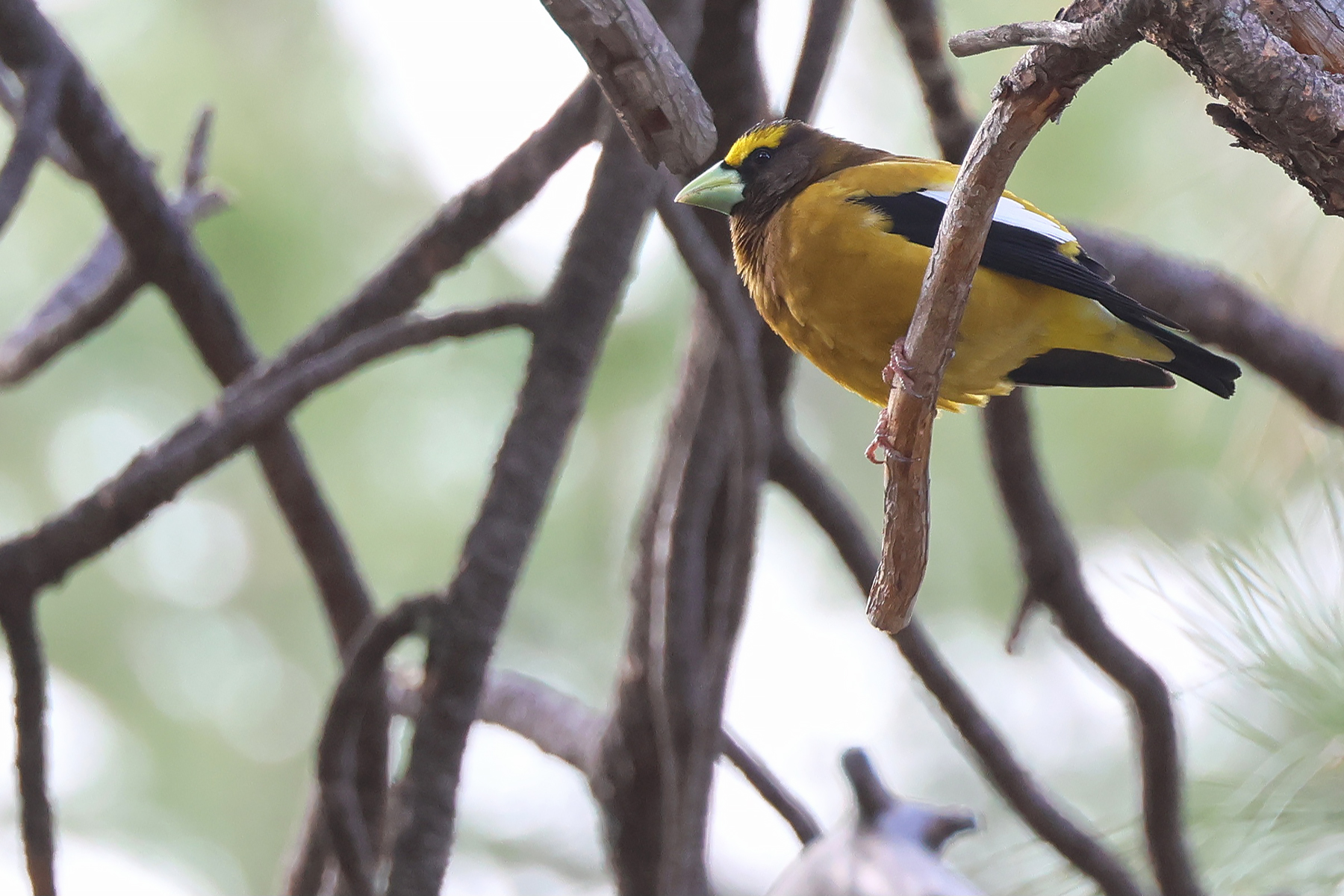
Evening Grosbeak (image by Sjoerd Radstaak)
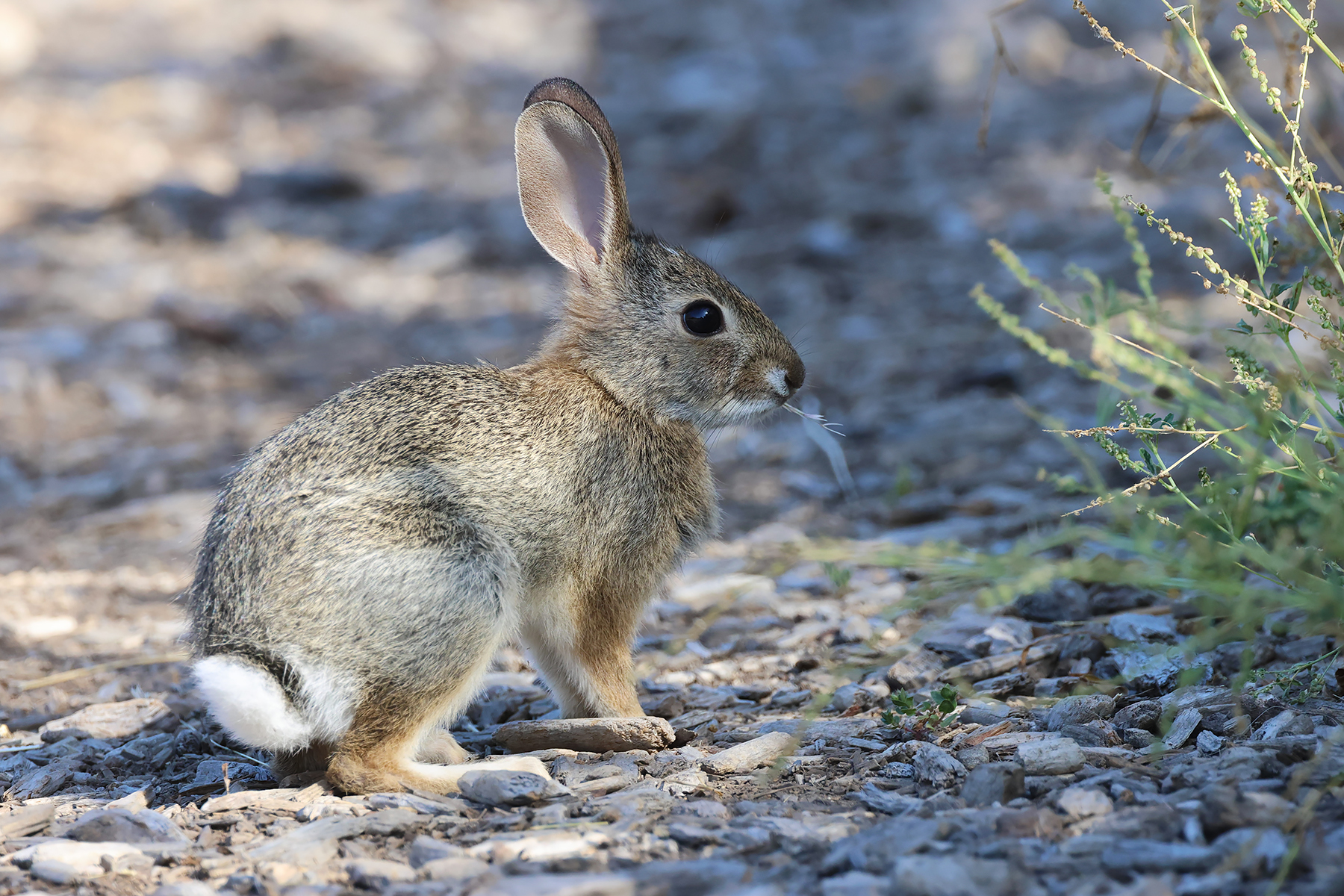
Desert Cottontail (image by Sjoerd Radstaak)
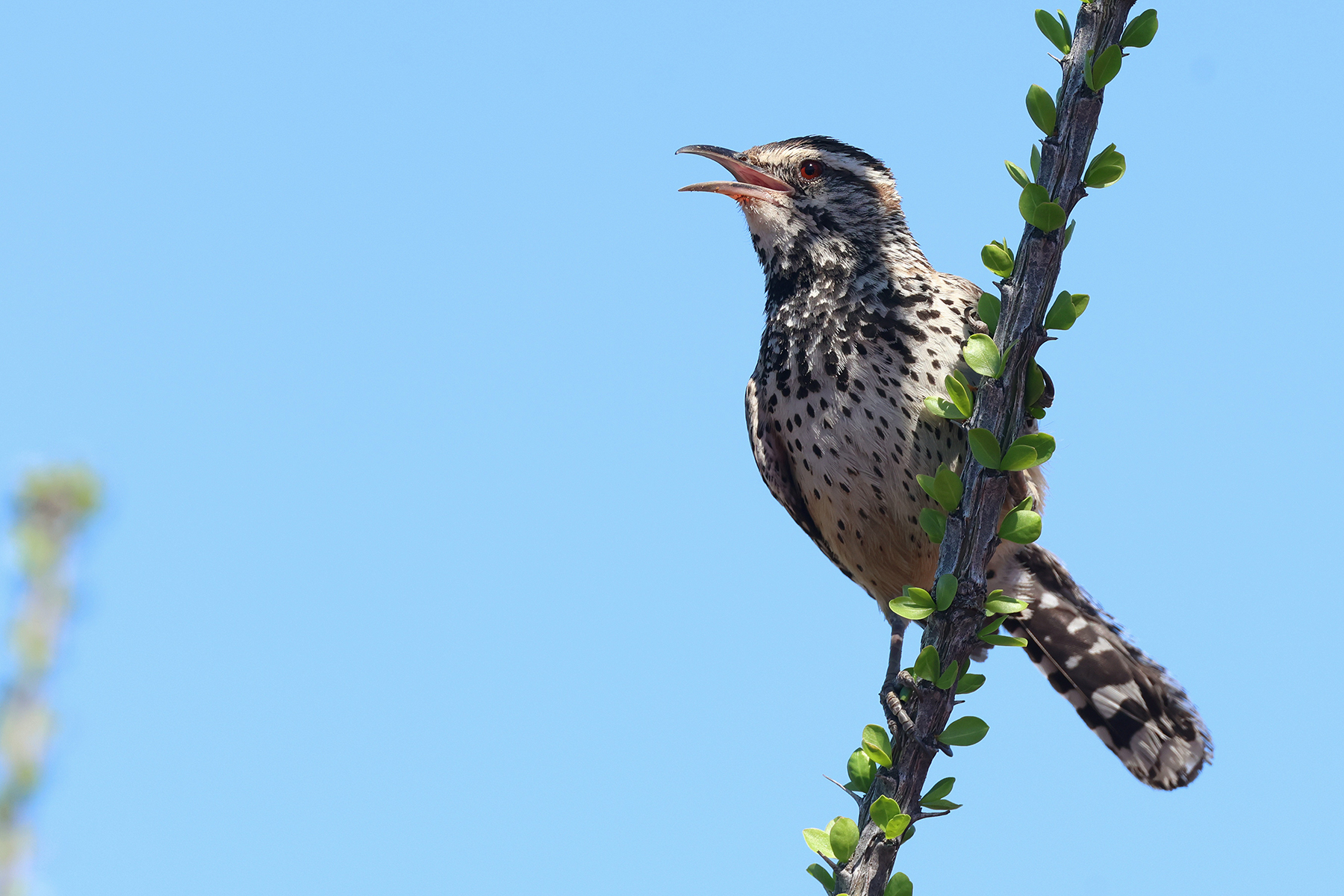
Cactus Wren (image by Sjoerd Radstaak)
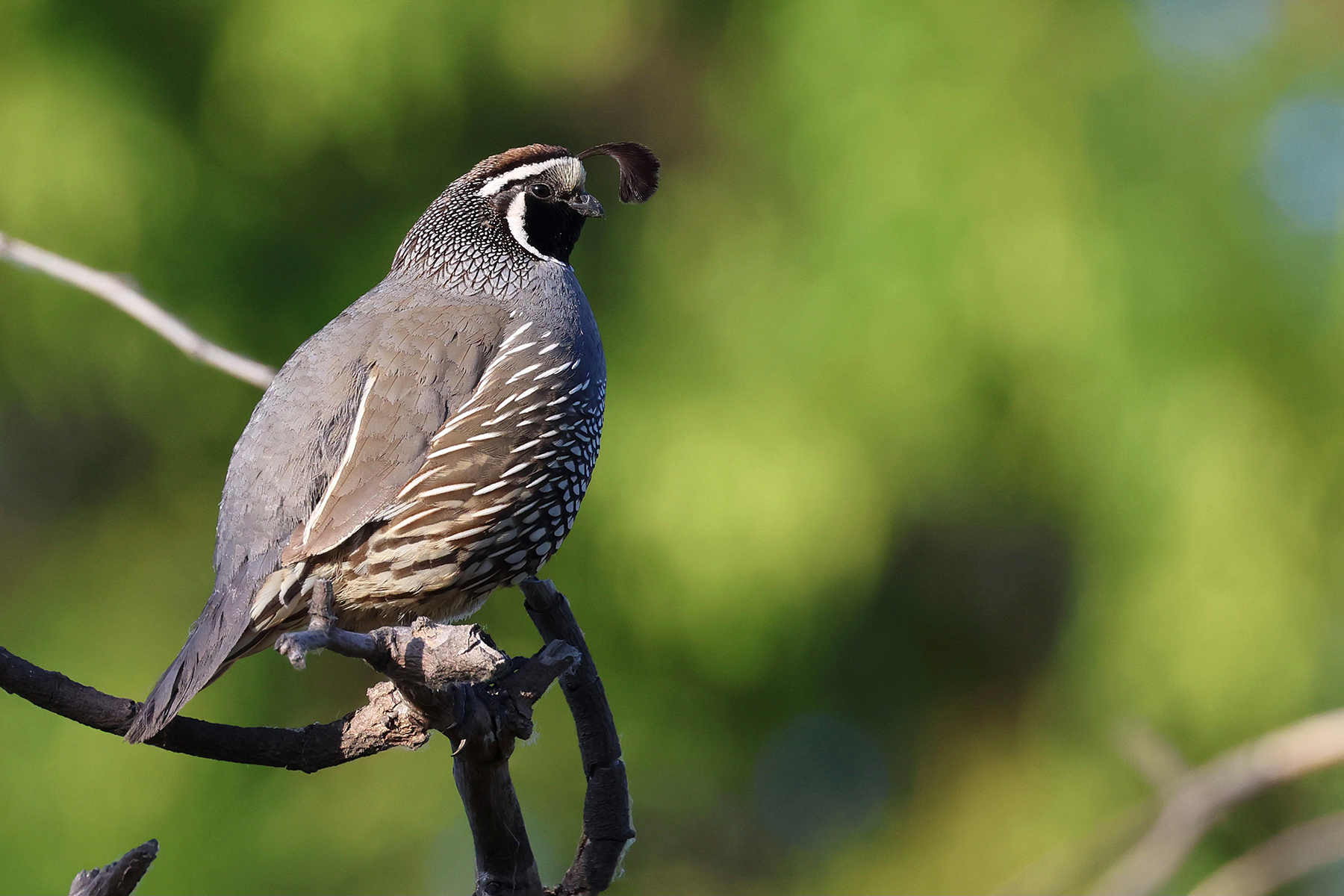
California Quail (image by Sjoerd Radstaak)
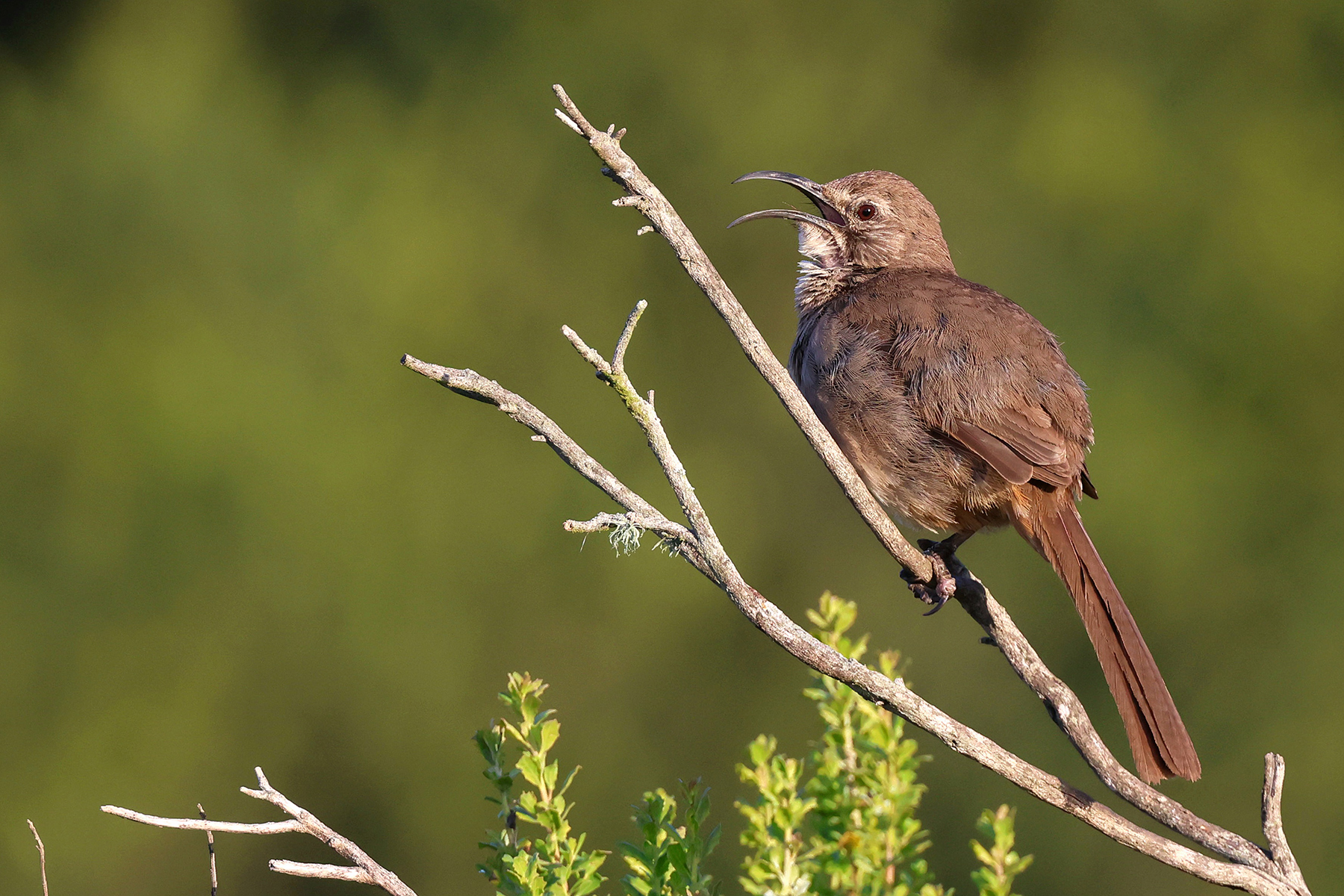
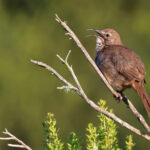
California Thrasher (image by Sjoerd Radstaak)
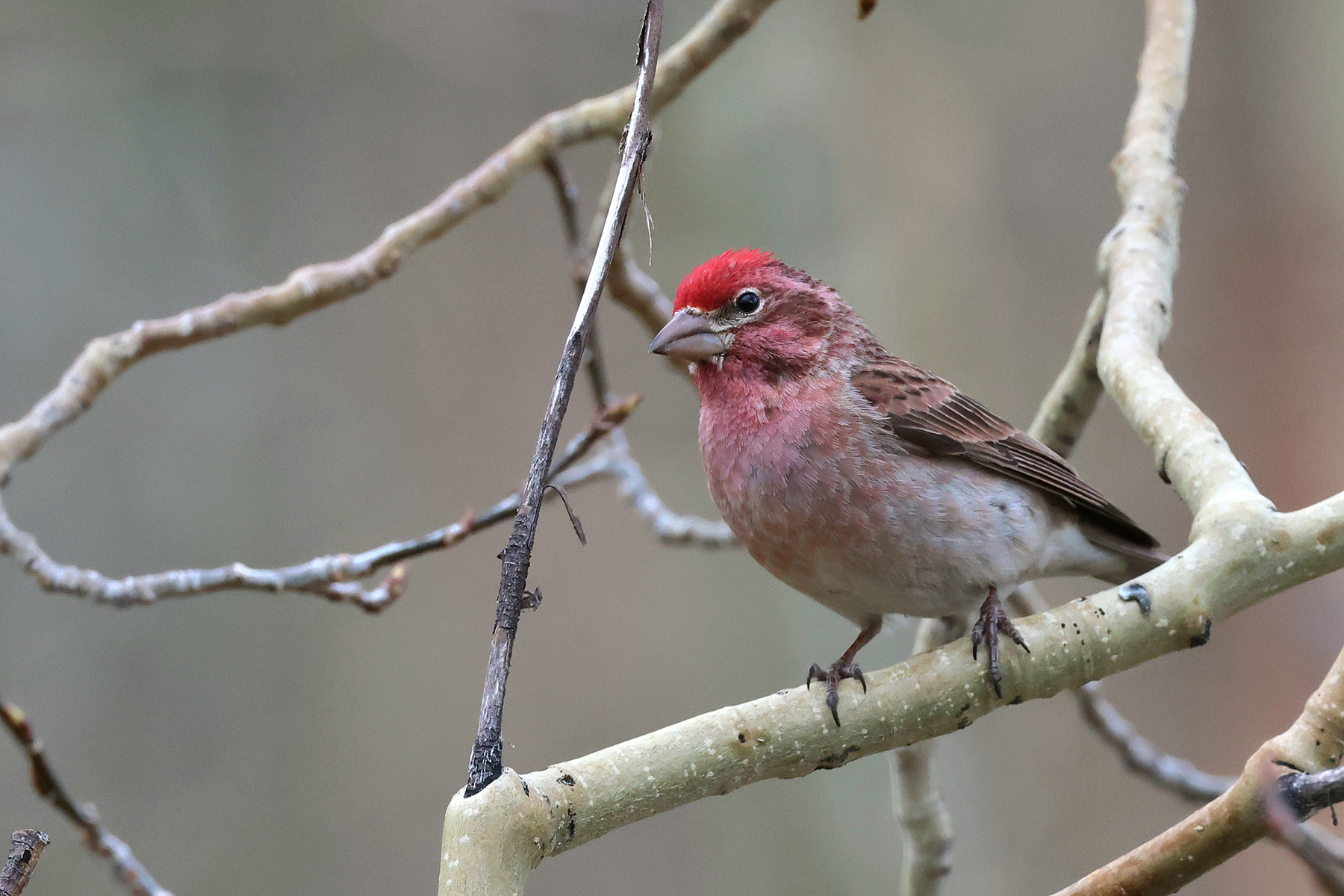
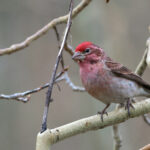
Cassin's Finch (image by Sjoerd Radstaak)
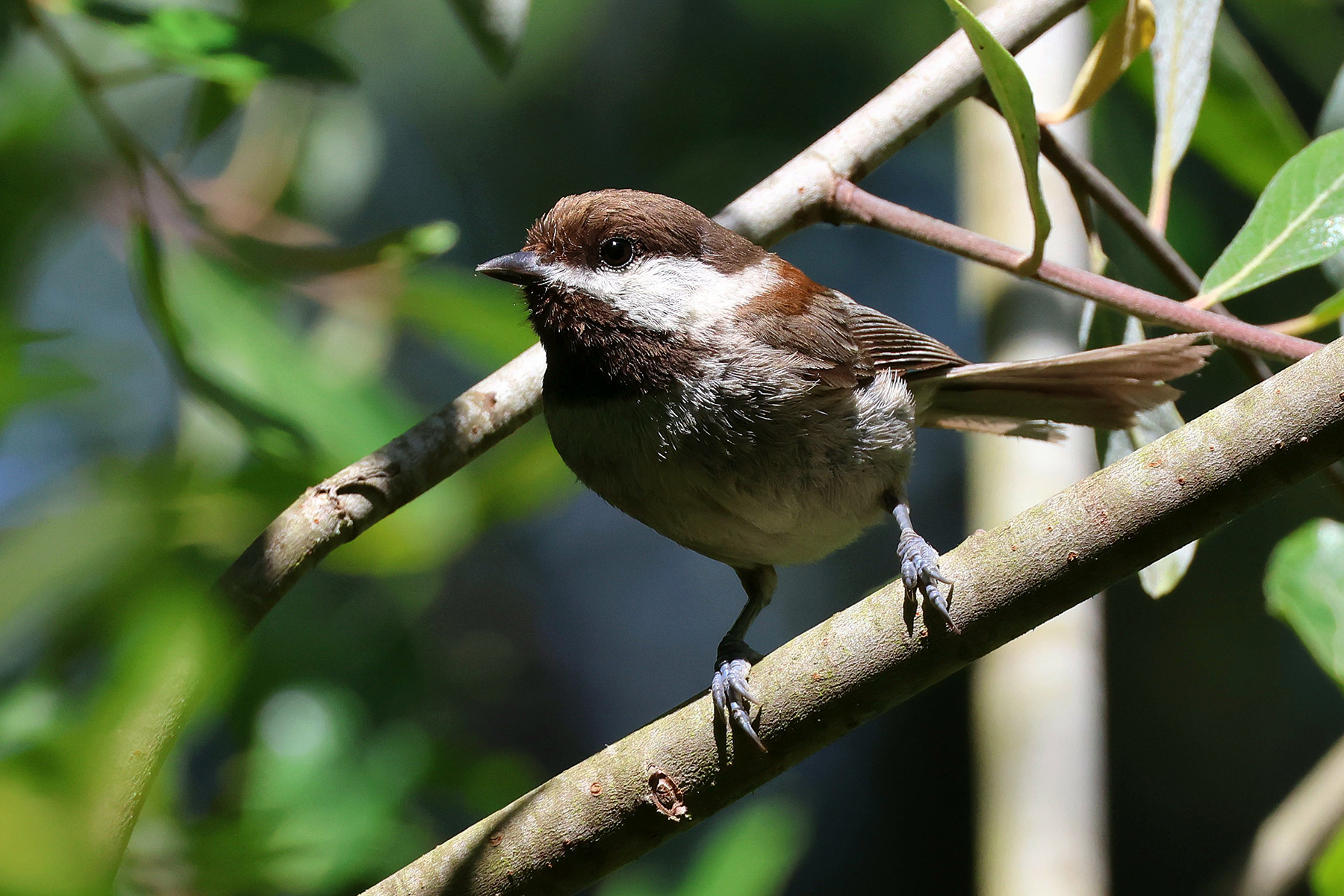
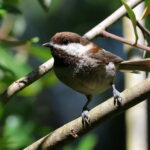
Chestnut-backed Chickadee (image by Sjoerd Radstaak)
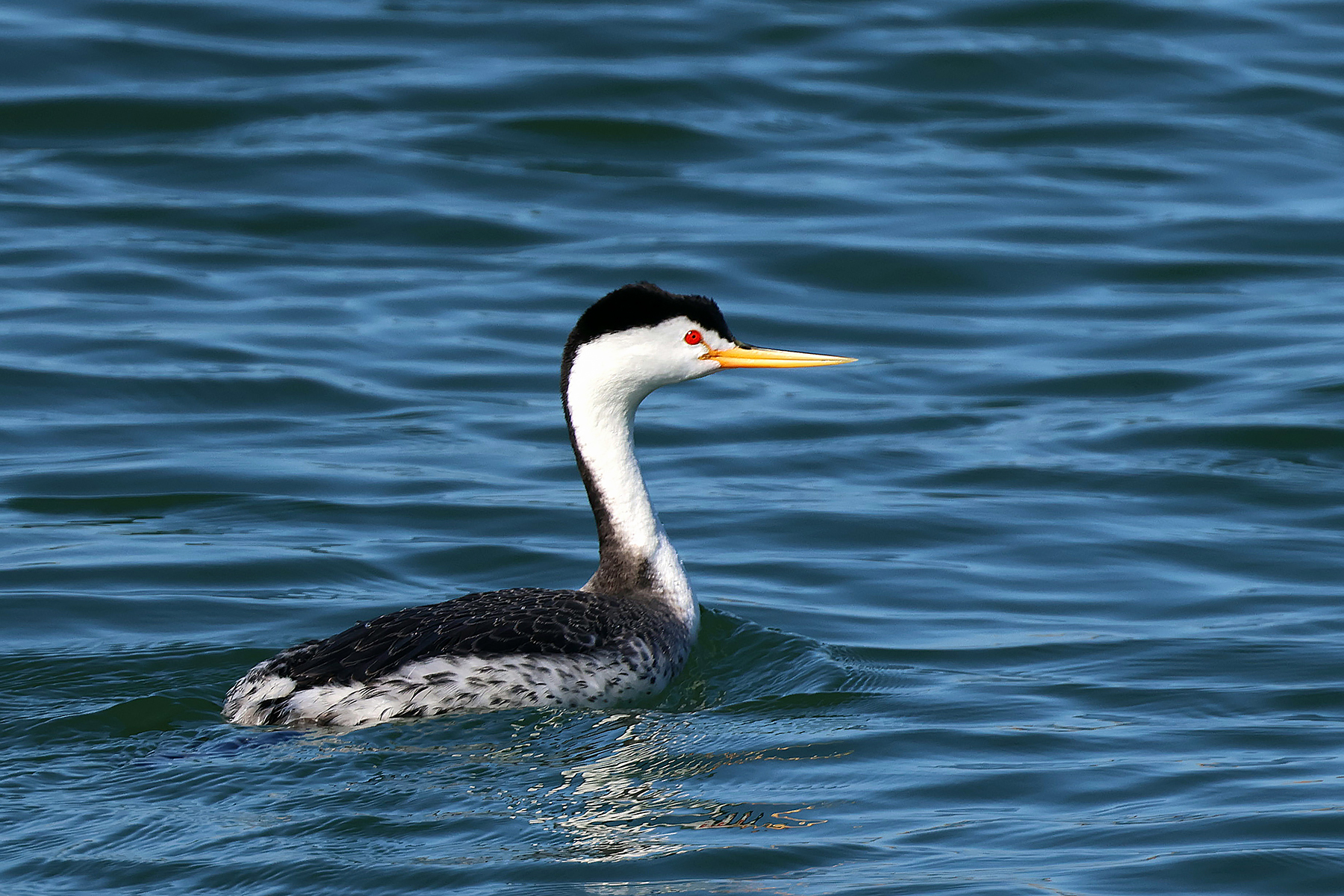
Clark's Grebe (image by Sjoerd Radstaak)
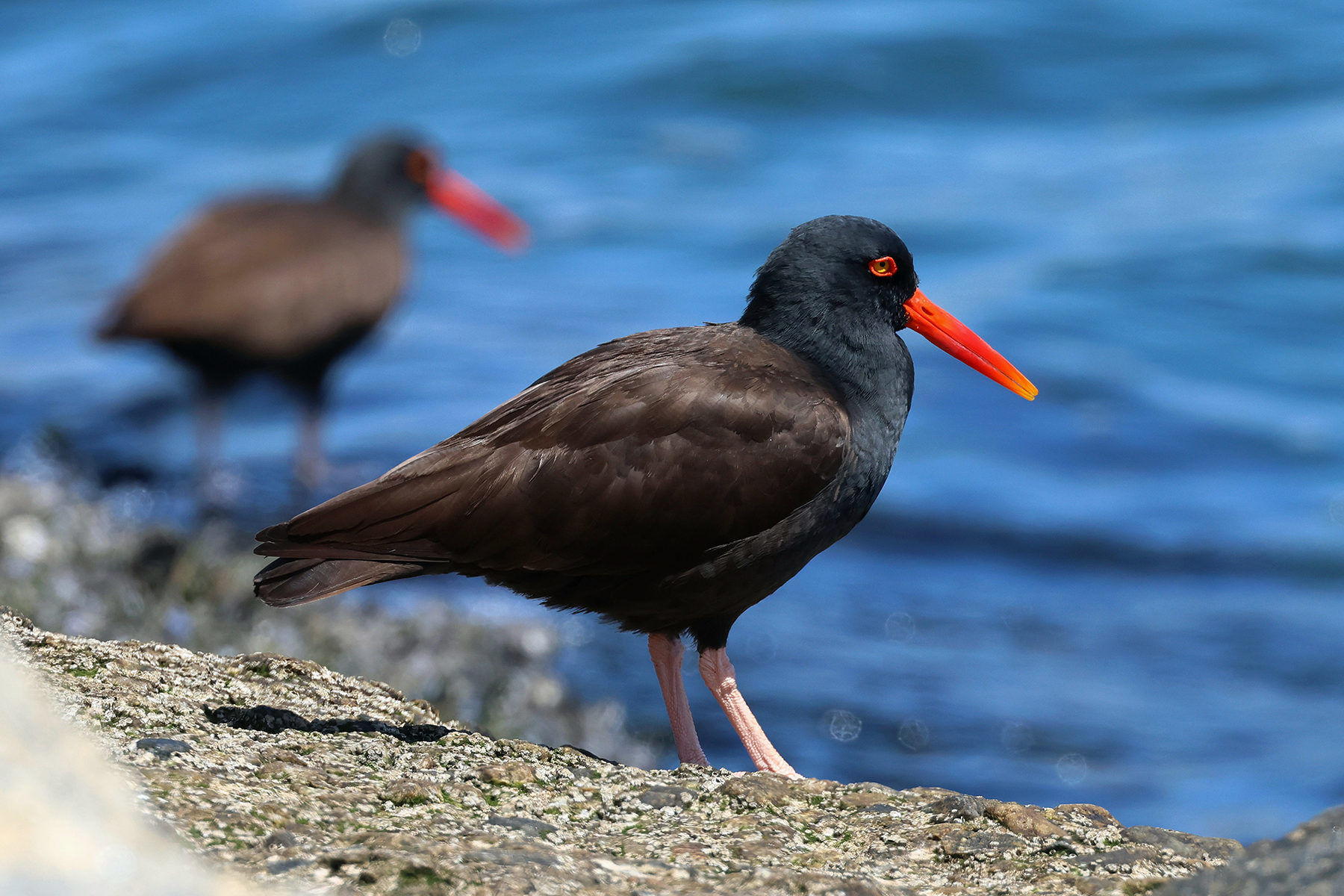
Black Oystercatcher (image by Sjoerd Radstaak)
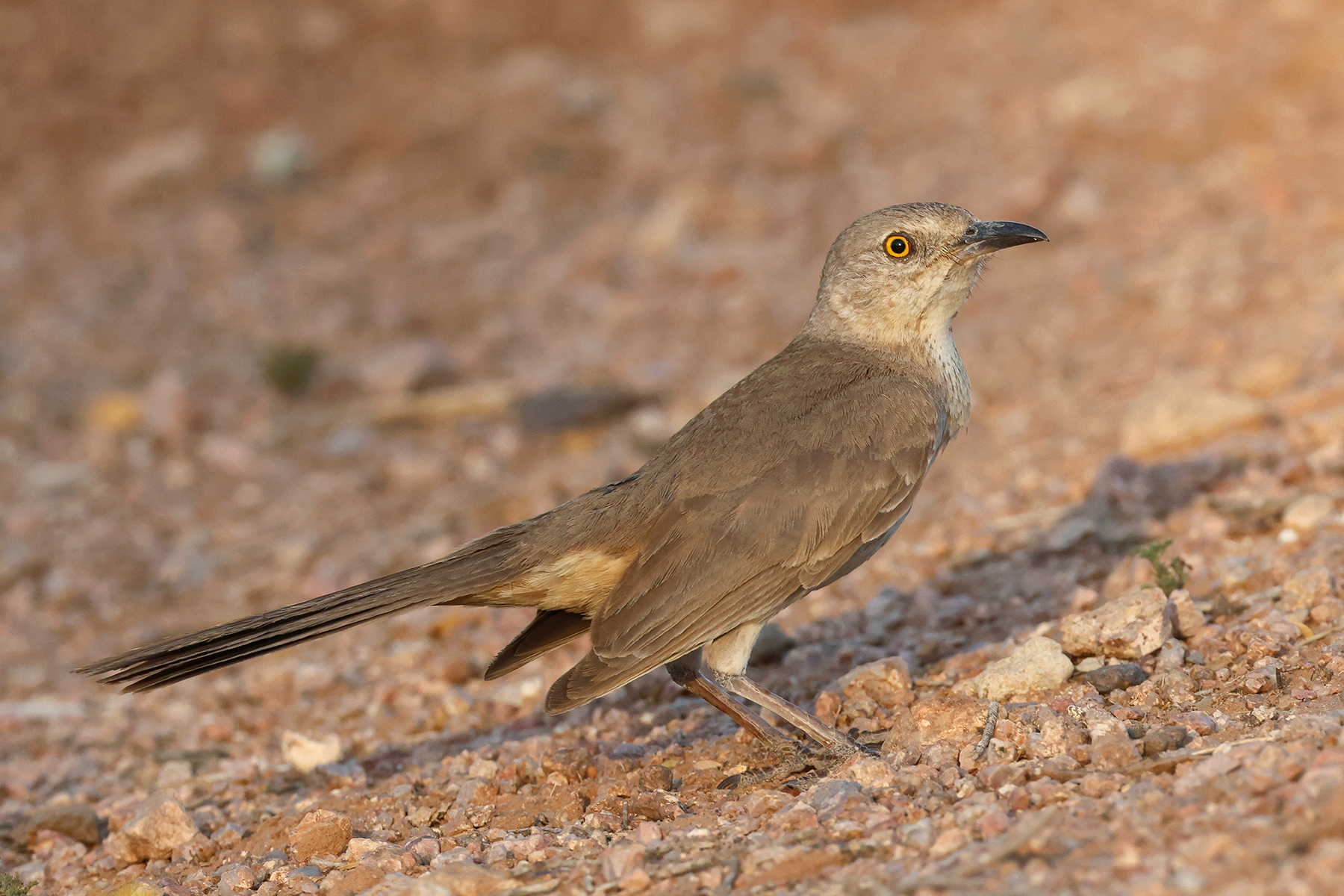
Bendire's Thrasher (image by Sjoerd Radstaak)
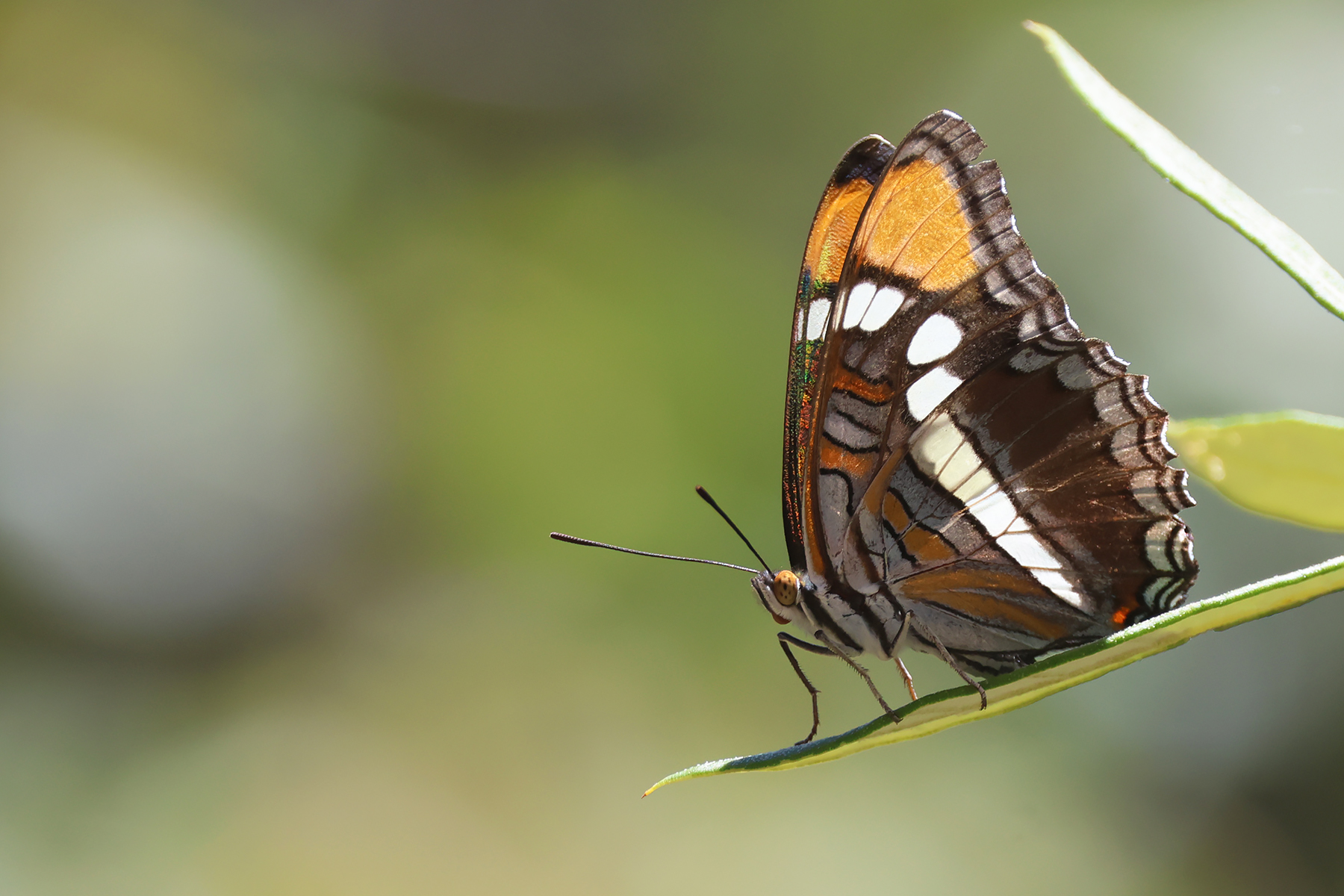
Arizona Glider (image by Sjoerd Radstaak)
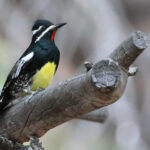
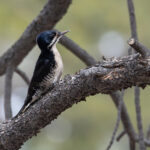
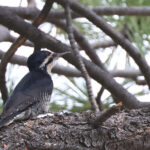
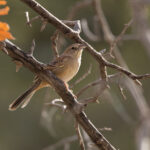
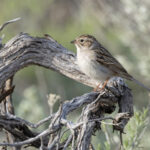


Williamson's Sapsucker (image by Sjoerd Radstaak)
Yellow-billed Magpie (image by Sjoerd Radstaak)
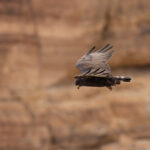
California Condor (image by Mike Watson)
White-headed Woodpecker (image by Sjoerd Radstaak)
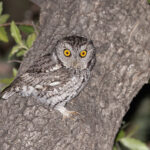
Whiskered Screech-Owl (image by Mike Watson)
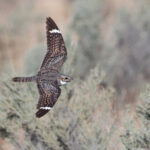
Lesser Nighthawk (image by Mike Watson)
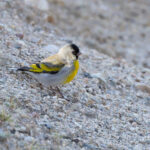
Lawrence's Goldfinch (image by Mike Watson)
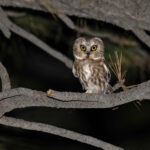
Northern Saw-whet Owl (image by Mike Watson)
Wandering Tattler (image by Mike Watson)
Least Bittern (image by Sjoerd Radstaak)
Coppery-tailed Trogon (image by Mike Watson)
Yellow-breasted Chat (image by Sjoerd Radstaak)
Vesper Sparrow (image by Mike Watson)
Mountain Quail (image by Mike Watson)
Black Turnstone (image by Sjoerd Radstaak)
Rivolis Hummingbird (image by Mike Watson)
Spotted Owl (image by Mike Watson)
Sooty Grouse (image by Mike Watson)
Nabokovs Satyr (image by Mike Watson)
Ridgway's Rail (image by Mike Watson)
Sagebrush Sparrow (image by Mike Watson)
Sagebrush Sparrow (image by Daniel Branch)
Minke Whale (image by Daniel Branch)
Lucifer Hummingbird (image by Mike Watson)
Zone-tailed Hawk (image by Mike Watson)
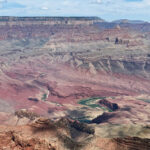
Grand Canyon (image by Mike Watson)
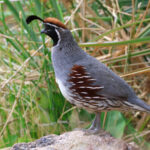
Gambell's Quail (image by Sjoerd Radstaak)
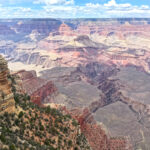
Grand Canyon (image by Mike Watson)
Grand Canyon (image by Mike Watson)
Grasshopper Sparrow (image by Mike Watson)
Island Scrub Jay (image by Daniel Branch)
Flame-colored Tanager (image by Mike Watson)
Five-striped Sparrow (image by Mike Watson)
Clark's Nutcracker (image by Mike Watson)
California Condor (image by Mike Watson)
Black Turnstone (image by Mike Watson)
Black-backed Woodpecker (image by Mike Watson)
Black-backed Woodpecker (image by Sjoerd Radstaak)
Botteri's Sparrow (image by Mike Watson)
Brewer's Sparrow (image by Mike Watson)
Black-headed Grosbeak (image by Sjoerd Radstaak)
Bendire's Thrasher (image by Mike Watson)
Curve-billed Thrasher (image by Sjoerd Radstaak)
Bell's Sparrow (image by Mike Watson)
Belding's Savannah Sparrow (image by Mike Watson)
American Three-toed-Woodpecker (image by Mike Watson)
Bridled Titmouse (image by Sjoerd Radstaak)
Woodhouse's Scrub Jay (image by Sjoerd Radstaak)
Sage Thrasher (image by Sjoerd Radstaak)
Scaled Quail (image by Sjoerd Radstaak)
Spotted Owl (image by Sjoerd Radstaak)
Grand Canyon (image by Mike Watson)
Thick-billed Kingbird (image by Sjoerd Radstaak)
Western Grebe (image by Sjoerd Radstaak)
Rufous-winged Sparrow (image by Sjoerd Radstaak)
Red-headed Warbler (image by Sjoerd Radstaak)
Pigeon Guillemot (image by Sjoerd Radstaak)
Olive Warbler (image by Sjoerd Radstaak)
Lucifer Hummingbird (image by Sjoerd Radstaak)
Lesser Nighthawk (image by Sjoerd Radstaak)
Golden-crowned Sparrow (image by Sjoerd Radstaak)
Grey-crowned Rosy Finch (image by Sjoerd Radstaak)
Island Scrub Jay (image by Sjoerd Radstaak)
Le Conte's Thrasher (image by Sjoerd Radstaak)
Five-striped Sparrow (image by Sjoerd Radstaak)
Evening Grosbeak (image by Sjoerd Radstaak)
Desert Cottontail (image by Sjoerd Radstaak)
Cactus Wren (image by Sjoerd Radstaak)
California Quail (image by Sjoerd Radstaak)
California Thrasher (image by Sjoerd Radstaak)
Cassin's Finch (image by Sjoerd Radstaak)
Chestnut-backed Chickadee (image by Sjoerd Radstaak)
Clark's Grebe (image by Sjoerd Radstaak)
Black Oystercatcher (image by Sjoerd Radstaak)
Bendire's Thrasher (image by Sjoerd Radstaak)
Arizona Glider (image by Sjoerd Radstaak)


CALIFORNIA & ARIZONA SPECIALITIES TOUR REPORT 2026

26 April – 17 May 2026
Sjoerd Radstaak
Our first California & Arizona specialities tour turned out to be a great success! In 16 full days we did not only see almost all possible specialties, but we also had great views of most of them – even the most difficult ones (to see)! Highlights included a fabulous Spotted Owl, good views of numerous Mountain Quails (and Gambel’s, California and Scaly), eye-level views of Coppery-tailed Trogon, 15 species of woodpeckers including Williamson’s Sapsucker and both Black-backed and American Three-toed Woodpecker, Olive Warblers (a family in its own), a neat flock of Evening Grosbeaks, the only California endemic Yellow-billed Magpie, displaying Sage and Sooty Grouse, Island Scrub-Jay (and the experience of getting there, seeing Scripps’s Murrelet and Pigeon Guillemot en route), critically endangered California Condor and 11 species of Hummingbird including males of Lucifer Sheartail, Rivoli’s and Calliope Hummingbird. Amongst good-looking species like Lawrence’s Goldfinch, Red-faced Warbler, Phyrrhuloxia, Lazuli Bunting and so much more! Less appealing but noteworthy given the ridiculous views are both LeConte’s and Bendire’s Thrashers, and several range-restricted sparrows like Rufous-winged, Botteri’s and Five-striped Sparrow. In total, we recorded almost 300 species (including 95 diamond birds).
This tour began in Los Angeles, the second biggest city in the United States. Despite this fact, this city has many good birding spots to offer. Our hotel was only a five minutes’ drive away from just one of them: Bolsa Chica Wetland Reserve. This is a good location to see the range-restricted Ridgway’s Rail – a split from Clapper Rail. It did not take too long before we found a pair next to the parking lot, and they turned out to be very showy. After this, we continued birding picking up on ‘Belding’s Sparrow’ (a distinct subspecies of Savannah Sparrow), Long-billed Curlew, Willet, Blue-winged Teal, Marbled Godwit, Redhead, Western Sandpiper, Semipalmated Sandpiper, Snowy Plover, Long-billed Dowitcher and a trio of terns: Elegant, Least and Forster’s Tern. Our first hummingbirds were the beautiful Allen’s Hummingbird: a species breeding in a narrow coastal strip along the Pacific coast and wintering in a small range in Central Mexico. After this we went back to the hotel, had breakfast and continued towards the White Point area. In the reserve we easily found one of the main targets: California Gnatcatcher, both male and female. Other birds we enjoyed here were California Towhee, White-throated Swift and Spotted Towhee. Then we dropped down to the lower beach, where we quickly located both Brandt’s and Pelagic Cormorant, alongside range-restricted Heermann’s Gull. Foraging along the shore in some weeds were Black Turnstones and American Sandpiper. A quick appearance of Wandering Tattler on the pier wasn’t seen by everybody, but Mike ‘wandered’ off and found two further down which everybody did see.
Now it was time to continue to the Ballona Creek and Wetlands, starting off with the creek and piers. We saw plenty of Elegant Terns again, but also good views of Black Oystercatcher, Surf Scoter, Black-necked Grebe and both Red-throated and Common Loon. On the piers, there were hundreds of cormorants and Brown Pelicans, but not the hoped for Surfbirds. Our only Ring-billed Gull (2nd calendar year) of the trip flew by. It was time to continue to our last birding spot of the day: Ballona Freshwater Marsh. Our main target here was Least Bittern and it didn’t take too long before we all enjoyed this secretive marsh bird in the reed bed next to the platform. New additions to the list here included Bell’s Vireo, Marsh Wren, White-crowned Sparrow and American Bushtit. Now it was time for a well-deserved dinner, starting the checklist and preparing for the next day.
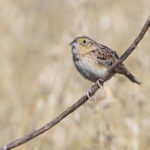
The next day started off with an early start in the huge Hansen Dam Wildlife Preserve. Birding started at the parking lot and we quickly picked up on a few new warblers: Townsend Warbler, Nashville Warbler, Orange-crowned Warbler, Wilson’s Warbler and American Yellow Warbler. Our main target here was the range-restricted Lawrence’s Goldfinch, but this took some time. In the meantime, we enjoyed ourselves having good views of several interesting species: good comparison of both American and Lesser Goldfinch, a spectacular Yellow-breasted Chat, our first Warbling Vireo, a flock of Vaux’s Swifts flying over, two singing California Quails and then – finally – a flock of Lawrence’s Goldfinches that came to drink near some water. With the main target bagged we slowly birded our way back to the parking (adding Bewick’s Wren, Blue Grosbeak and Cooper’s Hawk) and went straight for breakfast. After being fuelled up, we birded a city park along the way for Nuttall’s Woodpecker. After picking up our first Bullock’s Oriole, Vermillion Flycatcher and Acorn Woodpecker, we found a female Nuttall’s Woodpecker at close range. After another lunch of a particular sandwich franchise, we drove westwards out of town and went to Malibu Creek State Park to connect with Oak Titmouse and Wrentit. It didn’t take long for them to show up, easily picking them up by sound. After we all enjoyed good looks of these range-restricted species, we could further enjoy this very scenic park. Birdwise it didn’t get us much, but we did see our first Phainopepla, our only American Wigeons and plenty of Nuttall’s Woodpeckers again. Also, we had good views of California Scrub Jay here. Time to move on, to a birding spot for more of an eastern USA bird: Grasshopper Sparrow. It being the hottest part of the day didn’t seem too hopeful, but after a quick burst of its sound it quickly popped up, and we had incredible views of this usually secretive bird. We continued our way to Ventura, had a quick rest at the new hotel and then went to a nice seafood restaurant in town.
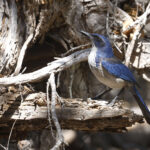
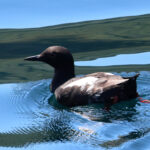
The next morning was almost a sleep-in as the boat for Santa Cruz Island didn’t leave until 9 o’clock. We picked up on some breakfast, lunch and water in the harbour and hopped on the fully packed boat. We quickly ate our breakfast on the boat, as birding started right in the harbour. We found several adult summer Pacific Loons and, after several Western Grebes, two Clark’s Grebe with its white above the eye and brighter yellow bill. On a buoy, there were several California Sea Lions. Out on the sea it was a bit tame at first (apart from some dolphins and Minkie Whale) but then we started to see more Common Murre and Red-necked Phalaropes – the latter in big flocks and some being in full breeding plumage! Then, the first murrelets. It was quick, but enough to see black above the eye and white underwings in flight: Scripp’s Murrelet – the range-restricted species here. Closer to the coast we added Pigeon Guillemot, this species being more of a coastal lover. We enjoyed the views of this amazing volcanic island that seems to have risen straight out of the sea. The highest point on this island is in fact 740 m above sea level! We got off at Prisoner’s Island and after some introductory talk, we slowly birded our way up a trail inland. Already during the talk, we noted our main target: Island Scrub Jay, high in a try mobbing an immature Bald Eagle. A bit far but the scrub jays are pleasantly common, and we saw at least 25 over the course of the day. The trail uphill didn’t get us much, apart from more jays and the endemic subspecies obscura of Rufous-crowned Sparrow. The hoped for Island Fox did not appear and we decided to spend some hours lower down near the jetty for better chances. In the end, we did not see the fox but ended up seeing the endemic subspecies insulicola of Western Flycatcher instead. Time to say goodbye to the island and hop on the boat back to Veracruz. The journey back did get us more and better views of the murrelets, a huge sun fish and a feeding flock with several loons and Sooty Shearwaters. We ended the day with a Pomarine Skua just before entering the harbour. We had dinner in the same restaurant as before and then went back to the hotel.
The next morning, we made the short drive to Santa Barbara. Still missing California Thrasher from our list, we started off in a small park in town. Here it didn’t take long before having great views of this thrasher singing at eye-level. A Twee Swallow near a nest box also gave great views. But we have more to do today, so onto the next target: Surfbird. We checked two coastal, rocky areas if they were around, but came back empty handed (another California Thrasher, of course). In a nearby lagoon, we had great close-up views of several waders including Great Yellowlegs, Western Sandpiper and Semipalmated Sandpiper. Now it was time to slowly head northwards to pick up some more specialties of this trip. First and best was Yellow-billed Magpie, of which we had several building nests at the start of the Zaca Station Rd. After enjoying great views, we head on to Oso Flaco Lake. Here the main prize was Chestnut-backed Chickadee (easily found), but we also enjoyed Wrentit, Cinnamon Teal and more Marsh Wrens. Our only Virginia Rail remained heard-only. The coastal heath landscape was nice to see, but there wasn’t much to see from a birder’s perspective. And thus, we continued our way and drove southeast to Taft. We focused on Prairie Falcon along this way but couldn’t find any. The other speciality possible here is Tricolored Blackbird, which has range mainly restricted to California. We found a nice flock of about 30 birds in a reed bed along the road. Some Red-winged Blackbirds in the same flock offered direct comparison. After this, we drove to our hotel in Taft where we had a nice American dinner and went to bed.
This morning was an early start, but luckily it was only a 10 minutes’ drive away. Main target for this morning: LeConte’s Thrasher, given that Bell’s Sparrow was fairly easy to see. And indeed, right next to where we parked was our first Bell’s Sparrow singing. Over the course of the morning, we would see many more of this split from Sage(brush) Sparrow back in the days. The unstreaked brown back and stronger face pattern was clearly distinct, as well as their song. Our search for LeConte’s took even longer than anticipated, but we finally did see a bird singing atop of a bush with backlight. We tried to walk past it and see it with better light, but (at first) did not succeed. On the way back to the cars Ken noted the bird was up again and as we sneaked towards the bird, we had the best views ever of this usually hard-to-see species. A bonus came in the form of a pair of Lesser Nighthawks giving great views on the ground and in flight! On the way out, we even enjoyed some mammals in the form of Harrison’s Antelope Squirrel and Black-tailed Jackrabbit. After this, we went for coffee in Bakersfield and scored our only Wood Ducks in a recreational park just outside town. From there, we drove eastwards crossing the Sierra Nevada. Despite it being the middle of the day, we tried shortly for Mountain Quail and Pinyon Jay at a campsite. We were not prepared to hear multiple quails singing up the other slope and some couldn’t resist the walk upwards – not only after Daniel spotting them higher up. It was a bit of a tough walk but finally got brilliant views of this enigmatic bird. Also, we picked up on a fly-by Pinyon Jay, a late Golden-browed Sparrow and a male Lawrence’s Goldfinch! After this unexpected success we continued driving northwards to our destination: Bishop. We made one more stop for a long-staying Lewis’s Woodpecker near a small fish hatchery. This bird was easily found, also enjoying better views of Black-headed Grosbeak here. We made the short drive to Bishop, checked in our hotel and went for dinner.
The next morning, we made a very early start. Just after first light, we started walking through the prairie towards a lek for Sage Grouse. From a higher stand, we could count almost 90 Sage Grouses – most of them being displaying males! Despite the distance, you could still easily see the spiky tail, white collar and yellow air sacs. But there was more to see around the lake, beginning with a surprising Sandhill Crane found by others a few days before – another bonus! We found it along the shore and had good views in the scope. A flock of 16 American White Pelicans on the lake were our only ones on the trip. Now we turned our attention to the actual prairie where we had good views of three new sparrows: Brewer’s, Vesper and Sagebrush Sparrow. The latter split from Bell’s Sparrow and has a more streaked back and less contrasting facial pattern. Again, the song is the best distinguishing feature. Another specialty of this habitat is Sage Thrasher, and we connected with several of these small, more thrush-like thrashers. Two male Northern Harriers were our only ones for the tour. After some good coffee and breakfast, we drove to the nearby Inyo Crater Lakes trail for some more birding. Here, we picked up some new (typical) species in the form of Steller’s Jay, Mountain Chickadee, Red-breasted Nuthatch, Clark’s Nutcracker and White-headed Woodpecker. Common Golden-mantles Ground Squirrel was a nice addition to our growing mammal list. Black-backed Woodpecker, our main target here, was seen nearby a few days ago and we decided to give it a go. Almost there Daniel saw a woodpecker flying in front of the car, but it had a white rump? Williamson’s Sapsucker! Minutes later, we were all adoring a superb male Williamson’ Sapsucker at eye-level meters away! After this success we proceeded towards the actual spot for Black-backed Woodpecker, and we started walking towards a habitat that looked perfect for this species: burnt trees. It took some time, but then a female came into tape and (again) we were admiring a beautiful woodpecker at eye-level. Great (woodpecker) session!
As it was starting to get late, we decided to go for lunch in town and then head back to Bishop and a short drive to Aspendell. This small community town of about 70 people is located in the Sierra Nevada Mountains at 2563 m. One of the inhabitants here turned his garden into a feeder heaven for birds and attracts the range-restricted Grey-crowned Rosy Finch in winter. On arrival, we almost immediately found three of them feeding on the front porch. With most feeders in the back yard, we watched it from the main road and enjoyed good views of several new species: a pair of both Downy Woodpecker and Red-breasted Sapsucker, both males and females Cassin’s Finch, and Pygmy Nuthatch on the feeder. We did get better views of Brewer’s Blackbird, Steller’s Jay and Bronze-headed Cowbird. What a great way to end the day! Now it was time to head back to the hotel, go for dinner and then prepare for the long drive to Las Vegas tomorrow!
Another early start for another grouse today: Sooty Grouse. This grouse doesn’t use leks like Sage Grouse but sings from the ground or coniferous trees with its low hooting sound. It didn’t take too long before we heard its weird sound and Ken quickly found it perched on some rocks on the mountain slope. Despite the distance we had good scope views, and we did see the orange eyebrows and yellow wrinkled skin surrounded by white neck feathers! Later on, we found the same individual sitting obscured in a tree. The best however was a singing bird halfway up a pine tree at the campground. We had endless full frame scope views and took many pictures, before walking back to the cars. In the Pine Creek a pair of American Dipping was building its nest under the bridge, our only ones of the trip. After this we returned to Bishop where we had breakfast and then continued birding for Black-billed Magpie and Pinyon Jay. Both seen before, but only shortly. We had great views of both species before it was time to say goodbye to lovely Bishop and go to Las Vegas. Our drive through Death Valley was awe-inspiring and after a long drive we arrived in Las Vegas. Our short walk over the strip to the restaurant was enjoyable, and so was the food. Time for bed!
The morning started a bit slow, but luckily the Henderson Bird Viewing Preserve was only a short drive away. On arrival, a few Gambel’s Quails were our first new birds on our list. In the reserve itself, we quickly picked up many new species like Common Gallinule, a pair of Long-tailed Ducks (a big bonus here!), Mexican Duck, Greater Roadrunner, Greater White-fronted Goose, Horned Grebe and Northern Shoveler. In the surrounding bushes we found a speciality here: Black-tailed Gnatcatcher, we would see three pairs in total this morning. In a pond with lower water levels birds were plentiful and we quickly did see Wilson’s Phalarope (in breeding plumage!), Sora, American Avocet, Green-winged Teal and Ring-necked Duck. All species only seen here today! But our main target here, Crissal Thrasher, was nowhere to be found. Only at the very end a bird flew by and was seen (by some) running out in the open for a few seconds. We tried hard after but couldn’t relocate the bird known for its skulking behaviour. In the meantime, we picked up some new birds like Verdin, American Grey Flycatcher and Yellow-headed Cowbird.
Now it was time to move on, as we had a long drive ahead of us to the Navajo Bridge – to make sure California Condor was guaranteed. On arrival we quickly found two immatures on the rock face and two adults on the skeleton of the bridge. After a while fortunately all birds started flying: the immatures just short distances but seeing the adult birds slowly soaring out of the river valley and into the open sky above us was an impressive sight! With at least two wild hatched bird, we could formally count the birds to our list. In the program now it was time to visit the Grand Canyon NP but as it was already quite late, we went straight for Flagstaff and do that tomorrow. In Flagstaff we checked in, had another great dinner (yes, possible in the USA!) and then went to bed.
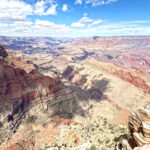
This morning there was no need for an early start as the feeders for Evening Grosbeak were only a 10 minutes’ drive away. Not guaranteed here, as they only winter in Arizona. On arrival in the suburban neighbourhood – just before 7 PM – we could hear them already calling from the pine trees. We quickly got out of the car and were soon enjoying both females and males Evening Grosbeak! A flock of Pine Siskins was also new, as well as our first Broad-tailed Hummingbird. Two range-restricted Abert’s Squirrels with their long, tufted ears were feeding in the garden too. It took some time for the grosbeaks to come down, but once on the feeder we had eye-level views of these colourful birds. After about an hour we continued towards the Grand Canyon NP, trying for American Three-toed Woodpecker along the way. Expectations were low, but surprisingly it took probably less than 5 minutes before a nice female came into view. As per usual for woodpeckers on this tour: at eye-level and only meters away! A Ruby-crowned Kinglet was our only one of this tour. We quickly moved on towards the famous Grand Canyon NP where we spent 3 hours to enjoy this spectacular landscape. Birdwise we needed Juniper Titmouse and Woodhouses’s Scrub Jay, which were both easily seen very well. A Rock Wren provided some distraction, as did several Cliff Chipmunks and Rock Squirrels. A Zone-tailed Hawk was seen soaring at eye-level at close distance. With time ticking away we decided to go straight for our destination: Grand Valley. On the way out we had good views of a beautiful antelope: Pronghorn. After a very long drive with only our first distant Gilded Flicker, we finally checked into our hotel and went to bed (with some take-away dinner).
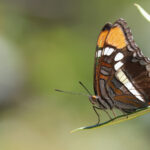
This morning we started early as we had a full program. Most birding would be done in the Madera Canyon, part of the Santa Rita Mountains. This is one of the so-called ‘sky islands’ of Southeast-Arizona: isolated mountains surrounded by radically different lowland environments. It is not surprising that many of the specialities on this tour are to be found here and we were all very excited to start birding here. Early morning it was still very cold and birding a bit slow. Several Mexican Jays provided some distraction, but apart from that it was rather quiet. As it started to warm up a bit, we started picking up on new birds. We could hear the song of a trogon, but it didn’t come in. While trying, a pair of Yellow-eyed Junco started foraging just meters away from us. Then, a beautiful Red-faced Warbler was heard and came in low. A pair of Brown Creepers was building its nest nearby. With the trogon still calling, the game was on and after trying hard a male Coppery-tailed Trogon suddenly sat in front of us – a 2025 split from Elegant Trogon. After this incredible sighting, we hold still for a moment and new birds just seem to come in: at first, a beautiful Grace’s Warbler came in low down; then there was a pair of Bridled Titmouse also showing really well; a pair of Arizona Woodpecker provided the usual woodpeckers at eye-level and at last a busy, attractive Painted Whitestart hopped around near the woodpeckers. On the way out we picked up on the scarce American Goshawk (a quick fly-by) and Nabokov’s Satyr – a range-restricted butterfly best found in Southeast-Arizona. By the time we got back to the car it was almost noon and we continued to a nearby feeding station. It was busy with both birds and birders, but we all enjoyed close-up views of our first Broad-billed Hummingbird, Black-chinned Hummingbird and Rivoli’s Hummingbird. Mammalwise several Arizona Grey Squirrels are noteworthy, another range-restricted squirrels – as most squirrels are on this tour. Now it was time for lunch in Green Valley.
After lunch, we drove straight to Box Canyon. This is a known location for Five-striped Sparrow, but despite trying hard we couldn’t find any. We still enjoyed our time here, having good views of new species like Costa’s Hummingbird, Ladder-backed Hummingbird, Northern Cardinal, Lucy’s Warbler and Black-chinned Sparrow. Best of all was a Thick-billed Kingbird that performed brilliantly at close range, being able to see even its usually hidden yellow crown stripe. After this speciality, it was time to head back to the town, have dinner and drive back to the Madera Canyon for night birding. We started deep into the canyon where we were extremely close to a singing Mexican Whip-poor-will, but we just couldn’t get onto it. Whiskered Screech and Elf Owl were heard, but more distant. We tried another tactic, going somewhere not many people play the tape. Soon after arrival we heard a close Whiskered Screech Owl and it didn’t take long before we all had it in full view just meters away! Now it was time for Elf Owl, but this took much longer. On numerous occasions it came in, but it was hard to find (even with the thermal) and flew off quickly. But then, finally, we got lucky and all laid our eyes on it. Time to call it a day (or night?) and go back to the hotel for some hours of sleep.
Half of the group started this morning in Montosa Canyon, to try for the range-restricted Five-striped Sparrow again. A very scenic place, but at first: no sparrows. Then we tried a smaller trail paralleling some good slope habitat and there it was: a Five-striped Sparrow! It turned out to be a pair, and we had excellent views in the end. We spent somewhat more time here, picking up on our first Canyon Wren (family with youngsters) and Canyon Towhee. Time to go for a quick breakfast and then try for Great Horned Owl and Harris’s Hawk in town. In a surreal habitat (a big parking with one ‘big’ tree) there was a pair of Great Horned Owls breeding, starring at us from above. Hereafter we drive to another nest location, this time for Harris’s Hawk. Soon after, we were watching four immatures of this more of a South American species. Now it was time to slowly move towards another ‘sky island’: Sierra Vista Mountains. Along the way we tried for Scaled Quail, resulting in excellent views of a pair. We also pick up on the 2022 split of Chihuahuan Meadowlark. Now it was time for lunch and then a visit to the famous Ash Canyon Bird Sanctuary. This garden south of Sierra Vista holds several feeding areas and feeders. It is one of the few places to see Lucifer Sheartail and the main reason for our visit. Luckily, it did not take long before we all enjoyed a nice male of this speciality. Other new birds in the garden here included a young male Lazuli Bunting, several Curve-billed Thrashers, a female Calliope Hummingbird, a fly-by Grey Hawk and a bright male Scott’s Oriole. After some time spent here, we drove the short distance to our last destination of the day: Coronado National Memorial. A good spot for Montezuma Quail, but by no means guaranteed! During the gentle walk uphill, we found a nice Botteri’s Sparrow, predominantly a Mexican bird. Montezuma Quail was only heard by Daniel. Time to go to our hotel, have dinner and go to bed.
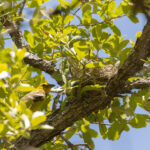
This morning started with the drive into Carr Canyon, mostly for two specialities: Buff-breasted Flycatcher and Olive Warbler. The latter species is a family on its own and only one of two needed for tour participant Gordon. As soon as we arrived, we instantly find a Buff-breasted Flycatcher! And after a Grace’s Warbler showing really well and another Arizona Woodpecker, Mike found what turned out to be our main target here: a male Olive Warbler! With the specialities bagged within 10 minutes, we decided to wonder around a bit longer at the campground and then go. We tried for Greater Pewee but couldn’t find it here. In the meantime, we picked up a nice pair Olive Warbler, several more Buff-breasted Flycatchers and Eastern Bluebird. Time to head down and go for Miller Canyon. At the lower parking area, we made a short stroll for Montezuma Quail. This didn’t get us much, except for two new warblers: Black-throated Grey Warbler and Nashville Warbler. We continued to the higher area where we walked a trail into the forest, in the hope of finding Greater Pewee and Flame-colored Tanager. For the latter species we had a nest location and so we waited near the nest for the male to come feeding the female. At first, we didn’t see much, but after a while we did see the yellow female and then – shortly after – two orange-red males came by to feed the female. This is the only place in the United States for this Middle American species. After seeing the tanager most people were too tired to try for Greater Pewee higher up, but four of us gave it a go and we soon were looking at a pair of Greater Pewee. Time to walk down and try the feeders down below. This didn’t get us much, except a nice comparison of all previously seen hummingbirds and a male Calliope Hummingbird! Our last hours of the day before driving to Tucson, were spent in another canyon: Ramsey Canyon. Here we looked for Violet-crowned Hummingbird and Blue-throated Mountain Gem, only seeing the former shortly (for some). Time for the short drive to Tucson.
We had only one morning in Tucson and this morning we targeted several new species: Gilded Flicker, Pyrrholuxia, Rufous-winged Sparrow, Abert’s Towhee and Bendire’s Thrasher. The flicker and towhee were seen before, but not by all and just shortly. However, we started with a quest for Bendire’s Thrasher west of town. Driving through several rural areas didn’t get us the hoped for thrasher, but Sjoerd had a better spot in mind for this bird… Time to head for the El Rio Preserve, where we easily saw plenty of Abert’s Towhee and a nice Rufous-winged Sparrow. Together with some Abert’s were also Green-tailed Towhees, also missing from our list. With the flicker and Phyrroluxia preferring saguaros, we headed for this habitat. It wasn’t until the very last end (one more stop, this looks good…) until we finally connected with the awesome Pyrrholuxia. The flicker had to wait; time to head back to the hotel, check out and drive to Mt Lemmon for a very special bird: Spotted Owl. After driving up the winding road to almost the top of the mountain, we met up with our local guide. He was very confident we would see the female, so we were eager to follow him for only a short walk. Then he told us to wait and shortly after we were all admiring a fabulous Spotted Owl only meters away – wow! We watched it for a few minutes and then decided to leave it alone. We had a proper lunch in a nearby restaurant and then continued for Phoenix. We had one more speciality left for today: Bendire’s Thrasher. From Mt Lemmon we drove straight to a park east of Phoenix. Here, we parked our cars and walked to the edge of the parking lot. Mike played a quick tape and there it was, out in the open: Bendire’s Thrasher. Unreal to see this skulker just hopping around in the grass only meters away. A nice way to end the day, and so we drove to our hotel and went to bed.
The next morning was focused around two birds: better views of both Crissal Thrasher and Gilded Flicker. For the thrasher, we walked a trail though proper habitat west of Phoenix but with no luck. However, sharp-eyed Daniel picked up on a flyby Prairie Falcon, a bird still missing from our tour list as well! Apart from this highlight it was rather quiet and with little time, we continued to suburban Sun City West for Gilded Flicker. Funny to drive through a neighbourhood with Curve-billed Thrashers and Gambel’s Quails on the front porch. Gila Woodpecker turned out to be the default woodpecker, but after a while Sjoerd found a Gilded Flicker on the ground in a garden. It took some time to get everybody on it, but finally we all had good views of this range-restricted woodpecker. Now it was time to head back to the hotel, find us a breakfast (on Mother’s Day…) and head for Los Angeles. The breakfast was indeed difficult, so we opted for a gas station this time. After this we continued driving towards Los Angeles but decided to make a detour through Joshua Tree NP. We enjoyed the famous rock formations (Skull Rock) and actual Joshua trees, which are in fact giant yuccas and not trees. A bit later than anticipated we arrived in Los Angeles later that day, where we had dinner and prepared for our remaining two days.
Our very last full day was spent in the San Gabriel Mountains north of Pasadena. With no need for a very early start, we had a good cup of barista coffee before we drove up the Angeles Crest Hwy. Along the way we made several stops, the first one for Black-chinned Sparrow. We didn’t get a response (yet), but several Mountain Quails were singing here and with not everybody seeing this bird, we gave it a go. We try hard, but the bird just didn’t want to come out. In the meantime, we enjoyed a pair of Lazuli Bunting, the beautiful male singing only meters away. Time to move on and try higher up. We got a bit unlucky this year, as road construction prevented us from driving to the highest part of this mountain range. We thus focused our attention on some lower campground area, trying for Fox Sparrow, Purple Finch, Townsend Solitaire, Hermit and MacGillivray’s Warbler. Not true specialities but missing from our tour list so far. We couldn’t pick up on any of these but enjoy some new mammals in the form of Merriam’s Chipmunk and Western Grey Squirrel. At the highest point we could possibly get to another Mountain Quail was singing very close, and it didn’t take too long before we were all enjoying this beautiful quail species. On the way down Sjoerd thought what might have been a Black-chinned Sparrow flying over the car, so we parked our cars and tried again. Moments later, we got a response and soon after were watching a beautiful male Black-chinned Sparrow. Time for lunch and some hours of rest before it was time for night birding – that is, after our last dinner of course! After a lovely dinner, we tried for Flammulated Owl but got zero response. Time to try somewhere else and we decide to walk up beyond the gate. Shortly after, we got a response from a Northern Saw-whet Owl. With the thermal we quickly found the bird and had great views of this hard-to-get owl. We now mainly focused on Flammulated Owl again, but despite trying hard we never heard one. We had to let it go and drove down the mountain to our hotel, going to bed well after midnight!
Our final morning was spent more or less the same way as yesterday: starting with a proper barista coffee and then driving up the mountains for some missing birds. We birded a different section of the mountains, also more focusing on Northern Pygmy Owl this time. We got no response and did see more of the same, though a close-by Black-throated Grey Warbler and some more Canyons Wrens were appreciated. Our last hours on the mountain were spent along a very scenic trail close to Mt Wilson. Not many new birds were seen here, though a Hermit Warbler was a new addition to our list. A Purple Finch was heard but never came close. Time to go down, check out and have a proper final lunch. After this – still too early to go to the airport – we spend our final hours in a city park, mostly for Cedar Waxwings. It was on our list, but just not seen very well yet. We were close but couldn’t get onto it. However, in the meantime we enjoyed our final moments with White-faced Ibis, Anna’s Hummingbird and more. Now it was time to go the airport, saying goodbye and hop on an airport back home.
As said, this first edition of this new tour turned out to be a great success – despite the quieter last two days. We ended up seeing 296 bird species, including 96 diamond birds (2 heard-only). Another 29 mammal species were recorded, including 11 range-restricted species. The top 5 birds as voted by the participants was as follows:
BIRDS OF THE TOUR
1st Spotted Owl
2nd Mountain Quail
3rd Coppery-tailed Trogon
4rd Black-backed Woodpecker
5th Williamson’s Sapsucker
SYSTEMATIC LIST OF SPECIES RECORDED
Species marked with the diamond symbol (◊) are either endemic to the country or local region or considered ‘special’ birds for some other reason (e.g.: it is oly seen on one or two Birdquest tours; it is difficult to see across all or most of its range; the local form is endemic or restricted-range and may in future be treated as a full species).
The species names and taxonomy used in the bird list follows AviList v2025 (AviList Core Team. 2025. AviList: The Global Avian Checklist, v2025). AviList was first published in June 2025, and is a global checklist which brings together the taxonomies of the eBird (Clements taxonomy), IOC, and Birdlife International checklists, and will ultimately replace those checklists. The AviList Global Avian Checklist is available at www.avilist.org. Where the subspecies seen is/are known, these are often given in parentheses, usually at the end of the species comment.
BIRDS
Ruddy Duck Oxyura jamaicensis
Canada Goose (Greater C G) Branta canadensis
Greater White-fronted Goose Anser albifrons One seen at Henderson Bird Viewing Preserve. Quite rare in May.
Wood Duck Aix sponsa A total of 12 was seen in a park near Bakersfield
Long-tailed Duck Clangula hyemalis A pair of this rare duck was seen at Henderson Bird Viewing Preserve
Surf Scoter Melanitta perspicillata
Bufflehead Bucephala albeola Two female types seen at Henderson Bird Viewing Preserve
Ring-necked Duck Aythya collaris Two drakes and one female seen at Henderson Bird Viewing Preserve
Redhead Aythya americana A pair seen on two days, at both Bolsa Chica Wetland Preserve and Henderson Bird Viewing Preserve
Lesser Scaup Aythya affinis
Greater Scaup Aythya marila One female type seen in Henderson Bird Viewing Preserve. Quite rare in May.
Blue-winged Teal Spatula discors
Cinnamon Teal Spatula cyanoptera Seen twice, at Oso Flaco Lake and Henderson Bird Viewing Preserve
Northern Shoveler Spatula clypeata
Gadwall Mareca strepera
American Wigeon Mareca americana A total of three seen at Malibu Creek State Park
Mallard Anas platyrhynchos
Mexican Duck ◊ Anas diazi At least three seen at Henderson Bird Viewing Preserve
Green-winged Teal Anas crecca Three males seen at Henderson Bird Viewing Preserve
Mountain Quail ◊ Oreortyx pictus Seen on two occassions, both at Walker Pass Campground and several seen and heard in San Gabriel Mountains
Gambel’s Quail ◊ Callipepla gambelii A common sight from Las Vegas south to Sierra Vista. Several families with chicks seen in suburban Sun City West in Phoenix.
California Quail ◊ Callipepla californica Seen several times, for the first time at Hansen Dam Park. Also at Santa Cruz Island.
Scaled Quail ◊ Callipepla squamata A pair seen near Whetstone
Montezuma Quail ◊ Cyrtonyx montezumae Heard-only at Coronado National Memorial
Wild Turkey Meleagris gallopavo Several family groups at Madera Canyon
Sage Grouse ◊ Centrocercus urophasianus Around 90 birds at the lek around Lake Crowley
Sooty Grouse ◊ Dendragapus fuliginosus Two males seen ‘hooting’ at Big Pine Canyon
Chukar Partridge (introduced) Alectoris chukar One seen near Bishop
Pied-billed Grebe Podilymbus podiceps
Horned Grebe Podiceps auritus One seen at Henderson Viewing Bird Preserve, alongside Black-necked Grebe
Black-necked Grebe (Eared Grebe) Podiceps nigricollis
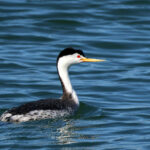
Western Grebe Aechmophorus occidentalis Big groups of up to 50 seen along the coast
Clark’s Grebe ◊ Aechmophorus clarkii A total of four birds seen in the harbour of Ventura, in direct comparison with Western Grebe.
Greater Roadrunner Geococcyx californianus One seen in Henderson Viewing Bird Preserve
Inca Dove Columbina inca One at Ash Canyon Bird Sanctuary
White-winged Dove Zenaida asiatica Seen for the first time at Henderson Viewing Bird Preserve, common afterwards
Mourning Dove Zenaida macroura
Band-tailed Pigeon Patagioenas fasciata Most commonly seen (best views) at San Gabriel Mountains
Eurasian Collared Dove (introduced) Streptopelia decaocto
Rock Dove (introduced) Columba livia
Sandhill Crane Antigone canadensis One individual along the shore of Lake Crowley. Rare in May!
Ridgway’s Rail ◊ Rallus obsoletus One pair was taped in at Bolsa Chica Wetland Preserve
Virginia Rail Rallus limicola Heard-only
Sora Porzana carolina One seen at Henderson Viewing Bird Preserve
Common Gallinule Gallinula galeata Several seen at Henderson Viewing Bird Preserve.
American Coot Fulica americana
American Avocet Recurvirostra americana Seven birds seen at Henderson Viewing Bird Preserve
Black-necked Stilt Himantopus mexicanus
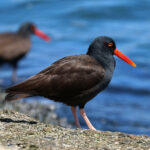
Black Oystercatcher ◊ Haematopus bachmani Six and two birds seen in Los Angeles and Santa Barbara
Grey Plover (Black-bellied P) Pluvialis squatarola One seen at Bolsa Chica Wetland Preserve
Killdeer Charadrius vociferus
Semipalmated Plover Charadrius semipalmatus First two at Bolsa Chica Wetland Preserve and another 33 in a lagoon near Santa Barbara. Good views together with Western Sandpiper.
Snowy Plover Anarhynchus nivosus One seen at Bolsa Chica Wetland Preserve and seven birds at the beach of Santa Barbara.
Hudsonian Whimbrel Numenius hudsonicus
Long-billed Curlew Numenius americanus Four seen at Bolsa Chica Wetland Preserve
Marbled Godwit Limosa fedoa A total of six seen at Bolsa Chica Wetland Preserve
Long-billed Dowitcher Limnodromus scolopaceus Up to 35 at Bolsa Chica Wetland Preserve and two adult summer birds at Henderson Viewing Bird Preserve
Spotted Sandpiper Actitis macularius
Wilson’s Phalarope Phalaropus tricolor Three birds at Henderson Viewing Bird Preserve, with one bird in breeding plumage!
Red-necked Phalarope Phalaropus lobatus At least 600 birds seen in big flocks out at the sea on the way/from Santa Cruz Island
Wandering Tattler Tringa incana Six birds seen at Los Angeles
Willet Tringa semipalmata
Greater Yellowlegs Tringa melanoleuca Four birds seen in a lagoon near Santa Barbara
Black Turnstone ◊ Arenaria melanocephala A total of five seen in the Los Angeles area
Ruddy Turnstone Arenaria interpres
Sanderling Calidris alba Two birds seen at the beach of Santa Barbara
Western Sandpiper Calidris mauri Six birds at Bolsa Chica Wetland Preserve and another 15 in a lagoon near Santa Barbara
Pomarine Skua Stercorarius pomarinus One bird seen just before entering the harbour of Veracruz
Scripps’s Murrelet ◊ Synthliboramphus scrippsi Commonly seen from the boat to/from Santa Cruz Island
Pigeon Guillemot ◊ Cepphus columba Five birds seen from the boat close to Santa Cruz Island
Common Murre Uria aalge Very common (250+) sight from the boat to/from Santa Cruz Island
Black Skimmer Rynchops niger One seen shortly by some at Bolsa Chica Wetland Preserve
Least Tern Sternula antillarum At least 20 birds at Bolsa Chica Wetland Preserve, mostly seen in flight.
Caspian Tern Hydroprogne caspia
Elegant Tern ◊ Thalasseus elegans Around 40-60 birds seen along the coast
Royal Tern Thalasseus maximus Two seen at White Point Beach
Forster’s Tern Sterna forsteri At least 30 seen at Bolsa Chica Wetland Preserve and 1 in a lagoon near Santa Barbara
Bonaparte’s Gull Chroicocephalus philadelphia A total of three seen along the coast
Heermann’s Gull Larus heermanni Five and two birds seen at both Los Angeles and Santa Barbara.
Ring-billed Gull Larus delawarensis One bird flying by at Ballona Creek
Western Gull ◊ Larus occidentalis Up to 150 seen daily along the coast
California Gull ◊ Larus californicus A total of birds flying by at the Los Angeles area
Red-throated Loon (R-t Diver) Gavia stellata
Common Loon (Great Northern Diver) Gavia immer
Pacific Loon (P Diver) Gavia pacifica A total of 80+ seen out at the sea from the boat to/from Santa Cruz Island and Santa Barbara
Sooty Shearwater Ardenna grisea 28 birds seen from the boat to/from Santa Cruz Island
Double-crested Cormorant Nannopterum auritum
Brandt’s Cormorant ◊ Urile penicillatus At least 600 birds seen along the coast.
Pelagic Cormorant ◊ Urile pelagicus Three seen at White Point Park and another 10 or so from to boat near Santa Cruz Island
White-faced Ibis Plegadis chihi
American White Pelican Pelecanus erythrorhynchos A group of 16 birds at Lake Crowley was our only sighting.
Brown Pelican Pelecanus occidentalis
Least Bittern Botaurus exilis One male beautifully seen at Ballona Freshwater Marsh
Snowy Egret Egretta thula
Black-crowned Night Heron Nycticorax nycticorax
Green Heron Butorides virescens
Great Egret Ardea alba
Great Blue Heron Ardea herodias
Common Poorwill ◊ Phalaenoptilus nuttallii Heard-only
Mexican Whip-poor-will ◊ Antrostomus arizonae Heard-only (frustratingly close) at Madera Canyon.
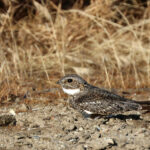
Lesser Nighthawk Chordeiles acutipennis Sen on multiple occasions, but best views of a pair at daylight at the Maricopa ‘desert’
Vaux’s Swift Chaetura vauxi
White-throated Swift Aeronautes saxatalis Seen on most days, but a cracker of a bird!
Rivoli’s Hummingbird ◊ Eugenes fulgens One male at Madera Canyon and another eight in the Sierra Vista area
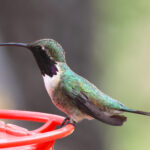
Lucifer Sheartail ◊ Calothorax lucifer One male at Ash Canyon Bird Sanctuary
Black-chinned Hummingbird Archilochus alexandri Seen several times, for the first at Madera Canyon
Anna’s Hummingbird ◊ Calypte anna Seen on several days, up to 12 birds in the Los Angeles area
Costa’s Hummingbird ◊ Calypte costae A total of three males seen in SE-Arizona
Calliope Hummingbird ◊ Selasphorus calliope A female at Ash Canyon Bird Sanctuary and a stunning male at Miller Canyon
Allen’s Hummingbird ◊ Selasphorus sasin A total of 10 birds seen in the Los Angeles area
Broad-tailed Hummingbird ◊ Selasphorus platycercus Several birds seen in the ‘sky islands’ of Arizona, up to 30 birds at Miller Canyon
Broad-billed Hummingbird ◊ Cynanthus latirostris Like Braod-tailed Hummingbird, about 20 at Miller Canyon
Violet-crowned Hummingbird ◊ Ramosomyia violiceps One shortly seen by some at Miller Canyon
Elf Owl ◊ Micrathene whitneyi One birds seen and several heard at Madera Canyon
Northern Saw-whet Owl ◊ Aegolius acadicus One bird giving great views at San Gabriel Mountains. Though birds!
Great Horned Owl Bubo virginianus One pair seen at a parking in Sierra Vista and two immatures just west of Tucson
Whiskered Screech Owl ◊ Megascops trichopsis One seen very well at Madera Canyon, more heard.
Spotted Owl ◊ Strix occidentalis One female was seen at Mount Lemmon near Tucson
California Condor ◊ Gymnogyps californianus Five birds seen at the Navajo Bridge
Turkey Vulture Cathartes aura
Osprey Pandion haliaetus
Golden Eagle Aquila chrysaetos A total of five birds, great views at Zaca Station Rd
Sharp-shinned Hawk Accipiter striatus Only one sight flying over Zaca Station Rd
Cooper’s Hawk Astur cooperii Frequently seen flying over, with perched views at Ramsey Canyon
American Goshawk Astur atricapillus One flying over at Madera Canyon
Northern Harrier Circus hudsonius Two male types flying by near Lake Crowley
Bald Eagle Haliaeetus leucocephalus Two seen at Santa Cruz Island and two seen around Lake Crowley.
Harris’s Hawk Parabuteo unicinctus Four immatures in Sierra Vista
Grey Hawk Buteo plagiatus One flying over at Ash Canyon Bird Sanctuary
Red-shouldered Hawk Buteo lineatus One seen by some flying over the road near Bishop
Zone-tailed Hawk Buteo albonotatus Seen very well at Grand Canyon
Swainson’s Hawk Buteo swainsoni A few seen along the road
Red-tailed Hawk Buteo jamaicensis
Coppery-tailed Trogon ◊ Trogon ambiguus One seen perched at eye-level at Madera Canyon. More heard.
Northern Flicker Colaptes auratus
Gilded Flicker ◊ Colaptes chrysoides One bird seen distantly en route to Sierra Vista and a pair in Sun City West, Phoenix.
Williamson’s Sapsucker ◊ Sphyrapicus thyroideus One beautiful male giving great views near Bishop.
Red-breasted Sapsucker ◊ Sphyrapicus ruber A total of five birds around Bishop
Lewis’s Woodpecker ◊ Melanerpes lewis One individual hanging around at Mt Whitney Fish Hatchery
Acorn Woodpecker Melanerpes formicivorus A common sight throughout, with up to 10 birds on single days
Gila Woodpecker ◊ Melanerpes uropygialis A total of 10 birds in SE Arizona
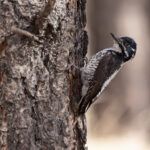
Black-backed Woodpecker ◊ Picoides arcticus A female giving great views near Bishop
American Three-toed Woodpecker ◊ Picoides dorsalis A female giving great views near Flagstaff
Downy Woodpecker Dryobates pubescens A pair at the feeders in Aspendell (near Bishop).
Nuttall’s Woodpecker ◊ Dryobates nuttallii A total of eight birds seen, with five at Malibu Creek State Park
Ladder-backed Woodpecker Dryobates scalaris Several seen in SE-Arizona, great views at Ash Canyon Bird Sanctuary
Hairy Woodpecker Leuconotopicus villosus
White-headed Woodpecker ◊ Leuconotopicus albolarvatus Several seen around Bishop and at San Gabriel Mountains
Arizona Woodpecker ◊ Leuconotopicus arizonae Five birds in total, the first a pair at Madera Canyon
Crested Caracara Caracara plancus One fly-by west of Tucson
American Kestrel Falco sparverius
Prairie Falcon ◊ Falco mexicanus One fly-by (twice) west of Phoenix
Peregrine Falcon Falco peregrinus One perched on a pole in Tucson
Nanday Parakeet (introduced) Aratinga nenday No comment
Dusky-capped Flycatcher Myiarchus tuberculifer Seen and heard at Madera Canyon
Ash-throated Flycatcher Myiarchus cinerascens
Brown-crested Flycatcher Myiarchus tyrannulus Seen and heard at Madera Canyon, also Miller Canyon.
Thick-billed Kingbird ◊ Tyrannus crassirostris One bird performing brilliantly at Box Canyon
Cassin’s Kingbird Tyrannus vociferans
Western Kingbird Tyrannus verticalis
Vermilion Flycatcher Pyrocephalus rubinus Seen a couple of times, also bright males!
Say’s Phoebe Sayornis saya Seven seen at Henderson Bird Viewing Preserve, few afterwards
Black Phoebe Sayornis nigricans
Willow Flycatcher Empidonax traillii One bird seen and heard around Lake Crowley.
Western Flycatcher ◊ Empidonax difficilis Two birds of the endemic race insulicola seen at Santa Cruz Island
American Grey Flycatcher Empidonax wrightii Three birds seen at Henderson Bird Viewing Preserve
Buff-breasted Flycatcher ◊ Empidonax fulvifrons At least four birds at Carr Canyon
Olive-sided Flycatcher Contopus cooperi One seen at Box Canyon
Greater Pewee Contopus pertinax A pair seen at Miller Canyon
Western Wood Pewee Contopus sordidulus
Warbling Vireo Vireo gilvus Seen a couple of times, for the first time at Hansen Dam Park
Hutton’s Vireo Vireo huttoni Low numbers on four days, for the first time at Santa Cruz Island
Cassin’s Vireo Vireo cassinii Leader only at Madera Canyon
Plumbeous Vireo Vireo plumbeus First at Grand Canyon NP, 10+ seen at Madera Canyon and Carr Canyon
Bell’s Vireo Vireo bellii Seen three times (and more heard), first time at Ballona Freshwater Marsh
Loggerhead Shrike Lanius ludovicianus
Pinyon Jay ◊ Gymnorhinus cyanocephalus Three seen at Walker Pass Campground and one near Bishop.
Steller’s Jay Cyanocitta stelleri Seen mostly around Bishop and at San Gabriel Mountains
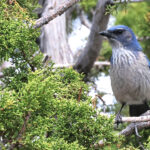
Island Scrub Jay ◊ Aphelocoma insularis At least 20+ birds at Santa Cruz Island. Nice to California Scrub Jay both the day before and after.
California Scrub Jay ◊ Aphelocoma californica A total of 35 birds s+een around Los Angeles (up to Walker Pass Campground) and at San Gabriel Mountains
Woodhouse’s Scrub Jay ◊ Aphelocoma woodhouseii A total of 5 birds seen, best views at Grand Canyon NP
Mexican Jay (Grey-breasted J) Aphelocoma wollweberi Around 30 birds seen at the ‘sky islands’ in SE Arizona
Black-billed Magpie ◊ Pica hudsonia Three and five birds seen around Bishop on two days
Yellow-billed Magpie ◊ Pica nuttallii Ten bird hanging around at the start of Zaca Station Rd
Clark’s Nutcracker ◊ Nucifraga columbiana Two birds seen around Bishop
Chihuahuan Raven ◊ Corvus cryptoleucus Two birds flying over at a parking in Sierra Vista
Northern Raven Corvus corax
American Crow Corvus brachyrhynchos
Verdin Auriparus flaviceps Small numbers seen in SE Arizona, for the first time in Henderson Bird Viewing Preserve
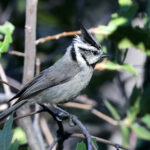
Bridled Titmouse ◊ Baeolophus wollweberi Seen in small numbers at the ‘sky islands’ in SE Arizona
Oak Titmouse ◊ Baeolophus inornatus Five birds seen at Malibu Creek State Park and one at the San Gabriel Mountains
Juniper Titmouse ◊ Baeolophus ridgwayi One bird seen at Grand Canyon NP
Chestnut-backed Chickadee ◊ Poecile rufescens A total of five birds seen at Oso Flaco Lake
Mountain Chickadee ◊ Poecile gambeli Several seen, at least 25 seen at Inyo Crater Lake trail
Horned Lark (Shore Lark) Eremophila alpestris
Sand Martin (Bank Swallow) Riparia riparia
Tree Swallow Tachycineta bicolor A total of 20 birds seen the first few days
Violet-green Swallow Tachycineta thalassina A total of 12 birds seen on several days
Northern Rough-winged Swallow Stelgidopteryx serripennis
Barn Swallow Hirundo rustica
American Cliff Swallow Petrochelidon pyrrhonota Seen in big numbers on multiple occasions, with perched views at Malibu Creek State Park.
American Bushtit Psaltriparus minimus
Wrentit ◊ Chamaea fasciata Seen twice: two at Malibu Creek State Park and one at Oso Flaco Lake. Heard at San Gabriel Mountains.
Cedar Waxwing Bombycilla cedrorum
Phainopepla Phainopepla nitens First seen at Malibu Creek State Park, some more in SE Arizona
Ruby-crowned Kinglet Corthylio calendula One next to the American Three-toed Woodpecker in Flagstaff
White-breasted Nuthatch Sitta carolinensis
Pygmy Nuthatch Sitta pygmaea A total of five birds seen on three occasions, first at the feeders in Aspendell.
Red-breasted Nuthatch Sitta canadensis Three birds seen around Bishop
Brown Creeper (B Treecreper) Certhia americana
Blue-grey Gnatcatcher Polioptila caerulea
Black-tailed Gnatcatcher ◊ Polioptila melanura Three pairs seen at Henderson Bird Viewing Preserve, singles afterwards
California Gnatcatcher ◊ Polioptila californica A female and male at White Point Nature Preserve
Rock Wren Salpinctes obsoletus Two birds seen, first seen at Grand Canyon NP
Canyon Wren Catherpes mexicanus A family group at Montosa Canyon and few more at San Gabriel Mountains
Bewick’s Wren Thryomanes bewickii
Cactus Wren Campylorhynchus brunneicapillus Several seen on saguaros in Arizona
Marsh Wren Cistothorus palustris Two seen at Ballona Creek Freshwater Marsh and ten around Oso Flaco Lake
Northern House Wren Troglodytes aedon
Curve-billed Thrasher Toxostoma curvirostre At least 10 birds seen in SE-Arizona
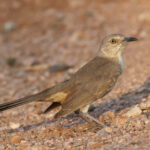
Bendire’s Thrasher ◊ Toxostoma bendirei Two birds seen extremely well in a city park at the edge of Phoenix
California Thrasher ◊ Toxostoma redivivum Two birds seen in the Santa Barbara area
LeConte’s Thrasher ◊ Toxostoma lecontei One bird seen brilliantly at the Maricopa ‘desert’
Crissal Thrasher ◊ Toxostoma crissale One bird seen well by some at Henderson Bird Viewing Preserve
Sage Thrasher ◊ Oreoscoptes montanus At least eight bird around Lake Crowley
Northern Mockingbird Mimus polyglottos
Common Starling (introduced) Sturnus vulgaris
American Dipper Cinclus mexicanus A pair breeding under the bridge at Big Pine Creek
Eastern Bluebird Sialia sialis One bird at Carr Canyon and one bird at Ramsey Canyon
Western Bluebird ◊ Sialia mexicana
Mountain Bluebird ◊ Sialia currucoides One bird seen near the Black-backed Woodpecker around Bishop
American Robin Turdus migratorius
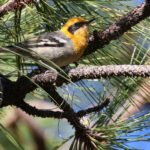
Olive Warbler ◊ Peucedramus taeniatus A single male and a pair of this monotypic family at Carr Caryon
House Sparrow (introduced) Passer domesticus
Evening Grosbeak ◊ Hesperiphona vespertina Around 12 birds in a suburban area south of Flagstaff.
Grey-crowned Rosy Finch ◊ Leucosticte tephrocotis Three birds at the front porch in Aspendell.
House Finch Haemorhous mexicanus
Purple Finch ◊ Haemorhous purpureus Heard-only
Cassin’s Finch ◊ Haemorhous cassinii Several pairs seen well at the feeders in Aspendell.
Pine Siskin Spinus pinus A big flock of around 30 birds at the same site as the Evening Grosbeak
Lesser Goldfinch Spinus psaltria
Lawrence’s Goldfinch ◊ Spinus lawrencei Five seen at the Hansen Dam Park and one more male at the Walker Pass Campground
American Goldfinch Spinus tristis 15 birds at the Hansen Dam Park, in mixed flocks with (mostly) Lesser Goldfinch.
Five-striped Sparrow ◊ Amphispizopsis quinquestriata A pair seen in Montasa Canyon
Black-throated Sparrow Amphispiza bilineata Three birds seen on three single days
Lark Sparrow Chondestes grammacus One bird at the parking of Hansen Dam Park
Chipping Sparrow Spizella passerina
Black-chinned Sparrow ◊ Spizella atrogularis One bright male at San Gabriel Mountains
Brewer’s Sparrow Spizella breweri Almost 15 seen and heard around Lake Crowley
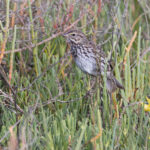
Grasshopper Sparrow Ammodramus savannarum One bird showing really well at Rancho Protrero
Rufous-winged Sparrow ◊ Peucaea carpalis One bird seen perfectly at El Rio Reserve
Botteri’s Sparrow ◊ Peucaea botterii Two bird seen well at Coronado National Memorial
Dark-eyed Junco Junco hyemalis
Yellow-eyed Junco ◊ Junco phaeonotus Seen in small numbers at the ‘sky islands’ in SE Arizona
Golden-crowned Sparrow Zonotrichia atricapilla One (late) individual at the Walker Pass Campground
White-crowned Sparrow Zonotrichia leucophrys
Vesper Sparrow Pooecetes gramineus Four seen and heard at close range around Lake Crowley
Sagebrush Sparrow Artemisiospiza nevadensis Almost 15 seen and heard around Lake Crowley, two more seen at El Rio Reserve
Bell’s Sparrow ◊ Artemisiospiza belli Around 10 seen and heard at the Maricopa ‘desert’
Savannah Sparrow Passerculus sandwichensis Seen only few times, but around 15 of the endemic subspecies beldingi seen at Bolsa Chica Wetland Preserve (LA)
Song Sparrow Melospiza melodia
Lincoln’s Sparrow Melospiza lincolnii One bird at the Ash Canyon Bird Sanctuary
Rufous-crowned Sparrow Aimophila ruficeps One seen and more heard of the endemic subspecies obscura at Santa Cruz Island
Canyon Towhee ◊ Melozone fusca Three birds seen in total, with the best views at Ash Canyon Bird Sanctuary
Abert’s Towhee ◊ Melozone aberti A total of 15 birds seen on three occasions, with 10+ at El Rio Reserve
California Towhee ◊ Melozone crissalis A common sight in and around Los Angeles, with sometimes more than 10 bird per day
Green-tailed Towhee ◊ Pipilo chlorurus Three birds seen at the El Rio Reserve
Spotted Towhee ◊ Pipilo maculatus
Yellow-breasted Chat Icteria virens Two birds seen and more heard at Hanson Dam Park
Yellow-headed Blackbird ◊ Xanthocephalus xanthocephalus A male at Henderson Bird Viewing Preserve and a female-type at Las Cienegas NCA
Western Meadowlark Sturnella neglecta
Chihuahuan Meadowlark Sturnella lilianae Two birds in Las Cienegas NCA and another five at close range near Sierra Vista. Heard singing as well.
Hooded Oriole Icterus cucullatus
Bullock’s Oriole Icterus bullockiorum
Scott’s Oriole Icterus parisorum A total of four seen in the Sierra Vista area on two days
Red-winged Blackbird Agelaius phoeniceus
Tricolored Blackbird ◊ Agelaius tricolor Around 40 birds seen in a reed bed ewn route to Taft. In direct comparison with Red-winged Blackbird.
Brown-headed Cowbird Molothrus ater
Brewer’s Blackbird Euphagus cyanocephalus Seen in good numbers in agricultural areas in California, and around 35 birds on the feeder garden in Aspendell
Great-tailed Grackle Quiscalus mexicanus
Orange-crowned Warbler Leiothlypis celata Several seen on multiple days, most common at Santa Cruz Island
Lucy’s Warbler ◊ Leiothlypis luciae At least 10 birds seen in SE Arizona
Nashville Warbler Leiothlypis ruficapilla Only seen once at the Hansen Dam Park
Virginia’s Warbler Leiothlypis virginiae One bird seen at the lower area of Miller Canyon
Common Yellowthroat Geothlypis trichas
American Yellow Warbler Setophaga aestiva
Yellow-rumped Warbler Setophaga coronata
Black-throated Grey Warbler Setophaga nigrescens A total of eight birds during this tour, most easily seen at the San Gabriel Mountains
Grace’s Warbler ◊ Setophaga graciae Seen twice at Madera Canyon and Carr Canyon, more heard-only
Hermit Warbler Setophaga occidentalis A female-type seen at San Gabriel Mountains
Townsend’s Warbler Setophaga townsendi At least 12 birds during the whole tour.
Wilson’s Warbler Cardellina pusilla
Red-faced Warbler ◊ Cardellina rubrifrons Several times seen and heard at the ‘sky islands’ of SE Arizona
Painted Whitestart Myioborus pictus A total of three seen at Madera and Miller Canyon
Black-headed Grosbeak Pheucticus melanocephalus Seen almost daily in numbers of up to 10+ individuals
Lazuli Bunting Passerina amoena Seen at Ash Canyon Bird Sanctuary, but best views of adult summer males at San Gabriel Mountains
Blue Grosbeak Passerina caerulea Four seen at Hansen Dam Park and another male at Ramsey Canyon
Northern Cardinal Cardinalis cardinalis
Pyrrhuloxia ◊ Cardinalis sinuatus A male seen in a saguaro habitat west of Tucson
Hepatic Tanager (Northern H T) Piranga flava Two seen at Madera Canyon
Western Tanager Piranga ludoviciana Just one or two almost daily, in small numbers
Flame-colored Tanager ◊ Piranga bidentata A female and two males at Miller Canyon
MAMMALS
Coyote Canis latrans Several seen on multilple days, the first in Bolsa Chica Wetland Reserve
California Sea Lion Zalophus californianus Seen on two days, best from the boat to Santa Cruz Island
Harbour Seal (Common S) Phoca vitulina Seen on two days, mostly on the pier of Ballona Creek
Minkie Whale Balaenoptera acutorostrata One seen on the way to Santa Cruz Island
Northern Raccoon Procyon lotor One seen in the reed in Oso Flaco Wetland
Pronghorn Antilocapra americana One seen just outside Grand Canyon and two in Las Cienegas NCA
Wapiti Cervus canadensis
Mule Deer Odocoileus hemionus
White-tailed Deer Odocoileus virginianus
Common Dolphin Delphinus delphis Several groups around the boat to Santa Cruz Island
Black-tailed Jackrabbit Lepus californicus At least three seen in the Maricopa ‘desert’
Desert Cottontail Sylvilagus audubonii
Brush Rabbit Sylvilagus bachmani
Harris’s Antelope-Squirrel ◊ Ammospermophilus harrisii Three and one seen in SE-Arizona
White-tailed Antelope Squirrel ◊ Ammospermophilus leucurus Two seen in the Henderson Bird Viewing Preserve
Nelson’s Antelope-Squirrel ◊ Ammospermophilus nelsoni At least six seen in the Maricopa ‘desert’
Common Golden-mantled Ground Squirrel ◊ Callospermophilus lateralis At least 10 seen in the Bishop area
Cliff Chipmunk ◊ Neotamias dorsalis Three seen in Grand Canyon NP
Least Chipmunk Neotamias minimus At least eight seen around Lake Crowley
Merriam’s Chipmunk ◊ Neotamias merriami Four seen in the San Gabriel Mountains
California Ground Squirrel ◊ Otospermophilus beecheyi Very common in California, also in Los Angeles
Common Rock Squirrel Otospermophilus variegatus
Abert’s Squirrel ◊ (Tassel-eared S) Sciurus aberti Two seen in Flagstaff. A good-looking squirrel!
Arizona Grey Squirrel ◊ Sciurus arizonensis Commonly seen in the ‘sky islands’ of SE-Arizona
Western Grey Squirrel Sciurus griseus
Eastern Fox Squirrel Sciurus niger
Douglas’s Squirrel ◊ Tamiasciurus douglasii Four seen in total in the Bishop area
Big-eared Wood Rat ◊ Neotoma macrotis One seen in a tree (of course) in Oso Flaco Lake
Arizona Cotton Rat ◊ Sigmodon arizonae One seen in the Ash Canyon Bird Sanctuary