Email birders@birdquest-tours.com
Telephone 07777 186845
(International +44 7777 186845)
Email birders@birdquest-tours.com
Telephone 07777 186845
(International +44 7777 186845)
Asia and its islands
Brown Bush Warbler (image by Pete Morris)
Oriental Scops Owl (image by Pete Morris)
Grey-headed Lapwing (image by Pete Morris)
Blue Whistling Thrush (image by Pete Morris)
Collared Finchbill (image by Pete Morris)
Yellow-browed Warbler (image by Pete Morris)
Marsh Grassbird (image by Pete Morris)
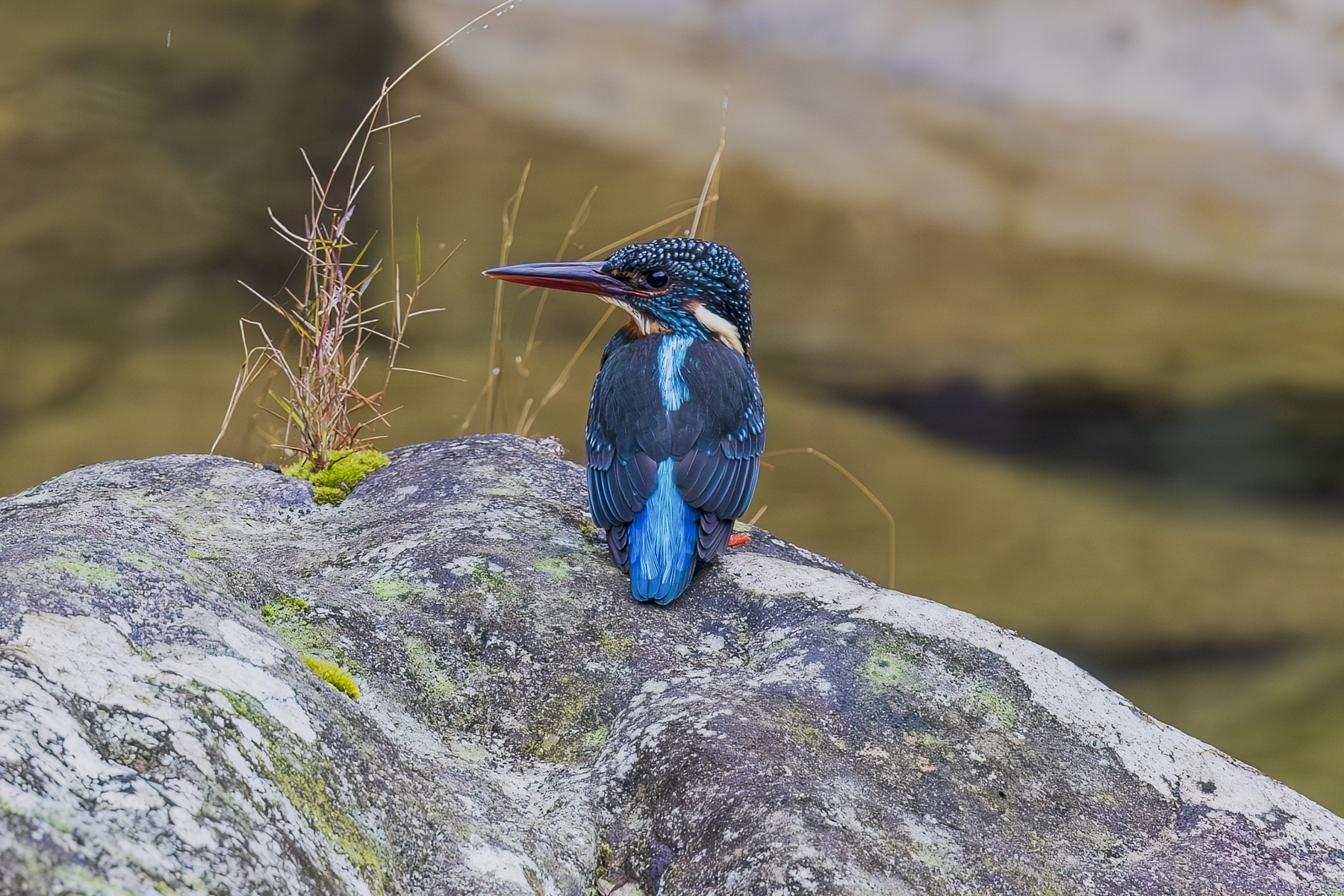
Blyth's Kingfisher (image by India Dipanka)
Rudong mud flats (image by Pete Morris)
Eastern Red-rumped Swallow (image by Pete Morris)
Great Bittern (image by Pete Morris)
Koklass Pheasant (image by Pete Morris)
Plumbeous Redstart (image by Pete Morris)
Silver Pheasant (image by Pete Morris)
Chinese Sparrowhawk (image by Pete Morris)
Spoon-billed Sandpiper and Red-necked Stint (image by Pete Morris)
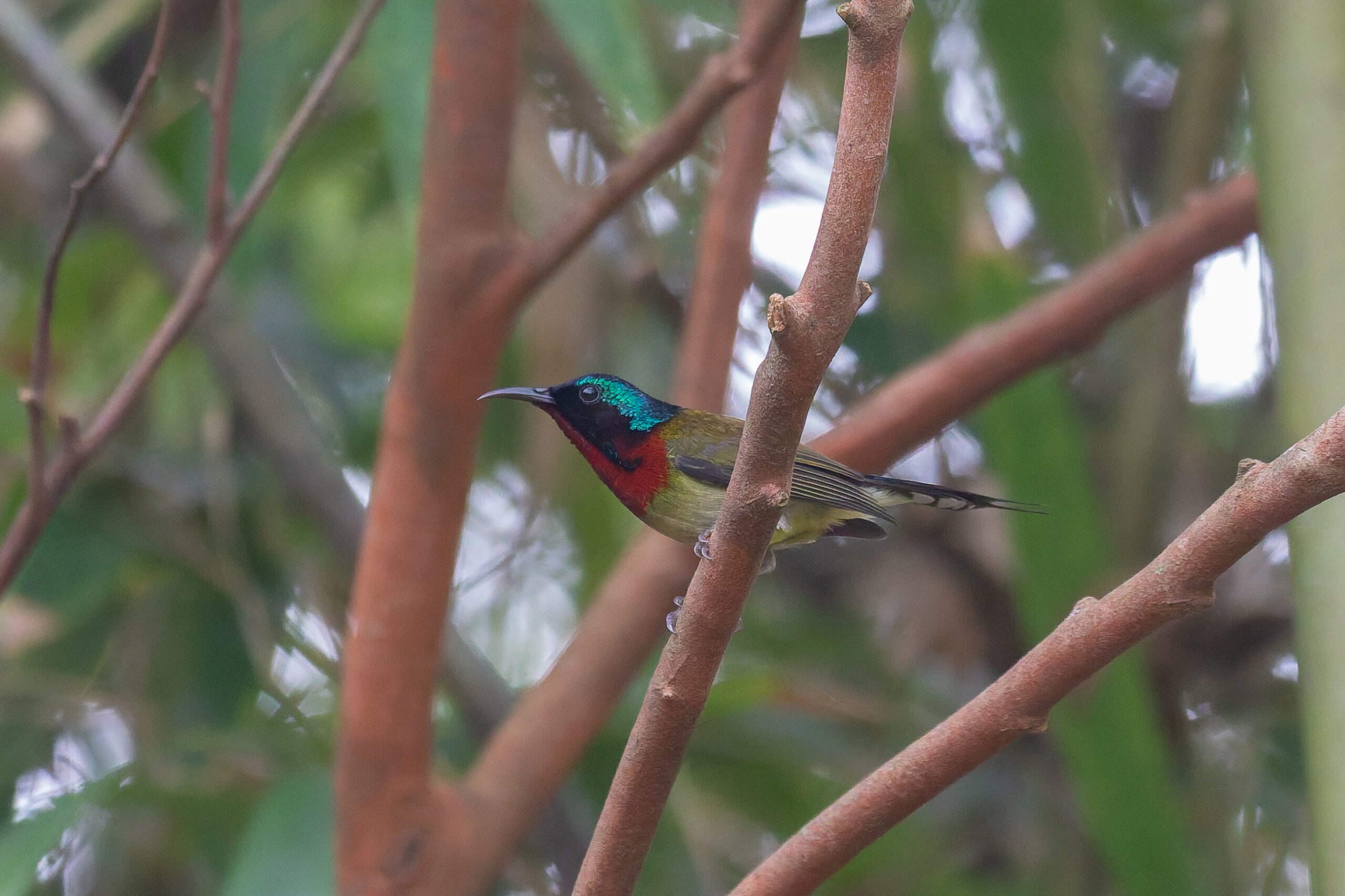
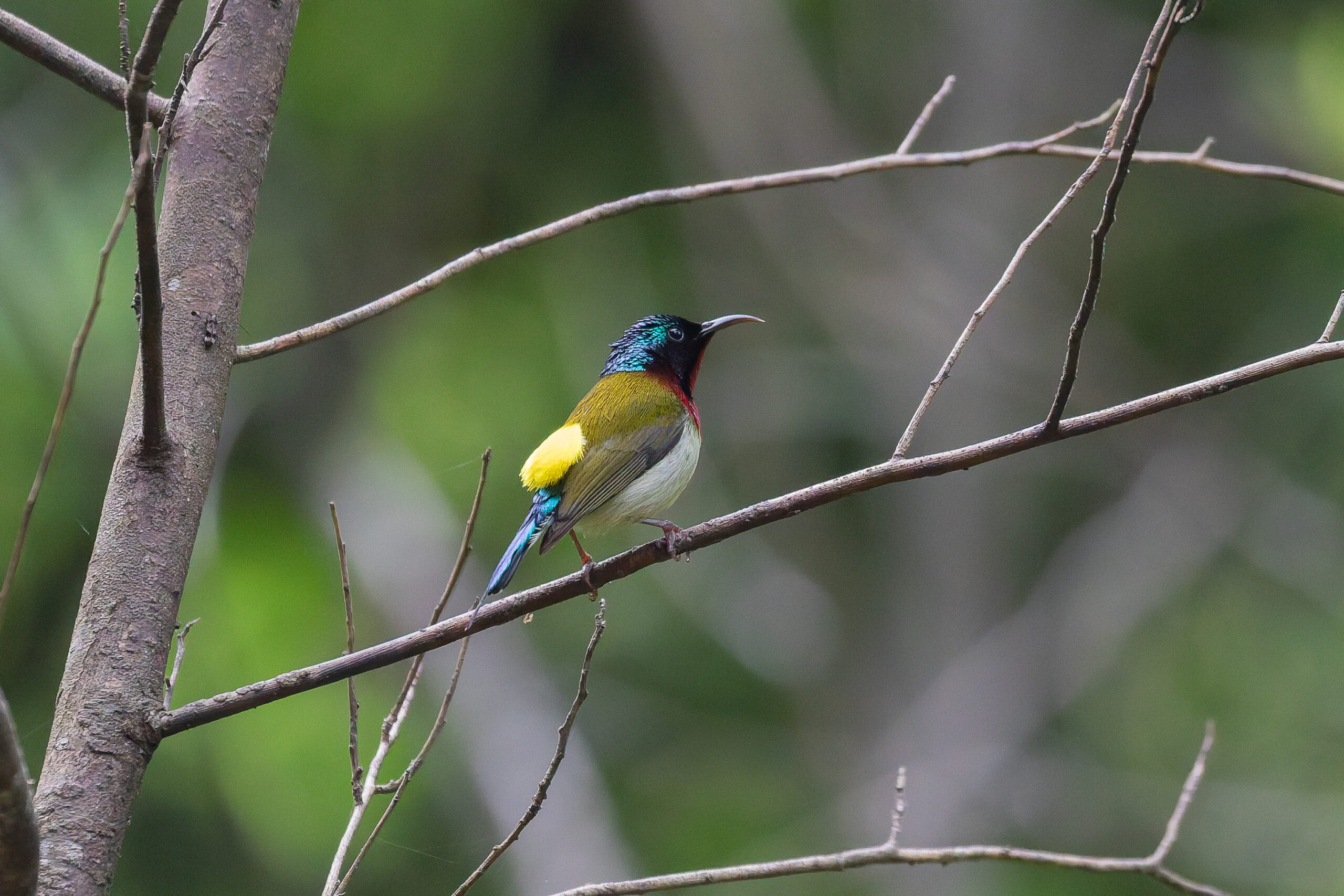
Fork-tailed Sunbird (image by Pete Morris)
Orange-headed Thrush (image by Pete Morris)
Cabot's Tragopan (image by Pete Morris)
Oriental Pratincole (image by Pete Morris)
Fork-tailed Sunbird (image by Pete Morris)
Red-billed Starling (image by Pete Morris)
Black-throated Bushtit (image by Pete Morris)
White-faced Plover (image by Pete Morris)
Fork-tailed Sunbird (image by Diedert Koppenol)
Zappey's Flycatcher (image by Pete Morris)
Blue-and-White Flycatcher (image by Pete Morris)
Chinese Grey Shrike (image by Pete Morris)
Fork-tailed Sunbird (image by Diedert Koppenol)
White-faced Plover (image by Pete Morris)
Chinese Egret (image by Pete Morris)
Elliot's Pheasant (image by Pete Morris)
Crested Honey Buzzard (image by Pete Morris)
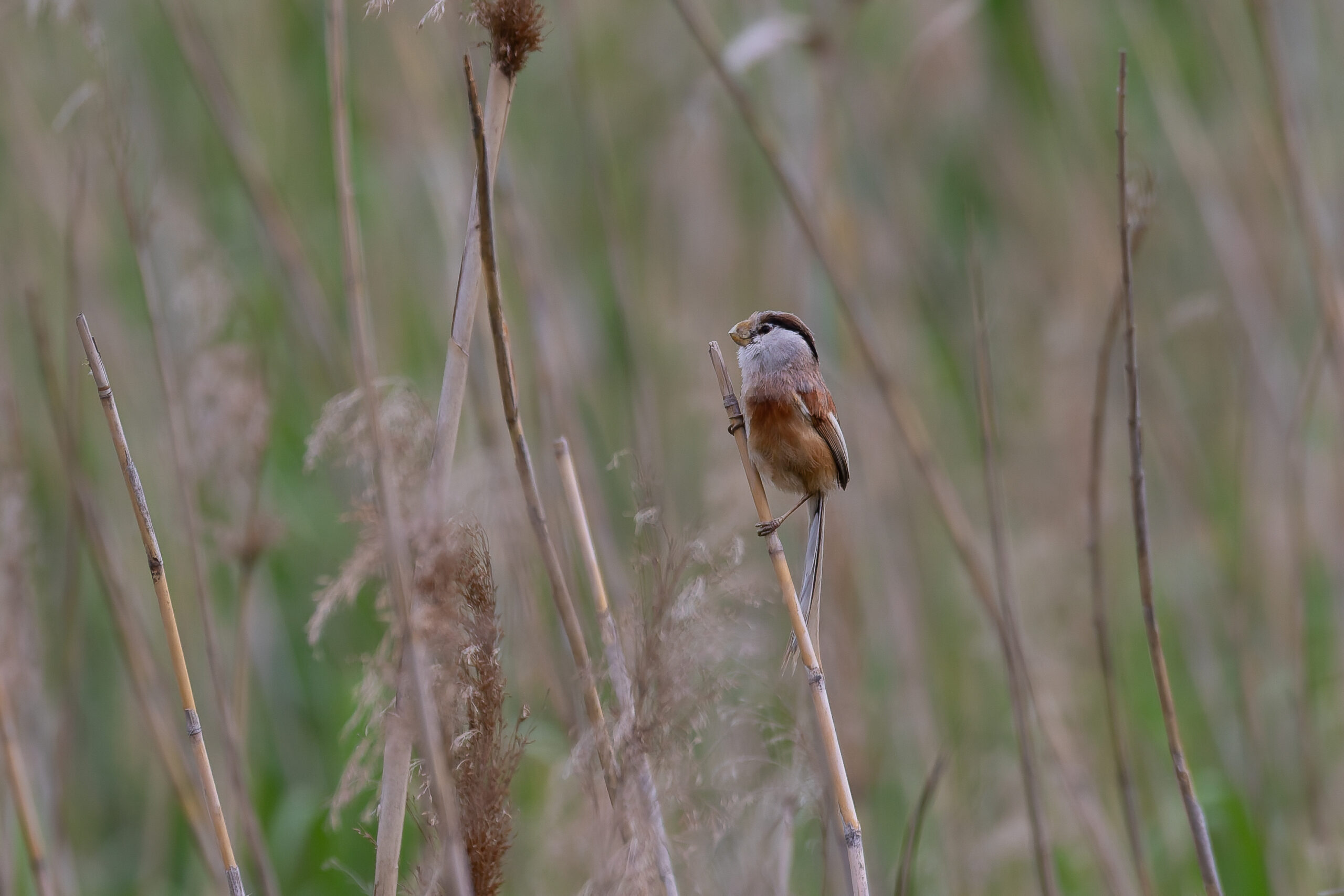
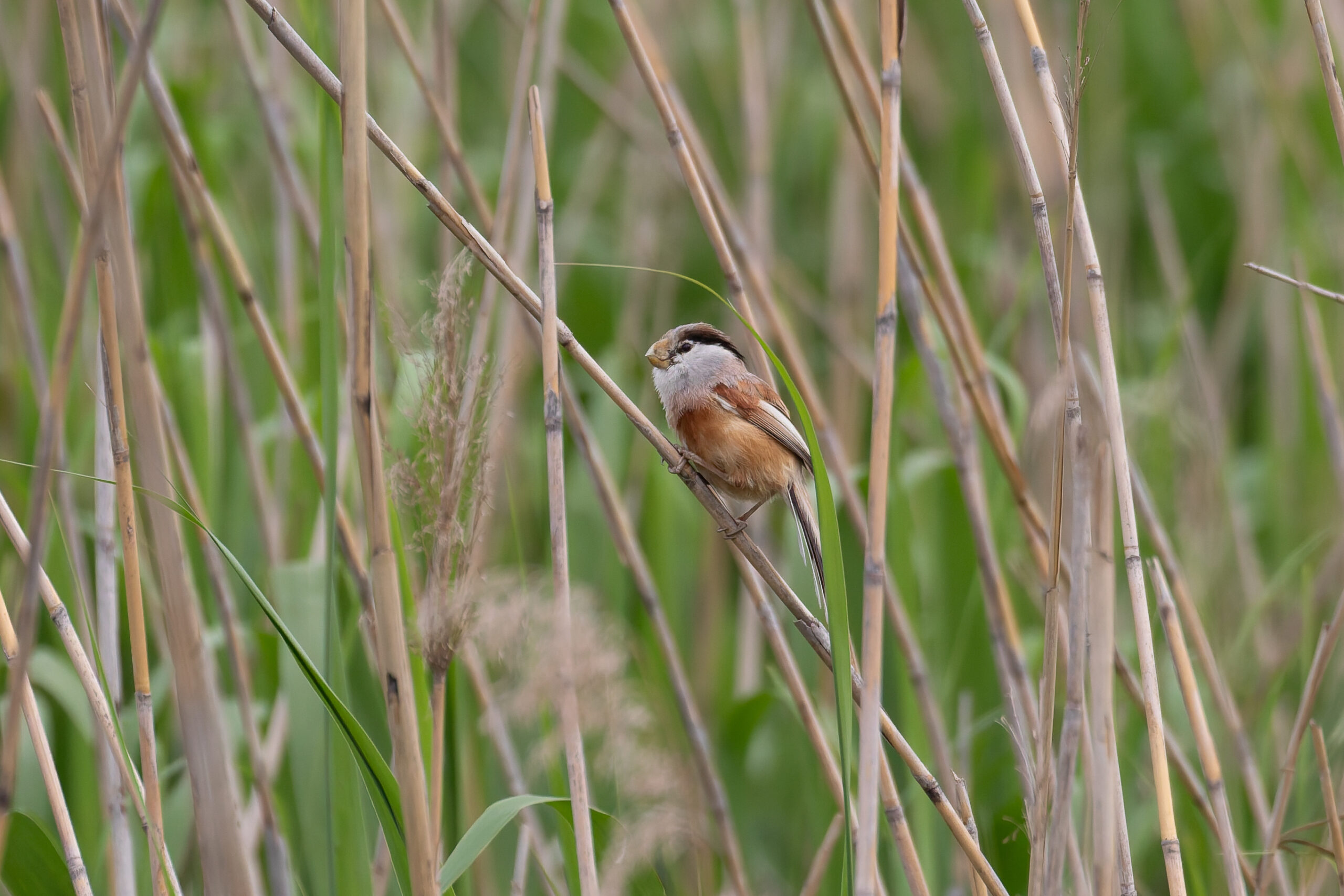
Reed Parrotbill (image by Pete Morris)
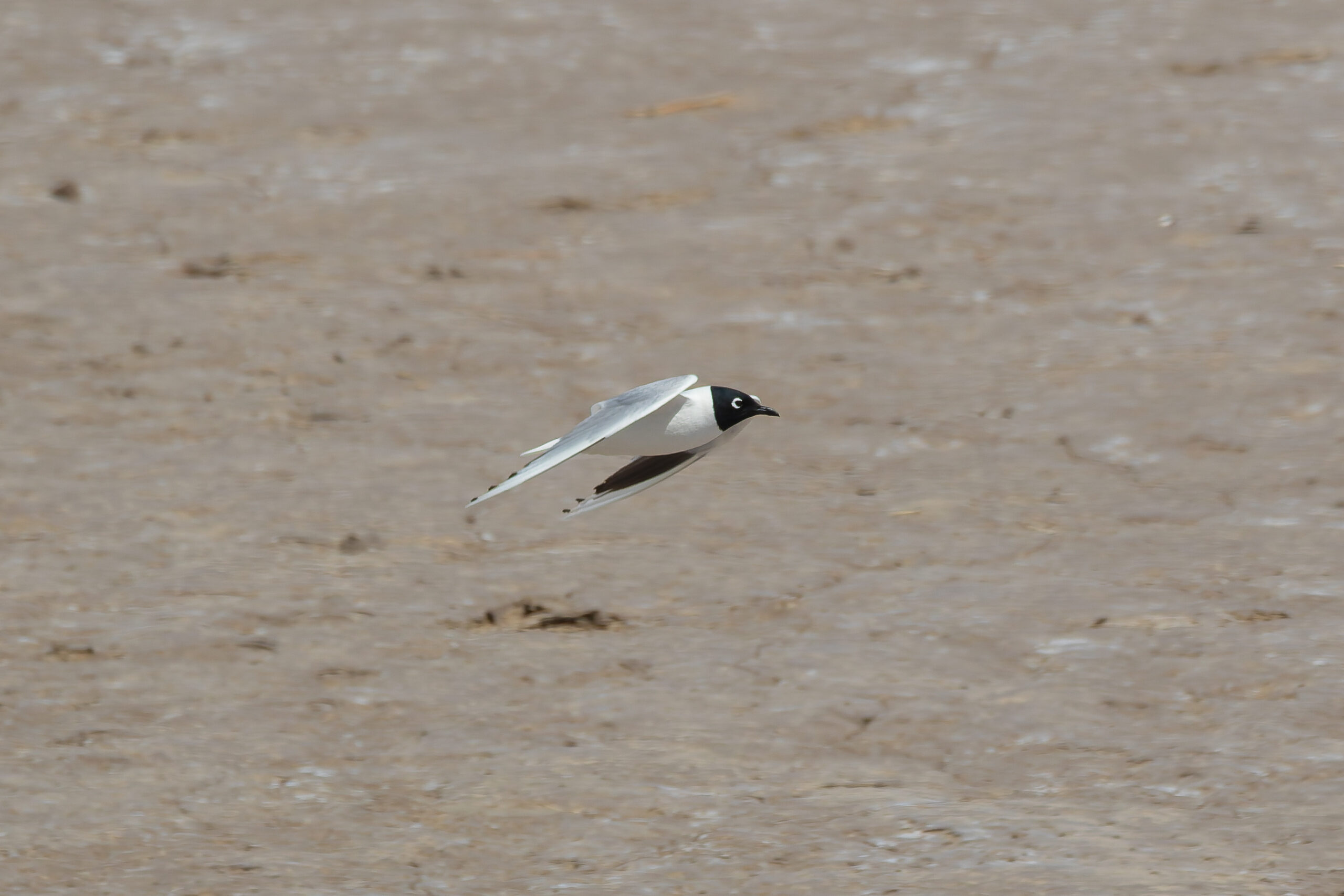
Saunders's Gull (image by Pete Morris)
Moustached Laughingthrush (image by Pete Morris)
Chestnut Bulbul (image by Pete Morris)
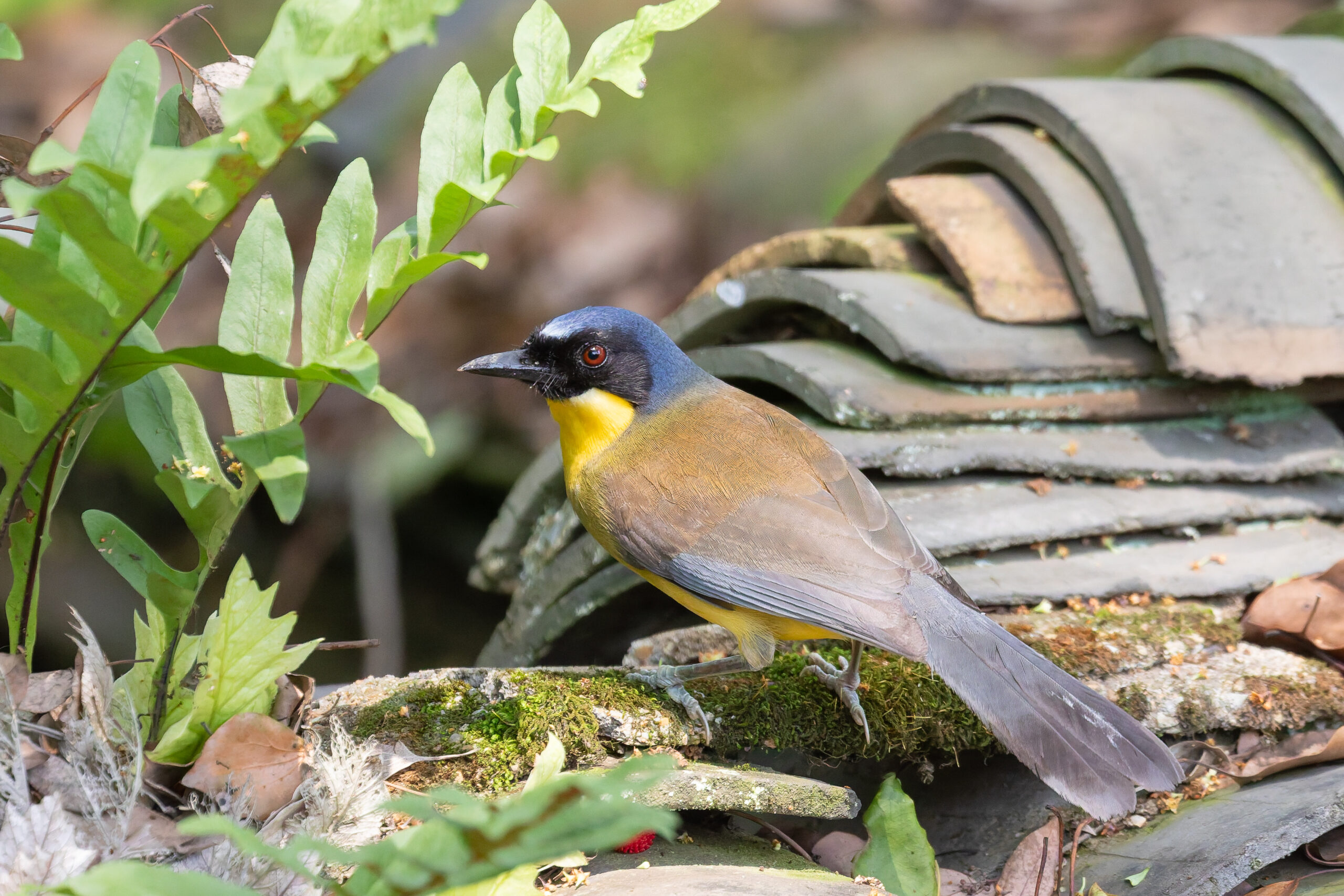
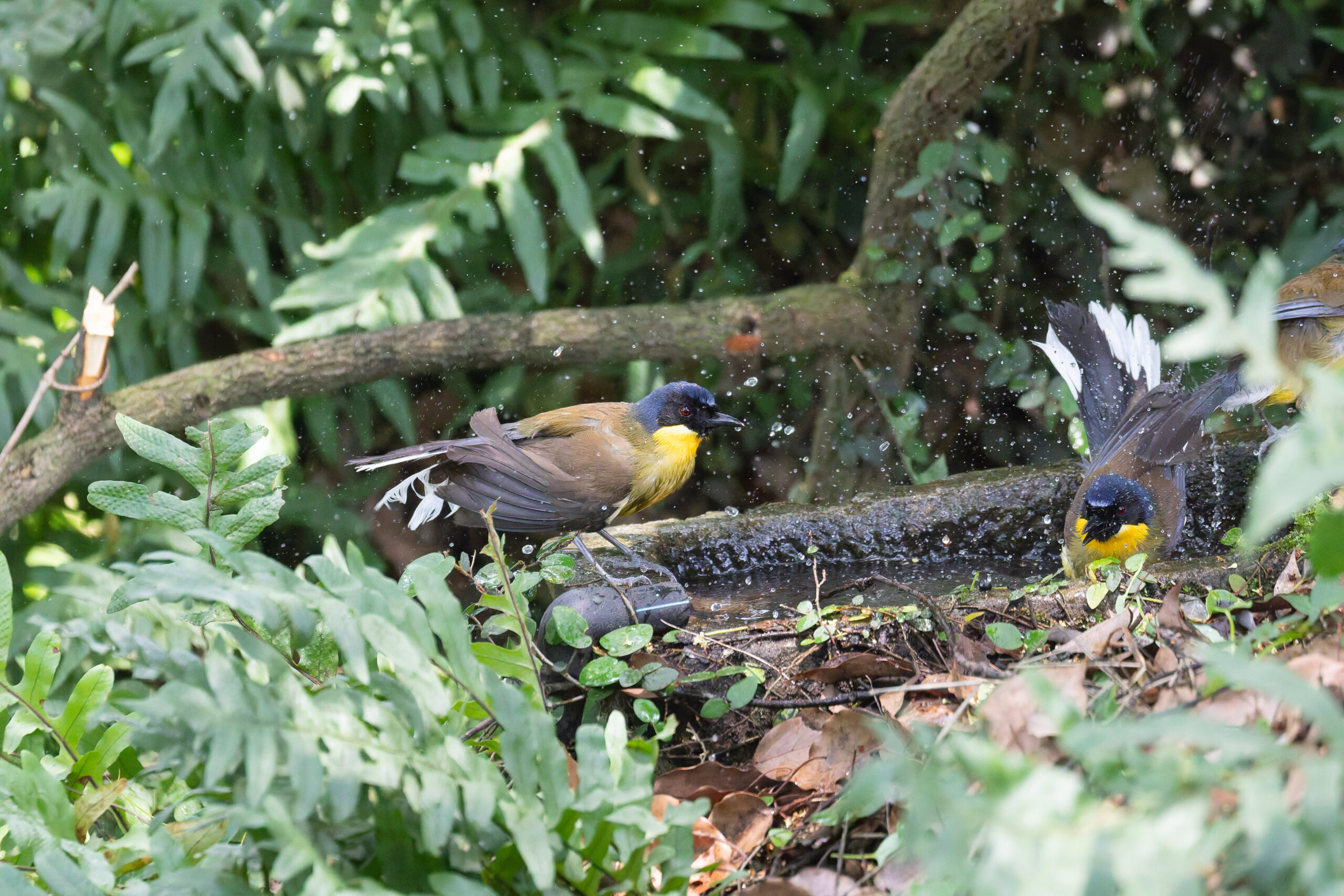
Blue-crowned Laughingthrush (image by Diedert Koppenol)
Yellow-throated Bunting (image by Pete Morris)
Saunders's Gull (image by Pete Morris)
Yellow-bellied (Chinese) Prinia (image by Pete Morris)
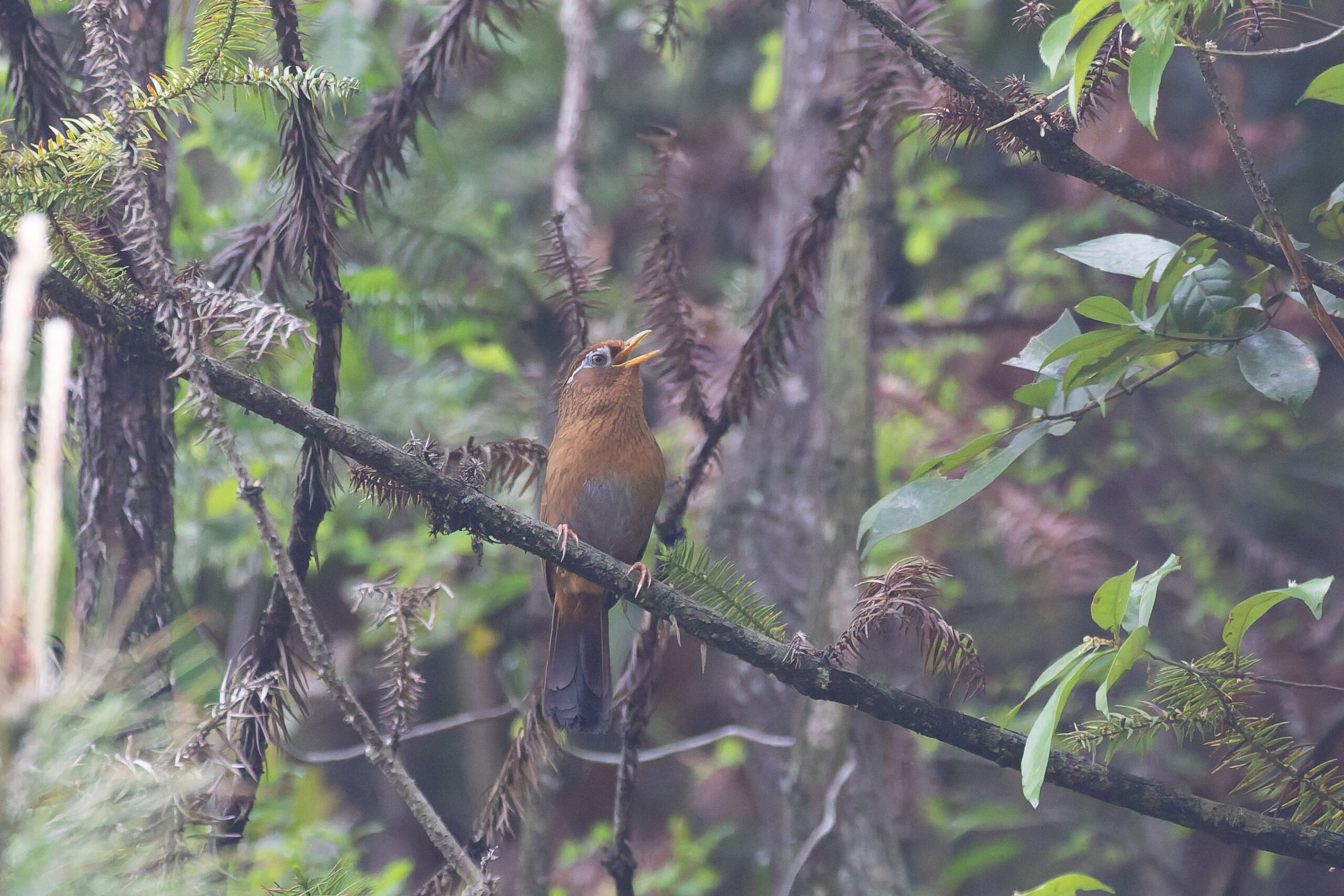
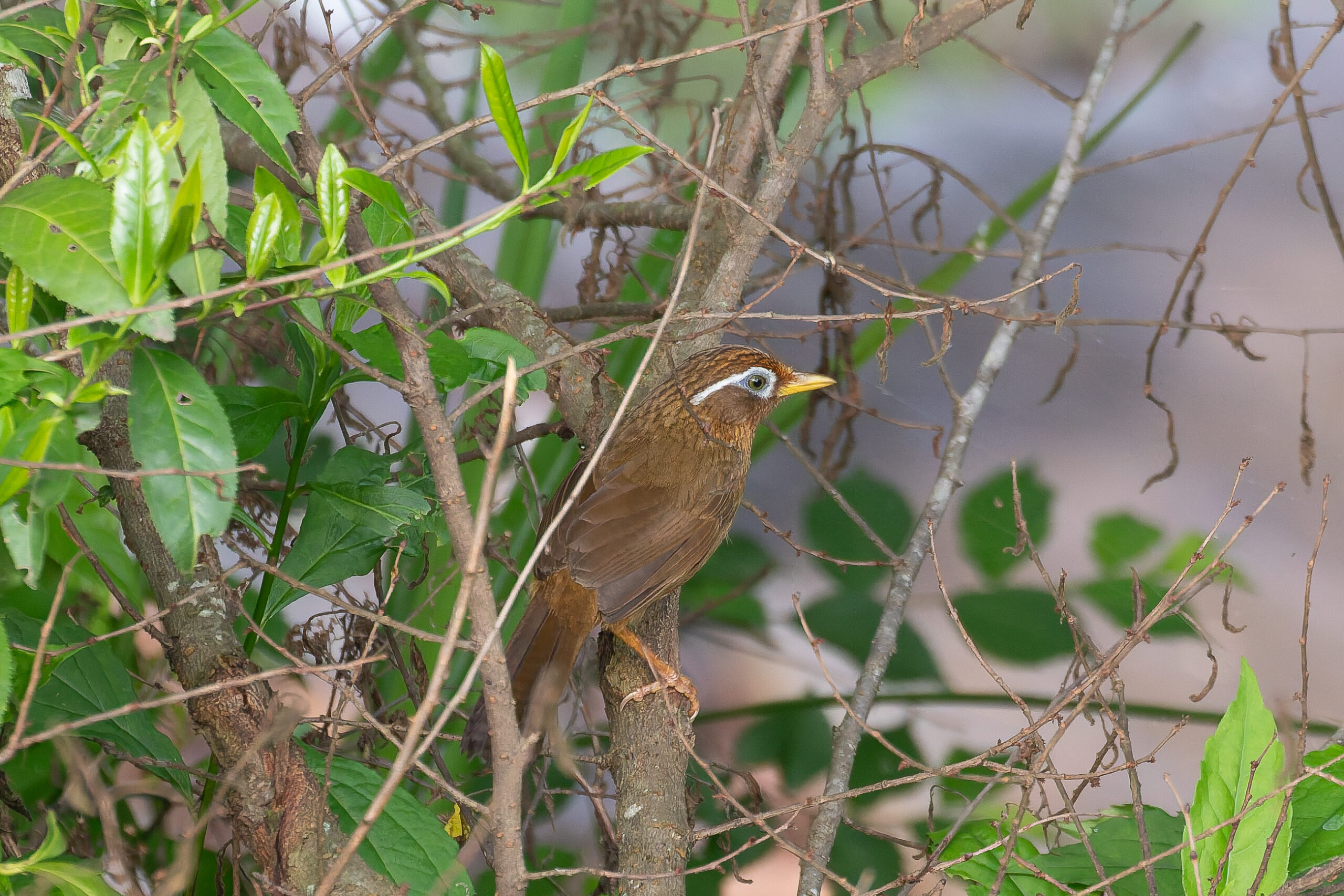
Chinese Hwamei (image by Diedert Koppenol)
Eyebrowed Thrush (image by Pete Morris)
Nordmann's Greenshank (image by Pete Morris)
Pechora Pipit (image by Pete Morris)
Light-vented Bulbul (image by Pete Morris)
(image by Diedert Koppenol)
Swinhoe's Minivet (image by Pete Morris)
Brown Bush Warbler (image by Pete Morris)
Reed Parrotbill (image by Diedert Koppenol)
Red-billed Leiothrix (image by Pete Morris)
White-spectacled Warbler (form intermedius) (image by Pete Morris)
Northern Boobook (image by Pete Morris)
Black Baza (image by Pete Morris)
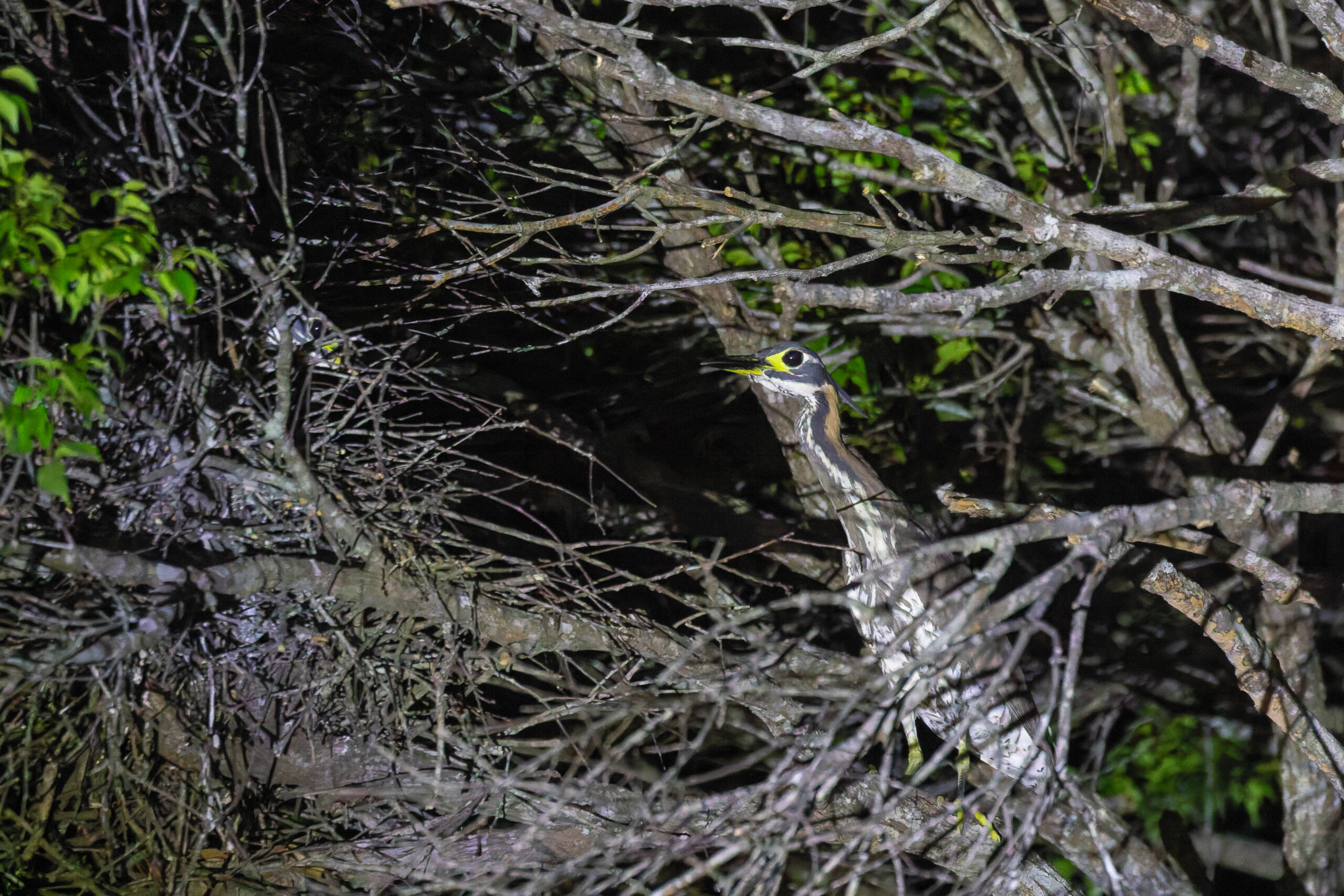
White-eared Night Heron (image by Diedert Koppenol)
Black-faced Spoonbills (image by Pete Morris)
Cabot's Tragopans (image by Pete Morris)
Saunders's Gull (image by Diedert Koppenol)
Chinese Grosbeak (image by Pete Morris)
(image by Diedert Koppenol)
Chinese Hwamei (image by Diedert Koppenol)
Blue-crowned Laughingthrushes (image by Diedert Koppenol)
Great Knot (image by Pete Morris)
White-throated Needletail (image by Pete Morris)
Brown-chested Jungle Flycatcher (image by Pete Morris)
Reed Parrotbill (image by Diedert Koppenol)
Eurasian (Plain-faced) Jay (image by Pete Morris)
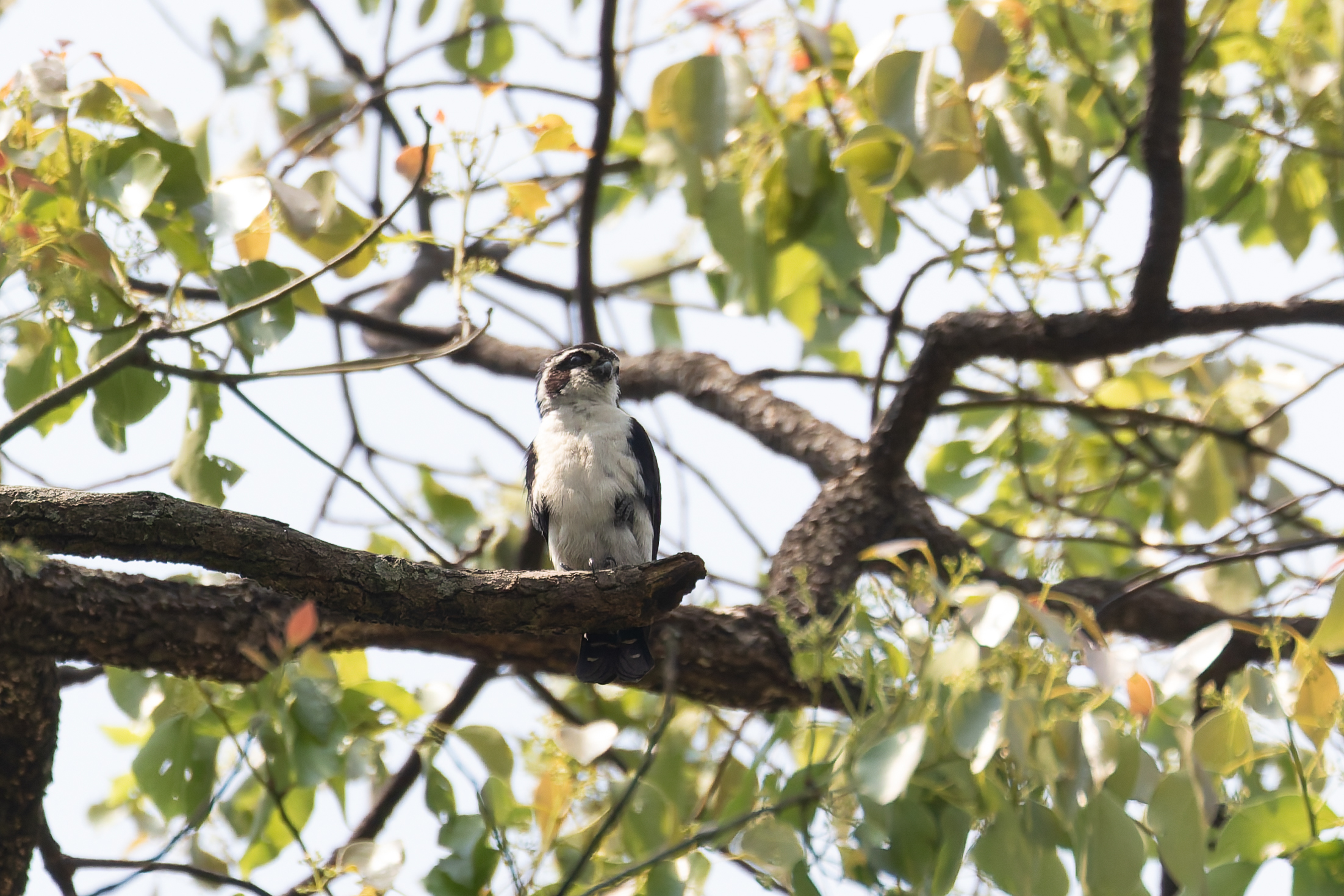
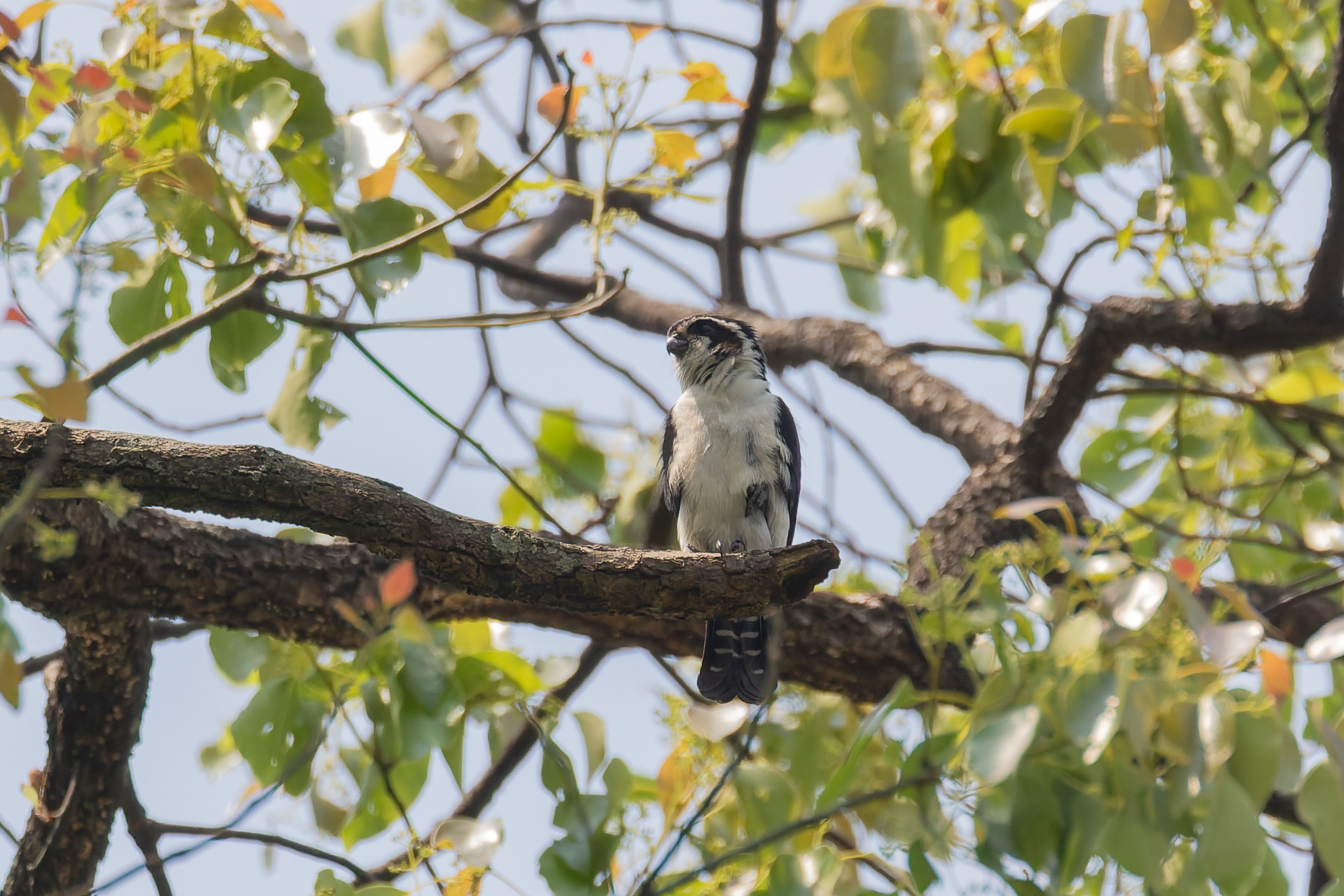
Pied Falconet (image by Pete Morris)
Long-billed Plover (image by Pete Morris)
Rufous-tailed Robin (image by Pete Morris)
Red-billed Starling (image by Pete Morris)
Common Pheasant (image by Pete Morris)
Chinese Leaf Warbler (image by Pete Morris)
Chinese Blackbird (image by Pete Morris)
Daurian Redstart (image by Pete Morris)
Narcissus Flycatcher (image by Pete Morris)
Reed Parrotbill (image by Pete Morris)
White-faced Plover (image by Pete Morris)
Mandarin Duck (image by Pete Morris)
Buff-throated Warbler (image by Pete Morris)
Japanese Paradise Flycatcher (image by Pete Morris)
Blue-crowned (or Courtois's) Laughingthrush (image by Pete Morris)
Black Eagle (image by Pete Morris)
Buffy Laughingthrush (image by Pete Morris)


Brown Bush Warbler (image by Pete Morris)
Oriental Scops Owl (image by Pete Morris)
Grey-headed Lapwing (image by Pete Morris)
Blue Whistling Thrush (image by Pete Morris)
Collared Finchbill (image by Pete Morris)
Yellow-browed Warbler (image by Pete Morris)
Marsh Grassbird (image by Pete Morris)
Blyth's Kingfisher (image by India Dipanka)
Rudong mud flats (image by Pete Morris)
Eastern Red-rumped Swallow (image by Pete Morris)
Great Bittern (image by Pete Morris)
Koklass Pheasant (image by Pete Morris)
Plumbeous Redstart (image by Pete Morris)
Silver Pheasant (image by Pete Morris)
Chinese Sparrowhawk (image by Pete Morris)
Spoon-billed Sandpiper and Red-necked Stint (image by Pete Morris)
Fork-tailed Sunbird (image by Pete Morris)
Orange-headed Thrush (image by Pete Morris)
Cabot's Tragopan (image by Pete Morris)
Oriental Pratincole (image by Pete Morris)
Fork-tailed Sunbird (image by Pete Morris)
Red-billed Starling (image by Pete Morris)
Black-throated Bushtit (image by Pete Morris)
White-faced Plover (image by Pete Morris)
Fork-tailed Sunbird (image by Diedert Koppenol)
Zappey's Flycatcher (image by Pete Morris)
Blue-and-White Flycatcher (image by Pete Morris)
Chinese Grey Shrike (image by Pete Morris)
Fork-tailed Sunbird (image by Diedert Koppenol)
White-faced Plover (image by Pete Morris)
Chinese Egret (image by Pete Morris)
Elliot's Pheasant (image by Pete Morris)
Crested Honey Buzzard (image by Pete Morris)
Reed Parrotbill (image by Pete Morris)
Saunders's Gull (image by Pete Morris)
Moustached Laughingthrush (image by Pete Morris)
Chestnut Bulbul (image by Pete Morris)
Blue-crowned Laughingthrush (image by Diedert Koppenol)
Yellow-throated Bunting (image by Pete Morris)
Saunders's Gull (image by Pete Morris)
Yellow-bellied (Chinese) Prinia (image by Pete Morris)
Chinese Hwamei (image by Diedert Koppenol)
Eyebrowed Thrush (image by Pete Morris)
Nordmann's Greenshank (image by Pete Morris)
Pechora Pipit (image by Pete Morris)
Light-vented Bulbul (image by Pete Morris)
(image by Diedert Koppenol)
Swinhoe's Minivet (image by Pete Morris)
Brown Bush Warbler (image by Pete Morris)
Reed Parrotbill (image by Diedert Koppenol)
Red-billed Leiothrix (image by Pete Morris)
White-spectacled Warbler (form intermedius) (image by Pete Morris)
Northern Boobook (image by Pete Morris)
Black Baza (image by Pete Morris)
White-eared Night Heron (image by Diedert Koppenol)
Black-faced Spoonbills (image by Pete Morris)
Cabot's Tragopans (image by Pete Morris)
Saunders's Gull (image by Diedert Koppenol)
Chinese Grosbeak (image by Pete Morris)
(image by Diedert Koppenol)
Chinese Hwamei (image by Diedert Koppenol)
Blue-crowned Laughingthrushes (image by Diedert Koppenol)
Great Knot (image by Pete Morris)
White-throated Needletail (image by Pete Morris)
Brown-chested Jungle Flycatcher (image by Pete Morris)
Reed Parrotbill (image by Diedert Koppenol)
Eurasian (Plain-faced) Jay (image by Pete Morris)
Pied Falconet (image by Pete Morris)
Long-billed Plover (image by Pete Morris)
Rufous-tailed Robin (image by Pete Morris)
Red-billed Starling (image by Pete Morris)
Common Pheasant (image by Pete Morris)
Chinese Leaf Warbler (image by Pete Morris)
Chinese Blackbird (image by Pete Morris)
Daurian Redstart (image by Pete Morris)
Narcissus Flycatcher (image by Pete Morris)
Reed Parrotbill (image by Pete Morris)
White-faced Plover (image by Pete Morris)
Mandarin Duck (image by Pete Morris)
Buff-throated Warbler (image by Pete Morris)
Japanese Paradise Flycatcher (image by Pete Morris)
Blue-crowned (or Courtois's) Laughingthrush (image by Pete Morris)
Black Eagle (image by Pete Morris)
Buffy Laughingthrush (image by Pete Morris)


|
Tuesday 11th May – Sunday 23rd May 2027 Leaders: Hannu Jännes and a local bird guide |
13 Days | Group Size Limit 8 (tour guaranteed) |
| Coastal Migration Extension Friday 7th May – Tuesday 11th May 2027 |
5 Days | Group Size Limit 8 (extension guaranteed) |
|
Friday 11th May – Wednesday 23rd May 2029 Leaders: Birdquest leader to be announced and a local bird guide |
13 Days | Group Size Limit 8 |
| Coastal Migration Extension Monday 7th May – Friday 11th May 2029 |
5 Days | Group Size Limit 8 |
Birdquest’s Southeast China in Spring birding tours offer a compelling experience. Our Southeast China birding tour features both the coastal habitats and lowland and montane forests of this fascinating region, targeting many endemics and regional specialities, plus some great migrants heading further north.
Our Southeast China tour targets include such marvellous specialities as the Endangered White-eared Night Heron, Chinese Sparrowhawk, the beautiful Cabot’s Tragopan, the superb Elliot’s Pheasant, White-necklaced (or Rickett’s) Partridge, the Critically Endangered Spoon-billed Sandpiper, Asian Dowitcher, the Endangered Nordmann’s Greenshank, the Critically Endangered Chinese Crested Tern, Saunders’s Gull, Blyth’s Kingfisher, Chinese Barbet, Pied Falconet, the lovely Fairy Pitta, Pechora Pipit, Swinhoe’s Minivet, Chestnut and Light-vented Bulbuls, Rufous-tailed Robin, Chinese Blackbird, Marsh Grassbird, Brown Bush Warbler, Kloss’s and Hartert’s Leaf Warblers, Sulphur-breasted and White-spectacled Warblers, Grey-sided Scimitar Babbler, the Critically Endangered Blue-crowned (or Courtois’s) Laughingthrush, Chinese Hwamei, Buffy, Moustached and Masked Laughingthrushes, Huet’s Fulvetta, Reed and Short-tailed Parrotbills, the monotypic Spotted Elachura, Brown-chested Jungle Flycatcher, Swinhoe’s White-eye, Fork-tailed Sunbird and the stunning and Endangered Silver Oriole.
The huge and varied country that is China boasts an extraordinary bird list of over 1300 species. Since 1984, Birdquest has developed a series of comprehensive China birding tours to find a vast majority of the endemics and specialities, but in a country that is so large, and with so many scattered specialities, there is always more to see. This itinerary, to the east and south of China, targets some rare and poorly known species along the coast and numerous endemics and other specialities at forest sites inland. We have enough time in this huge region of China to enjoy our birding without being very rushed, and also do well with species that are often hard to find. The bird list will be very respectable, and the quality contained within it will certainly be extraordinary!
Our Southeast China birding tour will begin in the city of Shanghai, China’s largest.
From there, we will travel to Huangzhou, where our prime target is the uncommon, late-arriving Brown-chested Jungle Flycatcher. Other good birds include Chestnut Bulbul and the endemic Huet’s Fulvetta.
Next, we will explore the rural villages and woodland around Wuyuan in China’s eastern Jiangxi province, where our main prize will be the beautiful and Critically Endangered endemic Blue-crowned (or Courtois’s) Laughingthrush, while we should also be able to find the scarce Pied Falconet, Mandarin Duck (real wild ones!), Brown Crake, the localized Swinhoe’s Minivet, Masked Laughingthrush and the smart Short-tailed Parrotbill. Long-billed Plover is also possible.
From Wuyuan, we head southwards to Emeifeng in Fujian province, where we will explore the forested road that leads up through the reserve as well as other locations. Our prime targets will be the pheasants, and it is quite possible to see three or even four species in a morning! The pick of the bunch is the unbelievable Cabot’s Tragopan, though gorgeous Elliot’s Pheasant gives it a good run for its money!
The supporting cast is excellent, with other major targets including White-necklaced (or Rickett’s) Partridge, Kloss’s Leaf Warbler, White-spectacled Warbler, Brown Bush Warbler, Spotted Elachura (formerly known as Spotted Wren-Babbler but now placed in its own monotypic family) and Buffy Laughingthrush and Moustached Laughingthrushes. Hartert’s Leaf Warbler is also possible.
In Mingxi County, we will be looking for the rare and sought-after Blyth’s Kingfisher at perhaps its most regular haunt in its range, as well as the rare and Endangered White-eared Night Heron.
After reaching the coast once more at Fuzhou, we will look for the very rare and Endangered Chinese Crested Tern and also visit a forest area where White-necklaced Partridge tends to be less difficult to observe.
Finally, after travelling to the city of Guangzhou in Guangdong province, we will go in search of the stunning Silver Oriole at a site that Birdquest pioneered on our highly successful South China Expedition in 2019. Other superb birds here include the wonderful Fairy Pitta and the superb, near-endemic Fork-tailed Sunbird, as well as a variety of other more common lowland species.
Before the main tour gets underway, there is an exciting optional extension to the coastal region to the north of Shanghai. Shorebird and passerine migration towards Northeast Asia will be strongly underway at the time of our visit, and seeing such East Asian migrants will surely appeal to many birds, both from Europe and elsewhere.
Not far from Shanghai, we will go looking for the localised endemic Reed Parrotbill and the rare, range-restricted Marsh Grassbird. At this time of year, we could easily find some interesting migrant passerines in the area.
Our next port of call is Rudong County, which is situated just across the Yangtze River mouth in Jiangsu province. Much of the Chinese coast is under threat from reclamation, but in the region north of Shanghai, there are still extensive mudflats.
Here, we will keep a sharp eye out for rarities amongst a superb array of shorebirds, many in full breeding plumage, with species such as Great Knot, Asian Dowitcher and Nordmann’s Greenshank all being possible.
An exciting but Critically Endangered species is the famous and very special Spoon-billed Sandpiper, which has plummeted in numbers alarmingly in recent decades. China’s Yellow Sea coast is a regular staging area for this species, although they are much more regular and more common in autumn than in spring. We will be hoping for some good fortune so that we can find this rare species, which may be in splendid summer plumage at this time of year.
Stunning Saunders’s Gulls are common here. Another attraction of the coast at this season is that it’s sometimes alive with passerine migrants, and among the commoner species, we are likely to see a few goodies such as Pechora Pipit, Narcissus Flycatcher, Rufous-tailed Robin or Siberian Thrush!
Birdquest has an unrivalled depth of experience in China, having operated over 150 China birding tours since 1984.
Accommodation & Road Transport
The hotels and guesthouses are almost all comfortable and of a good or medium standard. The guesthouse at Emeifeng is fairly simple. Road transport is by a small coach or a minibus/passenger van. Roads are generally good or excellent.
Walking
The walking effort during our Southeast China in Spring birding tours is mostly easy, occasionally moderate.
Climate
Generally cool to warm (occasionally hot in the lowlands) with sunny spells interspersed with overcast conditions, especially in the mountains. Some rain is likely.
Bird Photography
Opportunities during our Southeast China in Spring birding tour are quite good in some areas.
To see a larger map, click on the square-like ‘enlarge’ icon in the upper right of the map box.
To see (or hide) the ‘map legend’, click on the icon with an arrow in the upper left of the map box.
To change to a satellite view, which is great for seeing the physical terrain (and for seeing really fine details by repetitive use of the + button), click on the square ‘map view’ icon in the lower left corner of the ‘map legend’.
Birdquest Inclusions: Our tour prices include transportation, accommodations, meals and entrance fees.
We also include all tipping for local guides, drivers and accommodation/restaurant staff.
Deposit: 20% of the total tour price. Our office will let you know what deposit amount is due, in order to confirm your booking, following receipt of your online booking form.
TO BOOK THIS TOUR: Click here (you will need the tour dates)
The single supplement will not apply if you indicate on booking that you prefer to share a room and there is a room-mate of the same sex available.
This tour is priced in US Dollars. Amounts shown in other currencies are indicative.
Southeast China: Day 1
The tour begins this morning at a hotel close to Shanghai Pudong Airport.
(Pudong is the Shanghai airport with code PVG, into which almost all long-haul flights arrive. If you elect to arrive at Pudong during the early hours, rather than stay overnight, kindly note that you will need to be at the hotel by 0700.)
This morning, we will travel by train westwards to the city of Huangzhou for an overnight stay.
This afternoon, we will visit a wooded valley near the edge of the city. Our major target in this attractive area will be the uncommon and localised Brown-chested Jungle Flycatcher, a species that breeds only in southeastern China and winters southwards to the Malay Peninsula.
The endemic Huet’s Fulvetta is quite common, and near-endemic or range-restricted specialities found in this area include Chestnut and Light-vented Bulbuls, Sulphur-breasted Warbler, Swinhoe’s White-eye and Chinese Blackbird. More widespread are Rufous-faced Warbler, Brownish-flanked Bush Warbler and Grey-headed Parrotbill. Green Shrike-babbler is also possible.
Widespread species we may well encounter include Spotted Dove, Speckled Piculet, Grey-chinned Minivet, Grey Treepie, Large-billed Crow, Barn Swallow, Cinereous (or Asian) Tit, Black Bulbul, Black-throated Bushtit, Rufous-capped Babbler, Streak-breasted Scimitar Babbler, Oriental Magpie-Robin and Eurasian Tree Sparrow.
Eastern China in Spring: Day 2
After some more birding in the Huangzhou area, we will travel by high-speed train westwards to the town of Wuyuan in Jiangxi province for a two-night stay.
China’s fantastic modern ‘bullet trains’ travel at a speed that is hard to believe for a terrestrial means of transport! These clean and comfortable trains travel between stations at speeds of between 200-300 kilometres per hour (120-180 miles per hour)! The journey times are typically well under half the time it takes to drive.
We may arrive in time for some initial exploration.
Eastern China in Spring: Day 3
For many years, the Blue-crowned (or Courtois’s) Laughingthrush was known from just a couple of specimens collected in 1919. It was only in 2000, after seven years of concerted effort by Chinese ornithologists, that this species was rediscovered close to its type locality. Rather strangely for a laughingthrush, this species is a migrant, appearing at a few rural villages (just five breeding sites are currently known) each summer to breed and then vanishing for the winter! The known world population appears to be stable but very small (estimated at around 320 individuals), but with local help, we will visit a site where we should be able to get some great views, and we will count ourselves very privileged indeed to see such a rare and beautiful bird.
The Wuyuan area holds some other avian specialities as well, including Chinese Sparrowhawk (or Chinese Goshawk; at this season we may see the spectacular display), Chinese Bamboo Partridge, Swinhoe’s (or Brown-rumped) Minivet, Tiger Shrike (though this declining species is now scarce in the area, so luck will be needed), Rufous-faced Warbler, the near-endemic Chinese Hwamei (a great songster), the near-endemic Masked Laughingthrush and the delightful but uncommon Short-tailed Parrotbill.
Some other interesting species include Mandarin Duck, Black Bittern, the striking Black Baza, Northern Boobook, the large Crested Kingfisher, White-browed Laughingthrush (uncommon), Oriental Magpie and the impressive Yellow-billed Grosbeak.
We will also visit an area where we have an excellent chance of finding the feisty Pied Falconet, as well as a few other species such as the Oriental Dollarbird and Brown-breasted Bulbul.
In addition, if time permits, we will visit a stretch of river where we will have a chance to see the range-restricted Long-billed Plover and Brown Crake.
Widespread species that we may well encounter here include Crested Serpent Eagle, Common Pheasant, Common Moorhen, Oriental Turtle and Spotted Doves, Indian Cuckoo, Lesser Coucal, Asian Barred Owlet, House Swift, the colourful Black-capped Kingfisher (uncommon), Common Kingfisher, Great Spotted, Grey-capped Pygmy and Grey-headed Woodpeckers, Black-winged Cuckooshrike, Black-naped Oriole, Ashy Drongo, Eurasian Jay, Red-billed Blue Magpie, Oriental Magpie-Robin and White-rumped and Scaly-breasted Munias.
Southeast China: Day 4
After some final birding in the Wuyuan area, we will drive southwards to the famous Emeifeng mountain in Fujian province for a three-night stay. We may even see our first pheasant or two on our way up the mountain!
Southeast China: Days 5-6
Emei Feng has come to the fore and is justifiably regarded as the prime site to visit to find the specialities of the region. Here, rushing rivers cut through the bamboo-dominated forests lower down, whilst the steep slopes above are still clad in beautiful forest, making for some fantastic vistas.
Fortunately, the whole area is easily explored along roads and old logging tracks, allowing us to explore in our vehicles whilst searching for Galliformes! These special birds will be high on the agenda, and it is possible to find four species of pheasants in a day! Pride of place will go to the superb polka-dotted Cabot’s Tragopan, which can regularly be found on the road early in the morning. Equally exciting, and pretty reliable here, is the rare Elliot’s Pheasant. Silver Pheasant is often relatively numerous, and Koklass Pheasant may also put in an appearance! We will surely regularly hear the plaintive whistles of the little-known and furtive White-necklaced (or Rickett’s Hill) Partridge, and, with persistence, we should be able to get views.
Although overall diversity is not very high, a number of other interesting species occur in the forest, and species we expect to see include the localised, range-restricted Kloss’s Leaf Warbler, White-spectacled Warbler (interestingly, the form here, intermedius, has yellow spectacles!), the monotypic Spotted Elachura (with its striking song), the excellent Buffy Laughingthrush (a superb vocalist), the skulking endemic Moustached Laughingthrush (now increasingly rare owing to trapping), and Indochinese and Black-chinned Yuhinas.
With a bit of luck, we will also find the range-restricted Hartert’s Leaf Warbler.
In the highest areas, we should find Brown Bush Warbler, a bird with an insect-like song, as well as Buff-throated Warbler if we can access its habitat (the top of the mountain is out of bounds, so we need to find one lower than average).
More widespread, species that occur in the area include Black Eagle, Barred Cuckoo-Dove, Large Hawk-Cuckoo, Himalayan and Lesser Cuckoos, Collared Owlet, Brown Wood Owl, White-throated Needletail, Blue-throated Bee-eater, Bay Woodpecker, Great Barbet, Asian House Martin, White-bellied Erpornis, Grey-headed Canary-flycatcher, the superb Yellow-cheeked and Sultan Tits, Chestnut-crowned Warbler, Mountain and Himalayan Black Bulbuls, the shy Greater Necklaced Laughingthrush, the comical Pygmy Cupwing, White-browed Shrike-Babbler, Red-billed Leiothrix, Brown Dipper, Plumbeous Water Redstart, the attractive Chestnut-bellied Rock Thrush, Blue Whistling Thrush, Little, Spotted, Slaty-backed and White-crowned Forktails, Small Niltava and Orange-bellied Leafbird.
Southeast China: Day 7
After some early morning birding at Emei Feng, we will continue to Mingxi County for a two-night stay.
This afternoon, we will have our first chance to look for Blyth’s Kingfisher.
Southeast China: Day 8
The rare Blyth’s Kingfisher still survives in this part of Fujian, and we will make a special effort to try and see one. By allowing enough time in the area, we will have a good chance of an encounter with this sought-after species.
In addition, the rare and Endangered White-eared Night Heron also occurs in this area, and we will go by boat at night to look for one. The chances of a sighting are fairly good.
Chinese Barbet also occurs in the area, but it requires good fortune to see one.
As long as we have an early success with the kingfisher, we will have time to visit a hide/blind where we could well have stunning views of Elliot’s and Silver Pheasants, although in May, they are a bit less reliable than in winter and early spring.
Southeast China: Day 9. After some final birding in Mingxi county, if need be, we will drive to the coastal city of Fuzhou for a two-night stay.
This afternoon, we will explore the Fuzhou region.
Southeast China: Day 10
During our stay at Fuzhou, we will explore the attractive Fuzhou Forest Park on the edge of the city. The park gets busy from mid-morning onwards, but the birds have become used to the human intruders.
White-necklaced Partridge is easier to see here than at Emeifeng, while other species of note include the endemic Grey-sided Scimitar Babbler, as well as Spotted Elachura and Black-throated Laughingthrush. There is even a slim chance for Pale-headed Woodpecker.
Along the Fuzhou region coast, we will search for the Critically Endangered Chinese Crested Tern, which we have a fair chance of finding at this time of year, although it is of unpredictable occurrence.
We may also encounter the uncommon, range-restricted White-faced Plover, although finding one in this part of Chinba may take more time than we have available after searching for the tern.
We will surely see some more shorebirds and other coastal birds, but most likely all will have been observed in the Shanghai region.
Southeast China: Day 11
We may have the opportunity for some early morning birding at the forest park before taking the high-speed train along China’s south coast to the city of Guangzhou (Canton) in Guangdong province. From Guangzhou, we drive a fairly short distance northwards to Liuxihe for an overnight stay.
Southeast China: Day 12
Northern Guangdong is one of the last reliable places to see the beautiful but fast-declining and endangered Silver Oriole. We should see this lovely creature during our visit to a site we pioneered on the Birdquest South China Expedition in the spring of 2019.
The migratory Fairy Pitta will have arrived in the area by the time of our visit, and we will have enough time available to have a high chance for good views of this splendid creature.
Another good bird in this area is the endemic Chinese Barbet. We have a fairly good chance of a sighting of this localised and rather low-density species.
We should also find the near-endemic and spectacular Fork-tailed Sunbird, whilst other new species may well include Rufous Woodpecker, Large Woodshrike and Scarlet Minivet.
Southeast China: Day 13
We will have a last morning to look for Silver Oriole or Fairy Pitta, should we still need to. Or we can search for other Southeast China birds.
After our very special oriole encounter, we will have time to pack and change, have a good lunch and then head for Guangzhou International Airport, where our tour ends early this evening.
Southeast China (Shanghai Coast): Day 1
The tour begins this morning at a hotel close to Shanghai Pudong Airport.
(Note: Pudong is the Shanghai airport with code PVG, into which almost all long-haul flights arrive. If you elect to arrive at Pudong during the early hours, rather than stay overnight, kindly note that you will need to be at the hotel by 0600.)
This morning we will visit an area not far from the city. Here, the extensive reedbeds are home to a good population of the endemic Reed Parrotbill and a small population of the scarce, range-restricted Marsh Grassbird. The extensive reedbeds are also home to a thriving population of Eurasian Bitterns, and these can be quite visible at this season.
In the right weather conditions, migrant passerines can be plentiful, and we will see a selection of other waterbirds and shorebirds.
Afterwards, we will cross the Yangtze River and transfer to our hotel on the coast of Jiangsu province’s Rudong County for a three-night stay. In the afternoon, we will begin exploring this wonderful area.
Southeast China (Shanghai Coast): Days 2-3
While based on the Rudong coast of Jiangsu, we will explore areas of mudflats, lagoons and fish ponds. This ever-changing, partly industrialised landscape, with more reclamation every year, is still providing a crucial feeding area for many East Asian Flyway shorebirds.
Thousands of other shorebirds will be present in the area, many in colourful breeding plumage. Indeed, seeing these Asian Flyway shorebirds in their wonderful colours will be a highlight of the tour.
At the high tide roosts, large numbers of Red-necked Stints are joined by smaller numbers of Red Knots, Sanderlings, Dunlins and Sharp-tailed and Curlew Sandpipers. These are augmented by numbers of Kentish Plovers, Siberian Sand Plovers and Terek Sandpipers, whilst the congregations are also likely to include Grey (or Black-bellied) Plovers, Pacific Golden Plovers, Greater Sand Plovers, Common Greenshanks, Common Redshanks, Grey-tailed Tattlers, Bar-tailed Godwits, Eurasian Whimbrels, Eurasian Curlews and impressively long-billed Far Eastern Curlews.
We also have a fair chance of coming across the rare Nordmann’s Greenshank, often in its spotty breeding plumage, and the uncommon Asian Dowitcher, also in its breeding finery.
Even better, the Rudong coast has been found to be a regular migration stopover site for the Critically Endangered Spoon-billed Sandpiper. In autumn, the species is still quite regular and on any given day, there can be up to high single figures present or even more. In spring, however, the Spoon-billed Sandpiper is much more unpredictable, occurring regularly in very small numbers in some years yet barely occurring in others. It is important that group members understand this year-to-year variation in probability and appreciate that a sighting is a wonderful bonus and by no means a certainty.
We will attempt to find this very rare species at one of the high-tide roosts where, if we are fortunate and after a few false alerts from hopeful-looking Red-necked Stints, a turn of the head will reveal the spatulate appendage that we have been looking for. With a lot of luck, we will see more than one. Some individuals exhibit the splendid brick-red breeding plumage at this time of year. We will also keep a lookout for this species feeding on the mudflats, feeding with its classic sewing-machine-like action as it works its way through the shallow pools.
Other scarce shorebirds on the Rudong coast include Eurasian Oystercatcher (here from the eastern population, which may merit specific status), Great Knot and Broad-billed Sandpiper.
Pristine Saunders’s Gulls in full summer plumage are a regular feature at the coast, and we are also likely to find a few Black-tailed and Vega Gulls (the latter most likely of the controversial ‘taimyrensis’ form). With luck, we will come across the rare and range-restricted Black-faced Spoonbill or Chinese Egret, although few linger this late.
A number of fish ponds or other pools hold a slightly different selection of shorebirds, provided the water levels are suitable, and these may include Black-winged Stilt, Pied Avocet, Little Ringed Plover, Common Sandpiper, Spotted Redshank, Marsh, Wood and Green Sandpipers, and Eastern Black-tailed Godwit. With a bit of luck, we will find a few Long-toed Stints and one or more Asian Dowitchers, both in breeding plumage.
The ponds and any surviving grassy area can hold a variety of other species, including Eastern (or Chinese) Spot-billed Duck, Yellow Bittern, Grey-headed Lapwing and Oriental Pratincole. If we are fortunate, we will encounter a rarity or two, such as Little Curlews, Falcated Duck, Brown-cheeked Rail or Pheasant-tailed Jacana.
Along the coast, there are a number of shelter belts that sometimes attract a host of spring passerine migrants when the weather brings a ‘fall’. Of course, what is present on any given day is unpredictable, but there is generally enough to keep us interested.
Highlights may include such species as the delightful Forest Wagtail, Pechora Pipit (a very hard bird to see elsewhere on bird tours), the superb Siberian Thrush, Eyebrowed and Japanese Thrushes, the spectacular Siberian Rubythroat, Rufous-tailed Robin (likewise a hard bird to see elsewhere on bird tours), Siberian Blue Robins, Amur (or Stejneger’s) Stonechat, Dark-sided, Asian Brown, Blue-and-white, Yellow-rumped, Narcissus and Mugimaki Flycatchers, Pallas’s Grasshopper Warbler, Black-browed Reed Warbler, Yellow-browed, Arctic (and perhaps Japanese) and Pale-legged Warblers, Eastern Crowned Warbler, Black-naped Oriole, Black-faced, Little and Chestnut Buntings and the range-restricted Tristram’s Bunting. (Note that only a selection of these species will be observed during a single visit of this length.)
At this time of year, in the right conditions, almost any passerine migrant is possible, and rarities include species such as Citrine Wagtail, Japanese Paradise Flycatcher, White-throated Rock Thrush, Grey-backed and White’s Thrushes, Zappey’s Flycatcher, Bull-headed Shrike, Daurian Starling and Yellow-browed Bunting.
Interesting resident species that we may well see in this excellent area include such near-endemics as Chinese Blackbird, Light-vented Bulbul, Vinous-throated Parrotbill, the smart Red-billed Starling, and the impressive Chinese (or Yellow-billed) Grosbeak.
Widespread birds may include Common Pheasant, Little Grebe, Grey and Purple Herons, Chinese Pond Heron, Black-crowned Night Heron, Great, Medium, Little and Eastern Cattle Egrets, Osprey, White-breasted Waterhen, Common Moorhen, Black-headed Gull, Gull-billed, White-winged, Whiskered, Little and Common Terns (the latter of the distinctive form longipennis), Oriental Turtle, Red Turtle and Spotted Doves, Common and Indian Cuckoos, Pacific Swift, the colourful Black-capped Kingfisher, Common Kingfisher and Eurasian Hoopoe.
Passerines may include Brown Shrike (various forms are possible), Long-tailed Shrike, Black and Hair-crested Drongos, Oriental and Azure-winged Magpies, Eastern Yellow Wagtail (three forms are possible, including the distinctive taivana, known as ‘Green-headed’ Wagtail), Grey Wagtail, White Wagtail (the usual form here is leucopsis ‘Amur’ Wagtai, though ocularis ‘East Siberian’ Wagtail also occurs as a migrant), Richard’s and Olive-backed Pipits, Oriental Skylark, Sand Martin (or Bank Swallow), Barn and Red-rumped Swallows, Cinereous (or Asian) Tit, the bulky Manchurian Bush Warbler, Oriental Reed Warbler, Zitting Cisticola, Plain Prinia, the range-restricted Swinhoe’s White-eye, Crested Myna, Black-collared and White-cheeked Starlings, and Eurasian Tree Sparrow.
Southeast China (Shanghai Coast): Day 4
After spending much of the day along the Rudong coast, we will return to Shanghai for an overnight stay close to Pudong airport.
Southeast China (Shanghai Coast): Day 5
This morning, we will meet up with those arriving for the main tour.