
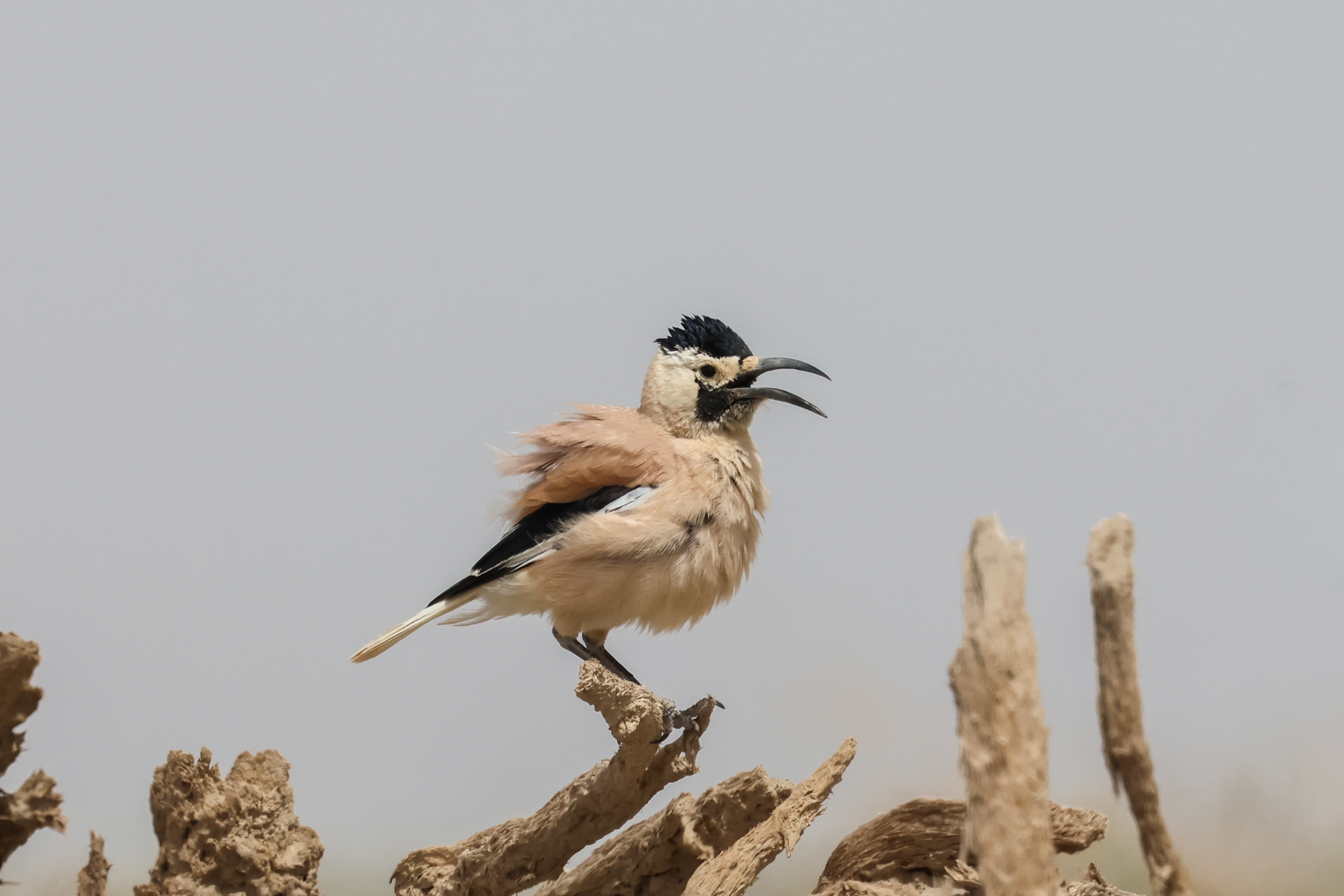
Xinjiang Ground Jay (image by Hannu Jännes)
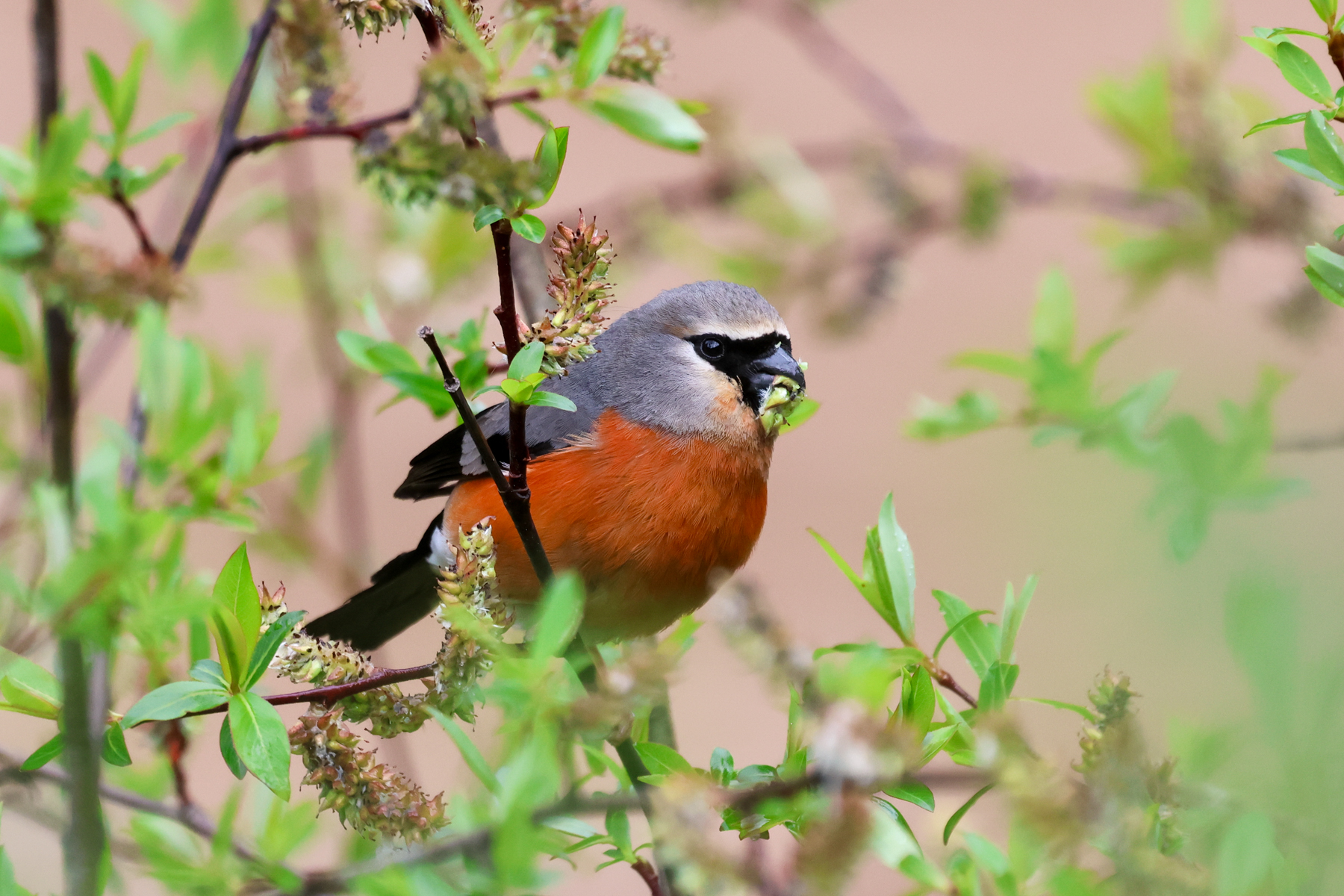
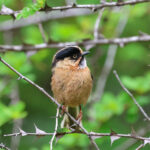
Grey-headed Bullfinch (image by Hannu Jännes)
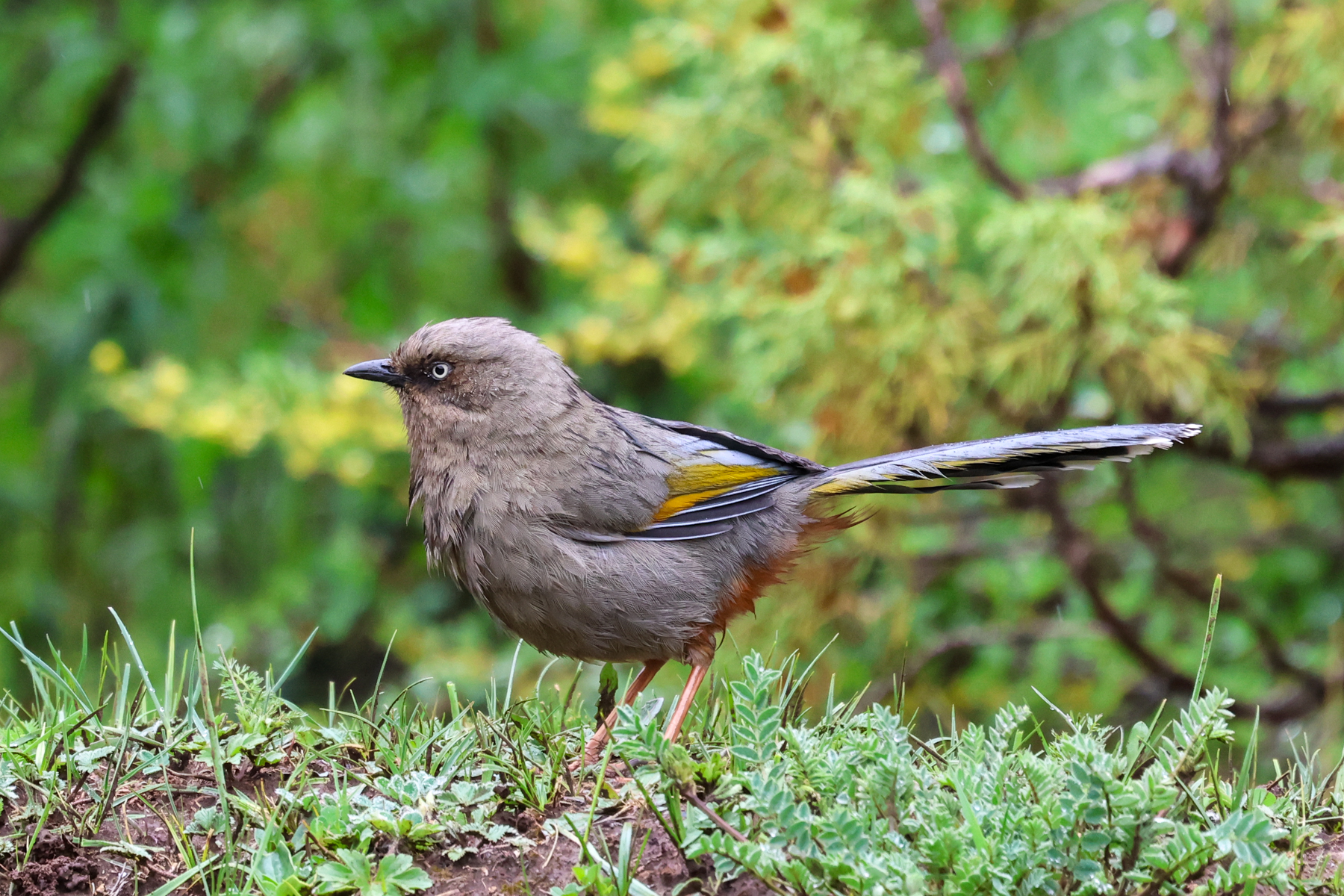
Elliot's Laughingthrush (image by Hannu Jännes)
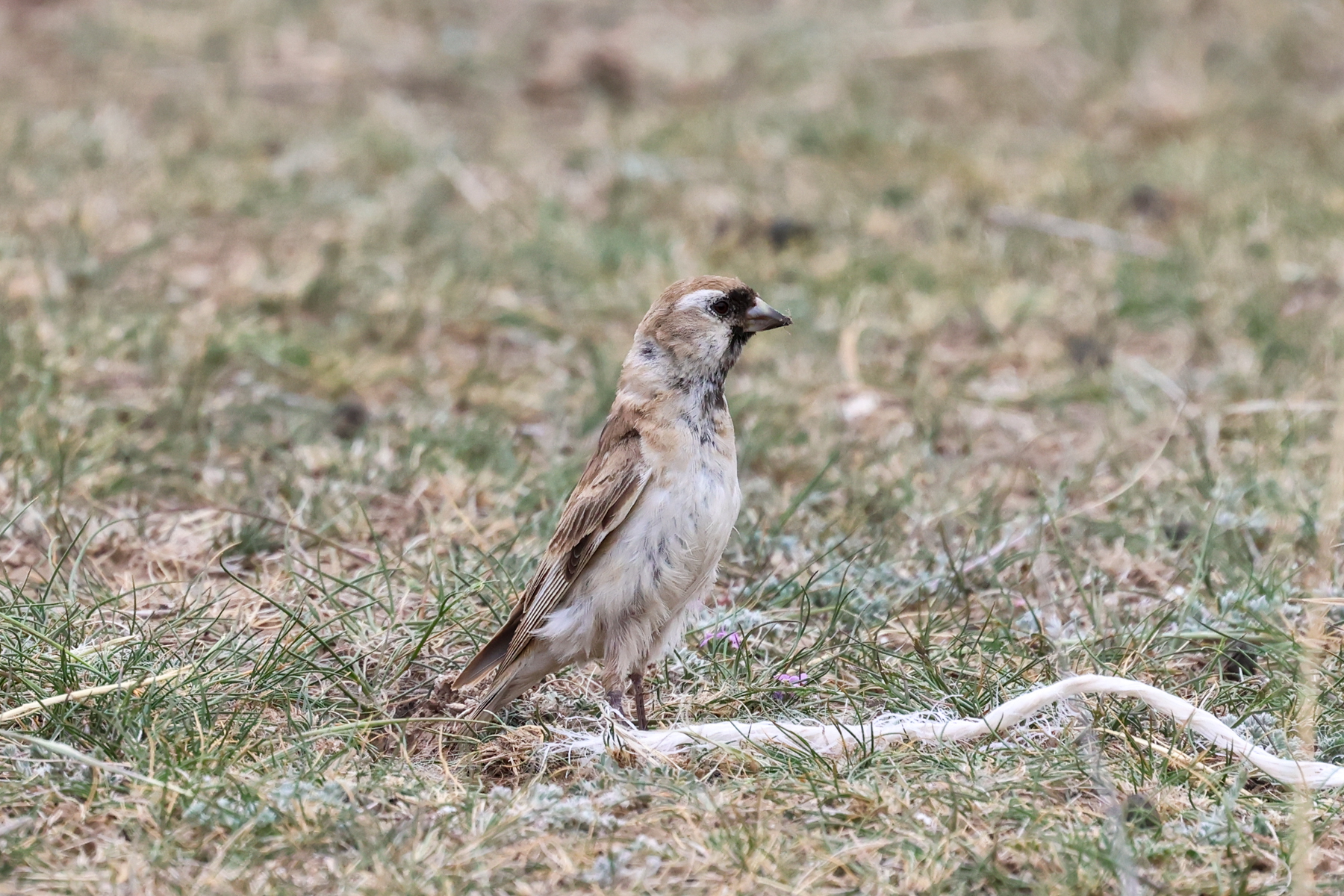
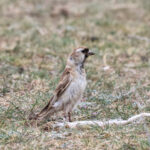
Pere David's Snowfinch (image by Hannu Jännes)
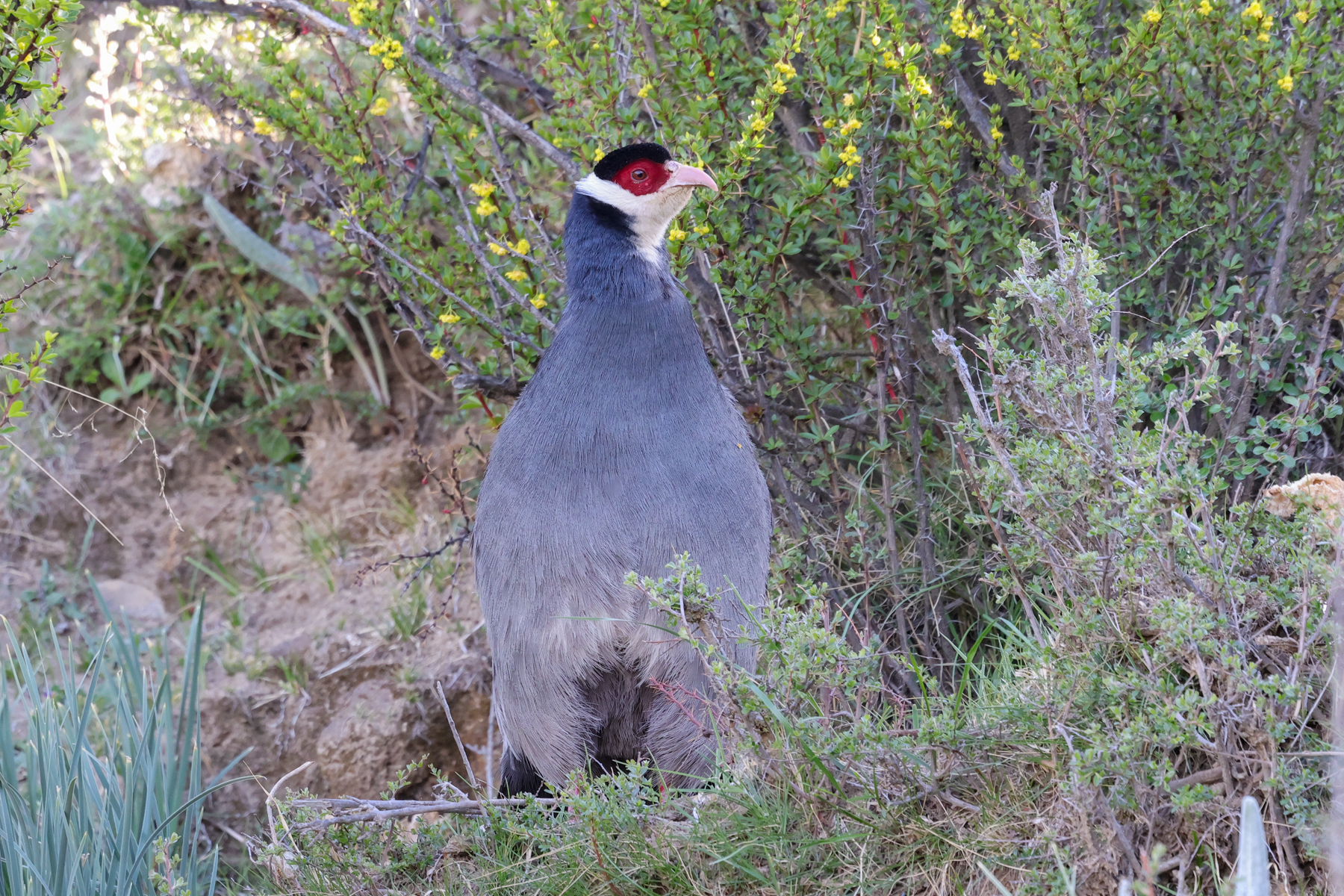
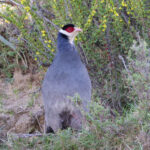
Tibetan Eared Pheasant (image by Hannu Jännes)
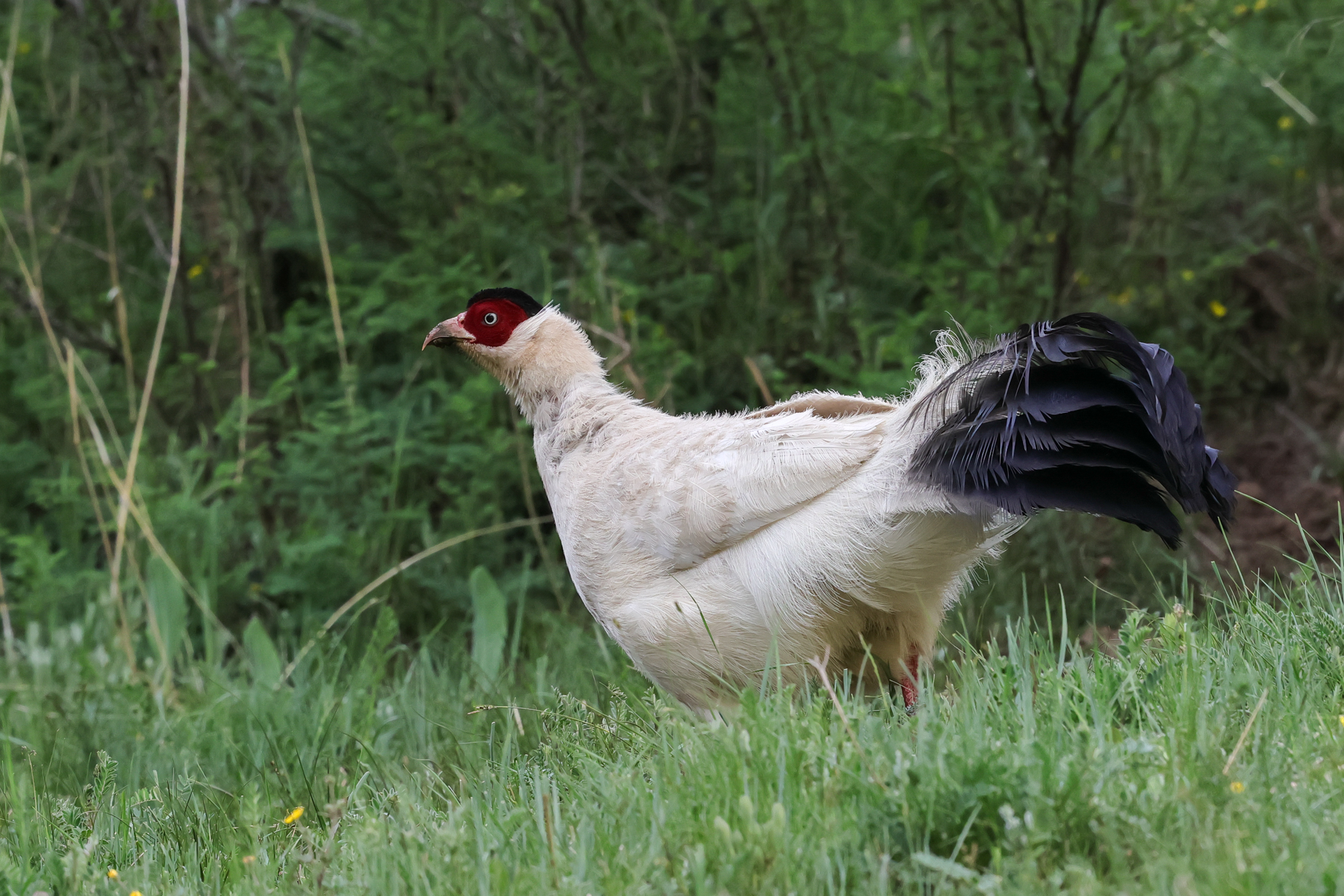
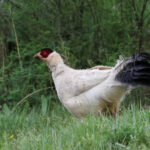
White Eared Pheasant (image by Hannu Jännes)
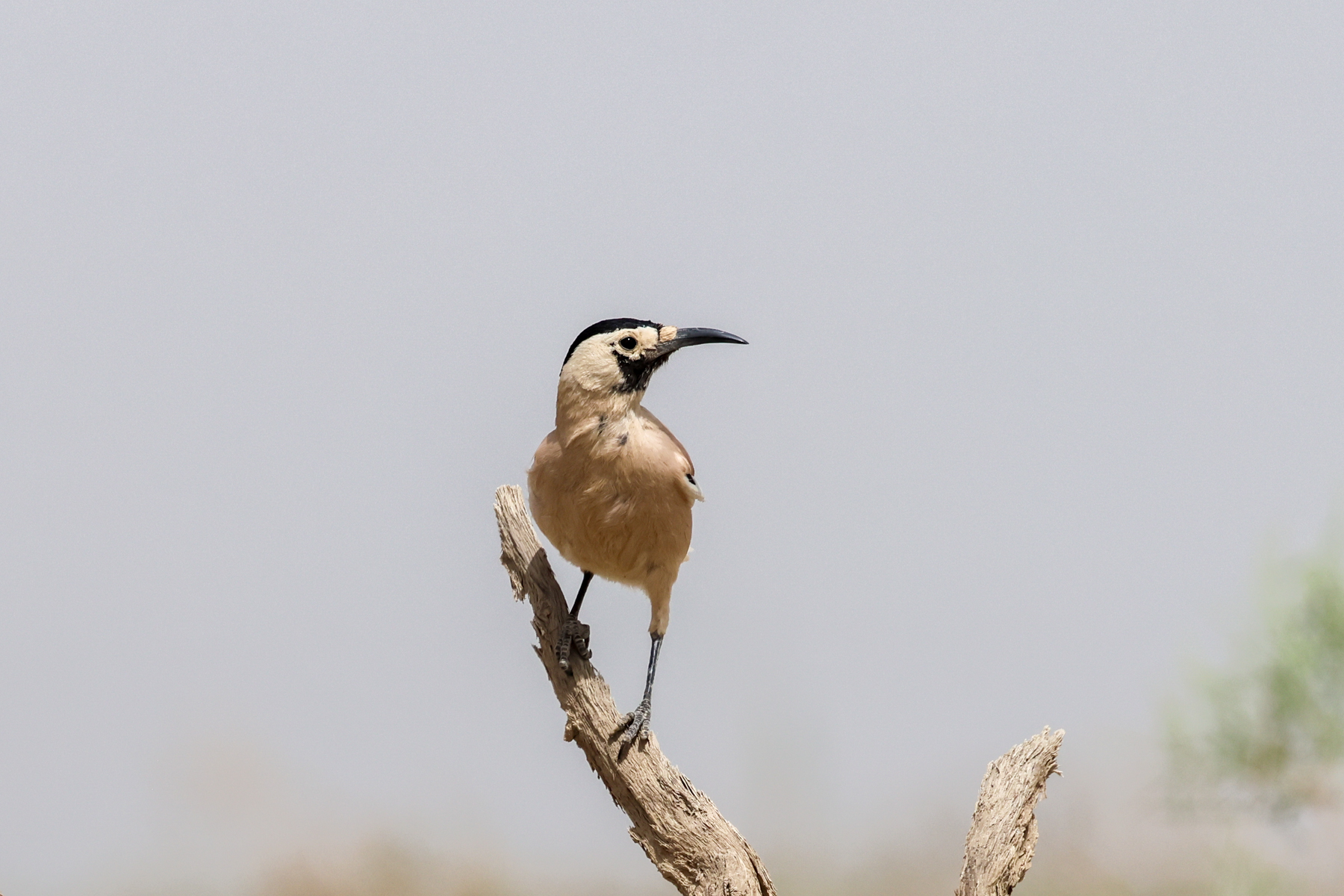
Xinjiang Ground Jay (image by Hannu Jännes)
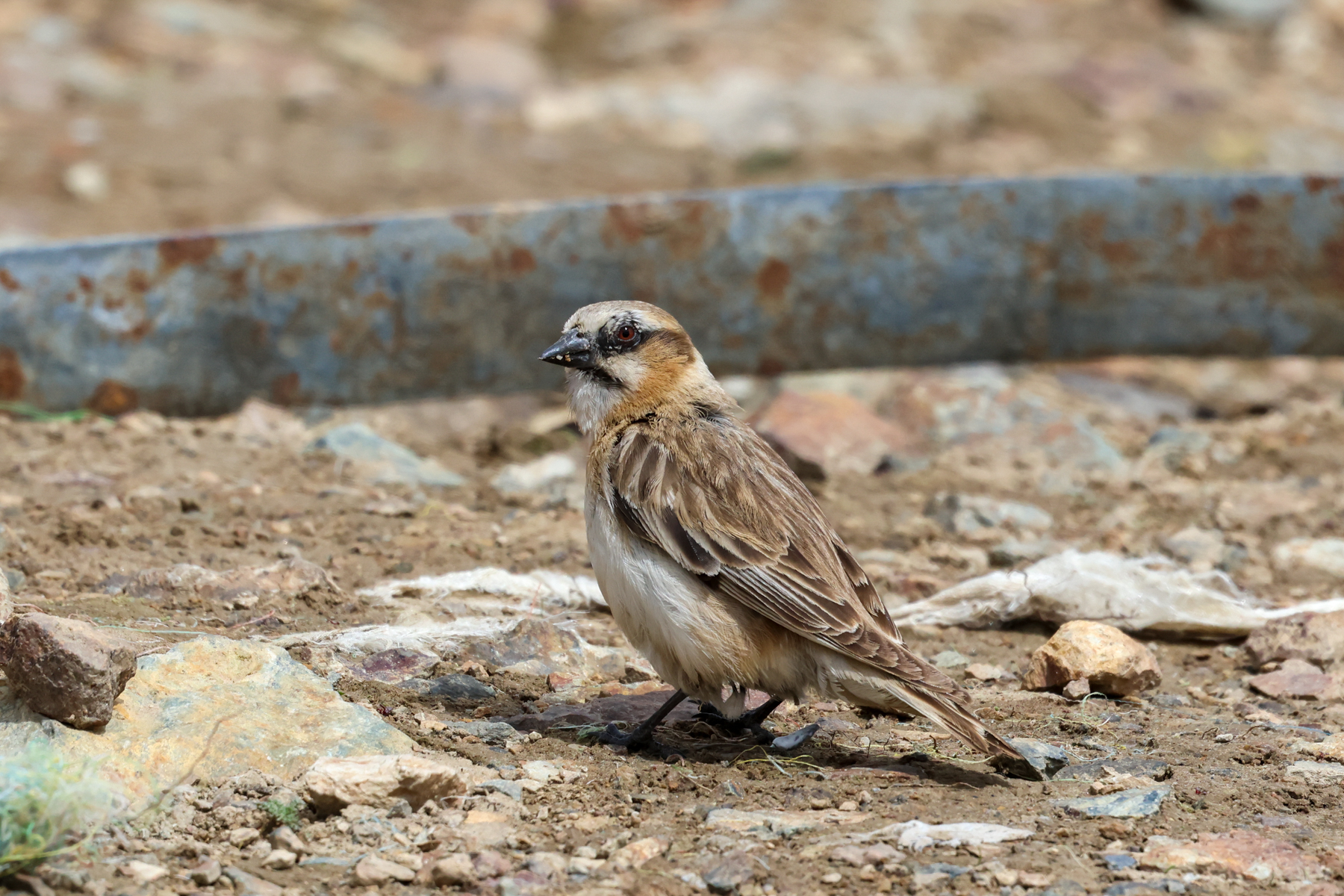
Rufous-necked Snowfinch (image by Hannu Jännes)
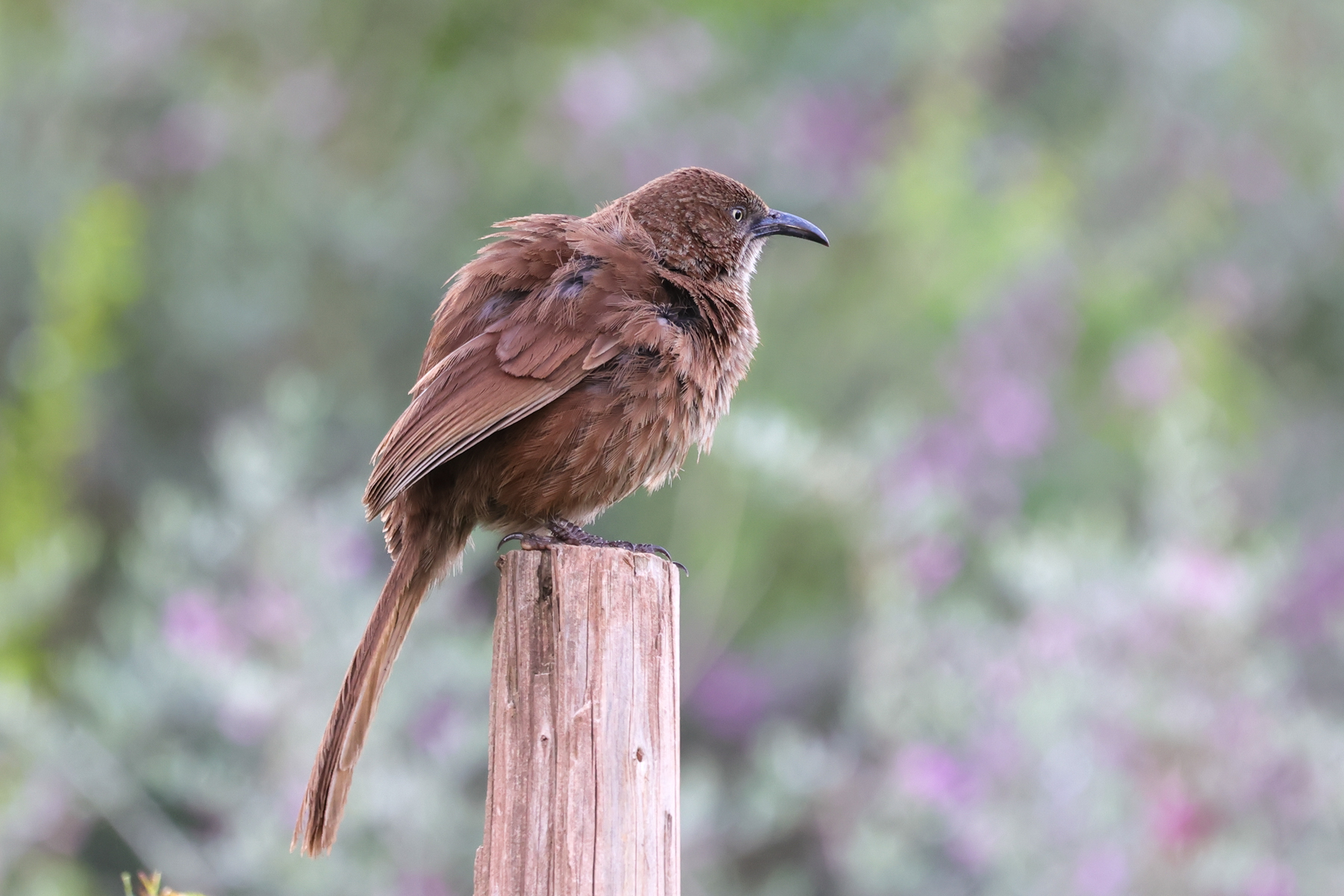
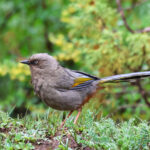
Tibetan Babax (image by Hannu Jännes)
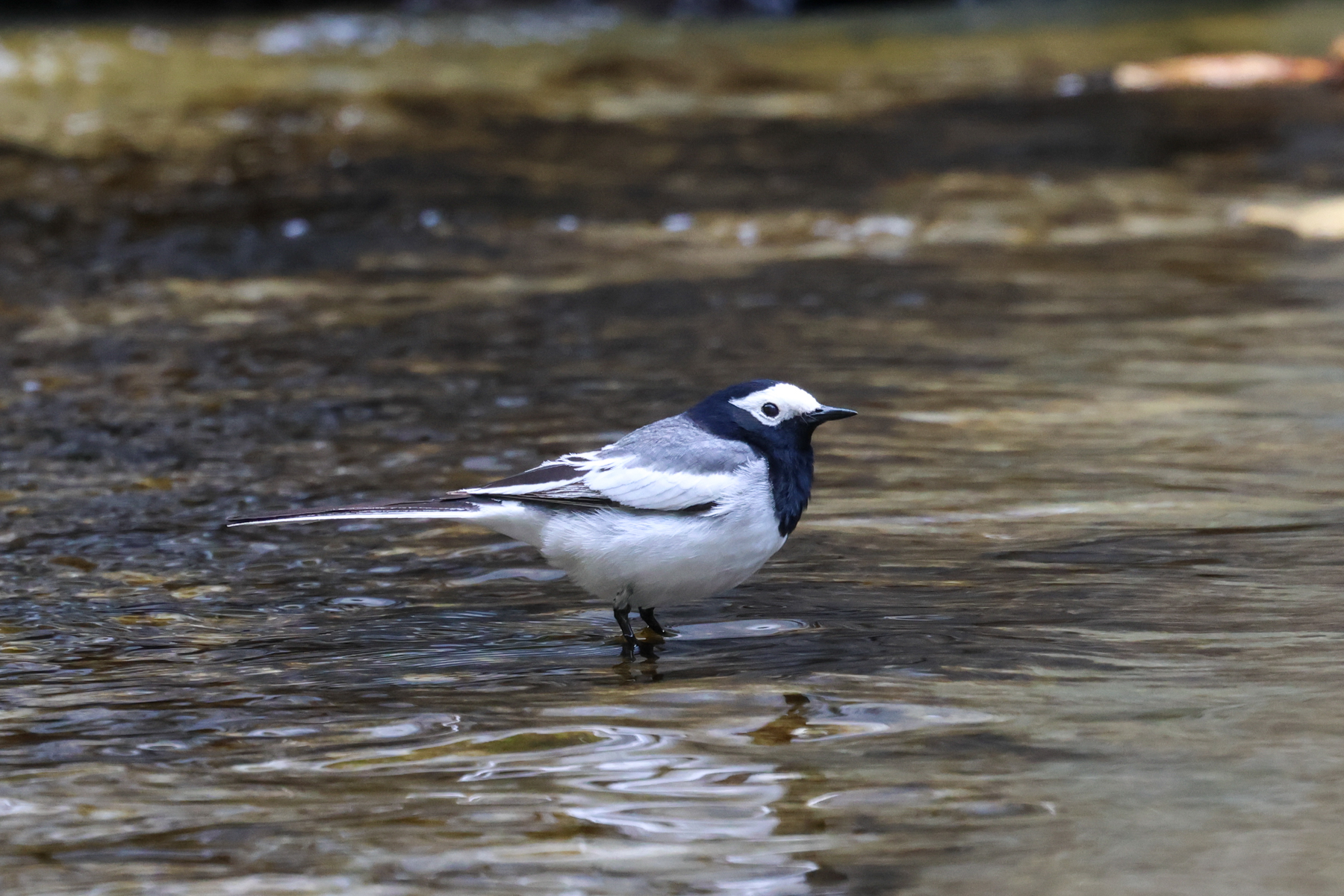
Masked Wagtail (image by Hannu Jännes)
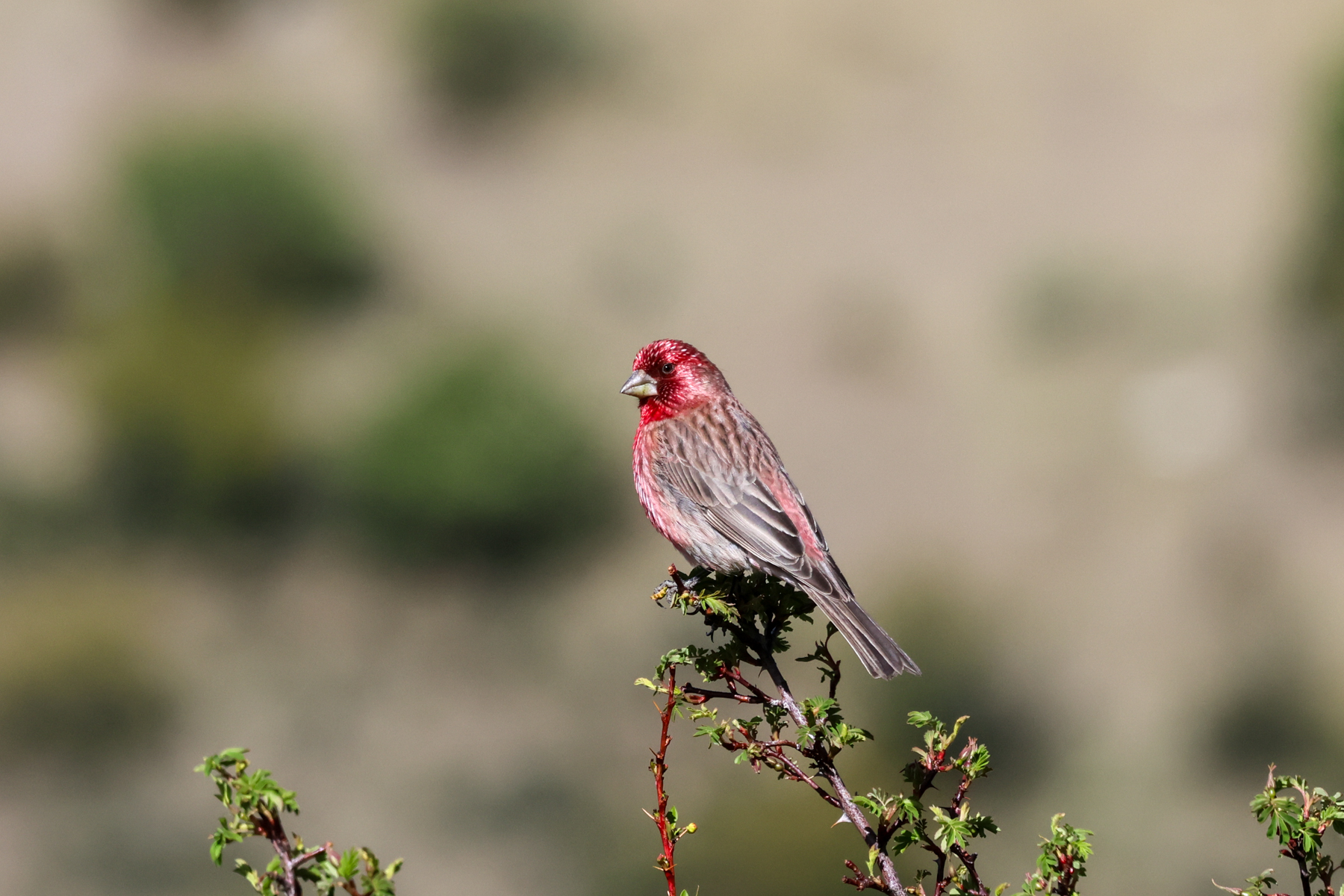
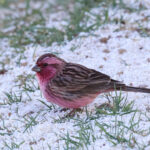
Streaked Rosefinch (image by Hannu Jännes)
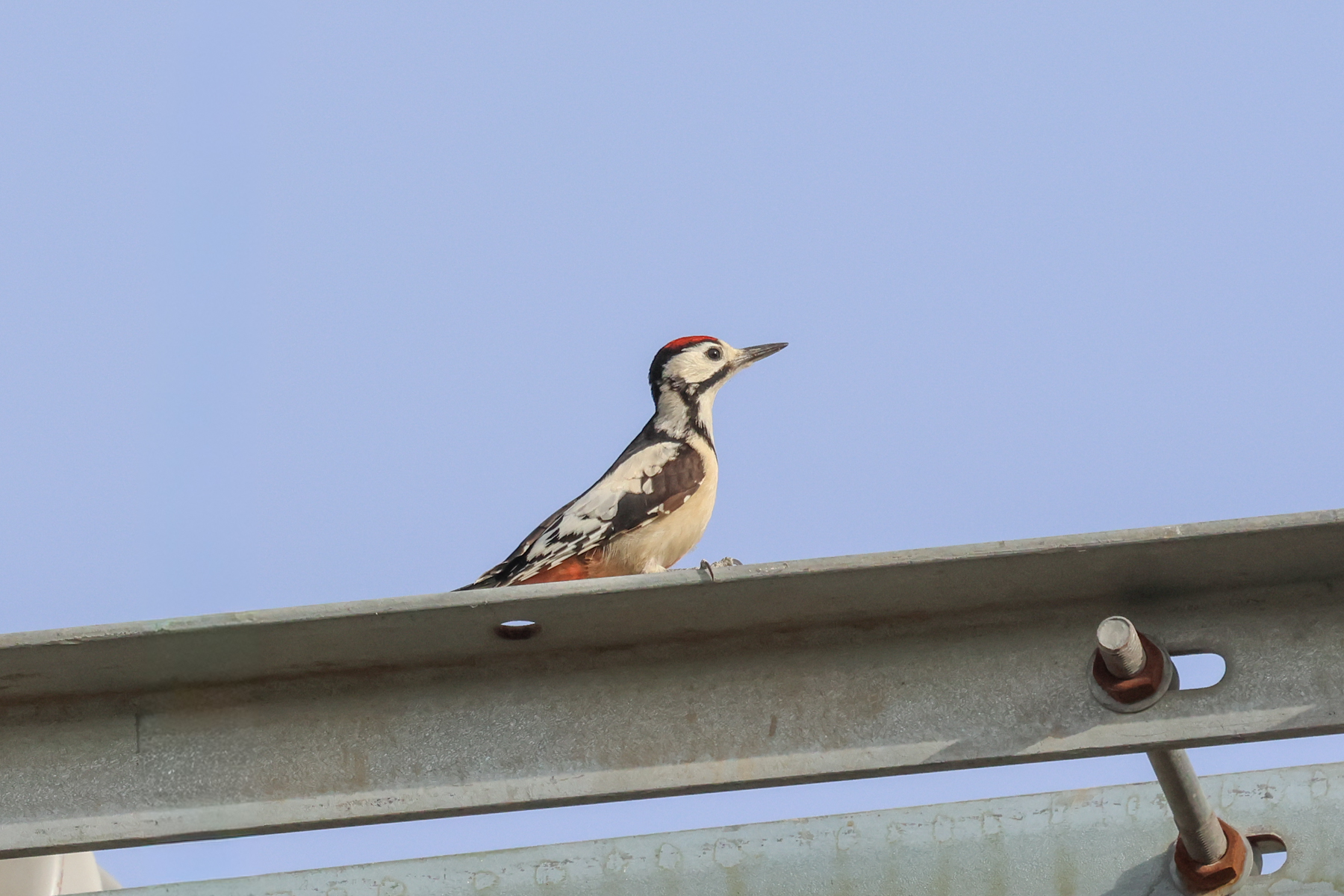
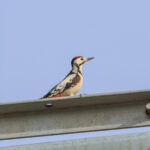
White-winged Woodpecker (image by Hannu Jännes)
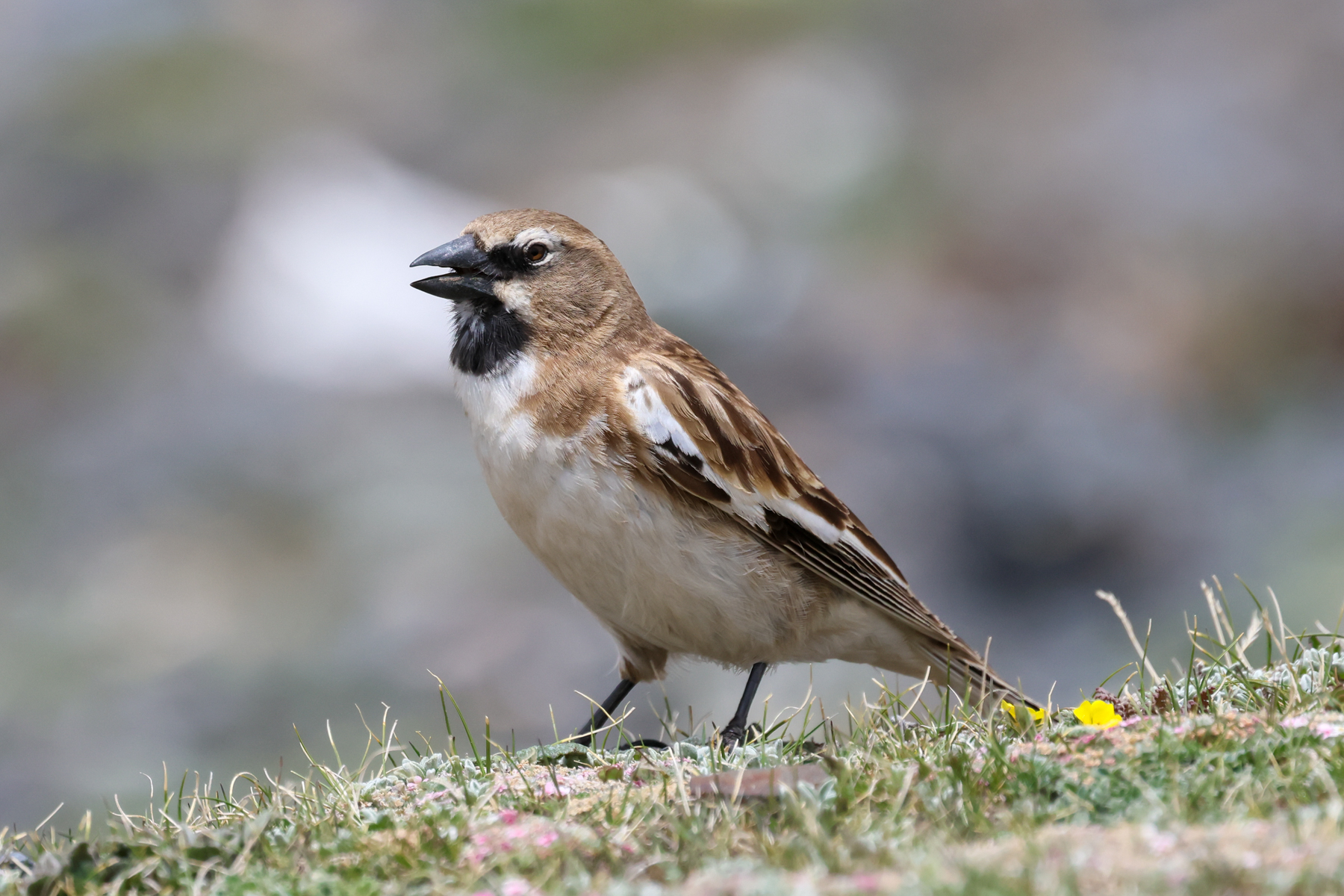
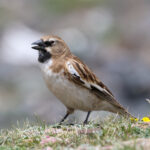
Tibetan Snowfinch (image by Hannu Jännes)
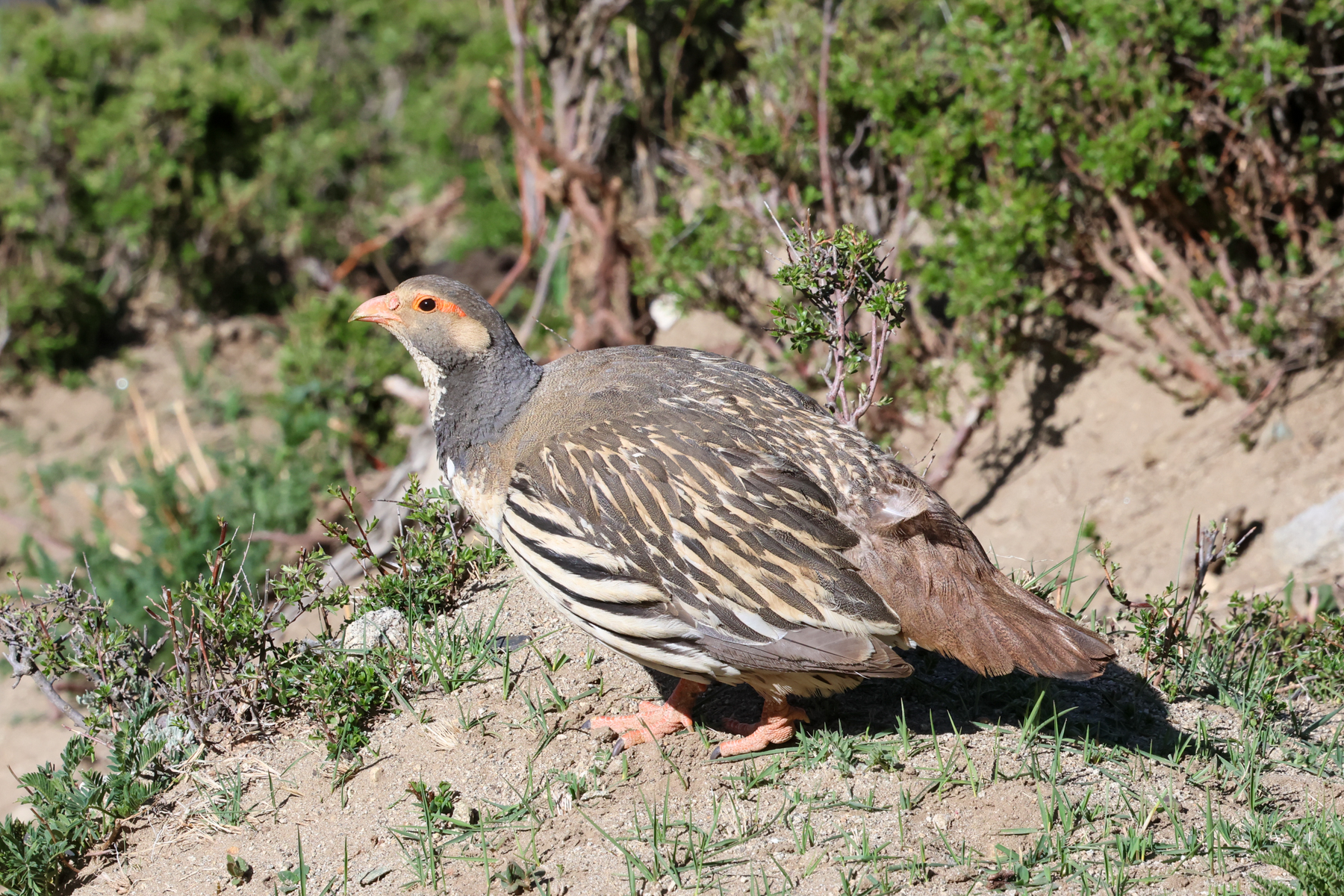
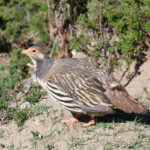
Tibetan Snowcock (image by Hannu Jännes)
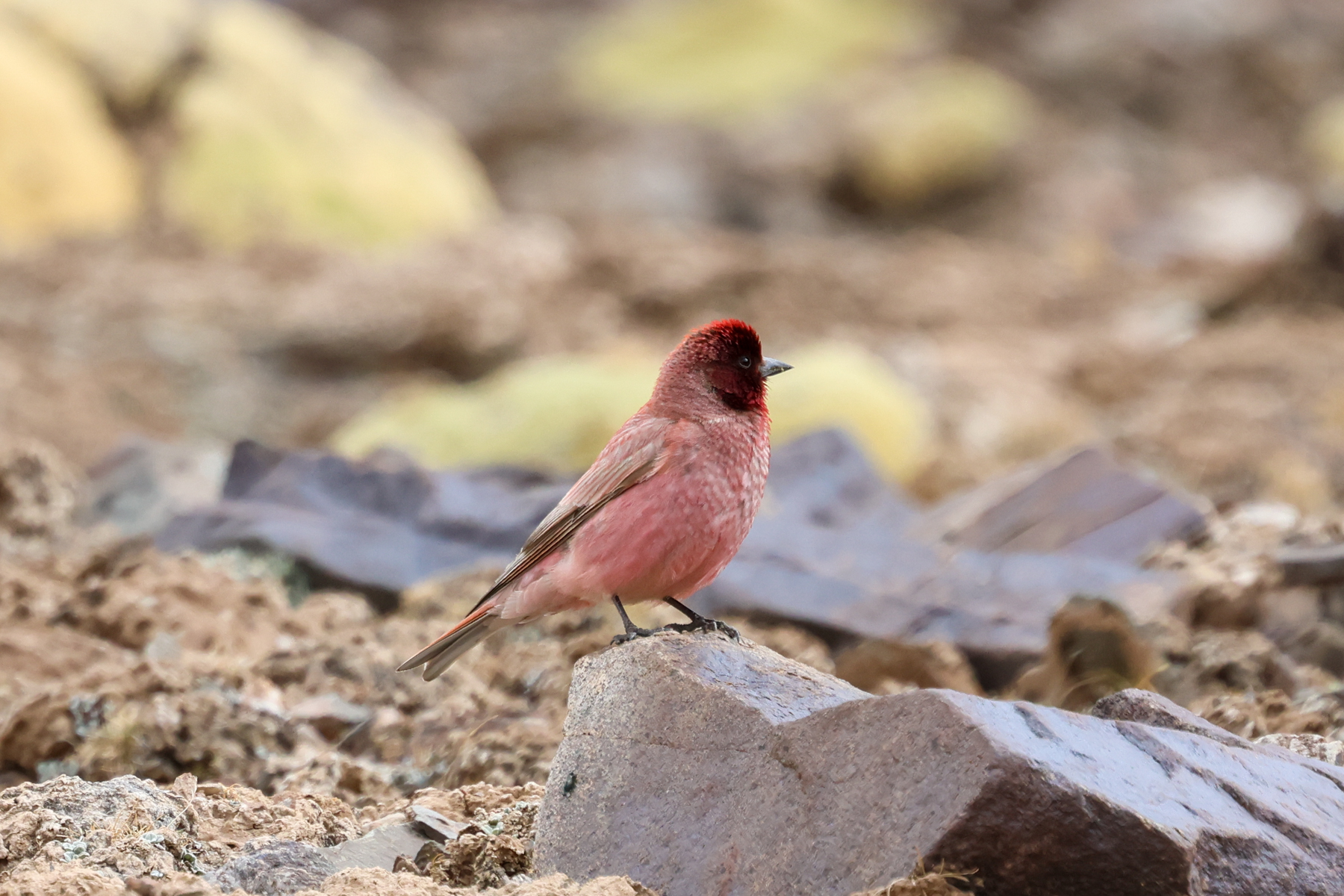
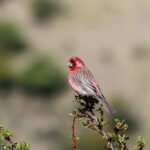
Tibetan Rosefinch (image by Hannu Jännes)
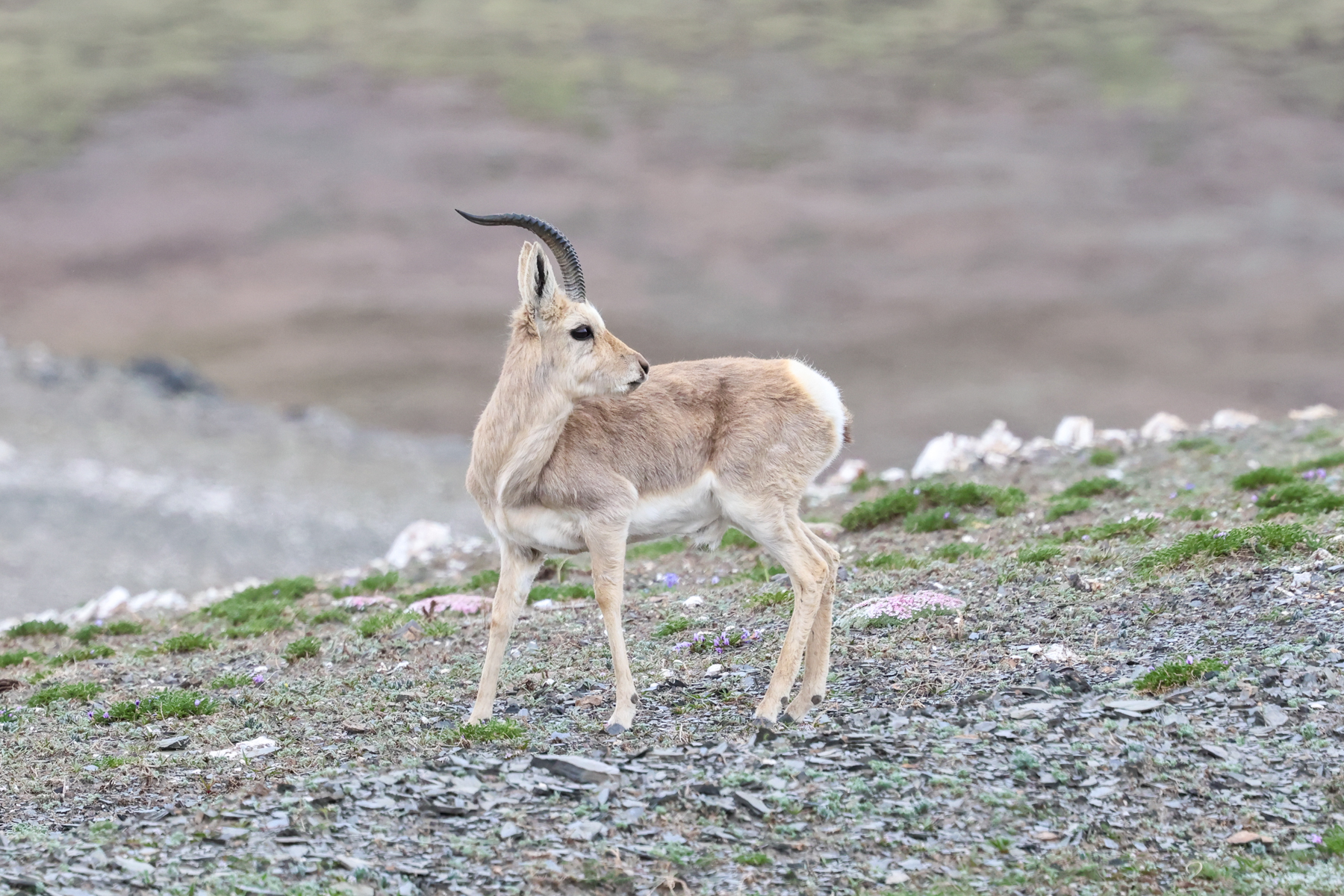
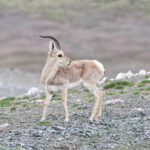
Tibetan Gazelle (image by Hannu Jännes)
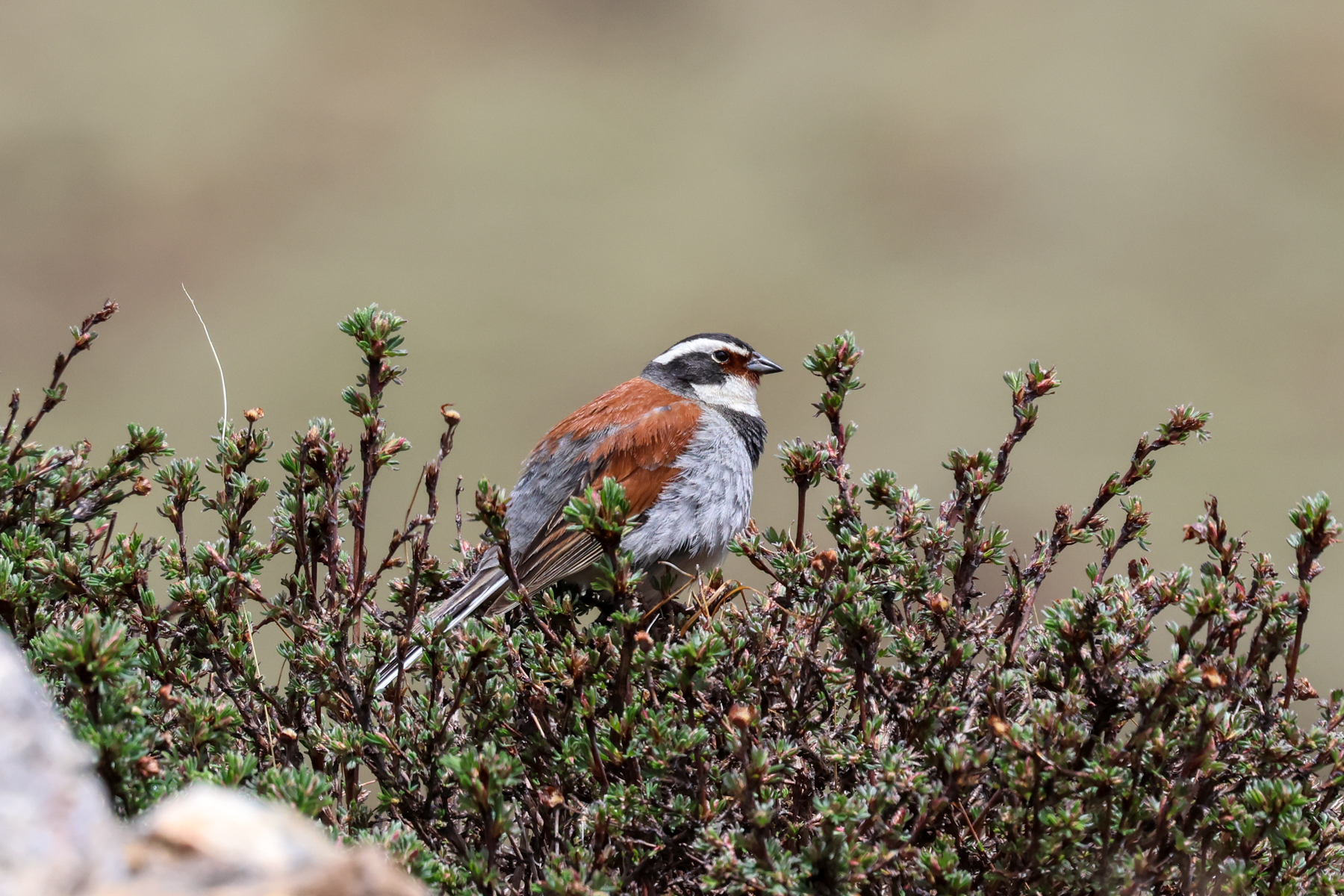
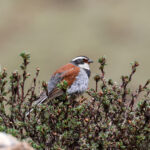
Tibetan Bunting (image by Hannu Jännes)
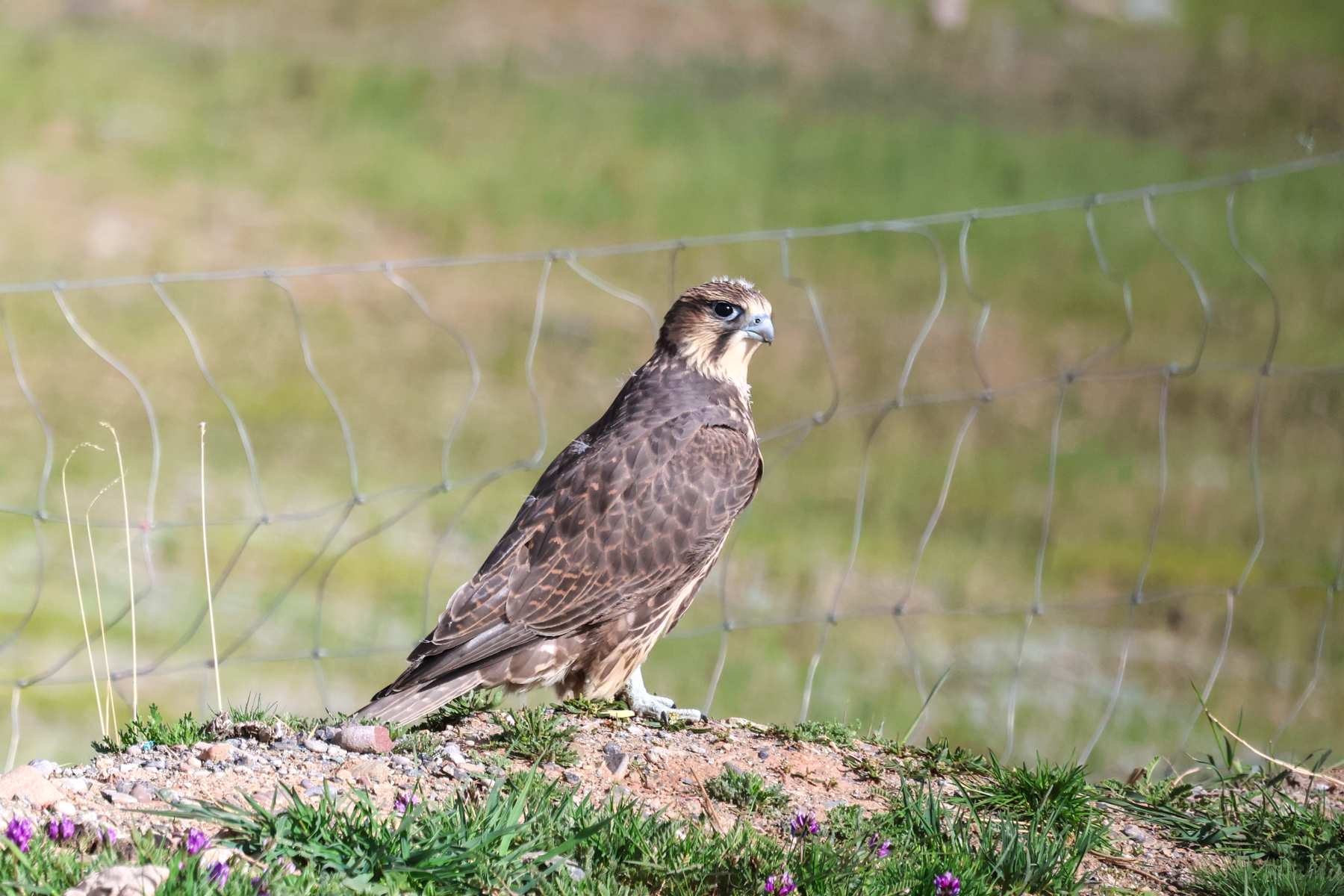
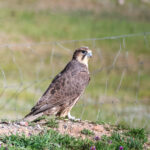
Saker Falcon (image by Hannu Jännes)
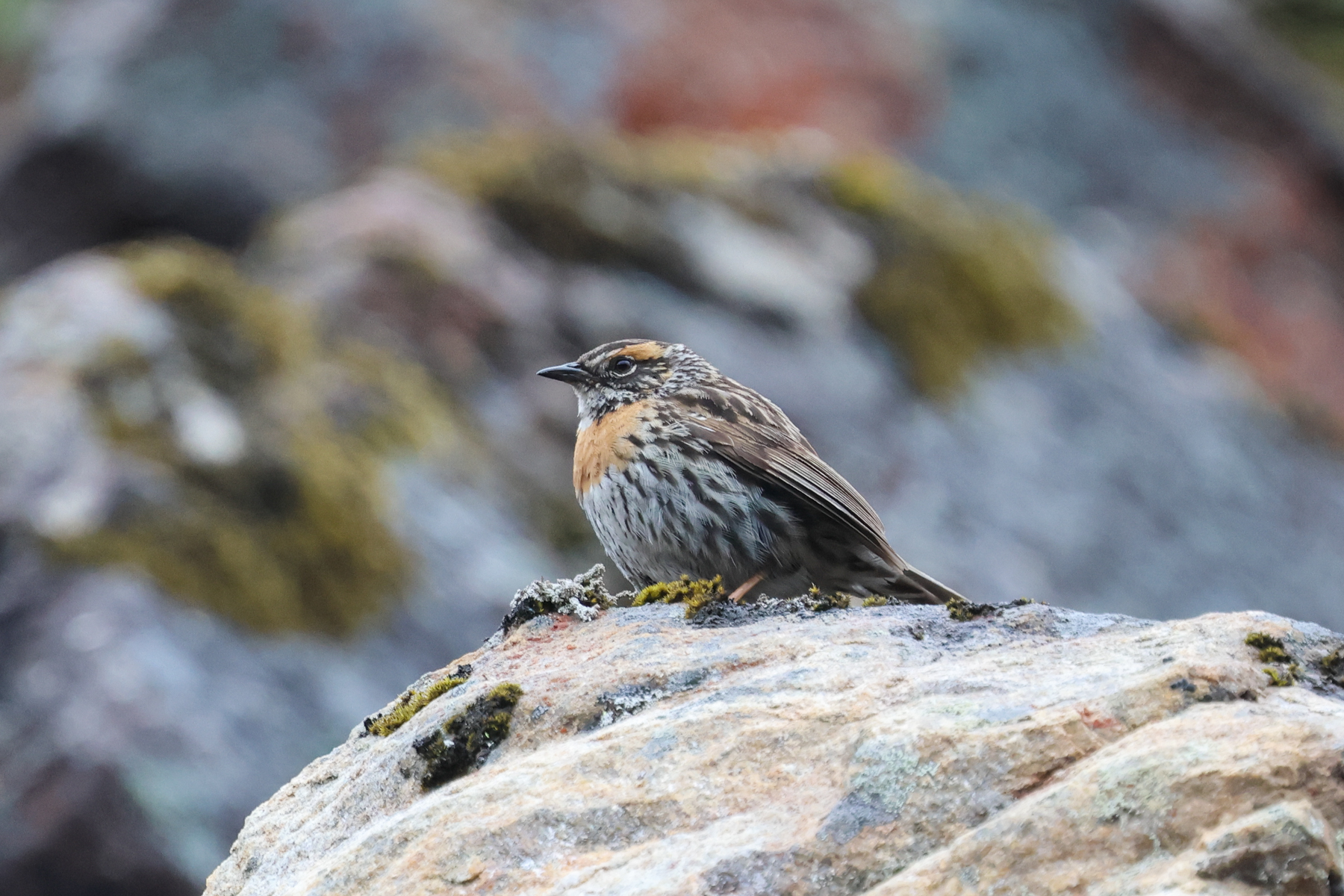
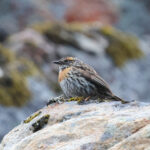
Rufous-breasted Accentor (image by Hannu Jännes)
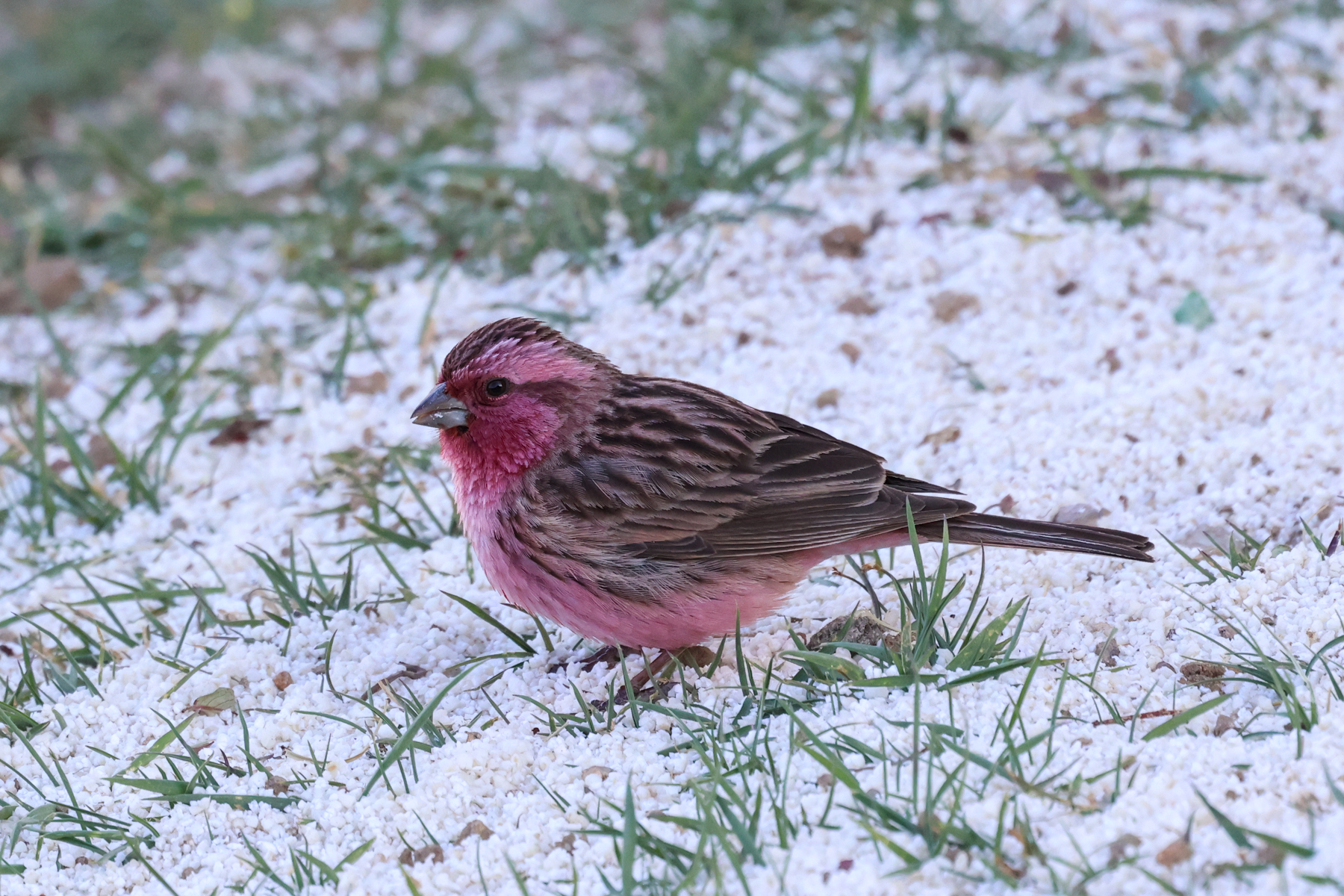
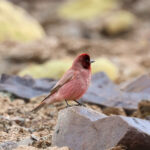
Pink-rumped Rosefinch male (image by Hannu Jännes)
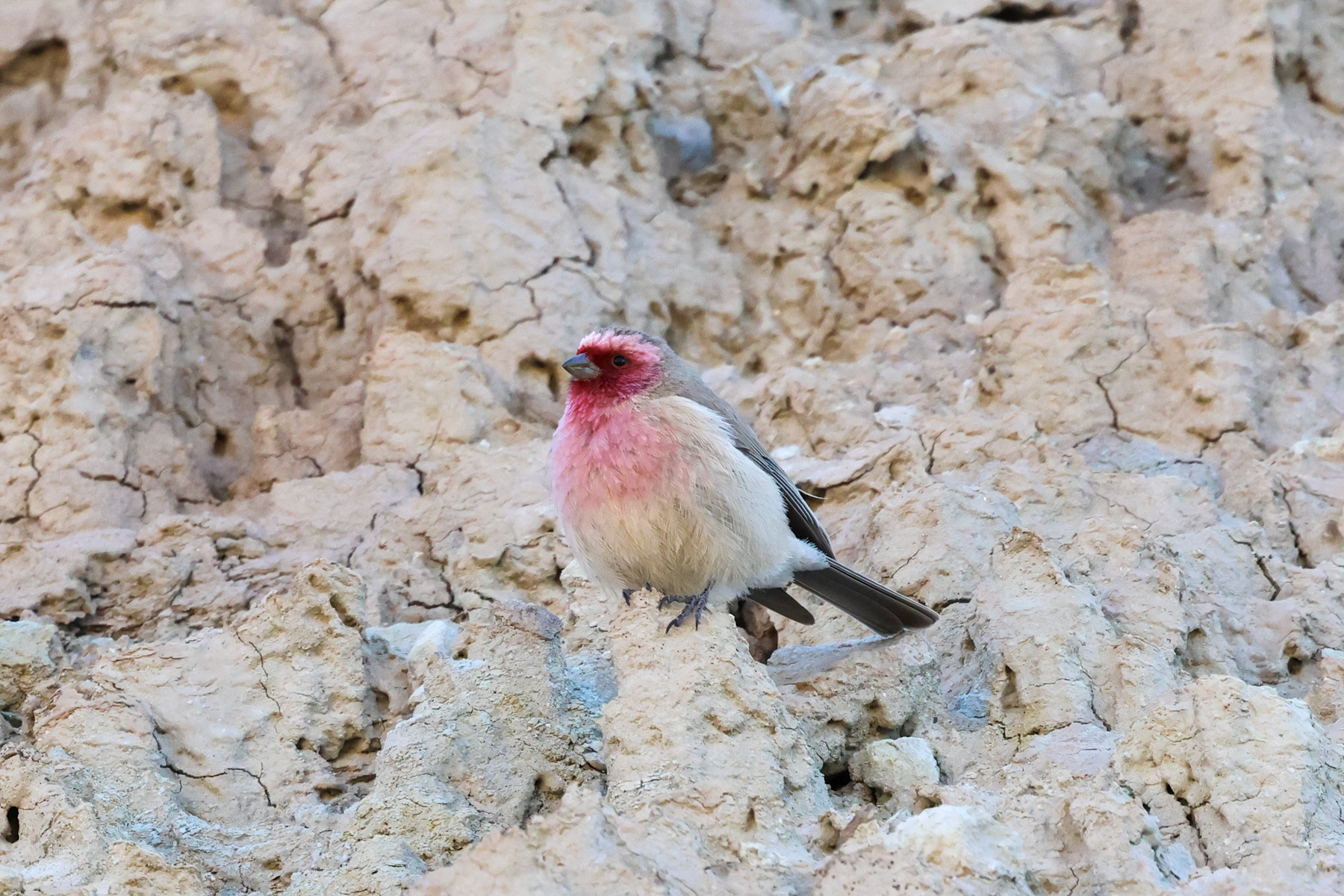
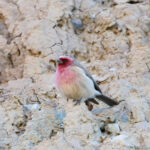
Pale Rosefinch (image by Hannu Jännes)
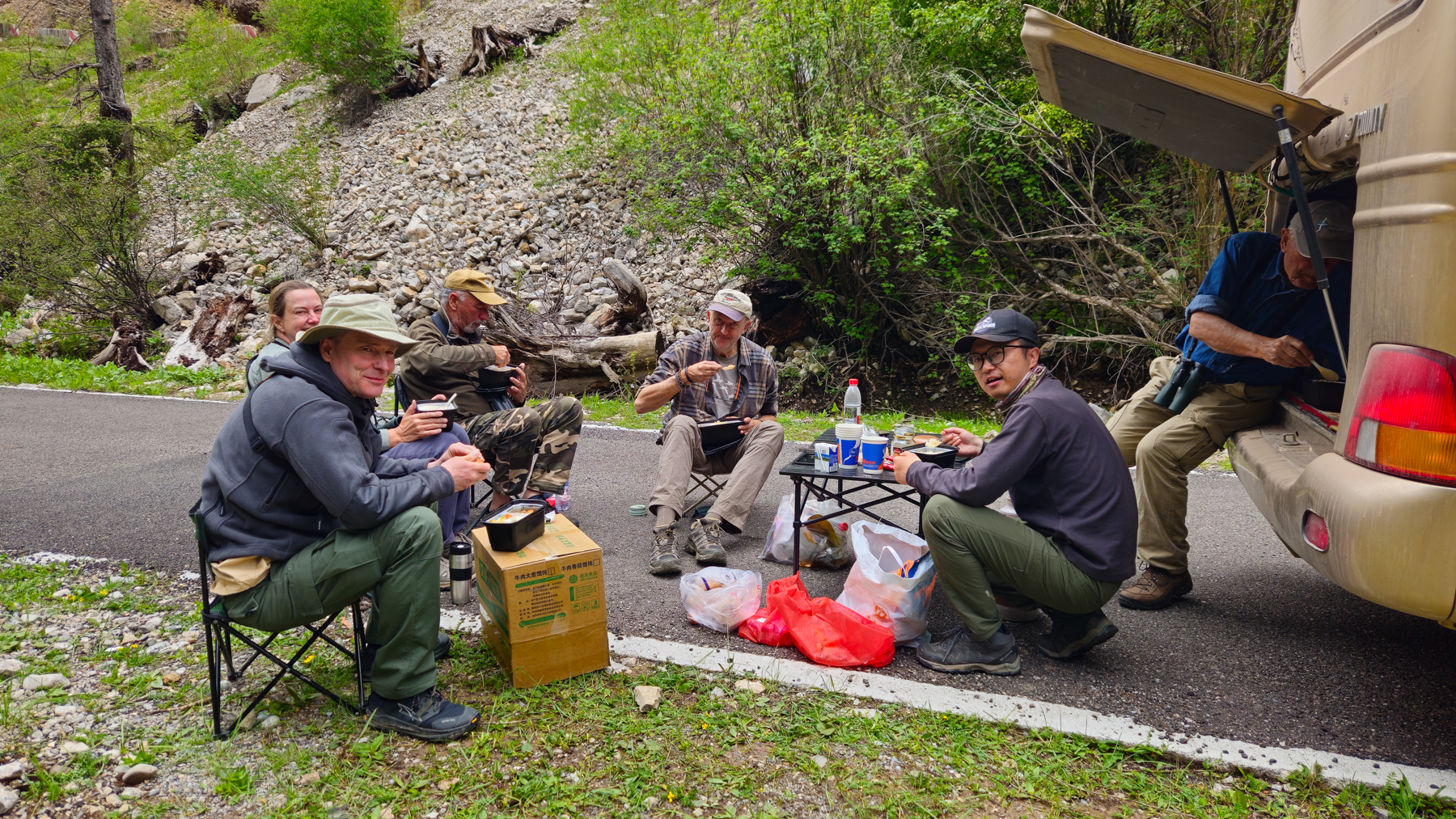
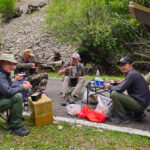
Lunch break (image by Hannu Jännes)
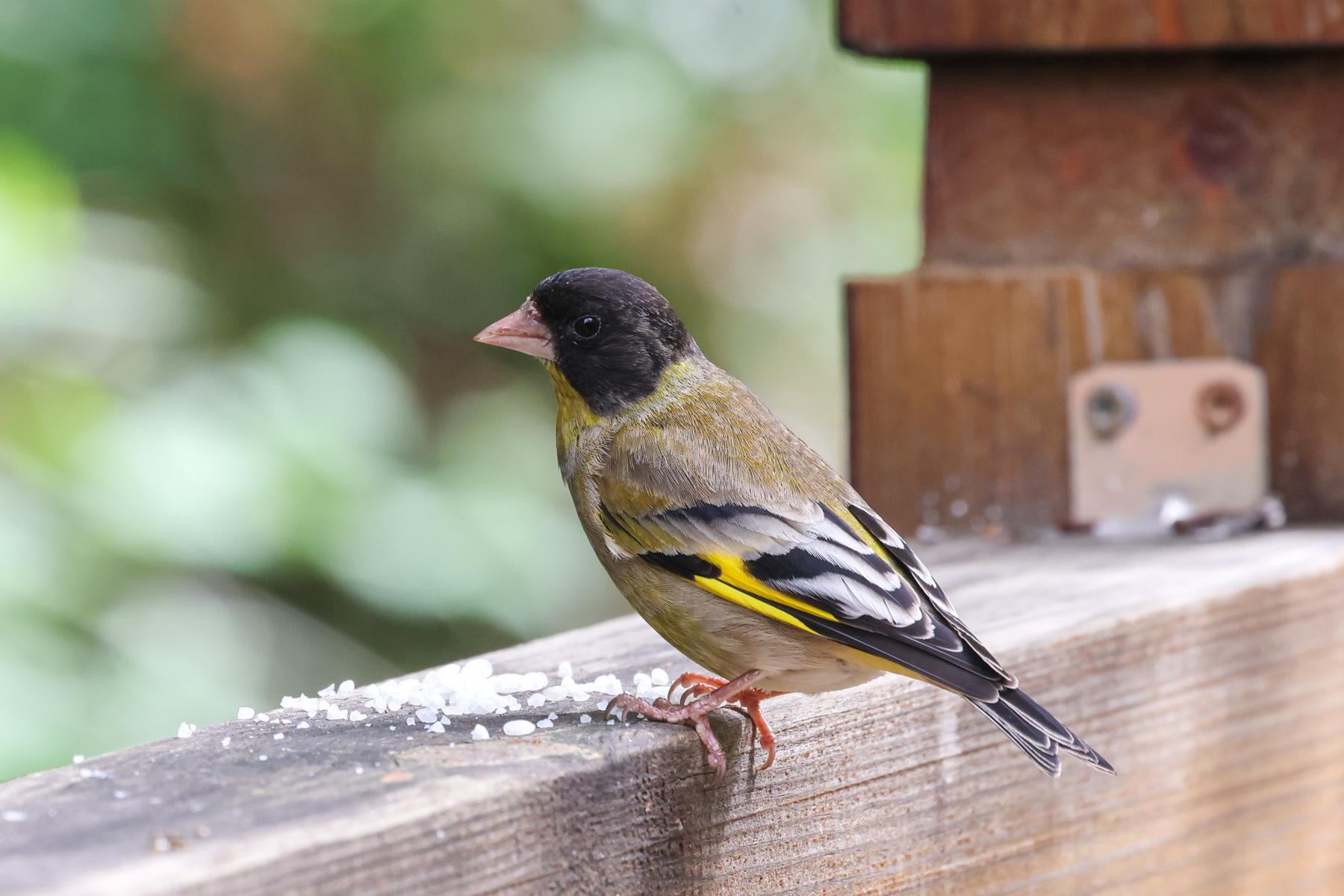
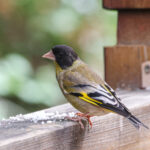
Black-headed Greenfinch (image by Hannu Jännes)
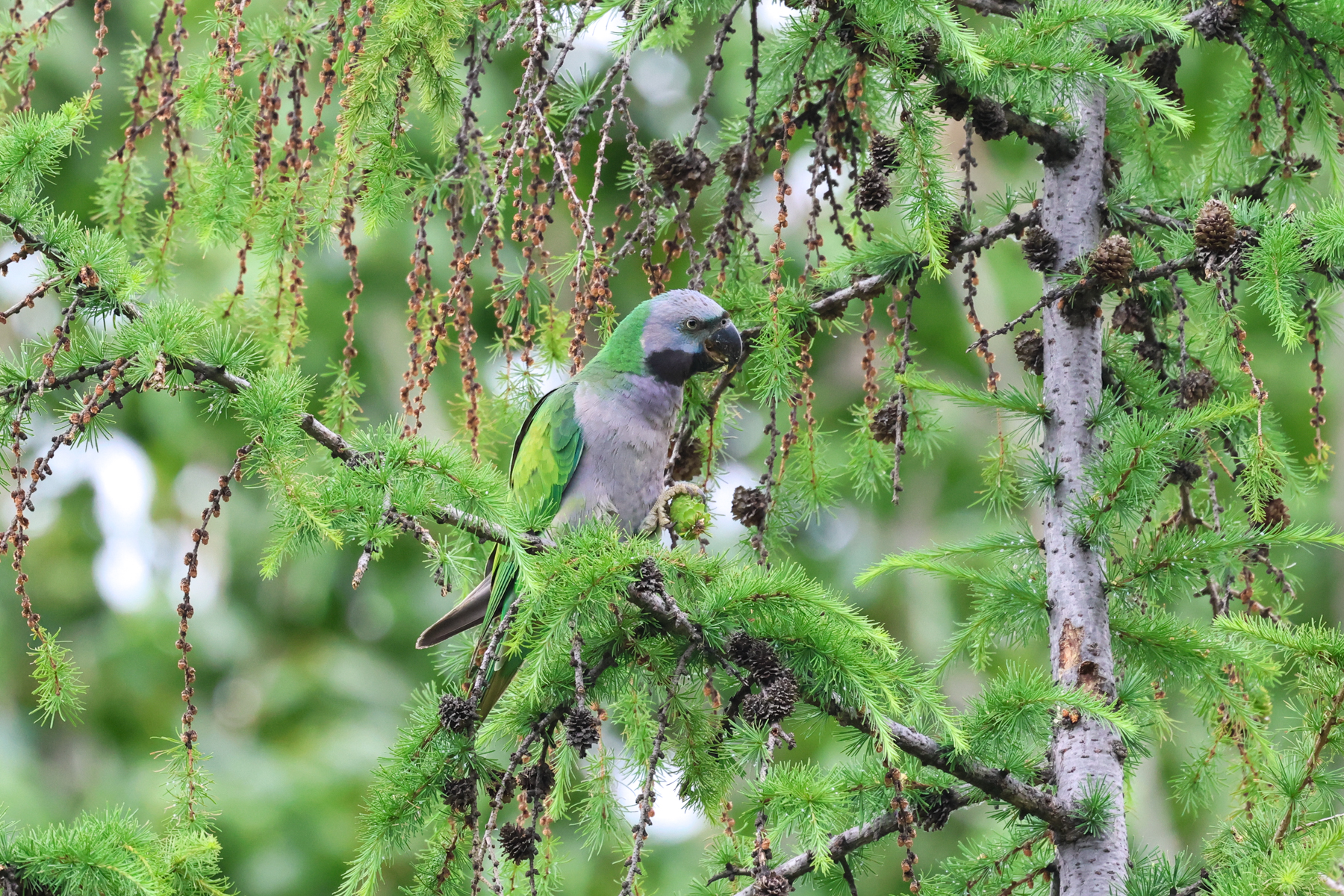
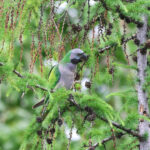
Lord Derby's Parakeet (image by Hannu Jännes)
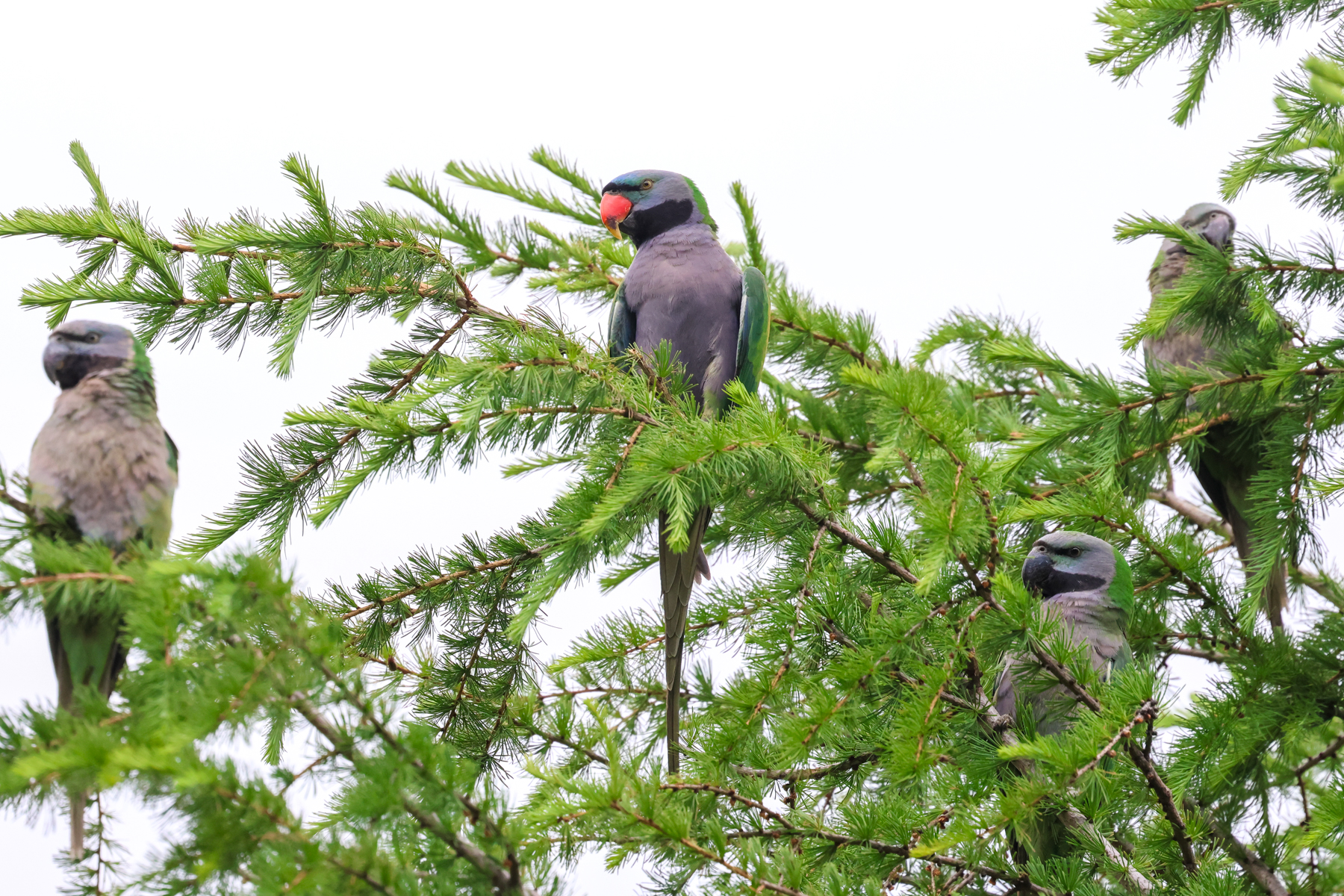
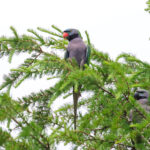
Lord Derby's Parakeets (image by Hannu Jännes)
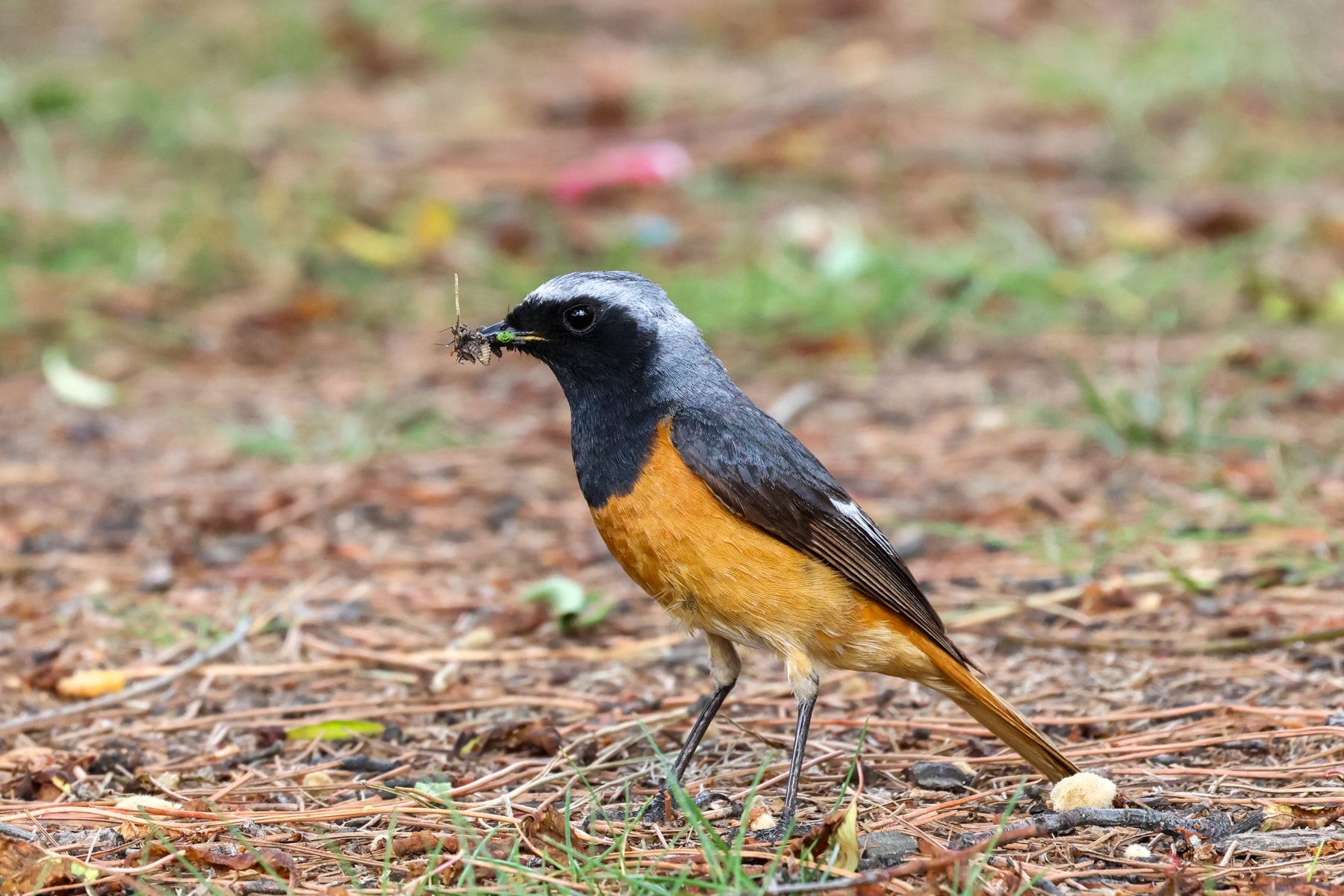
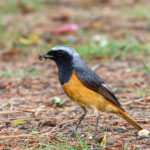
Hodgson's Redstart (image by Hannu Jännes)
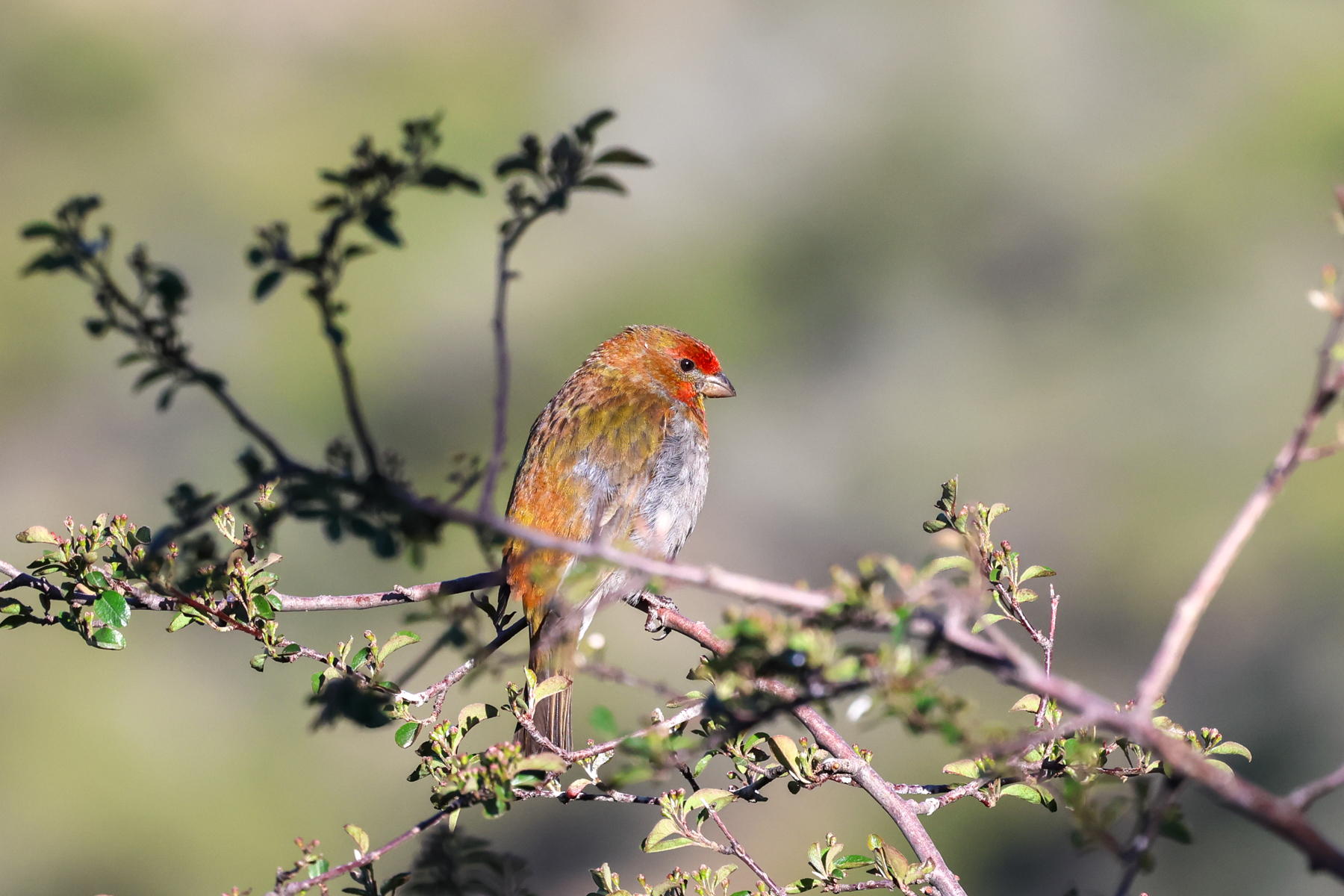
Crimson-browed Finch (image by Hannu Jännes)
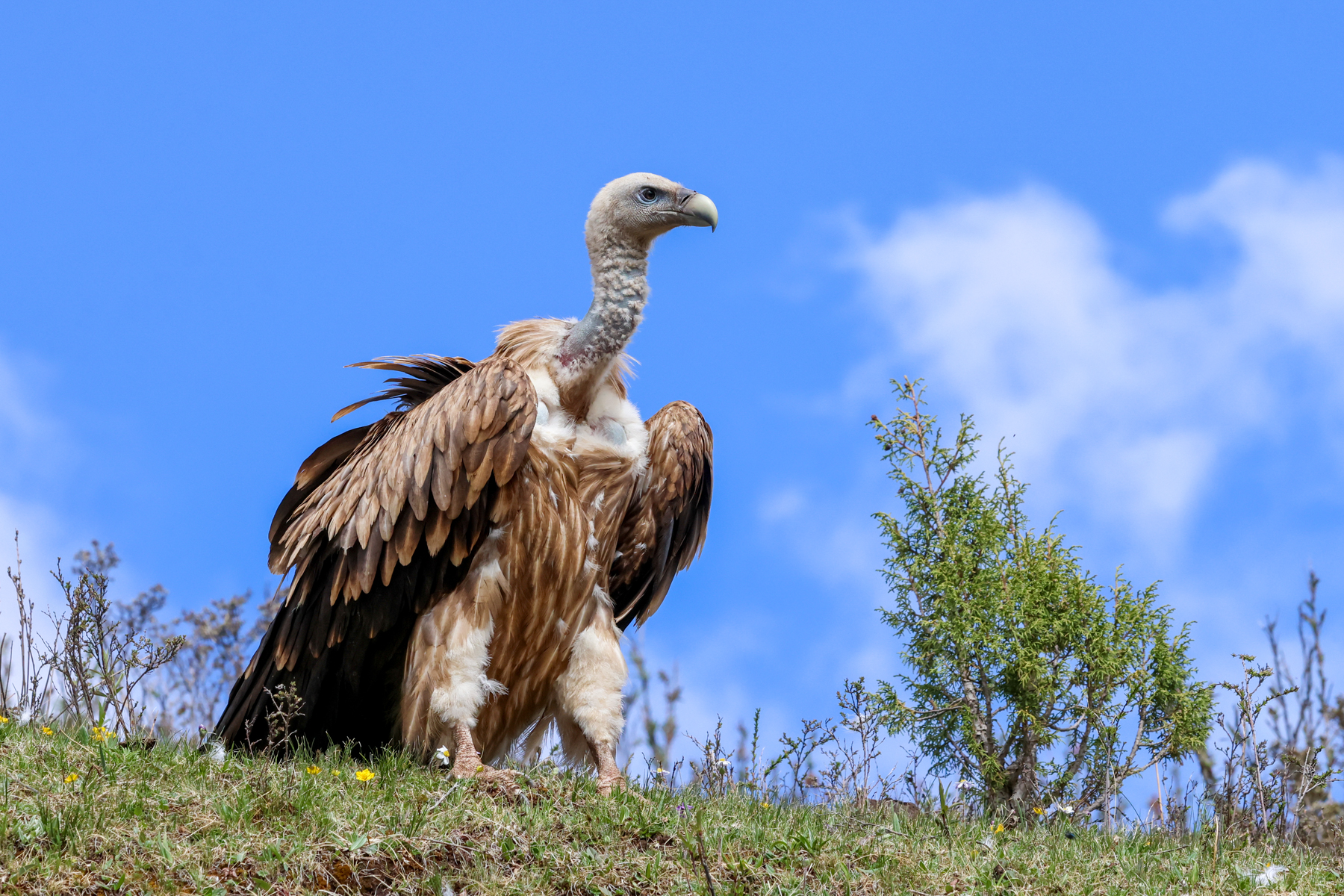
Himalayan Vulture (image by Hannu Jännes)
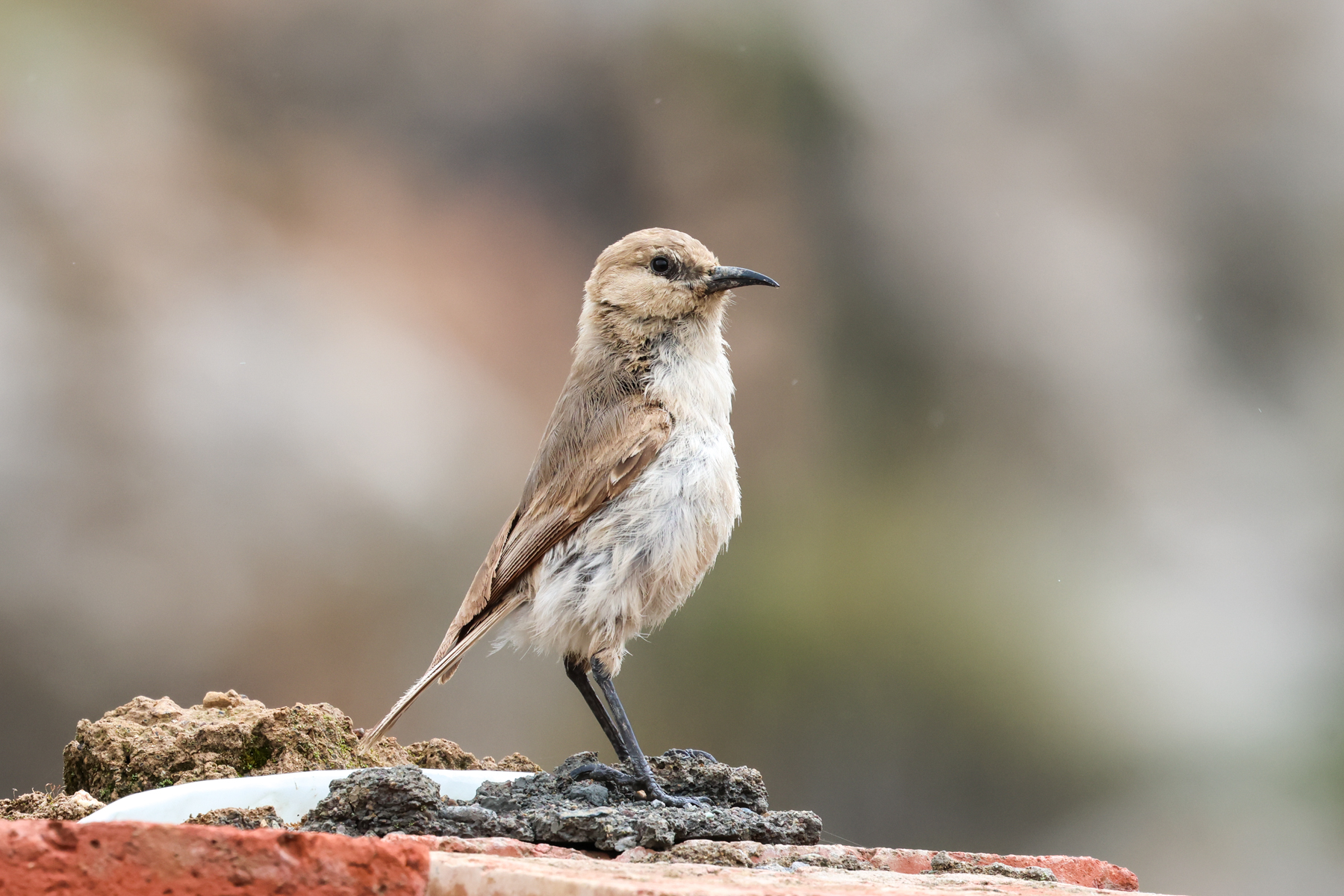
Ground Tit (image by Hannu Jännes)
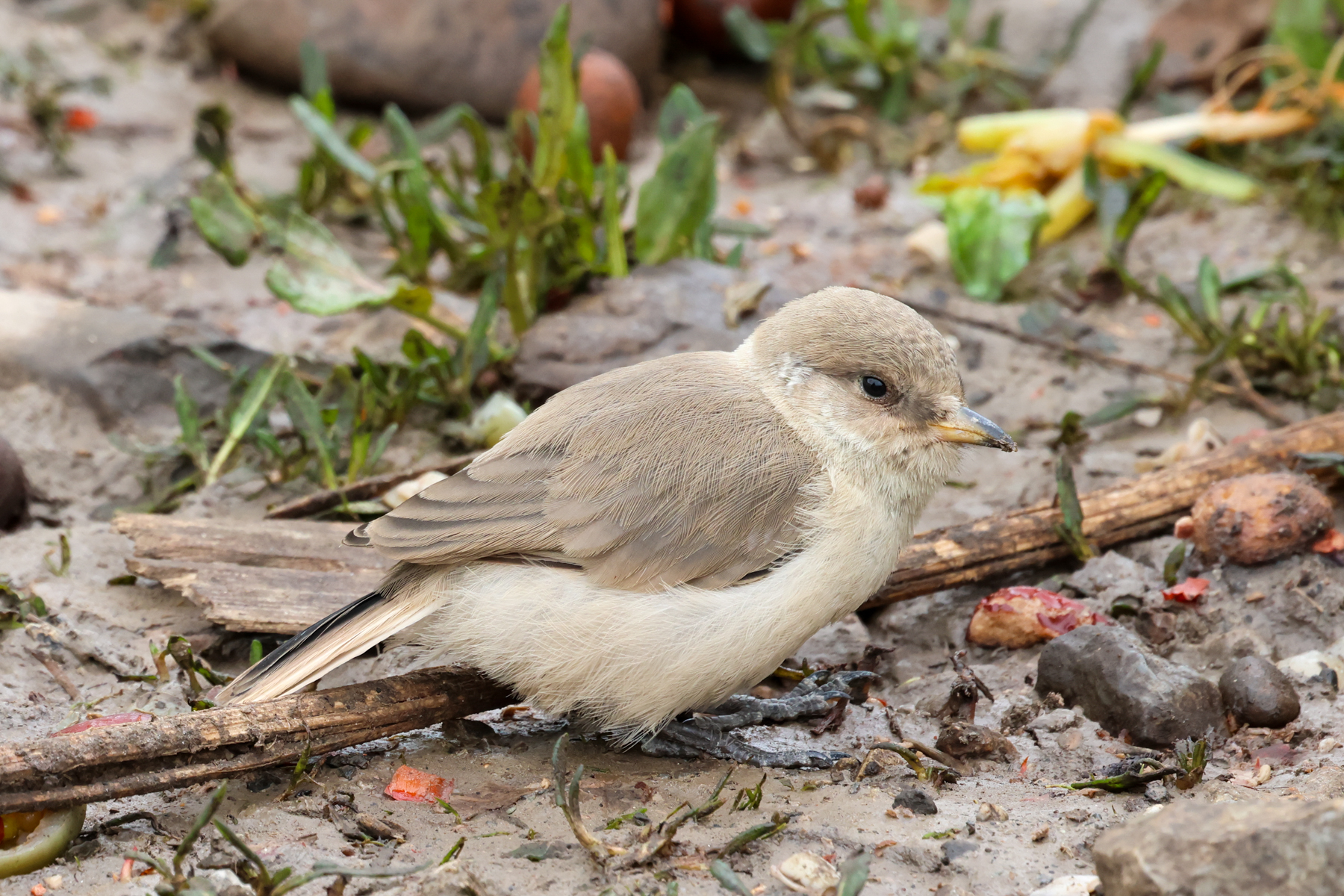
Ground Tit (image by Hannu Jännes)
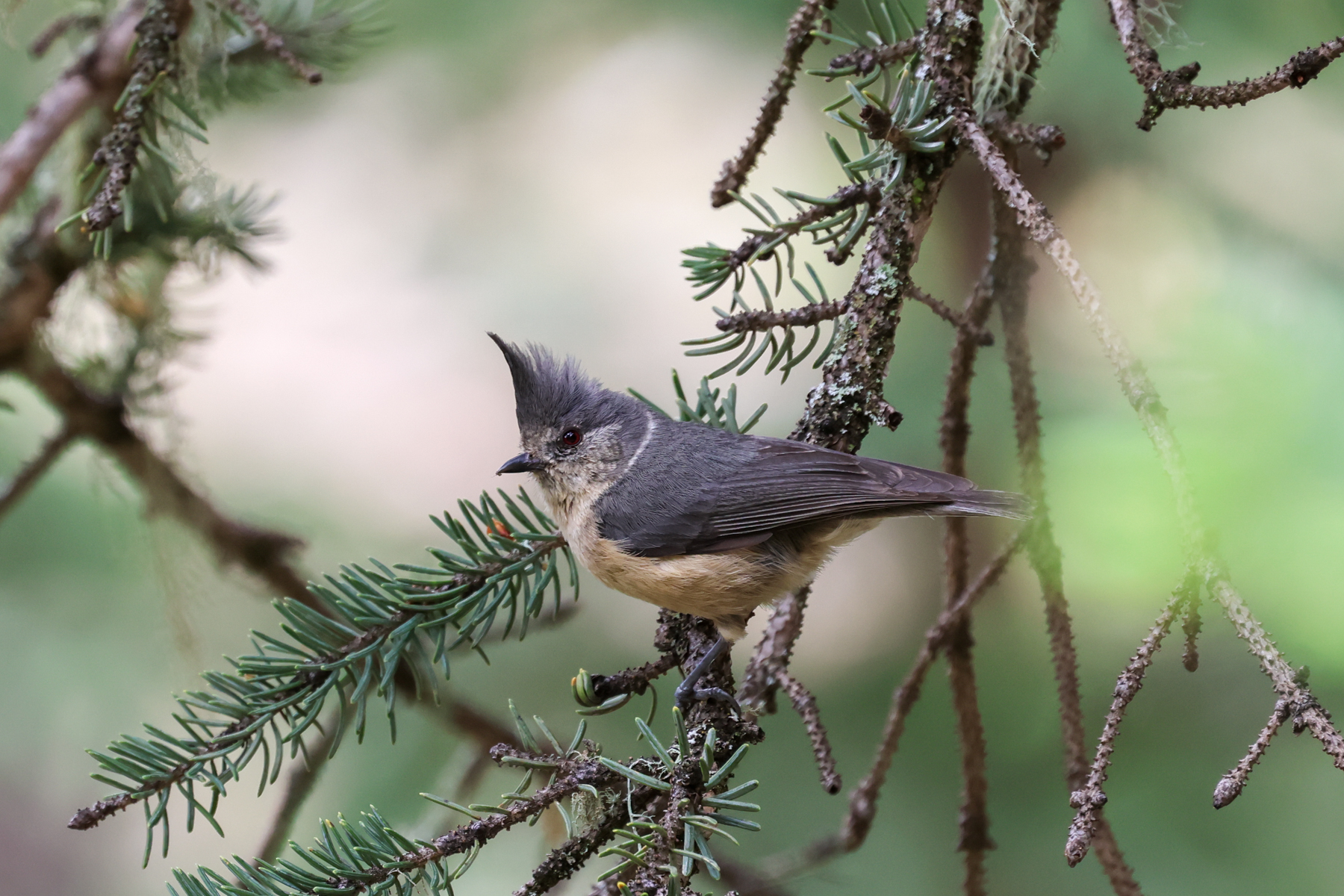
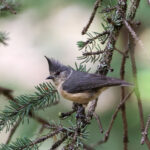
Grey-crested Tit (image by Hannu Jännes)
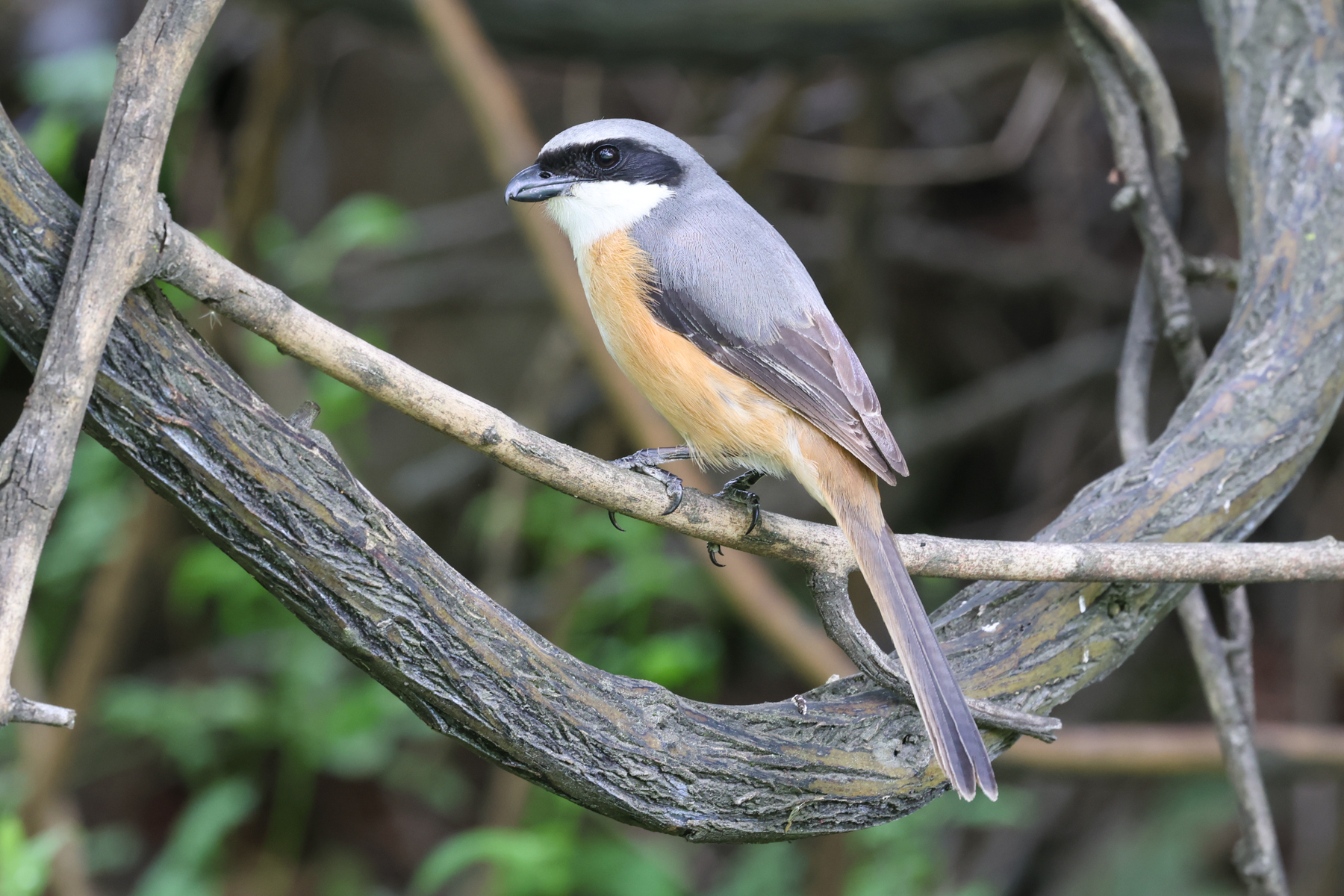
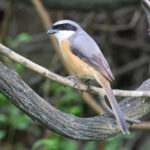
Grey-backed Shrike (image by Hannu Jännes)
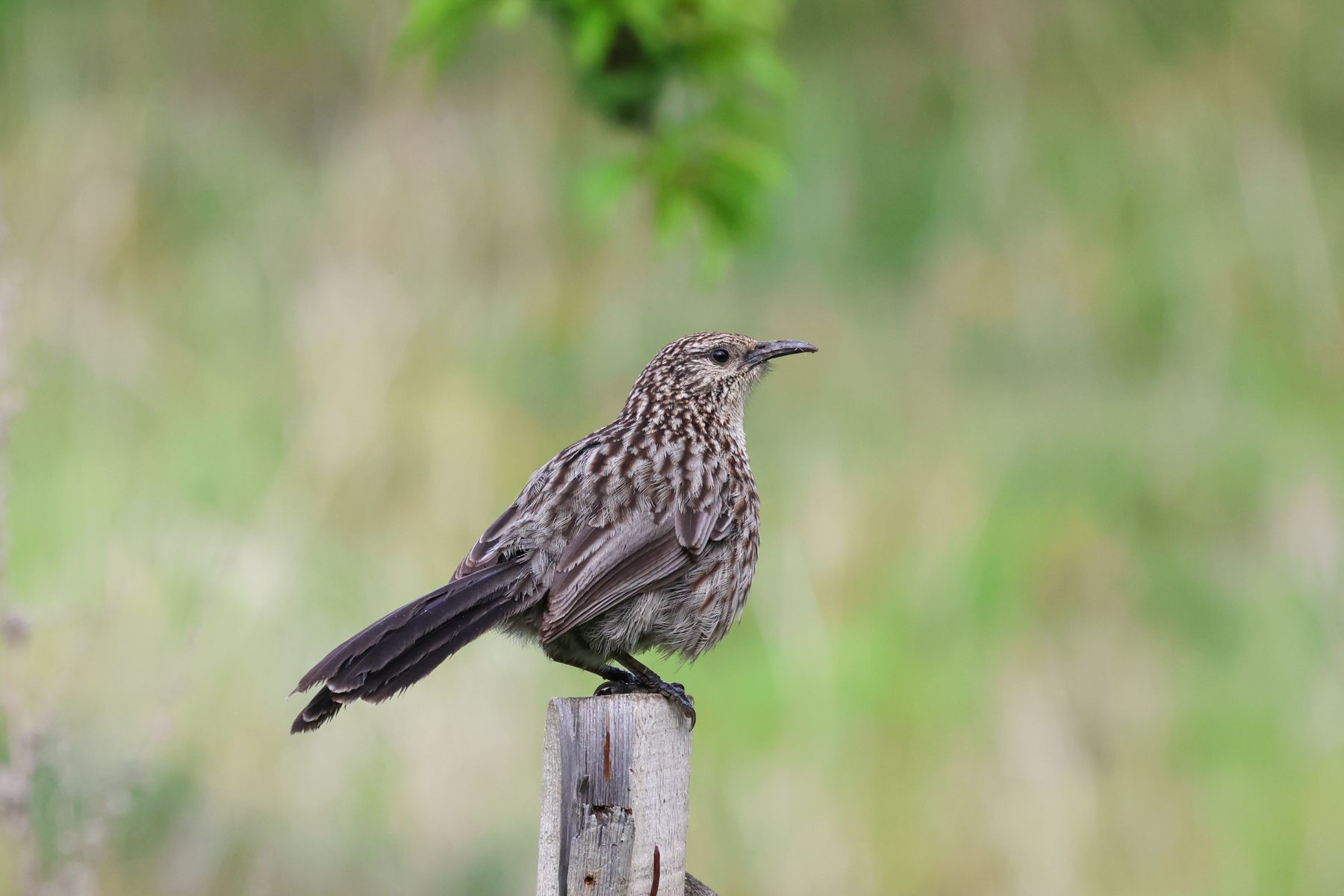
Giant Babax (image by Hannu Jännes)
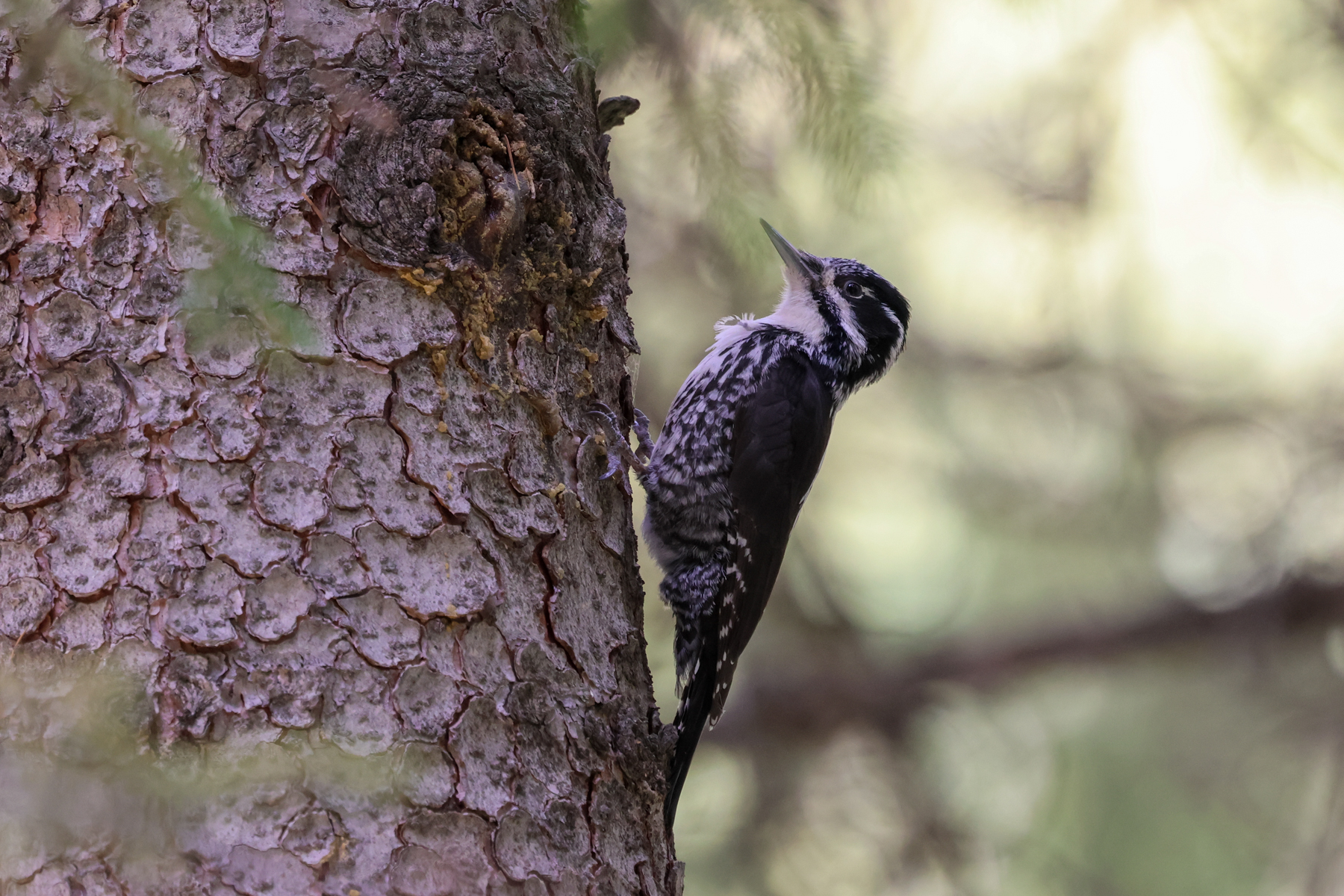
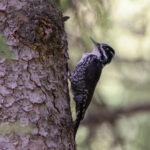
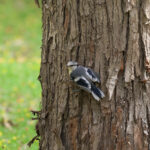
Eurasian Three-toed Woodpecker (image by Hannu Jännes)
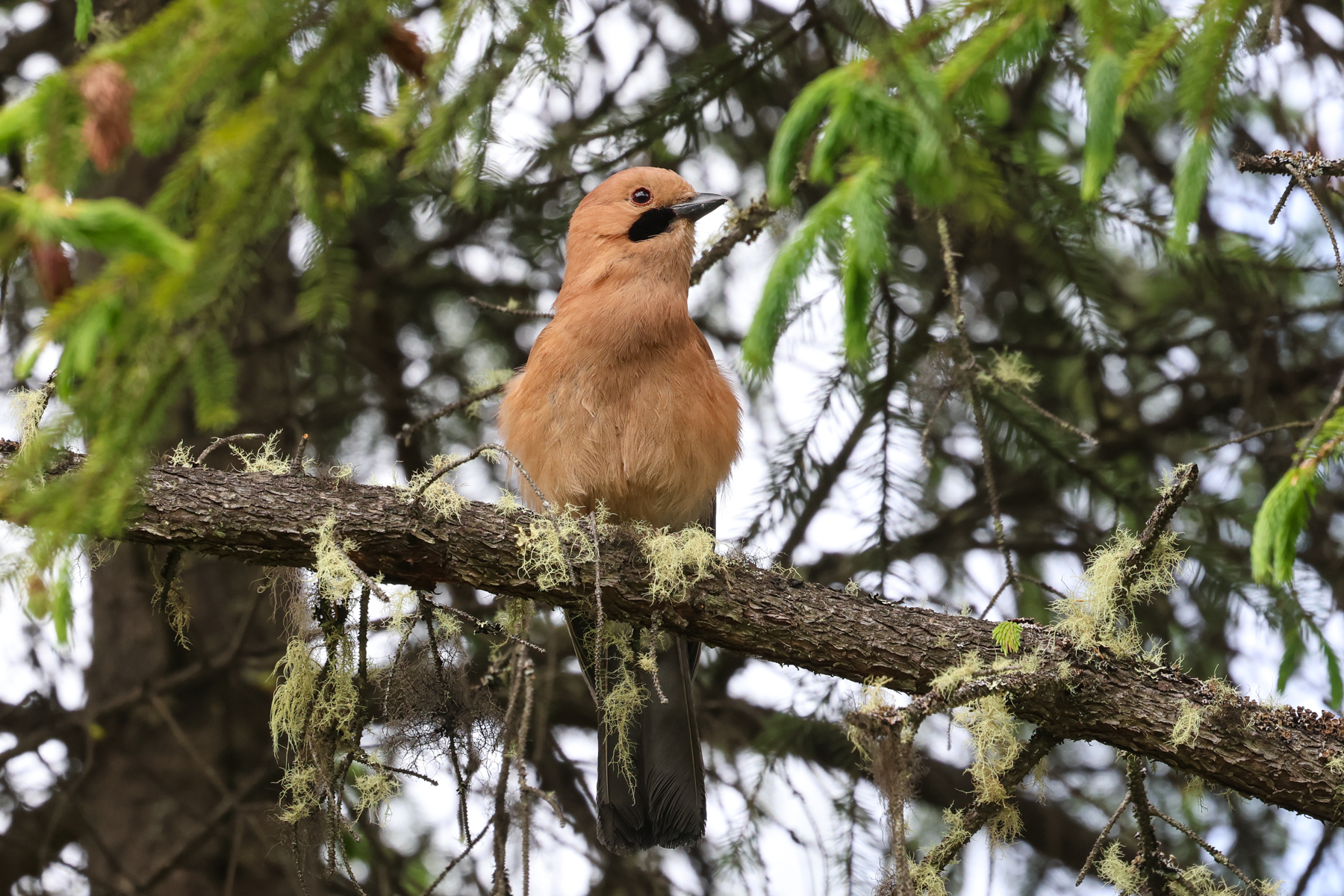
Eurasian Jay (image by Hannu Jännes)
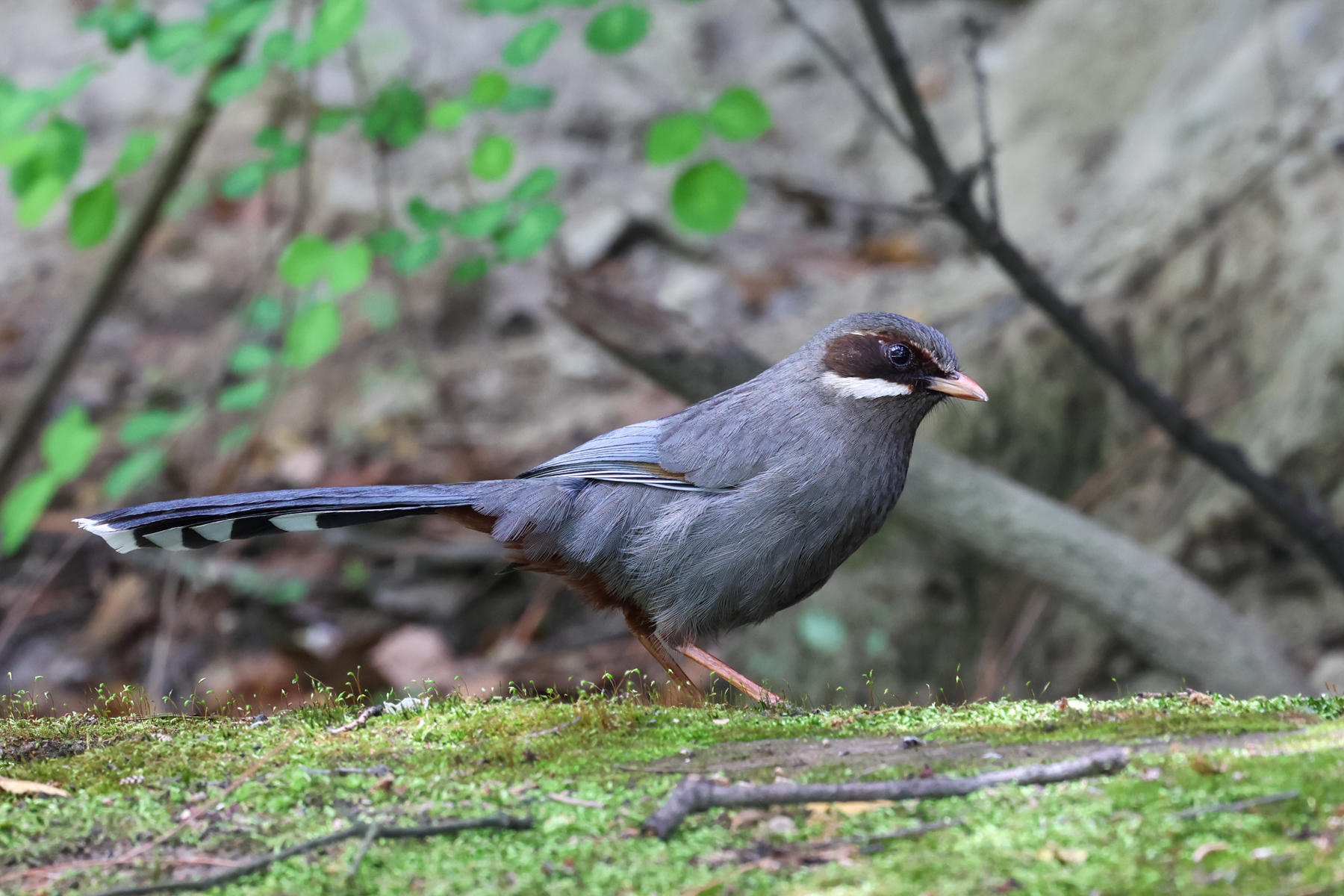
Brown-cheeked Laughingthrush (image by Hannu Jännes)
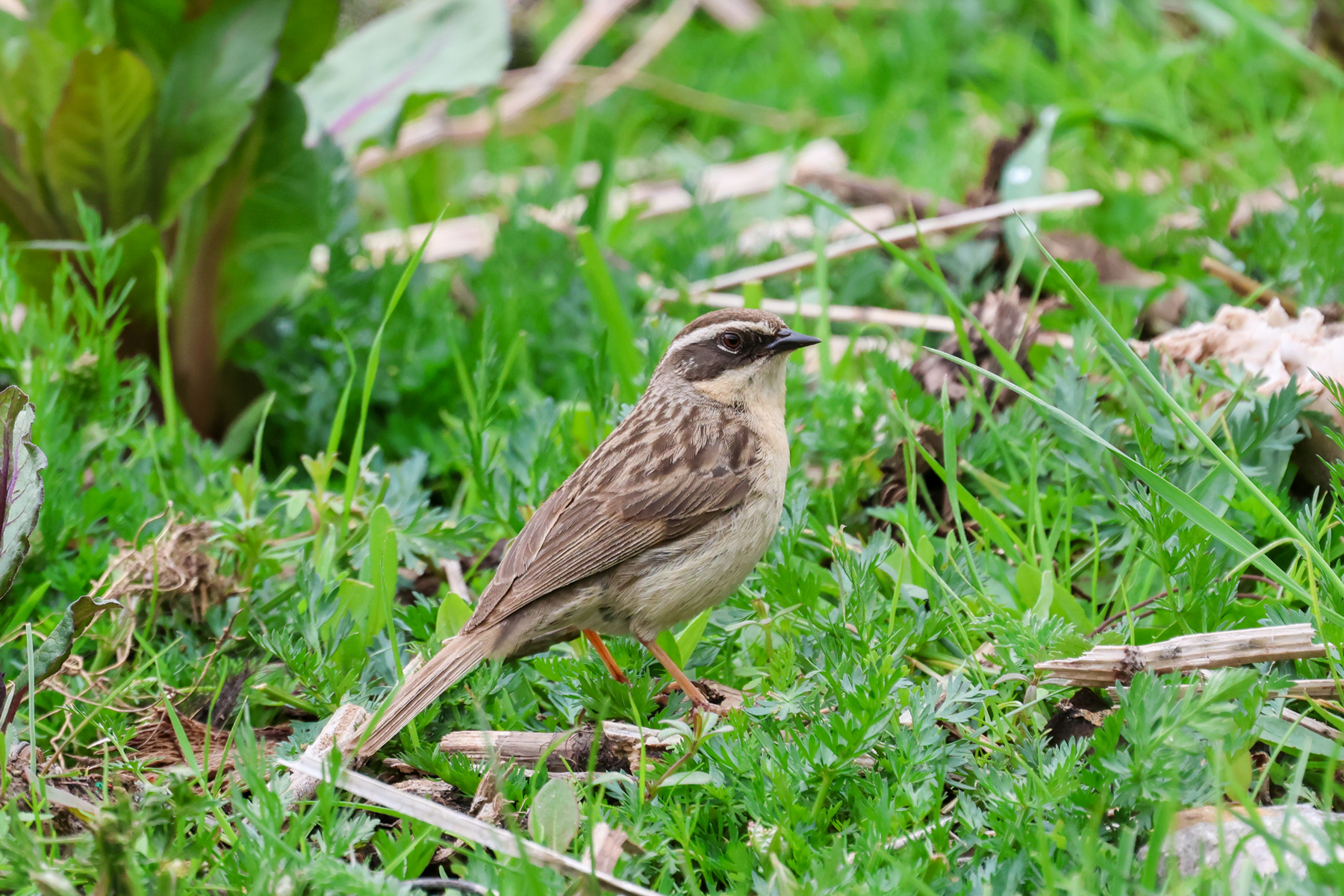
Brown Accentor (image by Hannu Jännes)
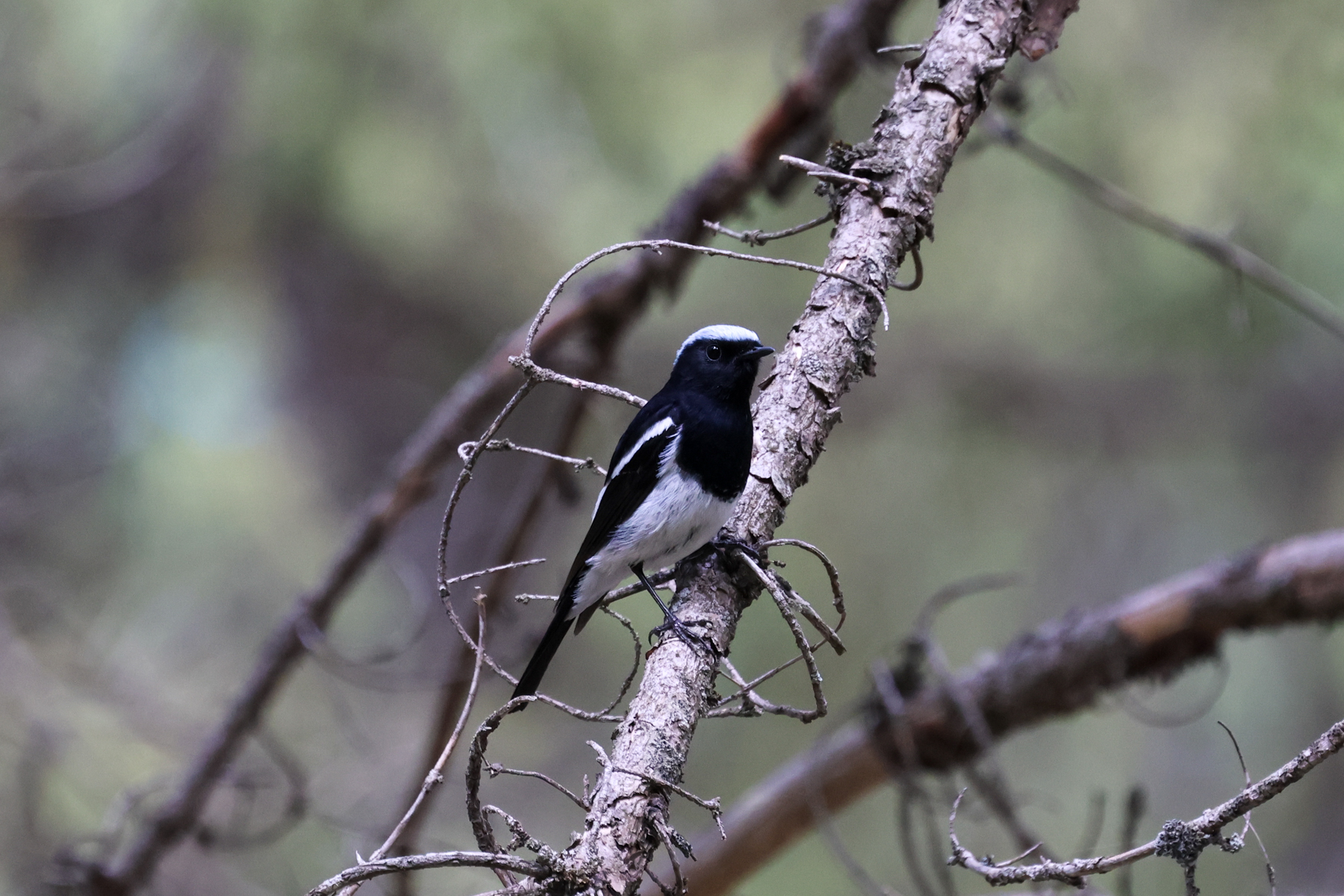
Blue-capped Redstart (image by Hannu Jännes)
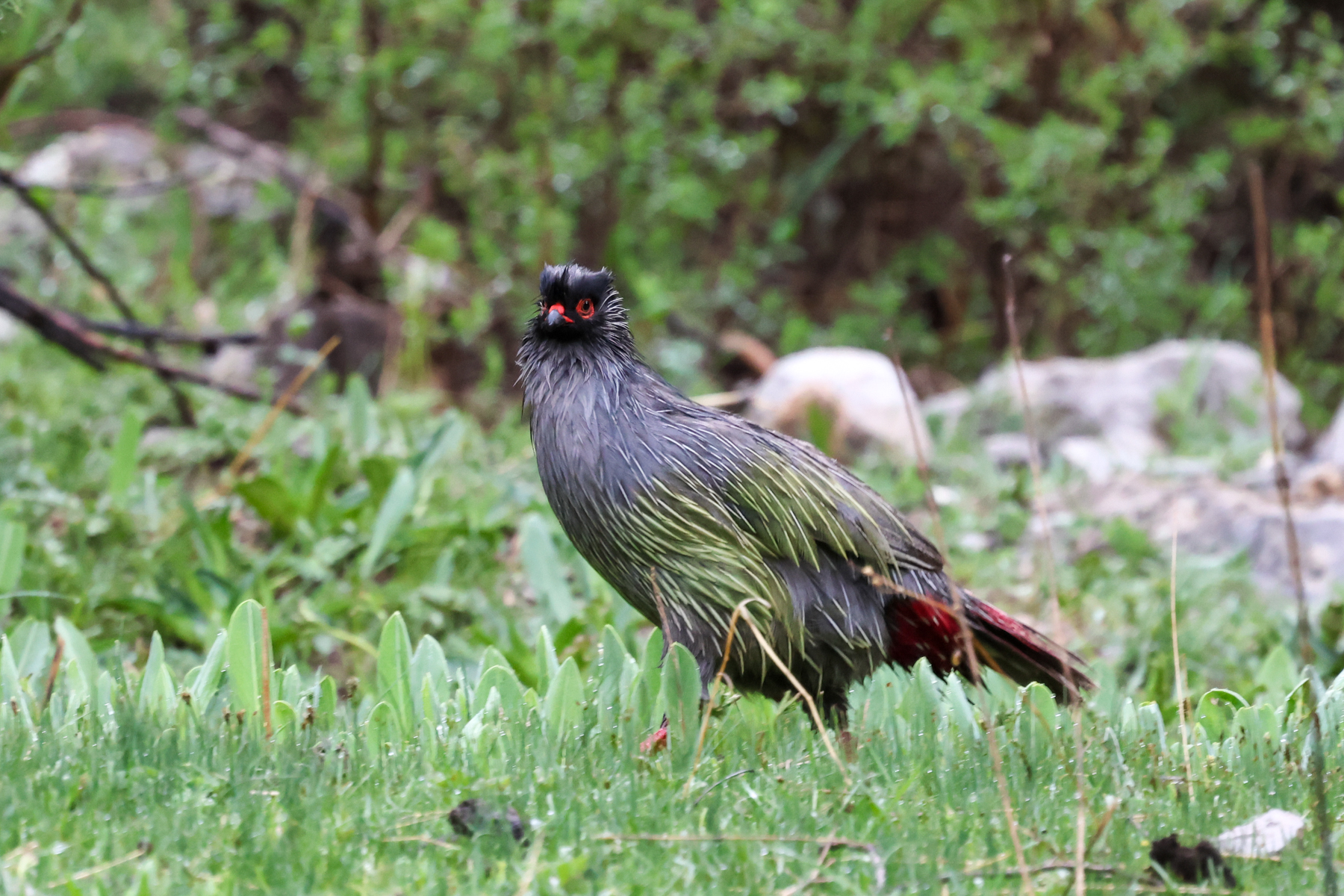
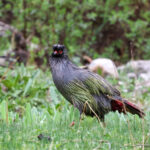
Blood Pheasant (image by Hannu Jännes)
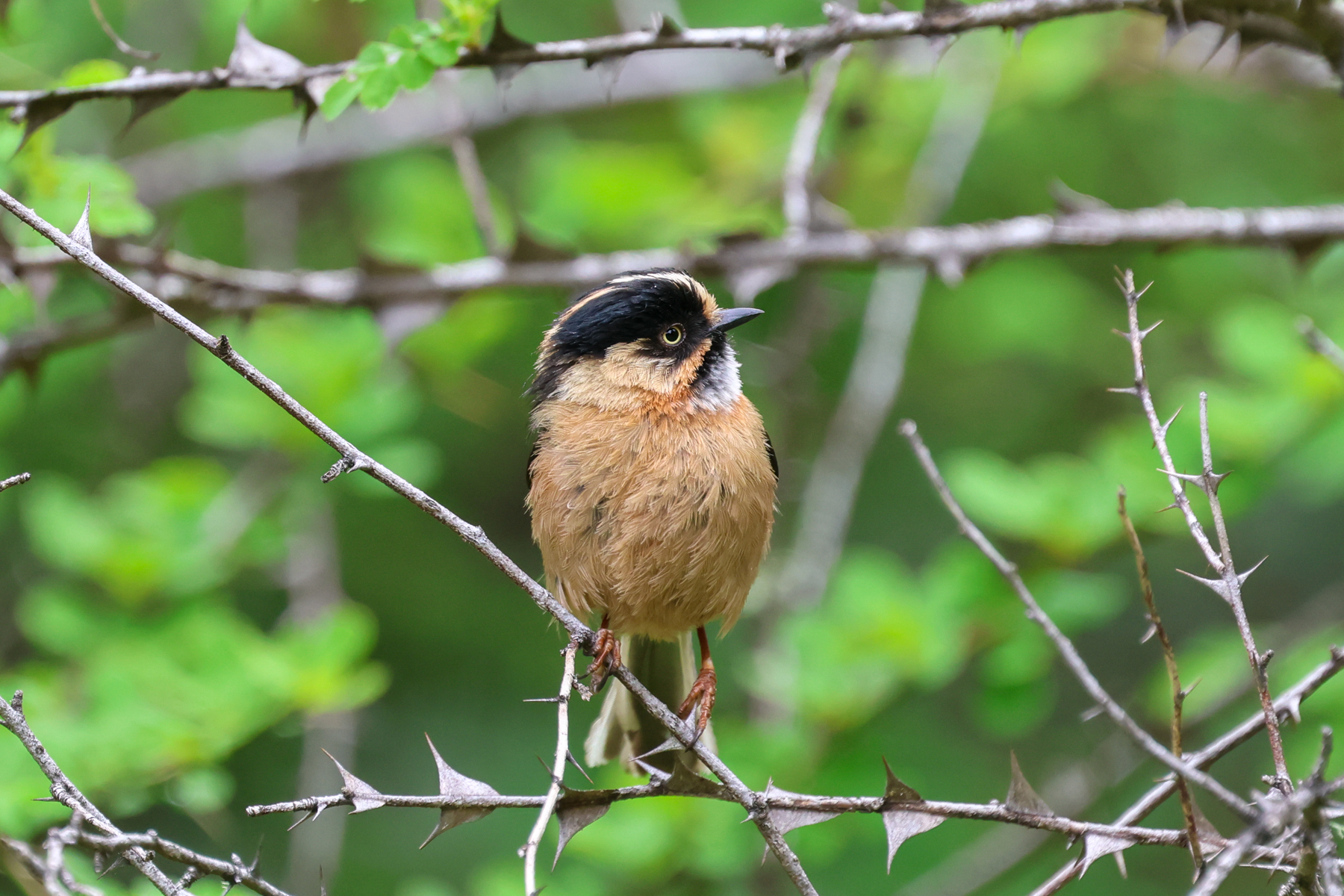
Black-browed Bushtit (image by Hannu Jännes)
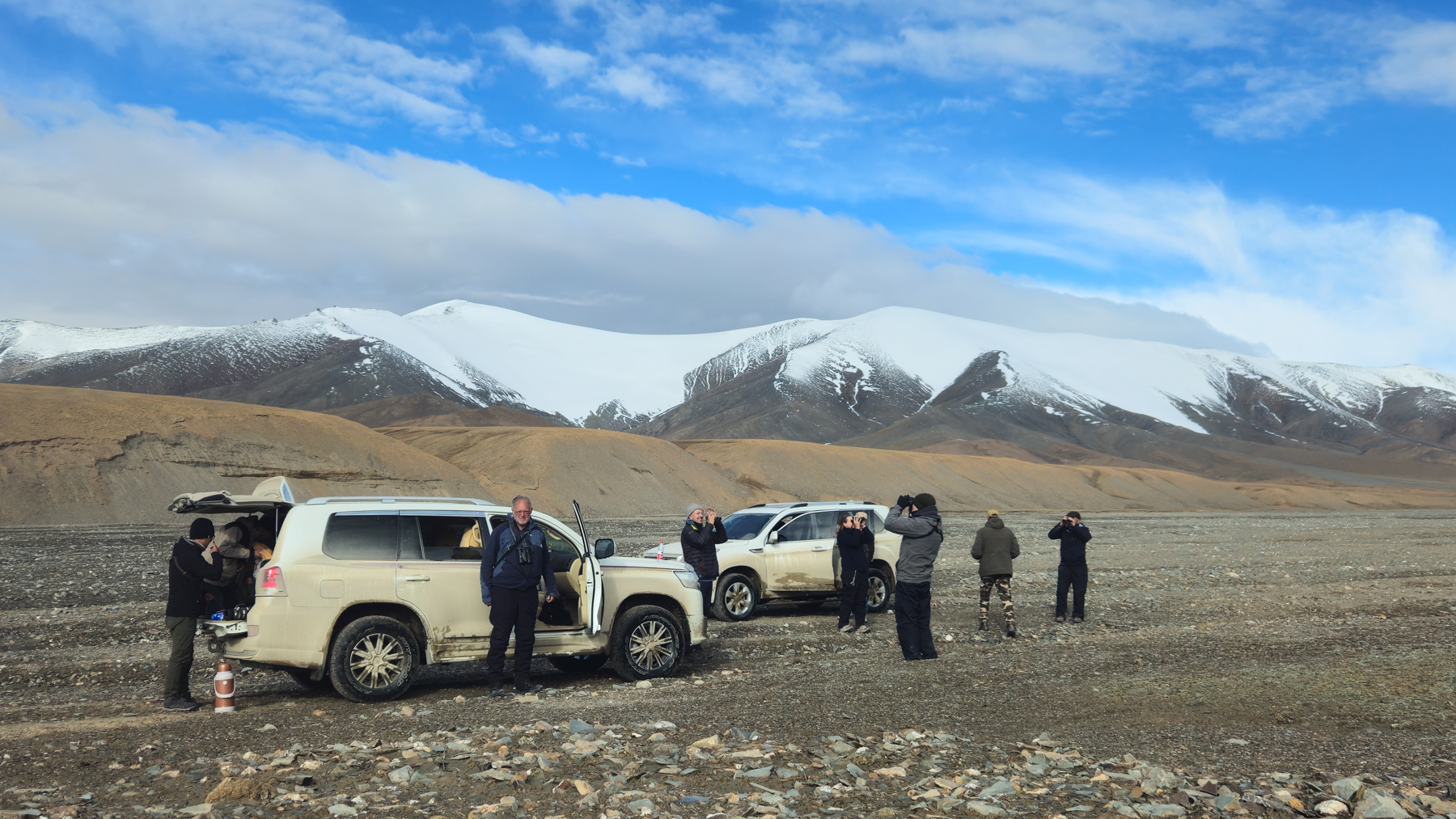
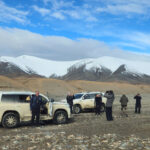
Birding in the Kunlun range (image by Hannu Jännes)
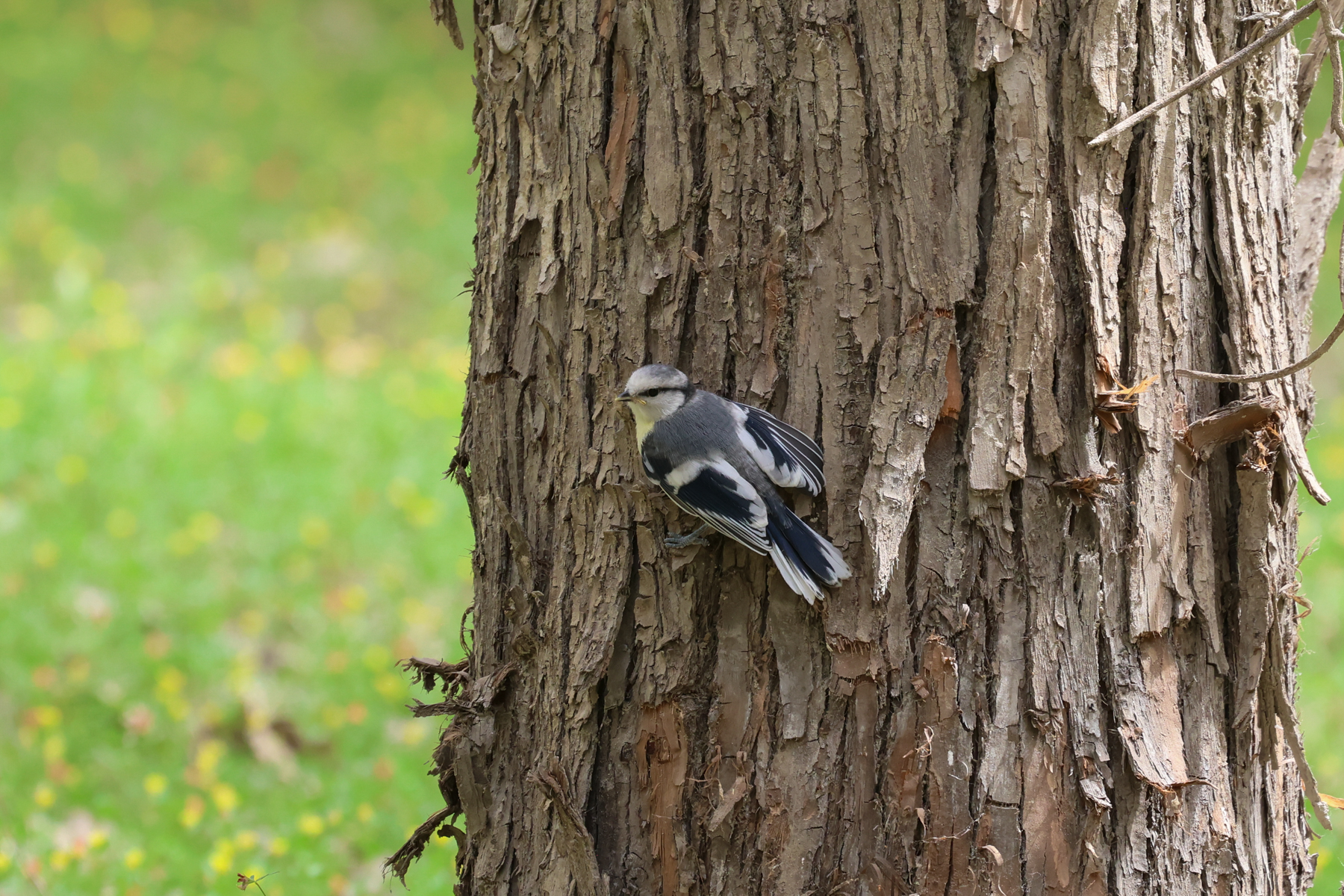
Azure Tit (image by Hannu Jännes)
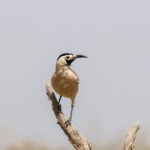
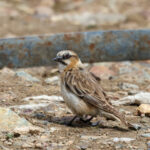
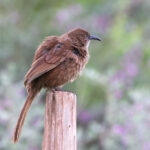
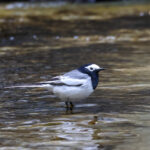
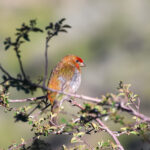
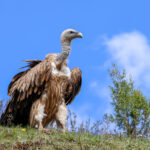
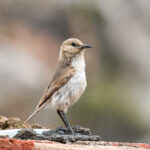
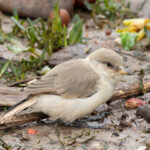
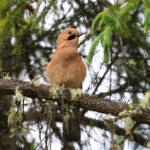
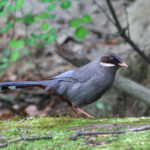
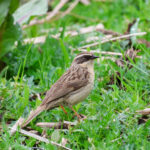
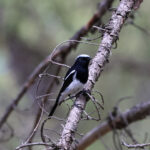


Xinjiang Ground Jay (image by Hannu Jännes)
Grey-headed Bullfinch (image by Hannu Jännes)
Elliot's Laughingthrush (image by Hannu Jännes)
Pere David's Snowfinch (image by Hannu Jännes)
Tibetan Eared Pheasant (image by Hannu Jännes)
White Eared Pheasant (image by Hannu Jännes)
Xinjiang Ground Jay (image by Hannu Jännes)
Rufous-necked Snowfinch (image by Hannu Jännes)
Tibetan Babax (image by Hannu Jännes)
Masked Wagtail (image by Hannu Jännes)
Streaked Rosefinch (image by Hannu Jännes)
White-winged Woodpecker (image by Hannu Jännes)
Tibetan Snowfinch (image by Hannu Jännes)
Tibetan Snowcock (image by Hannu Jännes)
Tibetan Rosefinch (image by Hannu Jännes)
Tibetan Gazelle (image by Hannu Jännes)
Tibetan Bunting (image by Hannu Jännes)
Saker Falcon (image by Hannu Jännes)
Rufous-breasted Accentor (image by Hannu Jännes)
Pink-rumped Rosefinch male (image by Hannu Jännes)
Pale Rosefinch (image by Hannu Jännes)
Lunch break (image by Hannu Jännes)
Black-headed Greenfinch (image by Hannu Jännes)
Lord Derby's Parakeet (image by Hannu Jännes)
Lord Derby's Parakeets (image by Hannu Jännes)
Hodgson's Redstart (image by Hannu Jännes)
Crimson-browed Finch (image by Hannu Jännes)
Himalayan Vulture (image by Hannu Jännes)
Ground Tit (image by Hannu Jännes)
Ground Tit (image by Hannu Jännes)
Grey-crested Tit (image by Hannu Jännes)
Grey-backed Shrike (image by Hannu Jännes)
Giant Babax (image by Hannu Jännes)
Eurasian Three-toed Woodpecker (image by Hannu Jännes)
Eurasian Jay (image by Hannu Jännes)
Brown-cheeked Laughingthrush (image by Hannu Jännes)
Brown Accentor (image by Hannu Jännes)
Blue-capped Redstart (image by Hannu Jännes)
Blood Pheasant (image by Hannu Jännes)
Black-browed Bushtit (image by Hannu Jännes)
Birding in the Kunlun range (image by Hannu Jännes)
Azure Tit (image by Hannu Jännes)


NORTHWEST CHINA & THE TIBETAN PLATEAU TOUR REPORT 2026

1 - 21 June 2026
Hannu Jännes
This ‘comprehensive tour of Northwest China and the Tibetan Plateau’ covered the mountain and desert habitats of Xinjiang in far western China, before moving on to Xizang (Tibet proper) and Qinghai providing a fine selection of Tibetan Plateau specialities, plus many other highly desirable birds. The list of special birds included the much sought-after Lord Derby’s Parakeet, Tibetan Eared Pheasant, Buff-throated Monal-Partridge, Tibetan Sandgrouse, White-winged Woodpecker, Mongolian and Xinjiang Ground Jays, Giant and Tibetan Babaxes, Tarim Babbler, Brown-cheeked Laughingthrush, Ground Tit, Tibetan (or Kozlov’s) Bunting, Tibetan (or Roborovski’s) Rosefinch and the strange Przevalski’s (or Pink-tailed) Finch, the sole member of its family. Add to these a number of highly sought-after, but more widespread, species with Black-necked Crane, White Eared Pheasant, Himalayan and Tibetan Snowcocks, Tibetan, Daurian and Przevalski’s Partridges, Ibisbill, the handsome Mongolian and gigantic Tibetan Larks, White-backed Thrush, Siberian and Chinese Rubythroats, Qilian Bluetail, the range-restricted Przevalski’s (or Alashan) and Eversmann’s Redstarts plus nine other redstarts, Wallcreeper, Sichuan and White-browed Tits, Crested Tit-warbler, Chinese and Przevalski’s Nuthatches, six species of snowfinch, 11 species of rosefinch, Maroon-backed and Black-throated Accentors and Saxaul Sparrow, and one can understand why our tours to ‘the Roof of the World’ are so popular!
Mammals are well represented on the tour, and we had great views of Pallas’s Cat, Brown Bear, Grey Wolf, Tibetan Fox, Chiru (Tibetan Antelope), Goitered and Tibetan Gazelles, many Kiangs (Tibetan Wild Ass), White-lipped Deer, Central Asian Red Deer and Alpine Musk-deer, Grey and many cute Himalayan Marmots and several species of pika. As well as these avian and mammalian highlights, it is a privilege to travel in this remote part of China, with its breathtakingly beautiful high landscapes, fascinating local lifestyles and cultures, and, of course, the often excellent food. Some logistical issues, including flight schedule changes, forced us to make some fairly marked changes to our itinerary, especially in the Xinjiang section of the tour, but we still saw the birds we needed there. The weather in Qinghai was also exceptionally poor, with an unusual amount of rain, which slowed our progress somewhat and prevented a second attempt to visit the Wild Yak Valley of Sillem’s Rosefinch fame.
The tour began in Urumqi, the capital of China’s Xinjiang province, in far western China, where our one-day pre-tour extension took us to one of the forest-clad valleys in the mighty Tien Shan mountains. Here, we soon connected with our main targets, the range-restricted Eversmann’s (or Rufous-backed) Redstart and Black-throated Accentor. Other interesting birds included the smart Blue-capped Redstart, Azure Tit, Grey-crowned Goldfinch and more widespread birds of interest such as Eurasian Three-toed Woodpecker, ‘Masked’ Wagtail, Rufous-tailed (or Turkestan) Shrike, Red-fronted Serin, Coal Tit, Eurasian Treecreeper and White-throated Dipper. A couple of stops in the rolling foothills produced Chukar Partridge, Eurasian Roller, Western House Martin, Tawny Pipit (heard only), Eurasian Magpie, Western Jackdaw, Carrion Crow, Common Whitethroat, Common Linnet and European Greenfinch. In the evening we met Tim and Chris, who joined us for the main tour, and flew to Korla, situated on the northern side of the vast Tarim Basin that occupies much of Xinjiang Province.
After a night in an airport hotel in Korla, we boarded our bus and settled in for a long drive to the birding areas. Luckily, around noon, still a long way from the intended birding areas, we spotted a Xinjiang (or Biddulph’s) Ground Jay, a species endemic to the Tarim Basin and perhaps the most important of our target birds there, sitting on a roadside wire, and soon discovered a whole family party of them in the roadside bushes of the harsh semidesert habitat. After enjoying some time with these amazing birds, we had lunch nearby. In the afternoon we visited a poplar forest by the Tarim River, where, despite the hot afternoon hours, birds were surprisingly active and we soon found the remaining target species: Saxaul Sparrow, White-winged Woodpecker and Tarim Babbler. We also had great views of several Azure Tits, Isabelline Shrikes, Desert Lesser Whitethroats, Stock Doves and a confiding Sykes’s Warbler, which was a write-in. We then drove to Luntai for the night. Next morning saw us back in the poplar forest, where new discoveries included a couple of singing Bluethroats, followed by an exploration of semidesert areas, where Desert Wheatear was the only new bird for us, before we began the drive back to Korla to catch our evening flight.
After a brief night’s sleep at an airport hotel in Chengdu, we took an early flight to Linzhi, in southern Xizang close to the Indian border, where we arrived mid-morning and went straight out to bird in a scenic area near Nyingchi. Even though the park was very touristy, the birding was surprisingly good, and we had excellent views of two Tibetan endemics, Giant Babax and Brown-cheeked Laughingthrush, literally as soon as we entered the park. Other good birds seen during the visit included our first Bearded Vultures, Blyth’s Leaf and Large-billed Leaf Warblers, Chestnut-vented Nuthatch, several Black-headed Greenfinches, White-collared Blackbirds, a showy Indian Blue Robin, singing Slaty-backed Flycatchers, Dark-sided Flycatcher, two gorgeous Long-tailed Minivets and a Grey-backed Shrike. In addition, Lord Derby’s Parakeets and a single Tibetan Eared Pheasant were glimpsed. In the afternoon we visited two city parks, hoping to find more parakeets, the main reason for visiting the Nyingchi area, but had to make do with Grey-headed Woodpecker, a pair of Black-browed Bushtits, Daurian Starling and very confiding Common Hoopoes. Later, a visit to a riverside produced a brief Ibisbill in flight and a pair of Long-billed Plovers. We also enjoyed views of Plumbeous and an excellent Hodgson’s Redstart before, at last, a distant flock of 16 Lord Derby’s Parakeets flew past us.
Our full day in the Nyingchi region began at Sekila Mountain Pass (4700m asl), where birding along the roadside bushes in cloudy, rather cold weather produced Himalayan Buzzard, White-browed Tit-warbler, Rufous-breasted Accentor, Tickell’s Leaf Warbler, Blue-fronted Redstart, Chinese White-browed Rosefinch and Plain Mountain Finch. Another stop lower down the mountain rewarded us with good scope views of a Tibetan Eared Pheasant and several Tibetan Blackbirds. The rest of the morning was spent in the more forested lower parts of the mountain, where Lemon-rumped, Whistler’s, Buff-barred and Hume’s Warblers, a single Spotted Laughingthrush, Eurasian Jay, our first Pink-rumped Rosefinches, Coal, Green-backed, Grey-crested and Rufous-vented Tits, a very photogenic Black-browed Bushtit, Goldcrest and Chestnut-vented Nuthatch were seen. In addition, Mrs Gould’s Sunbird, Chestnut Thrush and Nepal House Martin were seen by some. After lunch we headed back to the city parks and, after a little searching and a couple of brief glimpses of flying birds, we found a wonderful flock of our prime target, the splendid Lord Derby’s Parakeet, feeding in pines around a picnic area full of Tibetans enjoying their weekend.
The next day was mainly spent driving westwards to Lhasa for a one-night stay. The journey was a spectacular introduction to the magnificent scenery of the Tibetan Plateau, which is only flat in parts but otherwise very mountainous. It included a high pass at 5100m asl, where we stopped for high-altitude birding, seeing our first Rufous-necked, White-rumped and Black-winged Snowfinches, Güldenstädt’s (White-winged) Redstart, Brandt’s and Plain Mountain Finches, Robin, Brown and Rufous-breasted Accentors, Twite and our first Plateau Pikas. Once in Lhasa, time was spent sightseeing, which included admiring the vast, amazing Potala Palace from the outside (visiting the palace itself has become quite a time-consuming and difficult task), and a visit to the famous Jokhang Temple, where we joined the colourful throng and circumambulated the temple.
Next morning, we headed out of Lhasa to Shuksep Nunnery, or Xiong Si as it is called in Chinese. The nunnery is built on a mountainside at 4300m asl and offers great views over the Lhasa River valley and, with great birds, is a very pleasant place to spend time. A couple of hours birding in and around the nunnery rewarded us with excellent close-up views of many Tibetan Eared Pheasants (we estimated seeing 16 during the day), Tibetan Partridges, Golden Eagle, Common Cuckoos, Oriental Turtle Doves, Hill Pigeons, many Red-billed Choughs, Cinereous Tits, Tickell’s Leaf Warblers, Tibetan Blackbirds, Brown-cheeked Laughingthrushes, curious Giant Babaxes, photogenic Pink-rumped and Streaked Rosefinches, an excellent pair of Crimson-browed Finches well spotted by Chris, White-winged Grosbeaks, Hodgson’s and White-throated Redstarts, Brown Accentor and Godlewski’s Bunting. As there was no sign of the much-needed Tibetan Snowcocks, we decided to follow a trail for 3–4km, with 300 metres height gain, up to another nunnery, where we connected with a pair of very tame snowcocks and spent quality time with them. We had lunch in the lower nunnery before visiting a site by the Lhasa River and a wetland park, where we added Bar-headed Goose, Ferruginous Duck, Common Moorhen, Eurasian Coot and Pallas’s Gull to the bird list. The rest of the day was spent flying to Xining, where we arrived late in the evening.
The next day, we had an early flight to Yushu, where we arrived in good time and drove a short distance to a mountain pass where roadside bushes held two male Przevalski’s Finches, some Chinese Rubythroats and Himalayan Beautiful Rosefinches. Unfortunately, the weather, with heavy rain and sleet, was horrible, and our time with these amazing species was far from enjoyable. The rest of a mostly rainy day was spent travelling to Nangqian, with many birding stops en route. New birds during the day included a nice pair of Ibisbills, Saker Falcon, Eastern Cattle Egret, Daurian Jackdaw, a singing male Red-fronted Rosefinch, a very obliging White-browed Tit, three White Eared Pheasants, Little Owl, Eastern Red-rumped Swallow, White-throated Dipper, good numbers of White-backed (Kessler’s) Thrushes, White-capped Redstart, Rock Sparrow, Citrine Wagtail (of the black-backed subspecies calcarata) and a Black Drongo for Richard. On the mammal front, Glover’s Pika was new for us.
The new day saw us at a high-altitude pass on Kanda Shan, where the ground was covered in 10cm of fresh snow and the normally breathtaking vista blocked by low cloud and heavy snowing. Despite this we found our main target, Tibetan Bunting, easily, though the views were far from ideal due to the poor visibility. Moving down the road, we called out a pair of Buff-throated Monal-Partridges, that showed well and also came across a large herd of Blue Sheep, another pair of Ibisbills, closer views of several gorgeous White Eared Pheasants and a small group of Central Asian Red Deer. A walk in the grounds of Kanda Shan Nunnery produced several tame, but very wet, Tibetan (or Koslow’s) Babaxes and Elliot’s Laughingthrushes, a single Sichuan Tit and our first Yellow-streaked Warbler, plus more White Eared Pheasants and Tibetan Partridges. During our lunch break, the rain that had been falling all morning finally stopped, and we decided to drive back to Kanda Shan pass, where we spent most of the afternoon enjoying the breathtaking scenery and improved views of Koslow’s Bunting in full sunshine. We also stopped at some yak carcasses, where tens of Himalayan Vultures had gathered for a feast allowing us a very close approach.
On our second morning at Nangqian, we visited Beizha Forest, about a 90-minute drive away, where we started the day with a picnic breakfast attended by some gorgeous and very tame Daurian Jackdaws and Large-billed Crows. This birdy site revealed several Blood Pheasants scurrying around, a pair of Tibetan Partridges and several White Eared Pheasants, which have become very common in the area in recent years. Seeing a singing Giant Laughingthrush required an uphill walk, but eventually we had great views of it. Later, we birded along the main road, seeing Maroon-backed Accentor, a confiding Grey-headed Bullfinch and a showy pair of Three-banded Rosefinches. A walk along a track on a forest-clad slope was surprisingly productive with two splendid Przevalski’s Nuthatches, two Crested Tit-warblers, Hodgson’s Treecreeper, Slaty-backed and Dark-sided Flycatchers, two Eurasian Goshawks and Himalayan Buzzards, Sichuan, Grey-crested and Rufous-vented Tits, several Sichuan Leaf and many Greenish Warblers, and a drumming male Eurasian Three-toed Woodpecker of the dark southern subspecies funebris (which Merlin calls Dark-bodied Woodpecker). In the late afternoon, we spent a couple of rainy hours trying to locate Chinese Fulvetta in riverside bushes but could only find two Grey-headed Woodpeckers as well as more views of Three-banded and Chinese White-browed Rosefinches.
On our last morning in the Nangqian area, we went back to Kanda Shan Gorge, where we spent a couple of rainy hours seeing many of the birds we had seen previously, plus a group of three Black-streaked Scimitar Babblers, always a good find here. We then drove back to Yushu, from where we turned westwards towards the city of Qumarleb, crossing vast areas of the scenic plateau on the way. A number of birding stops included a big wetland, where we saw several Black-necked Cranes; a high mountain pass, where we added Tibetan Snowfinch to our bird list; a recently fledged Saker Falcon by the roadside; and last, but not least, a gorgeous Pallas’s Cat walking on a mountain slope and giving us great scope views.
After a night in a surprisingly good hotel and a great table breakfast in Qumarleb city, we continued our journey westwards, crossing the immense Kekexili Nature Reserve, a truly wonderful area for wild mammals. On route we counted a total of 60 adult Upland Buzzards, plus 11 occupied nests, and 30 Saker Falcons, with six occupied nests. Mammals sighted were Red and Tibetan Foxes, Altai Mountain Weasel, and good numbers of Kiangs and Tibetan Gazelles. A longish late-afternoon walk on the flat roadside plains yielded four much-needed Tibetan Sandgrouse, as well as Blanford’s Snowfinches and Tibetan Sand Plovers. According to our original itinerary, we were to spend the following two nights in the logistically more favorable, and better, guesthouse in Xidatan, but for some reason foreigners were suddenly blocked from staying there, and we had to overnight in a roadside dump called Budongquan. At Budongquan, we met the drivers who were going to take us around for the next two days in their capable four-wheel drives.
It was a very early start the next morning, as Budongquan was two hours farther from Yeniugou (aka Wild Yak Valley), than Xidatan, and the sun was already quite high when we approached the feared crossing of the snow- and ice-covered river, which we managed without too much trouble. On the way, we had quite an Attenborough moment, as Asian Badger, Brown Bear, Grey Wolf, Wild Yak, Chiru, Kiang and Tibetan Gazelle were all seen in a short period of time. Once up in the valley at 4800m asl, we had a quick breakfast and then climbed the last 200 meters to the zone where we hoped to find Sillem’s Rosefinch, the holy grail of Tibetan birding. For once, the weather was kind, and we enjoyed the extraordinarily scenic Kunlun Mountains as we walked the high slopes for the next four hours. However, we had to make do with tens of Tibetan (or Roborovski’s) Rosefinches, and a bold and vocal Tibetan Snowcock that seemed to be followed by a more skittish female Himalayan Snowcock! After much searching, we eventually had to call it quits and begin the five-and-a-half-hour journey back to Budongquan, consoling ourselves with the thought that we still had another day to find our target bird (or so we thought!).
The new morning saw us back at the notorious river crossing in Wild Yak Valley, but this time it was snowing heavily and our drivers refused to try to cross the river in challenging conditions. We therefore had to do our birding somewhat lower down the valley, where the best birds included a number of Brandt’s Mountain Finches, Hume’s and Horned Larks, Blanford’s Snowfinches and even a male Great Rosefinch flocking around some food left near a religious memorial. Later in the morning, we checked the river crossing again, but the drivers still refused to attempt it, so we started to drive back to the highway and our next destination, Geermu (or Golmud). En route, we had a stop for Przevalski’s Partridge, which gave us good views.
From Geermu, we headed east to Chaka, stopping on the way for lunch in Chahanwusu. During our drive through the vast semidesert, with hundreds and hundreds of windmills, we spotted a total of four Mongolian Ground Jays in the roadside bushes, but unfortunately it was not possible to stop for any of them due to strict traffic rules. In the afternoon, we climbed the very scenic ‘Redstart Valley’ and, after a lengthy search, located a pair of the range-restricted Przevalski’s (or Alashan) Redstarts. We also saw our first Pine Buntings there.
Our full day in Chaka started, surprise, surprise, with heavy rain that lasted until mid-afternoon, but we persevered and checked a traditional birding site, where the best birds were two Daurian Partridges that we flushed a couple of times. There was not much else to see in the appalling weather, and we retreated to our hotel for a short break before lunch. In the afternoon, we checked a wetland area, where we had great views of Tibetan Larks, plus Bearded Reedling, Common Reed Bunting, Pied Avocets, Kentish Plovers and Richard’s Pipit, all new birds for us. Late-afternoon birding in some semidesert areas produced Asian Short-toed Lark and, most importantly, a family party of four Mongolian Ground Jays, which offered great views.
The new day began in a cultivated area, where, after a search, we connected with a couple of gorgeous Mongolian Larks and later, a walk through the semidesert habitat, brought us a breeding pair of Père David’s Snowfinches. We then headed towards Lake Qinghai, where, after lunch in the town of Heimaihe, we checked a bush-adorned hillside in the Rubber Mountain area and soon found a pair of Przevalski’s (or Pink-tailed) Finches, a species we had seen earlier, but in appalling weather. Then we tried to find the Smoky Warbler, which inhabits these mountains, but access to my main site for this species was blocked by an angry landowner who simply refused to let us through, and a search of another promising-looking hillside proved fruitless. Later, we drove to Gonghe, where we arrived late in the evening.
A birding session in a very scenic area of eroded hills the next morning produced several subtly beautiful and obliging Pale Rosefinches (a recent split from Sinai Rosefinch), the first and only Wallcreeper of the tour, two Mongolian Finches, Pied Wheatears, Common Rock Thrushes, Lesser Whitethroats (of the form margelanica) and a nice Chinese Red Pika. Later, a visit to agricultural areas and dry hills on the outskirts of Gonghe produced a brief Common Kingfisher, a rare bird on this itinerary, another Grey-headed Woodpecker, Oriental Greenfinch and a singing Meadow Bunting. Later, on the way to the city of Xining, we stopped at a wetland at the east end of mighty Qinghai Lake, where we spent a couple of hours enjoying the great scenery and birds, which included Greylag Goose, Common Shelduck and Common Pochard, which were new for us. We also enjoyed great views of a territorial Mongolian Lark and a pair of Père David’s Snowfinches at their nest hole.
The last full day of the tour began with breakfast on a hillside covered in deciduous forest and bushes, just an hour’s drive from Xining. The morning here brought us an array of interesting species, including a few Common Pheasants, a couple of stunning Siberian Rubythroats, many Azure-winged Magpies, Willow Tit, Yellow-streaked and Greenish Warblers, Gansu, Chinese and Hume’s Leaf Warblers, Plain and Elliot’s Laughingthrushes, Chinese and Chestnut Thrushes, two singing Qilian Bluetails (a recent split from Red-flanked Bluetail), Chinese Nuthatch, White-bellied, White-throated and Daurian Redstarts, Rufous-breasted Accentor, Grey-headed Bullfinch and Chinese White-browed Rosefinch. In the afternoon, we paid a visit to a city park on the outskirts of Xining, where the best find was a big flock of Silver-throated Bushtits. We also saw two Great Spotted Woodpeckers, that proved the last addition to our bird list. After dinner, it was time to say our goodbyes and to thank everyone for their excellent company, which, together with all the wonderful birds and exciting places, combined to make such a memorable trip.
‘BIRDS OF THE TRIP’ WINNERS:
1st: Tibetan (or Roborovski’s) Rosefinch and Tibetan Sandgrouse
2nd: Tibetan Bunting
3rd: Przevalski’s (or Pink-tailed) Finch
4th: Tibetan Snowfinch and Przevalski’s (or Alashan) Redstart
SYSTEMATIC LIST OF SPECIES RECORDED DURING THE TOUR
Species marked with the diamond symbol (◊) are either endemic to the country or local region or considered ‘special’ birds for some other reason (e.g., it is only seen on one or two Birdquest tours; it is difficult to see across all or most of its range; the local form is endemic or restricted-range and may in future be treated as a full species).
The species names and taxonomy used in the bird list follow AviList: The Global Avian Checklist, v2025b. https://doi.org/10.2173/avilist.v2025b
Where the subspecies seen is/are known, these are often given in the species comment.
BIRDS
Whooper Swan One at the eastern end of the Qinghai Lake.
Bar-headed Goose ◊ Anser indicus Widespread, sometimes numerous, on the Tibetan plateau. Also sighted in Lhasa.
Greylag Goose Anser anser Three at the eastern end of the Qinghai Lake.
Common Shelduck Tadorna tadorna One at the eastern end of the Qinghai Lake.
Ruddy Shelduck Tadorna ferruginea Common and widespread.
Common Merganser (Goosander) Mergus merganser Seen on six days.
Red-crested Pochard Netta rufina Eight in Luntai in Xinjiang and 20 or so at the eastern end of the Qinghai Lake.
Ferruginous Duck Aythya nyroca Noted on three days.
Common Pochard Aythya ferina 12 at the eastern end of the Qinghai Lake.
Gadwall Mareca strepera
Mallard Anas platyrhynchos
Blood Pheasant ◊ Ithaginis cruentus Good of views six birds, both males and females, in Beizha forest [geoffroyi].
Buff-throated Monal-Partridge ◊ Tetraophasis szechenyii Endemic. Excellent sighting of a pair in the Kanda Shan area, where we also heard a single bird.
Tibetan Partridge ◊ Perdix hodgsoniae Small numbers were noted on five days in the Lhasa region and in southern Qinghai.
Daurian Partridge ◊ Perdix dauurica Poor views of a pair in the Chaka area [dauurica].
Common Pheasant (Ring-necked P) Phasianus colchicus A few seen in the Xining-Gonghe area [suehschanensis?]. In addition, there was a heard-only bird in Xinjiang.
Tibetan Eared Pheasant ◊ Crossoptilon harmani Endemic. Common and very tame at Shuksep near Lhasa. Also, a few individuals seen in Nyingchi.
White Eared Pheasant ◊ Crossoptilon crossoptilon Endemic. Great views in the Nangqien-Beizha area where fairly common and easy to see.
Tibetan Snowcock ◊ Tetraogallus tibetanus Amazing views at Shuksep near Lhasa and in the Wild Yak Valley. A few heard elsewhere.
Himalayan Snowcock ◊ Tetraogallus himalayensis One in the Wild Yak Valley [koslowi].
Chukar Partridge Alectoris chukar Three near Urumqi on our first day.
Przevalski’s Partridge ◊ (Rusty-necklaced P) Alectoris magna Endemic. Good views of one in the Kunlun range. A few heard elsewhere [magna].
Great Crested Grebe Podiceps cristatus
Common Cuckoo Cuculus canorus Seen or heard on most days.
Tibetan Sandgrouse ◊ Syrrhaptes tibetanus Great scope views of a group of four near Budongquan. Voted, together with Tibetan Rosefinch, as the bird of the trip!
Oriental Turtle Dove (Rufous T D) Streptopelia orientalis Noted in Xizang, where common, but only a few in Qinghai [orientalis], small numbers in Xinqgian [meena].
Eurasian Collared Dove Streptopelia decaocto
Snow Pigeon ◊ Columba leuconota Small numbers in the Kanda Shan area [gradaria].
Hill Pigeon ◊ Columba rupestris
Rock Dove (R Pigeon) Columba livia
Stock Dove Columba oenas Noted in the Tarim Poplar Forest Park [yarkandensis].
Black-necked Crane ◊ Grus nigricollis A total of 27 birds, with excellent views, in Qinghai province.
Common Moorhen Gallinula chloropus
Eurasian Coot (Common C) Fulica atra
Pied Avocet Recurvirostra avosetta
Black-winged Stilt Himantopus himantopus
Ibisbill ◊ Ibidorhyncha struthersii A total of six birds, with excellent views, in the Yushu-Nangqien area plus a brief sighting of a singleton in Nyinqchi.
Long-billed Plover Thinornis placidus A pair in Nyingchi.
Little Ringed Plover Thinornis dubius
Tibetan Sand Plover Anarhynchus atrifrons Small numbers noted on four days in Qinghai [schaeferi].
Kentish Plover Anarhynchus alexandrinus
Eurasian Curlew Numenius arquata One near Budonqguan. A migrant here.
Common Sandpiper
Common Redshank Tringa totanus Rather common in suitable wetlands in Qinghai [eurhina].
Whiskered Tern Chlidonias hybrida Two at the eastern end of the Qinghai Lake
Common Tern Sterna hirundo Widespread on Qinghai-Tibet plateau [tibetana] and also seen in Xinjiang [hirundo].
Brown-headed Gull ◊ Chroicocephalus brunnicephalus Noted in Lhasa and at Lake Qinghai.
Pallas’s Gull (Great Black-headed G) Ichthyaetus ichthyaetus Seen in Lhasa and at Lake Qinghai.
Great Cormorant Phalacrocorax carbo
Great Egret (Eastern G E) Ardea [alba] modesta Small numbers in Xinjiang and in Qinghai.
Eastern Cattle Egret Ardea coromanda Locally common is southern Qinghai.
Grey Heron Ardea cinerea Two by the lake in Luntai.
Fork-tailed Swift (Salim Ali’s S) ◊ Apus pacificus Locally common in Xizang and Qinghai [salimalii]. Also, a singleton in Tien Shan for some [pacificus].
Common Swift Apus apus Widespread [pekinensis].
Little Owl Athene noctua Seen just once along the Yushu-Nanqgien road [impasta].
Bearded Vulture (Lammergeier) Gypaetus barbatus Noted on 10 days with excellent views.
Himalayan Vulture (H Griffon V) Gyps himalayensis Noted on 15 days with some amazing close-up views.
Booted Eagle Hieraaetus pennatus Non-leader bird in the Tarim Poplar Forest Park.
Golden Eagle Aquila chrysaetos A total of nine birds seen [daphanea].
Eurasian Sparrowhawk Accipiter nisus Two, a breeding pair, in Nyingchi [melaschistos].
Eurasian Goshawk Astur gentilis Two in Beizha forest [schvedowi].
Black Kite (Black-eared K) Milvus [migrans] lineatus Widespread.
Upland Buzzard ◊ Buteo hemilasius Rather common roadside bird on the central plateau.
Long-legged Buzzard Buteo rufinus One near the Tarim Poplar Forest Park.
Himalayan Buzzard ◊ Buteo refectus One in the Sekila Mountain pass and two in Beizha Forest.
Common Hoopoe Upupa epops
European Roller Coracias garrulus One near Urumqi.
Common Kingfisher Alcedo atthis One near Gonghe [bengalensis].
Grey-headed Woodpecker Picus canus Observed in Nyingchi, Beizha Forest (two) and Gonghe.
Eurasian (Dark-bodied T-t W) Three-toed Woodpecker Picoides tridactylus A drumming male in Beizha Forest [funebris].
Eurasian Three-toed Woodpecker Picoides tridactylus A female in the Tien Shan [tianschanicus].
White-winged Woodpecker ◊ Dendrocopos leucopterus Several birds, with great views, in the Tarim Poplar Forest Park.
Great Spotted Woodpecker Dendrocopos major Two in Xining [beicki].
Common Kestrel Falco tinnunculus Noted on nine days.
Eurasian Hobby Falco subbuteo A total of four in Xinjiang.
Saker Falcon Falco cherrug Common (30 adults and six occupied nests) on the drive between Qumarleb and Budongquan, but only a scattered few elsewhere [milvipes].
Lord Derby’s Parakeet ◊ (Derbyan P) Psittacula derbiana Several sightings, including some good flocks, with great views, in Nyingchi. Also a few in Lhasa.
Long-tailed Minivet Pericrocotus ethologus Two in Nyingchi and one in Beizha Forest.
Black Drongo Dicrurus macrocercus Three individuals in the southern part of the Qinghai province [cathoecus]
Great Grey Shrike (Steppe Grey S) Lanius [excubitor] pallidirostris One roadside bird in the Urumqi area.
Isabelline Shrike ◊ (Xinjiang S Chinese S) Lanius isabellinus Good numbers in the Tarim River area in Xinjiang [isabellinus?] and again in Chaka, Qinghai [tsaidamensis].
Red-tailed Shrike ◊ (Turkestan S) Lanius phoenicuroides A few in the Urumqi area.
Grey-backed Shrike Lanius tephronotus Widespread in Qinghai and Xizang.
Alpine Chough Pyrrhocorax graculus Three in the Kanda Shan area.
Red-billed Chough Pyrrhocorax pyrrhocorax Widespread in Qinghai and Xizang [himalayanus].
Azure-winged Magpie ◊ Cyanopica cyanus Small numbers in northern Qinghai [kansuensis]. Also noted in Urumqi, where introduced.
Eurasian Jay Garrulus glandarius One in Sekila Mountain Forest Park [interstinctus].
Black-rumped Magpie ◊ Pica bottanensis Locally common in forested high-altitude areas of Xizang and southern Qinghai.
Eurasian Magpie Pica pica Rather common in Urumqi [bactriana].
Oriental Magpie Pica serica Birds seen in the ‘lowlands’ around Xining are apparently this species.
Mongolian Ground Jay ◊ (Mongolian G J) Podoces hendersoni Two encounters with great views in Chaka. Also, four roadside birds in the semidesert areas east of Geermu.
Xinjiang Ground Jay ◊ (Biddulph’s G J) Podoces biddulphi Brilliant views of two adults and a juvenile bird in Xinjiang.
Northern Nutcracker ◊ Nucifraga caryocatactes Heard only in Tien Shan [macrorhynchos].
Daurian Jackdaw ◊ Coloeus dauuricus Great views of very tame birds in southern Qinghai, where relatively common [insolens].
Western Jackdaw Coloeus monedula Sighted in the Urumqi area.
Northern Raven (Common R) Corvus corax Widespread [tibetanus].
Carrion Crow ◊ Corvus corone Widespread in Xinjiang [orientalis].
Large-billed Crow Corvus macrorhynchos Noted in small numbers in Xizang and southern Qinghai [tibetosinensis].
Azure Tit ◊ Cyanistes cyanus One in the Urumqi region and good numbers in the Tarim Poplar Forest Park [tianschanicus].
Ground Tit (Hume’s G Jay) ◊ Pseudopodoces humilis Widespread and common in Xizang and Qinghai.
Green-backed Tit Parus monticolus One in Sekila forest [monticolus].
Great Tit Parus major Two in the Urumqi area [kapustini].
Cinereous Tit ◊ Parus cinereus Small numbers in Xizang and a city park in Xining [tibetanus].
Coal Tit Periparus ater Two in the Tien Shan [ater] and one in Sekila Forest [aemodius].
Rufous-vented Tit Periparus rubidiventris Noted in Sekila Forest, Beizha Forest and near Xining.
Grey-crested Tit Lophophanes dichrous Seen in Sekila Forest and in Beizha Forest [dichroides].
White-browed Tit Poecile superciliosus Endemic. Great views of one near Yushu.
Sichuan Tit ◊ Poecile weigoldicus Endemic. Small numbers in the Nangqien area.
Willow Tit ◊ Poecile montanus Two in the hill side forest near Xining [affinis].
Bearded Reedling Panurus biarmicus One in Chaka.
Oriental Skylark Alauda gulgula Widespread in Qinghai [inopinata].
Crested Lark Galerida cristata Two in the Tarim river area and two in Gonghe.
Horned Lark (Shore L) Eremophila alpestris Widespread in the open plateau in Qinghai. Also noted in Xizang.
Hume’s Short-toed Lark ◊ Calandrella acutirostris Great views in the Kunlun area [tibetana].
Mongolian Lark ◊ Melanocorypha mongolica Five in Chaka and one at the eastern edge of Lake Qinghai. Brilliant views!
Tibetan Lark ◊ (Long-billed Calandra L) Melanocorypha maxima A total of five in Qinghai.
Asian Short-toed Lark ◊ Alaudala cheleensis Rather common in the Chaka area [kukunoorensis].
Syke’s Warbler Iduna rama Great views of one in the Tarim Poplar Forest Park.
Pale Martin ◊ Riparia diluta Widespread in Xizang-Qinghai [tibetana].
Eurasian Crag Martin Ptyonoprogne rupestris Widespread in small numbers.
Barn Swallow Hirundo rustica Widespread.
Western House Martin Delichon urbicum A few in Tien Shan [urbicum].
Nepal House Martin Delichon nipalensis Non-leader. Four above Sekila forest [nipalense].
Asian House Martin Delichon dasypus Rather widespread in Xizang and in Qinghai [cashmeriense].
Eastern Red-rumped Swallow Cecropis daurica Small numbers in southern Qinghai [daurica].
Crested Tit-warbler ◊ Leptopoecile elegans Endemic. Two, including good views, in Beizha forest [elegans].
White-browed Tit-warbler ◊ Leptopoecile sophiae Two sightings in Xizang and one in Xining in Qinghai.
Silver-throated Bushtit ◊ Aegithalos glaucogularis 40 or so in a city park in Xining.
Black-browed Bushtit ◊ Aegithalos iouschistos A few sightings with excellent views in Nyingchi.
Buff-barred Warbler Phylloscopus pulcher Noted in Sekila Forest Park and in Beizha forest [pulcher].
Hume’s Leaf Warbler Phylloscopus humei Seen in Sekila Forest Park, in Beizha forest and heard in the hill side forest near Xining [mandellii].
Chinese Leaf Warbler ◊ Phylloscopus yunnanensis Breeding endemic. One with excellent views at Laoye Shan.
Gansu Leaf Warbler ◊ Phylloscopus kansuensis Endemic. Rather common in the Xining area.
Sichuan Leaf Warbler Phylloscopus forresti Breeding endemic. Fairly common in the Nangqien area.
Lemon-rumped Warbler Phylloscopus chloronotus A few in Sekila forest.
Yellow-streaked Warbler ◊ Phylloscopus armandii A breeding endemic. Noted on four days [armandii].
Tickell’s Leaf Warbler ◊ (Alpine L W) Phylloscopus [affinis] occisinensis Noted on six days.
Whistler’s Warbler Phylloscopus whistleri One in Sekila forest.
Greenish Warbler Phylloscopus trochiloides Noted in Tien Shan [viridianus], in Xizang, in southern Qinghai and in Xining [trochiloides/obscuratus].
Large-billed Leaf Warbler Phylloscopus magnirostris A few in the Nyingchi area.
Blyth’s Leaf Warbler Phylloscopus reguloides A few in the Nyingchi area [reguloides].
Barred Warbler Curruca nisoria Heard only in Korla.
Lesser Whitethroat ◊ (Small W) Curruca [curruca] minula Rather common in the Tarim River area.
Lesser Whitethroat ◊ (Margelanic W) Curruca [curruca] margelanica A few near Gonghe.
Common Whitethroat Curruca communis Common in Tien Shan [rubicola].
Tarim Babbler ◊ Rhopophilus albosuperciliaris Endemic. Several birds were seen in the Tarim Poplar Forest Park.
Black-streaked Scimitar Babbler ◊ Erythrogenys gravivox A group of three birds in the Kanda Shan area.
Brown-cheeked Laughingthrush ◊ Trochalopteron henrici Endemic. Fairly common in Nyingchi and around Lhasa.
Elliot’s Laughingthrush ◊ Trochalopteron elliotii Endemic. Fairly common in the forested parts of Qinghai province.
Chestnut-crowned Laughingthrush Trochalopteron erythrocephalum Heard only in the Sekila mountains.
Spotted Laughingthrush ◊ Ianthocincla ocellata A singleton in the Sekila mountains [ocellata].
Giant Laughingthrush ◊ Ianthocincla maxima Endemic. One seen and few more heard in Beizha Forest.
Plain Laughingthrush ◊ Pterorhinus davidi Endemic. A total of 10 near Xining [davidi].
Giant Babax ◊ Pterorhinus waddelli Endemic. Several sightings in Nyingchi and around Lhasa.
Tibetan Babax ◊ Pterorhinus koslowi Endemic. Great views in the Nangqien area [koslowi].
Goldcrest Regulus regulus Two in Tienshan and one in Sekila mountains.
Wallcreeper Tichodroma muraria Only one sighting, near Gonghe.
Przevalski’s Nuthatch ◊ Sitta przewalskii Endemic. Two with excellent views in Beizha forest.
Chinese Nuthatch ◊ Sitta villosa Endemic. A few in the Xining area [bangsi].
Eurasian Nuthatch Sitta europaea Three in Tien Shan [seorsa].
Chestnut-vented Nuthatch Sitta nagaensis A few in Nyingchi [montium].
Hodgson’s Treecreeper Certhia hodgsoni One in Beizha forest [khamensis].
Eurasian Treecreeper Certhia familiaris One in Tien Shan.
Eurasian Wren Troglodytes troglodytes Two in Beizha forest [szetschuanus].
Common Starling Sturnus vulgaris Common in Xinjiang [porphyronotus].
Daurian Starling Agropsar sturninus One in Nyingchi.
Common Myna Acridotheres tristis Non-leader. One for Rob in the Urumqi area.
White-throated Dipper Cinclus cinclus [przewalskii] in southern Qinghai and [leucogaster] in Tien Shan.
Chinese Thrush ◊ Turdus mupinensis Two singing birds in the hillside forest near Xining.
Mistle Thrush Turdus viscivorus A few in Xinjiang.
Common Blackbird Turdus merula A few in Xinjiang [intermedius].
White-backed Thrush ◊ (Kessler’s T) Turdus kessleri Breeding endemic. Locally common in Qinghai.
Tibetan Blackbird ◊ Turdus maximus Breeding endemic. A few in Sekila mountain and fairly common in the Lhasa area.
White-collared Blackbird Turdus albocinctus Common around Nyingchi and a few around Lhasa.
Chestnut Thrush ◊ Turdus rubrocanus One non-leader bird in Sekila mountains [rubrocanus?] and several birds in the hillside forest near Xining [gouldi].
Dark-sided Flycatcher Muscicapa sibirica A few in the Nyingchi area and 15 or so in Beizha forest [rotschildi].
White-bellied Redstart ◊ Luscinia phaenicuroides A few birds in the hillside forest near Xining [ichangensis]
Bluethroat Luscinia svecica A few singing birds in the Tarim Poplar Forest Park.
Common Nightingale Luscinia megarhynchos Heard singing outside our hotel in Urumqi.
Siberian Rubythroat Calliope calliope Good sightings of a couple of singing males near Xining.
Chinese Rubythroat ◊ Calliope tschebaiewi Seen near Yushu.
Indian Blue Robin Larvivora brunnea One showy male in Nyingchi.
Slaty-backed Flycatcher ◊ Ficedula erithacus Good sightings in Nyingchi and Beizha Forest.
Qilian Bluetail ◊ Tarsiger albocoeruleus Endemic. Two female like first-year males in the hillside forest near Xining.
Eversmann’s Redstart ◊ Phoenicurus erythronotus Good sighting of a family party in Tien Shan.
Przevalski’s Redstart ◊ Phoenicurus alaschanicus Endemic. A brilliant pair in the ‘Redstart Valley’ south of Chaka.
Blue-fronted Redstart Phoenicurus frontalis Widespread.
Blue-capped Redstart ◊ Phoenicurus coeruleocephala Two in Tien Shan.
White-throated Redstart ◊ Phoenicurus schisticeps A scattering of sightings.
White-capped Redstart Phoenicurus leucocephalus Noted on four days in suitable riverside habitat.
Plumbeous Redstart Phoenicurus fuliginosus A few sightings.
Daurian Redstart Phoenicurus auroreus A scattering of sightings in the more forested areas of Xizang and Qinghai.
Hodgson’s Redstart ◊ Phoenicurus hodgsoni Noted on six days.
Güldenstädt’s Redstart ◊ (White-winged R) Phoenicurus erythrogastrus One at Milan pass and another in the Wild Yak Valley.
Black Redstart Phoenicurus ochruros Widespread [rufiventris].
Common Rock Thrush (Rufous-tailed R T) Monticola saxatilis Two near Gonghe.
Siberian Stonechat Saxicola maurus Two in Urumqi and two in the Rubber Mountains.
Desert Wheatear Oenanthe deserti One singing male south of Tarim Poplar park and a scatter of records from the semidesert areas between Geermu and Chaka.
Pied Wheatear Oenanthe pleschanka Four in the hills near Gonghe.
Northern Wheatear Oenanthe oenanthe A few in Tien Shan.
Isabelline Wheatear Oenanthe isabellina Rather widespread and common on the Tibetan plateu in Qinghai.
Mrs. Gould’s Sunbird Aethopyga gouldiae One for Hannes in Sekila mountain.
Przevalski’s Finch ◊ Urocynchramus pylzowi Endemic. First two males near Yushu in heavy rain and later a pair in the Rubber Mountain area.
Maroon-backed Accentor ◊ Prunella immaculata One in Beizha forest.
Robin Accentor ◊ Prunella rubeculoides Small numbers seen.
Black-throated Accentor ◊ Prunella atrogularis A few in Tien Shan [huttoni].
Rufous-breasted Accentor ◊ Prunella strophiata Noted on four days.
Brown Accentor ◊ Prunella fulvescens Noted on nine days.
Rock Sparrow Petronia petronia Small numbers in Qinghai [brevirostris].
Tibetan Snowfinch Montifringilla henrici Seen on two days in southern Qinghai.
Black-winged Snowfinch ◊ (Adams’s S) Montifringilla adamsi Sighted on four days.
White-rumped Snowfinch ◊ Onychostruthus taczanowskii Widespread on the plateau.
Pere David’s Snowfinch ◊ Pyrgilauda davidiana Four near Chaka and two at the eastern end of lake Qinghai.
Rufous-necked Snowfinch ◊ Pyrgilauda ruficollis Widespread on the plateau.
Blanford’s Snowfinch ◊ (Plain-backed S) Pyrgilauda blanfordi Sighted on three days in Qinghai.
Russet Sparrow Passer cinnamomeus Two in Lhasa [cinnamomeus].
Eurasian Tree Sparrow Passer montanus Common and widespread.
Saxaul Sparrow ◊ Passer ammodendri Rather common in the Tarim Poplar Forest park [stolickae].
House Sparrow Passer domesticus A few in the Urumqi area.
Grey Wagtail Motacilla cinerea Only noted in the Urumqi area.
Citrine Wagtail Motacilla [citreola] citreola One at a wetland in Xinjiang.
Citrine Wagtail ◊ (Tibetan Wagtail) Motacilla [citreola] calcarata Noted on four days in Qinghai.
White Wagtail (Masked W) Motacilla [alba] personata Rather common in Xinjiang.
White Wagtail (Amur W) Motacilla [alba] leucopsis A handful of birds were seen.
White Wagtail (Himalayan W) Motacilla [alba] alboides Noted in Xizang and southern Qinghai.
Tawny Pipit Anthus campestris Heard only near Urumqi.
Richard’s Pipit Anthus richardi One at a wetland near Chaka.
Rosy Pipit Anthus roseatus Two in the Rubber Mountain area.
White-winged Grosbeak ◊ Mycerobas carnipes Noted on five days [carnipes].
Common Rosefinch (Scarlet R) Carpodacus erythrinus Rather common in Urumqi and then again in southern Qinghai [roseatus].
Pink-rumped Rosefinch ◊ Carpodacus waltoni Endemic. Sighted in Sekila, in the mountains near Lhasa and again in the Nangqien area.
Himalayan Beautiful Rosefinch ◊ Carpodacus pulcherrimus Seen on three days in the Qinghai province [argyrophrys].
Pale Rosefinch ◊ Carpodacus stoliczkae Brilliant views of a handful of birds near Gonghe [beicki].
Tibetan Rosefinch Carpodacus roborowskii Endemic. 30 or so in the Wild Yak Valley at 5000m asl.
Streaked Rosefinch ◊ Carpodacus rubicilloides Seen on four days including really stunning males in the Lhasa region.
Great Rosefinch ◊ Carpodacus rubicilla Sighted on three days in southern Qinghai and Kunlun Mountains [severtzovi].
Crimson-browed Finch Carpodacus subhimachalus A brilliant pair at Shuksep monastery near Lhasa.
Red-fronted Rosefinch ◊ Carpodacus puniceus One singing male near Yushu [puniceus].
Three-banded Rosefinch ◊ Carpodacus trifasciatus Endemic. Four with brilliant views in Beizha forest.
Chinese White-browed Rosefinch ◊ Carpodacus dubius Endemic. Small numbers on five days.
Grey-headed Bullfinch ◊ Pyrrhula erythaca Brilliant views in Beizha forest and again in the forested hillside near Xining.
Mongolian Finch ◊ (M Trumpeter F) Bucanetes mongolicus Only a couple of sightings in northern Qinghai.
Plain Mountain Finch ◊ Leucosticte nemoricola Noted on five days with excellent views [nemoricola].
Brandt’s Mountain Finch ◊ (Black-headed M F) Leucosticte brandti Seen on three days with excellent views [pallidor].
European Greenfinch Chloris chloris A few in Urumqi [turkestanica].
Oriental Greenfinch (Grey-capped G) Chloris sinica Only seen in the outskirts of Gonghe [sinica].
Black-headed Greenfinch Chloris ambigua Brilliant views of several birds in the Nyingchi area [taylori].
Twite Linaria flavirostris Rather widespread on the Tibetan plateau.
Common Linnet Linaria cannabina Two in the Urumqi area [bella].
Grey-crowned Goldfinch ◊ Carduelis caniceps Great views in the Urumqi area [paropanisi].
Red-fronted Serin ◊ (Fire-fronted S) Serinus pusillus About ten in Tien Shan.
Eurasian Siskin Spinus spinus Non-leader. Bob and Virginia had a male feeding with Brandt’s Mountain Finches in Budongquan.
Common Reed Bunting Emberiza schoeniclus One near Chaka [zaidamensis].
Black-faced Bunting Emberiza spodocephala Two near Xining [sordida].
Tibetan Bunting ◊ Emberiza koslowi Endemic. A pair, with great views and good photo opps, in the Kanda Shan area.
Meadow Bunting ◊ Emberiza cioides One singing male in the outskirts of Gonghe [cioides].
Godlewski’s Bunting ◊ Emberiza godlewskii Rather widespread including a singleton in Tien Shan.
Pine Bunting ◊ Emberiza leucocephalos Several individuals were seen in the ‘Redstart Valley’ and near Chaka the following day [fronto]. Also heard in Tien Shan.
MAMMALS
Pallas’s Cat Otocolobus manul One on the plateau near Qumarleb.
Grey Wolf (Wolf) Canis lupus Good views of one in the Wild Yak Valley.
Tibetan Fox Vulpes ferrilata Two sightings of a total of three individuals.
Red Fox Vulpes vulpes Two sightings of a total of three individuals.
Brown Bear Ursus arctos Good views of one in the Wild Yak Valley.
Asian Badger Meles leucurus One in the Wild Yak Valley.
Altai Mountain Weasel (Mountain or Pale W) Mustela altaica One en route to Budongquan.
Bactrian Camel (Domestic) Camelus batrianus 15 or so between Geermu and Chaka.
Kiang (Tibetan Wild Ass) Equus kiang Numerous in Kekexili National Park and in the Kunlun Mountains.
Central Asian Red Deer Cervus wallichii Small numbers noted on four days in Qinghai province.
White-lipped Deer Cervus albirostris Seen on two days in southern Qinghai.
Alpine Musk-deer Moschus chrysogaster Non-leader. One for some in Beizha forest.
Wild Yak Bos grunniens Good numbers of these beasts in the Wild Yak Valley.
Goitered Gazelle Gazella subgutturosa Five in the semidesert habitat between Korla and Luntai in Xinjiang and one between Geermu and Gonghe in Qinghai.
Chiru (Tibetan Antelope) Pantholops hodgsonii One handsome male in the Wild Yak Valley.
Tibetan Gazelle Procapra picticaudata Numerous in Kekexili National Park and in the Kunlun Mountains.
Blue Sheep Pseudois nayaur Rather common in southern Qinghai with a maximum of 50 in Kanda Shan area on our first visit. Also noted in the ‘Redstart Valley’.
Rhesus Macaque Macaca mulatta A troop of 30 in Beizha forest.
Red Squirrel Sciurus vulgaris Two in Tien Shan.
Perny’s Long-nosed Squirrel Dremomys pernyi Rather common in the scenic park in Nyingchi.
Woolly Hare Lepus oiostolus Widespread.
Plateau Pika Ochotona curzoniae Widespread and common on the plateau.
Chinese Red Pika Ochotona erythrotis One in the dry hills near Gonghe.
Glover’s Pika Ochotona gloveri One near Yushu.
Ladak Pika (Ladakh P) Ochotona ladacensis Sighted in the Wild Yak Valley.
Large-eared/Moupin Pika Ochotona macrotis/thibetana One in Beizha forest.
Himalayan Marmot Marmota himalayana Common and widespread on the Tibetan plateau.
Grey Marmot Marmota baibaeina Ten in Tien Shan.