Email birders@birdquest-tours.com
Telephone 07777 186845
(International +44 7777 186845)
Email birders@birdquest-tours.com
Telephone 07777 186845
(International +44 7777 186845)
Asia and its islands
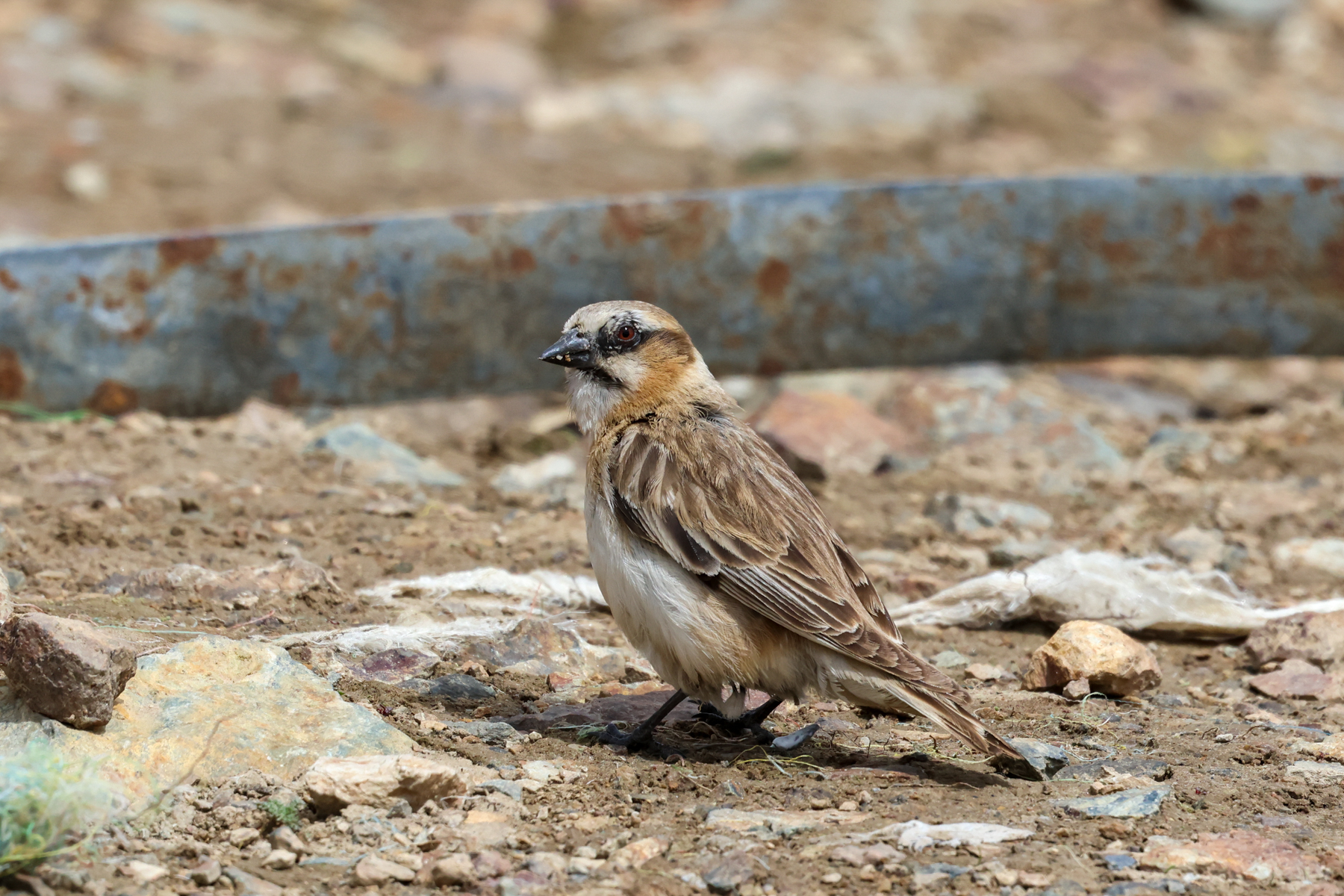
Tibetan or Prince Henri's Snowfinch (image by János Oláh)
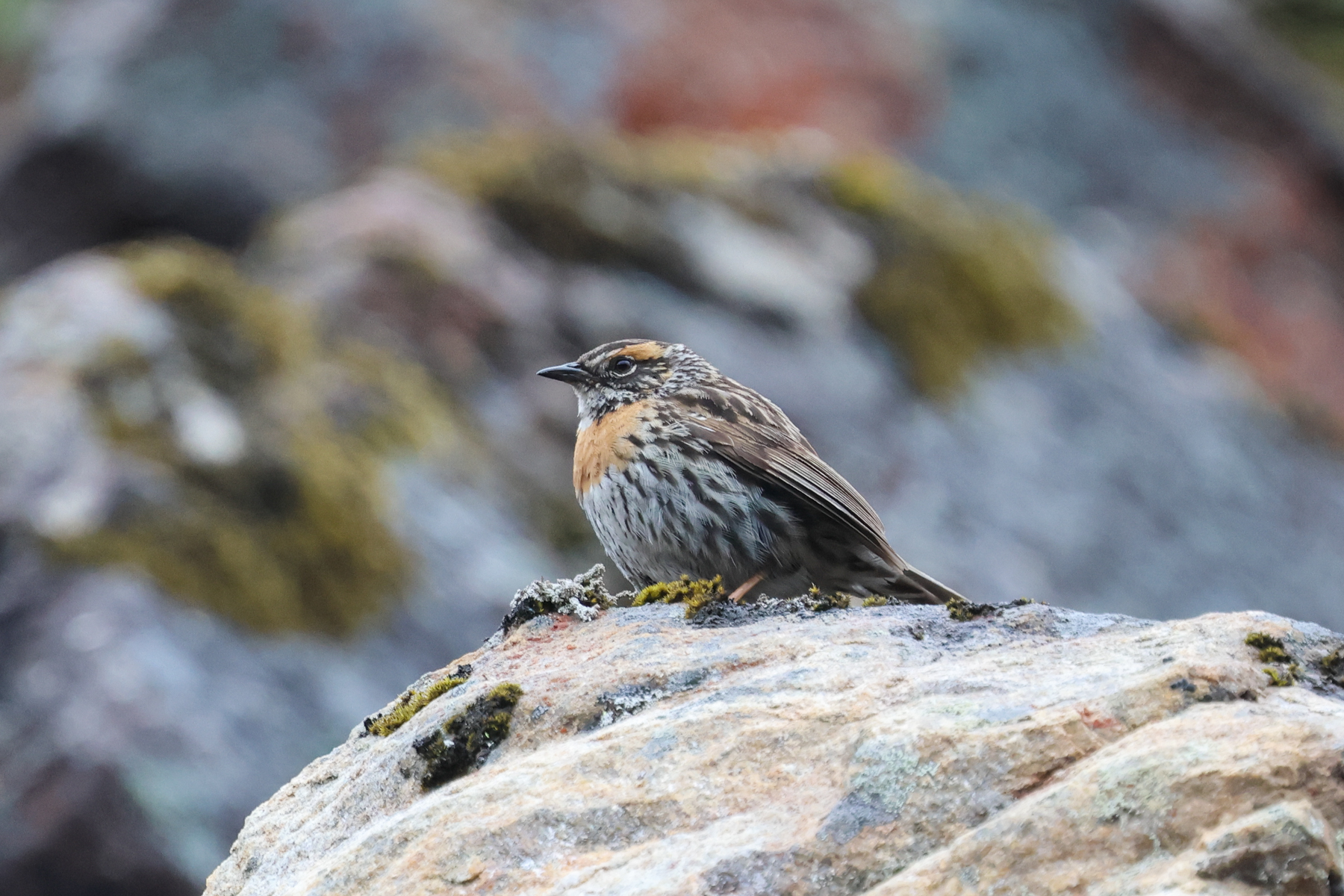
Rufous-necked Snowfinch (image by Hannu Jännes)
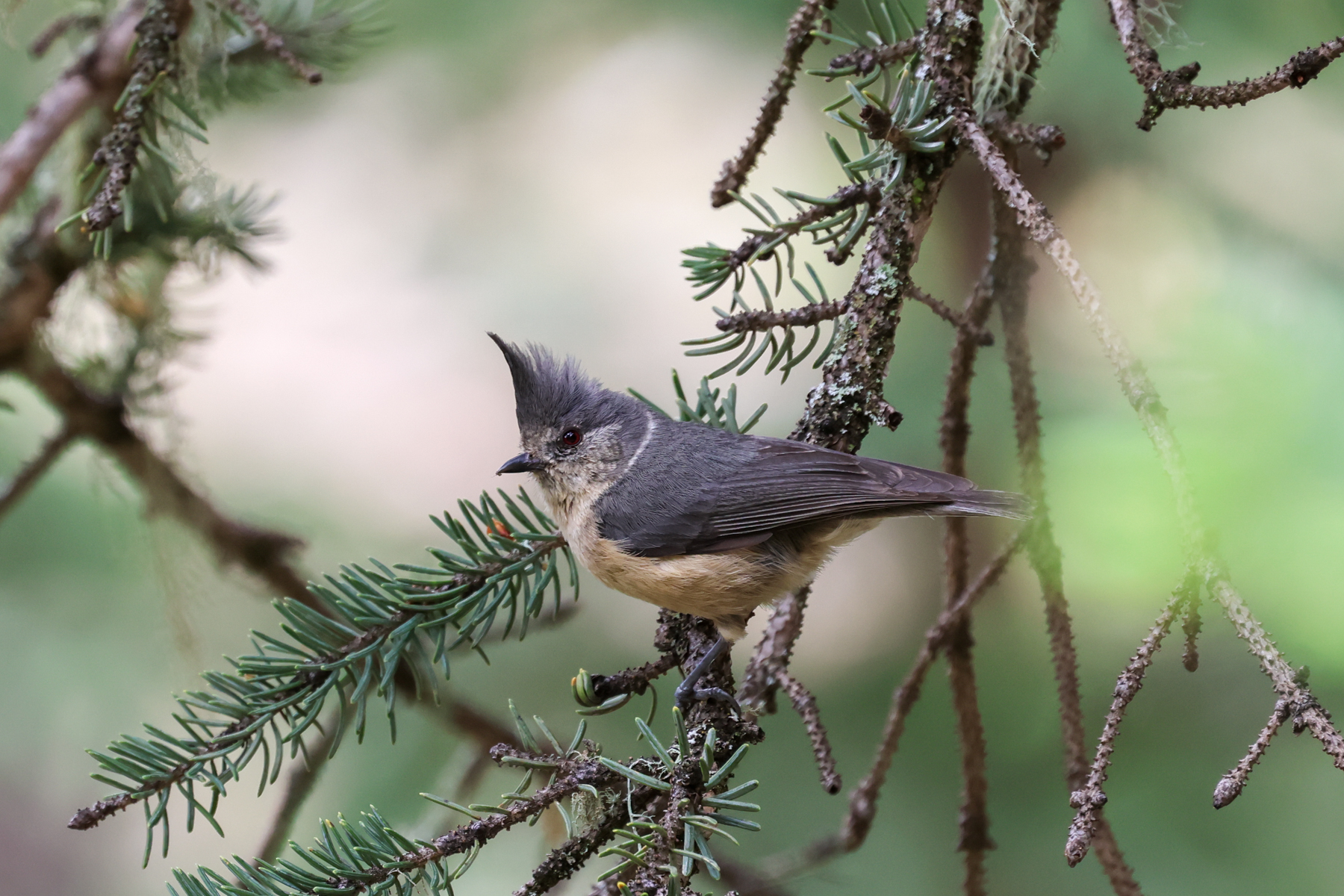
Grey-crested Tit (image by Hannu Jännes)
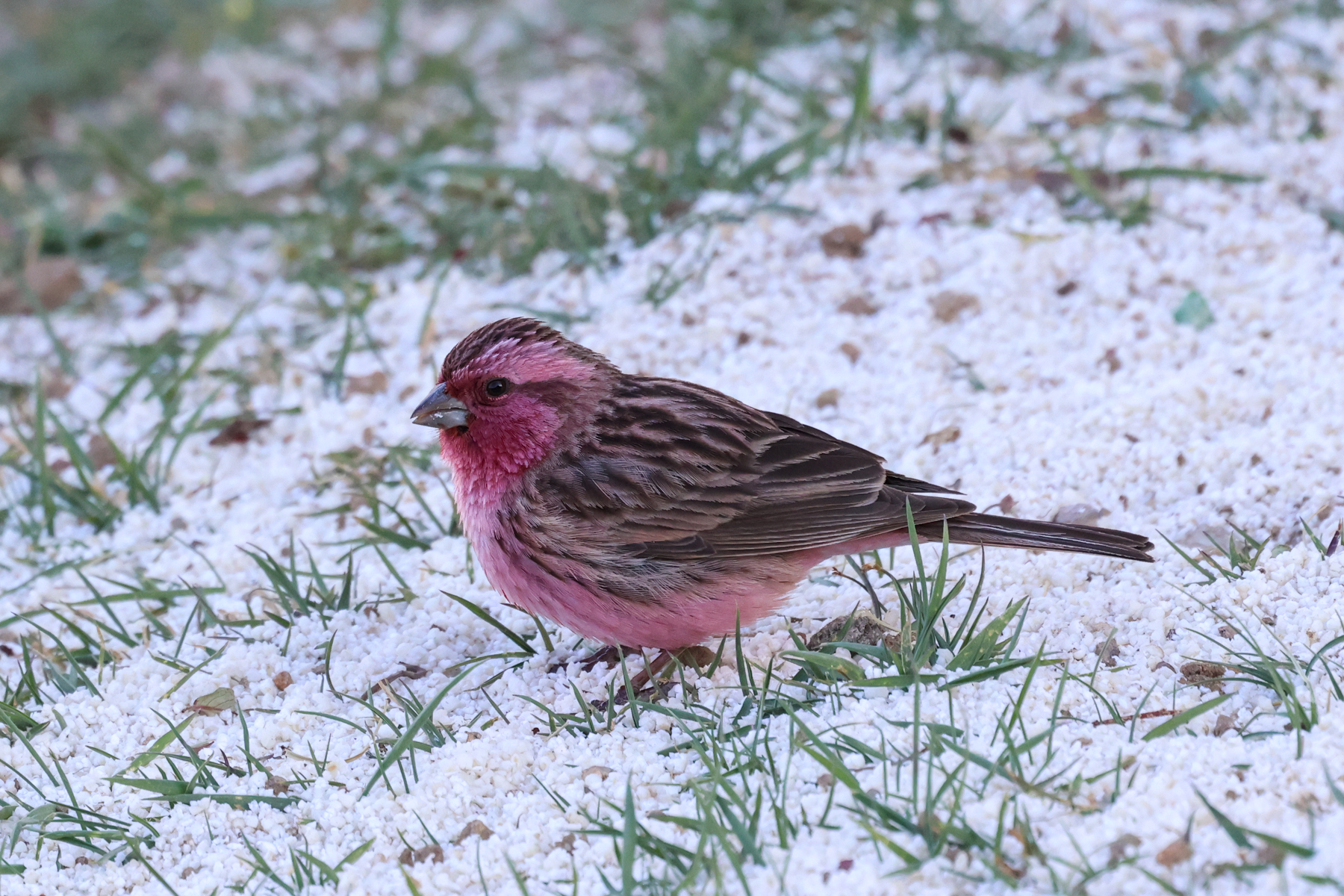
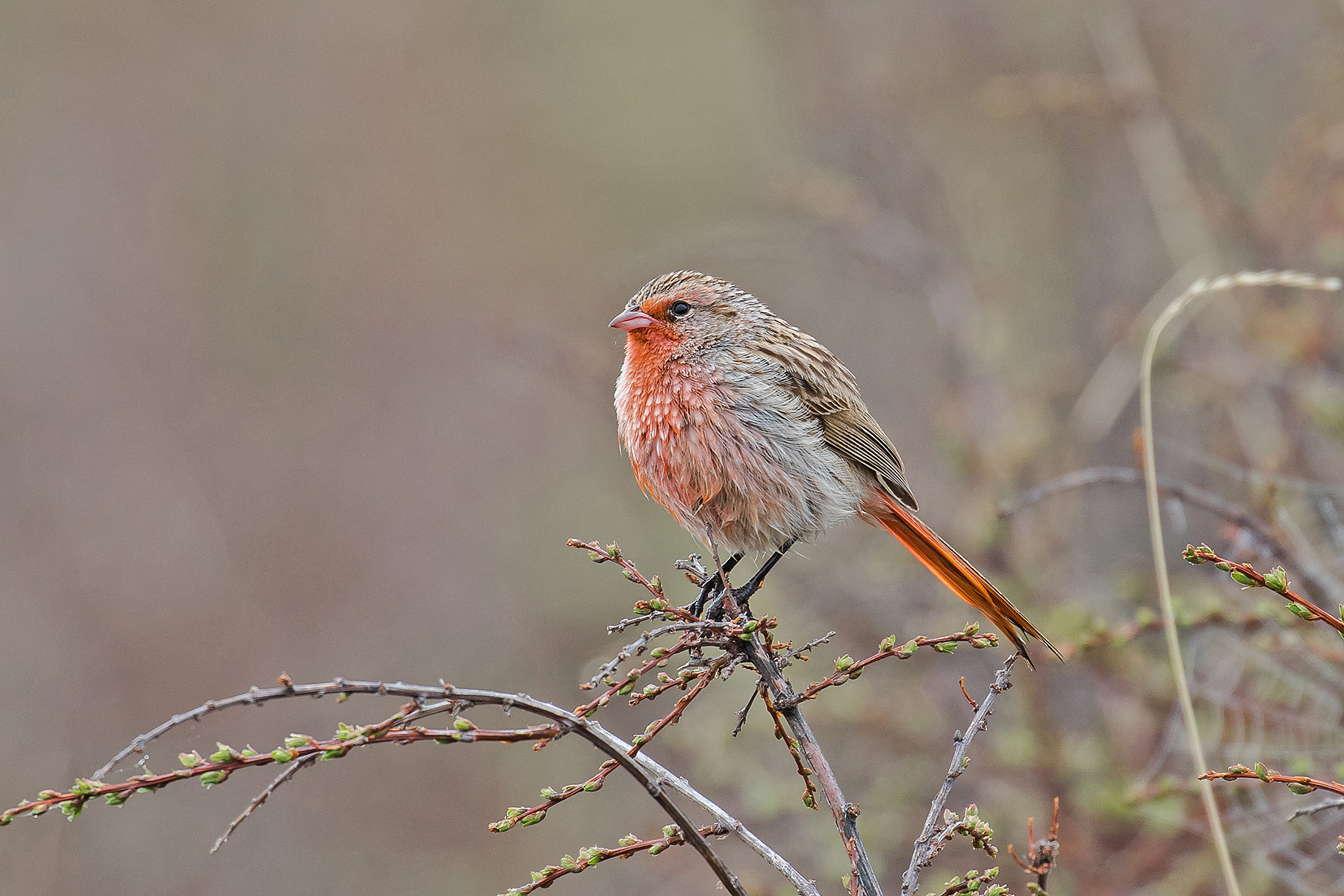
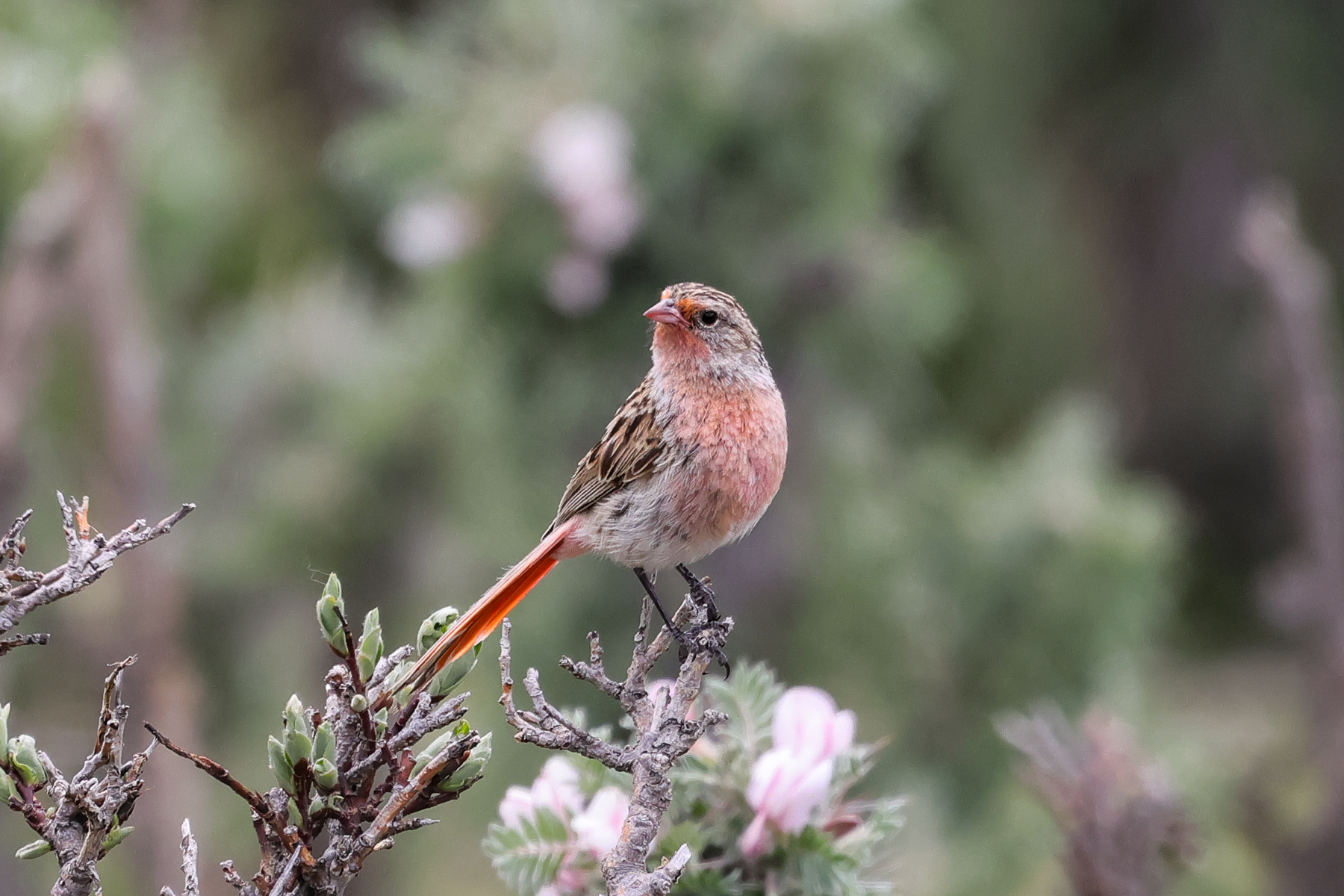
Pink-rumped Rosefinch male (image by Hannu Jännes)
Twite (image by Mike Watson)
Golden Eagle (image by János Oláh)
Ibisbill (image by János Oláh)
Przevalski's or Alashan Redstart (image by János Oláh)
White-winged Grosbeak (image by Hannu Jännes)
Tibetan Sandgrouse (image by Mike Watson)
Güldenstädt's Redstart (image by Mike Watson)
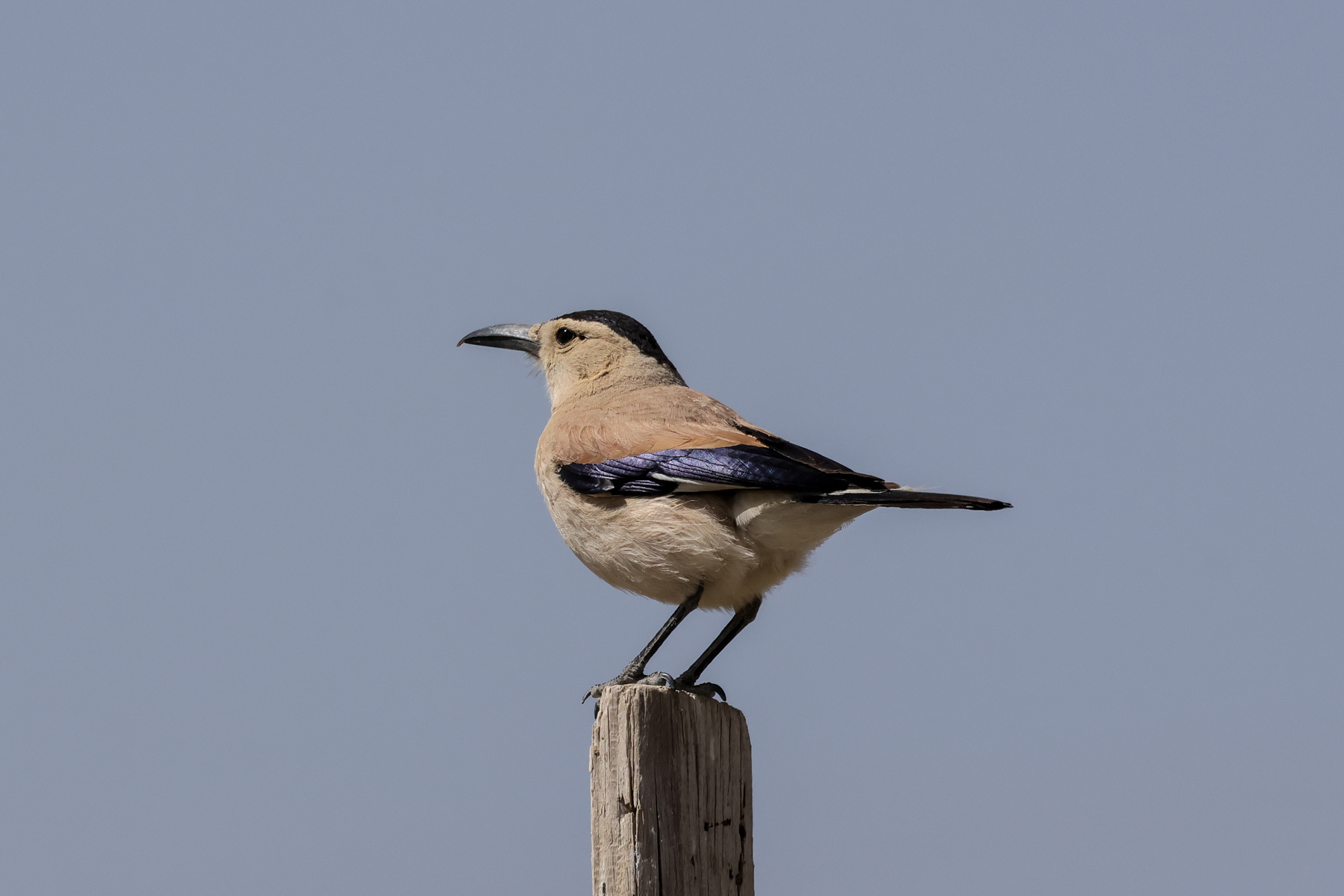
Ground Tit (image by Hannu Jännes)
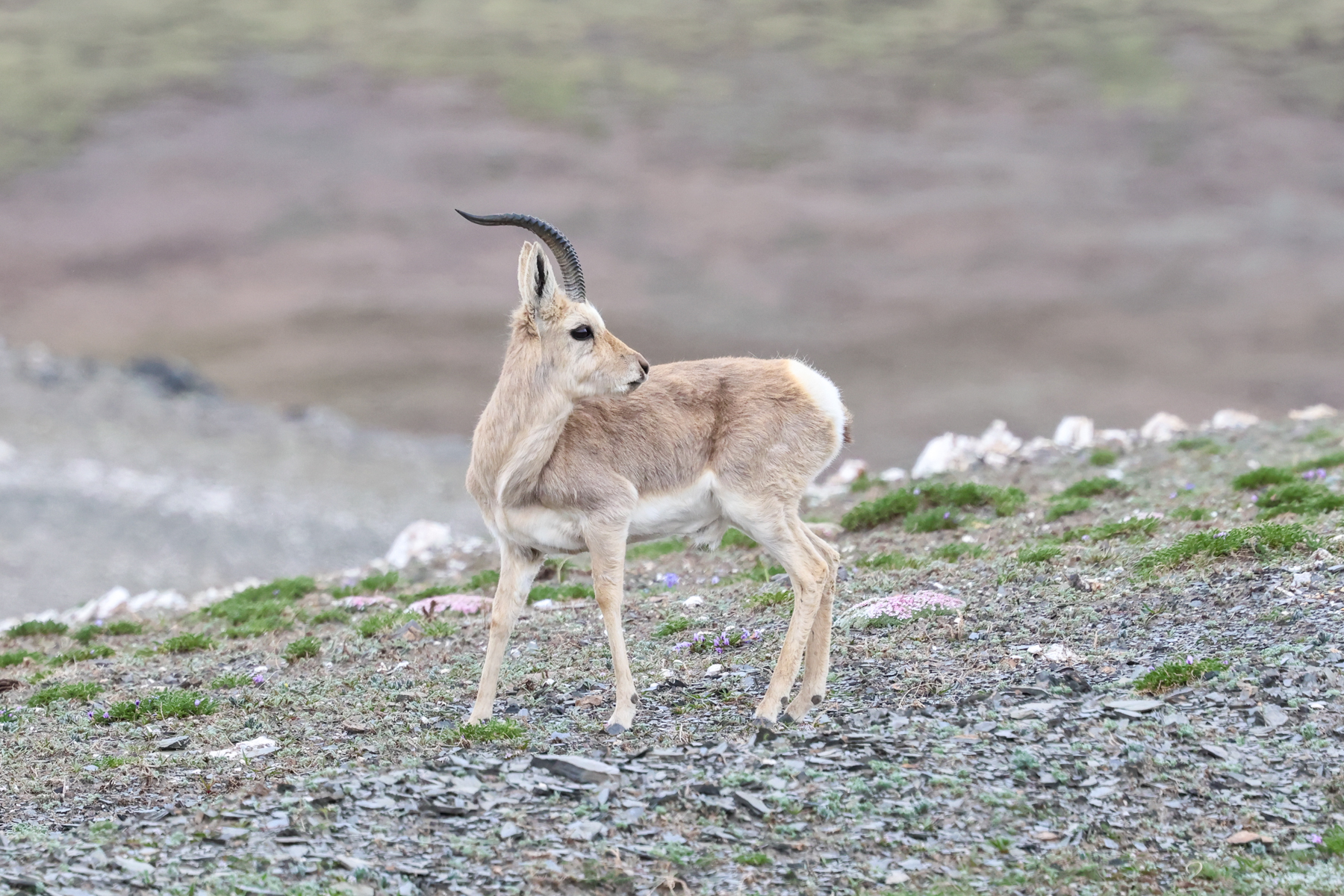
Tibetan Gazelle (image by Hannu Jännes)
Glover's Pika (image by Hannu Jännes)
Kiang or Tibetan Wild Ass (image by Mark Beaman)
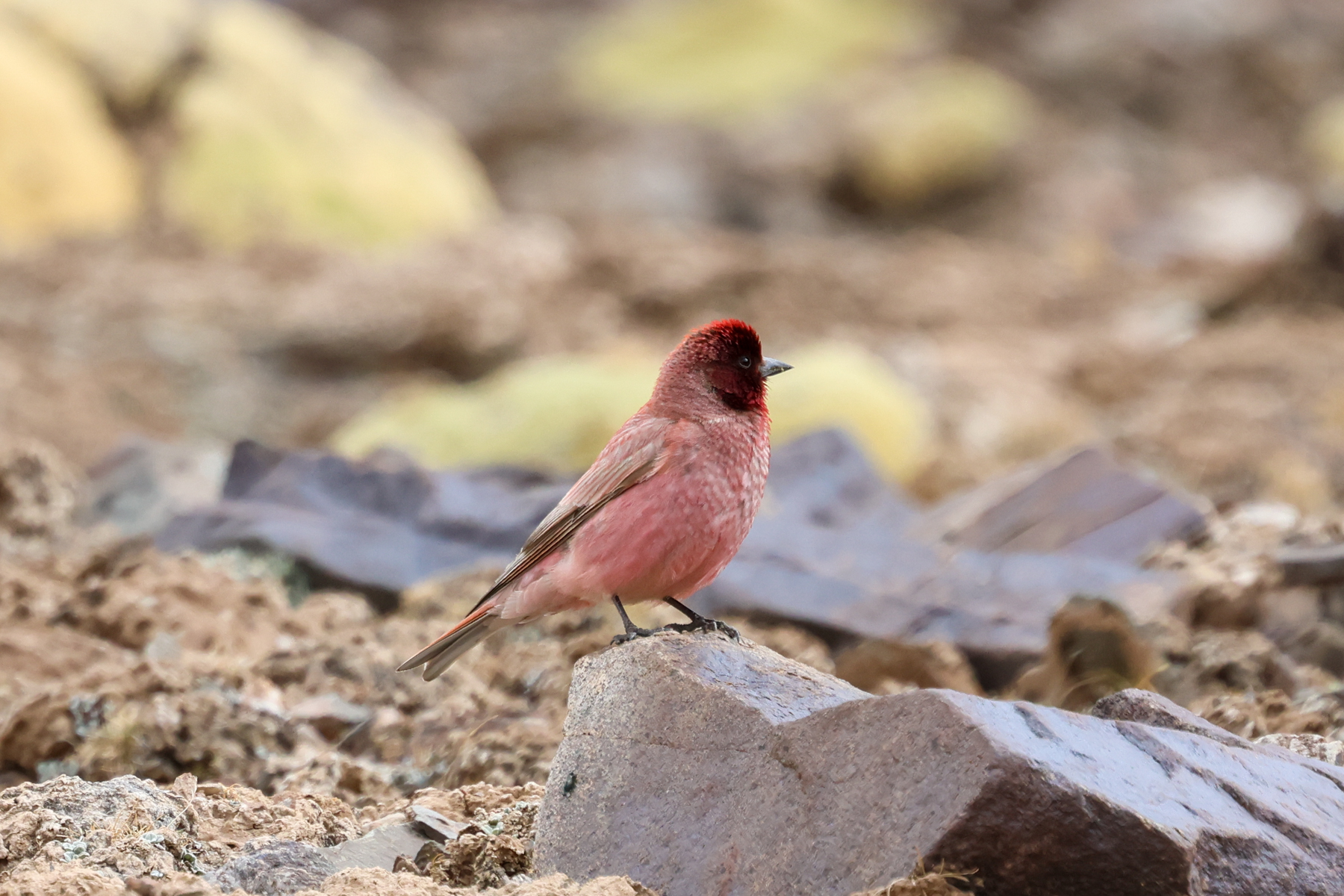
Tibetan or Roborowski's Rosefinch (image by Hannu Jännes)
Grandala (image by Pete Morris)
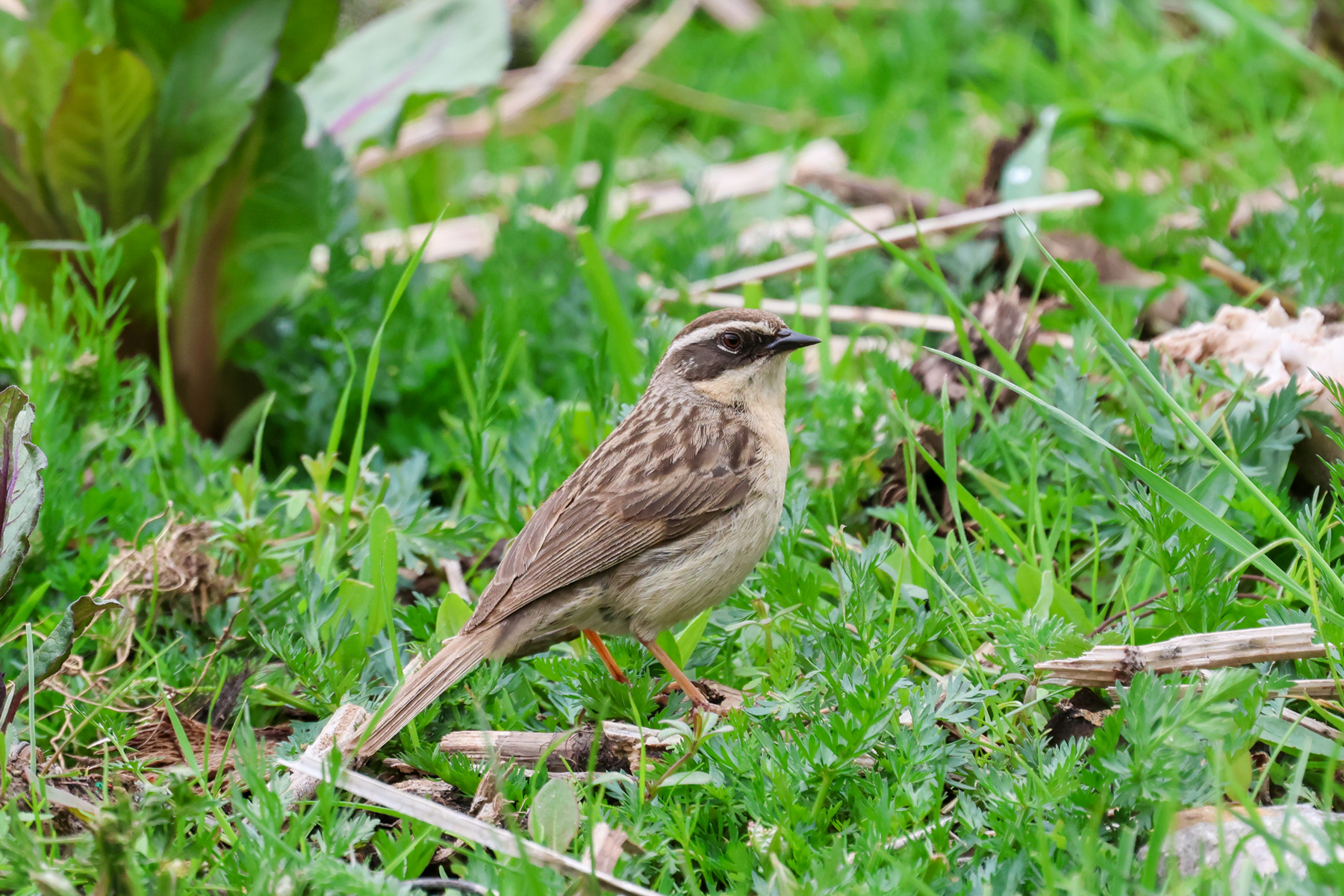
Brown Accentor (image by Hannu Jännes)
Maroon-backed Accentor (image by Pete Morris)
Tibetan or Roborovski's Rosefinch female (image by Mark Beaman)
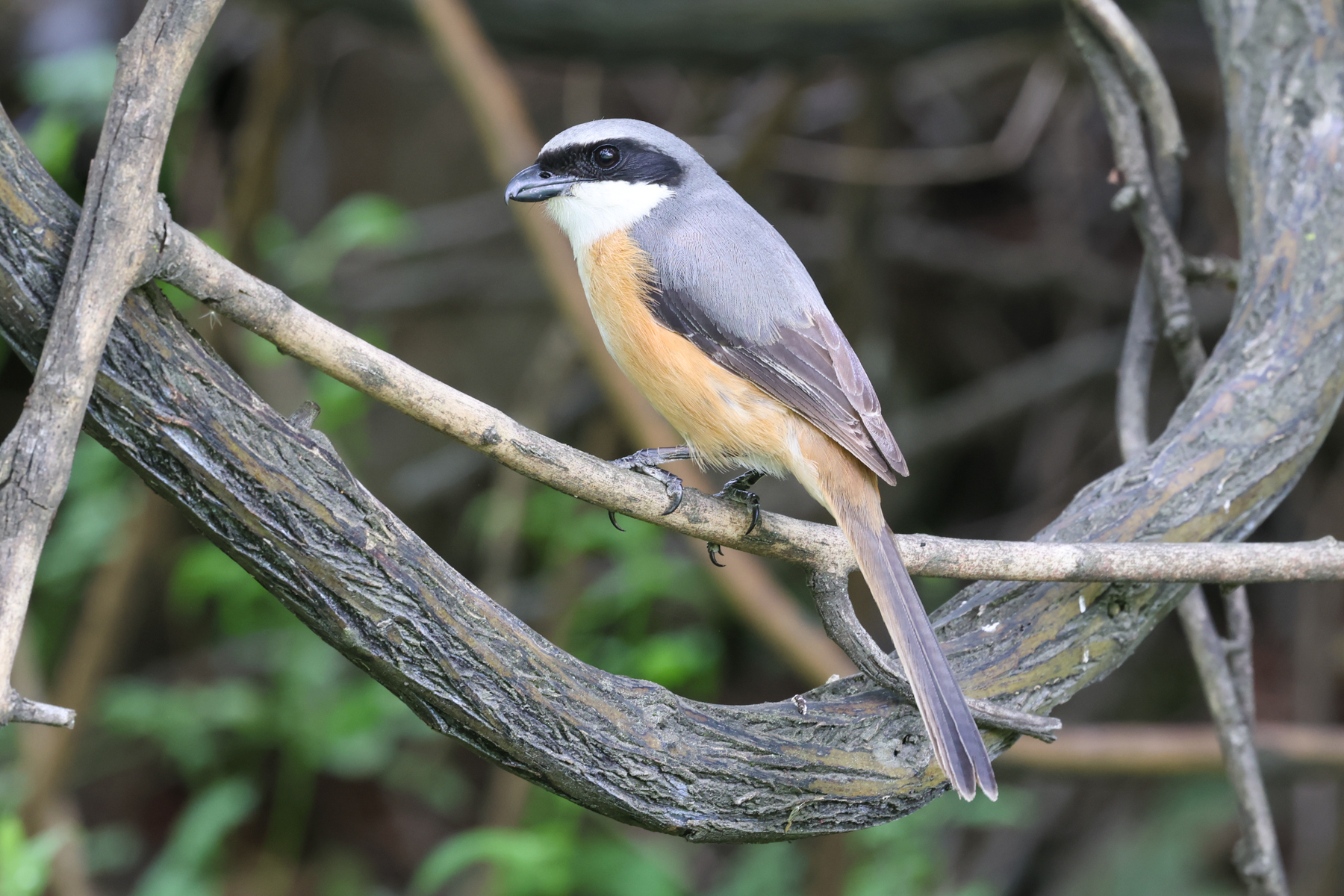
Grey-backed Shrike (image by Hannu Jännes)
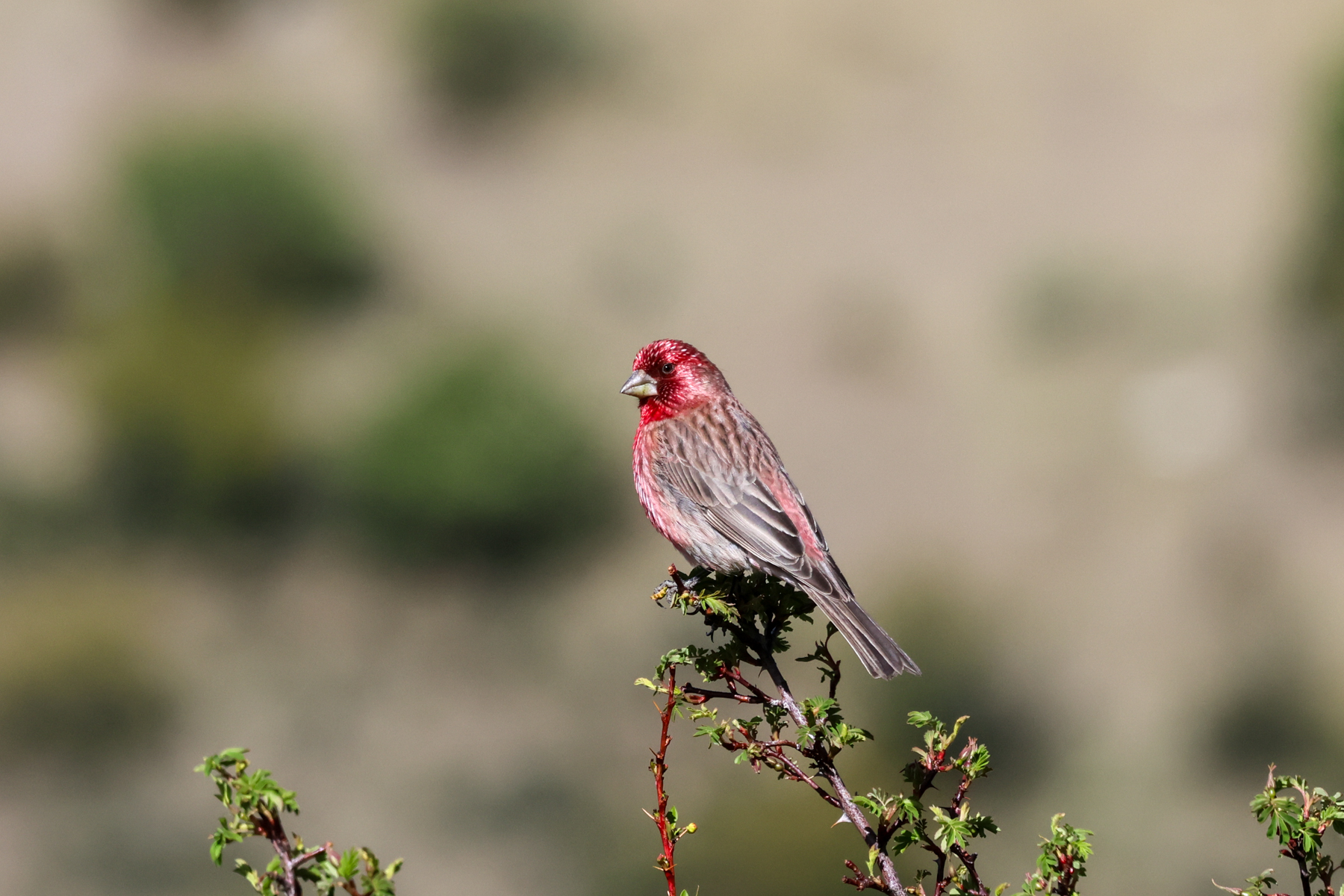
Great Rosefinch (image by János Oláh)
Saker Falcon of the form altaicus (image by Mark Beaman)
Great Rosefinch (image by Mike Watson)
Bearded Vulture or Lammergeier (image by Mike Watson)
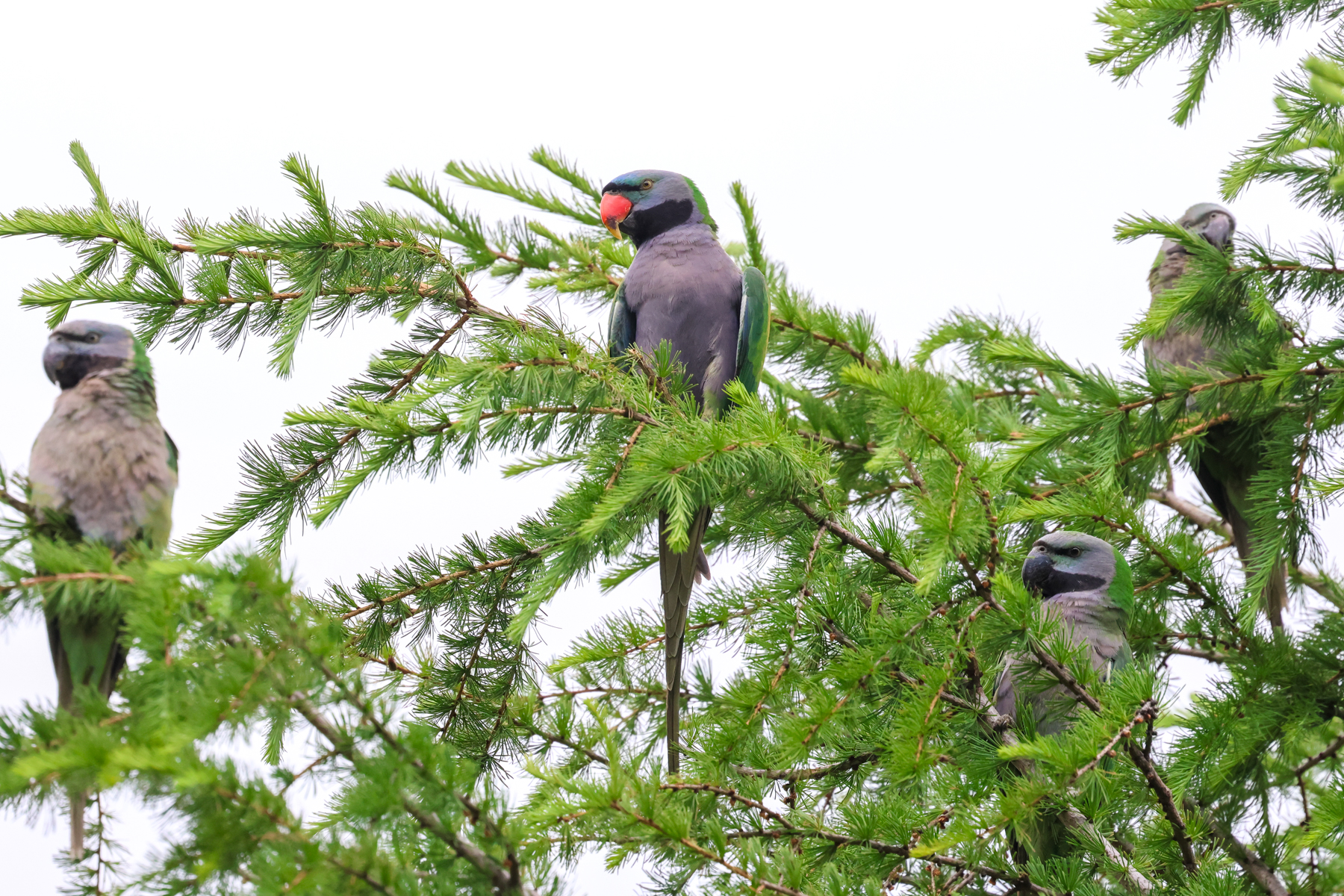
Lord Derby's Parakeets (image by Hannu Jännes)
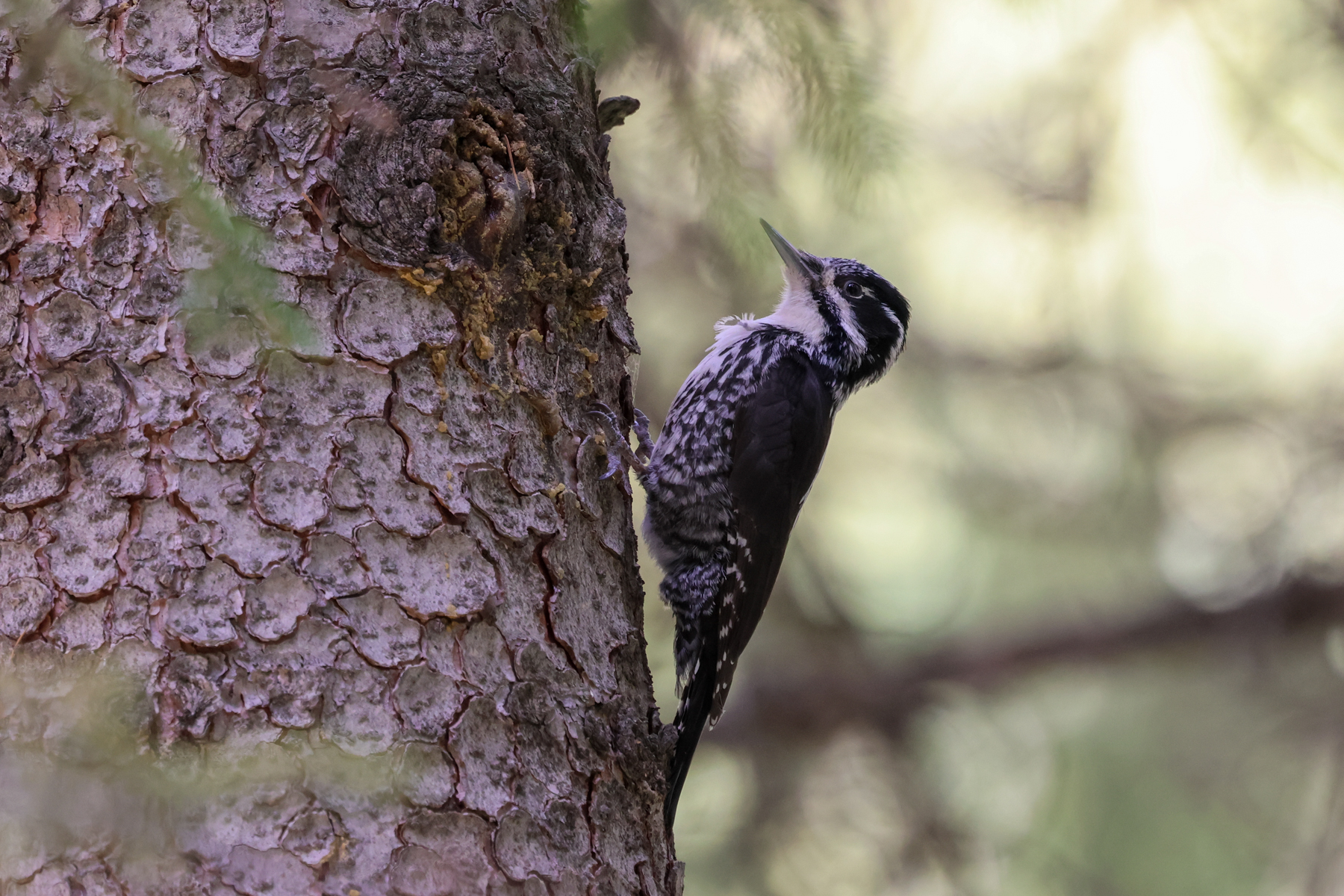
Eurasian Three-toed Woodpecker (image by Hannu Jännes)
Sunrise over the Tarim Basin (image by Mark Beaman)
Brandt's Mountain Finch (image by Mike Watson)
Hill Pigeon (image by Hannu Jännes)
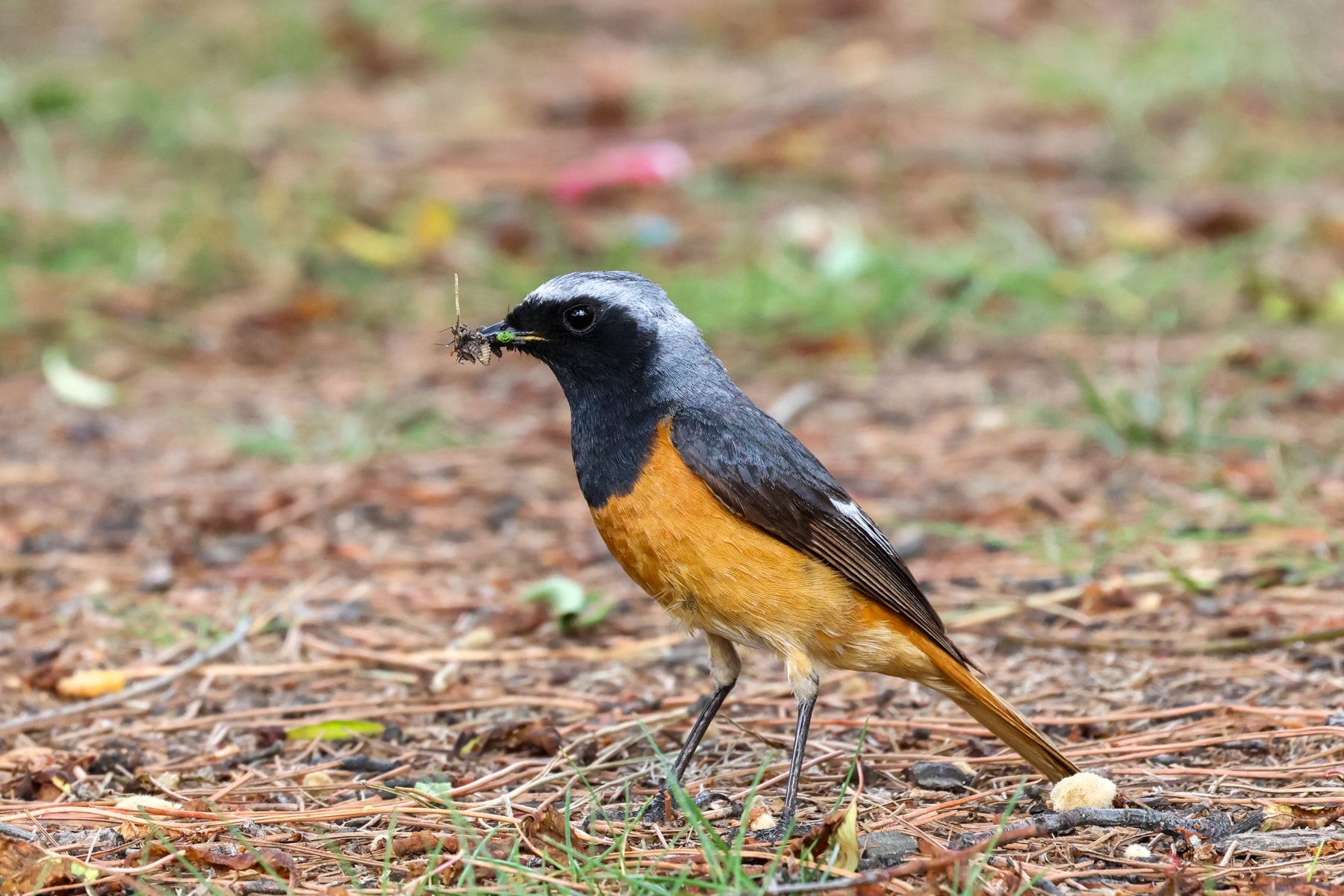
Hodgson's Redstart (image by Hannu Jännes)
Pine Bunting (image by Mike Watson)
Chiru or Tibetan Antelope (image by Mark Beaman)
Wild Yak in northwestern Qinghai (image by Mark Beaman)
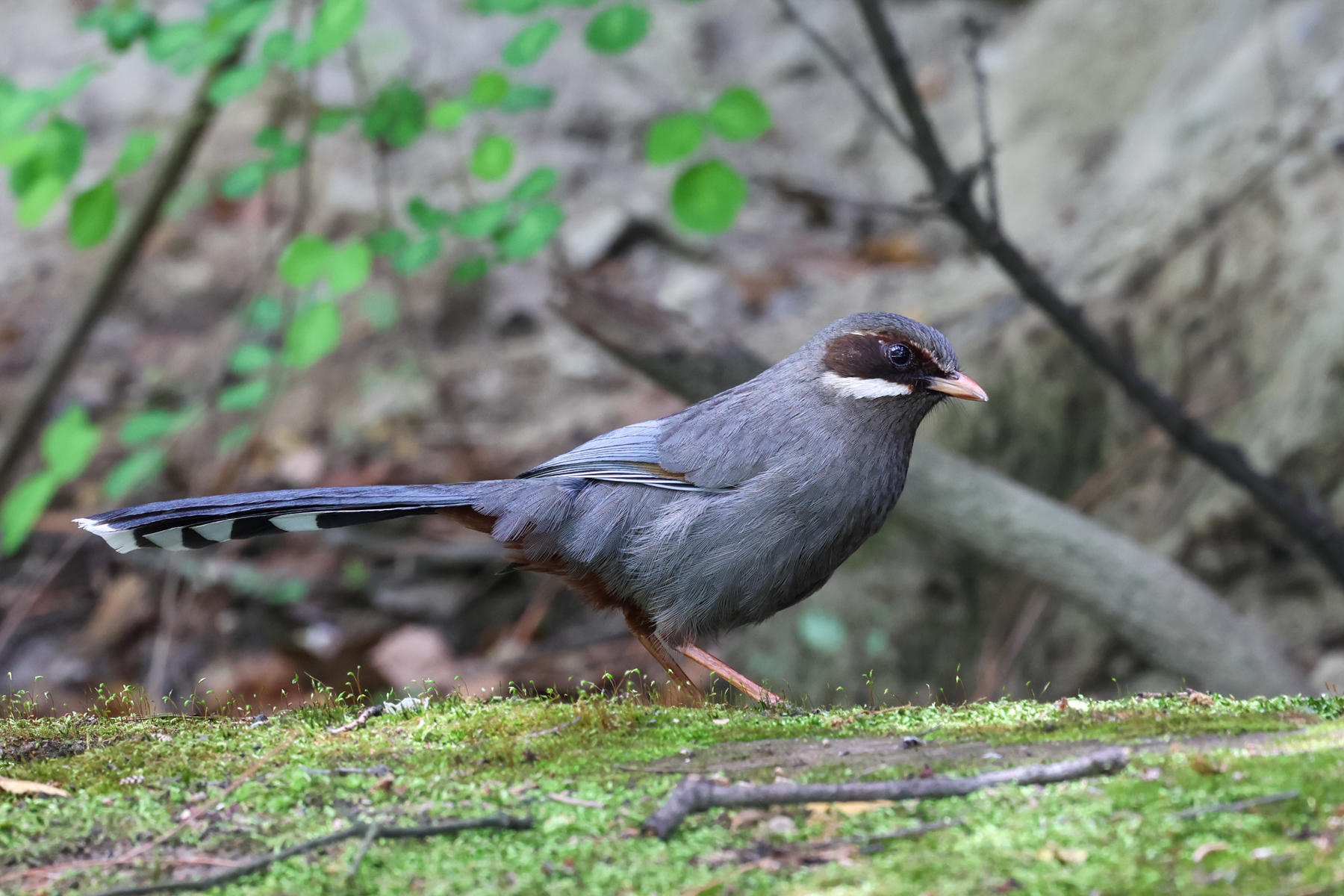
Brown-cheeked Laughingthrush (image by Hannu Jännes)
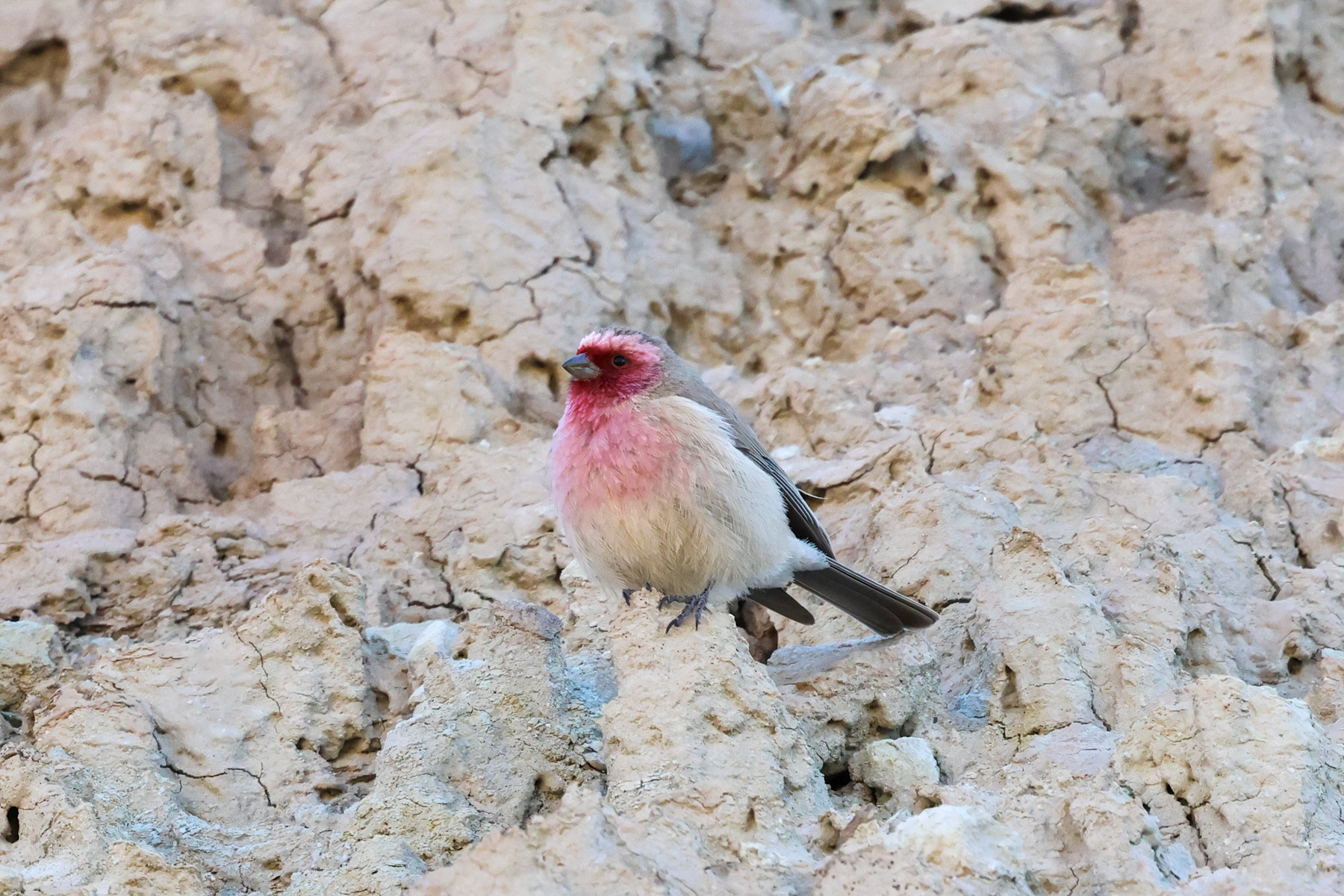
Pale Rosefinch (image by Hannu Jännes)
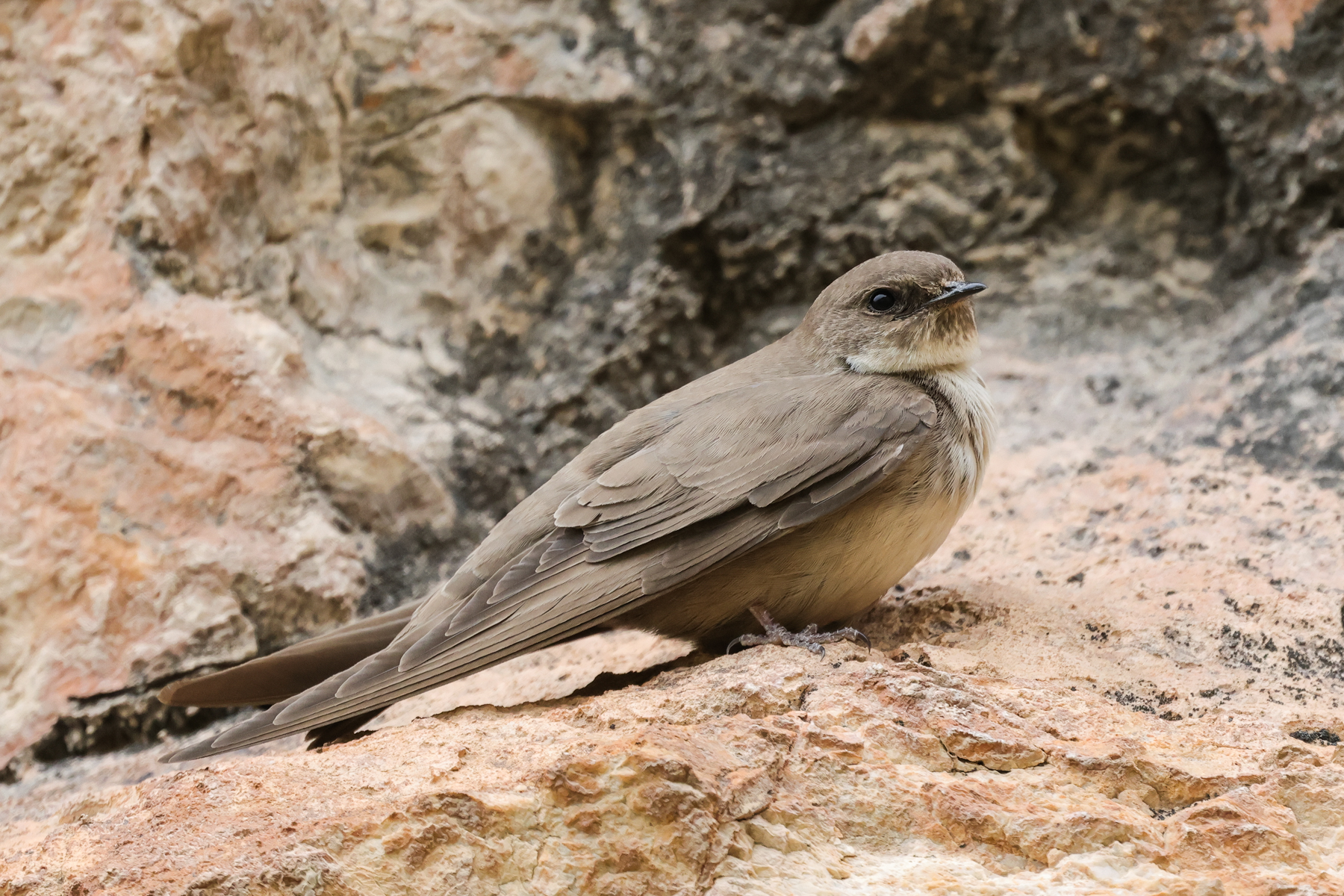
Eurasian Crag Martin (image by Hannu Jännes)
Daurian Jackdaw (image by Hannu Jännes)
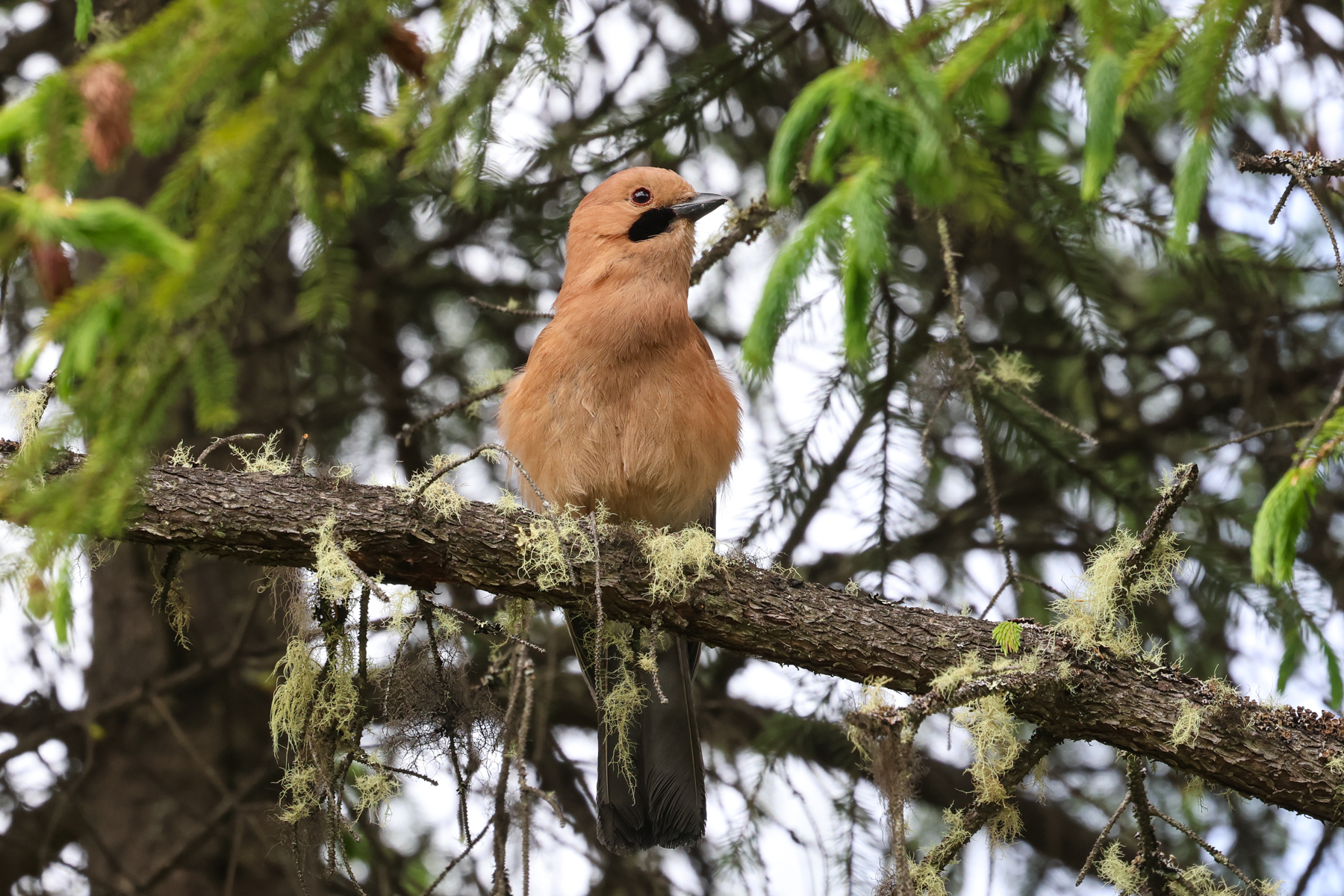
Eurasian Jay (image by Hannu Jännes)
Blanford's or Plain-backed Snowfinch (image by Mike Watson)
Tibetan Fox (or Tibetan Sand Fox) (image by Mark Beaman)
Kiangs (image by Mike Watson)
Black-necked Crane (image by Pete Morris)
Przevalski's Partridge (image by Hannu Jännes)
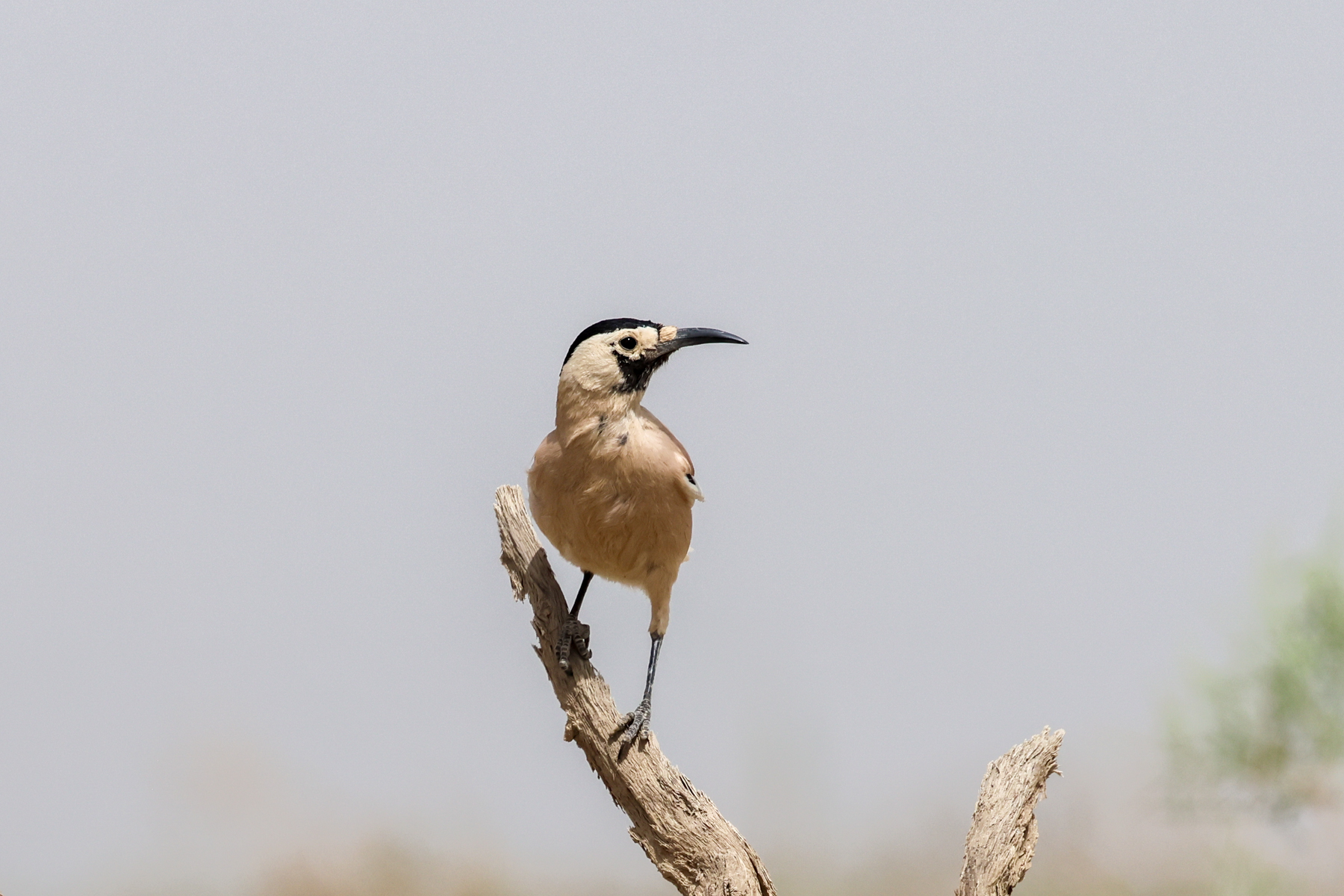
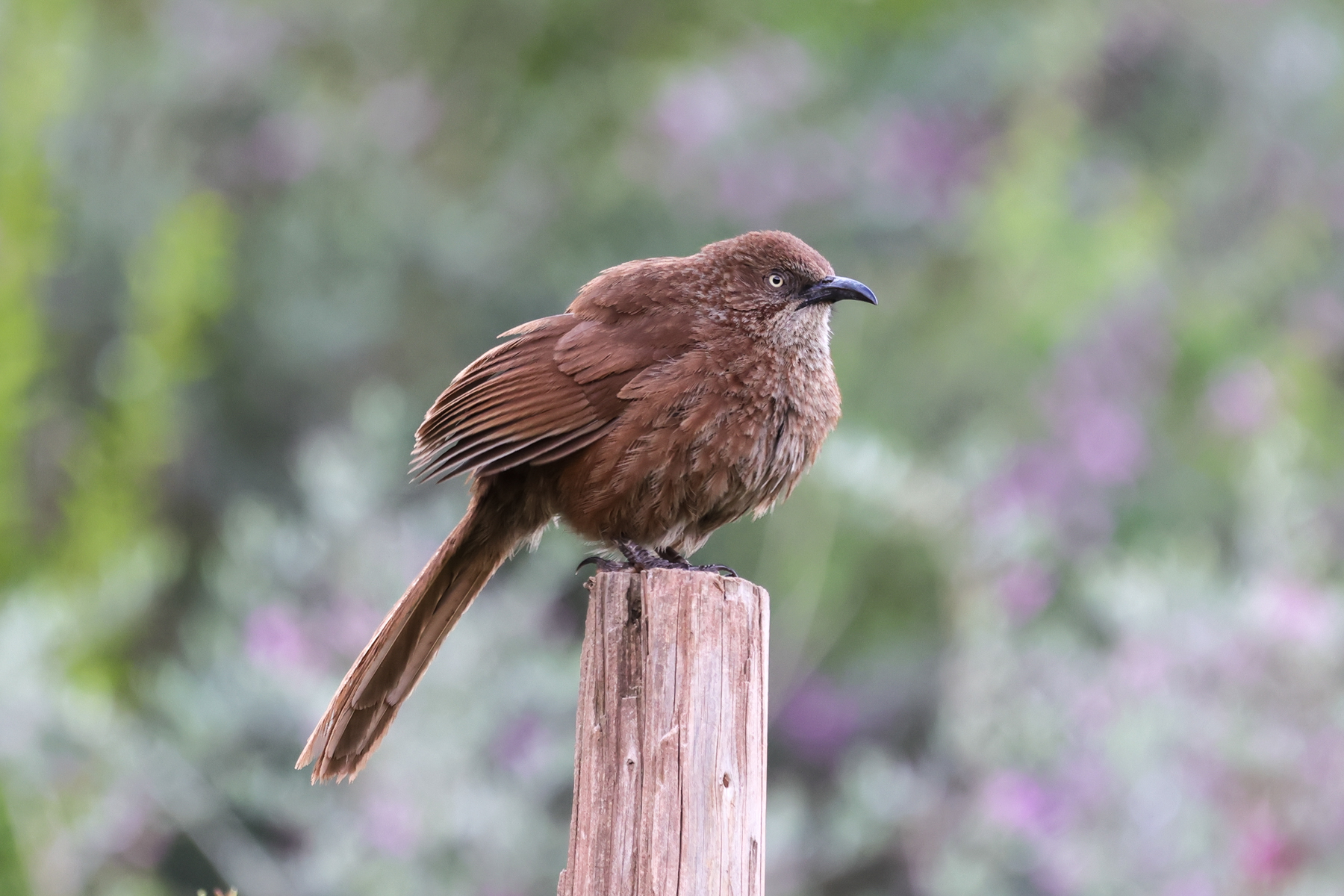
Xinjiang Ground Jay (image by Hannu Jännes)
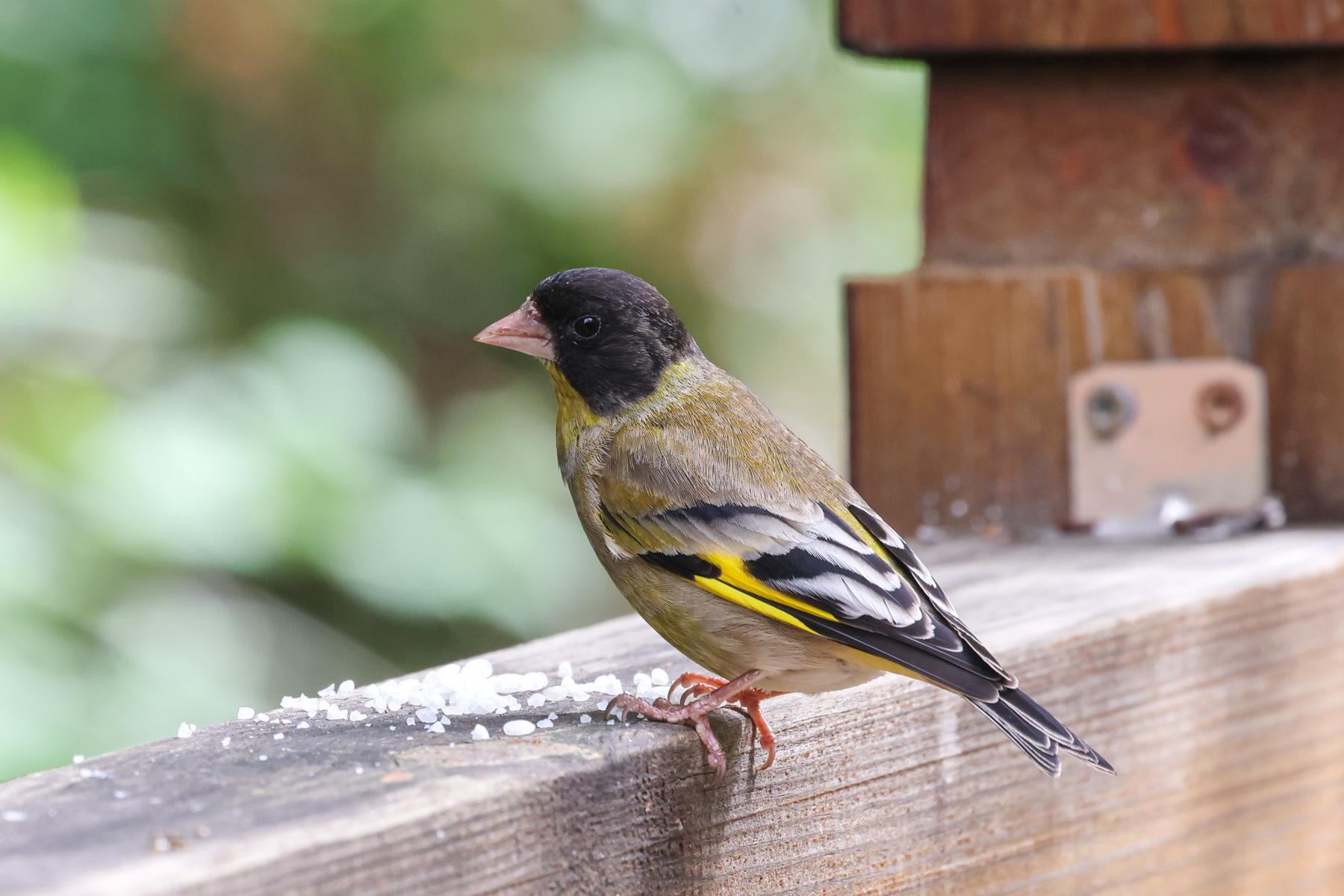
Black-headed Greenfinch (image by Hannu Jännes)
Rufous-necked Snowfinch (image by János Oláh)
The Kunlun Range in northwestern Qinghai (image by Mark Beaman)
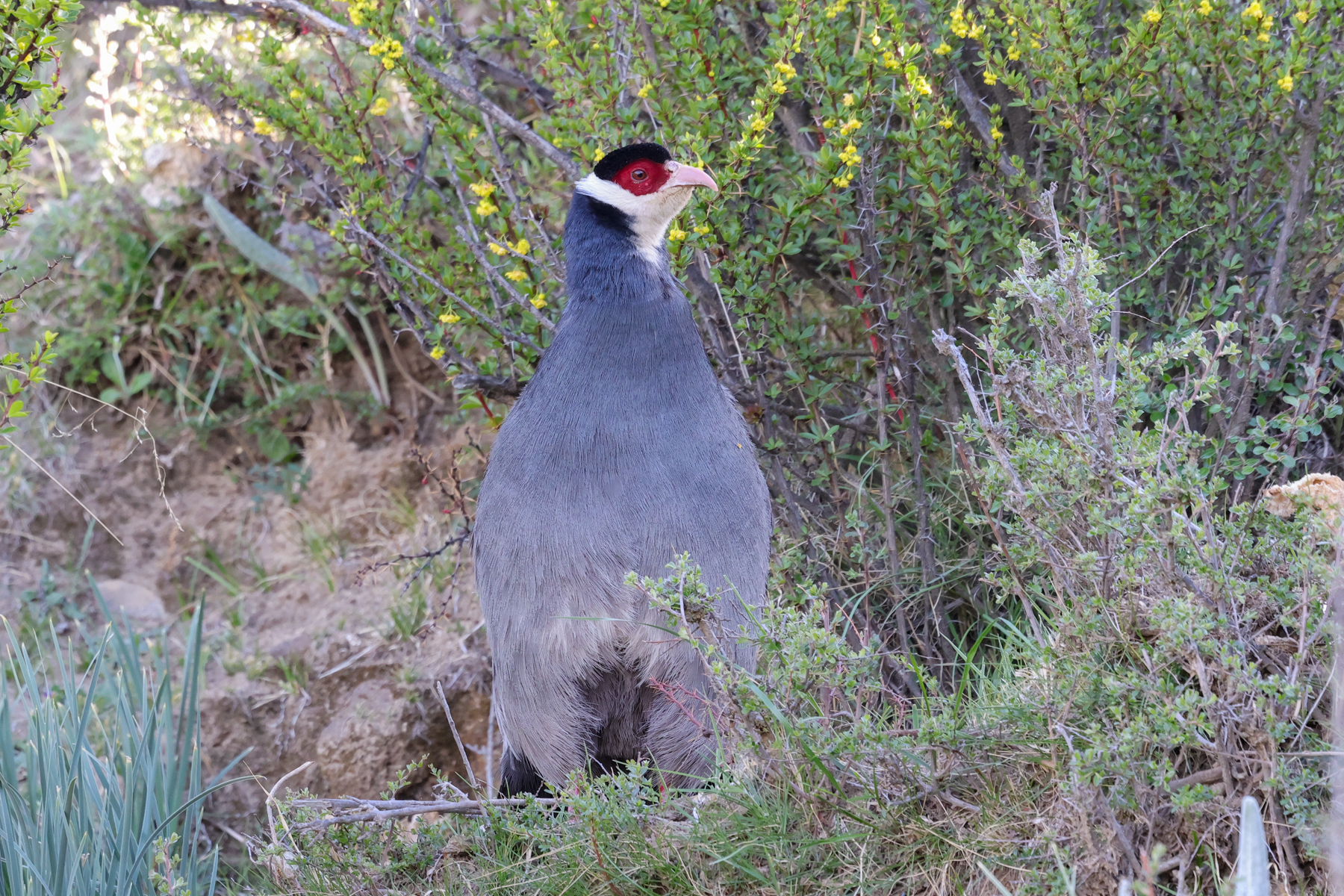
Tibetan Eared Pheasant (image by Hannu Jännes)
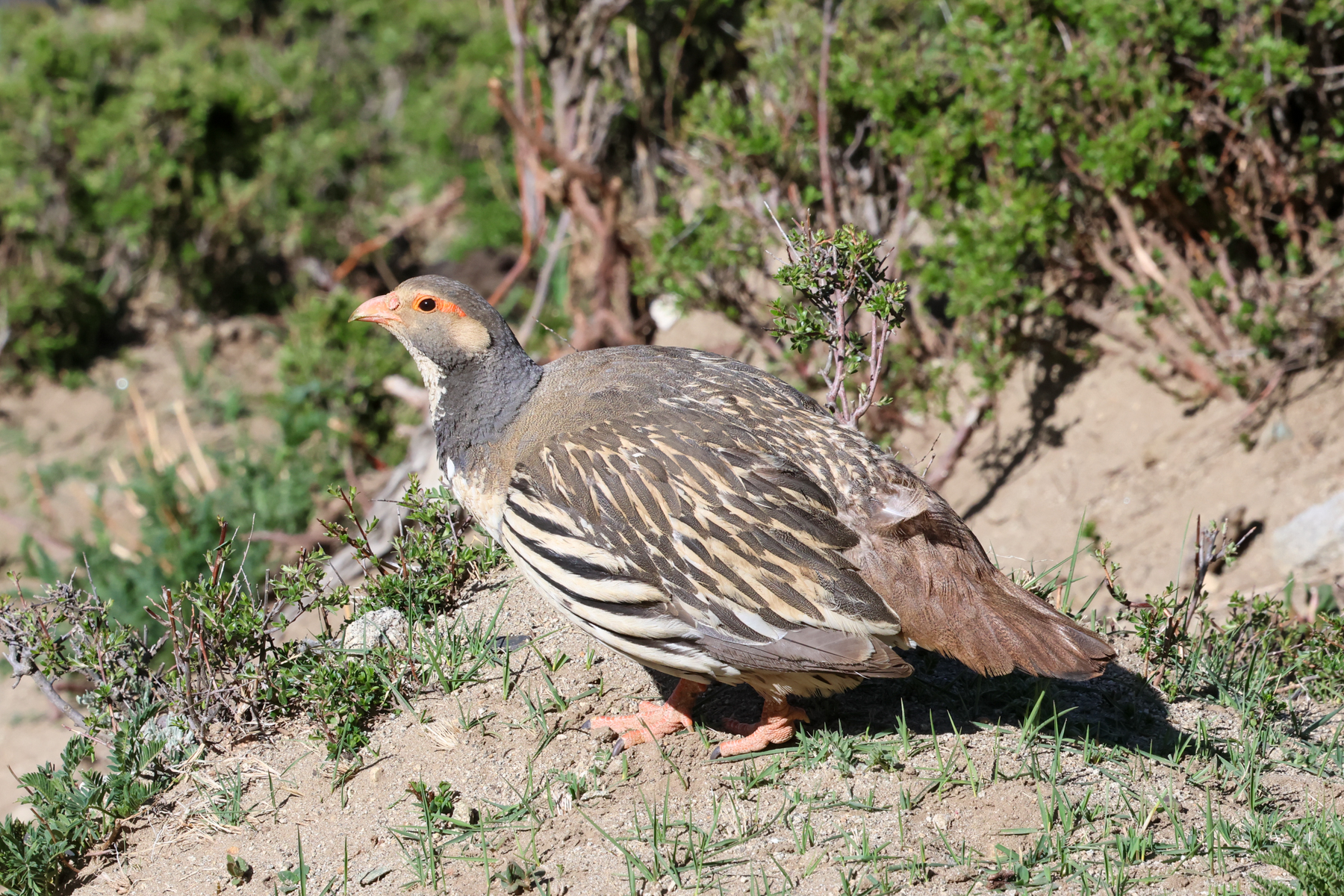
Tibetan Partridges (image by Mike Watson)
Przevalski's Finch (image by Pete Morris)
Upland Buzzard (image by Mark Beaman)
Mongolian Finch (image by Hannu Jännes)
Horned Lark (image by Pete Morris)
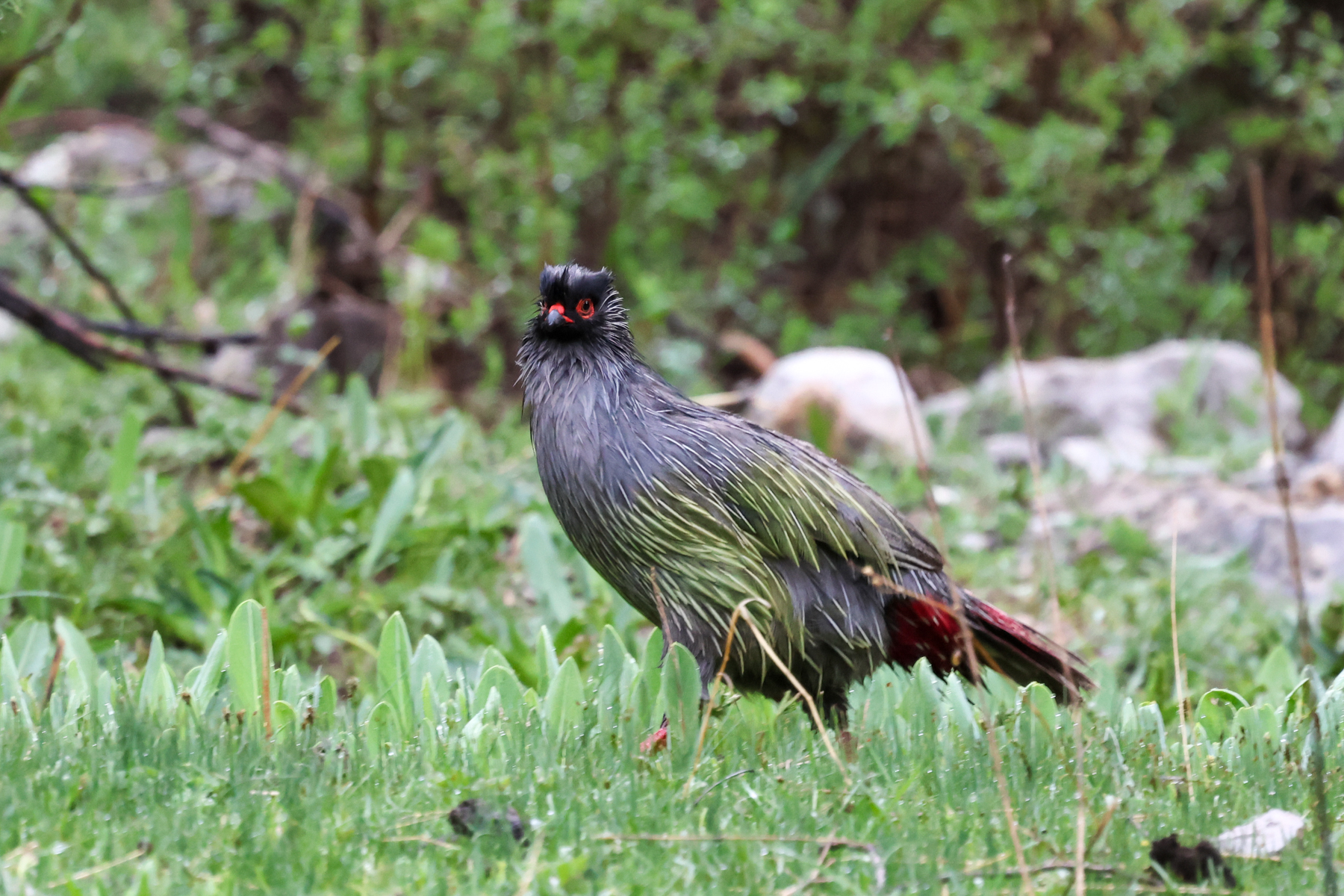
Blood Pheasant (image by Hannu Jännes)
Sichuan Tit (image by János Oláh)
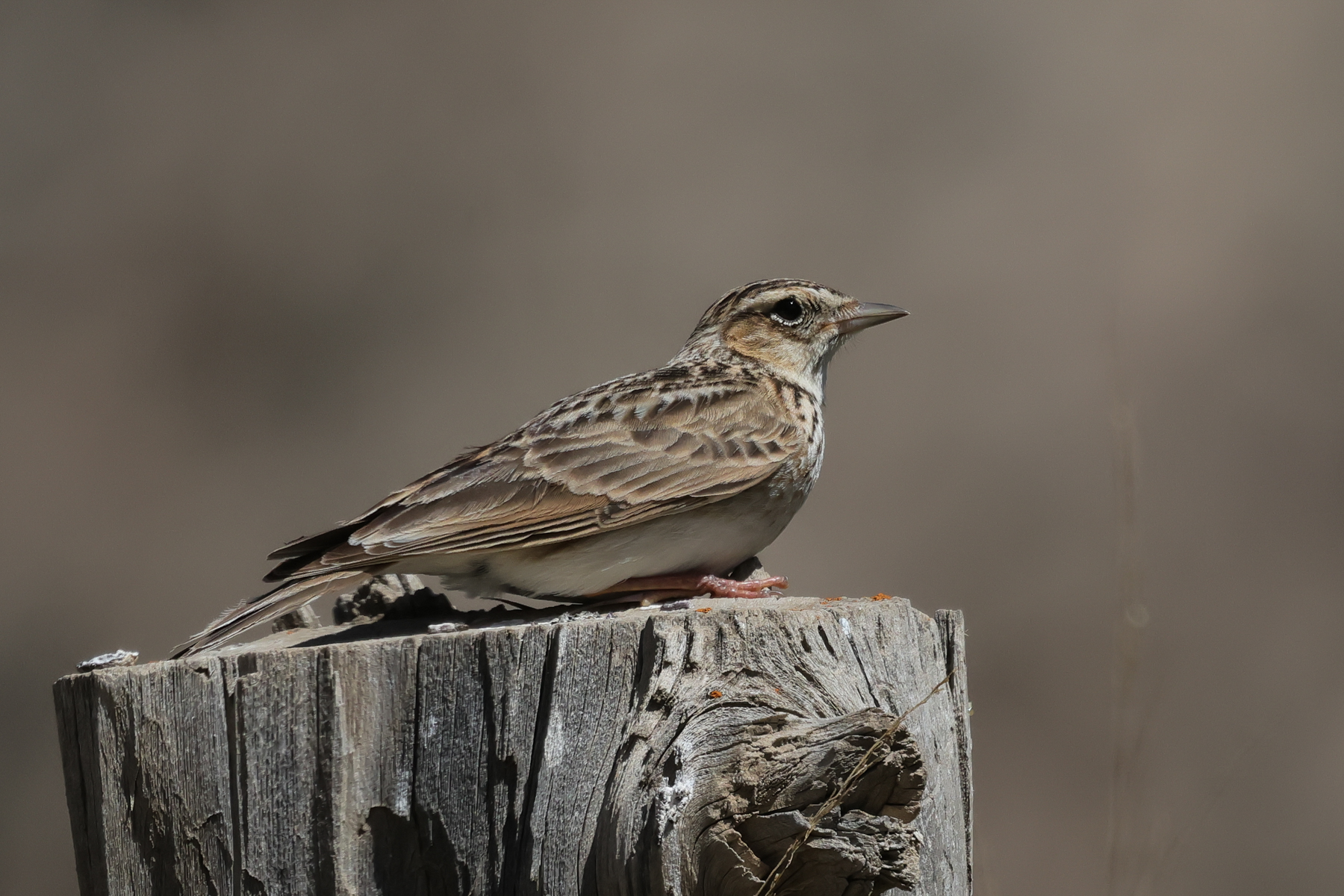
Oriental Skylark (image by Hannu Jännes)
Sillem's Rosefinch (or Sillem's Mountain Finch) male (image by Mark Beaman)
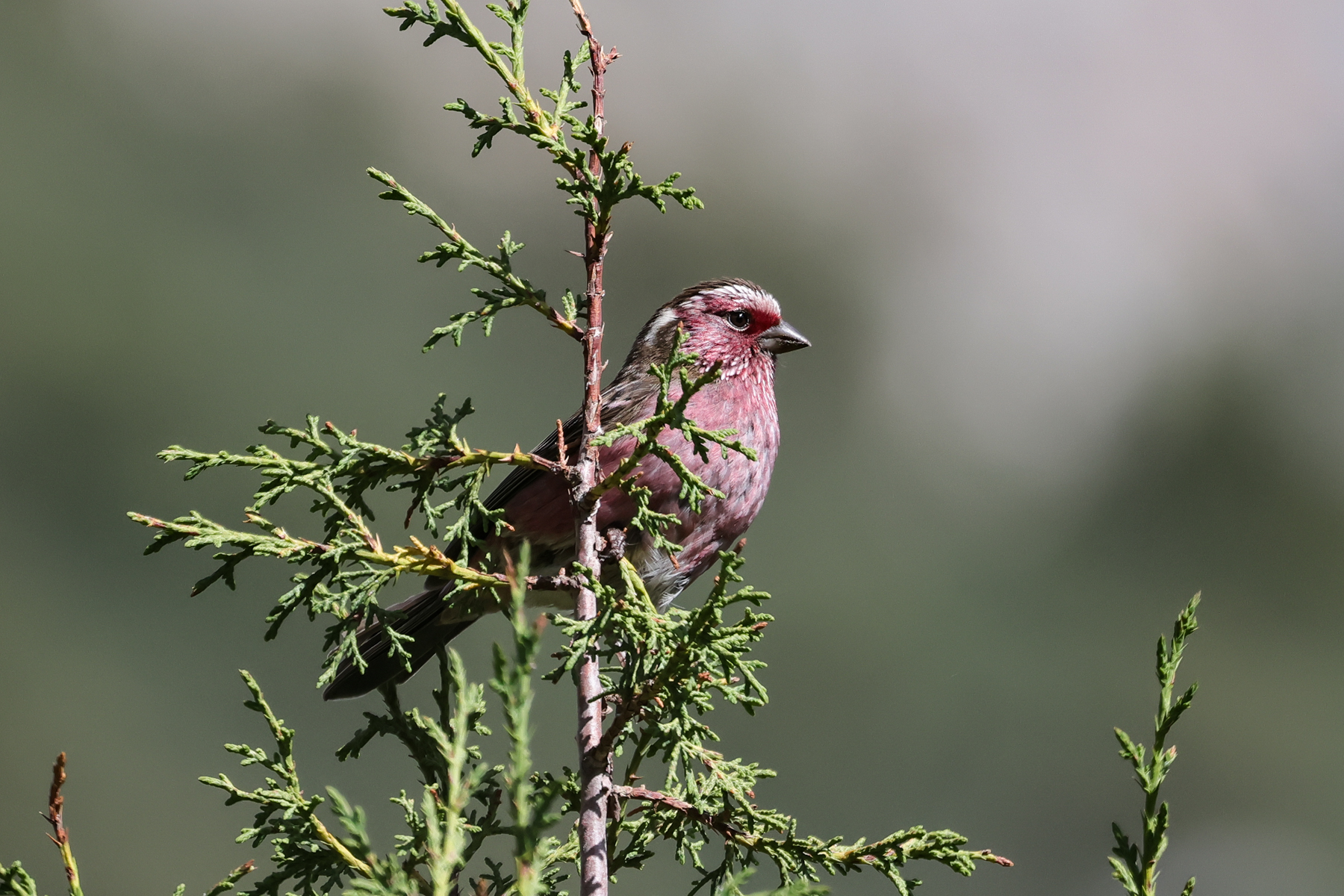
Chinese White-browed Rosefinch (image by Hannu Jännes)
White-winged Woodpecker (image by Mark Beaman)
Oriental Turtle Dove (image by Hannu Jännes)
Tibetan Snowcock (image by Hannu Jännes)
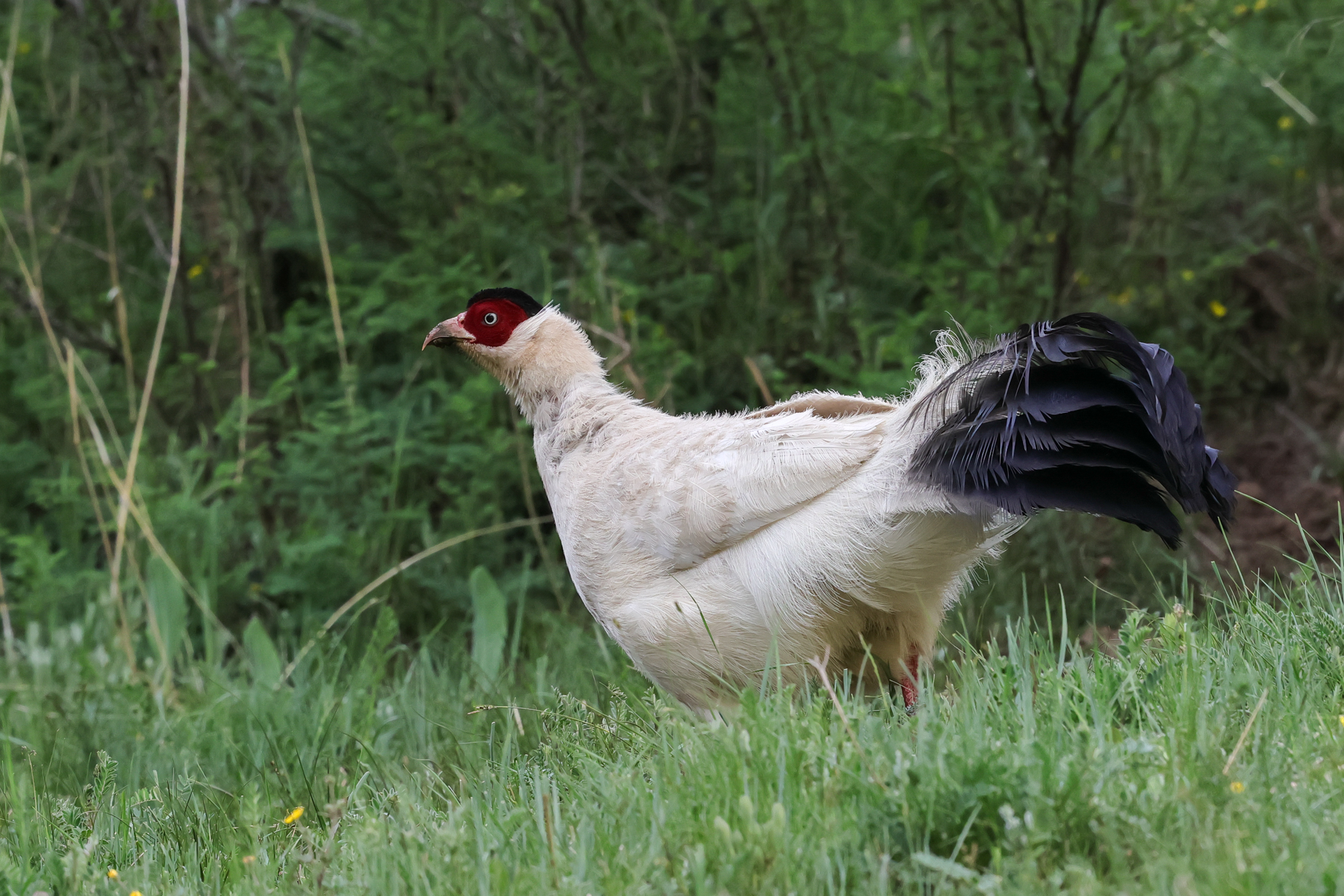
White Eared Pheasant (image by Hannu Jännes)
Potala Pace, Lhasa (image by János Oláh)
Tibetan Eared Pheasant (image by Hannu Jännes)
Grey Wolf in Qinghai (image by Mark Beaman)
Himalayan Marmot (image by Mark Beaman)
Marmot (image by Hannu Jännes)
White-lipped or Thorold's Deer in northwestern Qinghai (image by Mark Beaman)
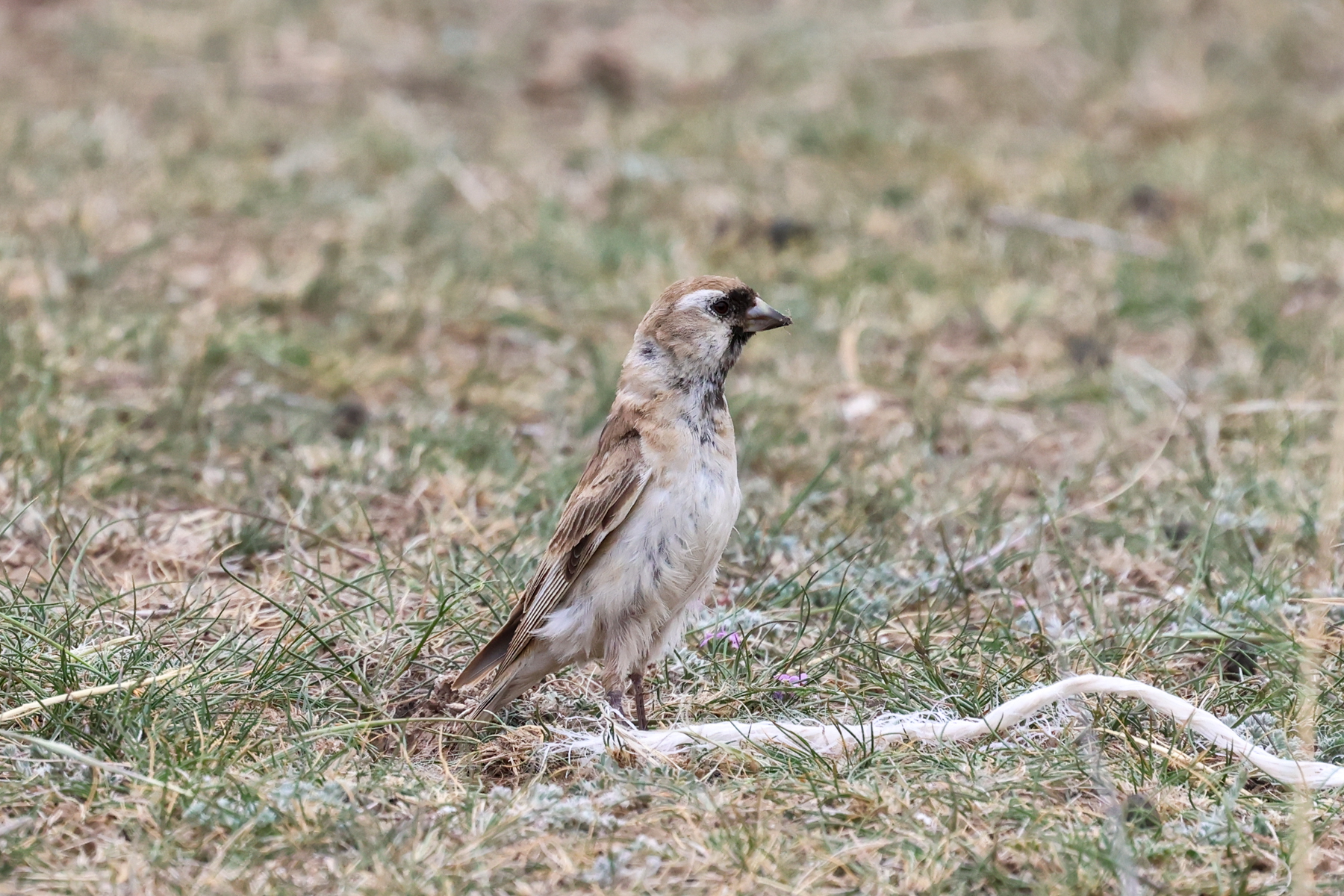
Tibetan or Prince Henri's Snowfinch (image by Mark Beaman)
Argali (image by Mark Beaman)
Pallas's Cat (image by Mike Watson)
Mongolian Ground Jay (image by Hannu Jännes)
Ibisbill (image by Mike Watson)
Tibetan Bunting (image by János Oláh)
Tibetan Rosefinch (image by Hannu Jännes)
Chinese Nuthatch (image by János Oláh)
Red-fronted Rosefinch (image by Hannu Jännes)
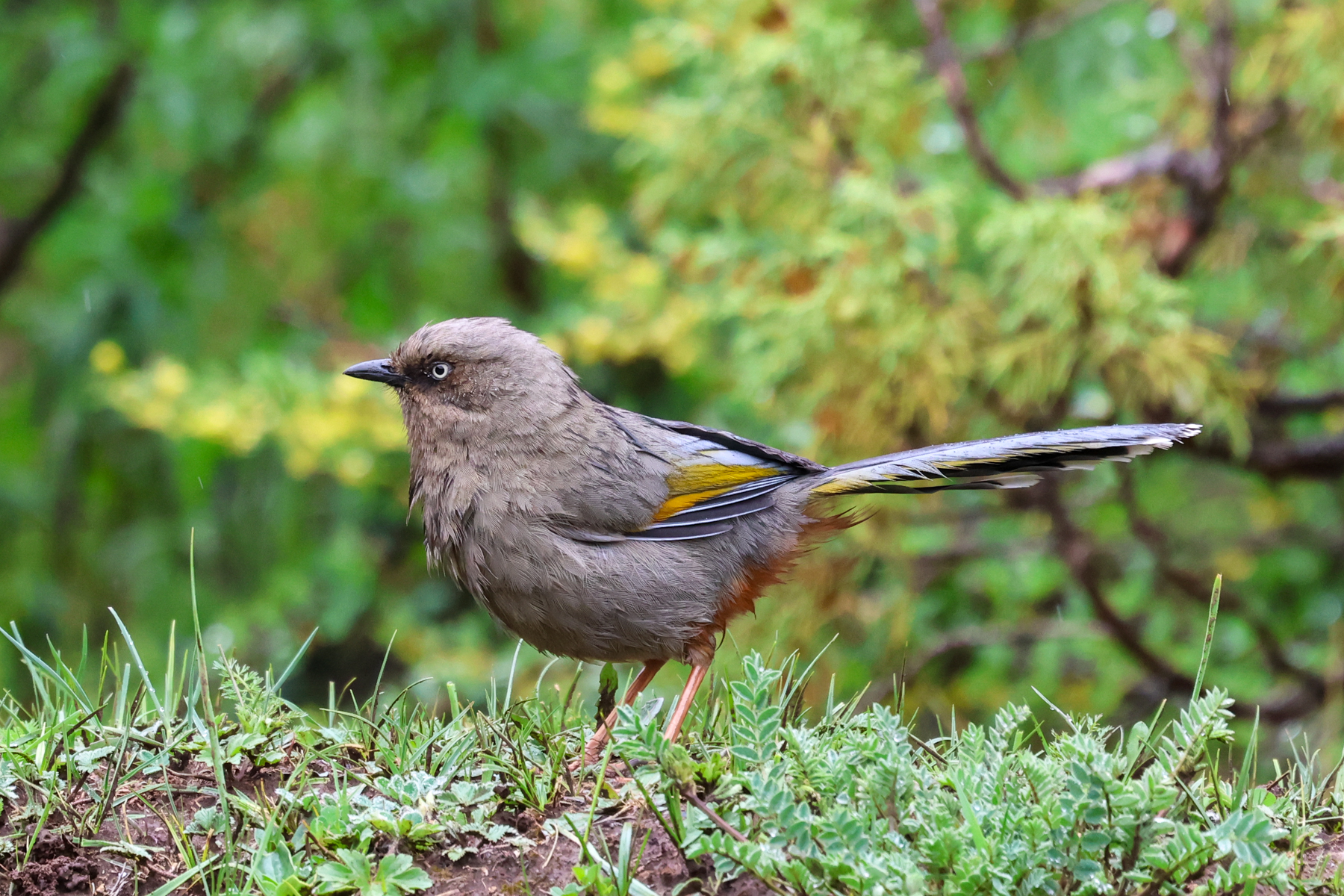
Giant Babax (image by Hannu Jännes)
Robin Accentor (image by Mike Watson)
Saxaul Sparrow (image by Mark Beaman)
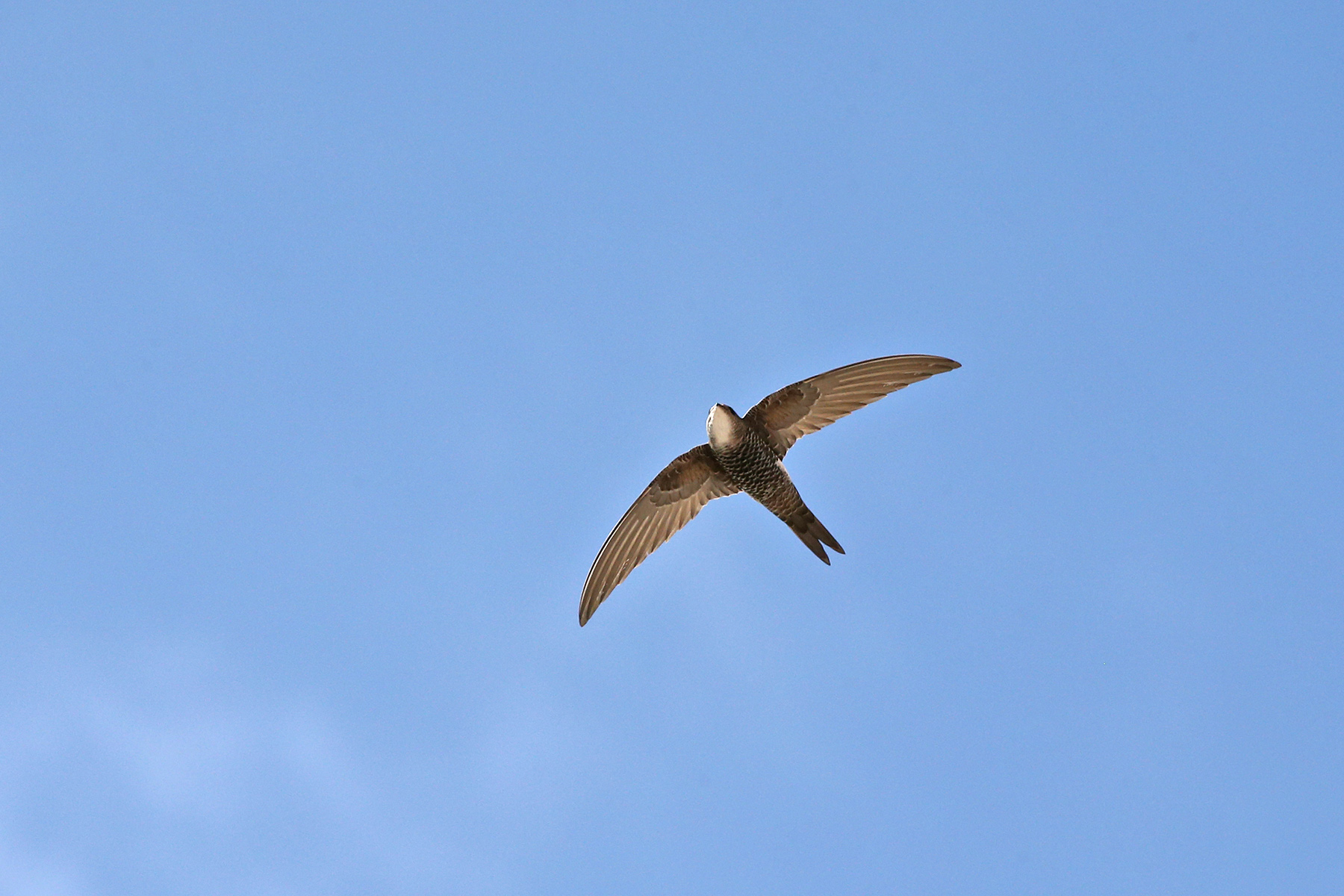
Salim Ali's Swift (image by János Oláh)
Przevalski's Finch (image by Hannu Jännes)
Tibetan Snowcock (image by Hannu Jännes)
Streaked Rosefinch (image by Hannu Jännes)
Tibetan Babax (image by Hannu Jännes)
Rufous-breasted Accentor (image by Hannu Jännes)
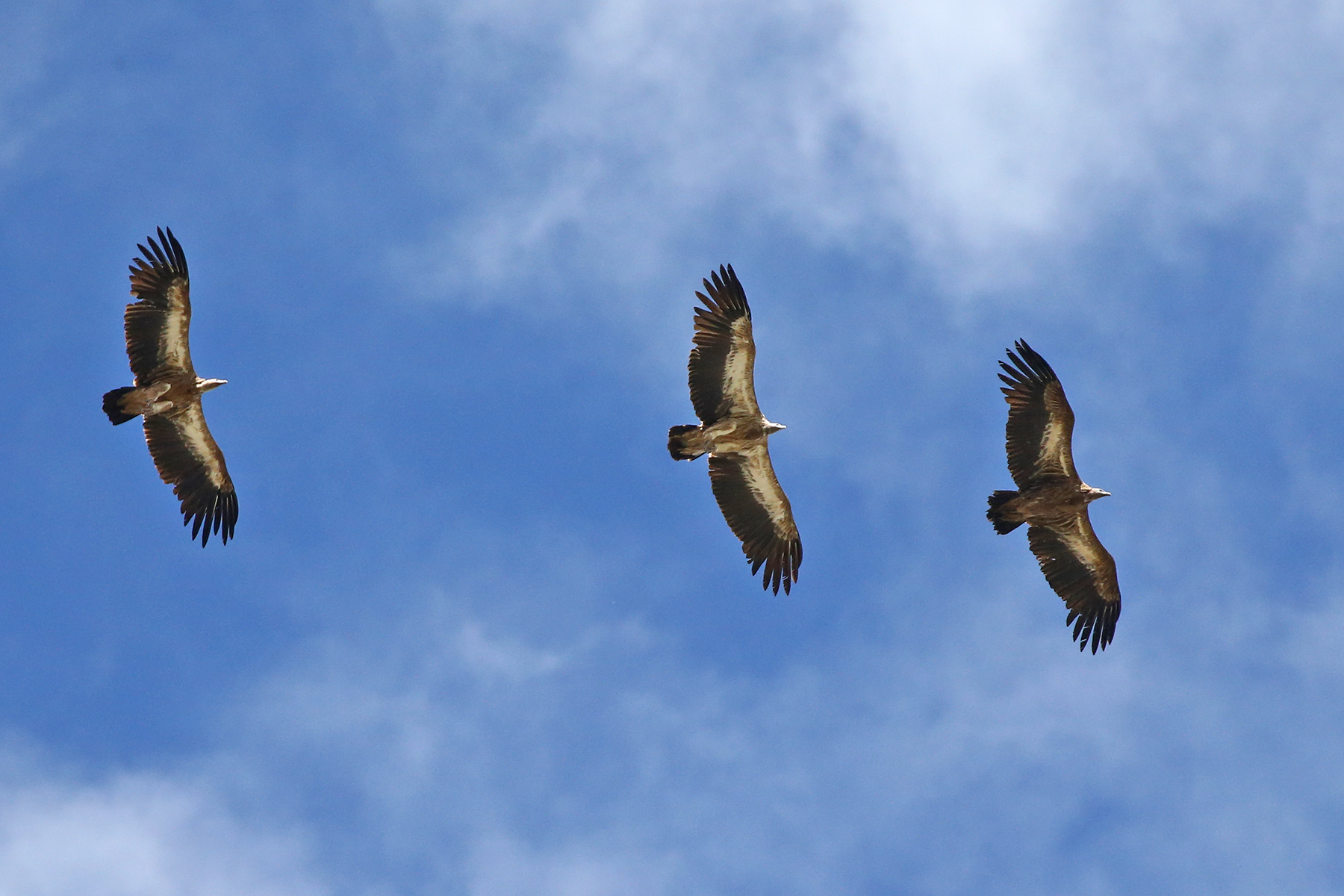
Himalayan Vultures (image by János Oláh)
The northern Kunlun at dawn (image by Mark Beaman)
Xinjiang or Biddulph's Ground Jay (image by Mark Beaman)
The Mekong River (image by Hannu Jännes)
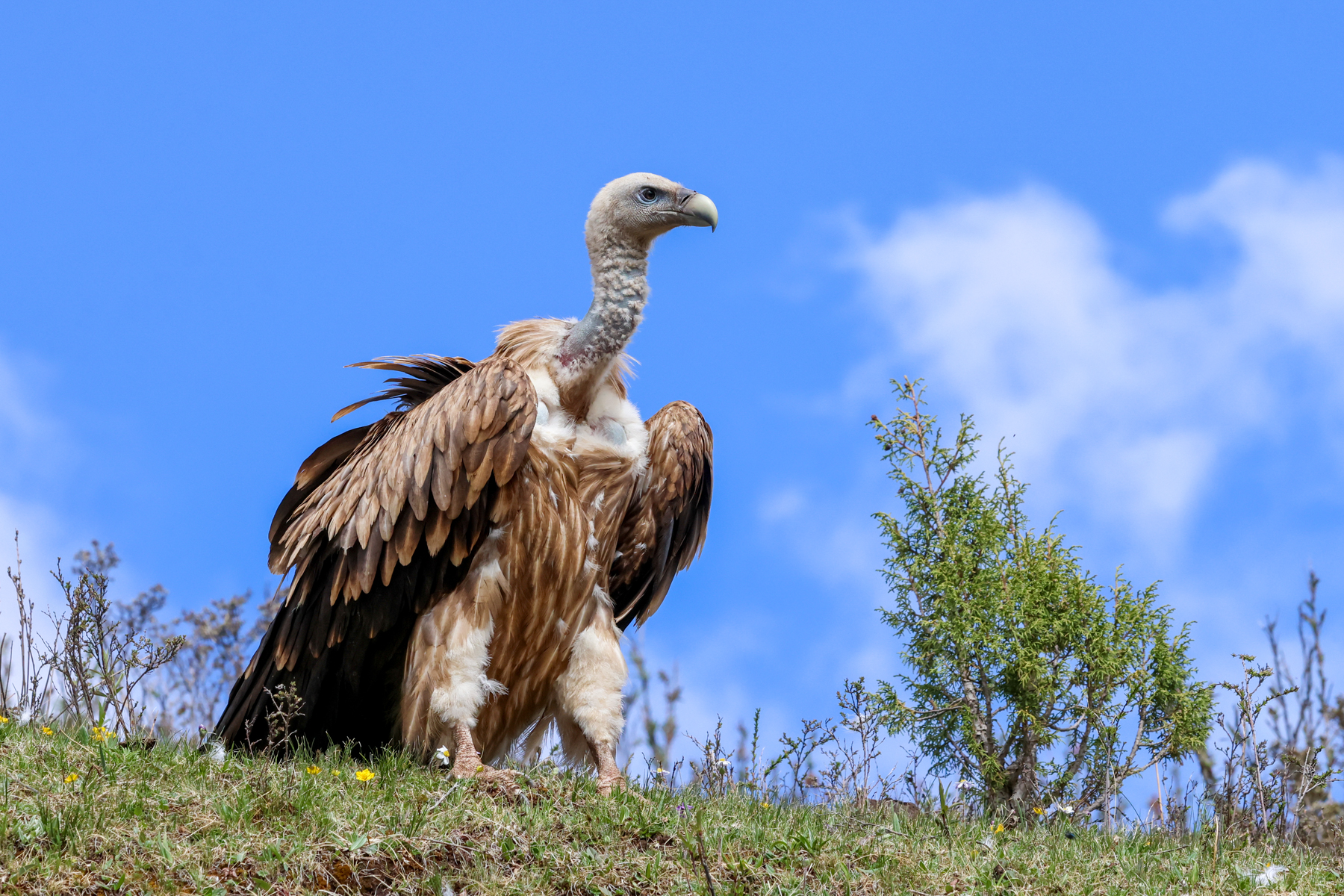
Himalayan Vulture (image by Hannu Jännes)
Tarim marshlands (image by Mark Beaman)
Pere David's Snowfinch (image by Hannu Jännes)
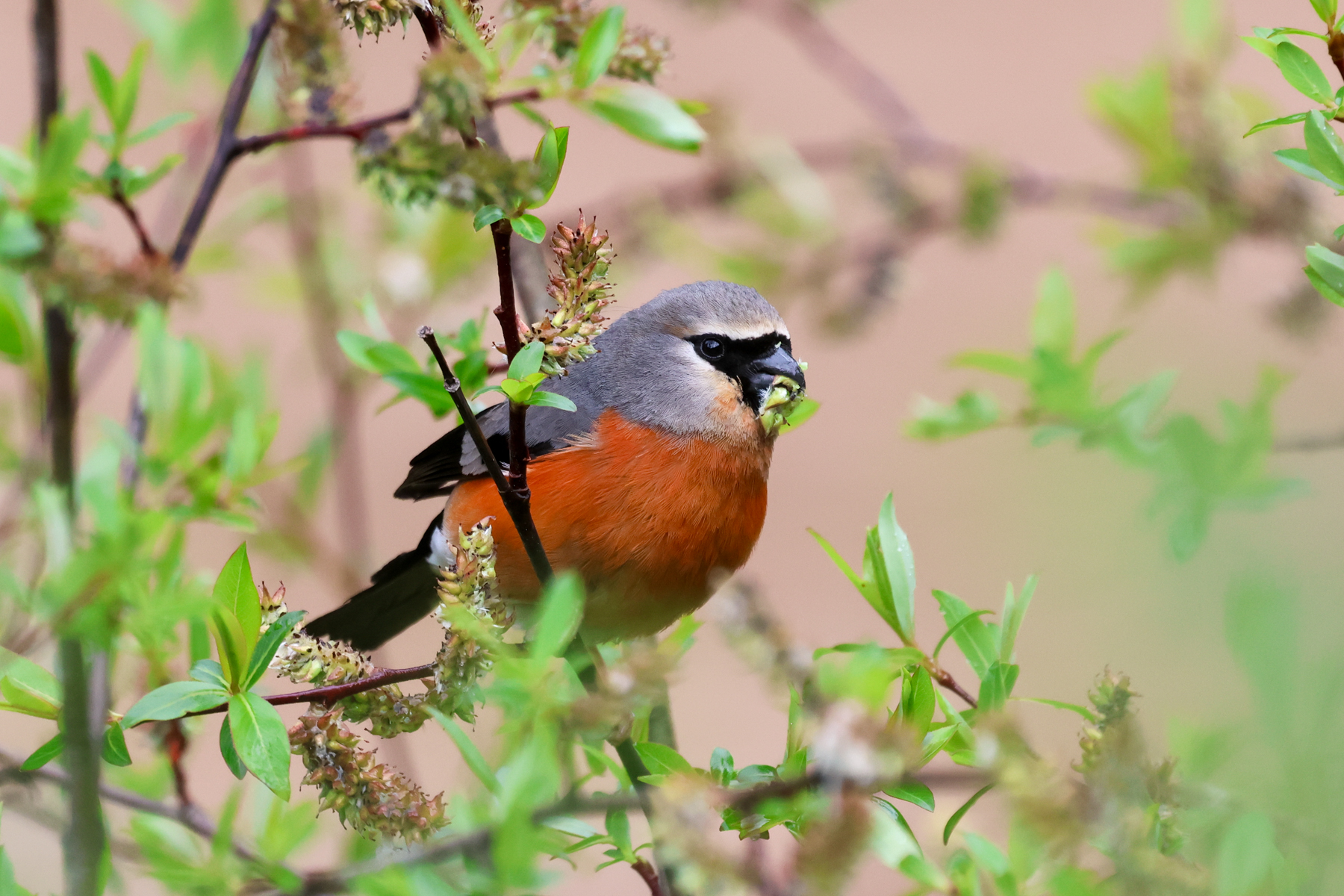
Grey-headed Bullfinch (image by Hannu Jännes)
Red Fox (image by Mike Watson)
Elliot's Laughingthrush (image by Hannu Jännes)
Giant Laughingthrush (image by Pete Morris)
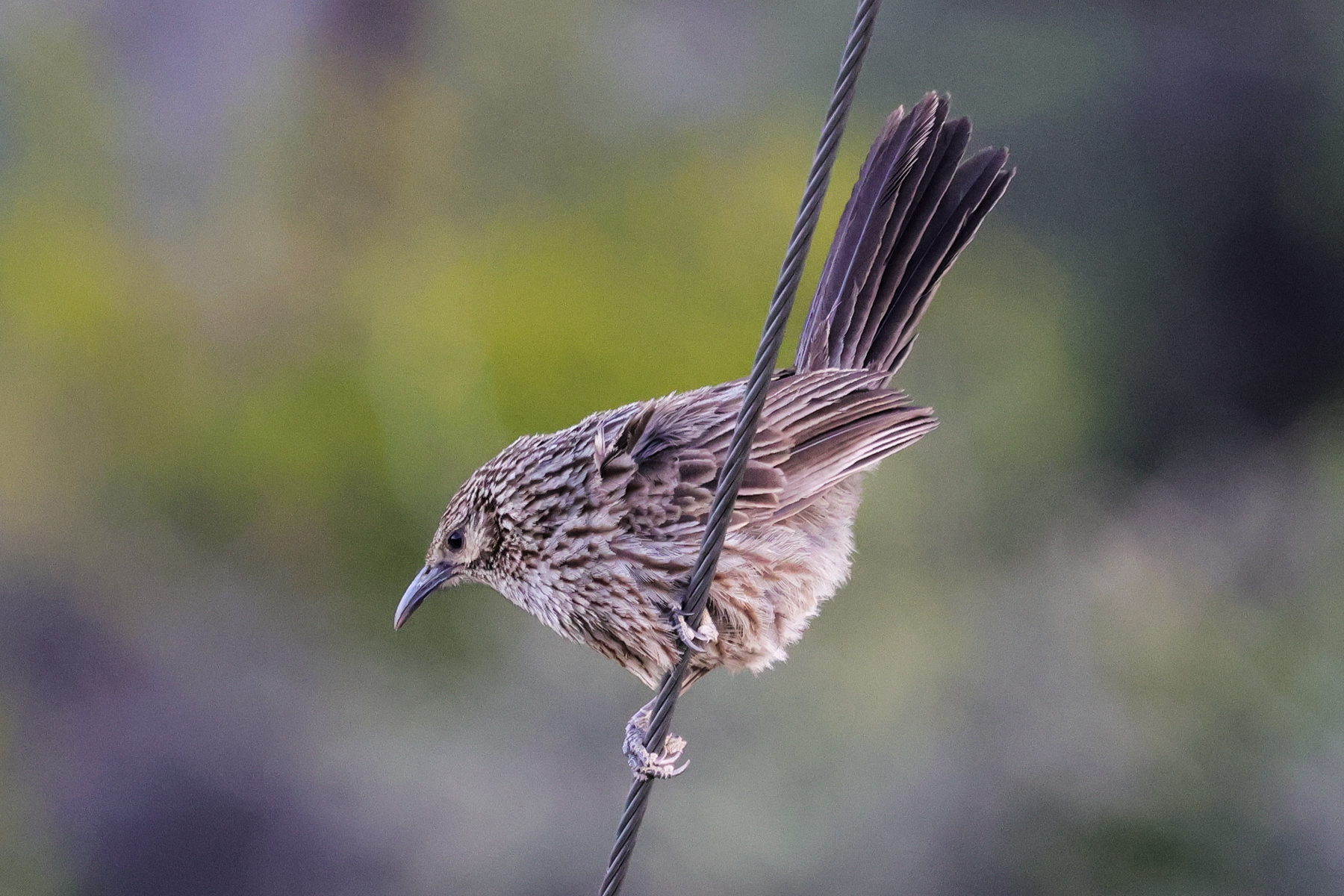
Tarim Babbler (image by Mark Beaman)


Tibetan or Prince Henri's Snowfinch (image by János Oláh)
Rufous-necked Snowfinch (image by Hannu Jännes)
Grey-crested Tit (image by Hannu Jännes)
Pink-rumped Rosefinch male (image by Hannu Jännes)
Twite (image by Mike Watson)
Golden Eagle (image by János Oláh)
Ibisbill (image by János Oláh)
Przevalski's or Alashan Redstart (image by János Oláh)
White-winged Grosbeak (image by Hannu Jännes)
Tibetan Sandgrouse (image by Mike Watson)
Güldenstädt's Redstart (image by Mike Watson)
Ground Tit (image by Hannu Jännes)
Tibetan Gazelle (image by Hannu Jännes)
Glover's Pika (image by Hannu Jännes)
Kiang or Tibetan Wild Ass (image by Mark Beaman)
Tibetan or Roborowski's Rosefinch (image by Hannu Jännes)
Grandala (image by Pete Morris)
Brown Accentor (image by Hannu Jännes)
Maroon-backed Accentor (image by Pete Morris)
Tibetan or Roborovski's Rosefinch female (image by Mark Beaman)
Grey-backed Shrike (image by Hannu Jännes)
Great Rosefinch (image by János Oláh)
Saker Falcon of the form altaicus (image by Mark Beaman)
Great Rosefinch (image by Mike Watson)
Bearded Vulture or Lammergeier (image by Mike Watson)
Lord Derby's Parakeets (image by Hannu Jännes)
Eurasian Three-toed Woodpecker (image by Hannu Jännes)
Sunrise over the Tarim Basin (image by Mark Beaman)
Brandt's Mountain Finch (image by Mike Watson)
Hill Pigeon (image by Hannu Jännes)
Hodgson's Redstart (image by Hannu Jännes)
Pine Bunting (image by Mike Watson)
Chiru or Tibetan Antelope (image by Mark Beaman)
Wild Yak in northwestern Qinghai (image by Mark Beaman)
Brown-cheeked Laughingthrush (image by Hannu Jännes)
Pale Rosefinch (image by Hannu Jännes)
Eurasian Crag Martin (image by Hannu Jännes)
Daurian Jackdaw (image by Hannu Jännes)
Eurasian Jay (image by Hannu Jännes)
Blanford's or Plain-backed Snowfinch (image by Mike Watson)
Tibetan Fox (or Tibetan Sand Fox) (image by Mark Beaman)
Kiangs (image by Mike Watson)
Black-necked Crane (image by Pete Morris)
Przevalski's Partridge (image by Hannu Jännes)
Xinjiang Ground Jay (image by Hannu Jännes)
Black-headed Greenfinch (image by Hannu Jännes)
Rufous-necked Snowfinch (image by János Oláh)
The Kunlun Range in northwestern Qinghai (image by Mark Beaman)
Tibetan Eared Pheasant (image by Hannu Jännes)
Tibetan Partridges (image by Mike Watson)
Przevalski's Finch (image by Pete Morris)
Upland Buzzard (image by Mark Beaman)
Mongolian Finch (image by Hannu Jännes)
Horned Lark (image by Pete Morris)
Blood Pheasant (image by Hannu Jännes)
Sichuan Tit (image by János Oláh)
Oriental Skylark (image by Hannu Jännes)
Sillem's Rosefinch (or Sillem's Mountain Finch) male (image by Mark Beaman)
Chinese White-browed Rosefinch (image by Hannu Jännes)
White-winged Woodpecker (image by Mark Beaman)
Oriental Turtle Dove (image by Hannu Jännes)
Tibetan Snowcock (image by Hannu Jännes)
White Eared Pheasant (image by Hannu Jännes)
Potala Pace, Lhasa (image by János Oláh)
Tibetan Eared Pheasant (image by Hannu Jännes)
Grey Wolf in Qinghai (image by Mark Beaman)
Himalayan Marmot (image by Mark Beaman)
Marmot (image by Hannu Jännes)
White-lipped or Thorold's Deer in northwestern Qinghai (image by Mark Beaman)
Tibetan or Prince Henri's Snowfinch (image by Mark Beaman)
Argali (image by Mark Beaman)
Pallas's Cat (image by Mike Watson)
Mongolian Ground Jay (image by Hannu Jännes)
Ibisbill (image by Mike Watson)
Tibetan Bunting (image by János Oláh)
Tibetan Rosefinch (image by Hannu Jännes)
Chinese Nuthatch (image by János Oláh)
Red-fronted Rosefinch (image by Hannu Jännes)
Giant Babax (image by Hannu Jännes)
Robin Accentor (image by Mike Watson)
Saxaul Sparrow (image by Mark Beaman)
Salim Ali's Swift (image by János Oláh)
Przevalski's Finch (image by Hannu Jännes)
Tibetan Snowcock (image by Hannu Jännes)
Streaked Rosefinch (image by Hannu Jännes)
Tibetan Babax (image by Hannu Jännes)
Rufous-breasted Accentor (image by Hannu Jännes)
Himalayan Vultures (image by János Oláh)
The northern Kunlun at dawn (image by Mark Beaman)
Xinjiang or Biddulph's Ground Jay (image by Mark Beaman)
The Mekong River (image by Hannu Jännes)
Himalayan Vulture (image by Hannu Jännes)
Tarim marshlands (image by Mark Beaman)
Pere David's Snowfinch (image by Hannu Jännes)
Grey-headed Bullfinch (image by Hannu Jännes)
Red Fox (image by Mike Watson)
Elliot's Laughingthrush (image by Hannu Jännes)
Giant Laughingthrush (image by Pete Morris)
Tarim Babbler (image by Mark Beaman)


|
Monday 5th June – Saturday 24th June 2028 Leaders: Simon Mitchell and a local bird guide |
20 Days | Group Size Limit 8 |
| Tian Shan Extension Sunday 4th June – Monday 5th June 2028 |
2 Days | Group Size Limit 8 |
Birdquest’s Northwest China & The Tibetan Plateau birding tours are a real adventure as we travel across Xinjiang in Northwest China and then the Tibetan Plateau, known as ‘The Roof of the World’, in both Xizang and Qinghai Provinces. Xinjiang (pronounced ‘shin-jiang’) comprises a huge territory stretching from the Pamir and Tian Shan Mountains to the Tarim Basin and the Altai Mountains. The Tibetan Plateau is divided between several Chinese provinces, and Xizang (pronounced ‘she-zang’) is the former independent Tibet, while Qinghai (pronounced ‘ching-high’) has been a part of China for a very long time. During this exciting tour, we target the Tarim endemics and every Tibetan Plateau endemic bird species, including the hard-to-reach Sillem’s Rosefinch!
The remarkable suite of key Tarim Basin and Tibetan Plateau endemics and near-endemics that are likely to be seen during the tour, includes Buff-throated (or Szechnyi’s) Monal Partridge, Tibetan and Przevalski’s (or Rusty-necklaced) Partridge, Tibetan Snowcock, Tibetan and White Eared Pheasants, Black-necked Crane, Tibetan Sandgrouse, Lord Derby’s (or Derbyan) Parakeet, Salim Ali’s Swift, Tibetan Lark, Giant (or Tibetan) Grey Shrike, Xinjiang (or Biddulph’s) Ground Jay, Black-rumped Magpie, ‘Alpine’, Sichuan and Gansu Leaf Warblers, Crested Tit-warbler, Chinese Rubythroat, Przevalski’s (or Alashan) Redstart, White-backed (or Kessler’s) Thrush, Tibetan Blackbird, Tarim Babbler, Tibetan (or Kozlov’s) and Giant Babaxes, Giant and Brown-cheeked (or Prince Henri’s) Laughingthrushes, Chinese Fulvetta, Robin Accentor, the strange Ground Tit (or Groundpecker), Sichuan and White-browed Tits, Przevalski’s Nuthatch, Rufous-necked, Blanford’s, White-rumped, Tibetan(or Prince Henri’s) and Black-winged Snowfinches, Tibetan (or Roborowvski’s), Sillem’s, Pale, Pink-rumped, Red-fronted, Streaked and Three-banded Rosefinches, and Tibetan (or Kozlov’s) Bunting. Last but not least is the enigmatic Prezevalski’s Finch or Pinktail, now treated as a monotypic bird family. What an amazing number of fantastic birds!
A wonderful supporting cast of mostly range-restricted specialities includes Upland Buzzard, Saker Falcon, Pallas’s Fish Eagle (uncommon), Daurian Partridge, Ibisbill, Brown-headed, Pallas’s and Mongolian Gulls, Pallas’s Sandgrouse (uncommon), Hill Pigeon, White-winged Woodpecker, Hume’s and Asian Short-toed Larks, Mongolian Lark, Pale Martin, Mongolian (or Henderson’s) Ground Jay, Beijing Babbler, Elliot’s and Plain (or Pere David’s) Laughingthrushes, Yellow-streaked, Chinese Leaf and Smoky Warblers, ‘Desert’ Whitethroat, White-browed Tit-warbler, Guldenstadt’s (or White-winged), White-throated, Eversmann’s (or Rufous-backed), Blue-capped and White-bellied Redstarts, Rufous-fronted Bushtit, Azure Tit, Chinese (or White-browed) Nuthatch, Black-throated, Rufous-breasted and Brown Accentors, Saxaul Sparrow, Pere David’s (or Plain) Snowfinch, Black-headed Greenfinch, Mongolian and Desert Finches, Great Rosefinch, White-winged Grosbeak, Plain and Brandt’s Mountain Finches, and Pine, Godlewski’s and Red-headed Buntings.
To put it simply, this tour is all about truly fantastic birding amidst extraordinary landscapes! And that is before we even consider the superb selection of mammals we are going to see!
Of all the regions of China, the Tibetan Plateau is the place to see large mammals and we can expect Wild Yak, Kiang (the Tibetan form of the Asiatic Wild Ass), Tibetan Gazelle, Blue Sheep, the much-presecuted Tibetran Antelope (or Chiru), Tibetan and Red Foxesd, Grey Wolf, Woolly Hare, Himalayan Marmot and varioius pikas and jerboas. There is a fair chance for Brown Bear, and we could get lucky with Pallas’s Cat.
A vast high tableland, out of which rise great mountain ranges, the Tibetan Plateau is truly the ‘Roof of the World’. Here, there are towns, villages and grazing lands at heights greater than those of the summits of the Alps! Defended since the dawn of human civilisation by the great wall of the Himalayas to the south and by lower but still lofty ranges to the west, east and north, the Tibetan Plateau for long escaped the tides of history.
Independent for much of the last two thousand years, the political entity known as Tibet (or Xizang Province to the Chinese) excludes the northeastern part of the Tibetan Plateau, known as Qinghai Province. Tibet was incorporated into modern China in 1951 and now has a mixed population of ethnic Tibetans, Han Chinese and other ethnic groups. The Tibetans are a resilient people, however, and even today their unique culture is still strong. Buddhist monasteries reopened after the Maoist ‘Cultural Revolution’ when many were completely destroyed by the nihilistic Red Guards, and prayer flags once more flutter in the breeze around villages, nomad encampments and mountain passes.
For the birdwatcher, as for the traveller, the Tibetan Plateau’s appeal lies in the sheer inaccessibility of its marvels. Closed to outsiders for many centuries, it is only in recent times that Lhasa and much of the Tibetan Plateau have been opened to visitors. During this great adventure, we will explore areas only infrequently visited by Western birders, and we have an excellent chance of finding all of the Tibetan Plateau’s endemic birds, including the biggest attractions of all, the strange Przevalski’s Finch or Pinktail, the sole member of the family Urocynchramidae, and the ‘long-lost’ Sillem’s Rosefinch!
Late spring and early summer (and summer only comes very late to the Tibetan plateau, in late June) is a superb time to go birding in this region, as the weather is at its mildest, breeding birds are in full song, wildflowers are approaching their peak, and the grasslands are already green, contrasting with the icy summits of the highest mountain ranges. Indeed, the incredible mountain and high plateau scenery on this journey is probably the most outstanding of any Birdquest tour!
We shall tread in the footsteps of such early investigators of the Tibetan Plateau’s avifauna as Przevalski, Kozlov and Roborovski. These Russian explorers penetrated far across the plateau during expeditions sponsored by the Czars, expeditions which had valid scientific purposes but which were doubtless also part of the ‘Great Game’ played out between the Russian and British Empires north of the borders of India during the nineteenth century.
Nowadays, while still a real adventure, huge improvements in the infrastructure, both roads and accommodations, mean that a visit to the Tibetan Plateau is no longer difficult, so one can bird on ‘The Roof of the World’ without having to put up with rough conditions, although it is still a place that is more demanding than the average bird tour destination because of the high altitude. This is a unique journey, so if you have always yearned to see the extraordinary scenery of the Tibetan Plateau and its special birds, then this is a tour not to be missed.
From the Kunlun, we make our way westwards across the Zaidam (or Qaidam) Depression, a huge tongue of desert country extending deep into the Tibetan Plateau. Beyond this fascinating landscape, we briefly leave the plateau behind, dropping down through the Altun Shan to the edge of the Tarim Basin in Xinjiang Province in search of the endemic and much-wanted Xinjiang (or Biddulph’s) Ground Jay (seeing the wonderful ground jays is surely the epitome of interior Asian birding!) and the distinctive endemic Tarim Babbler, as well as White-winged Woodpecker, Desert Whitethroat, Desert Finch and Saxaul Sparrow.
First, during a short optional extension, we will explore the spruce forests, meadows and foothills of the beautiful Tian Shan range close to Urumqi, the capital of Xinjiang Province. Our main targets here are Eversmann’s and Blue-capped Redstarts, Black-throated Accentor, Azure Tit and Red-headed Bunting.
From Urumqi, we take a flight to Ruoqiang at the southern edge of the Tarim Basin. Here we will search the fringes of the Takla Makan Desert for the endemic and much-wanted Xinjiang (or Biddulph’s) Ground Jay (seeing the wonderful ground jays is surely the epitome of interior Asian birding!) and the endemic Tarim Babbler, as well as White-winged Woodpecker, Paddyfield Warbler, ‘Desert’ Lesser Whitethroat, Desert Finch and Saxaul Sparrow.
Next, we will explore the famous city of Lhasa and its surroundings. The long-forbidden city of Lhasa is dominated by the immense Potala Palace. As well as seeing this greatest of all monuments to Tibetan Buddhism, we will explore the more atmospheric Jokhang Temple, which is a magnet for pilgrims from all over the Tibetan Plateau and beyond.
The Lhasa region is home to some special Tibetan Plateau endemics. Here we will explore a valley in the mountains where the scrub and meadows hold such endemics as Giant Babax, Brown-cheeked (or Prince Henri’s) Laughingthrush, Tibetan Blackbird and the beautiful Tibetan Eared Pheasant.
To conclude our travels through Tibet proper, we will explore the forests of the Nyingchi region, where our prime target is the beautiful, range-restricted Lord Derby’s Parakeet. Other good birds include the endemic Giant Laughingthrush, as well as Rufous-fronted Bushtit and Black-headed Greenfinch.
The next chapter of our journey involves taking a flight from Linzhi airport near Nyingchi to Chengdu, the capital of Sichuan Province, and then an onward flight to Yushu in Qinghai Province.
First, we will explore the gorge country of southeastern Qinghai. Here, two of Asia’s greatest rivers, the Yangtze and the Mekong, flow within 100 kilometres (60 miles) of each other through deep, arid gorges. On the spectacular mountain slopes and in the juniper and spruce forests, we will look for two of Asia’s least-known birds, Tibetan (or Kozlov’s) Babax and Tibetan (or Kozlov’s) Bunting, as well as other specialities such as Buff-throated (or Szechenyi’s) Monal Partridge, Tibetan Partridge, White Eared Pheasant, Crested Tit-warbler, Chinese Rubythroat, Elliot’s Laughingthrushes, Chinese Fulvetta, Sichuan and White-browed Tits, and Red-fronted (or Red-breasted) Rosefinch. We will also encounter the monotypic Ibisbill along the rivers.
From the southeast of Qinhai, we travel far to the northwest across the wilder reaches of the Tibetan Plateau as we head for the remote Kunlun Range.
As we travel through this remote region, we will encounter Upland Buzzard, Saker Falcon, Black-necked Crane, Tibetan Sandgrouse, the big Tibetan Lark, the strange Ground Tit (or Groundpecker) and Rufous-necked, Blanford’s, White-rumped, Tibetan (or Prince Henri’s) and Black-winged Snowfinches. A wonderful selection of specialities.
We will also be seeking out some fantastic mammals, and we should have great experiences with them. Likely encounters include Wild Yak (in their last stronghold!), Chiru (or Tibetan Antelope), Kiang (or Tibetan Wild Ass), Tibetan Gazelle, Grey Wolf and Tibetan Fox, not to mention the hares, marmots and pikas.
In the wild and little-known Kunlun Mountains, we will be visiting the area where, in 2014, we became the first bird tour company to see the near-mythical Sillem’s Rosefinch! This is also a great area for seeing Tibetan (or Roborovski’s Rosefinch), Guldenstadt’s Redstart and Brandt’s Mountain Finch. In addition, the sought-after Tibetan Sandgrouse can be seen on flat plains without any need to climb a mountain!
We have seen Brown Bear in this area on past visits, and there are even chances for Pallas’s Cat and Argali.
Next, we explore the semi-desert scrub of the Zaidam (or Qaidam) Depression near Golmud, home to Mongolian Ground Jay and the margelanica form of the ‘Desert’ Lesser Whitethroat.
The juniper- and Tibetan scrub-covered hills and the dry country around the Chaka salt lake are home to a superb selection of specialities, including Przevalski’s (or Rusty-necklaced) and Daurian Partridges, Przevalski’s Redstart, Smoky Warbler, Mongolian Finch and the enigmatic Przevalski’s Finch (or Przevalski’s Pinktail).
Around the town of Gonghe, we will seek out the range-restricted Pale Rosefinch amidst starkly arid, eroded hills.
We will also explore the margins of the famous Koko Nor (or Qinghai Hu), one of the largest lakes in Asia and an important breeding area for the endangered Black-necked Crane, Bar-headed Goose, Pallas’s and Brown-headed Gulls, and other waterbirds. Here, we are also likely to encounter both Mongolian Lark and Pere David’s Snowfinch.
Eventually, we come to Xining, the capital of Qinghai province, from where we will visit several localities in the surrounding region in search of such specialities as Gansu Leaf Warbler, Yellow-streaked Warbler and Chinese Nuthatch.
What a great birding adventure this is! We are going to be sorry when it comes to an end!
Birdquest pioneered Tibetan Plateau birding tours as far back as 1984, and we also pioneered tours to see Sillem’s Rosefinch from 2014 onwards.
Accommodation & Road Transport
The hotels in this region of China have hugely improved in recent times and are nowadays of a good or medium standard, almost throughout. We have just two nights in a fairly simple guesthouse at Xidatan, where all rooms have private bathrooms. Road transport is by small bus/coach and by 4×4 vehicles. Nowadays, many roads in the region are good or excellent, but we still have to use rough dirt roads in some places. There are some long drives.
Walking
The walking effort during our Northwest China & The Tibetan Plateau birding tours is easy to moderate-grade (most of the walking would qualify as easy if it were at a low altitude). However, looking for Sillem’s Rosefinch will involve slow walks on a moderate slope at around 4,900-5,070 metres (16,080-16,630ft).
Climate
Rather variable. Temperatures range from warm (even hot in the middle of the day in the Tarim Basin) to cool or sometimes cold. At this season, there is a mixture of dry and sunny weather interspersed with overcast conditions and rain, hail or even snow on the plateau.
Bird Photography
Opportunities during our Northwest China & The Tibetan Plateau birding tours are good.
To see a larger map, click on the square-like ‘enlarge’ icon in the upper right of the map box.
To see (or hide) the ‘map legend’, click on the icon with an arrow in the upper left of the map box.
To change to a satellite view, which is great for seeing the physical terrain (and for seeing really fine details by repetitive use of the + button), click on the square ‘map view’ icon in the lower left corner of the ‘map legend’.
Birdquest Inclusions: Our tour prices include transportation, accommodations, meals and entrance fees.
We also include all tipping for local guides, drivers and accommodation/restaurant staff.
Deposit: 20% of the total tour price. Our office will let you know what deposit amount is due, in order to confirm your booking, following receipt of your online booking form.
TO BOOK THIS TOUR: Click here (you will need the tour dates)
The single supplement will not apply if you indicate on booking that you prefer to share a room and there is a room-mate of the same sex available.
This tour is priced in US Dollars. Amounts shown in other currencies are indicative.
Northwest China & The Tibetan Plateau: Day 1 Our tour begins this evening in the city of Urumqi, the capital of China’s Xinjiang Province, situated in the far northwest of this huge country. We will stay here overnight.
An airport-to-hotel transfer will be provided in connection with your arriving flight.
(Urumqi, which has a population of four million, is served by frequent flights from all major Chinese gateway cities. In addition, it can be reached by flight routes from Europe via Istanbul, Tashkent, Astana, Doha and Dubai. We can easily book domestic flights for you on request, even if you are not obtaining your international tickets through us. Negotiating Chinese airports is fairly easy. Almost everyone speaks at least some English, and the signage is bilingual and good. All announcements are bilingual.)
Northwest China & The Tibetan Plateau: Day 2 From Urumqi, we will take a flight to Ruoqiang, situated on the southern side of the vast Tarim Basin that occupies much of Xinjiang Province. We will overnight at Ruoqiang, which is an oasis town in an autonomous Mongol district inhabited by people of Mongol descent and Han Chinese.
This region, which includes the great Takla Makan Desert in its centre, was the focus of a number of Russian and British attempts to win the favours of the local rulers during the period of the ‘Great Game’. One of the members of the ‘British Yarkand Expedition’ was George Henderson, of ground jay fame, and his exploits are recorded in the book ‘Lahore to Yarkand’ by George Henderson and John Hume.
This afternoon, we will explore the orchards at the edge of Ruoqiang, where the endemic Tarim Babbler is common. Finally recognised to be a sylviine babbler rather than a warbler and now treated as a distinct species rather than a subspecies of the very different-looking and sounding Beijing Babbler.
In addition, there are some other good birds that are straightforward to find in the area, including Isabelline Shrike, Desert Finch and the range-restricted and often localised Saxaul Sparrow.
Other birds likely to be found in the area include Oriental (or Rufous) Turtle Dove, Eurasian Collared Dove, Carrion Crow, Common Starling and Eurasian Tree Sparrow. There are also chances for Barred Warbler and possibly Indian Golden Oriole at the edge of its distribution.
Northwest China & The Tibetan Plateau: Day 3 Today, we will range further afield, penetrating out into the Takla Makan Desert, visiting a mix of arid, bushy habitats (often with stabilised sand dunes) and dry poplar woodlands.
Here we will find the superb, strikingly patterned Xinjiang (or Biddulph’s) Ground Jay, a species endemic to the Tarim Basin. One of just four species of highly sought-after ground jays that inhabit the Central Asian arid zone from Iran to Mongolia.
Other interesting birds found in the area include Long-legged Buzzard, Pallas’s Sandgrouse (easier in some years than others, as the local population fluctuates markedly), the range-restricted White-winged Woodpecker, Great Grey Shrike of the form pallidirostris (sometimes split as Steppe Grey Shrike), Asian Short-toed Lark and ‘Desert’ Lesser Whitethroat (form minula).
Mammals are not conspicuous, but we may encounter Goitred Gazelle.
In some places the Tarim River has created extensive wetlands and here we shall be looking in particular for Mongolian Gull, Citrine Wagtail, Paddyfield Warbler and Bearded Reedling (or Bearded Tit).
Additional species we may well come across include Great Crested Grebe, Little Bittern, Great Egret, Grey Heron, Greylag Goose, Common and Ruddy Shelducks, Red-crested Pochard, Great Cormorant, Black Kite, Eurasian Coot, Common Moorhen, Black-winged Stilt, Kentish Plover, Common Redshank, Black-headed Gull, Common and Little Terns, Stock Dove, Common Swift, Eurasian Hoopoe, Crested Lark, Barn Swallow, ‘Masked’ Wagtail (the personata form of the White Wagtail) and Siberian Stonechat. More uncommon are Pied Avocet, Little Ringed Plover, Black-tailed Godwit and Common Reed Bunting.
This evening we will fly back to Urumqi for an overnight stay.
Northwest China & The Tibetan Plateau: Day 4 Today we will take a flight to the city of Lhasa, the capital of Tibet (Xizang), for an overnight stay.
Since the Chinese ‘liberation’ of Tibet in 1951 and the eventual flight of the Dalai Lama after the failure of the 1959 uprising, Lhasa, the once-forbidden city, has changed greatly. The former purely Tibetan character of the city has been overwhelmed by modern residential quarters, shopping precincts and industrial developments, but, in spite of all this, the sight of the huge Potala Palace soaring into the sky on the top of the Marpori (or Red Mountain) as one approaches this historic city from the airport is still one of the greatest travel experiences in the world.
This afternoon, there will be an opportunity to see and photograph the outside of the famous Potala Palace. The interlinked ‘white’ and ‘red’ palaces tower 13 storeys high and completely dominate the city below. This truly enormous structure, built between 1645 and 1694, contains over 1000 rooms, including numerous chapels, shrines, assembly halls and mausoleums, and is undoubtedly one of the world’s most extraordinary and moving buildings. Nowadays, the Potala is largely a museum.
[Note: the Potala is another victim of mass tourism in that so many people, mostly Chinese, nowadays want to visit that there is a lottery system in place for visiting hours, and a group has no idea in advance at what hour during a particular day it will be selected to enter! The group is only informed the previous day. Thus, a visit is not practicable for birding tours with a short time in Lhasa.]
In order to see something of Tibetan Buddhist culture, those who wish to can pay a visit to the famous Jokhang Temple this evening. Founded in 650 AD by Songtsen Gampo, one of Tibet’s greatest monarchs, the Jokhang is the religious centre of Tibet and a magnet for pilgrims from all over the country. Throughout the day and into the evening, a colourful throng circumambulates the temple, the pilgrims chanting and prostrating themselves outside the temple itself. Inside, past rows of prayer wheels, are dark chapels containing a bewildering richness of frescoes and statues. The overpowering, unforgettable smell of butter candles permeates the temple, which now, following the re-establishment of Buddhism in Tibet, is once more watched over by seemingly ageless lamas. Even ornithological pilgrims soon find themselves captivated by this remarkable, otherworldly place.
Northwest China & The Tibetan Plateau: Day 5 This morning we will visit a very scenic area in the mountains outside Lhasa where the beautiful Tibetan (or Elwes’s) Eared Pheasant, Tibetan Blackbird, the noisy Giant Babax and Brown-cheeked (or Prince Henri’s) Laughingthrush, four species endemic to Southeast Tibet, occur in good numbers in the scrubby woodland and meadows. We can expect great views of all four species, as well as Tibetan Snowcock, another Tibetan Plateau endemic. Sometimes the pheasant and the snowcock can be seen and photographed at incredibly close range around a small and fascinating Buddhist nunnery!
After lunch, we will drive eastwards to the town of Nyingchi for a two-night stay.
The journey is a spectacular introduction to the magnificent scenery of the Tibetan Plateau (which is only flat in parts and very mountainous), including a high pass where we will surely see our first snowfinches and other open-country Tibetan birds. We will make a stop there as it is a good spot to find Tibetan (or Prince Henri’s) Snowfinch in particular.
Northwest China & The Tibetan Plateau: Day 6 We will have a full day to explore the Nyingchi region.
Our prime target during our stay in Southeast Tibet (called Xizang Province in China) is the splendid and sought-after endemic Lord Derby’s (or Derbyan) Parakeet, which we should find cavorting noisily in the tops of the conifers or flying between feeding areas.
Other good birds in this area include the endemic Giant Laughingthrush and the range-restricted Rufous-fronted Bushtit, Black-headed Greenfinch and Grey-headed Bullfinch.
More widespread birds include Blyth’s Leaf Warbler, Daurian Redstart, Russet Sparrow and Brown Bullfinch. Indian Blue Robin is also possible, as is the range-restricted Firethroat.
Northwest China & The Tibetan Plateau: Day 7 We will drive the short distance to Linzhi airport (also known as Nyingchi Mainling airport) and take a flight to Chengdu for an overnight stay. Depending on the flight timings, we may have time for some final birding in Tibet this morning. The airport is a mere 20 kilometres (12 miles) from the Indian border!
Northwest China & The Tibetan Plateau: Day 8 This morning, we will take a flight to the town of Yushu, situated on the Tibetan Plateau in the southeast of Qinghai Province. Unlike Tibet (Xizang), Qinghai has been under Chinese control for much of the last millennium or longer.
From Yushu, we will drive to the small town of Nangqian (pronounced nang-chian) for a three-night stay.
We are now in the ‘gorge country’ of extreme southeastern Qinghai, a unique area where the increased rainfall allows scrub to flourish on the south-facing slopes and even quite mature areas of forest survive in sheltered valleys. The scenery seems almost ‘alpine’. Along the river valleys, the gravel spreads and flooded meadows provide ideal habitat for Ibisbills and we can expect to see some of these curious birds during our journey. We will also make stops in good areas for the chunky Red-fronted (or Red-breasted) Rosefinch.
Northwest China & The Tibetan Plateau: Days 9-10 Nangqian is a town situated on the upper Mekong River, which here runs from northwest to southeast through a deep, rather arid but dramatically beautiful gorge, partly clothed in scrub. Some extensive areas of juniper and fir forest can be found in the more sheltered side valleys. Through a remarkable trick of geology, three of the greatest rivers in Asia virtually coincide at this point – only about 100 kilometres to the northeast is the Yangtze River, on its way to the China Sea, whilst some 150 kilometres away to the southwest is the Salween River, en route to the Andaman Sea!
This fascinating area of gorges, dramatic alpine peaks, Tibetan scrub, and juniper and spruce forests holds special interest for birdwatchers due to the presence of three very special eastern Tibetan Plateau endemics; Buff-throated (or Szechenyi’s) Monal Partridge, Tibetan (or Kozlov’s) Babax and Tibetan (or Kozlov’s) Bunting. The last of these is known only from the dry valleys of the Mekong and Yangtze in Qinghai and adjacent Chamdo in Xizang (Tibet).
As well as these three mega-specialities, other great birds in the area include Tibetan Snowcock, Tibetan Partridge, the impressive White Eared Pheasant, Blood Pheasant, Hill and Snow Pigeons, Robin and Brown Accentors, Sichuan Leaf Warbler, ‘Alpine’ Leaf Warbler (sometimes split from Tickell’s Warbler), the superb little lilac-tinged White-browed (or Severtzov’s) Tit-warbler, the delightful little Crested Tit-warbler, the gorgeous Chinese Rubythroat, White-backed (or Kessler’s) Thrush, Elliot’s Laughingthrush, Chinese Fulvetta, Sichuan and White-browed Tits, Pink-rumped (or Stresemann’s) and Streaked Rosefinches, and the superb Three-banded Rosefinch.
Other likely birds in the Nangqian region include the impressive Bearded Vulture (or Lammergeier), Eurasian Sparrowhawk, Golden Eagle, Grey-headed Woodpecker, Eurasian Crag Martin, Eastern Red-rumped Swallow, ‘Himalayan’ White Wagtail, Rosy Pipit, Himalayan Bluetail, Blue-fronted Redstart, the lovely White-capped Redstart, Grey-crested Tit, Hodgson’s Treecreeper, the marvellous Wallcreeper, White-throated Dipper, Alpine Chough, Daurian Jackdaw, White-winged Grosbeak, Plain Mountain Finch and Himalayan Beautiful Rosefinch.
With luck, we will also encounter one of the more uncommon specialities of the area, which include Maroon-backed Accentor, Black-streaked Scimitar Babbler and Tibetan Serin.
Northwest China & The Tibetan Plateau: Day 11 Today, we will head off into more dramatic landscapes as we travel northwestwards through gorges and over mountain passes on our way to the remote town of Qumarleb (known as Qumalai in Chinese rather than Tibetan, and pronounced chu-mar-lie) for an overnight stay. Luckily for us, it has a surprisingly comfortable hotel.
We will surely encounter many Tibetan Plateau species today, but as it is basically a travel day, birding stops will be few. There will be other opportunities for seeing everything well.
Species we are likely to encounter include Himalayan Vulture, Upland Buzzard, Salim Ali’s Swift, the magnificent Saker Falcon (now in decline almost everywhere owing to illegal egg and chick stealing for Arab falconers), Red-billed Chough, Northern Raven (of the large Tibetan form), Horned Lark, Hume’s Short-toed Lark, Pale Martin, Black Redstart, White-rumped, Rufous-necked, Blanford’s and Black-winged Snowfinches, and Twite (of the interior Asian form, a potential split).
Best of all is the delightful little Ground Tit (or Groundpecker) that bounds across the steppe like some kind of bizarre wheatear, stopping every so often to peck furiously at the ground. These fascinating birds are currently thought to be an aberrant tit, although previously, it was thought to be an aberrant corvid and called Hume’s Ground Jay, so monotypic family status may prove a better long-term solution.
The grassy steppes are home to large numbers of Plateau Pikas, the staple diet of both Upland Buzzard and Saker Falcon. The burrows of these ‘mouse hares’ pepper the flatter areas and provide nest holes for snowfinches and other birds.
Numerous yaks graze on the thin grasses of these high-altitude steppes, watched over by swarthy-looking Tibetans and sometimes accompanied by huge mastiffs with spiked collars. In spite of the difficulties of living in such a remote place, the people are very friendly. The ruddy-faced Tibetan women, sometimes still exhibiting traditional silver ornaments bound into their hair, look to be every bit as adapted to this harsh environment as their menfolk.
Northwest China & The Tibetan Plateau: Day 12 We continue northwestwards, if anything, into even wilder country than the day before, en route to the remote settlement of Xidatan for a two-night stay. As we approach Xidsatan, we can admire the awesome snow- and ice-clad peak of Yuzhu Feng (6,178m or 20,269ft), one of the highest peaks of the Kunlun range.
During the second part of the day, we will be crossing the immense Kekexili Nature Reserve, a truly wonderful area for wild mammals.
Here, we can expect to see large numbers of Kiangs (or Tibetan Wild Asses) and Tibetan Gazelles, and later in the journey, the rare and endangered Tibetan Antelope or Chiru, much-persecuted for its splendid horns and soft fur. There is a very good chance of Grey Wolf in this wild area and a slim chance of encountering White-lipped (or Thorold’s) Deer. The broad-faced Tibetan Fox is common, and Plateau Pikas are numerous. There is also a first chance for Wild Yak and a slim chance for Pallas’s Cat.
We will make a stop in a good area for Tibetan Sandgrouse, with no need to climb at all, as the area is a flat plain! We should also find the attractive Tibetan Sand Plover.
Marshy areas hold stately Black-necked Cranes, the huge Tibetan (or Long-billed Calandra) Lark, Bar-headed Goose, Brown-headed Gull and ‘Tibetan’ Citrine Wagtails of the distinctive form calcarata that may represent a distinct species.
Northwest China & The Tibetan Plateau: Days 13-14 On both these days, we will set out very early and head up the dramatic Yeniugou (‘Wild Yak Valley’). It is a long and (in the last section) bumpy drive to the rosefinch site. The slope the Sillem’s Rosefinches inhabit is not steep, but the walk is generally quite long and is at a very high altitude (from the starting point at around 4,900m or 16,080ft, one ascends to up to 5,070m or 16,630ft). If you feel unable to do the walk, you can opt to look around where we park our transport, and you could even get lucky and see the Sillem’s Rosefinch there, although they are usually higher up.
We have some truly awesome scenery to look forward to as we search for the fabled Sillem’s Rosefinch in its remote vastness. The Kunlun Mountains are extraordinarily scenic, with the highest peaks in the region rising to over 5,500m (over 18,000ft).
Our reason for exploring this remote location is quite simple: the chance to be amongst the few birders to have seen the almost unknown Sillem’s Rosefinch. As someone once told us, this is about as close to looking for a bird on the moon as any of us will ever experience!
Sillem’s Rosefinch (formerly Sillem’s Mountain Finch), Carpodacus sillemi, is a species that was overlooked when the first specimens were collected by a Dutch expedition that visited the area north of the Karakorum Range in the first part of the 20th century. They were misidentified as Brandt’s Mountain Finch, Leucosticte brandti, until C. S. Roselaar worked out that they represented a new species for science, either a new Leucosticte or perhaps even a new Koslowia (at that time a genus that was used only for the Tibetan (or Roborovski’s) Rosefinch. After that, nothing, until 2009 when Yann Muzika rediscovered the species by chance while on a trekking expedition in Qinghai! More recently, the species has been reallocated to the genus Carpodacus, into which Koslowia was subsumed, and renamed Sillem’s Rosefinch.
The area where Yann rediscovered the species is decidedly remote, and he again found the species present in 2013. We have relocated it to the same area during our pioneering expeditions that commenced in June 2014.
We have never missed this ‘grailbird’ during our Birdquest tours to the area, but Sillem’s Rosefinch is not always an easy bird to find, so we have allowed two days for the task. It takes a lot of time and effort to get to the area, so this is not one to miss!
The poorly-known Tibetan (or Roborovski’s) Rosefinch is common in this high-altitude habitat in the Kunlun, and at this time of year, we are likely to find the deep-pink males and grey-brown females feeding their young.
Other Tibetan Plateau speciality birds present in the area include Tibetan Snowcock and Blanford’s Snowfinch. Additional species of great interest include Güldenstädt’s (or White-winged) Redstart and Brandt’s Mountain Finch.
Tibetan Sandgrouse (the least known member of its family) is straightforward to find in Yeniugou and requires no uphill hike in order to do so. Indeed, we have even seen them at the roadside!
Mammals are absolutely fantastic in this area, most unusually for Asia. We should encounter Kiangs (or Tibetan Wild Asses) and Tibetan Gazelles. Wild Yak is another star attraction (we have a high chance of seeing some here). There is even a chance for Brown Bear and a slim chance for Pallas’s Cat, both of which have been seen during our past expeditions. There is even a very slim chance of Snow Leopard, as they still occur in the area. Red and Tibetan Foxes, Himalayan Marmot, Woolly Hare and Ladakh Pika round out a panoply of great critters.
Lower down Yeniugou (Wild Yak Valley), the hulking Great Rosefinch is very reliable, and we also have a first chance for the endemic Przevalski’s (or Rusty-necklaced) Partridge.
At the end of our second day in the area, we will descend to the city of Golmud (or Geermu) for an overnight stay. Golmud is situated at the southern edge of the vast, arid Qaidam (or Zaidam) Depression in northern Qinghai province. The Qaidam (pronounced ‘chai-dam’) is considered part of the Tibetan Plateau, but is its lowest region.
Northwest China & The Tibetan Plateau: Day 15 This morning, we head westwards on a good, fast road across the vast, sandy Qaidam (or Zaidam) Depression that is scooped out of the northern flank of the Tibetan Plateau.
Mongolian (or Henderson’s) Ground Jays occur in the Zaidam and can sometimes be seen running across the road. We will stop in a good area to see the second ground jay of our West China adventure. There is also a first chance for finding Desert Wheatear and ‘Desert’ Lesser Whitethroat of the poorly differentiated form margellanica.
We will also explore an area of grassy and juniper-covered mountainsides that hold Przevalski’s (or Rusty-necklaced) Partridge (a species endemic to the northeastern edge of the Tibetan Plateau), Daurian Partridge, the localized Przevalski’s (or Ala Shan) Redstart (also endemic to this region of China), the impressive Giant (or Tibetan) Grey Shrike and Pine Bunting.
Eventually, we will reach Chaka, where we will spend two nights.
Northwest China & The Tibetan Plateau: Day 16 A large salt lake, now almost dried out, occupies the bottom of the Chaka depression, which is ringed by high, arid mountains. Here in this semi-desert environment, we should find Oriental Skylark, Mongolian Finch and Rock Sparrow. We will also have more opportunities for Mongolian (or Henderson’s) Ground Jay and Blanford’s (or Plain-backed) Snowfinch, should we need them. Pallas’s Sandgrouse used to be regularly observed around Chaka, but for some reason, it has become rare in recent years and is no longer reliable.
At higher altitudes in the surrounding mountains, we will be searching for one of the most important targets of all, the enigmatic Przevalski’s Finch or, more aptly, Przevalski’s Pinktail! After being treated as both a finch and a bunting due to its intermediate characteristics, this interesting species is now regarded as a monotypic family endemic to the northeastern region of the Tibetan Plateau. With luck, we will see a male making its spectacular undulating display flight over the scrubby slopes.
With a bit of luck, we will also encounter the weigoldi form of the Smoky Warbler, which was previously treated as a race of the Dusky Warbler, and we have catch-up chances for the Tibetan Partridge and White-browed Tit.
Northwest China & The Tibetan Plateau: Day 17 After some final birding in the Chaka region, we will head eastwards to Gonghe for an overnight stay.
The starkly arid hills around Gonghe are a good area for finding the range-restricted Pale Rosefinch, which has become more difficult around Xining in recent years, probably owing to the very extensive reafforestation efforts that have altered the nature of the habitat.
Northwest China & The Tibetan Plateau: Day 18 Today, we will head for Xining, where we will spend the next two nights. Xining is the capital of Qinghai province and lies at about 2500m in a river valley that cuts into the northeastern edge of the Tibetan Plateau. Although Han Chinese now make up the majority around Xining, large parts of Qinghai still have Tibetan or Mongolian majorities.
We will make a few stops along our route by the famous Koko Nor (the lake’s name in Mongolian) or Qinghai Hu (its name in Chinese). The vast Koko Nor, one of the largest lakes in Asia and the largest lake in China, is a classic locality that appears time after time in the annals of the early ornithological exploration of the Tibetan Plateau. The lake is situated at only 3200m or 10,500ft (low by Tibetan Plateau standards) and is surrounded by green and brown hills and snow-spattered mountains that contrast with the deep blue waters of the lake and the pale blue sky.
At the margins of the lake, the sandier stretches of steppe dotted with bunchgrass hold the spectacular Mongolian Lark and Pere David’s (or Small) Snowfinch. Additional species are likely to include Tibetan Lark and Isabelline Wheatear.
A number of marshy areas fringe Koko Nor, which is known for its breeding colonies of Bar-headed Geese, Great Cormorants and Pallas’s and Brown-headed Gulls. We will also see the rare and endangered Black-necked Crane here, while more widespread species we are likely to encounter include Black-necked Grebe, Mallard, Ferruginous and Tufted Ducks, and Common Pochard. Chinese Spot-billed Duck is also a possibility, as is the Endangered and declining Pallas’s Fish Eagle.
Eventually, we will descend from the northeastern rim of the Tibetan Plateau into the cultivated valley of the Xining River.
Northwest China & The Tibetan Plateau: Day 19 Today, we will explore some hill forest in the Xining region. Our main reason for coming here is to look for some superb Chinese endemics and other restricted-range specialities, including Gansu Leaf Warbler, Chinese (or White-browed) Nuthatch, Black-rumped Magpie and Chinese White-browed Rosefinch. We should see all of these special birds today, while other interesting birds include Chinese Leaf Warbler, Yellow-streaked Warbler, White-bellied Redstart and Chestnut Thrush.
Additional species we may well encounter include Common (or Ring-necked) Pheasant, Common Cuckoo, ‘Amur’ White Wagtail, Rufous-breasted Accentor, Siberian Rubythroat, the superb White-throated Redstart, Greenish and Hume’s Leaf Warblers, ‘Songar’ and Cinereous Tits, Grey-backed Shrike, Azure-winged Magpie, Large-billed Crow and Oriental (or Grey-capped) Greenfinch.
[Important Note: Dongxia Forest has been closed to foreign visitors since late 2024. It is now a ‘military zone’. As a result, it is no longer possible to see the range-restricted Qilian Bluetail on tours to Qinghai. In the event the area reopens, we would of course include Dongxia once more, but this does not look likely at the present time.]
Species found in the arid hills around Xining include Beijing Babbler, Pied Wheatear, Godlewski’s and Meadow Buntings.
Northwest China & The Tibetan Plateau: Day 20 Our tour ends this morning at Xining Airport.
(There are frequent flights between Xining and Beijing and other major Chinese cities. We can easily book domestic flights for you on request, even if you are not obtaining your international tickets through us.)
Tian Shan Day 1: The extension begins this evening in the city of Urumqi, the capital of China’s Xinjiang Province, located in the far northwest of this vast country. We will stay here for two nights.
An airport-to-hotel transfer will be provided in connection with your arriving flight.
(Urumqi, which has a population of four million, is served by frequent flights from all major Chinese gateway cities. In addition, it can be reached by flight routes from Europe via Istanbul, Tashkent, Astana, Doha and Dubai. We can easily book domestic flights for you on request, even if you are not obtaining your international tickets through us. Negotiating Chinese airports is fairly easy. Almost everyone speaks at least some English, and the signage is bilingual and good. All announcements are bilingual.)
Tian Shan Day 2: We will set off early for the slopes of the Tian Shan range, not far from Urumqi.
Among the beautiful and scenic valleys in the Tian Shan, which are a mixture of spruce forest, scrub and alpine meadows, our main targets will be several range-restricted specialities of the Central Asian mountains, including Eversmann’s (or Rufous-backed) Redstart and Black-throated Accentor, both of which are fairly common. There is also a slim chance for Red-mantled Rosefinch. Other specialities of wider distribution are the smart Blue-capped Redstart, Azure Tit, Grey-crowned Goldfinch and Pine Bunting.
More widespread birds of interest include Eurasian Three-toed Woodpecker, ‘Masked’ Wagtail, Rufous-tailed (or Turkestan) Shrike, the nominate form of Hume’s Leaf Warbler, ‘Songar’ Tit (sometimes split from Willow Tit) and Red-fronted (or Fire-fronted) Serin.
We will also stop in the rolling foothills to look for the smart Red-headed Bunting. There is also a chance for Daurian Partridge.
More widespread birds quite possible during our day in the Tian Shan include Ruddy Shelduck, Black Kite, Stock Dove, Oriental (or Rufous) Turtle Dove, Eurasian Collared Dove, Common Cuckoo, Common Swift, Eurasian Hoopoe, Barn Swallow, Western House Martin, Grey Wagtail, Tawny Pipit, Eurasian (or Common) Magpie, Western (or Eurasian) Jackdaw, Carrion Crow, Common Whitethroat, Greenish Warbler, Northern Wheatear, Mistle Thrush, Eurasian Blackbird, Coal and Great Tits, Eurasian Nuthatch, Eurasian Tree Sparrow, Common Linnet and Common Rosefinch.
Less likely possibilities during our short time in the area (although we should still see a number of them) include Chukar, Eurasian Sparrowhawk, Common Buzzard, Booted and Golden Eagles, Common Kestrel, European Roller, Eurasian Skylark, Tree Pipit, Spotted Nutcracker, Barred Warbler, Goldcrest, Spotted Flycatcher, Black Redstart, Isabelline and Pied Wheatears, Common (or Rufous-tailed) Rock Thrush, Eurasian Treecreeper, White-throated Dipper, Common Starling, Common Myna, Rock and Spanish Sparrows, and European Greenfinch.