
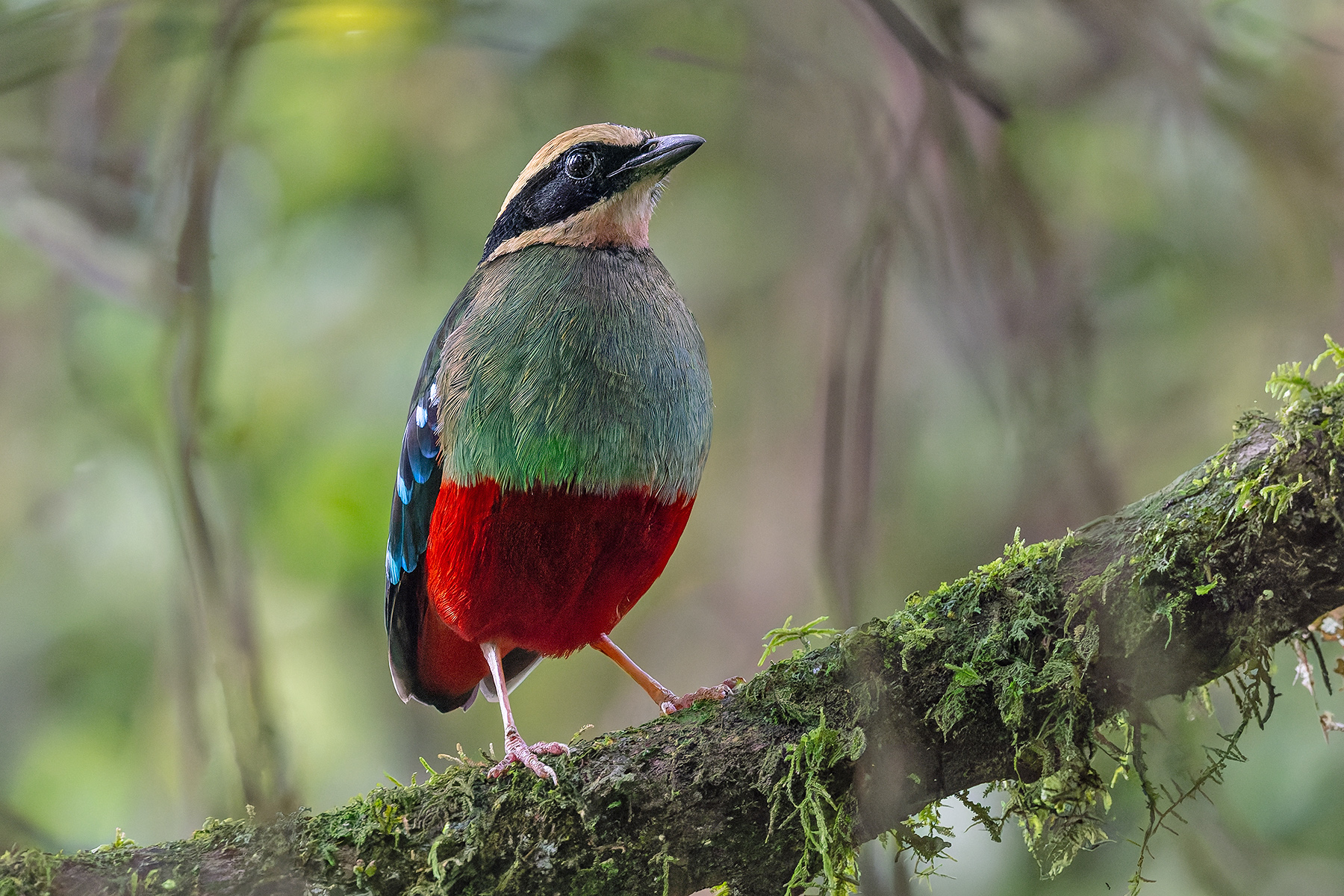
Green-breasted Pitta (image by Pete Morris)
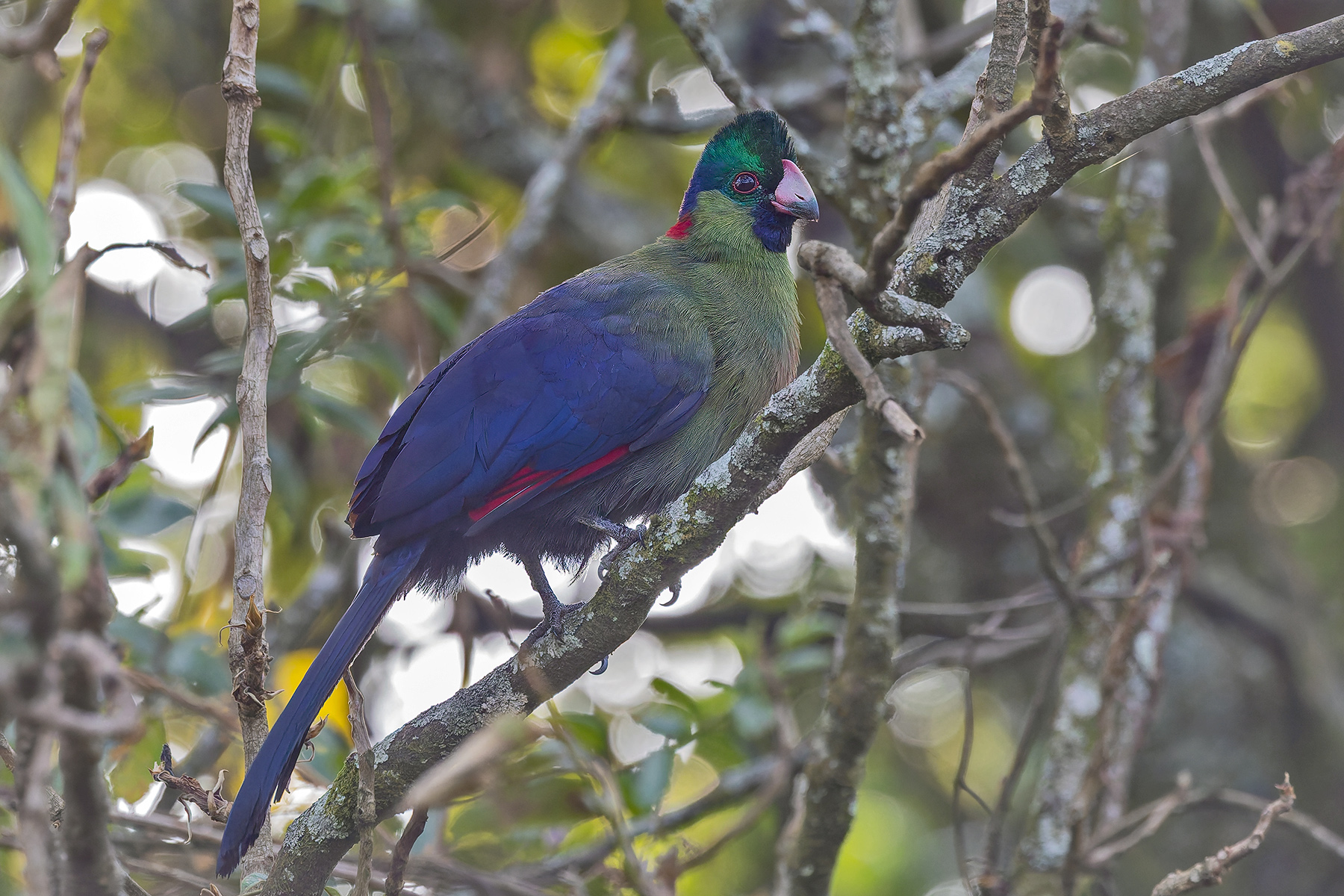
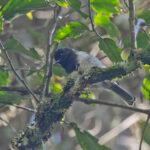
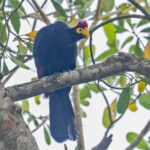
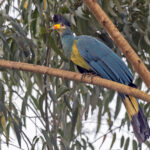
Rwenzori Turaco (image by Pete Morris)
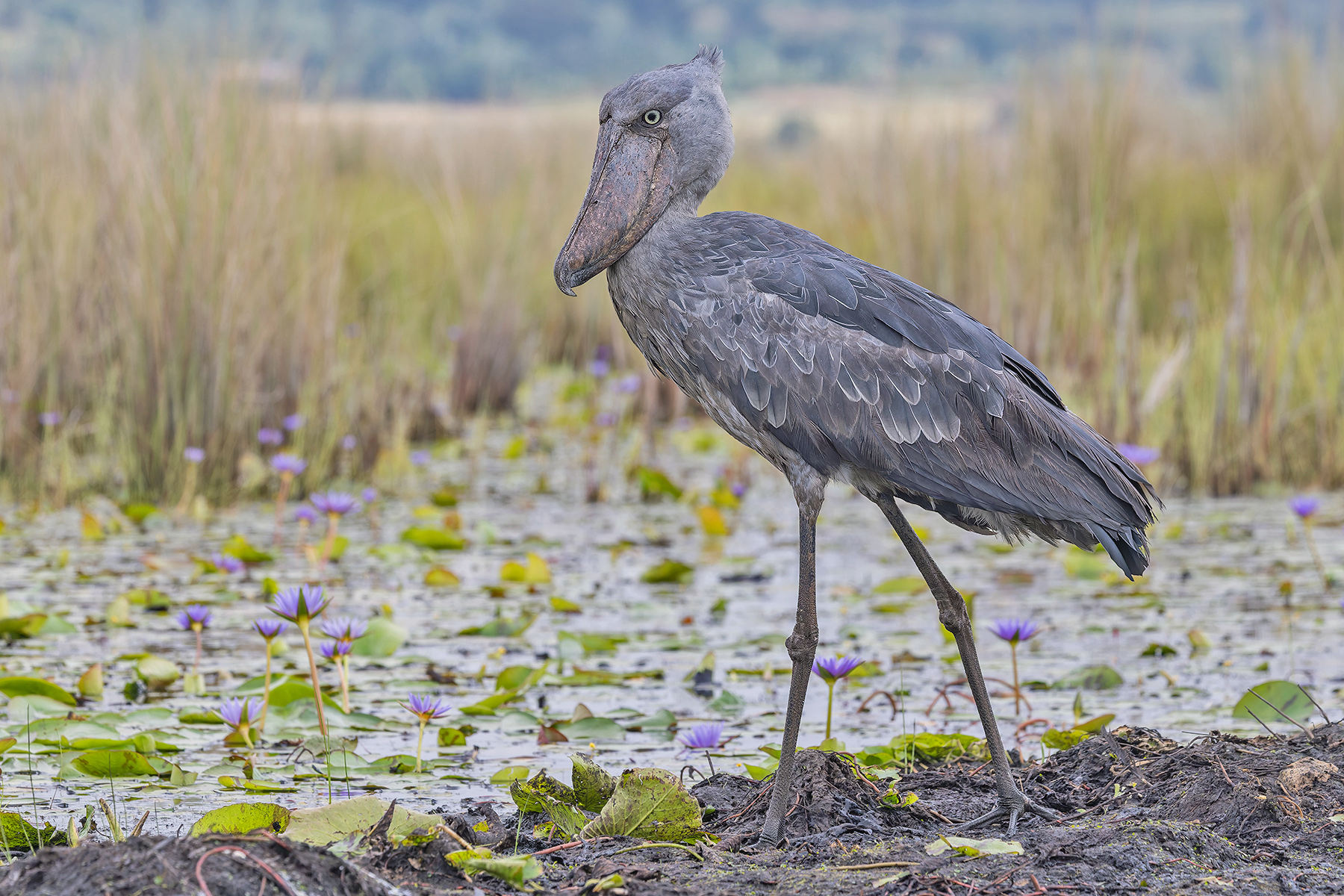
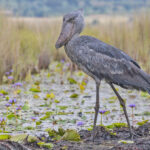
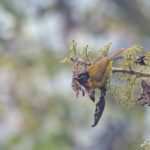
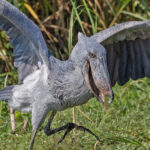
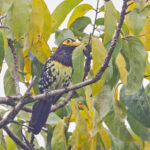
Shoebill (image by Pete Morris)
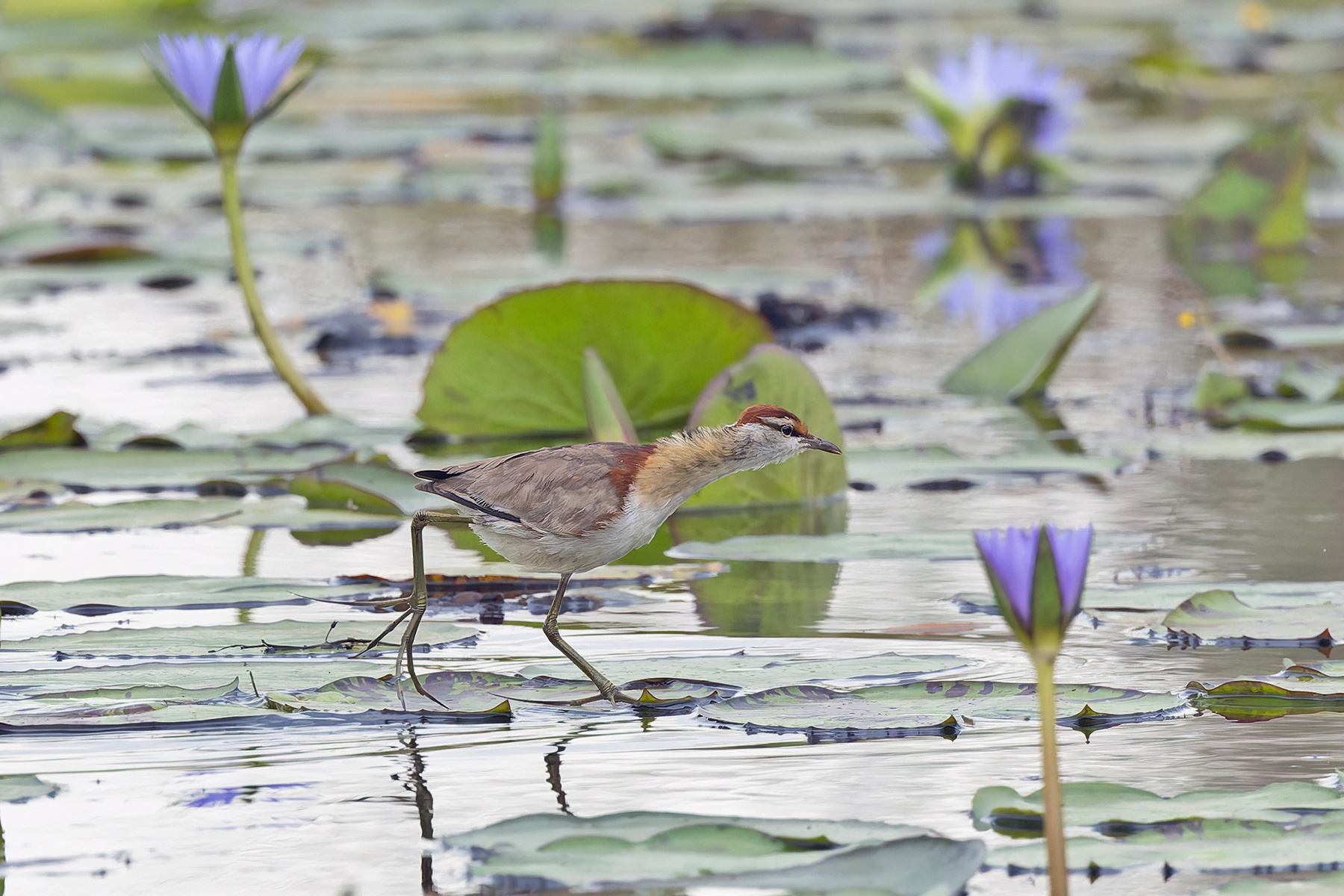
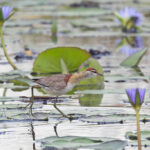
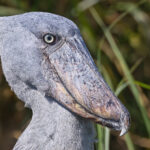
Lesser Jacana (image by Pete Morris)
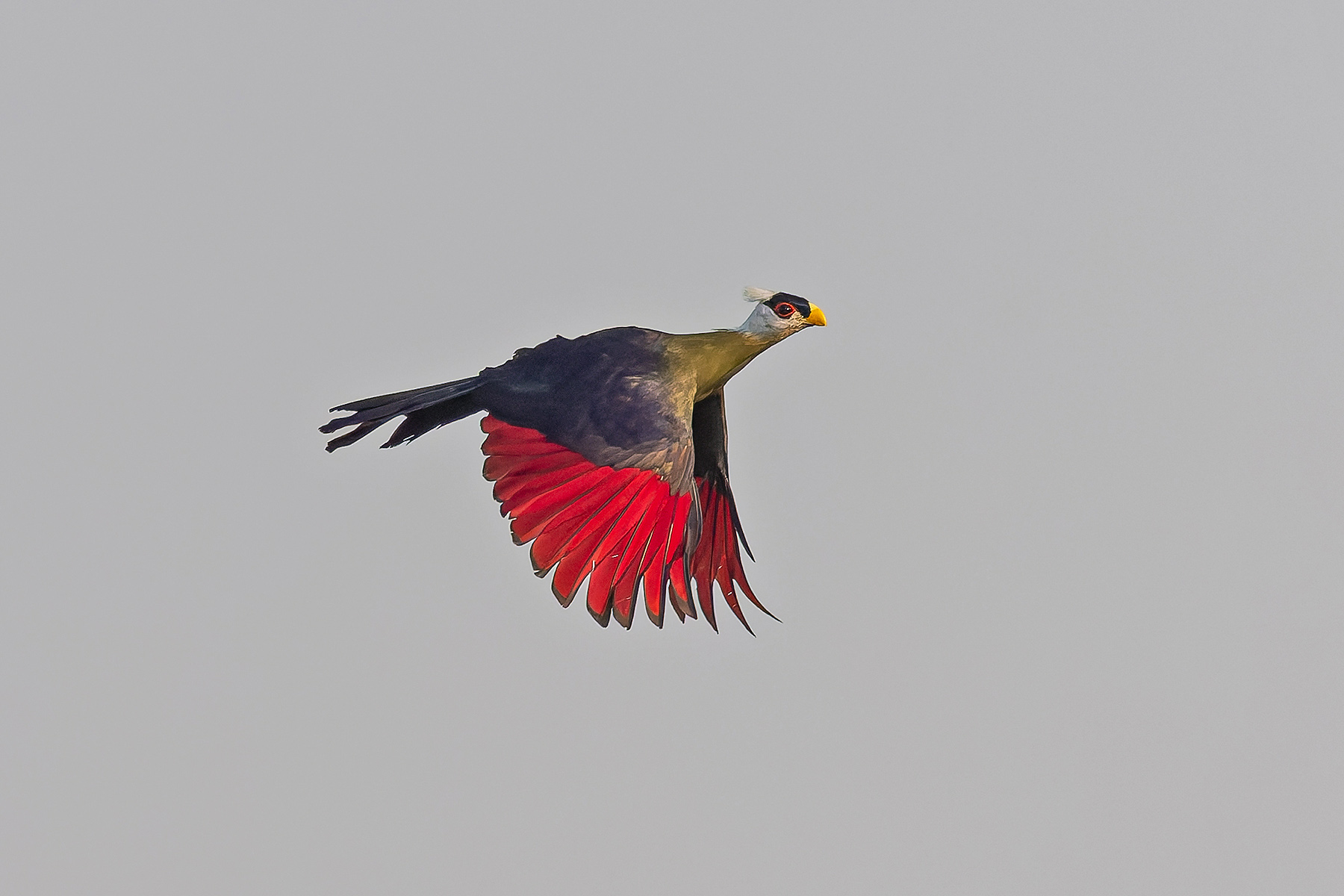
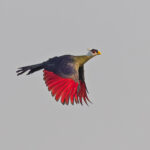
White-crested Turaco (image by Pete Morris)
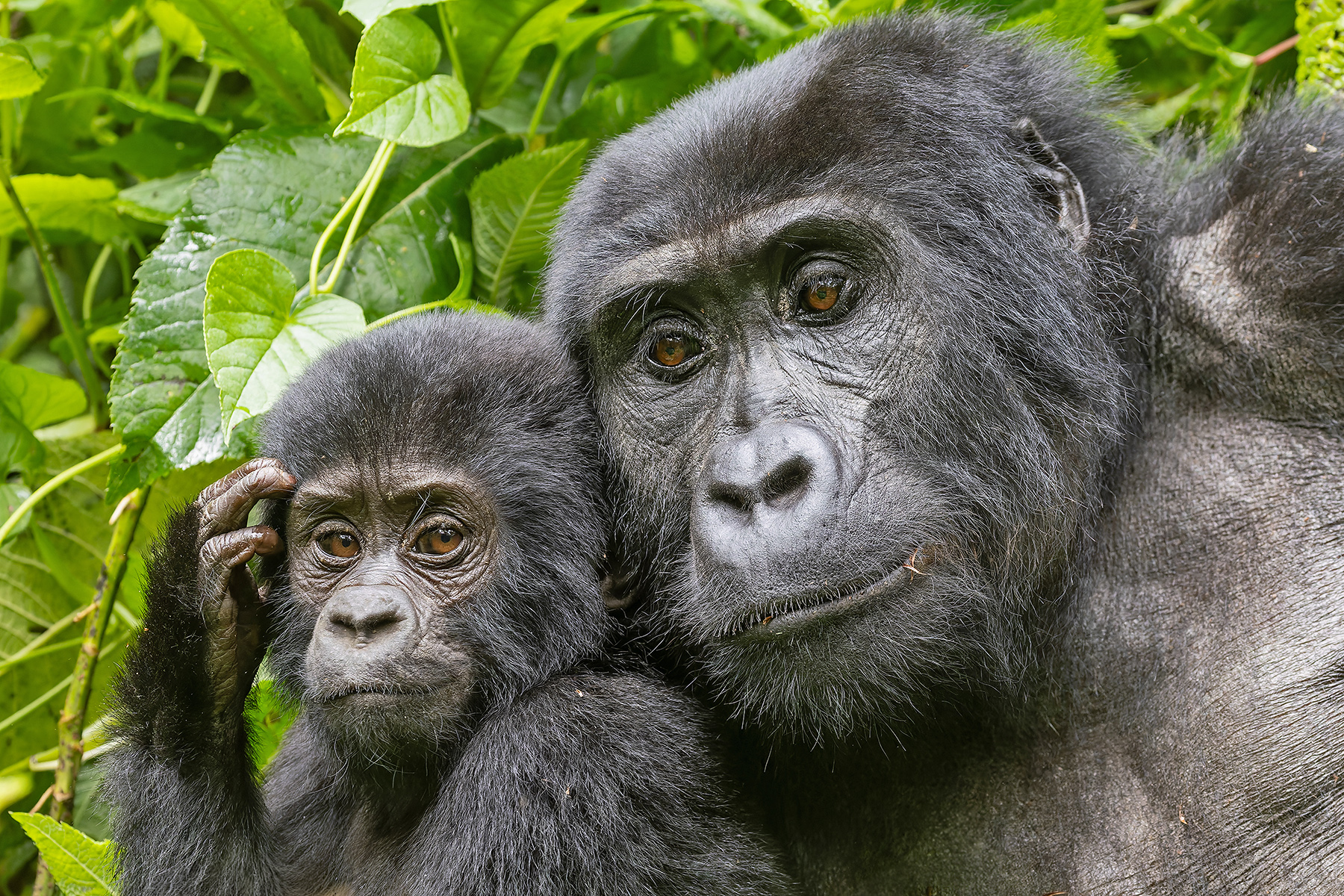
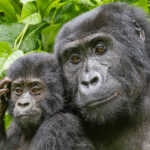
Mountain Gorillas (image by Pete Morris)
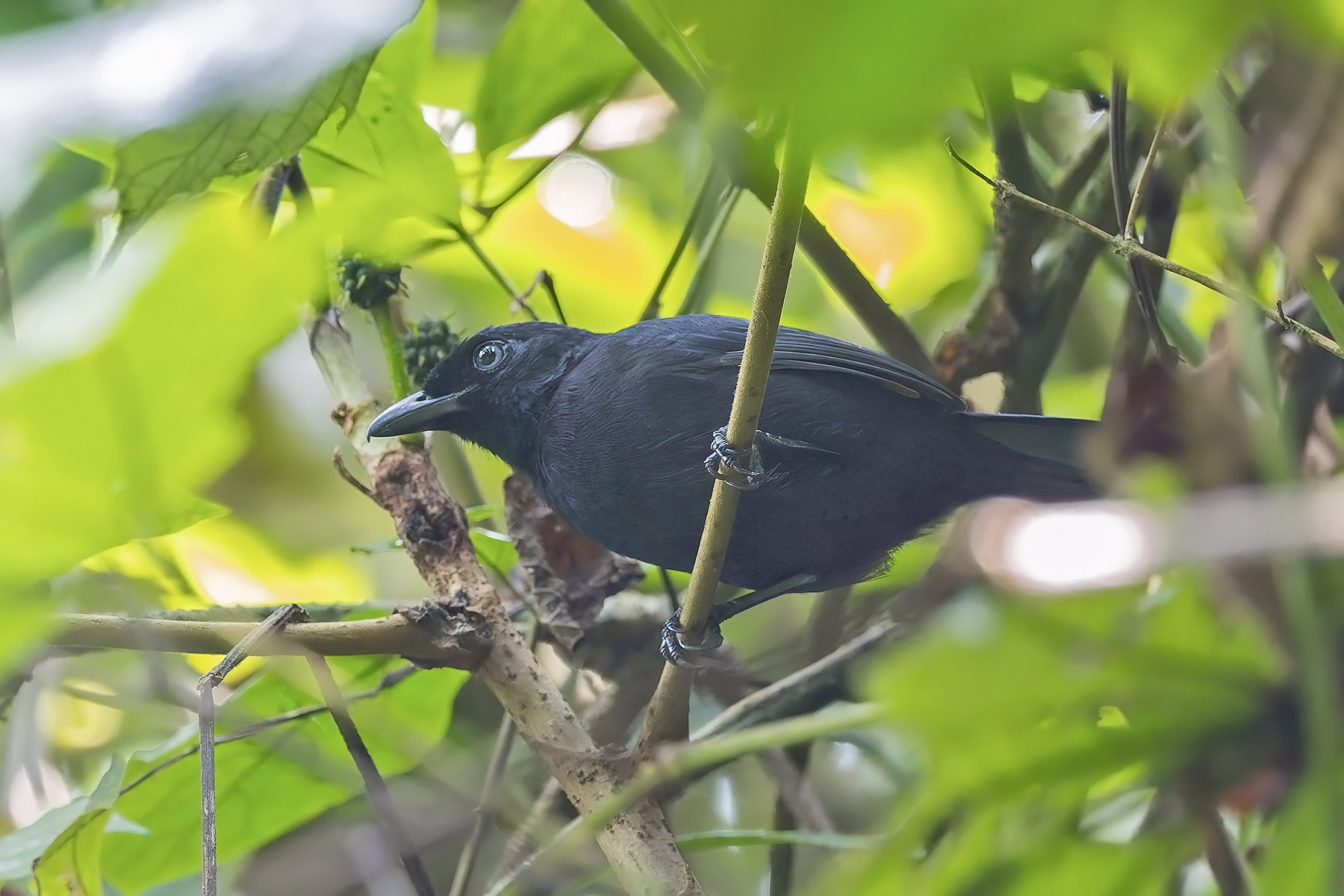
Willard's Sooty Boubou (image by Pete Morris)
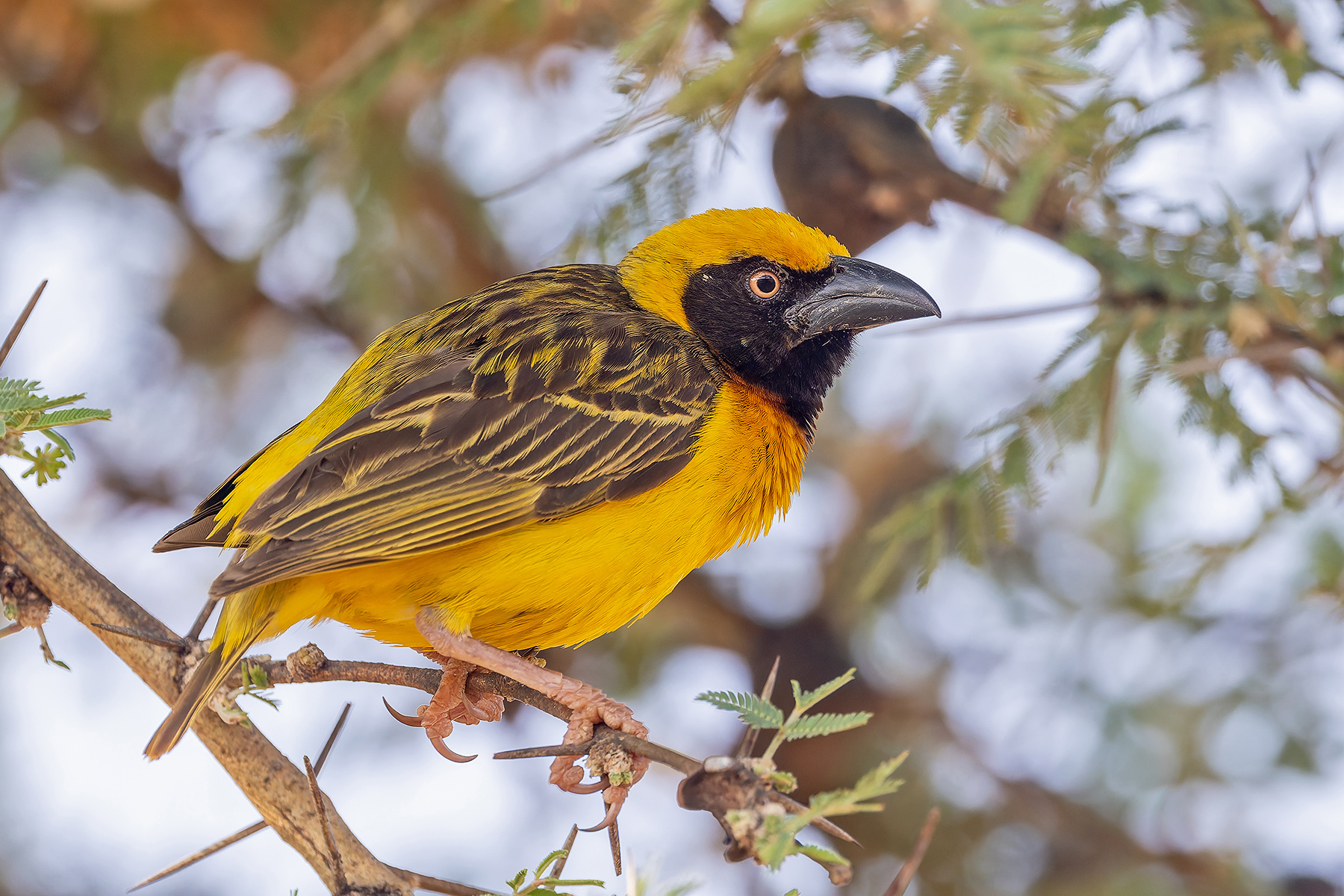
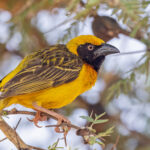
Fox's Weaver (image by Pete Morris)
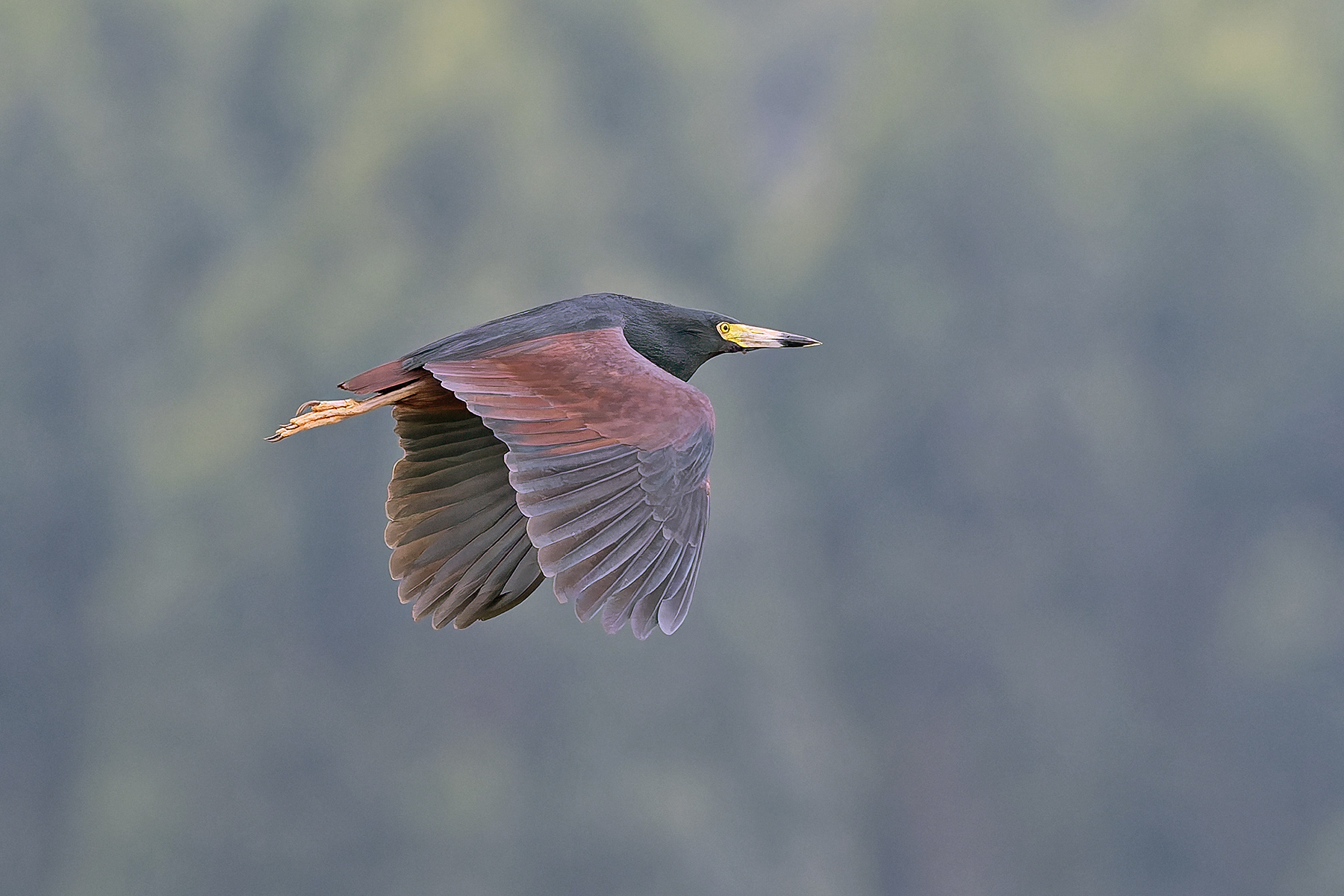
Rufous-bellied Heron (image by Pete Morris)
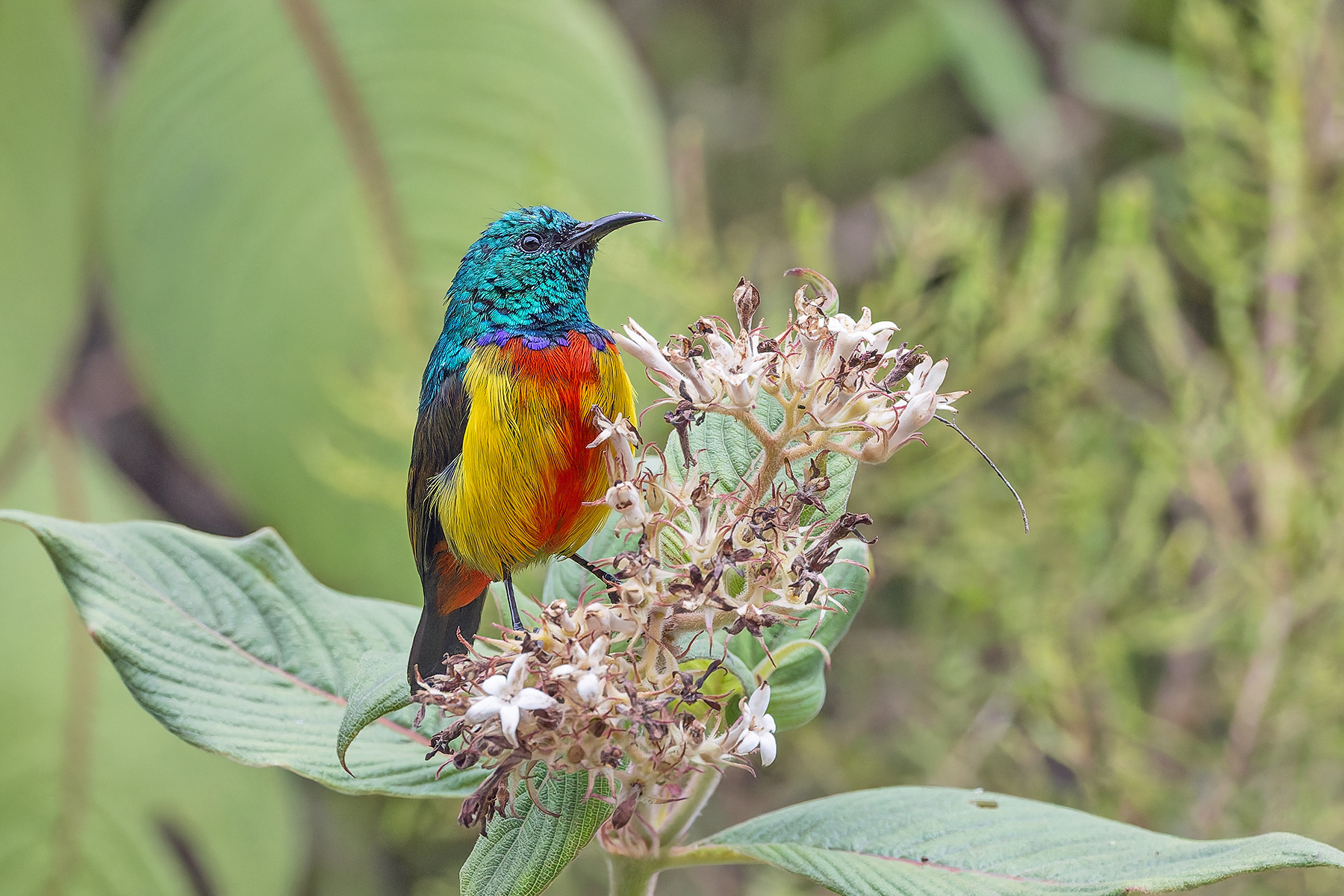
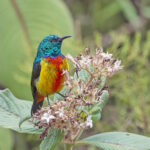
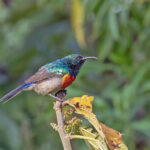
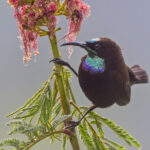
Regal Sunbird (image by Pete Morris)
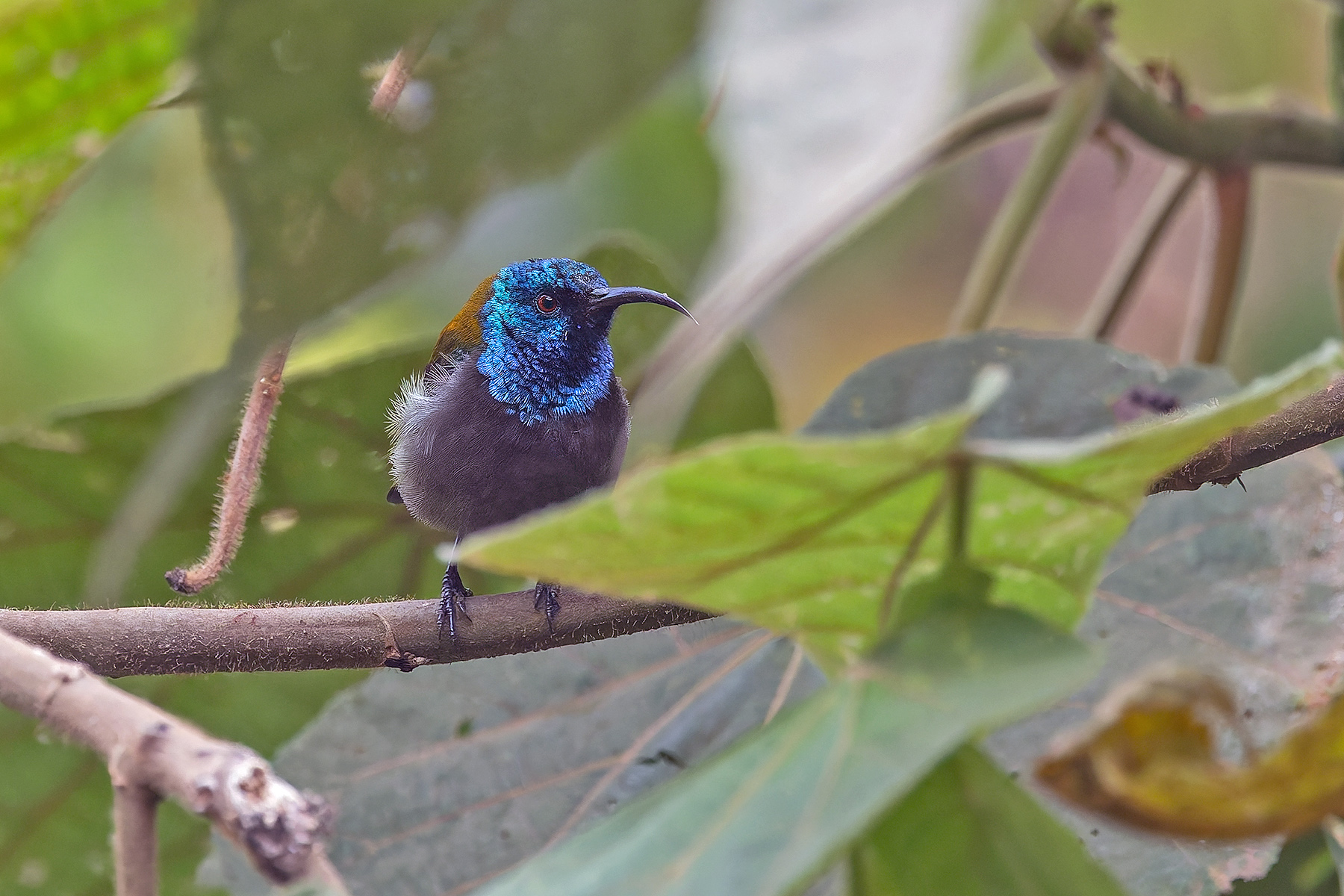
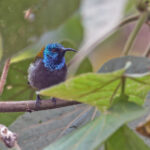
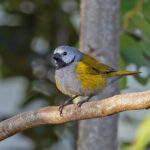
Blue-headed Sunbird (image by Pete Morris)
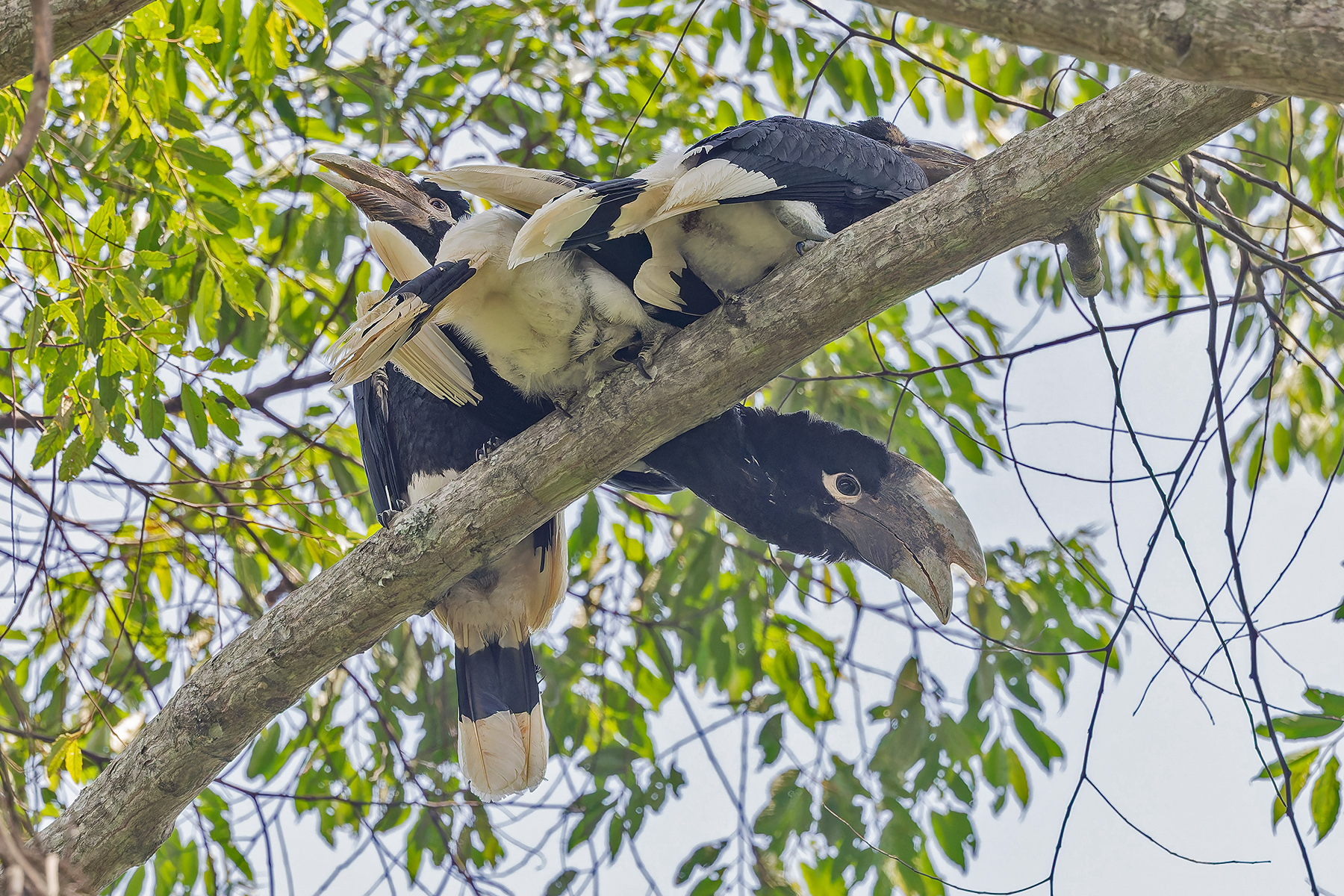
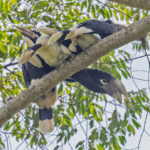
White-thighed Hornbills (image by Pete Morris)
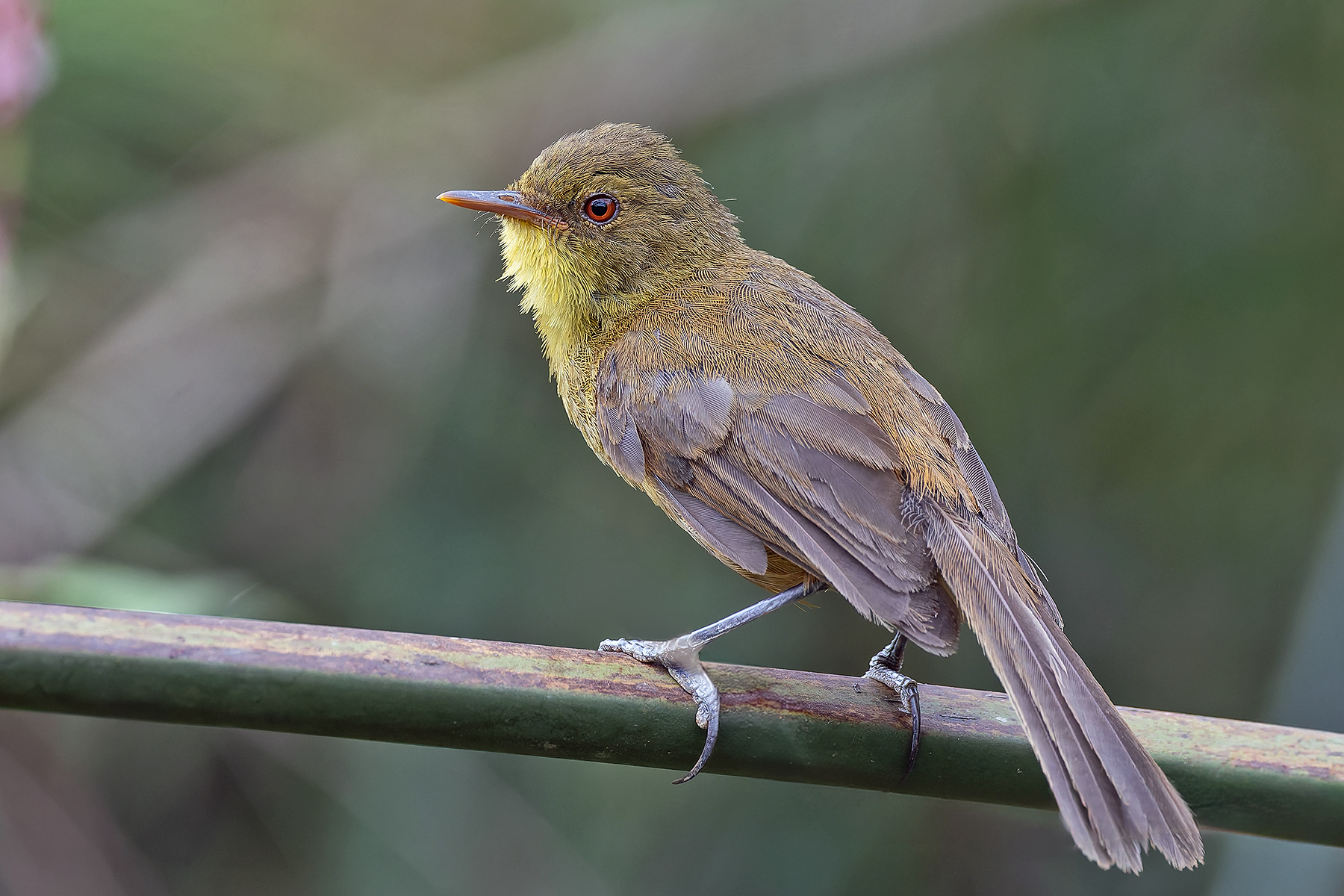
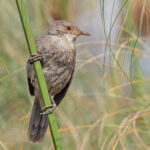
Papyrus Yellow Warbler (image by Pete Morris)
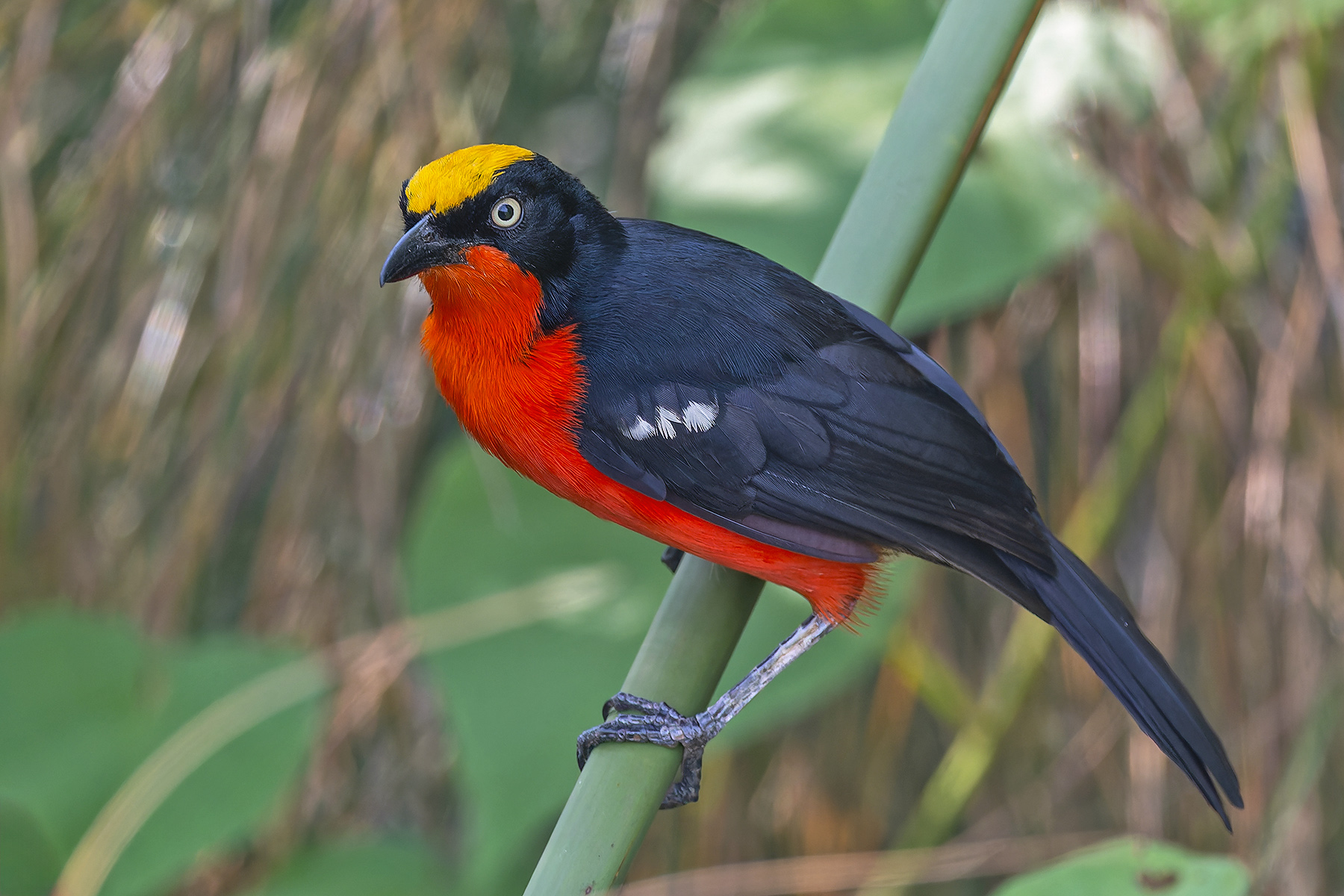
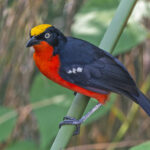
Papyrus Gonolek (image by Pete Morris)
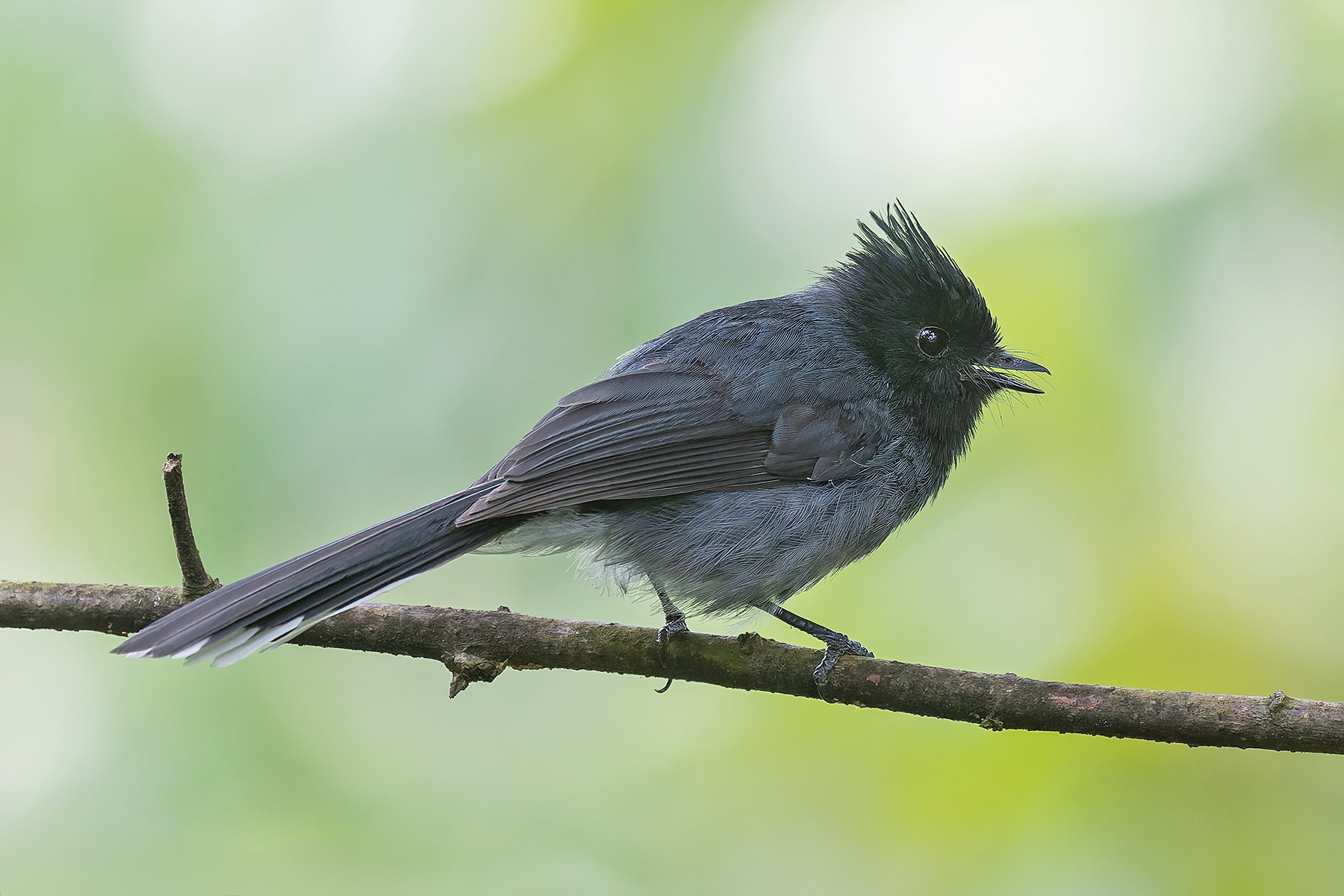
White-tailed Crested Flycatcher (image by Pete Morris)
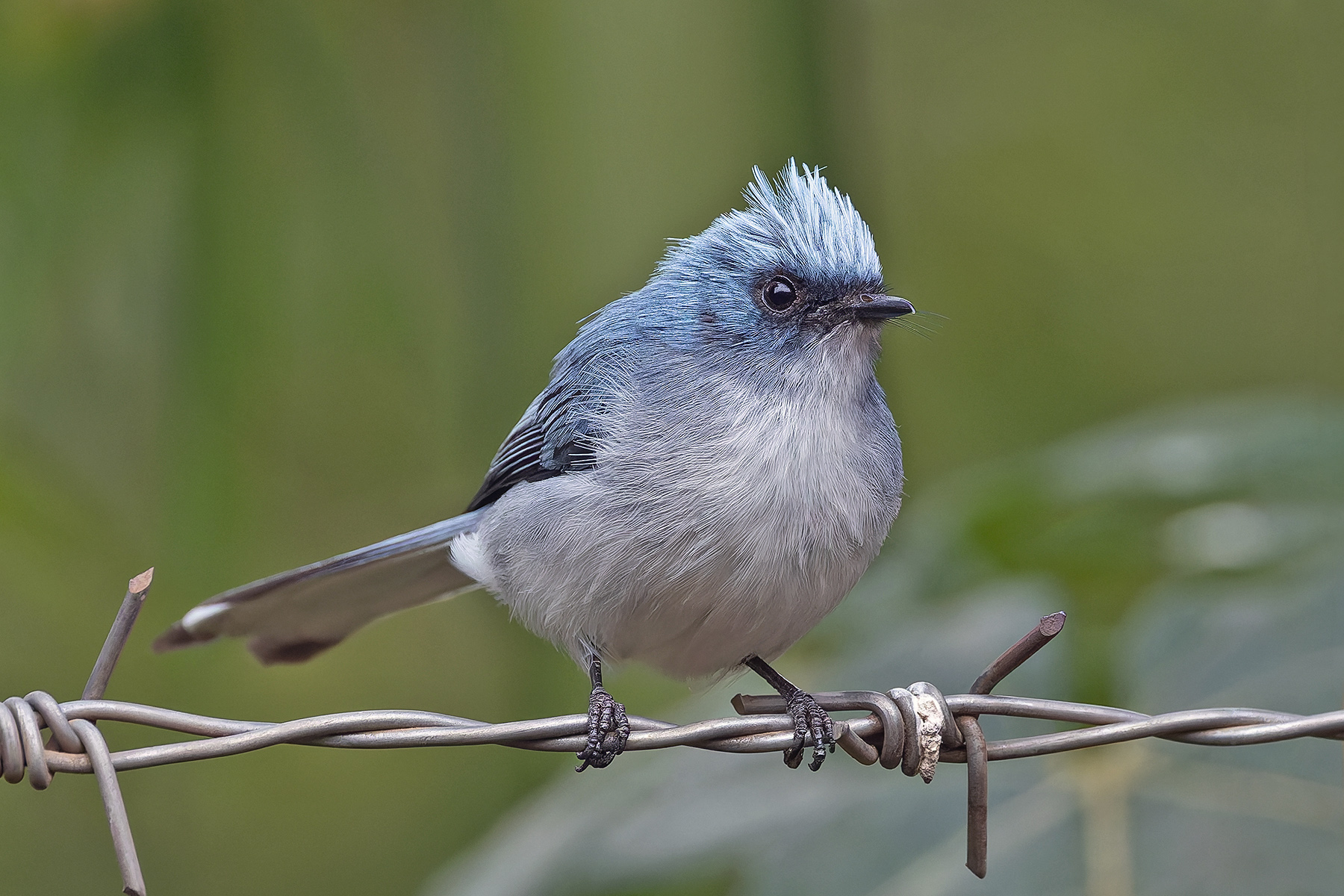
White-tailed Blue Flycatcher (image by Pete Morris)
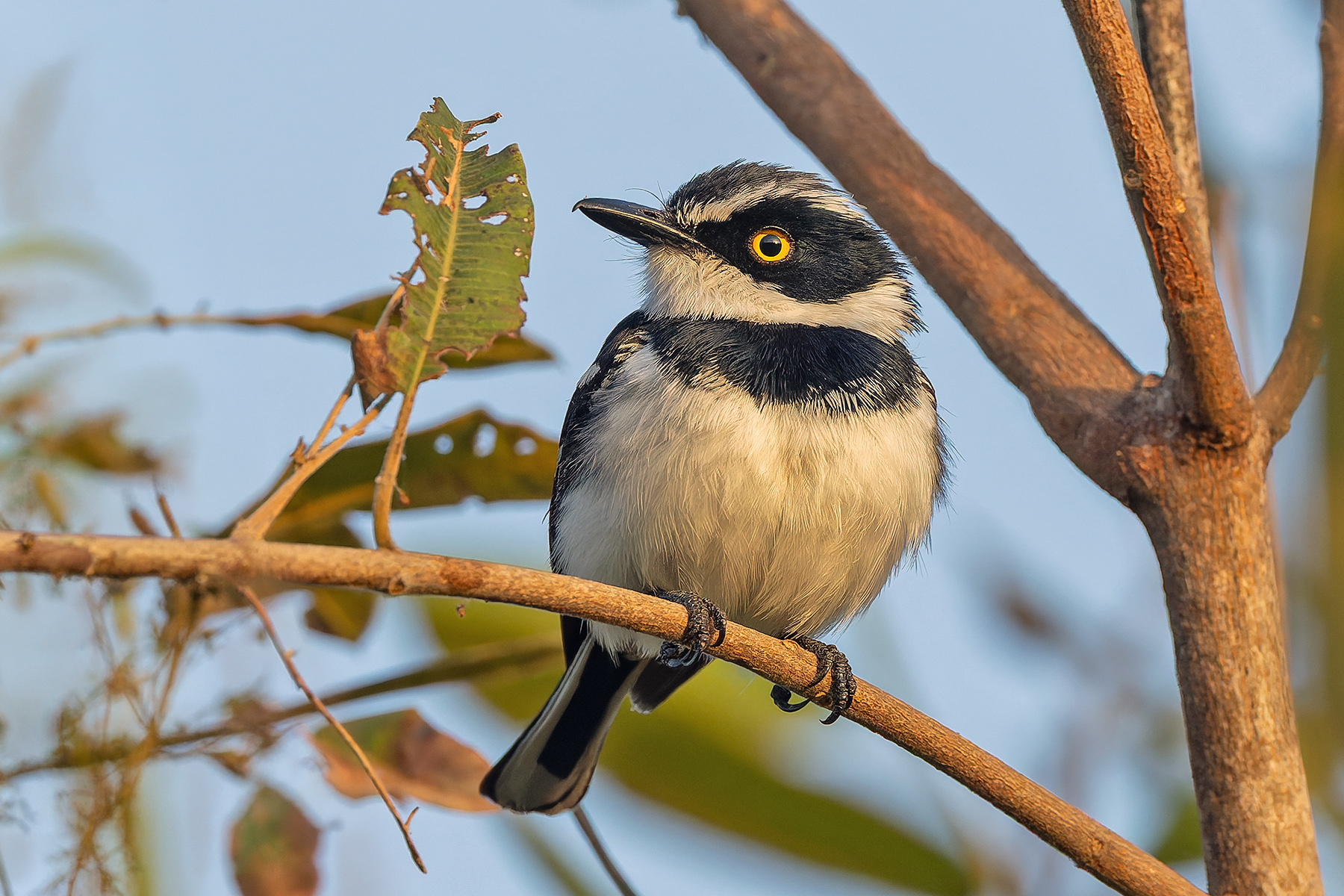
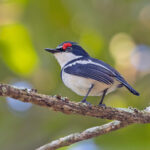
Western Black-headed Batis (image by Pete Morris)
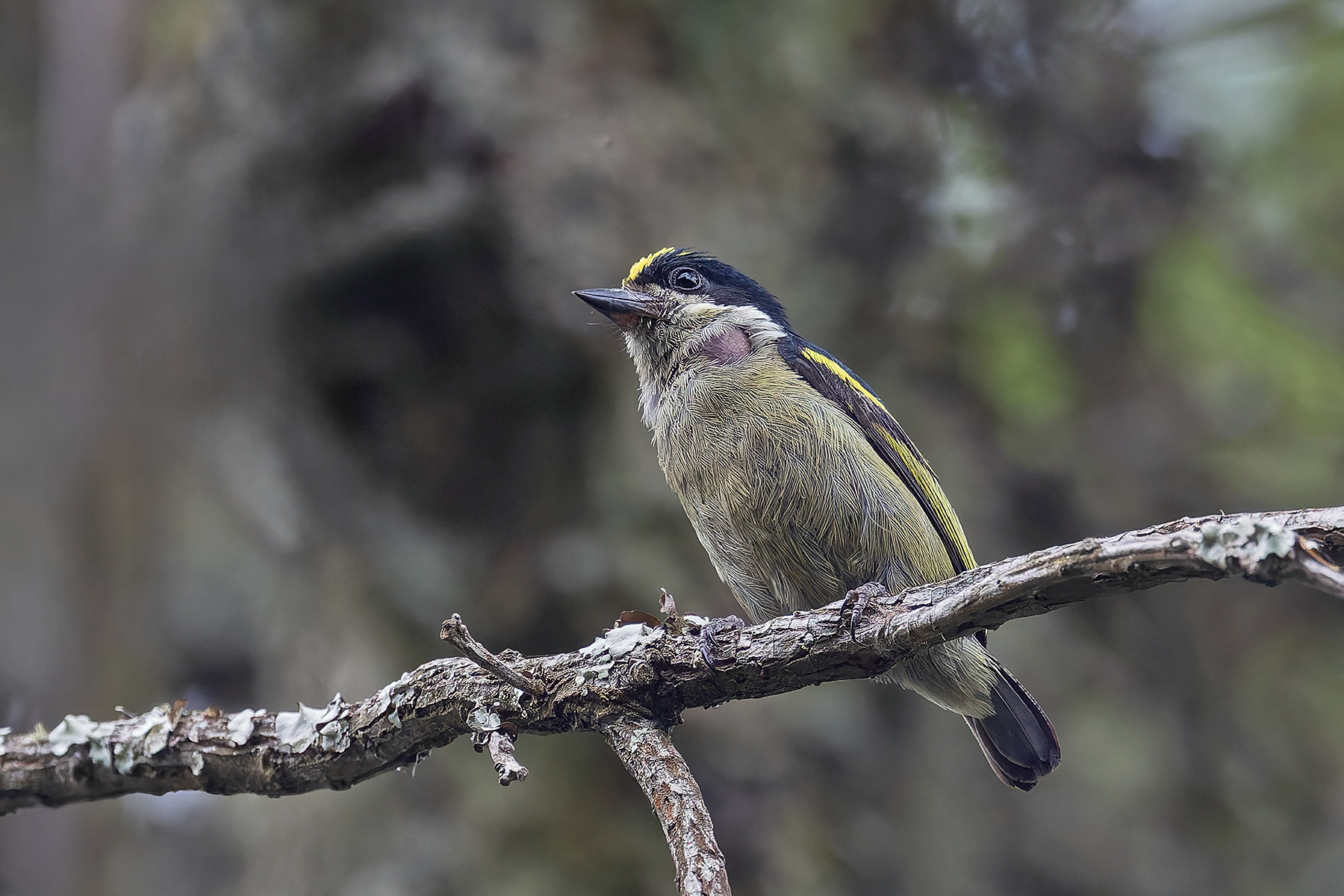
Western Tinkerbird (image by Pete Morris)
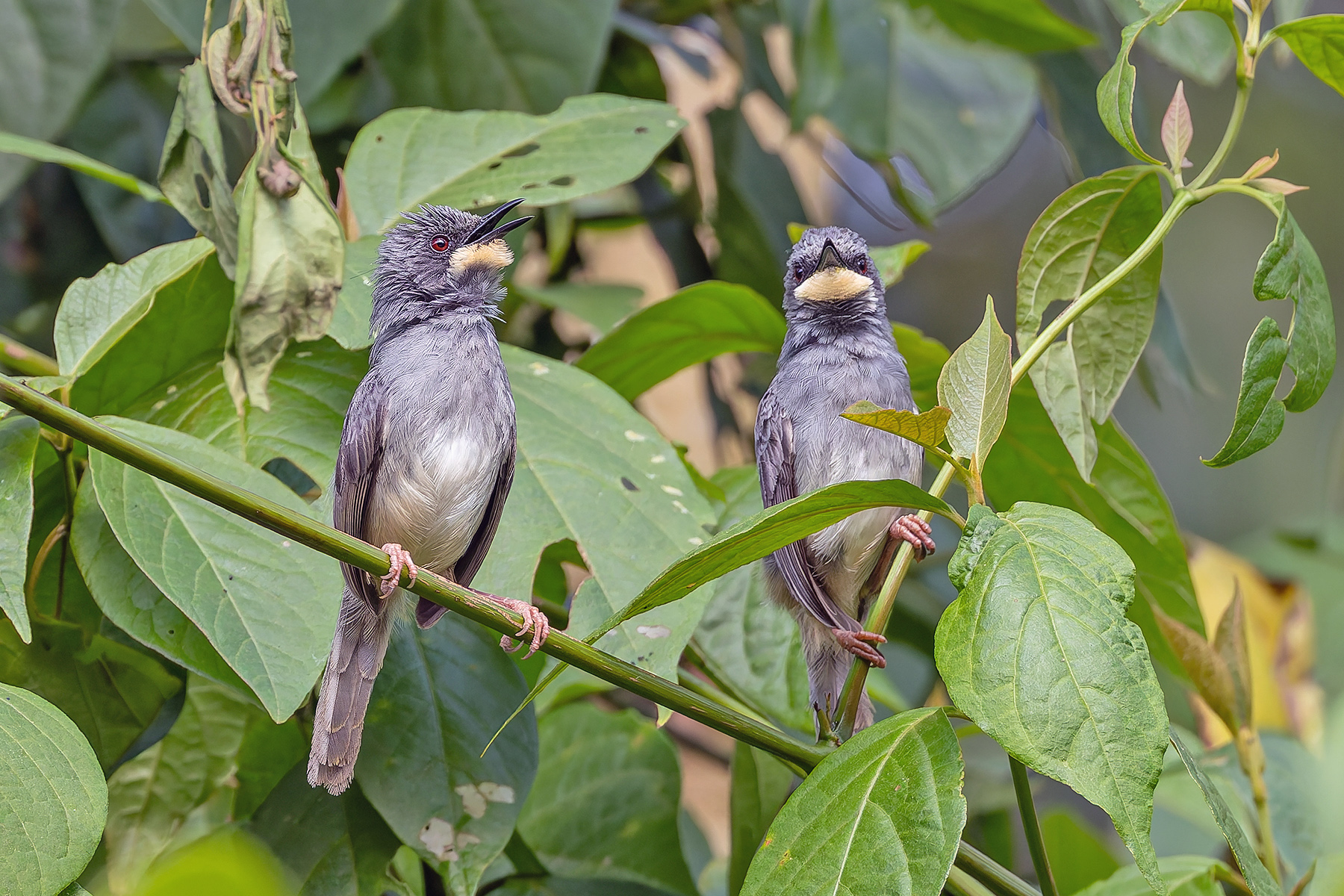
White-chinned Apalis (image by Pete Morris)
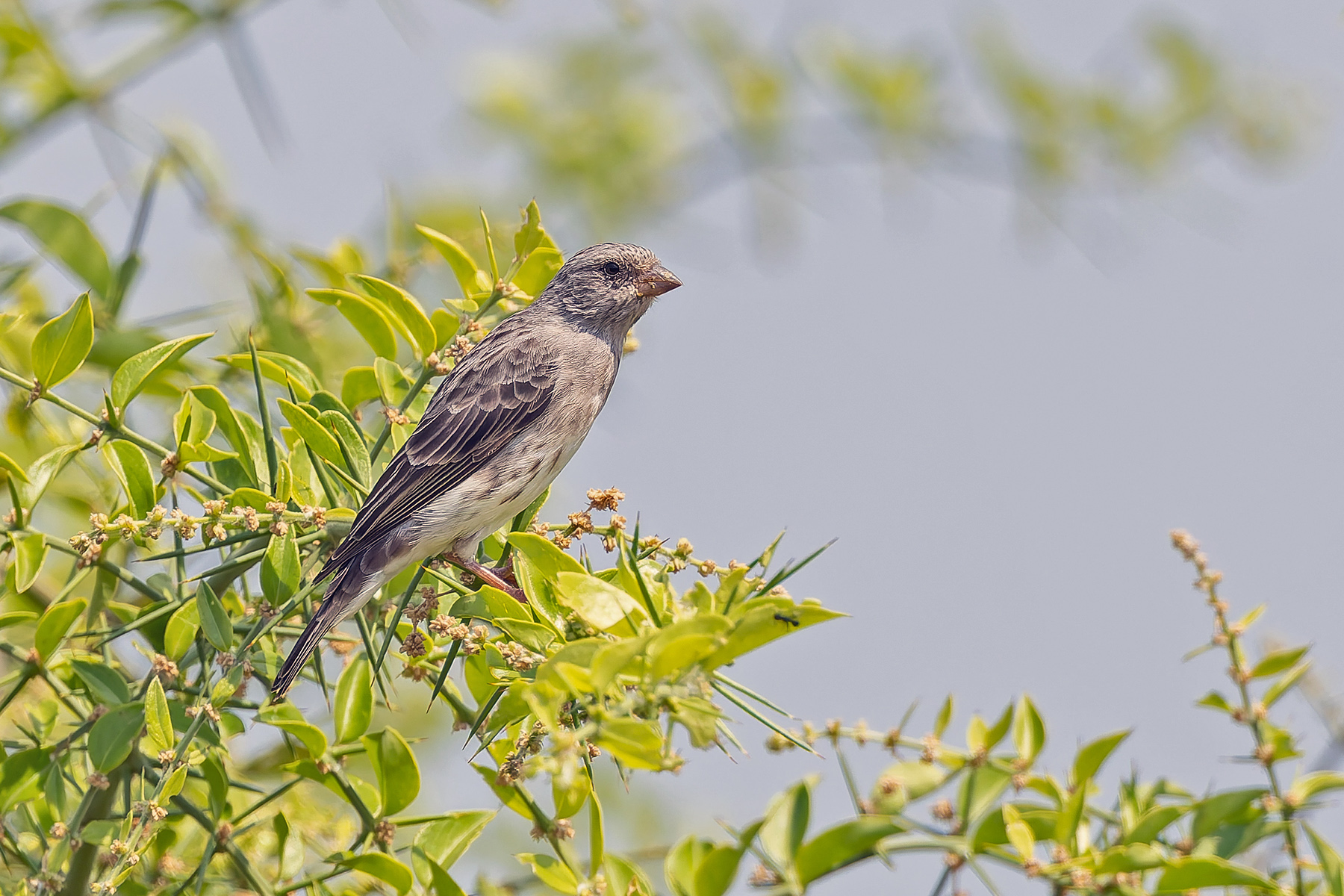
White-rumped Seedeater (image by Pete Morris)
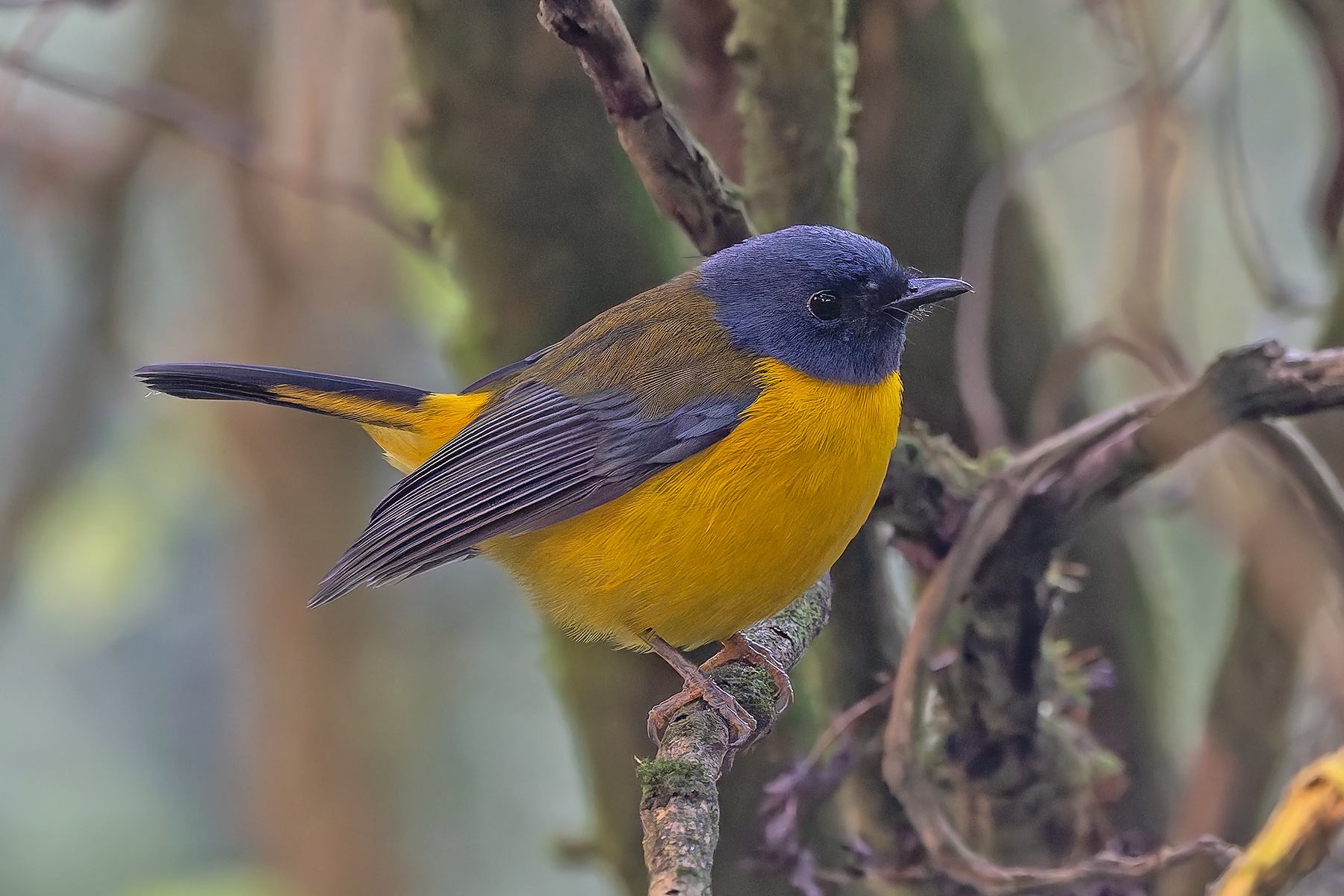
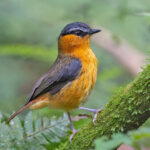
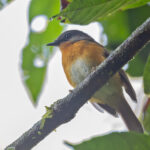
White-starred Robin (image by Pete Morris)
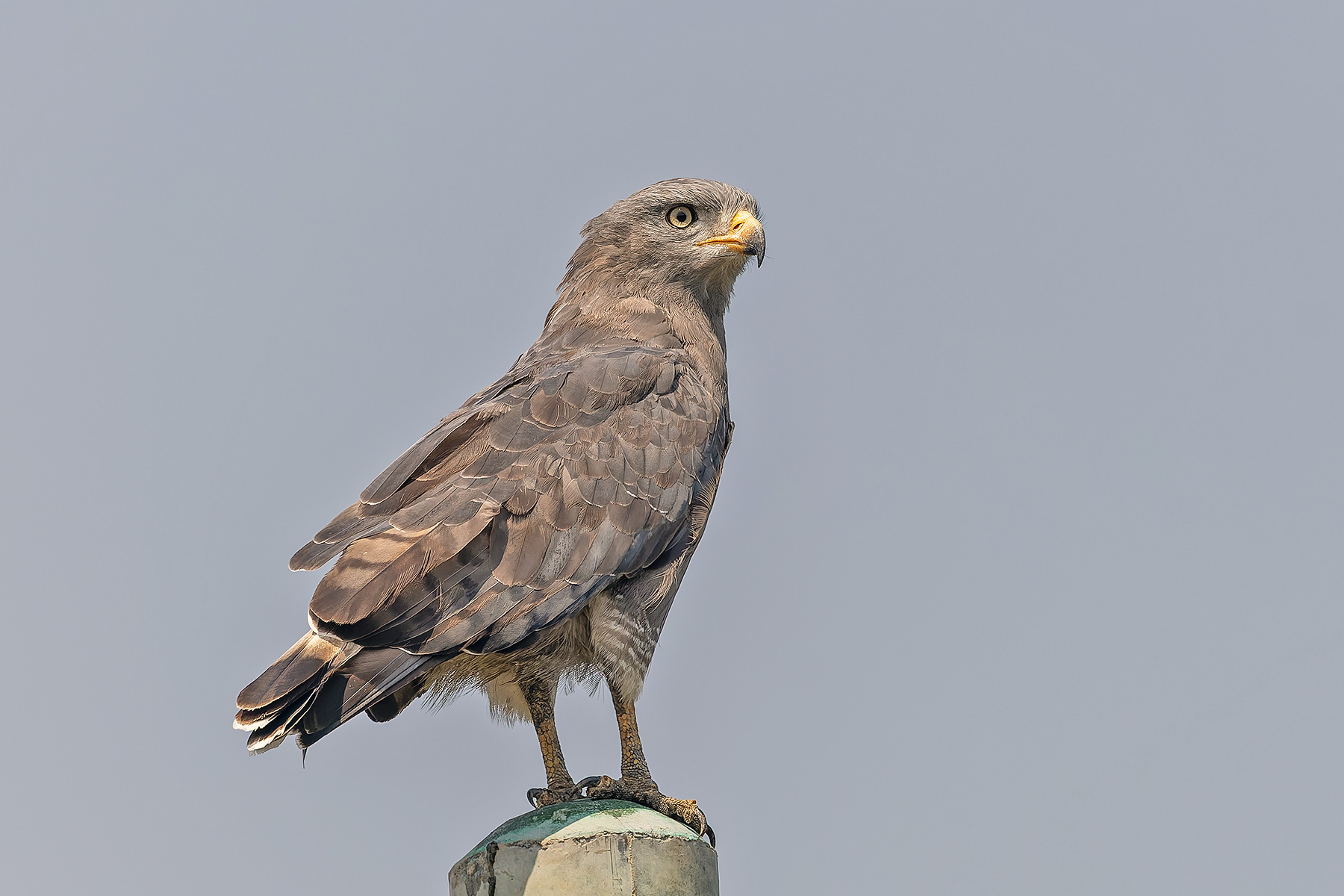
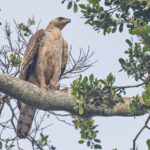
Western Banded Snake Eagle (image by Pete Morris)
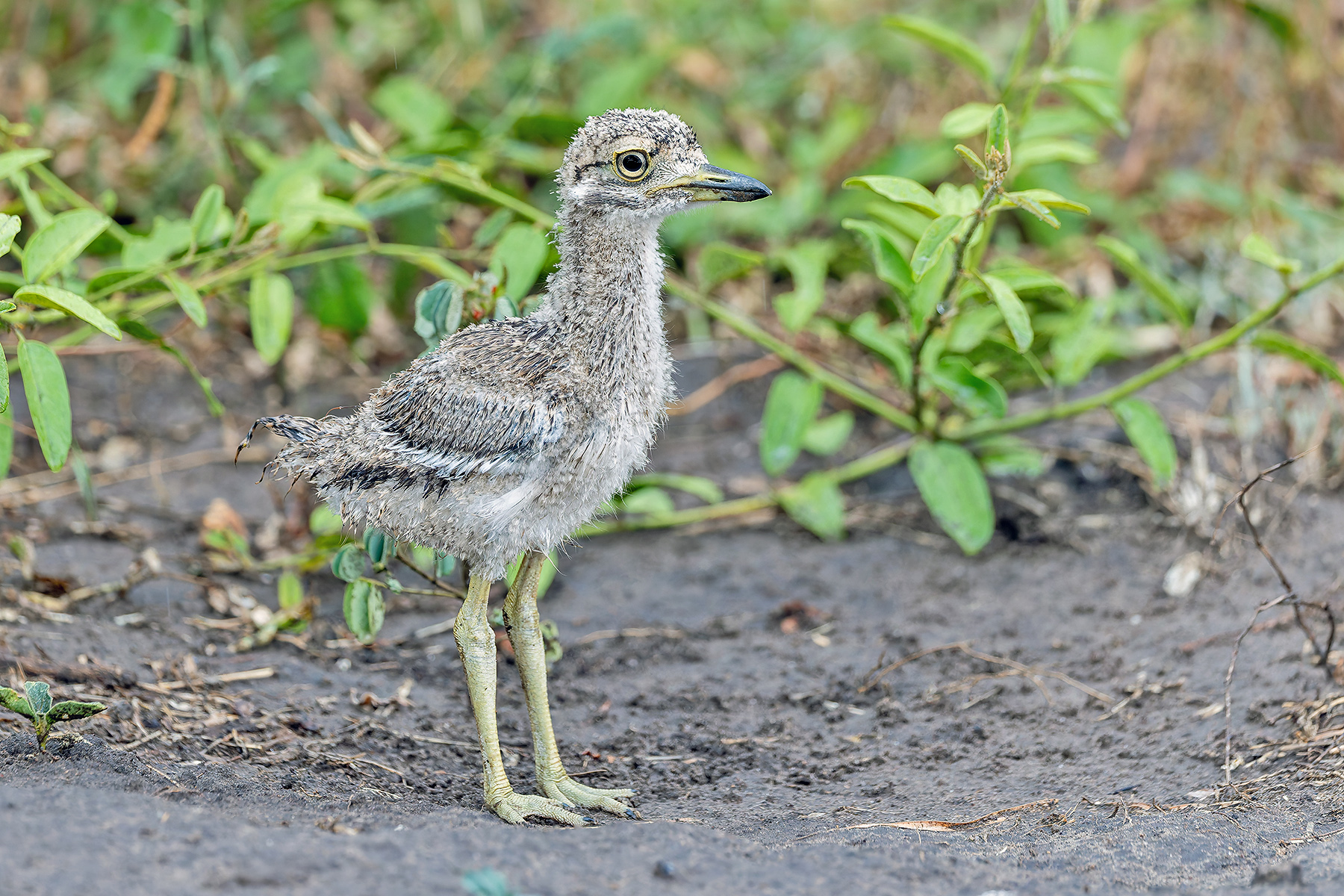
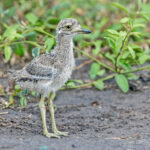
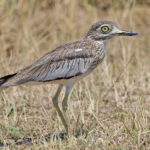
Water Thick-knee (image by Pete Morris)
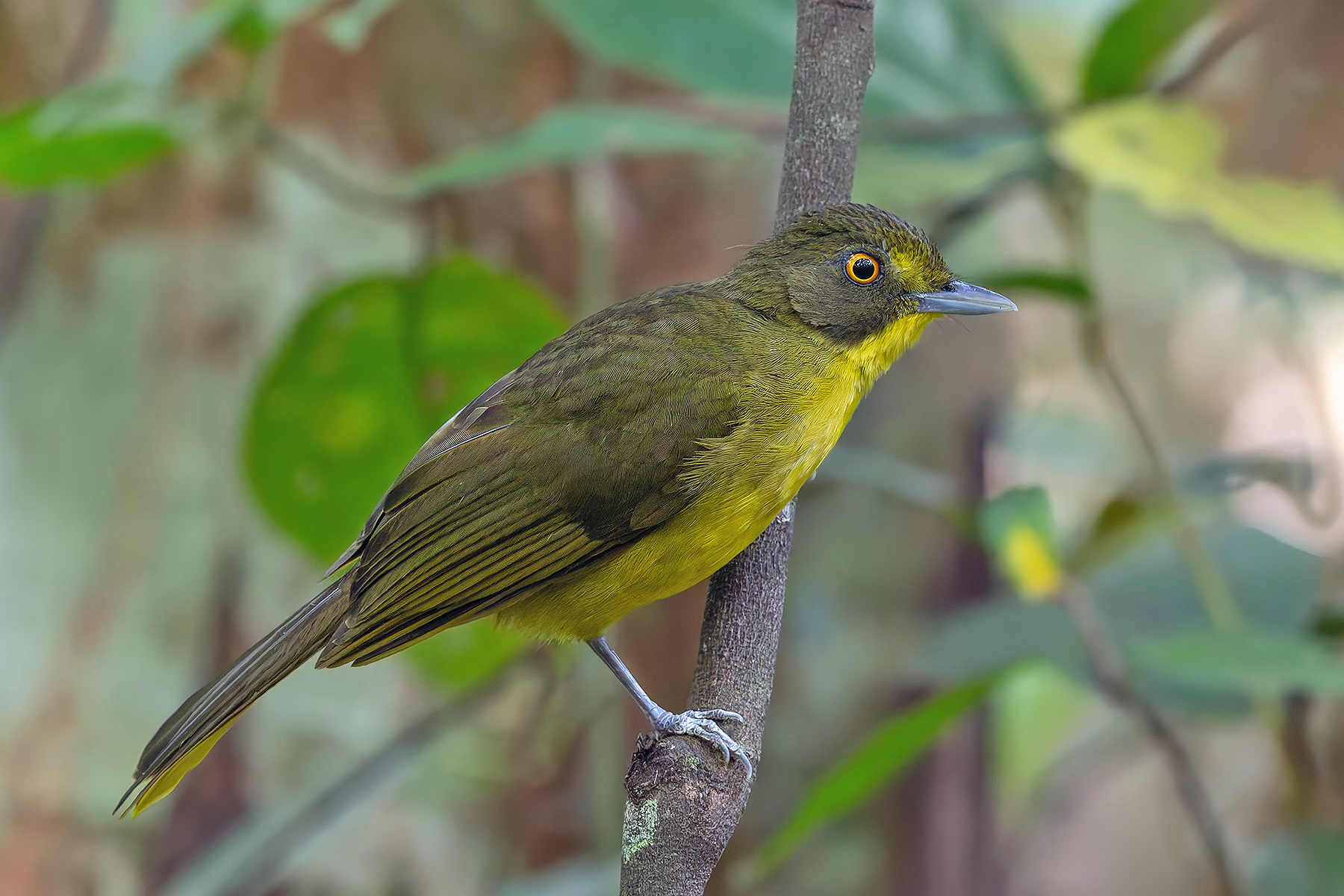
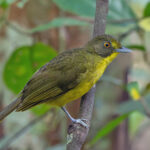
Yellow-eyed Bristlebill (image by Pete Morris)
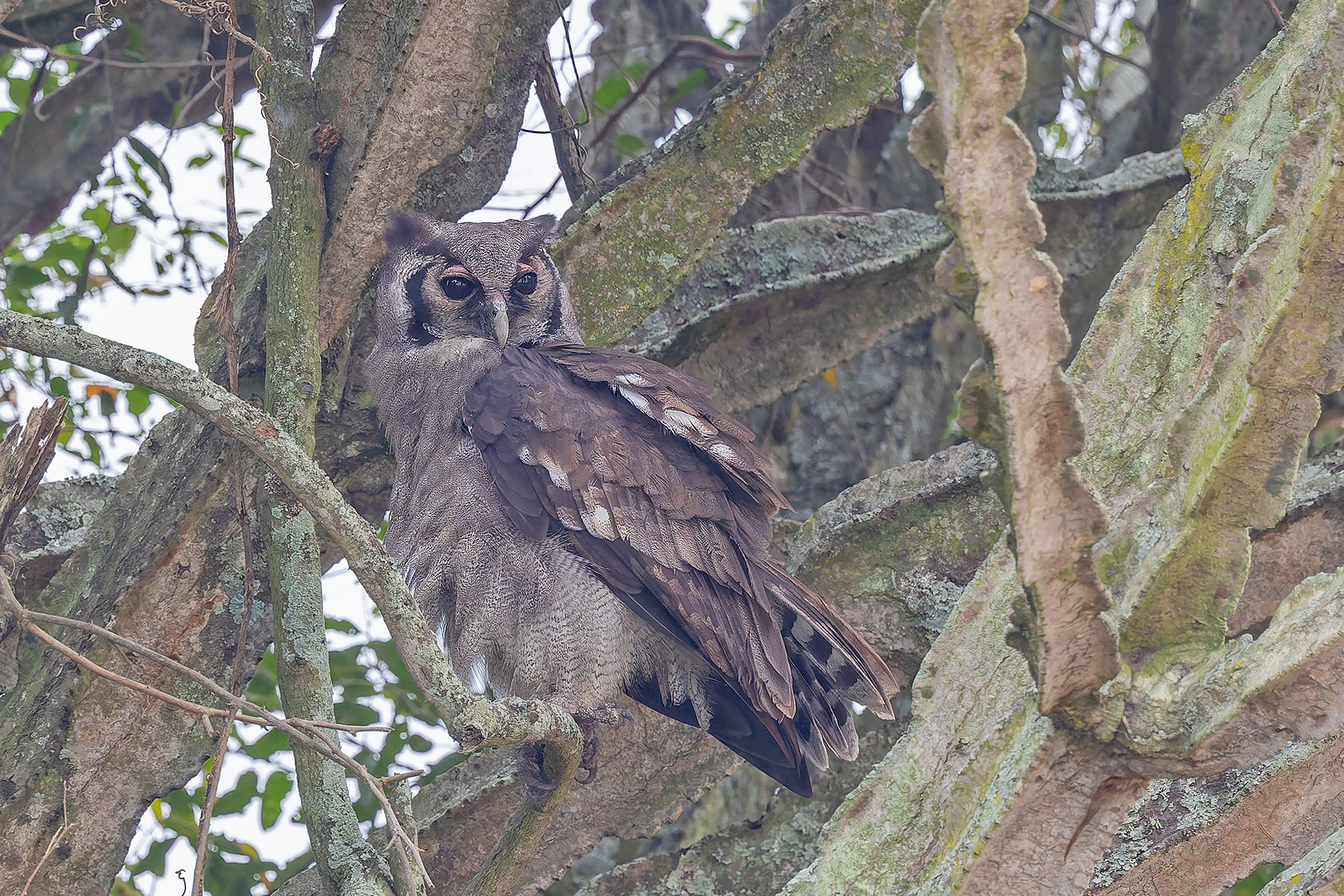
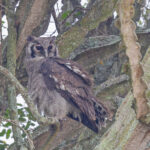
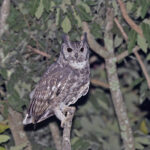
Verreaux's Eagle Owl (image by Pete Morris)
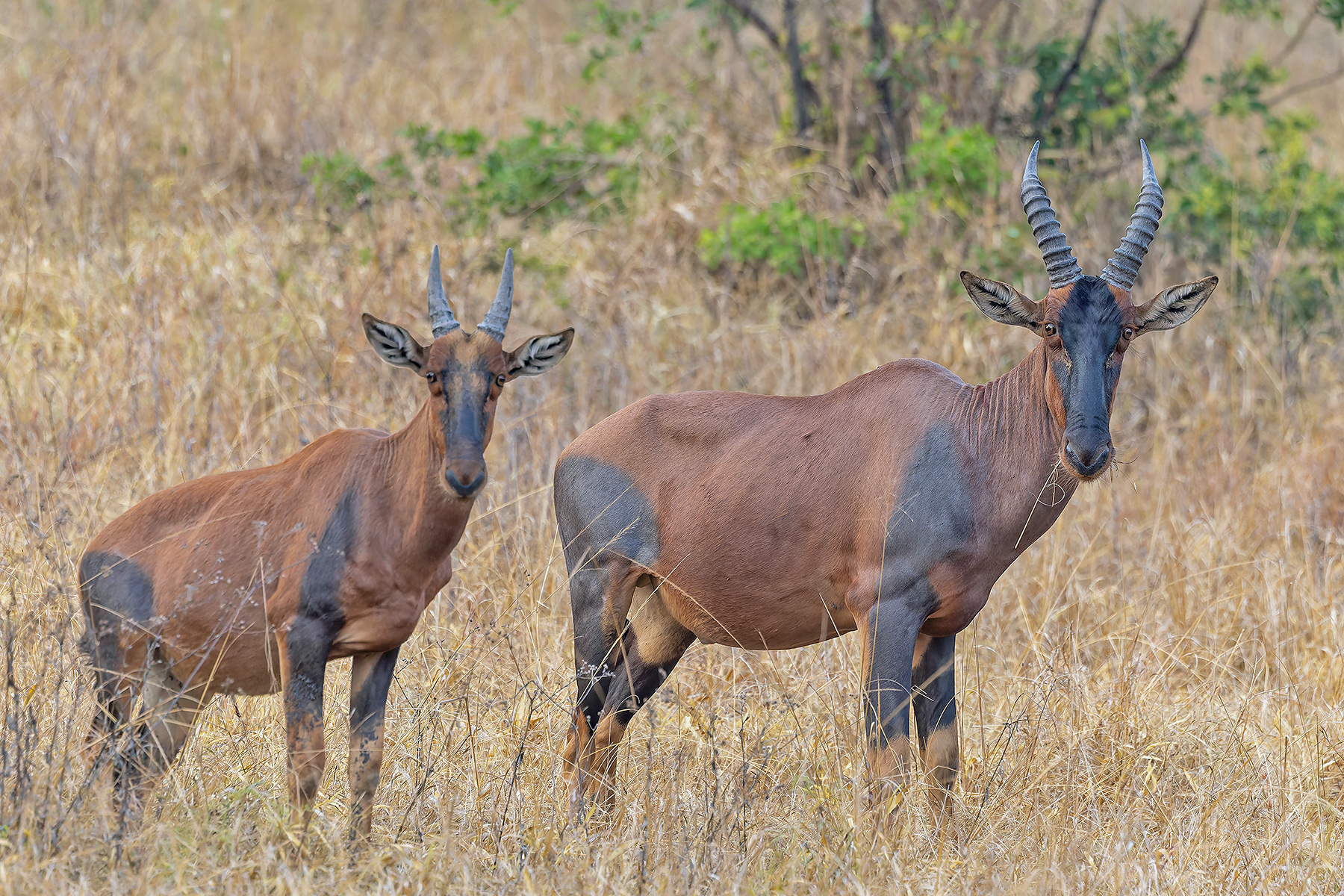
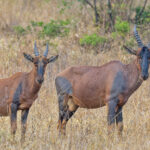
Topi (image by Pete Morris)
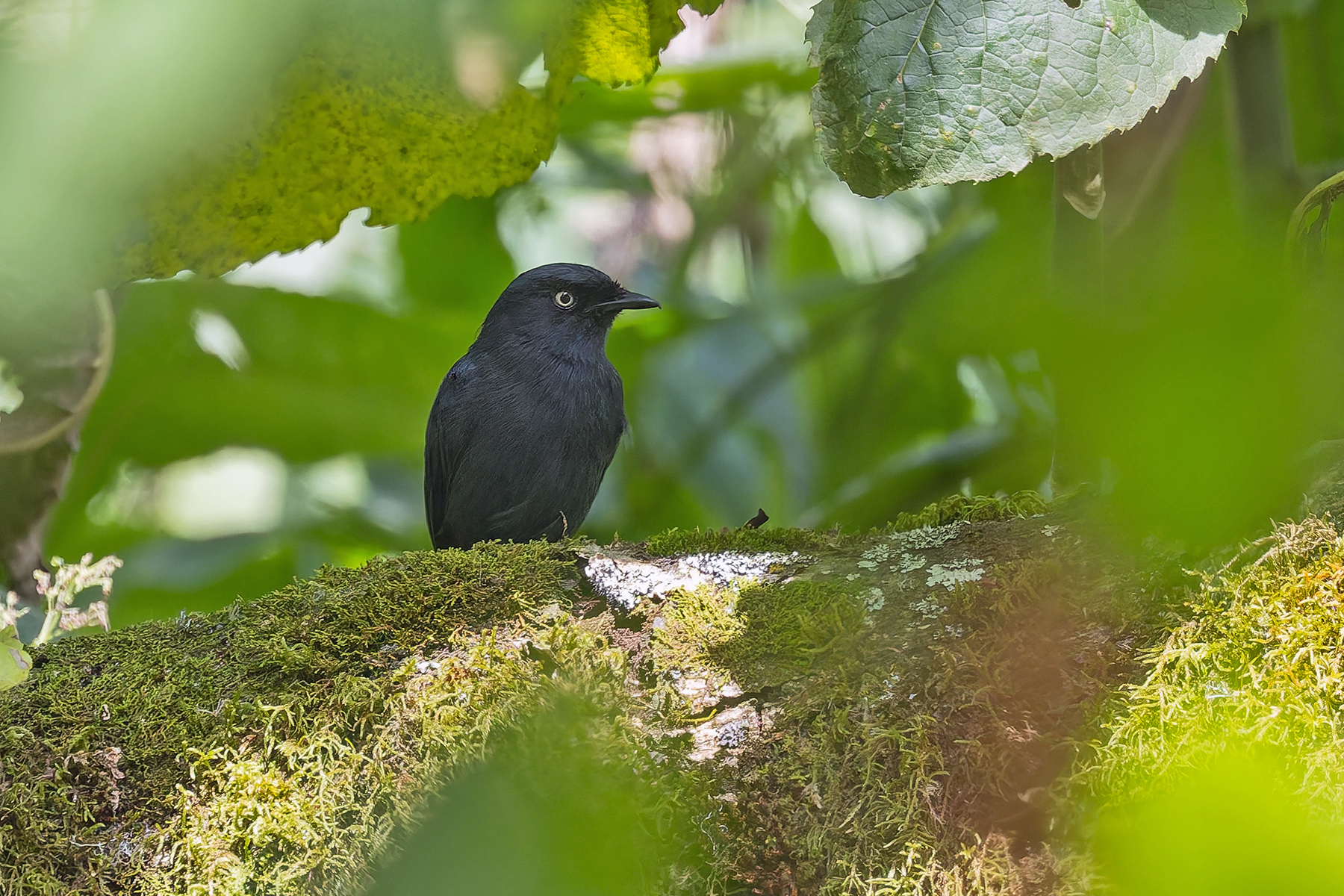
Yellow-eyed Black Flycatcher (image by Pete Morris)
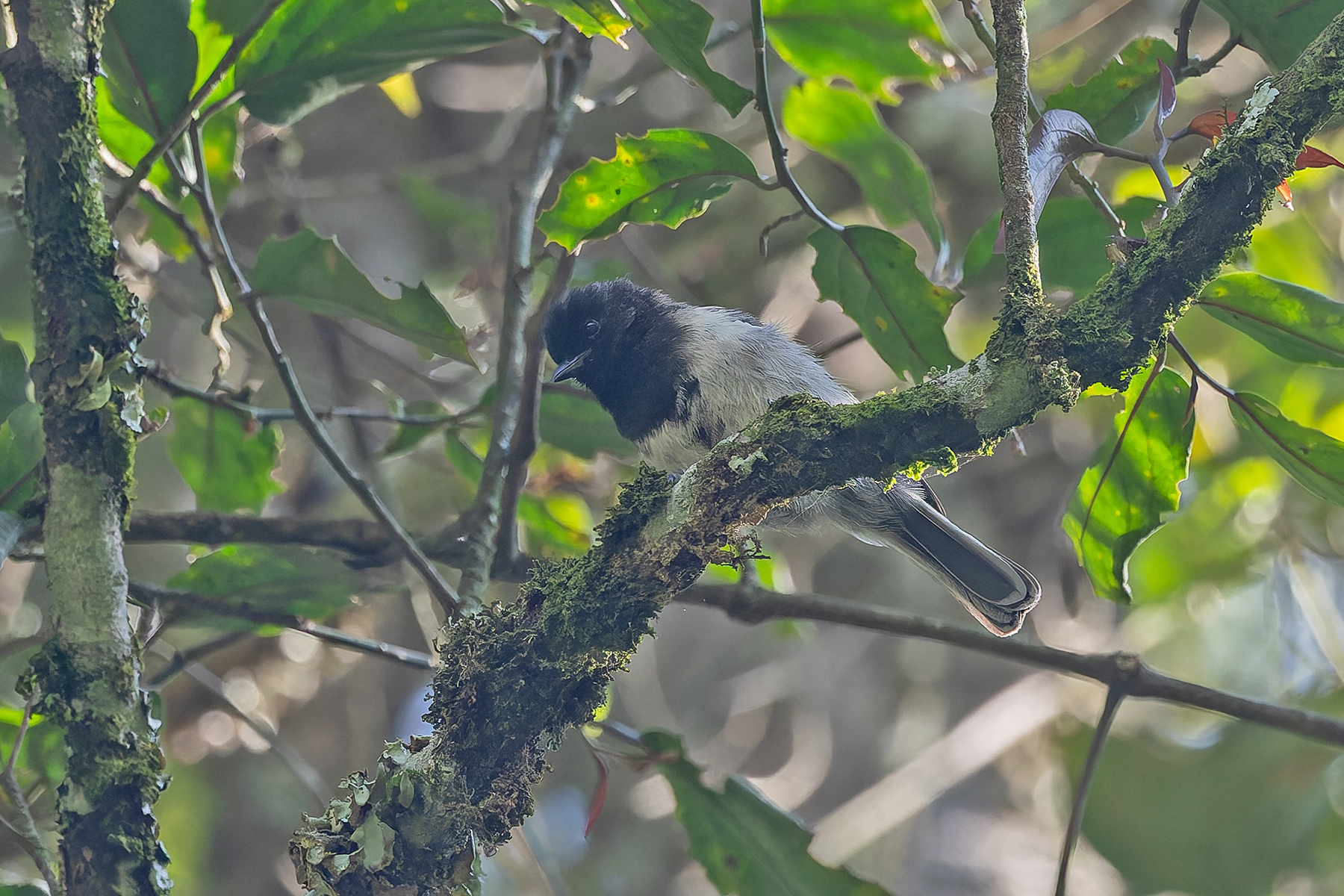
Stripe-breasted Tit (image by Pete Morris)
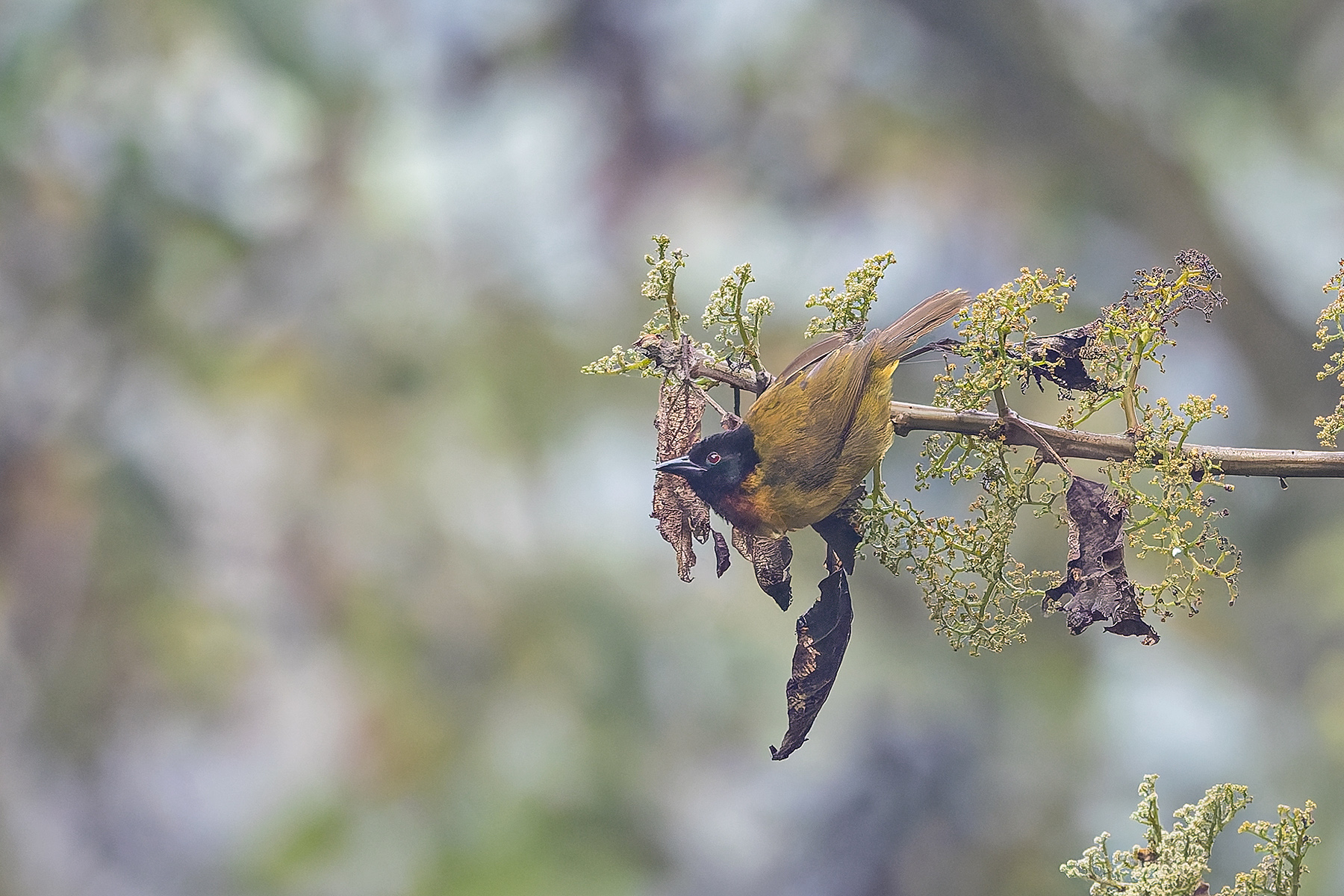
Strange Weaver (image by Pete Morris)
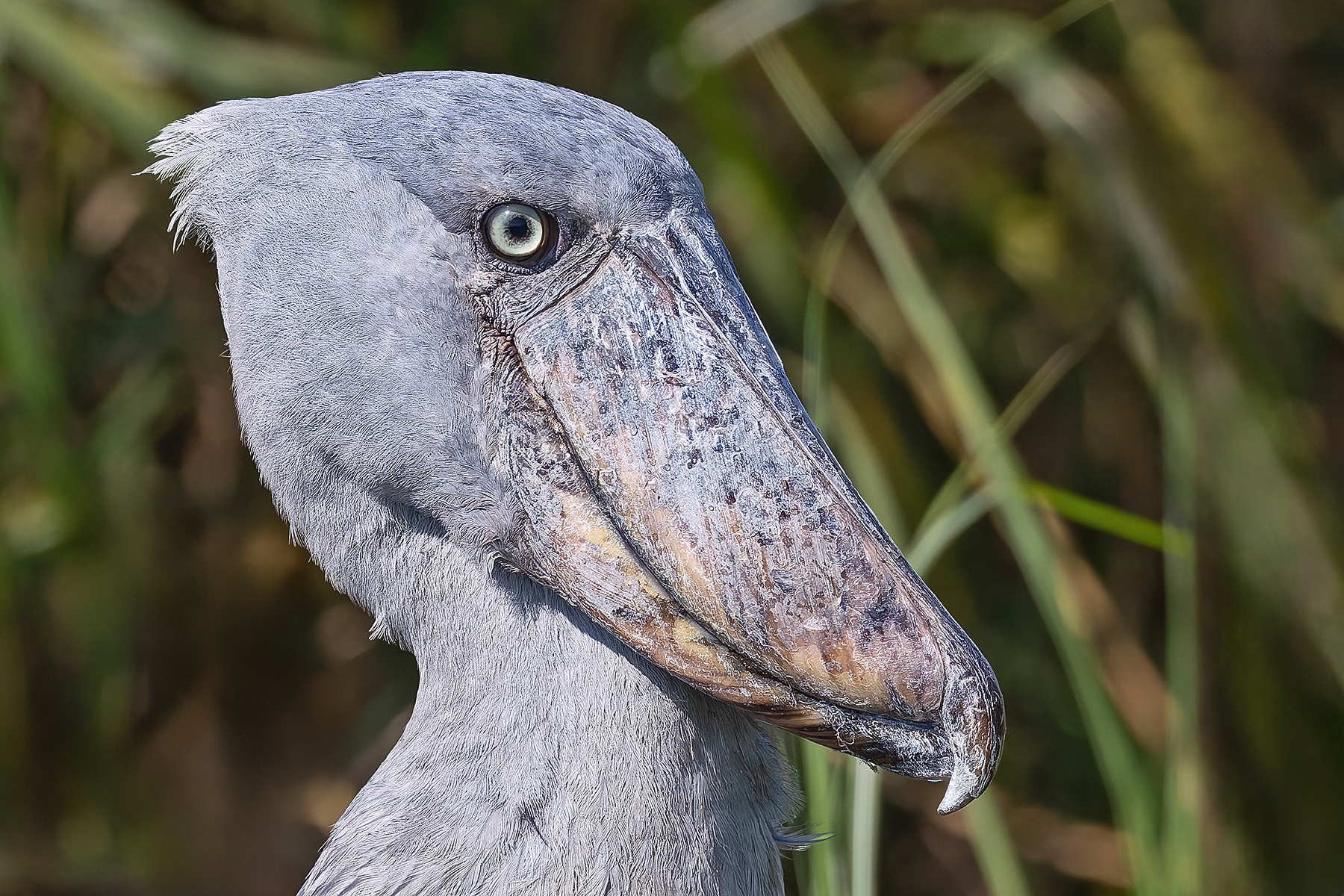
Shoebill (image by Pete Morris)
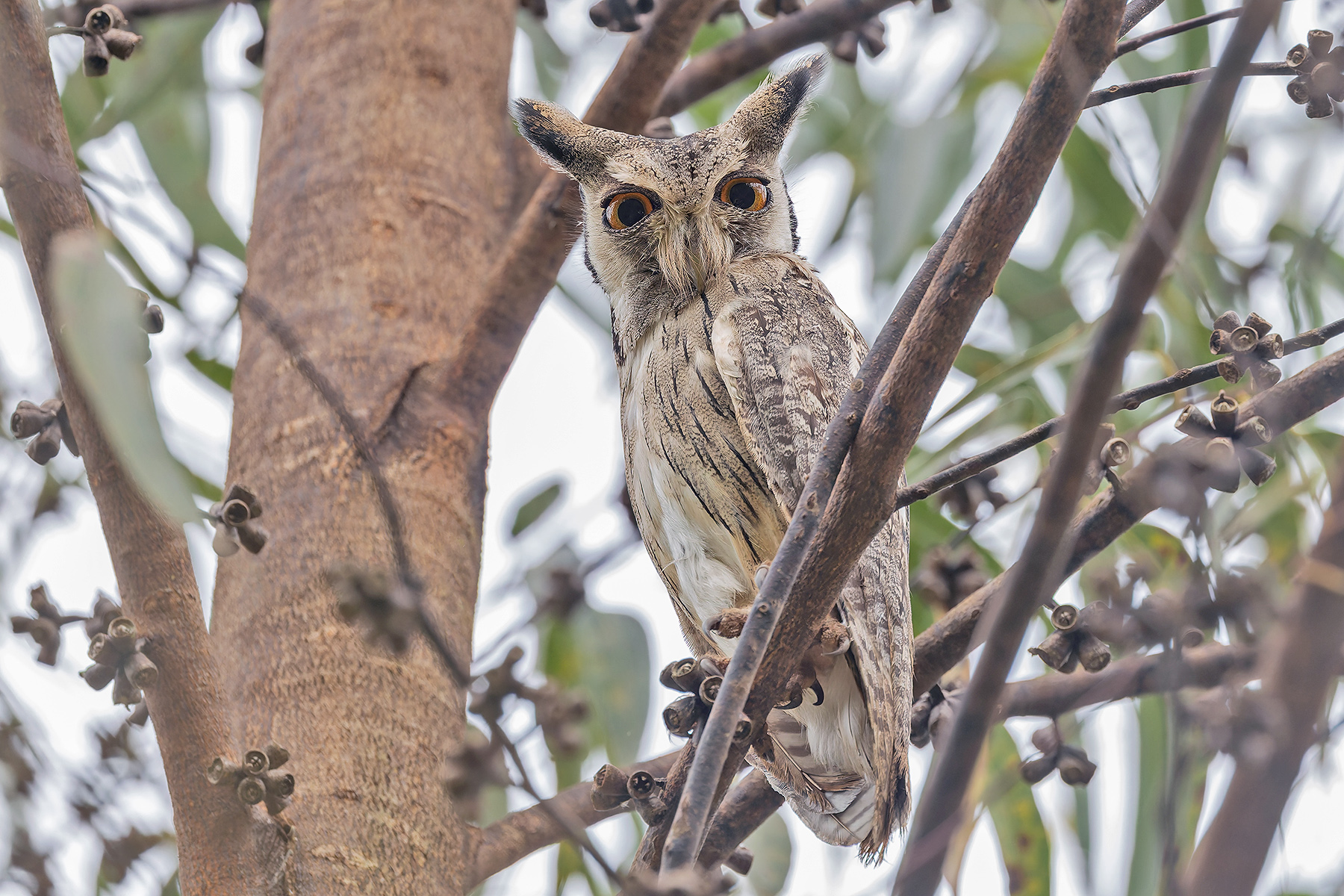
Southern White-faced Owl (image by Pete Morris)
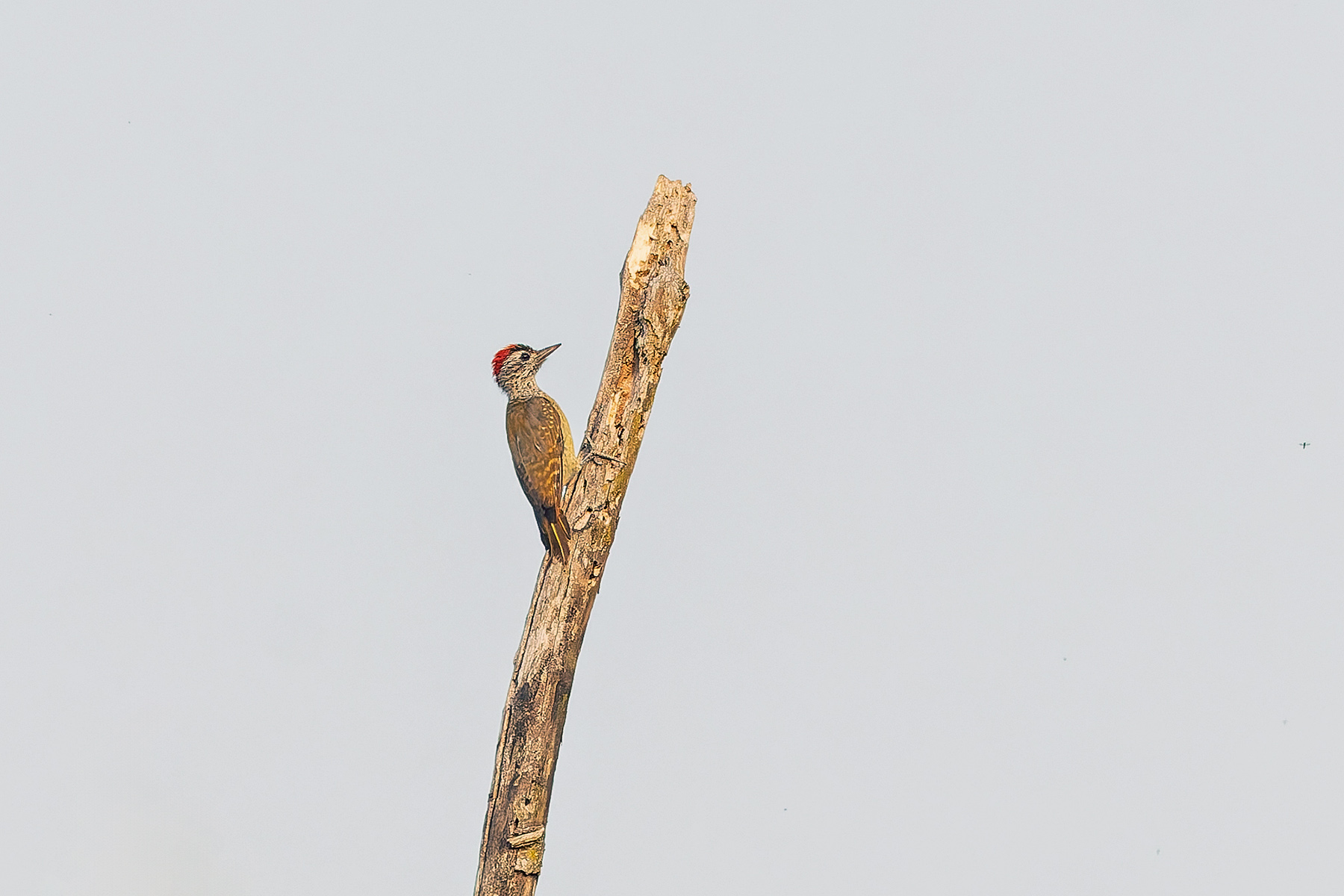
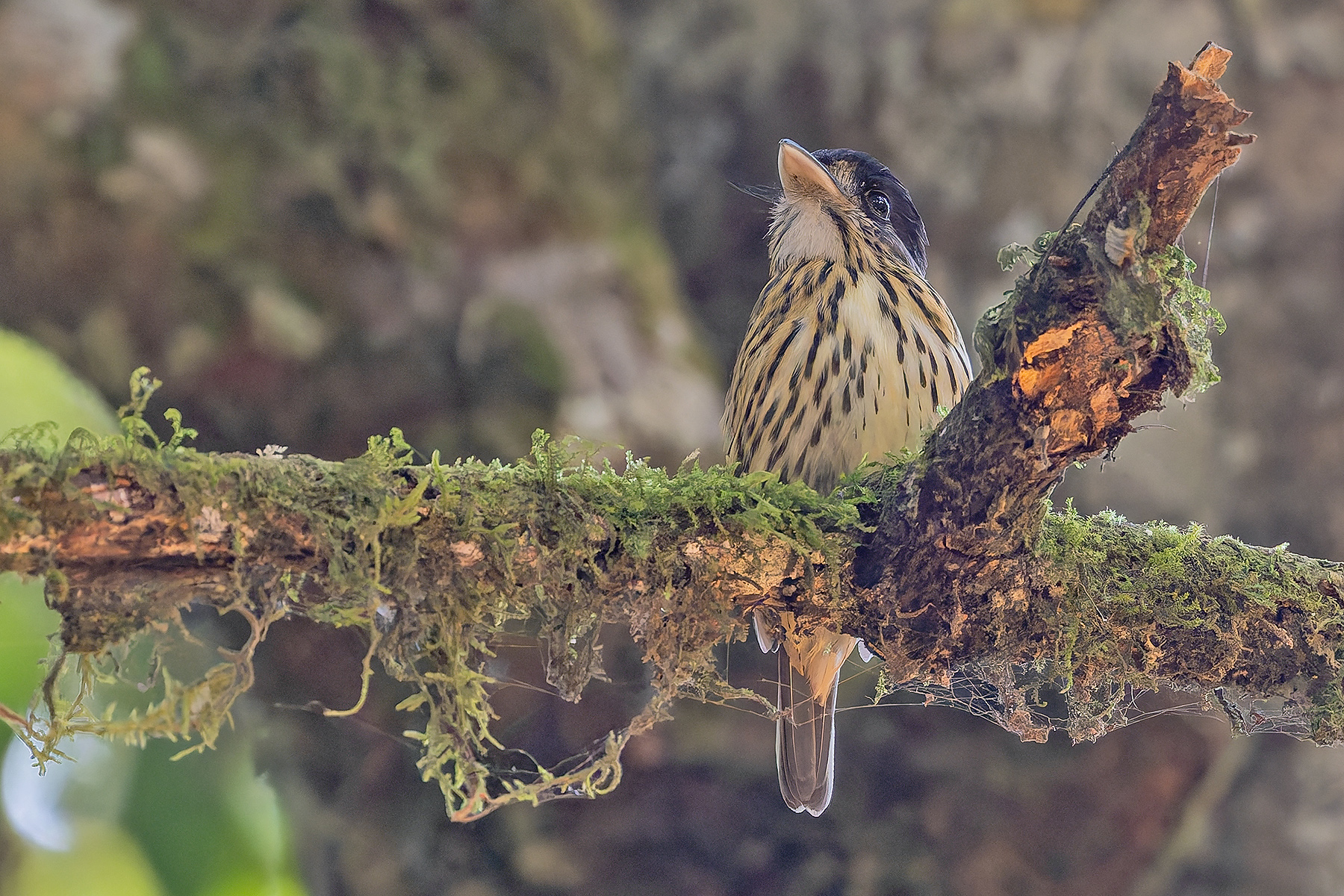
Speckle-breasted Woodpecker (image by Pete Morris)
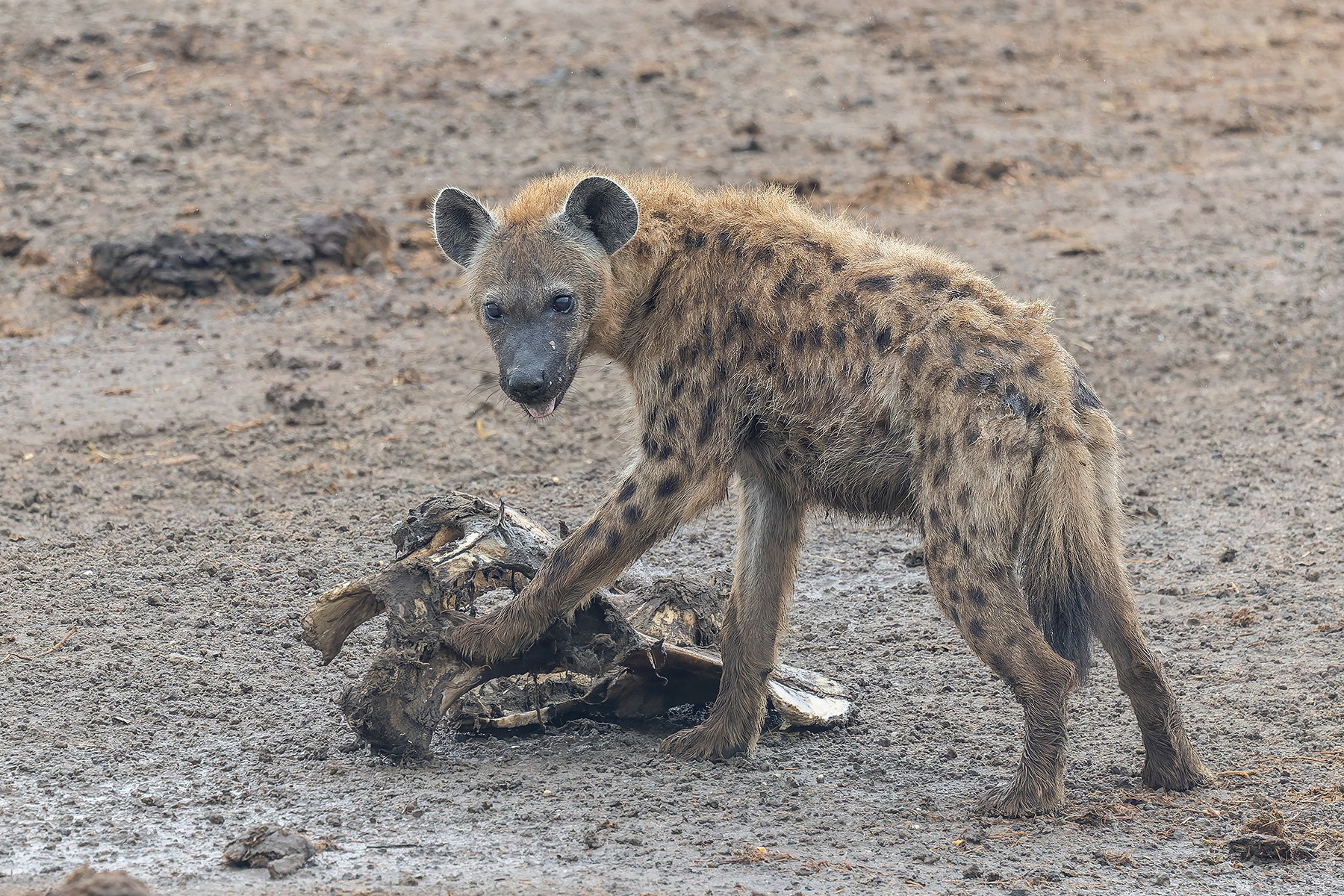
Spotted Hyenas (image by Pete Morris)
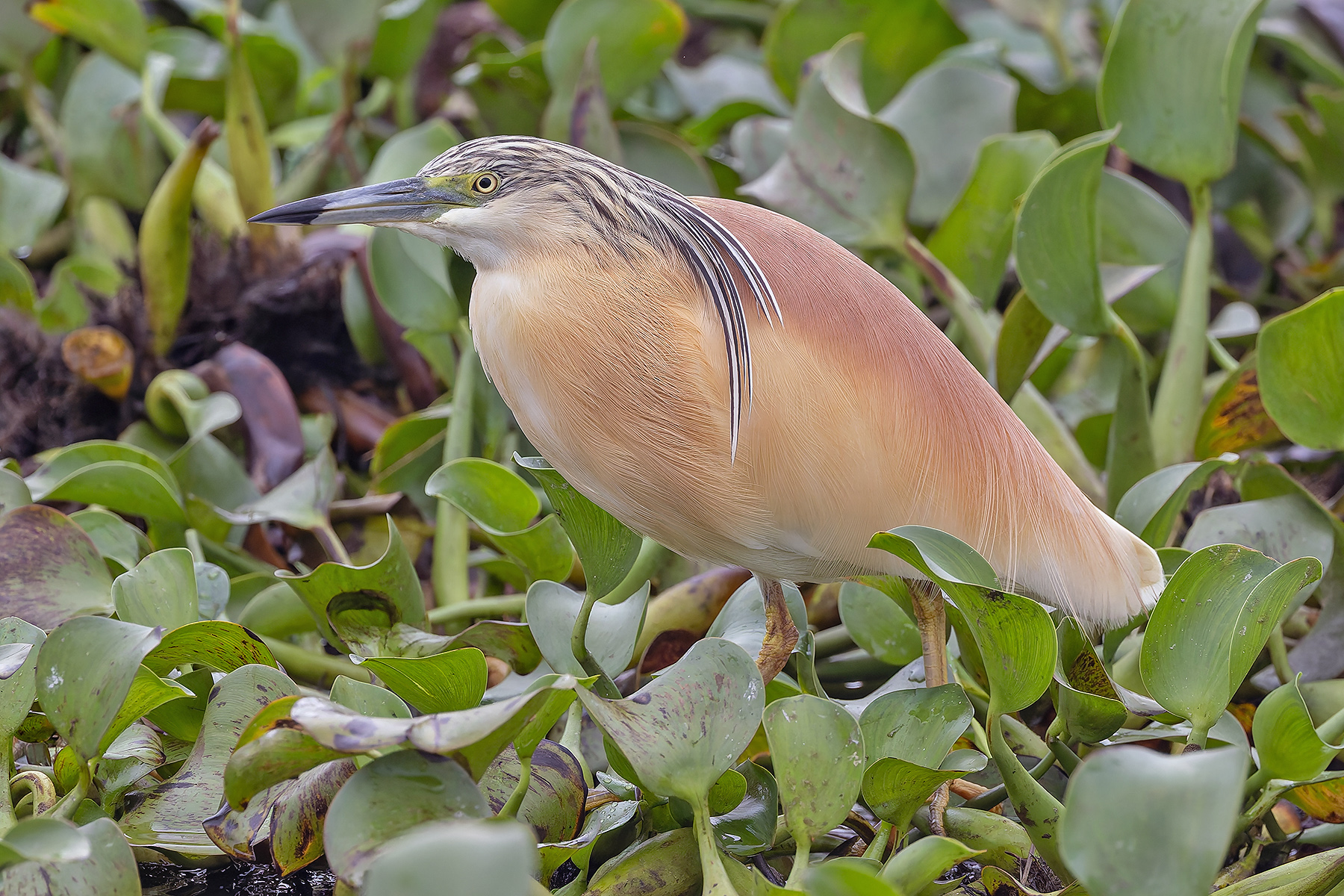
Squacco Heron (image by Pete Morris)
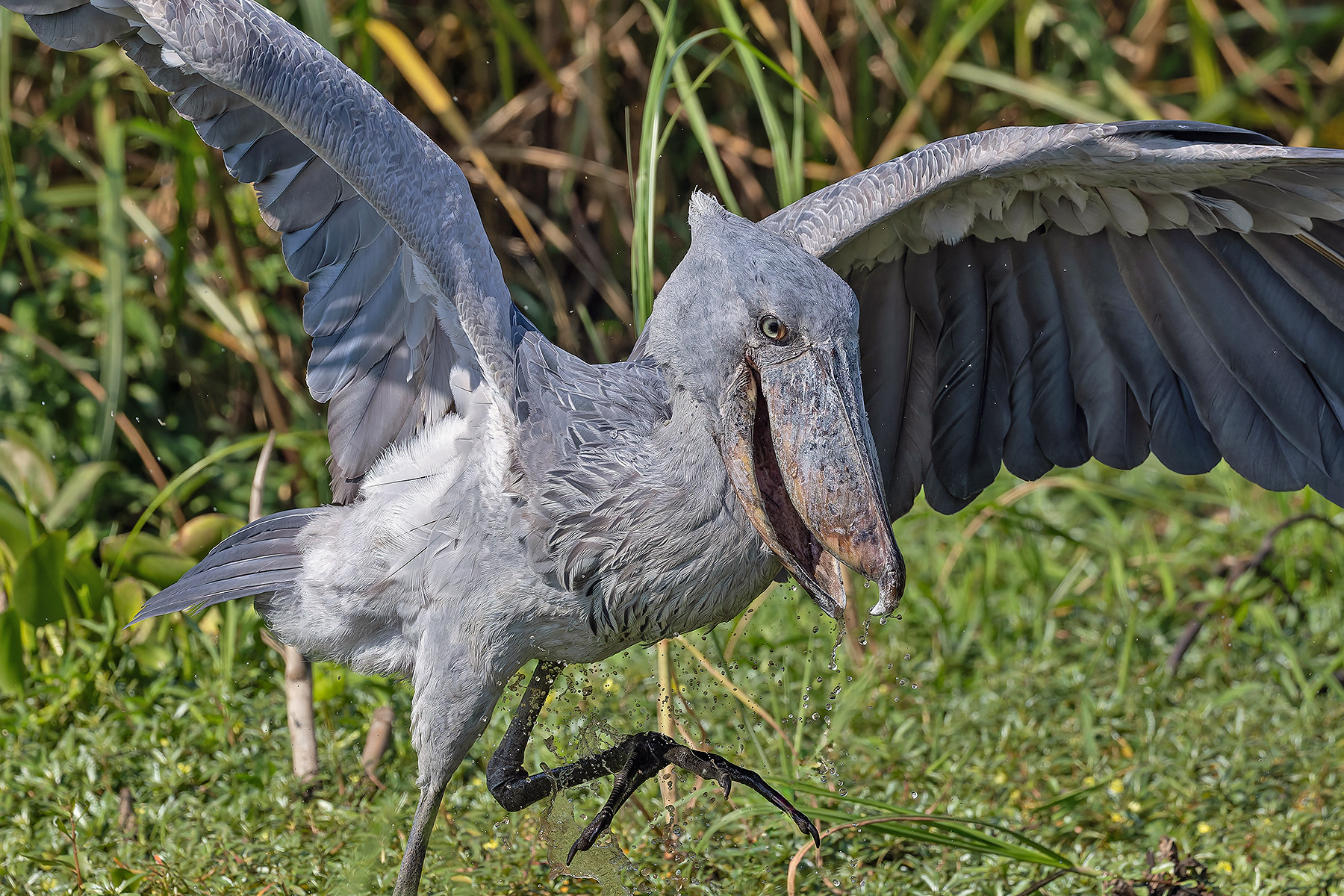
Shoebill (image by Pete Morris)
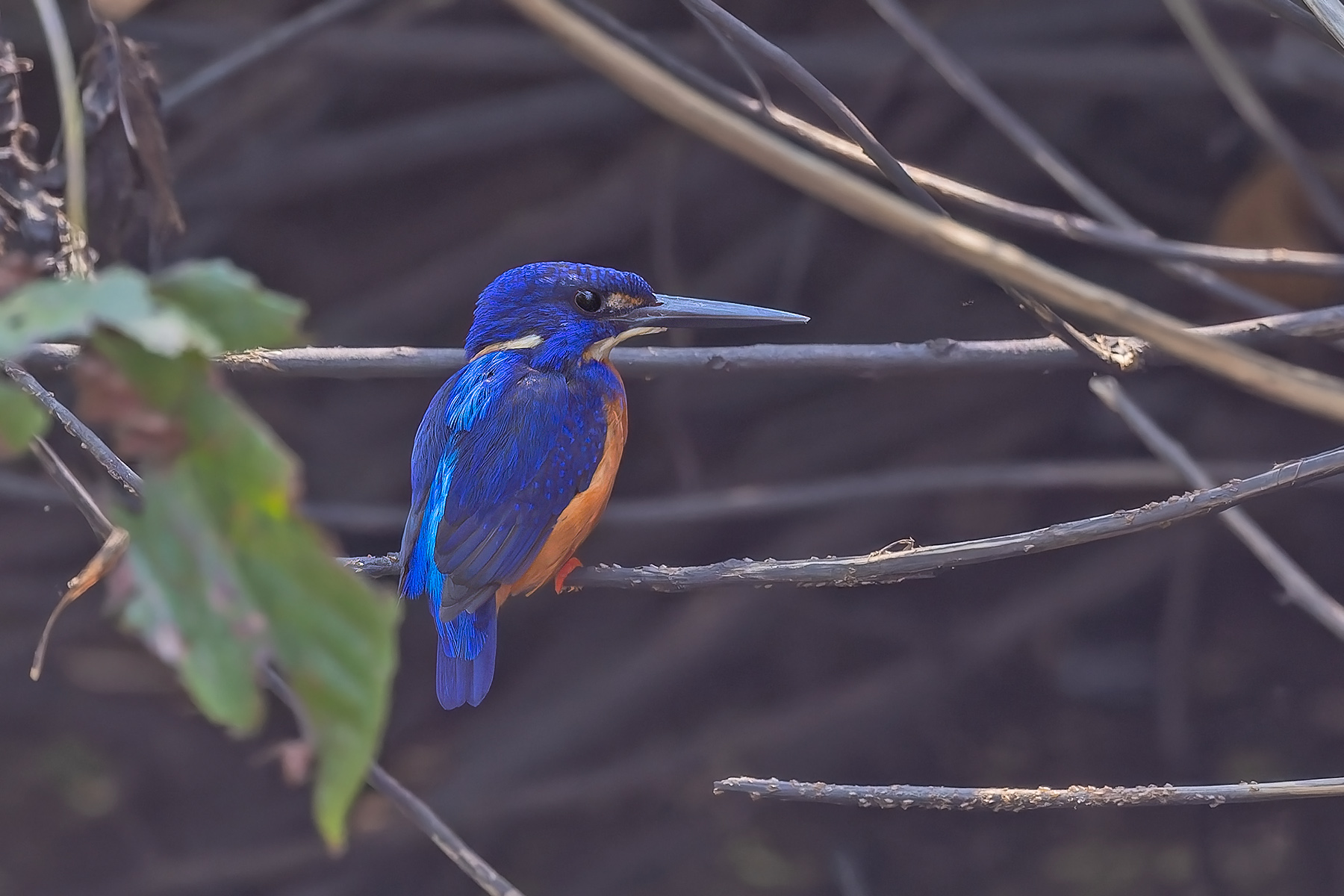
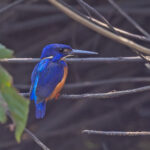
Shining Blue Kingfisher (image by Pete Morris)
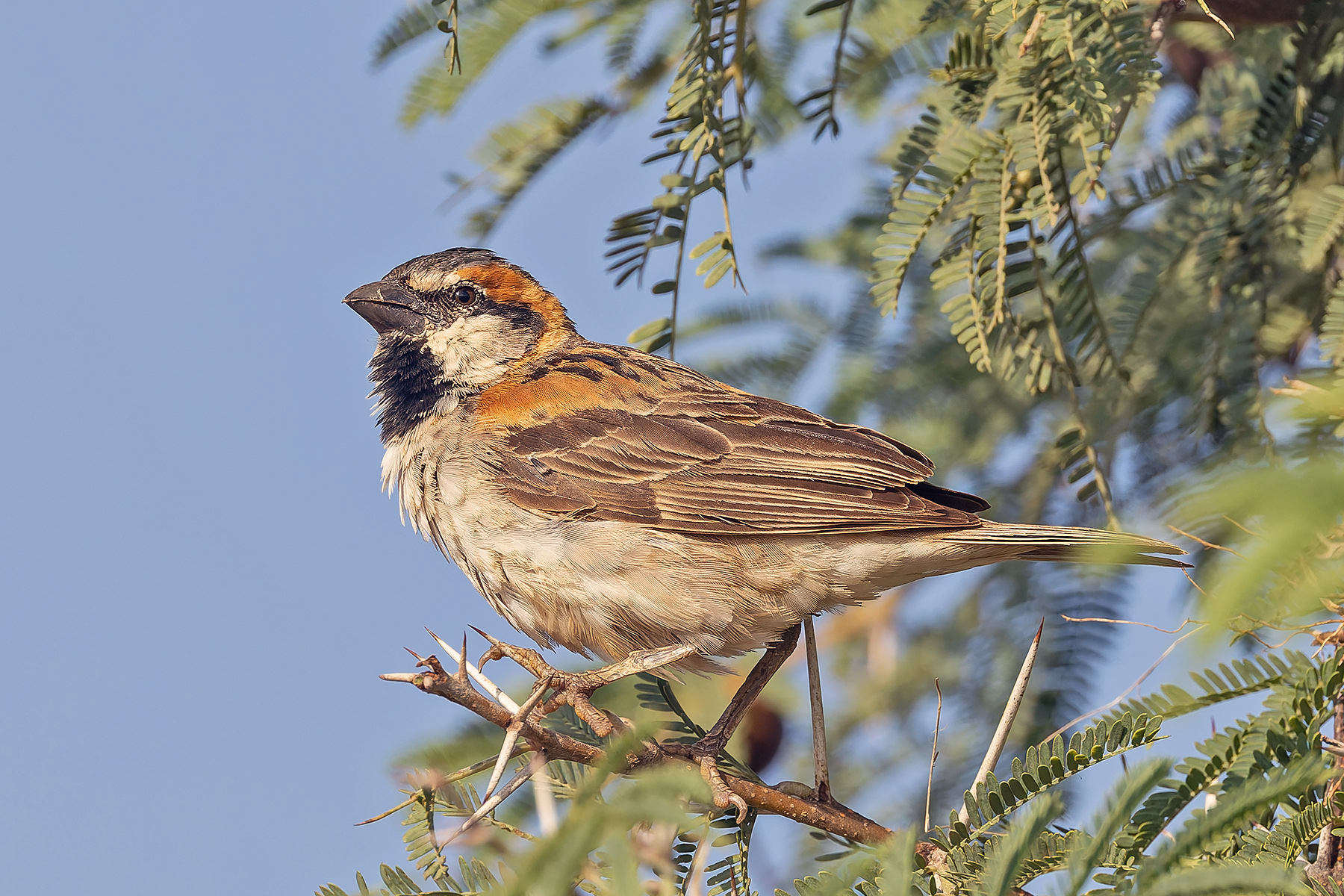
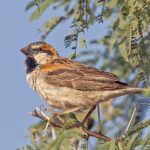
Shelley's Sparrow (image by Pete Morris)
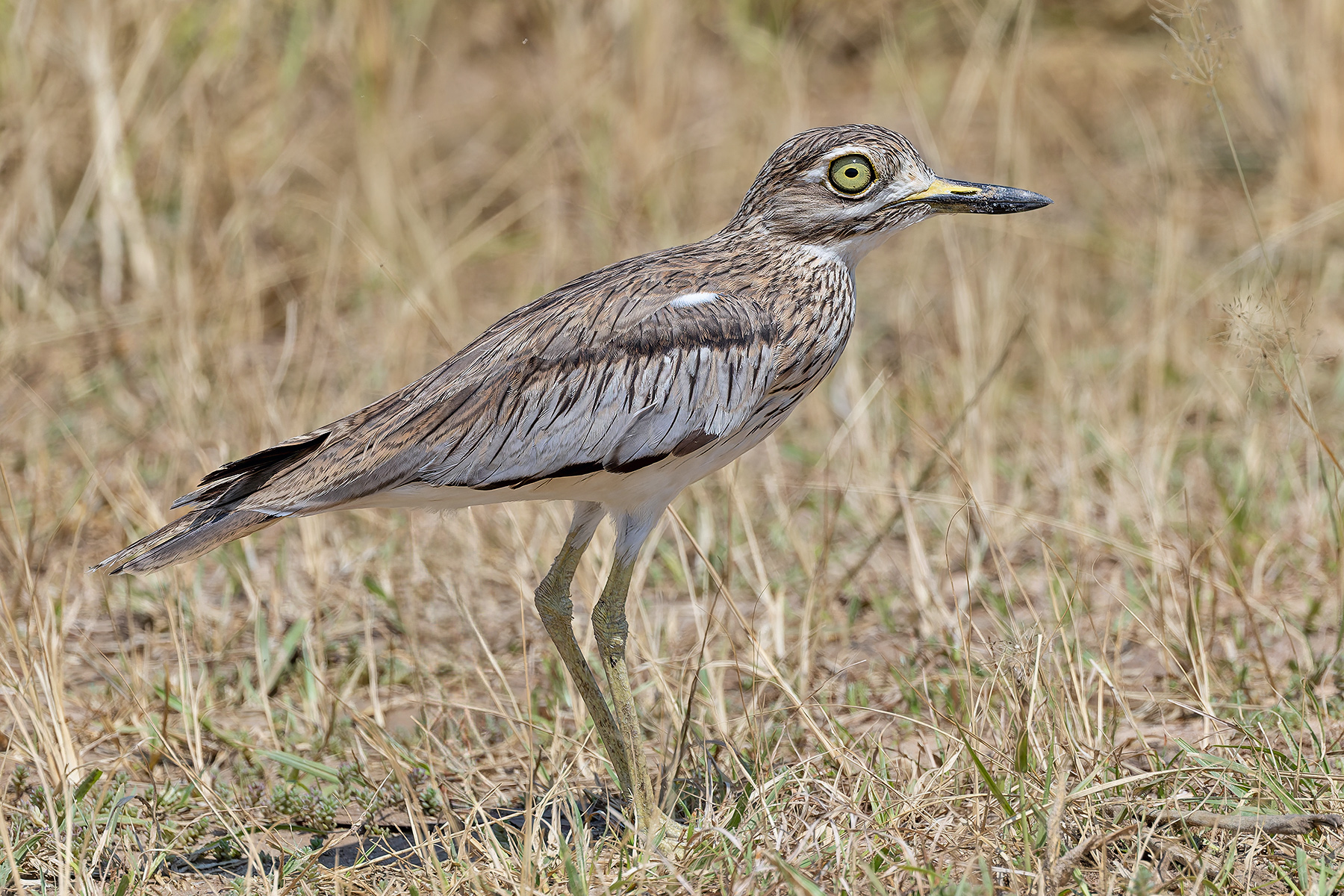
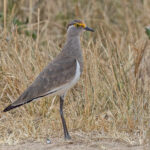
Senegal Thick-knee (image by Pete Morris)
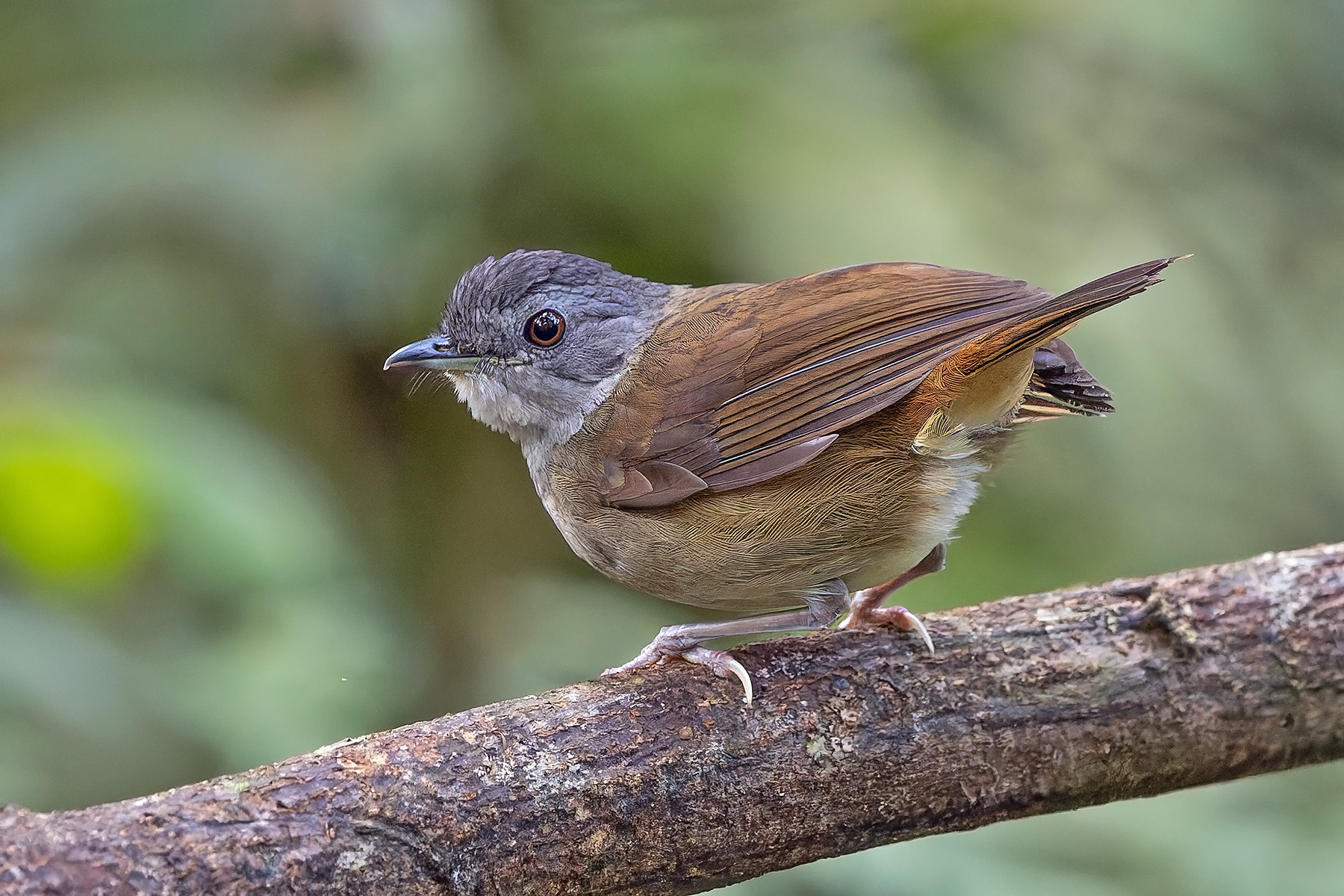
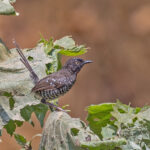
Scaly-breasted Illadopsis (image by Pete Morris)
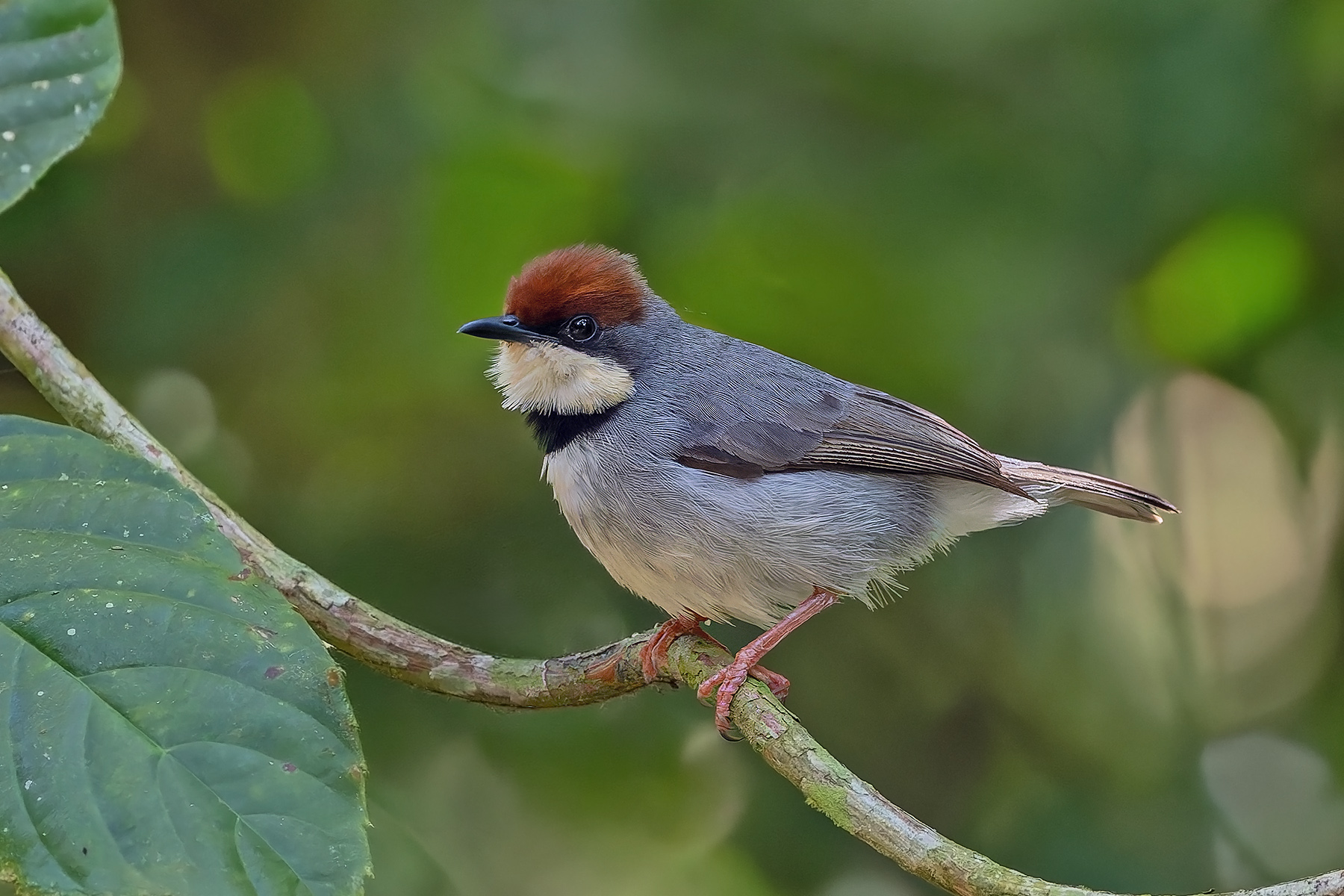
Rufous-crowned Eremomela (image by Pete Morris)
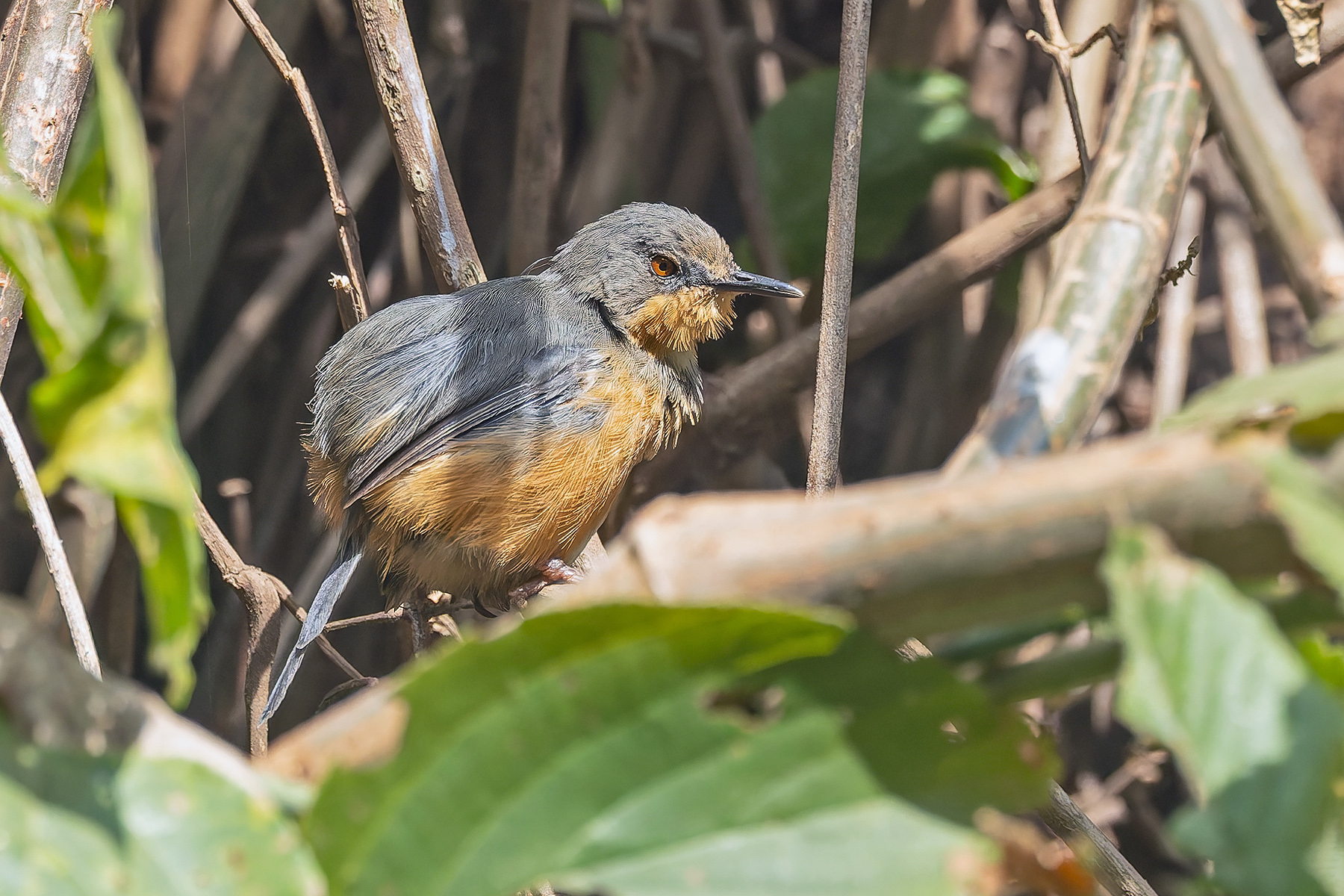
Rwenzori Apalis (image by Pete Morris)
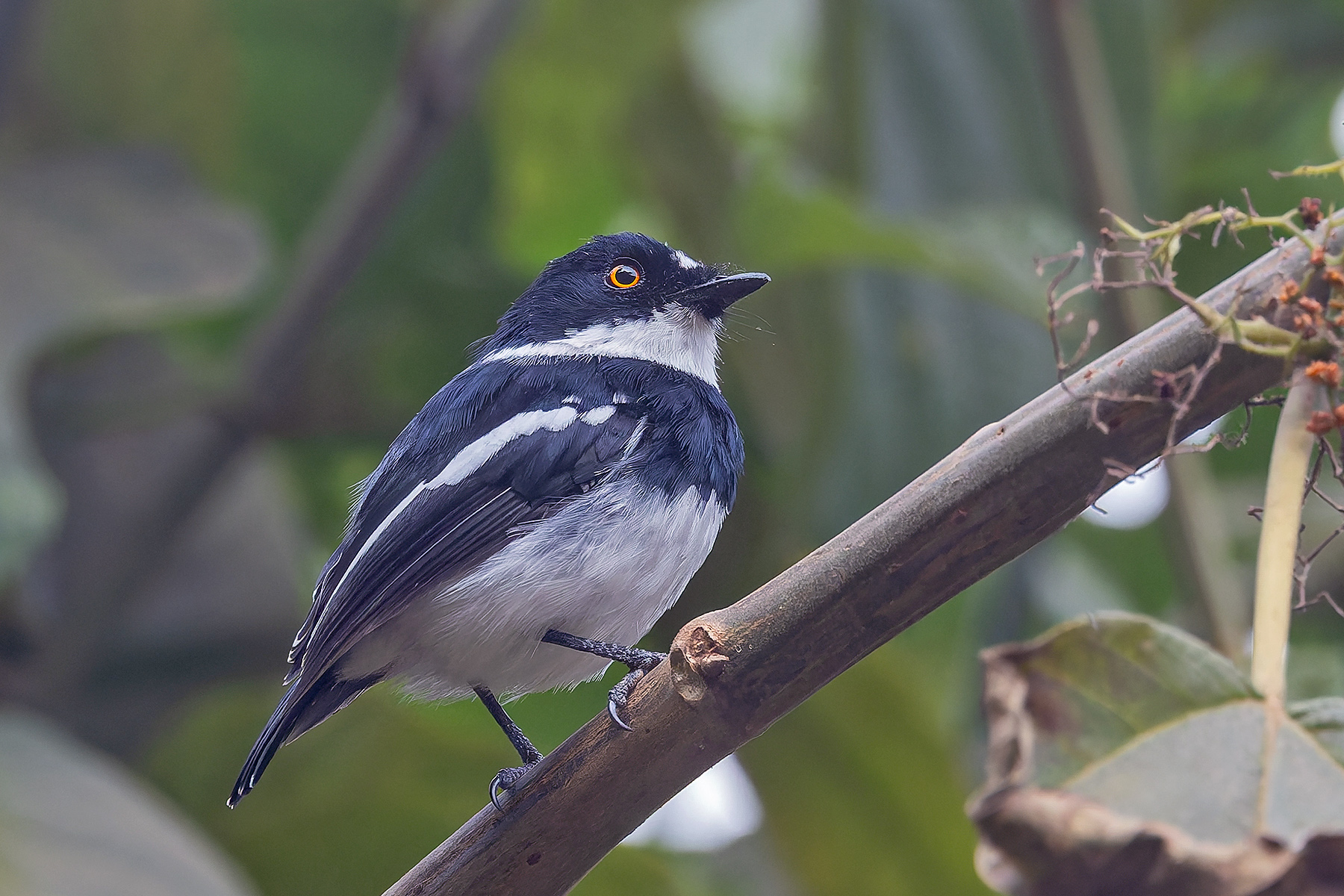
Rwenzori Batis (image by Pete Morris)
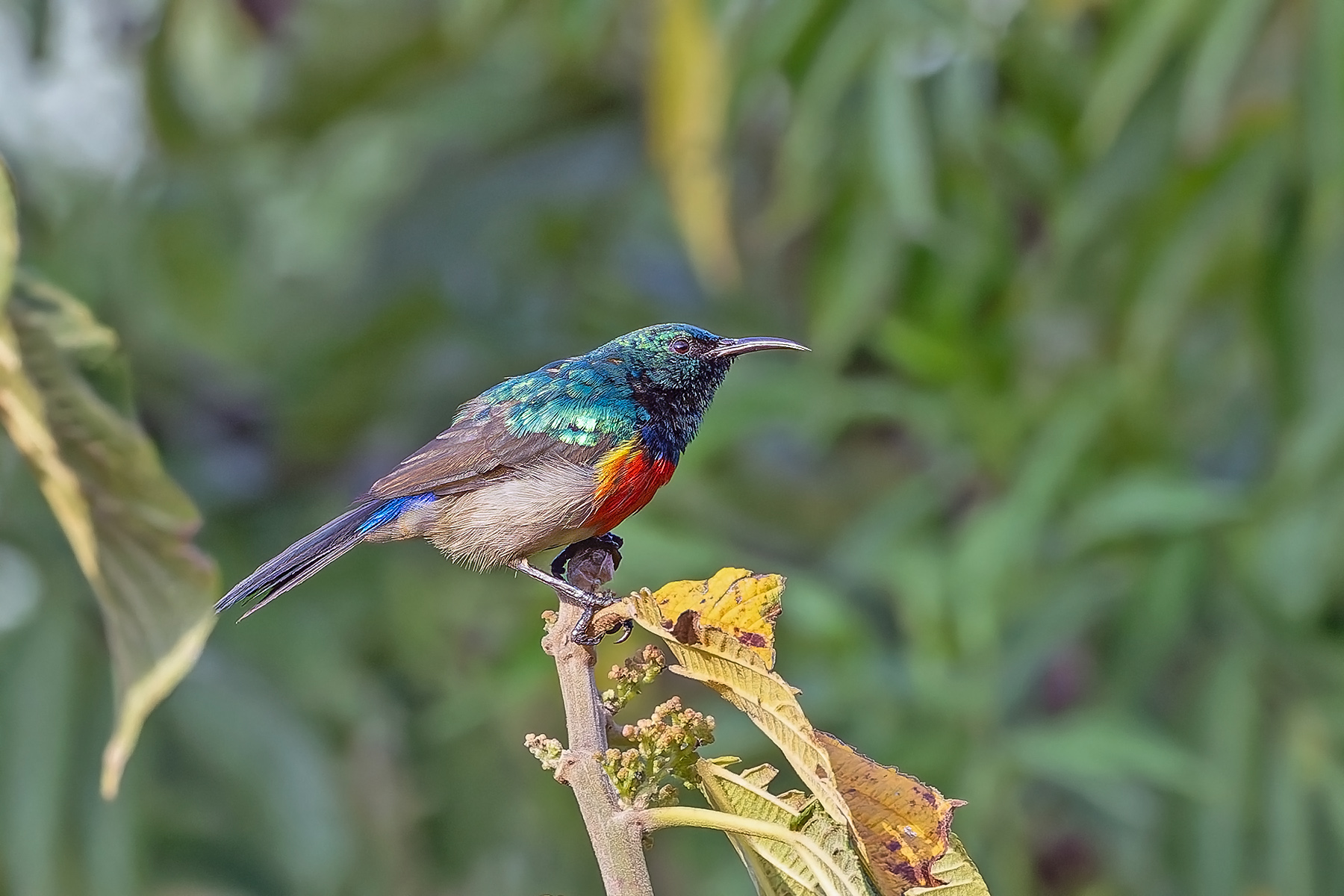
Rwenzori Double-collared Sunbird (image by Pete Morris)
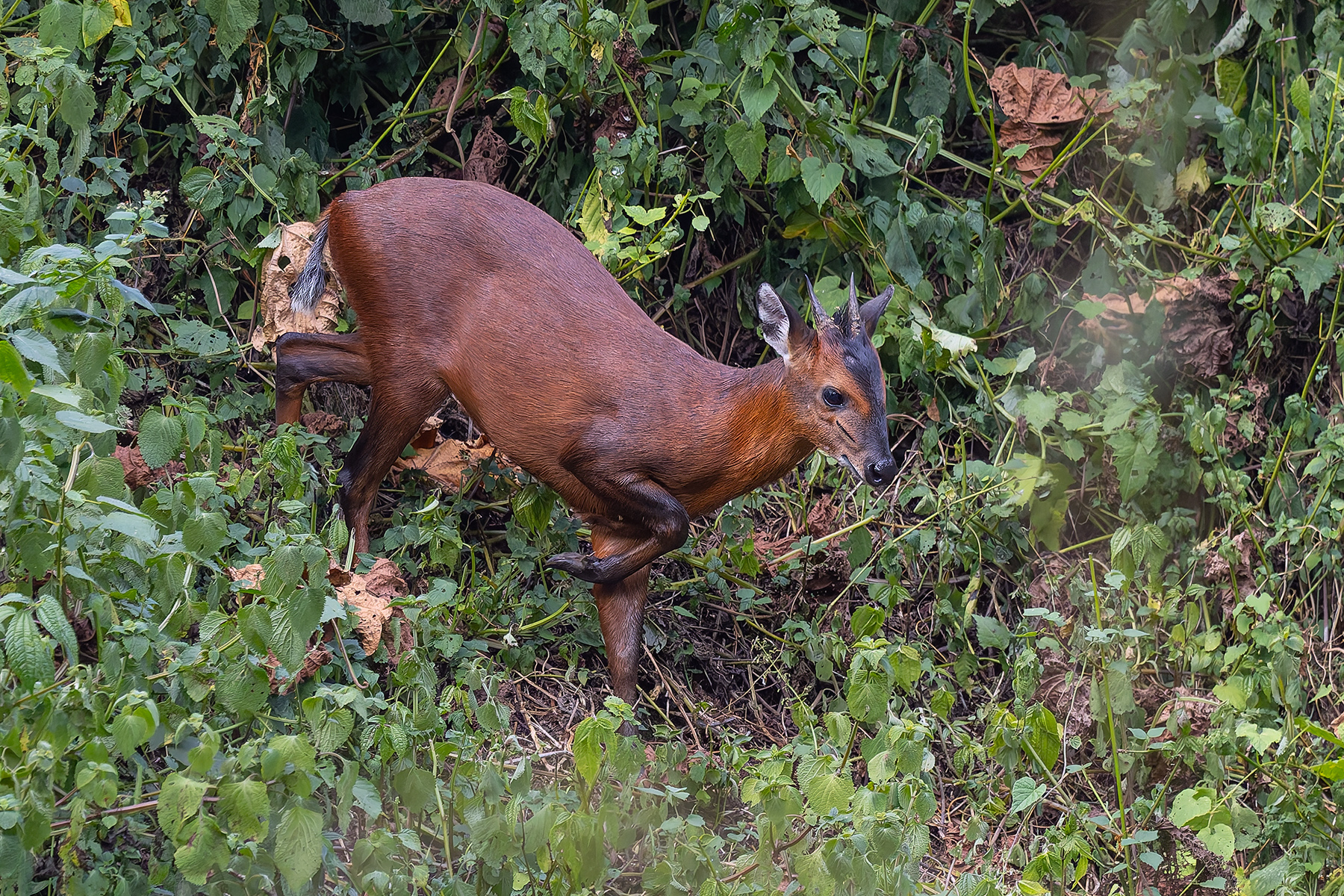
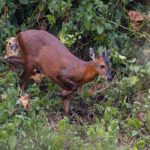
Rwenzori Red Duiker (image by Pete Morris)
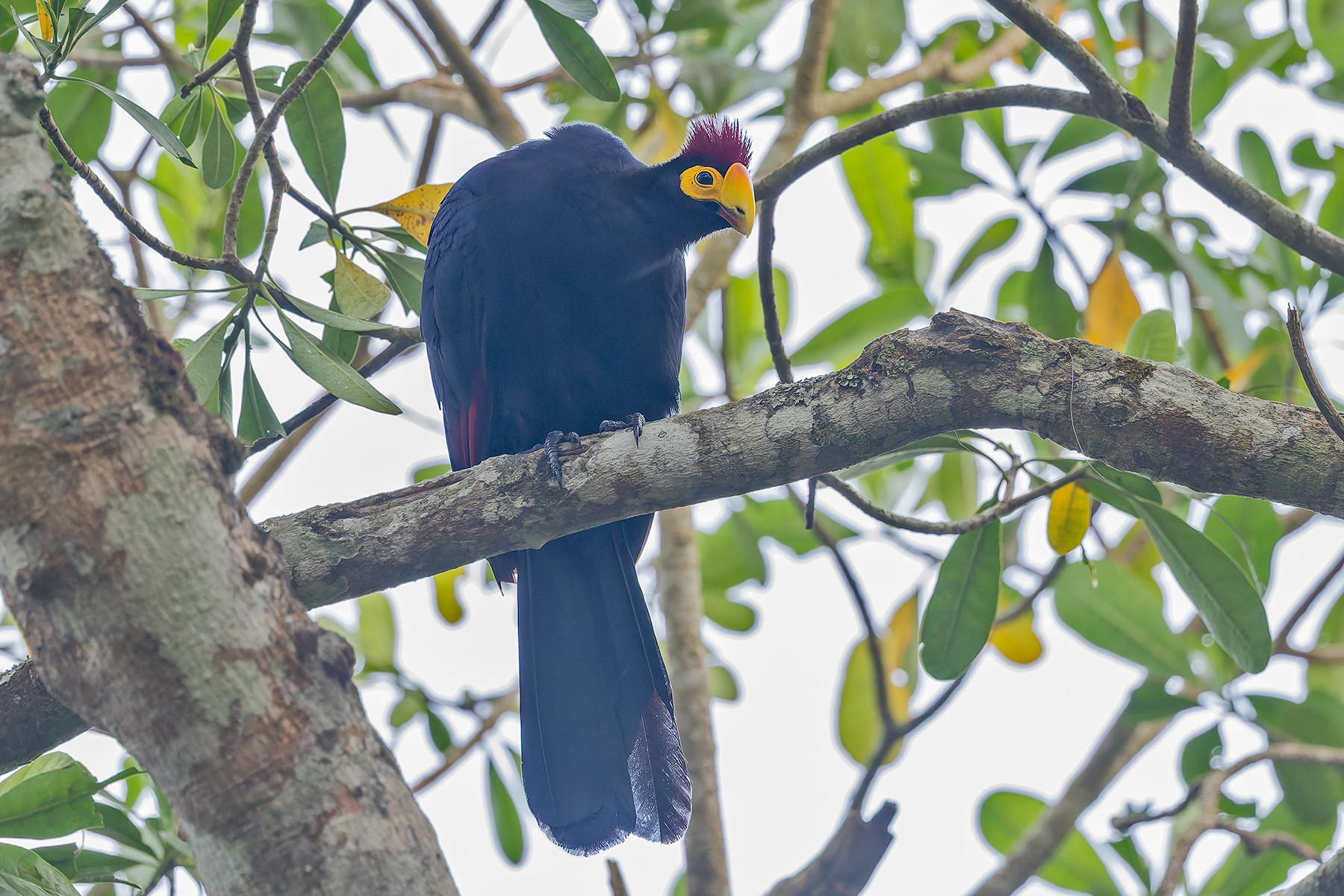
Ross's Turaco (image by Pete Morris)
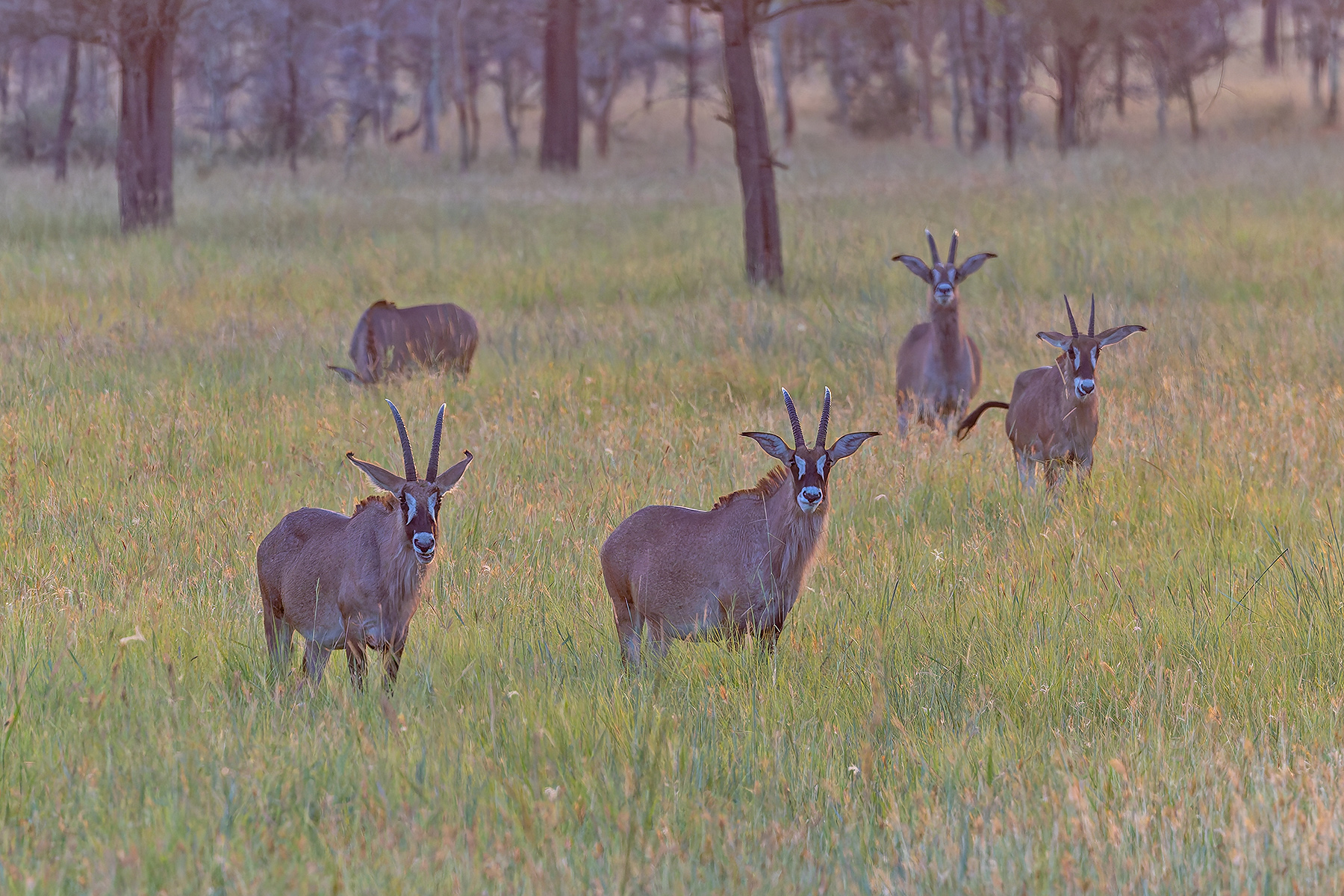
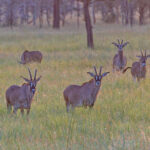
Roan Antelopes (image by Pete Morris)
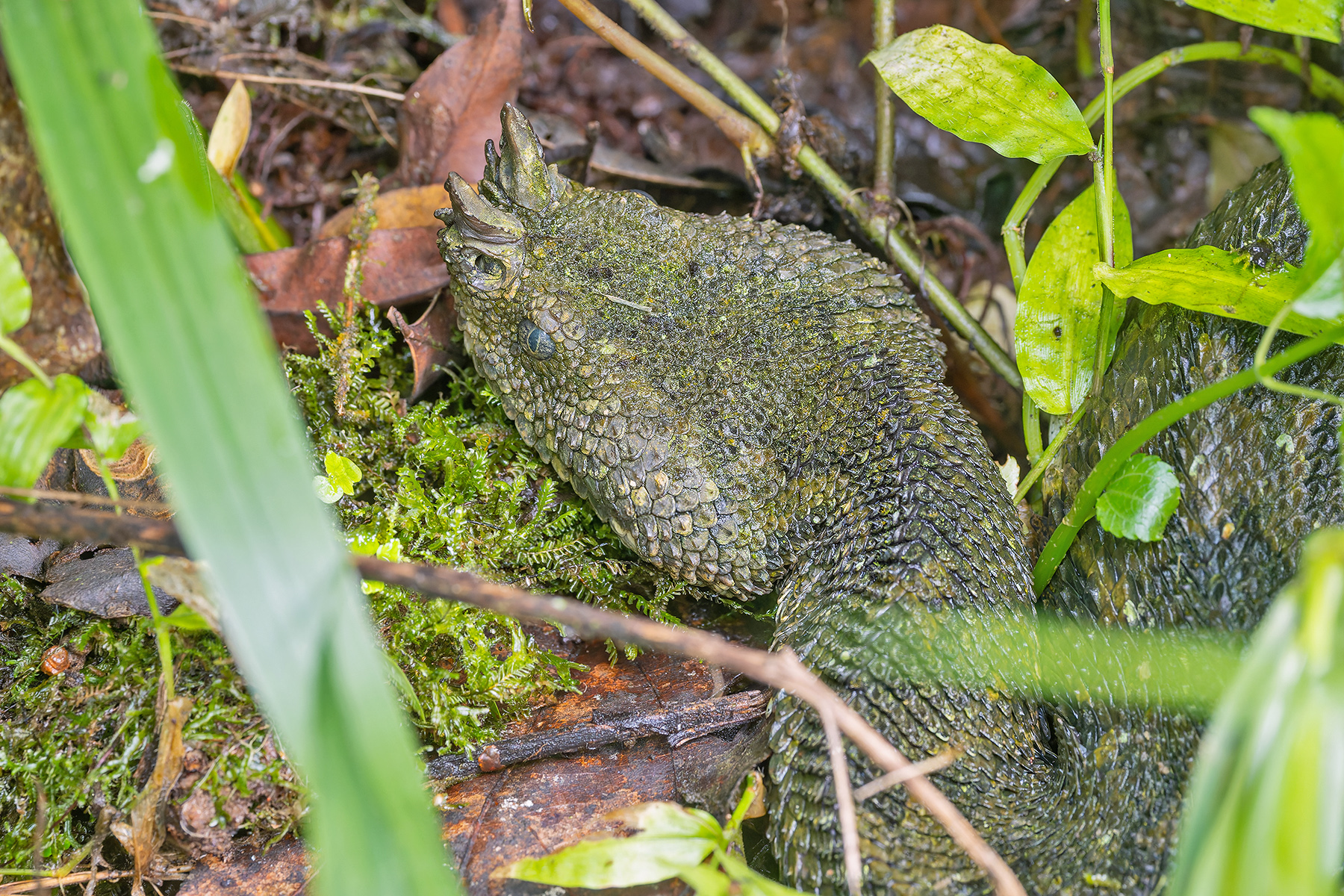
Rhinoceros Viper (image by Pete Morris)
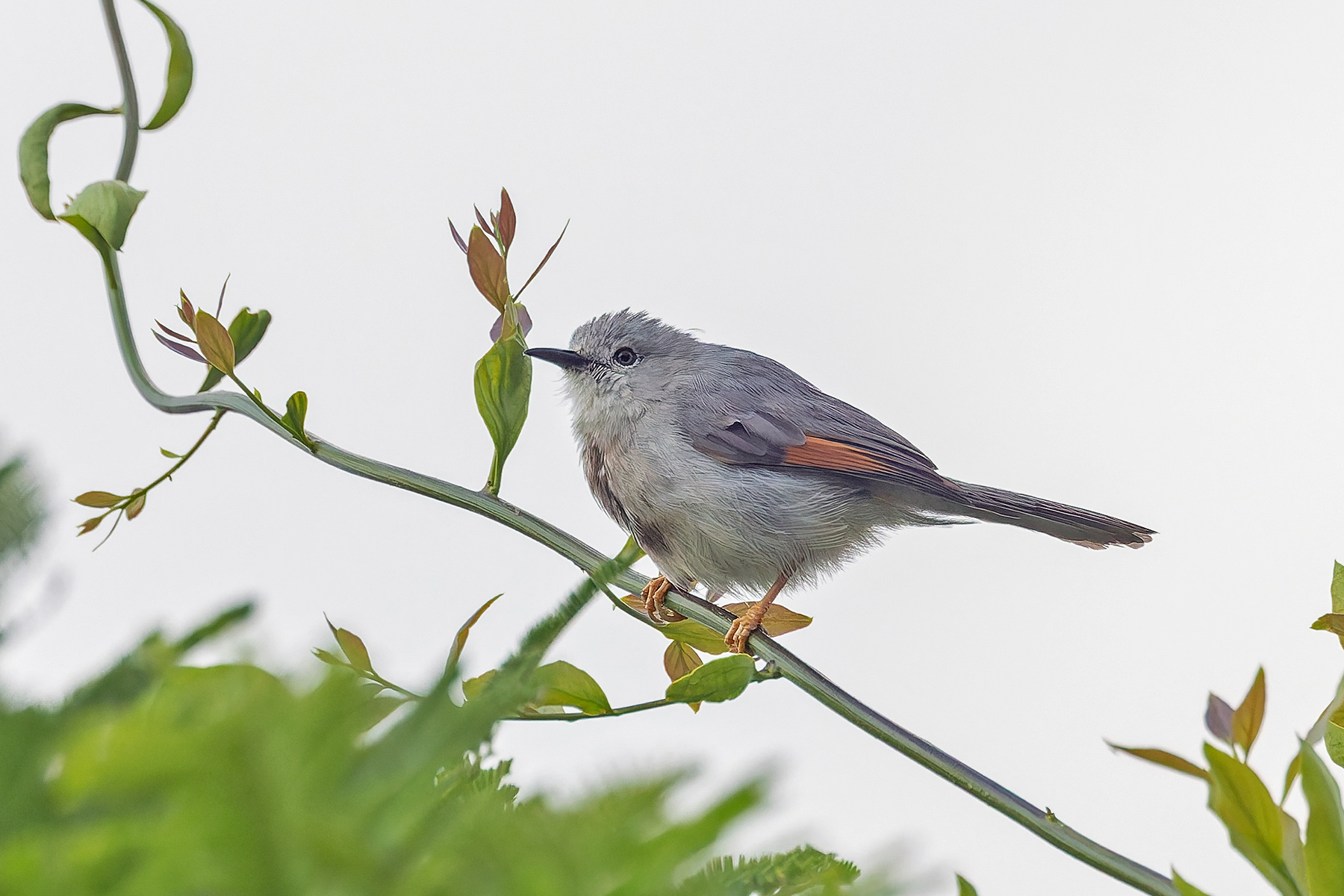
Red-winged Grey Warbler (image by Pete Morris)
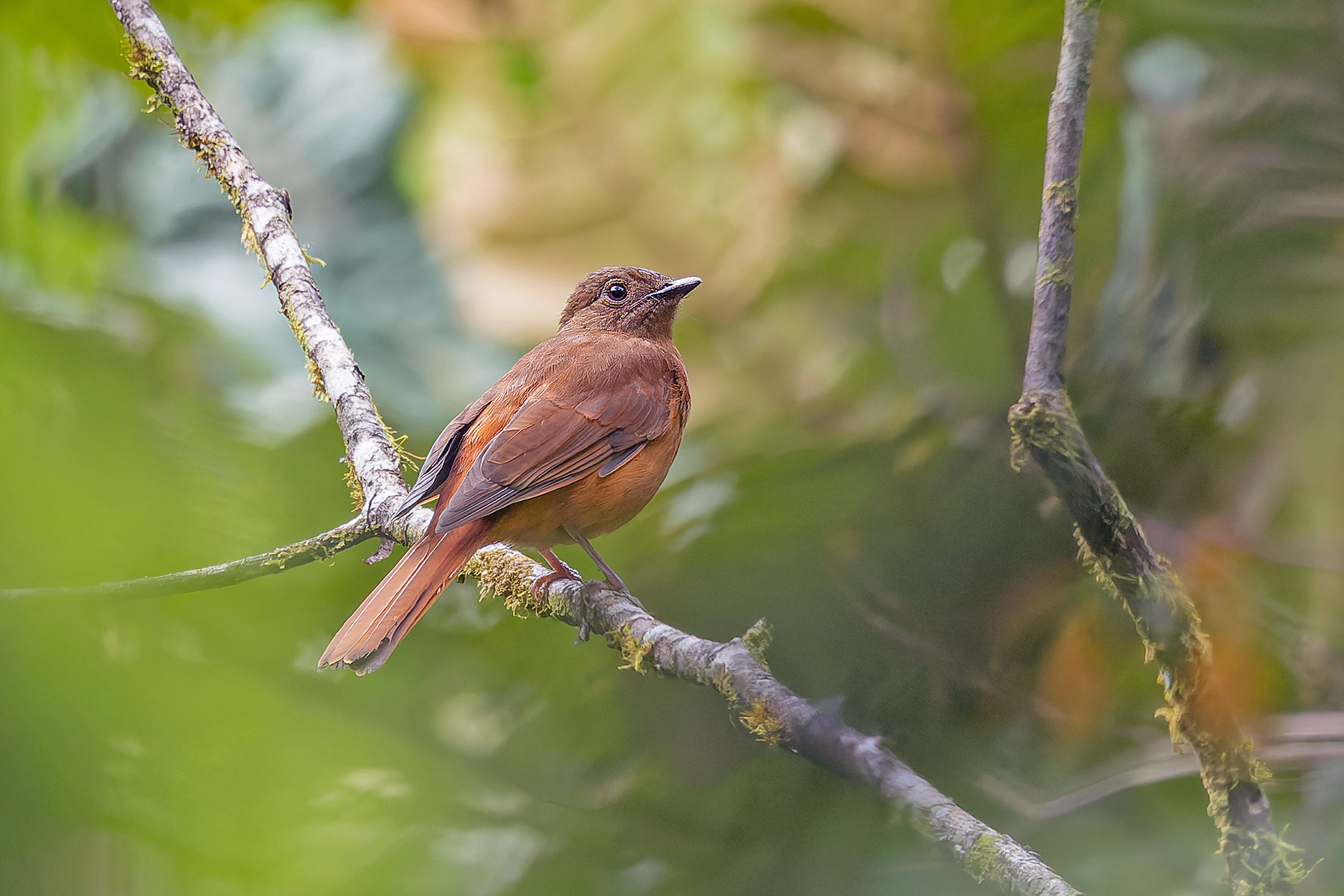
Red-tailed Ant Thrush (image by Pete Morris)
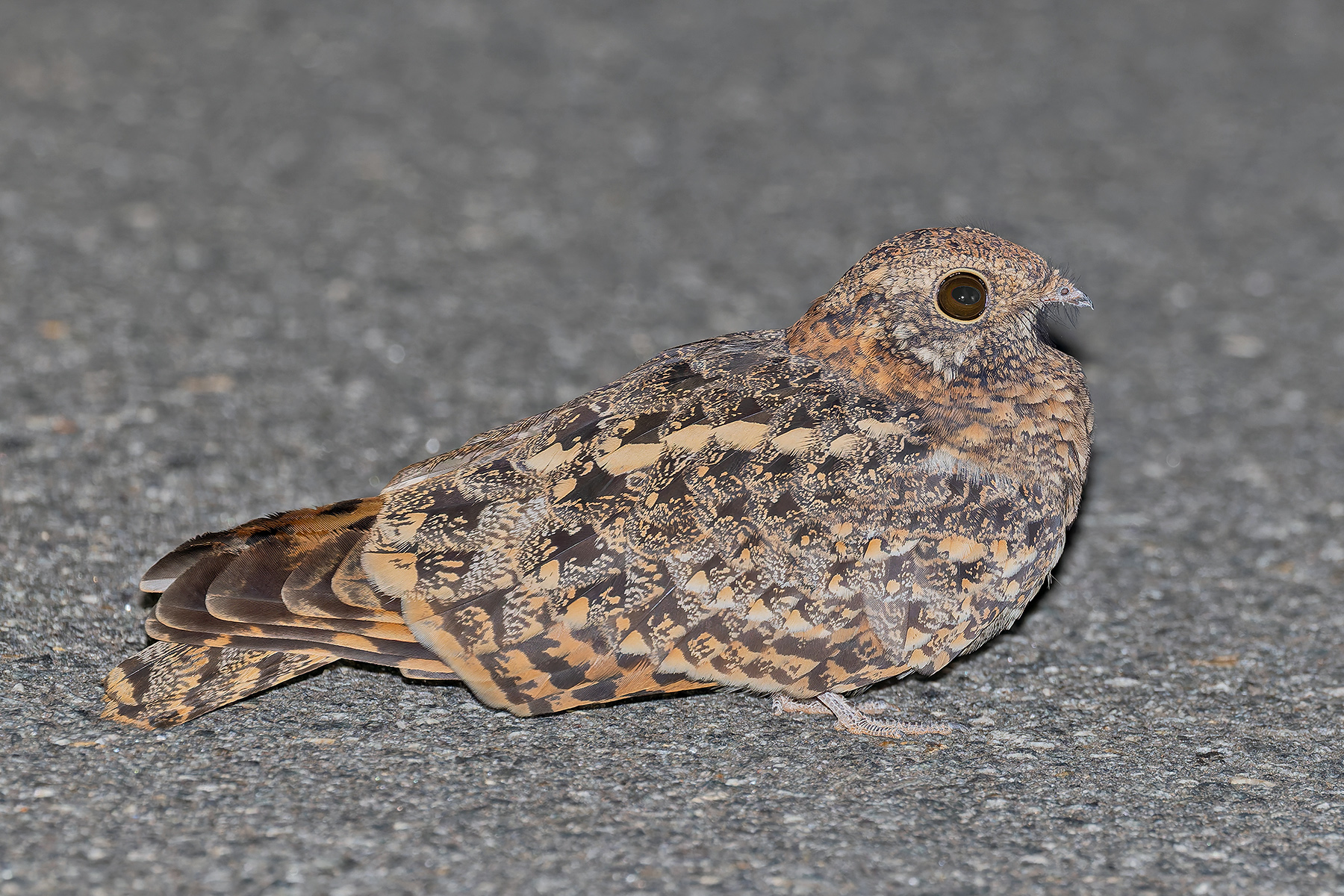
Pennant-winged Nightjar (image by Pete Morris)
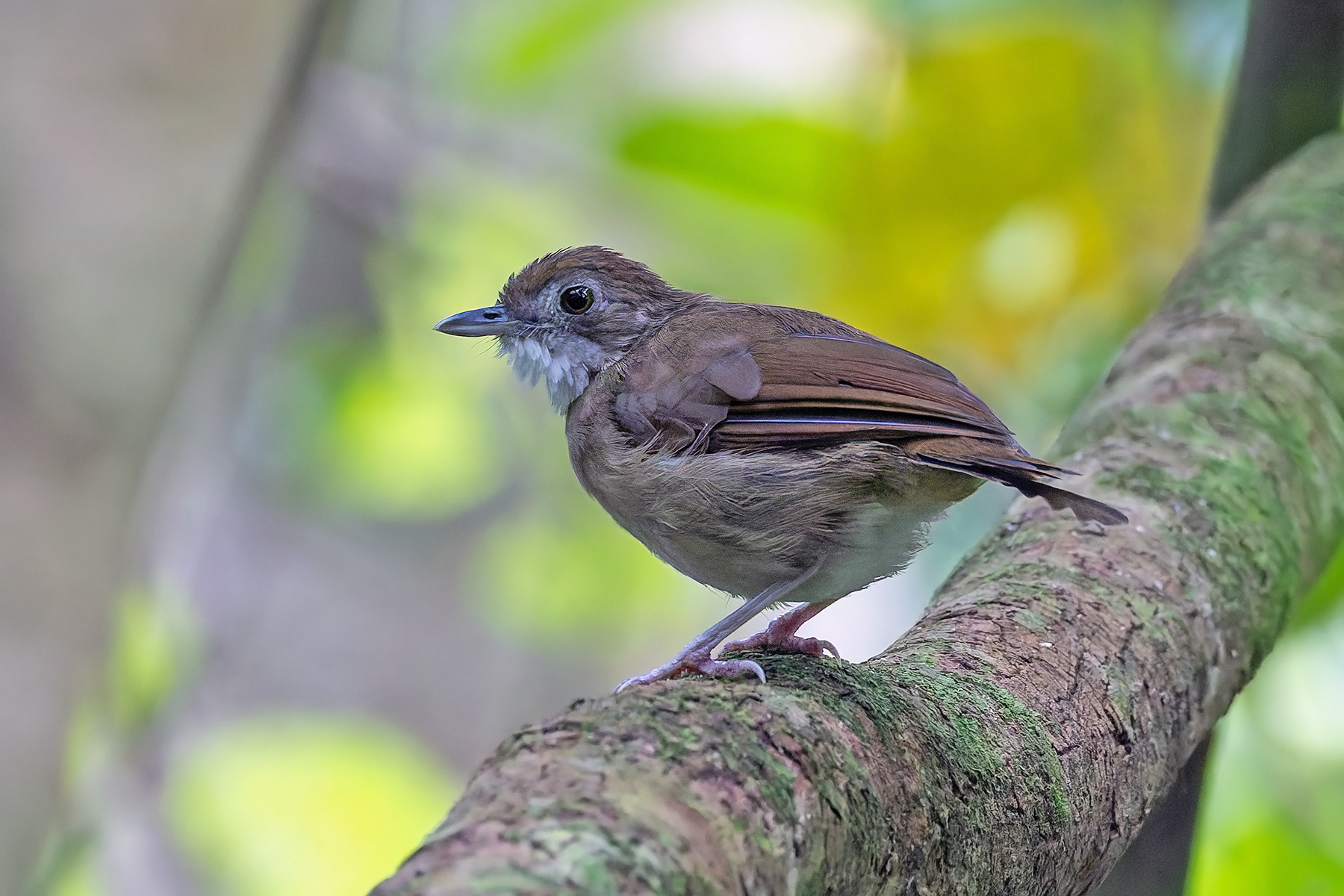
Puvel's Illadopsis (image by Pete Morris)
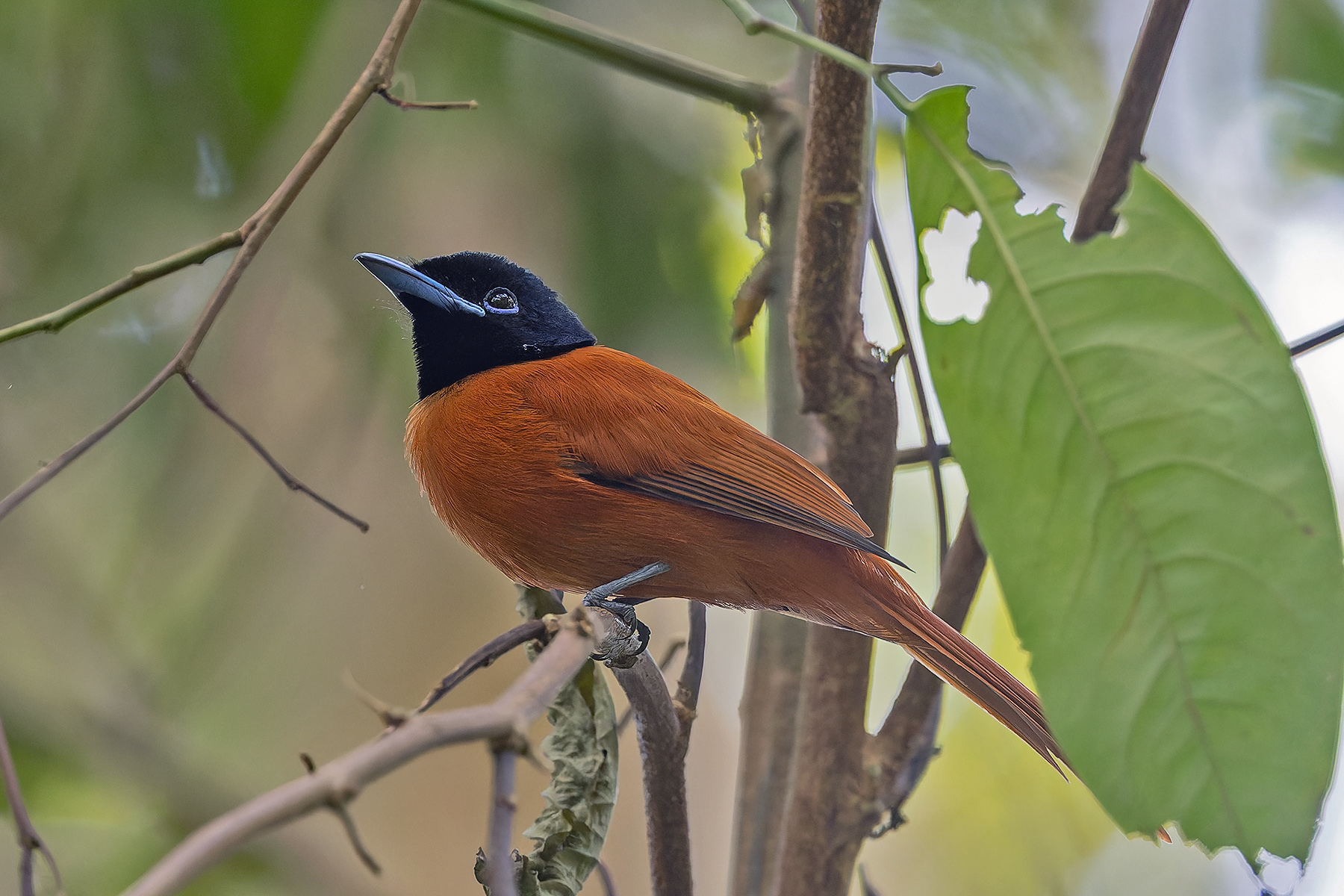
Red-bellied Paradise Flycatcher (image by Pete Morris)
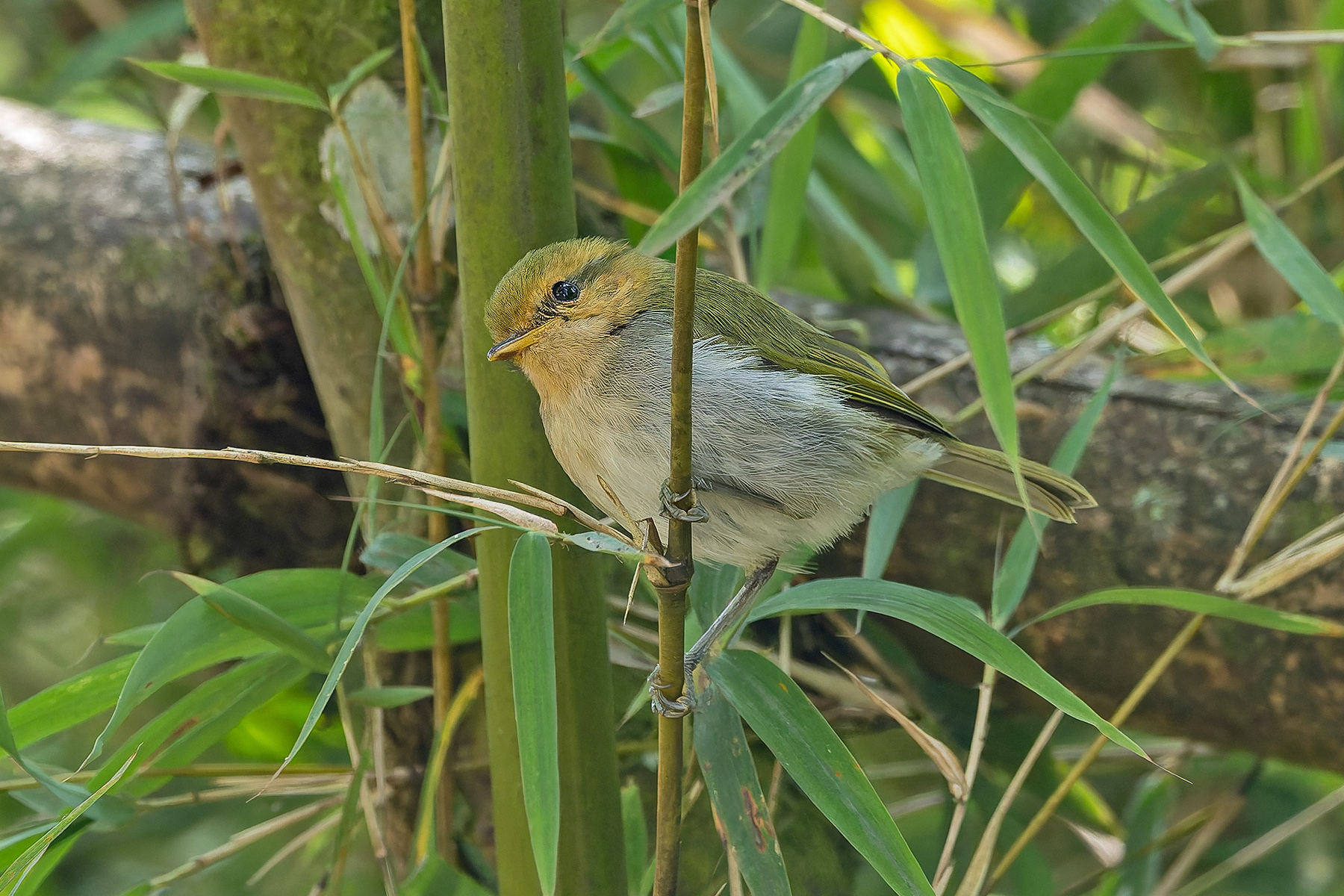
Red-faced Woodland Warbler (image by Pete Morris)
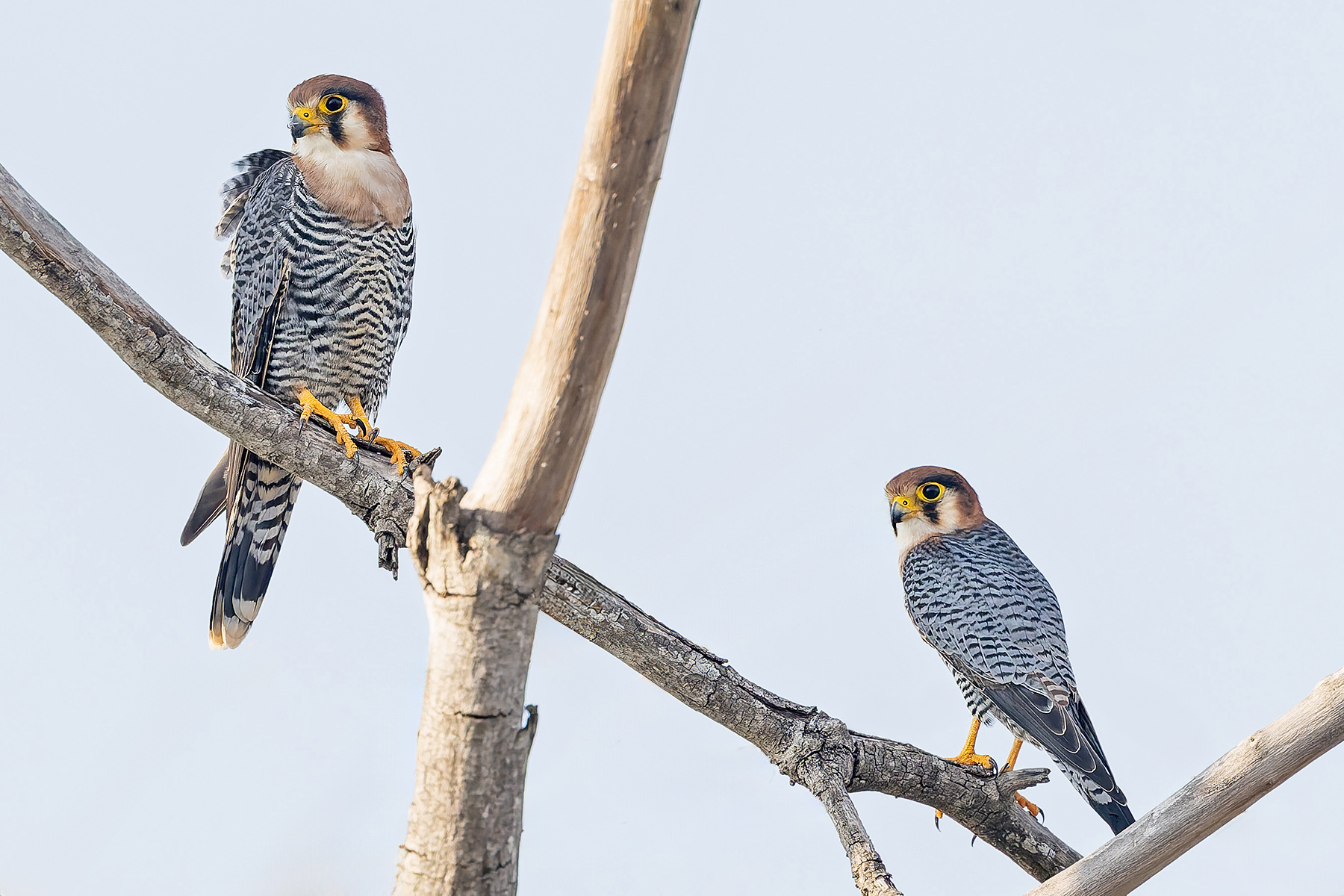
Red-necked Falcons (image by Pete Morris)
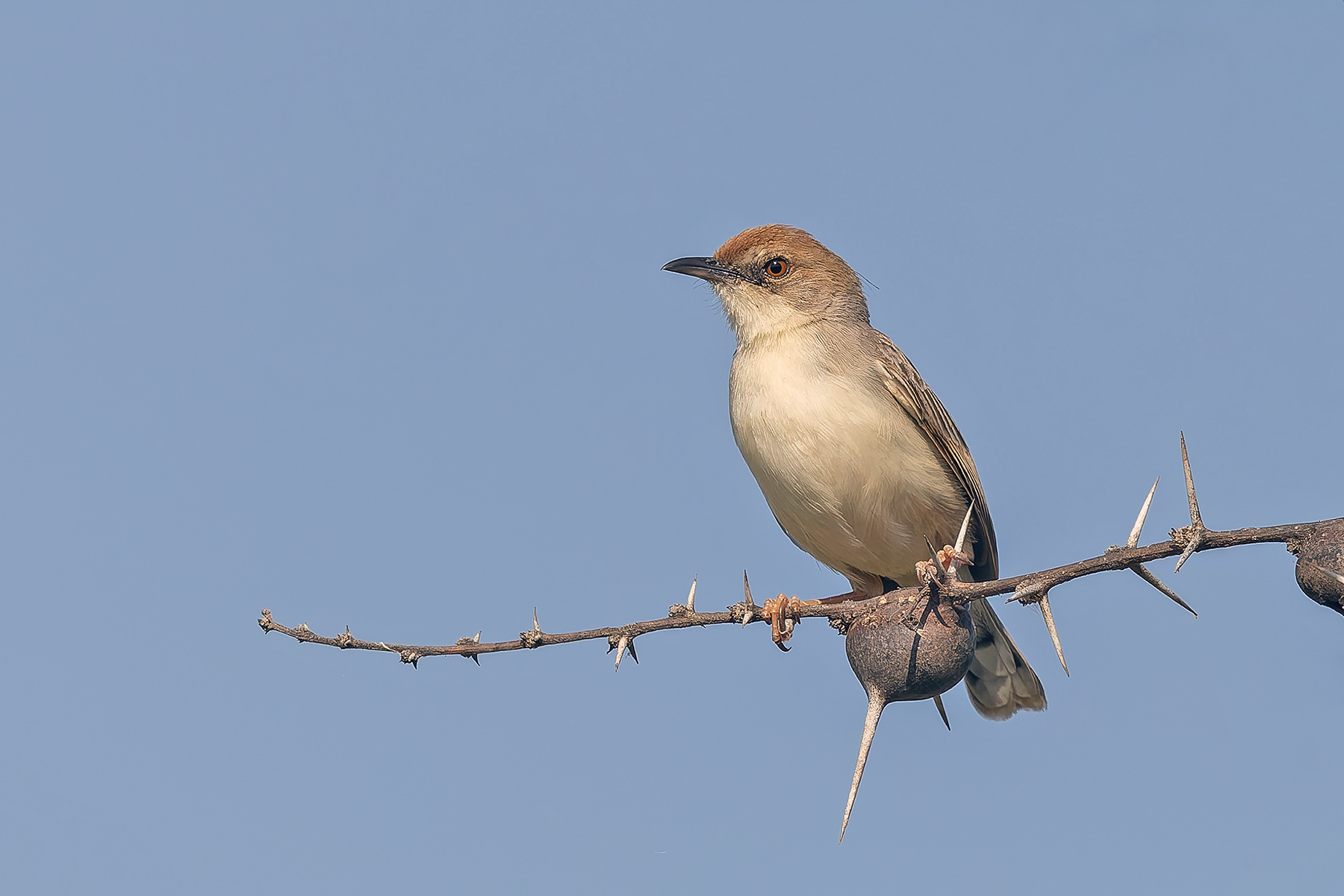
Red-pate Cisticola (image by Pete Morris)
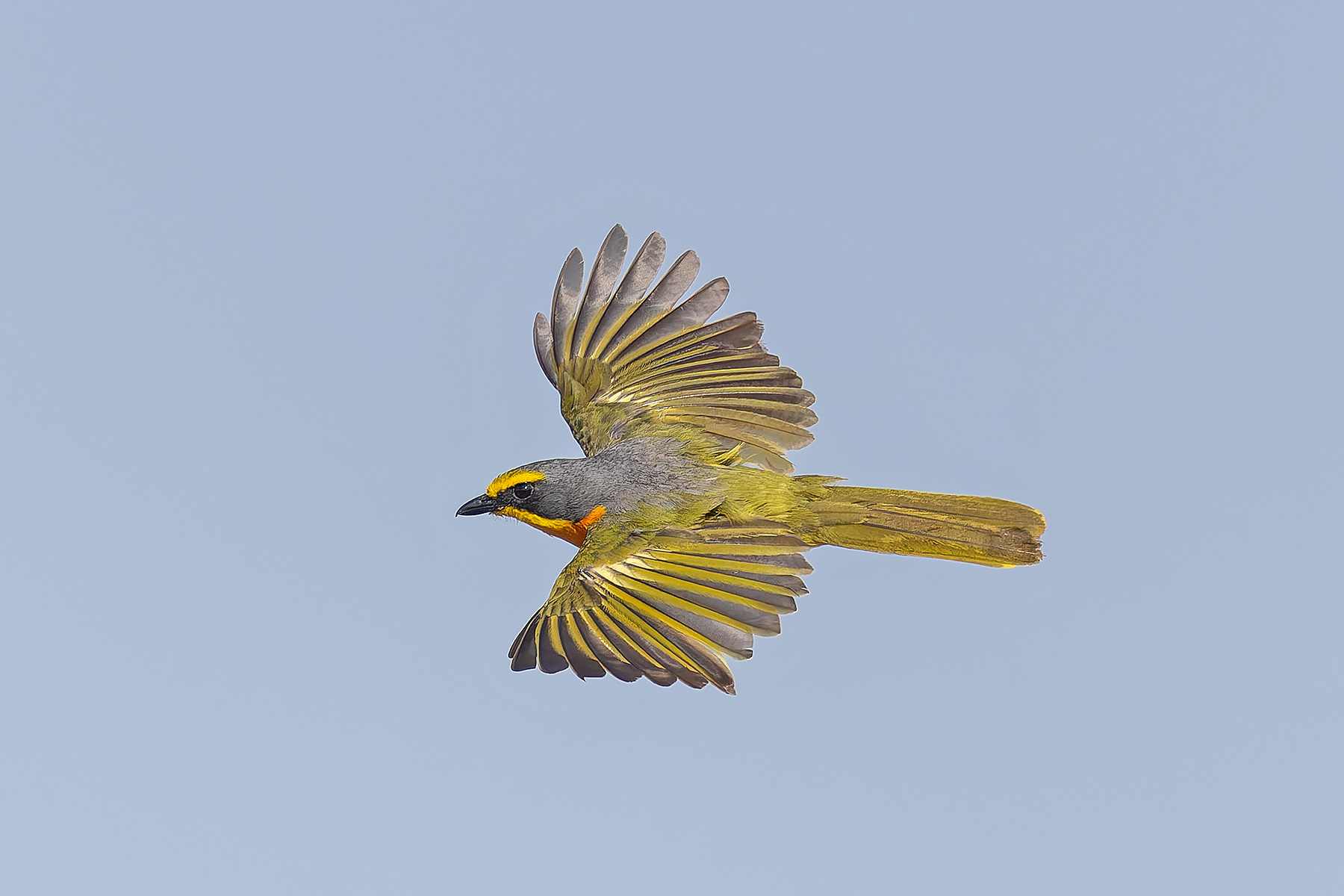
Orange-breasted Bushshrike (image by Pete Morris)
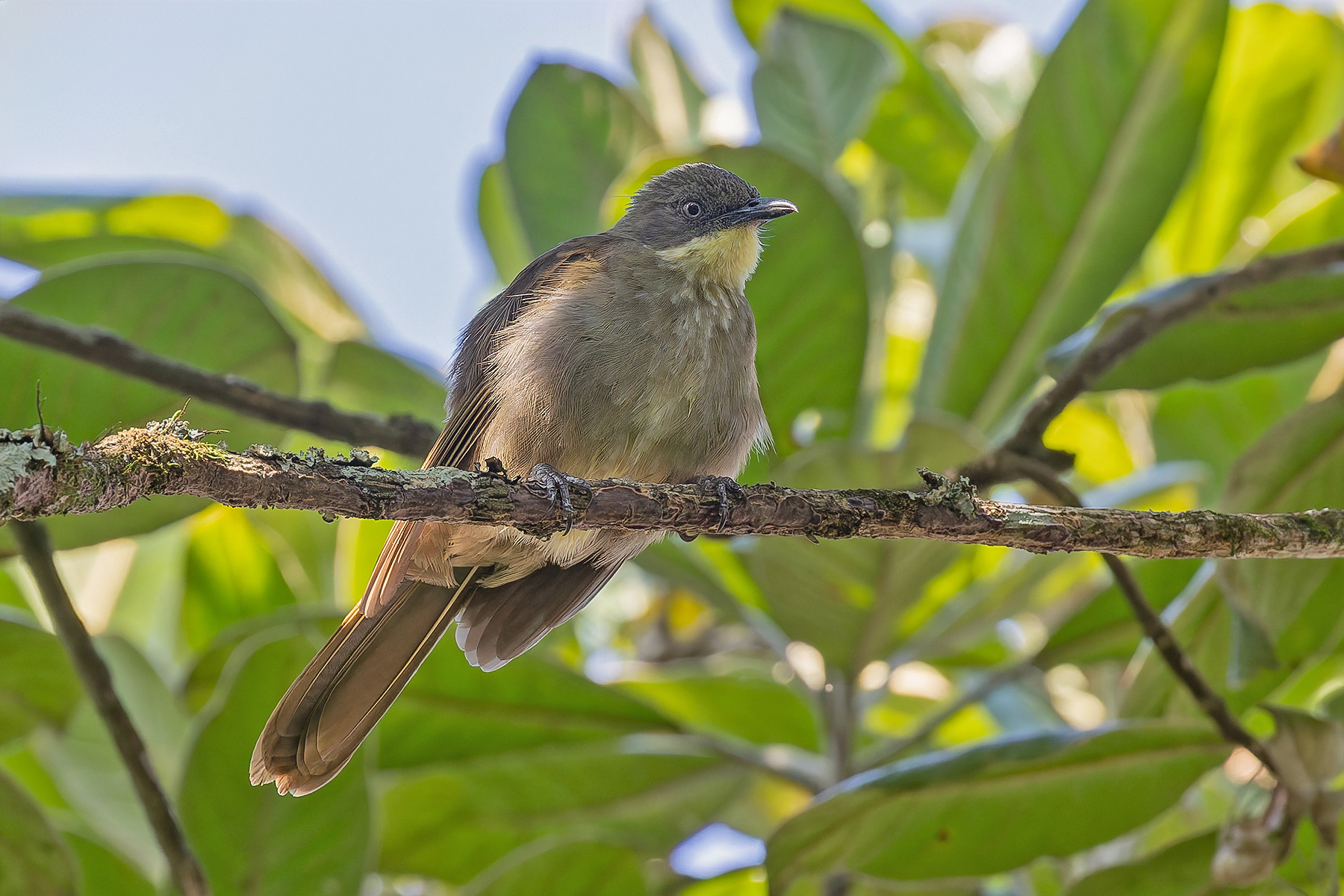
Pale-throated Greenbul (image by Pete Morris)
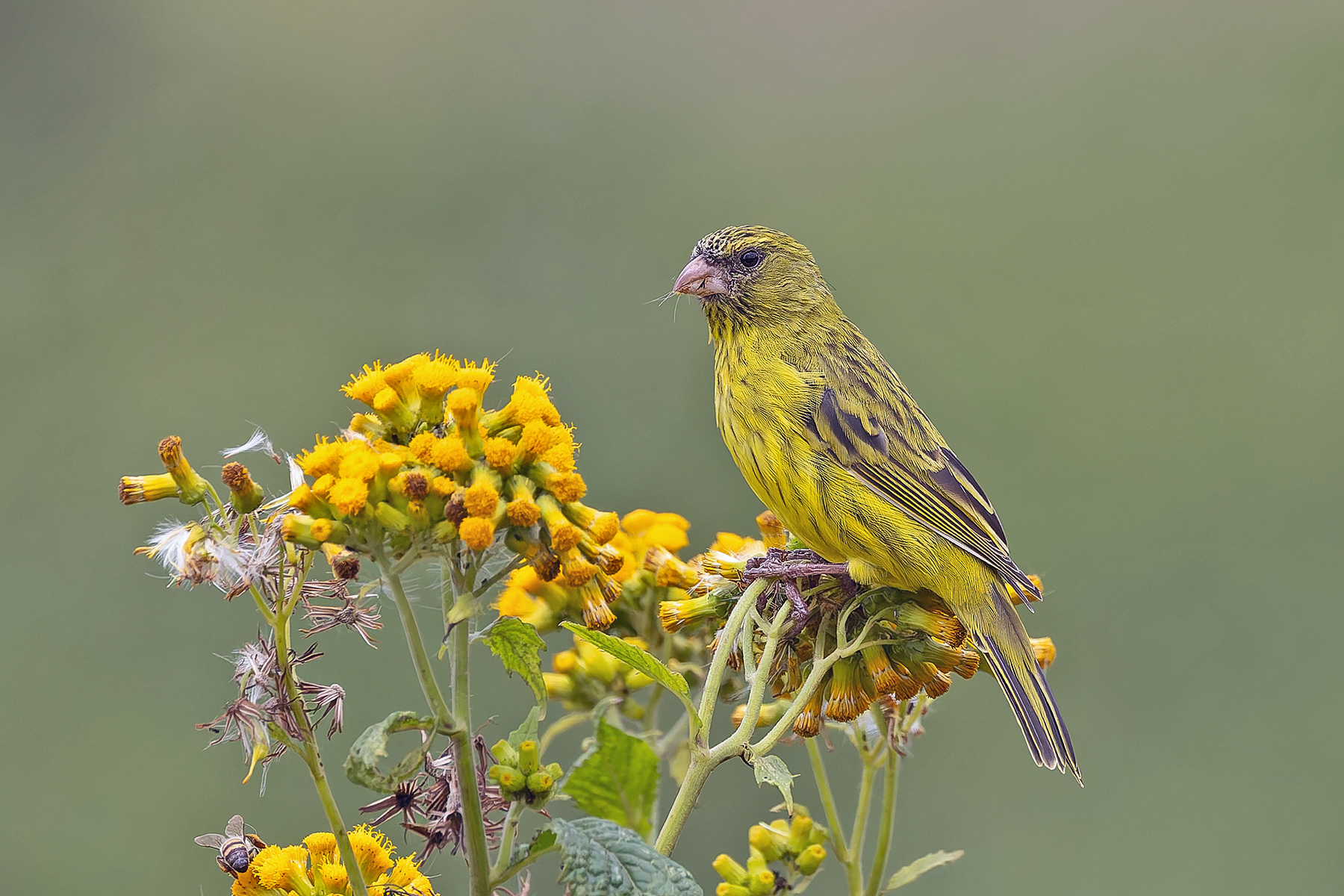
Papyrus Canary (image by Pete Morris)
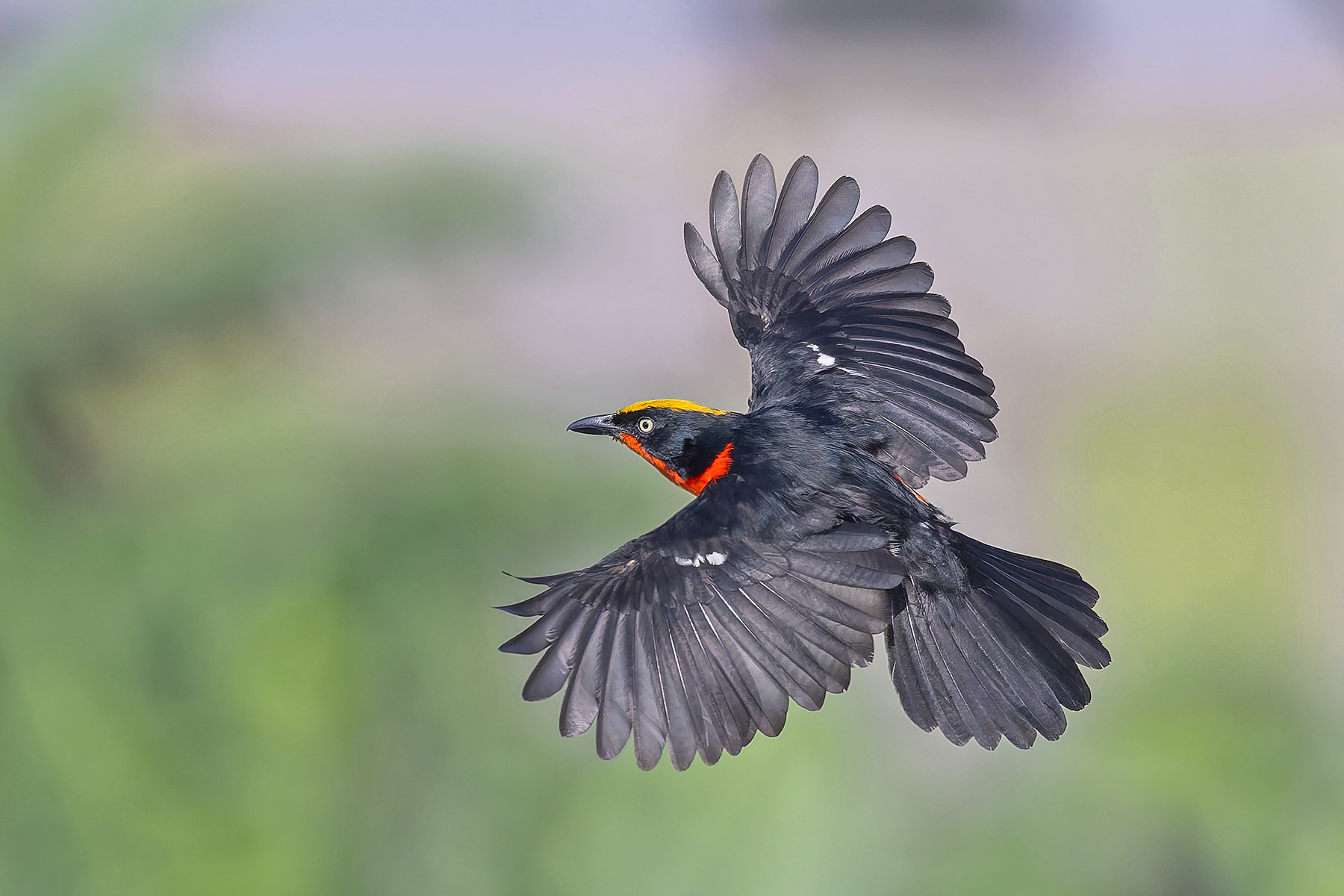
Papyrus Gonolek (image by Pete Morris)
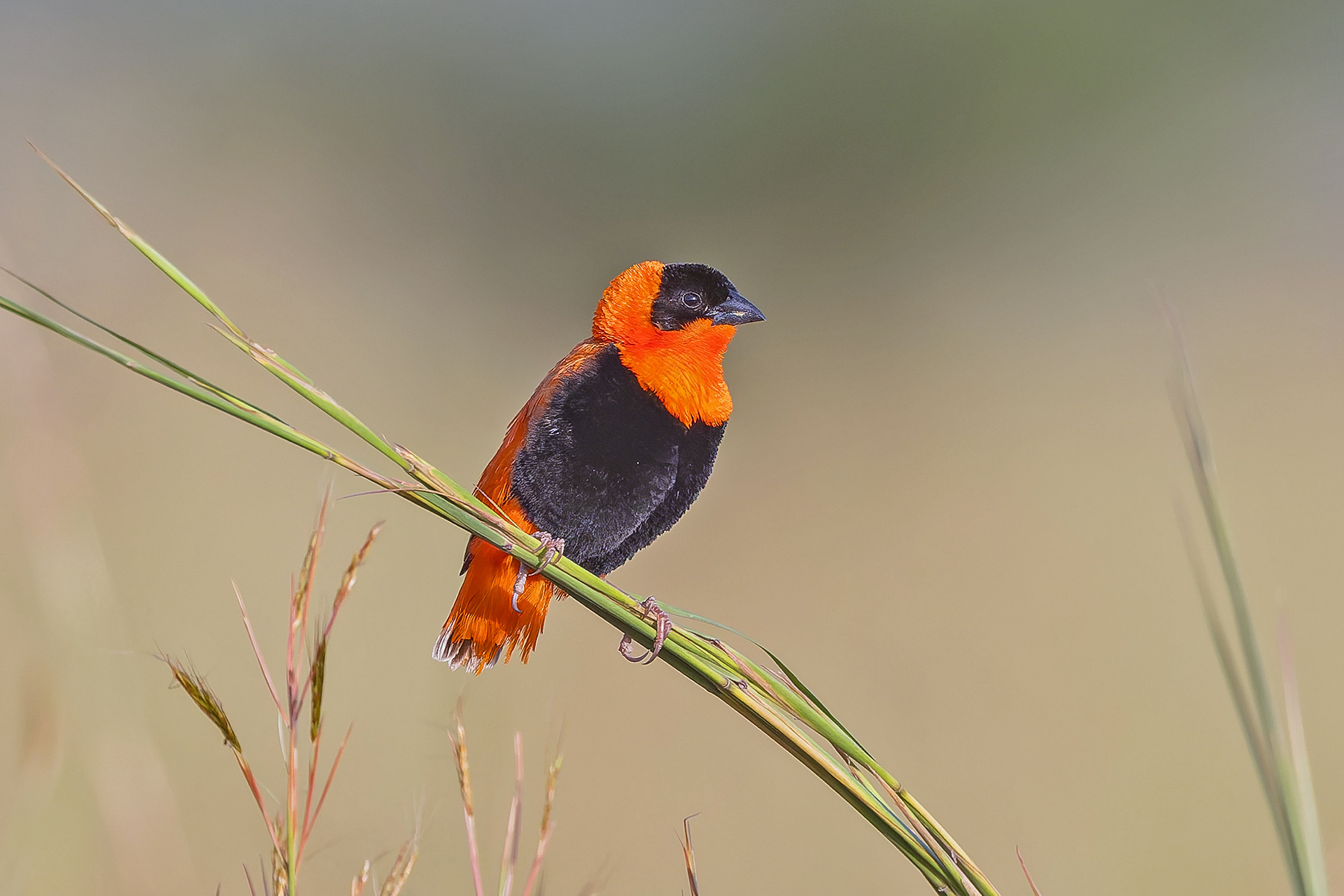
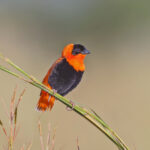
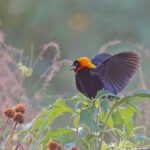
Northern Red Bishop (image by Pete Morris)
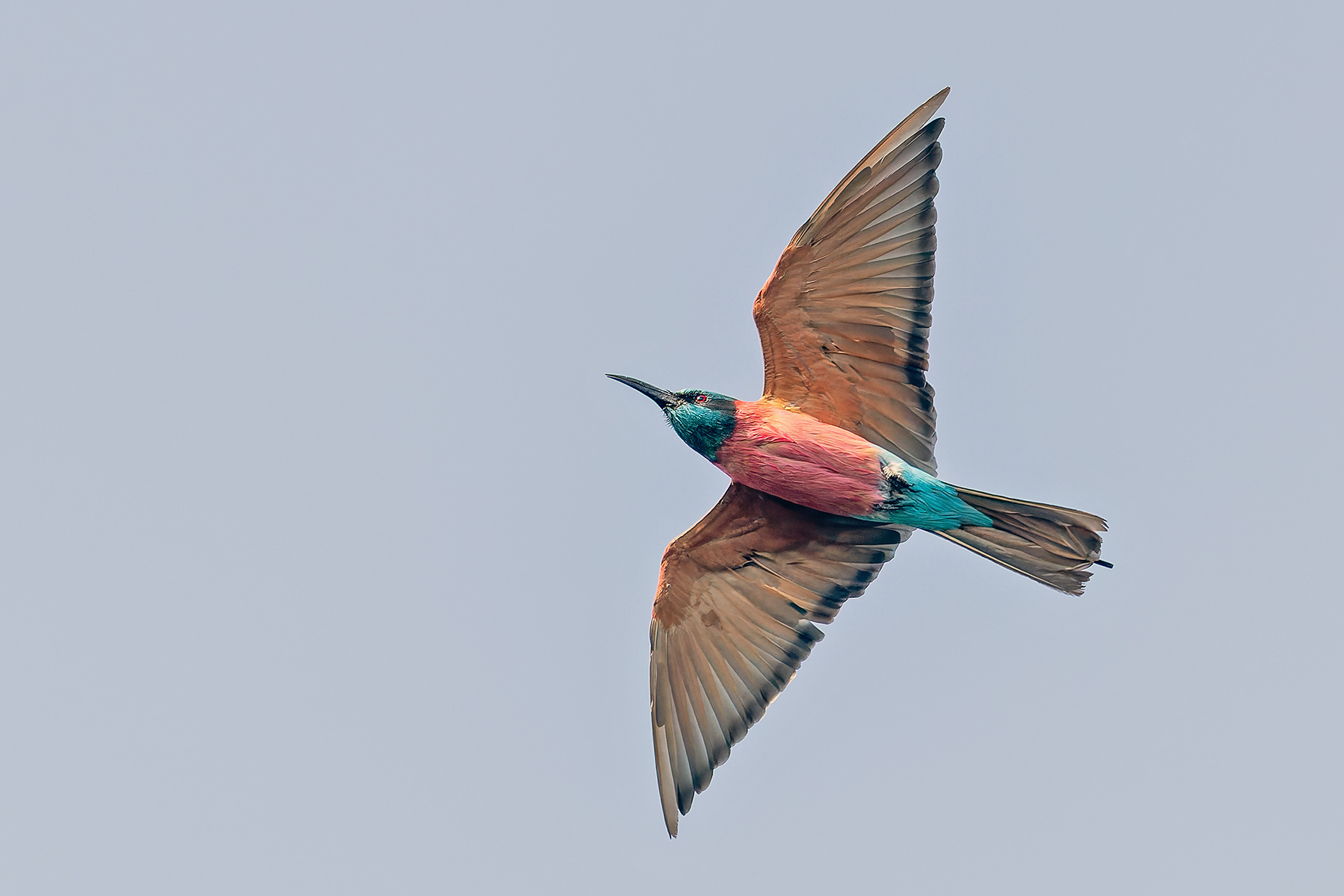
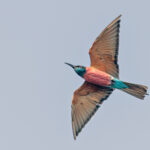
Northern Carmine Bee-eater (image by Pete Morris)
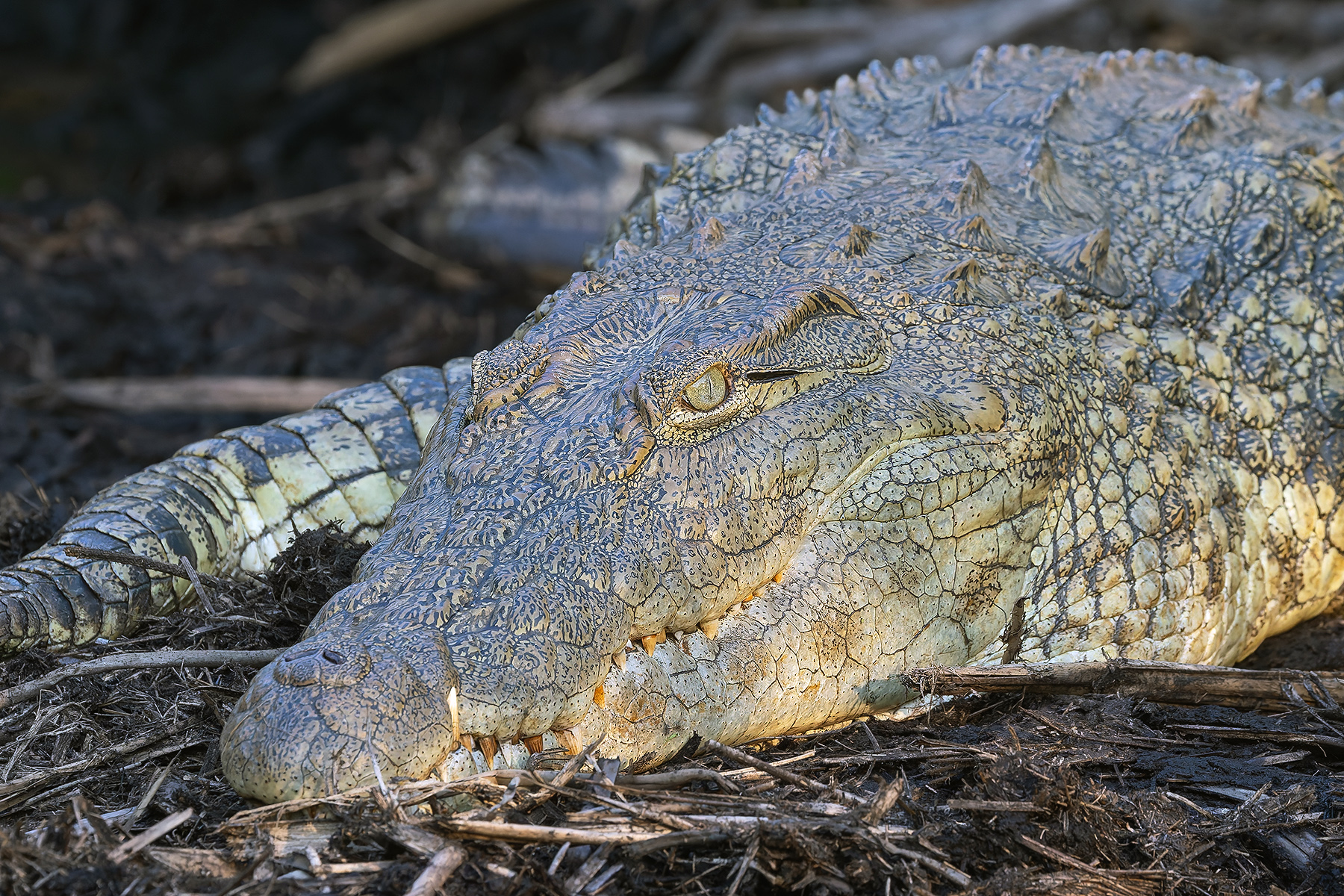
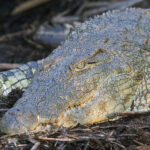
Nile Crocodile (image by Pete Morris)
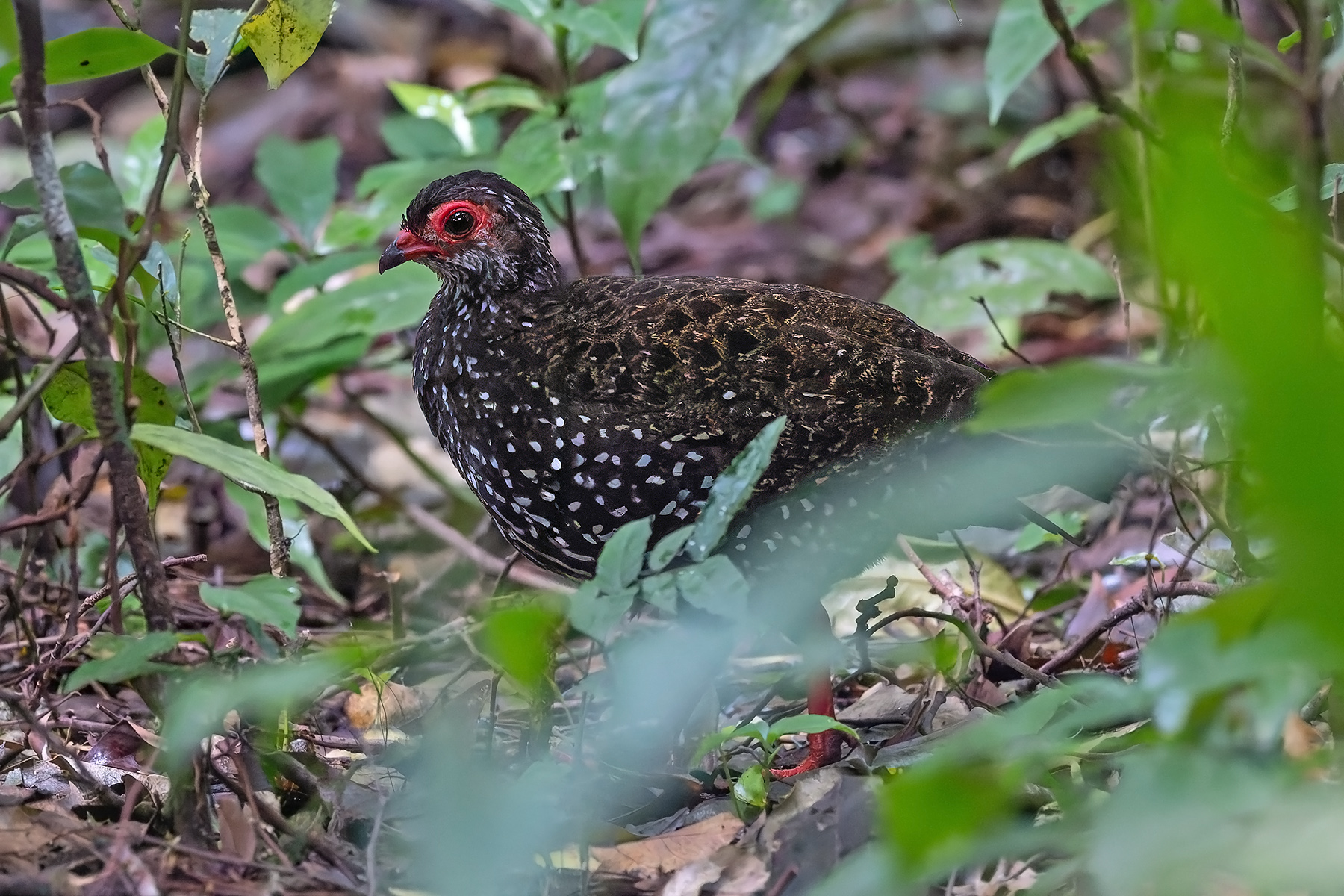
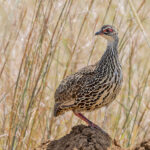
Nahan's Partridge (image by Pete Morris)
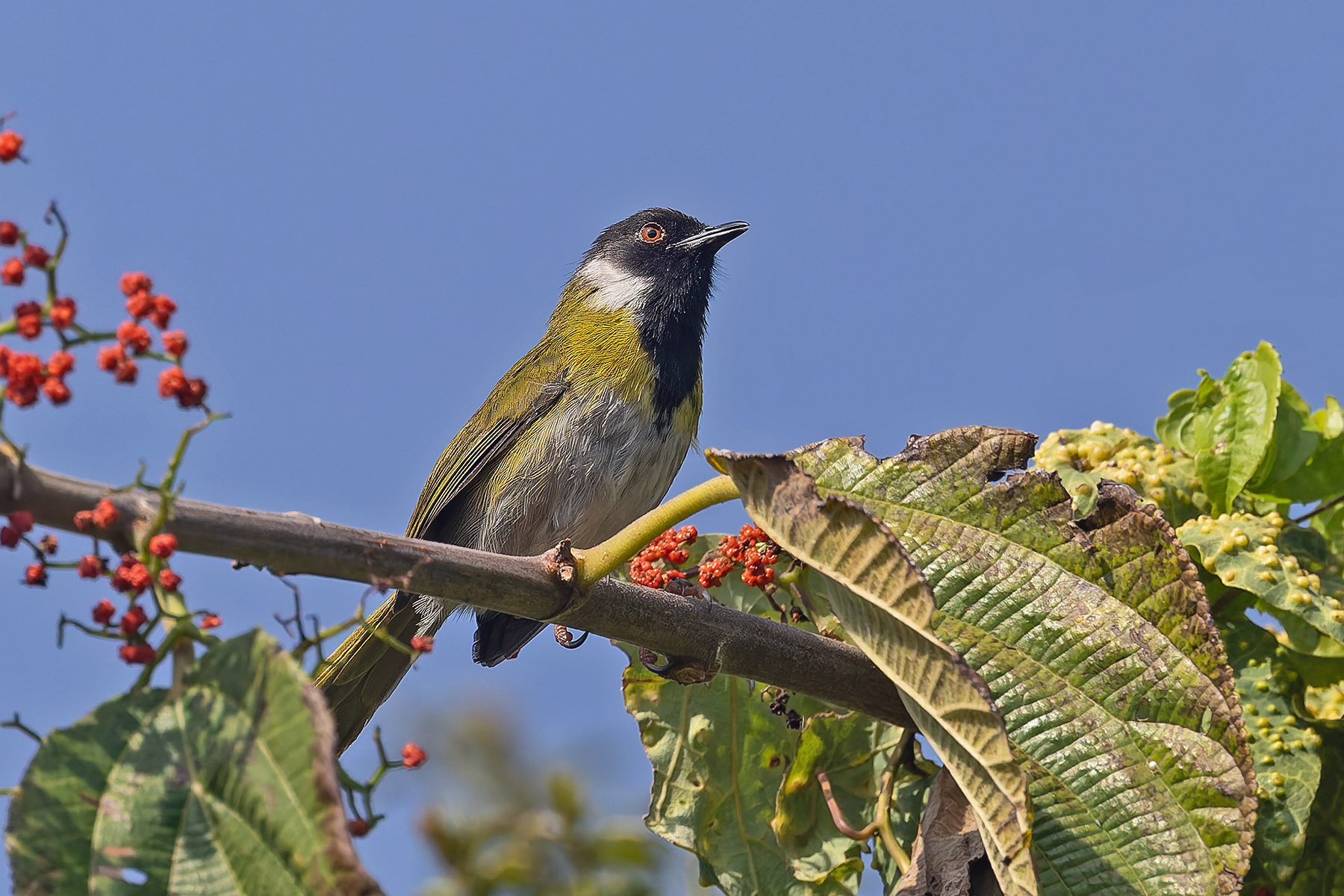
Mountain Masked Apalis (image by Pete Morris)
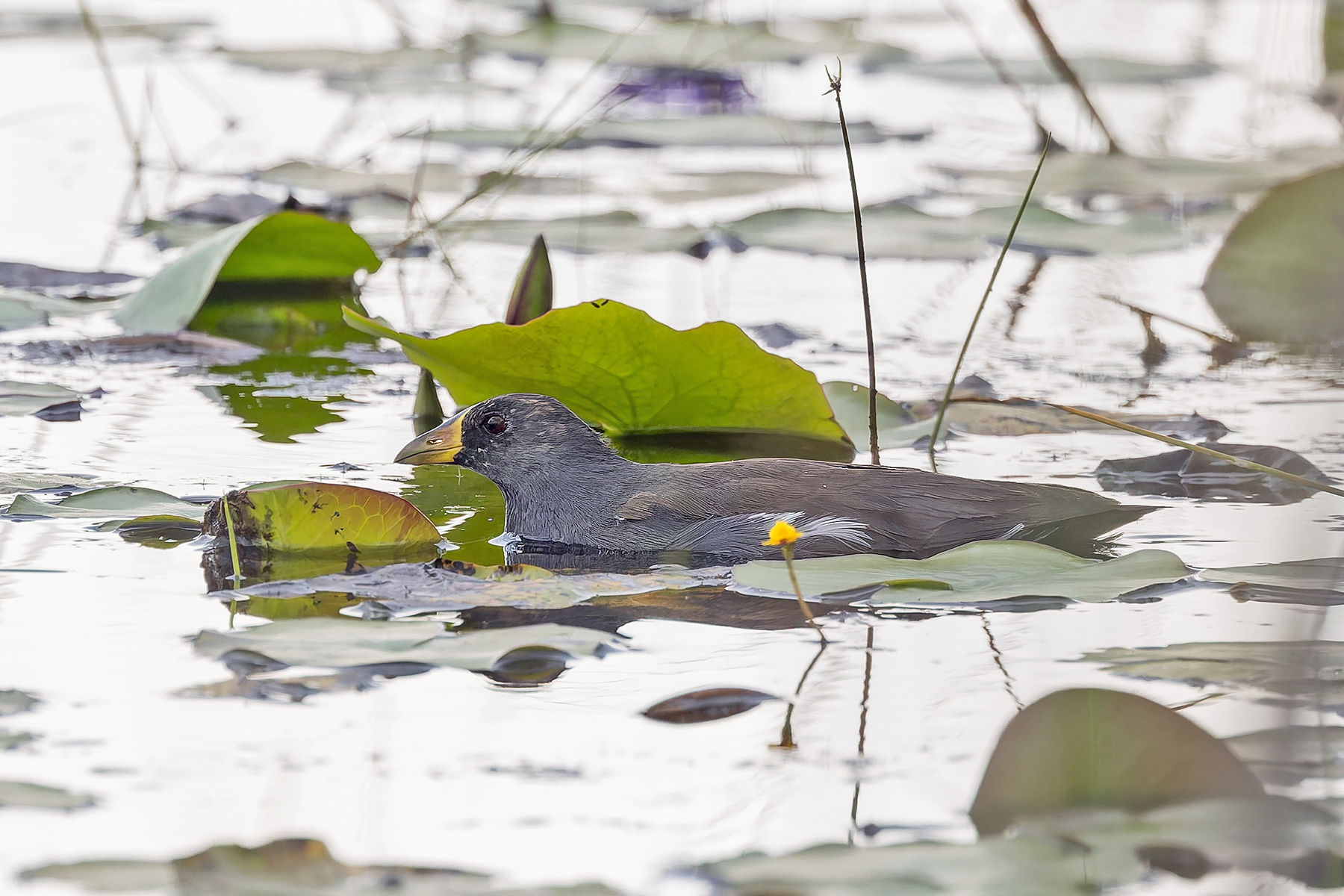
Lesser Moorhen (image by Pete Morris)
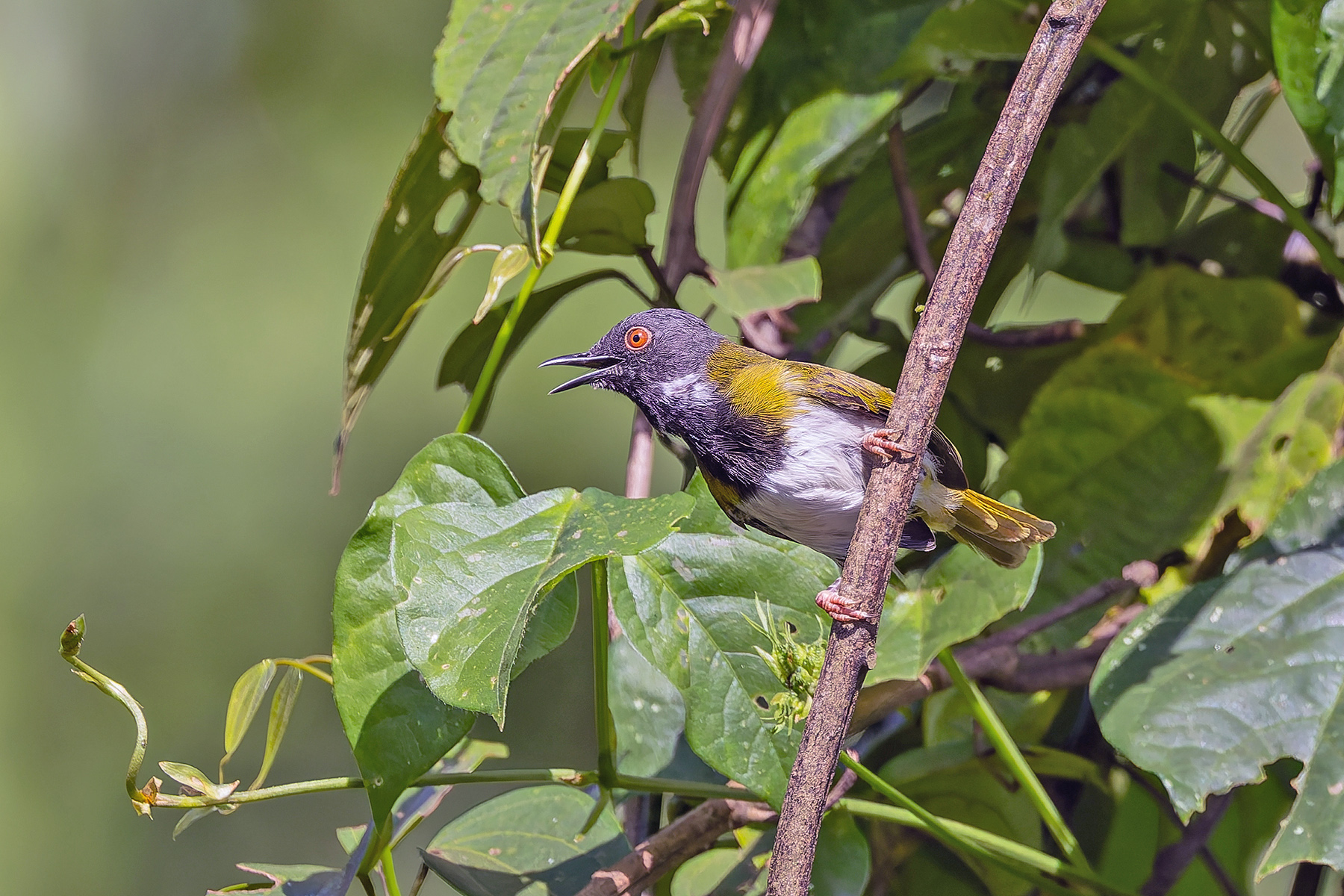
Lowland Masked Apalis (image by Pete Morris)
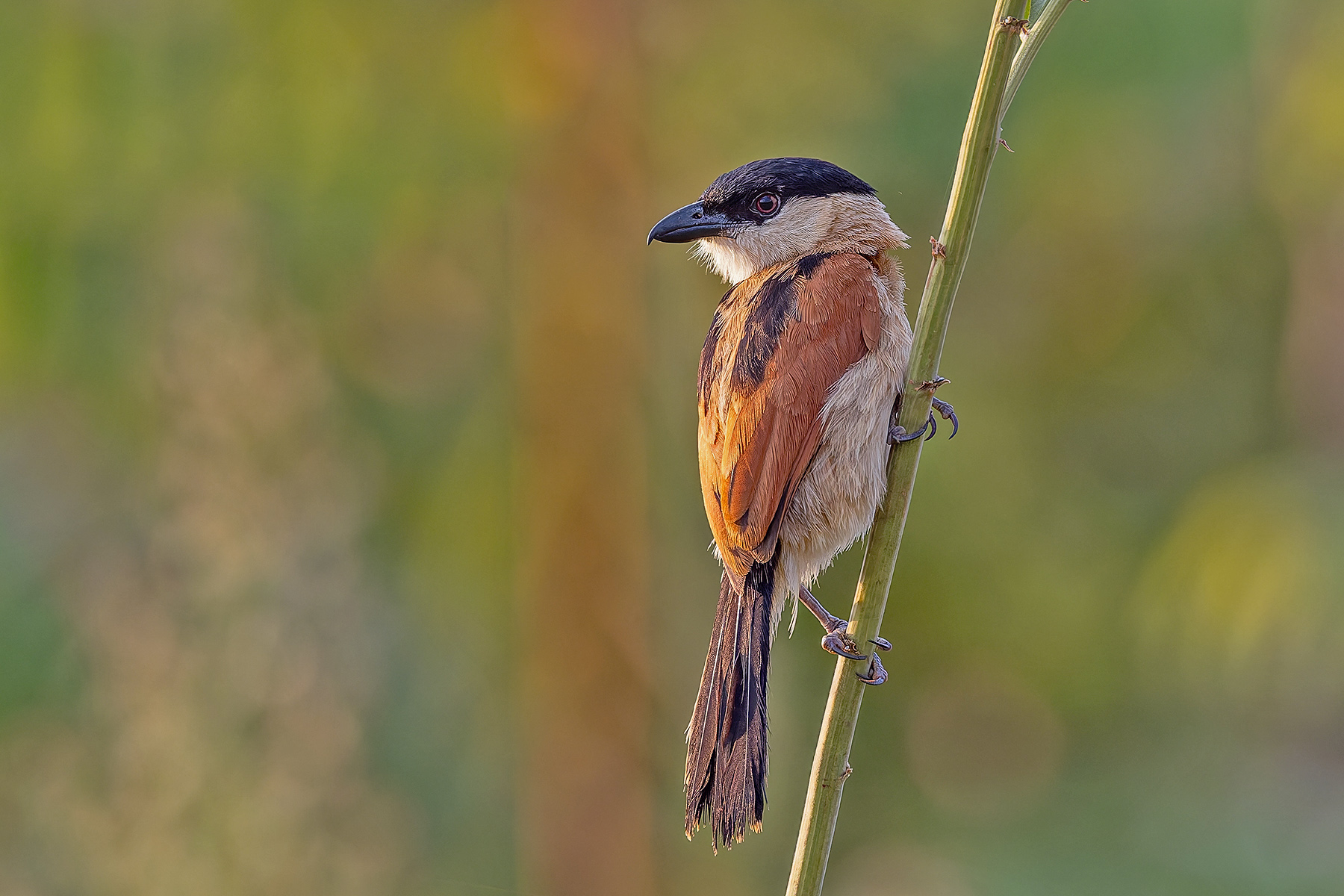
Marsh Tchagra (image by Pete Morris)
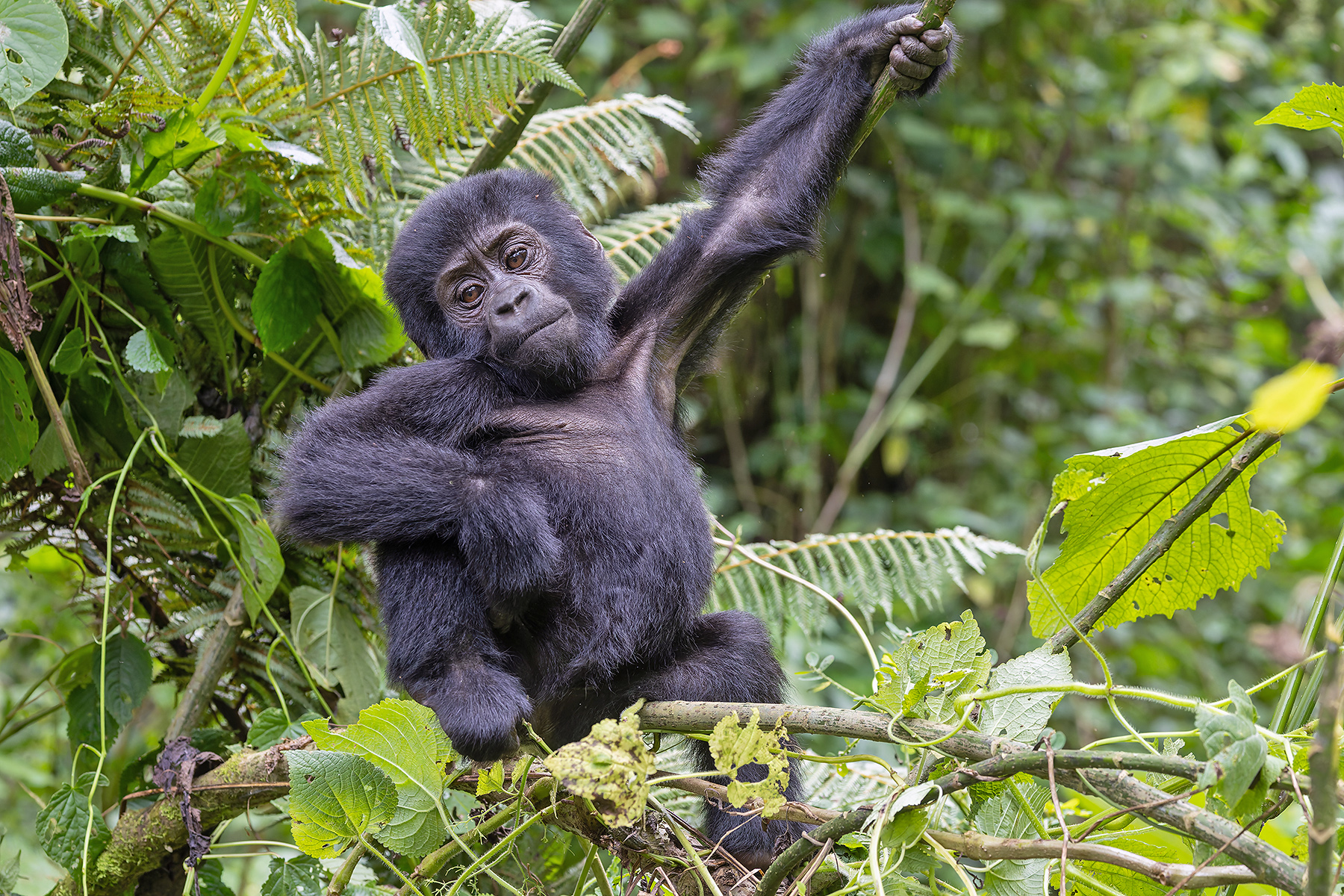
Mountain Gorilla (image by Pete Morris)
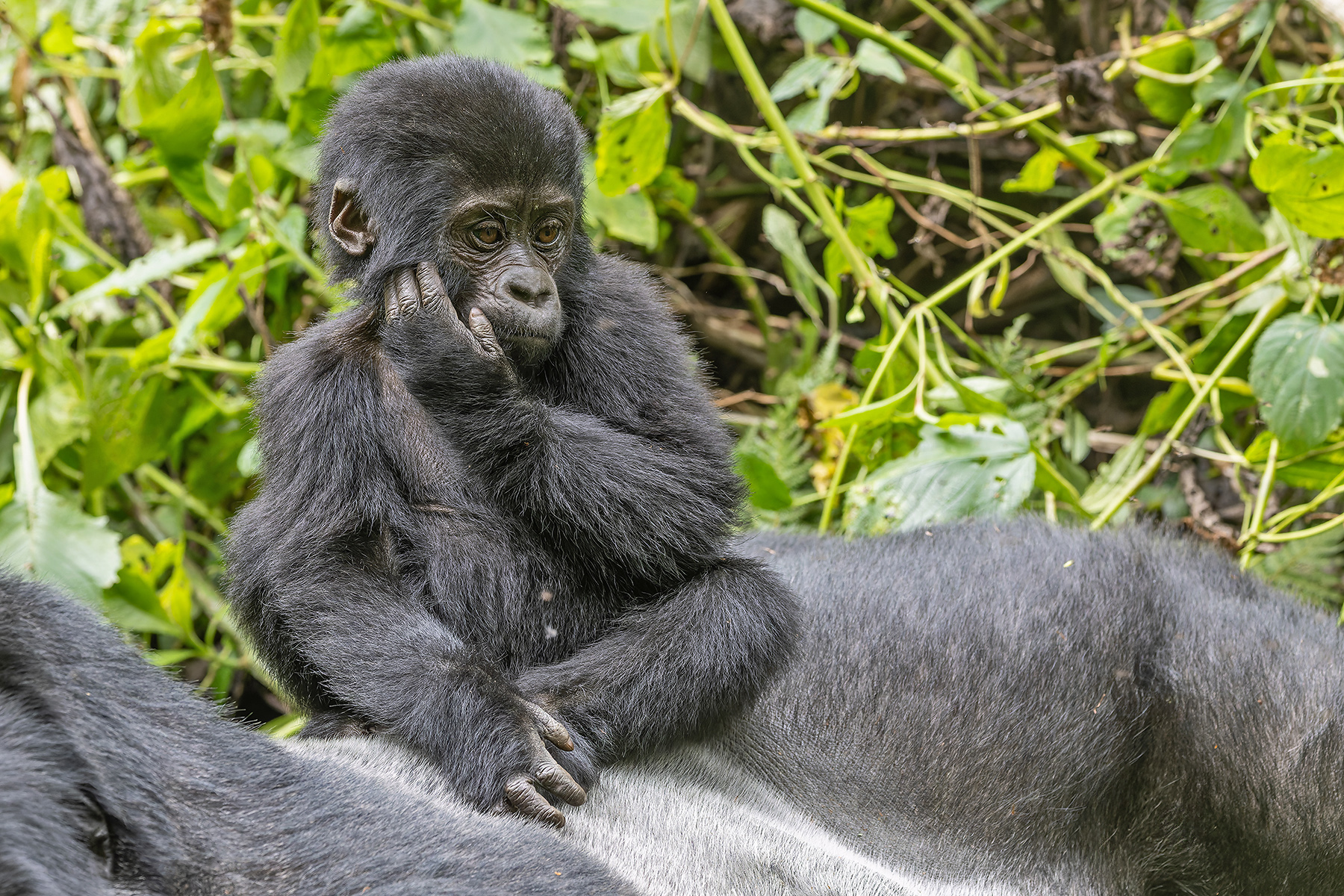
Mountain Gorilla (image by Pete Morris)
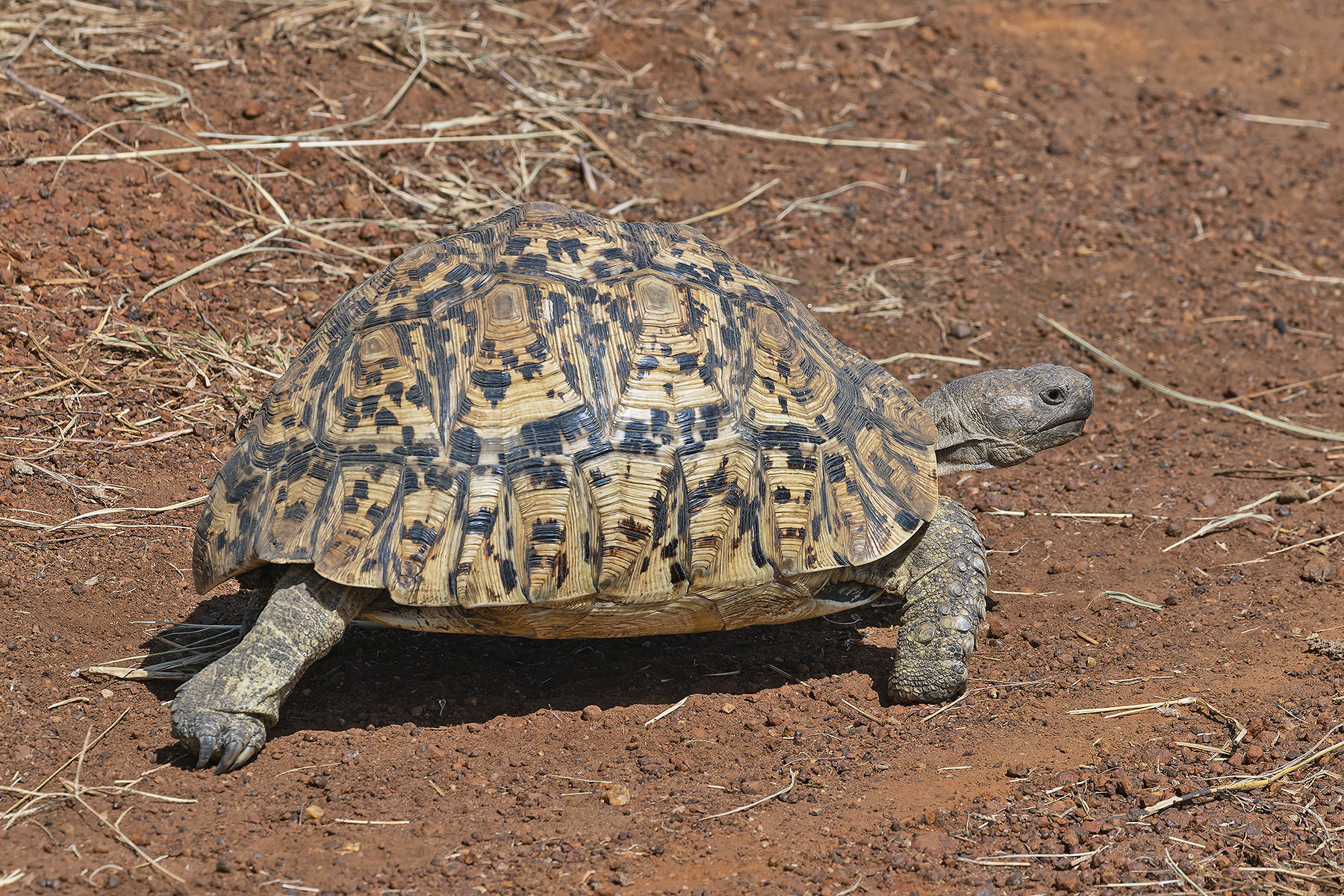
Leopard Tortoise (image by Pete Morris)
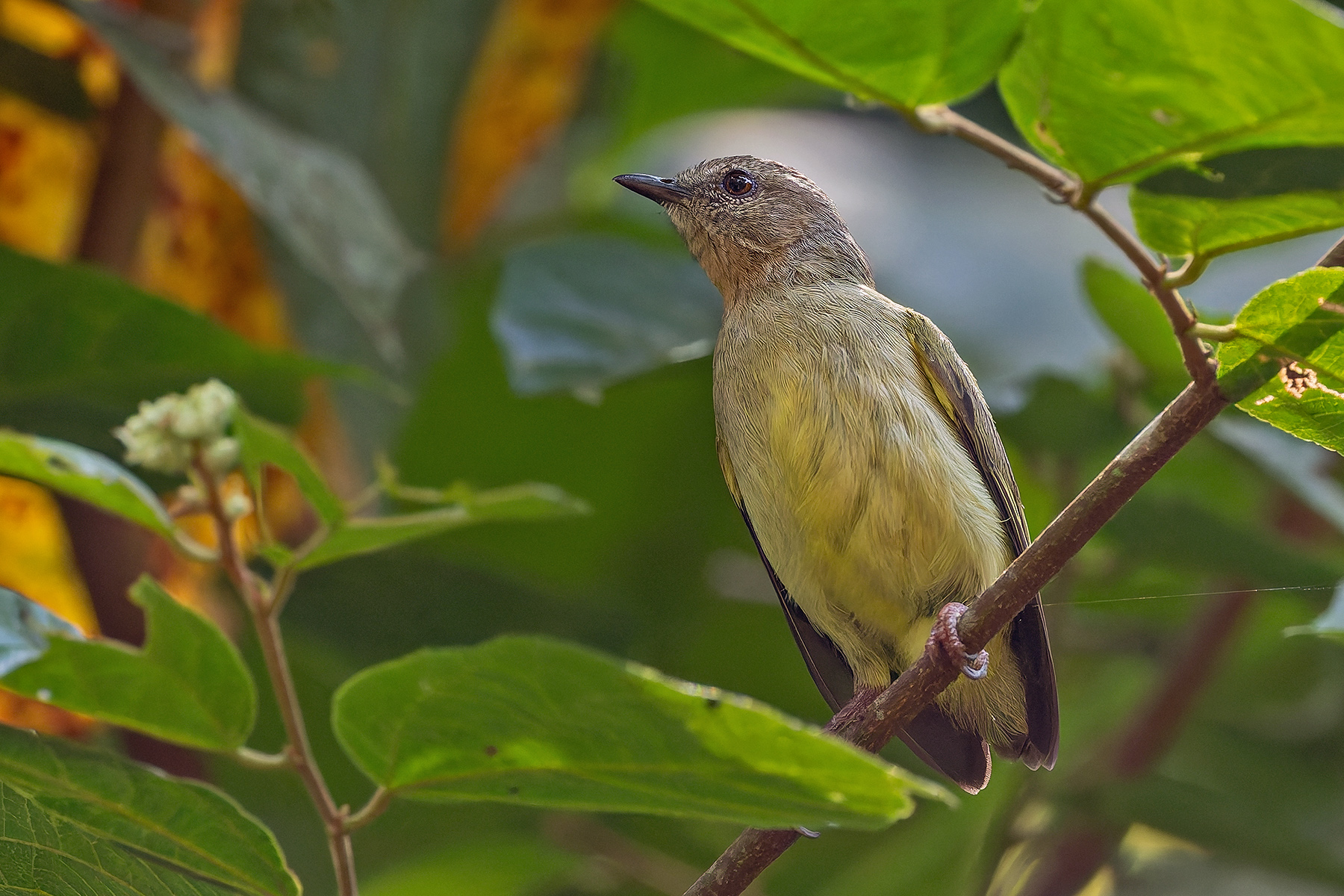
Lemon-bellied Crombec (image by Pete Morris)
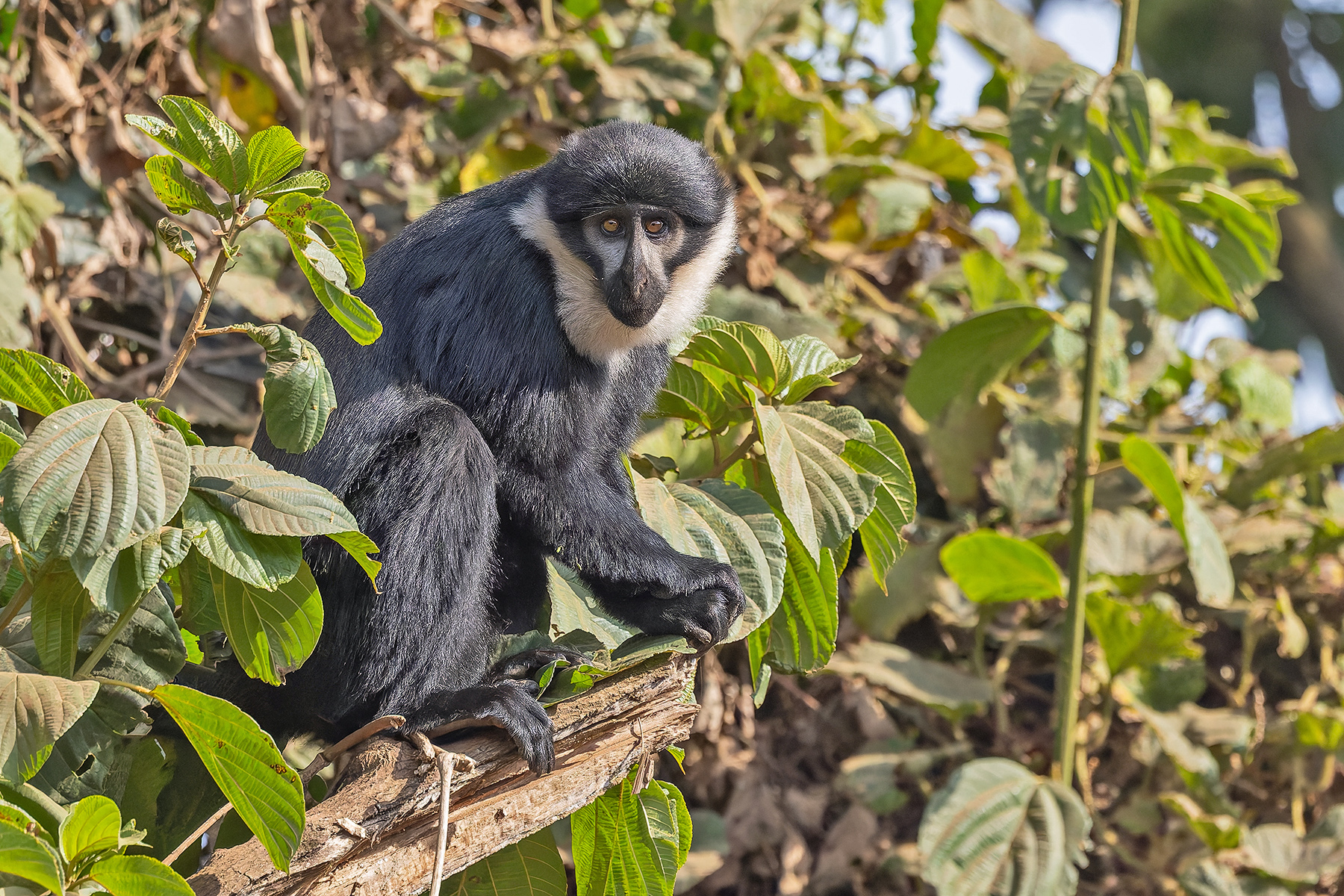
L_hoest's Monkey (image by Pete Morris)
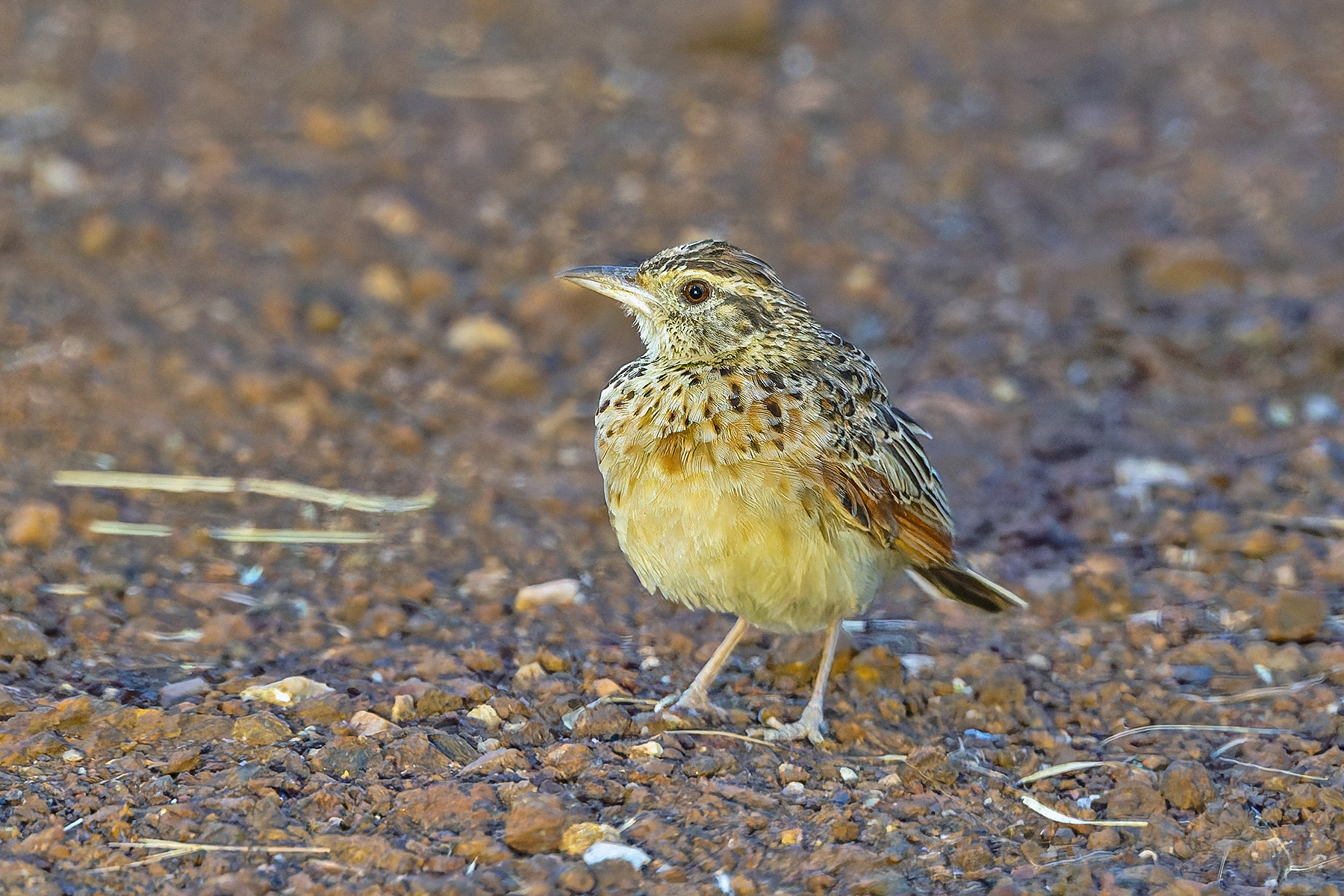
Kidepo Lark (image by Pete Morris)
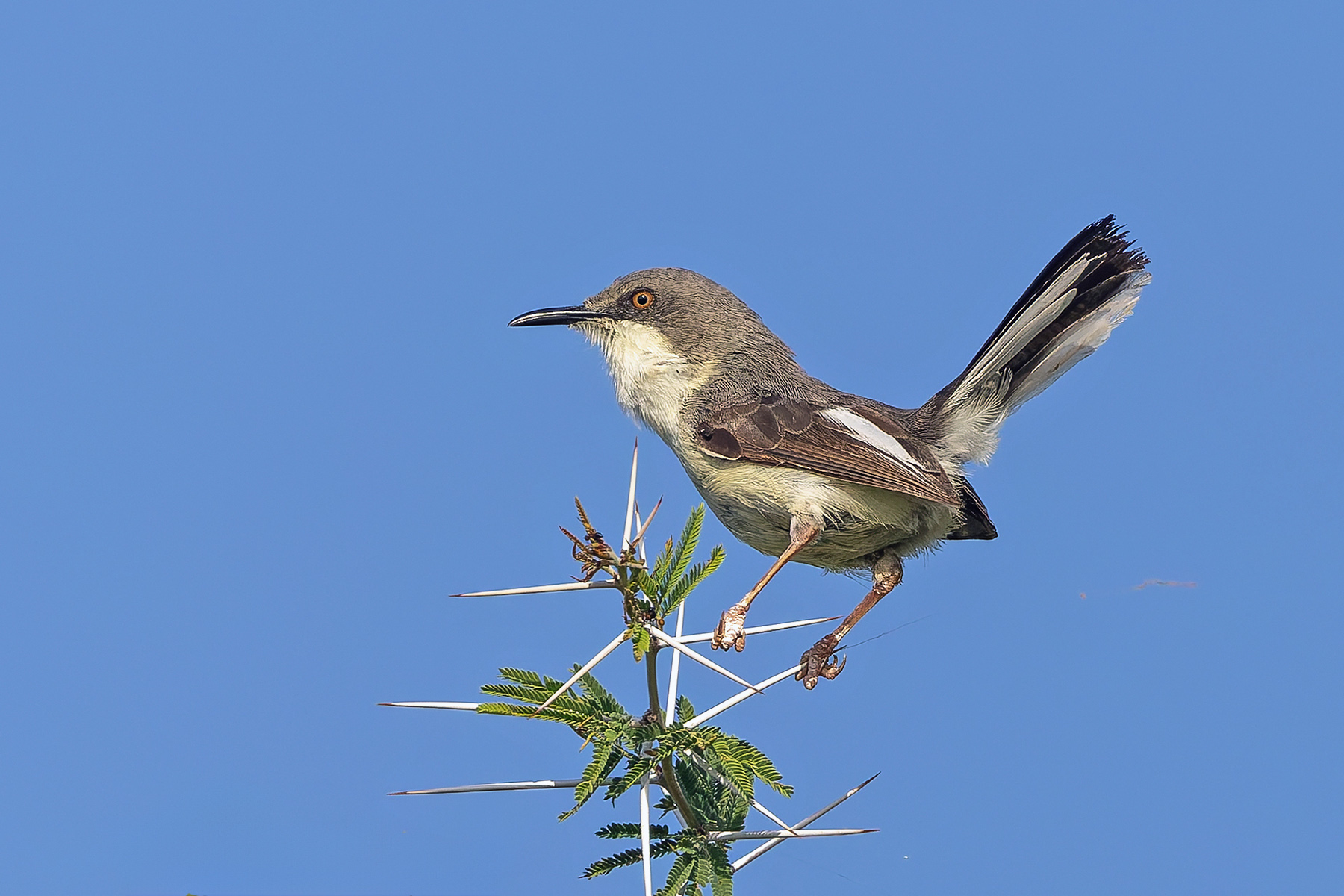
Karamoja Apalis (image by Pete Morris)
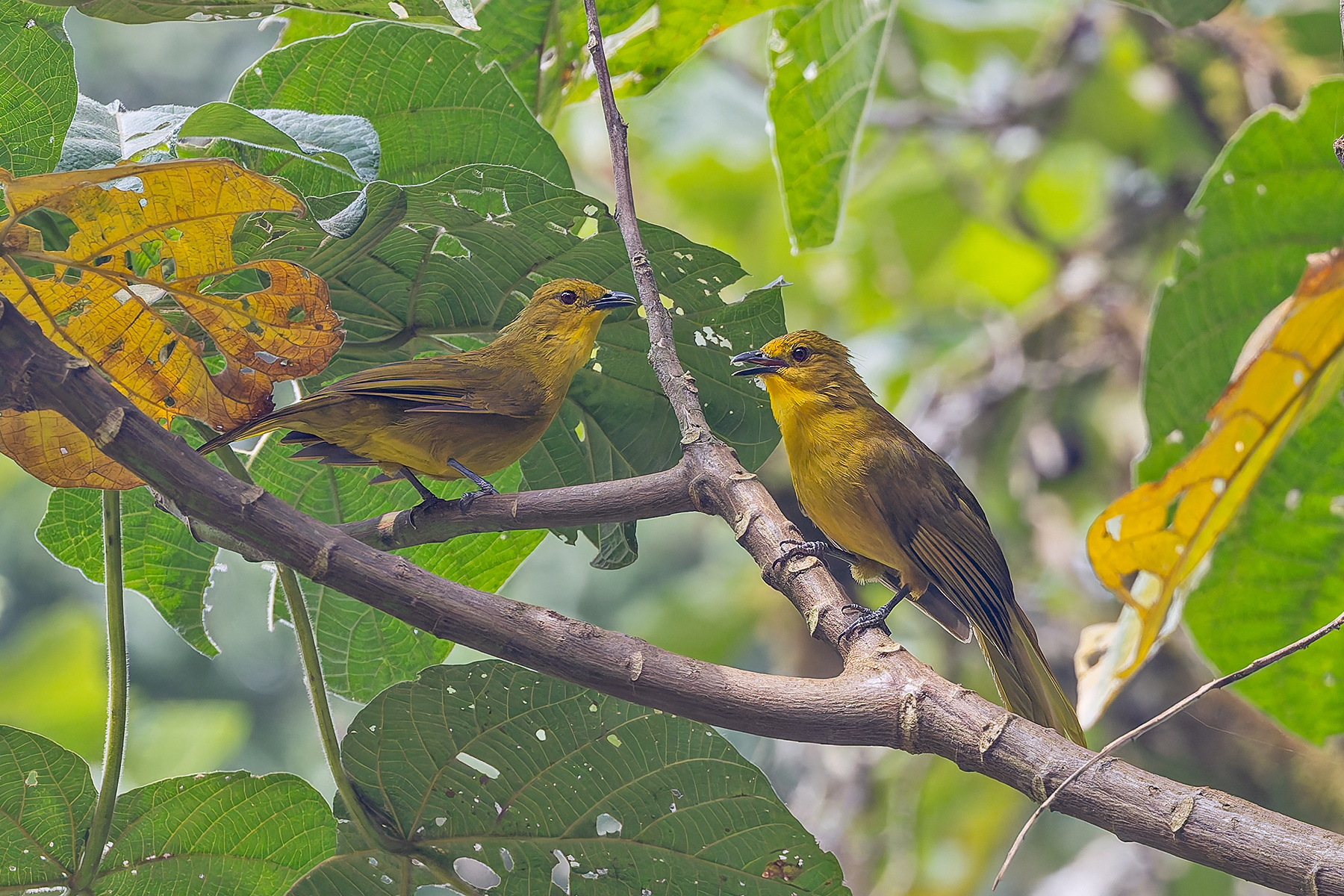
Joyful Greenbuls (image by Pete Morris)
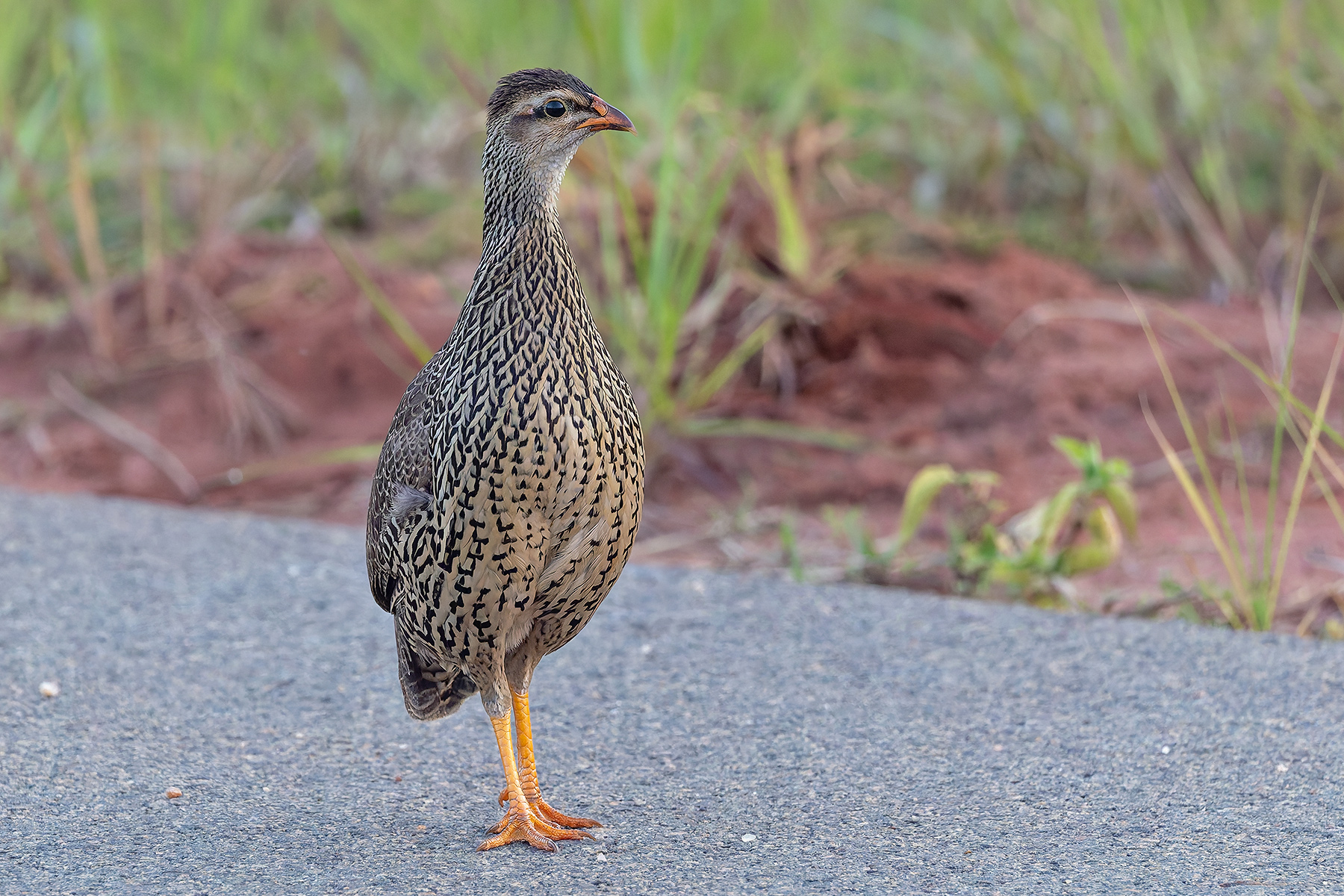
Heuglin's Spurfowl (image by Pete Morris)
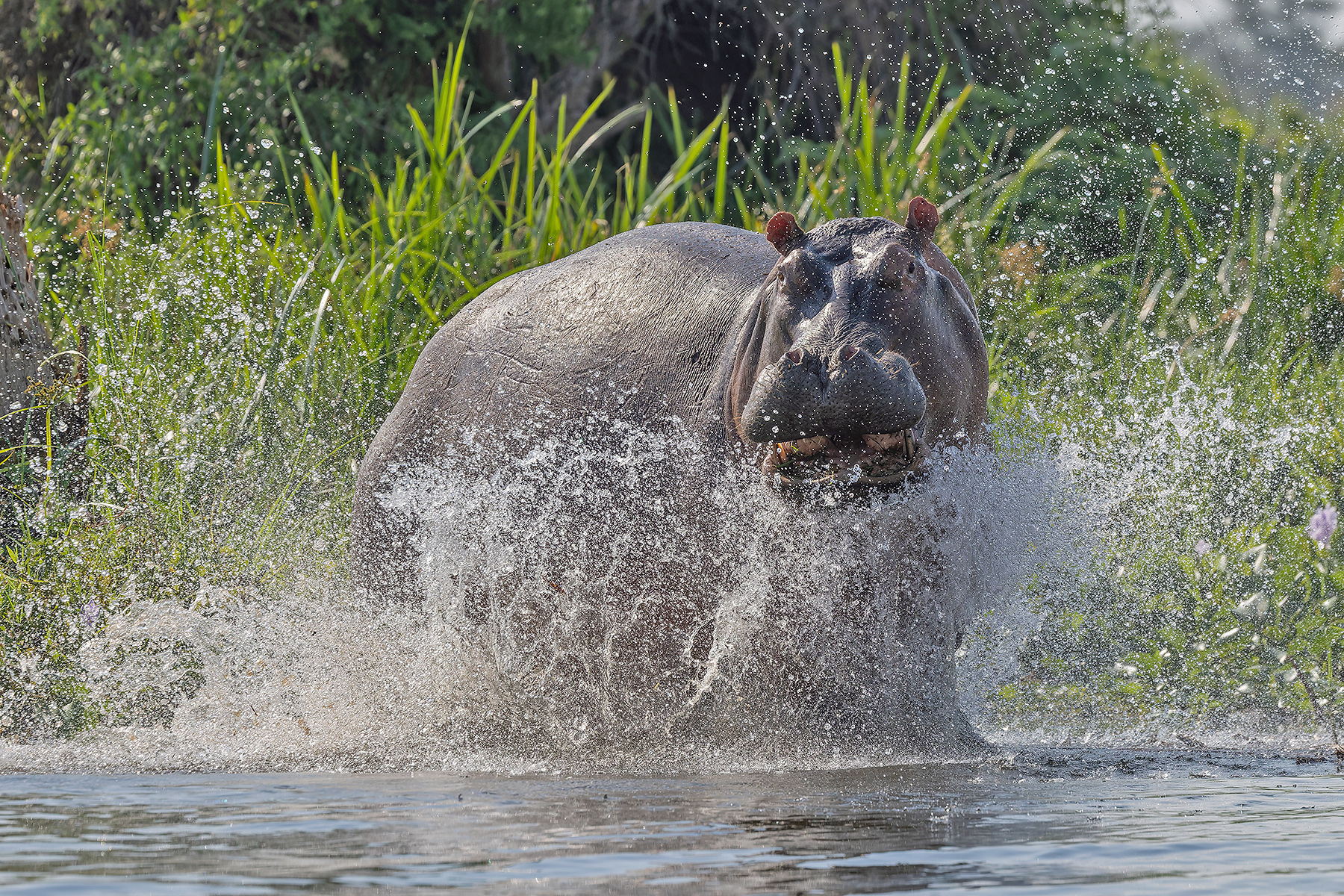
Hippopotamus (image by Pete Morris)
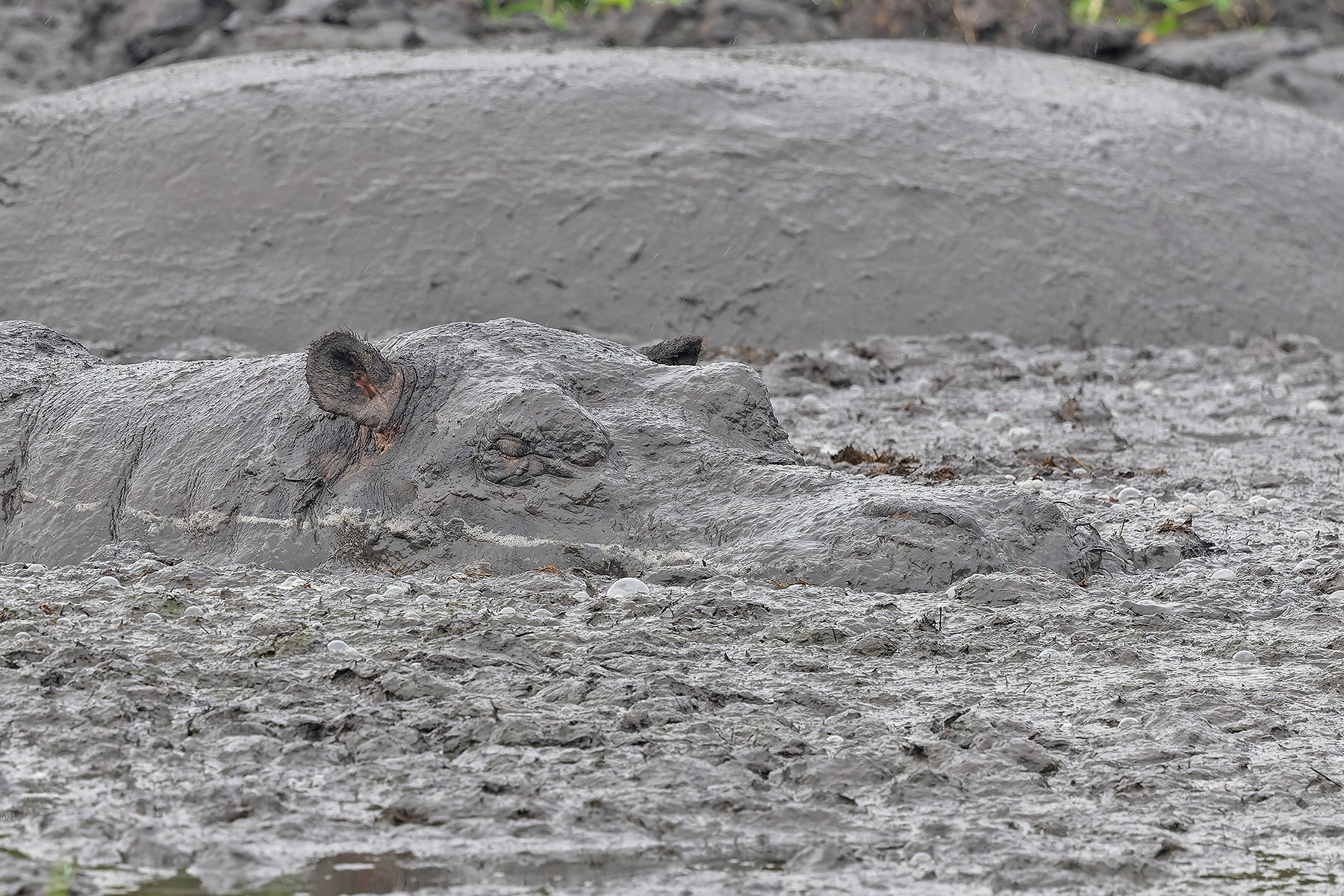
Hippopotamus (image by Pete Morris)
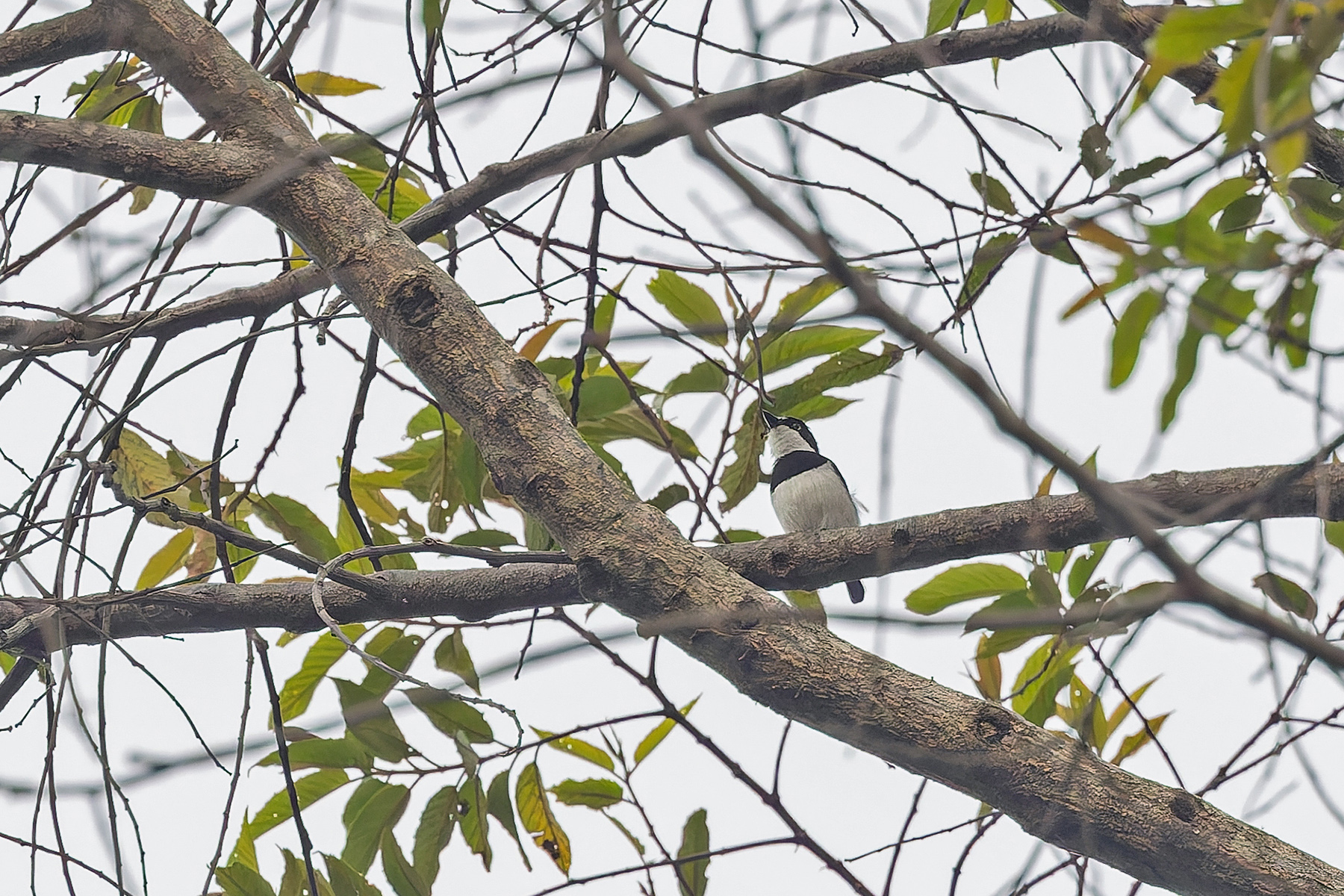
Ituri Batis (image by Pete Morris)
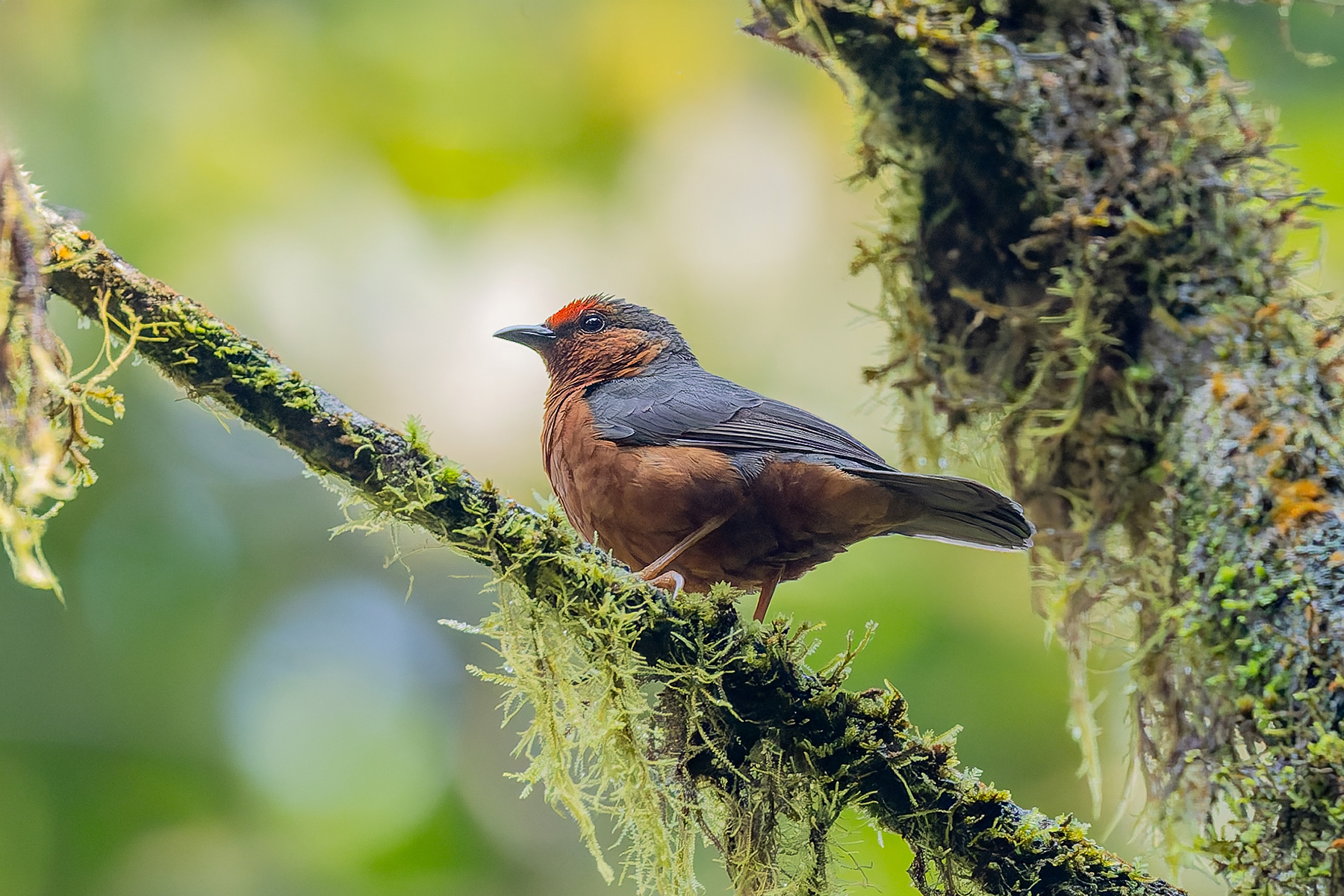
Jameson's Antpecker (image by Pete Morris)
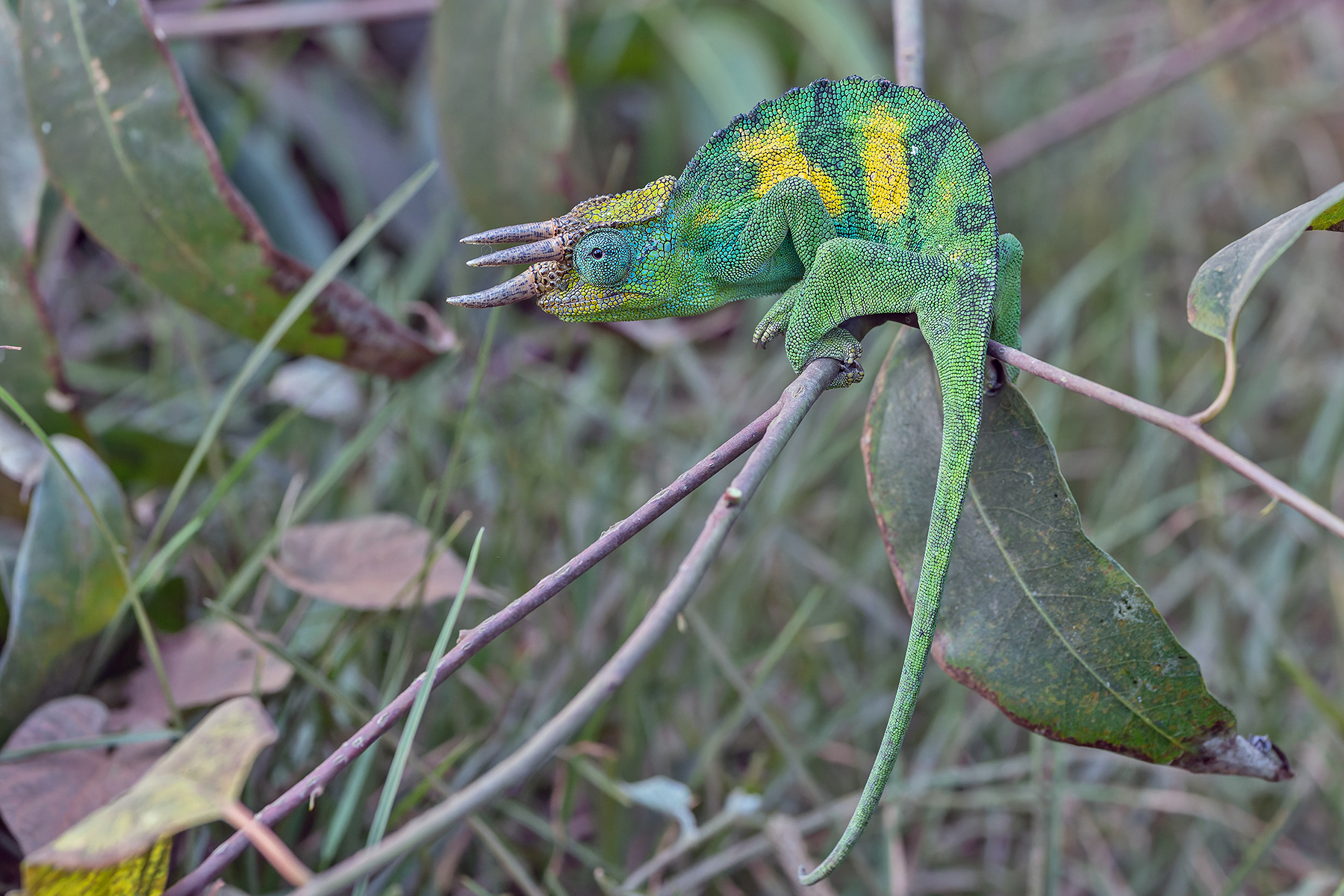
Johnston's Chameleon (image by Pete Morris)
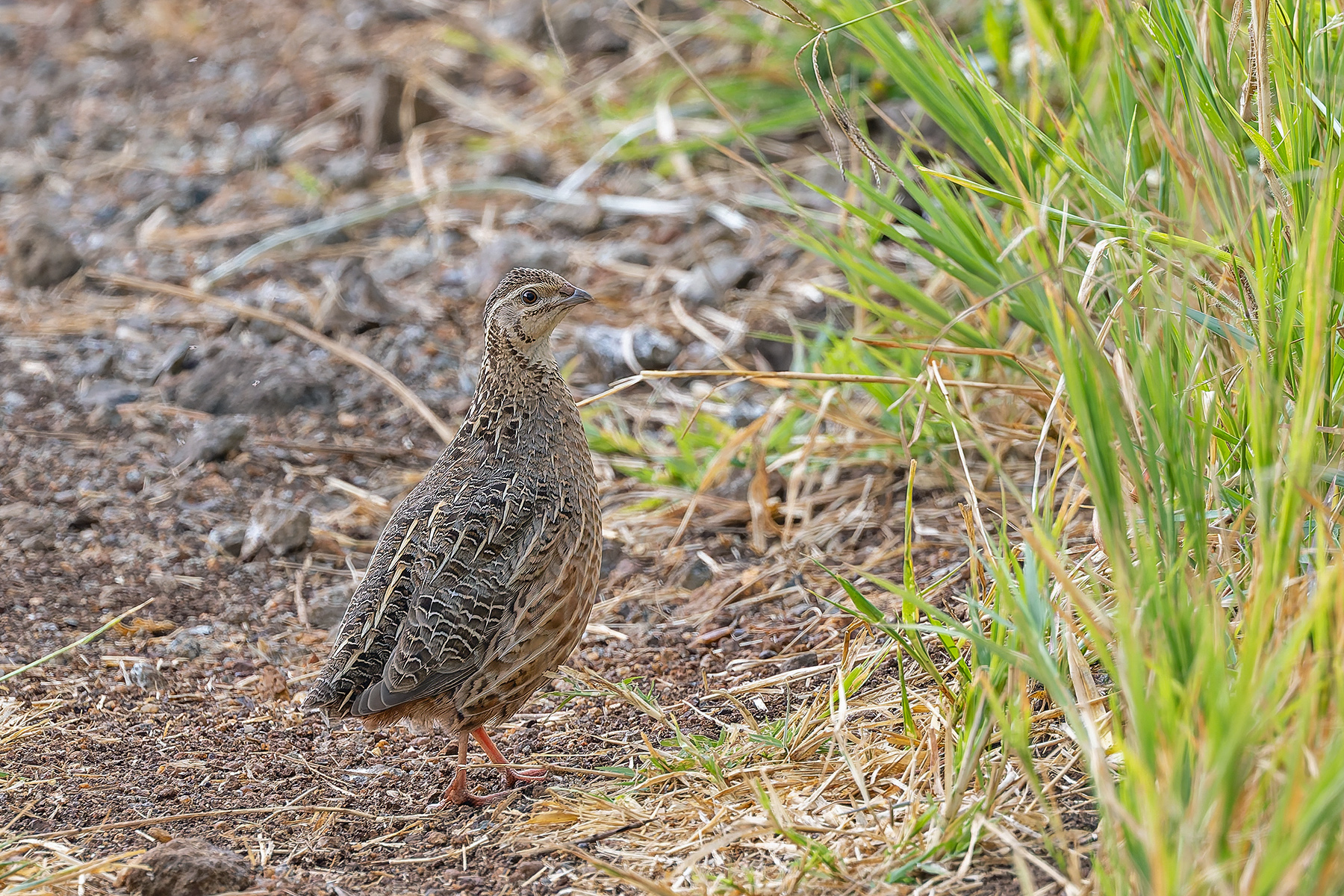
Harlequin Quail (image by Pete Morris)
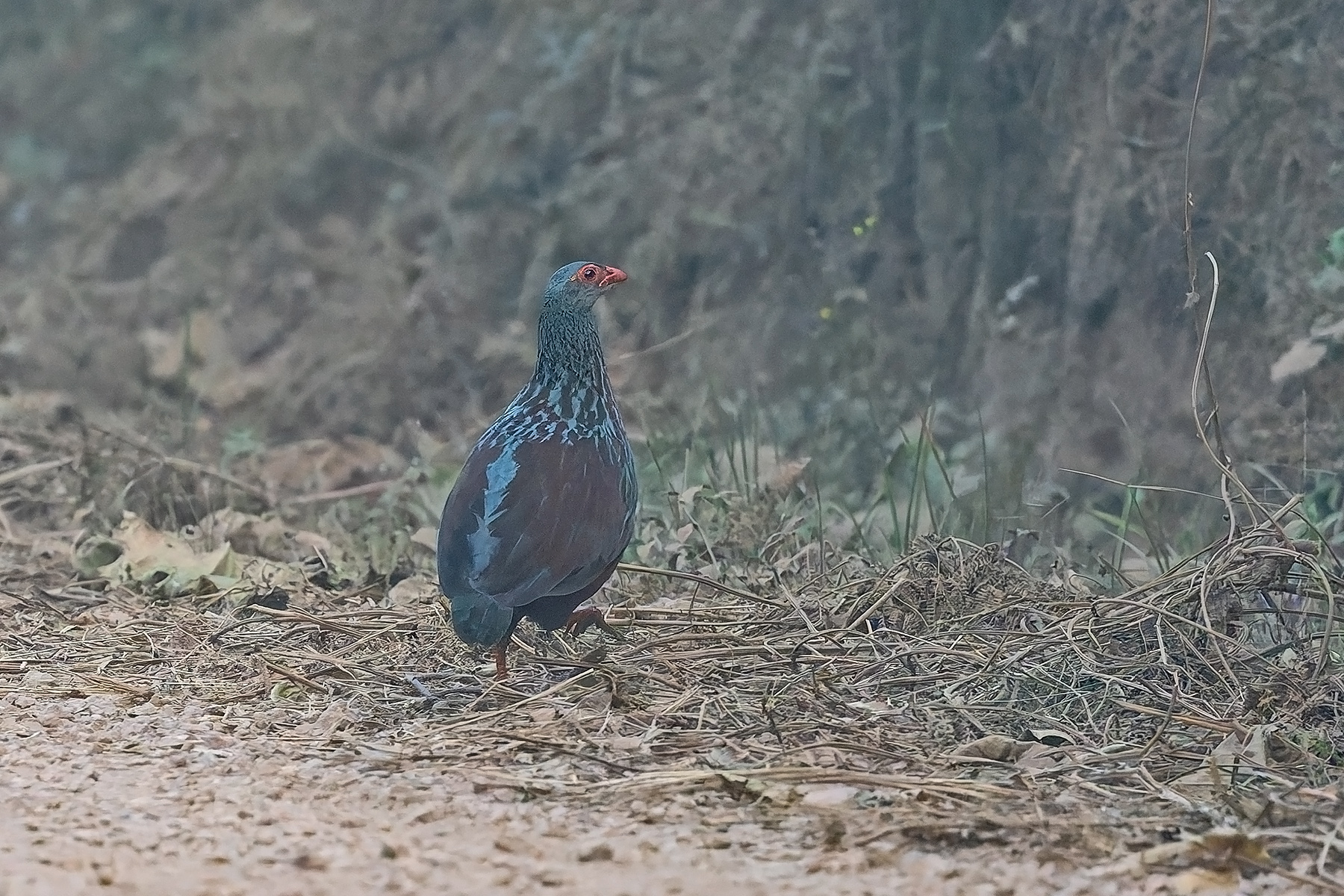
Handsome Spurfowl (image by Pete Morris)
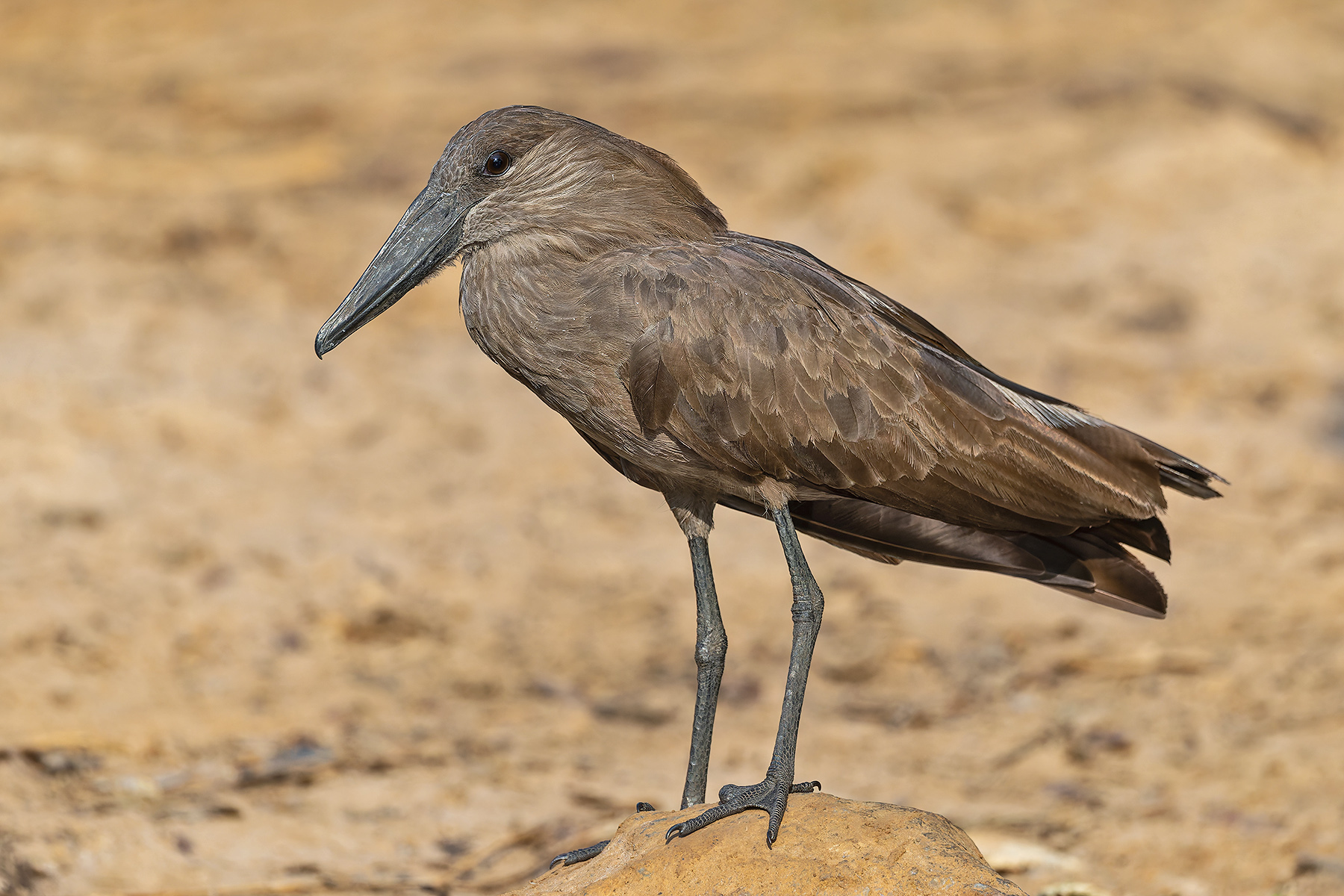
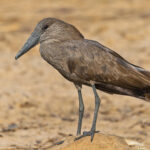
Hamerkop (image by Pete Morris)
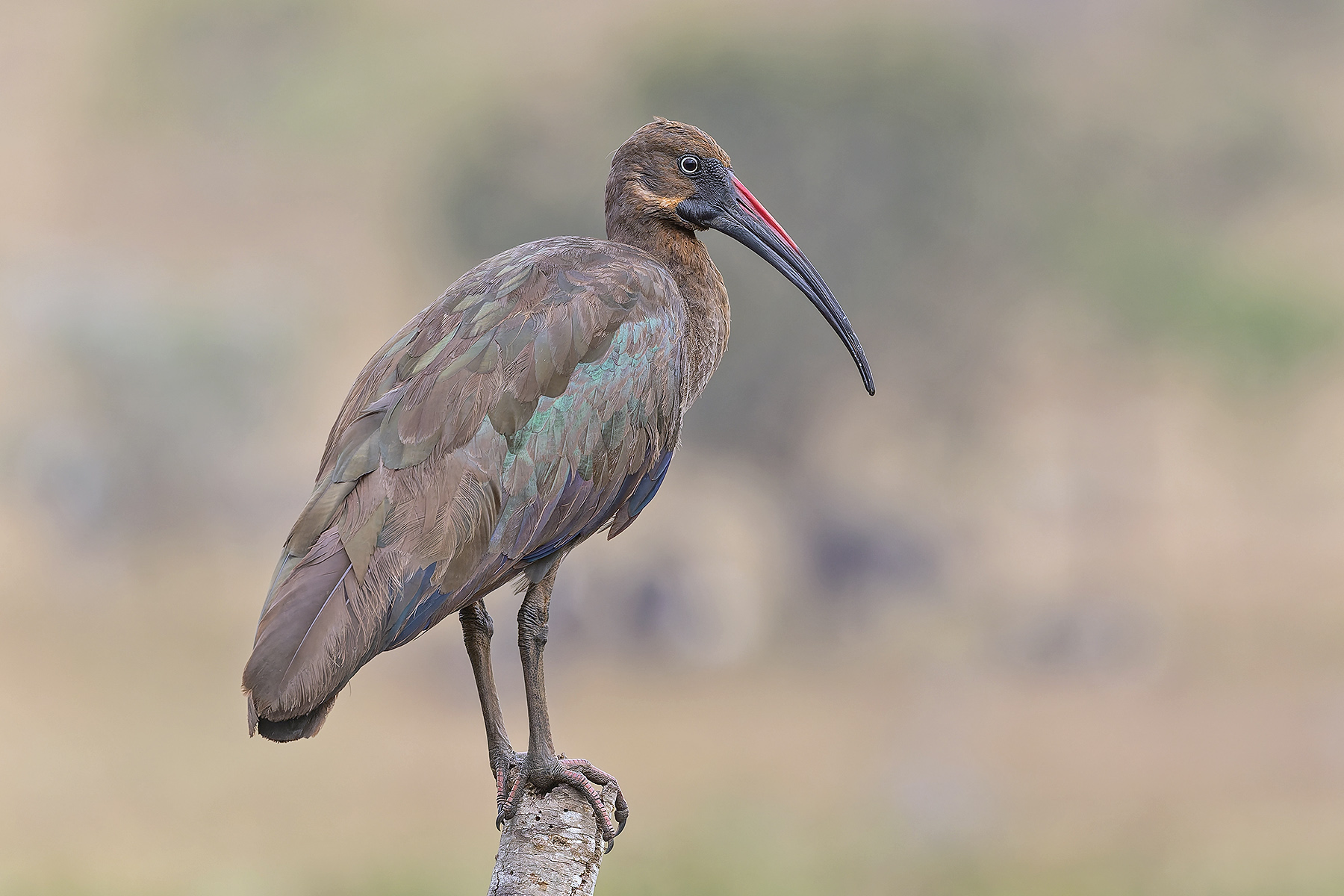
Hadada Ibis (image by Pete Morris)
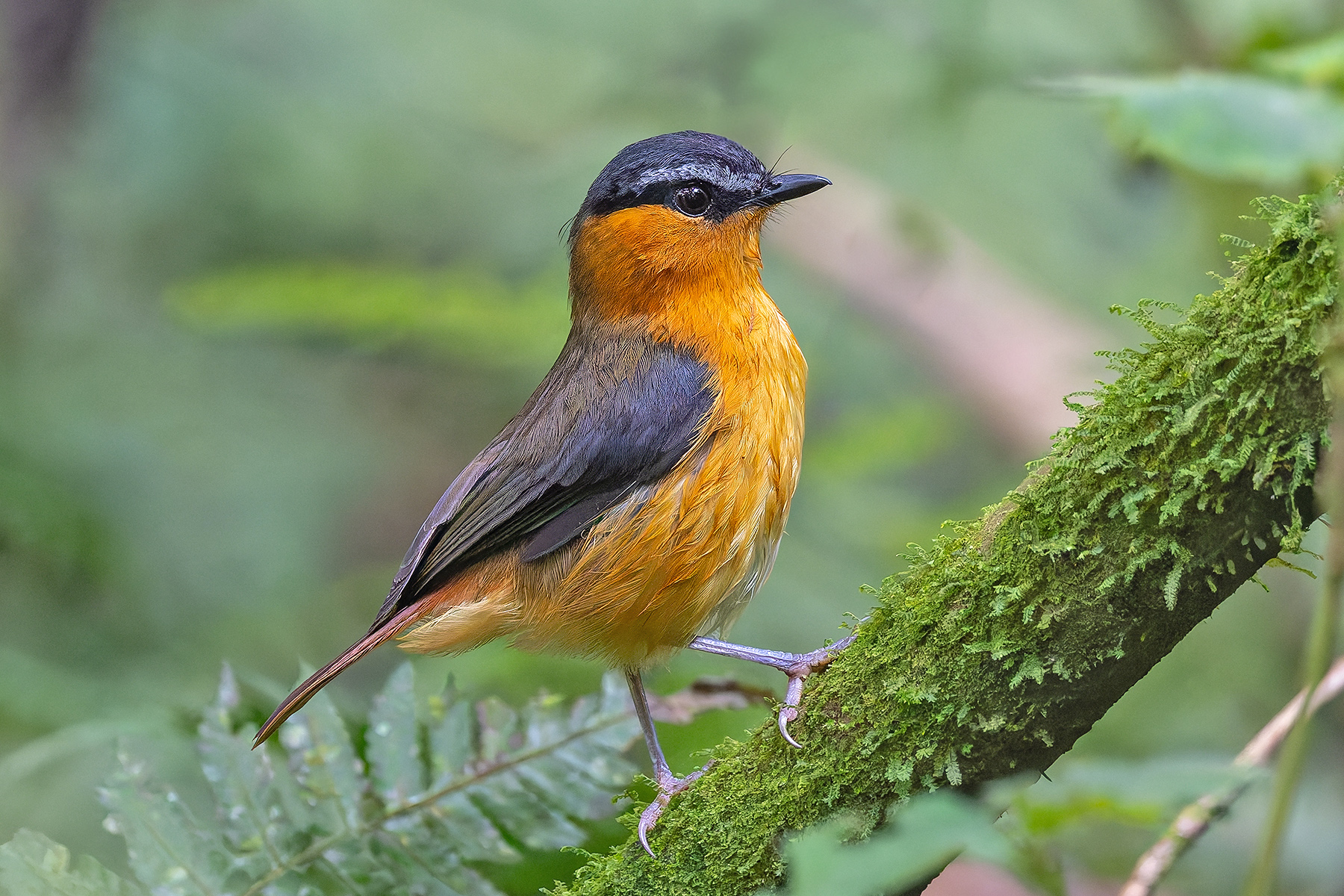
Grey-winged Robin-Chat (image by Pete Morris)
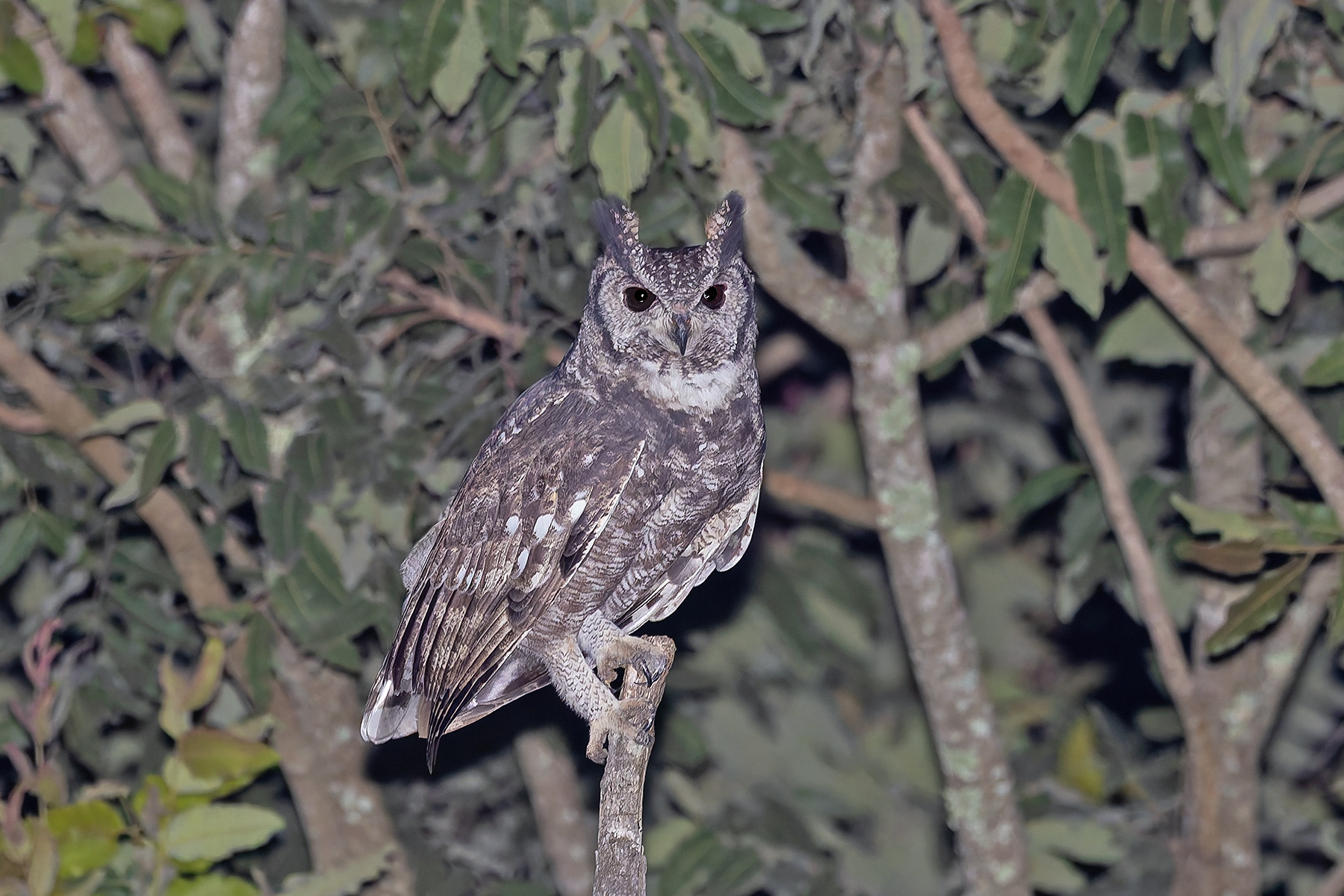
Greyish Eagle Owl (image by Pete Morris)
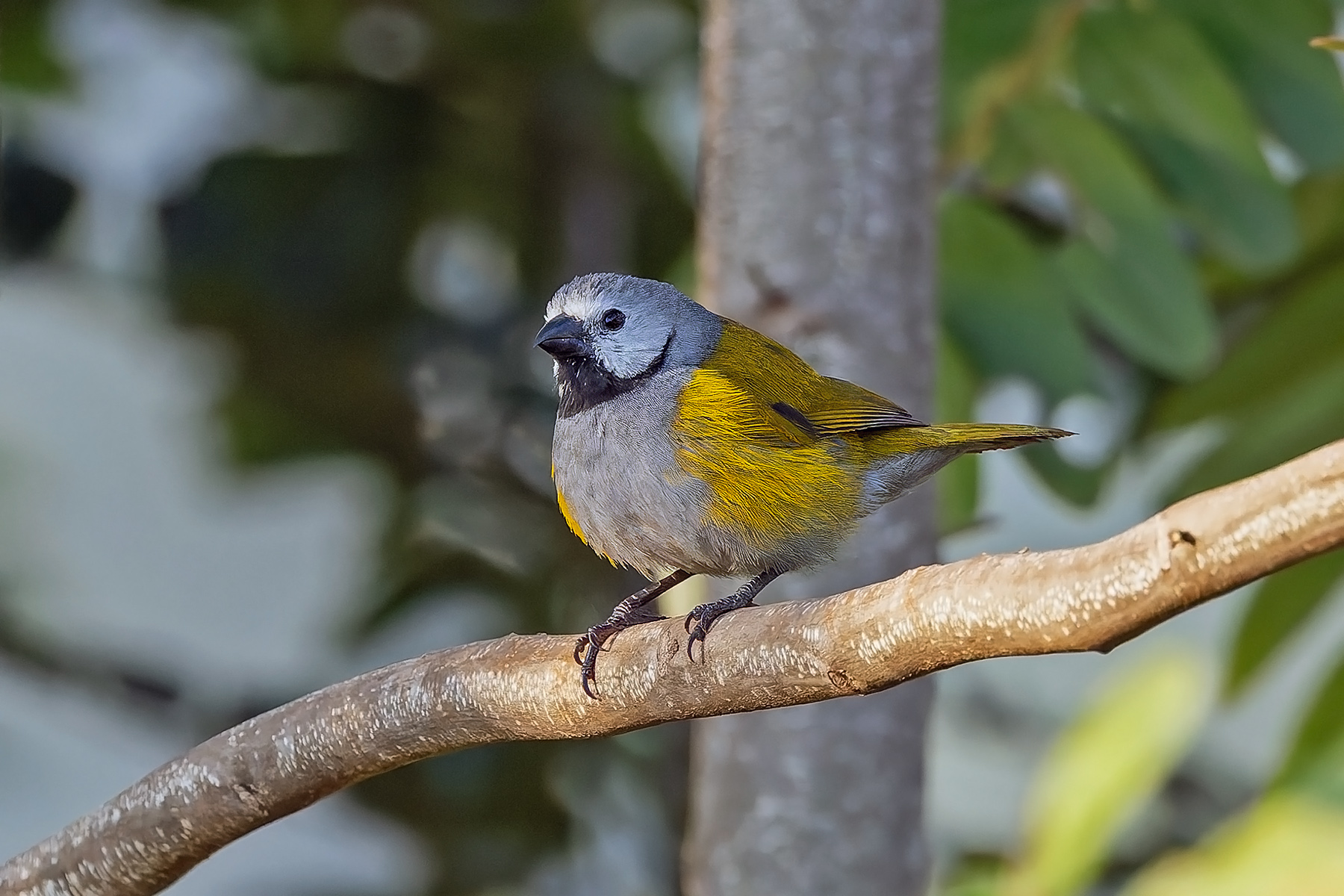
Grey-headed Oliveback (image by Pete Morris)
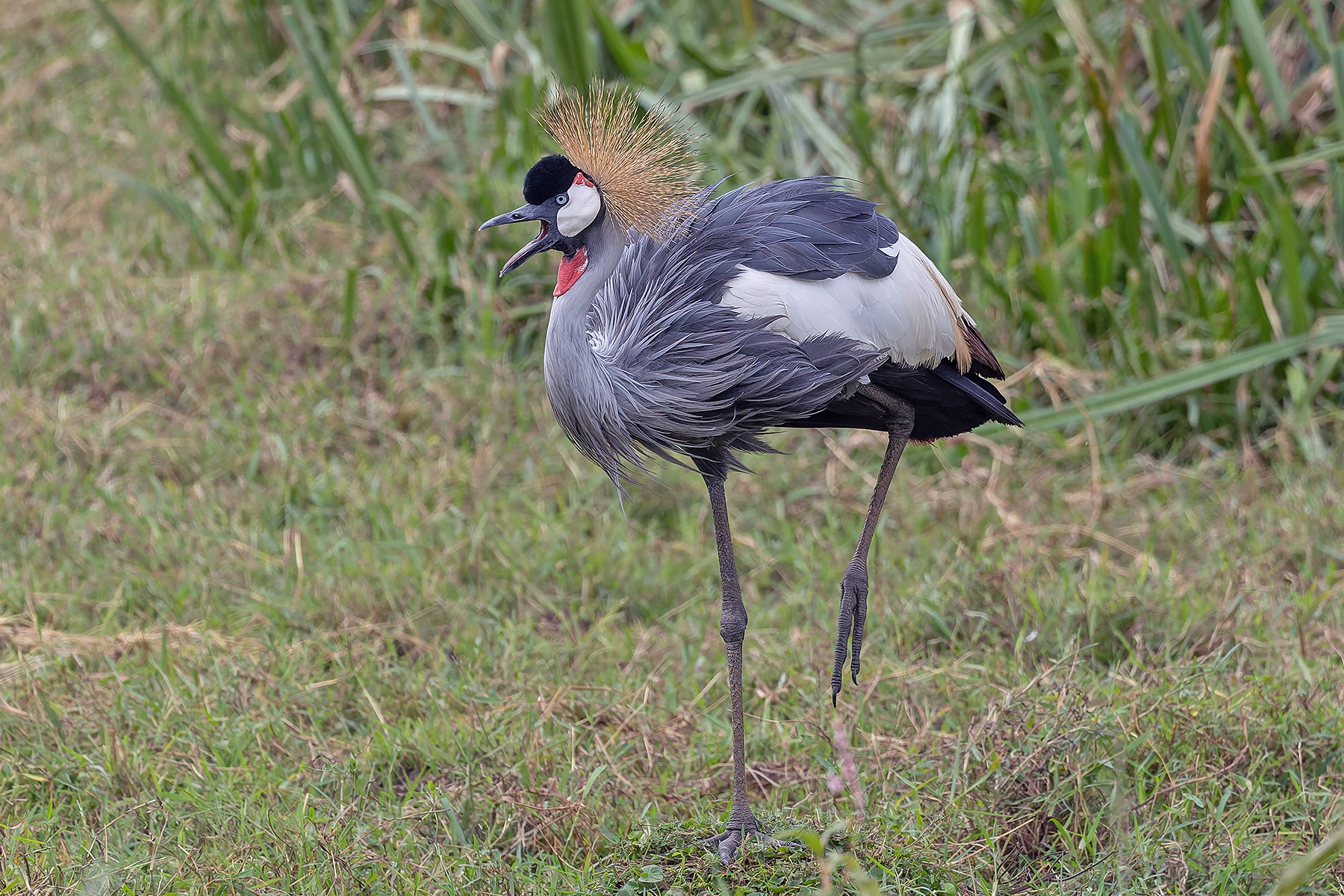
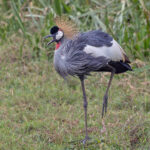
Grey-crowned Crane (image by Pete Morris)
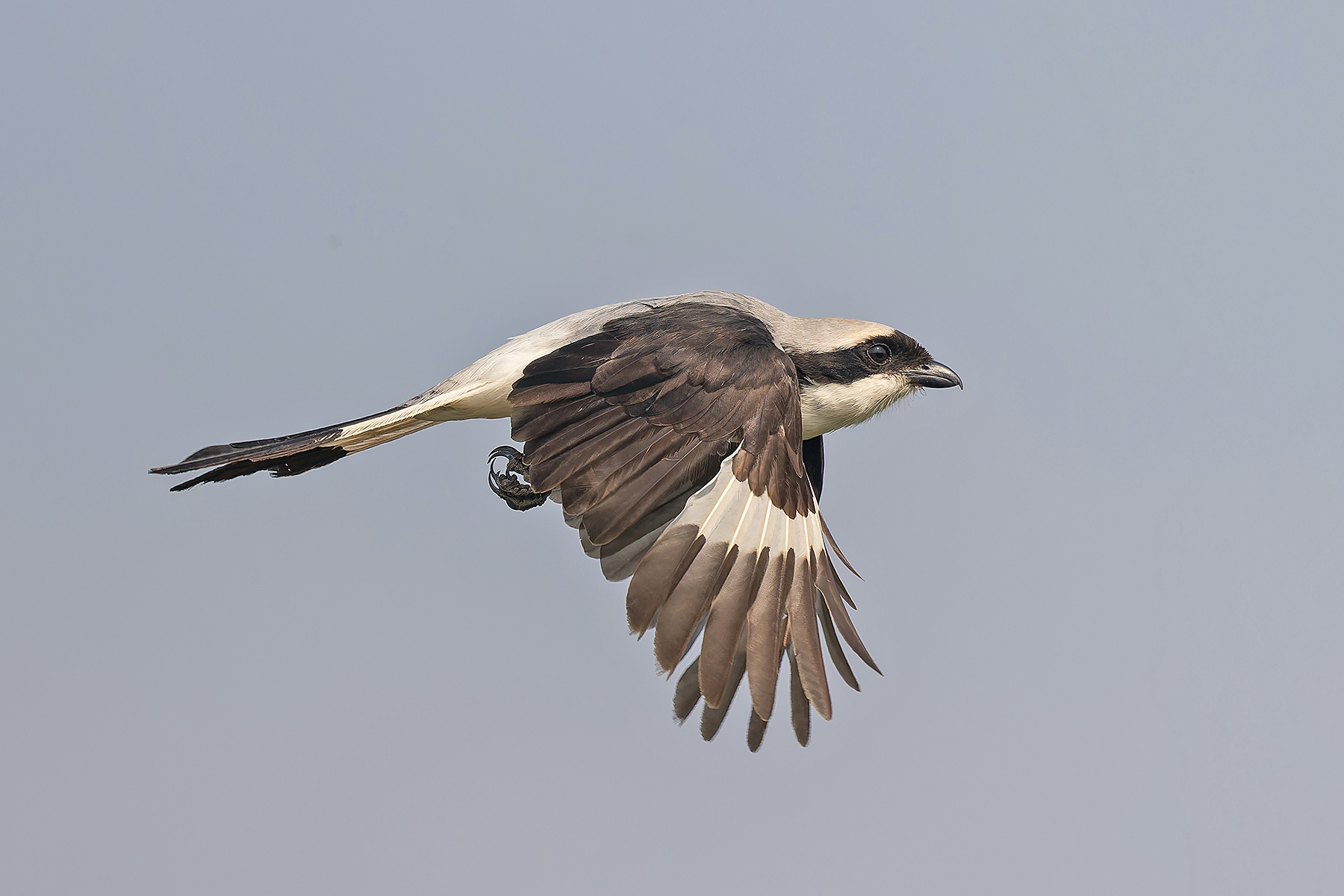
Grey-backed Fiscal (image by Pete Morris)
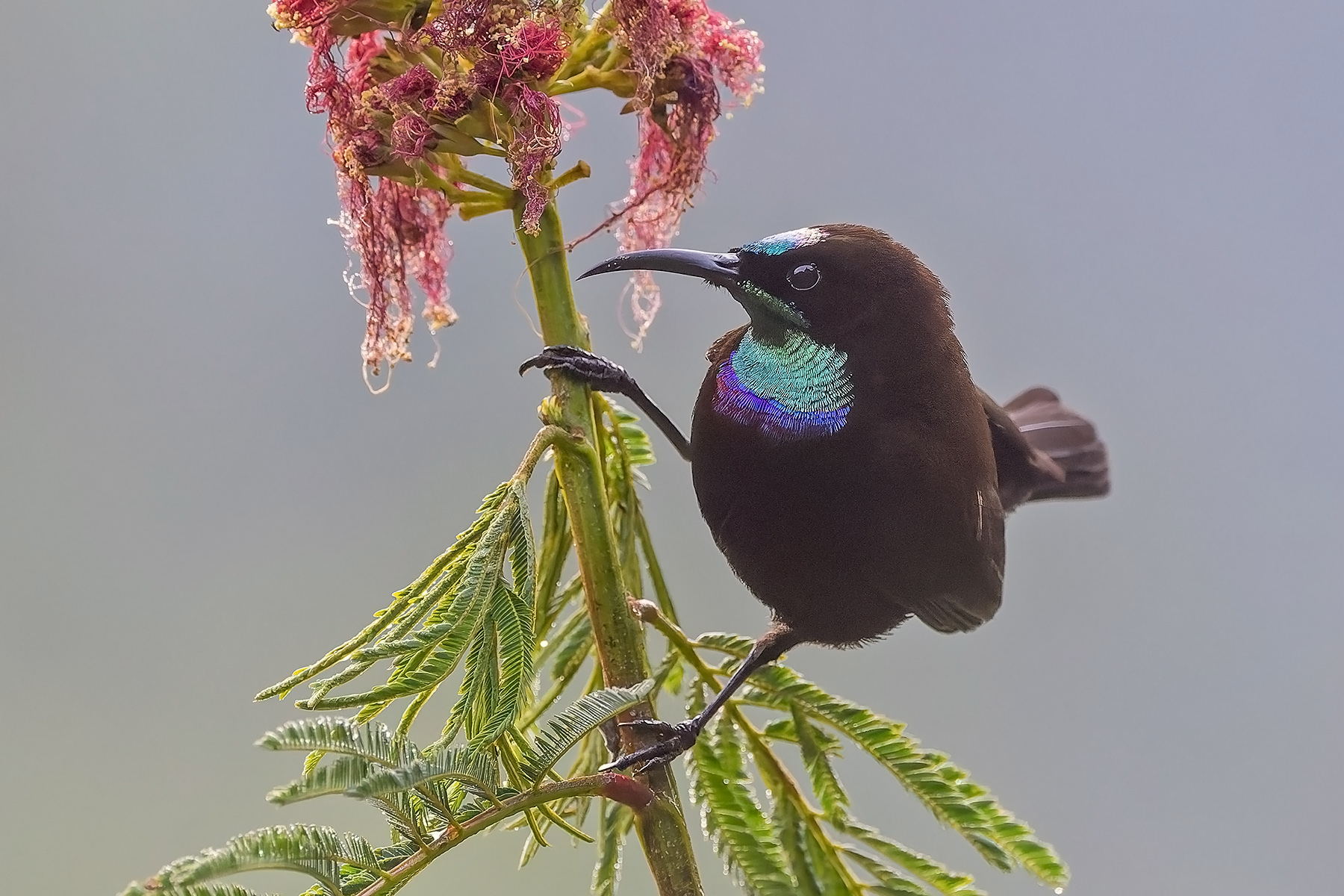
Green-throated Sunbird (image by Pete Morris)
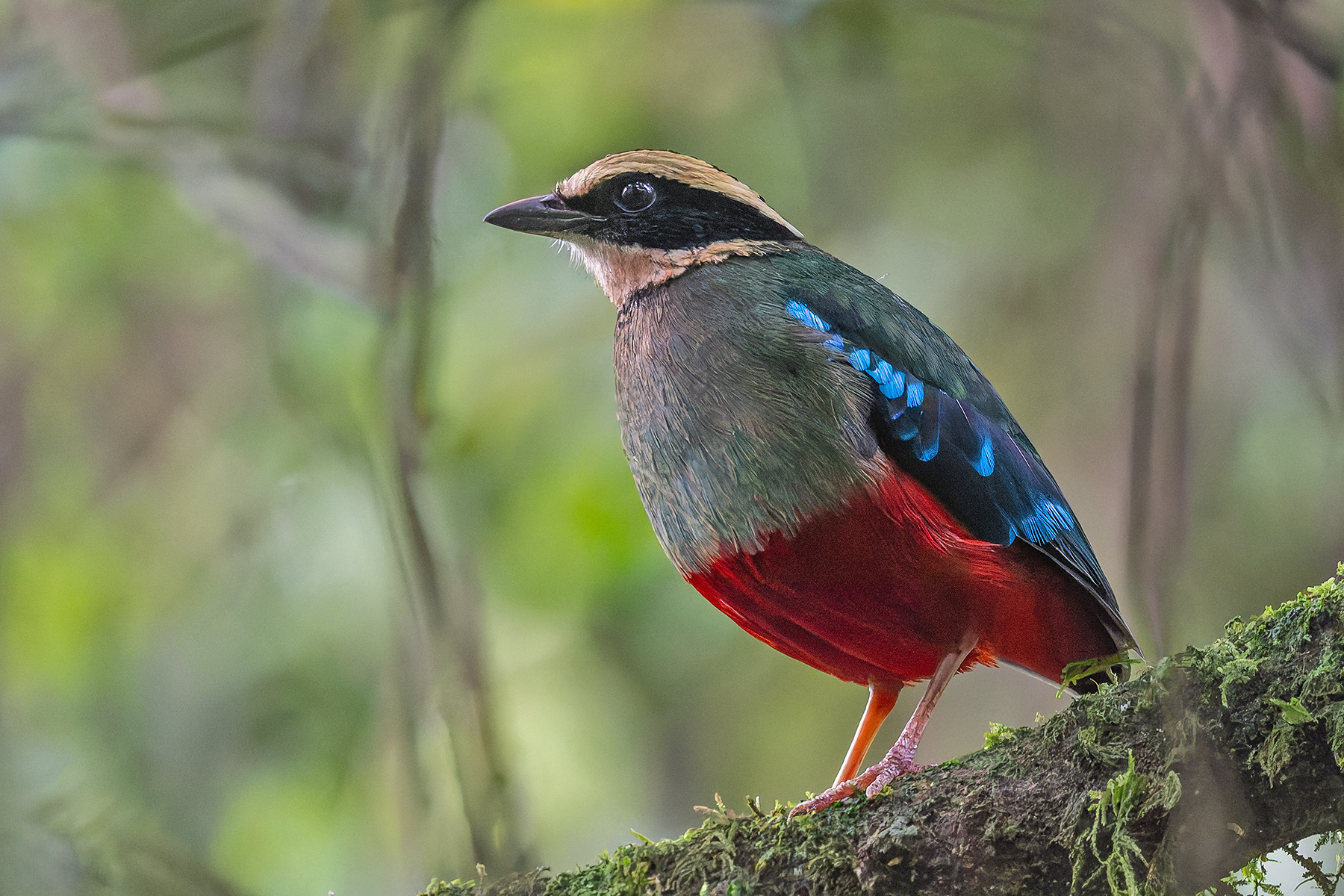
Green-breasted Pitta (image by Pete Morris)
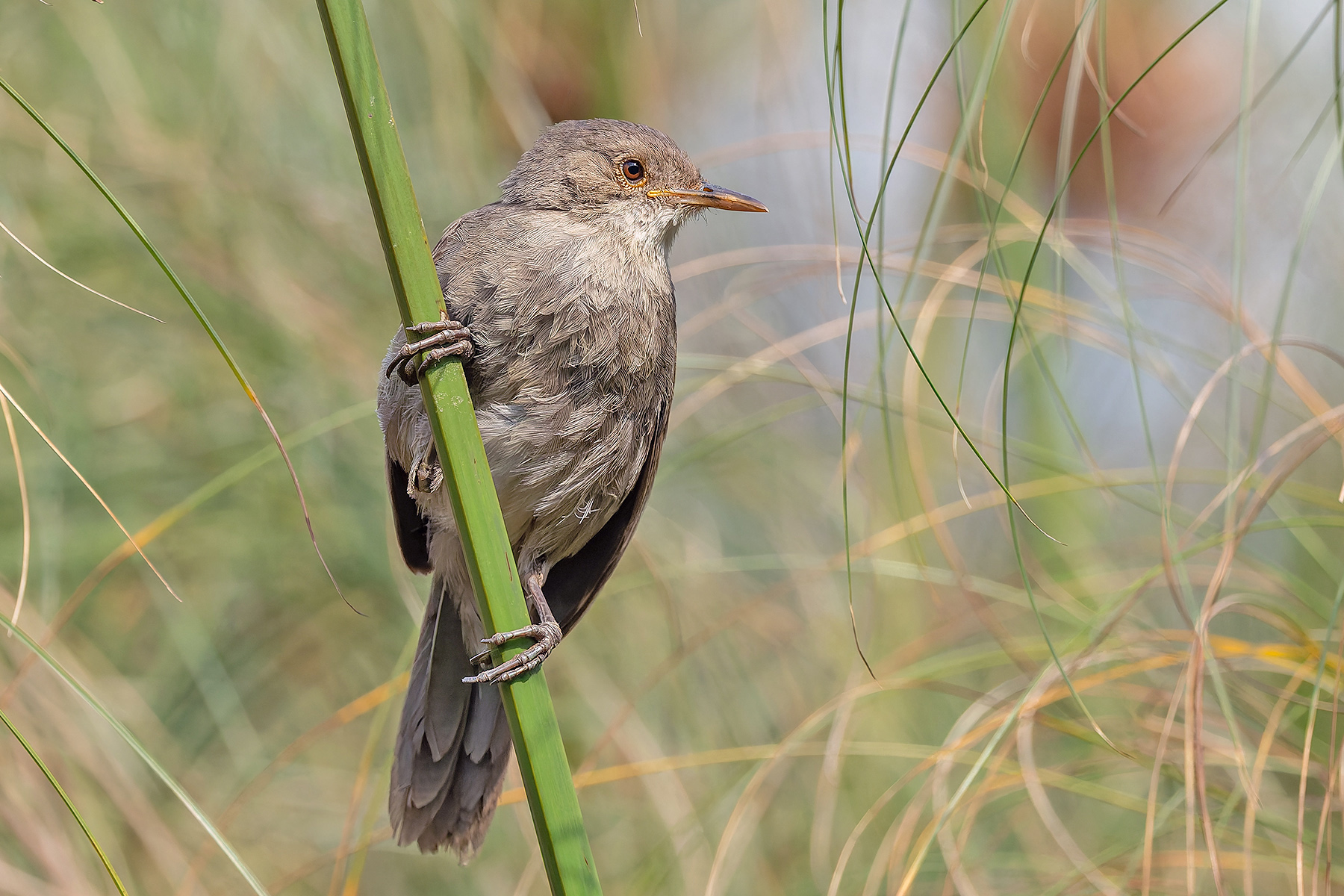
Greater Swamp Warbler (image by Pete Morris)
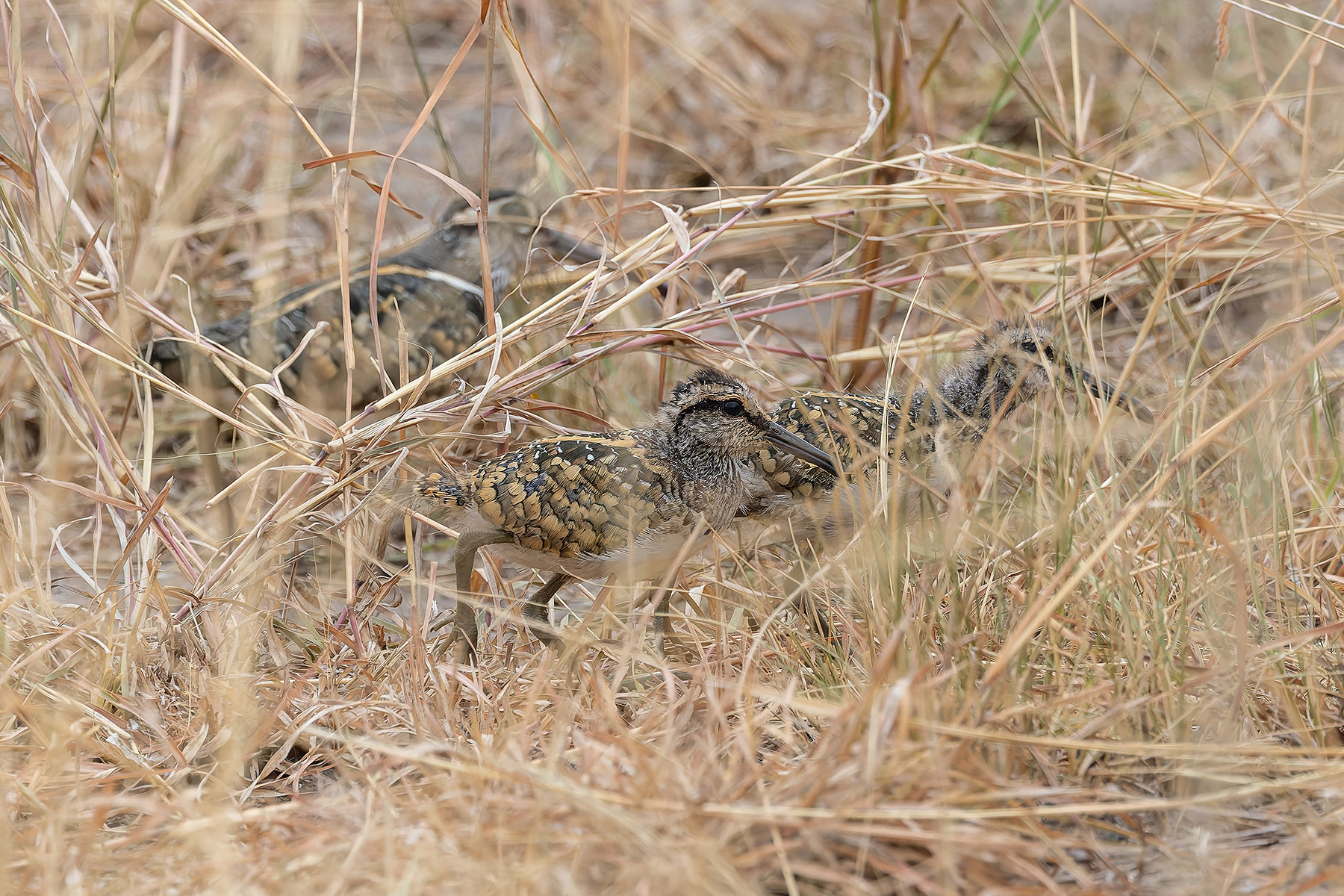
Greater Painted Snipes (image by Pete Morris)
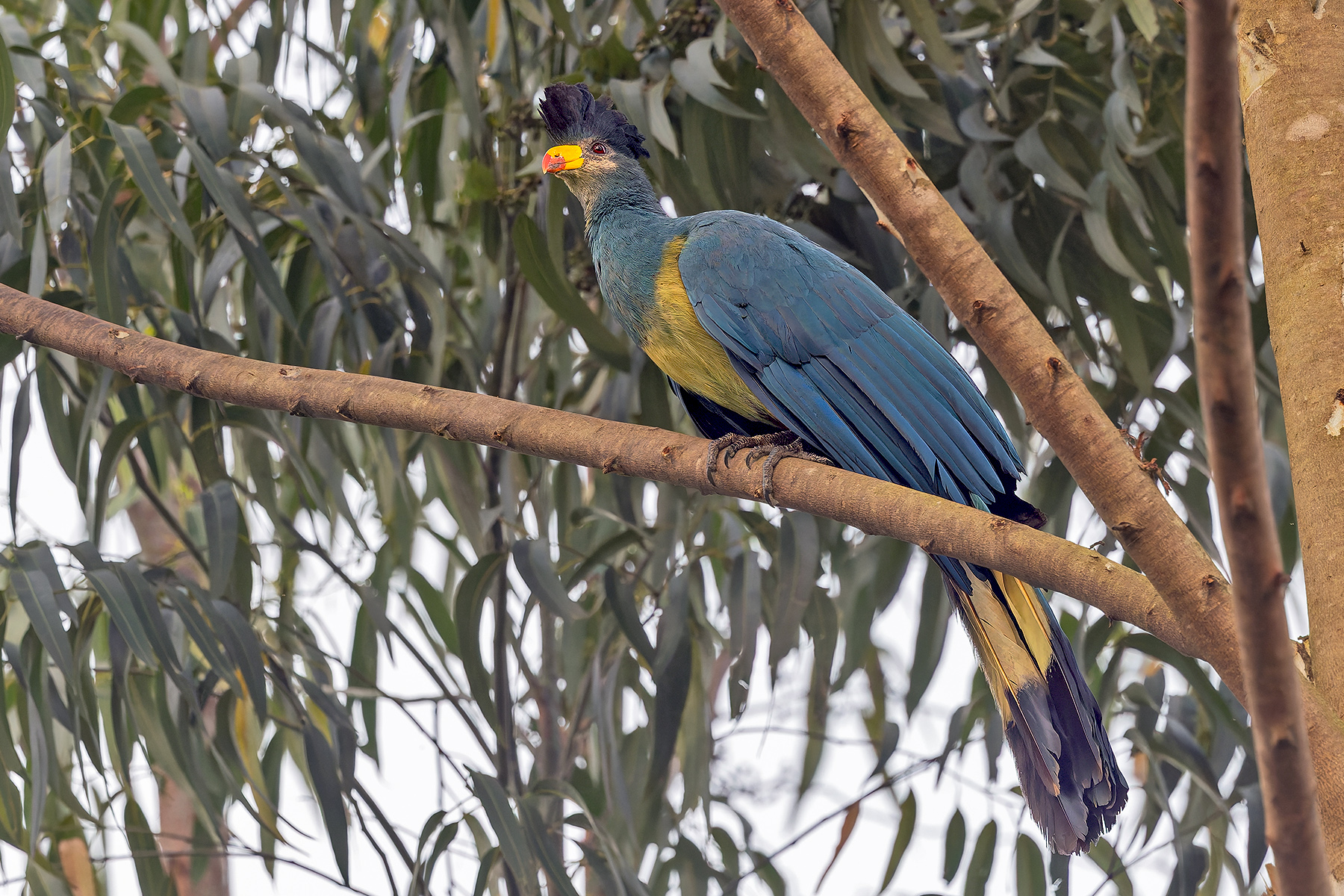
Great Blue Turaco (image by Pete Morris)
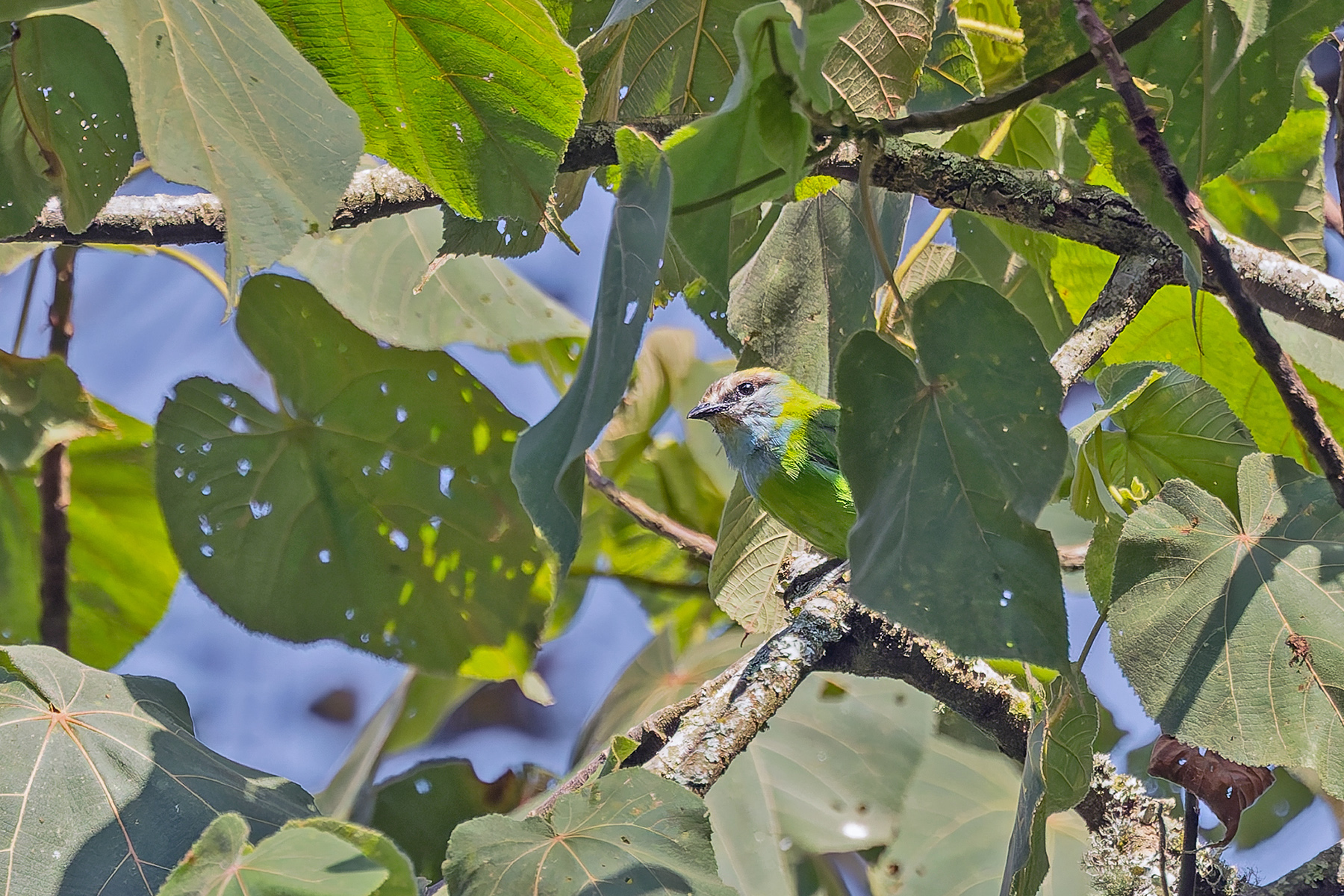
Grauer's Broadbill (image by Pete Morris)
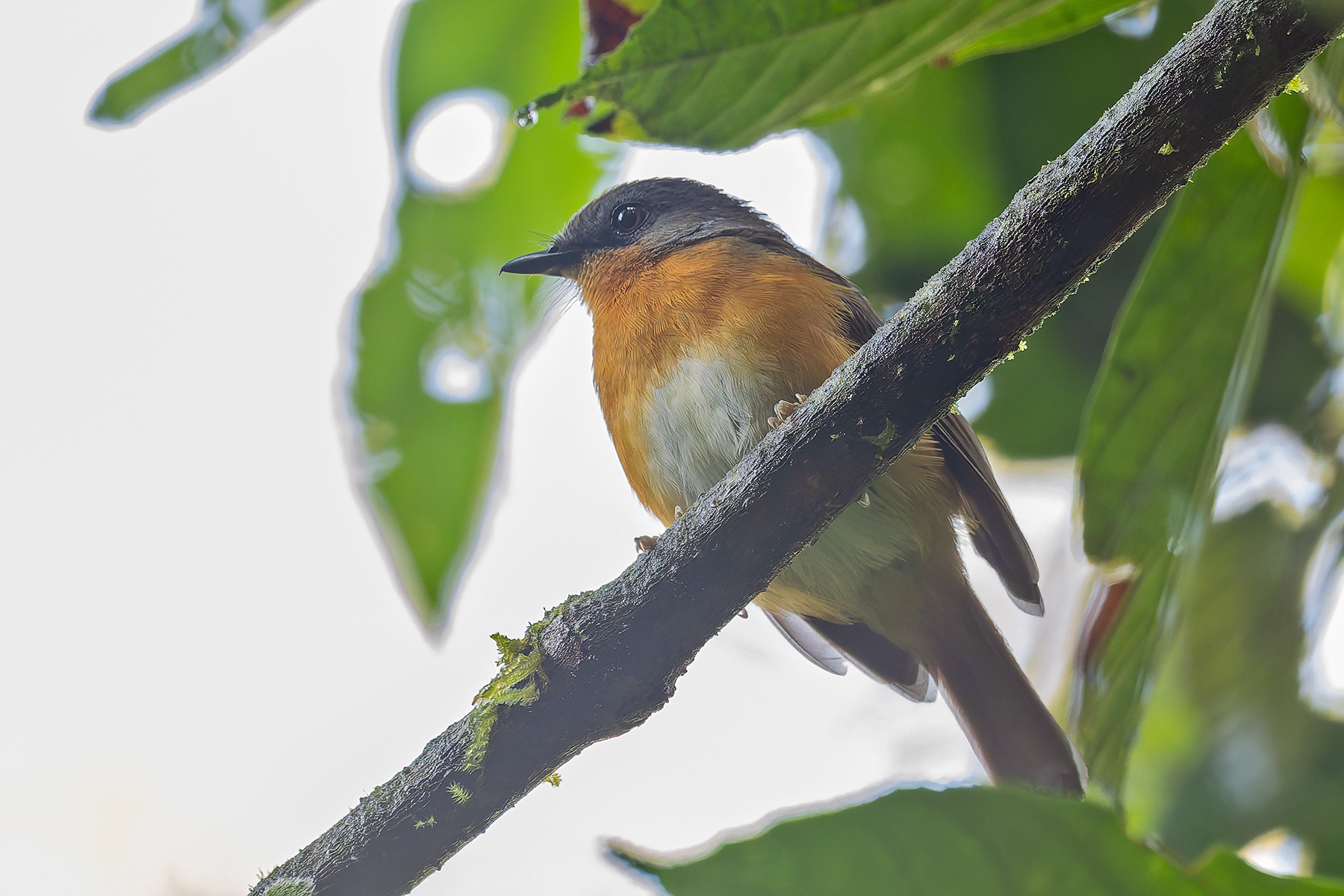
Equatorial Akalat (image by Pete Morris)
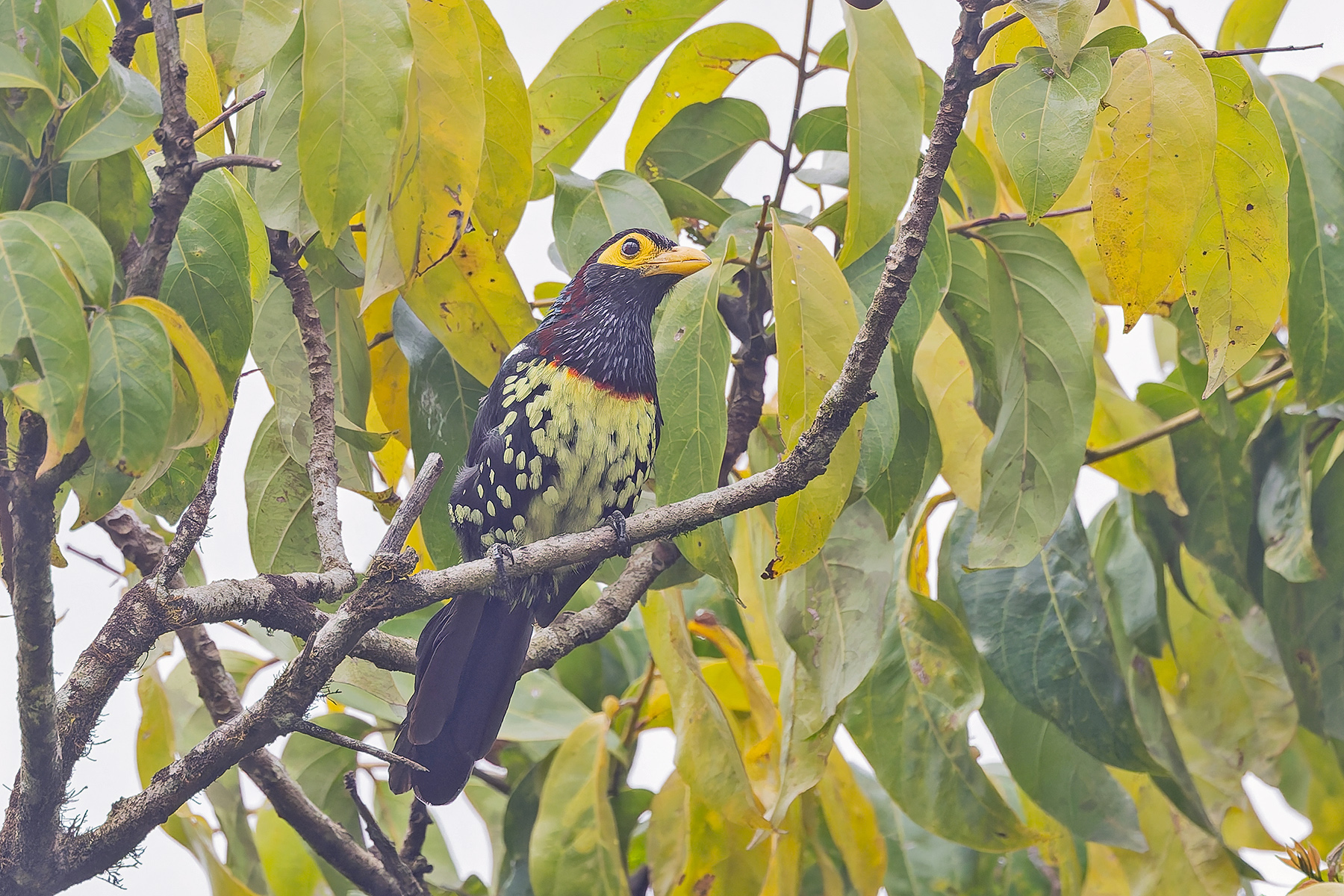
Eastern Yellow-billed Barbet (image by Pete Morris)
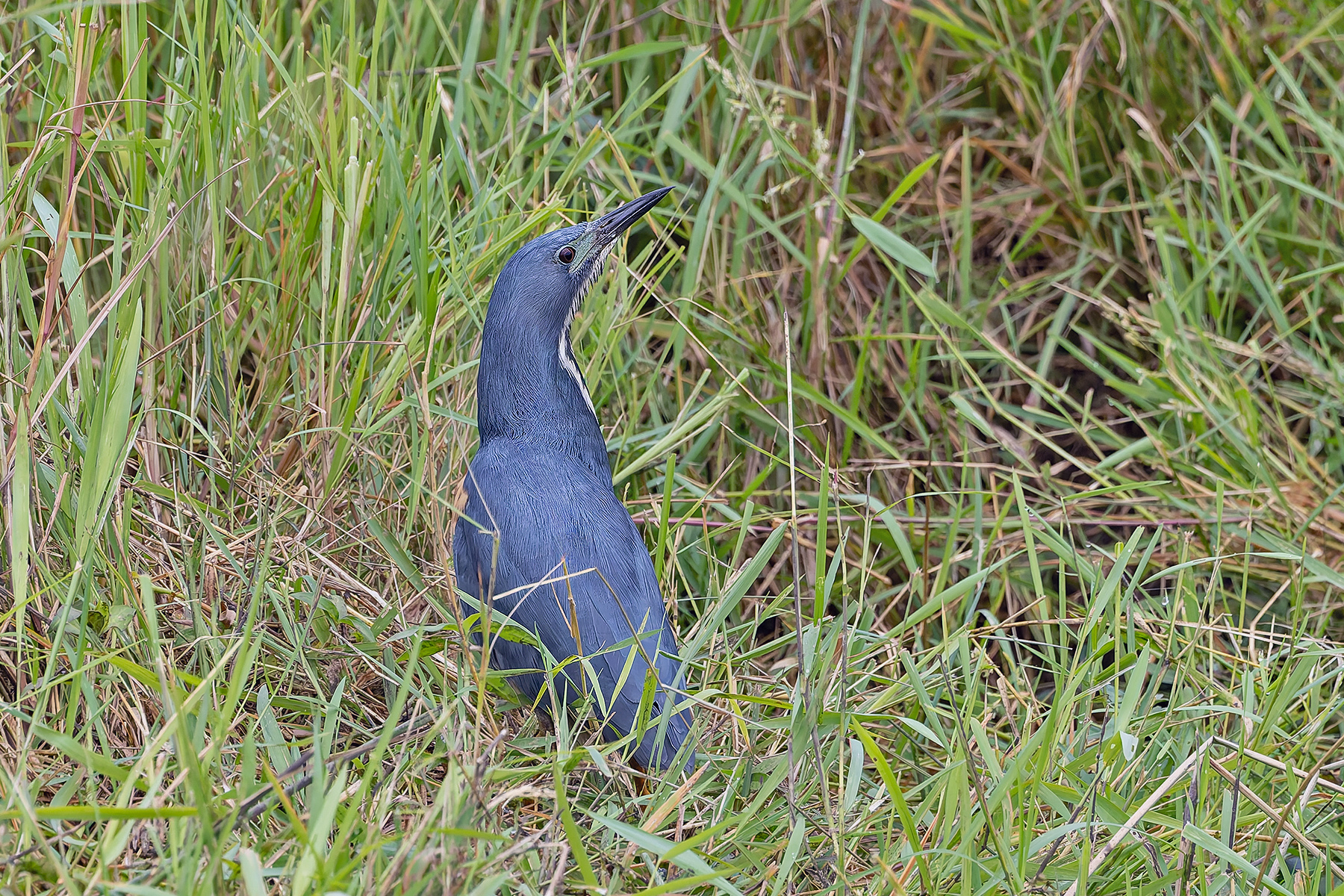
Dwarf Bittern (image by Pete Morris)
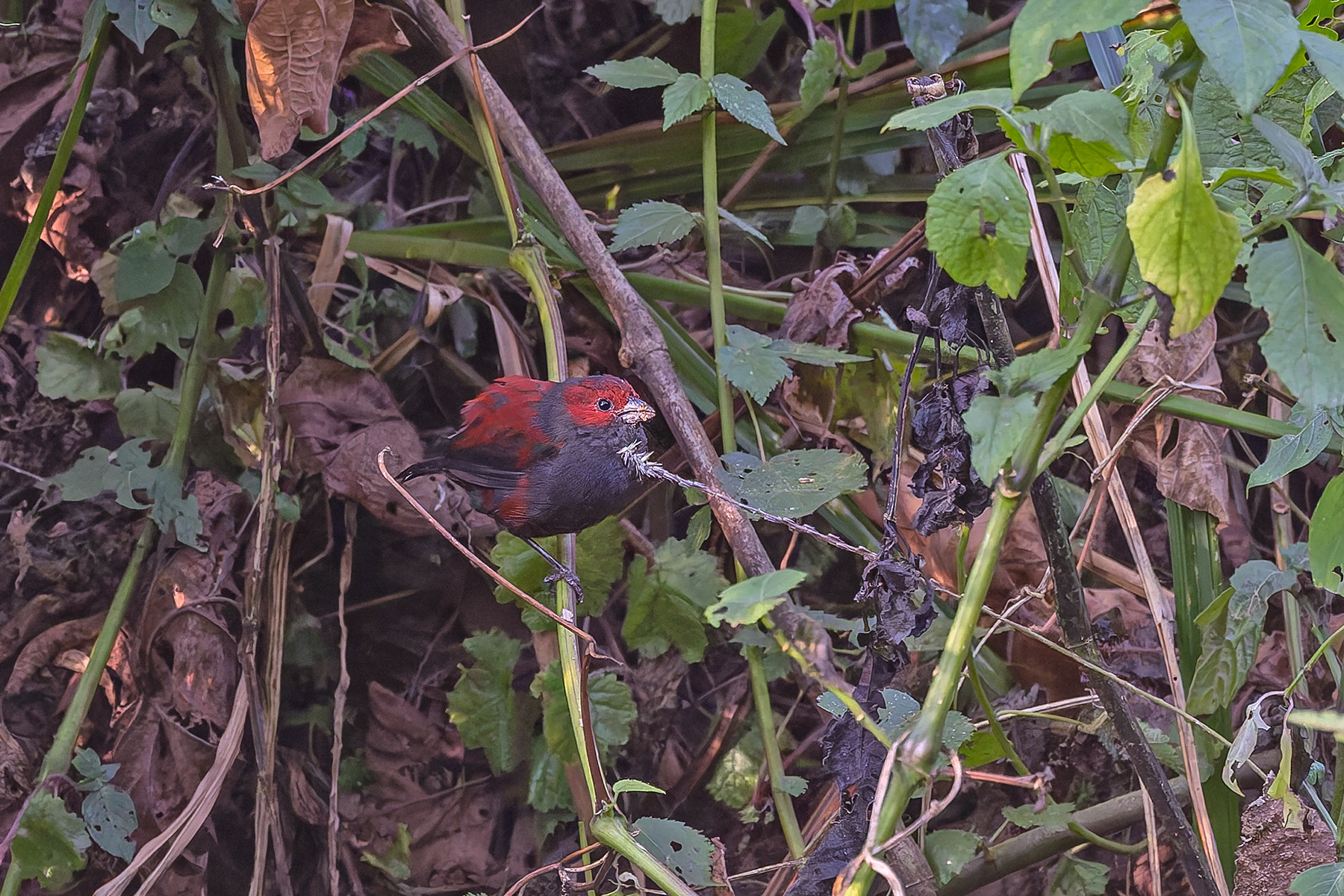
Dusky Crimsonwing (image by Pete Morris)
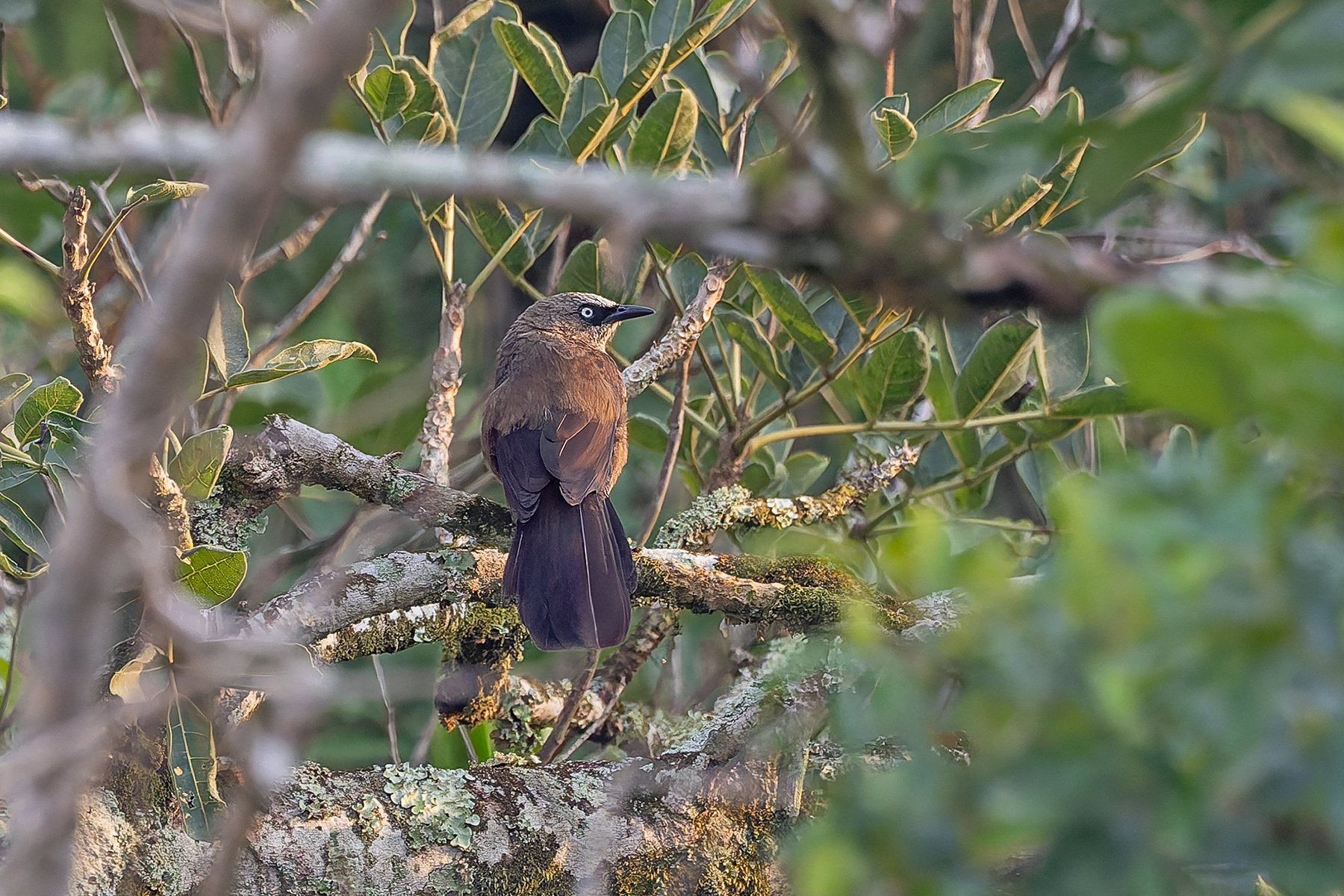
Dusky Babbler (image by Pete Morris)
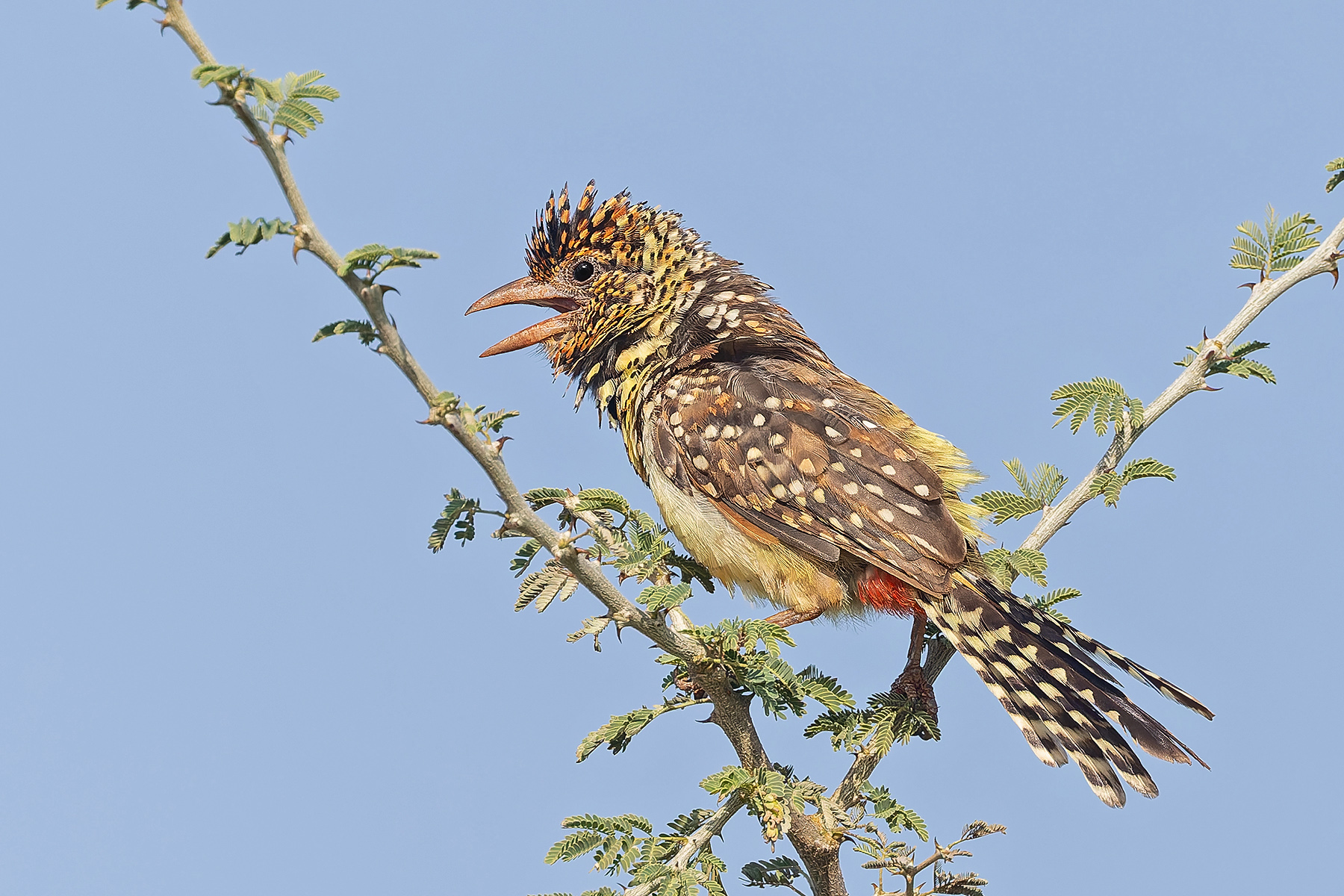
D'Arnaud's Barbet (image by Pete Morris)
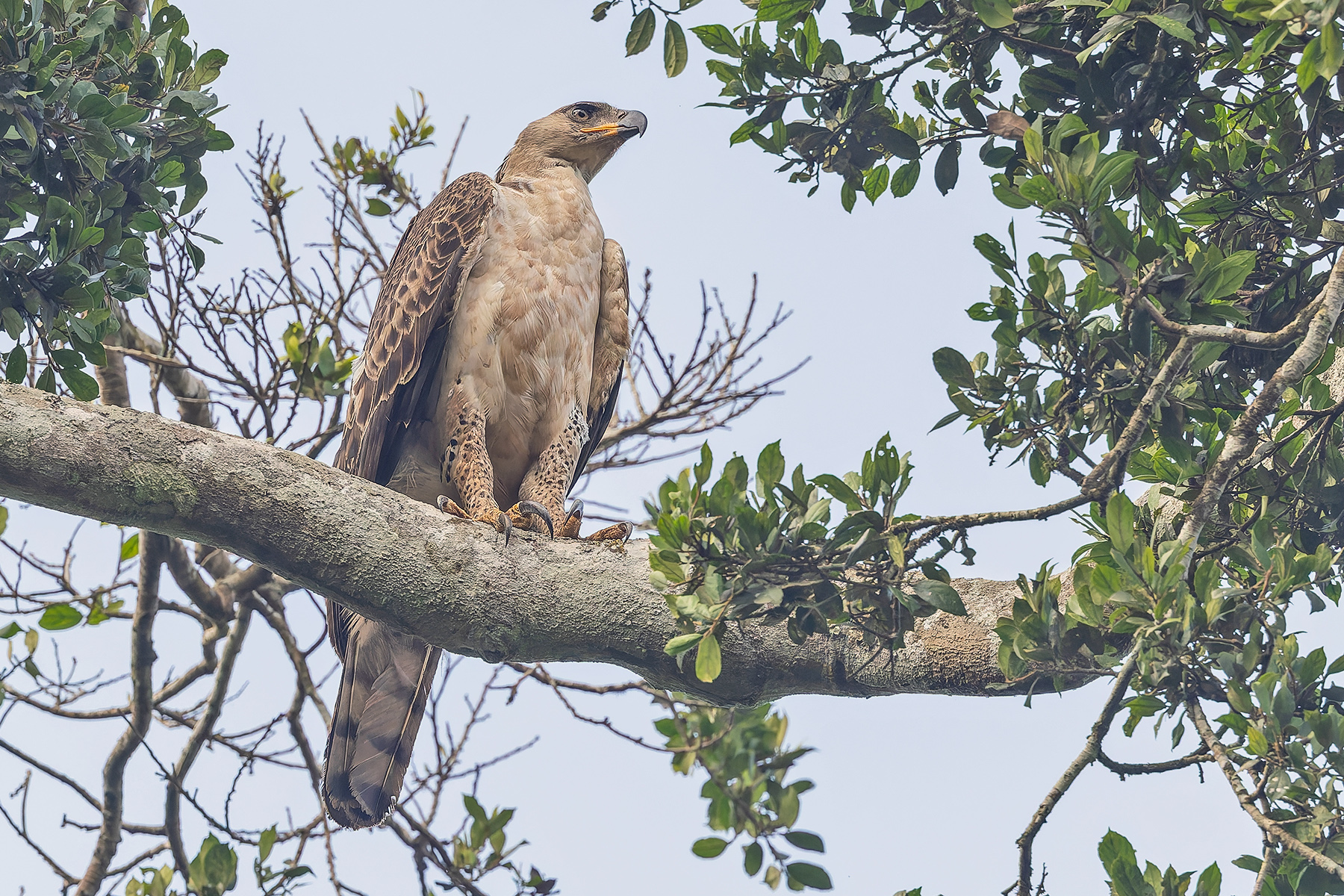
Crowned Eagle (image by Pete Morris)
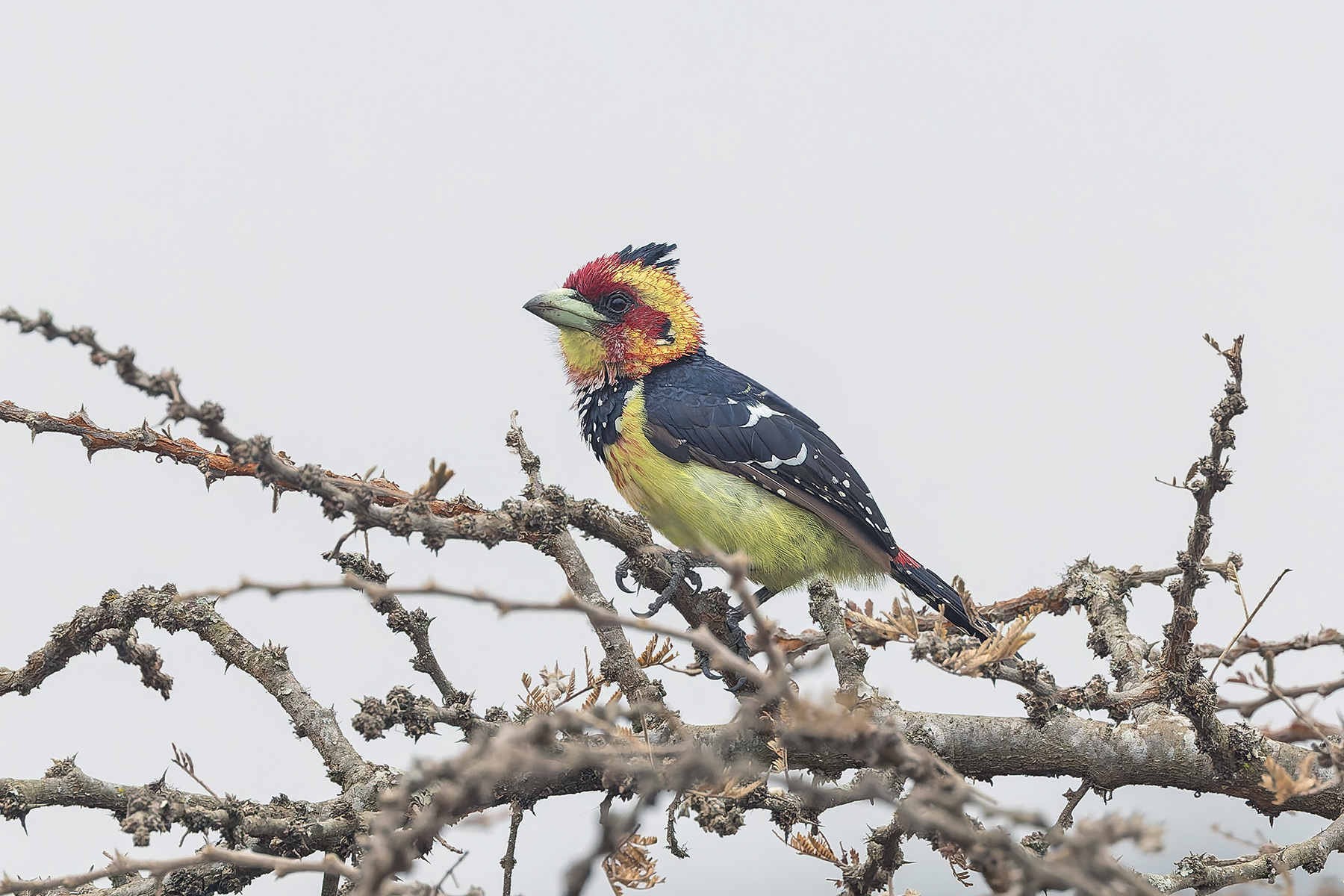
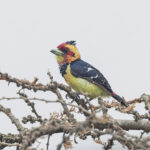
Crested Barbet (image by Pete Morris)
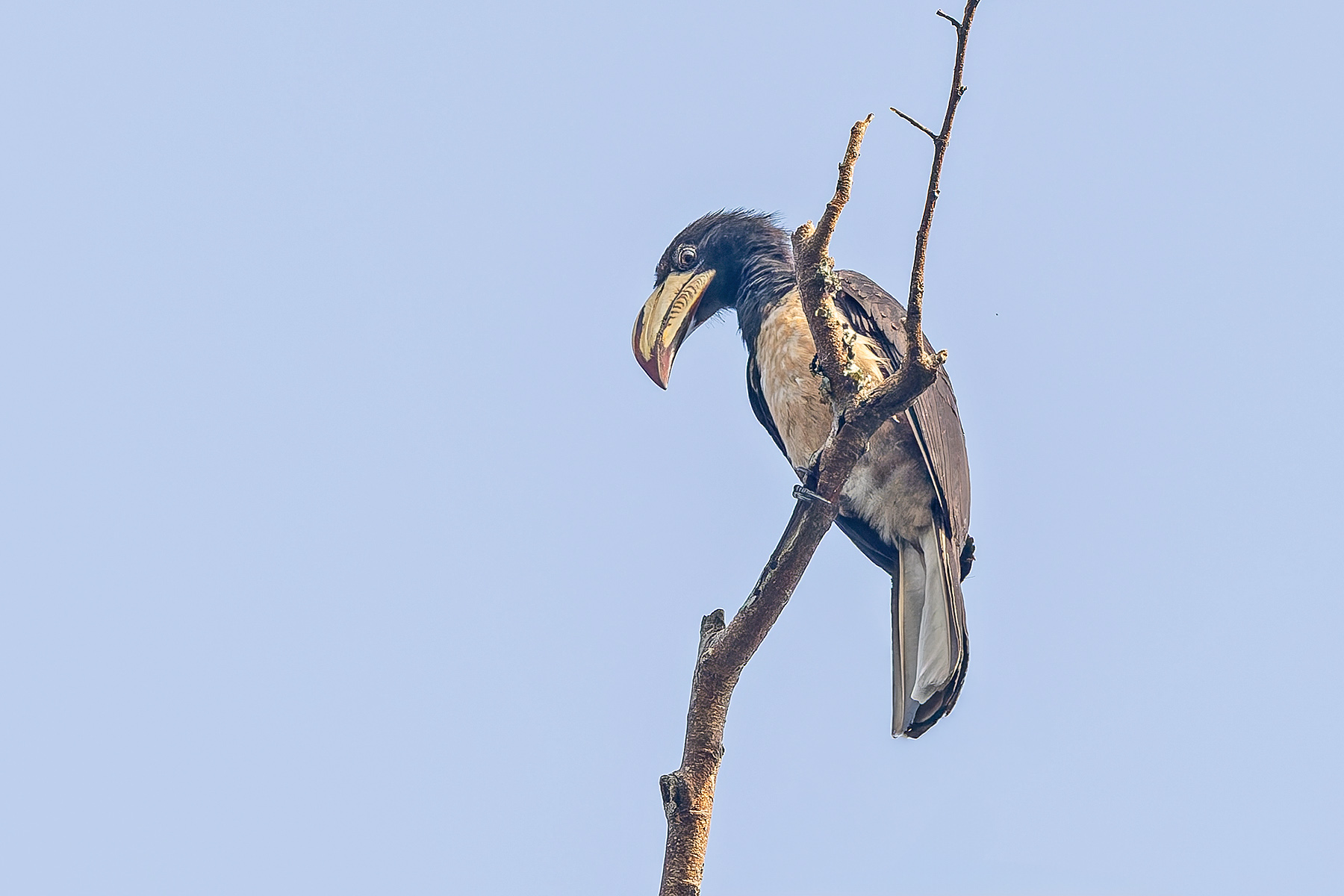
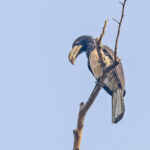
Congo Pied Hornbill (image by Pete Morris)
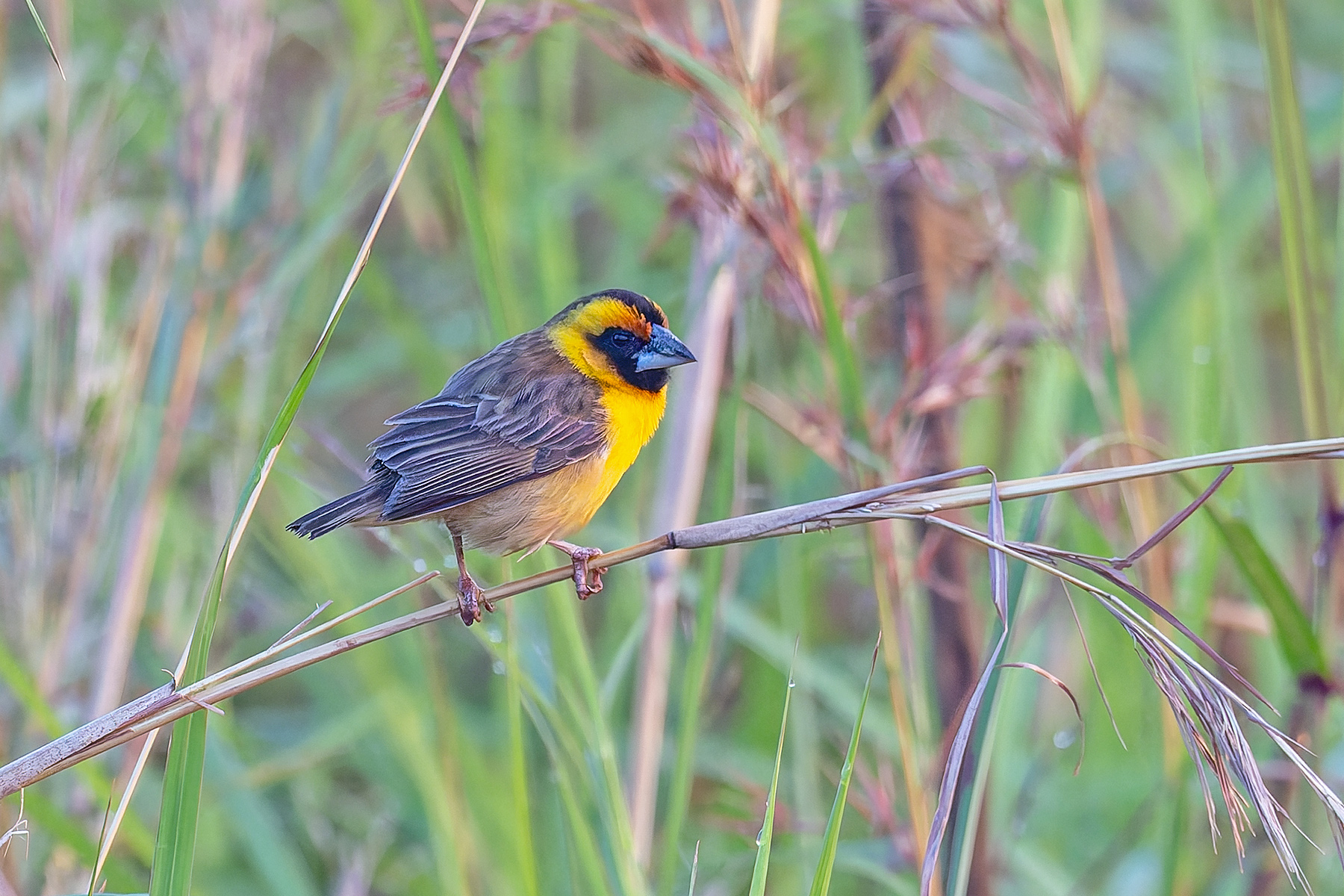
Compact Weaver (image by Pete Morris)
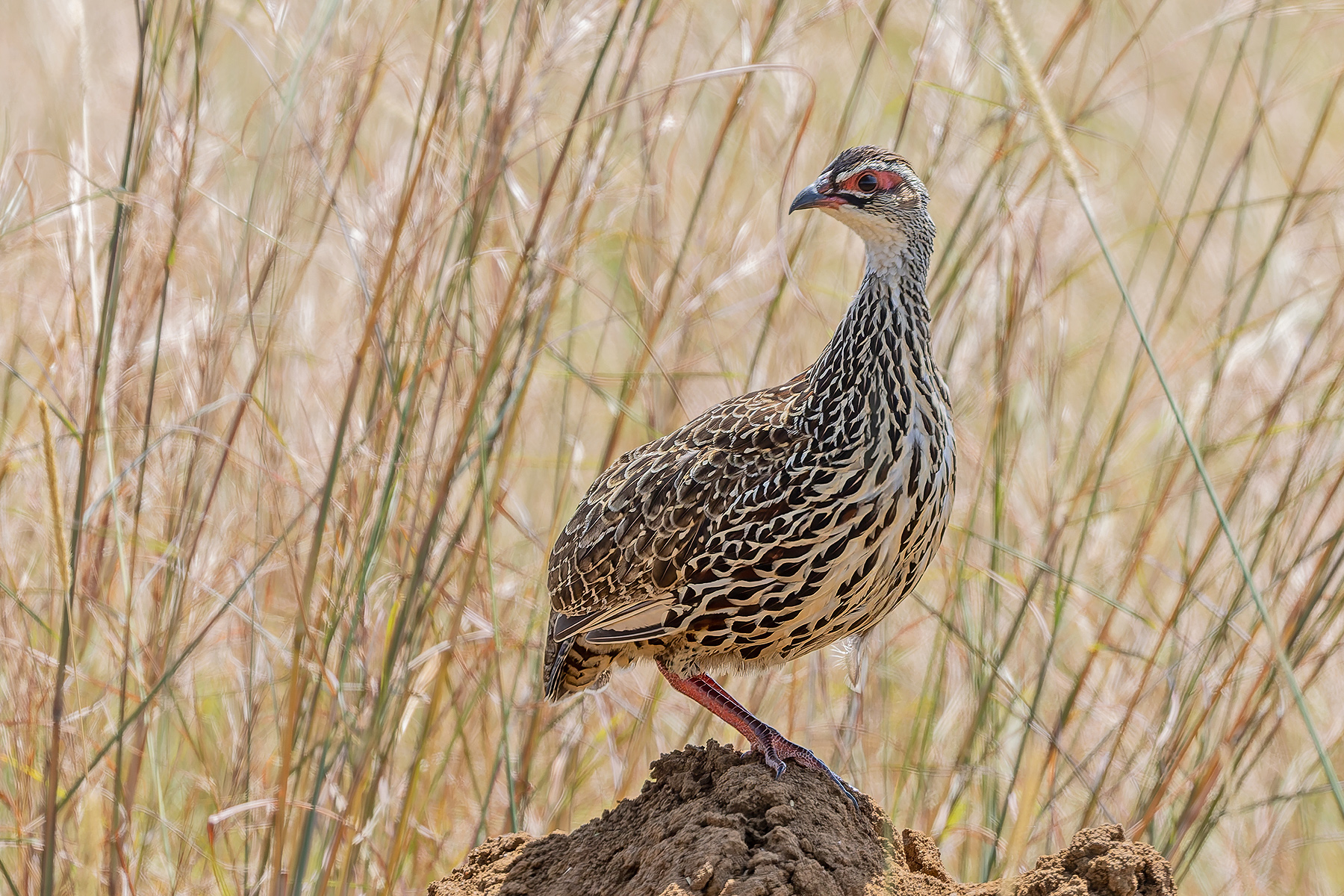
Clapperton's Francolin (image by Pete Morris)
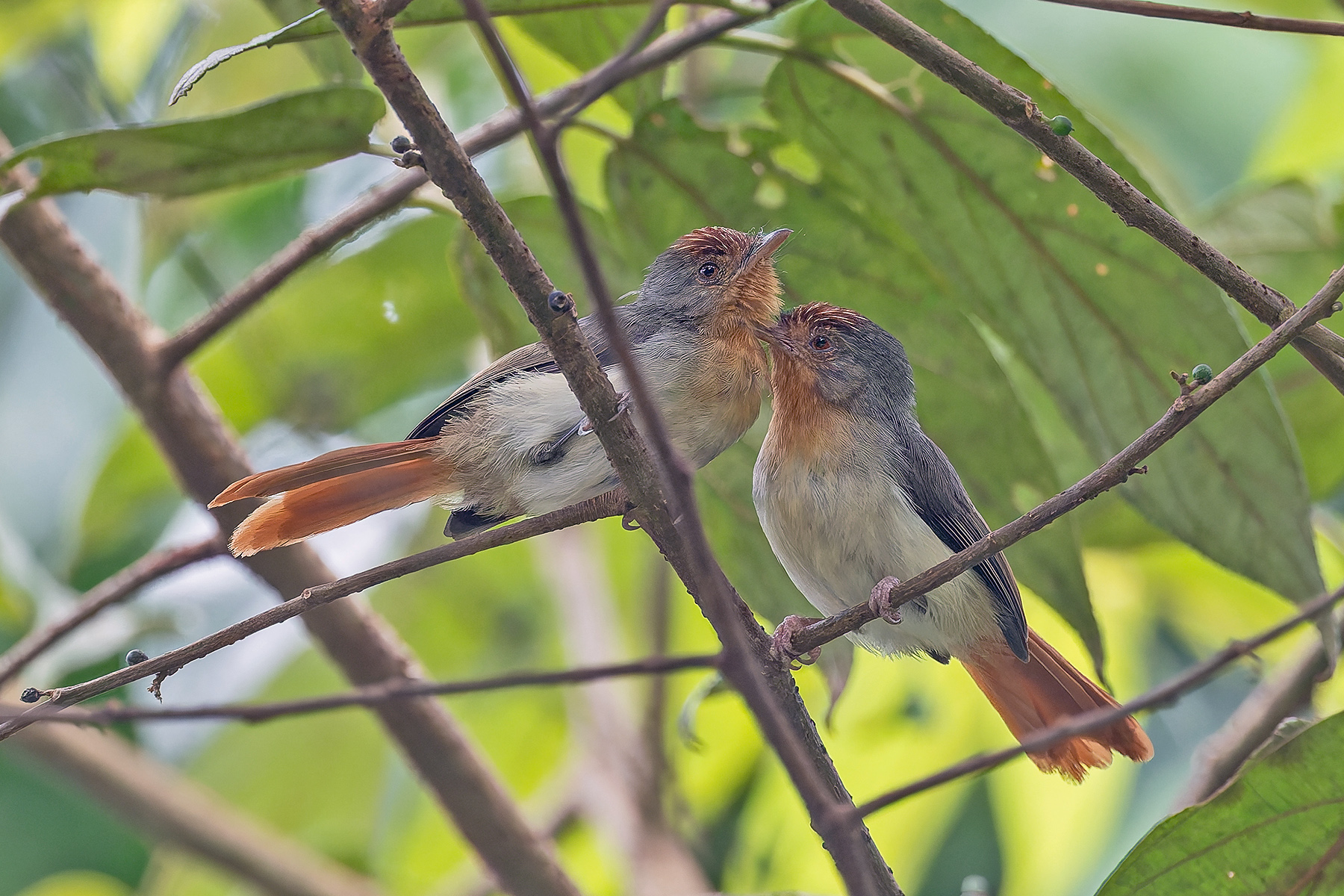
Chestnut-capped Flycatcher (image by Pete Morris)
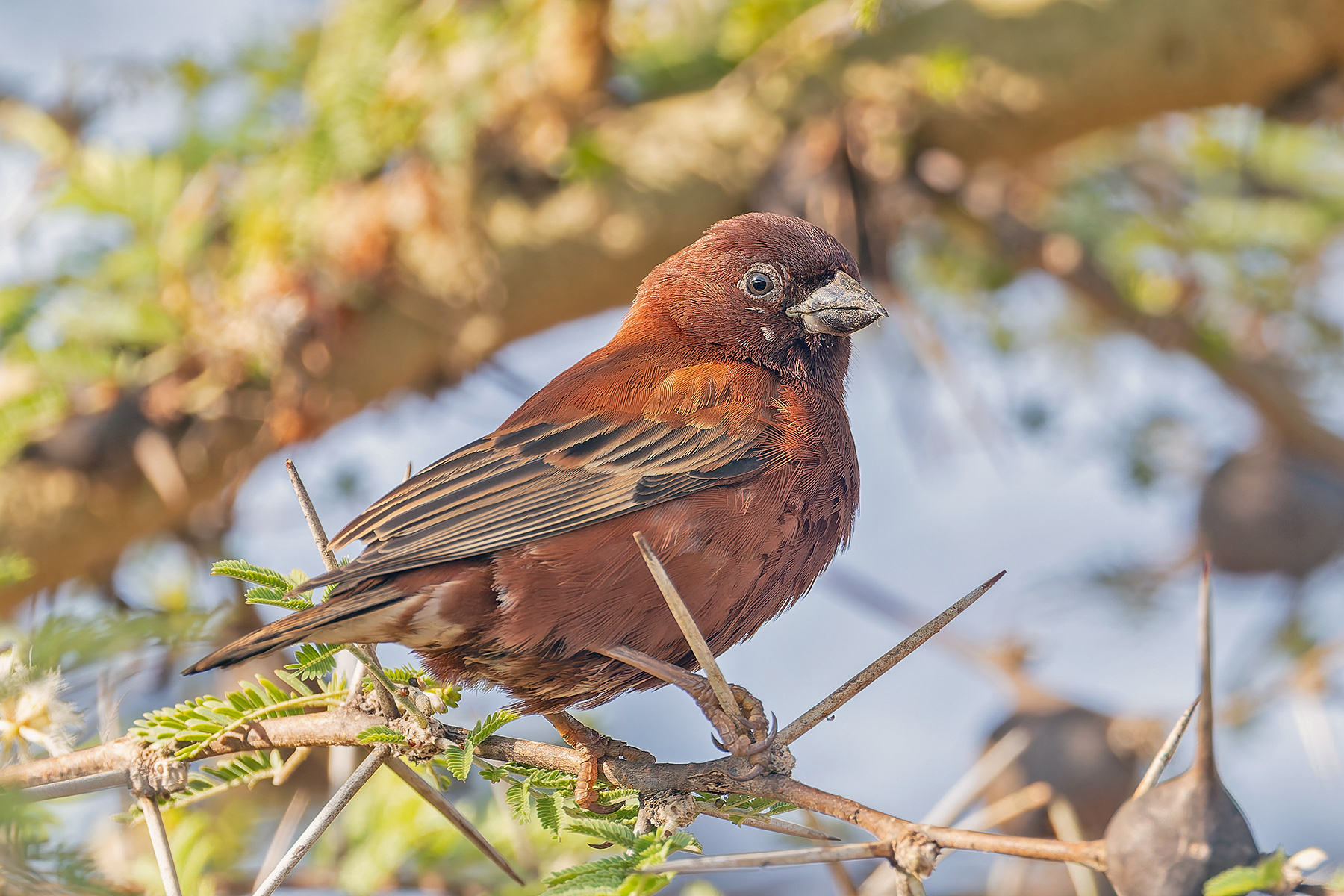
Chestnut Sparrow (image by Pete Morris)
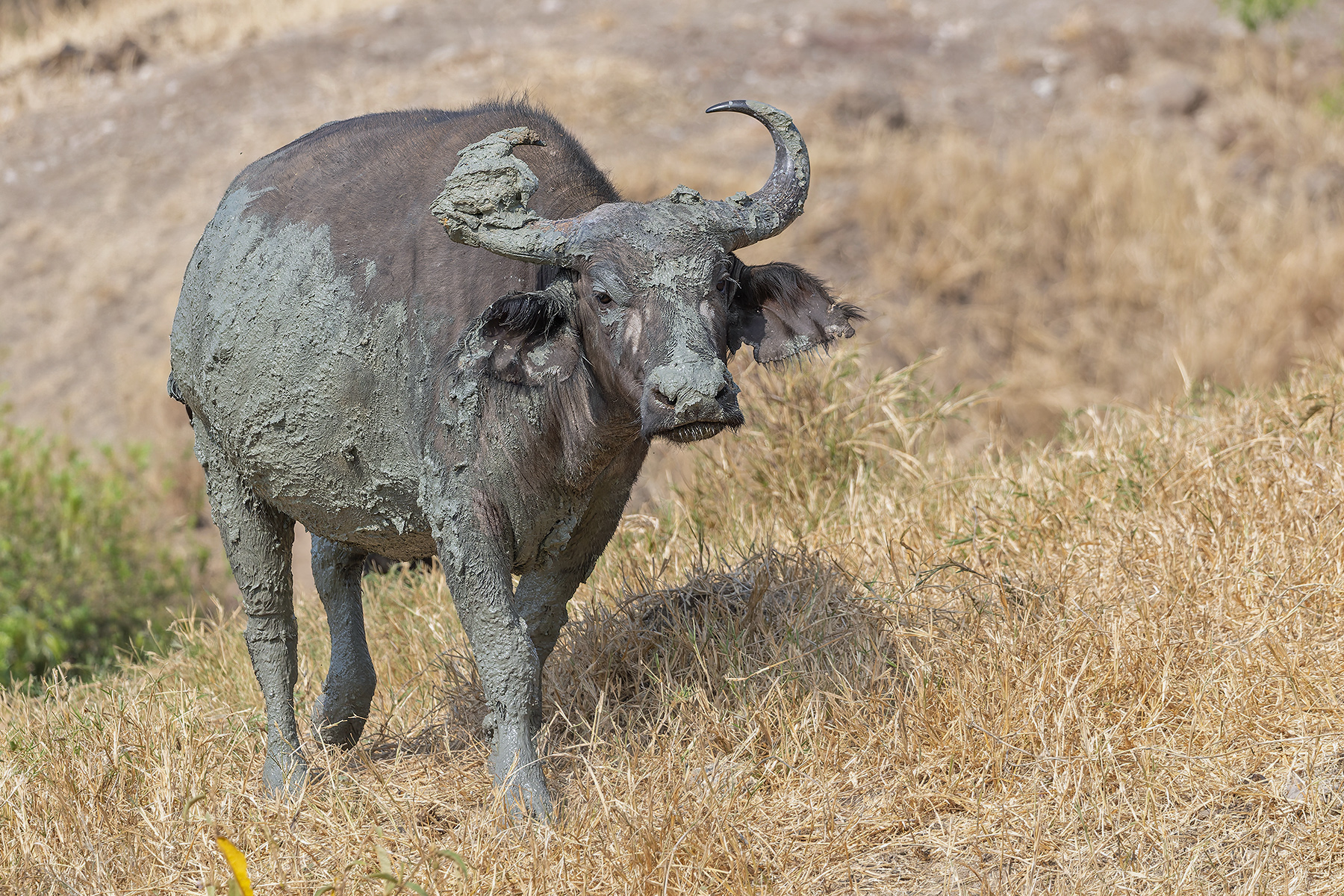
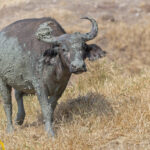
Cape Buffalo (image by Pete Morris)
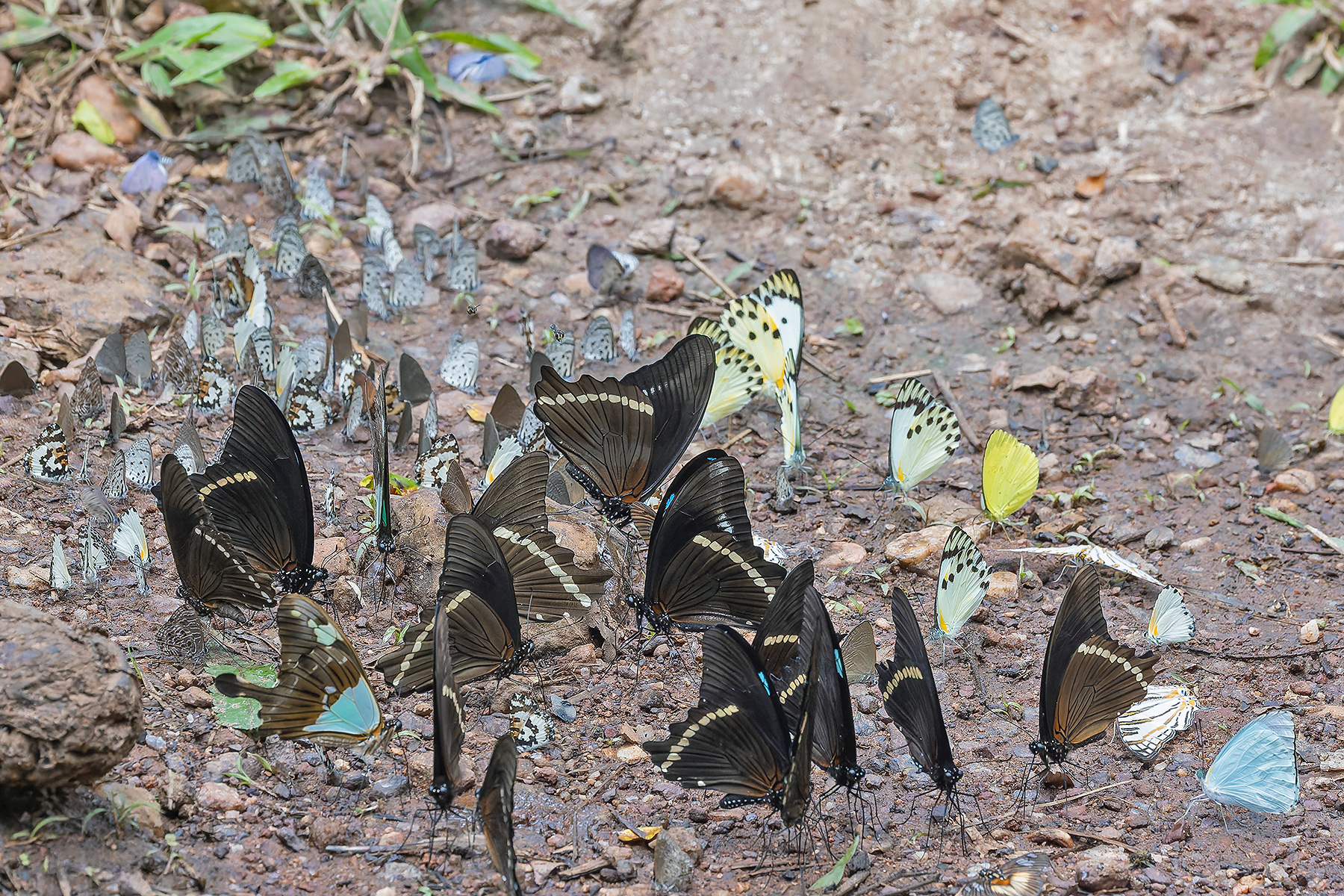
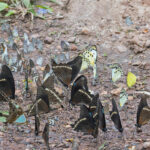
Butterflies at Budongo Forest (image by Pete Morris)
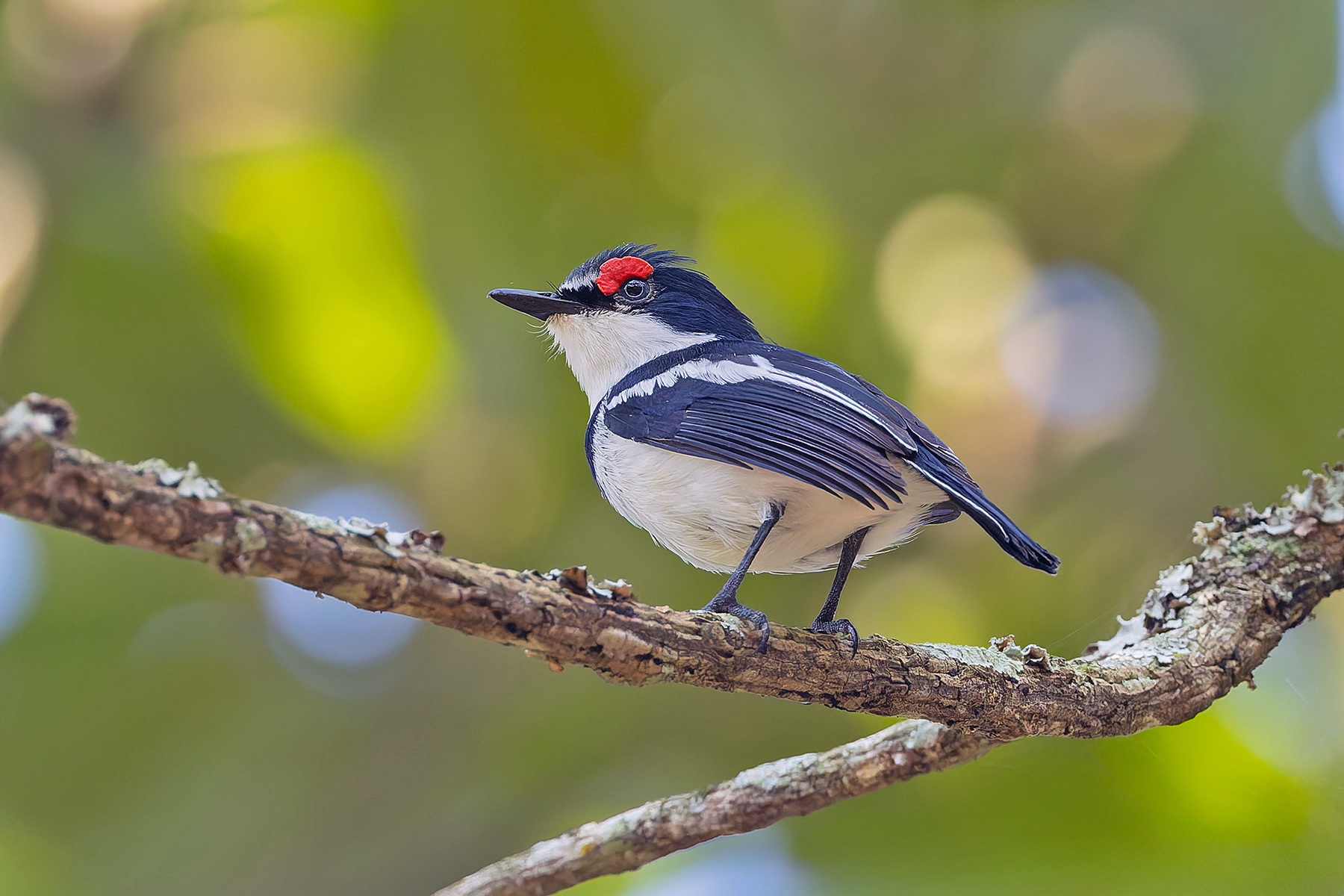
Brown-throated Wattle-eye (image by Pete Morris)
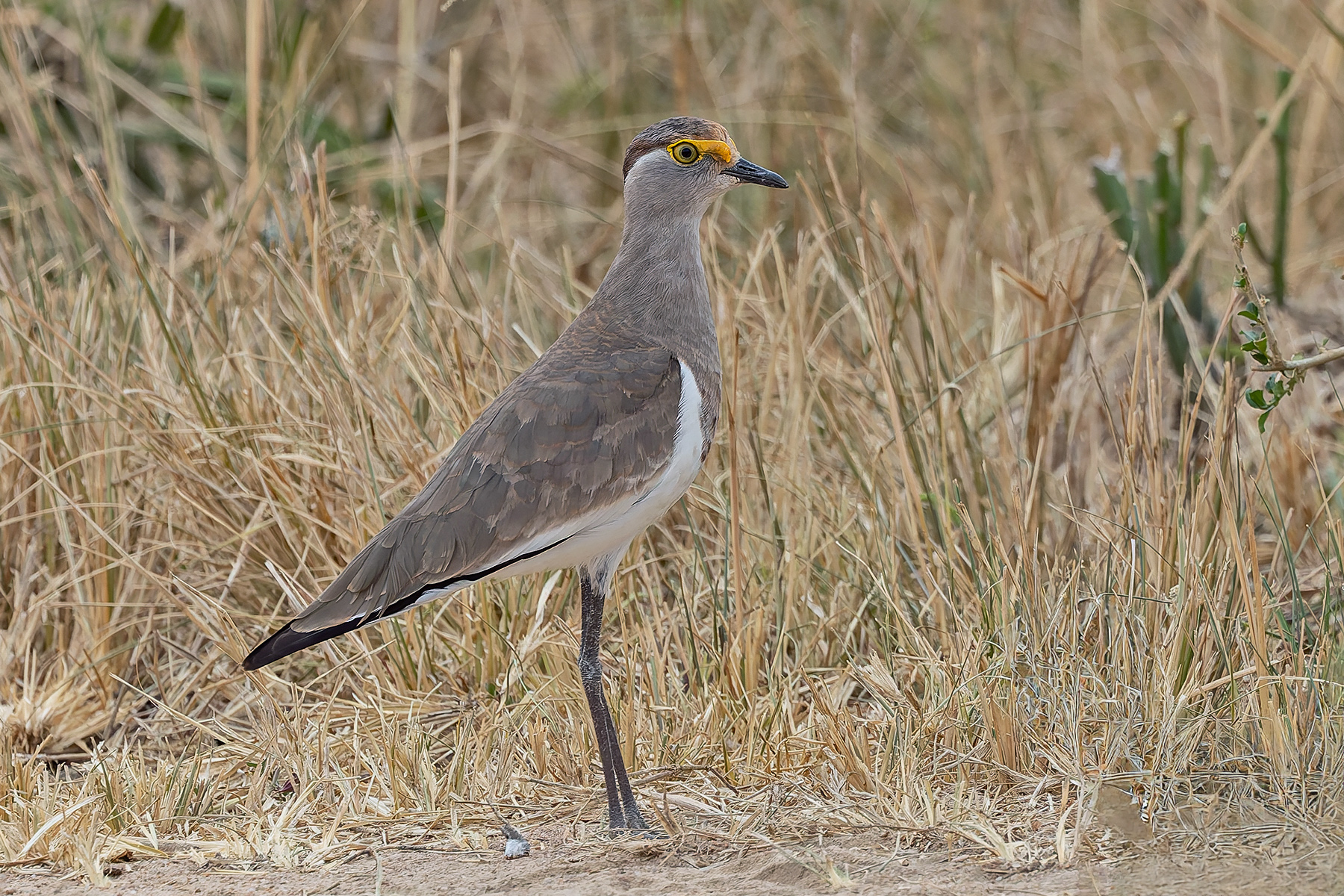
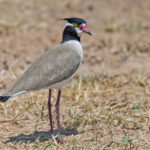
Brown-chested Lapwing (image by Pete Morris)
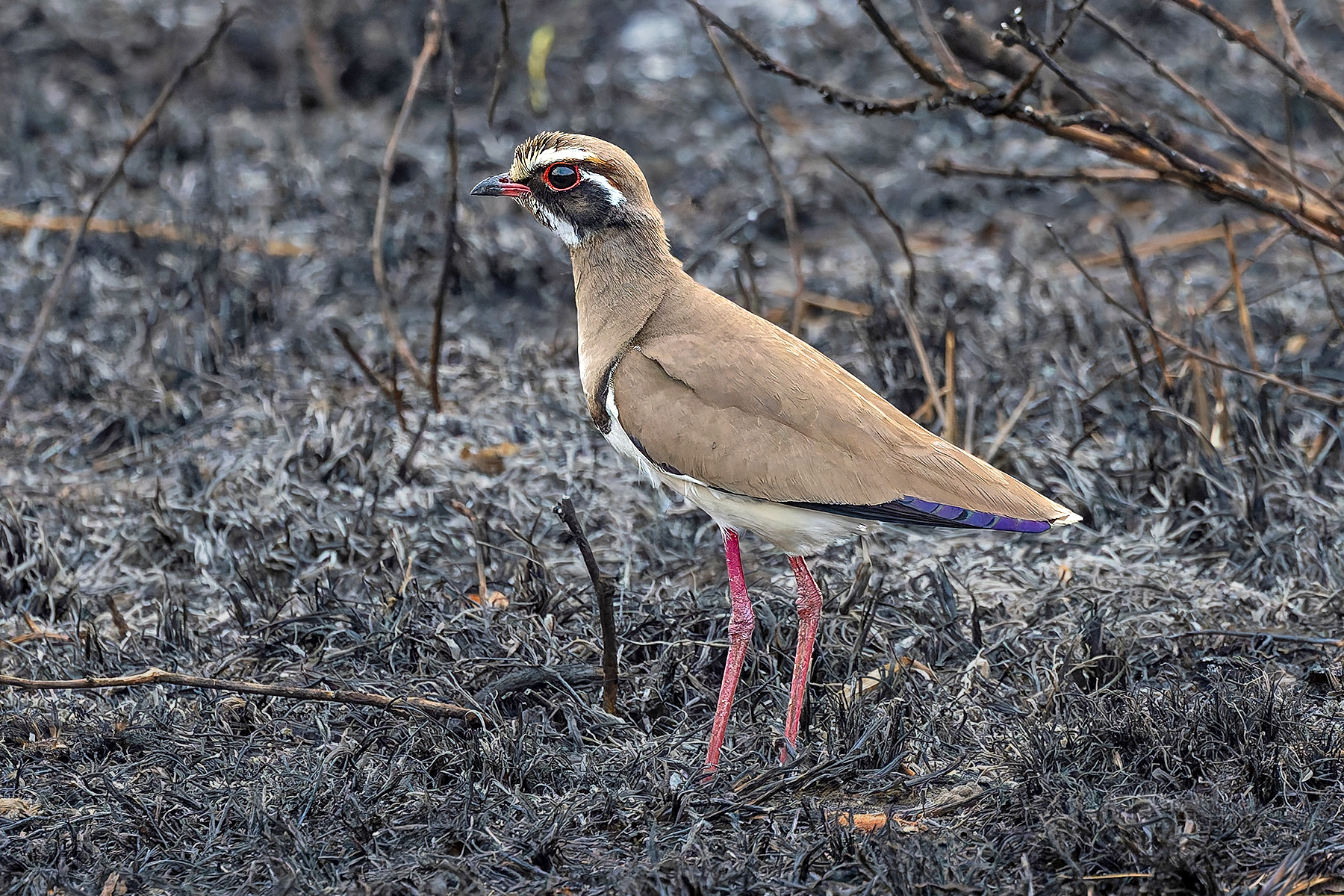
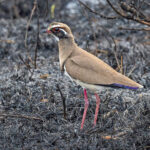
Bronze-winged Courser (image by Pete Morris)
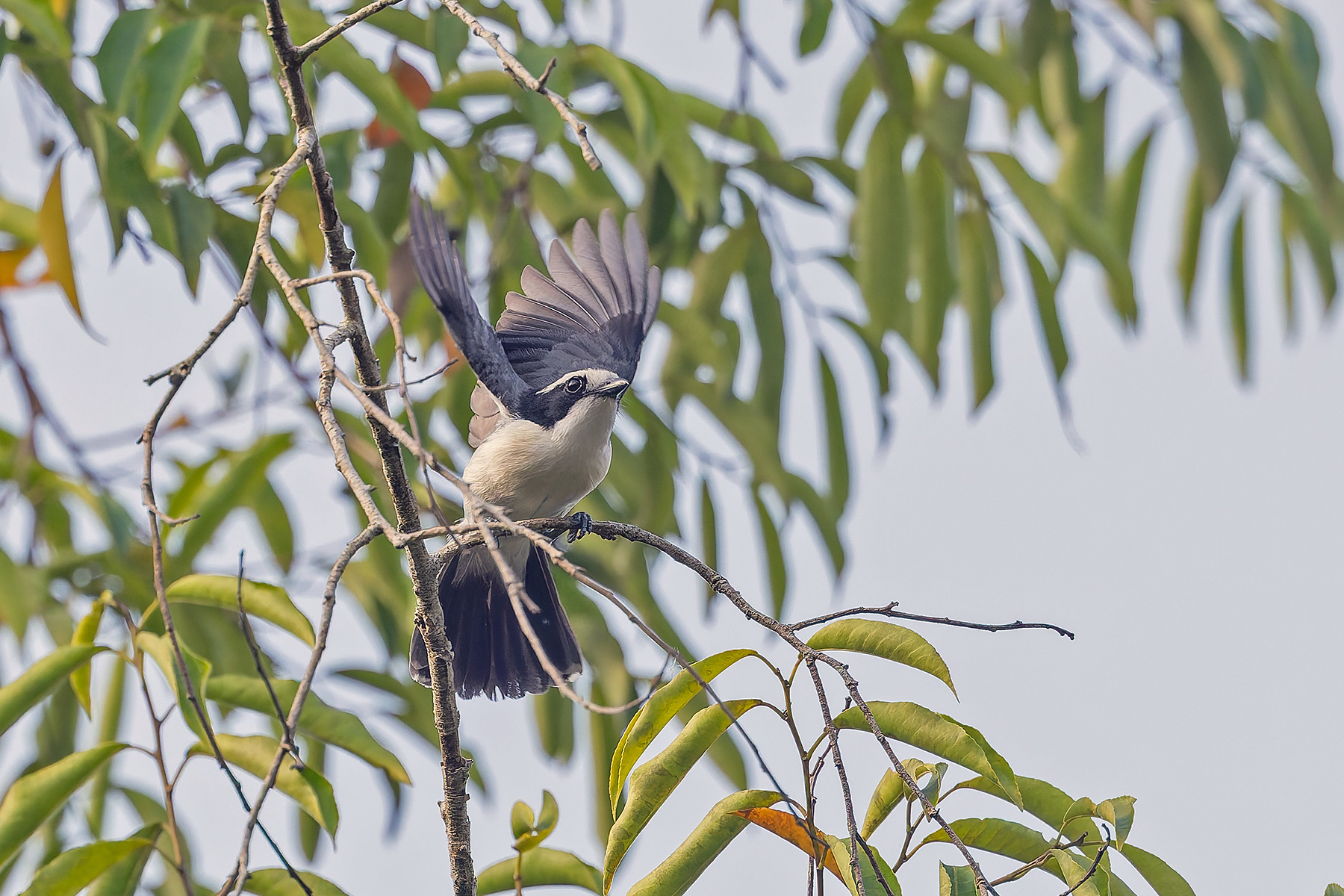
Bocage's Bushshrike (image by Pete Morris)
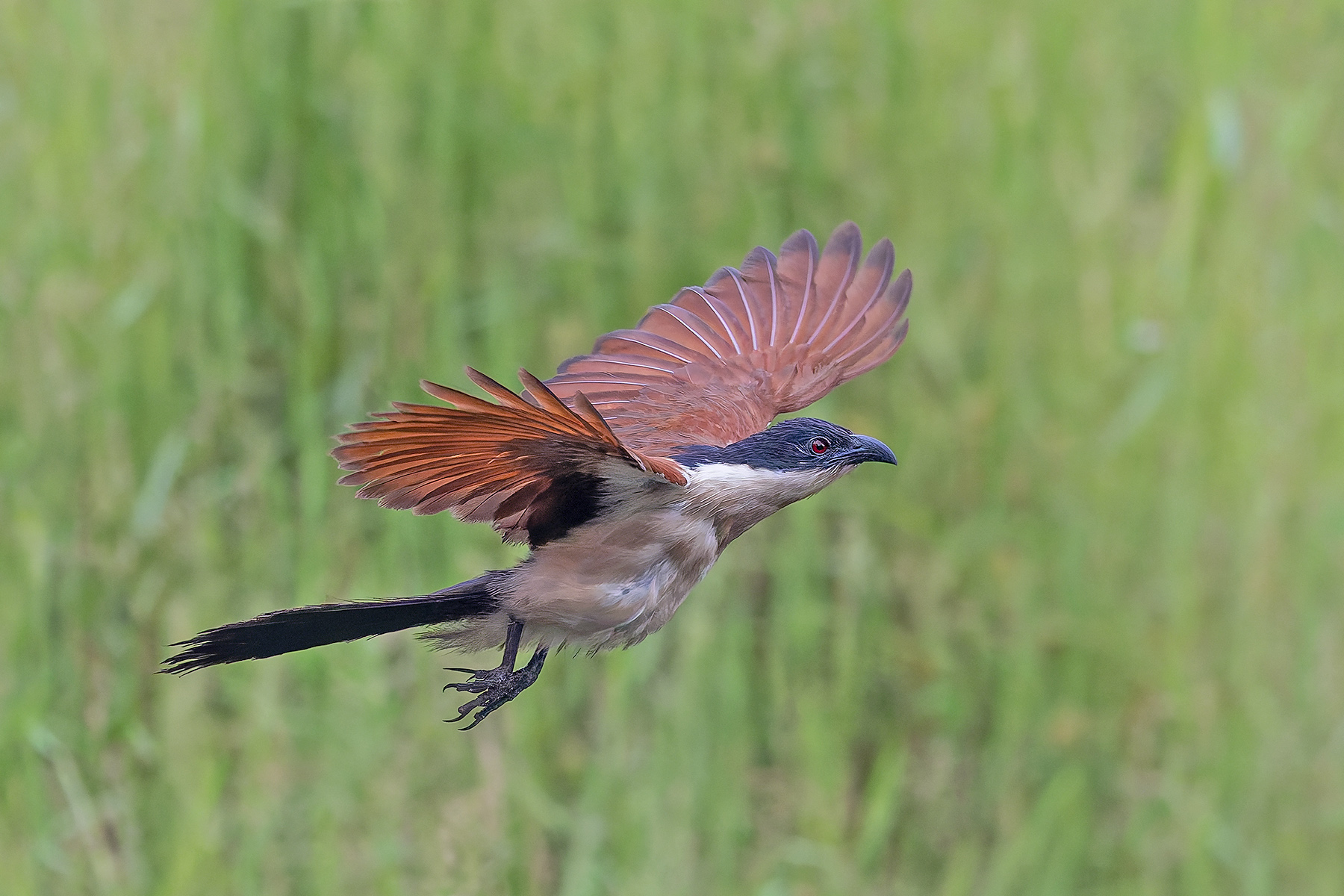
Blue-headed Coucal (image by Pete Morris)
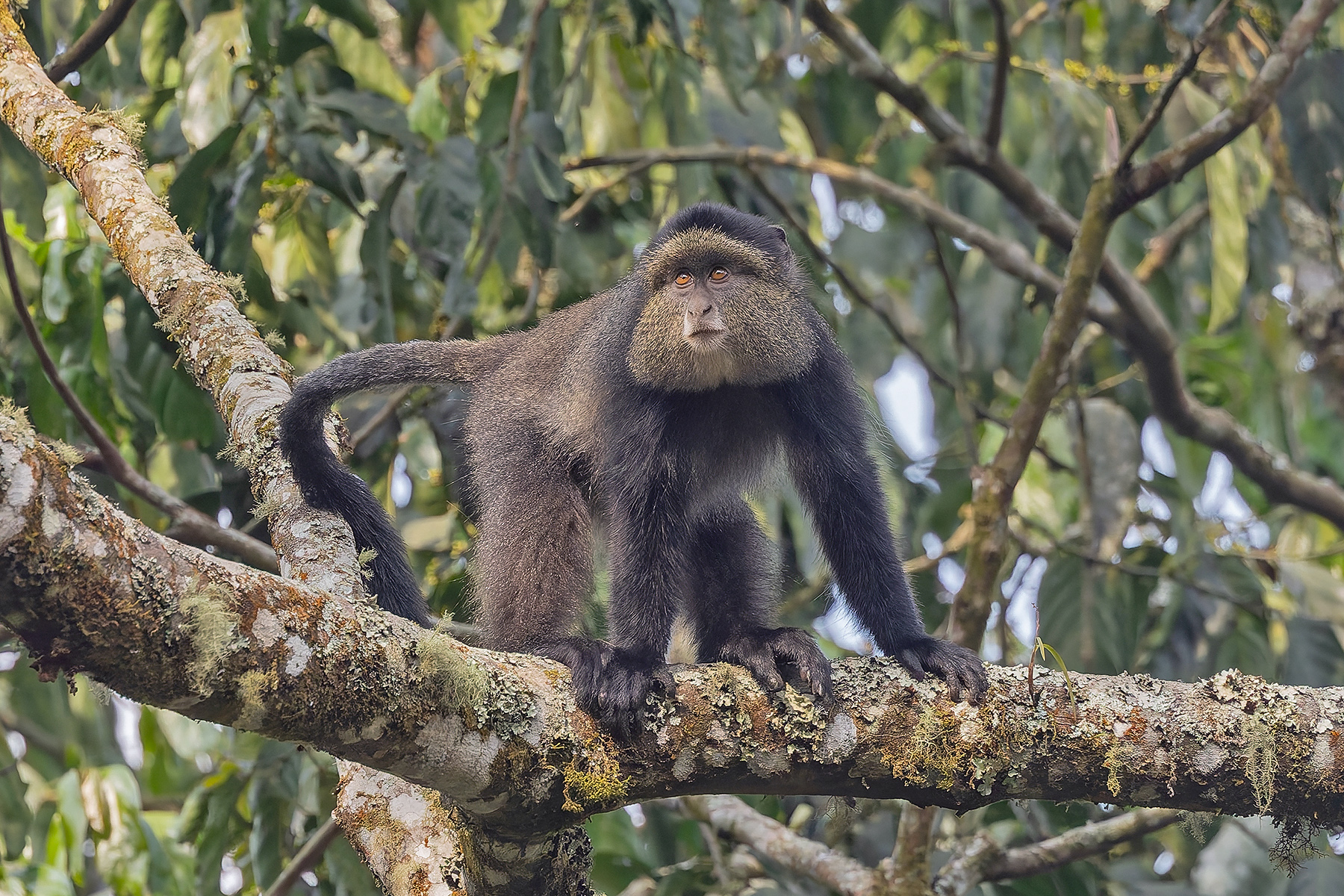
Blue Monkey (image by Pete Morris)
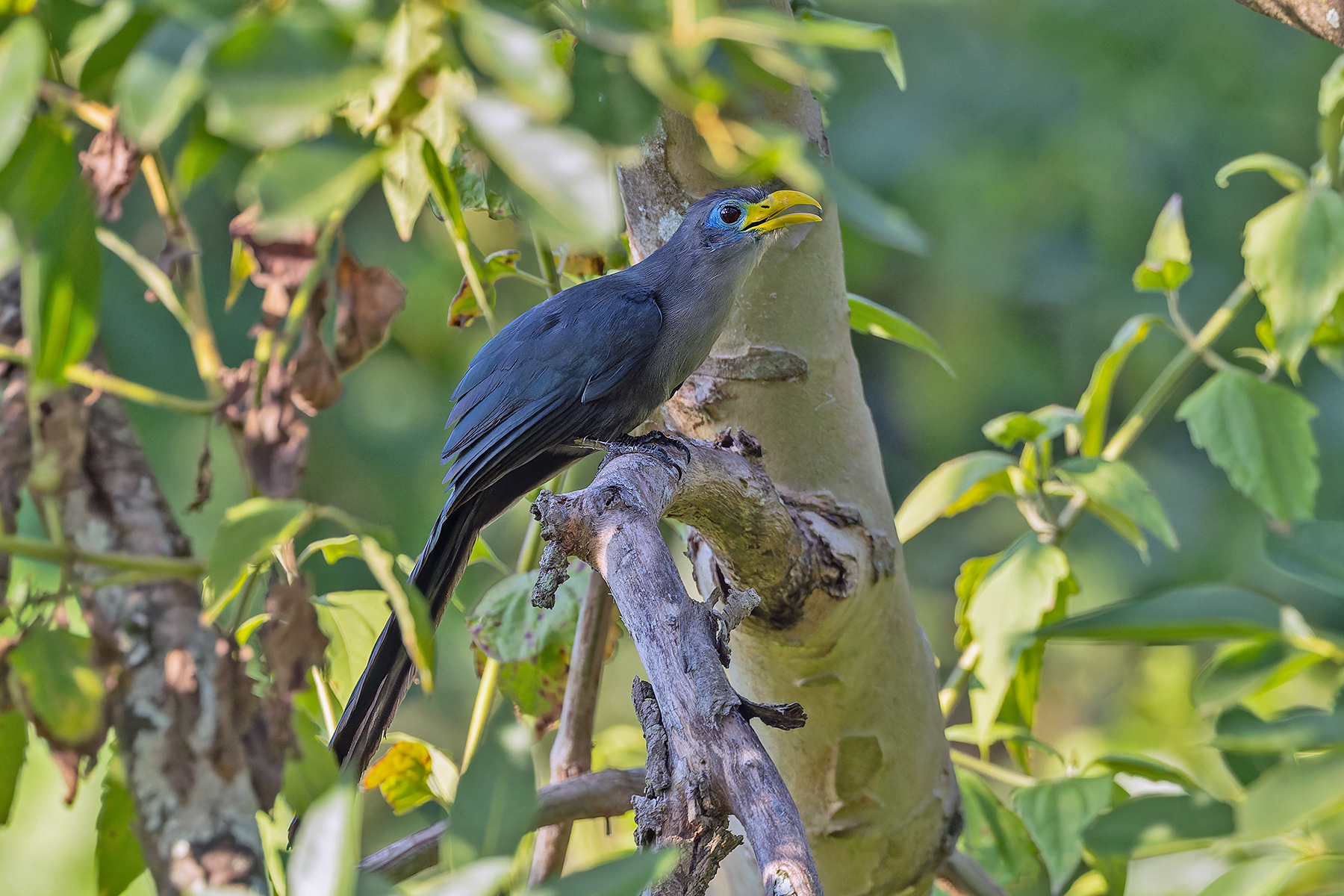
Blue Malkoha (image by Pete Morris)
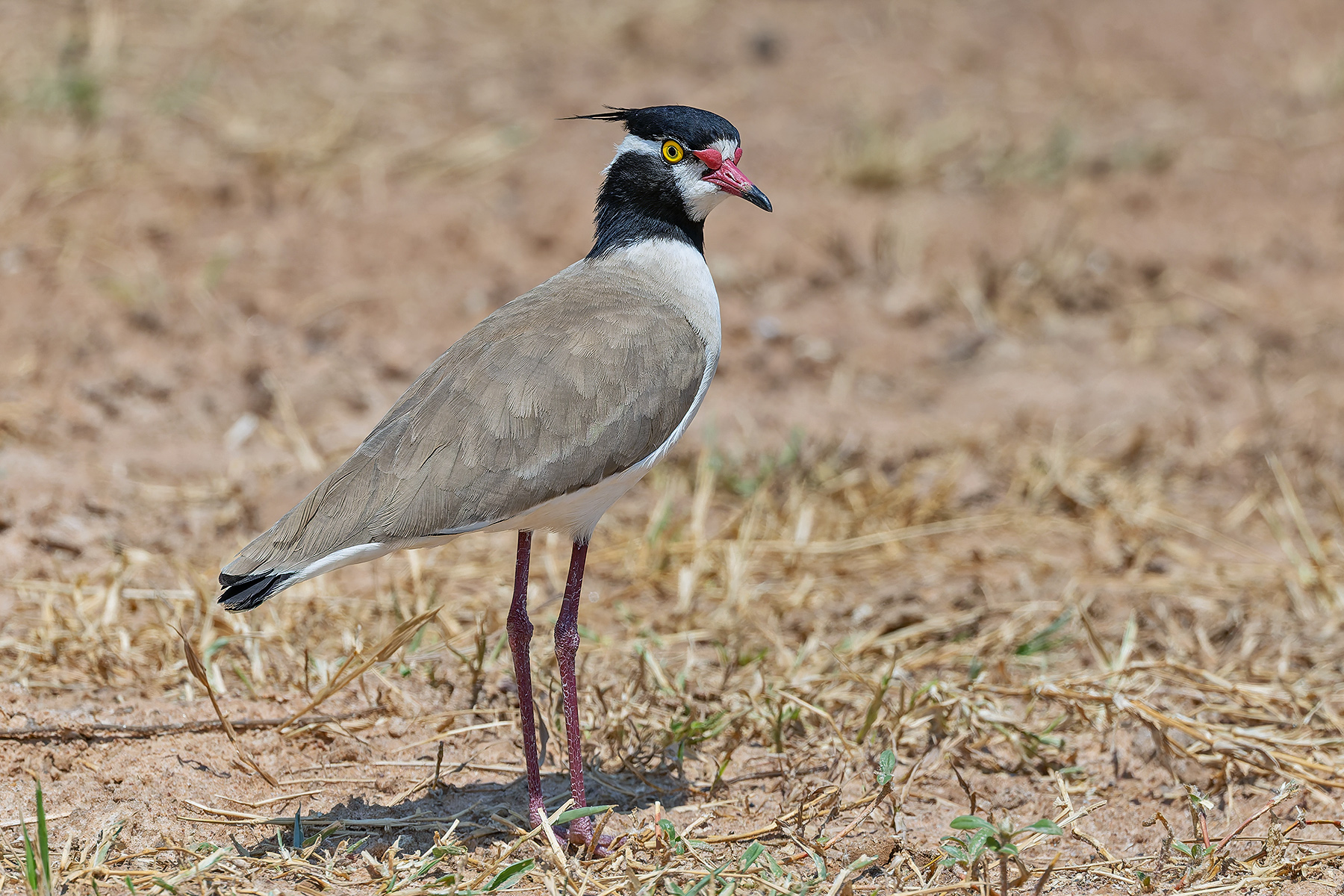
Black-headed Lapwing (image by Pete Morris)
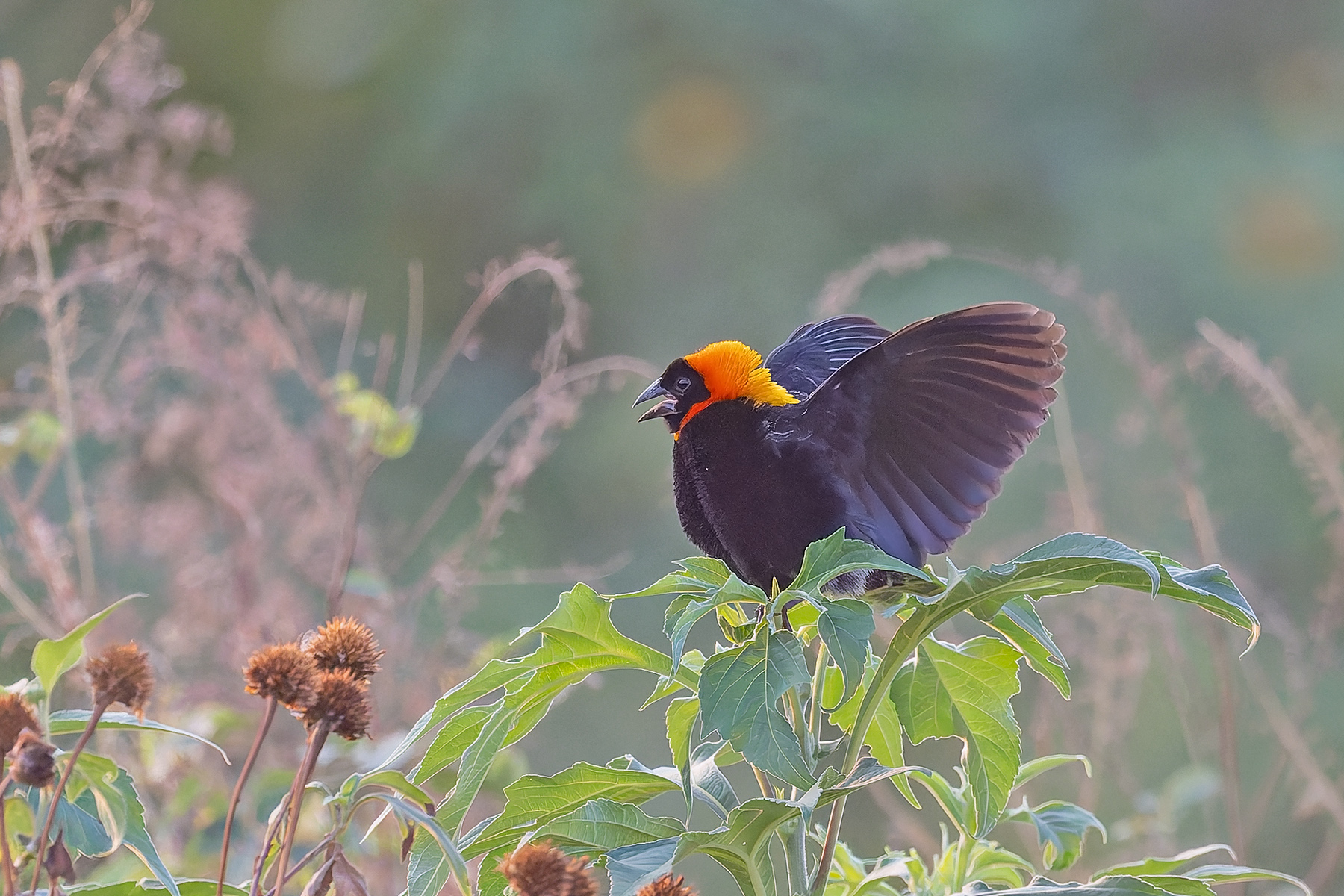
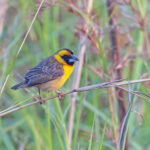
Black Bishop (image by Pete Morris)
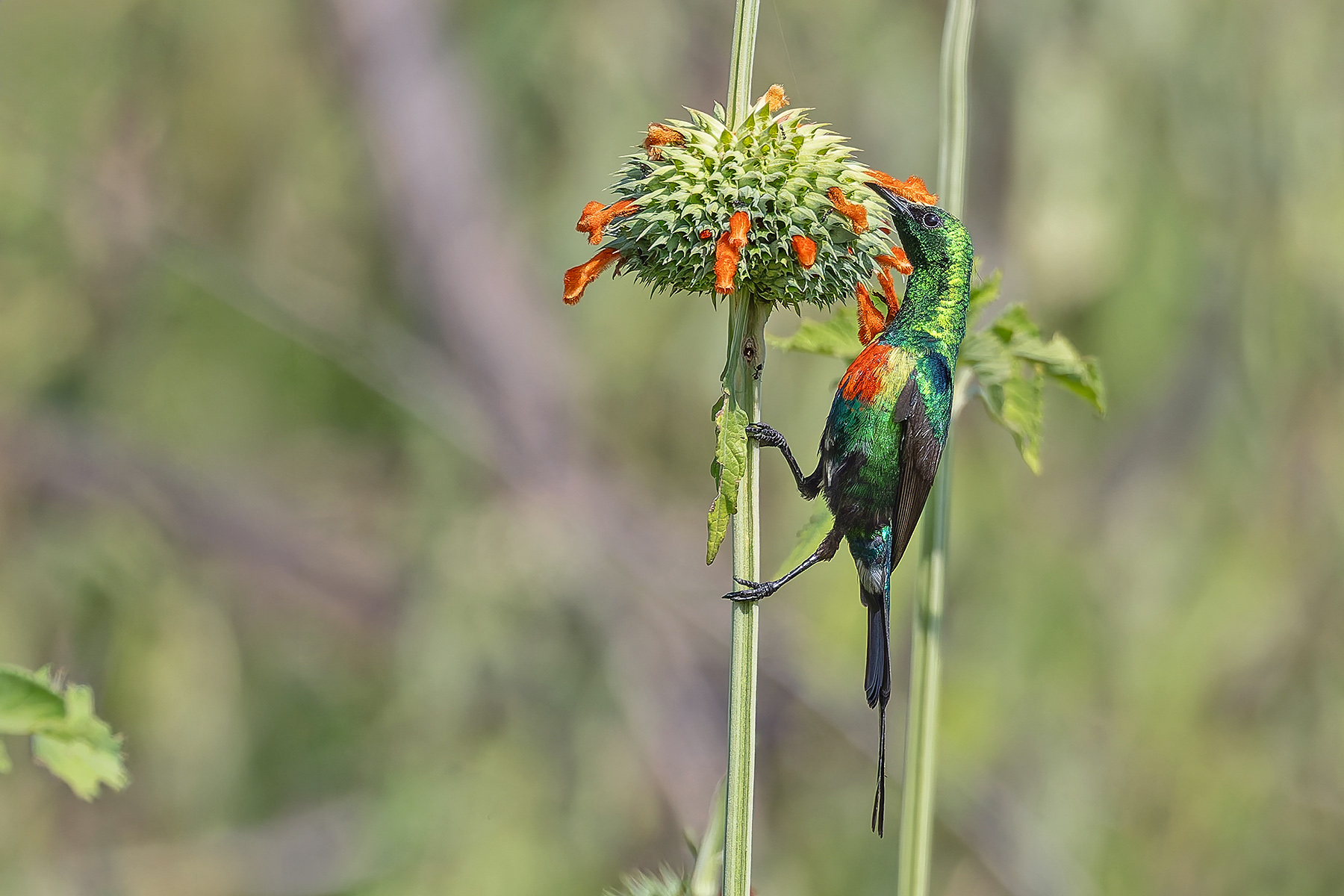
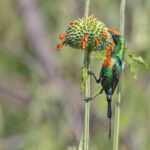
Beautiful Sunbird (image by Pete Morris)
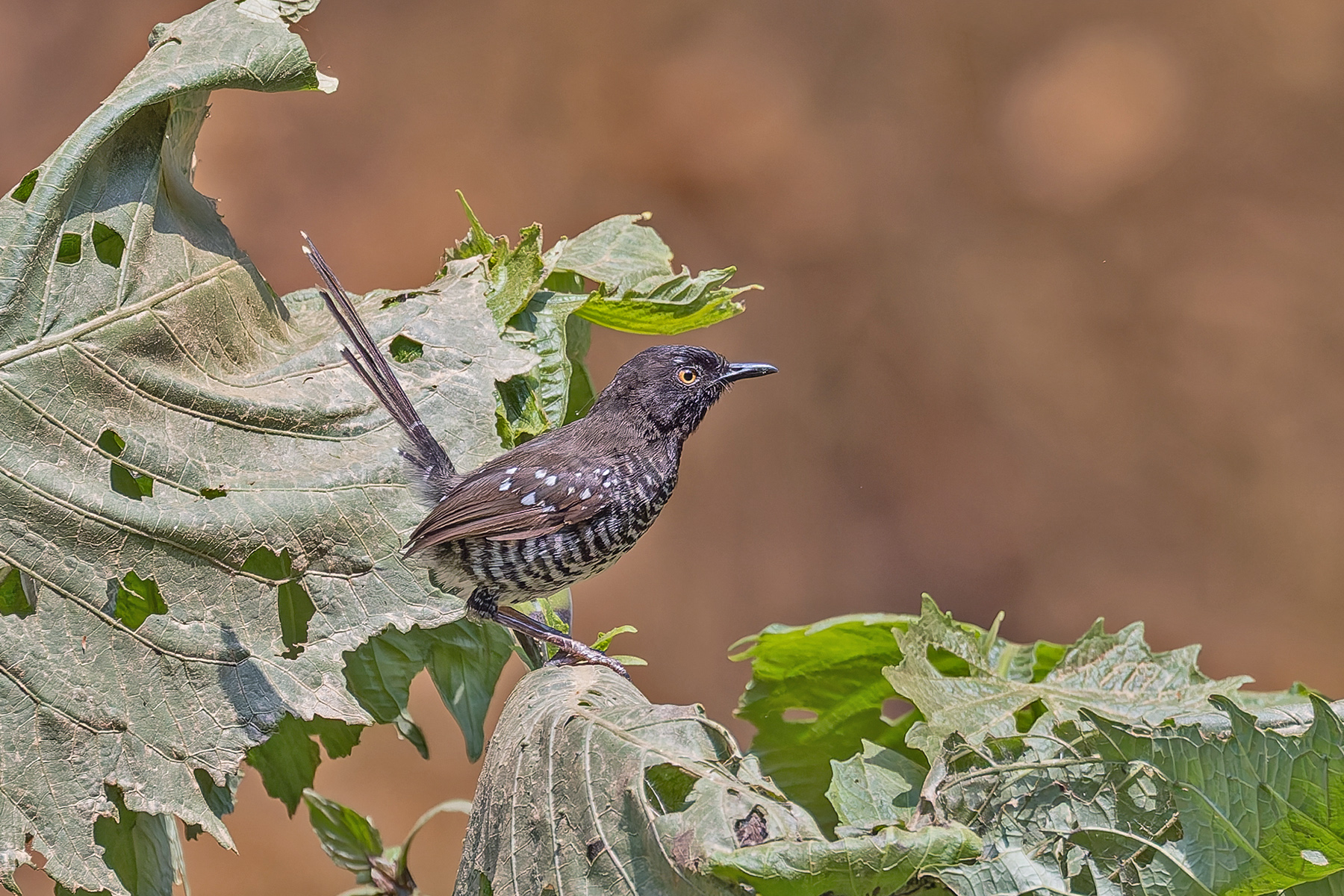
Banded Prinia (image by Pete Morris)
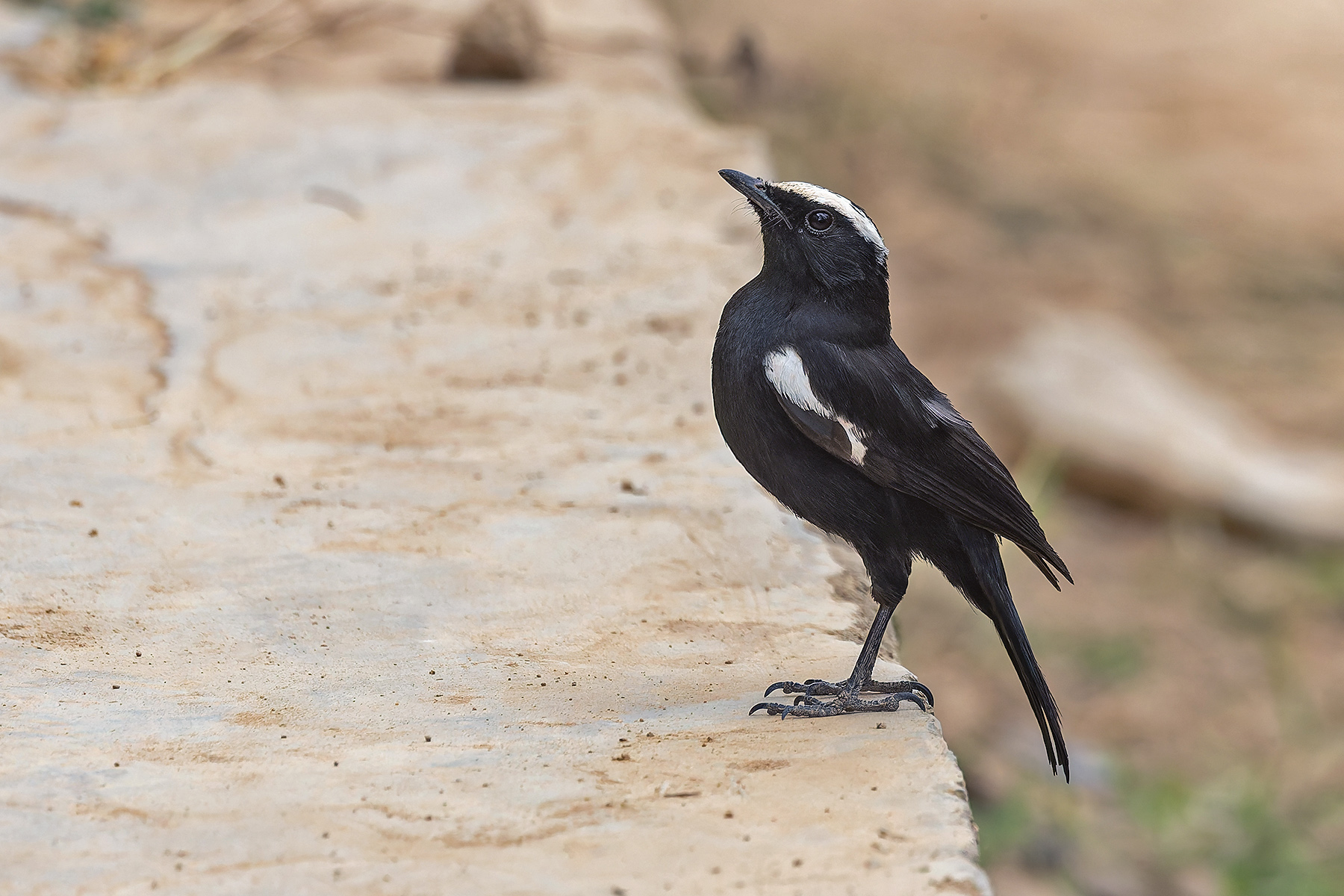
Arnot's Chat (Ruaha) (image by Pete Morris)
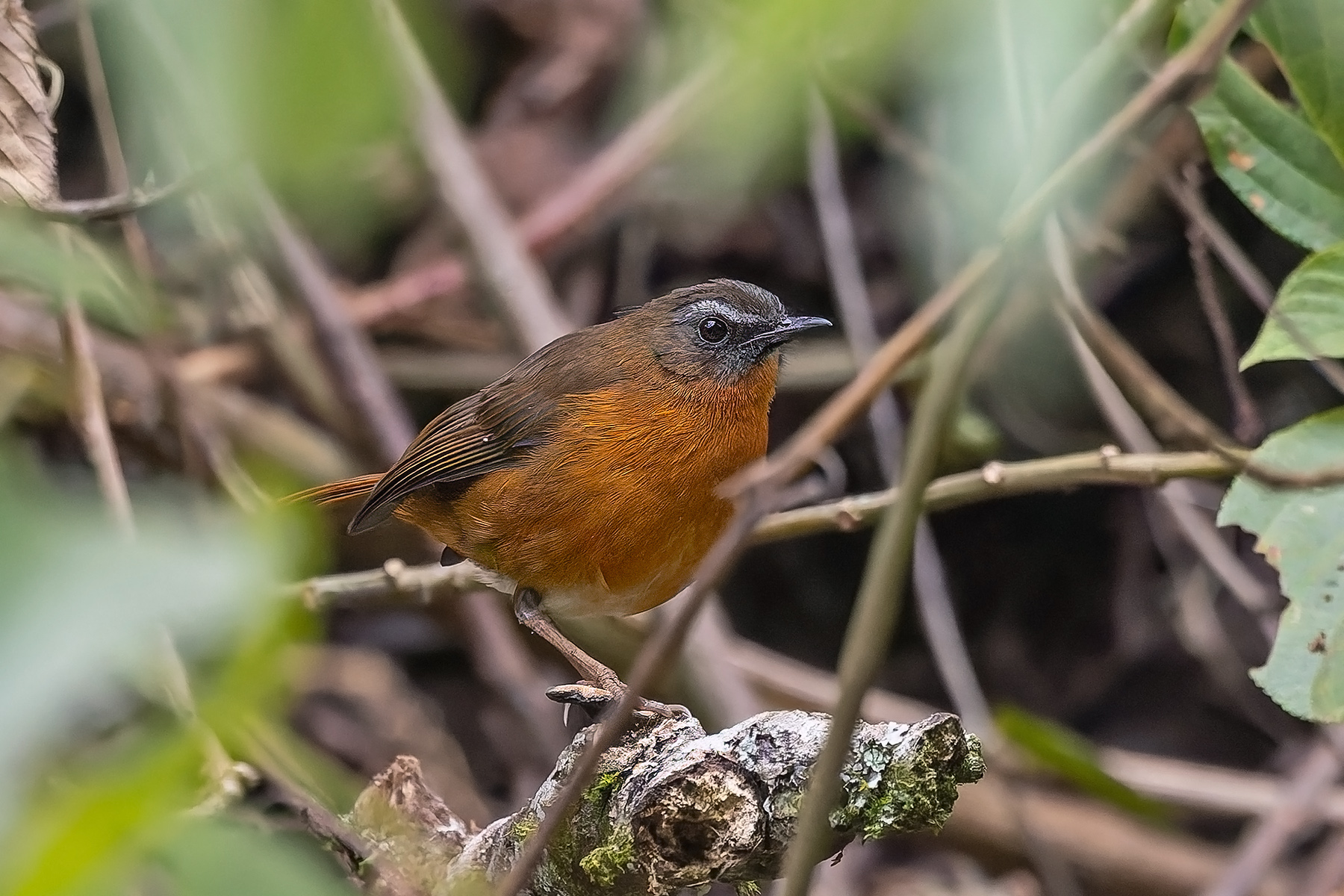
Archer's Ground Robin (image by Pete Morris)
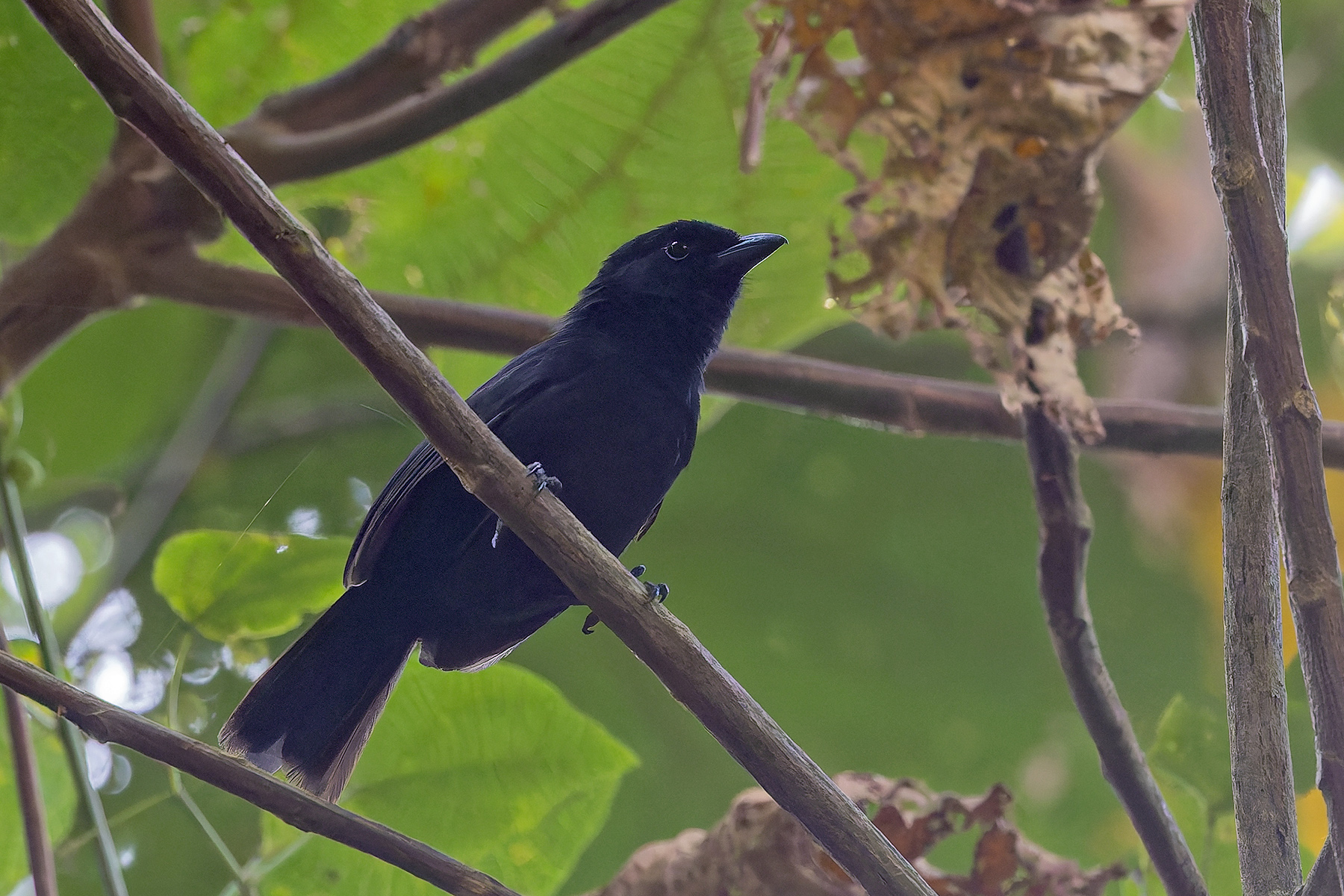
Albertine Rift Boubou (image by Pete Morris)
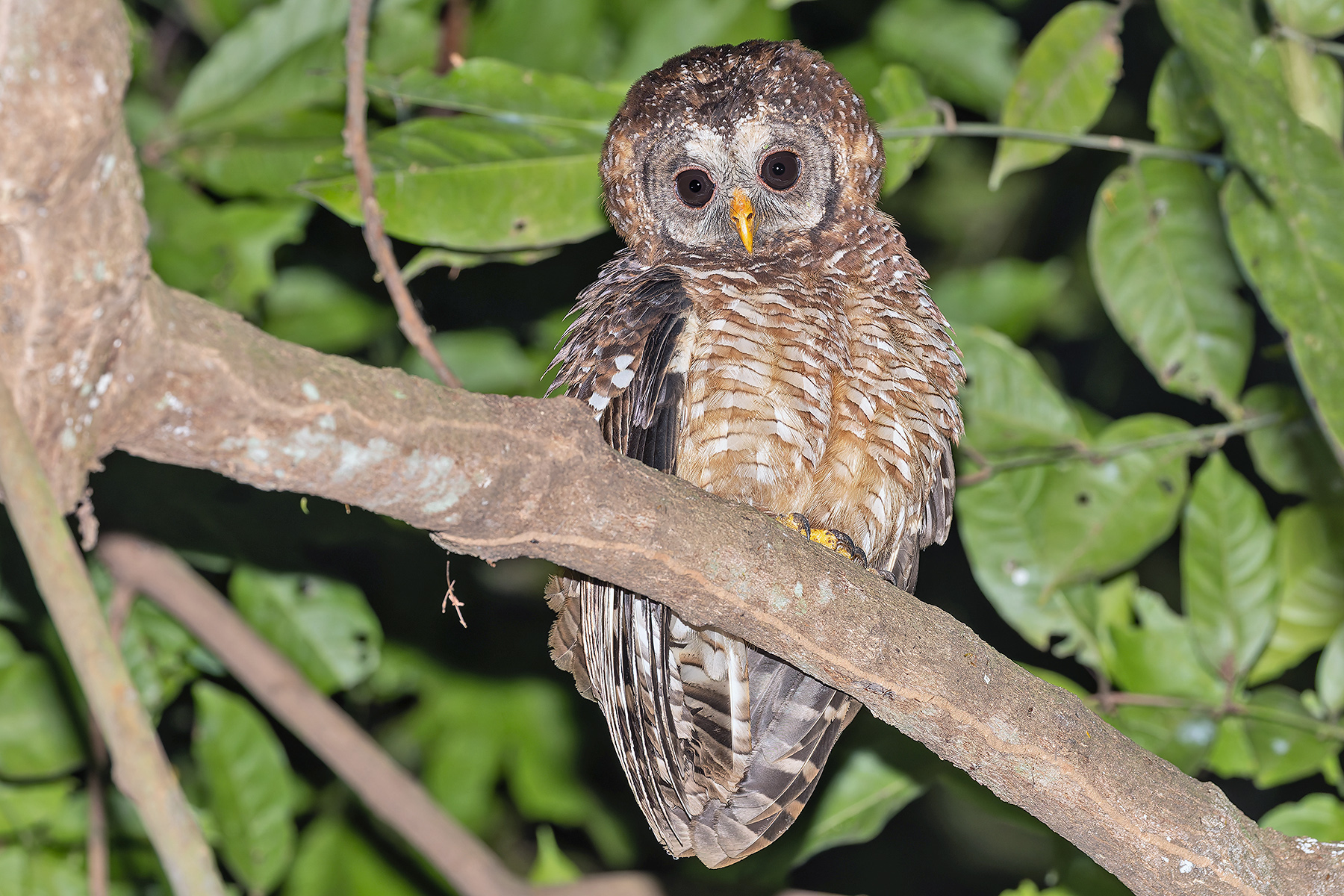
African Wood Owl (image by Pete Morris)
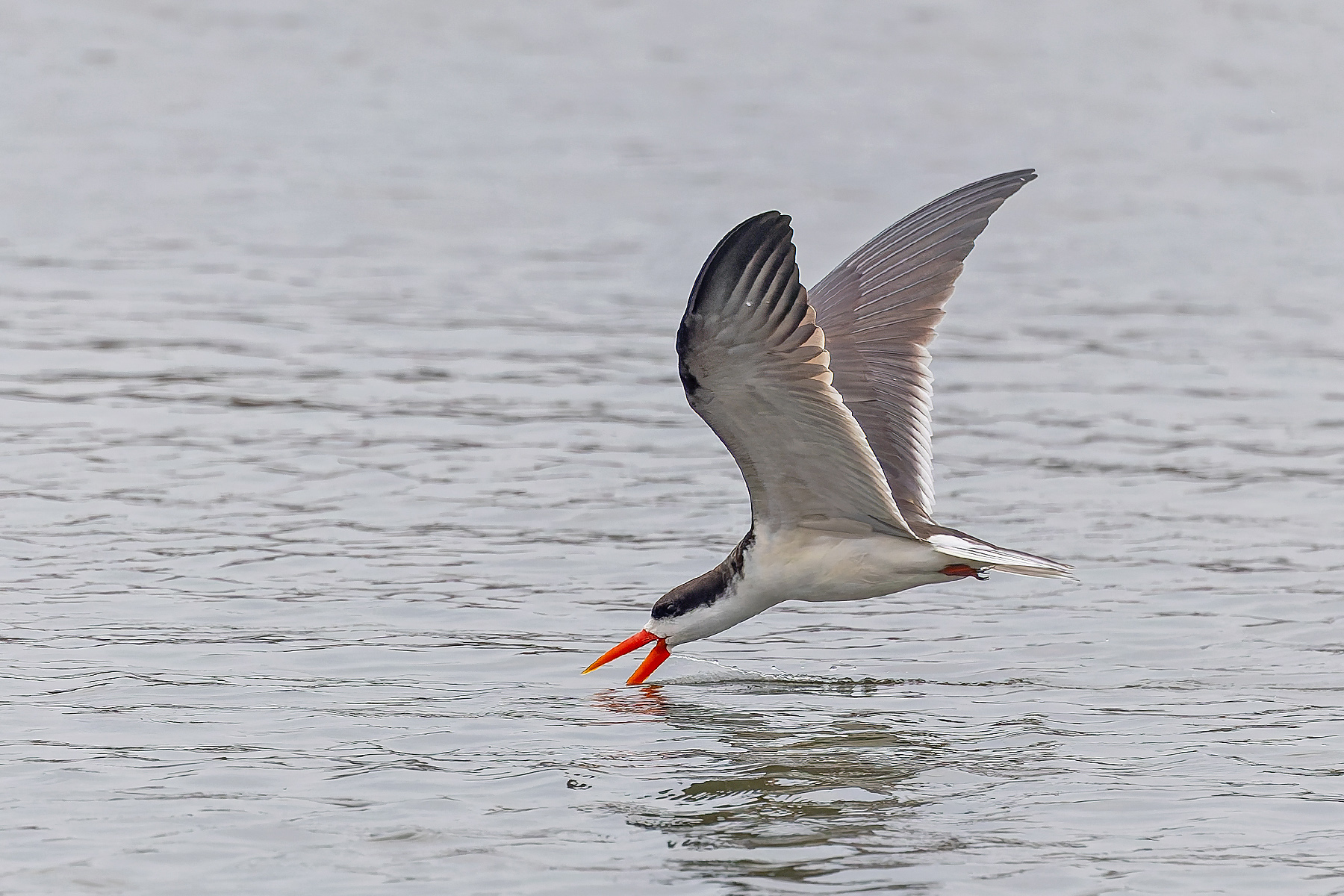
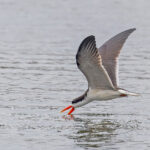
African Skimmer (image by Pete Morris)
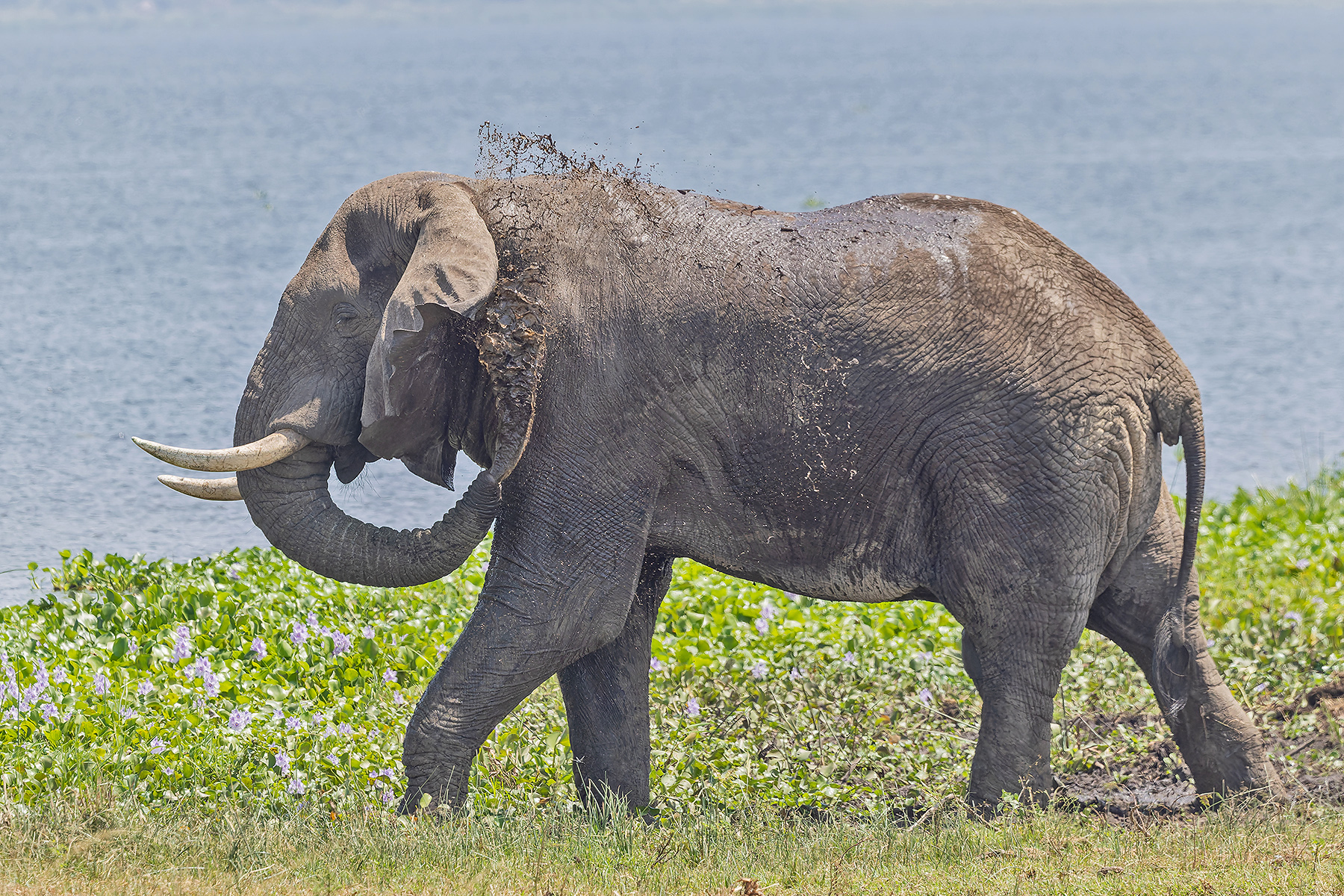
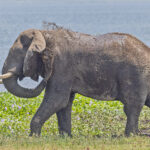
African Savanna Elephant (image by Pete Morris)
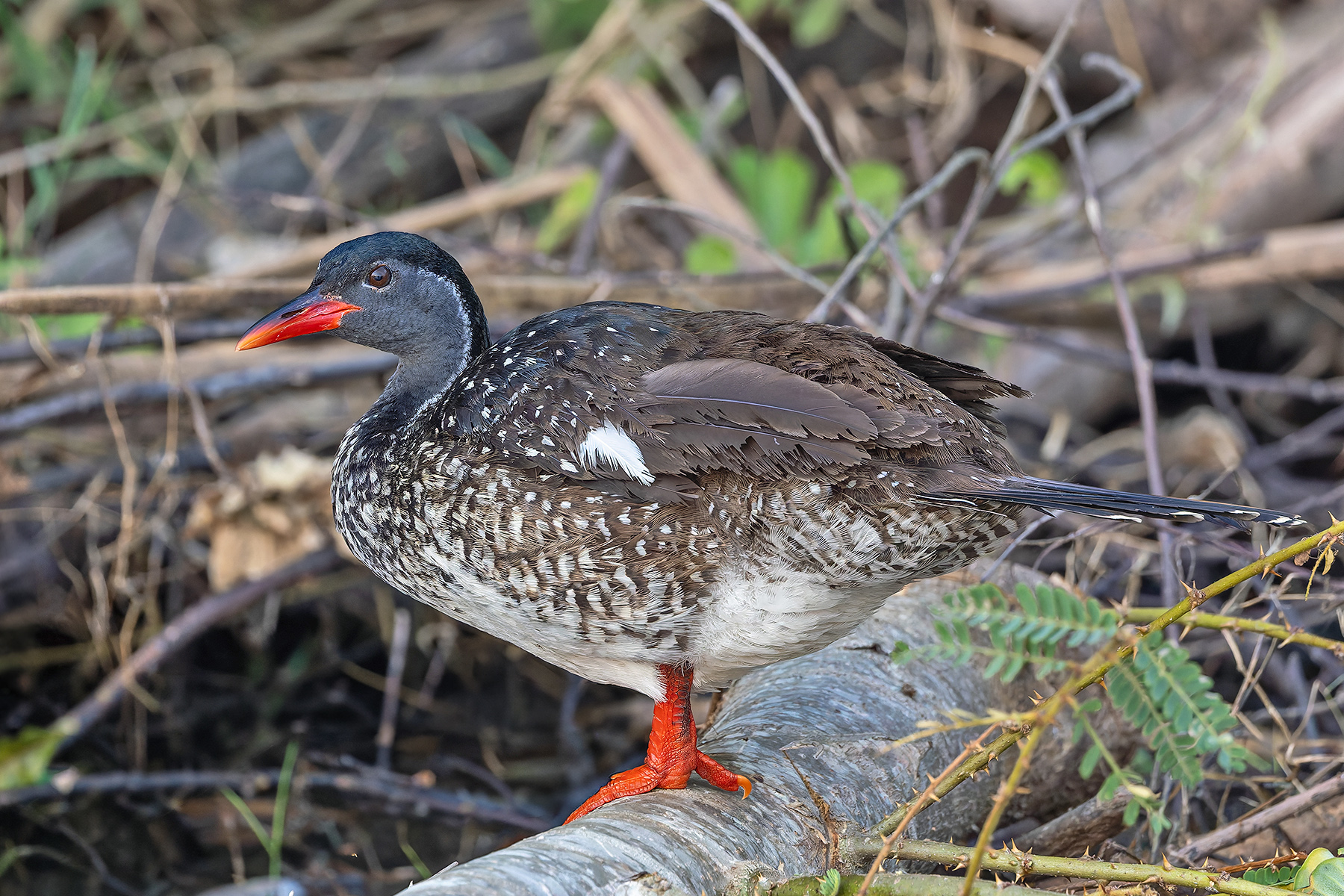
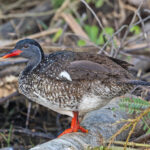
African Finfoot (image by Pete Morris)
African Broadbill (image by Pete Morris)
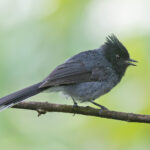
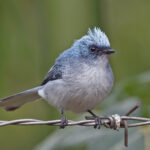
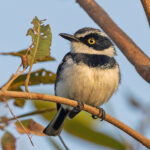
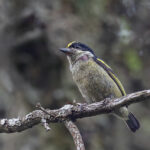
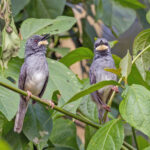
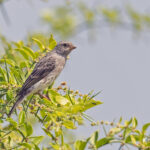
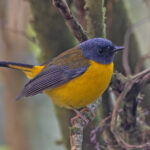
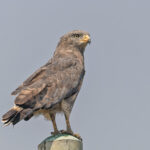
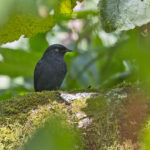
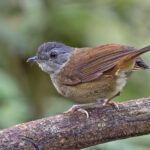
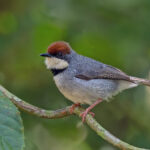
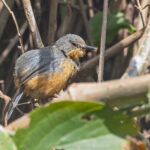
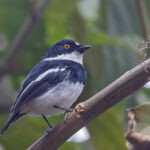
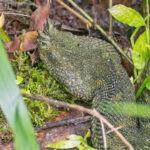
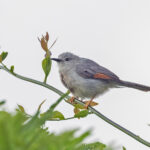
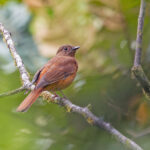
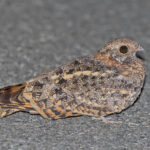
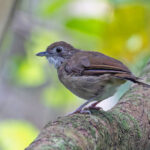
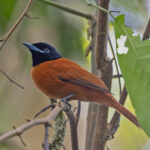
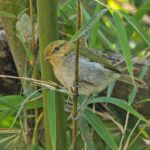
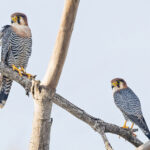
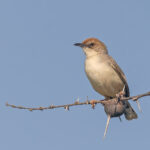
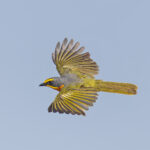
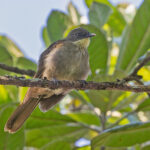
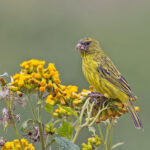
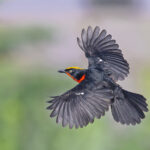
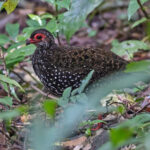
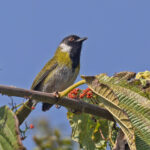
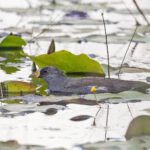
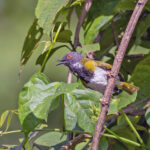
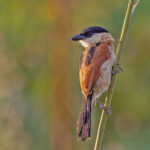
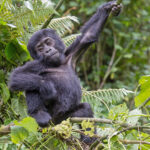
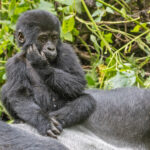
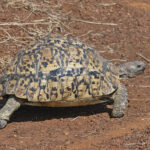
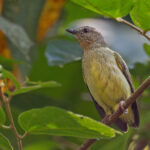
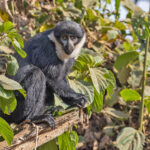
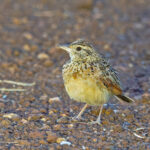
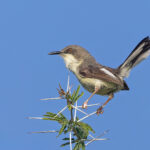
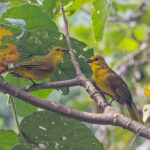
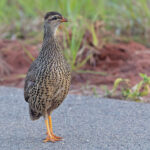
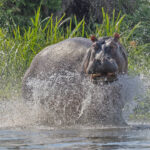
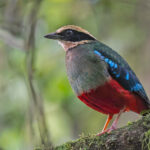
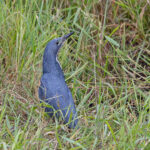
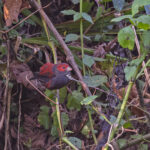
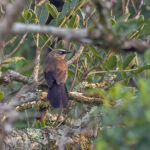
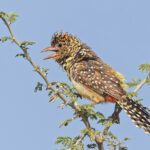
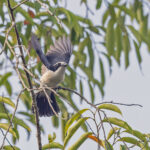
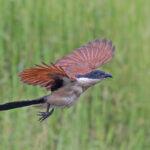
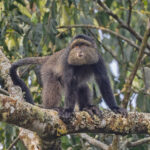
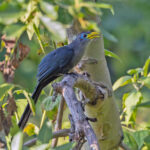
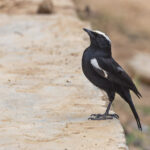
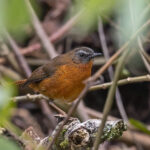
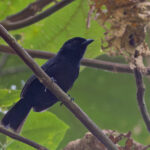
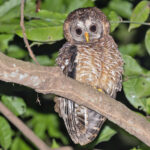


Green-breasted Pitta (image by Pete Morris)
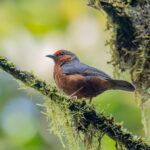
Rwenzori Turaco (image by Pete Morris)
Shoebill (image by Pete Morris)
Lesser Jacana (image by Pete Morris)
White-crested Turaco (image by Pete Morris)
Mountain Gorillas (image by Pete Morris)
Willard's Sooty Boubou (image by Pete Morris)
Fox's Weaver (image by Pete Morris)
Rufous-bellied Heron (image by Pete Morris)
Regal Sunbird (image by Pete Morris)
Blue-headed Sunbird (image by Pete Morris)
White-thighed Hornbills (image by Pete Morris)
Papyrus Yellow Warbler (image by Pete Morris)
Papyrus Gonolek (image by Pete Morris)
White-tailed Crested Flycatcher (image by Pete Morris)
White-tailed Blue Flycatcher (image by Pete Morris)
Western Black-headed Batis (image by Pete Morris)
Western Tinkerbird (image by Pete Morris)
White-chinned Apalis (image by Pete Morris)
White-rumped Seedeater (image by Pete Morris)
White-starred Robin (image by Pete Morris)
Western Banded Snake Eagle (image by Pete Morris)
Water Thick-knee (image by Pete Morris)
Yellow-eyed Bristlebill (image by Pete Morris)
Verreaux's Eagle Owl (image by Pete Morris)
Topi (image by Pete Morris)
Yellow-eyed Black Flycatcher (image by Pete Morris)
Stripe-breasted Tit (image by Pete Morris)
Strange Weaver (image by Pete Morris)
Shoebill (image by Pete Morris)
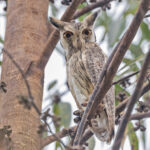
Southern White-faced Owl (image by Pete Morris)
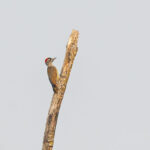
Speckle-breasted Woodpecker (image by Pete Morris)
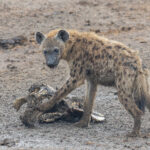
Spotted Hyenas (image by Pete Morris)
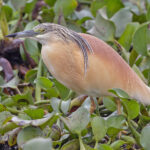
Squacco Heron (image by Pete Morris)
Shoebill (image by Pete Morris)
Shining Blue Kingfisher (image by Pete Morris)
Shelley's Sparrow (image by Pete Morris)
Senegal Thick-knee (image by Pete Morris)
Scaly-breasted Illadopsis (image by Pete Morris)
Rufous-crowned Eremomela (image by Pete Morris)
Rwenzori Apalis (image by Pete Morris)
Rwenzori Batis (image by Pete Morris)
Rwenzori Double-collared Sunbird (image by Pete Morris)
Rwenzori Red Duiker (image by Pete Morris)
Ross's Turaco (image by Pete Morris)
Roan Antelopes (image by Pete Morris)
Rhinoceros Viper (image by Pete Morris)
Red-winged Grey Warbler (image by Pete Morris)
Red-tailed Ant Thrush (image by Pete Morris)
Pennant-winged Nightjar (image by Pete Morris)
Puvel's Illadopsis (image by Pete Morris)
Red-bellied Paradise Flycatcher (image by Pete Morris)
Red-faced Woodland Warbler (image by Pete Morris)
Red-necked Falcons (image by Pete Morris)
Red-pate Cisticola (image by Pete Morris)
Orange-breasted Bushshrike (image by Pete Morris)
Pale-throated Greenbul (image by Pete Morris)
Papyrus Canary (image by Pete Morris)
Papyrus Gonolek (image by Pete Morris)
Northern Red Bishop (image by Pete Morris)
Northern Carmine Bee-eater (image by Pete Morris)
Nile Crocodile (image by Pete Morris)
Nahan's Partridge (image by Pete Morris)
Mountain Masked Apalis (image by Pete Morris)
Lesser Moorhen (image by Pete Morris)
Lowland Masked Apalis (image by Pete Morris)
Marsh Tchagra (image by Pete Morris)
Mountain Gorilla (image by Pete Morris)
Mountain Gorilla (image by Pete Morris)
Leopard Tortoise (image by Pete Morris)
Lemon-bellied Crombec (image by Pete Morris)
L_hoest's Monkey (image by Pete Morris)
Kidepo Lark (image by Pete Morris)
Karamoja Apalis (image by Pete Morris)
Joyful Greenbuls (image by Pete Morris)
Heuglin's Spurfowl (image by Pete Morris)
Hippopotamus (image by Pete Morris)
Hippopotamus (image by Pete Morris)
Ituri Batis (image by Pete Morris)
Jameson's Antpecker (image by Pete Morris)
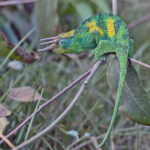
Johnston's Chameleon (image by Pete Morris)
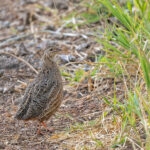
Harlequin Quail (image by Pete Morris)
Handsome Spurfowl (image by Pete Morris)
Hamerkop (image by Pete Morris)
Hadada Ibis (image by Pete Morris)
Grey-winged Robin-Chat (image by Pete Morris)
Greyish Eagle Owl (image by Pete Morris)
Grey-headed Oliveback (image by Pete Morris)
Grey-crowned Crane (image by Pete Morris)
Grey-backed Fiscal (image by Pete Morris)
Green-throated Sunbird (image by Pete Morris)
Green-breasted Pitta (image by Pete Morris)
Greater Swamp Warbler (image by Pete Morris)
Greater Painted Snipes (image by Pete Morris)
Great Blue Turaco (image by Pete Morris)
Grauer's Broadbill (image by Pete Morris)
Equatorial Akalat (image by Pete Morris)
Eastern Yellow-billed Barbet (image by Pete Morris)
Dwarf Bittern (image by Pete Morris)
Dusky Crimsonwing (image by Pete Morris)
Dusky Babbler (image by Pete Morris)
D'Arnaud's Barbet (image by Pete Morris)
Crowned Eagle (image by Pete Morris)
Crested Barbet (image by Pete Morris)
Congo Pied Hornbill (image by Pete Morris)
Compact Weaver (image by Pete Morris)
Clapperton's Francolin (image by Pete Morris)
Chestnut-capped Flycatcher (image by Pete Morris)
Chestnut Sparrow (image by Pete Morris)
Cape Buffalo (image by Pete Morris)
Butterflies at Budongo Forest (image by Pete Morris)
Brown-throated Wattle-eye (image by Pete Morris)
Brown-chested Lapwing (image by Pete Morris)
Bronze-winged Courser (image by Pete Morris)
Bocage's Bushshrike (image by Pete Morris)
Blue-headed Coucal (image by Pete Morris)
Blue Monkey (image by Pete Morris)
Blue Malkoha (image by Pete Morris)
Black-headed Lapwing (image by Pete Morris)
Black Bishop (image by Pete Morris)
Beautiful Sunbird (image by Pete Morris)
Banded Prinia (image by Pete Morris)
Arnot's Chat (Ruaha) (image by Pete Morris)
Archer's Ground Robin (image by Pete Morris)
Albertine Rift Boubou (image by Pete Morris)
African Wood Owl (image by Pete Morris)
African Skimmer (image by Pete Morris)
African Savanna Elephant (image by Pete Morris)
African Finfoot (image by Pete Morris)
African Broadbill (image by Pete Morris)


ULTIMATE UGANDA TOUR REPORT 2026

20 June - 11 July 2026
Pete Morris
Our 2026 Ultimate Uganda tour was another wonderful birding safari through one of the friendliest countries on the African continent. Sadly, for the residents of Uganda, fear had been struck into many prospective visitors to the country, due to the outbreak of the dreaded Ebola in adjacent DRC. Uganda itself had a total of just 20 cases, in a country with a population of over 50 million. All of these were in Kampala, were traced to people who had travelled from the DRC, and were quickly isolated, so the risk to travelling tourists to Uganda was virtually zero. Nevertheless, holidays were cancelled on mass, and the Ugandan tourism industry is being hit hard, something that seems pretty sad and unreasonable once some perspective is added to the situation! Rant over!!
So we found a tranquil and friendly country with fewer than usual tourists. The roads still leave something to be desired, and the traffic around Kampala is still abominable, but generally we were accommodated and fed very well and had a great trip. In total we recorded almost 570 species of birds, and saw the vast majority of those that we sought. The biggies such as the prehistoric-looking Shoebill, the exquisite Green-breasted Pitta and the diminutive Grauer’s Broadbill all showed superbly, the two endemics, Fox’s Weaver and Karamoja Apalis both showed brilliantly, and a whole host of other special birds delighted us. These included the interesting Nahan’s Partridge (apparently a New World Quail), the stunning Rwenzori Turaco, widespread wetland scarcities such as Dwarf Bittern, Lesser Jacana, Lesser Moorhen and African Finfoot, delightful Bronze-winged Coursers and Brown-chested Lapwings, the localized Speckle-breasted Woodpecker, a full house of all black boubous (Slate-colored, Willard’s Sooty, Albertine Sooty and Slate-colored Boubous!!), the scarce Dusky Babbler, papyrus specialities including the stunning Papyrus Gonolek, White-winged Warbler, the rare Papyrus Yellow Warbler and Papyrus Canary, and a whole host of Albertine-Rift endemics including Archer’s Ground Robin, Regal and Purple-breasted Sunbirds, and the stunning Jameson’s Antpecker. Mammals were great too, as we alternated between East African safari mode, with African Savanna Elephants, numerous Hippopotamus, Rothschild’s Giraffes, Lions, Spotted Hyenas and a suite of ungulates, and West African Forests with incredible Mountain Gorillas and several superb monkeys including the delightful L’Hoest’s Monkey. We also admired Leopard Tortoise, huge Nile Crocodiles, an incredible Rhinoceros Viper and a fabulous Johnston’s Chameleon. There really was seldom a dull moment…
Well, I say that, but the first day of the tour was probably the dullest of the tour! We left Entebbe early, passing numerous Marabous and Pink-backed Pelicans, but soon hit traffic. After hours of sitting in traffic jams and taking shortcuts down dusty, bumpy side roads, it became apparent that our hopes of a late afternoon at Mabira Forest were wildly optimistic! We limped in to our pleasant hotel in Jinja late in the afternoon, admiring our first Piapiacs near the entrance, and settled in ready for our first morning in the rainforest.
We arrived in Mabira Forest at dawn, on what was a pretty cloudy and cool morning. Now anyone that knows anything about West African forest will know that in such conditions, nothing gets going for a while, and so it was. We really had to chip away slowly, with the first success being a stunning Yellow-breasted Forest Robin. A few common birds began appearing including our first Fraser’s Rufous Thrush and African Emerald Cuckoo, and then some high-pitched piping led us to a fantastic Jameson’s Wattle-eye, a real little stunner. We then found our main quarry for the morning, a really obliging and attractive Yellow-eyed Bristlebill, whilst a nearby Yellow-crested Woodpecker was much appreciated. We then shifted base and tried a slightly different area. Here, we heard two more of our targets, namely Nahan’s Partridge and Forest Woodhoopoe, but were unable to lure either into view. A fantastic perched Crowned Eagle was some consolation, our first Black-and-white Casqued Hornbills were exciting, and other species seen included Grey Parrot and Superb Sunbird as well as common species such as Speckled Tinkerbird, Plain Greenbul, Buff-throated Apalis and Red-headed Malimbe. All too soon it was time to move on.
We paused for lunch in Jinja, where we were entertained by a Shikra and several African Harrier-Hawks and then made our way north to the extensive Pian Upe National Park. It was a long journey, so there was little time for stops, though we did pause at a couple of wetlands where we noted a good variety of waterbirds including our first Black Crakes and Yellow-billed Storks, and our only Black Herons of the trip. In another area of papyrus we added Swamp Flycatcher, Red-chested Sunbird, Vieillot’s Black, Northern Brown-throated, Black-headed and Slender-billed Weavers and some smart Cardinal Queleas. As we neared our base, just north of the park, raptors such as Dark Chanting Goshawk, Augur Buzzard and Long-crested Eagle were apparent, Grey-headed, Woodland and Striped Kingfishers, Grey-backed Fiscals and Greater Blue-eared Starlings lined the roadside wires, and our first large mammals were seen, including stunning Roan Antelopes and both Hartebeest and Topi.
We had one full day to explore the excellent Pian Upe National Park, a large area of open grassland, thorn-forest and extensive patches of whistling thorn. Uganda’s two endemics were our top targets, and although it took a while, we ended up with stunning views of numerous Fox’s Weavers and Karamoja Apalises. A suite of localized species were also on our radar, and we ended up with some great looks at Clapperton’s Francolin, Red-pate Cisticola, and the large Kidepo Lark. Boran and Black-backed Cisticolas were both bonus birds and the grasslands were full of Harlequin Quails and Common Buttonquails, as well as Banded Martins, Yellow-throated Longclaws, Plain-backed Pipits, and White-tailed and Flappet Larks as well as a couple of Singing Bush Larks. Also here were Fan-tailed Grassbird and good numbers of colourful Northern Red and Black-winged Red Bishops. Overall it ended up being a really birdy day, with lots of other goodies seen in the morning and afternoon sessions. Highlights included Common Ostrich, Grey Crowned Crane, stunning Black-bellied Bustards, a fine Black Coucal, a couple of Bruce’s Green Pigeons, plenty of Bateleurs, Martial Eagle, Western Banded Snake Eagle, lots of White-backed Vultures with singles of Lappet-faced and Rüppell’s Griffon Vultures, busy Blue-naped Mousebirds, smart Lilac-breasted Rollers, White-throated and Olive Bee-eaters, a huge Abyssinian Ground Hornbill, Brown-backed and Nubian Woodpeckers, a couple of pairs of smart Fox’s Kestrels, an excellent pair of Western Black-headed Batises, Northern White-crowned Shrike, numerous smart Silverbirds, Northern Crombec, Fan-tailed Raven, Chestnut-crowned Sparrow Weaver, smart Chestnut and Shelley’s Sparrows, Reichenow’s Seedeater and Black-rumped Waxbill. There was also plenty of other interest with smart Patas Monkeys, numerous Oribi and Common Warthogs, and a couple of impressive Leopard Tortoises.
We then had to retrace our way all the way back to Entebbe, a long journey, especially given the traffic around Jinja and between there and Kampala! We began by driving slowly south through the park, stopping for numerous goodies as we went. Even before we reached the park boundary we found a fine Highland Rush Warbler, whilst nearby rank grassland held stunning Black Bishops, Moustached Grass Warblers and a Chestnut Weaver. We made an extended stop in some thorn scrub, where we saw the Fox’s Weavers again, and other new birds came thick and fast. These included our first Crested Francolins, brilliant duetting D’Arnaud’s Barbets, a Black-billed Barbet, a lovely African Pygmy Kingfisher, a pair of Northern Brownbuls, colourful Black-headed Gonoleks, the less impressive Slate-colored Boubou, a gorgeous Orange-breasted Bushshrike, a family of Rufous Chatterers, numerous Beautiful Sunbirds, a female Eastern Violet-backed Sunbird, Superb Starlings, smart White-bellied Canaries, and a Speckle-fronted and some Little Weavers. After a great few hours we made our way back. A few brief stops yielded the odd new species such as Long-toed Lapwing, and Red-billed Oxpeckers, and after a late lunch in Jinja, we fought our way through traffic, arriving at our base close to Mabamba Swamp after dark!
We awoke after a noisy night, and the first job in the morning was to put the spotlight on the culprits – a fine pair of smart African Wood Owls! After breakfast, excitement was high as we boarded our boat, and with good reason, for within five minutes we were face to face with arguably the iconic bird of the tour, the amazing prehistoric-looking Shoebill. We were fortunate to have close encounters with two of these beasts during the trip, quite an incredible, almost surreal experience! We also spent time looking for, and ultimately at, a pair of elusive ‘lessers’… sneaky Lesser Moorhens and attractive Lesser Jacanas. Flocks of Weyns’s Weavers passed over periodically, and other species of interest included numerous Yellow-billed Duck, Spur-winged Goose, African Swamphen, a smart Rufous-bellied Heron, Saddle-billed Stork, Long-toed Lapwings, plentiful Malachite Kingfishers and Angola and Mosque Swallows.
After a successful trip we returned to our lodge, pausing for Wahlberg’s Eagles, and soon tracked down some Weyns’s Weavers, including smart males, feeding in a fruiting tree. Also here were Black-and-white Shrike Flycatcher and some amazing Great Blue Turacos. After a fine lunch we left the lodge, pausing for our first Village Indigobird as we went. Once again we had to traverse Kampala, and once again the traffic was hell! We eventually made it out the other side and made our way further north. We had a long way to go, but there was time for a long pause at a roadside marsh, where we eventually saw Marsh Widowbird well, alongside the Yellow-shouldered form of Yellow-mantled Widowbird.
We arose early and headed north, meeting with instant success as an excellent pair of Puvel’s Illadopsis showed brilliantly at dawn. Kaniyo Pabidi in the southern section of Murchison Falls National Park is another area of extensive rainforest, and once again, the dark clouds and rain kept activity down for quite a while! However, as things picked up we bumped into one of our main targets for the morning, the brilliant Nahan’s Partridge, a trio of which showed really well. Birding remained pretty slow, though we gradually accumulated more goodies as the morning went on, and these included a fine Afep Pigeon high in the canopy, the excellent Black-billed Turaco, a very smart Blue-breasted Kingfisher, Yellow-spotted Barbet, Western Black-headed Oriole, attractive and distinctive Honeyguide and Spotted Greenbuls, and Little Green Sunbird. A small flock around the car park held smart Chestnut Wattle-eyes, colourful Red-bellied Paradise Flycatchers, a Grey Longbill, and Blue-throated Brown and Collared Sunbirds.
We then made our way north as the weather properly brightened up. Our first White-thighed Hornbills were appreciated, and another roadside stop in drier forest yielded our first White-headed Saw-wings, White-shouldered Black Tits, Northern Black Flycatcher and Spectacled Weavers. We then checked in and paused around the lodge, noting Pale-throated Greenbuls, Black-necked Weavers and a splendid pair of Brown-throated Wattle-eyes. Late in the afternoon we made our way up to Murchison Falls. A stop along the way yielded a brilliant White-crested Turaco as well as a fine Blue Malkoha and our first Tsetse Flies!! At the falls we watched unfathomable volumes of turbulent water cascade over the falls where we also saw Rock Pratincole and our first African Fish Eagles. Heading back, our first Heuglin’s Spurfowl was a little brief, but we were then chuffed to find at least three Pennant-winged Nightjars on the road, including two males.
We set off early the following morning and were greeted by a super pair of Greyish Eagle Owls, followed by a roosting Brown Snake Eagle! Heading on we admired roadside Heuglin’s Spurfowls and Brown Babblers before a slight hitch with the vehicle brakes lead to us exploring a little more on foot than we had planned. This worked to our advantage however, as we achieved some excellent views of the localized Red-winged Grey Warbler and the rare Dusky Babbler. We also walked across the bridge over the Nile, admiring our first crocs and hippos and added a whole suite of other new species which included Yellow-fronted Tinkerbird, plenty of smart Red-throated Bee-eaters, African Grey Woodpecker and impressive Double-toothed Barbets amongst others.
With a refreshed vehicle, we set off into the park on the north side of the river and enjoyed a busy few hours. Good numbers of raptors were in the skies including impressive gatherings of White-backed, Rüppell’s Griffon and Lappet-faced Vultures, as well as our first White-headed Vulture, whilst several smart Grey Kestrels were found on roadside trees. Grassy areas with scattered bushes held several amazing Abyssinian Ground Hornbills as well as numerous Sooty Chats, Speckle-fronted Weavers, Red-headed Queleas and Black-rumped Waxbill. Acacias were home to Spot-flanked Barbet, our first Cardinal Woodpecker, Buff-bellied Warblers and several smart Swallow-tailed Bee-eaters. As we neared the river, several stunning Northern Carmine Bee-eaters entertained, some smart Black-headed Lapwings were found, and we also noted our first Kittlitz’s Plovers and confiding Senegal Thick-knees. Mammals were also much in evidence, and as well as several species of antelope, including numerous Uganda Kob, we also saw our first Rothschild’s Giraffes, African Savanna Elephants and a family of impressive Patas Monkeys.
After a picnic lunch, we boarded a boat for our trip back up the river. I say river, but that’s a bit of a loose term as, following a substantial rise in water levels, what was the river is now essentially the northern end of Lake Albert, and consequently, the first half of the boat trip was fairly uninteresting. Once we hit more papyrus swamp and a few islands we found a few more birds including two more amazing Shoebills! Other species of interest included numerous Gull-billed and White-winged Terns, Caspian Tern (a write-in for the tour), at least three Goliath Herons, a couple of Giant Kingfishers, a brilliant pair of Red-necked Falcons, several Northern Carmine Bee-eaters that were dipping into the river to bathe, an Osprey proudly clutching an impressive Nile Tilapia and a couple more White-crested Turacos. Spotlighting on the way back to the lodge was rather uneventful, though we did find a Thick-tailed Greater Galago
The following morning we birded our way out of the park, spotting a Side-striped Jackal before we had even left the lodge! Further north we enjoyed better and prolonged views of the rare Dusky Babbler. Meyer’s Parrots and Red-headed Lovebirds flew over and having left the park, other stops yielded a few new species such as a smart Grey-headed Bushshrike, a sneaky Grey-capped Warbler and Black Scimitarbill. Further on in open country, we found a couple of distinctive White-rumped Seedeaters, a male Vitelline Masked Weaver and Chestnut-crowned Sparrow Weavers, as well as a couple more Western Banded Snake Eagles. Our picnic spot saw us watching a couple of Green-winged Pytilias, and we then made our way up on to the Butiaba Escarpment. As is always the case, we were here in the heat of the day and birding was extremely slow and hard work to begin with. Eventually a few birds crept out, including the hoped-for Foxy Cisticolas, and other birds seen included entertaining Green Woodhoopoes, a Lesser Honeyguide, Black-billed Barbets, Red-shouldered Cuckooshrikes, Lesser Blue-eared Starling, Green-backed Eremomelas and Cinnamon-breasted Buntings.
We had one day to explore the rich Budongo Forest Reserve, and began our exploration in the farmbush just outside the forest, which, first thing in the morning was bustling with birds. Brown-backed Scrub Robins sang sweetly from bushes whilst perky groups of Compact Weavers, Black Bishops, and Red-collared and Yellow-mantled Widowbirds fed on seed heads. Some careful searching also revealed some smart Brown Twinspots, Black-bellied Firefinch for some, and a fine pair of Marsh Tchagras which were much appreciated. We then moved on to the forest proper at the Royal Mile. Being back in tall, dark, ‘West African’ rainforest, it was sure to be hard work, and so it proved as we had to work hard for nearly every bird. We began with an understorey flock of White-throated Greenbuls and Brown Illadopsis, and we were surprised and delighted when a Scaly-breasted Illadopsis pitched up right next to us! Dusky Long-tailed Cuckoos played hide and seek, eventually showing, Congo Pied Hornbills showed well, and some real neck-breaking effort was required to see a singing Uganda Woodland Warbler. Through the morning we gradually accumulated, adding species such as a smart Chocolate-backed Kingfisher and Spotted Greenbul (both scoped), Grey Greenbul, more Jameson’s Wattle-eyes, a stunning and confiding group of Rufous-crowned Eremomelas, an obliging Olive-green Camaroptera and a fine Narina Trogon, whilst both Cassin’s and Sabine’s Spinetails were noted overhead. We arrived at the river for our picnic lunch, and were delighted to see a wonderful White-spotted Flufftail there. We continued for a bit after lunch, scoring an eye-level Lemon-bellied Crombec, our first Dusky Tits, and, for some, an African Dwarf Kingfisher.
With the time moving on, we decided to switch to another forest, and this soon paid dividends with an obliging group of Chestnut-capped Flycatchers, as well as Yellow-throated Tinkerbirds and Purple-headed Starling. Further along the road, some ants were attracting some skittish Fire-crested Alethes, before some high-pitched piping alerted us to the presence of the hoped-for Ituri Batis. As usual, this tiny bird remained in the canopy of the highest trees, but we were not to be out-foxed and trained the scope on this localized rarity for all to admire! A nearby pool had been somewhat polluted, but the adjacent forest yielded some smart Forest Flycatchers, and a showy pair of Blue-headed Coucals were admired. Heading back, a Black Sparrowhawk was the last addition to our list for the day.
Leaving Masindi the following morning we made a few stops in farmbush as we went, soon finding the hoped-for Grey-headed Olivebacks as well as our first Western Citrils, Black-and-white Mannikins and Lizard Buzzards. We then switched our focus and explored a few extensive roadside papyrus swamps, first finding the hoped-for White-winged Swamp Warbler, and then a fantastic pair of much hoped-for Papyrus Gonoleks, which really is a stunning species. A stop at a bridge over a river yielded a pair of Cassin’s Flycatchers and a fine Shining Blue Kingfisher, but we still had a long way to go, and pressed on, eventually finding a shady spot for lunch. Here we managed to see a fine male Greater Honeyguide, as well as our first African Dusky flycatcher.
We continued on again, until we reached the road that traverses the northern portion of Kibale National Park’s extensive forest. Sadly it was still quite hot and bird activity was low, and it took a lot of perseverance before we found a few birds. Lowland Masked Apalis showed well, and both Lühder’s and Bocage’s Bushshrikes gave themselves away with their distinctive vocalizations. Other species noted included a pair of Elliot’s Woodpeckers, numerous Grey-throated Barbets, Petit’s Cuckooshrike, some showy White-chinned Prinias, and Stuhlman’s and Narrow-tailed Starlings. As we headed towards our lodge we made one final stop, and this proved to be very fruitful as we found our only Speckle-breasted Woodpecker of the tour, a scarce and localized species.
We awoke early and headed in to Kibale National Park, organized guards and guides, and eventually headed for the forest. Today was one of those days, a day where nervous tension was in the air, but we needn’t have worried as our excellent local team soon had us feasting our eyes on a displaying Green-breasted Pitta just a few metres away. Happy days! The views really were exceptional as the bird jumped up and down on his branch, and a clear contender for the bird of the trip had been introduced! After that, birding was a little slow, though we did manage to find a calling Red-chested Owlet and see our first Grey-throated Tit Flycatcher, and, for some, another African Dwarf Kingfisher. We made it back out to the road where bird activity was a little higher, and here we added a few more goodies including Red-chested Cuckoo, more Hairy-breasted Barbets, a for once obliging Green Hylia, Grey-chinned Sunbird, White-breasted Nigritas and Red-headed Malimbes. Alpine Swifts were seen high overhead, and before we finished we paused at a river where Mountain Wagtail played hide and seek with us, and we eventually located a singing Willcocks’s Honeyguide which we scoped in the canopy.
After lunch and a break we returned to the national park, at first birding along the road where we found African Shrike Flycatcher, Sooty Flycatcher (for some), and several Blue-throated Brown Sunbirds. Moving to areas at the edge of the park, we found an immature Levaillant’s Cuckoo, finally got some good looks at Western Nicator, and found both Red-capped and delightful Blue-shouldered Robin-Chats. We ended the day in some farmbush where a Scaly-throated Honeyguide was a surprise. Here we also found a group of smart Ashy Red Colobus monkeys, admired some colossal Great Blue Turacos close up, and found a female Bronze Sunbird on a nest.
We set off early in the hope there may be the odd bird feeding on the road at dawn, but traffic soon put paid to that idea! We paused for better looks at Mountain Wagtail, and then made our way to the community reserve known as Bigodi Wetlands. A combination of swamp, forest and farmbush, this is a diverse area, and we found a good number of new birds during our walk. Amazing Ross’s Turacos were an early favourite, and a fabulous male Grey-winged Robin-Chat was also much admired. Other species seen during our stroll included another Shining-blue Kingfisher, a pair of Buff-spotted Woodpecker, an excellent pair of Eastern Yellow-billed Barbets, an unusually showy Plain Greenbul, confiding Dusky-blue Flycatchers, smart Green-headed Sunbirds, an attractive but sneaky pair of Red-headed Bluebills, and some chunky Magpie Mannikins. Before heading back to lunch we made one final stop where we were delighted to see a fantastic roosting Southern White-faced Owl, an excellent bonus bird!
Back at the lodge, we admired the numerous sunbirds attracted to the flowering shrubs, seeing Variable, Bronze, Olive-bellied and Marico Sunbirds, and also found our first tame White-browed Robin-Chats as well as Brimstone Canaries and smart Black-crowned Waxbills. We then began the journey to Queen Elizabeth National Park, pausing on the way to look for a bird that, until this point had brought us no joy whatsoever. However, on what was sure to be our final attempt, we managed to see an attractive pair of Joyful Greenbuls! We then continued on, passing Kasese and crossing the equator, before arriving in to Queen Elizabeth National Park, seeing our first Bare-faced Go-away-bird as we went. We made our way to the crossing over the Kazinga Channel, where we finally got good looks at Carruthers’s Cisticola as well as Lesser Swamp Warbler, and then drove slowly to Mweya Lodge, seeing flocks of Wattled Starlings and Red-billed Quelea, a few Senegal Lapwings and our first Red-necked Spurfowls.
We were off early the following morning, and were surprised to encounter a couple of Lionesses and some Spotted Hyenas soon after we set off! As the first light began to poke through, we noticed a Verreaux’s Eagle Owl perched up. Arrow-marked and Black-lored Babblers were both fairly common, our first Trilling Cisticolas popped up and our first of a few Black-chested Snake Eagles was noted. We crossed over to the Kasenyi section of the park, but the weather really was not looking good and steady rain began to fall. Rufous-naped Lark was new, and more White-tailed Larks were seen, and a few colourful Southern Red Bishops and flocks of White-winged Widowbirds were noted in the grassland. One small pool held an excellent adult Dwarf Bittern, whilst nearby a male Greater Painted-snipe escorting two chicks was a complete surprise! Water Thick-knee and Crowned Lapwing were also seen, and another fabulous Verreaux’s Eagle Owl was also much admired. A nearby lake held thousands of Lesser Flamingos, as well as a few impressive Great White Pelicans.
After lunch we took a pleasant boat trip out on to the Kazinga Channel. It was once again hippos galore, and there were also hundreds of Pied Kingfishers. The large flock of African Skimmers were great to see, and other species of interest included many more Water Thick-knees, a few more Great White Pelicans, numerous African Fish Eagles and a good variety of common waterbirds. Following the boat trip we had a fairly uneventful drive, though we did see our first African Pipits and a gang of Banded Mongooses.
Most of the following day was spent slowly transiting through Queen Elizabeth National Park, spotlighting Square-tailed Nightjar soon after setting off. Many by now familiar species were much in evidence, as we went but we also managed to pull out more new species and some interesting sightings. A Levaillant’s Cuckoo being fed by babblers was of interest, as were some Crimson-rumped Waxbills and Purple-banded Sunbirds. Having crossed the Kazinga Channel, a bit of searching yielded a couple of Lesser Masked Weavers and our only Pearl Spotted Owlet of the trip was whistled in. Other species of note included great views of Western Banded Snake Eagle, colourful Crested Barbets and more amazing Double-throated Barbets. We paused for lunch at a river crossing where our first Crowned Hornbill obliged, whilst a little further south, we got some great looks at a pair of Lowland Sooty Boubous. A small pool held a ridiculous number of Black Crakes, as well as some perched White-headed Vultures, and searches of some grassland eventually yielded the hoped-for Stout Cisticola. We finally left the park in the late afternoon and made our way along bumpy and dusty roads up to our next base at Buhoma, on the edge of the brilliantly named Bwindi Impenetrable Forest.
Our next day was spent searching for Albertine-Rift endemics in the excellent forest adjacent to Buhoma. We spent the whole day walking a fairly gentle trail for a few kilometres and back again, and saw a great number of excellent birds, even if it was hard work at times. We began in the open areas at the edge of the forest where a few birds of interest including Black-throated Apalis, White-eyed Slaty Flycatcher and our first Golden-breasted Bunting were noted. Entering the forest, it was again overcast and slow going, but it wasn’t too long before we connected with a fine Bar-tailed Trogon. Fruiting trees held Yellow-spotted Barbet, and subtle movements at the side of the track gave away the presence of attractive Black-faced Rufous Warblers and sedate Equatorial Akalats. We then heard the distinctive display of an African Broadbill and were soon watching him twirling around his perch! A flowering tree held the rare Purple-breasted Sunbird, and we also managed good looks at the endemic Blue-headed Sunbird whilst overhead, Black Bee-eater, Black Saw-wing and, later, a flock of Scarce Swifts were seen over the canopy. The small mixed flocks were led by Red-tailed Greenbuls, and we also found our first Ansorge’s Greenbul as well as more Chestnut Wattle-eyes. A short detour onto another forest trail was successful as not only did we find the endemic Neumann’s Warbler sneaking along the forest floor, but also found a stunning pair of Jameson’s Antpeckers which gave great views. Back at the main track, another endemic, White-bellied Robin-Chat showed well, but then our attention was diverted to as snake which the rangers had found. A section of rather fat body was visible, and we were told it was a python, but the short, tapered tail didn’t look like one, and once we saw the head, it was apparent that it was a very impressive Rhinoceros Viper! We continued on, and although we heard the hoped-for Willard’s Sooty Boubou, there was no response. We ate a fine lunch that was carried up to us, and then continued our quest. We again heard the boubou, and this time it was closer, and before too long we were looking at the recently described, grey-eyed, Willard’s Sooty Boubou. Continuing back, we were delighted to find a perched Red-tailed Ant Thrush, and managed to add a few more new species including Pink-footed Puffback and nuthatch-like Brown-capped Weavers, and, just before we got back, we found another fabulous Grey-winged Robin-Chat. It had been a long but good day, and as we drove back we saw our first Mackinnon’s Shrike.
We explored areas on the periphery of the park the following morning, which proved to be quite birdy. We paused in the village to admire the African Red-rumped and Angola Swallows, whilst flowering bushes held a variety of sunbirds including Northern Double-collared and stunning Green-throated Sunbirds. Cinnamon-chested Bee-eaters hawked form the wires, smart White-tailed Blue Flycatcher flitted around like fantails, and for some, a colourful Green Twinspot fed on small fruits. Baglafecht Weavers were noted, our first Fine-banded Woodpecker was seen and we encountered the world’s tamest Scaly-breasted Illadopsis at the side of the trail! A little further into the forest we got some good looks at African Shrike Flycatcher and eventually got some good views of sneaky Cabanis’s Greenbuls.
By mid-morning we began to make our way higher up, pausing for more Mackinnon’s Shrikes and our first Chubb’s Cisticolas as we went. We made our way up to ‘The Neck’, a narrow stretch of the national park that the road traverses, and birded there for the rest of the afternoon. A White-tailed Ant Thrush on the road was much appreciated, and after some effort we all managed to see some sneaky warbler-like Grey-headed Sunbirds. A subtle trill led us to the rare Chapin’s Flycatcher, and several Red-faced Woodland Warblers showed well. We then paused at a small pool where an African Black Duck was present. Here we also found Black-billed Weaver, a colourful Many-coloured Bushshrike, our first (Black-faced) Banded Prinias, and Western Bronze-naped Pigeons were around, but a little elusive. Driving higher to Ruhija, we paused for Grey Cuckooshrike and African Olive Pigeon, and just before we arrived at our accommodation we saw our first attractive L’Hoest’s Monkeys.
We could afford a bit of a lie-in the following morning as it was gorilla tracking day for those that had opted to do it. In summary it was a very well organized and enjoyable experience. The park staff were enthusiastic and informative, the involvement of the local communities both essential and encouraging, and all of the staff and porters that assisted on the trek were both super-friendly and incredibly helpful. We had been allocated the ‘Oruzogo Family’ (their name comes from a local plant species Alchornea hirtella that the gorillas frequently feed on) a group of 12 or so, including two silverbacks. We had a classic trek really, steep and difficult, but not too long, and ultimately great fun as we spent an hour, often just a few metres from the gorillas which included a colossal silverback, a mother with a playful infant, another mother with a tiny baby, a ‘blackback’ (younger but still large male) and a few others. It was really an awesome experience and one that cannot be recommended highly enough.
We got back to the lodge mid-afternoon, tired but happy, and spent the last couple of hours of the day birding at Ruhija. A stroll down an easy track brought us several new birds including Grey, Mountain Masked and Chestnut-throated Apalises, the widespread Chinspot Batis, wing-flicking Yellow-streaked and Kikuyu Mountain Greenbuls, stunning Regal Sunbirds, another Equatorial Akalat, and, after some coaxing, the slippery Grauer’s Warbler. Some local lads also showed us a fantastic Johnston’s Chameleon which was admired by all. A little way down the road we waited until dusk, hearing and then seeing a Montane Nightjar.
We had another big day ahead of us the following day as we trekked down to Mbwindi Swamp and back. Since I was last there, a new track has been opened, and although it is still quite a walk, it is not as up and down as the old one. We set off gently descending, adding new birds as we went. Rwenzori Hill Babbler and Strange Weaver put in early appearances, some exquisite Dusky Crimsonwings were tracked down in the undergrowth, Yellow-eyed Black Flycatchers and White-bellied Crested Flycatcher showed well, and a couple of Mountain Buzzards soared overhead. Further on, mixed flocks held the endemic Stripe-breasted Tit, Mountain Oriole, Fine-banded Woodpecker, and a noisy gang of White-headed Woodhoopoes. Just before the swamp we paused and were shown the nest of the rare Grauer’s Broadbill, one of the main reasons for the walk. Its head was poking out of the hole in the front of the large globular nest, and while we watched it the other adult came to the nest. Brilliant stuff! The Archer’s Ground Robin nearby was less obliging, and at the swamp itself, it took a while before everyone had had satisfactory views of the rare Grauer’s Swamp Warbler. Here, surprisingly, we also saw an adult Marial Eagle soaring overhead! Heading back, we still had birds to look for, and spent much time tracking down an elusive Lagden’s Bushshrike which everyone saw in the end! An impressive Sitatunga was a surprise, and other notable species included Rwenzori Batis, White-starred Robin, Abyssinian Thrush and some Sharpe’s Starlings. It was quite late when we got back to the main road, but we decided to persevere, and this proved a good decision as a pair of the tricky Handsome Spurfowl gave a good views on the road!
We returned to the same area the following morning, first bagging a really lovely Doherty’s Bushshrike. Rwenzori Apalis also showed well, a smart Western Tinkerbird foraged in a roadside tree, more Regal Sunbirds were much appreciated, Thick-billed Seedeaters performed well, and the Handsome Francolin crossed the road again, but the boubous we could hear refused to budge. A busy group of L’Hoest’s Monkeys were also much appreciated. Moving further on, our boubou luck changed, as we had some great views of a pair of Albertine Sooty Boubous, our fourth all blackish boubou of the tour!! Here we also had more fleeting views of an Archer’s Ground Robin, and saw some very obliging Strange Weavers, Rwenzori Batises, Rwenzori Apalises and Blue-headed Sunbirds.
We then drove to a large papyrus swamp close to Lake Bunyonyi and had a couple of hours to explore this excellent area. It didn’t take too long to track down our main target, the rarely seen red-eyed Papyrus Yellow Warbler, looking for all the world like a large yellow reed warbler. A little elusive at first, we went on to get some fantastic views. Nearby, in a field full of flowers, we found at least 20 Papyrus Canaries, another localized species that can be tricky to track down. A few other species of interest included a Highland Rush Warbler (scurrying around like a mouse), numerous Carruthers’s Cisticolas, smart African Stonechats, a few Streaky Seedeaters, Holub’s Golden Weaver, and some colourful Red-chested Sunbirds.
After a very successful stop, we continued to Echuya Forest for an hour or two of roadside birding. Here, we tracked down a Barred Long-tailed Cuckoo, got some excellent views (finally) of the endemic Archer’s Ground Robin and saw a few other regular forest species. From here it was an hour into Kisoro where we settled in to our comfortable hotel.
We were up early and drove for more than an hour up bumpy tracks to the Mgahinga Gorilla National Park. Whilst the guards and rangers were being organized, we enjoyed some very confiding White-starred Robins. Almost as soon as we set off, we found our first superb male Rwenzori Double-collared Sunbird and not much further on we got some incredible views of the amazing Rwenzori Turaco. Our main targets were in the bag already! We spent a few hours birding some fairly easy trails, seeing plenty more great birds. Clearings held smart Kandt’s and Yellow-bellied Waxbills, squeaks in the undergrowth revealed Cinnamon Bracken Warblers, several of which showed well, Mountain Yellow Warblers sang from shrubs, and fantail-like White-tailed Crested Flycatchers flicked around at the side of the trail. Rwenzori, Mountain Masked and Chestnut-throated Apalises showed well again, and other species seen included a perched African Goshawk, a smart Western Tinkerbird, Olive Woodpecker, more Albertine Sooty Boubous, Rwenzori Hill Babblers, Red-faced Woodland Warblers and Strange Weaver. We also managed a couple of sightings of the large and impressive Golden Monkey. Back at the car park a tree full of Sharpe’s Starling and White-tailed Blue Flycatcher entertained, whilst in the fields below the forest we found numerous Yellow-crowned Canaries.
Leaving Kisoro behind us, White-necked Ravens were seen at the roadside, and we made another stop in Echuya Forest, this time adding some vocal Mountain Illadopsises as well as a perched Lemon Dove and more Strange Weavers. A couple of confiding Augur Buzzards were also appreciated. We continued and stopped at a river at the edge of Lake Bunyoni which has now become a car wash! This didn’t seem to deter the birds and we were able to see several “Victoria Masked Weavers” (a form that still has no clear taxonomic home, but may be a hybrid swarm?!) as well as great looks at both Greater and Lesser Swamp Warblers!
We had a long way to go to get to Lake Mburo National Park, and little time for stops, though we did see a few common species along the way, including some perched Dusky Turtle Doves, and found a group of three Arnot’s Chats (the form here is sometimes split as Ruaha Chat) just near to Kabale, a species that seems to be expanding rapidly into southwest Uganda. We eventually arrived at the park, and were immediately back in safari mode as a stunning Rothchild’s Giraffe and numerous Plains Zebras caught our eye. We took a late afternoon boat trip out on to the lake where the two highlights were several African Finfoots, including a really showy male, and a pair of White-backed Night Herons that were guarding their youngsters from some nasty Vervet Monkeys! A quick night drive before dinner yielded a Fiery-necked Nightjar (the form concerned was formerly split as Black-shouldered Nightjar) and an attractive Common Genet.
Our final morning was spent in Lake Mburo National Park. As we set off in the half-light, numerous Hippopotamus were still grazing on land and were fun to see! Sadly, the Red-faced Barbets that were formerly a key target here, now seem to be extremely rare at best, and it seems that Black-collared Barbet and Crested Barbet, both of which we saw, have colonised the park recently and may have forced them out! Indeed, we also saw a smart pair of White-headed Barbets as well as Spot-flanked and Double-toothed Barbets but not a sniff of the Red-faced! Perhaps our best find of the morning was a stunning pair of Bronze-winged Coursers which gave great views, even showing their violet tips which gave them their former name. Numerous Meyer’s Parrots and Red-faced Lovebirds were seen well perched, and new species seen for our list included a perched Tawny Eagle, a few smart Emerald-spotted Wood Doves, several showy Brubrus, numerous tiny Long-tailed Cisticolas, a Red-faced Crombec, a couple of White-winged Black Tits and several Common Scimitarbills. We also saw a good numbers of Bateleurs, numerous Crested Francolins, Senegal Lapwings, plentiful Trilling Cisticolas and Chinspot Batis. Plenty of mammals were also in evidence, with large numbers of Impala, smart Topi, great gangs of Cape Bufalo and some entertaining Dwarf Mongooses. We returned for lunch and to pack up, ready for our last journey back to Entebbe. We then drove back through the park, immediately finding a stunning singing Golden-breasted Bunting, and then located our last major target in the shape of six fabulous Brown-chested Lapwings.
Despite it being a long drive back to Entebbe, we couldn’t resist stopping at a roadside swamp where two majestic Shoebills were clearly visible from the road! Here we also found a pair of White-backed Ducks with their ducklings, numerous Rufous-bellied Herons, smart Grey Crowned Cranes and our only Glossy Ibises of the tour. We then embarked on the drive… The Kamapala traffic did not disappoint, and we once again spent hours in traffic, fortunately making it to the airport in time for our flight! This gave us plenty of time to work out our bird-of-the-trip, and reflect back on what had been another superb trip around this tremendously friendly and wildlife-rich country. Many thanks to Johnnie and the group for making the tour such a success. If you get the chance to go, grab it – you’ll not be disappointed!
BIRD OF THE TOUR
1st GREEN-BREASTED PITTA
2nd RWENZORI TURACO
3rd SHOEBILL
4th Lesser Jacana
5th Great Blue Turaco
6th Jameson’s Antpecker
SYSTEMATIC LIST OF SPECIES RECORDED
BIRDS
Species marked with the diamond symbol (◊) are either endemic to the country or local region or considered ‘special’ birds for some other reason (e.g.: it is only seen on one or two Birdquest tours; it is difficult to see across all or most of its range; the local form is endemic or restricted-range and may in future be treated as a full species).
The species names and taxonomy used in the bird list follows AviList v2025(AviList Core Team. 2025. AviList: The Global Avian Checklist, v2025). AviList was first published in June 2025, and is a global checklist which brings together the taxonomies of the eBird (Clements taxonomy), IOC, and Birdlife International checklists, and will ultimately replace those checklists. The AviList Global Avian Checklist is available at www.avilist.org.
Where the subspecies seen is/are known, these are often given in parentheses at the end of the species comment.
Common Ostrich Struthio camelus 6+ seen in Pian Upe NP. [nominate]
White-backed Duck Thalassornis leuconotus Great views of a pair with ducklings at the excellent roadside swamp east of Lake Mburo. [nominate]
White-faced Whistling Duck Dendrocygna viduata First seen in Pian Upe NP. Plenty more subsequently.
Spur-winged Goose Plectropterus gambensis A few seen on the boat trip at Mabamba Swamp. A few more seen subsequently. [nominate]
Egyptian Goose Alopochen aegyptiaca First seen on the Nile in Murchison Falls NP, with plenty later in the trip.
Knob-billed Duck Sarkidiornis melanotos c8 seen on the boat trip at Mabamba Swamp. Also seen on the boat trip on the Nile in Murchison Falls NP and on the boat trip along the Kazinga Channel in Queen Elizabeth NP.
African Black Duck Anas sparsa A single bird seen on the small pool at the Neck in Bwindi Impenetrable Forest. [leucostigma]
Yellow-billed Duck Anas undulata Good numbers seen on the boat trip at Mabamba Swamp and elsewhere. [ruppelli]
Helmeted Guineafowl Numida meleagris Plenty seen in and around Pian Upe NP and at other sites later in the trip. [nominate]
Nahan’s Partridge ◊ (N Francolin) Ptilopachus nahani Heard at Mabira Forest, though no response. Brilliant views of three at Kaniyo Pabidi in Murchison Falls NP.
Crested Francolin Ortygornis sephaena First seen well along the main road just south of Pian Upe NP. Plenty more seen at of Queen Elizabeth and Lake Mburo NPs. [grantii]
Harlequin Quail Coturnix delegorguei Loads seen well in and around Pian Upe NP. [nominate]
Handsome Spurfowl ◊ Pternistis nobilis Great views of a pair on a couple of occasions along the road in the bamboo zone above Ruhija in Bwindi Impenetrable Forest.
Heuglin’s Spurfowl ◊ Pternistis icterorhynchus Several roadside birds seen very well in Murchison Falls NP
Clapperton’s Spurfowl ◊ Pternistis clappertoni Excellent views of one or two, and a couple of others briefly, in Pian Upe NP. [nominate]
Red-necked Spurfowl Pternistis afer Common with plenty seen well in Queen Elizabeth and Lake Mburo NPs. [cranchii]
Lesser Flamingo Phoeniconaias minor 500+ seen at Lake Bunyampaka in Queen Elizabeth NP.
Little Grebe Tachybaptus ruficollis First seen on the small pool at the Neck in Bwindi Impenetrable Forest. Also seen at Lake Mburo NP. [capensis]
Great Blue Turaco Corythaeola cristata One seen flying across the road on the drive from Entebbe to Jinja. First seen well in the garden of our lodge at Mabamba Swamp and plenty more seen subsequently.
Bare-faced Go-away-bird (Black-f G) Crinifer [personatus] leopoldi First seen in Queen Elizabeth with a couple more at Lake Mburo NP.
Eastern Plantain-eater (E Grey P-e) Crinifer zonurus First seen on the drive from Jinja to Mabamba Swamp. Plenty more subsequently.
Rwenzori Turaco ◊ Gallirex johnstoni Absolutely amazing views of one and another more briefly at Mgahinga Gorilla NP. [nominate]
Ross’s Turaco Tauraco rossae First seen on the drive north from Kampala to Masindi. Brilliant views at Bigodi Wetlands, and a few others subsequently.
White-crested Turaco ◊ Tauraco leucolophus Brilliant views on a couple of occasions in Murchison Falls NP.
Black-billed Turaco ◊ Tauraco schuettii First heard at Mabira Forest. First seen well at Kaniyo Pabidi in Murchison Falls NP with a few others subsequently. [emini]
Black-bellied Bustard Lissotis melanogaster Great views of several males and a few females and youngsters in Pian Upe NP. [nominate]
Senegal Coucal Centropus senegalensis Just a couple seen well in Murchison Falls NP. [nominate]
Blue-headed Coucal Centropus monachus First seen on the boat trip at Mabamba Swamp. Seen very well at the pool at Busingiro Forest, in Budongo Forest Reserve, and at several other swamps. [fischeri]
White-browed Coucal Centropus superciliosus A few seen in and around Pian Upe NP. Many more seen subsequently. [loandae]
Black Coucal Centropus grillii Great views of a smart breeding-plumaged bird in Pian Upe NP.
Blue Malkoha (B Yellowbill) Ceuthmochares aereus Several heard and first seen very well in Murchison Falls NP. [nominate]
Levaillant’s Cuckoo (African Striped C) Clamator levaillantii First seen just outside Kibale NP, and another seen well being fed by babblers in Queen Elizabeth NP.
Diederik Cuckoo (Didric C) Chrysococcyx caprius One seen being chased by a Fox’s Weaver in Pian Upe NP. A few others seen well.
Klaas’s Cuckoo Chrysococcyx klaas First seen briefly in Mabira Forest. A couple of others seen well.
African Emerald Cuckoo Chrysococcyx cupreus A male seen well in Mabira Forest, and a few others, including females and juveniles seen later in the tour.
Dusky Long-tailed Cuckoo ◊ Cercococcyx mechowi Many heard and a few seen pretty well, the first at the Royal Mile in Budongo Forest Reserve. [lemaireae]
Olive Long-tailed Cuckoo Cercococcyx olivinus One, heard only, during the walk back from Mbwindi Swamp at Ruhija in Bwindi Impenetrable Forest.
Barred Long-tailed Cuckoo ◊ Cercococcyx montanus A few heard and good views of one in Echuya Forest, east of Kisoro. [nominate]
Red-chested Cuckoo Cuculus solitarius A few seen, with the first showing well in the scope in Kibale NP.
Laughing Dove Spilopelia senegalensis First seen in and around Pian Upe NP. A few subsequently. [nominate]
Lemon Dove Aplopelia larvata Excellent views of one in Echuya Forest, east of Kisoro. [jacksoni]
Dusky Turtle Dove Streptopelia lugens Best views were in crops just to the west of Kabale.
Vinaceous Dove Streptopelia vinacea Plenty seen in and around Pian Upe NP.
Ring-necked Dove Streptopelia capicola Fairly common and widespread, first seen in Pian Upe NP. [tropica]
Red-eyed Dove Streptopelia semitorquata Common and widespread.
Mourning Collared Dove (African M D) Streptopelia decipiens One seen at a wetland on the drive from Jinja to Pian Upe NP. [logonensis]
Western Bronze-naped Pigeon Columba iriditorques Plenty heard and a few seen, with best views at the Neck in Bwindi Impenetrable Forest.
African Olive Pigeon (Rameron P) Columba arquatrix Plenty seen at the end of the trip where first seen well around Ruhija in Bwindi Impenetrable Forest.
Afep Pigeon Columba unicincta Excellent views at Kaniyo Pabidi in Murchison Falls NP and again in Kibale NP.
Speckled Pigeon Columba guinea Common and widespread. First seen on the drive from Entebbe to Jinja. [nominate]
Rock Dove (introduced) (Feral Pigeon) Columba [livia] var_domestica
Tambourine Dove Turtur tympanistria First seen flying across the marsh near to Kakoge, on the drive north from Kampala towards Masindi. Several seen well subsequently.
Blue-spotted Wood Dove Turtur afer Plenty seen, the first in Murchison Falls NP.
Emerald-spotted Wood Dove Turtur chalcospilos Only seen at Lake Mburo NP, where a few showed well.
Black-billed Wood Dove Turtur abyssinicus One flushed just south of the park boundary of Pian Upe NP. Plenty seen well later in the trip, especially in Murchison Falls NP.
Bruce’s Green Pigeon Treron waalia A few seen in Pian Upe NP.
African Green Pigeon Treron calvus Surprisingly just seven noted, the first at Murchison Falls NP. [nominate group]
Grey Crowned Crane Balearica regulorum A few seen, the first on the drive from Jinja to Pian Upe NP. Several more seen well subsequently. [gibbericeps]
African Finfoot Podica senegalensis Brilliant views of a male, a couple of females and a juvenile on the boat trip at Lake Mburo NP. [nominate]
White-spotted Flufftail Sarothrura pulchra First heard in Mabira Forest. Excellent views of a male at the Royal Mile in Budongo Forest Reserve. [centralis]
Lesser Moorhen Paragallinula angulata Excellent views of 5+ on the boat trip at Mabamba Swamp. Really sneaky, often swimming around semi-submerged, but some great views.
Common Moorhen Gallinula chloropus One seen on the drive out of Lake Mburo NP and a couple at the excellent roadside swamp east of Lake Mburo. [meridionalis]
Purple Swamphen (African S) Porphyrio [porphyrio] madagascariensis A few seen well on the boat trip at Mabamba Swamp.
Black Crake Zapornia flavirostra Plenty seen, the first at a wetland on the drive from Jinja to Pian Upe NP. c20 on one small pool at the south end of Queen Elizabeth NP was exceptional!
Water Thick-knee (W Dikkop) Burhinus vermiculatus First seen well on the boat trip along the Kazinga Channel in Queen Elizabeth NP. Many subsequently there and at Lake Mburo NP. [nominate]
Senegal Thick-knee Burhinus senegalensis Several seen very well in Murchison Falls NP.
Black-winged Stilt Himantopus himantopus A few seen in Queen Elizabeth NP.
Three-banded Plover Thinornis tricollaris Just a couple seen in Queen Elizabeth NP. [nominate]
Long-toed Lapwing (L-t Plover) Vanellus crassirostris A couple seen at a papyrus swamp on the drive from Pian Upe NP to Jinja . Many seen well on the boat trip at Mabamba Swamp, and also seen at a few other wetlands.. [nominate]
Spur-winged Lapwing (S-w Plover) Vanellus spinosus First seen at a wetland on the drive from Jinja to Pian Upe NP. Plenty in other wetlands.
Black-headed Lapwing (B-h Plover) Vanellus tectus Excellent views of six in Murchison Falls NP. [nominate]
Senegal Lapwing (Lesser Black-winged Plover) Vanellus lugubris Plenty seen well in Queen Elizabeth and Lake Mburo NPs.
Crowned Lapwing (C Plover) Vanellus coronatus A few seen well in Queen Elizabeth NP. [nominate]
African Wattled Lapwing (A W Plover) Vanellus senegallus Fairly common. First seen in Pian Upe NP.
Brown-chested Lapwing ◊ (W) Vanellus superciliosus Great views of six as we were driving out of Lake Mburo NP.
Kittlitz’s Plover Anarhynchus pecuarius One seen at Murchison Falls NP and then quite a few on the boat trip along the Kazinga Channel in Queen Elizabeth NP.
Greater Painted-snipe Rostratula benghalensis Great views of a male and two well-grown chicks in Queen Elizabeth NP.
Lesser Jacana Microparra capensis Great views of 4+ on the boat trip at Mabamba Swamp.
African Jacana Actophilornis africanus Common. First seen in the wetlands on the drive from Pian Upe NP to Jinja. Many on the boat trip at Mabamba Swamp.
Common Buttonquail (Small B, Little B) Turnix sylvaticus c20+ flushed, with a few briefly on the deck, in Pian Upe NP. It is possible that a couple of Black-rumped Buttonquails were also flushed but the views were inconclusive. [lepurana]
Bronze-winged Courser (Violet-tipped C) Rhinoptilus chalcopterus Brilliant views of a pair in a burnt area during the game drives at Lake Mburo NP. Even the violet tips were visible!
Rock Pratincole (White-collared P) Glareola nuchalis A couple seen around the top of the falls in Murchison Falls NP. [nominate]
African Skimmer Rynchops flavirostris A couple of hundred, at least, seen on the boat trip along the Kazinga Channel in Queen Elizabeth NP.
Caspian Tern Hydroprogne caspia A single on the boat trip on the Nile in Murchison Falls NP.
Gull-billed Tern Gelochelidon nilotica Plenty on the boat trip on the Nile in Murchison Falls NP, and on the boat trip along the Kazinga Channel in Queen Elizabeth NP. [nominate]
White-winged Tern (W-w Black T) Chlidonias leucopterus About 15 on the boat trip on the Nile in Murchison Falls NP, and c6 on the boat trip along the Kazinga Channel in Queen Elizabeth NP.
Grey-headed Gull Chroicocephalus cirrocephalus Several seen on the boat trip at Mabamba Swamp. A few elsewhere. [poiocephalus]
African Openbill (A Open-billed Stork) Anastomus lamelligerus Quite common. First seen in good numbers on the drive from Entebbe to Jinja and in the wetlands on the drive from Jinja to Pian Upe NP. [nominate]
Marabou Stork Leptoptilos crumenifer Quite common, first seen on the drive from Entebbe to Jinja.
Yellow-billed Stork Mycteria ibis Several seen at a wetland on the drive from Jinja to Pian Upe NP. Others later in the tour including at a colony in Kisoro.
Saddle-billed Stork Ephippiorhynchus senegalensis Brilliant views of a male at the boat launch at Mabamba Swamp.
African Woolly-necked Stork Ciconia microscelis First seen in flight over roadside marshes near to Kakoge, on the drive north from Kampala towards Masindi. A few others seen well.
African Darter Anhinga rufa Good numbers seen on the Nile in Murchison Falls NP. [nominate]
Reed Cormorant (Long-tailed C) Microcarbo africanus Quite common. First seen in good numbers on the drive from Entebbe to Jinja and in the wetlands on the drive from Jinja to Pian Upe NP. [nominate]
Great Cormorant (White-breasted C) Phalacrocorax [carbo] lucidus Two on the boat trip on the Nile in Murchison Falls NP, and lots along the Kazinga Channel in Queen Elizabeth NP.
Glossy Ibis Plegadis falcinellus Three seen at the excellent roadside swamp east of Lake Mburo.
Hadada Ibis Bostrychia hagedash Quite common. First seen in good numbers on the drive from Entebbe to Jinja and in the wetlands on the drive from Jinja to Pian Upe NP. Many thereafter. [nilotica]
African Sacred Ibis Threskiornis aethiopicus First seen at a wetland on the drive from Jinja to Pian Upe NP. A few at various other wetlands.
Shoebill ◊ Balaeniceps rex Amazing views of two individuals on the boat trip at Mabamba Swamp. Incredible birds, just a few metres away. Great views of two more on the boat trip on the Nile in Murchison Falls NP, and another couple seen at the excellent roadside swamp east of Lake Mburo.
Hamerkop Scopus umbretta Fairly common, the first at a wetland on the drive from Jinja to Pian Upe NP. [nominate]
Great White Pelican Pelecanus onocrotalus A total of c10 seen, on Lake Bunyampaka and on the boat trip along the Kazinga Channel in Queen Elizabeth NP.
Pink-backed Pelican Pelecanus rufescens Quite common. First seen in good numbers on the drive from Entebbe to Jinja and in the wetlands on the drive from Jinja to Pian Upe NP.
Dwarf Bittern ◊ Botaurus sturmii Brilliant views of an adult in Queen Elizabeth NP.
White-backed Night Heron ◊ Calherodius leuconotus A pair and two youngsters in the nest on the boat trip at Lake Mburo NP.
Black Heron (B Egret) Egretta ardesiaca c7 seen at a wetland on the drive from Jinja to Pian Upe NP.
Little Egret Egretta garzetta Quite common. First seen in good numbers on the drive from Entebbe to Jinja and in the wetlands on the drive from Jinja to Pian Upe NP. [nominate]
Black-crowned Night Heron Nycticorax nycticorax A couple seen on the drive from Entebbe to Jinja. Also seen well on the boat trip at Lake Mburo NP. [nominate]
Little Heron Butorides atricapilla A few seen, the first at a wetland on the drive from Jinja to Pian Upe NP. [nominate]
Rufous-bellied Heron Ardeola rufiventris A couple of fine adults seen well in flight on the boat trip at Mabamba Swamp. Also, great views of good numbers at the excellent roadside swamp east of Lake Mburo.
Squacco Heron Ardeola ralloides Several seen, the first at a wetland on the drive from Jinja to Pian Upe NP.
Great Egret (Western G E) Ardea [alba] melanorhynchos Not uncommon, first seen at a wetland on the drive from Jinja to Pian Upe NP.
Yellow-billed Egret Ardea brachyrhyncha A few seen on the boat trip at Mabamba Swamp. Also seen at the excellent roadside swamp east of Lake Mburo.
Western Cattle Egret Ardea ibis Not uncommon, first seen on the drive from Jinja to Pian Upe NP.
Purple Heron Ardea purpurea Not uncommon, first seen on the drive from Jinja to Pian Upe NP. [nominate]
Black-headed Heron Ardea melanocephala Quite common. First seen in good numbers on the drive from Entebbe to Jinja and in the wetlands on the drive from Jinja to Pian Upe NP.
Goliath Heron Ardea goliath Excellent views of a few on the boat trip on the Nile in Murchison Falls NP.
Grey Heron Ardea cinerea Several on the boat trip on the Nile in Murchison Falls NP, and on the boat trip along the Kazinga Channel in Queen Elizabeth NP. [nominate]
Pennant-winged Nightjar Caprimulgus vexillarius A couple of males and an obliging female seen in Murchison Falls NP.
Fiery-necked Nightjar ◊ (Black-shouldered N) Caprimulgus [pectoralis] nigriscapularis One heard in the garden of our lodge at Mabamba Swamp, then one seen well at Lake Mburo NP.
Montane Nightjar ◊ (Ruwenzori N) Caprimulgus [poliocephalus] ruwenzorii A couple heard and one seen well in flight near to Ruhija.
Square-tailed Nightjar (Gabon N) Caprimulgus fossii Two or three seen in the spotlight in Queen Elizabeth NP. [welwitschii]
Sabine’s Spinetail Rhaphidura sabini A few seen well over Budongo Forest Reserve and over the northern section of Kabale NP, east of Fort Portal.
Cassin’s Spinetail Neafrapus cassini A couple seen over the Royal Mile in Budongo Forest Reserve.
African Palm Swift Cypsiurus parvus First seen in small numbers in and around Pian Upe NP. Seen at several other sites. [myochrous]
Alpine Swift Tachymarptis melba A few seen high over Kibale NP.
Scarce Swift Schoutedenapus myoptilus A flock were seen soaring high over Bwindi Impenetrable Forest. [chapini]
White-rumped Swift Apus caffer Fairly common and widespread. First seen along the main road in Pian Upe NP. Many more seen, with good views first at Mabamba Swamp.
Little Swift Apus affinis Fairly common and widespread. First seen well along the main road in Pian Upe NP. Often nesting under bridges. [aerobates]
Pearl-spotted Owlet Glaucidium perlatum Excellent views of one on the drive south through the Ishasha section of Queen Elizabeth NP. [licua]
Red-chested Owlet Glaucidium tephronotum An elusive bird eventually seen well in Kibale NP. [medje]
African Scops Owl Otus senegalensis Only heard at Murchison Falls NP. [nominate]
Southern White-faced Owl Ptilopsis granti Brilliant views of one roosting on the outskirts of Kibale NP, near to Bigodi Wetlands.
Greyish Eagle-Owl Bubo cinerascens Excellent views of a pair in Murchison Falls NP.
Verreaux’s Eagle-Owl (Giant E-O) Ketupa lactea Three sightings of five individuals of these great birds in Queen Elizabeth NP.
African Wood Owl Strix woodfordii Great views of a pair in the garden of our lodge at Mabamba Swamp. [nuchalis]
Osprey Pandion haliaetus Three seen on the boat trip on the Nile in Murchison Falls NP, one carrying a Nile Tilapia! [nominate]
Black-winged Kite Elanus caeruleus Several seen, the first on the drive to Jinja. [nominate]
African Harrier-Hawk (Gymnogene) Polyboroides typus Several seen well, the first while having lunch in Jinja. [nominate]
Palm-nut Vulture Gypohierax angolensis Several seen in Murchison Falls and Queen Elizabeth NPs.
White-headed Vulture Trigonoceps occipitalis First seen in Murchison Falls NP and then three more seen well, including perched, on the drive south through the Ishasha section of Queen Elizabeth NP.
Lappet-faced Vulture Torgos tracheliotos Great views of an adult perched up in Pian Upe NP. A few others seen at Murchison Falls and Lake Mburo NPs. [nominate]
Hooded Vulture Necrosyrtes monachus A couple seen just south of Namalu. Also seen well in the garden of our lodge next to Mabamba Swamp.
White-backed Vulture (African W-b V) Gyps africanus 20+ coming down to a kill near to the airfield in Pian Upe NP. Fairly common still in the large parks.
Rüppell’s Vulture (R’s Griffon V) Gyps rueppelli One seen coming down with the White-backed Vultures near to the airfield in Pian Upe NP. Several seen well during the game drive north of the river in Murchison Falls NP. [nominate]
Bateleur Terathopius ecaudatus Plenty seen in and around Pian Upe NP, and common in Murchison, Queen Elizabeth and Lake Mburo NPs.
Western Banded Snake Eagle Circaetus cinerascens An adult seen well in Pian Upe NP. Several more seen well later in the trip, including a juvenile on the way to the Butiaba Escarpment.
Black-chested Snake Eagle Circaetus pectoralis Three seen in Queen Elizabeth NP and a couple more at Lake Mburo NP.
Brown Snake Eagle Circaetus cinereus A single roosting bird in Murchison Falls NP, two seen in Queen Elizabeth NP and another at Lake Mburo NP.
Crowned Eagle Stephanoaetus coronatus Great views of an immature perched at Mabira Forest. Also seen and heard displaying high over Kaniyo Pabidi in Murchison Falls NP.
Martial Eagle Polemaetus bellicosus An immature and then a fine adult seen well in Pian Upe NP. Also an adult seen circling over Mbwindi Swamp at Ruhija in Bwindi Impenetrable Forest.
Long-crested Eagle Lophaetus occipitalis Plenty seen well, the first on the drive from Entebbe to Jinja, and common in and around Pian Upe NP. Plenty seen later in the trip.
Wahlberg’s Eagle Hieraaetus wahlbergi Good views of an adult and juvenile circling just near to Mabamba Swamp.
Tawny Eagle Aquila rapax One seen perched during the game drives at Lake Mburo NP. [belisarius]
Dark Chanting Goshawk Melierax metabates Plenty seen, especially in and around Pian Upe NP. [nominate]
Lizard Buzzard Kaupifalco monogrammicus First seen just as we were leaving our hotel in Entebbe. A couple of others seen near to Masindi. [nominate]
African Goshawk Aerospiza tachiro Excellent views of a perched bird at Mgahinga Gorilla NP. [sparsimfasciata]
Shikra Tachyspiza badia One seen while having lunch in Jinja was remarkably the only one. [sphenura]
Black Sparrowhawk (Great S) Astur melanoleucus A few seen, the first near to Masindi. [nominate]
African Marsh Harrier Circus ranivorus Several seen well on the boat trip at Mabamba Swamp.
Black Kite (Yellow-billed K) Milvus [migrans] aegyptius Fairly common. First seen on the drive from Entebbe to Jinja. [parasitus]
African Fish Eagle Icthyophaga vocifer Very common at several sites including Murchison Falls, Queen Elizabeth and Lake Mburo NPs.
Augur Buzzard Buteo augur An immature seen well perched up on the drive from Jinja to Pian Upe NP. Several seen well in the southwest. [nominate]
Mountain Buzzard ◊ Buteo oreophilus A few seen very well around Ruhija.
Blue-naped Mousebird Urocolius macrourus Many seen well, the first in and around Pian Upe NP. [pulcher]
Speckled Mousebird Colius striatus Plenty seen, the first seen well around Pian Upe NP. [kiwuensis]
Narina Trogon Apaloderma narina Great views of a male at the Royal Mile in Budongo Forest Reserve. Others heard. [brachyurum]
Bar-tailed Trogon Apaloderma vittatum Great views of a male on the walk into Bwindi Impenetrable Forest from Buhoma. Others heard.
Common Hoopoe (African H) Upupa [epops] africana A few seen well in Queen Elizabeth NP.
Forest Wood Hoopoe ◊ (F Scimitarbill) Rhinopomastus castaneiceps One heard for some time, but sadly not seen, at Mabira Forest. [brunneiceps]
Black Scimitarbill (B Wood-hoopoe) Rhinopomastus aterrimus Best views were of a couple seen at the Butiaba Escarpment, on the way to Masindi. [emini]
Common Scimitarbill Rhinopomastus cyanomelas Several seen well during the game drives at Lake Mburo NP. [schalowi]
Green Wood Hoopoe Phoeniculus purpureus Seen on a few occasions, with best views at the Butiaba Escarpment, on the way to Masindi. [marwitzi]
White-headed Wood Hoopoe Phoeniculus bollei Excellent views of a large family group on the walk to and from Mbwindi Swamp at Ruhija in Bwindi Impenetrable Forest. [jacksoni]
Abyssinian Ground Hornbill Bucorvus abyssinicus A male seen well in Pian Upe NP. several more gave great looks in Murchison Falls NP.
Crowned Hornbill Lophoceros alboterminatus A few heard and best views on the drive south through the Ishasha section of Queen Elizabeth NP.
Congo Pied Hornbill ◊ Lophoceros fasciatus Excellent views of a few at the Royal Mile and at Busingiro Forest, in the Budongo Forest Reserve.
African Grey Hornbill Lophoceros nasutus Plenty seen, with the first good views in Pian Upe NP. [nominate]
Black-and-white-casqued Hornbill Bycanistes subcylindricus First seen well at Mabira Forest. Many seen at other forested sites later in the trip. [subquadratus]
White-thighed Hornbill ◊ Bycanistes albotibialis Great views at Kaniyo Pabidi in Murchison Falls NP and again in the Budongo Forest Reserve.
Blue-throated Roller Eurystomus gularis Sadly, only heard a couple of times, the first at Busingiro Forest, in the Budongo Forest Reserve. [neglectus]
Broad-billed Roller Eurystomus glaucurus Fairly common and widespread, the first seen on the drive from Entebbe to Jinja. [afer-group]
Lilac-breasted Roller Coracias caudatus Quite a few seen well in and around Pian Upe NP. Also seen at Lake Mburo NP. [nominate]
Red-throated Bee-eater Merops bulocki Lots seen in and around Murchison Falls NP. [frenatus]
Black Bee-eater Merops gularis Unfortunately only seen in flight on the walk into Bwindi Impenetrable Forest from Buhoma. [australis]
Little Bee-eater Merops pusillus First seen well along the main road just south of the park boundary of Pian Upe NP. Several more seen subsequently. [meridionalis]
Swallow-tailed Bee-eater Merops hirundineus Plenty seen well during the game drive north of the river in Murchison Falls NP. [heuglini]
Cinnamon-chested Bee-eater Merops oreobates Plenty seen in the southwest, the first around Buhoma at the edge of Bwindi Impenetrable Forest.
White-throated Bee-eater Merops albicollis Small numbers seen in Pian Upe NP and in Murchison Falls NP.
Northern Carmine Bee-eater Merops nubicus Good numbers of this stunner were seen very well in Murchison Falls NP.
Olive Bee-eater (Madagascar B) Merops superciliosus Several seen well in and around Pian Upe NP and several more in and around Queen Elizabeth NP. [nominate]
African Dwarf Kingfisher Ispidina lecontei Heard and seen by some at the Royal Mile in Budongo Forest Reserve and one seen in Kibale NP. [nominate]
African Pygmy Kingfisher Ispidina picta First seen well along the main road just south of the park boundary of Pian Upe NP. A few others seen subsequently.
Malachite Kingfisher Corythornis cristatus First seen at a wetland on the drive from Jinja to Pian Upe NP. Many seen on the various boat trips, the first at Mabamba Swamp. [galeritus]
Shining-blue Kingfisher Alcedo quadribrachys Great views of one at a river crossing between Masindi and Fort Portal and another seen well at Bigodi Wetlands. [guentheri]
Giant Kingfisher Megaceryle maxima A couple seen well on the boat trip on the Nile in Murchison Falls NP. [nominate]
Pied Kingfisher Ceryle rudis Quite common. First seen at a wetland on the drive from Jinja to Pian Upe NP. Many seen on the boat trip at Mabamba Swamp and elsewhere. 100s on the boat trip along the Kazinga Channel in Queen Elizabeth NP!! [nominate]
Chocolate-backed Kingfisher Halcyon badia One seen in the scope at the Royal Mile in Budongo Forest Reserve.
Blue-breasted Kingfisher Halcyon malimbica First heard at Mabira Forest. Many more heard at various sites, and some great looks at Kaniyo Pabidi in Murchison Falls NP. [nominate]
Woodland Kingfisher Halcyon senegalensis Fairly common. First seen on the drive from Entebbe to Jinja. [nominate]
Striped Kingfisher Halcyon chelicuti Fairly common. Many seen on wires, and first seen well along the main road in Pian Upe NP. [nominate]
Grey-headed Kingfisher Halcyon leucocephala Fairly common. First seen on roadside wires on the drive from Jinja to Pian Upe NP.
Eastern Yellow-billed Barbet ◊ Trachylaemus purpuratus A few heard, we eventually got great views of a pair at Bigodi Wetlands. Also seen on the walk back from Mbwindi Swamp at Ruhija in Bwindi Impenetrable Forest. [elgonensis]
Crested Barbet Trachyphonus vaillantii A few seen well on the drive south through the Ishasha section of Queen Elizabeth NP and again at Lake Mburo NP. [suahelicus]
D’Arnaud’s Barbet ◊ Trachyphonus darnaudii Brilliant views of 3 or 4 pairs along the main road just south of the park boundary of Pian Upe NP. [nominate]
Yellow-spotted Barbet Buccanodon duchaillui First seen at Kaniyo Pabidi in Murchison Falls NP. Better views on the walk into Bwindi Impenetrable Forest from Buhoma and at the Neck. [nominate]
Grey-throated Barbet ◊ (G-headed B) Gymnobucco [bonapartei] cinereiceps Plenty seen well. Most common around Kibale NP.
Speckled Tinkerbird Pogoniulus scolopaceus First seen at Mabira Forest and common at most forest sites. [flavisquamatus]
Western Tinkerbird (W Green T) Pogoniulus coryphaea One seen in the bamboo zone above Ruhija in Bwindi Impenetrable Forest and another seen well at Mgahinga Gorilla NP. [hildamariae]
Yellow-throated Tinkerbird Pogoniulus subsulphureus Reasonably common in forest with first good views at Mabira Forest and at Kaniyo Pabidi in Murchison Falls NP. [flavimentum]
Yellow-rumped Tinkerbird (Golden-r T) Pogoniulus bilineatus Fairly common and widespread. First seen well in Kibale NP. [leucolaimus]
Northern Red-fronted Tinkerbird Pogoniulus uropygialis One heard and seen by most at the park offices at Pian Upe NP. [affinis]
Yellow-fronted Tinkerbird Pogoniulus chrysoconus A few seen in and around Murchison Falls NP. [nominate]
Hairy-breasted Barbet (Streaky-throated B) Tricholaema [hirsuta] ansorgii A few seen well, the first at Mabira Forest.
Spot-flanked Barbet Tricholaema lacrymosa Several seen well, the first in Murchison Falls NP.
Double-toothed Barbet Pogonornis bidentatus Several great looks at this stunner, the first in Murchison Falls NP. [aequatorialis]
White-headed Barbet Lybius leucocephalus One seen briefly in Pian Upe NP, then excellent views of a pair during the game drive at Lake Mburo NP. [nominate]
Black-billed Barbet Lybius guifsobalito One seen well along the main road just south of the park boundary of Pian Upe NP. A few others seen in Murchison Falls NP.
Black-collared Barbet Lybius torquatus One seen well during the game drive at Lake Mburo NP. [pumilio]
Willcocks’s Honeyguide ◊ Indicator willcocksi After a bit of effort, good scope views of a singing bird in Kibale NP. [nominate]
Lesser Honeyguide Indicator minor Just one seen well at the Butiaba Escarpment, on the way to Masindi. [riggenbachi]
Lesser Honeyguide (Thick-billed H) Indicator [minor] conirostris One heard only singing in Kibale NP.
Scaly-throated Honeyguide Indicator variegatus Great views of one in the scope just outside Kibale NP at the edge of Bigodi Wetlands.
Greater Honeyguide Indicator indicator Excellent views of a male at the lunch stop on the way to Kibale NP.
Buff-spotted Woodpecker Pardipicus nivosus Best views were of the pair at Bigodi Wetlands. [herberti]
Fine-banded Woodpecker ◊ Campethera taeniolaema Singles seen around Buhoma, at the Neck and at Ruhija in Bwindi Impenetrable Forest. [nominate]
Nubian Woodpecker Campethera nubica First seen in Pian Upe NP. Also seen at Lake Mburo NP. [nominate]
Yellow-crested Woodpecker Chloropicus xantholophus One seen well at Mabira Forest. A few others seen well.
Brown-backed Woodpecker Dendropicos obsoletus Great views of a male in Pian Upe NP.
African Grey Woodpecker Dendropicos goertae Several seen well, the first in Murchison Falls NP. [centralis]
Olive Woodpecker Dendropicos griseocephalus A single seen well at Mgahinga Gorilla NP. [ruwenzori]
Elliot’s Woodpecker ◊ Dendropicos elliotii First seen in the northern section of Kibale NP, east of Fort Portal. Also seen well in Bwindi Impenetrable Forest. [nominate]
Speckle-breasted Woodpecker ◊ (Uganda Spotted W) Dendropicos poecilolaemus Great views of a male in the northern section of Kibale NP, east of Fort Portal.
Cardinal Woodpecker Dendropicos fuscescens A handful seen through the trip, the first in Murchison Falls NP. [lepidus]
Fox Kestrel ◊ Falco alopex Nice views of a couple of pairs in Pian Upe NP.
Common Kestrel Falco tinnunculus Just a pair seen on the drive back from Lake Mburo NP to Entebbe. [rufescens]
Grey Kestrel Falco ardosiaceus One seen on the drive from Jinja through Pian Upe NP. Plenty more seen, with the first great looks in Murchison Falls NP.
Red-necked Falcon (African R-n F) Falco [chicquera] ruficollis Fantastic views of a stunning pair on the boat trip on the Nile in Murchison Falls NP. [ruficollis]
Grey Parrot Psittacus erithacus Just one seen in flight at Mabira Forest. A few others seen flying over at the Royal Mile and at Busingiro Forest, in Budongo Forest Reserve. [nominate]
Meyer’s Parrot (Brown P) Poicephalus meyeri A few brief sightings before excellent views of several during the game drives at Lake Mburo NP. [saturatus]
Red-headed Lovebird Agapornis pullarius A few brief sightings before excellent views of several during the game drives at Lake Mburo NP. [ugandae]
Grauer’s Broadbill ◊ (African Green B) Pseudocalyptomena graueri Great views of a pair attending a nest near to Mbwindi Swamp at Ruhija in Bwindi Impenetrable Forest.
African Broadbill Smithornis capensis Great views of displaying males on the walk into Bwindi Impenetrable Forest from Buhoma and at the Neck in Bwindi Impenetrable Forest. [meinertzhageni]
Green-breasted Pitta ◊ Pitta reichenowi Stunning views of a displaying bird (and another briefly) in Kibale NP.
Grey Cuckooshrike Ceblepyris caesius A few seen in the Ruhija area, the first on the drive up from the Neck. [purus]
Black Cuckooshrike Campephaga flava Just one seen (leader only) in flight on the way into Lake Mburo NP.
Petit’s Cuckooshrike ◊ Campephaga petiti A few seen, the first at Kibale NP.
Red-shouldered Cuckooshrike Campephaga phoenicea A female and then a male seen at the Butiaba Escarpment, on the way to Masindi.
Purple-throated Cuckooshrike Campephaga quiscalina Heard only at Mabira Forest. [martini]
Brubru Nilaus afer Several seen very well during the game drives at Lake Mburo NP. [massaicus]
Marsh Tchagra Bocagia minuta Great views of a pair in the farmbush just outside the Royal Mile in Budongo Forest Reserve. [nominate]
Black-crowned Tchagra Tchagra senegalus A couple seen well and others heard in and around Pian Upe NP. Several more seen during the trip. [armenus]
Brown-crowned Tchagra (B-headed T) Tchagra australis Just a few seen, the first in Murchison Falls NP. [emini]
Lagden’s Bushshrike ◊ Malaconotus lagdeni A rather elusive singing individual gave some decent views on the walk back from Mbwindi Swamp at Ruhija in Bwindi Impenetrable Forest. [centralis]
Grey-headed Bushshrike Malaconotus blanchoti A singing male seen well at Baker’s Lodge on the drive out from the Mubako Gate in Murchison Falls NP. [catharoxanthus]
Northern Puffback Dryoscopus gambensis Most records were in the southwest where they were first seen well around Ruhija.
Pink-footed Puffback Dryoscopus angolensis A few seen, the first on the walk into Bwindi Impenetrable Forest from Buhoma. [nandensis]
Doherty’s Bushshrike ◊ Telophorus dohertyi Excellent views of a singing male in the bamboo zone above Ruhija in Bwindi Impenetrable Forest. Others heard.
Bocage’s Bushshrike (Grey-green B) Chlorophoneus bocagei A few seen, the first in the northern section of Kibale NP, east of Fort Portal. [jacksoni]
Orange-breasted Bushshrike (Sulphur-b B) Chlorophoneus sulfureopectus Great views of one or two males along the main road just south of the park boundary of Pian Upe NP. [similis]
Many-colored Bushshrike Chlorophoneus multicolor Decent views of a singing bird high in a tree at the Neck in Bwindi Impenetrable Forest. [batesi]
Lühder’s Bushshrike Laniarius luehderi A few seen, the first in the northern section of Kibale NP, east of Fort Portal.
Tropical Boubou Laniarius major Just a few seen, the first in Murchison Falls NP. [nominate]
Black-headed Gonolek Laniarius erythrogaster Common and many seen. First seen very well along the main road just south of the park boundary of Pian Upe NP.
Papyrus Gonolek ◊ Laniarius mufumbiri Brilliant views of a pair in the papyrus swamps between Masindi and Hoima. Others heard.
Slate-colored Boubou Laniarius funebris Excellent views of a couple of showy individuals along the main road just south of the park boundary of Pian Upe NP.
Lowland Sooty Boubou ◊ Laniarius leucorhynchus Great views of a pair on the drive south through the Ishasha section of Queen Elizabeth NP.
Willard’s Sooty Boubou ◊ Laniarius willardi Excellent views of a singing male on the walk into Bwindi Impenetrable Forest from Buhoma. Grey iris clearly visible.
Albertine Sooty Boubou ◊ Laniarius holomelas Excellent views of a pair in the bamboo zone above Ruhija in Bwindi Impenetrable Forest. Also seen well at Mgahinga Gorilla NP and heard in Echuya Forest, east of Kisoro. The fourth of four near identical all dark boubous!
Chestnut Wattle-eye Dyaphorophyia castanea Seen well on several occasions, the first at Kaniyo Pabidi in Murchison Falls NP.
Brown-throated Wattle-eye (Common W-e) Platysteira cyanea A few sightings and more heard. First seen very well at Sambiya River Lodge in Murchison Falls NP. [nyansae]
Jameson’s Wattle-eye ◊ Platysteira jamesoni Great views of a lovely male at Mabira Forest. Also seen well at the Royal Mile in Budongo Forest Reserve.
Rwenzori Batis ◊ Batis diops A few seen well, with best views in the bamboo zone above Ruhija in Bwindi Impenetrable Forest.
Chinspot Batis Batis molitor Seen well at the ‘school trail’ at Ruhija, in Bwindi Impenetrable Forest and again at Lake Mburo NP. [puella]
Western Black-headed Batis Batis erlangeri Great views at the headquarters of Pian Upe NP. [erlangeri]
Ituri Batis ◊ Batis ituriensis After some effort, excellent views of a male at Busingiro Forest, in Budongo Forest Reserve.
African Shrike-flycatcher Megabyas flammulatus A few seen with the first good views in Kibale NP. [aequatorialis]
Black-and-white Shrike-flycatcher (Vanga F) Bias musicus Nice views of a male in the garden of our lodge near to Mabamba Swamp. A few others seen including several in and around Kibale NP. [nominate]
Western Oriole (W Black-headed O) Oriolus brachyrynchus First heard at Mabira Forest. First seen well at Kaniyo Pabidi in Murchison Falls NP. [laetior]
Black-headed Oriole (Eastern B-h O) Oriolus larvatus Heard only.
Mountain Oriole ◊ (Montane O) Oriolus percivali Several seen well in Bwindi Impenetrable Forest and at Mgahinga Gorilla NP.
Fork-tailed Drongo Dicrurus adsimilis Common and widespread, especially early on in the trip in and around Pian Upe NP. [fugax]
Velvet-mantled Drongo Dicrurus modestus Surprisingly heard only, just once in Kibale NP. [coracinus]
Red-bellied Paradise Flycatcher Terpsiphone rufiventer First heard at Mabira Forest. Several seen well subsequently, the first at Kaniyo Pabidi in Murchison Falls NP. [emini]
African Paradise Flycatcher Terpsiphone viridis Fairly common. First seen around Murchison Falls NP.
Grey-backed Fiscal Lanius excubitoroides Fairly common and widespread. First seen in and around Pian Upe NP, with dozens seen well there! [nominate]
Mackinnon’s Shrike Lanius mackinnoni A few seen in the southwest, the first around Buhoma at the edge of Bwindi Impenetrable Forest.
Northern Fiscal Lanius humeralis A few roadside birds noted, the first on the drive south from Masindi. [smithii]
Northern White-crowned Shrike Eurocephalus ruppelli A few seen well, mainly in Pian Upe NP.
Piapiac Ptilostomus afer Plenty seen well, the first by our hotel in Jinja.
White-necked Raven (W-naped R) Corvus albicollis A few in the southwest, with great looks near to Echuya Forest.
Pied Crow Corvus albus Common and widespread.
Fan-tailed Raven Corvus rhipidurus Several seen well along the main road around Pian Upe NP. [nominate]
African Blue Flycatcher Elminia longicauda Several seen well, the first in Kibale NP. [teresita]
White-tailed Blue Flycatcher ◊ Elminia albicauda First seen around Buhoma at the edge of Bwindi Impenetrable Forest, but best views were at Mgahinga Gorilla NP.
White-bellied Crested Flycatcher ◊ Elminia albiventris Good views of a pair on the walk to Mbwindi Swamp at Ruhija in Bwindi Impenetrable Forest. [toroensis]
White-tailed Crested Flycatcher Elminia albonotata Great views of several at Mgahinga Gorilla NP. [nominate]
Yellow Penduline Tit ◊ Anthoscopus parvulus Non leader, one seen in Murchison Falls NP.
White-shouldered Black Tit Melaniparus guineensis A couple seen well on the drive to Sambiya River Lodge in Murchison Falls NP.
White-winged Black Tit Melaniparus leucomelas Two or three seen well during the game drives at Lake Mburo NP. [insignis]
Dusky Tit Melaniparus funereus A few seen well, the first at the Royal Mile in Budongo Forest Reserve. [nominate]
Stripe-breasted Tit ◊ Melaniparus fasciiventer Great views of a few on the walk to and from Mbwindi Swamp at Ruhija in Bwindi Impenetrable Forest. [nominate]
White-tailed Lark ◊ Mirafra albicauda Good flight views of a couple and one seen well on the deck in the black cotton soils in Pian Upe NP. Also seen in Queen Elizabeth NP.
Singing Bush Lark Mirafra javanica A couple seen well in Pian Upe NP. [marginata]
Flappet Lark Amirafra rufocinnamomea Common with many seen well, mostly in Pian Upe NP. Also seen in Murchison and Queen Elizabeth NPs. [torrida]
Rufous-naped Lark Corypha africana A few seen well in Queen Elizabeth NP. [ruwenzoria]
Kidepo Lark ◊ Corypha kidepoensis Great views of at least four in Pian Upe NP. [nominate]
Western Nicator Nicator chloris Several heard, but just one seen well in Kibale NP.
Yellow Longbill Macrosphenus flavicans A couple, heard only at Kaniyo Pabidi in Murchison Falls NP, were our only encounter. [hypochondriacus]
Grey Longbill Macrosphenus concolor First heard at Mabira Forest. A few heard and one or two seen at Kaniyo Pabidi in Murchison Falls NP.
Moustached Grass Warbler (African M W) Melocichla mentalis Plenty seen, the first seen well along the main road north of Pian Upe NP. A few others seen and heard in grasslands elsewhere. [amauroura]
Green Crombec Sylvietta virens First heard at Mabira Forest. Plenty heard throughout, and first seen at Kaniyo Pabidi in Murchison Falls NP. [baraka]
Lemon-bellied Crombec Sylvietta denti Brilliant views of one down at eye-level at the Royal Mile in Budongo Forest Reserve. [nominate]
White-browed Crombec ◊ Sylvietta leucophrys A few heard, and just seen briefly in Echuya Forest, east of Kisoro. [leucophrys/chloronota]
Northern Crombec Sylvietta brachyura A few seen, the first around the headquarters at Pian Upe NP. [carnapi]
Red-faced Crombec Sylvietta whytii One seen during the game drives at Lake Mburo NP. [jacksoni]
Green-backed Eremomela ◊ Eremomela canescens One seen briefly at the Butiaba Escarpment, on the way to Masindi. [nominate]
Rufous-crowned Eremomela Eremomela badiceps Brilliant views of a group at the Royal Mile in Budongo Forest Reserve. [nominate]
Red-winged Grey Warbler ◊ Drymocichla incana Fantastic views of a few pairs, mostly close to the Nile, in Murchison Falls NP.
White-chinned Prinia Schistolais leucopogon A few seen, the first in the northern section of Kibale NP, east of Fort Portal. [reichenowi]
Rwenzori Apalis ◊ (Collared A) Oreolais ruwenzorii Several heard and seen briefly, then seen well in the bamboo zone above Ruhija in Bwindi Impenetrable Forest.
Bleating Camaroptera Camaroptera brachyura Common and heard a lot, with several seen along the way. [brevicaudata-group]
Olive-green Camaroptera Camaroptera chloronota Several heard, the first seen well was at the Royal Mile in Budongo Forest Reserve. [toroensis]
Buff-bellied Warbler Phyllolais pulchella A pair and a few others seen well during the game drive north of the river in Murchison Falls NP. Also seen well during the game drives at Lake Mburo NP.
Black-throated Apalis Apalis jacksoni A few seen in the southwest, the first on the walk into Bwindi Impenetrable Forest from Buhoma. [nominate]
Lowland Masked Apalis ◊ (Masked A) Apalis binotata Excellent views of at least three in the northern section of Kibale NP, east of Fort Portal.
Mountain Masked Apalis ◊ (Black-faced A) Apalis personata Seen well at Ruhija, in Bwindi Impenetrable Forest, and again at Mgahinga Gorilla NP. [nominate]
Yellow-breasted Apalis Apalis flavida A few seen, the first seen well at Pian Upe NP. [caniceps]
Buff-throated Apalis Apalis rufogularis Several seen well, the first seen in the forest at Mabira Forest. Somewhat similar to Grey Apalis, and requires caution! [nigrescens]
Chestnut-throated Apalis ◊ Apalis porphyrolaema First seen at Ruhija, in Bwindi Impenetrable Forest, and seen well again at Mgahinga Gorilla NP.
Grey Apalis Apalis cinerea Excellent views of a pair at Ruhija, in Bwindi Impenetrable Forest. [nominate]
Karamoja Apalis ◊ Apalis karamojae Brilliant views of a pair in Pian Upe NP, and at least three others seen during the day.
Tawny-flanked Prinia Prinia subflava Fairly common and widespread. First seen in Pian Upe NP. [melanorhyncha]
Banded Prinia ◊ (Black-faced P) Prinia [bairdii] melanops Excellent views of a pair at the Neck in Bwindi Impenetrable Forest, and others seen around Ruhija. [obscura]
Grey-capped Warbler ◊ Eminia lepida Heard on a number of occasions, but generally elusive. Best views were at Baker’s Lodge on the drive out from the Mubako Gate in Murchison Falls NP.
Black-faced Rufous Warbler Bathmocercus rufus Several good views, the first on the walk into Bwindi Impenetrable Forest from Buhoma. [vulpinus]
Red-faced Cisticola Cisticola erythrops Many heard with several good views, the first in the farmbush just outside the Royal Mile in Budongo Forest Reserve. [sylvia]
Whistling Cisticola Cisticola lateralis A few heard only, the first in Murchison Falls NP. [antinorii]
Trilling Cisticola ◊ Cisticola woosnami First seen well in Queen Elizabeth NP, and common during the game drives at Lake Mburo NP. [nominate]
Chubb’s Cisticola ◊ Cisticola chubbi Many seen well, the first on the drive to the Neck in Bwindi Impenetrable Forest. [nominate]
Boran Cisticola ◊ Cisticola bodessa Excellent views of a couple and others heard in Pian Upe NP.
Rattling Cisticola Cisticola chiniana Many seen, the first in and around Pian Upe NP.
Red-pate Cisticola ◊ Cisticola ruficeps Great views of one and more heard in Pian Upe NP. [mongalla]
Winding Cisticola Cisticola marginatus Common in wetlands, first seen at a wetland on the drive from Jinja to Pian Upe NP. [nyansae]
Carruthers’s Cisticola ◊ Cisticola carruthersi Seen at several sites with the first good views at the bridge over the Kazinga Channel in Queen Elizabeth NP.
Stout Cisticola Cisticola robustus One seen well in grassland at the southern end of the Ishasha section of Queen Elizabeth NP. [nuchalis]
Croaking Cisticola Cisticola natalensis Common in some grasslands, especially at Pian Upe NP. [strangei]
Long-tailed Cisticola ◊ (Tabora C) Cisticola angusticauda Good numbers were seen well at Lake Mburo NP.
Short-winged Cisticola (Siffling C) Cisticola brachypterus A few seen, the first in the grassland at Pian Upe NP. [ankole]
Foxy Cisticola ◊ Cisticola troglodytes Eventually several were seen very well at the Butiaba Escarpment, on the way to Masindi. [nominate]
Zitting Cisticola (Fan-tailed C) Cisticola juncidis Several seen, and most common in the grasslands of Murchison Falls NP. [uropygialis]
Black-backed Cisticola ◊ (Black-backed) Cisticola eximius A male seen well in the grassland at Pian Upe NP. [nominate]
Grauer’s Warbler ◊ Graueria vittata After a bit of effort, great views of one at Ruhija, in Bwindi Impenetrable Forest.
Mountain Yellow Warbler ◊ Iduna similis A couple of nice looks, the first at Mgahinga Gorilla NP.
Papyrus Yellow Warbler ◊ Calamonastides gracilirostris After brief views of one, stunning views of a pair near to Lake Bunyonyi. Really showy and clearly similar to a yellow reed warbler! [nominate]
Lesser Swamp Warbler Acrocephalus gracilirostris First seen well at the bridge over the Kzinga Channel in Queen Elizabeth NP. Also seen well at the river crossing at the northwest end of Lake Bunyonyi. [jacksoni]
Greater Swamp Warbler Acrocephalus rufescens After a couple of brief sightings, excellent views of a pair at the river crossing at the northwest end of Lake Bunyonyi. [ansorgei]
Fan-tailed Grassbird (F-t Warbler) Catriscus brevirostris Excellent views of one in the grasslands in Pian Upe NP. Others heard. [alexinae]
Cinnamon Bracken Warbler Bradypterus cinnamomeus Brilliant views of a few, and more heard, most of which were at Mgahinga Gorilla NP. [mildbreadi]
White-winged Swamp Warbler ◊ Bradypterus carpalis Good views of at least three, including a juvenile, in the papyrus swamps between Masindi and Hoima.
Grauer’s Swamp Warbler ◊ Bradypterus graueri After some effort, good views of a couple at Mbwindi Swamp at Ruhija in Bwindi Impenetrable Forest.
Highland Rush Warbler ◊ Bradypterus centralis Great views of a couple in a marsh just south of Namalu. Others heard and one seen sneaking around like a mouse at the yellow warbler swamp. [elgonensis]
White-headed Saw-wing ◊ Psalidoprocne albiceps Fairly common. First noted around Murchison Falls NP. [nominate]
Black Saw-wing Psalidoprocne pristoptera Most seen were in the southwest where particularly common around Bwindi Impenetrable Forest. [ruwenzori]
Banded Martin Neophedina cincta Seen over a number of grasslands, the first in Pian Upe NP. [suahelica]
Red-throated Rock Martin Ptyonoprogne rufigula A few seen in the southwest, the first from our lodge at Ruhija. [nominate]
Wire-tailed Swallow Hirundo smithii Seen at numerous spots with the first good views at the gate on the Kasenyi Road in Queen Elizabeth NP. [nominate]
Barn Swallow Hirundo rustica Small numbers seen in and around Pian Upe NP. [nominate]
Angola Swallow Hirundo angolensis Fairly common and widespread. First seen at the dock at Mabamba Swamp.
Lesser Striped Swallow Cecropis abyssinica Common and widespread. First seen at Pian Upe NP. [unitatis]
Red-breasted Swallow (Rufous-b S) Cecropis semirufa A few seen, the first at Pian Upe NP. [gordoni]
Mosque Swallow Cecropis senegalensis A few seen, the first at the dock at Mabamba Swamp. [saturatior]
African Red-rumped Swallow Cecropis melanocrissus Particularly good views on the wires in Buhoma Town. [emini]
Green Hylia Hylia prasina Often easier to hear than see, we all caught up with some great looks in Kibale NP. [nominate]
Chestnut-capped Flycatcher Erythrocercus mccallii A few seen including some great looks at Busingiro Forest, in Budongo Forest Reserve. [congicus]
Neumann’s Warbler ◊ (Short-tailed W) Hemitesia neumanni A sneaky individual showed well, hopping along the ground on the walk into Bwindi Impenetrable Forest from Buhoma.
Uganda Woodland Warbler ◊ Phylloscopus budongoensis A bit of neck-breaking was required to get some decent views of one that liked to stay high in the canopy at the Royal Mile in Budongo Forest Reserve.
Red-faced Woodland Warbler ◊ Phylloscopus laetus Fairly common in the southwest where first seen well at the Neck in Bwindi Impenetrable Forest. [nominate]
Slender-billed Greenbul Stelgidillas gracilirostris Often seen perching prominently at forested sites. First seen at Mabira Forest. [nominate]
Red-tailed Bristlebill Bleda syndactylus Another that was easier to hear than see, we got some decent looks at Kaniyo Pabidi in Murchison Falls NP. [woosnami]
Yellow-eyed Bristlebill ◊ Bleda ugandae A couple seen at Mabira Forest, one of which gave some incredible views!.
Shelley’s Greenbul ◊ (Kakamega G) Arizelocichla [masukuensis] kakamegae Just one seen relatively briefly at the Neck in Bwindi Impenetrable Forest. [kakamegae]
Kikuyu Mountain Greenbul ◊ (O-b Mountain G) Arizelocichla kikuyuensis Quite common in the highlands in the southwest where first seen at Ruhija, in Bwindi Impenetrable Forest.
Spotted Greenbul Ixonotus guttatus Seen on a couple of occasions, first at Kaniyo Pabidi in Murchison Falls NP and then better scope views at the Royal Mile in Budongo Forest Reserve.
Pale-throated Greenbul Atimastillas flavigula Quite a few seen the first in the garden at Sambiya River Lodge in Murchison Falls NP. [nominate]
Honeyguide Greenbul Baeopogon indicator Easy to hear, we got our best looks at Kaniyo Pabidi in Murchison Falls NP. [nominate]
Joyful Greenbul ◊ Chlorocichla laetissima After much effort we saw a fine pair near to Kibale NP. [nominate]
Red-tailed Greenbul Criniger calurus Best views were in the mixed flocks on the walk into Bwindi Impenetrable Forest from Buhoma. [emini]
Little Greenbul Eurillas virens Common by voice, a few good views in fruiting trees, the first at Kaniyo Pabidi in Murchison Falls NP. [nominate]
Yellow-whiskered Greenbul Eurillas latirostris More often heard than seen, though several good looks, the first in Kibale NP. [nominate]
Plain Greenbul (Cameroon Sombre G) Eurillas curvirostris Seen well on a few occasions, with best views at Bigodi Wetlands. [nominate]
Little Grey Greenbul Eurillas gracilis A few seen well at the Royal Mile in Budongo Forest Reserve. [ugandae]
Ansorge’s Greenbul Eurillas ansorgei A couple seen well on the walk into Bwindi Impenetrable Forest from Buhoma. [nominate]
White-throated Greenbul ◊ Phyllastrephus albigularis Easier to hear than see, though some great looks at the Royal Mile in Budongo Forest Reserve.
Yellow-streaked Greenbul Phyllastrephus flavostriatus A couple seen well at Ruhija, in Bwindi Impenetrable Forest. [olivaceogriseus]
Northern Brownbul ◊ Phyllastrephus strepitans A pair seen well along the main road just south of the park boundary of Pian Upe NP.
Cabanis’s Greenbul Phyllastrephus cabanisi Seen a couple of times around Buhoma at the edge of Bwindi Impenetrable Forest, with great looks on the second occasion. [sucosus]
Toro Olive Greenbul ◊ Phyllastrephus hypochloris Heard in Mabira Forest where they were pretty skittish and only seen briefly.
Common Bulbul (Dark-capped B) Pycnonotus [barbatus] tricolor Common, widespread, and seen every day!
Rwenzori Hill Babbler ◊ Sylvia atriceps Excellent views of a few, the first on the walk to Mbwindi Swamp at Ruhija in Bwindi Impenetrable Forest.
Green White-eye ◊ Zosterops stuhlmanni Fairly common after the first good sightings in the northern section of Kibale NP, east of Fort Portal.
Brown Illadopsis Illadopsis fulvescens Generally quite hard to see, but some good looks at the Royal Mile in Budongo Forest Reserve.
Mountain Illadopsis ◊ Illadopsis pyrrhoptera After some heard-only birds, we got some excellent views of a small group in Echuya Forest, east of Kisoro. [nominate]
Scaly-breasted Illadopsis ◊ Illadopsis albipectus Good views of one at the Royal Mile in Budongo Forest Reserve, and then incredible views of another around Buhoma at the edge of Bwindi Impenetrable Forest. Many more heard.
Puvel’s Illadopsis ◊ Illadopsis puveli Brilliant views of a pair and others more briefly at Kaniyo Pabidi in Murchison Falls NP. Really tame and showy!
Rufous Chatterer Argya rubiginosa Great views of a group along the main road just south of the park boundary of Pian Upe NP. [nominate]
Brown Babbler Turdoides plebejus A few seen well, the first in Murchison Falls NP. [cinerea]
Arrow-marked Babbler Turdoides jardineii Fairly common in Queen Elizabeth NP where many were seen well. [emini]
Dusky Babbler ◊ Turdoides tenebrosa A pair seen well but relatively in Murchison Falls NP, then better and more prolonged views the following day. Smart birds!
Black-lored Babbler ◊ Turdoides sharpei Plenty seen well, the first in Queen Elizabeth NP. [nominate]
Red-billed Oxpecker Buphagus erythroryncha Three seen on the drive back from Pian Upe NP to jinja.
Yellow-billed Oxpecker Buphagus africanus Fairly common in the game reserves. First seen in Murchison Falls NP. [nominate]
Wattled Starling Creatophora cinerea First seen in Pian Upe NP, and good numbers seen in Queen Elizabeth NP.
Violet-backed Starling (Amethyst S) Cinnyricinclus leucogaster Seen at a number of sites, the first in Pian Upe NP. [nominate]
Slender-billed Starling Onychognathus tenuirostris Just one seen in Kibale NP. [theresae]
Waller’s Starling Onychognathus walleri Small numbers seen in the southwest, the first on the walk to and from Mbwindi Swamp at Ruhija in Bwindi Impenetrable Forest. [elgonensis]
Purple-headed Starling Hylopsar purpureiceps Several seen well, with best views in and around Kibale NP.
Sharpe’s Starling ◊ Pholia sharpii First seen on the walk back from Mbwindi Swamp at Ruhija in Bwindi Impenetrable Forest. Better views of 12+ seen at Mgahinga Gorilla NP.
Narrow-tailed Starling Poeoptera lugubris A few seen well, with particularly good looks in Kibale NP, and at the Neck in Bwindi Impenetrable Forest.
Stuhlmann’s Starling ◊ Poeoptera stuhlmanni A few seen, the first in the northern section of Kibale NP, east of Fort Portal.
Rüppell’s Starling Lamprotornis purpuroptera The most common, conspicuous and widespread starling! [nominate]
Lesser Blue-eared Starling Lamprotornis chloropterus Good views of some adults and immatures at the Butiaba Escarpment, on the way to Masindi. [nominate]
Greater Blue-eared Starling Lamprotornis chalybaeus Several seen well in and around Pian Upe NP. [cyaniventris]
Splendid Starling Lamprotornis splendidus Small numbers seen well, the first on the drive to Jinja. [nominate]
Superb Starling Lamprotornis superbus A handful seen well in and around Pian Upe NP.
Fraser’s Rufous Thrush (Rufous Flycatcher T) Stizorhina fraseri This vocal species was seen well a few times, the first at Mabira Forest. [vulpina]
White-tailed Ant Thrush Neocossyphus poensis Just one seen well on the road at the Neck in Bwindi Impenetrable Forest. [praepectoralis]
Red-tailed Ant Thrush Neocossyphus rufus Excellent views of one perched up on the walk into Bwindi Impenetrable Forest from Buhoma. [gabunensis]
African Thrush Turdus pelios Plenty seen, first near to Mabamba Swamp. [centralis]
Abyssinian Thrush (Mountain T) Turdus abyssinicus Several seen in the southwest, the first on the walk back from Mbwindi Swamp at Ruhija in Bwindi Impenetrable Forest. [bambusicola]
Fire-crested Alethe Alethe castanea Heard at Mabira Forest, and a couple seen at Busingiro Forest, in Budongo Forest Reserve. [woosnami]
Brown-backed Scrub Robin Cercotrichas hartlaubi A few seen very well, the first in the farmbush just outside the Royal Mile in Budongo Forest Reserve.
White-browed Scrub Robin (Red-backed S R) Cercotrichas leucophrys A few seen well, the first along the main road just south of the park boundary of Pian Upe NP. [zambesiana]
Pale Flycatcher Agricola pallidus A few seen well, the first by the park headquarters in Pian Upe NP. [murinus]
Fraser’s Forest Flycatcher Fraseria ocreata After some difficult views at the Royal Mile, much better views at Busingiro Forest, in Budongo Forest Reserve. [nominate]
Grey-throated Tit-Flycatcher (G-t Flycatcher) Fraseria griseigularis Frequently heard, with some good looks in Kibale NP. [nominate]
Grey Tit-Flycatcher (Lead-coloured F) Fraseria plumbea Heard a few times and then seen well near to Kibale NP [nominate]
Chapin’s Flycatcher ◊ Fraseria lendu Excellent views of one at the Neck in Bwindi Impenetrable Forest. [nominate]
Silverbird ◊ Empidornis semipartitus Plenty seen well and particularly common in and around Pian Upe NP.
Yellow-eyed Black Flycatcher ◊ Melaenornis ardesiacus Excellent views of several on the walk to and from Mbwindi Swamp at Ruhija in Bwindi Impenetrable Forest.
Northern Black Flycatcher Melaenornis edolioides Several seen well, the first in Murchison Falls NP. [lugubris]
White-eyed Slaty Flycatcher Melaenornis fischeri Plenty seen well in the southeast where first seen around Buhoma at the edge of Bwindi Impenetrable Forest. [toruensis]
Sooty Flycatcher Artomyias fuliginosa Brief views for some at Kibale NP.
Dusky-blue Flycatcher Bradornis comitatus A few confiding individuals seen, the first at Bigodi Wetlands. [nominate]
African Dusky Flycatcher Muscicapa adusta Several seen well including some recently fledged juveniles at the Neck in Bwindi Impenetrable Forest. [pumila]
Cassin’s Flycatcher Muscicapa cassini Excellent views of a pair at a river crossing between Masindi and Fort Portal. Also seen well at the Neck in Bwindi Impenetrable Forest.
Swamp Flycatcher Muscicapa aquatica Very common around wetlands. First seen at wetlands on the drive from Jinja to Pian Upe NP. [infulata]
White-starred Robin Pogonocichla stellata Several seen well with some particularly confiding birds at Mgahinga Gorilla NP. [ruwenzorii]
Yellow-breasted Forest Robin ◊ (Eastern F R) Stiphrornis mabirae Commonly heard at forest sites, we enjoyed some great views at Mabira Forest. [nominate]
White-bellied Robin-Chat ◊ Cossyphicula roberti Excellent views of a singing pair on the walk into Bwindi Impenetrable Forest from Buhoma. [rufescentior]
Red-throated Alethe ◊ Chamaetylas poliophrys One heard on the walk into Bwindi Impenetrable Forest from Buhoma, though only seen fleetingly. [nominate]
Blue-shouldered Robin-Chat ◊ Cossypha cyanocampter A fine individual seen very well in Kibale NP. [bartteloti]
White-browed Robin-Chat Cossypha heuglini Fairly common after the first ones seen well around the garden at Chimpanzee Forest Lodge, just outside Kibale NP. [nominate]
Red-capped Robin-Chat Cossypha natalensis A pair were seen well in Kibale NP. [intensa]
Snowy-crowned Robin-Chat (S-headed R-C) Cossypha niveicapilla A pair seen on the trail at Bigodi Wetlands.
Spotted Palm Thrush (S Morning T) Cichladusa guttata Several seen, the first along the main road just south of the park boundary of Pian Upe NP. [nominate]
Archer’s Ground Robin ◊ Dessonornis archeri After a few less than satisfactory views around Ruhija, we got some great looks in Echuya Forest, east of Kisoro. [nominate]
Grey-winged Robin-Chat ◊ Sheppardia polioptera Brilliant views at Bigodi Wetlands, and again around Buhoma at the edge of Bwindi Impenetrable Forest. [nominate]
Equatorial Akalat ◊ Sheppardia aequatorialis Great views on the walk into Bwindi Impenetrable Forest from Buhoma and at Ruhija, in Bwindi Impenetrable Forest. [nominate]
African Stonechat Saxicola torquatus Several seen in the highlands in the southwest, with some great looks at the Nyamuliro Swamp, northwest of Lake Bunyonyi. [axillaris]
Sooty Chat Myrmecocichla nigra Fairly common in Murchison Falls, Queen Elizabeth and Lake Mburo NPs.
Arnot’s Chat ◊ (R no stars) (Ruaha C) Myrmecocichla [arnotti] collaris Great views of three, just west of Kabale. All appeared to only show white crowns so were presumably males?
Eastern Violet-backed Sunbird Anthreptes orientalis A female was seen feeding on roadside flowers along the main road just south of the park boundary of Pian Upe NP.
Little Green Sunbird Anthreptes seimundi Seen well on a few occasions, the first at Kaniyo Pabidi in Murchison Falls NP. [minor]
Grey-chinned Sunbird (Green S) Anthreptes tephrolaemus A few seen well, the first scoped in Kibale NP.
Collared Sunbird Hedydipna collaris Fairly widespread, first seen at Kaniyo Pabidi in Murchison Falls NP. [garguensis]
Green-headed Sunbird Cyanomitra verticalis Seen very well on a few occasions, the first around Buhoma at the edge of Bwindi Impenetrable Forest. [viridisplendens]
Blue-throated Brown Sunbird Cyanomitra cyanolaema First seen at Kaniyo Pabidi in Murchison Falls NP, and plenty more seen well subsequently. [octaviae]
Blue-headed Sunbird ◊ Cyanomitra alinae A few seen well in Bwindi Impenetrable Forest, with best views of a fine male in the bamboo zone above Ruhija. [nominate]
Olive Sunbird Cyanomitra olivacea Common, especially by voice, in most forests, and first seen at Mabira Forest. [ragazzii]
Grey-headed Sunbird ◊ Deleornis axillaris After a bit of effort, great views of a couple of individuals at the Neck in Bwindi Impenetrable Forest.
Purple-breasted Sunbird ◊ Nectarinia purpureiventris Several individuals, including females and various moulting males were seen coming to a flowering tree on the walk into Bwindi Impenetrable Forest from Buhoma.
Bronze Sunbird (Bronze S) Nectarinia kilimensis Several seen well, the first around Kibale NP and Bigodi Wetlands. [nominate]
Green-throated Sunbird Chalcomitra rubescens First seen, a female, in the garden of the Sambiya River Lodge in Murchison Falls NP. Best views were of fine males in the flowers around Buhoma at the edge of Bwindi Impenetrable Forest. [nominate]
Scarlet-chested Sunbird Chalcomitra senegalensis A few seen well, the first along the main road just south of the park boundary of Pian Upe NP. [lamperti]
Olive-bellied Sunbird Cinnyris chloropygius Fairly common at several sites. First noted at Kaniyo Pabidi in Murchison Falls NP. [orphogaster]
Rwenzori Double-collared Sunbird ◊ Cinnyris stuhlmanni A few seen well at Mgahinga Gorilla NP, including some stunning males. [nominate]
Northern Double-collared Sunbird Cinnyris reichenowi Several seen well, the first around Buhoma at the edge of Bwindi Impenetrable Forest. [nominate]
Regal Sunbird ◊ Cinnyris regius A real stunner, seen well a number of times at sites around Ruhija and at Mgahinga Gorilla NP. [nominate]
Beautiful Sunbird Cinnyris pulchellus Common, with many seen well, the first along the main road just south of the park boundary of Pian Upe NP.
Marico Sunbird (Mariqua S) Cinnyris mariquensis One seen in the garden at Chimpanzee Forest Lodge, just outside Kibale NP.
Red-chested Sunbird ◊ Cinnyris erythrocercus Mostly found in wet, papyrus areas, the first at a wetland on the drive from Jinja to Pian Upe NP.
Purple-banded Sunbird Cinnyris bifasciatus A few seen well in Queen Elizabeth NP. [microrhynchus]
Superb Sunbird Cinnyris superbus A male was seen at Mabira Forest, and a female in Kibale NP. [buvuma]
Variable Sunbird Cinnyris venustus A few seen with the first showy birds at Chimpanzee Forest Lodge, just outside Kibale NP. [igneiventris]
Copper Sunbird Cinnyris cupreus A good number seen well, the first in and around Pian Upe NP. [nominate]
Thick-billed Weaver (Grosbeak W) Amblyospiza albifrons A couple seen as we were leaving Pian Upe NP. Larger numbers seen around the Budongo Forest and Kibale areas. [melanota]
Speckle-fronted Weaver Sporopipes frontalis One seen along the main road just south of the park boundary of Pian Upe NP, and some great views of several during the game drive north of the river in Murchison Falls NP. [emini]
Chestnut-crowned Sparrow-Weaver Plocepasser superciliosus Just a few seen, the first at Pian Upe NP.
Baglafecht Weaver Ploceus baglafecht Common in the wet southwest where first noted around Buhoma at the edge of Bwindi Impenetrable Forest. [stuhlmanni]
Little Weaver Ploceus luteolus A dry country bird that was first seen well, including at the nest, at Pian Upe NP. [kavirondensis]
Slender-billed Weaver Ploceus pelzelni Common around various wetlands, the first at the wetlands on the drive from Jinja to Pian Upe NP. [nominate]
Black-necked Weaver Ploceus nigricollis Several seen well, the first in Murchison Falls NP. [nominate]
Spectacled Weaver Ploceus ocularis Plenty seen well, the first in Murchison Falls NP. [crocatus]
Black-billed Weaver Ploceus melanogaster Only a few seen, including a pair at the Neck in Bwindi Impenetrable Forest. [stephanophorus]
Strange Weaver ◊ Ploceus alienus A few seen, the first on the walk to Mbwindi Swamp at Ruhija in Bwindi Impenetrable Forest.
Holub’s Golden Weaver Ploceus xanthops A few seen well, the first in the farmbush just outside the Royal Mile in Budongo Forest Reserve.
Northern Brown-throated Weaver Ploceus castanops Just a few seen well, the first at a wetland on the drive from Jinja to Pian Upe NP.
Lesser Masked Weaver Ploceus intermedius A few were seen well on the drive south through the Ishasha section of Queen Elizabeth NP. [nominate]
Vitelline Masked Weaver Ploceus vitellinus Best views were of the fine male near to Kijangi on the drive south from Murchison Falls NP. [uluensis]
Fox’s Weaver ◊ Ploceus spekeoides A family seen reasonably well in Pian Upe NP, then brilliant views of a small colony along the main road just south of the park boundary later that morning. The latter colony seen well again the following day. Fantastic views.
Vieillot’s Black Weaver Ploceus nigerrimus Seen well a number of times, and most common at sites in the Masindi area.
Village Weaver (Black-headed W) Ploceus cucullatus Common and widespread, with some big colonies seen. [bohndorffi]
Weyns’s Weaver ◊ Ploceus weynsi After many flyovers at Mabamba Swamp, we got some good looks at feeding birds, including a few males, in the garden of our lodge next to Mabamba Swamp.
Black-headed Weaver (Yellow-backed W) Ploceus melanocephalus Fairly common and widespread, the first being noted in wetlands on the drive from Jinja to Pian Upe NP. [fischeri]
[Victoria Masked Weaver ◊ Ploceus victoriae Birds matching this form, which is not currently recognised by world checklists and may well be a hybrid, were seen well at the river crossing at the northwest end of Lake Bunyonyi.]
Chestnut Weaver Ploceus rubiginosus A male seen along the main road in Pian Upe NP. [nominate]
Dark-backed Weaver Ploceus bicolor One seen in the northern section of Kibale NP, east of Fort Portal. [mentalis]
Brown-capped Weaver Ploceus insignis A few seen well, the first on the walk into Bwindi Impenetrable Forest from Buhoma.
Compact Weaver Pachyphantes superciliosus A few small groups seen well in the farmbush just outside the Royal Mile in Budongo Forest Reserve.
Cardinal Quelea Quelea cardinalis Seen well a few times, the first in wetlands on the drive from Jinja to Pian Upe NP. [nominate]
Red-headed Quelea Quelea erythrops Seen a couple of times with the first good views during the game drive north of the river in Murchison Falls NP.
Red-billed Quelea Quelea quelea A few big flocks encountered, especially in Queen Elizabeth NP. [aethiopica]
Northern Red Bishop Euplectes franciscanus Good numbers of stunning males seen, the first in and around Pian Upe NP. [nominate]
Southern Red Bishop Euplectes orix Several smart breeding plumaged males seen well in Queen Elizabeth NP.
Black-winged Red Bishop Euplectes hordeaceus Good numbers of stunning males seen, the first in and around Pian Upe NP.
Black Bishop Euplectes gierowii Some great views of this great bird, the first along the main road in Pian Upe NP. [ansorgei]
White-winged Widowbird Euplectes albonotatus Some roving flocks seen in the grasslands at Pian Upe NP and at Queen Elizabeth NP. [eques]
Yellow-mantled Widowbird (Yellow-shouldered W) Euplectes [macroura] macrocercus A few seen, the first in roadside marshes near to Kakoge, on the drive north from Kampala towards Masindi.
Yellow-mantled Widowbird Euplectes [macroura] macroura Just a couple of this form noted, the first in the farmbush just outside the Royal Mile in Budongo Forest Reserve.
Red-collared Widowbird (R-naped W) Euplectes ardens A couple of males seen in the farmbush just outside the Royal Mile in Budongo Forest Reserve.
Fan-tailed Widowbird (Red-shouldered W) Euplectes axillaris Seen at a number of sites with first good views along the main road in Pian Upe NP. [phoeniceus]
Marsh Widowbird Euplectes hartlaubi We eventually got some great views of males in roadside marshes near to Kakoge, on the drive north from Kampala towards Masindi. [humeralis]
Red-headed Malimbe Malimbus rubricollis A few seen, the first at Mabira Forest. [nominate]
Pin-tailed Whydah Vidua macroura Relatively common and seen at a number of sites, the first at Pian Upe NP.
Village Indigobird Vidua chalybeata Seen on roadside wires a couple of times, the first as we were leaving Mabamba Swamp. [centralis]
Bronze Mannikin Spermestes cucullata Common and widespread.
Magpie Mannikin Spermestes fringilloides A small group seen well at Bigodi Wetlands.
Black-and-white Mannikin Spermestes bicolor Small flocks seen a number of times, the first in farmbush south of Masindi. [poensis]
Yellow-bellied Waxbill Coccopygia quartinia A couple seen very well at Mgahinga Gorilla NP. [kilimensis]
Green Twinspot (G-backed T) Mandingoa nitidula A fine male seen at Buhoma at the edge of Bwindi Impenetrable Forest. [schlegeli]
Dusky Crimsonwing ◊ Cryptospiza jacksoni Excellent views of a few on the walk to and from Mbwindi Swamp at Ruhija in Bwindi Impenetrable Forest. A few others seen more briefly.
Jameson’s Antpecker ◊ Parmoptila jamesoni Brilliant views of a smart pair on the walk into Bwindi Impenetrable Forest from Buhoma.
White-breasted Nigrita (W-b Negrofinch) Nigrita fusconotus Several seen well with the first really good views in Kibale NP. [nominate]
Grey-headed Nigrita (G-crowned Negrofinch) Nigrita canicapillus Fairly widespread in forest, first seen in Murchison Falls NP. [schistaceus]
Grey-headed Oliveback ◊ Delacourella capistrata Excellent views of three in farmbush south of Masindi.
Black-crowned Waxbill Estrilda nonnula Several seen at Chimpanzee Forest Lodge, just outside Kibale NP, and another in farmland just outside Mgahinga Gorilla NP. [nominate]
Kandt’s Waxbill ◊ Estrilda kandti Excellent views of quite good numbers at Mgahinga Gorilla NP. [nominate]
Common Waxbill Estrilda astrild Small numbers seen, the first in the swamps on the drive north from Jinja. [adesma]
Black-rumped Waxbill Estrilda troglodytes A couple seen in Pian Upe NP, and a couple more during the game drive north of the river in Murchison Falls NP.
Crimson-rumped Waxbill Estrilda rhodopyga A couple of groups seen well in the grassland in Queen Elizabeth NP. [centralis]
Quailfinch ◊ Ortygospiza atricollis A couple flushed up and flew away in Pian Upe NP.
Red-cheeked Cordon-bleu Uraeginthus bengalus Common and widespread, first seen in and around Pian Upe NP. [nominate]
Red-headed Bluebill ◊ Spermophaga ruficapilla A pair seen well, though a little skittish, at Bigodi Wetlands. [nominate]
Green-winged Pytilia (Melba Finch) Pytilia melba Seen well a couple of times, the first at the base of the Butiaba Escarpment, on the way to Masindi. [belli]
Brown Twinspot ◊ Clytospiza monteiri Two or three seen well in the farmbush just outside the Royal Mile in Budongo Forest Reserve.
Red-billed Firefinch Lagonosticta senegala Very common in Queen Elizabeth NP. Smaller numbers elsewhere. [ruberrima]
Black-bellied Firefinch Lagonosticta rara Seen by some in the farmbush just outside the Royal Mile in Budongo Forest Reserve.
Northern Grey-headed Sparrow Passer griseus Common and widespread. [ugandae]
Chestnut Sparrow Passer eminibey Several seen well along the main road just south of the park boundary of Pian Upe NP.
Shelley’s Sparrow ◊ Passer shelleyi Common with many seen well in and around Pian Upe NP.
House Sparrow (introduced) Passer domesticus A fairly widespread introduction these days!
Cape Wagtail Motacilla capensis A couple at Mabamba Swamp were the first, with several subsequently. [wellsi]
Mountain Wagtail (Long-tailed W) Motacilla clara Only seen well along a small river in Kibale NP. [torrentium]
African Pied Wagtail Motacilla aguimp Fairly common and widespread. First seen at Pian Upe NP. [vidua]
Yellow-throated Longclaw Macronyx croceus Common in several grasslands, with the first being seen at Pian Upe NP. [nominate]
Plain-backed Pipit Anthus leucophrys Biggest numbers were seen in the open areas at Queen Elizabeth NP. Smaller numbers elsewhere.
African Pipit (Grassland P) Anthus cinnamomeus A few seen, the first on the edge of Queen Elizabeth NP.
White-rumped Seedeater Crithagra leucopygia Great views of a couple near to Kijangi on the drive south from Murchison Falls NP. [nominate]
Yellow-fronted Canary Crithagra mozambica Fairly common and widespread, the first in Pian Upe NP. [barbata]
Western Citril ◊ Crithagra frontalis A few seen well, the first in farmbush south of Masindi.
Papyrus Canary ◊ Crithagra koliensis Brilliant views of c30 feeding in flowers at the swamp near to Lake Bunyonyi.
Reichenow’s Seedeater ◊ Crithagra reichenowi A few seen well in Pian Upe NP.
White-bellied Canary ◊ Crithagra dorsostriata Excellent views of a couple of pairs along the main road just south of the park boundary of Pian Upe NP.
Brimstone Canary Crithagra sulphurata A few seen, the first seen well at Chimpanzee Forest Lodge, just outside Kibale NP. [sharpii]
Streaky Seedeater Crithagra striolata Several seen well in the southwest, the first near to Lake Bunyonyi. [graueri]
Thick-billed Seedeater Crithagra burtoni A few seen well in the bamboo zone above Ruhija in Bwindi Impenetrable Forest and at Mgahinga Gorilla NP. [tanganjicae]
Yellow-crowned Canary Serinus flavivertex Several seen well in farmland just outside Mgahinga Gorilla NP. [sassii]
Golden-breasted Bunting (African G-b B) Emberiza flaviventris An immature bird around Buhoma at the edge of Bwindi Impenetrable Forest, and a singing bird during a game drives at Lake Mburo NP. [nominate]
Cinnamon-breasted Bunting Emberiza tahapisi A few seen along the roadside at the Butiaba Escarpment, on the way to Masindi. [nominate]
MAMMALS
The species names and taxonomy used in the mammal list follow the mammal list on the iGoTerra website (www.igoterra.com). This list largely follows IUCN (International Union for Conservation of Nature) taxonomy with just a few modifications. It is listed in family order, alphabetically by genera within families. Some alternative names are given in parentheses.
African Savanna Elephant Loxodonta africana Plenty seen well and very common in Queen Elizabeth NP.
Lion Panthera leo Two seen in the spotlight by the vehicle common in Queen Elizabeth NP.
Common Genet (Small-spotted G) Genetta genetta Great views of one at Lake Mburo NP.
Spotted Hyena Crocuta crocuta A few seen with best views in Queen Elizabeth NP.
Common Dwarf Mongoose Helogale parvula Some great looks at Lake Mburo NP.
Banded Mongoose Mungos mungo A couple of fascinating groups seen in Queen Elizabeth NP.
Side-striped Jackal Lupulella adusta One seen Sambiya River Lodge in Murchison Falls National Park.
Spotted-necked Otter Hydrictis maculicollis Seen briefly on the boat trip at Mabamba Swamp. Also one at the Royal Mile in Budongo Forest Reserve.
Plains Zebra (Common Z) Equus quagga Plenty seen well and very common at Lake Mburo NP.
Common Warthog Phacochoerus africanus Charismatic, with many seen.
Northern Giraffe (Rothschild’s G) Giraffa [camelopardalis] rothschildi Amazing creatures with some stunningly marked ones seen.
Impala (Common I) Aepyceros melampus Common at Lake Mburo NP.
Hartebeest (Lelwel) Alcelaphus [buselaphus] lelwel Especially common at Pian Upe NP.
Rwenzori Red Duiker Cephalophorus rubidus Thought to be this species seen at Ruhija, Bwindi Impenetrable Forest.
Weyns’s Duiker (Johnston’s D) Cephalophorus weynsi I am pretty sure these were the duikers we saw on the walk into Bwindi Impenetrable Forest from Buhoma.
Tsessebe (topi) Damaliscus lunatus A stunning creature, seen well a few times, the first at Pian Upe NP.
Waterbuck (Defassa W) Kobus [ellipsiprymnus] defassa Many seen well.
Kob (Uganda K) Kobus [kob] thomasi Another lovely ungulate, which was common at Murchison Falls NP.
Oribi (Sudan O) Ourebia ourebi Particularly common at Murchison Falls NP.
Cape Buffalo Syncerus caffer Many seen well, the big gangs coming out of the mud at Lake Mburo NP were fun.
Common Eland Tragelaphus oryx An impressive beast!
Northern Bushbuck (Nile B) Tragelaphus scriptus One seen at Lake Mburo NP.
Sitatunga (Lake Victoria S) Tragelaphus spekii An impressive looking individual seen on the walk back from Mbwindi Swamp at Ruhija in Bwindi Impenetrable Forest.
Common Hippopotamus Hippopotamus amphibius Lots of great encounters but not everyone’s favourite, especially when in a small boat!
Yellow-winged False-vampire Lavia frons A few sightings.
Thick-tailed Greater Galago Otolemur [crassicaudatus] monteiri One spotlit at Murchison Falls NP.
L’Hoest’s Monkey Allochrocebus lhoesti Great looks on a few occasions at Ruhija in Bwindi Impenetrable Forest.
Red-tailed Monkey (Black-cheeked White-nosed M) Cercopithecus ascanius Several great looks at this attractive monkey in the wetter forests.
Blue Monkey (Gentle M) Cercopithecus mitis Seen at a number of sights. Interestingly those at Echuya Forest seem to be a little ‘golden’.
Blue Monkey (Golden M) Cercopithecus [mitis] kandti A couple of these large, rare and impressive primates were seen at Mgahinga Gorilla NP.
Vervet Monkey Chlorocebus pygerythrus Common in dry forests.
Guereza (Eastern Black-and-white C) Colobus guereza A really elegant species that showed well several times.
Common Patas Monkey Erythrocebus patas A brilliant creature that showed particularly well at Murchison Falls NP.
Uganda Mangabey Lophocebus ugandae A few seen well, with best views at Kibale NP.
Olive Baboon Papio anubis The roadside villains!
Ashy Red Colobus Piliocolobus tephrosceles A few seen well at Kibale NP.
Eastern Gorilla Gorilla beringei A family of about ten allowed us to share an intimate hour with them and included some females with newborns, infants, ‘blackbacks’ and a rather impressive ‘silverback’! Amazing!!
Bunyoro Rabbit Poelagus marjorita A couple seen at Murchison Falls NP.
Striped Ground Squirrel (Geoffroy’s G S) Euxerus erythropus A few seen at various spots.
Fire-footed Rope Squirrel Funisciurus pyrropus One seen at Kaniyo Pabidi in Murchison Falls NP.
Red-legged Sun Squirrel Heliosciurus rufobrachium Seen at a few forested sites.
Ruwenzori Sun Squirrel (Montane S S) Heliosciurus ruwenzorii A few seen at Ruhija in Bwindi Impenetrable Forest.
Boehm’s Bush Squirrel (B Dwarf S) Paraxerus boehmi A few seen, especially in Bwindi Impenetrable Forest.
Forest Giant Squirrel (G Forest S) Protoxerus stangeri Just one seen near to Kibale NP.
Xeric Four-striped Grass Rat Rhabdomys pumilio A couple seen, the first at Murchison Falls NP.