Email birders@birdquest-tours.com
Telephone 07777 186845
(International +44 7777 186845)
Email birders@birdquest-tours.com
Telephone 07777 186845
(International +44 7777 186845)
South America and its islands
The unbelievable Many-coloured Rush-Tyrant, at home in any rush bed (image by Mark Pearman)
Southern Screamer (image by Mark Beaman)
Tawny-throated Dotterel (image by Mark Beaman)
Pichi (image by Nik Borrow)
Bearded Tachuri (image by Eustace Barnes)
A splendid vagrant Macaroni Penguin (image by Mark Pearman)
White-faced Ibises (image by Mark Beaman)
Burrowing Parrot (image by Mark Pearman)
Short-eared Owl (image by Mark Beaman)
Coscoroba Swans (image by Mark Beaman)
Cinereous Harrier (image by Mark Beaman)
Austral Parakeet (image by Nik Borrow)
Red Shoveler (image by Mark Beaman)
Thorn-tailed Rayadito (image by Nik Borrow)
Black-chested Buzzard-Eagle (image by Mark Pearman)
Olrog's Gull, a speciality of the Atlantic coast of Argentina (image by Mark Beaman)
Endangered Pampas Meadowlark has become trickier in the last decade (image by Mark Pearman)
Short-billed Pipit; one of 8 species of pipit in Argentina (image by Mark Pearman)
Spectacled Duck (image by Mark Beaman)
Chilean Flamingos at El Calafate, Argerntina (image by Mark Beaman)
Black-throated Huet-huet (image by Nik Borrow)
Delightful tiny Commerson’s Dolphin, endemic to Patagonia (image by Dave Williamson)
Wren-like Rushbird (image by Mark Beaman)
Tawny-throated Dotterel (image by Nik Borrow)
Glittering-bellied Emerald (image by Mark Beaman)
Yellow Cardinal (image by Mark Pearman)
The sought-after Patagonian Tinamou (image by Mark Beaman)
South American Painted-Snipe. The pampas of Argentina are surely the best place to see this much-wanted bird. (image by Mark Beaman)
Black-faced Ibis (image by Mark Beaman)
Magellanic Tapaculo, a bird of the dark Nothothagus (Southern Beech) forests of Aergentina and Chile (image by Mark Beaman)
Humboldt's Hog-nosed Skunk (image by Nik Borrow)
Guanacos in southern Argentina (image by Mark Beaman)
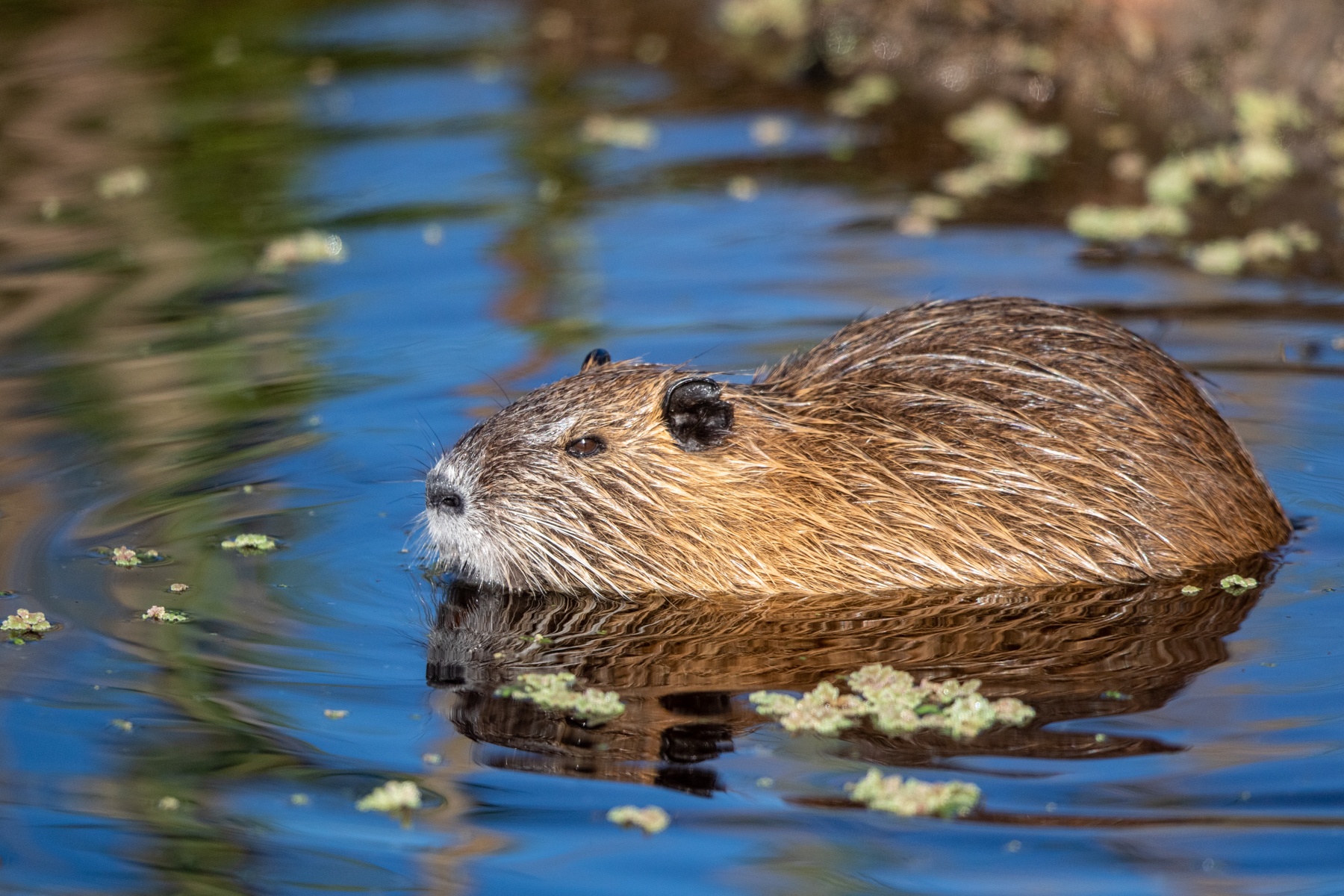
Coypu, for once in its natural haunts in Argentina (image by Mark Beaman)
White-throated Treerunner (image by Nik Borrow)
Andean Condor (image by Mark Pearman)
Hudson's Canastero (image by Mark Pearman)
Chubut Steamer Duck (image by Nik Borrow)
Pampas Meadowlark (image by Mark Pearman)
Great Grebe (image by Mark Beaman)
Cinereous Harrier (image by Mark Beaman)
The smart Spectacled Tyrant (image by Mark Beaman)
Black-and-rufous Warbling Finch (image by Mark Beaman)
Hooded Grebes (image by Mark Pearman)
White-browed Meadowlark (image by Mark Beaman)
Long-winged Harrier (image by Mark Beaman)
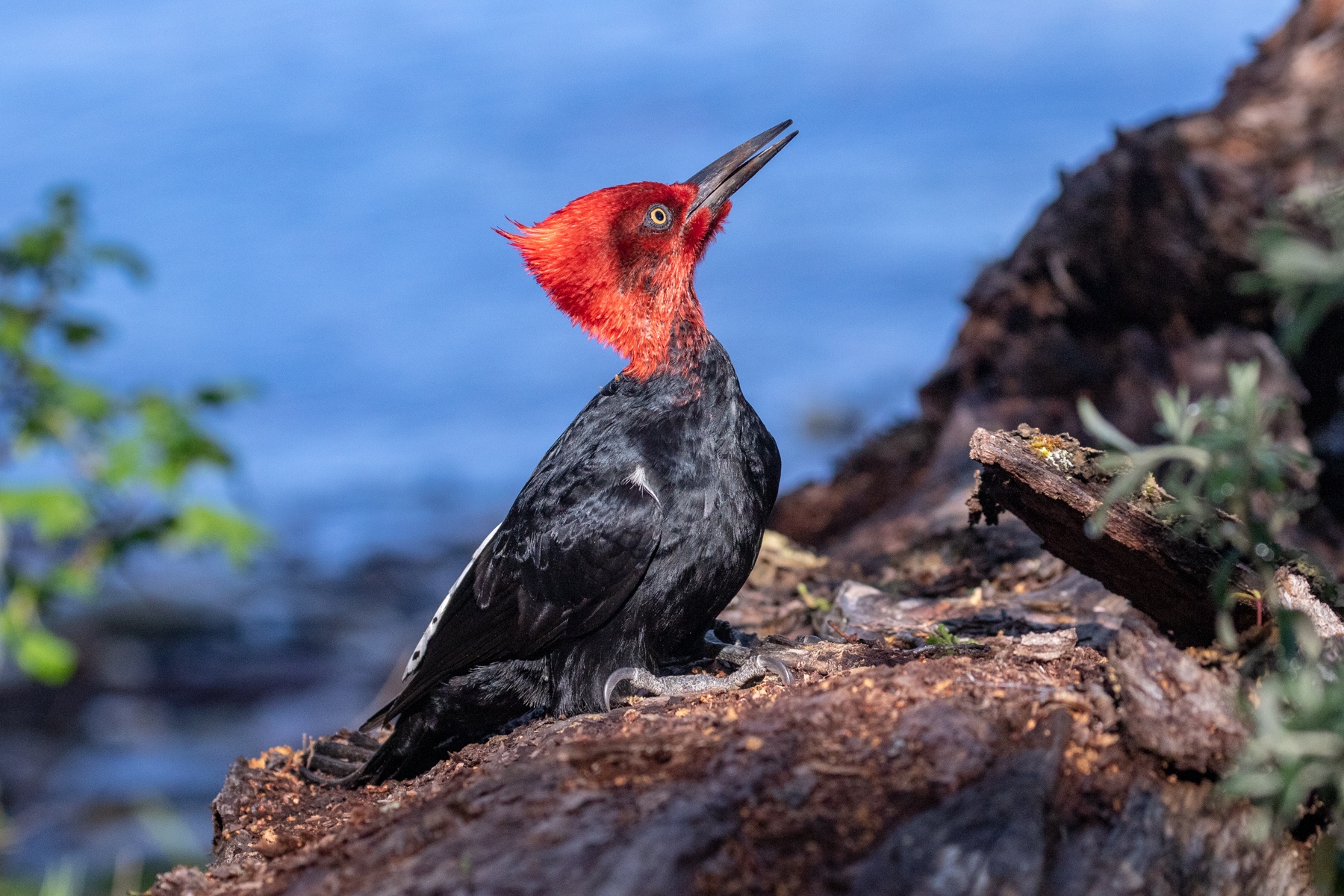
Magellanic Woodpecker male (image by Mark Beaman)
Austral Parakeet (image by Mark Beaman)


The unbelievable Many-coloured Rush-Tyrant, at home in any rush bed (image by Mark Pearman)
Southern Screamer (image by Mark Beaman)
Tawny-throated Dotterel (image by Mark Beaman)
Pichi (image by Nik Borrow)
Bearded Tachuri (image by Eustace Barnes)
A splendid vagrant Macaroni Penguin (image by Mark Pearman)
White-faced Ibises (image by Mark Beaman)
Burrowing Parrot (image by Mark Pearman)
Short-eared Owl (image by Mark Beaman)
Coscoroba Swans (image by Mark Beaman)
Cinereous Harrier (image by Mark Beaman)
Austral Parakeet (image by Nik Borrow)
Red Shoveler (image by Mark Beaman)
Thorn-tailed Rayadito (image by Nik Borrow)
Black-chested Buzzard-Eagle (image by Mark Pearman)
Olrog's Gull, a speciality of the Atlantic coast of Argentina (image by Mark Beaman)
Endangered Pampas Meadowlark has become trickier in the last decade (image by Mark Pearman)
Short-billed Pipit; one of 8 species of pipit in Argentina (image by Mark Pearman)
Spectacled Duck (image by Mark Beaman)
Chilean Flamingos at El Calafate, Argerntina (image by Mark Beaman)
Black-throated Huet-huet (image by Nik Borrow)
Delightful tiny Commerson’s Dolphin, endemic to Patagonia (image by Dave Williamson)
Wren-like Rushbird (image by Mark Beaman)
Tawny-throated Dotterel (image by Nik Borrow)
Glittering-bellied Emerald (image by Mark Beaman)
Yellow Cardinal (image by Mark Pearman)
The sought-after Patagonian Tinamou (image by Mark Beaman)
South American Painted-Snipe. The pampas of Argentina are surely the best place to see this much-wanted bird. (image by Mark Beaman)
Black-faced Ibis (image by Mark Beaman)
Magellanic Tapaculo, a bird of the dark Nothothagus (Southern Beech) forests of Aergentina and Chile (image by Mark Beaman)
Humboldt's Hog-nosed Skunk (image by Nik Borrow)
Guanacos in southern Argentina (image by Mark Beaman)
Coypu, for once in its natural haunts in Argentina (image by Mark Beaman)
White-throated Treerunner (image by Nik Borrow)
Andean Condor (image by Mark Pearman)
Hudson's Canastero (image by Mark Pearman)
Chubut Steamer Duck (image by Nik Borrow)
Pampas Meadowlark (image by Mark Pearman)
Great Grebe (image by Mark Beaman)
Cinereous Harrier (image by Mark Beaman)
The smart Spectacled Tyrant (image by Mark Beaman)
Black-and-rufous Warbling Finch (image by Mark Beaman)
Hooded Grebes (image by Mark Pearman)
White-browed Meadowlark (image by Mark Beaman)
Long-winged Harrier (image by Mark Beaman)
Magellanic Woodpecker male (image by Mark Beaman)
Austral Parakeet (image by Mark Beaman)


|
Wednesday 24th November – Tuesday 7th December 2027 Leader: Mark Pearman |
14 Days | Group Size Limit 9 (tour guaranteed) |
| Tierra del Fuego Extension Tuesday 7th December – Saturday 11th December 2027 |
5 Days | Group Size Limit 9 (extension guaranteed) |
|
Saturday 24th November – Friday 7th December 2029 Leader: Mark Pearman |
14 Days | Group Size Limit 9 |
| Tierra del Fuego Extension Friday 7th December – Tuesday 11th December 2029 |
5 Days | Group Size Limit 9 |
Birdquest’s Southern Argentina birding tours are a classic South American birding experience. Our Southern Argentina birding tour produces an extraordinary number of regional endemics, near-endemics and other specialities as we travel from the famous Argentine Pampas southwards through the Patagonia to fare awayt Tierra del Fuego.
Argentina is the eighth-largest country in the world – almost a third the size of Europe! Stretching for over 2200 miles (3500 kilometres) from the Bolivian border to the sub-Antarctic coasts of Tierra del Fuego, Argentina possesses an enormous variety of landforms and climates, which is reflected in its great diversity of wildlife. Argentina is a classic destination, undoubtedly one of the best birding countries in the world, not only offering superb, mostly easy birding but also good accommodations, food, transport and roads.
Over 1000 species of birds have been recorded in Argentina, an amazingly high total for a country that lies almost entirely outside the tropics and thus cannot boast any lowland tropical rainforest. With its fantastic scenery and marvellous and generally easy, open-country birding, ranging from impressive avian spectacles to a host of endemic species, Southern & Central Argentina is definitely one of the greatest birding journeys one can undertake. The contrasts are extreme, ranging from the arid landscapes of the Córdoba region of central Argentina to the humid grasslands of the famous Pampas and from the windswept, semi-desert plateau of Patagonia in the east and southeast to the icy, snow-clad peaks of the southern Andes with their glaciers, mountain lakes and forests of breathtaking beauty in the west.
For the birdwatcher, Southern & Central Argentina birding tours provide an overwhelming variety of spectacular experiences: rheas, tinamous, penguins in their tens of thousands, flamingos, most of South America’s wildfowl, Andean Condor, some superb shorebirds including Magellanic Plover (now treated as a monotypic bird family), seedsnipes, Snowy Sheathbill, a bewildering array of ovenbirds with evocative names (miners, earthcreepers, cinclodes, horneros, cacholotes, spinetails, canasteros, thornbirds and rayaditos), a plethora of tyrant-flycatchers and an exceptional assortment of finches and icterids!
Our Southern & Central Argentina birding tour will take us from the Pampas of Buenos Aires region to the far south of the country in southern Patagonia and Tierra del Fuego. By doing so we can experience the region’s fantastic avian diversity in full as we seek out some of the continent’s most spectacular birds amidst some of the world’s finest scenery.
During the first part of our Argentine adventure, we will explore the famous Pampas. After starting from Buenos Aires, we will explore the pampas around San Clemente del Tuyu with its wide variety of wetland and grassland birds, including such major specialities as South American Painted-snipe, Olrog’s Gull, White-throated Hummingbird, Hudson’s Canastero and Bay-capped Wren-Spinetail.
Next, we travel south to Bahia Blanca for the rare and threatened endemic Pampas Meadowlark as well as such breeding-endemic or near-endemic specialities as Pampas Pipit, Hudson’s Black Tyrant, Straneck’s Tyrannulet and Cinnamon Warbling Finch.
Further south, in northern Patagonia, we visit San Antonio Oeste for yet more endemics or near-endemics, including Carbonated Sierra Finch and the rare Yellow Cardinal.
Travelling still further south, our Southern & Central Argentina birding tour will reach Trelew on the windswept Patagonian steppes of Argentina’s Chubut province, where the highlight of our stay will be the huge penguin colony at Cabo Dos Bahias, never mind another great collection of endemics and regional specialities, including Lesser Rhea, Darwin’s Nothura, Elegant Crested Tinamou, Chubut Steamer Duck, Snowy Sheathbill, Chilean Skua, Band-tailed Earthcreeper, Patagonian Canastero, Lesser Shrike-Tyrant, Rusty-backed Monjita, Short-billed Pipit, Patagonian Mockingbird and Patagonian Yellow Finch.
Finally, we will explore southern Patagonia, where we will visit sites for the Critically Endangered endemic Hooded Grebe and the near-endemic Patagonian Tinamou, as well as such restricted-range specialities as the rare Austral Rail, the strange Magellanic Plover, Tawny-throated Dotterel and Chocolate-vented Tyrant.
We will also enjoy the outstanding scenic grandeur of the El Chaltén region, where the high peaks, lakes and humid southern beech forest are inhabited by many great birds, most of which are regional specialities, including Bronze-winged (or Spectacled) Duck, Andean Condor, Austral Parakeet, Rufous-legged Owl, Austral Pygmy Owl, Chilean Flicker, Rufous-tailed Plantcutter, Thorn-tailed Rayadito, Chilean Elaenia, Fire-eyed Diucon, Chilean Swallow, Austral Thrush and Austral Blackbird.
During the optional extension, we continue to the island of Tierra del Fuego, at the very tip of South America. Here we will explore the grasslands and wetlands of northern Tierra del Fuego, home of the endangered Ruddy-headed Goose, Rufous-chested Dotterel, Two-banded Plover, Magellanic Snipe, Short-billed Miner, Austral Canastero and Cinnamon-bellied Ground-Tyrant.
Moving further south, we will be able to admire the spectacular landscapes around Ushuaia, the most southerly city in Argentina and the world, as we look for Kelp and Ashy-headed Geese, Flying and Fuegian (or Flightless) Steamerducks, White-throated Caracara, Magellanic Oystercatcher, White-bellied Seedsnipe, Dark-bellied Cinclodes, Black-chinned Siskin, Patagonian Sierra Finch and the uncommon Yellow-bridled Finch, while a boat trip in the Beagle Channel should produce Gentoo Penguin, Black-browed Albatross, Magellanic Diving Petrel and Blackish Cinclodes.
Southern Argentina is such a spectacular region, and the birding so enjoyable, that we are going to find it hard to leave after experiencing it for ourselves!
Birdquest has operated Argentina birding tours since 1989.
What makes the Birdquest Southern Argentina birding tour special?
A fantastic targeted birding itinerary for the special birds of this part of the world and a leader of unmatched experience. Perfect!
Accommodation & Road Transport
The hotels are of good or medium standard throughout. Road transport is by small coach or minibus, and roads are mostly very good, which is fortunate as there are several long drives during our journey.
Walking: The walking effort during our Southern Argentina birding tours is mostly easy, occasionally moderate.
Climate: Rather variable. Temperatures will range from warm or hot in the pampas to cool or even cold in the south. Sunshine is likely to alternate with overcast conditions, and we are likely to see some rain. It will be rather humid in the pampas, and it is often windy in the south.
Bird Photography
Opportunities during our Southern Argentina birding tours are good.
To see a larger map, click on the square-like ‘enlarge’ icon in the upper right of the map box.
To see (or hide) the ‘map legend’, click on the icon with an arrow in the upper left of the map box.
To change to a satellite view, which is great for seeing the physical terrain (and for seeing really fine details by repetitive use of the + button), click on the square ‘map view’ icon in the lower left corner of the ‘map legend’.
Birdquest Inclusions: Our tour prices include transportation, accommodations, meals and entrance fees.
We also include all tipping for local guides, drivers and accommodation/restaurant staff.
Deposit: 20% of the total tour price. Our office will let you know what deposit amount is due, in order to confirm your booking, following receipt of your online booking form.
TO BOOK THIS TOUR: Click here (you will need the tour dates)
The single supplement will not apply if you indicate on booking that you prefer to share a room and there is a room-mate of the same sex available.
This tour is priced in US Dollars. Amounts shown in other currencies are indicative.
Southern Argentina: Day 1
Our tour begins this morning at Buenos Aires. From there we will head off across the pampas towards the small seaside resort of San Clemente del Tuyu for a two-night stay.
Along the way, we will investigate just a few of the myriad of lakes and marshes scattered throughout the grasslands. This is easy and wonderful birding, and the San Clemente region is likely to produce such spectacular birds as Greater Rhea, Maguari Stork, Roseate Spoonbill, Southern Screamer and Black-necked Swan.
In addition, either today or while based at San Clemente, we will encounter many other species, most likely including Spotted Nothura (a small partridge-like tinamou of the grasslands), White-tufted Grebe, Neotropic Cormorant, Black-crowned Night Heron, Cocoi, Whistling and Striated Herons, Western Cattle, Great and Snowy Egrets, Bare-faced and White-faced Ibises, Fulvous and White-faced Whistling Ducks, Coscoroba Swan, Yellow-billed, Silver and Cinnamon Teals, Yellow-billed Pintail, Chiloe Wigeon, Red Shoveler, Rosy-billed Pochard, Lake Duck, the strange, parasitic Black-headed Duck (which often lays its eggs in the nests of coots!), Snail Kite, the handsome Long-winged Harrier, Roadside Hawk, Southern Crested and Chimango Caracaras, American Kestrel, Giant Wood Rail, Plumbeous Rail, Spot-flanked Gallinule, White-winged, Red-gartered and Red-fronted Coots, Limpkin, White-backed Stilt, Southern Lapwing, Wattled Jacana, Lesser Yellowlegs, Buff-breasted Sandpiper, Picazuro and Spot-winged Pigeons, Eared Dove, Picui Ground-Dove, Monk Parakeet, the incomparable Guira Cuckoo, Burrowing Owl, Glittering-bellied Emerald, Gilded Sapphire, Ringed Kingfisher and Campo Flicker.
Passerines include the restricted-range Hudson’s Canastero as well as Sulphur-bearded Spinetail, Rufous Hornero, Freckle-breasted Thornbird, Wren-like Rushbird, Small-billed Elaenia, White-crested Tyrannulet, Warbling Doradito, the beautiful and aptly-named Many-coloured Rush-Tyrant, Bran-coloured, Scarlet and Fork-tailed Flycatchers, the fantastic Spectacled Tyrant, Yellow-browed and Cattle Tyrants, Tropical Kingbird, Great Kiskadee, Grey-breasted and Brown-chested Martins, White-rumped Swallow, Chalk-browed Mockingbird, Rufous-bellied Thrush, House Wren, Masked Gnatcatcher, Hooded Siskin, Southern Yellowthroat, Shiny Cowbird, Baywing (or Bay-winged Cowbird), Brown-and-yellow Marshbird, White-browed, Scarlet-headed and Yellow-winged Blackbirds, Rufous-collared Sparrow, Black-and-rufous Warbling Finch, Grassland Yellow Finch and Pampa Finch.
There is a fairly good chance of seeing the much sought-after South American Painted Snipe in this area and If we are lucky we will find one or two of the more elusive denizens of the area, which include Stripe-backed Bittern and Dot-winged Crake.
Coypus, here in their native habitat, graze peacefully amongst the many wildfowl.
Thickets and relict patches of native tala forest hold scrub and woodland species such as Dark-billed Cuckoo, Checkered Woodpecker, Spix’s Spinetail, Creamy-bellied Thrush, Red-crested Cardinal and Variable Oriole.
Southern Argentina: Day 2
We will focus some of our attention today on Punta Rasa, a low peninsula stretching north from San Clemente with a wide ocean beach to the east and extensive salt marshes, tidal mudflats and sandy dunes to the west. Situated in the outer reaches of the Rio de la Plata estuary, this is a very important staging and wintering area for a wide variety of ducks, waders, gulls and terns, and also attracts a good number of passerine migrants. Punta Rasa has become a popular birding locality for birdwatchers from Buenos Aires.
Here we will be looking in particular for such species as Great Grebe, Chilean Flamingo, American Golden Plover, Hudsonian Godwit, White-rumped, Pectoral and Baird’s Sandpipers, the endangered, near-endemic Olrog’s Gull, Kelp and Brown-hooded Gulls, Royal and Snowy-crowned Terns, Cabot’s Tern (sometimes lumped in Sandwich), Black Skimmer, White-throated Hummingbird, Tufted Tit-Spinetail, the range-restricted Bay-capped Wren-Spinetail, Firewood-gatherer (named after its enormous stick nest), Sedge Wren, Blue-and-white Swallow, Hellmayr’s and Correndera Pipits, and Long-tailed Reed and Saffron Finches.
The rest of our time will be spent in areas of pampas with marshes, pools and lagoons, looking for many of the species mentioned for yesterday.
Southern Argentina: Day 3
After some final birding in the San Clemente area, we will drive southwest to Bahia Blanca for an overnight stay.
Along the way, we will be on the lookout for such species as Red-winged Tinamou, Turkey Vulture, White-tailed Kite, Grey-hooded (or Grey-headed) Gull and Short-eared Owl.
Southern Argentina: Day 4
We will devote the first part of the day to looking for one of the rarest and most localised endemic species in Argentina, the Pampas Meadowlark, which is threatened with extinction due to the conversion of natural pampas into pastures.
Other birds likely in the same area include the restricted-range Pampas Pipit as well as Red-winged Tinamou, Spotted Nothura, Grassland Sparrow, Grassland Yellow Finch and Long-tailed Meadowlark, and quite likely the dainty Bearded Tachuri. We will also have our first chance for the elusive Darwin’s Nothura.
We will also turn our attention to areas of scrubby woodland. Here, our major targets will be two Argentine breeding endemics: Hudson’s Black Tyrant and Cinnamon Warbling Finch. Other specialities include the recently described, restricted-range Straneck’s (or Monte) Tyrannulet and the delightful but patchily-distributed Greater Wagtail-Tyrant.
Other species we should encounter in the Bahia Blanca region include Southern Lapwing, Picazuro and Spot-winged Pigeons, Eared Dove, Picui Ground Dove, the incomparable Guira Cuckoo, Burrowing Owl, Campo Flicker, Crested and Chimango Caracaras, American Kestrel, Monk Parakeet, Rufous Hornero, Tufted Tit-Spinetail, Pale-breasted Spinetail, Firewood-gatherer, Tufted Tit-Tyrant, White-crested and White-bellied Tyrannulets, Southern Scrub and Scarlet Flycatchers, the fantastic Spectacled Tyrant, Great Kiskadee, White-tipped Plantcutter, White-rumped Swallow, House Wren, White-banded Mockingbird, Shiny Cowbird, Rufous-collared Sparrow, Blue-and-yellow Tanager and Ringed Warbling Finch.
Afterwards, we will head southwards to the coastal town of San Antonio Oeste for an overnight stay. We will have time for further birding in the Bahia Blanca region if we need to do so.
Along the way, we will stop to look for the increasingly rare, near-endemic Yellow Cardinal (nowadays there is only a slim chance in this area) as well as Pale-breasted Spinetail and the showy White Monjita.
Southern Argentina: Day 5
San Antonio Oeste is situated in northern Patagonia, so here we have left the vast pampas of Argentina behind and entered a cooler, windier environment.
This morning, we will visit an area that is home to another localised and uncommon Argentine breeding endemic, the Carbonated Sierra Finch.
Other birds we may well see around San Antonio Oeste include two further endemics, Sandy Gallito and White-throated Cacholote (although both are uncommon in southern Argentina), as well as Short-billed Canastero, White-tipped Plantcutter, White-winged Black Tyrant, the uncommon Black-crowned Monjita, Southern Martin and Golden-billed Saltator.
Burrowing Parrots nest in the low coastal cliffs close to our hotel and in this locality, this restricted-range speciality allows a very close approach.
Later, we will head south to Gaiman in the Trelew region of Chubut province for an overnight stay.
As we cross the vast semi-desert plains, we will begin to appreciate the immensity of the flat, desolate, treeless, wind-swept ‘wasteland’ that is northern Patagonia (a land named, it seems, from the Spanish word patacones, meaning ‘big feet’, used by the invaders as their name for the local Amerindians).
We will stop along the way near Puerto Madryn. The bays in this area, situated at the base of the Valdés Peninsula, are important mating and calving areas for the Southern Right Whale, and we may see one or more of these magnificent creatures offshore, although we will be in the area right at the end of the whale season.
Southern Argentina: Day 6 The wild steppe landscape of the Trelew region holds some great birds, including Lesser Rhea, Elegant Crested Tinamou, Common Miner, the endemic Patagonian Canastero, Lesser Shrike Tyrant, the endemic Rusty-backed Monjita and Short-billed Pipit, as well as a variety of terrestrial mammals such as Guanaco (a smaller cousin of the Llama) and Patagonian Mara (an enormous rodent that sits on its haunches, rather like a kangaroo).
A highlight of our time in Patagonia will be a visit to Punta Dos Bahias, one of the largest seabird colonies on the Patagonian coast. The sand dunes, rocky shores and sandy beaches support a huge number of breeding Magellanic Penguins along with good numbers of Rock and Imperial Shags, Chilean Skuas, Dolphin and Kelp Gulls, and South American Terns. Watching the penguin colony at close range is quite an experience as thousands upon thousands of adults guard their burrow entrances, feed their young chicks, call noisily or march to and from the beach and the adjacent ocean (where thousands upon thousands more are loafing or feeding). Southern Giant Petrels are also attracted by the prospect of some scrumptious carrion, and they are sometimes joined by one or two Northern Giant Petrels. Snowy Sheathbills are almost always present. This is also one of the best localities for observing the endemic Chubut Steamer-Duck, first described in 1974 and only known from coastal Chubut province. Even Macaroni Penguin has turned up here!
Other birds which we are likely to find in the Trelew region, or further to the south in Patagonia, include Silvery Grebe, Crested Duck, the smart Cinereous Harrier, Variable Hawk, Blackish Oystercatcher, Brown-hooded Gull, Scaly-throated Earthcreeper, the near-endemic Band-tailed Earthcreeper, Plain-mantled Tit-Spinetail, Sharp-billed Canastero, Grey-bellied Shrike-Tyrant, Yellow-billed Tit-Tyrant, Austral Negrito, Patagonian and Chalk-browed Mockingbirds, Mourning Sierra Finch, Common Diuca Finch and Patagonian Yellow Finch. With a bit of luck, we will also encounter Darwin’s Nothura.
Afterwards, we will continue to nearby Camarones for an overnight stay.
Southern Argentina: Day 7 Today is a travel day as we head southwards through a vast expanse of Patagonian steppe to Puerto San Julian for an overnight stay. We have our first chance for the big but uncommon Patagonian Tinamou along the way, and we will also stop at some cliffs for close-up views of breeding Imperial and Rock Shags and stunning Red-legged Cormorants.
Southern Argentina: Day 8
The region around Puerto San Julian offers us our best chance for Patagonian Tinamou and we will be concentrating on this species early this morning. Afterwards, we will travel to a typical old Patagonian estancia at La Angostura in the Gobernador Gregores region for a three-night stay.
This estancia is where the Austral Rail was rediscovered. It was a species lost to science and considered extinct for 50 years until it was rediscovered here in the late 1990s. With patience and a little luck (this is a species much more easily heard than seen), we will observe this mega-rarity for ourselves.
Staying at La Angostura is a delightful experience, with hospitable hosts, good food and the opportunity to see a working estancia in action. The marsh and nearby lake here are full of waterbirds, making for a most enjoyable experience. New birds here may well include Black-faced Ibis, Andean Duck and Wren-like Rushbird.
Southern Argentina: Days 9-10
During our stay, we will visit some remote upland lakes where we will be searching for the striking Hooded Grebe.
Nowadays, a veritable ‘grailbird’ of South American birding, the Hooded Grebe was first described as recently as 1974! These enigmatic birds have a tendency to change their breeding sites whenever conditions become unfavourable, making them hard to predict and locate, and tragically, the population is now showing signs of collapse owing to a combination of reduced rainfall and increased predation, so the species is now ranked as Critically Endangered. We have lengthened our stay in this area to allow up to two full days for looking for Hooded Grebes rather than one, as they are getting harder and harder to find. Hopefully, we will be rewarded with views of some of these lovely birds amidst the blue waters, a truly memorable experience!
Other species that we will want to find in this wild and beautiful region are the handsome Tawny-throated Dotterel and the smart Chocolate-vented Tyrant. We will also encounter the handsome Upland Goose, Black-chested Buzzard-Eagle, Least Seedsnipe, Buff-winged Cinclodes, Dark-faced Ground Tyrant and Grey-hooded Sierra Finch.
Southern Argentina: Day 11
This morning, we will head southwest to El Chaltén for an overnight stay.
El Chaltén is spectacularly positioned close to one of the highest peaks in the Patagonian Andes, Mount Fitzroy (3405m or 11,171ft) and lies not far from the border between Argentina and Chile. Assuming the weather is good or at least reasonable during our stay, we will enjoy some of the most spectacular scenery in the whole of Patagonia, including the awesome snowfields and glaciers that cover much of Mount Fitzroy. (The mountain is named in honour of Robert Fitzroy, captain of the famous Beagle, who charted large parts of the Patagonian coast.)
During our time around El Chaltén, we will be concentrating our attention on finding species such as the smart Bronze-winged (or Spectacled) Duck, Striped Woodpecker, Chilean Flicker, Austral Parakeet, the strange Rufous-tailed Plantcutter, the unusual Thorn-tailed Rayadito, Chilean Elaenia, Fire-eyed Diucon, Chilean Swallow, Austral Thrush and Austral Blackbird. This is a good area for seeing both the large Rufous-legged Owl and the diminutive Austral Pygmy Owl. We will also have our first chances for the impressive Magellanic Woodpecker (the largest of the South American woodpeckers) and White-throated Treerunner. There is even a chance of finding the noisy Black-throated Huet-Huet, a large tapaculo restricted to southern Chile and adjacent Argentina. Andean Condors are still common in this superb area, and we should see them frequently as they soar over the wild landscape.
Southern Argentina: Day 12
After spending the morning around El Chaltén, we will head further south to El Calafate, a small town situated on the shores of Lago Argentino, where we will spend two nights.
Southern Argentina: Day 13
Our principal target at El Calafate itself is the enigmatic Magellanic Plover (which is now placed in its own monotypic family), but the wetlands here also hold a superb concentration of other waterbirds, including large numbers of Chilean Flamingoes.
The southern Andes are renowned for their exceptional scenic grandeur, for this is a land of jagged peaks and permanent snows, mighty glaciers and great lakes, and extensive southern beech forests. Some of the region’s finest scenery lies in Glaciers National Park, only a short distance to the west of El Calafate. We will spend some highly rewarding time in this wonderful park, gazing in awe at the magnificent scenery, watching in amazement as huge chunks of ice break off from a glacier and crash into the lake, and birding the humid forests and lakeshores.
The park is a very good spot for both Magellanic Woodpecker and Magellanic Tapaculo, as well as a number of other birds already mentioned for El Chaltén.
Southern Argentina: Day 14
After some early morning birding around El Calafate, our tour ends at El Calafate airport later this morning.
Southern Argentina (Tierra del Fuego): Day 1 Those continuing on the Tierra del Fuego extension will take a flight to Ushuaia on the island of Tierra del Fuego and then drive to the town of Rio Grande, where we will stay overnight.
Southern Argentina (Tierra del Fuego): Day 2 Tierra del Fuego, named by Magellan after the warning fires that the now-extinct Ona Amerindians lit when they saw his ships, lies at the extreme southern tip of South America and is a wild land of grassland, windswept moors, Nothofagus beech forests, snow-capped peaks and glaciers. Today, we will search the wide-open grasslands of northern Tierra del Fuego for the rare Ruddy-headed Goose, whose ‘mainland’ population (as opposed to the still-thriving Falkland Islands population) has become rare through hunting and through the overgrazing of its habitat by the hundreds of thousands of sheep. We will also be looking out for Rufous-chested Dotterel, Two-banded Plover, Magellanic Snipe, Short-billed Miner, Austral Canastero and Cinnamon-bellied Ground Tyrant.
Late in the day, we will return to Ushuaia for a three-night stay.
Southern Argentina (Tierra del Fuego): Days 3-4 Ushuaia is situated at 55 degrees south and is the most southerly large city in both Argentina and the world. Spring should have reached even this remote extremity of South America, and we will have the benefit of long daylight hours, but the weather will still be rather cool at sea level, and snow is by no means impossible when we are up in the mountains. Although the bird diversity at this latitude is very low, the quality is outstanding.
During our stay at the veritable ‘ends of the earth’, we will visit Tierra del Fuego National Park, a spectacular region of seacoasts, forests, lakes and snow-capped mountains on the Chilean border.
Species we should encounter amidst the wonderful scenery of the Ushuaia area include the attractive Kelp and Ashy-headed Geese, Fuegian (or Flightless) and Flying Steamer Ducks, White-throated Caracara, Magellanic Oystercatcher, the huge Magellanic Woodpecker (usually positively easy to find and get close to in this area!), Dark-bellied Cinclodes, White-throated Treerunner, Black-chinned Siskin and Patagonian Sierra Finch.
We will also visit a spectacular mountain area to search for the uncommon and sometimes rather elusive White-bellied Seedsnipe, and also Ochre-naped Ground-Tyrant and the restricted-range Yellow-bridled Finch.
One day, we will take a boat trip out into the Beagle Channel in search of seabirds. We should enjoy great views of large numbers of Black-browed Albatrosses and Chilean Skuas, while a small colony of Gentoo Penguins have established themselves in the area (and in recent years, there have often been one or two impressive King Penguins hanging around as well). We also have a good opportunity to encounter the localised Blackish Cinclodes and the diminutive Magellanic Diving Petrel. There is always the chance of seeing one of the more uncommon visitors, such as Southern Fulmar or ‘Fuegian’ Wilson’s Storm Petrel.
Southern Argentina (Tierra del Fuego): Day 5 After some early morning birding, the Tierra del Fuego extension to our Southern Argentina birding tour will end later this morning at Ushuaia airport.

South America and its islands
South America and its islands