
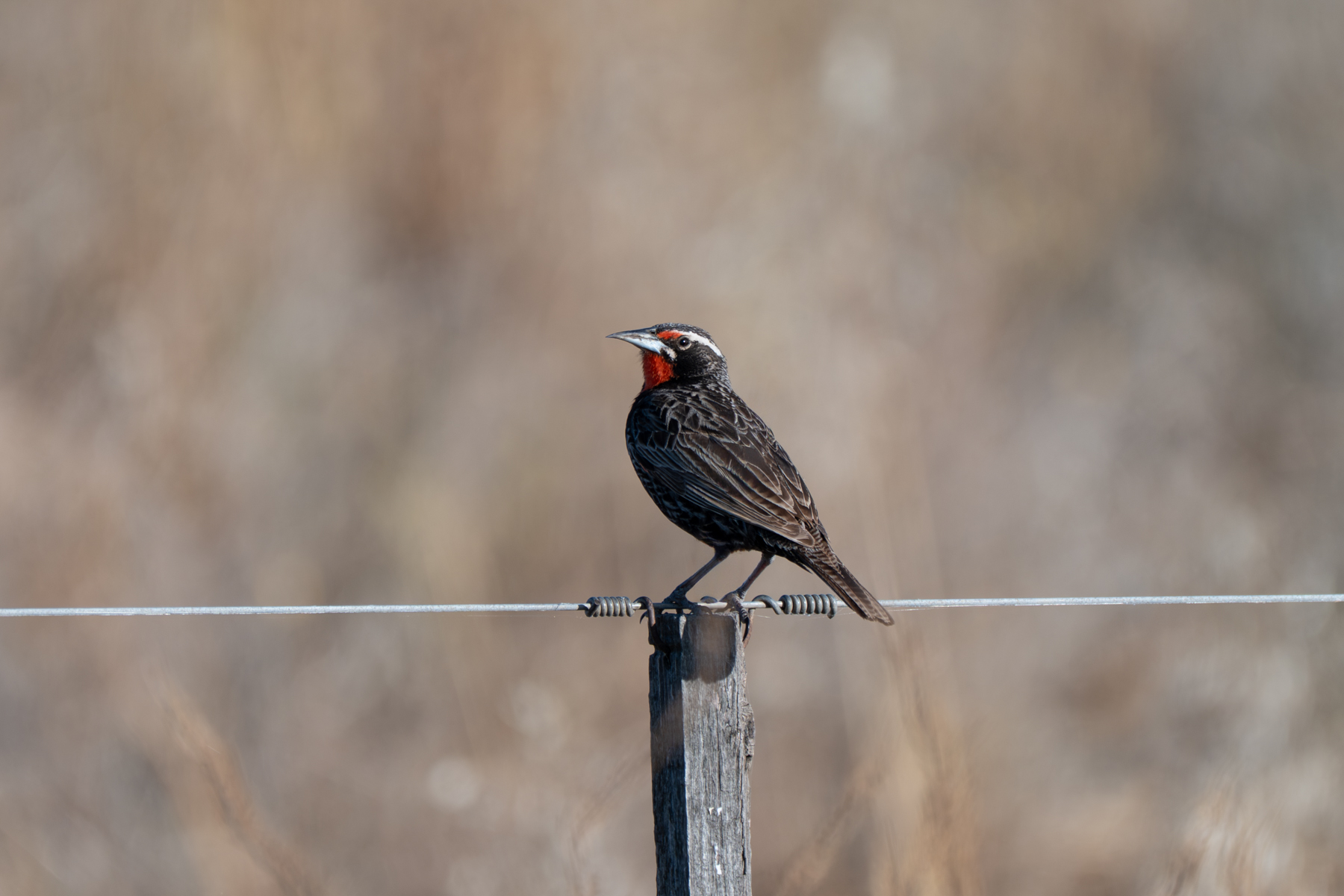
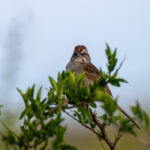
Pampas Meadowlark (image by Paul McLelland)
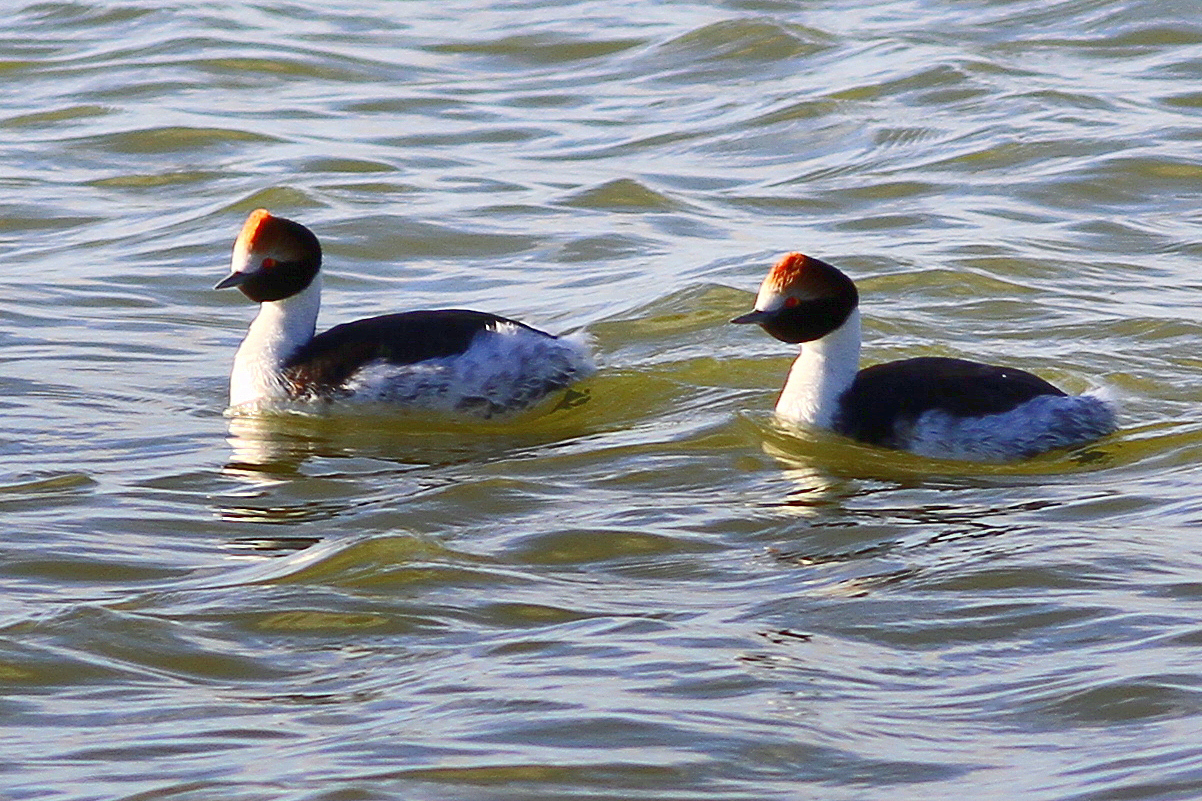
Hooded Grebes (image by Mark Pearman)
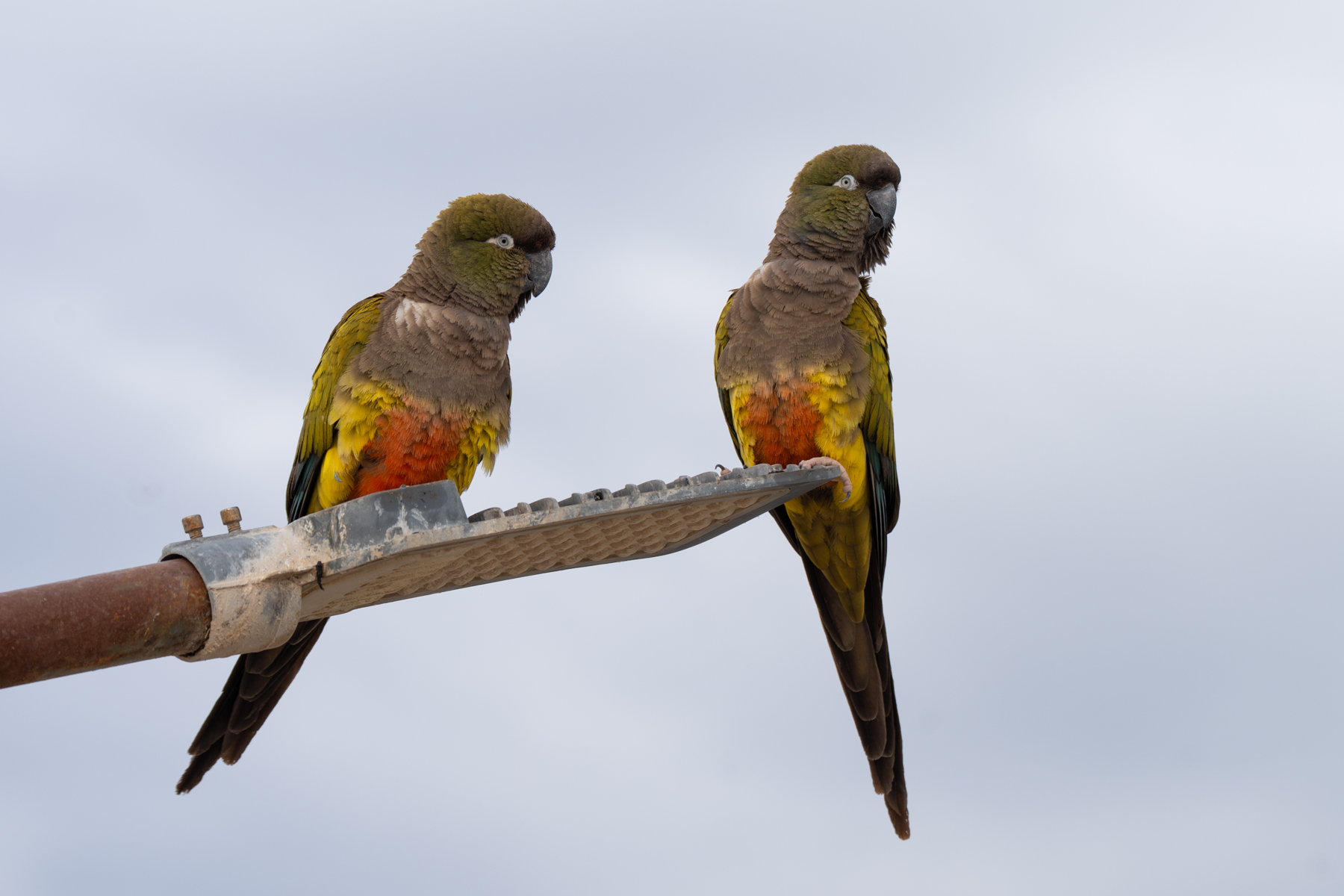
Burrowing Parakeets (image by Paul McLelland)
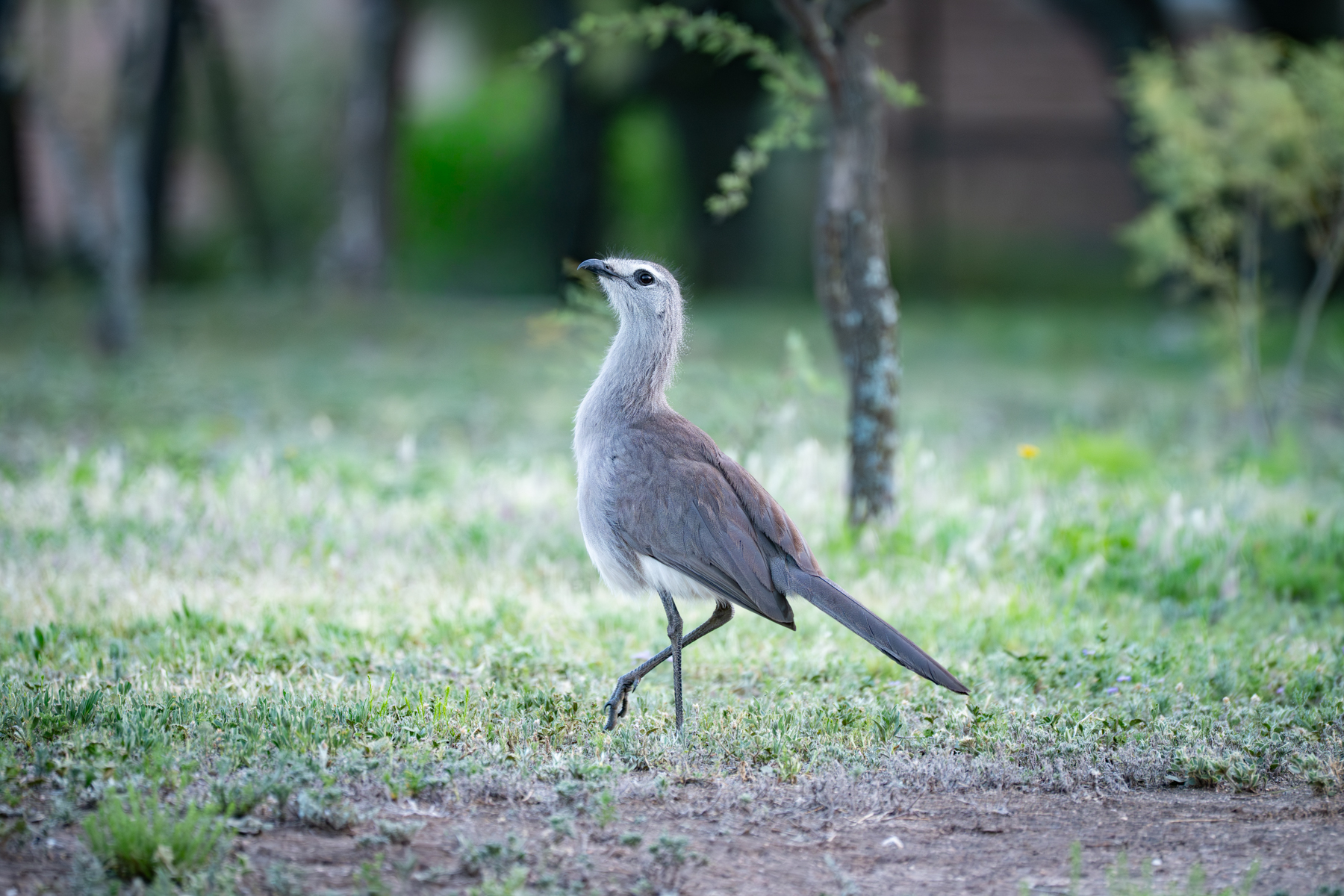
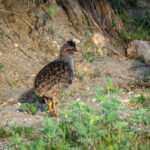
Black-legged Seriema (image by Paul McLelland)
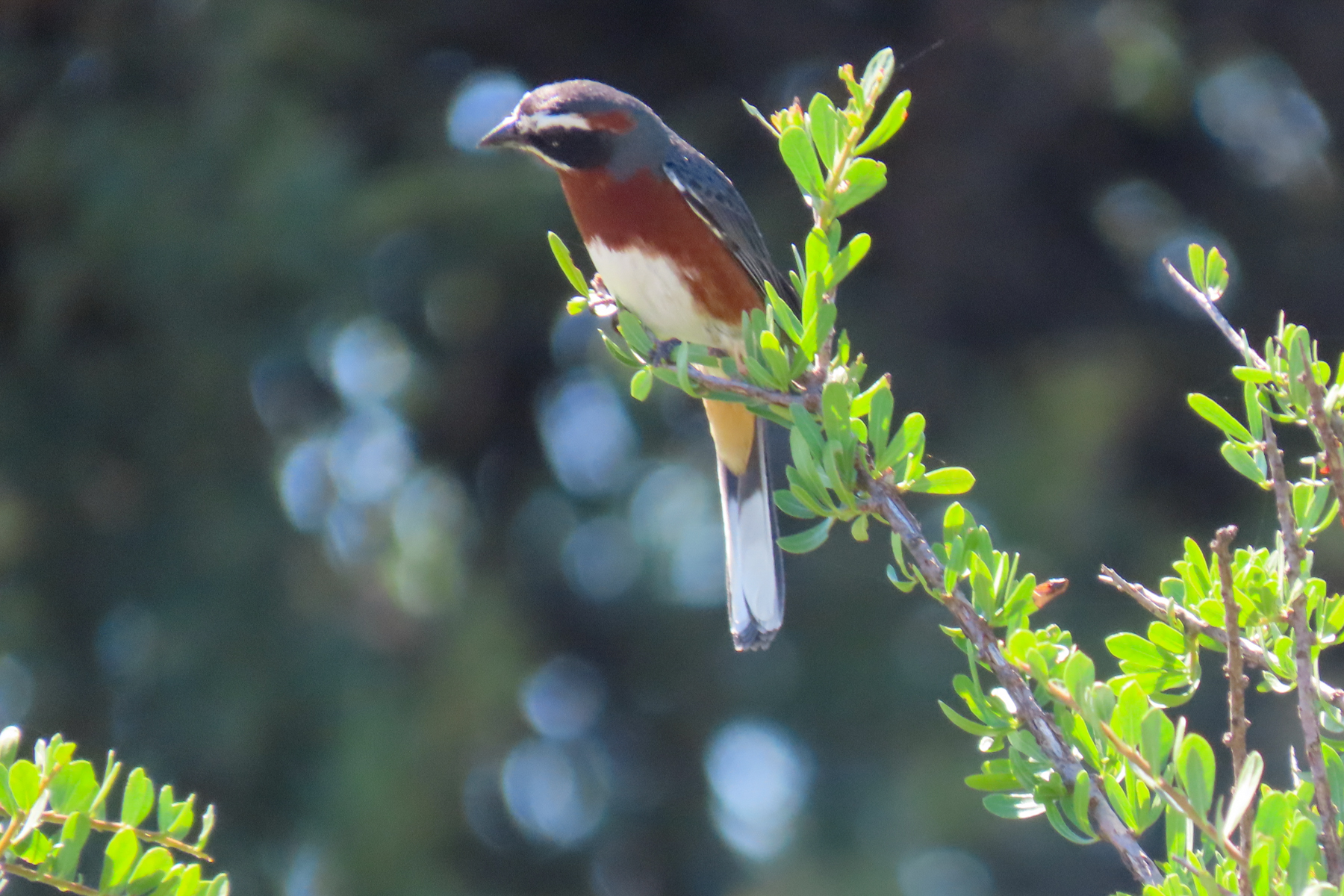
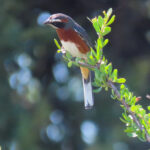
Black-and-chestnut Warbling Finch (image by Mark Pearman)
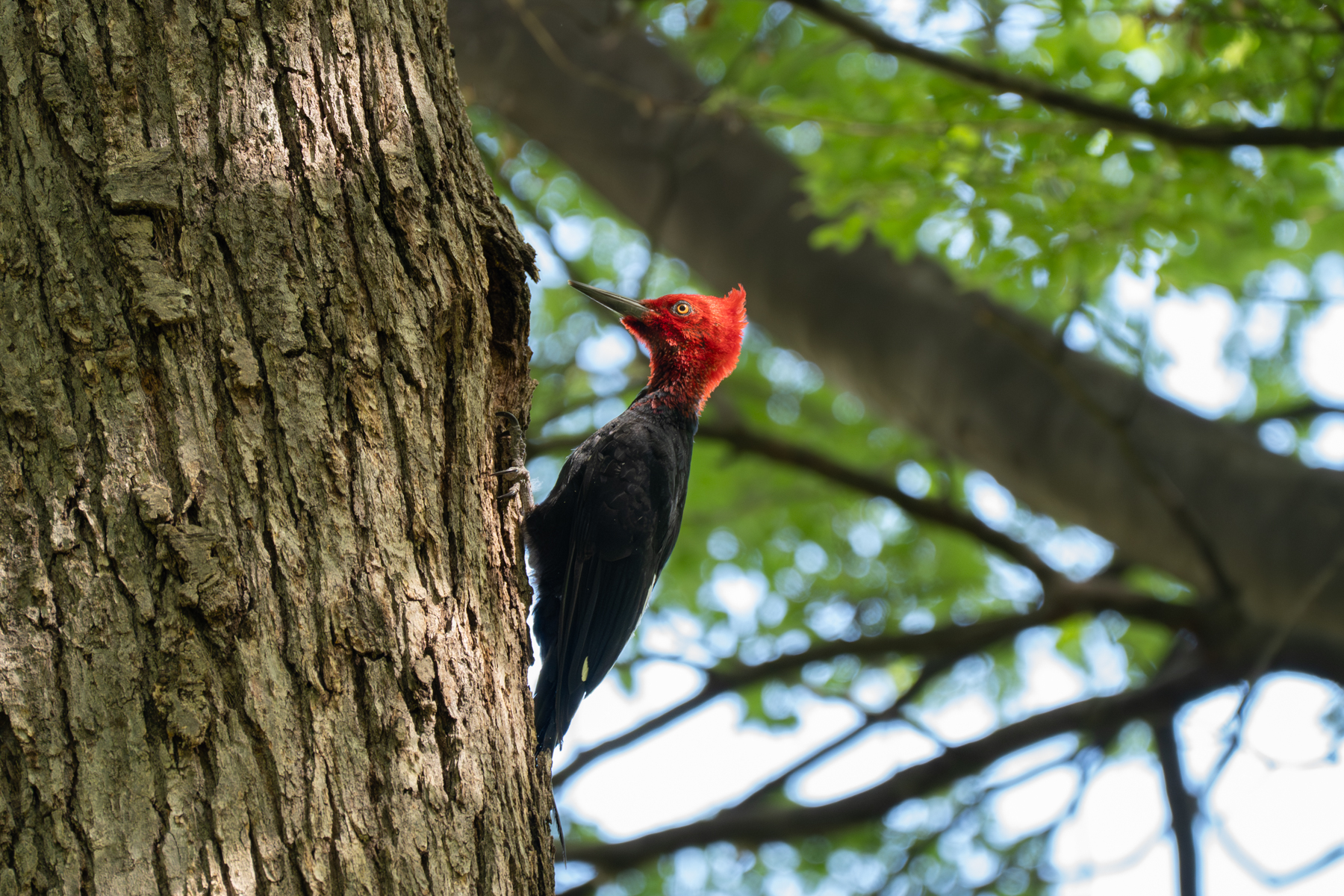
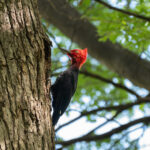
Magellanic Woodpecker (image by Paul McLelland)
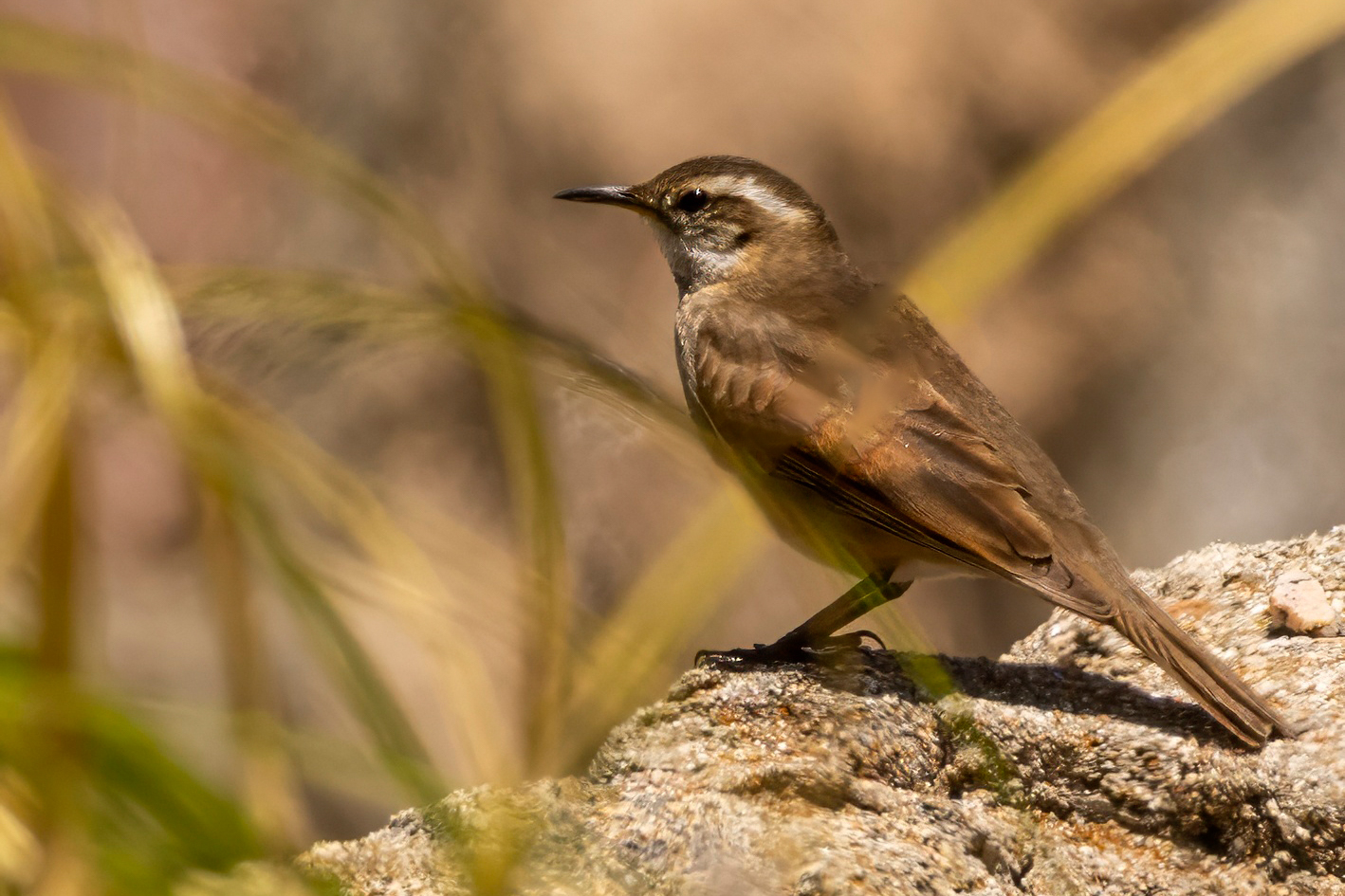
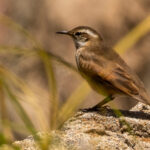
Cordoba Cinclodes (image by Petros Triantafyllis)
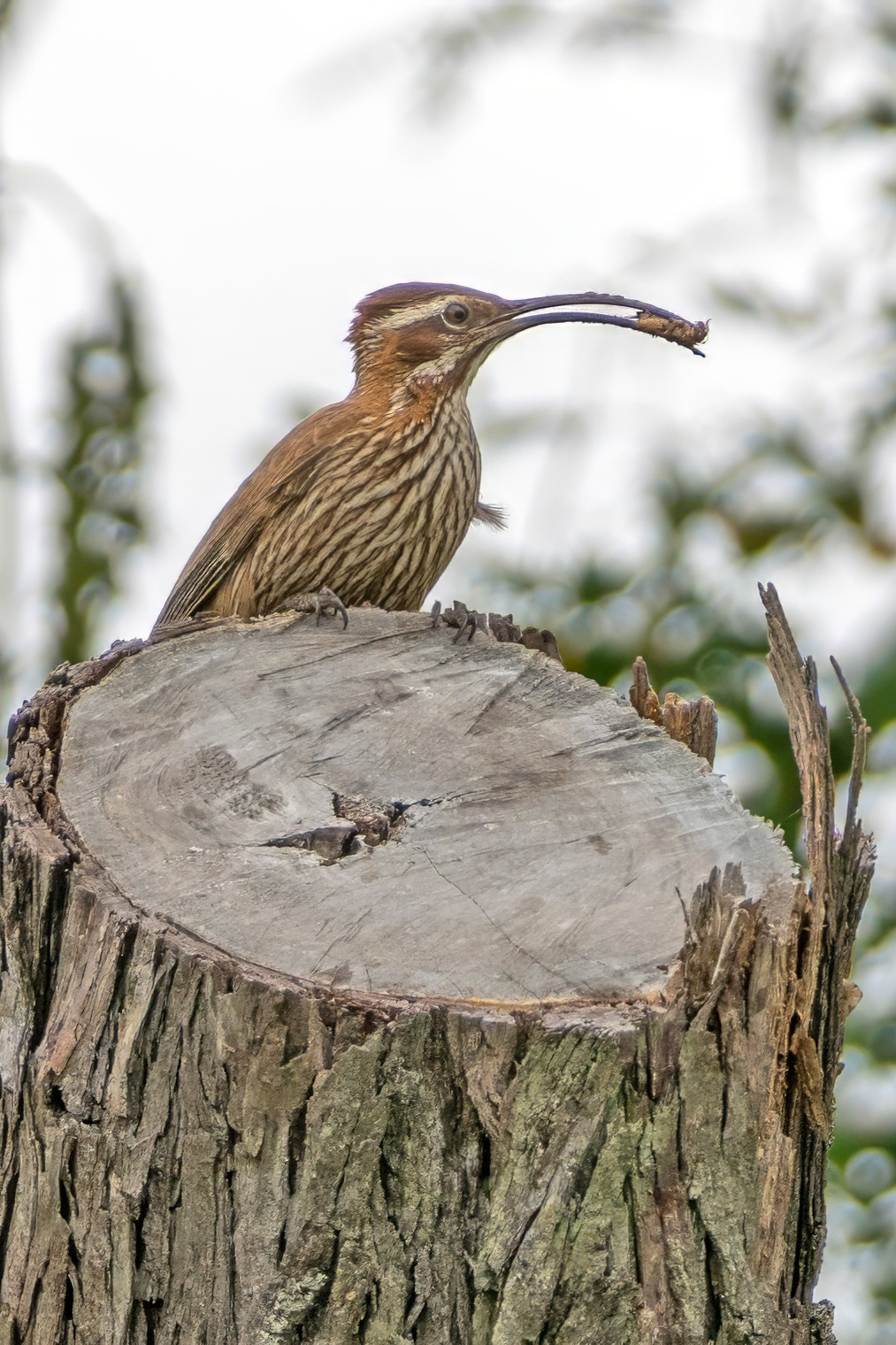
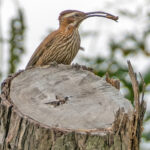
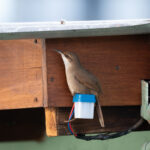
Scimitar-billed Woodcreeper (image by Loukia Triantafyllis)
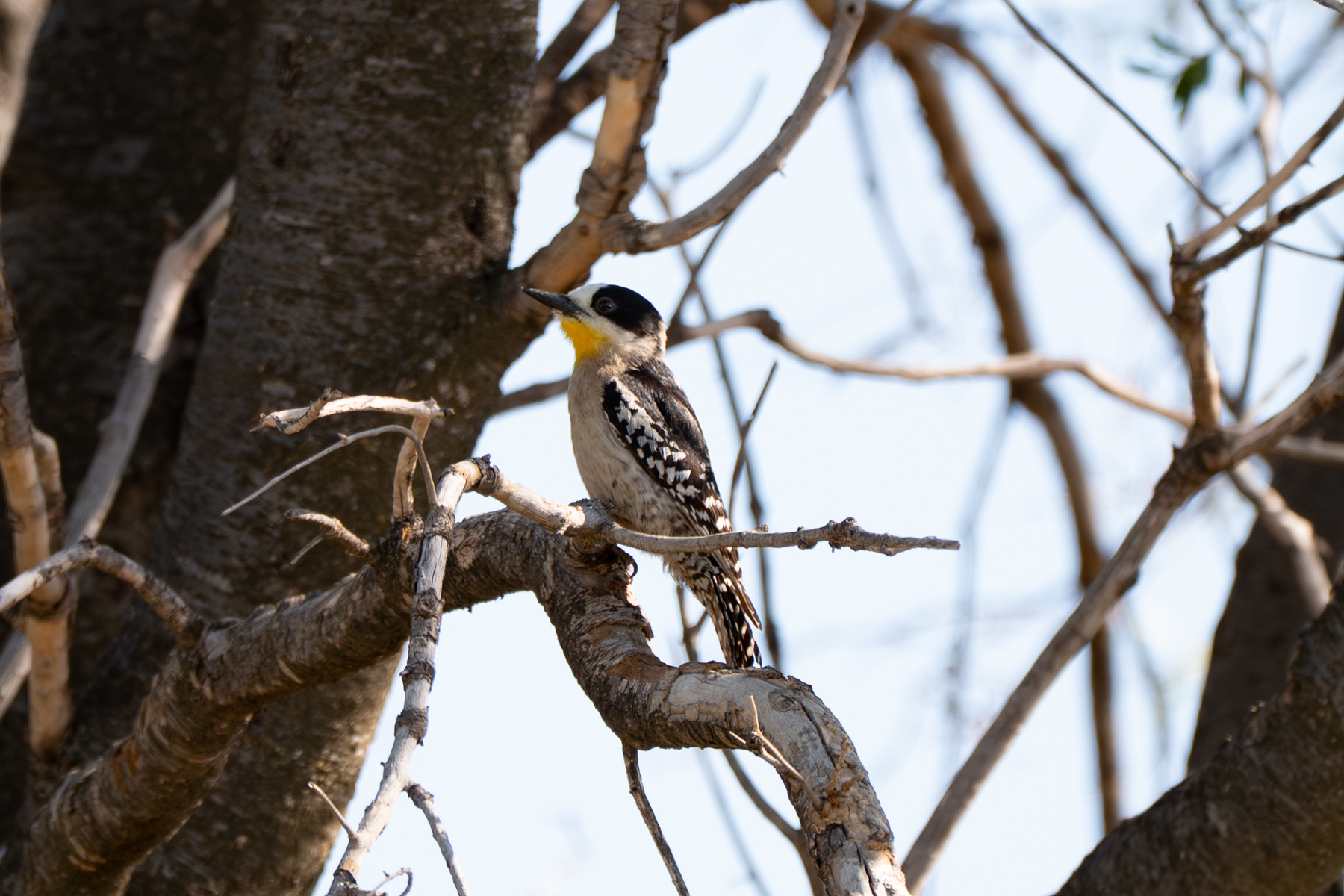
White-fronted Woodpecker (image by Paul McLelland)
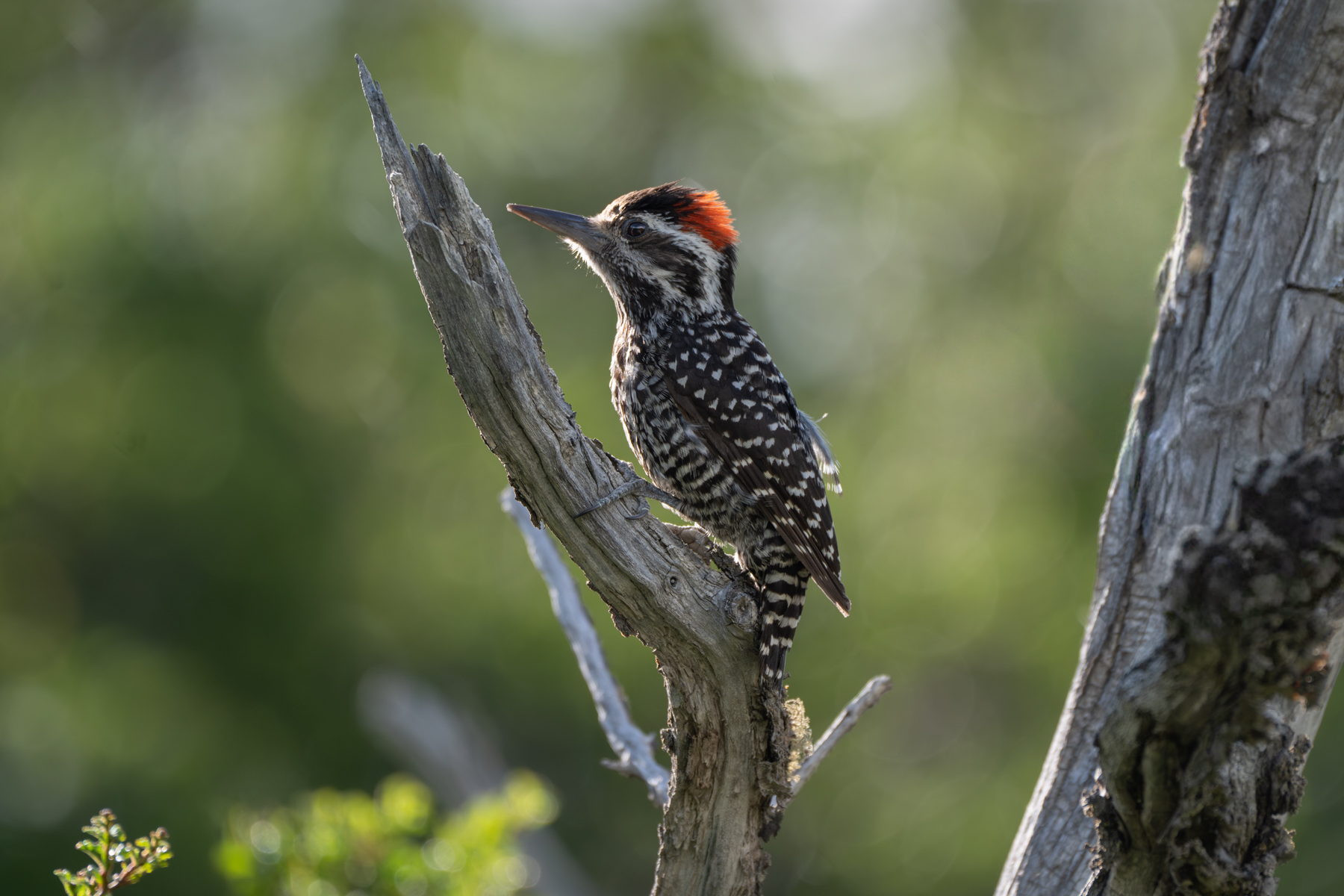
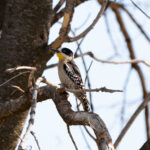
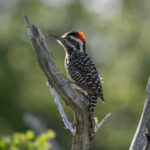
Striped Woodpecker (image by Paul McLelland)
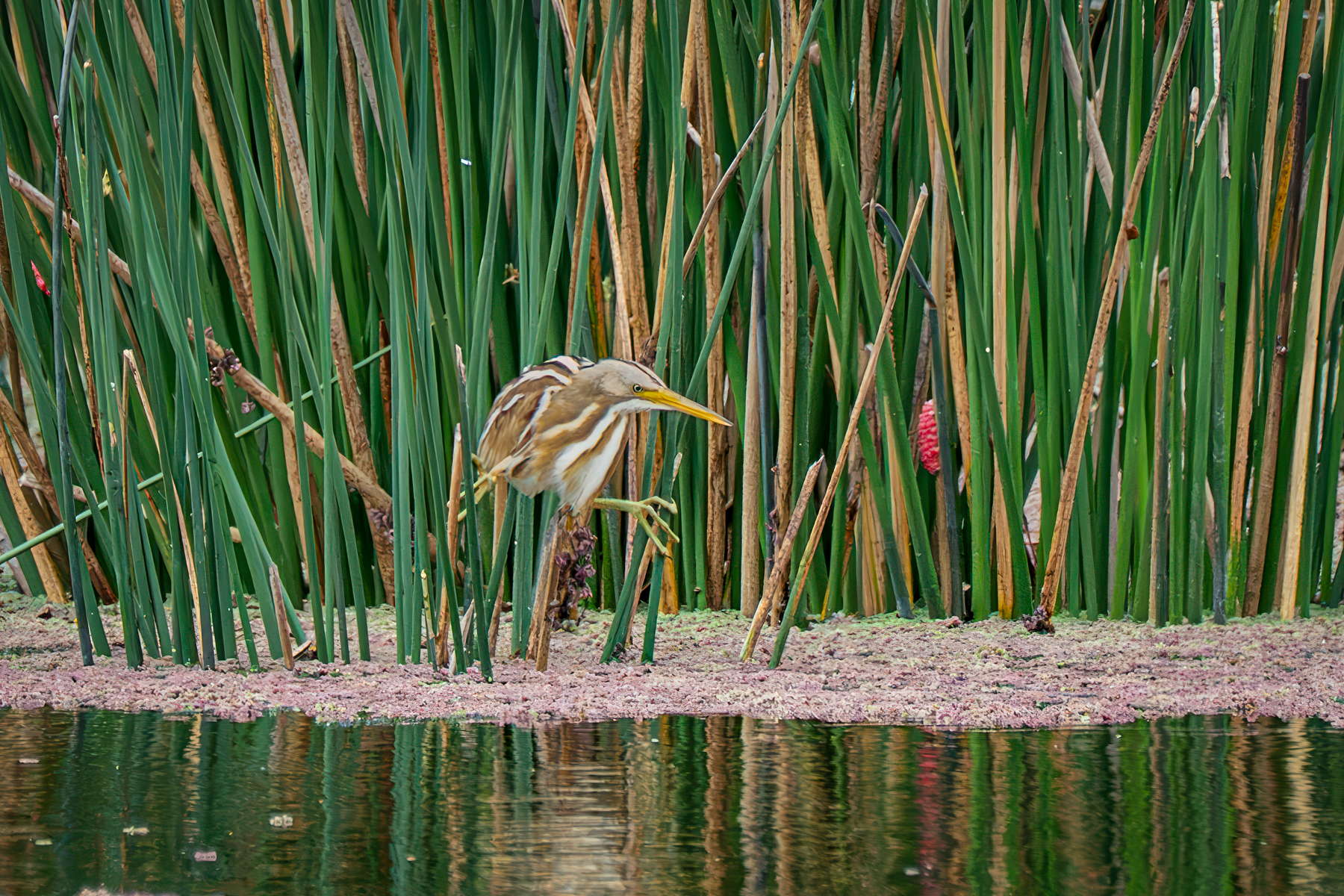
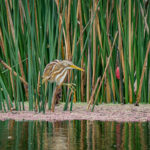
Stripe-backed Bittern (image by Paul McLelland)
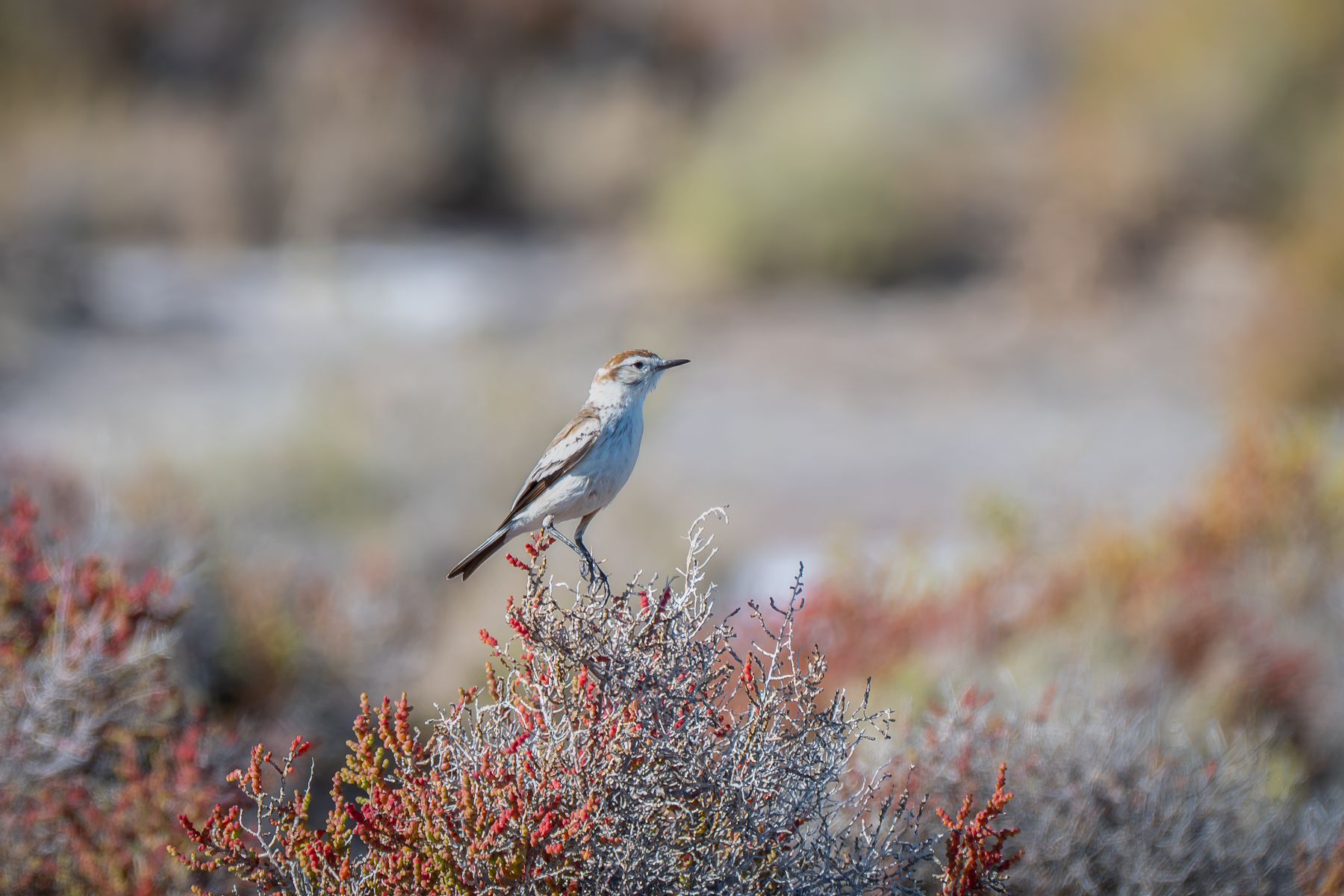
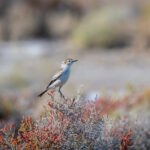
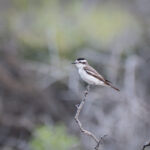
Salinas Monjita (image by Paul McLelland)
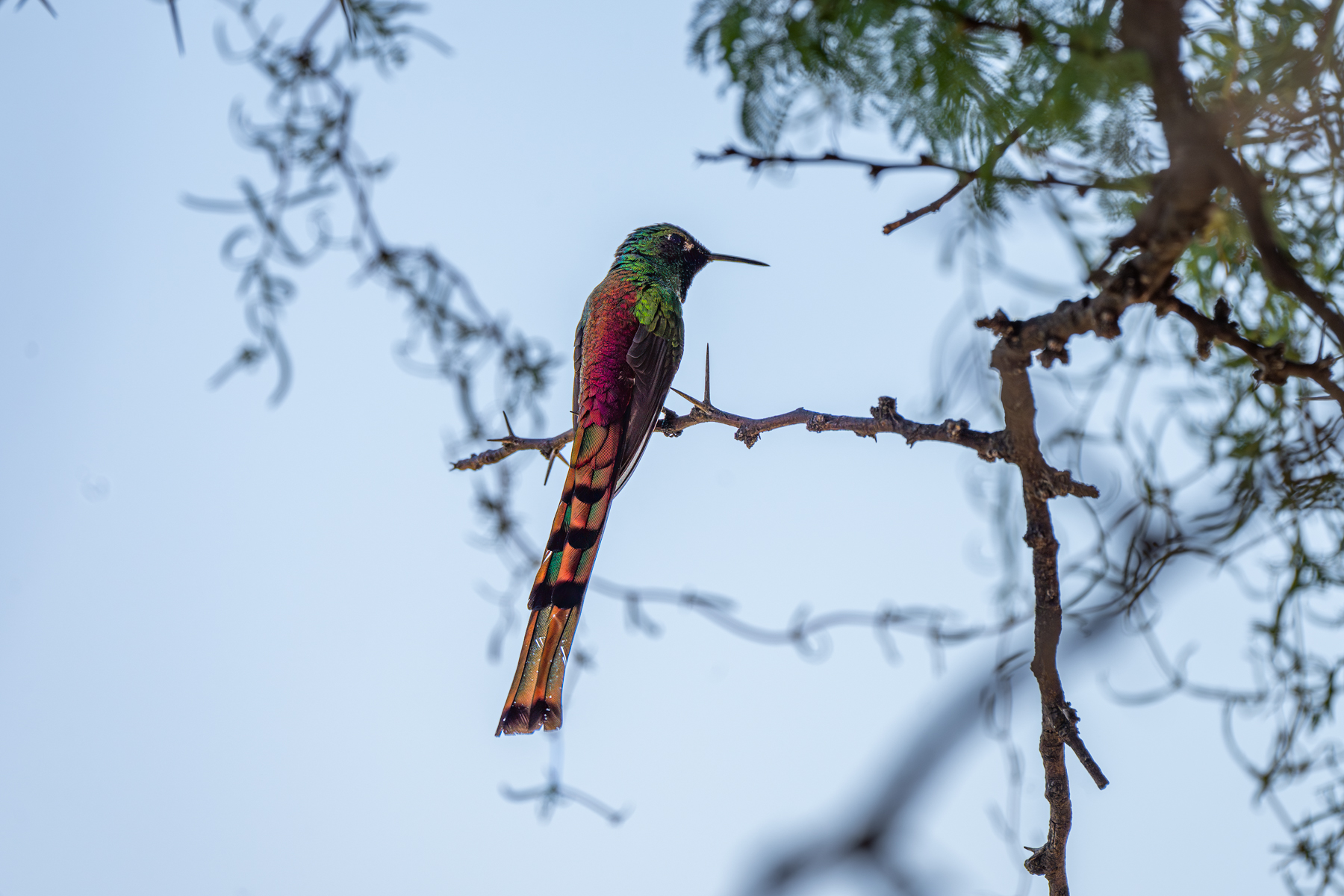
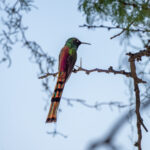
Red-tailed Comet (image by Paul McLelland)
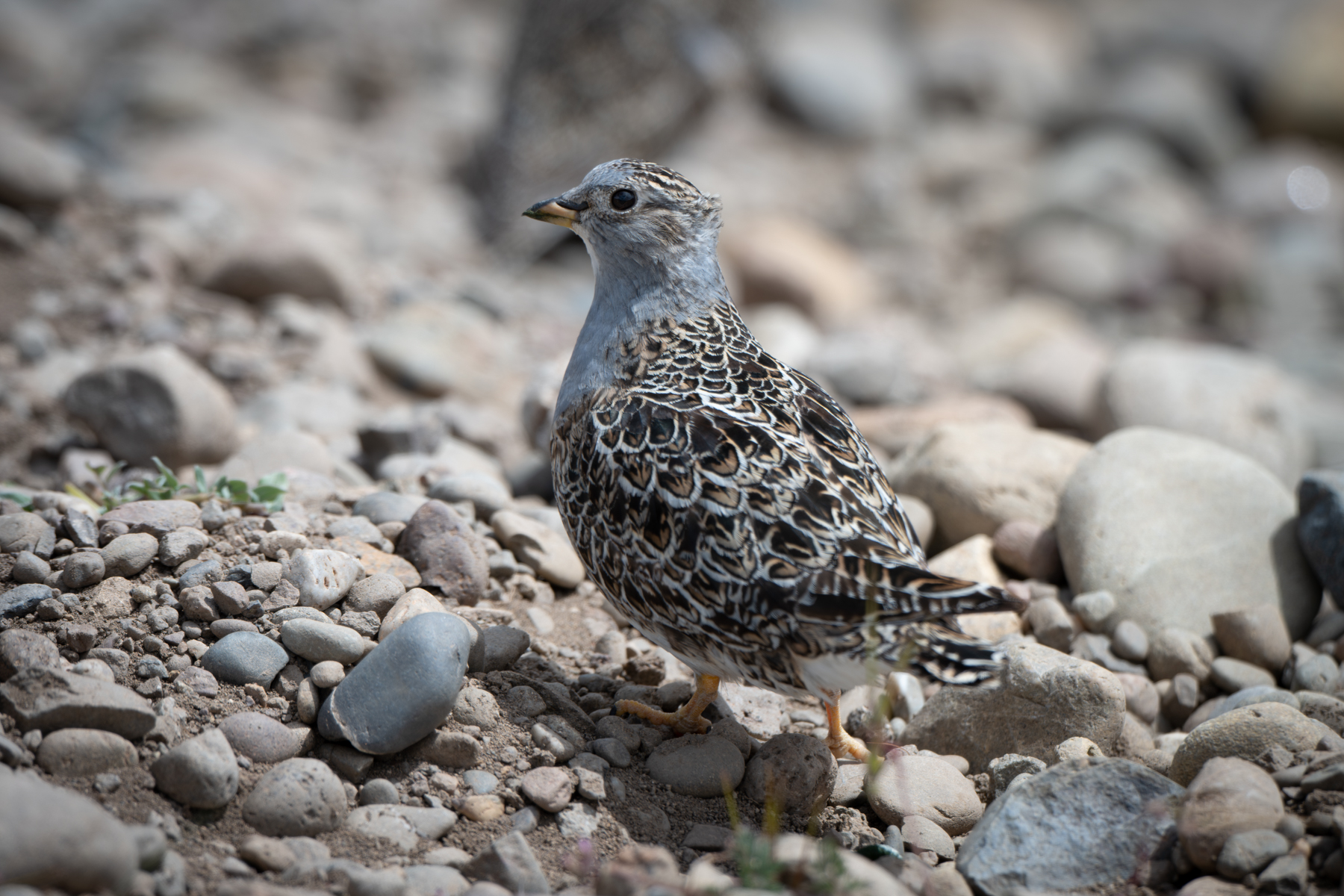
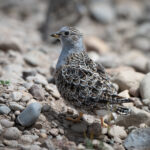
Grey-breasted Seedsnipe (image by Paul McLelland)
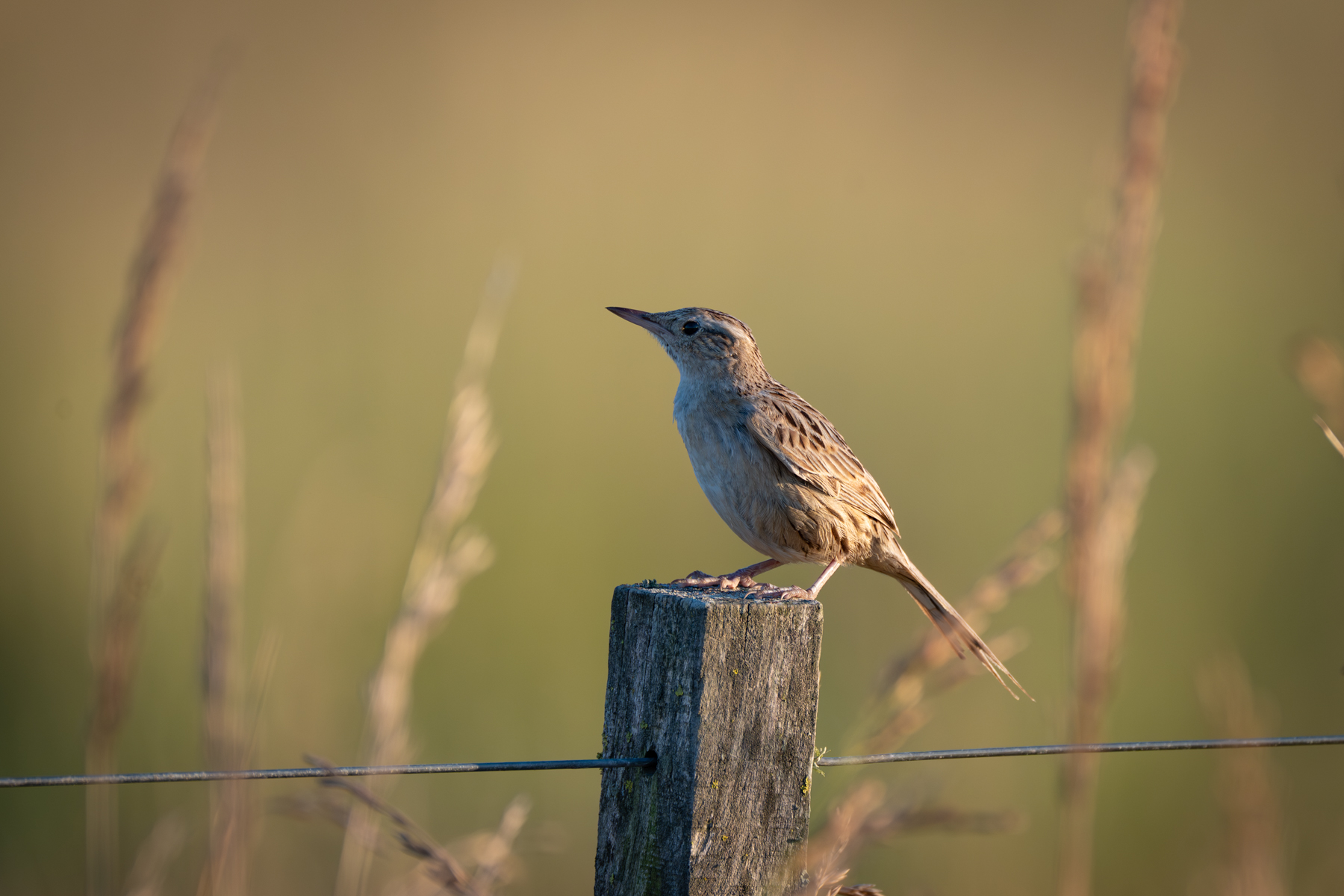
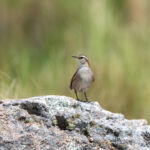
Hudson's Canastero (image by Paul McLelland)
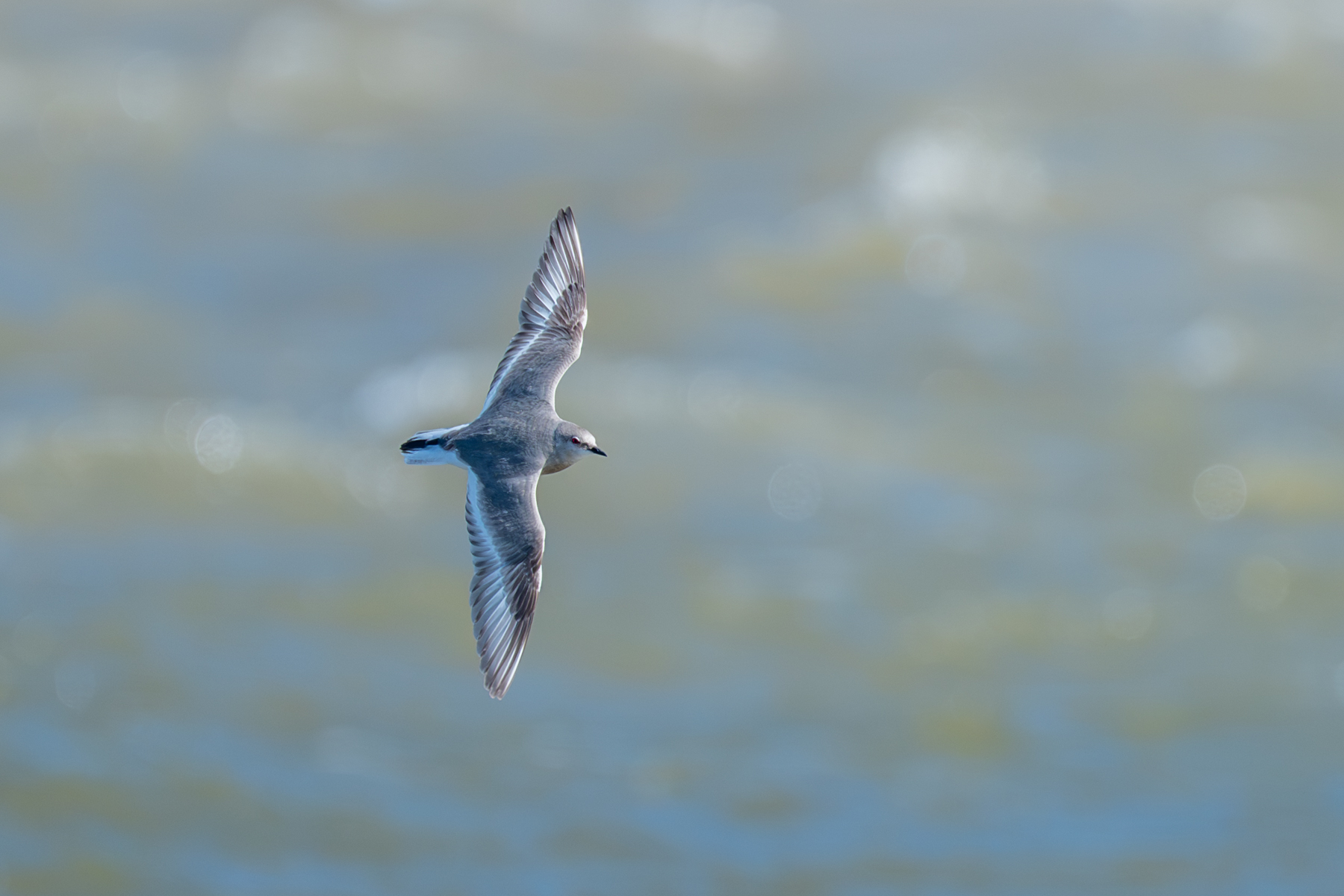
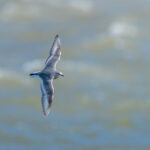
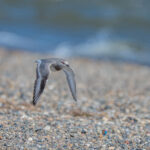
Magellanic Plover (image by Paul McLelland)
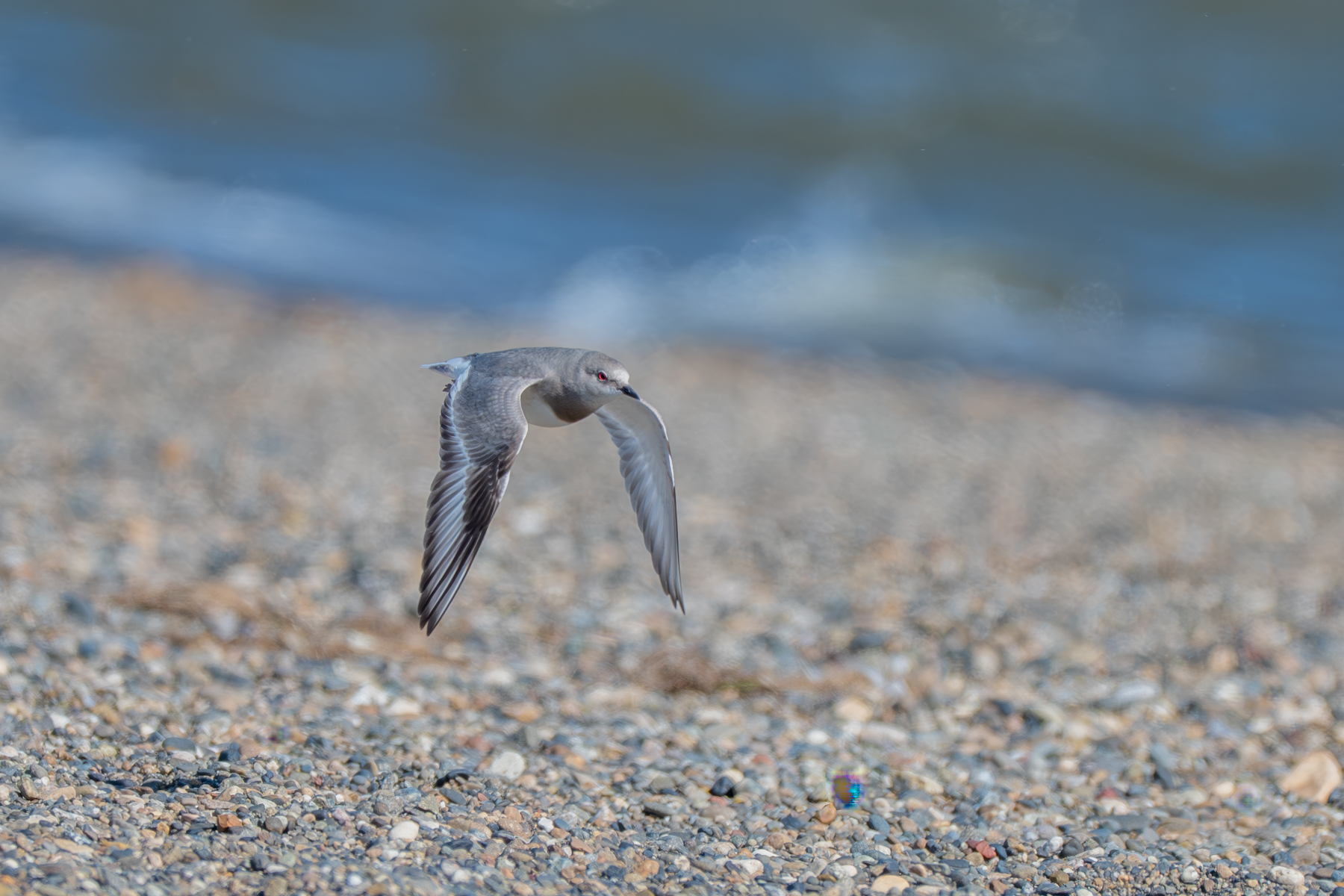
Magellanic Plover (image by Paul McLelland)
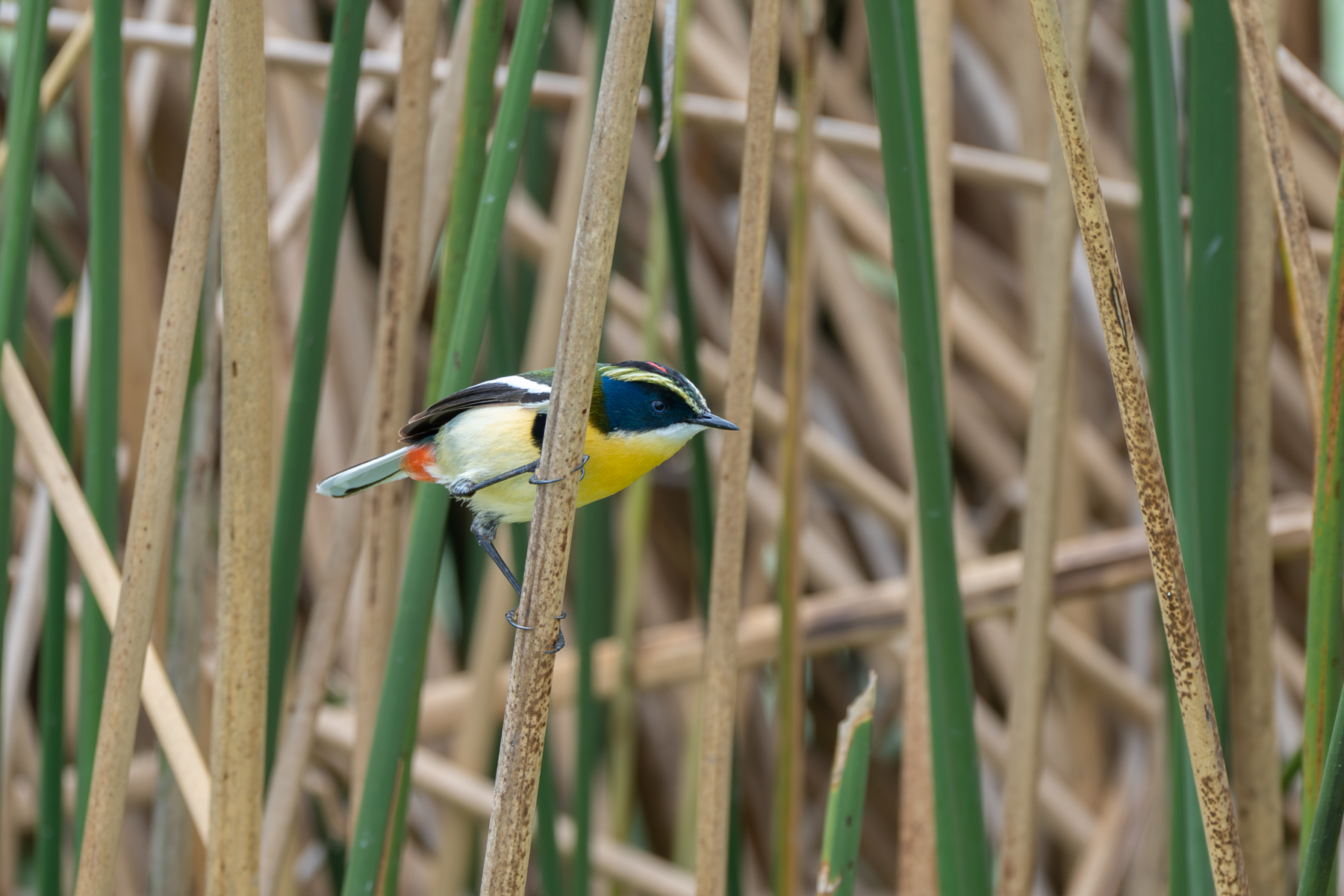
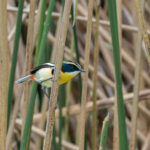
Many-coloured Rush Tyrant (image by Paul McLelland)
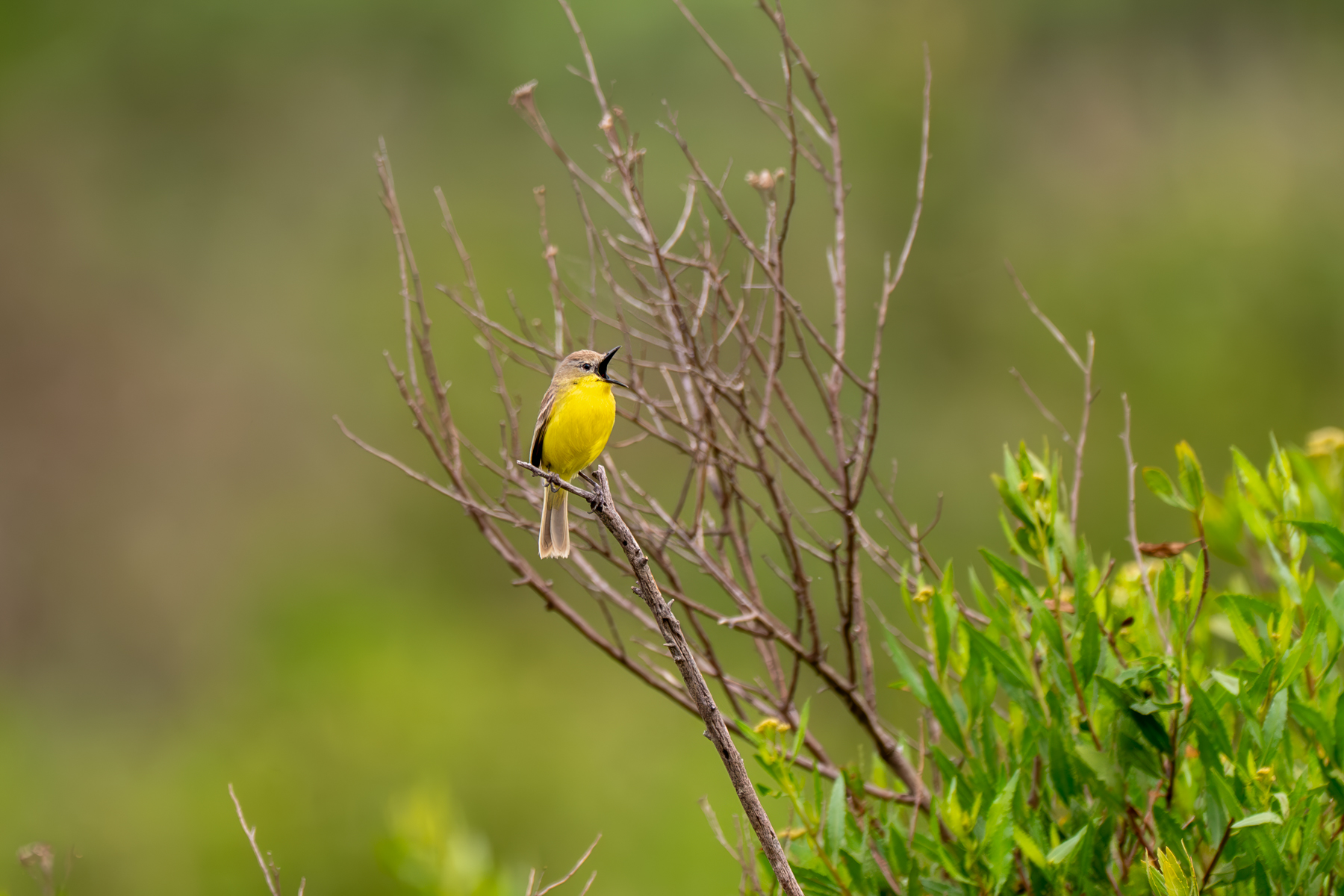
Dinelli's Doradito (image by Paul McLelland)
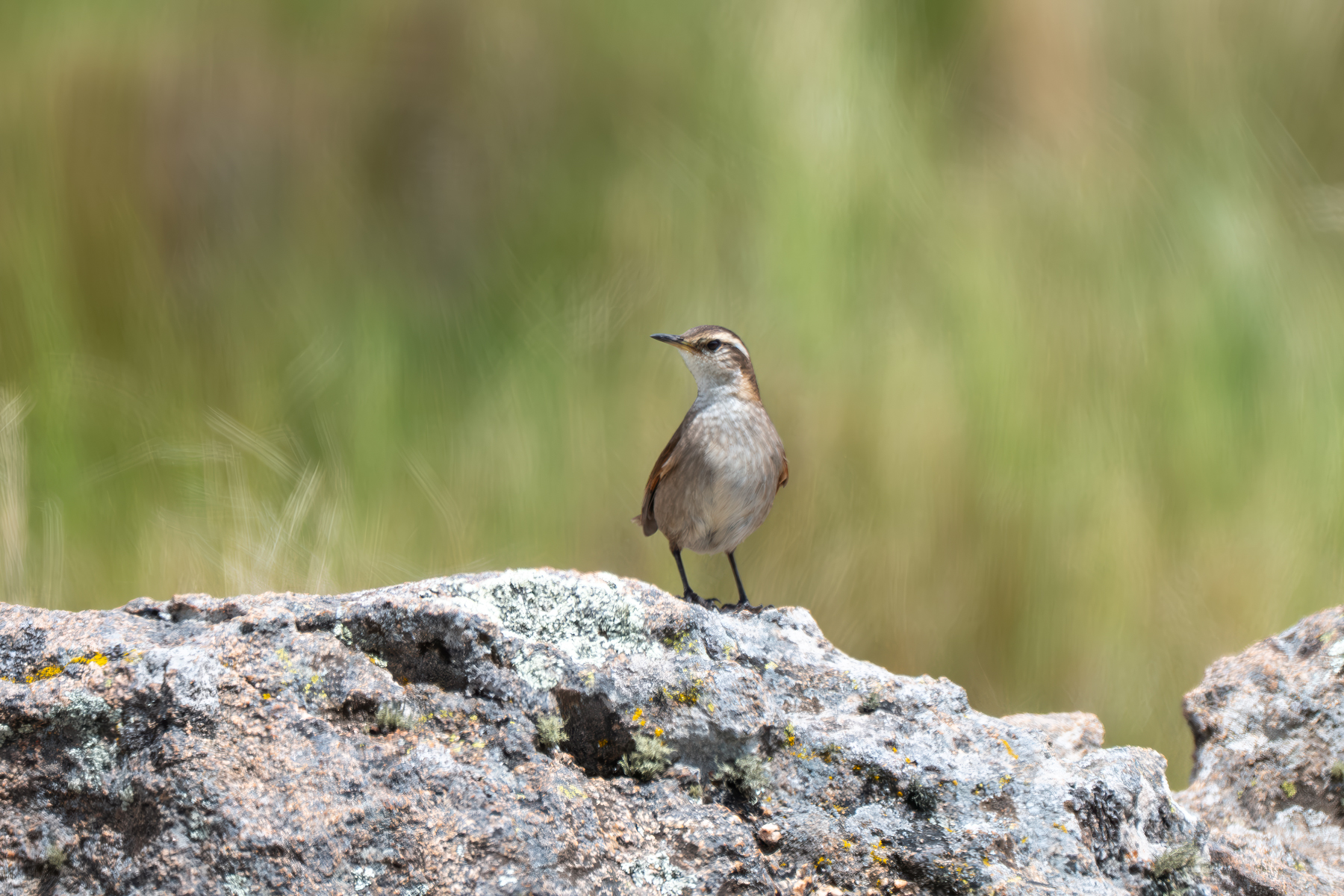
Cordoba Cinclodes (image by Paul McLelland)
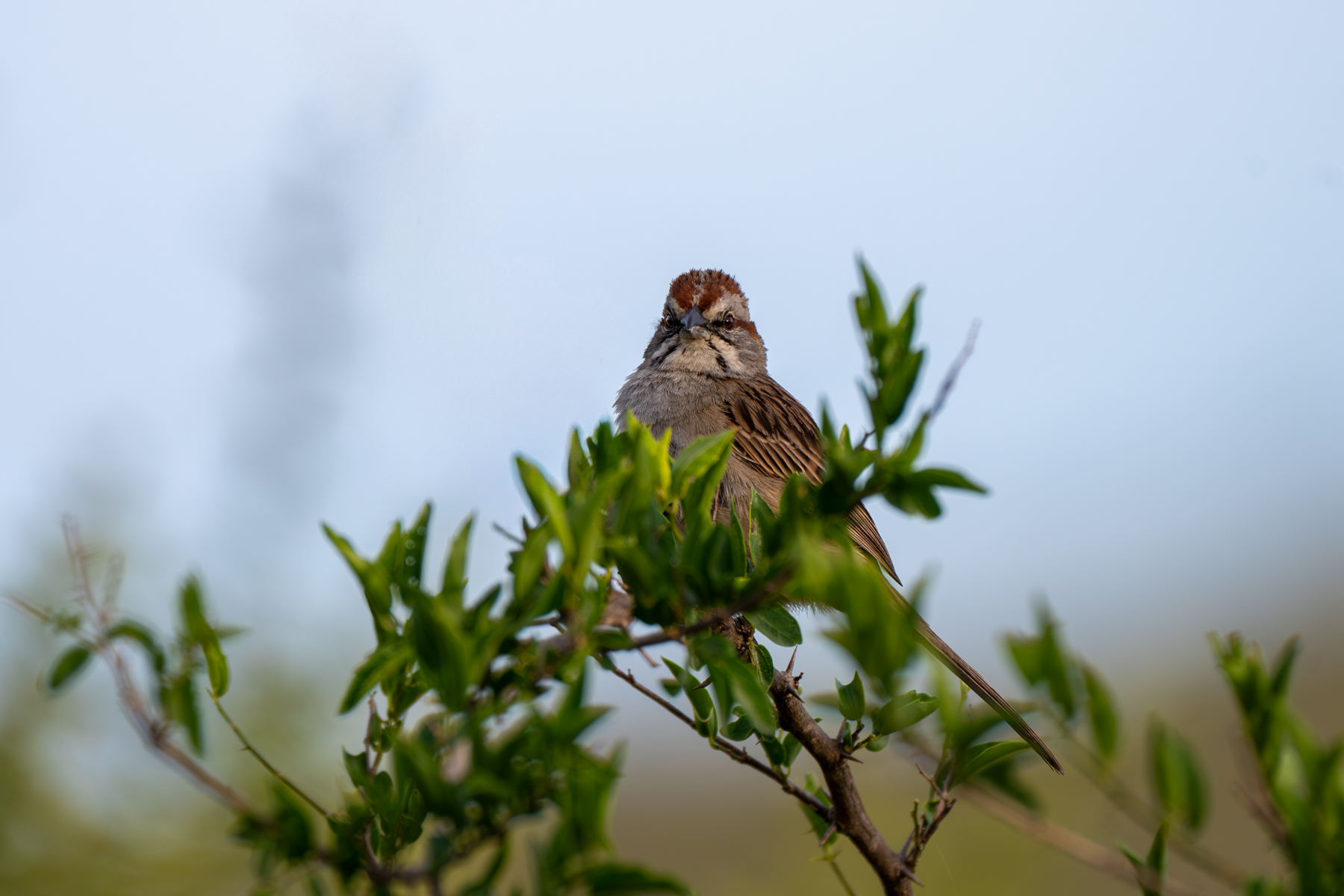
Chaco Sparrow (image by Paul McLelland)
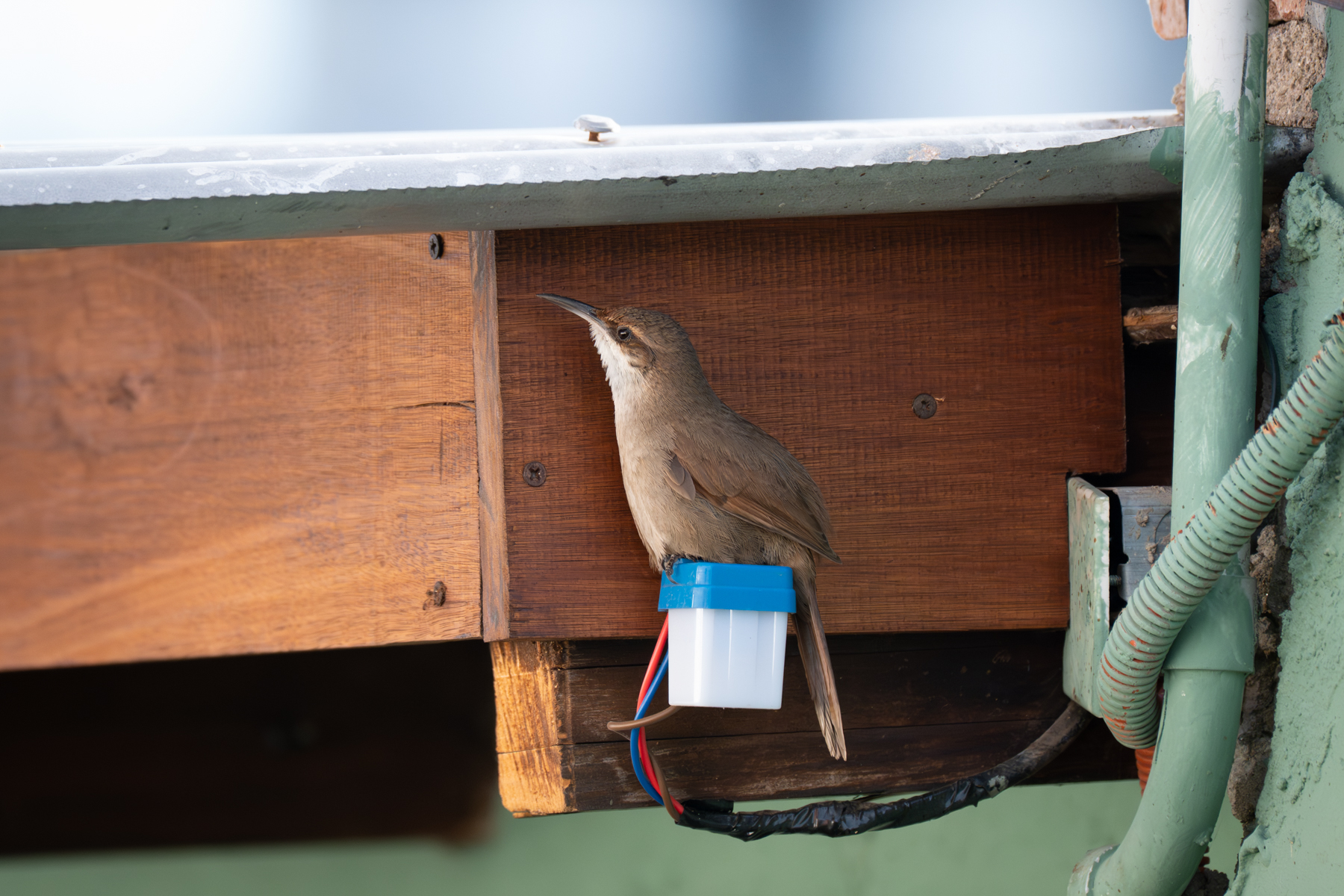
Chaco Earthcreeper (image by Paul McLelland)
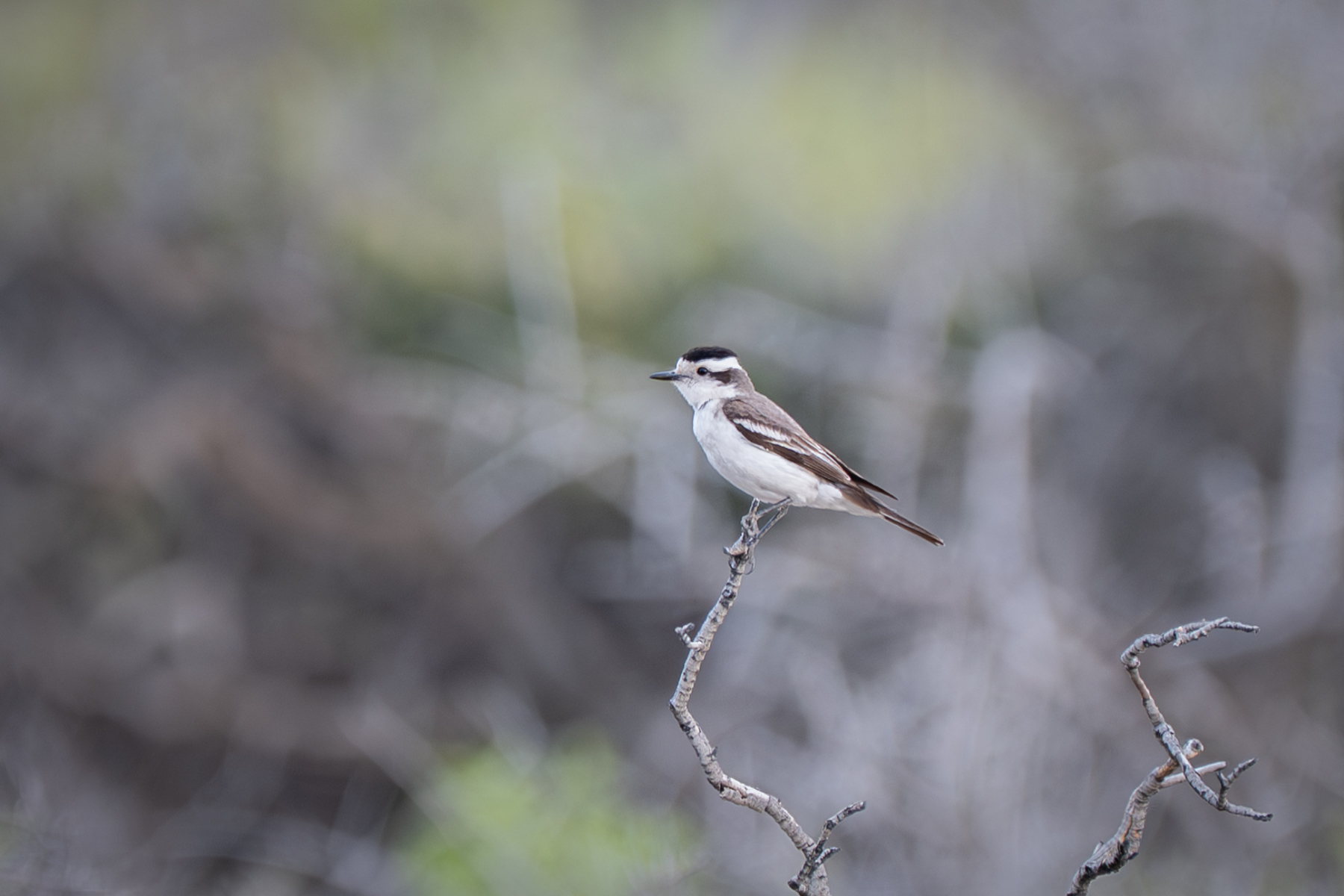
Black-crowned Monjita (image by Paul McLelland)
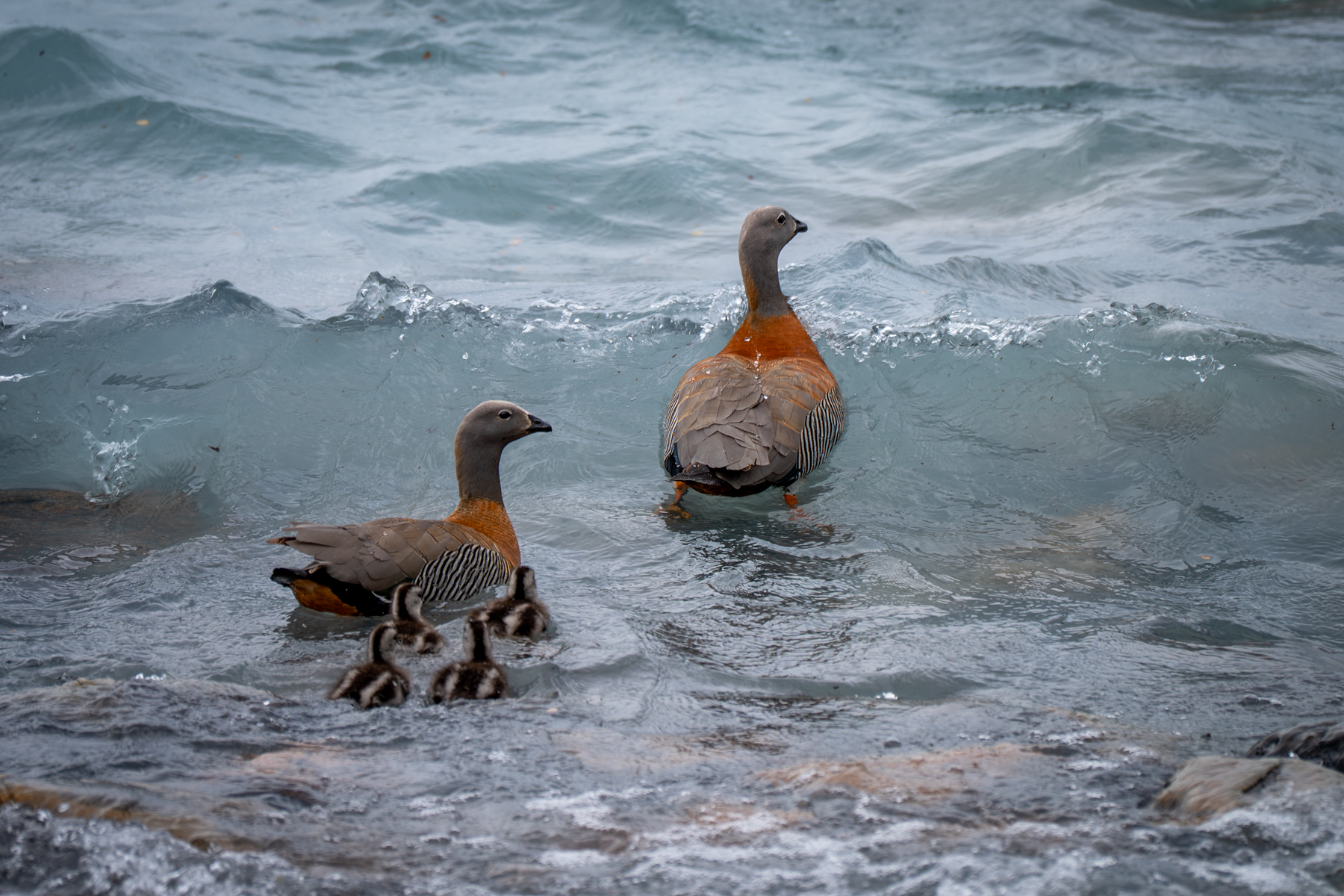
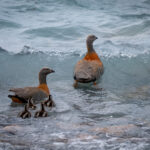
Ashy-headed Geese (image by Paul McLelland)
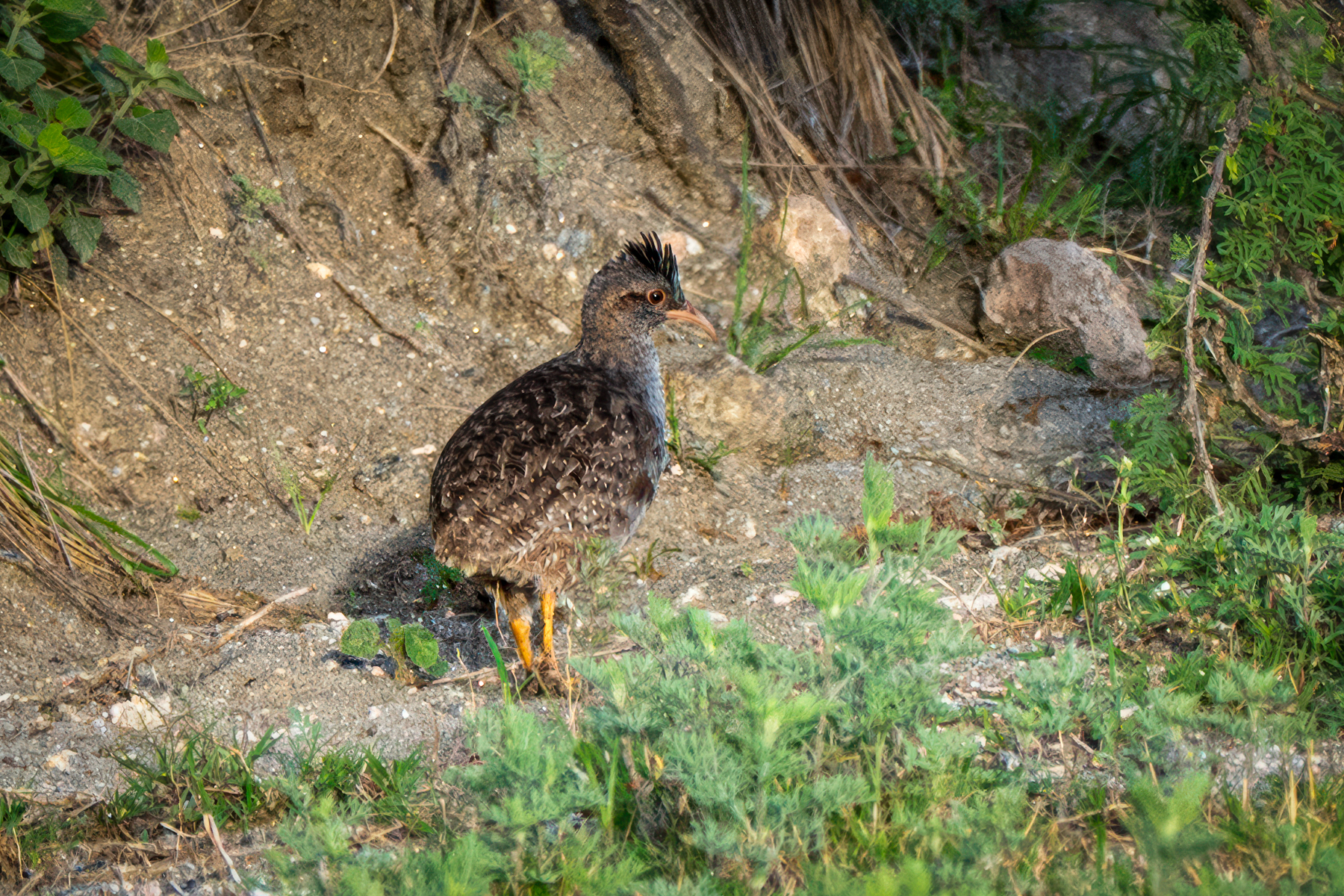
Andean Tinamou (image by Paul McLelland)
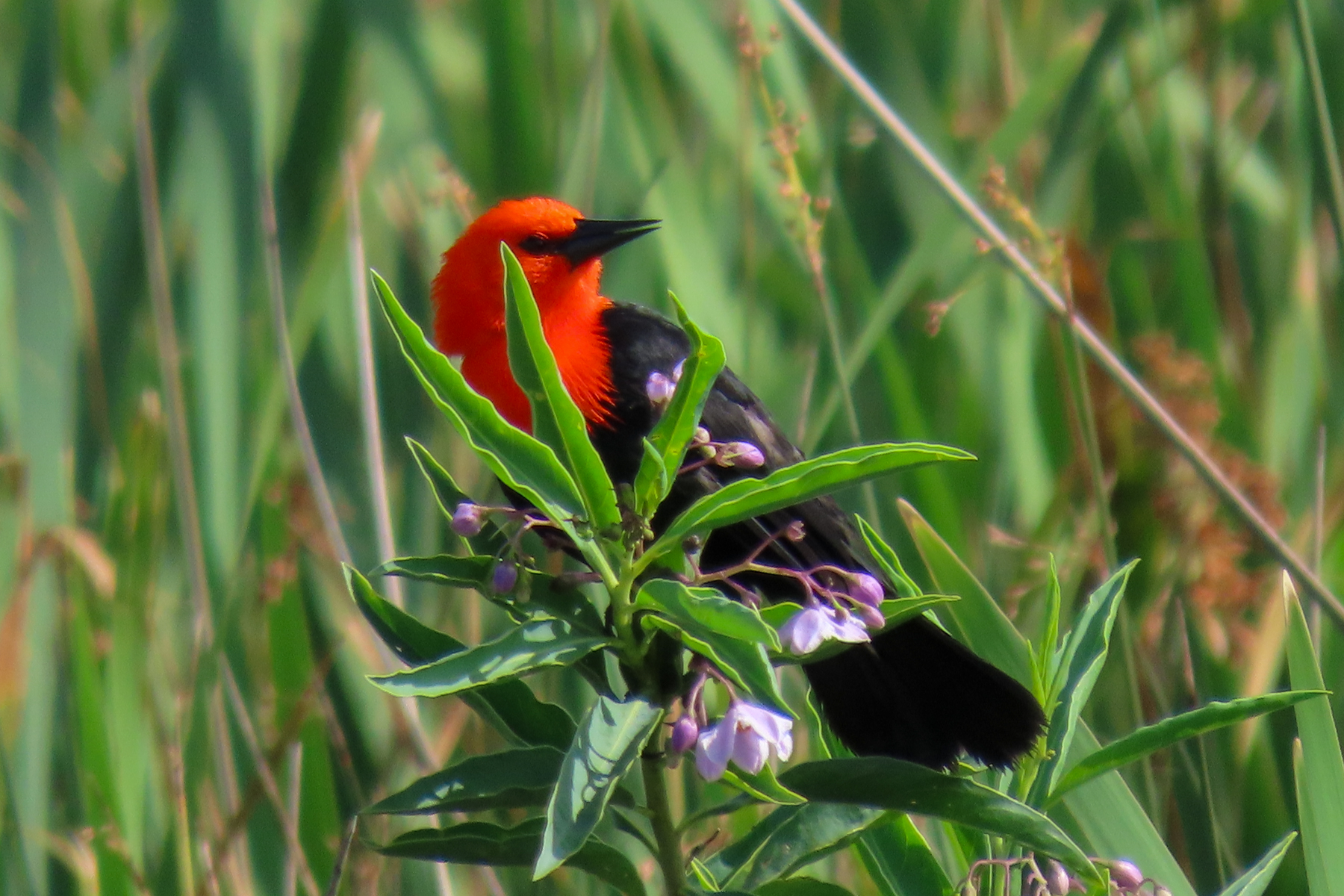
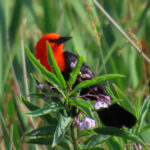
Scarlet-headed Blackbird (image by Mark Pearman)

Perito Moreno Glacier (image by Mark Pearman)
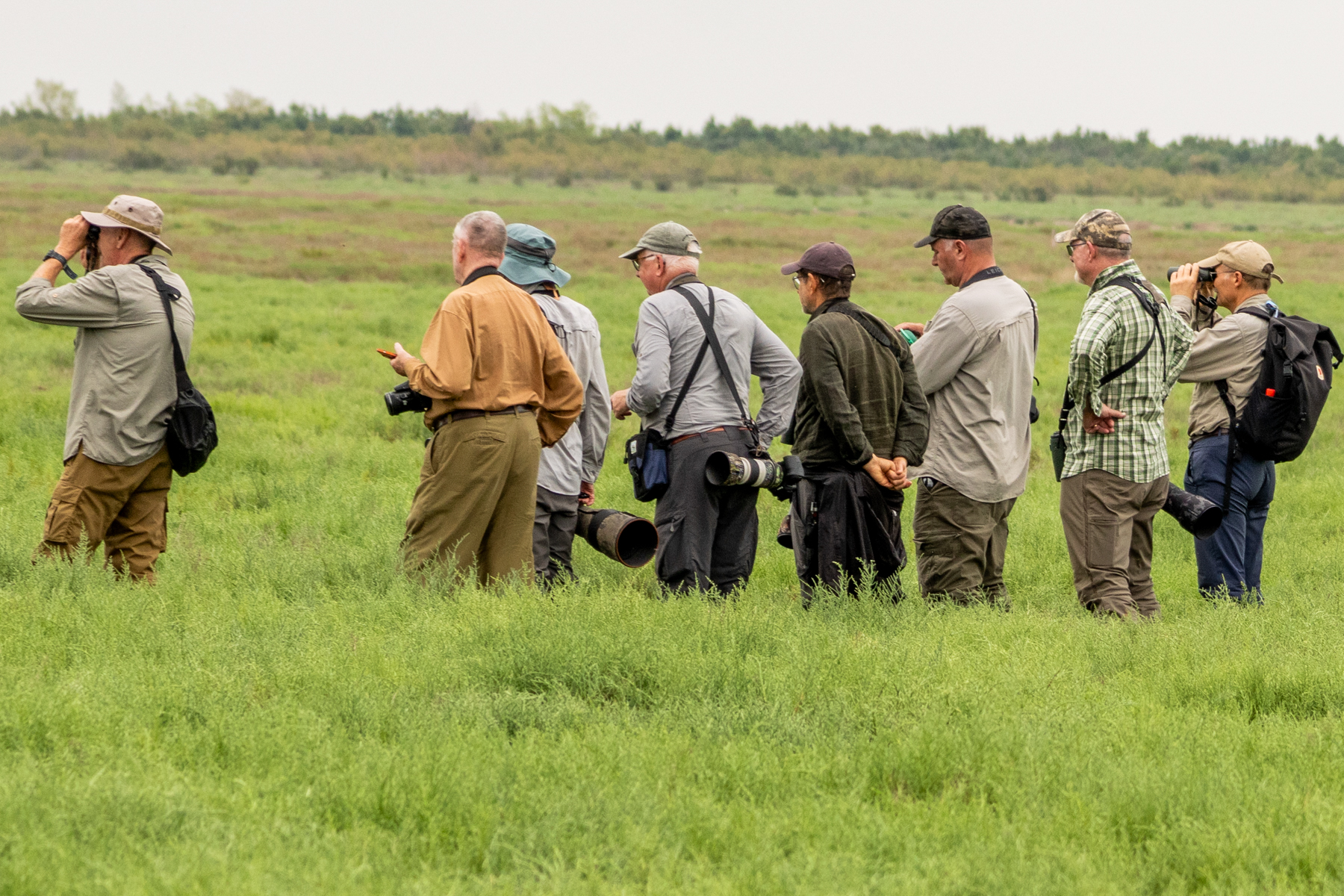
Craking at Mar Chiquita (image by Loukia Triantafyllis)
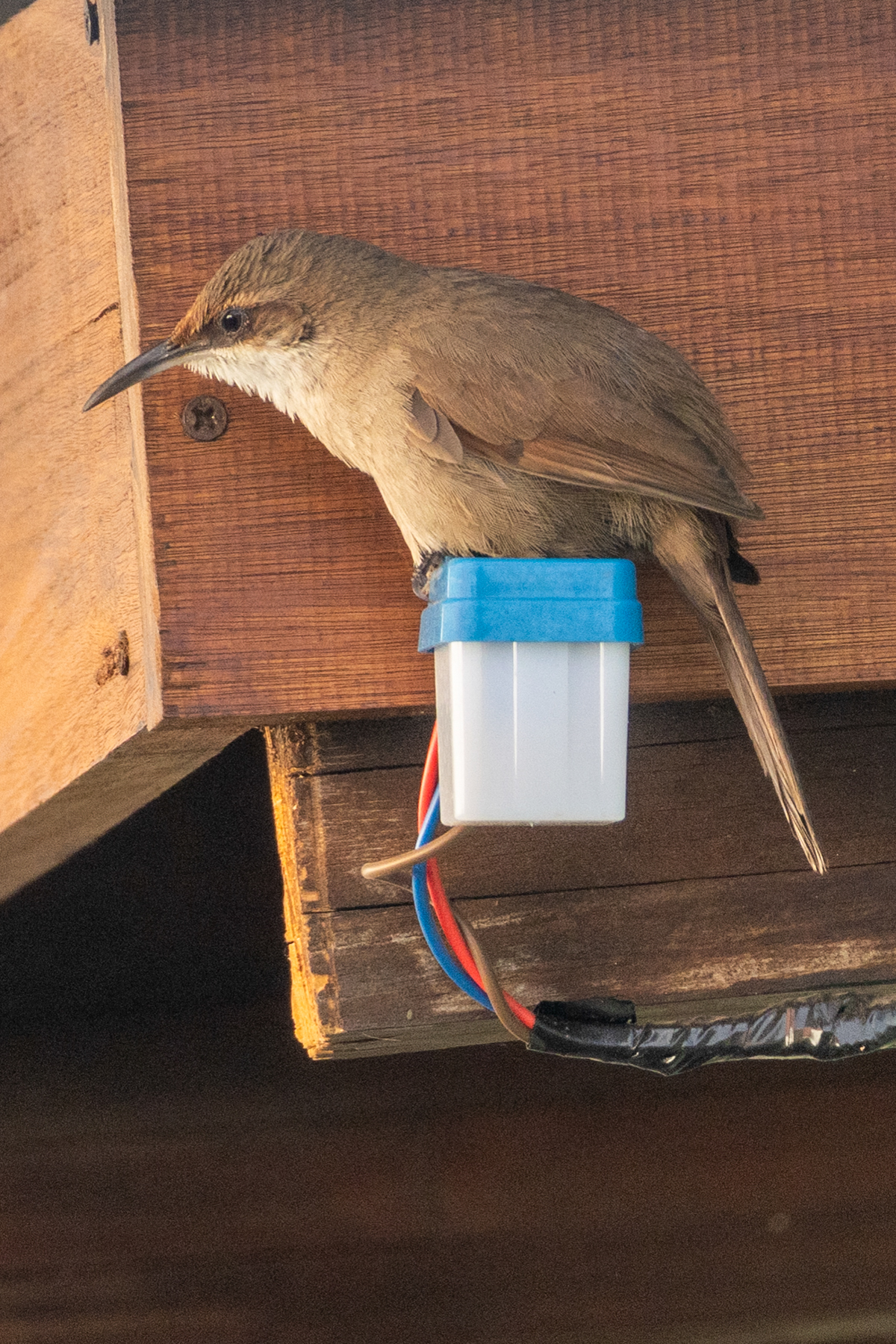
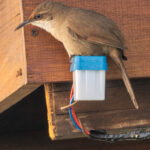
Chaco Earthcreeper (image by Petros Triantafyllis)
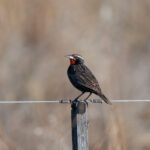
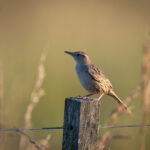
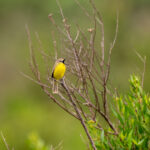



Pampas Meadowlark (image by Paul McLelland)
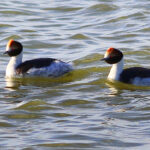
Hooded Grebes (image by Mark Pearman)
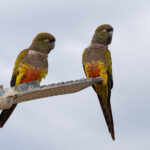
Burrowing Parakeets (image by Paul McLelland)
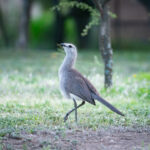
Black-legged Seriema (image by Paul McLelland)
Black-and-chestnut Warbling Finch (image by Mark Pearman)
Magellanic Woodpecker (image by Paul McLelland)
Cordoba Cinclodes (image by Petros Triantafyllis)
Scimitar-billed Woodcreeper (image by Loukia Triantafyllis)
White-fronted Woodpecker (image by Paul McLelland)
Striped Woodpecker (image by Paul McLelland)
Stripe-backed Bittern (image by Paul McLelland)
Salinas Monjita (image by Paul McLelland)
Red-tailed Comet (image by Paul McLelland)
Grey-breasted Seedsnipe (image by Paul McLelland)
Hudson's Canastero (image by Paul McLelland)
Magellanic Plover (image by Paul McLelland)
Magellanic Plover (image by Paul McLelland)
Many-coloured Rush Tyrant (image by Paul McLelland)
Dinelli's Doradito (image by Paul McLelland)
Cordoba Cinclodes (image by Paul McLelland)
Chaco Sparrow (image by Paul McLelland)
Chaco Earthcreeper (image by Paul McLelland)
Black-crowned Monjita (image by Paul McLelland)
Ashy-headed Geese (image by Paul McLelland)
Andean Tinamou (image by Paul McLelland)
Scarlet-headed Blackbird (image by Mark Pearman)
Perito Moreno Glacier (image by Mark Pearman)
Craking at Mar Chiquita (image by Loukia Triantafyllis)
Chaco Earthcreeper (image by Petros Triantafyllis)


SOUTHERN & CENTRAL ARGENTINA TOUR REPORT 2025

1 - 18 December 2025
Mark Pearman
Southern and Central Argentina 2025 was another success in over thirty years of Birdquest tours to this area. In Cordoba, central Argentina, we picked off the main targets one by one including Dinelli’s Doradito, Dot-winged Crake, Spot-winged Falconet, Red-tailed Comet, Salinas Monjita, Black-legged Seriema, Cordoba and Olrog’s Cinclodes and Chaco Sparrow. Then, in the Pampas, we added Greater Rhea, Stripe-backed Bittern, Olrog’s Gull, Hudson’s Canastero, Bay-capped Wren-Spinetail, Bearded Tachuri, Pampas Pipit and the endangered Pampas Meadowlark. By now MP had received news that Hooded Grebe was going to be even more tricky than usual due an almost complete lack of birds on the Strobel Plateau, and hatched a plan that meant re-routing in the far south and new logistics to another remote plateau.
The tour began in Cordoba, Argentina’s third largest city, from where we drove east to Mar Chiquita, a vast inland saline lake. En route, and at stops, we connected with various common species such as Guira Cuckoo, Picui Ground Dove, Eared Dove, Campo Flicker, Crested and Chimango Caracaras, American Kestrel, Monk Parakeets, Cattle Tyrant, Rufous Hornero, Shiny Cowbird, Rufous-collared Sparrow and Red-crested Cardinal. We also managed a Whistling Heron.
On the outskirts of the town of Miramar, our group was out of the bus very sharpish for the outrageous-looking Scimitar-billed Woodcreeper where our attention eventually also turned towards Spot-winged Pigeon, Chalk-browed Mockingbird and Southern and Brown-chested Martins. A short drive away, we began to add many common birds including Yellow-billed Teal, Common Gallinule, Neotropic Cormorant, Striated Heron, Glittering-bellied Emerald, Burrowing Owl, Green-barred Woodpecker, Great Kiskadee, Fork-tailed Flycatcher, Great Antshrike, Solitary Cacique, Greyish Baywing, Southern Yellowthroat, Saffron Finch and Double-collared Seedeater. Before long we enjoyed great close-ups of a singing Dinelli’s Doradito which only breeds in Argentina and at very few localities.
Next, we walked on a narrow track through thorn woodland and out into some marshes bordering Mar Chiquita, adding Dark-billed Cuckoo, Picazuro Pigeon, White-barred Piculet, Checkered Woodpecker, many White-tipped Plantcutters, Greater Wagtail-Tyrant, Fulvous-crowned Scrub Tyrant, Small-billed Elaenia, White Monjita, Chaco Earthcreeper for some, Brown Cacholote, Pale-breasted and Sooty-fronted Spinetails, Creamy-bellied Thrush, Yellow-winged Blackbird, a smart Many-colored Chaco Finch, Golden-billed Saltator, Great Pampa Finch, Black-capped Warbling Finch and Blue-and-yellow Tanager. Our main quarry was the elusive Dot-winged Crake and we managed two close flushed flight views after nailing it by voice to a particular spot. Our other main target was the skulking Olive-crowned Crescentchest of which we had already heard many that were not playing game. Finally, everyone had great views of two birds in the open.
In the morning, our first stop produced Plumbeous Rail, Collared and Two-banded Plovers, Lesser and Greater Yellowlegs, Black-necked Stilts, Brown-hooded Gulls, Maguari Stork, White-faced Ibis, White-rumped Swallow, Grey-breasted Martin, Masked Gnatcatcher, Southern House Wren, Correndera Pipit, Screaming Cowbird and Sayaca Tanager. We stopped at a bridge, finding a pair of Little Thornbirds where some saw a Brazilian Teal fly over and others saw a Green Kingfisher. Soon, we walked into taller woodland finding Narrow-billed Woodcreeper, Swainson’s and Streaked Flycatchers and Stripe-crowned Spinetail. Now, closer to the shores of Mar Chiquita we wandered out to check the waders, knowing there had been a recent Semipalmated Sandpiper which we re-located along with American Golden Plover, Wilson’s Phalarope, both yellowlegs, Stilt, Baird’s, Pectoral and White-rumped Sandpipers. There were a pair of White-cheeked Pintails, many Coscoroba Swans and a wall of pink in the hazy distance; thousands of Chilean Flamingos. We put up a Spotted Nothura on the walk back to the bus. A final stop further west in Mar Chiquita produced a Tawny-headed Swallow and lone Gull-billed and Snowy-crowned Terns. We sent Martin in to stomp for Painted Snipe, but his effort only added another Dot-winged Crake. A pair of Spot-backed Puffbirds posed nicely and sang a duet as we left for the sierras.
When we finally reached our comfortable lodgings in Capilla del Monte, a Chaco Earthcreeper was waiting under the eaves of one of the cabins and decided to show off, giving protracted views. Very strange behavior for a woodland bird! A pair of Variable Orioles also showed up in the gardens during the checklist.
We arrived at the Salinas Grandes by dawn, and kept a watchful eye along the track while birding the chaco woodlands quickly finding White-fronted Woodpecker, Southern Beardless Tyrannulet, Suiriri and Crowned Slaty Flycatchers, Crested Hornero, striking Lark-like Brushrunner and smart Black-crested Finch. A lack of scopes meant that most dipped the only Black-legged Seriema that crossed the track and was gone, but we all enjoyed good looks at Brushland Tinamou and a Chacoan Mara which was a new mammal for the tour and sat on its haunches for some time. After an hour or so, we eventually tracked down our first main target, the rare and often raucous Spot-winged Falconet.
Moving on to the edge of the salt flats, we immediately scored our main target which was waiting for us in the sueda. The gorgeous Salinas Monjita, described new to science in 1979, provided many views in its limited habitat being the narrow ecotone around the vast salt pan which is the size of Luxemburg. Here too we connected with an isolated population of Patagonian Mockingbird before heading back into the chaco woodlands. We added Tufted Tit-Spinetail before our exit in soaring temperatures. Back in Capilla del Monte, we added Chiguanco Thrush and a nice flock of Blue-crowned Parakeets, but it was getting too hot to bird and we still had a long drive to our next hub so packed up and left. The drive, through some interesting habitat with stunted Caranday Palms (Trithrinax campestris) afforded us a fly-by view of Buff-necked Ibis (the only one of the tour) and a Darwin’s Nothura that crossed the road. An initial search for better looks at Black-legged Seriema drew a blank, although we added Bran-colored Flycatcher.
At dawn, we were back on the case of the Black-legged Seriema and this time homed in to a most likely spot. I asked a local if he had seen it, who replied that he had just heard them. Just around the corner we had a bold seriema come running in aggressively towards us, while we could hear its mate. We had multiple looks at this typically shy and elusive bird, in an angry and unsettled state. We enjoyed plenty of looks and then left him in peace. Adding a Chivi Vireo before breakfast, we headed to another area, clinching the gorgeous Black-and-chestnut Warbling Finch and well behaved Straneck’s Tyrannulet.
It was time to cross the Sierras Grandes (or Altas Cumbres) which would see us drive over a 2200 m. mountain range. A first stop produced Band-tailed Sedeater and an unexpected pair of absolutely stunning Red-tailed Comets. Higher up, we connected with Cliff Flycatcher, Blue-and-white Swallow, White-winged Cinclodes, Grass Wren and Grey-hooded Parakeet as a noisy flock of White-collared Swifts whizzed past. At high altitude Variable Hawk, Black-chested Buzzard-Eagle and Andean Condor cruised by, but we were here for passerines; endemic ones! The endemic Cordoba Cinclodes fell easily with fine close ups but we were struggling to see Olrog’s Cinclodes and the “Sierran” Meadowlark being late in the year for breeding and hot in the day for activity. Eventually we nailed one of each but that took time. Lower down, and back in the heat, we failed to connect with Chaco Sparrow, a virtual endemic which has been only otherwise been rarely recorded in Paraguay in winter. With a delay in our flight to Buenos Aires, a hasty plan of action was drawn up for the morning in order to clinch that rogue sparrow.
After a night of beef-bingeing at a family asado, we headed back into the sierras and soon caught up with an Andean Tinamou that had been a heard only until now. Then we nailed the sparrow; just one, but very obliging. Heading to a site for the argentina form of Olive-crowned Crescentchest, Paul got us onto a female Blue-tufted Starthroat which was a result. Finally, we heard the crescentchest on a steep hillside, but our extended efforts drew a blank, not that we were complaining after adding three quality species that we would have missed if it were not for the change of flight.
Now in Buenos Aires, we met up with our driver Juan, and headed off into the vast Pampas. A first major stop produced Rosy-billed Pochard, Yellow-billed Pintail, White-tufted Grebe, Limpkin, Wattled Jacana, Bare-faced Ibis, Roseate Spoonbill and Great Egrets as a Long-winged Harrier and Snail Kite sailed by. Before long, we were scoping our first Greater Rheas and a dedicated stop produced a displaying male Bearded Tachuri, Firewood-gatherer, unexpected Bay-capped Wren-Spinetails which are usually found in marshes, White-browed Meadowlark, Brown-and-yellow Marshbird, Grassland Yellow Finch and Black-and-rufous Warbling Finch. Our main target was the localized Hudson’s Canastero which eventually showed well.
We had a busy day around San Clemente reaching a first spot for four Pampas specialties which all showed in quick succession. We had quick response from Sulphur-bearded Reedhaunter and Freckle-breasted Thornbird, then a short walk provided us with Warbling Doradito and the smart Long-tailed Reedfinch. Here too we added White-crested Tyrannulet and Vermilion Flycatcher. Roadside stops provided us with the fluorescent Scarlet-headed Blackbird, Wren-like Rushbird and Yellow-browed Tyrant while a visit to a nearby estancia produced abundant Southern Screamers, Lake Duck, Black-necked Swan, Silver Teal, Chiloe Wigeon, Red-fronted and Red-gartered Coots. The rushes also held Sooty Tyrannulet and the stunning Many-colored Rush Tyrant, while the star bird was Stripe-backed Bittern with three seen.
Back in town we eventually tracked down a White-throated Hummingbird and bagged a surprise write-in Gilded Sapphire in the process. Finally, we checked the port and walked to Punta Rasa point as the road was trashed. We enjoyed a good variety of waders which included American Oystercatcher, Red Knot, three hundred or so Hudsonian Godwits and hundreds of White-rumped Sandpipers. Many Kelp Gulls and a single Grey-headed Gull were noted along with a large roost of Common Terns with many Royal and Cabot’s Terns plus a single Gull-billed Tern.
A first stop on our long drive to Bahia Blanca produced the expected Curve-billed Reedhaunter, looking rather like a large Acrocephalus warbler. A lake stop for lunch produced White-faced and Fulvous Whistling Ducks and our first Red Shovelers. By the time we got to Bahia Blanca we saw our first macaw-like Burrowing Parrots but couldn’t stop due to traffic. The tide was far out in the estuary and looked quite empty from an initial scan. Then, the Olrog’s Gull came to us as it were, and we were able to study all the identification features of this crab specialist which essentially only breeds here.
In the morning our main quarry was the endangered Pampas Meadowlark and we set off to a traditional site. We soon connected with our first Elegant Crested Tinamous, Common Miners of the hellmayri form and Grassland Sparrow. Eventually, we were able to compare White-browed, Long-tailed and Pampas Meadowlarks almost side by side. We only managed to see four Pampas Meadowlarks with some displaying, although it was late in the year. Here too we added a displaying Pampas Pipit. Finally, Swainson’s Hawks, White-tailed Kite and a second Darwin’s Nothura were noted on the way back.
Our next port of call was a sandy track through Calden woodland (Prosopis caldenia) in the province of La Pampa holding five endemic/ endemic breeders. White-banded Mockingbird was the most conspicuous of these. Soon we connected with a male White-winged Black Tyrant and a female Hudson’s Black Tyrant, not the direct comparison we hoped for, but satisfactory. A displaying male Carbonated Sierra Finch was the only one of the tour, although we didn’t serach for more. Here too we added Short-billed Canastero, a splendid and obliging male Cinnamon Warbling Finch, and more looks at Straneck’s Tyrannulets. It was becoming like a furnace and we needed to retreat. Soon after turning around, a Pampas Cat ran across the road in a diagonal at close range in front of the bus; it’s most striking features were its thickset back-banded tail, plain back and large head. Gordon Bennet! A fortunate encounter since the pajeros form is seldom seen, compared to the Andean form. The long drive to Las Grutas provided little, due to the heat, except for more Cinnamon Warbling Finches and the wonderful Patagonian Mara, like a cross between a deer and kangaroo but actually a rodent.
The monte desert of Las Grutas is a well-known hotspot for endemics and at dawn we quickly found Patagonian Canastero and Sandy Gallito, both giving protracted views. Scale-throated Earthcreeper and Plain-mantled Tit-Spinetail also showed well. Then, after a short we walk, the stunning Black-crowned Monjita showed up in a usual territory. Further down the road several endemic White-throated Cacholotes put on a show and we could compare the very different displays of male Hudson’s and male White-winged Black Tyrant which otherwise look identical. Other species in the area included our first Austral Thrush and Diuca Finch, and a surprise Black-faced Ibis.
Trelew sewage lakes were thriving with ducks and perhaps as many as ten thousand Chilean Flamingos. Red Shoveler and Yellow-billed Pintails were abundant and we also noted a few White-winged Coots. Coastal stops produced Flying Steamer Duck, Crested Duck and Southern Right Whales could be seen fluking and blowing far offshore. A seawatch produced Great Grebe, Arctic Skua, South American Tern, and both Rock and Imperial Shags.
In the morning we headed south on the old road to Punta Tombo but within 10 km, a stone shattered a large side window of the bus. Whether the window was already weakened or not, we will never know but this may have been a blessing in disguise had it happened in a more remote place. We lost much of the morning getting a plastic replacement that could withstand the relentless Patagonian wind. Back on the same road, we quickly found the endemic Rusty-backed Monjita which showed well. Adding our first Austral Negritos, Mourning Sierra Finches and Upland Geese we made haste on the tarmac to Camarones. Blackish Oystercatchers and a pair of endemic Chubut Steamer Ducks were studied in town and we also noted two Humpback Whales close inshore, heading north. Just down the road, a Magellanic Horned Owl with two chicks waited for us in their cave, providing nice looks. After a couple of Sharp-billed Canasteros, Grey-hooded Sierra Finch and our first group of Lesser Rheas we arrived at Cabo Dos Bahias and had the penguin colony to ourselves. There were numerous young of different ages, while guanaco grazed through the colony. The large South American Sea Lion hauling ground had attracted many Dolphin Gulls, Snowy Sheathbills and Brown Skuas which added to the atmosphere.
With new logistics to reach the Buenos Aires Meseta for Hooded Grebe, we set off early but had to stop at a likely area for the now overdue Band-tailed Earthcreeper. Done and dusted, we were on our way. We only passed through one city and one town in what turned into an epic 17-hour drive. The only new birds of note in the endless steppe were Silvery Grebe, the first of many Least Seedsnipe and Grey-bellied Shrike-Tyrant. JF got us onto the first Tawny-throated Dotterel which had two chicks, and Bob found us a group of Black-chinned Siskins by a bridge. We experienced severe cross winds and wondered whether the window would pop. We were in one of the least populated areas of the planet, but we did have 5G Starlink and were thus connected to the outside World in case of an emergency. Finally, at a checkpoint we noticed that some military had stopped traffic from driving along the road we had just navigated. Eventually we reached the shores of the vast Lago Buenos Aires which looked more like the sea than a lake with continuous tall waves and white water.
After all our effort, in the morning we could feel that the grebes were in our grasp. We met up with Pablo and the rest of the gauchos after a couple of hours drive and switched to four wheel drives. The wind had weakened but was still enough to rip the door off a vehicle. There are ways of opening gates and car doors in Patagonia. An hour later and we were watching Hooded Grebes in all their glory; twenty-eight of them on two lakes. There were smiles all around and a sign of relief, after such a journey, overland from Buenos Aires. Some of the grebes were rebuilding their nests that had been swept away the day before. We had plenty of time to sit and enjoy the grebes, and also added White-throated Caracara, Short-billed Miner, the superb Chocolate-vented Tyrant, Cinnamon-bellied Ground Tyrant, a pair of Grey-breasted Seedsnipe and Chilean Swallows.
It would take us another day’s driving to get back on track with the itinerary. But, we did arrive at our welcoming estancia in time to try for the Austral Rail, a species which was believed extinct for 49 years until it was rediscovered by a friend of Marks at this very spot. Almost immediately, we heard three and after less than an hour of trying, everyone managed decent views of this often tricky species.
In the morning we ventured onto the Strobel Plateau seeing plenty of Tawny-throated Dotterels and Least Seedsnipe, and finally connected with an Aplomado Falcon while some managed a Spot-billed Ground Tyrant. Heading south, we reached El Chalten and the Patagonian forest, adding our first Magellanic Snipe en route, and Bob got us onto some Patagonian Yellow Finches. We had reached civilization, a town full of trekkers and mountaineers, who had come to experience Mount Fitzroy and the surrounding massif, inside Los Glaciares National Park. The change of scenery and the chance of some forest birding was also most welcome for us. Our local park guide Evangelina had a few birds up her sleeve as well and we had a whole bunch of targets although the huge Magellanic Woodpecker was surely at the top of the list. In no time at all we were watching White-browed Ground Tyrant, Rufous-banded Miner and Plumbeous Sierra Finch on a rocky slope followed by Chilean Flicker, Fire-eyed Diucon, White-crested Elaenia, Patagonian Sierra Finch, stunning White-throated Treerunner and, of course, the ubiquitous and delightful Thorn-tailed Rayadito. After walking a few stretches of forest, a sudden double drum-tap meant only one thing and before we knew it, we were watching a pair of superb Magellanic Woodpeckers. Not only this, but we found the nest. Understandably, they were quite nervous, and the sudden appearance of uncommunicative French Canadian birders didn’t help. But we were happy with our views and still had plenty of targets. Just up the road we homed in on a pair of Black-throated Huet-huets, one of the largest of all tapaculos, one even foraging in the roadside leaf litter. One thing leads to another and soon we were watching a sneaky little Magellanic Tapaculo, creeping around and giving some point blank views. Then, Paul got us on to a juvenile Austral Pygmy Owl, that just sat around in the open. At the end of the road, Evangelina lead us into the woods where she had a pair of Patagonian Tyrants staked out, which was a nice bonus at this latitude. On the way back to town, we stopped once again for the outstanding Spectacled Duck, finding a pair which quickly disappeared into the forest. Only half of the group managed to get some views but need not have worried since we then found four more of these large and strange-looking ducks in the open.
In the morning we still had some outstanding targets and visited Evangelina’s local patch where we nabbed three common, but outstanding species. Firstly, we had a single perched Austral Parakeet; the World’s southernmost parrot. Soon after we bagged a Buff-winged Cinclodes and then a handsome pair of weird Rufous-tailed Plantcutters. One bird that did give us a merry dance was Striped Woodpecker and it took us quite a walk to nail one down, eventually for splendid views.
Rejuvenated by our El Chalten experience we were on our way to El Calafate, gateway to the Perito Moreno Glacier, and another sector of Los Glaciares National Park. When we arrived, we were so anxious for the next mega target that we went straight for it before the hotel. That was a mistake, or at least the power of the Patagonian wind once again showed us who was boss. We just couldn’t walk in it, and hid beside a lone tree trying to get some views of the shore which was a waste of time. So we dumped our gear, re-grouped and headed out to another site, the breeding headland. On the way, we bagged a smart pair of Magellanic Oystercatcher, appreciating all the finer identification details. But it was now or never for Magellanic Plover and we had to cope with the wind, and walk back against the wind. It turned out to not be so bad as we originally feared but there was some distance to cover on sand and shingle. Then JF got us onto a first bird, and we crept up closer and closer to watch a pair, shielding each other for scope views of this outstanding species, in its own family, enjoying great looks.
We could now enjoy a relaxed final day at the glacier, picking up the odd outstanding species and marveling at the scenery and vast glacier with 50 sq km of exposed visible ice. Our local guide Ale is a nice enough chap and helped with the birds, even if he does support the unpresentable Boca Juniors. Our first stop in the morning saw us searching for Austral Canastero at a classic site which drew a blank, but would not be our last chance. Once we reached the forest, we scoped the only Austral Blackbird of the tour. Then, at a distance of 9 km from the glacier, we could begin to appreciate the magnitude of the glacier which has been shrinking for the first time in its history during the last five years. Both arms of Lago Argentina were strewn with icebergs, indicative of an accelerated frontal collapse, compared to very few icebergs years ago. By the time we reached the face of the glacier, we could feel the cold and set about searching for Dark-bellied Cinclodes and Dark-faced Ground Tyrant. Both cost us a lot more time than usual, perhaps due to disturbance by kayakers. Eventually we enjoyed scope studies of both. In the process, we stumbled upon a magnificent pair of Ashy-headed Goose with four chicks, another species that appears to be declining in both Chile and Argentina.
After enjoyed all sorts of views of the glacier at different levels, we stole ourselves away for one last outstanding species. On higher ground, outside of the park we tracked down the Austral Canastero for great views. Just as we were leaving, an Ochre-naped Ground Tyrant, usually of much higher altitude, showed up as a bonus bird.
A long, very long, one-way drive from Buenos Aires through the Pampas and through the back roads of much of the length of Patagonia meant we fulfilled so many goals. We had experienced and lived Patagonia to its full, its birds, its mammals, its wilderness, its gauchos, its weather, the big skies and endless roads.
Top birds of the tour
- Hooded Grebe
- Magellanic Plover
- Magellanic Woodpecker
- Black-legged Seriema
- Tawny-throated Dotterel
SYSTEMATIC LIST OF SPECIES RECORDED DURING THE TOUR
Species marked with the diamond symbol (◊) are either endemic to the country or local region or considered ‘special’ birds for some other reason (e.g., it is only seen on one or two Birdquest tours; it is difficult to see across all or most of its range; the local form is endemic or restricted-range and may in future be treated as a full species).The species names and taxonomy used in the bird list follows Gill, F., Donsker, D., & Rasmussen, P.(Eds). 2025. IOC World Bird List (v15.1).
Where the subspecies seen is/are known, these are often given in parentheses at the end of the species comment.
Species which were not personally recorded by the leaders are indicated by the symbol (NL).
Species which were only seen by the leader are indicated with (LO).
Species which were heard only are indicated with (H)
Species that were only seen on the tour extension are marked with (X).
Species marked with the diamond symbol (◊) are either endemic to the country or local region or considered ‘special’ birds for some other reason (e.g. only seen on one or two Birdquest tours; difficult to see across all or most of its range; the local form is endemic or restricted-range and may in future be treated as a full species.
Lesser Rhea ◊ (Darwin’s R) Rhea pennata
Greater Rhea Rhea americana
Elegant Crested Tinamou ◊ Eudromia elegans
Darwin’s Nothura ◊ Nothura darwinii
Spotted Nothura Nothura maculosa
Red-winged Tinamou ◊ Rhynchotus rufescens (H)
Brushland Tinamou ◊ Nothoprocta cinerascens
Andean Tinamou ◊ Nothoprocta pentlandii
Tataupa Tinamou Crypturellus tataupa (H)
White-faced Whistling Duck Dendrocygna viduata
Fulvous Whistling Duck Dendrocygna bicolor
Lake Duck ◊ Oxyura vittata
Ruddy Duck Oxyura ferruginea
Coscoroba Swan ◊ Coscoroba coscoroba
Black-necked Swan ◊ Cygnus melanocoryphus
Greylag Goose (intr) Anser anser
Upland Goose ◊ Chloephaga picta
Ashy-headed Goose ◊ Chloephaga poliocephala A pair with chicks at Los Glaciares NP.
Crested Duck Lophonetta specularioides
Bronze-winged Duck (Spectacled D) ◊ Speculanas specularis NT Six at El Chalten.
Flying Steamer Duck ◊ Tachyeres patachonicus
Chubut Steamer Duck ◊ Tachyeres leucocephalus
Silver Teal Spatula versicolor
Red Shoveler ◊ Anas platalea
Cinnamon Teal Anas cyanoptera
Chiloe Wigeon ◊ Anas sibilatrix
White-cheeked Pintail Anas bahamensis
Yellow-billed Pintail Anas georgica
Yellow-billed Teal (Speckled T) Anas flavirostris flavirostris
Chaco Chachalaca ◊ Ortalis canicollis (H)
Chilean Flamingo Phoenicopterus chilensis
White-tufted Grebe Rollandia rolland
Great Grebe Podicephorus major
Silvery Grebe Podiceps [occipitalis] occipitalis
Hooded Grebe ◊ Podiceps gallardoi A total of 28 with nesting activity.
Guira Cuckoo Guira guira
Striped Cuckoo Tapera naevia (H)
Dark-billed Cuckoo Coccyzus melacoryphus
Picui Ground Dove Columbina picui
White-tipped Dove Leptotila verreauxi
West Peruvian Dove Zenaida meloda
Eared Dove Zenaida auriculata
Picazuro Pigeon Patagioenas picazuro
Spot-winged Pigeon Patagioenas maculosa
Feral Pigeon (Rock Dove) Columba livia The less said, the better.
Limpkin Aramus guarauna
Plumbeous Rail Pardirallus sanguinolentus
Austral Rail ◊ Rallus antarcticus One showed well, but briefly, in Santa Cruz.
Common Gallinule Gallinula galeata
Red-fronted Coot ◊ Fulica rufifrons
Red-gartered Coot ◊ Fulica armillata
White-winged Coot Fulica leucoptera
Dot-winged Crake ◊ Laterallus spiloptera Close-up flight views at two sites at Mar Chiquita.
Magellanic Plover ◊ Pluvianellus socialis VU Prolonged studies of a pair at El Calafate.
Snowy Sheathbill ◊ Chionis albus
Black-necked Stilt (White-backed S) Himantopus mexicanus melanurus
Magellanic Oystercatcher ◊ Haematopus leucopodus
Blackish Oystercatcher Haematopus ater
American Oystercatcher Haematopus palliatus
Grey Plover Pluvialis squatarola
American Golden Plover Pluvialis dominica
Tawny-throated Dotterel Oreopholus ruficollis Numerous in Santa Cruz.
Southern Lapwing Vanellus chilensis
Collared Plover Anarhynchus collaris
Two-banded Plover ◊ Anarhynchus falklandicus
Grey-breasted Seedsnipe Thinocorus orbignyianus
Least Seedsnipe Thinocorus rumicovorus
Wattled Jacana Jacana jacana
Hudsonian Godwit Limosa haemastica
Pantanal Snipe (South American S) Gallinago paraguaiae (H)
Magellanic Snipe ◊ Gallinago magellanica
Wilson’s Phalarope Phalaropus tricolor
Lesser Yellowlegs Tringa flavipes
Greater Yellowlegs Tringa melanoleuca NT
Ruddy Turnstone Arenaria interpres
Red Knot Calidrus canutus
Stilt Sandpiper Calidris himantopus
Buff-breasted Sandpiper Calidris subruficollis Locally common on the Pampas.
Baird’s Sandpiper Calidris bairdii
Pectoral Sandpiper Calidris melanotus
Semipalmated Sandpiper Calidris semipalmatus One at Mar Chiquita, Cordoba.
White-rumped Sandpiper Calidris fuscicollis
Parasitic Jaeger (Arctic Skua) Stercorarius parasiticus
Brown Skua ◊ Stercorarius antarcticus
Black Skimmer Rynchops niger
Gull-billed Tern Gelochelidon nilotica
Sandwich Tern (Cabot’s T) Thalasseus sandvicensis acuflavidus
Royal Tern Sterna maxima
Snowy-crowned Tern Sterna trudeaui
South American Tern Sterna hirundinacea
Common Tern Sterna hirundo
Grey-headed Gull Chroicocephalus cirrocephalus
Brown-hooded Gull ◊ Chroicocephalus maculipennis
Dolphin Gull ◊ Leucophaeus scoresbii
Olrog’s Gull ◊ Larus atlanticus
Kelp Gull Larus dominicanus
Magellanic Penguin ◊ Spheniscus magellanicus
Southern Giant Petrel Macronectes giganteus
Maguari Stork Ciconia maguari
Neotropic Cormorant Phalacrocorax brasilianus
Rock Shag ◊ Phalacrocorax magellanicus
Imperial Shag ◊ Phalacrocorax atriceps
Buff-necked Ibis Theristicus caudatus One in flight, north of Mina Clavero.
Black-faced Ibis ◊ Theristicus melanopis
Bare-faced Ibis Phimosus infuscatus
White-faced Ibis Plegadis chihi
Roseate Spoonbill Platalea ajaja
Stripe-backed Bittern Ixobrychus involucris Three in the Pampas.
Whistling Heron Syrigma sibilatrix
Snowy Egret Egretta thula
Black-crowned Night Heron Nycticorax nycticorax
Striated Heron Butorides striatus
Great Egret Ardea alba
Western Cattle Egret Ardea ibis
Cocoi Heron Ardea cocoi
White-collared Swift Streptoprocne zonaris
Green-backed Firecrown ◊ Sephanoides sephaniodes
Red-tailed Comet Sappho sparganura Stunning close-ups.
Blue-tufted Starthroat ◊ Heliomaster furcifer
Glittering-bellied Emerald Chlorostilbon lucidus
Gilded Sapphire Hylocharis chrysura One at San Clemente was unusual, and a write-in.
White-throated Hummingbird ◊ Leucochloris albicollis
American Barn Owl Tyto furcata (H)
Burrowing Owl Athene cunicularia
Austral Pygmy Owl ◊ Glaucidium nanum
Magellanic Horned Owl (Lesser H O) ◊ Bubo magellanicus
Andean Condor Vultur gryphus
Black Vulture Coragyps atratus
Turkey Vulture Cathartes aura
White-tailed Kite Elanus leucurus
Cinereous Harrier Circus cinereus
Long-winged Harrier Circus buffoni
Snail Kite Rostrhamus sociabilis
Roadside Hawk Rupornis magnirostris
Variable Hawk Geranoaetus polyosoma
Black-chested Buzzard-Eagle Geranoaetus melanoleucus
Swainson’s Hawk Buteo swainsoni
Ringed Kingfisher Megaceryle torquata
Green Kingfisher Chloroceryle americana NL
Spot-backed Puffbird ◊ Nystalus maculatus
White-barred Piculet Picumnus cirratus
Green-barred Woodpecker Colaptes melaniochloros
Chilean Flicker ◊ Colaptes pitius
Campo Flicker Colaptes campestris
Magellanic Woodpecker ◊ Campephilus magellanicus Nice looks at a pair nesting.
White-fronted Woodpecker Melanerpes cactorum
Checkered Woodpecker Veniliornis mixtus
Striped Woodpecker ◊ Veniliornis lignarius
Black-legged Seriema ◊ Chunga burmeisteri A pair near Nono on the second attempt.
Spot-winged Falconet ◊ Spiziapteryx circumcinctus Great looks at the Salinas Grandes
Crested Caracara Caracara plancus
Chimango Caracara Daptrius chimango
White-throated Caracara Phalcoboenus albogularis
American Kestrel Falco sparverius
Aplomado Falcon Falco femoralis
Peregrine Falcon Falco peregrinus cassini
Monk Parakeet Myiopsitta monachus
Austral Parakeet ◊ Enicognathus ferrugineus
Burrowing Parrot ◊ Cyanoliseus patagonus byroni
Blue-crowned Parakeet Thectocercus acuticaudatus
White-tipped Plantcutter ◊ Phytotoma rutila
Rufous-tailed Plantcutter ◊ Phytotoma rara
Many-coloured Rush Tyrant Tachuris rubrigastra
Cliff Flycatcher Hirundinea ferriginea
Greater Wagtail-Tyrant Stigmatura budytoides
Fulvous-crowned Scrub Tyrant Euscarthmus meloryphus
Southern Beardless Tyrannulet Camptostoma obsoletum
Small-billed Elaenia Elaenia parvirostris
White-crested Elaenia (Chilean E) Elaenia chilensis
Suiriri Flycatcher Suiriri suiriri
Dinelli’s Doradito ◊ Pseudocolopteryx dinelliana
Warbling Doradito ◊ Pseudocolopteryx flavirostris
Bearded Tachuri Polystictus pectoralis
Sooty Tyrannulet Serpophaga nigricans
White-crested Tyrannulet Serpophaga subcristata
Straneck’s Tyrannulet ◊ Serpophaga griseicapilla
Tufted Tit-Tyrant Anairetes parulus
Patagonian Tyrant ◊ Colorhamphus parvirostris A pair at Laguna del Desierto.
Swainson’s Flyactcher Myiarchus swainsoni
Cattle Tyrant Machetornis rixosa
Great Kiskadee Pitangus sulphuratus
Streaked Flycatcher (Solitary F) Myiodynastes [maculatus] solitarius
Crowned Slaty Flycatcher Empidonomus aurantioatrocristatus
Fork-tailed Flycatcher Tyrannus savanna
Tropical Kingbird Tyrannus melancholicus
Bran-colored Flycatcher Myioborus fasciatus
Vermilion Flycatcher Pyrocephalus obscurus
Yellow-browed Tyrant Satrapa icterophrys
Spot-billed Ground Tyrant Muscisaxicola maculirostris NL
Dark-faced Ground Tyrant ◊ Muscisaxicola maclovianus
White-browed Ground Tyrant ◊ Muscisaxicola albilora
Ochre-naped Ground Tyrant Muscisaxicola flavinucha
Cinnamon-bellied Ground Tyrant ◊ Muscisaxicola capistrata
Austral Negrito ◊ Lessonia rufa
Spectacled Tyrant Hymenops perspicillata
White-winged Black Tyrant Knipolegus aterrimus
Hudson’s Black Tyrant ◊ Knipolegus hudsoni
White Monjita Xolmis irupero
Fire-eyed Diucon ◊ Pyrope pyrope
Black-crowned Monjita ◊ Neoxolmis coronatus
Salinas Monjita ◊ Neoxolmis salinarum
Rusty-backed Monjita ◊ Neoxolmis rubetra
Chocolate-vented Tyrant ◊ Neoxolmis rufiventris
Grey-bellied Shrike-Tyrant ◊ Agriornis micropterus
Olive-crowned Crescentchest ◊ Melanopareia maximilliani argentina (H)
Olive-crowned Crescentchest ◊ Melanopareia maximilliani pallida
Great Antshrike Taraba major
Variable Antshrike Thamnophilus caerulescens (H)
Black-throated Huet-huet ◊ Pteroptochos tarnii
Sandy Gallito ◊ Teledromus fuscus
Crested Gallito ◊ Rhinocrypta lanceolata (H)
Magellanic Tapaculo ◊ Scytalopus magellanicus
Common Miner Geositta [cunicularia] hellmayri
Rufous-banded Miner (Buzzing M) Geositta rufipennis rufipennis (H)
Rufous-banded Miner (Trilling M) Geositta rufipennis fasciata
Short-billed Miner ◊ Geositta antarctica
Scimitar-billed Woodcreeper ◊ Drymornis bridgesii
Narrow-billed Woodcreeper Lepidocolaptes angustirostris
White-throated Treerunner ◊ Pygarrhichas albogularis
Band-tailed Earthcreeper ◊ Ochetorhynchus phoenicurus
Chaco Earthcreeper Earthcreeper ◊ Tarphonomus certhioides
Curve-billed Reedhaunter ◊ Limnornis curvirostris
Wren-like Rushbird Phleocryptes melanops
Rufous Hornero Furnarius rufus
Crested Hornero ◊ Furnarius cristatus
Scale-throated Earthcreeper Upucerthia dumetaria
Buff-winged Cinclodes ◊ Cinclodes fuscus
Cordoba Cinclodes ◊ Cinclodes comechingonus
Olrog’s Cinclodes ◊ Cinclodes olrogi
White-winged Cinclodes Cinclodes atacamensis
Dark-bellied Cinclodes ◊ Cinclodes patagonicus
Thorn-tailed Rayadito ◊ Aphrastura spinicauda
Tufted Tit-Spinetail ◊ Leptasthenura platensis
Plain-mantled Tit-Spinetail Leptasthenura aegithaloides pallida
Firewood-gatherer Anumbius annumbi
Lark-like Brushrunner ◊ Coryphistera alaudina
Little Thornbird ◊ Phacellodomus sibilatrix
Freckle-breasted Thornbird ◊ Phacellodomus striaticollis
Short-billed Canastero ◊ Asthenes baeri
Hudson’s Canastero ◊ Asthenes hudsoni
Austral Canastero ◊ Asthenes anthoides
Cordilleran Canastero Asthenes modesta
Sharp-billed Canastero ◊ Asthenes pyrrholeuca
Bay-capped Wren-Spinetail ◊ Spartonoica maluroides
Brown Cacholote ◊ Pseudoseisura lophotes
White-throated Cacholote ◊ Pseudoseisura gutturalis
Sulphur-bearded Reedhaunter ◊ Limnoctites sulphuriferus
Stripe-crowned Spinetail ◊ Cranioleuca pyrrhophia
Patagonian Canastero ◊ Pseudasthenes patagonica
Pale-breasted Spinetail (Austral S) Synallaxis albescens australis
Sooty-fronted Spinetail Synallaxis frontalis
Rufous-browed Peppershrike Cyclharhis gujanensis (H)
Chivi Vireo Vireo chivi
White-rumped Swallow Tachycineta leucorrhoa
Chilean Swallow Tachycineta meyeni
Grey-breasted Martin Progne chalybea
Southern Martin Progne elegans
Brown-chested Martin Progne tapera
Blue-and-white Swallow Pygochelidon cyanoleuca
Tawny-headed Swallow Alopochelidon fucata
Barn Swallow Hirundo rustica
Masked Gnatcatcher Polioptila dumicola
Grass Wren Cistothorus platensis
Southern House Wren Troglodytes musculus
Patagonian Mockingbird ◊ Mimus patagonicus
Chalk-browed Mockingbird Mimus saturninus
White-banded Mockingbird ◊ Mimus triurus
Common Starling (intr) Sturnus vulgaris
Crested Myna (intr) Acridotheres cristatellus
Andean Slaty Thrush ◊ Turdus nigriceps (H)
Chiguanco Thrush (Coal Black T) Turdus chiguanco anthracinus
Austral Thrush ◊ Turdus falcklandii
Creamy-bellied Thrush Turdus amaurochalinus
Rufous-bellied Thrush Turdus rufiventris
House Sparrow (intr) Passer domesticus
Pampas Pipit ◊ Anthus chacoensis
Correndera Pipit Anthus correndera
Black-chinned Siskin ◊ Spinus barbatus
Grassland Sparrow Ammodramus humeralis
Chaco Sparrow ◊ Rhynchospiza strigiceps
Rufous-collared Sparrow Zonotrichia capensis
White-browed Meadowlark Leistes superciliaris
Pampas Meadowlark ◊ Leistes defilippii
Long-tailed Meadowlark ◊ Leistes loyca loyca
Long-tailed Meadowlark ◊ Leistes loyca obscurus
Solitary Cacique Caccicus solitarius
Variable Oriole Icterus pyrrhopterus
Screaming Cowbird Molothrus rufoaxillaris
Shiny Cowbird Molothrus bonariensis
Scarlet-headed Blackbird Amblyramphus holosericeus
Austral Blackbird ◊ Cureus cureus
Yellow-winged Blackbird Agelasticus thilius
Greyish Baywing Agelaiodes badius
Brown-and-yellow Marshbird Pseudoleistes virescens
Southern Yellowthroat Geothlypis velata
Brown-capped Whitestart Myioborus brunniceps (H)
Grey-hooded Sierra Finch ◊ Phrygilus gayi
Patagonian Sierra Finch ◊ Phrygilus patagonicus
Yellow-bridled Finch ◊ Melanodera xanthogramma
Patagonian Yellow Finch ◊ Sicalis lebruni
Saffron Finch Sicalis flaveola
Grassland Yellow Finch Sicalis luteola
Plumbeous Sierra Finch Geospizopsis unicolor
Band-tailed Seedeater Catamenia analis
Many-colored Chaco Finch Finch ◊ Saltatricula multicolor
Golden-billed Saltator Saltator aurantiirostris
Bluish-grey Saltator Saltator coerulescens (H)
Great Pampa Finch Embernagra platensis
Mourning Sierra Finch Rhopospina fruticeti
Carbonated Sierra Finch ◊ Rhopospina carbonaria
Double-collared Seedeater Sporophila caerulescens
Cinnamon Warbling Finch ◊ Poospiza ornata
Black-and-chestnut Warbling Finch ◊ Poospiza whitii
Black-and-rufous Warbling Finch ◊ Poospiza nigrorufa
Rufous-sided Warbling Finch Poospizopsis hypochondria NL
Long-tailed Reedfinch ◊ Donocospiza albifrons
Black-capped Warbling Finch Mitrospingus melanoleucus
Blue-and-yellow Tanager Rauenia bonariensis
Black-crested Finch ◊ Lophospingus pusillus
Diuca Finch Diuca diuca
Red-crested Cardinal Paroaria coronata
Sayaca Tanager Thraupis sayaca
MAMMALS (follows HMW taxonomy and sequence)
Southern Long-nosed Armadillo Dasypus hybridus
Six-banded Armadillo Euphractus sexcinctus
Pichi Zaedyus pichiy
European Hare (Intr) Lepus europeus
Patagonian Mara Dolichotis patagonum
Chacoan Mara Dolichotis salinicola Salinas Grandes
Southern Mountain Cavy Microcavia australis
Magellanic Tuco-tuco Ctenomys magellanicus NL
Brazilian Guinea Pig (Common Cavy) Cavia aperea
Coypu (Nutria) Myocastor coypus
Southern Right Whale Eubalaena australis
Humpback Whale Megaptera noaeangliae Two inshore at Camarones.
Guanaco Lama guanicoe
Grey Brocket (Common Brown B) Mazama gouazoubira Salinas Grandes
Pampas Cat (Colocolo) Leopardus colocolo pajeros One close-up in La Pampa.
Culpeo Lycalopex culpaeus
South American Grey Fox Pseudalopex griseus
Pampas Fox Lycalopex gymnocercus
South American Sea Lion Otaria byronia
Molina’s Hog-nosed Skunk Conepatus chinga
Lesser Grison Galictis cuja
REPTILES
Ancient Lizard Liolaemus archeforus Endemic The sleepy one at the Hooded Grebe bothy.
Silvana’s Lizard Liolaemis silvanae Endemic LO at the second Hooded Grebe lake.
Four-toed Tegu (F-t Whiptail) Teius teyou Salinas Grandes