Email birders@birdquest-tours.com
Telephone 07777 186845
(International +44 7777 186845)
Email birders@birdquest-tours.com
Telephone 07777 186845
(International +44 7777 186845)
Asia and its islands
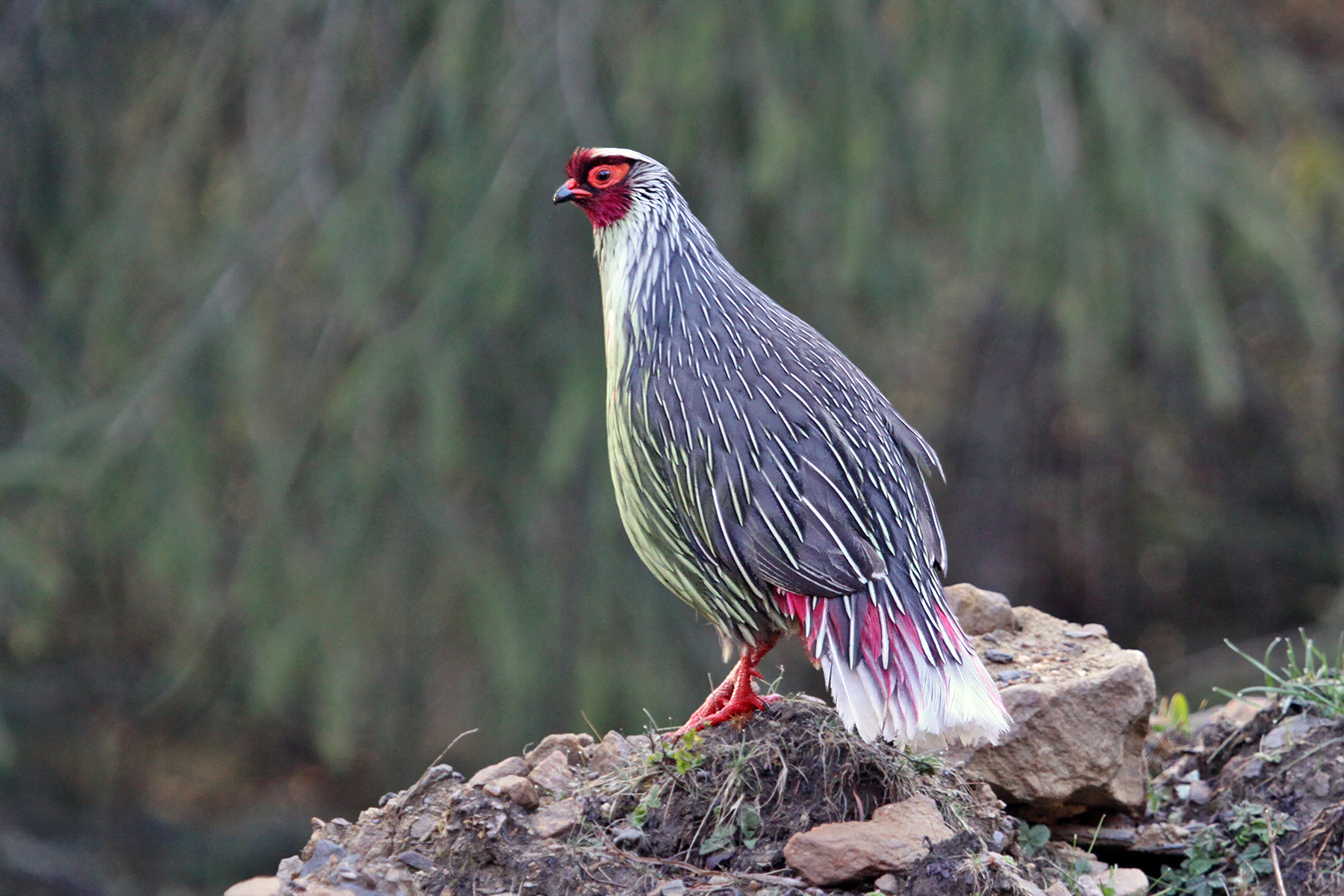
Blood Pheasant (image by Antonio Cortizo Amaro)
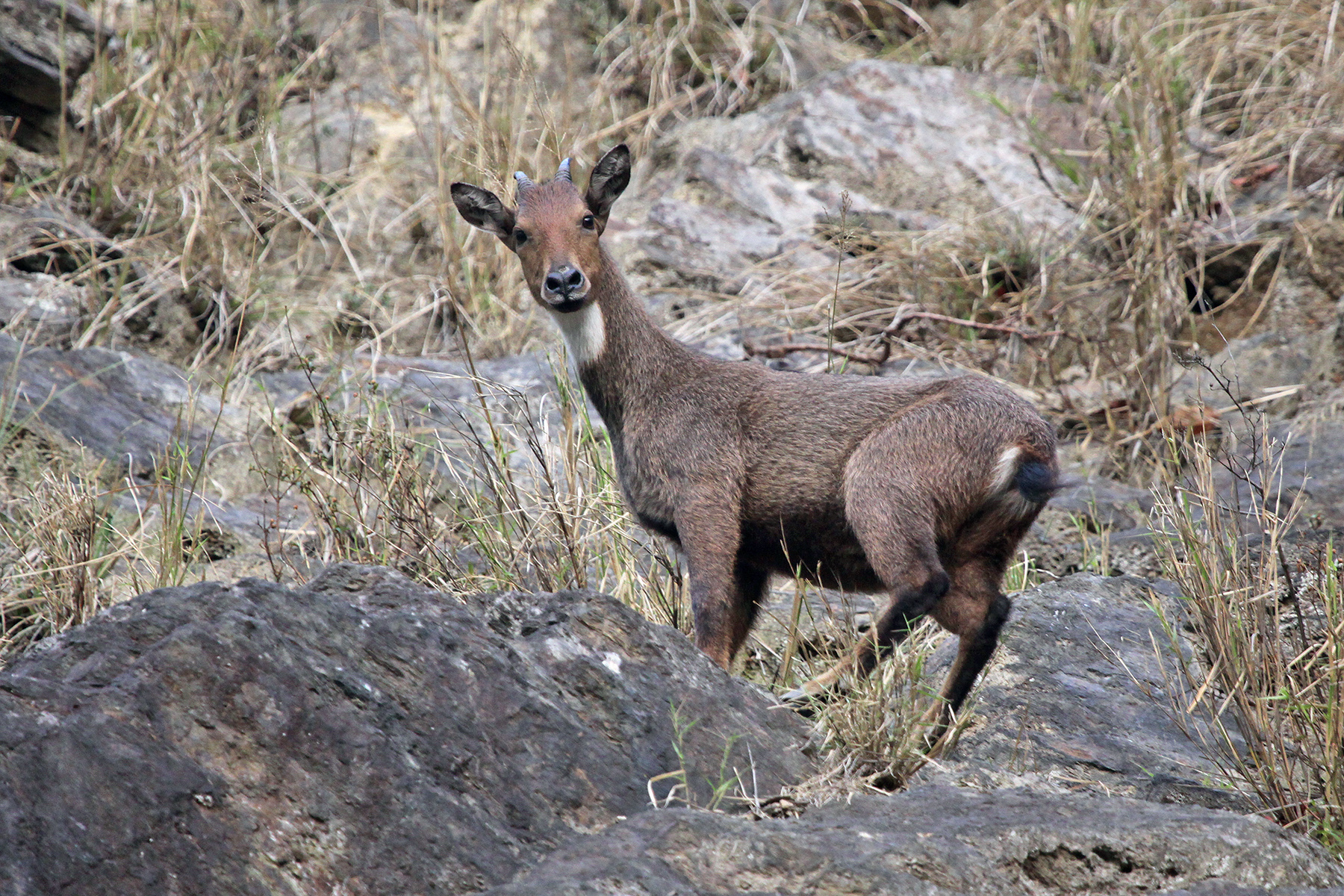
Himalayan Ghoral (image by Dave Farrow)
Russet Bush Warbler (image by Hannu Jännes)
Spot-breasted Parrotbill (image by Hannu Jännes)
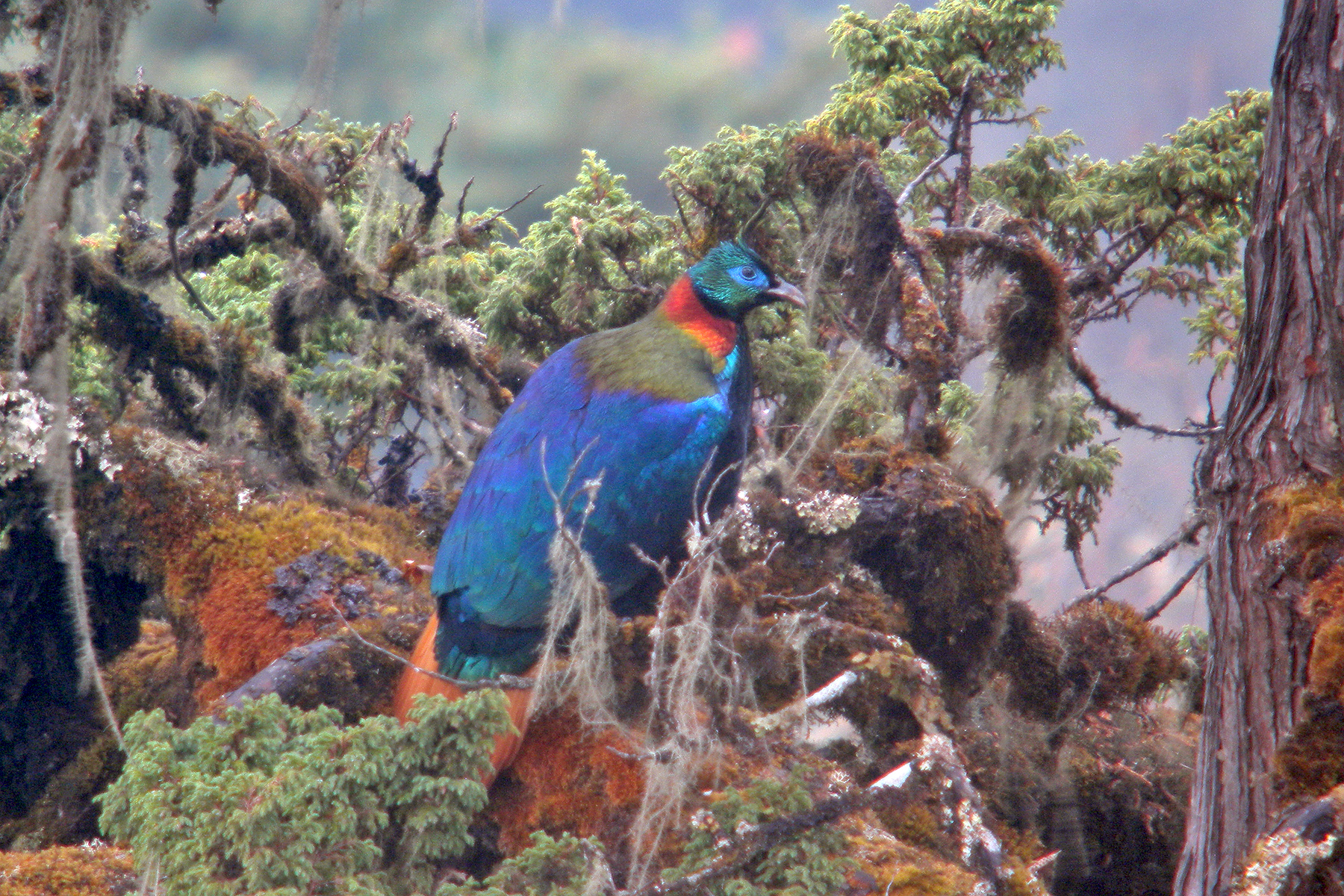
Himalayan Monal (image by Dave Farrow)
Blyth's Leaf Warbler (image by Hannu Jännes)
Temminck's Tragopan (image by Peter Lobo)
Black-tailed Crake (image by Hannu Jännes)
Hoary-throated Barwing (image by Dave Farrow)
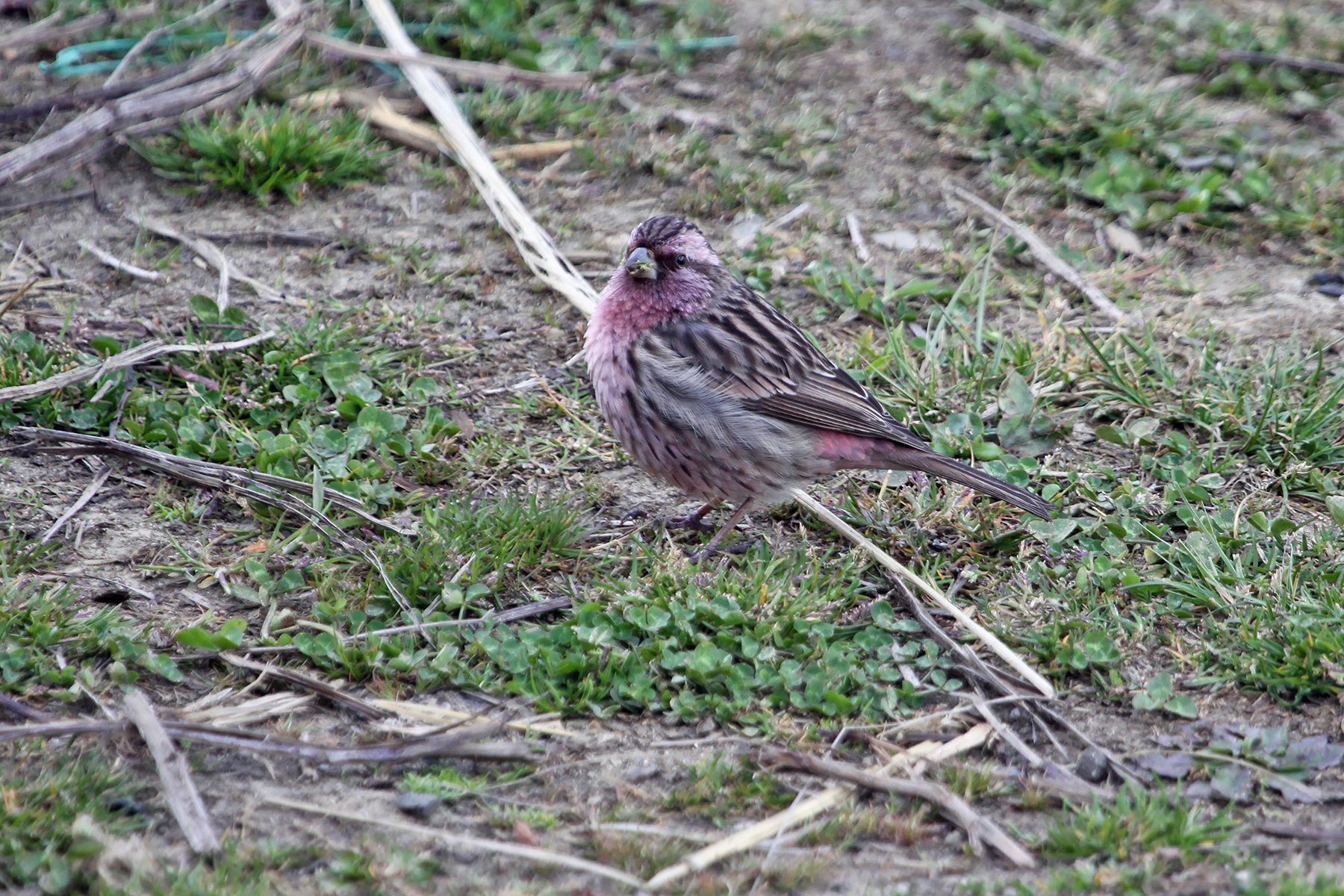
Himalayan Beautiful Rosefinch (image by Dave Farrow)
Bugun Liocihla (image by Peter Lobo)
Snow Pigeons (image by Hannu Jännes)
Long-banded Silverline (image by Craig Robson)
Grey Peacock-Pheasant (image by Hannu Jännes)
Orange-eared Parrotbill (image by Dave Farrow)
Yellow-throated Fulvetta (image by Craig Robson)
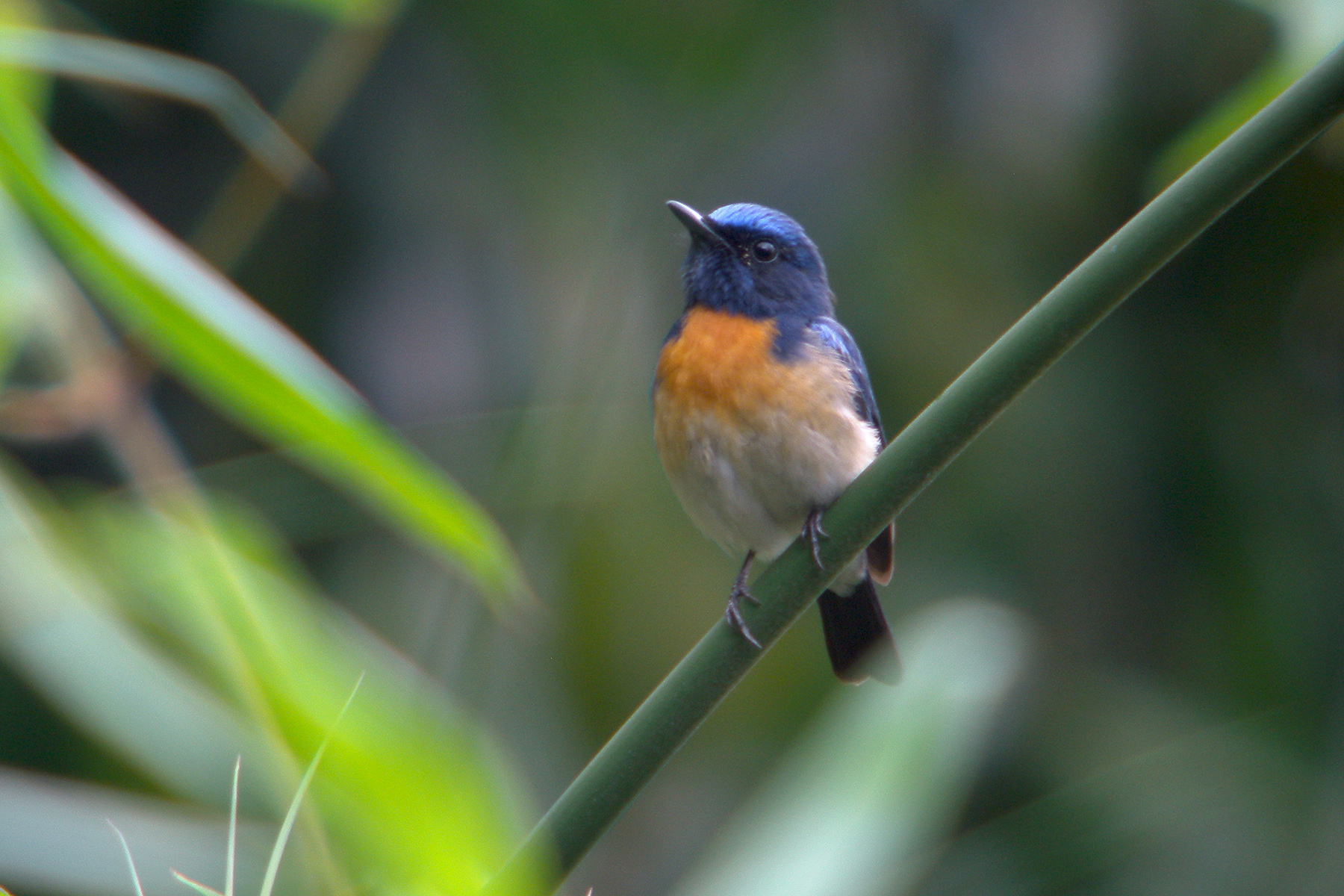
Large Blue Flycatcher (image by Hannu Jännes)
Greater One-horned Rhinoceros (image by Hannu Jännes)
Black-faced Laughingthrush (image by Hannu Jännes)
Collared Treepie (image by Hannu Jännes)
Swamp Grass Babbler (image by Antonio Cortizo Amaro)
Blue-fronted Redstart (image by Dave Farrow)
Naga Wren-Babbler (image by Hannu Jännes)
Malayan Night Heron (image by Antonio Cortizo Amaro)
Mishmi Wren-Babbler (image by Antonio Cortizo Amaro)
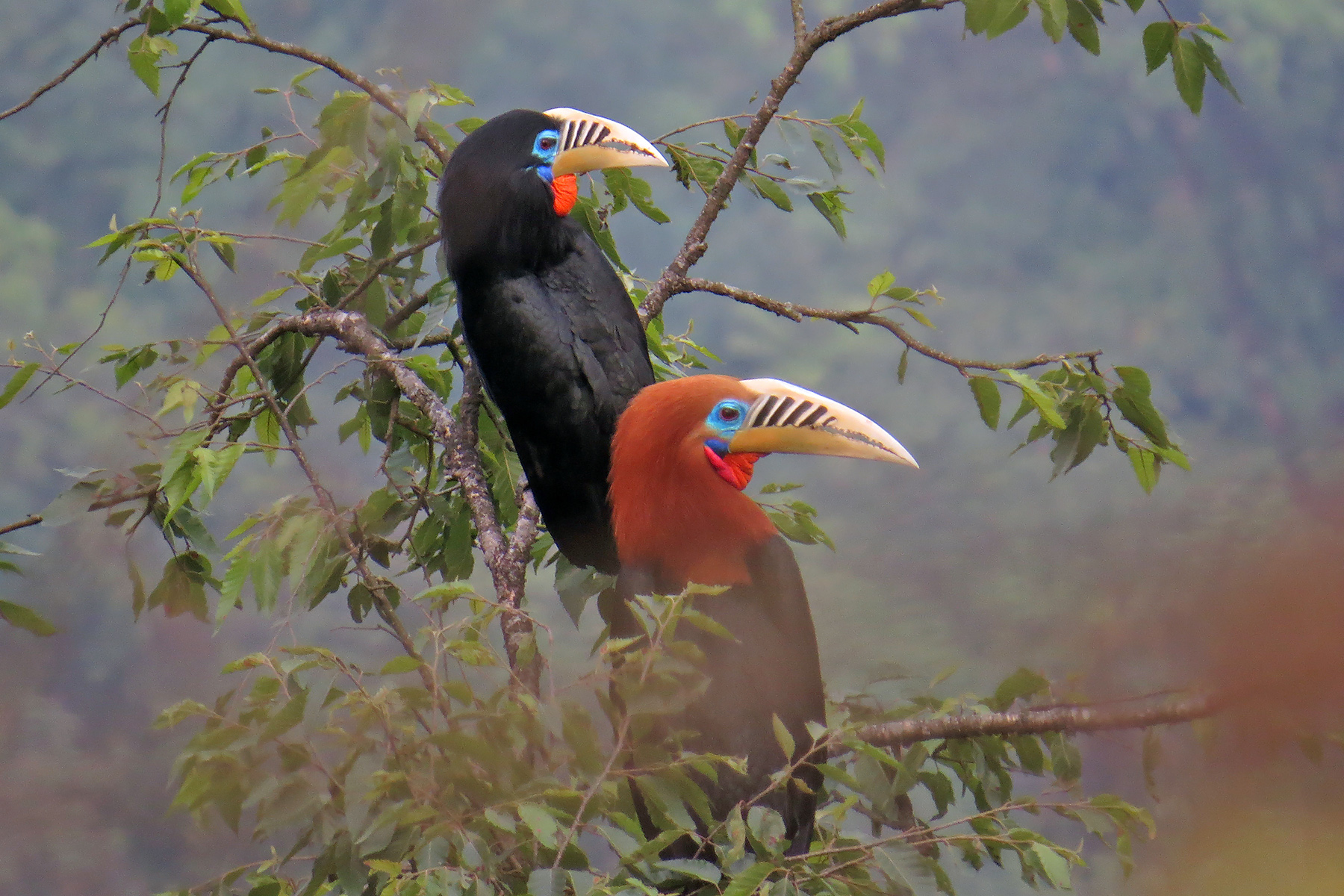
Rufous-necked Hornbill (image by Antonio Cortizo Amaro)
Beautiful Nuthatch (image by Dave Farrow)
Bar-throated Minla (image by Hannu Jännes)
Eurasian Jay (image by Hannu Jännes)
Mandala Road (image by Craig Robson)
Green-tailed Sunbird in Bhutan (image by Dave Farrow)
Ibisbill (image by Dave Farrow)
Beautiful Nuthatch (image by Antonio Cortizo Amaro)
Rufous-vented Yuhina (image by Hannu Jännes)
Lunch time in the Mishmi Hills (image by Hannu Jännes)
Mrs Hume's Pheasant (image by Hannu Jännes)
Black-breasted Parrotbill (image by Hannu Jännes)
Long-billed Wren-Babbler (image by Craig Robson)
Buff-throated Warbler (image by Hannu Jännes)
Himalayan Monal (image by Antonio Cortizo Amaro)
Grandala (image by Hannu Jännes)
Long-billed Wren-babbler (image by Peter Lobo)
Ward's Trogon (image by Hannu Jännes)
Gold-naped Finch (image by Dave Farrow)
Snow Partridge (image by Hannu Jännes)
Asian Elephant (image by Hannu Jännes)
Sikkim Wedge-billed Babbler (image by Dave Farrow)
Bhutan Laughingthrush (image by Hannu Jännes)
Striped Laughingthrush (image by Hannu Jännes)
Snow Partridge (image by Hannu Jännes)
Fire-tailed Myzornis (image by Hannu Jännes)
Yellow-rumped Honeyguide (image by Hannu Jännes)
Bar-winged Wren-Babbler (image by Hannu Jännes)
Brown Bush Warbler (image by Antonio Cortizo Amaro)
Hume's Wedge-billed Babbler (image by Peter Lobo)
Long-billed Plover (image by Antonio Cortizo Amaro)
Blue-throated Barbet (image by Dave Farrow)
Mountain Bamboo Partridge (image by Hannu Jännes)
Gould's Shortwing (image by Craig Robson)
Indian One-horned Rhinoceros (image by Hannu Jännes)
White-winged Grosbeak (image by Dave Farrow)
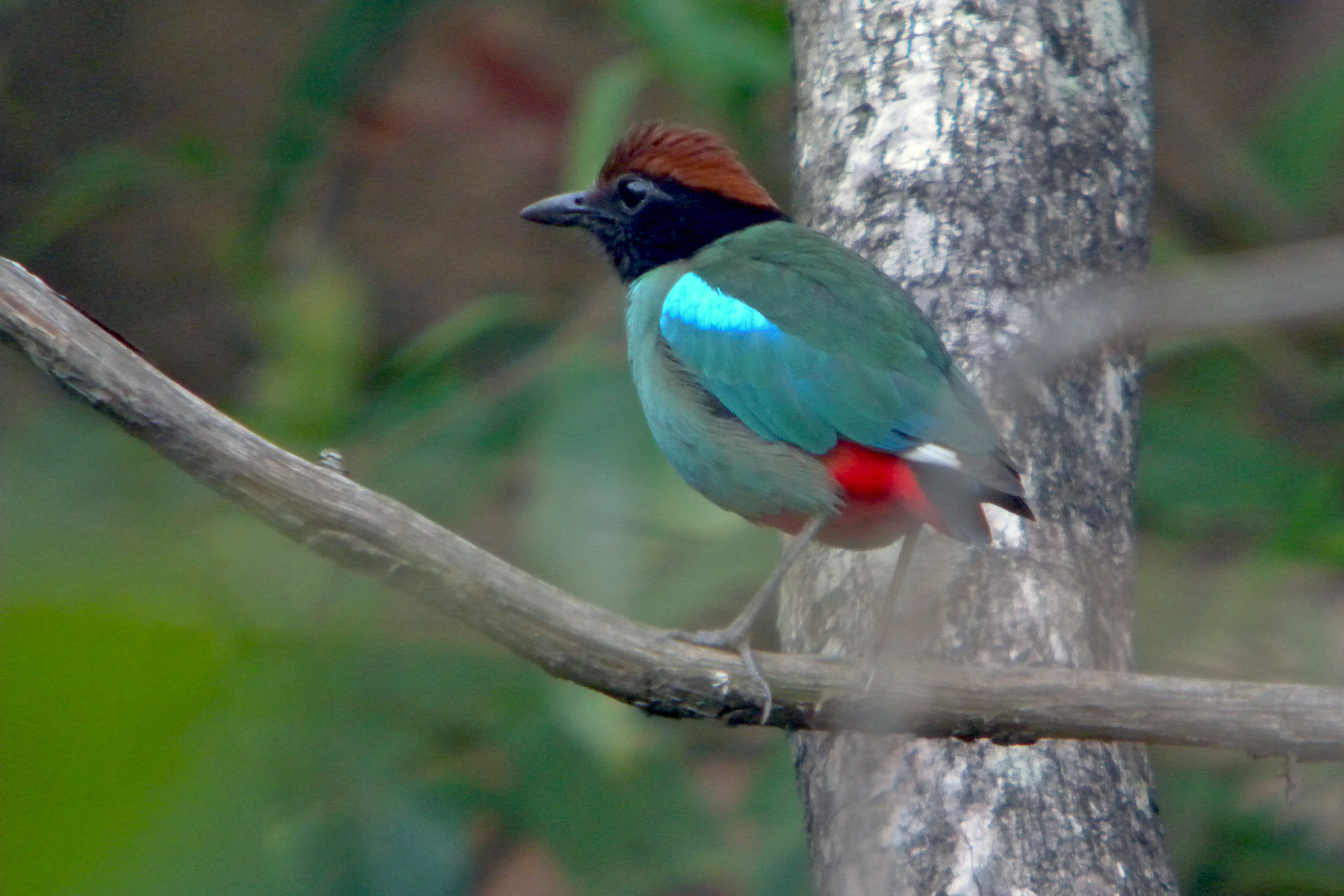
Western Hooded Pitta (image by Antonio Cortizo Amaro)
Dark-rumped Rosefinch (image by Hannu Jännes)
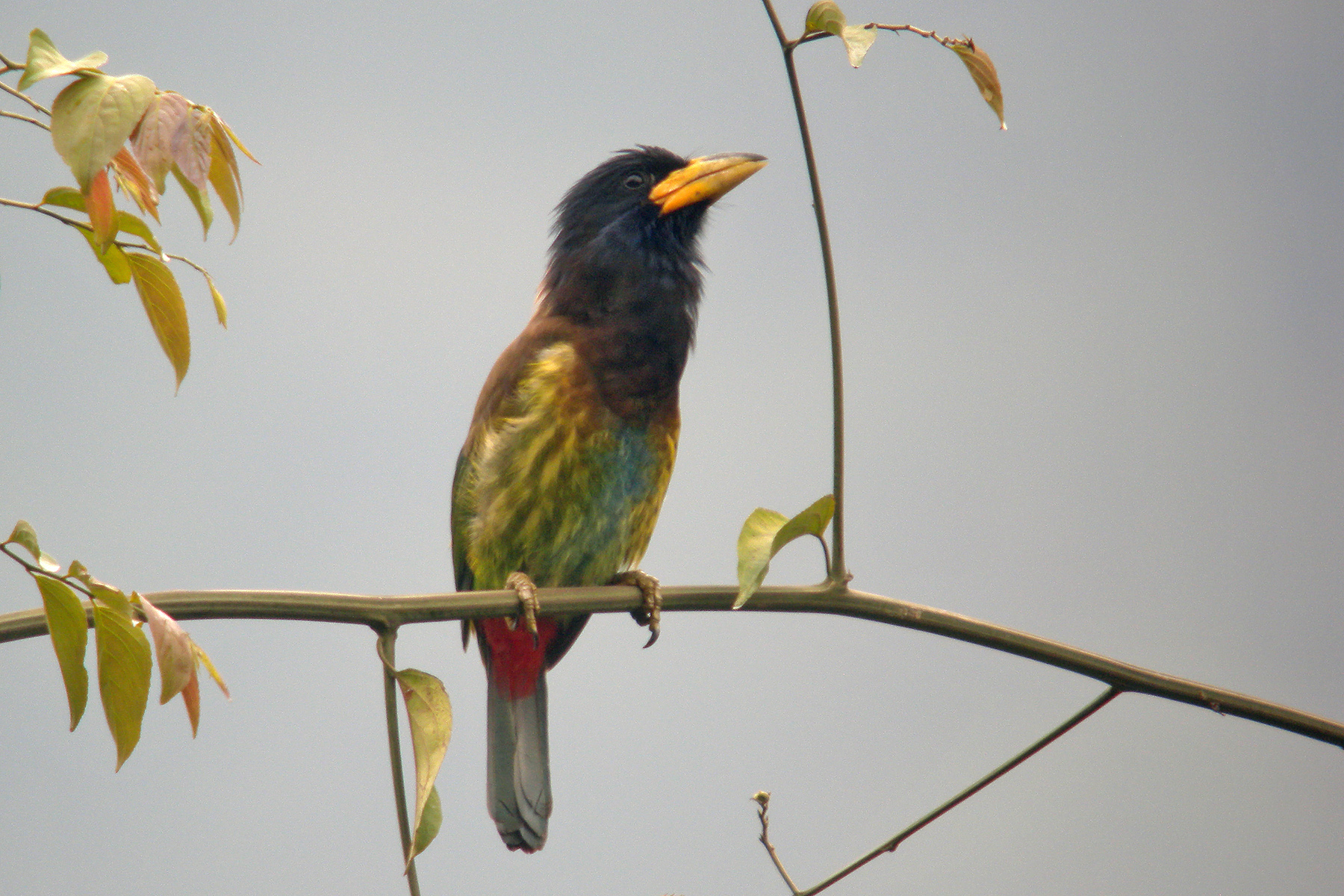
Great Barbet (image by Dave Farrow)
Stripe-throated Yuhina (image by Dave Farrow)
Rufous-fronted Bushtits (image by Dave Farrow)
Himalayan Monal (image by Hannu Jännes)
Climbing the tragopan trail in Nagaland (image by Hannu Jännes)
Buff-barred Warbler (image by Hannu Jännes)
Common Imperial (image by Craig Robson)
White-breasted Parrotbill (image by Peter Lobo)
Blue-throated Blue Flycatcher (image by Dave Farrow)
Blood Pheasant (image by Dave Farrow)
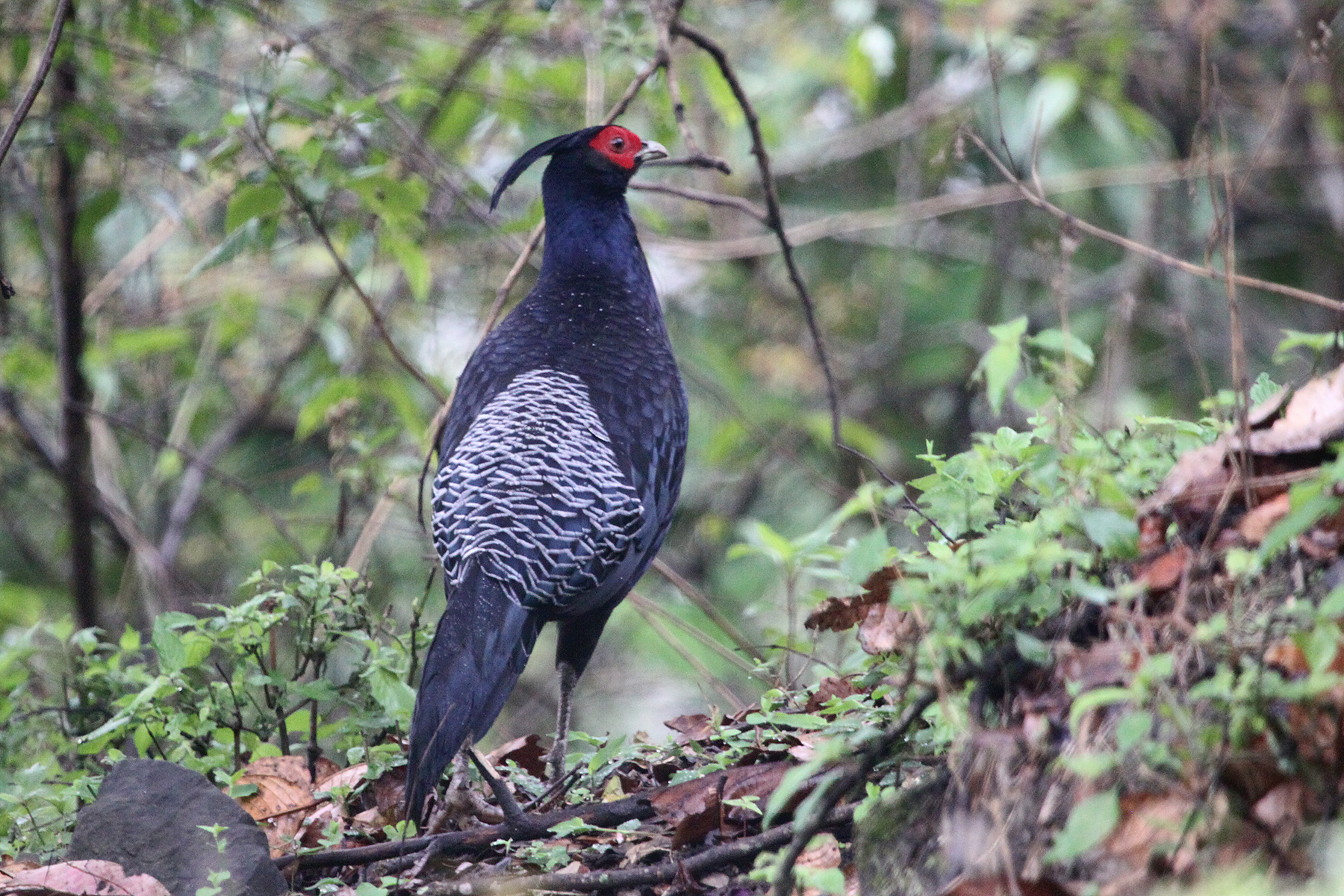
Kalij Pheasant (image by Dave Farrow)
Scaly Laughingthrush (image by Dave Farrow)
Green-tailed Sunbird (image by Hannu Jännes)
Brown-capped Laughingthrush (image by Hannu Jännes)
Alpine Thrush (image by Craig Robson)
Hooded Pitta (image by Dave Farrow)
Himalayan White-browed Rosefinch (image by Hannu Jännes)
Bronzed Drongo (image by Hannu Jännes)
Spotted Laughingthrush (image by Antonio Cortizo Amaro)
Rufous-bellied Niltava (image by Hannu Jännes)
Slender-billed Scimitar Babbler (image by Craig Robson)
Ward's Trogon (image by Dave Farrow)
Brown Fish Owl (image by Antonio Cortizo Amaro)
Speckled Piculet (image by Dave Farrow)
Cachar Wedge-billed Babbler (image by Hannu Jännes)
Cachar Wedge-billed Babbler (image by Craig Robson)
Ward's Trogon (image by Hannu Jännes)
Fire-tailed Sunbird (image by Hannu Jännes)
Slaty-blue Flycatcher (image by Hannu Jännes)
Red-fronted Rosefinch (image by Hannu Jännes)
Yellow-bellied Fantail (image by Hannu Jännes)
Rufous-crowned Prinia (image by Antonio Cortizo Amaro)
Blood Pheasant (image by Dave Farrow)
Rufous-fronted Bush Tit (image by Hannu Jännes)
Asian Emerald Cuckoo (image by Dave Farrow)
Rufous-necked Hornbills (image by Dave Farrow)
Black-breasted Parrotbill (image by Hannu Jännes)
Manipur Fulvetta (image by Hannu Jännes)
Blyth's Tragopan (image by Hannu Jännes)
Long-billed Plover (image by Peter Lobo)
Slender-billed and White-backed Vultures (image by Craig Robson)
Rufous-bellied Niltava (image by Dave Farrow)
Gold-naped Finch (image by Craig Robson)
Rufous-necked Hornbill (image by Dave Farrow)
Snow Partridge (image by Hannu Jännes)
Green Cochoa (image by Dave Farrow)
Red Junglefowl (image by Hannu Jännes)
Rufous-breasted Accentor (image by Dave Farrow)
Slaty-blue Flycatcher (image by Hannu Jännes)
Rosy Pipit (image by Dave Farrow)


Blood Pheasant (image by Antonio Cortizo Amaro)
Himalayan Ghoral (image by Dave Farrow)
Russet Bush Warbler (image by Hannu Jännes)
Spot-breasted Parrotbill (image by Hannu Jännes)
Himalayan Monal (image by Dave Farrow)
Blyth's Leaf Warbler (image by Hannu Jännes)
Temminck's Tragopan (image by Peter Lobo)
Black-tailed Crake (image by Hannu Jännes)
Hoary-throated Barwing (image by Dave Farrow)
Himalayan Beautiful Rosefinch (image by Dave Farrow)
Bugun Liocihla (image by Peter Lobo)
Snow Pigeons (image by Hannu Jännes)
Long-banded Silverline (image by Craig Robson)
Grey Peacock-Pheasant (image by Hannu Jännes)
Orange-eared Parrotbill (image by Dave Farrow)
Yellow-throated Fulvetta (image by Craig Robson)
Large Blue Flycatcher (image by Hannu Jännes)
Greater One-horned Rhinoceros (image by Hannu Jännes)
Black-faced Laughingthrush (image by Hannu Jännes)
Collared Treepie (image by Hannu Jännes)
Swamp Grass Babbler (image by Antonio Cortizo Amaro)
Blue-fronted Redstart (image by Dave Farrow)
Naga Wren-Babbler (image by Hannu Jännes)
Malayan Night Heron (image by Antonio Cortizo Amaro)
Mishmi Wren-Babbler (image by Antonio Cortizo Amaro)
Rufous-necked Hornbill (image by Antonio Cortizo Amaro)
Beautiful Nuthatch (image by Dave Farrow)
Bar-throated Minla (image by Hannu Jännes)
Eurasian Jay (image by Hannu Jännes)
Mandala Road (image by Craig Robson)
Green-tailed Sunbird in Bhutan (image by Dave Farrow)
Ibisbill (image by Dave Farrow)
Beautiful Nuthatch (image by Antonio Cortizo Amaro)
Rufous-vented Yuhina (image by Hannu Jännes)
Lunch time in the Mishmi Hills (image by Hannu Jännes)
Mrs Hume's Pheasant (image by Hannu Jännes)
Black-breasted Parrotbill (image by Hannu Jännes)
Long-billed Wren-Babbler (image by Craig Robson)
Buff-throated Warbler (image by Hannu Jännes)
Himalayan Monal (image by Antonio Cortizo Amaro)
Grandala (image by Hannu Jännes)
Long-billed Wren-babbler (image by Peter Lobo)
Ward's Trogon (image by Hannu Jännes)
Gold-naped Finch (image by Dave Farrow)
Snow Partridge (image by Hannu Jännes)
Asian Elephant (image by Hannu Jännes)
Sikkim Wedge-billed Babbler (image by Dave Farrow)
Bhutan Laughingthrush (image by Hannu Jännes)
Striped Laughingthrush (image by Hannu Jännes)
Snow Partridge (image by Hannu Jännes)
Fire-tailed Myzornis (image by Hannu Jännes)
Yellow-rumped Honeyguide (image by Hannu Jännes)
Bar-winged Wren-Babbler (image by Hannu Jännes)
Brown Bush Warbler (image by Antonio Cortizo Amaro)
Hume's Wedge-billed Babbler (image by Peter Lobo)
Long-billed Plover (image by Antonio Cortizo Amaro)
Blue-throated Barbet (image by Dave Farrow)
Mountain Bamboo Partridge (image by Hannu Jännes)
Gould's Shortwing (image by Craig Robson)
Indian One-horned Rhinoceros (image by Hannu Jännes)
White-winged Grosbeak (image by Dave Farrow)
Western Hooded Pitta (image by Antonio Cortizo Amaro)
Dark-rumped Rosefinch (image by Hannu Jännes)
Great Barbet (image by Dave Farrow)
Stripe-throated Yuhina (image by Dave Farrow)
Rufous-fronted Bushtits (image by Dave Farrow)
Himalayan Monal (image by Hannu Jännes)
Climbing the tragopan trail in Nagaland (image by Hannu Jännes)
Buff-barred Warbler (image by Hannu Jännes)
Common Imperial (image by Craig Robson)
White-breasted Parrotbill (image by Peter Lobo)
Blue-throated Blue Flycatcher (image by Dave Farrow)
Blood Pheasant (image by Dave Farrow)
Kalij Pheasant (image by Dave Farrow)
Scaly Laughingthrush (image by Dave Farrow)
Green-tailed Sunbird (image by Hannu Jännes)
Brown-capped Laughingthrush (image by Hannu Jännes)
Alpine Thrush (image by Craig Robson)
Hooded Pitta (image by Dave Farrow)
Himalayan White-browed Rosefinch (image by Hannu Jännes)
Bronzed Drongo (image by Hannu Jännes)
Spotted Laughingthrush (image by Antonio Cortizo Amaro)
Rufous-bellied Niltava (image by Hannu Jännes)
Slender-billed Scimitar Babbler (image by Craig Robson)
Ward's Trogon (image by Dave Farrow)
Brown Fish Owl (image by Antonio Cortizo Amaro)
Speckled Piculet (image by Dave Farrow)
Cachar Wedge-billed Babbler (image by Hannu Jännes)
Cachar Wedge-billed Babbler (image by Craig Robson)
Ward's Trogon (image by Hannu Jännes)
Fire-tailed Sunbird (image by Hannu Jännes)
Slaty-blue Flycatcher (image by Hannu Jännes)
Red-fronted Rosefinch (image by Hannu Jännes)
Yellow-bellied Fantail (image by Hannu Jännes)
Rufous-crowned Prinia (image by Antonio Cortizo Amaro)
Blood Pheasant (image by Dave Farrow)
Rufous-fronted Bush Tit (image by Hannu Jännes)
Asian Emerald Cuckoo (image by Dave Farrow)
Rufous-necked Hornbills (image by Dave Farrow)
Black-breasted Parrotbill (image by Hannu Jännes)
Manipur Fulvetta (image by Hannu Jännes)
Blyth's Tragopan (image by Hannu Jännes)
Long-billed Plover (image by Peter Lobo)
Slender-billed and White-backed Vultures (image by Craig Robson)
Rufous-bellied Niltava (image by Dave Farrow)
Gold-naped Finch (image by Craig Robson)
Rufous-necked Hornbill (image by Dave Farrow)
Snow Partridge (image by Hannu Jännes)
Green Cochoa (image by Dave Farrow)
Red Junglefowl (image by Hannu Jännes)
Rufous-breasted Accentor (image by Dave Farrow)
Slaty-blue Flycatcher (image by Hannu Jännes)
Rosy Pipit (image by Dave Farrow)


|
Monday 12th April – Friday 30th April 2027 Leaders: Craig Robson and a local bird guide |
19 Days | Group Size Limit 7 (tour guaranteed) |
|
Thursday 12th April – Monday 30th April 2029 Leaders: Dáni Balla and a local bird guide |
19 Days | Group Size Limit 7 |
Birdquest’s Classic Northeast India birding tours explore the Indian states of Arunachal Pradesh and Assam, including the famous Eaglenest Sanctuary, Kaziranga National Park and the Mishmi Hills. Our ultimate Northeast India birding tour covers an extraordinary range of habitats, from the elephant grass of the Assam plains to high Himalayan passes and everything in between!
In doing so we will be looking for a stunning array of avian specialities including Snow Partridge, Swamp Francolin, Himalayan Monal, Blyth’s Tragopan, Blood Pheasant, Slender-billed Vulture, Bengal Florican, Ward’s Trogon, Blue-naped Pitta, Jerdon’s and Marsh Babblers, Black-breasted Parrotbill, Spot-breasted, Chestnut-backed, Striped, Bhutan and Assam Laughingthrushes, the recently-described Bugun Liocichla, Brown-throated and Manipur Fulvettas, Mishmi (or Rusty-throated) Wren-Babbler, the extraordinary Fire-tailed Myzornis, the strange Sikkim and Cachar Wedge-billed Babblers, and the very special Rufous-bellied and Gould’s Shortwings.
Additionally, there will be a great opportunity to see some of India’s threatened megafauna, in the form of Asian Elephant, Asian One-horned Rhinoceros, Swamp Deer and wild Water Buffalo.
Most of us have a fantasy birding destination. Somewhere remote and largely off-limits to foreign travellers, where the beautiful surroundings are home to rare endemics and regional specialities. Tucked away in the northeast corner of the Indian subcontinent is one such place. Dominating this remote area, the mighty Brahmaputra River sweeps down from southeast Tibet and through the fertile Assam plains before bending south around the hills of Meghalaya towards the Bay of Bengal in Bangladesh. Only recently has the Indian government allowed access to certain parts of this remote area, and in particular the fantastic bird-rich state of Arunachal Pradesh.
The northeast Indian subcontinent is one of the most biologically diverse parts of Asia, where a meeting place of Himalayan and Indo-Malayan species forms an extremely rich and varied avifauna. This unique tour is a must for anyone with a keen interest in eastern Himalayan birds and is the only Birdquest tour which takes in the endemics of the ‘Assam Plains Endemic Bird Area’. Very much a journey for those birders who want to reap the rich avian rewards of this remotest corner of India.
Imagine stunning mountain scenery and birding along a drivable jeep track through a magical, untouched old-growth montane forest, where waves of beautiful birds sweep by, and almost every turn brings another rarely-seen Eastern Himalayan speciality!
This dream becomes a reality at the amazing Eaglenest Wildlife Sanctuary, situated just a stone’s throw to the east of the Bhutan border in western Arunachal Pradesh in Northeast India. It was here that the most sensational ornithological discovery in India for over half a century was recently made, in the form of a new species for science, the beautiful Bugun Liocichla.
Arunachal Pradesh is now recognised as one of the world’s top biodiversity hotspots, the profusion of species being due to its unique location (at the junction of the Palearctic Region with both the Indo-Malayan and Indian sub-regions of the Oriental Region), topographical range (with 7000m peaks on its northern border with Tibet, looking down on the Brahmaputra Valley in Assam which, just 150 kilometres away, has an elevation of only 100m or so), and high rainfall.
We begin our mouth-watering Northeast India birding tour at Guwahati, situated in the Assam plains.
Leaving the Assam plains behind, we will penetrate deep into the main Himalayan range, winding our way through deep valleys to Dirang, a small town situated along the road to the famed Buddhist monastery at Tawang. Based at Dirang, we will reach our highest altitudes of the trip, notably when we ascend to almost 4200m at the Sela Pass, one of the highest road passes in the Himalayas. Here, we will seek out Snow Partridge, Blood Pheasant, Himalayan Monal and Grandala, while closer to Dirang, in the Sangti Valley and along the wonderful Mandala road, we will find species ranging from Black-tailed Crake and Long-billed Plover to Bhutan Laughingthrush, Brown-throated (or Ludlow’s) Fulvetta and Fire-tailed Myzornis.
Moving on, we come to Eaglenest Wildlife Sanctuary, a prime focus of this speciality-laden tour. We will use two established safari-style camps for bases, have vehicles at our disposal throughout, and the walking effort will generally be easy. There is no need to trek at Eaglenest because of the good road access, and we aim for maximum comfort and flexibility. Along a drivable jeep track through the awe-inspiring forests, we will be searching for a mouth-watering selection of Eastern Himalayan gems, ranging from Chestnut-breasted Partridge, Blyth’s Tragopan and Ward’s Trogon to Long-billed and Rufous-throated Wren-Babblers, Sikkim Wedge-billed Babbler and Beautiful Nuthatch. We will, of course, make a particular effort to see the recently described Bugun Liocichla, which is still only known from Eaglenest and its border areas. All in all, this wonderful new area offers disciples of Himalayan birding an extraordinary experience.
Next, we will visit the magnificent Kaziranga National Park. This famous reserve needs little introduction, what with its world-famous populations of Asian One-horned Rhinoceros, Swamp Deer and wild Water Buffalo, as well as Asian Elephants. The extensive wetlands, grasslands and woodlands of Kaziranga also provide vital habitat for such rarities as Swamp Francolin, Greater Adjutant, Slender-billed Vulture, Bengal Florican, Blue-naped Pitta, Slender-billed Babbler and Indian Grassbird.
From Kaziranga, we travel to far eastern Assam, where we will explore Dibru-Saikhowa National Park. Wedged between the Brahmaputra and Dibru Rivers, Dibru-Saikhowa holds some of the last remnants of a once extensive grassland and seasonally wet forest mosaic. Here, or in other native grassland areas, we will search for such rare endemics as Marsh Babbler and the feisty Black-breasted Parrotbill, as well as some other rare and threatened species, including Jerdon’s Babbler and Smoky Warbler.
The forests at Dihing-Patkai are an excellent place for Austen’s Brown Hornbill, Chestnut-backed Laughingthrush and Collared Treepie. There is even a good chance of the rare White-winged Duck. White-cheeked Partridge is also possible.
From the Assam plains, we will travel northeast and, by way of a new bridge across the vast Brahmaputra River, make our way up into Arunachal Pradesh and the remote and little-explored Mishmi Hills, which rise steeply above the small town of Roing to an elevation of about 3000m near the Mayodia Pass. This superb place, which very much rivals the famed Eaglenest region in terms of its huge range of eastern Himalayan specialities, is the new frontier of Himalayan birding.
The biggest prize here will be the endemic Mishmi (or Rusty-throated) Wren-Babbler, which was only rediscovered in December 2004, after having not been definitely recorded since its discovery in 1947, but there will be many more exciting species to look for, including Rusty-bellied and Gould’s Shortwings, Slender-billed Scimitar-Babbler, Bar-winged Wren-Babbler, Cachar Wedge-billed Babbler and Spotted Elachura (now a monotypic family). We also have second chances for Blyth’s Tragopan, Ward’s Trogon, Long-billed Wren-Babbler, Fire-tailed Myzornis and Beautiful Nuthatch.
By the time we leave this marvellous part of the world, we will have visited more Indian states than any other birding tour to Northeast India and seen a truly amazing selection of specialities.
Birdquest has operated Northeast India birding tours since 1989.
Classic Northeast India and Ultimate Northeast India
Classic Northeast India is the shorter of Birdquest’s two spring tours to Northeast India.
Accommodation & Road Transport
Accommodation standards in far northeast India average below those in more touristic parts of India. The hotels/lodges are mostly of a medium standard, sometimes good and sometimes simple. At Eaglenest, we will stay in permanent tented safari-style camps. Sleeping tents are of the large, 2-person, safari-style, walk-in size with two beds (but are also available for single occupancy). We will also have toilets, washrooms and large dining areas. Hot water is available in buckets/bowls for washing on demand. So the whole experience is quite comfortable, and the settings are delightful. Road transport is by large, jeep-like cars, and roads are very variable in quality.
Walking
The walking effort during our Classic Northeast India birding tours is mostly easy, occasionally moderate.
Climate
In the Himalayas, it is cold to warm, and sunny periods alternate with occasional wet and overcast spells. It will be distinctly cold at night at higher elevations, and there may even be some snow. Conditions at this season in the plains and low foothills are typically hot, dry and sunny, but it is sometimes overcast and cooler.
Bird Photography
Opportunities during our Classic Northeast India birding tours are quite good.
To see a larger map, click on the square-like ‘enlarge’ icon in the upper right of the map box.
To see (or hide) the ‘map legend’, click on the icon with an arrow in the upper left of the map box.
To change to a satellite view, which is great for seeing the physical terrain (and for seeing really fine details by repetitive use of the + button), click on the square ‘map view’ icon in the lower left corner of the ‘map legend’.
Birdquest Inclusions: Our tour prices include transportation, accommodations, meals and entrance fees.
We also include all tipping for local guides, drivers and accommodation/restaurant staff.
Deposit: 20% of the total tour price. Our office will let you know what deposit amount is due, in order to confirm your booking, following receipt of your online booking form.
TO BOOK THIS TOUR: Click here (you will need the tour dates)
The single supplement will not apply if you indicate on booking that you prefer to share a room and there is a room-mate of the same sex available.
This tour is priced in US Dollars. Amounts shown in other currencies are indicative.
Northeast India: Day 1
Our Classic Northeast India birding tour begins this evening at Guwahati, where we will spend the night.
An airport transfer will be provided.
(There are frequent flights into Guwahati from Kolkata and from Delhi. We will be pleased to arrange your internal flight from your gateway city in India on request, even if you are not arranging your international flights through us.)
Northeast India: Day 2
From Guwahati, where we will keep a lookout for the rare Greater Adjutant, we cross the mighty Brahmaputra River and then travel northeastwards to Dirang in the state of Arunachal Pradesh for a three-night stay.
Along the way to the base of the Himalayas, a range of commoner Indian birds will be on show in the fields and along the roadside, such as Great and Eastern Cattle Egrets, Black and Black-winged Kites, Asian Palm and House Swifts, Indochinese Roller, Black Drongo, Ashy Woodswallow, House and Eastern Jungle Crows, Common and Great (or White-vented) Mynas, Oriental Magpie-Robin and Eurasian Tree Sparrow.
We will arrive in time for some initial exploration in the Dirang region.
Northeast India: Days 3-4
Some 25km west of Bomdila, at the boundary between West Kameng and Tawang districts, lies Dirang, our birding base for sorties into the Sangti Valley and along the Mandala and Sela Pass roads.
The Sangti Valley, which is close to Dirang, supports India’s only known wintering flock of the threatened Black-necked Crane. Unfortunately, the cranes are usually gone by early March, but there will be plenty of other interesting species to search for, in particular Black-tailed Crake, which can still be found in small patches of marshy rank grass and reeds, and Long-billed Plover (which has recently been found to breed here).
At 1500-1600m (4921-5249ft) elevation, this dry-flanked valley has a selection of habitats varying from pine and broadleaved woodland and cultivation to riverine shingle banks. Small mixed flocks of leaf warblers often hold Blyth’s Leaf Warblers, and these are joined by Black-throated Bushtits and Green-backed and Yellow-cheeked Tits. Other birds in the wooded habitat include Ashy and Mountain Bulbuls. Flowering oaks in the area very occasionally attract the nomadic, attractive Fire-capped Tit. The valley cultivation provides a home for the Long-tailed Shrike, Oriental Skylark, Brown-flanked Bush Warbler, Blue-fronted Redstart, Russet Sparrow, Yellow-breasted (or Himalayan) Greenfinch and Little Bunting. The boulder-strewn rivers and streams provide suitable habitat for Crested Kingfisher, Plumbeous Water Redstart, White-capped Redstart and Grey Wagtail. Other species that we should find here are Himalayan Buzzard and Large-billed Crow, while we might also encounter Slender-billed Oriole or Lemon-rumped Warbler.
The second venue in this remote region, still not well-known ornithologically, is the wonderful Mandala Road, which climbs from Dirang Dzong (a fortified Buddhist monastery situated just south of Dirang) up through temperate broadleaved evergreen forest, then oak-rhododendron forest with bamboo, to conifer-clad ridge-tops at 3500m (11483ft). Birding from the narrow road, we will sample the birdlife of all the habitat zones between 1700m (5577ft) and 3500m.
Early mornings on the cool ridge tops see a flurry of bird activity. Mixed flocks of tits, small babblers, including the restricted-range Brown-throated (or Ludlow’s) Fulvetta, and Ashy-throated Warblers work through the open forest and are often joined by Stripe-throated and Rufous-vented Yuhinas and Buff-barred Warblers. Thrushes and chats are often in evidence, notably White-collared Blackbird, Alpine Thrush, Blue-capped Rock Thrush, Himalayan Bluetail and often White-browed and Golden Bush Robins. Spotted Nutcrackers utter their raucous but atmospheric calls from exposed conifer branches, while Hume’s Bush Warbler, the boldly marked Bar-winged Wren-Babbler, Black-faced Laughingthrush and the beautiful Spotted Laughingthrush call out from denser areas.
The rich broadleaved evergreen forests still have some fantastic large trees, smothered in moss and epiphytes. Birds that we will expect to find include Himalayan Cuckoo, Crimson-breasted and Rufous-bellied Woodpeckers, Yellow-billed Blue Magpie and the cheeky White-tailed Nuthatch. Thicker vegetation along the forest edge is a good place to look for the restricted-range Bhutan Laughingthrush, as well as Chestnut-crowned Laughingthrush of the highly distinctive nigrimentum race, and we will also be on the lookout for the restricted-range Rufous-fronted Bushtit, Yellow-browed Tit, Streak-breasted Scimitar Babbler, Rufous-capped Babbler, Red-billed Leiothrix, Bar-throated Minla, the exquisite Golden-breasted Fulvetta (that quintessential Eastern Himalayan gem), Rufous-winged Fulvetta, Beautiful Sibia, Whiskered Yuhina, the noisy Black-faced Warbler, Grey-hooded Warbler, Oriental White-eye, Grey-headed Canary-flycatcher, Verditer, Little Pied and Rufous-gorgeted Flycatchers, and Green-tailed Sunbird. Small gullies and overgrown log piles shelter Scaly-breasted Cupwing and Chestnut-headed Tesia.
Scrubby areas close to the bottom of the road are a good place to look for the rather skulking Rufous-chinned Laughingthrush, as well as Russet and Grey-sided Bush Warblers, while the streams sometimes provide habitat for Spotted Forktail. Bamboo brakes are frequent all along the road, and in these, we have a very good chance of seeing the superb Slender-billed (or Sickle-billed) Scimitar Babbler.
During our exploration of the Dirang area (and also at Eaglenest), we will constantly be on the lookout for the amazing Fire-tailed Myzornis, which often seeks out flowering rhododendrons or tree sap, sometimes in company with the lurid and more common Fire-tailed Sunbird.
We should also run into some of the rarer species of the area, which include Temminck’s Tragopan, Great and Fulvous Parrotbills, Rusty-flanked and Hodgson’s Treecreepers, Ultramarine Flycatcher, Yellow-bellied Flowerpecker, Dark-breasted and Dark-rumped Rosefinches, and Tibetan Serin. The superb Red Panda has also been seen here, though we would count ourselves extremely lucky to see one.
Finally, the highest venue and, in many ways, the best! A steep winding road leads some 60 km from Dirang up to the Sela Pass, which, at 4176m (13701ft), is one of the highest motorable passes in the Himalayas. As we thread our way through the steep forested valleys, we will gradually ascend through changing habitat zones, finally emerging above the conifer-dominated treeline at the barren and rocky pass. By the time of our visit, the temperatures should be rising and the snow melting, and we will hopefully be treated to a stunning view of rugged peaks stretching away as far as the eye can see.
In the open landscape above the treeline, we will be on the lookout for the well-camouflaged Snow Partridge, flocks of Snow Pigeons and the strange Grandala, which looks like a cross between a thrush and a starling and regularly soars above the slopes. Himalayan (Griffon) Vultures may be seen soaring around the slopes. Closer to the forest limit, we will scan the slopes for that classic high-montane pheasant, the Himalayan Monal, and listen for its curlew-like cries.
Moving back down to the upper forest levels, sprinkled with conifers and birch, we will explore a series of tracks and trails in search of the superb Blood Pheasant. Busy bird-waves contain Rufous-vented, Coal and Grey Crested Tits, while with a bit of luck, the scrub at the forest edge will provide cover for the range-restricted Rufous-breasted Bush Robin.
Mountain streams hold White-throated Dipper (which here replaces the Brown Dipper ) and, sometimes, Little Forktail as well. The sought-after Solitary Snipe winters in the area, and if we are lucky, we will come across a lingering individual.
Other species that we will be looking for include the restricted-range Tibetan Blackbird as well as Red-billed Chough, Eurasian Wren, the lovely White-throated Redstart, Alpine and Rufous-breasted Accentors, Olive-backed and Rosy Pipits, Himalayan White-browed Rosefinch and White-winged Grosbeak. Plain and Brandt’s Mountain Finches, and also the large Red-fronted Rosefinch, are sometimes present.
Northeast India: Day 5
After some final birding in the Dirang region, we will drive south via the Phudung road and Tenga to Lamacamp, situated at 2350m at the edge of Eaglenest Wildlife Sanctuary, for the first of our five nights at Eaglenest. In the afternoon, we will begin our exploration of the sanctuary.
Northeast India: Days 6-9
Eaglenest Wildlife Sanctuary covers some 218 square kilometres (84 square miles) and spans an altitudinal range of 500–3200m (1640-10499ft). The big advantage that Eaglenest has over other wilderness areas in Arunachal Pradesh is its combination of altitudinal range and easy access, with a drivable jeep track cutting through the sanctuary from its base at 500m altitude to the Eaglenest Pass at 2800m (9187ft). The selection of Eastern Himalayan specialities in this area and the paucity of visitors have combined to give the place a magical, almost mythical quality. In places, the broadleaved evergreen forest exhibits a pristine, tight canopy which stretches unbroken as far as the eye can see.
We will base ourselves at three well-established safari-type camps: Doimara, Lamacamp and Bompu. All of our time in the sanctuary will be spent exploring the rich and largely untouched montane broadleaved evergreen forest, with areas of bamboo, secondary growth, and scrub. At the higher levels, there will also be conifers, while at the lower levels, the broadleaved forests become more sub-tropical, and there are also clearings and areas of upland agriculture.
In late 2006, the first new species to be discovered in the Indian subcontinent for many decades was described in the form of the beautiful Bugun Liocichla. We can expect to find this rare Indian endemic, which is, so far, almost exclusively known from the Lamacamp area!
During early spring, many birds are likely to still be massed together in roving bird waves, which can include (depending on elevation) Speckled and perhaps White-browed Piculets, Grey-chinned and Short-billed Minivets, Yellow-bellied Fantail, White-bellied Erpornis, Blyth’s, Green and Black-eared Shrike-babblers, Bronzed and Lesser Racket-tailed Drongos, Yellow-vented, Chestnut-crowned, Grey-cheeked and Whistler’s Warblers, Striated Laughingthrush, Golden and perhaps Grey-throated Babblers, Rusty-fronted and Streak-throated Barwings (the latter of the distinctive form daflaensis), Blue-winged and Red-tailed Minlas, Nepal Fulvetta, Striated and Black-chinned Yuhinas, Black-throated (or Black-breasted) Sunbird and Streaked Spiderhunter. There will also be a sprinkling of real gems among them, like Black-headed Shrike-babbler, Himalayan Cutia, Yellow-throated Fulvetta, Long-tailed Sibia, White-naped Yuhina, the much sought-after Beautiful Nuthatch and Mrs Gould’s Sunbird.
The list of Galliformes at Eaglenest is impressive, with three species of Arborophila partridge, Hill, Rufous-throated and the restricted-range Chestnut-breasted all possible. Pheasants include the wonderful Temminck’s and Blyth’s Tragopans (but both are difficult here), along with the more widespread Kalij Pheasant and Grey Peacock-Pheasant. We should hear all or almost all of these species, though seeing them will require patience, and our success rate will also depend on luck.
The Eastern Himalayas are also a great place to see flycatchers, and here we should add Slaty-blue, Snowy-browed, White-gorgeted and Pale Blue Flycatchers, as well as Large, Small and Rufous-bellied Niltavas. We could also find Large Blue Flycatcher, which has recently become easier here.
In the canopy will be frugivores like Mountain Imperial Pigeon and the striking Rufous-necked Hornbill. Careful scanning of the mid-storey may well be rewarded with a sighting of the superbly pink male of the restricted-range Ward’s Trogon, which is well distributed here in the moss-draped stands of old-growth forest.
Dense vegetation bordering the jeep-track and the forest understorey harbours such gripping birds as Pygmy Cupwing, Broad-billed Warbler, Slaty-bellied and Grey-bellied Tesias, Rufous-throated Wren-Babbler, the almost mini-kiwi-like Long-billed Wren-Babbler, Sikkim Wedge-billed Babbler, Red-faced Liocichla, Spotted Elachura (formerly Spotted Wren-Babbler and now a monotypic bird family), and Scarlet and Gold-naped Finches.
In areas of bamboo, at varying elevations, we will be looking for the black-capped nominate race of the Coral-billed Scimitar Babbler, Brown and White-breasted Parrotbills, the tiny but super-energetic Black-throated (or Grey-breasted) Parrotbill, Yellow-bellied Warbler, the delightful little Rufous-faced Warbler and the rather retiring White-spectacled Warbler. More uncommon are Pale-headed Woodpecker and White-browed Scimitar Babbler.
Other birds regular at Eaglenest include Crested Goshawk, Black Eagle, Mountain Hawk-Eagle, Speckled Woodpigeon (uncommon), Common Emerald Dove, Barred Cuckoo-Dove, Large Hawk-Cuckoo, Red-headed Trogon, Great, Golden-throated and Blue-throated Barbets, Bay and Darjeeling Woodpeckers, Greater Yellownape, Long-tailed Broadbill, Bar-winged Flycatcher-shrike, Black-winged Cuckooshrike, Maroon Oriole, Ashy Drongo, White-throated Fantail, Striated, White-throated and Black Bulbuls, Common Green Magpie, Grey Treepie, Mountain and Dark-necked Tailorbirds, Black-throated Prinia, White-crested, Grey-sided and Blue-winged Laughingthrushes, Silver-eared Mesia, the superb Green Cochoa, White-tailed Robin, Black-backed Forktail (uncommon), Chestnut-bellied Rock Thrush, Blue Whistling Thrush, Sikkim (or Brown-throated) Treecreeper, Brown Dipper, Orange-bellied Leafbird, Fire-breasted Flowerpecker and Brown, Red-headed and Grey-headed Bullfinches. At dawn and dusk, we should see thrushes venturing onto the jeep track, with the local selection including Scaly Thrush and Grey-winged Blackbird.
There is a range of nightbirds at Eaglenest, including Mountain Scops Owl, Himalayan Owl, Collared Owlet, Hodgson’s Frogmouth and Grey Nightjar, so we will try to locate as many as possible.
With a lot of luck, we could also find one or two of the toughest inhabitants of the area, which include Purple Cochoa, Green-crowned Warbler, Scaly and Rufous-vented Laughingthrushes, Maroon-backed Accentor and Crimson-browed Finch.
Northeast India: Day 10
After some early morning birding at Eaglenest, we return to the plains of Assam as we head to Kaziranga for a two-night stay.
Northeast India: Day 11
The famous Kaziranga National Park needs little introduction. It is one of the most important reserves in the world, let alone the Indian subcontinent, being one of the last refuges for large numbers of Asian (or Indian) One-horned Rhinoceros, Swamp Deer (or Barasingha) and wild Water Buffalo. Roughly three-quarters of the surviving populations of each of these species live in the park. We will have opportunities to admire all three of these impressive animals, along with Asian (or Indian) Elephant and Hog Deer. Tigers occur at Kaziranga, but we would count ourselves lucky if we came across one during a short visit.
Our excursions into the park will be by open-topped jeep, with regular stops at watch towers and other vantage points, where we will be treated to some superb panoramic views of the grassland, marshes and lakes dotted with herds of large mammals and an impressive array of waterbirds.
Although annually burnt to provide grazing for mammals, the extensive grasslands in the park hold a number of rare and restricted-range birds. We will have a very good chance of seeing a number of threatened or endangered species, including Swamp Partridge, the critically endangered Greater Adjutant (now largely restricted to Assam and Cambodia), Slender-billed Vulture, Slender-billed Babbler, and both Bristled and Indian Grassbirds. Bengal Florican has become more difficult to find at Kaziranga, and it takes a lot of luck to encounter the rare and localised Finn’s Weaver.
Other grassland birds include Lesser Coucal, Asian Green Bee-eater, Ashy and Plain Prinias (the local form of the latter, fusca, may be split in future as Brahmaputra Prinia), Striated Grassbird, Chestnut-capped and Striated Babblers, Siberian Stonechat and the uncommon Black-breasted Weaver.
Scattered throughout the grassland tracts are a series of shallow wetlands which support good numbers of waterfowl, shorebirds and other waterbirds, including the near-threatened Spot-billed Pelican, as well as Lesser Whistling Duck, Ruddy Shelduck, Cotton Pygmy Goose, Eurasian Wigeon, Indian Spot-billed Duck, Eurasian Teal, Little and Great Cormorants, Oriental Darter, Little and Intermediate Egrets, Grey and Purple Herons, Indian Pond Heron, Asian Openbill, Woolly-necked and Black-necked Storks, Lesser Adjutant, Black-headed Ibis, White-breasted Waterhen, Common Moorhen, Grey-headed Swamphen, Bronze-winged Jacana, Red-wattled Lapwing, Pin-tailed and Common Snipe, Spotted Redshank, Common Greenshank, Green, Wood and Common Sandpipers, Temminck’s Stint, River and Whiskered Terns, and Common, Stork-billed, White-throated and Pied Kingfishers.
We should also see good numbers of raptors, and we will be on the lookout for the threatened Pallas’s Fish Eagle in particular, as well as Crested (or Oriental) Honey Buzzard, Black Baza, Brahminy Kite, Grey-headed Fish Eagle, Red-headed Vulture, Crested Serpent Eagle, Pied Harrier (uncommon at this season), Shikra, Changeable Hawk-Eagle and Peregrine Falcon.
Small areas of open woodland and belts of trees shelter plenty of additional species, and we have a good chance of seeing Fulvous-breasted Woodpecker as well as such widespread species as Red Junglefowl, Oriental Turtle, Red Turtle and Spotted Doves, Yellow-footed Green Pigeon, Green Imperial Pigeon, Asian Koel, Common Hawk-Cuckoo, Plaintive, Banded Bay and Indian Cuckoos, Greater Coucal, Green-billed Malkoha, Asian Barred and Spotted Owlets, Blue-bearded and Chestnut-headed Bee-eaters, Eurasian Hoopoe, Oriental Pied and Great Hornbills, Lineated and Coppersmith Barbets, Grey-capped Pygmy, Streak-throated (uncommon) and Grey-headed Woodpeckers, Lesser Yellownape, Greater and Black-rumped Flamebacks, and Alexandrine, Rose-ringed, Red-breasted and Blossom-headed Parakeets.
Passerines include Common Iora, Small and Scarlet Minivets, Large Cuckooshrike, Grey-backed Shrike, Black-hooded Oriole, Hair-crested Drongo, Black-naped Monarch, Rufous Treepie, Cinereous Tit, Bengal Bushlark, Red-vented and Red-whiskered Bulbuls, Grey-throated Martin, Barn and Striated Swallows, Dusky, Tickell’s Leaf, Greenish, Thick-billed and Blyth’s Reed Warblers, Common Tailorbird, Pin-striped Tit-Babbler, Abbott’s and Puff-throated Babblers, Velvet-fronted Nuthatch, Indian Pied and Common Hill Mynas, Taiga Flycatcher, White-rumped Shama, Golden-fronted Leafbird, Scarlet-backed Flowerpecker, Ruby-cheeked and Crimson Sunbirds, Citrine and Western Yellow Wagtails, and Paddyfield Pipit.
At this season, the large number of red-flowered Bombax trees attracts flocks of Jungle Mynas and Chestnut-tailed Starlings and occasionally the rarer, restricted-range Spot-winged Starling.
Outside the park, we will try to see the shy Blue-naped Pitta, although it can be difficult.
Northeast India: Day 12
After some final birding at Kaziranga, we pass through the tea estates and ricefields of Assam en route to the busy town of Tinsukia for a two-night stay.
Northeast India: Day 13
Situated in the Brahmaputra floodplain and wedged between two major rivers, the Dibru and the mighty Brahmaputra, is the impressive Dibru-Saikhowa National Park, which protects an extensive mosaic of swamp forest, grassland and shallow wetlands. Most of our time in and around the park will be spent in search of the grassland specialities along the ever-changing banks of the Dibru River, particularly three northeast Indian endemics, the highly skulking Marsh Babbler, Swamp Grass Babbler (formerly Swamp Prinia) and the impressive Black-breasted Parrotbill, as well as the restricted-range Jerdon’s Babbler.
Amidst this variety of open and wetland habitats, we will also expect to add most of the following to our growing tally: Little Grebe, Striated Heron, Sand Lark, Yellow-eyed Babbler and Baya Weaver. Less regular are Yellow and Cinnamon Bitterns, Delicate Prinia and Chestnut Munia.
Lingering winter visitors could include the range-restricted Smoky Warbler, as well as Black Stork, Spotted, Baikal and Chestnut-crowned Bush Warblers, Paddyfield Warbler, Richard’s Pipit and Black-faced Bunting.
The Dibru River, which forms the southern boundary of the park, is an excellent site for the endangered, virtually blind, and amazingly long-snouted Ganges Indus Dolphin, which is currently only known from less than 20% of its original range. There are also wild Water Buffaloes in the area.
During the afternoon, we will make a first visit to Dihing-Patkai National Park, a wonderful area of lowland forest not far from Tinsukia and a place that has replaced the Digboi Oilfields as a birding site. In addition to many lowland forest birds we will have seen earlier in the tour, we will be on the lookout for White-cheeked Partridge (more often heard than seen), the range- restricted Austen’s Brown Hornbill, Ruddy and Oriental Dwarf Kingfishers, Hooded Pitta, the uncommon Pale-capped Pigeon and Rufous-throated Fulvetta. The forest here is one of the best places to see the little-known, restricted-range Chestnut-backed Laughingthrush and Collared Treepie. With a bit of luck, we will encounter the rare White-winged Duck, which is breeding in the area.
Northeast India: Day 14
Today, we will head northeast and make our way to the base of the Mishmi Hills for a four-night stay at Roing.
(We prefer to base ourselves in comfortable accommodation at Roing as the only basic guesthouse up in the hills has become too dire to use, in our view.)
The huge Brahmaputra River is an amazing sight, and soon we are crossing the Arunachal Pradesh border before reaching the town of Roing at the foot of the hills.
Along the way, we will visit another grassland area that holds both Marsh Babbler and Black-breasted Parrotbill, and also Zitting and Golden-headed Cisticolas, Grey-breasted Prinia, Rufous-necked Laughingthrush and Siberian Rubythroat.
We will reach the Roing area in time for some initial exploration.
Northeast India: Days 15-17
The rugged Mishmi Hills have barely been explored ornithologically. During a post-war expedition led by Salim Ali and S. Dillon Ripley to a different part of the hills, the discovery was made of a bird endemic to the region, the Rusty-throated (or Mishmi) Wren-Babbler. Although quite common in these remote hills, it remained unrecorded again until its rediscovery by Ben King in December 2004!
During our stay, we will enjoy exploring the still extensive forests along the 90km Roing-Hunli road, reaching a maximum elevation of about 3000m (9843ft). Most of the birds here overlap with the avifauna found at Eaglenest, but there are some very significant differences.
The high-elevation bamboo and roadside vegetation is home to the restricted-range Manipur Fulvetta, the beautiful, restricted-range Rusty-bellied Shortwing and, at the time we visit, the sought-after Gould’s Shortwing. We will also have another opportunity to find the gorgeous Fire-tailed Myzornis here in the Mishmis. Mid-elevation gullies hold the strange, restricted-range Cachar Wedge-billed Babbler, as well as the endemic Mishmi Wren-Babbler.
There is still little or no traffic along the narrow paved road here, and a number of species, like Maroon Accentor, the uncommon Rufous-breasted Bush Robin and Dark-rumped Rosefinch can be more confiding than usual.
Other new birds at Mishmi are likely to include Blyth’s Swift, Rufous-backed Sibia, Pale-billed Parrotbill and the lovely Blue-fronted Robin, as well as more widespread species such as Eurasian Sparrowhawk, the manic Hodgson’s Hawk-Cuckoo, Square-tailed Drongo-Cuckoo, Himalayan Swiftlet, White-browed Piculet, Eurasian Jay (here of the form bispecularis), Nepal House Martin, Chestnut-bellied Nuthatch, Himalayan Shortwing, White-hooded Babbler, Pygmy (Blue) Flycatcher and Dark-breasted Rosefinch.
We also have further opportunities to encounter the superb Blyth’s Tragopan, Hill and Rufous-throated Partridges, Rufous-necked Hornbill, Himalayan Cutia and Beautiful Nuthatch.
During our time in the Mishmi Hills, we have a good chance of finding several of the scarcer species that occur here, which include Chestnut-breasted Partridge, Himalayan Owl, Red-billed (or Orange-billed) Scimitar Babbler, Eyebrowed Wren-Babbler, Fulvous Parrotbill, the superb Green and Purple Cochoas, Yellow-bellied Flowerpecker, Crimson-browed Finch and Collared Grosbeak. We even have a slim but real chance of seeing Sclater’s Monal!
Northeast India: Day 18
Today, we will either return to the Mishmi Hills or spend some time birding on the way back to Tinsukia, where we will spend the night.
Northeast India: Day 19
This morning, we have the chance to go back to Dibru Saikhowa or Dihing Patkai to look for anything we have missed.
Our tour ends at Dibrugarh airport this afternoon.
(There are regular flights from Dibrugarh to Kolkata and Delhi. We will be pleased to arrange your internal flight to your gateway city in India on request, even if you are not arranging your international flights through us.)