
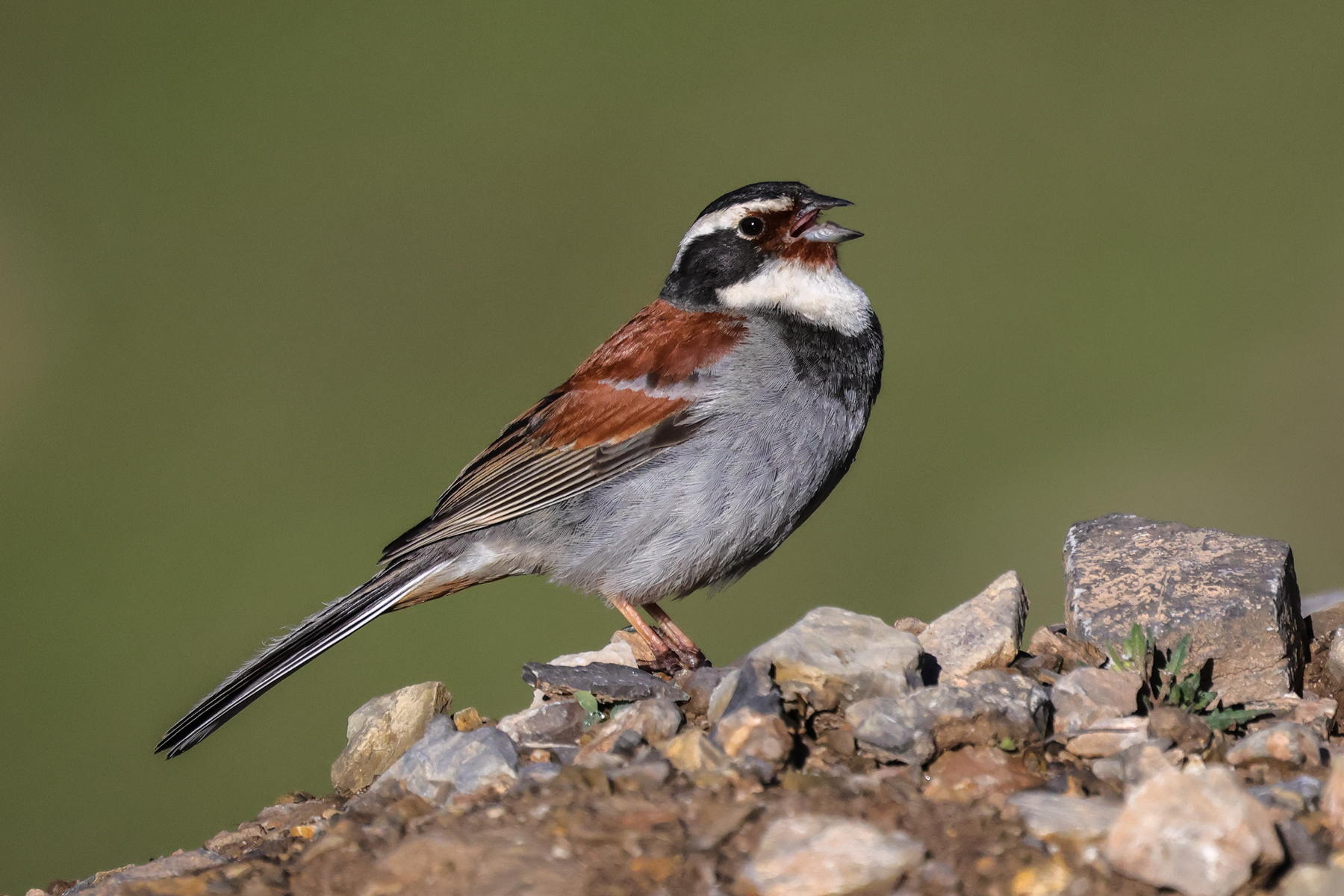
Tibetan Bunting (image by Hannu Jännes)
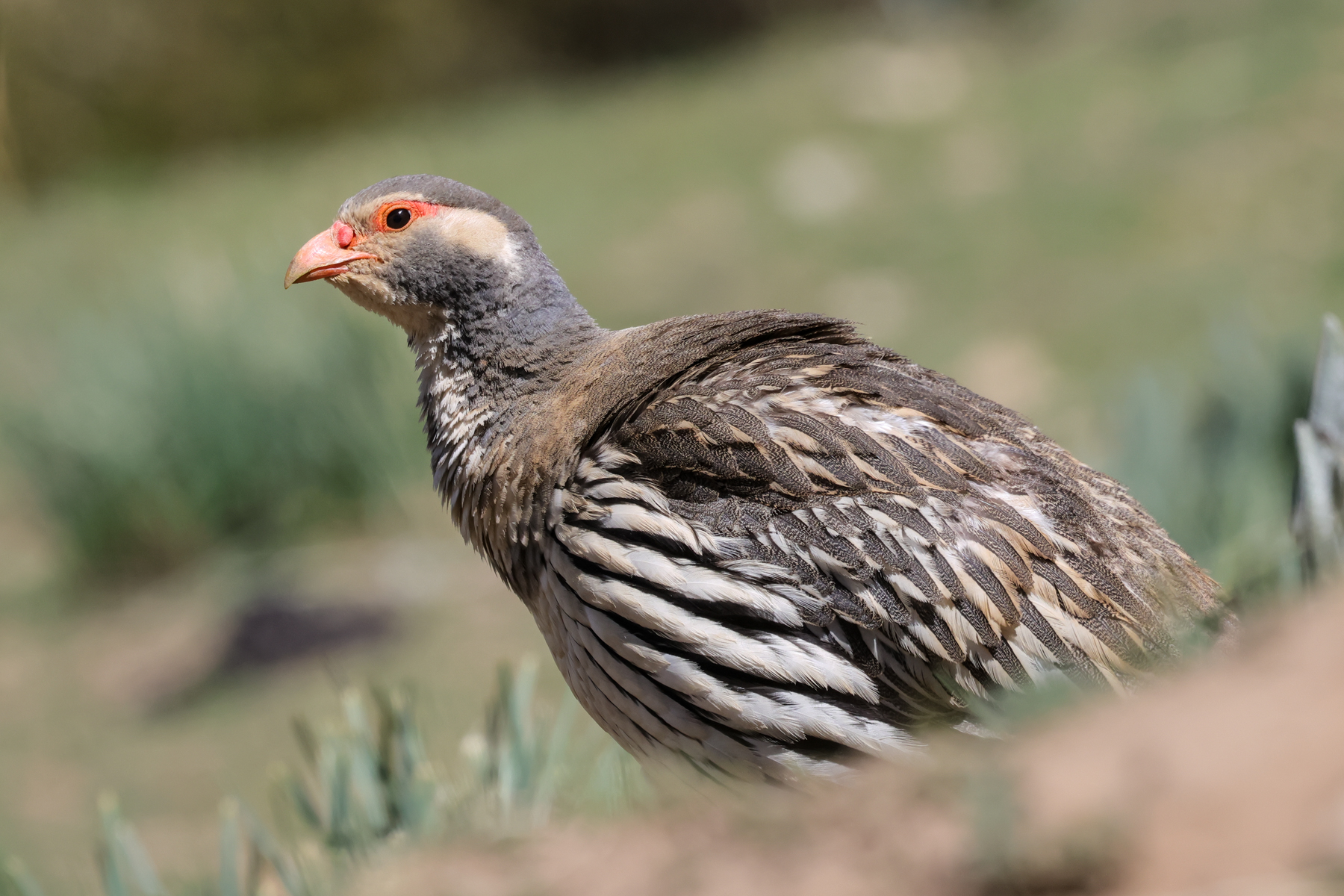
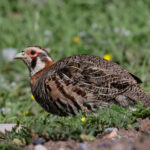
Tibetan Snowcock (image by Hannu Jännes)
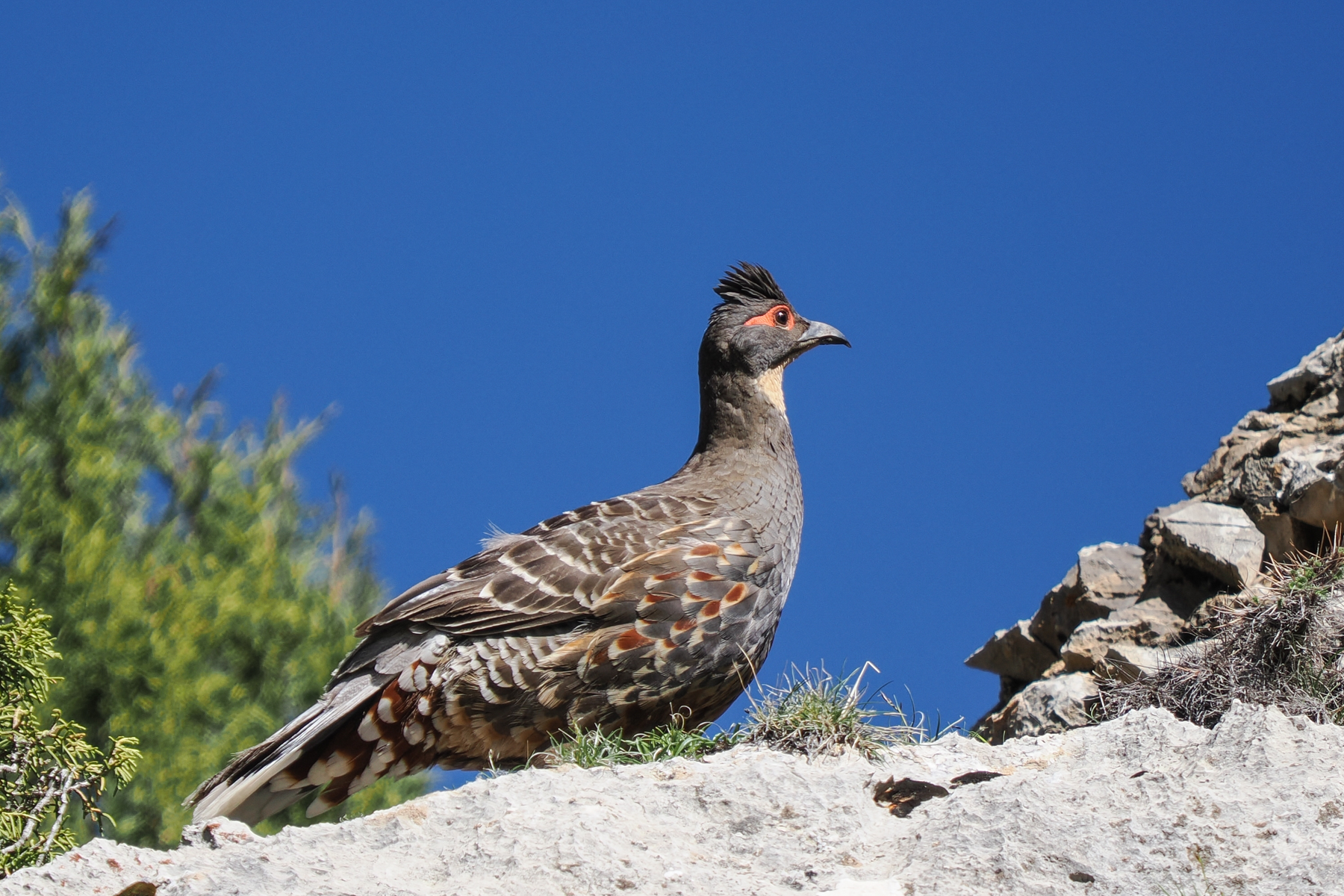
Buff-throated Monal-Partridge (image by Gary Howard)
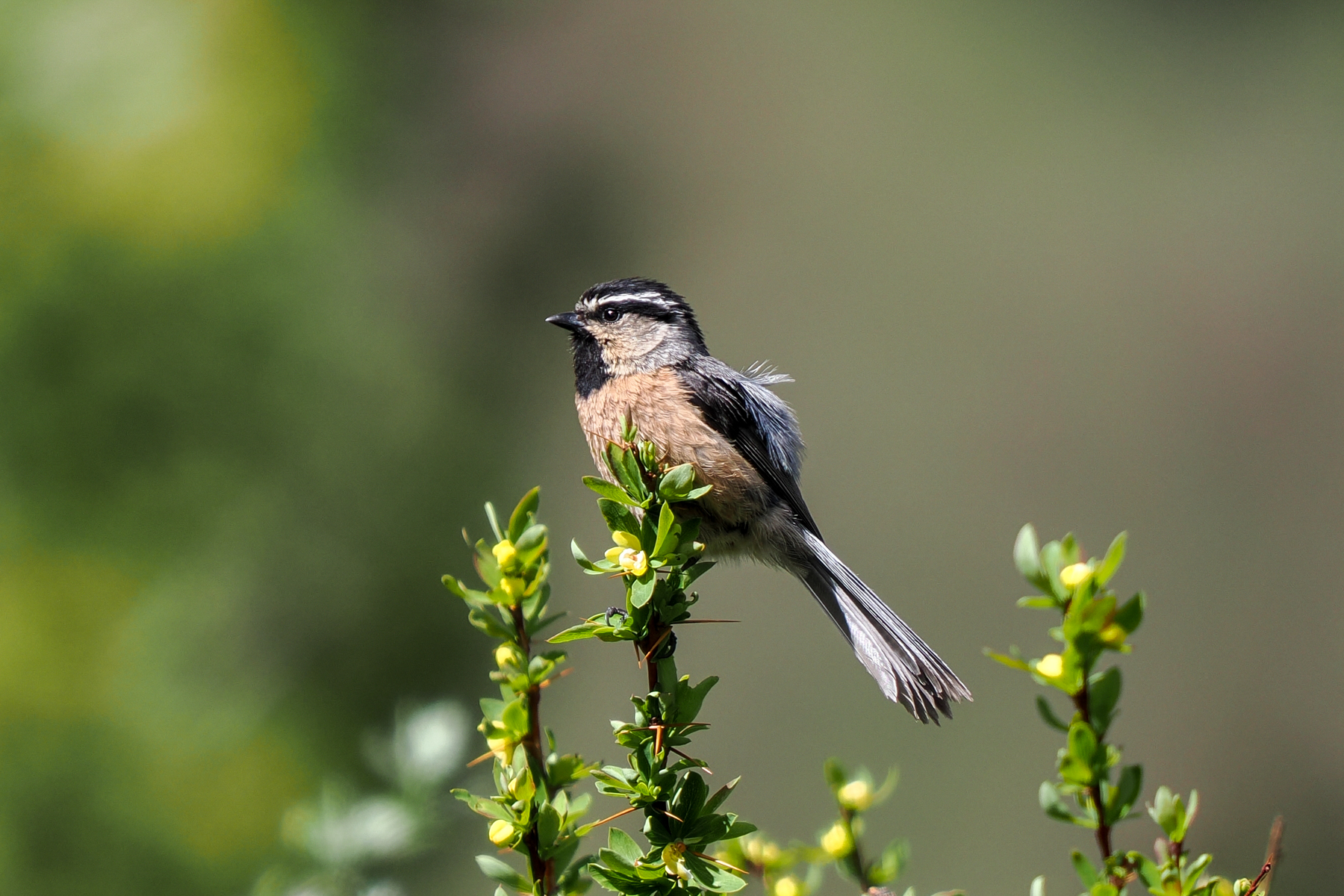
White-browed Tit (image by Gary Howard)
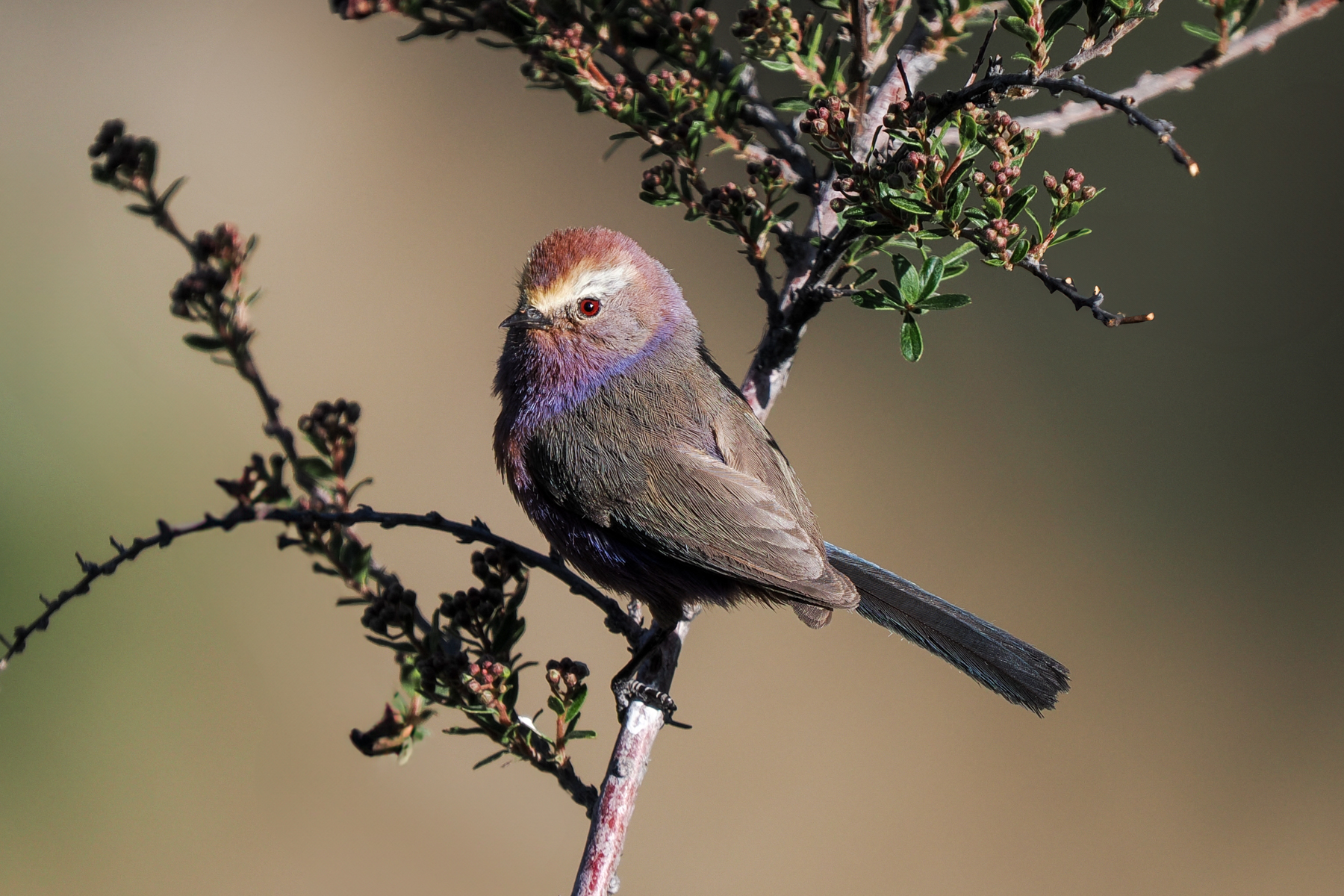
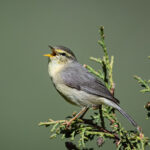
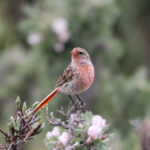
White-browed Tit-warbler (image by Gary Howard)
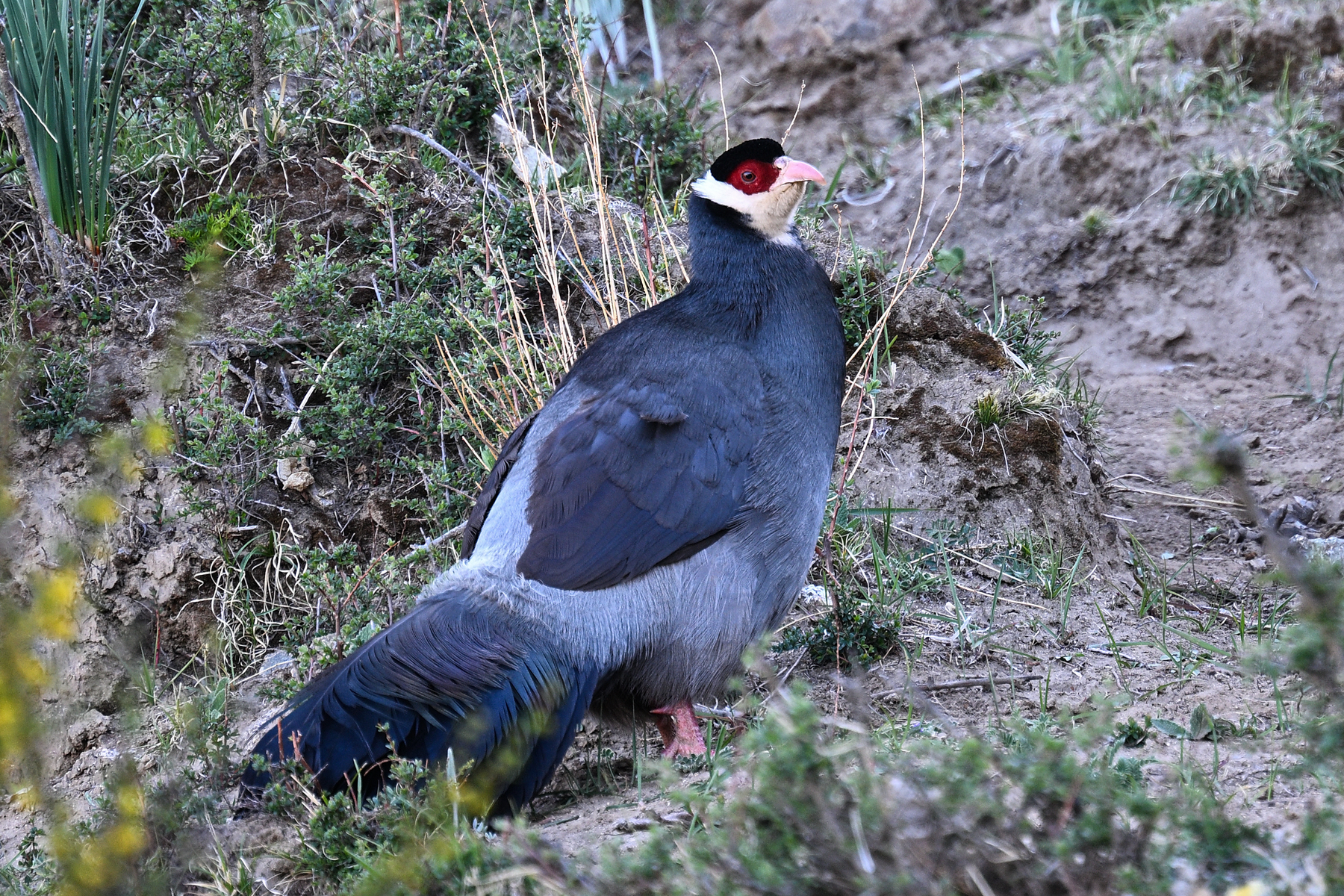
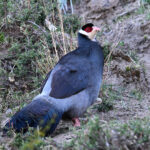
Tibetan Eared Pheasant (image by Paul Matson)
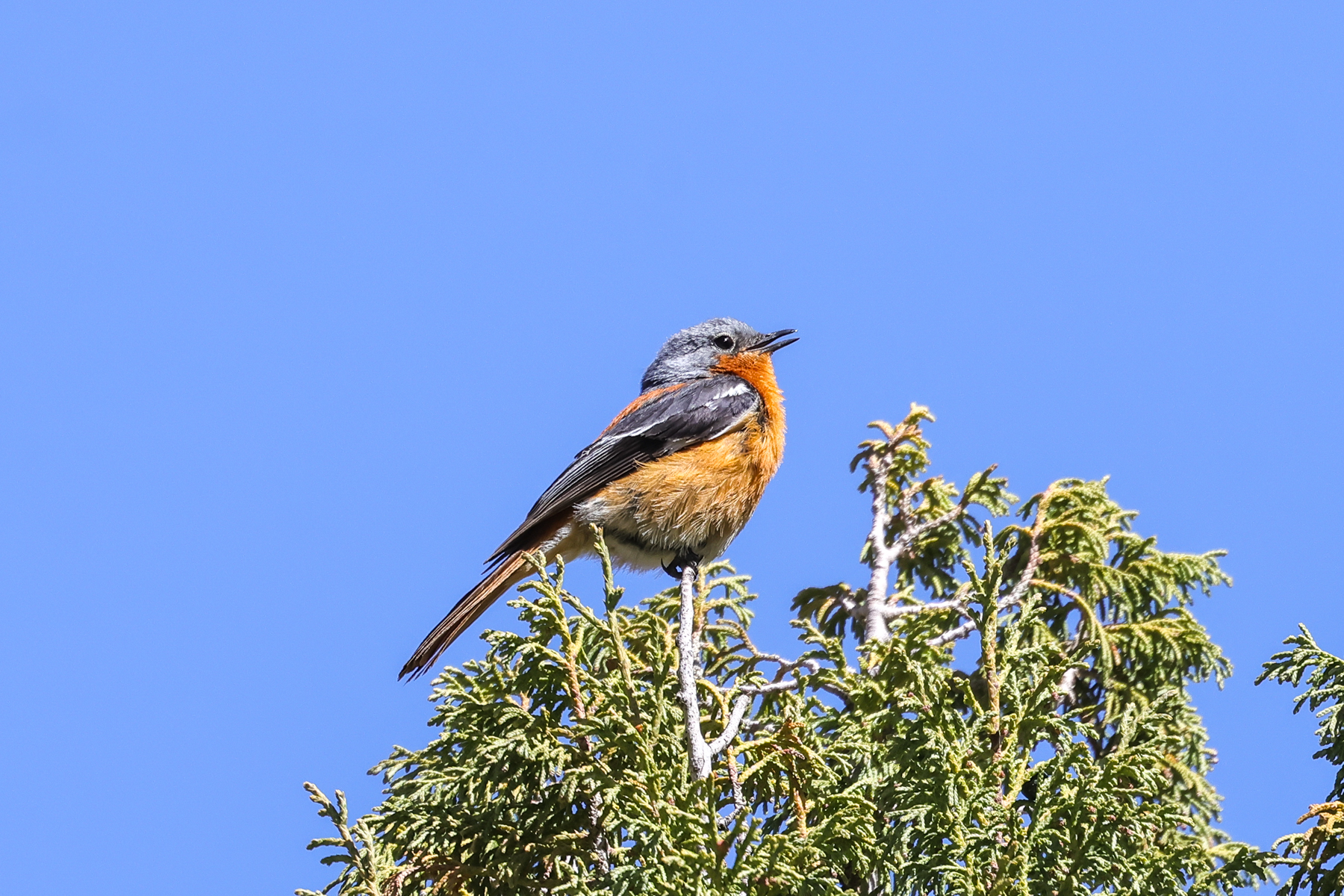
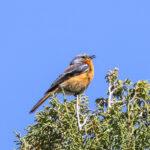
Przevalski's Redstart (image by Hannu Jännes)
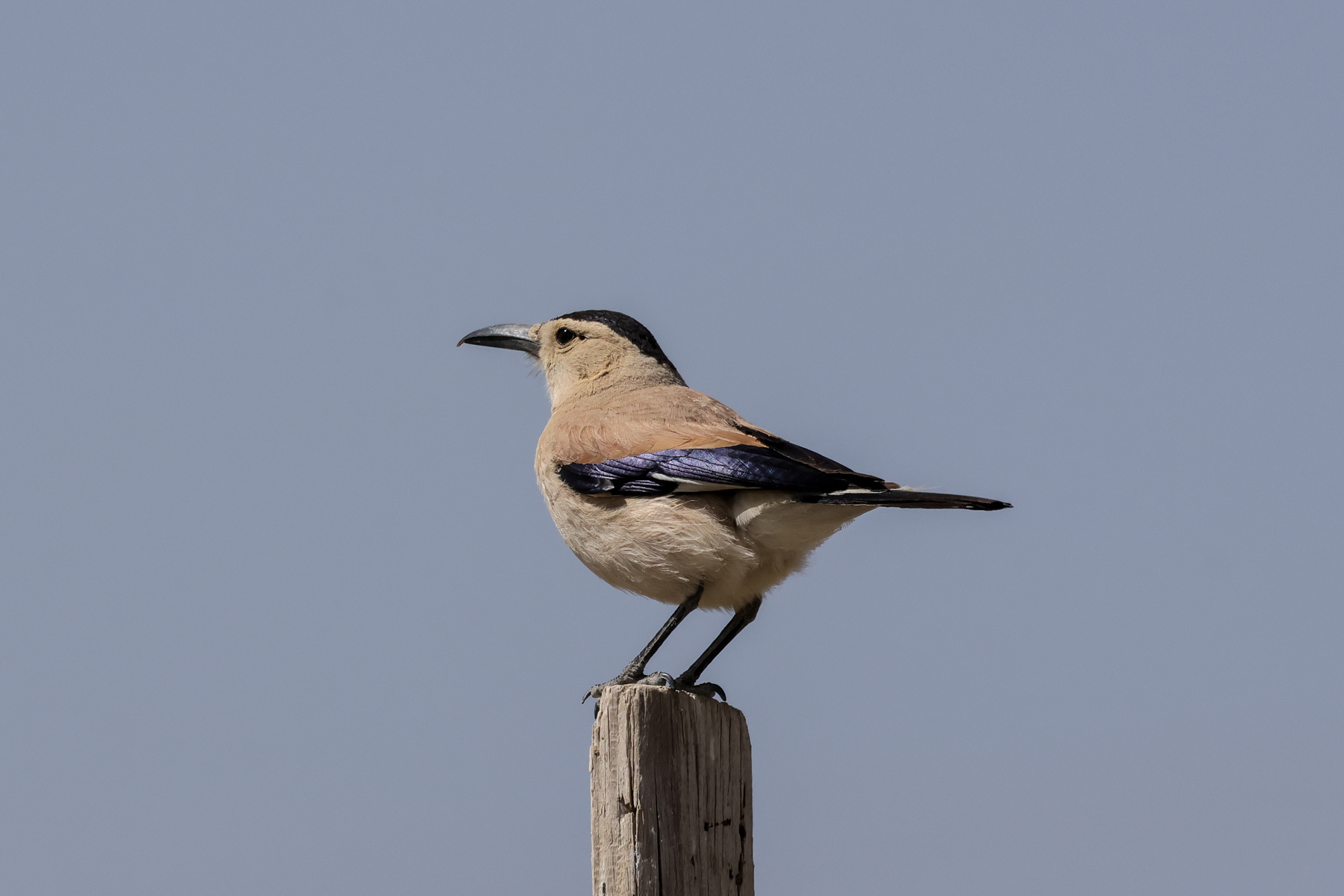
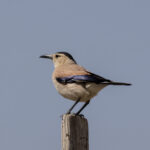
Mongolian Ground Jay (image by Hannu Jännes)
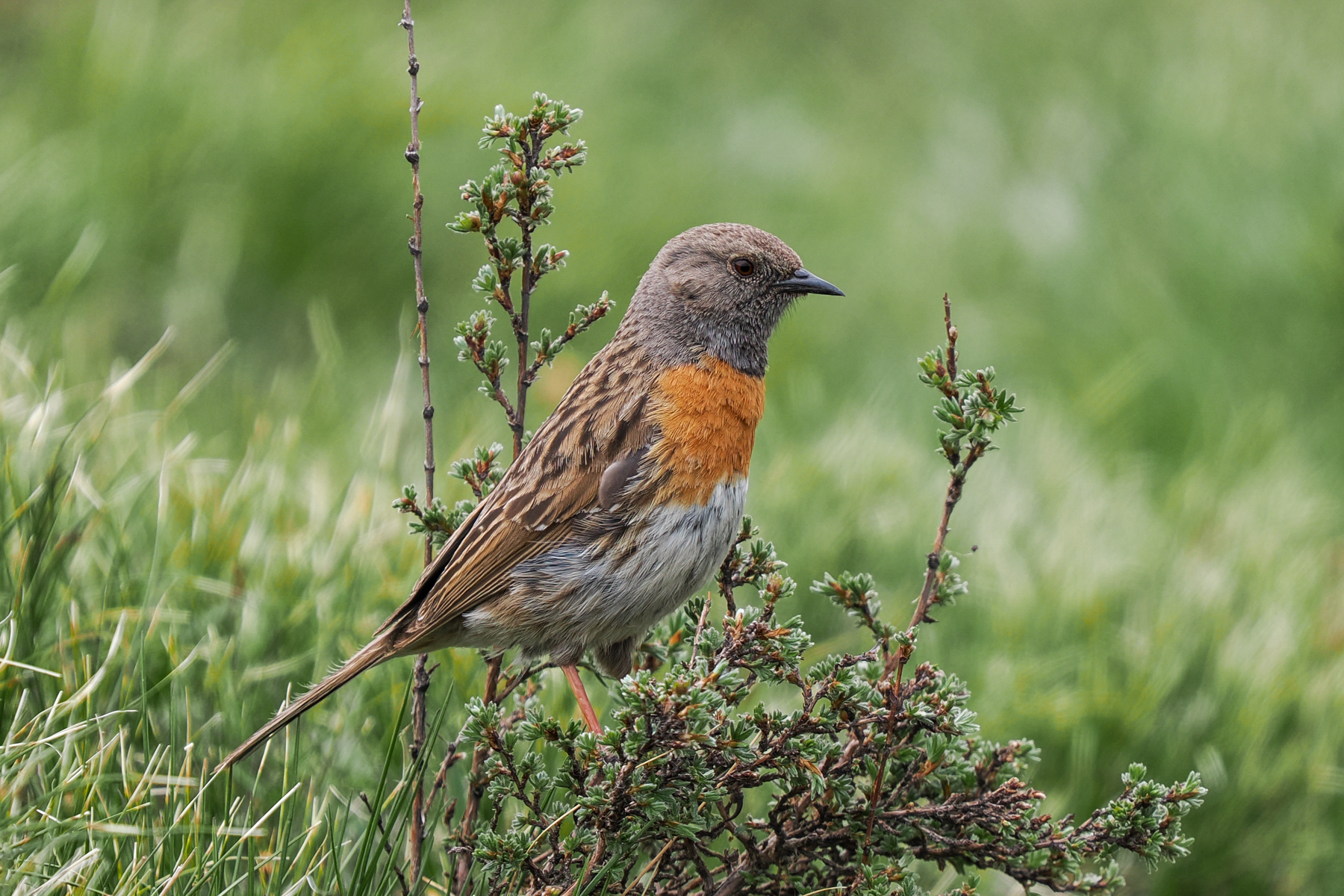
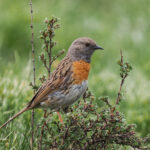
Robin Accentor (image by Gary Howard)
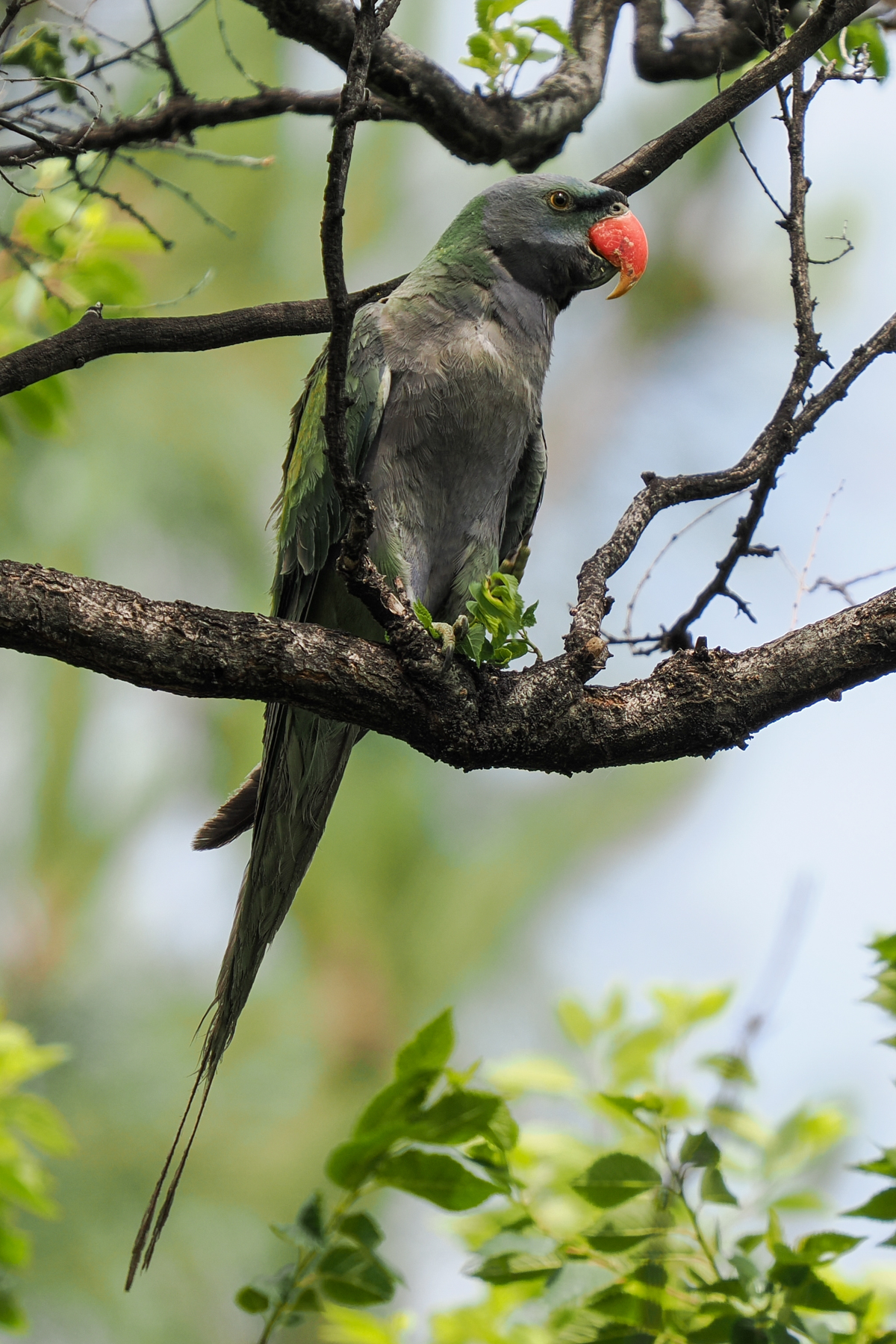
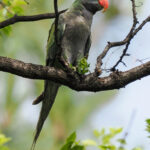
Lord Derby's Parakeet (image by Gary Howard)
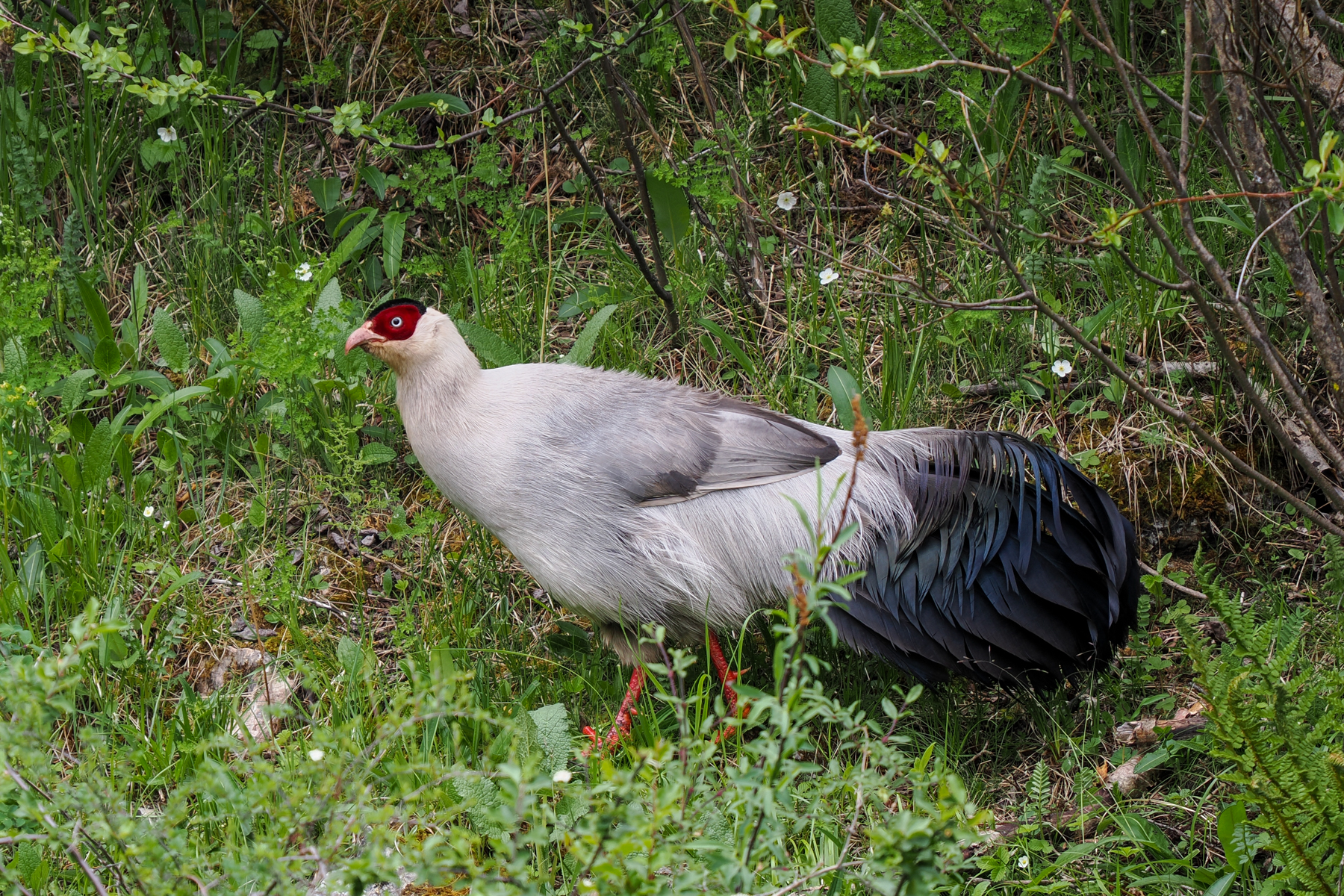
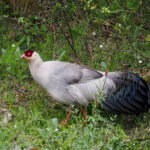
White Eared Pheasant (image by Gary Howard)
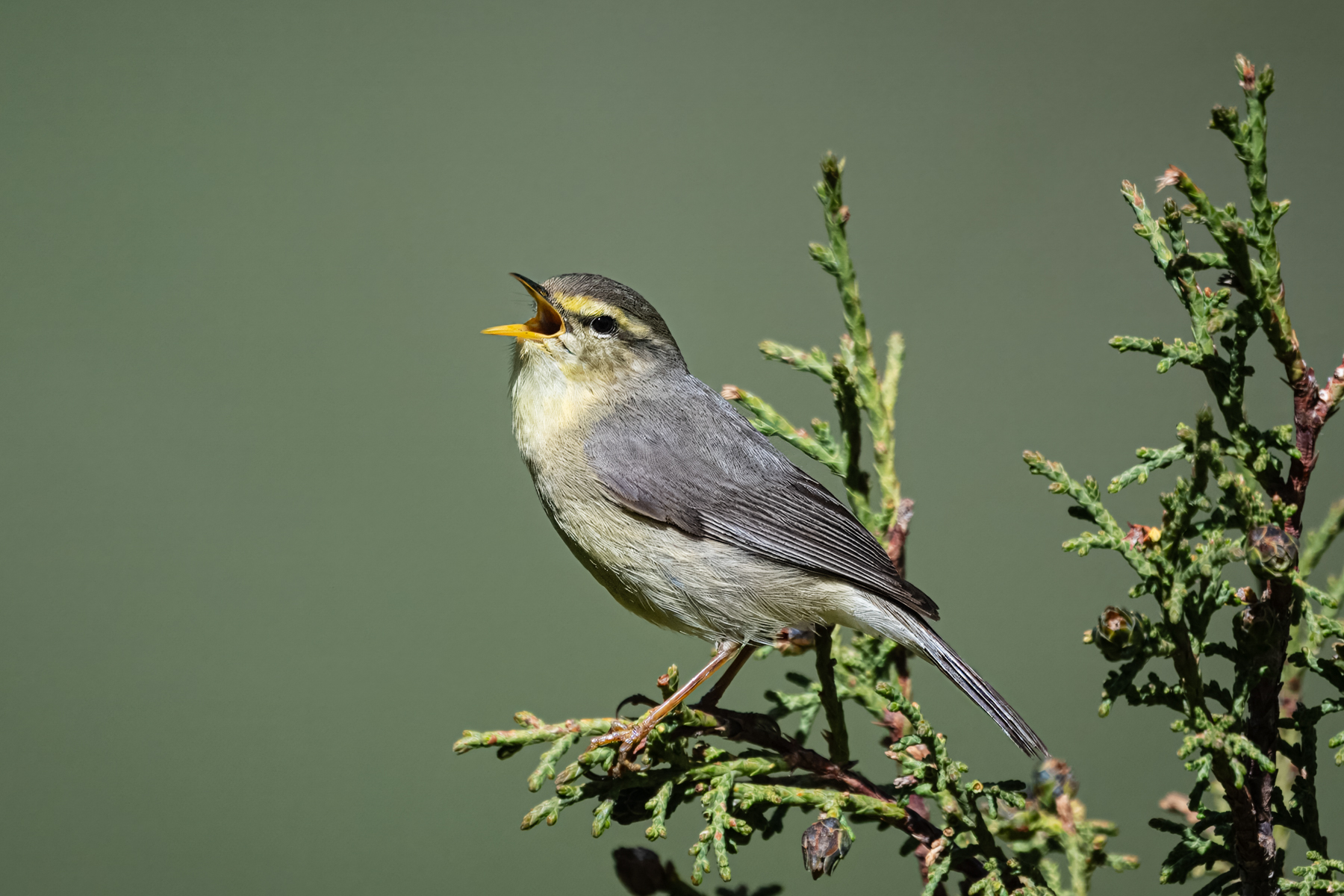
Tickell's Leaf Warbler (image by Alec Gillespie)
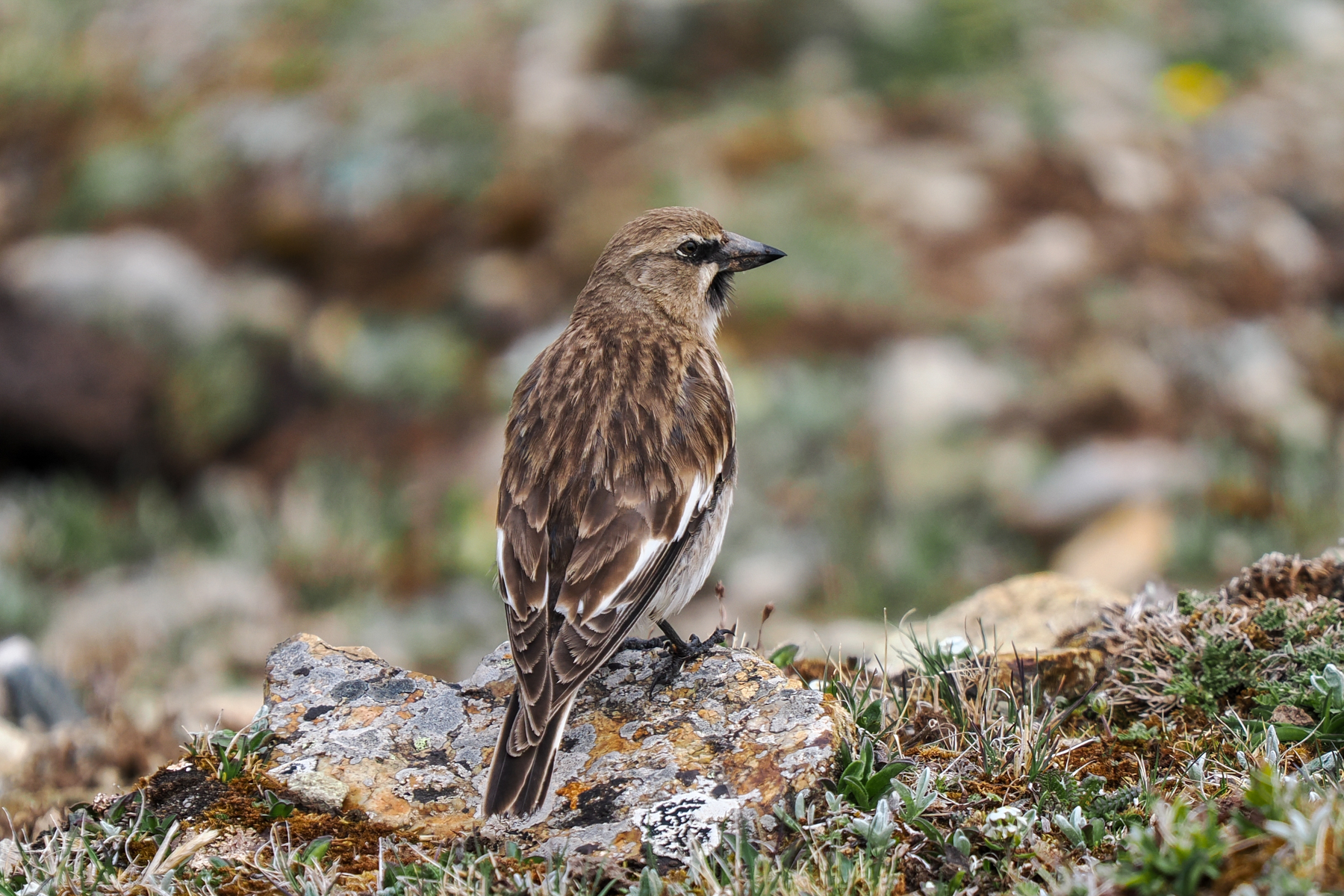
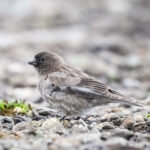
Tibetan Snowfinch (image by Gary Howard)
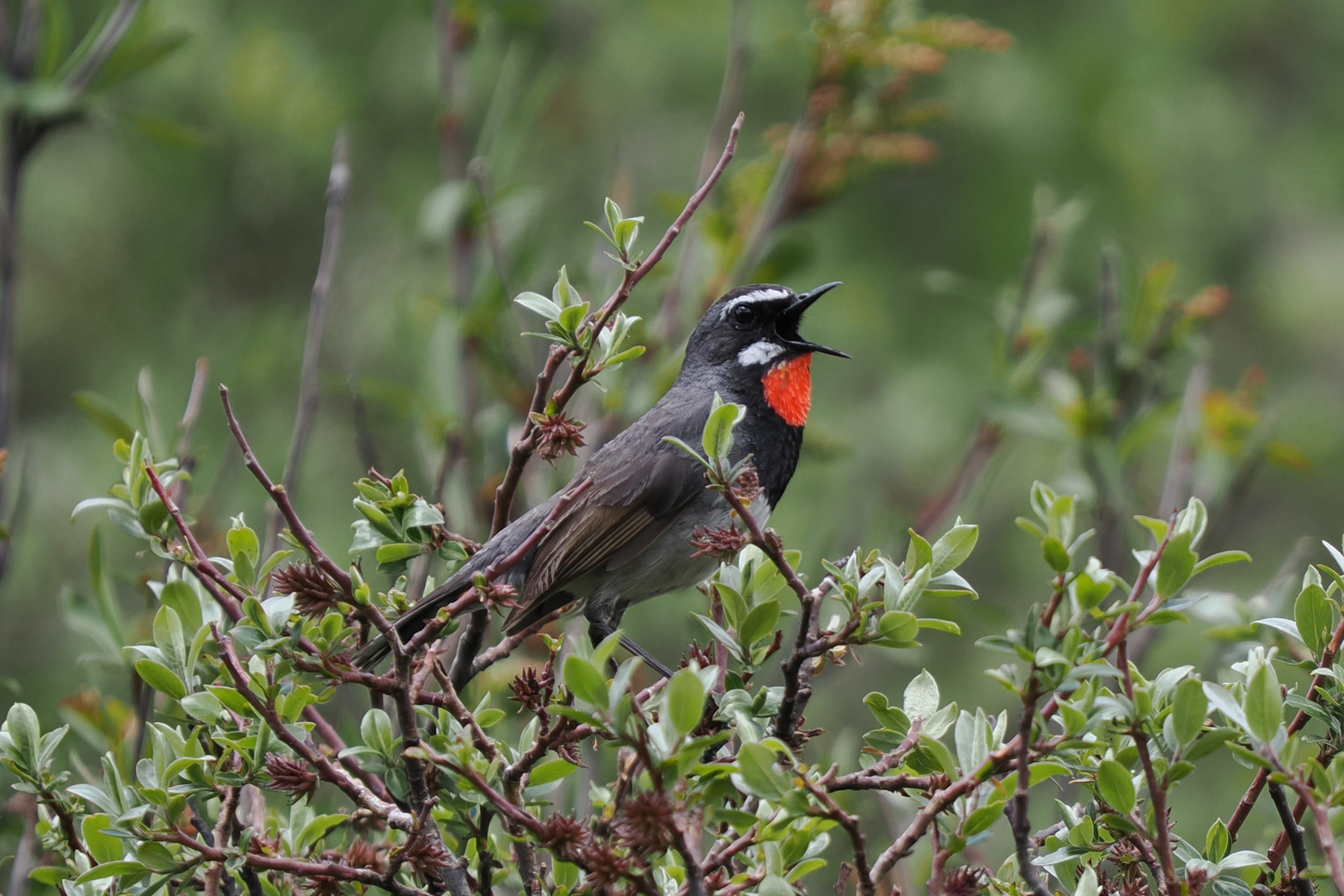
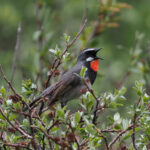
Chinese Rubythroat (image by Gary Howard)
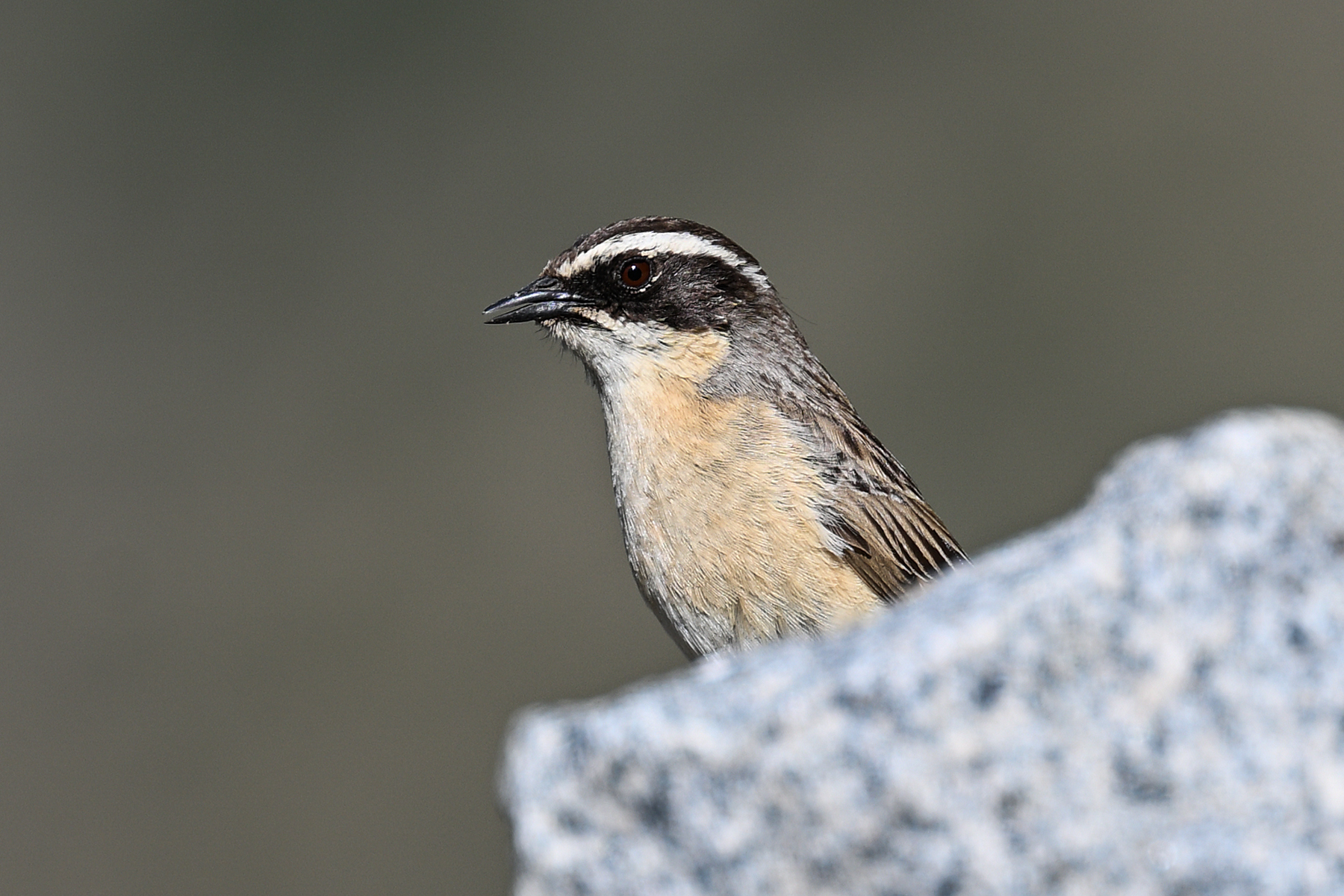
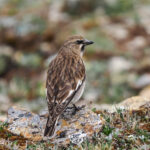
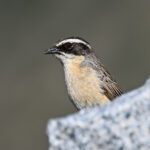
Brown Accentor (image by Paul Matson)
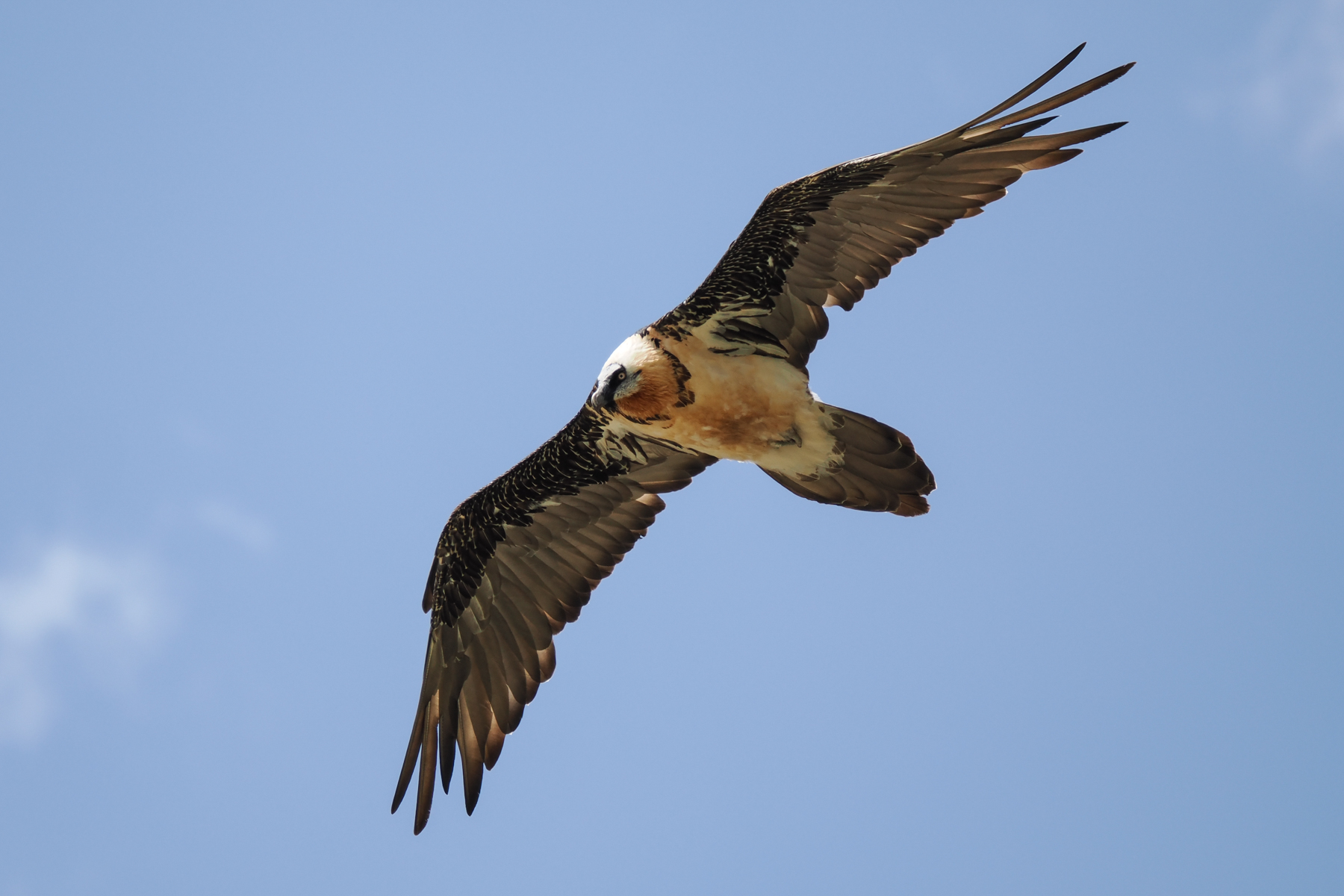
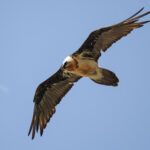
Bearded Vulture (image by Gary Howard)
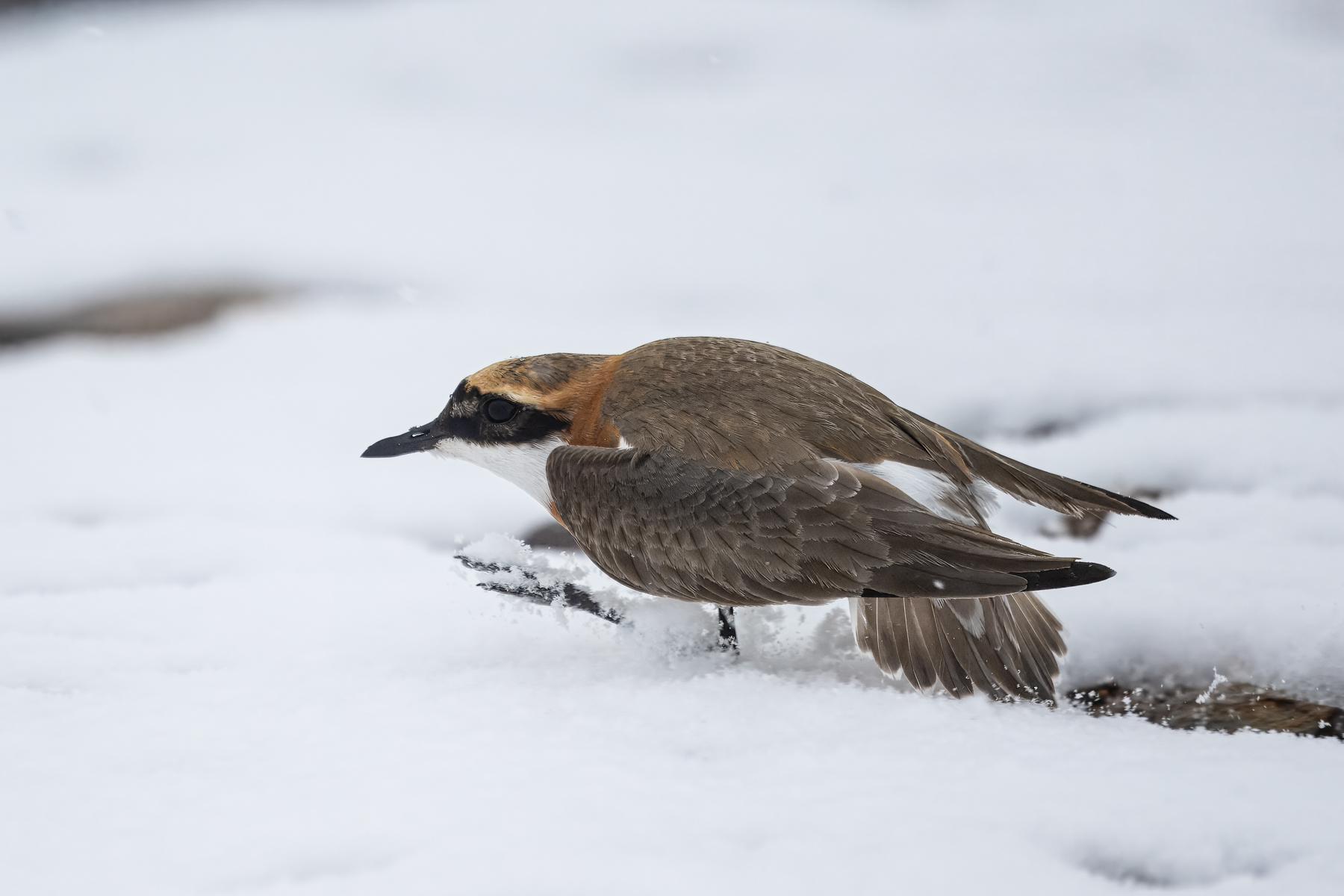
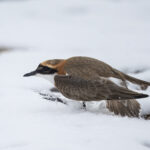
Tibetan Sand Plover (image by Alec Gillespie)
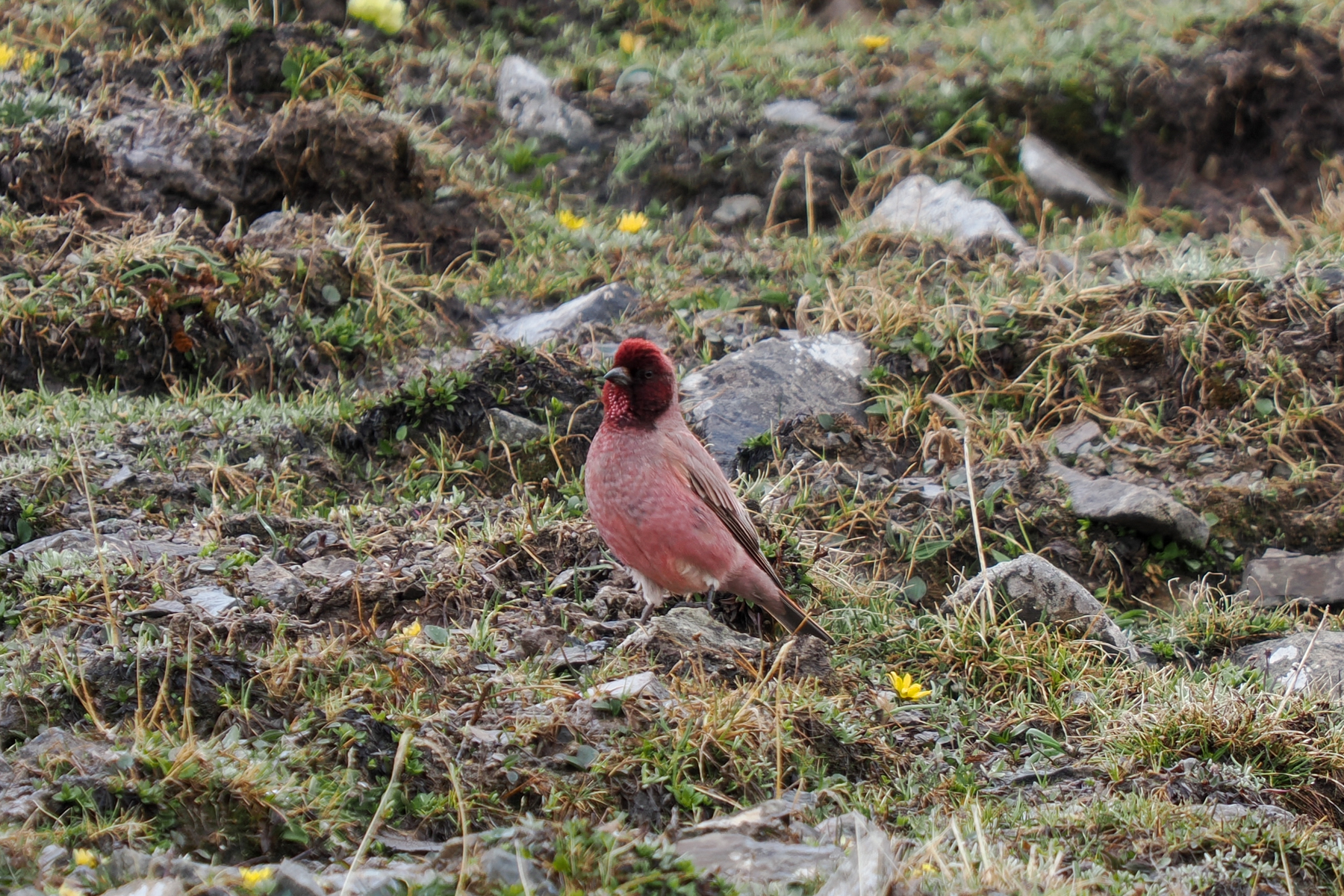
Tibetan Rosefinch (image by Gary Howard)
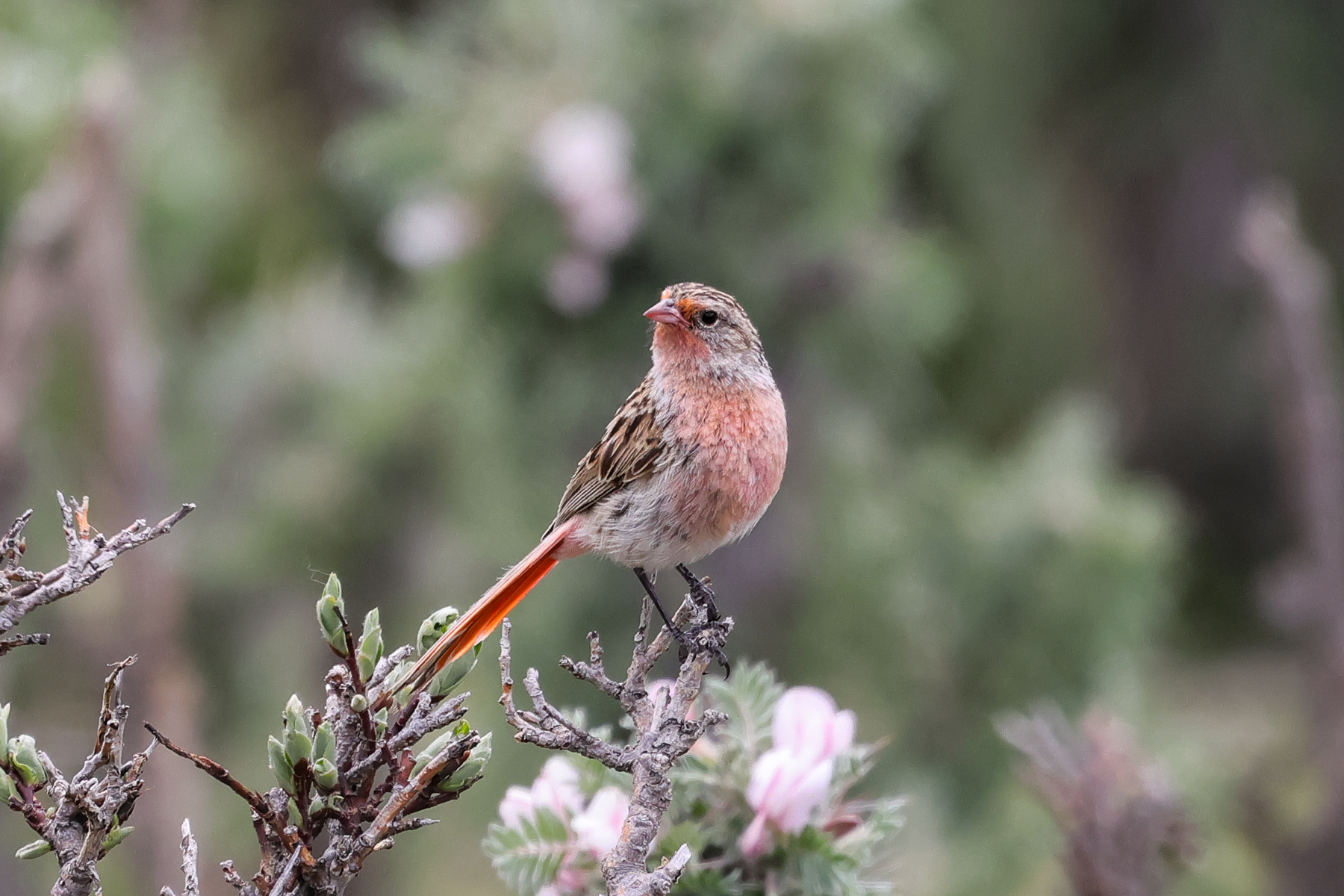
Przevalski's Finch (image by Hannu Jännes)
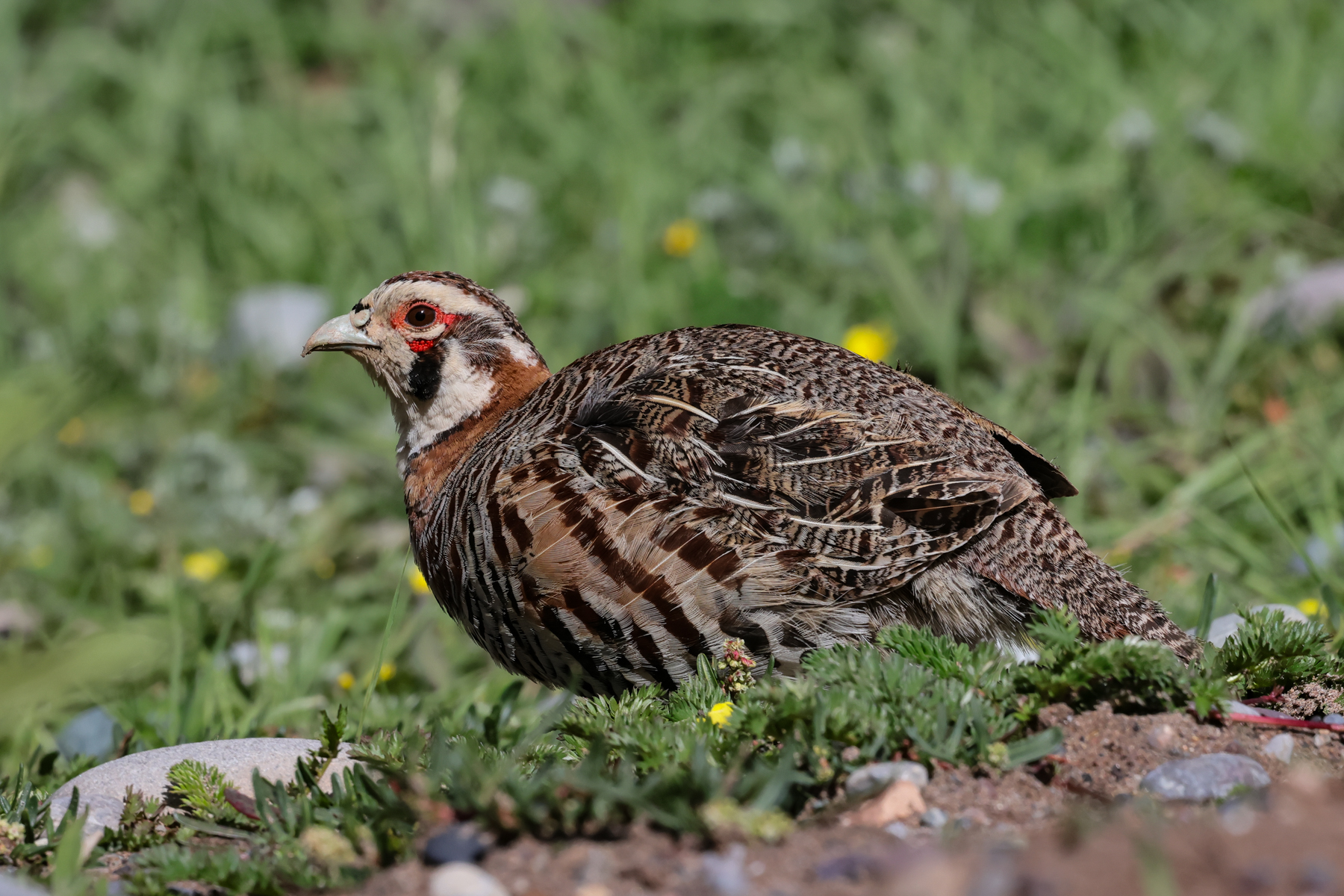
Tibetan Partridge (image by Hannu Jännes)
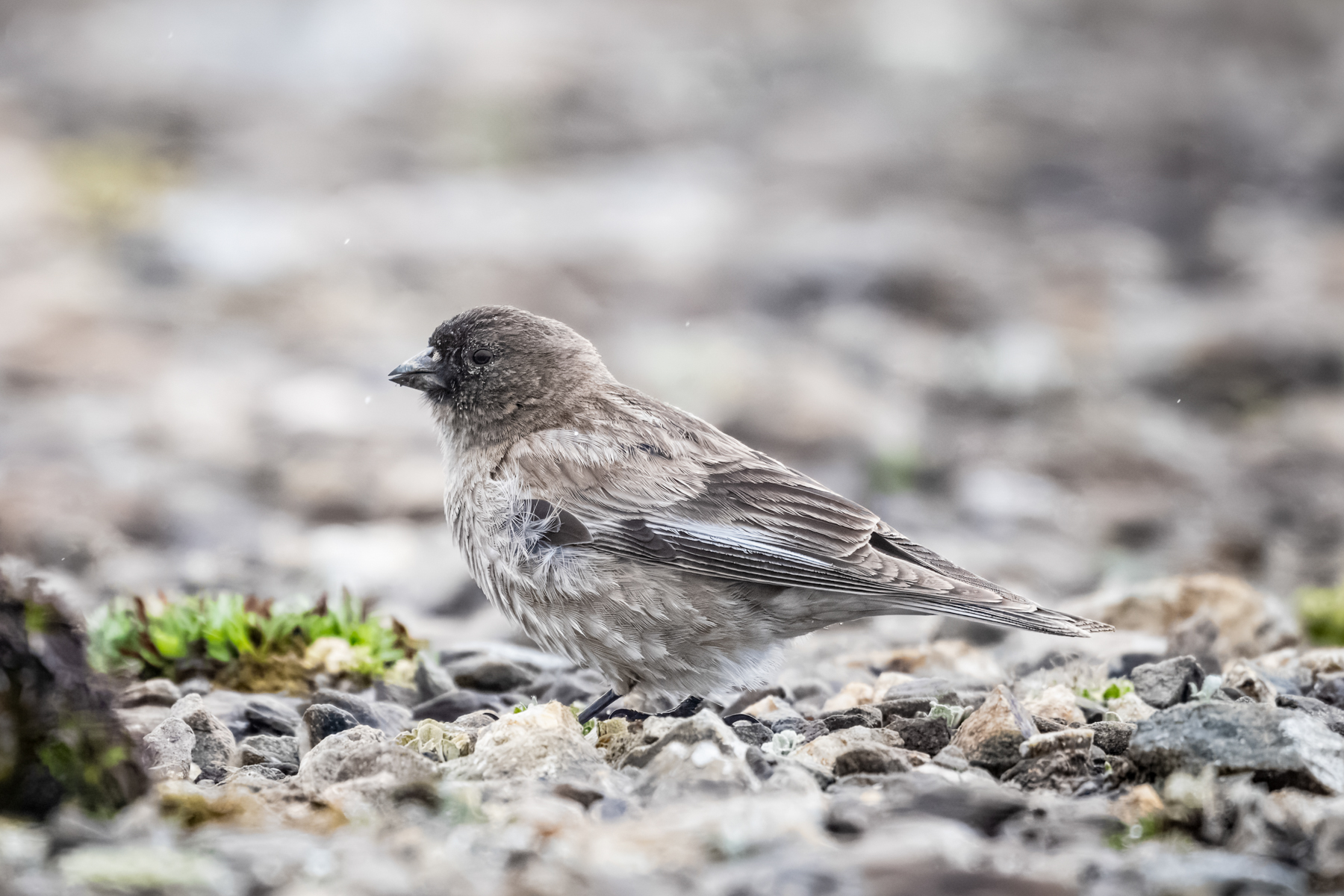
Brandt's Mountain Finch (image by Alec Gillespie)
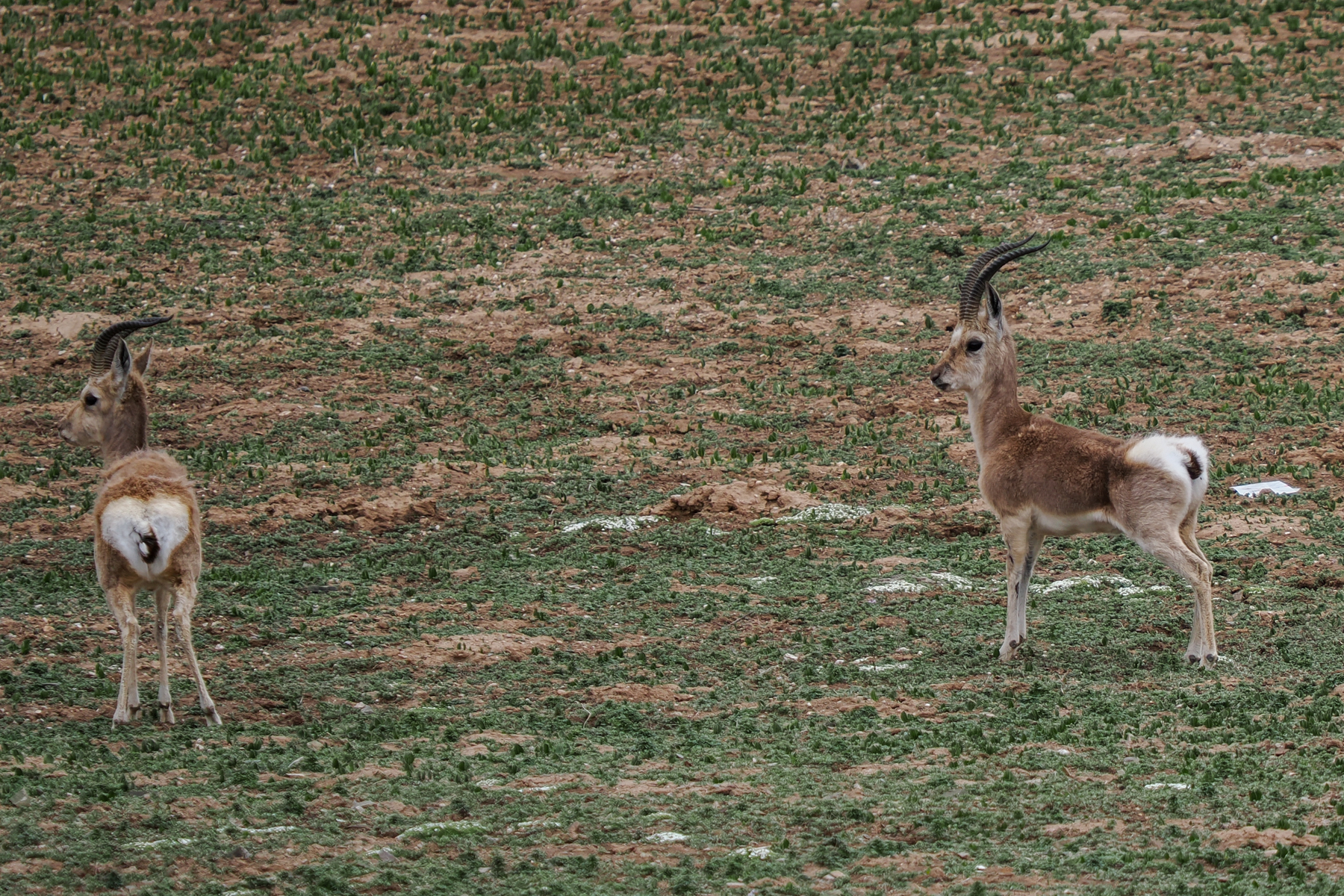
Tibetan Gazelles (image by Gary Howard)
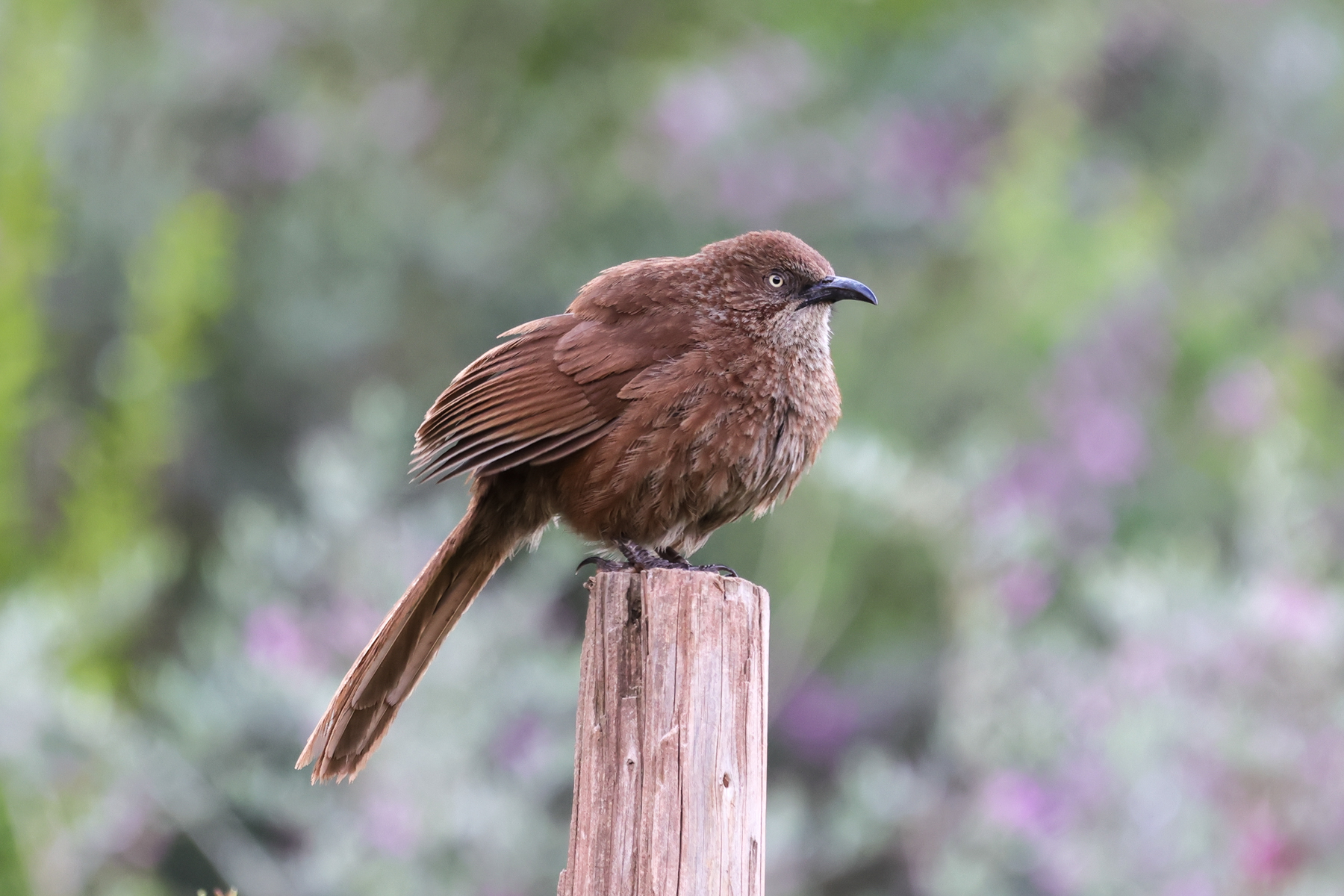
Tibetan Babax (image by Hannu Jännes)
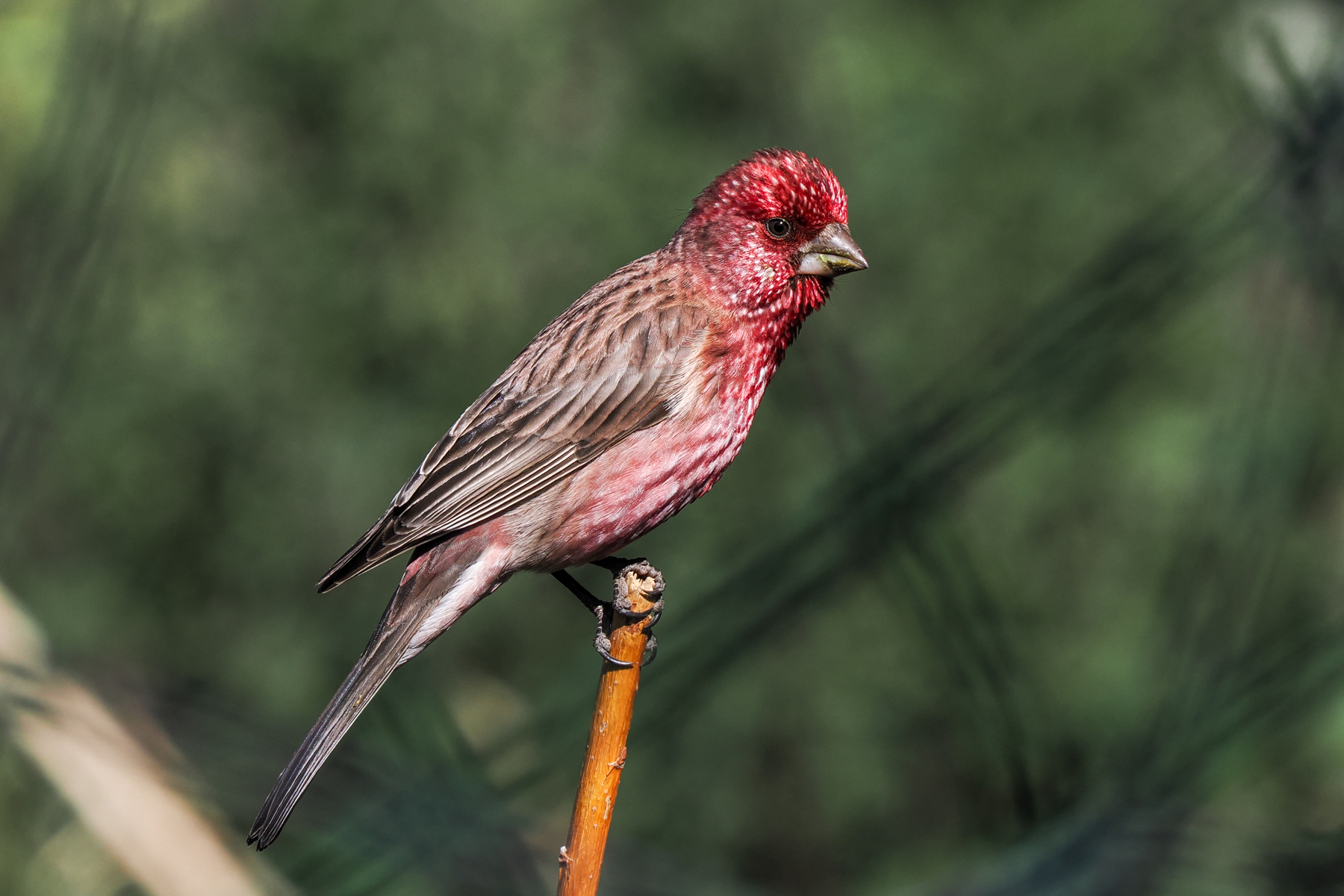
Streaked Rosefinch (image by Gary Howard)
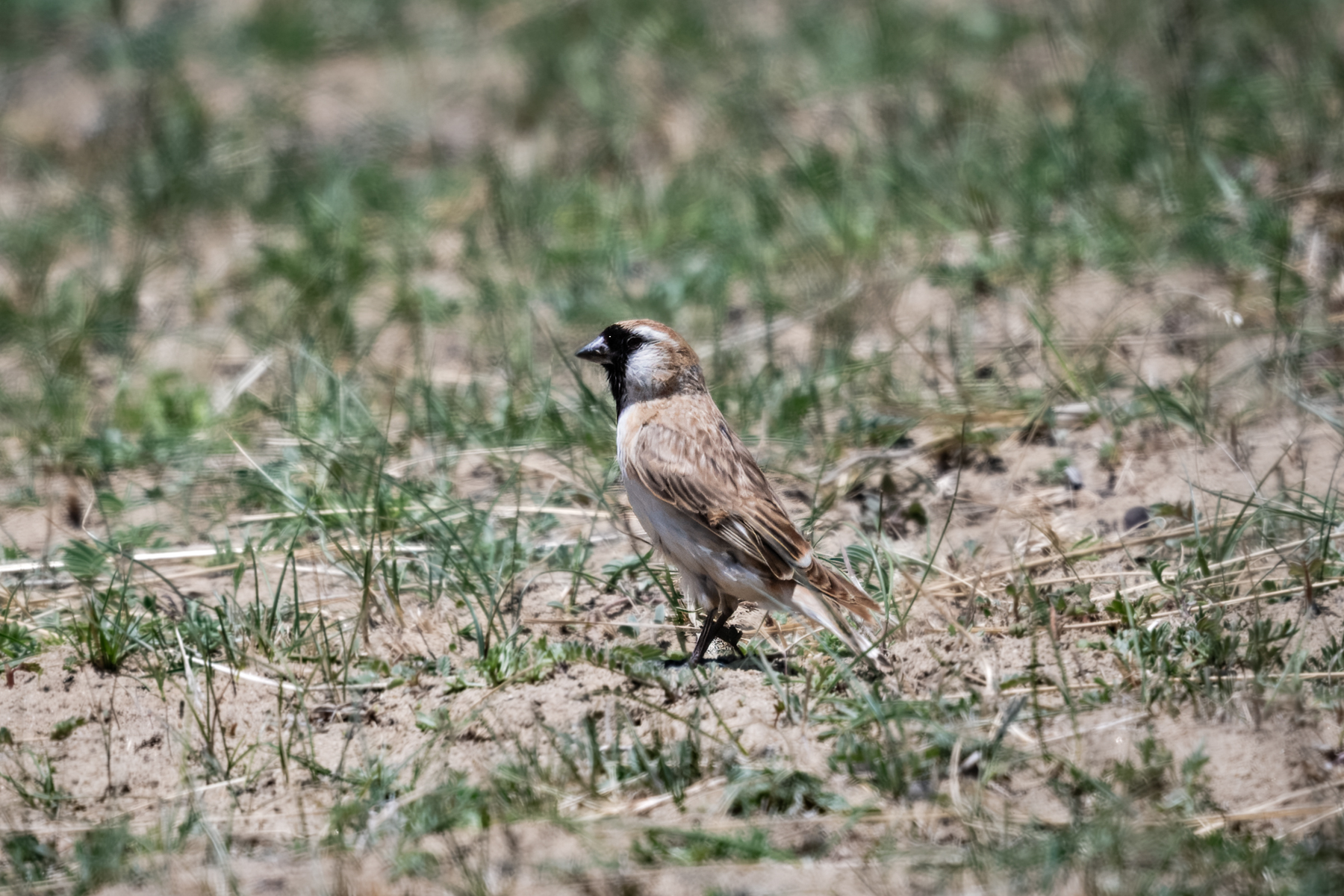
Small Snowfinch (image by Alec Gillespie)
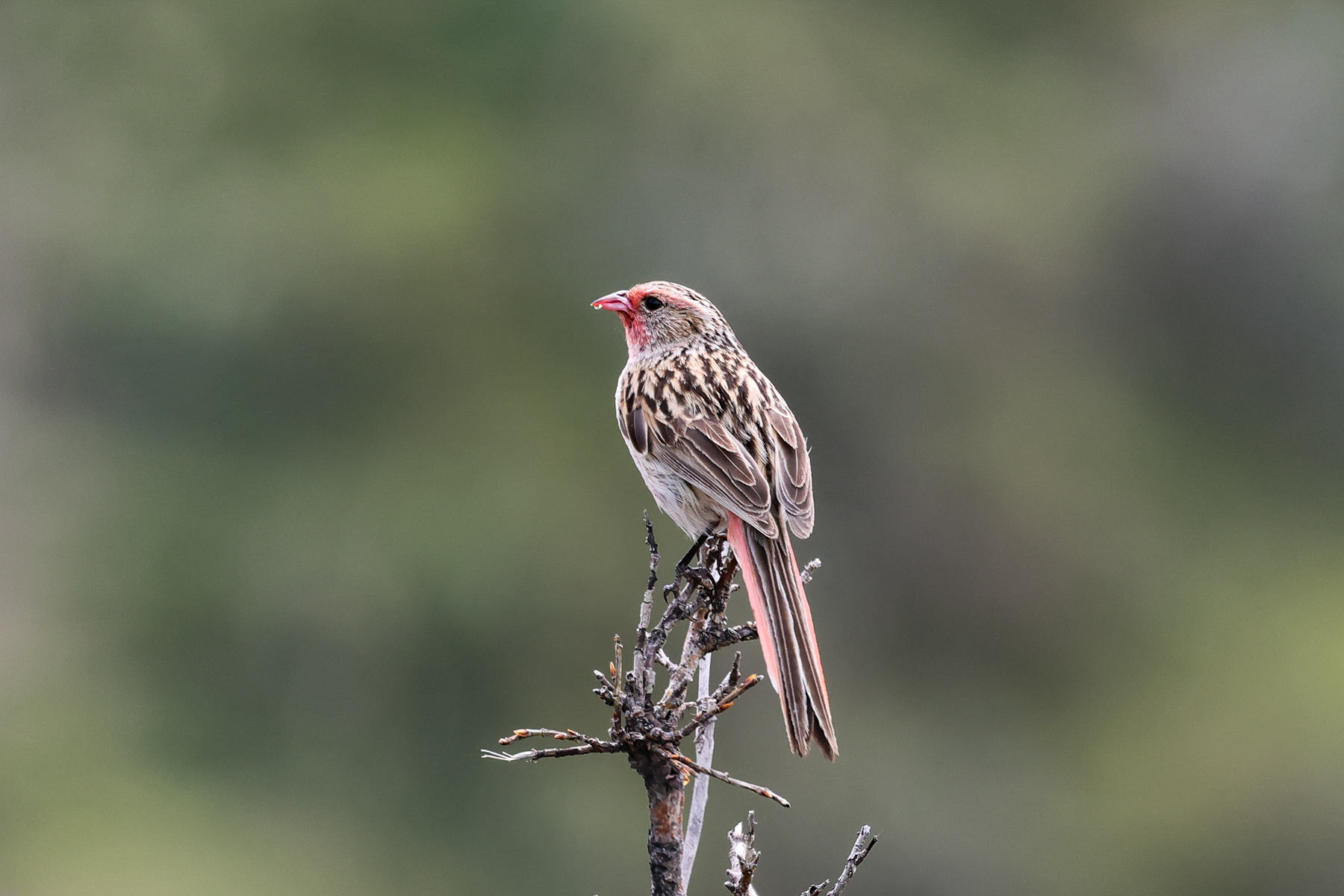
Przevalski's Finch (image by Hannu Jännes)
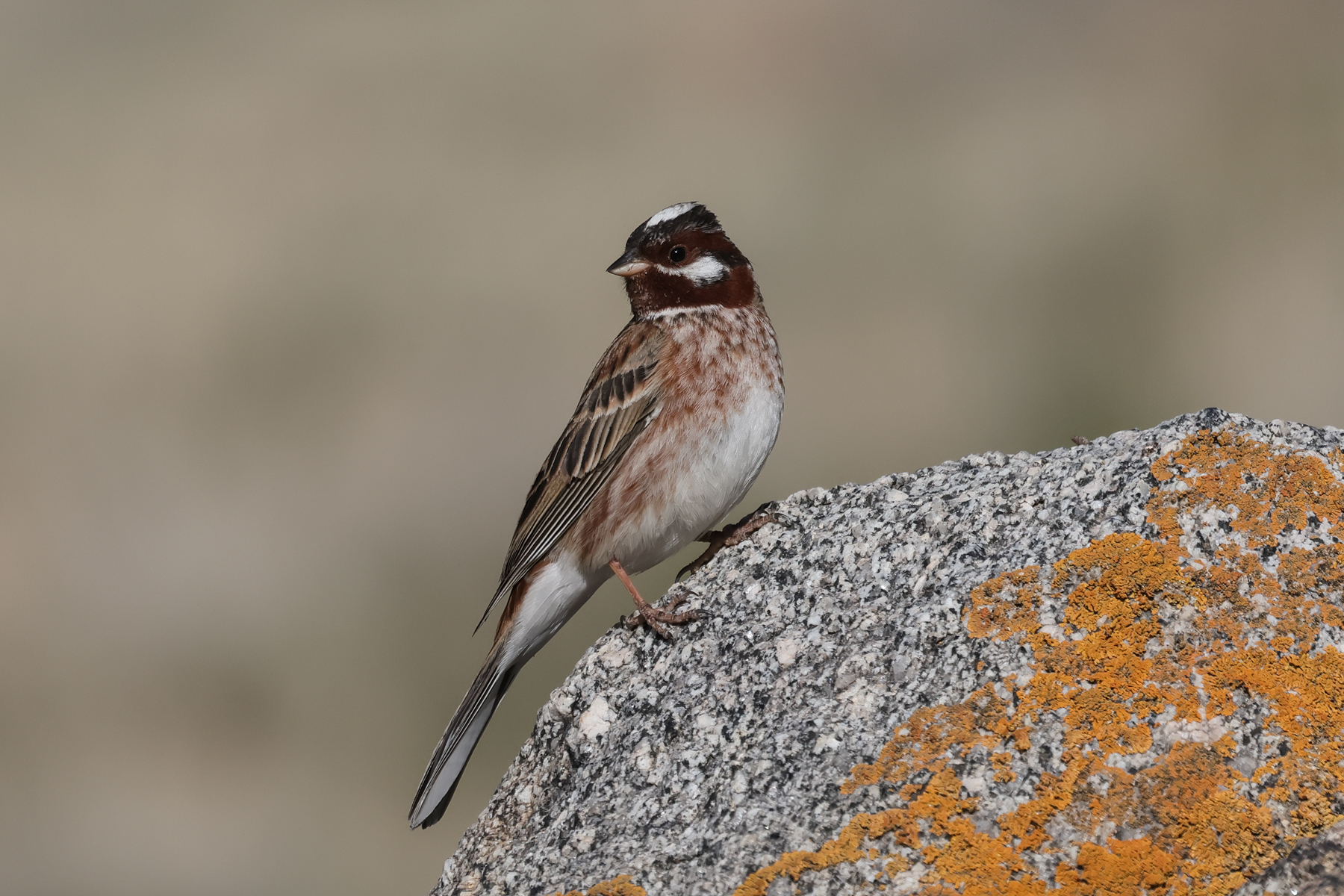
Pine Bunting (image by Hannu Jännes)
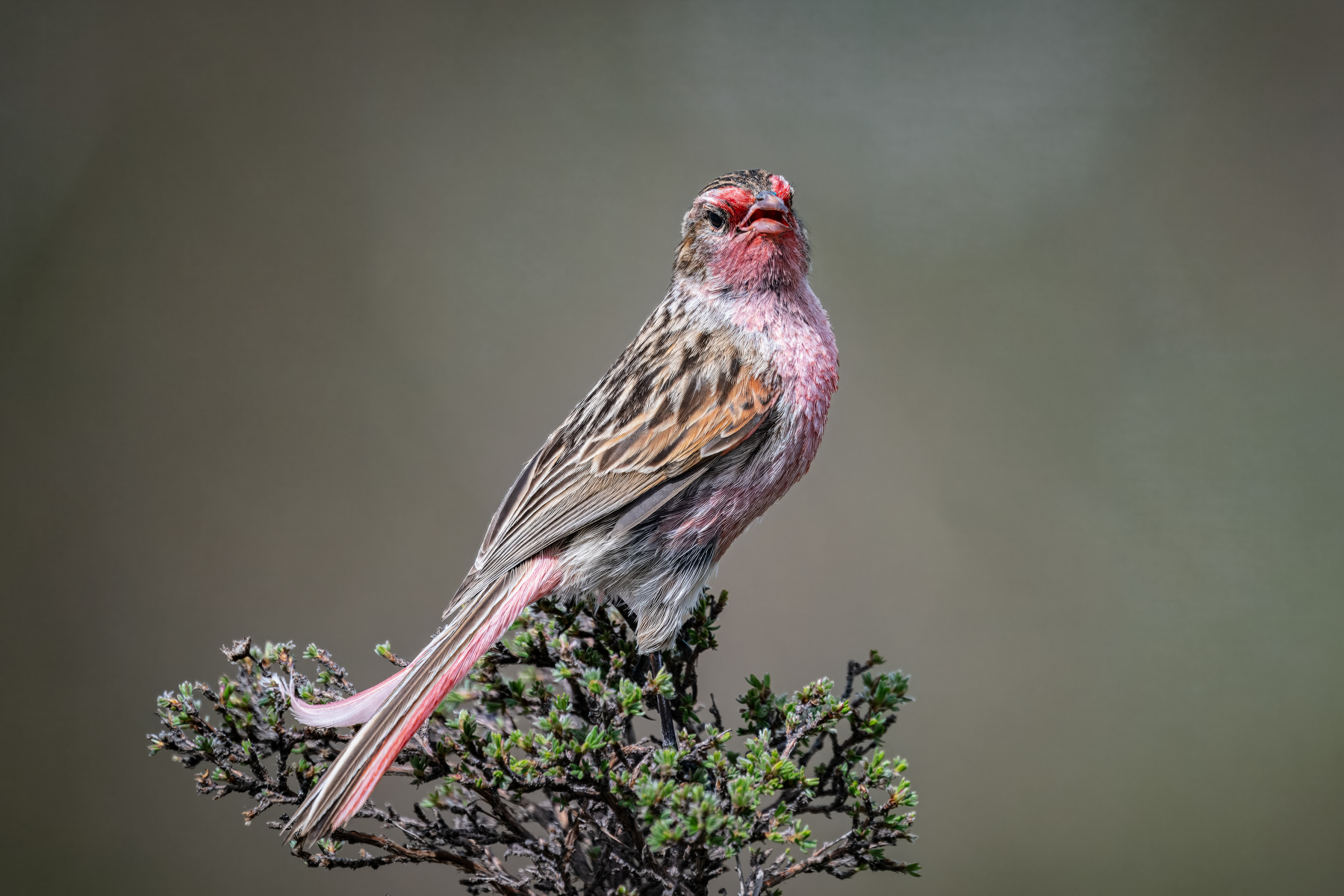
Przevalski's Finch (image by Alec Gillespie)
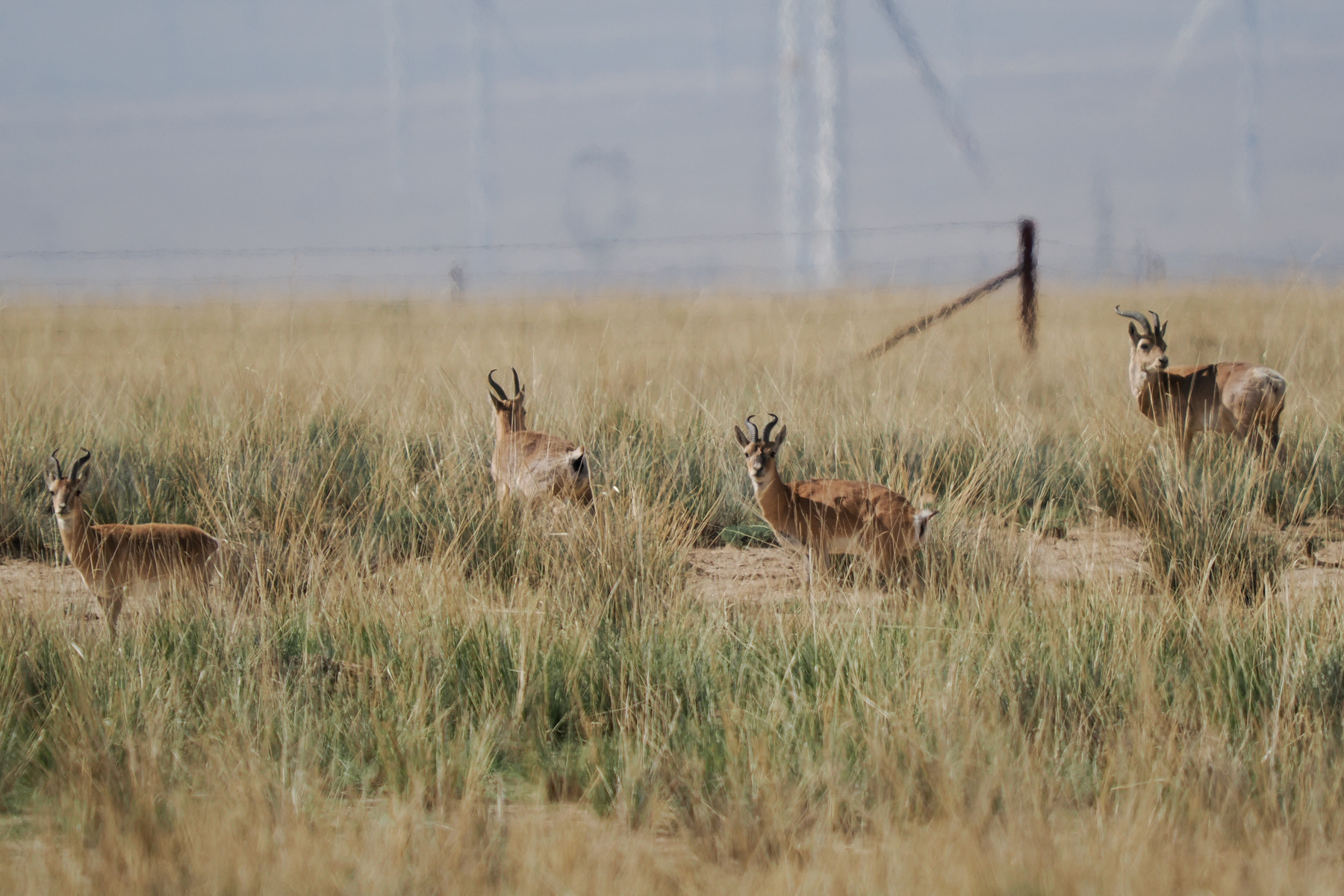
Przevalski's Gazelles (image by Gary Howard)
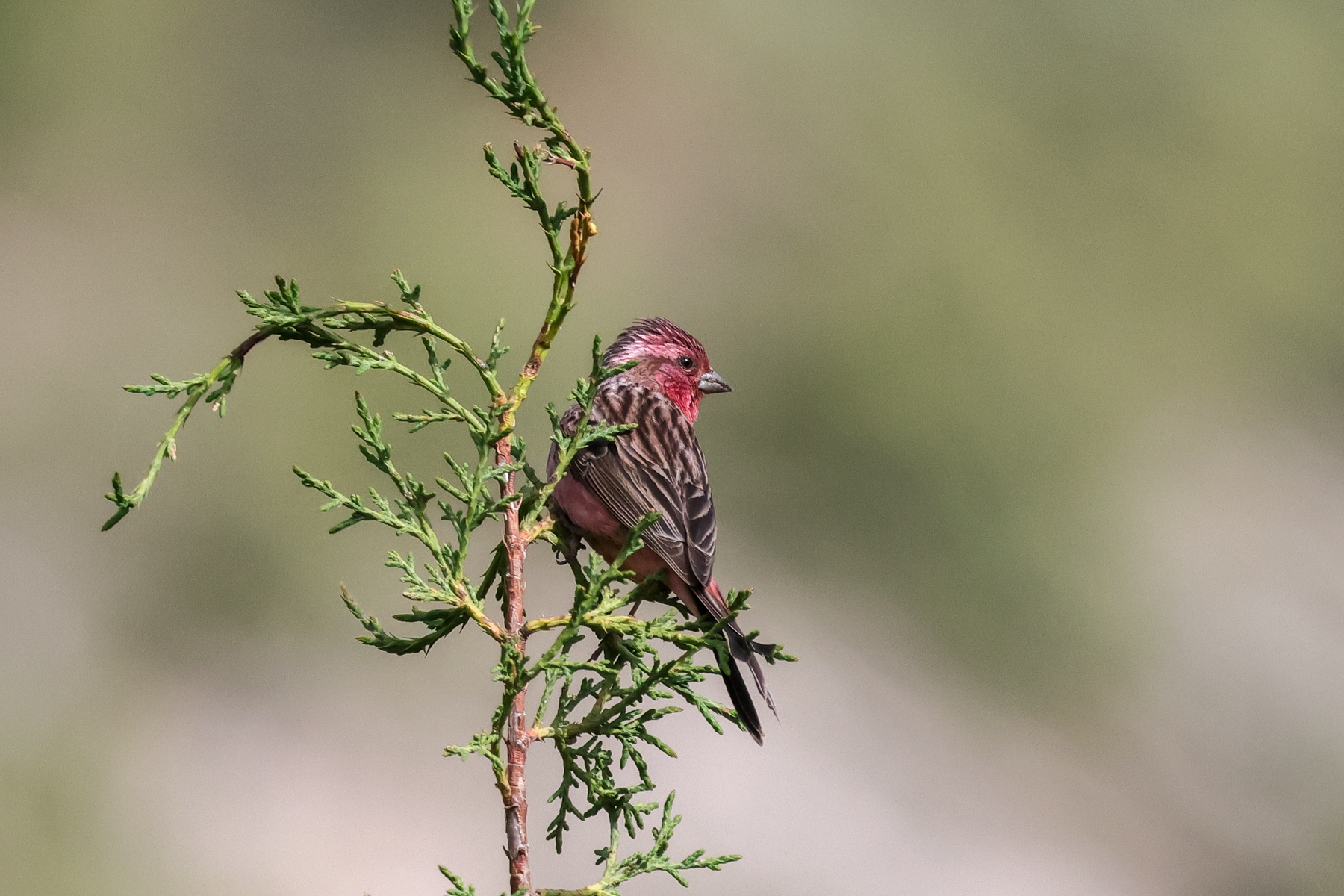
Pink-rumped Rosefinch (image by Hannu Jännes)
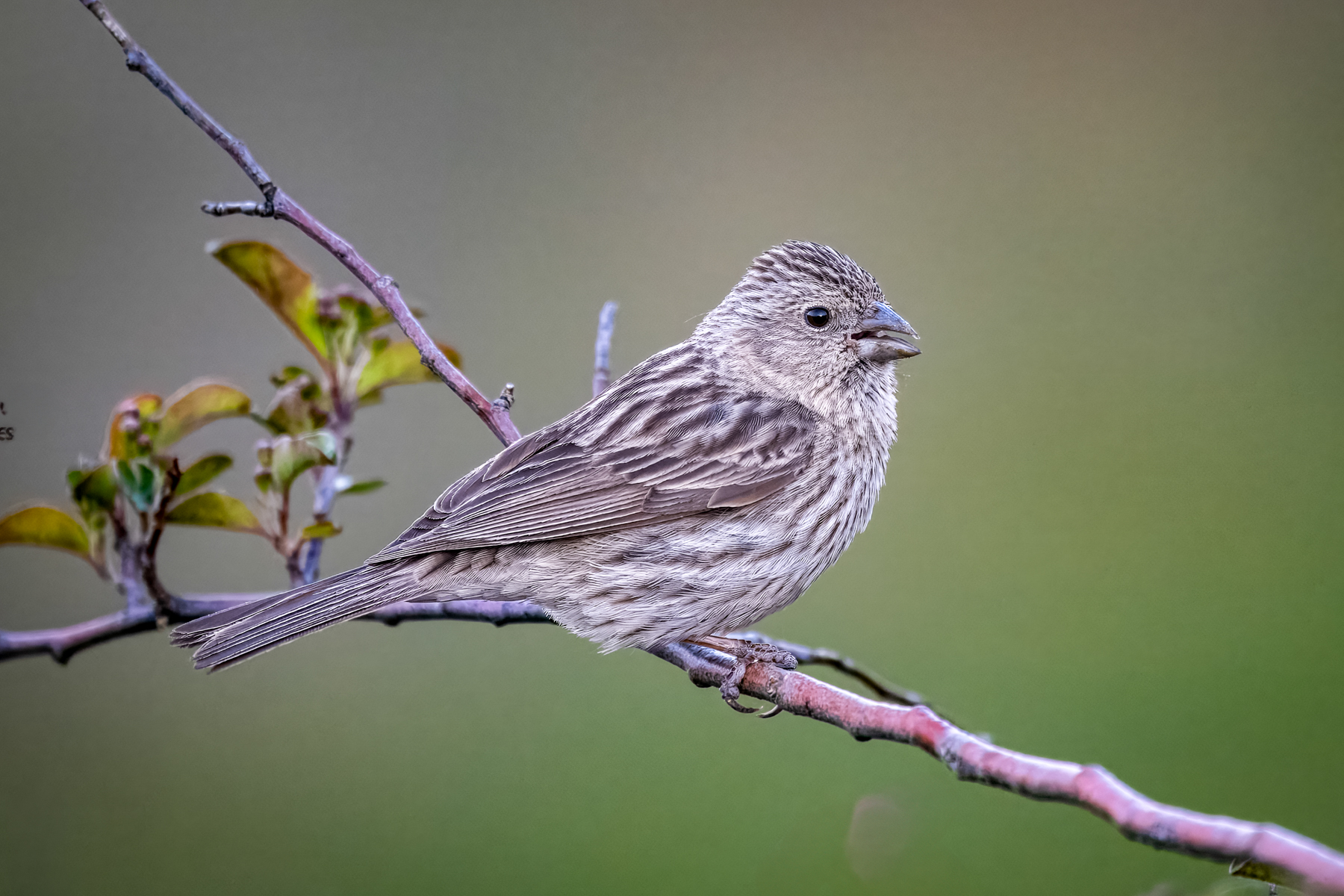
Pink-rumped Rosefinch (image by Alec Gillespie)
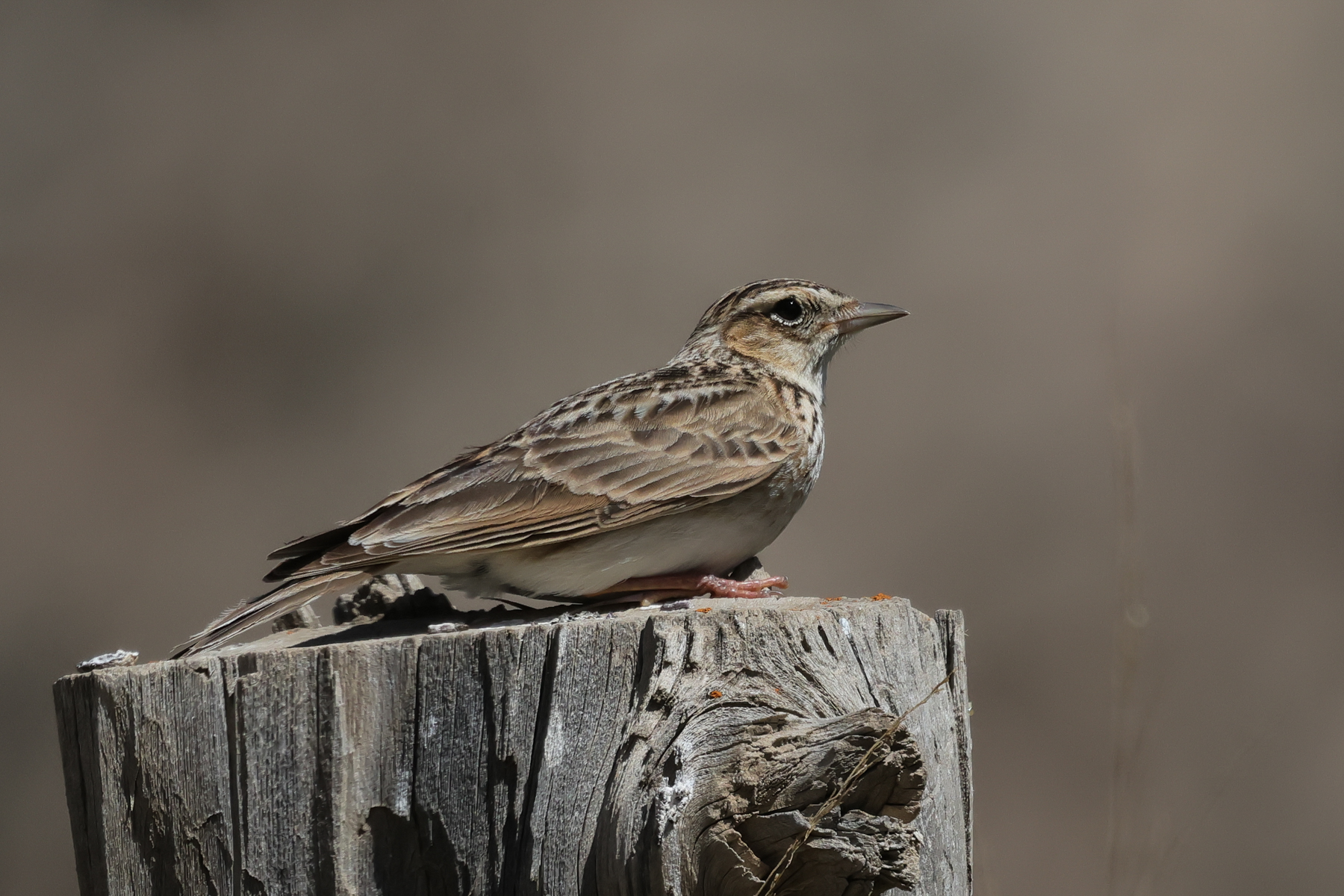
Oriental Skylark (image by Hannu Jännes)
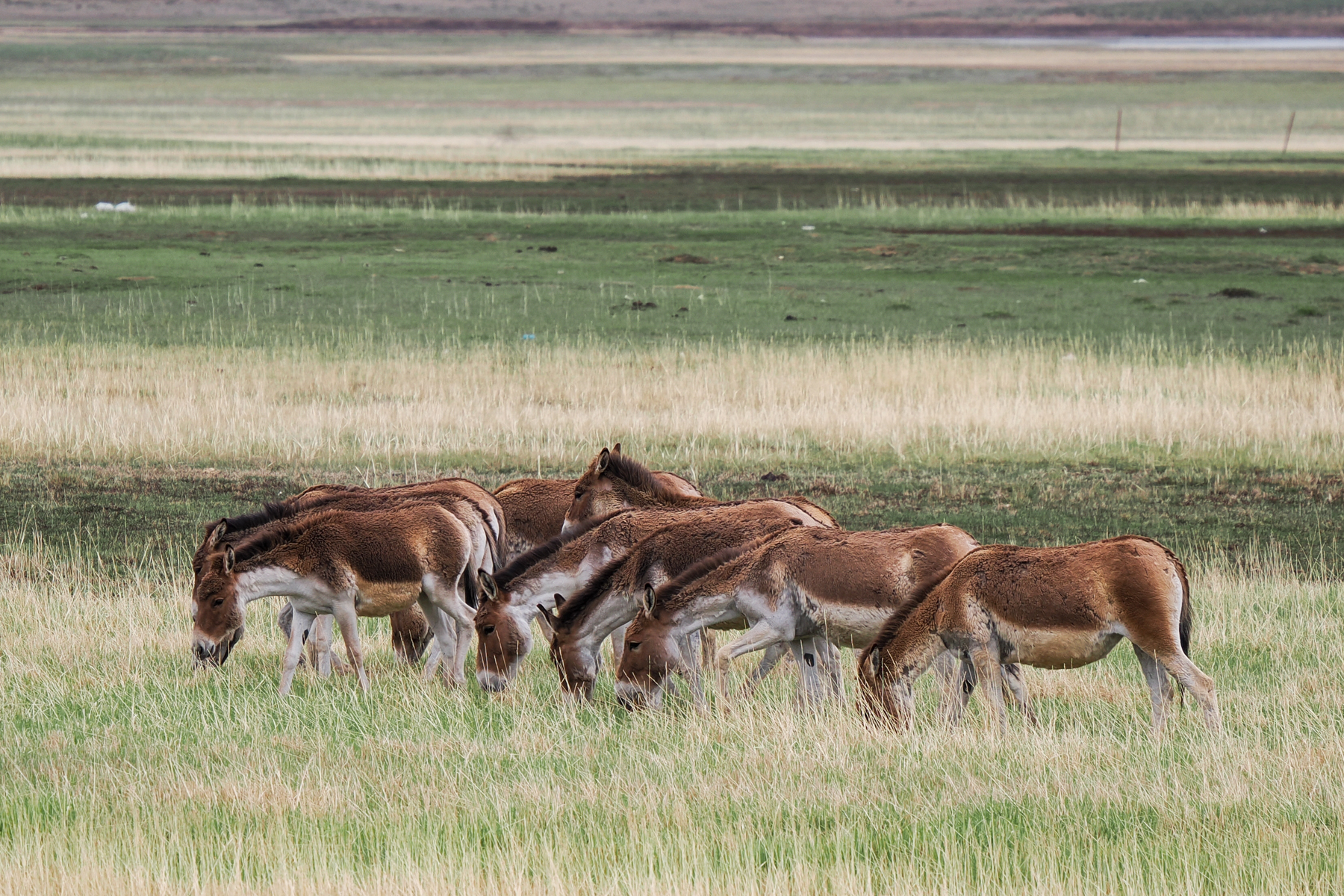
Kiangs (image by Gary Howard)
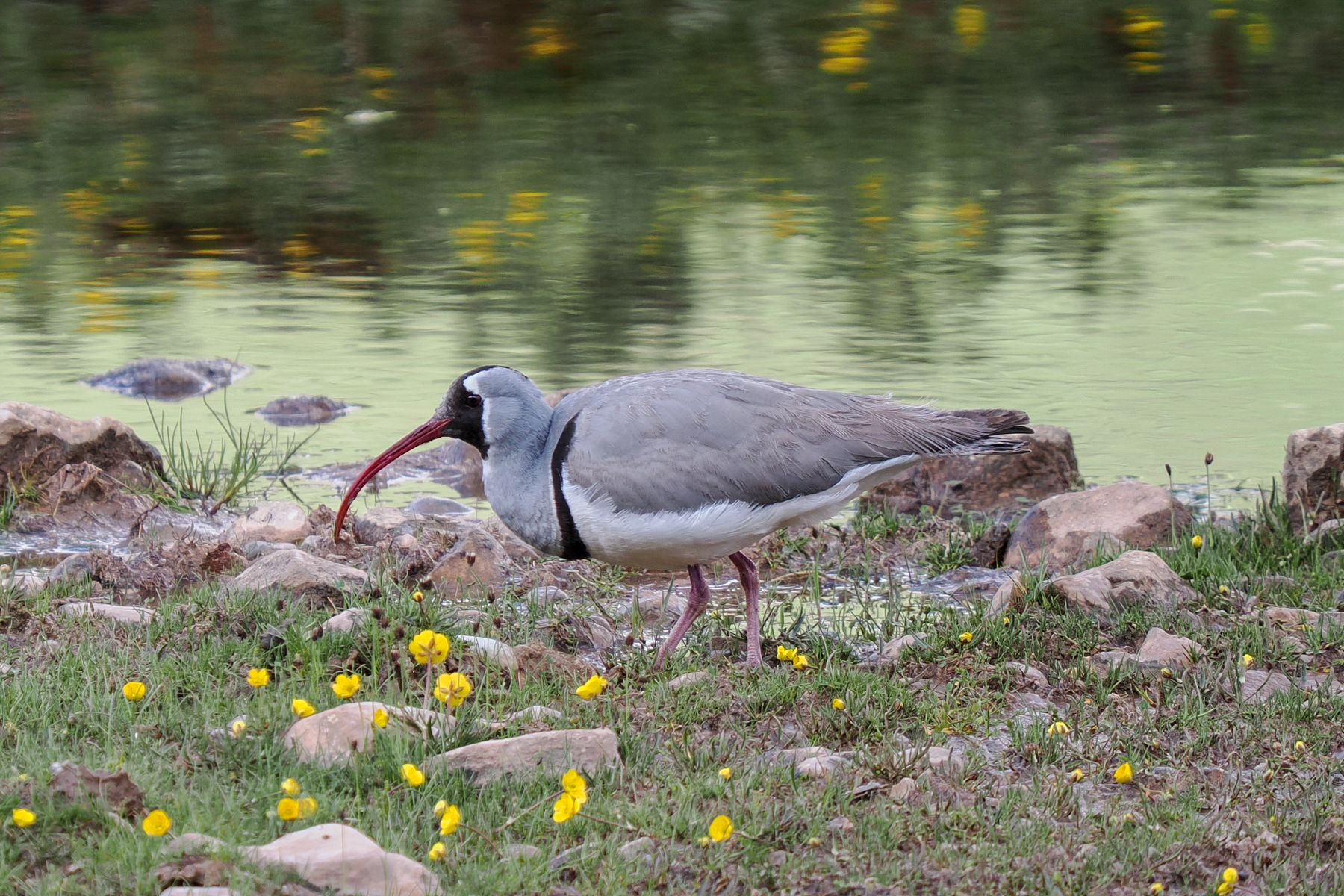
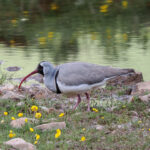
Ibisbill (image by Gary Howard)
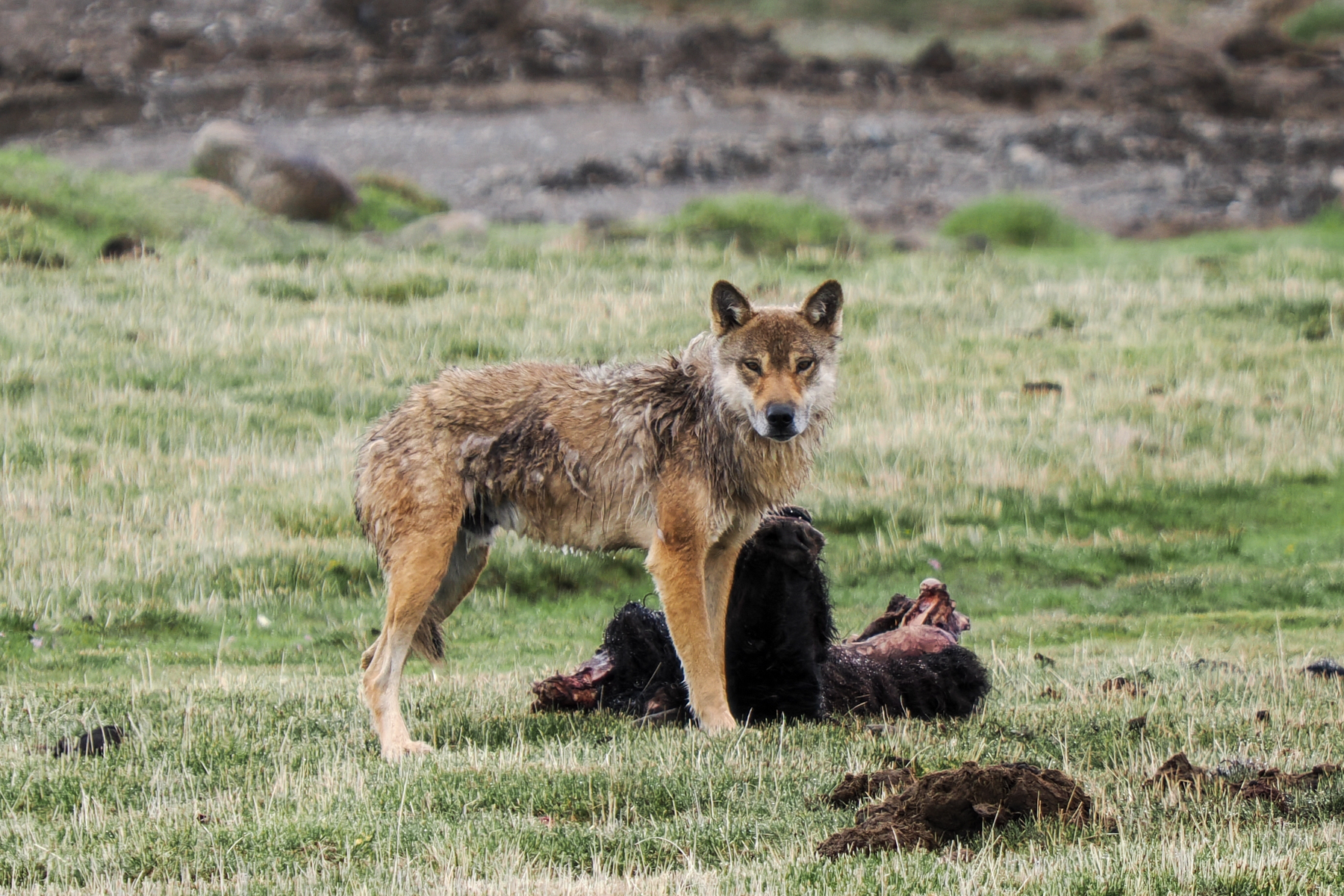
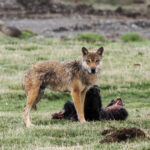
Grey Wolf (image by Gary Howard)
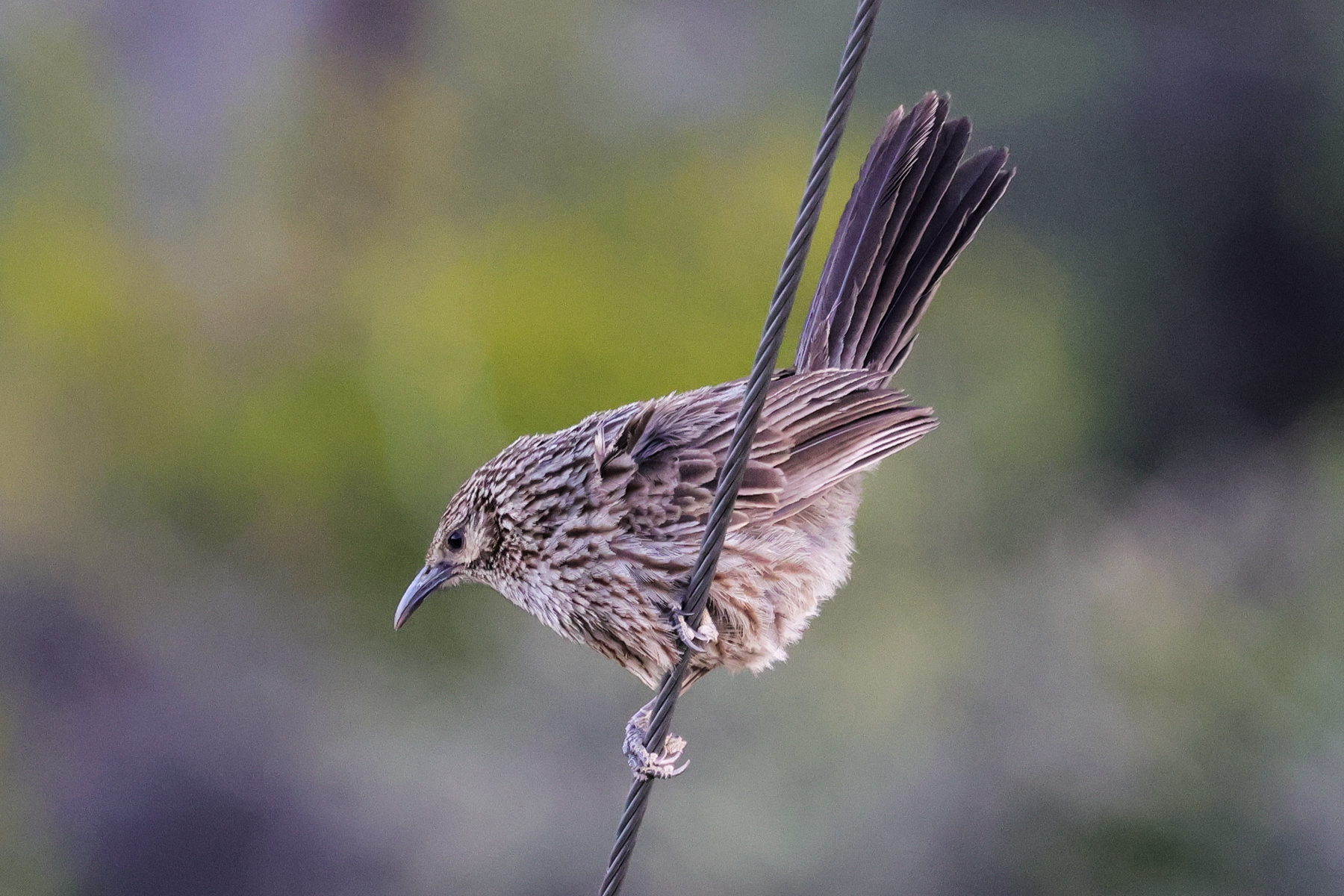
Giant Babax (image by Hannu Jännes)
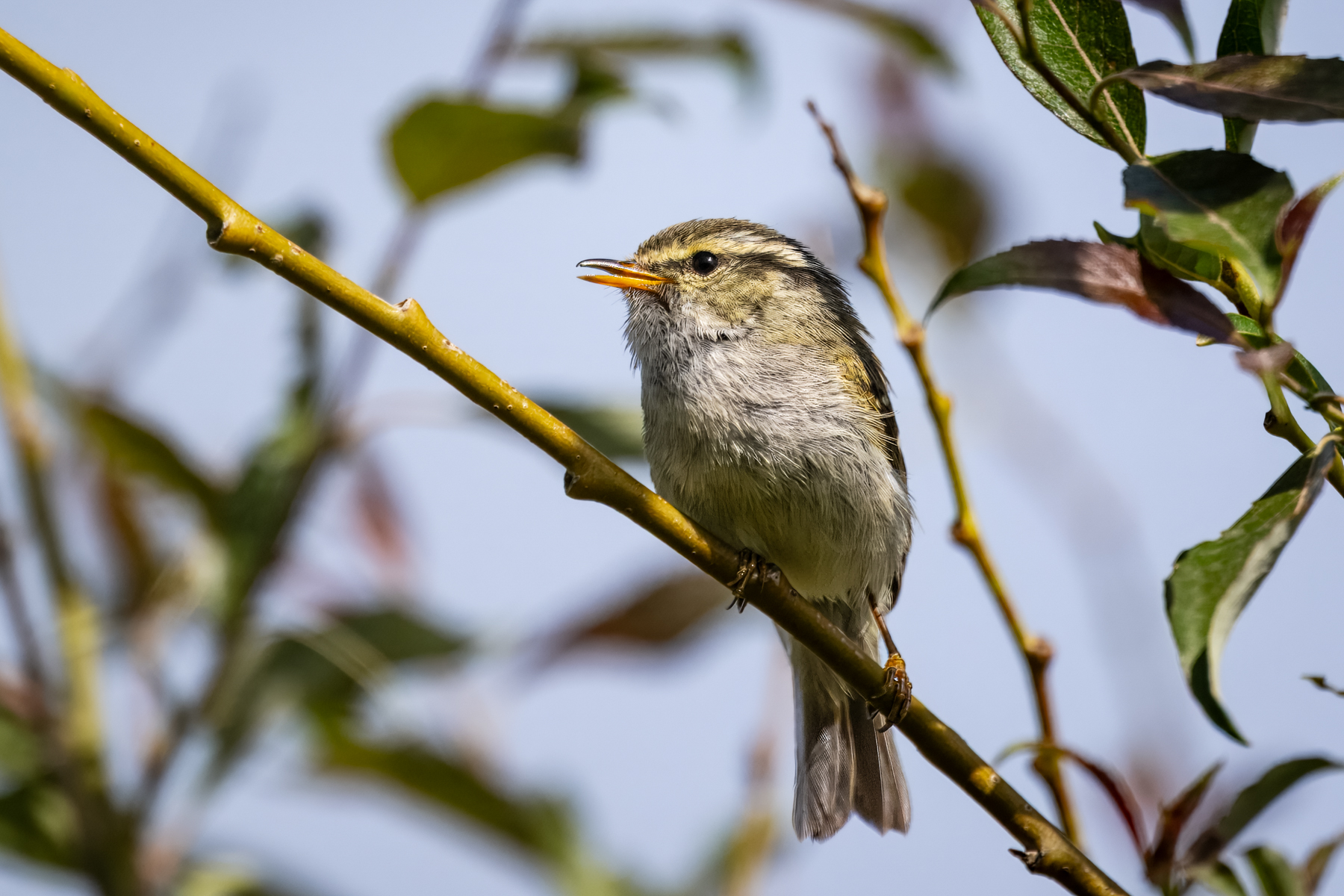
Gansu Leaf Warbler (image by Alec Gillespie)
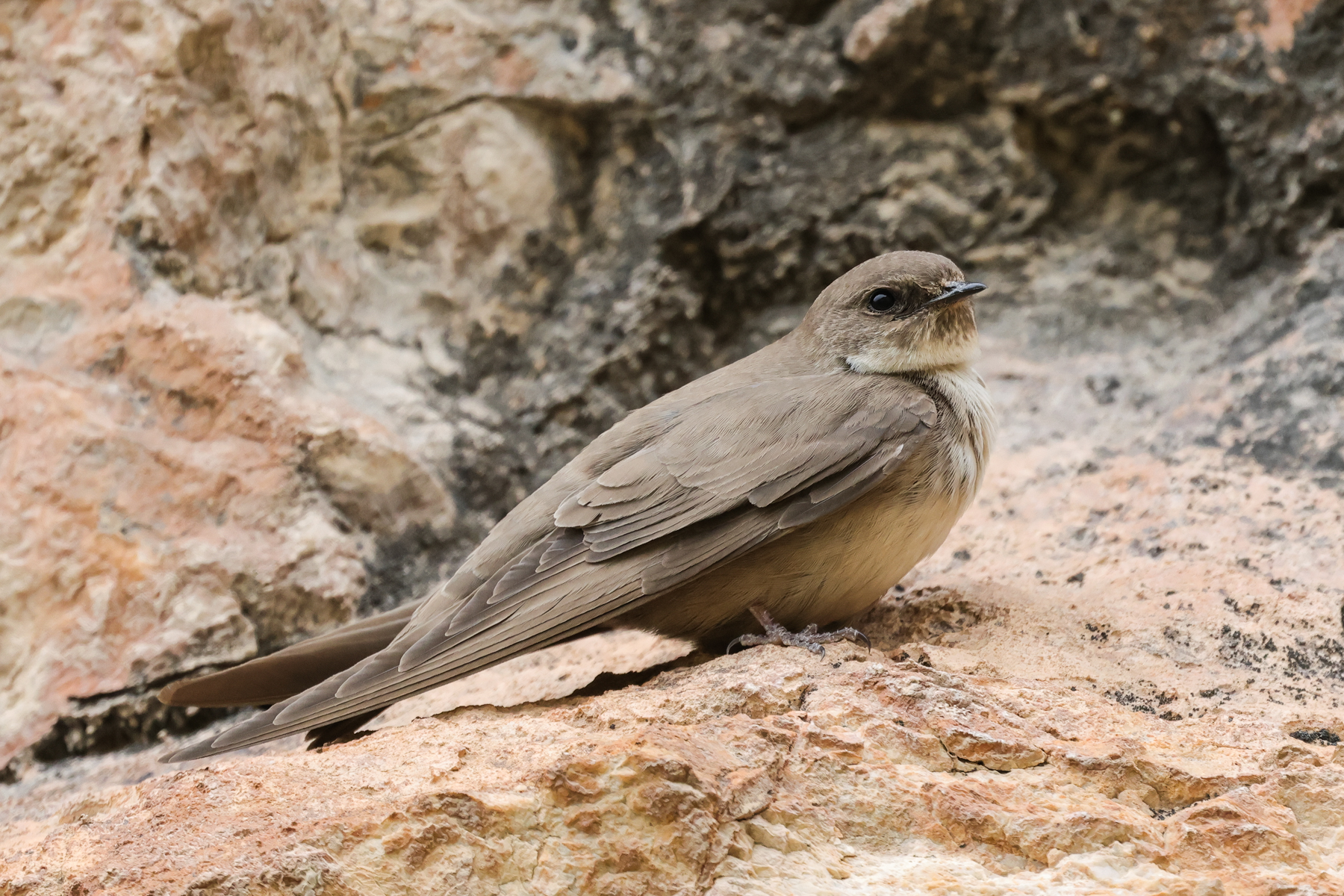
Eurasian Crag Martin (image by Hannu Jännes)
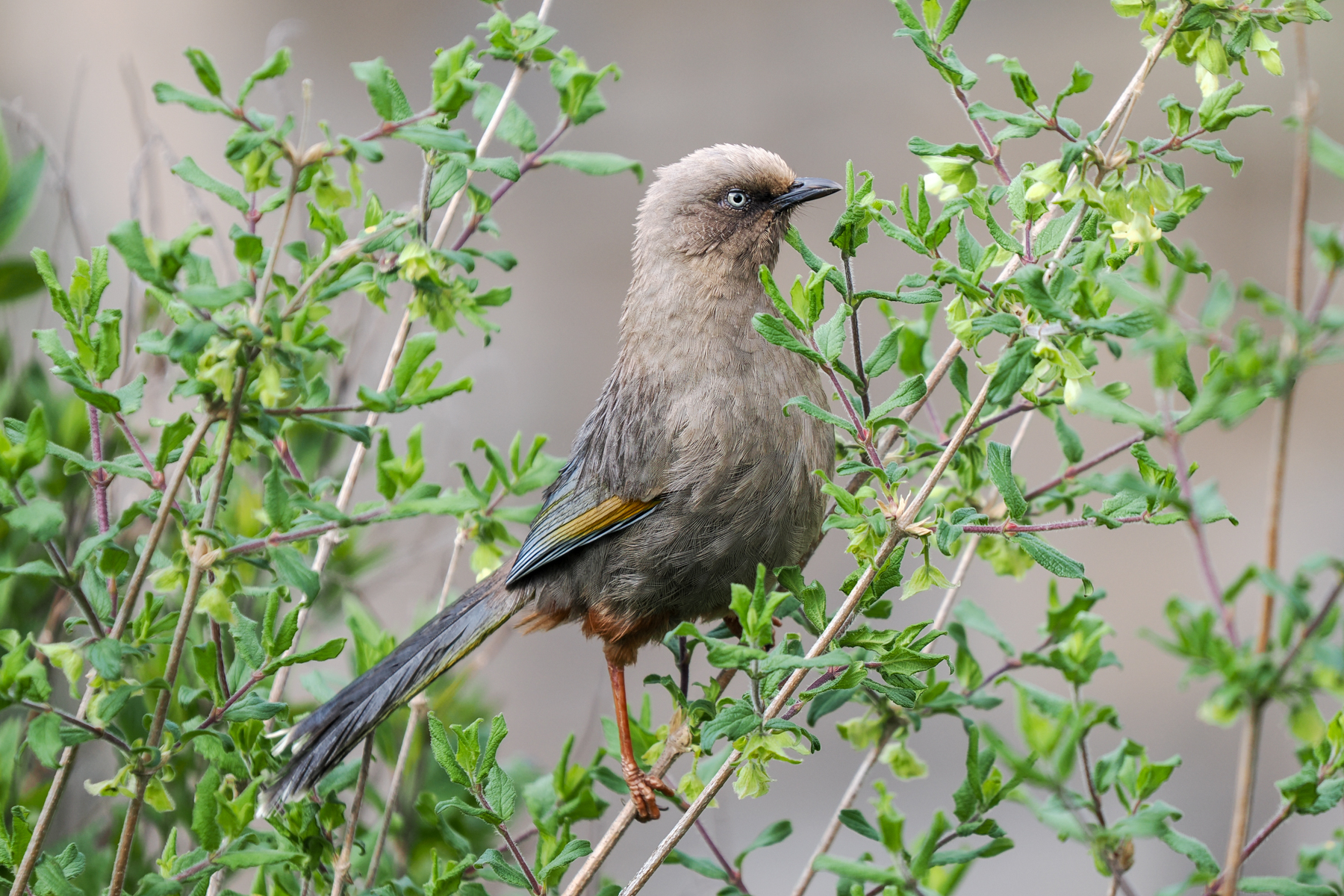
Elliot's Laughingthrush (image by Gary Howard)
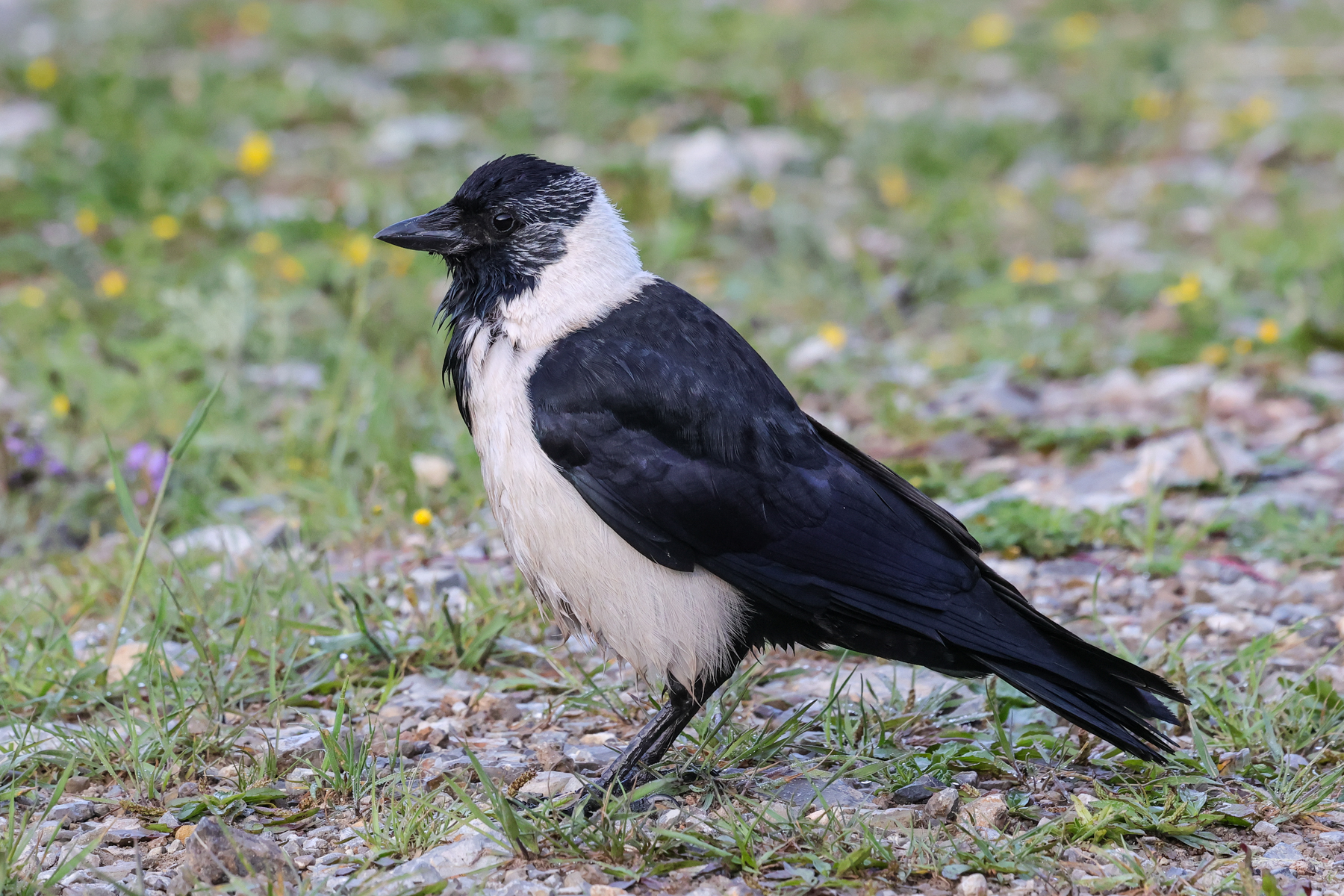
Daurian Jackdaw (image by Hannu Jännes)
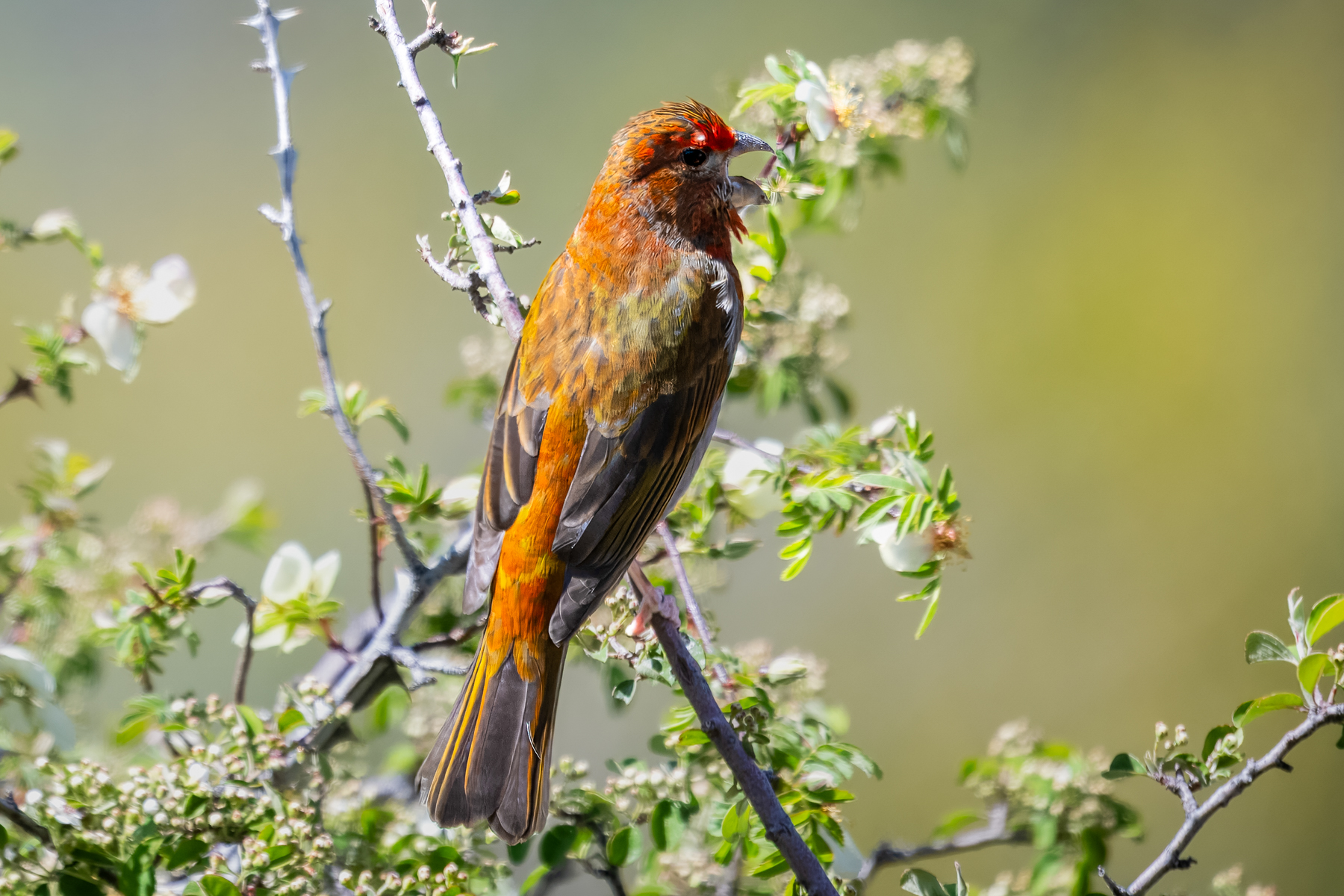
Crimson-browed Finch (image by Alec Gillespie)
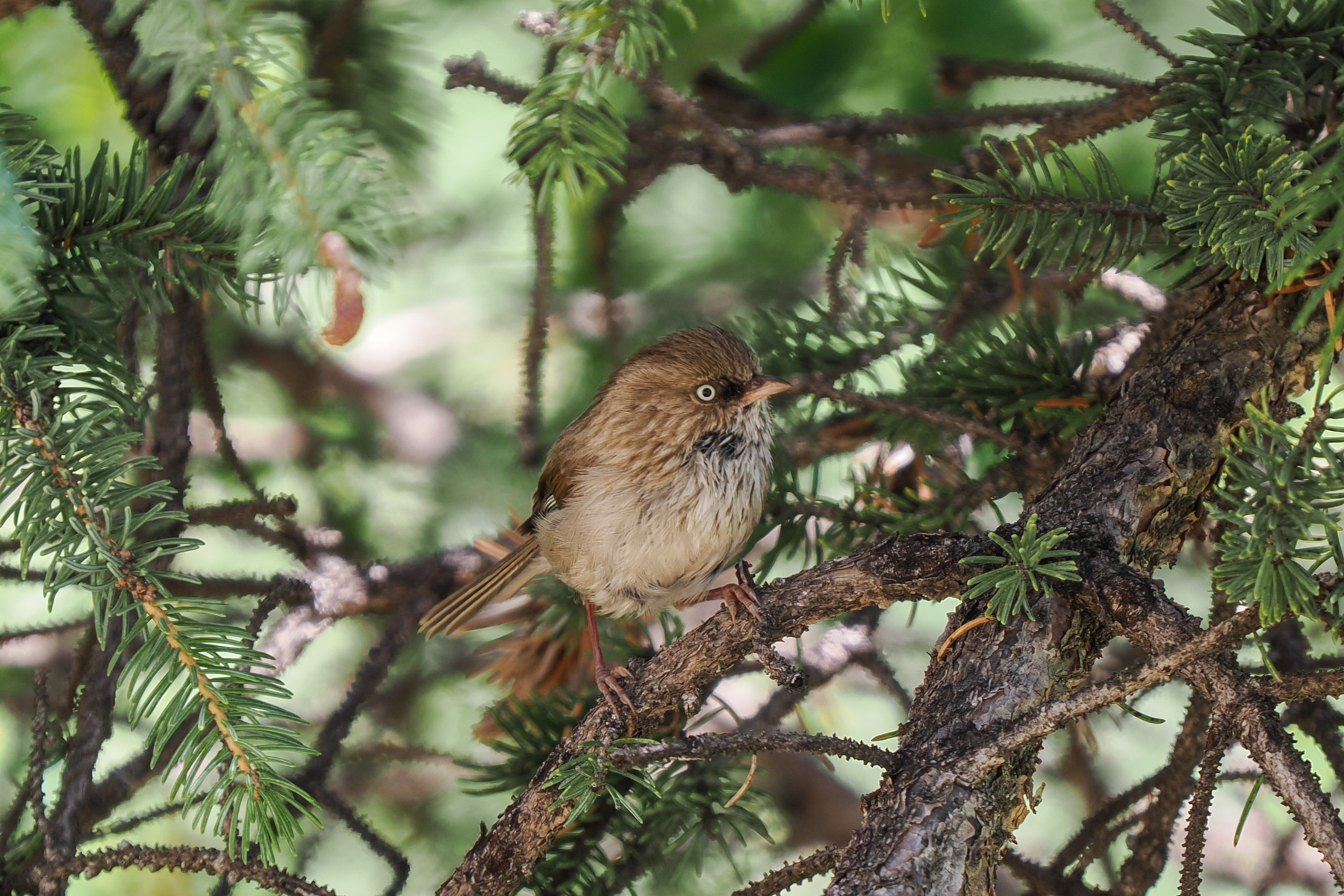
Chinese Fulvetta (image by Gary Howard)
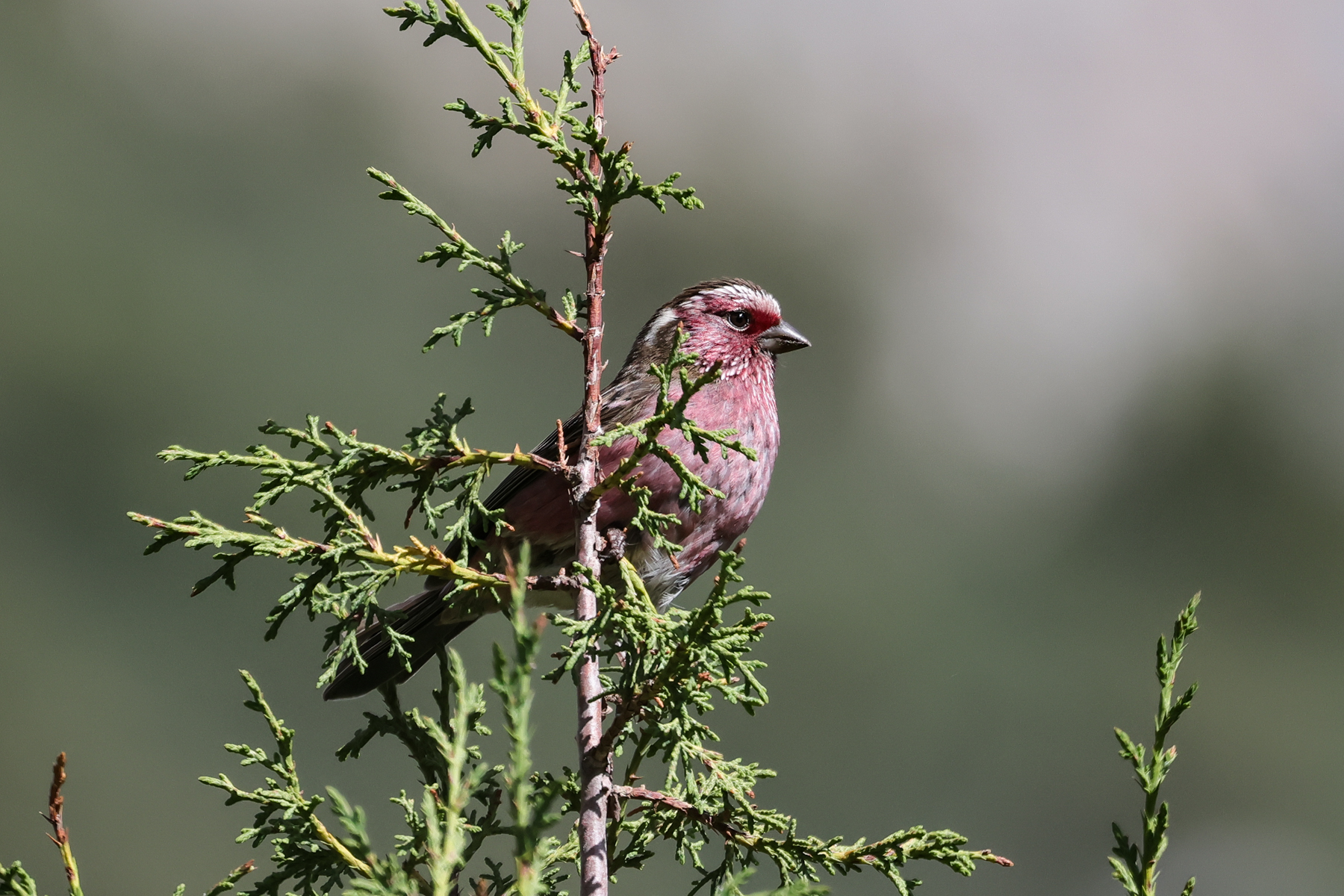
Chinese White-browed Rosefinch (image by Hannu Jännes)
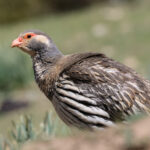
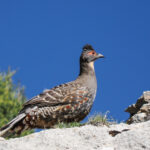
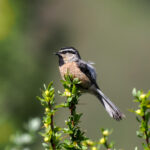
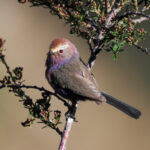
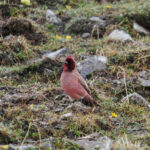
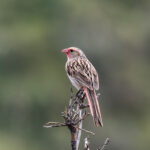
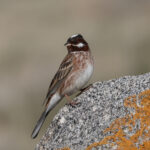
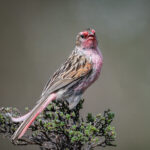
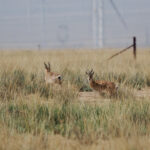
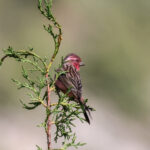
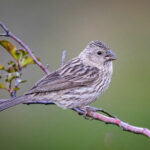
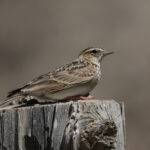
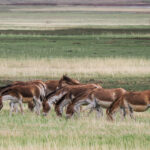
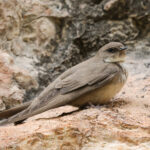
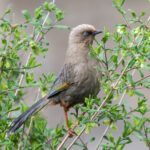
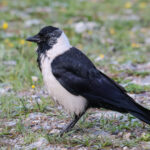
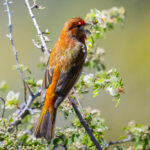
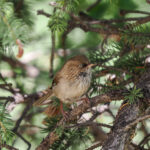
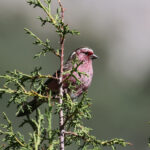


Tibetan Bunting (image by Hannu Jännes)
Tibetan Snowcock (image by Hannu Jännes)
Buff-throated Monal-Partridge (image by Gary Howard)
White-browed Tit (image by Gary Howard)
White-browed Tit-warbler (image by Gary Howard)
Tibetan Eared Pheasant (image by Paul Matson)
Przevalski's Redstart (image by Hannu Jännes)
Mongolian Ground Jay (image by Hannu Jännes)
Robin Accentor (image by Gary Howard)
Lord Derby's Parakeet (image by Gary Howard)
White Eared Pheasant (image by Gary Howard)
Tickell's Leaf Warbler (image by Alec Gillespie)
Tibetan Snowfinch (image by Gary Howard)
Chinese Rubythroat (image by Gary Howard)
Brown Accentor (image by Paul Matson)
Bearded Vulture (image by Gary Howard)
Tibetan Sand Plover (image by Alec Gillespie)
Tibetan Rosefinch (image by Gary Howard)
Przevalski's Finch (image by Hannu Jännes)
Tibetan Partridge (image by Hannu Jännes)
Brandt's Mountain Finch (image by Alec Gillespie)
Tibetan Gazelles (image by Gary Howard)
Tibetan Babax (image by Hannu Jännes)
Streaked Rosefinch (image by Gary Howard)
Small Snowfinch (image by Alec Gillespie)
Przevalski's Finch (image by Hannu Jännes)
Pine Bunting (image by Hannu Jännes)
Przevalski's Finch (image by Alec Gillespie)
Przevalski's Gazelles (image by Gary Howard)
Pink-rumped Rosefinch (image by Hannu Jännes)
Pink-rumped Rosefinch (image by Alec Gillespie)
Oriental Skylark (image by Hannu Jännes)
Kiangs (image by Gary Howard)
Ibisbill (image by Gary Howard)
Grey Wolf (image by Gary Howard)
Giant Babax (image by Hannu Jännes)
Gansu Leaf Warbler (image by Alec Gillespie)
Eurasian Crag Martin (image by Hannu Jännes)
Elliot's Laughingthrush (image by Gary Howard)
Daurian Jackdaw (image by Hannu Jännes)
Crimson-browed Finch (image by Alec Gillespie)
Chinese Fulvetta (image by Gary Howard)
Chinese White-browed Rosefinch (image by Hannu Jännes)


BEST OF THE TIBETAN PLATEAU TOUR REPORT 2025

9 - 24 June 2025
Hannu Jännes
This ‘Best of China’s Tibetan Plateau’ tour to Xizang and Qinghai, proved a great success with a good range of Tibetan Plateau specialities plus many other highly desirable birds. The list of special birds included the much sought after Lord Derby’s Parakeet as well as Tibetan Eared Pheasant, Buff-throated Monal-Partridge, Giant and Tibetan Babaxes, Brown-cheeked Laughingthrush, Ground Tit, Tibetan (or Kozlov’s) Bunting, Tibetan (or Roborovski’s) Rosefinch and the strange Przevalski’s (or Pink-tailed) Finch, the sole member of its family. Add to these a number of highly sought after, but more widespread, species, like White Eared Pheasant, Tibetan, Daurian and Przevalski’s Partridges, Ibisbill, the handsome Mongolian and gigantic Tibetan (Long-billed) Larks, Siberian and Chinese Rubythroats, the very range restricted Przevalski’s (or Ala Shan) Redstart and seven other Phoenicurus redstarts, Wallcreeper, Chinese and Przevalski’s Nuthatches, Mongolian Ground Jay, good numbers of snowfinches and rosefinches, Maroon-backed Accentor, and you will understand why our tours to ‘the Roof of the World’ are so popular!
Mammals are also well represented on this tour, and we had great views of a total of three Grey Wolves, Tibetan and, as a big surprise, the endangered Przewalski’s Gazelle, Blue Sheep, the attractive Kiang, three species of pika, Tibetan Fox and many cute Himalayan Marmots. As well as these avian and mammalian highlights it is a privilege to travel in this remote part of China with its breathtakingly beautiful high landscapes, the chance to see the fascinating lifestyles and cultures of the local peoples, and, of course, the often great food.
Our exploration of the Tibetan Plateau began in Chengdu from where we flew to Lhasa arriving at our comfortable hotel in downtown Lhasa around noon. After freshening up and lunch we spent the rest of the day pottering around Lhasa just like ordinary tourists admiring the vast and amazing Potala Palace from outside (to visit the palace itself has become quite a time consuming and difficult task) and checking a park, where we encountered our first Tibetan endemic, Brown-cheeked Laughingthrush.
Next morning we headed out of Lhasa to Shuksep Nunnery or Xiong Si as it is called in Chinese. The nunnery is built on a mountain side at 4300m asl and it offers great views over the Lhasa River valley, and is, with all its great birds, a very pleasant place to spend time. A couple of hours birding in and around the nunnery rewarded us with good views of Common Cuckoo, Oriental Turtle Dove, Hill Pigeon, many Eurasian Hoopoes, Red-billed Chough, Cinereous Tit, Tickell’s Leaf Warbler, Tibetan Blackbird, Brown-cheeked Laughingthrush, curious Giant Babaxes, Pink-rumped and Streaked Rosefinches, White-winged Grosbeaks, Hodgson’s and White-throated Redstarts, Brown Accentor and Godlewski’s Bunting. As there was no sign of the much-needed Tibetan Snowcocks we decided to follow a trail for 3-4 kms (and 300 vertical meters) up to another nunnery where we finally connected with a flock of 11 very tame snowcocks and spent some quality time with them. The walk also gave us very close encounters with Tibetan Eared Pheasants, a flock of White-browed Tit-warblers and our first, rather brief, sighting of Tibetan Partridge. Due to the Lunar festival the trails and both nunneries were full of visitors. We then had lunch in a nearby village before visiting a large park in Lhasa where we had great views of several Lord Derby’s Parakeets, and photographed Brown-cheeked Laughingthrushes and Tibetan and a lone White-collared Blackbirds eating the food scraps that had been left behind by the many picnickers. We also found a family party of Giant Babaxes. In the evening we took a stroll around the Barkhor area where large numbers of pilgrims had gathered to celebrate the Lunar festival.
The following morning, we had plenty of time to kill before our afternoon flight to Xining, so we headed back to the valley of the Shuksep monastery. As we had already seen all the commoner target species on our previous visit, we had time to concentrate on some scarcer species, and eventually managed to locate a pair of Crimson-browed Finches, had great views of a singing White-bellied Redstart, glimpsed our first White-browed Tit and obtained much improved views of a Tibetan Partridge. Afterwards we took our flight to Xining for two nights stay.
New day saw us breakfasting on the Laoye mountain on a hillside covered in deciduous forest and bushes, just an hour’s drive from Xining. Our morning here brought us an array of interesting species including many Common Pheasants (wild ones here), Spotted Dove, Siberian Rubythroat, many Azure-winged Magpies, Willow Tit, Yellow-streaked and Greenish Warblers, Gansu, Chinese and Hume’s Leaf Warblers, Plain and Elliot’s Laughingthrushes, Chestnut Thrush, Chinese Nuthatch, Eurasian Treecreeper, White-bellied, White-throated and Daurian Redstarts, Rufous-breasted Accentor, Red Crossbill, Grey-headed Bullfinch and Chinese White-browed Rosefinch. As most of the Datong County is now off-limits for foreigners, we had to change our plans for the afternoon and instead of visiting conifer forests for species like Qilian Bluetail, we headed for a city park in the outskirts of Xining, where the main discovery was a Grey-capped Pygmy Woodpecker (a new bird for this itinerary). Next came a visit to a deep river valley, where our Chinese guide Jason had seen Pale Rosefinch several years back. The ongoing road construction work in the area had changed the habitat quite a bit and we failed to find the rosefinch, but had Pied Wheatears, Meadow Bunting and Glover’s Pika. At some point we were stopped by police alerted by a passerby, who apparently thought that we were a bunch of foreign spies, and soon plainclothes officers joined them. After a lengthy discussion with our guide, we were sent to our hotel to await a security check. That evening, the security chief in Xining called to confirm we were cleared to continue our trip.
The next morning, we visited the eroded hills in the outskirts of Xining where our task was to find Pale Rosefinch (a recent split from Sinai Rosefinch), but the habitat has changed here too due to road construction work, and we failed to find our target despite a two-hour search. We did see however, a pair of Przevalski’s Partridge, always a good bird to secure this early on the tour. Then we headed for the Plateau itself, where the first stop was at a wetland at the east end of the Qinghai Lake, where we spent couple of hours enjoying the great scenery and exciting birds. Here we found a number of new birds including Great Crested Grebe, Greylag and Bar-headed Geese, Ruddy Shelduck, Northern Shoveler, Gadwall, Eurasian Wigeon, Northern Pintail, Common and Red-crested Pochards, Pallas’s and Brown-headed Gulls, some enchanting Ground Tits, Horned and Hume’s Short-toed Larks, Isabelline Wheatear and Rufous-necked, White-rumped and Père David’s Snowfinch. In the evening, we drove to our nice hotel in Chaka, which was to be our home for the next three nights. Thanks to massive marketing efforts by Chinese travel agencies, the sleepy town of Chaka, and especially the salt lake, has become a major tourist attraction. Apparently, during a 40-day period in July-August, over one million domestic tourists are estimated to visit this town! And what are they doing here? Taking pictures of themselves standing in the salt lake, which creates nice reflections!
The new day found us in a steep sided valley near Chaka searching for the special birds we needed to see in the area. This very pleasant birding site produced us some great birds including our first Snow Pigeons, several Pine Buntings, a Wallcreeper, Tibetan and Daurian Partridges, a total of 100 Blue Sheep and a male Common Rock Thrush. As we still needed to find Przevalski’s Redstart, another special bird of this region, we headed some 100 kms south to another juniper clad valley in the afternoon, where we had, after a prolonged search, brilliant views of a singing male. We also found our first Eurasian Hobby and, on the way out of the valley, another Daurian Partridge.
Starting early the next morning, we spent a full day checking various sites in the semi-desert (now a massive windmill park) around Chaka salt lake and finding a brilliant group of three Mongolian Ground Jays, Black-necked Cranes, Mongolian Finches, Rock Sparrows, Isabelline Shrike, several Isabelline and Desert Wheatears, Plain Mountain Finches, a few Mongolian, and several Asian Short-toed Larks and several Citrine Wagtails of the black-backed subspecies calcarata (Tibetan Wagtail). Perhaps the most exciting observation of the day, however, was of 25 Przevalski’s Gazelles, a new mammal for this tour. A late afternoon visit at the lake itself, produced Pied Avocets, Kentish, and splendid summer plumaged Tibetan Sand Plovers and a few Tibetan Larks.
For the last morning in the Chaka area, we headed back towards Lake Qinghai and spent a morning checking the bush adorned valleys and hill sides in the Rubber Mountains area. The area was surprisingly quiet and devoid of birds, and we had to work really hard to get our main target the Przevalski’s (or Pink-tailed) Finch, but in the end, we found a lone female that showed well, but relatively briefly and we even found its nest with two eggs. Other birds seen during our morning walk included our first Bearded Vulture, many Himalayan Griffons, White-rumped and Rufous-necked Snowfinches, Robin Accentors, Siberian Stonechat, Kessler’s Thrushes, Rosy Pipit and two cute Tibetan Foxes. As everybody still wanted to see a male Przevalski’s Finch, we headed for another hill side in the afternoon and managed to locate a group of five birds (including three males), which gave a great show including the fluttering song flight. Also, a White-browed Tit was found here and gave good views. Later we drove to Gonghe, where we arrived rather late in the evening.
A birding session near Gonghe the next morning produced a pair of showy Lesser Whitethroats (of the form margelanica), Great Spotted Woodpecker, Eurasian Hobby, a pair of Black-faced Buntings and Desert Finches. Then we headed south towards to the city of Xinghai, where we would stay the night. On the way we had birding stops in the Heka area where we located three Little Owls, Richard’s Pipits and two showy Mongolian Larks. It started to rain heavily mid-afternoon, and the only thing we could do was to head for our hotel in Xinghai, arriving there rather early. In Xinghai we also needed to visit the police station for registration.
Next morning we birded the legendary Er La pass (4490m asl) and the surrounding mountain tops, which are home to some exciting high-altitude birds. The ground was covered in fresh snow when we started our climb to a ridge line (above 4800m asl), which sometimes holds the enigmatic Tibetan Sandgrouse. Our circuit around the high-altitude ridge took the whole morning and yielded two Güldenstädt’s Redstarts, several Tibetan Snowfinches and Brandt’s and Plain Mountain Finches, but little else. Back in the bus after the strenuous walk, we had a quick snack before we headed back to the mountain to look for the Tibetan Rosefinch our guide Jason had located during the morning. Finding a pair of them didn’t take too long and we had good views of them before they disappeared. The afternoon was spent driving to Maduo seeing on the way several Upland Buzzards and Saker Falcons, 15 Kiangs (Tibetan Wild Ass), two Grey Wolfs, Tibetan and Red Fox and several Tibetan Gazelles.
Next day we had an early start for our long journey over the outer plateau to Nangqian, a road trip of about 500 kilometres. Despite the very long drive, we tried to do as much birding as possible during the first half of the day, but the weather, with rather heavy snowing, was against us. During the drive and numerous roadside stops we found a pair of Tibetan Sand Plovers with two small chicks, a couple of skittish Güldenstädt’s Redstarts, Tibetan, White-rumped and Rufous-necked Snowfinches, good numbers of Upland Buzzards, several Sakers including a nest with four large chicks and another Grey Wolf and Red Fox. The weather at Bayankala Shan pass (4800m asl), our back-up site for the Tibetan Rosefinch, was horrible with gale force wind, snow and dense fog, and I was glad that we had forced ourselves back to the slopes of Er La the previous day for this species. After crossing the high pass, the weather got gradually better, and the sun was shining when we reached the city of Yushu late in the afternoon. In Yushu our bus developed a problem, and it took quite a bit of searching before we found someone who could fix it. It was now getting quite late in the day, and we still had couple of hours drive to Nanqien, but we still found some time to stop at a roadside Ibisbill and we also sighted a Black Drongo, Wallcreeper and quite a few Eastern Red-rumped Swallows during the drive. It was late in the evening when we finally checked in to our nice hotel in Nanqien.
The new day saw us at a high altitude pass with a breath-taking vista, where our main target, Tibetan Bunting, was secured as soon as we stepped out of the bus. Whilst admiring this very special bird we also saw a flock of five Tibetan Snowcocks on a distant mountain slope. Other great birds in this beautiful area included Snow Pigeons, Alpine Choughs, a pair of Red-fronted Rosefinches, an excellent pair of Buff-throated Monal-Partridge and a pair of White-browed Tits. Lower down the valley we saw a gorgeous male Chinese Rubythroat, three White Eared Pheasants, three Blood Pheasants, another Buff-throated Monal-Partridge, very approachable Tibetan Partridges, Grey-headed Woodpecker, Sichuan Tit, several very tame Tibetan Babaxes, a singing Giant Laughingthrush and several Elliot’s Laughingthrushes. Quite a haul! In the late afternoon, on the way back to our hotel, we stopped for Daurian Jackdaws and had a great encounter with a pair of Ibisbill.
On our second morning at Nangqian we visited the Beizha Forest about a 90-minute drive away, where we started the day with a picnic breakfast attended by some gorgeous and very tame Daurian Jackdaws. During the morning, we first birded along the main road seeing Maroon-backed Accentor and Three-banded Rosefinch (which both can be difficult to find here), Hodgson’s Treecreeper, Slaty-backed Flycatcher and Himalayan Buzzard. Later a walk along a track on a forest clad slope was surprisingly productive and included two gorgeous Przevalski’s Nuthatches, a much-needed Crested Tit-warbler, Grey-crested and Rufous-vented Tits, many Sichuan Leaf Warblers, Dark-sided Flycatchers, Eurasian Wren and Chinese Fulvetta. In the afternoon we visited the scenic Ga’er monastery area where we had our picnic lunch and enjoyed amazing views of a Bearded Vulture. The afternoon was spent walking along the main road to try and find something new, but we had to make do with White-throated Dippers, three more Chinese Fulvettas and very close White-eared Pheasant feeding out in the open.
On our last morning in the Nangqian area we went back to Kanda Shan gorge, where we spent a pleasant morning encountering many of the birds we had seen before, including Tibetan Partridge, tame White-eared Pheasants, Buff-throated Monal-Partridge, Tibetan Babax, Elliots’s and Giant Laughingthrush and several White-bellied Redstarts. Unfortunately, our search for Black-streaked Scimitar Babbler was unsuccessful. Later, after lunch in Nanqien, we headed back to Yushu. On the way, it started to rain, making birding quite a challenge, but we managed to find a couple of Black-winged Snowfinches at a roadside stop. In Yushu, where we stayed for one night, we had dinner with another Birdquest group heading for the Kunlun range and Xinjiang the next day. After dinner it was time to say our goodbyes, and to thank everyone for their excellent company, which, together with all the wonderful birds and exciting places, combined to make such a memorable trip. Oh, and there was the cock-up at the Yushu airport, which nearly prevented 2/3 of the group from boarding the plane, but that’s another story.
‘BIRDS OF THE TRIP’ WINNERS:
1st: Przevalski’s (or Pink-tailed) Finch
2nd: Tibetan (or Roborovski’s) Rosefinch & Tibetan Snowcock
3rd: Tibetan Bunting and Mongolian Ground Jay
SYSTEMATIC LIST OF SPECIES RECORDED DURING THE TOUR
Species marked with the diamond symbol (◊) are either endemic to the country or local region or considered ‘special’ birds for some other reason (e.g., it is only seen on one or two Birdquest tours; it is difficult to see across all or most of its range; the local form is endemic or restricted-range and may in future be treated as a full species).
The species names and taxonomy used in the bird list follow Gill, F., Donsker, D., & Rasmussen, P. (Eds). 2025. IOC World Bird List (v15.1).
BIRDS
Bar-headed Goose ◊ Anser indicus
Greylag Goose Anser anser
Ruddy Shelduck Tadorna ferruginea
Northern Shoveler Spatula clypeata
Eurasian Wigeon Mareca penelope
Mallard Anas platyrhynchos
Northern Pintail Anas acuta
Eurasian Teal Anas crecca
Red-crested Pochard Netta rufina
Common Pochard Aythya ferina
Ferruginous Duck Aythya nyroca
Common Merganser (Goosander) Mergus merganser
Blood Pheasant ◊ Ithaginis cruentus Good views of two males and one female near Nangqian.
Buff-throated Monal-Partridge ◊ Tetraophasis szechenyii Three sightings with an excellent view of a pair.
Tibetan Partridge ◊ Perdix hodgsoniae Quite common and easy to see. Noted on three days.
Daurian Partridge ◊ Perdix dauurica A total of six in the Chaka area.
Common Pheasant (Ring-necked P) Phasianus colchicus
Tibetan Eared Pheasant ◊ Crossoptilon harmani Endemic. Common and very tame at Shuksep near Lhasa.
White Eared Pheasant ◊ Crossoptilon crossoptilon Endemic. Great views in the Nangqien area where rather common.
Tibetan Snowcock ◊ Tetraogallus tibetanus Amazing views at Shuksep near Lhasa. Also noted in the Kanda Shan area.
Przevalski’s Partridge ◊ Alectoris magna Endemic. Noted on three days with good views.
Common Swift Apus apus
Salim Ali’s Swift ◊ Apus salimalii
Common Cuckoo Cuculus canorus
Rock Dove (R Pigeon) Columba livia
Hill Pigeon ◊ Columba rupestris
Snow Pigeon ◊ Columba leuconota
Oriental Turtle Dove (Rufous T D) Streptopelia orientalis
Eurasian Collared Dove Streptopelia decaocto
Spotted Dove Spilopelia chinensis Two in Laoye Shan near Xining. A new bird for this itinerary.
Common Moorhen Gallinula chloropus
Eurasian Coot (Common C) Fulica atra
Black-necked Crane ◊ Grus nigricollis Only seen near Chaka with four birds.
Little Grebe Tachybaptus ruficollis
Great Crested Grebe Podiceps cristatus
Ibisbill ◊ Ibidorhyncha struthersii Two excellent sightings of a total of three birds in the Yushu-Nangqien area.
Black-winged Stilt Himantopus himantopus
Pied Avocet Recurvirostra avosetta
Northern Lapwing Vanellus vanellus
Tibetan Sand Plover Anarhynchus atrifrons
Kentish Plover Anarhynchus alexandrinus
Common Redshank Tringa totanus
Common Tern Sterna hirundo
Brown-headed Gull ◊ Chroicocephalus brunnicephalus
Pallas’s Gull (Great Black-headed G) Ichthyaetus ichthyaetus
Great Cormorant Phalacrocorax carbo
Eastern Cattle Egret Ardea coromanda Scarce this year with only one sighting of a flock of three birds.
Grey Heron Ardea cinerea
Bearded Vulture (Lammergeier) Gypaetus barbatus Noted on four days with some excellent views.
Himalayan Vulture (H Griffon V) Gyps himalayensis Noted on ten days with some excellent views.
Golden Eagle Aquila chrysaetos A total of four birds in the Nangqien area.
Eurasian Sparrowhawk Accipiter nisus A total of three birds in the Nangqien area.
Black Kite (Black-eared K) Milvus [migrans] lineatus
Upland Buzzard ◊ Buteo hemilasius Rather common roadside bird on the central plateau.
Himalayan Buzzard ◊ Buteo refectus Three in Beizha Forest.
Little Owl Athene noctua A total of five were noted.
Eurasian Hoopoe Upupa epops
Grey-capped Pygmy Woodpecker Yungipicus canicapillus One in the city park in Xining. A new bird for this itinerary.
Great Spotted Woodpecker Dendrocopos major
Grey-headed Woodpecker Picus canus
Common Kestrel Falco tinnunculus
Eurasian Hobby Falco subbuteo
Saker Falcon Falco cherrug Rather common on the central plateau. We logged 17 birds including a nest with 4 almost full-grown chicks.
Lord Derby’s Parakeet ◊ Psittacula derbiana Ten or so in Lhasa with great views.
Black Drongo Dicrurus macrocercus Two sightings in the southern part of the Qinghai province.
Isabelline Shrike ◊ (Xinjiang S Chinese S) Lanius isabellinus
Grey-backed Shrike Lanius tephronotus
Azure-winged Magpie ◊ Cyanopica cyanus
Black-rumped Magpie ◊ Pica bottanensis
Mongolian Ground Jay ◊ (Mongolian G J) Podoces hendersoni A group of three with amazing views in Chaka.
Red-billed Chough Pyrrhocorax pyrrhocorax
Alpine Chough Pyrrhocorax graculus
Daurian Jackdaw ◊ Coloeus dauuricus Great views of very tame birds in the Nangqien area.
Large-billed Crow Corvus macrorhynchos
Northern Raven (Common R) Corvus corax
Rufous-vented Tit Periparus rubidiventris
Grey-crested Tit Lophophanes dichrous
White-browed Tit Poecile superciliosus E
Sichuan Tit ◊ Poecile weigoldicus Endemic. Small numbers in the Nangqien area.
Willow Tit ◊ Poecile montanus
Ground Tit (Hume’s G Jay) Pseudopodoces humilis Widespread and common.
Cinereous Tit ◊ Parus cinereus
Oriental Skylark Alauda gulgula
Crested Lark Galerida cristata
Horned Lark (Shore L) Eremophila alpestris
Hume’s Short-toed Lark ◊ Calandrella acutirostris
Mongolian Lark ◊ Melanocorypha mongolica
Tibetan Lark ◊ (Long-billed Calandra L) Melanocorypha maxima
Asian Short-toed Lark ◊ Alaudala cheleensis
Light-vented Bulbul Pycnonotus sinensis Heard only at our hotel in Chengdu.
Pale Martin ◊ Riparia diluta
Eurasian Crag Martin Ptyonoprogne rupestris
Asian House Martin Delichon dasypus
Eastern Red-rumped Swallow Cecropis daurica
White-browed Tit-warbler ◊ Leptopoecile sophiae
Crested Tit-warbler ◊ Leptopoecile elegans Endemic. Good views of one in Beizha forest.
Hume’s Leaf Warbler Phylloscopus humei Seen at Laoye Shan in the north and in Beizha Forest.
Chinese Leaf Warbler Phylloscopus yunnanensis Breeding endemic. One at Laoye Shan.
Sichuan Leaf Warbler Phylloscopus forresti Breeding endemic. Fairly common in the Nangqien area.
Gansu Leaf Warbler ◊ Phylloscopus kansuensis Endemic. Rather common in the Xining area.
Yellow-streaked Warbler ◊ Phylloscopus armandii A breeding endemic. Noted on five days.
Tickell’s Leaf Warbler ◊ (Alpine L W) Phylloscopus [affinis] occisinensis Noted on five days.
Greenish Warbler Phylloscopus trochiloides One at Laoye Shan, common in the south of Qinghai.
Lesser Whitethroat ◊ (Margelanic W) Curruca [curruca] margelanica
Chinese Fulvetta ◊ Fulvetta striaticollis Endemic. A total of four in Beizha.
Brown-cheeked Laughingthrush ◊ Trochalopteron henrici Common around Lhasa.
Elliot’s Laughingthrush ◊ Trochalopteron elliotii Endemic. Fairly common in the south of Qinghai province.
Giant Laughingthrush ◊ Ianthocincla maxima Endemic. A few in the south of Qinghai province.
Plain Laughingthrush ◊ Pterorhinus davidi Endemic. A total of five around Xining.
Giant Babax ◊ Pterorhinus waddelli Endemic. Several sightings around Lhasa.
Tibetan Babax ◊ Pterorhinus koslowi Endemic. Great views in the Nangqien area.
Eurasian Wren Troglodytes troglodytes
Przevalski’s Nuthatch ◊ Sitta przewalskii Endemic. Two with excellent views in Beizha forest.
Chinese Nuthatch ◊ Sitta villosa Four in the Xining area.
Wallcreeper Tichodroma muraria Two sightings. Scarce this year.
Eurasian Treecreeper Certhia familiaris
Hodgson’s Treecreeper Certhia hodgsoni
Tibetan Blackbird ◊ Turdus maximus Breeding endemic. Common in the Lhasa area.
White-backed Thrush ◊ (Kessler’s T) Turdus kessleri Breeding endemic.
Chestnut Thrush ◊ Turdus rubrocanus
White-collared Blackbird (SET) Turdus albocinctus One in Lhasa. A new bird for this itinerary.
Dark-sided Flycatcher Muscicapa sibirica
White-bellied Redstart ◊ Luscinia phaenicuroides
Siberian Rubythroat Calliope calliope
Chinese Rubythroat ◊ Calliope tschebaiewi
Slaty-backed Flycatcher ◊ Ficedula erithacus
Blue-fronted Redstart Phoenicurus frontalis
White-throated Redstart ◊ Phoenicurus schisticeps
White-capped Redstart Phoenicurus leucocephalus
Przevalski’s Redstart ◊ Phoenicurus alaschanicus Endemic. A brilliant male in the ‘Redstart Valley’ south of Chaka.
Black Redstart Phoenicurus ochruros
Daurian Redstart Phoenicurus auroreus
Hodgson’s Redstart ◊ Phoenicurus hodgsoni
Güldenstädt’s Redstart ◊ (White-winged R) Phoenicurus erythrogastrus A total of four unfortunately rather skittish birds were noted.
Common Rock Thrush (Rufous-tailed R T) Monticola saxatilis
Siberian Stonechat Saxicola maurus
Isabelline Wheatear Oenanthe isabellina
Desert Wheatear Oenanthe deserti
Pied Wheatear Oenanthe pleschanka Three in the hills near Xining.
White-throated Dipper Cinclus cinclus
Rock Sparrow Petronia petronia
White-rumped Snowfinch ◊ Onychostruthus taczanowskii
Tibetan Snowfinch Montifringilla henrici
Black-winged Snowfinch ◊ (Adams’s S) Montifringilla adamsi
Rufous-necked Snowfinch ◊ Pyrgilauda ruficollis
Pere David’s Snowfinch ◊ Pyrgilauda davidiana
Russet Sparrow Passer cinnamomeus
Eurasian Tree Sparrow Passer montanus
Robin Accentor ◊ Prunella rubeculoides
Rufous-breasted Accentor ◊ Prunella strophiata
Brown Accentor ◊ Prunella fulvescens
Maroon-backed Accentor ◊ Prunella immaculata Two in Beizha forest was a good result.
Citrine Wagtail ◊ (Tibetan Wagtail) Motacilla [citreola] calcarata
White Wagtail (Amur W) Motacilla [alba] leucopsis
White Wagtail (Himalayan W) Motacilla [alba] alboides
Richard’s Pipit Anthus richardi
Olive-backed Pipit Anthus hodgsoni
Rosy Pipit Anthus roseatus
Przevalski’s Finch ◊ Urocynchramus pylzowi Endemic. A total of six and a nest with two eggs in the Rubber Mountain area. This time hard work paid off, and in the end, we had great views of displaying males.
White-winged Grosbeak ◊ Mycerobas carnipes
Grey-headed Bullfinch ◊ Pyrrhula erythaca
Mongolian Finch ◊ (M Trumpeter F) Bucanetes mongolicus
Plain Mountain Finch ◊ Leucosticte nemoricola
Brandt’s Mountain Finch ◊ (Black-headed M F) Leucosticte brandti
Common Rosefinch (Scarlet R) Carpodacus erythrinus
Streaked Rosefinch ◊ Carpodacus rubicilloides
Pink-rumped Rosefinch ◊ Carpodacus waltoni Endemic. Common in the mountains near Lhasa and again in the Nangqien area.
Tibetan Rosefinch Carpodacus roborowskii Endemic. A beautiful pair at Er La.
Three-banded Rosefinch ◊ Carpodacus trifasciatus Endemic. A first-summer male in Beizha forest.
Chinese White-browed Rosefinch ◊ Carpodacus dubius Endemic. Small numbers on five days.
Red-fronted Rosefinch ◊ Carpodacus puniceus Only two birds, in the Kanda Shan area, this year. A poor showing.
Crimson-browed Finch (SET) Carpodacus subhimachalus A pair at Shuksep monastery near Lhasa.
Oriental Greenfinch (Grey-capped G) Chloris sinica
Desert Finch ◊ Rhodospiza obsoleta
Twite Linaria flavirostris
Red Crossbill Loxia curvirostra
Pine Bunting ◊ Emberiza leucocephalos
Godlewski’s Bunting ◊ Emberiza godlewskii
Meadow Bunting ◊ Emberiza cioides
Tibetan Bunting ◊ Emberiza koslowi Endemic. A total of four, with some incredible views and good photo opps, in the Kanda Shan area.
Black-faced Bunting Emberiza spodocephala A pair in the Gonghe area.
MAMMALS
Grey Wolf (Wolf) Canis lupus A total of three seen. All on the central plateau.
Tibetan Fox Vulpes ferrilata
Red Fox Vulpes vulpes
Kiang (Tibetan Wild Ass) Equus kiang
Tibetan Gazelle Procapra picticaudata Twenty or so in the central plateau between Er La and Maduo.
Przewalski’s Gazelle Procapra przewalskii 25 individuals of this rare and critically endangered gazelle near Chaka. A complete surprise!
Blue Sheep (Blue Sheep) Pseudois nayaur
Rhesus Macaque Macaca mulatta A troop of 20 in Beizha forest.
Woolly Hare Lepus oiostolus
Plateau Pika Ochotona curzoniae
Glover’s Pika Ochotona gloveri
Large-eared Pika Ochotona macrotis
Himalayan Marmot Marmota himalayana