

Tibetan Blue Poppy (image by Mark Beaman)

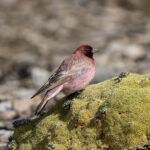
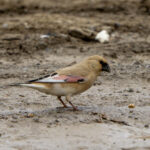
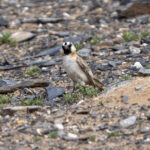
male Great Rosefinch (image by Mark Beaman)

male Great Rosefinch (image by Mark Beaman)

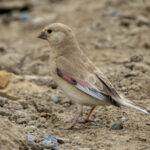
female Great Rosefinch (image by Mark Beaman)

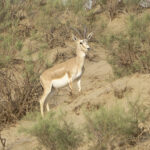
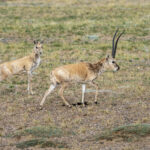
Goitered Gazelle (image by Mark Beaman)

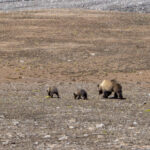
Brown Bear with cubs (image by Mark Beaman)

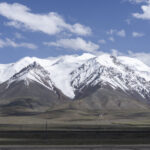
Yuzhu Feng in the Kunlun range: 6,178m or 20,270ft (image by Mark Beaman)

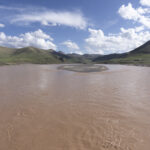
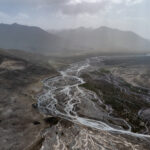
The Yangtze River headwaters in western Qinghai (image by Mark Beaman)

Xinjiang (or Biddulph's) Ground Jay (image by Mark Beaman)

Xinjiang (or Biddulph's) Ground Jay (image by Mark Beaman)

Xinjiang (or Biddulph's) Ground Jay (image by Mark Beaman)

Woolly Hare (image by Mark Beaman)

Wild Yaks (image by Mark Beaman)

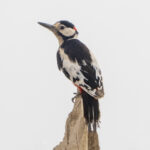
White-winged Woodpecker (image by Mark Beaman)

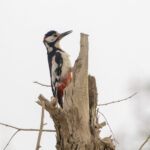
White-winged Woodpecker (image by Mark Beaman)

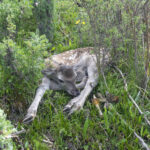
White-lipped Deer fawn (image by Mark Beaman)

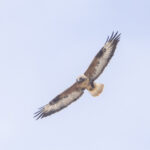
Upland Buzzard (image by Mark Beaman)

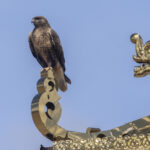
Upland Buzzard (image by Mark Beaman)

Upland Buzzard (image by Mark Beaman)

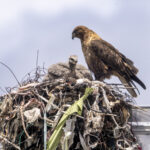
Upland Buzzard and chicks (image by Mark Beaman)

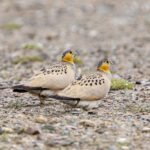
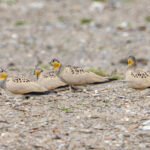
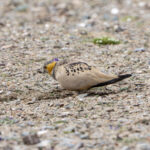
Tibetan Sandgrouse (image by Mark Beaman)

Tibetan Sandgrouse (image by Mark Beaman)

Tibetan Sandgrouse (image by Mark Beaman)

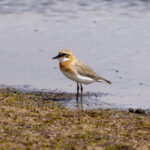
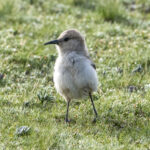
Tibetan Sand Plover (image by Mark Beaman)

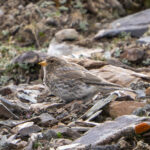
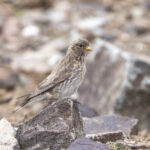
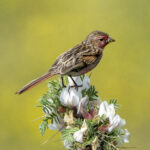
Tibetan Rosefinch (image by Mark Beaman)

Tibetan Rosefinch female (image by Mark Beaman)

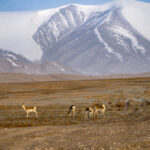
Tibetan Gazelles (image by Mark Beaman)

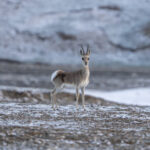
Tibetan Gazelle (image by Mark Beaman)

Tibetan Fox (image by Mark Beaman)

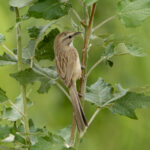
Tarim Babbler (image by Mark Beaman)

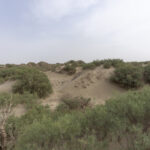
Takla Makan Desert (image by Mark Beaman)

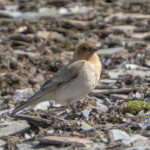
Sillem's Rosefinch (image by Mark Beaman)

Sillem's Rosefinch (image by Mark Beaman)

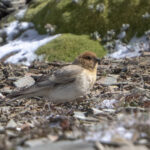
Sillem's Rosefinch female (image by Mark Beaman)

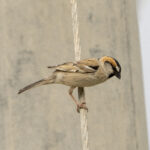
Saxaul Sparrow (image by Mark Beaman)

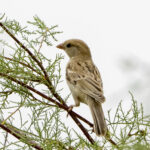
Saxaul Sparrow female (image by Mark Beaman)

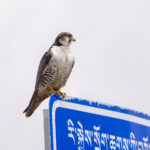
Saker Falcon (image by Mark Beaman)

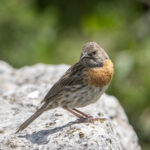
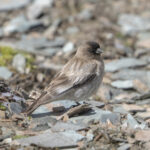
Robin Accentor (image by Mark Beaman)

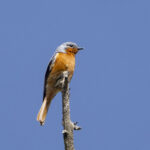
Przevalski's (or Ala Shan) Redstart (image by Mark Beaman)

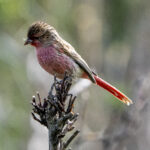
Przevalski's Pinktail (image by Mark Beaman)

Przevalski's Pinktail (image by Mark Beaman)

Przevalski's Pinktail female (image by Mark Beaman)

Przevalski's Gazelle (image by Mark Beaman)

Przevalski's Gazelle (image by Mark Beaman)

Przevalski's (or Rusty-necklaced) Partridge (image by Mark Beaman)

Paddyfield Warbler (image by Mark Beaman)

Mongolian (or Henderson's) Ground Jay (image by Mark Beaman)

Mongolian (or Henderson's) Ground Jay (image by Mark Beaman)

Mongolian (or Henderson's) Ground Jay (image by Mark Beaman)

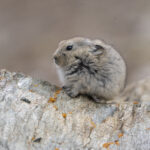
Ladak Pika (image by Mark Beaman)

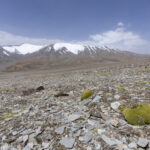
The wild Kunlun mountainscape that is home to Sillem's Rosefinch (image by Mark Beaman)

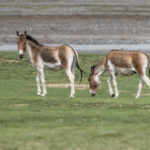
Kiangs or Tibetan Wild Asses (image by Mark Beaman)

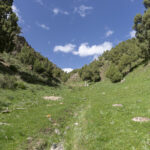
Juniper woodland on the Tibetan Plateau (image by Mark Beaman)

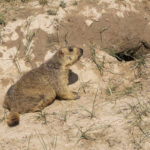
Himalayan Marmot (image by Mark Beaman)

Ground Tit or Groundpecker (image by Mark Beaman)

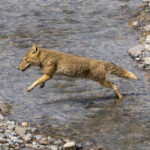
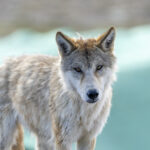
Grey Wolf (image by Mark Beaman)

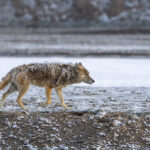
Grey Wolf (image by Mark Beaman)

Desert Whitethroat (image by Mark Beaman)

Desert Finch (image by Mark Beaman)

Desert Finch female (image by Mark Beaman)

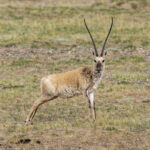
Chirus or Tibetan Antelopes (image by Mark Beaman)

The endangered Chiru or Tibetan Antelope (image by Mark Beaman)

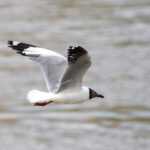
Brown-headed Gull (image by Mark Beaman)

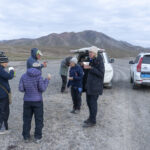
Breakfast in the Kunlun (image by Mark Beaman)

Brandt's Mountain Finch (image by Mark Beaman)

Blanford's Snowfinch (image by Mark Beaman)

Yeniugou (image by Inger Vandyke)

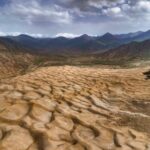
Dunes in Yeniugou (image by Inger Vandyke)

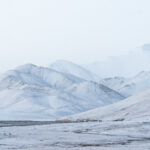
Tibetan Gazelles in the snowy Kunlun (image by Inger Vandyke)

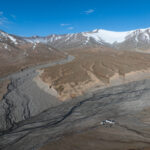
Saline waterways in Yeniugou (image by Inger Vandyke)

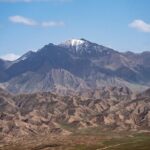
Chaka mountains (image by Inger Vandyke)

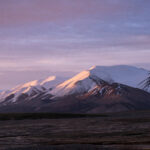
Kunlun dawn (image by Inger Vandyke)

The Sillem's Rosefinch area (image by Inger Vandyke)
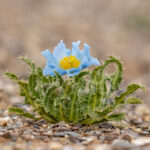




Tibetan Blue Poppy (image by Mark Beaman)
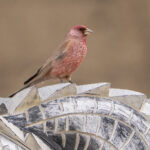
male Great Rosefinch (image by Mark Beaman)
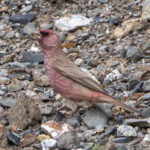
male Great Rosefinch (image by Mark Beaman)
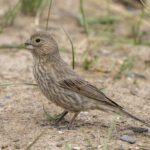
female Great Rosefinch (image by Mark Beaman)
Goitered Gazelle (image by Mark Beaman)
Brown Bear with cubs (image by Mark Beaman)
Yuzhu Feng in the Kunlun range: 6,178m or 20,270ft (image by Mark Beaman)
The Yangtze River headwaters in western Qinghai (image by Mark Beaman)
Xinjiang (or Biddulph's) Ground Jay (image by Mark Beaman)
Xinjiang (or Biddulph's) Ground Jay (image by Mark Beaman)
Xinjiang (or Biddulph's) Ground Jay (image by Mark Beaman)
Woolly Hare (image by Mark Beaman)
Wild Yaks (image by Mark Beaman)
White-winged Woodpecker (image by Mark Beaman)
White-winged Woodpecker (image by Mark Beaman)
White-lipped Deer fawn (image by Mark Beaman)
Upland Buzzard (image by Mark Beaman)
Upland Buzzard (image by Mark Beaman)
Upland Buzzard (image by Mark Beaman)
Upland Buzzard and chicks (image by Mark Beaman)
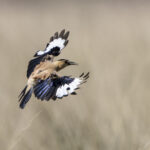
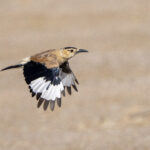
Tibetan Sandgrouse (image by Mark Beaman)
Tibetan Sandgrouse (image by Mark Beaman)
Tibetan Sandgrouse (image by Mark Beaman)
Tibetan Sand Plover (image by Mark Beaman)
Tibetan Rosefinch (image by Mark Beaman)
Tibetan Rosefinch female (image by Mark Beaman)
Tibetan Gazelles (image by Mark Beaman)
Tibetan Gazelle (image by Mark Beaman)
Tibetan Fox (image by Mark Beaman)
Tarim Babbler (image by Mark Beaman)
Takla Makan Desert (image by Mark Beaman)
Sillem's Rosefinch (image by Mark Beaman)
Sillem's Rosefinch (image by Mark Beaman)
Sillem's Rosefinch female (image by Mark Beaman)
Saxaul Sparrow (image by Mark Beaman)
Saxaul Sparrow female (image by Mark Beaman)
Saker Falcon (image by Mark Beaman)
Robin Accentor (image by Mark Beaman)
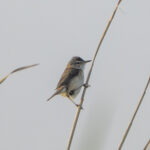
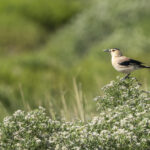
Przevalski's (or Ala Shan) Redstart (image by Mark Beaman)
Przevalski's Pinktail (image by Mark Beaman)
Przevalski's Pinktail (image by Mark Beaman)
Przevalski's Pinktail female (image by Mark Beaman)
Przevalski's Gazelle (image by Mark Beaman)
Przevalski's Gazelle (image by Mark Beaman)
Przevalski's (or Rusty-necklaced) Partridge (image by Mark Beaman)
Paddyfield Warbler (image by Mark Beaman)
Mongolian (or Henderson's) Ground Jay (image by Mark Beaman)
Mongolian (or Henderson's) Ground Jay (image by Mark Beaman)
Mongolian (or Henderson's) Ground Jay (image by Mark Beaman)
Ladak Pika (image by Mark Beaman)
The wild Kunlun mountainscape that is home to Sillem's Rosefinch (image by Mark Beaman)
Kiangs or Tibetan Wild Asses (image by Mark Beaman)
Juniper woodland on the Tibetan Plateau (image by Mark Beaman)
Himalayan Marmot (image by Mark Beaman)
Ground Tit or Groundpecker (image by Mark Beaman)
Grey Wolf (image by Mark Beaman)
Grey Wolf (image by Mark Beaman)
Desert Whitethroat (image by Mark Beaman)
Desert Finch (image by Mark Beaman)
Desert Finch female (image by Mark Beaman)
Chirus or Tibetan Antelopes (image by Mark Beaman)
The endangered Chiru or Tibetan Antelope (image by Mark Beaman)
Brown-headed Gull (image by Mark Beaman)
Breakfast in the Kunlun (image by Mark Beaman)
Brandt's Mountain Finch (image by Mark Beaman)
Blanford's Snowfinch (image by Mark Beaman)
Yeniugou (image by Inger Vandyke)
Dunes in Yeniugou (image by Inger Vandyke)
Tibetan Gazelles in the snowy Kunlun (image by Inger Vandyke)
Saline waterways in Yeniugou (image by Inger Vandyke)
Chaka mountains (image by Inger Vandyke)
Kunlun dawn (image by Inger Vandyke)
The Sillem's Rosefinch area (image by Inger Vandyke)


KUNLUN MOUNTAINS & TARIM BASIN, WEST CHINA EXPEDITION REPORT 2025

23 June - 8 July 2025
Mark Beaman

The home of the Sillem’s Rosefinch (image by Inger Vandyke)
The highest parts of the Tibetan Plateau, around the wild and remote Kunlun Range at its northern periphery, are not an easy area to bird in. Both remote and very high, it attracts a special kind of individual who loves birding off the beaten track, the chance to see some remarkable mammals, some in their last haunts, and the sheer adventure of visiting such a scenically extraordinary area and doing what it takes. As one birder told me recently, journeying to such a wild, desolate, high place to see the fabled Sillem’s Rosefinch is the nearest thing to birding on the Moon! So very true!
We started off our expedition in the town of Yushu in southeastern Qinghai, as it makes a good starting point for acclimatising to higher altitudes and was also the end point of this year’s ‘Best of the Tibetan Plateau’ Birdquest tour, from which some had planned to join us. But soon we were leaving the Yushu ‘lowlands’ (around 3,700m!) behind and heading for the remote town of Qumarleb (or Qumarlai in Chinese, as opposed to Tibetan).
Soon, the planted poplars faded away, and we started to cross the endless grassy steppes and the successive and ever-wilder mountain ranges that characterise this part of the Tibetan Plateau. A stop at a first wetland turned up a large number of rare Black-necked Cranes breeding in the marshes alongside numerous Bar-headed Geese, Ruddy Shelducks, Common Redshanks and Common Terns. The steppes were inhabited by numerous endemic White-rumped and Rufous-necked Snowfinches, rufous-bellied Black Redstarts, Twites and perky endemic Groundpeckers or Ground Tits, the latter a bird that used to be considered a member of the ground jay group of corvids but which is now thought to be related to the tits. A stop beside some rocky hills turned up our first endemic Black-winged Snowfinches (a smart bird when they fly and reveal their black and white wing pattern) and best of all, a Tibetan Fox den with two adults in attendance and five playful little cubs. Nearer to Qumarleb, a stop in a rocky valley produced a couple of Glover’s Pikas while a stop at an old bridge over the Yangtze River (already very wide, not that far from its source) turned up our first Brown Accentor and some smart endemic White-backed (or Kessler’s) Thrushes.
After a night in a very comfortable hotel (it is truly amazing how much accommodation in China has improved in recent times, even in remote areas), we set out for the distant Kunlun Range. It was a long journey, but the ever-changing scenery, from valleys to mountain ranges, to broad plains and finally the snows of the high Kunlun, made it an extraordinary experience.
We had been seeing Upland Buzzards and Saker Falcons along the route yesterday, but today the density of both increased markedly. No fewer than 82 Upland Buzzards and 25 Saker Falcons were recorded! Something that impressed us all was the fact that in this part of China, the power companies have agreed to put up numerous steel baskets on the pylons for raptors to use. At least half of the baskets were in current use. Definitely a lesson here for powerline companies in other parts of the world. Mind you, buildings, Buddhist chortens, rocks and other suitable features were also being used for nesting as the extraordinary density of Plateau Pikas provides a massive food source for raptors.
The journey also turned up a number of Blanford’s Snowfinches, our first Tibetan (or Prince Henri’s) Snowfinch, some lovely Tibetan Sand Plovers, attractive Brown-headed Gulls (that soon saw off a marauding Upland Buzzard), Hume’s Short-toed Larks, our first two Wild Yaks, hordes of Kiangs (Tibetan Wild Asses), lots of Tibetan Gazelles and some beautiful Chirus (Tibetan Antelopes).
Eventually, after some annoying ‘truck jams’ along the Golmud-Lhasa highway, we reached Xidatan and enjoyed a good dinner and some cold Chinese beer.
Yeniugou (which translates as Wild Yak Valley) first became prominent for its remarkable diversity of mammals, but in 2012 Yann Muzika, who had gone there to trek into the Kunlun rather than go birding, rediscovered the long-lost ‘Sillem’s Mountain Finch’ that had been first recorded during a Dutch expedition to the Chinese side of the Karakorum Range in the far west of the Tibetan Plateau. Initially thought to be an aberrant plumage of Brandt’s Mountain Finch (Leucosticte brandti), it was only in 1992 that C S Roselaar described the specimens as a new species, Sillem’s Mountain Finch Leucosticte sillemi, after the leader of the Dutch expedition. More recently, the taxon was first reallocated to the genus Koslowia and later to Carpodacus. Mitochondrial DNA studies have shown that it is closely related to the Tibetan (or Roborovski’s) Rosefinch, C. roborowskii.
The first Birdquest expedition to the area took place in 2014, and our group that year became the first ever bird tour group to see this very poorly known species. We have been successful on every visit since then, but as the area the Sillem’s inhabits is so high (between 4,900-5,100m) and so remote, with difficult access, and as the species occurs at a very low density, there is always the worry that one might miss this Holy Grail of Asian birding!
However, our hardy and persistent group kept at the task and over the course of our stay in the area we found between seven and nine individuals (up to six females/immature males and up to three adult males). The uncertainty stemming from the fact they were not all observed on a single day and the birds are rather mobile.
Birding in the high Kunlun is an amazing experience. The high mountain scenery is extraordinary, and there is a limited but fascinating fauna and flora to enjoy.
Just to get to the Sillem’s Rosefinch site involves a start in the very early hours and a long drive to the head of Yeniugou, followed by river and even ice sheet crossings by 4×4 vehicle and bumping along on faint tracks that are hard to follow! And then you have to walk up rocky slopes at very high altitude. And find the elusive rosefinch! All in all, quite a challenge! So we were truly delighted by our well-deserved success.
Tibetan Rosefinches are much more common in the area and were rarely out of view, and the same applied to Brandt’s Mountain Finches and Horned Larks. Much less common was the smart Guldenstadt’s (or White-winged) Redstart. Raptors were scarce, consisting of single Upland Buzzards, Golden Eagles and Saker Falcons. A Tibetan Snowcock was calling away on one occasion but remained out of sight.
Not far away, we found some Blanford’s Snowfinches and some superb Tibetan Sandgrouse (really close ones!).
The best mammal sighting was the female Brown Bear with two playful cubs that we watched close to the river. Watching all three of them digging away was a treat, and we even saw mum suckling her offspring.
The formerly Endangered Chiru or Tibetan Antelope has made quite a comeback, and we saw quite a good number in the area, as well as Tibetan Gazelles and Kiangs (Tibetan Wild Asses). A lone male Wild Yak sped off when we approached, which was a shame, but some of us had a herd of 67 individuals.
On a snowy morning, we watched a Grey Wolf, with snow still on its back, hunting a couple of Tibetan Gazelles. It allowed us to get quite close as it used the terrain to approach the gazelles. But we never saw the outcome as we left it in peace to try and get its next meal. Tibetan Foxes were common, and on one occasion we watched one stalking the ubiquitous Plateau Pikas.
Further up, on the rocky talus, Ladak Pikas looked even sweeter, if that is possible, and out in the sandy steppes at lower altitudes were some paler pikas that may have been the poorly-known Kozlov’s Pika, but we could not clinch the identification.
To round off the mammal fest, we had Red Fox, Woolly Hare, Himalayan Marmot and Northern Three-toed Jerboa.
Down in the lower part of Yeniugou, we found Great Rosefinch, Desert Wheatear and the calcarata form of the Citrine Wagtail to be quite common, and a couple of Przevalski’s (or Rusty-necklaced) Partridges at the roadside caused quite a commotion.
Some of the group who opted to avoid another day at the Sillem’s site found a close male Grey-necked Bunting and provided a good written description. For some reason, this is a bird that seems to be previously unrecorded from the northern edge of the Kunlun, although it occurs all the way through the Tian Shan to the northwest. Was it a spring overshoot or part of a sparse breeding population?
A night in Goldmud (or Geermu as it is called in Chinese) at 2,900m gave everyone the chance to recharge the batteries after our high altitude adventures. From Golmud, we headed across the Zaidam Depression, a mix of reeds, marshes and semidesert, to the fringing mountains and then descended into the Tarim Basin, a huge oval basin that occupies most of southern Xinjiang Province. Eventually, we reached Ruoqiang, our base for exploring the Tarim Basin and the Takla Makan Desert.
To the north of Ruoqiang, the gardens, fields, and orchards at the edge of the oasis give way to semi-desert, reedbeds, and marshes before the Takla Makan Desert begins.
One of our prime targets in the Tarim Basin was the endemic Tarim Babbler (or Tarim Bush-dweller), now treated as a sylvine babbler and a cousin of the Beijing Babbler that inhabits scrubby hillsides right across north-central and northeast China. This is a common bird around Ruoqiang and indeed took about a minute from getting off the bus before it appeared, closely followed by its mate! As always, we kept on finding more and more, as well as Desert Finches and equally smart Saxaul Sparrows. (Indeed, the finches even turned up around our favourite restaurant in the town. Ruoqiang may be remote, but it has a really good hotel and a superb restaurant!)
Karakoshun Lake (or Taitema Hu) to the north of the city always turns up a lot of waterbirds, and these included Greylag Goose, Red-crested Pochard, Eurasian Coot, Great Crested Grebe, Black-winged Stilt, Kentish Plover, Little Tern, Mongolian and Black-headed Gulls, Great Cormorant, Great Egret, Grey Heron, and Citrine Wagtails of the form werae. Reedy areas produced Little Bitterns, Paddyfield Warblers, Bearded Reedlings (or Bearded Tits) and ‘Thick-billed’ Reed Buntings.
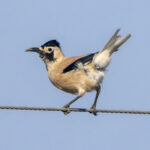
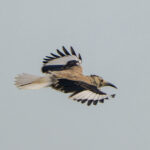
After a slow start, we turned up no fewer than 13 individuals of the second of the two Tarim endemics, the striking and charismatic Xinjiang (or Biddulph’s) Ground Jay. Happily, some put on a good performance for us rather than scurrying or flying away before we had good views and images. What wonderful birds the ground jays are, suddenly exploding into a vivid pattern of glossy black, white and sandy as they take to the wing. The four species are much-wanted by birders keen on Asia, and seeing them all involves visiting Central Asia, Xinjiang (NW China), the area between the northeast Tibetan Plateau and Mongolia, and even Iran, just to make collecting the set even more tricky!
Other interesting birds of the desert and its fringes (nowadays partly cultivated, but with extensive popular woodlands surviving in places) included White-winged Woodpecker, Long-legged Buzzard, Asian Short-toed Lark, Isabelline Shrike, ‘Steppe’ Grey Shrike and ‘Desert’ Whitethroats of the form minula (well, supposedly that form but it ius hard to say as the neighbouring margelanica cannot be reliably separated in the field). Stock Doves, never seen on our earlier visits, are now common in the area.
After our stay in Ruoqiang, we had to get ourselves back to Golmud by air, all because the Qinghai government had suddenly decided not to allow foreigners coming by road from Xinjiang into Qinghai, but there was no restriction if you flew! Such are the strange ways of some Chinese provinces. So, it was 4,000 km by air instead of 750 km by road!
Some of us had opted to return to Xining with our trusty bus, rather than fly out of Golmud, and our main target during the extension was to be the Critically Endangered Przewalski’s (or Przevalski’s) Gazelle in its last stronghold near the Koko Nor (or Qinghai Hu), the largest lake in China.
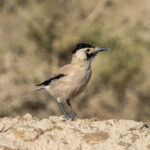
However, we had some time along the way to enjoy some extra birding and some more specialities of the region. Stops near Golmud produced great views of Mongolian (or Henderson’s) Ground Jay, and we had another ‘Desert’ Whitethroat, this time within the range of the form margelanica.
Nearer to Chaka, a beautiful valley peppered with junipers produced Pine Buntings and the endemic Przevalski’s (or Ala Shan) Redstart, while other new birds included Black-rumped Magpie, White-winged Grosbeak, Chinese White-browed Rosefinch and a heard-only Daurian Partridge, not to mention hordes of Himalayan Marmots.
We checked out a side road near Chaka where some Przewalski’s Gazelles had been reported the previous month, without success, but a few Mongolian Finches, lots of Isabelline Wheatears and a really awesome encounter with Mongolian Ground Jays made up for the lack of gazelles.
In the mountains between Chaka and the Koko Nor, around the strangely-named ‘Rubber Mountain’, our search for the monotypic endemic Przeevalski’s Pinktail eventually turned up two pairs, one of which was feeding young and very obliging. Such endemics as Tibetan Partridge, White-browed Tit and Robin Accentor also appeared, and additional birds of interest included Salim Ali’s Swift, ‘Alpine’ Leaf Warbler and Rosy Pipit.
The shores of the Koko Nor produced the last Black-necked Cranes of the expedition and a few new waterbirds such as Gadwall, Eastern Black-tailed Godwit and smart Pallas’s (or Great Black-headed) Gulls. A lone adult Pallas’s Fish Eagle was a bonus, as they have become scarce in recent times.
On our final morning, we visited some more areas of steppe where we thankfully turned up no fewer than 153 Przewalski’s Gazelles (about 10% of the known population) as well as some smart Pere David’s (or Small) Snowfinches and numerous Woolly Hares.
Apart from a few Common Pheasants on the way to Xining airport, our final additions were a series of big Tibetan Larks and a sole Mongolian Lark. The scarcity of the latter species is now very apparent, as compared to times past, and reflects the endless trapping of this popular species for the cagebird trade.
It had been a memorable expedition that had produced many great birds, most of which are endemic to the Tibetan Plateau or the Tarim Basin, but above all, getting to the Sillem’s Rosefinch area and finding this remarkable species in such an amazing yet desolate and difficult location had been an ambition fulfilled for us all. Yes, it surely is the nearest thing to birding on the Moon!
Top Five ‘Birds & Mammals of the Trip’.
1st: Xinjiang (or Biddulph’s) Ground Jay
2nd: Sillem’s Rosefinch
3rd: Tibetan Sandgrouse
4th=: Chiru (or Tibetan Antelope)
4th=: Great Rosefinch
SYSTEMATIC LIST OF SPECIES RECORDED DURING THE TOUR
Species marked with the diamond symbol (◊) are either endemic to the country or local region or considered ‘special’ birds for some other reason (e.g. it is only seen on one or two Birdquest tours; it is difficult to see across all or most of its range; the local form is endemic or restricted-range and may in future be treated as a full species).
The species names and taxonomy used in the bird list follow Gill, F., Donsker, D., & Rasmussen, P. (Eds). 2025 IOC World Bird List (v15.1).
BIRDS
Bar-headed Goose ◊ Anser indicus: Widespread and often numerous on the Tibetan Plateau with up to 315 in a day.
Greylag Goose Anser anser: Regularly recorded in the Ruoqiang region with up to 10 in a day.
Common Shelduck Tadorna tadorna: Eight in the Ruoqiang region and five at the Koko Nor (Qinghai Hu).
Ruddy Shelduck Tadorna ferruginea: Widespread and often common in both Qinghai and Xinjiang with up to 51 in a day.
Gadwall Mareca strepera: Three at the Koko Nor (Qinghai Hu).
Mallard Anas platyrhynchos: Two in western Qinghai, two at the Koko Nor (Qinghai Hu) and one west of Xining.
Red-crested Pochard Netta rufina: Numerous in the Ruoqiang area, with up to 150 in a day, and 50 at the Koko Nor (Qinghai Hu).
Common Pochard Aythya ferina: Six at the Koko Nor (Qinghai Hu).
Ferruginous Duck Aythya nyroca: 60 in western Qinghai, 60 in the Ruoqiang area and 20 at the Koko Nor (Qinghai Hu).
Tufted Duck Aythya fuligula: A pair at the Koko Nor (Qinghai Hu).
Tibetan Partridge ◊ Perdix hodgsoniae: One between Chaka and the Koko Nor (Qinghai Hu).
Daurian Partridge ◊ Perdix dauurica: Heard only. One in the mountains of the Chaka region.
Common (or Ring-necked) Pheasant Phasianus colchicus: Three west of Xining.
Tibetan Snowcock ◊ Tetraogallus tibetanus: Heard only. One in the Sillem’s Rosefinch area.
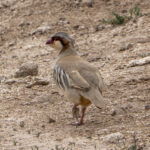
Przevalski’s (or Rustyt-necklaced) Partridge ◊ Alectoris magna: Two in Yeniugou (Wild Yak Valley).
Common Swift Apus apus: Small numbers in the Zaidam Depression and in Xinjiang.
Salim Ali’s Swift ◊ Apus salimalii: Five in western Qinghai and one between Chaka and the Koko Nor (Qinghai Hu).
Common Cuckoo Cuculus canorus: One in the Ruoqiang region.
Tibetan Sandgrouse ◊ Syrrhaptes tibetanus: Fantastic close looks at seven in upper Yeniugou (Wild Yak Valley).
Rock Dove (or Rock Pigeon) Columba livia: Feral birds were rather common in the Ruoqiang area and west of Xining.
Hill Pigeon ◊ Columba rupestris: Common on the Tibetan Plateau.
Stock Dove ◊ Columba oenas: Common in the Ruoqiang region. This seems to be a recent colonisation of the area, likely driven by the huge increase in cultivation in the southeastern Tarim Basin in the last decade. Not recorded at all on our previous visits!
Oriental (or Rufous) Turtle Dove Streptopelia orientalis: Small numbers in the Ruoqiang region and one at Xining.
Eurasian Collared Dove Streptopelia decaocto: Common in the Ruoqiang region and a few in the Zaidam Depression and west of Xining.
Common Moorhen Gallinula chloropus: Two in the Ruoqiang region.
Eurasian (or Common) Coot Fulica atra: Common in the Ruoqiang and more locally on the Tibetan Plateau.
Black-necked Crane ◊ Grus nigricollis: A total of 42 recorded on the Tibetan Plateau, with up to 25 in a day.
Great Crested Grebe Podiceps cristatus: Numerous in the Ruoqiang region and more locally on the Tibetan Plateau.
Black-winged Stilt Himantopus himantopus: Fairly common in the Zaidam Depression and in the Ruoqiang region.
Little Ringed Plover Charadrius dubius: One in the Ruoqiang region.
Tibetan Sand Plover Anarhynchus atrifrons: Small numbers on the Tibetan Plateau, including some in breeding plumage.
Kentish Plover Anarhynchus alexandrinus: Common in the Ruoqiang region.
Black-tailed Godwit [Eastern Black-tailed Godwit] Limosa [limosa] melanuroides: One at the Koko Nor (Qinghai Hu).
Green Sandpiper Tringa ochropus: One in the Ruoqiang region. Likely a failed breeder returning early.
Common Redshank Tringa totanus: Common and widespread, with up to 50 in a day.
Little Tern Sternula albifrons: Fairly common in the Ruoqiang region.
Common Tern Sterna hirundo: Widespread and fairly common.
Black-headed Gull Chroicocephalus ridibundus: Fairly common in the Ruoqiang region.
Brown-headed Gull ◊ Chroicocephalus brunnicephalus: 20 in western Qinghai and 100 at the Koko Nor (Qinghai Hu).
Pallas’s (or Great Black-headed) Gull ◊ Ichthyaetus ichthyaetus: 15 of these impressive gulls at the Koko Nor (Qinghai Hu).
Mongolian Gull ◊ Larus mongolicus: Not uncommon in the Ruoqiang region.
Black Stork Ciconia nigra: One in the Ruoquiang region.
Great Cormorant Phalacrocorax carbo: Common in the Ruoqiang region and especially at the Koko Nor (Qinghai Hu).
Glossy Ibis Plegadis falcinellus: A group of seven in the Ruoqiang region.
Little Bittern Botaurus minutus: Small numbers in the Ruoqiang region.
Great Egret [Eastern Great Egret] Ardea [alba] modesta: Fairly common in the Ruoqiang region.
Eastern Cattle Egret Ardea coromanda: 13 at a wetland in western Qinghai.
Grey Heron Ardea cinerea: A few in the Ruoqiang region.
Bearded Vulture (or Lammergeier) Gypaetus barbatus: Two in the hills between the Zaidam Depression and the Tibetan Plateau.
Himalayan Vulture Gyps himalayensis: Widespread and not uncommon on the Tibetan Plateau.
Golden Eagle Aquila chrysaetos: One immature in the Sillem’s Rosefinch area and another in Yeniugou (Wild Yak Valley).
Black Kite [Black-eared Kite] Milvus [migrans] lineatus: Fairly common in the Ruoqiang region.
Pallas’s Fish Eagle ◊ Haliaeetus leucoryphus: An adult at the Koko Nor (Qinghai Hu).
Long-legged Buzzard Buteo rufinus: One in the Ruoqiang region.
Upland Buzzard ◊ Buteo hemilasius: Numerous and widespread on the Tibetan Plateau with up to 82 in a day!
Little Owl Athene noctua: Three singles on the Tibetan Plateau.
Eurasian Hoopoe Upupa epops: Three singles on the Tibetan Plateau and another in the Ruoqiang region.
White-winged Woodpecker ◊ Dendrocopos leucopterus: A total of three in wooded areas at the edge of the Takla Makan Desert.
Common Kestrel Falco tinnunculus: Not uncommon on the Tibetan Plateau.
Saker Falcon Falco cherrug: A total of 52 in western Qinghai. Given that this species is collapsing in population size in many parts of its range owing to the illegal but insatiable Gulf Arab falconry trade, it is a miracle that so many survive in this part of China., Lots of nests were seen, and up to three fledglings were in or near some nests.
Great Grey Shrike [Steppe Grey Shrike] Lanius [excubitor] pallidirostris: Three in the Ruoqiang region.
Isabelline Shrike ◊ Lanius isabellinus: Common in the Ruoqiang region (L. i. arenarius, sometimes split, with tsaidamensis, as Chinese or Xinjiang Shrike). In addition, three around Chaka (L. i. tsaidamensis).
Grey-backed Shrike Lanius tephronotus: One near Chaka and one west of Xining.
Azure-winged Magpie ◊ Cyanopica cyanus: One near Chaka, where it is a recent colonist (reflecting the maturing of the poplar plantations there), and two west of Xining.
Black-rumped Magpie ◊ Pica bottanensis: Four in the mountains of the Chaka region and one near the Koko Nor (Qinghai Hu).
Mongolian (or Henderson’s) Ground Jay ◊ Podoces hendersoni: Three east of Golmud (or Geerrmu) and three near Chaka. Great views at the first location and amazing ones at the second!
Xinjiang (or Biddulph’s) Ground Jay ◊ Podoces biddulphi: We had thirteen of these striking Tarim Basin endemics in a single day in the Ruoqiang region and enjoyed wonderful views of these very special birds!
Red-billed Chough Pyrrhocorax pyrrhocorax: Fairly common on the Tibetan Plateau.
Daurian Jackdaw ◊ Coloeus dauuricus: Johnny found one at the Yangtze River between Yushu and Qumarleb (or Qumarlai).
Carrion Crow ◊ Corvus corone: Common in the Ruoqiang region. In addition, one west of Xining.
Northern (or Common) Raven Corvus corax: Common in western Qinghai.
White-browed Tit ◊ Poecile superciliosus: One between Chaka and the Koko Nor (Qinghai Hu).
Ground Tit (or Groundpecker) Pseudopodoces humilis: Positively common on the Tibetan Plateau. It would not be a surprise to find this species, which is undoubtedly more appropriately called ‘Groundpecker’, reclassified as a monotypic family.
Bearded Reedling (or Bearded Tit) Panurus biarmicus: A pair in the Ruoqiang region.
Oriental Skylark Alauda gulgula: Very common in eastern Qinghai.
Crested Lark Galerida cristata: One in the Ruoqiang area.
Horned (or Shore) Lark Eremophila alpestris: Very common on the Tibetan Plateau.
Hume’s Short-toed Lark ◊ Calandrella acutirostris: Small numbers on the Tibetan Plateau.
Mongolian Lark ◊ Melanocorypha mongolica: Just the one, not far from the Koko Nor (Qinghai Hu). Illegal trapping is a real problem for this species, which was numerous in this area in the late 20th century.
Tibetan Lark ◊ Melanocorypha maxima: Six in a wetland area near the Koko Nor (Qinghai Hu).
Asian Short-toed Lark ◊ Alaudala cheleensis: Common in the Ruoqiang region. In addition, four near Chaka.
Pale Martin ◊ Riparia diluta: Common on the Tibetan Plateau.
Eurasian Crag Martin Ptyonoprogne rupestris: Small numbers between Yushu and Qumarleb (or Qumarlai).
Barn Swallow Hirundo rustica: Scattered records of small numbers from both Qinghai and Xinjiang.
Tickell’s Leaf Warbler ◊ [Alpine Leaf Warbler] Phylloscopus [affinis] occisinensis: One between Yushu and Qumarleb (or Qumarlai) and four between Chaka and the Koko Nor (or Qinghai Hu).
Paddyfield Warbler ◊ Acrocephalus agricola: Seven in the Ruoqiang region.
Lesser Whitethroat ◊ [Desert Whitethroat] Curruca [curruca] minula/margelanica: Small numbers in the Ruoqiang region and one in the Zaidam east of Golmud (or Geermu). Supposedly, the birds in the Tarim Basin are C. c. minula, while those in Zaidam and northeast Qinghai are C. c. margelanica. However, as the two forms cannot be reliably separated in the field, there is uncertainty regarding their precise distributions.
Tarim Babbler (or Tarim Bush-dweller) ◊ Rhopophilus albosuperciliaris: This Tarim Basin endemic is positively common in the Ruoqiang area. It took us about one minute to find the first one!
Rosy Starling Pastor roseus: A flock of about 20 in the Ruoqiang area.
Common Starling Sturnus vulgaris: Not uncommon in the Ruoqiang region.
White-backed (or Kessler’s) Thrush ◊ Turdus kessleri: Three between Yushu and Qumarleb (or Qumarlai) and fairly common in northeast Qinghai.
White-capped Redstart Phoenicurus leucocephalus: One near Yushu.
Przevalski’s (or Ala Shan) Redstart ◊ Phoenicurus alaschanicus: A family party of a pair and a newly fledged juvenile, plus another heard in the mountains of the Chaka region.
Black Redstart Phoenicurus ochruros: Common on the Tibetan Plateau.
Güldenstädt’s (or White-winged) Redstart ◊ Phoenicurus erythrogastrus: Two different males in the Sillem’s Rosefinch area.
Siberian Stonechat Saxicola maurus: Small numbers in the Ruoqiang region and between Chaka and the Koko Nor (Qinghai Hu).
Isabelline Wheatear Oenanthe isabellina: Common around Chaka and around the Koko Nor (Qinghai Hu).
Desert Wheatear Oenanthe deserti: Fairly common in the lower Yeniugou (Wild Yak Valley) and in the Zaiudam Depression east of Golmud (or Geermu).
Rock Sparrow Petronia petronia: Eight near Chaka and two near the Koko Nor (Qinghai Hu).
White-rumped Snowfinch ◊ Onychostruthus taczanowskii: Very common on the Tibetan Plateau, with up to 54 in a day.
Tibetan (or Prince Henri’s) Snowfinch Montifringilla henrici: One at a pass northwest of Qumarleb (or Qunmarlai) and one between the Sillem’s Rosefinch area and Upper Yeniugou (Wild Yak Valley).
Black-winged (or Adams’s) Snowfinch ◊ Montifringilla adamsi: Fairly common between Yushu and the area northwest of Qumarleb (or Qumarlai). Also, four between Chaka and the Koko Nor (Qinghai Hu).
Rufous-necked Snowfinch ◊ Pyrgilauda ruficollis: Very common on the Tibetan Plateau, with up to 56 in a day.
Pere David’s (or Small) Snowfinch ◊ Pyrgilauda davidiana: A total of 10 in the surroundings of the Koko Nor (Qinghai Hu).
Blanford’s (or Plain-backed) Snowfinch ◊ Pyrgilauda blanfordi: A total of 6 between Qumahe and Budongquan and small numbers near the Sillem’s Rosefinch area and in Upper Yeniugou (Wild Yak Valley). In addition, one near the Koko Nor (Qinghai Hu).
Eurasian Tree Sparrow Passer montanus: Widespread and sometimes common.
Saxaul Sparrow ◊ Passer ammodendri: Very common in the Ruoqiang region with up to 40 in a day.
Robin Accentor ◊ Prunella rubeculoides: Eight between Chaka and the Koko Nor (Qinghai Hu).
Brown Accentor ◊ Prunella fulvescens: Fairly common in northeast Qinghai. In addition, a couple of singles in western Qinghai.
Citrine Wagtail Motacilla [citreola] citreola: Common in the Ruoqiang region.
Citrine Wagtail ◊ [Tibetan Wagtail] Motacilla [citreola] calcarata: Fairly common but localised on the Tibetan Plateau.
White Wagtail [Masked Wagtail] Motacilla [alba] personata: Not uncommon in the Ruoqiang region.
White Wagtail [Amur Wagtail] Motacilla [alba] leucopsis: One at the Koko Nor (Qinghai Hu) and two west of Xining.
Rosy Pipit Anthus roseatus: Six between Chakla and the Koko Nor (Qinghai Hu).
Przevalski’s Finch (or Przevalski’s Pinktail) Urocynchramus pylzowi: Two pairs, both feeding young in the nest, between Chaka and the Koko Nor (Qinghai Hu). As a monotypic family, this species is now known to be neither a true bunting nor a true finch, so the name Przevalski’s Pinktail is more apt.
White-winged Grosbeak ◊ Mycerobas carnipes: One in the mountains of the Chaka region.
Mongolian Finch ◊ Bucanetes mongolicus: Three near Chaka.
Brandt’s Mountain Finch ◊ Leucosticte brandti: Common in the Sillem’s Rosefinch area.
Great Rosefinch ◊ Carpodacus rubicilla: Locally fairly common in lower Yeniugou (Wild Yak Valley) and between Xidatan and the edge of the Zaidam Depression.
Tibetan Rosefinch Carpodacus roborowskii: Positively common in the Sillem’s Rosefinch area with up to 25 in a day.
Sillem’s Rosefinch ◊ Carpodacus sillemi: It is difficult to be sure of the number recorded as these birds are rather mobile, but we had at least seven individuals (five females and two adult males) in different locations, and there may well have been eight or nine individuals involved (up to six females and three adult males). At this location in the Kunlun Range, the species occurs at low density between 4,900 and 5,100 metres altitude at this season and, as with the Tibetan Rosefinch, females (or more likely females and immature males) greatly outnumber adult males. There was no evidence of breeding activity in late June, but a Chinese photographer observed mating on 5th July 2025 at the same location.
Desert Finch ◊ Rhodospiza obsoleta: Locally fairly common in the Ruoqiang region.
Twite Linaria flavirostris: Common on the Tibetan Plateau.
Pine Bunting ◊ Emberiza leucopcephala: Two males in the mountains of the Chaka region.
Grey-necked Bunting ◊ Emberiza buchanani: An adult male in lower Yeniougoiu (Wild Yak Valley) on 28 June 2025 was seen at close range by part of the group. Good field description provided. Ortolan Bunting ruled out by the description, and there are no other confusion species possible. A straggler, or is there a small breeding population in this region?
Common Reed Bunting Emberiza schoeniclus: Four in the Ruoqiang area. The form here is pyrrhuloides, a member of the distinctive ‘Thick-billed Reed Bunting’ group.
MAMMALS
Grey Wolf Canis lupus: A total of four recorded, including some very close encounters indeed. How amazing!
Tibetan Fox Vulpes ferrilata: Rather common in western Qinghai, with up to nine in a day, including some very close encounters. Best of all was the den with both parents and five delightful cubs playing around. The broad face of the Tibetan Fox gives it a ‘wise old Chinese gentleman’ look.
Red Fox Vulpes vulpes: Scattered records of one or two from the Tibetan Plateau.
Brown Bear Ursus arctos: Upper Yeniugou (Wild Yak Valley) and the Sillem’s Rosefinch area are reliable places for this species, but even so, it was wonderful to see a mother with two cubs.
Kiang (or Tibetan Wild Ass) Equus kiang: This beautiful animal was positively numerous in western Qinghai, where we recorded up to 262 in a day.
White-lipped Deer Cervus albirostris: Finding a beautiful spotty fawn hiding in the scrub where its mother had left it while she fed was the surprise of the day when we travelled from Chaka to the Koko Nor (or Qinghai Hu)!
Wild Yak Bos grunniens: Two lone males, another lone male that sped away and a scattered herd of 67. Western Qinghai and northern Xizang are the last stronghold of the wild population, which has suffered from interbreeding with domestic yaks in more populated areas.
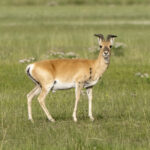
Goitered Gazelle Gazella subgutturosa: A few in the Takla Makan Desert.
Chiru (or Tibetan Antelope) Pantholops hodgsonii: This beautiful antelope with its long, elegant horns is clearly increasing in numbers in western Qinghai, where we recorded up to 37 in a day. For once, this is a conservation success, with the population increasing considerably since the late 20th century and the IUCN designation improving from Endangered to Near-Threatened.
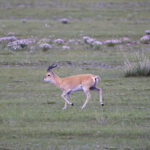
Tibetan Gazelle Procapra picticaudata: Widespread and common in western Qinghai, where we recorded up to 50 in a day.
Przewalski’s (or Przevalski’s) Gazelle Procapra przewalskii: A total of 153 recorded in two areas not far from the Koko Nor (or Qinghai Hu). This observation represents around 10% of the entire population of this Critically Endangered animal!
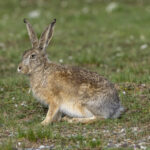
Woolly Hare Lepus oiostolus: Widespread on the Tibetan Plateau and especially numerous at the Koko Nor (or Qinghai Hu), where we recorded 50 in a day!
Plateau Pika Ochotona curzoniae: Numerous on the Tibetan Plateau, occurring to over 4,900m. Hundreds in a day was the norm in some areas.
Glover’s Pika Ochotona gloveri: Two in a rocky area between Yushu and Qumarleb (or Qumarlai).
[Koslov’s Pika Ochotona koslowi: A number of pikas seen in the wide sandy, gravelly plains at around 4,600m between the Kunlun main range and upper Yeniugou (Wild Yak Valley) to the southeast of Heihai (lake) appeared larger than the typical Plateau Pika O. curzoniae and looked paler and sandier coloured, with more obvious whitish ear fringes. No black noticed on the lips. These were very tentatively assigned to this localised and little-known species known only from this habitat in the Kunlun region in western Qinghai and southeastern Xinjiang.]
Ladak Pika Ochotona ladacensis: Four were seen in rocky areas at over 5,000m in the Kunlun in the Sillem’s Rosefdinch area.
Himalayan Marmot Marmota himalayana: Often numerous on the Tibetan Plateau, with up to 40 recorded in a day.
Northern Three-toed Jerboa Dipus sagitta: Up to five each time we traversed Yeniugou (Wild Yak Valley) in the dark.
Central Midday Jird (or Midday Jird) Meriones meridianus: One in the Ruoqiang area.