
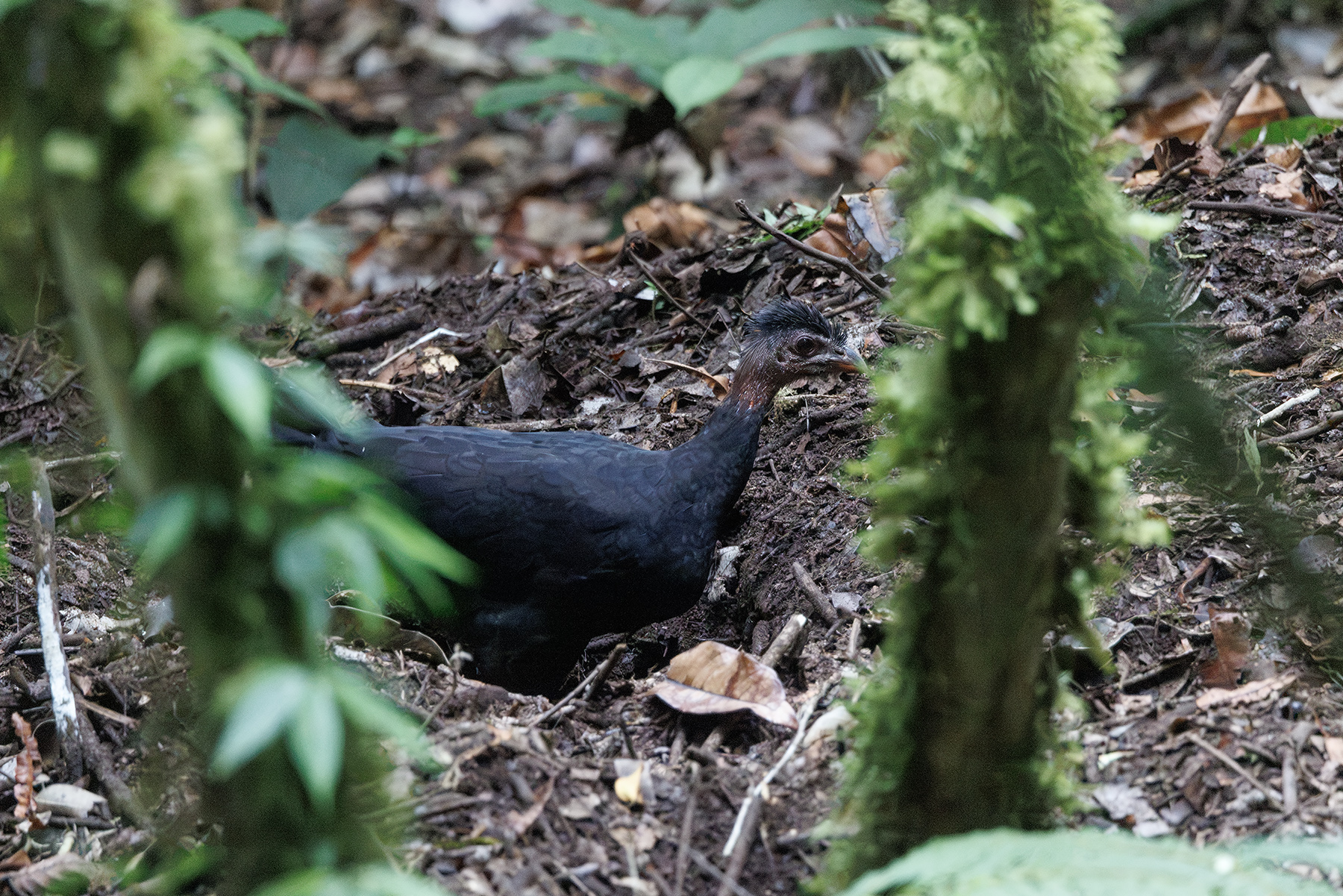
Collared Brushturkey (image by Dáni Balla)
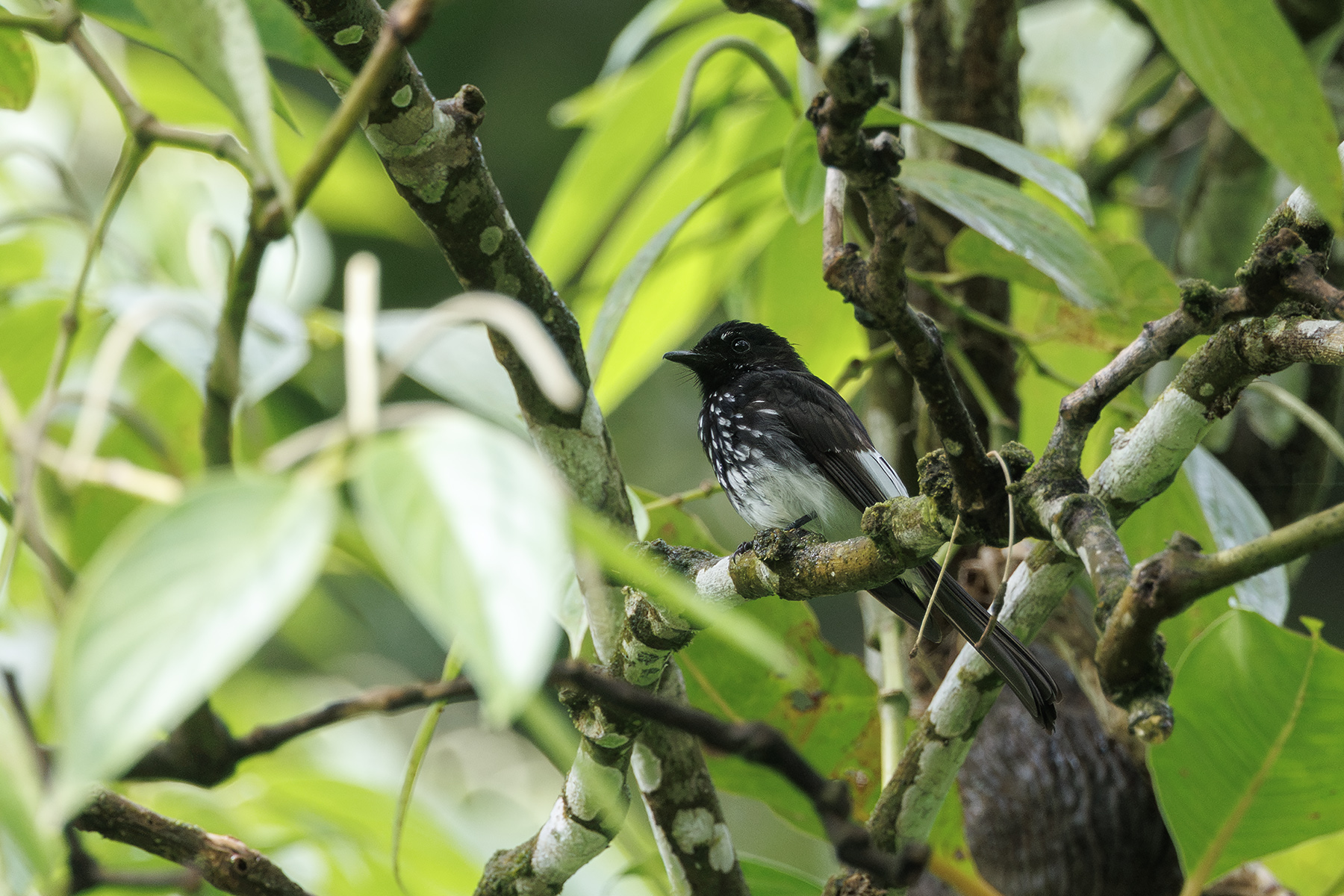
septentrionalis White-winged Fantail (image by Dáni Balla)
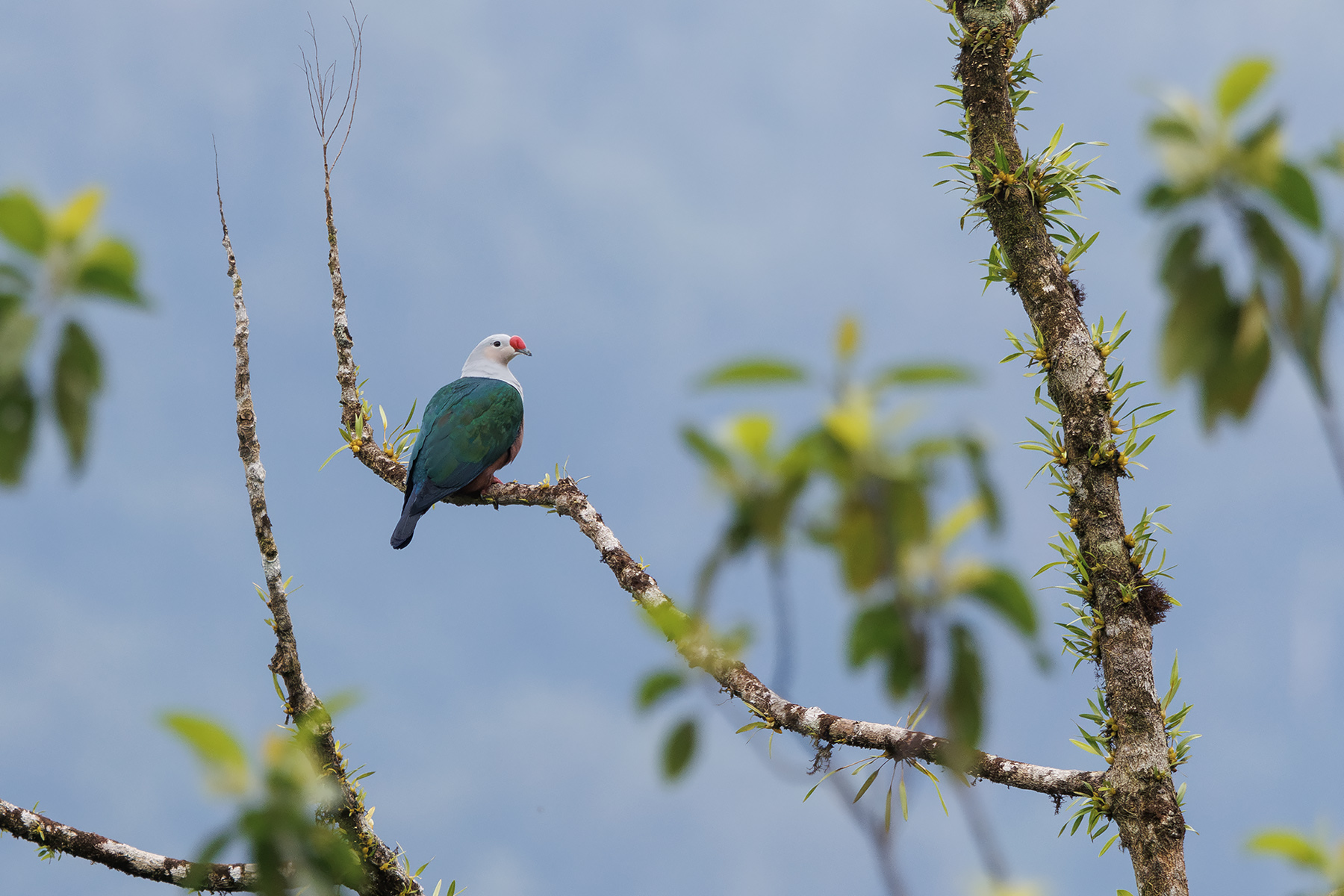
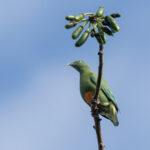
Red-knobbed Imperial Pigeon (image by Dáni Balla)
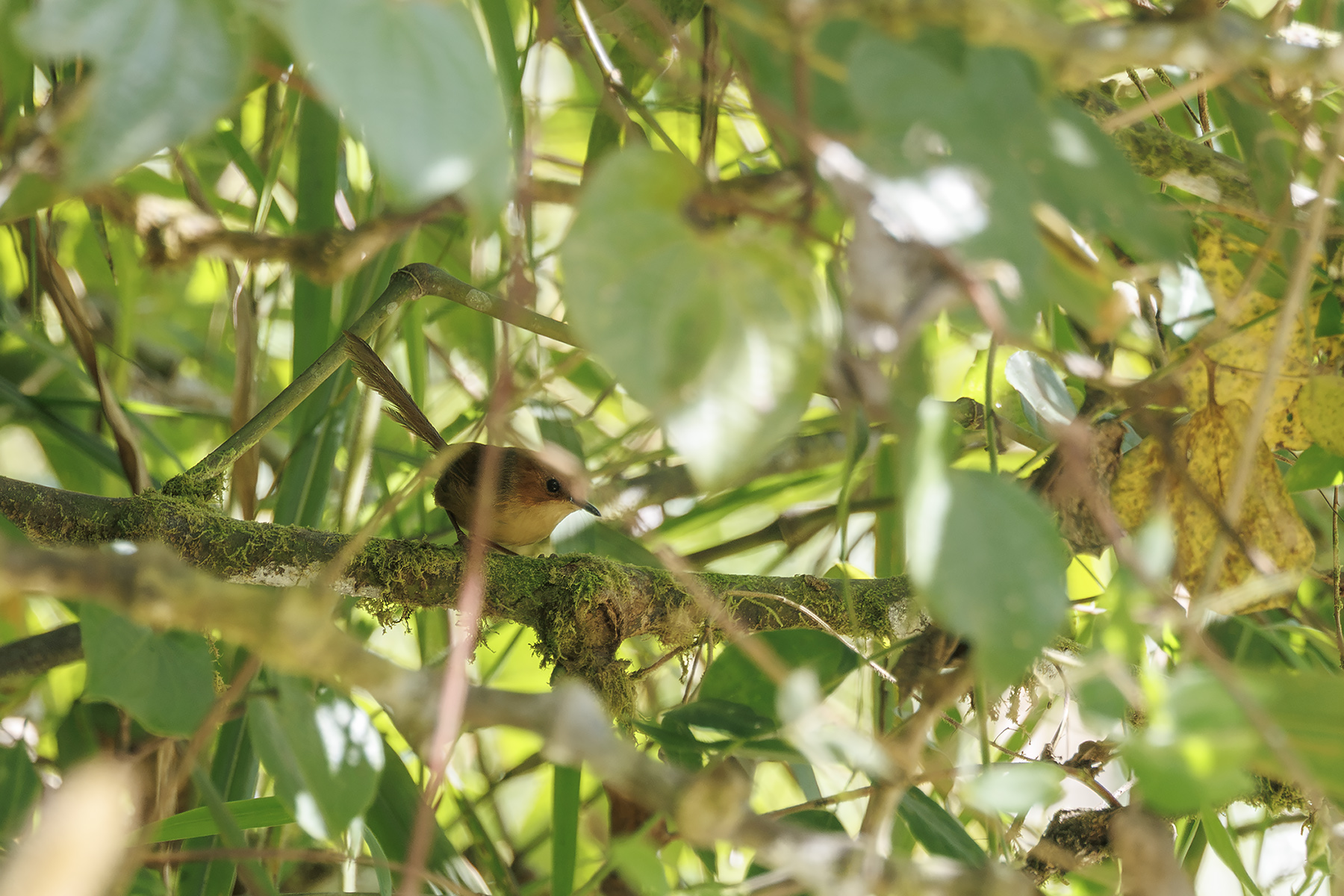
Orange-crowned Fairywren (image by Dáni Balla)
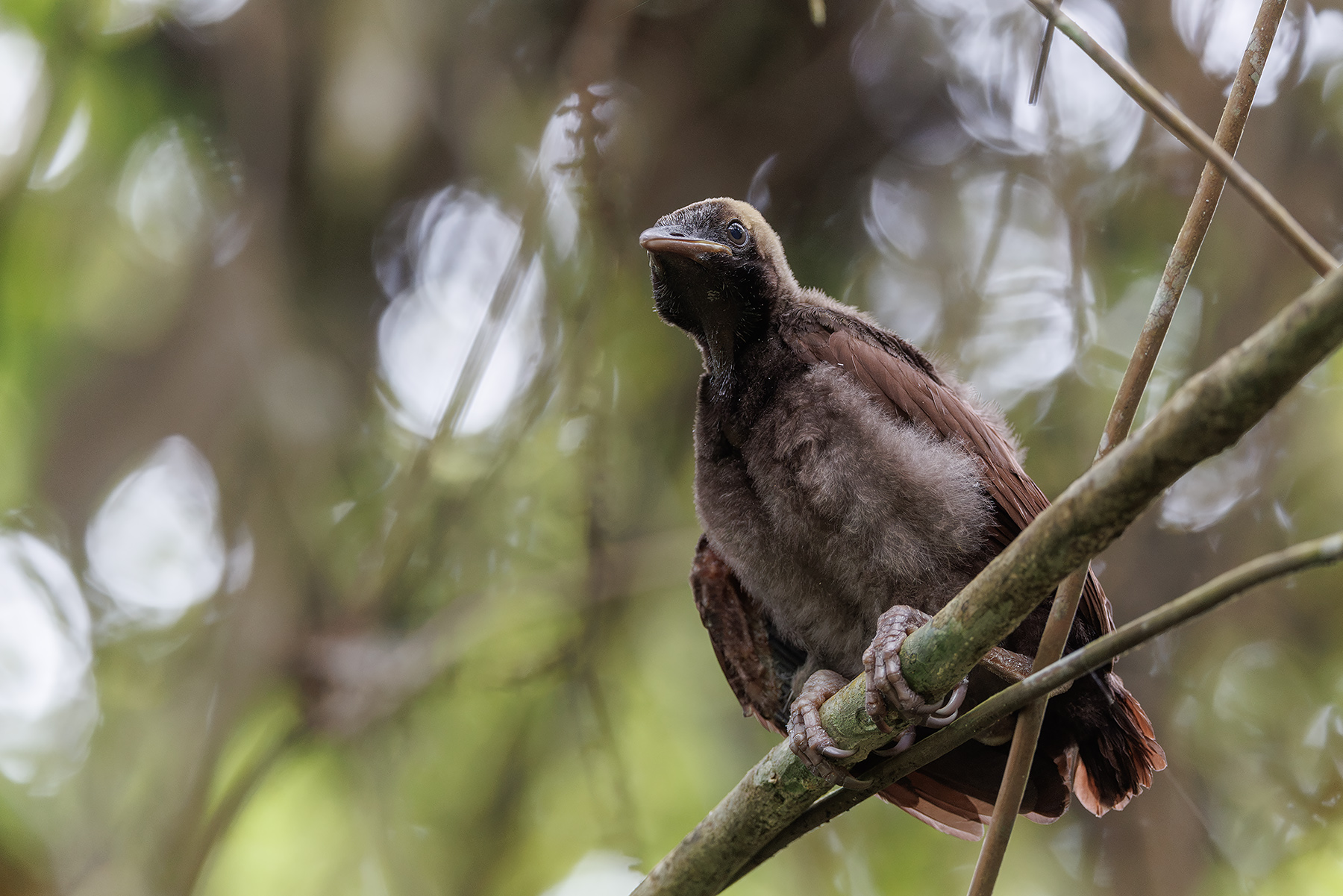
Emperor Bird-of-paradise (image by Dáni Balla)
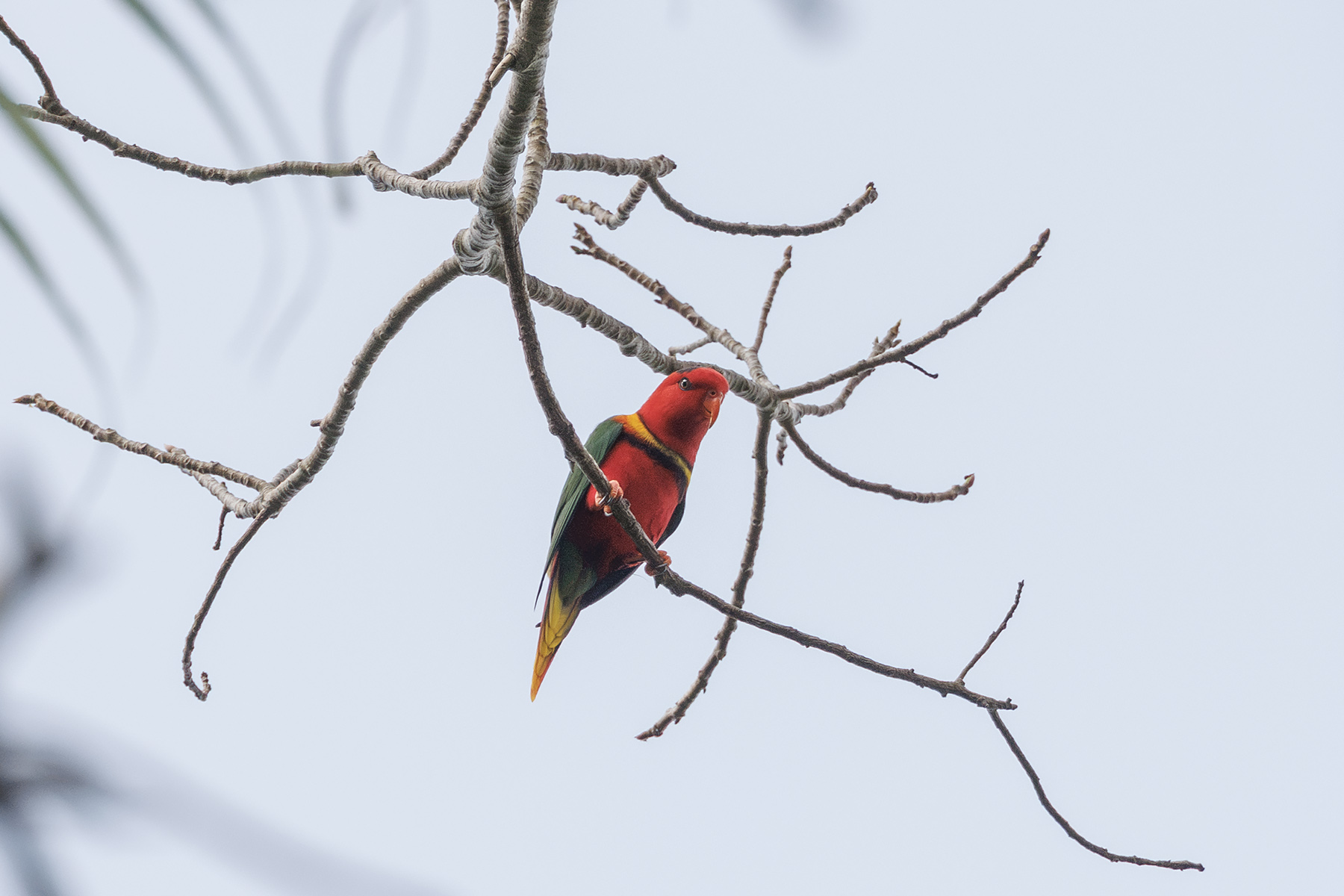
Duchess Lorikeet (image by Dáni Balla)
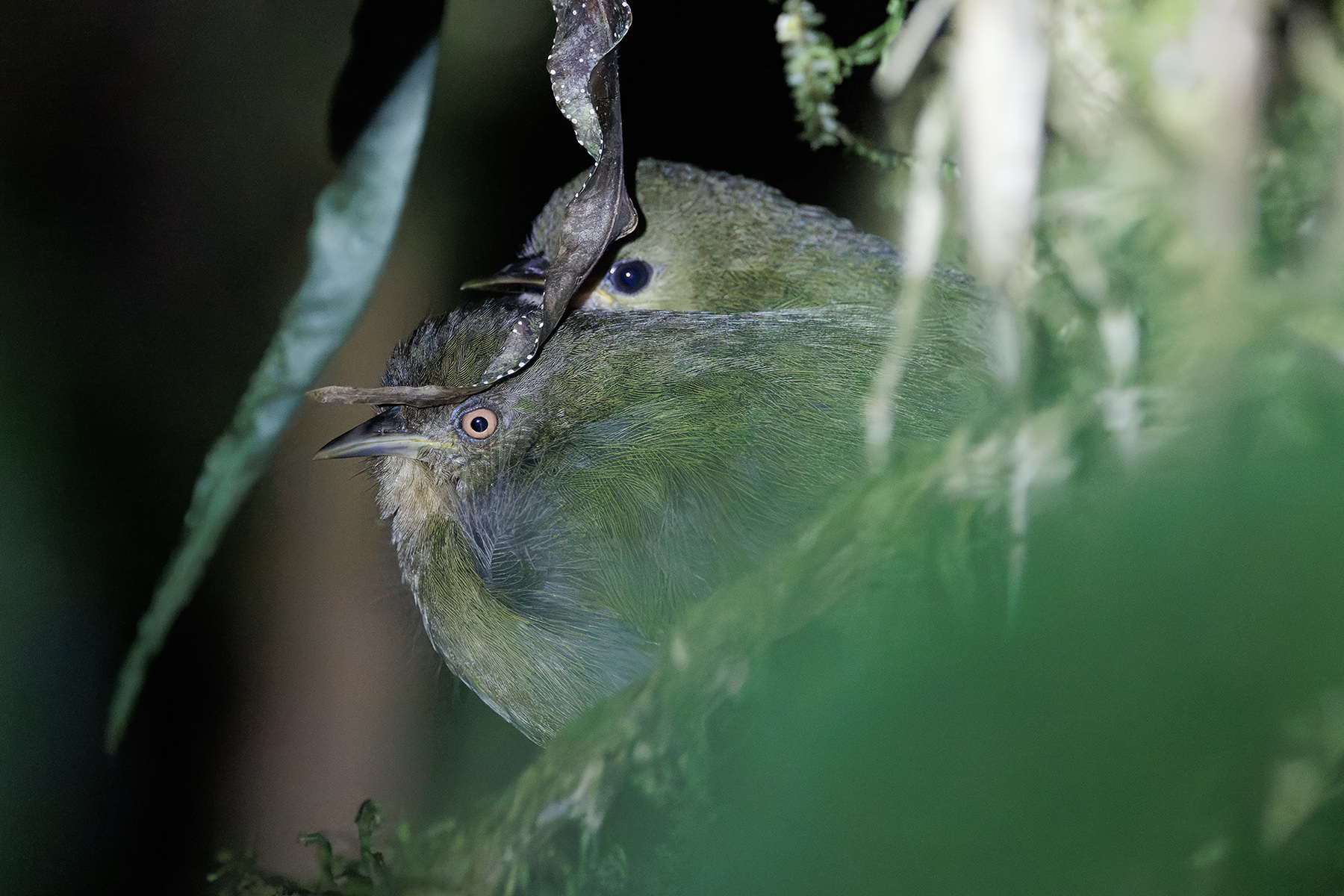
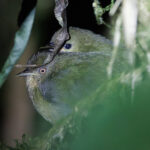
Olive Straightbill (image by Dáni Balla)
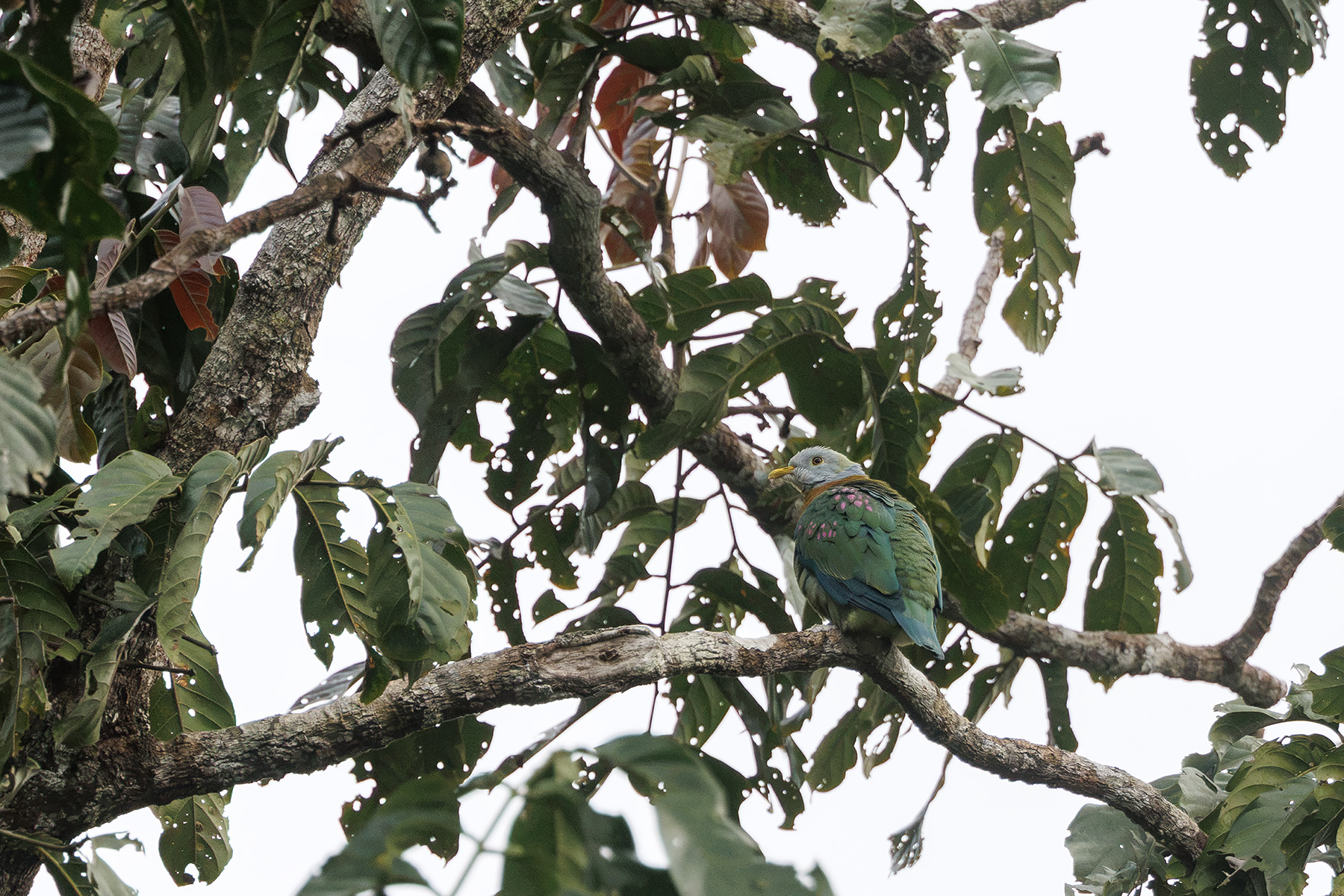
Pink-spotted Fruit Dove (image by Dáni Balla)
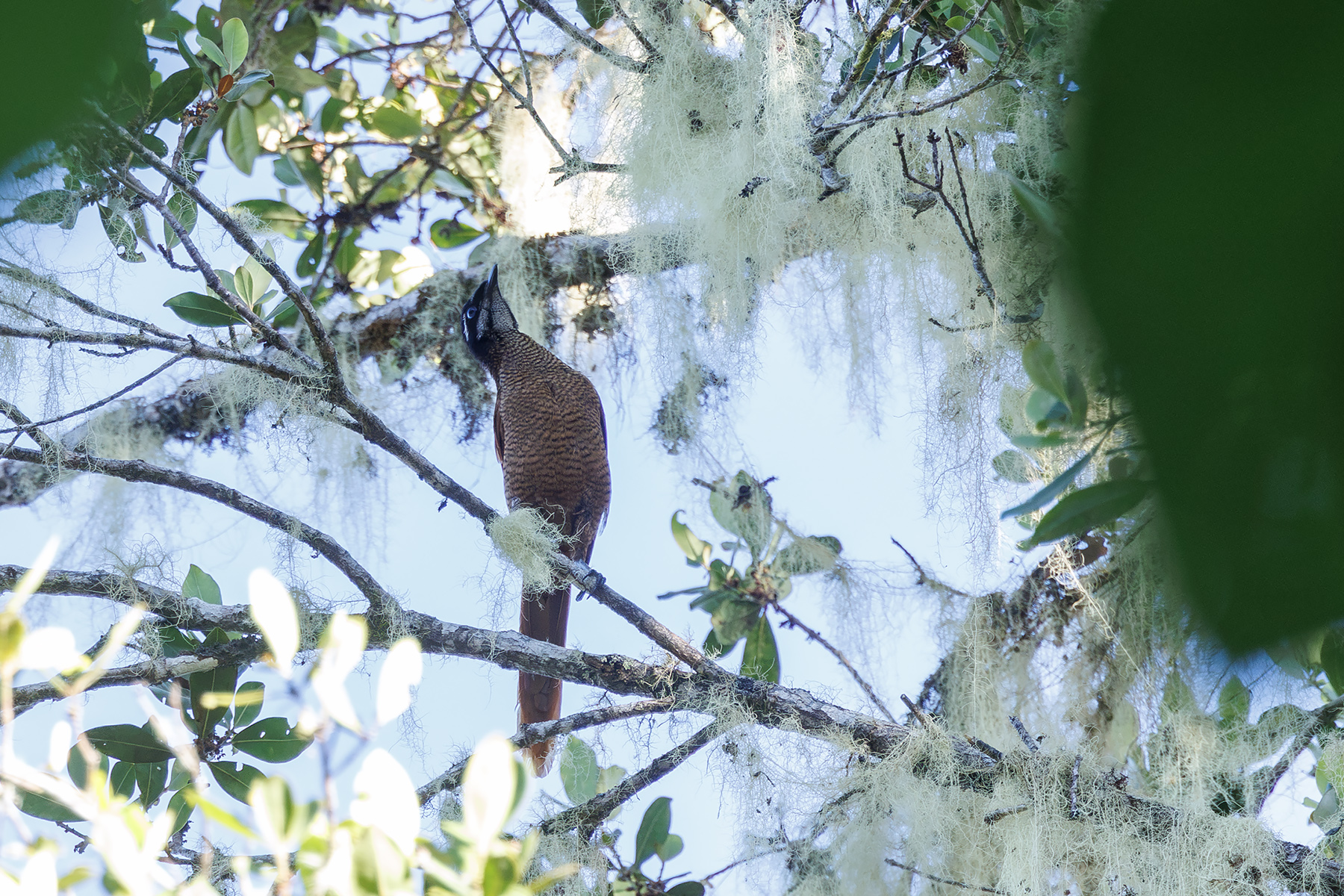
Wahnes's Parotia (image by Dáni Balla)
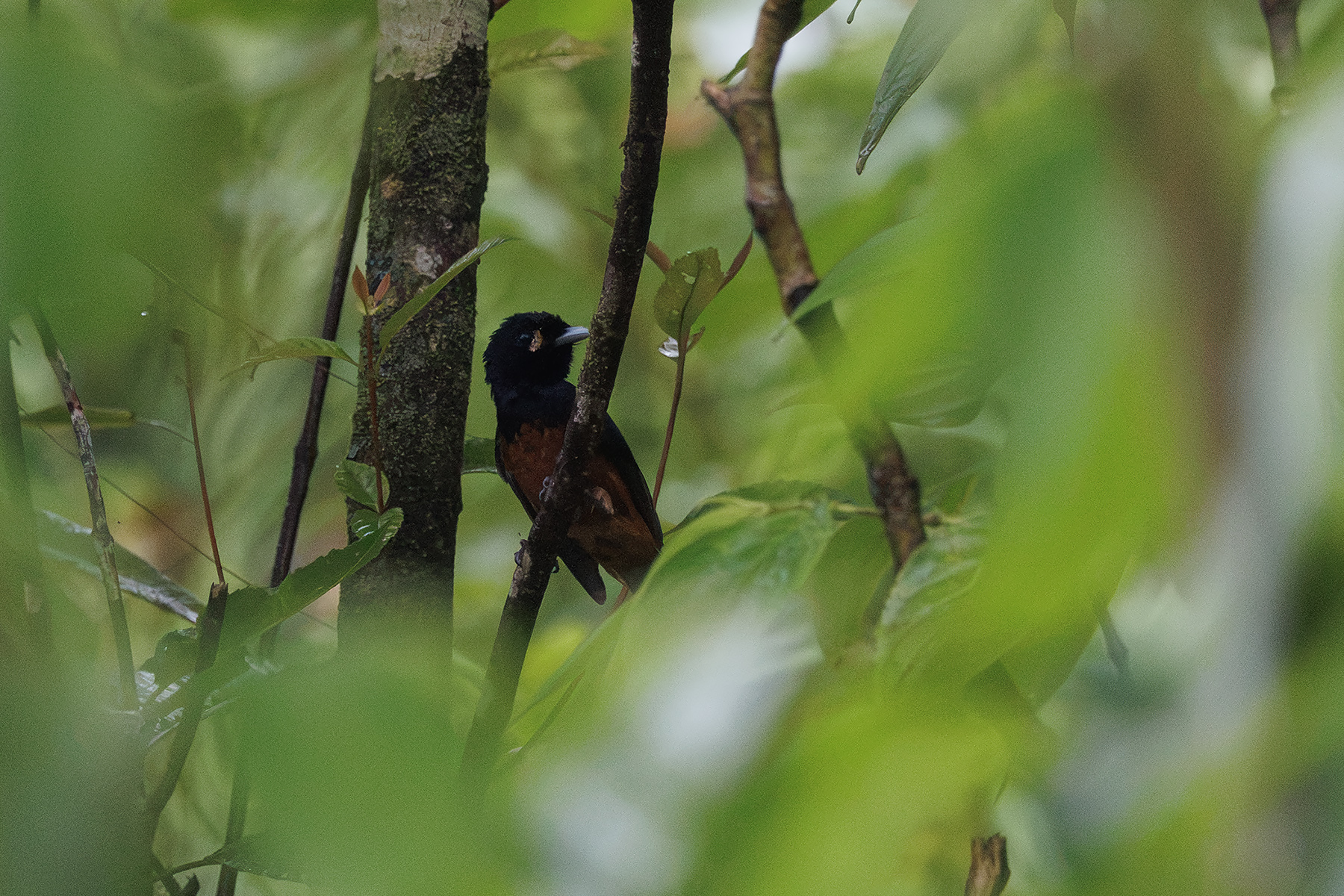
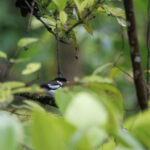
'Bougainville' Chestnut-bellied Monarch (image by Dáni Balla)
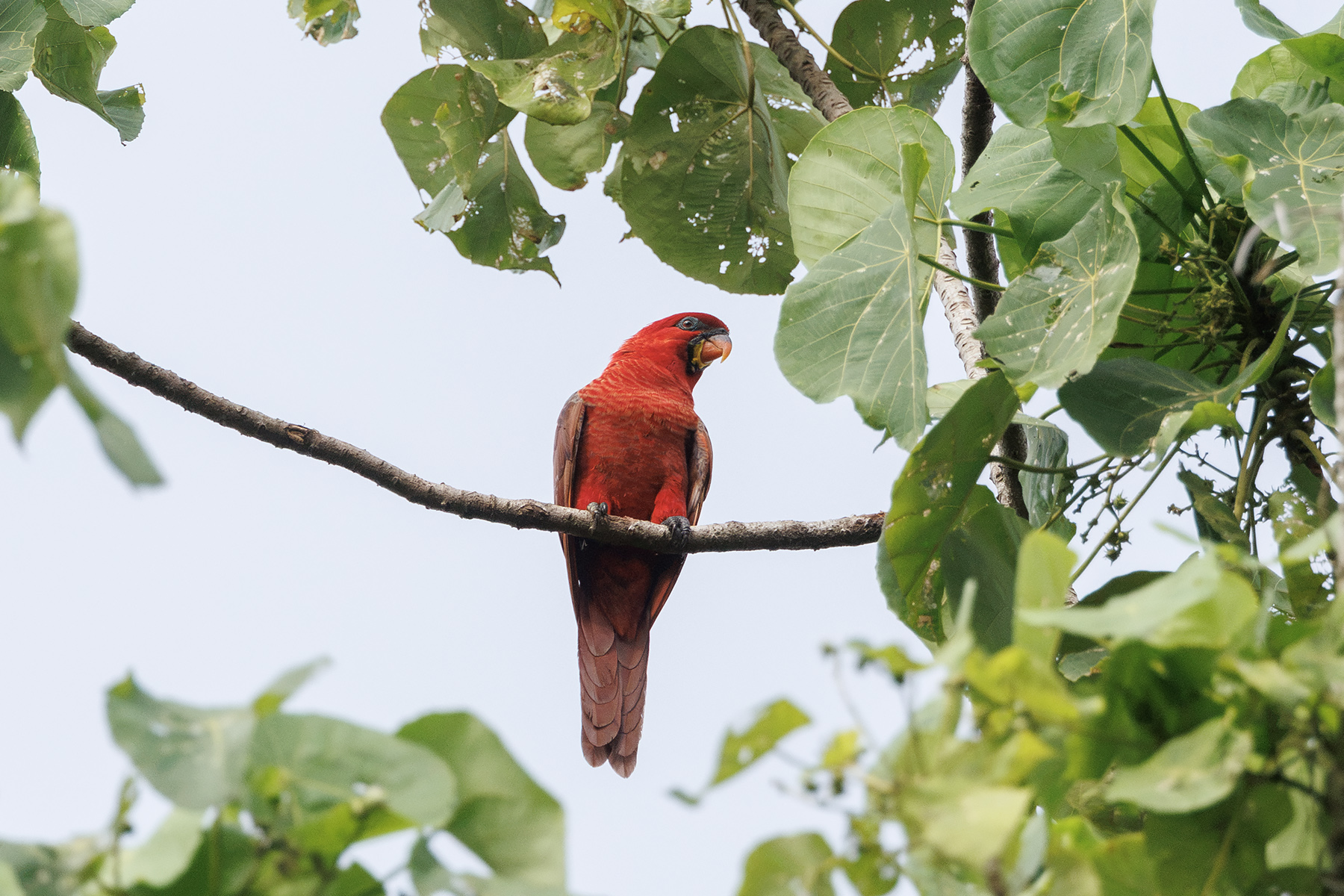
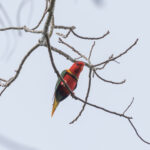
Cardinal Lory (image by Dáni Balla)
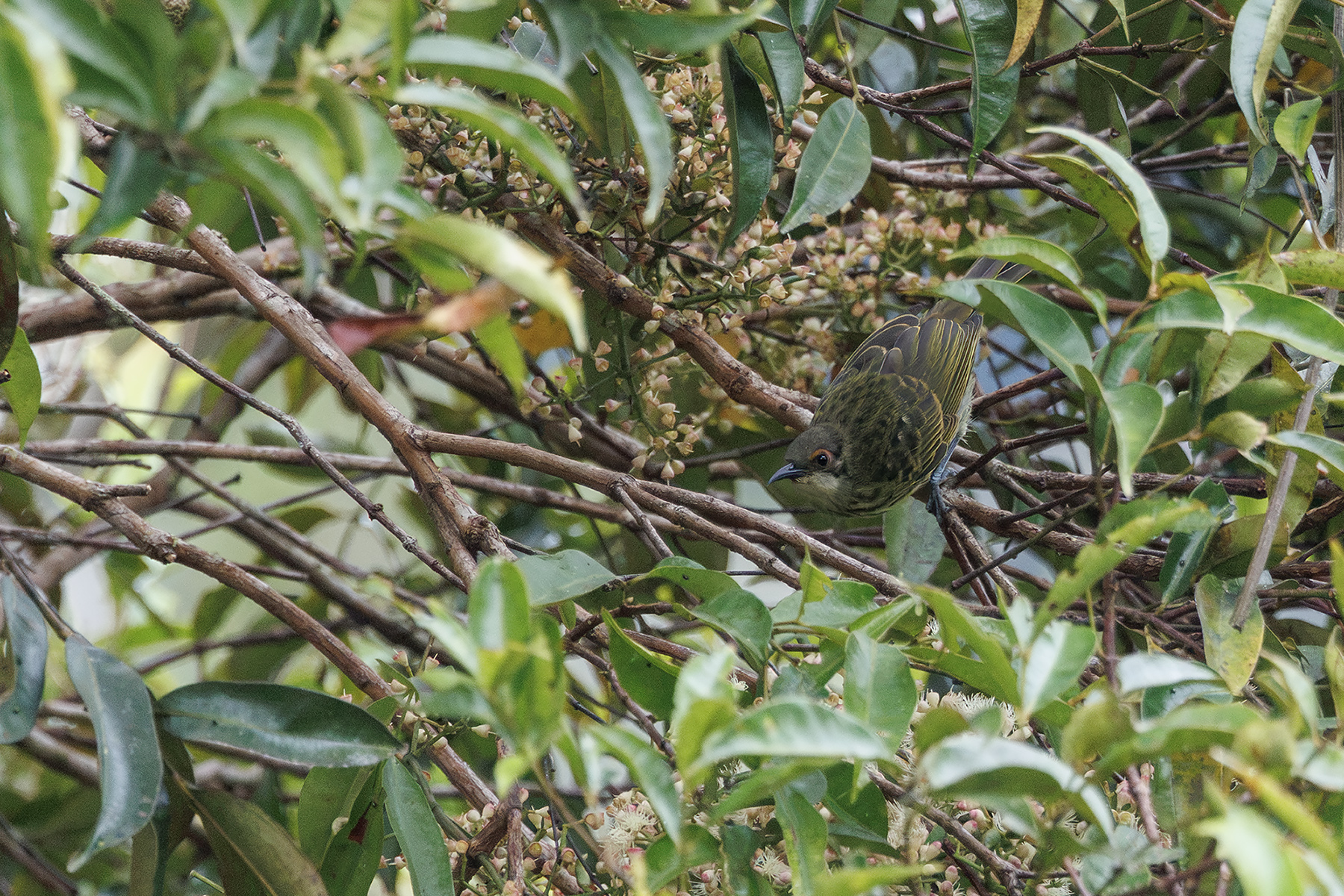
lophotis Spotted Honeyeater (image by Dáni Balla)
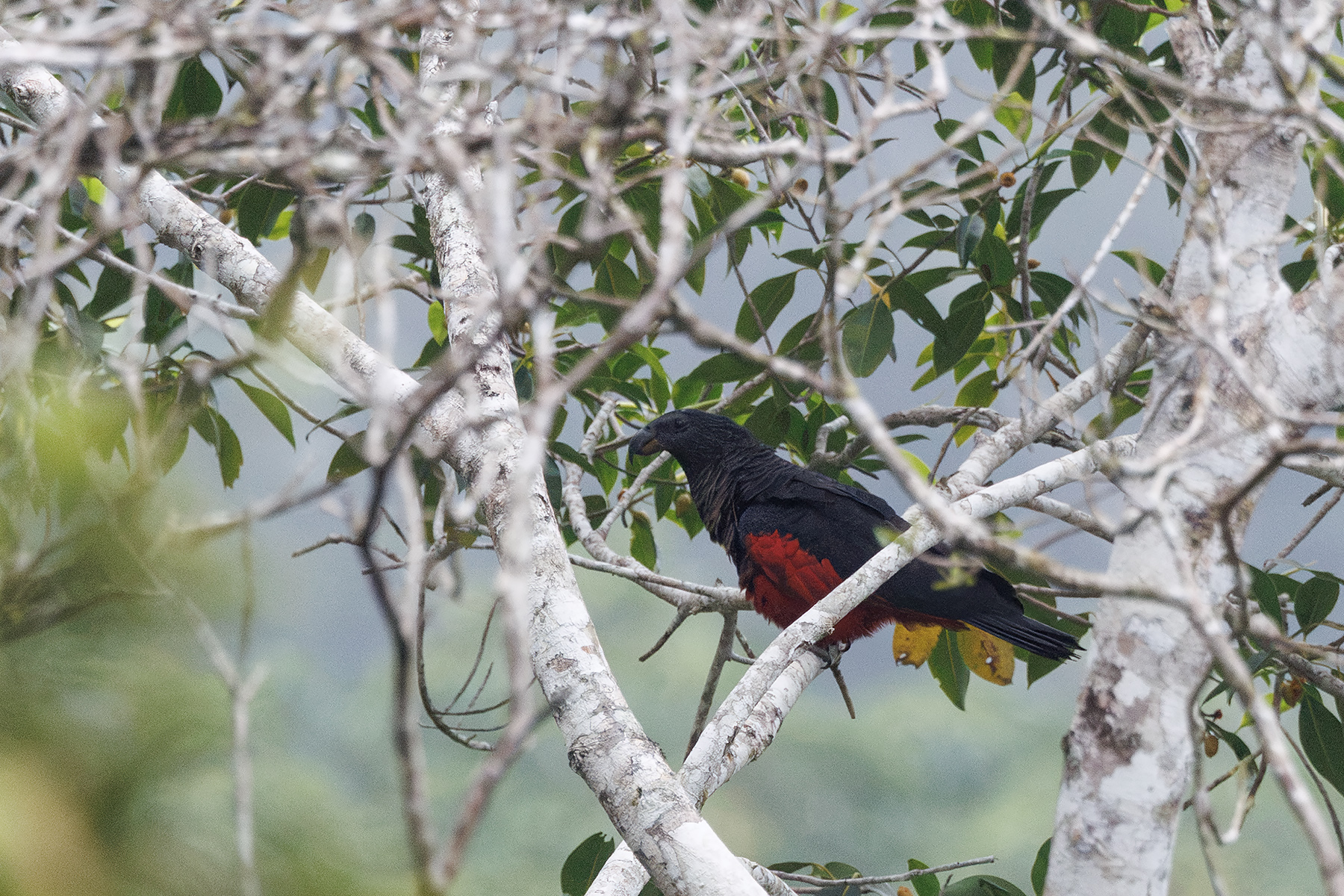
Pesquet's Parrot (image by Dáni Balla)
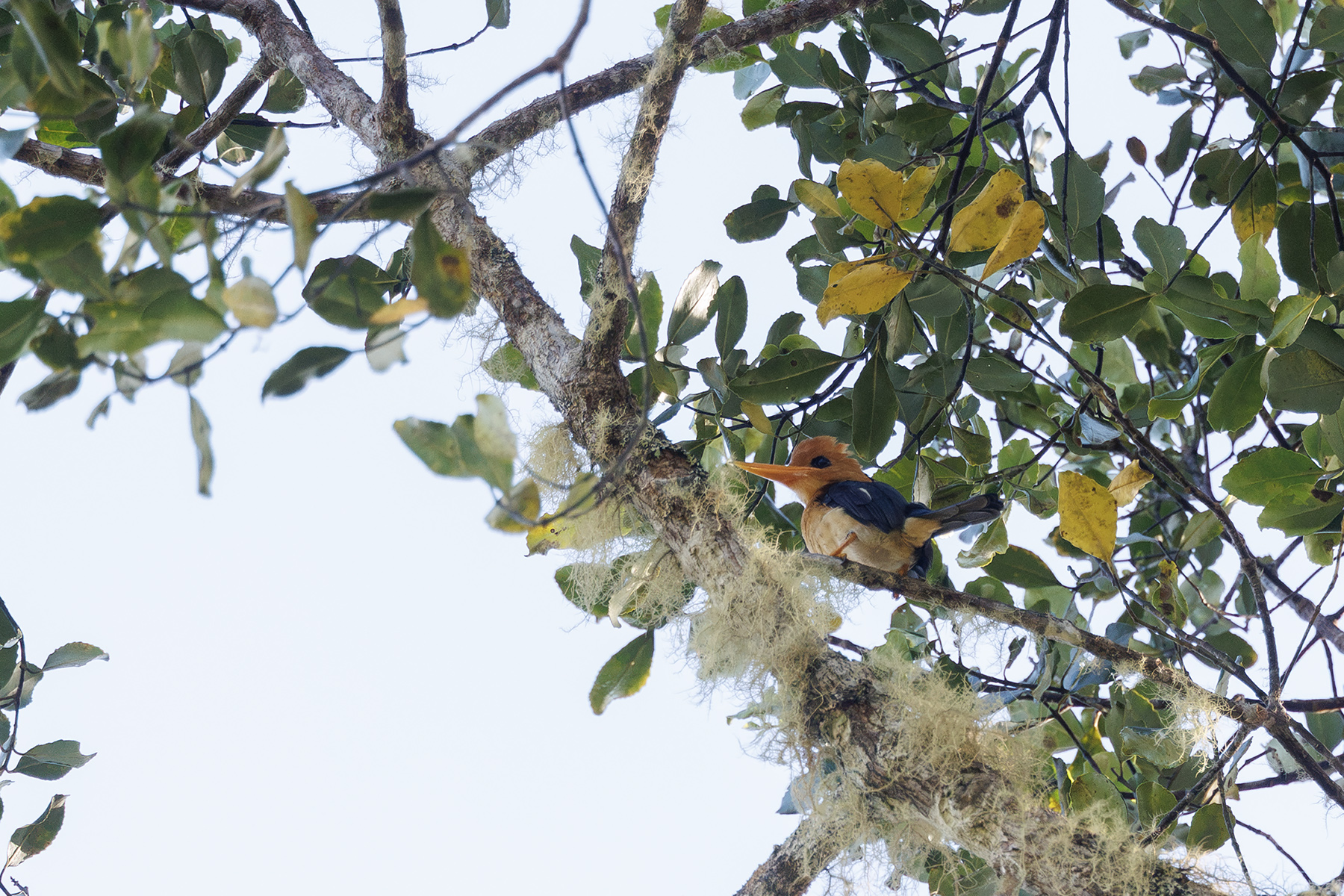
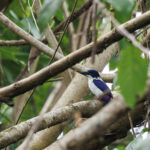
Mountain Kingfisher (image by Dáni Balla)
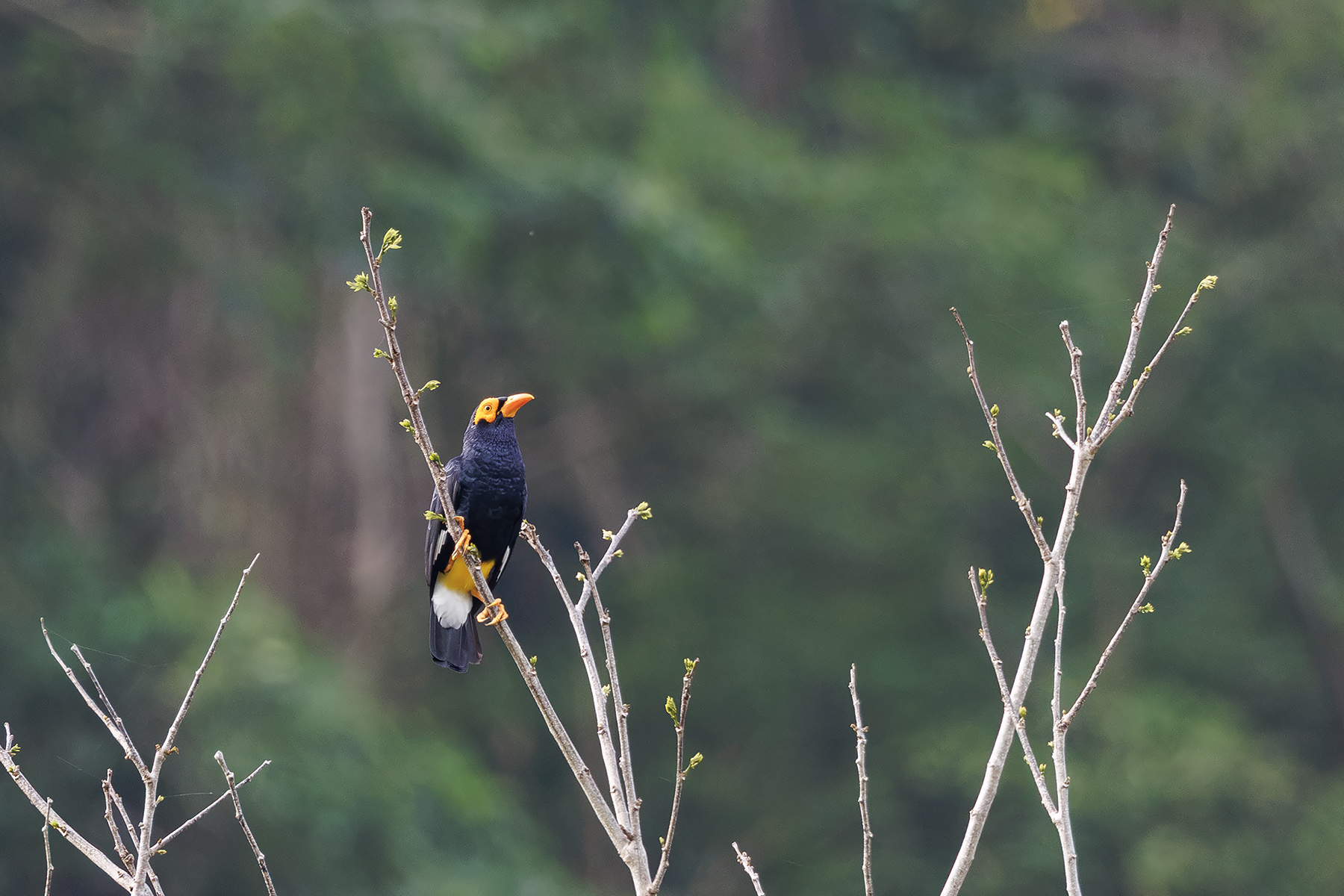
Long-tailed Myna (image by Dáni Balla)
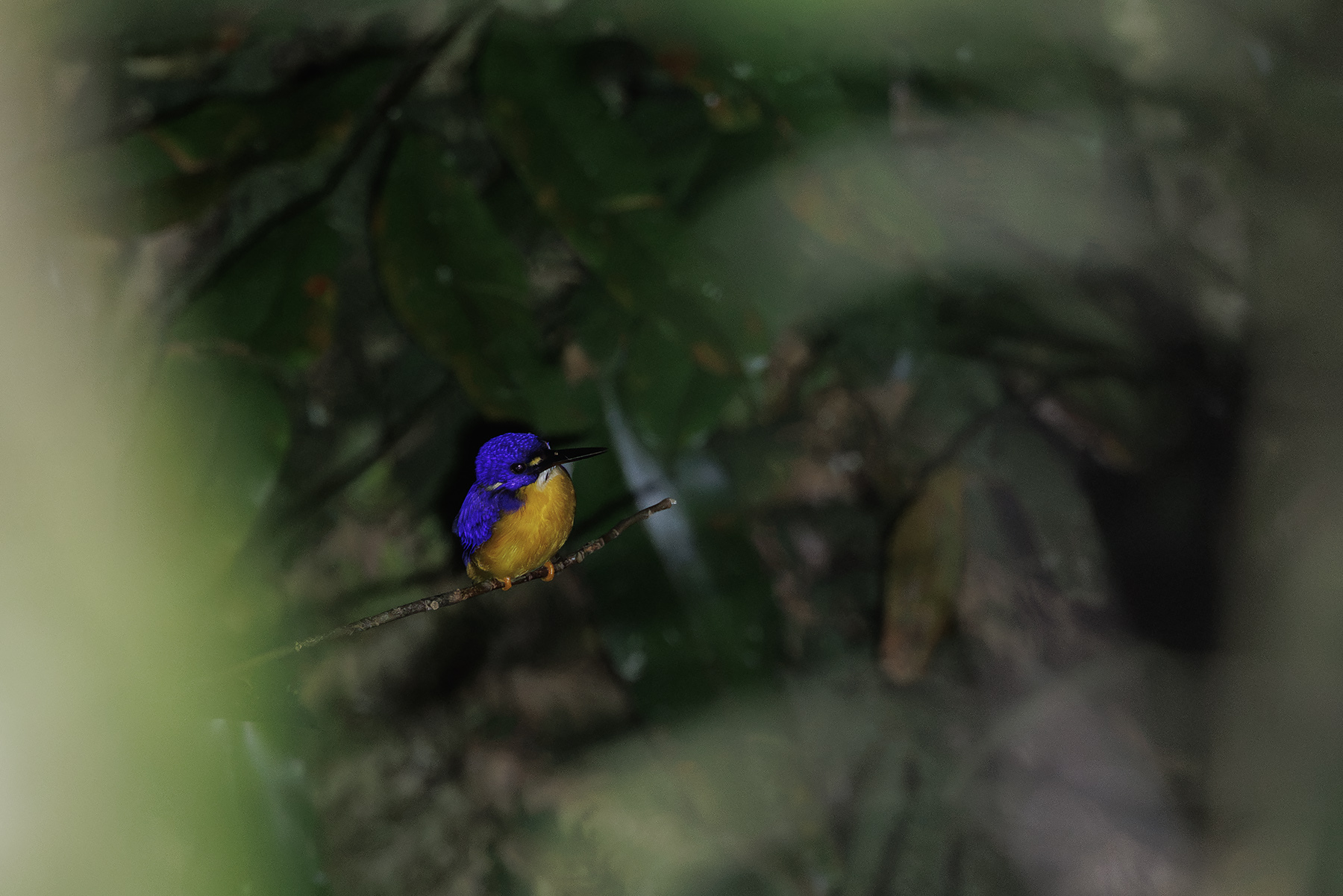
Papuan Dwarf Kingfisher (image by Dáni Balla)
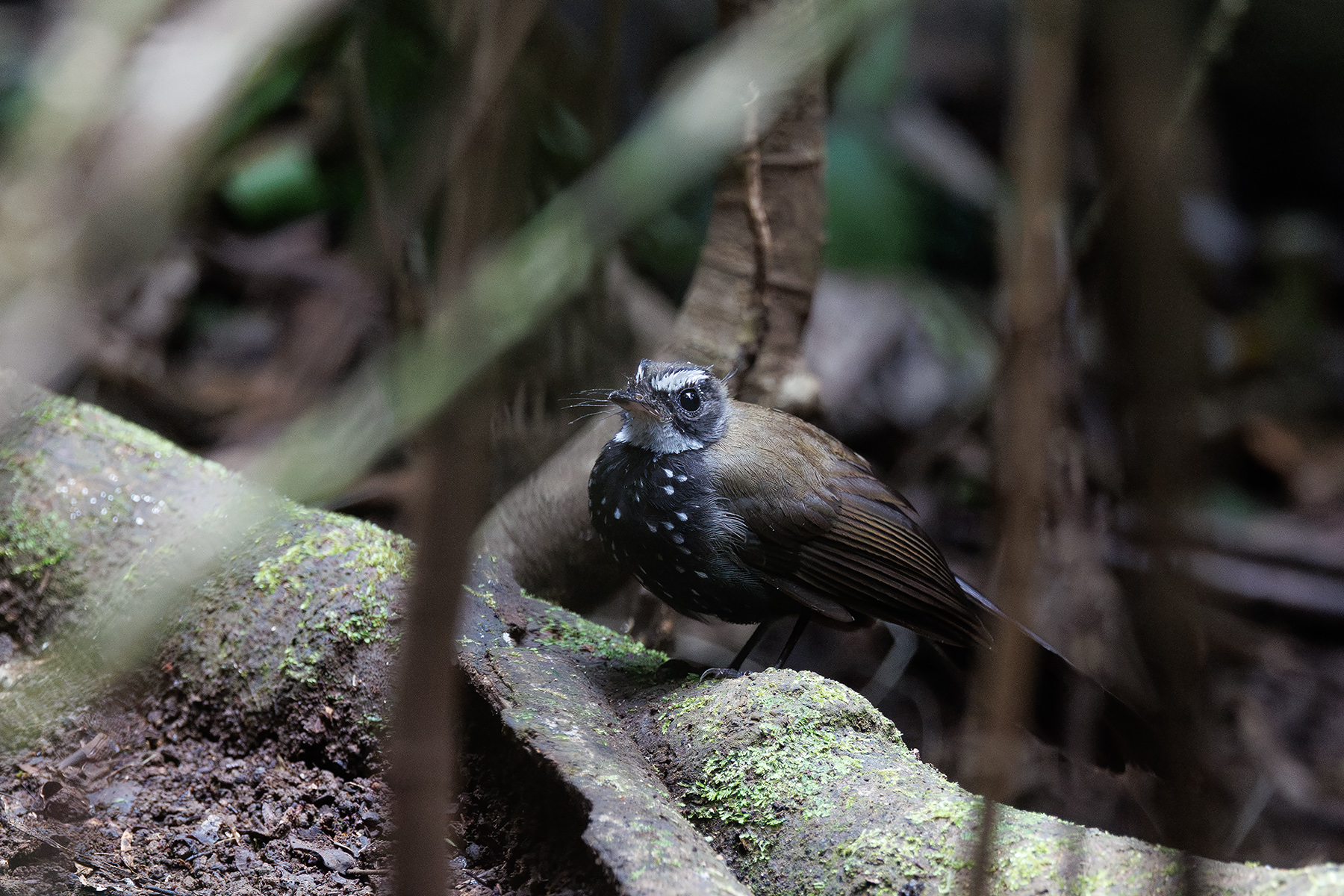
Sooty Thicket Fantail (image by Dáni Balla)
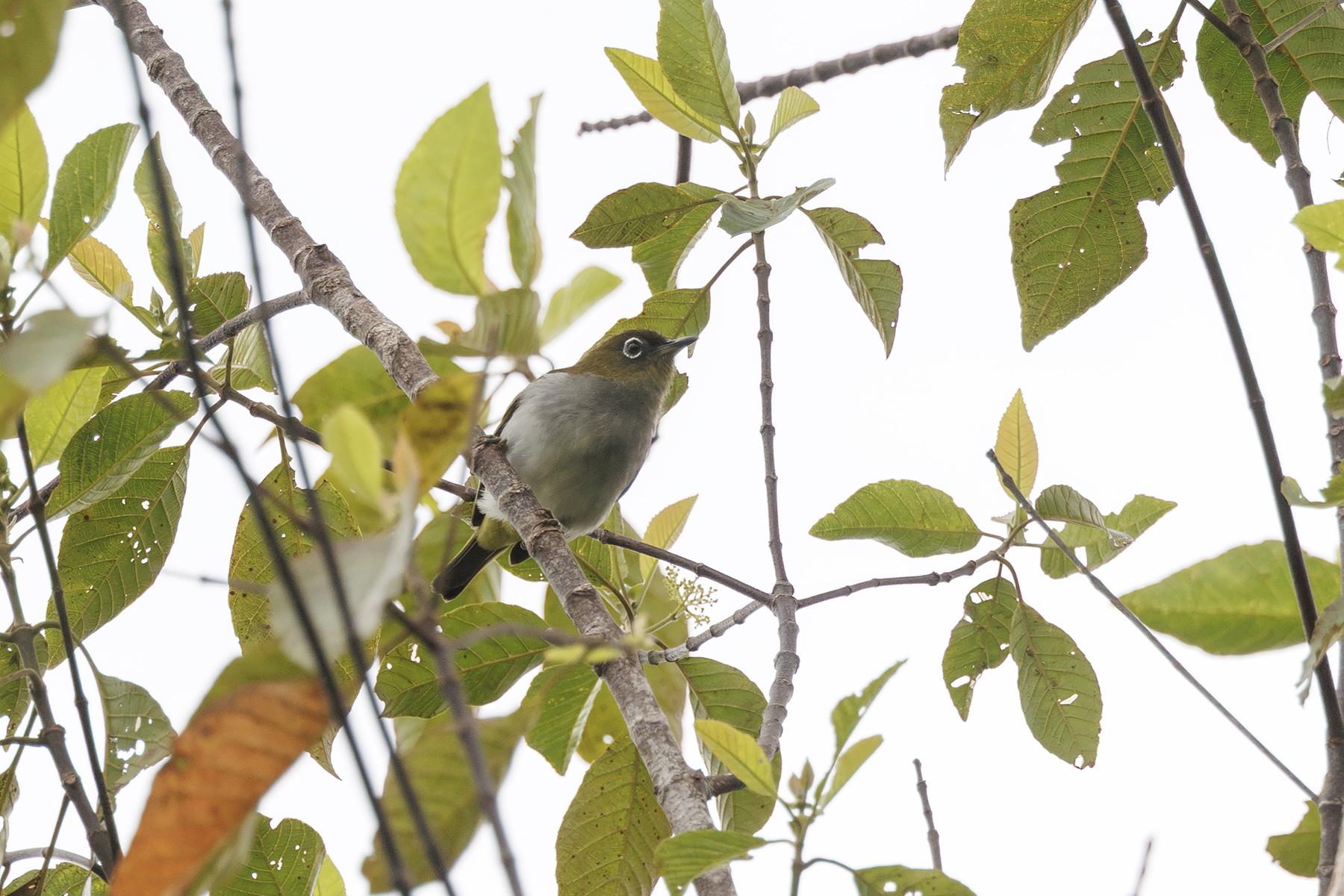
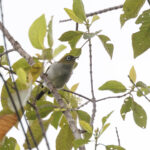
Bougainville White-eye (image by Dáni Balla)
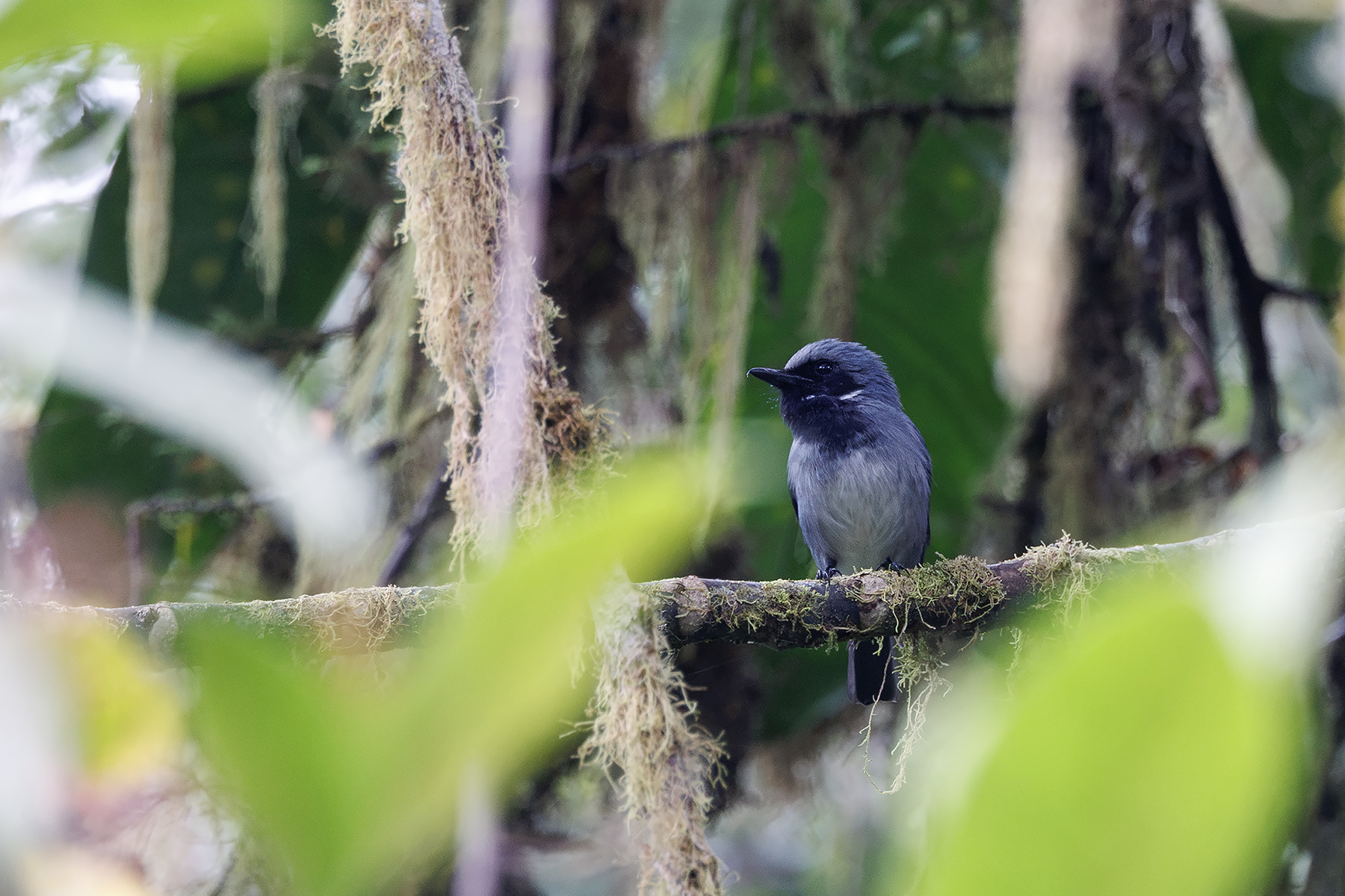
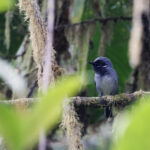
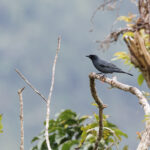
Black-throated Robin (image by Dáni Balla)
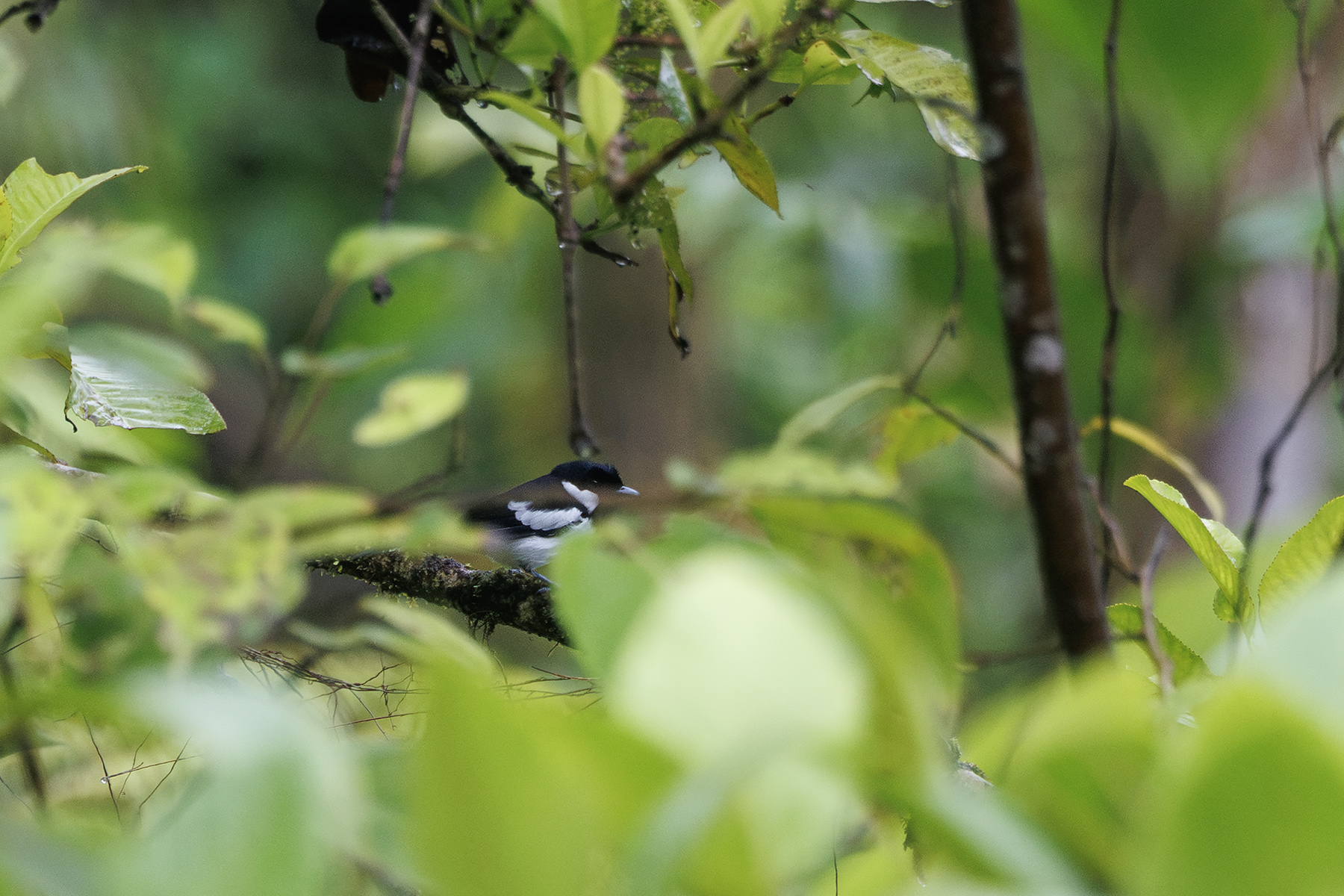
Solomons Monarch (image by Dáni Balla)
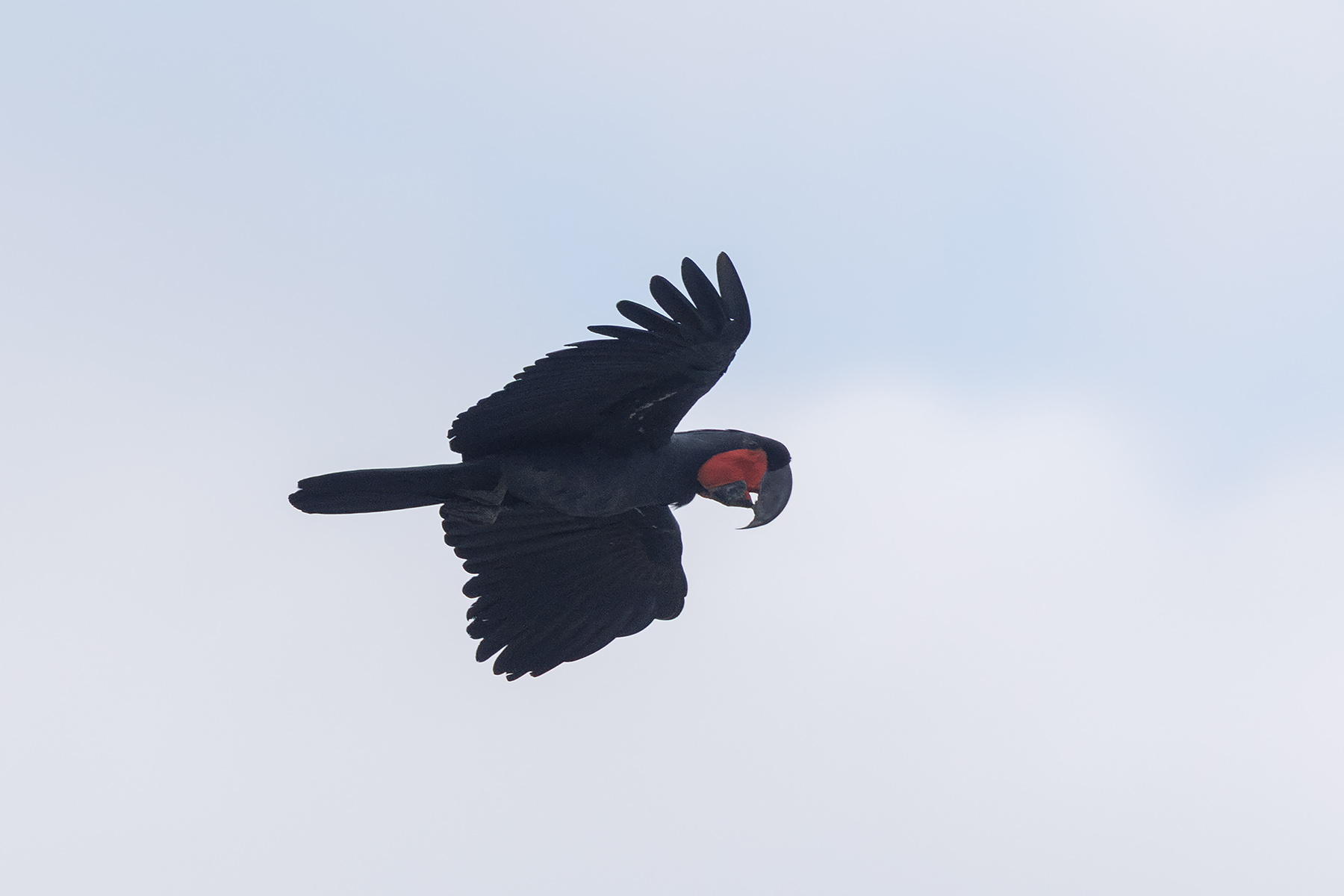
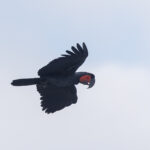
Palm Cockatoo (image by Dáni Balla)
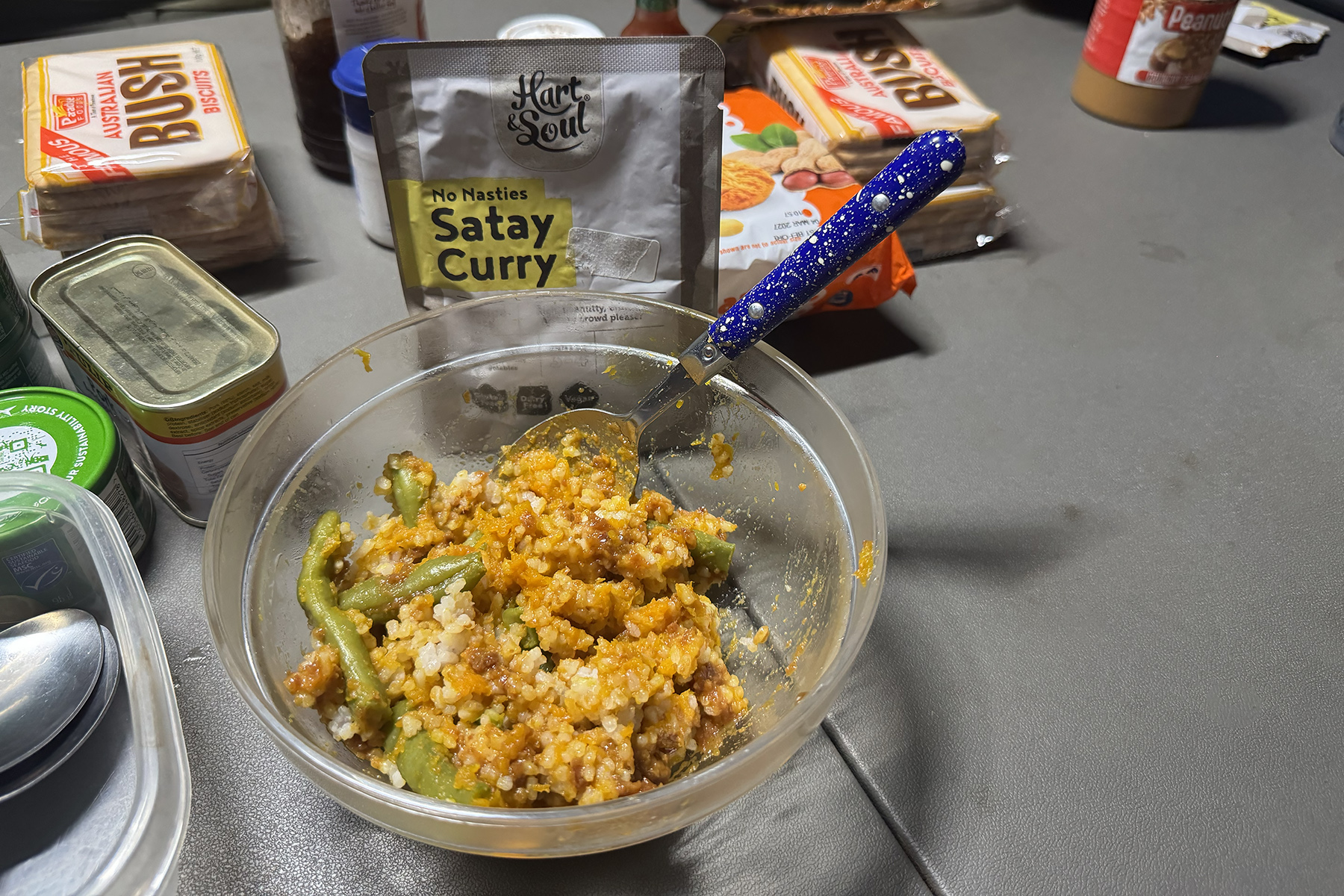
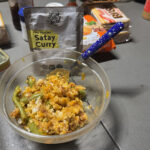
the menu at Huon Camp (image by Dáni Balla)
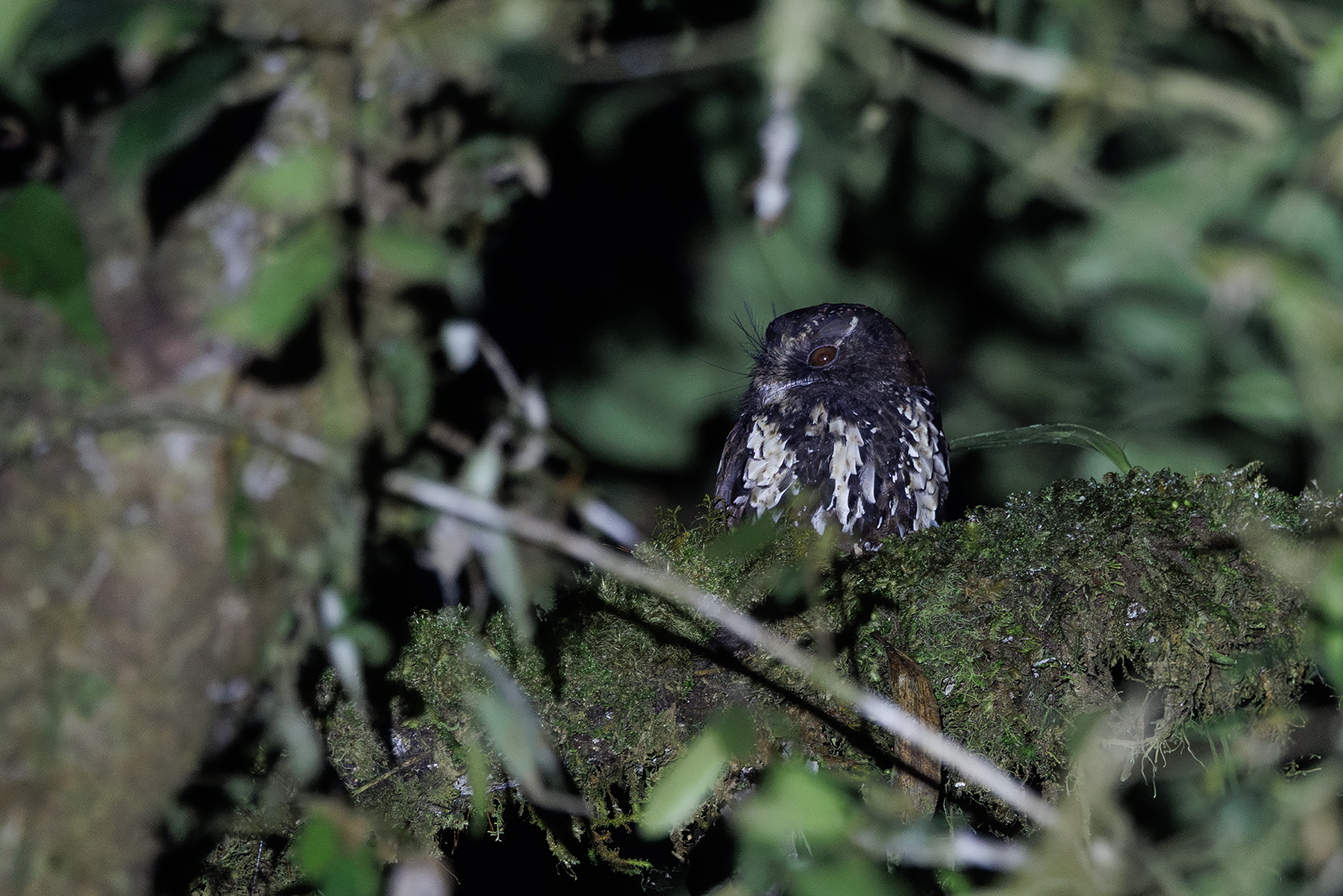
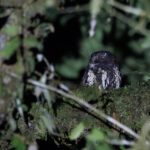
Feline Owlet-nightjar (image by Dáni Balla)
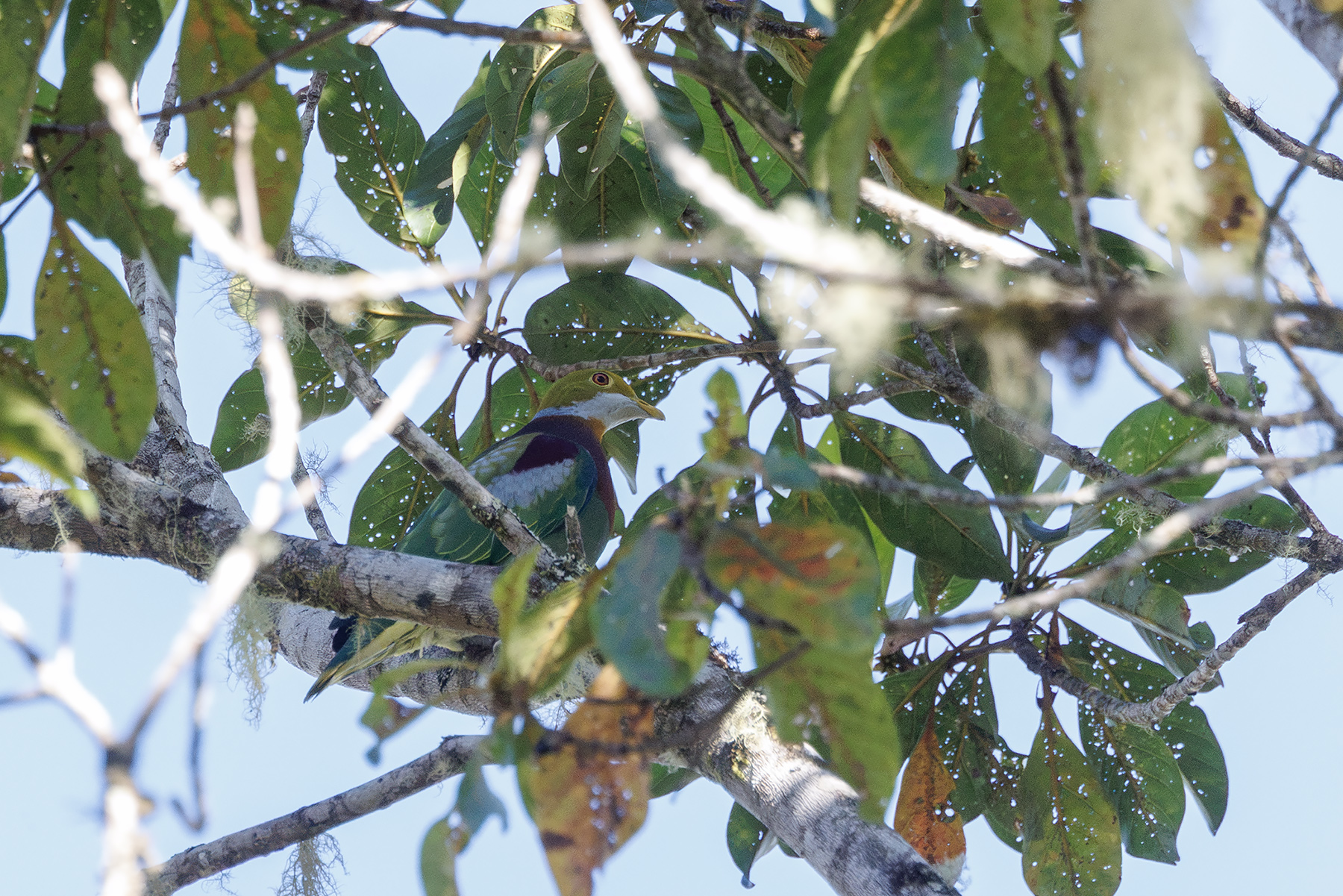
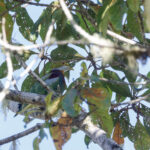
Ornate Fruit Dove (image by Dáni Balla)
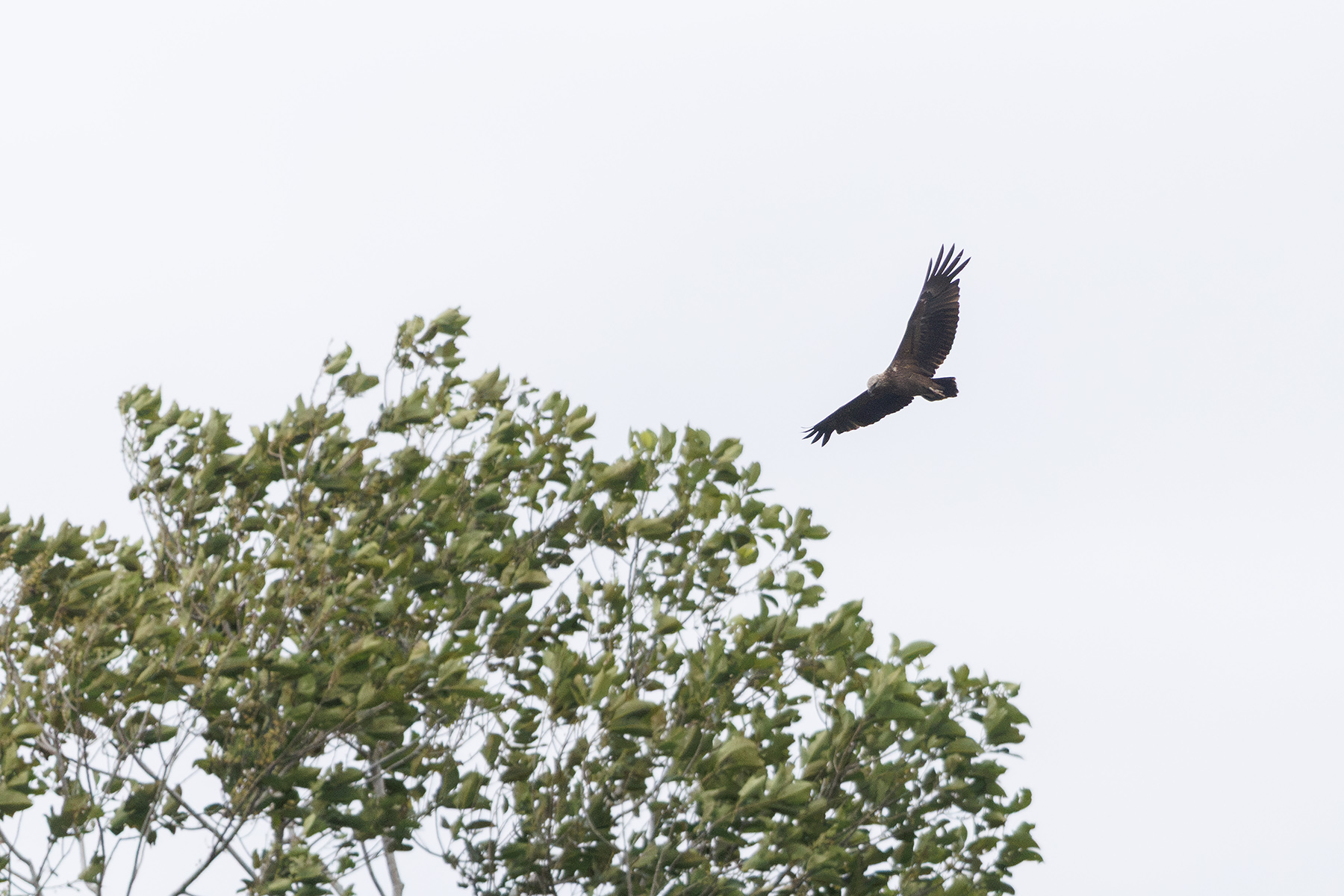
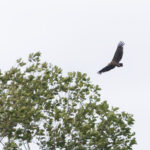
Sanford's Sea Eagle (image by Dáni Balla)
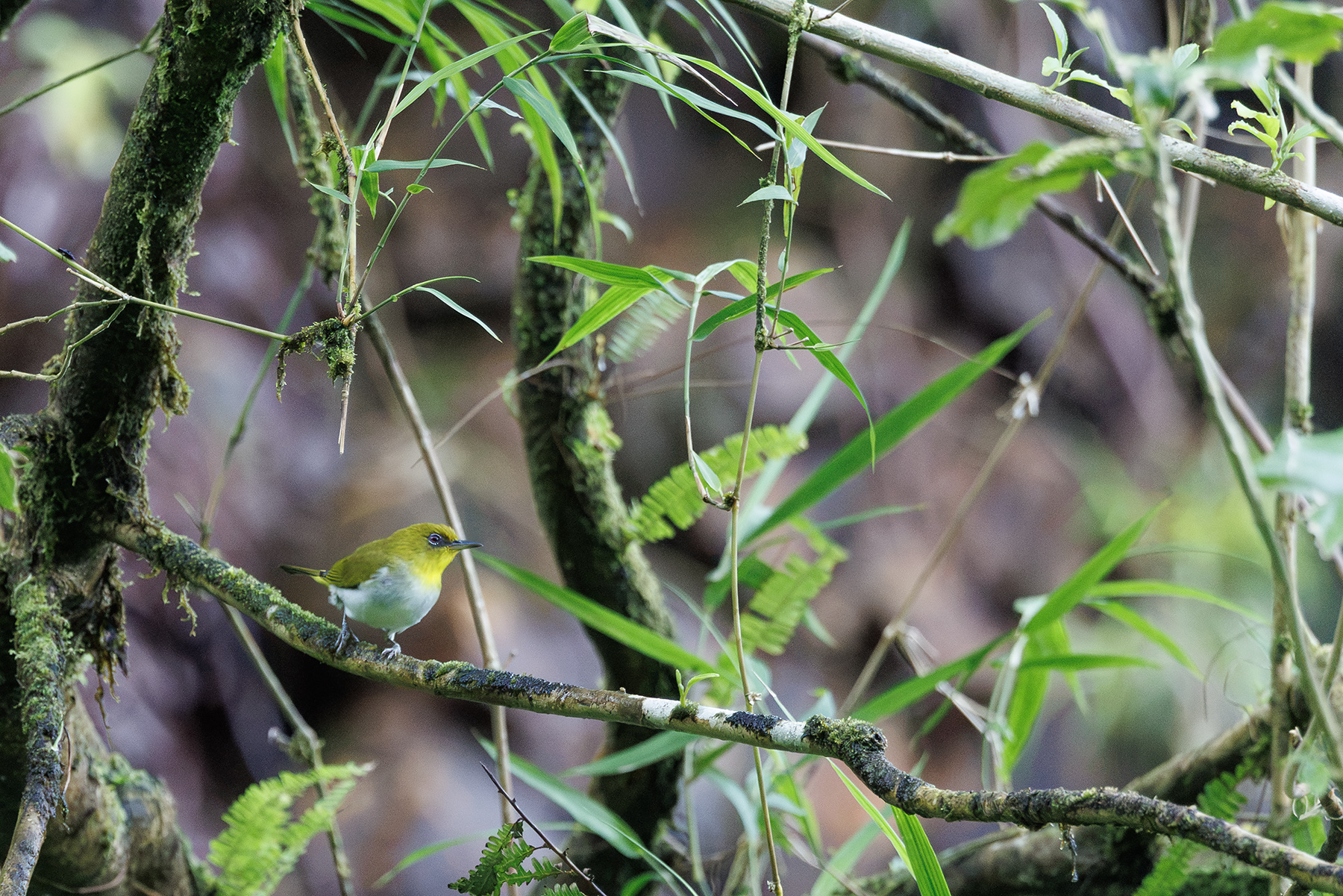
Yellow-throated White-eye (image by Dáni Balla)
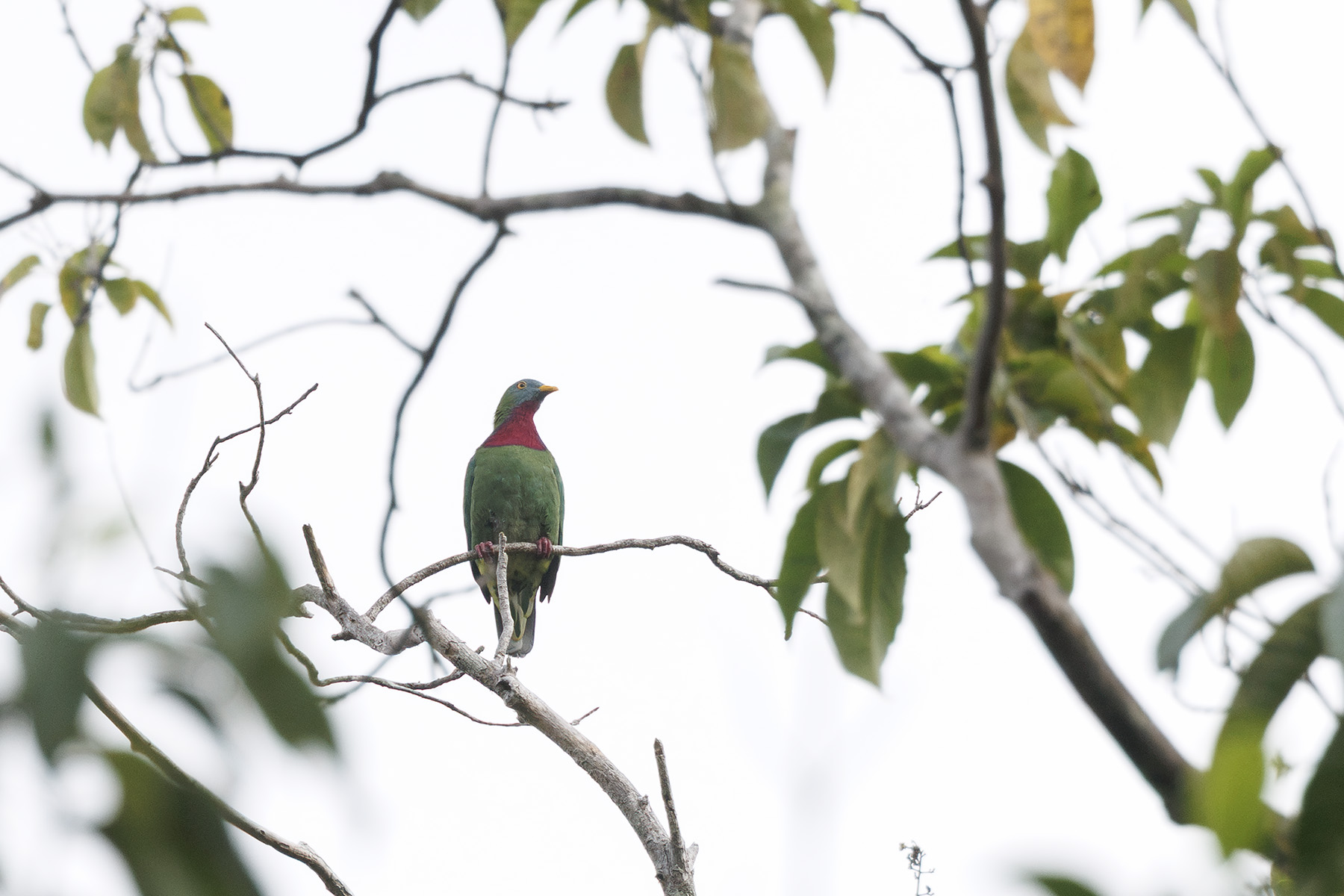
lewisii Claret-breasted Fruit Dove (image by Dáni Balla)
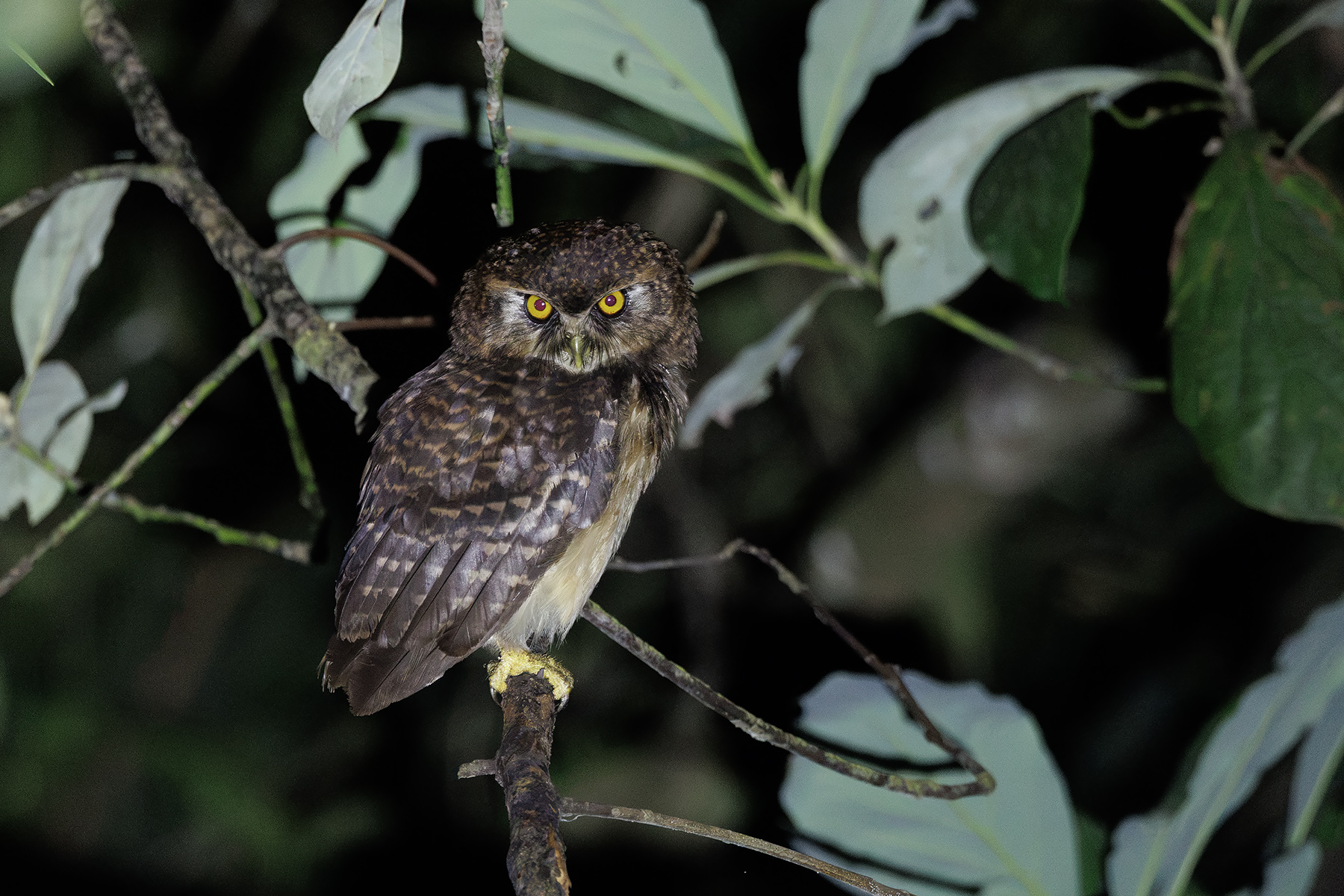
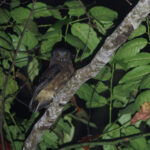
West Solomons Owl (image by Dáni Balla)
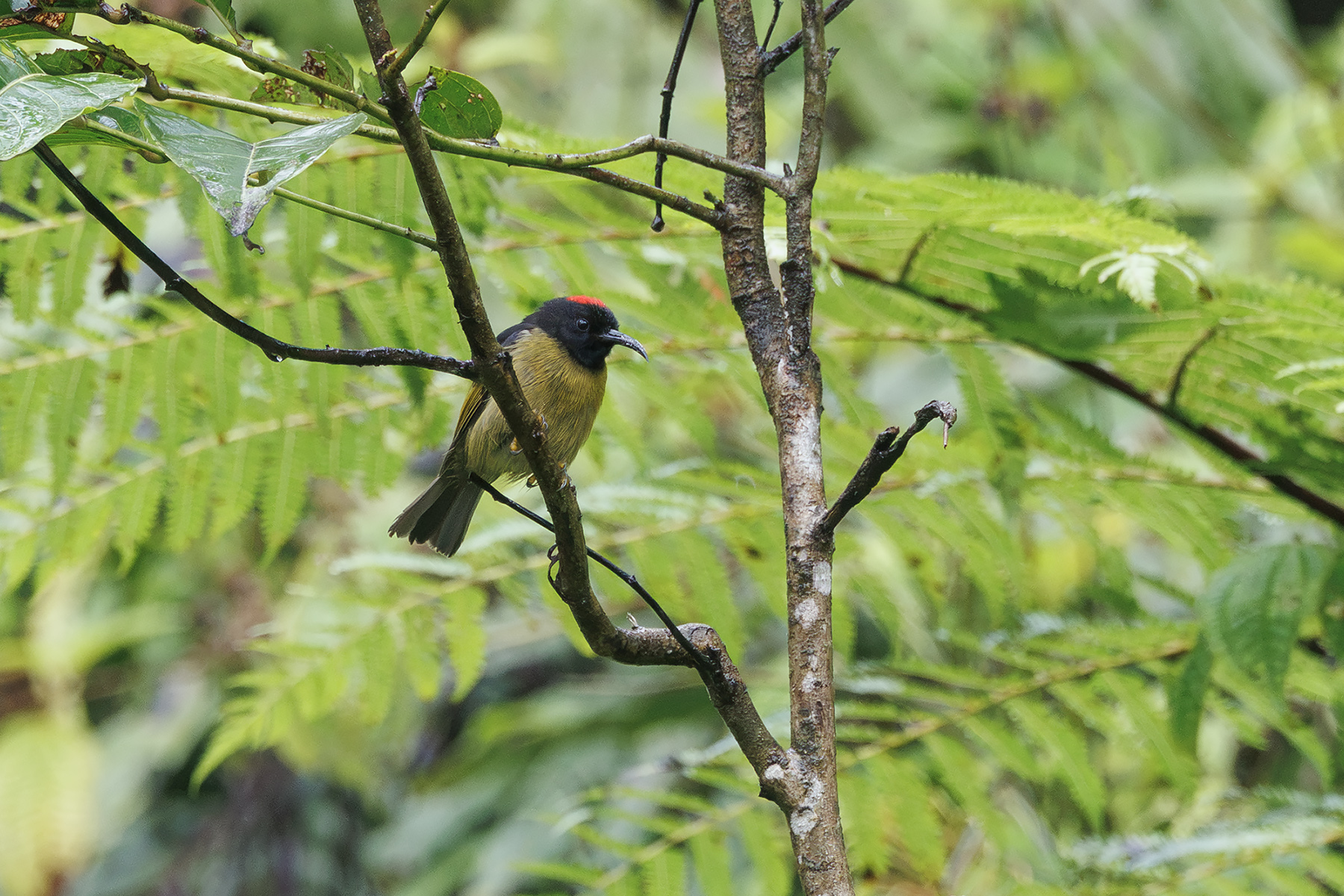
Red-capped Myzomela (image by Dáni Balla)
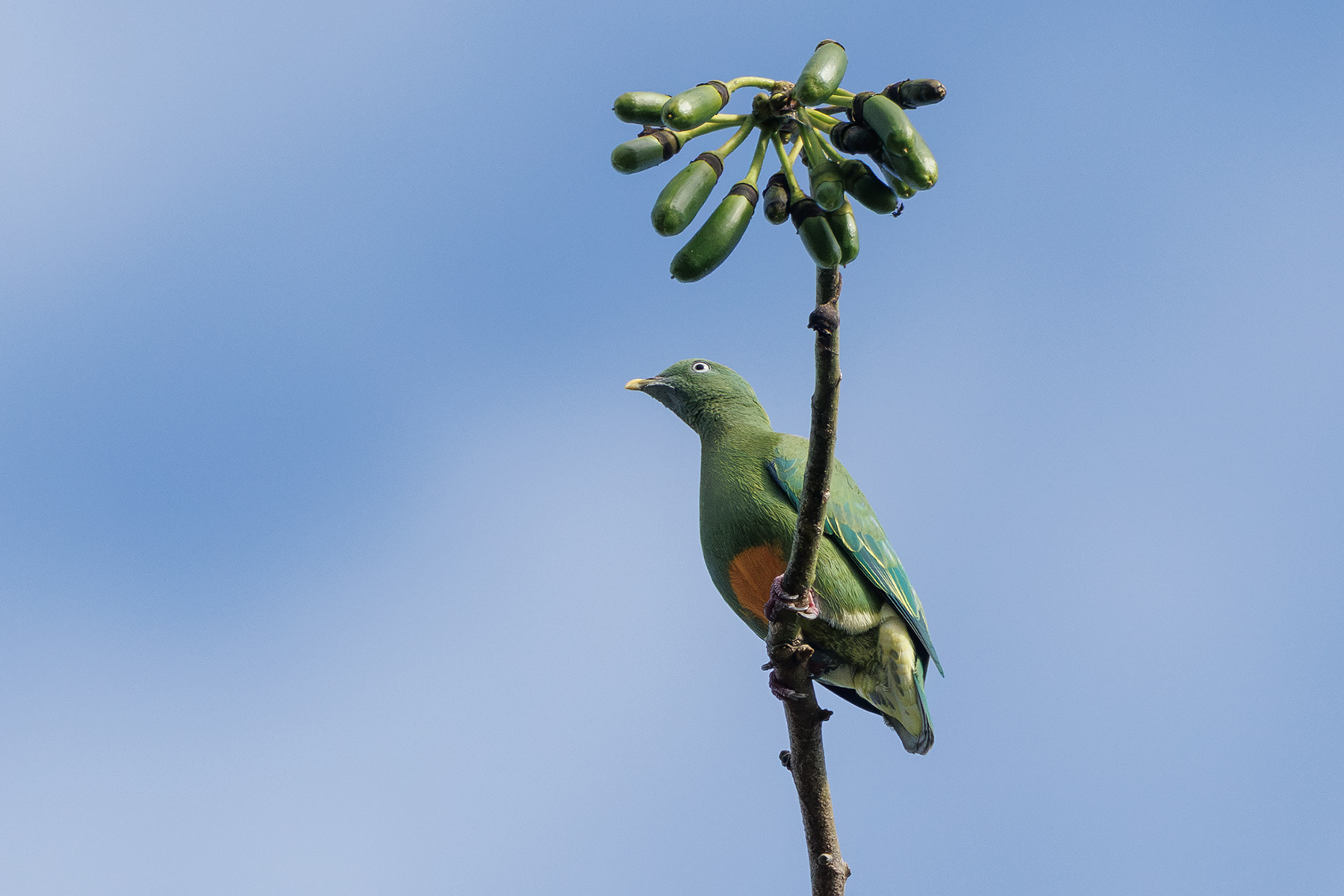
Orange-bellied Fruit Dove (image by Dáni Balla)
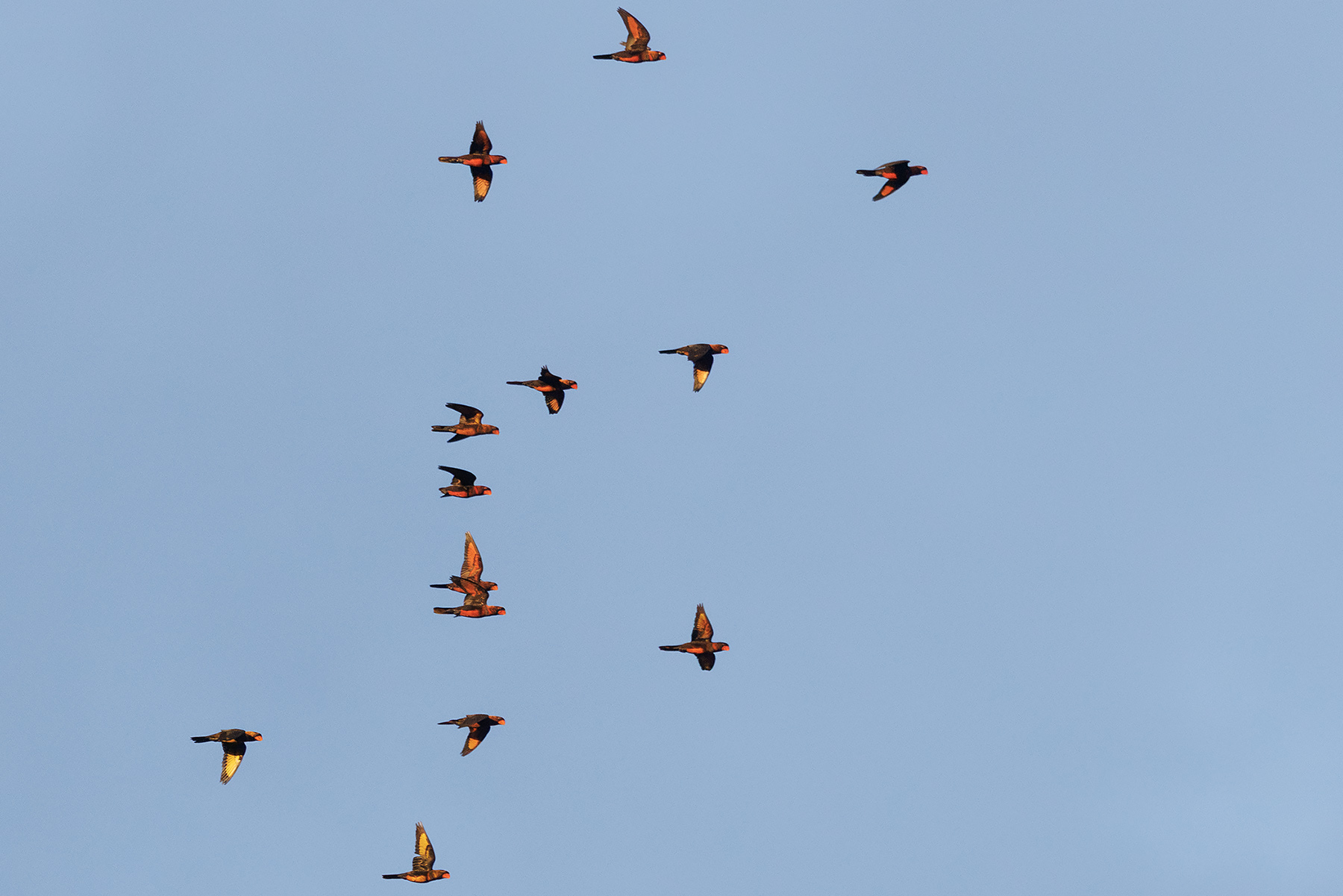
Dusky Lories (image by Dáni Balla)
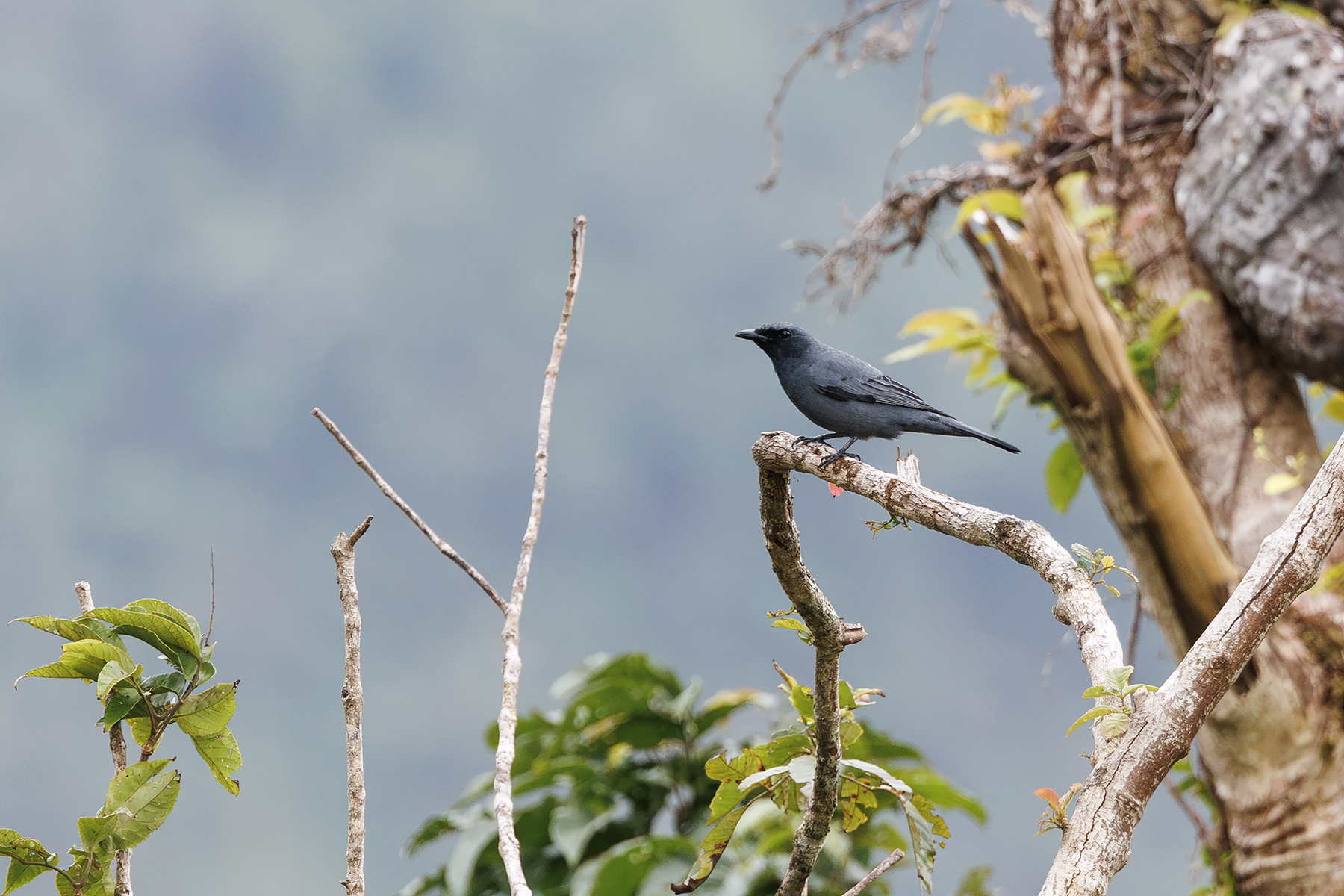
Central Melanesian Cicadabird (image by Dáni Balla)
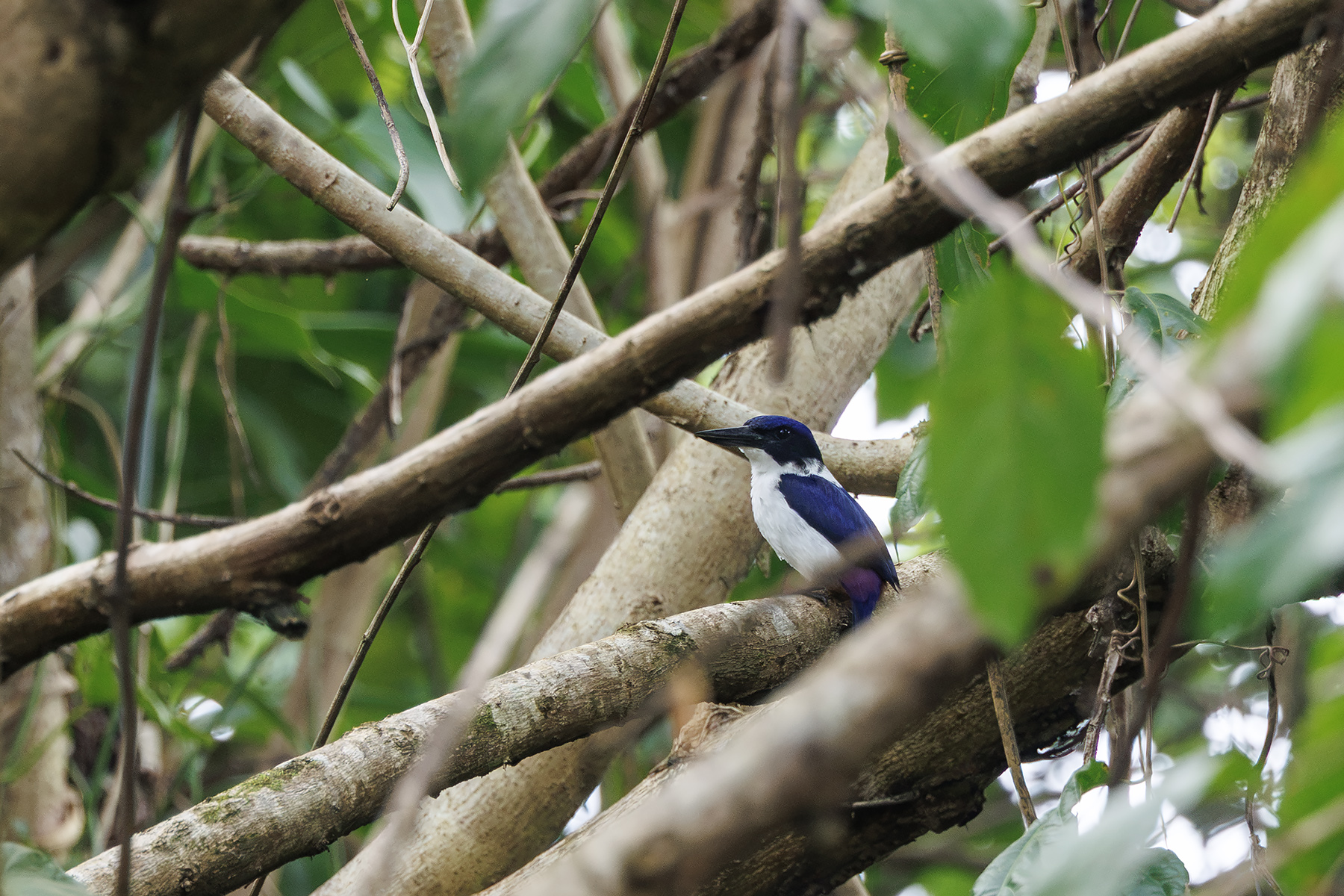
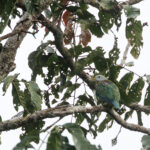
Ultramarine Kingfisher (image by Dáni Balla)
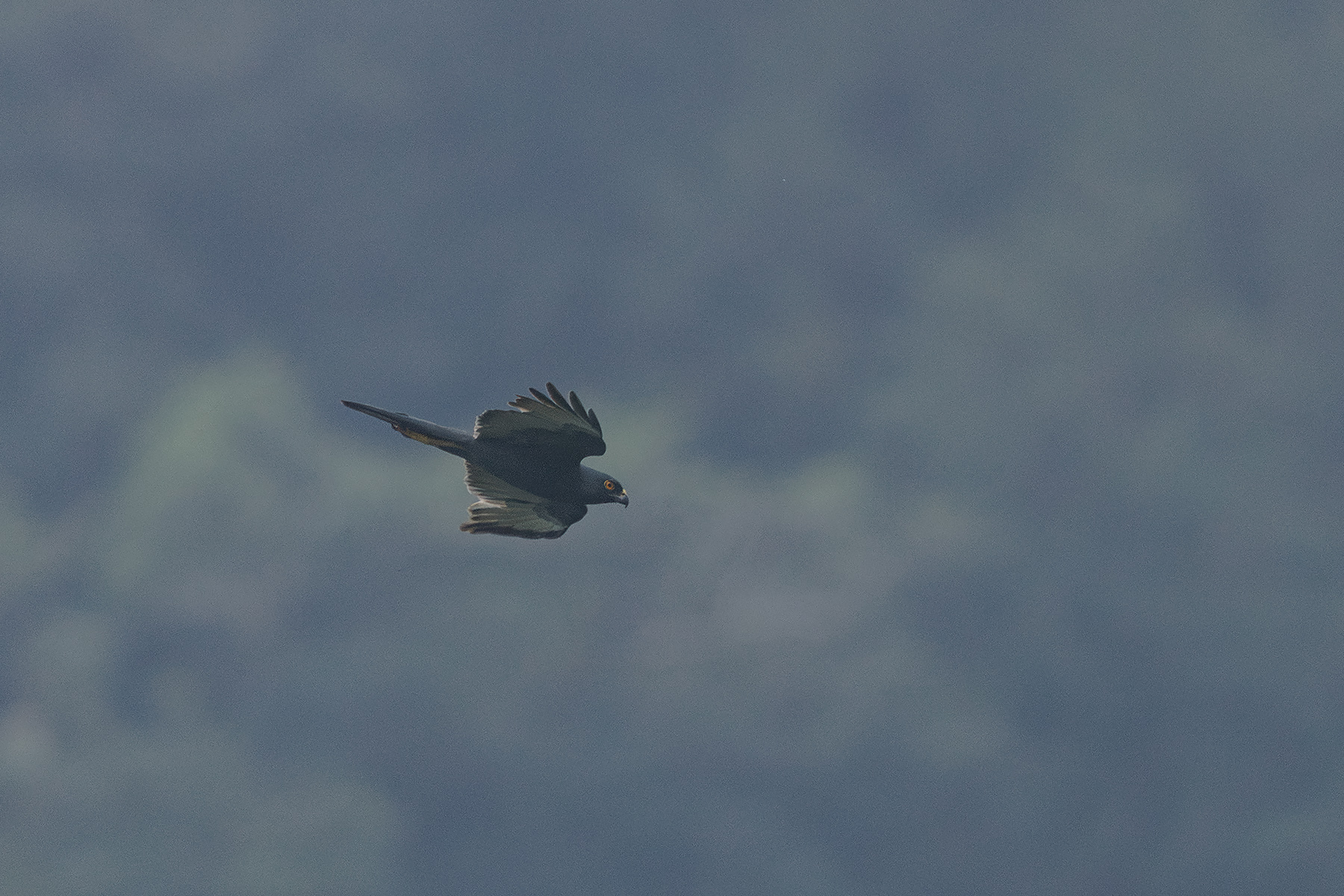
Pied Goshawk (image by Dáni Balla)
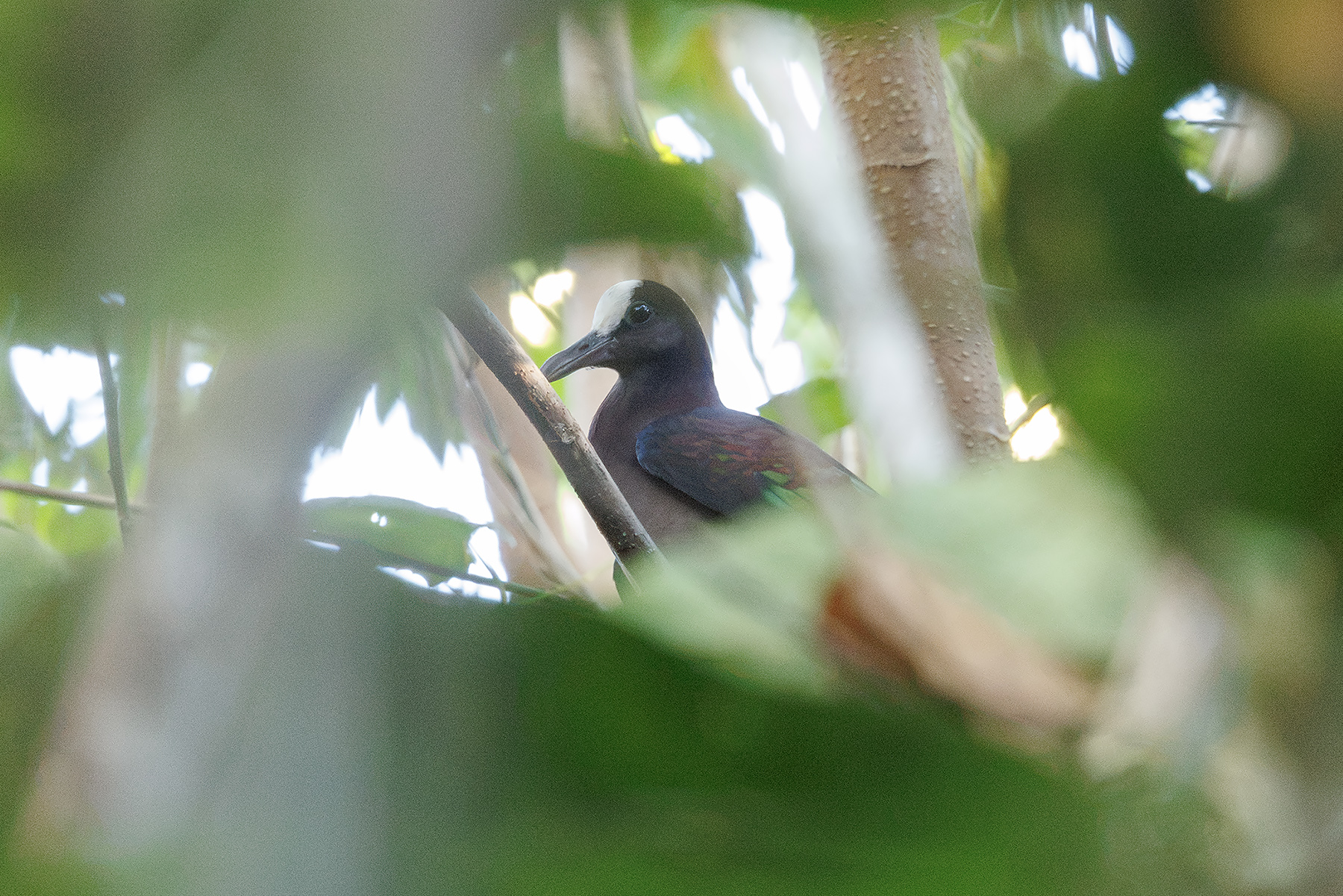
New Guinea Bronzewing (image by Dáni Balla)
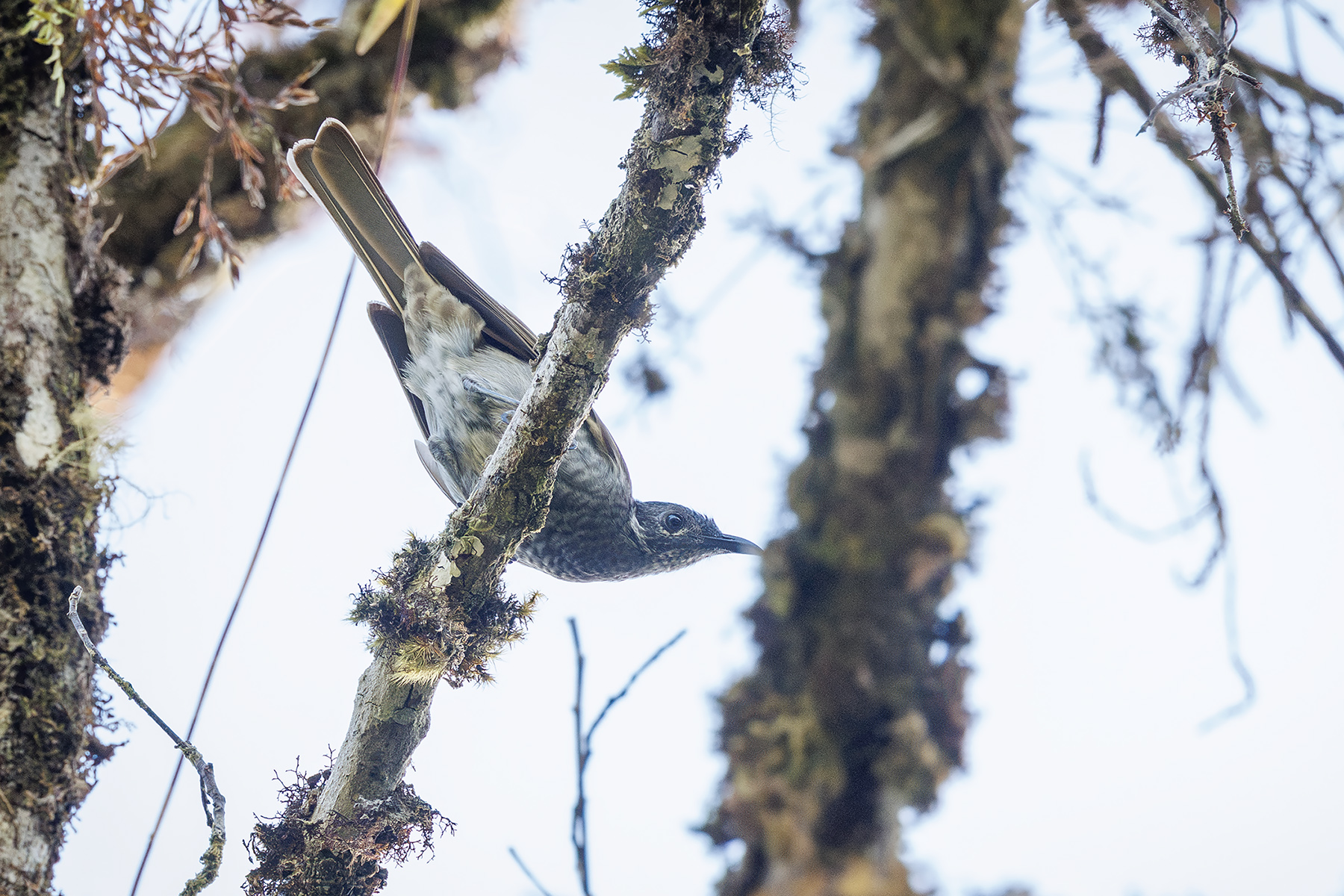
Marbled Honeyeater (image by Dáni Balla)
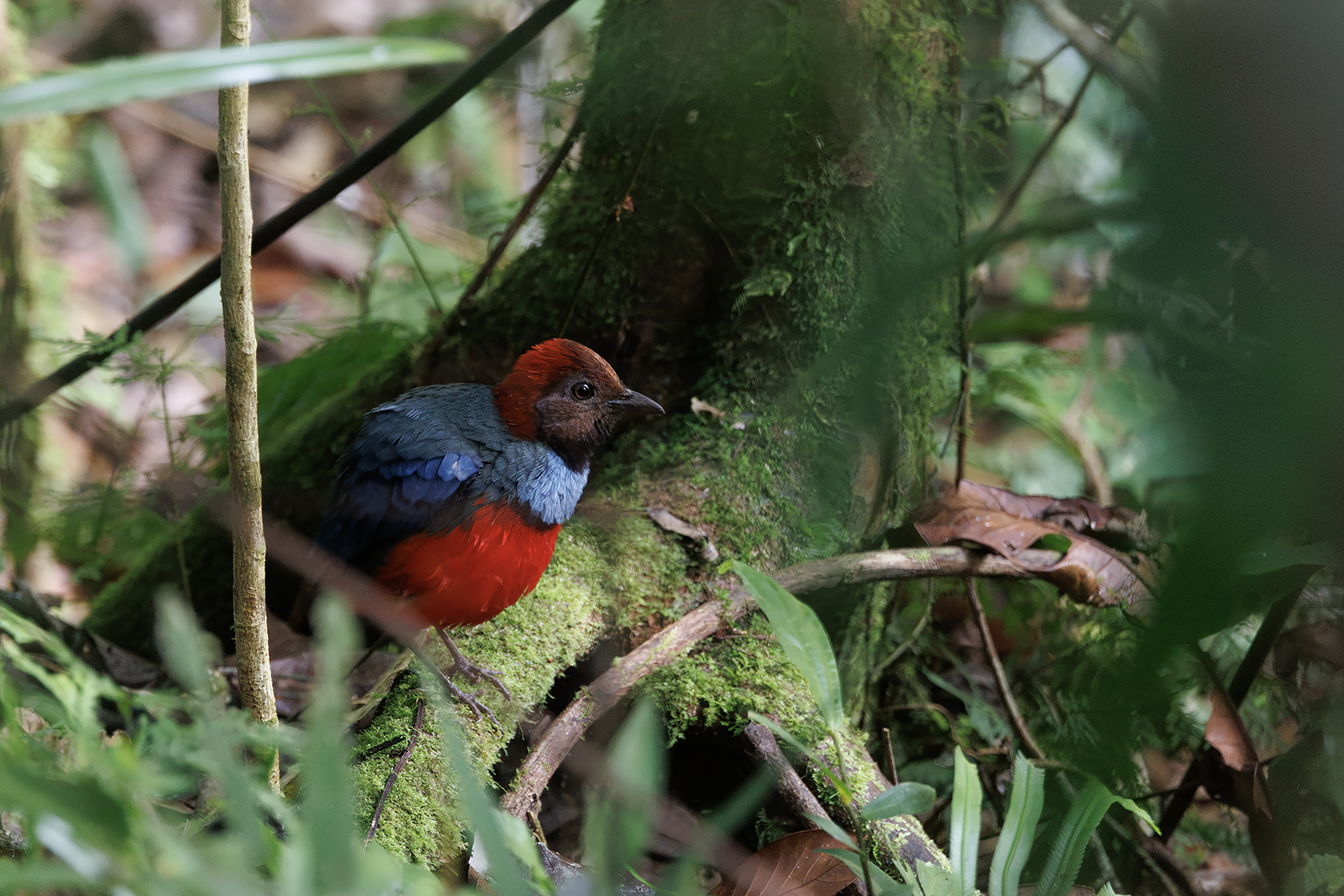
Papuan Pitta (image by Dáni Balla)
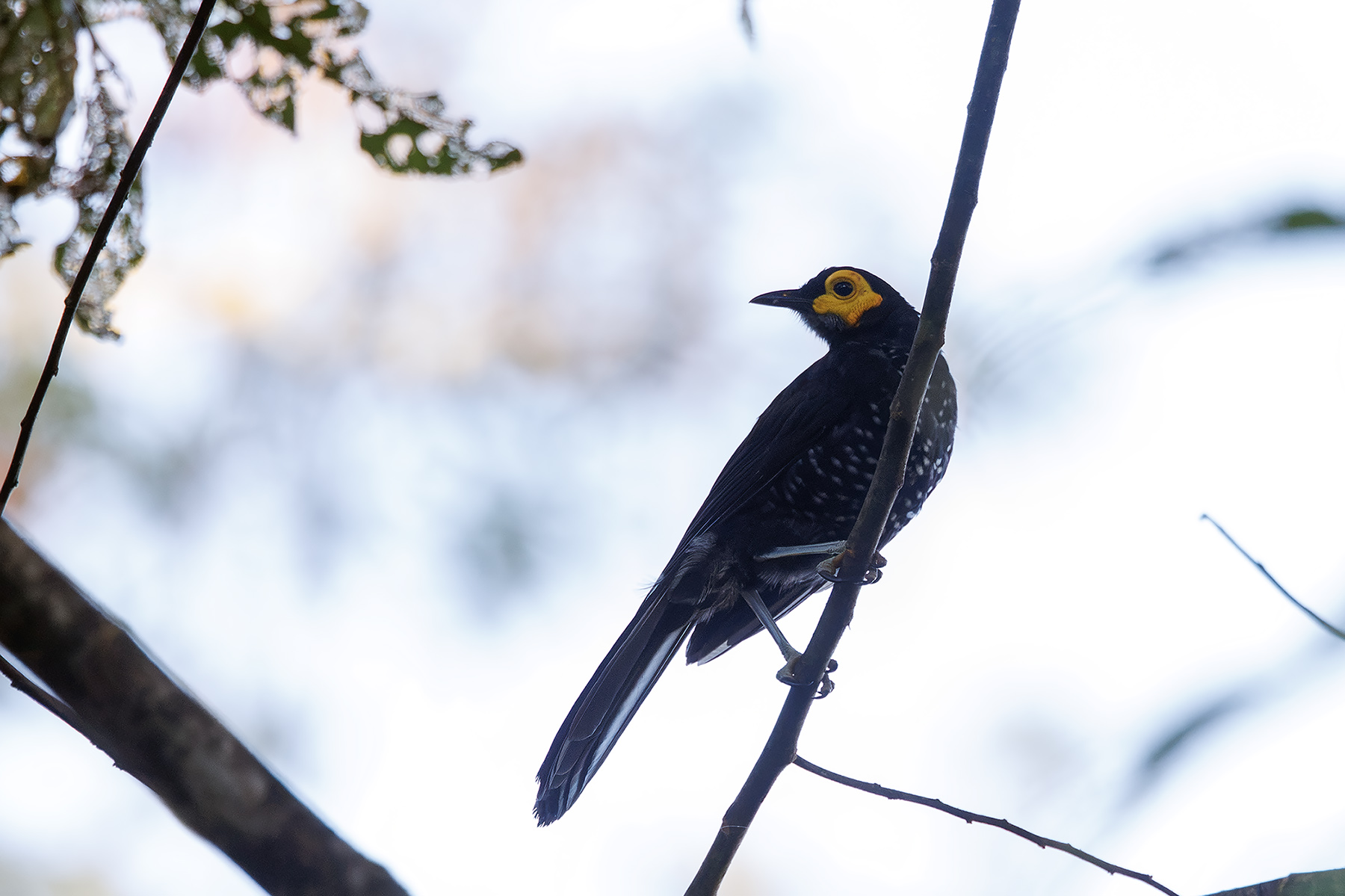
Spangled Honeyeater (image by Dáni Balla)
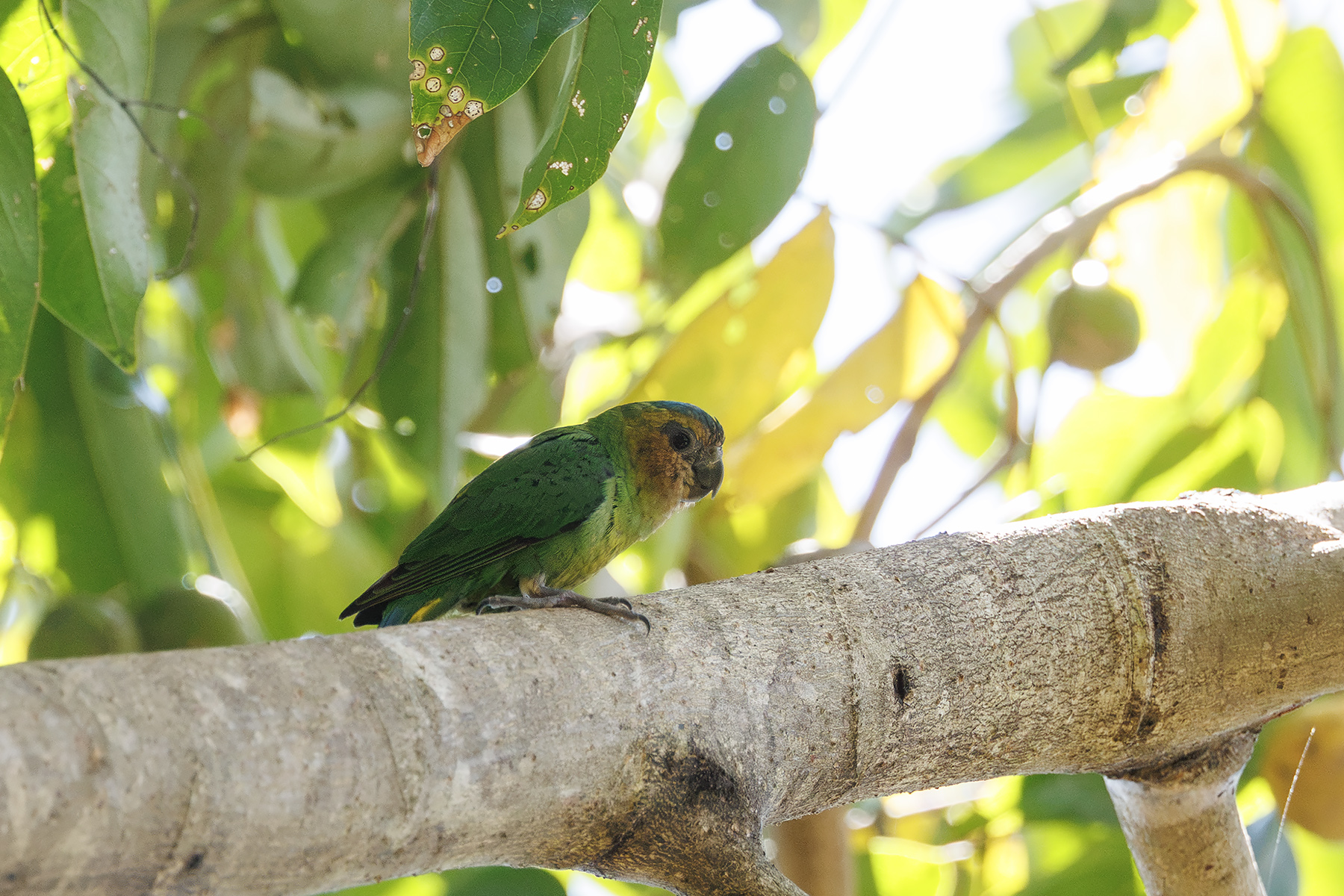
Buff-faced Pygmy Parrot (image by Dáni Balla)
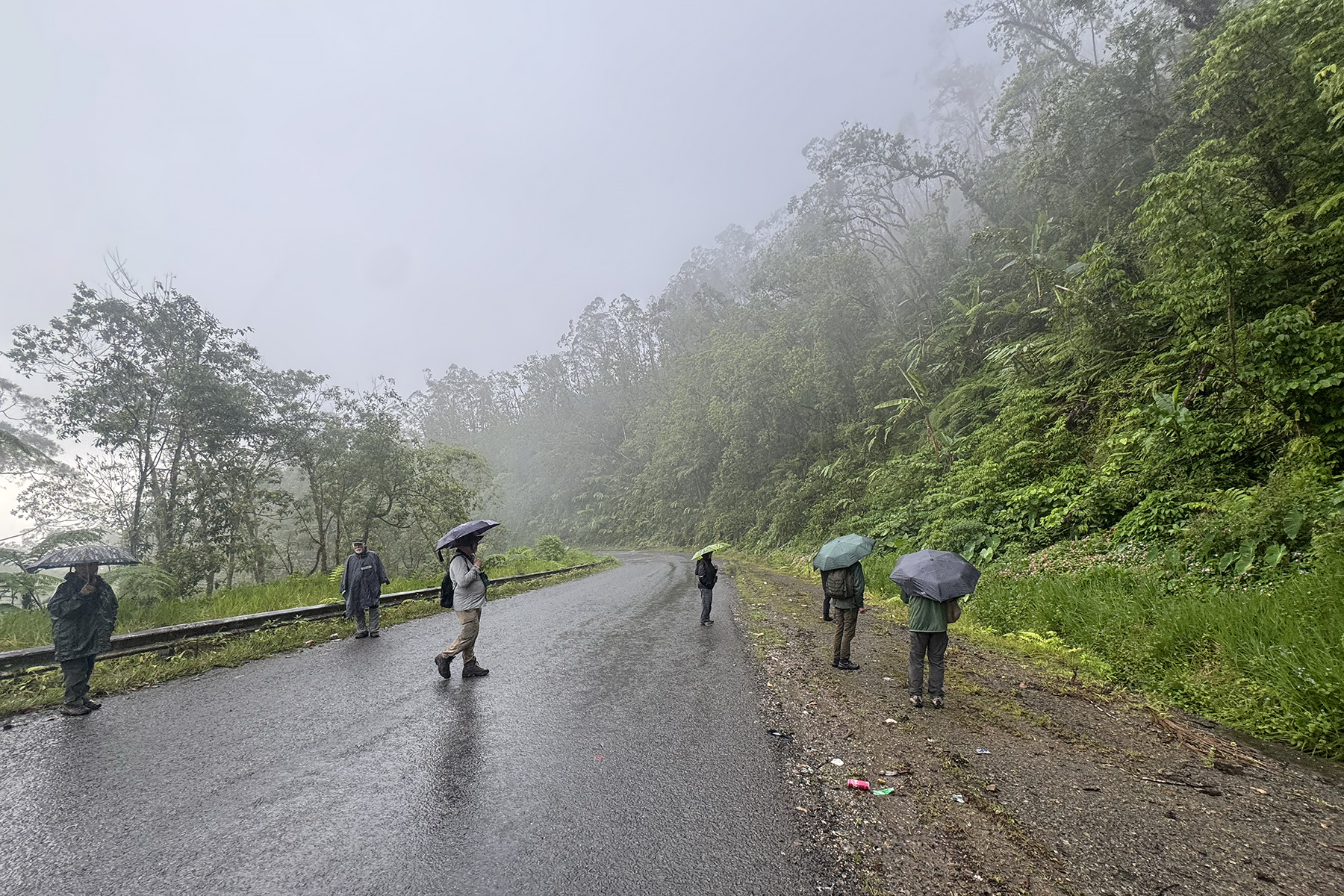
Bougainville birding! (image by Dáni Balla)
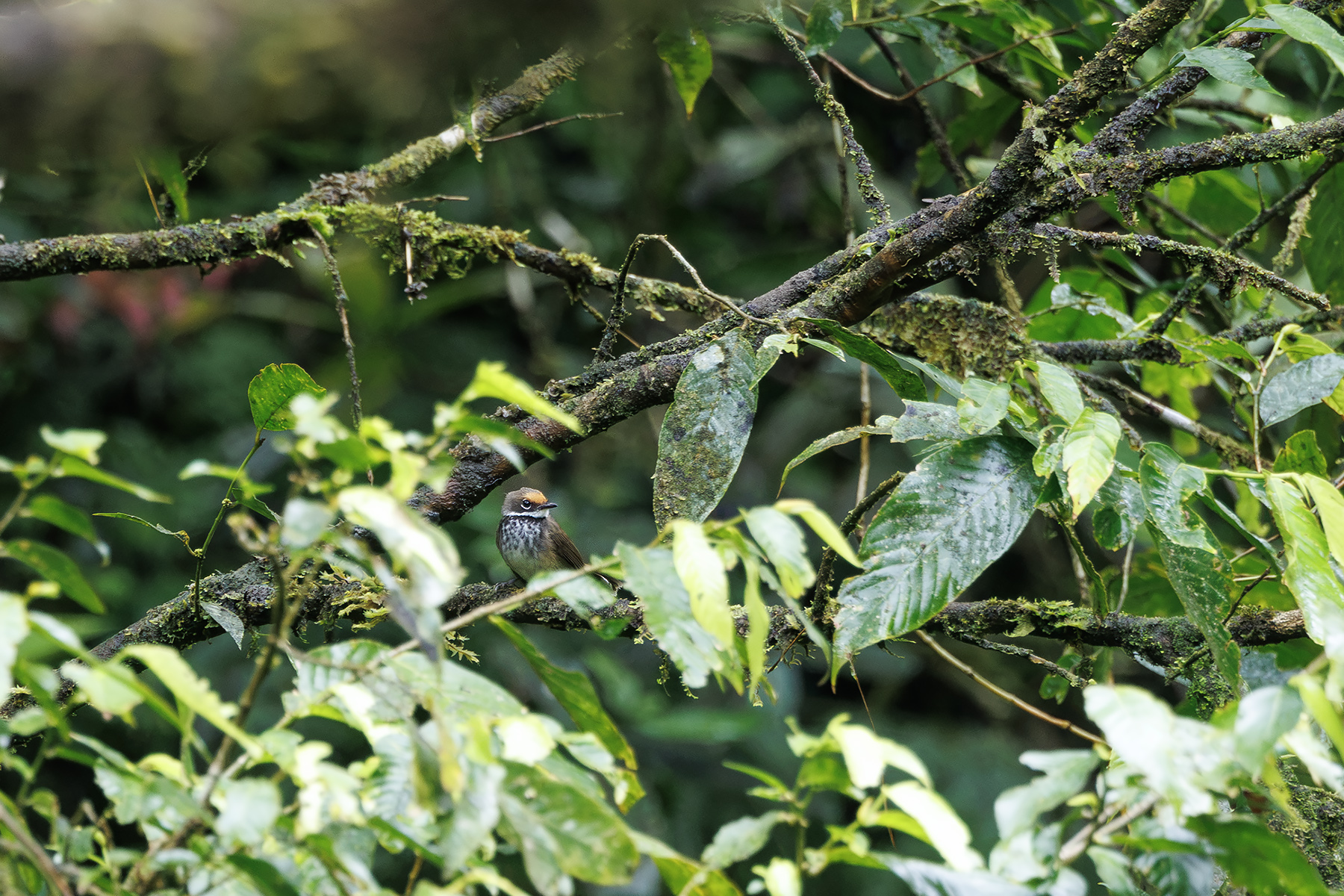
commoda Solomons Rufous Fantail (image by Dáni Balla)
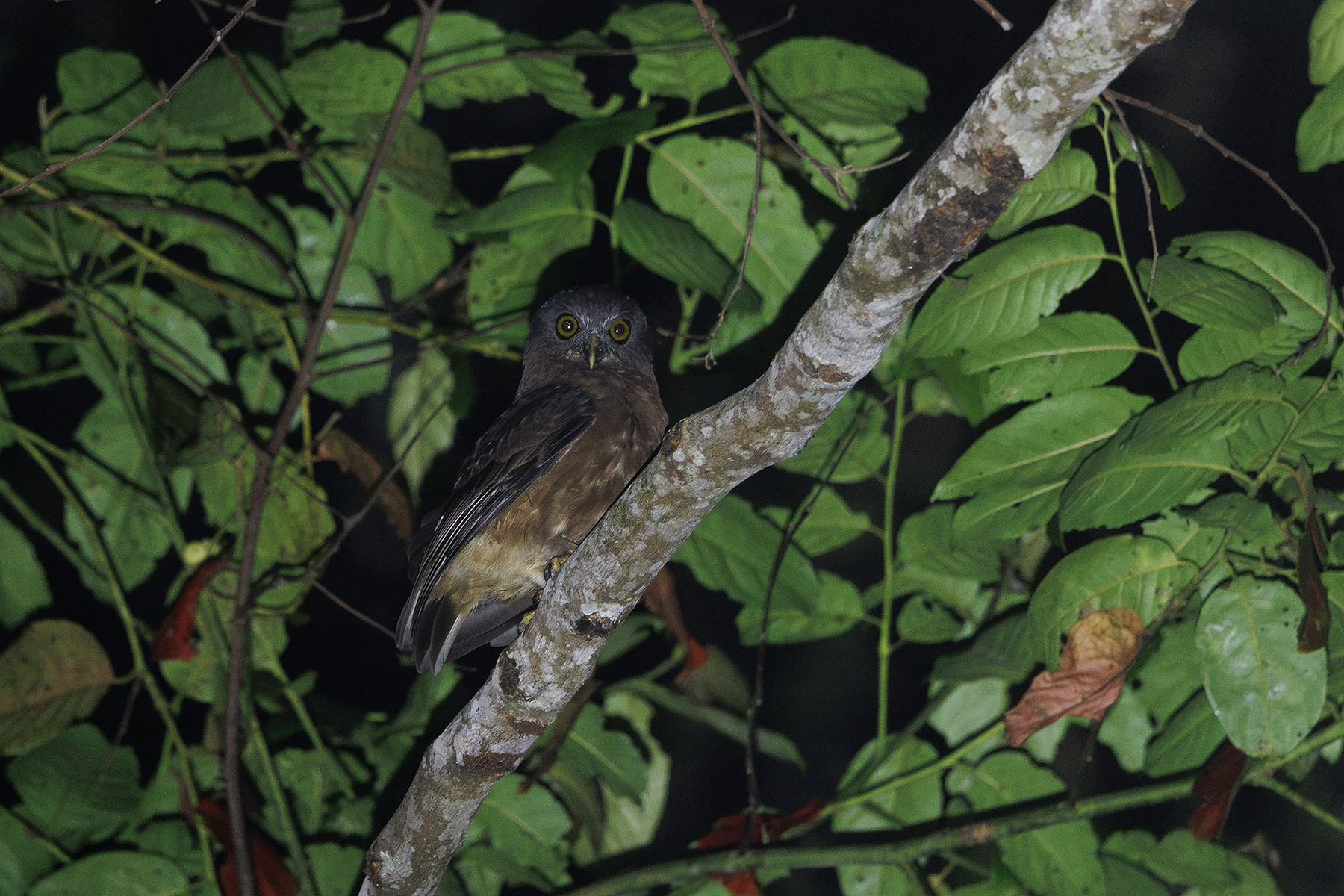
Papuan Boobook (image by Dáni Balla)
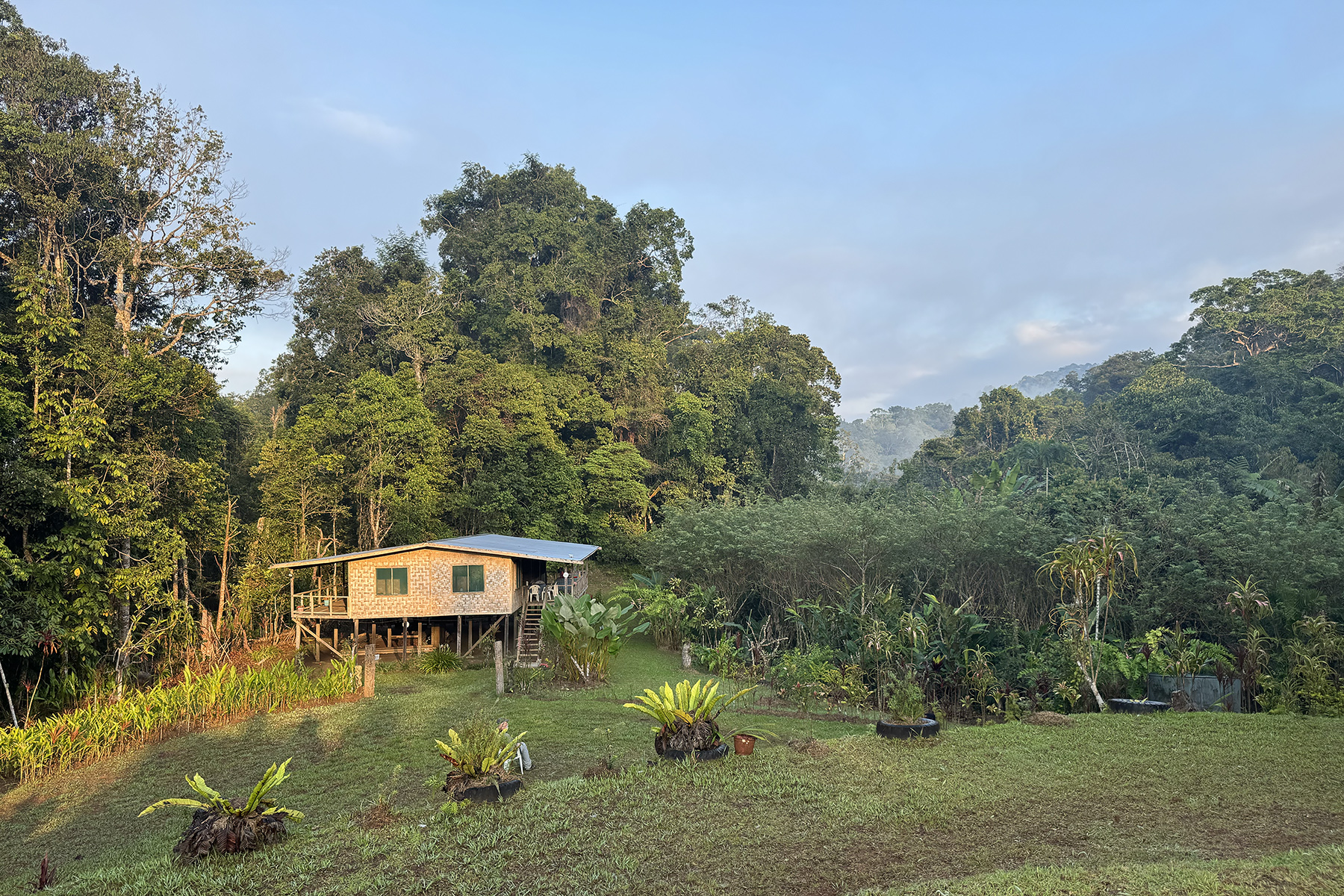
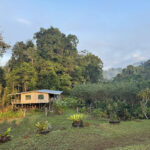
Keki Lodge (image by Dáni Balla)
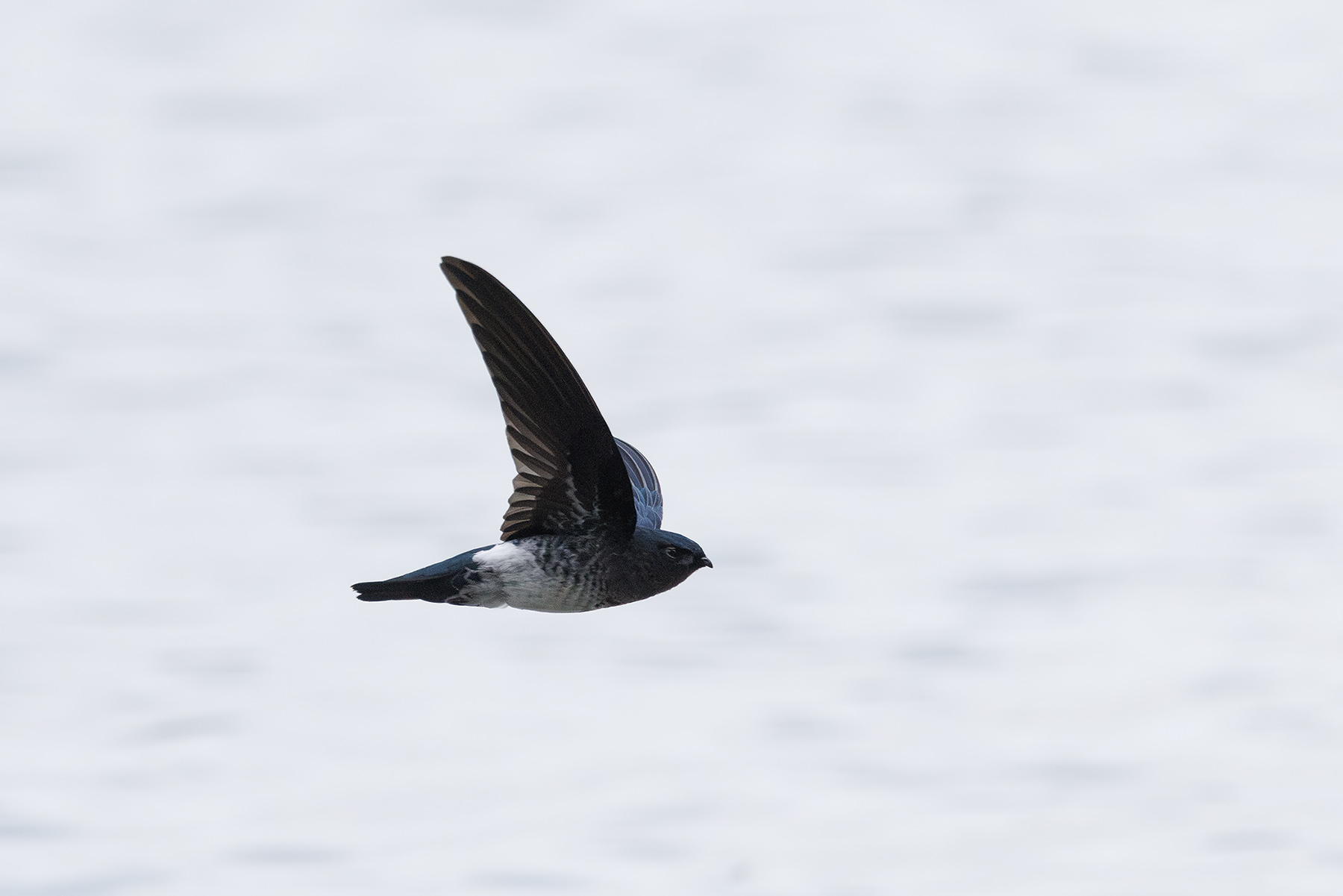
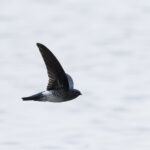
Glossy Swiftlet (image by Dáni Balla)
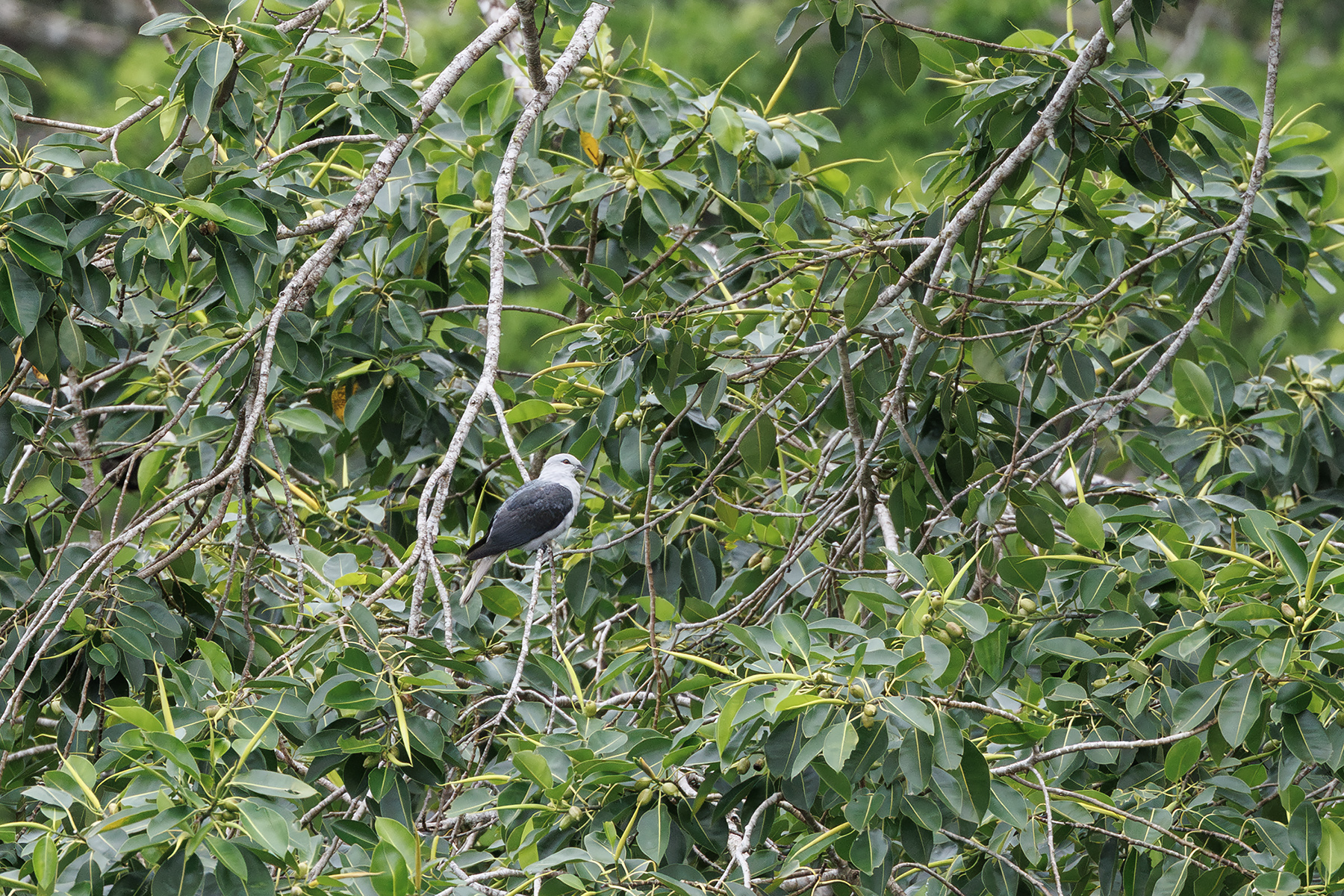
Pale Mountain Pigeon (image by Dáni Balla)
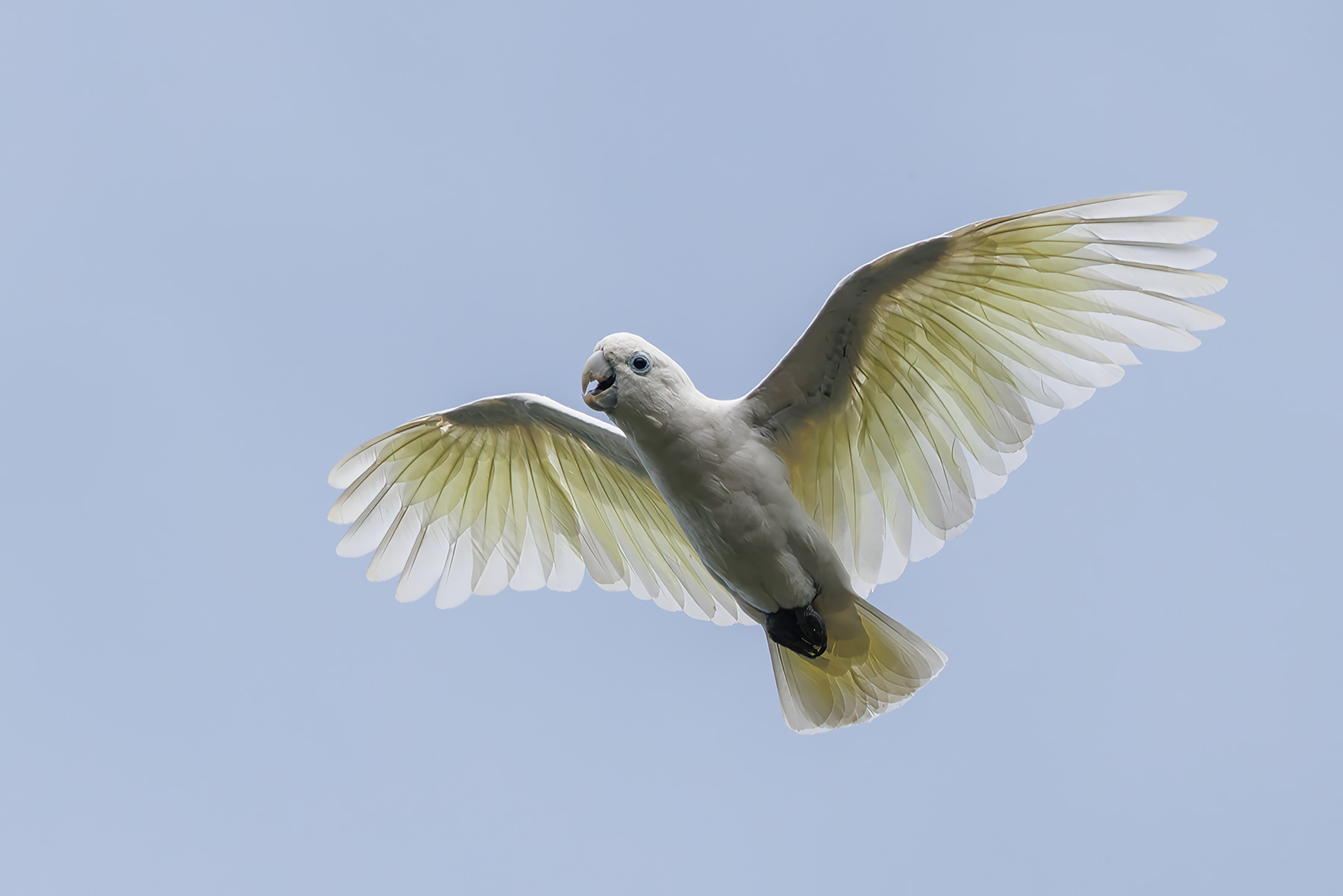
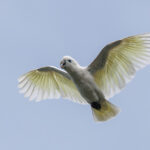
Solomons Corella (image by Dáni Balla)
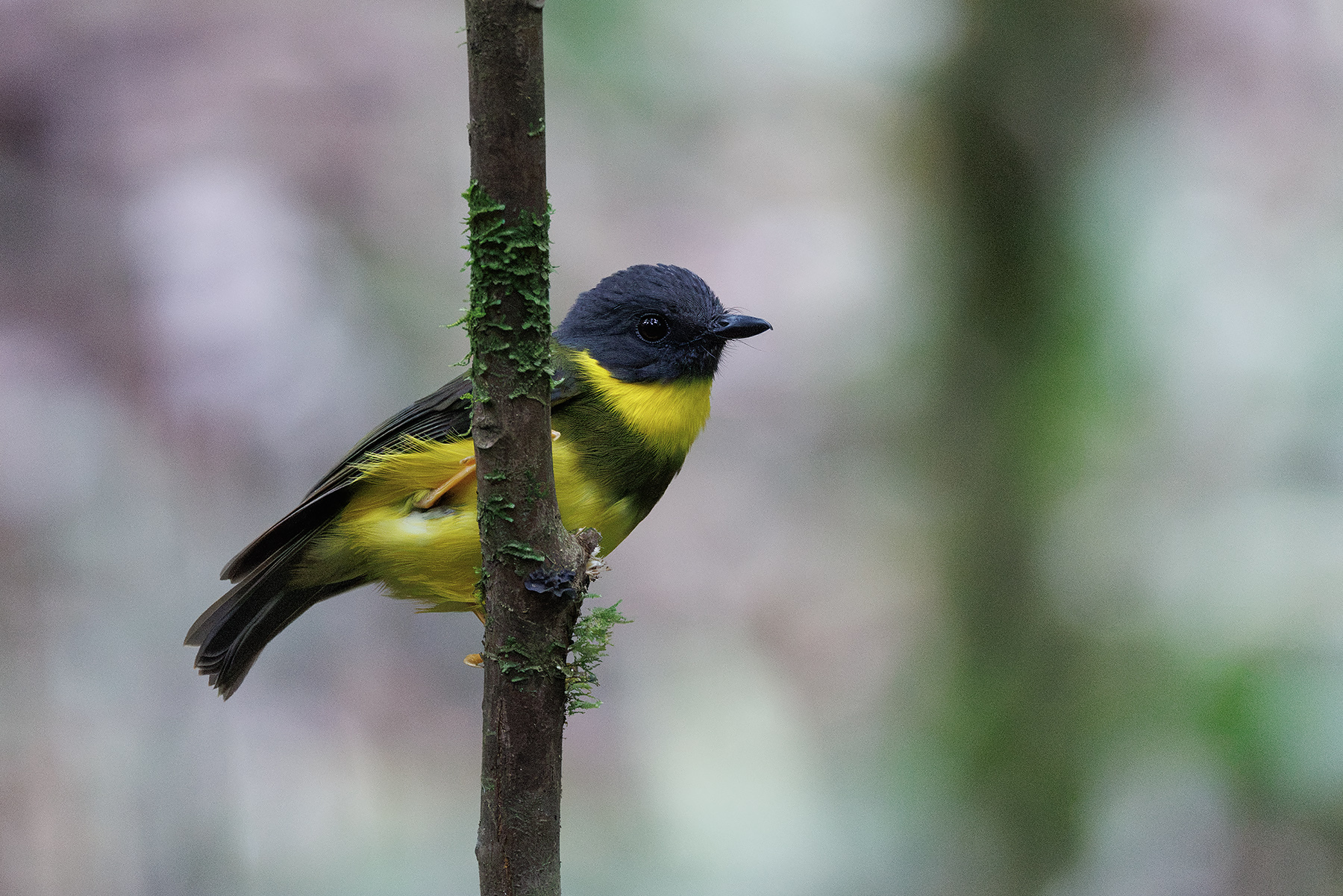
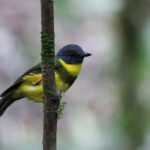
Banded Yellow Robin (image by Dáni Balla)
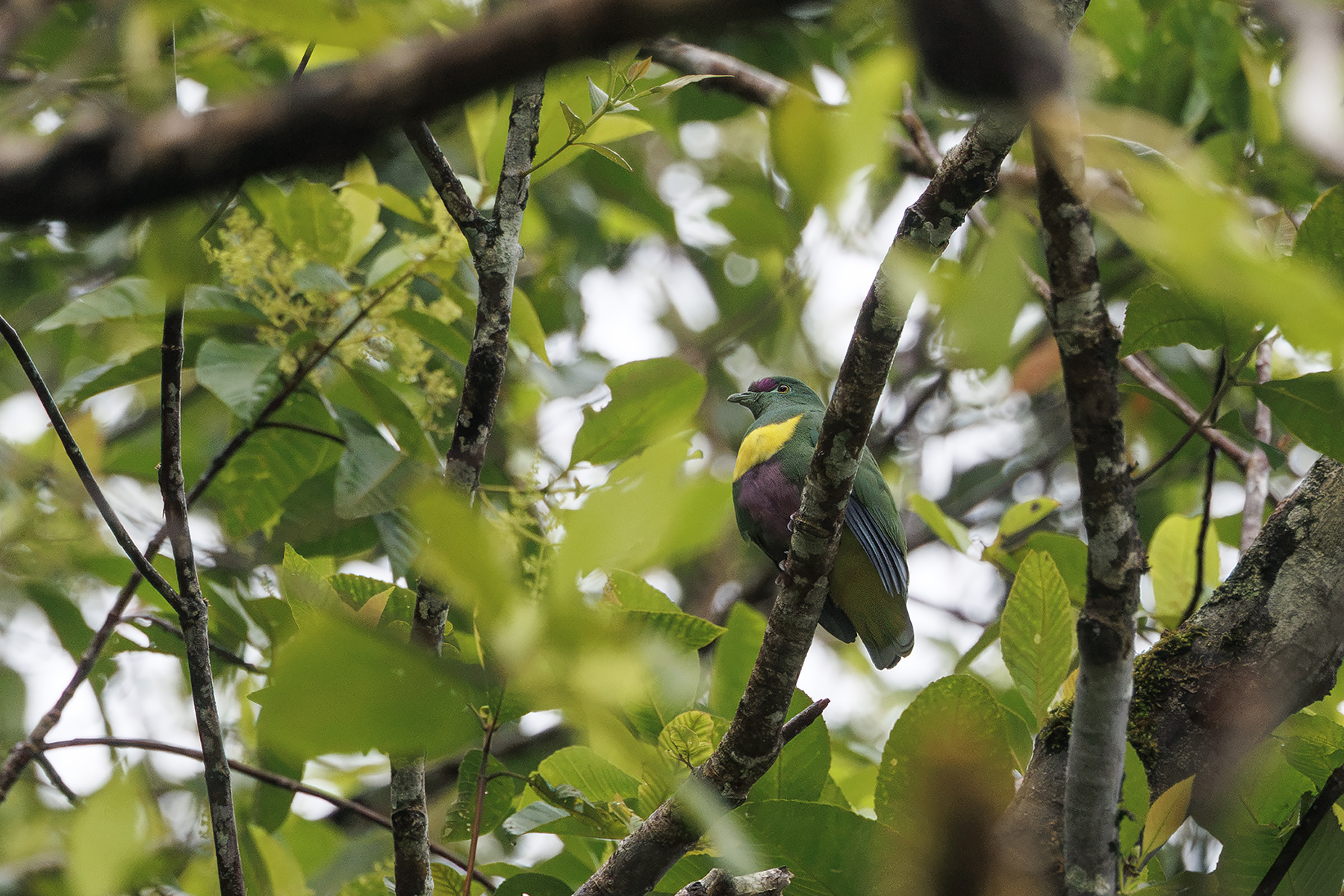
Yellow-bibbed Fruit Dove (image by Dáni Balla)
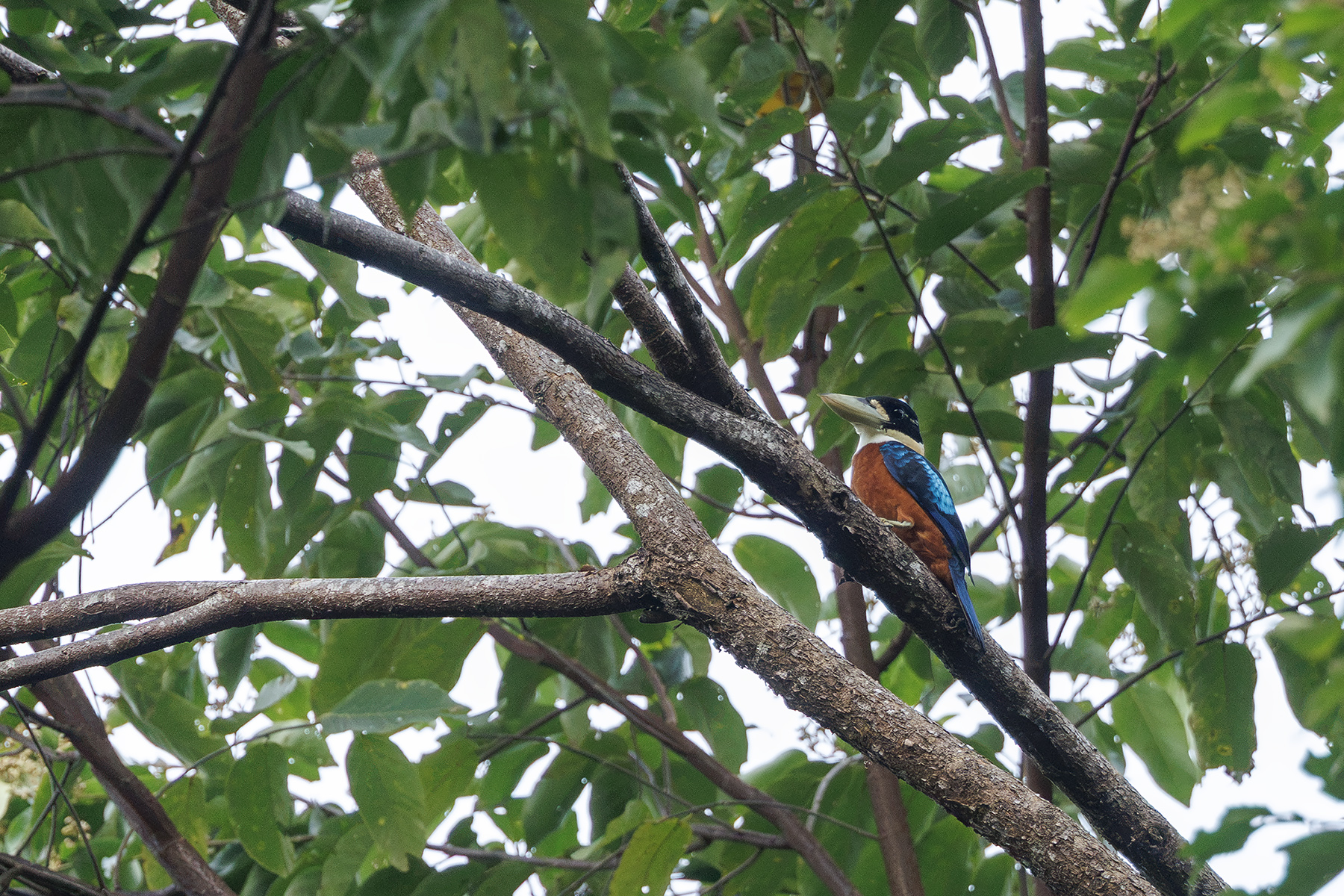
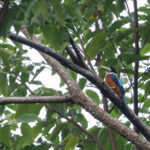
Rufous-bellied Kookaburra (image by Dáni Balla)
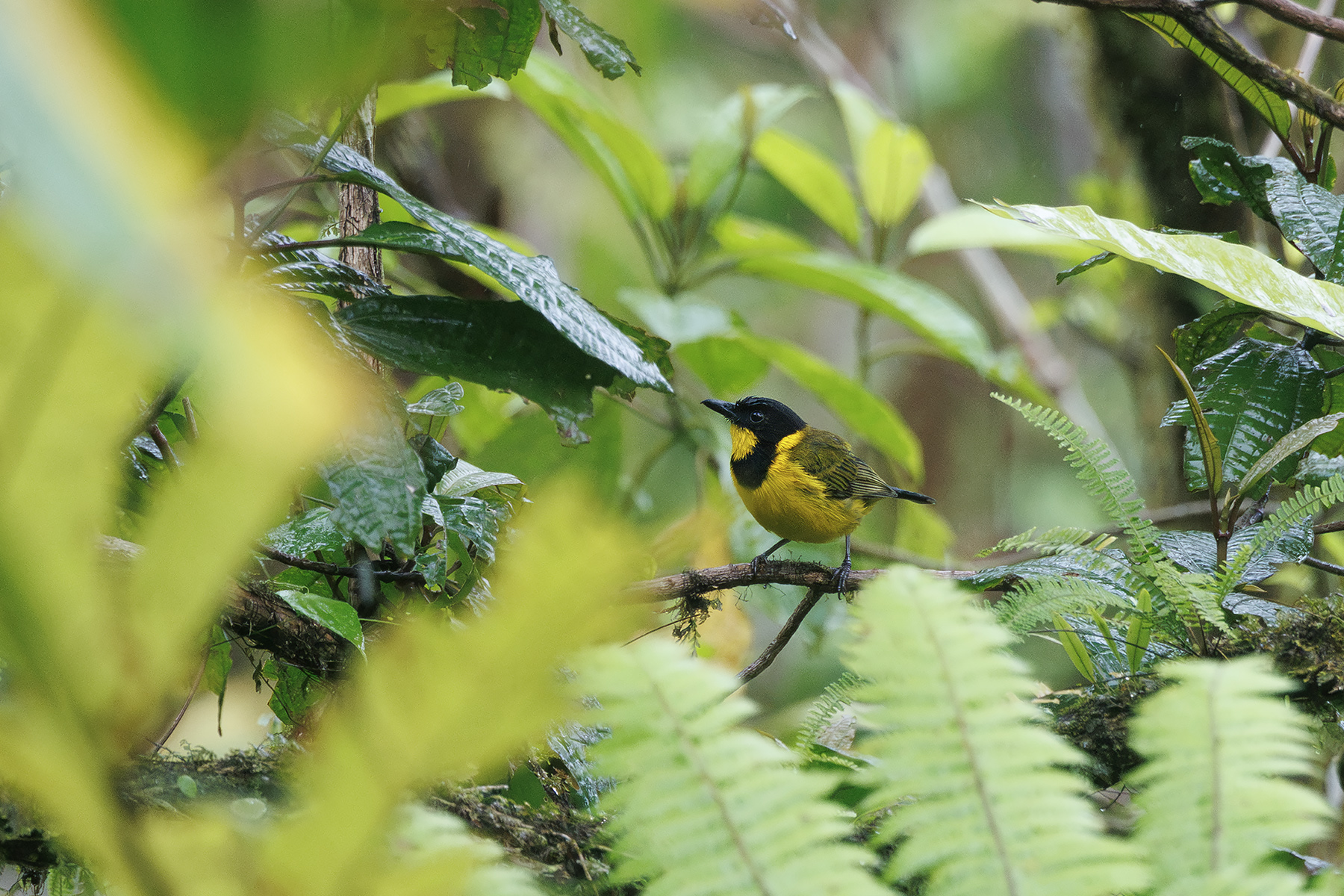
bougainvillei Oriole Whistler (image by Dáni Balla)
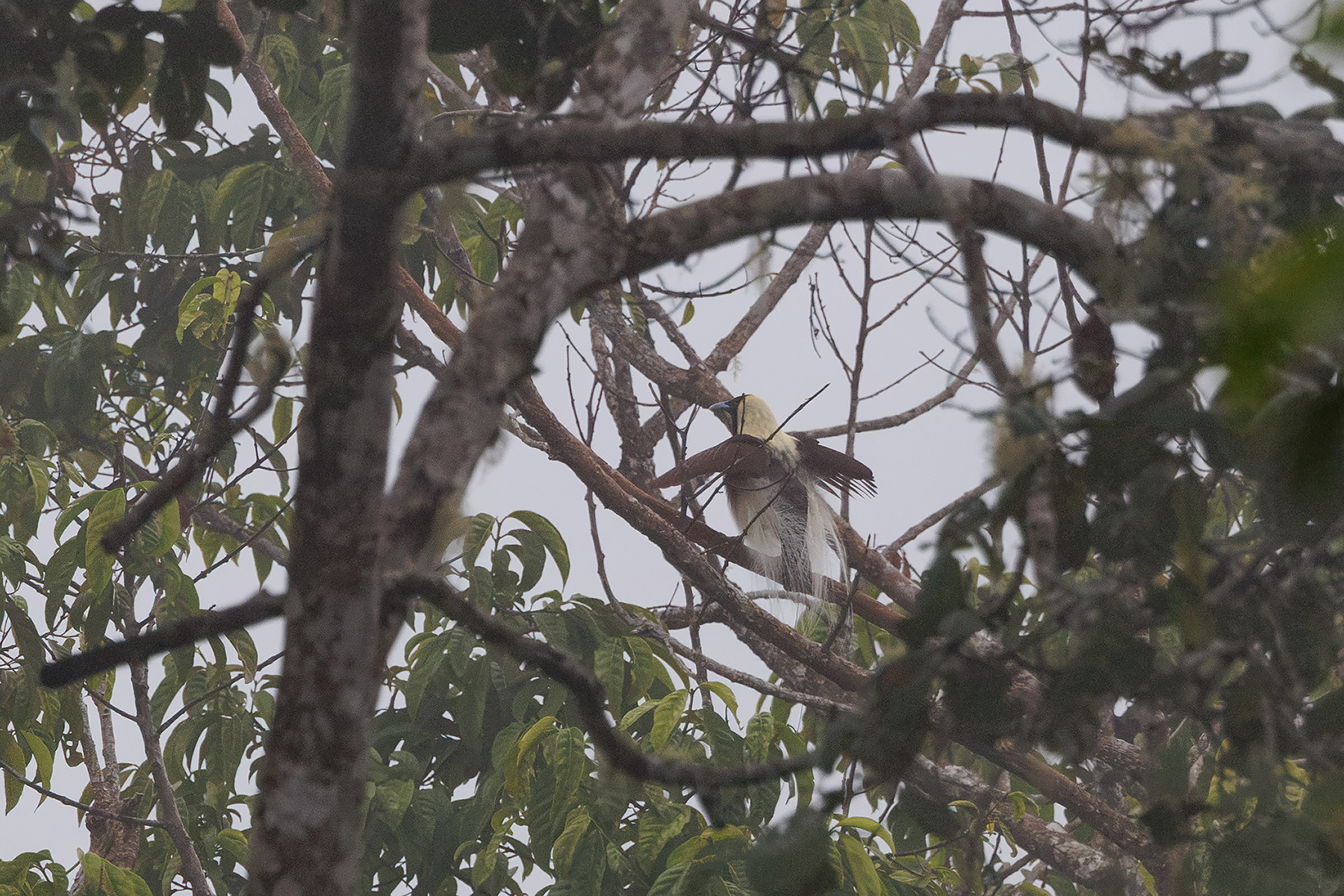
Emperor Bird-of-paradise (image by Dáni Balla)
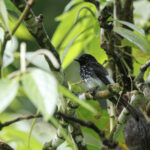
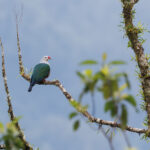
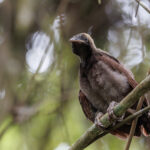
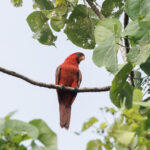
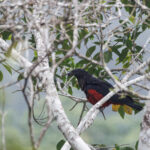
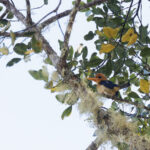
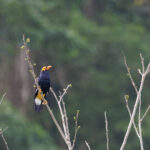
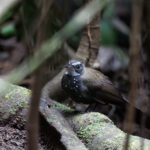
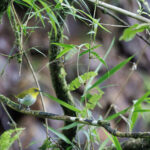
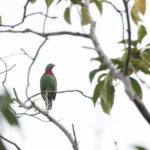
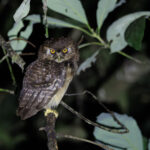
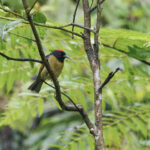
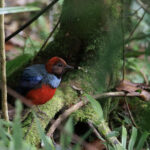
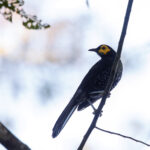
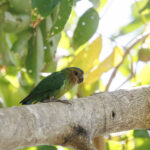
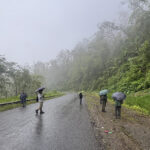
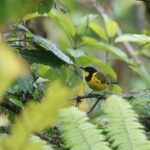


Collared Brushturkey (image by Dáni Balla)
septentrionalis White-winged Fantail (image by Dáni Balla)
Red-knobbed Imperial Pigeon (image by Dáni Balla)
Orange-crowned Fairywren (image by Dáni Balla)
Emperor Bird-of-paradise (image by Dáni Balla)
Duchess Lorikeet (image by Dáni Balla)
Olive Straightbill (image by Dáni Balla)
Pink-spotted Fruit Dove (image by Dáni Balla)
Wahnes's Parotia (image by Dáni Balla)
'Bougainville' Chestnut-bellied Monarch (image by Dáni Balla)
Cardinal Lory (image by Dáni Balla)
lophotis Spotted Honeyeater (image by Dáni Balla)
Pesquet's Parrot (image by Dáni Balla)
Mountain Kingfisher (image by Dáni Balla)
Long-tailed Myna (image by Dáni Balla)
Papuan Dwarf Kingfisher (image by Dáni Balla)
Sooty Thicket Fantail (image by Dáni Balla)
Bougainville White-eye (image by Dáni Balla)
Black-throated Robin (image by Dáni Balla)
Solomons Monarch (image by Dáni Balla)
Palm Cockatoo (image by Dáni Balla)
the menu at Huon Camp (image by Dáni Balla)
Feline Owlet-nightjar (image by Dáni Balla)
Ornate Fruit Dove (image by Dáni Balla)
Sanford's Sea Eagle (image by Dáni Balla)
Yellow-throated White-eye (image by Dáni Balla)
lewisii Claret-breasted Fruit Dove (image by Dáni Balla)
West Solomons Owl (image by Dáni Balla)
Red-capped Myzomela (image by Dáni Balla)
Orange-bellied Fruit Dove (image by Dáni Balla)
Dusky Lories (image by Dáni Balla)
Central Melanesian Cicadabird (image by Dáni Balla)
Ultramarine Kingfisher (image by Dáni Balla)
Pied Goshawk (image by Dáni Balla)
New Guinea Bronzewing (image by Dáni Balla)
Marbled Honeyeater (image by Dáni Balla)
Papuan Pitta (image by Dáni Balla)
Spangled Honeyeater (image by Dáni Balla)
Buff-faced Pygmy Parrot (image by Dáni Balla)
Bougainville birding! (image by Dáni Balla)
commoda Solomons Rufous Fantail (image by Dáni Balla)
Papuan Boobook (image by Dáni Balla)
Keki Lodge (image by Dáni Balla)
Glossy Swiftlet (image by Dáni Balla)
Pale Mountain Pigeon (image by Dáni Balla)
Solomons Corella (image by Dáni Balla)
Banded Yellow Robin (image by Dáni Balla)
Yellow-bibbed Fruit Dove (image by Dáni Balla)
Rufous-bellied Kookaburra (image by Dáni Balla)
bougainvillei Oriole Whistler (image by Dáni Balla)
Emperor Bird-of-paradise (image by Dáni Balla)


PAPUA NEW GUINEA OFF-THE-BEATEN-TRACK TOUR REPORT 2026

31 July – 16 August 2026
Dáni Balla
As it might be suggested by the title of the tour, the Off-The-Beaten-Track tour in Papua New Guinea offers a great set of birds which are hardly seen elsewhere on the island of New Guinea. Amongst them are – of course – many endemics!
A slightly altered itinerary this time saw us visiting the Huon Peninsula where we managed to see the three endemic Bird-of-paradise species; the Huon Astrapia, Wahnes’s Parotia and Emperor Bird-of-paradise and other goodies like Feline and Mountain Owlet-nightjars, Black-mantled Goshawk, Mountain Kingfisher, Pesquet’s Parrot, Red-breasted Pygmy Parrot, Edward’s Fig Parrot, Fairy Lorikeet, Dusky Lory, MacGregor’s Bowerbird (a.k.a. Huon Bowerbird), Orange-crowned Fairywren, Grey-green Scrubwren, the Huon endemic Spangled Honeyeater, Marbled Honeyeater, Forest Honeyeater, Olive Straightbill, Cinnamon-browed Melidectes, Spotted Jewel-babbler, Mottled Berryhunter, Tit Berrypecker, Black Monarch, Mid-mountain Berrypecker, Black-throated Robin and an unexpected New Guinea Bronzewing. The second leg of the main tour covered the more easily-accessible areas of Bougainville Island, which is considered part of the Solomons, geographically, however, it politically is still attached to the state of Papua New Guinea. Although birding here was quite challenging due to the weather we still managed to see Spot-breasted Cuckoo-Dove, Pale Mountain Pigeon, Red-knobbed Imperial Pigeon, Woodford’s (Bougainville) Rail, West Solomons Owl, Pied Goshawk, Sanford’s Sea Eagle, Ultramarine and Melanesian Kingfishers, Solomons Corella, Duchess Lorikeet, Cardinal Lory, Finsch’s Pygmy Parrot, the endemic Red-capped Myzomela, Oriole Whistler, White-winged (Cockerell’s) and Solomons Rufous Fantail, Steel-blue Flycatcher, Solomons and Chestnut-bellied (Bougainville) Monarchs, Bougainville Crow, Bougainville White-eye and Brown-winged Starling. During a pre-extension of the main tour we had the chance to visit the Adelbert Range where we bagged a set of specialties such as Collared Brushturkey, Great Cuckoo-Dove, Ornate Fruit Dove, Grey-headed Goshawk, Pesquet’s Parrot, Buff-faced Pygmy Parrot, Dusky Lory, Papuan Pitta, Long-billed Honeyeater, Spotted Honeyeater, Papuan Black Myzomela, Brown-headed Jewel-babbler, Ochre-collared Monarch, Magnificent Bird-of-paradise, Lesser Bird-of-paradise, Spectacled Longbill and the fantastic Banded Yellow Robin.
Those of us taking the pre-extension took a flight from Port Moresby to Madang, landing early in the morning. We met Moyang, who owns and manages the Keki Lodge up in the Adelbert Range and we first drove to a resort to have breakfast. We noticed probably more than a thousand Great Flying Foxes in the city and there were many at the resort as well. A short walk in the garden revealed our first birds of the tour which were Torresian Imperial Pigeon, Varied Honeyeater and Singing Starlings. After some organising tasks were complete we departed toward the mountains taking a few comfort stops on the way and at the first one we were lucky to find Buff-faced Pygmy Parrots on a roadside tree. Turning off the main road the track demanded all the capabilities of our Land Cruisers but fortunately we made it to the end, from where we had to walk to the camp which we reached in a little more than an hour with an easy pace. Arriving at the camp the loud calls of Lesser Birds-of-paradise were welcoming us and we soon started scanning the surrounding trees in search for one of the main targets here, the Fire-maned Bowerbird. There hadn’t been confirmed sightings for a while now, but we did not lose hope until the very last moment, that we would somehow still see the species. We had a quick visit of a Spotted Honeyeater on the nearby tree just after we found the comfortable set-up for scanning. We started seeing our first Pink-spotted and Orange-bellied Fruit Doves and the first Zoe’s Imperial Pigeon. A Yellow-bellied Longbill became another favourite for many of us as it kept returning to some big pink flowers in the garden not just the first day but every day of our stay. Just before sunset, parrots were more active around the camp as they were flying to their roost and we saw several Black-capped Lories, Coconut Lorikeets, Papuan Eclectus and three fantastic Pesquet’s Parrots. The after-dinner awalk in the night revealed a Papuan Boobook just beside the camp entrance.
We had three more full days to spend around Keki Lodge in the caring hands of Moyang and his family. As our main task – finding the Bowerbird – remained the same we followed the same daily routine with slight alteration during these days. On our first full day we chose to take a loop trail under the camp where we found very little bird activity, however we managed to lure in a Collared Brushturkey into full open views just in front of our feet. A responsive Banded Yellow Robin was only seen by one of us and we had a shy Spot-winged Monarch as well. A pair of Rusty Mouse-warblers did come out in the open for a few seconds but we had to try again later to get everyone on them. We heard a distant Brown-headed Jewel-babbler, but unfortunately it was out of our reach at this time. Coming closer to the camp another Banded Yellow Robin was calling but it kept the distance and we found a Chestnut-bellied Fantail and Green-backed Gerygone in a small moving flock. The time spent at the camps clearing boosted the list with Pinon’s Imperial Pigeon, Long-tailed Honeybuzzard, Oriental Dollarbird, Yellow-billed Kingfisher, Sulphur-crested Cockatoo, Fairy Lorikeet, Dusky Lory, better looks at Long-billed, Tawny-breasted, Mimic and Plain Honeyeaters, Papuan Black Myzomela, Helmeted (New Guinea) Friarbird, Barred and Boyer’s Cuckooshrike, Hooded Cuckooshrike, Black-fronted White-eye and the restricted range Ochre-collared Monarch. Moyang’s family managed to build two hides, one at the display ground of a Magnificent Bird-of-paradise and another one near a Brushturkey mound. We decided to try both, splitting the group, and on the first occasion both hides fulfilled their promises with a Banded Yellow Robin seen from the Brushturkey hide being an added extra. Our planned night excursion had to be postponed to the next day as heavy fog and rain just after dinner disrupted our plans.
The second full day we ventured a bit further away from the camp on the ‘main road’ finding promising trees around but nothing else but a Pygmy Eagle soaring above the horizon. Fortunately, a small patch of forest at the camp entrance was very busy and we found Fairy Gerygone, Pale-billed Scrubwren, Zoe’s Imperial Pigeon, Spectacled Longbill here and we managed to lure a Papuan Pitta onto a great spot where we enjoyed views for several minutes. At the clearing an Ornate Fruit Dove joining the Pink-spotted ones was a nice addition. In the late afternoon we tried the hides again swapping the teams, but this time the birds were less cooperative and only the Robin showed well again. After dinner we could make up for yesterday’s night walk and we found the Papuan Boobooks again and surprised ourselves with a roosting Papuan Dwarf Kingfisher as an extra.
On our last full day at Keki Lodge and its surrounding we visited the best trees again which we thought to be potentially good but had no luck finding the bowerbird – it seems that since the big figtree has fallen at the campsite the birds moved away or just are not coming close enough as frequently as they did during ‘the good old days’. On the other hand, finally we were lucky with Brown-headed Jewel-babbler as a bird started calling above the main road at a gulley and seemingly it was responding to our tape and slowly coming closer when suddenly another bird started calling loudly very close and after some tricks and bits we glimpsed it a few times. At the end it flew by our team and above the small gulley showing its bright colours enabling a rapid view for everyone. A Great Cuckoo-Dove at the same spot was responsive and we had a bird responding with a display flight. Around the camp there was better activity compared to the previous days and we had improved views of Spotted Honeyeater and Spectacled Longbill. We returned to the Magnificent Bird-of-Paradise hide where luckily the bird was not shy coming down for a few seconds and a bonus Sooty Ticket Fantail crossed the display ground casually. We were about to say goodbye to the area and tried to squeeze out as much birding time on the last morning as possible before we decided to leave, seeing many of the previous day’s birds again and adding Rufous-bellied Kookaburra to our list. Waving to Keki Lodge we started walking back to the drop-off point where our trusty Land Cruisers were waiting for us, adding a bunch of Beautiful Fruit Doves on the way out which we found on a fruiting tree. Driving down from the hills we had a short stop where two unusually showy White-bellied Thicket Fantails were nicely seen. We reached Madang town in time for a short refreshing stop at a resort before we finally drove to the airport and let Moyang go back to his family and later flew back to Port Moresby to team up with the rest of the group coming for the main tour.
Welcoming the new ones in the group and off we went from Port Moresby to arrive in Lae, the main city on the coast of the Huon Peninsula, in the middle of the day, immediately seeing a Papuan Harrier from the plane as we landed. Our plans only included birding at the hotel premises but we were up to this task and had a great warm-up birding around, seeing Channel-billed Cuckoos, Torresian Imperial Pigeons, Orange-bellied Fruit Doves, Papuan Eclectus, Red-cheeked Parrots, Black-capped Lories, a small flock of Dusky Lories, Scrub Honeyeater and Yellow-faced Mynas during the afternoon.
The next day we teamed up with Chayne Benjamin and headed back to the airport in the morning to have a no-hassle charter flight to Wasu Airstrip from which the Huon birding camp is accessible. At least, this was the plan. One can say that Birdquest groups this year were unlucky in PNG with flights but now this was corroborated – our small aircraft had an engine problem, which meant we could not fly that day. Maybe tomorrow, they said, after we waited there for half a day hoping to depart. At least, we saw Papuan Harrier again and had nice views of the airport’s other specialty: Singing Bush Lark. Golden-headed Cisticola was a bonus in the taller grass. Instead of having another afternoon spent around the hotel we decided to take the risk and chose a spot near Lae on the map which looked promising and accessible on satellite images. The spot was a small road with a bridge above a river where forest seemed to be close enough to have access. It turned out to be a lucky decision as we had good views of Pinon’s Imperial Pigeon, Black-billed Coucal, Blyth’s Hornbills, Rufous-bellied Kookaburra, Red-cheeked Parrots, Marbled and Streak-headed Honeyeater, Black-shouldered Cicadabird, Hooded Butcherbird and White-bellied Thicket Fantail around. We found two Edward’s Fig Parrot at this spot, but they were not showing well, we only managed to see them in flight a few times as they responded to the tape.
We were back at Lae airport the next morning and after a short wait we were departing towards Wasu. After landing at Wasu we were soon picked up by the local team of villagers there and after stocking up from the local supermarket we started our journey up to the Huon Birding Camp. We arrived not much before the middle of the day and only had a short walk before lunch, but we could dedicate the full afternoon to birding while our camp received its final operating form. Spending the time on the drivable track above the camp we saw Black-mantled Goshawk, Pesquet’s Parrot, Fairy Lorikeet, Mountain Myzomela and dozens of Red-collared Myzomelas on a flowering tree, Hooded Pitohui, Northern Fantail, Mid-mountain Berrypecker, Black-fronted White-eye and Canary Flyrobin and we have also saw our first Huon Astrapias. In the late afternoon we drove back, lower down, to check a potential display area of Emperor Bird-of-paradise. Sadly, the birds were calling and staying out of view. The only bird seen here was a Pale-billed Scrubwren, singing in the understorey. On the other hand, we were lucky, as on the way to the spot a recently-fledged Emperor Bird-of-paradise chick was seen near the path and we managed to see an adult female as well! Every night we did a night excursion while staying in Huon Camp, and already on our first one we managed to find both Feline Owlet-nightjar and Mountain Owlet-nightjar with additional Fan-tailed Berrypecker, Brown-breasted Gerygone, Black-breasted Boatbill, Slaty Robin and a male Red-breasted Pygmy Parrot all found roosting.
On our first morning – and only full day – at the Huon Camp we tried getting into one of the hides the local villagers made to observe the Wahnes’s Parotia at its dancing ground. After taking the first section of the ‘trail’ we realised that not everyone of the group would be able to make it to the hide so some of us turned back to do birding along the road while those determined enough tried their luck with the hide after a demanding trekking session. Along the road in the meantime we found Black (Fan-tailed) Monarch, Black-mantled Goshawk showing better than the previous day, a nice Ornate Fruit Dove, Orange-crowned Fairywren, Marbled Honeyeater and two mega species, a Forest Honeyeater and Spangled Honeyeaters. The first group of ‘Parotia seekers’ returned to the main track and joined the ones staying behind and we took a sidetrail where we found Dimorphic and Black Fantails, Regent and Sclater’s Whistler, Brown-backed Whistler, Cinnamon-browed Melidectes and Tit Berrypeckers. After the whole group reunited – the ones going for the hide failed to see the Parotia – we tried to bring back the lost species for those who missed it, now knowing the spots but we failed to locate the birds again, but found two MacGregor’s (Huon) Bowerbirds in a fruiting tree having glimpses as they fed on berries and then disappeared. Further up we chose to take another side trail going into the forest where a random try resulted in a responding Spotted Jewel-babbler which we soon had a chance to see for a few seconds. From the main road we again found Canary Flyrobins, Red-collared and Mountain Myzomelas and had good looks at a Black-throated Robin and Papuan White-eyes.
In the late afternoon we tried for the Emperor Birds-of-paradise again, but this time at another spot. On one side, we had fog coming and going with overcast weather and light rain sometimes, but fortunately we were looking at displaying male Emperor Birds-of-Paradise which were occasionally visited by their female counterparts. Our second night drive resulted in adding Rufous-backed Honeyeater to our list and seeing a set of birds roosting we already have seen, but the best find was an adult and an immature Olive Straightbill roosting together – a very unexpected encounter.
On our second – which apparently was our last – morning in the Huon Camp area we chose to try the trail going into the forest again. At the trailhead Marbled Honeyeaters were welcoming us and soon after at least three Spangled Honeyeaters turned up following each other. Getting onto the trail one of the Spangled Honeyeaters perched for some time finally providing excellent views. A medium-size bird shot through the forest and landed in the open above our head in front of us – a New Guinea Bronzewing! As soon as we realised this, it moved further in where it was still visible for some time before vanishing. After a few minutes walking we spotted a female Wahnes’s Parotia as it was collecting nesting material – moss and probably fine bark – in a big tree above us – a bird we were only hoping for after the first day’s failure. Moving on the trail we saw Red-collared Myzomela, Black Monarch, Dimorphic Fantail, Grey-green Scrubwren, glimpsed a Mottled Berryhunter before reaching a small clearing where Black-throated Honeyeater, Ornate Fruit Dove, a surprise pair of Josephine’s Lorikeet and Mountain Kingfisher were all seen while a Spotted Jewel-babbler was only answering but not showing itself this time. Walking back we found a flock of Papuan Mountain Pigeons feeding on a tree and a pair of noisy Black-breasted Boatbills flying around. It was time to return to the camp where we packed our bags and thanked the local village for all their support during our stay. We drove back to Wasu where our charter flight – without any issues – was ready to fly us back to Lae where we returned to the same hotel for one more night.
After a late morning flight to Port Moresby we arrived in time for a late lunch at our hotel and enjoyed a rest in the afternoon disrupted with a short birding session later in the hotel garden where we saw Yellow-tinted and Rufous-banded Honeyeaters, Fawn-breasted Bowerbird, Australasian Figbird and many Torresian Imperial Pigeons.
Our flight to Bougainville in the morning and the second leg of the main tour started; luckily no serious delays this time. We had a smooth arrival in Buka and were picked up by our local team led by Bosco. A ferry crossing the straight between Buka Island and the main island of Bougainville was a funny experience and we continued our way along the eastern coast of the island towards Arawa. A comfort stop at a random spot immediately added an unexpected Brown-winged Starling (actually two) to our list. We had one more stop on the way in the early afternoon seeing a bunch of the lowland birds of Bougainville during a short walk along the main road as we found Island Imperial Pigeons, a nice male Claret-breasted Fruit Dove, Solomons Corella, marvellous Duchess Lorikeets and Cardinal Lories, Steel-blue Flycatcher and Midget Flowerpecker.
We had three full days to bird the more easily accessible areas around Arawa, which meant that we could reach elevations all from the coastline to 1000m above sea level. We generally followed the same pattern every day and visited the higher elevations in the morning and came down for a lunch and were birding in the late afternoon around Arawa town close to sea level.
As we arrived at the top of the driveable road above Arawa we realised that the forest didn’t look right, and as it turned out, it was recently hit by a cyclone and just recovering, thus it looked more like a spring forest in the Palearctic rather than a rainforest of the tropical zones. We started birding and tried hard for every species we needed, but the weather was not on our side with strong winds and occasionally light rain making it as tough as it gets. We still managed to find Yellow-throated White-eyes, soon followed by a Solomons Rufous Fantail and started walking down the road. A side track we took was quite birdy and we found our first Bougainville White-eyes, Red-capped Myzomelas and a White-winged (or Cockerell’s) Fantail. Midget Flowerpeckers were plenty around and were probably the most common species. A roadside flock which quickly vanished left us with Oriole Whistler, Solomons Monarch and Chestnut-bellied (Bougainville) Monarch all seen but all sightings needed some improvements later. We had better look at a Central Melanesian Cicadabird and Red-knobbed Imperial Pigeon at this location.
In the afternoon we chose to visit a coastal patch in hope of Sanford’s Sea Eagle turning up, but were let down by our main target, however Solomons Corellas, Cardinal Lories and Coconut Lorikeets kept us awake. On the way back to the town a roadside stop revealed a distant Pacific Baza and Variable Goshawk above the nearby hillside. Further back the road we had a final stop where we successfully saw Ultramarine and Melanesian Kingfishers. An after dinner excursion in the dark was taken to a patch of forest near the town where we found West Solomons Owl and a roosting Variable Goshawk.
The second day we went back to the top in the morning, where dense fog was ‘welcoming’ us, which sometimes eased and then came back. As we were having our breakfast we heard the calls of Bougainville Crows which finally were interested enough in our playback to perch up onto an open treetop, and we counted seven of them, eventually. We started walking down in the fog hoping that birds would be less shy in these conditions but this didn’t seem to be the case. However, we found a Finsch’s Pygmy Parrot as it was calling from a roadside treetop and we had some looks at it before it disappeared. A slowly-moving flock had several species feeding on a roadside bush, including Solomons and Bougainville Monarchs, Bougainville White-eye and Central Melanesian Cicadabird. We started walking back toward the town and found Red-capped Myzomelas, an unexpected Island Leaf Warbler, and a pair of Superb Fruit Doves just sitting stubbornly in the fog, after probably eating all the available berries on the branch holding them. We managed to see a Spot-breasted (MacKinlay’s) Cuckoo-Dove as well. Not much further down, Pale Mountain Pigeons were spotted on a fruiting tree and finally we enjoyed some great scope views of one. The afternoon was spent in the vicinity of Arawa finally seeing an immature Sanford’s Sea Eagle perched near a nest and Woodford’s Rail for some of us before they rapidly disappeared back into the vegetation after coming closer. The second night excursion for us on Bougainville took place after dinner resulting in fantastic looks at West Solomons Owl.
We were heading up to the higher areas for the last time on Bougainville, this time in even more harsh weather, with heavy rain and wind. With the familiar reluctance against getting out of the car, we braced the bad weather. Luckily, after a while, the rain calmed and the wind stopped sometimes and bird activity picked up. We found a great flock and spent much of our time around that spot seeing a dozen Oriole Whistlers, Solomons Rufous Fantail, Solomons and Chestnut-bellied Monarch, Central Melanesian Cicadabird, both white-eye species, Red-capped Myzomela; all providing nice views – greatly appreciated and equally unexpected after the first two days. However, Bougainville Bush Warbler was still eluding us (it probably did not tolerate the habitat destruction by the cyclone too well). A fantastic bonus was finding Yellow-bibbed Fruit Doves and after the first one was seen in the fog and between leaves more were seen in the clear weather in full view later. A little lower down the road we had great views of a Pied Goshawk as one of the last birds before driving back to Arawa. Trying for better views of the Woodford Rail we chose a spot with a good view on a nice stretch of the river flowing north of the town. Little Pied Cormorant and Pacific Black Ducks were seen soon around and an adult Sanford’s Sea Eagle was spotted and did a great job showing well in the upcoming 15 minutes also seen mobbed by Brahminy Kites. Coconut Lorikeets, Solomons Corella, Papuan Eclectus were all seen flying around but no rails showing. We decided to visit yesterday’s site in the very late afternoon once more and finally we had two Woodford Rails, one on both sides of the road seen, the second one much better as it walked along the stream’s shore in full view. After dinner we did one more night drive in the rain, a great sign of our dedication but not surprisingly with no countable result.
It was time to leave Arawa and Bougainville. We departed in the early morning towards Buka. On the way two Woodford’s Rails on the edge of the road were not bothered by our cars stopping – a nice way of letting us go. We crossed the straight between Bougainville and Buka and spent the time until our flight in a coffee shop near the airport, where at the end we thanked Bosco for his great job and said goodbye to the island. Our flight back to Port Moresby was delayed by a few hours, but eventually we reached the capital in the evening where the tour officially ended with a nice dinner and cold beer at the airport hotel.
BIRDS OF THE MAIN TOUR
1st Emperor Bird-of-paradise
2nd Spangled Honeyeater
3rd Wahnes’s Parotia
4rd Yellow-bibbed Fruit Dove / Superb Fruit Dove
5th Sanford’s Sea Eagle
BIRDS OF THE ADELBERT RANGE EXTENSION
1st Banded Yellow Robin
2nd Magnificent Bird-of-paradise
3rd Brown-headed Jewel-babbler
SYSTEMATIC LIST OF SPECIES RECORDED DURING THE TOUR
Species marked with the diamond symbol (◊) are either endemic to the country or local region or considered ‘special’ birds for some other reason (e.g., it is only seen on one or two Birdquest tours; it is difficult to see across all or most of its range; the local form is endemic or restricted-range and may in future be treated as a full species).
The species names and taxonomy used in the bird list follows AviList v2025 (AviList Core Team 2025. AviList: The Global Avian Checklist, v2025); this was the current version when the checklist for the tour report was created.
Where the subspecies seen is/are known, these are often given in parentheses at the end of the species comment.
The species names and taxonomy used in the mammal list follow the mammal list on the iGoTerra website (www.igoterra.com). This list largely follows IUCN (International Union for Conservation of Nature) taxonomy with just a few modifications. It is listed in family order, alphabetically by genera within families. Some alternative names are given in parentheses.
BIRDS
Pacific Black Duck Anas superciliosa
Collared Brushturkey ◊ (Brown-collared B) Talegalla jobiensis Great looks at a bird on trail and a pair at a mound near Keki Lodge.
Ivory-billed Coucal ◊ (Great Black C) Centropus menbeki Heard-only.
Black-billed Coucal ◊ Centropus bernsteini Endemic. Called into views near Lae.
Pacific Koel ◊ Eudynamys orientalis
Channel-billed Cuckoo Scythrops novaehollandiae
Shining Bronze Cuckoo Chalcites lucidus
Sahul Brush Cuckoo Cacomantis variolosus Heard-only.
Great Cuckoo-Dove ◊ (Long-tailed C-D) Reinwardtoena reinwardti
Amboyna Cuckoo-Dove ◊ Macropygia amboinensis
Bar-tailed Cuckoo-Dove ◊ (Black-billed C-D) Macropygia nigrirostris
Spot-breasted Cuckoo-Dove ◊ (Spot-breasted C-D) Macropygia mackinlayi One seen on Bougainville.
Rock Dove (introduced) Columba livia
New Guinea Bronzewing ◊ Henicophaps albifrons Endemic. A fantastic encounter at Huon Camp.
White-breasted Ground Dove ◊ Pampusana jobiensis Heard-only.
Peaceful Dove Geopelia placida
Papuan Mountain Pigeon ◊ Gymnophaps albertisii Endemic.
Pale Mountain Pigeon ◊ Gymnophaps solomonensis Solomons endemic. Nice views on Bougainville.
Red-knobbed Imperial Pigeon ◊ Ducula rubricera
Rufescent Imperial Pigeon ◊ Ducula chalconota Heard-only. Endemic.
Island Imperial Pigeon ◊ (Grey I P) Ducula pistrinaria
Pinon’s Imperial Pigeon ◊ Ducula pinon Endemic.
Zoe’s Imperial Pigeon ◊ Ducula zoeae Endemic.
Torresian Imperial Pigeon Ducula spilorrhoa
Wompoo Fruit Dove Megaloprepia magnifica Heard-only.
Pink-spotted Fruit Dove ◊ Ptilinopus perlatus Endemic.
Ornate Fruit Dove ◊ Ptilinopus ornatus Endemic. Eastern form. One seen at Keki Lodge and two in Huon.
Superb Fruit Dove (Eastern S F D) Ptilinopus [superbus] superbus
Beautiful Fruit Dove ◊ Ptilinopus pulchellus One seen on the way down from Keki Lodge.
Yellow-bibbed Fruit Dove ◊ Ptilinopus solomonensis Good views on Bougainville.
Claret-breasted Fruit Dove ◊ Ptilinopus viridis
Orange-bellied Fruit Dove ◊ Ptilinopus iozonus Endemic.
Woodford’s Rail ◊ (Bougainville R) Gallirallus [woodfordi] tertius Solomons endemic. Seen a few times on Bougainville.
Masked Lapwing Vanellus miles
Common Sandpiper Actitis hypoleucos
Black Noddy Anous minutus
Greater Crested Tern (Crested T) Thalasseus bergii
Lesser Frigatebird Fregata ariel
Little Pied Cormorant Microcarbo melanoleucos
Pacific Reef Heron Egretta sacra
Nankeen Night Heron Nycticorax caledonicus
Great Egret Ardea alba
Plumed Egret Ardea plumifera
Eastern Cattle Egret Ardea coromanda
Feline Owlet-nightjar ◊ Aegotheles insignis Endemic. One seen and many heard in Huon.
Mountain Owlet-nightjar ◊ Aegotheles albertisi Endemic. Only one see in Huon.
Glossy Swiftlet Collocalia esculenta
Mountain Swiftlet ◊ Aerodramus hirundinaceus Endemic.
Uniform Swiftlet Aerodramus vanikorensis
Sooty Owl Tyto tenebricosa Heard-only.
Papuan Boobook ◊ Ninox theomacha Endemic.
West Solomons Owl ◊ Athene jacquinoti Solomons endemic. Nicely seen on Bougainville.
Pacific Baza (Crested Hawk) Aviceda subcristata
Long-tailed Honey Buzzard ◊ (L-t Buzzard) Henicopernis longicauda Endemic. A few seen at the Keki Lodge.
Pygmy Eagle ◊ Hieraaetus weiskei
Grey-headed Goshawk ◊ Tachyspiza poliocephala Endemic. An unexpected surprise at the Keki Lodge.
Variable Goshawk ◊ (Varied G) Tachyspiza hiogaster
Black-mantled Goshawk ◊ Tachyspiza melanochlamys Endemic. Seen near the Huon Camp.
Pied Goshawk ◊ Tachyspiza albogularis One seen very well on Bougainville.
Papuan Harrier ◊ Circus spilothorax Endemic. Seen in Lae.
Whistling Kite Haliastur sphenurus
Brahminy Kite Haliastur indus
Black Kite Milvus migrans
Sanford’s Sea Eagle ◊ Icthyophaga sanfordi Solomons endemic. Two seen on Bougainville.
Blyth’s Hornbill ◊ (Papuan H) Rhyticeros plicatus
Oriental Dollarbird (Common D) Eurystomus orientalis
Common Kingfisher Alcedo atthis
Papuan Dwarf Kingfisher ◊ Ceyx solitarius Endemic. One found roosting, the next day taped in.
Hook-billed Kingfisher ◊ Melidora macrorrhina Endemic. Only one seen briefly in flight at Keki Lodge.
Rufous-bellied Kookaburra ◊ Dacelo gaudichaud Endemic.
Mountain Kingfisher ◊ Syma megarhyncha Endemic. Two birds near the Huon Camp.
Yellow-billed Kingfisher ◊ Syma torotoro
Ultramarine Kingfisher ◊ Todiramphus leucopygius Solomons endemic. One seen on Bougainville.
Sacred Kingfisher Todiramphus sanctus
Melanesian Kingfisher ◊ Todiramphus tristrami
Palm Cockatoo ◊ Probosciger aterrimus
Solomons Corella ◊ (S Corella) Cacatua ducorpsii Solomons endemic.
Sulphur-crested Cockatoo Cacatua galerita
Pesquet’s Parrot ◊ (Vulturine P) Psittrichas fulgidus Endemic. Several birds seen well at Keki Lodge and a few more in Huon.
Buff-faced Pygmy Parrot ◊ Micropsitta pusio Good looks at one on the way to Keki Lodge.
Red-breasted Pygmy Parrot ◊ Micropsitta bruijnii
Finsch’s Pygmy Parrot ◊ Micropsitta finschii One seen in the fog on Bougainville.
Papuan King Parrot ◊ Alisterus chloropterus Endemic.
Papuan Eclectus ◊ Eclectus polychloros
Red-cheeked Parrot Geoffroyus geoffroyi
Edwards’s Fig Parrot ◊ Cyclopsitta edwardsii Endemic. Flight views only three times near Lae after birds responding but not spotted on the trees.
Red-flanked Lorikeet ◊ Hypocharmosyna placentis
Fairy Lorikeet ◊ (Little Red Lorikeet) Charmosynopsis pulchella Endemic. Only in flight.
Josephine’s Lorikeet ◊ Charmosyna josefinae Endemic. Two individuals at Huon was a surprise as should be out of known range
Duchess Lorikeet Vini margarethae Solomons endemic. A few seen on Bougainville, some showing very nicely.
Black-capped Lory ◊ (Western B-c L) Lorius lory Endemic.
Dusky Lory ◊ Chalcopsitta fuscata Endemic. Great looks at a few flocks flying in the nice afternoon lights in Lae.
Cardinal Lory ◊ Chalcopsitta cardinalis Solomons endemic.
Coconut Lorikeet Trichoglossus haematodus
Papuan Pitta ◊ Erythropitta macklotii
Fawn-breasted Bowerbird ◊ Chlamydera cerviniventris Endemic.
Black-eared Catbird ◊ (Huon C) Ailuroedus [melanotis] astigmaticus Endemic. Heard-only.
MacGregor’s Bowerbird ◊ Amblyornis macgregoriae Endemic. Potentially split as Huon Bowerbird in the future, two seen briefly near the Huon Camp.
Orange-crowned Fairywren ◊ Clytomyias insignis Endemic. A group seen near the Huon Camp.
Goldenface ◊ Pachycare flavogriseum Heard-only. Endemic.
Green-backed Gerygone ◊ Gerygone chloronota
Fairy Gerygone ◊ Gerygone palpebrosa
Brown-breasted Gerygone ◊ Gerygone ruficollis Endemic.
Rusty Mouse-warbler ◊ Origma murina Endemic.
Pale-billed Scrubwren ◊ Aethomyias spilodera Endemic.
Grey-green Scrubwren ◊ Aethomyias arfakianus Endemic.
Green-backed Honeyeater ◊ Glycichaera fallax
Rufous-backed Honeyeater ◊ Ptiloprora guisei Endemic. Two found roosting on Huon.
Rufous-banded Honeyeater ◊ Conopophila albogularis
Long-billed Honeyeater ◊ Melilestes megarhynchus Endemic. Good views at Keki Lodge.
Olive Straightbill ◊ Timeliopsis fulvigula Endemic. Found roosting at night near the Huon Camp.
Spangled Honeyeater ◊ Melipotes ater Endemic to the Huon Peninsula. Fantastic looks of at least one and a few more seen.
Plain Honeyeater ◊ Pycnopygius ixoides Endemic. Common around Keki Lodge.
Marbled Honeyeater ◊ Pycnopygius cinereus Endemic. Good looks at several birds on Huon.
Streak-headed Honeyeater ◊ Pycnopygius stictocephalus Endemic.
Papuan Black Myzomela ◊ Myzomela nigrita Endemic. Great scope views every day at the Keki Lodge.
Mountain Myzomela ◊ Myzomela adolphinae Endemic. Nice views on Huon.
Red-capped Myzomela ◊ (Scarlet-naped M) Myzomela lafargei Solomons endemic. A few seen very well on Bougainville.
Red-collared Myzomela ◊ Myzomela rosenbergii Endemic. Dozens seen in Huon.
Tawny-breasted Honeyeater ◊ Xanthotis flaviventer
Spotted Honeyeater ◊ Xanthotis polygrammus Endemic. A few seen at Keki Lodge.
Helmeted Friarbird ◊ (New Guinea F) Philemon [buceroides] novaeguineae
Forest Honeyeater ◊ (F White-eared Meliphaga) Meliphaga montana Endemic. One seen well near the Huon Camp by those around.
Scrub Honeyeater ◊ (S White-eared Meliphaga) Meliphaga albonotata Endemic.
Mimic Honeyeater ◊ (M Meliphaga) Meliphaga analoga Endemic.
Varied Honeyeater Gavicalis versicolor
Yellow-tinted Honeyeater Ptilotula flavescens
Black-throated Honeyeater ◊ Caligavis subfrenata Endemic. Only one seen at Huon Camp.
Cinnamon-browed Melidectes ◊ Melidectes ochromelas Endemic. One seen near Huon Camp.
Spotted Jewel-babbler ◊ Ptilorrhoa leucosticta Endemic. One seen near Huon Camp.
Brown-headed Jewel-babbler ◊ (Brown-capped J-b) Ptilorrhoa geislerorum Endemic to the Huon Peninsula. One bird was seen briefly a few times and at least two more heard.
Barred Cuckooshrike (Yellow-eyed C) Coracina lineata
Boyer’s Cuckooshrike ◊ Coracina boyeri Endemic.
Black-faced Cuckooshrike Coracina novaehollandiae
White-bellied Cuckooshrike Coracina papuensis
Black-browed Triller ◊ Lalage atrovirens Endemic.
Black-bellied Cuckooshrike ◊ Edolisoma montanum Endemic.
Central Melanesian Cicadabird ◊ Edolisoma erythropygium
Black-shouldered Cicadabird ◊ (Papuan C) Edolisoma incertum Endemic.
Black-breasted Boatbill ◊ Machaerirhynchus nigripectus Endemic.
Great Woodswallow ◊ (New Guinea W) Artamus maximus Endemic.
White-breasted Woodswallow Artamus leucorynchus
Hooded Butcherbird ◊ Cracticus cassicus Endemic.
Mottled Berryhunter ◊ Rhagologus leucostigma Endemic. Only one bird seen briefly on Huon.
Tit Berrypecker ◊ Oreocharis arfaki Endemic. A small group seen mostly in flight on Huon.
Hooded Pitohui ◊ Pitohui dichrous Endemic.
Australasian Figbird (Green F) Sphecotheres vieilloti
Brown Oriole ◊ Oriolus szalayi Endemic.
Regent Whistler ◊ Pachycephala schlegelii Endemic.
Sclater’s Whistler ◊ (Hill Golden W) Pachycephala soror Endemic.
Oriole Whistler ◊ Pachycephala orioloides Solomons endemic. Good numbers seen on Bougainville.
Brown-backed Whistler ◊ Pachycephala modesta Endemic. One seen at the Hupon Camp.
Grey Whistler Pachycephala simplex Heard-only.
Black-headed Whistler ◊ Pachycephala monacha Endemic. Heard-only.
Black Fantail ◊ Rhipidura atra Endemic.
White-winged Fantail Rhipidura cockerelli Solomons endemic. A few seen on Bougainville.
Northern Fantail ◊ Rhipidura rufiventris
Sooty Thicket Fantail ◊ Rhipidura threnothorax Endemic.
White-bellied Thicket Fantail ◊ Rhipidura leucothorax Endemic.
Willie Wagtail Rhipidura leucophrys
Dimorphic Fantail ◊ Rhipidura brachyrhyncha Endemic.
Solomons Rufous Fantail ◊ Rhipidura rufofronta Solomons endemic.
Friendly Fantail ◊ Rhipidura albolimbata Endemic.
Chestnut-bellied Fantail ◊ Rhipidura hyperythra Endemic.
Spangled Drongo Dicrurus bracteatus
Ochre-collared Monarch ◊ (Rufous-collared M) Arses insularis Endemic. Nice views at Keki Lodge of this range restricted species.
Steel-blue Flycatcher ◊ Myiagra ferrocyanea Solomons endemic.
Black Monarch ◊ Symposiachrus axillaris Endemic.
Solomons Monarch ◊ (S Pied M) Symposiachrus barbatus Solomons endemic. A few birds seen on Bougainville.
Spot-winged Monarch ◊ Symposiachrus guttula Endemic.
Chestnut-bellied Monarch ◊ (Bougainville M) Monarcha [castaneiventris] erythrostictus Solomons endemic. Several individuals seen above Arawa.
Wahnes’s Parotia ◊ Parotia wahnesi Endemic to the Huon Peninsula, female seen well and a male briefly.
Greater Lophorina ◊ Lophorina latipennis Endemic. Heard-only.
Growling Riflebird ◊ (Eastern R) Ptiloris intercedens Endemic. Heard-only.
Huon Astrapia ◊ Astrapia rothschildi Endemic to the Huon Peninsula, several birds seen.
Magnificent Bird-of-paradise ◊ Diphyllodes magnificus Endemic. Male seen from hide.
Emperor Bird-of-paradise ◊ Paradisaea guilielmi Endemic to the Huon Peninsula, displaying males and visiting females and fledged juvenile seen.
Lesser Bird-of-paradise ◊ Paradisaea minor Endemic.
Lesser Melampitta ◊ Melampitta lugubris Endemic. Heard-only at the Huon Camp.
Bougainville Crow ◊ Corvus meeki Bougainville endemic. A group of seven seen well.
Grey Crow ◊ (Bare-eyed C) Corvus tristis Endemic.
Torresian Crow Corvus orru
Yellow-bellied Longbill ◊ Taxorhamphus novaeguineae Endemic.
Spectacled Longbill ◊ Oedistoma iliolophus Endemic. A family seen well at the Keki Lodge.
Mid-mountain Berrypecker ◊ Melanocharis longicauda Endemic. A pair seen at the Huon Camp.
Fan-tailed Berrypecker ◊ Melanocharis versteri Endemic.
Canary Flyrobin ◊ (C Flycatcher) Devioeca papuana Endemic.
Black-capped Robin ◊ Heteromyias armiti Endemic. Heard-only.
Black-throated Robin ◊ Plesiodryas albonotata Endemic. Nice views at the Huon Camp.
Banded Yellow Robin ◊ (Olive Y R) Eopsaltria placens Endemic. Great looks of one from a hide at Keki Lodge.
Slaty Robin ◊ (Blue-grey R) Melanodryas cyanus Endemic.
Singing Bush Lark (Australasian B L) Mirafra javanica
Golden-headed Cisticola (Bright-capped C) Cisticola exilis
Papuan Grassbird ◊ Cincloramphus macrurus Endemic.
Pacific Swallow Hirundo javanica
Island Leaf Warbler Phylloscopus poliocephalus
Black-fronted White-eye ◊ Zosterops minor Endemic.
Bougainville White-eye ◊ Zosterops hamlini Bougainville endemic.
Yellow-throated White-eye ◊ Zosterops metcalfii Solomons endemic.
Papuan White-eye ◊ (New Guinea W-e) Zosterops novaeguineae
Yellow-faced Myna ◊ Mino dumontii
Long-tailed Myna ◊ (Melanesian M) Mino kreffti
Metallic Starling Aplonis metallica
Brown-winged Starling ◊ Aplonis grandis Solomons endemic.
Singing Starling ◊ Aplonis cantoroides
Red-capped Flowerpecker ◊ Dicaeum geelvinkianum Solomons endemic.
Midget Flowerpecker ◊ Dicaeum aeneum Solomons endemic.
Black Sunbird ◊ Leptocoma aspasia
Sahul Sunbird Cinnyris frenatus
Eurasian Tree Sparrow (introduced) Passer montanus