
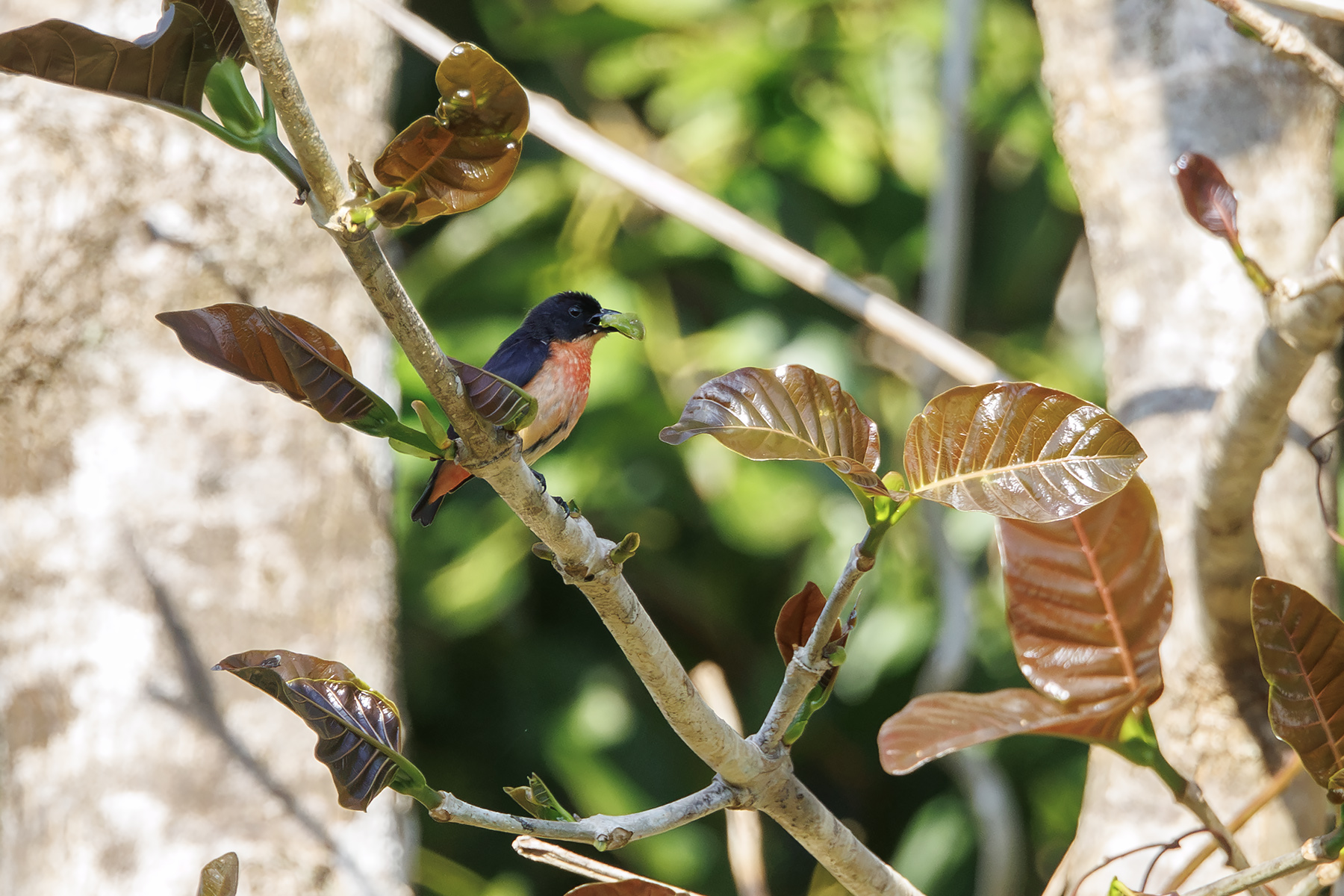
Pink-breasted Flowerpecker (image by Dániel Balla)
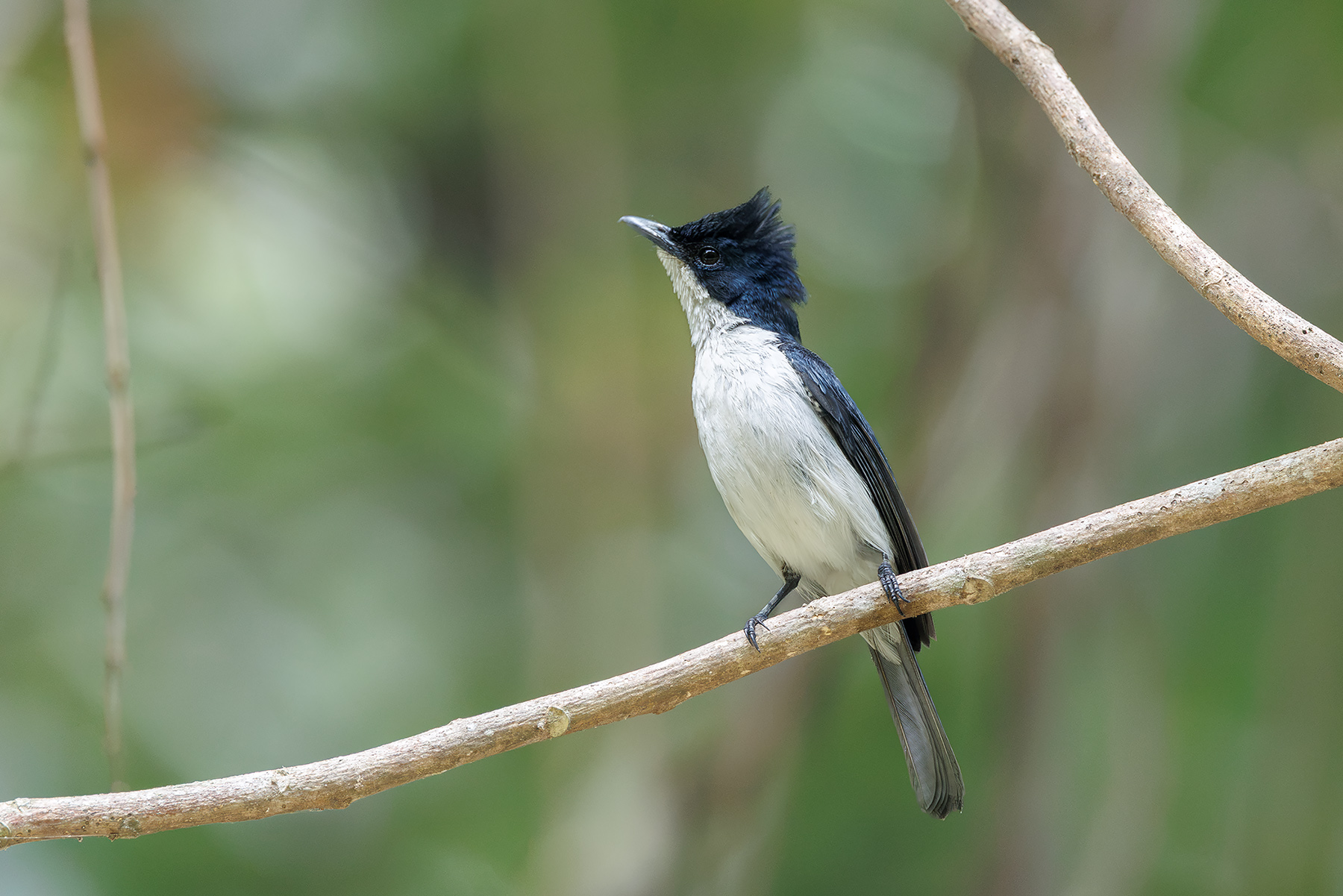
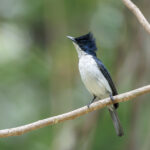
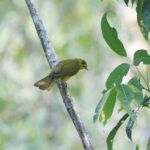
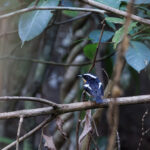
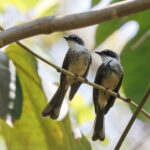
Moluccan Flycatcher (image by Dániel Balla)
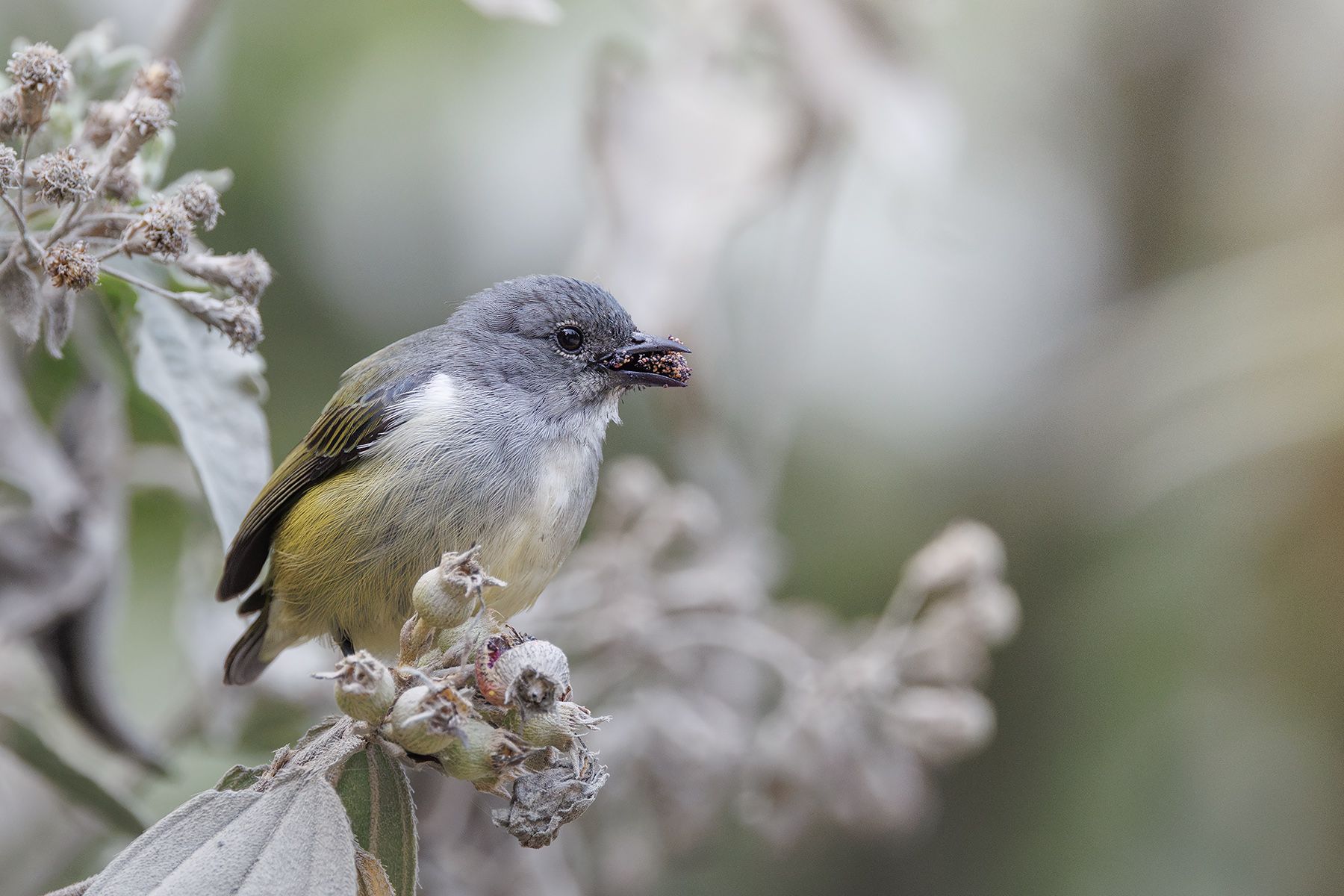
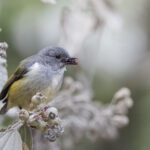
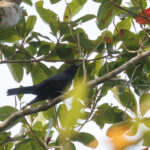
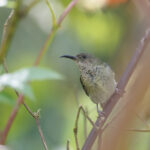
Buru Flowerpecker (image by Dániel Balla)
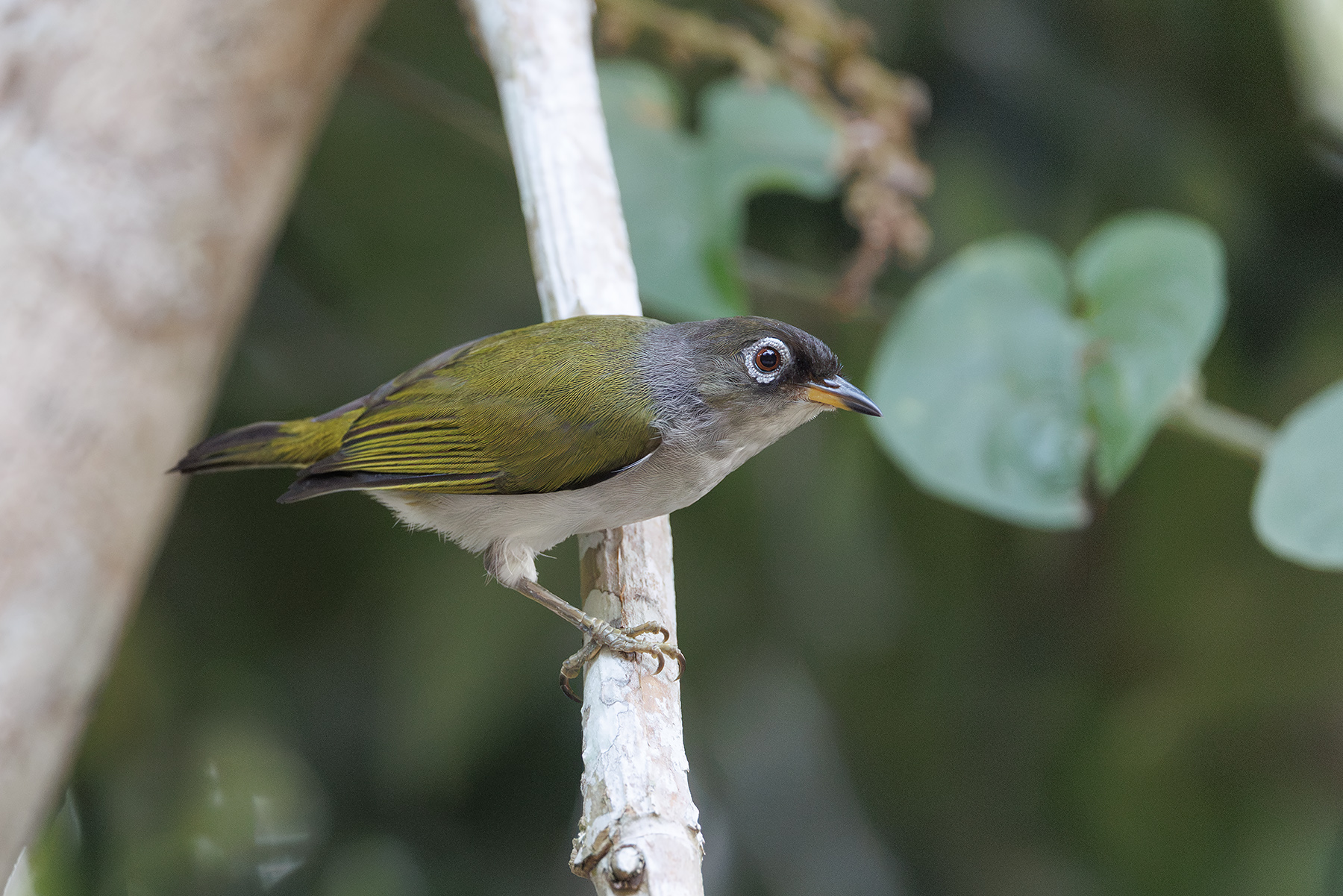
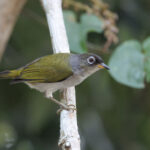
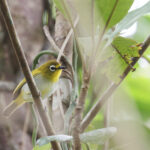
Cream-throated White-eye (image by Dániel Balla)
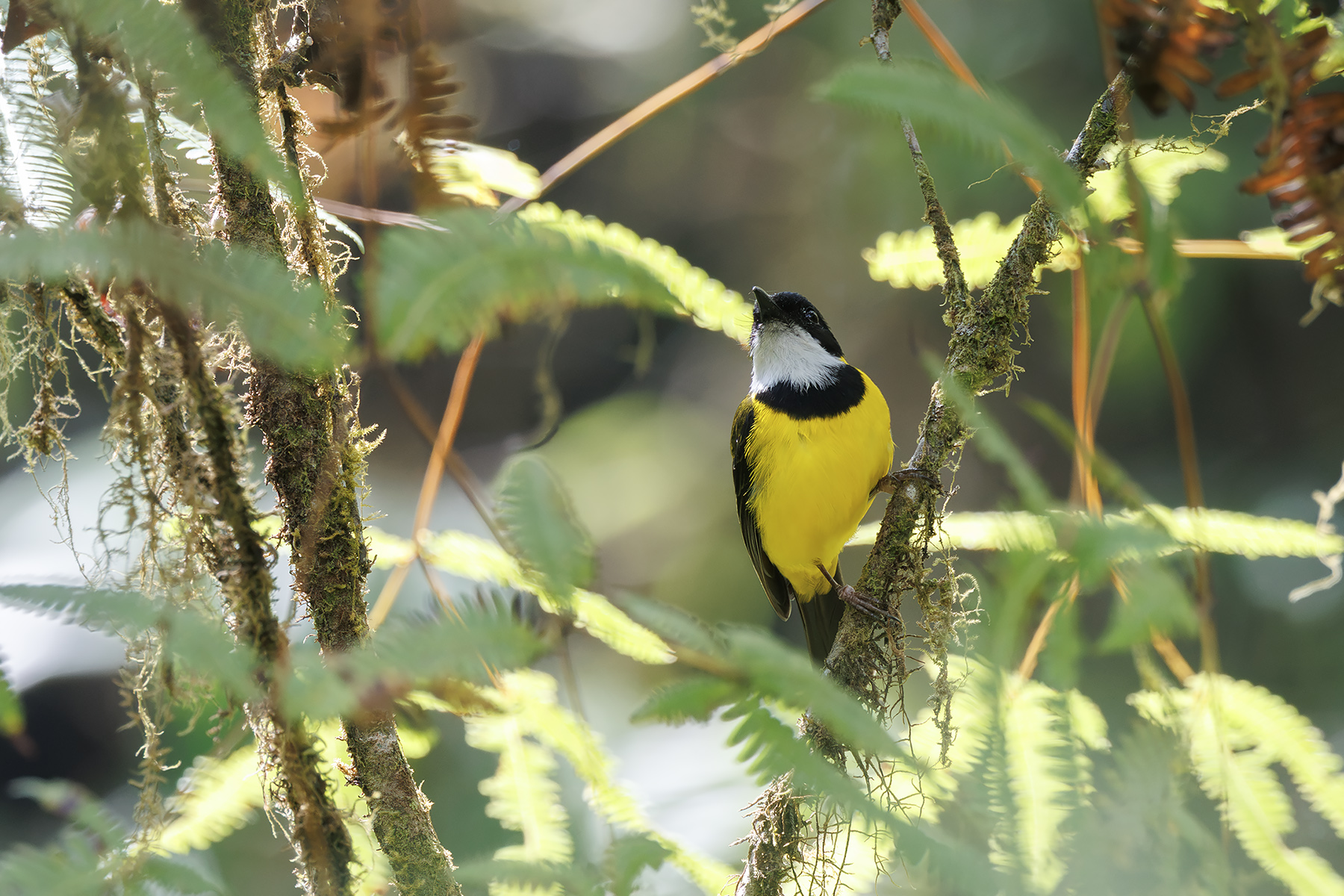
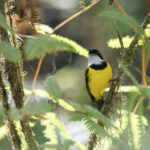
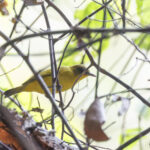
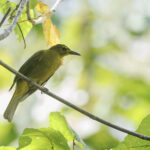
Yellow-throated Whistler (image by Dániel Balla)
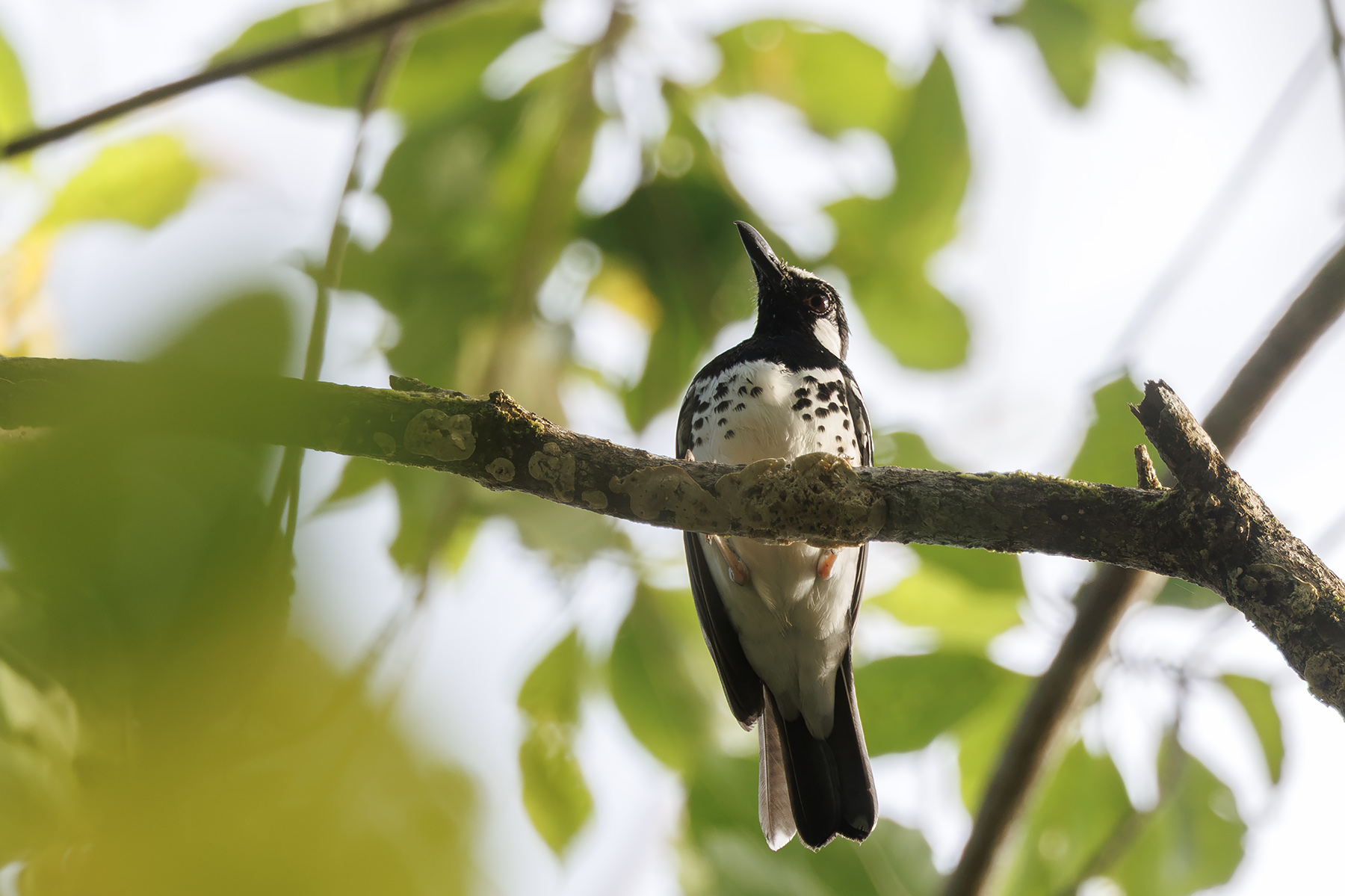
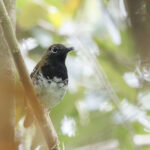
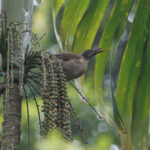
Slaty-backed Thrush (image by Dániel Balla)
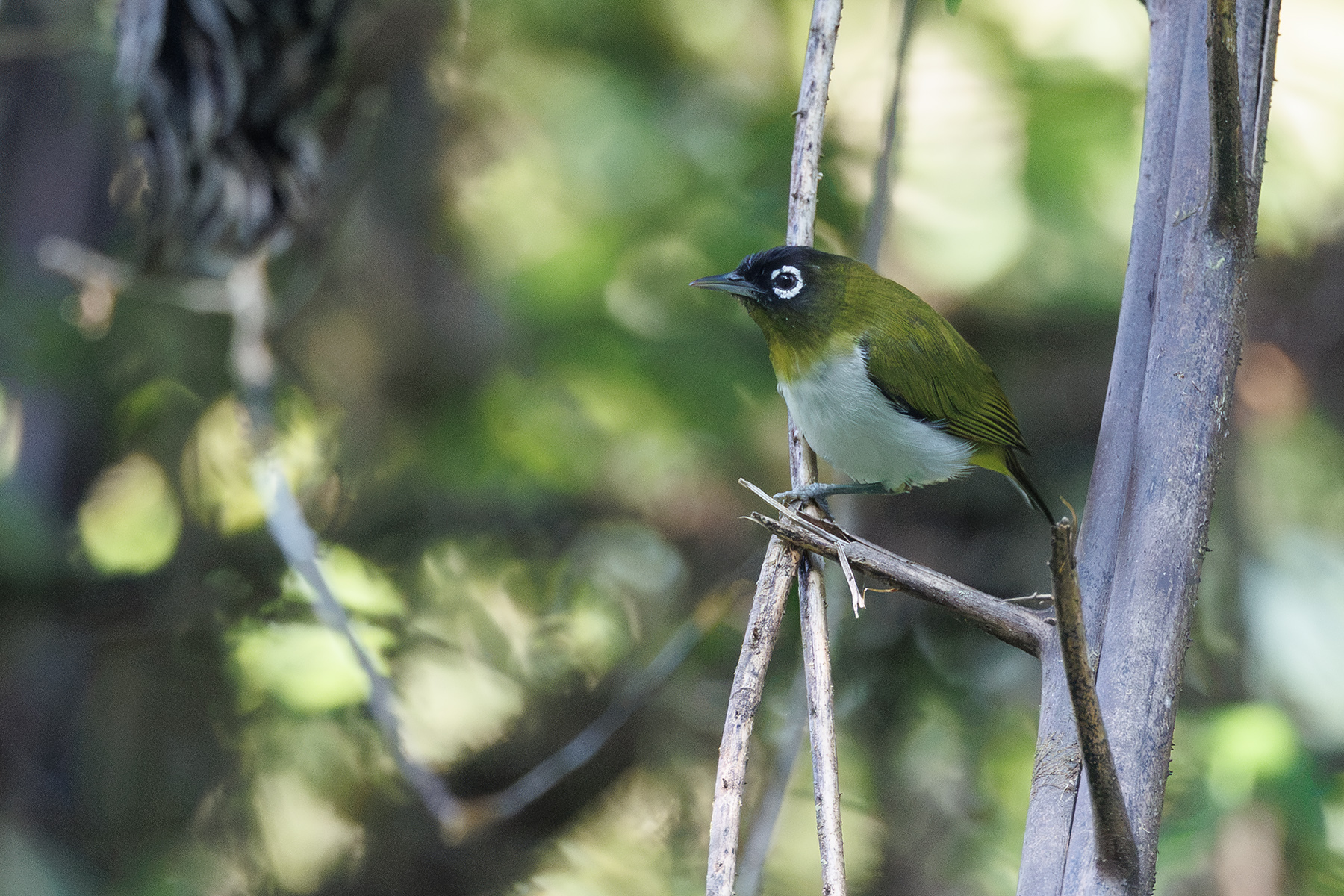
Seram White-eye (image by Dániel Balla)
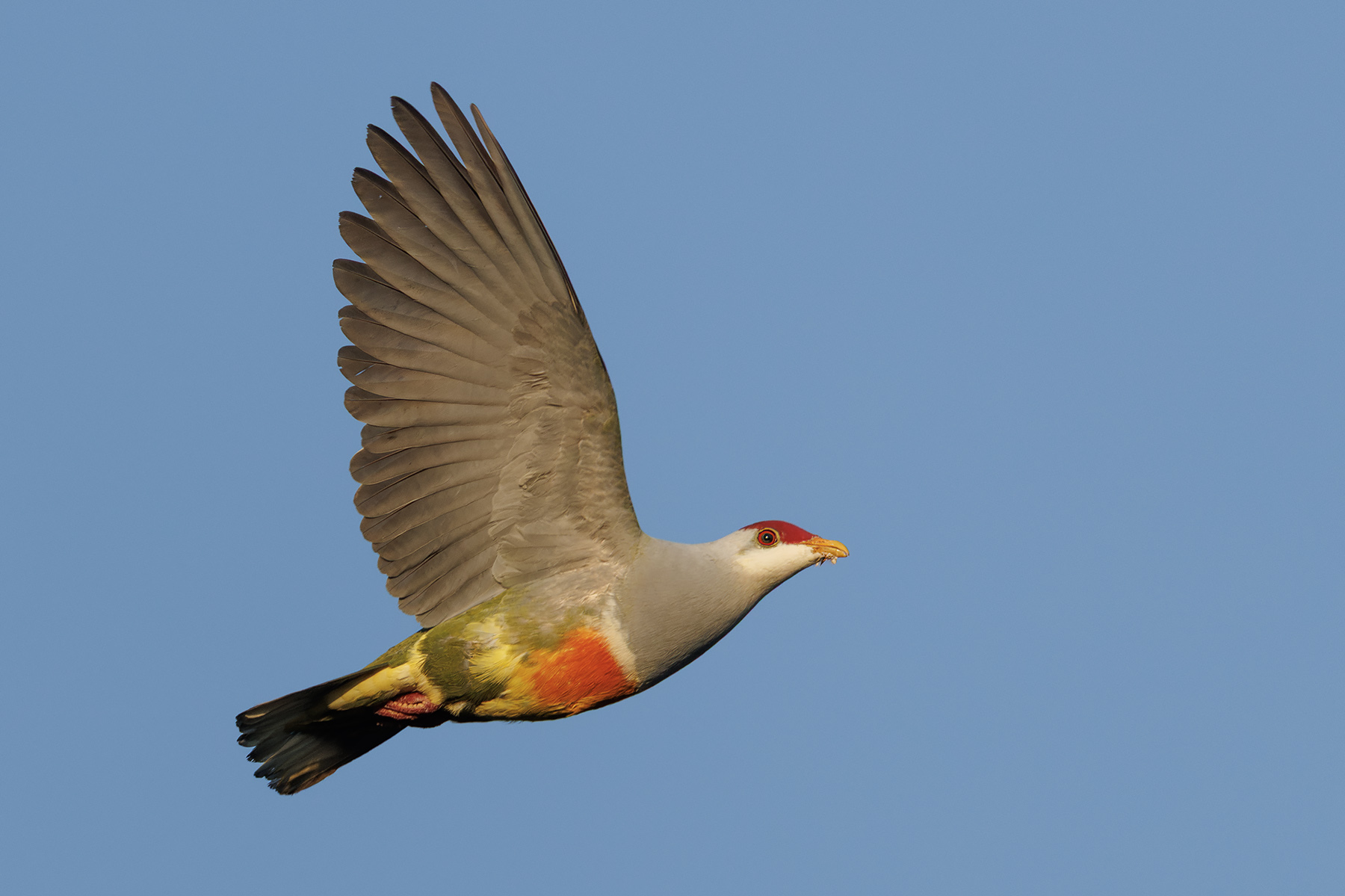
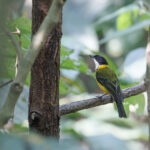
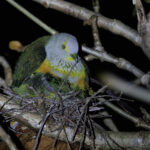
Wallace's Fruit Dove (image by Dániel Balla)
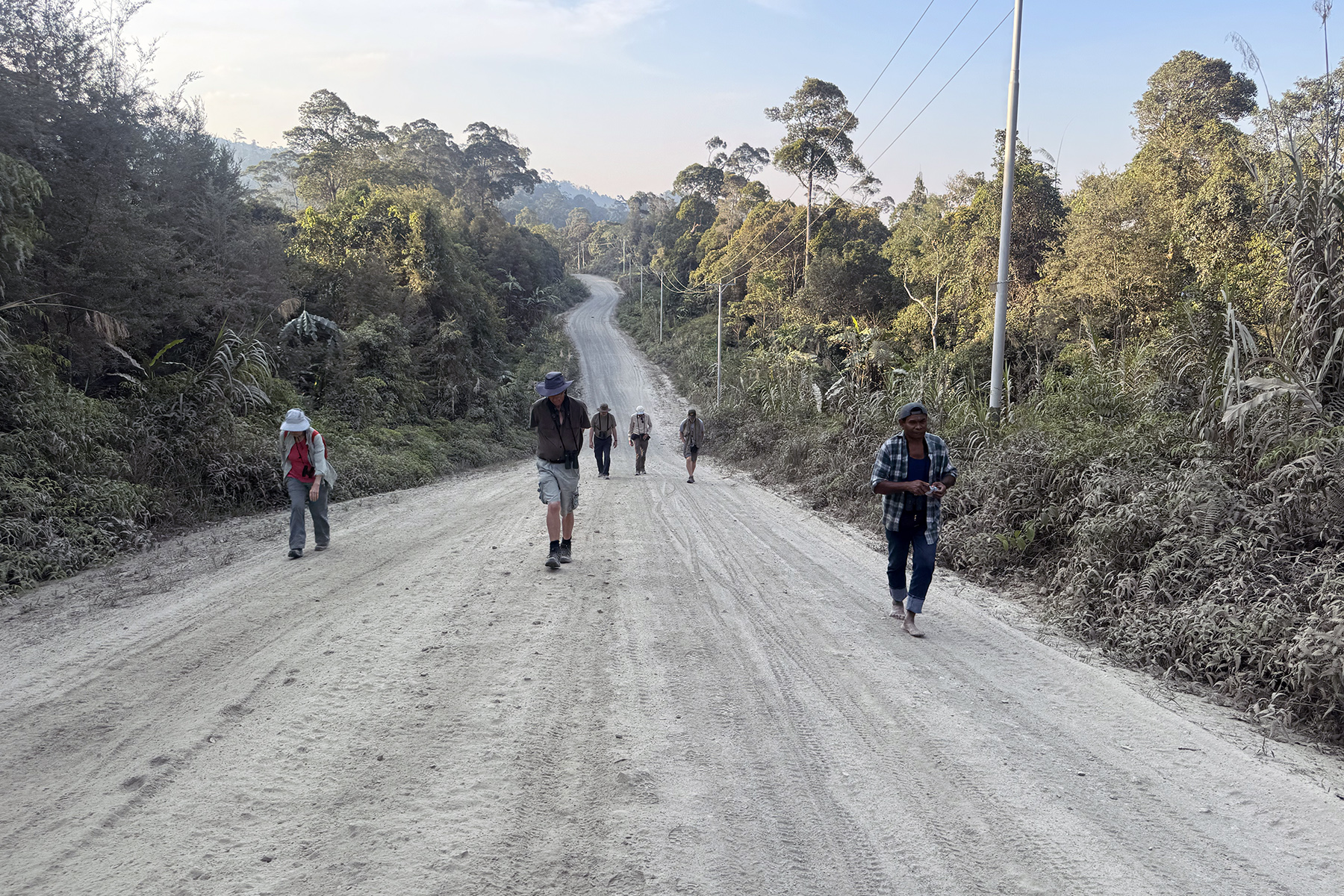
Birding on Buru (image by Dániel Balla)
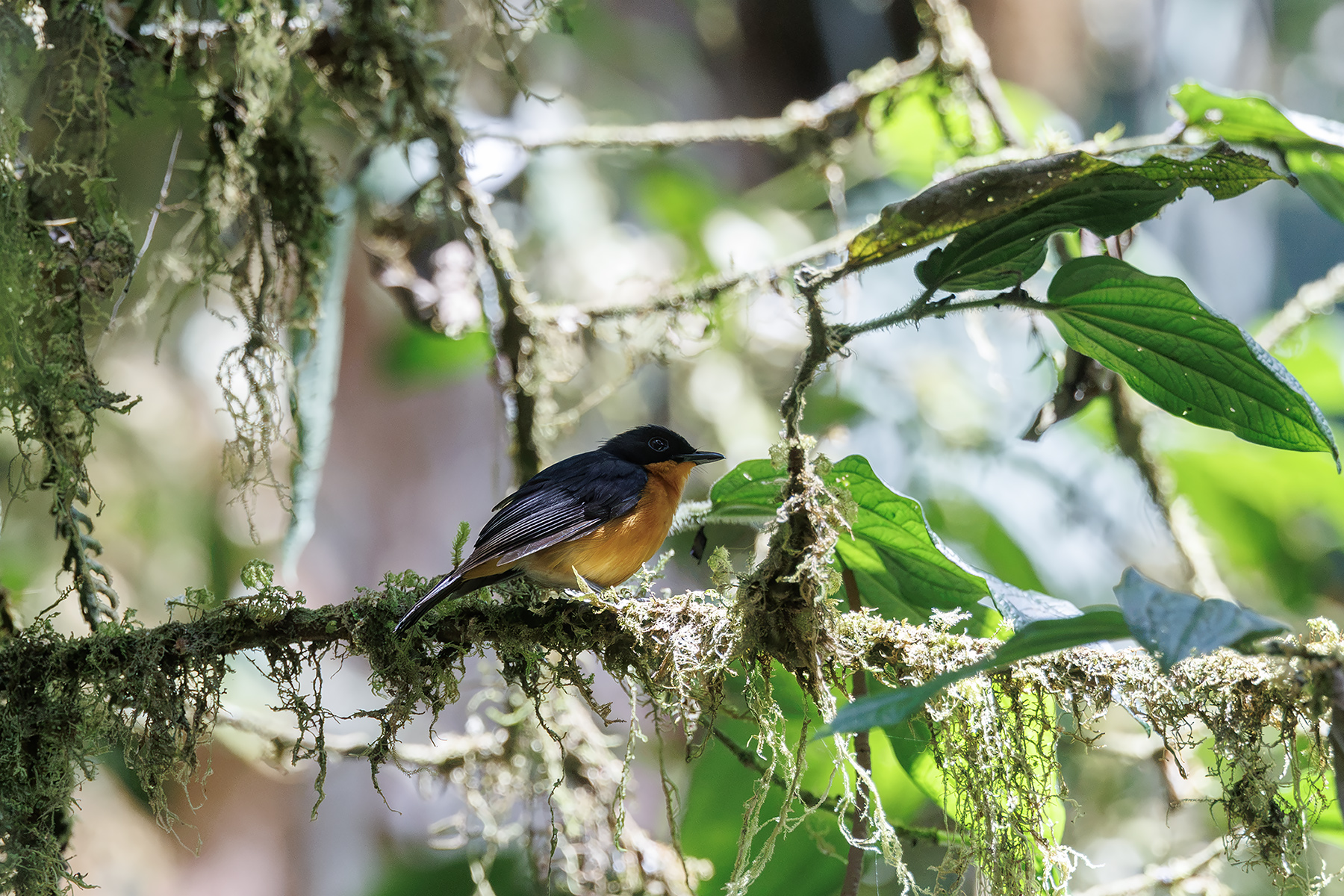
Cinnamon-chested Flycatcher (image by Dániel Balla)
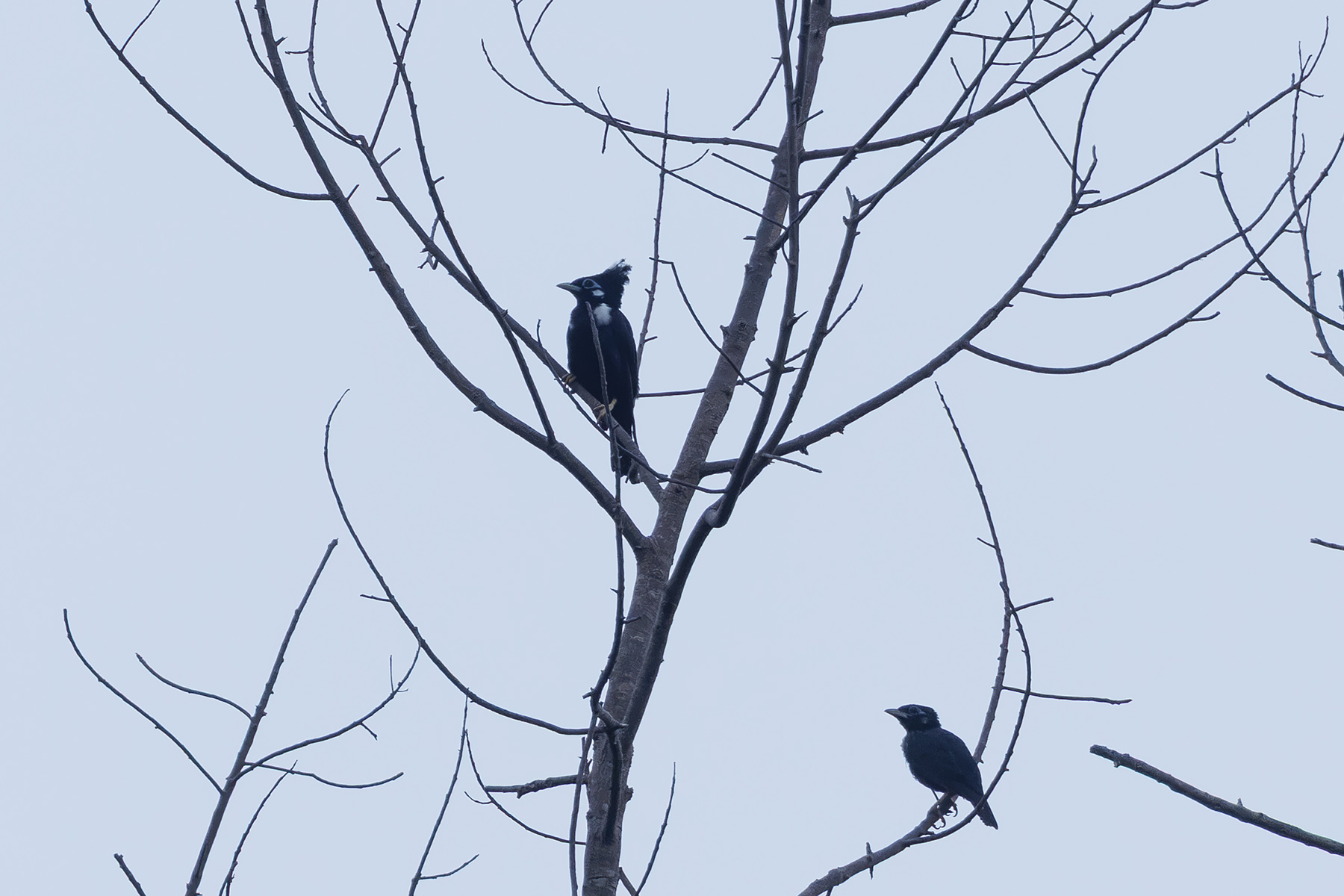
Long-crested Myna (image by Dániel Balla)
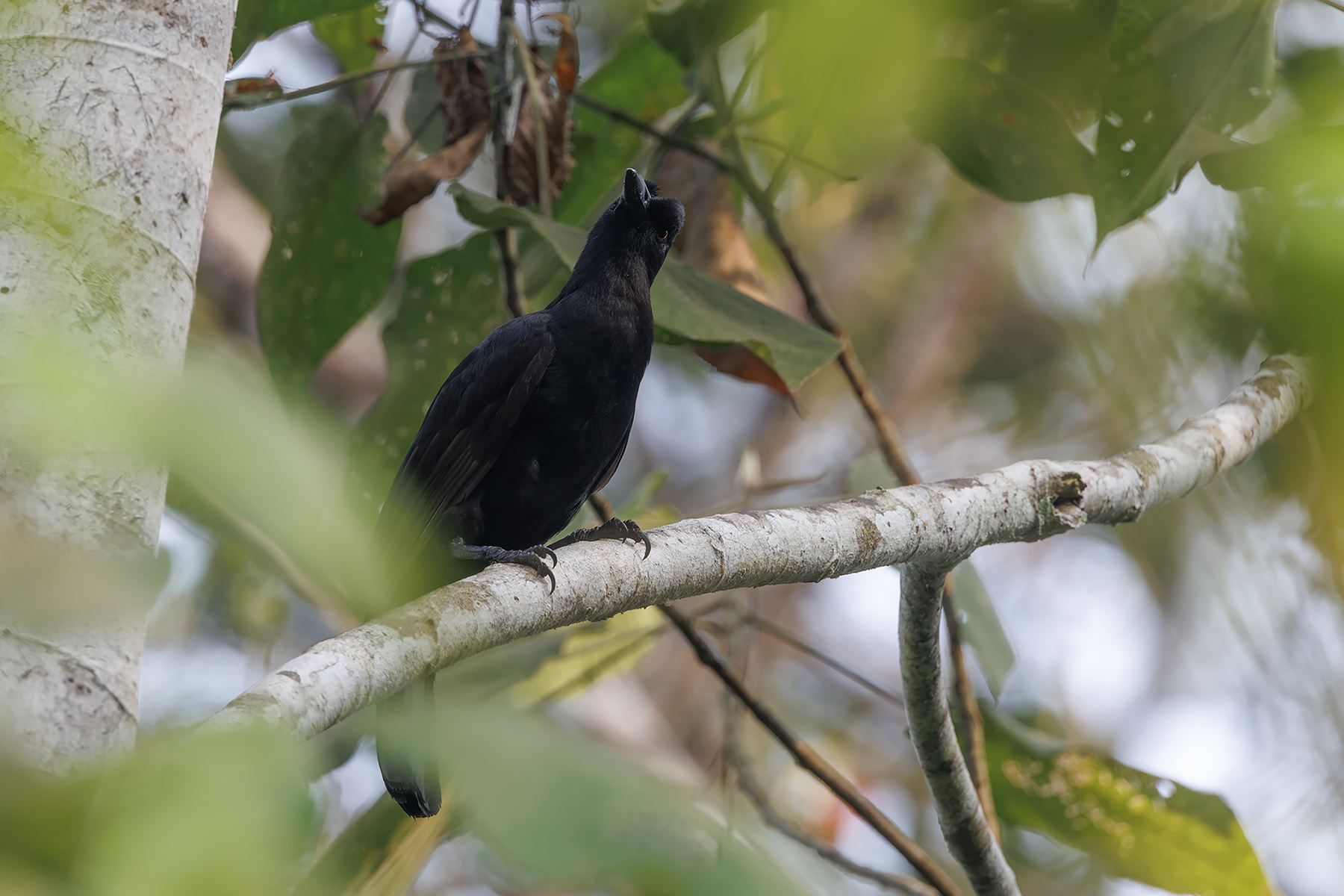
Obi Paradise-crow (image by Dániel Balla)
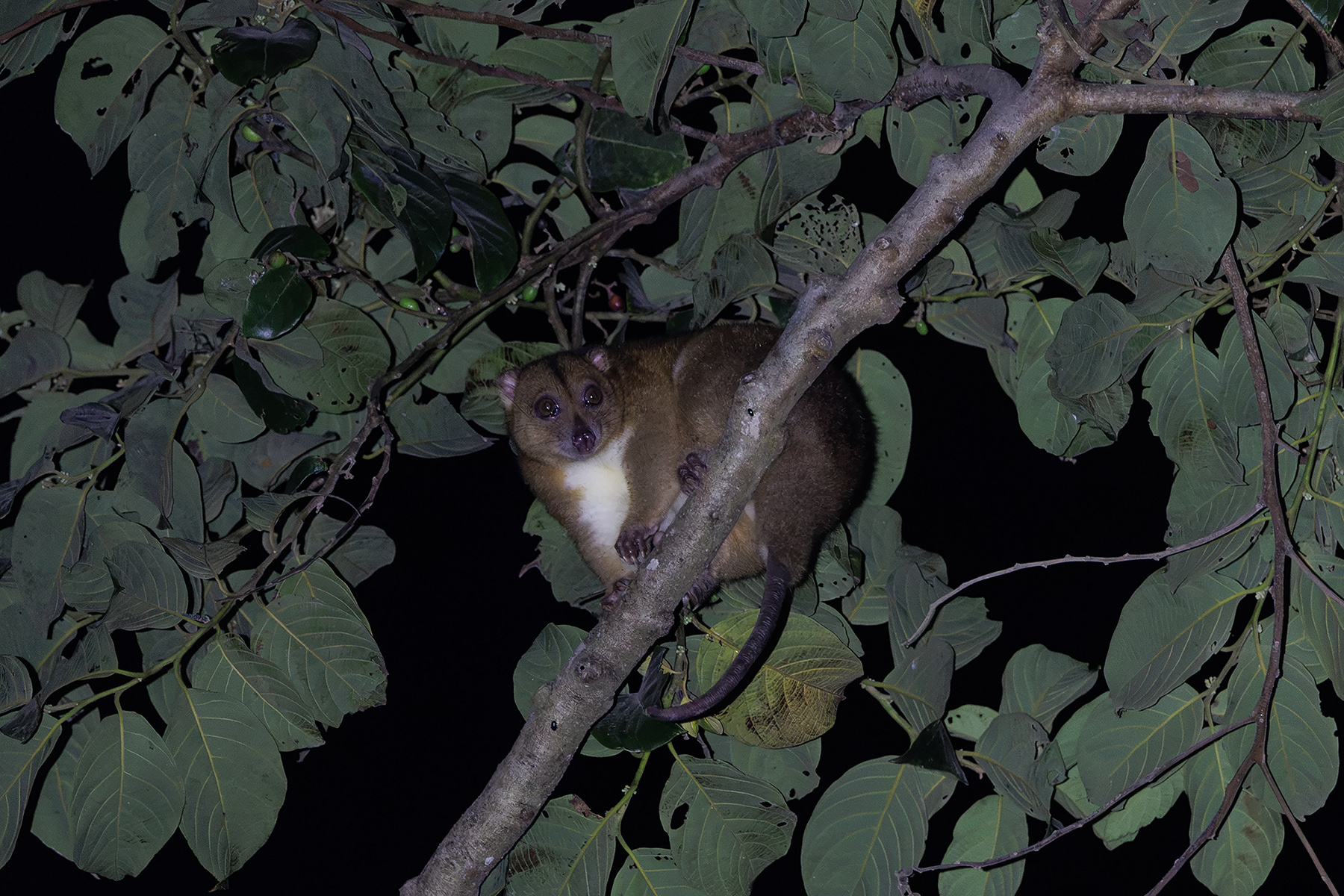
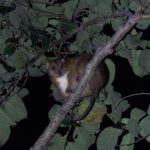
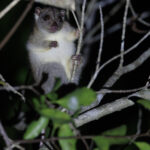
Obi Cuscus (image by Dániel Balla)
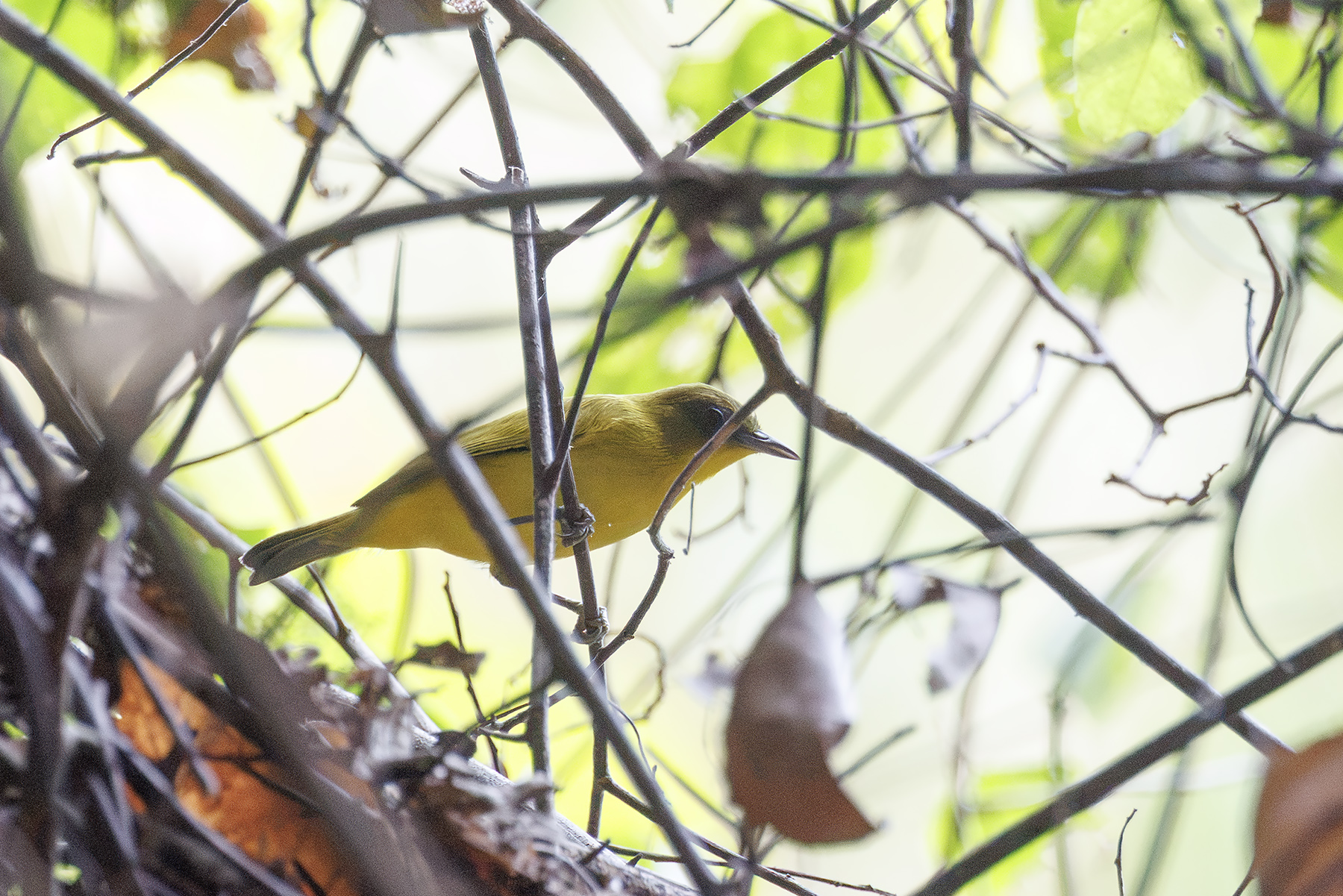
Kai Kecil White-eye (image by Dániel Balla)
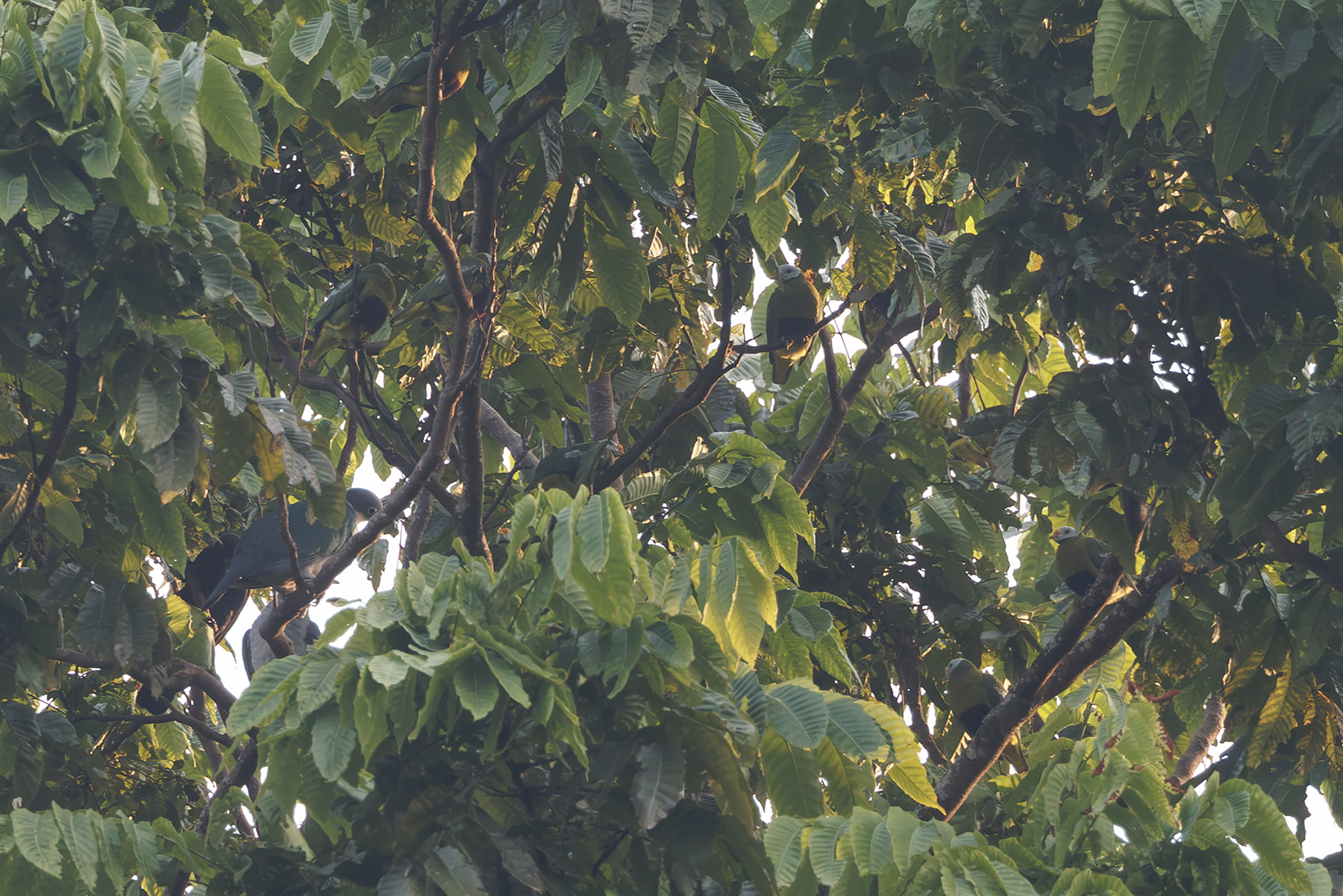
Carunculated Fruit Dove (image by Dániel Balla)
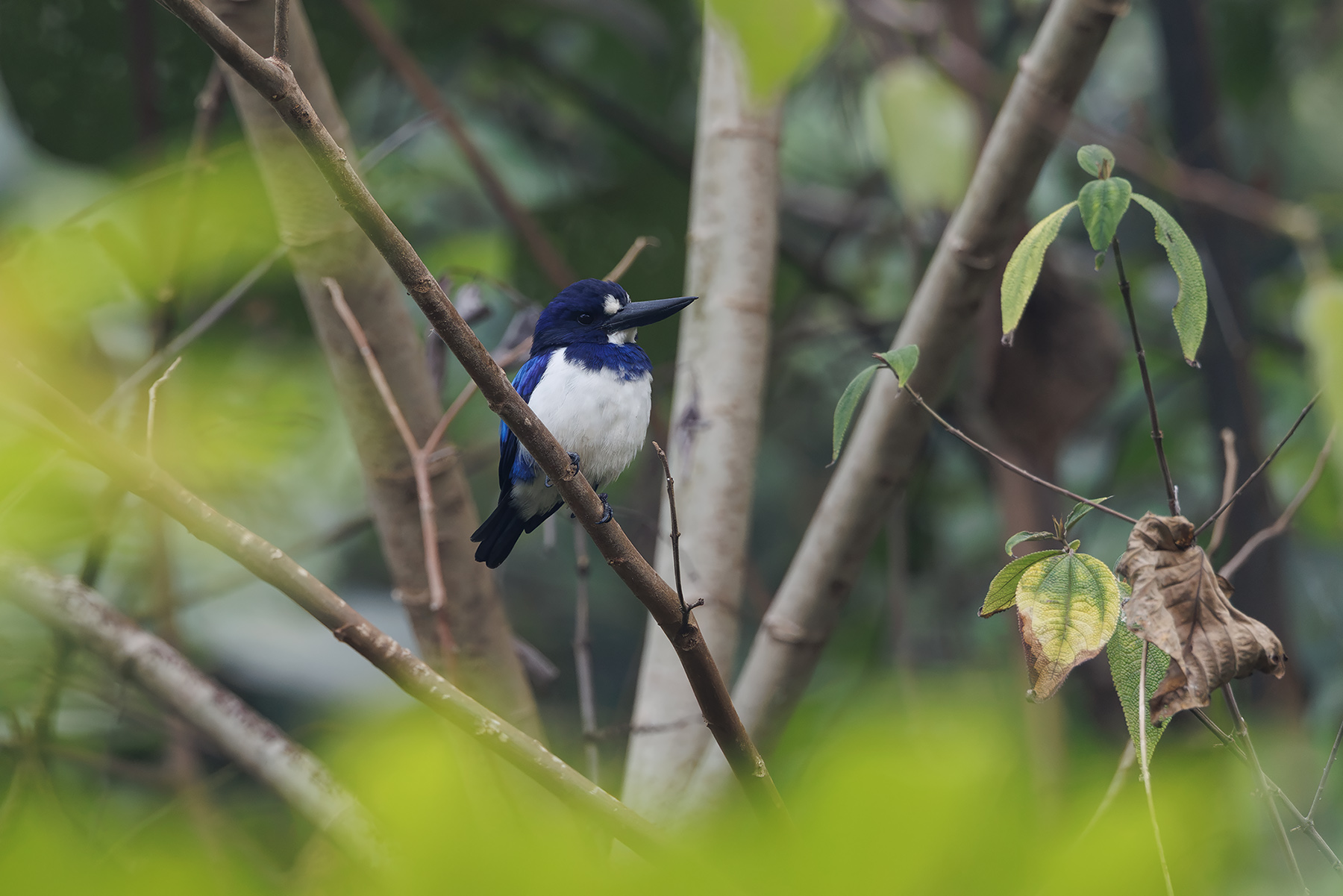
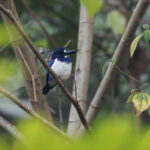
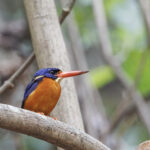
Blue-and-white Kingfisher (image by Dániel Balla)
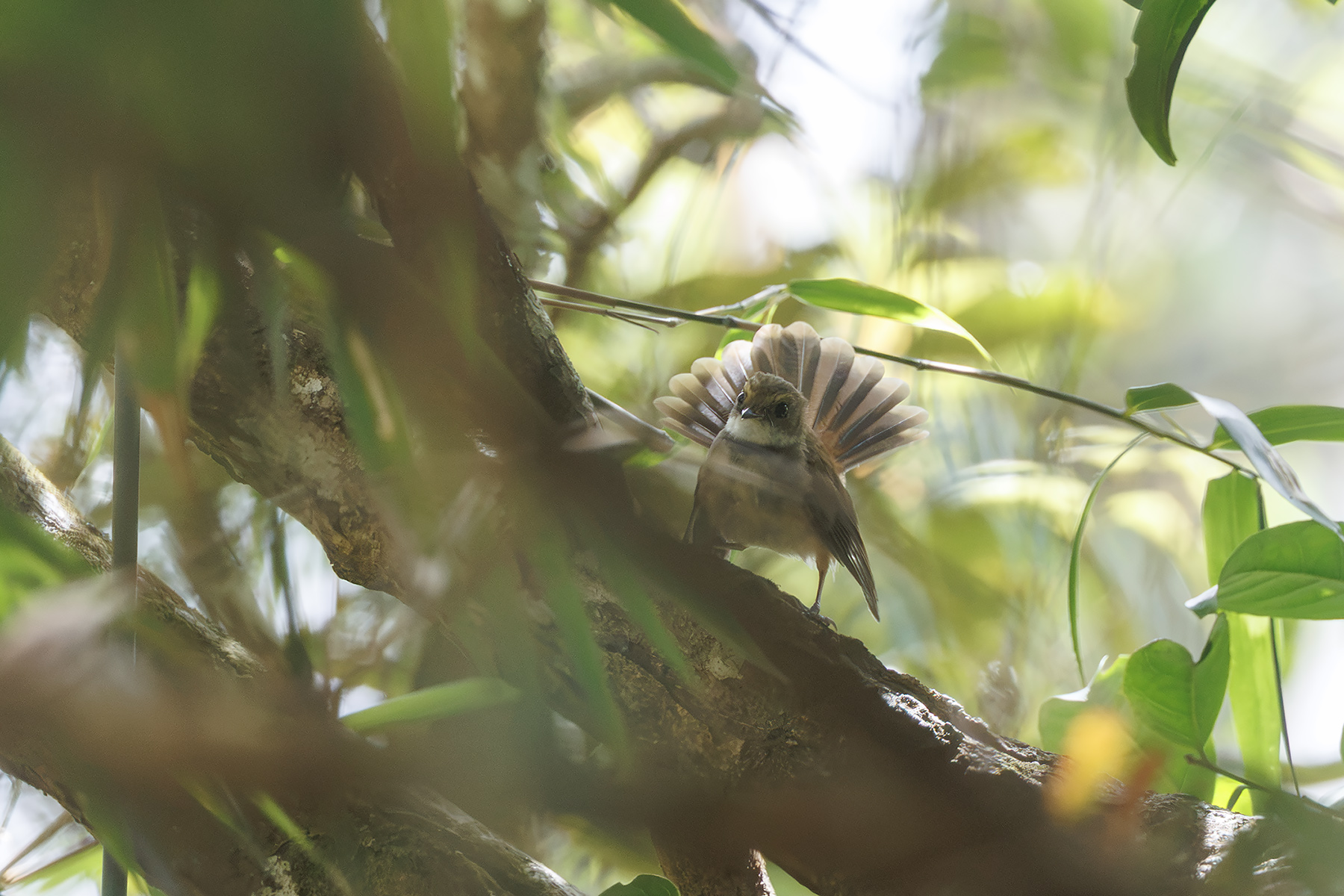
Tawny-backed Fantail (image by Dániel Balla)
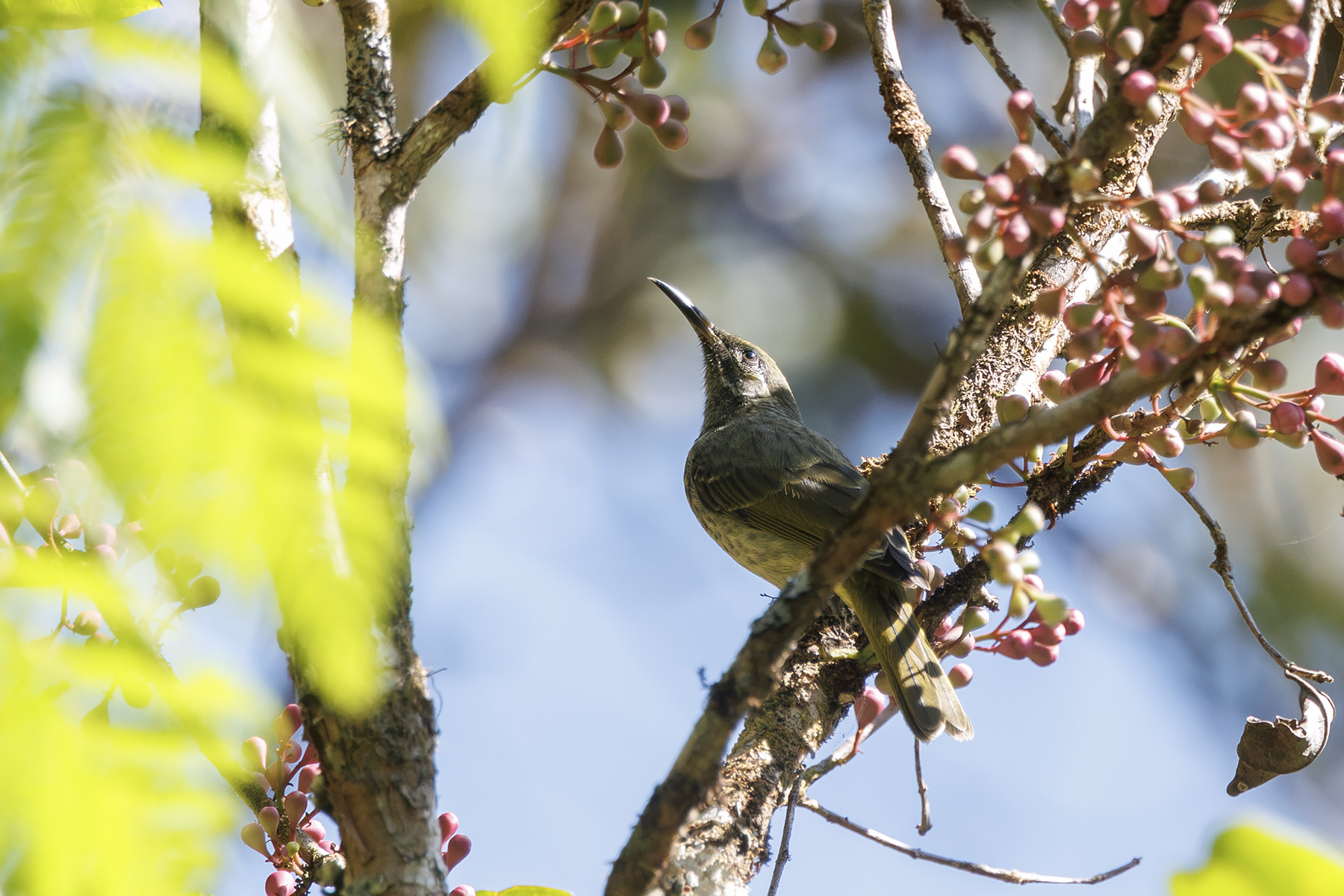
Seram Honeyeater (image by Dániel Balla)
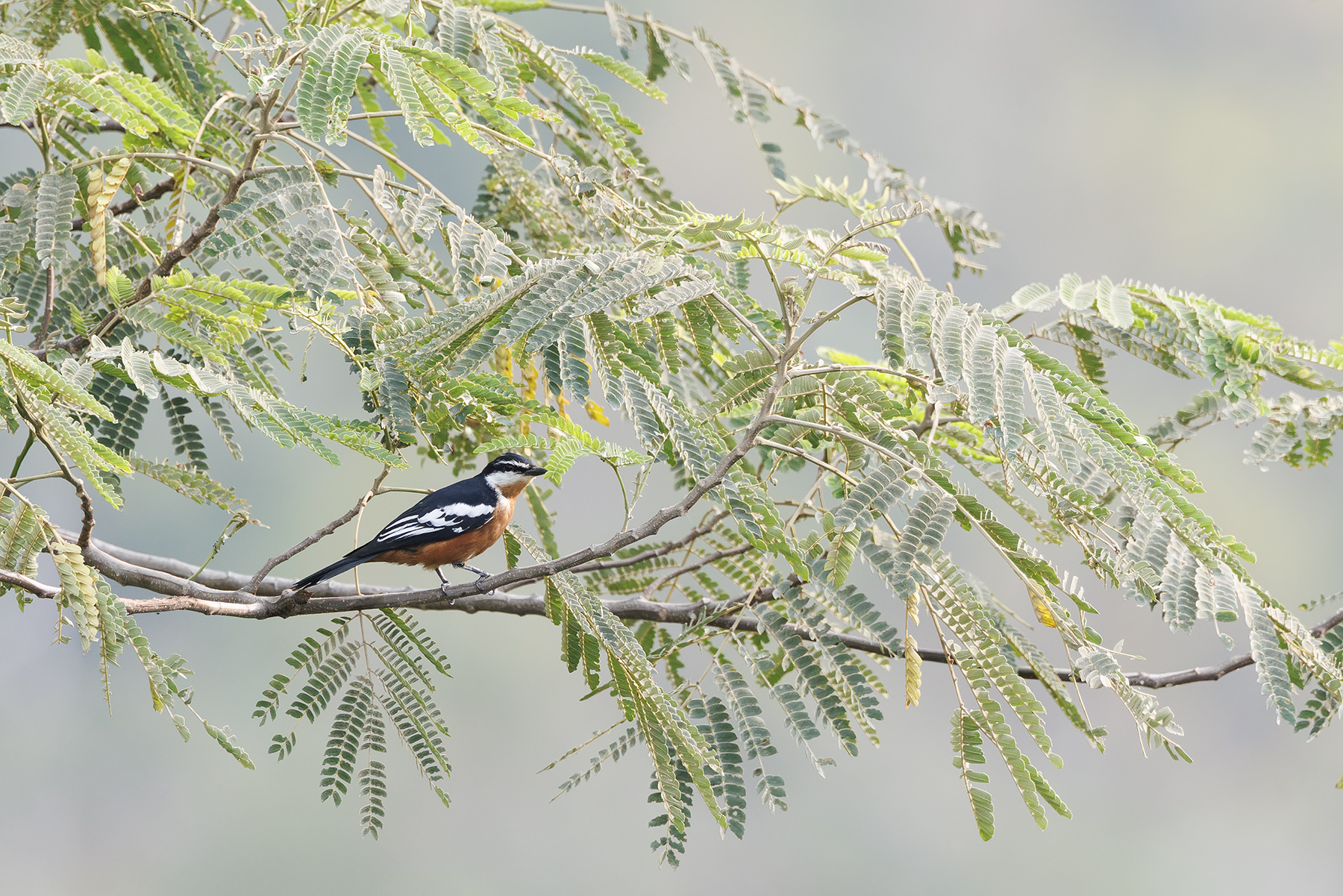
Rufous-bellied Triller (image by Dániel Balla)
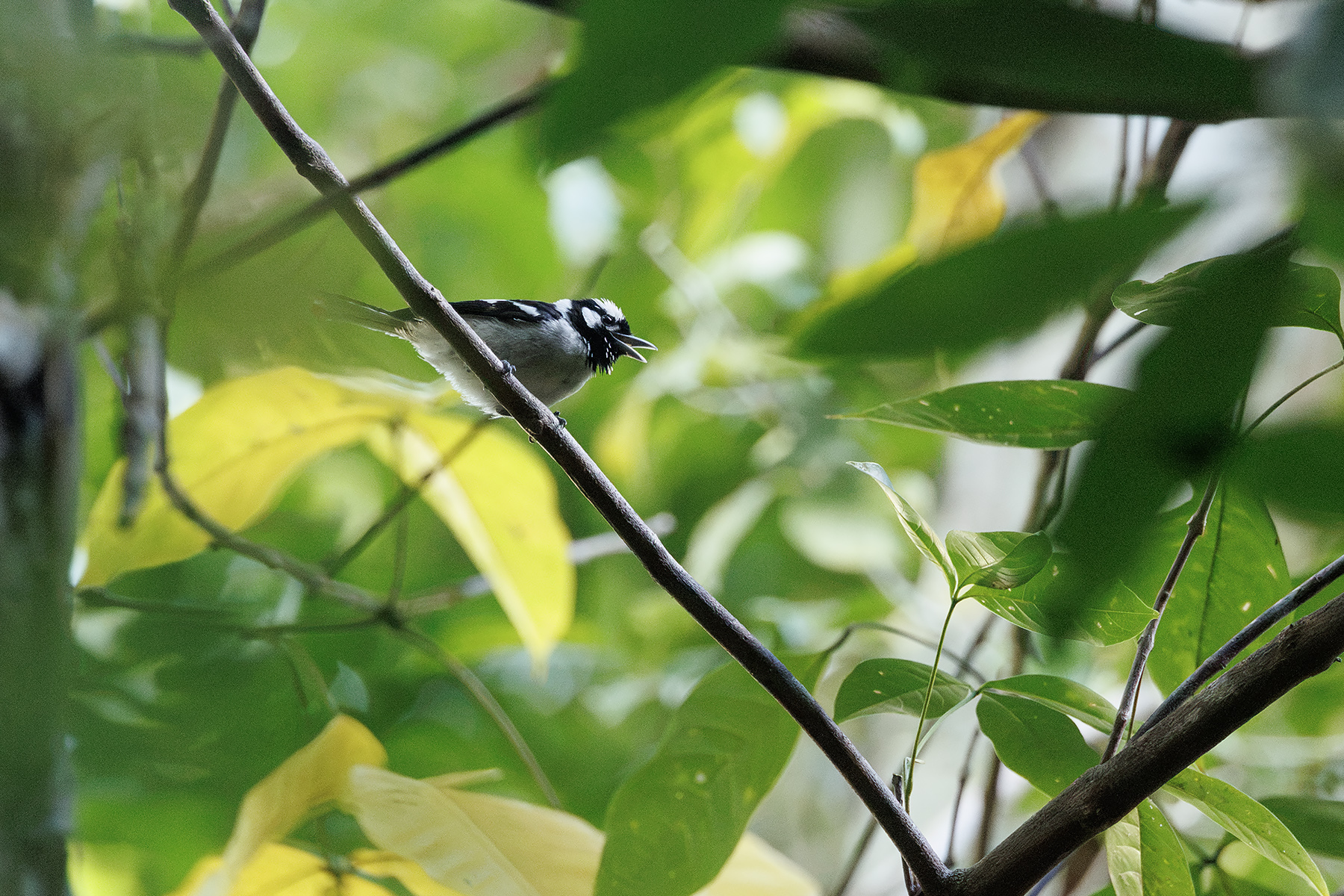
Tanimbar Monarch (image by Dániel Balla)
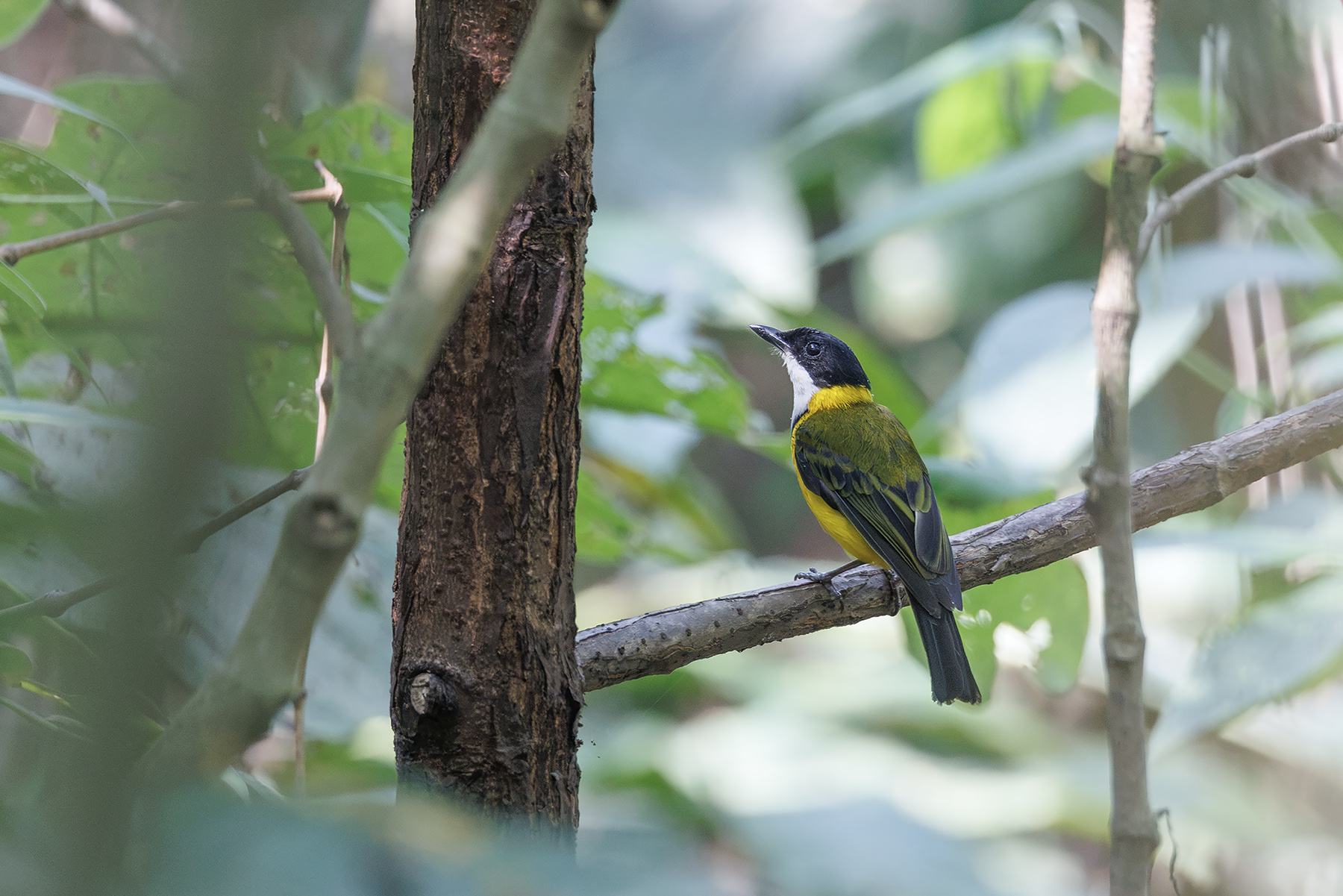
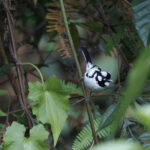
Black-chinned Whistler (image by Dániel Balla)
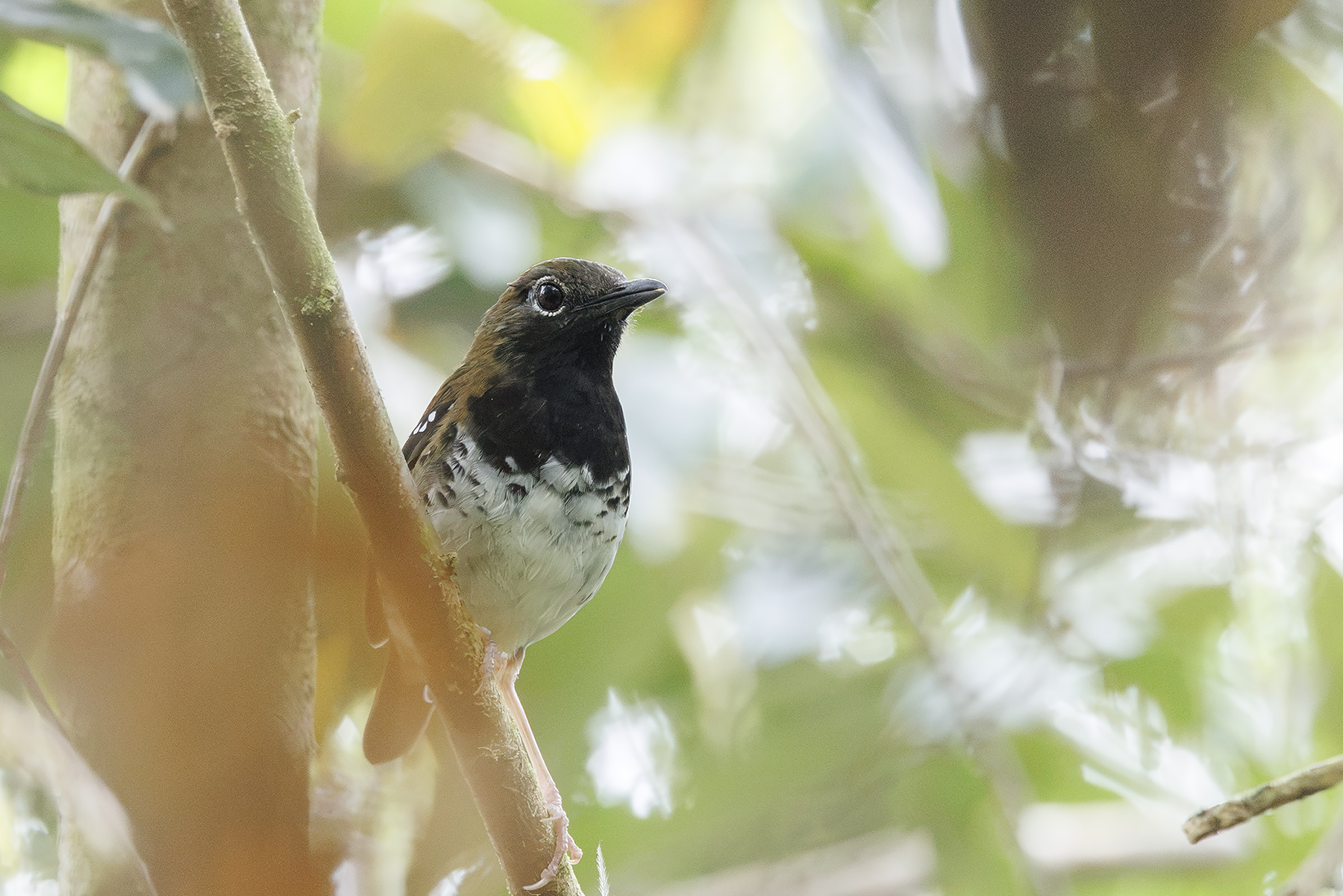
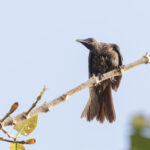
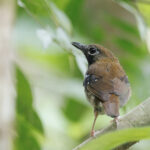
Buru Thrush (image by Dániel Balla)
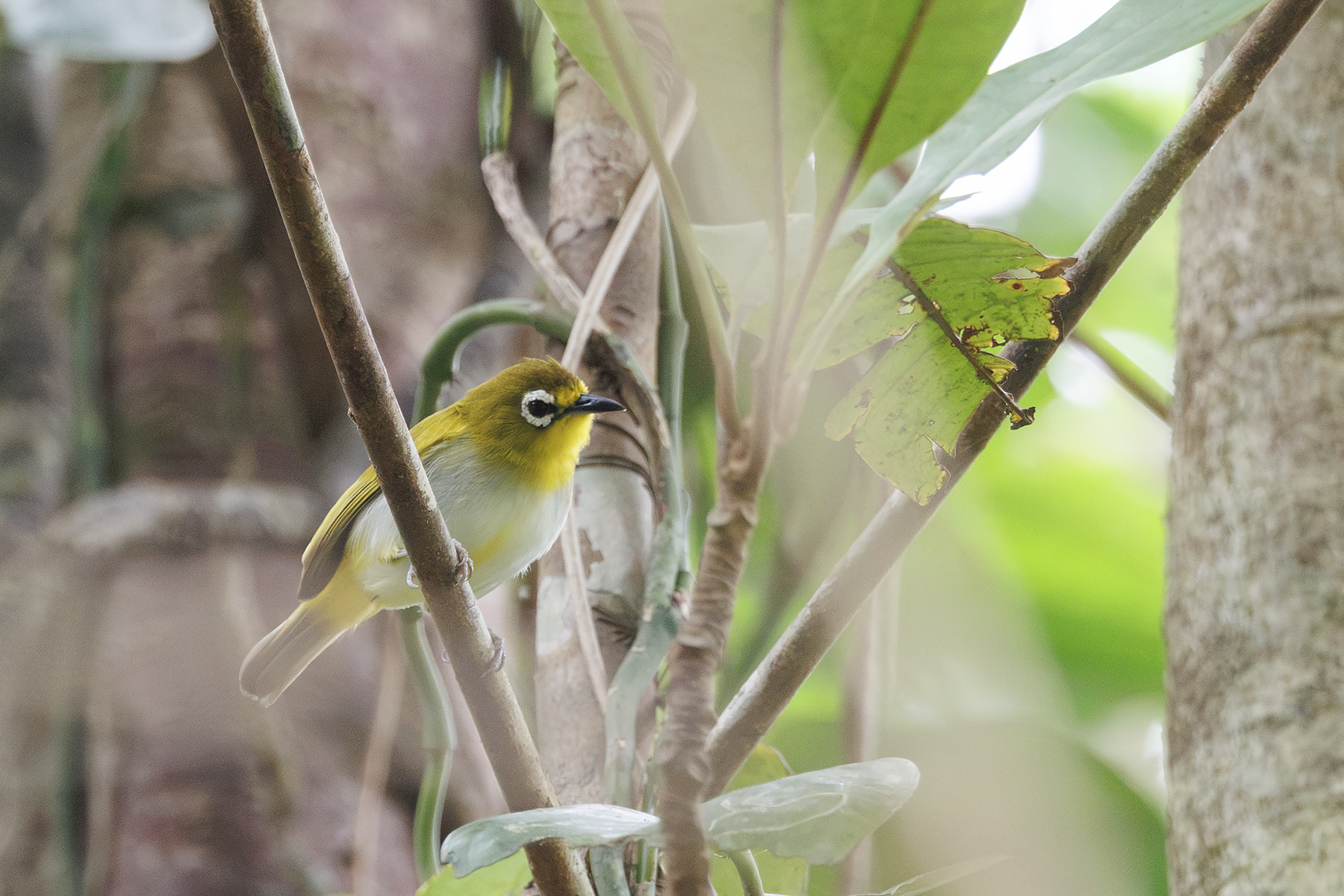
Kai Besar White-eye (image by Dániel Balla)
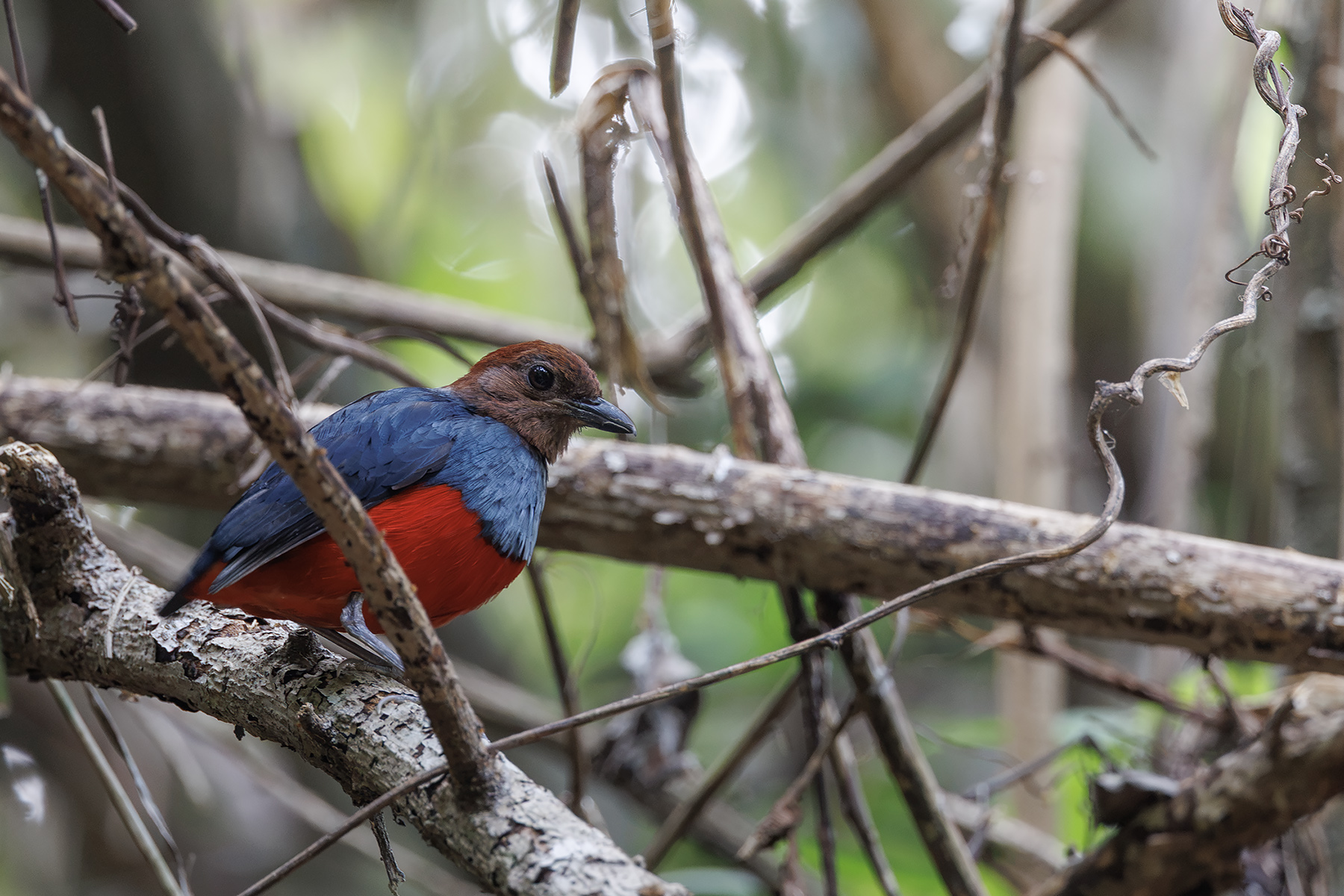
North Moluccan Pitta (image by Dániel Balla)
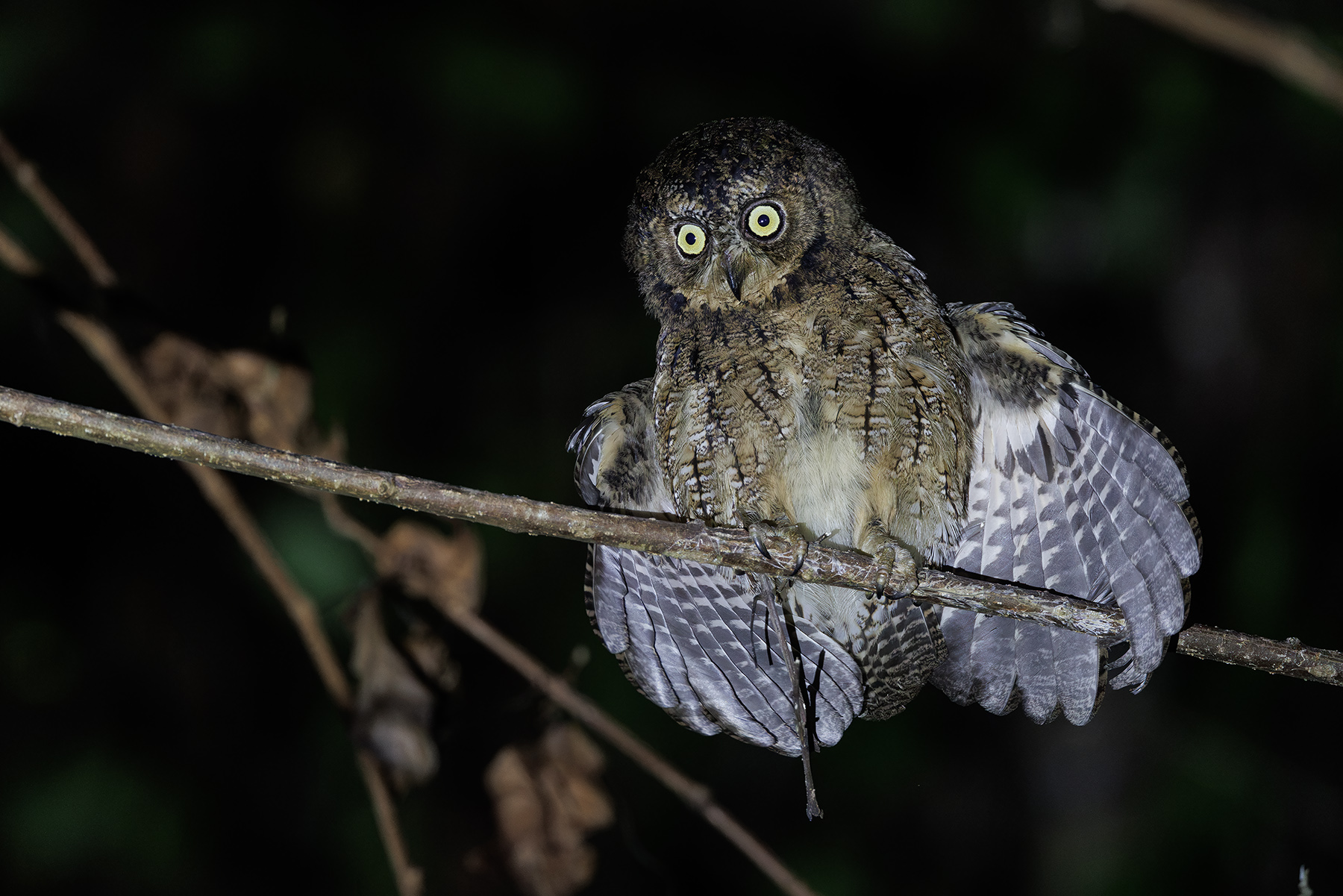
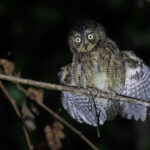
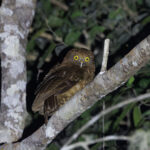
Moluccan Scops Owl (image by Dániel Balla)
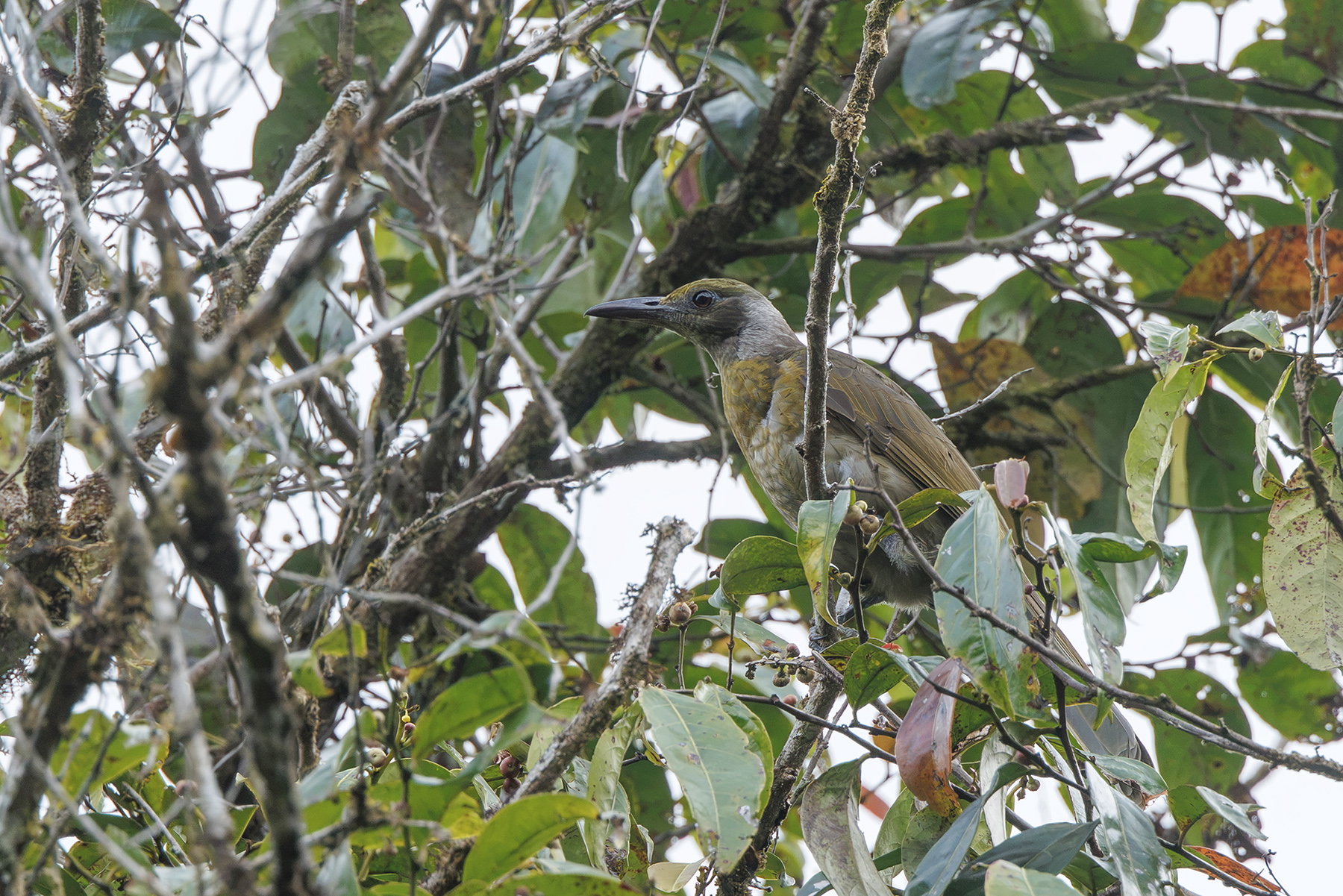
Grey-collared Oriole (image by Dániel Balla)
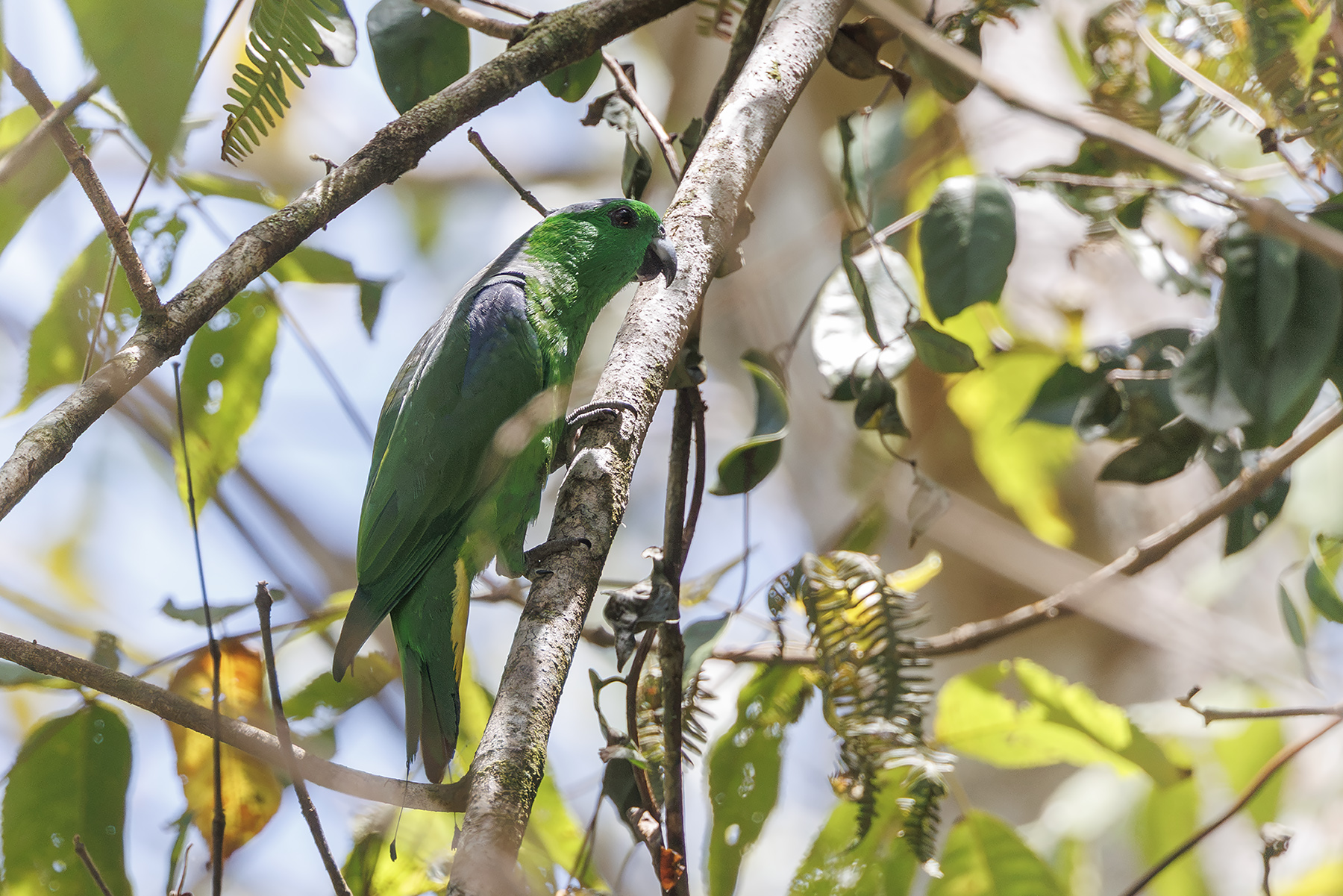
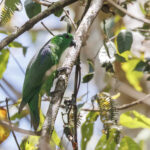
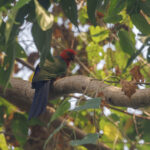
Buru Racket-tail (image by Dániel Balla)
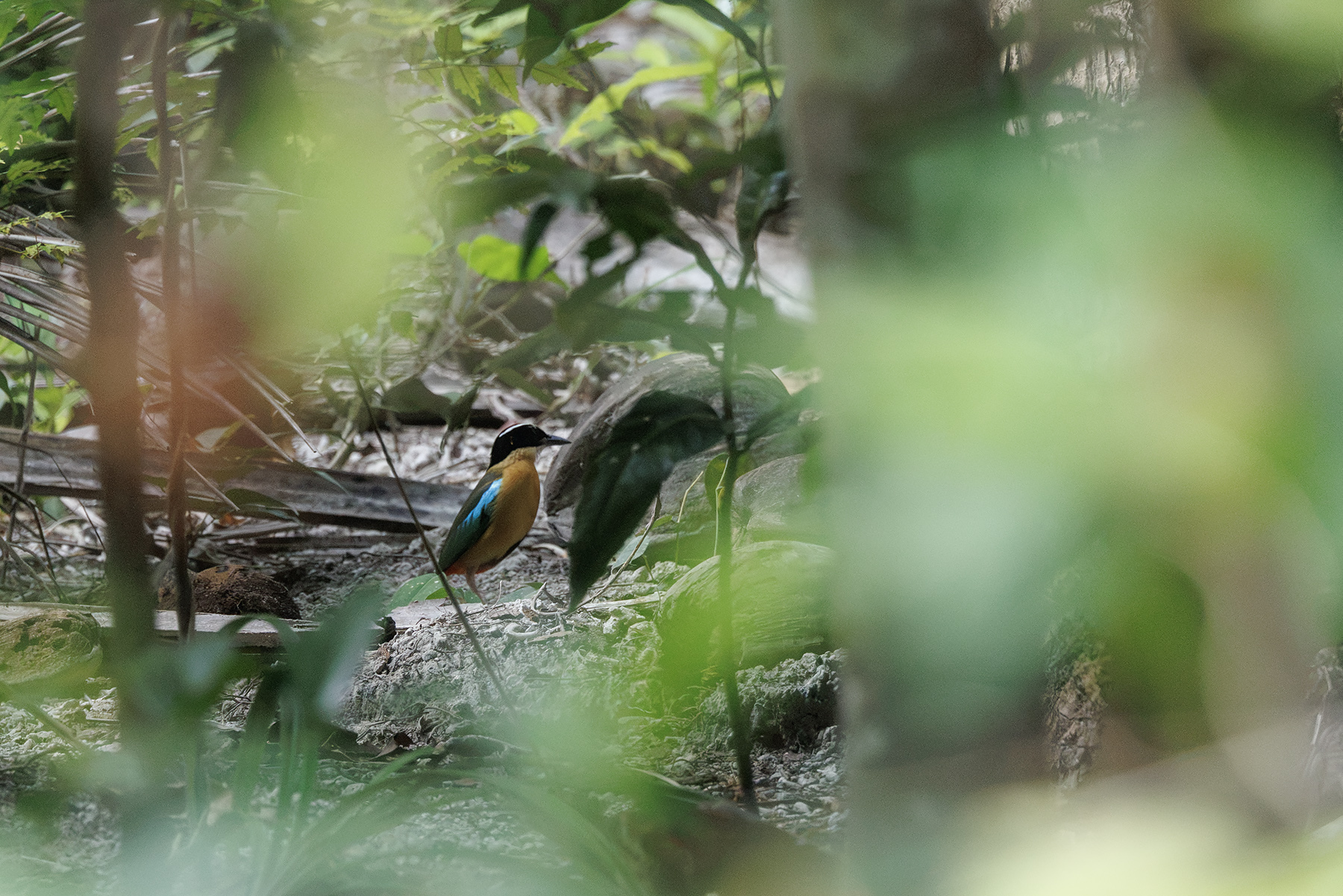
Banda Sea Pitta (image by Dániel Balla)
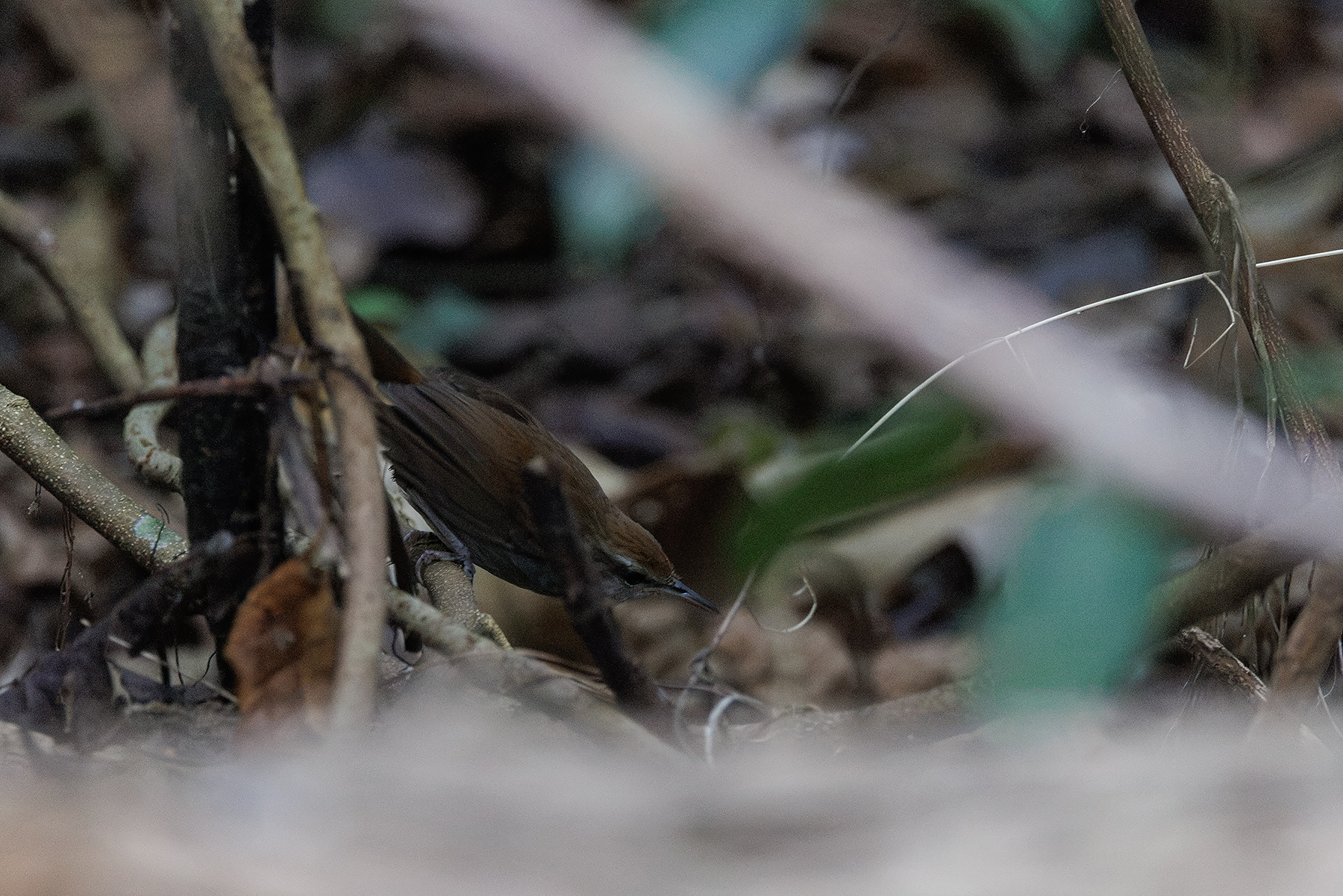
Tanimbar Bush Warbler (image by Dániel Balla)
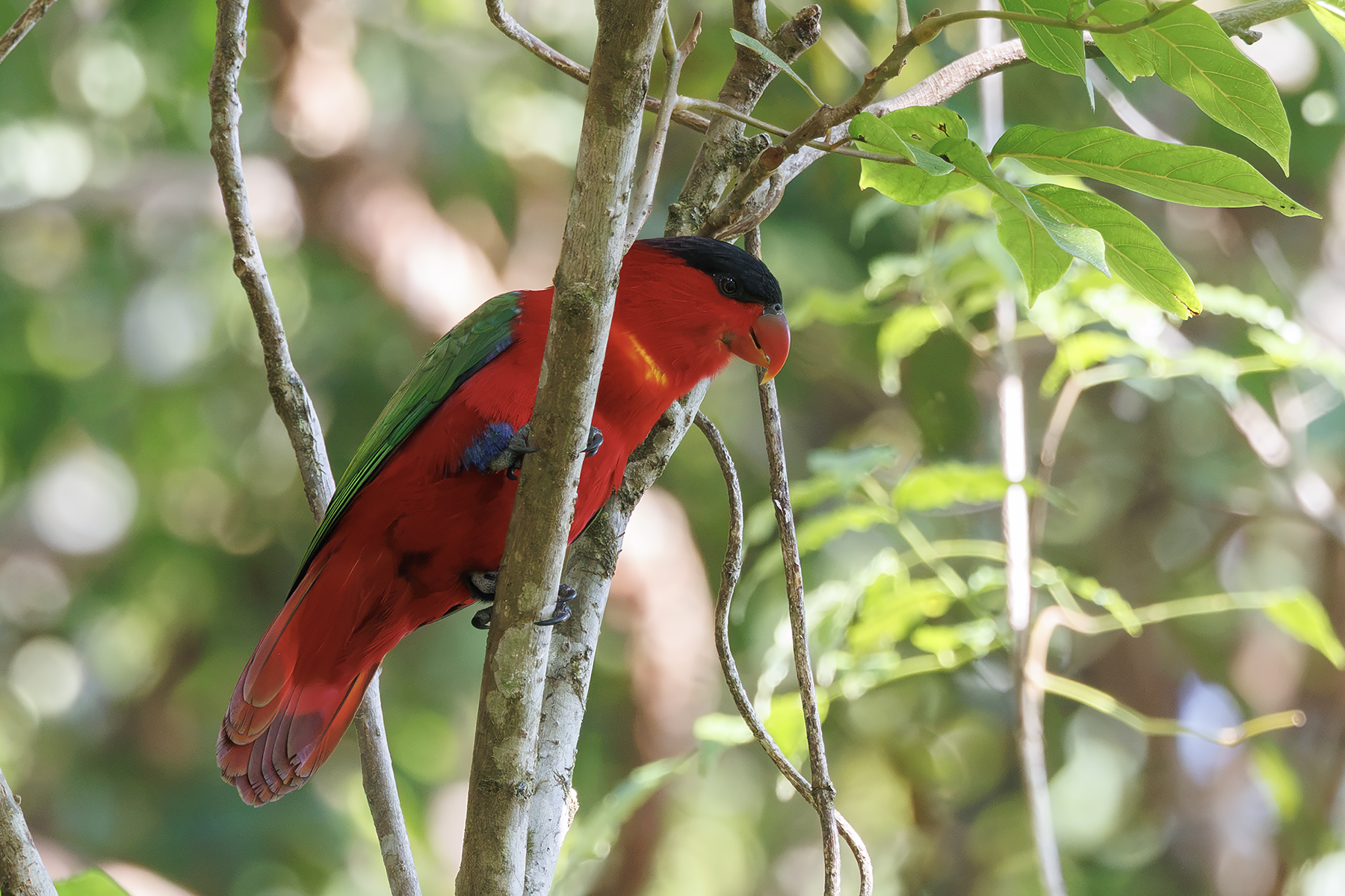
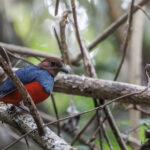
Purple-naped Lory (image by Dániel Balla)
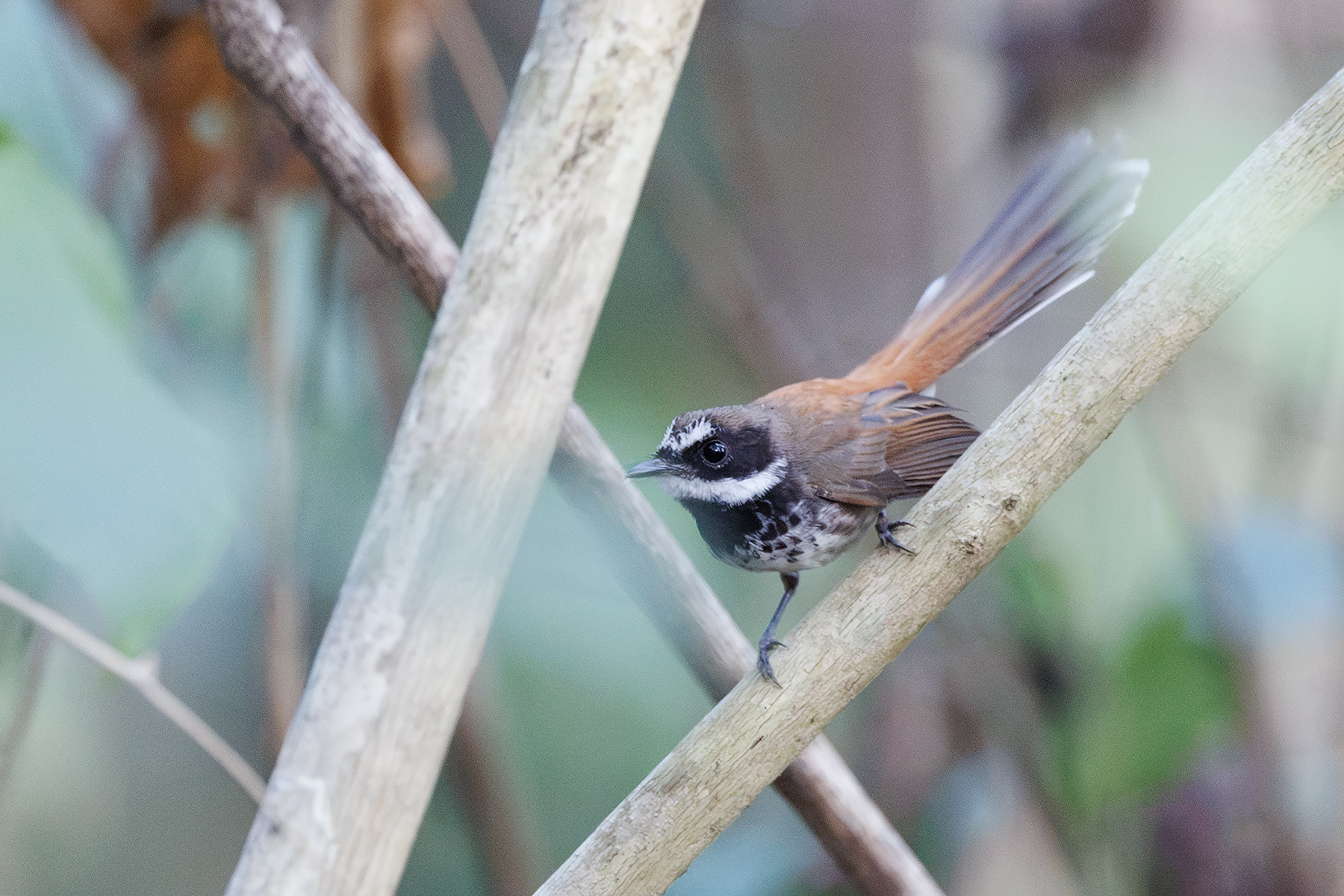
Supertram Fantail ssp. squamata (image by Dániel Balla)
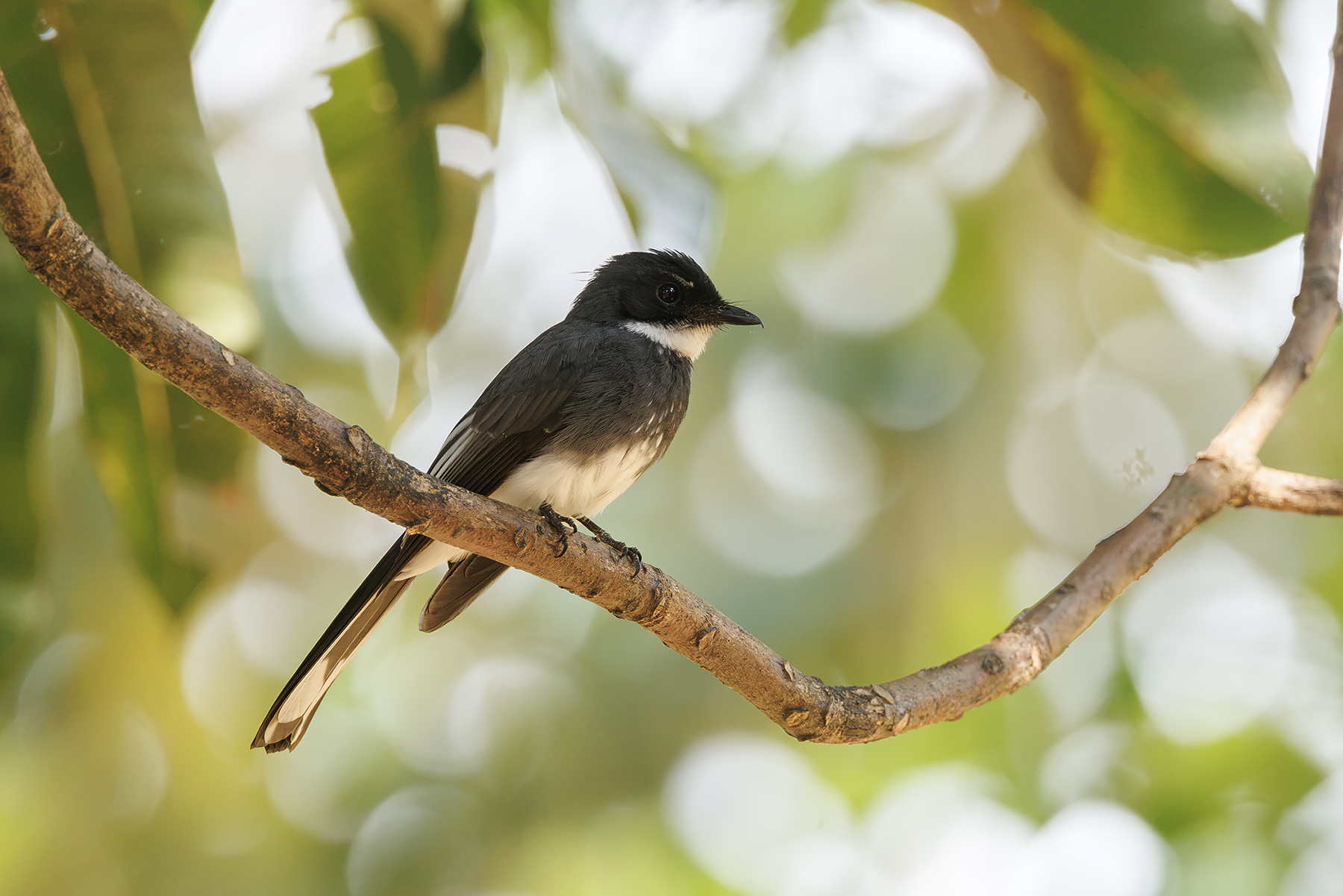
'Obi' Northern Fantail (image by Dániel Balla)
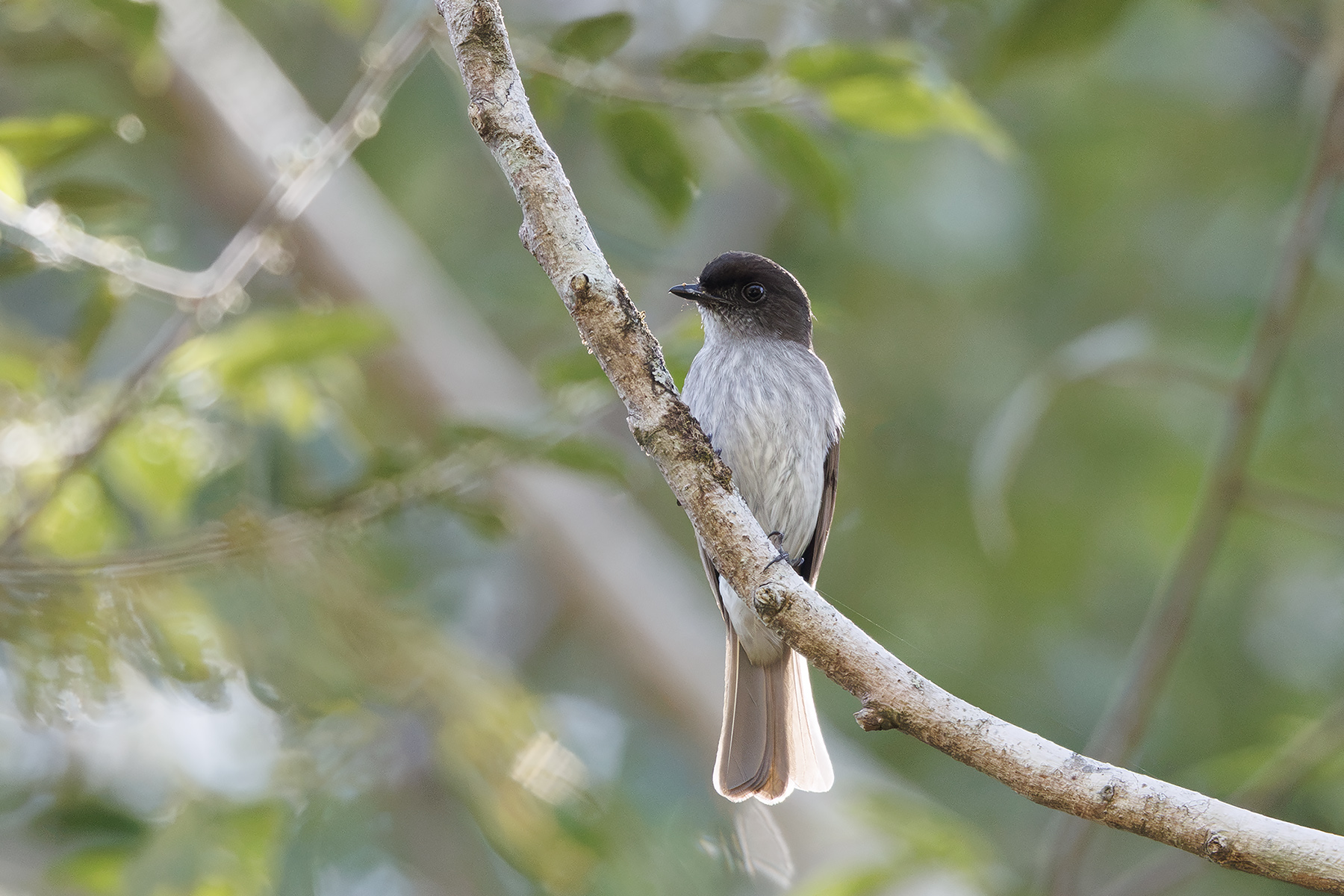
Buru Jungle Flycatcher (image by Dániel Balla)
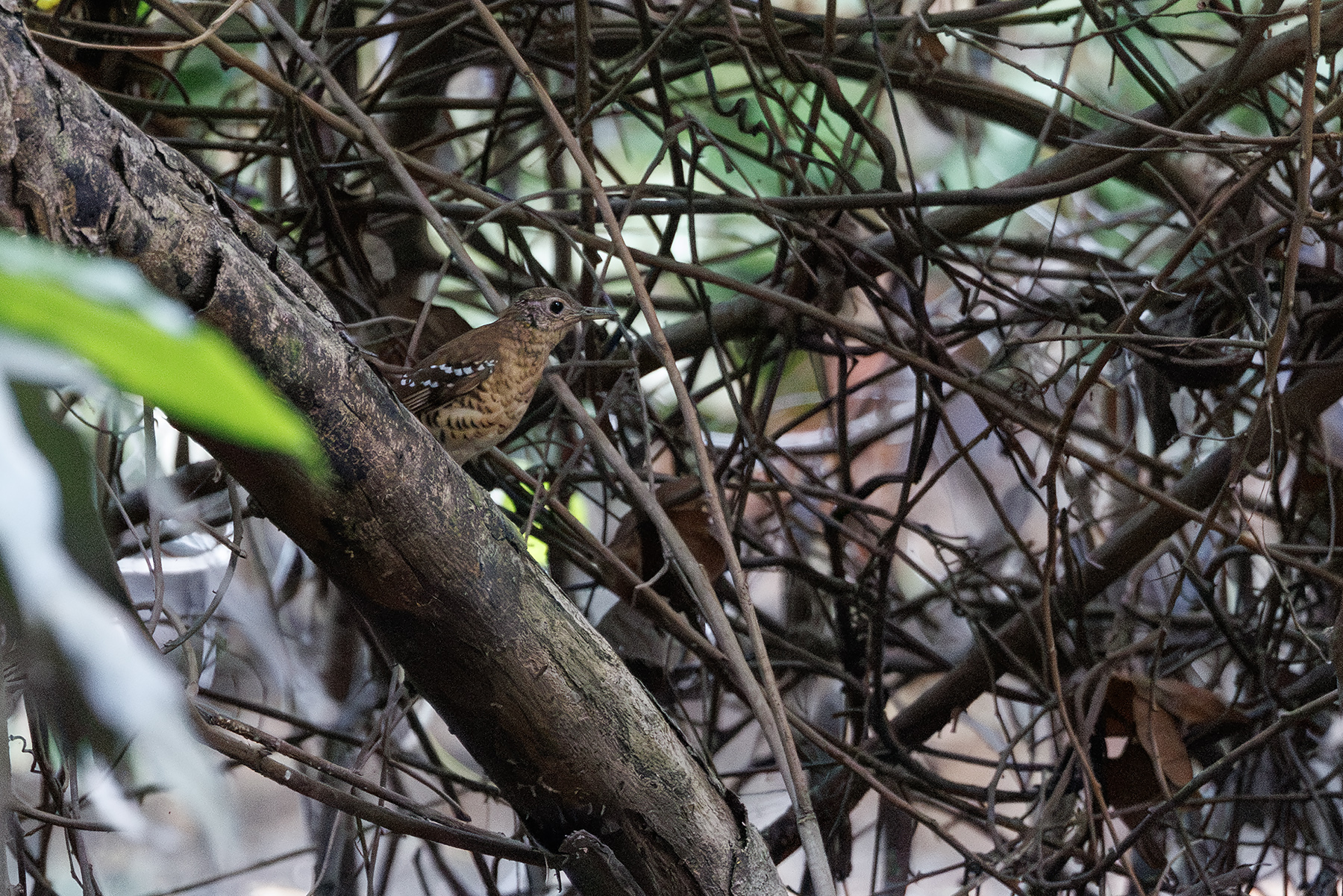
Fawn-breasted Thrush (image by Dániel Balla)
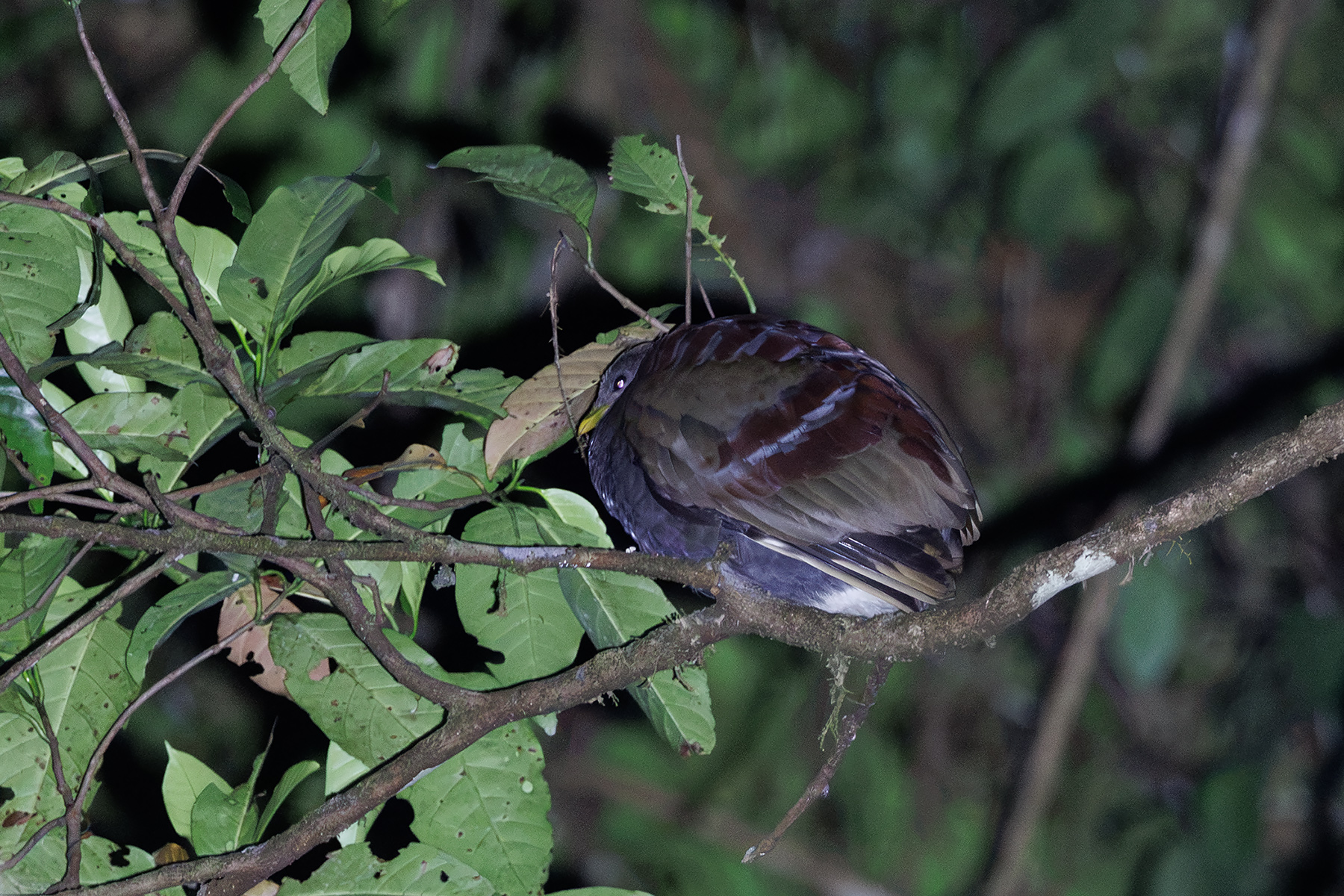
Moluccan Megapode (image by Dániel Balla)
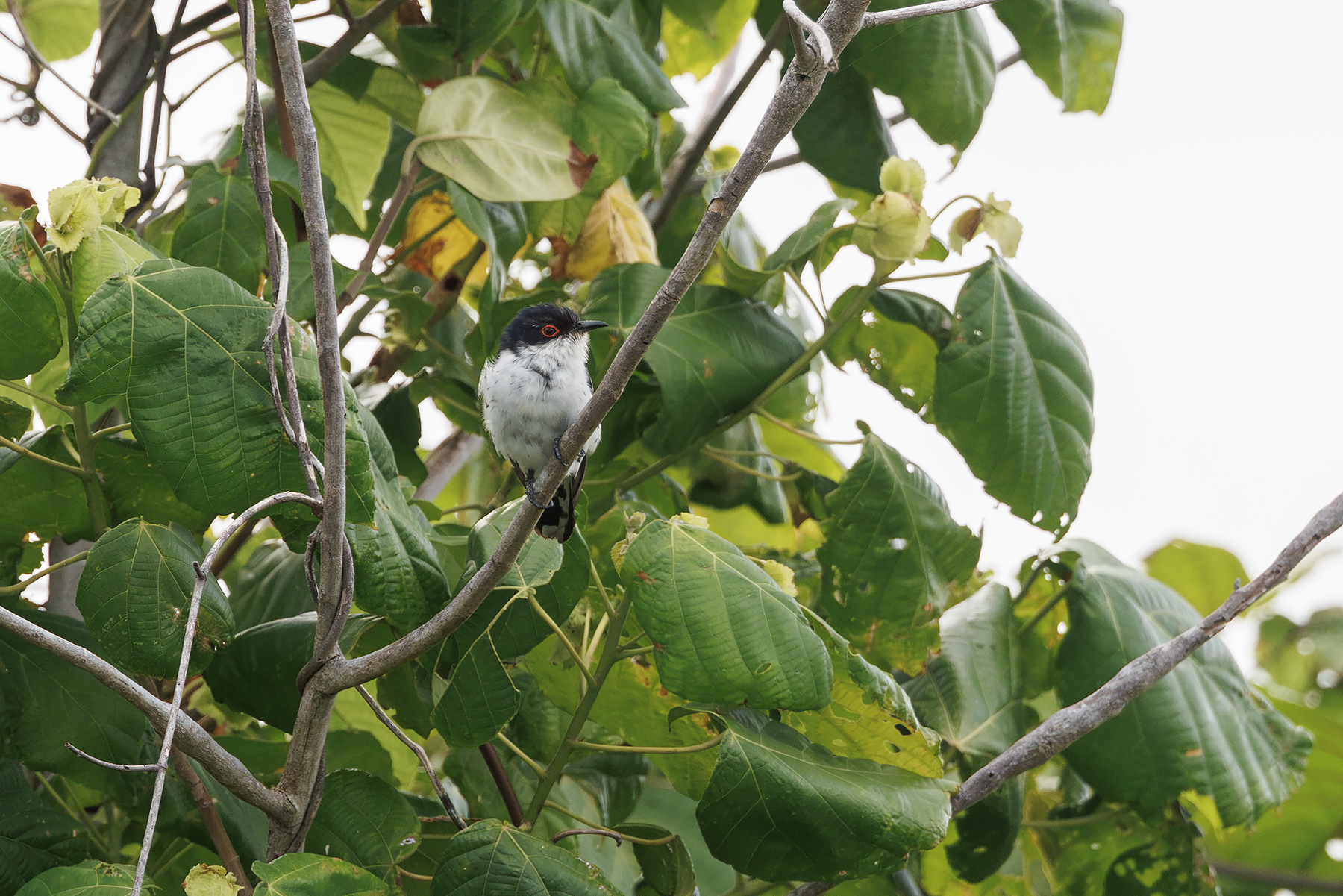
Pied Bronze Cuckoo (image by Dániel Balla)
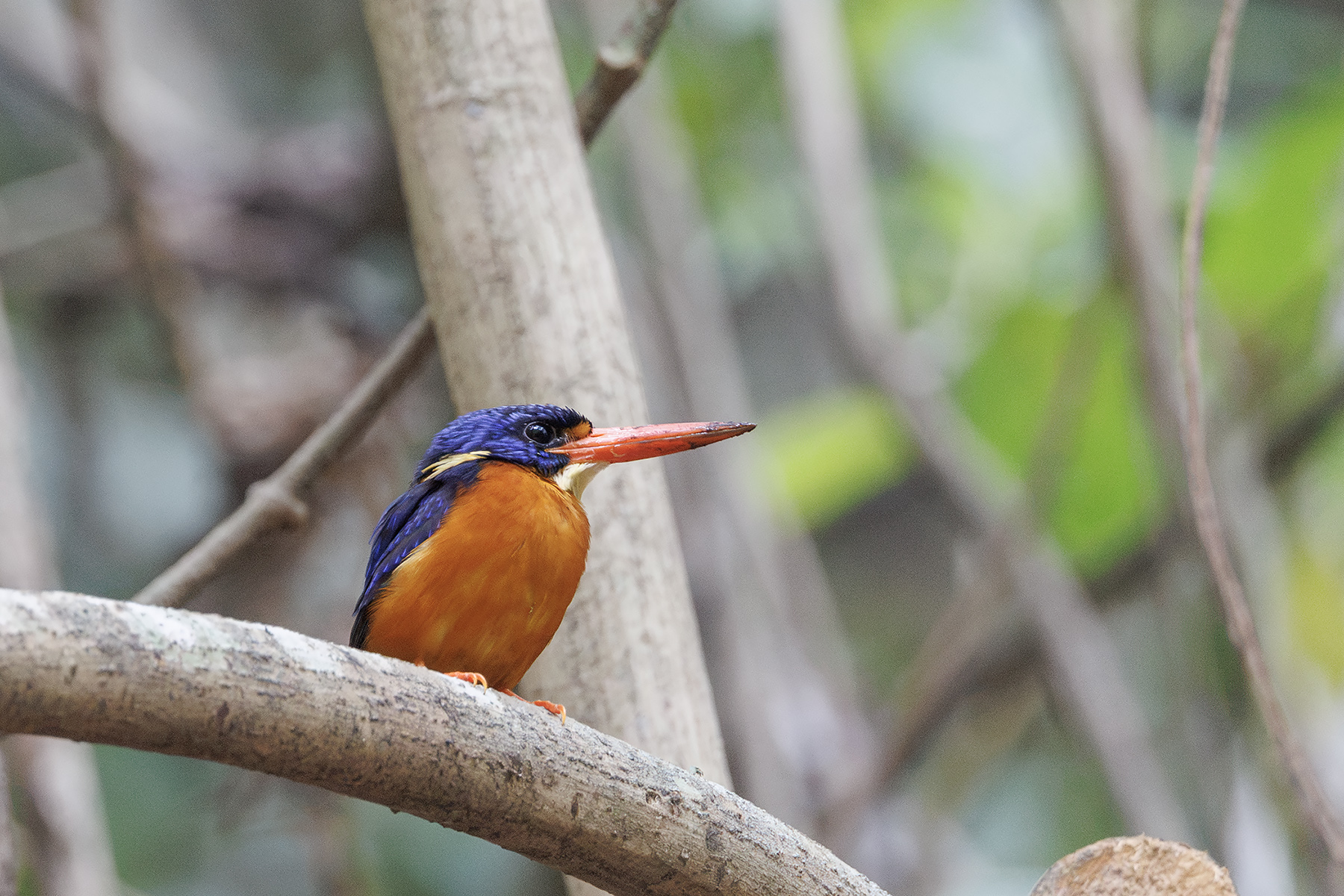
Moluccan Dwarf Kingfisher (image by Dániel Balla)
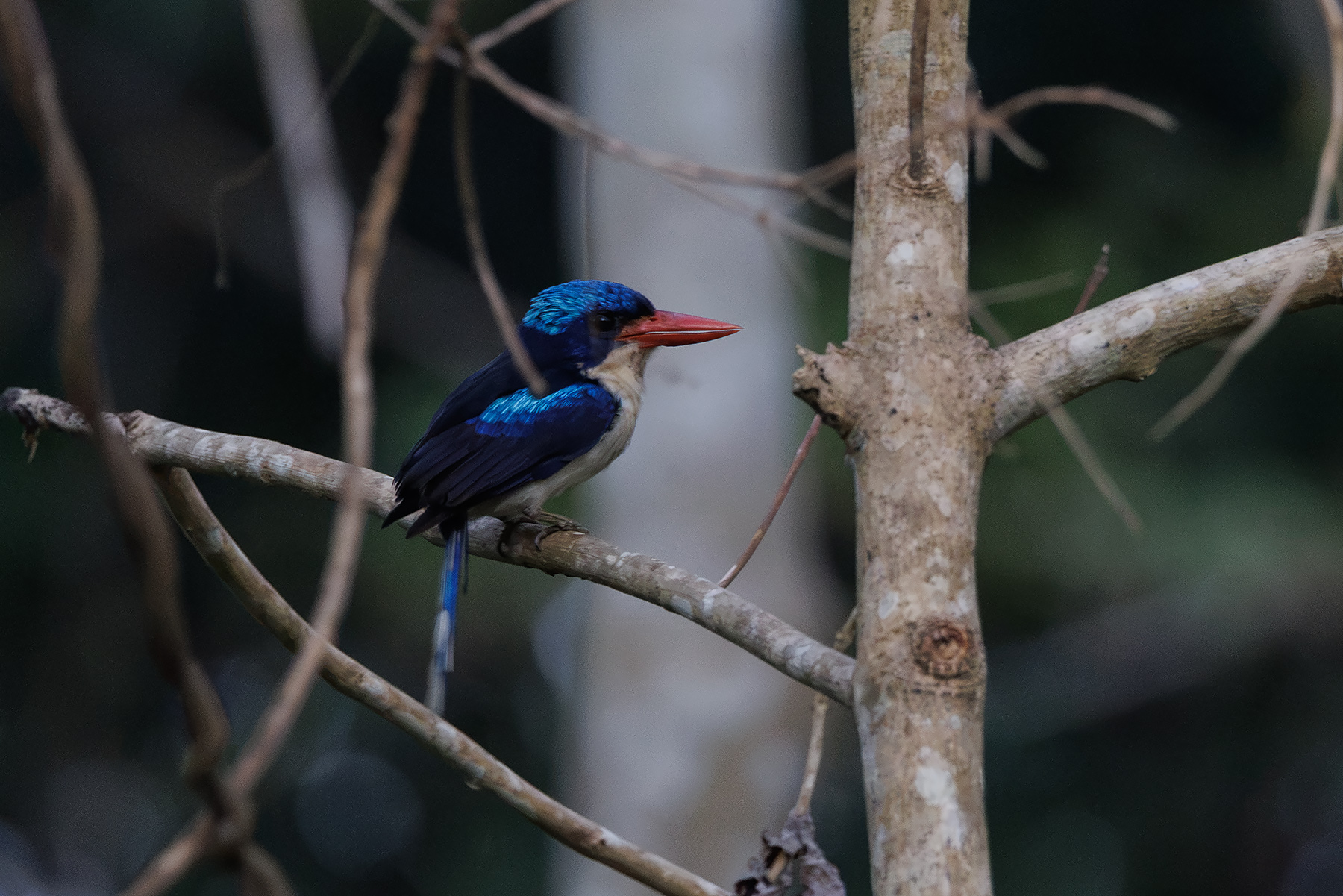
Common Paradise Kingfisher (image by Dániel Balla)
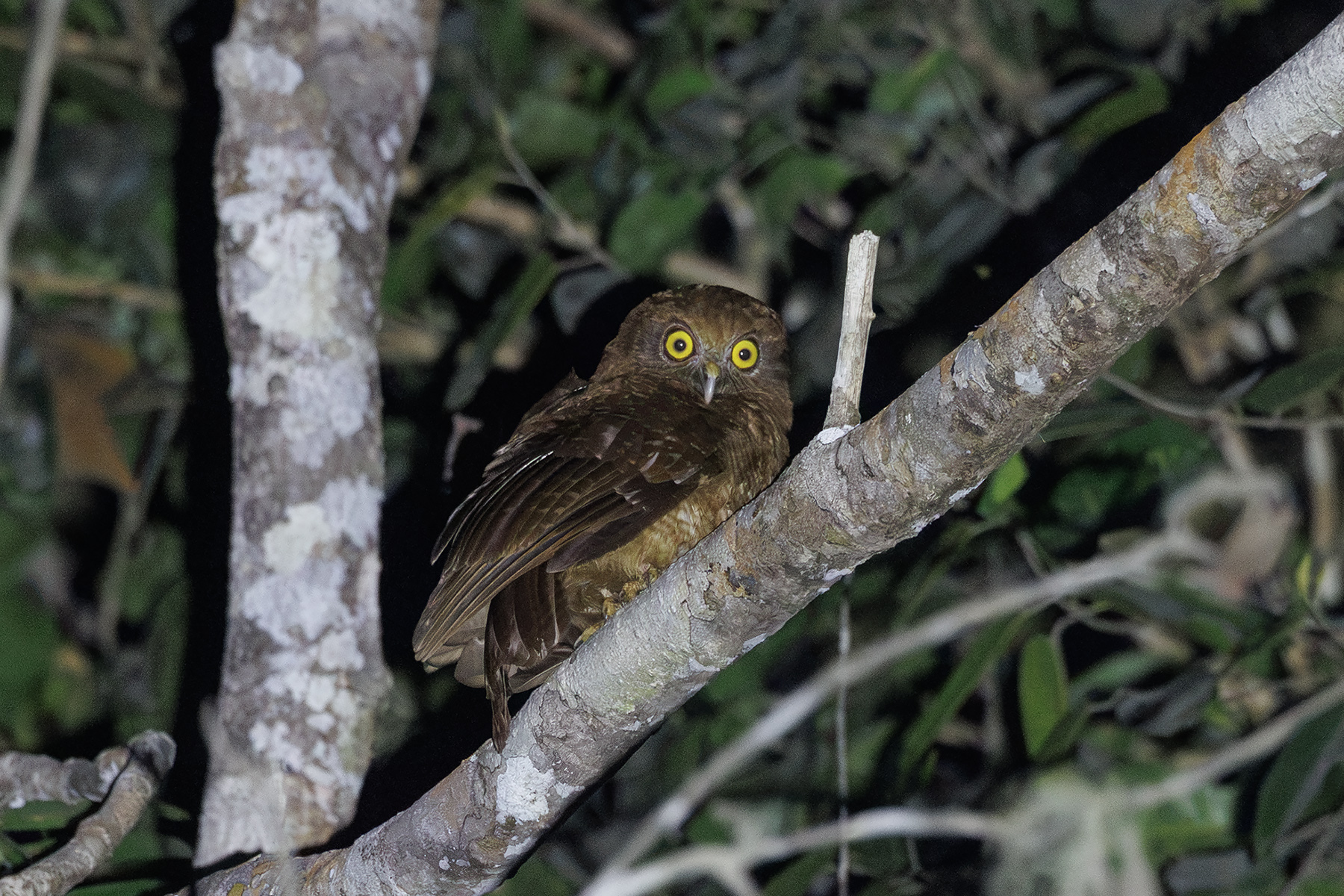
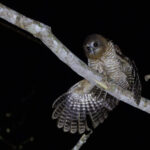
Buru Boobook (image by Dániel Balla)
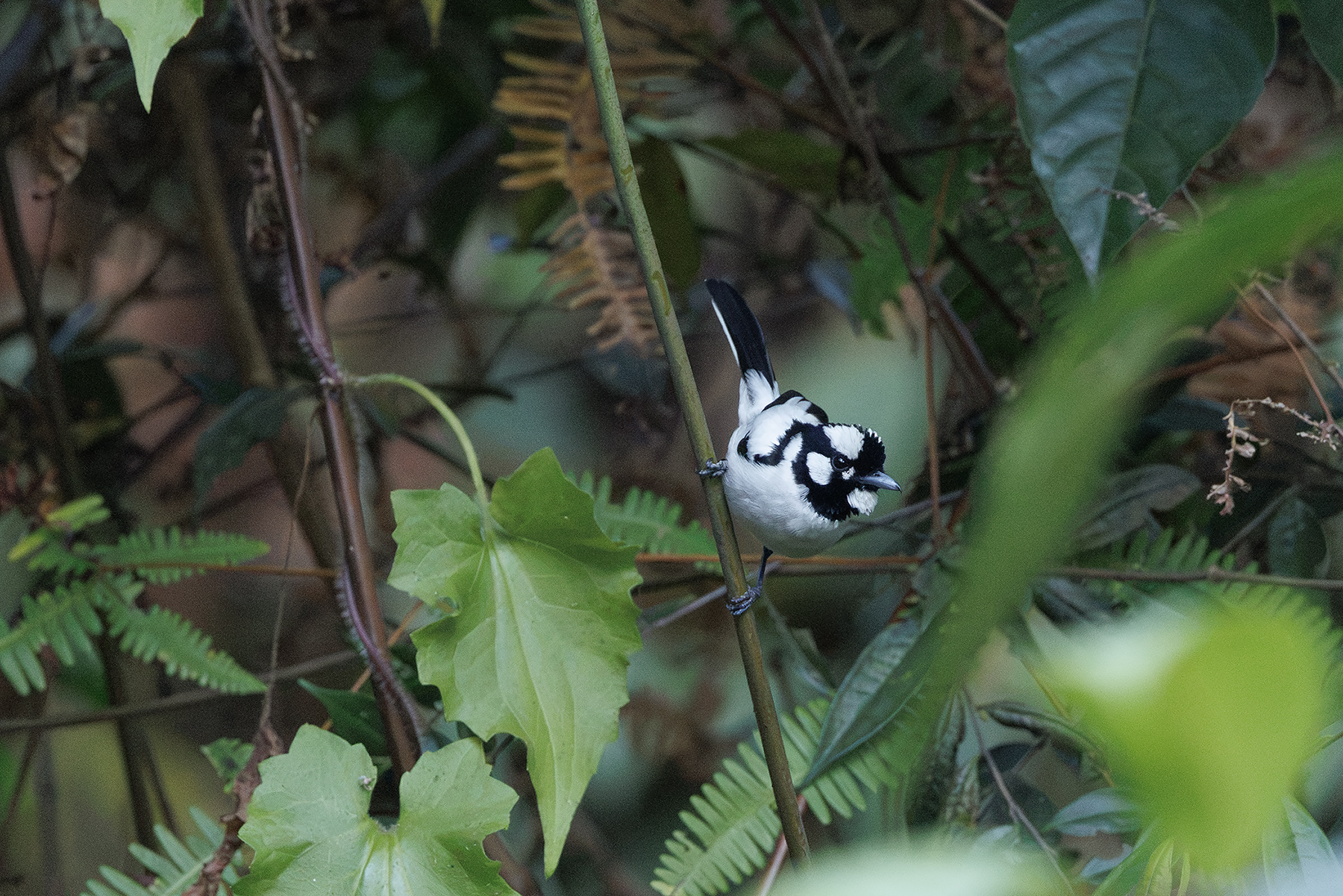
White-naped Monarch (image by Dániel Balla)
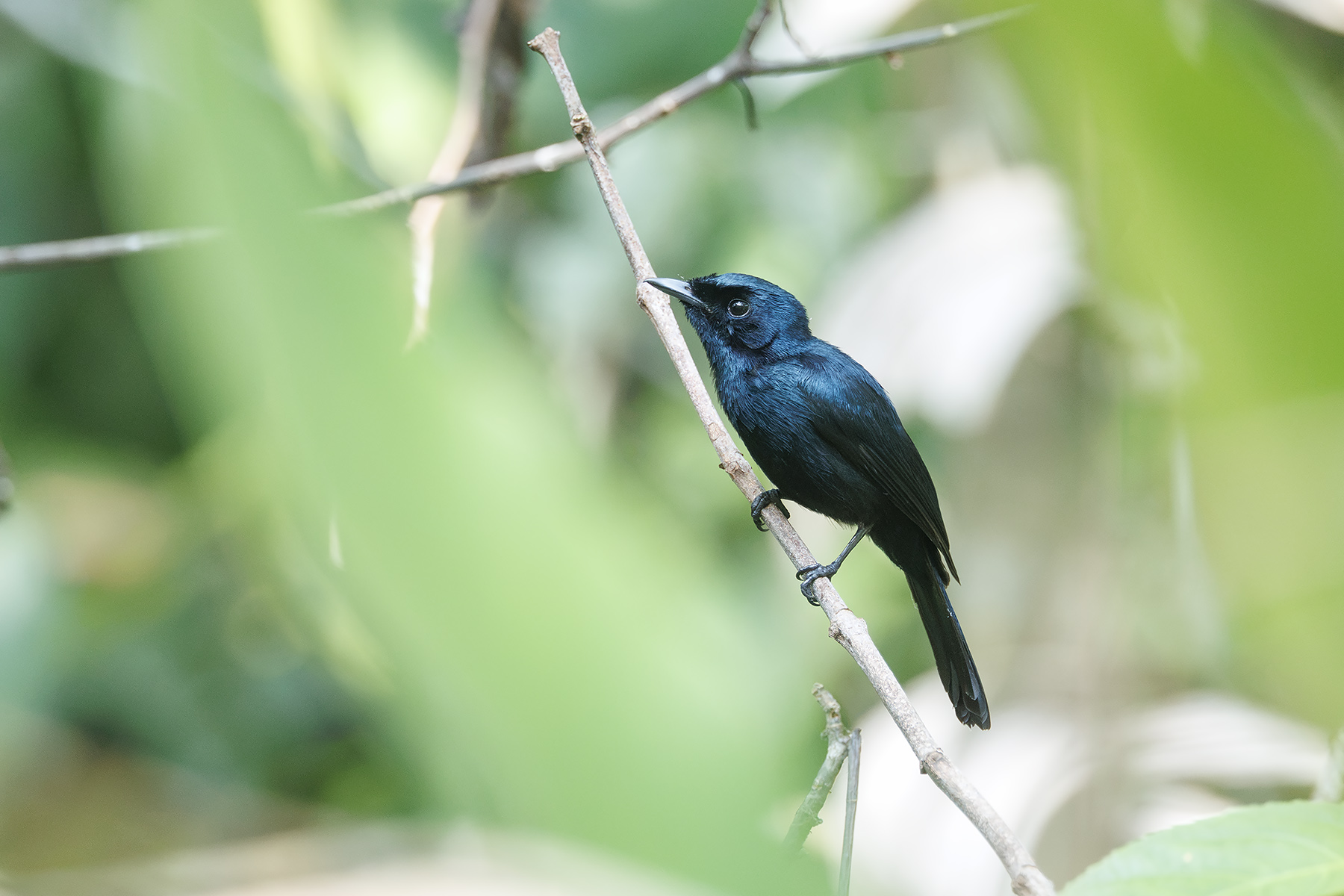
Shining Flycatcher (image by Dániel Balla)

Sunset over Seram (image by Dániel Balla)
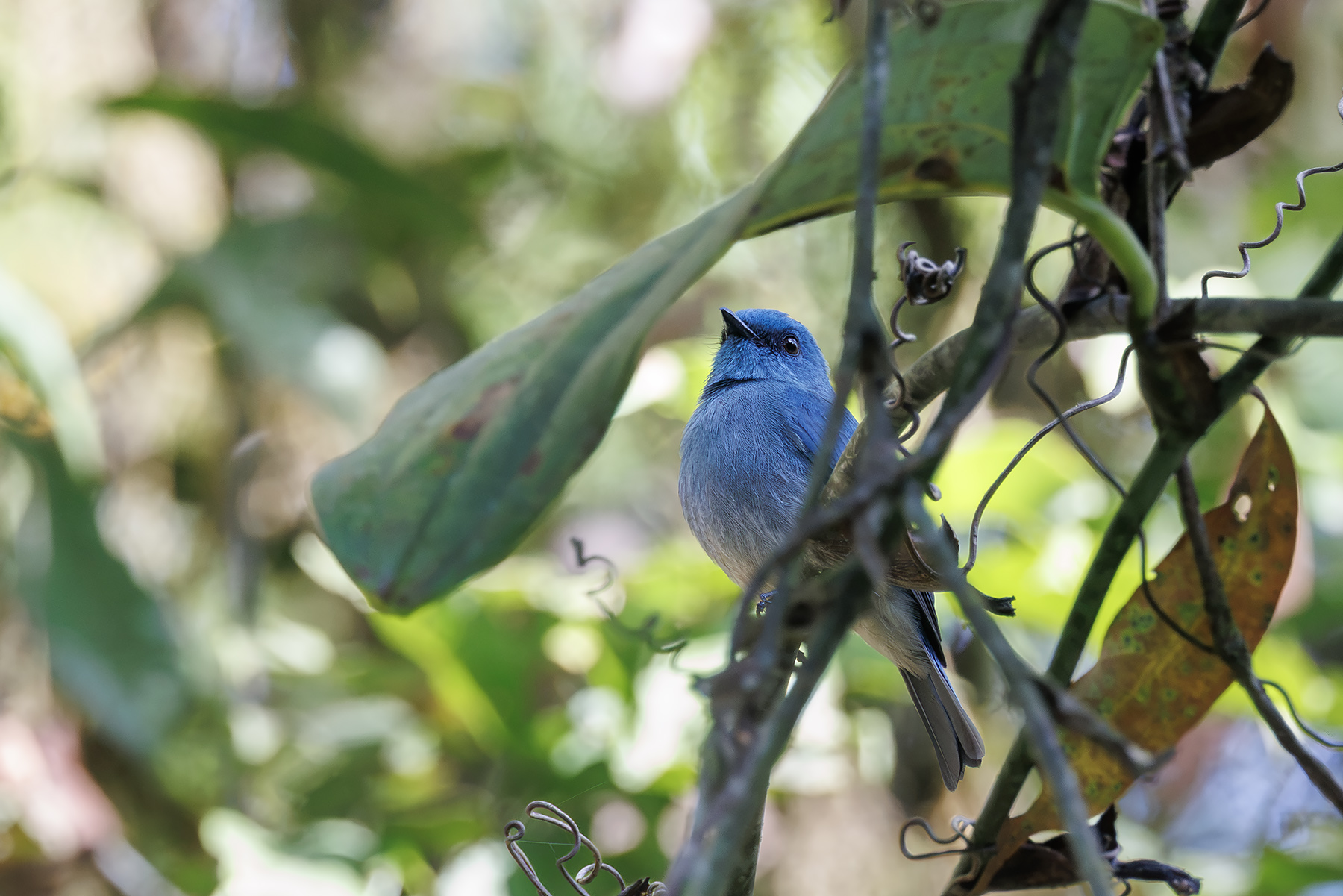
Turquoise Flycatcher (image by Dániel Balla)
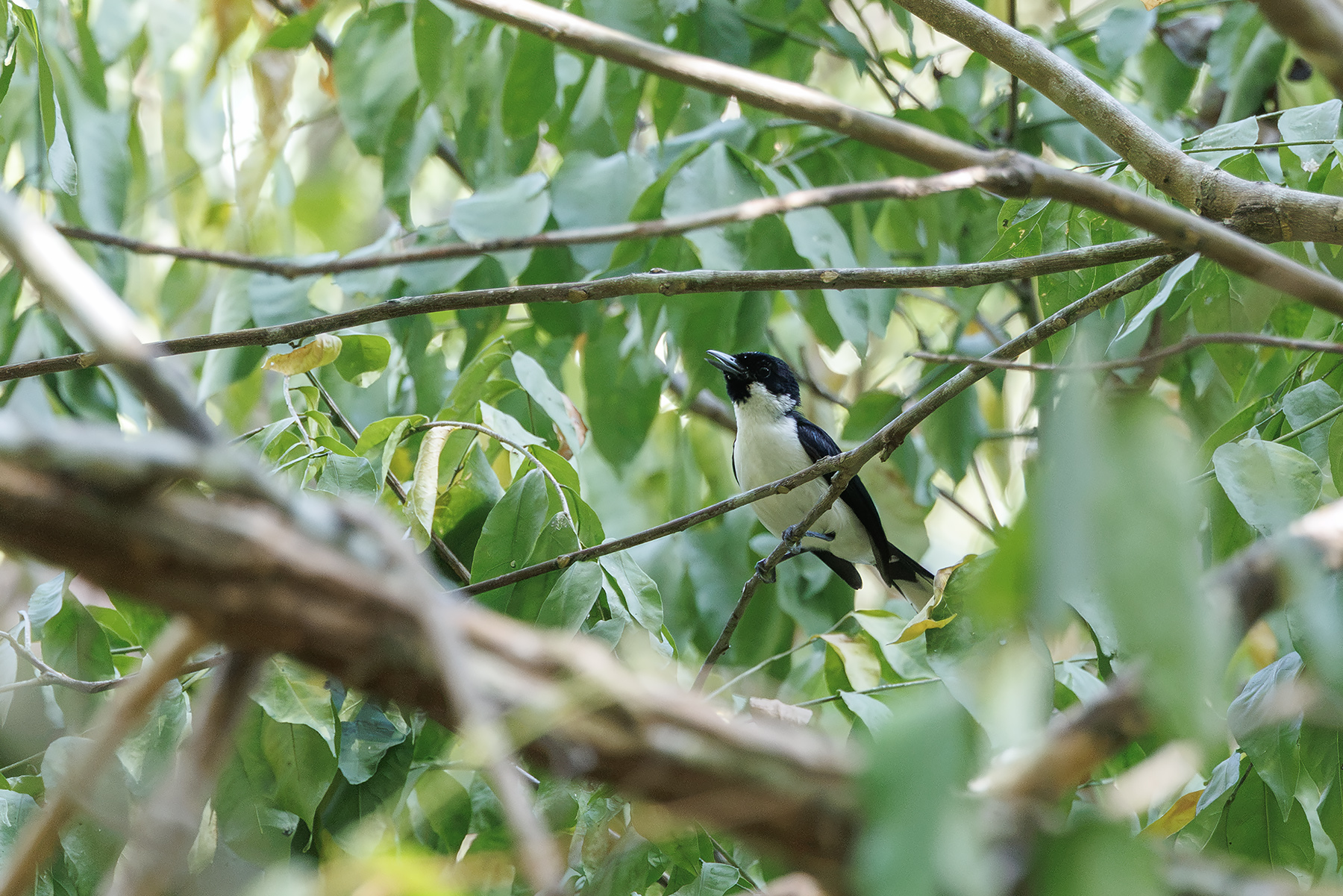
Boano Monarch (image by Dániel Balla)
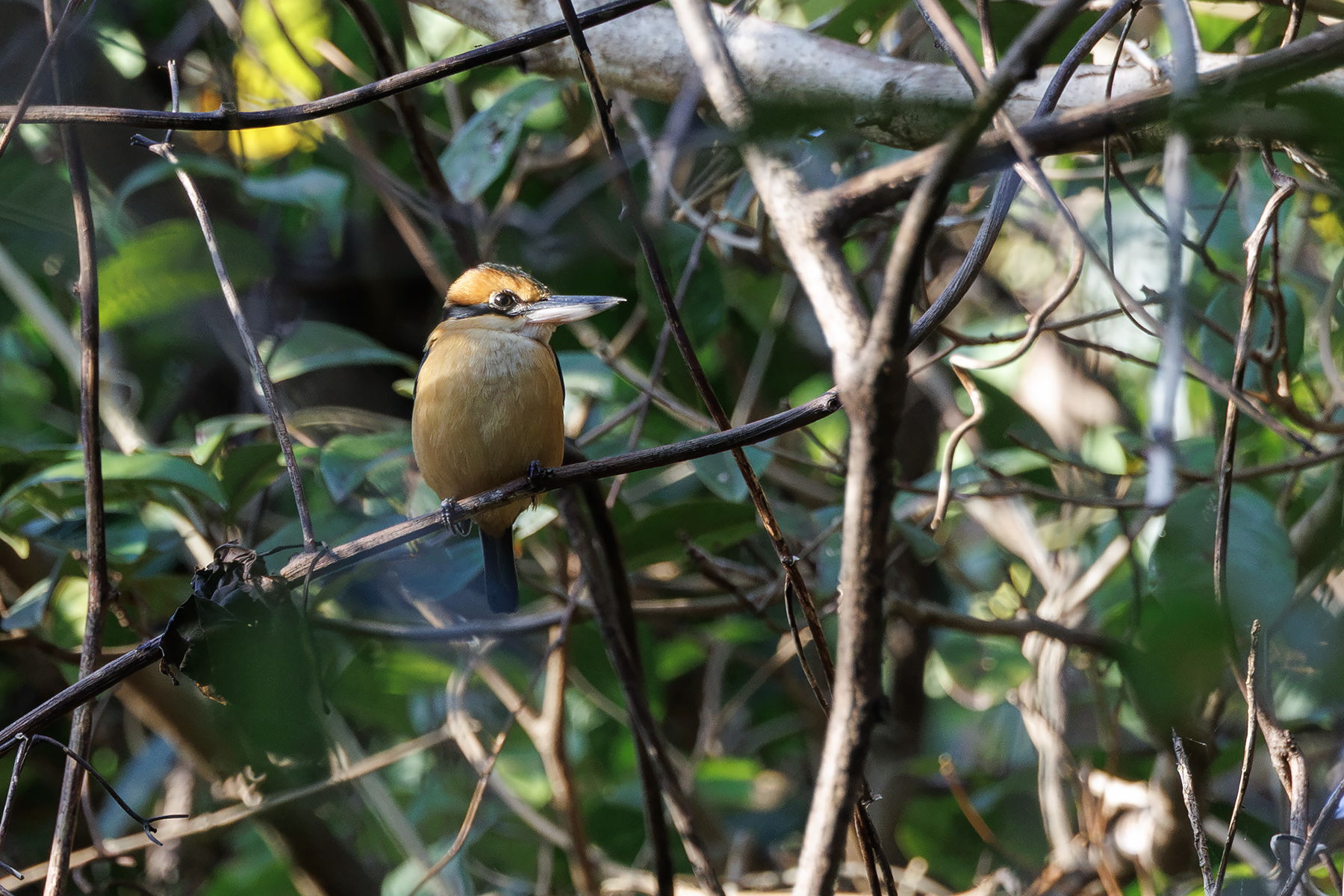
Cinnamon Banded Kingfisher (image by Dániel Balla)
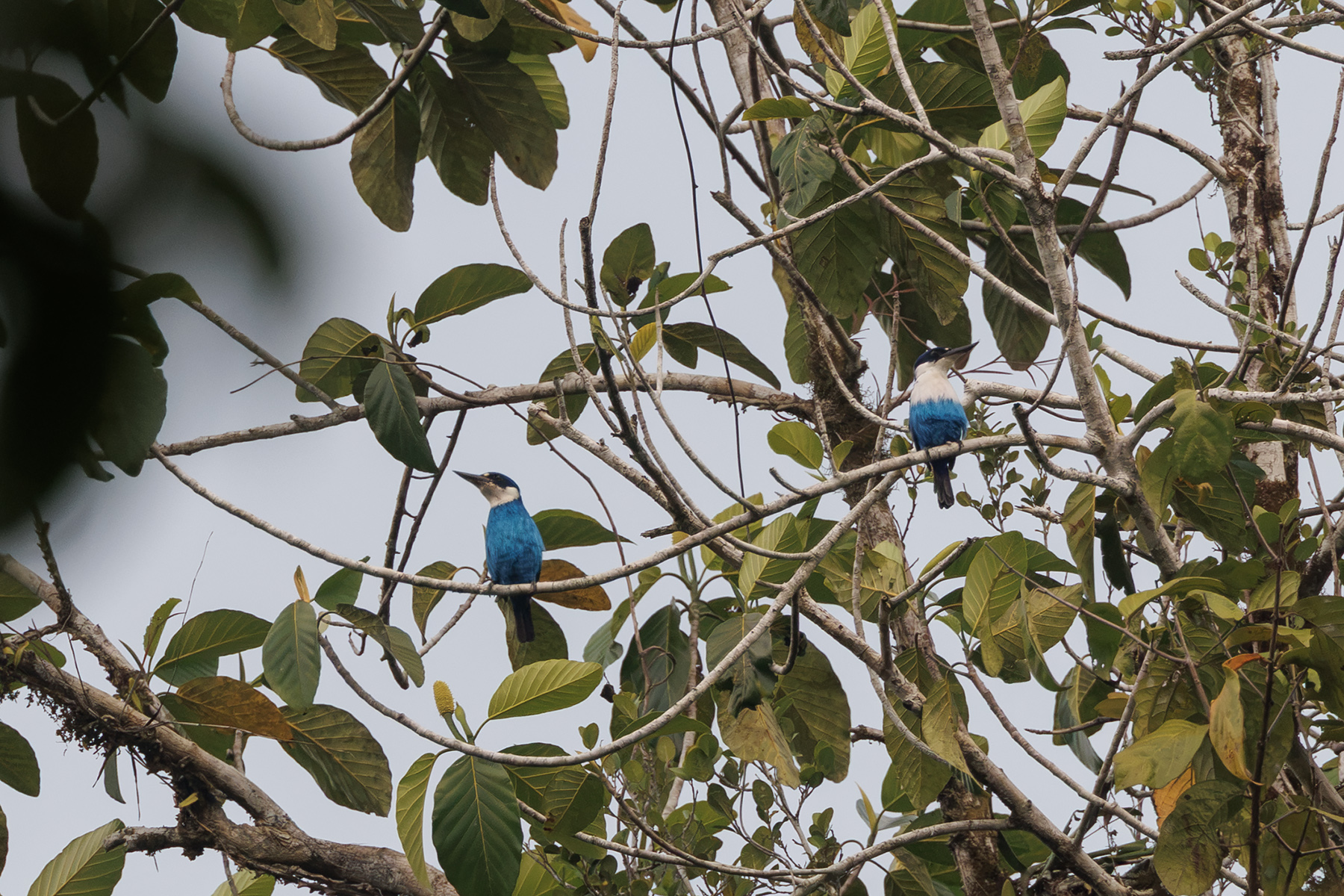
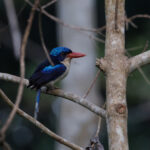
Lazuli Kingfisher (image by Dániel Balla)
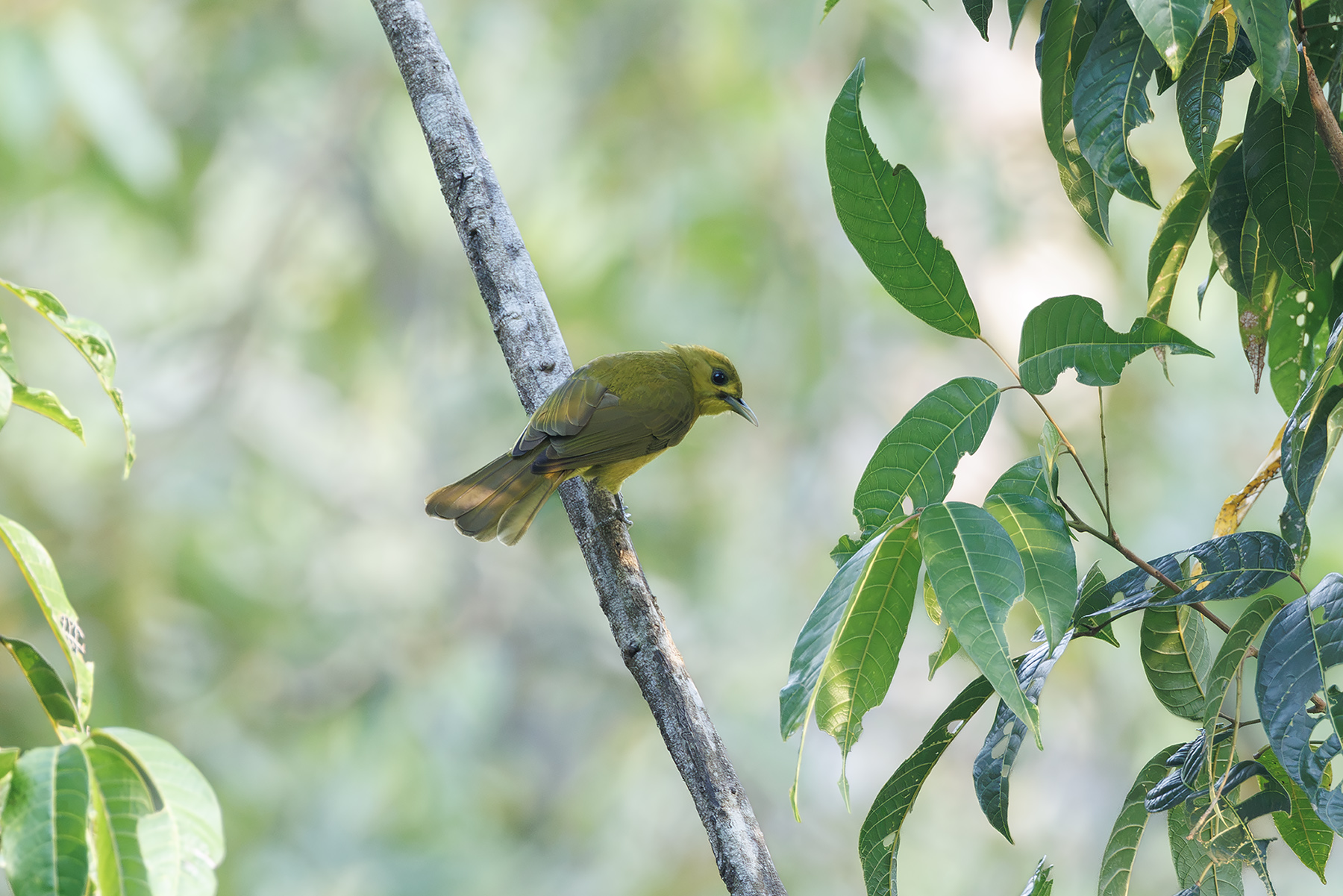
Obi Golden Bulbul (image by Dániel Balla)
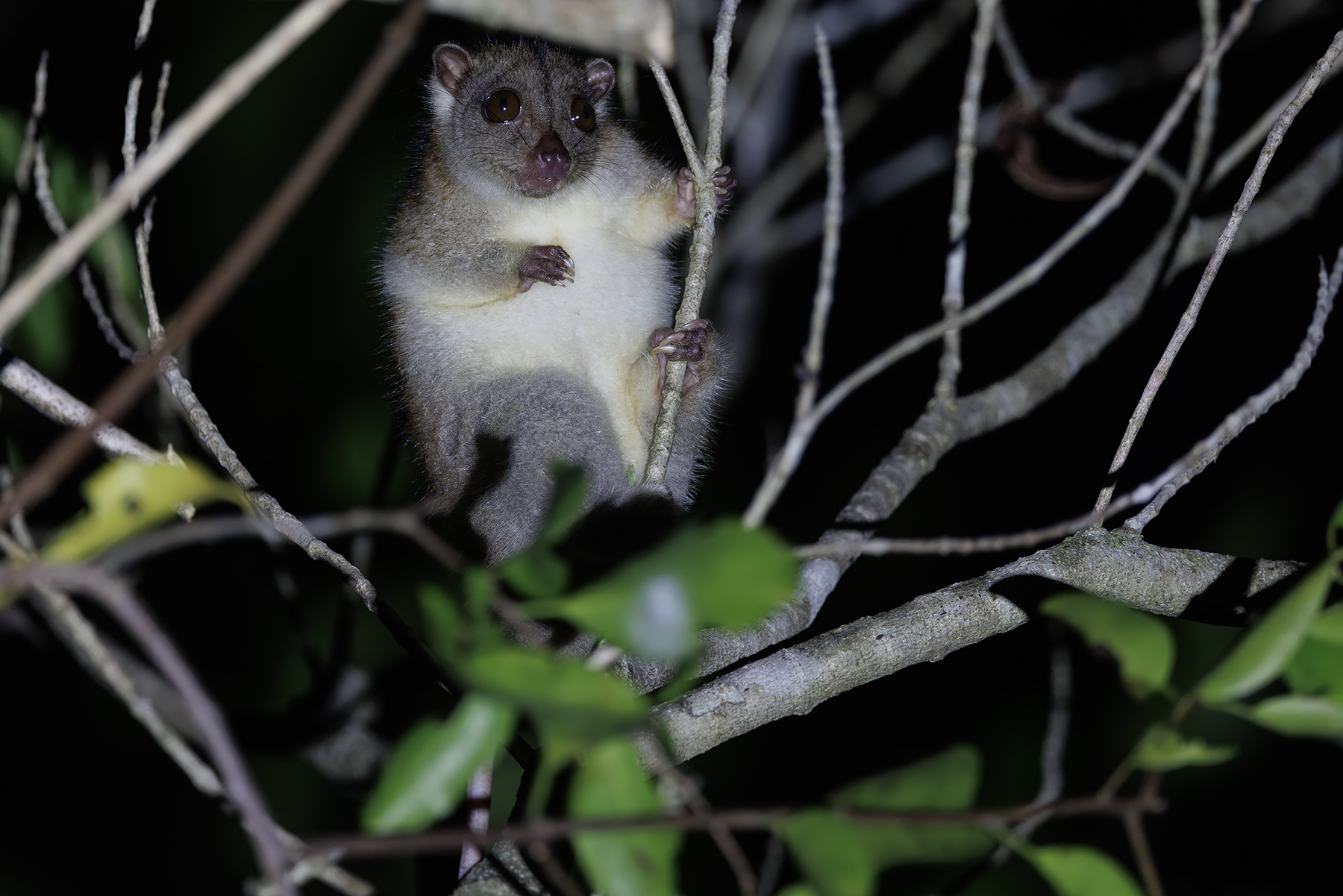
Northern Common Cuscus (image by Dániel Balla)
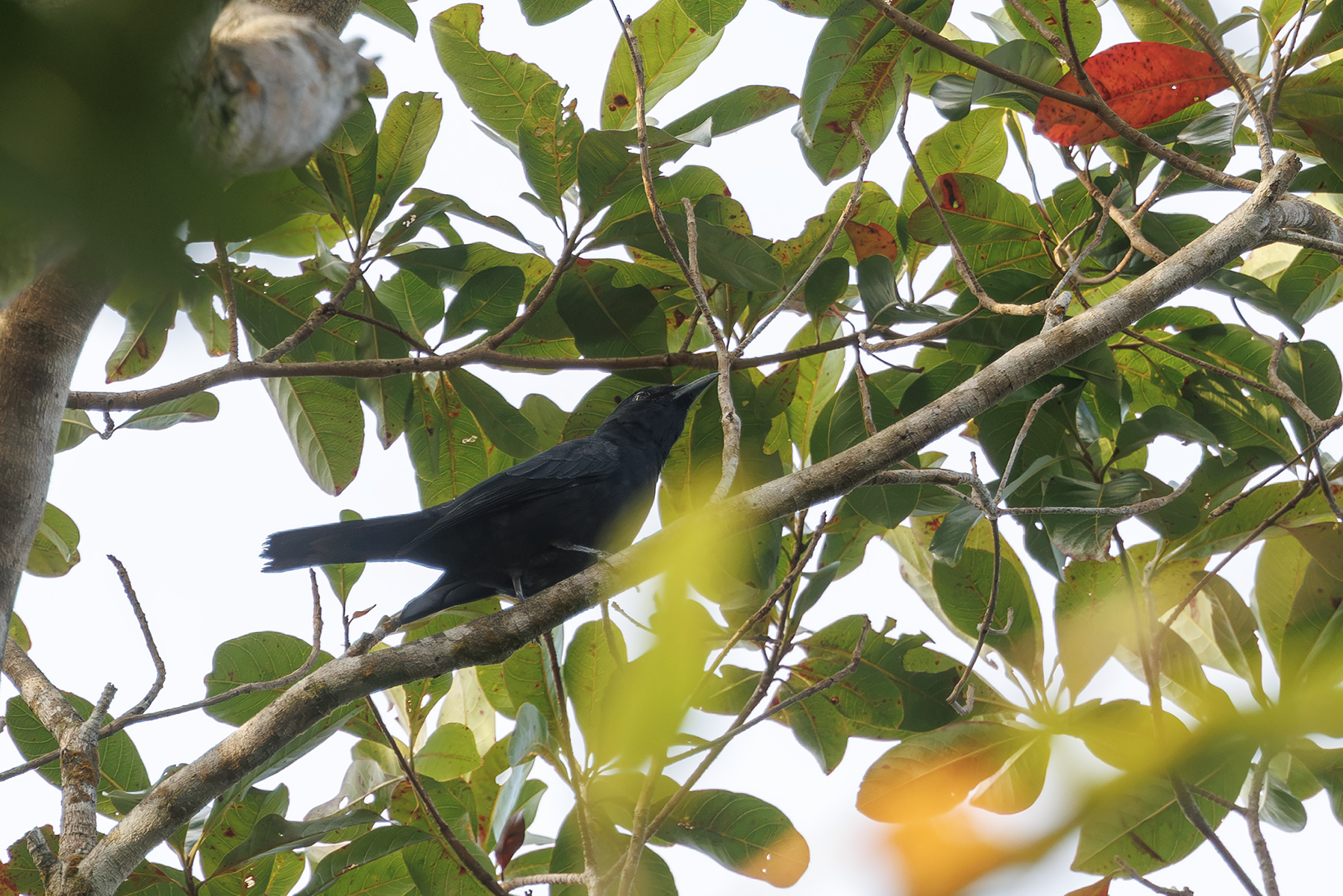
Kai Cicadabird (image by Dániel Balla)
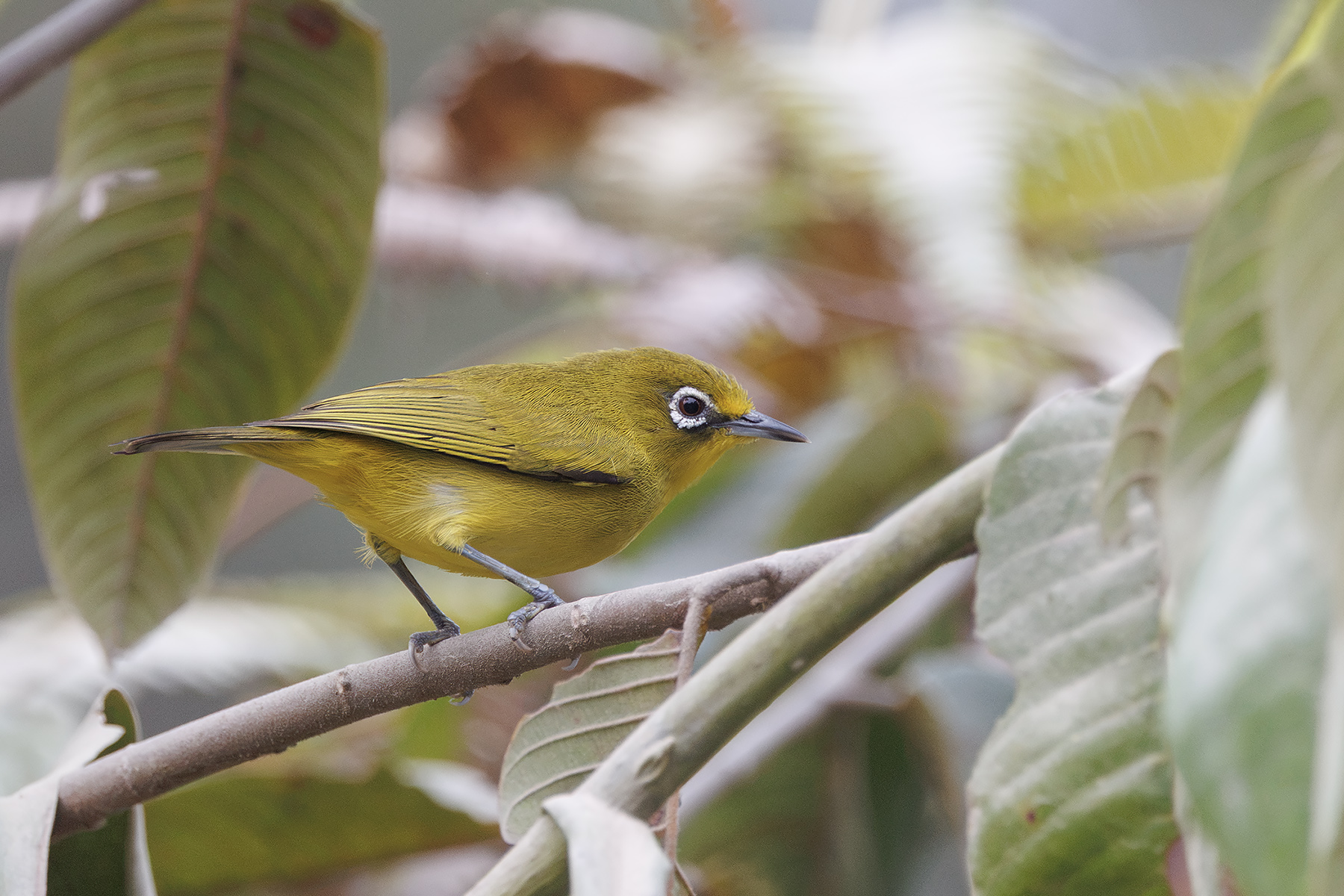
Buru White-eye (image by Dániel Balla)
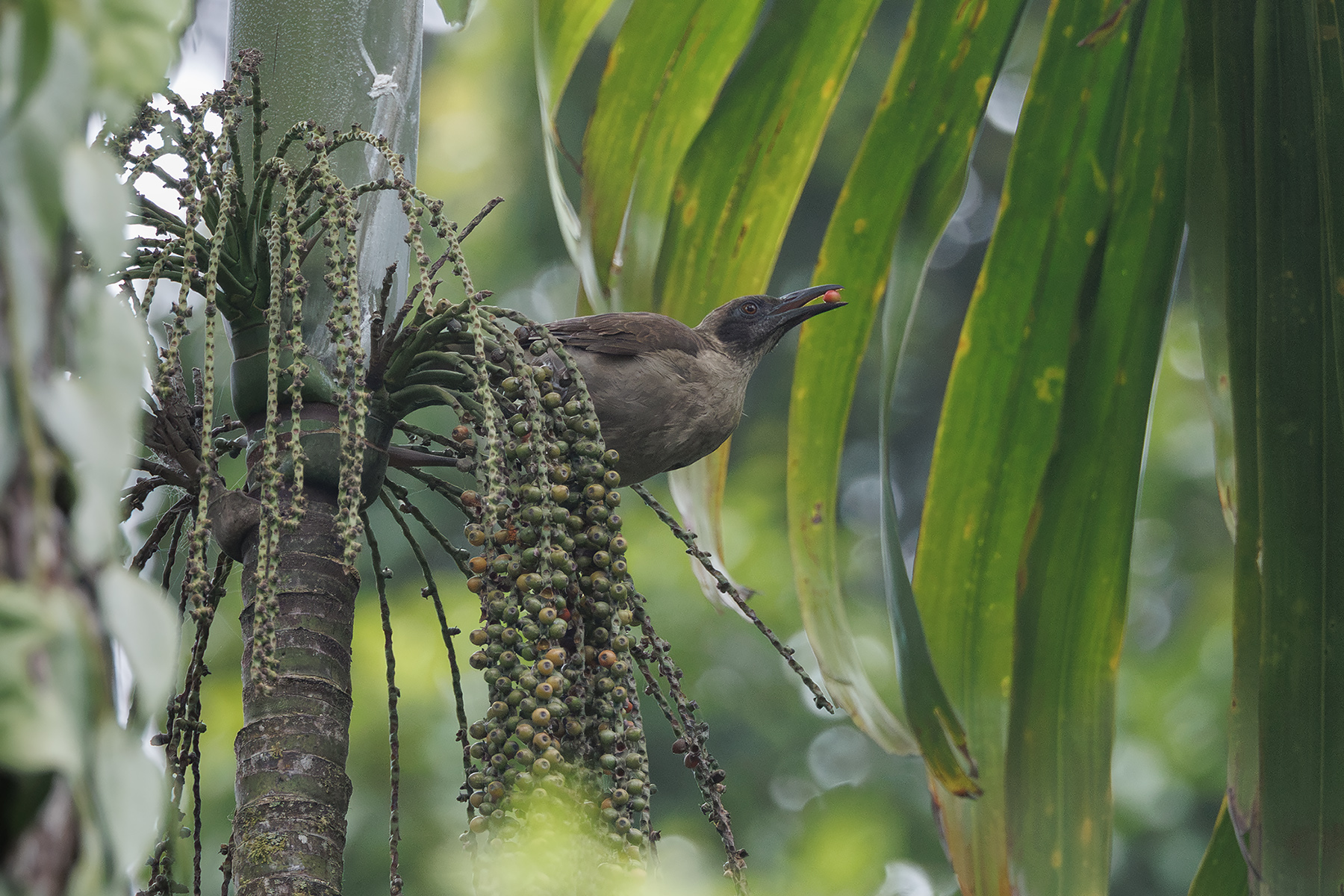
Black-eared Oriole (image by Dániel Balla)
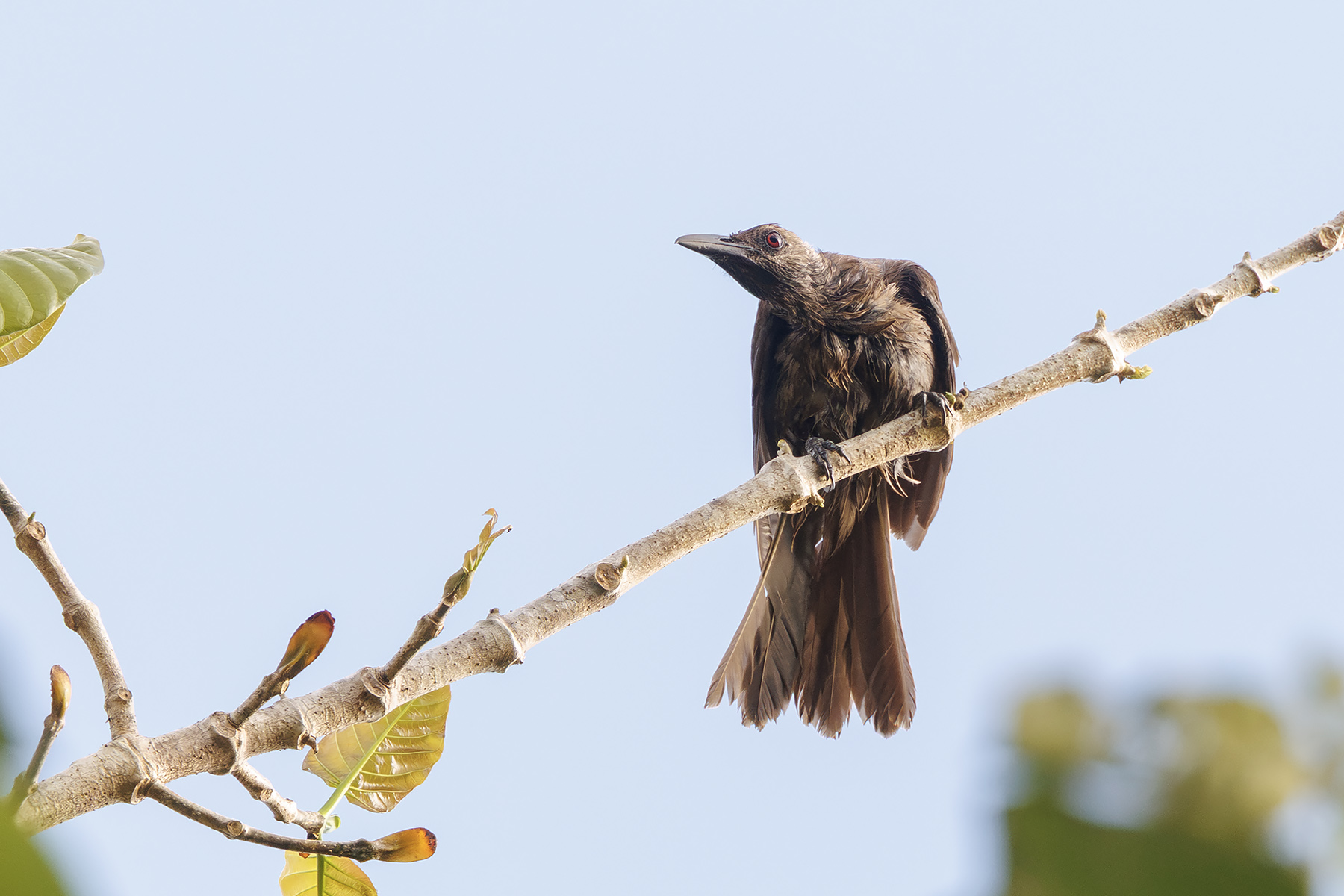
Tanimbar Oriole (image by Dániel Balla)
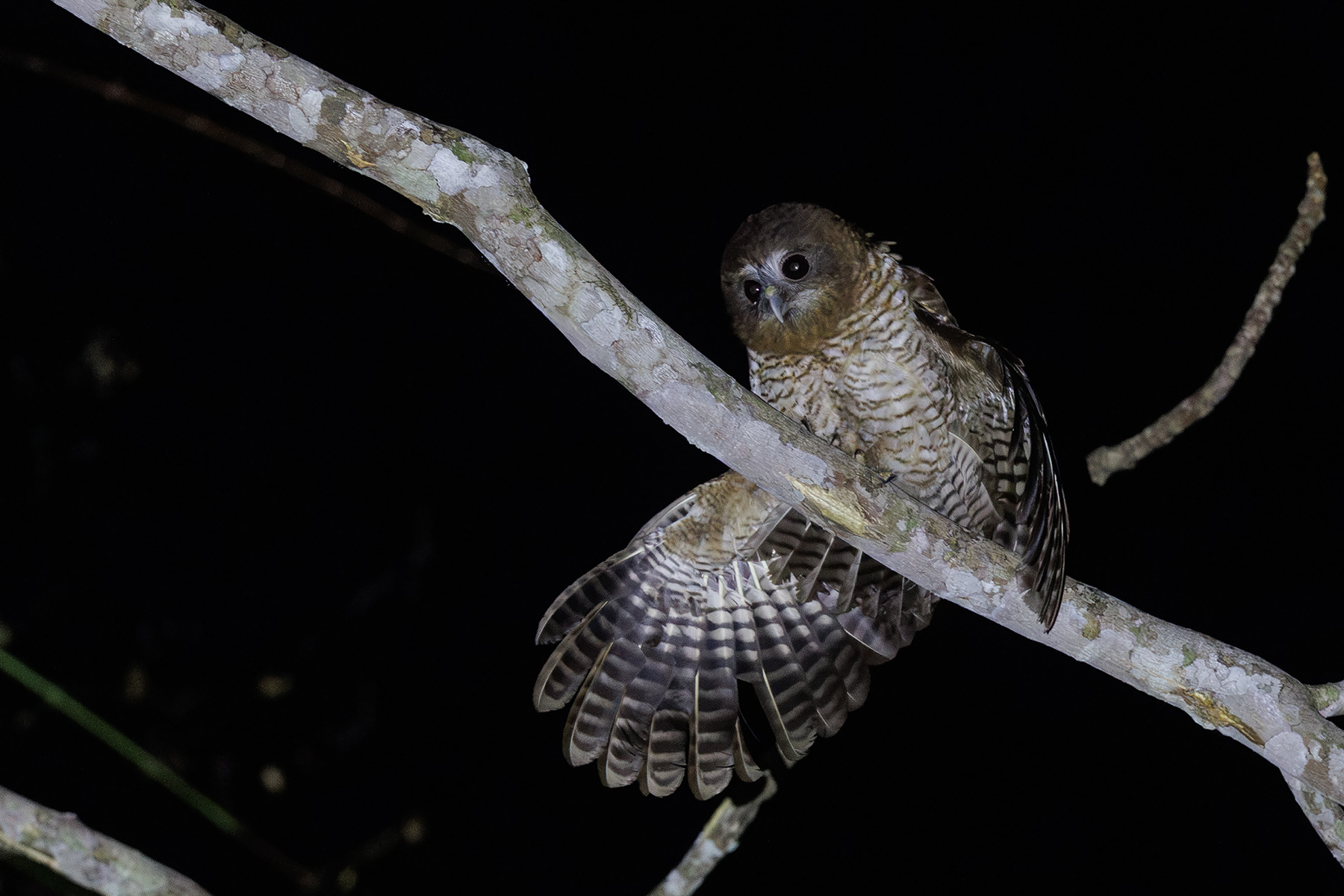
Seram Boobook (image by Dániel Balla)
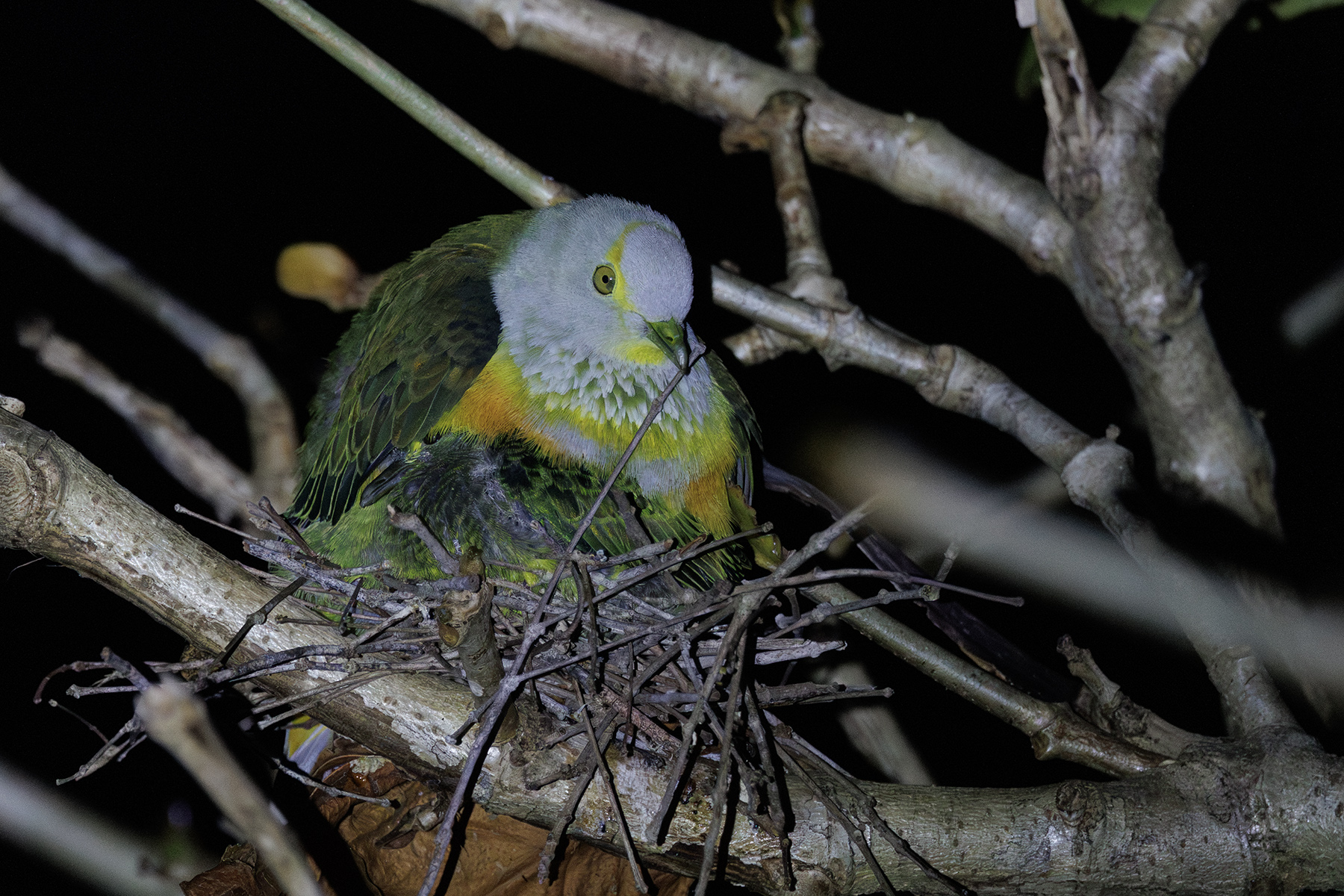
Rose-crowned Fruit Dove (image by Dániel Balla)
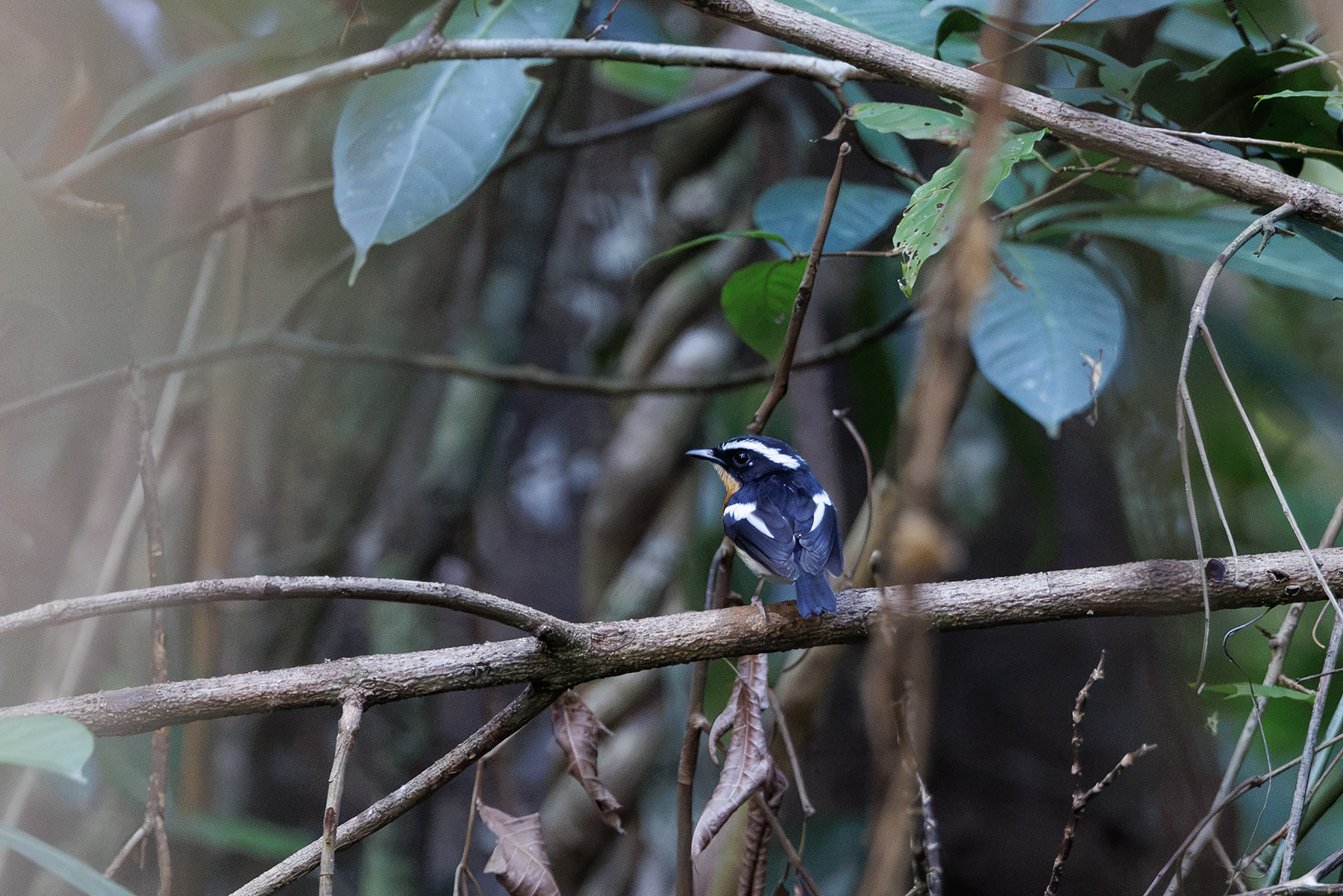
Tanimbar Flycatcher (image by Dániel Balla)
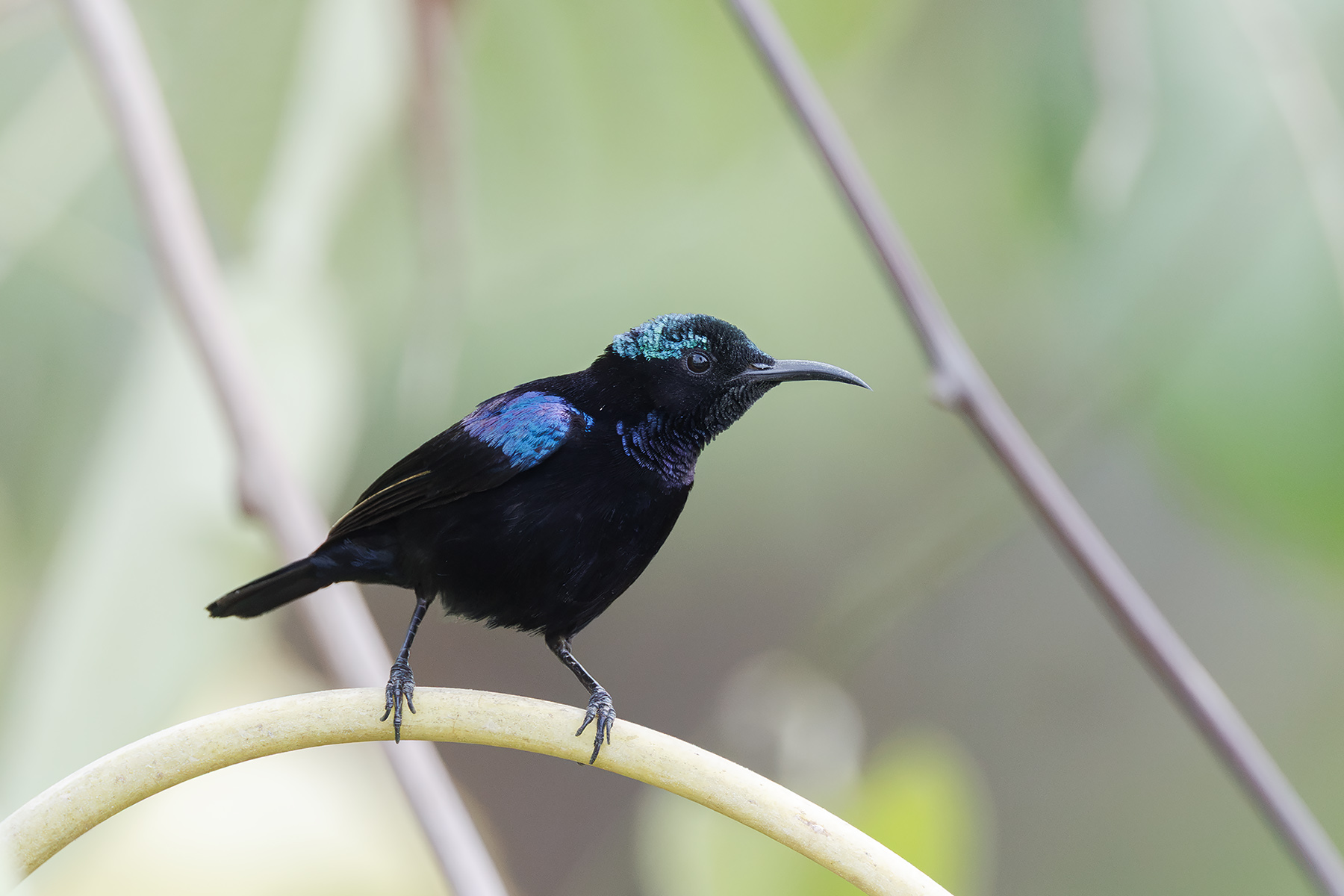
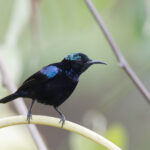
Black Sunbird (image by Dániel Balla)
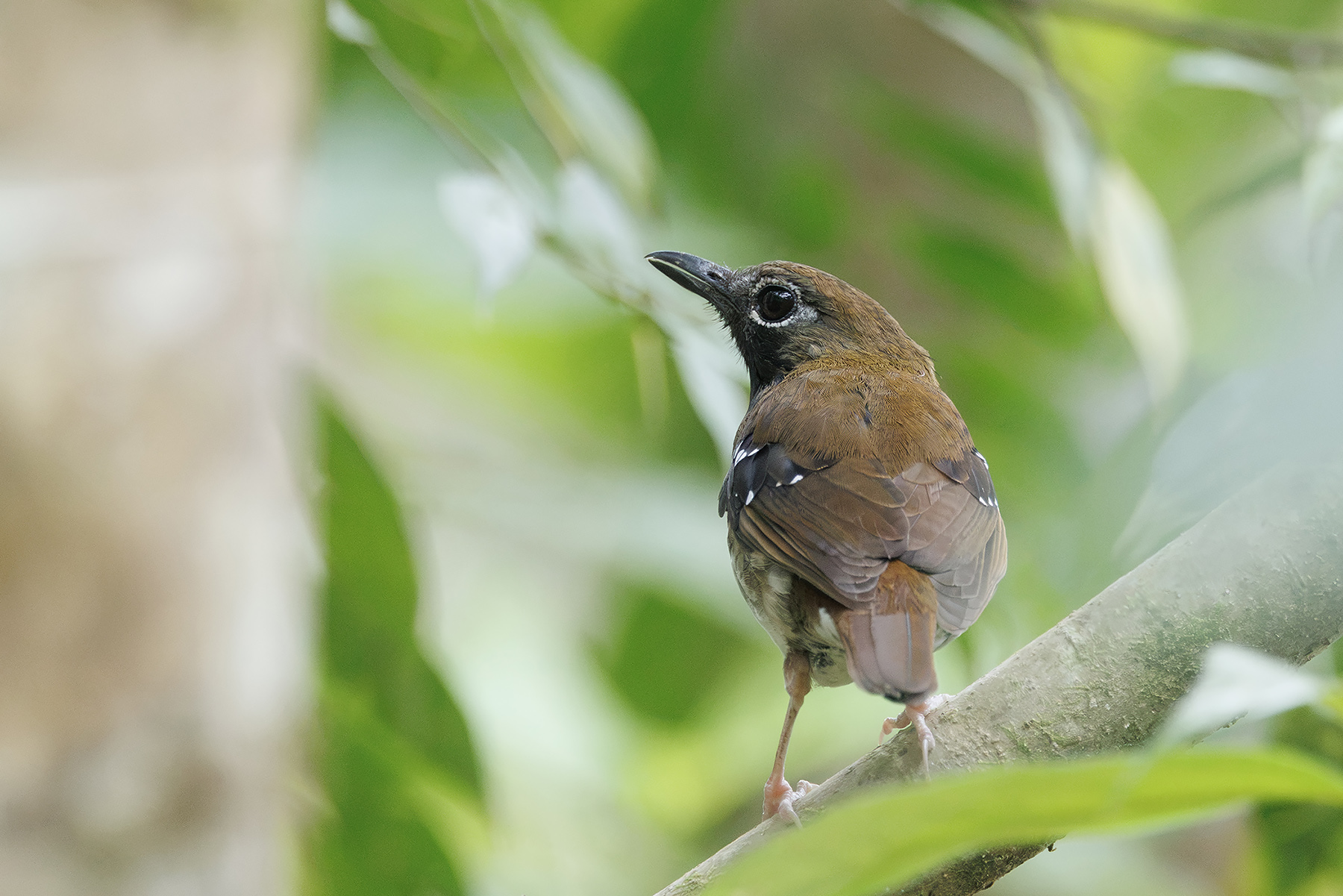
Buru Thrush (image by Dániel Balla)
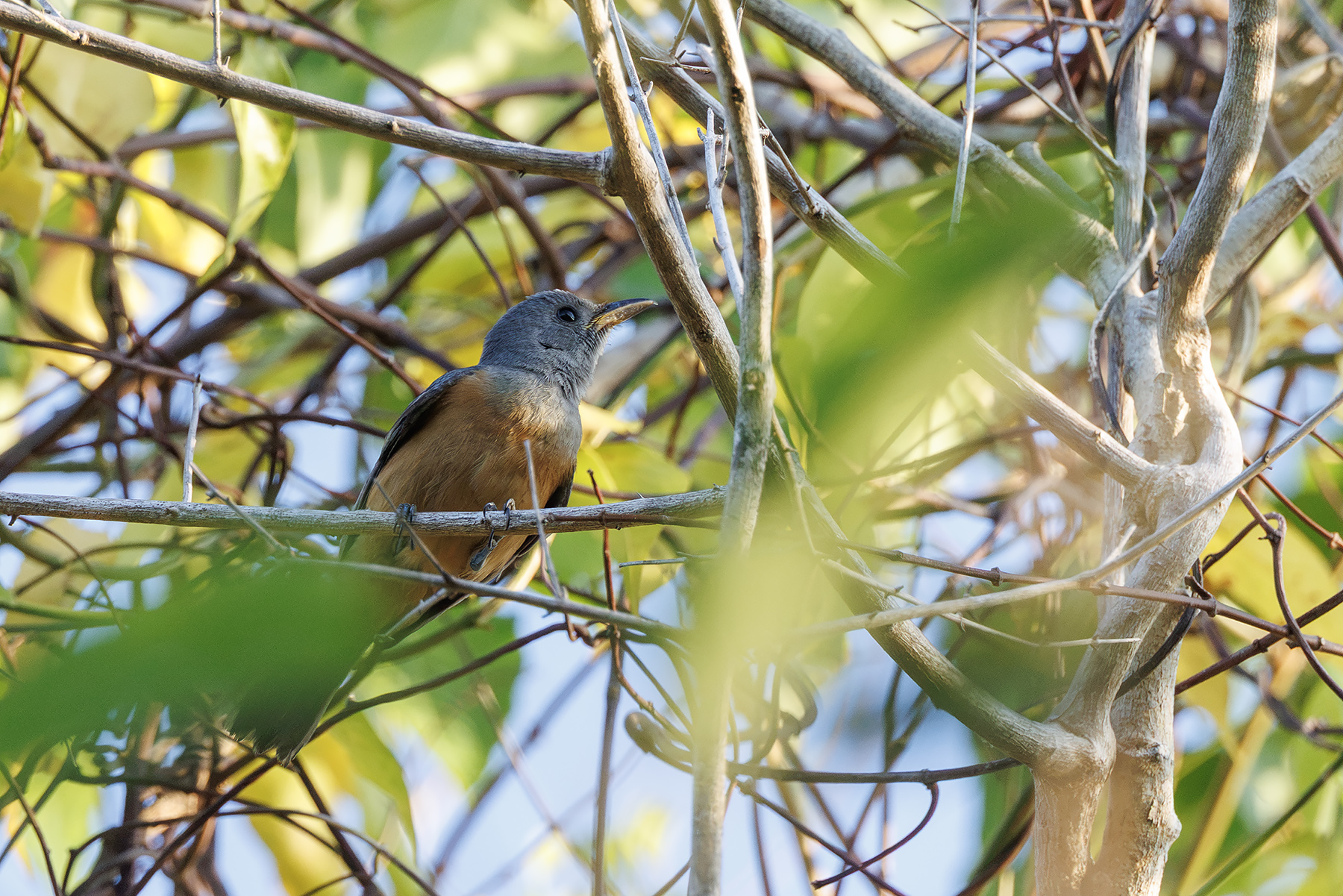
Island Monarch (image by Dániel Balla)
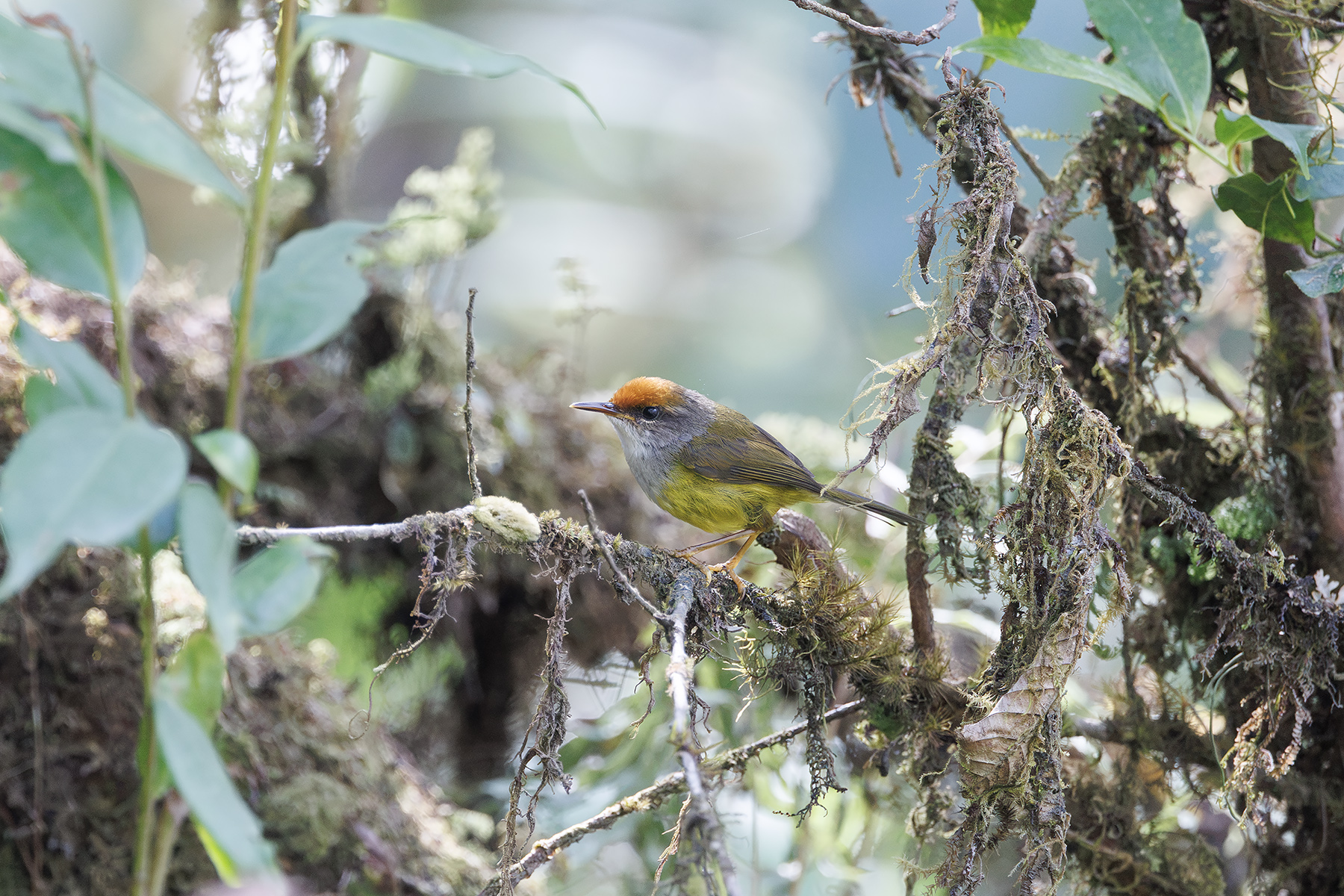
Mountain Tailorbird (image by Dániel Balla)
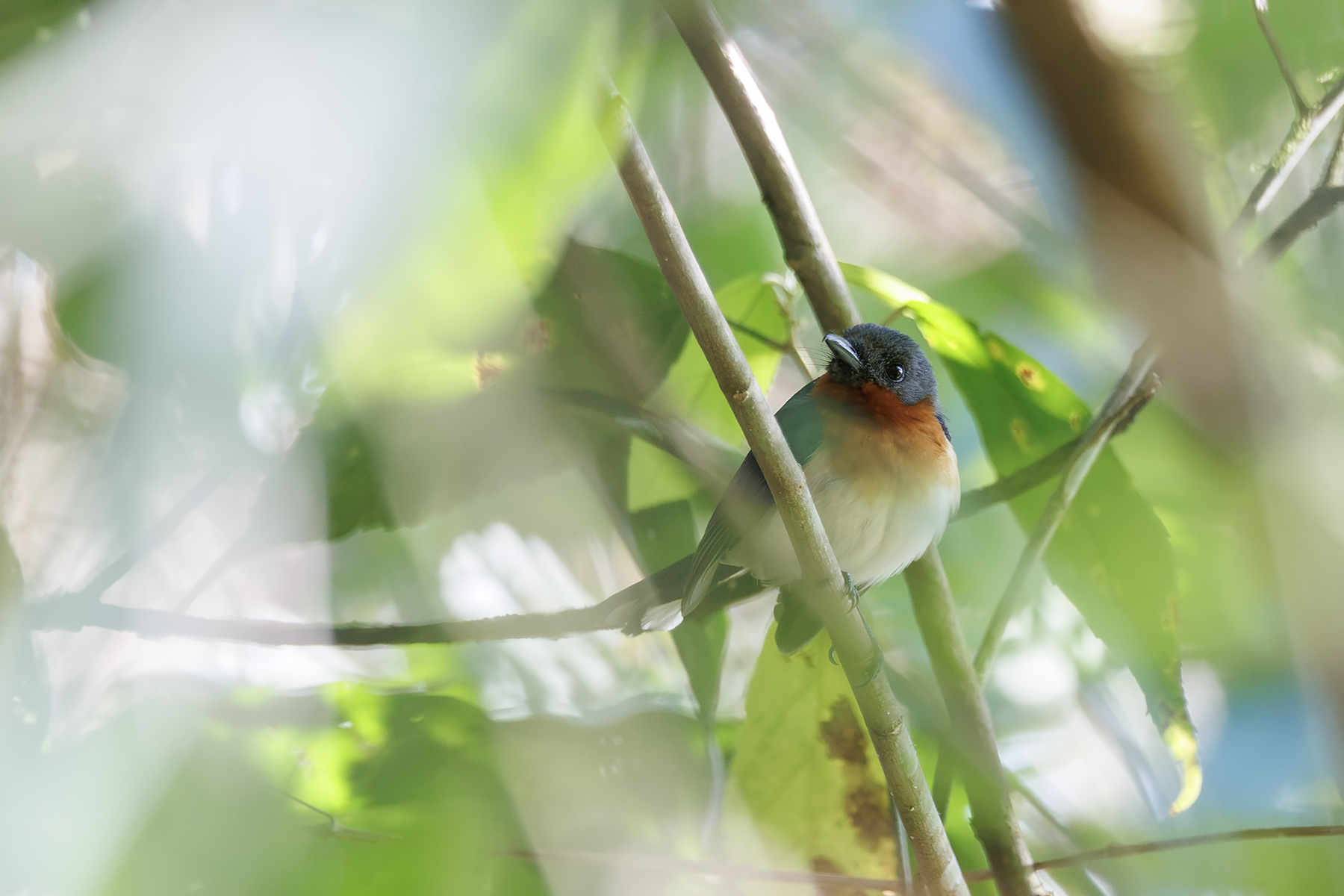
Moluccan Monarch (image by Dániel Balla)
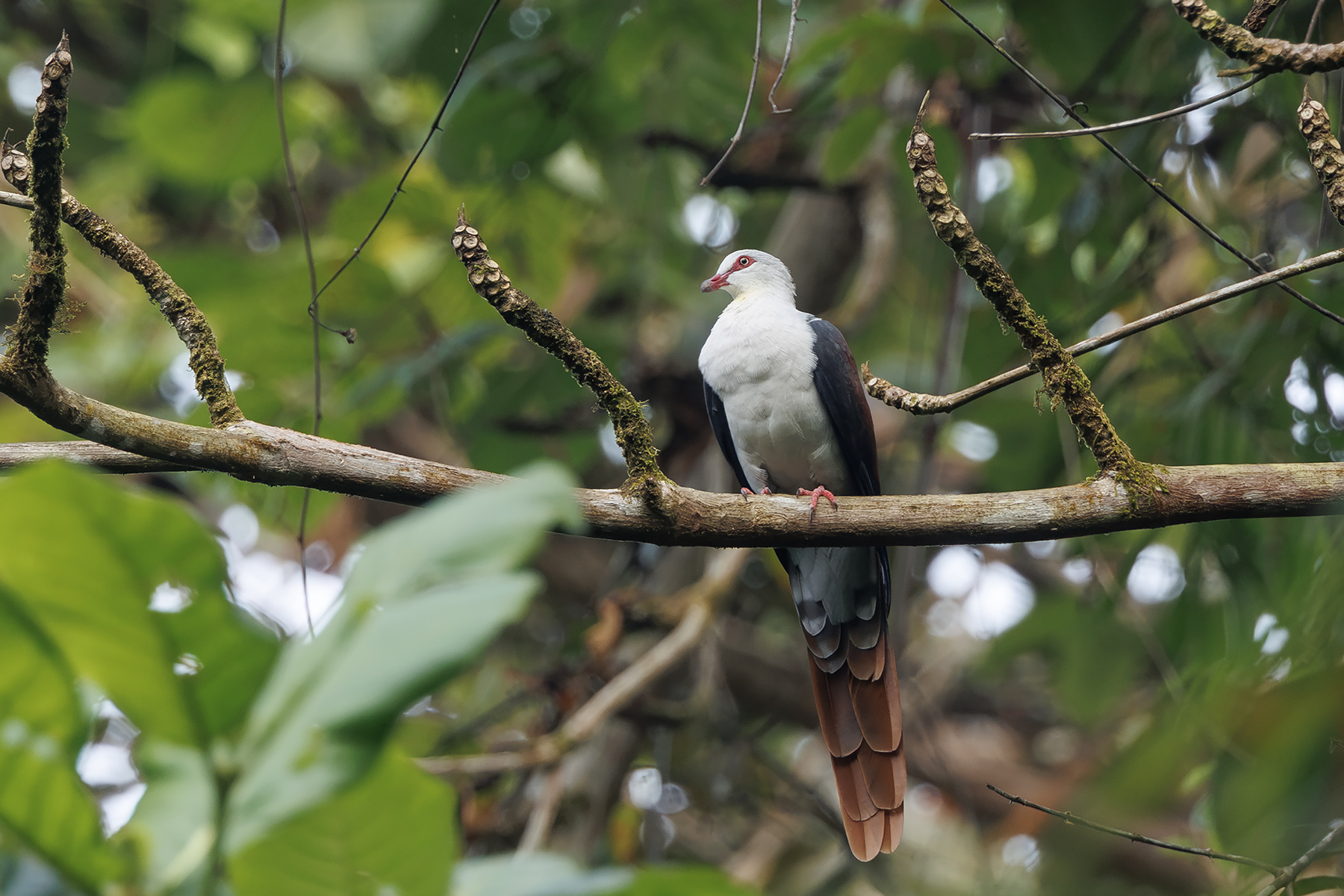
Great Cuckoo-Dove (image by Dániel Balla)
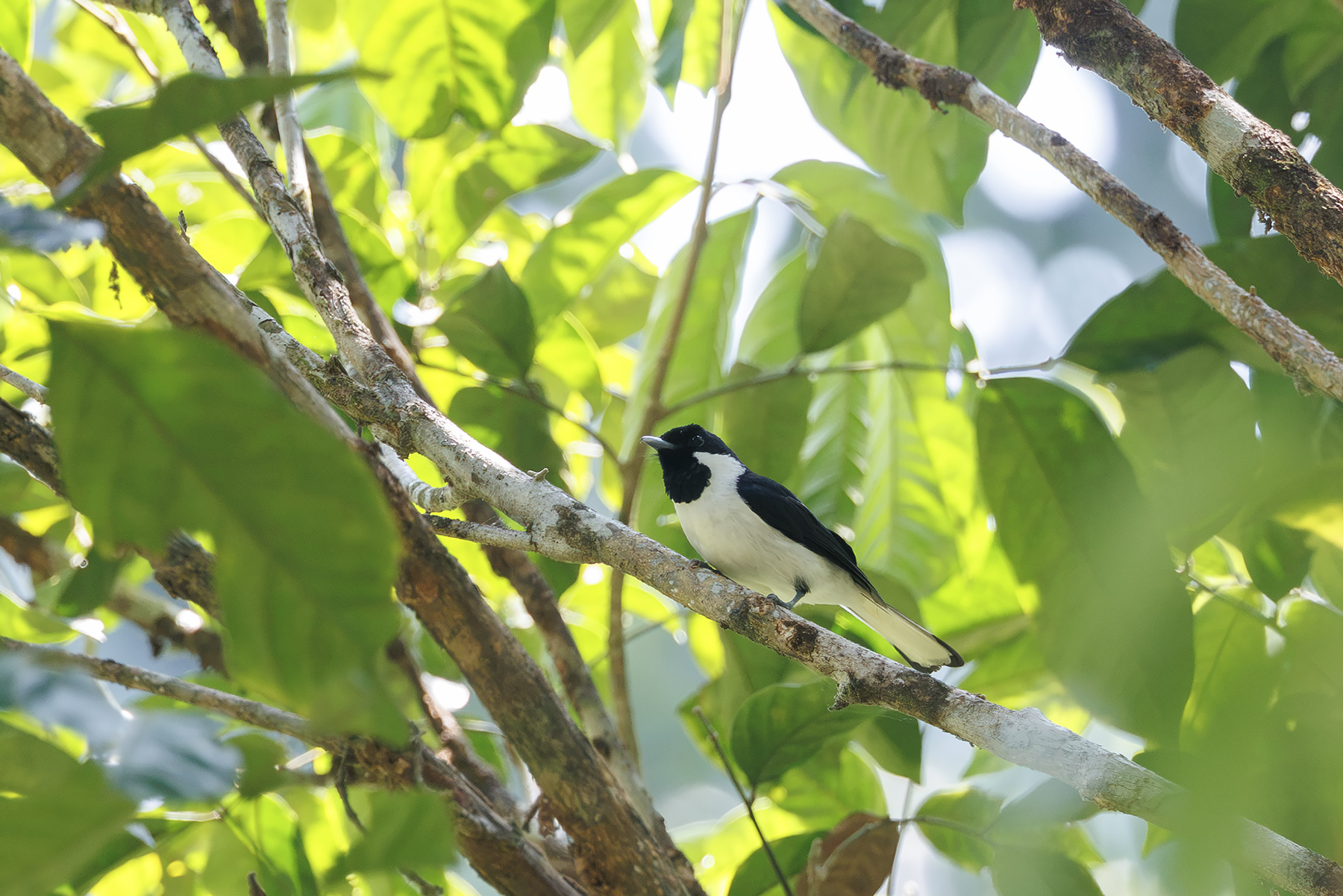
Buru Monarch (image by Dániel Balla)
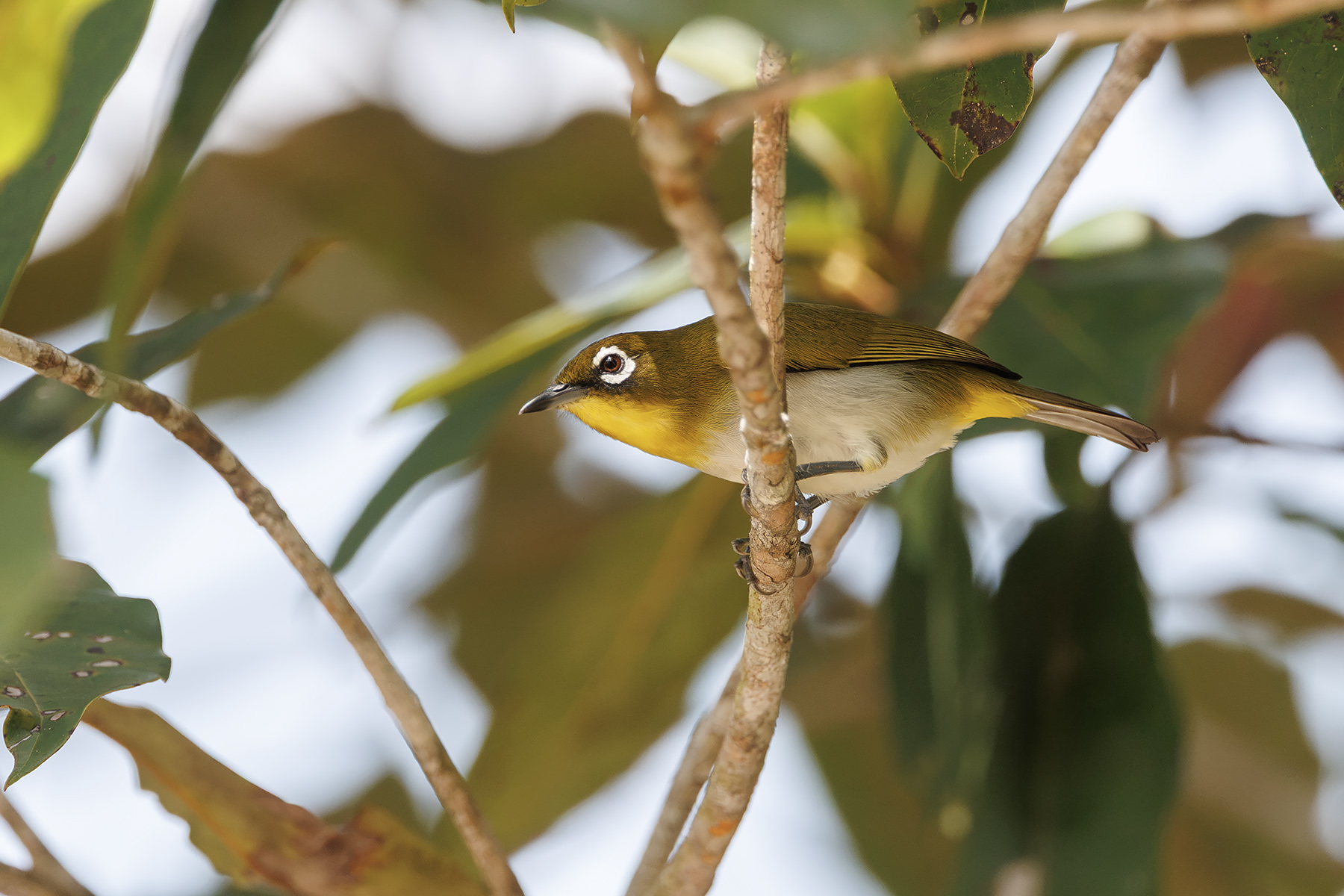
Ambon White-eye (image by Dániel Balla)
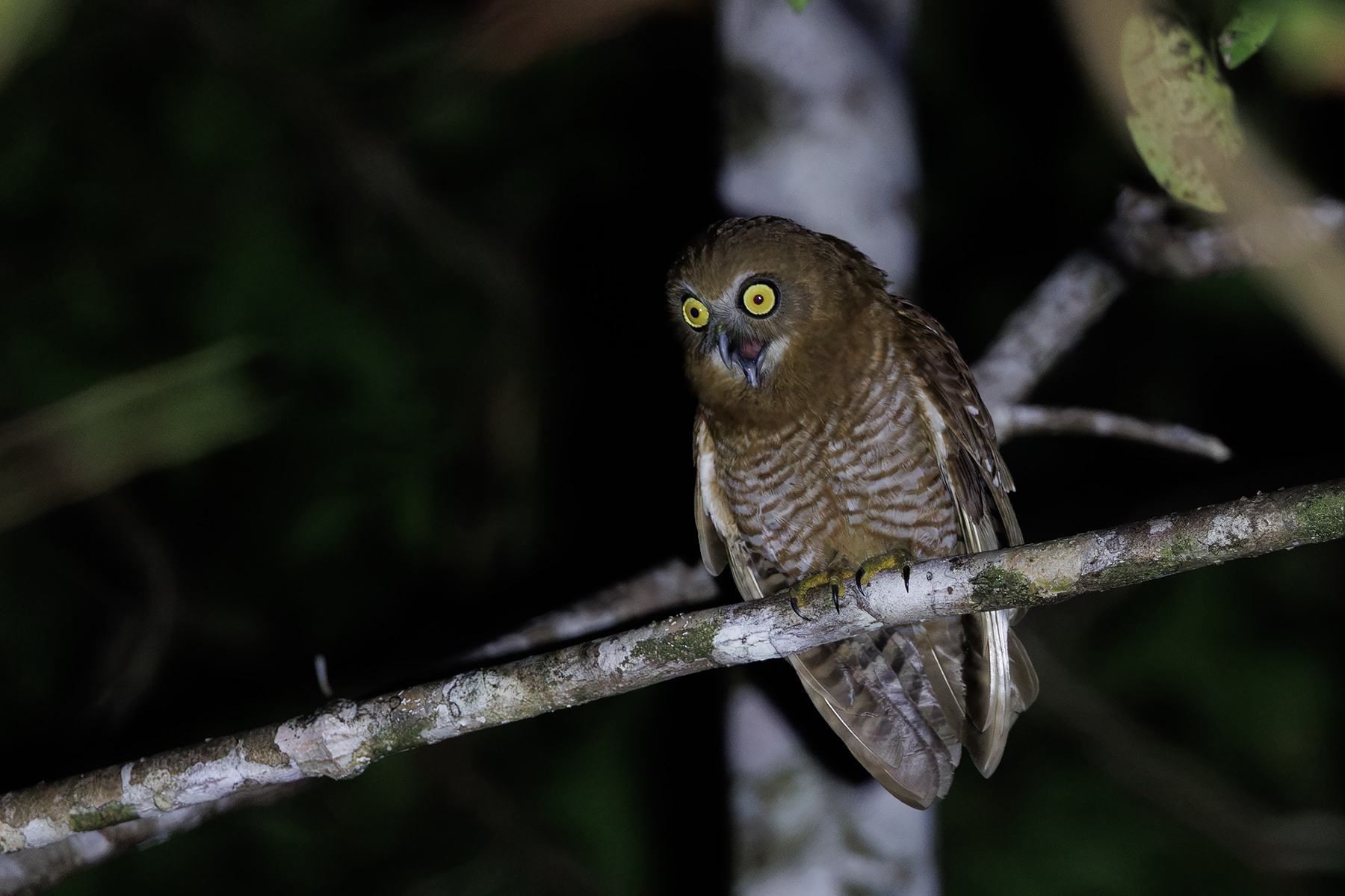
Tanimbar Boobook (image by Dániel Balla)
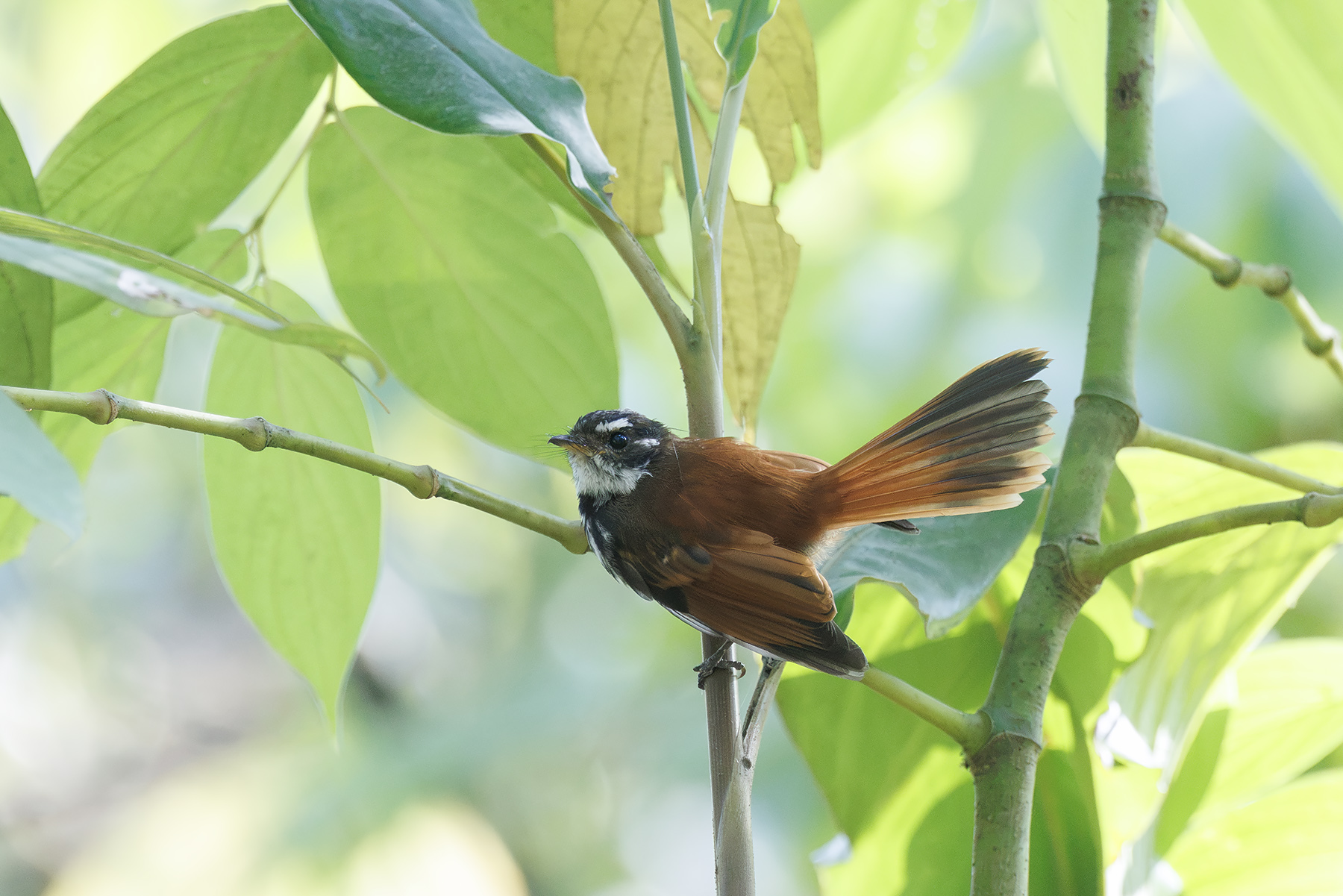
Streak-breasted Fantail (image by Dániel Balla)
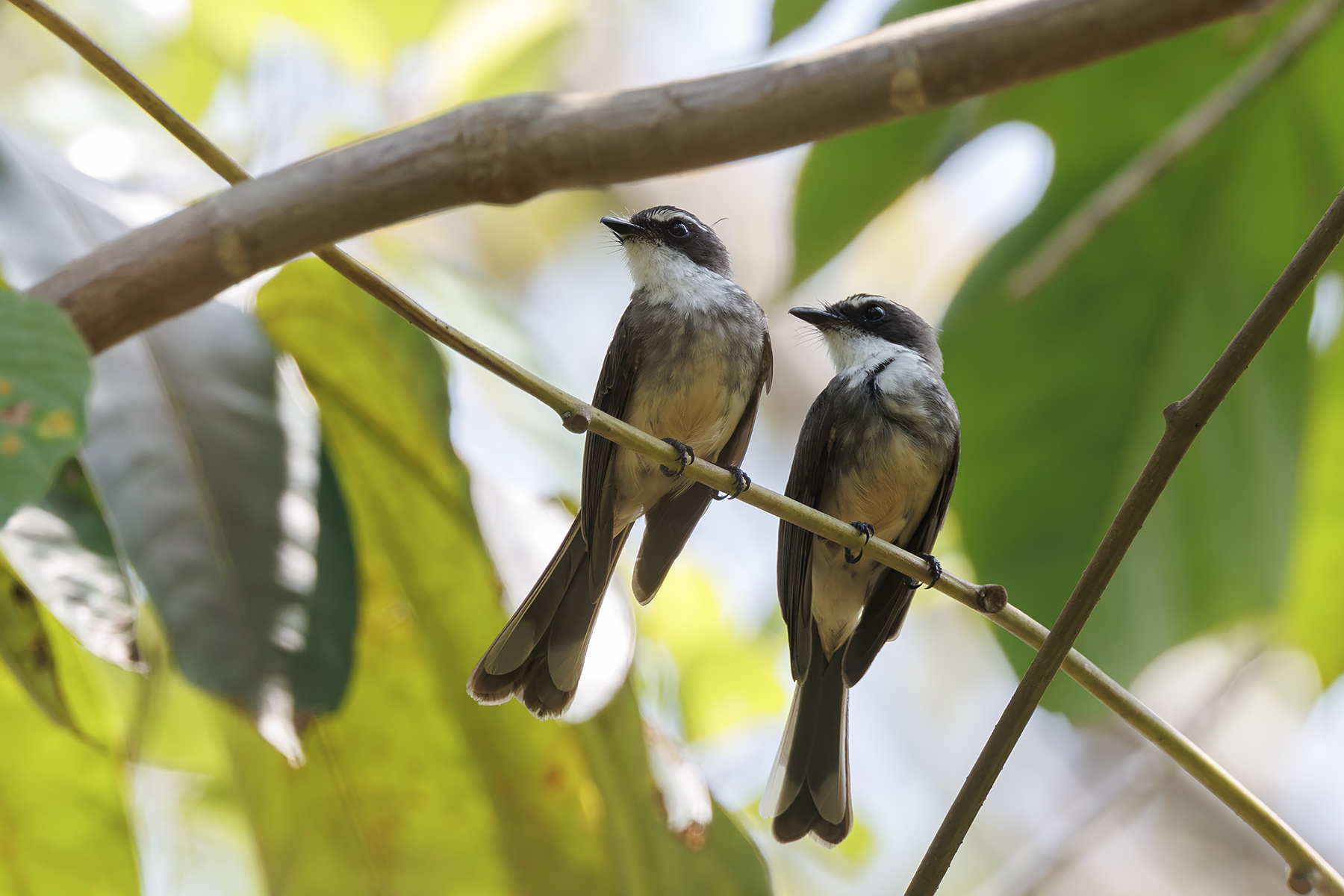
'Kai' Northern Fantail (image by Dániel Balla)
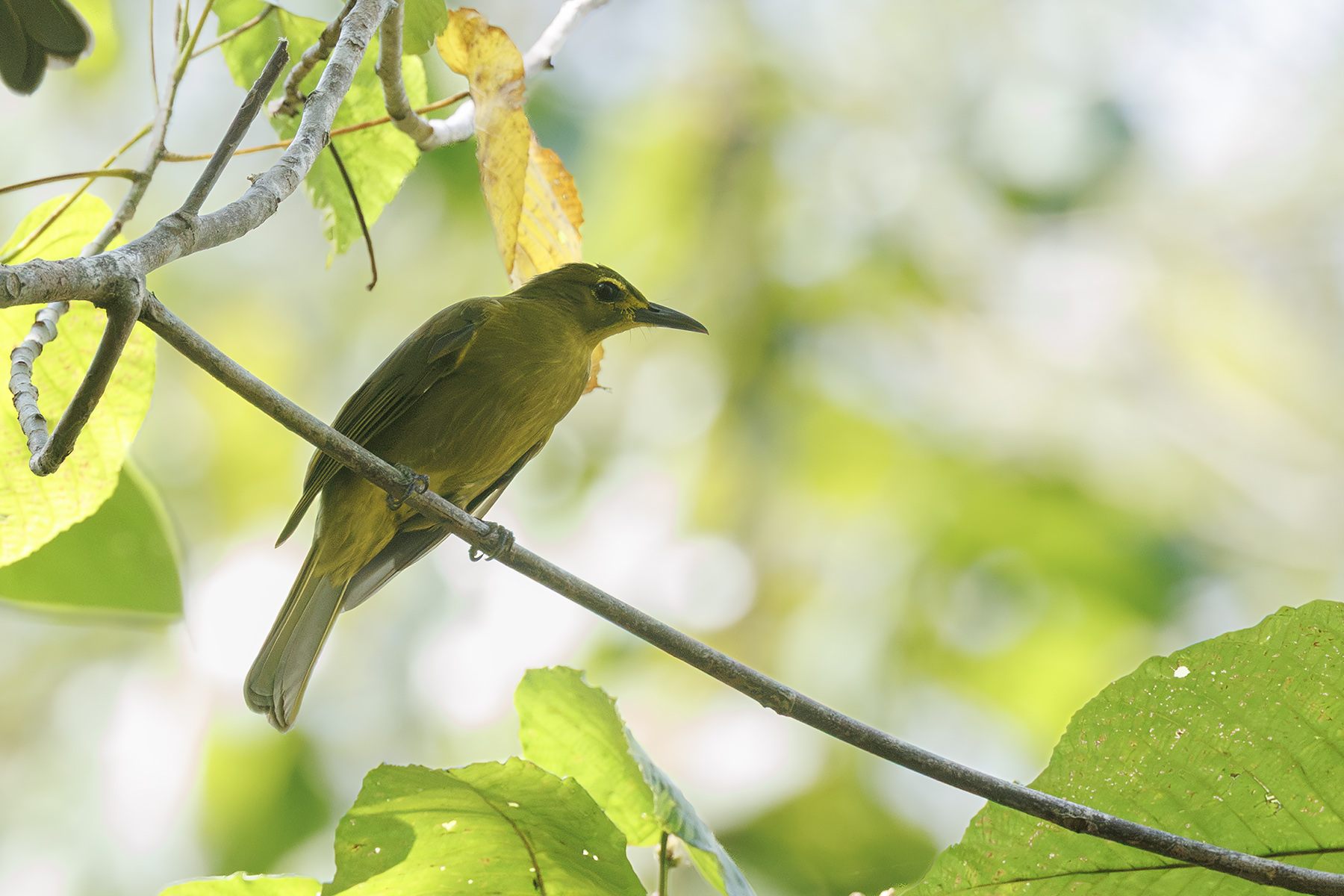
Buru Golden Bulbul (image by Dániel Balla)
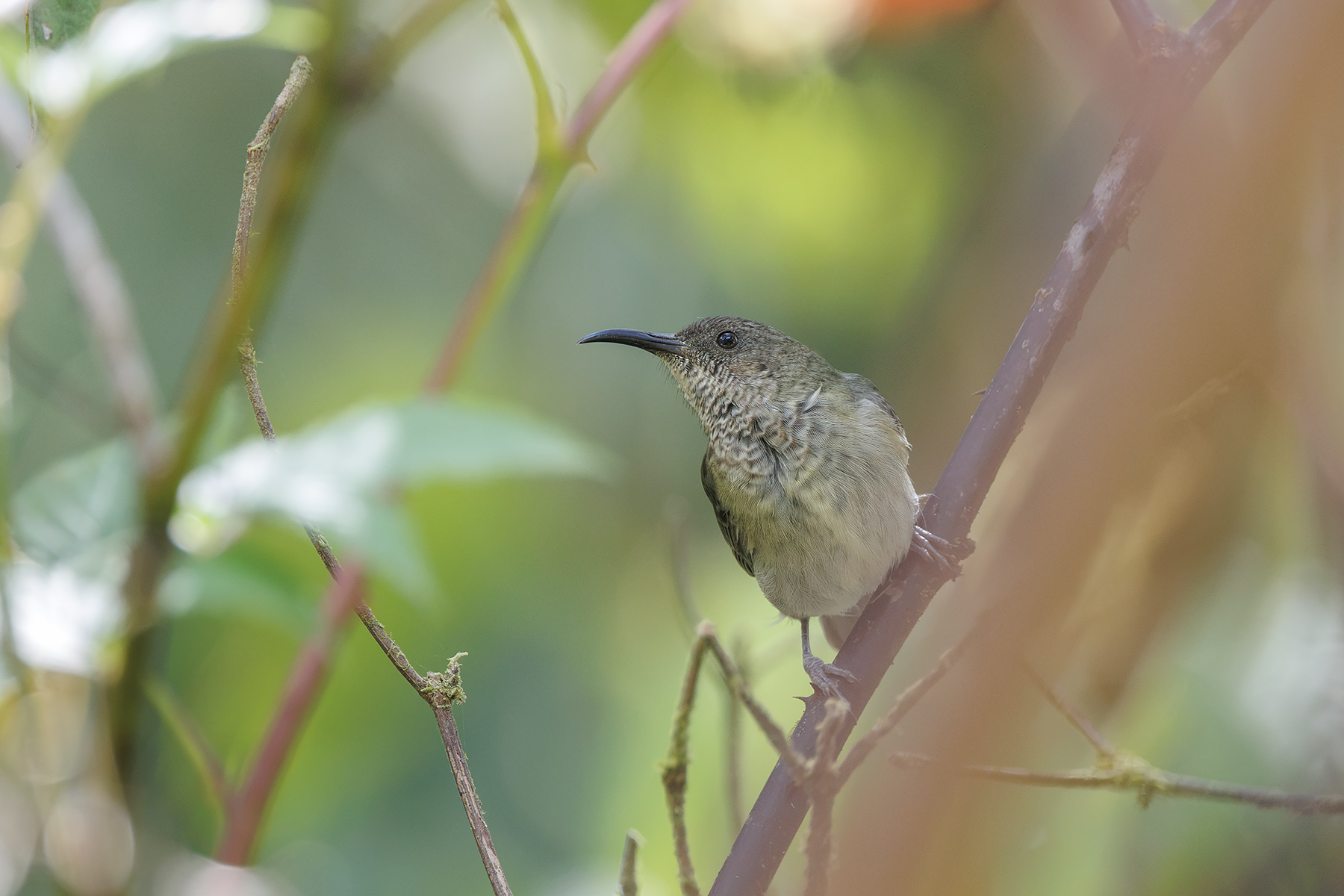
Drab Myzomela (image by Dániel Balla)
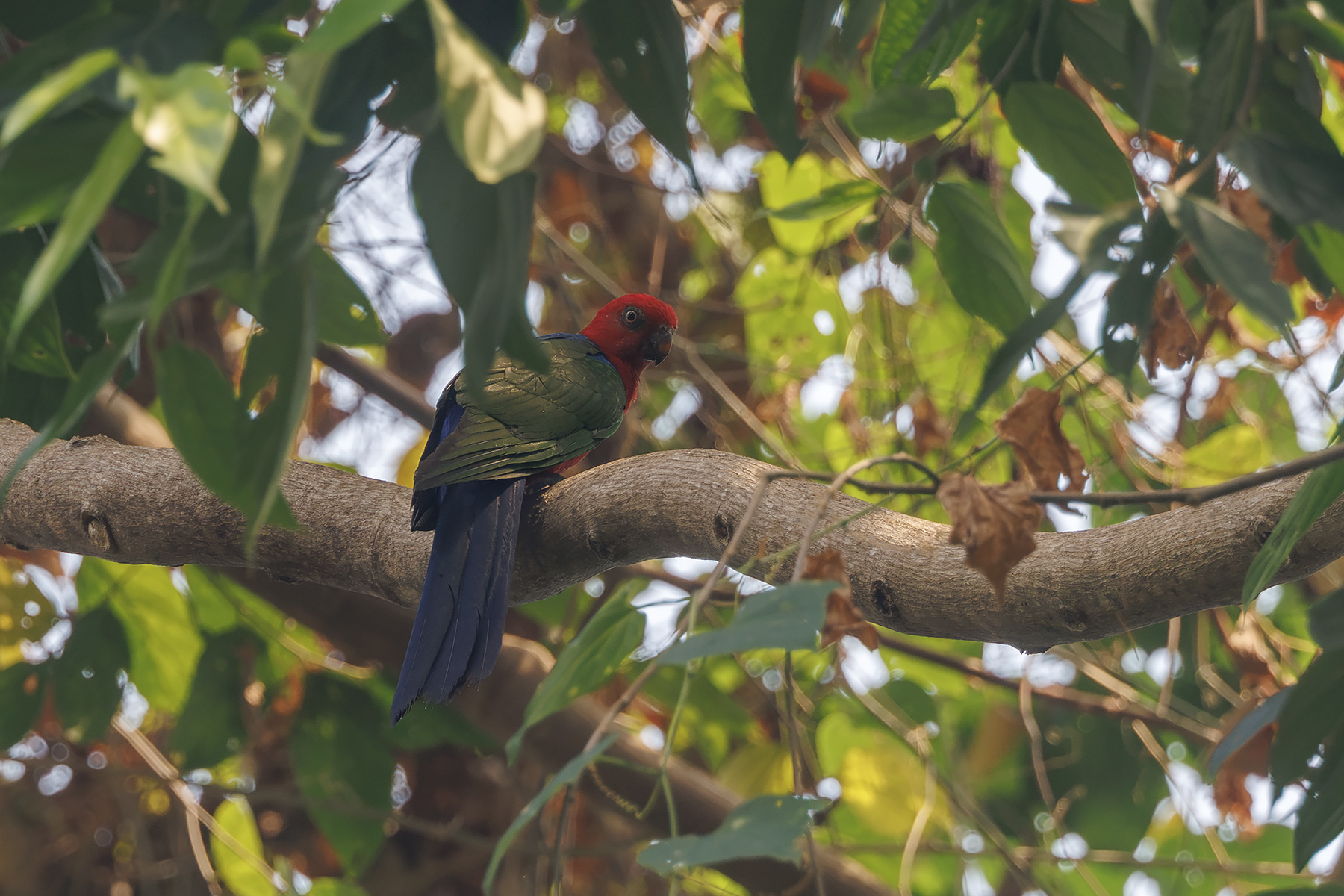
Moluccan King Parrot (image by Dániel Balla)
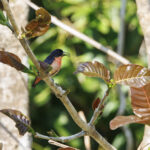
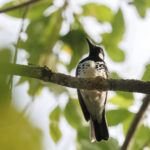
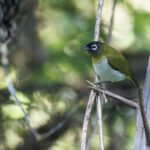
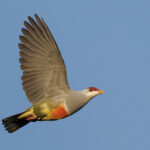
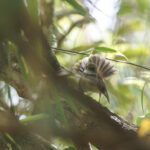
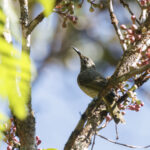
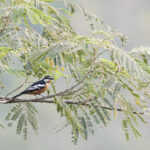
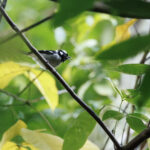
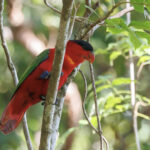
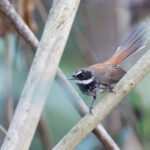
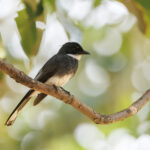
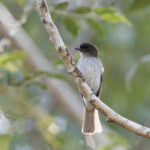
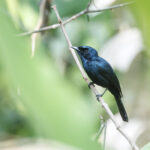

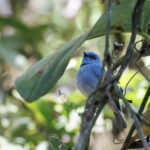
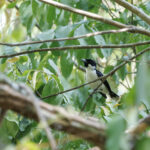
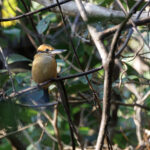
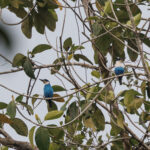
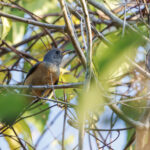
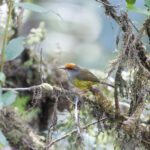
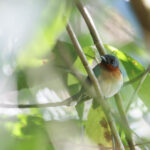
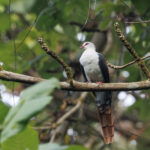
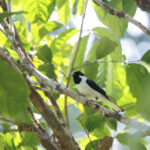
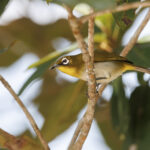
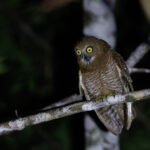
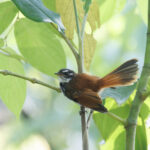


Pink-breasted Flowerpecker (image by Dániel Balla)
Moluccan Flycatcher (image by Dániel Balla)
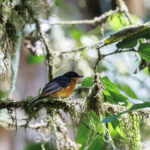
Buru Flowerpecker (image by Dániel Balla)
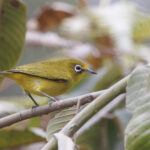
Cream-throated White-eye (image by Dániel Balla)
Yellow-throated Whistler (image by Dániel Balla)
Slaty-backed Thrush (image by Dániel Balla)
Seram White-eye (image by Dániel Balla)
Wallace's Fruit Dove (image by Dániel Balla)
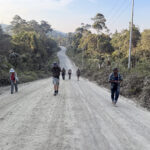
Birding on Buru (image by Dániel Balla)
Cinnamon-chested Flycatcher (image by Dániel Balla)
Long-crested Myna (image by Dániel Balla)
Obi Paradise-crow (image by Dániel Balla)
Obi Cuscus (image by Dániel Balla)
Kai Kecil White-eye (image by Dániel Balla)
Carunculated Fruit Dove (image by Dániel Balla)
Blue-and-white Kingfisher (image by Dániel Balla)
Tawny-backed Fantail (image by Dániel Balla)
Seram Honeyeater (image by Dániel Balla)
Rufous-bellied Triller (image by Dániel Balla)
Tanimbar Monarch (image by Dániel Balla)
Black-chinned Whistler (image by Dániel Balla)
Buru Thrush (image by Dániel Balla)
Kai Besar White-eye (image by Dániel Balla)
North Moluccan Pitta (image by Dániel Balla)
Moluccan Scops Owl (image by Dániel Balla)
Grey-collared Oriole (image by Dániel Balla)
Buru Racket-tail (image by Dániel Balla)
Banda Sea Pitta (image by Dániel Balla)
Tanimbar Bush Warbler (image by Dániel Balla)
Purple-naped Lory (image by Dániel Balla)
Supertram Fantail ssp. squamata (image by Dániel Balla)
'Obi' Northern Fantail (image by Dániel Balla)
Buru Jungle Flycatcher (image by Dániel Balla)
Fawn-breasted Thrush (image by Dániel Balla)
Moluccan Megapode (image by Dániel Balla)
Pied Bronze Cuckoo (image by Dániel Balla)
Moluccan Dwarf Kingfisher (image by Dániel Balla)
Common Paradise Kingfisher (image by Dániel Balla)
Buru Boobook (image by Dániel Balla)
White-naped Monarch (image by Dániel Balla)
Shining Flycatcher (image by Dániel Balla)
Sunset over Seram (image by Dániel Balla)
Turquoise Flycatcher (image by Dániel Balla)
Boano Monarch (image by Dániel Balla)
Cinnamon Banded Kingfisher (image by Dániel Balla)
Lazuli Kingfisher (image by Dániel Balla)
Obi Golden Bulbul (image by Dániel Balla)
Northern Common Cuscus (image by Dániel Balla)
Kai Cicadabird (image by Dániel Balla)
Buru White-eye (image by Dániel Balla)
Black-eared Oriole (image by Dániel Balla)
Tanimbar Oriole (image by Dániel Balla)
Seram Boobook (image by Dániel Balla)
Rose-crowned Fruit Dove (image by Dániel Balla)
Tanimbar Flycatcher (image by Dániel Balla)
Black Sunbird (image by Dániel Balla)
Buru Thrush (image by Dániel Balla)
Island Monarch (image by Dániel Balla)
Mountain Tailorbird (image by Dániel Balla)
Moluccan Monarch (image by Dániel Balla)
Great Cuckoo-Dove (image by Dániel Balla)
Buru Monarch (image by Dániel Balla)
Ambon White-eye (image by Dániel Balla)
Tanimbar Boobook (image by Dániel Balla)
Streak-breasted Fantail (image by Dániel Balla)
'Kai' Northern Fantail (image by Dániel Balla)
Buru Golden Bulbul (image by Dániel Balla)
Drab Myzomela (image by Dániel Balla)
Moluccan King Parrot (image by Dániel Balla)


INDONESIA’S MOLUCCAS ISLANDS TOUR REPORT 2026

3 - 25 September 2026
Dáni Balla
It was the first time Birdquest was running the Moluccas tour adding some of the northern Moluccan islands into the itinerary. As previously, the tour was visiting a nice set of Indonesian islands including Yamdena (Tanimbar Islands), Kai Kecil, Kai Besar, Haruku, Ambon, Seram, Boano, Buru and now in addition Ternate, Bacan and Obi extending the list of possible birds with a good number. Unfortunately, this year’s El Nino seemed to be hitting these islands hard with severe drought and wildfires occurring in many places and this was clearly sensed in bird activity at many sites and did cost us a few species. On the other hand, we were still doing very well and found most of the targets! It is hard to pick the best birds we saw as many localised endemics are found on these islands but as a start we got Ambon White-eye on Ambon, Moluccan Megapode on Haruku and Seram, Kai Kecil White-eye, Kai Monarch, ‘Kai’ Northern Fantail, ‘Kai’ Pheasant Coucal on Kai Kecil adding Kai Besar White-eye and Yellow-capped Pygmy Parrot on Kai Besar to our list. On Boano we located the island’s only endemic in the form of Boano Monarch and found ‘Forsten’s’ Dusky Megapode, Island Monarch and Amboyna Paradise Kingfisher. On Seram we saw the endemics (or near-endemics) of the island including Seram Mountain Pigeon, Seram Boobook, Salmon-crested Cockatoo, Purple-naped Lory, the rarely seen Blue-eared Lory, Drab (or Seram) Myzomela, Seram Friarbird, Seram Honeyeater, Grey-collared (or Seram) Oriole, Streak-breasted Fantail, Seram Golden Bulbul, Seran White-eye, Cinnamon-chested Flycatcher, Ashy Flowerpecker and the fantastic Long-crested Myna.
The main tour was wrapped into extensions. During the pre-tour extension, we visited the island of Yamdena, the largest of the Tanimbar islands. We saw almost all endemic species except the megapode during our three day stay here. Our list included Pied Bronze Cuckoo, Tanimbar Cuckoo-Dove, Wallace’s and Rose-crowned Fruit Doves, Australasian Masked Owl, Tanimbar Boobook, Cinnamon-banded Kingfisher, Tanimbar Corella, Blue-streaked Lory, Tanimbar Eclectus, Banda Sea Pitta, Rufous-sided Gerygone, Tanimbar Myzomela, Tanimbar Friarbird, Scaly-breasted Honeyeater, Kai Cicadabird, Tanimbar Oriole, Wallacean Whistler, Long-tailed Fantail, Cinnamon-tailed Fantail (or Tremolo Fantail as it is now called after the recent split!), Banda Sea and Tanimbar Monarchs, Golden-bellied (or Tanimbar) Flyrobin, Tanimbar Bush Warbler, Tanimbar Starling, both endemic Thrushes the Slaty-backed and Fawn-breasted and Tanimbar Flycatcher.
The post-tour extension after the main tour started with a visit to Ternate where North Moluccan Pitta and Moluccan Dwarf Kingfisher were seen from a hide. The focus was reaching Obi Island where the single island endemics Obi Paradise-crow, Obi Golden Bulbul, the undescribed Obi Myzomela, Red-tinged Myzomela, Obi Cicadabird and Carunculated Fruit Dove were all seen by us. As the final part of the tour, we paid a visit to nearby Bacan where we found Cream-throated White-eye, Moluccan Myzomela, the local form of Spangled Drongo, Blue-capped Fruit Dove and Halmahera Paradise Kingfisher to highlight a few species there.
Officially we should have been meeting in Saumlaki to start the tour on the Tanimbars with those taking this extension, but in reality everyone was arriving with the same flight, which was delayed by half a day. As we arrived late, we only had time to do some warmup birding in the afternoon for which we chose to do along the road going to Batu Putih. Amongst the first birds we connected with were Elegant Imperial Pigeons and two Tanimbar Cuckoo-Doves and many Wallace’s Fruit Doves. We also saw a few Red-cheeked Parrots in flight and had our first Tanimbar Friarbirds. We found a Tanimbar Myzomela and saw at least two dozen Scaly-breasted (or Banda) Honeyeaters. Two Wallacean Cuckooshrikes shot over the road and were seen briefly. In a roadside bush a Supertramp Fantail enabled good views. One of the last birds seen in the daylight was a Golden-bellied Flyrobin. We stayed out until dark and soon heard Tanimbar Boobooks calling around. At least five birds heard from one spot and two or maybe three birds we managed to see in torchlite. Our first try to see the Masked Owl failed.
There are a few trails accessible from the only road going north from Saumlaki – the main city on the southern tip of Yamdena island – most of them abandoned logging tracks which we used to reach the forest and find birds. On our first day we took the northern trail to access the forest in the morning. After having our packed breakfast near the road, we saw Tanimbar Cuckoo-Dove, Tanimbar Friarbird, Ashy-bellied White-eye, Wallacean Whistler, Tanimbar Oriole and many noisy Scaly-breasted Honeyeaters from the road. As we crossed the open areas toward the forest, we flushed a few Barred Doves and saw a group of Five-coloured Munias. Wallace’s and Rose-crowned Fruit Doves were flying around, three Pink-headed Imperial Pigeons were also seen passing by and we had a Tanimbar Eclectus loudly shooting over. Inside the forest we soon heard a singing Tanimbar Monarch which luckily did respond well, and we had nice looks at it. The Banda Sea Monarch on the other hand was more difficult to find, but with patience we managed to get that one as well and at the end we saw more individuals. We found a Banda Sea Pitta feeding on the forest floor and we managed to call it out onto an open branch literally in front of us. Finding the thrushes inside the forest was also a challenging task this year – it is never easy – and after hearing many Slaty-backed Thrushes we had to retreat without one properly seen. Some birds were more easily seen, like Cinnamon-tailed Fantail showing well and so was Ashy-bellied White-eye. A Northern Common Cuscus on its dayroost was a surprise find and took some time and wild guesses before we got a good picture to confirm its identity. In the afternoon we visited the lake side area near the airport. A group of three Spotted Whistling Ducks was a welcome find while Australasian Darter, Little Pied and Little Black Cormorants were also around the water. Along the road we had good looks at a Pied Bronze Cuckoo which is endemic to the Kai and Tanimbar Islands and found Tanimbar endemic White-browed Trillers also showing well. To finish the day, we stopped at a small waterhole, where an obliging Fawn-breasted Thrush was a huge bonus closing the day.
On the third morning we chose to take an abandoned trail from the Batu Putih road. However, the trail was hard to follow in many parts, but we eventually managed to reach the desired forest. A Kai Cicadabird was found feeding in the mid-canopy and we flushed two Tanimbar Spangled Drongos. A responsive Cinnamon-banded Kingfisher perched onto a sunlit branch cheering us on after a tougher section of bushes. Inside the forest we soon got better views of Slaty-backed Thrush in the canopy and managed to lure a Tanimbar Bush Warbler into view. A Long-tailed Fantail was seen well, and we spent quite some time trying to see a Tanimbar Flycatcher but ended only with glimpsing it a few times, however we got a nice Shining Flycatcher in the meantime. In the afternoon we went back to the previous morning’s trail and spent the late afternoon in the forest finding a male Tanimbar Flycatcher, this time sitting still for a longer period. We decided to stay in the forest and walk out in the dark in hope of finding owls. Soon after the night arrived, we started walking out finding roosting Yellow-throated Whistler, a pair of Tanimbar Flycatcher, Fawn-breasted Thrush and eventually quit birding after having great views of Tanimbar Boobook again.
On our last day we took a new trail into the forest, soon seeing Tawny Grassbird, Five-coloured Munia, Wallacean Whistler and Kai Cicadabird. At the edge of the forest a cooperative Slaty-backed Thrush was showing very well, and we had nice looks at a Tanimbar Oriole. We walked far into the forest seeing Cinnamon-tailed and Long-tailed Fantails, Ashy-bellied White-eyes, Elegant Imperial Pigeons, Variable Goshawk, Broad-billed Flycatcher, Tanimbar Monarch, Wallacean Cuckooshrike and a Fawn-breasted Thrush on the way out. In the afternoon we chose to do some easy roadside birding and finally we managed to see Blue-streaked Lories flying across and had more views of Golden-bellied Flyrobin, Tanimbar Starling, Tanimbar Corella, dozens of Wallace’s Fruit Doves, Elegant Imperail Pigeons and a Great-billed Parrot. We stayed until it became dark and tried to spot Australasian Masked Owl from the car. We soon got lucky but manouvering the cars took too long, and the bird flew away before good looks. We continued along the road and miraculously found another Masked Owl perched above the road, this time the bird being responsive and we managed to call it back several times, providing enough time for nice looks – a great way to finish birding in the Tanimbars.
We had a morning flight and arrived back to Ambon in the middle of the day. We were supposed to meet the other half of our group as this was the start of the main tour, but not everyone managed to reach Ambon, as an erupting volcano between Java and Sumatra resulted in closed airspace around Jakarta, forcing those about to arrive to replan their flights and hope for an easing situation. Teaming up with the lucky ones making it into Ambon we headed off for a short birding session on the island. It was the middle of the day, but we tried anyway, to try seeing the island’s only endemic, the Ambon White-eye. As we also teamed up with local celebrity Sony, who took us to a spot where a cooperative bird did a record fast appearance and showed extremely well. We had no time to waste as we had to catch the afternoon ferry which took us to Seram, where we drove to Piru for the night.
Leaving the hotel in the dark, we arrived at the jetty on the northwest tip of Seram at first light where a speedboat was ready to take us over to the small island of Baono. Smooth waters were in our favour and we arrived still in the pleasant morning temperatures and started trekking up to reach the forest on the first ridge. In the village, one of the first birds we saw was a Spotted Kestrel – a good start. On the way trekking up, we had a small feeding flock and spotted Island Monarchs and a Moluccan Flycatcher in the canopy. A rapidly passing Moluccan Cuckooshrike was seen, and noisy Red-cheeked Parrots and a Great-billed Parrot were around. We found an injured ‘Forsten’s’ Dusky Megapode while another healthy one further up disappeared rapidly. Reaching the top, we tried if there was any Amboyna Paradise Kingfisher around, and we had several birds responding soon of which only one came close and showed briefly. We still had to go a little further to finally find our main target here: the Boano Monarch, which is endemic to this small island. We had a probable family group foraging together; four individuals were logged moving along with a ‘Seram’ Northern Fantail. On the way back we saw the Island Monarchs and Great-billed Parrot again before getting back onto the boat and sailing back to Seram. We rapidly checked out from the hotel and crossed Seram back to its southern coast where we took a midday ferry which took us back to Ambon. From Ambon we had still enough time to cross to nearby Haruku Island where we finished the day waiting for Moluccan Megapodes to turn up at the egg-laying site, which they failed to do. Luckily a helpful local came to the hide and told us that there is a bird moving in the open forest not too far behind the shelter and we rapidly went out to have some views of the foraging bird. After some brief views we went back to the hide, but none turned up that day.
We were supposed to have a morning flight to Tual on Kai Kecil which of course was a little delayed. A lucky coincidence that one of us who failed to reach the tour start just happened to be coming in from Jakarta with the same flight which then continued to Kai Kecil, thus we were almost complete when birding the Kai Islands the upcoming days. Landed not much before noon, we straight went out birding near the airport where instantly seeing a couple Kai Kecil (Golden-bellied) White-eye, Kai Monarch, ‘Kai’ Northern Fantail and Tanimbar Friarbird was a great start. After lunch at our hotel and a short break we visited the western edge of the island where some small patches of forest and small agricultural plots have a good mosaic around. We have seen Elegant and Pied Imperial Pigeons and two Papuan Eclectus from the road and found Rose-crowned and White-bibbed Fruit Doves feeding on a fruiting tree. An Orange-footed Scrubfowl was found feeding near the road in the dense undergrowth revealing itself walking on the dry leaf litter. A Channel-billed Cuckoo crossing above the forest was the only one we saw on the tour. Inside the forest Kai Monarch was seen again, we found Kai Coucal (now lumped into Pheasant Coucal) in the canopy. Island Monarch, Sahul Brush Cuckoo, Kai Spangled Drongo, South Moluccan and Black Sunbird and more Kai Northern Fantail were seen nicely. At the forest edge we found a Drab Whistler posing on a bush. We managed to call out a Supertramp Fantail twice before it retired back into the scrub. We left the forest in the dark finding roosting Island Monarch and Orange-footed Scrubfowl before reaching back to our cars.
We had everything carefully planned and left the hotel in the dark to cross to the Kai Besar Islands with a speed boat. Unfortunately, our boatman was surprised by how shallow the morning low tide made the sea at his jetty and could not get our desired transport working and we were stuck in town until eventually we managed to find another boat with a boatman willing to take us to Kai Besar. Well, the ride wasn’t as smooth and relaxing as planned but eventually we made it to Kai Besar, losing a few hours and seeing Brown Noddy, Black-naped, Common and Greater Crested Terns. On Kai Besar reaching Bukit Indah Mission, where the birding is mostly done from on the island, we found that the local church was preparing for a festival and a big chunk of forest had just been cut down to provide space for the event. Not too pleasantly, plus we had terrible weather, so seeing the only endemic Kai Besar (or Pearl-bellied) White-eye in a few minutes was already a win for us. We saw Kai Monarch, Amboyna Cuckoo-Dove, Tanimbar Friarbird, Varied Triller and Kai Spangled Drongo here and two Red Lories further up along the road. We did try for the local subspecies of Island Leaf Warbler, but they are hard enough to find on a normal day, and we gave up after it seemed impossible with the given circumstances. After lunch we still had some time for a short walk along the road leading to the higher part and we found Yellow-capped Pygmy Parrots and a few Pink-breasted Flowerpeckers before going back to the port and taking the afternoon ferry – a way better way of crossing the sea – to Kai Kecil. We had time for a short birding session on Kai Kecil where we chose to go to a coastal forest patch where we soon had an obliging Supertramp Fantail, a White-bibbed Fruit Dove flew off a tree nearby and perched into the open providing nice scope views. On a tall dry bush we spotted an Island Whistler, our main target. The last bird here was a Banda Sea Pitta foraging on the ground and it felt like a proper finish to this leg of the tour. A late morning departure from Kai Kecil made us land on Ambon just in time for a late lunch and meeting the last missing members of our group who finally had overcome the issues caused by the closed airspace at Jakarta. We took the afternoon ferry again, crossing to Seram where we had a longer drive and arrived late in the evening at our hotel on the northcentral coast of the island.
In the early morning, we drove up the main road to arrive at the pass in the Manusela National Park. We soon bumped into a feeding flock picking up a few Seram White-eyes from a flock of Lemon-bellied and Warbling White-eyes. We found Drab Myzomela and the beautiful Wakolo Myzomela and Ashy (Seram) Flowerpeckers to be frequent at this site. However, the area was more quiet than expected. We did have phenomenal views of a pair of Purple-naped Lories. We managed to call Seram Friarbird and the very similar-looking Grey-collared (Seram) Oriole into view. Island Leaf Warblers were singing at a few spots at the top area, and we managed to see a few and also found Yellow-throated Whistler here and the lovely endemic Streak-breasted Fantail. In the afternoon we visited a nearby quarry where we saw Seram Golden Bulbul, Common Emerald Dove, Moluccan Monarch, Great-billed Parrot and Moluccan Swiftlet before changing sites. A Violet Crow spotted from the car was seen briefly. To finish the day, we drove a little up the road leading to the top and started walking down to the bottom in hope of seeing Salmon-crested Cockatoos as they were flying to their roosting trees. We did find several Moluccan Eclectus, Red-cheeked Parrot, Red Lory and Coconut Lorikeets and even had a close encounter with Moluccan King Parrot but no luck with the cockatoo. The highlight of the spot was seeing a family of the Seram endemic Long-crested Mynas on a dry treetop supplemented with two Moluccan Starlings. After dinner we went back to the mountain for some nightbirds and we got great views of Seram Boobook and Moluccan Scops Owl and additionally we found a sleeping Cinnamon-chested Flycatcher.
As we were still missing a few species we started the next day again at higher elevations and decided to investigate another patch of forest first. We soon found Seram and Lemon-bellied White-eyes again and a pair of Moluccan Monarchs. A Black Eagle was seen soaring above the ridge and we heard a Salmon-crested Cockatoo calling above us on the mountain slope but we failed to locate it. A patch of flowering trees along the road had plenty of Wakolo and Drab Myzomelas. We heard the calls of Seram Honeyeater and soon found a pair coming and going in and out of the same flowering tree for several minutes. In a lucky moment some of us saw a Forsten’s Megapode crossing the road in a split second. We found a few more Seram Honeyeaters further up the road before reaching the top area again, where a Turquoise Flycatcher was heard and then spotted in the lower canopy. We went deeper into the forest on a narrow trail and found ourselves near a feeding flock which we slowly started checking, seeing Pale Cicadabird, Seram White-eye, Yellow-throated Whistler, Streak-breasted Fantail, Island Leaf Warbler in it. Close to the top we heard the very high pitch song of a Cinnamon-chested Flycatcher, which we soon were watching as it perched out in the open for us. In the early afternoon we drove back to the top. At the top we saw Seram Golden Bulbul, Drab Myzomela and heard Moluccan Brush Cuckoo and Grey-hooded Heleia, but they did not respond at all unfortunately. Back to the lower section later in the afternoon, we first drove further along the road seeing probably the same Violet Crow again, but much better. We birded along the road while our cars went into the nearby town to refuel and had a fantastic pair of Lazuli Kingfishers performing for us. However, we failed again to see the cockatoos, but had a Superb Fruit Dove and White-bibbed Fruit Doves around before retiring back to our fantastic accommodation on the coast.
We checked out very early in the morning to reach the higher areas again and try for Seram Masked Owl for a final time here in the dark. However, we didn’t find the masked owl, but we did find roosting Amboyna Paradise Kingfisher and Moluccan Megapode which both were very welcome sightings. We had a fantastic encounter with a Large-tailed Nightjar and heard Seram Boobook once more. As the morning lights started activating the birds we soon found several pigeons moving around and luckily, we bumped into a tree which had Seram Mountain Pigeons. Hearing a Salmon-crested Cockatoo in reachable distance sounded like a miracle and after a few nervous minutes we had an individual perched up nicely on one of the big trees along the road. Our lucky strike was not over yet, as further up the road we found two Blue-eared Lories feeding on a roadside fruiting tree, although seeing them properly as they were crawling between the dense foliage was a hard task. We had another Superb Fruit Dove in a fruiting tree seen and had the best views of Yellow-throated Whistler. We stopped one more time on the ridge where we saw Drab Whistler but nothing more interesting.
We took the overnight ferry from Seram to reach Buru. The ferry was a little late, thus our plans for an early morning birding session on Buru were changed. Instead, we had a quick breakfast near the port and drove to Wamlena where we chose to visit Wamsapo for an initial birding session. Arriving at the spot we soon found Buru Golden Bulbul, Buru Northern Fantail, Pale Cicadabird, Buru Flowerpecker, Buru Friarbird, Moluccan Flycatcher, a small flock of Black-faced Munias and a Buru Monarch. A loud Variable Goshawk was tracked down and spotted in a dense tree. We used Wamlana logging road to reach the middle elevations where we found our first Buru Racket-tails, Buru White-eyes and Black-eared (Buru) Oriole. We waited until dark at a dedicated spot where the rare Black-lored Parrot sometimes turns up, but had no luck with it. We did hear some in the far distance… On the other hand, we were lucky finding the sometimes difficult to see Buru Boobook, which started calling near the road and after some communication with the speaker decided to come closer and check us out.
We spent the first proper full day in Buru around the top of the Wamlana logging road early in the morning. Driving up we stopped to look at Whiskered Treeswifts and saw Large-tailed Nightjar. Initial birding saw our first try for Buru Thrush succeed, after we heard a few birds singing and not responding, one gave us a fantastic performance by perching up in the lower bushes, clear for all to see. Seemingly, the extremely dry weather had pushed down activity a bit. We did find several of the key species though and saw Buru Jungle Flycatcher, Buru White-eye, Yellow-throated Whistler, Drab Whistler, White-naped Monarch, the shy Tawny-backed Fantail, Black-eared Oriole, Buru Friarbird, Red Lories and had incredible views of Buru Racket-tail. A fruiting tree had a dozen Buru Mountain Pigeon, providing excellent opportunities for observation. We again stayed out until dark to try Black-lored Parrot but failed again leaving with Buru Boobook and Moluccan Scops Owl heard at the site.
We chose to try Australasian Masked Owl early in the morning at a known stake-out and had a bird calling back once in the distance but not coming closer. Time being a limiting factor in the morning we had to give up after a while and we drove further west to Bara, where some roadside birding was to be done in the morning. Upon arrival we immediately found an Elegant Pitta jumping further away from us in a dry stream bed. Along the road we saw a Great-billed Parrot perched on a treetop and several Red Lories crossing the sky. Trying different sections of the road once we had a Buru Dwarf Kingfisher launching from the roadside bushes and disappearing in the forest leaving some of us with only a glimpse. Another individual heard further down the road refused to respond to the tape. A single Spectacled Imperial Pigeon was spotted perching on a treetop when we heard a Great Cuckoo-Dove calling which soon landed not too far on an open branch after performing its famous display flight. We finally managed to see a Moluccan Brush Cuckoo and had Moluccan King Parrots moving around keeping us busy for quite some time. A bug in the ferry system forced us to change our plans, thus in the afternoon we went back to the lower section of the logging road where a Pygmy Eagle was seen by some of us and finally we at least heard a very distant South Moluccan Pitta. We saw White-bibbed Fruit Dove and Buru Mountain Pigeon, several Buru Racket-tails, Wakolo Myzomela, a female Little Pied Flycatcher and Pale Cicadabird and waited again to try for Black-lored Parrot after sunset ending with a head-only bird again.
During our last morning on Buru we had very limited time as with the changed plans we had to leave with the midday flight. We chose to go back to Wamsapo, where in the dark we heard a distant South Moluccan Pitta, an Elegant Pitta and an Amboyna Paradise Kingfisher for all to go silent as soon as enough light entered the scene. On the other side we saw Buru Monarch again, Buru Golden Bulbul, Moluccan Flycatcher and some of us managed to see a Buru Cuckuushrike in a dense treetop before it disappeared. A busy clearing provided some great views of Red Lories, Red-cheeked Parrot and Moluccan Eclectus, from the same spot we saw a Claret-breasted Fruit Dove briefly and had two pairs of Buru Green Pigeon crossing the sky above us. We squeezed every second out of the morning but had to retire so we could check out from the hotel and leave in time to catch our flight to Ambon. As we still had an afternoon in Ambon some of us went out birding to an inland lake surrounded by nice woodland. At the lake we found Pacific Golden Plovers, Marsh Sandpiper, Sharp-tailed and Wood Sandpiper, Whiskered Tern amongst more, whilst in the woods we worked hard to enjoy some nice views of a fantastic Claret-breasted Fruit Dove. On the way back to our car several hundred Chestnut Munias were quite a sighting as we finished the day. We had our last dinner together in Ambon as this was the final day of the main tour.
After breakfast, we said goodbye to those not coming with us to the Obi and Bacan extension. This was the first time for Birdquest to be visiting the islands of Ternate, Bacan and Obi as an option to this particular tour. We took a flight from Ambon in the morning to land in Ternate in the middle of the day. After lunch we went to check out a coastal area seeing Beach Kingfisher and a Variable Goshawk. Later we drove higher up, inland, to reach a hide where soon we were enjoying North Moluccan Pitta and Moluccan Dwarf Kingfisher at their best. We finished the day at the Tidore Lake where White Cockatoos were the best birds we saw.
We took an overnight ferry to reach Obi but first arrived at Bacan in the early morning where we went out to have breakfast in the town before continuing towards Obi. The sea was best enjoyed just after leaving Bacan, where we saw more than two hundred Red-necked Phalaropes on the way and had a few Bulwer’s Petrels and a Brown Booby. After one more short stop at Bisa Island we arrived on Obi in the early afternoon. A hot afternoon is not the best to find birds but we were too excited to discover Obi and went out in the afternoon to find Obi Golden Bulbul, Obi Northern Fantail, Obi Paradise-crow, Spectacled Imperial Pigeons, Rufous-bellied Triller, Obi Spangled Drongo and a skulking Gray’s Grasshopper Warbler just to name the most interesting birds. We finished the day at a stakeout where Moluccan Woodcock was supposed to display after sunset – well, it did not. Seeing a Pale-vented Bush-hen was a nice bonus but was not enough to compensate for our disappointment.
An early morning was needed start to reach the once busy logging road east of the town, which now is almost completely taken back by nature, thus providing any 4×4 car a good challenge. Making a wrong turn at a junction in the dark we found ourselves away from the desired birding spot but it was too late to correct our mistake so we decided to explore the area around and soon found a flowering tree with easily more than a hundred Red-flanked Lorikeets feeding on. One of our target birds was also soon spotted, a Red-tinged Myzomela was feeding in the same area. We soon heard the distinctive call of an Obi Cicadabird and soon were enjoying nice views of a pair. We had a late breakfast at our cars and saw a White Cockatoo on the nearby tree in the meantime. Back to check the same area this time adding Violet-necked Lories, Rufous-bellied Triller and the local Cinnamon-breasted race of Drab Whistler to our list. In the afternoon we did some exploration as the island is little known for birding. We chose to drive west from the town and found a logging road leading to nice forest, unfortunately a landslide made us stop much sooner than planned. We walked further up the track after it was blocked and found a cooperative pair of Blue-and-white Kingfisher. Obi Golden Bulbuls were seen nicely, and we found Halmahera Flowerpeckers in a corner. A promising fruiting tree made us stop and wait, eventually yielding a female Black-naped Fruit Dove and two Scarlet-breasted Fruit Doves. Not much further up the track we heard the weird call of a Cinnamon-bellied Imperial Pigeon and after some luring it showed itself nicely. We left the site in time to reach an alternative stakeout of the woodcock, where we managed to see a Barking Owl, but no activity from the woodcock.
On our second full day we went back to the eastern site, this time taking the good turn in the junction and reaching higher up on the once nice logging road. The track being in bad shape made it necessary to scout before it was taken by the cars and this is how activity on the hill side at a huge fruiting tree was spotted. We decided to have breakfast here, which turned out to be the best decision we made. We had Blyth’s Hornbills, Spectacled Imperial Pigeons and Pied Imperial Pigeons, several Obi Paradise-crows moving around and once, out of nowhere, a flock of maybe two dozen fruit doves left the tree, landing on a smaller nearby one. Soon after that, another bunch, came out from the huge fruiting tree, all landing at the same location. Rapidly setting up the scope and it was revealed that they were the sought-after Carunculated Fruit Doves! It was a fantastic experience seeing them is this great a number. After enjoying our time with the fruit doves and our breakfast we drove further up, until it was impossible to continue. We had a flowering tree just where we got out of the car and soon spotted a male Obi Myzomela on it, which flew off after a little time. We walked further up the trail and found a larger section of suitable trees where we soon found Red-tinged Myzomela, Obi Paradise-crow, Rufous-bellied Trillers, Obi Cicadabird, Violet-necked Lory and Red-flanked Lorikeets. A little further up the track a better patch of forest finally had a responding Black-chinned Whistler which showed itself well. We decided to go back to the cars where we managed to see the Obi Myzomela again, this time both male and female, however they again did not spend too long time around. We visited a seemingly good area for the woodcock. We saw Great-billed Parrot, Gray’s Grasshopper Warbler and Obi Paradise-crows. We again spent way more time than usually needed around the woodcock area, waiting for it to appear, but no luck for us.
We had one morning left on Obi and decided to give a final try to the woodcock and went out in the dark – however, the god of birders had no mercy for us. We then went back to the trail to see that during the previous night the nearby hillside had caught fire, was still burning and the whole area was covered in smoke. Of course, we found little bird activity other than the same Blue-and-white Kingfisher and Obi Spangled Drongo seen and a distant Obi Paradise Kingfisher heard here. Plan B was to take another logging track on the way back to town where we saw a Moluccan Brush Cuckoo, Spectacled and Cinnamon-bellied Imperial Pigeon and Rufous-bellied Triller again. It was time to leave Obi behind, and we went to take the ferry to Bacan. The crossing between the islands was pretty eventless, but a few areas had good activity on the sea and we were surprised to find an Aleutian Tern and Sooty Tern while also seeing several Bridled Terns, Common Terns, Lesser Frigatebirds and a few White-winged Terns above the sea. We arrived late in the afternoon and only had a very short time to spend in the field, but luckily in half an hour we found both our main targets, the Bacan Spangled Drongo and Cream-throated White-eye. Moreover we had a distant Grey-headed Fruit Dove, Halmahera Golden Bulbuls around and Halmahera Paradise Flycatcher was seen by some of us.
The morning was spent birding along the road. One of the first birds seen was a Halmahera Paradise Kingfisher. A North Moluccan Cicadabird was heard calling in the distance but never came closer. A flowering tree attracted many sunbirds, two Moluccan Myzomelas and a White-streaked Friarbird. Down the road more Halmahera Golden Bulbuls and a few Sultan’s Cuckoo-Doves were seen on a fruiting tree. A pair of Lesser Coucals perched in the open, as they sometimes do in the morning, and we saw another White-streaked Friarbird. We had a few Long-billed Crows seen here and an unidentified goshawk, which flew away before proper views were obtained. On a quieter track a fruiting tree was attracting Halmahera Golden Bulbuls, Halmahera Flowerpeckers and a few Blue-capped Fruit Doves. At last, but not least, we finished birding on a short trail into the forest finding Goliath Coucal and Forsten’s Dusky Megapode. Our last overnight ferry took us back from Bacan to Ternate where a short birding around Tidore Lake gave nothing new but nice views of Blue-and-white Kingfisher and a Blue-capped Fruit Dove to finish our trip to Indonesia’s Moluccan Islands.
BIRDS OF THE TOUR
1st Lazuli Kingfisher
2nd Buru Thrush
3rd Buru Racket-tail
4rd Purple-naped Lory
5th Salmon-crested Cockatoo
SYSTEMATIC LIST OF SPECIES RECORDED DURING THE TOUR
Species marked with the diamond symbol (◊) are either endemic to the country or local region or considered ‘special’ birds for some other reason (e.g., it is only seen on one or two Birdquest tours; it is difficult to see across all or most of its range; the local form is endemic or restricted-range and may in future be treated as a full species).
The species names and taxonomy used in the bird list follows AviList v2026 (AviList Core Team 2026. AviList: The Global Avian Checklist, v2026); this was the current version when the checklist for the tour report was created.
Where the subspecies seen is/are known, these are often given in parentheses at the end of the species comment.
The species names and taxonomy used in the mammal list follow the mammal list on the iGoTerra website (www.igoterra.com). This list largely follows IUCN (International Union for Conservation of Nature) taxonomy with just a few modifications. It is listed in family order, alphabetically by genera within families. Some alternative names are given in parentheses.
BIRDS
Spotted Whistling Duck ◊ Dendrocygna guttata Seen on Yamdena (Tanimbar) at the airport lake.
Moluccan Megapode ◊ (M Scrubfowl) Eulipoa wallacei One seen poorly on Haruku, much better views later on Seram.
Dusky Megapode ◊ (D Scrubfowl) Megapodius freycinet Seen on Obi and Bacan.
Dusky Megapode ◊ (Forsten’s M) Megapodius [freycinet] forsteni Seen on Seram and Boano.
Orange-footed Scrubfowl (O-f Megapode) Megapodius reinwardt Seen on Kai Kecil as usual.
Little Grebe (Tricolored G) Tachybaptus [ruficollis] tricolor
Goliath Coucal ◊ Centropus goliath One seen on Bacan.
Lesser Coucal Centropus bengalensis
Pheasant Coucal ◊ (Kai C) Centropus [phasianinus] spilopterus One seen well on Kai Kecil.
Pacific Koel (Australian K) Eudynamys orientalis Heard-only.
Channel-billed Cuckoo Scythrops novaehollandiae
Pied Bronze Cuckoo ◊ Chalcites crassirostris Nice views of this Tanimbar endemic on Yamdena.
Moluccan Brush Cuckoo ◊ (M Brush C) Cacomantis aeruginosus
Sahul Brush Cuckoo (Australian B C) Cacomantis variolosus
Great Cuckoo-Dove Reinwardtoena reinwardti Fantastic views on Buru.
Tanimbar Cuckoo-Dove ◊ Macropygia timorlaoensis Common endemic of the Tanimbars.
Amboyna Cuckoo-Dove (Amboina C-D) Macropygia amboinensis
Sultan’s Cuckoo-Dove Macropygia doreya
Spotted Dove Spilopelia chinensis
Rock Dove (introduced) Columba livia
Common Emerald Dove (Asian E D) Chalcophaps indica
Pacific Emerald Dove (Green-winged Pigeon) Chalcophaps longirostris
Buru Green Pigeon ◊ Treron aromaticus Two and two more birds seen in flight.
Zebra Dove Geopelia striata
Barred Dove ◊ Geopelia maugeus
Buru Mountain Pigeon ◊ Gymnophaps mada Around ten seen.
Seram Mountain Pigeon ◊ Gymnophaps stalkeri A few gathered together on a fruiting tree, nice scope views.
Spectacled Imperial Pigeon ◊ (Moluccan I P, Buru I P) Ducula perspicillata Best seen on Ambon.
Seram Imperial Pigeon ◊ Ducula neglecta Seen only twice one individual.
Elegant Imperial Pigeon ◊ (Yellow-eyed I P) Ducula concinna Many seen.
Cinnamon-bellied Imperial Pigeon ◊ (Obi I P) Ducula [basilica] obiensis One came in slose and others seen in flight on Obi.
Pink-headed Imperial Pigeon ◊ Ducula rosacea
Pied Imperial Pigeon Ducula bicolor
Scarlet-breasted Fruit Dove ◊ Megaloprepia formosa Two birds seen on Obi.
Wallace’s Fruit Dove ◊ Ptilinopus wallacii Great views as usual, many seen on Yamdena.
Superb Fruit Dove (Eastern S F D) Ptilinopus [superbus] superbus
Rose-crowned Fruit Dove Ptilinopus regina
Blue-capped Fruit Dove ◊ Ptilinopus monacha All together four seen on Bacan.
White-bibbed Fruit Dove ◊ Ptilinopus rivoli
Claret-breasted Fruit Dove ◊ Ptilinopus viridis Seen briefly on Buru and very well on Ambon.
Grey-headed Fruit Dove ◊ Ptilinopus hyogastrus Seen twice briefly on Bacan.
Carunculated Fruit Dove ◊ Ptilinopus granulifrons Incredible numbers of this Obi endemic at a fruiting tree.
Black-naped Fruit Dove Ptilinopus melanospilus A female seen on Obi.
Buff-banded Rail Gallirallus philippensis
Pale-vented Bush-hen (Rufous-tailed B H) Amaurornis moluccana
Pacific Golden Plover Pluvialis fulva
Common Sandpiper Actitis hypoleucos
Red-necked Phalarope Phalaropus lobatus 200+ logged between Bacan and Obi.
Grey-tailed Tattler Tringa brevipes
Marsh Sandpiper Tringa stagnatilis
Wood Sandpiper Tringa glareola
Common Redshank Tringa totanus
Common Greenshank Tringa nebularia
Sharp-tailed Sandpiper Calidris acuminata
Red-necked Stint Calidris ruficollis
Pomarine Jaeger (P Skua) Stercorarius pomarinus
Brown Noddy Anous stolidus
Aleutian Tern Onychoprion aleuticus At least two seen from the Ternate-Obi ferry.
Sooty Tern Onychoprion fuscatus At least one seen from the Ternate-Obi ferry.
Bridled Tern Onychoprion anaethetus Many seen from the Ternate-Obi ferry.
Little Tern Sternula albifrons
Whiskered Tern Chlidonias hybrida
White-winged Tern (W-w Black T) Chlidonias leucopterus
Greater Crested Tern Thalasseus bergii
Common Tern Sterna hirundo
Black-naped Tern Sterna sumatrana
Swinhoe’s Storn Petrel Hydrobates monorhis
Bulwer’s Petrel Bulweria bulwerii
Wedge-tailed Shearwater Ardenna pacifica
Lesser Frigatebird Fregata ariel
Great Frigatebird Fregata minor
Red-footed Booby Sula sula
Brown Booby Sula leucogaster
Australasian Darter (Australian D) Anhinga novaehollandiae
Little Pied Cormorant Microcarbo melanoleucos
Little Black Cormorant Phalacrocorax sulcirostris
Pied Heron Egretta picata
Pacific Reef Heron (P R Egret) Egretta sacra
Nankeen Night Heron (Rufous N H) Nycticorax caledonicus
Little Heron Butorides atricapilla
Great Egret (Eastern G E) Ardea [alba] modesta
Medium Egret Ardea intermedia
Eastern Cattle Egret Ardea coromanda
Large-tailed Nightjar Caprimulgus macrurus
Moustached Treeswift Hemiprocne mystacea
House Swift Apus nipalensis
Glossy Swiftlet Collocalia esculenta
Moluccan Swiftlet ◊ (Seram S) Aerodramus [infuscatus] ceramensis
Uniform Swiftlet Aerodramus vanikorensis
Australasian Masked Owl ◊ (Moluccan/Lesser M O) Tyto [novaehollandiae] sororcula Last minute bird seen very well on Yamdena (Tanimbar).
Barking Owl ◊ Ninox connivens Seen on Obi.
Tanimbar Boobook ◊ Ninox forbesi Many heard and at least five seen.
Seram Boobook ◊ Ninox squamipila Good looks of two birds.
Buru Boobook ◊ Ninox hantu Many calling this year, the first one seen.
Moluccan Scops Owl ◊ Otus magicus Great looks at one on Seram.
Osprey (Eastern O) Pandion [haliaetus] cristatus
Pacific Baza Aviceda subcristata
Black Eagle Ictinaetus malaiensis
Pygmy Eagle ◊ Hieraaetus weiskei One seen gliding away on Buru.
Variable Goshawk (Varied G) Tachyspiza hiogaster
Brahminy Kite Haliastur indus
Blyth’s Hornbill Rhyticeros plicatus
Oriental Dollarbird (Common D) Eurystomus orientalis
Rainbow Bee-eater Merops ornatus
Common Kingfisher (Hispid K) Alcedo [atthis] hispidoides
Moluccan Dwarf Kingfisher ◊ Ceyx lepidus Heard-only.
Moluccan Dwarf Kingfisher ◊ (Halmahera D K) Ceyx [lepidus] uropygialis One seen from a hide in Ternate.
Buru Dwarf Kingfisher ◊ Ceyx cajeli Brief views for some and heard-only for the rest.
Halmahera Paradise Kingfisher ◊ Tanysiptera margarethae Seen nicely on Bacan – nominate subspecies
Obi Paradise Kingfisher ◊ Tanysiptera obiensis Heard-only.
Amboyna Paradise Kingfisher ◊ Tanysiptera nais Brief views on Boano (ssp. boanensis), nice looks at one on Seram (ssp.nais) and heard on Buru (ssp. acis)
Blue-and-white Kingfisher ◊ Todiramphus diops Great views on Obi and Ternate.
Lazuli Kingfisher ◊ Todiramphus lazuli A fantastic pair found on northern Seram.
Sacred Kingfisher Todiramphus sanctus
Collared Kingfisher Todiramphus chloris
Beach Kingfisher ◊ Todiramphus saurophagus Seen on Ternate.
Cinnamon-banded Kingfisher ◊ Todiramphus australasia Nice views on Yamdena, ssp. odites.
Spotted Kestrel ◊ (Indonesian K) Falco moluccensis
Tanimbar Corella ◊ (T Cockatoo) Cacatua goffiniana Only a couple seen this time.
White Cockatoo ◊ Cacatua alba Around ten seen on Ternate.
Salmon-crested Cockatoo ◊ (Seram C) Cacatua moluccensis
Yellow-capped Pygmy Parrot ◊ Micropsitta keiensis Many heard and four seen in flight on Kai Besar.
Red-breasted Pygmy Parrot Micropsitta bruijnii Heard-only.
Moluccan King Parrot ◊ Alisterus amboinensis Fantastic views on Seram and Buru.
Buru Racket-tail ◊ Prioniturus mada Many seen this year – as some said it felt like a pest, some great views as well.
Papuan Eclectus Eclectus polychloros Seen on Kai Islands.
Moluccan Eclectus ◊ Eclectus roratus
Tanimbar Eclectus ◊ Eclectus riedeli Only one seen briefly more were heard.
Red-cheeked Parrot Geoffroyus geoffroyi
Black-lored Parrot ◊ Tanygnathus gramineus Heard-only.
Great-billed Parrot ◊ Tanygnathus megalorynchos Many seen in fligh, perched views on Boano and Buru.
Red-flanked Lorikeet Hypocharmosyna placentis
Purple-naped Lory ◊ Lorius domicella Fantastic views of a pair.
Blue-streaked Lory ◊ Trichoglossus reticulatus Only seen in flight – Tanimbar endemic.
Blue-eared Lory ◊ Trichoglossus semilarvatus Two seen perched in Seram’s Manusela NP.
Red Lory ◊ (Moluccan R L) Trichoglossus borneus
Violet-necked Lory ◊ Trichoglossus squamatus Common on Obi.
Coconut Lorikeet Trichoglossus haematodus
North Moluccan Pitta ◊ Erythropitta rufiventris Great views from hide on Ternate, glimpsed on Obi.
South Moluccan Pitta ◊ (Buru P) Erythropitta [rubrinucha] rubrinucha Heard-only.
Banda Sea Pitta ◊ Pitta vigorsii Nicely seen on Yamdena and Kai Kecil.
Elegant Pitta ◊ Pitta elegans One seen on Buru.
Rufous-sided Gerygone ◊ (Banda Sea G, R-s Fairy Warbler) Gerygone dorsalis
White-streaked Friarbird ◊ (Halmahera F) Melitograis gilolensis
Drab Myzomela ◊ (D Honeyeater) Myzomela blasii
Red-tinged Myzomela ◊ Myzomela rubrotincta A few seen in scope. Obi endemic.
Moluccan Myzomela ◊ Myzomela simplex Two seen on Bacan.
Obi Myzomela ◊ Myzomela sp. nov. A pair and a male seen briefly on Obi.
Wakolo Myzomela ◊ (Buru M) Myzomela [wakoloensis] wakoloensis
Wakolo Myzomela ◊ (Seram M) Myzomela [wakoloensis] elisabethae
Tanimbar Myzomela ◊ Myzomela abnnabellae A few seen well on Yamdena.
Buru Friarbird ◊ (Buru F) Philemon moluccensis
Tanimbar Friarbird ◊ Philemon plumigenis
Seram Friarbird ◊ Philemon subcorniculatus
Scaly-breasted Honeyeater ◊ (Banda H, White-tufted H) Lichmera squamata
Seram Honeyeater ◊ Lichmera monticola Several seen this year.
White-bellied Cuckooshrike Coracina papuensis
Moluccan Cuckooshrike ◊ Coracina atriceps
Wallacean Cuckooshrike ◊ Coracina personata Seen on Yamdena.
Buru Cuckooshrike ◊ Coracina fortis Poor views of one for some.
White-browed Triller ◊ (Tanimbar T) Lalage moesta Tanimbar endemic – great views.
Varied Triller Lalage leucomela
Rufous-bellied Triller ◊ Lalage aurea
Kai Cicadabird ◊ Edolisoma dispar Only seen on Yamdena.
Pale Cicadabird ◊ Edolisoma ceramense
Obi Cicadabird ◊ Edolisoma obiense A responsive endemic of Obi, good views.
North Moluccan Cicadabird ◊ Edolisoma grayi Heard-only on Bacan.
White-breasted Woodswallow Artamus leucorynchus
Australasian Figbird (Green F) Sphecotheres vieilloti
Black-eared Oriole ◊ (Buru O) Oriolus bouroensis
Grey-collared Oriole ◊ (Seram O) Oriolus forsteni
Tanimbar Oriole ◊ Oriolus decipiens
Yellow-throated Whistler ◊ (Tanimbar W) Pachycephala [macrorhyncha] fuscoflava
Yellow-throated Whistler ◊ (Banda Sea/Seram W) Pachycephala [macrorhyncha] macrorhyncha
Yellow-throated Whistler ◊ (Buru W) Pachycephala [macrorhyncha] buruensis
Black-chinned Whistler ◊ Pachycephala mentalis One seen well on Obi.
Island Whistler ◊ Pachycephala phaionota One found on Kai Kecil.
Wallacean Whistler ◊ Pachycephala arctitorquis A few seen on Yamdena.
Drab Whistler ◊ Pachycephala griseonota Several were seen on Kai Kecil and Seram and Buru.
Drab Whistler ◊ (Cinnamon-breasted W) Pachycephala [griseonota] johni A few seen on Obi.
Tremolo Fantail ◊ (Cinnamon-tailed F) Rhipidura fuscorufa Tanimbar endemic, several seen well.
Northern Fantail ◊ (Kai F) Rhipidura [rufiventris] assimilis
Northern Fantail ◊ (Buru F) Rhipidura [rufiventris] bouruensis
Northern Fantail ◊ (Seram F) Rhipidura [rufiventris] cinerea
Northern Fantail ◊ (Obi F) Rhipidura [rufiventris] obiensis
Willie Wagtail Rhipidura leucophrys
Tawny-backed Fantail ◊ Rhipidura superflua Buru endemic, hard to see well.
Streak-breasted Fantail ◊ (Streaky-b F) Rhipidura dedemi Several seen nicely – Seram endemic.
Long-tailed Fantail ◊ (Charming F) Rhipidura opistherythra Good views of this Tanimbar endemic on Yamdena.
Supertramp Fantail Rhipidura semicollaris
Wallacean Drongo ◊ (Tanimbar Spangled D) Dicrurus [densus] kuehni
Wallacean Drongo ◊ (Kai Spangled D) Dicrurus [densus] megalornis
Hair-crested Drongo ◊ (Obi S D) Dicrurus [hottentottus] guillemardi
Spangled Drongo ◊ (Buru S D) Dicrurus [bracteatus] buruensis
Spangled Drongo ◊ (Bacan S D) Dicrurus [bracteatus] atrocaeruleus
Moluccan Flycatcher ◊ (M Monarch, Slaty F) Myiagra galeata
Broad-billed Flycatcher (B-b Monarch) Myiagra ruficollis
Shining Flycatcher (S Monarch) Myiagra alecto
Boano Monarch ◊ Symposiachrus boanensis At least four seen after an adventurous trekking.
Moluccan Monarch ◊ (Wallacean M, Seram S M) Symposiachrus bimaculatus
Kai Monarch ◊ (Kai M) Symposiachrus leucurus A few seen on both Kai islands.
Buru Monarch ◊ (Buru M) Symposiachrus loricatus
Banda Sea Monarch ◊ (Banda Sea M) Symposiachrus mundus
Tanimbar Monarch ◊ Carterornis castus
White-naped Monarch ◊ (Loetoe M) Carterornis pileatus Seen twice on Buru.
Island Monarch ◊ Monarcha cinerascens
Obi Paradise-crow ◊ Lycocorax obiensis One of the most common birds on Obi.
Long-billed Crow ◊ Corvus validus A few seen on Obi.
Violet Crow ◊ (Seram C) Corvus violaceus Probably the same bird seen on two days in Seram.
Golden-bellied Flyrobin ◊ (Tanimbar F, G-b Flycatcher) Microeca hemixantha
Gray’s Grasshopper Warbler Helopsaltes fasciolatus
Tawny Grassbird (Wallacean T G) Cincloramphus [timoriensis] timoriensis
Pacific Swallow Hirundo javanica
Barn Swallow Hirundo rustica
Mountain Tailorbird (M Leaftoiler) Phyllergates cucullatus
Tanimbar Bush Warbler ◊ Horornis carolinae Good looks of a bird on Yamdena.
Island Leaf Warbler ◊ (Seram L W) Phylloscopus [poliocephalus] ceramensis
Island Leaf Warbler ◊ (Buru L W) Phylloscopus [poliocephalus] everetti
Seram Golden Bulbul ◊ Hypsipetes affinis
Ambon Golden Bulbul ◊ Hypsipetes flavicaudus
Halmahera Golden Bulbul ◊ Hypsipetes chloris
Obi Golden Bulbul ◊ Hypsipetes lucasi
Buru Golden Bulbul ◊ Hypsipetes mysticalis
Grey-hooded Heleia ◊ (Binaia Heleia, G-h Dark-e) Heleia pinaiae Heard-only.
Warbling White-eye Zosterops japonicus
Cream-throated White-eye ◊ Zosterops [atriceps] atriceps Great views on Bacan.
Buru White-eye ◊ Zosterops buruensis
Seram White-eye ◊ Zosterops stalkeri
Ashy-bellied White-eye ◊ Zosterops citrinella
Ambon White-eye ◊ Zosterops kuehni
Kai Besar White-eye ◊ (Great Kai W-e) Zosterops grayi
Kai Kecil White-eye ◊ (Little Kai W-e) Zosterops uropygialis
Long-crested Myna ◊ Basilornis corythaix A family of two adults and three immatures seen – Seram endemic.
Metallic Starling Aplonis metallica
Tanimbar Starling ◊ Aplonis crassa
Moluccan Starling ◊ Aplonis mysolensis
Fawn-breasted Thrush ◊ Zoothera machiki Tanimbar endemic – onse seen nicely at a waterhole and another found roosting.
Buru Thrush ◊ Geokichla dumasi Incredible views of a responsive individual.
Slaty-backed Thrush ◊ Geokichla schistacea Tanimbar endemic – one seen finally very well.
Grey-streaked Flycatcher (W) Muscicapa griseisticta
Buru Jungle Flycatcher ◊ (Buru Warbling-flycatcher, Streaky-b J F) Eumyias additus
Turquoise Flycatcher ◊ (Turquoise Warbling-flycatcher, Island Verditer F) Eumyias panayensis
Little Pied Flycatcher Ficedula westermanni
Tanimbar Flycatcher ◊ Ficedula riedeli Two males seen during daytime and a pair found roosting.
Cinnamon-chested Flycatcher ◊ Ficedula buruensis Nicely seen on Seram.
Halmahera Flowerpecker ◊ Dicaeum schistaceiceps A few seen on Obi and Bacan.
Buru Flowerpecker ◊ Dicaeum erythrothorax
Ashy Flowerpecker ◊ (Seram F) Dicaeum vulneratum
Pink-breasted Flowerpecker ◊ (Salvadori’s F) Dicaeum keiense
Black Sunbird Leptocoma aspasia
Sahul Sunbird Cinnyris frenatus
South Moluccan Sunbird ◊ Cinnyris clementiae
Scaly-breasted Munia Lonchura punctulata
Black-faced Munia ◊ Lonchura molucca
Chestnut Munia Lonchura atricapilla
Five-colored Munia ◊ Lonchura quinticolor
Eurasian Tree Sparrow Passer montanus
Eastern Yellow Wagtail (Alaska W) Motacilla [tschutschensis] tschutschensis
MAMMALS
Northern Common Cuscus Phalanger orientalis
Obi Cuscus Phalanger rothschildi
Melon-headed Whale Peponocephala electra
Spinner Dolphin Stenella longirostris
Indo-Pacific Bottlenose Dolphin Tursiops aduncus
Black-bearded Flying Fox Pteropus melanopogon
Temminck’s Flying Fox Pteropus temminckii
Brown Rat (introduced) Rattus norvegicus