Email birders@birdquest-tours.com
Telephone 07777 186845
(International +44 7777 186845)
Email birders@birdquest-tours.com
Telephone 07777 186845
(International +44 7777 186845)
South America and its islands
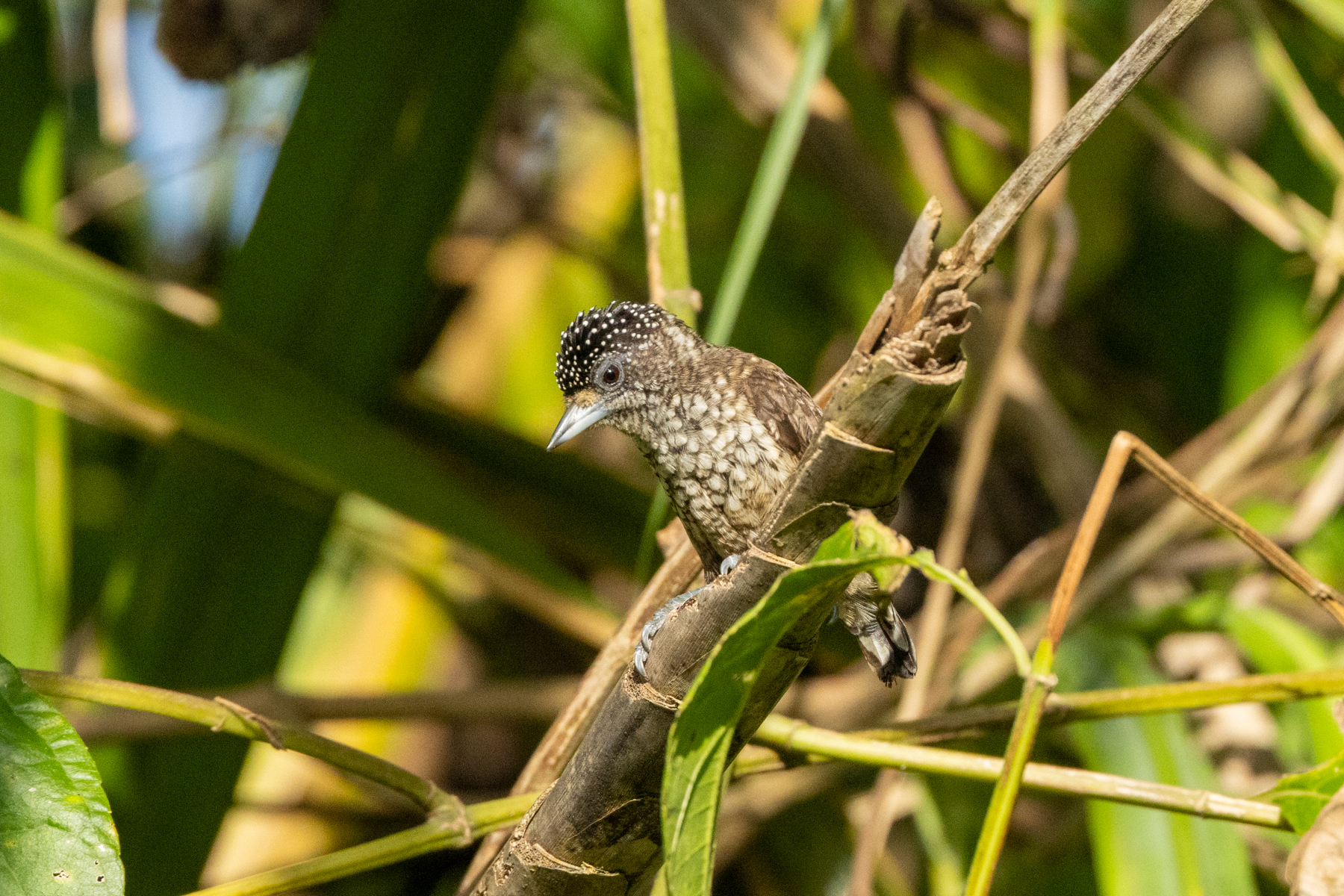
Arrowhead Piculet (image by Eustace Barnes)
Capuchinbirds (image by Pete Morris)
Sunbittern, another striking species from the neotropics (image by Eustace Barnes)
Crimson-hooded Manakin (image by Pete Morris)
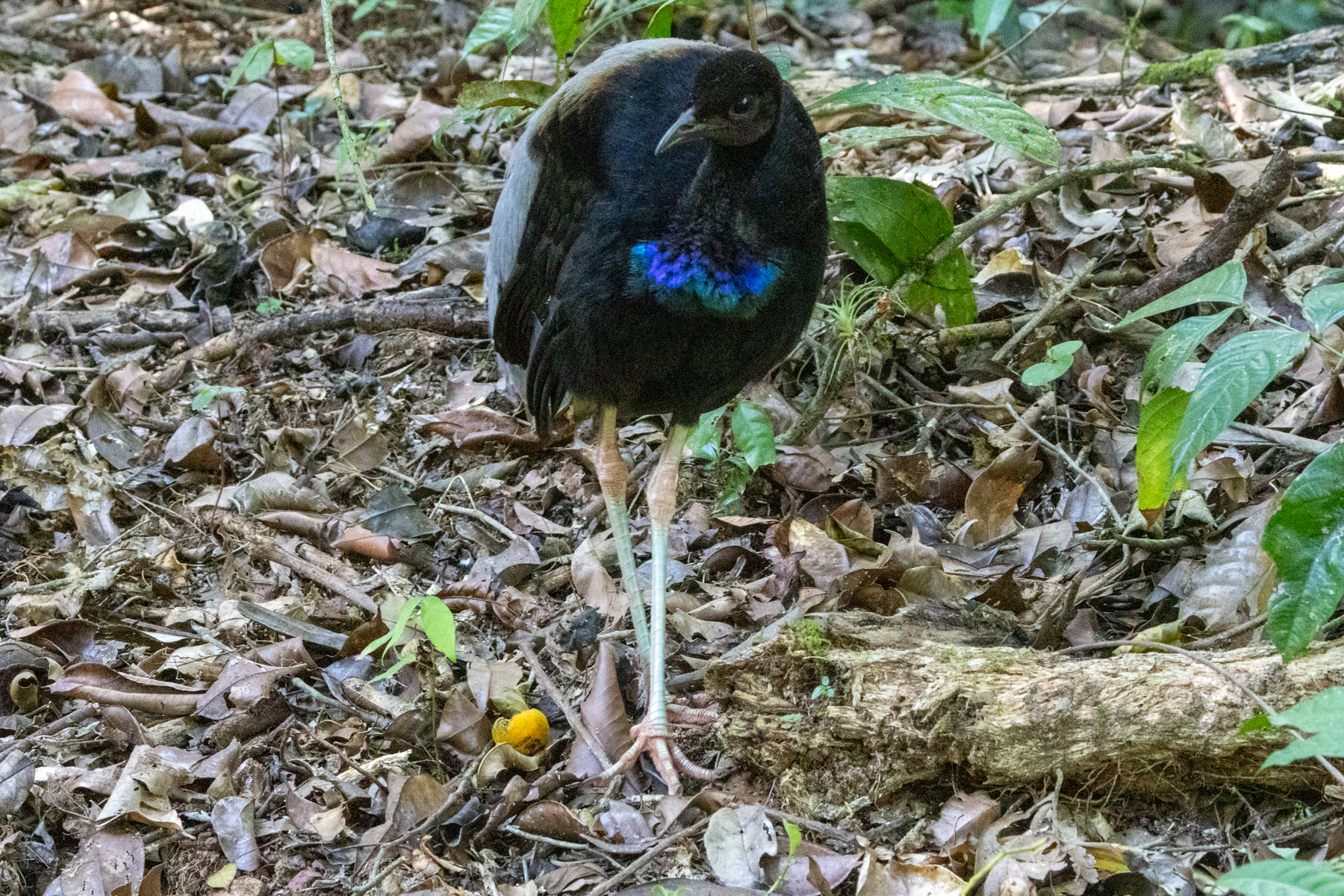
Grey-winged Trumpeter (image by Eustace Barnes)
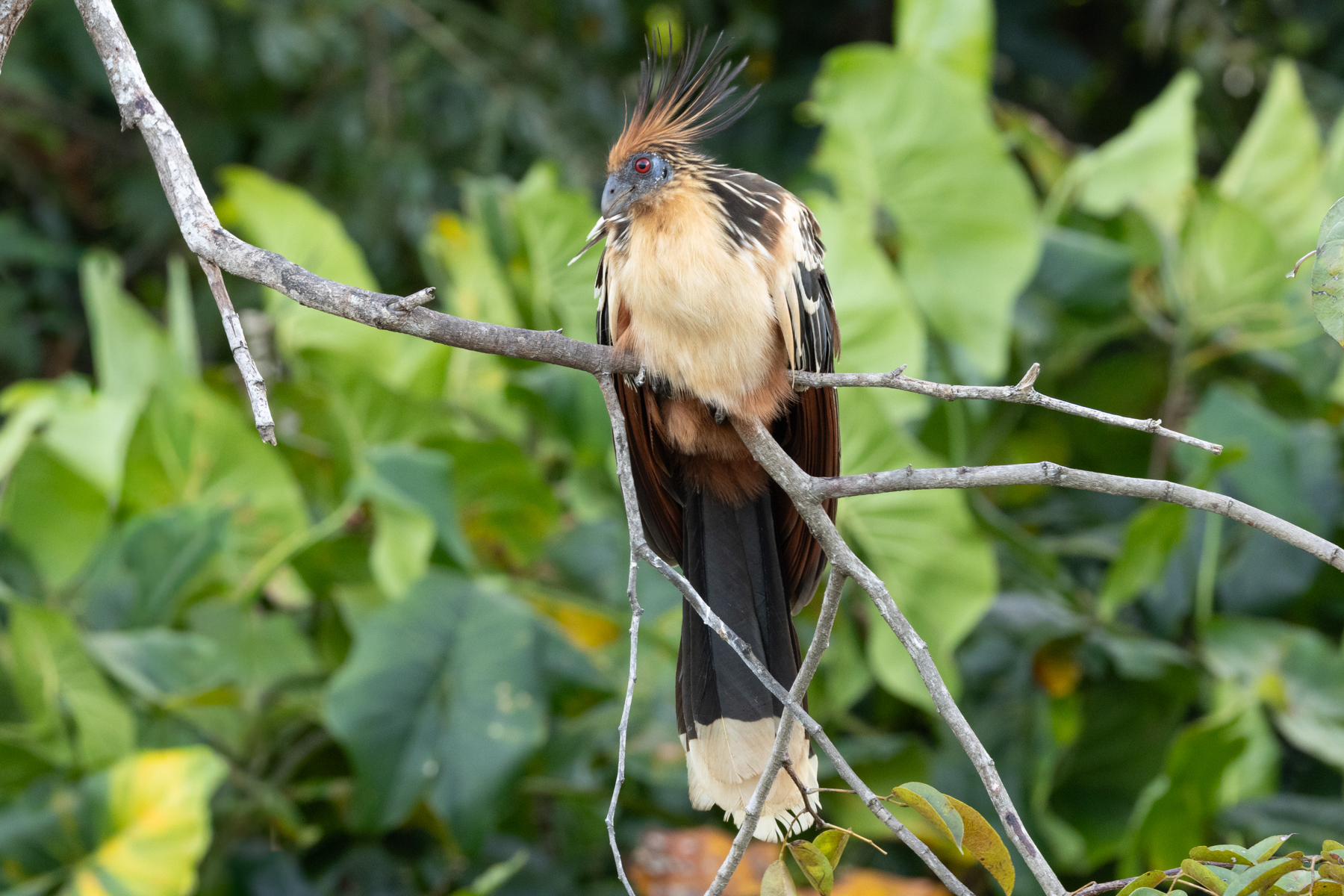
Hoatzin (image by Eustace Barnes)
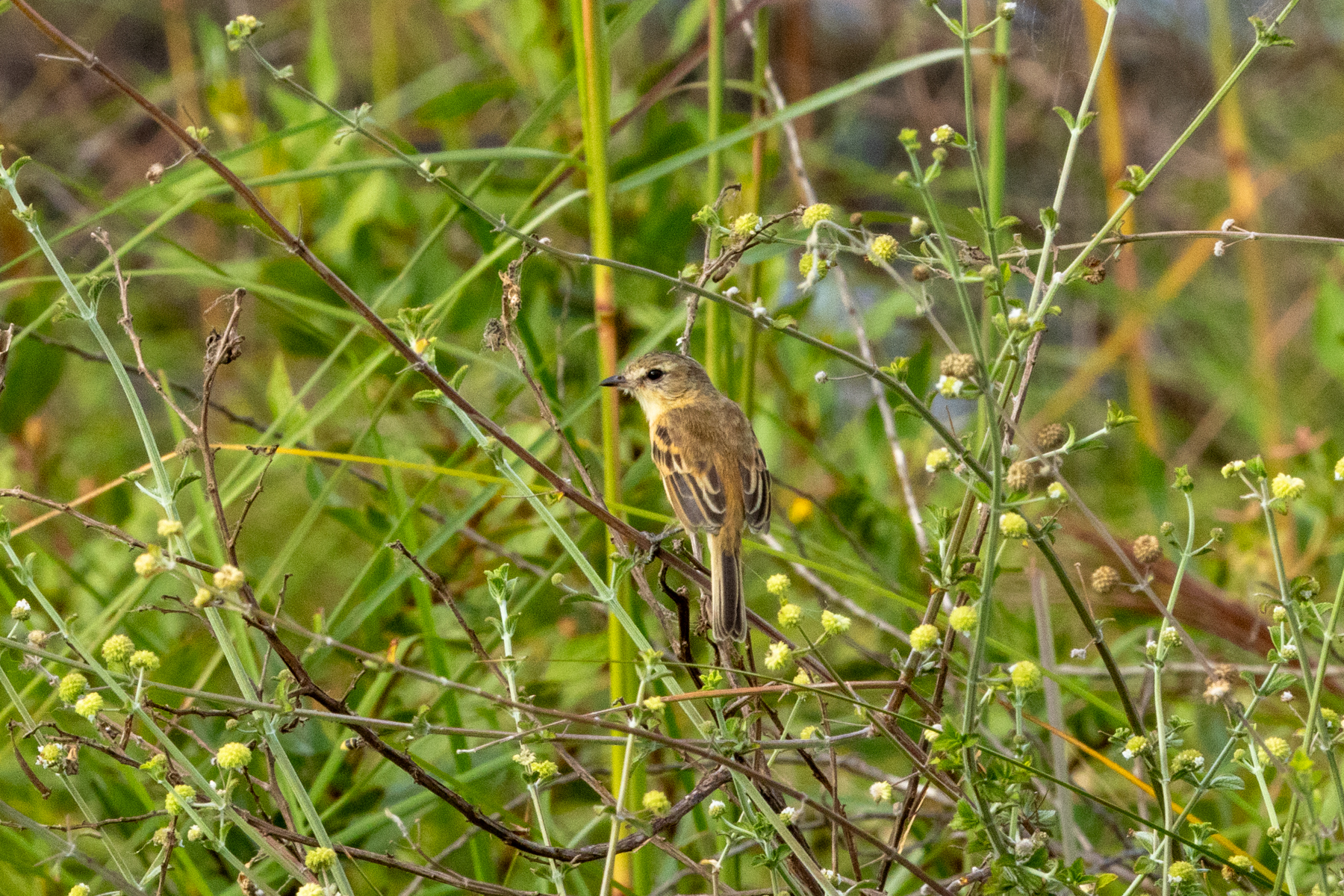
Bearded Tachuri (image by Eustace Barnes)
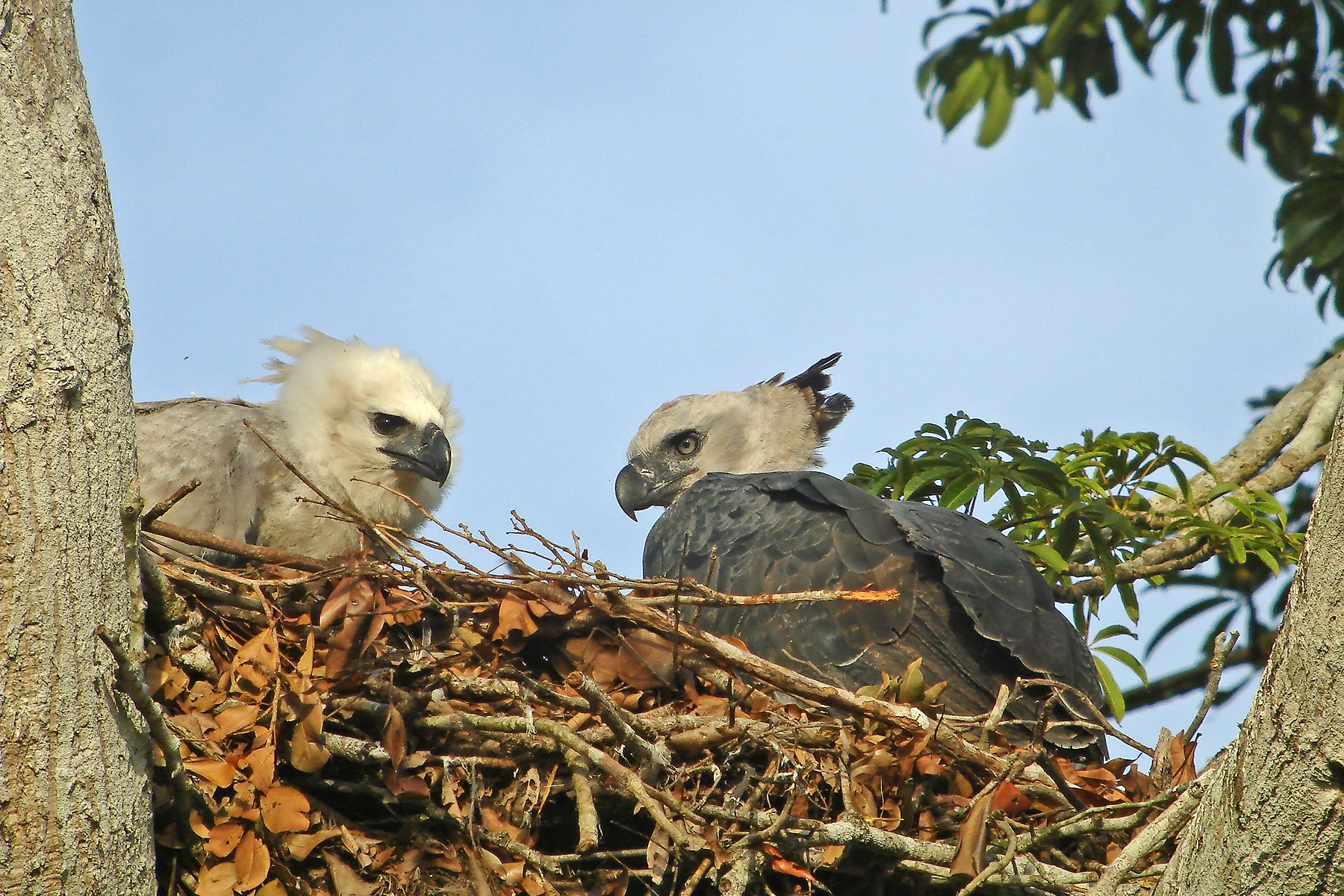
Harpy Eagle with young (image by Pete Morris)
Rufous Crab Hawk (image by Eustace Barnes)
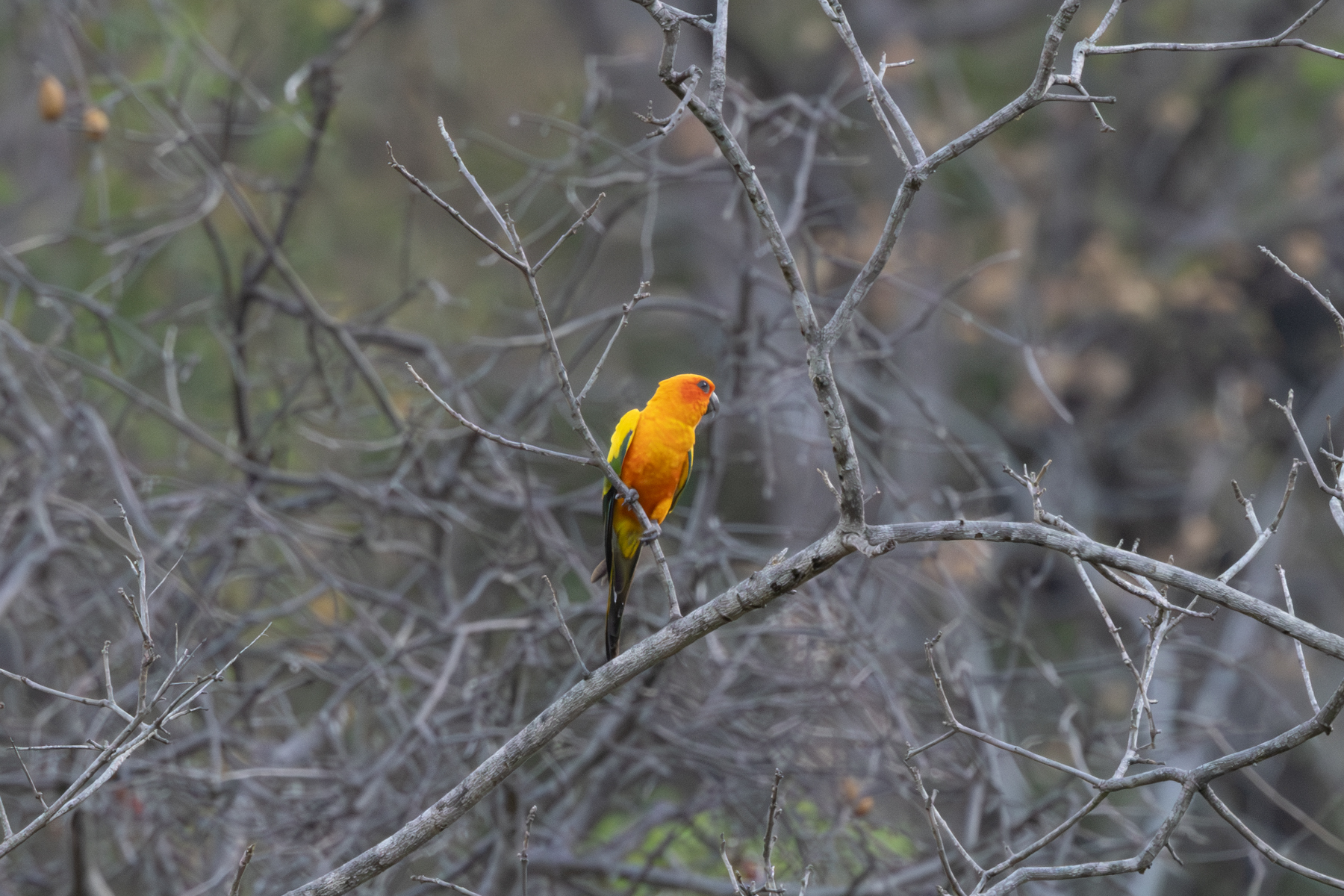
Sun Parakeet (image by Eustace Barnes)
Sun Parakeet (image by Eustace Barnes)
The pretty Hoary-throated Spinetail is restricted to riparian woodlands in Roraima and southern Guyana (image by Eustace Barnes)
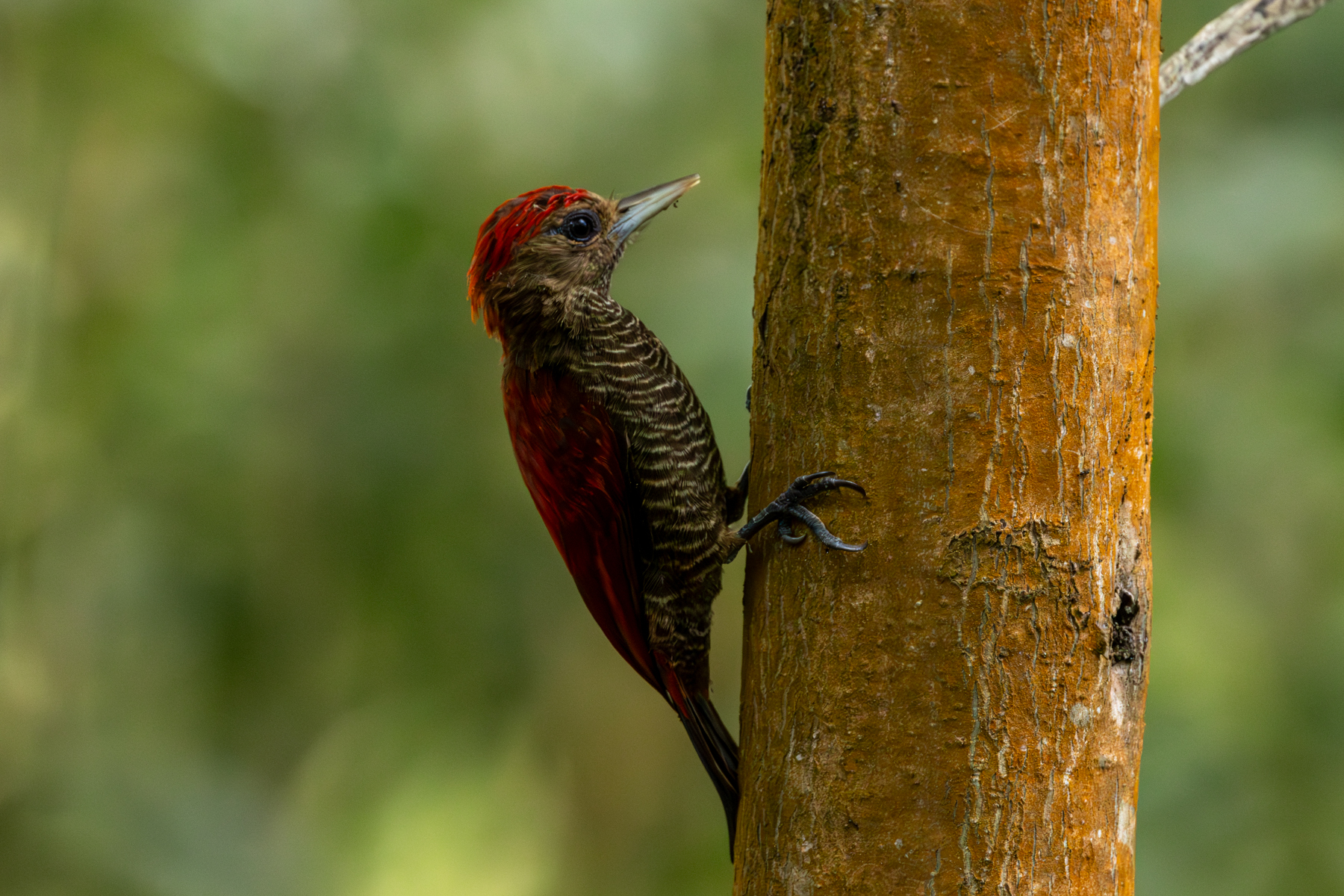
Blood-coloured Woodpecker (image by Eustace Barnes)
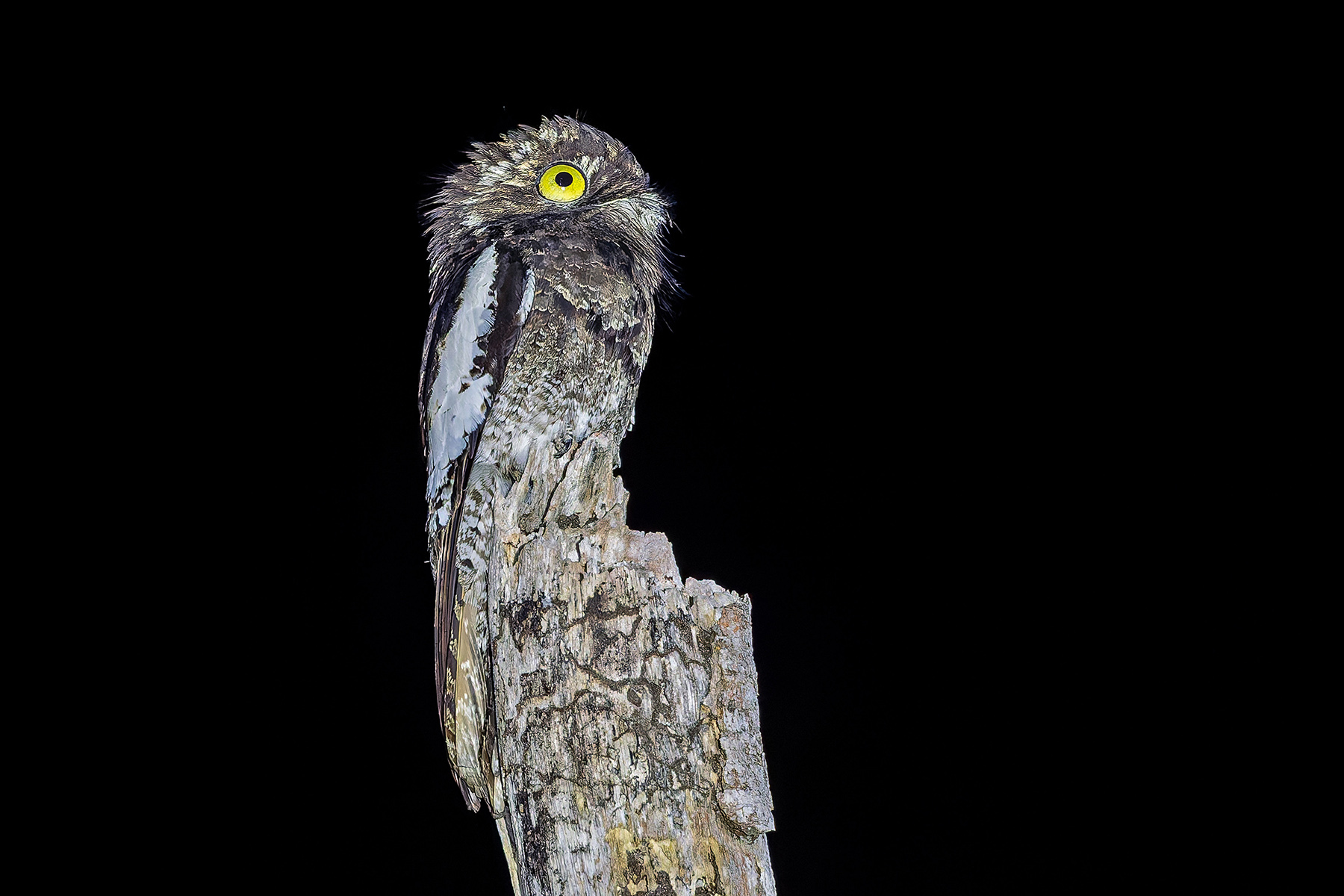
White-winged Potoo (image by Pete Morris)
White-throated Kingbird (image by Eustace Barnes)
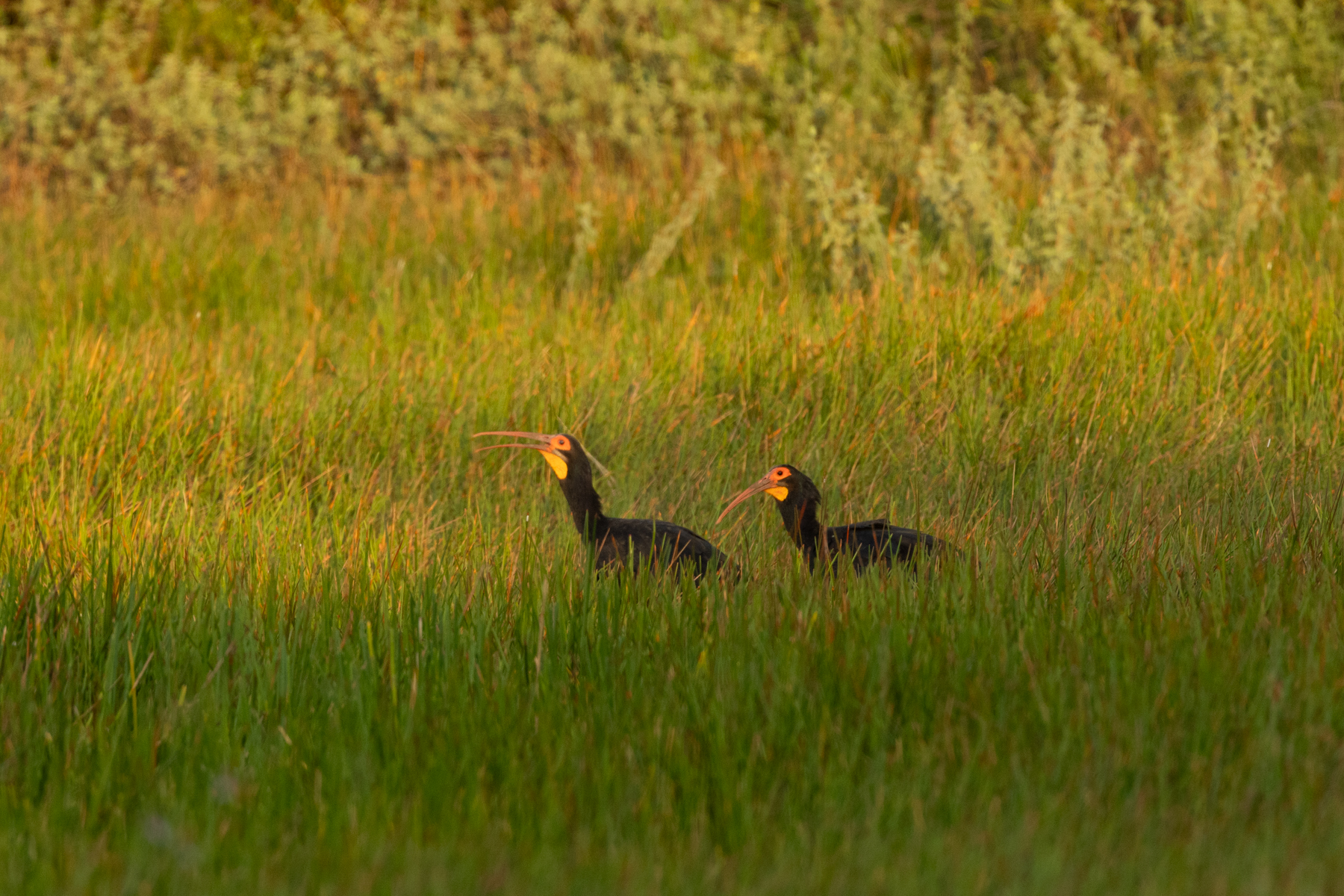
Sharp-tailed Ibises (image by Eustace Barnes)
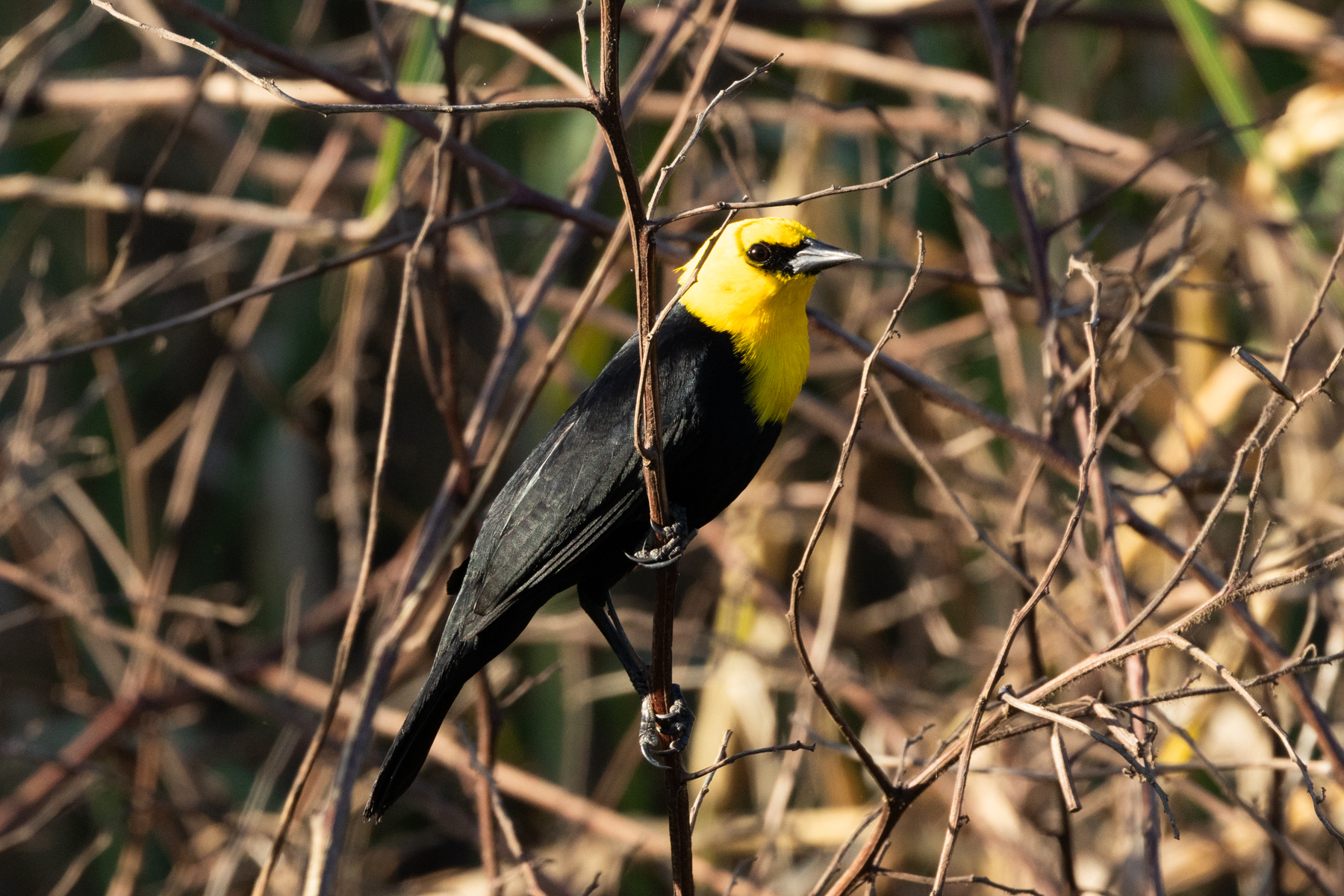
Yellow-hooded Blackbird (image by Eustace Barnes)
The smartest neotropical Kingfisher; the Green-and-rufous Kingfisher (image by Eustace Barnes)
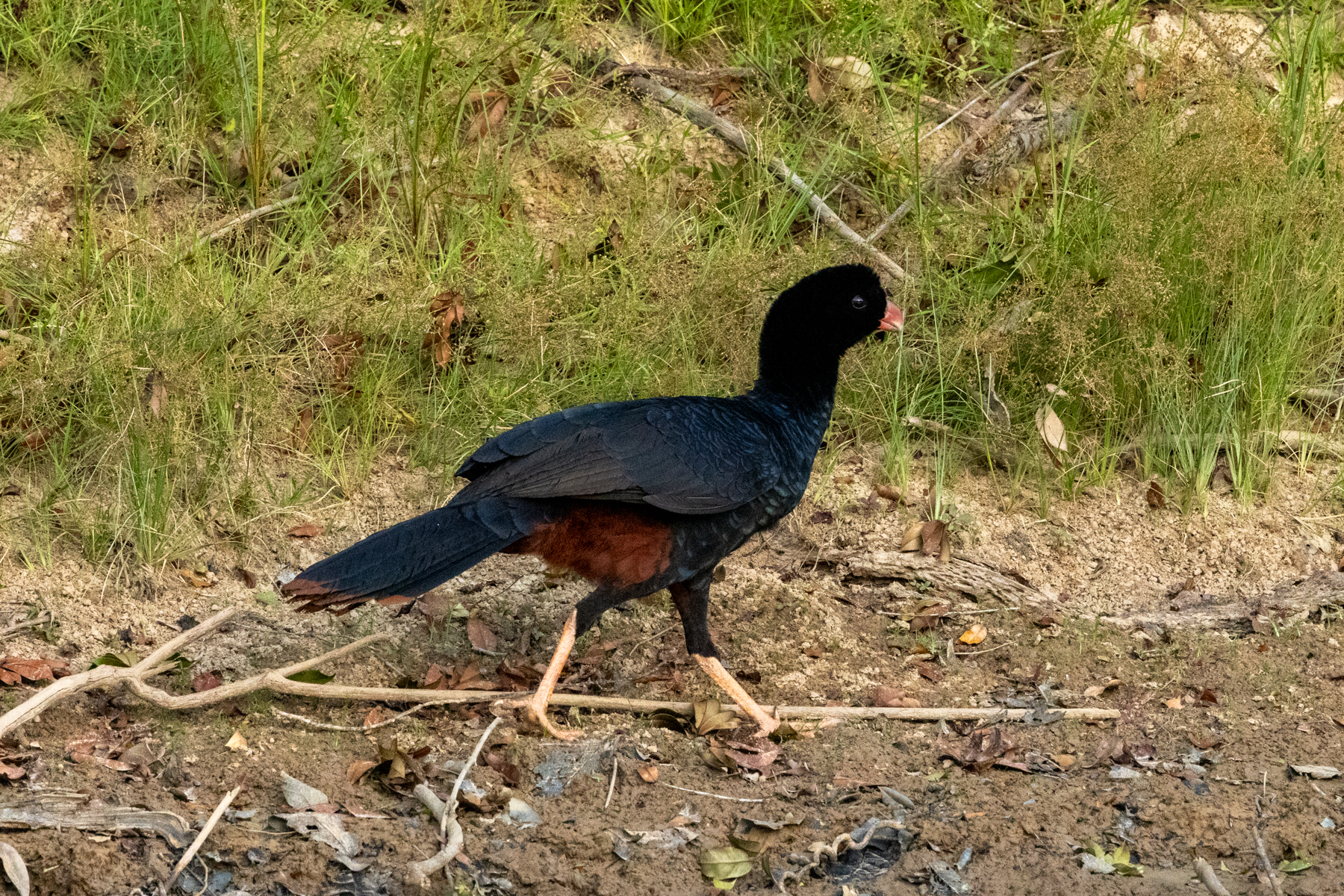
Crestless Curassow (image by Eustace Barnes)
The magnificent Crimson Fruitcrow, one of the top targets for this tour (image by Eustace Barnes)
The rare Rio Branco Antbird is found in the riparian woodlands of Roraima and southern Guyana (image by Eustace Barnes)
The ultimate forest dandy: the Guianan Cock-of-the-Rock (image by Eustace Barnes)
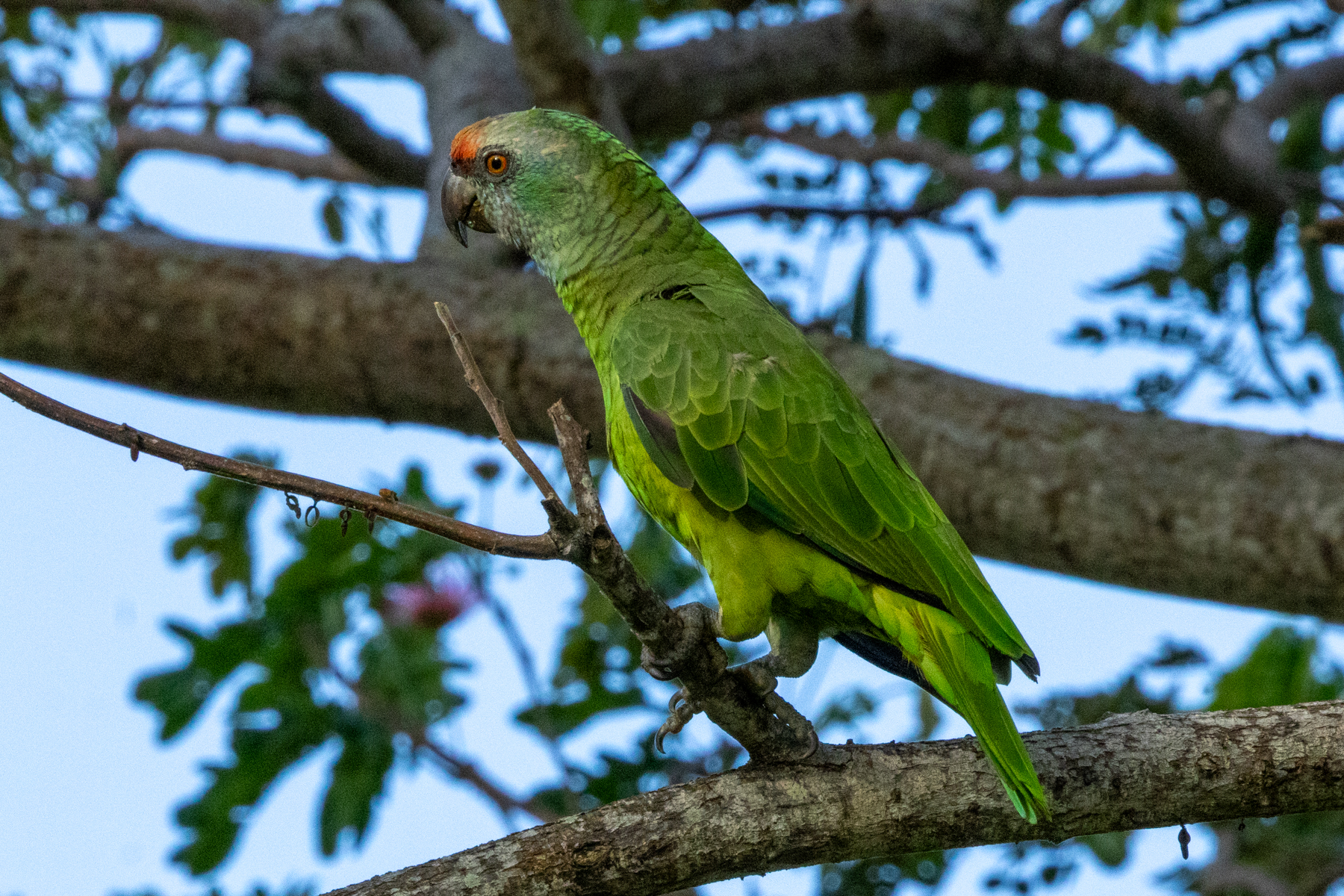
Festive Amazon (image by Eustace Barnes)
One of the most beautifully coloured species; the Crimson-hooded Manakin is a perennial favourite (image by Eustace Barnes)
The gaudy Orange-backed Troupial (image by Eustace Barnes)
The lovely White-throated Kingbird (image by Eustace Barnes)
Long-winged Harrier (image by Eustace Barnes)
A very confiding Spotted Antpitta (image by Eustace Barnes)
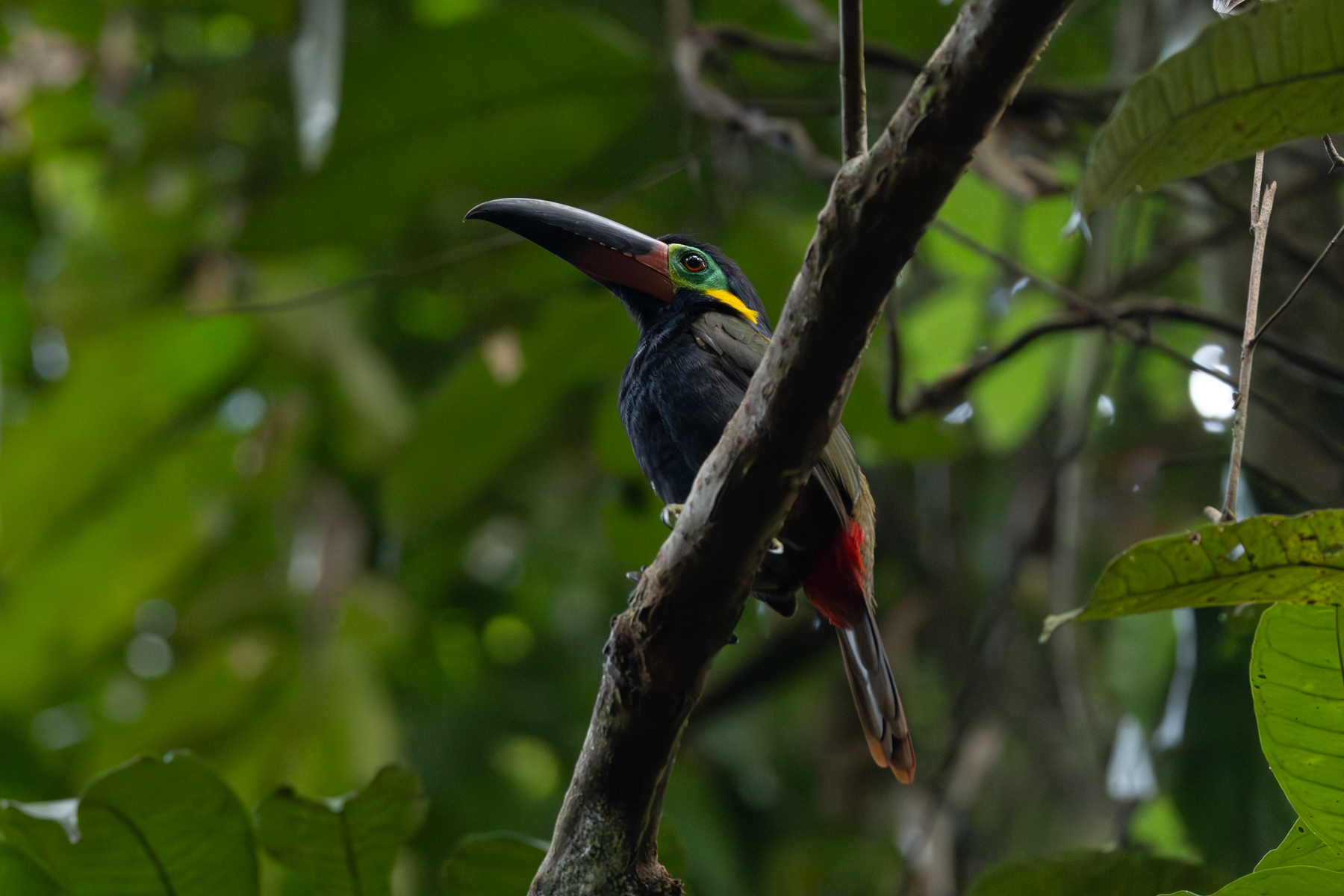
Guianan Toucanet (image by Eustace Barnes)
The form griseus of the spectacular Bicoloured Wren is endemic to Roraima and neighbouring Guyana where it is common (image by Eustace Barnes)
Bearded Tachuri (image by Eustace Barnes)
Crested Bobwhites (image by Eustace Barnes)
Buff-necked Ibises (image by Eustace Barnes)
Guianan Cock-of-the-rock (image by Pete Morris)


Arrowhead Piculet (image by Eustace Barnes)
Capuchinbirds (image by Pete Morris)
Sunbittern, another striking species from the neotropics (image by Eustace Barnes)
Crimson-hooded Manakin (image by Pete Morris)
Grey-winged Trumpeter (image by Eustace Barnes)
Hoatzin (image by Eustace Barnes)
Bearded Tachuri (image by Eustace Barnes)
Harpy Eagle with young (image by Pete Morris)
Rufous Crab Hawk (image by Eustace Barnes)
Sun Parakeet (image by Eustace Barnes)
Sun Parakeet (image by Eustace Barnes)
The pretty Hoary-throated Spinetail is restricted to riparian woodlands in Roraima and southern Guyana (image by Eustace Barnes)
Blood-coloured Woodpecker (image by Eustace Barnes)
White-winged Potoo (image by Pete Morris)
White-throated Kingbird (image by Eustace Barnes)
Sharp-tailed Ibises (image by Eustace Barnes)
Yellow-hooded Blackbird (image by Eustace Barnes)
The smartest neotropical Kingfisher; the Green-and-rufous Kingfisher (image by Eustace Barnes)
Crestless Curassow (image by Eustace Barnes)
The magnificent Crimson Fruitcrow, one of the top targets for this tour (image by Eustace Barnes)
The rare Rio Branco Antbird is found in the riparian woodlands of Roraima and southern Guyana (image by Eustace Barnes)
The ultimate forest dandy: the Guianan Cock-of-the-Rock (image by Eustace Barnes)
Festive Amazon (image by Eustace Barnes)
One of the most beautifully coloured species; the Crimson-hooded Manakin is a perennial favourite (image by Eustace Barnes)
The gaudy Orange-backed Troupial (image by Eustace Barnes)
The lovely White-throated Kingbird (image by Eustace Barnes)
Long-winged Harrier (image by Eustace Barnes)
A very confiding Spotted Antpitta (image by Eustace Barnes)
Guianan Toucanet (image by Eustace Barnes)
The form griseus of the spectacular Bicoloured Wren is endemic to Roraima and neighbouring Guyana where it is common (image by Eustace Barnes)
Bearded Tachuri (image by Eustace Barnes)
Crested Bobwhites (image by Eustace Barnes)
Buff-necked Ibises (image by Eustace Barnes)
Guianan Cock-of-the-rock (image by Pete Morris)


|
Saturday 19th February – Saturday 4th March 2028 Leaders: Eustace Barnes and local bird guides |
15 Days | Group Size Limit 7 (tour full) |
| Suriname & Cayenne Extension Saturday 4th March – Saturday 11th March 2028 |
8 Days | Group Size Limit 7 (extension full) |
|
Monday 19th February – Monday 5th March 2029 Leaders: Eustace Barnes and local bird guides |
15 Days | Group Size Limit 7 |
| Suriname & Cayenne Extension Monday 5th March – Monday 12th March 2029 |
8 Days | Group Size Limit 7 |
Birdquest’s Ultimate Guianas (Guyana, Suriname and French Guiana) birding tours explore the newest South American birding destinations; a series of small countries and territories that are set to become much better known.
The Guyana section of our Ultimate Guianas birding tour achieves comprehensive coverage of this rarely-visited country and records numerous great birds. These include Rufous Crab Hawk, Sun Parakeet, Blood-coloured Woodpecker, Guianan Cock-of-the-Rock, Guianan Red Cotinga, Crimson Fruitcrow and the rare Red Siskin.
Guyana, a rather poorly known country sitting on the Caribbean coast, offers birders some of the finest birding in South America, with a spectacular selection of rare and poorly known species. This tour has been organised to see the best of what Guyana has to offer, from the rainforests to the coastal mangroves and the vast southern savannas. It offers an unparalleled opportunity to see much of the Guianan region’s endemic avifauna in the full splendour of pristine habitats that are often so degraded in neighbouring countries.
Our tour provides the most comprehensive coverage of Guyana available and produces more of the region’s many specialities than any other, with a good supporting cast of South America’s more widespread species. As such, the tour is of interest not only to experienced Neotropical enthusiasts but also to those new to the region.
As well as covering the Georgetown area in Guyana’s coastal zone, we will explore the surroundings of Wichabai Ranch, Manari Ranch, Karasabai, Karanambu Ranch, Surama Ecolodge, Iwokrama River Lodge and Atta Rainforest Lodge. A truly fantastic set of birding venues.
The regional and other major specialities we target in Guyana include Crestless Curassow, Marail Guan, Rufous Crab Hawk, Sun Parakeet, Blue-cheeked Amazon, White-winged and Rufous Potoos, Blood-colored Woodpecker, White-bellied Piculet, Hoary-throated Spinetail, Black-throated Antshrike, Rio Branco Antbird, Spotted Antpitta, Guianan Red Cotinga, Crimson Fruitcrow, Guianan Cock-of-the-Rock, Dusky Purpletuft, Black Manakin, Finsch’s Euphonia, Red-and-black Grosbeak, the scarce Blue-backed Tanager and Red Siskin. We also hope to find the rare Rufous-winged Ground Cuckoo, which seems more numerous in Guyana than in adjacent Venezuela. This is indeed an impressive list of specialities, many of which are infrequently seen elsewhere, making a visit to Guyana a must for the Neotropical enthusiast.
In addition, we shall see a stunning variety of more widespread species during our travels through Guyana, including both species found across much of the continent and many species restricted to the Guianan shield that extends from Manaus to Venezuela. Amongst the many splendid species we should see are Scarlet Ibis, Black-faced Hawk, the huge Harpy Eagle, Black Curassow, Grey-winged Trumpeter, Painted Parakeet, Caica Parrot, Dusky Parrot and Red-fan Parrot.
Of the more widespread species, Crimson Topaz, Guianan Puffbird, Black Nunbird, Black-spotted Barbet, Guianan Toucanet, Green Aracari, Chestnut-rumped Woodcreeper and Yellow-green Grosbeak should be found during our exploration of the numerous rainforest sites we visit in Guyana. Of the antbirds, Rufous-bellied, Spot-tailed and Todd’s Antwrens, and Ferruginous-backed, Rufous-throated and White-plumed Antbirds are all fairly common and readily seen.
We shall explore riparian habitats along the Ireng River in search of the restricted-range Rio Branco Antbird and Hoary-throated Spinetail. A visit to the Mori scrub, a white-sand forest, should produce Rufous-crowned Elaenia, Yellow-throated Flycatcher and Black Manakin. The cotingas are well represented in Guyana, and we have a very good chance of seeing the magnificent, restricted-range Guianan Cock-of-the-Rock at its lek, the superb, restricted-range Guianan Red Cotinga, Pompadour Cotinga and the bizarre Capuchinbird, also at a lek. These birds at their display sites are wonders of the natural world that are quite beyond compare.
The savannas of the south of Guyana give us the opportunity to search for the critically endangered Red Siskin, to which we devote the best part of a day in pristine habitat, where we will also see a good variety of other species, including Blue-and-yellow Macaw, Toco Toucan, White-throated Kingbird and others.
Our Guyana adventure offers a great opportunity to see some spectacular species not easily found in Brazil or Venezuela.
During the optional extension, there is a rare opportunity to explore one of the least-birded corners of South America, combining a brief but highly rewarding stop in Suriname with a focused visit to French Guiana (called Guyane in French).
Together, these two countries (or rather a country and a French territory) provide access to a distinctive suite of Guianan Shield specialities, and some of the finest lowland rainforest birding in the region. Highly focused, this extension is designed to maximise our chances of finding the region’s specialities as we move from the coastal forests of Suriname, at the famous Peperpot Nature Park, to the coastal savannas, wetlands and rainforests around Saint-Laurent and Kourou, the hill forests of Kaw Mountain, and the remote rainforests at Camp Bonaventure in French Guiana.
The country of Suriname (sometimes spelt Surinam) is the smallest sovereign state in terms of area and population in South America. It had a turbulent history of colonisation and immigration and is ethnically, linguistically, culturally and religiously extremely diverse. Hindus (shipped in from India as workers), Creoles, Javanese, Maroons (descendants of escaped West African slaves) and Chinese form the bulk of the population, but there are still many Amerindians, and there is a distinctive Dutch heritage, which results in a very characteristic and unique flavour.
Our brief stop in Suriname is far more than a convenient staging point. The Peperpot Nature Park offers the best opportunity to see the near-endemic Arrowhead Piculet and several species that are much easier to find in Suriname than elsewhere, including Green-throated Mango and Crimson-hooded Manakin. This will be a particularly rewarding morning before we continue westwards to French Guiana.
French Guiana remains one of the most exciting and under-visited birding destinations in South America. Its avifauna is shaped by the Guianan Shield, with extensive intact rainforests, coastal wetlands, savannas, and mangroves within easy reach of the city of Cayenne. Our itinerary takes in the country’s most productive birding areas, including the forests north of Saint-Laurent-du-Maroni, the savannas and wetlands around Kourou, the celebrated Kaw Mountains, and the remote forests of Camp Bonaventure.
A particular strength of this exploration of French Guiana is the combination of accessible roadside birding and genuine rainforest immersion. In the coastal forest we will be particularly targeting Racket-tipped Thorntail, the rare Olive-green Tyrannulet, and Smoky-fronted Tody-Flycatcher. While exploring the coastal wetlands, we target the northern form of the Giant Snipe. We will also keep an eye out for Little Wood Rail, a species first documented in the country in the Kourou River estuary and more recently reported from the Cayenne area. Kaw Mountain offers superb forest birding along quiet roads, excellent trails, and possibilities including the ever-less-numerous Blue-cheeked Amazon, Crimson Topaz, White-throated and White-fronted Manakins, and the rarely seen Cinnamon-crested Spadebill.
Camp Bonaventure adds a more remote rainforest experience, and is a key site for several scarce and localised regional endemic species. We will be targeting Rusty Tinamou, the rare Sooty Barbthroat, the elusive Band-tailed Antshrike, and Black-throated Antshrike. We also have a good chance of seeing the highly localised White-throated Pewee and Boat-billed Tody-Flycatcher, and the spectacular Wing-banded Antbird. There is also a modest chance for the inexplicably rare Guianan Gnatcatcher. Night birding can be highly productive, focusing on Long-tailed and Rufous Potoos and White-winged Potoo, should we have failed to find this key target in Guyana.
Rounding off our exploration of French Guiana’s avifaunal riches close to the city of Cayenne, we target the distinctive kulczynskii form of Blackish-grey Antshrike, a likely split.
Birdquest has operated Guyana birding tours and Suriname birding tours since 2012.
Guyana Tour Costs
Many people will have noticed that Guyana is undergoing a huge offshore oil production boom. This has resulted in rapid price inflation, and Guyana is now an expensive place to visit. It remains, however, a fantastic birding country with wonderful wilderness. It is fortunate that most of the oil has been discovered offshore!
Accommodation & Road Transport
The hotels and lodges are mostly of good or medium standard, although hot water is not available in some establishments (water supplies here are at ‘tropical temperature’). Atta Rainforest Lodge is rather simple, and there are shared bathroom facilities. Camp Bonaventure in French Guiana is likewise simple. Road transport is by small coach or minibus/passenger van, and roads are variable in quality. In some instances, we will use 4×4 vehicles or military-style trucks to access sites.
Walking
The walking effort during our Guyana, Suriname & French Guiana birding tours is mostly easy, but there are a few longer walks of moderate grade.
Climate
Warm or hot, with periods of sunny weather alternating with overcast spells. There will be some rain, and it will be rather humid.
To see a larger map, click on the square-like ‘enlarge’ icon in the upper right of the map box.
To see (or hide) the ‘map legend’, click on the icon with an arrow in the upper left of the map box.
To change to a satellite view, which is great for seeing the physical terrain (and for seeing really fine details by repetitive use of the + button), click on the square ‘map view’ icon in the lower left corner of the ‘map legend’.
Birdquest Inclusions: Our tour prices include transportation, accommodations, meals and entrance fees.
We also include all tipping for local guides, drivers and accommodation/restaurant staff.
Deposit: 20% of the total tour price. Our office will let you know what deposit amount is due, in order to confirm your booking, following receipt of your online booking form.
TO BOOK THIS TOUR: Click here (you will need the tour dates)
The single supplement will not apply if you indicate on booking that you prefer to share a room and there is a room-mate of the same sex available.
This tour is priced in US Dollars. Amounts shown in other currencies are indicative.
Guyana: Day 1
Our tour begins early this evening in Georgetown, where we spend two nights at a lovely colonial-era hotel. (An airport transfer will be provided.)
Guyana: Day 2
This morning, we will head for Georgetown’s domestic Ogle airport and fly over the Demerara and Essequibo Rivers southwards over unbroken rainforest and savannas to the small town of Lethem in southwestern Guyana. Often, the flights pass over the spectacular Kaieteur Falls, the world’s highest free-falling major waterfall, en route.
From Lethem, we shall then drive across open savannas and through gallery woodlands to our base for the night on the open savannas at Wichabai Ranch. Experiencing the tranquillity of one of the most remote places on the continent will be a significant aspect of our first mission, the search for the critically endangered Red Siskin. We will arrive in time for some initial exploration.
Guyana: Day 3
Today, at dawn, we will be on-site to see Red Siskin, and we will walk through an area of savanna that lies along the base of low-lying forested hills. We have an excellent chance of seeing this restricted-range and much sought-after little gem.
As well as Red Siskin, the Wachabai area is very good for a superb selection of savanna and wetland species, including the restricted-range Finsch’s Euphonia and, with luck, the restricted-range Sharp-tailed Ibis.
More widespread species we are likely to see include Brazilian Teal, the huge Jabiru, Buff-necked Ibis, Cocoi Heron, Western Cattle, Great and Snowy Egrets, Turkey, Lesser Yellow-headed and Black Vultures, White-tailed and Snail Kites, the handsome Long-winged Harrier, the superb Black-collared Hawk, Savanna, Roadside, White-tailed, Grey-lined and Great Black Hawks, Little Chachalaca, Crested Bobwhite, Purple Gallinule, Limpkin, Southern Lapwing, Wattled Jacana, Spotted and Solitary Sandpipers, Pale-vented Pigeon, Common, Plain-breasted and Ruddy Ground Doves, White-tipped and Eared Doves, Smooth-billed Ani, Striped Cuckoo, Ferruginous Pygmy Owl, Short-tailed and Neotropical Palm Swifts, Black-throated Mango, Glittering-throated Emerald, Long-billed Starthroat, Rufous-tailed Jacamar, the splendid Toco Toucan, White-barred Piculet, Little Woodpecker, Crested and Yellow-headed Caracaras, Laughing and Aplomado Falcons, American Kestrel, Orange-winged Amazon, Brown-throated Parakeet and Red-bellied and Red-shouldered Macaws.
Likely passerines include Rusty-winged Antwren, Barred and Black-crested Antshrikes, Lesser Elaenia, Southern Beardless and Mouse-colored Tyrannulets, Pale-eyed Pygmy Tyrant, Common Tody-Flycatcher, Vermilion, Piratic, Rusty-margined, Fork-tailed, Brown-crested and perhaps Variegated Flycatchers, Pied Water Tyrant, the smart White-headed Marsh Tyrant, Greater and Lesser Kiskadees, White-throated and Tropical Kingbirds, Chivi Vireo, White-winged, Southern Rough-winged and Barn Swallows, Grey-breasted Martin, Bicolored and House Wrens, Tropical Gnatcatcher, Tropical Mockingbird, Pale-breasted Thrush, Yellowish Pipit, Grassland Sparrow, Eastern Meadowlark, Red-breasted Blackbird, Yellow Oriole, Shiny Cowbird, Red, Blue-grey, Palm, Burnished-buff and Hooded Tanagers, Bananaquit, Grassland Yellow Finch, Wedge-tailed Grass Finch, Blue-black Grassquit and Plumbeous, Ruddy-breasted and perhaps Grey Seedeaters.
We have a first chance of seeing Giant Anteater in this area, and Crab-eating Fox is also a possibility.
After lunch, we will retrace our steps to Lethem and then continue a short distance to Manari Ranch for a two-night stay. On the way, we will again spend a good deal of time birding on the savannas, stopping in particular at a number of wetlands.
Guyana: Day 4
Today, we will turn our attention to two rare birds with very restricted ranges: Hoary-throated Spinetail and Rio Branco Antbird. Both are only found in Guyana in gallery forests along the Takatu and Ireng rivers, where recent agricultural changes have seriously reduced the amount of available habitat for both birds. As a result, the spinetail is now classified as endangered, while the antbird is treated as near-threatened. Although the habitat needs of the antbird and spinetail are seemingly slightly different (the antbird prefers taller trees with vine tangles and the spinetail acacia-dominated riparian woodlands), they can both be found along a comparatively short stretch of the Ireng River.
To reach suitable habitat, we will either drive or travel by boat to the junction of the Takatu and Ireng rivers. This is likely to take us at least a couple of hours in each direction and we should encounter species such as the restricted-range Olivaceous Saltator as well as White-faced and Black-bellied Whistling Ducks, Least and Pied-billed Grebes, Capped Heron, Pearl and Plumbeous Kites, Double-striped Thick-knee, Squirrel Cuckoo, Green-rumped Parrotlet, Streak-headed Woodcreeper, Pale-legged Hornero, Pale-tipped Inezia, Ochre-lored Flatbill, Flavescent Warbler and perhaps Zone-tailed Hawk, Fuscous Flycatcher and Chestnut-vented Conebill en route.
Guyana: Day 5
This morning, we will depart very early in order to explore an area of marshlands and dry woodlands in the Karasabai area. Here, our prime target will be the endangered, restricted-range Sun Parakeet. A few decades ago, this species was not uncommon across the Guianas. However, huge numbers were caught for the cage bird trade and the area around Karasabai is now believed to be the only place in Guyana where this species can still be found. Consequently, it is now regarded as highly endangered, although small flocks can often be seen here flying overhead.
As well as finding this spectacular psittacid, we should come across a number of other species while engaged in our search. These may well include Red-and-green Macaw, Slaty-headed Tody-Flycatcher, Spectacled Thrush, Orange-backed Troupial and Red-capped Cardinal. This area is isolated and has not been thoroughly explored by birders, so there is always the chance that we could make a noteworthy discovery.
Afterwards, we will head east to the Karanambu Ranch along the Rupununi River, where we will stay for two nights. We will arrive in time for some initial exploration.
Guyana: Day 6
Around dawn, we will make a special effort to locate one of the oddest-looking members of the cotingids, the restricted-range Capuchinbird. There is a lek close to our lodge, and we plan to visit the display area to watch these odd-looking creatures.
Another of our targets whilst staying at Karanambu is the near-threatened, patchily-distributed Bearded Tachuri, a member of the flycatcher family which has declined markedly in recent years as it requires fairly undisturbed savannah grasslands. Another grassland species we will search for, provided road conditions permit, is the Crested Doradito, which also has a spotty distribution much reduced by habitat degradation. We have a good chance of finding both of these grassland species.
We also intend to take one or more boat trips on the nearby Rupununi River to look for the splendid, restricted-range Crestless Curassow. This species has not been hunted on the ranch for many years, and so these days we usually encounter some on our boat trips.
During our stay at Karanambu, we will also be looking for such species as the restricted-range White-bellied Piculet and the relatively restricted-range Red-legged Tinamou as well as Muscovy Duck, Wood and Maguari Storks, Green Ibis, Roseate Spoonbill, Rufescent Tiger Heron, Striated and Little Blue Herons, Pinnated Bittern, Neotropic Cormorant, Anhinga, Western Osprey, Crane Hawk, the beautiful Sunbittern, Grey-cowled Wood Rail, the handsome Pied Plover, Ruddy Pigeon, Burrowing Owl, White-tailed Goldenthroat, Green-backed Trogon, American Pygmy, Green-and-rufous, Green, Amazon and Ringed Kingfishers, Green-tailed Jacamar, Spotted and Swallow-winged Puffbirds, Black Nunbird, Golden-spangled Piculet, Lineated and Crimson-crested Woodpeckers, Yellow-crowned Amazon, Bat Falcon, Straight-billed, Striped and Buff-throated Woodcreepers, Yellow-chinned Spinetail, Northern Slaty Antshrike, Black-chinned, White-browed and White-bellied Antbirds, Forest Elaenia, Boat-billed and Streaked Flycatchers, Greyish Mourner (easier to hear than see), Blue-backed Manakin, Ashy-headed Greenlet, Rufous-browed Peppershrike, Buff-breasted Wren, Brown-chested Martin and Yellow-rumped Cacique.
Uncommon possibilities include Boat-billed Heron, the beautiful Agami Heron, Azure Gallinule, South American Snipe, Ruddy Quail-Dove, Sooty-capped Hermit, Collared Forest Falcon, Plain-crested Elaenia and Cinnamon Attila.
We may also see the odd-looking Giant Anteater during our stay, as this species is not uncommon around the lodge.
In the evening, we will head out into the savannas to look for nightbirds. Common Potoo, Nacunda, Least, Lesser and Band-tailed Nighthawks, Pauraque and White-tailed Nightjar are all rather likely.
A boat trip offers a good chance of seeing Giant Otters, as there are several family groups in the area. Both Black and Spectacled Caiman also inhabit the river, and several species of monkey, including Guianan Red Howler Monkey, White-faced Saki, Brown-bearded Saki and Squirrel Monkey, can be found in the riverside trees.
Guyana: Day 7
After a final morning’s birding, we will leave Karanambu after lunch and travel to Surama Ecolodge on the edge of the rainforests, where we will spend two nights.
Guyana: Day 8
We shall explore the gallery forests and savannas near Surama, hoping to see the restricted-range Cayenne Jay as well as Greater Yellow-headed Vulture, Swallow-tailed Kite, Yellow-tufted and Chestnut Woodpeckers, Painted Parakeet, Southern White-fringed Antwren, Guianan Warbling Antbird, Yellow-crowned Elaenia, Purple-throated Fruitcrow, Screaming Piha, Tawny-crowned Greenlet and Giant Cowbird. White-collared Swifts might also put in an appearance.
The main focus of our attention will be a superb forest trail along which there is a regularly-used Harpy Eagle nest, which is built in a huge emergent tree. The Harpy Eagle does not breed annually, however, owing to its almost unique, longer-than-a-year breeding cycle. So there are long periods when the nest is not occupied. The usual thing is to see a chick in the nest, whether young or well-grown. The adult birds only visit the nest occasionally, bringing food, once the chick can defend itself against most predators. Realistically, the chances of seeing a youngster at the nest are around 50% or less.
We also have our first chances for such restricted-range specialities as the rare Rufous-winged Ground Cuckoo, the shy Grey-winged Trumpeter, the gorgeous Crimson Topaz and the lovely Crimson Fruitcrow.
Other species we may well encounter include the restricted-range Brown-bellied and Rufous-bellied Antwrens as well as Plumbeous Pigeon, Rufous-throated Sapphire, Pale-throated Barbthroat, Great and Paradise Jacamars, Guianan Puffbird, Black-spotted Barbet, Green and Black-necked Aracaris, Channel-billed and White-throated Toucans, Golden-winged Parakeet, Caica and Blue-headed Parrots, Southern Mealy Amazon, Olivaceous, Wedge-billed and Chestnut-rumped Woodcreepers, White-flanked, Long-winged and Grey Antwrens, Dusky-throated, Cinereous and Mouse-colored Antshrikes, Dusky Antbird, Helmeted Pygmy Tyrant, Pompadour Cotinga, Lemon-chested and Buff-cheeked Greenlets, Green Oropendola, Red-rumped Cacique, Silver-beaked Tanager, Black-faced and Blue Dacnises and Purple, Red-legged and Green Honeycreepers.
Cinereous Tinamou, Ornate Hawk-Eagle, Scaled Pigeon, Tawny-bellied Screech Owl and Lesser Swallow-tailed Swift are also possible, and there is a slim chance for the rare and unusual Fiery-tailed Awlbill.
Guyana: Day 9
This morning, we will make an excursion to a Guianan Cock-of-the-Rock lek. This involves a walk from Woowetta village through pristine rainforests rich in both bird and mammal life. We should be able to enjoy watching a number of spectacular males displaying and hear them calling at the lek.
The forest here is rich in forest species, many of which overlap with Surama, and in particular, it is a good area for the marvellous Guianan Red Cotinga, Rufous-breasted Hermit and White-crested Spadebill. Uncommon or rare possibilities in this area include Marbled Wood Quail, Black-throated Trogon, Plain-brown Woodcreeper, Cinnamon-rumped Foliage-gleaner, Plain Xenops, Amazonian Antshrike, White-bearded Manakin and Whiskered Myobius.
We may also have time to check out a grassland area that sometimes holds the unusual White-naped Xenopsaris.
We then head northeastwards to Iwokrama River Lodge for a two-night stay. We will stop at an area of white-sand forest known as the Mori Scrub. This highly specialised forest type is important for the restricted-range Black Manakin, Rufous-crowned Elaenia and Yellow-throated Flycatcher, all of which we will look for.
Afterwards, we continue towards the Essequibo River, driving through some excellent forest where we are likely to find Black-headed Parrot and also Chestnut-bellied Seedeater by the roadside. There is even a slim but real chance of seeing a Jaguar in this area, especially late in the day, as there is a healthy population in the area.
Guyana: Day 10
After an early breakfast, we take a boat up the Essequibo River to the Turtle Mountain Camp, from where we can walk an excellent trail through tall lowland rainforests to a low hill that gives spectacular views over the vast rainforests in the area and the winding Essequibo that eventually flows into the Atlantic.
The area is good for the lovely White Hawk, Black Caracara, Large-billed and Yellow-billed Terns, the lovely Blue-and-yellow Macaw, the relatively restricted-range Spotted Antpitta and Black-collared Swallow. More uncommon possibilities include the relatively range-restricted Chapman’s Swift, Lilac-tailed Parrotlet, Buff-rumped Foliage-gleaner, Black-faced Antthrush, Wing-barred Piprites and Crested Oropendola. Even the rare Orange-breasted Falcon is seen here with some regularity!
This is an area where the shy Rufous-winged Ground Cuckoo has been regularly seen at army ant swarms, so it gives us our best hope of an encounter! If we find an ant swarm, we have a good chance of seeing the striking White-plumed Antbird, the pretty, restricted-range Rufous-throated Antbird, Common Scale-backed Antbird and White-chinned Woodcreeper.
Guyana: Day 11
After spending the morning in the Iwokrama area, we will transfer to the famous Atta Rainforest Lodge for a two-night stay.
Guyana: Day 12
Although the forest around Atta Rainforest Lodge is excellent for birds, the major attraction here is a 154m (505-feet) canopy walkway, which is only about 750m (800 yards) from the lodge. The walkway has four platforms, the highest of which is over 100ft (30m) above the ground, and these will allow us to get great looks at a range of canopy species, many of which we would struggle to see well from the forest floor.
Amongst the likely highlights are the restricted-range Waved Woodpecker, Blue-cheeked Amazon (a Guianan near-endemic), Spot-tailed and Todd’s Antwrens and Dusky Purpletuft, as well as Ringed and Golden-collared Woodpeckers and Grey Antbird. The walkway is also an excellent place to look for various cotingas and tyrannids, including the wonderful, restricted-range Purple-breasted Cotinga, Spangled Cotingas, the superb, restricted-range Red-and-black Grosbeak and, with a lot of luck, the poorly known, restricted-range Olive-green Tyrannulet. If we are fortunate, we will see the splendid but uncommon, restricted-range Blue-backed Tanager and also the elusive Fulvous Shrike-Tanager (the latter is often the sentinel of the canopy mixed-species flocks).
Another area where we will want to spend some time is the clearing around the lodge, as this is one of the best places to see another of Guyana’s specialities, the Crimson Fruitcrow, a species seen here on a regular basis as it often comes to feed in nearby trees.
The clearing is also a reliable site for the magnificent Black Curassow, as there is a family party that has become habituated to people and that regularly passes through the clearing, so we should easily add this special bird to the impressive list of species we are going to accumulate at Atta.
Other good, restricted-range birds at Atta include the handsome Black-faced Hawk, Marail Guan, Guianan Toucanet and Guianan Schiffornis. We also have further chances for both Crimson Topaz and Guianan Red Cotinga.
Two of our major targets will be the poorly known, relatively restricted-range White-winged and Rufous Potoos. Looking for these splendid birds will be one of our major priorities, but the Rufous Potoo can sometimes be missed.
Other species we may well encounter during our stay include the restricted-range Black-throated Antshrike, Ferruginous-backed Antbird and Golden-sided Euphonia as well as Great Tinamou, Spix’s Guan, Black-banded Owl, Band-rumped and Grey-rumped Swifts, Long-tailed and Reddish Hermits, White-chested Emerald, Fork-tailed Woodnymph, Black-eared Fairy, Guianan Trogon, Pied Puffbird, Yellow-throated, Cream-colored and Red-necked Woodpeckers, Red-fan and Dusky Parrots, Scarlet Macaw, Guianan Woodcreeper, Ash-winged, Pygmy and Guianan Streaked Antwrens, the big but shy Fasciated Antshrike, Yellow-crowned, Guianan and White-lored Tyrannulets, Yellow-throated Flycatcher, Tiny Tyrant-Manakin, White-crowned and Golden-headed Manakins, Coraya Wren, Trilling Gnatwren, Epaulet Oriole, Flame-crested, Turquoise, Spotted, Bay-headed and Yellow-backed Tanagers, Black-faced Dacnis, Green Honeycreeper and Yellow-green Grosbeak.
We should also encounter some of the more uncommon, or at least harder to see, denizens of Atta, which include Variegated Tinamou, the adorable, restricted-range Tufted Coquette, the elusive, treetop-favouring, relatively restricted-range Racket-tailed Coquette, Black-tailed Trogon, Amazonian Motmot, Yellow-billed and Bronzy Jacamars, Long-tailed, Amazonian Barred and Strong-billed Woodcreepers, Thrush-like Antpitta, the diminutive Short-tailed Pygmy Tyrant, the fairly restricted-range Painted Tody-Flycatcher, Sulphury Flycatcher, the frequently heard but rarely seen Bright-rumped Attila, Pink-throated Becard, White-necked Thrush, the lovely Rose-breasted Chat and Fulvous-crested and Paradise Tanagers.
Quite apart from the profusion of birdlife there is also a good selection of mammals to be seen including Guianan Red Howler Monkey, Weeping Capuchin and Guianan Saki Monkey.
Guyana: Day 13
After spending much of the day at Atta, we will return to the Lethem area for an overnight stay.
Guyana: Day 14
This morning, we will take a flight back to Georgetown for an overnight stay.
From Georgetown, we will travel eastward to an area of good habitat where we will look for the Guianan-endemic Blood-colored Woodpecker and the handsome but restricted-range and patchily-distributed Rufous Crab Hawk (a species badly affected by the destruction of mangroves). The woodpecker is only known from a narrow coastal strip of the Guianas that runs eastward for around 300 miles (around 500km) from Guyana to French Guiana, so finding this species will be a top priority.
Closer to Georgetown, we will make a short stop at some mudflats where we are likely to find a range of waterbirds, including the spectacular Scarlet Ibis, Black-crowned and Yellow-crowned Night Herons, Tricoloured Heron, Semipalmated Plover, Hudsonian Whimbrel and perhaps Magnificent Frigatebird, Brown Pelican, Royal Tern and Black Skimmer.
Other birds we should see in the Georgetown region include Plain-bellied Emerald, Spotted Tody-Flycatcher, Northern Scrub Flycatcher, Carib Grackle, Northern Waterthrush, American Yellow Warbler and Wing-barred Seedeater. More uncommon possibilities include Little Cuckoo, Grey Kingbird and Bicoloured Conebill.
Guyana: Day 15
Depending on flight schedules, we may have time for an early morning visit to the nearby botanical gardens in search of the restricted-range Festive Amazon (although the birds here, which are an isolated population in atypical habitat, are quite possibly escapes) and a few more widespread additions such as Greater Ani, Black-capped Donacobius, Violaceous Euphonia and White-lined Tanager.
The Guyana section of our Guyana & Suriname birding tour ends this morning at Georgetown. (An airport transfer will be provided.)
Suriname & French Guiana: Day 1
Today we take a flight from Georgetown to Paramaribo, the capital of Suriname, arriving at the Johan Adolf Pengel International Airport in the city centre. We then transfer to Peperpot on the east bank of the Suriname River for an overnight stay. We may arrive in time for some initial exploration.
Suriname & French Guiana: Day 2
Walking out from our hotel to explore the Peperpot Nature Park, which offers excellent coastal forests and wetland edge habitats, we will enjoy some spectacular birding. Our prime target here will be the tiny Arrowhead Piculet, an uncommon near-endemic. Other species we may see include Blood-coloured Woodpecker, Yellow-crowned Elaenia, and regionally distinctive forms of Blackish Antbird and Plain-crowned Spinetail. We shall also make a particular effort to see the spectacular Crimson-hooded Manakin and be on the lookout for the restricted-range Green-throated Mango.
We then travel west to the French Guianan border and Saint-Laurent-du-Maroni, a historic frontier town near the Maroni River for an overnight stay. We may arrive in time for some initial exploration.
Suriname & French Guiana: Day 3
Excellent lowland forest to the north of Saint-Laurent offers an opportunity to see the rarely seen Olive-green Tyrannulet, Racket-tipped Thorntail, Tufted Coquette, Red-billed Woodcreeper and Musician Wren in a long list of regional endemics.
If needed, we can also look for White-winged Potoo, which is regularly seen here.
We shall also be on the lookout for the rare Slaty-backed Forest Falcon, the spectacular White-plumed Antbird and the localised Smoky-fronted Tody-Flycatcher.
After a full morning, we transfer to Kourou for an overnight stay. Kourou is best known for its role in the European space programme, but for us it serves as a base for exploring the coastal savannas and marshes.
Suriname & French Guiana: Day 4
Kourou is close to extensive coastal savannas, wetlands, and rainforest. We will be hoping to see the northern form of Giant Snipe, a key wetland speciality in the area. We will also have a chance to search for the elusive Black Rail, the dainty Jacana-like Yellow-breasted Crake, and Little Wood Rail, which has recently been reported from several localities in French Guiana. Nearby forests hold a good variety of species, and we may see Golden-green and Ringed Woodpeckers, and the increasingly rare Blue-cheeked Amazon, along with many other regional specialities. These might include Lined Forest Falcon, the uncommon Short-billed Leaftosser, Rufous-rumped and Cinnamon-rumped Foliage-gleaners, and Pompadour Cotinga, which is quite numerous in the area.
We then transfer to the Kaw Mountains and the Réserve Naturelle Régionale Trésor, situated to the south-east of Cayenne. We should arrive in good time for some initial exploration. We will spend one night in the Kaw area and two nights at Camp Bonaventure.
Suriname & French Guiana: Days 5-6
The Kaw Mountains are exceptionally productive, and one of French Guiana’s premier birding sites with excellent forests easily accessible along quiet roads. The full suite of Guianan specialities is found here and, depending on our priorities, we may focus on finding the rare Blue-cheeked Amazon, any of the region’s spectacular cotingids, including Pompadour, Spangled, Purple-breasted, and Guianan Red Cotingas, Capuchinbird and the gaudy Guianan Cock-of-the-rock. Amazonian Umbrellabird is also possible.
Roadside flowering trees are often alive with hummingbirds that include the spectacular Crimson Topaz, Green-throated Mango, and Blue-chinned Sapphire. The forest interior is notably good for White-fronted, Golden-headed, and White-crowned Manakins and, if we are lucky the rarely seen Cinnamon-crested Spadebill, Dusky Purpletuft, Musician Wren, White-breasted Wood-Wren and Collared Gnatwren.
After a full morning’s birding, we transfer to Camp Bonaventure for one of the finest birding areas in French Guiana and offering the most important regional specialities. Camp Bonaventure is rustic, simple but well organised lodge, offering a genuine rainforest experience in a remote and peaceful setting. The camp is surrounded by verdant tropical forest, with a good network of forest trails.
As the area has not been hunted, Macaws and Cracids and Grey-winged Trumpeter remain in good numbers, species that are often difficult to find. The rare Rusty Tinamou is also found here, where we have several territories to search for this elusive species. Key targets at this site include the rarely seen Sooty Barbthroat, the highly localised Band-tailed Antshrike, the often hard-to-find Black-throated Antshrike, and McConnell’s Spinetail. The very rarely seen White-throated Pewee, known from a handful of localities in northeastern South America, is found here at its most regular site. We also have a chance for the uncommon and range-restricted Boat-billed Tody-Flycatcher and the aleatory Guianan Gnatcatcher.
The magnificent Blue-backed Tanager, stunning Red and Black Grosbeak and both White-throated and White-fronted Manakin are readily found, should we have missed them at Kaw.
The surrounding forests are good for night birding, and we have a good chance of seeing Long-tailed Potoo and Rufous Potoo along with the more widespread owls and nightjars of the region, including Crested Owl, Black-banded Owl, Amazonian Mottled Owl, and Foothill Screech-Owl.
Other species we could encounter in the area include Sapphire-rumped and Lilac-tailed Parrotlets, Wing-banded Antbird, Spotted Antpitta, Short-billed Leaftosser, and Musician and Wing-banded Wrens. Species we may also search for include Slender-billed Kite, the range-restricted Little Hermit, Green-tailed Goldenthroat, Brown Jacamar, Collared Puffbird, Golden-green Woodpecker, Golden-olive Woodpecker, Rufous-tailed Foliage-gleaner, Olive-backed Foliage-gleaner, the endearing Spot-backed Antbird, the sought-after Black-headed Antbird, Todd’s Sirystes, Glossy-backed Becard, Collared Gnatwren, and Red-billed Pied Tanager. If we are fortunate, we may come across the retiring Zigzag Heron.
Mammals add another dimension to our stay. Guianan Red Howler Monkeys are quite common here and may greet the dawn with their ear-splitting roars. With luck, we may also find the serious-looking Brown Bearded Saki moving quietly through the forest canopy.
Suriname & French Guiana: Day 7
After some final birding around Camp Bonaventure, we head to the city of Cayenne for an overnight stay.
On arrival, we will visit nearby mangroves to search for the kulczynskii form of Blackish-grey Antshrike, a likely future split.
Suriname & French Guiana: Day 8
We may again visit the mangroves this morning, after which our exciting extension ends. An airport transfer will be provided to the Félix Eboué International Airport.