
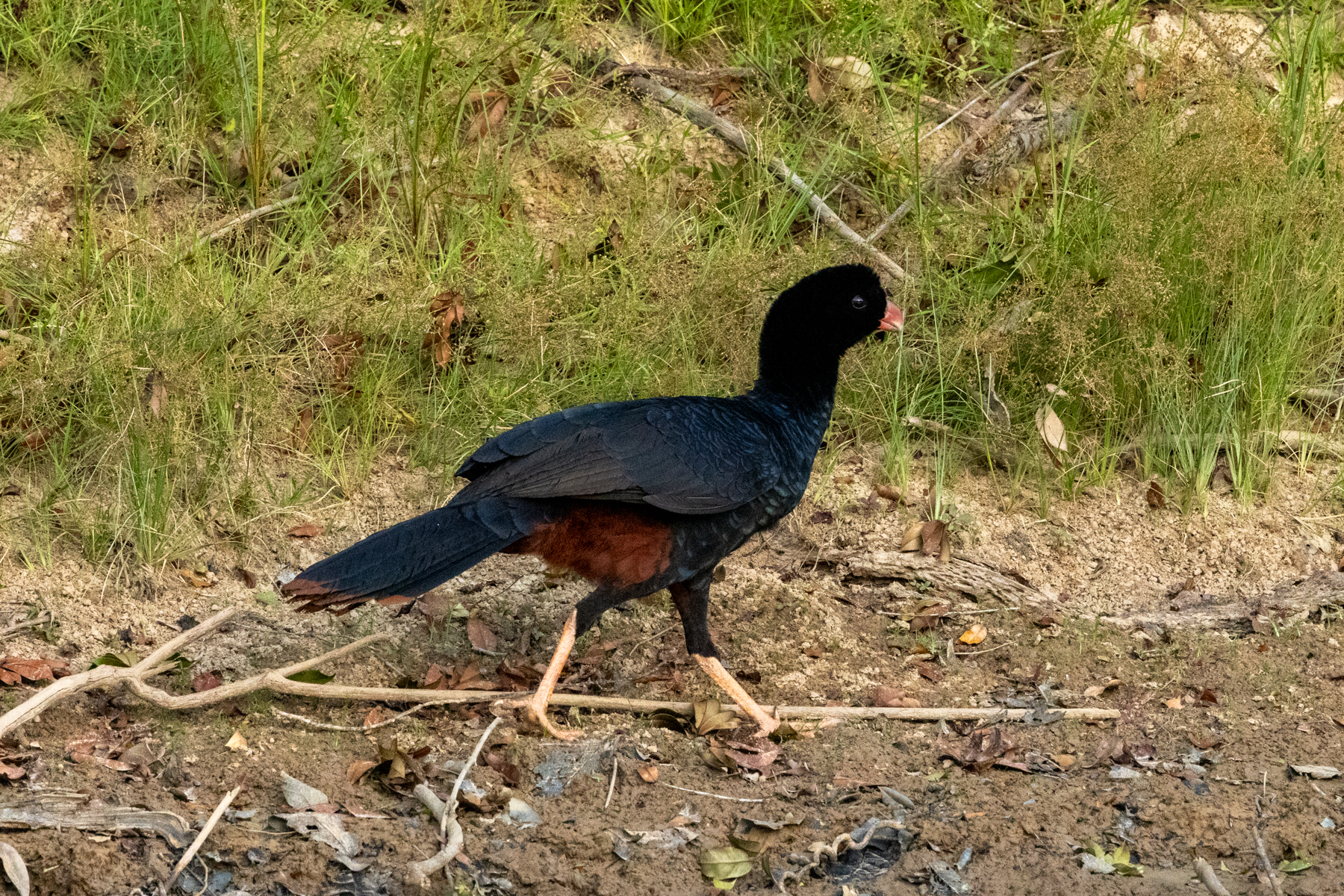
Crestless Curassow (image by Eustace Barnes)
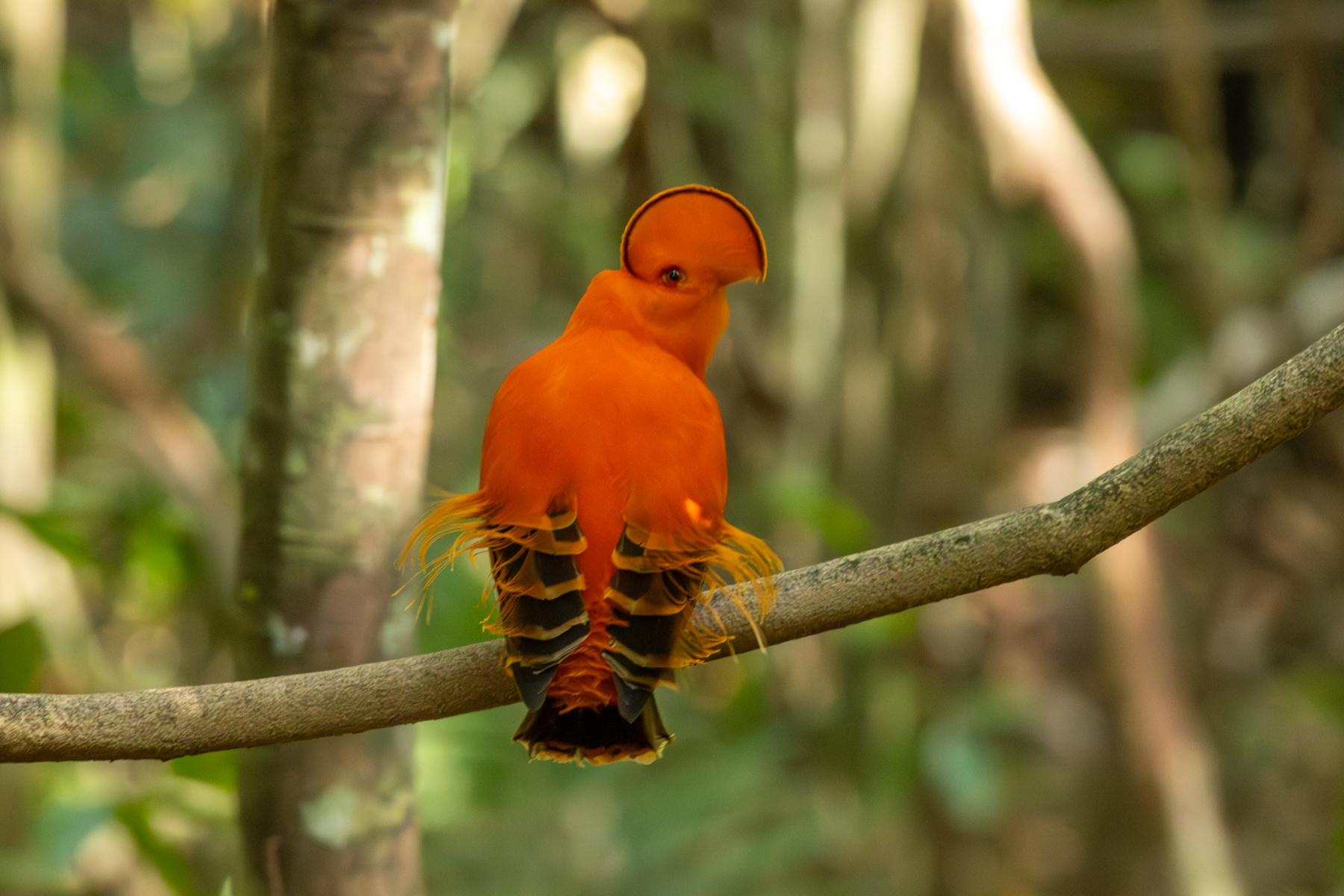
Guianan Cock-of-the-rock (image by Eustace Barnes)
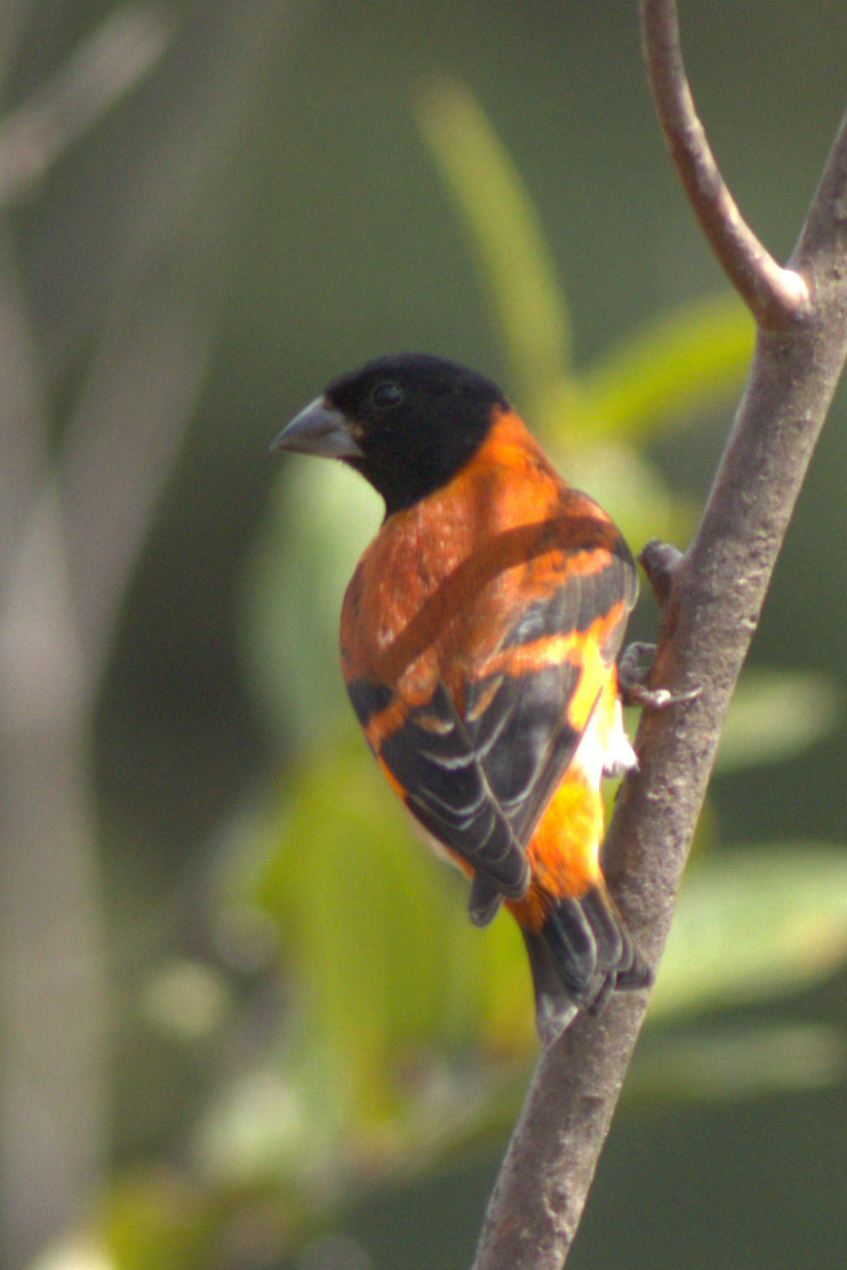
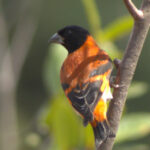
Red Siskin (image by Eustace Barnes)
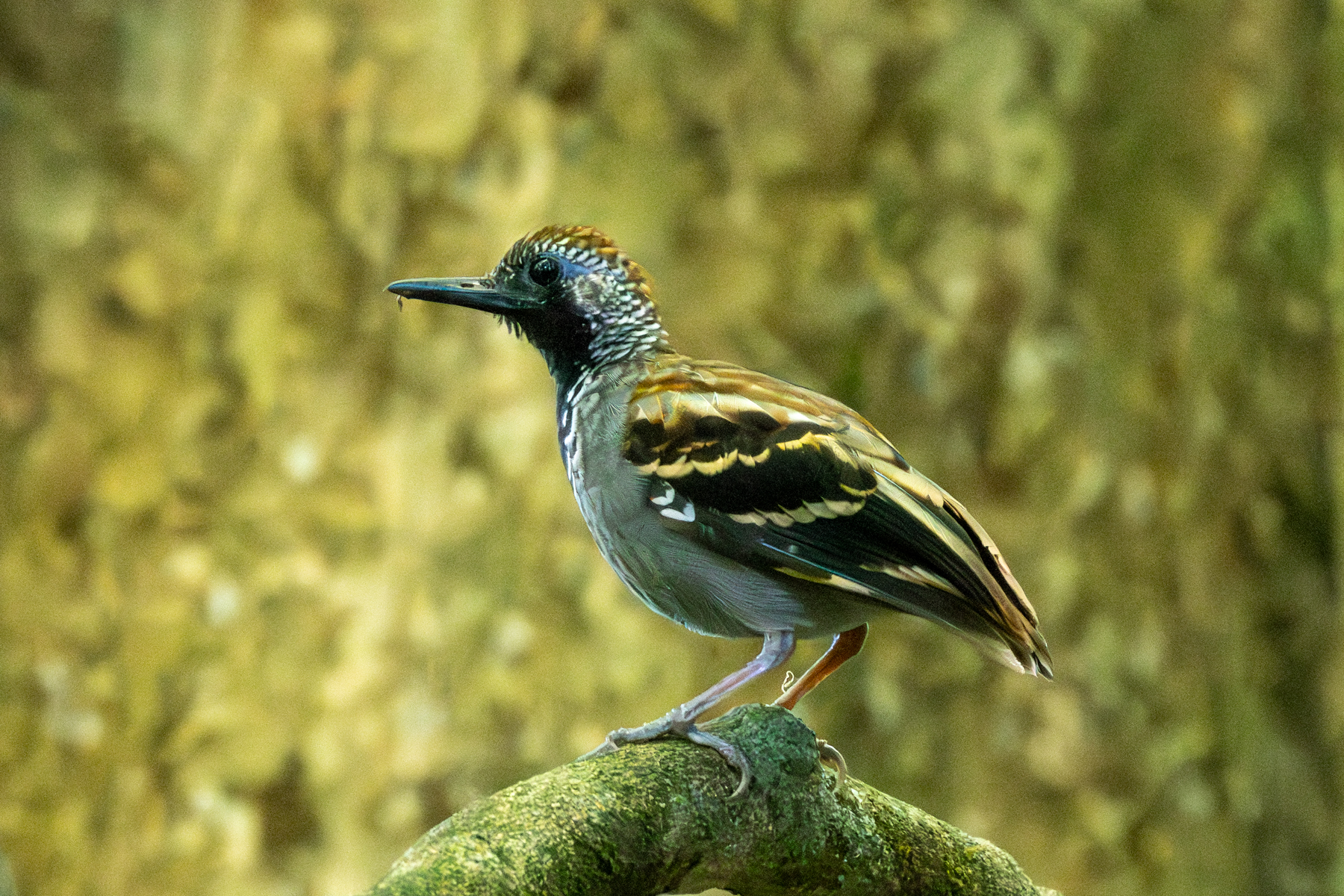
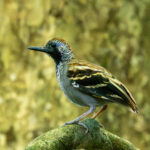
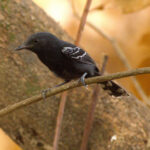
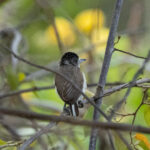
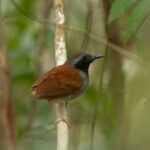
Wing-banded Antbird (image by Eustace Barnes)
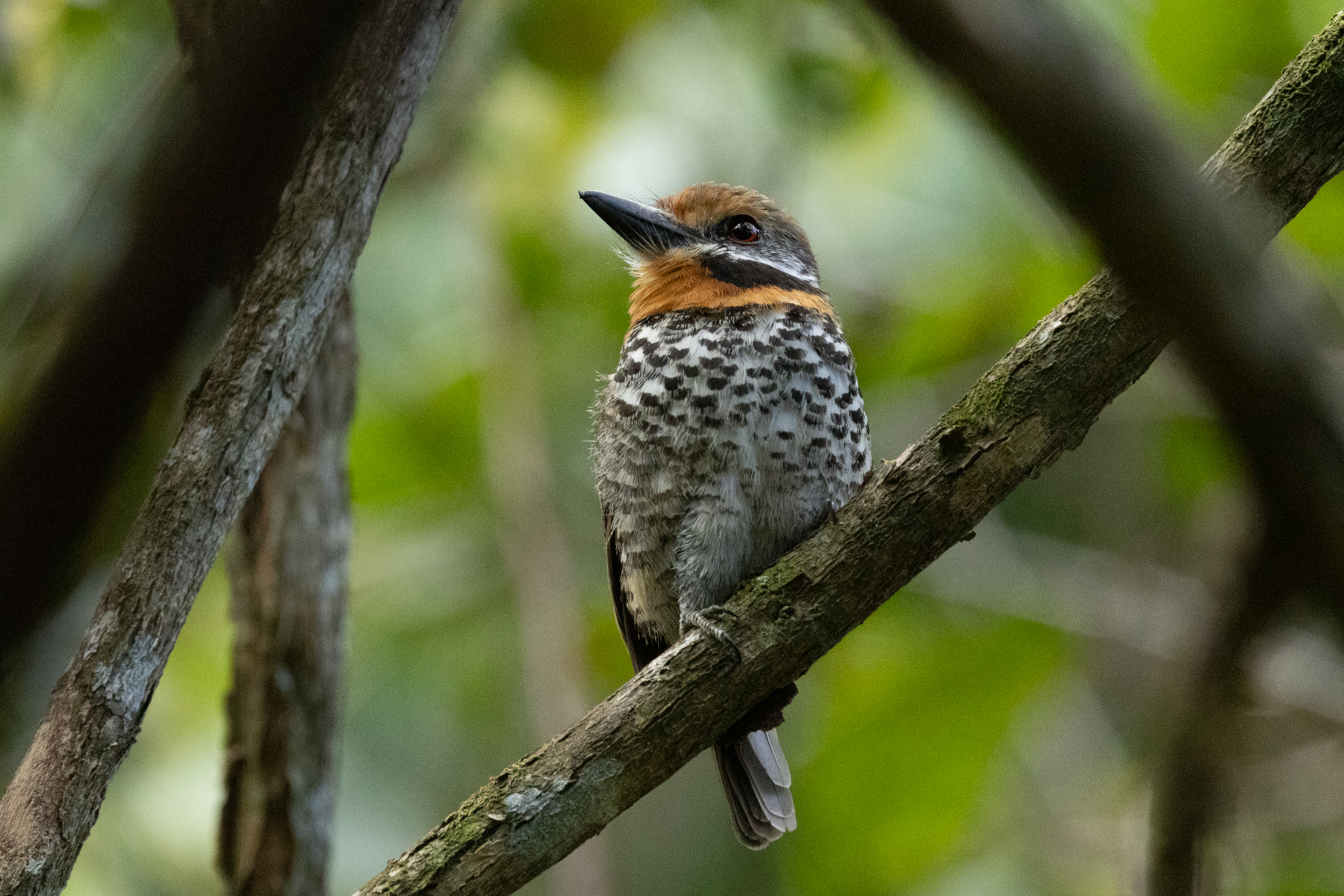
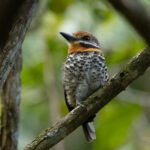
Spotted Puffbird (image by Eustace Barnes)
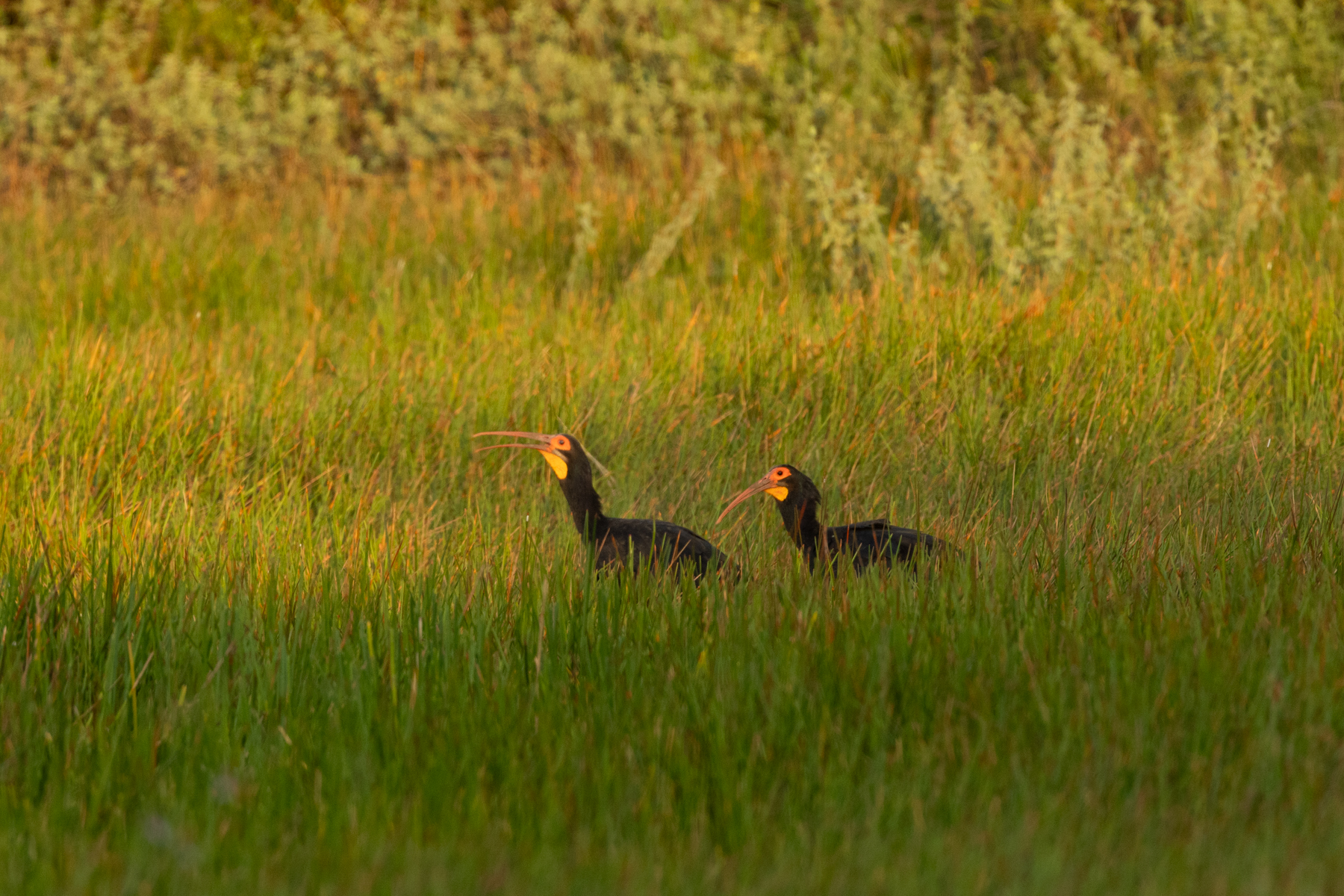
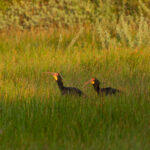
Sharp-tailed Ibises (image by Eustace Barnes)
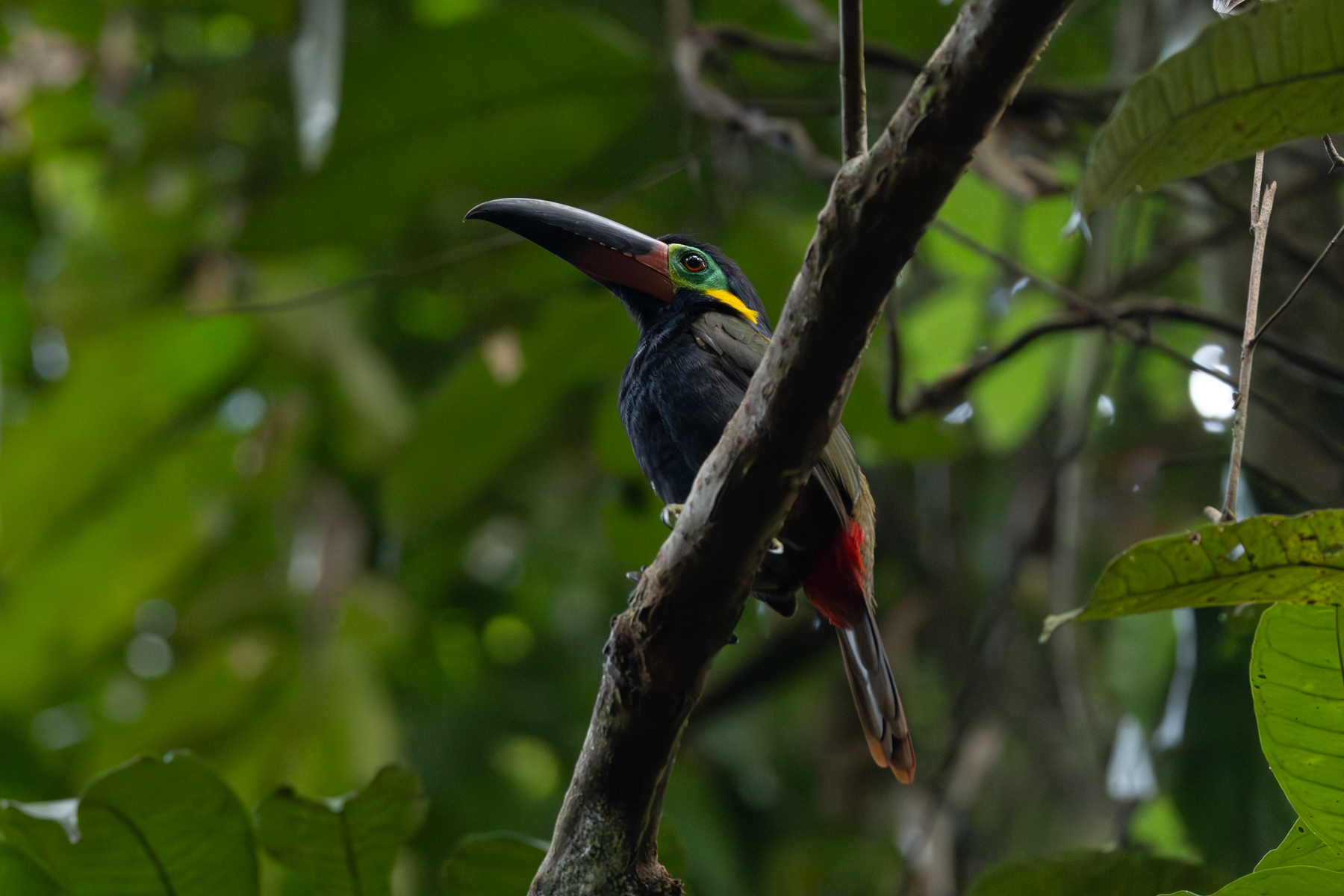
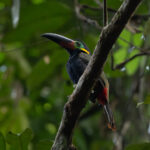
Guianan Toucanet (image by Eustace Barnes)
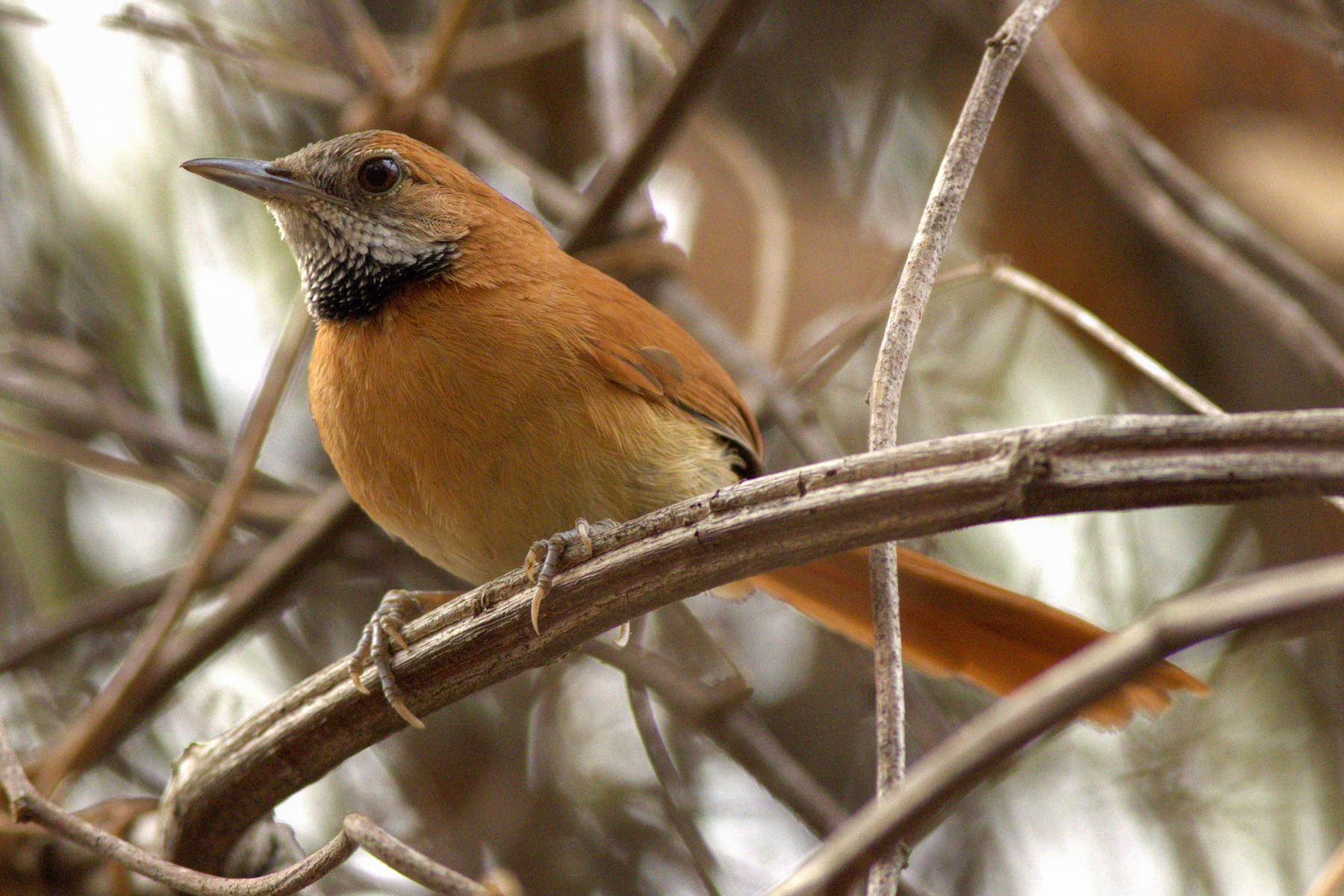
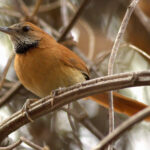
Hoary-throated Spinetail (image by Eustace Barnes)
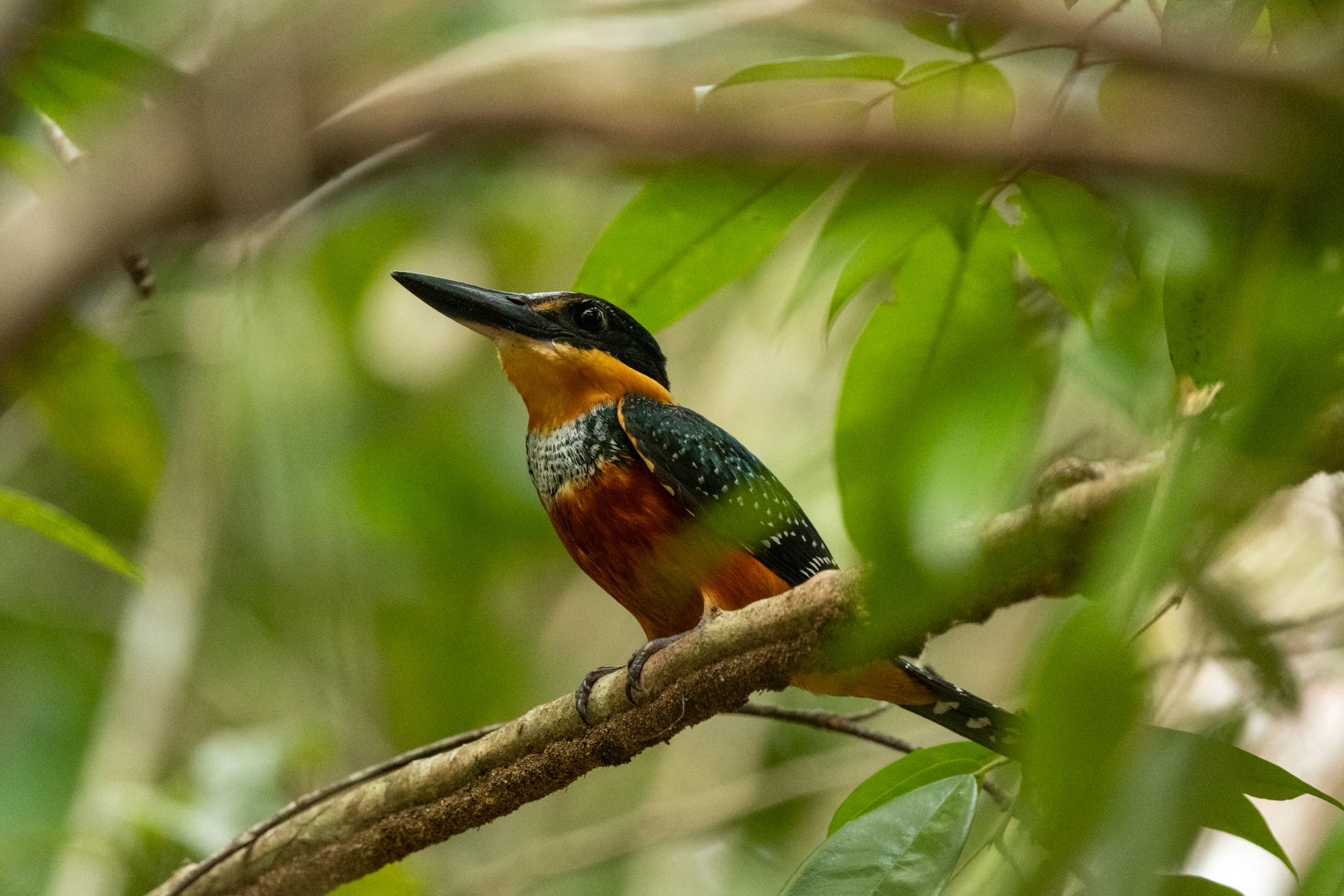
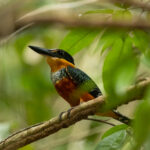
Green-and-rufous Kingfisher (image by Eustace Barnes)
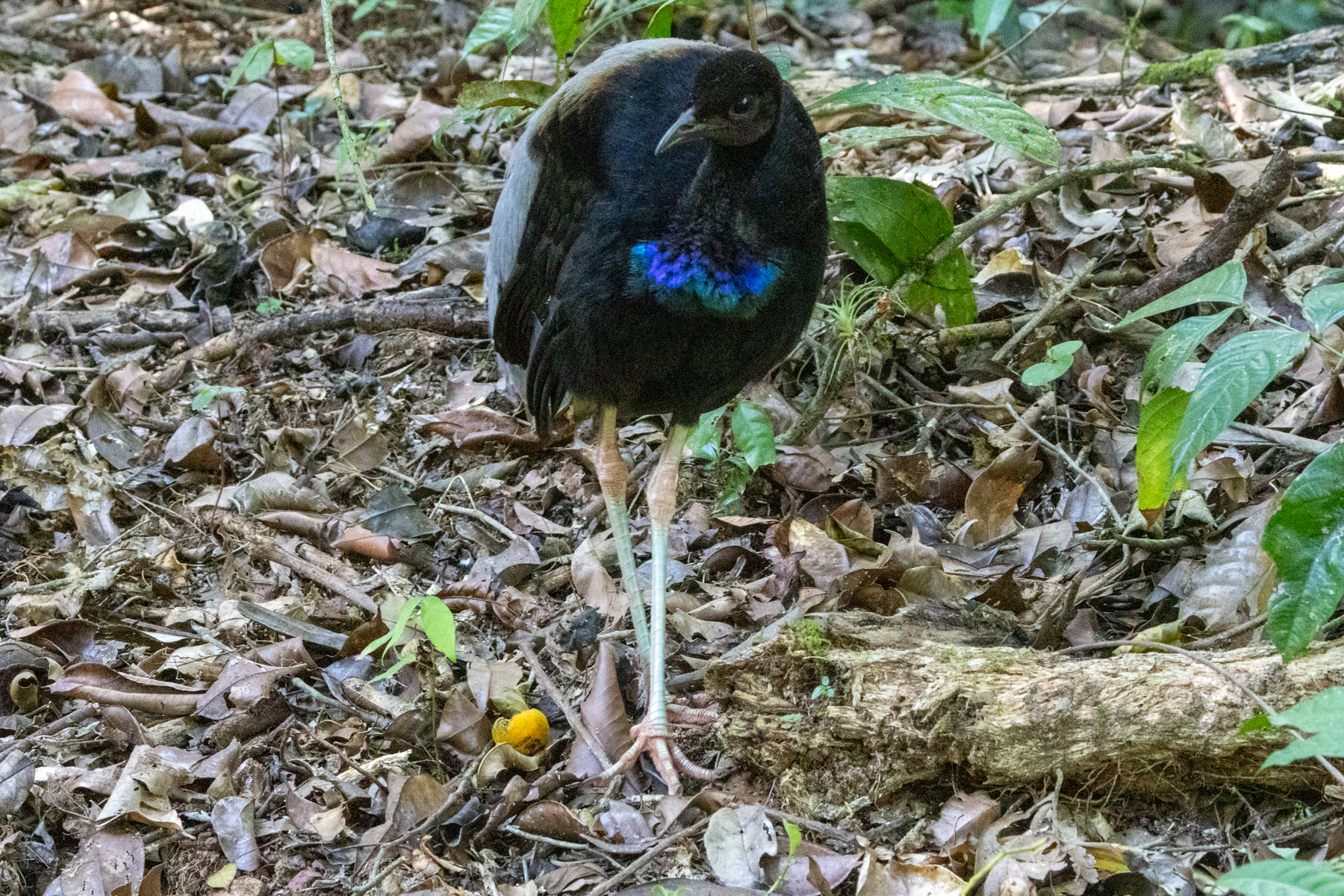
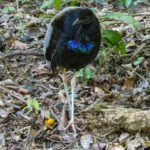
Grey-winged Trumpeter (image by Eustace Barnes)
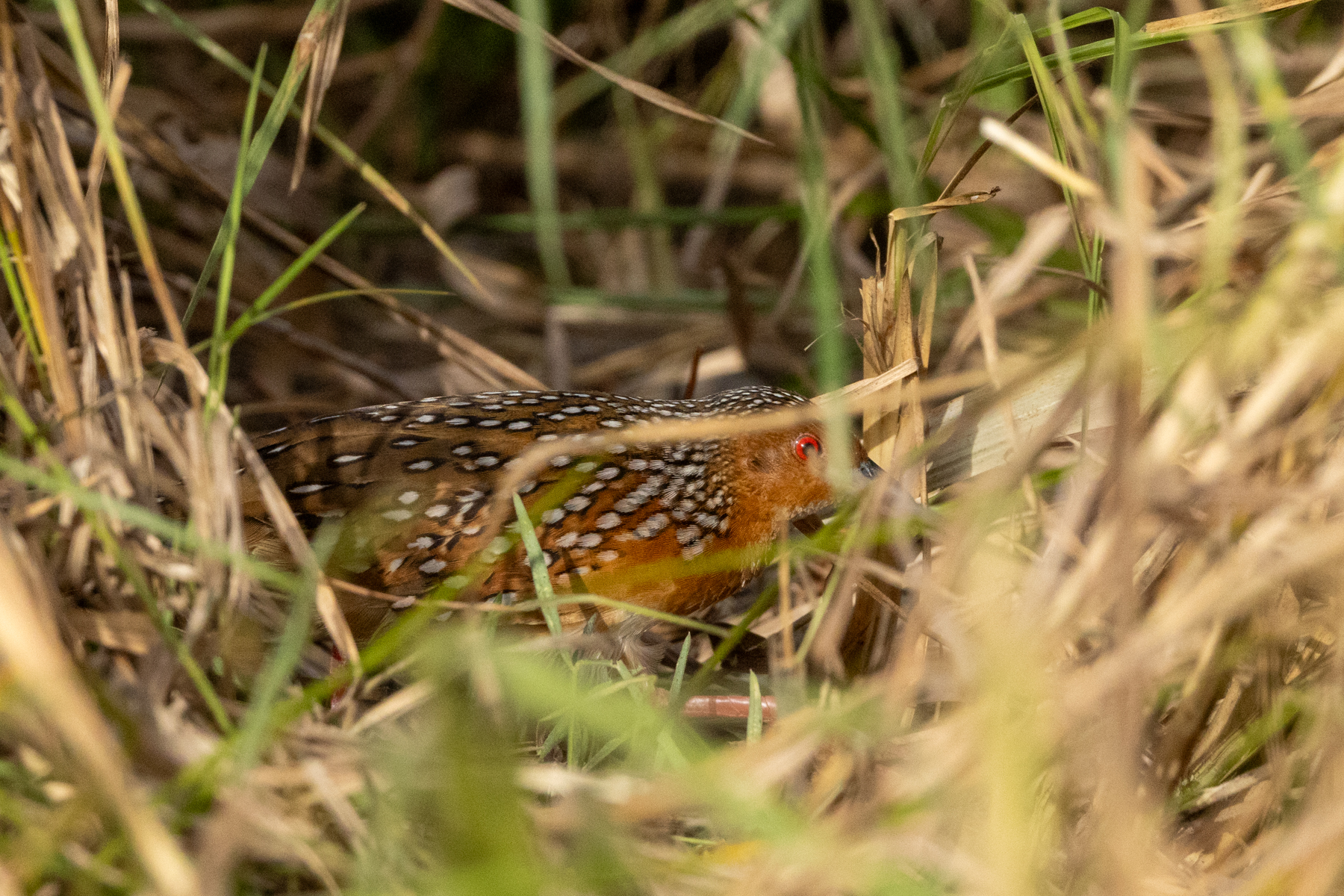
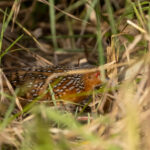
Ocellated Crake (image by Eustace Barnes)
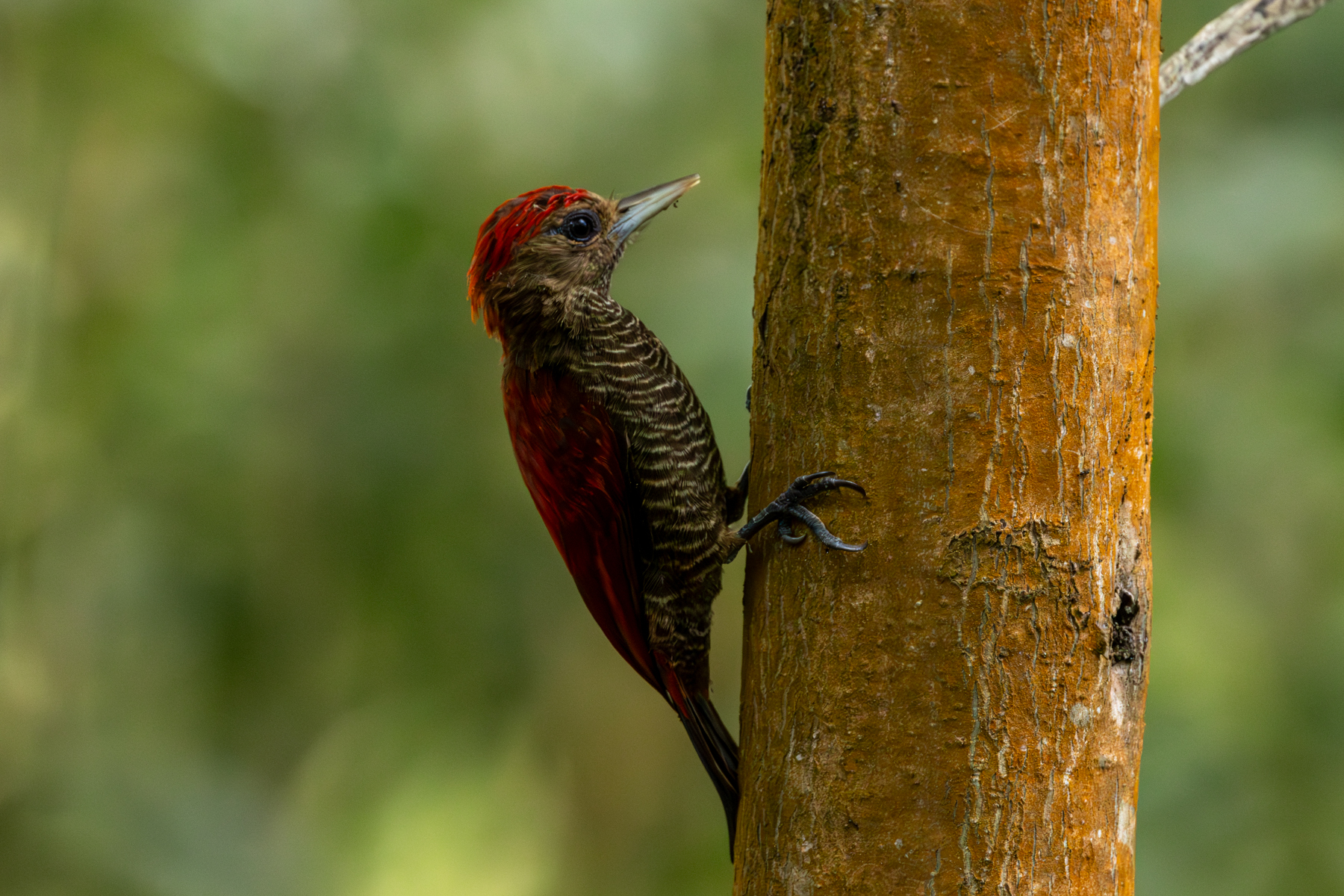
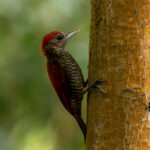
Blood-coloured Woodpecker (image by Eustace Barnes)
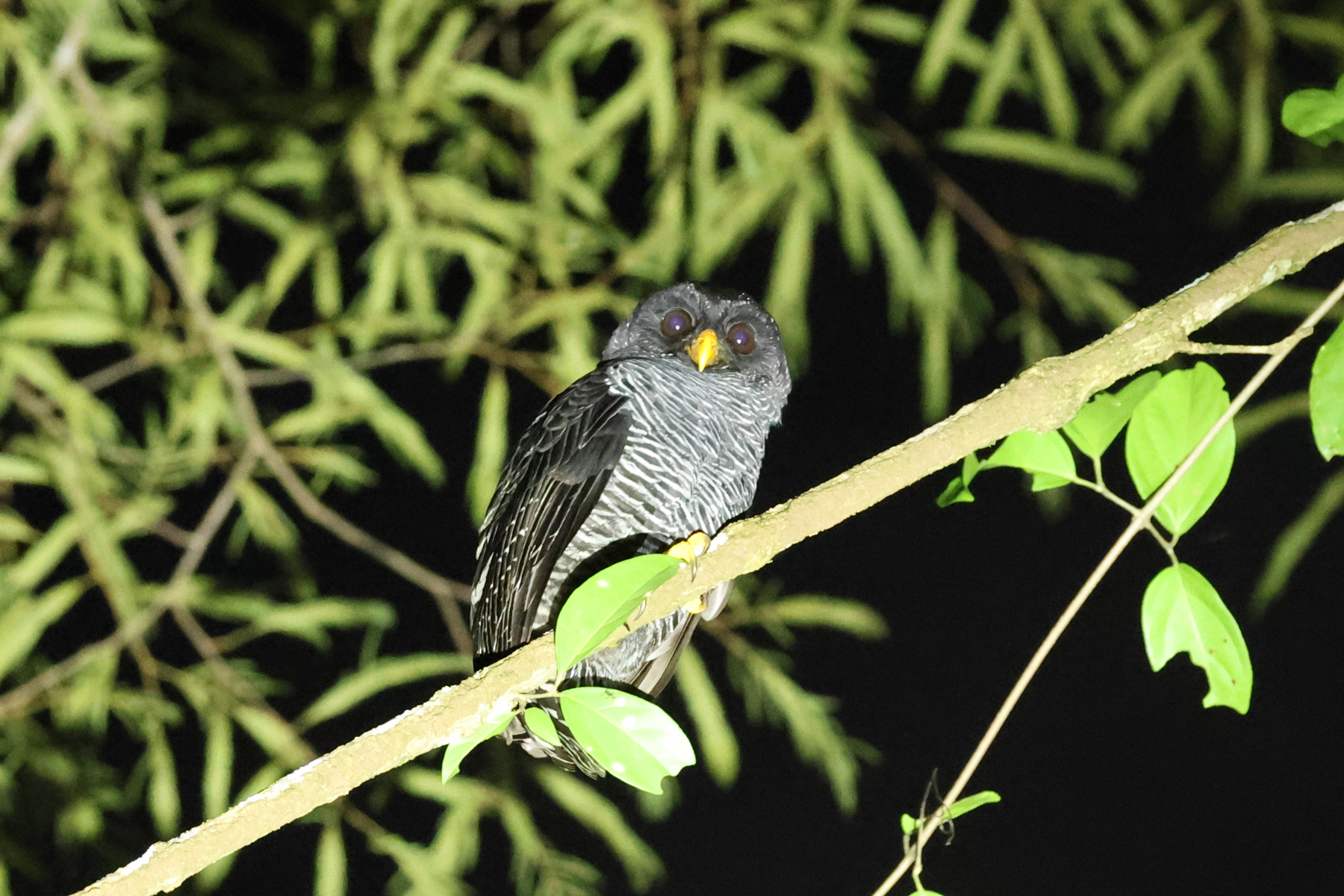
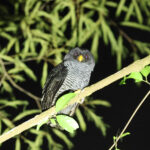
Black-banded Owl (image by Eustace Barnes)
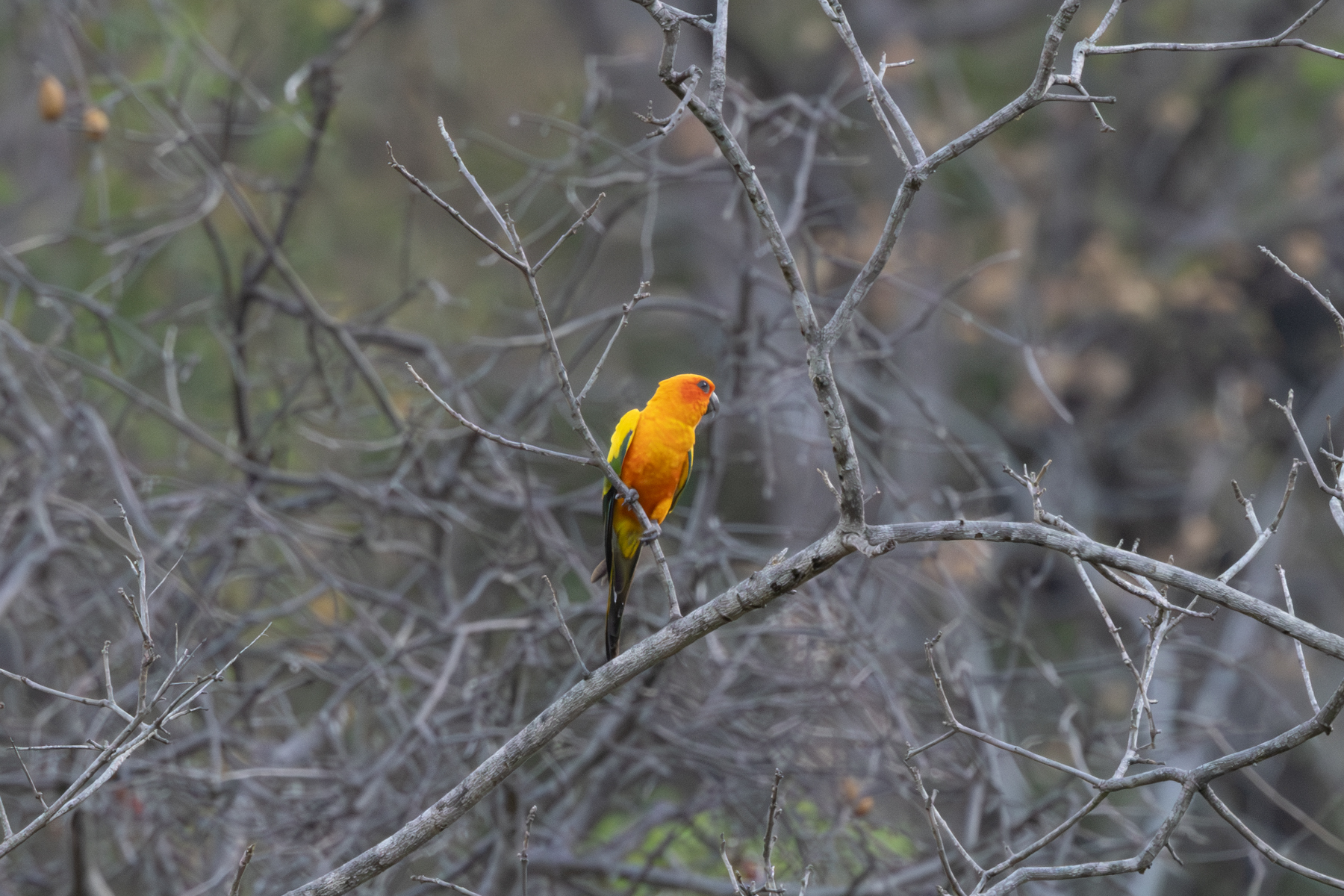
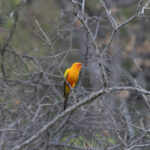
Sun Parakeet (image by Eustace Barnes)
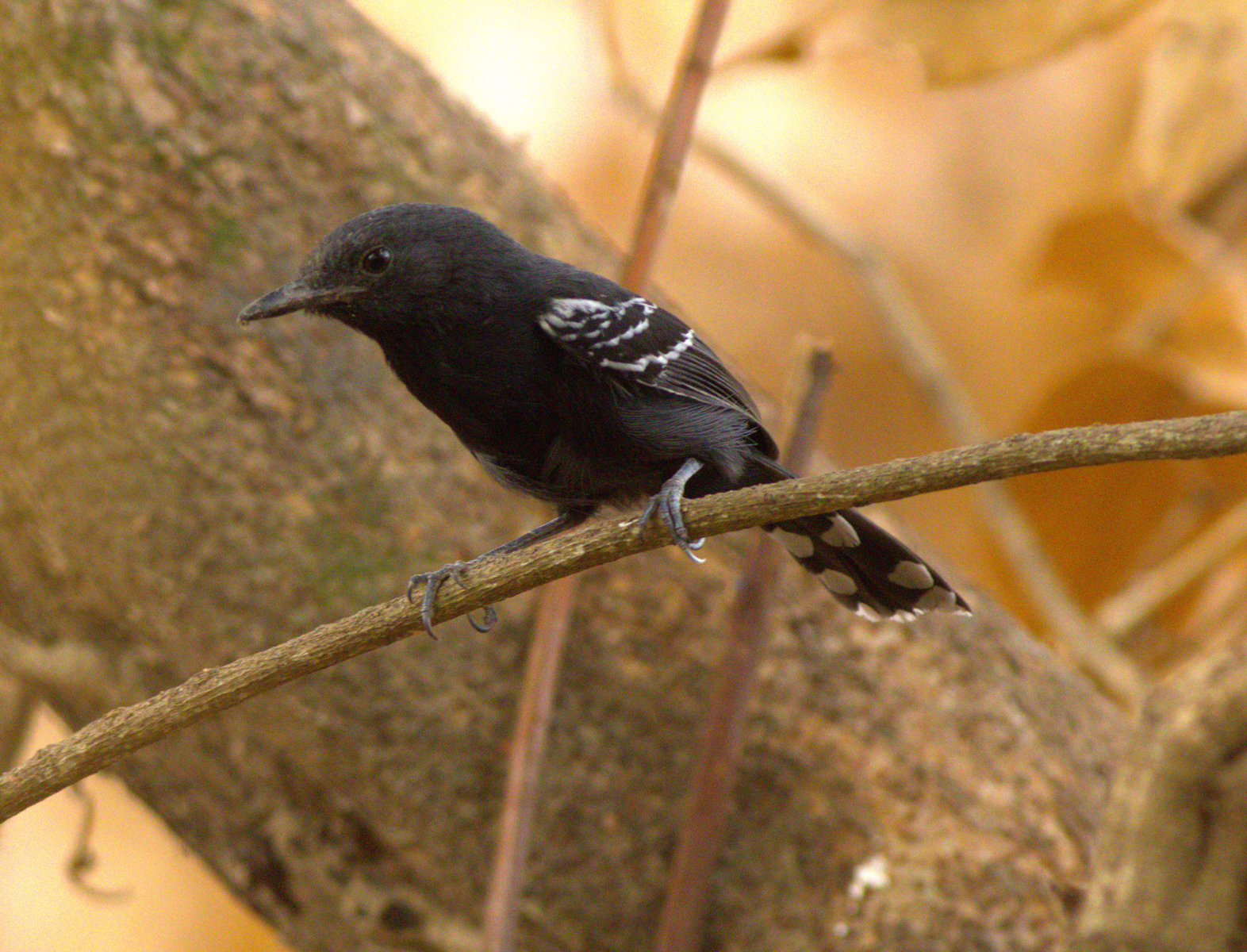
Rio Branco Antbird (image by Eustace Barnes)
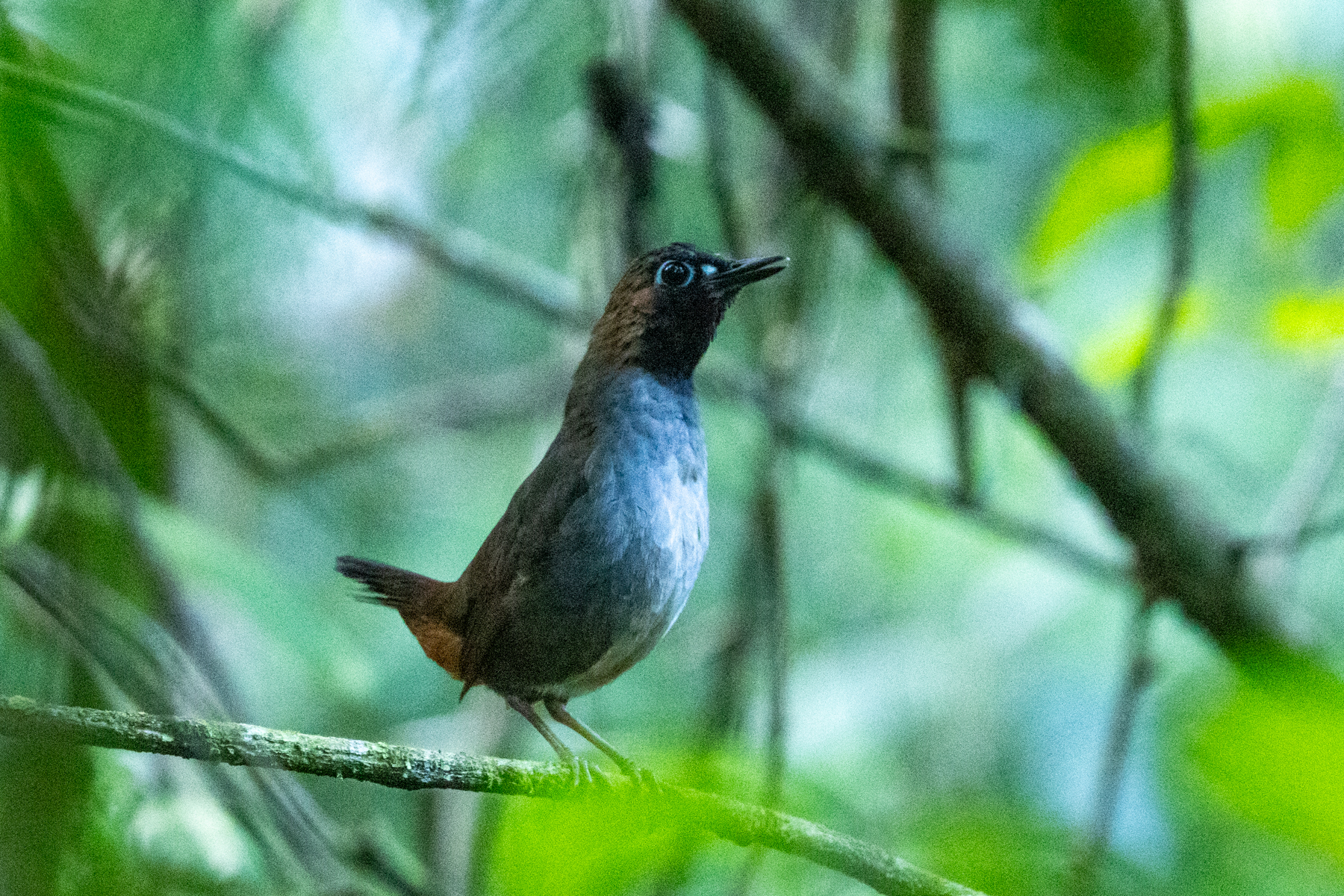
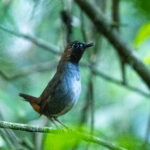
Black-faced Antthrush (image by Eustace Barnes)
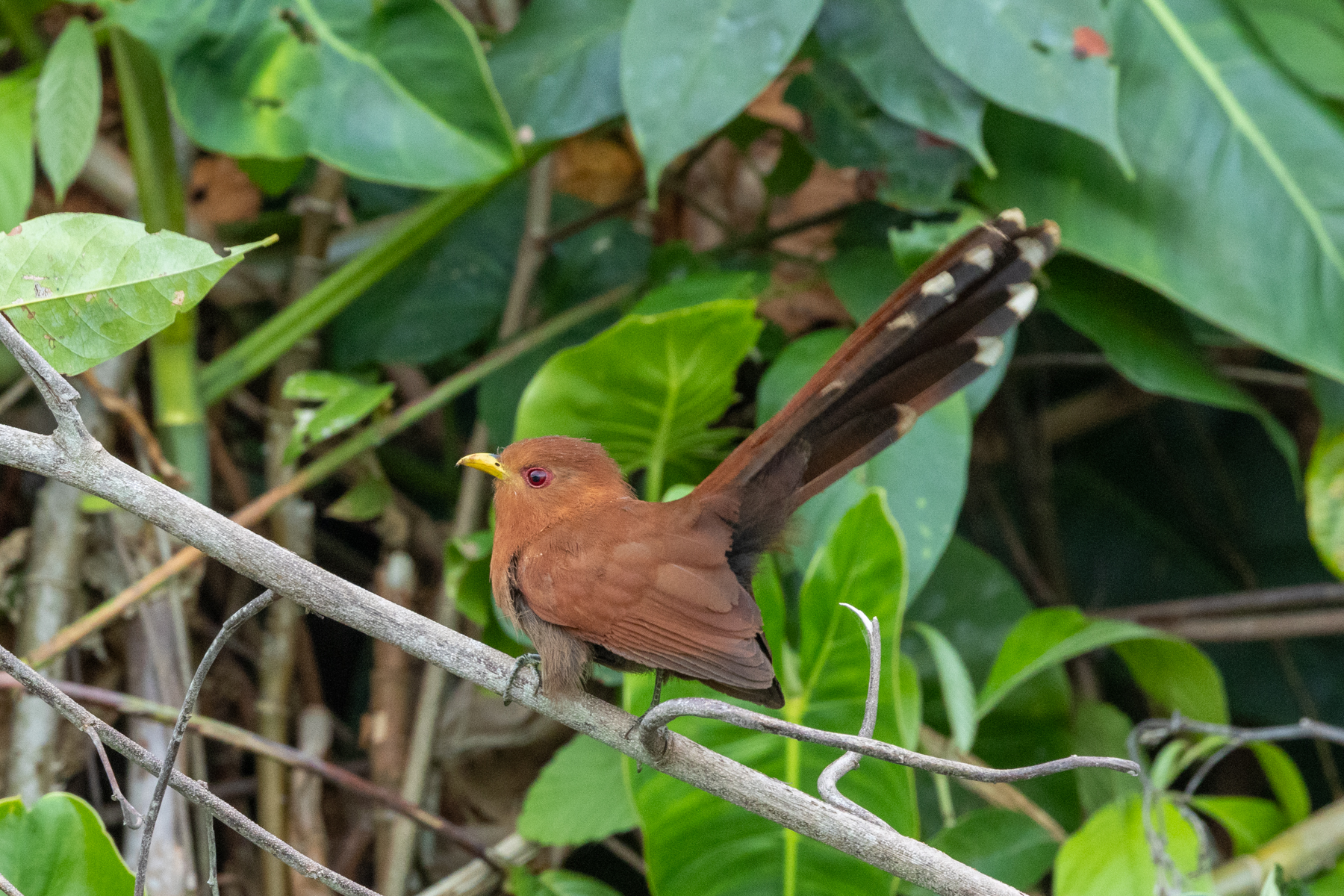
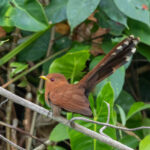
Little Cuckoo (image by Eustace Barnes)
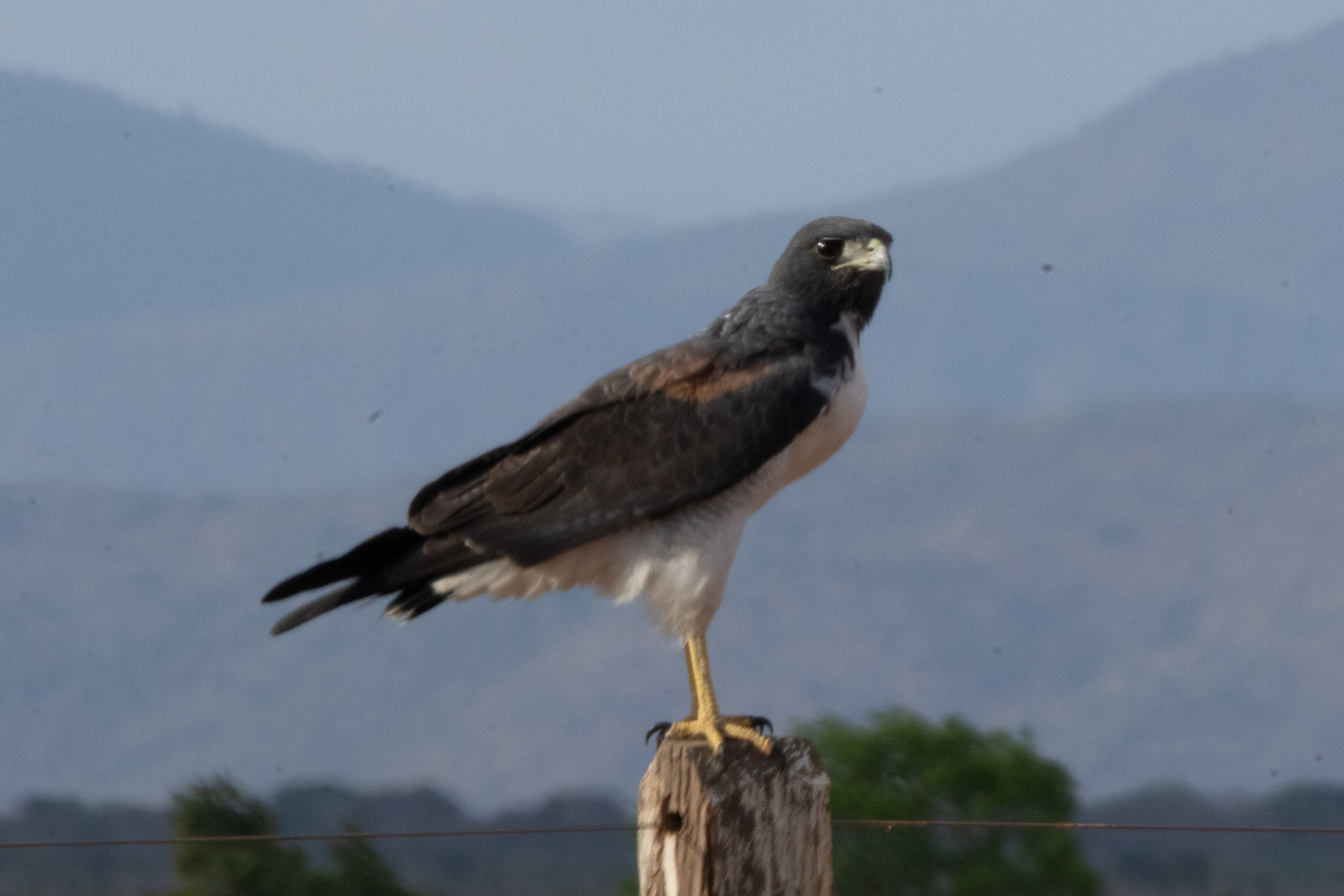
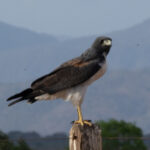
White-tailed Hawk (image by Eustace Barnes)
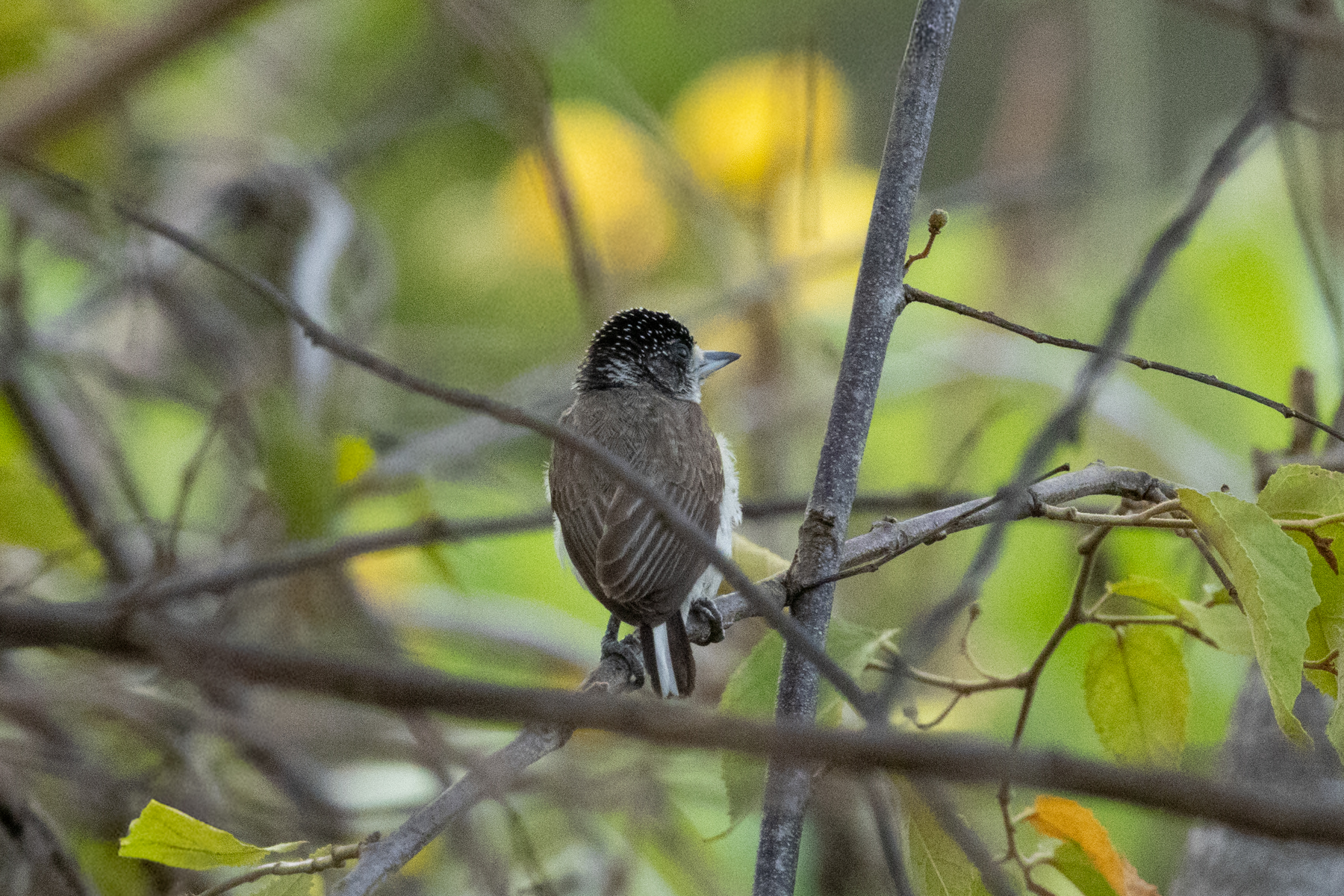
White-bellied Piculet (image by Eustace Barnes)
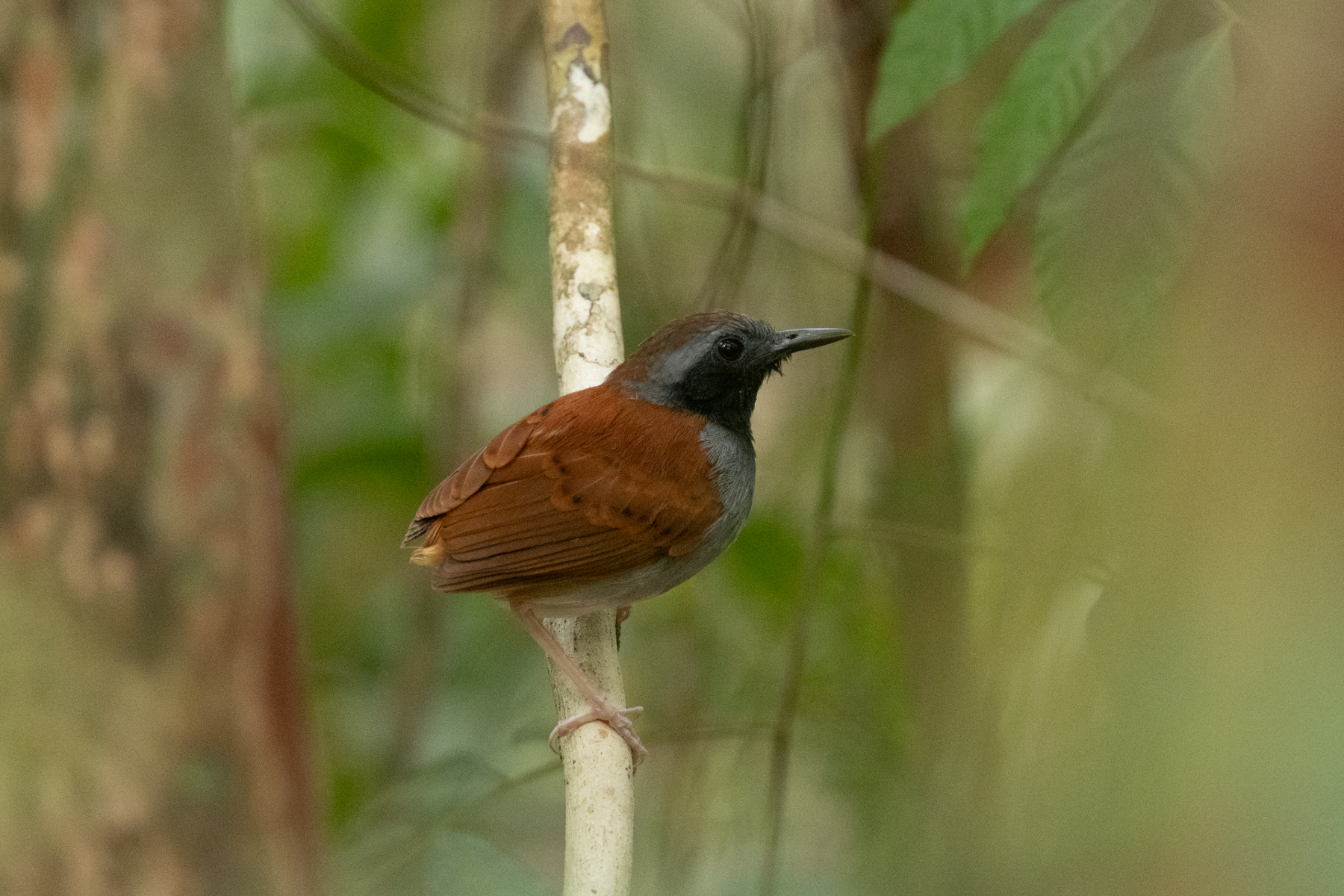
White-bellied Antbird (image by Eustace Barnes)
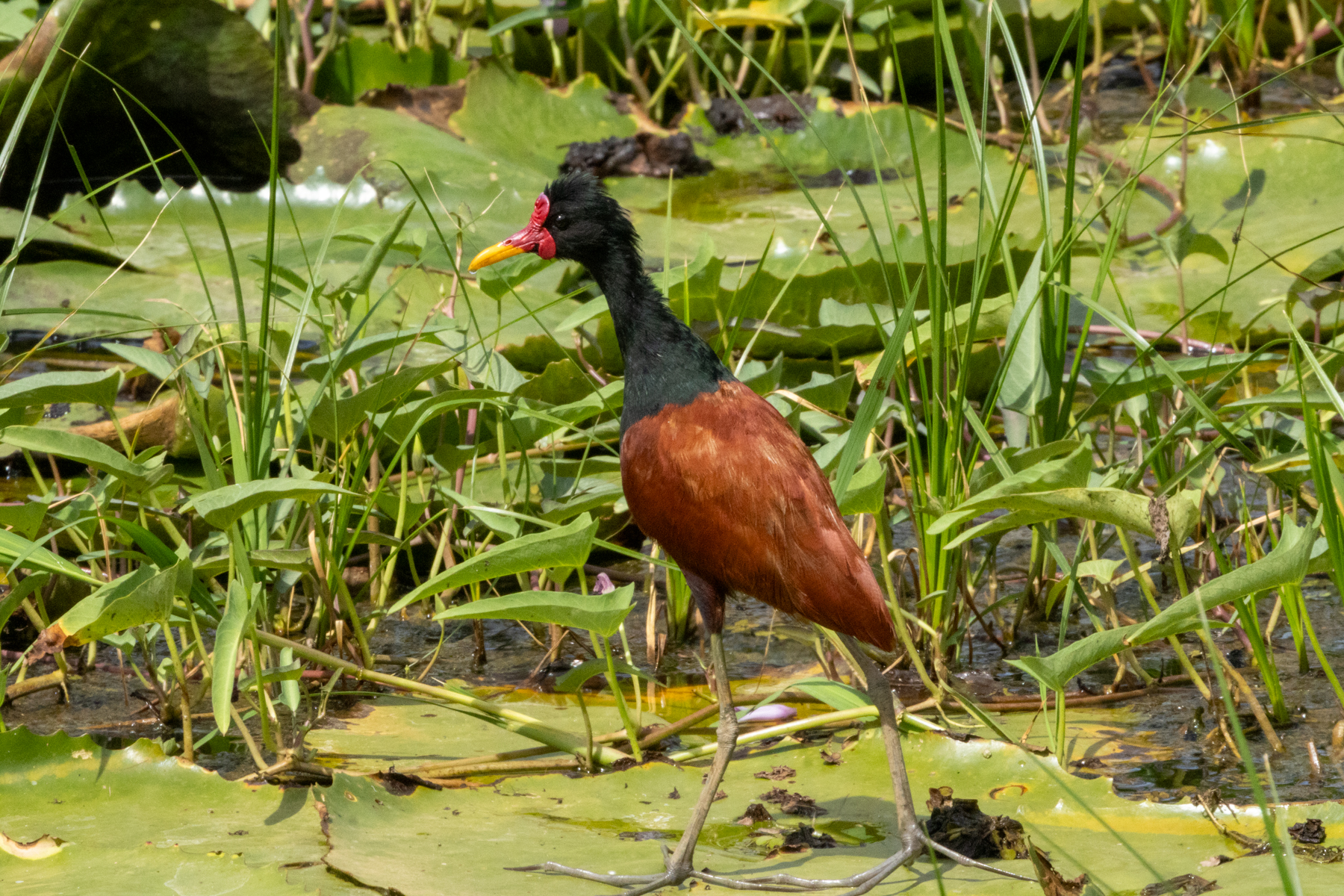
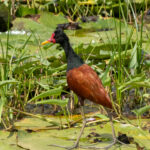
Wattled Jacana (image by Eustace Barnes)
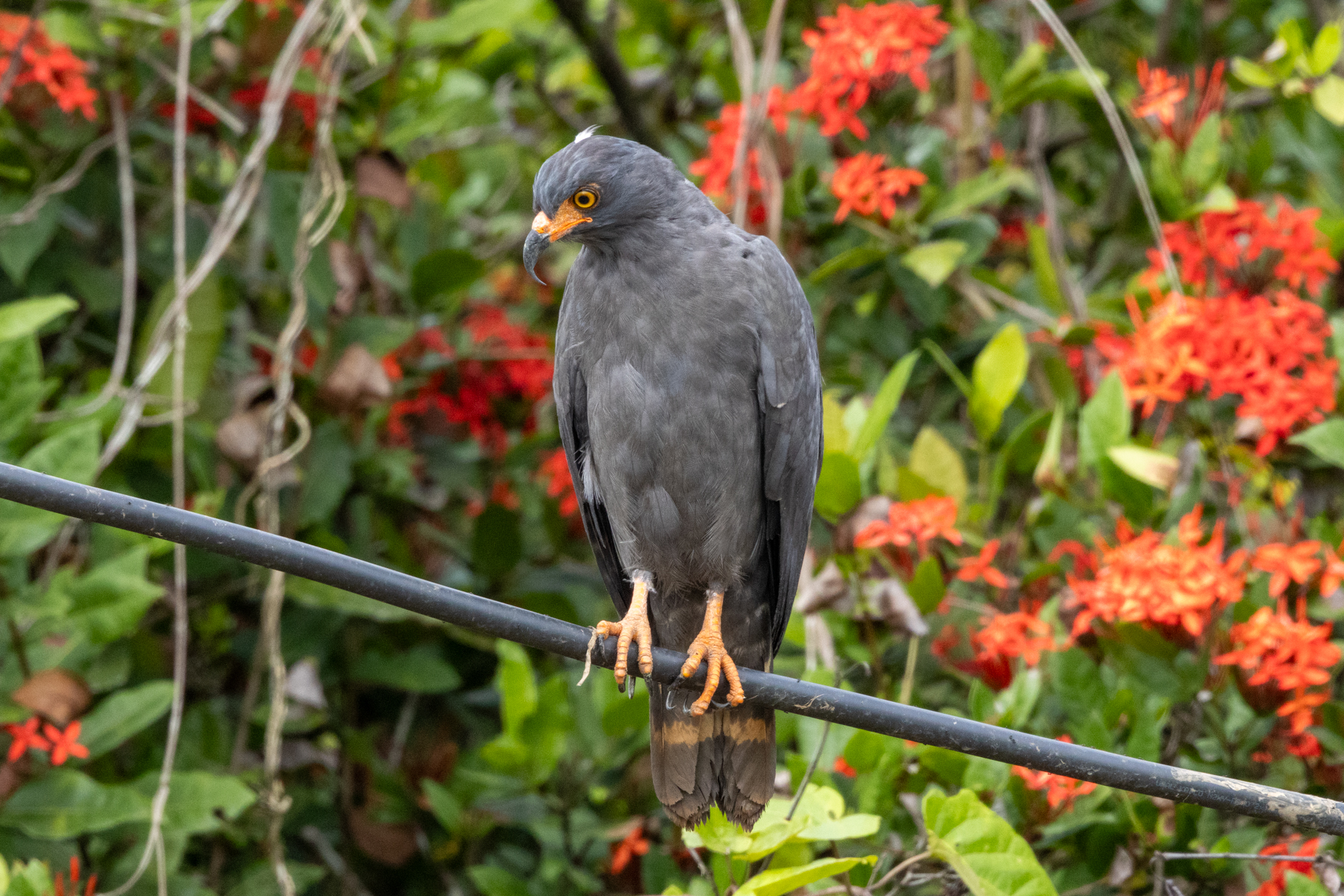
Slender-billed Kite (image by Eustace Barnes)
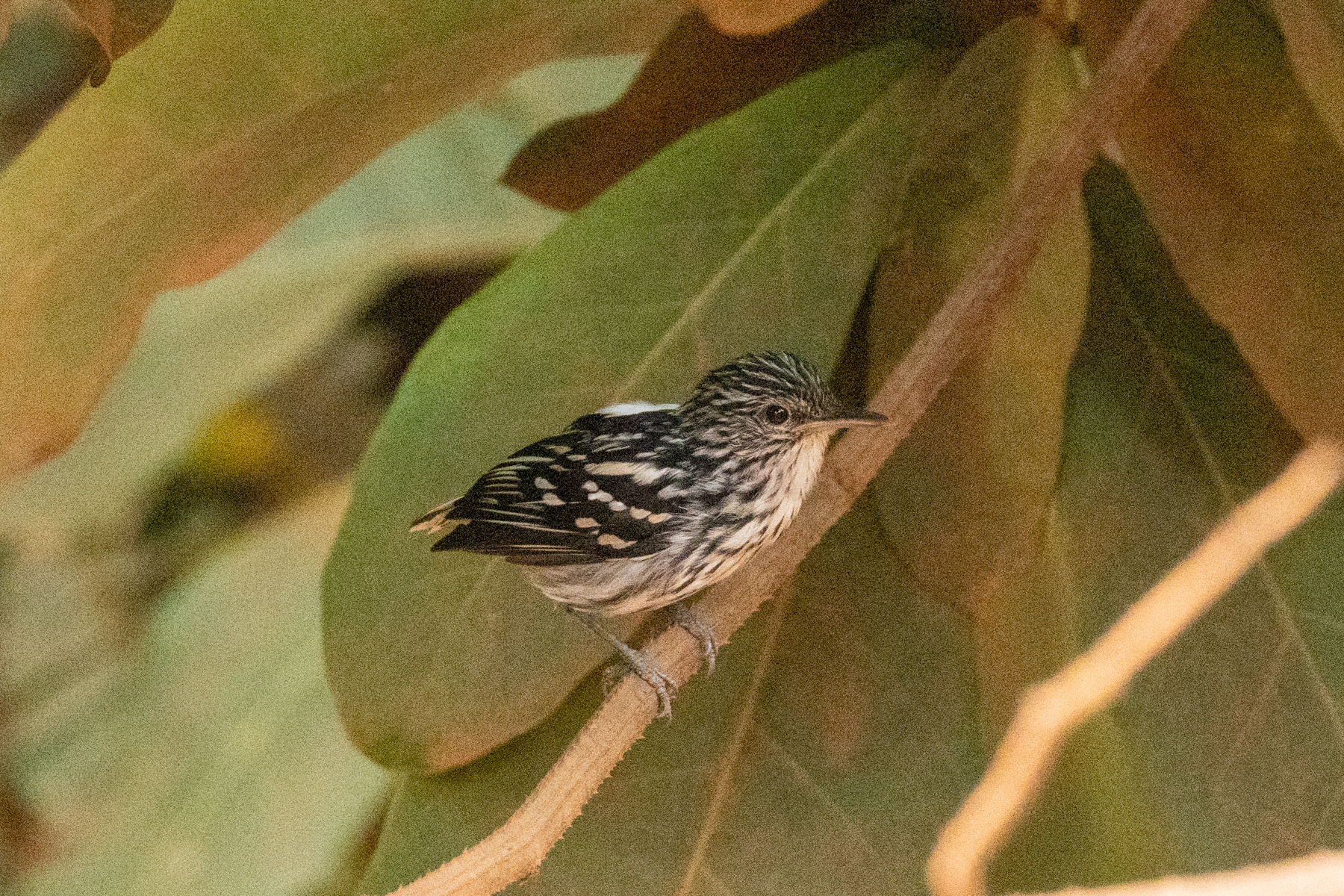
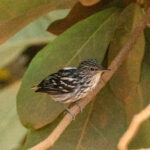
Guianan Streaked Antwren (image by Eustace Barnes)
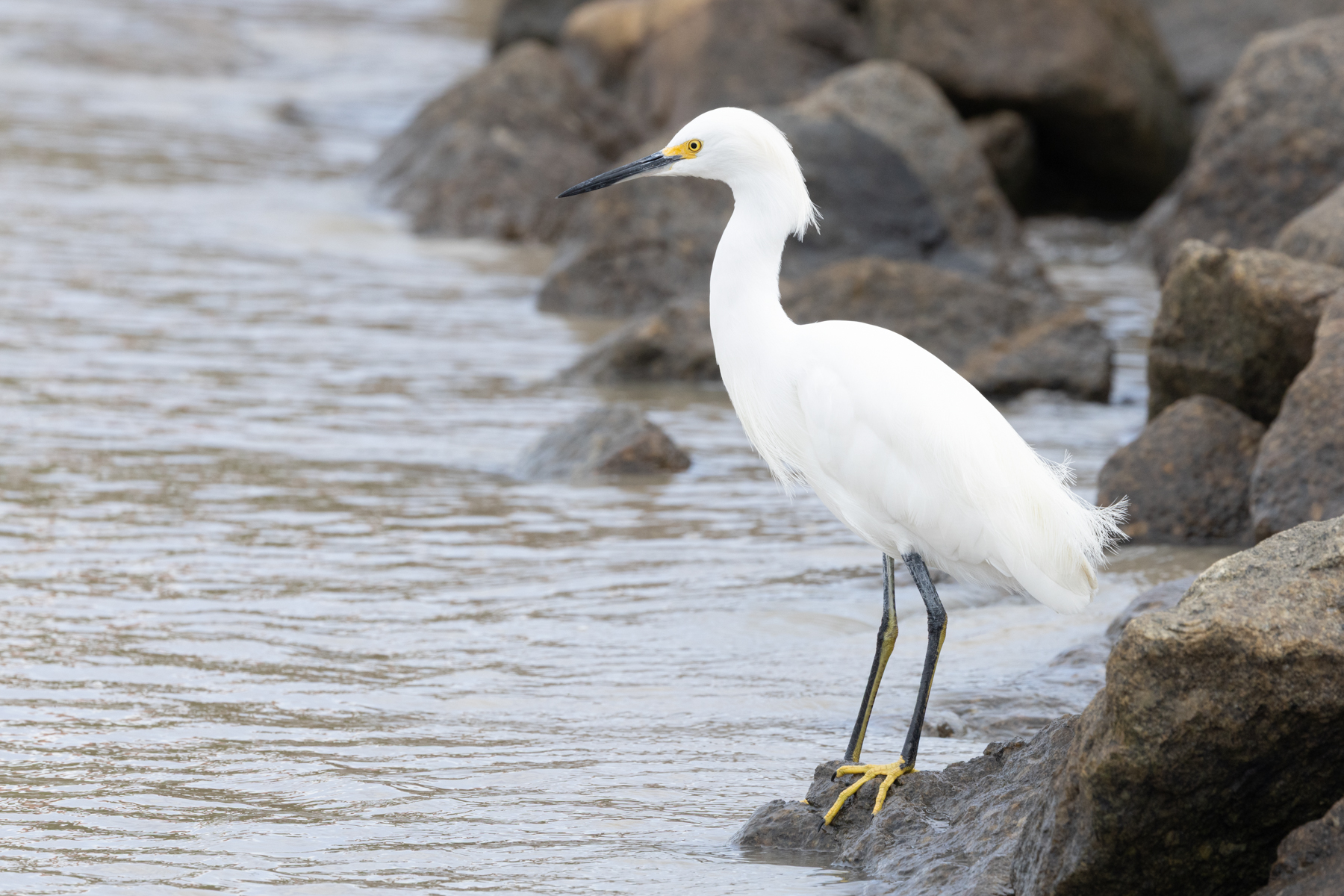
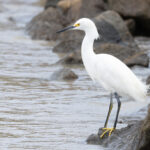
Snowy Egret (image by Eustace Barnes)
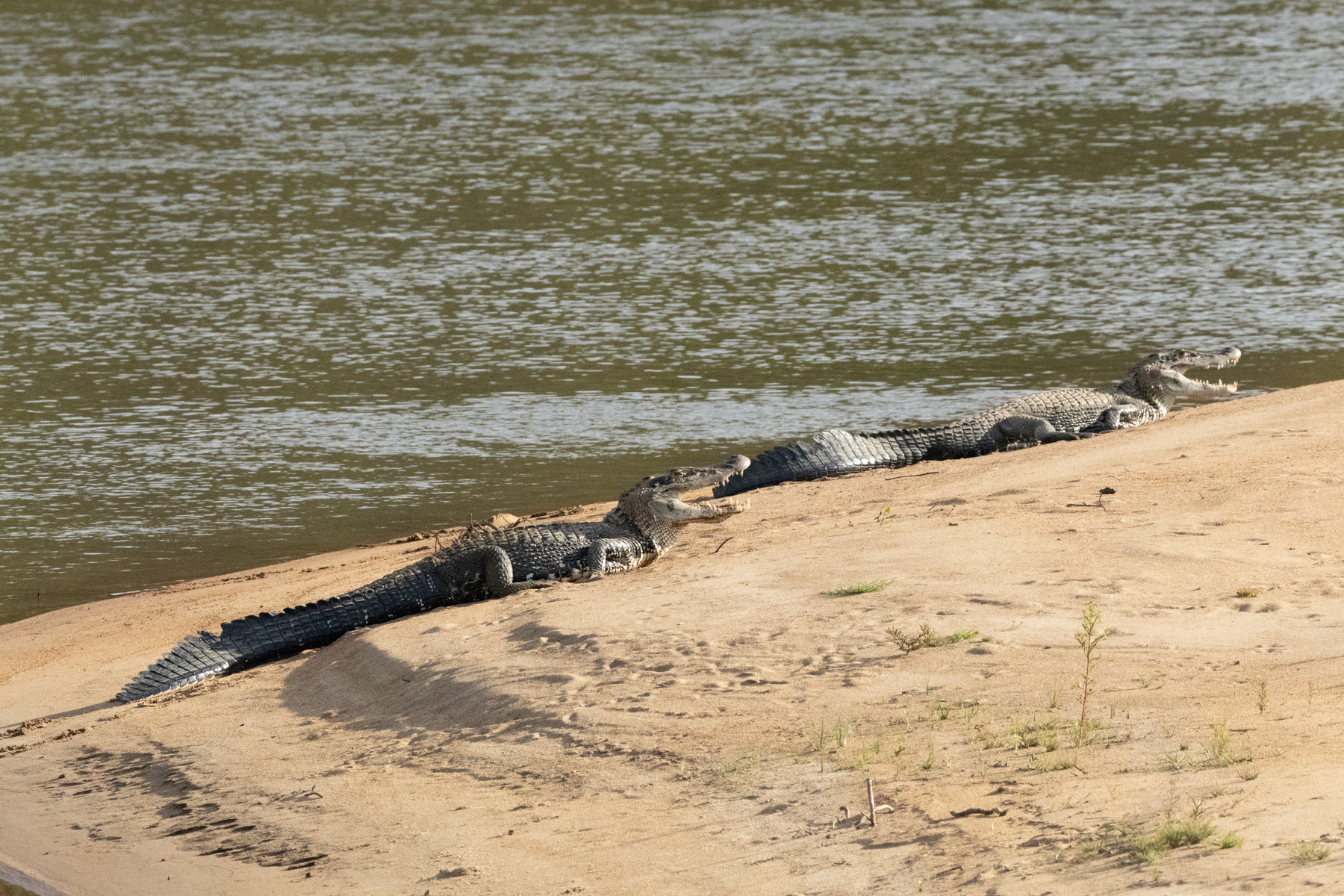
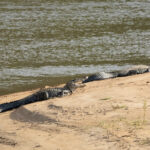
Spectacled Caimans (image by Eustace Barnes)
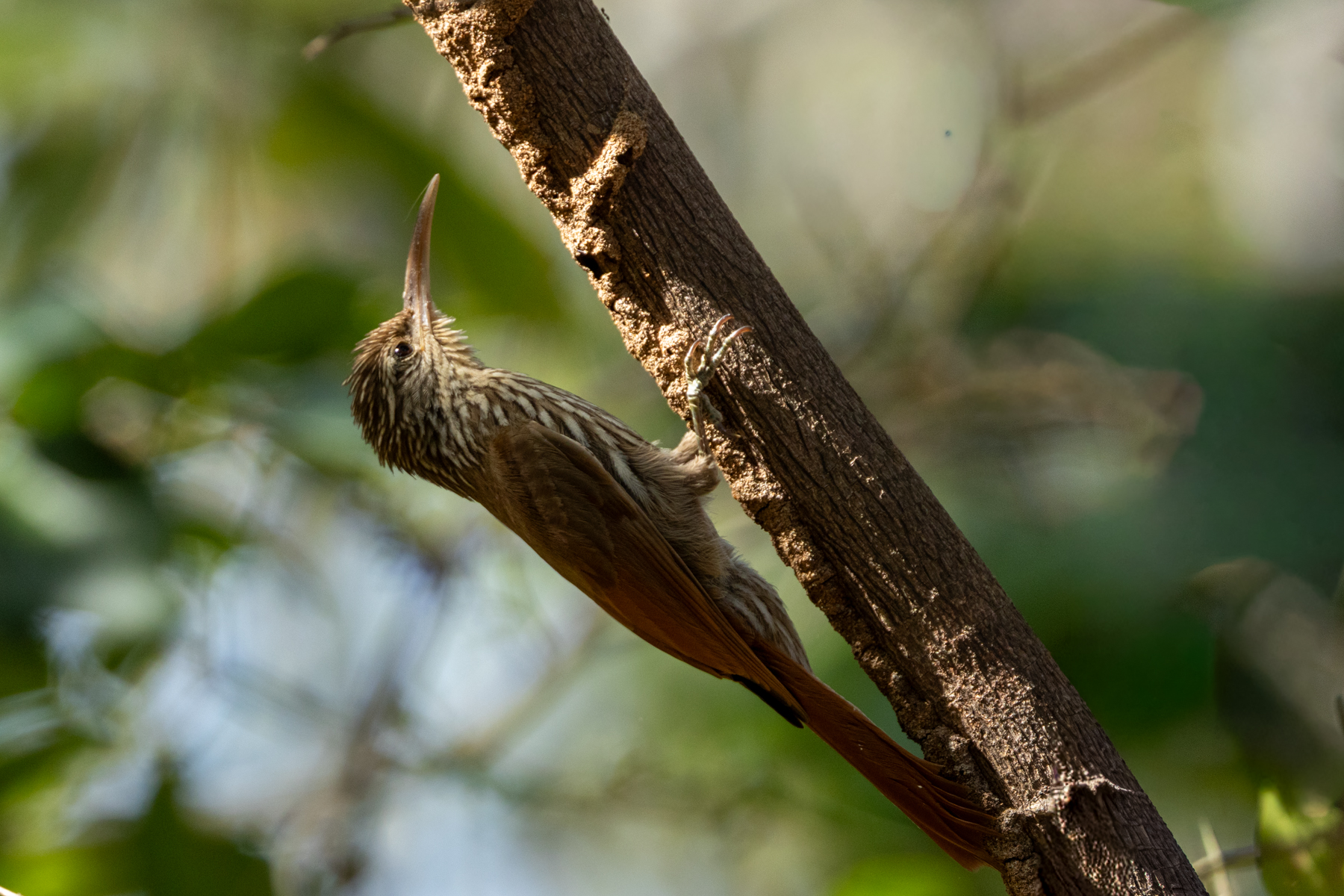
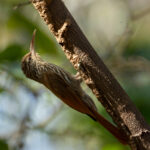
Streak-headed Woodcreeper (image by Eustace Barnes)
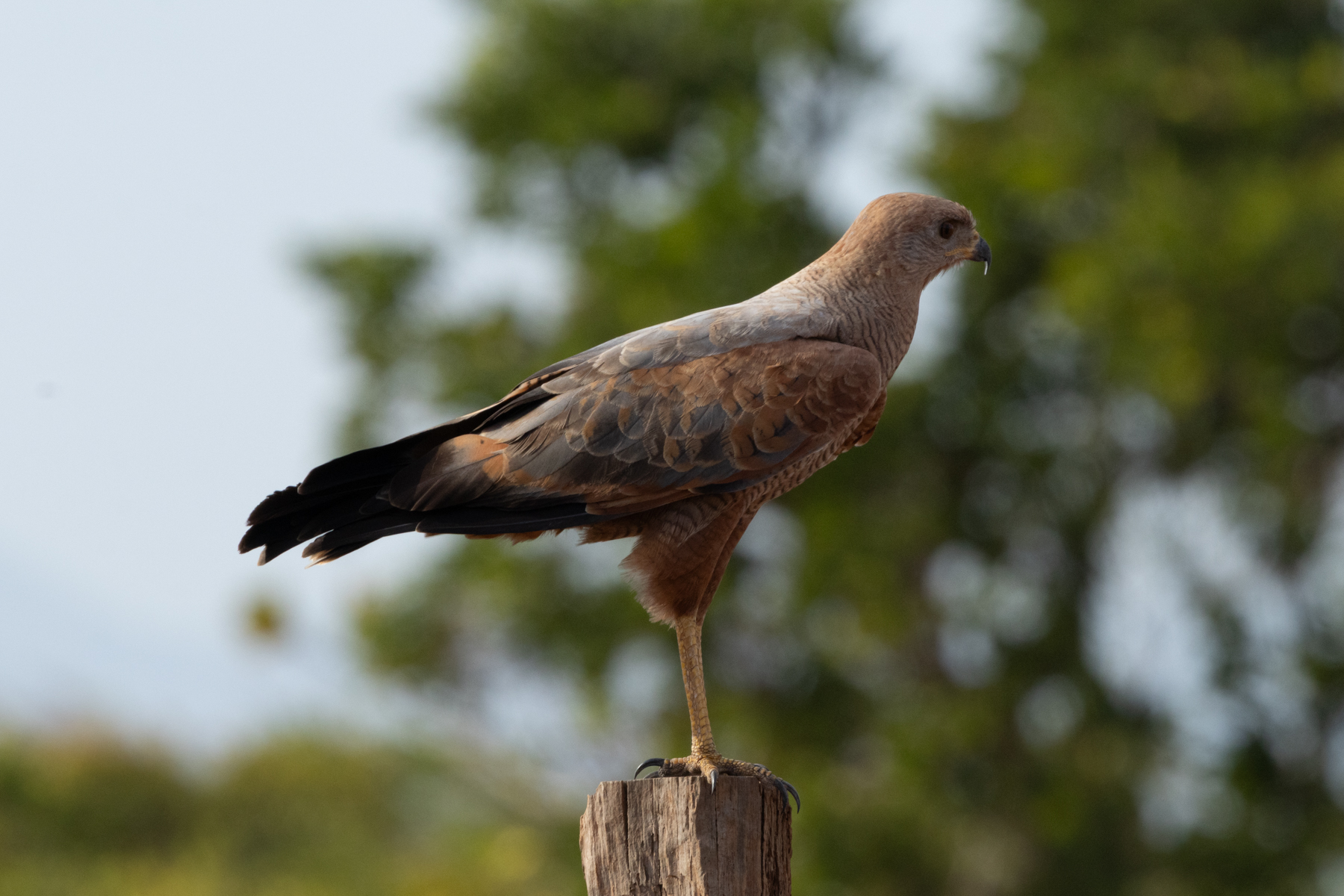
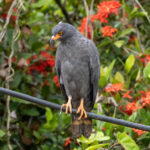
Savanna Hawk (image by Eustace Barnes)
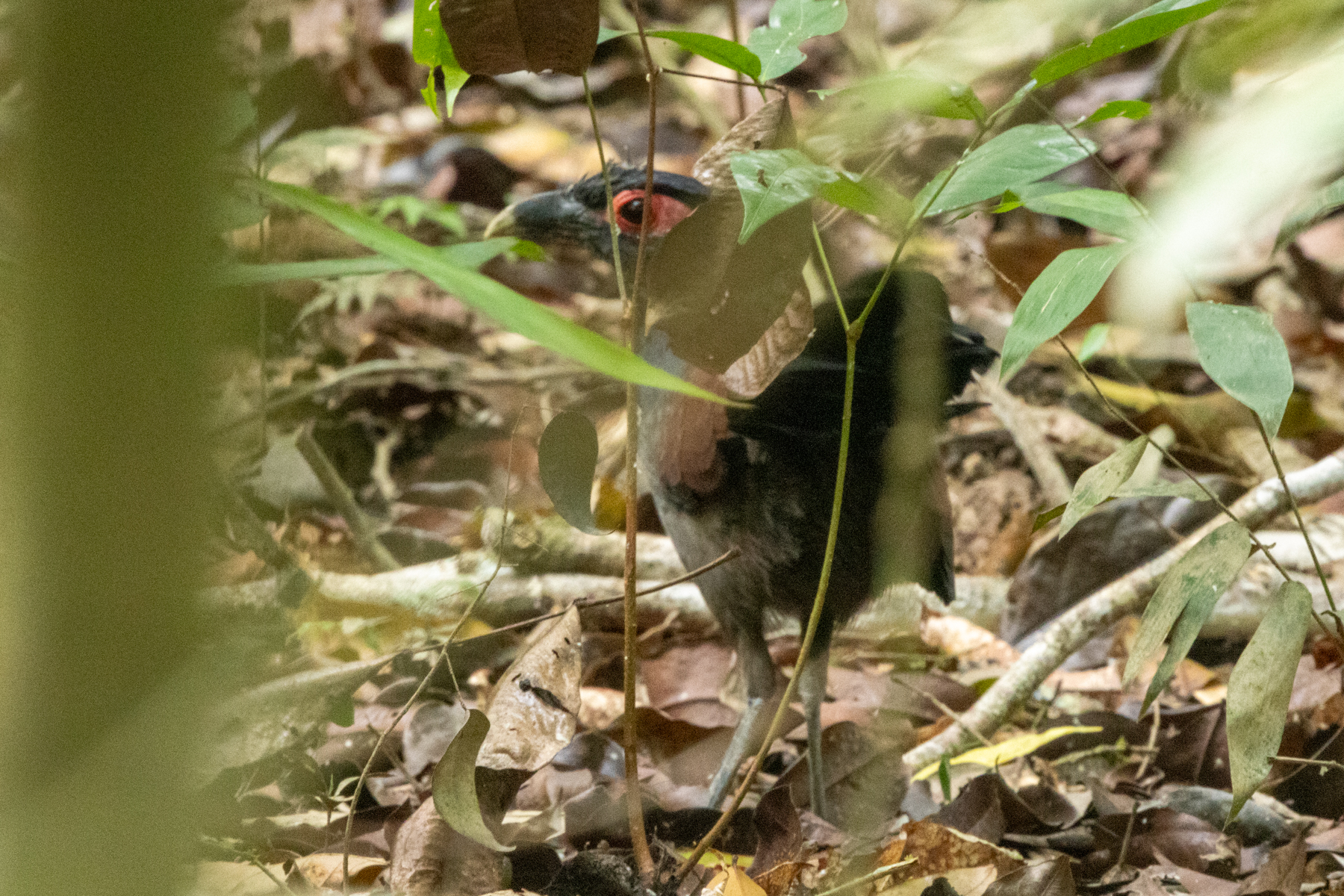
Rufous-winged Ground-Cuckoo (image by Eustace Barnes)
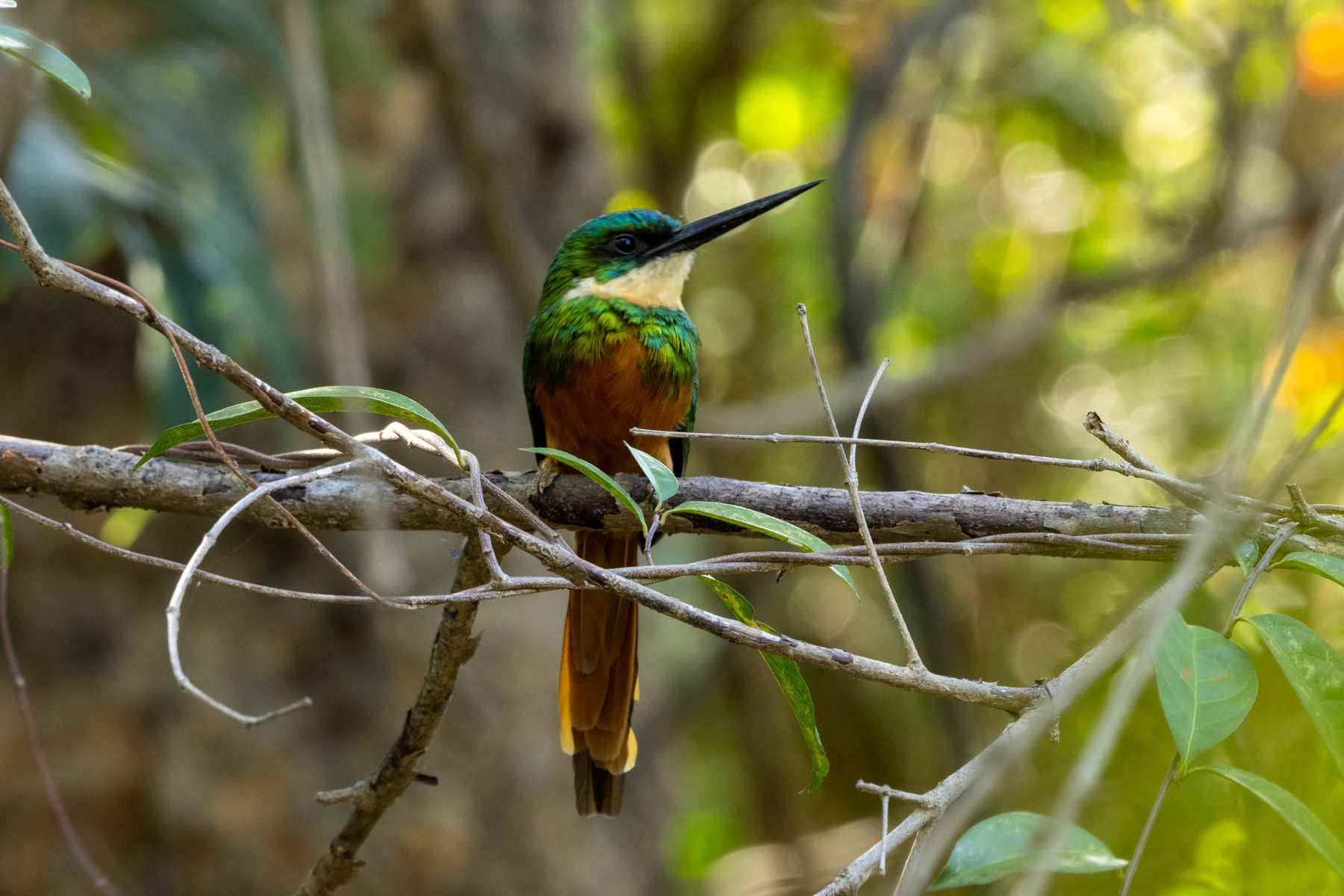
Rufous-tailed Jacamar (image by Eustace Barnes)
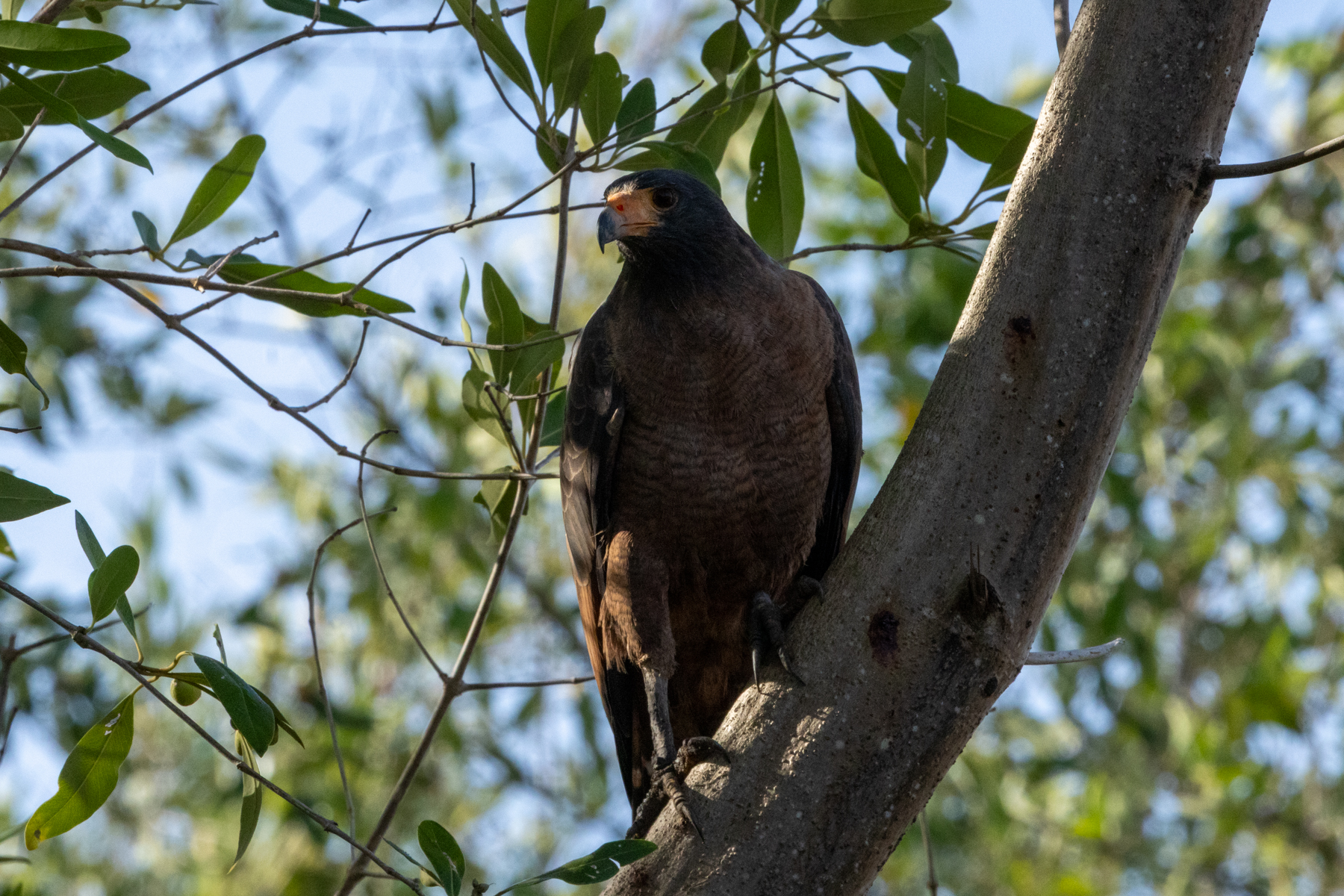
Rufous Crab Hawk (image by Eustace Barnes)
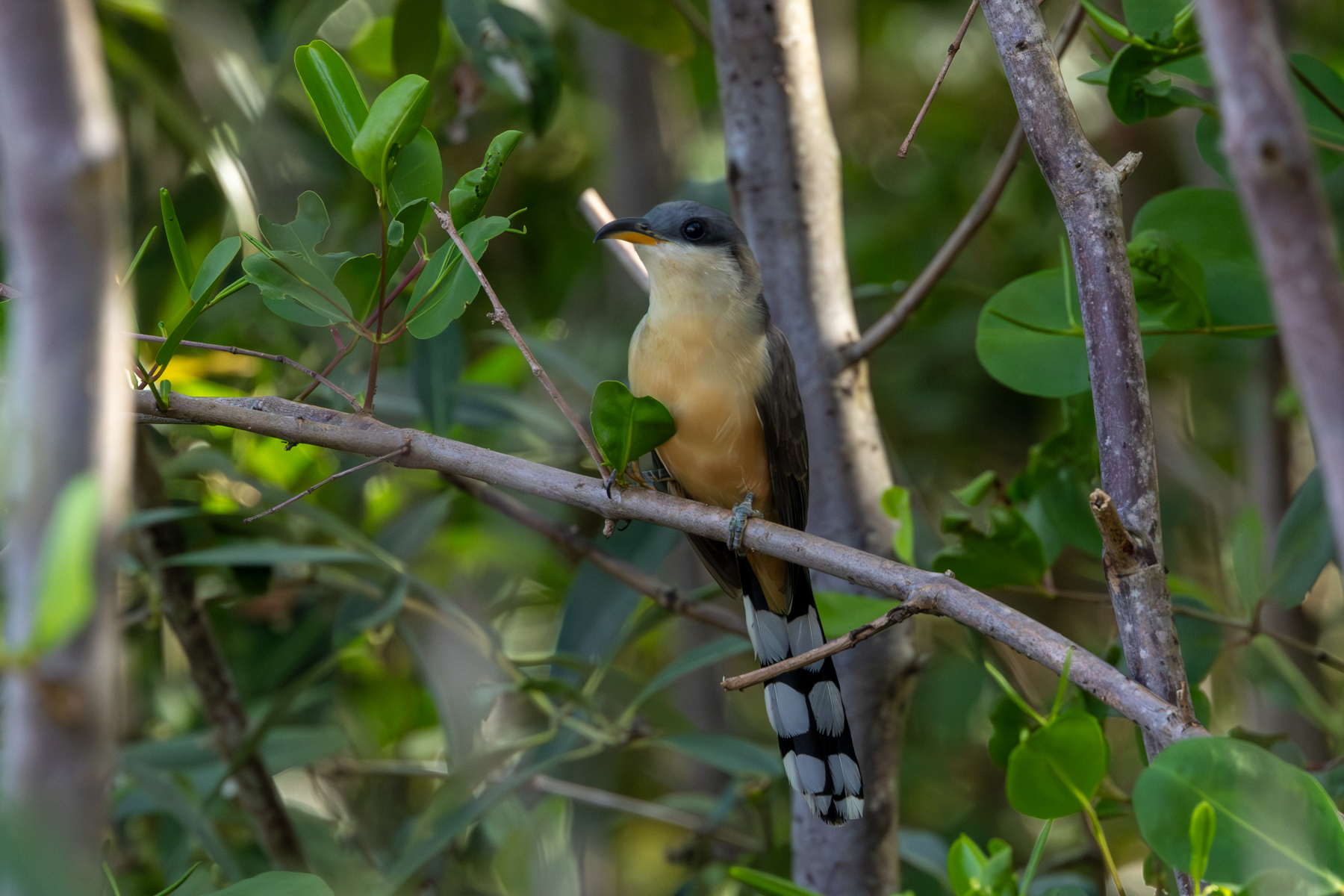
Mangrove Cuckoo (image by Eustace Barnes)
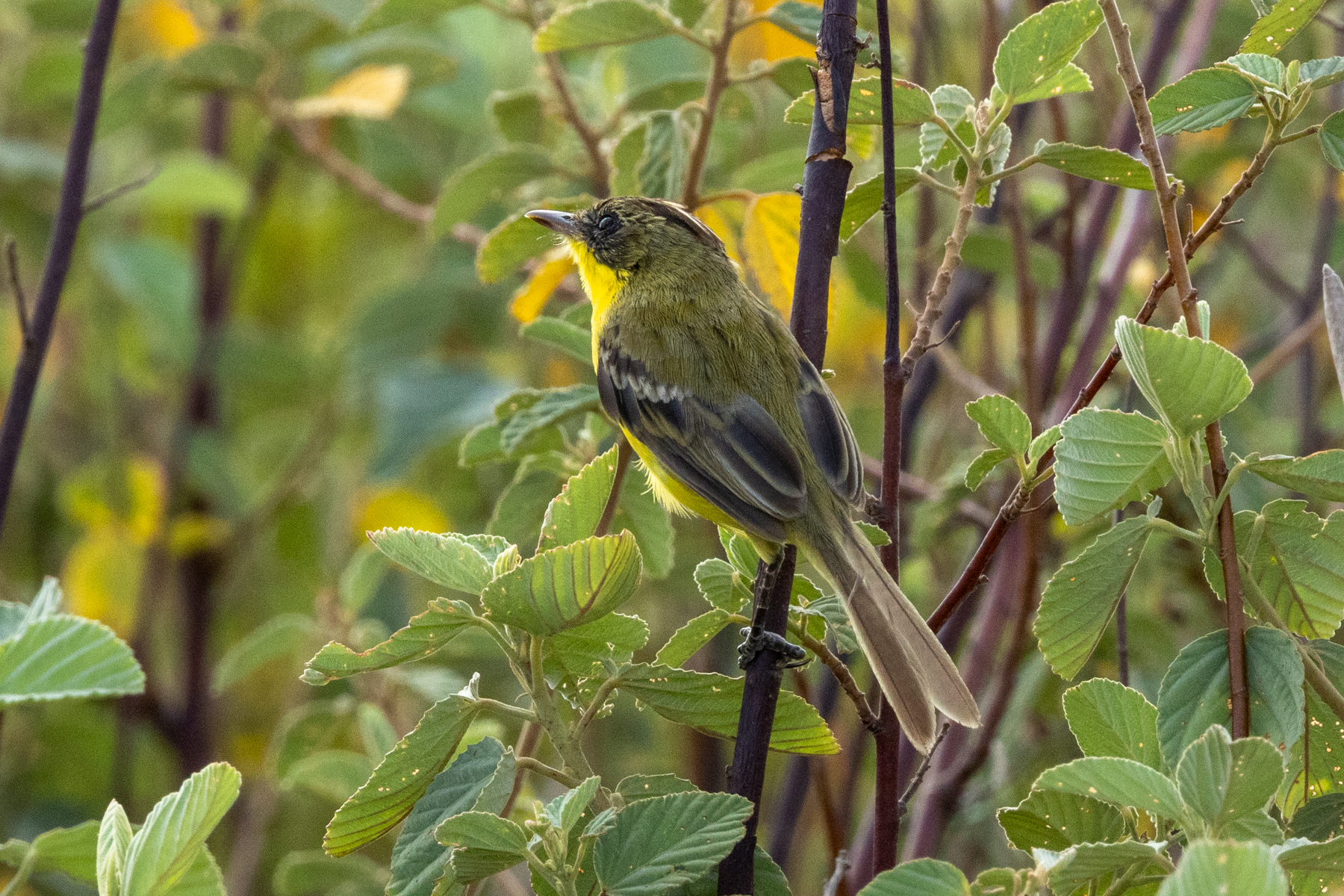
Crested Doradito (image by Eustace Barnes)
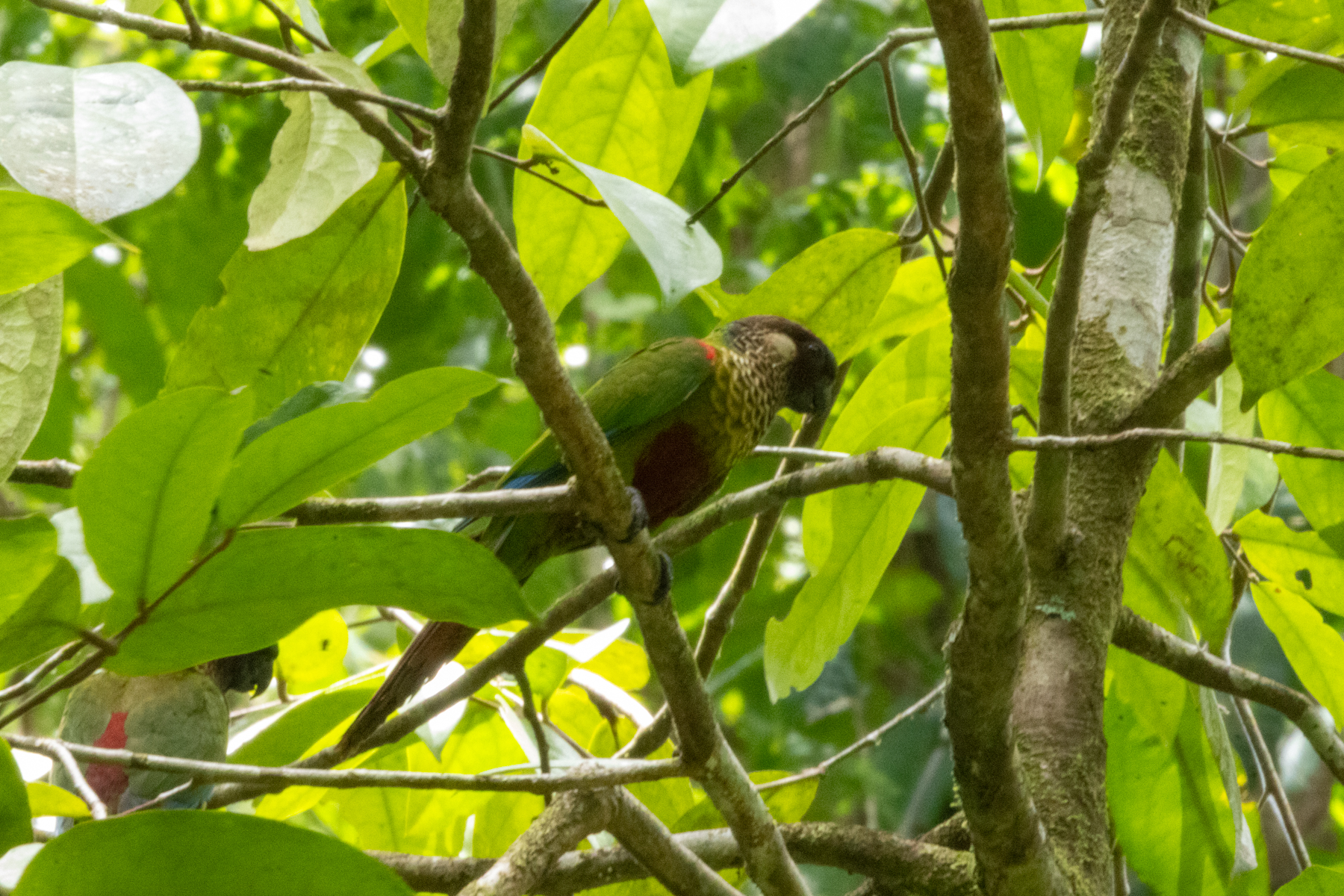
Painted Parakeet (image by Eustace Barnes)
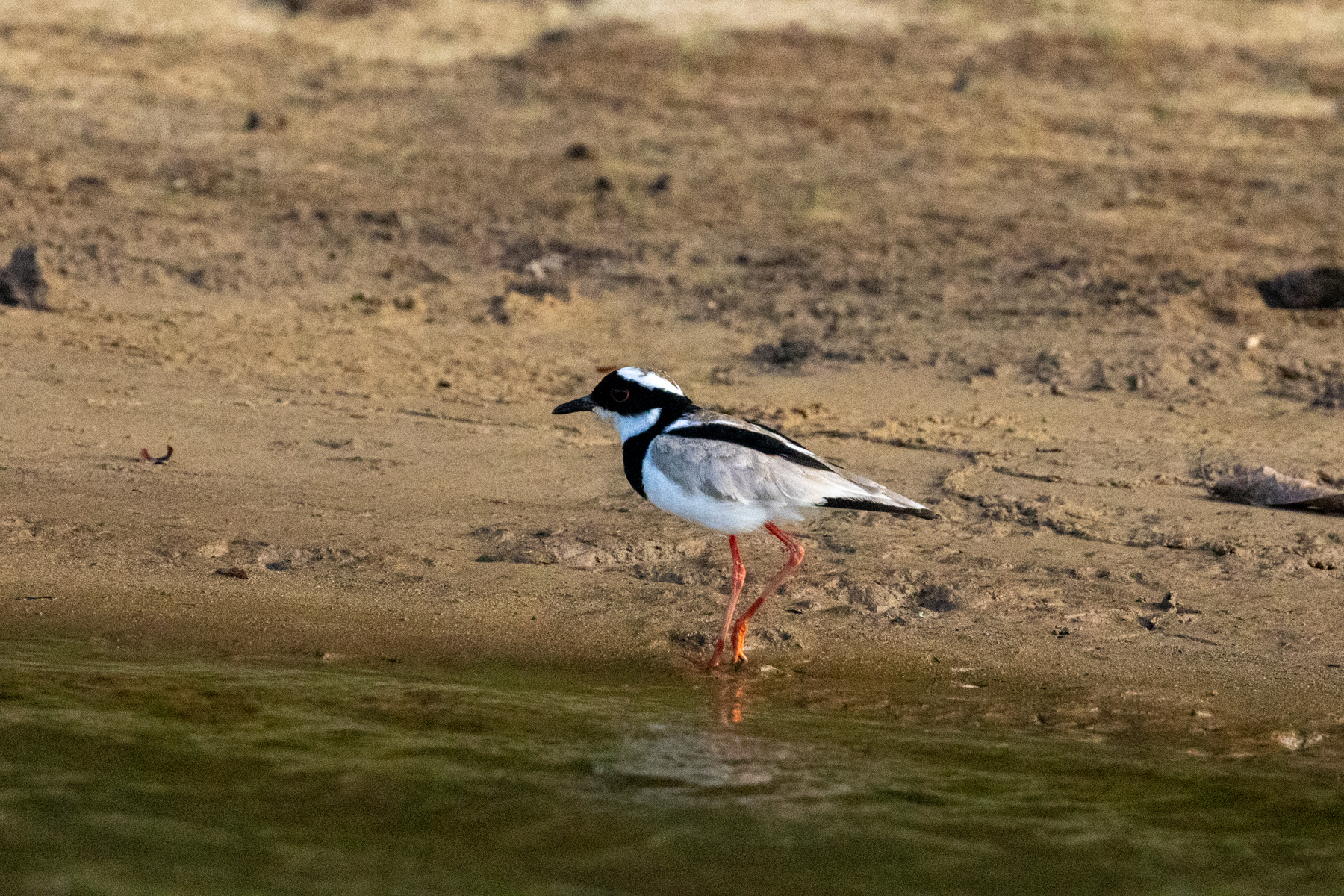
Pied Plover (image by Eustace Barnes)
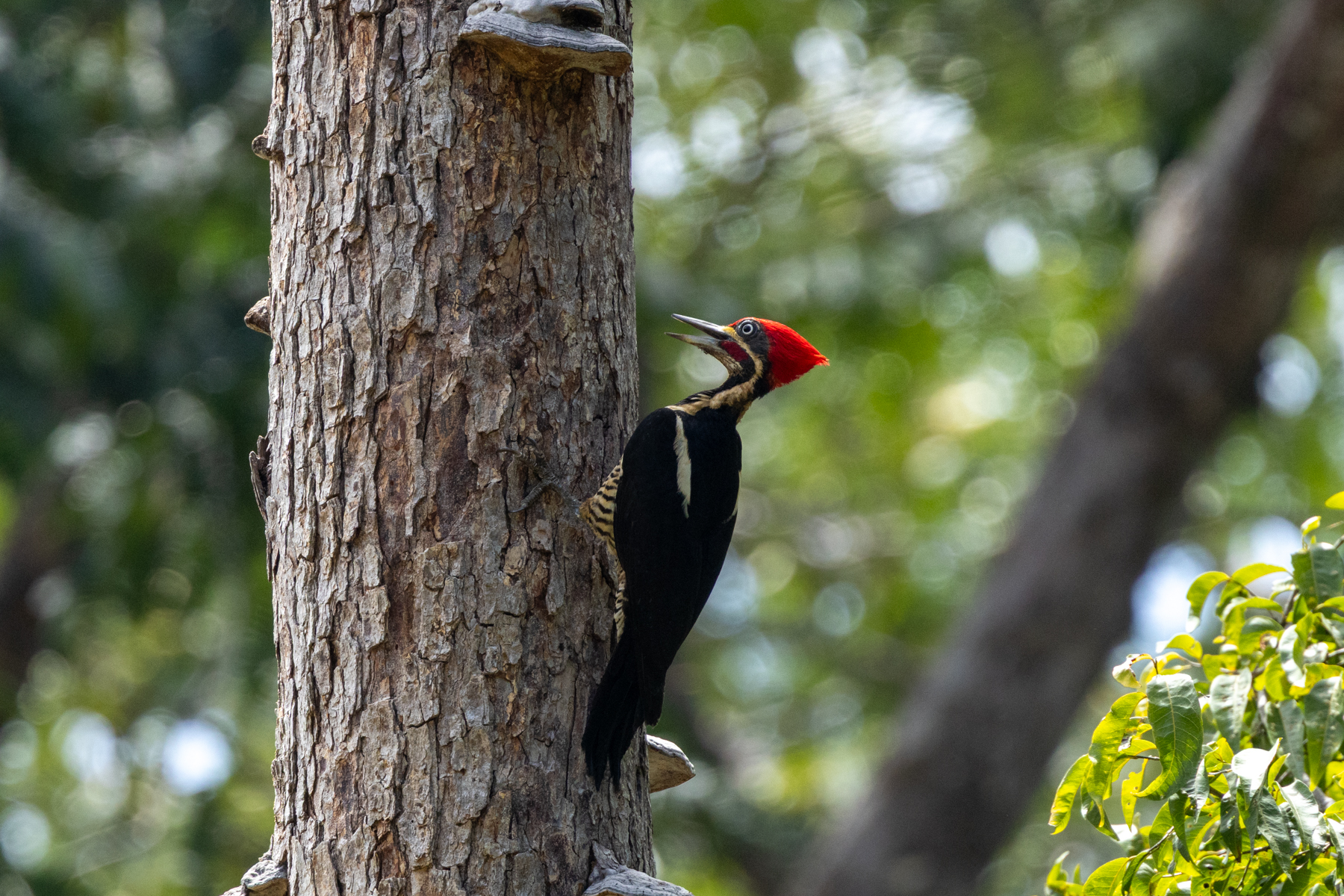
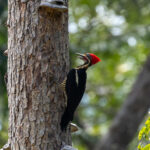
Lineated Woodpecker (image by Eustace Barnes)
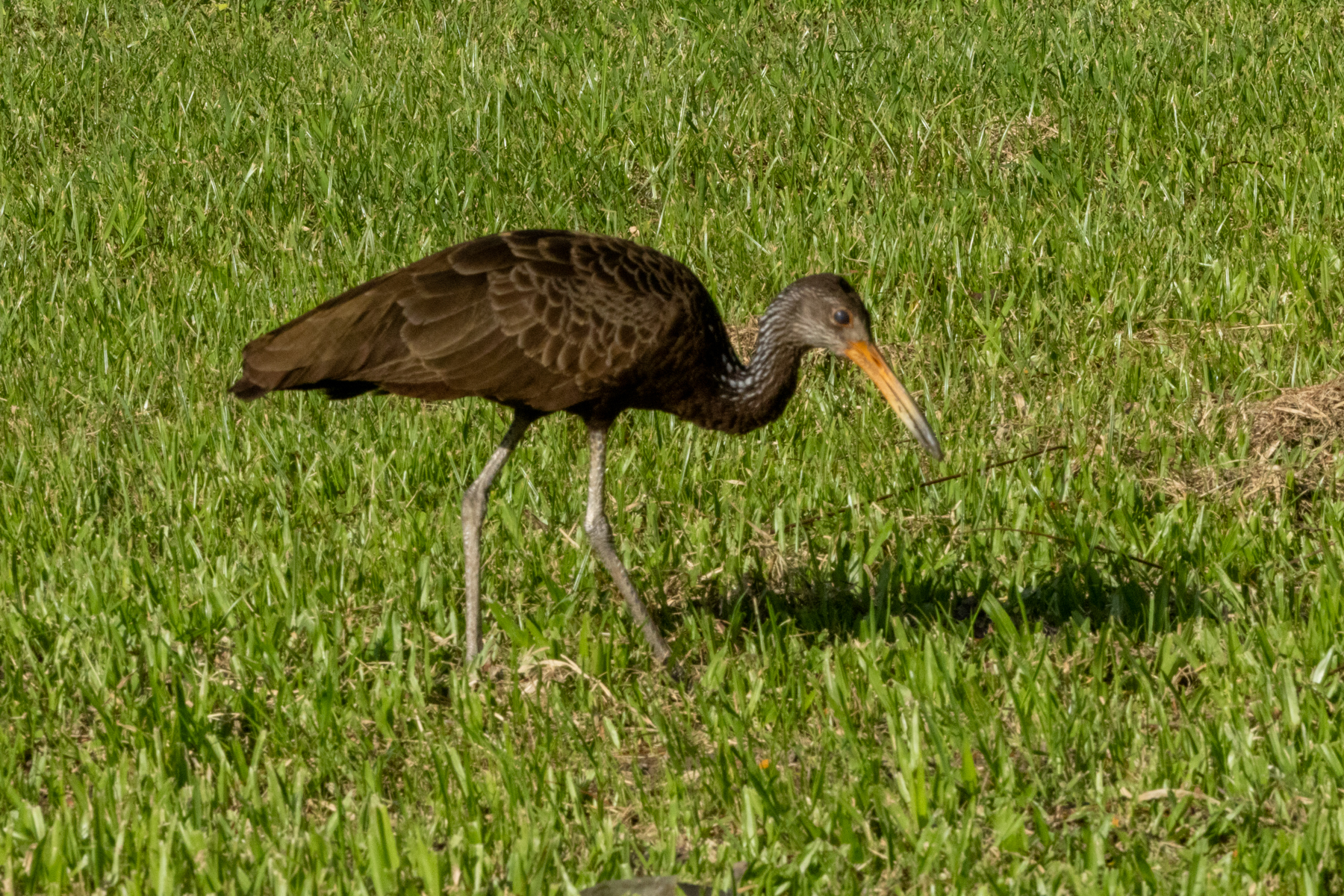
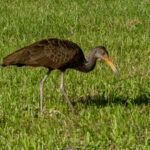
Limpkin (image by Eustace Barnes)
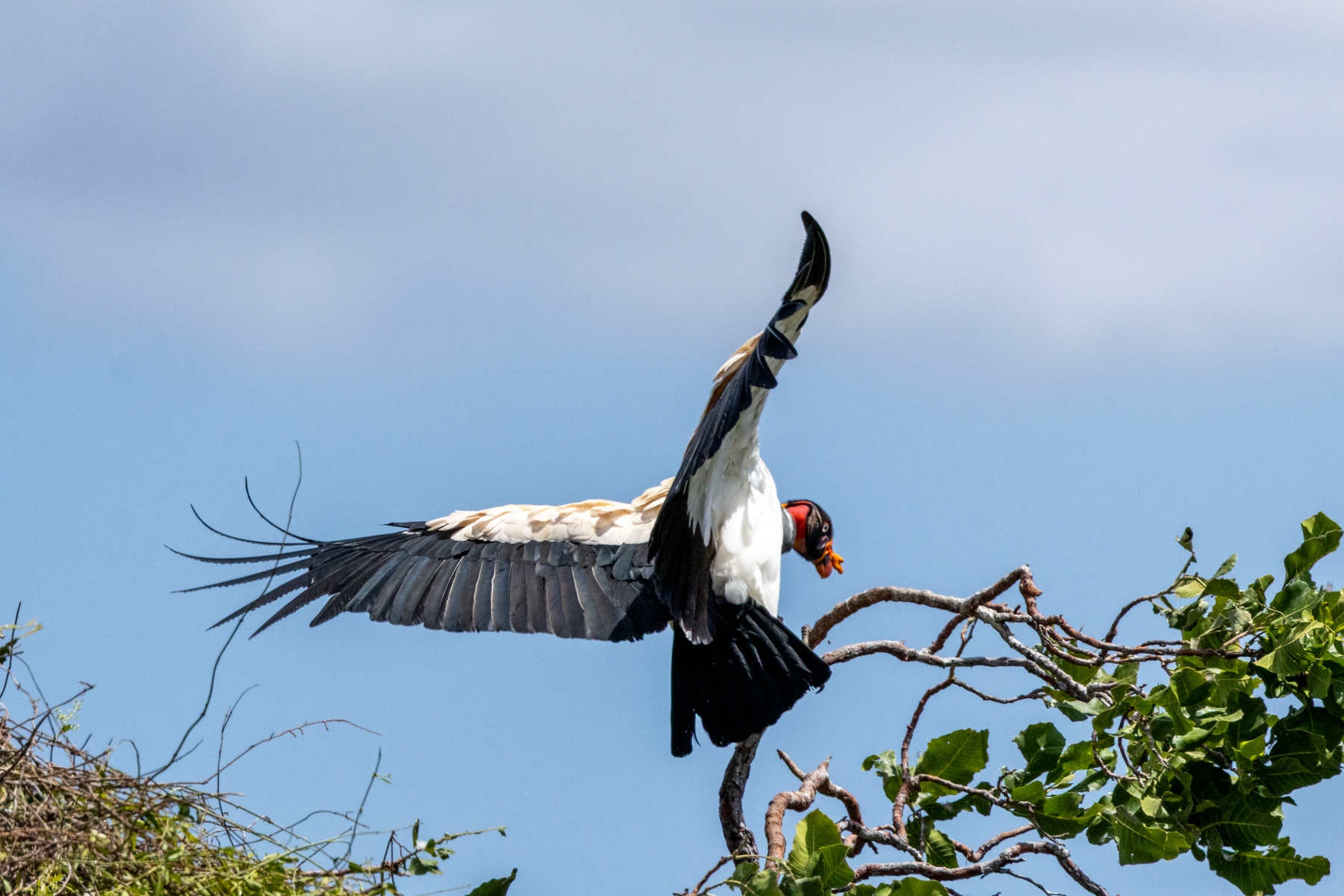
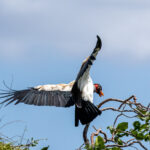
King Vulture (image by Eustace Barnes)
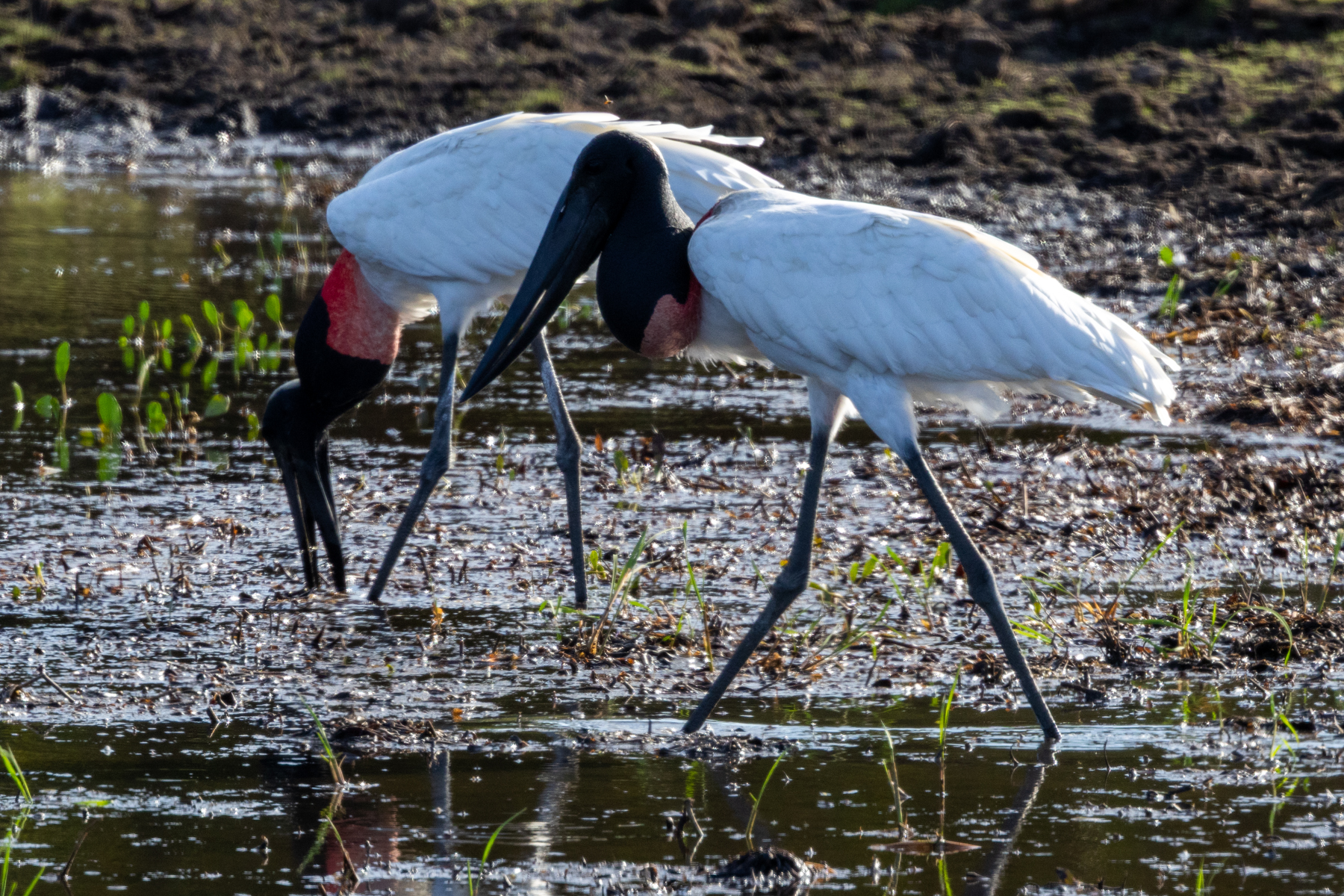
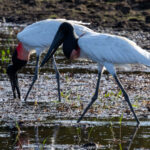
Jabiru (image by Eustace Barnes)
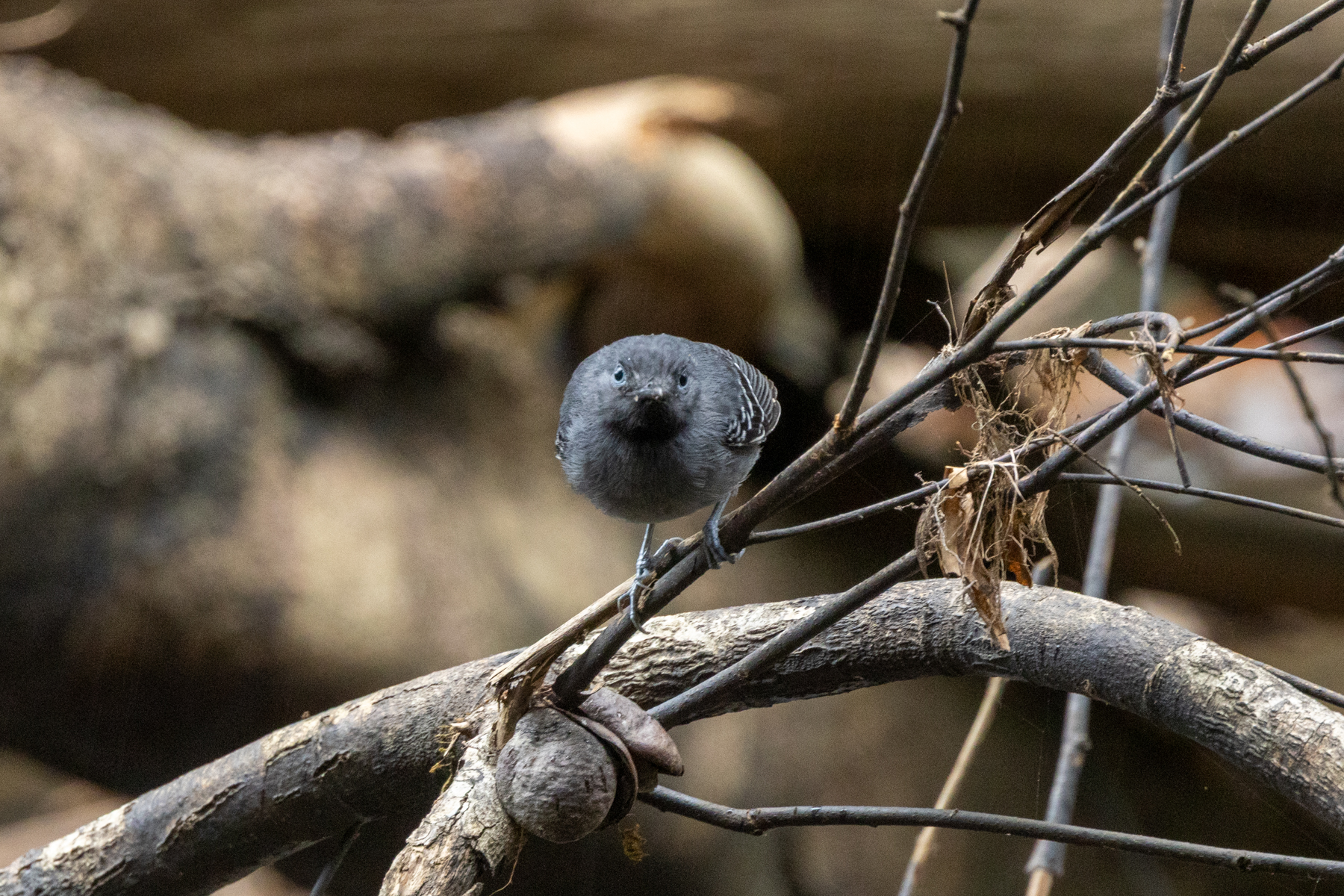
Black-chinned Antbird (image by Eustace Barnes)
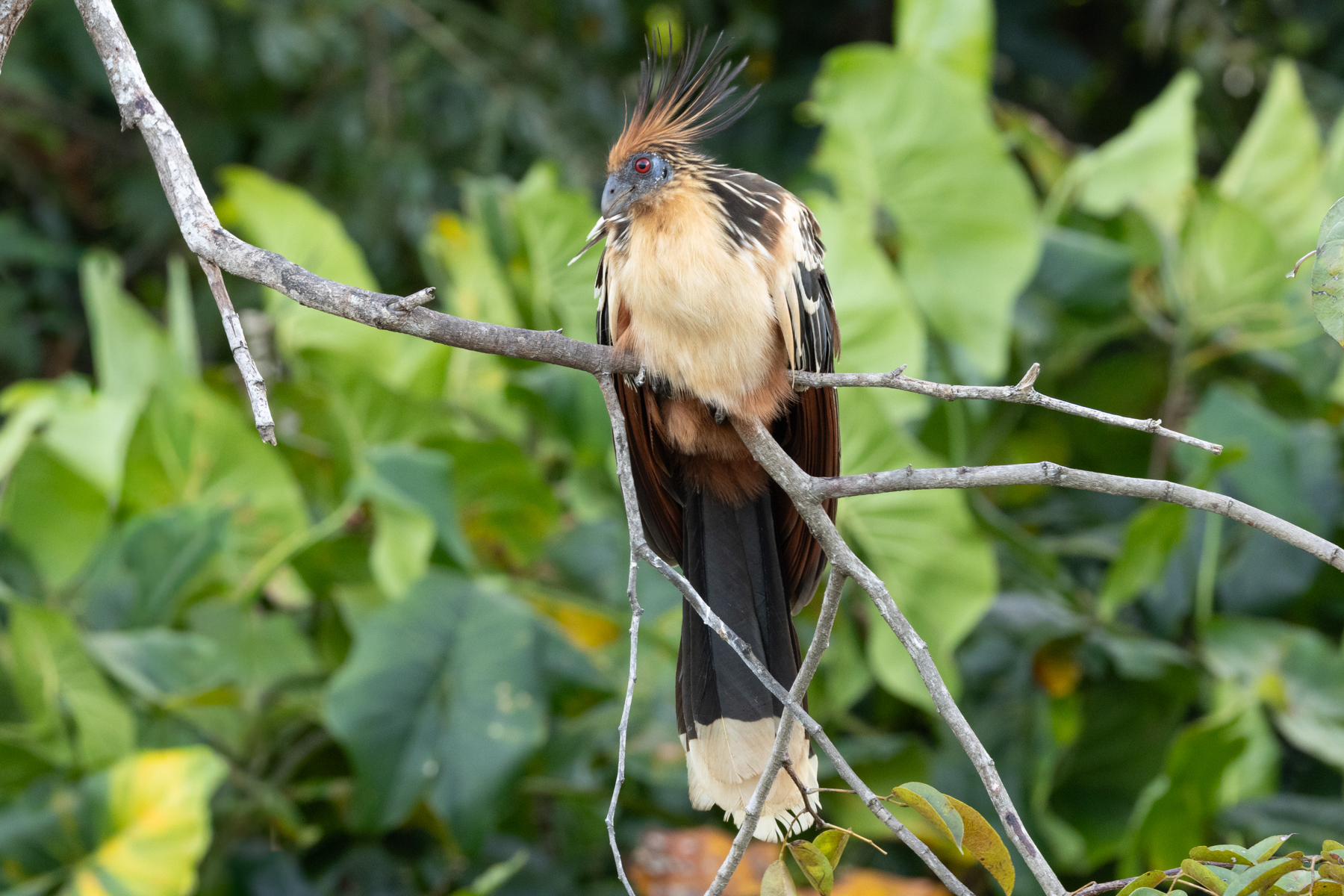
Hoatzin (image by Eustace Barnes)
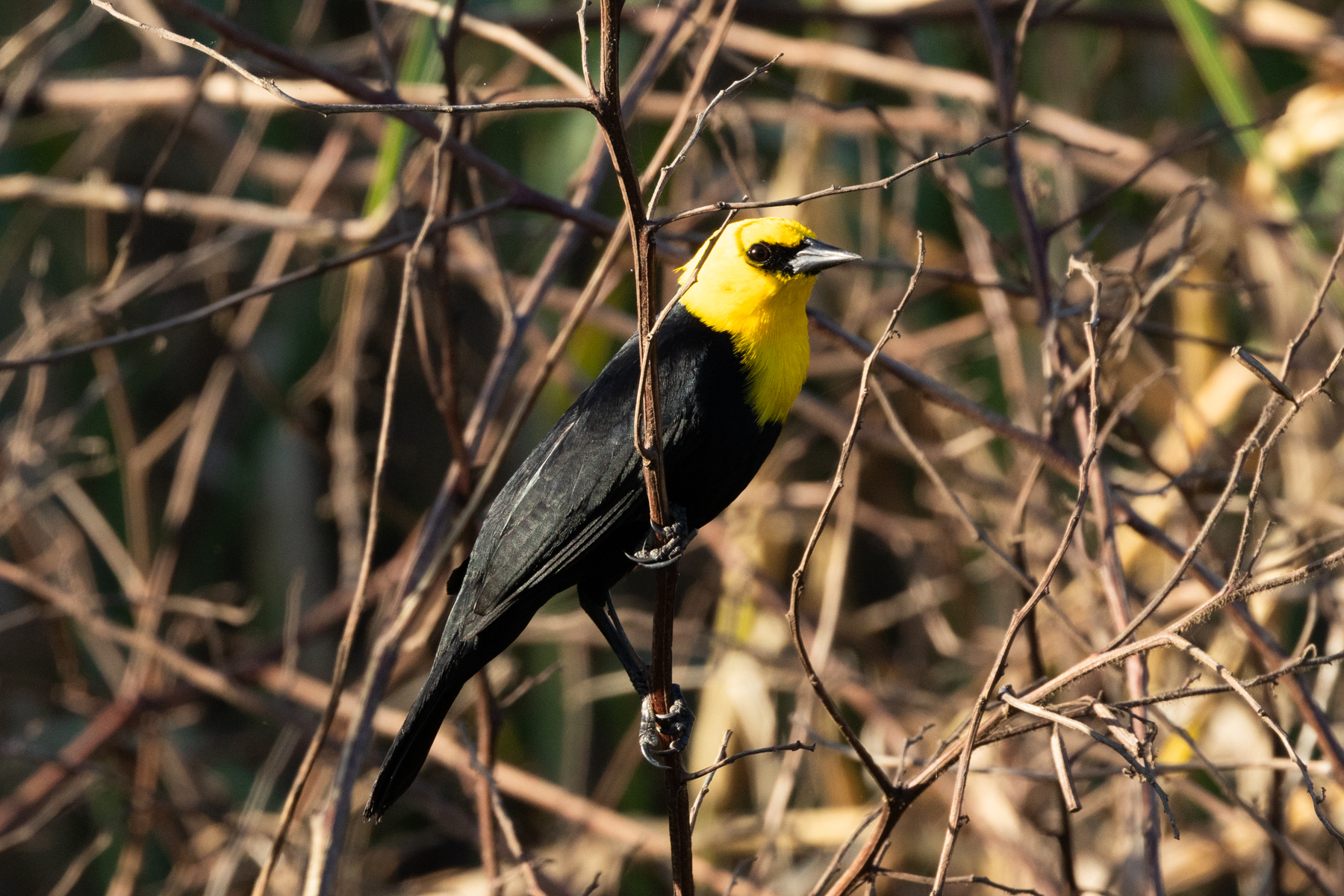
Yellow-hooded Blackbird (image by Eustace Barnes)
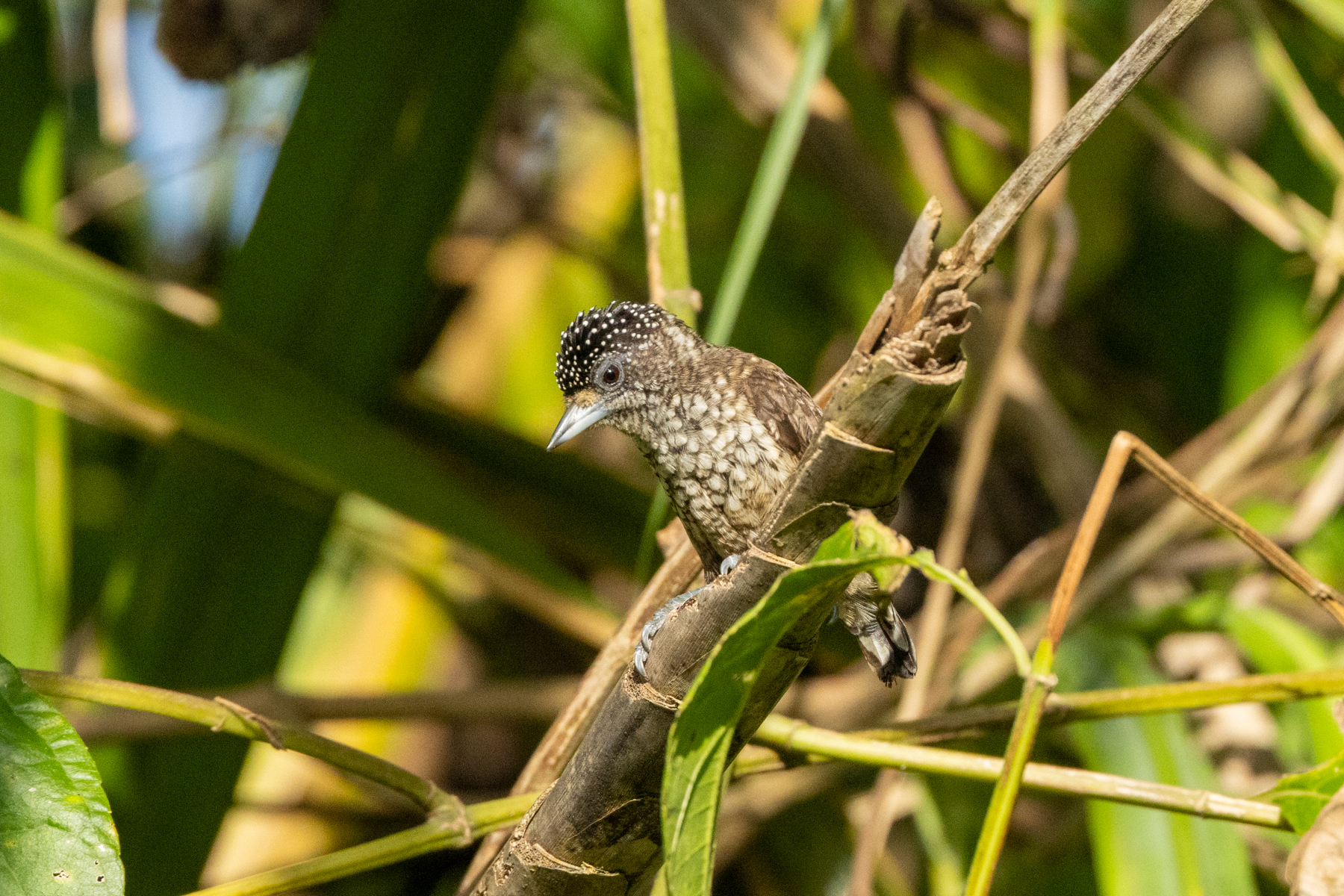
Arrowhead Piculet (image by Eustace Barnes)
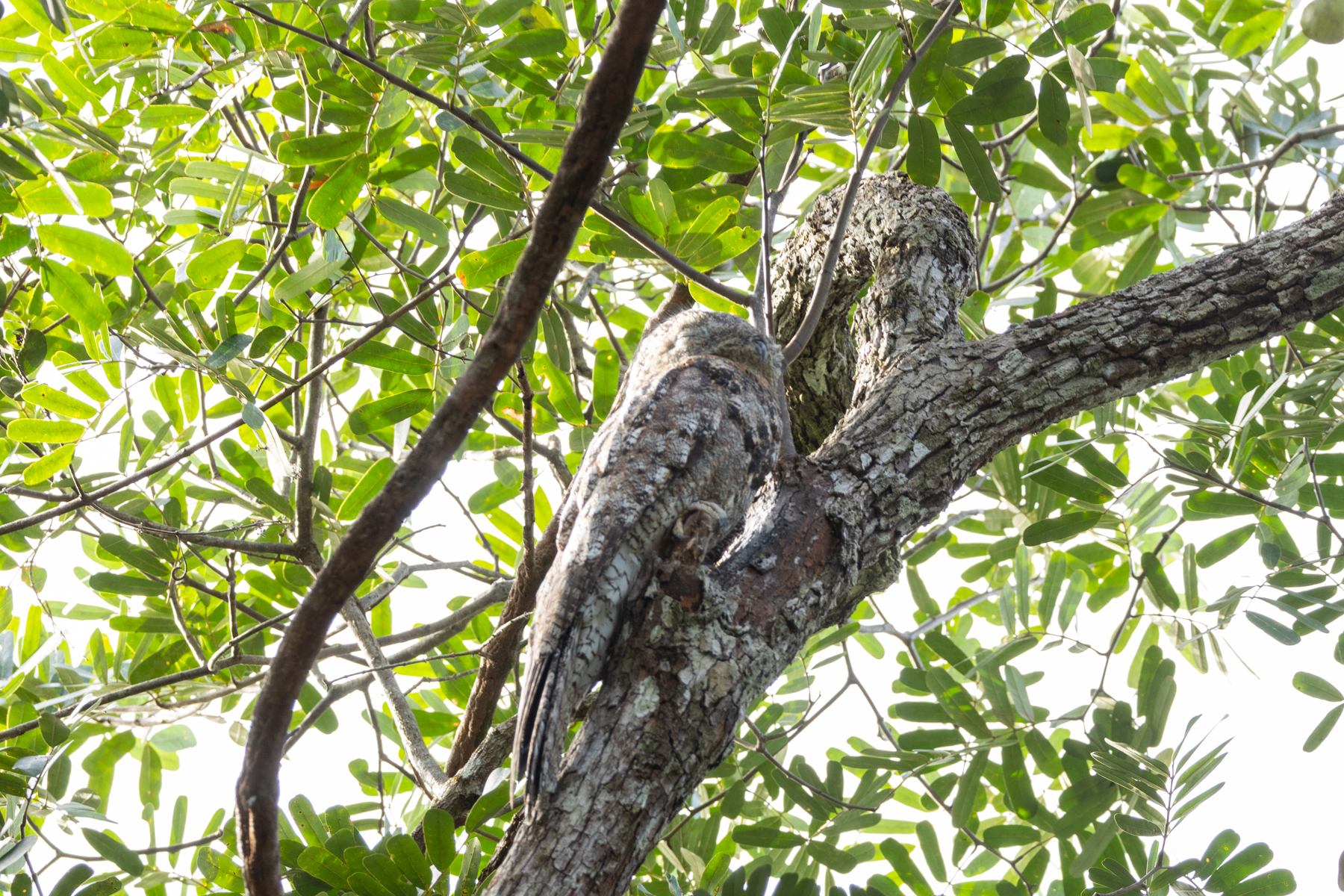
Great Potoo (image by Eustace Barnes)
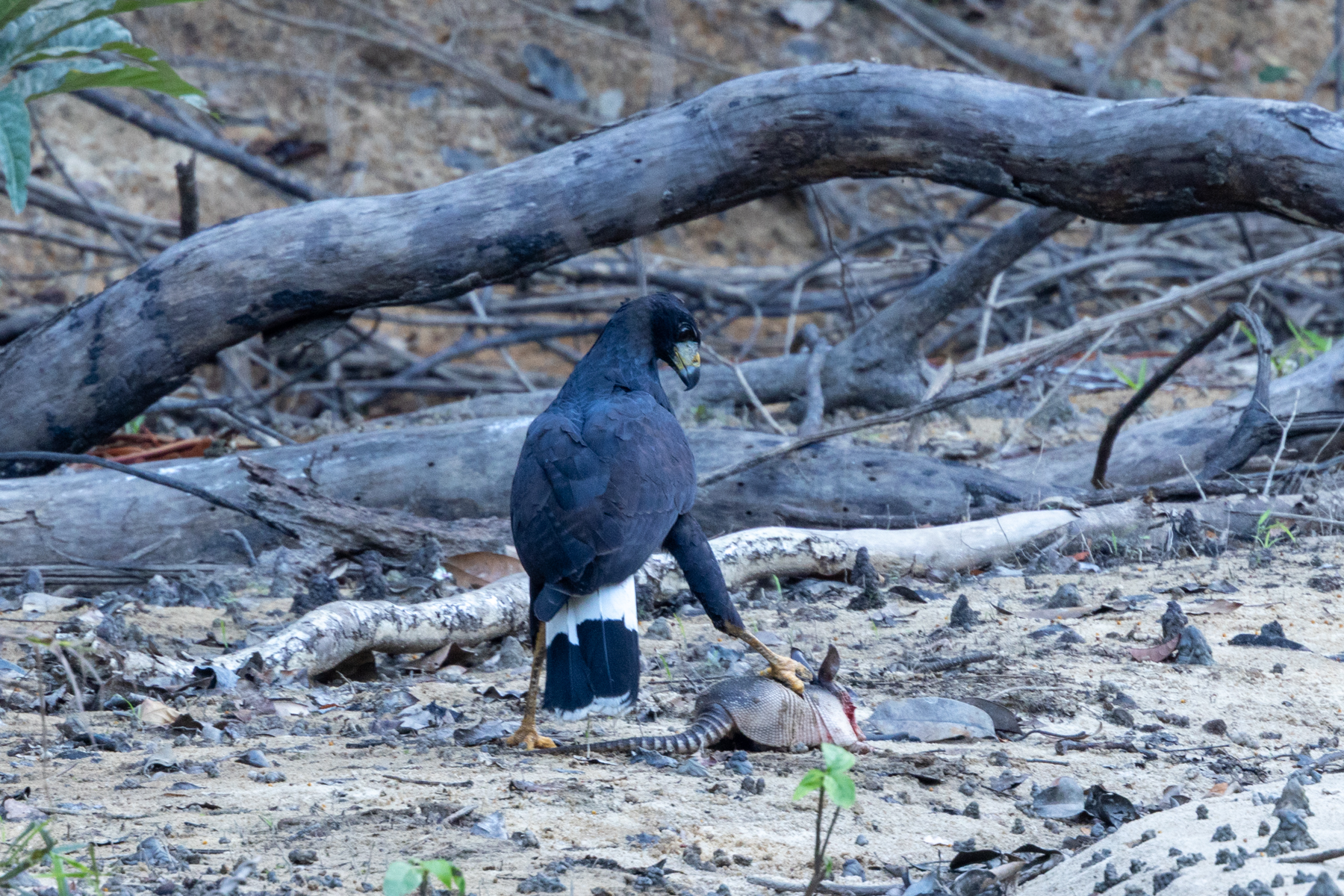
Great Black Hawk (image by Eustace Barnes)
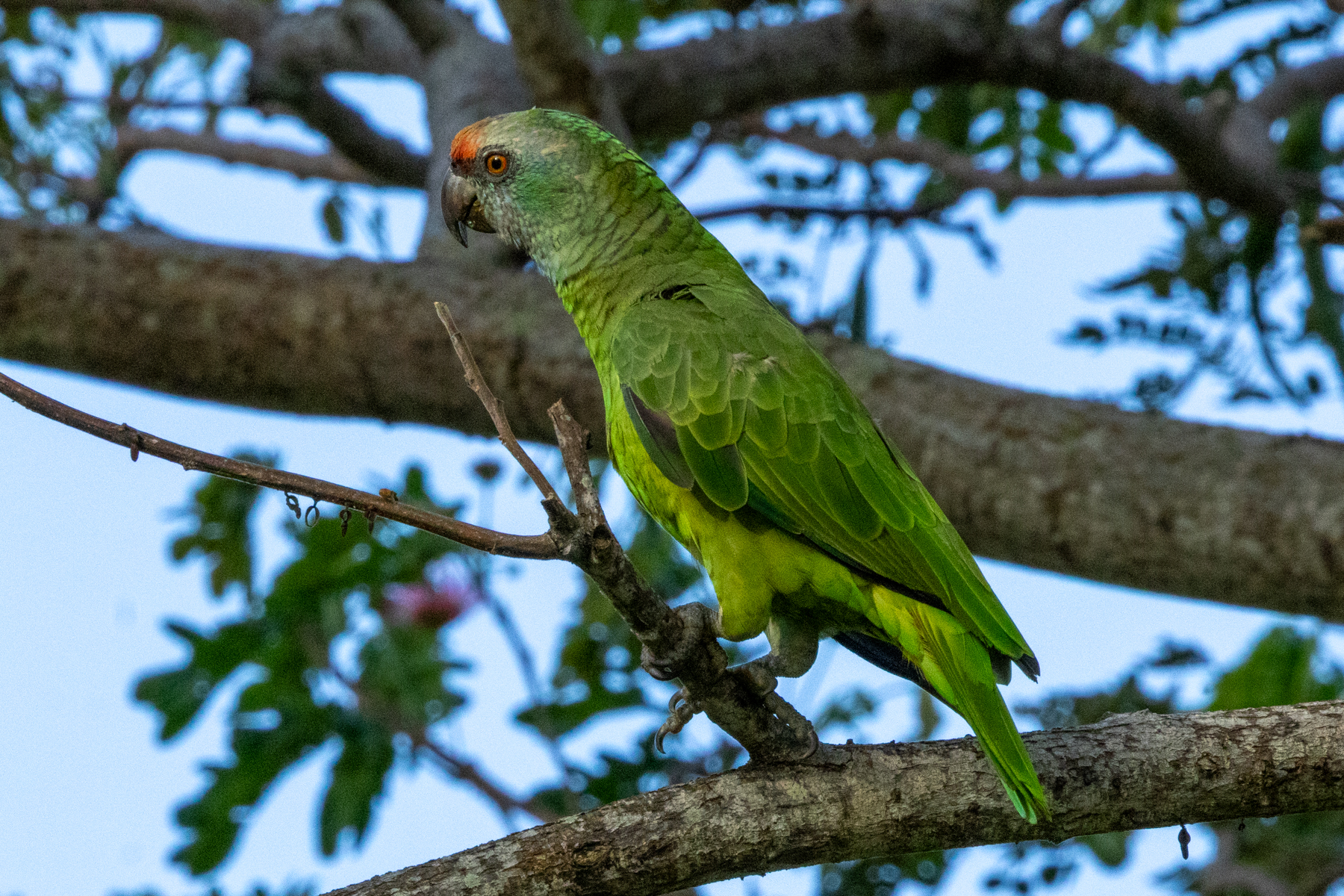
Festive Amazon (image by Eustace Barnes)
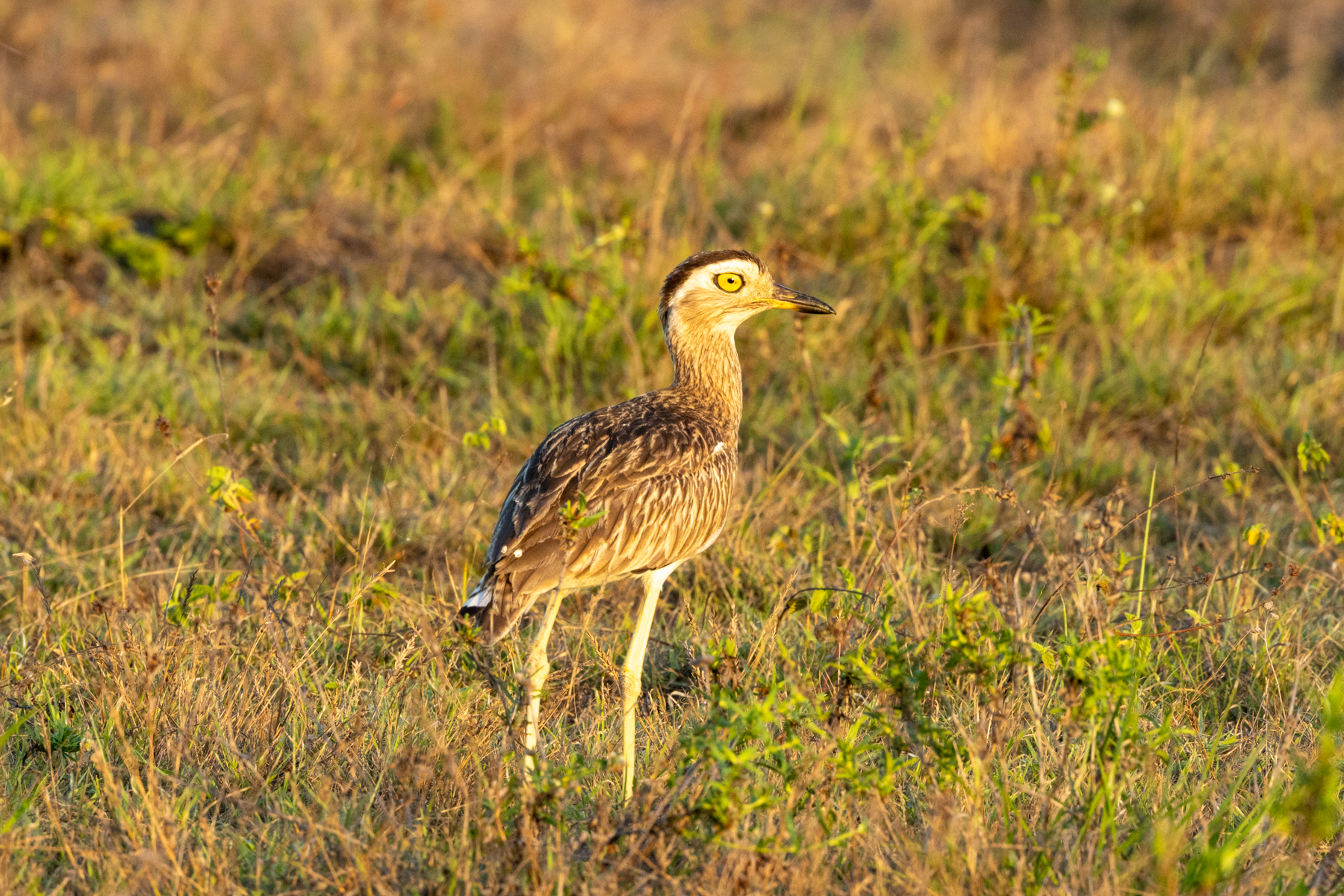
Double-striped Thick-knee (image by Eustace Barnes)
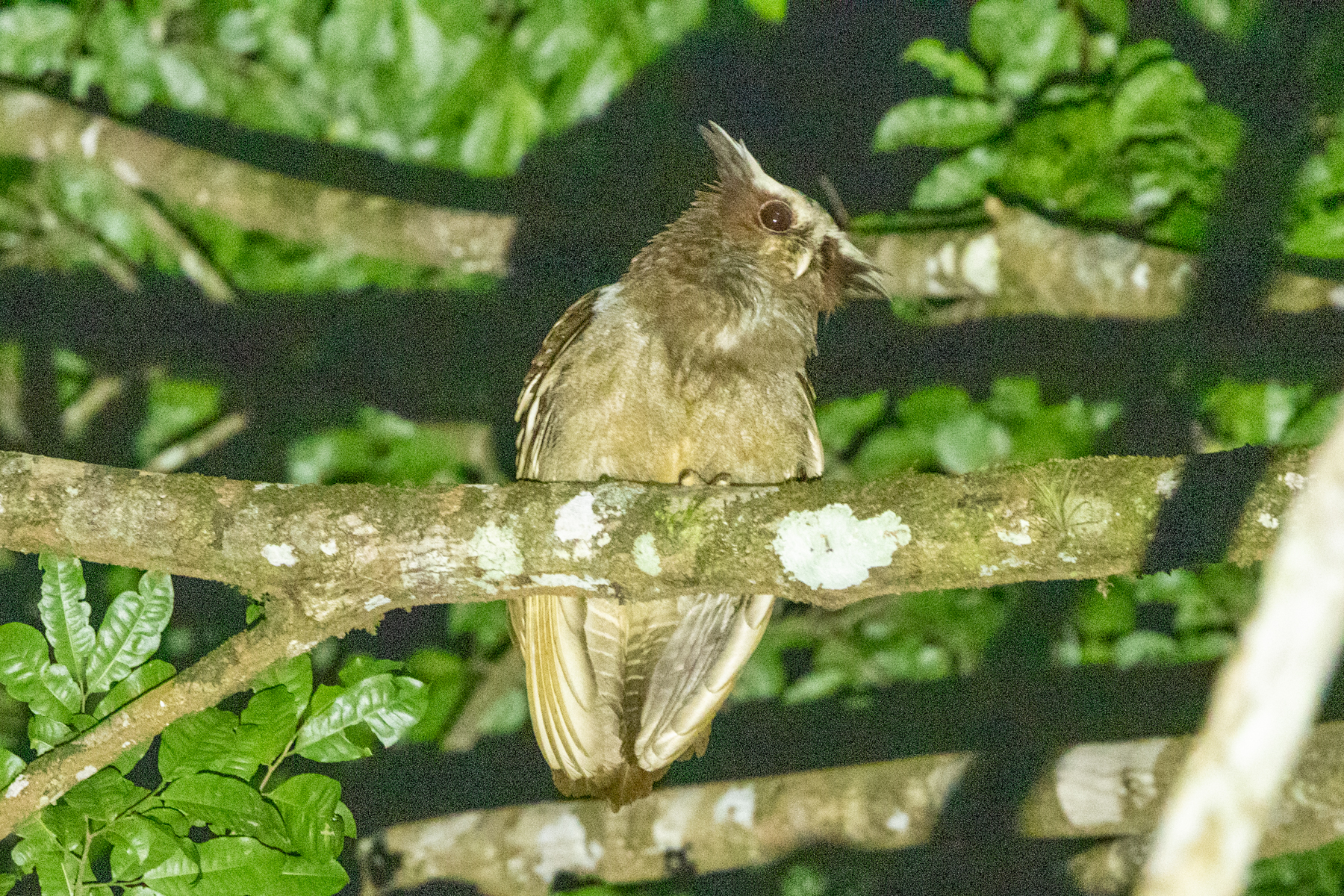
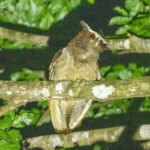
Crested Owl (image by Eustace Barnes)
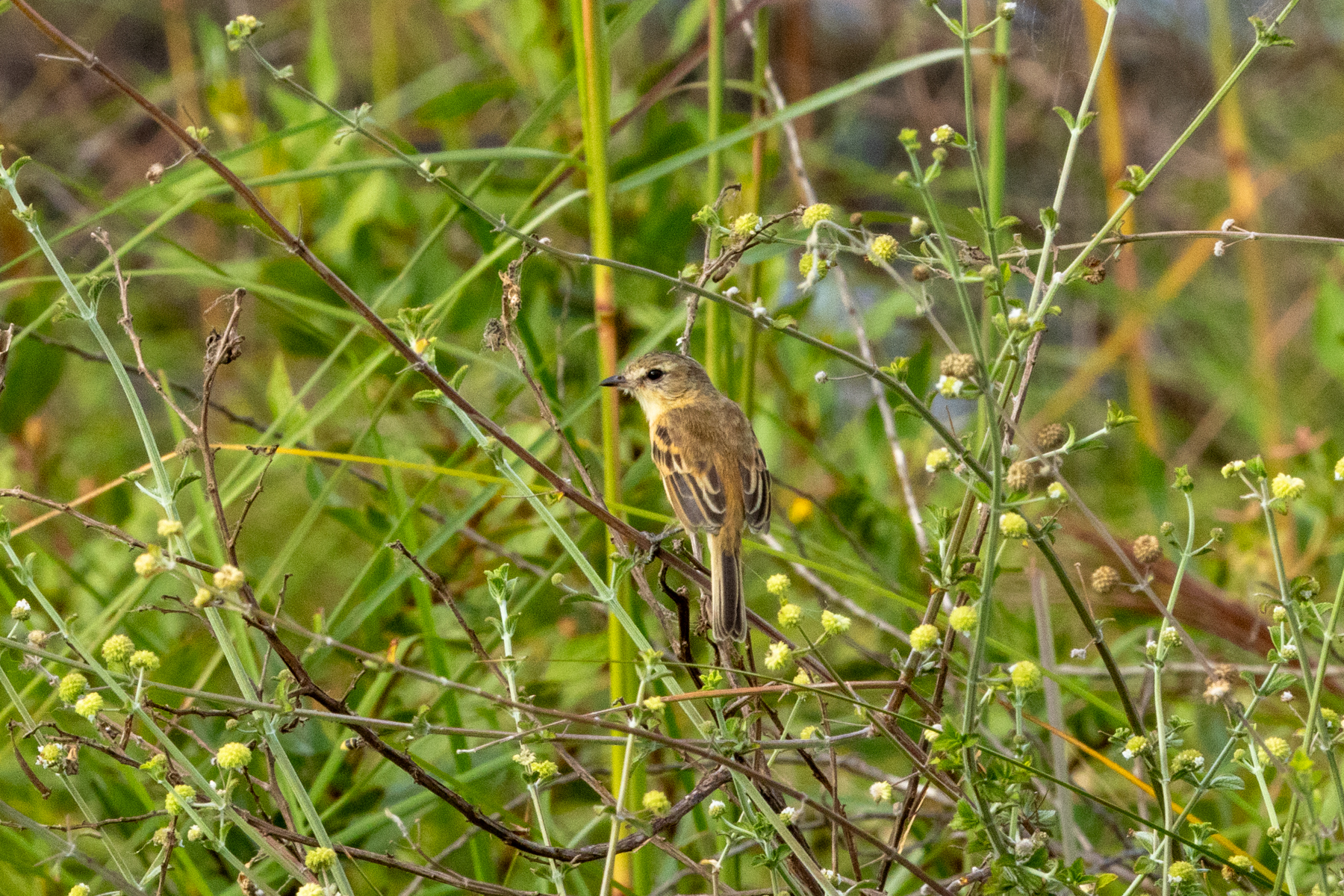
Bearded Tachuri (image by Eustace Barnes)
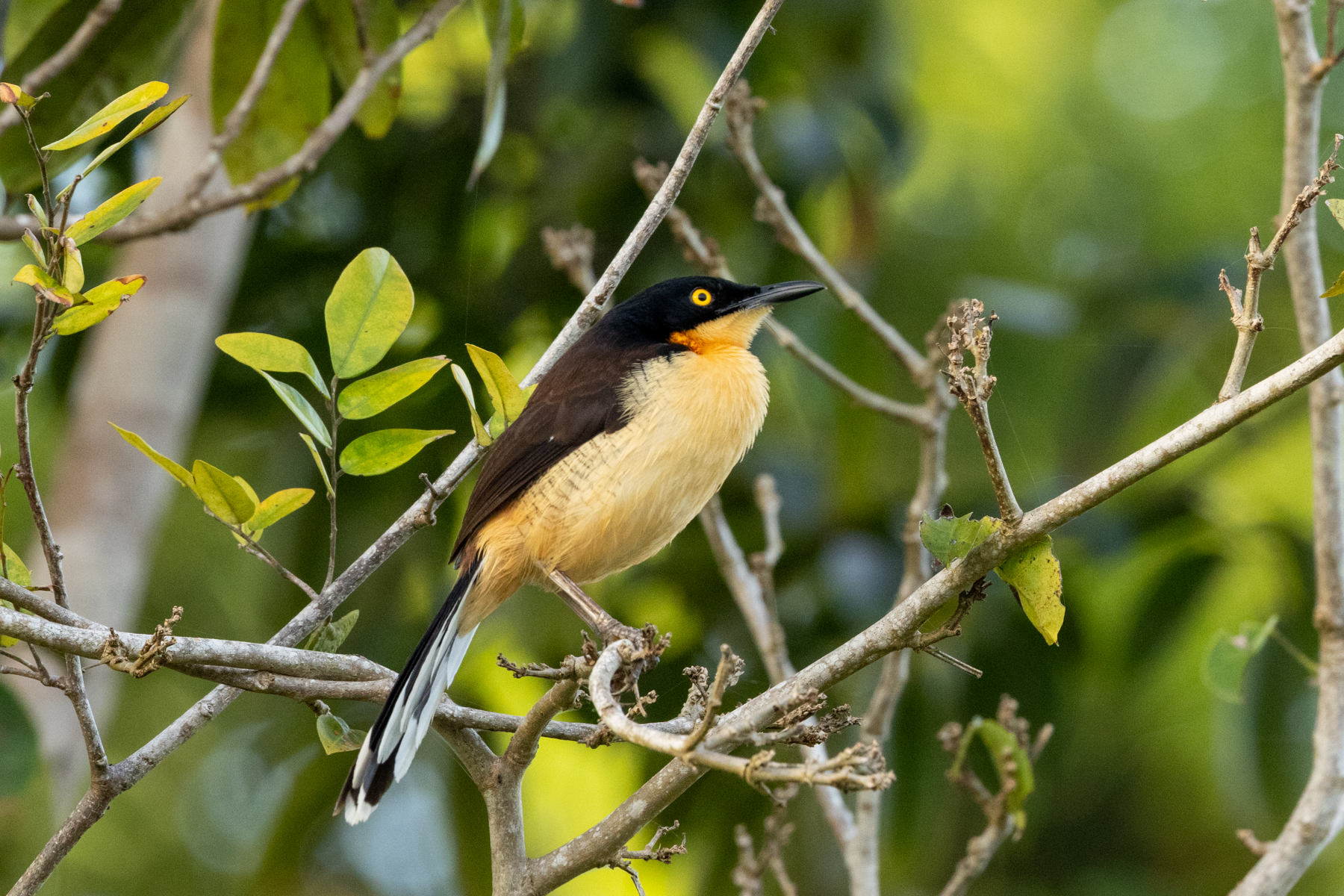
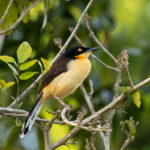
Black-capped Donacobius (image by Eustace Barnes)
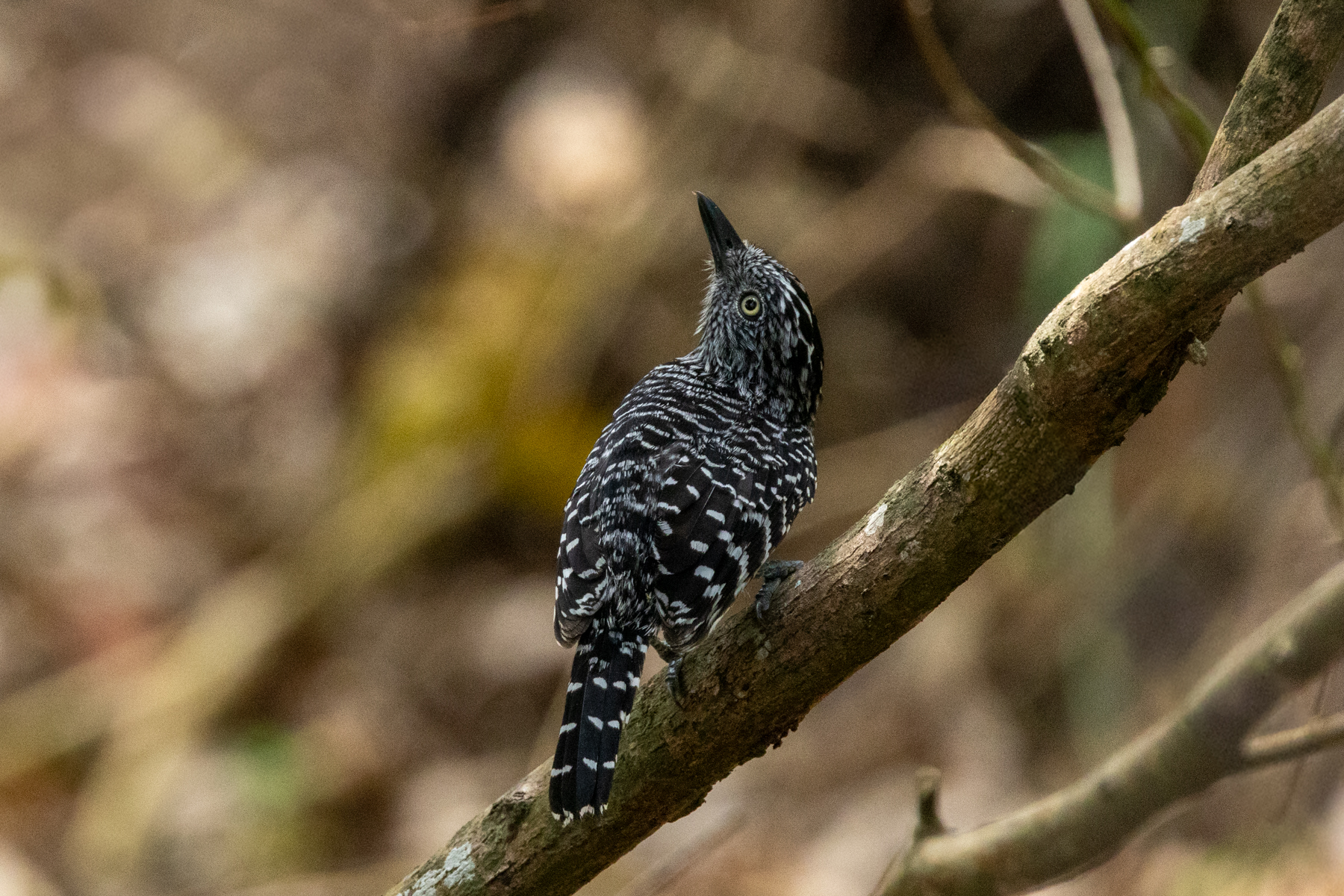
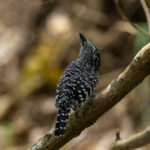
Barred Antshrike (image by Eustace Barnes)
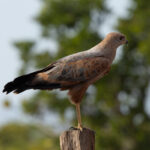
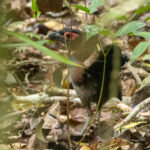
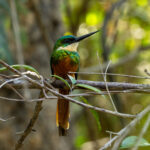
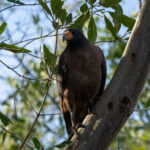
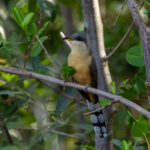
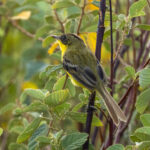
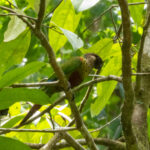
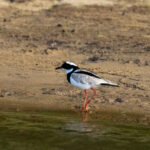
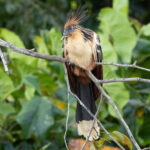
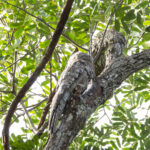
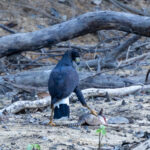
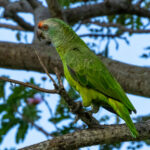
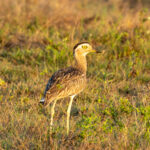


Crestless Curassow (image by Eustace Barnes)
Guianan Cock-of-the-rock (image by Eustace Barnes)
Red Siskin (image by Eustace Barnes)
Wing-banded Antbird (image by Eustace Barnes)
Spotted Puffbird (image by Eustace Barnes)
Sharp-tailed Ibises (image by Eustace Barnes)
Guianan Toucanet (image by Eustace Barnes)
Hoary-throated Spinetail (image by Eustace Barnes)
Green-and-rufous Kingfisher (image by Eustace Barnes)
Grey-winged Trumpeter (image by Eustace Barnes)
Ocellated Crake (image by Eustace Barnes)
Blood-coloured Woodpecker (image by Eustace Barnes)
Black-banded Owl (image by Eustace Barnes)
Sun Parakeet (image by Eustace Barnes)
Rio Branco Antbird (image by Eustace Barnes)
Black-faced Antthrush (image by Eustace Barnes)
Little Cuckoo (image by Eustace Barnes)
White-tailed Hawk (image by Eustace Barnes)
White-bellied Piculet (image by Eustace Barnes)
White-bellied Antbird (image by Eustace Barnes)
Wattled Jacana (image by Eustace Barnes)
Slender-billed Kite (image by Eustace Barnes)
Guianan Streaked Antwren (image by Eustace Barnes)
Snowy Egret (image by Eustace Barnes)
Spectacled Caimans (image by Eustace Barnes)
Streak-headed Woodcreeper (image by Eustace Barnes)
Savanna Hawk (image by Eustace Barnes)
Rufous-winged Ground-Cuckoo (image by Eustace Barnes)
Rufous-tailed Jacamar (image by Eustace Barnes)
Rufous Crab Hawk (image by Eustace Barnes)
Mangrove Cuckoo (image by Eustace Barnes)
Crested Doradito (image by Eustace Barnes)
Painted Parakeet (image by Eustace Barnes)
Pied Plover (image by Eustace Barnes)
Lineated Woodpecker (image by Eustace Barnes)
Limpkin (image by Eustace Barnes)
King Vulture (image by Eustace Barnes)
Jabiru (image by Eustace Barnes)
Black-chinned Antbird (image by Eustace Barnes)
Hoatzin (image by Eustace Barnes)
Yellow-hooded Blackbird (image by Eustace Barnes)
Arrowhead Piculet (image by Eustace Barnes)
Great Potoo (image by Eustace Barnes)
Great Black Hawk (image by Eustace Barnes)
Festive Amazon (image by Eustace Barnes)
Double-striped Thick-knee (image by Eustace Barnes)
Crested Owl (image by Eustace Barnes)
Bearded Tachuri (image by Eustace Barnes)
Black-capped Donacobius (image by Eustace Barnes)
Barred Antshrike (image by Eustace Barnes)


GUYANA & SURINAME TOUR REPORT 2026

15th February - 1/7th March 2026
Eustace Barnes
The Guianan shield is surely one of the most diverse and colourful avifaunal regions in South America and this Guyana and Suriname tour offers the best this region has to offer. It is notably diverse with a high level of biological endemicity, which is comprehensively covered in this unfailingly interesting tour. As leaders typically opine, each successive iteration of any tour is better than the last and this was clearly the most successful and enjoyable to date. Although this might be better assessed by the participants, the following does offer compelling reasons to visit these countries and what relative success it demonstrates. We did work through the extraordinary avifaunal and mammalian diversity of the region with considerable success and several significant highlights. As expected, we found most of the usual targeted species and experienced some highly memorable and quite unique moments.
Highlights on this trip started at Wichabai, where we found several small flocks of Red Siskins, all of which held adult males. Along the Ireng river we easily found both Rio Branco Antbird and Hoary-throated Spinetail at our usual spot; somewhere we found 20 years ago and which, unfortunately, is now visited by every birding group. On this occasion and after little effort, we had spectacular views of a pair of Sun Parakeets at a nest site near Karasabai. Heading to Karanambu we found several Bearded Tachuris and an obliging pair of Crested Doraditos along with several Pinnated Bitterns. Working the river banks and lake edges at Karanambu we found a spectacular pair of Crestless Curassows and a very cooperative Spotted Puffbird. Moving on, we enjoyed unforgettable views of a Rufous-winged Ground Cuckoo, which ambled about in front of us. It, we think she, must have been luring us away from a nest as it walked a few meters looked over ‘her’ shoulder to make sure we were following and walked on. This was an extraordinary spectacle and not one quickly forgotten and unlikely to be repeated. In the Cerrado-like savannas we were treated to great views of an Ocellated Crake. A discussion then ensued as to which was the more spectacular; the Ground-Cuckoo or the Crake? Cotingas put on a great performance. Our new Capuchinbird lek in a short stature forest gave us an other worldly experience with about a dozen males all around us delivering their deep resonant booming, while leaping about in the sub-canopy just above our heads. Superlatives failed us. Spangled, Pompadour and the superb Guianan Red Cotinga, all of which were seen very well, were an extraordinary treat. At Iwokrama, we enjoyed point-blank views of Red-billed Woodcreeper, Black-bellied Cuckoo and a group of four Blue-backed Tanagers sat up and called for five minutes. Suriname was equally impressive. Starting with stunning male Crimson-hooded Manakins at a lek, Arrowhead Piculet, Blood-coloured Woodpeckers and Rufous Crab Hawk at a singularly unpromising site. Rainforest birding at Brownsberg was superb with great views of White-throated Manakins displaying on a broad mossy log. White-fronted Manakin then put in an appearance just before a Wing-banded Antbird whirled into view, giving unforgettable views as it shuffled about in the leaf litter tossing leaves over its shoulder and periodically stretching up to look around and check for predators, thus combining behavioural characteristics of Antthrushes and Leaftossers. Our night birding produced Roraiman Screech Owl, a superb Crested Owl followed by another Black-banded Owl at a single site in under forty-five minutes! At Zintete we connected with several mixed flocks and enjoyed great views of Glossy-backed Becard, Todd’s Sirystes and Red-billed Pied Tanagers. All too soon we found ourselves retreating to the luxury of an airconditioned hotel in Paramaribo. In all, we recorded 484 species of birds and 11 species of mammal, including 5 species of monkeys. The foregoing account exhausts available superlatives and largely fails to do justice to a truly memorable tour.
As with the previous tour, we enjoyed dry and largely cloudless conditions throughout, with barely a drop of rain falling from start to finish. This may be thought of as a good thing, but the failure of the rains in 2023, 2024, and 2025 continues to take its toll on forest habitats and wildlife. This posed significant challenges for us, not least of which being the lack of vocal activity! However, ‘conditions’ generally do not adversely affect overall birding outcomes, only the ease with which they are obtained.
The accommodations were excellent. Wichabai Lodge, developed in the most remote of locations in the Rupununi savanna is surely a model for how lodges should be run. The new accommodation at Karasabai was a welcome improvement, placing us closer to the birding spots. Throughout the tour people were, as always, friendly and very accommodating given the demands of birding groups. Although we did start, as is customary, with day one, a good full day was enjoyed prior to the advertised evening start time. Indeed, the principal coastal plain targets were bagged in that time. At that point, the tour ethos was established and the group seemed quite happy to be birding round the clock, greatly contributing to a hugely successful tour.
Guyana is one of those countries that has not gone down the route of developing digital obstacles for visitors. I call this phenomena the digital irritation quotient (DIQ), and Guyana has a DIQ of 1. This is because Guyana has a screen-based or QR code customs entry form one needs to fill in. Quite unnecessary of course, since all the information requested is already available on one’s passport and the flight manifest. This readily quantified quotient is assigned in accordance with the number of entry and departure requirements and the complexity of the user interface.
Since most of the group were already in the hotel, I hastily arranged a full day of birding on the coast. Heading to the mangroves we enjoyed a full day of birding before the tour officially started. Rufous Crab Hawk, a small group of Scarlet Ibises, three Mangrove Cuckoos, a highly responsive pair of Blood-coloured Woodpeckers, several pairs of Spotted Tody Flycatchers and small flocks of Bicoloured Conebills entertained us. Plain-bellied Emerald and the nominate form of White-bellied Piculet were then located at a second site, along with both Black-crested and Barred Antshrikes, Straight-billed Woodcreeper, Lineated Woodpecker and numerous herons and egrets lining the creeks and canals along with the ubiquitous Snail Kite and Limpkin.
After a welcome break and lunch at the hotel, we headed to the optimistically named Botanical Gardens. Once inside the park, a recreational enterprise celebrating, not Guyana’s botanical riches, but the romantic inclinations of the local population, we were instantly treated to the spectacle of dozens of parrots. These typically include Orange-winged and Yellow-crowned Amazons, Brown-throated Parakeet, Red-shouldered Macaw and, on this occasion, a single Festive Amazon. There are now also five Blue-and-yellow Macaws. The Macaws were released from the city zoo during COVID and are now breeding. In addition to the profusion of Psittacids, we also found a pair of Toco Toucans, numerous Yellow Orioles, Variable Seedeater, and a pair of Cinereous Becards. Working through the bromeliad ladened trees we also found Violaceous Euphonia, Grey Kingbird, numerous Southern Beardless Tyrannulets, and Ochre-lored Flatbills. A permanent feature of Georgetown birding is the abundant ubiquity of Snail Kites, Limpkins and Crested Caracaras which I usually forget to mention. Apart from these, Tricoloured and Striated Herons are common along with Great Egret and Black-crowned Night Heron. A visit to these seemingly rather untidy gardens is always a tremendous start to this tour. Heading back to the hotel we just made it in time for the official start of the tour at the lovely colonial-era Cara lodge hotel.
On the first morning of the tour, we flew from Georgetown’s domestic Ogle airport (DIQ – 1) over the Demerara and Essequibo floodplain across unbroken rainforests and savannas to the small town of Lethem on the Brazilian border. An untidy little town, Lethem has little to offer even the more adventurous traveller, and nothing to detain us whatsoever. Meeting up with the Dadanawa boys, we departed from Lethem, crossing the endless open savannas and gallery woodlands heading to the delightful Wichabai lodge, often described as one of the most remote spots on the continent. We could all have spent the entire tour at this wonderful location, experiencing the tranquillity savanna life and Erin’s fabulous cooking. However, it was not to be and plans were afoot to search for the critically endangered Red Siskin.
The journey in produced an assortment of savanna species; Eastern Meadowlark, Red-breasted Blackbird, White-headed Marsh Tyrant and Pied Water Tyrant, numerous groups of Buff-necked Ibises and Southern Lapwings. A stop at a moriche palm swamp for the strikingly patterned Point-tailed Palmcreeper. We did not have to wait long until a highly territorial bird put on a magnificent performance. We stopped at the remaining rapidly drying ponds and found dozens of Wood Storks, Great Egrets and Jabiru. Bicoloured Wrens, Spectacled Thrushes and the widely distributed Tropical Mockingbirds were new at this stage of the game and briefly kept us entertained in the villages we passed through. On arrival and after a very late lunch, we headed to a secluded swamp to see a pair of displaying Sharp-tailed Ibises, an increasingly rare species, and one we had not expected to see so quickly or so well. The swamp also gave us a great views of a pair of Pinnated Bitterns. The fading evening light brought out Least and Lesser Nighthawks, followed by Nacunda Nighthawk. We then enjoyed great views of White-tailed Nightjar down to couple of meters or so before retreating to the lodge for dinner and rum punch.
At dawn, we were on-site in search of Red Siskin. Almost immediately we connected with several male Red Siskins. The search then took us to a number of other sites, at which we enjoyed more good views. We also saw Plumbeous and Ruddy-breasted Seedeaters along with Grassland Yellow-Finches and Burnished-buff Tanagers. The morning also produced White-tailed Hawk, Roadside Hawk, Crested Caracara, innumerable Pale-vented Pigeons, and Common Ground Doves. The wooded and scrubby areas lining the river held Green-tailed Jacamar, Black-crested Antshrike, Lesser Elaenia, Mouse-coloured Tyrannulet, Brown-crested Flycatcher, White-throated and Tropical Kingbirds, Tropical Gnatcatcher and numerous Burnished-buff Tanagers.
A series of quick visits to gallery woodlands produced spectacular views of several Ruby Topaz Hummingbirds, the range restricted Copper-rumped Hummingbird and the dapper Rufous-throated Sapphire. Also present were White-barred Piculets, Lineated Woodpeckers, Rusty-winged Antwrens, a few pairs of Chestnut-vented Conebills, our first Yellow-rumped Caciques, a pair of Spotted Puffbirds and a Bare-eyed Thrush. Time to go, it was getting hot.
Next morning we started at dawn with the unearthly booming calls of Capuchinbirds at a lek. This was instantly flagged as a mega highlight and remained so right up to the last day of the tour. This experience was followed by a targeted search for the rarely seen sub-fusc denizen of dry gallery thickets; the incomparable Pale-bellied Tyrant-Manakin. A cracking bird quickly added to the list but almost immediately forgotten and not flagged as a tour highlight for a second.
After another great lunch, retracing our steps through the dusty savannas to Lethem we tracked down the increasingly rare Bearded Tachuri. This pretty little tyrannid is now quite uncommon and localised, courtesy of Homo ‘sapiens’ (ed: maybe better destructans, proliferans or plagensis?) penchant for burning everything in sight. Anyway, we arrived to the pleasantly ramshackle Manari ranch before dark but after the option for ‘initial exploration’ could be exercised. We did explore the diversity of hammocks on offer, which we duly did while planning the following days activities.
Heading off across another vast savanna we turned our attention to two vulnerable birds with ranges restricted to the gallery woodlands along the Takatu and Ireng rivers in Guyana and Brazil: the Hoary-throated Spinetail and Rio Branco Antbird. Sadly, Brazilian investment in agricultural development is transforming the landscape in northern Rupununi, significantly degrading available habitat for both species. Once on site we saw small flocks of Red-bellied Macaws and a pair of Streak-headed Woodcreepers while eating our field breakfast. Once in the woodlands we quickly located the pretty Hoary-throated Spinetail fossicking about in a thick tangle. We had to wait for better views and in doing so picked up Rufous-tailed Jacamar, Streak-headed Woodcreeper, Orange-backed Troupial, Olivaceous Saltator, Lineated Woodpecker and a selection of tyrannids, including; Pale-tipped Inezia, Slaty-headed Tody-flycatcher, Mouse-coloured Tyrannulet, Spotted Tody-Flycatcher, and Ochre-lored Flatbill. Pale-legged Hornero, Black-crested Antshrikes and the numerous Southern White-fringed Antwren were also much in evidence. A little further on we soon heard the Rio Branco Antbird which gave stellar views clambering about in the vine tangles.
Returning to Manari for lunch produced very little except more Savanna and White-tailed Hawks, Wattled Jacana, Muscovy Duck, Buff-necked Ibis, Cocoi Heron and Great Egrets, large numbers of Common Ground doves, Eared Doves, Pale-vented Pigeons and innumerable pairs of Yellow-chinned Spinetails.
After lunch we headed to Karasabai, exploring a huge swamp on the way where we worked the edge habitats, finding several Bearded Tachuris and a pair of Crested Doraditos. We also saw a good number of White-faced Whistling-Ducks, several Pinnated Bitterns and Buff-necked Ibises, White-headed Marsh Tyrant, a couple of Solitary Sandpipers and a single White-tailed Goldenthroat. Time to go. It had been a demanding day but everyone was well satisfied and arriving at dusk seemed a small price to pay for what had been a successful day.
Exploring the Karasabai area, in our search for the highly endangered Sun Parakeet was to prove remarkably easy. As noted, this species was abundant in Guyana before huge numbers were caught for the pet trade. Today, the area around Karasabai is its last stronghold. This is largely thanks to the enlightened efforts of the local communities in protecting the birds from trappers. At our very first stop, in a good area for this species, we watched pair of Sun Parakeets at their nest hole and feeding in nearby fruiting bushes. Not always so easy and it would not have been for the groups that arrived an hour later. We also found Green-tailed Jacamar, a few Red and green Macaws, Brown-throated Parakeets, Rufous-browed Peppershrike, Ashy-headed Greenlet, Pale-eyed Pygmy-Tyrant and both Brown-crested and Short-crested Flycatchers. We had found the most important target species of the tour and made tracks to prepare for the next.
After a splendid lunch at Karasabai we headed to Karanambu, making good use of the oft advertised ‘initial exploration’ and in good time to celebrate with the near mythical rum punch. Without hesitation we headed for the dock to take a boat ride along the Rupununi river. At the dock itself we enjoyed immediate success, spotting a Crestless Curassow taking a drink. The dock area can be good for this species which also gave us Sunbittern, Lesser Kiskadee, Pied Plover, Straight-billed and Buff-throated Woodcreepers. The river trip was a pleasant break from the dusty roads and we enjoyed seeing numerous Amazon, Ringed and Green Kingfishers. Capped Heron, and Cocoi Herons were much in evidence along with numerous pairs of Pied Lapwings on the sandbanks. Rounding a wide bend in the river we spotted a pair of Crestless Curassow which we were able to approach very closely. I think this may have provided me with the best views of his species. They just ambled about on the shore, periodically looking up at us. At dusk we found Boat-billed Herons and numerous Band-tailed Nighthawks.
The Capuchinbird lek at Karanambu is no more, as predicted on the last tour. So, the following morning we explored forest trails around the lodge. We quickly found the usual suspects, including Striped Woodcreeper, numerous Black-chinned Antbirds, Northern Slaty Antshrike, Dusky Antbird, White-flanked Antwren, a superb White-bellied Antbird, Black Nunbird, a Green-backed Trogon, Lineated and Cream-coloured Woodpeckers and a tame Spotted Puffbird. We also spied several Blue-backed Manakins and a Green and rufous Kingfisher at a fast drying forest pool. The series of ponds along our route produced Anhinga, Grey-cowled Wood-Rail, Black-collared Hawk and numerous Great and Snowy Egrets but not the spectacle we had enjoyed on the last tour.
Full house with the savanna specialities and coming with some spectacular moments. Next, it was time for rainforest birding in the Iwokrama forest reserve. Departing Karanambu, we headed to Surama, a community located in an island of savanna surrounded by tall rainforest. We did stop to scan several large wetlands in the heat of the afternoon but only found an Osprey and a couple of Snail Kites flopping about.
On arrival, we made for a shady forest trail. Afternoons are usually quite unproductive in rainforests and so it was with little or no activity. We did pick up Red-throated Caracara, White-throated and Channel-billed Toucans and heard the querulous whistles of Great and Variegated Tinamous while discussing options for the following days.
Early the following morning the hunt was on. We headed to a an area of forest known to be good for rufous-winged Ground-cuckoo. Actually the site we had found in 2024 and which everyone now visits. Walking the broad forest track gave us a quick succession of rainforest species as our first morning in such habitats always does. White-crowned Manakin, Ringed Woodpecker, Green-backed and Guianan Trogons, Scaled Pigeons, Red fan Parrots and Painted Parakeets were attending a fruiting tree and not long after a Capuchinbird put in a brief appearance and a group of Grey-winged Trumpeters flounced across the track in front of us. A good number of antbirds were calling and we were able to get our first views of Guianan Warbling Antbird, Grey Antbird and a mixed flock with Dusky-throated, Cinerous and Northern Slaty Antshikes, Brown-bellied, White-flanked, Long-winged and Grey Anwrens along with Guianan Greenlet (recently split from Tawny-crowned Greenlet). This was also our first morning when Channel-billed and White-throated Toucans were much in evidence; species strongly evocative of neotropical rainforests. A cracking start. Temperatures were soaring and activity was beginning to wane. Walking off trail through tall open forests, Ravi, our local guide, found a Rufous-winged Ground Cuckoos on a log carefully watching us. It almost looked as if it had been waiting for us. Patience and persistence is usually required to see this skulking denizen of dense treefall thickets but not on this occasion. The bird, presumed a female, behaved atypically for Neomorphus species, giving clear views of what is more commonly a very wary Guianan speciality. The bird walked slowly and deliberately in front of us, stopping periodically to check we were following, before walking on a few meters. Eventually leading us to a tree fall thicket some distance away, where it promptly activated its cloaking device and vanished. Definitely a birders fantasy. That was it for the morning and time to head back to base.
Next we found a Great Potoo on a day roost and after admiring this strange creature we explored an area of savanna in search of Ocellated Crake. In no time we were treated to great views a rather furtive Ocellated Crake. A stunning little creature which we saw very well as it repeatedly crossed our improvised grassy tunnel. It is a shame the Brazilians are now feeding so many crakes and indeed Ground Cuckoos; it does detract from the experience. Heading to the quiet entrance road to Surama, we found a nice selection of parrots, Macaws and Toucans before retiring for a well earned rest.
Our first port of call was an area of tall grassland where an Ash-throated Crakes was briefly lured into view. In the stifling heat of the afternoon, the forests were very quiet, with no vocal activity at all. As time ticked on we found our first Black-spotted Barbets, several Green Aracaris and Black-tailed Tityras. We called in Guianan Trogon, Black Nunbird, Golden-collared Woodpecker, and Guianan Puffbird. Canopy flocks held numerous Blue and Black-faced Dacnis and Green, Red-legged and Purple Honeycreepers along with the inevitable Buff-cheeked Greenlet. We then spied our first Pompadour Cotinga, followed by several Spangled Cotingas. This is always a good area for these outrageously adorned species and we were very pleased to have seen them so well. We had seen Crimson Fruitcrow in the area on the last tour but they were nowhere to be found this year. There was no need to do much more after that and we duly returned to base for dinner and celebratory drinks. Superb views of Rufous-winged Ground-cuckoo and Ocellated Crake! The stuff of dreams.
The following morning we headed back to the access road with no great expectation and really only the intention of filling in with some of the more widespread rainforests species. We duly saw a couple of Great Tinamous and a pair of regal Black Curassow, sedately crossing the road in front of us. Overhead Band-rumped Swifts circled the skies together with Black and Greater Yellow-headed Vultures and a Swallow-tailed Kite. In tall trees along the road several Paradise Jacamars sunned themselves while waiting for insect life to offer them breakfast. A cacophony of parrots, toucans and woodpeckers then reminded us of the sheer diversity of life in these forests. We were to see four times as many species of birds in fewer sites and less time than can be seen in Madagascar and still leave behind a considerable number of species. We did not run out of birds to look. We picked up more Yellow-throated and Ringed Woodpeckers, our first Blue-headed Parrots and Golden-winged Parakeets and yet more Green Aracaris. We searched for but did not find Guianan Red-Cotinga and Black-faced Hawk or indeed much else. We did connect with another understorey flock, which I duly deconstructed for the group; seeing firstly Cinereous and Dusky-throated Antshrikes, the piratical sentinel species. Then Brown-bellied, White-flanked, Long-winged and Grey Antwrens, a single Whiskered Myobius and a single Guianan Greenlet followed by a single Buff-throated Woodcreeper. It has to be done, often several times.
What to do with an afternoon in the blistering heat in a rainforest? We headed to a shady Guianan Cock-of-the-Rock lek where a single males was loafing about in his finery showing off to an unseen female probably feigning disinterest. After watching the ultimate forest dandy for a while and securing some half decent photographs we continued to Atta, a little further along the highway. However, not before a Ferruginous-backed Antbird put in an appearance and paraded about in front of us showing off his finery. The highway is quite busy now and birding best undertaken along the numerous side tracks and trails.
It was time to head for the famous Atta rainforest lodge with its now reduced canopy walkway, since a storm took out one of the supporting trees. Arriving in time for lunch the much discussed initial exploration was indeed possible and we set about working through various sites along the highway. As we walked the dusty red highway, we quickly connected with Cayenne Jay, several Pompadour Cotingas, Waved, Crimson-crested and Lineated Woodpeckers, a few Blue-cheeked Amazons and several pairs of Scarlet and Red and green Macaws. A little further along the highway we located our first Guianan Streaked Antwrens, Chestnut-bellied Seed-Finches, Coraya Wrens, a small group of Yellow-throated Flycatchers and the stout Painted Tody-Flycatcher. The latter, a species sometimes thought dainty but it is a stout little bird, more dwarf than elf. Continuing along the highway we searched for and found a single Crimson Topaz in the fast fading light but it did not appear. Returning to the lodge we waited as both White-winged and Common Potoos began calling. Delon knew all the perches the White-winged Potoo uses and in no time we were rewards with outstanding scope views of a bird above our heads. That was it. Another cracking day.
Birding Atta always takes us to the main highway for dawn where we always see Blue-cheeked Amazon, Red fan Parrot, Red and green and Scarlet Macaws along with Paradise Jacamars, Ringed Woodpecker and an assortment of other species with which we had developed a familiarity. The lovely Rose-breasted Chat put in an appearance and more Cotingas were spotted in the canopy. Returning to the lodge we found Red fan Parrots around the clearing along with a good selection of Honeycreepers, Dacnis, Tanagers and Antwrens.
Walking the trails, after a quick breakfast, we were treated with deafening silence! No flocks and little or no activity, vocal or otherwise. I cant remember seeing much, except a small group of Green and yellow Grosbeaks, a couple of Buff-throated Woodcreepers and hearing only a distant Slate-coloured Grosbeak. Were these forests really that diverse, I heard someone ask. The canopy walkway was no better with good views only obtained of a male Spangled Cotinga and a Dusky Purpletuft. The canopy walkway always sounds exciting but can be tortuously dull. Time for a more intense plan of action.
In the afternoon we firstly headed to an area of the white sand forest. These forests can seem to be birdless, but working patiently with Delon we found Bronzy Jacamar, Saffron-crested Tyrant-Manakin and an Olivaceous (Previously Guianan) Schiffornis. The Black Manakins were not active but we did manage to lured in a single male. We then found Golden-headed and White-crowned Manakin, a family group of Cayenne Jays, a Cinnamon Attila, and a magnificent male Guianan Red Cotinga chasing a female. It was, job done and as the light faded we headed to our parrot watch point where we managed to see all the usual suspects, including Black-headed Parrot and more Red fan Parrots accompanied by several pairs of Scarlet Macaws. At dusk we moved swiftly to our Black-banded Owl stakeout and were quickly rewarded with superb views. We another appointment and departed in unseemly haste to another site in search of Long-tailed Potoo. After, what seemed an eternity a bird began its barking call and we saw a superb bird sat close to the road on a tall stump. Job done and back to base.
Continuing towards the Essequibo River, and indeed driving through some excellent forest we did find more Black-headed Parrots, numerous Red and green Macaws and a few Blue and yellow Macaws at Fairview before arriving at our spectacular riverside lodgings by the Essequibo river. We did arrive in good time for a leisurely boat ride in search of a small number of species only found along the river. Large-billed and Yellow-billed Terns, a single Black Skimmer, a few pairs Blue-and-yellow Macaws kept our attention. Good views of the pretty Black-collared Swallow kept us entertained before dusk, when we connected with a couple of Ladder-tailed Nightjars. A nice little trip with several widespread but key species for the tour. Time to retreat to the relative luxury of our lodgings.
After the frenetic birding of the last few days, inspite of the absence of mixed flocks I thought Iwokrama was going to prove a challenge. It now being necessary to settle down and pick off the more widespread and less exotic inhabitants of these magnificent forests. After an early breakfast, we walked through superb lowland rainforests almost immediately being treated to views of a Rufous-capped Antthrush. The forest was soon alive with understorey flocks and a huge canopy flock. We enjoyed seeing many of the species commonly found in these flocks. First we lured out a Black-bellied Cuckoo, then Yellow-throated Woodpecker and several woodcreepers including Chestnut-rumped and Amazonian Barred. Pride od place en tot the huge Red-billed Woodcreeper which put on a great performance. The canopy was full of Todd’s and Spot-tailed Antwrens as well as Pygmy Antwren, Buff-cheeked and Lemon-chested Greenlets, several Rufous-taled Foliage-gleaners, Plain Xenops and a pair of Wedge-billed Woodcreepers. A concerted effort produced the diminutive Ash-winged Antwren. We then tracked down and obtained great views of the diminutive Tiny Tyrant-Manakin and a superb White-crested Spadebill. We also saw Guianan Trogon while through another understorey antbird flock. The latter holding the infrequently seen Easter Olivaceous Flatbill, Flame-crested Tanager, Golden-sided Euphonia and so on. We were also treated to great views of a troop of Red-faced Black Spider Monkeys.
In the afternoon we headed back to Manari for the night, stopping at several sites in search of birds we had not yet found. After an uneventful flight to Georgetown we headed along the coast to explore the Mahaica river and coastal mudflats. At Hope beach we found a single Rufous Crab Hawk, four Black-bellied Whistling-Ducks and hundreds of roosting waders on the sand bans at the river mouth, including Sanderling, Semipalmated Plover, Semi-palmated Sandpiper, Turnstone amongst others. Along the coast we saw thousands of Great and Snowy Egrets in the rice fields before arriving to the river. Taking a short boat trip along the Mahaica river we saw several groups of Hoatzin; the national bird and one of the more remarkable neotropical species. We also recorded Silvery Antbirds, a confiding pair of Little Cuckoos and a Spot-breasted Woodpecker. At dusk we also a Long-winged Harrier and a Peregrine Falcon. That was it and the Guyana section was done.
The following morning we headed to the Ogle airport for our flight to the Zanderij airport south of Paramaribo and the start of our Surinamese adventures. Suriname has a DIQ off my original scale.It would be hard to devise a more complicated less intuitive user interface to buy the visitor permit/entry fee/tourist tax. The Surinamese should take a look at Amazon and see how easy it can be to buy something on line and with minimal hassle. However, they have gone for the maximum hassle strategy. Then there is the unnecessary customs entry and departure QR code accessed digital forms. What a complete disaster this is as well. DIQ of 5***. This is the maximum possible. The star rating, borrowed from Birdquest checklists indicates the degree of frustration navigating these intolerable unnecessary impositions on visitors. Anyway, enough complaining about human stupidity. We met up with the 92 year old Don and his son in law Adam, who were joining us for the Suriname leg of the journey to realise some long held dreams of enjoying the diversity of life in the region. As I understand it they had an IT expert deal with the entry ‘tax’ hurdles. Arriving in good time, meeting up with Sean Dilroson, our larger than life local guide we made a quick lunch stop, and headed to an area white sand forest where we connected with both Plain-crested and Rufous-crowned Eleanias. Not the most spectacular of birds, but welcome additions to the list. We headed north finding the lovely Pearl Kite and a very cooperative Slender-billed Kite, that posed for several gigabytes of photos. Arriving at some costal forest we easily found a couple of superb male Crimson-hooded Manakins and were able to watch them display at our leisure. Something much appreciated by Eileen, our devotee of Manakins and Cotingas. That was disgracefully easy really and consequently it never made the list of tour favourites, as it sometimes does. We then saw a pair of Blood-coloured Woodpeckers and a pair of Green-tailed Jacamars. Walking through the tall forests we were treated to good views of a Little Hermit, a family group of Buff-breasted Wrens and the well named Plain-crowned Spinetail. The latter a species whose local representative may well represent a distinct species in its own right. We then located the near endemic Arrowhead Piculet which put on a great show. Time was ticking and so we headed to our lodgings where we suffered the lack lustre menu before taking a well earned rest.
The following morning we headed north to a pleasant area on the outskirts of the city. Those joining us had not seen many of the coastal endemics and so time was devoted going through these species. A nice little stop near Leonsburg gave us more pairs of the stunning Blood-coloured Woodpecker in good light. More Arrowhead Piculets, Yellow-hooded Blackbirds, Pied Water Tyrants and good views of a pair of Least Bitterns. A pair of Rufous Crab Hawks watched our shuffling about while large numbers of Royal Terns and Laughing Gulls patrolled the river edge.
It was hot, the wildlife wilting and we were happy to remain in the vehicle as we sped south to the 6000Ha Brownsberg Nature Park, an area of upland forest covering the Mazaroni plateau. We were looking forward to securing another set of great birds. Despite formal protection, the area remains threatened by gold mining and illegal logging. It is an area of considerable interest to biologists as it is an isolated area of upland forest. We did stop to replenish our beer supplies and for a welcome ice cream. On arrival we found a family group of Guianan Howler Monkeys in the tall fruiting trees around our lodgings. Walking, trails from the delightful but ramshackle accommodations we found Golden-olive Woodpecker, several Red-throated Caracara and both White-throated and White-fronted Manakins. The White-throated Manakins were displaying on a large mossy log and gave us an incredible performance and a real treat for all of us. A Collared Gnatwren put in an appearance allowing brief but good views. Surprisingly for us all a Wing-banded Antbird also appeared and would not leave. Most unusual. In the evening we headed out to a site in search of Foothill Screech Owl, here of the form often referred to as the Roraiman Screech Owl. In no time a bird was calling and quickly tracked down. Sat in the open it provided great views for all. Next, a few minutes later was Crested Owl which duly obliged followed by a Black-banded Owl. Must have been one of the briefest and productive night bird sessions. Nothing more to look for and so we headed back to base for a few, well deserved, beers.
Our forest birding at Brownsberg was magnificent. We enjoyed great views of Black-headed Antbird, a pair of Spot-backed Antbirds, several White-fronted Manakins and a stunning White-breasted Wood-Wren. Another session delivered great views of a Black-throated Antthrush, a pair of Spotted Antpittas and after a determined effort good views of a Black-throated Trogon. This cannot be said of a Lined Forest Falcons which called but did not budge. We did see a Barred Forest-Falcon flash through another understorey mixed flock of Antbirds, causing panic and not a little chaos. At a tall flowering tree we devoted some time to working through the hummingbirds, finding numerous Rufous-throated Sapphires, Glittering-throated Emeralds and a couple of Tufted Coquettes and possibly two female Racket-tailed Thorntails (Coquette). A short exploration of one of the many waterfall trails gave us a pair of White Hawks and a small group of woodcreepers; including Chestnut-rumped, Amazonian Barred and Buff-throated. At our base we also found a stunning Black-eared Fairy feeding at some heliconias and several Rufous-throated Sapphires, bringing our hummingbird list to a respectable total. A short break at the watch point near our shambolic accommodations was reward, for some, with views of an immature Harpy Eagle flying low over the canopy beath them.
After spending another morning on the Mazaroni plateau we headed west to the Zintete lodge, located on the banks of the Saramacca River. As consequence we arrived in bags of time for some great birding. Around the well appointed lodge, we set about adding Yellow-billed Jacamar, and Cocoa Thrush. At the river we watched at length several spectacular male Crimson Topaz hawking for insects, which was a tour highlight. We often do not see adult males on this tour. A Seven-banded Armadillo was spotted as it trundled down the bank and swam across the river. On reaching the far bank an adult Great black Hawk swooped down and attacked it, eventually killing. It did not look as if it ate it but the whole event provided some gruesome photographic opportunities. Pied Puffbird, Guianan Puffbird and Yellow-throated Flycatcher were added to the day list around the lodge with surprising rapidity.
The following more we walked the access road to the lodge, which passes through tall forests and which is particularly good for a number of specialties. Continuing along the logging track we explored a open marshy area along the Saramacca river. Here we found the nominate form of Blackish Antbird, a highly disjunct population currently considered conspecific with taxa in the humid sub-tropics of the Andes. We also saw several groups of Brown Jacamars, a variety of Parrots, including several small groups of Black-headed Parrots, Dusky Parrot and Red fan Parrots. We stopped to watch a pair of McConnell’s Spinetail at a nest. We then moved to an area of terra firma forest to work a trail through tall forest a short distance away to see another Guianan Cock-of-the-Rock lek. Searching through mixed flocks we found Paradise, Opal-rumped, Spotted and Bay-headed Tanagers, Trilling Gnatwrens and numerous pairs of Golden-sided Euphonias. Birding along the logging track gave us more Guianan Toucanets, Paradise Jacamars and a Great Jacamar. An understorey flock allowed us to revise those species usually found on them; Cinereous and Dusky-throated Antshrikes, Grey, White-flanked, Long-winged and Brown-bellied Antwrens along with Plain-brown, Amazonian Barred, Chestnut-rumped and Buff-throated Woodcreepers.
Our final morning was devoted to searching out canopy flocks along the main logging road and we were not to be disappointed. We first of all hit a huge flock near the lodge, replete with Red-billed Pied Tanagers, Green and yellow Grosbeaks, Waved Woodpecker, Golden-collared Woodpecker, Guianan Tyrannulet, and Yellow-margined Flatbill together with several loquacious Guianan Trogons. Further along the highway we connected with another flocks and found Todd’s Sirystes, more Pied-billed Tanagers, Fulvous-crested Tanagers and a pair of Glossy-backed Becards chasing around. The flocks were great and more and more good views kept on coming as Opal-rumped Tanagers, Brown Jacamars, Pied and Guianan Puffbirds were found. This was in sharp contrast with the previous year when we found no flocks at all at Zintete and consequently did not see any of these species.
On the final morning for several of the group we took a short boat trip out on the suriname river where we saw the regionally endemic Guianan River Dolphin. We also saw a good number of birds including large numbers of Laughing Gulls, Royal Terns and Magnificent frigatebirds. Ospreys were present in good numbers as well. Along the shore we found Scarlet Ibis, Tricoloured and Little blue Herons, Snowy Egret, Yellow-crowned Night Heron and large numbers of Western Cattle Egrets. The falling tide slowly gave us White-rumped, Semi-palmated, a single Least sandpiper and a Hudsonian Whimbrel.
Winners all and, far too soon, it was time to head back to Paramaribo after a phenomenal tour of these fantastic countries. A tour that will not be forgotten, and which is essential for anyone interested in the neotropical region. Finally, many thanks to the ground operators for delivering a faultless program and the team who did not offer any resistance to often demanding schedules and made such a huge contribution to making this such a productive and enjoyable tour.
Top five birds
1 Capuchinbird – inevitable.
2 Sun Parakeet
3 Rufous-winged Ground-Cuckoo
4 Guianan Cock-of-the-Rock
5 Guianan Red Cotinga
SYSTEMATIC LIST OF SPECIES RECORDED DURING THE TOUR
Species marked with the diamond symbol (◊) are either endemic to the country or local region or considered ‘special’ birds for some other reason (e.g. it is only seen on one or two Birdquest tours; it is difficult to see across all or most of its range; the local form is endemic or restricted-range and may in future be treated as a full species).
The species names and taxonomy used in the bird list follows AviList v2025 (AviList Core Team. 2025. AviList:The Global Avian Checklist, v2025).
If recorded in Guyana and Suriname indicated with (G/S). If only recorded in Suriname or Guyana, indicated with either (S) or (G) respectively.
BIRDS
Great Tinamou Tinamus major (G/S) Heard Surama and elsewhere. Seen Cock-of-the-Rock lek.
Cinereous Tinamou Crypturellus cinereus (G/S) Heard by all near Surama.
Little Tinamou Crypturellus soui (S) Heard in Suriname.
Undulated Tinamou Crypturellus undulatus (G) Heard at several locations
Red-legged Tinamou ◊ Crypturellus erythropus (G/S) Heard at the Mori Scrub.
Variegated Tinamou Crypturellus variegatus (S) Heard at Zintete.
Rusty Tinamou Crypturellus brevirostris (S) Heard only at Zintete. The previously cooperative individual/s is/are no longer performing.
White-faced Whistling Duck Dendrocygna viduata (G) Commonly seen in Guyana.
Black-bellied Whistling Duck Dendrocygna autumnalis (G) 4 seen at Elmore on the coast
Muscovy Duck Cairina moschata (G) Several pairs in southern Guyana.
Little Chachalaca Ortalis motmot (G/S) Heard Wichabai. Seen Karanambu.
Marail Guan ◊ Penelope marail (G/S) A pair seen around the clearing at Atta.
Spix’s Guan Penelope jacquacu (G) Seen at Surama.
Crestless Curassow ◊ Mitu tomentosum (G) 4 seen at Karanambu. A remarkably cooperative pair along the river.
Black Curassow Crax alector (G/S) A pair at Surama and quite numerous at Atta and Iwokrama.
Crested Bobwhite Colinus cristatus (G) Great views of numerous coveys near Lethem. The form found in the Guyanan savannas is sonnini and quite distinctive. It likely represents a distinct species the ‘Rupununi’ Bobwhite.
Nacunda Nighthawk Chordeiles nacunda (G) Several Wichabai and one at Manari ranch.
Least Nighthawk Chordeiles pusillus (G) Seen on the savannas.
Lesser Nighthawk Chordeiles acutipennis (G) Common over southern savannas
Short-tailed Nighthawk Lurocalis semitorquatus (G/S) Seen at Surama, Atta and Zintete.
Band-tailed Nighthawk Nyctiprogne leucopyga (G) Common at Karanambu
Blackish Nightjar Nyctipolus nigrescens (G/S) A pair of roosting birds at Surama. Another roosting bird at Zintete.
Pauraque Nyctidromus albicollis (G/S) Heard and seen at Karanambu.
White-tailed Nightjar Hydropsalis cayennensis (G) Several noted at Wichabai.
Long-tailed Potoo Nyctibius aethereus (G) One seen very well near Atta.
Great Potoo Nyctibius grandis (G) Seen on a day roost at Surama.
Common Potoo Nyctibius griseus (G) Heard at most forest locations. Seen at Atta.
White-winged Potoo ◊ Nyctibius leucopterus (G) A superb bird watched at length at Atta.
Grey-rumped Swift Chaetura cinereiventris (G) Seen Surama.
Band-rumped Swift Chaetura spinicaudus (G/S) Common Surama and Atta.
Chapman’s Swift ◊ Chaetura chapmani (G/S) Several seen near Atta, in the company of Band-rumped Swifts.
Short-tailed Swift Chaetura brachyura (G/S) Seen at several sites.
Fork-tailed Palm Swift Tachornis squamata (G/S) Seen throughout the savannas.
Lesser Swallow-tailed Swift Panyptila cayennensis (S) Seen Zintete.
Crimson Topaz ◊ Topaza pella (S) “ males and several females at Zintete. A tour highlight.
Rufous-breasted Hermit Glaucis hirsutus (G) Seen at Atta and heard ‘shooting’ through the forest elsewhere.
Little Hermit ◊ Phaethornis longuemareus (S) Seen Chocopot near Paramaribo. A key Suriname species.
Reddish Hermit Phaethornis ruber (G/S) Seen at Surama.
Straight-billed Hermit Phaethornis bourcieri (S) Fairly common at Brownsberg. Recorded at Zintete.
Long-tailed Hermit Phaethornis superciliosus (G/S) Comes to the feeders at Atta.
Black-eared Fairy Heliothryx auritus (G/S) Seen at Atta.
White-tailed Goldenthroat Polytmus guainumbi (G) One seen near Wichabai. .
Ruby-topaz Hummingbird Chrysolampis mosquitus (G) A pair near Sand Creek village.
Racket-tailed Coquette ◊ Discosura longicaudus (S) Seen at Brownsberg.
Tufted Coquette ◊ Lophornis ornatus (G/S) 1 seen near Wichabai and another at Brownsberg.
Blue-tailed Emerald Chlorostilbon mellisugus (G) Several found near Surama.
Grey-breasted Sabrewing Campylopterus largipennis (G/S) Seen at Iwokrama and on Brownsberg.
Fork-tailed Woodnymph Thalurania furcata (G/S) Seen Surama, Brownsberg and elsewhere.
White-chested Emerald Chrysuronia brevirostris (G) Several noted Atta.
Plain-bellied Emerald ◊ Chrysuronia leucogaster (G) Several found on the coastal plain and in Georgetown.
Glittering-throated Emerald Chionomesa fimbriata (G/S) Commonly seen in the south.
Versicoloured Emerald Chlorestes cyanus (G) Seen near Surama.
Rufous-throated Sapphire Hylocharis sapphirine (G/S) A few seen at Surama.
White-chinned Sapphire (G/S) Seen near Surama. Also seen Zintete.
Greater Ani Crotophaga major (G) Seen at Surama and elsewhere.
Smooth-billed Ani Crotophaga ani (G/S) Common.
Striped Cuckoo Tapera naevia (G/S) Several heard.
RUFOUS-WINGED GROUND CUCKOO ◊ Neomorphus rufipennis (G) A single bird watched at length. A quite fantastic experience with this species. The bird, likely a female, seemed to be leading us away from a specific area. Walking a short distance looking at us, walking about and then slowly walking away again. This species does not occur in Suriname.
Little Cuckoo Coccycua minuta (G/S) One Karanambu, a pair Mahaica.
Squirrel Cuckoo Piaya cayana (G/S) Very few seen or heard in Guyana. Not uncommon in Suriname.
Black-bellied Cuckoo Piaya melanogaster (G) One seen at Iwokrama.
Mangrove Cuckoo (G) Up to 5 seen in Mangroves at Elmore.
Rock Dove (introduced) Columba livia (G/S) Common in Georgetown.
Scaled Pigeon Patagioenas speciosa (G) Noted at Surama and Atta.
Pale-vented Pigeon Patagioenas cayennensis (G/S) Common in the south.
Plumbeous Pigeon Patagioenas plumbea (G/S) Seen and heard at Surama and heard at Atta.
Ruddy Pigeon Patagioenas subvinacea (G/S) One seen along the Surama access road and other heard.
Common Ground Dove Columbina passerine (G/S) Abundant in the south.
Plain-breasted Ground Dove Columbina minuta (G) 1 seen very briefly at Karanambu.
Ruddy Ground Dove Columbina talpacoti (G/S) A few seen around Georgetown.
Blue Ground Dove Claravis pretiosa (G/S) Recorded Surama. Seen at Zintete.
Ruddy Quail-Dove Geotrygon montana (G) One flushed Cock-of-the-Rock trail. Heard at Brownsberg.
White-tipped Dove Leptotila verreauxi (G/S) Commonly seen.
Grey-fronted Dove Leptotila rufaxilla (G/S) Noted at Surama, Iwokrama and Atta. A very pretty species.
Eared Dove Zenaida auriculata (G/S) Abundant in the savannas.
OCELLATED CRAKE Micropygia schomburgii (G) A single bird seen at close quarters in the savannas.
Ash-throated Crake Mustelirallus albicollis (G) A single bird seen very briefly at Surama.
Russet-crowned Crake Rufirallus virids (S) Heard Chocopot.
Grey-cowled Wood Rail Aramides cajaneus (G) A pair seen at Karanambu.
Grey-winged Trumpeter ◊ Psophia crepitans (G/S) 3 Surama,12 Atta, 8 Brownsberg.
Limpkin Aramus guarauna (G/S) Seen at numerous sites.
Southern Lapwing Vanellus chilensis (G) A great many seen.
Semipalmated Plover Charadrius semipalmatus (G/S) Recorded at Elmore sandflats.
Pied Plover Hoploxypterus cayanus (G) Seen Karanambu and Iwokrama.
Wattled Jacana Jacana jacana (G/S) A common species.
Hudsonian Whimbrel Numenius hudsonicus (S) Recorded at the Suriname river.
Least Sandpiper Calidris minutilla (G/S) 1 along Essequibo river.
White-rumped Sandpiper Calidris fuscicollis (S) A small group along the Suriname river.
Semipalmated Sandpiper Calidris pusilla (G/S) Thousands recorded at Emore sandflats.
Spotted Sandpiper Actitis macularius (G/S) Common throughout.
Solitary Sandpiper Tringa solitaria (G/S) Singles commonly seen.
Lesser Yellowlegs Tringa flavipes (G) 1 on the coast.
Black Skimmer Rynchops niger (G) 1 at Iwokrama River lodge.
Yellow-billed Tern Sternula superciliaris (G) 1 near Manari. A few seen at Iwokrama.
Large-billed Tern Phaetusa simplex (G) A few along the Essequibo river.
Royal Tern Thalasseus maximus (S) Not uncommon on Suriname river.
Laughing Gull Larus Lecopaheus atricilla (S) Numerous on Suriname river.
Sunbittern Eurypyga helias (G) Seen at Karanambu.
Wood Stork Mycteria americana (G) Large numbers en route to Wichabai.
Jabiru Jabiru mycteria (G) A surprising number at Karanambu.
Maguari Stork Ciconia maguari (G) 2 seen near Manari ranch.
Magnificent Frigatebird Fregata magnificans (S) Common on the Suriname river.
Anhinga Anhinga anhinga (G) Seen at Karanambu.
Neotropic Cormorant Nannopterum brasilianum (G/S) Seen at Karanambu and Iwokrama.
Buff-necked Ibis Theristicus caudatus (G) Commonly seen in the southern savannas.
Sharp-tailed Ibis ◊ Cercibis oxycerca (G) A pair, possibly two, seen well at Wichabai.
Green Ibis Mesembrinibis cayennensis (G) Seen at many sites throughout.
Scarlet Ibis Eudocimus ruber (G/S) Small numbers along the coast in Guyana. A couple in Suriname.
Roseate Spoonbill Platalea ajaja (G) Numerous at Karanambu.
Rufescent Tiger Heron Tigrisoma lineatum (G) One seen at Surama.
Zigzag Heron ◊ Zebrilus undulatus (S) Heard at Zintete lodge. (Over taped by birding groups).
Least Bittern (S) A pair seen near Paramaribo
Pinnated Bittern Botaurus pinnatus (G) 3 seen near Wichabai, 2 north of Manari, 4 Karanambu.
Black-crowned Night Heron Nycticorax nycticorax (G) Smal numbers throughout.
Yellow-crowned Night Heron Nyctanassa violacea (G/S) Recorded at City mudflats watchpoint.
Boat-billed Heron (G) Two at Karanambu.
Striated Heron Butorides striata (G/S) Small numbers throughout.
Western Cattle Egret Bubulcus ibis (G/S) Small numbers throughout.
Cocoi Heron Ardea cocoi (G) Commonly seen along rivers throughout.
Great Egret Ardea alba (G/S) Very common at Karanambu.
Capped Heron Pilherodius pileatus (G) One at Karanambu. One at Surama.
Tricolored Heron Egretta tricolor (G/S) Common in the north of Guyana.
Little Blue Heron Egretta caerulea (G/S) A few seen at many sites throughout.
Snowy Egret Egretta thula (G/S) Seen in large numbers at Karanambu.
Hoatzin Opisthocomus hoazin (G) Recorded along the Mahaica river.
King Vulture Sarcoramphus papa (G/S) Six seen at a Jaguar kill at Atta.
Black Vulture Coragyps atratus (G/S) Common.
Turkey Vulture (G/S) Cathartes aura Widespread and common.
Lesser Yellow-headed Vulture Cathartes burrovianus (G) Common in the southern savannas.
Greater Yellow-headed Vulture Cathartes melambrotus (G/S) First seen at Surama.
Osprey (American O) Pandion [haliaetus] carolinensis (G/S) A few seen throughout.
Swallow-tailed Kite Elanoides forficatus (G/S) A few noted.
Harpy Eagle ◊ Harpia harpyja (S) An immature bird seen by Eileen at Brownsberg. Paradoxically, unexpected as usual.
Ornate Hawk-Eagle Spizaetus ornatus (G) Leader only. One seen soaring over lodge at Atta during the heat of the day.
Double-toothed Kite Harpagus bidentatus (S) An adult at Zintete and another at Brownsberg.
Long-winged Harrier Circus buffoni (G) Seen near Mahaica.
Plumbeous Kite Ictinia plumbea (G/S) Common in the south.
Black-collared Hawk Busarellus nigricollis (G/S) Seen in several locations.
Snail Kite Rostrhamus sociabilis (G/S) Common around Georgetown.
Slender-billed Kite Helicolestes hamatus (S) Seen south of Paramaribo.
Crane Hawk Geranospiza caerulescens (G) A single bird seen near Atta.
Rufous Crab Hawk ◊ Buteogallus aequinoctialis (G/S) Recorded along the coastal road.
Savanna Hawk Buteogallus meridionalis (G/S) Common in the south.
Great Black Hawk Buteogallus urubitinga (G)/S One Wichabai.
Roadside Hawk Rupornis magnirostris (G/S) Very few seen.
White-tailed Hawk Geranoaetus albicaudatus (G) Common in the savannas.
White Hawk Pseudastur albicollis (S) A pair at Brownsberg.
Grey-lined Hawk Buteo nitidus (G/S) Seen Karanambu and Surama.
Little Hawk Accipiter superciliosus (G) One seen at Atta.
Burrowing Owl Athene cunicularia (G/S) A few noted in the southern savannas.
Amazonian Pygmy Owl Glaucidium hardyi (G/S) Heard Surama.
Ferruginous Pygmy Owl Glaucidium brasilianum (G) Seen at Wichabai.
Great Horned Owl Bubo virginianus (G) Heard at Wichabai.
Tropical Screech Owl Megascops choliba (G) Heard Wichabai.
Foothill Screech Owl ◊ (Rotaiman S O) Megascops [roraimae] roraimae (S) A single bird seen at Brownsberg.
Tawny-bellied Screech Owl Megascops [watsonii] watsonii (G) A single bird at Surama. Heard elsewhere.
Crested Owl Lophostrix cristata (G/S) Heard near Surama. Seen superbly well Brownsberg.
Spectacled Owl (G/S) A roosting bird found at Surama. Heard Zintete.
Black-banded Owl Strix huhula (G/S) One near Atta and one on Brownsberg.
Black-tailed Trogon Trogon melanurus (G/S) One seen Surama and another at Atta.
Green-backed Trogon (Amazonian White-tailed T) Trogon viridis (G/S) Common from Wichabai to Atta.
Guianan Trogon Trogon violaceus (G/S) Numerous at Surama and Iwokrama.
Black-throated Trogon Trogon rufus (S) Seen on Brownsberg.
Amazon Kingfisher Chloroceryle amazona (G/S) Seen Sand Creek area.
Green Kingfisher Chloroceryle americana (G/S) Uncommonly common.
Green-and-rufous Kingfisher Chloroceryle inda (G) Seen Karanambu.
Ringed Kingfisher Megaceryle torquata (G/S) A few noted.
Amazonian Motmot Momotus momota (G/S) Heard at Surama, where rare. Seen Suriname.
Brown Jacamar Brachygalba lugubris (S) Seen near Zintete, where common.
Yellow-billed Jacamar Galbula albirostris (S) A pair at Zintete.
Rufous-tailed Jacamar Galbula ruficauda (G) Recorded along the Takatu river.
Green-tailed Jacamar Galbula galbula (G/S) Common in rainforest.
Bronzy Jacamar Galbula leucogastra (G) Recorded at the Mori scrub.
Paradise Jacamar Galbula dea (G/S) A common roadside species in Iwokrama.
Great Jacamar Jacamerops aureus (G/S) Seen first at Surama. Not uncommon at Atta.
Guianan Puffbird Notharchus macrorhynchos (G/S) A commonly seen species in Iwokrama.
Pied Puffbird Notharchus tectus (G/S) Seen Atta and Zintete.
Spotted Puffbird Bucco tamatia (G) A commonly heard and seen species in the south.
Collared Puffbird Bucco capensis (S) Seen Brownsberg.
Black Nunbird Monasa atra (G/S) Commonly recorded.
Swallow-winged Puffbird Chelidoptera tenebrosa (G/S) Noted throughout.
Black-spotted Barbet Capito niger (G/S) A few noted Surama and Zintete.
Green Aracari Pteroglossus viridis (G/S) Noted Atta.
Black-necked Aracari Pteroglossus aracari (G/S) Several at Surama and common Atta.
Guianan Toucanet ◊ Selenidera piperivora (G/S) One Surama. Several Brownsberg.
Channel-billed Toucan Ramphastos vitellinus (G/S) Commonly heard. A few seen at Atta.
Toco Toucan Ramphastos toco (G) Seen in the Botanical Gardens.
White-throated Toucan Ramphastos tucanus (G/S) Surama. Widespread.
Golden-spangled Piculet Picumnus exilis (S) Seen Zintete.
White-bellied Piculet ◊ Picumnus spilogaster (G) Seen at Karasabai.
White-bellied Piculet ◊ Picumnus [spilogaster] spilogaster (G) Seen on the coast.
Arrowhead Piculet ◊ Picumnus minutissimus (S) Seen around Paramaribo.
White-barred Piculet Picumnus cirratus (G) Recorded widely in the southern savannas.
Yellow-tufted Woodpecker Melanerpes cruentatus (G/S) Recorded at Atta and Suriname sites.
Blood-coloured Woodpecker ◊ Veniliornis sanguineus (G/S) Seen along the coast near Georgetown.
Golden-collared Woodpecker ◊ Veniliornis cassini (G/S) A pair at Surama.
Yellow-throated Woodpecker Piculus flavigula (G/S) Seen Atta, Iwokrama and Zintete.
Golden-olive Woodpecker Colaptes rubiginosus (S) A few in Suriname.
Spot-breasted Woodpecker Colaptes punctigula (G) Recorded along the Mahaica river.
Variable (Waved) Woodpecker ◊ Celeus undatus (G/S) A common woodpecker in Iwokrama.
Cream-coloured Woodpecker Celeus flavus (G) Seen at Karanambu and Mahaica.
Ringed Woodpecker Celeus torquatus (G) An uncommon species in Iwokrama.
Lineated Woodpecker Dryocopus lineatus (G/S) The default large woodpecker.
Red-necked Woodpecker Campephilus rubricollis (G/S) Not uncommon in tall rainforest.
Crimson-crested Woodpecker Campephilus melanoleucos (G/S ) Noted.
Red-throated Caracara Ibycter americanus (G/S) Seen in tall forest.
Crested Caracara Caracara plancus (G/S) Very common throughout.
Yellow-headed Caracara Milvago chimachima (G/S) Abundant
Laughing Falcon Herpetotheres cachinans (G) Seen Wichabai Karanambu
Collared Forest-Falcon Micrastur semitorquatus (G) Heard Wichabai, Surama and Atta.
Barred Forest Falcon Micrastur ruficollis (G/S) Heard Karasabai. Seen Brwnsberg, very briefly.
Lined Forest Falcon Micrastur gilvicollis (S) A pair heard at Brownsberg.
American Kestrel Falco sparverius (G/S) Common in the savannas.
Bat Falcon Falco rufigularis (G/S) A few pairs notes.
Peregrine Falcon Falco peregrinus (G/S) Seen Mahaica river and central Paramaribo.
Lilac-tailed Parrotlet ◊ Touit batavicus (S) Small flocks passing overhead at Zintete.
Golden-winged Parakeet Brotogeris chrysoptera (G/S) A common roadside species in Iwokrama.
Caica Parrot Pyrilia caica (G/S) A small group seen at Surama, 2 at Atta seen briefly. 2 near Zintete.
Dusky Parrot Pionus fuscus (S) 2 seen near Zintete.
Blue-headed Parrot Pionus menstruus (G/S) Another common roadside species in Iwokrama.
Blue-cheeked Amazon ◊ Amazona dufresniana (G) Few at Atta. Getting progressively harder.
Yellow-crowned Amazon Amazona ochrocephala (G/S) Another numerous Amazona
Mealy Amazon Amazona farinose (G/S) Seen in Iwokrama.
Orange-winged Amazon Amazona amazonica (G/S) The common Amazona.
Green-rumped Parrotlet Forpus passerinus (G/S) Seen Georgetown and Paramaribo.
Black-headed Parrot Pionites melanocephalus (G/S) A few noted at Atta and Zintete.
Red-fan Parrot Deroptyus accipitrinus (G/S) Seen along the jeep track at Surama. round the clearing at Atta.
Painted Parakeet Pyrrhura picta (G/S) 25 Karasabai, 20 Surama.
Brown-throated Parakeet Eupsittula pertinax (G/S) Common.
Sun Parakeet ◊ Aratinga solstitialis (G) It took until 6.30am to find them this year! A record.
Red-bellied Macaw Orthopsittaca manilatus (G) Seen in the southern Savannas.
Blue-and-yellow Macaw Ara ararauna (G) Seen in the Botanical gardens and at Fairview near Iwokrama river lodge.
Scarlet Macaw Ara macao (G/S) Several pairs at Atta.
Red-and-green Macaw Ara chloropterus (G) The common Macaw,
Red-shouldered Macaw Diopsittaca nobilis (G) Seen in Georgetown and the southern savannas.
Plain-brown Woodcreeper Dendrocincla fuliginosa (G/S) Common.
Wedge-billed Woodcreeper Glyphorynchus spirurus (G/S) Several.
Amazonian Barred Woodcreeper Dendrocolaptes certhia (G/S) A common ant swarm attendant.
Black-banded Woodcreeper Dendrocolaptes Picumnus (G/S) Seen Atta.
RED-BILLED WOODCREEPER Hylexetastes perrotii (G) A single bird found in a large mixed flock at Iwokrama.
Striped Woodcreeper Xiphorhynchus obsoletus (G/S) Commonly recorded in flood plain forest
Chestnut-rumped Woodcreeper Xiphorhynchus pardalotus (G/S) Common. Recorded in mixed flocks.
Buff-throated Woodcreeper Xiphorhynchus guttatus (G/S) Very numerous.
Straight-billed Woodcreeper Dendroplex picus (G/S) In riparian woodlands in the south and the botanical gardens.
Streak-headed Woodcreeper Lepidocolaptes souleyetii (G) In riparian woodlands along the Takatu river.
Guianan Woodcreeper Lepidocolaptes albolineatus (S) Seen at Zintete.
Point-tailed Palmcreeper Berlepschia rikeri (G) Seen near Lethem.
Rufous-tailed Foliage-gleaner Neophylidor ruficaudata (G) Several in a mixed flock at Iwokrama, where very rare.
Amazonian Plain Xenops Xenops genibarbis (G/S) Recorded in tall rainforests.
Pale-legged Hornero Furnarius leucopus (G/S) Common along rivers and swampy forests.
Yellow-chinned Spinetail Certhiaxis cinnamomeus (G/S) Common
Plain-crowned Spinetail Synallaxis gujanensis (S) Common in Suriname.
Mcconnell’s Spinetail Synallaxis macconnelli (S) A pair at a nest near Zintete.
Pale-breasted Spinetail Synallaxis albescens (G) Found in open savanna.
Hoary-throated Spinetail ◊ Synallaxis kollari (G) Several seen along the Takatu and Ireng rivers in riparian woodland.
WING-BANDED ANTBIRD Mryrmornis torquata (S) A single bird seen Brownsberg.
Ash-winged Antwren Euchrepornis spodioptila (G) Commonly heard. Hard to see. We saw it at Iwokrama.
Brown-bellied Stipplethroat ◊ Epinecrophylla gutturalis (G/S) A common understorey dead leaf specialist.
Black-throated Antbird Myrmophylax atrothorax (S) Recorded near Zintete.
Pygmy Antwren Myrmotherula brachyura (G) Recorded at Iwokrama.
Guianan Streaked Antwren Myrmotherula surinamensis (G/S) Seen at Atta, Iwokrama and Zintete.
White-flanked Antwren Myrmotherula axillaris (G/S) A common understorey flock species.
Long-winged Antwren Myrmotherula longipennis (G/S) A common understorey flock species.
Grey Antwren Myrmotherula menetriesii (G/S) A common understorey flock species.
Southern White-fringed Antwren Formicivora grisea (G/S) A common dry woodland and scrub species.
Rufous-bellied Antwren ◊ Isleria guttata (G) A common forest floor species.
Dusky-throated Antshrike Thamnomanes ardesiacus (G/S) The common understorey flock leader species.
Cinereous Antshrike Thamnomanes caesius (G/S) Another common understorey flock leader species.
Spot-tailed Antwren ◊ Herpsilochmus sticturus (G/S) Recorded Karanambu.
Todd’s Antwren ◊ Herpsilochmus stictocephalus (G/S) Common canopy flock species.
Barred Antshrike Thamnophilus doliatus (G/S) Recorded on the coast and along southern rivers.
Mouse-coloured Antshrike Thamnophilus murinus (G/S) Common
Northern Slaty Antshrike Thamnophilus punctatus (G/S) Common.
Amazonian Antshrike Thamnophilus amazonicus (G/S) Common Surama, uncommon Atta. Common Brownsberg.
Black-crested Antshrike Sakesphorus canadensis (G/S) Common ~
Fasciated Antshrike Cymbilaimus lineatus (G/S) Heard at Atta and Surama. Seen by Jurgen at Zintete.
Black-throated Antshrike ◊ Frederickena viridis (G/S) Heard Surama, seen briefly nearby. Heard Brownsberg.
Rufous-throated Antbird ◊ Gymnopithys rufigula (G/S) Heard at Surama.
Common Scale-backed Antbird Willisornis poecilinotus (S) Seen Brownsberg.
Guianan Warbling Antbird Hypocnemis cantator (G/S) Common
Blackish Antbird Cercomacroides nigrescens (S) Disjunct nominate form in the Guianas. Probably a distinct species.
Dusky Antbird Cercomacroides tyrannina (G/S) Commonly recorded.
Grey Antbird Cercomacra cinerascens (G/S) Commonly recorded in viney tangles in humid rainforest.
Rio Branco Antbird ◊ Cercomacra carbonaria (G) A stunning male along the Ireng river.
Ferruginous-backed Antbird ◊ Myrmoderus ferrugineus (G/S) Not uncommon this year
Black-chinned Antbird Hypocnemoides melanopogon (G/S) Not uncommon.
Spot-backed Antbird Hylophylax naevius (S) A few seen on Brownsberg.
Silvered Antbird Sclateria naevia (G) Seen and heard and along the Mahaica river.
White-bellied Antbird Myrmeciza longipes (G) Commonly recorded in scrubby woodlands.
White-browed Antbird Myrmoborus leucophrys (G/S) Several seen at Karanambu.
Black-headed Antbird Percnostola rufifrons (S) Common in Suriname.
Rufous-capped Antthrush Formicarius colma (G/S) Seen at Iwokrama.
Black-faced Antthrush Formicarius analis (S) Seen at Brownsberg, Suriname.
Spotted Antpitta ◊ Hylopezus macularius (G/S) Heard near Atta. A pair at Brownsberg.
Thrush-like Antpitta Myrmothera campanisona (S) Heard at Zintete and Brownsberg.
Variegated Antpitta Grallaria varia (S) Heard at Brownsberg, where seasonally vocal.
Wing-barred Piprites Piprites chloris (G/S) Heard in Guyana. Common on Brownsberg.
Yellow-crowned Tyrannulet Tyrannulus elatus (G/S) Commonly recorded throughout.
Forest Eleania Myiopagis gaimardii (G/S) Common.
Greenish Eleania Myiopagis viridicata (G) A few noted at the Capuchinbird lek.
Yellow-bellied Elaenia Elaenia flavogaster (G/S) Commonly recorded in savannas and scrubby woodlands.
Plain-crested Elaenia Elaenia cristata (S) Seen in white sand scrub near Zanderidj
Lesser Elaenia Elaenia chiriquensis (G) Commonly recorded in savanna habitats.
Rufous-crowned Elaenia ◊ Elaenia ruficeps (G/S) Seen in white sand scrub and light woodlands.
White-lored Tyrannulet Ornithion inerme (G/S) Several seen at Atta and heard elsewhere.
Northern Mouse-coloured Tyrannulet Nesotriccus incomtus (G) Commonly recorded in riparian woodlands.
Bearded Tachuri ◊ Polystictus pectoralis (G) An uncommon species of tall grasslands. Recorded Wichabai, Near Manari and at Karanambu.
Crested Doradito ◊ Pseudocolopteryx sclateri (G) A rare and localised species of damp grasslands.
Guianan Tyrannulet Zimmerius acer (G/S) A common species of rainforests.
Pale-tipped Inezia Inezia caudata (G/S) Commonly recorded in scrubby woodlands.
Short-tailed Pygmy Tyrant Myiornis ecaudatus (G/S) Recorded Brownsberg.
Double-banded Pygmy Tyrant Lophotriccus vitiosus (S) Seen at Zintete.
Helmeted Pygmy Tyrant Lophotriccus galeatus (G/S) Commonly recorded in tall rainforest.
Pale-eyed Pygmy Tyrant Atalotriccus pilaris (G) Commonly recorded in scrubby woodlands.
Slaty-headed Tody-Flycatcher Poecilotriccus sylvia (G) Recorded in scrubby woodlands and riparian thickets.
Boat-billed Tody-Tyrant Hemitriccus josephinae (S) Heard but would not budge near Zintete.
Spotted Tody-Flycatcher Todirostrum maculatum (G) Commonly recorded in riparian woodlands.
Common Tody-Flycatcher Todirostrum cinereum (G/S) Common, as the name suggests.
Painted Tody-Flycatcher ◊ Todirostrum pictum (G/S) Common at Surama.
Yellow-margined Flatbill Tolmomyias assimilis (G/S) Commonly recorded in tall rainforest.
Grey-crowned Flatbill Tolmomyias poliocephalus (G) Heard at Surama on several occasions.
Ochre-lored Flatbill Tolmomyias flaviventris (G/S) Commonly recorded in scrubby woodlands.
White-crested Spadebill Platyrinchus platyrhynchos (G) Commonly recorded in tall primary rainforests.
Sepia-capped Flycatcher Leptopogon amaurocephalus (S) Heard near Brownsberg lodge.
Vermilion Flycatcher Pyrocephalus obscurus (G) Commonly recorded in scrubby savannas.
Pied Water Tyrant Fluvicola pica (G/S)
White-headed Marsh Tyrant Arundinicola leucocephala (G/S)
Long-tailed Tyrant Colonia colonus (S) Not common.
Piratic Flycatcher Legatus leucophaius (G/S) Common
Rusty-margined Flycatcher Myiozetetes cayanensis (G/S) Common
Great Kiskadee Pitangus sulphuratus (G/S) Common
Lesser Kiskadee Philohydor lictor (G/S) Regularly seen.
Yellow-throated Flycatcher Conopias parvus (G/S) Canopy tyrannid.
Streaked Flycatcher Myiodynastes maculatus (G) A few noted.
Boat-billed Flycatcher Megarynchus pitangua (G/S)
White-throated Kingbird Tyrannus albigularis (G) Surprisingly common this year. We saw groups heading north.
Tropical Kingbird Tyrannus melancholicus (G/S) Common
Fork-tailed Flycatcher Tyrannus savana (G) Very numerous.
Grey Kingbird Tyrannus dominicensis (G/S) Numerous on the coastal plain.
Greyish Mourner Rhytipterna simplex (G/S) Firstly recorded at Karanambu.
Dusky-capped Flycatcher Myiarchus tuberculifer (S) Seen and regularly heard at Brownsberg.
Short-crested Flycatcher Myiarchus ferox (G/S) Commonly recorded in humid forest edge habitats..
Brown-crested Flycatcher Myiarchus tyrannulus (G/S) Commonly recorded in drier scrubby woodlands.
Eastern Olivaceous Flatbill Rhamphotrigon olivaceus (G) One seen at Iwokrama.
Todd’s Sirystes Sirystes subcanescens (S) We found a pair near Zintete.
Cinnamon Attila Attila cinnamomeus (G/S) Seen in the white sand forest at Atta.
Bright-rumped Attila Attila spadiceus (G) Heard Sand Creek.
Guianan Cock-of-the-rock ◊ Rupicola rupicola (G/S) Three seen at the much visited lek in Iwokrama.
Guianan Red Cotinga ◊ Phoenicircus carnifex (G) A couple seen at Surama, AND aTTA. A stunning species.
Purple-throated Fruitcrow Querula purpurata (G/S) Common.
Capuchinbird ◊ Perissocephalus tricolor (G/S) Up to a dozen at our new Lek site in short stature forest.
Screaming Piha Lipaugus vociferans (G/S) Commonly recorded in rainforests.
Spangled Cotinga Cotinga cayana (G/S) A stunning bird.
Pompadour Cotinga ◊ Xipholena punicea (G/S) Commonly seen at Atta.
Tiny Tyrant-Manakin Tyranneutes virescens (S) Seen well ar Iwokrama.
Saffron-crested Tyrant-Manakin ◊ Neopelma chrysocephalum (G/S) White sand forest, where generally uncommon.
Pale-bellied Tyrant-Manakin ◊ Neopelma pallescens (G) A single bird found at Wichabai in riparian woodland.
Blue-backed Manakin Chiroxiphia pareola (G) Commonly recorded in tall scrubby woodlands.
White-throated Manakin Corapipo gutturalis (S) Seen Brownsberg where watched displaying.
Black Manakin ◊ Xenopipo atronitens (G/S) A couple briefly seen.
White-fronted Manakin ◊ (SUR) Lepidothrix serena (S) A splendid manakin seen on the Marazoni plateau.
Crimson-hooded Manakin ◊ Pipra aureola (S) A stunner we only see in Suriname.
White-crowned Manakin Pseudopipra pipra (G/S) Common
Golden-headed Manakin Ceratopipra erythrocephala (G/S) Equally common.
Whiskered Myiobius Myiobius barbatus (G/S) A single bird noted at Surama and another near Atta.
Black-tailed Tityra Tityra cayana (G) A few noted.
Guianan Schiffornis ◊ Schiffornis olivacea (G/S) One seen well near Atta. Another at Brownsberg.
Cinereous Mourner Laniocera hypopyrra (G) Recorded in floodplain forest at Surama.
Dusky Purpletuft ◊ Iodopleura fusca (G) Several noted at Surama.
White-naped Xenopsaris ◊ Xenopsaris albinucha (G) Seen on the savannas.
Pink-throated Becard Pachyramphus minor (S) Seen Zintete.
Cinereous Becard Pachyramphus rufus (G) Commonly recorded Georgetown and scrubby woodlands in the south.
White-winged Becard Pachyramphus polychopterus (G) Seen Wichabai. Heard elsewhere.
Glossy-backed Becard Pachyramphus surinamensis (S) A pair and another individual in a mixed flock
Rufous-browed Peppershrike Cyclarhis gujanensis (G) Seen at many sites.
Ashy-headed Greenlet Hylophilus pectoralis (G/S) Very common at Elmore mangroves, Wichabai, Karasabai
Lemon-chested Greenlet Hylophilus thoracicus (G/S) Seen at Turtle mountain and at Iwokrama.
Guianan (Tawny-crowned) Greenlet Tunchiornis ochraceiceps (G/S) A common understorey flock species.
Buff-cheeked Greenlet Pachysylvia muscicapina (G) A canopy flock bird.
Chivi Vireo Vireo chivi (G/S) A common bird.
Cayenne Jay ◊ Cyanocorax cayanus (G/S) Seen at many sites.
White-winged Swallow Tachycineta albiventer (G/S) Common at many sites.
White-banded Swallow Atticora fasciata (S) Seen Zintete.
Black-collared Swallow ◊ Pygochelidon melanoleuca (G) Seen along the Essequibo river near Iwokrama river lodge.
Southern Rough-winged Swallow Stelgidopteryx ruficollis (G/S) Seen at a few sites.
Brown-chested Martin Progne tapera (G) Seen at many sites in the open savannas.
Grey-breasted Martin Progne chalybea (G/S) Seen around most towns and villages.
Barn Swallow Hirundo rustica (G/S) Migrating birds seen at many sites.
Black-capped Donacobius Donacobius atricapilla (G/S) A few noted Guyana, Common Suriname near Paramaribo.
Bicolored Wren Campylorhynchus griseus (G) Common in the south.
Coraya Wren Pheugopedius Coraya (G/S) Several pairs at Atta and Brownsberg.
Buff-breasted Wren Cantorchilus leucotis (G/S) A common wren but not always easy to see.
Southern House Wren Troglodytes musculus (G/S)
White-breasted Wood Wren Henicorhina leucosticte (S) A few noted.
Trilling Gnatwren Ramphocaenus melanurus (G/S) Recorded Surama, and Suriname.
Tropical Gnatcatcher Polioptila plumbea (G/S) Common
Tropical Mockingbird Mimus gilvus (G/S) Very common.
White-necked Thrush Turdus albicollis (G/S) Heard Guyana, seen Brownsberg in Suriname.
Pale-breasted Thrush Turdus leucomelas (G/S) The common thrush
Cocoa Thrush Turdus fumigatus (S) Heard Chocopot. Seen well at Zintete.
Spectacled Thrush (Bare-eyed T) Turdus nudigenis (G) Common in the south of Guyana
Yellowish Pipit Anthus chii (G) Quite numerous in the south of Guyana
RED SISKIN ◊ Spinus cucullatus (G) A great experience at several sites this year.
Finsch’s Euphonia ◊ Euphonia finschi (G) Common in the savannas.
Violaceous Euphonia Euphonia violacea (G/S) Recorded in the Botanical gardens and in many sites in Suriname.
Golden-sided Euphonia ◊ Euphonia cayenensis (G/S) Seen at Iwokrama and Zintete.
Golden-bellied (White-lored) Euphonia Euphonia chrysopasta (G/S) Surama and more at Zintete.
Grassland Sparrow Ammodramus humeralis (G) Common.
Eastern Meadowlark Sturnella magna (G) Common in the Rupununi.
Red-breasted Blackbird Leistes militaris (G/S) Common in open habitats.
Crested Oropendola Psarocolius decumanus (G/S) Recorded throughout.
Green Oropendola Psarocolius viridis (G/S) Common at Atta and elsewhere in Guyana..
Yellow-rumped Cacique Cacicus cela (G/S) A common species.
Red-rumped Cacique Cacicus haemorrhous (G) Common in Guyana.
Yellow Oriole Icterus nigrogularis (G) Recorded throughout Guyana.
Orange-backed Troupial Icterus croconotus (G) Increasing in the south.
Epaulet Oriole Icterus cayanensis (G) Several seen near Atta and at Zintete.
Giant Cowbird Molothrus oryzivorus (G/S) Common at Atta and Iwokrama.
Shiny Cowbird Molothrus bonariensis (G/S) Common
Carib Grackle Quiscalus lugubris (G) Common in Guyana.
Yellow-hooded Blackbird Chrysomus icterocephalus (G/S) Common Suriname around Paramaribo.
Northern Waterthrush Parkesia noveboracensis (S) Heard in mangroves along Suriname river.
Tropical Parula Setophaga pitiayumi (G/S) Seen Wichabai. Noted in Suriname.
American Yellow Warbler Setophaga aestiva (G) Recorded in Georgetown.
Red (Hepatic) Tanager Piranga flava (G) Several recorded in the south.
Red-billed Pied Tanager Lamprospiza melanoleuca (S) Several small groups seen near Zintete.
Rose-breasted Chat ◊ Granatellus pelzelni (G/S) A superb male seen along the highway at Atta. Heard in Suriname.
Yellow-green Grosbeak Caryothraustes canadensis (G/S) A group of six at Atta. Heard Suriname.
Amazonian Grosbeak (Rothschild’s G) Cyanoloxia rothschildii (G/S) Several heard at Atta and Brownsberg.
Hooded Tanager ◊ Nemosia pileata (G) Common near Wichabai.
Blue-backed Tanager ◊ Cyanicterus cyanicterus (G/S) A key target for the tour. Seen Atta and Zintete.
Green Honeycreeper Chlorophanes spiza (G/S)
Yellow-backed Tanager Hemithraupis flavicollis (G)
Purple Honeycreeper Cyanerpes caeruleus (G/S)
Red-legged Honeycreeper Cyanerpes cyaneus (G/S) Seen Atta.
Blue Dacnis Dacnis cayana (G/S)
Black-faced Dacnis Dacnis lineata (G/S)
Olive-grey Saltator Saltator olivascens (G/S) Seen Sand Creek and Wichabai.
Slate-coloured Grosbeak Saltator grossus (S) Recorded Suriname.
Wedge-tailed Grassfinch Emberizoides herbicola (G) Seen Wichabai.
Bananaquit Coereba flaveola (G/S) Common
Blue-black Grassquit Volatinia jacarina (G/S) Also common.
Flame-crested Tanager Loriotus cristatus (G/S) A few noted at Iwokrama and Brownsberg.
Fulvous-crested Tanager Tachyphonus surinamus (S) Seen Brownsberg.
White-lined Tanager Tachyphonus rufus (S) Common.
Silver-beaked Tanager Ramphocelus carbo (G/S)
Grey Seedeater Sporophila intermedia (G) A few seen at Wichabai.
Wing-barred Seedeater Sporophila americana (G/S) Recorded Georgetown Botanical gardens.
Chestnut-bellied Seed Finch Sporophila angolensis (G) Seen Wichabai. A few at Atta.
Plumbeous Seedeater Sporophila plumbea (G) Common in the south.
Chestnut-bellied Seedeater Sporophila castaneiventris (G) Seen at Iwokrama.
Ruddy-breasted Seedeater Sporophila minuta (G) Small numbers Rupununi.
Bicolored Conebill Conirostrum bicolor (G) Recorded at Elmore mangroves.
Chestnut-vented Conebill Conirostrum speciosum (G) Small numbers near Wichabai.
Grassland Yellow Finch Sicalis luteola (G) Commonly recorded in the Ruununi.
Saffron Finch Sicalis flaveola (G) A single bird in the garden at Manari.
Red-capped Cardinal Paroaria gularis (G/S) Small numbers.
Spotted Tanager Ixothraupis punctata (G) Uncommon at Atta.
Blue-grey Tanager Thraupis episcopus (G/S) Common
Palm Tanager Thraupis palmarum (G/S) Common
Burnished-buff Tanager Stilpnia cayana (G/S) Common in the savannas.
Opal-rumped Tanager Tangara velia (G/S) 2 seen around the clearing Atta.
Turquoise Tanager Tangara Mexicana (G/S) Several Iwokrama and Zintete.
Paradise Tanager Tangara chilensis (S) Seen at Zintete. Nowhere common in the Guianan region.
Bay-headed Tanager Tangara gyrola (G) Seen at Atta and Brownsberg.
House Sparrow Passer domesticus (S) Common Paramaribo.
MAMMALS.
Giant Anteater Myrmecophaga tridactyla One seen Wichabai ranch.
Brown-throated Three-toed Sloth Bradypus variegatus One in Suriname.
Hoffmann’s Two-toed Sloth Choloepus hoffmanni Seen on the Mazaroni plateau.
Seven-banded Armadillo Dasypus septemcinctus Seen at Zintete briefly, before it was killed by a Great Black Hawk.
Tayra Eira barbara Seen crossing the highway near Brownsweg.
Common Red Brocket Mazama americana Seen along the highway near Atta.
Greater Bulldog Bat (G Fishing B) Noctilio leporinus Recorded Karanambu.
Lesser Bulldog Bat (L Fishing B) Noctilio albiventris Recorded Karanambu.
Proboscis Bat Rhynchonycteris naso Commonly recorded.
Guianan Weeper Capuchin Cebus olivaceus Recorded in Guyana.
Guianan Squirrel Monkey Saimiri sciureus Recorded Karanambu.
Brown Capuchin Sapajus apella Common.
Midas Tamarin ◊ Saguinus midas A large group on Brownsberg. Common at Zintete.
Guianan Red Howler Alouatta macconnelli Recorded throughout.
Red-faced Black Spider Monkey Ateles paniscus Recorded Guyana and Suriname.
Common Red-rumped Agouti Dasyprocta leporine Recorded throughout.
Guianan River Dolphin Sotalia guianensis Five seen on Suriname river. Endemic to north coast of South America.
REPTILES
Brown Vine Snake Oxybelis aeneus A small rather elegant slender species recorded at Atta.
Green Vine Snake Oxybelis fulgidus A very small emerald green snake recorded at Atta.
Common Lancehead (Fer de Lance) Bothrops atrox A small beautifully marked species. One found at Iwokrama.
Yellow-tailed Crib Snake Drymarchon corais A large individual seen crossing the road en route to Brownsberg.
Forest Ground Snake Erythrolamprus typhlus A small secretive greenish snake seen on the forest floor.
Cat-eyed Snake Leptodeira annulata A small species recorded at Wichabai
Amazon Tree Boa Corallus hortulanus Commonly recorded at Karanambu where found in riverine shrubs and bushes.
Black Caiman Melanosuchus niger Common Karanambu and Iwokrama.
Spectacled Caiman Caiman crocodilus Common along the Rupununi river.
Green Iguana Iguana iguana Seen Wichabai and Karanambu.
Golden Tegu Lizard Tupinambis teguixin A few seen crossing in Guyana.
Lava Lizard Tropidurus hispidus Blackish lizards common on the exposed rocky outcrops at Zintete.
Giant Amevia Ameiva ameiva The most commonly seen lizard in rainforest leaf litter. Bright greenish or blue tail.
South American Whiptail Cnemidophorus lemniscatus Small striped lizard of the forest floor.
Savannah Gecko Hemidactylus mabouia Small geckos found in houses and buildings in southern Guyana.
The above represent the most commonly observed snakes and lizards in the Guianas. We also recorded a number of other unidentified lizards. In the past we have seen South American Rattlesnake Crotalus durissus on the Rupununi savannas but they are not frequently observed.