Email birders@birdquest-tours.com
Telephone 07777 186845
(International +44 7777 186845)
Email birders@birdquest-tours.com
Telephone 07777 186845
(International +44 7777 186845)
South America and its islands
Straw-backed Tanager (image by János Oláh)
Bolivian Blackbird (image by János Oláh)
Titicaca (or Short-winged) Grebe (image by Pete Morris)
Ornate Tinamou (image by János Oláh)
Olive-crowned Crescentchest (image by János Oláh)
Hooded Mountain Tanager (image by János Oláh)
Military Macaw (image by János Oláh)
Rufescent Screech Owl (image by János Oláh)
Bicolor-spined Porcupine (image by János Oláh)
Slaty Gnateater (image by János Oláh)
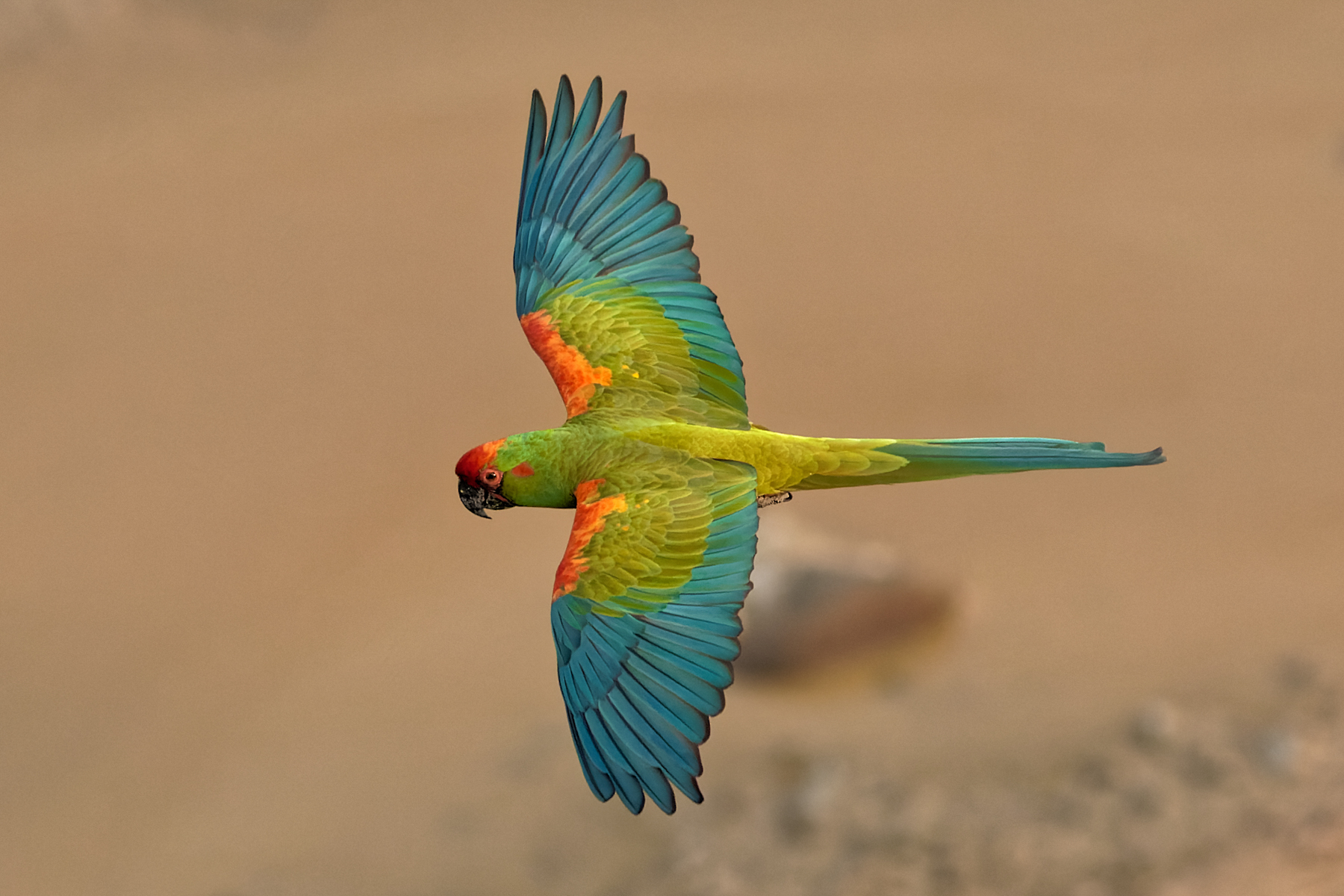
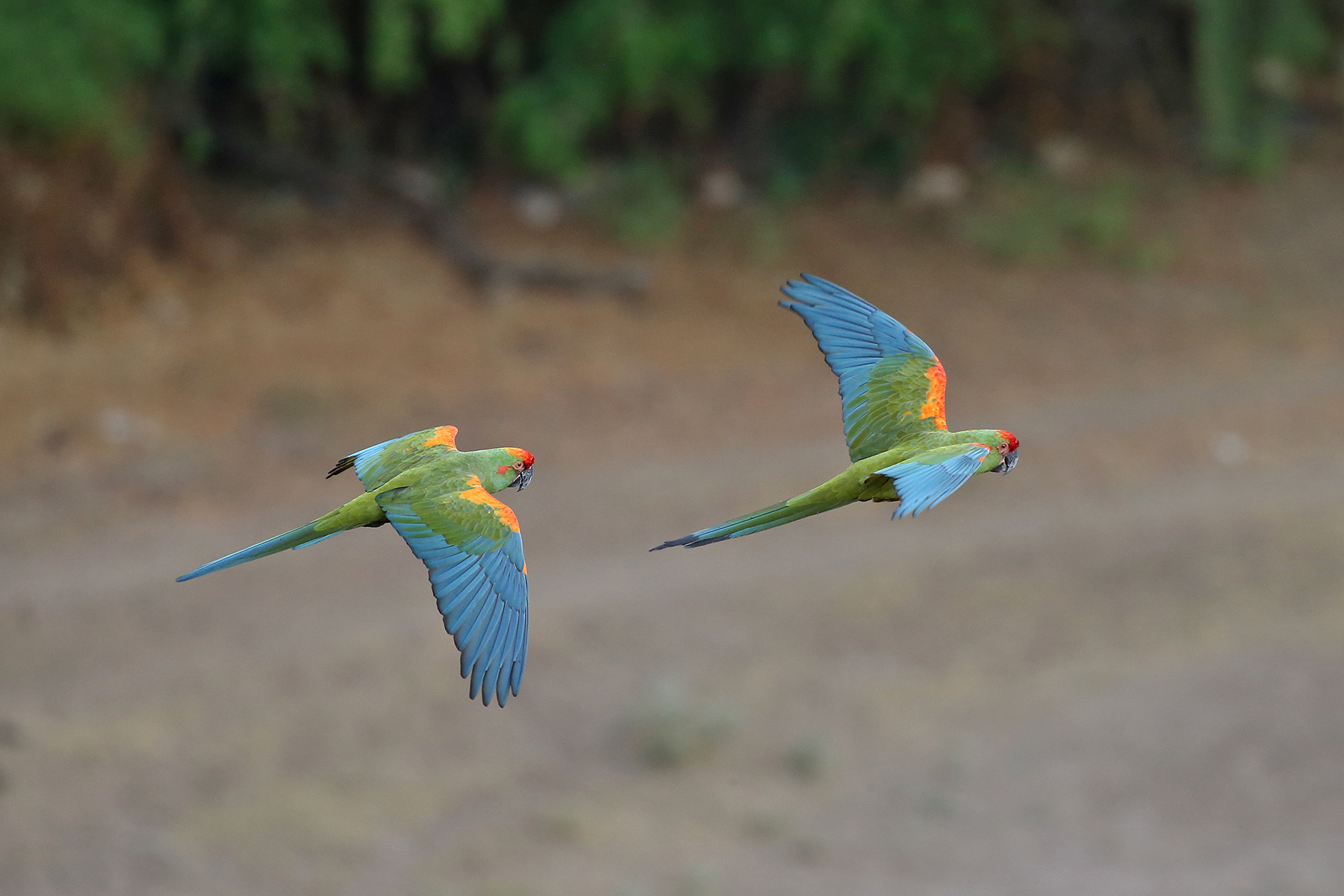
Red-fronted Macaws (image by Pete Morris)
Band-tailed Antbird (image by János Oláh)
Hooded Mountain Toucan (image by Pete Morris)
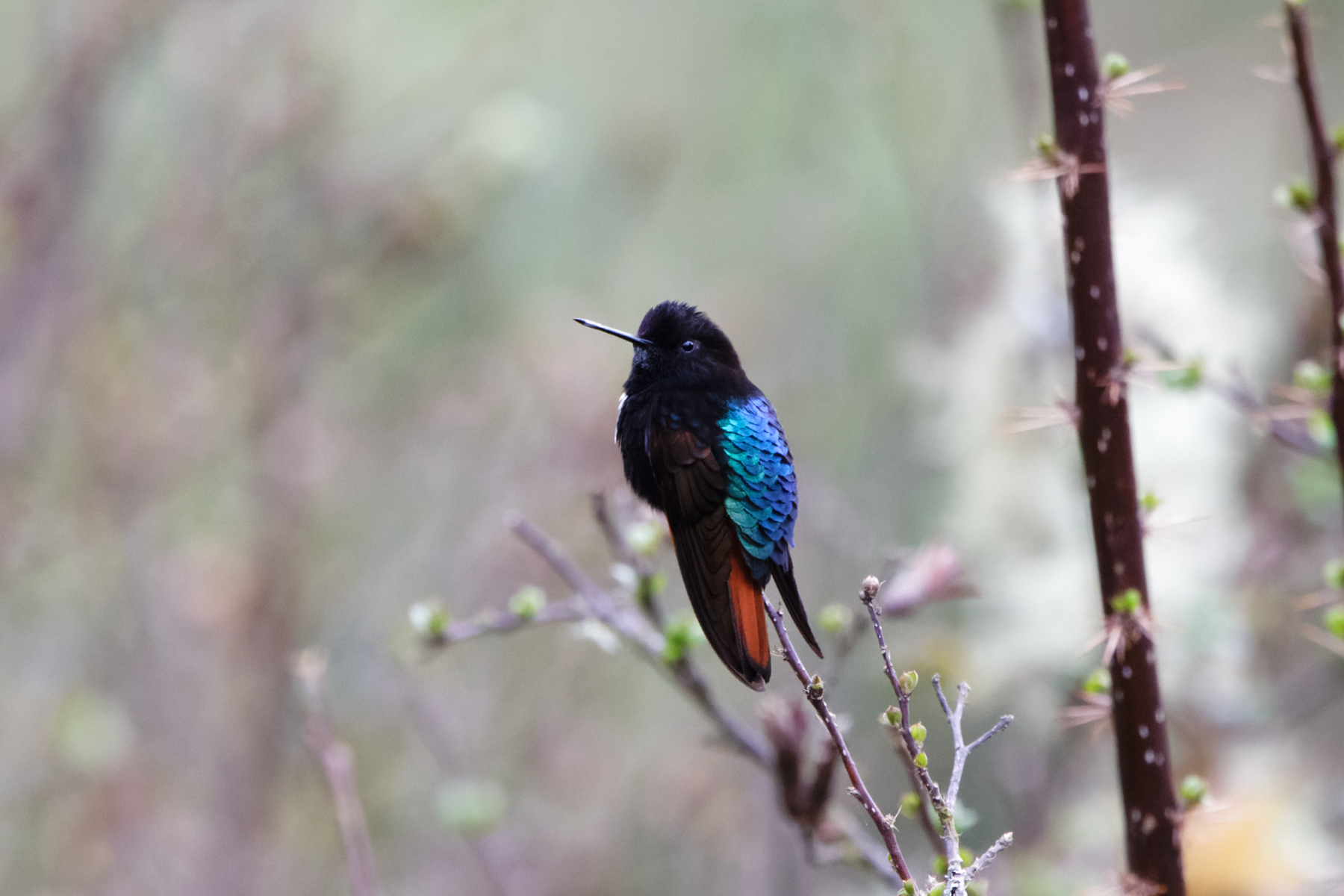
Black-hooded Sunbeam (image by Pete Morris)
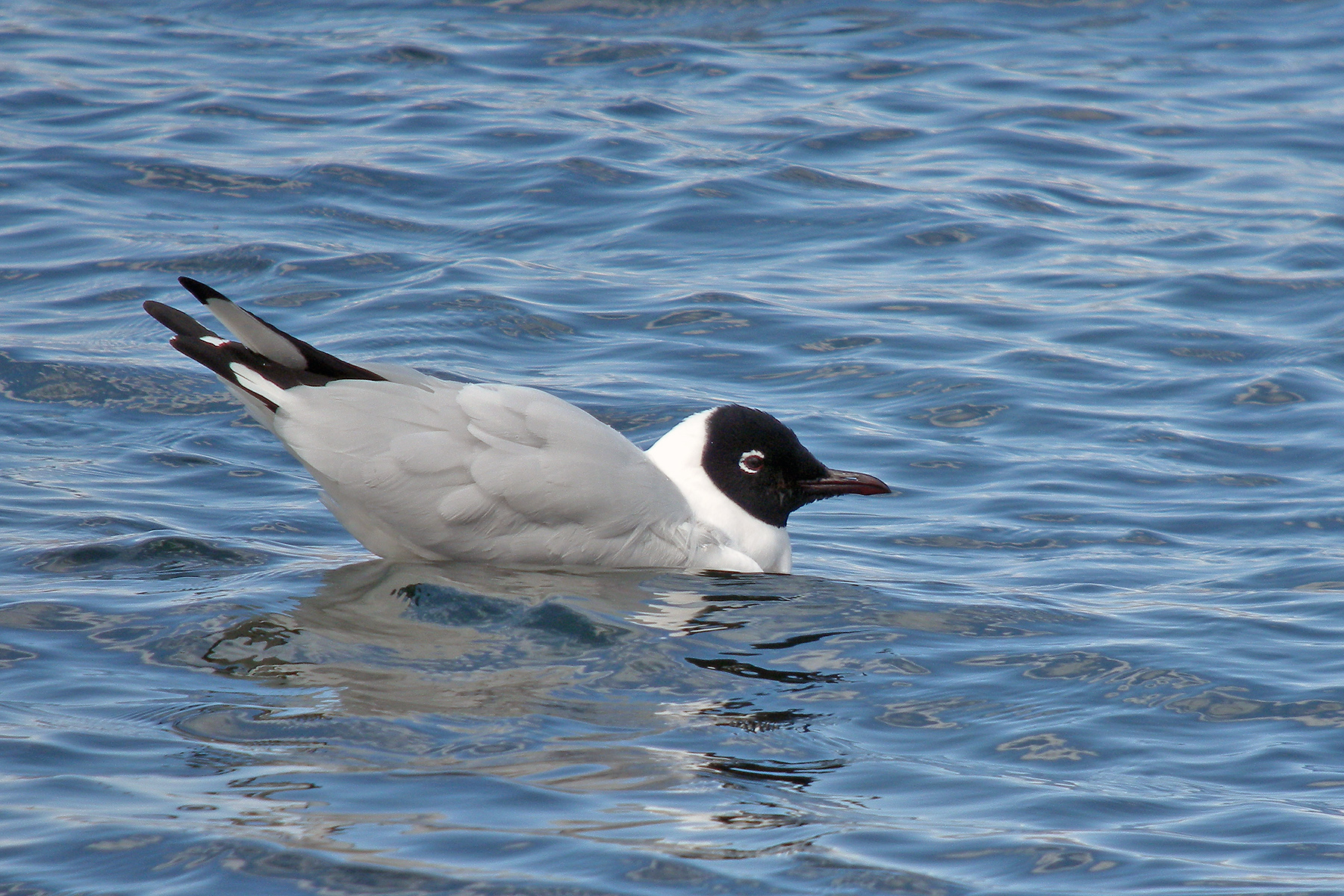
Andean Gull (image by Pete Morris)
Orinoco Goose (image by Pete Morris)
Puna Tapaculo (image by Pete Morris)
Common Mountain Viscacha (image by János Oláh)
Andean Ibis (image by János Oláh)
Rufous-bellied Seedsnipe (image by János Oláh)
Buff-browed Foliage-gleaner (image by János Oláh)
Giant Conebill (image by János Oláh)
White-fronted Woodpecker (image by János Oláh)
Long-tailed Reed Finch (image by János Oláh)
Black-hooded Sunbeam (image by Pete Morris)
Masked Antpitta (image by Pete Morris)
Red-fronted Macaws (image by János Oláh)
Rufous-bellied Saltator (image by Pete Morris)
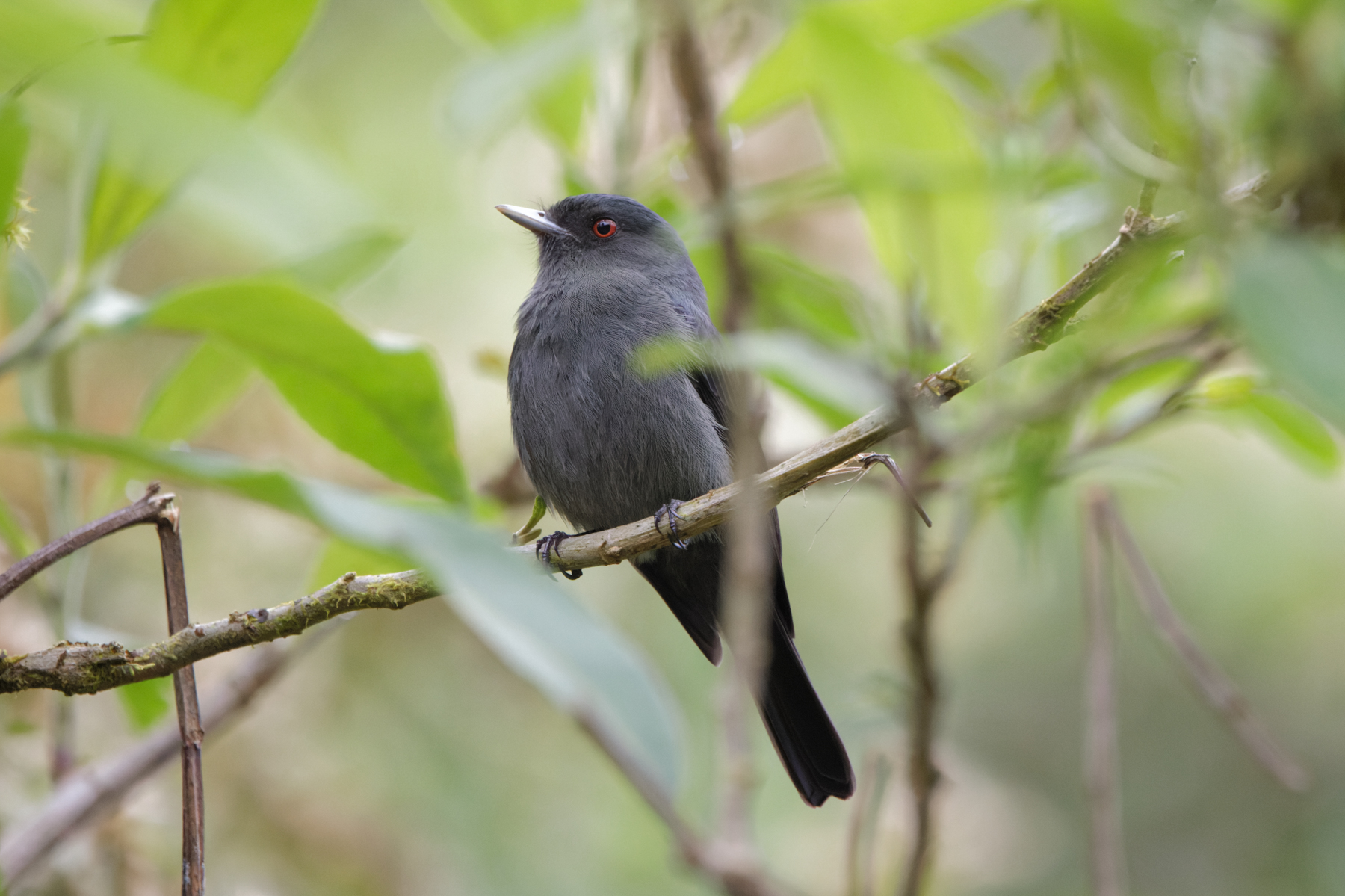
Light-crowned Spinetail ssp discolor (image by János Oláh)
Mitred Parakeet (image by János Oláh)
Rufescent Screech Owl (image by János Oláh)
Black-winged Parrot (image by Pete Morris)
Giant Coot (image by János Oláh)
Blue-throated Macaw (image by János Oláh)
Rusty-browed Warbling Finch (image by János Oláh)
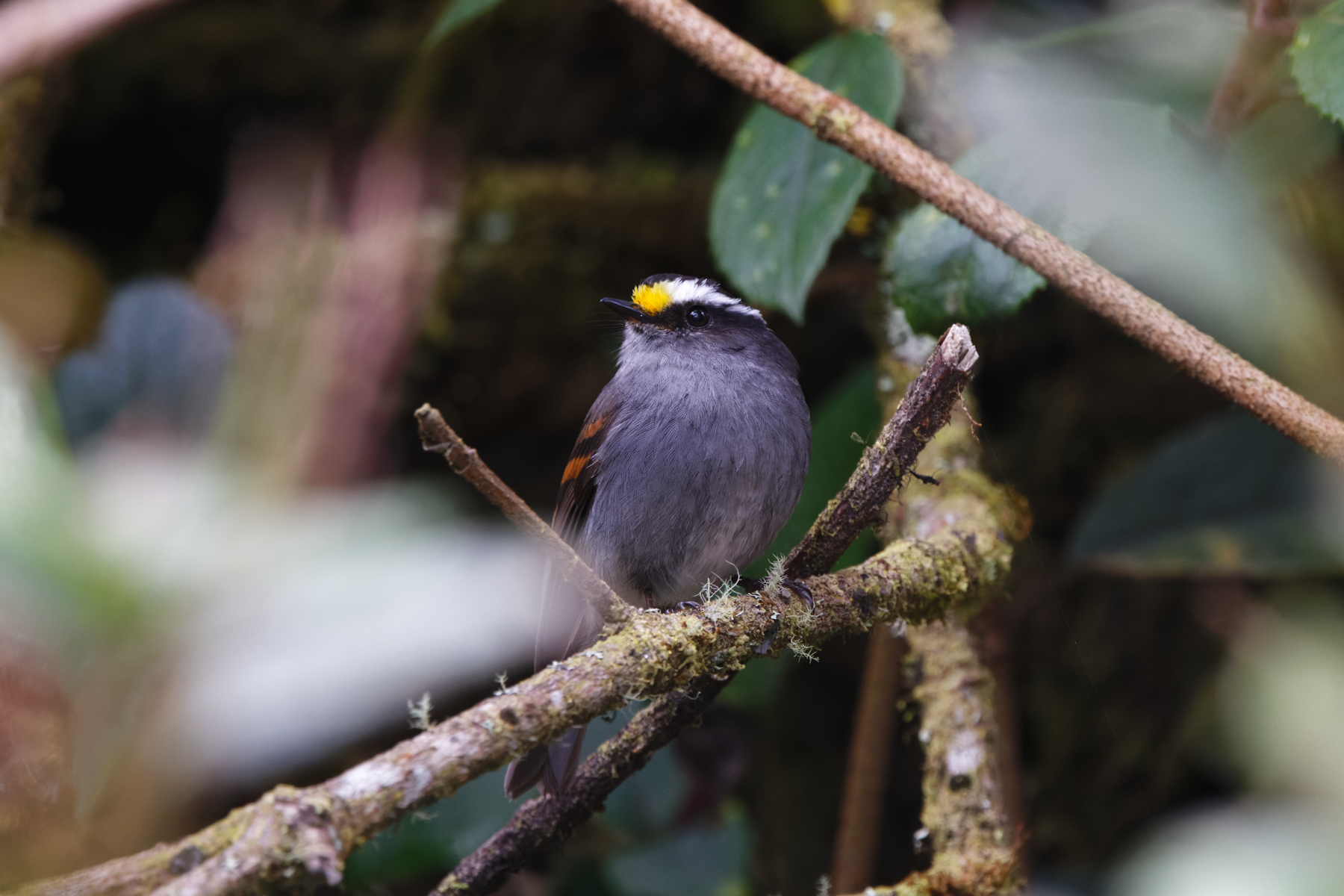
Light-crowned Spinetail [albiceps] (image by Leo Garrigues)
Rufous-bellied Seedsnipe (image by János Oláh)
Yungas Pygmy Owl (image by Pete Morris)
Red-fronted Macaw (image by János Oláh)
Pheasant Cuckoo (image by János Oláh)
Hooded Mountain Tanager (image by Pete Morris)
Barred Fruiteater (image by János Oláh)
Culpeo (image by Eustace Barnes)
male Red-tailed Comet (image by János Oláh)
Spot-breasted Thornbird (image by János Oláh)
White-chested Swift (image by János Oláh)
Black-throated Thistletail (image by János Oláh)
Masked Antpitta (image by János Oláh)
Band-tailed Fruiteater (image by Pete Morris)
Chaco Puffbird (image by Pete Morris)
Masked Antpitta (image by Leo Garrigues)
Cochabamba Mountain Finch (image by János Oláh)
Scimitar-winged Piha (image by János Oláh)
The mountains between Oruru and Inquisivi (image by Pete Morris)
Chestnut-crested Cotinga (image by Pete Morris)
View from the lodge of Los Volcanes (image by János Oláh)
Peach-fronted Parakeet (image by Pete Morris)
Bolivian Tyrannulet (image by János Oláh)
La Cumbre (image by Eustace Barnes)
Buff-banded Tyrannulet (image by János Oláh)
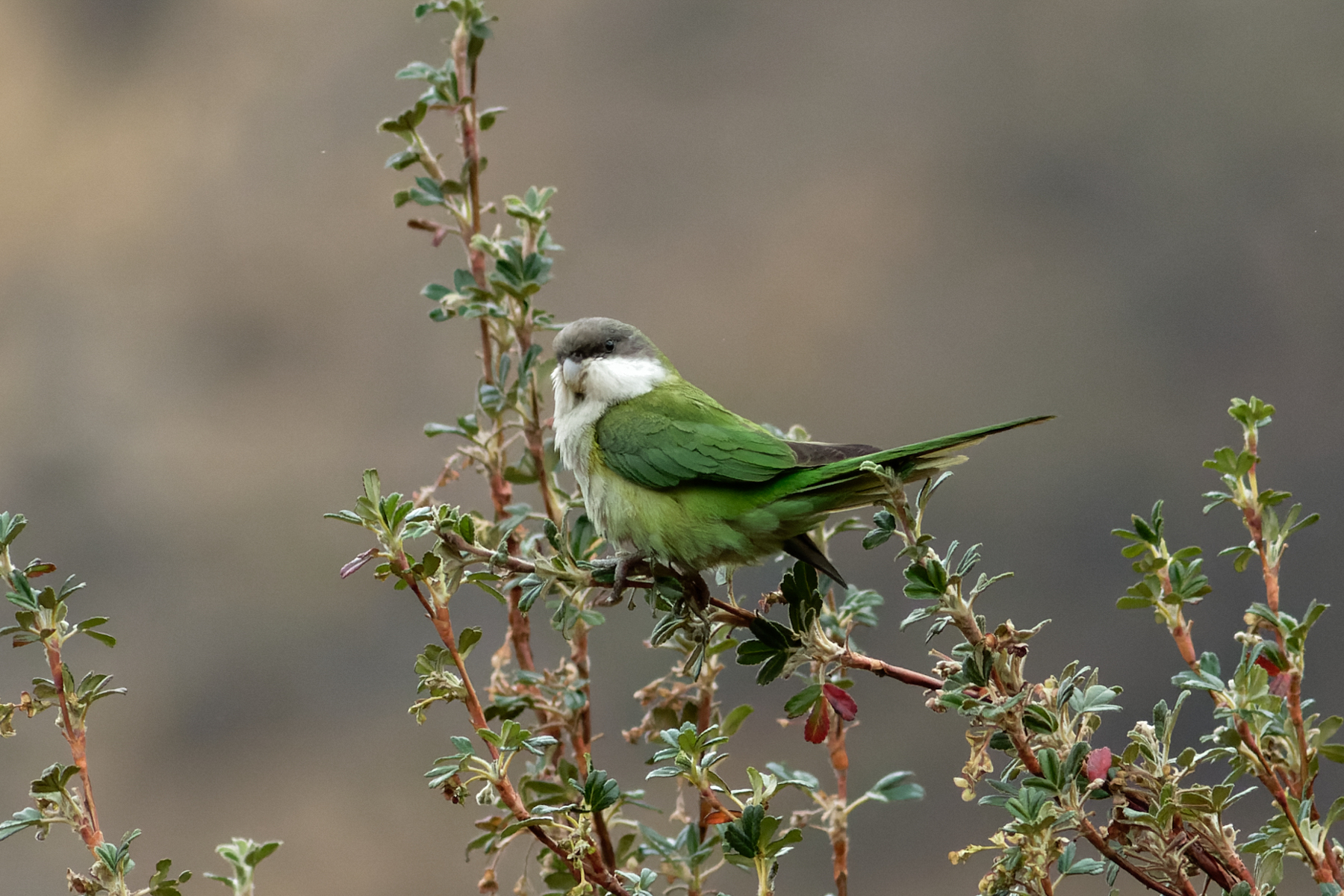
Grey-hooded Parakeet (image by Leo Garrigues)
Southern Martin (image by János Oláh)
Blue-throated Macaw (image by János Oláh)
Buff-thighed Puffleg (image by János Oláh)
Giant Conebill (image by János Oláh)
Bolivian Earthcreeper (image by János Oláh)
Upland Antshrike (image by János Oláh)
Cochabamba Mountain Finch (image by János Oláh)
Band-tailed Manakin (image by János Oláh)
Rio Beni Titi (image by János Oláh)
Titicaca (or Short-winged) Grebe (image by János Oláh)
Buff-breasted Earthcreeper (image by János Oláh)
Kalinowski's Chat-Tyrant (image by Leo Garrigues)
Inambari Woodcreeper (image by János Oláh)
Orange-browed Hemispingus (image by János Oláh)
Titicaca Grebes (image by Leo Garrigues)
Long-billed Woodcreeper (image by János Oláh)
Cliff Parakeet (image by János Oláh)
Whistling Heron (image by Pete Morris)
Andean Hillstar (image by Pete Morris)
Masked Duck (image by Pete Morris)
Bolivian Recurvebill (image by János Oláh)
Wedge-tailed Hillstar (image by János Oláh)
male Slaty Gnateater (image by János Oláh)
Rufous-capped Antshrike (image by János Oláh)
Black-hooded Sunbeam (image by Leo Garrigues)
Black-hooded Sunbeam (image by János Oláh)
Ochre-faced Tody-Tyrant (image by János Oláh)
Grey-crested Finch (image by János Oláh)
White-wedged Piculet (image by János Oláh)
Yungas Tyrannulet (image by Leo Garrigues)
Three-striped Hemispingus (image by János Oláh)
Blue-banded Toucanet (image by Pete Morris)
Crested Quetzal (image by Pete Morris)
Spot-tailed Nightjar (image by János Oláh)
Tucuman Amazon (image by János Oláh)
Rufous-sided Crake (image by János Oláh)
White-wedged Piculet (image by Pete Morris)
Cochabamba Mountain Finch (image by Pete Morris)
Hooded Mountain Toucan (image by Leo Garrigues)
Upland Antshrike (image by Pete Morris)
View from the Coroico Road (image by Pete Morris)
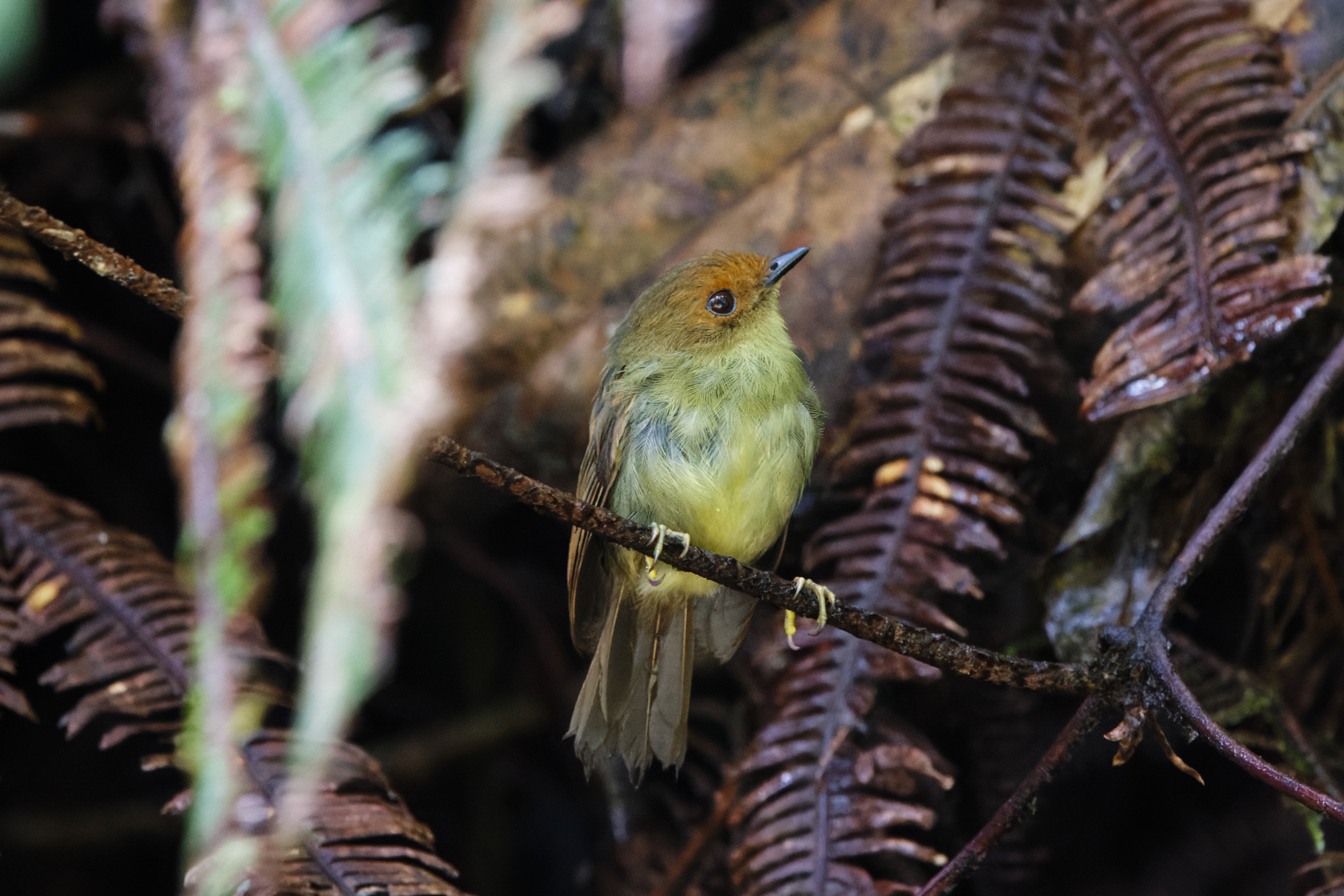
Hazel-fronted Pygmy Tyrant (image by Leo Garrigues)
Hooded Mountain Toucan (image by Pete Morris)
Titicaca (or Short-winged) Grebe (image by Pete Morris)
Plumbeous Tyrant (image by Leo Garrigues)
Light-crowned Spinetail (image by János Oláh)
Scribble-tailed Canastero (image by Pete Morris)
Citron-headed Yellowfinch (image by Pete Morris)
Huayco Tinamou (image by János Oláh)
White-browed Conebill (image by Leo Garrigues)
White-rumped Swallow (image by János Oláh)
Bolivian Warbling Finch (image by Pete Morris)
Cabanis's Spinetail (image by Leo Garrigues)
Green-capped Tanager (image by Leo Garrigues)
Yungas Pygmy Owl (image by János Oláh)
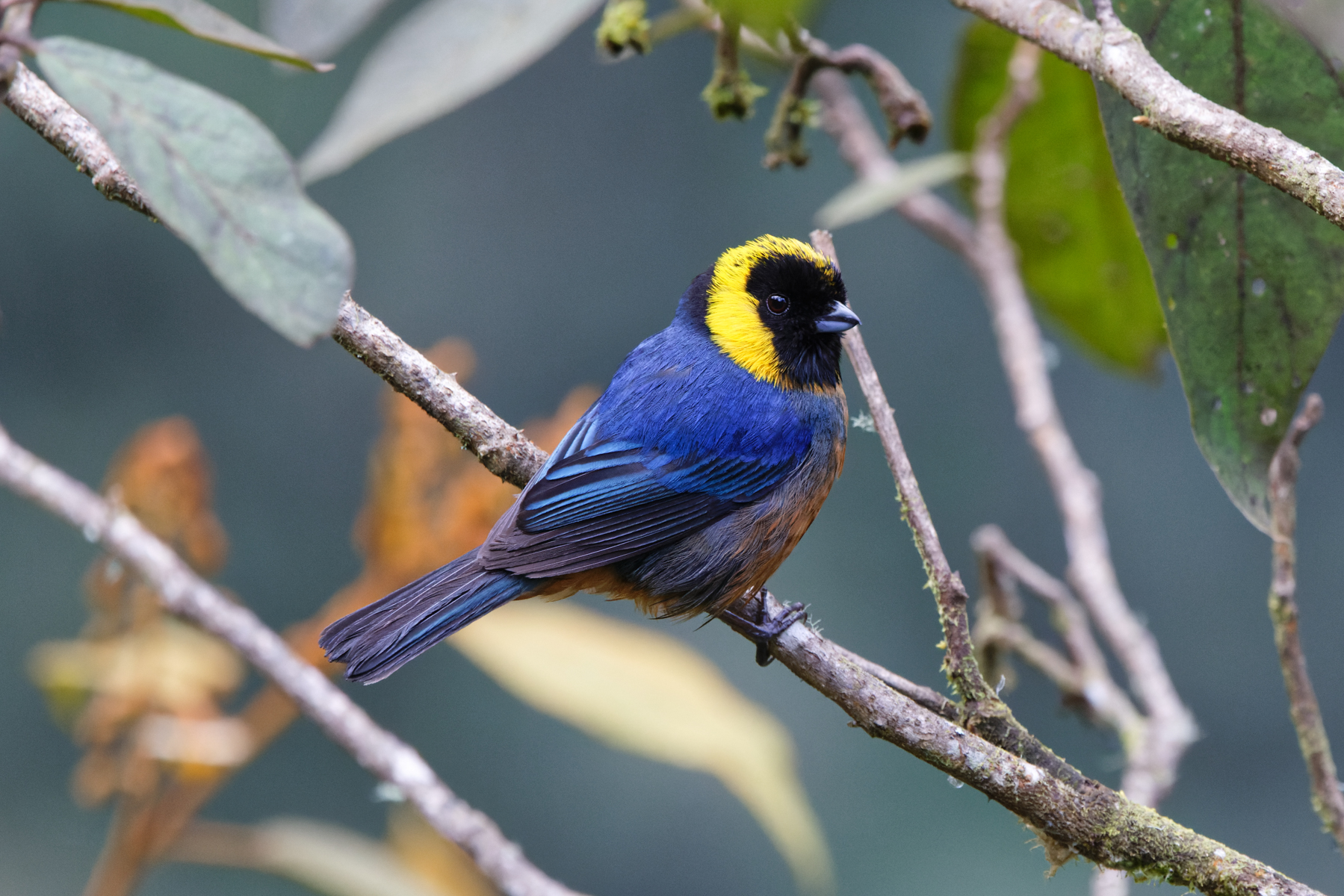
Golden-collared Tanager (image by Leo Garrigues)
Grey-hooded Parakeet (image by János Oláh)
Grey-bellied Flowerpiercer (image by János Oláh)
Blue-and-yellow Macaw (image by János Oláh)
Plumbeous Ibis (image by Pete Morris)
Blue-capped Puffleg (image by János Oláh)
Ferruginous Pygmy Owl (image by Pete Morris)
Scimitar-winged Piha (image by János Oláh)
White-tipped Plantcutter (image by János Oláh)
Los Volcanes (image by Eustace Barnes)
Andean Goose (image by János Oláh)
Red-fronted Macaw (image by Leo Garrigues)
Darwin's Nothura (image by János Oláh)
Yungas Tody-Tyrant (image by János Oláh)
White-eared Solitaire (image by János Oláh)


Straw-backed Tanager (image by János Oláh)
Bolivian Blackbird (image by János Oláh)
Titicaca (or Short-winged) Grebe (image by Pete Morris)
Ornate Tinamou (image by János Oláh)
Olive-crowned Crescentchest (image by János Oláh)
Hooded Mountain Tanager (image by János Oláh)
Military Macaw (image by János Oláh)
Rufescent Screech Owl (image by János Oláh)
Bicolor-spined Porcupine (image by János Oláh)
Slaty Gnateater (image by János Oláh)
Red-fronted Macaws (image by Pete Morris)
Band-tailed Antbird (image by János Oláh)
Hooded Mountain Toucan (image by Pete Morris)
Black-hooded Sunbeam (image by Pete Morris)
Andean Gull (image by Pete Morris)
Orinoco Goose (image by Pete Morris)
Puna Tapaculo (image by Pete Morris)
Common Mountain Viscacha (image by János Oláh)
Andean Ibis (image by János Oláh)
Rufous-bellied Seedsnipe (image by János Oláh)
Buff-browed Foliage-gleaner (image by János Oláh)
Giant Conebill (image by János Oláh)
White-fronted Woodpecker (image by János Oláh)
Long-tailed Reed Finch (image by János Oláh)
Black-hooded Sunbeam (image by Pete Morris)
Masked Antpitta (image by Pete Morris)
Red-fronted Macaws (image by János Oláh)
Rufous-bellied Saltator (image by Pete Morris)
Light-crowned Spinetail ssp discolor (image by János Oláh)
Mitred Parakeet (image by János Oláh)
Rufescent Screech Owl (image by János Oláh)
Black-winged Parrot (image by Pete Morris)
Giant Coot (image by János Oláh)
Blue-throated Macaw (image by János Oláh)
Rusty-browed Warbling Finch (image by János Oláh)
Light-crowned Spinetail [albiceps] (image by Leo Garrigues)
Rufous-bellied Seedsnipe (image by János Oláh)
Yungas Pygmy Owl (image by Pete Morris)
Red-fronted Macaw (image by János Oláh)
Pheasant Cuckoo (image by János Oláh)
Hooded Mountain Tanager (image by Pete Morris)
Barred Fruiteater (image by János Oláh)
Culpeo (image by Eustace Barnes)
male Red-tailed Comet (image by János Oláh)
Spot-breasted Thornbird (image by János Oláh)
White-chested Swift (image by János Oláh)
Black-throated Thistletail (image by János Oláh)
Masked Antpitta (image by János Oláh)
Band-tailed Fruiteater (image by Pete Morris)
Chaco Puffbird (image by Pete Morris)
Masked Antpitta (image by Leo Garrigues)
Cochabamba Mountain Finch (image by János Oláh)
Scimitar-winged Piha (image by János Oláh)
The mountains between Oruru and Inquisivi (image by Pete Morris)
Chestnut-crested Cotinga (image by Pete Morris)
View from the lodge of Los Volcanes (image by János Oláh)
Peach-fronted Parakeet (image by Pete Morris)
Bolivian Tyrannulet (image by János Oláh)
La Cumbre (image by Eustace Barnes)
Buff-banded Tyrannulet (image by János Oláh)
Grey-hooded Parakeet (image by Leo Garrigues)
Southern Martin (image by János Oláh)
Blue-throated Macaw (image by János Oláh)
Buff-thighed Puffleg (image by János Oláh)
Giant Conebill (image by János Oláh)
Bolivian Earthcreeper (image by János Oláh)
Upland Antshrike (image by János Oláh)
Cochabamba Mountain Finch (image by János Oláh)
Band-tailed Manakin (image by János Oláh)
Rio Beni Titi (image by János Oláh)
Titicaca (or Short-winged) Grebe (image by János Oláh)
Buff-breasted Earthcreeper (image by János Oláh)
Kalinowski's Chat-Tyrant (image by Leo Garrigues)
Inambari Woodcreeper (image by János Oláh)
Orange-browed Hemispingus (image by János Oláh)
Titicaca Grebes (image by Leo Garrigues)
Long-billed Woodcreeper (image by János Oláh)
Cliff Parakeet (image by János Oláh)
Whistling Heron (image by Pete Morris)
Andean Hillstar (image by Pete Morris)
Masked Duck (image by Pete Morris)
Bolivian Recurvebill (image by János Oláh)
Wedge-tailed Hillstar (image by János Oláh)
male Slaty Gnateater (image by János Oláh)
Rufous-capped Antshrike (image by János Oláh)
Black-hooded Sunbeam (image by Leo Garrigues)
Black-hooded Sunbeam (image by János Oláh)
Ochre-faced Tody-Tyrant (image by János Oláh)
Grey-crested Finch (image by János Oláh)
White-wedged Piculet (image by János Oláh)
Yungas Tyrannulet (image by Leo Garrigues)
Three-striped Hemispingus (image by János Oláh)
Blue-banded Toucanet (image by Pete Morris)
Crested Quetzal (image by Pete Morris)
Spot-tailed Nightjar (image by János Oláh)
Tucuman Amazon (image by János Oláh)
Rufous-sided Crake (image by János Oláh)
White-wedged Piculet (image by Pete Morris)
Cochabamba Mountain Finch (image by Pete Morris)
Hooded Mountain Toucan (image by Leo Garrigues)
Upland Antshrike (image by Pete Morris)
View from the Coroico Road (image by Pete Morris)
Hazel-fronted Pygmy Tyrant (image by Leo Garrigues)
Hooded Mountain Toucan (image by Pete Morris)
Titicaca (or Short-winged) Grebe (image by Pete Morris)
Plumbeous Tyrant (image by Leo Garrigues)
Light-crowned Spinetail (image by János Oláh)
Scribble-tailed Canastero (image by Pete Morris)
Citron-headed Yellowfinch (image by Pete Morris)
Huayco Tinamou (image by János Oláh)
White-browed Conebill (image by Leo Garrigues)
White-rumped Swallow (image by János Oláh)
Bolivian Warbling Finch (image by Pete Morris)
Cabanis's Spinetail (image by Leo Garrigues)
Green-capped Tanager (image by Leo Garrigues)
Yungas Pygmy Owl (image by János Oláh)
Golden-collared Tanager (image by Leo Garrigues)
Grey-hooded Parakeet (image by János Oláh)
Grey-bellied Flowerpiercer (image by János Oláh)
Blue-and-yellow Macaw (image by János Oláh)
Plumbeous Ibis (image by Pete Morris)
Blue-capped Puffleg (image by János Oláh)
Ferruginous Pygmy Owl (image by Pete Morris)
Scimitar-winged Piha (image by János Oláh)
White-tipped Plantcutter (image by János Oláh)
Los Volcanes (image by Eustace Barnes)
Andean Goose (image by János Oláh)
Red-fronted Macaw (image by Leo Garrigues)
Darwin's Nothura (image by János Oláh)
Yungas Tody-Tyrant (image by János Oláh)
White-eared Solitaire (image by János Oláh)


|
Monday 2nd October – Friday 20th October 2028 Leaders: Leo Garrigues and a local guide |
19 Days | Group Size Limit 7 |
Birdquest’s Classic Bolivia birding tours explore one of South America’s fastest up-and-coming birding tour venues and one that is deservedly receiving more recognition owing to its magnificently rich avifauna and wonderful scenery. Our Classic Bolivia birding tour is carefully crafted to achieve broad coverage of the Bolivian endemics and many other specialities of this superb country.
Bolivian endemics featured on this special tour include the wonderful Blue-throated and Red-fronted Macaws, Black-hooded Sunbeam, Cliff Parakeet, Berlepsch’s Canastero, Black-throated Thistletail, Bolivian Recurvebill, Rufous-faced and Bolivian Antpittas, Yungas Tody-Tyrant, Bolivian Blackbird, Bolivian Brushfinch and Cochabamba Mountain Finch. Amongst Bolivia’s great many other specialities, the majority of which cannot be seen on birding tours to surrounding areas (or which are much harder in those areas), are White-bellied Nothura, Titicaca Grebe, Yungas and Red-faced Guans, Yungas Dove, Scaled Metaltail, Wedge-tailed Hillstar, Blue-banded Toucanet, the spectacular Hooded Mountain Toucan, Tucuman (or Alder) Amazon, Black-winged Parrot, Bolivian Earthcreeper, Maquis (or Iquico) Canastero, Plain Softtail, Light-crowned Spinetail, Bolivian Slaty and Upland Antshrikes, Slaty Gnateater, Bolivian (White-crowned) and Diademed Tapaculos, Chestnut-crested Cotinga, Band-tailed Fruiteater, Scimitar-winged Piha, Fawn-breasted Wren, Unicolored Thrush, White-eared Solitaire, Yungas Warbler, Grey-bellied Flowerpiercer, Rufous-bellied Mountain Tanager, Citron-headed Yellow Finch, Short-tailed (or Boulder) Finch, Bolivian Warbling Finch and Orange-browed Hemispingus
With around 1400 species already recorded, Bolivia boasts the highest avian diversity of any landlocked country in the world! We will see a large species total during this exciting tour, including two stunning endemic macaws and a host of additional endemics and regional specialities.
Sitting astride the Andes at its widest point Bolivia is placed at the meeting point of several major biogeographical regions; Amazonia, the Cerrado and the Chaco all converge in the eastern lowlands, while in the Andes, humid and semi-humid foothill cloudforests meet in the Santa Cruz de la Sierra region and these ranges create a rain shadow to the west that features a spectacular system of cactus-clad canyons and inter-montane valleys dominated by towering snow-capped peaks.
Only sparsely populated, Bolivia has a very distinctive character. Our travels will be both colourful and unforgettable. This delightful and largely unspoilt country is now amongst the most democratic in South America and offers some of the continent’s most exciting birding, with a wealth of pristine habitats remaining throughout the country.
The Bolivian Andes are some of the highest and most spectacular of all, harbouring a high concentration of endemic, near-endemic and restricted-range species. Amongst the huge snow-capped peaks and volcanoes, the magnificent Andean Condor is still a regular sight soaring over canyons and ‘chaparral’ woodlands.
On their eastern flanks, these impressive mountains fall rapidly away through Yungas ‘cloud forest’ into luxuriant subtropical forests or arid, cacti-dominated valleys. The lowlands of Bolivia, made up of Amazonian forests, savannas and Chaco woodlands, together with the vast wetlands of the Llanos de Moxos, add to the considerable wealth of natural variety. Much of Bolivia is still very poorly known ornithologically and certainly conceals many future surprises.
The great diversity of habitats found in Bolivia provides a home for a bewildering array of birds. From huge rheas and tiny seedeaters in the lowland savannas to noisy macaws and toucans in the foothills, scintillant hummingbirds and gaudy tanagers in the luxuriant subtropics, secretive antpittas and tapaculos hiding amongst the highland bamboos, a wealth of ground tyrants on the puna grasslands and flightless grebes on altiplano lakes, Bolivia offers even veteran South American birders a marvellous experience, and all this amongst some of the most awe-inspiring scenery on Earth.
Our Classic Bolivia tour begins at the city of Santa Cruz de la Sierra, from where we travel first to the town of Trinidad in Beni province. Here, we can enjoy some superb, easy birding in rather Pantanal-like region around. Here, in the Llanos de los Moxos, we will go in search of the first of Bolivia’s two endemic macaws, the beautiful but very rare and Critically Endangered Blue-throated Macaw. Only a hundred or so pairs of this magnificent species survive, and seeing this ‘megabird’ will be the main goal of our visit.
Interestingly, four other species of macaw make a living here, including Golden-collared Macaw, and we will also see a host of other lowland birds, including such specialities as Orinoco Goose, Plain Softtail, Hudson’s Black Tyrant, Fawn-breasted Wren, Dark-throated Seedeater and the endemic boliviensis form of the Velvet-fronted Grackle. With persistence, we also have a good chance of finding the poorly-known endemic Unicoloured Thrush.
The mixture of grasslands, palm savanna, gallery forest and seasonally inundated woodland in this bird-rich region holds an amazing variety of waterbirds, raptors and other species. While most are widespread, the sheer richness of the Trinidad region makes for wonderful birding.
Afterwards, we return to Santa Cruz de la Sierra, where we will pause briefly to locate the restricted-range White-bellied Nothura and the near-endemic Bolivian Slaty Antshrike.
From Santa Cruz, we head into the Andean foothills to the Amboro National Park in order to explore a stunning area of sub-tropical forests at Los Volcanes (surely one of the most spectacularly positioned ecolodges in the world) in search of three sought-after near-endemic species: the strange Bolivian Recurvebill, Slaty Gnateater and Bolivian (White-crowned) Tapaculo.
As we work our way westwards to podocarpus forests and dry deciduous woodlands near Valle Grande, we shall search for the restricted-range Tucuman (or Alder) Amazon, Yungas and Red-faced Guans and the retiring Yungas Dove.
Next, we explore the cactus-clad canyons of Comarapa and the cloudforests of Siberia perched above it on the western edge of Amboro National Park. In this spectacular area, we will be looking for a marvellous suite of endemics and near-endemics, including the rare Red-fronted Macaw, Cliff Parakeet, Bolivian Earthcreeper, Light-crowned Spinetail, Rufous-faced Antpitta, Grey-bellied Flowerpiercer, Bolivian Brushfinch and Bolivian Warbling Finch.
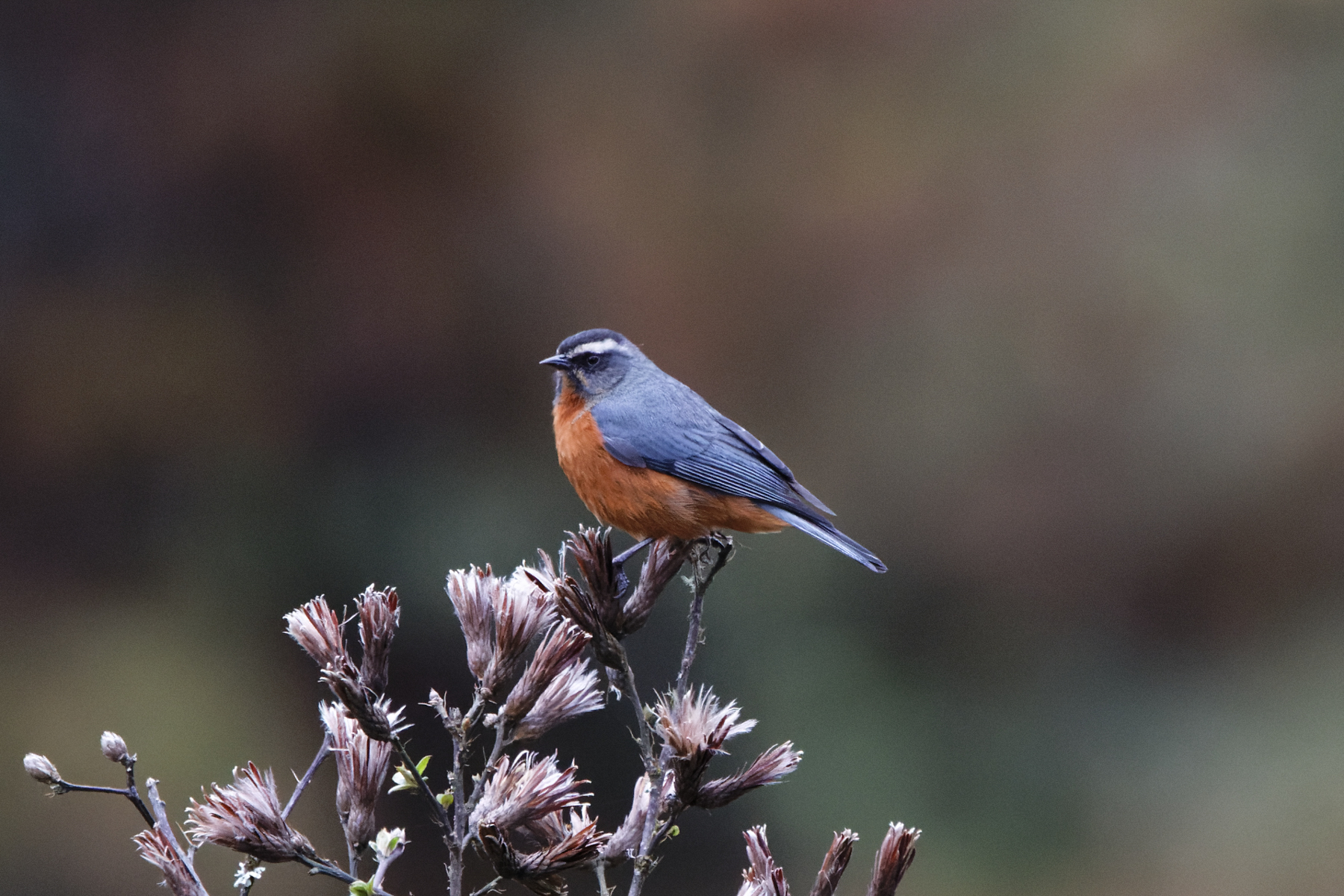
Our journey into the Andes then continues with visits to dry valleys and remnant Polylepis woodland near Cochabamba, where specialities include such endemics and near-endemics as Black-hooded Sunbeam, Wedge-tailed Hillstar, Maquis (or Iquico) Canastero, Bolivian Antpitta, Rufous-bellied Mountain Tanager (formerly Rufous-bellied Saltator), Cochabamba Mountain Finch, Citron-headed Yellow Finch and the rare Short-tailed (or Boulder) Finch.
While based at Cochabamba, we will also explore the temperate and subtropical forests along the Chapare Road, where some of Bolivia’s most exciting birding is to be found. We shall be wanting to find such endemic and near-endemic species as Scaled Metaltail, Blue-banded Toucanet, the spectacular Hooded Mountain Toucan, Black-throated Thistletail, Upland Antshrike, Yungas Tody-Tyrant and Yungas Warbler, as well as the restricted-range Black-winged Parrot, the gorgeous Chestnut-crested Cotinga, Band-tailed Fruiteater, White-eared Solitaire and Orange-browed Hemispingus.
Departing from Cochabamba, where we will find the endemic Bolivian Blackbird, we continue west as far as La Paz.
Next, we will be covering the Coroico Road below the city of La Paz. Here, we will enjoy some tremendous birding as we look for such poorly known, near-endemic species as Scimitar-winged Piha and Diademed Tapaculo.
Finally, we will explore the Lake Titicaca region (Titicaca is famous as the highest navigable lake on Earth) in search of the near-endemic Titicaca (or Short-winged) Grebe and the endemic Berlepsch’s Canastero.
Birdquest has operated Bolivia birding tours since 1992.
Classic Bolivia and Ultimate Bolivia
Classic Bolivia is the shorter of Birdquest’s two tours to Bolivia.
Accommodation & Road Transport
The hotels/lodges are of a good to medium standard throughout the tour. Road transport is by small coach or minibus/passenger van, and roads are variable in quality (there are some long drives on unsurfaced roads).
Walking
The walking effort during our Classic Bolivia birding tours is easy to moderate.
Climate
Rather variable. At low and middle altitudes, many days are warm or hot, dry and sunny, but it is sometimes cool and overcast. At high altitudes, conditions range from cool to decidedly cold. It may rain at times, and it can be rather humid in the lowlands.
Bird Photography
Opportunities during our Classic Bolivia birding tours are quite good or good in some areas.
To see a larger map, click on the square-like ‘enlarge’ icon in the upper right of the map box.
To see (or hide) the ‘map legend’, click on the icon with an arrow in the upper left of the map box.
To change to a satellite view, which is great for seeing the physical terrain (and for seeing really fine details by repetitive use of the + button), click on the square ‘map view’ icon in the lower left corner of the ‘map legend’.
Birdquest Inclusions: Our tour prices include transportation, accommodations, meals and entrance fees.
We also include all tipping for local guides, drivers and accommodation/restaurant staff.
Deposit: 20% of the total tour price. Our office will let you know what deposit amount is due, in order to confirm your booking, following receipt of your online booking form.
TO BOOK THIS TOUR: Click here (you will need the tour dates)
There is only a limited number of rooms at Los Volcanes, where single occupancy is not guaranteed (there is no supplement for singles here, if available).
The single supplement will not apply if you indicate on booking that you prefer to share a room and there is a room-mate of the same sex available.
This tour is priced in US Dollars. Amounts shown in other currencies are indicative.
Classic Bolivia: Day 1
Our Classic Bolivia birding tour starts this evening at Santa Cruz de la Sierra, where we will spend the night. An airport transfer will be provided.
[Santa Cruz de la Sierra is Bolivia’s commercial capital and has more direct international flight connections than La Paz, including flights direct from the United States, Brazil and Argentina.]
Despite being Bolivia’s fastest-growing town, Santa Cruz de la Sierra retains a pleasant, colonial-style centre. A curious mix of old and new, where horse-drawn carts are passed by innumerable Land Cruisers and Mercedes, and Colonial red tile buildings stand side by side with glass and concrete designer outlets and futuristic skyscrapers. It lies at the great meeting point between the Amazonian rainforests to the north and the dry Chaco to the south, the Andes and semi-humid cloudforests to the west and open savannas to the east.
Classic Bolivia: Day 2
This morning, we will visit an attractive area of grassy savanna interspersed with beautiful sand dunes and areas of bushy scrub and trees and dotted with pools, reminiscent of Brazil’s cerrado.
Here, the rhythmic whistling of Red-winged Tinamous breaks the early morning silence. We shall diligently search weedy areas for the restricted-range White-bellied Nothura, which often explodes partridge-like from the grass at our feet. The second important target this morning is the near-endemic Bolivian Slaty Antshrike, a species that is not difficult to locate.
Other likely species around Santa Cruz include White-tailed and Plumbeous Kites, Burrowing Owl, Grey-rumped and Short-tailed Swifts, Chestnut-eared Aracari, Scaly-headed Parrot, Rusty-backed Spinetail, Rufous-fronted Thornbird, Streaked and Fork-tailed Flycatchers, House Wren, Shiny Cowbird, Southern Yellowthroat, Tropical Parula and Black-backed Grosbeak.
More uncommon or harder-to-see possibilities include Tataupa Tinamou, Red-legged Seriema, Green-barred Woodpecker and Grassland Sparrow.
This afternoon we will take a flight northwards to the town of Trinidad in Beni province for a two-night stay.
Classic Bolivia: Day 3
Our prime reason for travelling to the wide watery plains of the Llanos de los Moxos in eastern Bolivia is our quest for the very rare and famous Blue-throated Macaw. Until 1992, this species was only known from museum specimens and from cage birds that occasionally turned up in the international pet trade, but nobody knew where these birds originated from. In 1992, Charles Munn, a scientist with the New York Zoological Society, discovered its breeding haunts in the vast, virtually uninhabited palm savanna and gallery woodland mosaic in the centre of the department of Beni. The last census indicates there may be fewer than 100 pairs in the wild, but nobody knows. This species, which resembles the much more common and widespread Blue-and-yellow Macaw, seems to require the presence of the palm Attalea phalerata, which is locally abundant in this area. We can expect to get good views of this superb endemic macaw during our visit, and we will be able to compare it to other beautiful members of its tribe, including Blue-and-yellow, Red-and-green, Golden-collared and Chestnut-fronted Macaws.
The grasslands and seasonally flooded woodlands of this region of Bolivia are reminiscent of the more open parts of the famous Brazilian Pantanal or the Venezuelan llanos and harbour the same rich and spectacular variety of birds. The open habitat makes for easy viewing, and during our stay here, we should amass a splendid list. Many of the birds of the marshes, oxbow lakes, open meadows and pastures are widespread in the Neotropics, but we will, of course, be concentrating on the local specialities, and in particular the increasingly rare and localised Orinoco Goose and the uncommon Hudson’s Black Tyrant (a migrant from central Argentina). There is even a chance for the rare Chaco (or Crowned Solitary) Eagle.
In the gallery woodlands bordering the rivers, we will go in search of four more major specialities: the localised but vocal Plain Softtail (here of the endemic nominate race), the near-endemic Fawn-breasted Wren, and Velvet-fronted Grackle (here of the endemic form boliviensis). Another good bird in this habitat is the Sulphur-bellied Tyrant-Manakin. There is only a very slim chance of encountering the rare endemic Unicoloured Thrush
Other birds in the gallery woodland include Black-tailed Trogon, the incredible Toco Toucan (with its bright blue eye), the restricted-range White-wedged Piculet, the handsome Pale-crested and Crimson-crested Woodpeckers, Red-billed Scythebill, Mato Grosso and Band-tailed Antbirds, Euler’s Flycatcher, White-eyed Attila, Bare-necked Fruitcrow, Band-tailed Manakin, Rufous-browed Peppershrike, Rufous-crowned Greenlet, Golden-crowned Warbler, Orange-headed and Grey-headed Tanagers, Chestnut-vented Conebill and Buff-throated Saltator.
The Pantanal-like nature of the Beni floodplain is soon apparent, and some areas are very rich in waterbirds and wetland-dependent species. Among those we are likely to find are the remarkable Southern Screamer, the marvellous Sunbittern, the huge Jabiru and the swamp-loving Hoatzin, as well as Black-bellied and White-faced Whistling Ducks, Brazilian Teal, Muscovy Duck, Anhinga, Neotropic Cormorant, Cocoi, Whistling, Capped and Striated Herons, Black-crowned Night Heron, Rufescent Tiger Heron, Great, Western Cattle and Snowy Egrets, Bare-faced, Plumbeous, Buff-necked and Green Ibises, Roseate Spoonbill, Wood and Maguari Storks, Snail Kite, Limpkin, Grey-cowled Wood Rail, Wattled Jacana, Southern Lapwing, Pied Plover, Black-necked Stilt, Large-billed and Yellow-billed Terns, and Green, Amazon and Ringed Kingfishers. Western Osprey, Solitary Sandpiper and Lesser Yellowlegs are present seasonally. More infrequent are Least Bittern, the skulking Ash-throated Crake, Purple Gallinule, Collared Plover and Black Skimmer and such migrant visitors as White-rumped, Pectoral and Spotted Sandpipers.
Among the numerous other species we are likely to see during our visit to this extraordinarily rich birding area are the stately Greater Rhea (often quietly feeding in extended family groups), Undulated Tinamou, Speckled Chachalaca (a species that produces an amazing dawn chorus), the retiring Razor-billed Curassow, Spix’s Guan, Blue-throated Piping Guan, Black, Turkey and Lesser Yellow-headed Vultures, the attractive Long-winged Harrier, Crane, Savanna, Roadside, White-tailed, Grey-lined, Black-collared and Great Black Hawks, Crested and Yellow-headed Caracaras, American Kestrel, Aplomado Falcon, Picazuro and Pale-vented Pigeons, White-tipped, Grey-fronted and Eared Doves, Ruddy and Picui Ground Doves, Yellow-chevroned, Peach-fronted, Dusky-headed and White-eyed Parakeets, Blue-winged Parrotlet, Smooth-billed Ani, the garrulous Guira Cuckoo, Striped, Little and Squirrel Cuckoos, Ferruginous Pygmy Owl, Nacunda Nighthawk, Pauraque, Little Nightjar, Blue-tailed Emerald, the marvellous Swallow-tailed Hummingbird, Black-throated Mango, Gilded Sapphire, Blue-crowned Trogon, Rufous-tailed Jacamar, Black-fronted Nunbird, the lovely White Woodpecker, Yellow-tufted, Little, Golden-green and Lineated Woodpeckers, and Campo Flicker.
Likely passerines include the spectacular Great Rufous Woodcreeper, Olivaceous, Buff-throated, Straight-billed and Narrow-billed Woodcreepers, the raucous Rufous Hornero, Chotoy, Yellow-chinned, Pale-breasted and Plain-crowned Spinetails, Greater Thornbird, the huge Grey-crested Cacholote, Great and Barred Antshrikes, the localized Rusty-backed Antwren, Southern Beardless Tyrannulet, Yellow-bellied Elaenia, Yellow-olive Flatbill, the diminutive Pearly-vented Tody-Tyrant, Rusty-fronted Tody-Flycatcher, Scarlet, Rusty-margined, Social, Boat-billed, Short-crested and Brown-crested Flycatchers, White-headed Marsh Tyrant, Black-backed Water Tyrant, Great Kiskadee, the wonderful Spectacled Tyrant, Yellow-browed and Cattle Tyrants, White, Grey and White-rumped Monjitas, Tropical Kingbird, Chivi Vireo, Grey-breasted and Brown-chested Martins, White-winged and White-rumped Swallows, Black-capped Donacobius, the enormous Thrush-like Wren, Masked Gnatcatcher, Creamy-bellied Thrush, Chalk-browed Mockingbird, Purplish and Plush-crested Jays, Crested Oropendola, Yellow-rumped Cacique, Orange-backed Troupial, Variable Oriole, Giant Cowbird, White-browed, Scarlet-headed, Chopi and Unicoloured Blackbirds, Greyish Baywing, Purple-throated Euphonia, Hooded, Silver-beaked, Sayaca and Palm Tanagers, Blue Dacnis, Saffron and Pampa Finches, Wedge-tailed Grass Finch, Long-tailed Reed Finch, Blue-black Grassquit, White-bellied Seedeater (the local form is often treated as a full species: Bicoloured Seedeater), Rusty-collared and Double-collared Seedeaters, Greyish Saltator, and Red-crested and Red-capped Cardinals.
More uncommon species include Rufous-thighed Hawk, Great Horned Owl, Spot-tailed Nightjar, Buff-bellied Hermit, White-chinned Sapphire, White-tailed Goldenthroat, Blue Ground Dove, Subtropical Doradito, Tawny-headed Swallow and Great-billed Seed Finch. Sometimes Rufous-rumped, Dark-throated and Tawny-bellied Seedeaters are present.
For once, mammals are fairly obvious, and Common Zorro (or Crab-eating Fox), Brown Brocket Deer and many Capybaras should be encountered.
Classic Bolivia: Day 4
After spending most of the day birding in the Trinidad region, we will take a flight back to Santa Cruz de la Sierra for an overnight stay.
Classic Bolivia: Day 5
We will set off early this morning and head for the Andean foothills for a two-night stay at Los Volcanes. We will spend most of the day birding at Los Volcanes.
Classic Bolivia: Day 6
Los Volcanes is a truly magical location and probably one of the most spectacularly situated lodges anywhere in the world! Here, we will be birding in a forested basin beneath the sheer red sandstone cliffs of several immense sugarloaf domes that encircle the lodge. A constant lookout may well be rewarded with great views of the resident King Vultures or spectacular Andean Condors as they sail along the cliffs. We also have a good chance of seeing the increasingly rare Military Macaw. If we are really lucky, we will see a Solitary Eagle.
At the base of the sheer cliffs, there are extensive semi-humid cloudforests through which pass several pleasant trails to which we shall devote some time as we search for a number of sought-after species. These include three near-endemics: the rare and strange-looking Bolivian Recurvebill, the rather shy Slaty Gnateater and the diminutive Bolivian (or Bolivian White-crowned) Tapaculo. Los Volcanes is the place to look for all three, but even so, there is a high chance of the recurvebill, but not certainty! We shall also try to get a good look at the splendid, restricted-range Yungas Manakin, which, although being quite common at Los Volcanes, can be tricky to see well.
We should also encounter one or more of the rarer species of interest, such as the secretive Grey Tinamou, Rufous-breasted Wood Quail, Grey-throated Leaftosser and the rare Blue-browed Tanager.
Walking the trails, we should also see a good variety of commoner and more widespread species including the Brown Tinamou (this is a good place for seeing this shy bird, rather than only hearing it), Blue-headed and Red-billed Parrots, Turquoise-fronted Amazon, Chestnut-collared and White-collared Swifts, Green and Sparkling Violetears, Fork-tailed Woodnymph, the pretty White-eared Puffbird, Chestnut-tipped Toucanet, Channel-billed Toucan, Red-necked Woodpecker, Black-banded and Tschudi’s Woodcreepers, Buff-fronted Foliage-gleaner, Black-capped Antwren, Plain Antvireo, Chestnut-backed Antshrike, White-backed Fire-eye, Sclater’s Tyrannulet, Sepia-capped and Slaty-capped Flycatchers, Masked Tityra, Moustached Wren, the shy White-necked Thrush, Riverbank and Two-banded Warblers, and Red Pileated Finch. Mixed flocks may well produce Slate-throated Whitestart, Orange-headed, Guira, Black-goggled, White-winged, and Saffron-crowned Tanagers, and Thick-billed and Golden-rumped Euphonias.
More uncommon species include Golden-tailed Sapphire, Double-toothed Kite, Barred Forest Falcon, Bat Falcon and Streaked Xenops.
We shall also head out into the surrounding forests to do some night birding in search of Rufescent Screech Owl, the impressive Band-bellied Owl and also the more elusive Rufous Nightjar and Ocellated Poorwill. If we are very fortunate, we will also find the rare, restricted-range Yungas Pygmy Owl or the more widespread but also rarely-seen Subtropical Pygmy Owl.
Classic Bolivia: Day 7
This morning, we will climb up to some higher elevation forests in search of the sometimes elusive Short-tailed Antthrush, devoting some time to obtaining good views of this beautifully marked species. Another special bird here is the restricted-range and rather shy Yungas Dove.
Afterwards, we will head for a beautiful crater lake, surrounded by dense reed beds, that usually holds one or two family parties of Masked Duck, as well as Least and Pied-billed Grebes.
We then continue on our way to the small town of Samaipata for an overnight stay.
Along our way, we will explore a picturesque valley, occupied by a typical Andean farming community that has created a mosaic of cultivated and fallow fields together with a mix of scrub and taller deciduous woodland. We are fortunate that a few good trails follow the contours through this woodland, enabling us to enter this very birdy area and find a variety of species of limited distribution. In the late morning, we should see the increasingly rare Mitred Parakeet heading off to the hills after raiding the cornfields. We shall also be on the lookout for Ocellated Piculet, Ochre-cheeked Spinetail and Black-and-chestnut Warbling Finch. Sometimes we come across Buff-necked Ibis in the valley and occasionally the restricted-range Slender-billed Woodstar.
Some of the more widespread species we may well encounter today include Short-tailed Hawk, Green-cheeked and Blue-crowned Parakeets, Great-billed Hermit, Glittering-bellied Emerald, Buff-browed Foliage-gleaner, Sooty-fronted Spinetail, the huge Giant Antshrike, Variable Antshrike, the Andean form of the Rufous-capped Antshrike (sometimes split as Marcapata Antshrike), Southern Beardless and White-bellied Tyrannulets, Highland Elaenia, Bran-coloured, Cliff, Euler’s, Variegated and Dusky-capped Flycatchers, Pearly-vented Tody-Tyrant, the delightful Ochre-faced Tody-Flycatcher, the lovely Rufous Casiornis, Blue-and-white Swallow, Rufous-bellied Thrush, Hooded Siskin, Blue-and-yellow Tanager, Black-capped Warbling Finch, the ubiquitous Rufous-collared Sparrow, Saffron-billed Sparrow, Golden-billed Saltator and, if we are lucky, the uncommon Dull-coloured Grassquit.
As we continue towards Samaipata, we cross a low pass where we have our first chance of seeing the near-endemic Yungas Guan.
Classic Bolivia: Day 8
Departing early this morning, we cross a number of deeply incised valleys on our way to a remnant tract of Podocarpus forest. Our primary goal in this area is to see both the Tucuman (or Alder) Amazon and the Red-faced Guan, both increasingly rare species found only here and in northwest Argentina. Exploring these forests and enjoying the splendid vistas over unending forested ridges stretching away to the south and east will make for a very enjoyable morning.
We have seen the lovely Straw-backed Tanager in this area, and we shall certainly be on the lookout for this rather elusive, restricted-range speciality.
In addition to those species already mentioned, we shall also be hoping to see Masked Trogon, Golden-olive Woodpecker, the rare near-endemic Blue-capped Puffleg, the near-endemic Buff-banded Tyrannulet, Mottle-cheeked Tyrannulet, Sierran Elaenia, the localised Andean Tyrant, the shy Sclater’s Nightingale-Thrush, Andean Slaty Thrush, Blue-winged Mountain Tanager and the somewhat uncommon Golden-winged Cacique. More uncommon possibilities include Bicoloured Hawk.
Afterwards, we will head for the broad floodplain of the Rio Misque, where we will stay overnight in the Saipina area.
During the journey, we shall make an effort to find the uncommon and restricted-range Dot-fronted Woodpecker, and we will also have another opportunity to see the formidable Giant Antshrike. In the open scrubby areas with rolling hills, we have our first opportunities to look for the confiding Olive-crowned Crescentchest, the near-endemic Bolivian Warbling Finch and the elusive Huayco Tinamou (we will count ourselves very lucky if we see the latter during the tour, but we often hear it). As we continue through the dry valleys, we will be keeping an eye on the skies, as we often see good numbers of Andean Condors in this area.
Classic Bolivia: Day 9
This tranquil valley is home to one of the most stunning parrots, the now-rare Red-fronted Macaw. This large macaw, another Bolivian endemic, can be seen as it crosses the valley en route between its feeding and roosting areas. We will make a special effort to get good looks at this spectacular bird in one of its favoured feeding sites. Getting close to these spectacular creatures, only around 3000 of which remain in the wild, will be an undoubted highlight of the trip. The curious White-tipped Plantcutter is a taxonomic anomaly (and currently placed with the cotingas) and can be found here, uttering its rasping call or using its serrated bill to dismember a flower.
Other species we are likely to encounter include the remarkable endemic Cliff Parakeet at its nesting site, the rather Budgerigar-like and restricted-range Grey-hooded Parakeet, White-bellied Hummingbird, the noisy Chaco Puffbird, White-fronted, Striped and Golden-breasted Woodpeckers, Stripe-crowned Spinetail, Streak-fronted Thornbird, Southern Scrub Flycatcher, the delicate but vociferous Greater Wagtail-Tyrant, Southern Martin, Chiguanco Thrush, Ultramarine Grosbeak, the localised Grey-crested Finch, Ringed Warbling Finch, Tooth-billed (or Highland Hepatic) Tanager, Rusty Flowerpiercer and Bay-winged Cowbird. More uncommon possibilities include the rare Cream-backed Woodpecker and the uncommon Suiriri Flycatcher.
After lunch, we will head for Comarapa for a two-night stay. This provincial town, nestled beneath the mighty Siberia massif, enjoys the balmy climate of the inter-montane valleys but is within easy reach of some of the finest cloudforests in Bolivia, protected within the famous Amboro National Park. We may arrive in time for some initial exploration.
Classic Bolivia: Day 10
Comarapa and nearby Tambo are surrounded by semi-desert, with cultivation restricted to the flood plains of the rivers that descend from the surrounding high, forest-clad ridges. In the early morning and evening, these fields can be full of birds taking advantage of the comparatively easy pickings. Deep red and orange canyons bisect the surrounding cactus-covered hills. These are the home of the endemic Bolivian Earthcreeper, which, as its name suggests, can be found hugging the canyon walls. In the evening, we will go in search of one of South America’s most impressive nightbirds, the remarkable Scissor-tailed Nightjar, as well as the widespread Tropical Screech Owl.
During our stay in this area, we shall also visit the Siberia cloudforest, which lies on the high ridge which marks the boundary between the departments of Santa Cruz de la Sierra and Cochabamba. Here, in complete contrast to arid Comarapa and Tambo, tall, epiphyte-laden trees tower over a thick undergrowth of bamboo and flowering shrubs. Often clear in the mornings, when there are wonderful views over the surrounding hills, it is a rare day when swirling clouds do not develop by the afternoon, leaving us to chase disappearing flocks in the mist.
Here, the haunting whistles of the endemic Rufous-faced Antpitta and the endless trills of the mouse-like Trilling Tapaculo taunt us from the densest undergrowth (though with a bit of luck, we will eventually encounter both). The flowering roadside bushes attract such evocatively named hummingbirds as Violet-throated Starfrontlet and Tyrian Metaltail. Perusing the denser foliage are Bar-bellied Woodpecker, Montane Woodcreeper, the near-endemic Light-crowned Spinetail (here of the buff-crowned race) and the beautiful Pearled Treerunner. More easily seen are the canopy and mid-level foragers such as the near-endemic Buff-banded Tyrannulet, Cinnamon Flycatcher, Common Bush Tanager, Blue-winged and Chestnut-bellied Mountain Tanagers, and Brown-capped and Spectacled Whitestarts. (The Common Bush Tanager complex is ripe for splitting, and the distinctive local form argentinus will surely be at least part of one of those splits. Likewise, the local form flavinucha of the Blue-winged Mountain Tanager has a very different voice, so it may merit specific status.)
Amongst the many other birds we may well find here is the endemic Bolivian Brushfinch, as well as Broad-winged and Variable Hawks, Mountain Caracara, Andean Guan, Azara’s Spinetail, the pretty Barred Becard, White-throated, Tawny-rumped and Mottle-cheeked Tyrannulets, Rufous-breasted and White-browed Chat-Tyrants, Smoke-coloured Peewee, Mountain Wren, Grey-breasted Wood Wren, Great Thrush, Fulvous-headed and White-browed Brushfinches, Blue-backed Conebill and Pale-legged Warbler.
On our descent, we shall search an area of low bushes for the endemic Grey-bellied Flowerpiercer. Here we should also encounter the fabulous Red-tailed Comet, Freckle-breasted Thornbird, Yellow-billed Tit-Tyrant, the near-endemic Bolivian Warbling Finch, Rufous-sided Warbling Finch and Band-tailed Seedeater.
Classic Bolivia: Day 11
Leaving early, we shall cross the Siberia watershed in the dark, entering a series of dry valleys on the road to Cochabamba. Here, the true majesty of the Andes becomes apparent, as does the tranquil life of the Quechua-speaking Indians who have created a stunning landscape in this impressive environment. We shall have time to search several small gullies filled with Polylepis scrub as well as a larger cultivated valley.
Our main targets today are one little-known Bolivian endemic and several near-endemics, and we shall make a concerted effort to locate all of these scarce birds. The superb endemic Black-hooded Sunbeam may not look much in the shadows, yet when the sun strikes its back, it is transformed into one of the most beautiful of all hummingbirds, a kaleidoscope of iridescent turquoise and velvety black.
Several other species found only in the drier valleys of this region of Bolivia and in northernmost Argentina will also take up much of our time today. These include the stunning Wedge-tailed Hillstar, the pretty Citron-headed Yellow Finch and Rufous-bellied Mountain Tanager (formerly Rufous-bellied Saltator).
Other species we may encounter today include Yellow-billed Teal, Cinereous Harrier, Black-chested Buzzard-Eagle, the handsome Tawny-throated Dotterel, Bare-faced Ground Dove, Giant Hummingbird, Slender-billed Miner, Cream-winged Cinclodes, Brown-capped Tit-Spinetail, Creamy-breasted Canastero, White-winged Black Tyrant, Tufted Tit-Tyrant, Rufous-webbed Bush Tyrant (with its unusual hovering feeding technique), Brown-bellied Swallow, Rusty-browed Warbling Finch and Greenish Yellow Finch.
After a long and rewarding day, the bright lights of Cochabamba beckon, and a pleasant four-night stay awaits us. Cochabamba is one of Bolivia’s largest cities. Founded in 1574, it still retains many attractive historic buildings. The rich soil and pleasant climate of the surrounding valley allow the production of copious quantities of wheat and maize, which were used to feed the silver miners in their heyday.
Classic Bolivia: Days 12-14
During our stay in the Cochabamba region, we will be concentrating on two main areas.
From the Cochabamba valley, situated at 2600m, we soon start to ascend the Quillacolla road. A series of hairpin bends along this rough track takes us rapidly higher, from one breathtaking vista to another. Sheer cliffs tower above us, crowned by snow-capped peaks (including Cerro Tunari, at 5035m, the highest peak in Bolivia east of the altiplano).
We shall make several stops along this road to acclimatise and also to search for some highly localised birds. Foremost amongst these is the attractive endemic Cochabamba Mountain Finch. We also have another opportunity to see the Wedge-tailed Hillstar, a species that was thought to be extinct until it was rediscovered here a few years ago. We shall also visit a stand of Polylepis trees, a high-altitude species now rarely encountered as it has been frequently cut down for firewood throughout the Andes. Here we shall look for the beautiful Rufous-rumped Bush Tyrant, have another look for Rufous-bellied Mountain Tanager and hopefully see the nuthatch-like Giant Conebill, which specialises in finding insects amongst the flaky red bark which characterises Polylepis.
Nearing the pass at 4000m, we shall search a roadside boulder field where we may well see Andean Flicker, Buff-breasted Earthcreeper, Black-hooded, Mourning, Plumbeous and Ash-breasted Sierra Finches, and White-winged Diuca Finch. If we are lucky, we will find the near-endemic Short-tailed (or Boulder) Finch. A search of the surrounding crags may reveal an Andean Condor drifting across the azure skies.
Other birds we will look for along the Quillacolla road include Darwin’s Nothura, Grey-breasted Seedsnipe, Black-winged Ground Dove, Andean Swift, Andean Hillstar, Mountain Parakeet, Rock Earthcreeper, Tawny Tit-Spinetail (another Polylepis specialist), the near-endemic Maquis (or Iquico) Canastero, Streak-throated Canastero, Puna Tapaculo, D’Orbigny’s Chat-Tyrant, Spot-billed, Puna, Taczanowski’s, Cinereous and Ochre-naped Ground Tyrants, Black-billed and possibly Grey-bellied Shrike-Tyrants, Plain-coloured Seedeater and Bright-rumped Yellow Finch. With a bit of luck, we will come across the secretive Andean Tinamou and the feisty Torrent Duck.
In the late afternoon, we will visit a lake that should turn up White-tufted and Silvery Grebes, Fulvous Whistling Duck, Red Shoveler, Yellow-billed and White-cheeked Pintails, Puna and Cinnamon Teals, Rosy-billed Pochard, Andean Duck, Common Gallinule, Slate-coloured Coot, Andean Lapwing, White-backed Stilt, Greater Yellowlegs, Least, Baird’s, Pectoral and Stilt Sandpipers, Wilson’s Phalarope, American Golden Plover, Andean Gull, Wren-like Rushbird and Yellow-winged Blackbird. Peregrine Falcon is also a possibility.
The Chapare Road, where we will spend all or most of two full days, has few rivals in South America and is a must for the visiting birder. Climbing out of the Cochabamba valley, it soon reaches the puna zone, from where, in a comparatively short distance, it drops through virtually untouched elfin, temperate and subtropical forests on its way to the town of Villa Tunari and ultimately the distant Amazonian lowlands.
Several trails facilitate the exploration of these various forest types. We will explore the stunted mossy underworld of the elfin forest, looking for the endemic Black-throated Thistletail, which creeps through the tangled vegetation like an arboreal mouse. Losing altitude, we shall search the bromeliad-encrusted temperate forest for the diminutive, restricted-range Bolivian Tyrannulet before entering the warm, humid world of the subtropical forest with its silvery Cecropia trees and multicoloured mixed feeding flocks of birds.
Some very special Andean species occur along this road and we shall keep a sharp eye out for such highly-desired specialities as the near-endemic Scaled Metaltail, the restricted-range Black-winged Parrot (the only other population is in central Peru), the near-endemic Blue-banded Toucanet, the spectacular, near-endemic Hooded Mountain Toucan (with its amazing voice), the near-endemic Upland Antshrike, the endemic Bolivian Antpitta, the unobtrusive endemic Yungas Tody-Tyrant, the lovely Band-tailed Fruiteater, the gorgeous Chestnut-crested Cotinga, White-eared Solitaire, the restricted-range White-collared Jay, the near-endemic Yungas Warbler, the attractive near-endemic Orange-browed Hemispingus, the uncommon, restricted-range Straw-backed Tanager (a very uncommon species) and Pale-footed Swallow. What an extraordinary assemblage that is! If we are fortunate, we shall also see the shy White-throated Antpitta at one of our sites.
Other species we may well encounter today include Fasciated Tiger Heron, Swallow-tailed Kite, Band-tailed and Plumbeous Pigeons, the shy White-throated Quail-Dove, Plum-crowned (or Speckle-faced) Parrot, Scaly-naped Amazon, Amethyst-throated Sunangel, Speckled Hummingbird, Gould’s Inca, Crested and Golden-headed Quetzals, the magnificent Versicoloured Barbet, Yellow-ridged Toucan, Crimson-mantled Woodpecker, Montane Foliage-gleaner, Striped Treehunter, Torrent Tyrannulet, Smoke-coloured Pewee, Black Phoebe, White-crested Elaenia, Streak-necked Flycatcher, Marble-faced Bristle Tyrant, Streak-throated Bush Tyrant, the uncommon Rufous-bellied Bush Tyrant, Plumbeous Tyrant, Red-crested Cotinga, Barred Fruiteater, the strange but impressive Amazonian Umbrellabird, the spectacular Andean Cock-of-the-Rock, White-capped Dipper, Glossy-black Thrush, Orange-bellied Euphonia, Olivaceous Siskin, Dusky-green and Russet-backed Oropendolas, Southern Mountain Cacique, Citrine Warbler, Superciliaried and Black-eared Hemispinguses, Magpie, Rust-and-yellow, Blue-capped, Blue-necked and Blue-and-black Tanagers, Hooded and Scarlet-bellied Mountain Tanagers, and Masked Flowerpiercer.
More uncommon possibilities include the extraordinary Sword-billed Hummingbird, Striped Treehunter and the exquisite Blue-naped Chlorophonia.
Classic Bolivia: Day 15
Close to Cochabamba, Bolivian Blackbirds are usually found singing in introduced eucalyptus trees. These virtually all-black birds with a subtle flash of brown on the primaries are endemic to the Cochabamba Valley and belong to a monotypic genus. We will also be on the lookout for the range-restricted Brown-backed Mockingbird.
Afterwards, we have a long drive to the city of La Paz, where we will stay overnight. We will pass through puna habitat for a time, and here we will stop to look for Ornate Tinamou, White-winged Cinclodes, Plain-mantled Tit-Spinetail, Cordilleran Canastero and Puna Yellow Finch.
La Paz lies at an altitude of approximately 3600m (11800ft) and is the highest capital city on earth. As we enter La Paz, the suburbs initially conceal the huge natural amphitheatre nearly five kilometres wide and up to 400 metres deep in which the main city lies. Above it all rises the impressive, snow-clad peak of Mount Illimani.
Classic Bolivia: Days 16-17
On the first of these two days, we will work our way down through the verdant cloudforests to the Coroico area for a two-night stay. The second day will be spent in the Coroico area.
Few roads bisect the impressive mountains that divide La Paz from the lowlands, but surely the most remarkable is the famous Coroico Road. Often described as the most spectacular highway in South America: in a short distance, it drops from a high puna pass at 4600m through rich cloudforest and into verdant subtropical forest, reaching an elevation of only 500m in under 80 kilometres (50 miles)!
Interesting birds to be found at the higher elevations along the road include Great Sapphirewing, Buff-thighed Puffleg, Blue-mantled Thornbill, Slender-billed Miner, Scribble-tailed Canastero, Puna Tapaculo, Puna, White-browed and White-fronted Ground Tyrants, Brown-backed Chat-Tyrant, Black-billed Shrike-Tyrant, Black Siskin, the restricted-range Peruvian Sierra Finch, Black-throated Flowerpiercer and White-browed Conebill. We also have another chance for the rare Short-tailed (or Boulder) Finch.
Amongst the bogs and stony slopes near the La Cumbre pass at an altitude of 4700m (15420 ft), our main target will be the attractive Rufous-bellied Seedsnipe, which can often be found foraging in a sheltered spot in this seemingly inhospitable environment.
We will spend much of our time exploring middle-elevation Yungas forest along the Coroico Road, where we will be looking in particular for the restricted-range Diademed Tapaculo (found only in Bolivia and southeast Peru) and the uncommon, near-endemic Scimitar-winged Piha. The latter species was thought to be endemic to Bolivia until it was discovered in extreme southeast Peru, but we will need a bit of luck to find this shy denizen of the subtropics, as we do not see it on every tour. (Sadly, the Apa Apa reserve, where it was a bit more reliable, is now defunct.) The little-known Diademed Tapaculo is a distinctive member of this secretive family, which was only discovered as late as 1992.
If we are very lucky, we will encounter the rare Hazel-fronted Pygmy Tyrant, another species restricted to Bolivia and southeast Peru or the rare, restricted-range Olive Tufted Flycatcher. We will also hope for a lucky break that allows us to see as well as hear the secretive but vocal Hooded Tinamou, a species that occurs here in good numbers.
If we have not already seen them along the Chapare Road during our stay at Cochabamba, we will have further chances in this area for Upland Antshrike and Yungas Tody-Tyrant.
Amongst the other birds that we may well encounter along the Coroico Road are White-tipped Swift, Long-tailed Sylph, White-banded Tyrannulet, Andean Solitaire, Plushcap (or Plush-capped Finch), Three-striped Hemispingus, Swallow Tanager and Bananaquit.
More uncommon possibilities include the restricted-range Ochraceous-breasted Flycatcher and Fulvous Wren, as well as Rufous-crested Coquette, Ochre-naped Ground Tyrant, Yellow-bellied Siskin, Rusty and Moustached Flowerpiercers and the amazing Golden-collared Tanager.
Classic Bolivia: Day 18
We will spend much of the day birding along the Coroico Road and then return to La Paz and continue to the town of Sorata for an overnight stay.
Classic Bolivia: Day 19
Early this morning, we will drive along the base of the imposing Illampa mountains to a lovely Andean village. In the dry valley surrounding this little haven, the highly localised, endemic Berlepsch’s Canastero can be found. Its huge stick nests are built in the taller eucalypts, and we should be able to study this interesting endemic in detail. Other birds likely in this area include Spot-winged Pigeon, Green-tailed Trainbearer, Andean Swallow and Cinereous Conebill. We will also visit a high-altitude lake that usually holds a small colony of the bizarre Giant Coot, along with numerous pairs of Silvery Grebes.
Afterwards, we shall visit the famous Lake Titicaca. This deep turquoise lake, which straddles the Peruvian border, lies in the heart of the Altiplano. When we see its still waters and the distant ring of snow-capped peaks, it is easy to understand how the first people to inhabit its shores believed that Titicaca was the mother of all creation.
The most important bird we shall be targeting here is the localised Titicaca (or Short-winged) Grebe. We should find several of these attractive chestnut-and-white waterbirds swimming quietly along a reed edge or showing off their spectacular display. In addition, we should also see Andean Goose, Crested Duck, Plumbeous Rail, Puna Miner, the striking Many-coloured Rush Tyrant, Short-billed Pipit, Band-tailed Sierra Finch and Grassland Yellow Finch. If we are fortunate, we will find the uncommon Puna Snipe.
Later today we will transfer to La Paz airport for a late afternoon tour end.
[International flight connections out of La Paz are quite limited. If your flight is not until the following day, we can arrange hotel accommodation for you in La Paz on request.]

South America and its islands






![Light-crowned Spinetail [albiceps] (image by Leo Garrigues)](https://www.birdquest-tours.com/wp-content/uploads/2026/04/Light-crowned-Spinetail-albiceps-Bolivia-Leo-Garrigues.jpg)