
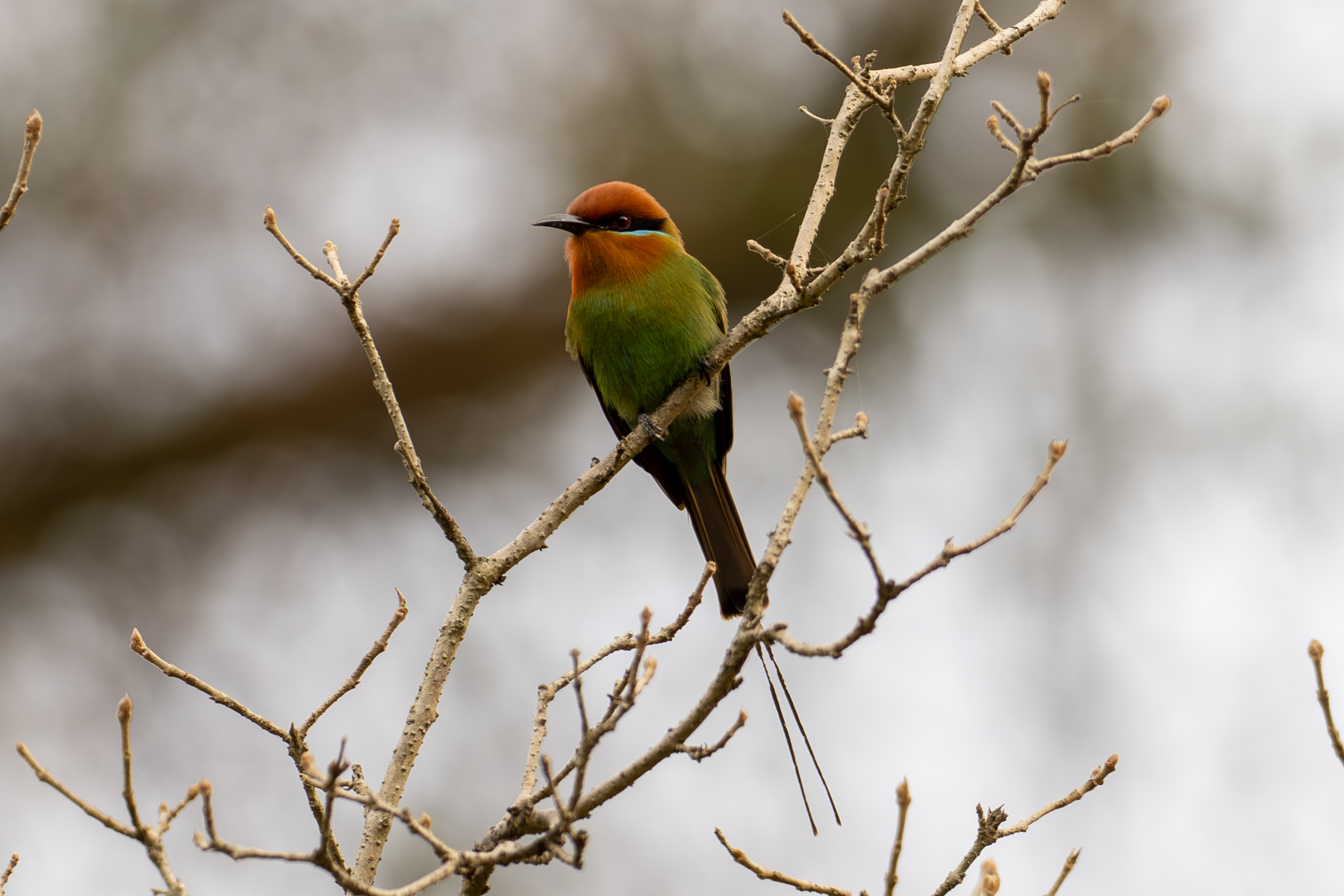
Bohm's Bee-eater (image by Bjorn Andersson)
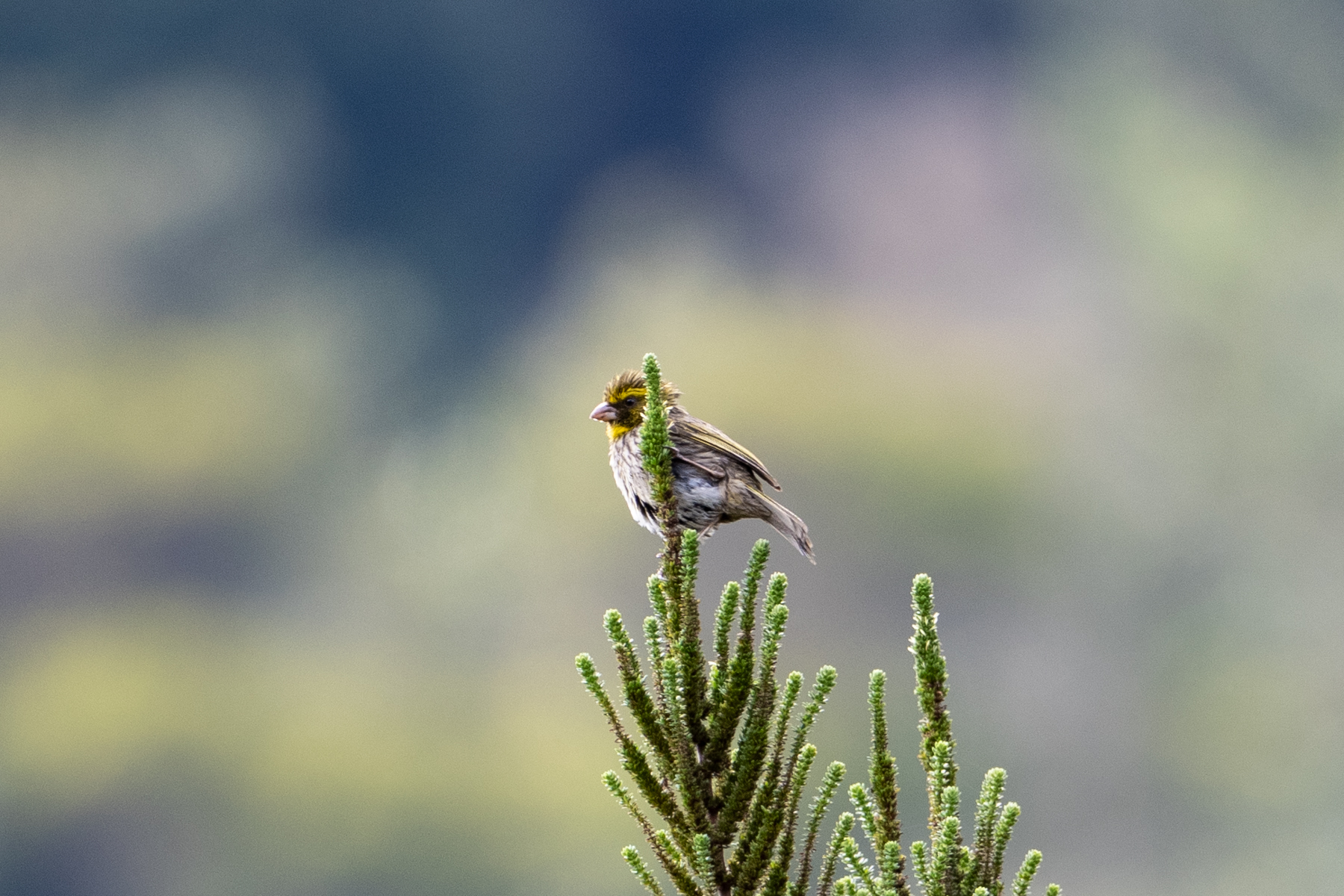
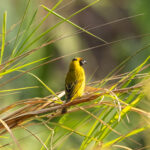
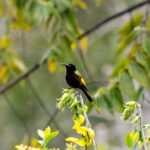
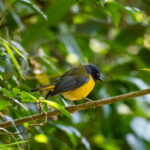
Yellow-browed Seedeater (image by Bjorn Andersson)
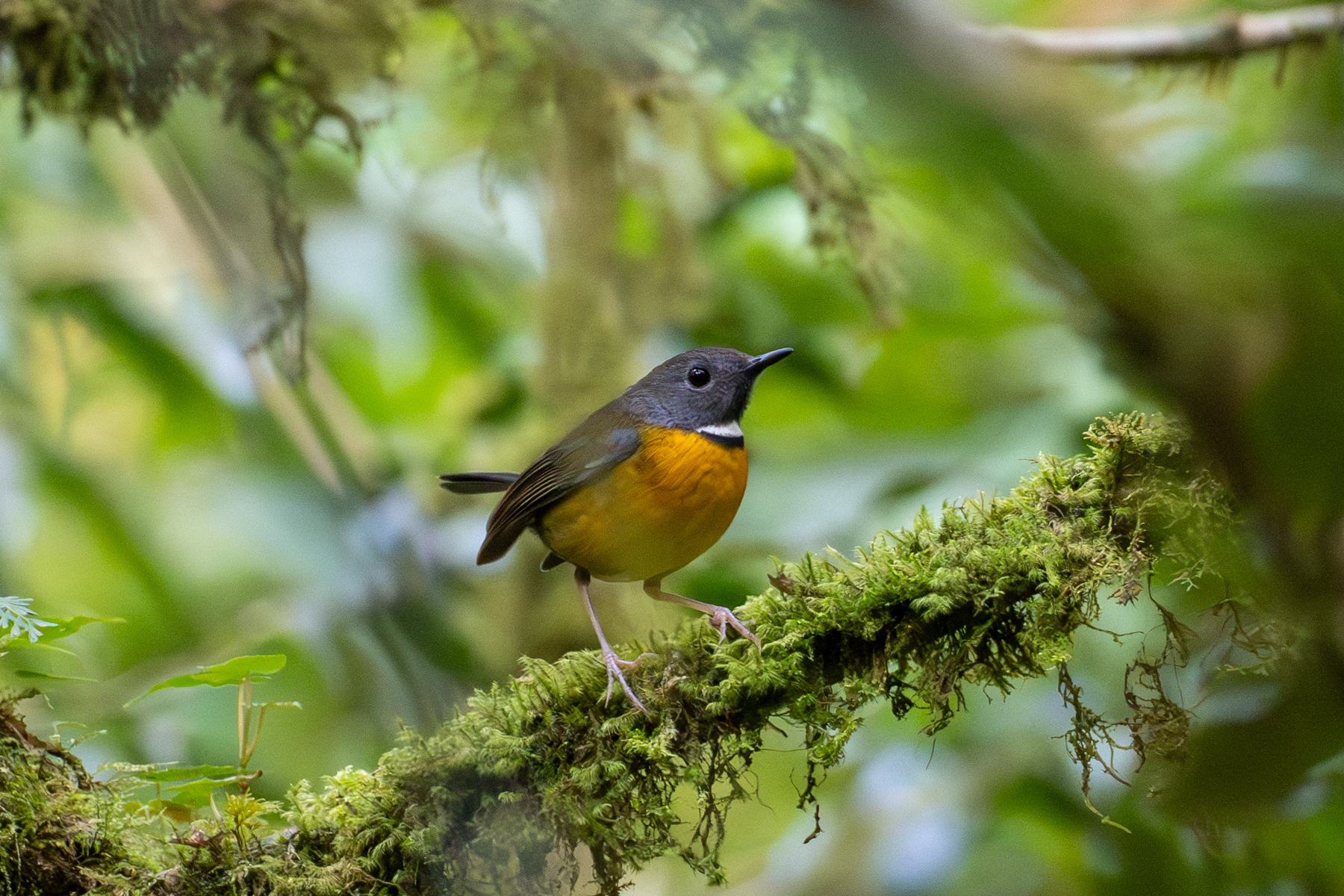
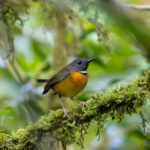
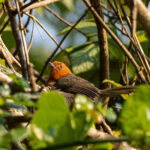
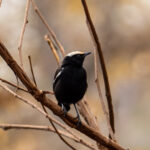
Swynnerton's Robin (image by Bjorn Andersson)
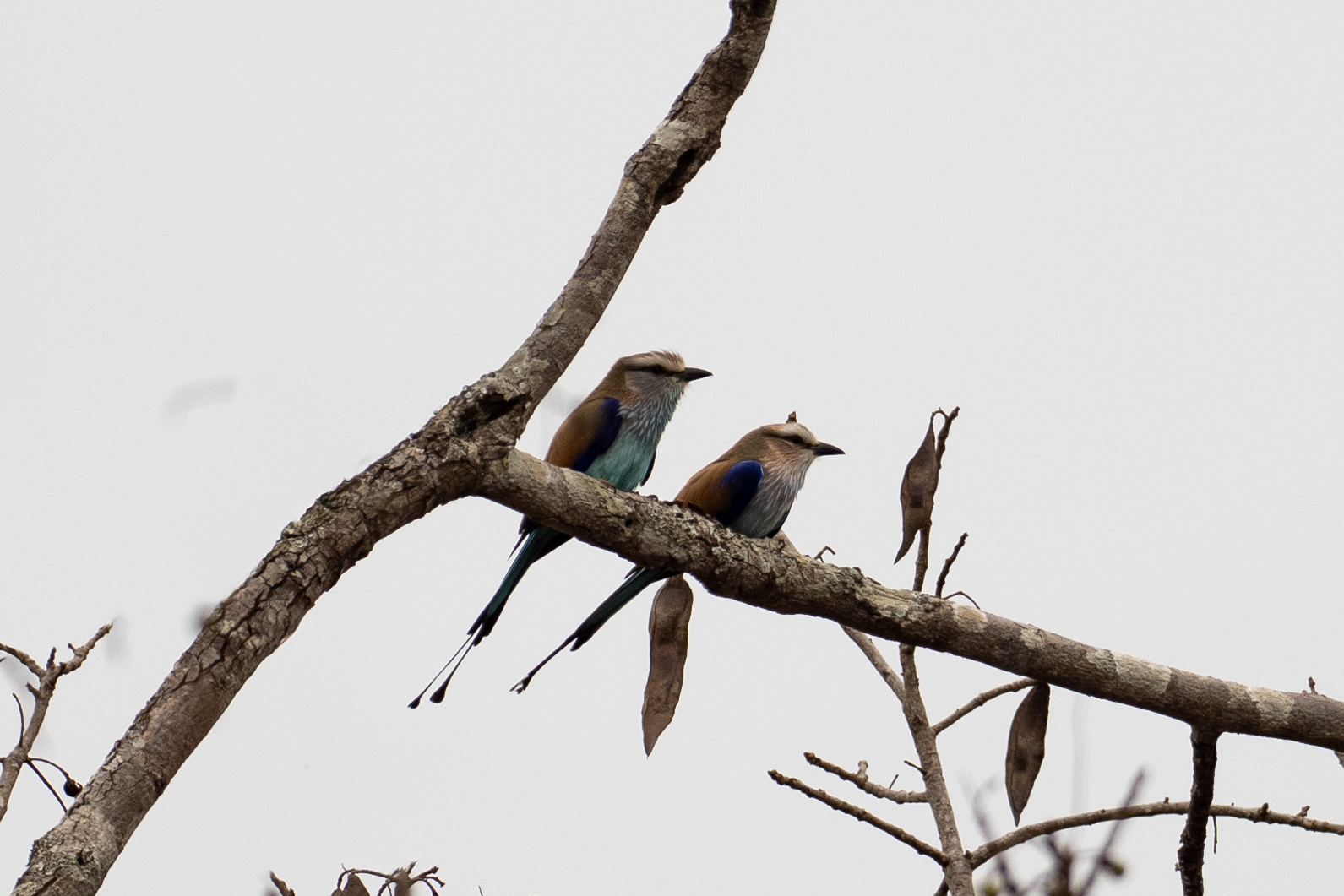
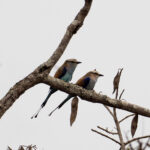
Racket-tailed Rollers (image by Bjorn Andersson)
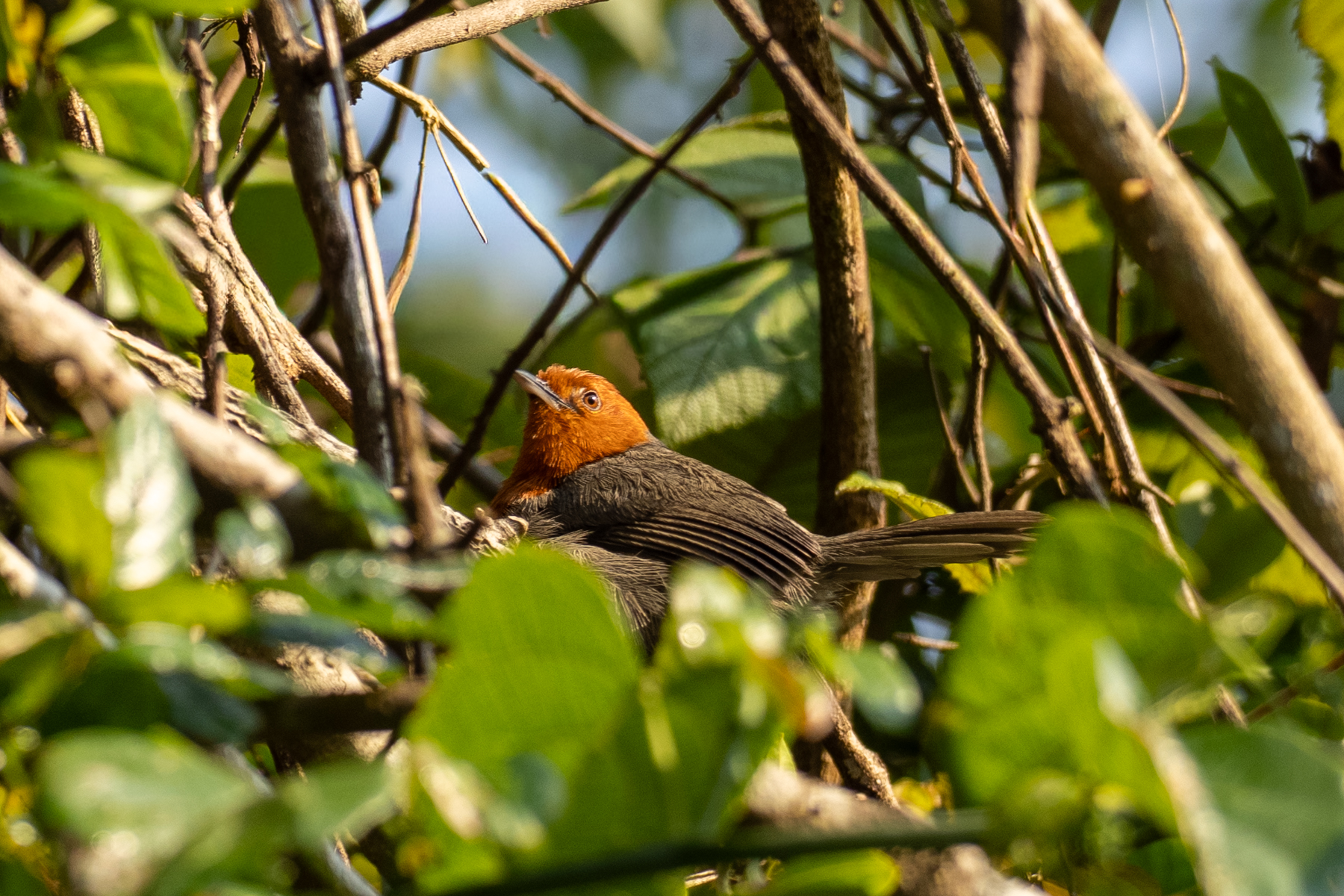
Winifred's Warbler (image by Bjorn Andersson)
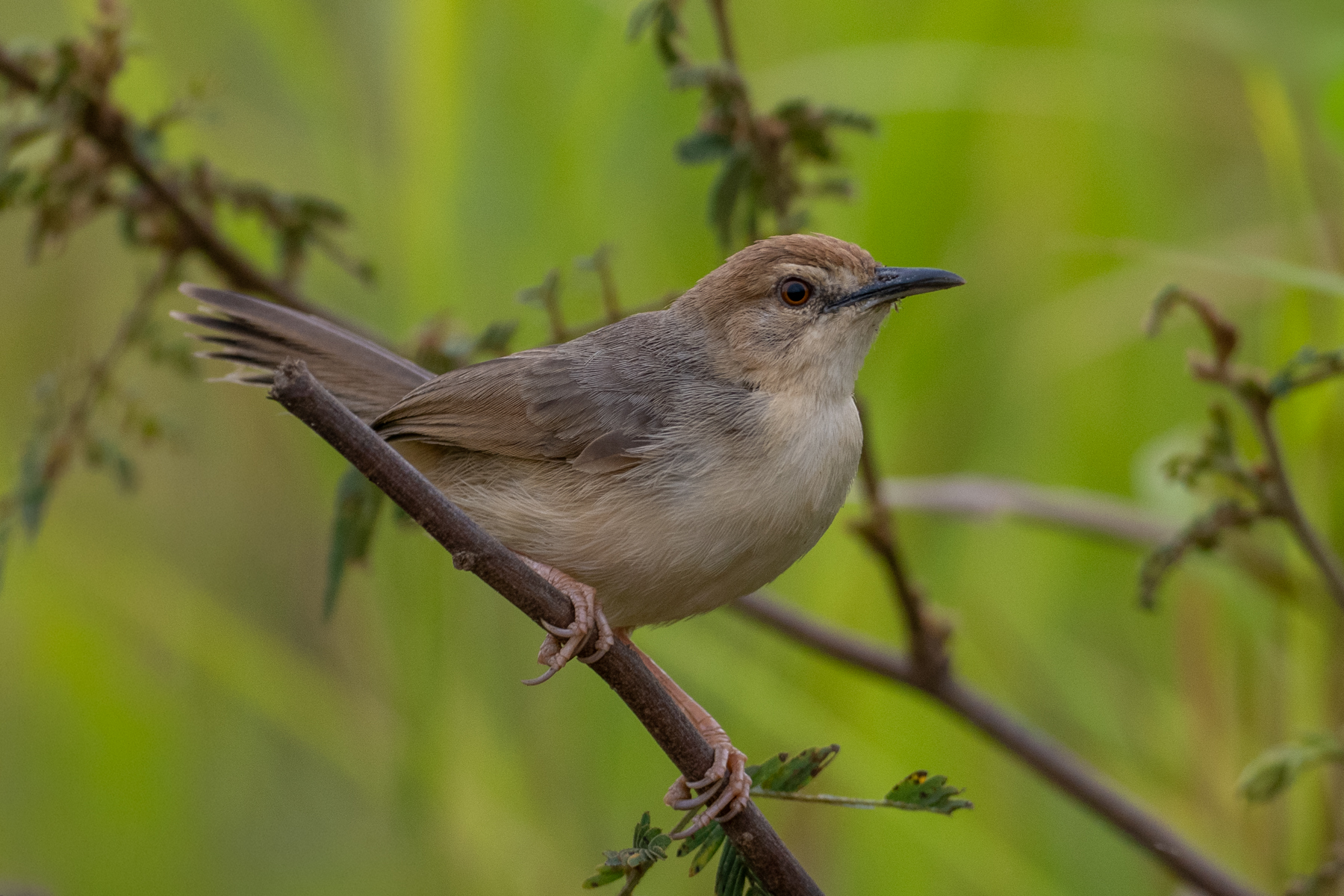
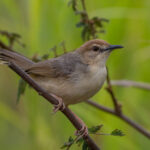
Kilombero Cisticola (image by Bjorn Andersson)
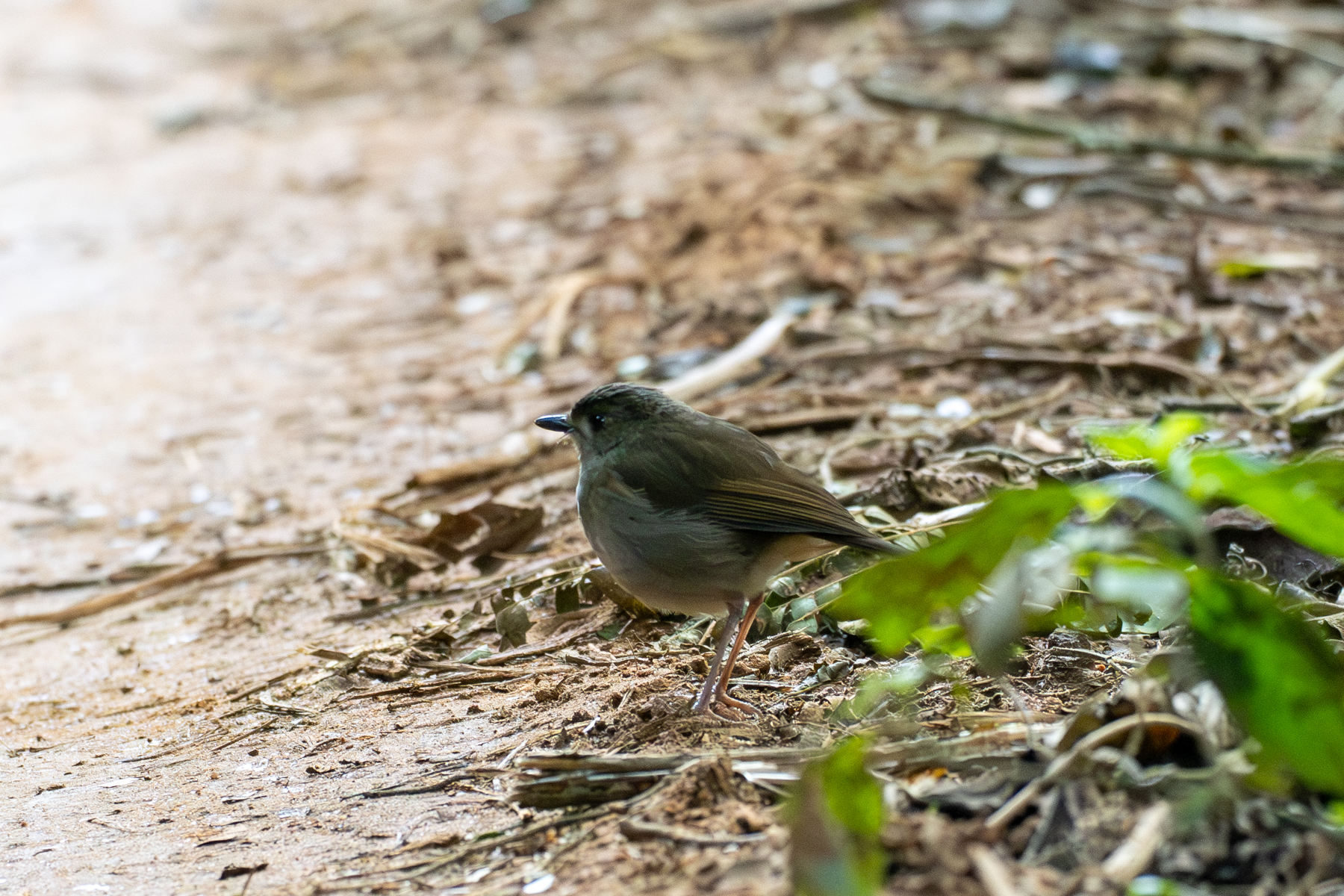
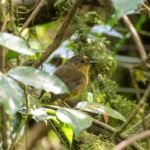
Usambara Akalat (image by Bjorn Andersson)
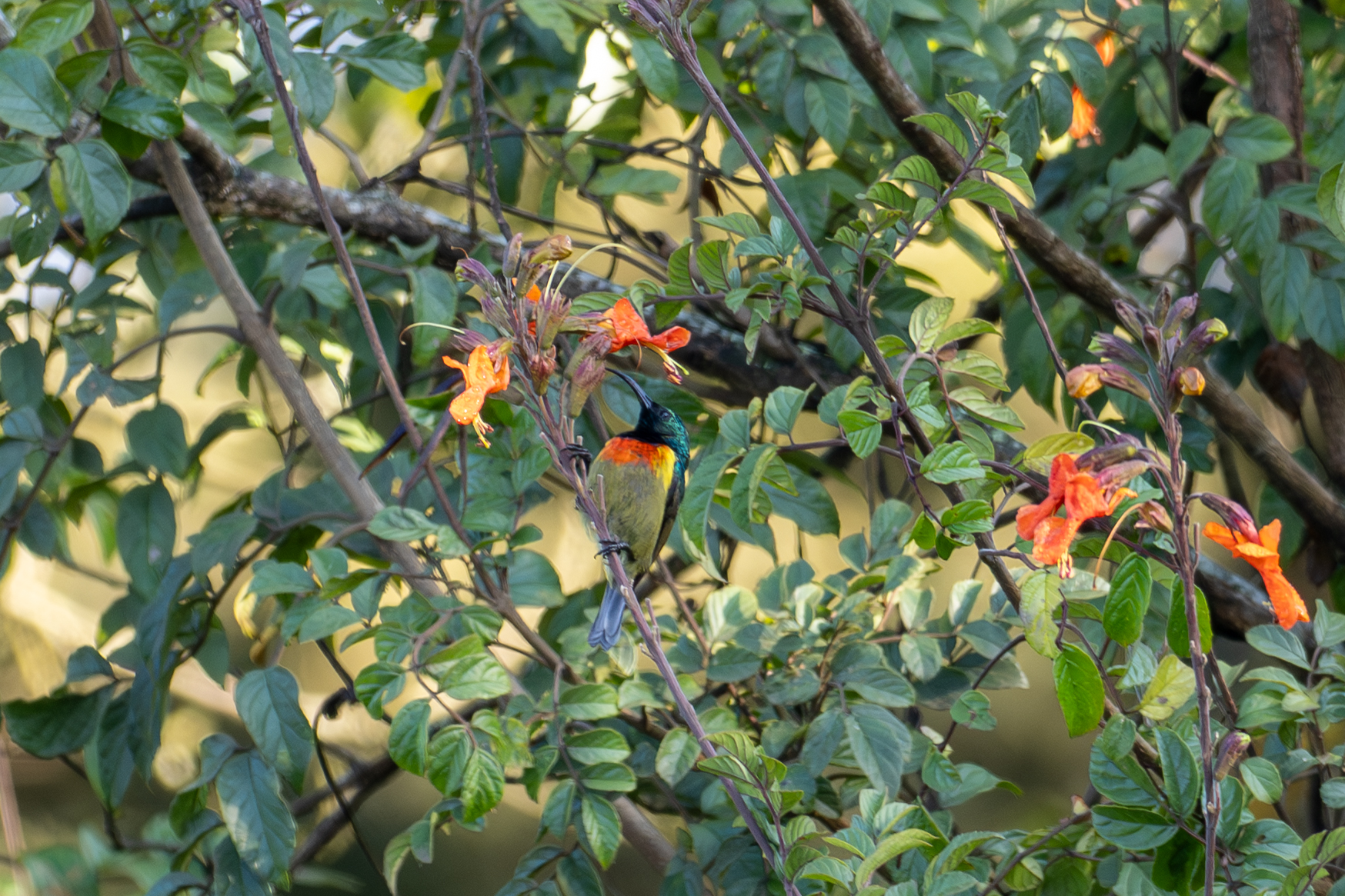
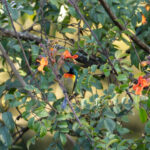
Whyte's Double-collared Sunbird (image by Bjorn Andersson)
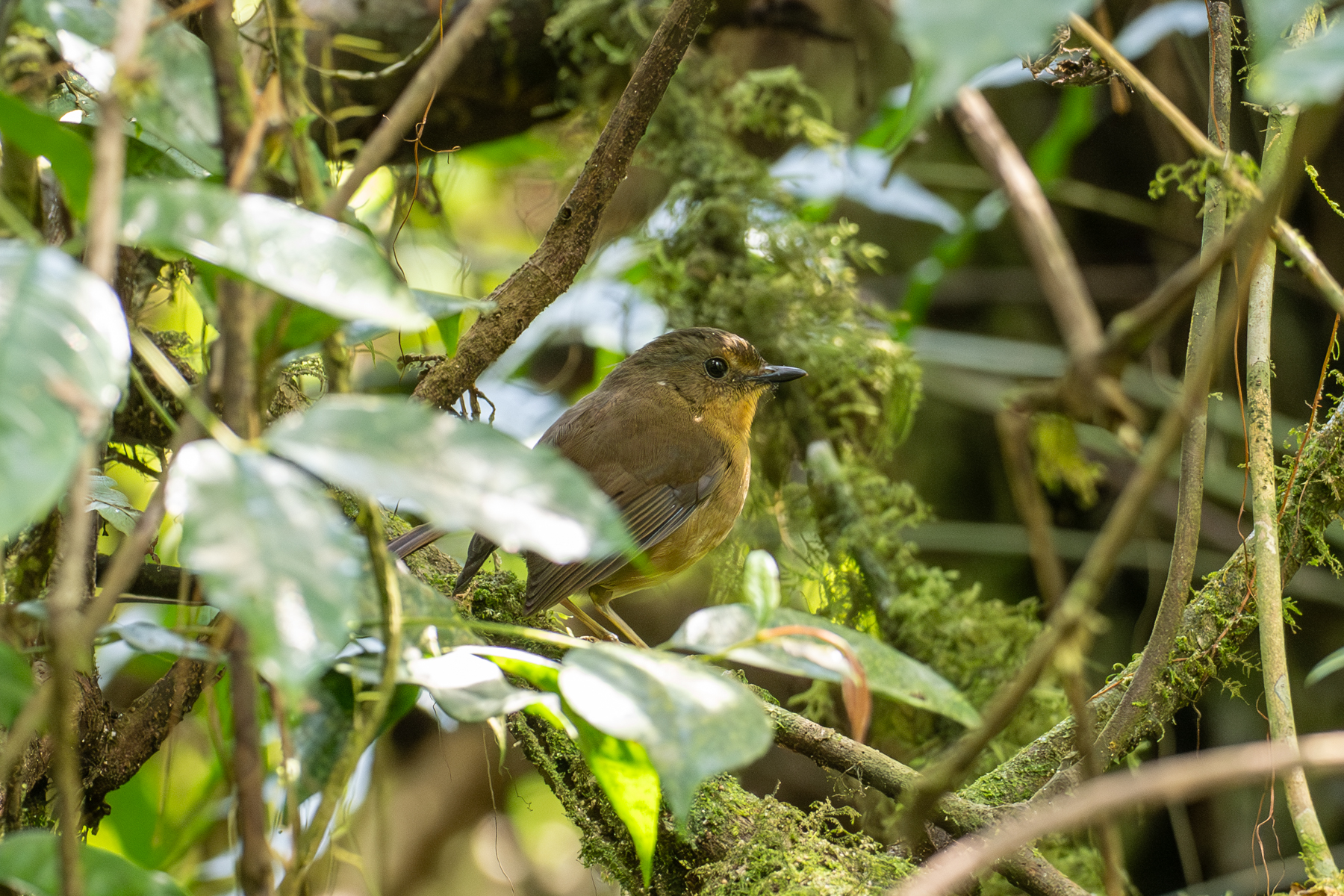
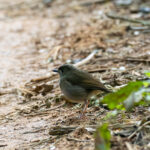
Iringa Akalat (image by Bjorn Andersson)
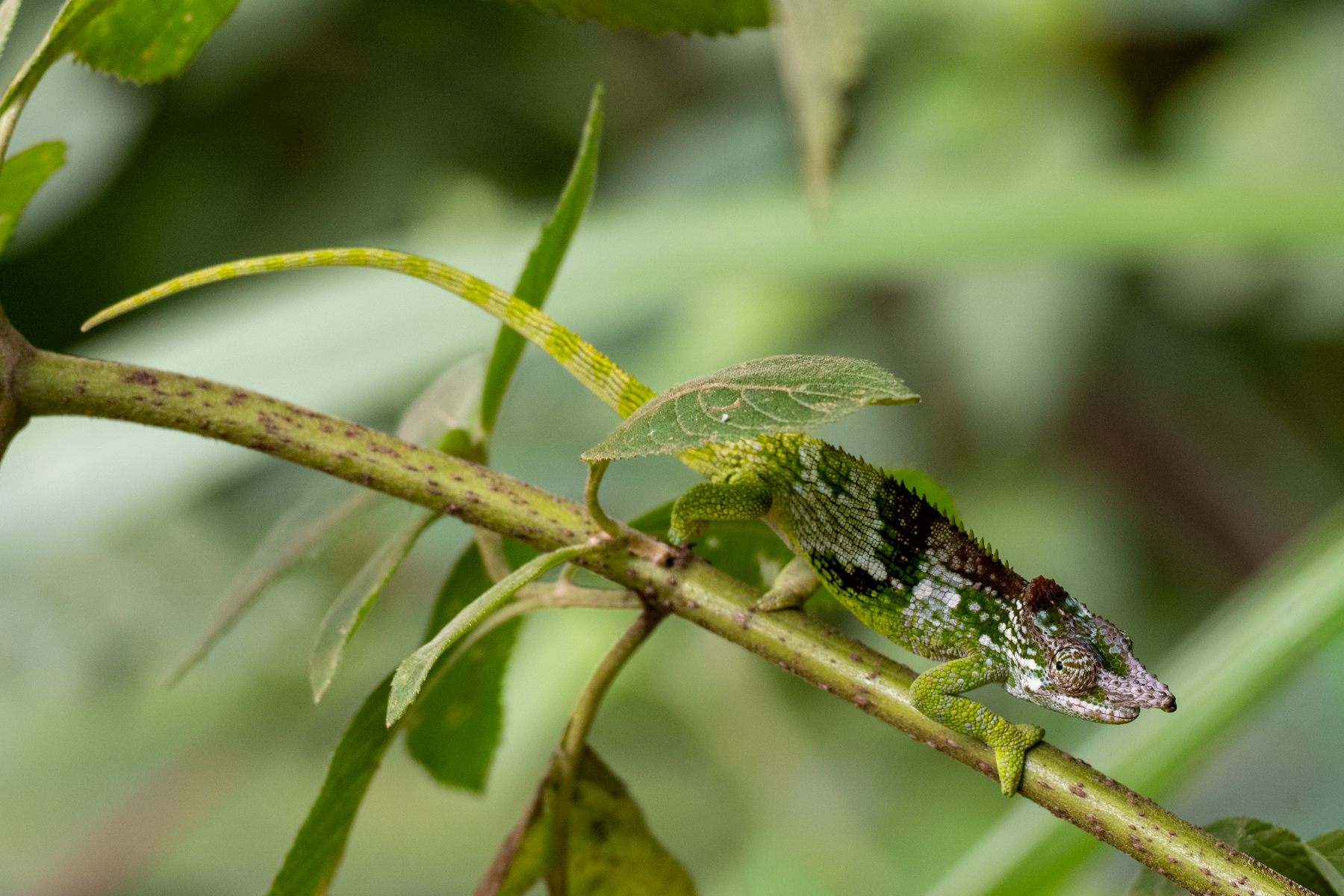
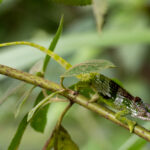
West Usambara Two-horned Chameleon (image by Bjorn Andersson)
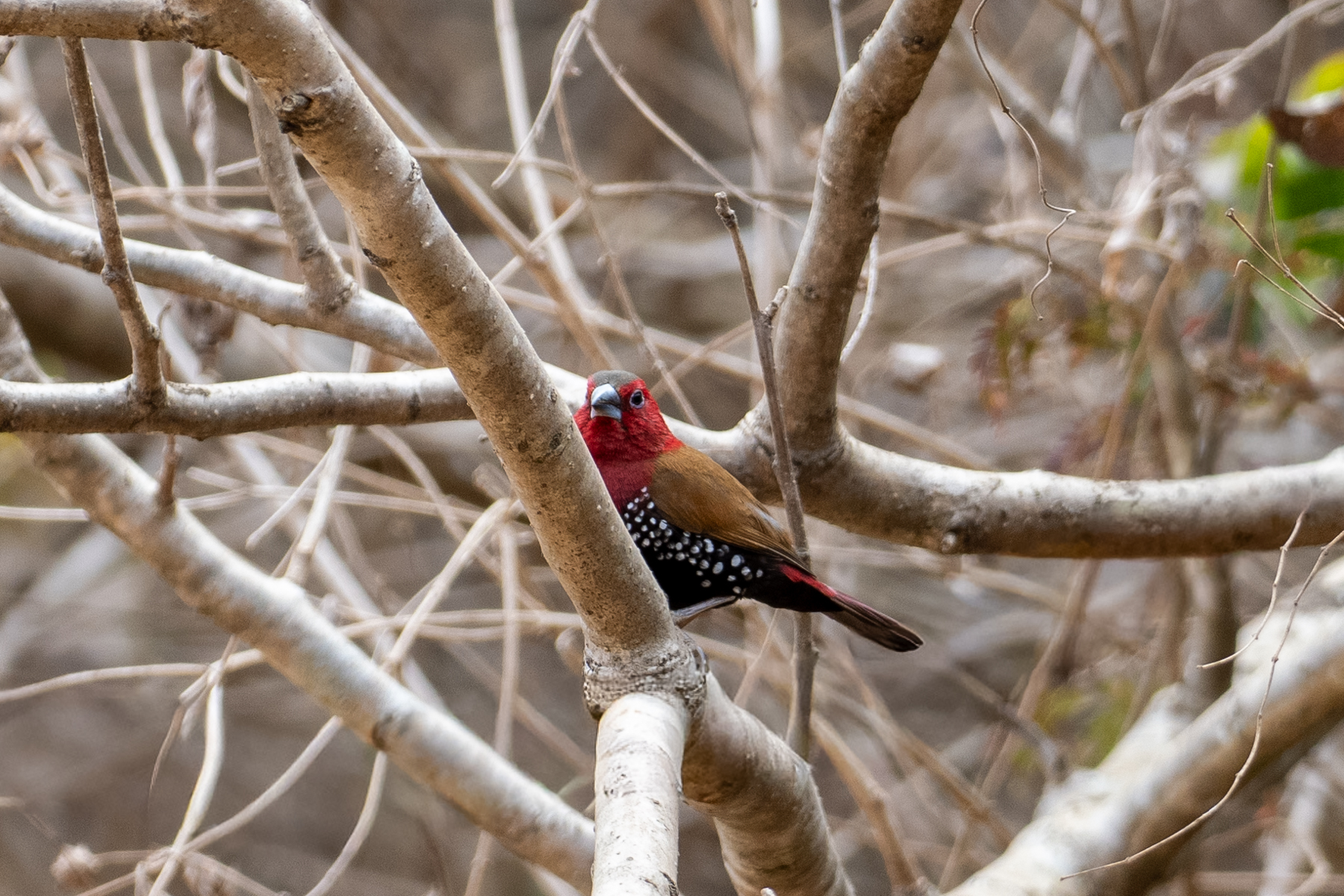
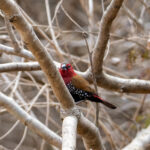
Red-throated Twinspot (image by Bjorn Andersson)
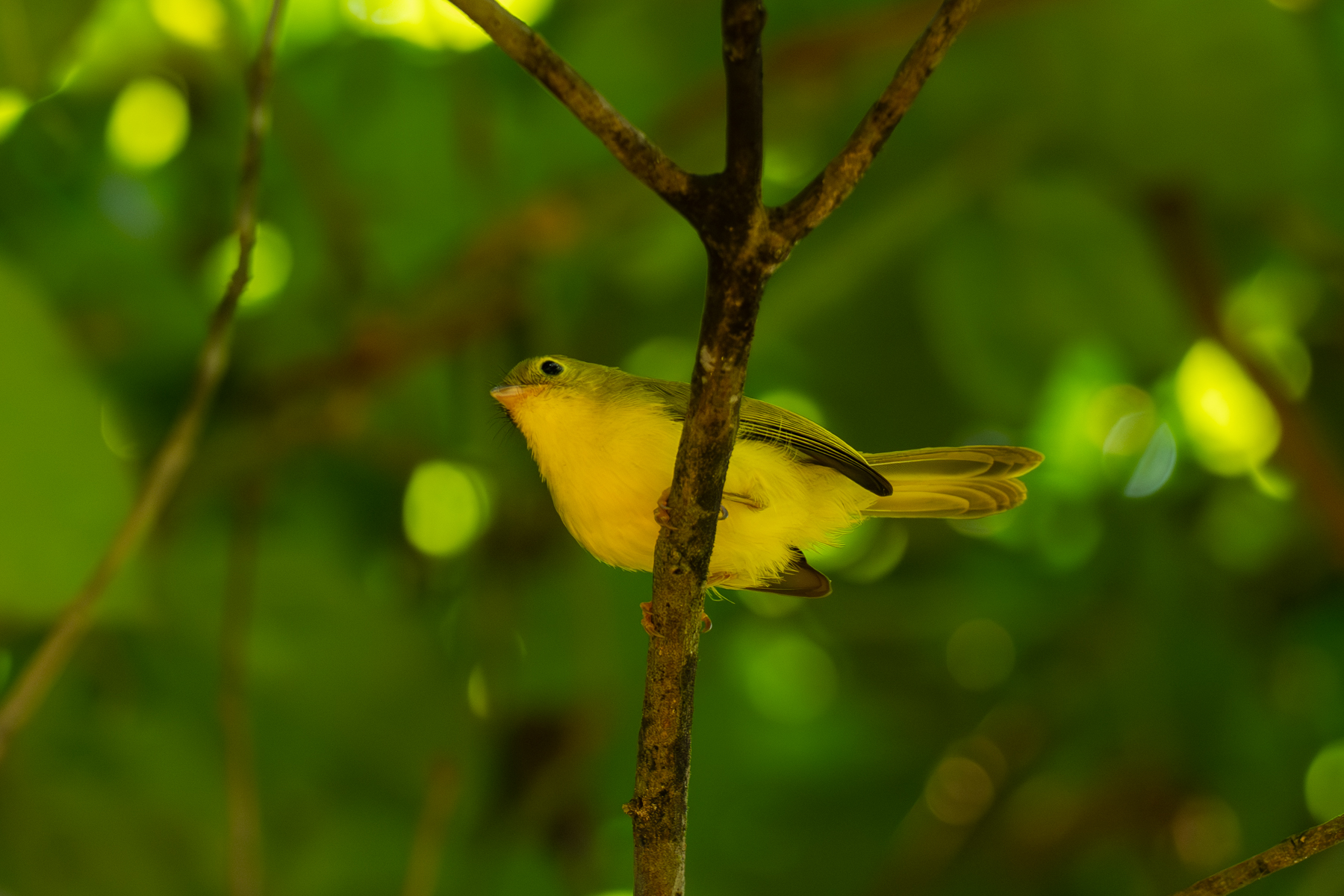
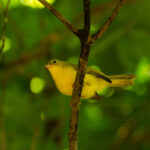
Little Yellow Flycatcher (image by Bjorn Andersson)
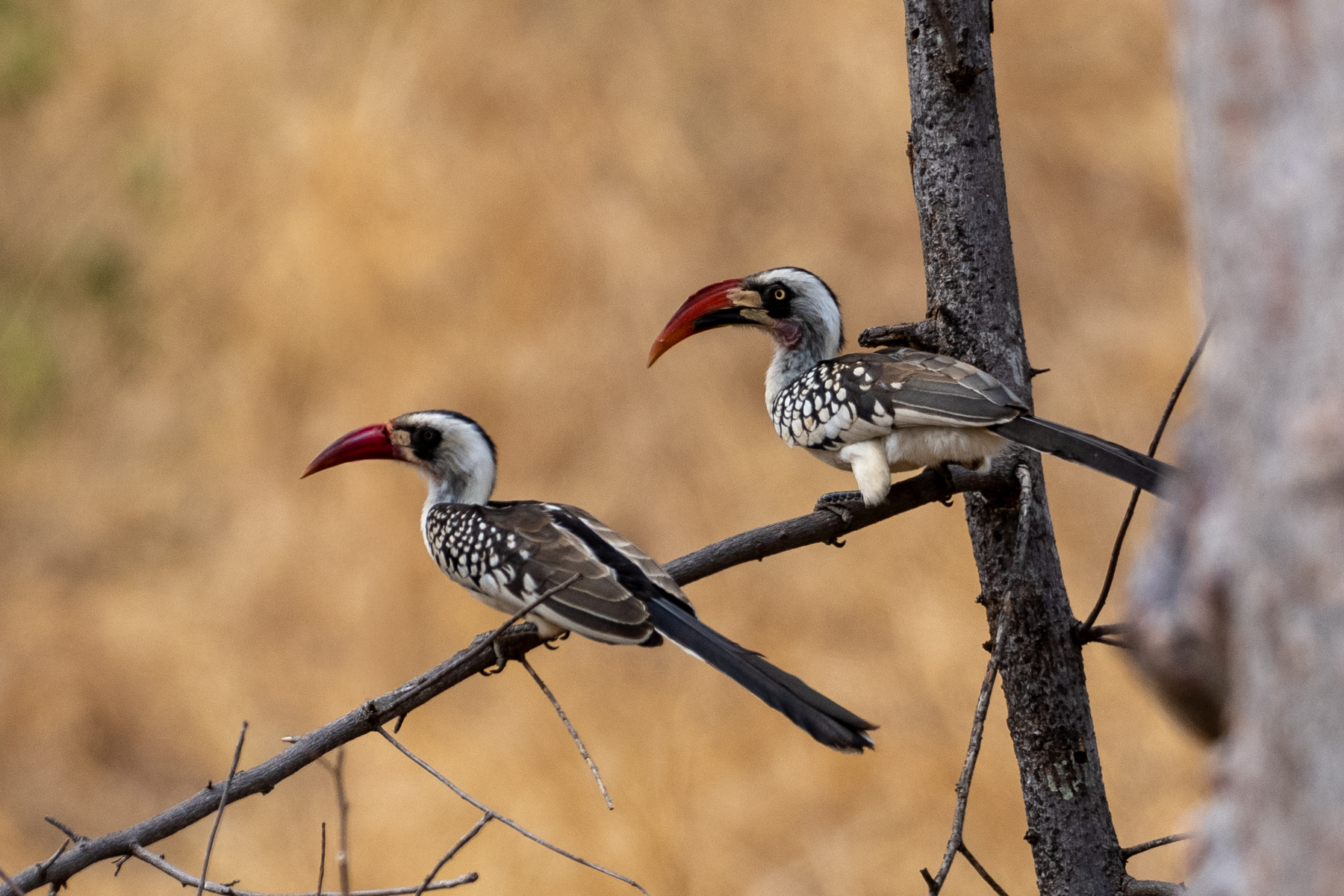
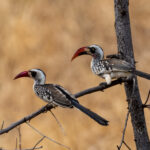
Tanzanian Red-billed Hornbills (image by Bjorn Andersson)
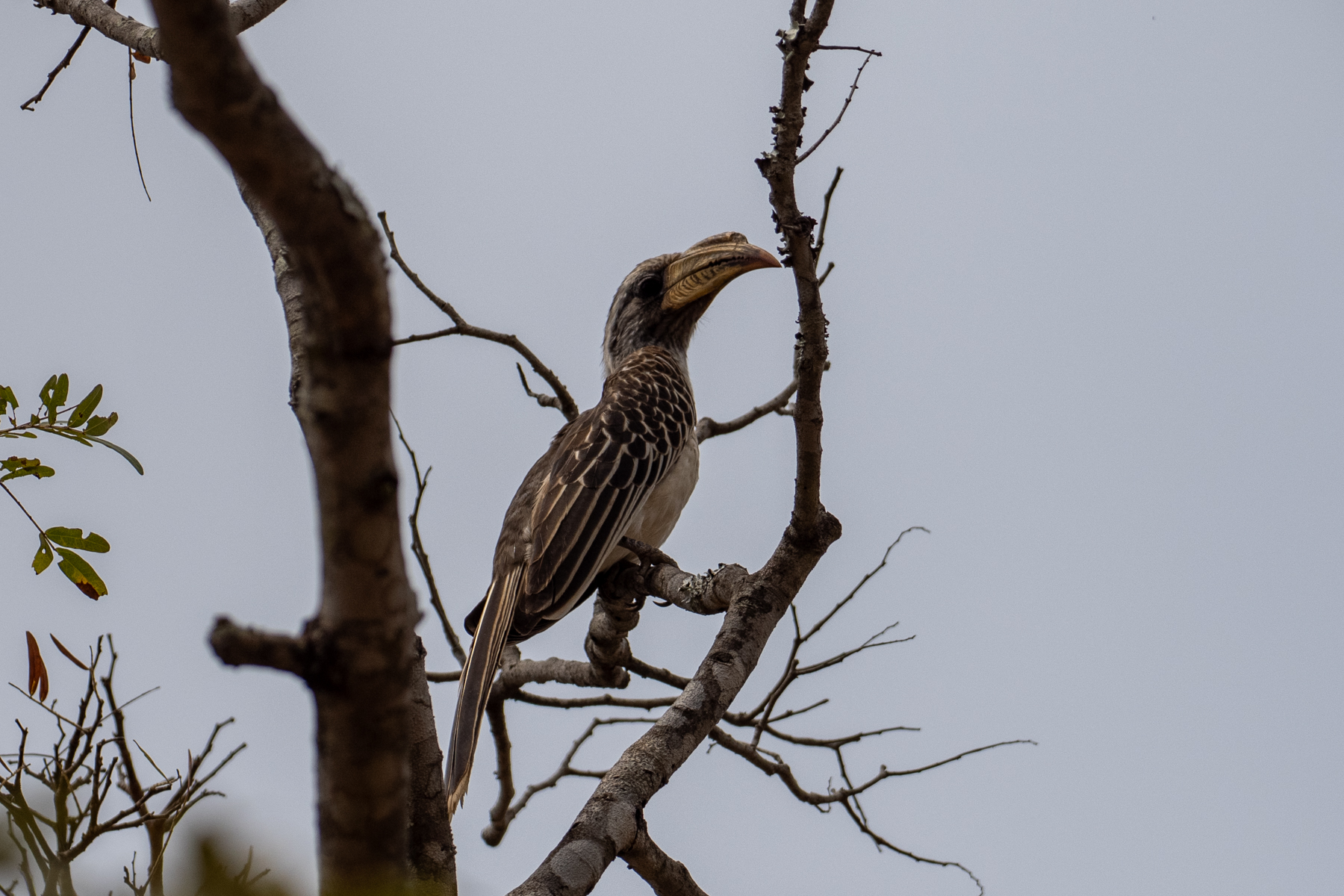
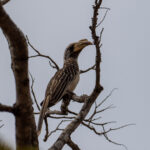
Pale-billed Hornbill (image by Bjorn Andersson)
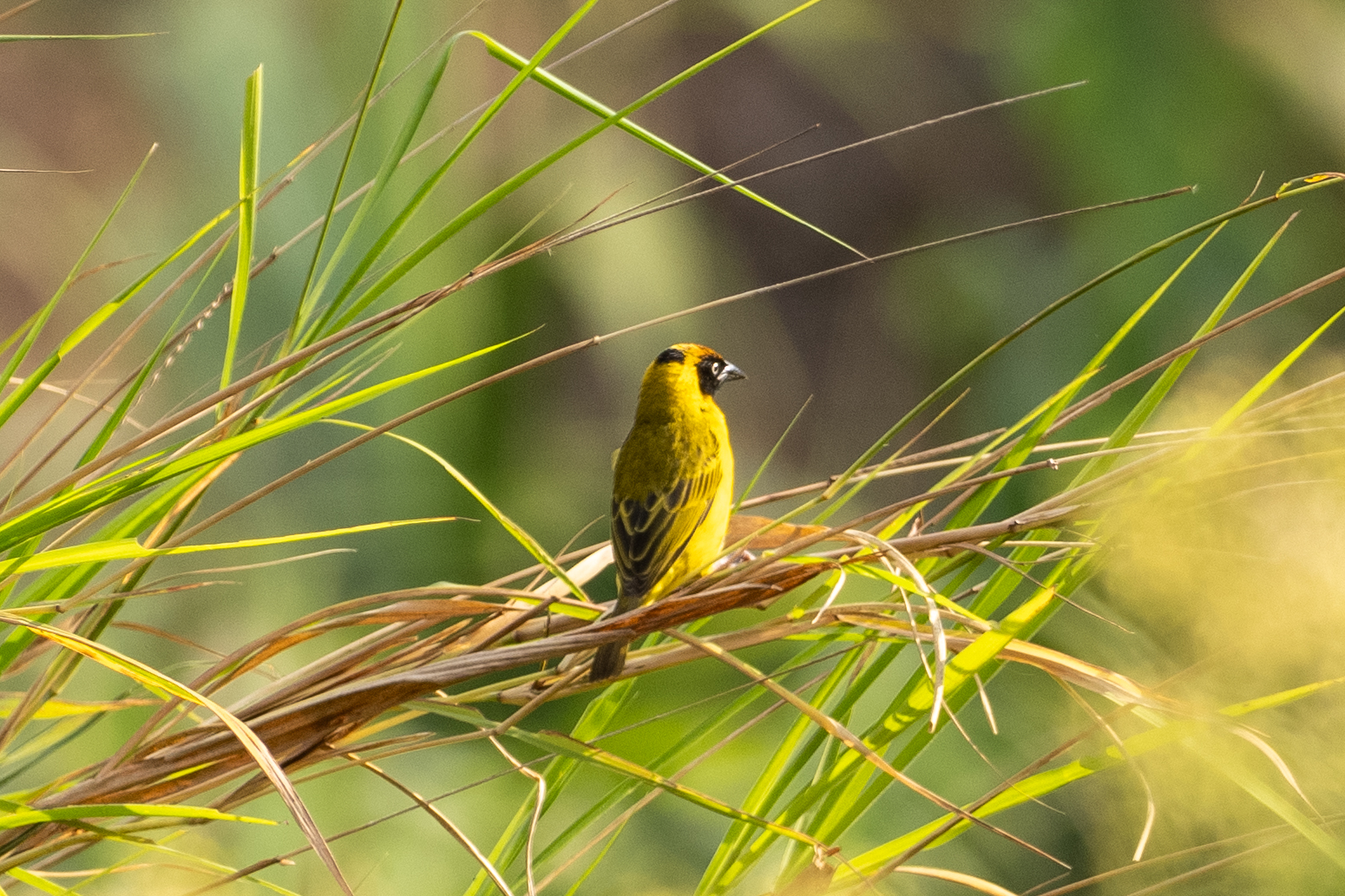
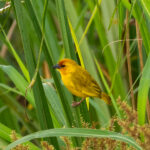
Bertram's Weaver (image by Bjorn Andersson)
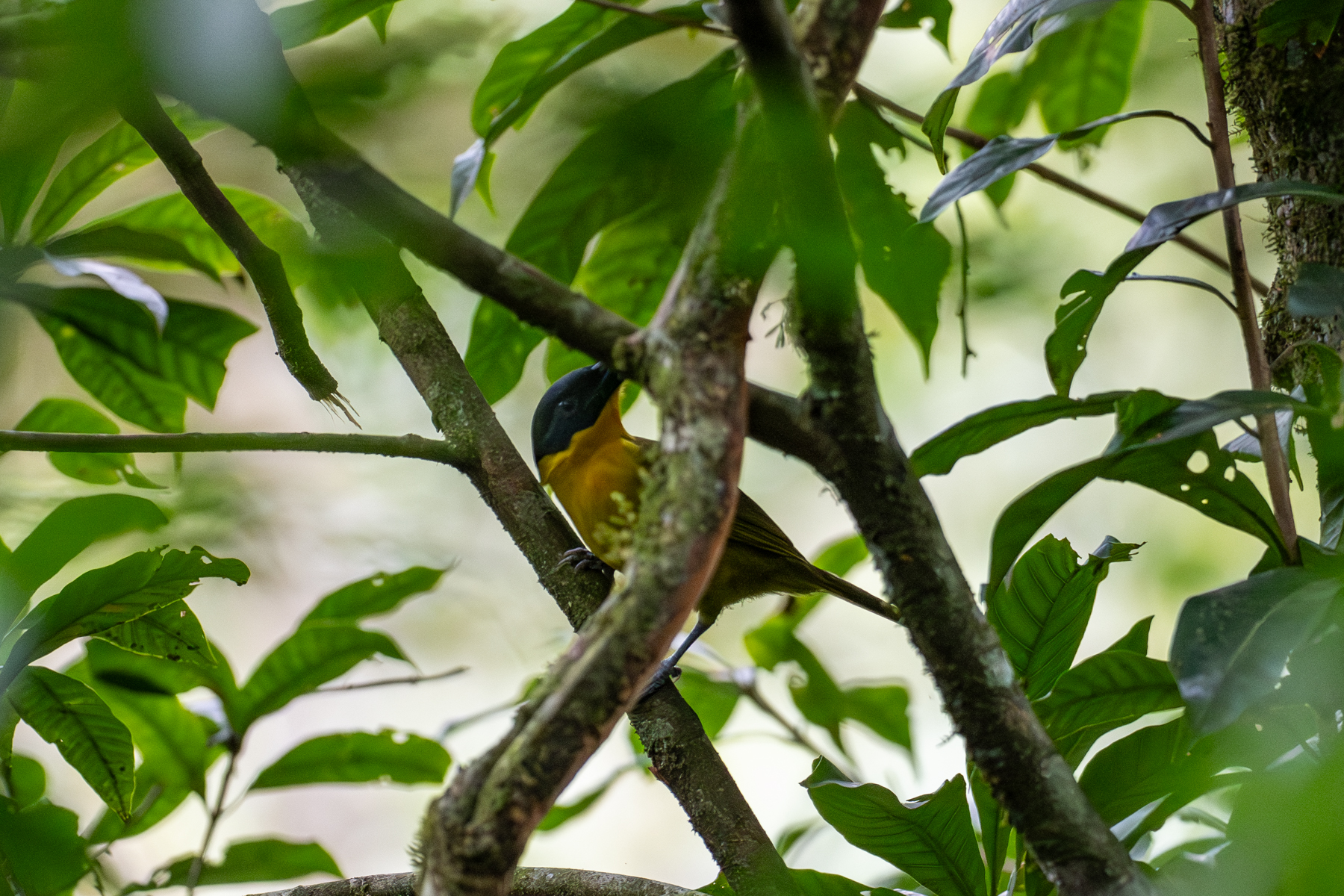
Uluguru Bushshrike (image by Bjorn Andersson)
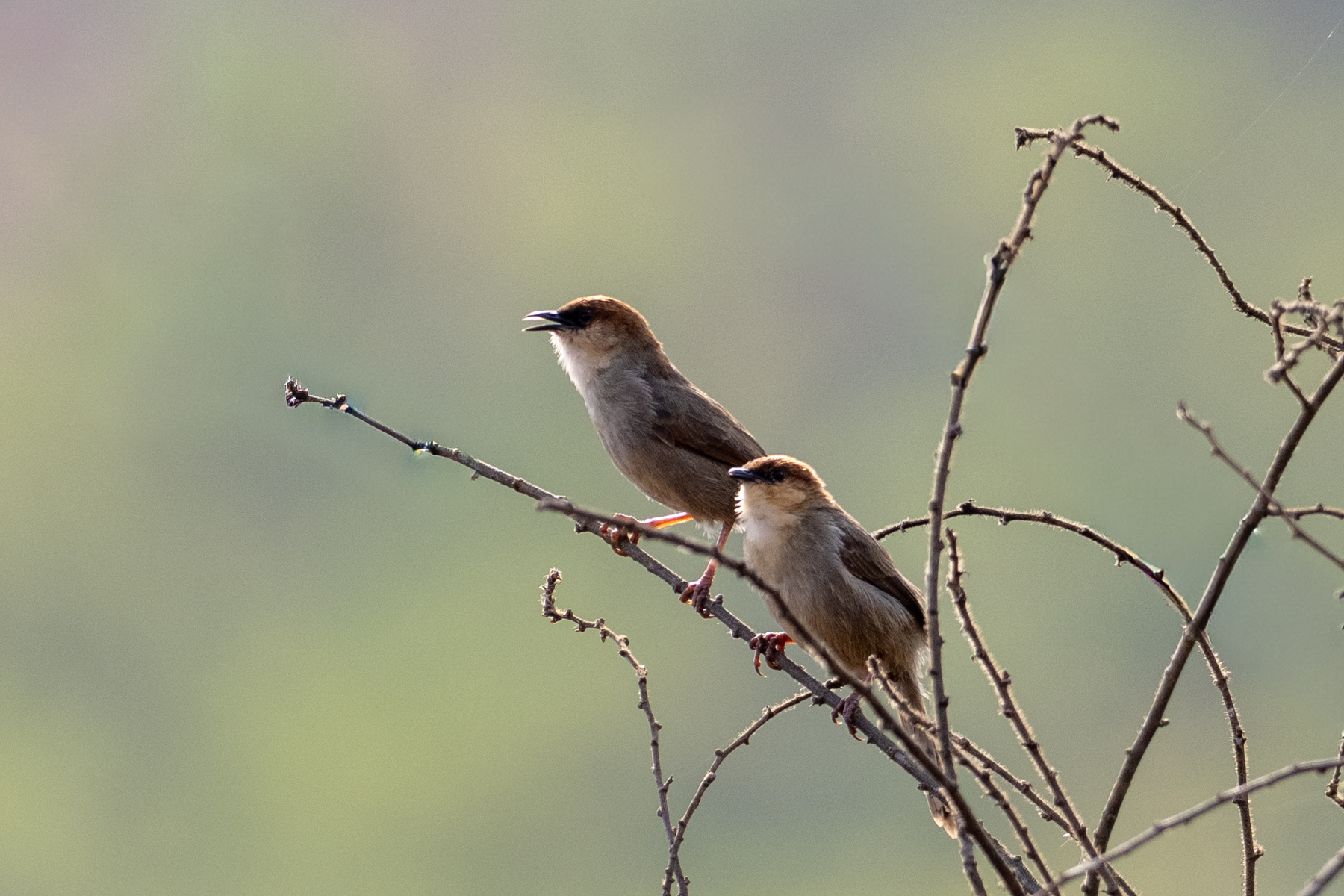
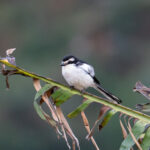
Black-lored Cisticolas (image by Bjorn Andersson)
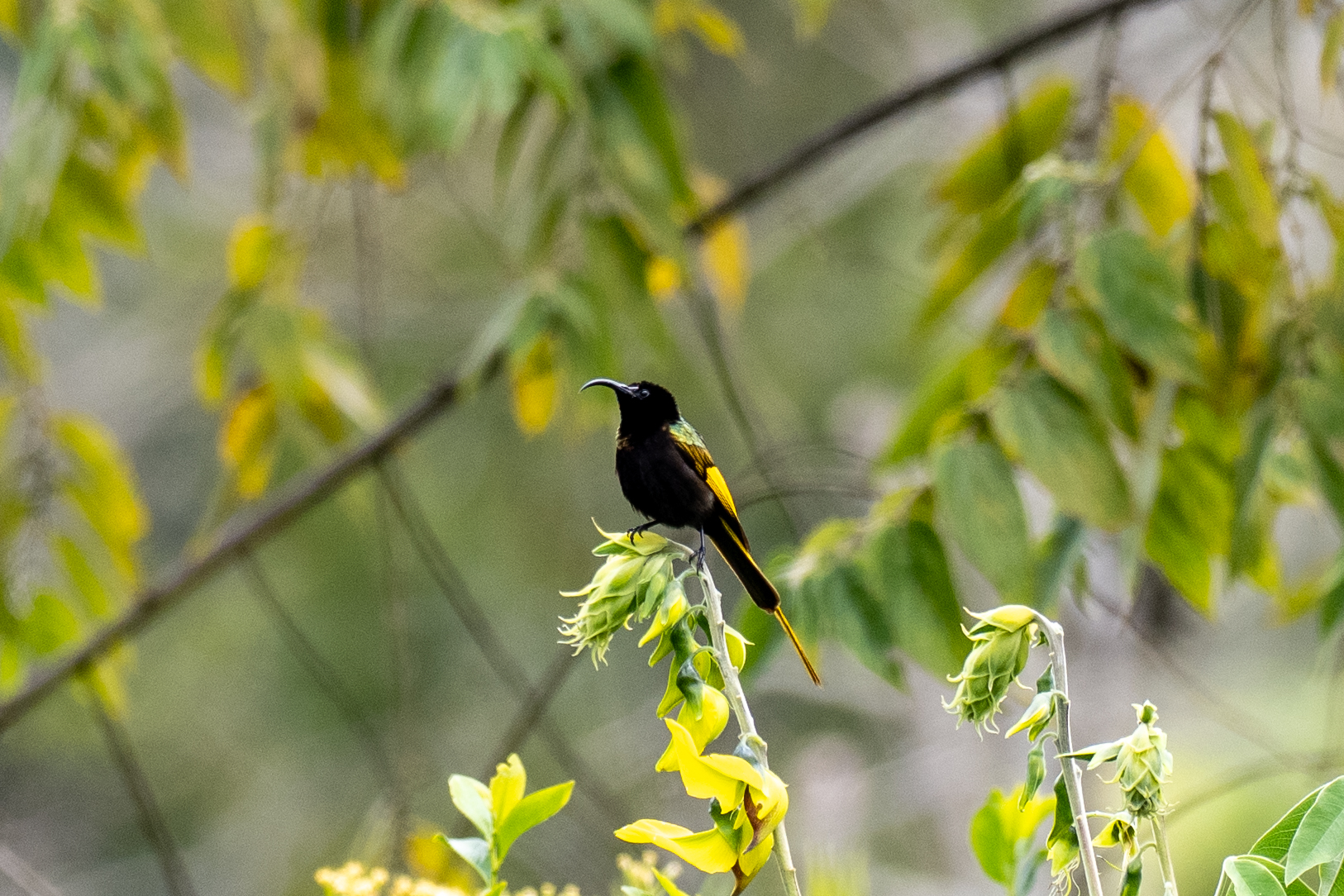
Golden-winged Sunbird (image by Bjorn Andersson)
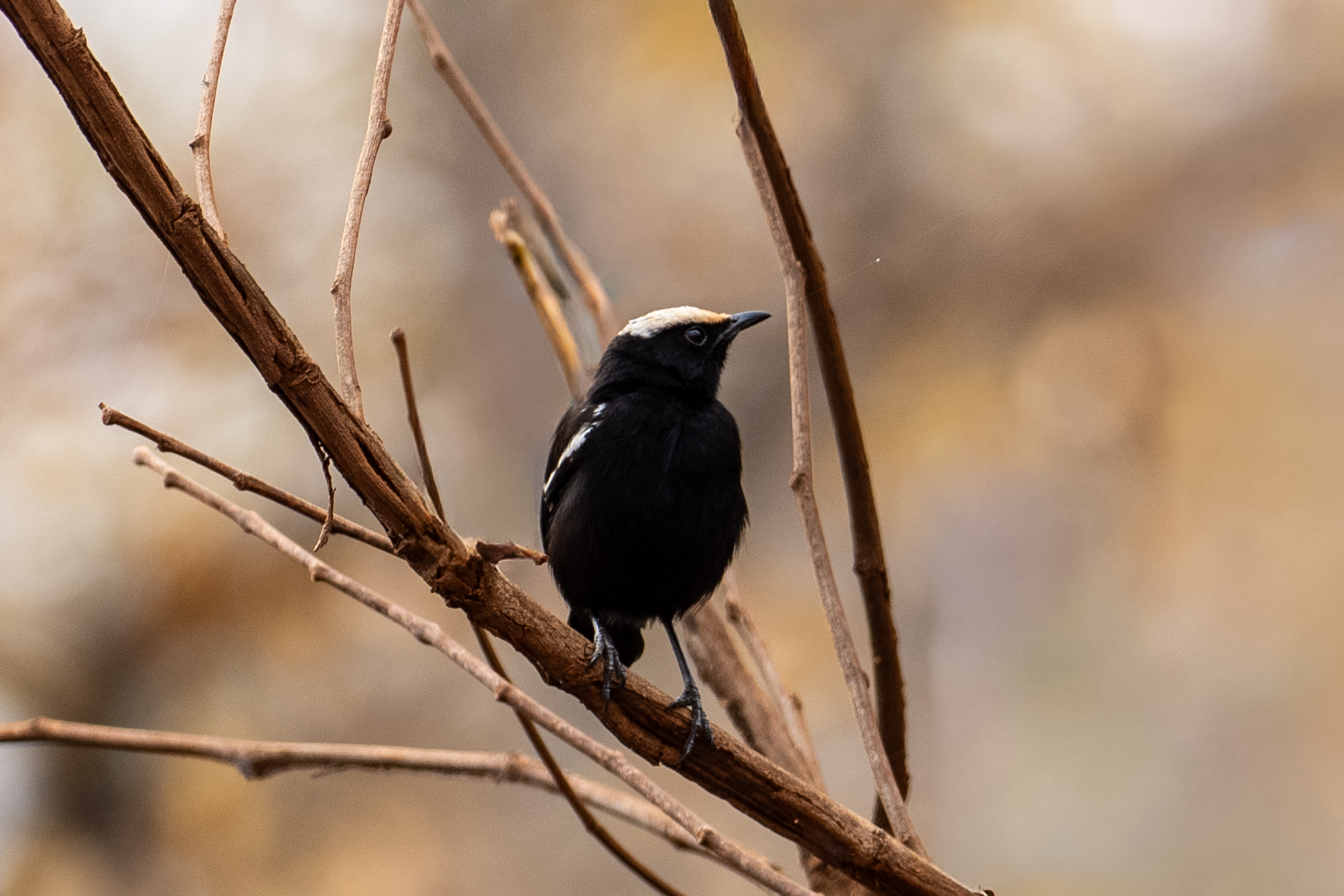
Arnot's Chat (image by Bjorn Andersson)
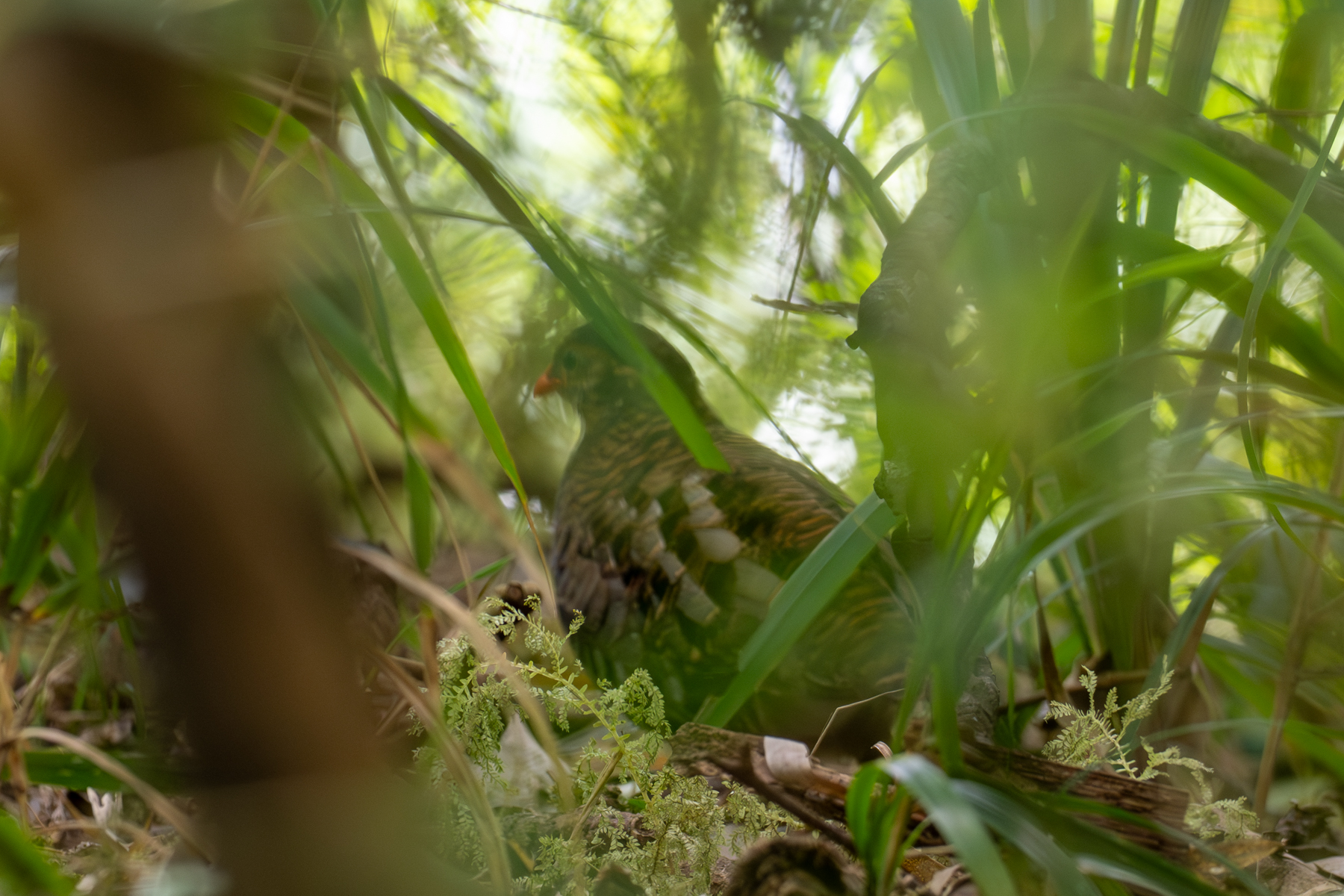
Udzungwa Forest Partridge (image by Bjorn Andersson)
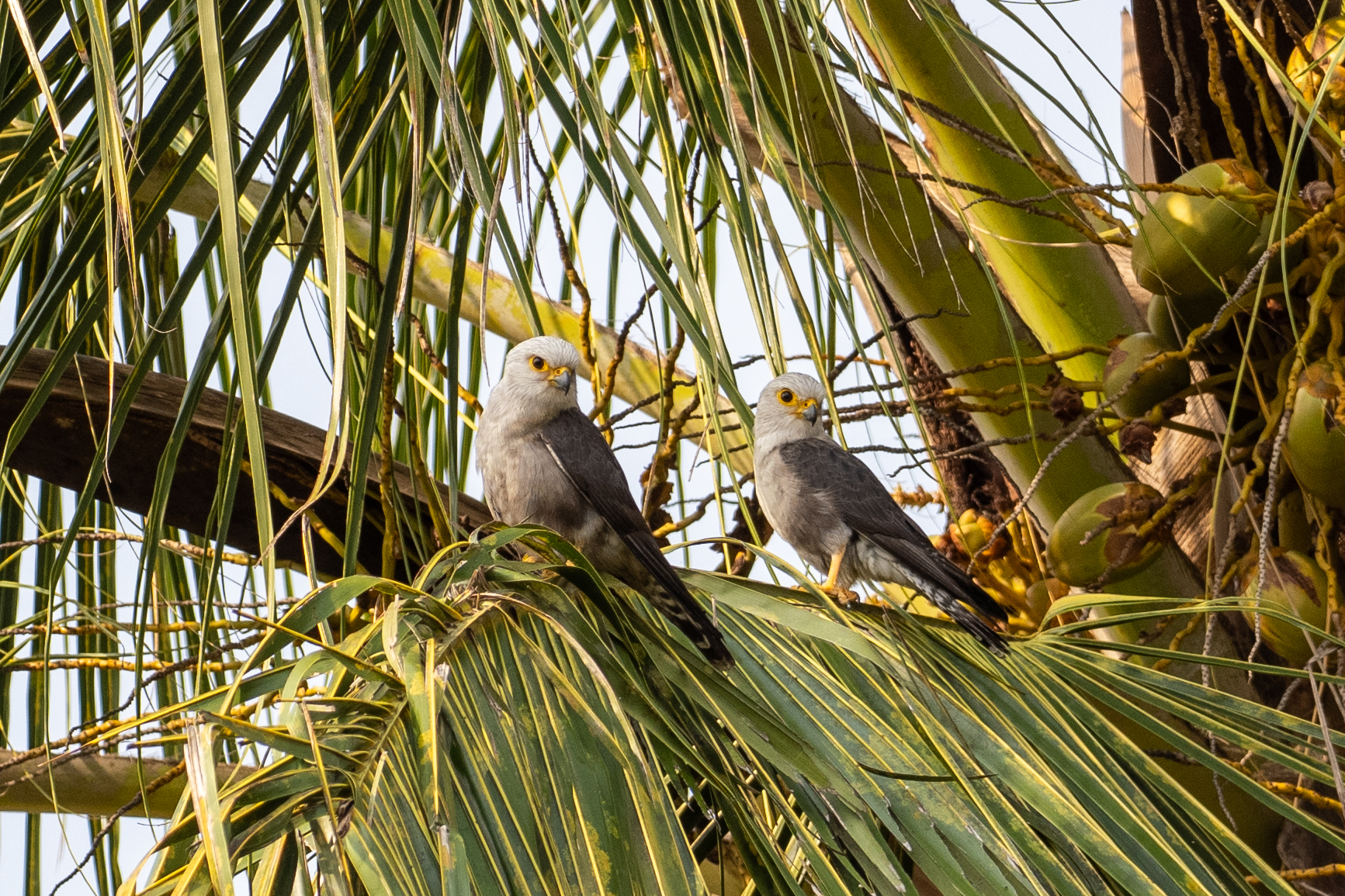
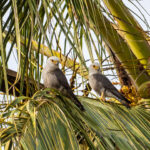
Dickinson's Kestrels (image by Bjorn Andersson)
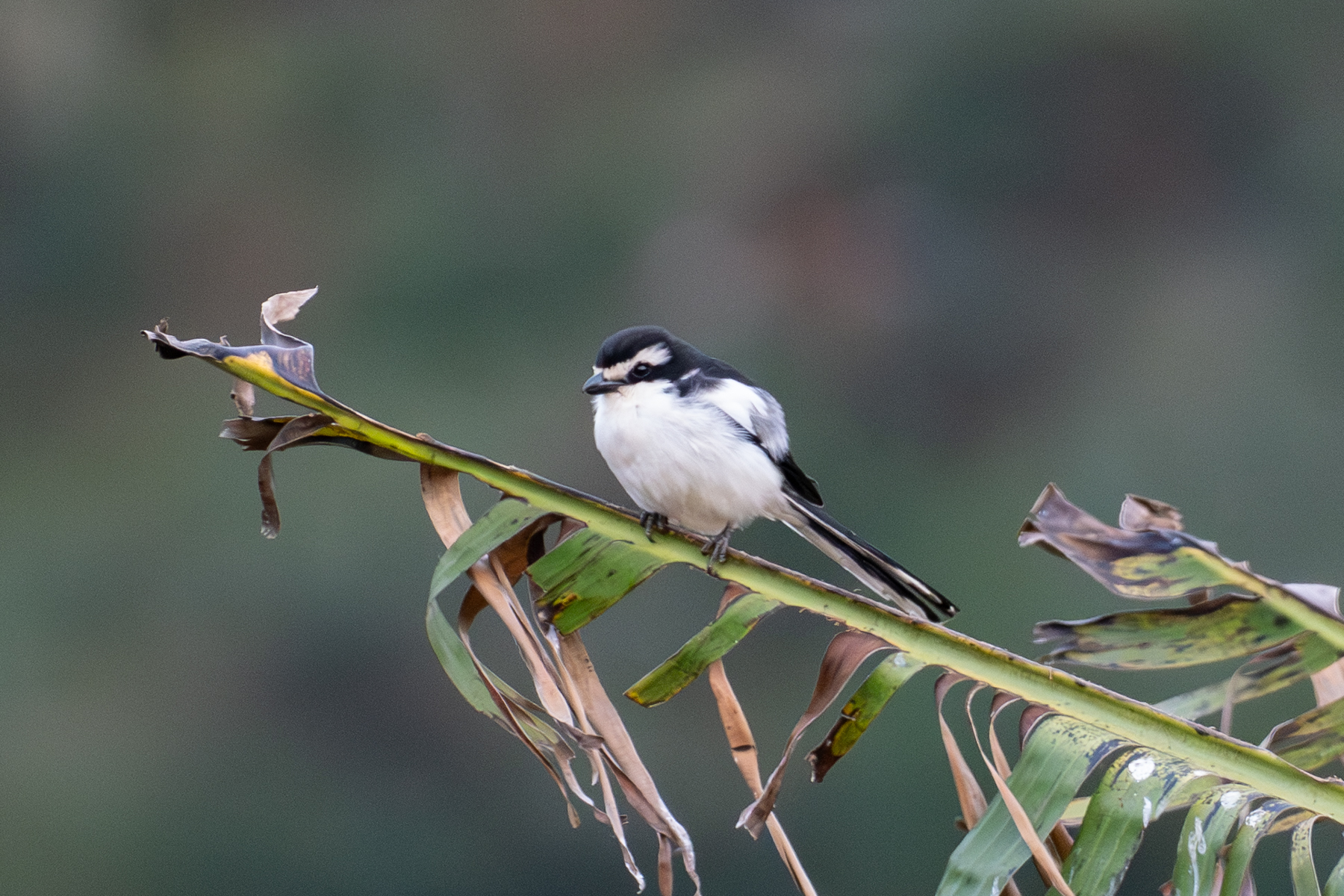
Southern (Uhehe) Fiscal (image by Bjorn Andersson)
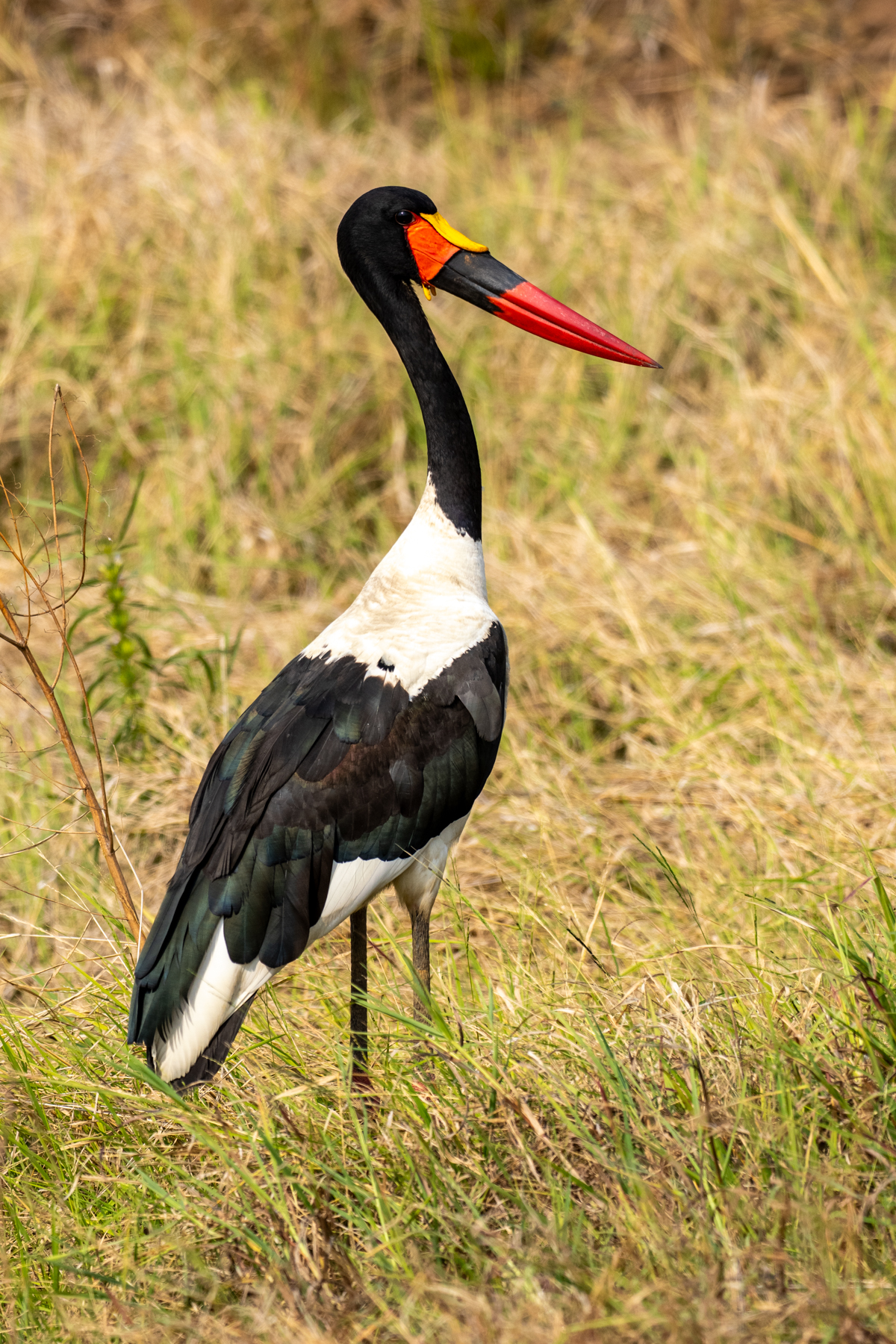
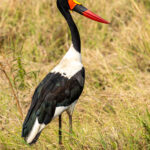
Saddle-billed Stork (image by Bjorn Andersson)
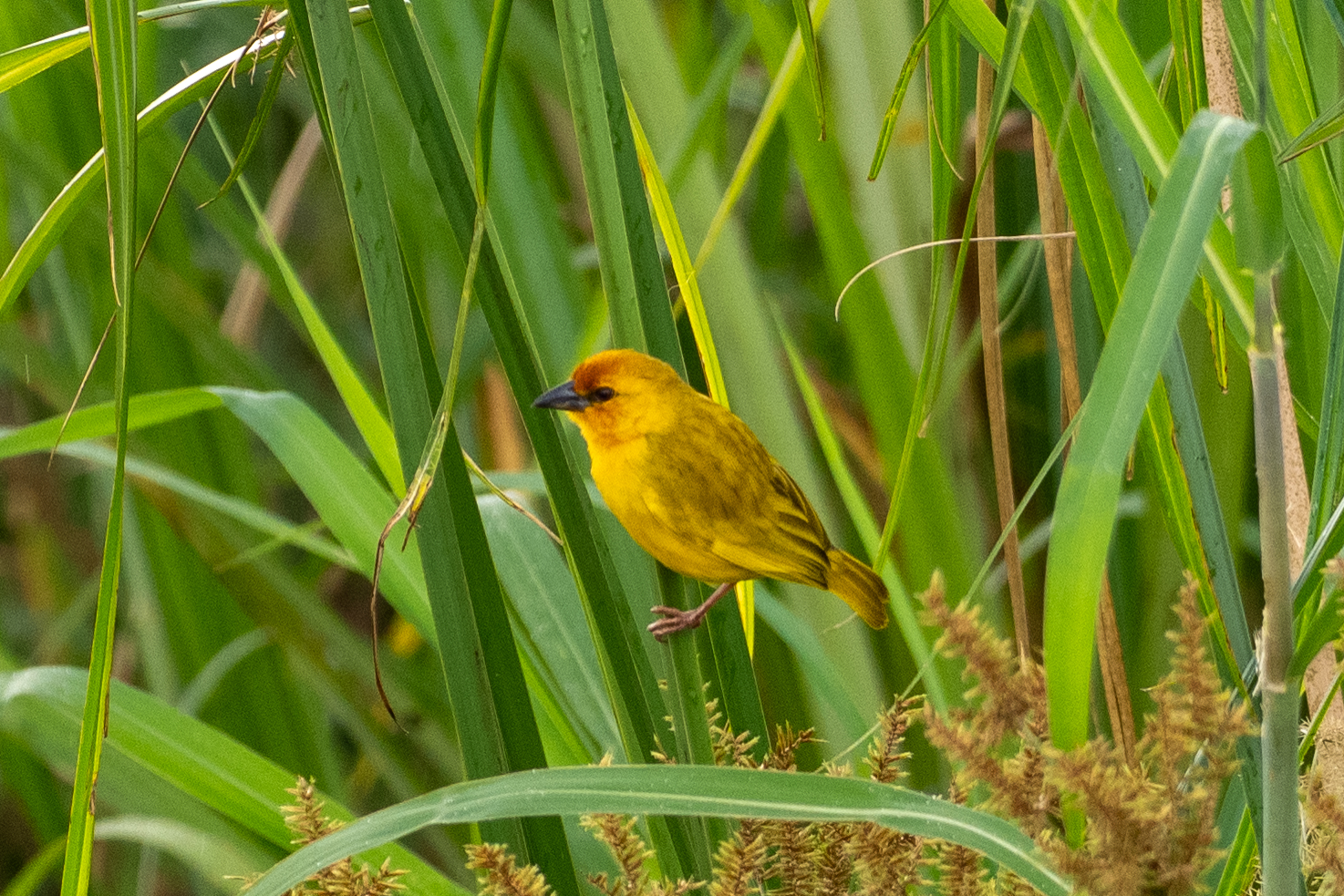
Ruvu Weaver (image by Bjorn Andersson)
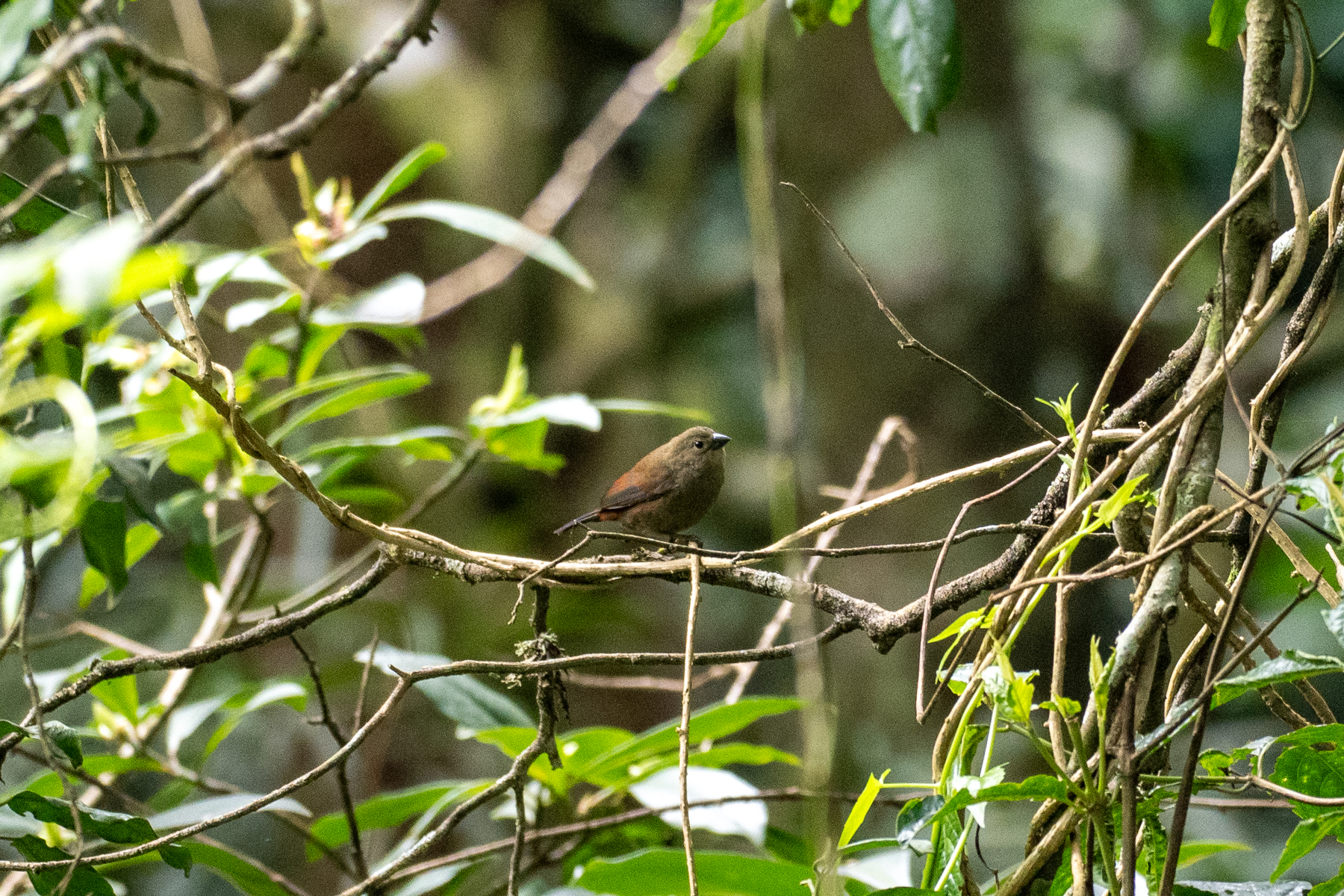
Red-faced Crimsonwing (image by Bjorn Andersson)
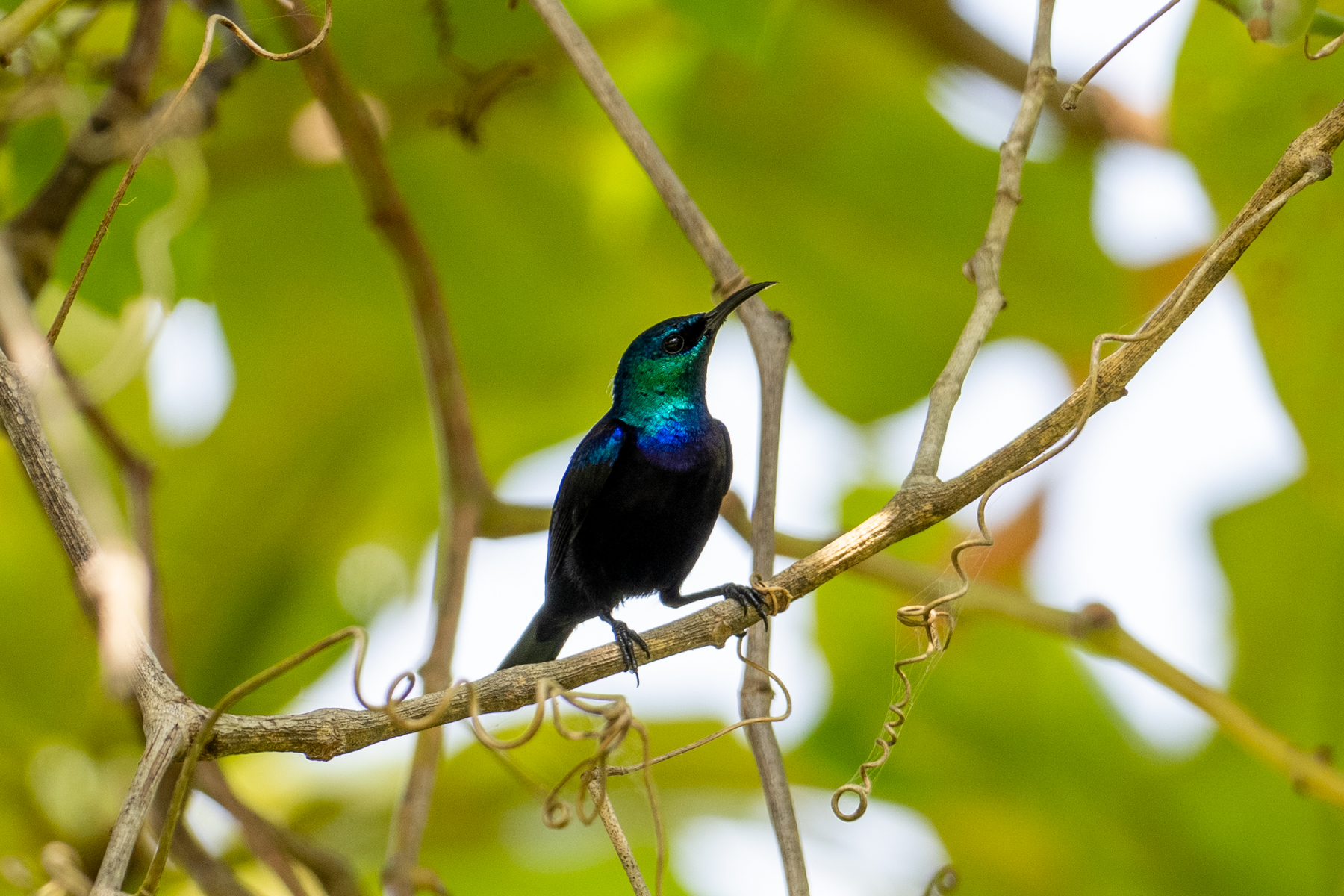
Pemba Sunbird (image by Bjorn Andersson)
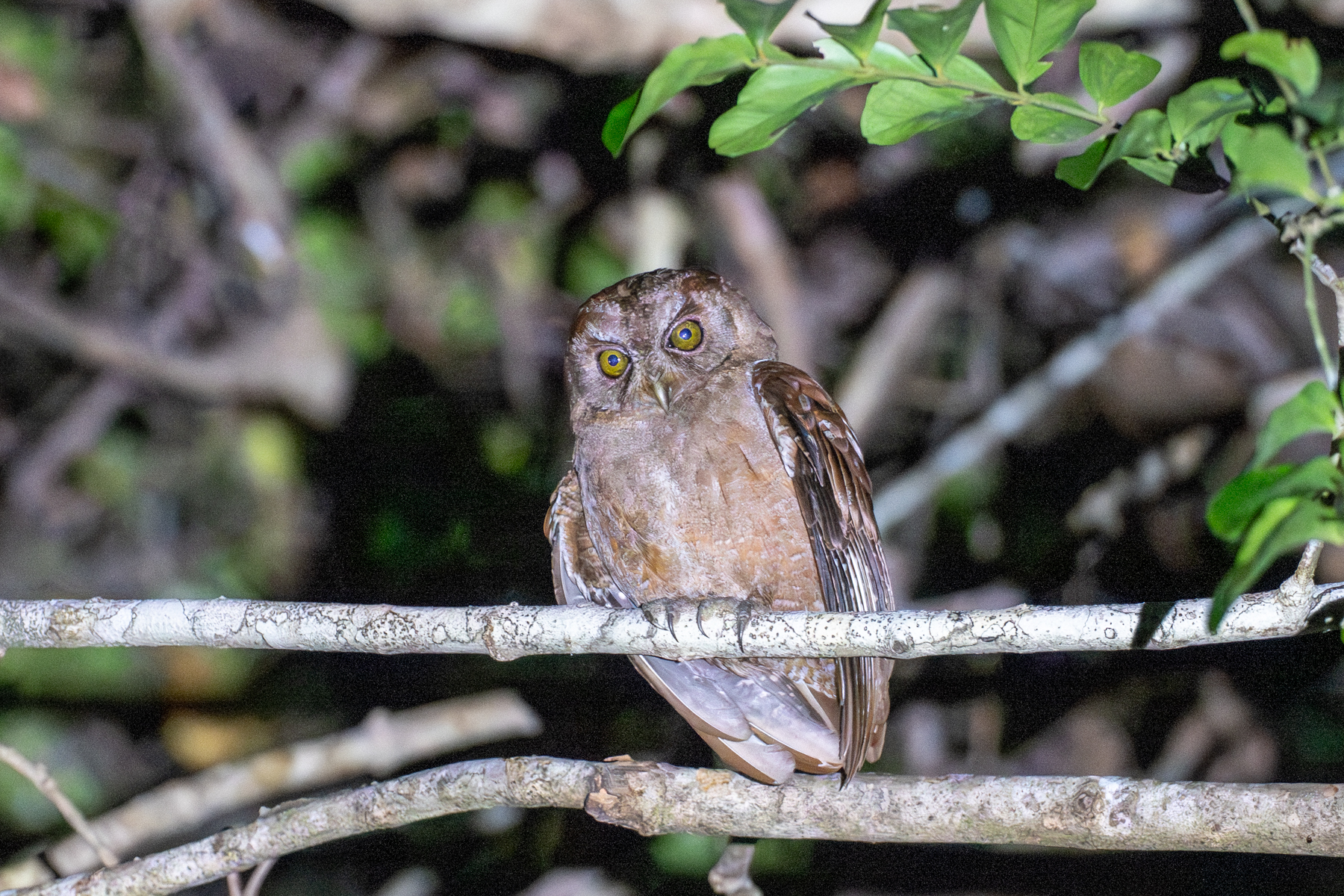
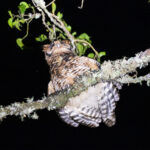
Pemba Scops Owl (image by Bjorn Andersson)
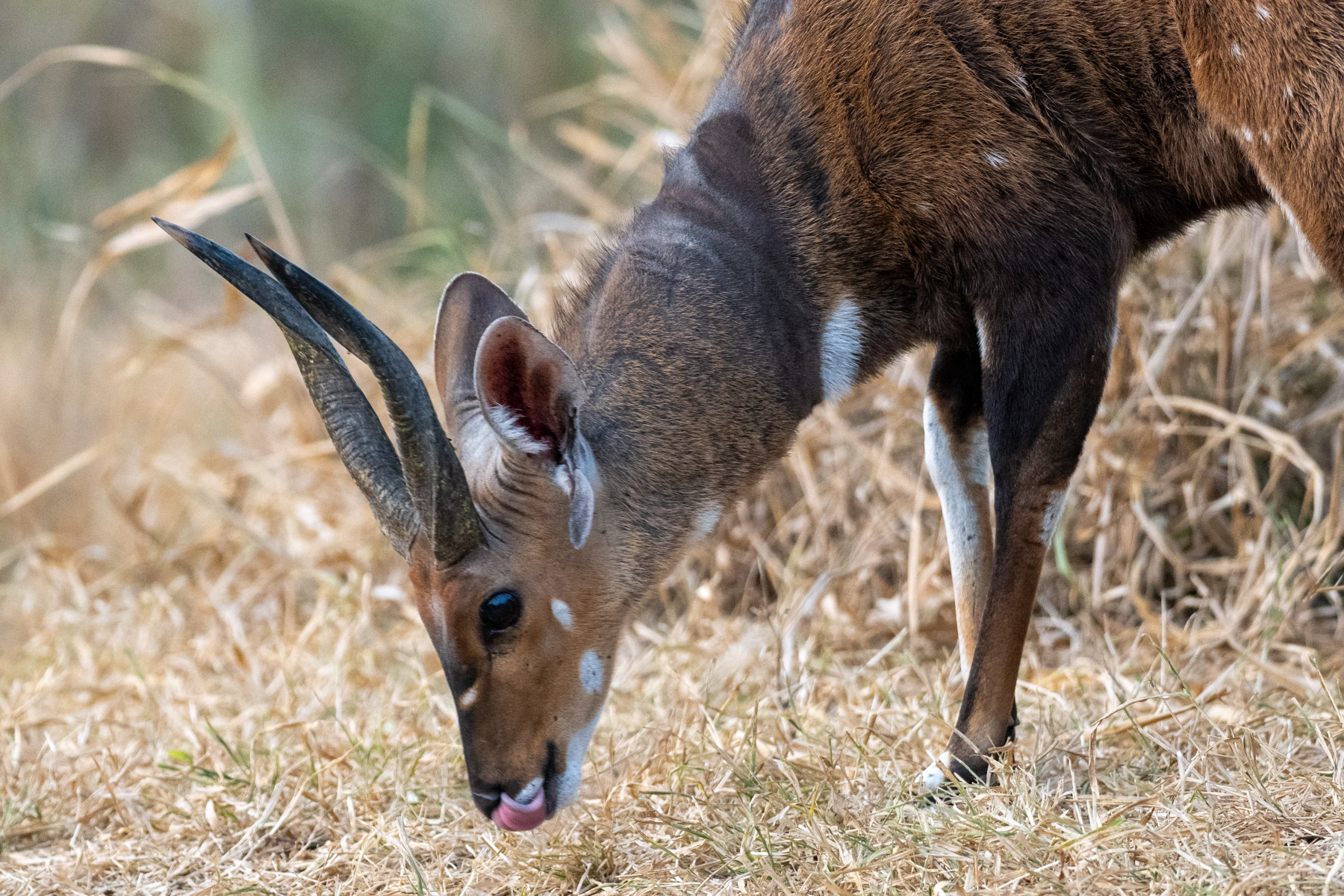
Northern Bushbuck (image by Bjorn Andersson)
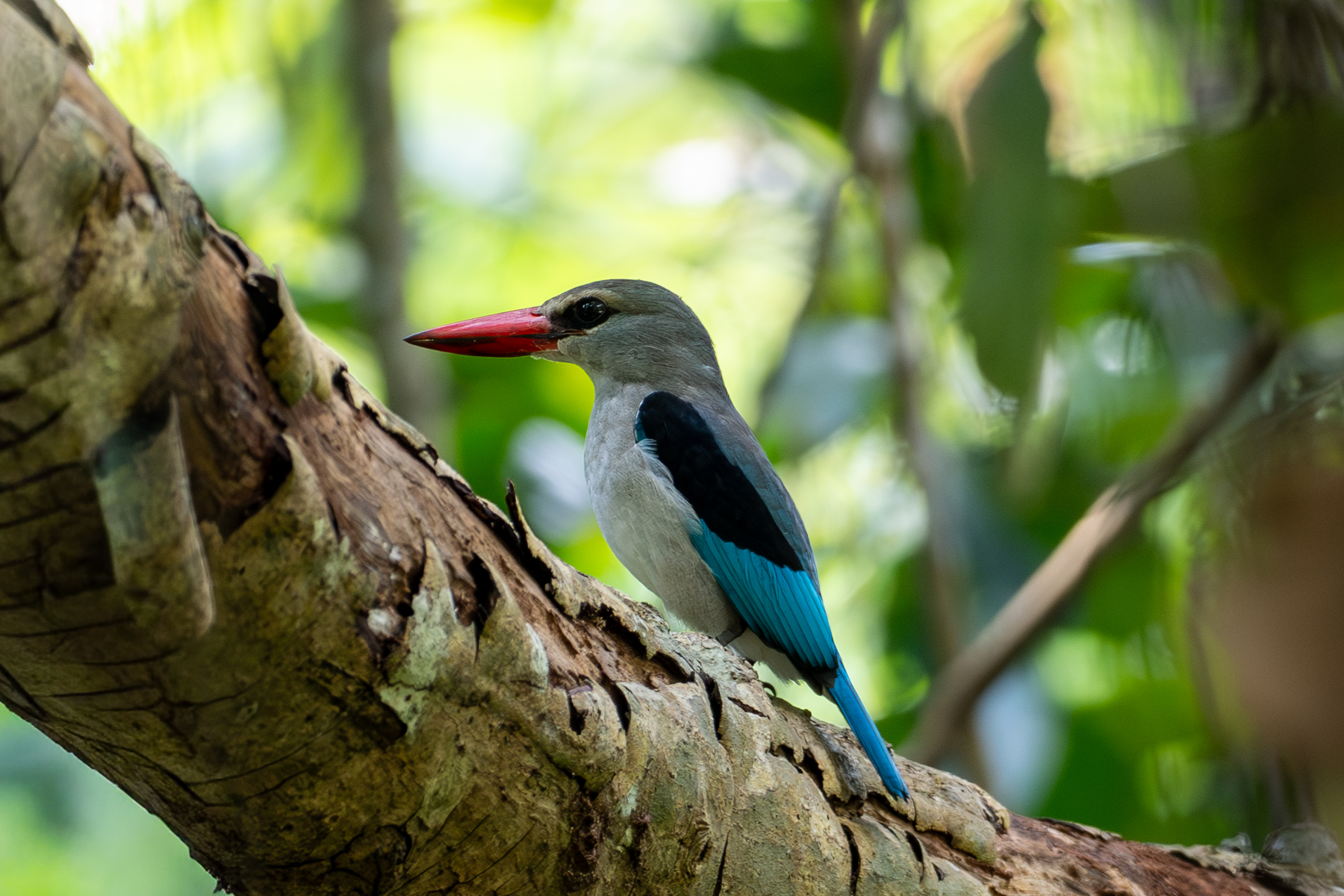
Mangrove Kingfisher (image by Bjorn Andersson)
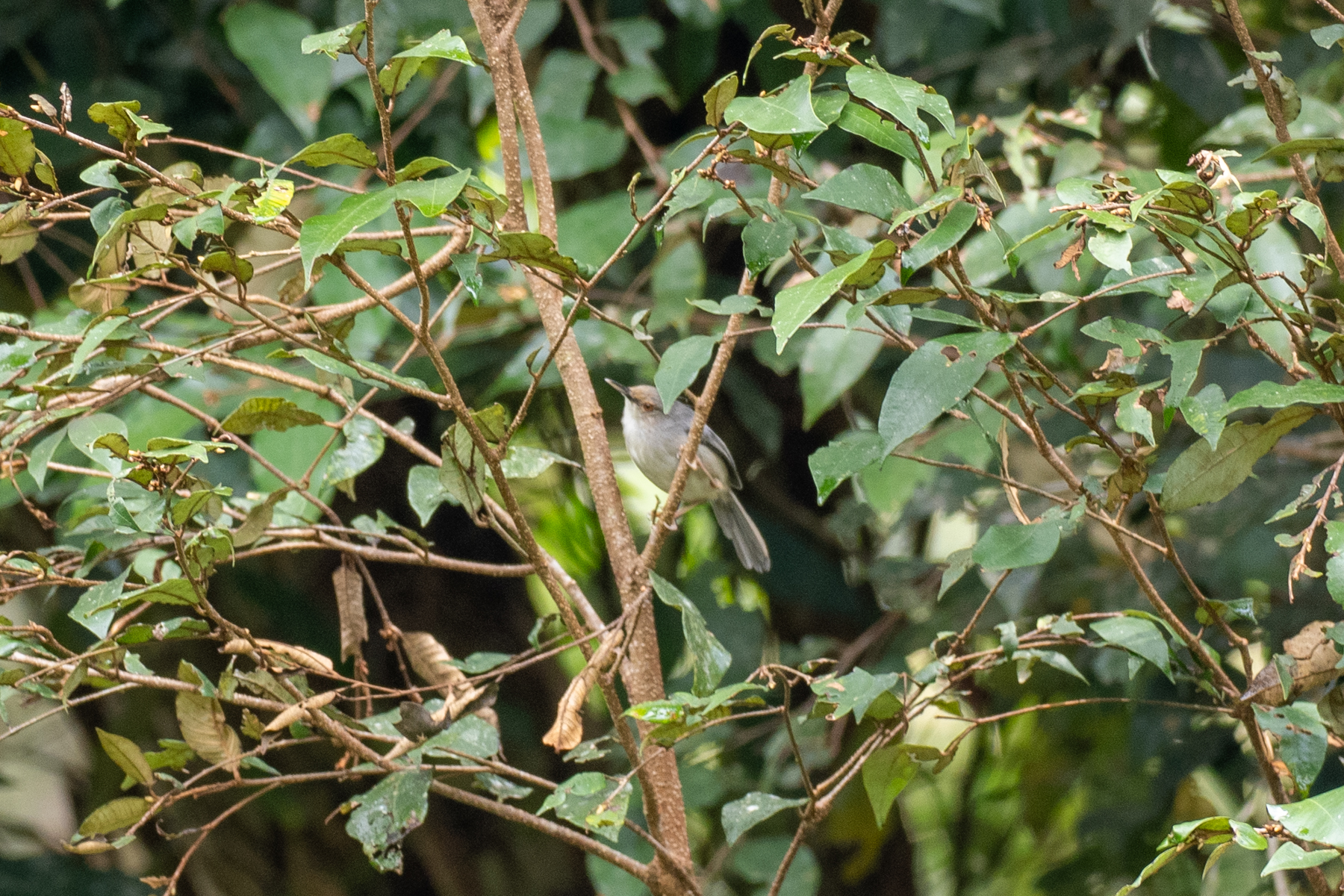
Long-billed Forest Warbler (image by Bjorn Andersson)
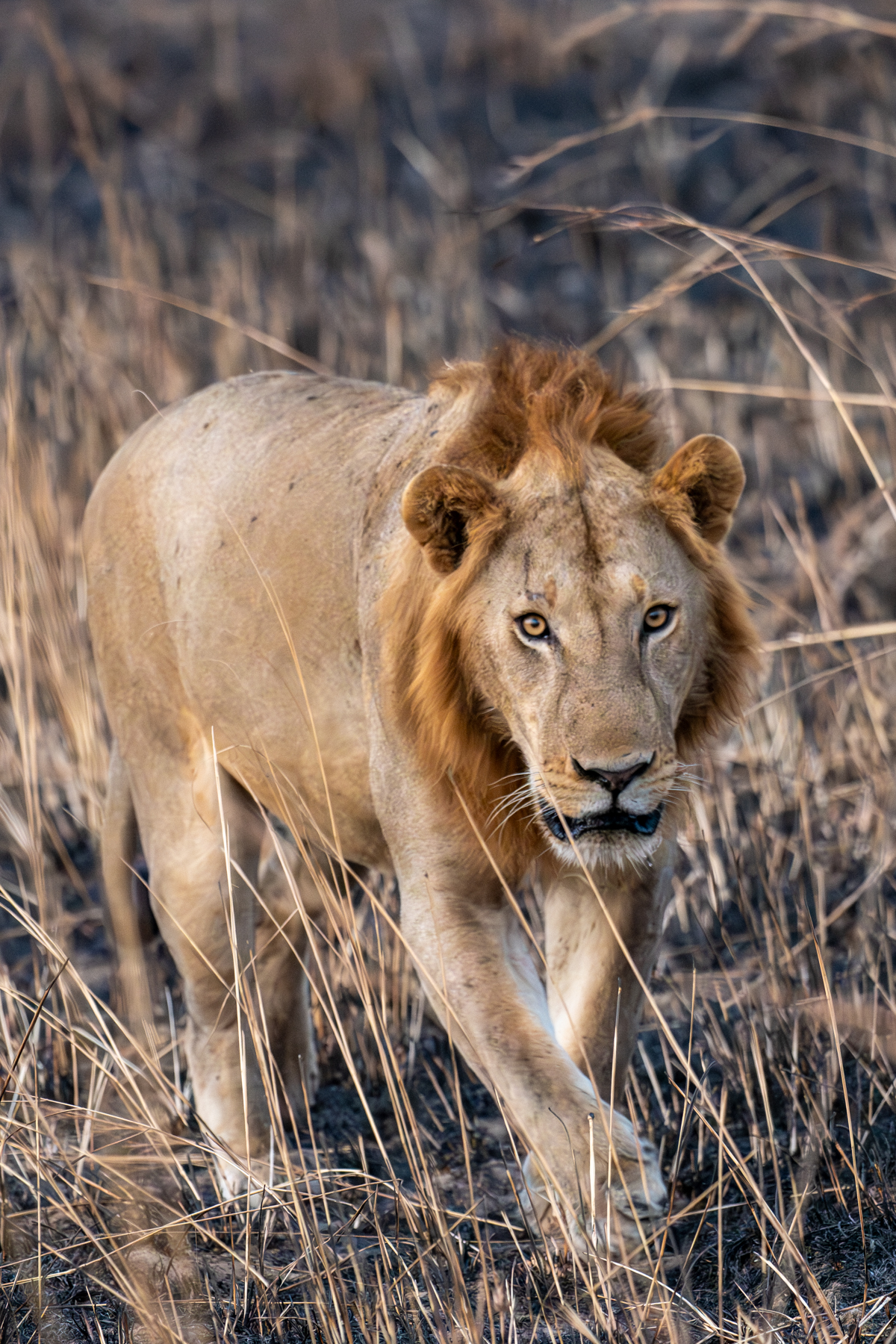
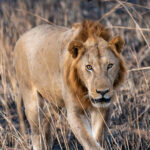
Lion Tanzania (image by Bjorn Andersson)
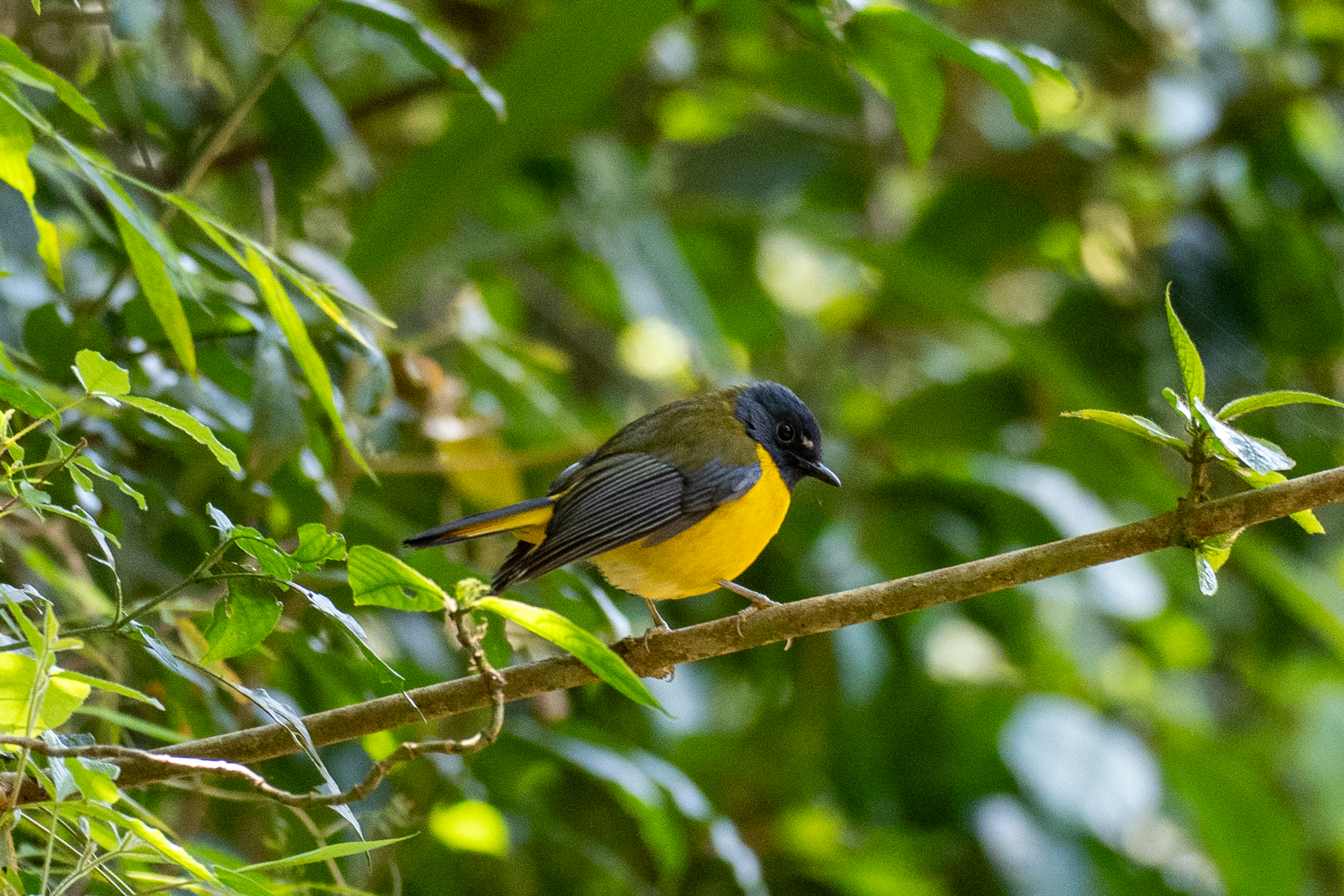
White-starred Robin (image by Bjorn Andersson)
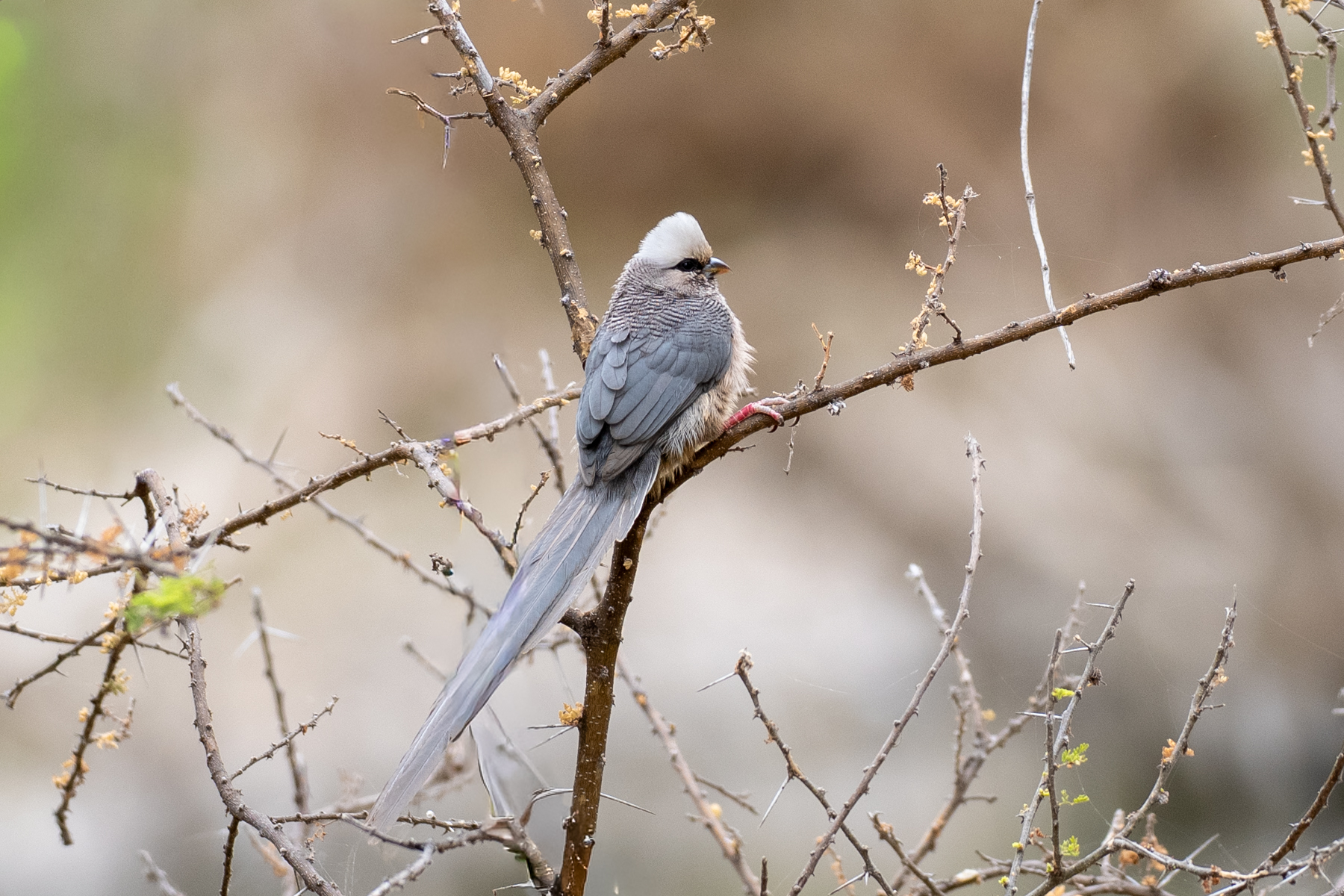
White-headed Mousebird (image by Bjorn Andersson)
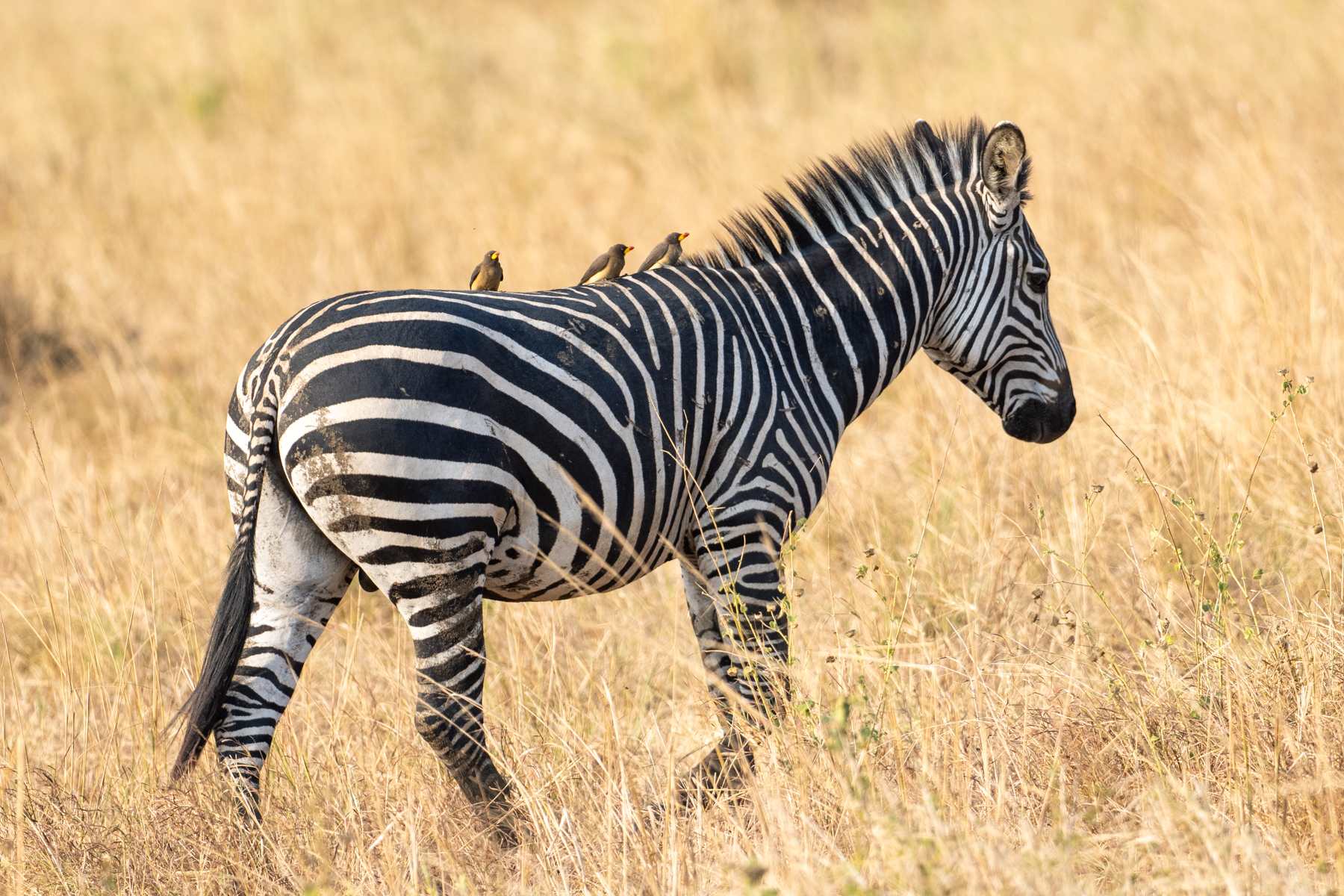
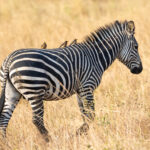
Yellow-billed Oxpeckers on a Plains Zebra (image by Bjorn Andersson)
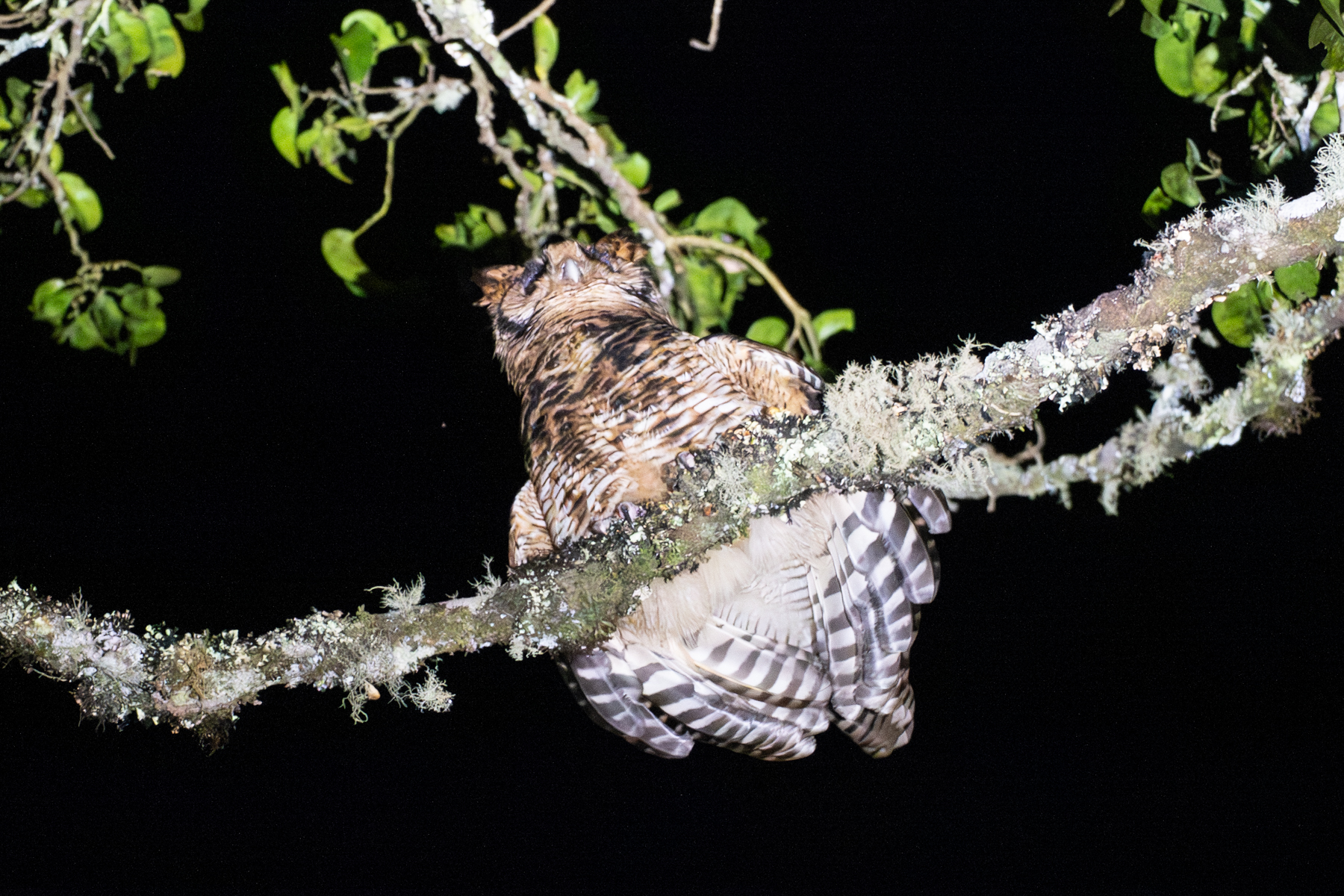
Fraser's Eagle-Owl (image by Bjorn Andersson)
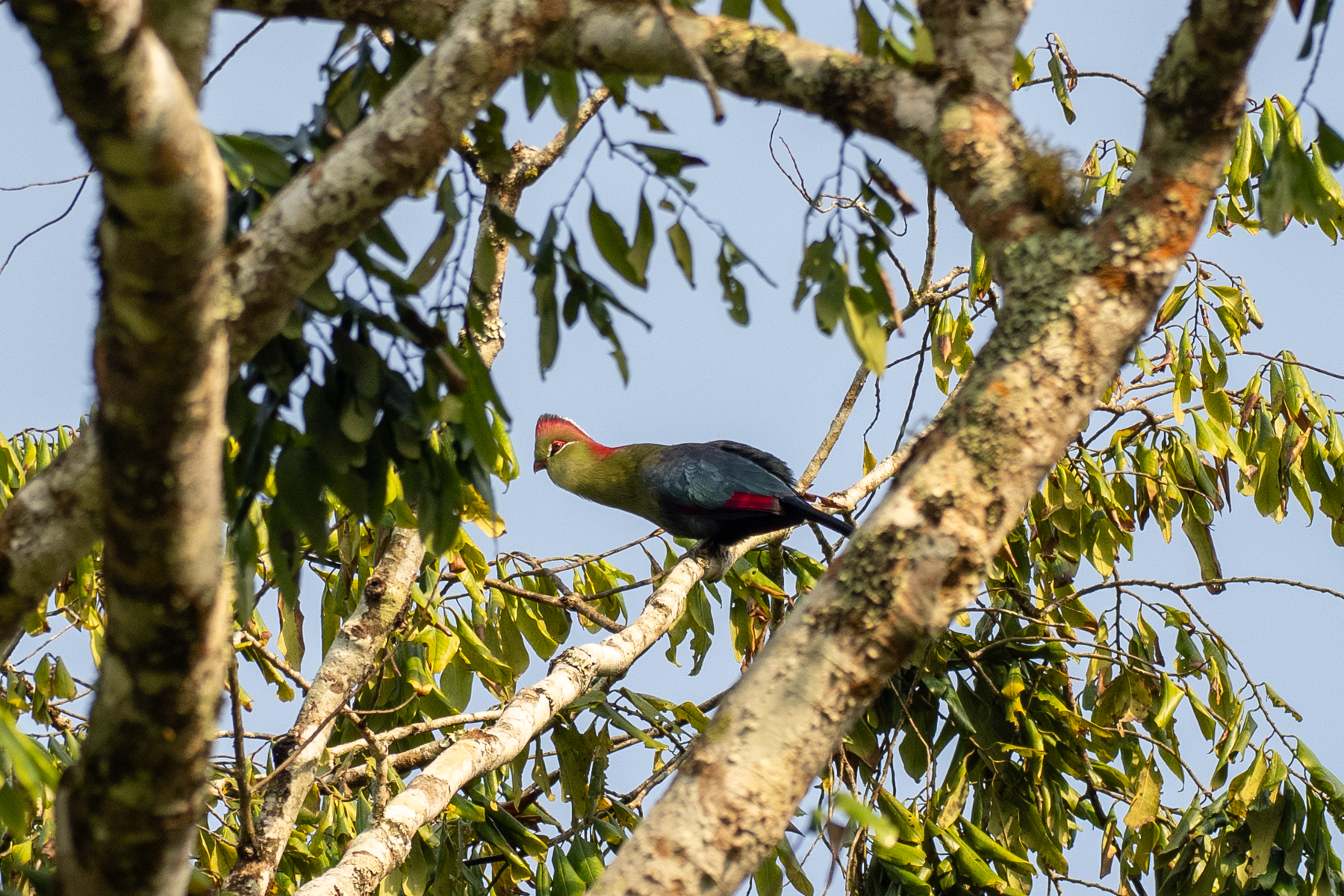
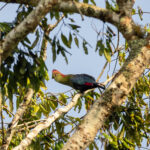
Fischer's Turaco (image by Bjorn Andersson)
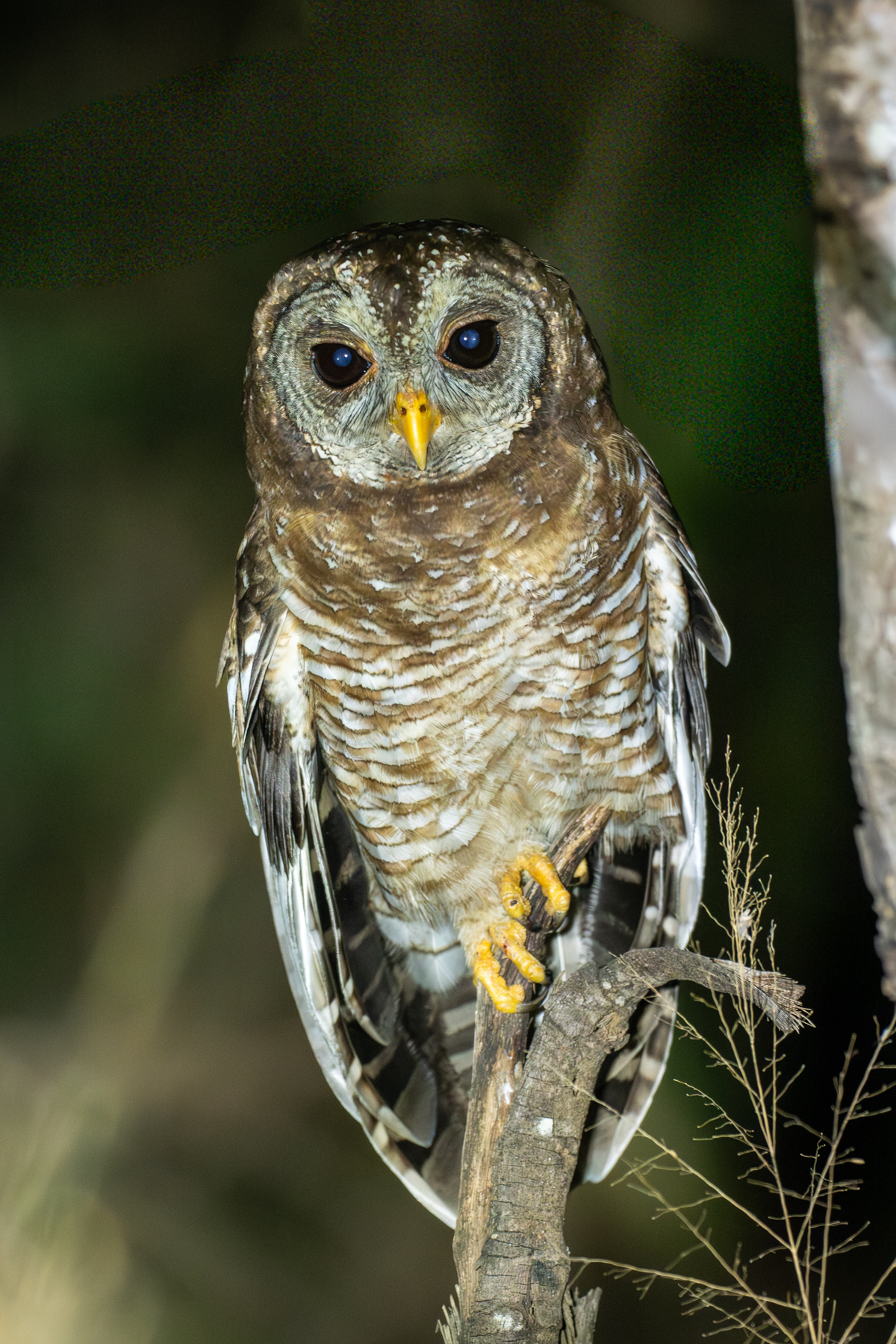
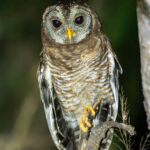
African Wood-Owl (image by Bjorn Andersson)
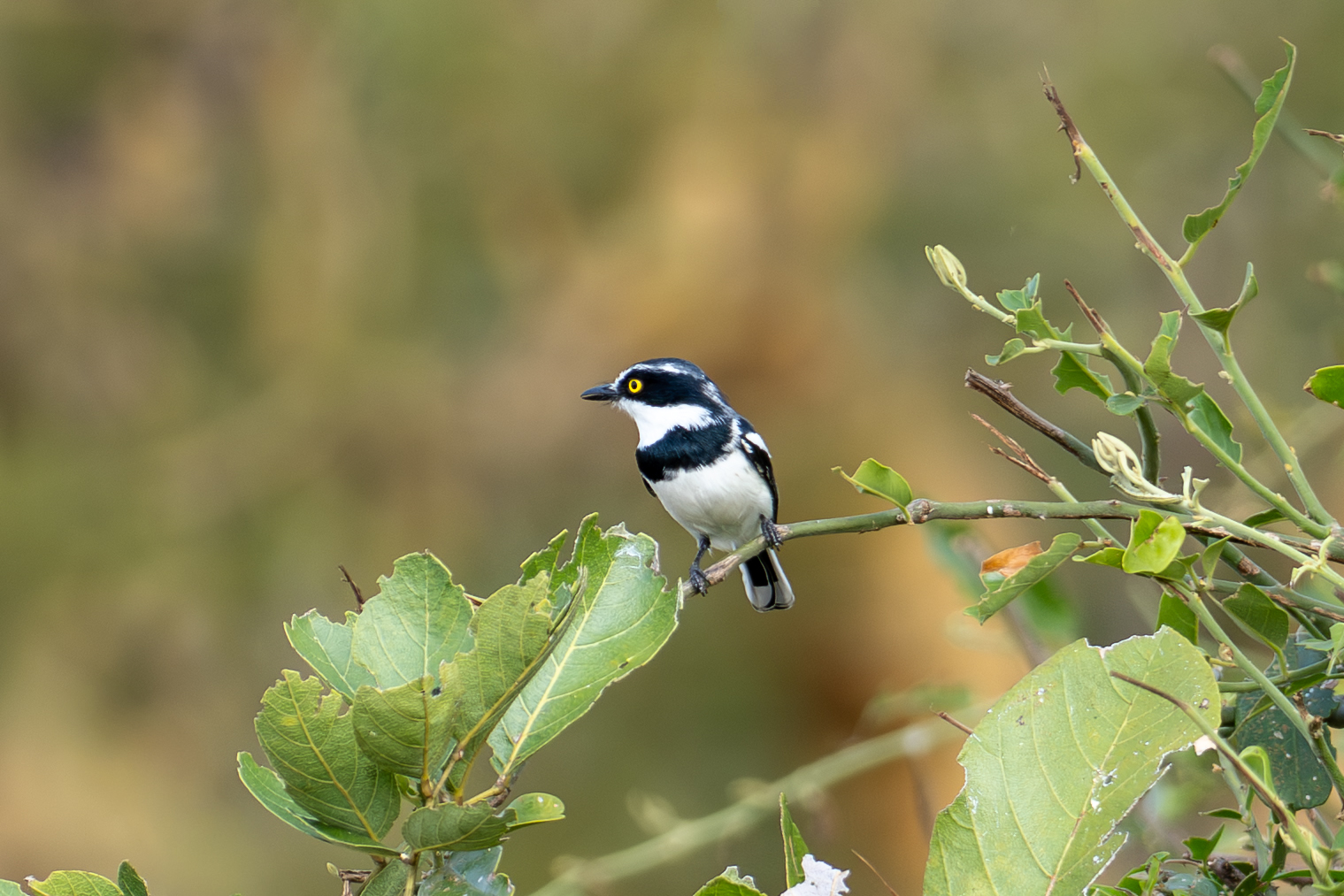
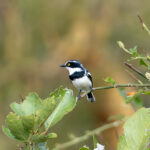
Eastern Black-headed Batis (image by Bjorn Andersson)
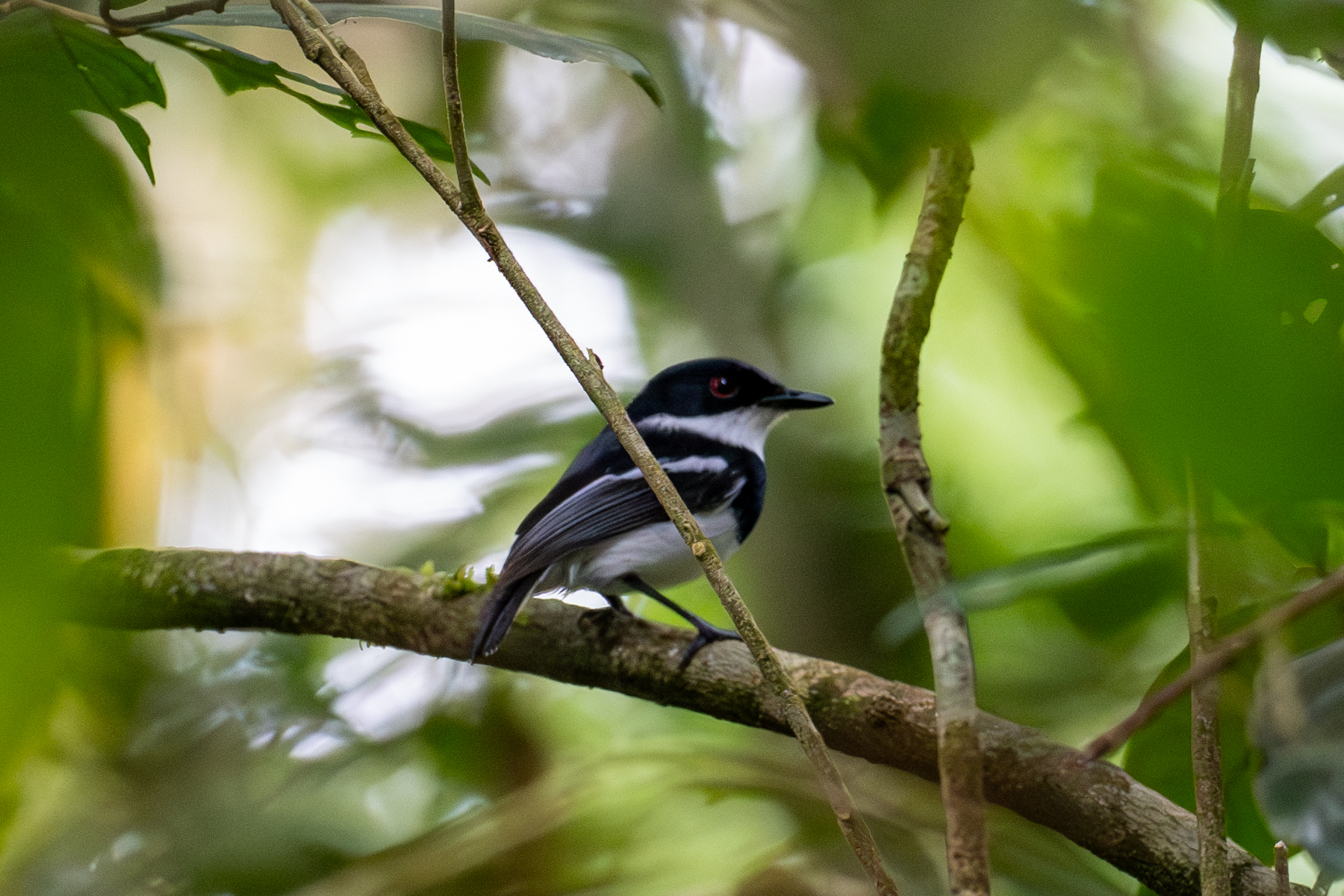
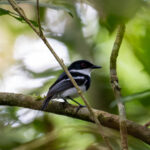
Dark Batis (image by Bjorn Andersson)
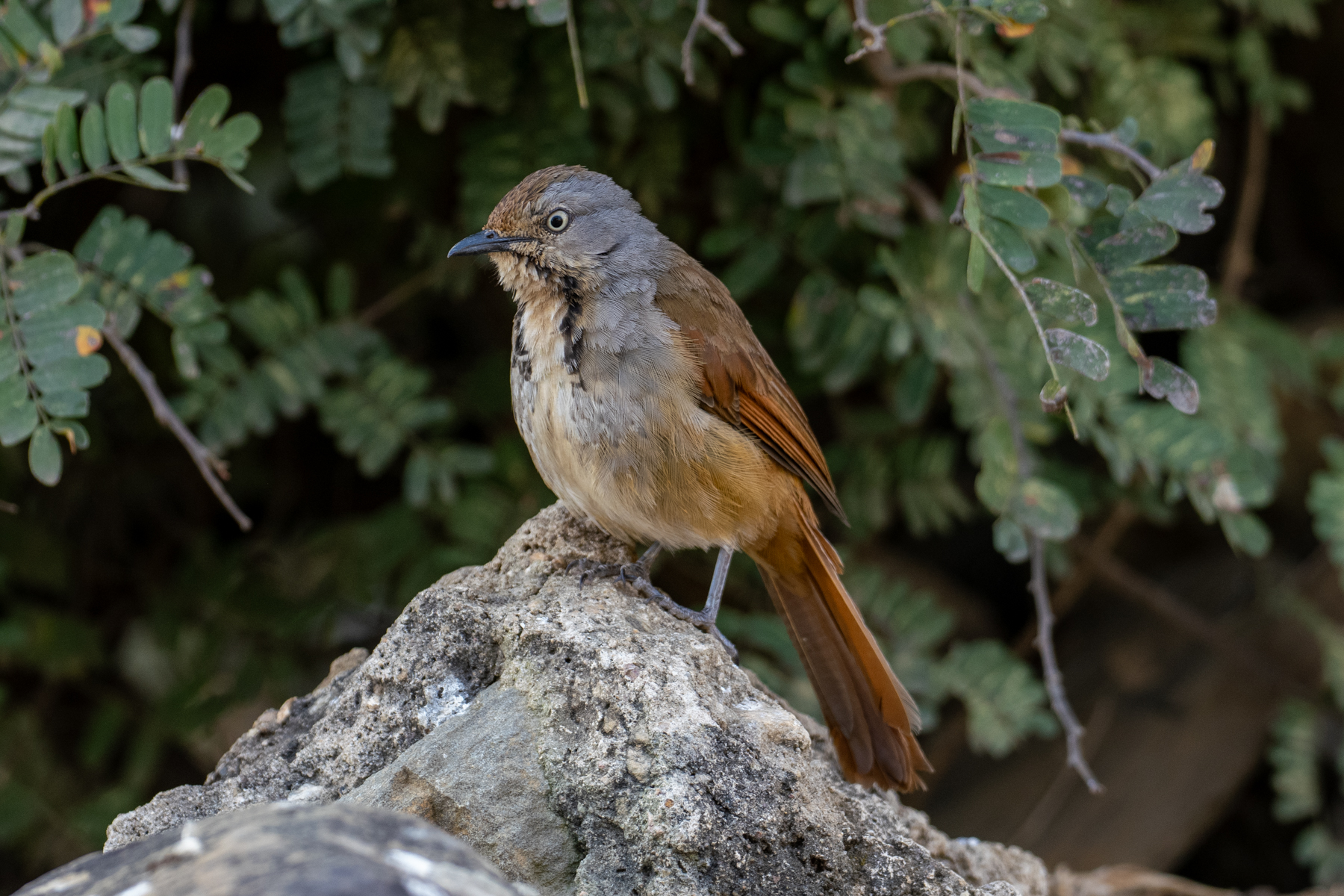
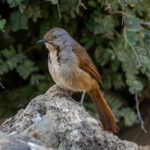
Collared Palm Thrush (image by Bjorn Andersson)
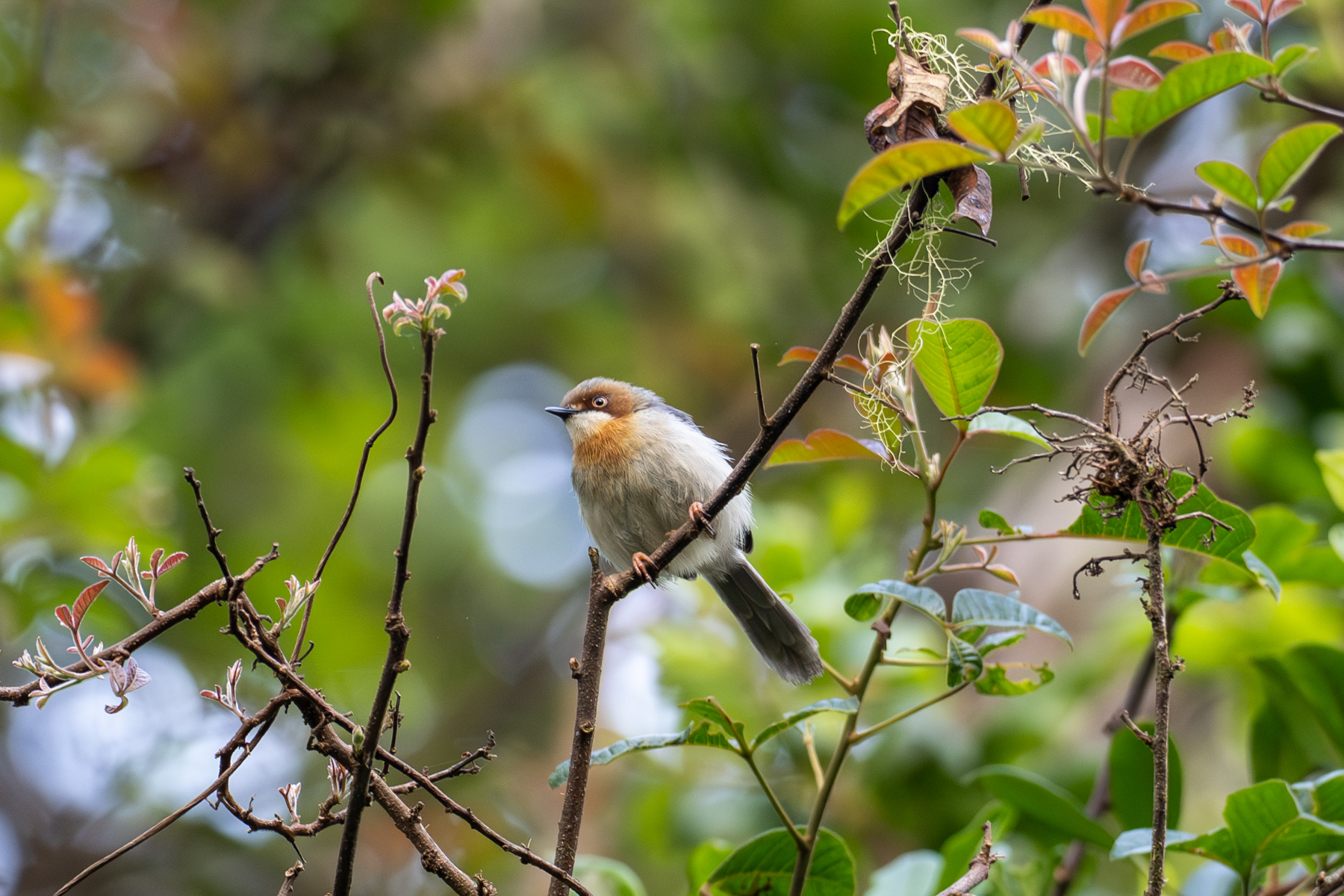
Chapin's Apalis (image by Bjorn Andersson)
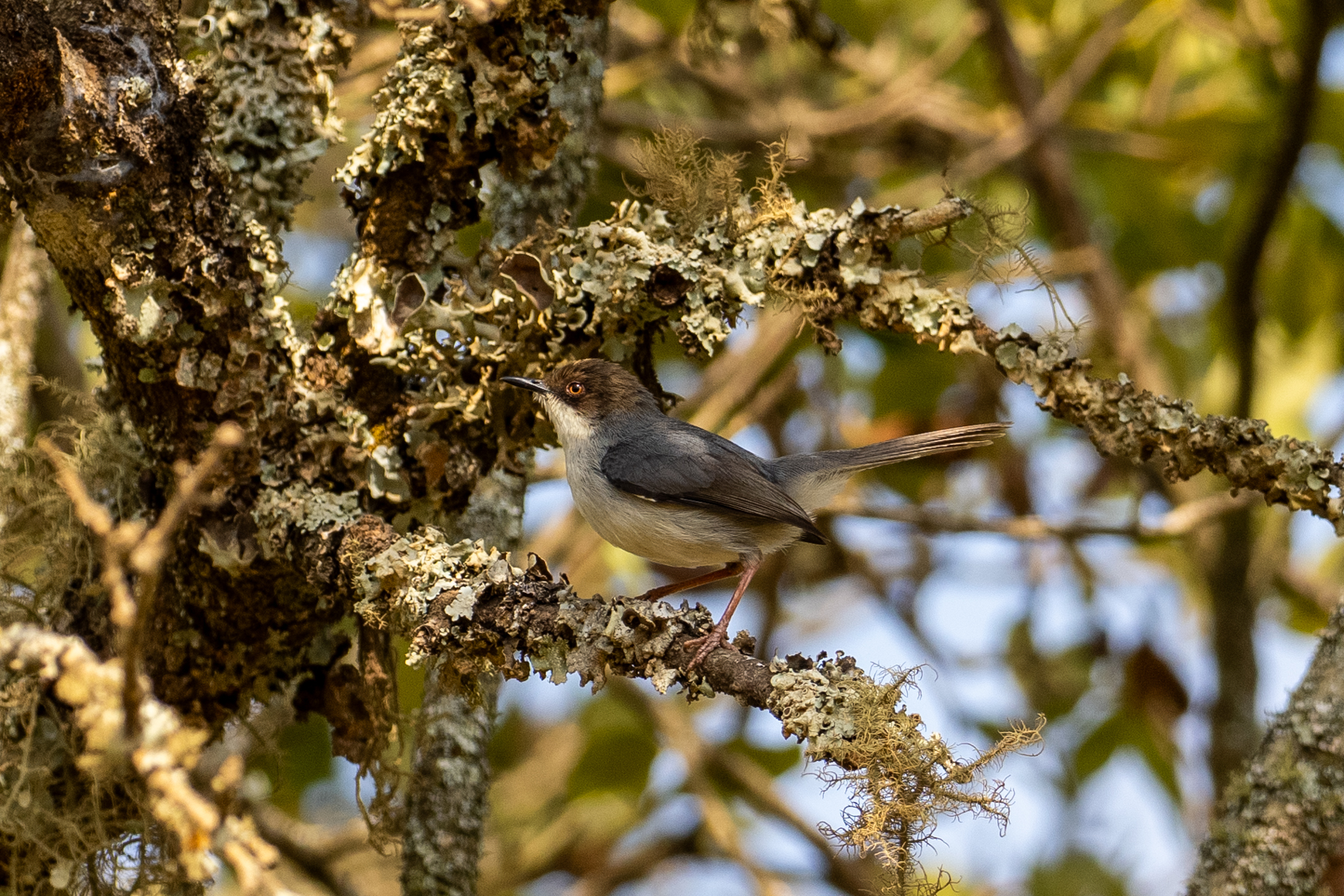
Brown-headed Apalis (image by Bjorn Andersson)
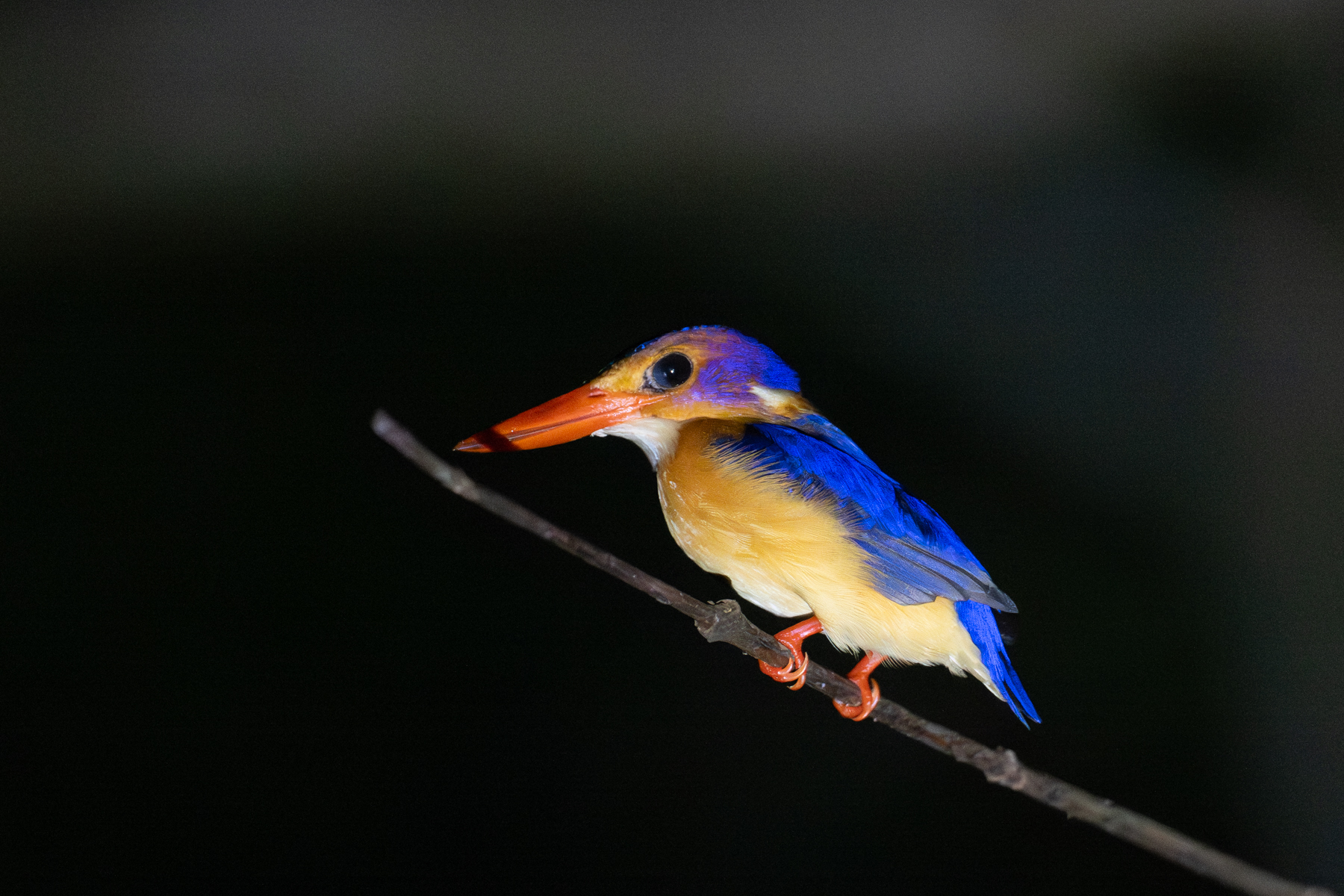
African Pygmy Kingfisher (image by Bjorn Andersson)
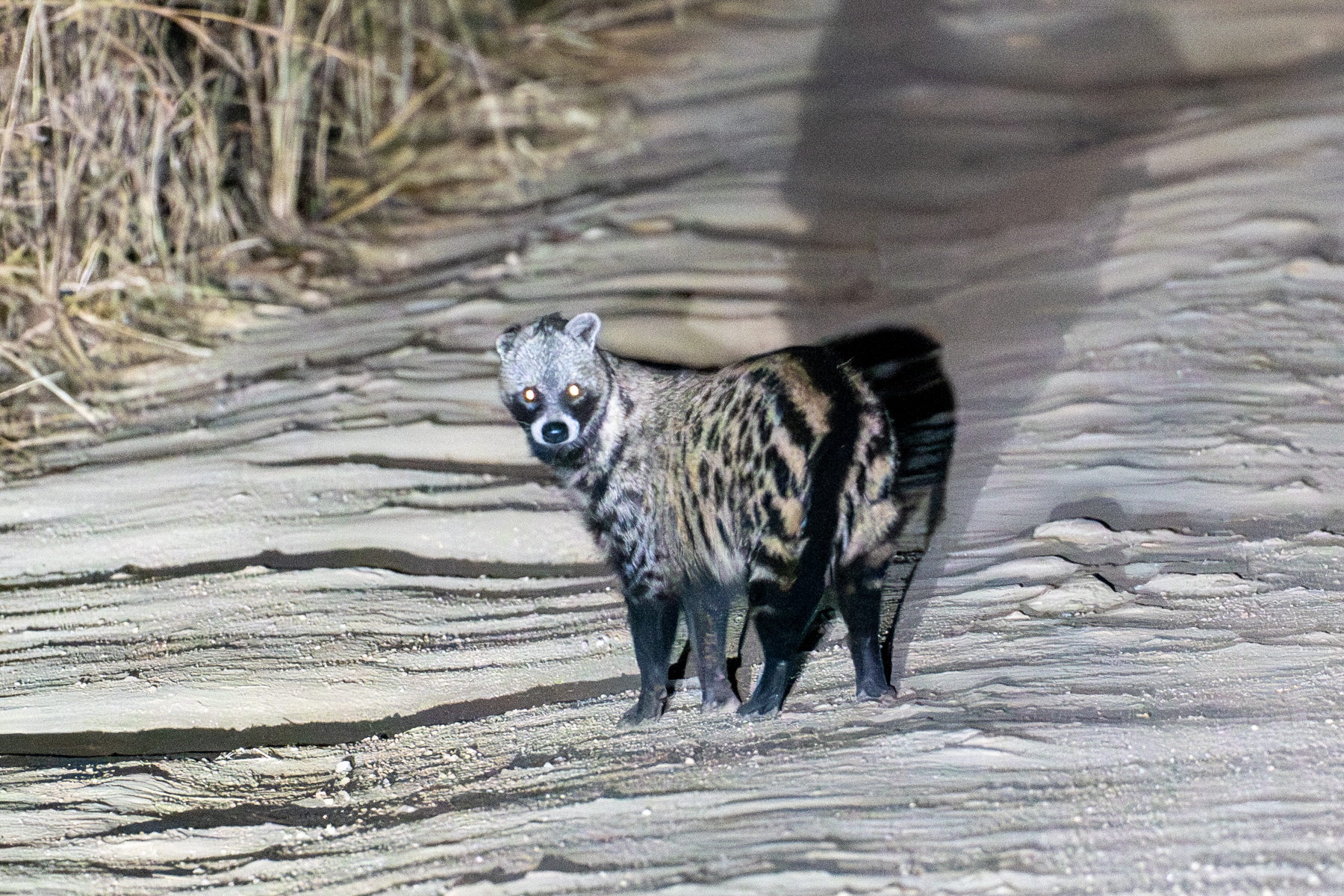
African Civet (image by Bjorn Andersson)
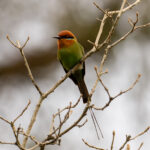
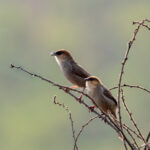
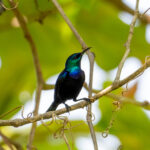
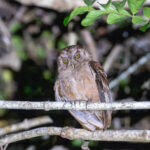
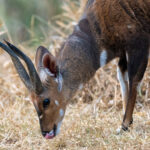
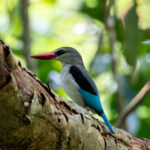
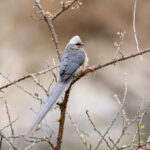


Bohm's Bee-eater (image by Bjorn Andersson)
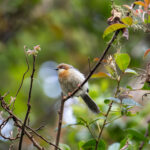
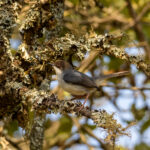
Yellow-browed Seedeater (image by Bjorn Andersson)
Swynnerton's Robin (image by Bjorn Andersson)
Racket-tailed Rollers (image by Bjorn Andersson)
Winifred's Warbler (image by Bjorn Andersson)
Kilombero Cisticola (image by Bjorn Andersson)
Usambara Akalat (image by Bjorn Andersson)
Whyte's Double-collared Sunbird (image by Bjorn Andersson)
Iringa Akalat (image by Bjorn Andersson)
West Usambara Two-horned Chameleon (image by Bjorn Andersson)
Red-throated Twinspot (image by Bjorn Andersson)
Little Yellow Flycatcher (image by Bjorn Andersson)
Tanzanian Red-billed Hornbills (image by Bjorn Andersson)
Pale-billed Hornbill (image by Bjorn Andersson)
Bertram's Weaver (image by Bjorn Andersson)
Uluguru Bushshrike (image by Bjorn Andersson)
Black-lored Cisticolas (image by Bjorn Andersson)
Golden-winged Sunbird (image by Bjorn Andersson)
Arnot's Chat (image by Bjorn Andersson)
Udzungwa Forest Partridge (image by Bjorn Andersson)
Dickinson's Kestrels (image by Bjorn Andersson)
Southern (Uhehe) Fiscal (image by Bjorn Andersson)
Saddle-billed Stork (image by Bjorn Andersson)
Ruvu Weaver (image by Bjorn Andersson)
Red-faced Crimsonwing (image by Bjorn Andersson)
Pemba Sunbird (image by Bjorn Andersson)
Pemba Scops Owl (image by Bjorn Andersson)
Northern Bushbuck (image by Bjorn Andersson)
Mangrove Kingfisher (image by Bjorn Andersson)
Long-billed Forest Warbler (image by Bjorn Andersson)
Lion Tanzania (image by Bjorn Andersson)
White-starred Robin (image by Bjorn Andersson)
White-headed Mousebird (image by Bjorn Andersson)
Yellow-billed Oxpeckers on a Plains Zebra (image by Bjorn Andersson)
Fraser's Eagle-Owl (image by Bjorn Andersson)
Fischer's Turaco (image by Bjorn Andersson)
African Wood-Owl (image by Bjorn Andersson)
Eastern Black-headed Batis (image by Bjorn Andersson)
Dark Batis (image by Bjorn Andersson)
Collared Palm Thrush (image by Bjorn Andersson)
Chapin's Apalis (image by Bjorn Andersson)
Brown-headed Apalis (image by Bjorn Andersson)
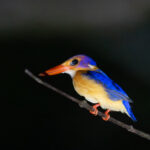
African Pygmy Kingfisher (image by Bjorn Andersson)
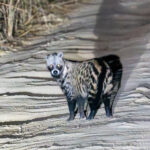
African Civet (image by Bjorn Andersson)


TANZANIA’S EASTERN ARC & PEMBA TOUR REPORT 2025

1 - 27 August 2025
Mark Van Beirs
The different isolated mountain ranges of central eastern Tanzania hold an excellent selection of endemic and near endemic birds. The main goal of this Tanzania with a difference tour was trying to see as many as possible of these and we sure managed. Not too far away from the popular and so very different northern Tanzania circuit, this tour focuses on the many skulking, rare and secretive inhabitants of the highland forests of mountain ranges with eloquent names like South Pare, West and East Usambaras, Ulugurus, Udzungwas, Ukagurus and Rubehos. In between we managed some easier birding on the island of Pemba where the four endemics fell quickly, in the savanna and miombo woodland of the famous Mikumi National Park and in the Kilombero floodplain with its three recently described species. Tanzania holds a total of 32 endemic bird species and many more endemic subspecies, as well as other near-endemics. On our 2025 tour we managed to see no fewer than 25 of these endemics. We recorded 428 bird species and also observed 38 species of mammals. The highlights of the main part, which does not involve camping, were the magnificently displaying pair of Racket-tailed Rollers, the elegant Böhm’s Bee-eaters, the impressive Uluguru Bushshrike, the secretive Spot-throat and the mouth-watering selection of rare and localized sunbirds like Uluguru Violet-backed, Banded Green, Amani, Golden-winged, Usambara Double-collared, Moreau’s, Loveridge’s, Shelley’s and Pemba. The extension, which involves camping and a bit more physical effort gave us marvels like the cracking Udzungwa Forest Partridge, a showy Fraser’s (Usambara) Eagle-Owl, a cooperative Swynnerton’s Robin and Whyte’s Double-collared, Forest Double-collared and the exquisite Rufous-winged Sunbird. Other great birds of this amazing tour included African Pygmy Goose, Livingstone’s, Fischer’s and Hartlaub’s Turacos, Pemba Green Pigeon, Red-chested Flufftail, White-crowned Lapwing, Greater Painted-snipe, Crab-plover, Rufous-bellied Heron, African Cuckoo-Hawk, Crowned and Martial Eagles, Ayres’s, Cassin’s and African Hawk-Eagles, Pemba Scops Owl, Tanzanian Red-billed and Pale-billed Hornbills, Mangrove Kingfisher, Brown-breasted Barbet, Pallid Honeyguide, Dickinson’s Kestrel, Dark Batis, Fülleborn’s and East Coast Boubous, Green-headed Oriole, Southern Fiscal (of the Uhehe form), Rufous-bellied Tit, Yellow-throated Mountain Greenbul, Kretschmer’s Longbill, Livingstone’s Flycatcher, Kilombero and White-tailed Cisticolas, White-winged and Chapin’s Apalises, Winifred’s, Long-billed Forest and Red-capped Forest Warblers, South Pare White-eye, Tanzanian Illadopsis, Dapple-throat, Usambara Thrush, White-starred Robin, White-chested Alethe, Collared Palm Thrush, Olive-flanked Ground Robin, Usambara, Iringa, Rubeho, Sharpe’s and East Coast Akalats, Bertram’s, Ruvu, Kilombero and Usambara Weavers, Red-faced Crimsonwing, Lesser Seedcracker, Red-throated Twinspot, Oriole Finch, Southern Grosbeak-Canary and Yellow-browed and Kipengere Seedeaters. Some of the more unusual mammals were African Palm Civet, African Civet, Common and Rusty-spotted Genets, Mountain Dwarf Galago, Angolan Colobus, Udzungwa Red Colobus, African Crested Porcupine, Zanj Sun Squirrel and Swynnerton’s Bush Squirrel.
On our first day in the field we visited an area of nice, dense scrub near the base of Mount Kilimanjaro. Sadly, there was too much cloud cover, so we couldn’t admire the mighty mountain. The habitat was really birdy and activity continued through the day as it didn’t become hot. The highlights included White-headed Mousebird, D’Arnaud’s Barbet, a perky Pygmy Batis, Pringle’s Puffback, Mouse-coloured Penduline Tit, a friendly Southern Grosbeak Canary and Somali Bunting. We also noted Speckled Pigeon, Red-eyed and Ring-necked Doves, Yellow-billed Kite, Trumpeter Hornbill, Lilac-breasted Roller, Blue-naped Mousebird, Nubian Woodpecker, Chinspot Batis, Slate-coloured Boubou, Long-tailed Fiscal, Pink-breasted Lark, Northern Crombec, Grey Wren-Warbler, Southern Yellow White-eye, Greater Blue-eared, Superb, Violet-backed and Red-winged Starlings, White-browed Scrub Robin, African Grey Flycatcher, Yellow-spotted Bush Sparrow, White-browed Sparrow Weaver, Purple Grenadier, Blue-capped Cordon-bleu, Green-winged Pytilia and Unstriped Ground Squirrel here. We spent the afternoon at the shore of a reservoir where we picked up goodies like African Hawk-Eagle (interacting with an Eastern Chanting Goshawk), Lanner Falcon, a well-behaved Spotted Palm Thrush and Taveta Weavers. The supporting cast included White-bellied Go-away-bird, Mourning Collared Dove, Namaqua Dove, Greater Flamingo, Water Thick-knee, Black-winged Stilt, Three-banded Plover, Blacksmith and Spur-winged Lapwings, Kittlitz’s Plover, Common Sandpiper, Whiskered and White-winged Terns (including birds still in breeding attire), African Openbill, Reed Cormorant, Hadada and Glossy Ibises, Black-crowned Night Heron, Little Egret, Little Heron, Western Cattle Egret, Grey Heron, Hamerkop, Pied Kingfisher, Little Bee-eater, Grey-headed Bushshrike, Rosy-patched Bushshrike, Brubru, Sombre Greenbul, Wire-tailed Swallow, Red-faced Crombec, Yellow-breasted Apalis, Eastern Violet-backed, Gorgeous and Hunter’s Sunbirds, Black-necked Weaver, Red-billed Quelea, Red-billed Firefinch, African Pied Wagtail, Reichenow’s Seedeater, Ochre Bush Squirrel and Vervet Monkey. It was quite an introduction to Tanzanian birding.
Our full day in the South Pare Mountains produced a nice list of specialities. At the edges of the remaining bits of montane forest, high up the mountain, we first searched for the endemic South Pare White-eye. We found several fast moving parties, but it took a while before we all had satisfactory looks at this very localized species. Here we also found goodies like Hartlaub’s Turaco, a formidable Crowned Eagle being mobbed by a Mountain Buzzard, a pair of posing Silvery-cheeked Hornbills, Brown-backed Honeybird and obliging, exquisite Golden-winged Sunbirds. We were lucky enough to locate some swarming safari ants, which were attended by a rather tame, very well behaved Usambara Thrush, a gorgeous White-breasted Alethe and a Cape Robinchat. What a spectacle they offered!! We also added Black-headed Oriole, Shelley’s, Black-headed Mountain and Cabanis’s Greenbuls, Yellow-throated Woodland Warbler, Bar-throated Apalis (of the distinctive race pareensis), African Dusky Flycatcher, African Stonechat, Mocking Cliff Chat, Olive, Malachite and dainty Usambara Double-collared Sunbirds, Black-and-white (of the red-backed form) Mannikin, Yellow-bellied and Common Waxbills and Streaky Seedeater to the list. In late afternoon we left the mountains and drove south to the town of Lushoto, our base for exploring the West Usambara Mountains.
On our first day in the famous West Usambaras we walked along a wide track through beautiful montane forest with many old, gnarled trees and picked up a nice selection of specialities. We encountered several, rather secretive Red-capped Forest Warblers (African Tailorbirds) and obtained excellent views of this near endemic. A Fülleborn’s Boubou allowed good looks as did the as yet undescribed “Usambara” Drongo. The unobtrusive, modestly-clad Usambara Akalat showed beautifully in a gully and in late afternoon one was found feeding on the main track allowing for extended views. A nice Sharpe’s Starling was admired through the scope and several Red-faced Crimsonwings performed quite nicely. More widespread species included Lemon Dove, a pair of very nice African Cuckoo-Hawks, Black Sparrowhawk, Augur Buzzard, Bar-tailed Trogon, Crowned Hornbill, Green Barbet, Moustached Tinkerbird, Olive Woodpecker, Black-fronted Bushshrike (two different morphs), White-tailed Crested Flycatcher, Black Saw-wing, Black-headed Apalis, African Hill Babbler and Waller’s Starling. Smart-looking Angolan Colobuses, Blue Monkeys and the very localized Swynnerton’s Bush Squirrel represented the mammal department.
On our second day in the West Usambaras we spent a lot of time peering and staring into bushes. We heard quite a few Spot-throats and eventually most of us managed fair views of this inveterate and very inconspicuous skulker. As a member of one of the most difficult to get bird families (Modulatricidae), this was a particularly important bird for several participants. Another goodie to get was Usambara Weaver, which we found in a quickly moving canopy flock. This rare endemic is getting harder and harder to find. We also found a Mountain Buzzard eating an agama lizard and observed Cinnamon-chested Bee-eater, Forest Batis, Olive-headed (ex Stripe-faced) Greenbul, a very well behaved White-starred Robin, more White-chested Alethes and Usambara Akalats (really showing off) and Dark-backed Weaver. A gorgeous West Usambara Two-horned Chameleon got a lot of attention.
On our final morning in the West Usambaras we revisited the lower trail and glimpsed Spot-throat and African Goshawk, but not much else. We then packed up and started to drive towards the East Usambaras. A couple of stops on the way gave us African Woolly-necked Stork, Black-headed Heron, Lizard Buzzard, Speckled Mousebird, Pale Batis, East Coast Boubou, African Paradise Flycatcher, Grey-olive Greenbul, Red-throated Rock Martin, Coastal Cisticola, White-browed Robin-Chat, Scarlet-chested Sunbird, Spectacled and Eastern Golden Weavers, displaying Zanzibar Red and Black-winged Red Bishops, Fan-tailed Widowbird and Southern Citril. We arrived at our secluded Forest Camp after dark.
Early next morning we started our visit to the East Usambara Mountains. A leisurely walk along a forest edge allowed good looks at a fabulous Green-headed Oriole and an exquisite, very vocal Fischer’s Turacos. Another trail produced a pair of endemic and very localized Long-billed Forest Warblers (Long-billed Tailorbirds) allowing great looks, eventually. It took a while before we all had satisfactory looks at the secretive, modestly-clad Kretschmer’s Longbill. Uluguru Violet-backed Sunbirds were noted in flowering eucalypts and an Amani Sunbird showed high in the canopy. We also observed Black Crake, Palm-nut Vulture, Brown-hooded Kingfisher, White-eared Barbet, Black-and-white Shrike-flycatcher, Grey Cuckooshrike, Little Greenbul, Black Saw-wing (of the race orientalis, with the white underwing coverts), Arrow-marked Babbler, Kenrick’s Starling, Kurrichane Thrush, Purple-banded Sunbird and two lovely Zanj Sun Squirrels. An after dinner walk near the camp added African Wood Owl to the list, while a Lord Derby’s Anomalure was glimpsed. In the middle of the night a Fraser’s Eagle Owl (ex Usambara Eagle Owl) started calling near our accommodation, but it remained a voice in the night, despite all our efforts.
The following day started with great looks at Uluguru Violet-backed Sunbirds and a Red-tailed Ant-thrush in the gardens. From the breakfast table we scoped African Green Pigeon and an African Golden Oriole. After breakfast we obtained excellent views of a cracking male Banded Green Sunbird in the parking lot. Later we managed to scope another male of this lovely endemic. The rest of the day was spent at lower elevations. The track was quite busy with motorcycles and trucks, which didn’t help birding, as activity was almost zero here. We did pick up Green Tinkerbird, Lowland Tiny Greenbul (glimpse only) and Little Yellow Flycatcher, but of the much-wanted Usambara Hyliota not a sniff, sadly. After dinner we tried again for the Fraser’s Eagle Owl, but we only managed to see an African Palm Civet and a cute Thick-tailed Greater Galago.
The following day was mainly a travelling day. We stopped for half an hour on the lower slopes of the East Usambaras and observed a fast-moving flock, but it didn’t hold the bird we were hoping for. We noted a pair of Cardinal Woodpeckers and a party of smart Chestnut-fronted Helmetshrikes. The rest of the morning was spent driving along a very busy road to the airport of the megapolis of Dar Es Salaam, where we arrived just in time to catch the plane to Pemba. On the drive an African Harrier-Hawk was seen. Upon arrival at Pemba we were obliged to pay a mandatory insurance fee, which was obviously a scam to make a fast buck. Not much later we were on our way to our hotel on the northwest shore of the island. On the journey we noted a lovely Dickinson’s Kestrel and a short stop at dusk soon produced the endemic Pemba Scops Owl, which posed ever so nicely. Great stuff!! We heard a Mangrove Kingfisher, found a roosting African Pygmy Kingfisher and observed a Garnett’s Greater Galago. We then transferred to our very nice hotel on the beach and enjoyed a delicious dinner.
During our full day on the island of Pemba we explored the different habitats this island has on offer and came away with a great list of goodies. We, of course, first of all wanted to see the four endemics. The Scops Owl was already in the proverbial bag. The lovely Pemba Sunbird was quite common and easy to observe. The Pemba White-eye showed well on a few occasions. The final endemic, the usually quite difficult Pemba Green Pigeon was scoped a couple of times and obliged particularly well. We also made a special effort to get to grips with the localized Mangrove Kingfisher, which also succumbed fairly easily and showed at length. Along the coastline we found a party of c30 Crab Plovers and several Dickinson’s Kestrels performed beautifully at close range. Other additions to the list included White-faced Whistling Duck, White-backed Duck, African Pygmy Goose, Common Moorhen, Little Grebe, Grey and Common Ringed Plovers, African Jacana, Eurasian Whimbrel, Common Greenshank, Greater Crested Tern, Dimorphic and Yellow-billed Egrets, Purple Heron, African Fish Eagle, Broad-billed Roller, Malachite Kingfisher, Olive Bee-eater, Barn Swallow, Black-bellied Starling and African Pipit. In a nice patch of forest we were shown a splendid colony of smart-looking, roosting Pemba Flying Foxes.
Next day, on the drive to Pemba airport, we stopped at the edge of a village, where our guide knew a stake out for the introduced Java Sparrow. We found them easily and obtained scope views of this attractive species. An uneventful flight in a Cessna 208 Caravan took us via Zanzibar to Dar Es Salaam, where faithful Exaud and Elia were waiting for us. The traffic again was horrendous, so it took quite a while to get out of this enormous conurbation. On the detour drive to the town of Morogoro we stopped at a marshy river, where we soon observed the very localized Ruvu Weaver in the reeds. We obtained good looks at this speciality and also noted a female Greater Painted-snipe, Black Heron and Lesser Swamp Warbler. Not much later we were walking alongside a rocky river, where very smart Böhm’s Bee-eaters obliged at length. These terrific, much-wanted birds showed particularly well and their pale blue cheek stripe made quite an impression. We also found an Ayres’s Hawk-Eagle overhead and attractive Brown-breasted Barbets, a Meyer’s Parrot and Brown-throated Martins. In the early evening we arrived at our hotel in Morogoro, where the food was excellent and abundant.
Our first day in the Uluguru Mountains involved a fairly stiff hike to some well-preserved montane forest at higher altitude. Our Landcruiser took us as far and as high as possible through farmbush, and then we walked for quite a while through pepper plantations, picking up White-necked Raven and Bertram’s Weaver on the way. As soon as we reached the forest we started searching for our main target, the fabled, rare and endemic Uluguru Bushshrike. After hours of peering in the mid canopy, we finally heard its distinctive call. It then took us quite a bit more, nail biting time till we managed to see this rare and reclusive jewel. A fabulous, much-wanted bird!! In the forest we also connected with Livingstone’s Turaco, the near-endemic Dark Batis, Sharpe’s Akalat (for some), Loveridge’s Sunbird and a terrific troop of Angolan Colobuses.
The following day we explored yet another isolated mountain range, the distant Ukaguru Mountains. We started in the middle of the night and drove along terrible, bone-jarring tracks to arrive at a stretch of beautiful montane forest just after dawn. In the nearby farmbush we observed a Southern Fiscal of the distinctive and attractive marwitzi form (which is sometimes split off as Uhehe Fiscal). A lovely trail through splendid forest allowed us to work on all the goodies and in the course of the morning we obtained excellent views of marvels like Pallid Honeyguide, the endemic Yellow-throated Mountain Greenbul, Chapin’s Apalis, the gorgeous, endemic Winifred’s Warbler (of the race rubehoensis), White-eyed Slaty Flycatcher, Olive-flanked Ground Robin, the secretive Rubeho Akalat, the attractive Moreau’s Sunbird and the cute Oriole Finch.
We spent a long morning at another area of the Ulugurus, where a nice trail took us through excellent montane forest. The forest was rather quiet though and we only managed to find several cooperative Winifred’s Warblers (of the nominate race), Olive-headed (Stripe-faced) Greenbul and the colourful, endemic Loveridge’s Sunbird. In the afternoon we drove southwest to the base of the Udzungwa Mountains, where we stayed in an attractive lodge at the edge of the forest. A nightwalk gave us three sleeping species of monkey, including the rare, endemic Udzungwa Red Colobus.
Our morning at the marshes of the Kilombero Plain was very birdy. The most important birds here were, of course, the three localized and recently described endemic species: Kilombero Cisticola, White-tailed Cisticola and Kilombero Weaver. All three were easily found and performed very well. A pity the weavers were not in breeding plumage, although they were distinctive enough. Both cisticolas allowed prolonged scope studies. Noteworthy additions to the list included White-rumped Swift, Coppery-tailed Coucal, cracking White-crowned Lapwings, Yellow-billed Stork, African Spoonbill, Rufous-bellied and Squacco Herons, Pink-backed Pelican, Red-necked Falcon, Angola Swallow, Common (African) Reed Warbler, African Firefinch and Village Indigobird. After this productive outing we birded the surroundings of our lodge, where we spent quite a bit of time trying to get views of the secretive Lesser Seedcracker. Most of us got a fair view and we also found a lovely Red-throated Twinspot. A powerful Martial Eagle could be admired through the telescope whilst it was devouring a monitor lizard. We also observed Klaas’s Cuckoo and Magpie Mannikin. After a scrumptious lunch we checked out and started driving towards the famous Mikumi National Park. A short stop at a patch of woodland produced perfect views of a very obliging Green Tinkerbird. In mid-afternoon our first game drive through the open plains of the Mikumi National Park gave us Helmeted Guineafowl, Red-necked Spurfowl, Crowned Lapwing, Marabou Stork, Hooded and White-backed Vultures, Bateleur, Southern Ground Hornbill, African Grey Hornbill, Grey Kestrel, White-crested Helmetshrike, Fischer’s Sparrow-Lark, Yellow-billed Oxpecker, Collared Palm Thrush and Capped Wheatear. Mammals were obviously a feature of the game drive as we could admire African Savanna Elephant, a family of Lions (sleeping, of course), Black-backed Jackal, Plains Zebra, Common Warthog, lots of Maasai Giraffe, Impala, Blue Wildebeest, Cape Buffalo, Common Hippopotamus and Yellow Baboon. In the early evening we checked in into our very nice tented camp.
Our morning in a stretch of miombo woodland at the edge of the Mikumi National Park started rather slowly, but eventually we began to pick up goodies like Eurasian Hoopoe, Pale-billed Hornbill, Greater Honeyguide, Speckle-throated and Bearded Woodpeckers, Brown-crowned Tchagra, Rufous-bellied Tit (of the smart Cinnamon-breasted race), Grey Penduline Tit, Stierling’s Wren-Warbler (scope views), Green-capped Eremomela, Pale and Southern Black Flycatchers, Arnot’s Chat, Yellow-bellied Hyliota, a splendid Shelley’s Sunbird, Yellow-throated Bush Sparrow, Red-headed Weaver and Golden-breasted Bunting. The unchallenged highlight was a pair of displaying Racket-tailed Rollers that stayed in view for 20 minutes, allowing fantastic views. In the afternoon we did a game drive across the plains where Black-bellied Bustard, Saddle-billed Stork, Rufous-bellied Heron, a confusing immature African Cuckoo-Hawk, Lappet-faced Vulture, Tawny Eagle, Eastern Black-headed Batis, Black-backed Puffback, Long-tailed Fiscal, Western Violet-backed and Amethyst Sunbirds, Red-billed and Yellow-billed Oxpeckers, Blue Waxbill and Yellow-throated Longclaw were observed. Mammals were definitely a feature as African Savanna Elephant, Lion, Black-backed Jackal, Plains Zebra, Common Warthog, Maasai Giraffe, Impala, Blue Wildebeest, Bohor Reedbuck, Cape Buffalo, Northern Bushbuck and Common Hippo were noted. An after dinner night drive was quite exciting as we came away with observations of Square-tailed Nightjar, a very obliging African Wood Owl, Spotted Thick-knee, African Civet, Common and Rusty-spotted Genets, Marsh Mongoose, Common Eland and an African Crested Porcupine.
Another visit to the miombo woodland produced several more new birds for the tour. Best of all was a pair of lovely Livingstone’s Flycatchers, that eventually obliged at length. A pair of circling Martial Eagles, Green Malkoha, Jacobin Cuckoo, Narina Trogon, Lesser Honeyguide, Little Spotted Woodpecker, Orange-breasted Bushshrike and a party of vocal Retz’s Helmetshrikes were also seen. The main part of the tour ended here, so we said goodbye to Tom and Lennart, who were taken to Dar Es Salaam airport, while we continued south for the more physically challenging extension of the tour. A couple of stops on the way in scenic baobab habitat gave us the endemic Tanzanian Red-billed Hornbill, Von der Decken’s Hornbill and a party of endemic Ashy Starlings. In late afternoon we arrived at the town of Iringa, where we were overnighting at a coffee plantation, and were welcomed by a Fiery-necked Nightjar.
Just after dawn we drove up into the Udzungwa Mountains, ready for two nights of camping in the montane forest. On the journey we noted Long-crested Eagle, Red-rumped Swallow, Black-lored and Churring Cisticolas, very smart White-winged and Brown-headed Apalises, Ashy and White-eyed Slaty Flycatchers, Forest Double-collared Sunbird, Swahili Sparrow and Yellow-browed Seedeater. In the early afternoon we started hiking up to our camp in the forest. The trail took us first through farmbush and then through magnificent montane forest till we reached a small glade surrounded by untouched habitat. Nothing of note was seen, so we got ourselves organized at the camp. After dinner we heard a Fraser’s (Usambara) Eagle Owl, and although we tried hard to get looks, it remained a voice. Very vocal Eastern Tree Hyraxes were calling everywhere and one was seen, as were two cute Mountain Dwarf Galagos.
On our full day in the montane forest of the Udzungwa Mountains we mainly searched for skulkers in the undergrowth and came away with a fabulous, very cooperative Swynnerton’s Robin, a cracking Iringa Akalat, a lovely Sharpe’s Akalat and several frustrating Dapple-throats. Most of us got something of a view of the latter, but better views were definitely desired of this truly difficult species. The day ended with a cracking performance of a Fraser’s (Usambara) Eagle Owl showing well at an open area near the camp. What an exquisite owl! A pity it is not an endemic species anymore.
Our final morning in the forest finally yielded a sneaky ‘Udzungwa Mountain’ Illadopsis (undescribed species) and a gorgeous Rufous-winged Sunbird. This rather aberrant, endemic sunbird was definitely a highlight of our visit to these mountains. Around midday we started walking down to where our transport had left us. The drive to the Masumbo coffee plantation was quite exciting as it suddenly started raining quite heavily, making the track extremely slippery. We got stuck once, but our knowledgeable crew soon managed to get us going again. A Common Slender Mongoose was noted and the hot showers at our base were very much appreciated.
The second camping trip took us to a different part of the Udzungwa Mountains. It involved a much longer and steeper hike to higher altitudes. A short stop in farmbush gave us a pair of colourful Western Miombo Sunbirds and a pair of Jameson’s Firefinches. The first part of the long hike led us through dense bracken vegetation, where Yellow-browed Seedeater was seen. As we got higher we entered beautiful bamboo-cloaked, montane forest, where we heard the distinctive calls of our main target, the Udzungwa Forest Partridge, a couple of times in the distance. We reached our camping spot at the edge of a marsh in late afternoon and got ourselves organized.
Our full day in the higher reaches of the Udzungwa Mountains was spent in dense bamboo clumps and in more open Hagenia forest. Shortly after dawn a rare, endemic Kipengere Seedeater showed well, but it took a while longer to get good looks at the Udzungwa Forest Partridge, which was only described in the 1990’s. Our guide Elia was part of the team that discovered this species and his story held us spellbound. We obtained excellent views of this much wanted, secretive species, which is the only representative of its genus. In the afternoon we explored the surroundings of our camp and had nice looks at a male Red-chested Flufftail and also at Olive Pigeon, Yellow-throated Greenbul and Angola Swallow. At dusk a Montane Nightjar showed briefly.
Next day, after a good breakfast, we packed up and walked down along an elephant trail which took us through beautiful open forest, where we encountered several mixed flocks. A cracking Usambara Weaver and Yellow-streaked Greenbuls showed well together with a number of well-known species. A troop of rare Udzungwa Red Colobuses allowed pretty good looks. We arrived at the base of the mountains around midday and in the afternoon drove along a traffic jammed road to our base in Mikumi, where a hot shower and a comfortable bed were waiting for us.
A travel day followed as we wanted to get to the base of the famous Rubeho mountains for the final bird targets of the tour. We drove along terrible tracks to get to a village at the base of the mountains, from where we were going to tackle the montane forest. We stopped a number of times in nice miombo habitat and added goodies like Striped Kingfisher, Black-collared Barbet, Black Cuckooshrike, Eastern Nicator, Trilling Cisticola, Thick-billed and Baglafecht Weavers, White-winged Widowbird, Orange-winged Pytilia and the localized Black-and-red Bush Squirrel to the tally. We also obtained fantastic scope views of a pair of very smart Red-throated Twinspots. In late afternoon we reached our destination and settled into our fairly basic accommodation at a Catholic Mission.
The Rubeho Mountains are home to a few very special birds, so we spent the whole day exploring the montane forest at the right altitude to try to see these. We wandered for hours through wet bracken, recently burned forest and dense montane growth. We heard the obscuratus race of the Udzungwa Forest Partridge nearby, but the undergrowth was too dense, sadly. Luckily this taxon is now considered a subspecies of the Udzungwa Forest Partridge, which we saw well a few days before. Not a sniff was had of the newly discovered and not yet described “Rubeho Green” Sunbird, but luckily we obtained good looks at the special, very localized and recently found Double-collared Sunbird, which is called Whyte’s Double-collared Sunbird. We also observed Eastern Bronze-naped Pigeon, Dusky Turtle Dove, a beautifully showy African Goshawk with a very worn tail and lots of Yellow-throated Mountain Greenbuls.
Next morning we tried to reach another, more promising looking patch of forest, but the hike was way too demanding, so we had to reconsider our options. We packed up and birded some nice stretches of miombo forest on our drive east. Green Wood Hoopoe, Northern Red-fronted Tinkerbird and Yellow-bellied Greenbul were nice additions to the list.
Luckily we had started early to tackle the long drive to Dar Es Salaam, as we encountered many road blocks and terrible traffic jams. As our flights were quite late at night we managed to squeeze in a few hours in the Pugu Hills Reserve not far from the airport, where we obtained excellent looks at the very secretive Tanzanian Illadopsis and at our fifth Akalat of the tour, the colourful East Coast Akalat. In late afternoon our faithful crew dropped us at the airport, where this rather challenging tour ended.
BIRDS OF THE TOUR
MAIN TOUR
1st BÖHM’S BEE-EATER
2nd ULUGURU BUSHSHRIKE
3rd RACKET-TAILED ROLLER, SPOT-THROAT & SHELLEY’S GREENBUL
6th USAMBARA DOUBLE-COLLARED SUNBIRD, PEMBA GREEN PIGEON & RED-THROATED TWINSPOT
EXTENSION
1st UDZUNGWA FOREST PARTRIDGE
2nd FRASER’S EAGLE-OWL
3rd SWYNNERTON’S ROBIN
4th RUFOUS-WINGED SUNBIRD & RED-THROATED TWINSPOT
SYSTEMATIC LIST OF SPECIES RECORDED DURING THE TOUR
Species marked with the diamond symbol (◊) are either endemic to the country or local region or considered ‘special’ birds for some other reason (e.g., it is only seen on one or two Birdquest tours; it is difficult to see across all or most of its range; the local form is endemic or restricted-range and may in future be treated as a full species).
The species names and taxonomy used in the bird list follows AviList v2025 (AviList Core Team. 2025. AviList: The Global Avian Checklist, v2025).
BIRDS
White-faced Whistling Duck Dendrocygna viduata
White-backed Duck Thalassornis leuconotus Excellent scope views at a marsh on Pemba.
Egyptian Goose Alopochen aegyptiaca
African Pygmy Goose Nettapus auritus Great studies of this beautiful species at a lily-covered lake on Pemba.
Helmeted Guineafowl Numida meleagris
Udzungwa Forest Partridge ◊ Xenoperdix [udzungwensis] udzungwensis Very nice close up views of this smart skulking species in the Udzungwa Mountains. Extension only.
Udzungwa Forest Partridge ◊ (Rubeho F P) Xenoperdix [udzungwensis] obscuratus (H) We only heard this mega skulker in the higher reaches of the Rubeho Mountains. Extension only.
Coqui Francolin Campocolinus coqui (H)
Scaly Spurfowl Pternistis squamatus (H)
Red-necked Spurfowl Pternistis afer
Fiery-necked Nightjar Caprimulgus pectoralis
Montane Nightjar ◊ (Ruwenzori N) Caprimulgus [poliocephalus] guttifer Brief looks in the higher reaches of the Udzungwa Mountains. Extension only.
Square-tailed Nightjar (Gabon N) Caprimulgus fossii Regular encounters on the Mikumi National Park night drive.
African Palm Swift Cypsiurus parvus
Little Swift Apus affinis
White-rumped Swift Apus caffer
White-bellied Go-away-bird Crinifer leucogaster
Livingstone’s Turaco Tauraco livingstonii Many excellent encounters in the Ulugurus, the Ukagurus and the Udzungwas.
Fischer’s Turaco ◊ Tauraco fischeri Great looks at several in the East Usambaras.
Hartlaub’s Turaco Tauraco hartlaubi Several performed nicely in the South Pare Mountains and in the West Usambaras.
Black-bellied Bustard Lissotis melanogaster Regular encounters in the Mikumi National Park savanna.
Coppery-tailed Coucal Centropus cupreicaudus Regular observations in the Kilombero floodplain.
White-browed Coucal Centropus superciliosus
Green Malkoha (G Yellowbill) Ceuthmochares australis
Jacobin Cuckoo (Black-and-white C) Clamator jacobinus
Klaas’s Cuckoo Chrysococcyx klaas
African Emerald Cuckoo Chrysococcyx cupreus (H)
Barred Long-tailed Cuckoo Cercococcyx montanus (H) Extension only.
Rock Dove (introduced) Columba livia
Speckled Pigeon Columba guinea
African Olive Pigeon (Rameron P) Columba arquatrix Several showed well high up in the Ulugurus. Extension only.
Eastern Bronze-naped Pigeon Columba delegorguei Heard in the West Usambaras and seen in the Rubeho Mountains.
Lemon Dove Columba larvata Regular encounters in most mountain ranges.
Dusky Turtle Dove Streptopelia lugens Scope views of one in the Rubeho Mountains. Extension only.
Mourning Collared Dove (African M D) Streptopelia decipiens Regular encounters in the Mount Kilimanjaro foothills.
Red-eyed Dove Streptopelia semitorquata
Ring-necked Dove Streptopelia capicola
Emerald-spotted Wood Dove Turtur chalcospilos
Blue-spotted Wood Dove Turtur afer
Tambourine Dove Turtur tympanistria
Namaqua Dove Oena capensis We saw these only on the first day of the tour, in the Mount Kilimanjaro foothills.
African Green Pigeon Treron calvus Scope views of two in the East Usambaras.
Pemba Green Pigeon ◊ Treron pembaensis Excellent looks at several, both perched and in flight, in northwestern Pemba.
Red-chested Flufftail ◊ Sarothrura rufa Nice, but all too brief, views of a male in a marsh in the higher reaches of the Ulugurus. A new bird for this tour. Extension only.
Common Moorhen Gallinula chloropus
Allen’s Gallinule Porphyrio alleni Brief looks at an immature bird at a pond on Pemba.
Black Crake Zapornia flavirostra
Little Grebe Tachybaptus ruficollis
Greater Flamingo Phoenicopterus roseus About 30 were seen at a reservoir near Arusha.
Spotted Thick-knee (S Dikkop) Burhinus capensis Great looks at several on the Mikumi National Park night drive.
Water Thick-knee (W Dikkop) Burhinus vermiculatus
Black-winged Stilt Himantopus himantopus
Grey Plover (Black-bellied P) Pluvialis squatarola
Common Ringed Plover Charadrius hiaticula
Three-banded Plover Charadrius tricollaris
Blacksmith Lapwing (B Plover) Vanellus armatus
Spur-winged Lapwing (S-w Plover) Vanellus spinosus
White-crowned Lapwing (W-headed Plover) Vanellus albiceps Splendid views of this attractive species in the Kilombero floodplain.
Crowned Lapwing (C Plover) Vanellus coronatus
Kittlitz’s Plover Anarhynchus pecuarius
Greater Painted-snipe Rostratula benghalensis A lovely female showed well at our Ruvu Weaver stake out.
African Jacana Actophilornis africanus
Eurasian Whimbrel Numenius phaeopus
Common Sandpiper Actitis hypoleucos
Common Greenshank Tringa nebularia
Crab-plover Dromas ardeola About 30 were scoped on the mudflats of northern Pemba. Always a delight to see this unusual wader.
Whiskered Tern Chlidonias hybrida Several, both in breeding and in winter attire were noted at a reservoir in the Arusha area.
White-winged Tern Chlidonias leucopterus Several, both in breeding and in winter attire were noted at a reservoir in the Arusha area.
Greater Crested Tern Thalasseus bergii Just four were seen on Pemba.
African Openbill (A Open-billed Stork) Anastomus lamelligerus
Marabou Stork Leptoptilos crumenifer Common in the Mikumi National Park
Yellow-billed Stork Mycteria ibis A few were seen in the Kilombero floodplain.
Saddle-billed Stork Ephippiorhynchus senegalensis A gorgeous male showed beautifully in the Mikumi NP.
African Woolly-necked Stork Ciconia microscelis A single bird showed in flight in the East Usambaras.
Reed Cormorant (Long-tailed C) Microcarbo africanus
Hadada Ibis Bostrychia hagedash
Glossy Ibis Plegadis falcinellus
African Spoonbill Platalea alba
Black-crowned Night Heron Nycticorax nycticorax
Black Heron (B Egret) Egretta ardesiaca Good looks at several at the Kilombero floodplain.
Little Egret Egretta garzetta
Dimorphic Egret Egretta dimorpha A dozen showed well along the shore of the island of Pemba.
Little Heron Butorides atricapilla
Rufous-bellied Heron Ardeola rufiventris A single in flight at the Kilombero floodplain and excellent views of one feeding at a Hippo pool at the Mikumi National Park.
Squacco Heron Ardeola ralloides
Great Egret Ardea alba
Yellow-billed Egret Ardea brachyrhyncha
Western Cattle Egret Ardea ibis
Grey Heron Ardea cinerea
Purple Heron Ardea purpurea
Black-headed Heron Ardea melanocephala
Hamerkop Scopus umbretta
Pink-backed Pelican Pelecanus rufescens Eight were noted in flight at the Kilombero floodplain.
Black-winged Kite Elanus caeruleus
African Harrier-Hawk Polyboroides typus
Palm-nut Vulture (Vulturine Fish Eagle) Gypohierax angolensis Regular sightings of this unusual bird of prey.
African Cuckoo-Hawk Aviceda cuculoides A pair showed beautifully in the West Usambaras and a confusing immature bird was seen in the Mikumi National Park.
Lappet-faced Vulture Torgos tracheliotos A pair was observed in the Mikumi National Park.
Hooded Vulture Necrosyrtes monachus
White-backed Vulture Gyps africanus
Bateleur Terathopius ecaudatus Seven observations of this terrific bird of prey.
Southern Banded Snake Eagle ◊ Circaetus fasciolatus (H)
Crowned Eagle Stephanoaetus coronatus Regular observations of this powerful bird of prey in the montane forests.
Martial Eagle Polemaetus bellicosus One eating a monitor lizard at Hondo Hondo was truly impressive. We also saw a circling pair at the edge of the Mikumi National Park.
Long-crested Eagle Lophaetus occipitalis A few encounters in the highlands.
Ayres’s Hawk-Eagle Hieraaetus ayresii Good looks at a circling bird at the Böhm’s Bee-eater site.
Tawny Eagle Aquila rapax
Cassin’s Hawk-Eagle Aquila africana Fair looks at a displaying bird in the West Usambaras. A very rare bird in this part of Tanzania!!
African Hawk-Eagle Aquila spilogaster One interacting with the following species in the foothills of Mount Kilimanjaro.
Eastern Chanting Goshawk (E Pale C G) Melierax poliopterus
Lizard Buzzard Kaupifalco monogrammicus
African Goshawk Aerospiza tachiro Regular sightings in the montane forests. We also observed some lovely display.
Black Sparrowhawk (Great S) Astur melanoleucus Four sightings of this impressive bird of prey.
Yellow-billed Kite Milvus aegyptius
African Fish Eagle Icthyophaga vocifer
Augur Buzzard Buteo augur
Mountain Buzzard Buteo oreophilus
Pearl-spotted Owlet Glaucidium perlatum (H)
Pemba Scops Owl ◊ Otus pembaensis Perfect views of a couple in a patch of woodland in northwestern Pemba. Obviously endemic to the island of Pemba.
Spotted Eagle-Owl Bubo africanus (H)
Fraser’s Eagle-Owl ◊ (Usambara E O) Ketupa [poensis] vosseleri Heard in the eastern Usambaras and cracking views of a singing bird in the Udzungwas. A real pity this form is now lumped in Fraser’s Eagle Owl.
African Wood Owl Strix woodfordii Great looks in the Eastern Usambaras and in the Mikumi National Park.
Speckled Mousebird Colius striatus
White-headed Mousebird ◊ Colius leucocephalus Very nice views near Arusha.
Blue-naped Mousebird Urocolius macrourus
Narina Trogon Apaloderma narina Excellent views in dense miombo at the edge of the Mikumi National Park.
Bar-tailed Trogon Apaloderma vittatum Three observations of this attractive species in highland forest.
Eurasian Hoopoe (African H) Upupa [epops] africana
Green Wood Hoopoe Phoeniculus purpureus A vocal flock was encountered in a stretch of miombo on our way out from the Rubeho Mountains. Extension only.
Southern Ground Hornbill Bucorvus leadbeateri Several marvelous encounters in the savanna of the Mikumi National Park.
Tanzanian Red-billed Hornbill ◊ (Ruaha R-b H) Tockus ruahae Scope views of this Tanzanian endemic in a stretch of beautiful baobab country near the town of Iringa. Extension only.
Von der Decken’s Hornbill Tockus deckeni Very nice looks at a pair in the same habitat as the previous species. Extension only.
Crowned Hornbill Lophoceros alboterminatus
African Grey Hornbill Lophoceros nasutus
Pale-billed Hornbill ◊ Lophoceros pallidirostris Scope views of this miombo specialist at the edge of the Mikumi National Park.
Trumpeter Hornbill Bycanistes bucinator
Silvery-cheeked Hornbill Bycanistes brevis A common and vocal bird of the highland forests.
Purple Roller (Rufous-crowned R) Coracias naevius
Racket-tailed Roller ◊ Coracias spatulatus One of the birds of the tour. A terrific encounter with a displaying pair in the miombo of the Mikumi National Park.
Lilac-breasted Roller Coracias caudatus
Broad-billed Roller Eurystomus glaucurus
Grey-headed Kingfisher (Chestnut-bellied K) Halcyon leucocephala Just two encounters in the lowlands.
Brown-hooded Kingfisher Halcyon albiventris Regular sightings of this more modestly attired kingfisher.
Striped Kingfisher Halcyon chelicuti
Woodland Kingfisher Halcyon senegalensis (H)
Mangrove Kingfisher ◊ Halcyon senegaloides Perfect scope studies of this localized species on the island of Pemba.
African Pygmy Kingfisher Ispidina picta A sleeping bird showed extremely well at the Pemba Scops Owl stake out on the island of Pemba.
Malachite Kingfisher Corythornis cristatus
Giant Kingfisher Megaceryle maxima
Pied Kingfisher Ceryle rudis
Little Bee-eater Merops pusillus
Cinnamon-chested Bee-eater Merops oreobates Nice looks at this gem in the highland forests of the West Usambaras.
Böhm’s Bee-eater ◊ Merops boehmi The BIRD of the TOUR! Magnificent looks at close range at this superbly elegant species near Morogoro.
Olive Bee-eater (Madagascar B) Merops superciliosus
Crested Barbet Trachyphonus vaillantii (H)
D’Arnaud’s Barbet Trachyphonus darnaudii Very nice looks at several interacting birds at the Nyumba Ya Mungu reservoir near Arusha.
Green Barbet Cryptolybia olivacea Regular encounters in the highland forests.
White-eared Barbet Stactolaema leucotis Common and attractive in the East Usambaras.
Green Tinkerbird ◊ (Eastern G T) Pogoniulus simplex We struggled a bit at first and then had perfect views at very close range of this cutie.
Moustached Tinkerbird (M Green T) Pogoniulus leucomystax A regular in the montane forests.
Yellow-rumped Tinkerbird (Golden-r T) Pogoniulus bilineatus Regularly heard.
Northern Red-fronted Tinkerbird Pogoniulus uropygialis Nice views of two in miombo habitat near the Rubeho Mountains. Also heard at the Mikumi National Park.
Yellow-fronted Tinkerbird Pogoniulus chrysoconus (H)
Black-collared Barbet Lybius torquatus Best views were in miombo habitat at the base of the Rubeho Mountains. Its distinctive calls were heard elsewhere.
Brown-breasted Barbet ◊ Pogonornis melanopterus A pair showed well in the scope at the Böhm’s Bee-eater spot.
Brown-backed Honeybird ◊ Prodotiscus regulus Three sightings of this unobtrusive species.
Pallid Honeyguide ◊ Indicator meliphilus Very nice looks at this rarely-encountered species in the Ukaguru Mountains.
Lesser Honeyguide Indicator minor
Scaly-throated Honeyguide Indicator variegatus (H)
Greater Honeyguide Indicator indicator
Speckle-throated Woodpecker ◊ Campethera scriptoricauda Scope views in the Mikumi National Park miombo.
Nubian Woodpecker Campethera nubica
Little Spotted Woodpecker (Little Spotted W) Campethera [cailliautii] cailliautii One showed well in miombo habitat at the Mikumi National Park.
Bearded Woodpecker Chloropicus namaquus
Cardinal Woodpecker Dendropicos fuscescens
Olive Woodpecker Dendropicos griseocephalus Regular in the montane forests.
Grey Kestrel Falco ardosiaceus Two observations of this lovely falcon.
Dickinson’s Kestrel ◊ Falco dickinsoni Four sightings on the island of Pemba. Several perfect scope studies of this much wanted species.
Red-necked Falcon (Red-headed F) Falco [chicquera] ruficollis A single bird was noted in dashing flight at the Kilombero floodplain.
Lanner Falcon Falco biarmicus Four sightings of this always impressive species.
Meyer’s Parrot (Brown P) Poicephalus meyeri Regular encounters.
Brown-headed Parrot Poicephalus cryptoxanthus Several were noted on the island of Pemba.
Forest Batis Batis mixta Several were seen in the West and the East Usambaras.
Dark Batis ◊ Batis crypta This dainty near endemic showed very well at several highland forests.
Chinspot Batis Batis molitor Only seen on the first day of the tour.
Pale Batis (East Coast B) Batis soror Several nice encounters in scrubby habitat.
Eastern Black-headed Batis ◊ Batis minor Excellent looks at a pair in the Mikumi National Park.
Pygmy Batis Batis perkeo Perfect views of a male in the lower foothills of Mount Kilimanjaro.
Black-throated Wattle-eye Platysteira peltata
Grey-headed Bushshrike Malaconotus blanchoti
Uluguru Bushshrike ◊ Malaconotus alius One of the highlights of the tour was our splendid encounter with this rare endemic in the montane forest of the Uluguru Mountains. It took a while before we had good looks at this secretive jewel.
Black-fronted Bushshrike Chlorophoneus nigrifrons A regular member of the bird parties of the highland forests. We saw three different morphs of this attractive species.
Orange-breasted Bushshrike (Sulphur-b B) Chlorophoneus sulfureopectus
Rosy-patched Bushshrike ◊ Telophorus cruentus Three showed all too briefly in the scrub near the Nyumba Ya Mungu reservoir.
Brown-crowned Tchagra Tchagra australis
Black-crowned Tchagra Tchagra senegalus
Black-backed Puffback Dryoscopus cubla
Pringle’s Puffback ◊ Dryoscopus pringlii Good looks at several in the scrub near the Nyumba Ya Mungu reservoir.
Fülleborn’s Boubou ◊ Laniarius fuelleborni This skulker eventually showed well on several occasions in the highland forests. A regular sound.
Slate-colored Boubou Laniarius funebris We saw this unobtrusive species well at the Nyumba Ya Mungu reservoir.
Tropical Boubou Laniarius major
East Coast Boubou ◊ Laniarius sublacteus Nice looks at this lovely species on several occasions. We had to work a bit for our first sighting.
Brubru Nilaus afer
White-crested Helmetshrike Prionops plumatus Several flocks of these enchanting birds were encountered in miombo woodland.
Retz’s Helmetshrike Prionops retzii A nice flock was noted in the miombo of the Mikumi National Park.
Chestnut-fronted Helmetshrike Prionops scopifrons A lovely flock was found on our last morning in the East Usambaras.
Black-and-white Shrike-flycatcher (B-a-w Flycatcher) Bias musicus Several marvelous encounters with this magnificent species. A bird full of character.
Grey Cuckooshrike Ceblepyris caesius
Black Cuckooshrike Campephaga flava
Green-headed Oriole ◊ Oriolus chlorocephalus Very nice sightings of this very attractive species in the forests of the East Usambaras. A cracker of a bird!!
Black-headed Oriole (Eastern B-h O) Oriolus larvatus
African Golden Oriole Oriolus auratus A single bird was scoped from the breakfast table in the East Usambaras.
Fork-tailed Drongo (Common D) Dicrurus adsimilis
Square-tailed Drongo Dicrurus ludwigii A regular in the bird parties of the highland forests.
‘Usambara’ Drongo ◊ Dicrurus sp. nov. Several excellent observations of this still undescribed species.
African Paradise Flycatcher Terpsiphone viridis
Northern White-crowned Shrike Eurocephalus ruppelli
Long-tailed Fiscal Lanius cabanisi We saw it in the scrub near the Nyumba Ya Mungu reservoir and in the Mikumi National Park savanna.
Northern Fiscal Lanius humeralis
Southern Fiscal ◊ (Uhehe F) Lanius [collaris] marwitzi Three very nice encounters with this smart-looking species. The eye-brow makes it look quite different!
House Crow (introduced) Corvus splendens Very common.
Pied Crow Corvus albus
White-necked Raven (W-naped R) Corvus albicollis Regular observations at the edge of highland forests. Impressive!
White-tailed Crested Flycatcher Elminia albonotata A regular and attractive member of the montane forest bird parties.
Rufous-bellied Tit ◊ (Cinnamon-breasted T) Melaniparus [rufiventris] pallidiventris Great looks at several in the Mikumi National Park.
Mouse-colored Penduline Tit Anthoscopus musculus Nice looks in the scrub near the Nyumba Ya Mungu reservoir.
Grey Penduline Tit (African P T) Anthoscopus caroli Several observations of this dainty species.
Eastern Nicator Nicator gularis Good looks in dense scrub on our way to the Rubeho Mountains. Extension only.
Fischer’s Sparrow-Lark ◊ Eremopterix leucopareia Nice views in the Mikumi National Park.
Pink-breasted Lark ◊ Calendulauda poecilosterna Several singing birds were noted in the scrub near the Nyumba Ya Mungu reservoir.
Flappet Lark Amirafra rufocinnamomea
Sombre Greenbul (Zanzibar S G) Andropadus importunus Several were noted in the scrub near the Nyumba Ya Mungu reservoir.
Yellow-bellied Greenbul Chlorocichla flaviventris A few were seen in miombo woodland on our way out of the Rubeho Mountains.
Shelley’s Greenbul ◊ Arizelocichla masukuensis Regular in the highland forests. The woodpecker-like behaviour is distinctive.
Yellow-throated Mountain Greenbul ◊ (Green-t G) Arizelocichla chlorigula Regular encounters with this distinctive endemic in the forests of the Ukaguru and Rubeho mountains.
Black-headed Mountain Greenbul ◊ (Mountain G) Arizelocichla nigriceps A fairly common species in the forests of the West and the East Usambaras.
Olive-headed Greenbul ◊ Arizelocichla striifacies Regular observations. Its old name, Stripe-faced Greenbul, is more to the point.
Little Greenbul Eurillas virens Common.
Lowland Tiny Greenbul ◊ Phyllastrephus debilis A single was noted in the lower reaches of the East Usambaras.
Montane Tiny Greenbul ◊ Phyllastrephus albigula (H)
Grey-olive Greenbul ◊ Phyllastrephus cerviniventris Several showed well in lowland scrub near the West Usambaras.
Cabanis’s Greenbul ◊ (Placid G) Phyllastrephus [cabanisi] placidus Regular encounters in the highland forests.
Yellow-streaked Greenbul Phyllastrephus flavostriatus A few sightings of this distinctive “one wing” lifter in the montane forests.
Common Bulbul (Dark-capped B) Pycnonotus [barbatus] tricolor Very common.
Black Saw-wing (Eastern S) Psalidoprocne [pristoptera] orientalis Nice looks at several in the East Usambaras.
Black Saw-wing Psalidoprocne [pristoptera] holomelas A common sight in highland forest.
Brown-throated Martin (Plain M) Riparia paludicola
Red-throated Rock Martin Ptyonoprogne rufigula
Barn Swallow Hirundo rustica
Angola Swallow Hirundo angolensis
Wire-tailed Swallow Hirundo smithii Regular near water.
African Red-rumped Swallow Cecropis melanocrissus Several were noted at the edge of highland forest. Extension only.
Lesser Striped Swallow Cecropis abyssinica Common.
Kretschmer’s Longbill ◊ Macrosphenus kretschmeri It took a while before we all had satisfactory views of this skulking near endemic. We saw it in the East Usambaras and in the Pugu Hills.
Northern Crombec Sylvietta brachyura
Red-faced Crombec Sylvietta whytii
Little Yellow Flycatcher ◊ Erythrocercus holochlorus Great looks at this lovely species in the East Usambaras.
Livingstone’s Flycatcher ◊ Erythrocercus livingstonei A pair performed beautifully in thickets at the edge of the Mikumi National Park. A splendid bird!
Yellow-throated Woodland Warbler Phylloscopus ruficapilla Fairly common in the highland forests.
Lesser Swamp Warbler Acrocephalus gracilirostris One was seen at the Ruvu Weaver spot.
Common Reed Warbler (African R W) Acrocephalus [scirpaceus] baeticatus Seen well at the Kilombero floodplain.
African Yellow Warbler (Dark-capped Y W) Iduna natalensis (H) Regularly heard in highland scrub.
Evergreen Forest Warbler Bradypterus [lopezi] mariae A distinctive voice of the montane forest. Also seen.
Cinnamon Bracken Warbler Bradypterus cinnamomeus (H)
Little Rush Warbler Bradypterus baboecala (H)
Trilling Cisticola Cisticola woosnami Two showed well in miombo woodland at the base of the Rubeho Mountains. Extension only.
Kilombero Cisticola ◊ ++ Cisticola bakerorum Scope views of this recently described species in the Kilombero floodplain.
Black-lored Cisticola ◊ Cisticola nigriloris This large and vocal species showed off its duetting abilities on our way to the Udzungwa Mountains. Extension only.
Churring Cisticola ◊ Cisticola njombe We noted this more modestly-behaving species in the same area. Extension only.
Coastal Cisticola ◊ Cisticola haematocephalus Good looks at this distinctive species in a marsh near the East Usambaras.
White-tailed Cisticola ◊ Cisticola anderseni Excellent views of this newly described species in the Kilombero floodplain.
Zitting Cisticola Cisticola juncidis (H)
Tawny-flanked Prinia Prinia subflava
Bar-throated Apalis Apalis thoracica Regular encounters in the highland forests.
Yellow-breasted Apalis (Black-b A) Apalis flavida
White-winged Apalis ◊ Apalis chariessa This beauty showed very well in the foothills of the Udzungwa Mountains. Probably the best looking Apalis!!
Black-headed Apalis Apalis melanocephala Regular encounters in the highland forests.
Chapin’s Apalis ◊ Apalis chapini Another attractive apalis that showed well on several occasions in highland forest.
Brown-headed Apalis ◊ Apalis alticola We only saw this species in the Udzungwas. Extension only.
Grey-backed Camaroptera Camaroptera brevicaudata
Green-backed Camaroptera Camaroptera brachyura
Grey Wren-Warbler Calamonastes simplex Several performed very well in the scrub near the Nyumba Ya Mungu reservoir.
Stierling’s Wren-Warbler Calamonastes stierlingi Scope views of this miombo specialist at the edge of the Mikumi National Park.
Winifred’s Warbler ◊ Scepomycter [winifredae] winifredae Excellent views of this good-looking, rather secretive endemic in the Uluguru Mountains.
Winifred’s Warbler ◊ (Rubeho W) Scepomycter [winifredae] rubehoensis This subspecies showed very well in the Ukaguru Mountains.
Long-billed Forest Warbler ◊ (L-b Apalis) Artisornis moreaui This near endemic gave a splendid performance in the highland scrub of the East Usambaras.
Red-capped Forest Warbler ◊ (African Tailorbird) Artisornis metopias Another near endemic that performed nicely in the montane scrub of the West Usambaras.
Green-capped Eremomela Eremomela scotops Several sightings in miombo woodland bird parties.
African Hill Babbler (Abyssinian H B) Sylvia [abyssinica] abyssinica Regular in the highland forests.
South Pare White-eye ◊ Zosterops winifredae Good looks, eventually, in the montane forest of the South Pare Mountains.
Southern Yellow White-eye Zosterops anderssoni
Pemba White-eye ◊ Zosterops vaughani This Pemba island endemic showed several times on our walks in the woodland of Pemba island.
Tanzanian Illadopsis ◊ Illadopsis distans Heard in the East Usambaras and seen very well in the Pugu Hills near Dar Es Salaam. Near endemic.
‘Udzungwa’ Mountain Illadopsis ◊ Illadopsis sp. nov. Frustrating views of several in the Udzungwa Mountains. Extension only.
Arrow-marked Babbler Turdoides jardineii
Spot-throat ◊ Modulatrix stictigula This sneaky species was regularly heard in several mountain ranges, but showed best in the West Usambaras. We had to work for this one!
Dapple-throat ◊ Arcanator orostruthus A close relative of the previous species and even more skulking. It took a lot of effort to get looks at this incredibly shy undergrowth denizen in the higher reaches of the Udzungwas. The three representatives of the family Modulatricidae are amongst the toughest birds to observe in Africa, so the family is usually one of the last ones family collectors manage to add to their tally.
Yellow-bellied Hyliota Hyliota flavigaster Nice looks in the miombo bird parties of the Mikumi National Park.
Black-bellied Starling Notopholia corusca Excellent looks at several in the Pemba Island woodlands.
Greater Blue-eared Starling (Blue-eared S) Lamprotornis chalybaeus
Lesser Blue-eared Starling (Miombo B-e S) Lamprotornis [chloropterus] elisabeth
Superb Starling Lamprotornis superbus
Ashy Starling ◊ Lamprotornis unicolor A flock of this Tanzanian endemic showed well in baobab country on our way to Iringa. Extension only.
Violet-backed Starling Cinnyricinclus leucogaster
Red-winged Starling Onychognathus morio
Waller’s Starling Onychognathus walleri Regular in West Usambaras and in the Ulugurus.
Kenrick’s Starling ◊ Poeoptera kenricki Good looks at several in the East Usambaras.
Sharpe’s Starling ◊ Pholia sharpii A single bird showed well in the West Usambara Mountains.
Yellow-billed Oxpecker Buphagus africanus
Red-billed Oxpecker Buphagus erythrorynchus
Red-tailed Ant Thrush Neocossyphus rufus Excellent views of a well performing bird in the gardens of our lodge in the East Usambaras.
Orange Ground Thrush Geokichla gurneyi (H)
Usambara Thrush ◊ Turdus roehli Eye-ball to eye-ball views at an antswarm in the South Pare Mountains.
Kurrichane Thrush Turdus libonyana
White-browed Scrub Robin Cercotrichas leucophrys
Pale Flycatcher Agricola pallidus
Ashy Flycatcher Fraseria caerulescens
White-eyed Slaty Flycatcher Melaenornis fischeri
Southern Black Flycatcher Melaenornis pammelaina Regular in the miombo woodland bird parties.
African Grey Flycatcher Bradornis microrhynchus
African Dusky Flycatcher Muscicapa adusta
Swynnerton’s Robin ◊ Swynnertonia swynnertoni Fantastic looks at this smart species in the montane forest of the Udzungwas. Extension only.
White-starred Robin (W-s Forest R) Pogonocichla stellata Perfect views in the West Usambaras. A cracker!
White-chested Alethe ◊ Chamaetylas fuelleborni Close up looks at this usually very hard to see species at antswarms in the South Pare Mountains and in the West Usambaras.
White-browed Robin-Chat Cossypha heuglini
Red-capped Robin-Chat Cossypha natalensis
Collared Palm Thrush (C Morning T) Cichladusa arquata Good looks in the Mikumi National Park.
Spotted Palm Thrush (S Morning T) Cichladusa guttata Several performed very well in the scrub near the Nyumba Ya Mungu reservoir.
Cape Robin-Chat Dessonornis caffer
Olive-flanked Ground Robin ◊ (O-f Robin-Chat) Dessonornis anomalus Close up looks at this retiring species in the Ukaguru montane forests and also in the Rubeho Mountains.
Usambara Akalat ◊ (U Ground Robin) Sheppardia montana Regular encounters with this endemic in the West Usambaras.
Iringa Akalat ◊ Sheppardia lowei Perfect views of this endemic skulker in the Udzungwa Mountains.
Rubeho Akalat ◊ Sheppardia aurantiithorax Excellent views of this skulking endemic in the Ukaguru montane forests.
Sharpe’s Akalat ◊ Sheppardia sharpei Good looks in the Uluguru Mountains, but also noted in the Udzungwa and the Rubeho Mountains.
East Coast Akalat Sheppardia gunningi A nice performance of one in the Pugu Hills on the final afternoon of the tour.
African Stonechat Saxicola torquatus
Mocking Cliff Chat (Cliff C) Thamnolaea cinnamomeiventris
Arnot’s Chat Myrmecocichla arnotti Several performed very well in the miombo of the Mikumi National Park.
Capped Wheatear Oenanthe pileata Several showed well in the savanna of the Mikumi National Park.
Western Violet-backed Sunbird Anthreptes longuemarei
Eastern Violet-backed Sunbird (Kenya V-b S) Anthreptes orientalis We only saw this species in the scrub near the Nyumba Ya Mungu reservoir.
Uluguru Violet-backed Sunbird ◊ Anthreptes neglectus Regularly seen in the East Usambaras.
Banded Green Sunbird ◊ Anthreptes rubritorques Perfect looks at this smart endemic in the East Usambaras.
Collared Sunbird Hedydipna collaris
Amani Sunbird ◊ Hedydipna pallidigaster Excellent views of this localized species in the East Usambaras.
Olive Sunbird Cyanomitra olivacea
Amethyst Sunbird Chalcomitra amethystina
Scarlet-chested Sunbird Chalcomitra senegalensis
Hunter’s Sunbird Chalcomitra hunteri
Malachite Sunbird Nectarinia famosa Several excellent encounters with this gorgeous species.
Golden-winged Sunbird ◊ Drepanorhynchus reichenowi This magnificent species showed ever so well in the South Pare Mountains. Definitely one of the best sunbirds in existence.
Western Miombo Sunbird ◊ Cinnyris gertrudis Good looks at a pair visiting Leonotis flowers in the Udzungwa foothills. Extension only.
Whyte’s Double-collared Sunbird ◊ Cinnyris whytei A pair showed very well in the Rubeho Mountains. The taxonomy of this form is not totally clear yet. Extension only.
Usambara Double-collared Sunbird ◊ Cinnyris usambaricus Fairly common in the South Pare Mountains and in the West Usambaras.
Forest Double-collared Sunbird ◊ Cinnyris fuelleborni A nice performance of this near endemic in the lower reaches of the Udzungwas. Extension only.
Moreau’s Sunbird ◊ Cinnyris moreaui We saw this beautiful endemic well in the Ukaguru and in the Rubeho Mountains.
Loveridge’s Sunbird ◊ Cinnyris loveridgei This attractive endemic showed well in the Uluguru Mountains.
Gorgeous Sunbird Cinnyris melanogastrus This recent split from Beautiful Sunbird was seen well in the scrub near the Nyumba Ya Mungu reservoir.
Shelley’s Sunbird ◊ (Hofmann’s S) Cinnyris [shelleyi] hofmanni This localized species allowed good looks in the Mikumi NP miombo.
Purple-banded Sunbird Cinnyris bifasciatus
Pemba Sunbird ◊ Cinnyris pembae Fairly common on the island of Pemba, to which it is endemic.
Rufous-winged Sunbird ◊ Cinnyris rufipennis It took a while to locate this much wanted endemic in the highland forest of the Udzungwas. Great looks at this unusually patterned species. Extension only.
Variable Sunbird Cinnyris venustus
Yellow-spotted Bush Sparrow Gymnoris pyrgita
Yellow-throated Bush Sparrow Gymnoris superciliaris
Swahili Sparrow ◊ Passer suahelicus Not an easy species to identify. We saw some convincing ones in woodland near Iringa.
Southern Grey-headed Sparrow Passer diffusus
House Sparrow (introduced) Passer domesticus
White-browed Sparrow-Weaver Plocepasser mahali
Thick-billed Weaver (Grosbeak W) Amblyospiza albifrons A few in a marsh on the lower slopes of the Udzungwas. Extension only.
Baglafecht Weaver Ploceus baglafecht
Bertram’s Weaver ◊ Ploceus bertrandi Several excellent encounters in farmbush on the slopes of the Ulugurus and the Rubehos.
Spectacled Weaver Ploceus ocularis
Black-necked Weaver Ploceus nigricollis
Eastern Golden Weaver ◊ Ploceus subaureus
Taveta Weaver ◊ (T Golden W) Ploceus castaneiceps Nice looks in the marsh vegetation of the Nyumba Ya Mungu reservoir.
Ruvu Weaver ◊ Ploceus holoxanthus This very localized endemic was scoped near Dar es Salaam.
Kilombero Weaver ◊ Ploceus burnieri This recently described endemic performed well in the Kilombero floodplain.
Lesser Masked Weaver Ploceus intermedius
Vitelline Masked Weaver Ploceus vitellinus
Village Weaver (Layard’s W) Ploceus [cucullatus] nigriceps
Dark-backed Weaver (Forest W) Ploceus bicolor
Usambara Weaver ◊ Ploceus nicolli This localized endemic was found in bird parties in the West Usambaras and in the Udzungwas.
Red-headed Weaver Anaplectes rubriceps
Red-billed Quelea Quelea quelea
Zanzibar Red Bishop ◊ Euplectes nigroventris Displaying birds in full breeding attire were seen on several occasions.
Black-winged Red Bishop Euplectes hordeaceus
Yellow Bishop Euplectes capensis
Fan-tailed Widowbird Euplectes axillaris
White-winged Widowbird Euplectes albonotatus
Bronze Mannikin Spermestes cucullata
Magpie Mannikin Spermestes fringilloides
Black-and-white Mannikin (Red-backed M) Spermestes [bicolor] nigriceps
Java Sparrow Padda oryzivora Nice looks at this introduced species on the island of Pemba.
Yellow-bellied Waxbill Coccopygia quartinia
Red-faced Crimsonwing Cryptospiza reichenovii Very nice looks in the montane forest of the West Usambaras.
Black-faced Waxbill Brunhilda erythronotos (NL)
Common Waxbill Estrilda astrild
Purple Grenadier Granatina ianthinogaster A few sightings of this exquisite species.
Blue Waxbill (Southern Cordon-bleu) Uraeginthus angolensis
Blue-capped Cordon-bleu Uraeginthus cyanocephalus
Lesser Seedcracker ◊ Pyrenestes minor Nice looks at this secretive species near Iringa.
Green-winged Pytilia Pytilia melba
Orange-winged Pytilia Pytilia afra Good looks in miombo on our way to the Rubeho Mountains.
Red-throated Twinspot Hypargos niveoguttatus Fabulous looks at this splendid species on a couple of occasions.
Red-billed Firefinch Lagonosticta senegala
African Firefinch (Blue-billed F) Lagonosticta rubricata
Jameson’s Firefinch Lagonosticta rhodopareia Excellent views of this lovely species. Extension only.
Village Indigobird Vidua chalybeata
Pin-tailed Whydah Vidua macroura
Long-tailed Paradise Whydah Vidua paradisaea
Mountain Wagtail Motacilla clara
African Pied Wagtail Motacilla aguimp
Yellow-throated Longclaw Macronyx croceus
African Pipit (Grassland P) Anthus cinnamomeus
Striped Pipit Anthus lineiventris
Oriole Finch Linurgus olivaceus Several excellent encounters with this very attractive species.
Southern Citril ◊ (East African C) Crithagra hyposticta
Reichenow’s Seedeater (Kenya Yellow-rumped S) Crithagra reichenowi Regular encounters.
Yellow-fronted Canary Crithagra mozambica
Southern Grosbeak-Canary ◊ Crithagra buchanani Perfect looks in the shrubby vegetation of the Nyumba Ya Mungu reservoir.
Brimstone Canary Crithagra sulphurata
Streaky Seedeater Crithagra striolata
Yellow-browed Seedeater ◊ Crithagra whytii Several very nice sightings in the bracken of the Rubehos.
Kipengere Seedeater ◊ Crithagra melanochroa Great looks at this secretive endemic in the higher reaches of the Udzungwa Mountains. Extension only.
Somali Bunting (S Golden-breasted B) Emberiza poliopleura
Golden-breasted Bunting (African G-b B) Emberiza flaviventris
Cabanis’s Bunting Emberiza cabanisi
MAMMALS
Eastern Tree Hyrax Dendrohyrax validus Heard and also seen in the higher reaches of the Udzungwa Mountains. Extension only.
African Savanna Elephant Loxodonta africana Regular in the savanna of the Mikumi National Park.
African Palm Civet Nandinia binotata One was seen at night in the East Usambaras.
Lion Panthera leo Good looks at a family group in the Mikumi National Park.
African Civet Civettictis civetta Good looks at three on our night drive in the Mikumi National Park.
Common Genet Genetta genetta A single was seen on our night drive in the Mikumi National Park.
Rusty-spotted Genet Genetta maculata Good looks at two on our night drive in the Mikumi National Park.
Marsh Mongoose Atilax paludinosus A single offered fair looks on our night drive in the Mikumi National Park.
Common Slender Mongoose Herpestes sanguineus Extension only.
Black-backed Jackal Lupulella mesomelas Nice views of several in the Mikumi National Park.
Plains Zebra (Common Z) Equus quagga Common in the Mikumi National Park.
Common Warthog Phacochoerus africanus Common in the Mikumi National Park.
Maasai Giraffe Giraffa tippelskirchi Marvelously common in the Mikumi National Park.
Impala Aepyceros melampus The most common mammal of the Mikumi National Park.
Blue Wildebeest (Eastern White-bearded W) Connochaetes taurinus
Bohor Reedbuck Redunca redunca
Cape Buffalo Syncerus caffer
Common Eland Tragelaphus oryx Two showed well at night in the Mikumi National Park.
Northern Bushbuck Tragelaphus scriptus Great looks at this cracking species in the Mikumi National Park.
Common Hippopotamus Hippopotamus amphibius
Pemba Flying Fox Pteropus voeltzkowi Common on the island of Pemba. Our visit to a roost was very enjoyable.
Egyptian Rousette Rousettus aegyptiacus
Thick-tailed Greater Galago Otolemur crassicaudatus Several observations of this cutie.
Garnett’s Greater Galago Otolemur garnettii A couple of sightings of this lovely species.
Mountain Dwarf Galago Paragalago orinus Two showed quite well in the higher Udzungwas.
Blue Monkey Cercopithecus mitis
Vervet Monkey Chlorocebus pygerythrus
Angolan Colobus Colobus angolensis Regular observations of this magnificent species.
Yellow Baboon Papio cynocephalus
Udzungwa Red Colobus (Iringa R C) Piliocolobus gordonorum Nice views of this endemic species in the Udzungwas, both during the day and at night.
African Savanna Hare Lepus victoriae
African Crested Porcupine Hystrix cristata A single offered fair looks on our night drive in the Mikumi National Park.
Zanj Sun Squirrel (Eastern S S) Heliosciurus undulatus Good looks at one in the East Usambaras.
Black-and-red Bush Squirrel Paraxerus lucifer Seen in thickets on our way to the Rubeho Mountains. Extension only.
Ochre Bush Squirrel Paraxerus ochraceus
Swynnerton’s Bush Squirrel Paraxerus vexillarius Nice looks at one in the West Usambaras.
Unstriped Ground Squirrel Xerus rutilus
Lord Derby’s Anomalure Anomalurus derbianus One was briefly seen at night in the East Usambaras.
REPTILES
West Usambara Two-horned Chameleon Kinyongia multituberculata Great looks at this beautiful animal in the West Usambaras.