
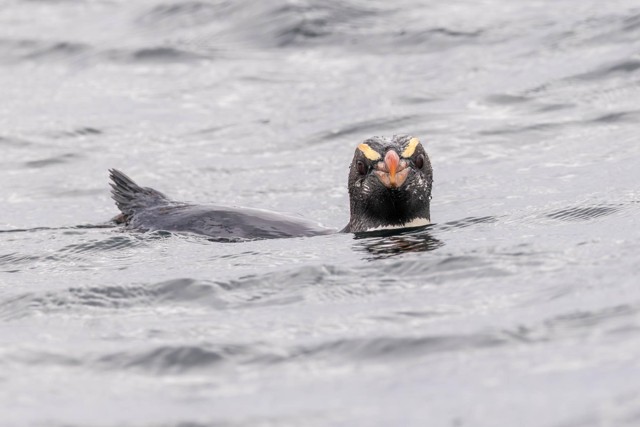
Fjordland Penguin (image by Jeffrey Higgott)
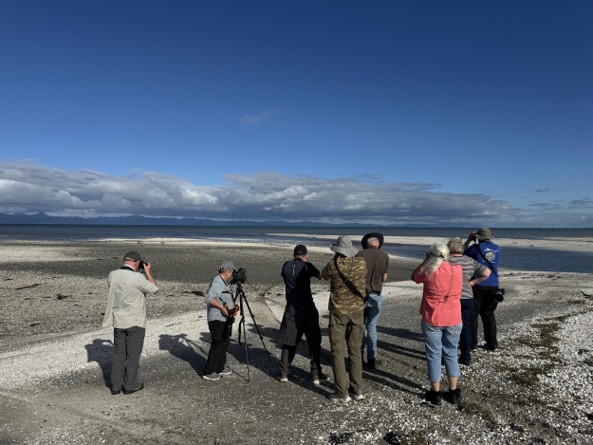
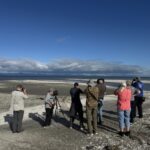
Wrybill watching (image by Brent Stephenson)
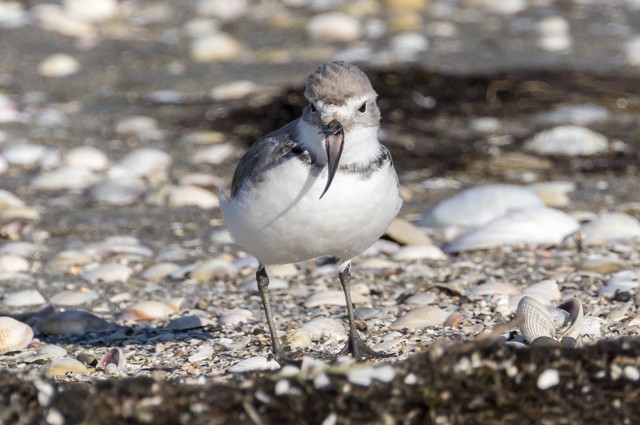
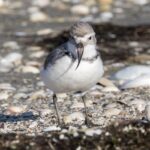
Wrybill (image by Jeffrey Higgott)
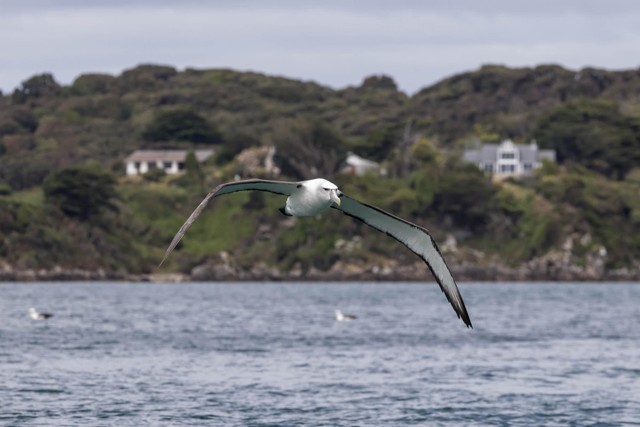
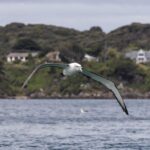
White-capped (Shy) Albatross (image by Jeffrey Higgott)
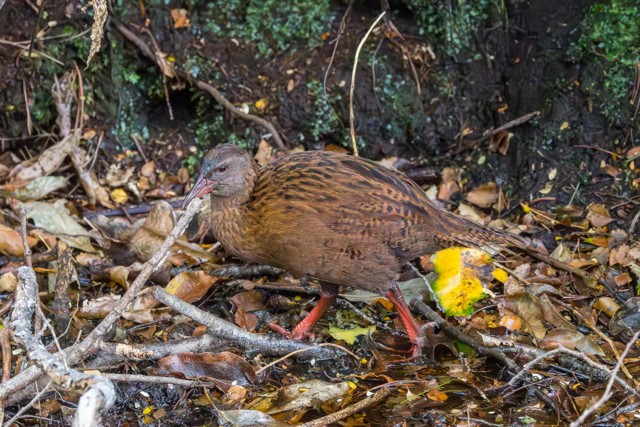
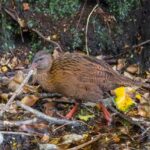
Weka (image by Jeffrey Higgott)
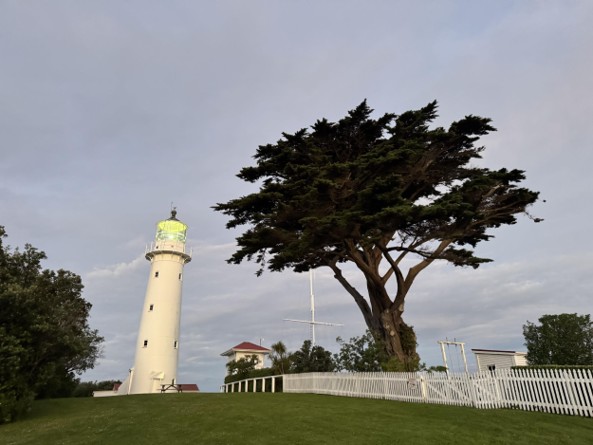
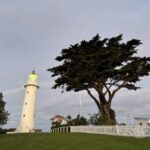
Tiritiri Matangi Lighthouse (image by Brent Stephenson)
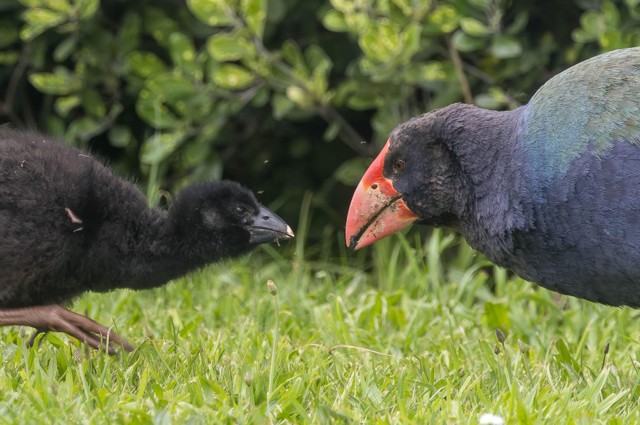
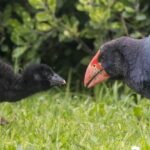
South Island Takahes (image by Jeffrey Higgott)
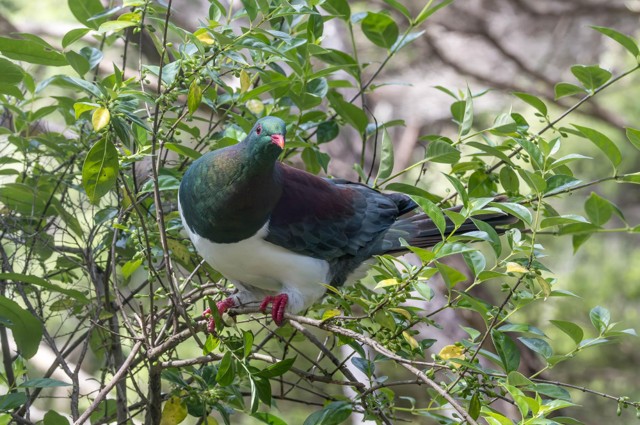
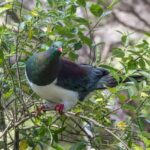
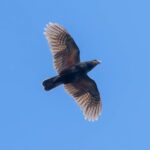
New Zealand Pigeon (image by Jeffrey Higgott)
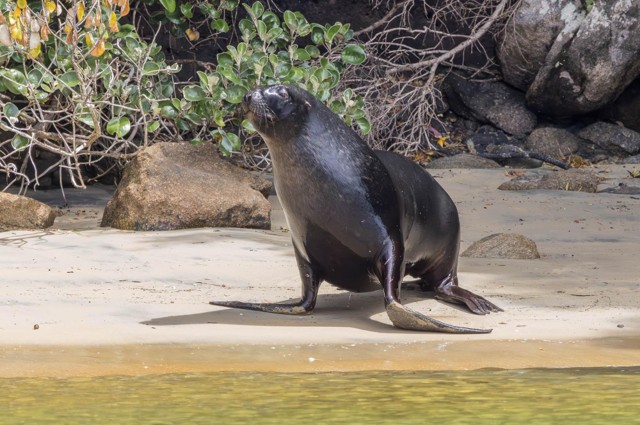
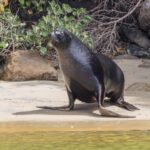
New Zealand Sea Lion (image by Jeffrey Higgott)
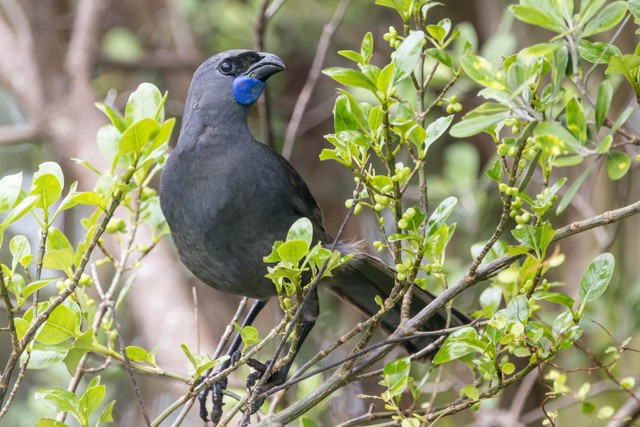
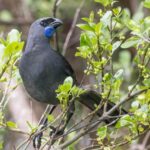
North Island Kokako (image by Jeffrey Higgott)
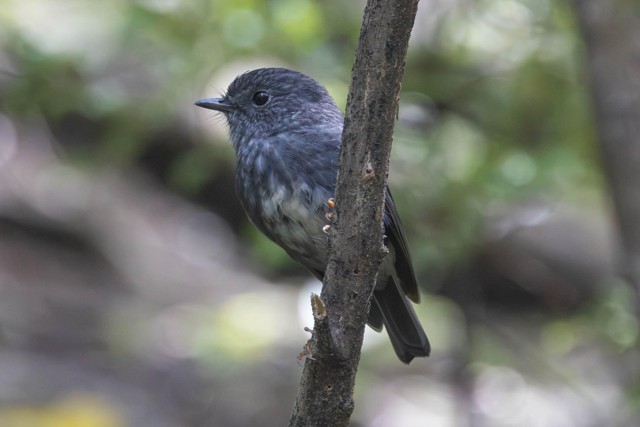
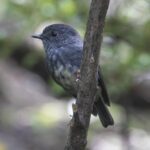
North Island Robin (image by Jeffrey Higgott)
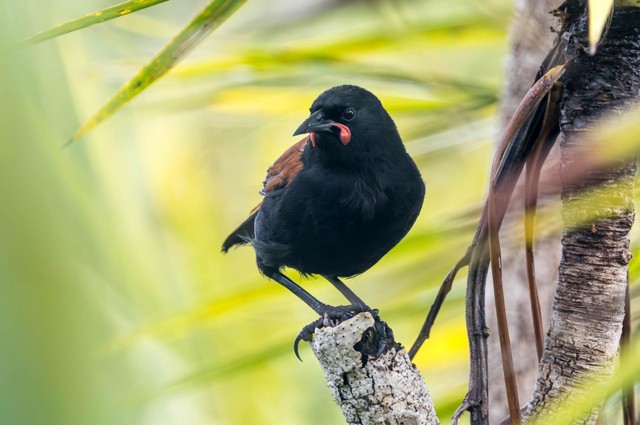
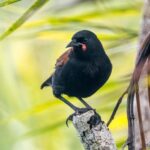
North Island Saddleback (image by Jeffrey Higgott)
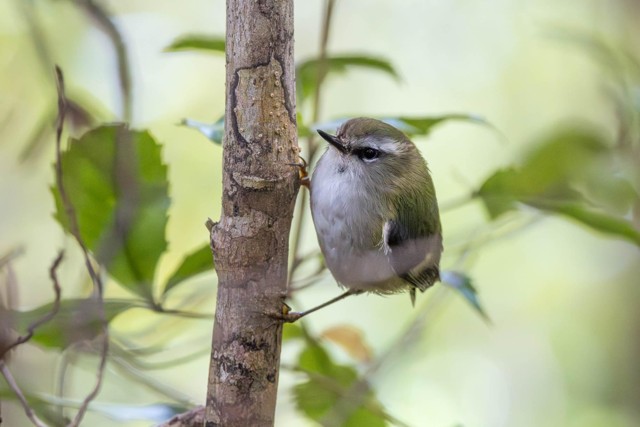
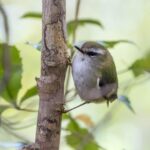
Rifleman (image by Jeffrey Higgott)
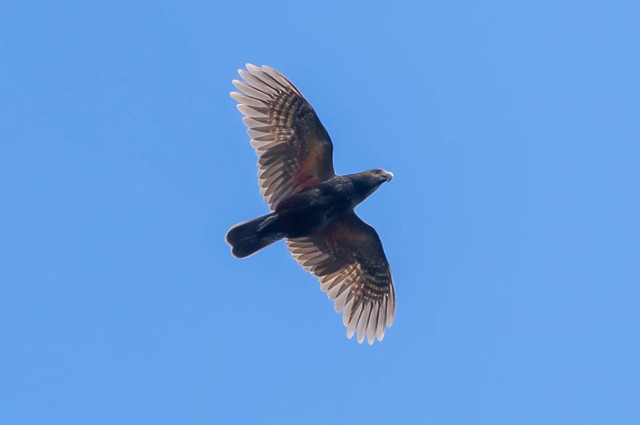
New Zealand Kaka (image by Jeffrey Higgott)
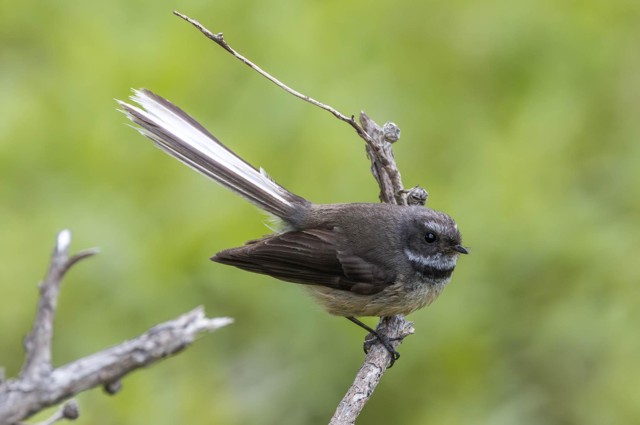
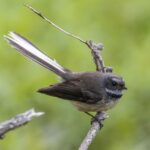
New Zealand Fantail (image by Jeffrey Higgott)
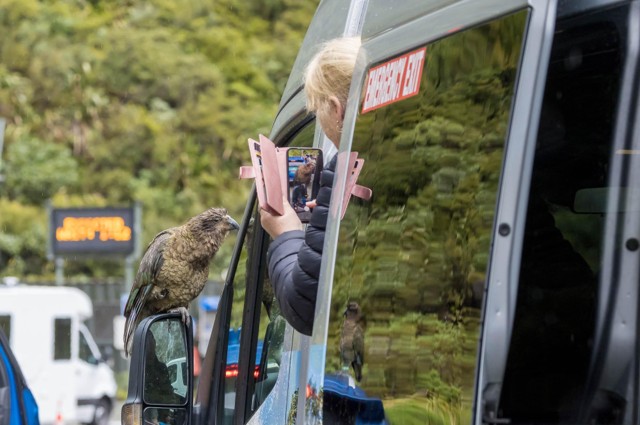
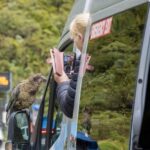
Kea (image by Jeffrey Higgott)
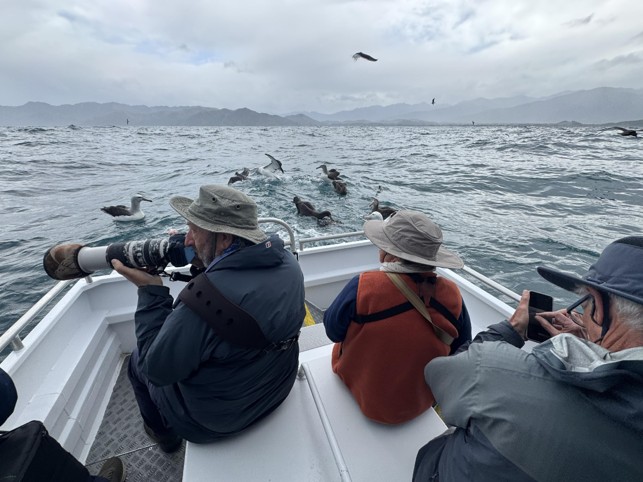
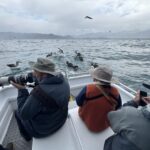
Kaikoura Pelagic (image by Brent Stephenson)
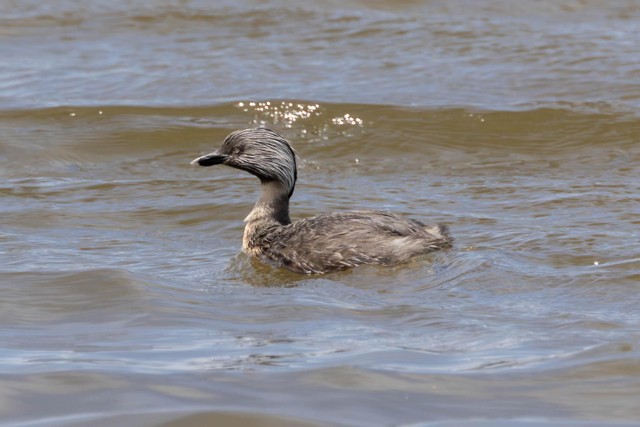
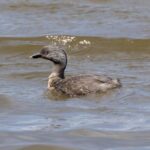
Hoary-headed Grebe (image by Jeffrey Higgott)
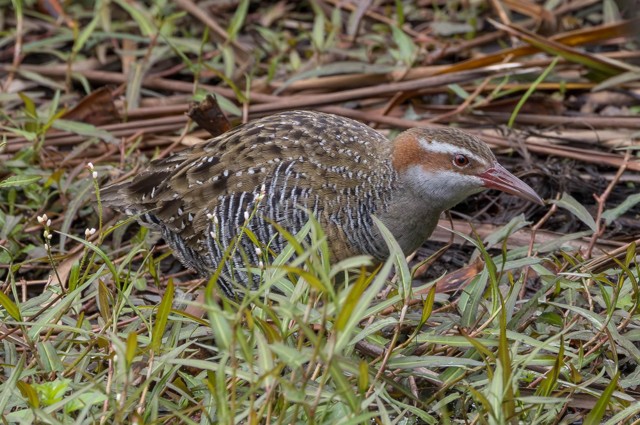
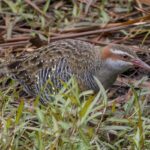
Buff-banded Rail (image by Jeffrey Higgott)
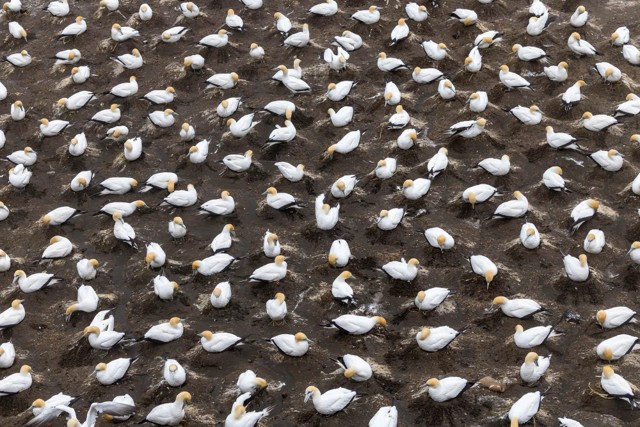
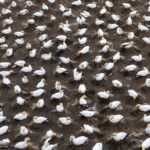
Australasian Gannets (image by Jeffrey Higgott)
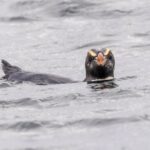


Fjordland Penguin (image by Jeffrey Higgott)
Wrybill watching (image by Brent Stephenson)
Wrybill (image by Jeffrey Higgott)
White-capped (Shy) Albatross (image by Jeffrey Higgott)
Weka (image by Jeffrey Higgott)
Tiritiri Matangi Lighthouse (image by Brent Stephenson)
South Island Takahes (image by Jeffrey Higgott)
New Zealand Pigeon (image by Jeffrey Higgott)
New Zealand Sea Lion (image by Jeffrey Higgott)
North Island Kokako (image by Jeffrey Higgott)
North Island Robin (image by Jeffrey Higgott)
North Island Saddleback (image by Jeffrey Higgott)
Rifleman (image by Jeffrey Higgott)
New Zealand Kaka (image by Jeffrey Higgott)
New Zealand Fantail (image by Jeffrey Higgott)
Kea (image by Jeffrey Higgott)
Kaikoura Pelagic (image by Brent Stephenson)
Hoary-headed Grebe (image by Jeffrey Higgott)
Buff-banded Rail (image by Jeffrey Higgott)
Australasian Gannets (image by Jeffrey Higgott)


NEW ZEALAND TOUR REPORT 2025

15 November - 5 December 2025
Brent Stephenson and David Thomas
This was a great tour characterised by pretty decent weather, managing to miss much of the rather rough and wet Spring that New Zealand had been battling. We had a great team of people, with some sharp eyes, and this always makes the trip easier for the Guide and generally results in some good days in the field. There was a good comradery in the group and everyone enjoyed some good joking and banter. As for birding, we did really well, with 153 species recorded during the tour, using the Wrybill Birding Tours, NZ checklist. One of these – Okarito Kiwi or rowi was heard only, with everything else seen well. We had an amazing evening with our first kiwi species – Northern Brown Kiwi – which showed ‘above average’ and a number of individuals seen really well. However, we did struggle with other kiwi on this tour. The weather during the evening on Tiritiri Matangi didn’t help, and a brief glimpse of a single little spotted was all we got that night. Despite Ian Cooper’s best efforts, we didn’t manage to see an Okarito Kiwi, though hearing one just feet from us, and then a pair calling not far away was definitely worth something. Great Spotted Kiwi as usual were tough, and not heard, but outstanding Southern Brown Kiwi on Stewart Island rounded out the tour. We had all the expected targets in the seabirds, with great Pycroft’s Petrel, New Zealand Storm-petrel, Black (Parkinson’s) Petrel, and Buller’s Shearwaters, plus excellent Mottled Petrel and a bonus Grey-backed Storm-petrel. In fact, four species of storm-petrel on this tour was much better than average. Bonus numbers of Little Shearwaters on our two northern pelagics. Great albatross sightings on both Kaikoura and Stewart Island pelagics, and all of the penguin species co-operated really well. Excellent views of both cuckoos – including scope views of Long-tailed Koel – were definitely highlights, especially for some! Takahe in two locations was a nice relief, with them often being tough at this time of the year whilst nesting. Morepork gave great views in two locations, and falcon gave excellent views in two locations. That definitely doesn’t happen every tour! Representatives of all the endemic families were seen well – Jeff’s image of the North Island Kokako shows we nailed stunning views of that species, as well as both of the saddlebacks. Rifleman were tough, but we ended up with good views on the North and South Islands, and weather made Rock Wren a non-starter unfortunately. Stitchbird, both kaka and kea, and excellent views of all three of the New Zealand creepers meant the families were well and truly checked off. Adding to the birds were amazing views of many tuatara, views of Bryde’s and Humpback Whales and stunning Hector’s Dolphins including a tiny calf with its mother. Dusky and Short-beaked Common Dolphins also showed really well. A brief sighting of a Long-tailed Bat on Stewart Island was definitely a bonus. So all in all a fantastic tour, with a great bunch of people.
A blue sky greeted our morning meeting in the carpark of the hotel. A quick downtown Auckland stop netted a Sooty Tern – a very rare bird for Mainland New Zealand. Despite its amorous advances on the White-fronted Terns, they seemed unimpressed. We headed to a forest spot out west, and the cloud built. From the carpark view over a forested area we had several Sulphur-crested Cockatoos, but more importantly a few New Zealand Kaka flying over the forest. Eastern Rosella, Masked Lapwing and Australian Magpie were added to the list, but more importantly Tui, and New Zealand Pigeon were seen and a Shining Bronze Cuckoo was heard. We then made our way to a coastal location where the rain absolutely teamed down. We paused for a bit, with hardly a view of the ocean. But in five minutes the rain stopped and the views cleared, so we walked out to an amazing Australasian Gannet colony. Birds were incubating eggs and showed neat spacing at ‘bill’s length’ apart. White-fronted Terns nested on the nearby rock stack. We then headed back east with the rain pounding down again, and made our way into a park where the rain started to ease. But not wanting to get wet before we needed to we decided to drive to see if we could find a Takahe, and bingo there was one in the grassland as the rain drops suddenly sputtered to a stop. Happy with this spectacularly ancient looking bird we decided to do a walk through a forest, where in quick succession we had Tui, Bellbird, Brown Teal, New Zealand Fantail, more Kaka, Silvereye, North Island Saddleback, Whitehead and North Island Robin. We managed to spot a skulking Buff-banded Rail pair with chicks, and then after moving to a new spot a pair of New Zealand Pipit decided to really give a show. An even more skulking Spotless Crake gave us a brief but good view. Dinner was at an excellent restaurant, before an early night.
The next morning, we arrived to Sandspit Wharf and boarded our boat. Headed out we had a very nice pair of Little Penguins on the water in flat conditions, first penguin species for some! Further out we started to see a few Fluttering Shearwaters, and with quite light breezes, not a lot of other flying birds, but a good number of Common Diving Petrels on the water feeding and taking off as we passed them. Not far before our chumming spot we had four Little Shearwaters fly past and then land, so we circled and got great views of this often difficult species. We got to our chumming location and set about chumming, leaving a great slick. Not too far away we could see a large group of Fluttering Shearwaters, with a few White-fronted Terns and Australasian Gannets feeding, they were mobile and moving around as fish popped to the surface in one place, and then another. But closer to us were more Little Shearwaters, wow. New Zealand Storm-petrel was the first stormie in the slick, and before long two of them. White-faced Storm-petrels ‘finally’ turned up and joined the gathering throng of Flesh-footed Shearwaters. A single Wilson’s Storm-petrel made a brief but good appearance. Fluttering Shearwaters came in to feed, and we had one Buller’s Shearwater make a pass, and then one Sooty. Cook’s Petrels were evasive with a slow ‘trickle’ of birds passing, mostly not close. A couple of Fairy Prions were even more evasive passing further out. A steady stream of Little Shearwaters throughout the day was unusual and welcome. No Black Petrels showed, despite constant searching of the 100+ flesh-footed shearwaters. We had a reasonable view of a Bryde’s Whale as it passed a wee way off, the only mammal of the day. A great day on the water. Up and away and first stop at an estuary to look for a really rare tern – New Zealand Fairy Tern. This subspecies numbers around 45-50 birds total in New Zealand. We watched an area as the tide dropped, and despite the wind we had one fly in to view after about 15 minutes. Good flight views and then it landed in mud as the tide receded. A second and possibly third bird showed, but didn’t come close. Bar-tailed Godwit made an appearance, as well as Red Knot, New Zealand Dotterel and Double-banded Plover (banded dotterel). We headed to another spot on the same estuary, managing to see another couple of Fairy Terns, but again not close. Searching amongst the many Variable Oystercatchers we found a few South Island Oystercatchers, and in the Red Knot and godwit, a Curlew Sandpiper and Ruddy Turnstone were found. We hoped for closer terns, but to no avail. Our third stop became our picnic lunch stop, and although again we were seeing distant fairy terns, only one showed itself a bit closer for a brief moment. Lots of oystercatchers, White-faced Heron, and our first Skylark singing from above. We drove north stopping at a small lake, where we found both Australasian Little Grebe and New Zealand Grebe (dabchick) side by side and squabbling. A male New Zealand Scaup was new for the list, and we had Black Swan, Australasian Shoveler and amongst all the Mallards were a few ducks that physically looked like Pacific Black Ducks, but probably had a few Mallard genes bottled up inside. An early dinner and then out to look for kiwi! As we waited for dark, the nocturnal sounds of the forest came alive. It wasn’t long before a kiwi called, surprisingly a female first, then her mate responded. Then a Morepork. The calling increased and we set off. Lots of calling got us excited, and after about 20 minutes we had a female in view for about 8 minutes or more as she steadily fed through the grassy vegetation and undergrowth. A short while later two large females chasing each other around were amusing, and then right at the end of our walk another large female steadily walking and feeding through the grass. Amazing views of this wonderful species!
Heading out on our pelagic from Marsden Cove, the conditions looked better than the forecast! We made a quick stop to look for nesting Little Pied and Pied Cormorants, and almost missed the ‘promised’ reef egret. As we started to leave it flew back and landed on the island, maintaining Steve the Skippers perfect score. As we got out the water was a bit lumpy, with mostly 1+ metre swell, but every now and then a slightly larger one. The wind was around 10 knots and about perfect, and as we got out deeper, good numbers of birds started to be seen. A small group of Short-beaked Common Dolphins came in for a quick ride of the wake, and then a Mottled Petrel caused excitement as it came up the wake and veered off. We stopped at two chumming locations, with much the same assemblage of birds. We had our target Pycroft’s Petrel come in shortly after stopping, and had pretty good views of these tricky Pterodromas. Lots of Cook’s passed, so it was a matter of picking the Pycroft’s out, if we could. Lots of Little Shearwaters seen today, and the first storm-petrel was a New Zealand stormie. Then a Wilson’s. Fewer White-faced during the day. We had loads of Flesh-footed Shearwaters at the back of the boat, and a Short-tailed Shearwater made a quick pass. Several Sooty Shearwaters, and a couple of Buller’s made quick passes. A single Black Petrel saved the day. In the end we had around 10 Mottled Petrel pass, obviously still on their way south. A couple of whale blows off in the distance from the second chum spot probably belonged to a Bryde’s Whale. Before long the chum bag was empty and it was time to head back in. An excellent day with pretty excellent conditions for pelagic birding. We arrived at Gulf Harbour and got all our gear ready for our time on Tiritiri Matangi. Boarded the ferry and a quiet ferry ride, with just a single brief Little Penguin and no tubenose seabirds. We had our briefing from the Dept of Conservation Ranger and then headed on up towards the bunkhouse. A singing male Kokako seen within 100m of the wharf was nice, and the Stitchbird shortly afterwards, both males and females coming into a feeder. We saw North Island Saddleback, Whitehead, Red-crowned Parakeet and lots of Tui, Bellbird and Pigeon on the way up. We had a nice lunch at the bunkhouse and then set out for a walk for the afternoon. We hadn’t made it far and a family of Takahe with a half grown chick from this season, and last year’s chick and mum and dad showed themselves. And then a beautiful unbanded Kokako put on a real show singing and feeding right in front of us. Brown Quail, Red-crowned Parakeet, Whitehead, more Stitchbird, a nice show. We had a lovely BBQ dinner and then as it started to get dark headed out for a chance at little spotted kiwi. We had a lot of Little Penguins, Brown Teal, and at least ten Tuatara, plus heard Common Diving Petrels in breeding burrows in a number of different places. A few kiwi calls, and some Morepork calling, but no kiwi, and then the drizzle started… dang! A quick break at the bunkhouse, then back out as it eased. We managed to glimpse a Kiwi, that frustratingly disappeared into thick vegetation. A very nice perched Morepork calling in front of us was a consolation.
A nice morning exploring the island before catching our water taxi. Most of everything seen the day before seen again and well, and Rifleman added to the list. The water taxi ride back had a surprise in store for us in the form of 10 Arctic skuas in a raft on the water. No terns, gulls or anything else nearby except a lone penguin. From Gulf Harbour we drove and checked out an estuary, but the tide was still holding high, and we had lunch beside some ponds where we had good waterfowl and added Grey Teal to the list. Nice to see New Zealand Dabchick again. We headed through to Miranda, and then to a nearby wetland area. A Glossy Ibis was seen and lots of Pied Stilts but nothing else new. A stop on the coast got us stunning views of Wrybill at about 10 paces, showing all the features and in beautiful light for photography. Nearby Black-billed Gulls compared nicely with Silver Gull, before a lovely dinner and an early night.
Wrybill are always a great way to start the day, and so we did. We then headed to another location to enjoy around 5000 Bar-tailed Godwit and their friends. There were Red Knot, we found a couple of Sharp-tailed Sandpipers and a number of Pacific Golden Plover, and some more Wrybill. We enjoyed the shorebird spectacle and then headed back to the accommodation to pack and head off to the spot we had found the Glossy Ibis yesterday. No ibis today, but we did find a flock of Bar-tailed Godwit with South Island Oystercatchers and some more Pacific Golden Plover, as well as a single Double-banded Plover. We carried on through towards Pureora, making a quick stop along the way, to have lunch and allow one of our team to pay his respects. We arrived at Pureora Forest Park and spent some time looking for the first of our targets with Tomtit heard, but frustratingly hidden, good Kaka flyovers, and some distant chattering Yellow-crowned Parakeets. Our next stop was more productive with parakeets, tomtit and a beautiful Shining Bronze Cuckoo seen well. We then did a forest walk with ancient Podocarps and enjoyed the ferns, mosses and ridiculously large fuchsia. North Island Robins sang, but no sign of a brief calling rifleman. At our last stop we did a short walk and enjoyed a forest tower, where a Rifleman was glimpsed but not nailed down. Surprisingly, no sound from any Long-tailed Cuckoo. We headed off towards Turangi, dinner, and bed.
Out the door early, bittern-like early mornings. We got to a wetland spot and waited. The light was nice as it peaked out from between low cloud and distant fog. Bittern boomed, but nothing showed, except for two very amorous Fernbird. We moved slightly and shortly after had an Eurasian Bittern fly low over the wetland and drop into the reeds after just a few seconds. Luck was with us and it did it again for slightly longer. We needn’t have worried, a second bird flew past us high and with lovely light, giving great views. Eurasian Coot, New Zealand Dabchick, Black Swan in abundance. Our next stop was a fast flowing river. No blue duck at the first stop, but the second produced a pair of Blue Duck with four small ducklings, likely less than a week old. In the very fast flowing water they showed they are made of stern stuff. We watched them and enjoyed their antics, before heading back to the accommodation for breakfast and bags packed we left for Napier. We made a quick lakeside stop for New Zealand Scaup, and then a forested area where we enjoyed lunch. Although we were rudely interrupted by a pair of Kokako mid sandwich. Starting a walk we heard sputtering from a Long-tailed Koel, and BINGO! Two birds were clearly feeling like Spring was in the air and were chasing and flying above us. We had flyover views, then perched views and then scope views, amazing! The rest of the walk was good, with Tomtit, North Island robin, Whitehead, and some beautiful forest. A pair of Rifleman finally gave themselves up. It was time to head to the coast, where we visited two coastal spots, the first for Double-banded Plover, the second for ridiculous views of Spotless Crake. Three birds showed, with two thinking they had cloaks of invisibility as they crossed open channels in the mud. Unfortunately, there was low cloud on the top of our viewpoint, but we did see a couple of New Zealand Pipit in the mist, including a bird that did a lovely aerial display for us. We then checked out a wetland/estuarine area, where we had a good flock of Bar-tailed Godwit, a couple of Red Knot, a gaggle of Pacific Golden Plover, and new for the trip a Little Black Cormorant, two Red-necked Stint, several Black-fronted Dotterel, and a Eurasian Whimbrel. Several New Zealand Dotterel were nice to see. Our next stop had a breeding colony of Little Pied and Little Black Cormorants, with Royal Spoonbills. Eurasian coot slumbered on the nearby grass. A long drive saw us break for lunch, hoping for a flyby falcon, but no luck. But our luck was in with a stop for Nankeen Night Herons which although skulking in the shrubbery showed well with at least two adults, and an immature bird. One adult was on a nest, shuffling around and seeming to show a chick at one stage. A quick estuary stop showed (as expected) the tide well out, and distant bar-tailed godwit amongst other wading birds. So we checked in to our accommodation, relaxed , then had a delicious BBQ dinner on the lawn, with cheeses, steaks, salads, etc followed by Hokey Pokey icecream. Of course the wine and beer flowed…
An easy morning heading down the coast, with a stop at an estuary, where we found some New Zealand Dotterel, probably our last of the tour. We looked for White-fronted Terns, found a few birds, but no gathered flock. Another stop on the coast produced a dead Southern Conger Eel on the shore, but no birds of note. We ate lunch at the ferry terminal while we waited to board. Finding a spot on the ferry to view the sea, we headed out. A Spotted Shag was first up before we had left Wellington Harbour, then a few Fluttering Shearwaters. The sea was calm in the Cook Strait, but a good breeze kept the birds coming. In the end we had a number of dark Procellaria petrels, with the four that came close proving to be Westland Petrel. A few Sooty Shearwaters, a single Buller’s Shearwater, some Fluttering and a few Hutton’s Shearwaters, hundreds of Fairy Prions, and our first albatross of the trip. Several Salvin’s a couple of White-capped and two Northern Royal Albatrosses (the latter distant, but identifiable). A Cook’s Petrel and a surprise Mottled Petrel also were added to the list. All in all a good crossing. Into the Sounds and the surprises continued, with a Weka on a beach, a superb New Zealand Falcon distantly flying over a ridgeline that everyone managed to get on, two New Zealand King Shags, some distant Dusky Dolphins, and a lot more Fluttering Shearwaters, a couple of Flesh-footed Shearwaters, and even a lost prion.
The next day, we boarded our boat and headed out on to the beautiful Queen Charlotte Sound. There was a bit of cloud, and a breeze, but things were looking good as we found our first Fluttering Shearwaters. Shortly after a King Shag showed really well on a rocky headland, and then several Spotted Shags. More Fluttering Shearwaters and Spotted Shags, some Dusky Dolphins as well. Then suddenly our Skipper Daniel spotted a mother and calf Hector’s Dolphin. The calf was tiny and still had ‘fetal folds’! Amazing. We carried on, more Dusky Dolphins, and an Arctic Skua. Then 47 more King Shags on another rocky headland. Mostly adults with a few immature birds with them, and great to see this very rare species, just 700 birds. We then landed on a small beach and headed to a spot to begin our search for Orange-fronted (Malherbe’s) Parakeet. Not a squeak! We moved positions, and Sav who was with another small group had found a pair which had moved on, but we waited, and a few minutes later found them again. Great views of this lovely little parakeet feeding quietly at very close range. We enjoyed them for quite some time, then a few Weka, and then wandered a trail and found a pair of South Island Saddleback. The female looked to be a very young, perhaps one year old bird, and the male was courtship feeding her. We again watched these birds for quite some time. We headed back to the beach, enjoyed the Weka, and then boarded the boat. With a morning hot drink in hand, we searched for and found more Hector’s Dolphins, and got more nice views. Carrying on to another spot to look for a Spotted Shag colony, we were rudely interrupted by another group of Hector’s, and then another. One of the young animals leaping a number of times! Back in Picton we grabbed some lunch and ate at a small wetland area, finding both New Zealand Dabchick and Australasian Crested Grebe, plus other water birds. A second stop we found loads of nesting spoonbills and ducks, and then a third stop had Hoary-headed, New Zealand Dabchick and Australasian Crested Grebe. A last stop on the coast for fur seals, Spotted Shags and White-fronted Terns and Red-billed Gulls. Fish and chip dinner on the lawn, drinks, and then a Little Owl showed pretty well for us.
We awoke to a very strong wind from the North, and heading out to the tip of the Peninsula it was looking a little rough out on the ocean. There were lots of Hutton’s Shearwaters passing and distant albatross also. We headed to South Bay, and it looked a bit better in the shelter of the Peninsula, and we boarded and headed out with our Skipper Kevin. Not long after leaving the dock we had a White-capped Albatross come past, and so it began. At our first chumming stop we had White-capped and Salvin’s Albatross come in quickly, followed by Northern Giant and Westland Petrels. It wasn’t too much later and the first New Zealand Wandering (a Gibson’s type) came in and started taking control of the chum. A near constant stream of Buller’s Shearwaters coming past was a nice addition, a few Sooty Shearwaters, and then a young Northern Royal Albatross. Great to see this species up close after distant views on the ferry. At our second chumming location we had pretty much the same assemblage of birds, but a white-chinned petrel came in close and gave a nice comparison. The third location was again similar, but a few fairy prions passed by. We headed into shore, grabbed a quick lunch and then three of us headed out for a second afternoon albatross trip, whilst two headed out to see whales. The birders got a couple of Flesh-footed Shearwaters which were new for the day, and on the way back in some Fluttering Shearwaters, again new for the day. Plus, a distant Humpback being watched by the whale watchers. The conditions had changed drastically during the afternoon, with the sun now out and the wind changing to a warm sou’ wester. The whale watchers had nice views of a playful Humpback and loads of Dusky Dolphins. A beautiful dinner beside the sea with stunning views of the mountains.
Beautiful views along the coast, before heading inland towards Christchurch. We stopped at an estuary, but the tide was very high. Distant views of bar-tailed godwits roosting on an island and some distant Black-fronted Terns. We headed to a spot on a nearby river and managed to get great views of a surprise pair of Black-fronted Dotterel, plus several Double-banded Plovers and then the target Wrybill and Black-fronted Terns. Nice close passes by Black-fronted Terns, and the Wrybill were feeding along the edge of the river. Nice to see them here on the breeding grounds. Massive rain drops started to fall, so we set off for the van. The wind was pretty strong and the rain clouds in the mountains looking ominous. We stopped at the World Famous Sheffield Pie Shop and grabbed lunch, eating it in a nearby park. Then off into the foothills and towards Arthur’s Pass. We had heavy rain at times and very strong winds, but stunning scenery visible for much of the time. Our first stop in Arthur’s Pass and we had a Kea, itself trying to dodge the rain in the cover of a shelter. First views, but off to find some more. At a mountain viewpoint we had another Kea, and still more rain. And then back down in Arthur’s Pass Village we had a quick break to wait out the last of the rain and had five or so Kea flying around the Village, and perched in trees. Such great birds. We then did a forest walk, where things were a bit quiet, but we had a pair of South Island Robins show off really well. Bellbird called, but not a lot else. After dinner we headed out to a spot to see if we could hear a Great Spotted Kiwi call. The wind was causing a lot of ambient noise, and no kiwi nor Morepork even heard.
A relaxed breakfast and then on the road. A Kea in Arthur’s Pass and then on towards the West Coast. As we got to the coast, the sun was out and weather looking better. We made a couple of quick stops, but no birds of note. Lunch beside a beautiful lake and stunning scenery, and a Great Egret flew across the lake and landed nearby. We did a short walk and found our first pipipi (Brown Creeper). They came in and gave good looks, before skulking off through the trees. We then met with Ian Cooper from Okarito Kiwi Tours and had a run-down of the plans for the evening. Afterwards we did a great forest walk and got amazing views of Fernbird and then more pipipi. A black morph New Zealand Fantail came in and showed itself well. We then headed through to the accommodation, had dinner and then back out to meet with Ian. We had a bit more discussion of plans, some training, and enjoyed some really close South Island Robin trying to interrupt Ian. As it got dark we spread out and started our search. Not long after dark, one of the gang heard a nearby kiwi. We all gathered around the area, and could hear a bird, likely the female Rico, who does not carry a transmitter. She was moving quietly very close to the track, likely feeding. We moved several times paralleling her, but then she decided to head away from the trail and into the dense bush. Twenty minutes later or so she called about 10 times, and then a short time later her mate Moss called back. He had crossed the trail and unfortunately then moved off away from the trail. We waited for almost an hour, hoping Rico would come back to a spot on the trail and cross to join him. But she didn’t. With Ian’s experience of these birds, it was very clear that luck was not on our side tonight. We headed home disappointed we had not seen an Okarito Kiwi, but had heard both male and female calling to each other.
We woke to a cloudy day and a few spots of rain. We did a short walk seeing beautiful green-hood orchids and forest, and the now almost empty glacial valley that once held the impressive Franz Josef Glacier. Now just a sliver of it is visible in the head of the valley. We carried on south, and the rain started to come down. Notice of a road closure ahead with a truck stuck on a critical one lane bridge was a little un-nerving, but we continued hoping it would be cleared. We made a stop with steady rain falling, but hoped a soggy falcon might make itself evident. Scanning the skies and emergent podocarps we eventually had lunch, and waited as the rain eased. Surely now? And boom, a female New Zealand Falcon flew over our heads, dipped low over a field, circled back and disappeared. Damn brief but good views for some. Chris managed to find the bird in the top of an emergent tree, and getting the scope on it we all had a good view of the bird looking out over the forest before it flew off. Nice! We carried on through towards Haast Pass, heavy rain at times, but at least the road was open. We made another stop in beautiful beech forest, although it was raining, and tough work following the Rifleman through the dripping forest. Views of at least three birds. Coming in to Wanaka the rain stopped, and in sunshine we had very close Australasian Crested Grebes courting and nest building, and New Zealand Scaup paddling about. Checking into the accommodation we met with David Thomas who is taking over the tour for Brent. We headed out to look for New Zealand Falcon at a local spot, but no luck. An amazing Indian dinner to end the day.
David took control of the day, loading the van and getting us up to the top of the Crown Range for a beautiful view of Queenstown. Down into Queenstown to refuel, try a ‘Turduckin’ pie, and drop Brent at the Queenstown Airport. From there we carried on driving past the very scenic Lake Wakatipu before driving through rural Southland heading towards Te Anau. Along the way we crossed several braided rivers with Black-fronted Terns, Black-billed Gulls and Southern Black-backed Gulls all present in good numbers. Black-fronted Terns gave fairly good looks as we drove along, watching their loopy flight hawking over farm fields. Arriving in Te Anau we grabbed some lunch from one of the local bakeries before heading up the Milford Road. The road from Te Anau through to Milford sound is probably the prettiest drive in all of New Zealand, and today while the weather was frankly rather terrible, was no exception. Milford Sound and the Milford Road is spectacular in rain or shine. Today it was certainly towards the rain and cloudy end, with low cloud and rain giving the valleys an eerie look about them. Our first stop was at a couple of small lakes, we enjoyed watching New Zealand Scaup diving in the clear waters, as well as a pure Pacific Black Duck. We also saw some large endemic Mistletoes Peraxilla spp, right over our heads. They’re very susceptible to possum browse so it’s always nice to see big healthy plants. Unfortunately, due to the rain the rivers were up significantly, and this resulted in Rock Wren being off the table, with the site requiring several river crossings in a fairly short time it just wasn’t safe. Instead, we carried on through the Homer Tunnel and down the Cleddau Valley into Milford Sound Piopiotahi itself. From there we took time to soak in the vistas, with Mitre Peak and the Sinbad Valley the former home of the last mainland Kakapo in full view. We were treated to brief views of Weka in the carpark, several Tui and Variable Oystercatchers out on the tidal margins of the sound. From there we headed back towards Te Anau hoping to make the most of a clearing in the rather insistent rain back down the Eglinton Valley. Stopping on the way we had a brief flyover of a rather wet Kea. We spent about 15 minutes in the rain looking for Blue duck, and were finally rewarded for our persistence with a nice flyby of a single adult. We stopped at some incredible Red beech forest typical of this part of the country and had s short walk. We were immediately greeted by a loudly singing South Island Robin, who while showing well, stayed frustratingly high, along with the robin we saw two pairs of Rifleman, heard and saw several Kaka including one chatty individual we watched for five or more minutes. Yellow-crowned Parakeet were also present. Further down the valley there had been a report of a breeding plumage White-winged Black Tern which we tried at several locations adjacent to the Eglinton River to see, but were unfortunately unable to locate it. We did however get more good looks at Black-fronted Terns and a lovely New Zealand Pipit. From here we headed back to Te Anau where we ate a lovely steak meal.
Today started with an early start as we left Te Anau and headed to a nearby pond to look to Baillon’s crake. We were serenaded by several yellowhammers and other introduced finches as well as Tui doing dawn chorus calls. The lake is a beautiful spot, surrounded by split rushes and is a reliable spot for Baillon’s crake, and today was no exception with good looks at a bird as it swam between several rush clumps out in the lake. Great spotting by eagle-eye Paul, we managed to get the whole group onto it. We also saw lots of mallard x pacific black duck hybrids and several families of New Zealand Scaup with small ducklings. From here we drove straight through to Invercargill stopping quickly for lunch and snacks before arriving in Bluff for the Stewart Island ferry. On the drive we had some large flocks of Black-billed Gulls, Black-fronted Terns and a colony of pied and little pied shags on a small man-made duck pond right near the road. The Stewart Island Ferry is awesome and today was no exception. As we left Bluff Harbour we were greeted by approximately 100 fluttering shearwaters, an unusual sight this far south. We got good looks at White-capped Albatross, common diving petrel and Little Blue Penguins from the ferry, along with flybys of Cook’s Petrels, a single Sooty Shearwater and a few Cape Petrels. Arriving into Oban we were treated to flyover Tui, Kaka and New Zealand Pigeon, we wandered around the town for a bit over lunch enjoying the sights sounds and gift shops that New Zealand’s southernmost town had to offer. From Oban we took a water taxi around to Ulva Island, stopping on the way out and spent time looking at a Mohawk wearing Fiordland Crested Penguin chick that was sunbasking in a cave entrance. Further on we noticed three Fiordland penguins preening on the water, Matt the skipper edged the boat slowly up to them, and we got to watch them preen and wash at 10-15m for several minutes before carrying on our way. We also enjoyed looks at a large male New Zealand Sea Lion who came and checked out the boat. Ulva was absolutely humming with birds, and we had great looks at Red-crowned Parakeet within 10m of getting off the water taxi. Stewart Island robins were abundant, and came to feed on the edge of the trail really showing off. The key target on Ulva was Yellowhead/Mohua and while we heard some immediately, it took a little bit of searching to finally get good looks, across the day we probably saw at least 15-20 individuals. South Island Saddleback performed well, with a pair seen feeding each other. Other birds of note were Yellow-crowned Parakeet which aren’t always seen, Rifleman, Brown Creeper, and Weka with young chicks. We also had brief and frustrating looks at a daytime kiwi, my first for Ulva as I always seem to miss them! Brilliant dinner as always at the South Sea Hotel followed by Kiwi spotting with Beaks and Feathers. We had an incredible evening out looking at Kiwi, with 5+ birds seen including two at arm’s length, including foot sniffer who came up and said hello with a good sniff in our direction before carrying off on her merry way. We were lucky enough to see one of this seasons chicks, who was probably less than a month old, a real pocket rocket.
Today was all about seabirds, with a whole day pelagic excursion planned. We headed out from Oban to try and get better looks at Fiordland Crested Penguins. They obliged with really good looks at a bird outside of a cave, and another couple showing further in the cave. We then headed out to some of the islands to look for Yellow-eyed Penguins. These are getting harder and harder to see these days and while we searched extensively we were left wanting, with none to be seen. We were however treated to flyovers and close passes of the local Brown Skua pair on a nearby rock stack, this pair have been here for 15+ years and are very curious and habituated to people and always put on a great show. From here we steamed for about 45 minutes to Wreck Reef where we began our chumming. Upon arrival there were several large feeding and resting flocks of Sooty shearwaters, and off in the distance the Skipper spotted the blow of a Humpback Whale, which he had seen the previous day. It gave brief views and several more spouts before disappearing. There wasn’t a huge amount of wind, so the diversity wasn’t as high as you can hope for, with lower than normal numbers of albatross, and other small seabirds. Across the course of three different drifts we saw Southern Royal, White-capped, and Salvin’s Albatross with a single White-chinned Petrel and up to 30 or so Cape Petrels. The highlight of the day however was an incredibly cooperative Grey-backed Storm-petrel, which hung around the boat for 1 ½ hours cruising up and down the chum slick offering everyone crippling views of this tiny storm-petrel. There were also constant movements of Sooty Shearwaters with in excess of 5,000 passing the boat over this time period. On our way back in we checked the islands again unsuccessfully for Yellow-eyed Penguins and finished up the day with a stop at Foveaux Shag colony where approximately 250 birds were seen, a large proportion of the world population of these localised shags. After another lovely meal at the hotel we headed out on dusk looking to catch up with morepork for those who had missed it earlier in the trip and we were eventually rewarded with brilliant views of a bird foraging in the township. Eagle-eyed Paul struck again with a distant and high flying Long-tailed Bat. A difficult species to see and one of only two extant endemic land mammals (both bats).
It’s always sad to leave Stewart Island, especially after having such success with all our key targets under our belt. We had another enjoyable ferry ride, with 10 Little Penguins seen, several Fiordland Penguins and over 100 Common Diving Petrels. We also saw a dozen or so White-capped Albatrosses, a handful of Cape Petrels, Sooty Shearwaters and a single Cook’s Petrel. There were 100 or so Fluttering Shearwaters foraging outside of bluff harbour once again. We also had a younger Foveaux Shag flying behind the boat for several minutes allowing closer study. Back on the mainland, we headed for a small bay, an incredible spot with the hopes of Yellow-eyed Penguins. But again it was not to be, with the area you can sometimes see them being closed to avoid disturbance during the breeding season. It was cool to see the petrified forest and rugged coastline typical of this part of coastal Southland. We also had really good looks at a pod of Hector’s Dolphins that were foraging along the surf break. From here it was a long haul through to the incredibly scenic Catlins. While passing a large forestry cutover, a falcon was noticed out the window so we quickly pulled over. This falcon circled on a thermal crossing the valley before being joined by its mate who was calling to it before they both disappeared over the horizon. Awesome to get another look and in slightly less wet conditions than earlier in the tour. Our stop on the coast was at one of the most reliable spots for Yellow-eyed Penguins of late and today was no exception with no fewer than seven individuals seen. Upon arriving we were greeted by a pair of birds mutually preening, calling and generally showing off at approximately 20m. For a normally incredibly shy bird these showed better than I think I’ve ever had and was undoubtably the highlight of the trip for me, and some of the group. We had flyby Otago Shags, White-capped Albatross and Hutton’s Shearwaters, plus a large and active Red-billed Gull colony. Just as we were leaving we had the fortune of watching not one, but two Yellow-eyed Penguins coming ashore in full view. Epic. We spent the evening in Oamaru, enjoying a lovely dinner before visiting the Steampunk Museum where the Murder train was a real hit.
The second to-last day began with a quick trip to see a large colony of Otago Shags, which was at the end of its breeding season, with most chicks at fledging or already having left. From there we drove to Timaru, visiting Washdyke lagoon looking for the long-staying Cape Barren Geese, which remained hidden amongst the 2000 Southern Black-backed Gulls, 1000+ Feral greylags and large numbers of Canada Goose families with young goslings. We did however turn up a Sharp-tailed Sandpiper which is uncommon for the area. Heading inland we aimed for Fairlie Bakehouse, a worthy stop in its own right, with probably the best pies in the country. Pork Belly and apple was a real crowd favourite. We then carried on to Lake Tekapo where the hunt for Black stilts the last remaining endemic was to begin. It was a stark change from when I had last visited with the lakes being at record high levels meaning looking for the stilts in the spots they had been only a week before was now several feet under water. Heading past several of the usual spots we saw no Black Stilts, but quite a few Pied stilts, Great crested Grebe, Scaup, Shoveler and Mallard hybrids. Arriving at another location, we headed to the ponds where they had been seen the previous day, finally we were rewarded with brief but very distant views. Thinking that this would be the first of many seen, we carried on hoping for closer and better views. Heading up a small mountain for lunch we soaked in the incredible views of Aoraki Mt Cook and the Southern Alps as well as views up Lake Tekapo to the Godley River. An incredible vista but it didn’t yield any Chukar, with none seen or heard. From there we spent the rest of the afternoon checking every likely spot for Black Stilt that I have known across the entire Mackenzie Basin to no avail. High water levels and strong winds made life incredibly difficult, and we were all left rueing the what-if of the bird we saw earlier in the day. Ending the evening in Twizel with an incredible dinner, and a few celebratory beverages.
Today could be described with one word, windy. We set out to look for Black Stilts after getting frustrating and distant looks the previous day. We drove to a nearby site, and the habitat was fantastic, but there were only Pied Stilts to be seen! Frustrating. We then tried another incredibly reliable spot, but the same as the previous day, the lake was the highest I had ever seen it, and the usual braids and gravel bends were all under water so besides large numbers of Canada geese, a few Black Swans and some Spoonbills there was nothing to be seen. It was also probably the windiest I have ever had it up there with the scope and binoculars bouncing all over the place. Back to the location we had seen the bird yesterday, to try and get better looks at the bird we saw yesterday morning. Upon arriving there were only Pied Stilts to be seen, bummer. There were a handful of Banded Dotterels, and Wrybill foraging on the edge of the ponds giving a nice final look at these cool endemics. Bonus birds of the trip were three Pectoral Sandpipers which are an unusual record for this inland part of New Zealand, also with them was a Red-necked Stint, again unusual for inland New Zealand. We spent a good 30 minutes checking every nook and cranny, trying to will a Black Stilt into existence, before one came flying in out of nowhere and sat on the nearest part of the pond, foraging and calling. Finally we got good looks at one of New Zealand’s rarest endemics, but after about 5 minutes it flew off to the back pond and out of sight. We were by then running tight for time, and after a final pie stop at Fairlie we dropped off everyone at their respective hotels and the Christchurch Airport. A very respectable 153 bird species seen or heard across the trip.
SYSTEMATIC LIST OF SPECIES RECORDED
Species marked with the diamond symbol (◊) are either endemic to the country or local region or considered ‘special’ birds for some other reason (e.g.: it is only seen on one or two Birdquest tours; it is difficult to see across all or most of its range; the local form is endemic or restricted-range and may in future be treated as a full species).
The species names and taxonomy used in the bird list follows AviList v2025 (AviList Core Team. 2025. AviList: The Global Avian Checklist, v2025). AviList was first published in June 2025, and is a global checklist which brings together the taxonomies of the eBird (Clements taxonomy), IOC, and Birdlife International checklists, and will ultimately replace those checklists. The AviList Global Avian Checklist is available at www.avilist.org.
Introduced species are not included in this checklist.
BIRDS
Little Spotted Kiwi ◇ Apteryx owenii
Southern Brown Kiwi ◇ Apteryx australis
Okarito Kiwi ◇ Apteryx rowi Heard-only.
North Island Brown Kiwi ◇ Apteryx mantelli
Mute Swan Cygnus olor
Black Swan Cygnus atratus
Canada Goose Branta canadensis
Greylag Goose Anser anser
Paradise Shelduck ◇ Tadorna variegata
Blue Duck ◇ Hymenolaimus malacorhynchos
New Zealand Scaup ◇ Aythya novaeseelandiae
Australian Shoveler ◇ Spatula rhynchotis
Pacific Black Duck Anas supercilisoa
Mallard Anas platyrhynchos
Grey Teal Anas gracilis
Brown Teal ◇ Anas chlorotis
Brown Quail Synoicus ypsilophorus (introduced)
Australasian Grebe Tachybaptus novaehollandiae
Hoary-headed Grebe ◇ Poliocephalus poliocephalus
New Zealand Grebe Poliocephalus rufopectus
Great Crested Grebe Podiceps australis
Long-tailed Koel ◇ Urodynamus taitensis
Shining Bronze Cuckoo Chalcites lucidus
Rock Dove Columba domestica
New Zealand Pigeon ◇ Hemiphaga novaeseelandiae
Weka ◇ Gallirallus australis
Buff-banded Rail Gallirallus philippensis
Eurasian Coot Fulica australis
Purple Swamphen Porphyrio melanotus
South Island Takahe ◇ Porphyrio hochstetteri
Baillon’s Crake Zapornia pusilla
Spotless Crake Zapornia tabuensis
Pied Stilt Himantopus leucocephalus
Black Stilt ◇ Himantopus novaezelandiae
Variable Oystercatcher ◇ Haematopus unicolor
South Island Oystercatcher ◇ Haematopus finschi
Pacific Golden Plover Pluvialis fulva
Black-fronted Dotterel Thinornis melanops
Masked Lapwing Vanellus miles
Double-banded Plover ◇ Anarhynchus bicinctus
New Zealand Plover ◇ Anarhynchus obscurus
Wrybill ◇ Anarhynchus frontalis
Eurasian Whimbrel Numenius phaeopus
Bar-tailed Godwit Limosa lapponica
Ruddy Turnstone Arenaria interpres
Red Knot Calidris canutus
Sharp-tailed Sandpiper Calidris acuminata
Curlew Sandpiper Calidris ferruginea
Red-necked Stint Calidris ruficollis
Pectoral Sandpiper Calidris melanotos
Parasitic Jaegar Stercorarius parasiticus
Brown Skua Stercoraius antarcticus
Fairy Tern ◇ Sternula nereis
Sooty Tern Onychoprion fuscatus
Caspian Tern Hydroprogne caspia
Black-fronted Tern ◇ Chlidonias albostriatus
White-fronted Tern ◇ Sterna striata
Black-billed Gull ◇ Chroicocephalus bulleri
Silver Gull ◇ Chroicocephalus novaehollandiae
Kelp Gull Larus dominicanus
Little Penguin ◇ Eudyptula minor
Yellow-eyed Penguin ◇ Megadyptes antipodes
Fjordland Penguin ◇ Eudyptes pachyrhynchus
Northern Royal Albatross ◇ Diomedea sanfordi
Southern Royal Albatross ◇ Diomedea epomophora
Antipodean Albatross ◇ Diomedea gibsoni
Shy Albatross ◇ Thalassarche cauta
Salvin’s Albatross ◇ Thalassarche salvini
Wilson’s Storm Petrel Oceanites oceanicus
Grey-backed Storm Petrel Garrodia nereis
White-faced Storm Petrel Pelagodroma marina
New Zealand Storm Petrel ◇ Fregetta maoriana
Pintado Petrel Daption capense
Northern Giant Petrel Macronectes halli
Westland Petrel ◇ Procellaria westlandica
White-chinned Petrel Procellaria aequinoctialis
Black Petrel Procellaria parkinsoni
Buller’s Shearwater ◇ Ardenna bulleri
Short-tailed Shearwater Ardenna tenuirostris
Sooty Shearwater Ardenna grisea
Flesh-footed Shearwater Ardenna cameipes
Fluttering Shearwater ◇ Puffinus gavia
Hutton’s Shearwater ◇ Puffinus huttoni
Little Shearwater Puffinus assimilis
Common Diving Petrel Pelecanoides urinatrix
Fairy Prion Pachyptila turtur
Cook’s Petrel ◇ Pterodroma cookii
Pycroft’s Petrel ◇ Pterodroma pycrofti
Mottled Petrel ◇ Pterodroma inexpectata
Australasian Gannet Morus serrator
Little Pied Cormorant Microcarbo melanoleucos
New Zealand King Shag ◇ Leucocarbo carunculatus
Stewart Island Shag ◇ Leucocarbo chalconotus
Great Cormorant Phalacrocorax carbo
Spotted Shag ◇ Phalacrocorax punctatus
Little Black Cormorant Phalacrocorax sulcirostris
Australian Pied Cormorant Phalacrocorax varius
Royal Spoonbill Platalea regia
Australasian Bittern ◇ Botaurus poiciloptilus
Nankeen Night Heron Nycticorax caledonicus
White-faced Heron Egretta novaehollandiae
Pacific Reef Heron Egretta sacra
Great Egret Alba alba
Morepork ◇ Ninox novaeseelandiae
Swamp Harrier Circus approximans
Sacred Kingfisher Todiramphus sanctus
New Zealand Falcon ◇ Falco newseelandiae
Kea ◇ Nestor notabillis
New Zealand Kaka ◇ Nestor meridionalis
Red-crowned Parakeet ◇ Cyanoramphus novaezeelandiae
Yellow-crowned Parakeet ◇ Cyanoramphus auriceps
Malherbe’s Parakeet ◇ Cyanoramphus malherbi
Rifleman ◇ Acanthisitta chloris
Grey Gerygone ◇ Gerygone igata
Tui ◇ Prosthemadera novaeseelandiae
New Zealand Bellbird ◇ Anthornis melanura
Whitehead ◇ Mohoua albicilla
Yellowhead ◇ Mohoua ochrocephala
Pipipi (Brown Creeper) ◇ Mohoua novaeseelandiae
New Zealand Fantail ◇ Rhipidura fuliginosa
Stitchbird ◇ Notiomystis cincta
North Island Kokako ◇ Callaeas wilsoni
South Island Saddleback ◇ Philesturnus carunculatus
North Island Saddleback ◇ Philesturnus rufusater
Tomtit ◇ Petroica macrocephala
North Island Robin ◇ Petroica longipes
South Island Robin ◇ Petroica australis
New Zealand Fernbird ◇ Poodytes puncatus
Welcome Swallow Hirundo neoxena
Silvereye Zosterops lateralis
New Zealand Pipit ◇ Anthus novaeseelandiae
MAMMALS
New Zealand Fur Seal Arctocephalus forsteri
New Zealand Sea Lion Phocarctos hookeri
Bryde’s Whale Balaenoptera brydei
Humpback Whale Megaptera novaeangliae
Hector’s Dolphin Cephalorhynchus hectori
Short-beaked Common Dolphin Delphinus delphis
Dusky Dolphin Sagmatias obscurus
New Zealand Long-tailed Bat Chalinolobus tuberculatus