
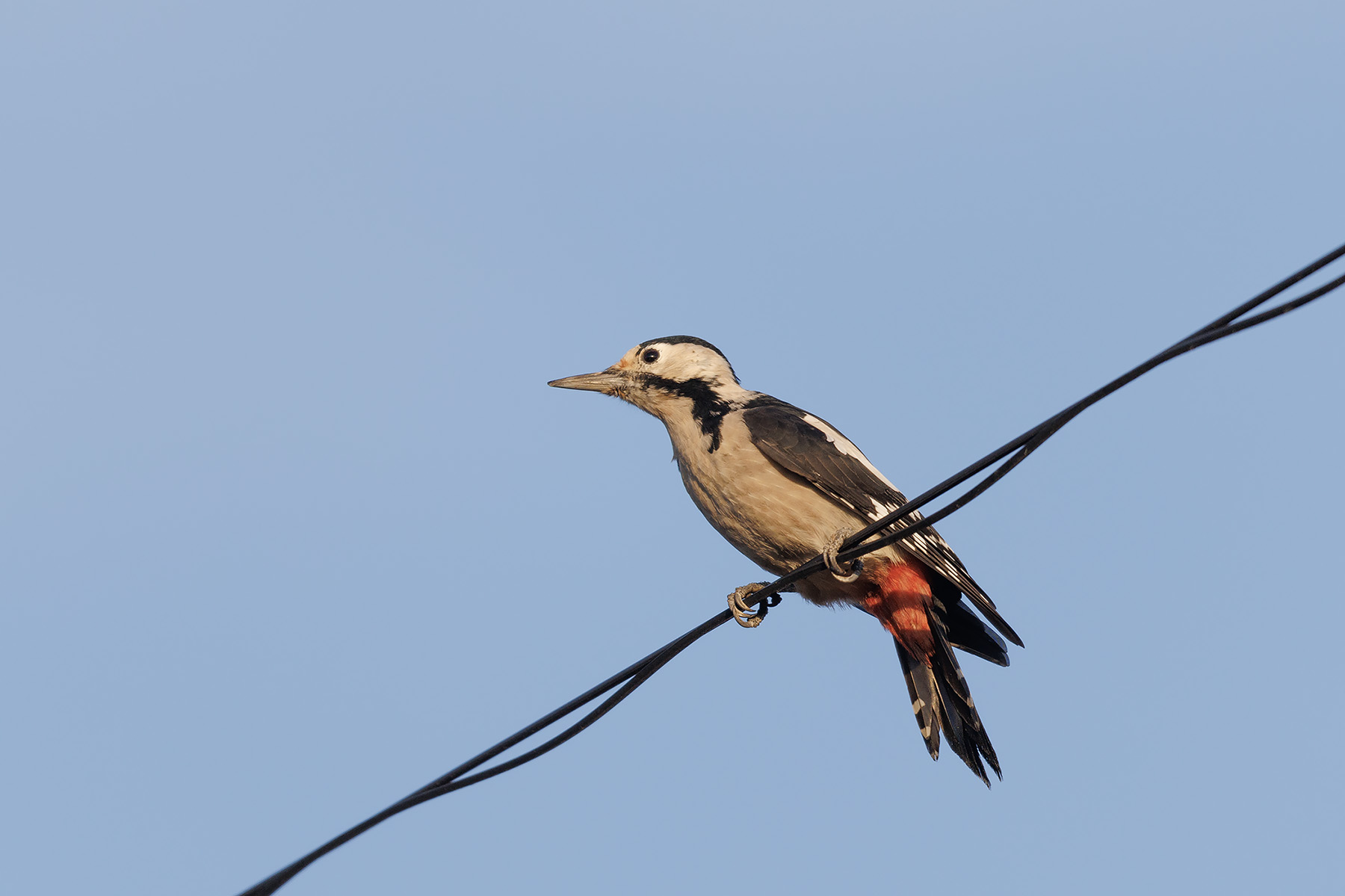
Syrian Woodpecker (image by Dáni Balla)
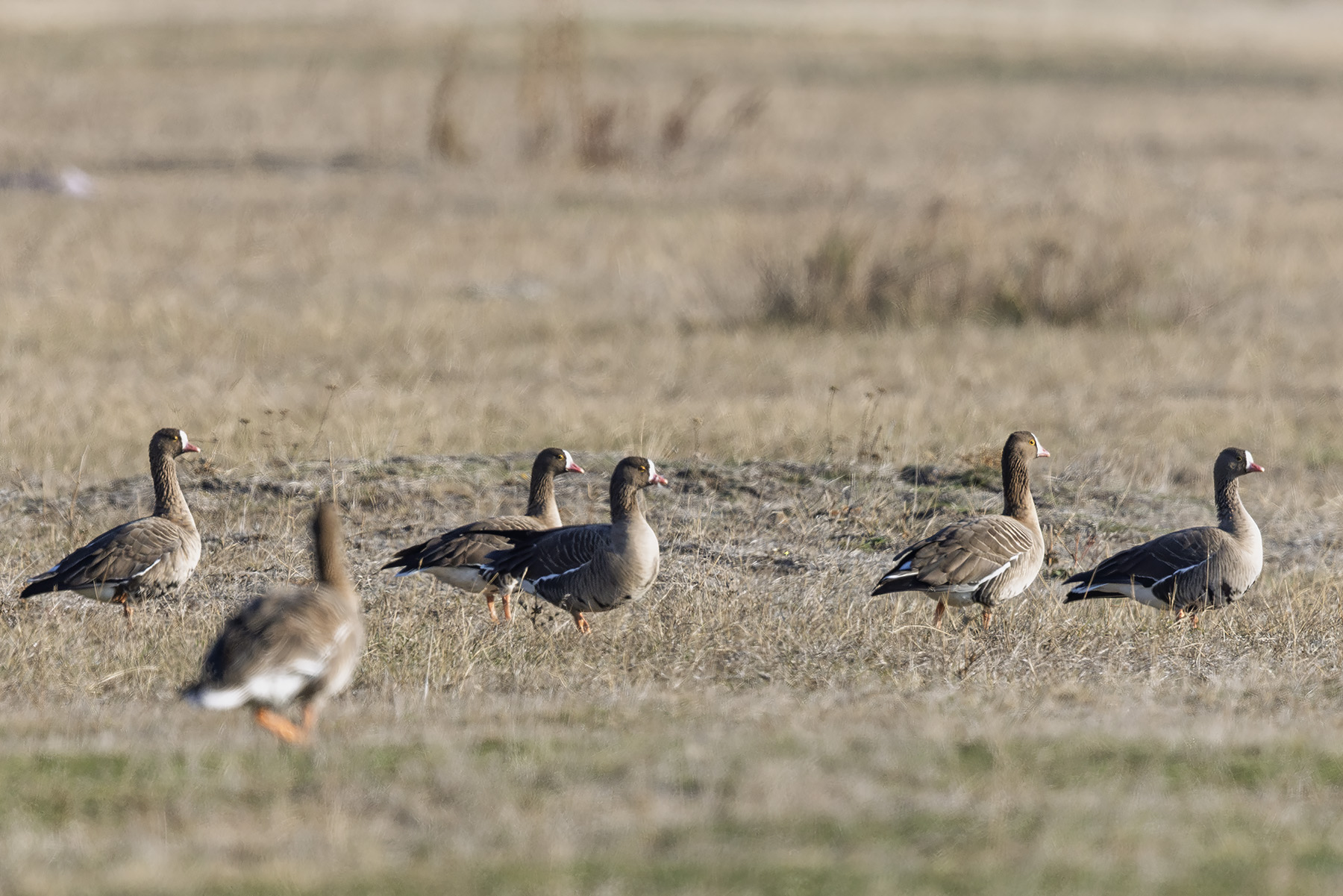
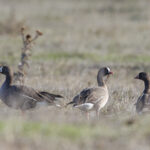
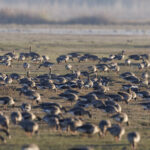
Lesser White-fronted Geese (image by Dáni Balla)
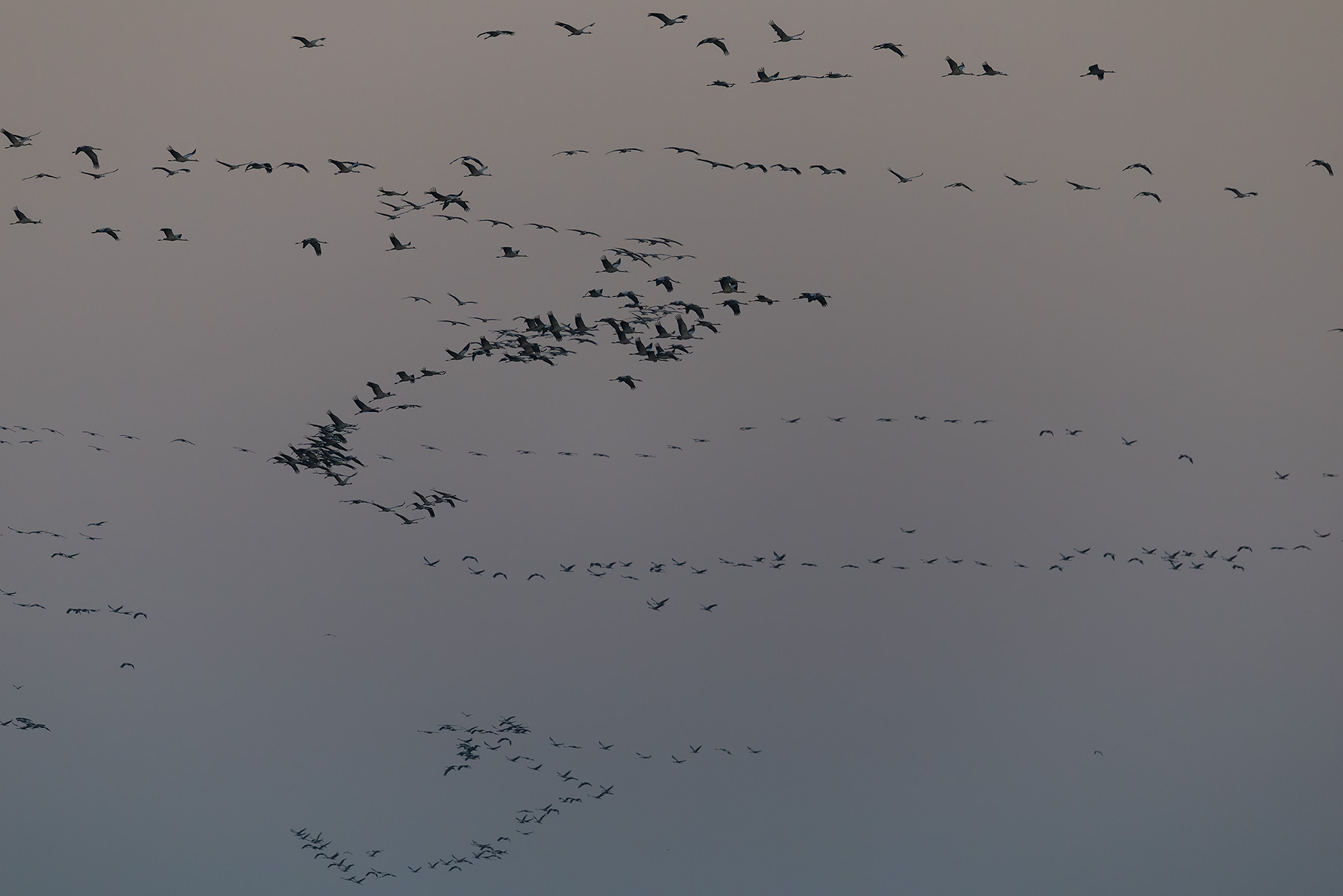
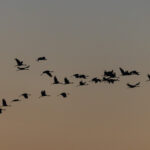
Common Cranes (image by Dáni Balla)
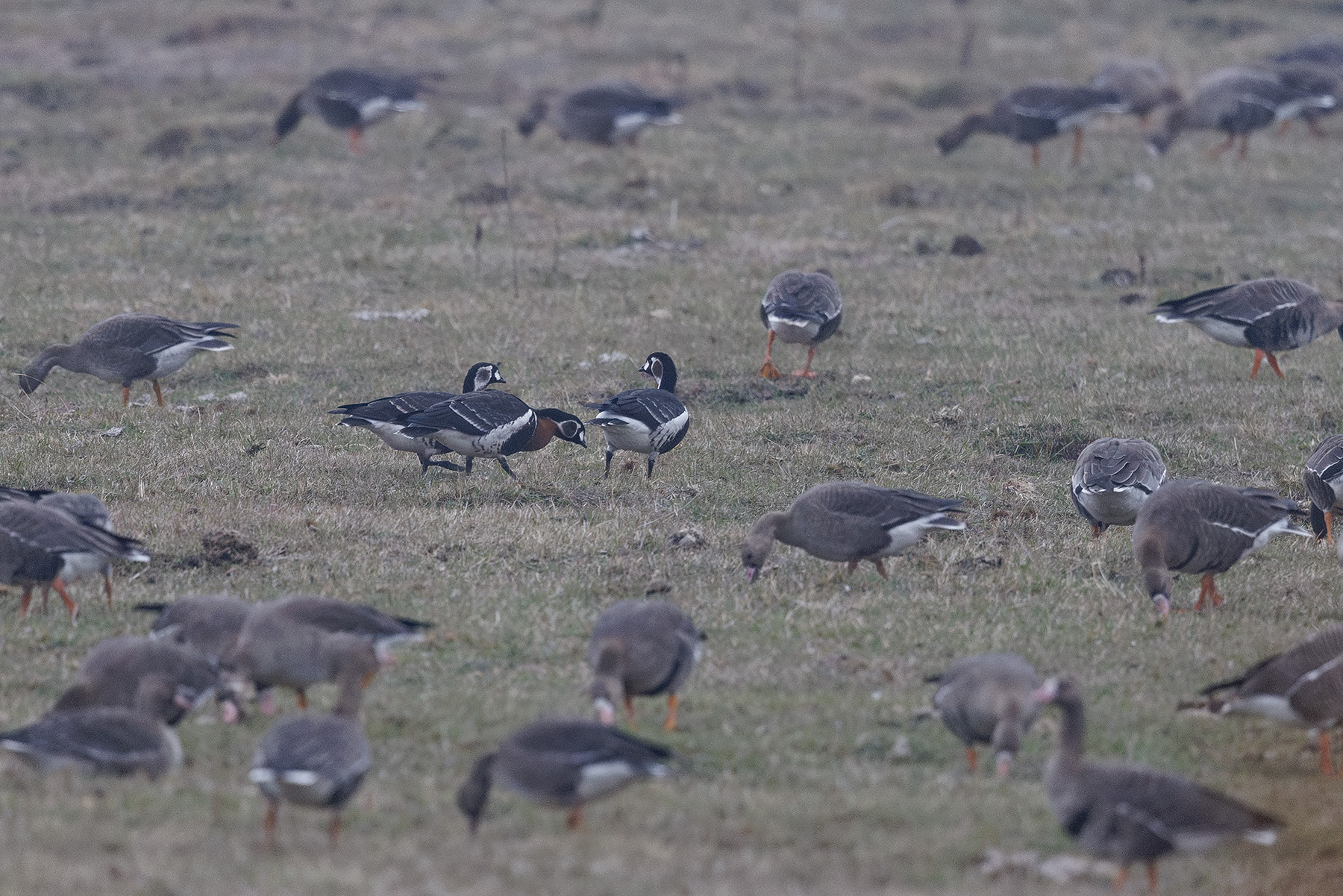
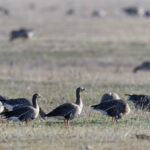
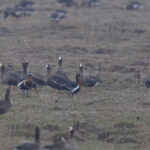
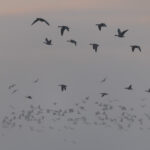
Red-breasted Geese (image by Dáni Balla)
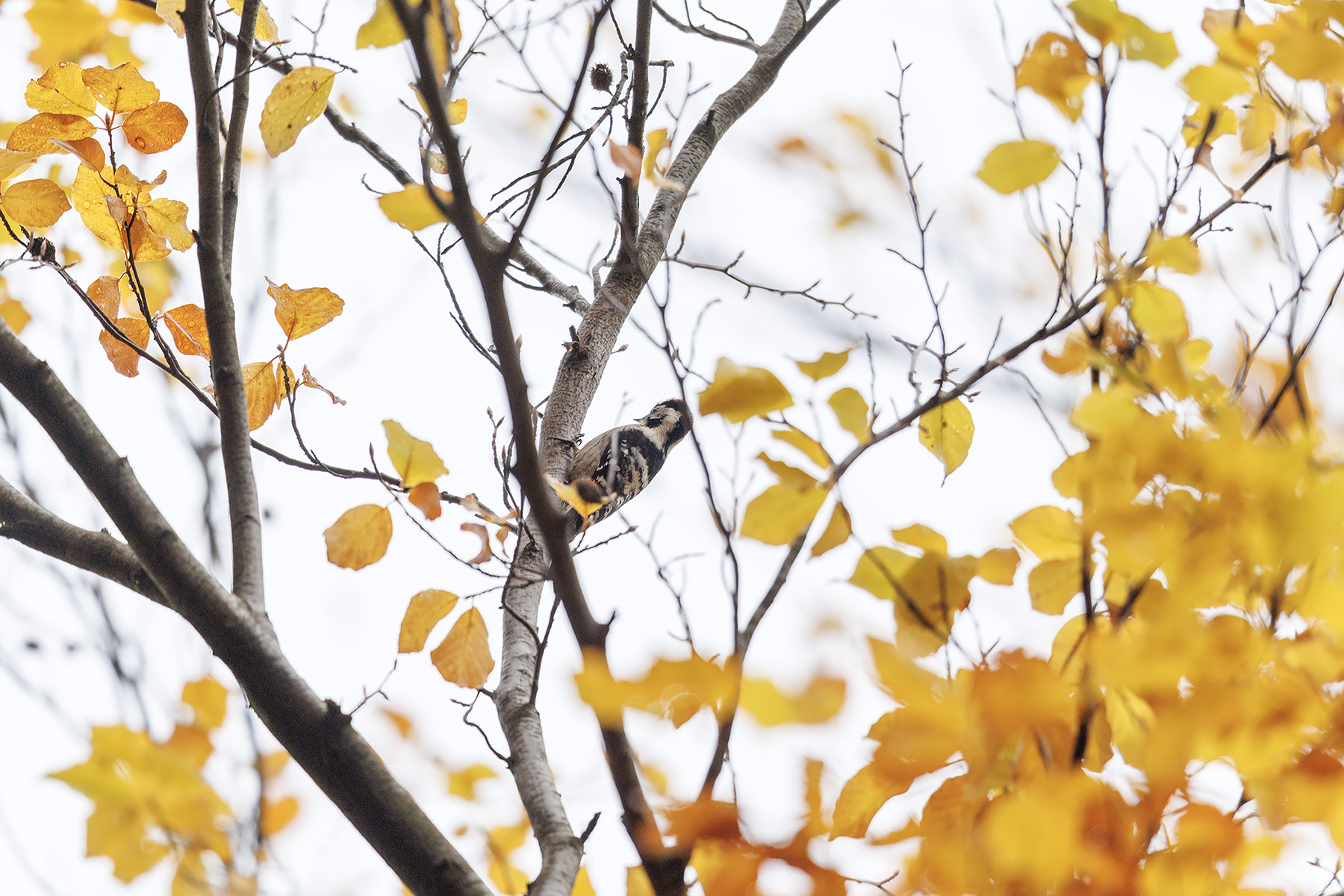
Lesser Spotted Woodpecker (image by Dáni Balla)
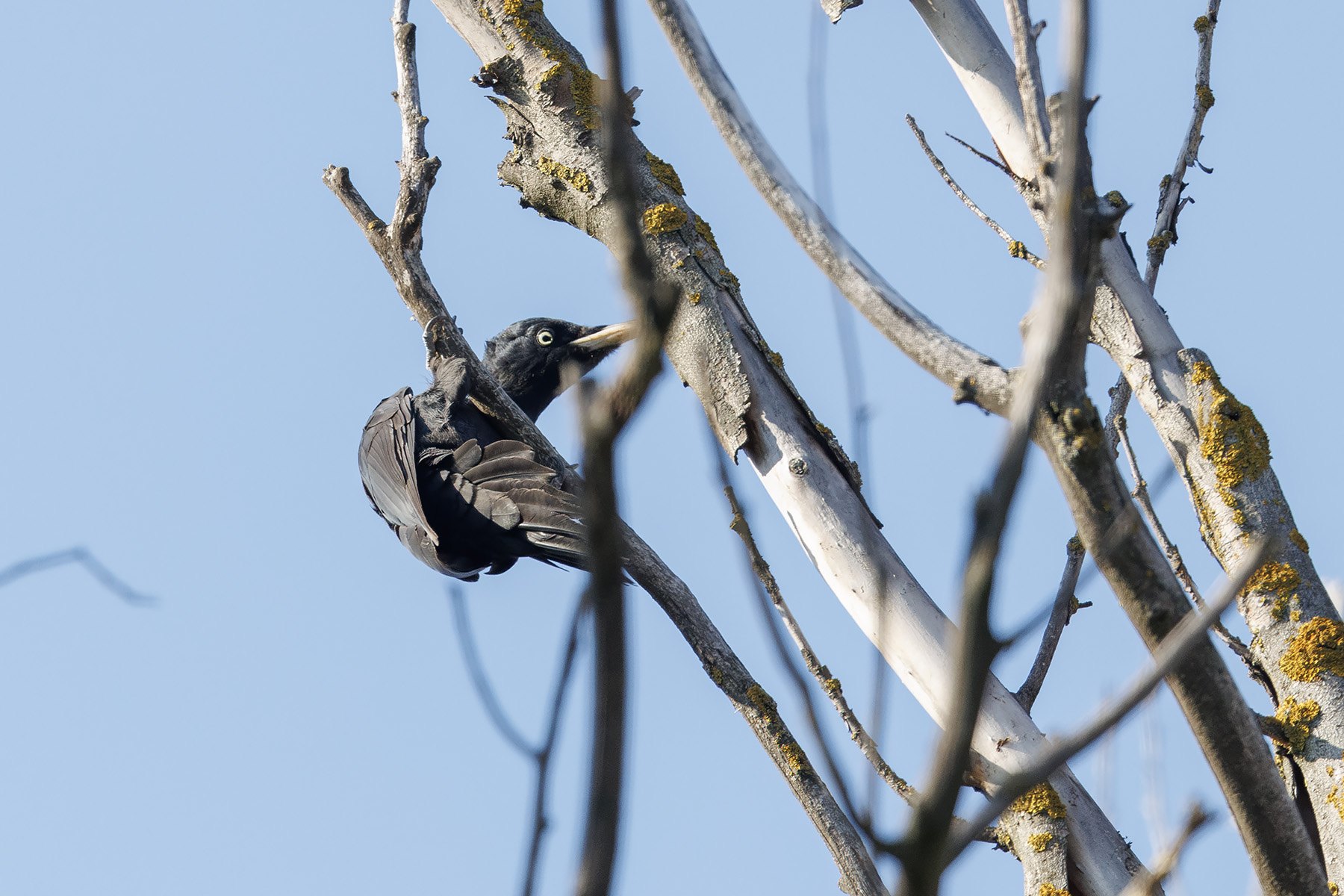
female Black Woodpecker (image by Dáni Balla)
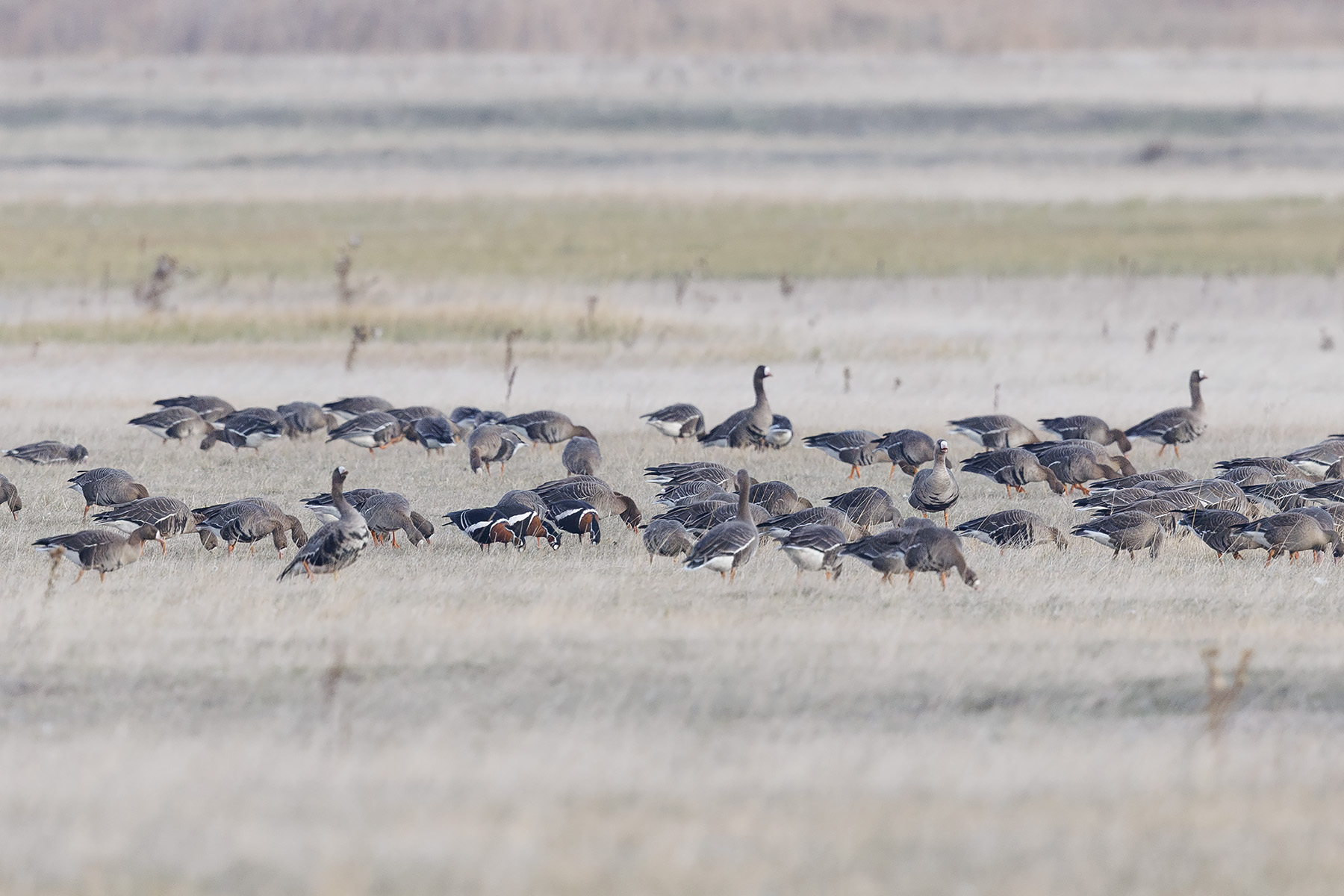
Red-breasted Geese (image by Dáni Balla)
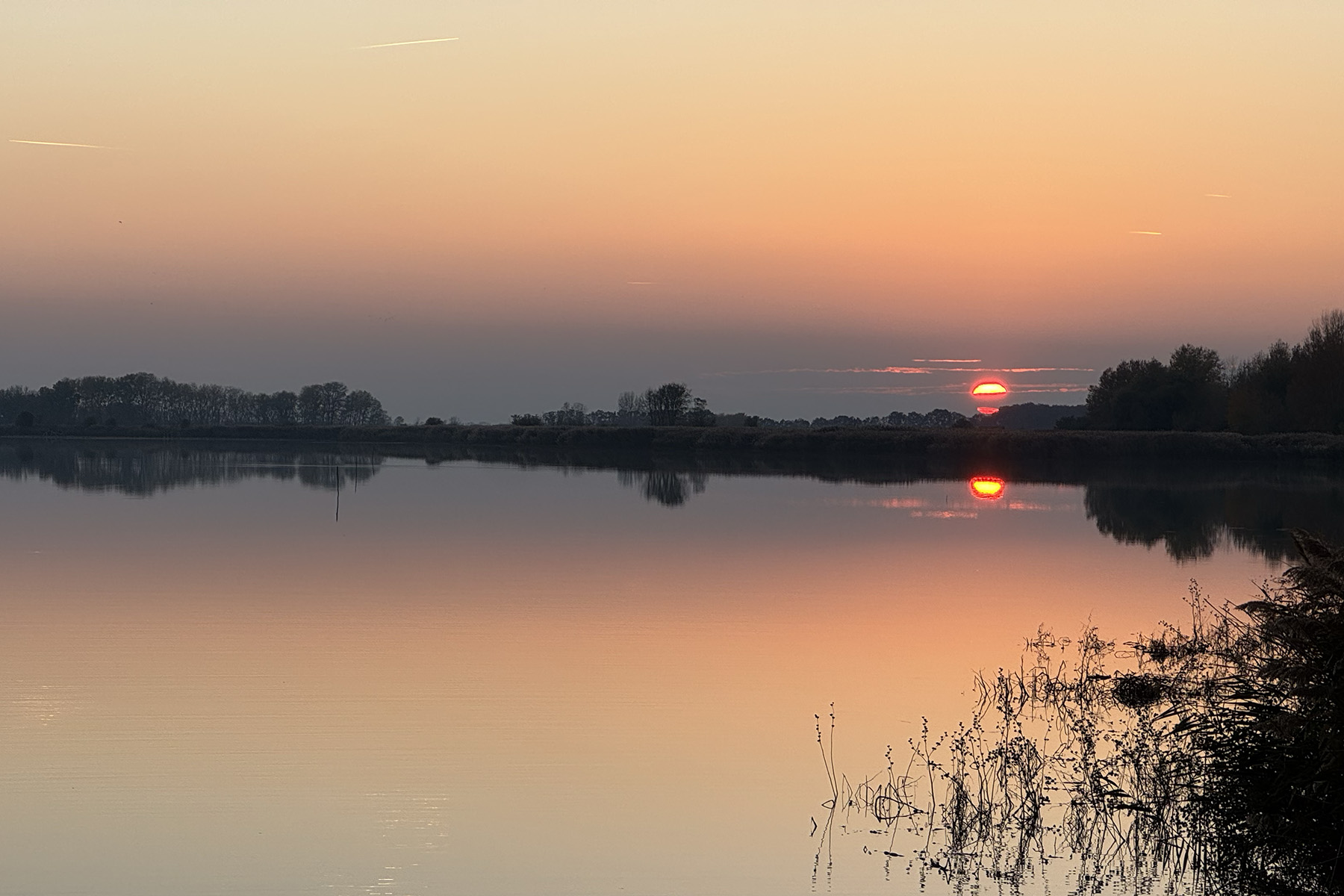
sunset over Hortobágy (image by Dáni Balla)
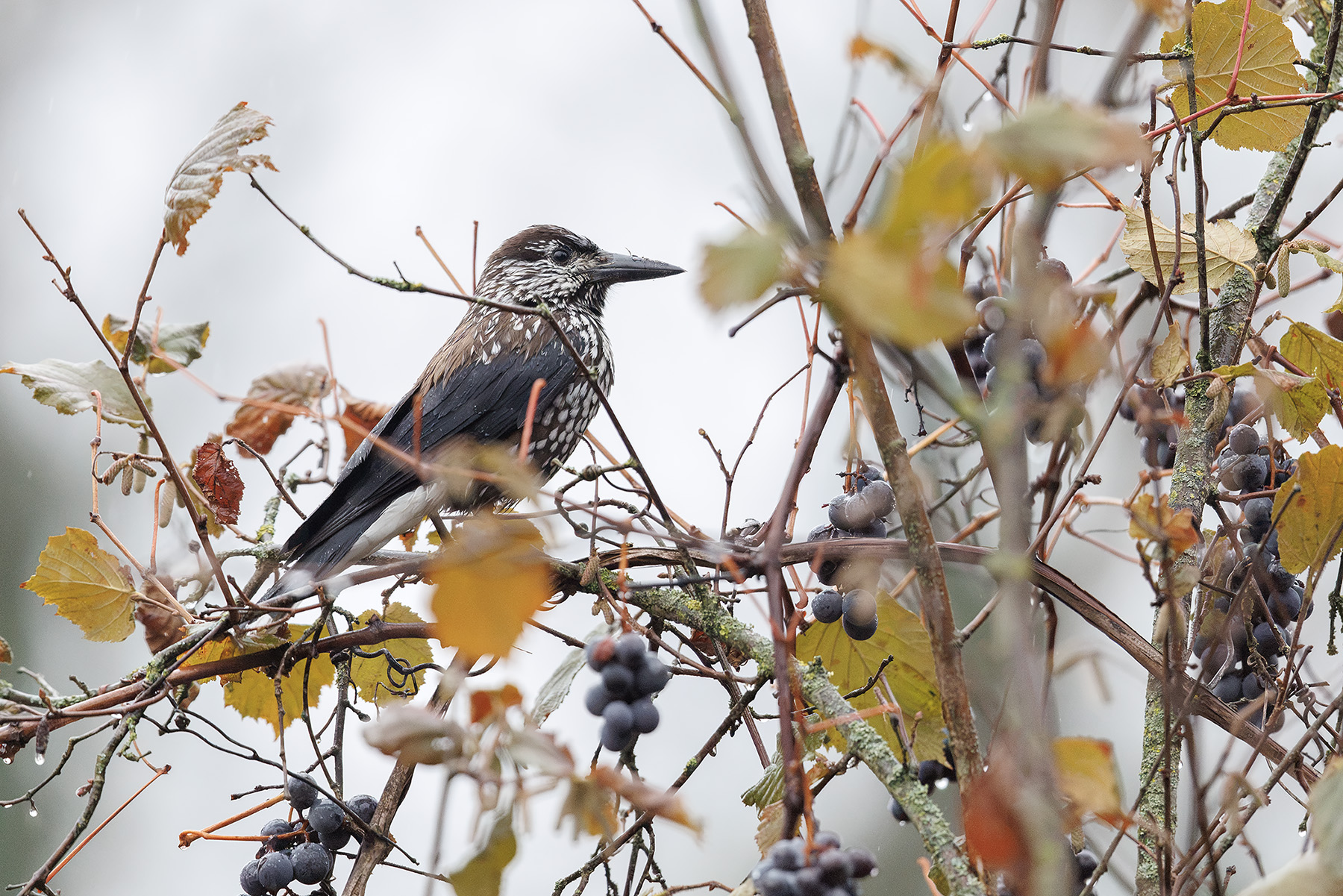
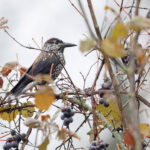
Northern Nutcracker (image by Dáni Balla)
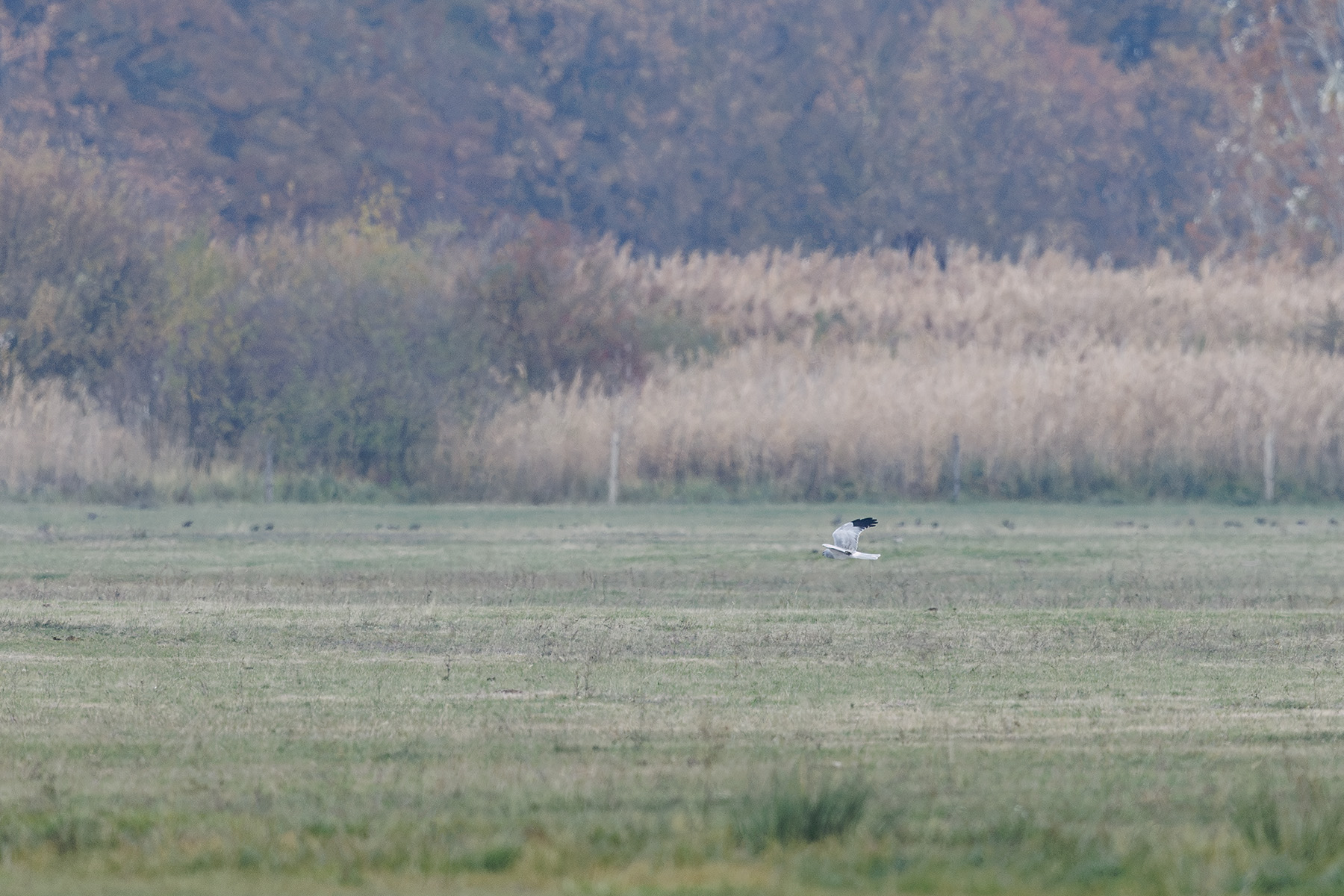
male Hen Harrier (image by Dáni Balla)
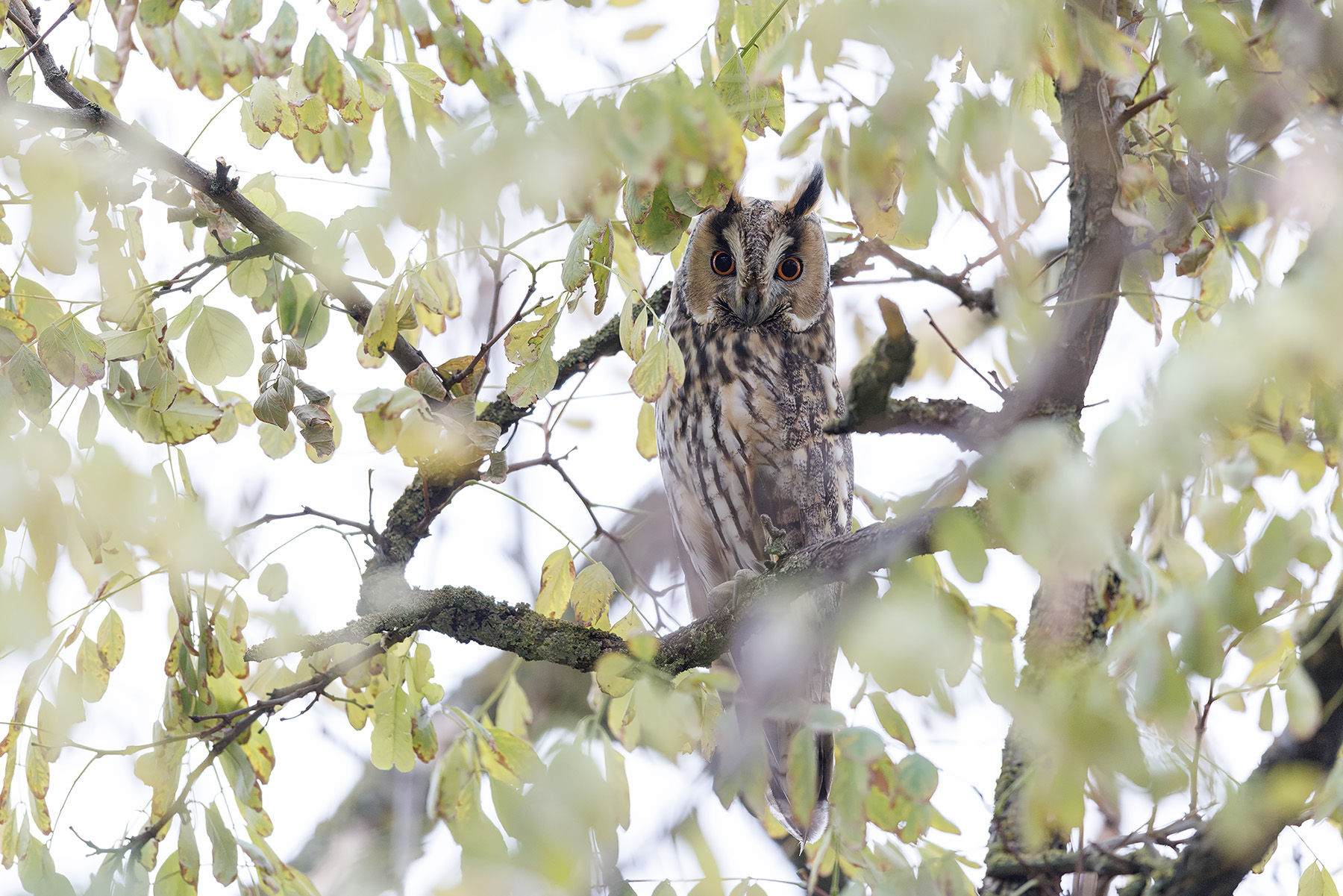
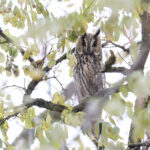
Long-eared Owl (image by Dáni Balla)
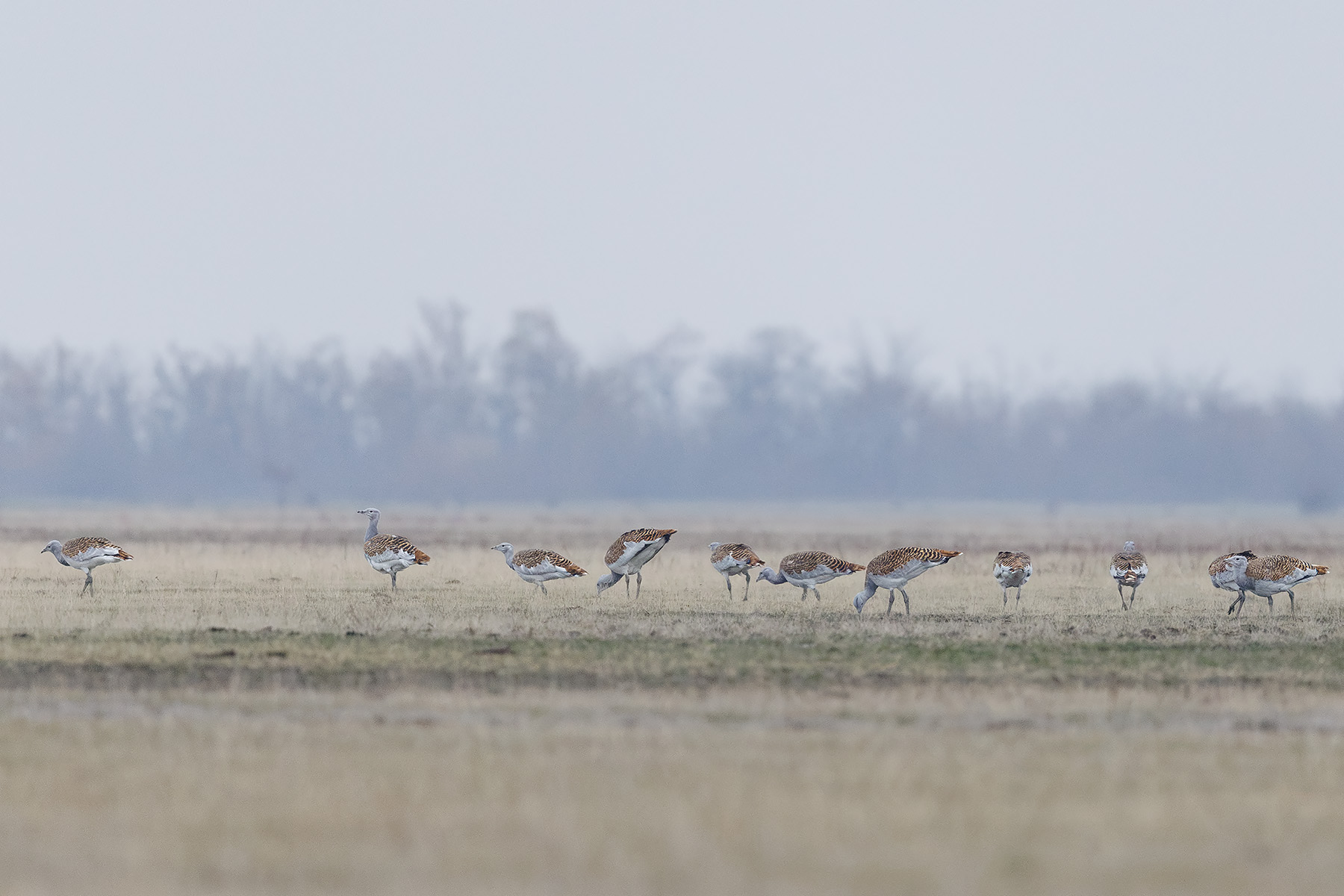
Great Bustards (image by Dáni Balla)
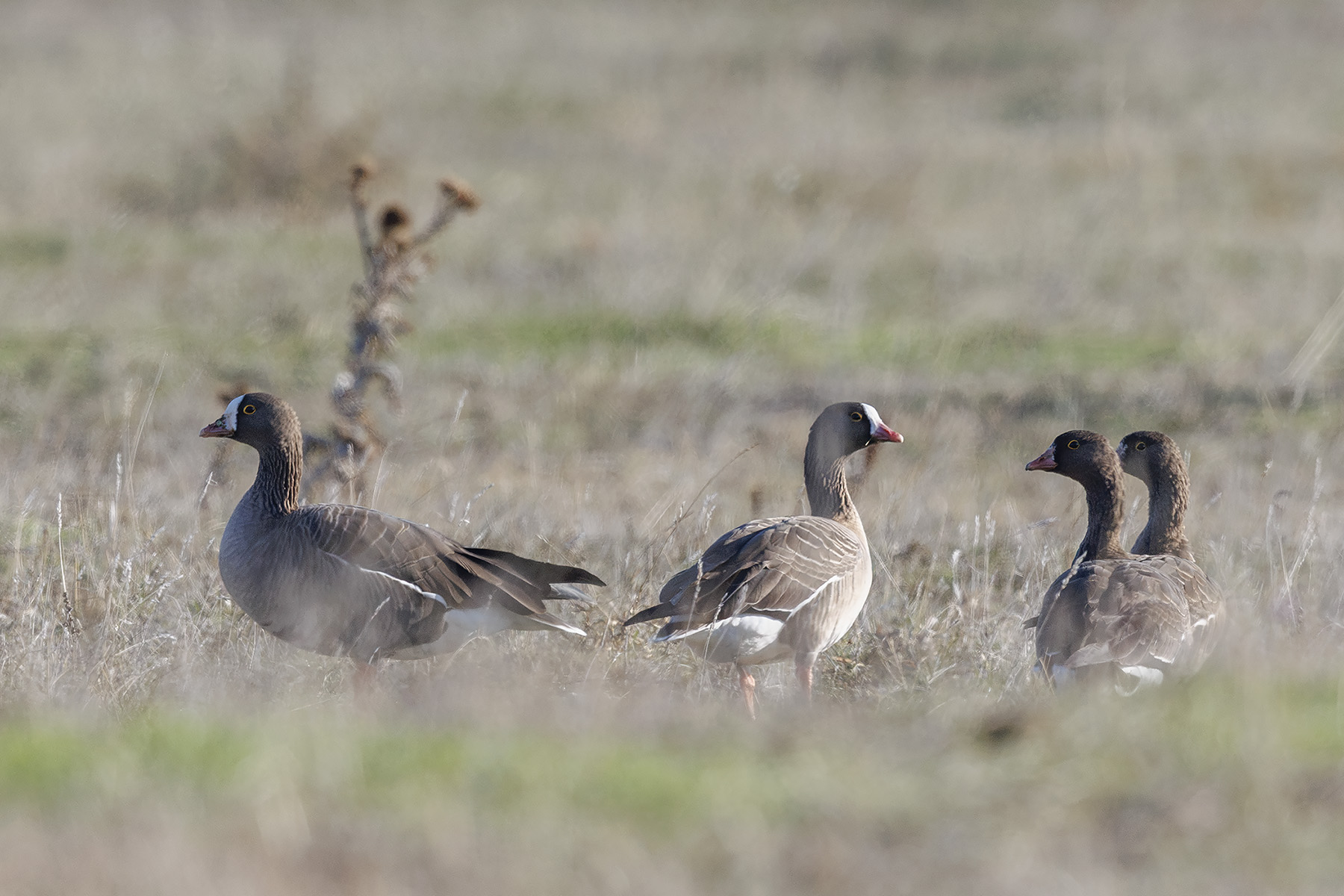
Lesser White-fronted Geese (image by Dáni Balla)
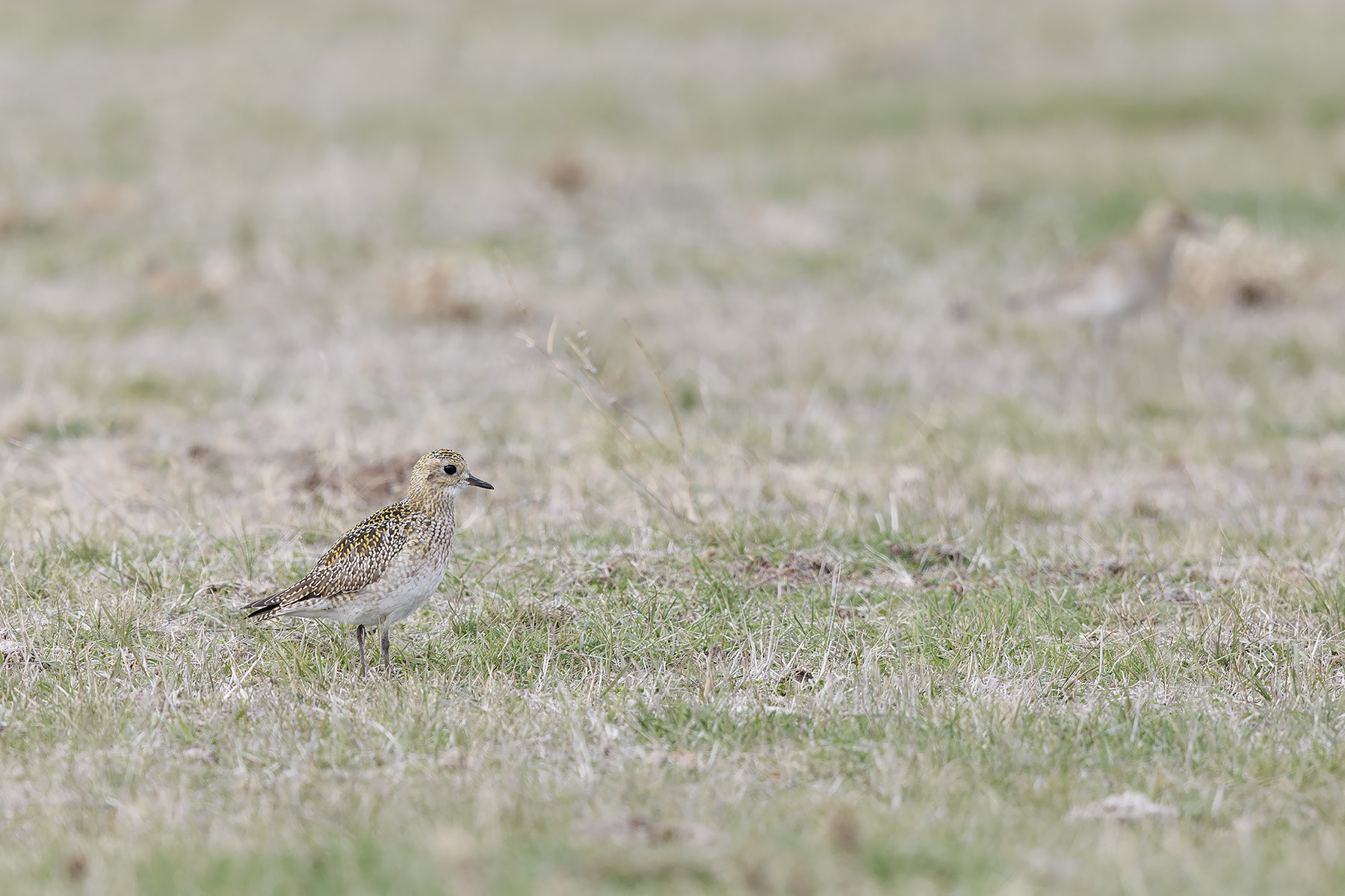
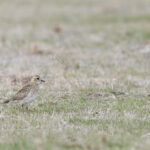
Eurasian Golden Plover (image by Dáni Balla)
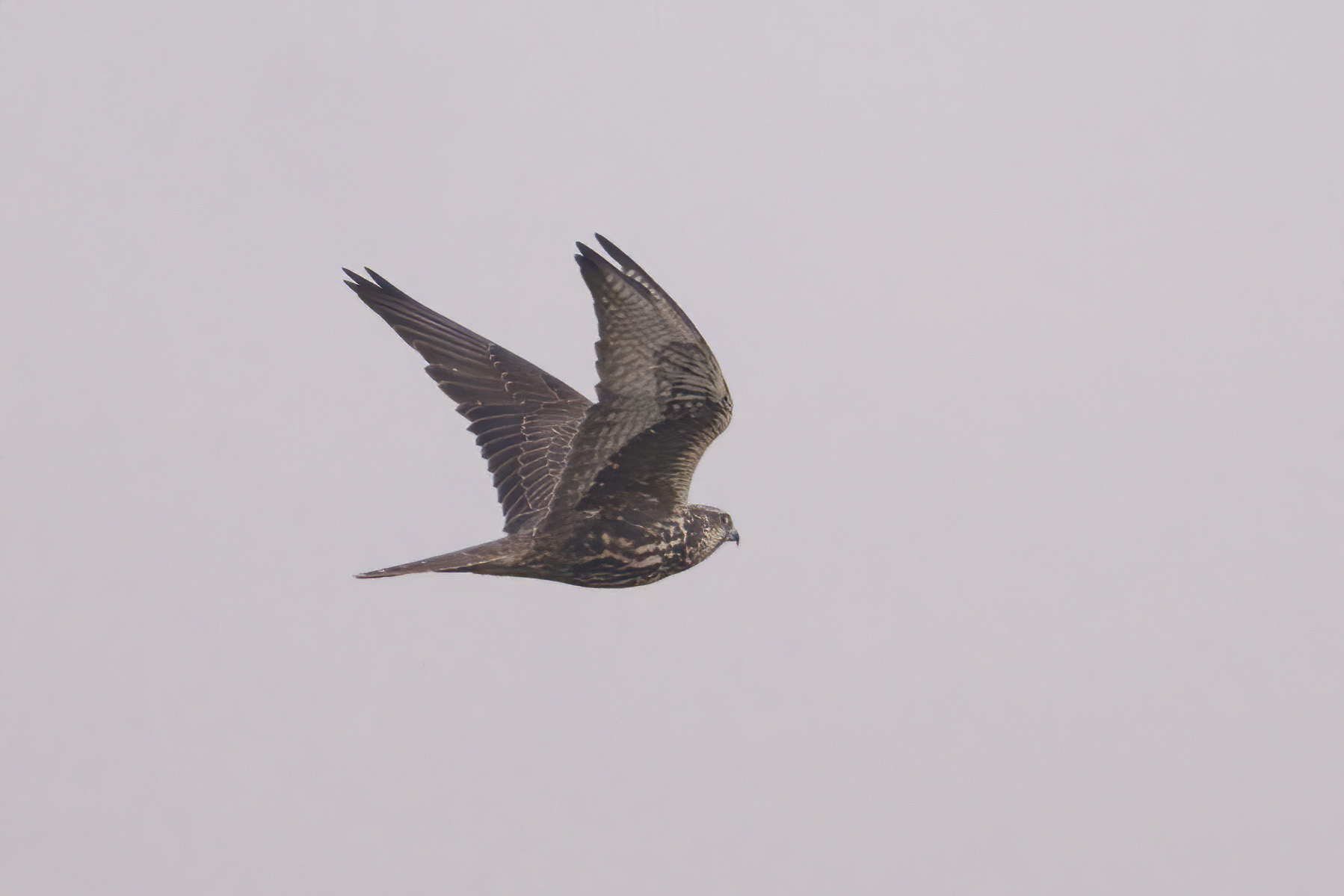
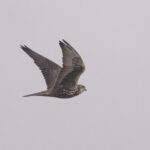
Saker Falcon (image by Martin Hale)
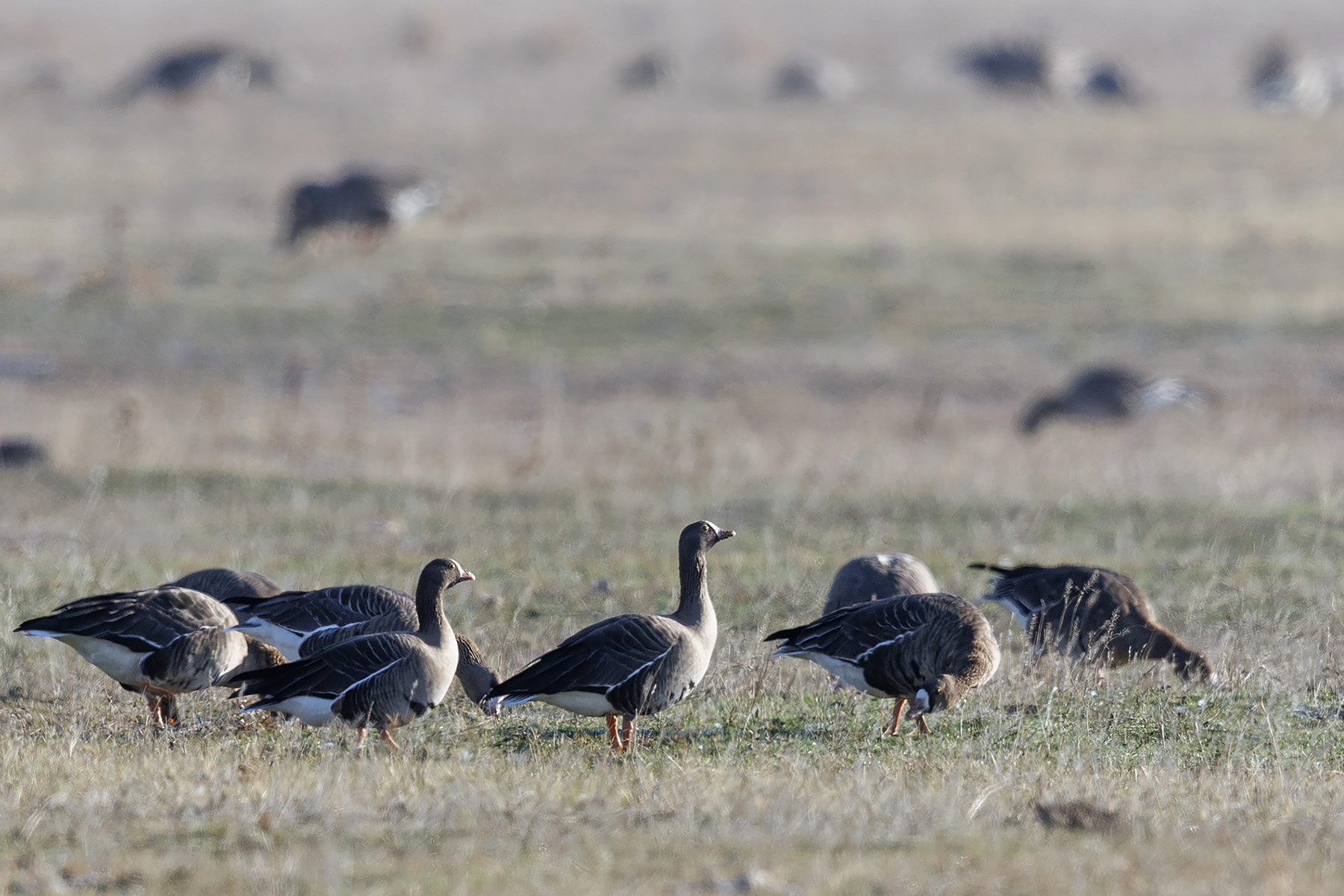
Lesser White-fronted Geese (image by Dáni Balla)
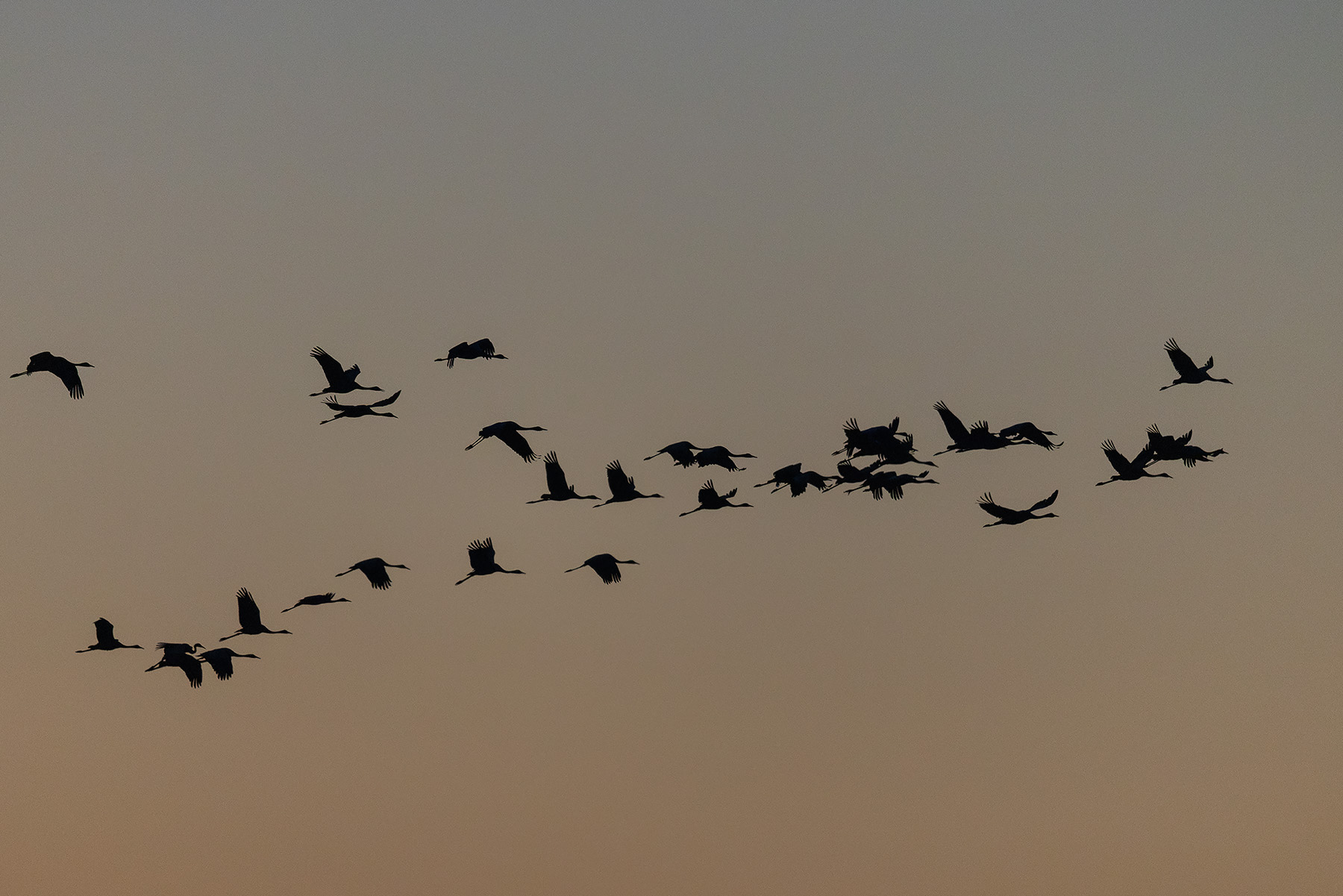
Common Cranes (image by Dáni Balla)
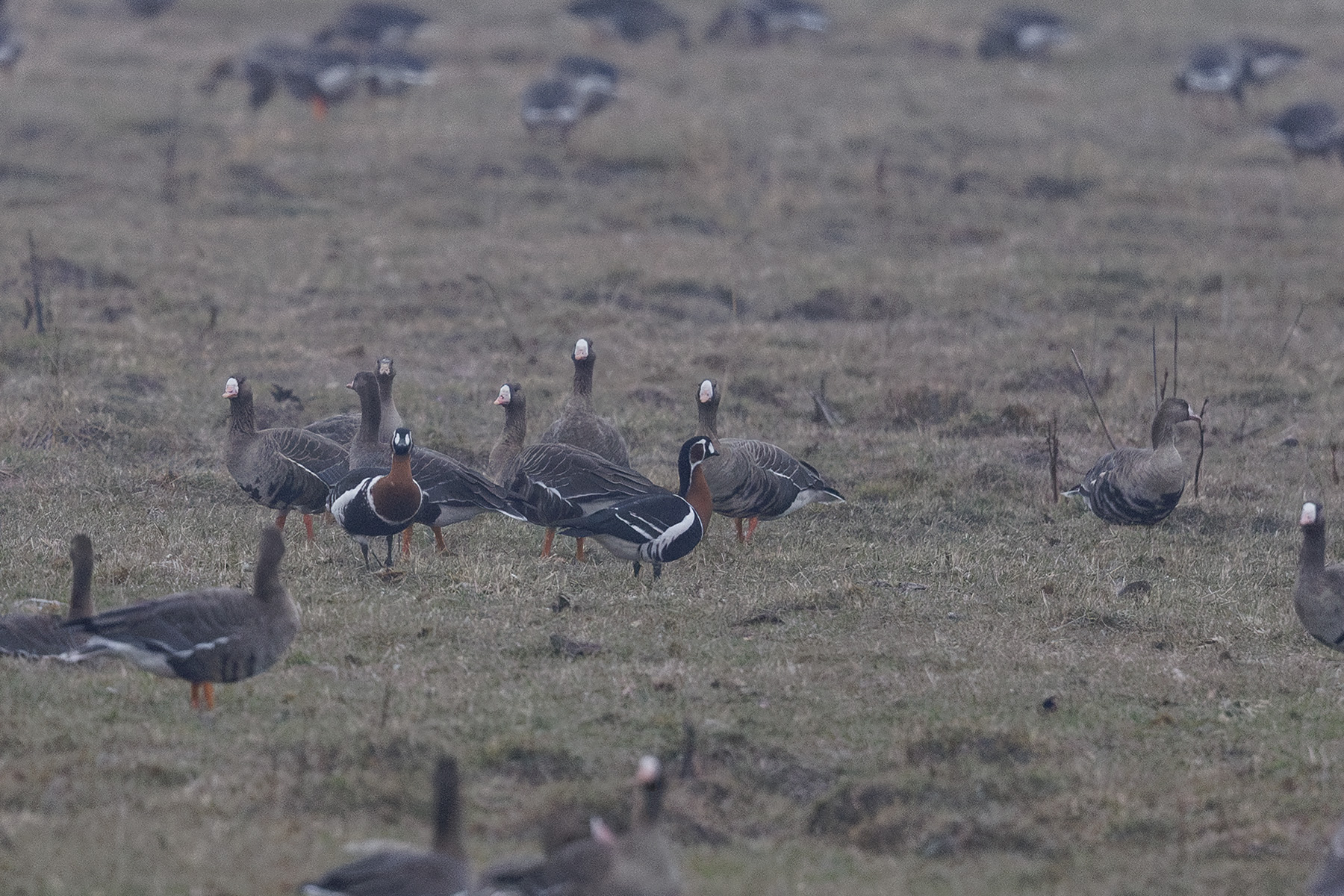
Red-breasted Geese (image by Dáni Balla)
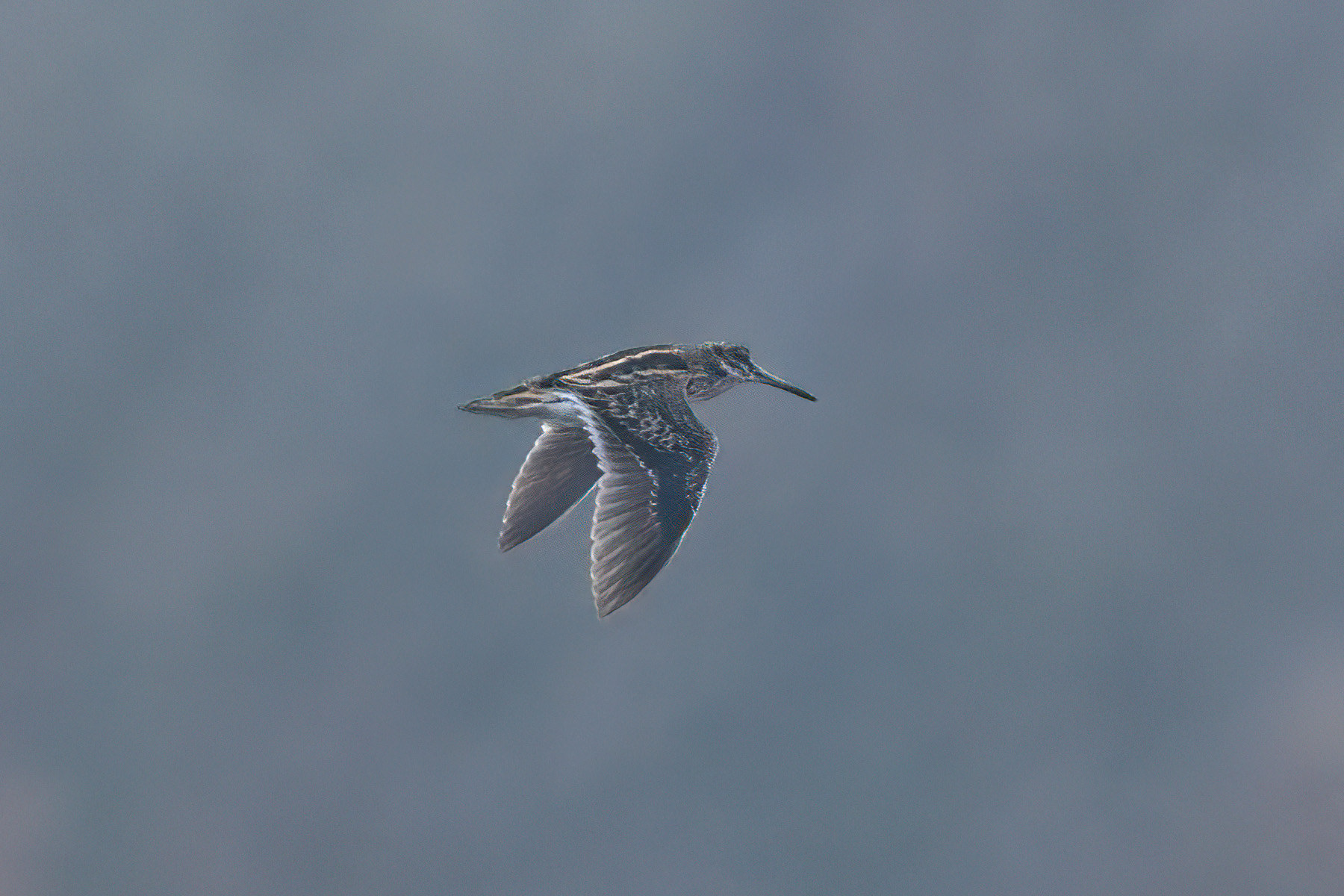
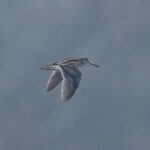
Jack Snipe (image by Martin Hale)
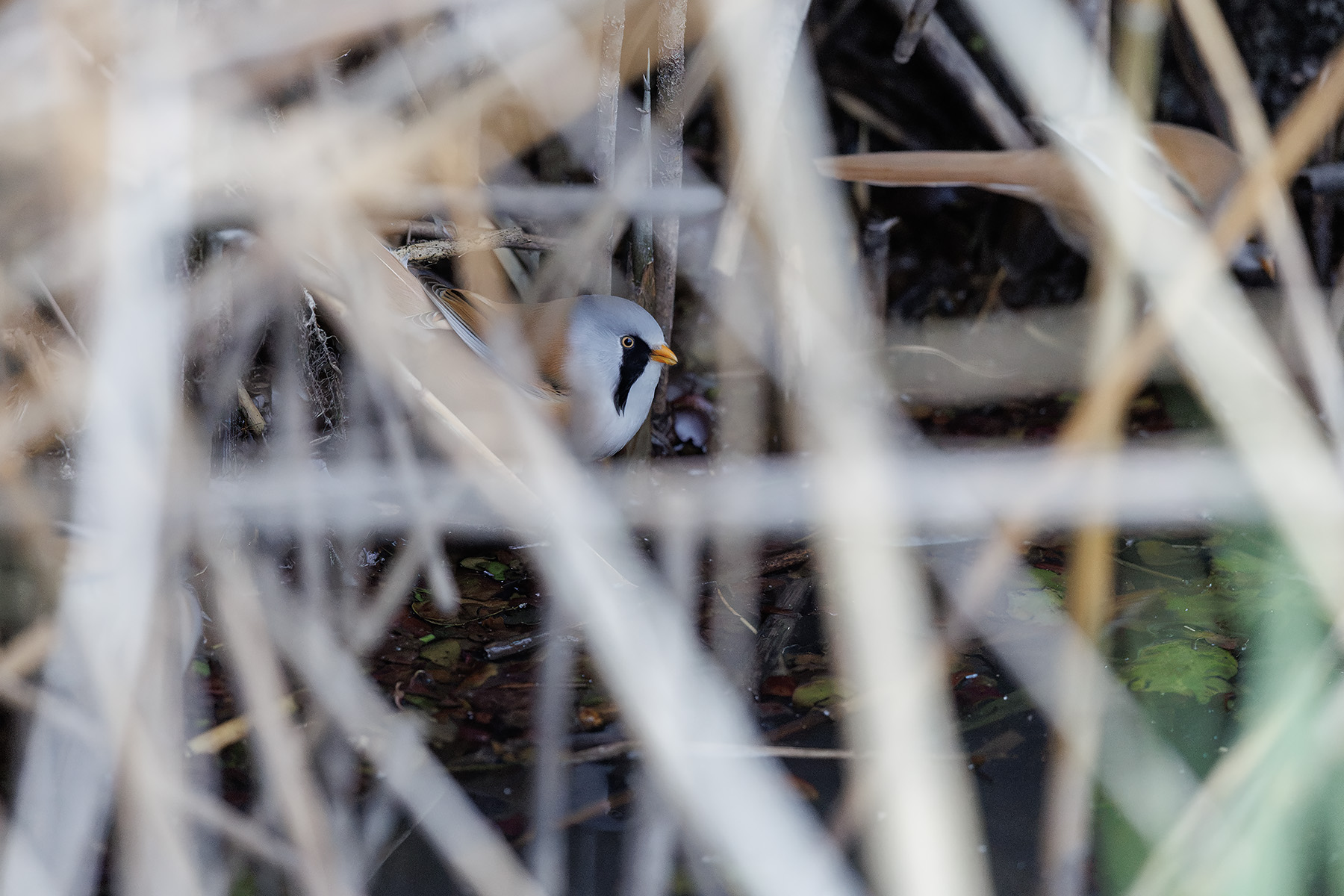
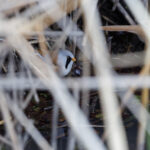
male Bearded Reedling (image by Dáni Balla)
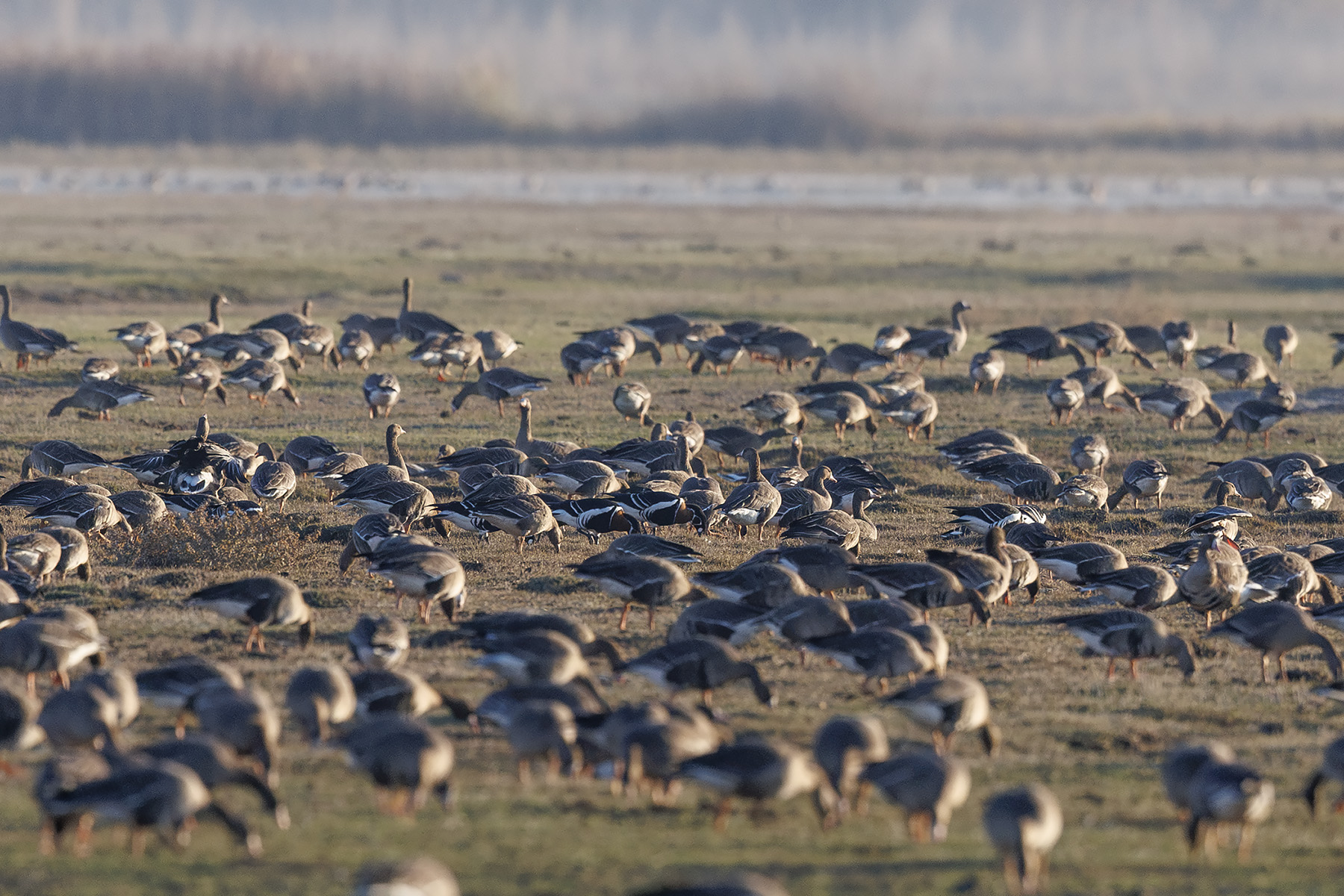
Red-breasted Geese (image by Dáni Balla)
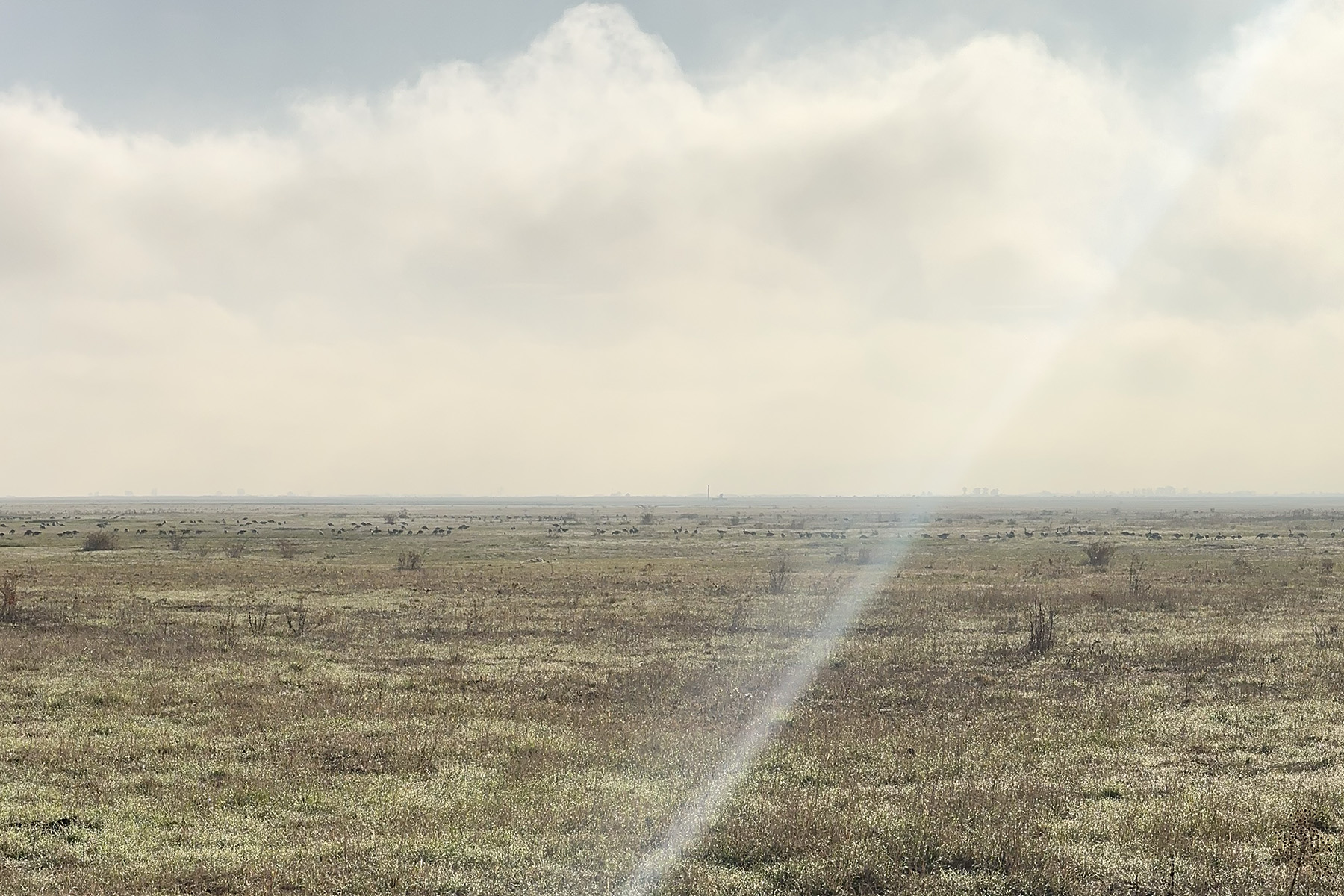
Hortobágy (image by Dáni Balla)
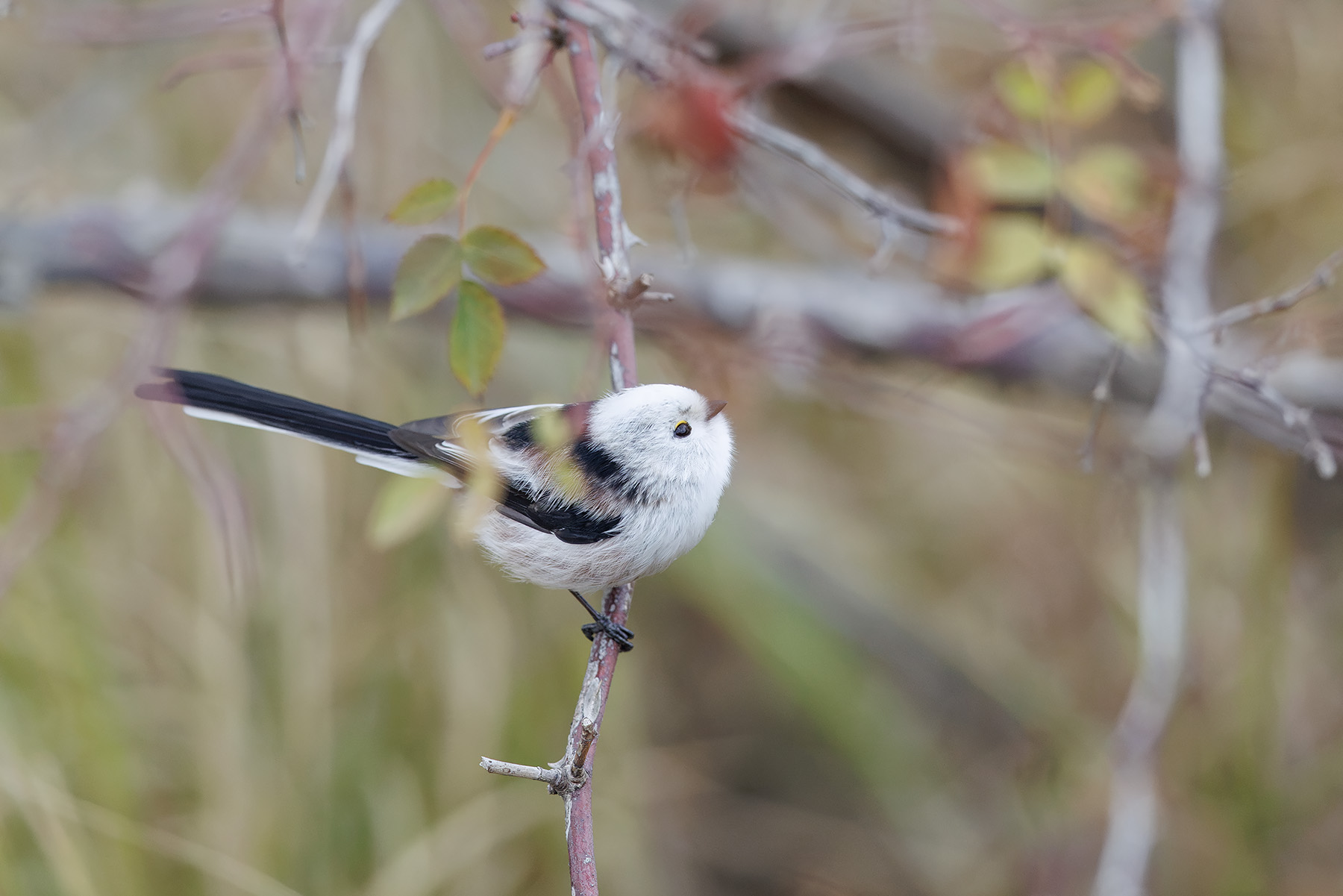
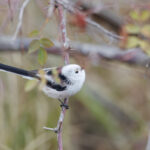
Long-tailed Tit (image by Dáni Balla)
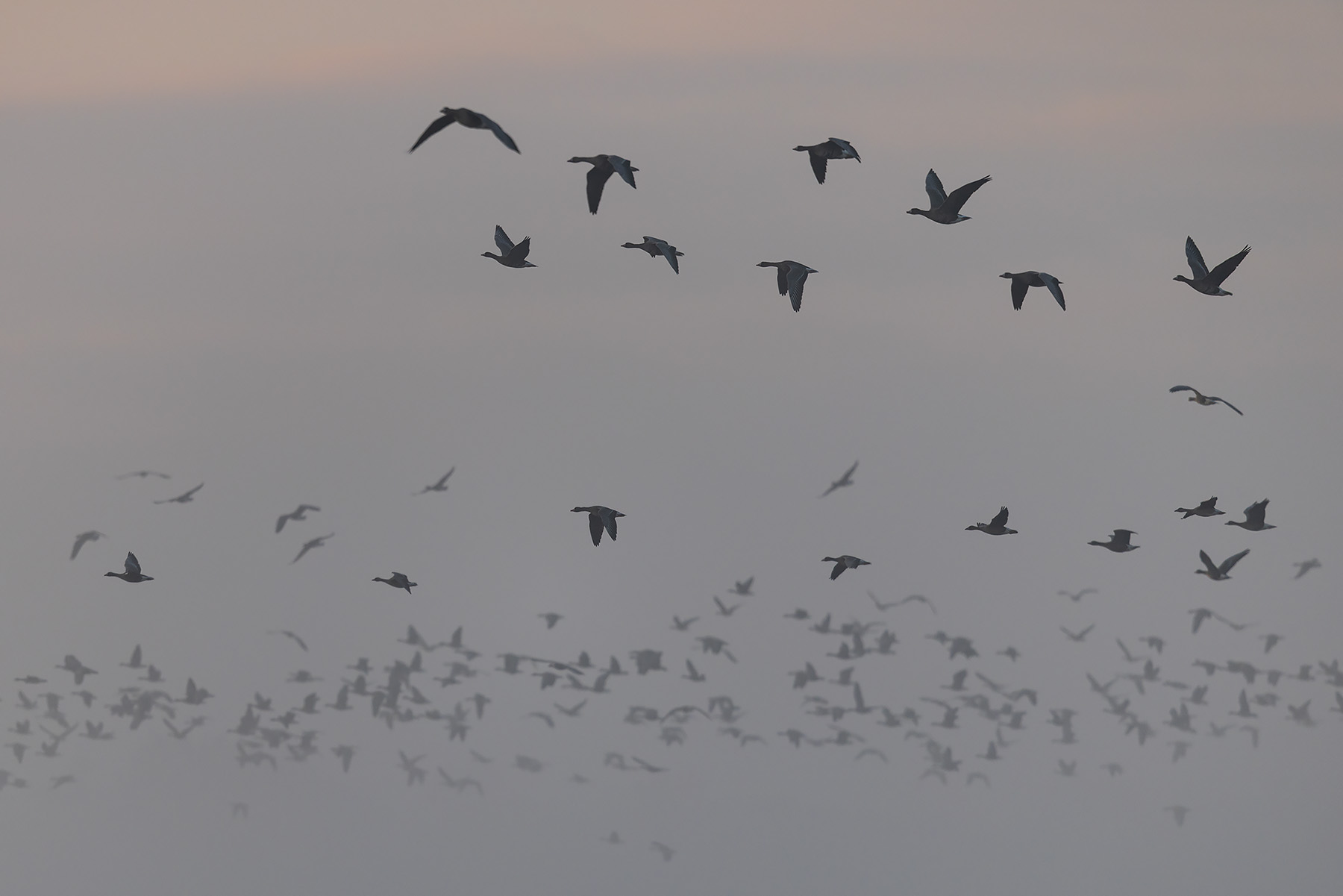
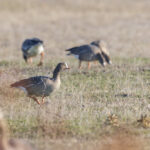
Greater White-fronted Geese (image by Dáni Balla)
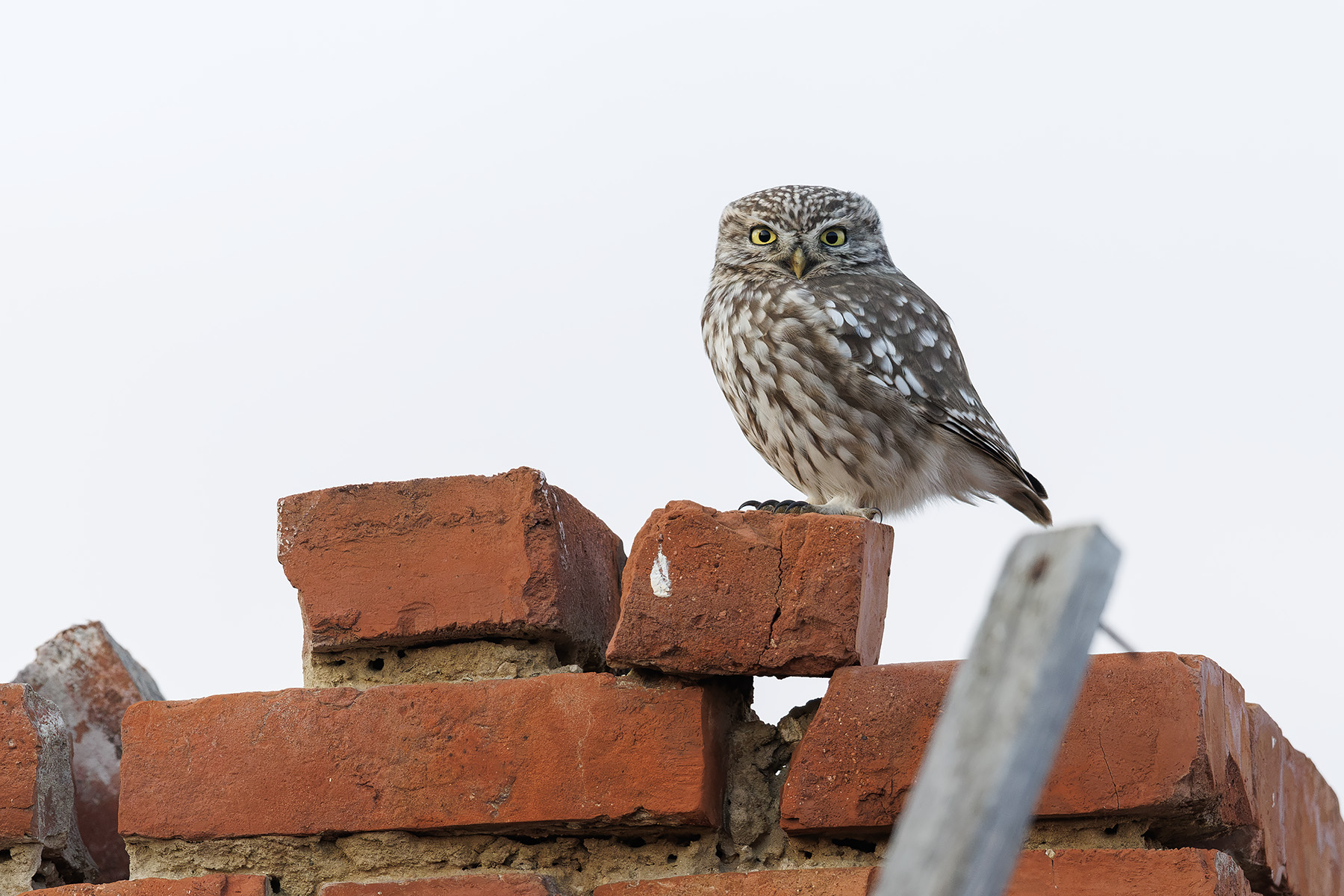
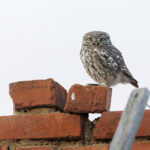
Little Owl (image by Dáni Balla)
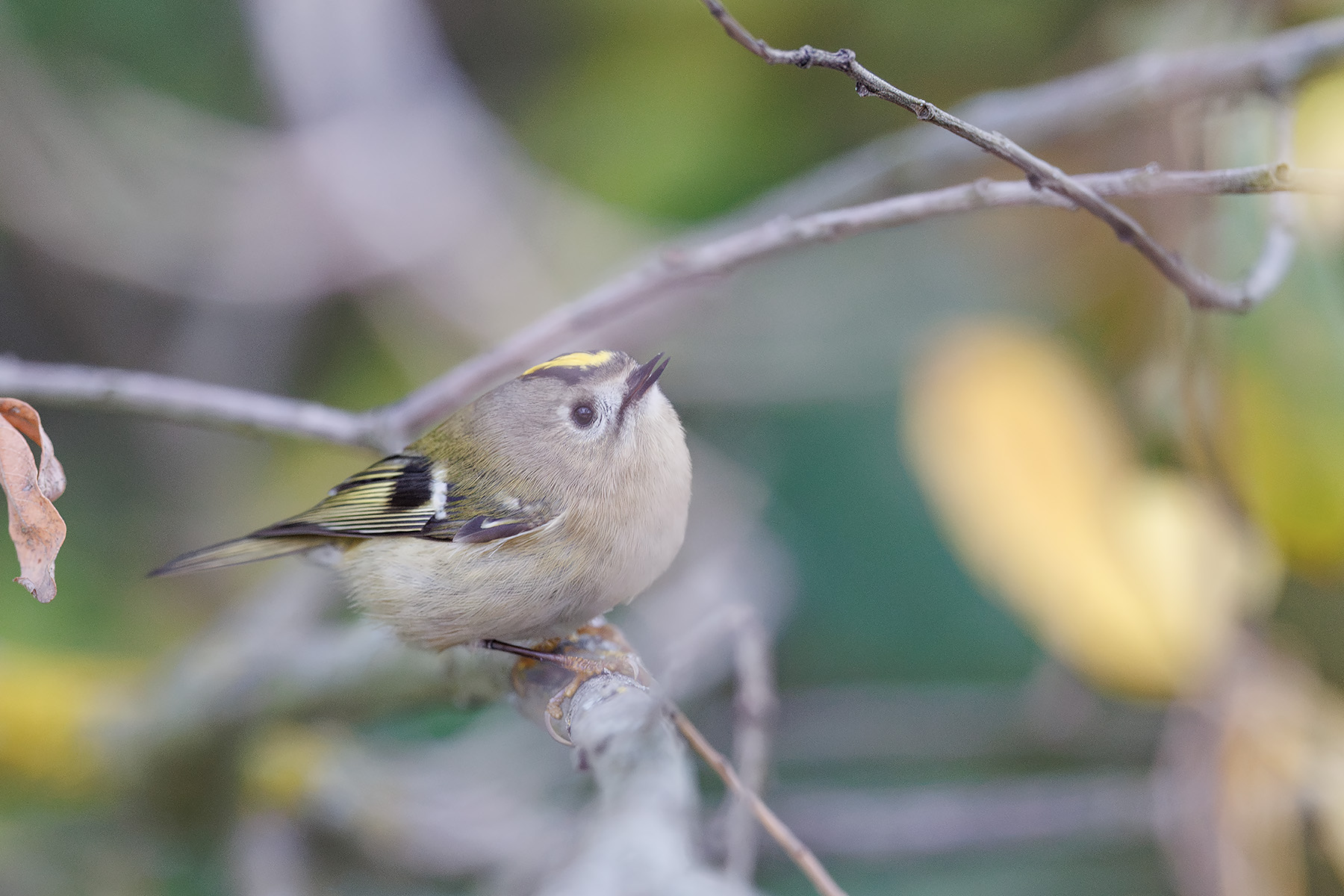
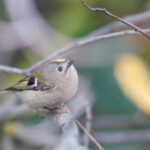
Goldcrest (image by Dáni Balla)
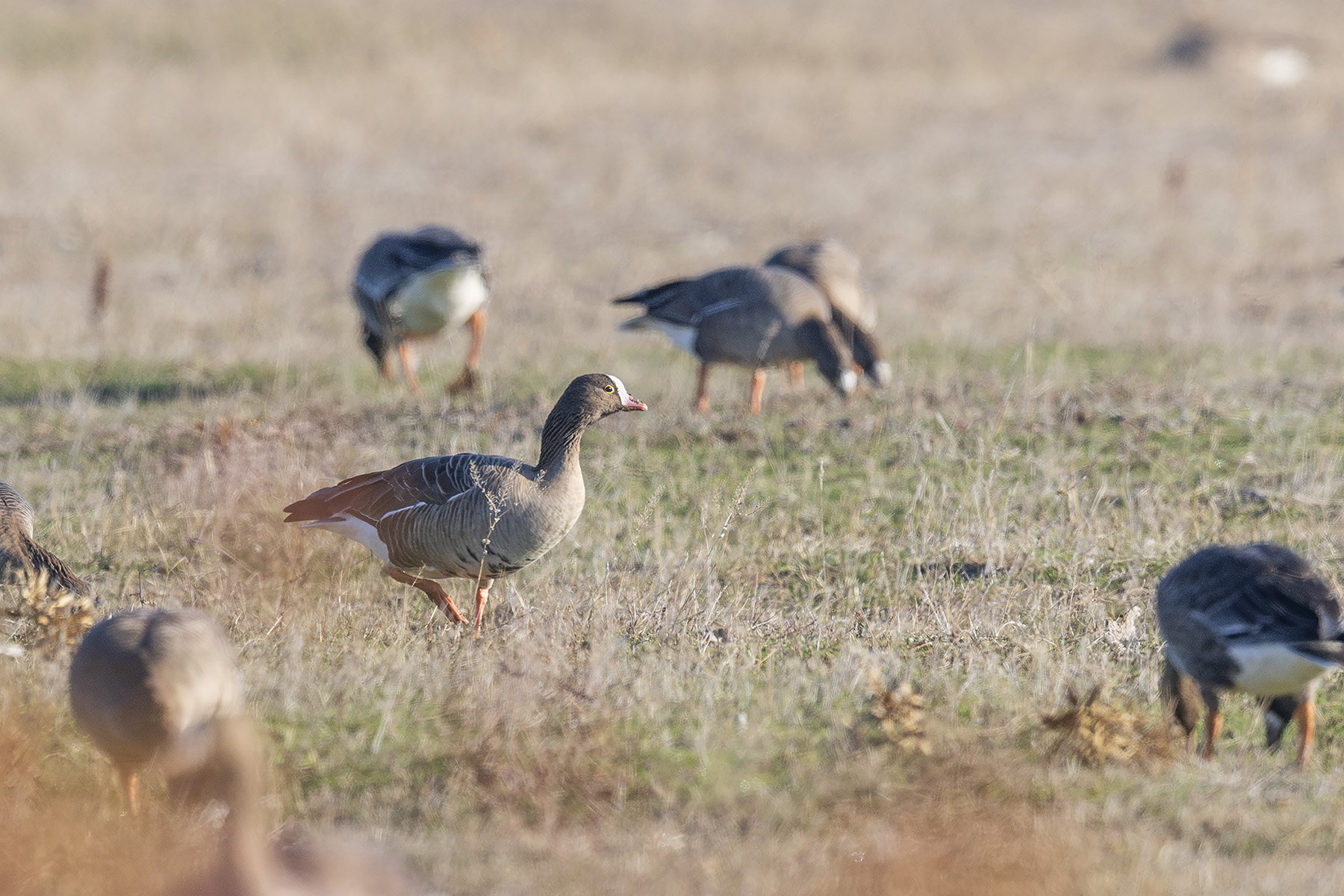
Lesser White-fronted Goose (image by Dáni Balla)
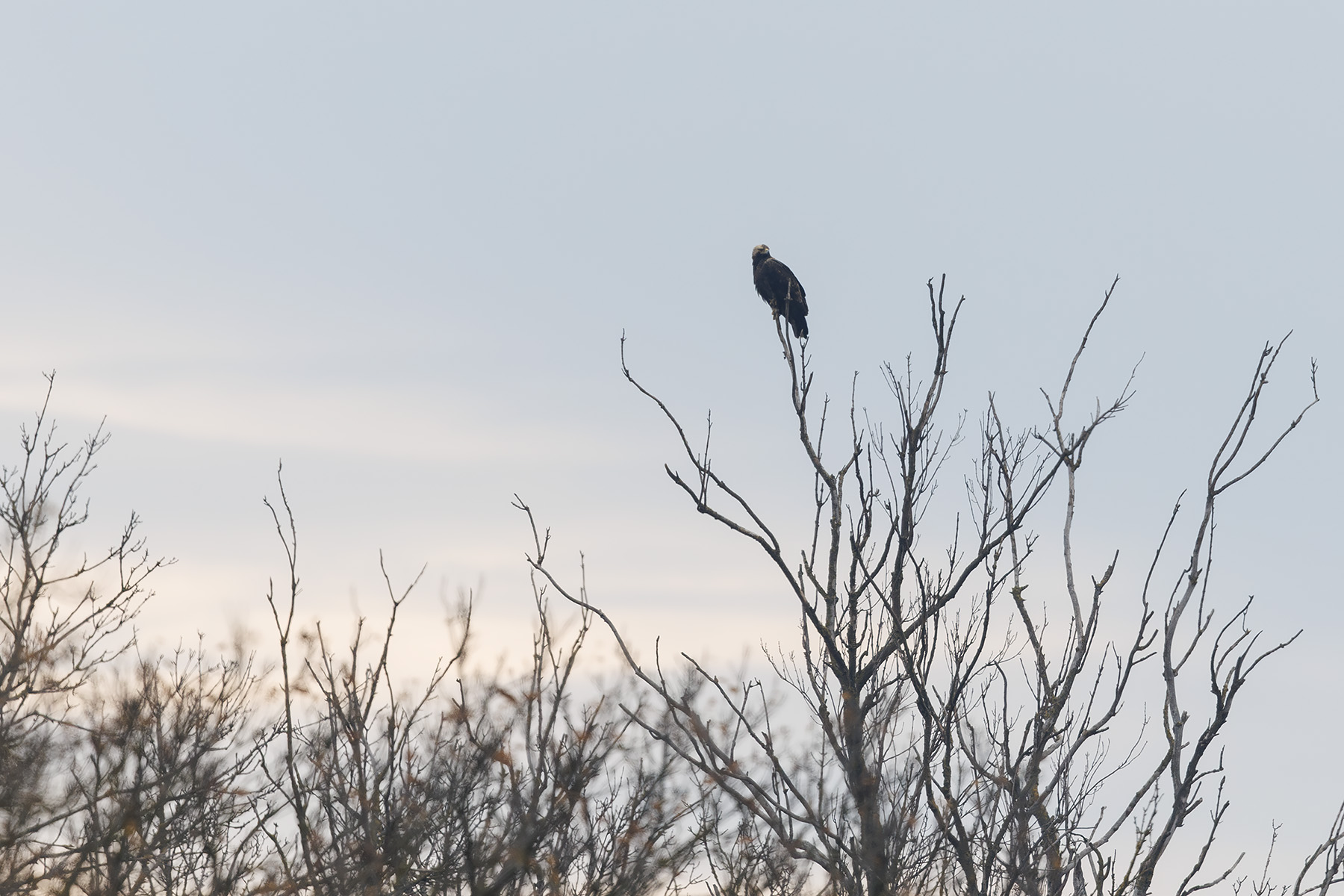
Eastern Imperial Eagle (image by Dáni Balla)
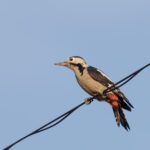
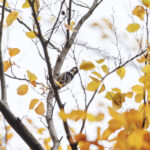


Syrian Woodpecker (image by Dáni Balla)
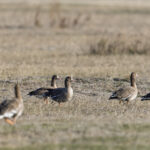
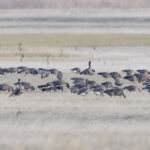
Lesser White-fronted Geese (image by Dáni Balla)
Common Cranes (image by Dáni Balla)
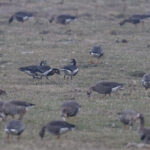
Red-breasted Geese (image by Dáni Balla)
Lesser Spotted Woodpecker (image by Dáni Balla)
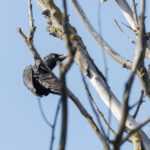
female Black Woodpecker (image by Dáni Balla)
Red-breasted Geese (image by Dáni Balla)
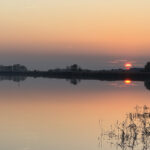
sunset over Hortobágy (image by Dáni Balla)
Northern Nutcracker (image by Dáni Balla)
male Hen Harrier (image by Dáni Balla)
Long-eared Owl (image by Dáni Balla)
Great Bustards (image by Dáni Balla)
Lesser White-fronted Geese (image by Dáni Balla)
Eurasian Golden Plover (image by Dáni Balla)
Saker Falcon (image by Martin Hale)
Lesser White-fronted Geese (image by Dáni Balla)
Common Cranes (image by Dáni Balla)
Red-breasted Geese (image by Dáni Balla)
Jack Snipe (image by Martin Hale)
male Bearded Reedling (image by Dáni Balla)
Red-breasted Geese (image by Dáni Balla)
Hortobágy (image by Dáni Balla)
Long-tailed Tit (image by Dáni Balla)
Greater White-fronted Geese (image by Dáni Balla)
Little Owl (image by Dáni Balla)
Goldcrest (image by Dáni Balla)
Lesser White-fronted Goose (image by Dáni Balla)
Eastern Imperial Eagle (image by Dáni Balla)


HUNGARY’S HORTOBÁGY IN AUTUMN TOUR REPORT 2026

7 - 11 November 2026
Dáni Balla
Endless and tranquil grasslands, the so-called puszta of the Hortobágy, in Eastern Hungary are home to spectacles of many kinds in late autumn when tens of thousands of Greater White-fronted Goose reach the area. The beginning of November is the sweet spot when the last few thousand Common Cranes are still holding on and the masses of geese are just arriving creating a fantastic atmosphere for birding. The main aim of this tour is to find some of the harder waterfowl of the world: the Red-breasted Goose and the Lesser White-fronted Goose. This year our work was rewarded well and we have found nice numbers of both species, which are classified as vulnerable on the Red List. Apart from the goose run, we did some birding on the steppes seeing Great Bustards, European Golden Plovers and a bunch of raptor species including Eastern Imperial Eagle, White-tailed Eagle, Merlin, Peregrine and the local specialty Saker Falcon. On the extensive wetlands we found, amongst thousands of wildfowl, Ferruginous Duck and Pygmy Cormorant while the reeds had Eurasian Penduline Tit and Bearded Reedling (a.k.a. Bearded Tit). We had to work for Jack Snipe and finished seeing two of them. Black Woodpecker, Lesser Spotted Woodpecker, Middle Spotted Woodpecker and Syrian Woodpecker were all seen during our stay which was supplemented with great sightings such as the local parliament of Long-eared Owls and a few macrorhynchos Northern Nutcrackers, as a nice influx from Siberia all across Europe was happening.
After meeting at Budapest Airport we headed south to reach the northern grounds of the Kiskunság National Park where we spent the afternoon at a nice location waiting for birds to turn up. We soon spotted Great Bustards feeding in a flock and counted 37 of them as we observed them from a safe distance. Scanning across the fields we saw a few Hen Harriers. Both fantastic males and ring-tail females/immatures were hanging around. We have had two different Merlins. The first one was a female rapidly crossing the area, while a better behaving male even perched up on a tree to provide good views. All combined, we saw seven Eastern Imperial Eagles here. Mostly immatures, but a nice adult bird circled just above us once. The icing on the cake for the first day was a Saker Falcon turning up just before we were about to leave. Unfortunately, some some of us missed it, so this made us decide to stay a few more minutes at this spot. Incredibly, another one turned up even closer, which stayed in sight for a few minutes, giving everyone a decent view. After a smooth drive via the highway, we arrived at Hortobágy at our lodge in the dark, in Balmazújváros (correct pronunciation still unknown), where we stayed for the whole tour.
We had a wonderful clear morning which found us standing at the terrace of our lodge just after breakfast, looking at our first Red-breasted Goose. It was grazing the short grass in amongst a few hundred Greater White-fronted Goose. Hard to imagine a better start than this. After departing we headed to the centre of the National Park where a relatively small area had a good concentration of geese. Amongst the group we were lucky to spot Lesser White-fronted ones! As we took our time here slowly getting closer and closer, we managed to count at least 42 individuals in one scan of the flock. In the meantime, a Saker Falcon was guarding the area and showed itself in flight when it moved between its watchpoints. We had great views at close range and could go into detail how the Lesser White-fronted Geese differ from their Greater siblings and could practice their ID in the field. These skills were used later on during the tour, finding more individuals from further distance. Time allowed us to visit the great fishponds of Hortobágy, where we walked a nice circuit, starting with great views of a Black Woodpecker. Reaching the waterside we found Pygmy Cormorants together with Great Cormorants drying off their wet feathers. The group of hundreds of wildfowl on the open water mainly consisted of Eurasian Wigeon, Northern Pintail, Mallard, Gadwall and we had the first Northern Shoveler for the trip here. As the clock was ticking the first flock of geese started to come in for their midday break and drink on the fishponds and it only took a few minutes for us to find a nice Red-breasted Goose amongst them. Moving further in along the ponds we reached a platform from where we managed to lure Eurasian Penduline Tits into views and saw the first Common Kingfisher for the trip. Scanning around we found at least five White-tailed Eagles perched on the surrounding trees, while Western Marsh Harriers were seen hunting above the reedbeds. A hot goulash soup was an easy lunch, before we moved to the next fishpond system on the eastern edge of the park. A roadside stop after a hint from another local birder resulted in a male Eurasian Goshawk seen perched on one of the thatched barn roofs. Reaching the fishponds and backed up by the local ranger we halted at the right spot to see one of the local Greater Spotted Eagles wintering in the area. A well-chosen spot provided a good look at a drained fishpond which had shallow water attracting the geese at this site. Scanning through the thousands of Greater White-fronted Goose we found a nice group of Red-breasted Geese in the middle and, after several counts, 15 of them were logged together here and another two individuals moving separately from them. A few Pied Avocets were still staying around and we saw Grey (Black-bellied) Plovers and Eurasian Curlews on the mud, supplemented by a few hundred Northern Lapwings. Changing positions we had a chance to check another pond where Attila (the local ranger) helped us out and we found a late staying Ferruginous Duck and a Greater Scaup in a small flock of Common Pochards. Another angle on the shallow lake revealed a Black-winged Stilt and we had better looks at Common and Caspian Gulls from this position. Before reaching our last birding site of the day we stopped on the way to check the wetland near our lodge. This time we were lucky to find a group of nine Red-breasted Geese and another two in a smaller flock of only around two thousand Greater White-fronted Geese. To our surprise we managed to find an immature Lesser White-fronted Goose in the same flock, finding one of them is an extra hard task as most of them are missing the large white shield on their front. So, one can only rely on the paler but still visible yellow eye-ring and the shape of the head and bill and the shorter neck. After a short drive we arrived between two fishponds where we enjoyed thousands of Common Cranes coming in to roost at the very end of the day. Scanning around on the water we found two Horned (Slavonian) Grebes along with a single Greater Crested Grebe and a small group of Little Grebes. To no surprise, the final half hour of our day was spectacular as the Cranes were coming into the nearby lake creating a loud but tranquil scene as they flew in front of the disappearing sun, washing the clouds in orange and pink colours.
We woke up to less pleasant weather. It was cloudy and windy like one of those ugly early winter days. As a start we were welcomed by the usual Red-breasted Goose visible in a small flock of geese from the lodge terrace. Then we joined forces with another birding party and Zoli (the local snipe man) took us to the best snipe habitat of the wetland. At a dedicated wetland patch we – those who had wellies – lined up and started our march in the shallow water to soon flush a Common Snipe. Not much after that, our main target got airborne just from under our feet – a Jack Snipe! – we shouted and the ones standing on the dry land were on the flying bird in a second. A few more minutes later we flushed a second one which even decided to cross the area in front of our now-delighted team. Walking back to the cars, a Saker Falcon – which we saw in the distance sitting on the ground – decided to come closer and did a nice pass-by showing off. Dropping off Zoli back in the town, we were to check another fishpond near Balmazújváros. A large waterbody with unfortunately very few birds, but a local scarcity in the form of a Common Merganser was seen and also a distant Red-throated Loon was found after some careful scanning with the scopes. Back at our vehicle the nearby bushes had Long-tailed Tits, Dunnock, Goldcrest, Blue and Great Tits. The wind was getting stronger and we decided to choose a more comfortable way of birding and drove around the north-central part of the national park scanning the grasslands and bushes finding Hen Harriers, Common Kestrel and a roadside adult Eastern Imperial Eagle. A flock of Long-tailed Tits was responsive and a few ‘White-headed’ individuals between them showed very well. Before lunch we rapidly jumped on fresh news and checked a nearby site where a flock of 27 European Golden Plovers were feeding near a farm. A Little Owl was seen on the way out. It was the last bird before we paid another visit to the lunch table to get our daily goulash and a cottage cheese custard pancake. After lunch we drove to the main fishponds again, this time visiting the northern area of the site. The waterside had no exciting birds for us but we managed to lure some Bearded Reedlings out from the dense reeds. A final check from a platform resulted in a small group of nine Smews, flying south, before we left the area. Driving into the south centre of the national park, where a roadside flock of geese were spotted and after a short scan a group of three Red-breasted Geese was seen between them. Driving on a very cooperative Little Owl sitting on a chimney made us stop. The main attraction that followed was a big herd of Przewalski’s Horses, which we saw from a good distance. They are in a strictly-closed area of the national park living an undisturbed life. Back to Balmazújváros where we had a proper finish to the day seeing a few more Red-breasted Geese in the local flock.
It can always be worse, when it comes to the weather, as we were about to start a rainy, windy, cold day. Not soon after we left town, we turned back to twitch a Tundra Bean Goose which was seen by another squad – the bird flew out just a minute before we got there… Not a lucky start. Checking the drained fishponds again, seeing Caspian Gull from a closer distance and a Black Woodpecker putting on a show at the nearby trees, we decided to drive further south. We reached the real open grasslands where the horizon felt endless. At one point we were having a hot coffee and staring at a flock of 22 male Great Bustards, way closer than those on the first day. Their huge size was even more pronounced on this vast land. Back to Balmazújváros where we took a lángos – a hungarian bread dough-based streetfood – for lunch with the indispensable sour cream topping. The weather was slowly getting worse and we paid a visit to the local parliament of Long-eared Owls – a local sensation of Balmazújváros, where we easily counted at least 35 individuals. Their numbers are just starting to build up for the winter as more and more birds will arrive to roost here. It was seriously raining when we decided to play the safe game and chose to drive to a location near Debrecen city where several Northern Nutcrackers of the Siberian macrorhynchyos race were seen after an influx of this species hit Europe. After some driving up-and-down the streets we heard a calling bird and finding a good spot where we managed to call one out from the dense vegetation. It was then followed by another one and another one, the last one being obliging, posing for us in the rain. We decided on getting a cake and a coffee at a confectionery in Debrecen for our final act, to pass the heavy rain, before we got back to Balmazújváros and settled in our lodge.
The last morning of our tour started with some fog around the lodge and we had a Saker Falcon sitting on the ground, near the lodge terrace, while a flock of geese behind had a few Red-breasted Geese to say goodbye to us. After checking out of the lodge, we made a short stop in town to find a cooperative Syrian Woodpecker which perched above us on the roadside wires. We decided to cross the Hortobágy when driving west bumping into Corn Buntings and Yellowhammers. As time allowed for it, we paid a short visit to some cold valleys in the Mátra Hills where we were hoping to find some more exciting woodpeckers, although the time of the year was not giving us much hope. However, we still managed to find two Lesser Spotted and a Middle Spotted Woodpecker in the colourful autumn forest. It was a great way to finish a short autumn birding tour to Hungary!
SYSTEMATIC LIST OF SPECIES RECORDED DURING THE TOUR
Species marked with the diamond symbol (◊) are either endemic to the country or local region or considered ‘special’ birds for some other reason (e.g., it is only seen on one or two Birdquest tours; it is difficult to see across all or most of its range; the local form is endemic or restricted-range and may in future be treated as a full species).
The species names and taxonomy used in the bird list follows AviList v2026 (AviList Core Team 2026. AviList: The Global Avian Checklist, v2026); this was the current version when the checklist for the tour report was created.
Where the subspecies seen is/are known, these are often given in parentheses at the end of the species comment.
The species names and taxonomy used in the mammal list follow the mammal list on the iGoTerra website (www.igoterra.com). This list largely follows IUCN (International Union for Conservation of Nature) taxonomy with just a few modifications. It is listed in family order, alphabetically by genera within families. Some alternative names are given in parentheses.
BIRDS
Mute Swan Cygnus olor
Red-breasted Goose ◊ Branta ruficollis A few dozen seen, with some great views.
Greylag Goose Anser anser
Lesser White-fronted Goose ◊ Anser erythropus Fantastic views, 45 logged during the tour.
Greater White-fronted Goose Anser albifrons
Common Goldeneye Bucephala clangula Two seen on a fishpond.
Smew Mergellus albellus A flock of nine females seen in flight only.
Common Merganser Mergus merganser A nice male seen on a fishpond.
Ferruginous Duck ◊ Aythya nyroca A single bird seen together with Common Pochards.
Common Pochard Aythya ferina
Greater Scaup Aythya marila
Tufted Duck Aythya fuligula
Northern Shoveler Spatula clypeata
Gadwall Mareca strepera
Eurasian Wigeon Mareca penelope
Mallard Anas platyrhynchos
Northern Pintail Anas acuta
Green-winged Teal Anas crecca
Common Pheasant (introduced) Phasianus colchicus
Little Grebe Tachybaptus ruficollis
Horned Grebe Podiceps auritus Two individuals seen at a fishpond, scarce birds in the region.
Great Crested Grebe Podiceps cristatus
Black-necked Grebe Podiceps nigricollis One seen from a distance at a fishpond.
Great Bustard ◊ Otis tarda Seen twice, both times in good groups.
Eurasian Collared Dove Streptopelia decaocto
Rock Dove (introduced) Columba livia
Stock Dove Columba oenas
Common Crane Grus grus The best sighting is about ten thousand of them coming into roost.
Water Rail Rallus aquaticus Heard-only.
Eurasian Coot Fulica atra
Pied Avocet Recurvirostra avosetta
Black-winged Stilt Himantopus himantopus
Grey Plover Pluvialis squatarola
European Golden Plover Pluvialis apricaria
Northern Lapwing Vanellus vanellus
Eurasian Curlew Numenius arquata
Jack Snipe ◊ Lymnocryptes minimus Two seen well in flight.
Common Snipe Gallinago gallinago
Dunlin Calidris alpina
Black-headed Gull Chroicocephalus ridibundus
Common Gull Larus canus
Caspian Gull Larus cachinnans The common large gull in the area.
Red-throated Loon Gavia stellata
Pygmy Cormorant ◊ Microcarbo pygmaeus Probably two dozen seen on the fishponds.
Great Cormorant Phalacrocorax carbo
Eurasian Spoonbill Platalea leucorodia A late staying single bird seen.
Great Egret Ardea alba
Grey Heron Ardea cinerea
Little Owl Athene noctua
Long-eared Owl Asio otus A parliament of 35 individuals was a highlight.
Greater Spotted Eagle ◊ Clanga clangaAn adult seen on the eastern edge of the Hortobágy.
Eastern Imperial Eagle ◊ Aquila heliaca Several individuals seen – felt quite common.
Eurasian Sparrowhawk Accipiter nisus
Eurasian Goshawk Astur gentilis A male seen perched on a roadside barn.
Hen Harrier Circus cyaneus Around a dozen seen during the tour including some nice males.
Western Marsh Harrier Circus aeruginosus
White-tailed Eagle Haliaeetus albicilla
Common Buzzard Buteo buteo
Common Kingfisher Alcedo atthis
European Green Woodpecker Picus viridis
Black Woodpecker Dryocopus martius Two individuals seen, both very well.
Great Spotted Woodpecker Dendrocopos major
Syrian Woodpecker ◊ Dendrocopos syriacus One cooperative individual seen nicely.
Middle Spotted Woodpecker ◊ Dendrocoptes medius One seen in the Mátra Hills.
Lesser Spotted Woodpecker Dryobates minor Two seen in the Mátra Hills.
Common Kestrel Falco tinnunculus
Merlin Falco columbarius Two seen on the first day in the Kiskunság National Park.
Peregrine Falcon Falco peregrinus
Saker Falcon ◊ Falco cherrug Several sightings through out the tour.
Great Grey Shrike Lanius excubitor
Eurasian Jay Garrulus glandarius
Eurasian Magpie Pica pica
Northern Nutcracker Nucifraga caryocatactes Three individuals seen from the Siberain macorhynchos race.
Western Jackdaw Coloeus monedula
Rook Corvus frugilegus
Northern Raven Corvus corax
Carrion Crow (Hooded C) Corvus [corone] cornix
Eurasian Penduline Tit Remiz pendulinus
Eurasian Blue Tit Cyanistes caeruleus
Marsh Tit Poecile palustris
Great Tit Parus major
Bearded Reedling Panurus biarmicus A small flock of this reed-dweller seen at the main fishponds of Hortobágy.
Crested Lark Galerida cristata
Long-tailed Tit Aegithalos caudatus Both forms seen.
Goldcrest Regulus regulus
Eurasian Treecreeper Certhia familiaris
Eurasian Wren Troglodytes troglodytes
Common Starling Sturnus vulgaris
Common Blackbird Turdus merula
Fieldfare Turdus pilaris
European Robin Erithacus rubecula
Dunnock Prunella modularis
Eurasian Tree Sparrow Passer montanus
House Sparrow Passer domesticus
Meadow Pipit Anthus pratensis Heard-only.
Water Pipit Anthus spinoletta Heard-only.
Eurasian Chaffinch Fringilla coelebs
Eurasian Bullfinch Pyrrhula pyrrhula
European Greenfinch Chloris chloris Heard-only.
Common Linnet Linaria cannabina Heard-only.
European Goldfinch Carduelis carduelis
Eurasian Siskin Spinus spinus Heard-only.
Common Reed Bunting Emberiza schoeniclus
Corn Bunting Emberiza calandra
Yellowhammer Emberiza citrinella
MAMMALS
Western Roe Deer (Roe D) Capreolus capreolus
European Hare (Brown H) Lepus europaeus