Email birders@birdquest-tours.com
Telephone 07777 186845
(International +44 7777 186845)
Email birders@birdquest-tours.com
Telephone 07777 186845
(International +44 7777 186845)
Africa and its islands
Madagascar Hoopoe (image by Pete Morris)
Grey-brown Mouse Lemur (image by Trevor Ellery)
Madagascar Buttonquail (image by Pete Morris)
Littoral Rock Thrush (image by Pete Morris)
Ring-tailed Vontsiras (image by Trevor Ellery)
Rural Madagascar (image by Eustace Barnes)
Madagascar Jacana (image by Eustace Barnes)
Madagascar Wagtail (image by Eustace Barnes)
Giant Coua (image by Trevor Ellery)
Madagascar Rail (image by Trevor Ellery)
Benson's Rock Thrush (image by Pete Morris)
Rufous Vanga (image by Eustace Barnes)
Ring-tailed Lemur (image by Trevor Ellery)
Pitta-like Ground Roller (image by Pete Morris)
Torotoroka Scops Owl (image by Pete Morris)
Crab-plovers (image by Trevor Ellery)
Banded Kestrel (image by Pete Morris)
Humblot's Heron (image by Pete Morris)
Giraffe-necked Weevil (image by Pete Morris)
Yellow-bellied Sunbird-Asity (image by Pete Morris)
Schlegel's Asity (image by Pete Morris)
Giant Coua (image by Mike Watson)
Madagascar Fish Eagle (image by Pete Morris)
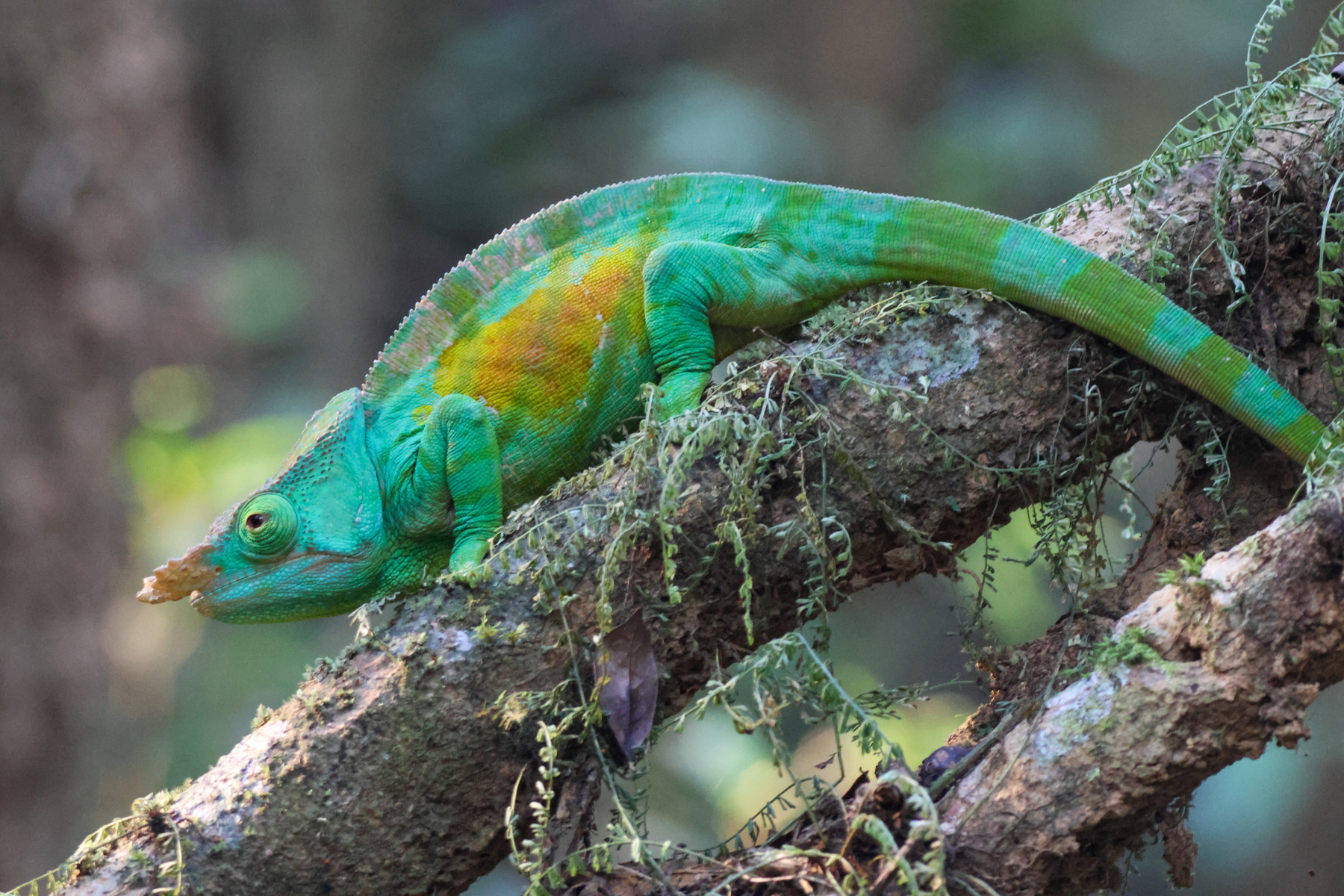
Parson's Chameleon (image by Eustace Barnes)
Madagascar Sandgrouse (image by Pete Morris)
Madagascar Pratincole (image by Eustace Barnes)
White-footed Sportive Lemur (image by Pete Morris)
Madagascar Plovers (image by Pete Morris)
Long-tailed Ground Roller (image by Eustace Barnes)
Lesser Vasa Parrot (image by Trevor Ellery)
Frances's Sparrowhawk (image by Trevor Ellery)
Uroplatus Phantasticus (image by Pete Morris)
Madagascar Plover (image by Eustace Barnes)
Collared Nightjar (image by Pete Morris)
Grey-headed Lovebirds (image by Pete Morris)
Bernier's Teal (image by Pete Morris)
Indri (image by Trevor Ellery)
Madagascar Harrier-Hawk (image by Mike Watson)
Schlegel's Asity (image by Pete Morris)
Sakalava Weaver (image by Pete Morris)
Madagascar Rail (image by Pete Morris)
Madagascar Nightjar (image by Pete Morris)
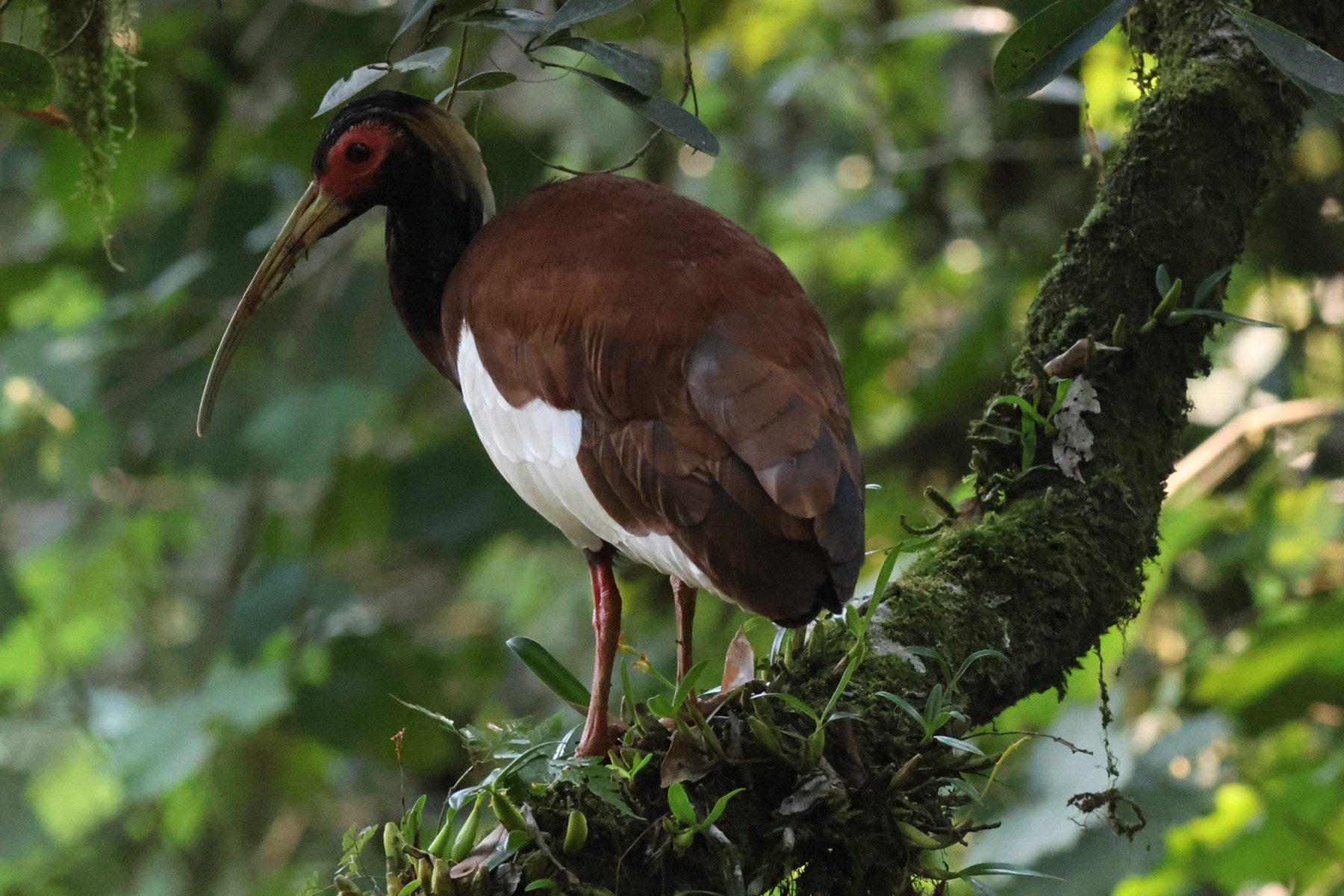
Madagascar Crested Ibis (image by Pete Morris)
Helmet Vanga (image by Pete Morris)
Madagascar Harriers (image by Pete Morris)
Rufous Vanga (image by Trevor Ellery)
Rainforest Scops Owl (image by Pete Morris)
Madagascar Fish Eagle (image by Eustace Barnes)
Madagascar Paradise Flycatcher (image by Pete Morris)
Collared Nightjar (image by Mike Watson)
Long-tailed Ground Roller (image by Mike Watson)
Mongoose Lemur (image by Trevor Ellery)
Bernier's Teals (image by Pete Morris)
Bernier's Vanga (image by Pete Morris)
Appert's Greenbul (image by Pete Morris)
Red-tailed Newtonia (image by Pete Morris)
Ring-tailed Lemurs (image by Eustace Barnes)
Subdesert Mesite (image by Trevor Ellery)
White-breasted Mesites (image by Trevor Ellery)
Sakalava Weavers (image by Trevor Ellery)
Verreaux's Sifaka (image by Trevor Ellery)
Western Avahi (image by Pete Morris)
Madagascar Pond Heron (image by Pete Morris)
Meller's Ducks (image by Mike Watson)
Rufous Vanga (image by Pete Morris)
Madagascar Long-eared Owl (image by Pete Morris)
Olive Bee-eater (image by Mike Watson)
Verreaux's Coua (image by Mike Watson)
Giant Coua (image by Eustace Barnes)
Madagascar Crested Ibis (image by Eustace Barnes)
Schlegel's Asity (image by Eustace Barnes)
White-browed Owl (image by Pete Morris)
Common Sunbird-Asity (image by Pete Morris)
Madagascar Flying Fox (image by Trevor Ellery)
Indri (image by Mike Watson)
Scaly Ground Roller (image by Eustace Barnes)
Madagascar Pratincole (image by Eustace Barnes)
Red-tailed Vanga (image by Pete Morris)
White-throated Rail (image by Pete Morris)
Red-capped Coua ssp olivaceiceps (image by Eustace Barnes)
Ring-tailed Lemur (image by Pete Morris)
Madagascar Pygmy Kingfisher (image by Pete Morris)
Subdesert Mesites (image by Mike Watson)
Bernier's Vanga (image by Pete Morris)
White-throated Oxylabes (image by Pete Morris)
Common Sunbird-Asity (image by Trevor Ellery)
Red-tailed Tropicbird (image by Pete Morris)
Rainforest Scops Owls (image by Eustace Barnes)
Long-tailed Ground Roller (image by Eustace Barnes)
Giant Coua (image by Pete Morris)
Madagascar Nightjar (image by Eustace Barnes)
Ring-tailed Lemurs (image by Mike Watson)
Helmet Vanga (image by Pete Morris)
Madagascar Sandgrouse (image by Mike Watson)
Short-legged Ground Roller (image by Trevor Ellery)
Schlegel's Asity (image by Chris Kehoe)
Scaly Ground Roller (image by Pete Morris)
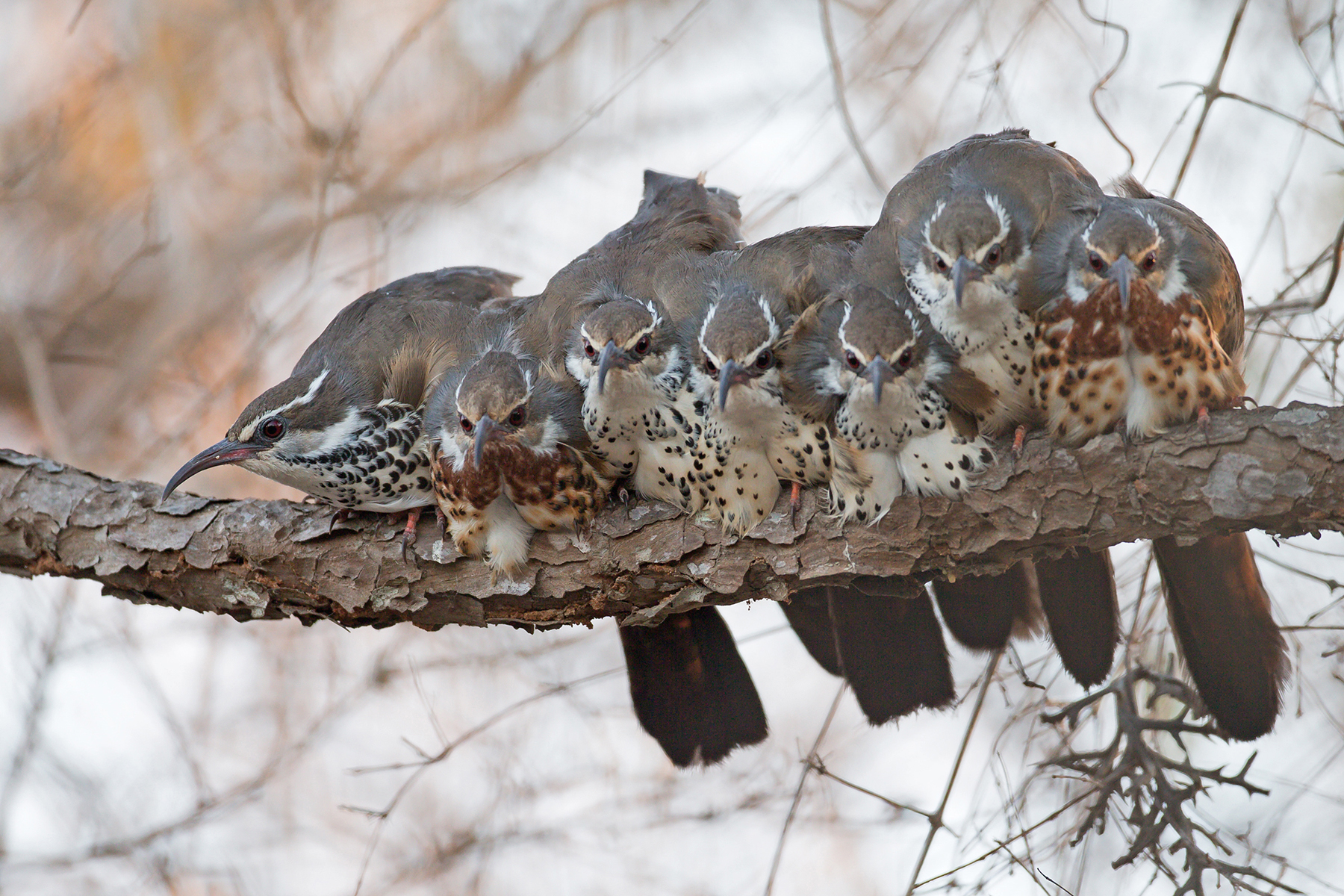
Crossley's Babbler (image by Pete Morris)
Cuckoo Roller (image by Pete Morris)
Collared Nightjar (image by Trevor Ellery)
Petter's Sportive Lemur (image by Trevor Ellery)
Spiny Forest (image by Eustace Barnes)
Madagascar Wagtail (image by Pete Morris)
Madagascar Kestrel (image by Eustace Barnes)
Velvet Asity (image by Pete Morris)
Madagascar Sacred Ibis (image by Eustace Barnes)
Kelp (Madagascar) Gull (image by Trevor Ellery)
Blue Vanga (image by Pete Morris)
Verreaux's Coua (image by Pete Morris)
Mantella Baronii frog (image by Pete Morris)
Coquerel's Coua (image by Pete Morris)
Madagascar Little Grebe (image by Pete Morris)
Collared Nightjar (image by Eustace Barnes)
Henst's Goshawk (image by Eustace Barnes)
Parson's Chameleon (image by Eustace Barnes)
Lafresnaye's Vanga (image by Mike Watson)
Broad-billed Roller (image by Eustace Barnes)
Madagascar Pratincole (image by Trevor Ellery)
Madagascar Plover (image by Mike Watson)
Red-tailed Tropicbird (image by Pete Morris)
Subdesert Mesite (image by Eustace Barnes)
White-throated Rail (image by Trevor Ellery)
Long-tailed Ground Roller (image by Trevor Ellery)
Red-shouldered Vanga (image by Pete Morris)
Running Coua (image by Trevor Ellery)
Red-capped Coua (image by Pete Morris)
Sickle-billed Vanga (image by Trevor Ellery)
Blue Coua (image by Pete Morris)
Verreaux's Coua (image by Trevor Ellery)
Brookesia superciliaris chameleon (image by Pete Morris)
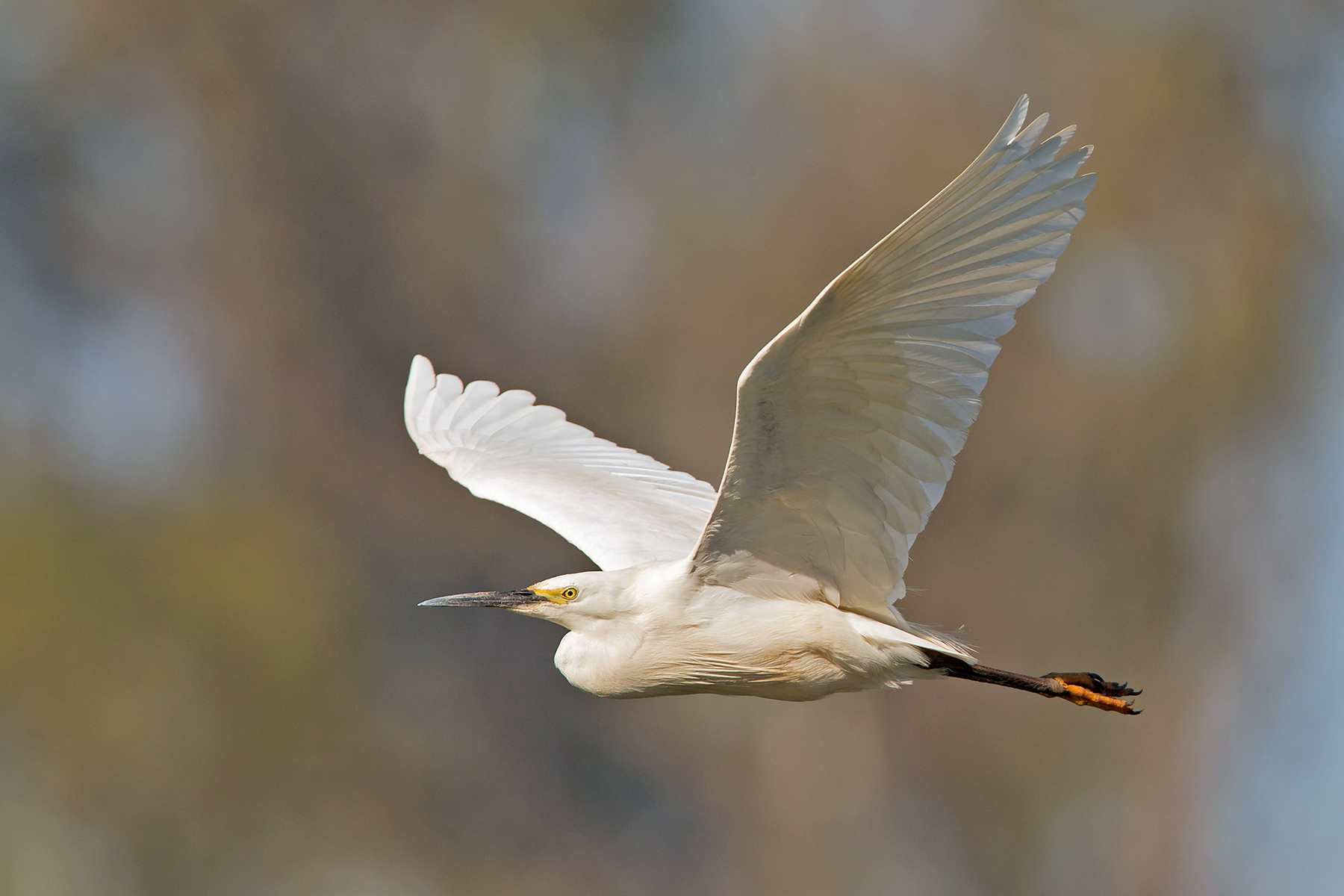
Dimorphic Egret (image by Mike Watson)
Littoral Rock Thrush (image by Trevor Ellery)
Short-legged Ground Roller (image by Pete Morris)
Scaly Ground Roller (image by Eustace Barnes)
Madagascar Swamp Warbler (image by Pete Morris)
Madagascar Fish Eagle (image by Pete Morris)
Madagascar Hoopoe (image by Eustace Barnes)
Madagascar Crested Ibis (image by Eustace Barnes)
Red-tailed Tropicbird (image by Trevor Ellery)
Van Dam's Vanga (image by Pete Morris)
Madagascar Long-eared Owl (image by Pete Morris)
Collared Nightjar (image by Pete Morris)
Sickle-billed Vanga (image by Pete Morris)
Sooty Falcon (image by Pete Morris)
Madagascar Hoopoe (image by Pete Morris)
Madagascar Harrier-Hawk (image by Eustace Barnes)
Squacco Heron (image by Mike Watson)
Sickle-billed Vanga (image by Mike Watson)
Red-fronted Coua (image by Pete Morris)
Brilliant Blue (image by Eustace Barnes)
White-breasted Mesite (image by Pete Morris)
Ring-tailed Mongoose (image by Pete Morris)
Scaly Ground Roller (image by Trevor Ellery)
Pitta-like Ground Roller (image by Trevor Ellery)
Running Coua (image by Eustace Barnes)
Crested Coua (image by Trevor Ellery)
Running Coua (image by Mike Watson)
Crested Drongo (image by Trevor Ellery)
Brown Mesite (image by Pete Morris)
Madagascar Pygmy Kingfisher (image by Trevor Ellery)


Madagascar Hoopoe (image by Pete Morris)
Grey-brown Mouse Lemur (image by Trevor Ellery)
Madagascar Buttonquail (image by Pete Morris)
Littoral Rock Thrush (image by Pete Morris)
Ring-tailed Vontsiras (image by Trevor Ellery)
Rural Madagascar (image by Eustace Barnes)
Madagascar Jacana (image by Eustace Barnes)
Madagascar Wagtail (image by Eustace Barnes)
Giant Coua (image by Trevor Ellery)
Madagascar Rail (image by Trevor Ellery)
Benson's Rock Thrush (image by Pete Morris)
Rufous Vanga (image by Eustace Barnes)
Ring-tailed Lemur (image by Trevor Ellery)
Pitta-like Ground Roller (image by Pete Morris)
Torotoroka Scops Owl (image by Pete Morris)
Crab-plovers (image by Trevor Ellery)
Banded Kestrel (image by Pete Morris)
Humblot's Heron (image by Pete Morris)
Giraffe-necked Weevil (image by Pete Morris)
Yellow-bellied Sunbird-Asity (image by Pete Morris)
Schlegel's Asity (image by Pete Morris)
Giant Coua (image by Mike Watson)
Madagascar Fish Eagle (image by Pete Morris)
Parson's Chameleon (image by Eustace Barnes)
Madagascar Sandgrouse (image by Pete Morris)
Madagascar Pratincole (image by Eustace Barnes)
White-footed Sportive Lemur (image by Pete Morris)
Madagascar Plovers (image by Pete Morris)
Long-tailed Ground Roller (image by Eustace Barnes)
Lesser Vasa Parrot (image by Trevor Ellery)
Frances's Sparrowhawk (image by Trevor Ellery)
Uroplatus Phantasticus (image by Pete Morris)
Madagascar Plover (image by Eustace Barnes)
Collared Nightjar (image by Pete Morris)
Grey-headed Lovebirds (image by Pete Morris)
Bernier's Teal (image by Pete Morris)
Indri (image by Trevor Ellery)
Madagascar Harrier-Hawk (image by Mike Watson)
Schlegel's Asity (image by Pete Morris)
Sakalava Weaver (image by Pete Morris)
Madagascar Rail (image by Pete Morris)
Madagascar Nightjar (image by Pete Morris)
Madagascar Crested Ibis (image by Pete Morris)
Helmet Vanga (image by Pete Morris)
Madagascar Harriers (image by Pete Morris)
Rufous Vanga (image by Trevor Ellery)
Rainforest Scops Owl (image by Pete Morris)
Madagascar Fish Eagle (image by Eustace Barnes)
Madagascar Paradise Flycatcher (image by Pete Morris)
Collared Nightjar (image by Mike Watson)
Long-tailed Ground Roller (image by Mike Watson)
Mongoose Lemur (image by Trevor Ellery)
Bernier's Teals (image by Pete Morris)
Bernier's Vanga (image by Pete Morris)
Appert's Greenbul (image by Pete Morris)
Red-tailed Newtonia (image by Pete Morris)
Ring-tailed Lemurs (image by Eustace Barnes)
Subdesert Mesite (image by Trevor Ellery)
White-breasted Mesites (image by Trevor Ellery)
Sakalava Weavers (image by Trevor Ellery)
Verreaux's Sifaka (image by Trevor Ellery)
Western Avahi (image by Pete Morris)
Madagascar Pond Heron (image by Pete Morris)
Meller's Ducks (image by Mike Watson)
Rufous Vanga (image by Pete Morris)
Madagascar Long-eared Owl (image by Pete Morris)
Olive Bee-eater (image by Mike Watson)
Verreaux's Coua (image by Mike Watson)
Giant Coua (image by Eustace Barnes)
Madagascar Crested Ibis (image by Eustace Barnes)
Schlegel's Asity (image by Eustace Barnes)
White-browed Owl (image by Pete Morris)
Common Sunbird-Asity (image by Pete Morris)
Madagascar Flying Fox (image by Trevor Ellery)
Indri (image by Mike Watson)
Scaly Ground Roller (image by Eustace Barnes)
Madagascar Pratincole (image by Eustace Barnes)
Red-tailed Vanga (image by Pete Morris)
White-throated Rail (image by Pete Morris)
Red-capped Coua ssp olivaceiceps (image by Eustace Barnes)
Ring-tailed Lemur (image by Pete Morris)
Madagascar Pygmy Kingfisher (image by Pete Morris)
Subdesert Mesites (image by Mike Watson)
Bernier's Vanga (image by Pete Morris)
White-throated Oxylabes (image by Pete Morris)
Common Sunbird-Asity (image by Trevor Ellery)
Red-tailed Tropicbird (image by Pete Morris)
Rainforest Scops Owls (image by Eustace Barnes)
Long-tailed Ground Roller (image by Eustace Barnes)
Giant Coua (image by Pete Morris)
Madagascar Nightjar (image by Eustace Barnes)
Ring-tailed Lemurs (image by Mike Watson)
Helmet Vanga (image by Pete Morris)
Madagascar Sandgrouse (image by Mike Watson)
Short-legged Ground Roller (image by Trevor Ellery)
Schlegel's Asity (image by Chris Kehoe)
Scaly Ground Roller (image by Pete Morris)
Crossley's Babbler (image by Pete Morris)
Cuckoo Roller (image by Pete Morris)
Collared Nightjar (image by Trevor Ellery)
Petter's Sportive Lemur (image by Trevor Ellery)
Spiny Forest (image by Eustace Barnes)
Madagascar Wagtail (image by Pete Morris)
Madagascar Kestrel (image by Eustace Barnes)
Velvet Asity (image by Pete Morris)
Madagascar Sacred Ibis (image by Eustace Barnes)
Kelp (Madagascar) Gull (image by Trevor Ellery)
Blue Vanga (image by Pete Morris)
Verreaux's Coua (image by Pete Morris)
Mantella Baronii frog (image by Pete Morris)
Coquerel's Coua (image by Pete Morris)
Madagascar Little Grebe (image by Pete Morris)
Collared Nightjar (image by Eustace Barnes)
Henst's Goshawk (image by Eustace Barnes)
Parson's Chameleon (image by Eustace Barnes)
Lafresnaye's Vanga (image by Mike Watson)
Broad-billed Roller (image by Eustace Barnes)
Madagascar Pratincole (image by Trevor Ellery)
Madagascar Plover (image by Mike Watson)
Red-tailed Tropicbird (image by Pete Morris)
Subdesert Mesite (image by Eustace Barnes)
White-throated Rail (image by Trevor Ellery)
Long-tailed Ground Roller (image by Trevor Ellery)
Red-shouldered Vanga (image by Pete Morris)
Running Coua (image by Trevor Ellery)
Red-capped Coua (image by Pete Morris)
Sickle-billed Vanga (image by Trevor Ellery)
Blue Coua (image by Pete Morris)
Verreaux's Coua (image by Trevor Ellery)
Brookesia superciliaris chameleon (image by Pete Morris)
Dimorphic Egret (image by Mike Watson)
Littoral Rock Thrush (image by Trevor Ellery)
Short-legged Ground Roller (image by Pete Morris)
Scaly Ground Roller (image by Eustace Barnes)
Madagascar Swamp Warbler (image by Pete Morris)
Madagascar Fish Eagle (image by Pete Morris)
Madagascar Hoopoe (image by Eustace Barnes)
Madagascar Crested Ibis (image by Eustace Barnes)
Red-tailed Tropicbird (image by Trevor Ellery)
Van Dam's Vanga (image by Pete Morris)
Madagascar Long-eared Owl (image by Pete Morris)
Collared Nightjar (image by Pete Morris)
Sickle-billed Vanga (image by Pete Morris)
Sooty Falcon (image by Pete Morris)
Madagascar Hoopoe (image by Pete Morris)
Madagascar Harrier-Hawk (image by Eustace Barnes)
Squacco Heron (image by Mike Watson)
Sickle-billed Vanga (image by Mike Watson)
Red-fronted Coua (image by Pete Morris)
Brilliant Blue (image by Eustace Barnes)
White-breasted Mesite (image by Pete Morris)
Ring-tailed Mongoose (image by Pete Morris)
Scaly Ground Roller (image by Trevor Ellery)
Pitta-like Ground Roller (image by Trevor Ellery)
Running Coua (image by Eustace Barnes)
Crested Coua (image by Trevor Ellery)
Running Coua (image by Mike Watson)
Crested Drongo (image by Trevor Ellery)
Brown Mesite (image by Pete Morris)
Madagascar Pygmy Kingfisher (image by Trevor Ellery)


|
Monday 5th October – Friday 23rd October 2026 Leaders: Trevor Ellery and local bird guides |
19 Days | Group Size Limit 7 (tour guaranteed) |
| Southeast Madagascar Extension Friday 23rd October – Wednesday 28th October 2026 |
6 Days | Group Size Limit 7 (extension guaranteed) |
|
Tuesday 12th October – Saturday 30th October 2027 Leaders: Trevor Ellery and local bird guides |
19 Days | Group Size Limit 7 (tour guaranteed) |
| Southeast Madagascar Extension Saturday 30th October – Wednesday 3rd November 2027 |
5 Days | Group Size Limit 7 |
|
Sunday 8th October – Thursday 26th October 2028 Leaders: Trevor Ellery and local bird guides |
19 Days | Group Size Limit 7 |
| Southeast Madagascar Extension Thursday 26th October – Monday 30th October 2028 |
5 Days | Group Size Limit 7 |
|
Sunday 7th October – Thursday 25th October 2029 Leaders: Trevor Ellery and local bird guides |
19 Days | Group Size Limit 7 |
| Southeast Madagascar Extension Thursday 25th October – Monday 29th October 2029 |
5 Days | Group Size Limit 7 |
Birdquest’s Classic Madagascar birding tours provide an unusually comprehensive coverage of this very popular bird and wildlife destination. Our Classic Madagascar birding tour records not only a very high proportion of the island’s rich diversity of endemic birds but also a wonderful variety of lemurs, ranging from the diminutive and nocturnal mouse lemurs to the huge and fabulous Indri. (For an even more extensive coverage of this amazing island, please see our longer Ultimate Madagascar tour.)
Madagascar – an island continent that broke free from Africa about 100 million years ago, a world where plants and animals have been frozen in time. Seven families of mammals, six (or, depending on taxonomic interpretation, seven) families of birds and six families of plants are unique to this huge island; ninety per cent of its forest species are endemic, yet today this wonderful heritage is sorely endangered by a burgeoning human population and unfettered exploitation.
Intense international interest has been generated by Madagascar’s problems, and some action is now being taken to safeguard its natural treasure house, not least by the Malagasy themselves, so that there is some hope that this unique evolutionary experiment will not be lost forever. Over 1600km from north to south, Madagascar encompasses a wide range of environments. The massive escarpments of the eastern slope rise to over 2800m and, exposed to the moist trade winds from the Indian Ocean, experience high rainfall. Here are situated what remains of Madagascar’s immensely rich rainforests. These same escarpments create a vast rain shadow across the rest of the island. From the grasslands of the interior plateau, the land drops slowly away to the dry deciduous woodland of the west coast and the unique spiny Didierea forest of the semi-desert south.
For the traveller, it is Madagascar’s strange mixture of Asian and African cultures that most appeals. Amongst naturalists, the island is best known for its fabulous lemurs, man’s most distant cousins, ranging in size from tiny mouse-lemurs to the great Indri, and these are certainly a prime attraction, but for birdwatchers, more than 120 endemic species of birds, including six or seven endemic families, including the mesites, the ground rollers, the cuckoo-rollers, the asities (or false sunbirds), the vangas, the newly-recognized Malagasy warblers (Bernieridae) and sometimes the couas, are of equal interest.
During our Classic Madagascar birding tour, which is one of the most comprehensive available, we shall sample all of the island’s principal habitats.
Our Classic Madagascar birding tour starts at Antananarivo. From the capital city, which is situated on the high plateau, we travel first to the lush eastern rainforest at Ranomafana, where we will search for the beautiful Pitta-like and Rufous-headed Ground Rollers, the enigmatic Brown Mesite and up to three species of asity, as well as many other forest endemics and a superb selection of lemurs.
From Ranomafana, we continue southwestwards through the heart of the island, a memorable journey that will take us to the remote Isalo Massif and finally the southwestern coast at Tulear (or Toliara), picking up some localised endemics such as Giant Coua, Appert’s Tetraka and Red-shouldered Vanga as we go.
Here we shall explore the spiny Didierea forest, lagoons, coastal reefs and mudflats. Amongst the spiny forest, we should enjoy close encounters with Subdesert Mesite and Long-tailed Ground Roller, two of Madagascar’s most sought-after specialities.
Subsequently, we shall explore the dry deciduous forests, lakes and rivers of the Majunga (or Mahajanga) region in the northwest, the haunts of Malagasy Sacred Ibis, Bernier’s Teal, Madagascar Fish Eagle, White-breasted Mesite, Schlegel’s Asity and Van Dam’s Vanga, amongst others.
Finally, before we take our leave of the magical ‘Grand Isle’, we shall visit the eastern rainforest at Andasibe (also known as Perinet), famous as the home of the Indri but also a place that harbours many endemic birds, including Madagascar Ibis, the lovely Scaly Ground Roller and the amazing Collared Nightjar. Providing there are any recent observations, we will also visit the remote Iaroka forest in the Antavolobe Reserve, home of the extraordinary but rare Helmet Vanga.
During the short optional extension, we will explore the far southeast of Madagascar.
In the region surrounding Fort Dauphin (or Tolanaro), our major target is the very range-restricted Red-tailed Newtonia, which inhabits a remote tract of country.
We will also visit the famous lemur reserve at Berenty, enjoying the unique experience of watching lemurs (including Ring-tailed Lemurs, Red-fronted Lemurs and Verreaux’s Sifakas) at ultra-close quarters and seeing some fine endemic birds, including Giant Couas up close, very obliging White-browed Owls and quite likely the uncommon Madagascar Cuckoo-Hawk. Berenty also offers further chances for the uncommon Madagascar Sparrowhawk and Banded Kestrel.
Birdquest has operated Madagascar birding tours since 1987.
Flight Schedule Changes
Internal flights in Madagascar are infrequent, and the schedules are subject to material change. As a direct result, the tour dates may have to change by a number of days in either direction, and even a small increase in tour duration could prove necessary.
Accommodation & Road Transport
The hotels/lodges are of good or, where necessary, medium standard. Road transport is by small coach or minibus, and roads are very variable in quality (although many are much improved from the past). There are some long drives.
Walking
The walking effort during our Classic Madagascar birding tours is mostly easy, but there are a few moderate-grade walks. If we try for Helmet Vanga at Antovalobe/Iaroka, there is a fairly long and at times fairly demanding hike in and out of the reserve.
Climate
Rather variable. At this time of year, the dry season is giving way to the rainy season. Many days at lower altitudes will be hot, dry and sunny, but it is regularly overcast and rainy. At higher altitudes, the weather is similar, but temperatures are cool to warm. It will be rather humid, especially in the east.
Bird/Mammal Photography
Opportunities during our Classic Madagascar birding tours are quite good.
To see a larger map, click on the square-like ‘enlarge’ icon in the upper right of the map box.
To see (or hide) the ‘map legend’, click on the icon with an arrow in the upper left of the map box.
To change to a satellite view, which is great for seeing the physical terrain (and for seeing really fine details by repetitive use of the + button), click on the square ‘map view’ icon in the lower left corner of the ‘map legend’.
Birdquest Inclusions: Our tour prices include transportation, accommodations, meals and entrance fees.
We also include all tipping for local guides, drivers and accommodation/restaurant staff.
Deposit: 20% of the total tour price. Our office will let you know what deposit amount is due, in order to confirm your booking, following receipt of your online booking form.
TO BOOK THIS TOUR: Click here (you will need the tour dates)
The single supplement will not apply if you indicate on booking that you prefer to share a room and there is a room-mate of the same sex available.
This tour is priced in US Dollars. Amounts shown in other currencies are indicative.
Classic Madagascar: Day 1
Our Classic Madagascar birding tour begins in the evening at our hotel near Antananarivo airport, where we will stay overnight. (An airport transfer will be provided.)
Classic Madagascar: Day 2
Antananarivo is a strange mixture of traditional Malagasy, French Colonial and modern architecture. Traditional Malagasy architecture clearly has many Asian roots, and the buildings look much closer to those one would see in Nepal than anything found on the African mainland, reflecting the Asiatic origins of most of the Malagasy themselves.
This morning, we will visit Lac Alarobia on the outskirts of the city. Large numbers of waterbirds gather here, and a large heronry includes Malagasy Pond, Squacco and Black Herons and Western Cattle and Dimorphic Egrets, all displaying their breeding finery. Some Meller’s Ducks are usually present, and the White-throated Rails and Malagasy (or Madagascar Malachite) Kingfishers here are remarkably tame.
From the capital, we will head southwards to the remote town of Ambositra for an overnight stay.
As we travel across the interior plateau, the heartland of Madagascar, we will have a close-up of the Malagasy way of life. The countryside is a mosaic of tiny terraced rice paddies in the valley bottoms, grassy slopes, small villages of ochre-brown, thatched-roofed houses and isolated mountains of worn grey granite. Lean-limbed Malagasy farmers guide their zebu-drawn ploughs through the paddies whilst groups of smiling women carry produce to market. Life is hard in the countryside in Madagascar, but the ever-friendly Malagasy have an astonishing capacity for happiness in spite of their difficulties.
The extensive rice paddies of the interior are frequented by Western Cattle and Great Egrets, Squacco Heron and Red-billed Teal, whilst Yellow-billed Kite, Madagascar Buzzard, Malagasy Kestrel, Malagasy Black Swift, Madagascar Lark, Mascarene Martin, Madagascar Stonechat, Madagascar Cisticola, Red Fody, Pied Crow and the introduced Common Myna are all typical roadside birds. We may also encounter Hamerkop along the rivers and perhaps a flock of Alpine Swifts wheeling around the rugged hillsides.
Classic Madagascar: Day 3
This morning, we will continue our journey to Ranomafana National Park for a three-night stay. The road eventually winds through forested hills, past some scenic cascades and waterfalls, before we see the little spa town of Ranomafana appear below us.
This afternoon, we will commence our exploration of Ranomafana National Park.
Classic Madagascar: Days 4-5
Ranomafana is situated on the edge of the eastern escarpment and came to the attention of the world when a new species, the Golden Bamboo Lemur, was discovered here in 1985. Now protected as Ranomafana National Park, this superb area is rich in lemurs. Several species have been studied here for many years, resulting in the animals becoming oblivious to the presence of humans and giving us the privileged opportunity of watching them, unafraid, at close range.
We have a good chance of encountering Golden Bamboo Lemur (still only known from two localities), Eastern Lesser Bamboo Lemur, Red-fronted Lemur, Red-bellied Lemur, Milne-Edwards’s Sifaka and perhaps a roosting Eastern Woolly Lemur (or Eastern Avahi). One evening, as dusk falls, we shall wait for diminutive Red Mouse-lemurs to appear, attracted to a bait of bananas. The experience of watching these tiny primates at close range, manipulating items with their perfect miniature hands, is certainly very special. Other mammals we may encounter at Ranomafana include Red Forest Rat and perhaps Ring-tailed Vontsira (or Ring-tailed Mongoose) and Spotted Fanaloka (or Striped Civet).
Not surprisingly, Ranomafana also offers rich pickings for the birdwatcher and, indeed, the area is now acknowledged to be one of the best accessible sites for seeing Madagascar’s rainforest endemics. As the wreaths of early morning mist gradually dissipate, the forest comes alive: jeries and sunbirds sing from the canopy, tetrakas and newtonias chatter from the undergrowth and resonant hoots announce the presence of a ground roller. At the roadside, Rand’s Warblers and Common, Green and Stripe-throated Jeries give their confusingly similar songs from prominent exposed perches, as does the less numerous Cryptic Warbler, and we will scan similar locations for Madagascar Starling and the striking Madagascar Blue Pigeon. Overhead, Cuckoo-Rollers call wildly as they give their dramatic aerial displays, and the monotonous call of the Madagascar Cuckoo forms an almost constant backdrop to our birding.
Once on the trails, however, forest birdwatching requires time and patience, but the rewards can be rich. We will be making a particular effort to find a selection of species that we can only reasonably hope to see at Ranomafana. One of these is Brown Mesite, a secretive species of the forest floor, and another is the fearsome Henst’s Goshawk, a highly vocal raptor that we hope to see sitting in the canopy, glowering at us from under its heavy brows. Madagascar Yellowbrow (or Yellow-browed Oxylabes) favours the thickest undergrowth but, like many of Madagascar’s ‘skulkers’, can sometimes be watched at unbelievably close range. The chunky Pollen’s Vanga and Grey-crowned Tetraka (formerly Grey-crowned Greenbul) are two other specialities, and at higher altitudes, we will search for Brown Emutail, an ace skulker that we may see creeping, mouse-like, at our feet.
(We used to see the iridescent Yellow-bellied Sunbird Asity regularly at Ranomafana, but the original location was destroyed and, as yet, no new regular site has been located.)
Perhaps the most mysterious of all Madagascar’s birds are the ground rollers. The iridescent Pitta-like Ground Roller is, in fact, quite common here, and we also have a good chance of finding a furtive Rufous-headed Ground Roller, perhaps watching its head bobbing and throat feathers bristling as it calls from a low perch deep in the shade of the forest undergrowth. We also have a first chance for Scaly Ground Roller.
Other species that we may well find include Frances’s Sparrowhawk, Madagascar Forest Rail, Madagascar Flufftail (which can sometimes be enticed to within a few feet), Malagasy Turtle Dove, Lesser Vasa Parrot, Red-fronted Coua, the stunning, turaco-like Blue Coua, Malagasy Coucal, Malagasy Palm Swift, Malagasy Kingfisher, the curious Velvet Asity and Common Sunbird-Asity (members of a family now thought to be related to the broadbills), Madagascar Wagtail, Madagascar (or Ashy) Cuckooshrike, Spectacled Tetraka (formerly Spectacled Greenbul), the aptly-named Long-billed Bernieria (formerly Long-billed Greenbul), Madagascar Bulbul, Madagascar Magpie-Robin, Forest Rock Thrush (with its beautiful yodelling song), Malagasy Brush Warbler, Dark and Common Newtonias, Wedge-tailed Jery, Ward’s Flycatcher (now thought to be a vanga), Malagasy Paradise Flycatcher, White-throated Oxylabes, Red-tailed, Chabert, Tylas and Hook-billed Vangas, the unbelievably blue-hued Madagascar, Blue Vanga, Crossley’s Vanga (formerly Crossley’s Babbler), Malagasy White-eye, Malagasy Green (or Long-billed Green) and Souimanga Sunbirds, Nelicourvi Weaver, Forest Fody and Crested Drongo. Madagascar Cuckoo-Hawk is an uncommon possibility.
In a nearby area of damp heathland, we will search in particular for the skulking Grey Emutail, as well as Madagascar Martin, Madagascar Swamp Warbler, and Madagascar Mannikin. We will also have the chance to find Madagascar Snipe and, if we are lucky, we will come across Meller’s Duck, now probably one of Madagascar’s rarest endemics.
Classic Madagascar: Day 6
After some final birding in the Ranomafana region, we will make the scenic journey southwestwards to Isalo in the Ranohira region for an overnight stay.
Leaving the forests of the escarpment behind, the densely populated, well-watered plateau country gradually gives way to dry grasslands punctuated by stark, steep-sided mountains. Large herds of zebu, the characteristic Malagasy cattle, are driven to water by herders whose faces betray their African origins, for now we are entering Madagascar’s deep and once lawless south.
Time permitting, we will make a stop along the way at the small Anja reserve, where we can admire some wonderfully tame Ring-tailed Lemurs.
Eventually, we will cross the lonely Horombe Plateau. This remote area is favoured by the uncommon Madagascar Partridge. We used to encounter the rare and attractive Malagasy Harrier quartering the arid upland grasslands, or even a Marsh Owl, but both seem to have vanished owing to the drainage of wet grasslands.
Once at the dramatically beautiful Isalo Massif, an area of tangled, contorted limestone pinnacles surrounded by grasslands, we will look for the local form of the Forest Rock Thrush, which, although a bird of the rocky slopes, has taken to singing from the roof of our hotel. This form has sometimes been split as Benson’s Rock Thrush.
Classic Madagascar: Day 7
From Isalo, we travel southwestwards to Tulear (or Toliara) for an overnight stay.
Leaving early this morning, we will stop en route at Zombitse-Vohibasia National Park, which protects a relict tract of a once much more extensive forest, where we should find the extremely localised Appert’s Tetraka (formerly known as Appert’s Greenbul). (As with the other ‘greenbuls’ of Madagascar, this species is now placed in the recently recognised Malagasy warbler family.) Other species that we may well find in the dry deciduous forests at Zombitse-Vohibasia include the superb Giant Coua, Coquerel’s Coua, Madagascar Spinetail, Madagascar Hoopoe (with its peculiar purring call), Helmeted Guineafowl and Rufous Vanga (with its repertoire of strange vocalisations). Often, the local guide knows where to find a roosting Torotoroka Scops and White-browed Owls. This is another place where we have a chance to encounter the uncommon Madagascar Cuckoo-Hawk.
The forest also holds several species of lemurs, and we should have our first encounters here with the charismatic Verreaux’s Sifaka and may even find a Zombitse Sportive Lemur at its daytime roost.
Next, we will stop in an arid area to look for Madagascar Sandgrouse, which our local guides will hopefully have ‘staked out’ for us.
Continuing southwards, the first baobabs appear in a landscape otherwise denuded of trees, and at length the open country gives way to dense arid scrub as we near the coast. This scrubland lies on a ridge of ancient coral, raised from the seabed by the Earth’s inexorable movements. Although uninviting at first glance, this coral-rag habitat holds two highly restricted specialities. Here we will search for the beautiful Red-shouldered Vanga, described as recently as 1997, Verreaux’s Coua (perhaps seeing this elegant coua sitting on a bush top, giving its not-so-elegant croaking call) and Lafresnaye’s Vanga (which, with its massive and swollen bill, is very much the local counterpart of Pollen’s and Van Dam’s Vangas).
Other species in this area include Madagascar Buttonquail, Namaqua Dove, Madagascar Green Pigeon, Red-capped Coua (the local form is sometimes split as Green-capped Coua), Grey-headed Lovebird and Olive (or Madagascar) Bee-eater.
Classic Madagascar: Day 8 A highlight of our stay at Tulear will be an excursion by boat to the small island of Nosy Ve. This lies just a short distance offshore and holds good numbers of breeding Red-tailed Tropicbirds. We should have superb views of this elegant seabird, both in flight and as they sit on their nests under the low shrubs, where they are remarkably tame and can be quite closely approached without causing disturbance. We will also be on the lookout for the strange burrow-nesting Crab-plover, a species that regularly occurs on this island and one that represents a monotypic bird family.
After leaving Nosy Ve, we will cross to the small fishing village of Anakao on the mainland, where the localized Littoral Rock Thrush is common (and can even be seen whilst sipping cold drinks at a beach-side bar!), before returning to Tulear.
We will also explore the mudflats, beaches and the saline lagoons that lie amidst the flat sandy land near the coast. Among the numerous Kittlitz’s Plovers, we should find a few Madagascar Plovers. These pools also attract a variety of other waders, and together with the adjacent mudflats and sandy beaches should produce Black-winged Stilt, Common Ringed, White-fronted, Greater Sand and Grey (or Black-bellied) Plovers, Eurasian Whimbrel, Common Greenshank, Ruddy Turnstone, Terek, Common and Curlew Sandpipers, and Sanderling. The coastal flats sometimes hold large numbers of Common Terns, as well as Lesser and Greater Crested Terns, Little Terns and a few Caspian Terns. Other birds we should encounter along the coast are the statuesque endemic Humblot’s Heron, Dimorphic Egret (here they are mostly of the dark morph, in contrast to inland areas), Striated Heron and Blue-billed (or Hottentot) Teal. The concentration of birds in this region is attractive to raptors, and we may come across a Peregrine Falcon of the small, dark local form.
During the afternoon, we will reach Ifaty, situated on the coast to the north of Tulear, where we will stay for two nights. In the late afternoon, we will begin our exploration of the Ifaty area.
Classic Madagascar: Day 9
Our hotel is situated on the beach and is backed by stands of coastal scrub which hold some interesting birds; notably the large, pale, Subdesert Brush Warbler, with its mechanical, clock-winding call, the yellow-headed Sakalava Weaver and Madagascar Nightjar, which can be watched floating over the bushes, ghost-like, at dusk (and they also often call loudly outside the rooms at night).
Whilst at Ifaty, however, we will be concentrating on the strange and wonderful spiny Didierea forest, the habitat that holds most of the region’s specialities and which lies just a short distance from the coast. Walking along the sandy trails through the spiny forest is a fantastic experience. Tall, many-branched Didiereas with a potent armour of spines give the impression of being witches’ broomsticks planted in the ground. Amongst the many different kinds of Didiereas are strange euphorbias and many squat, bloated baobabs. The whole feel of this bizarre forest, especially as dusk approaches, is of something dreamed up by Tolkien.
The most sought-after birds of the spiny forest are undoubtedly the strange Subdesert Mesite and the attractive Long-tailed Ground Roller. We may encounter a small party of mesites creeping furtively through the undergrowth and perhaps find a pair of ground rollers attending their nesting burrow at the base of a tall Didierea.
Other specialities of this habitat are Thamnornis, with its loud rattling song, and the unassuming Archbold’s Newtonia. We should also see small groups of Sickle-billed Vangas, one of the most striking members of the family, flying unerringly through the maze of spines to perch in the Didiereas as they give their loud, raucous calls. Couas are also a feature of the spiny forest, and we should see Crested Couas moving clumsily through the trees whilst Running Couas walk sedately amongst the tangled undergrowth, only to leap into a low tree or bush to give their loud, whistling advertising calls. (The local form of the Crested is sometimes split as Rufous-vented Coua.) We are also likely to come across Greater Vasa Parrot and Madagascar Harrier-Hawk, and we will keep a special lookout for the increasingly rare Banded Kestrel.
Classic Madagascar: Day 10
After some final birding in the Tulear (or Toliara) region, we will take a flight from Tulear to Antananarivo for an overnight stay.
In late October or November, we might spot a hunting Sooty Falcon or two at the airport.
Classic Madagascar: Day 11
Today, we will drive to Beamilaka, situated close to Ankarafantsika National Park, for a three-night stay.
Driving to Beamilaka, although a long day is involved, has become ever more important on our Madagascar tours as Malagasy Harrier and Madagascar Pratincole have become hard or even impossible to see in the areas we used to see them! The drive also provides a second chance for the tricky Madagascar Partridge.
Classic Madagascar: Days 12-13
The Ankarafantsika National Park protects an extensive area of plateau country. Most of the park is cloaked in well-developed dry tropical woodland, but along the watercourses, there are stands of slightly moister and richer forest.
We will, of course, be concentrating on the area’s specialities during our visit. In the plateau forest, we will search for the highly localised Van Dam’s Vanga, found at only two sites in the northwest of the island, and for White-breasted Mesite, similarly confined to just a handful of localities. We have a very good chance of finding the vangas, our attention attracted by their whistled calls from the tree-tops, and of coming across a group of mesites walking sedately through the sparse undergrowth and stopping occasionally to give their shrill duetted calls.
In the subtly moister woodlands, we should come across the beautiful Schlegel’s Asity, here at the edge of its range. Another speciality is the majestic but critically endangered Madagascar Fish Eagle, one of the world’s rarest raptors, with a total population estimated at just 100 pairs, which we should find at Lac Ravelobe near the forest station. In addition to its specialities, Ampijoroa holds a wide variety of other birds, notably including Red-capped and Coquerel’s Couas, Torotoroka Scops Owl and Rufous Vanga. We also have another slim chance for Banded Kestrel.
This is also an excellent site for lemurs: the handsome Coquerel’s Sifaka is common here and we may also find Common Brown Lemur and the very localised Mongoose Lemur, whilst a night walk could produce Lesser Dwarf Lemur, Grey Mouse Lemur and perhaps Western Woolly Lemur, Milne-Edwards’s Sportive Lemur or the recently discovered Golden-brown Mouse-lemur.
Not far from Ankarafantsika are Lac Amboromalandy, a large impounded reservoir, and some other small wetlands and flooded fields. Black Herons can often be seen performing their famed ‘umbrella’ fishing dance, and there are also smaller numbers of Malagasy (or Madagascar) Pond Herons.
Other waterbirds that we may come across at these wetlands include Little Grebe, Reed (or Long-tailed) Cormorant, African Darter, Grey and Purple Herons, Black-crowned Night Heron, Glossy Ibis, White-faced Whistling Duck, Knob-billed Duck, Common Moorhen, Three-banded Plover (the local form is a potential split) and Whiskered Tern. Occasional visitors include African Spoonbill, Yellow-billed Stork, African Pygmy Goose, White-backed Duck, Allen’s Gallinule and Greater Painted-snipe.
During our stay in the Ankarafantsika region, we will also visit the Majunga (Mahajanga) area, and we will travel by boat into the broad estuary of the Betsiboka River, where we will search for two of Madagascar’s most endangered species, the endemic Bernier’s (or Madagascar) Teal and Malagasy Sacred (or Madagascar White) Ibis. We may well find scattered pairs and small flocks of Bernier’s Teals feeding on exposed mud banks, a habitat shared with the ibises. We will also have another chance for Humblot’s Heron, as well as a variety of shorebirds and terns.
Classic Madagascar: Day 14
After some final birding, we will return to Antananarivo for an overnight stay.
(Note: Flights between Majunga and Antananarivo are infrequent and timings change unpredictably, often moving from evening to morning at short notice, so driving is the sensible option that avoids a potential major disruption to the itinerary in the northwest.)
Classic Madagascar: Day 15
From Antananarivo, we will drive eastwards to Andasibe (Perinet) for a four-night stay.
This afternoon, we will begin our exploration of the superb Andasibe-Mantadia National Park.
Classic Madagascar: Days 16-18
The Andasibe-Mantadia National Park at Andasibe (formerly known as Perinet) protects some of the richest rainforests in Madagascar. The park shares many species with Ranomafana, but also holds several that are difficult or impossible to find there, and we will be concentrating on these.
Four species of ground roller occur in the area, and we will try in particular to find the superb Scaly Ground Roller, arguably the best-looking ground roller of all, and the sedate and strictly arboreal Short-legged Ground Roller. Wandering flocks of vangas regularly hold the curious Nuthatch Vanga, a localised species once considered a true nuthatch but in reality a remarkable example of convergent evolution.
At dusk, we will listen for the piping whistle of Rainforest Scops Owl, and we may find one roosting in the dark recesses of a pandanus palm. With a bit of luck, we will also see Madagascar (Long-eared) Owl after either hearing the bark of the adult in flight or the grating hiss of a fledged but still dependent youngster. A very special nightbird that we hope to find is the Collared Nightjar, surely one of the most strikingly beautiful of all nightjars. Its voice is still poorly known, but we may encounter one at dusk, sallying out from the treetops for food or, even better, we may find a roosting bird and admire its fantastic camouflage at close range.
Other notable species we should see at Andasibe-Mantadia are the impressive Madagascar (Crested) Ibis (ambling rather incongruously along the broad trails through the forest or sitting on a large and untidy nest), White-throated Rail and Red-fronted Coua, and, if we are lucky, we will come across the uncommon Madagascar Sparrowhawk and the handsome Red-breasted Coua.
The widespread Broad-billed Roller is quite common, while areas of marshland hold Madagascar Rail and Madagascar Snipe.
Andasibe-Mantadia provides a secure refuge for a wealth of wildlife and is famous as the haunt of the superb Indri, the largest of all the surviving lemurs. The ear-splitting, wailing cries of the Indri echo through the green galleries of the forest, and as one approaches the trees in which these great black and white creatures are sitting, the volume of noise becomes almost deafening. In addition to the famous Indri, we may also see the beautiful Diademed Sifaka, Common Brown Lemur and, at night, Crossley’s Dwarf Lemur. We may be fortunate enough to come across Black-and-white Ruffed Lemur, one of the most handsome of all the lemurs.
Providing there have been observations of Helmet Vanga prior to our visit, and recently there have been very few records (the last was in late 2023), we will also visit the Antavolobe Reserve (also known as Iaroka Forest). The improbable and spectacular Helmet Vanga, with its stunning combination of black and tan, topped off with a huge, almost fluorescent, turquoise-blue bill, is the star attraction here. There needs to be a known nest for us to have a decent chance of seeing this striking bird that often associates with mixed flocks of vangas. At this locality, where we have seen Helmet Vanga several times, we also have a veryslim chance of coming across Bernier’s Vanga, a species confined to the rainforests of northeastern Madagascar, perhaps coming across a jet-black male hacking away at an epiphyte or a tiger-striped female stripping bark from a high bough.
Note: Both these remarkable vangas are far easier to find in the remote Masoala Peninsula in northeast Madagascar, which features on ur Remote Madagascar tour.)
Classic Madagascar: Day 19
After some final birding in the Andasibe area, we will return to Antananarivo, where our tour will end at the airport.
(If you are not taking a flight out of Antananarivo in the early hours, which is the most popular choice, we can make hotel arrangements for you on request.)
Madagascar (Southeast): Day 1
We will overnight at Antananarivo.
Madagascar (Southeast): Day 2
Today, we will take a flight to Fort Dauphin (or Tolanaro), situated at the southeastern corner of Madagascar, for an overnight stay.
Depending on arrival time, we may be able to look for some birds and cetaceans. Kelp Gull can be seen along the coast, and on occasion, Humpback Whale.
Madagascar (Southeast): Day 3
We will make an early start in order to reach Andohahela National Park in good time. Lying at the extreme southern tip of the eastern escarpment, the humid forests of the mountain slopes form a startling contrast with the arid spiny forest of the coastal plains. Here we will search for the enigmatic Red-tailed Newtonia, a species known for many years from just one specimen (and whose very existence had even been doubted) until it was rediscovered here.
We will also be looking out for the attractive but scarce Collared Brown Lemur.
Afterwards, we will drive to Berenty for a two-night stay.
Madagascar (Southeast): Day 4 The Berenty reserve, set aside by the de Heaulme family who own the surrounding sisal estate, protects a small but rich area of gallery forest on the banks of the wide Mandare River, an oasis amidst the semi-desert. Huge kily (tamarind) trees form a green canopy against the burning sun, leaving the trails below cool and shady. Here we shall see lemurs at really close quarters – unmolested for more than half a century, they have lost their fear of man. Gleaming white Verreaux’s Sifakas hurl themselves from one tree to another above our heads, peer curiously at us from the vegetation or waltz bipedally away across the trails. Ring-tailed Lemurs, like strange cats, stroll right up to us, their long, banded tails raised aloft like flags. Red-fronted Lemurs are also common and tame (but are introduced here), and we should also see White-footed Sportive Lemur, which, although nocturnal, can often be found at its daytime roosts. A night-time excursion is usually essential, however, to see the tiny Reddish-grey (or Grey-brown) and Grey Mouse Lemurs.
Seeing lemurs like this is unforgettable, and, at first, it will be hard to drag ourselves away to look for birds. Nevertheless, we ought to give them some attention too, for there are some notable specialities. Giant Couas have, like the lemurs, become completely unafraid of man at Berenty, and we should enjoy some superb looks at these stately birds walking around on the forest floor. Both White-browed Owl and Torotoroka Scops Owl are common and very vocal at night. We should be able to find both species roosting during the day, giving us the chance to really admire the intricacies of their beautifully cryptic plumage. This is also the best place on the tour for the elusive Madagascar Cuckoo-Hawk, a species that has alarmingly big ‘bug’ eyes, well-suited to its near-crepuscular lifestyle, although even at Berenty it is not guaranteed.
We also have further opportunities at Berenty to come across Madagascar Sparrowhawk, a seldom-seen species that is hard to separate from the much more common Frances’s Sparrowhawk, and also the rare Banded Kestrel. Along the river, we will have another chance to find Madagascar Sandgrouse coming to drink. The sanctuary provided by Berenty also attracts large numbers of nesting Western Cattle Egrets, and there is a substantial roost of Madagascar Flying Foxes in the reserve. At dusk, these huge bats decamp in large parties in search of fruit.
Madagascar (Southeast): 5
After some final time at Berenty, we will return to Fort Dauphin (or Tolanaro) and take an evening flight to Antananarivo, where the extension ends
(If you are not taking a flight out of Antananarivo in the early hours, which is the most popular choice, we can make hotel arrangements for you on request.)