Email birders@birdquest-tours.com
Telephone 07777 186845
(International +44 7777 186845)
Email birders@birdquest-tours.com
Telephone 07777 186845
(International +44 7777 186845)
Asia and its islands
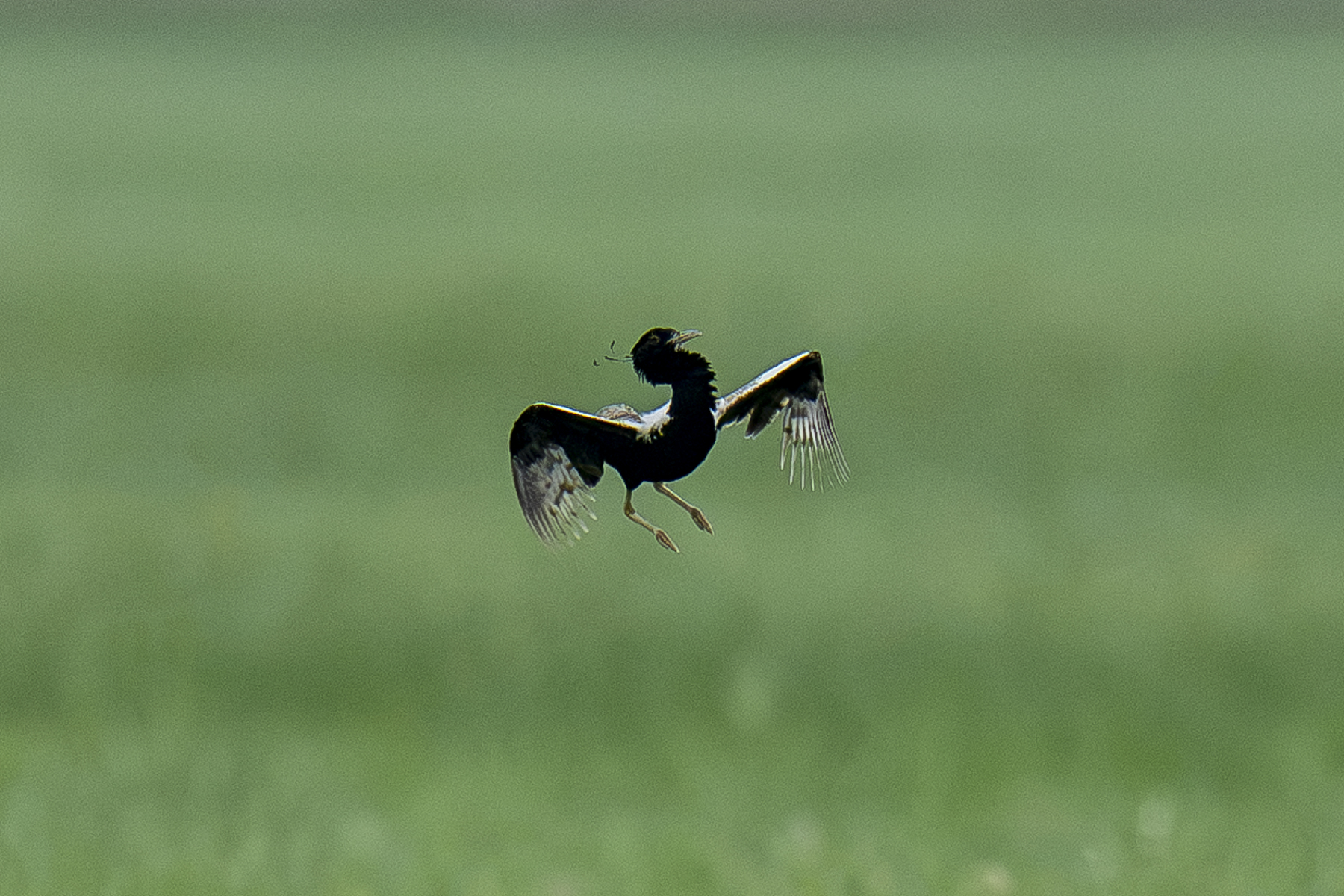
Lesser Florican displaying (image by Mark Beaman)
Marshall's Iora (image by János Olah)
Painted Francolin (image by János Olah)
Lesser Florican displaying (image by Mark Beaman)
Broad-tailed Grassbird (image by János Olah)
White-bellied Minivet (image by János Olah)
Bristled Grassbird (image by Praveen Vashistha)
Indian Pitta
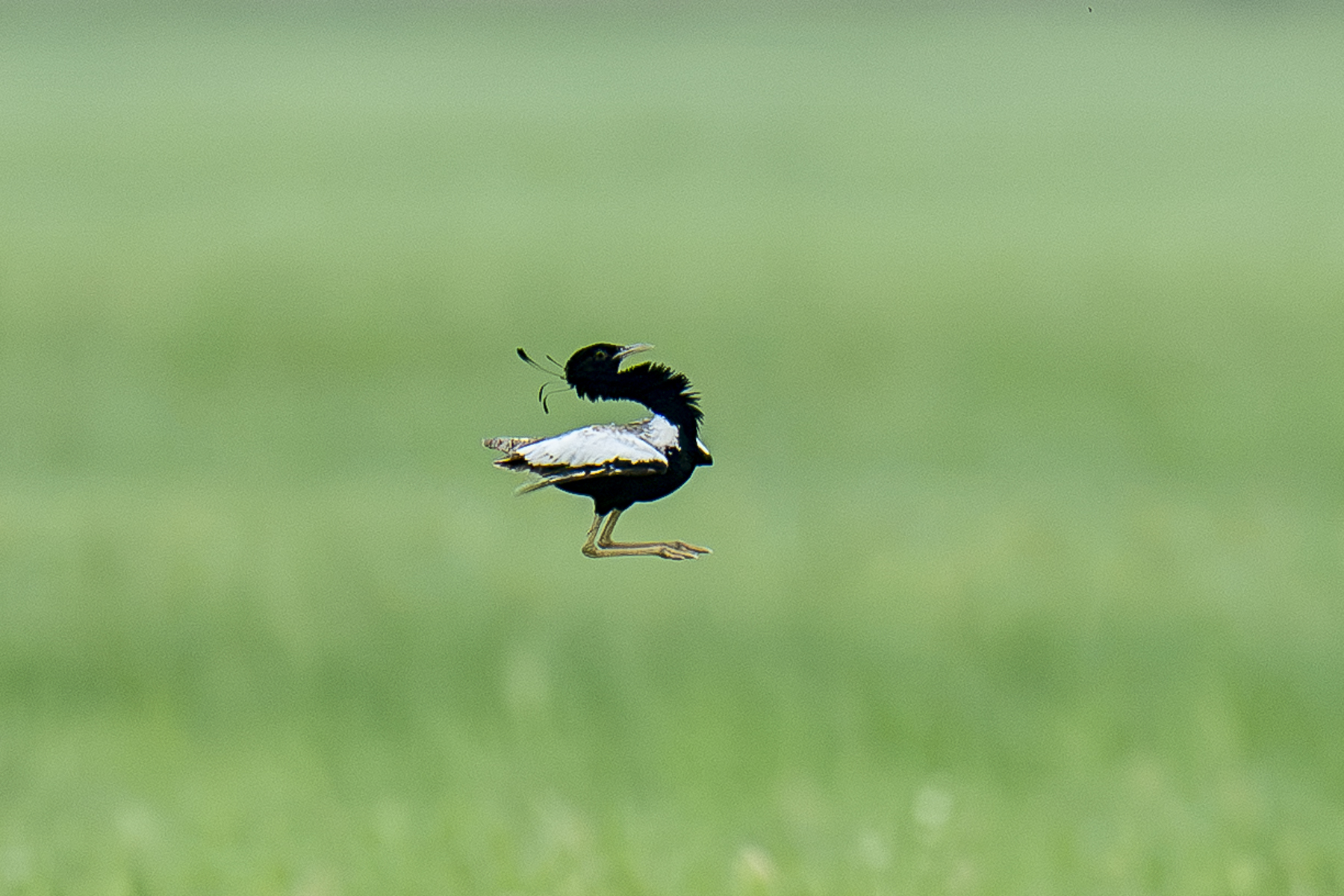
Lesser Florican displaying (image by Mark Beaman)
White-naped Tit (image by János Olah)


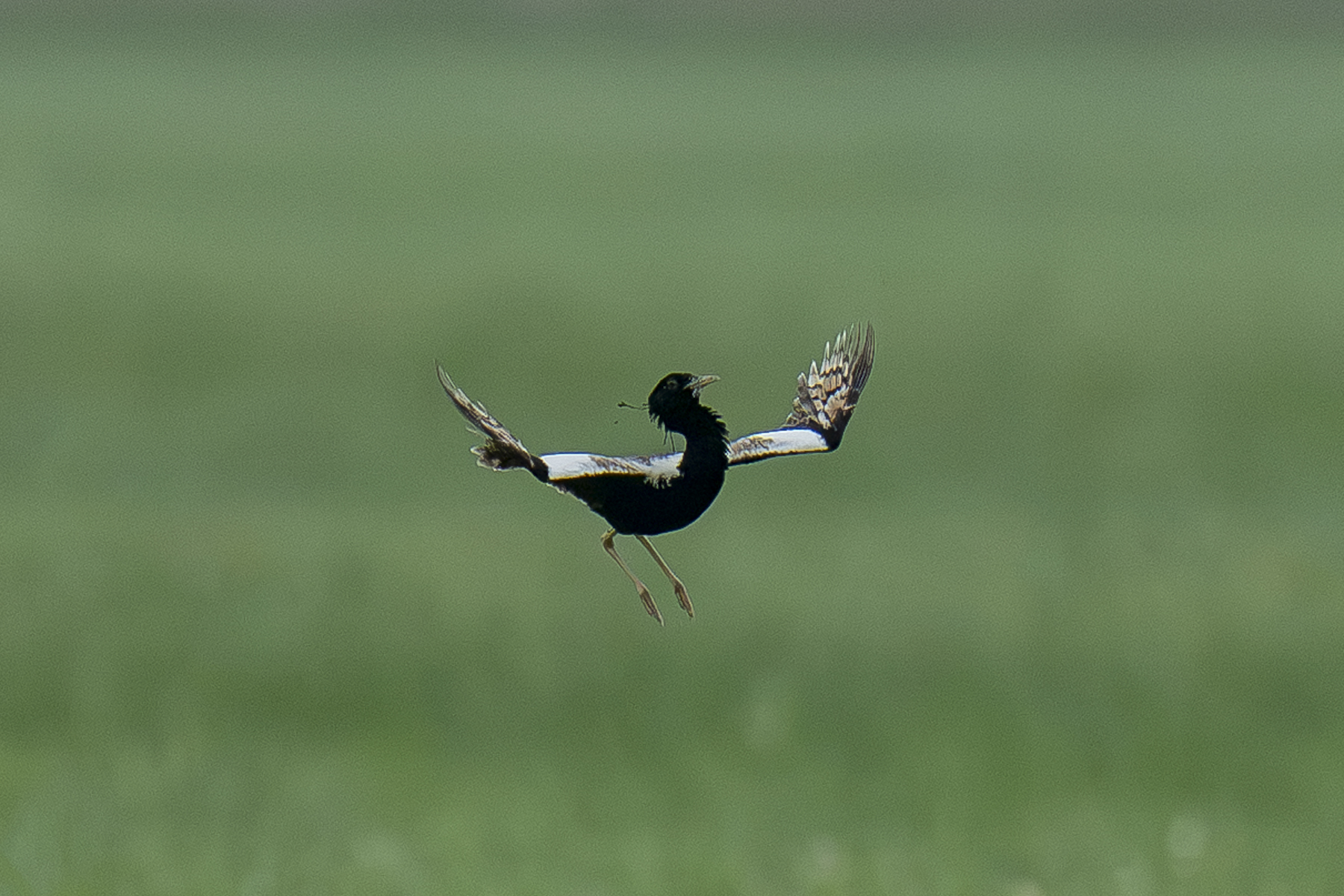
Lesser Florican displaying (image by Mark Beaman)
Marshall's Iora (image by János Olah)
Painted Francolin (image by János Olah)
Lesser Florican displaying (image by Mark Beaman)
Broad-tailed Grassbird (image by János Olah)
White-bellied Minivet (image by János Olah)
Bristled Grassbird (image by Praveen Vashistha)
Indian Pitta
Lesser Florican displaying (image by Mark Beaman)
White-naped Tit (image by János Olah)


|
Monday 26th July – Saturday 31st July 2027 Leaders: Hannu Jännes and local bird guides |
6 Days | Group Size Limit 7 (tour full) |
|
Wednesday 26th July – Monday 31st July 2028 Leaders: Birdquest leader to be announced and local bird guides |
6 Days | Group Size Limit 7 |
Once upon a time, the arrival of the monsoon rains in Northwestern India heralded the arrival of tens of thousands of Lesser Floricans (known as the Likh in Hindi) in the parched grasslands of Northwestern India. Their dramatic jumping display, which involves the males hurling themselves into the air above the grasslands or small fields of crops, was known to every farmer and shepherd over vast swathes of the region.
No more! Over the last fifty years, the increasing intensification of agriculture, including heavy spraying with pesticides and herbicides, and the dramatic overgrazing of grasslands and, in many cases, their total destruction, has left this wonderful but tragic little bustard with almost nowhere safe to breed or indeed to winter. In consequence, numbers have crashed. In the last 20 years alone, the population may have fallen by over 90 per cent, on top of a huge but unstudied decrease over the previous decades.
In a well-known area in Rajasthan, the best site in the entire state, the number of returning males has fallen from over 100 less than two decades ago to just three individuals by late July this year!!
Very few breeding locations are currently known, and at the only other significant site, which is in Gujarat but is totally closed to visitors, the decline has been equally dramatic; from 120 males around 20 years ago to under 10 now!
This special tour will focus on seeing Lesser Florican in Rajasthan and, in particular, the amazing display of the male.
Before heading into Rajasthan, we will make a trip into the Gangetic Plain to see Bristled Grassbird, a monsoon speciality that only displays at this season, as well as Indian Grassbird, small bitterns, and other wetland species.
As well as our quest for the Lesser Florican, our time in Rajasthan features some other great birds, including regional specialities such as Rain Quail, Rock Bush Quail, Painted Francolin, the beautiful White-bellied Minivet, Marshall’s Iora, and the localised White-naped Tit.
As a suitable finale, we will admire breeding Indian Pittas at the Jhalana Leopard Reserve at Jaipur, where we also have a high (around 80%!) chance of encountering one or more Leopards.
Birdquest has operated India birding tours since 1982.
All profits from these tours will be donated to the Bombay Natural History Society’s research fund for the Lesser Florican. BNHS are carrying out important monitoring, wardening and educational work with local people in Rajasthan with the intention of saving the last Lesser Floricans in the state.
Broad-tailed Grassbird Extension Option
It is straightforward for us to arrange a short (2-night) extension to Pune in Maharashtra state (situated to the southwest of Mumbai) for those in the group who would like to see Broad-tailed Grassbird, a Western Ghats endemic that is much harder to see in the dry season. The extension will be guided by our excellent local guide. Please let us know at the time of booking if you would like to include the grassbird extension. The cost will depend on numbers, but the extension is viable even for one or two people.
Other extensions with local guides
We have a network of skilled local guides across India, so if you have some species you would like to try for, we can arrange this for you. (Please bear in mind that July/August is not a good time for birding in the central and eastern Himalayas, but is good in the western Himalayas.)
Accommodation & Road Transport
The hotels and lodges are of a good or medium standard. Road transport is by car. Roads are nowadays mostly good.
Walking
The walking effort during our Lesser Florican special tour is easy throughout.
Climate
Typically, it will be hot and fairly humid with a mix of overcast and sunny weather. It is likely to rain regularly, and there may be some heavy downpours.
To see a larger map, click on the square-like ‘enlarge’ icon in the upper right of the map box.
To see (or hide) the ‘map legend’, click on the icon with an arrow in the upper left of the map box.
To change to a satellite view, which is great for seeing the physical terrain (and for seeing really fine details by repetitive use of the + button), click on the square ‘map view’ icon in the lower left corner of the ‘map legend’.
Birdquest Inclusions: Our tour prices include transportation, accommodations, meals and entrance fees.
We also include all tipping for local guides, drivers and accommodation/restaurant staff.
Deposit: 20% of the total tour price. Our office will let you know what deposit amount is due, in order to confirm your booking, following receipt of your online booking form.
TO BOOK THIS TOUR: Click here (you will need the tour dates)
The single supplement will not apply if you indicate on booking that you prefer to share a room and there is a room-mate of the same sex available.
This tour is priced in US Dollars. Amounts shown in other currencies are indicative.
Lesser Florican Special: Day 1
The tour begins early this morning at our selected Delhi area hotel.
(Safe and secure pre-paid taxis can be easily arranged at the booths in the arrivals area at Delhi International Airport.)
Depending on the latest information (which will take habitat changes and water level changes into account), we will visit one of the wetland areas in the Gangetic Plain to the east or north of Delhi today, travelling anything from an hour and a half to three hours in each direction.
Bristled Grassbirds are nowadays considered to be monsoon visitors to northern India, rather than a sedentary species, migrating to wintering grounds in Southeast India. Outside the monsoon period they are secretive and hard to find, but at this time of year the males display noisily for much of the day over the vast reedbeds that are their home.
As well as Bristled Grassbird, we should also encounter the sought-after Indian Grassbird, while other birds of interest include Yellow, Cinnamon and Black Bitterns, Watercock, Striated Babbler, Bengal Bushlark, Golden-headed Cisticola and White-tailed Stonechat.
More widespread birds of the wetlands and surrounds include Lesser Whistling Duck, Indian Spot-billed Duck, Asian Openbill, Black-headed and Glossy Ibises, Great and Little Egrets, Eastern Cattle Egret, Indian Pond Heron, Little Cormorant, Black and Black-winged Kites, Black Francolin, Red-wattled Lapwing, Spotted Dove, Greater Coucal, Asian Koel, White-throated Kingfisher, Blue-tailed and Asian Green Bee-eaters, Rose-ringed Parakeet, Black Drongo, House Crow, Red-vented Bulbul, Wire-tailed Swallow, Grey-throated Martin, Yellow-bellied and Plain Prinias, Common and Bank Mynas, Asian Pied Starling and Tricoloured Munia.
After our ‘Bristlequest’, we will return to Delhi for an overnight stay.
Lesser Florican Special: Day 2
Today we have quite a long drive, although mostly by expressway, as we travel deep into the mostly arid state of Rajasthan. Our journey takes us past the city of Jaipur before we reach Bandanwara, situated to the south of Ajmer, where we will spend the next three nights.
Before we reach Bandanwara, we will stop to explore an area of acacia woodland. This area holds three special, range-restricted birds: the lovely White-bellied Minivet, the smart Marshall’s Iora (in breeding plumage) and the localised White-naped Tit.
We should also come across the smart Black-headed Cuckooshrike, a monsoon visitor to northern India, and Jungle Prinia, as well as Indian Peafowl, Grey Francolin, Little Swift, Jacobin and Indian Cuckoos, Eurasian Collared and Laughing Doves, Eurasian Hoopoe, Yellow-crowned Woodpecker, Small Minivet, Indiuan Golden Oriole, White-browed Fantail, Indian Paradise Flycatcher, Bay-backed Shrike, Rufous Treepie, Indian Jungle Crow, Eastern Red-rumped Swallow, Common Tailorbird, Jungle Babbler, Brahminy Starling, Oriental Magpie-Robin, Indian Robin, Purple Sunbird and Yellow-throated Sparrow,.
Lesser Florican Special: Days 3-4
The focus of our attention in the Bandanwara and adjacent Sonkhaliya areas will, of course, be firmly on the handsome but so endangered Lesser Florican. With the help of the local Bombay Natural History Society researchers and rangers, we should be successful in finding one or more males, and hopefully they will display for us. The amount and intensity of display are heavily dependent on the amount of rain that is currently falling, or which has fallen recently. There can be no guarantees given the dire straits this beautiful bird now finds itself in, but we have chosen the very best time of the season to be in the area and work with the best people, so we have a very good chance!
Virtually all natural grassland in the region has either been converted to farmland or grazed to nothing, so the remaining floricans breed in the croplands. When a male is displaying regularly, the bird hurls itself into the air every two or three minutes, rising perhaps five metres above the crops before falling back to earth. Each jump is accompanied by a loud, hollow, dry, clattering call. It is certainly something to behold as its black head plumes waggle up and down and its striking wing pattern is displayed.
As well as the famous floricans, there are a number of other regional specialities to be found in this area, including Rain Quail (another monsoon visitor), the cute Rock Bush Quail, the smart (and at this season noisy) Painted Francolin, Barred Buttonquail, Indian Stone-curlew, Yellow-wattled Lapwing, Rufous-tailed Lark, Ashy-crowned Sparrow-Lark, Indian Bush Lark, Streak-throated Swallow, Rufous-fronted Prinia, Large Grey Babbler and Rosy Starling. Painted Sandgrouse is possible but not easy.
More widespread birds include Painted Stork, Chestnut-bellied Sandgrouse, White-breasted Waterhen, Black-winged Stilt, Green Sandpiper, Indian Roller, Great Grey Shrike, Baya Weaver (in breeding plumage) and Indian Silverbill.
Mammals are generally few in number but include Nilgai (or Blue Bull), Common Jackal, Rhesus Macaque and Northern Palm Squirrel.
Lesser Florican Special: Day 5
After a final morning in the florican area, we will travel to the ‘Pink City’ of Jaipur for an overnight stay.
Lesser Florican Special: Day 6
This morning we will enjoy a jeep safari in the Jhalana Leopard Reserve, which protects a surprisingly pristine and extensive area of woodland in the hills immediately to the east of the city.
At this time of year, the big attraction at Jhalana is the high density of breeding Indian Pittas. Not only should we enjoy great views of the adults, which will be busy gathering invertebrates for their young, but we should also be able to observe the globular stick nest that the pitta produces and perhaps watch them feeding their young.
As the name of the reserve suggests, for moist visitors Jhalana is all about Leopards! There are over 40 Leopards in Jhalana, an extraordinary density, and at night some of them range out into the city to feed on dogs, cats or goats! On any given safari, the chances of an encounter are around 80%! Often the females have cubs in tow, so we could be fortunate enough to see several individuals.
Spotted Deer (or Chital) are the preferred diet of the Jhalana Leopards, and there are also Sambhar and Wild Boar, as well as Bengal Sacred Langurs.
We will have seen most of the other birds by now, but new additions may include Yellow-footed Green Pigeon and White-bellied Drongo.
After our safari, we will return to our hotel to change and pack. Our tour ends at Jaipur International Airport around midday.