Email birders@birdquest-tours.com
Telephone 07777 186845
(International +44 7777 186845)
Email birders@birdquest-tours.com
Telephone 07777 186845
(International +44 7777 186845)
Europe and its islands
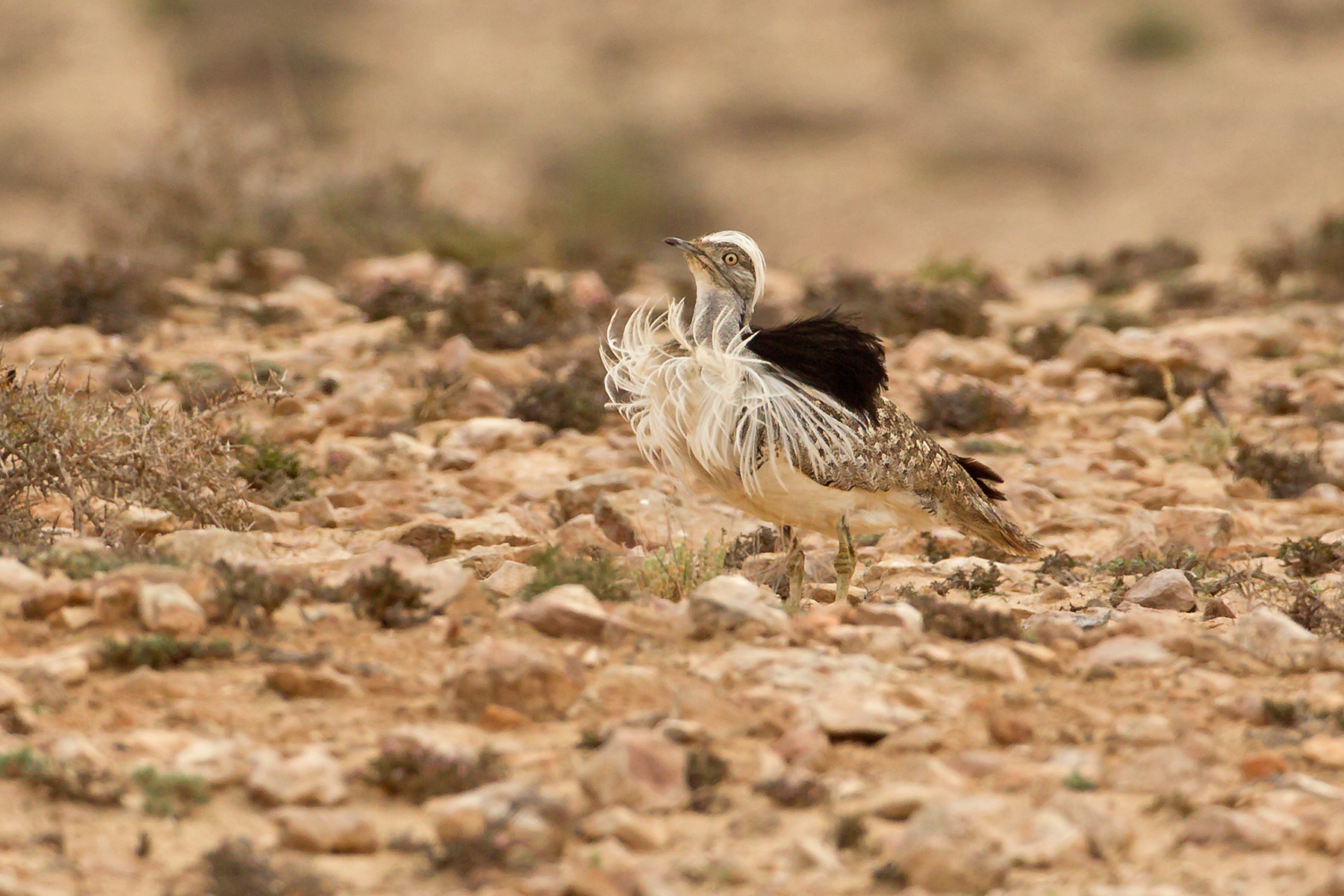
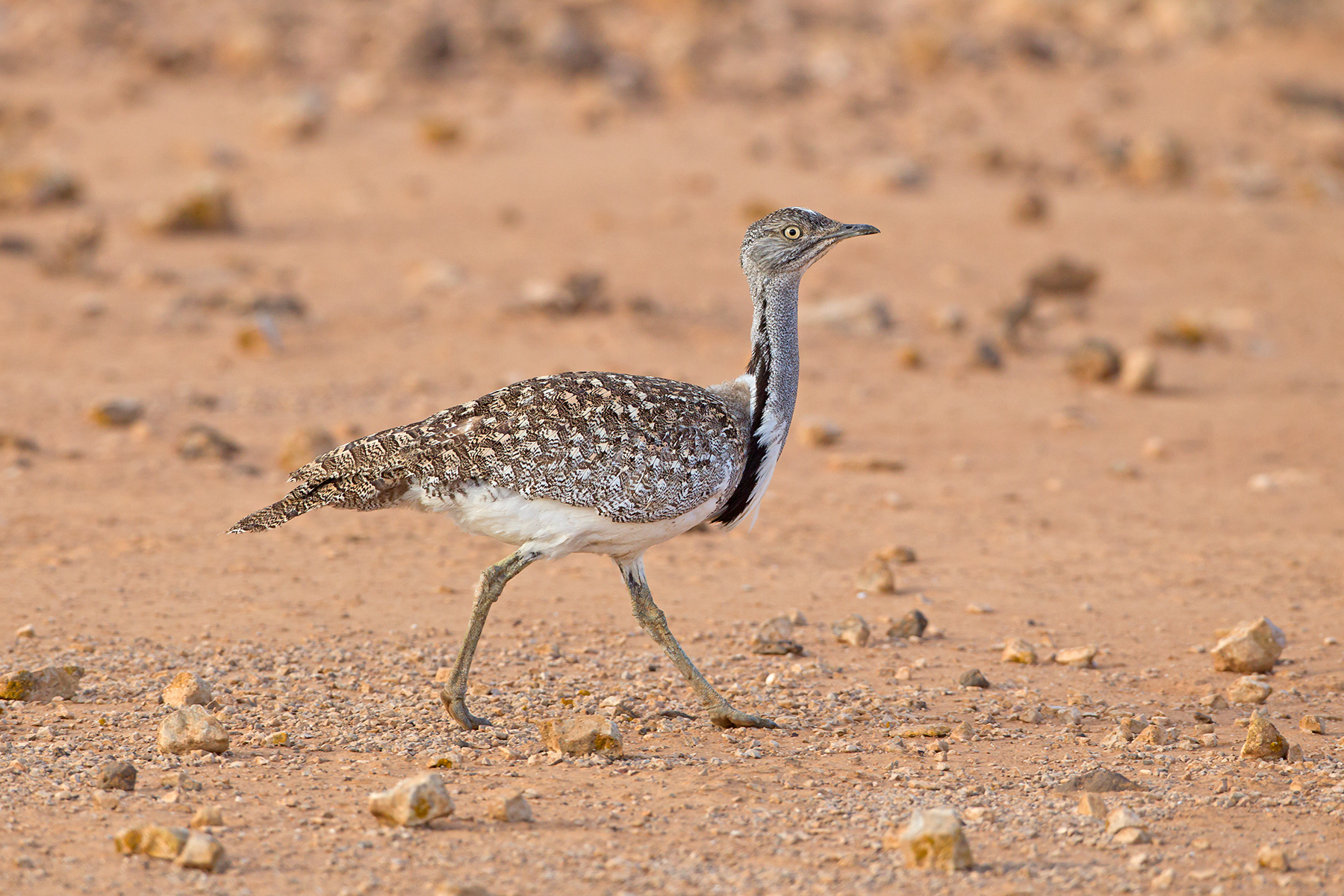
Houbara Bustard (image by Mike Watson)
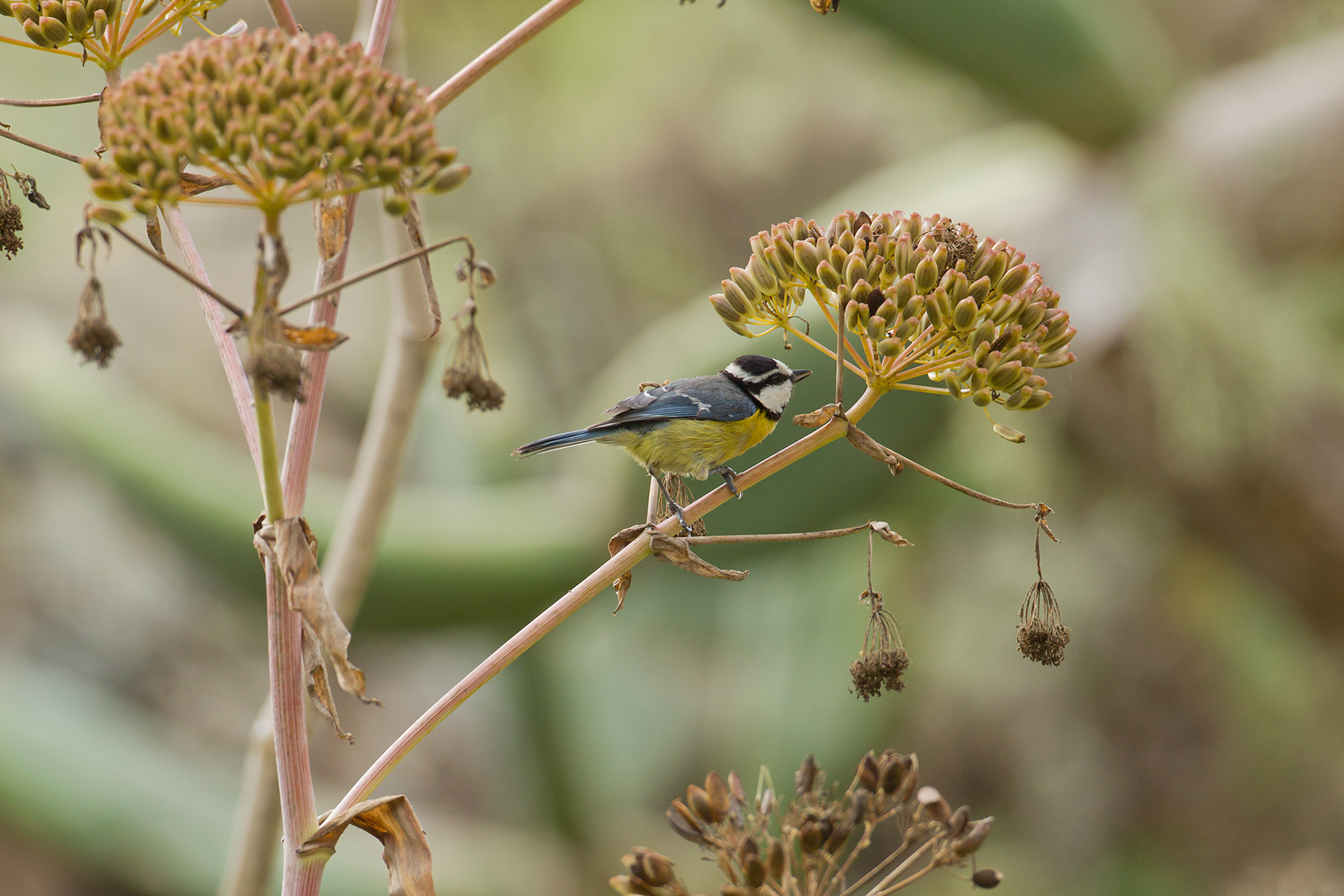
African Blue Tit (image by Mike Watson)
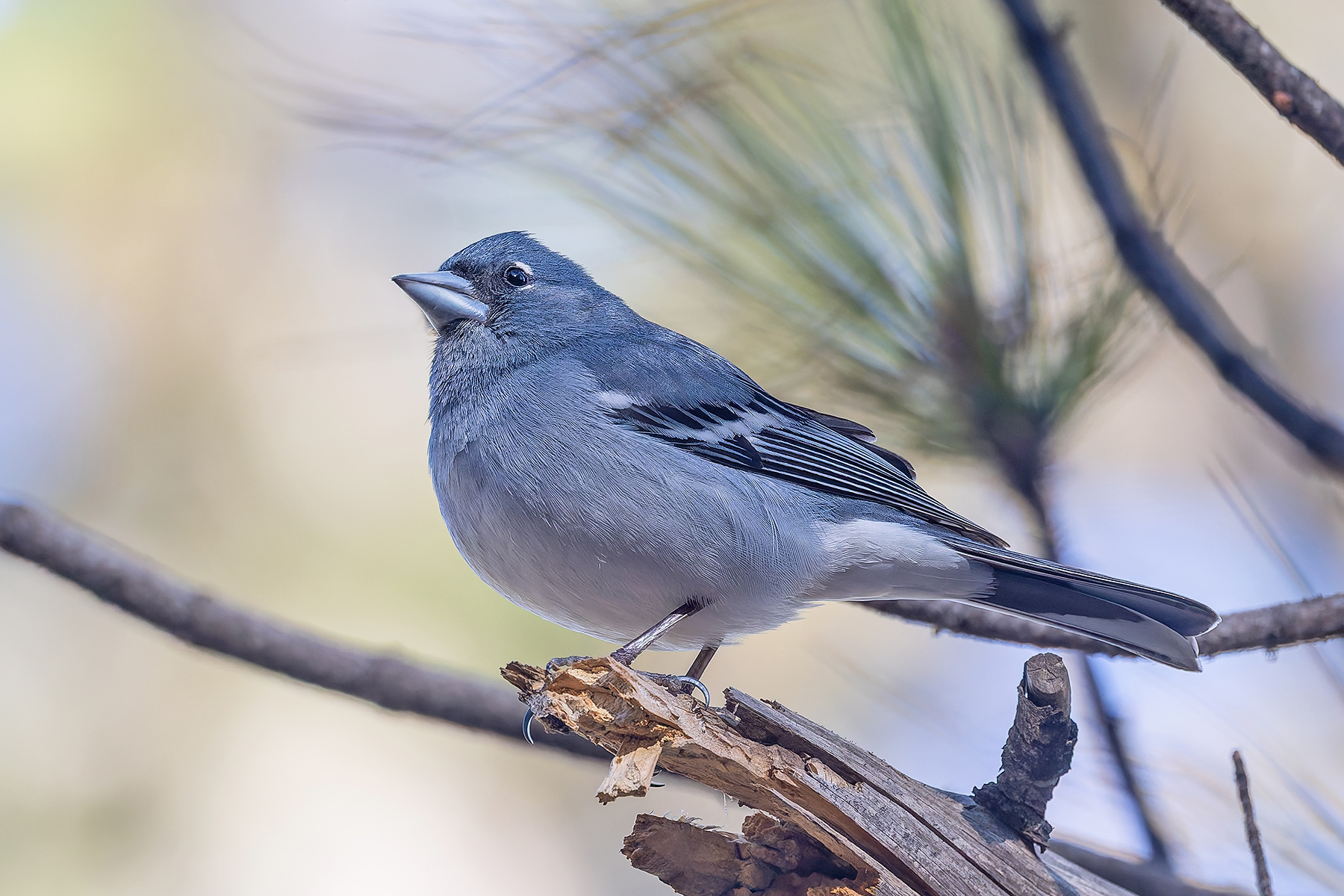
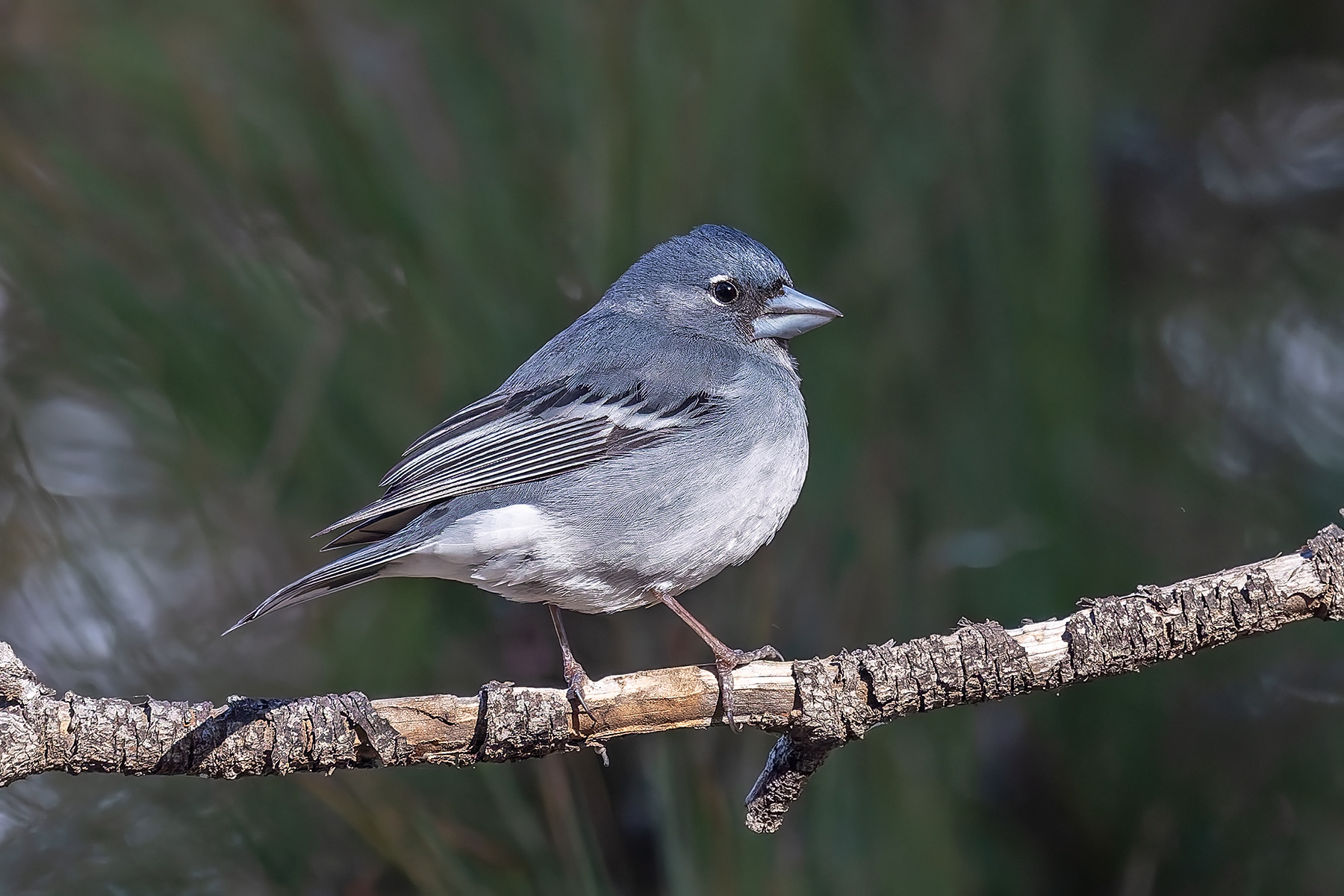
Gran Canaria Blue Chaffinch (image by Pete Morris)
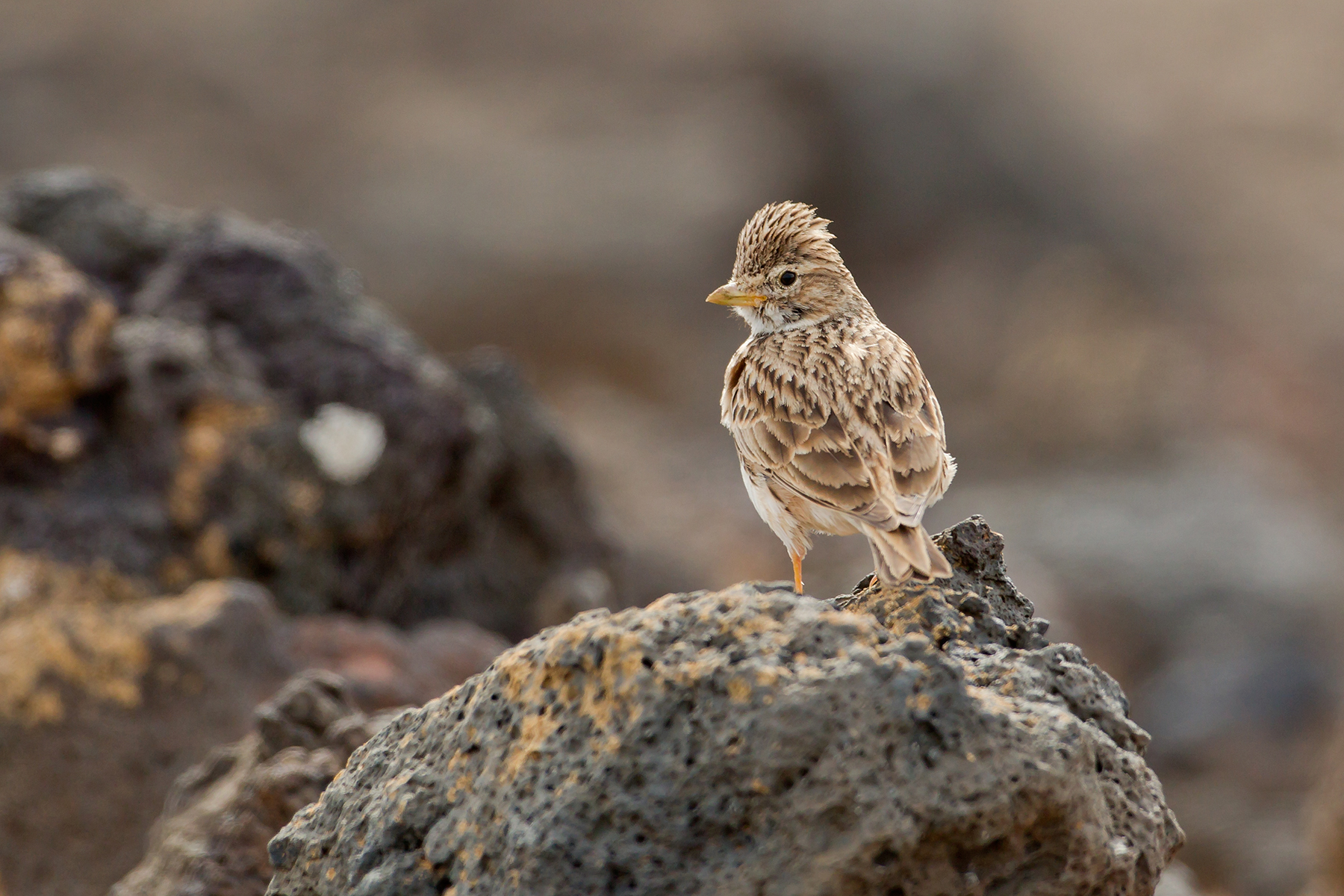
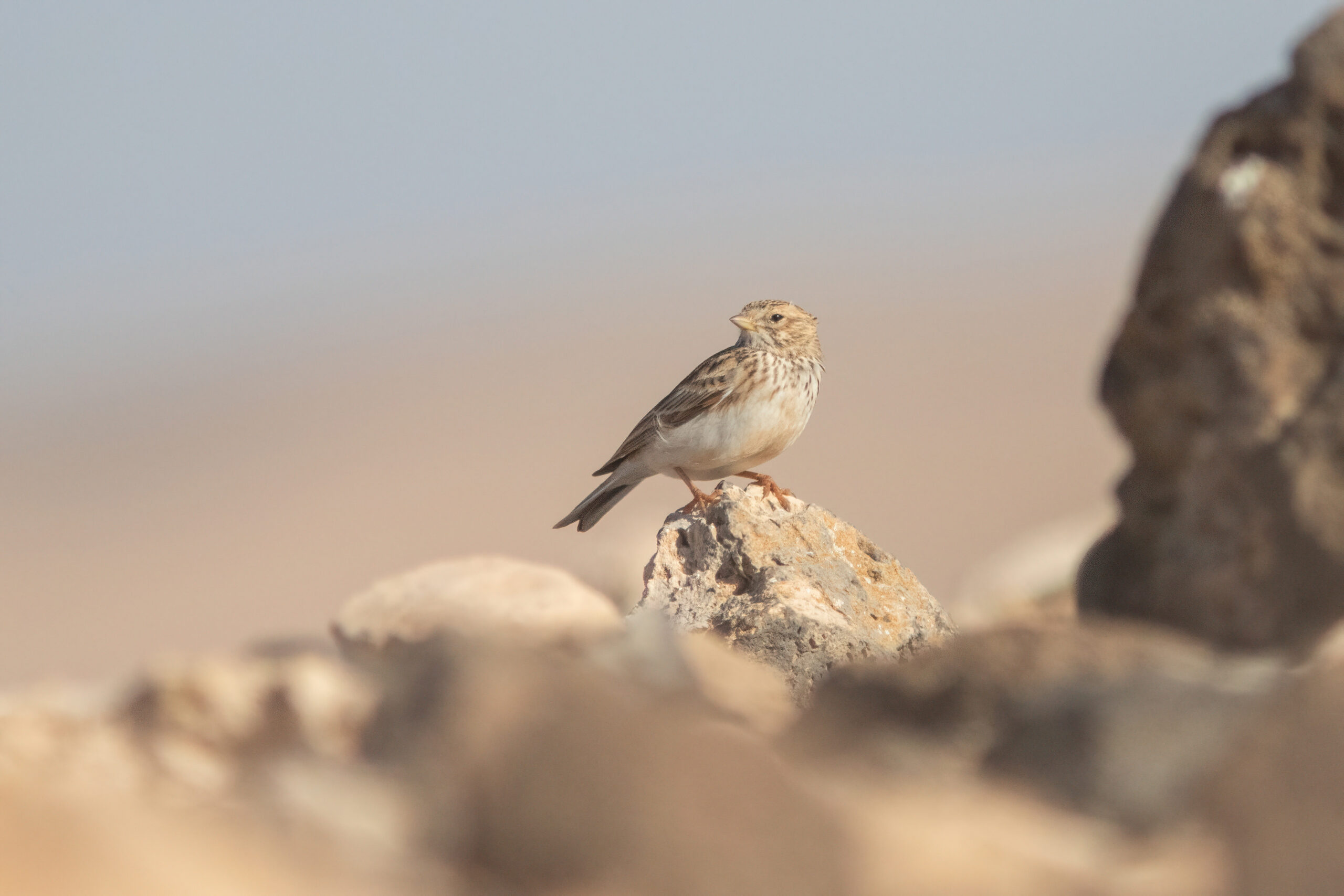
Lesser Short-toed Lark (image by Mike Watson)
Houbara Fuerteventura (image by Mike Watson)
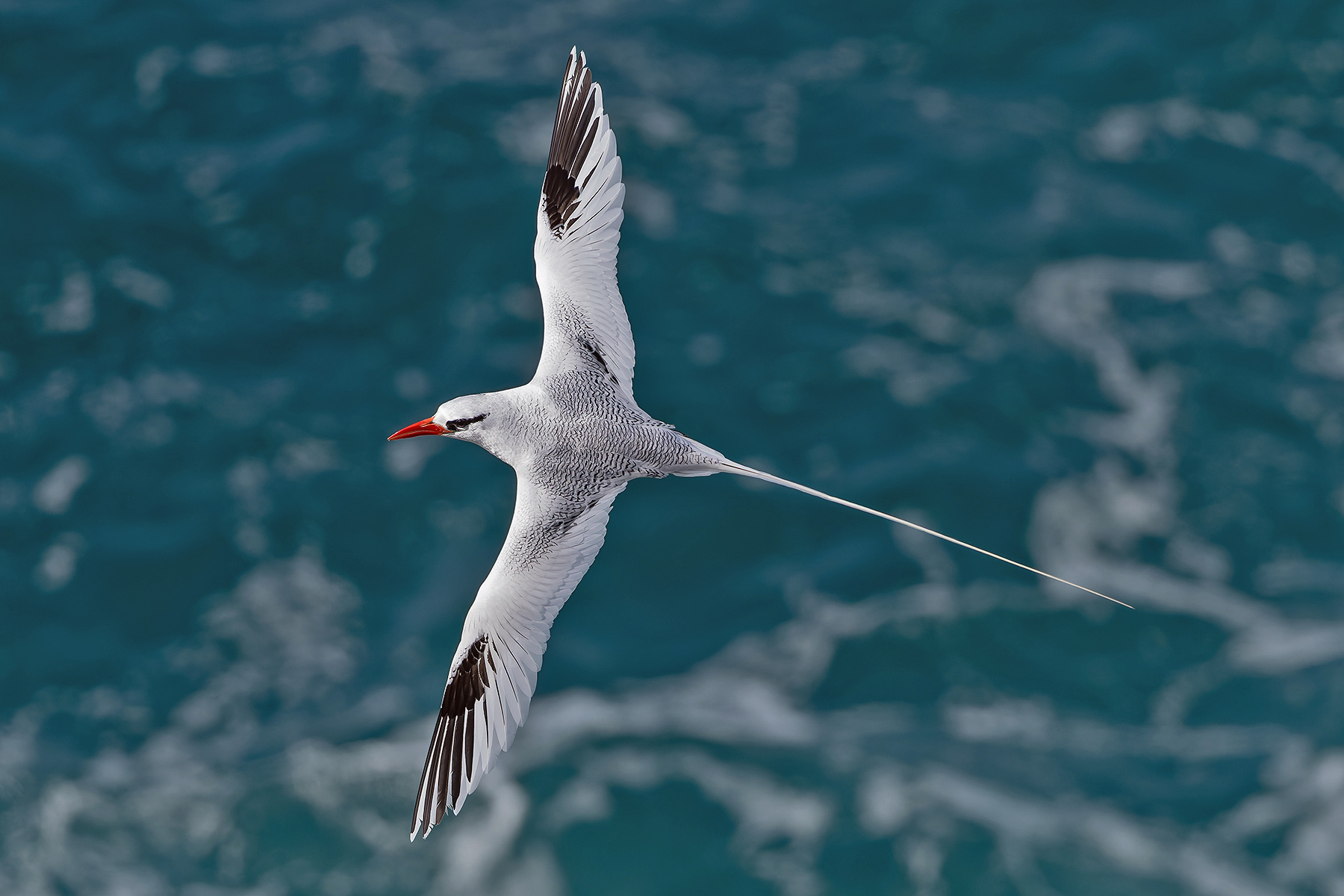
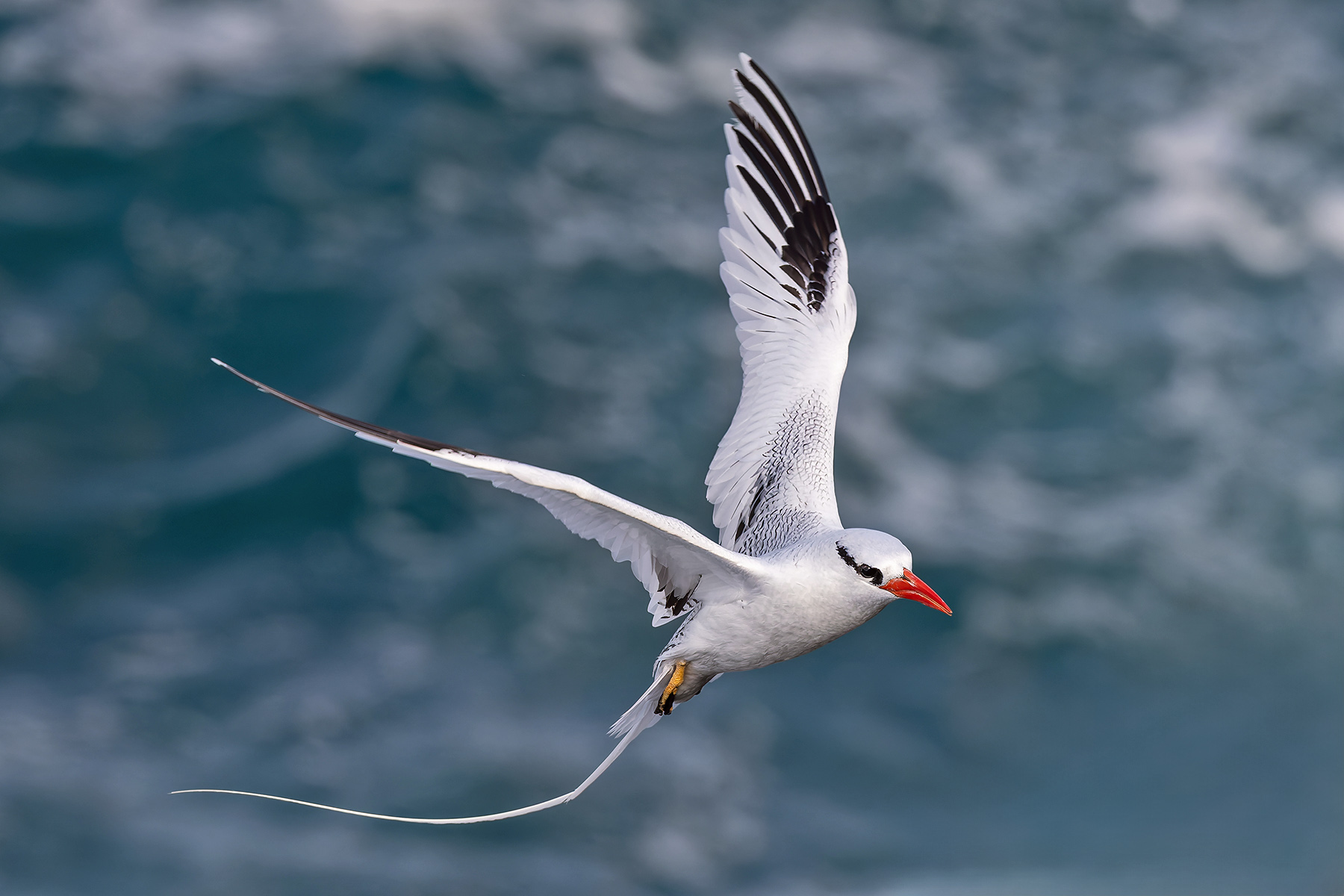
Red-tailed Tropicbird (image by Pete Morris)
Lesser Short-toed Lark (image by Tjomme Fernhout)
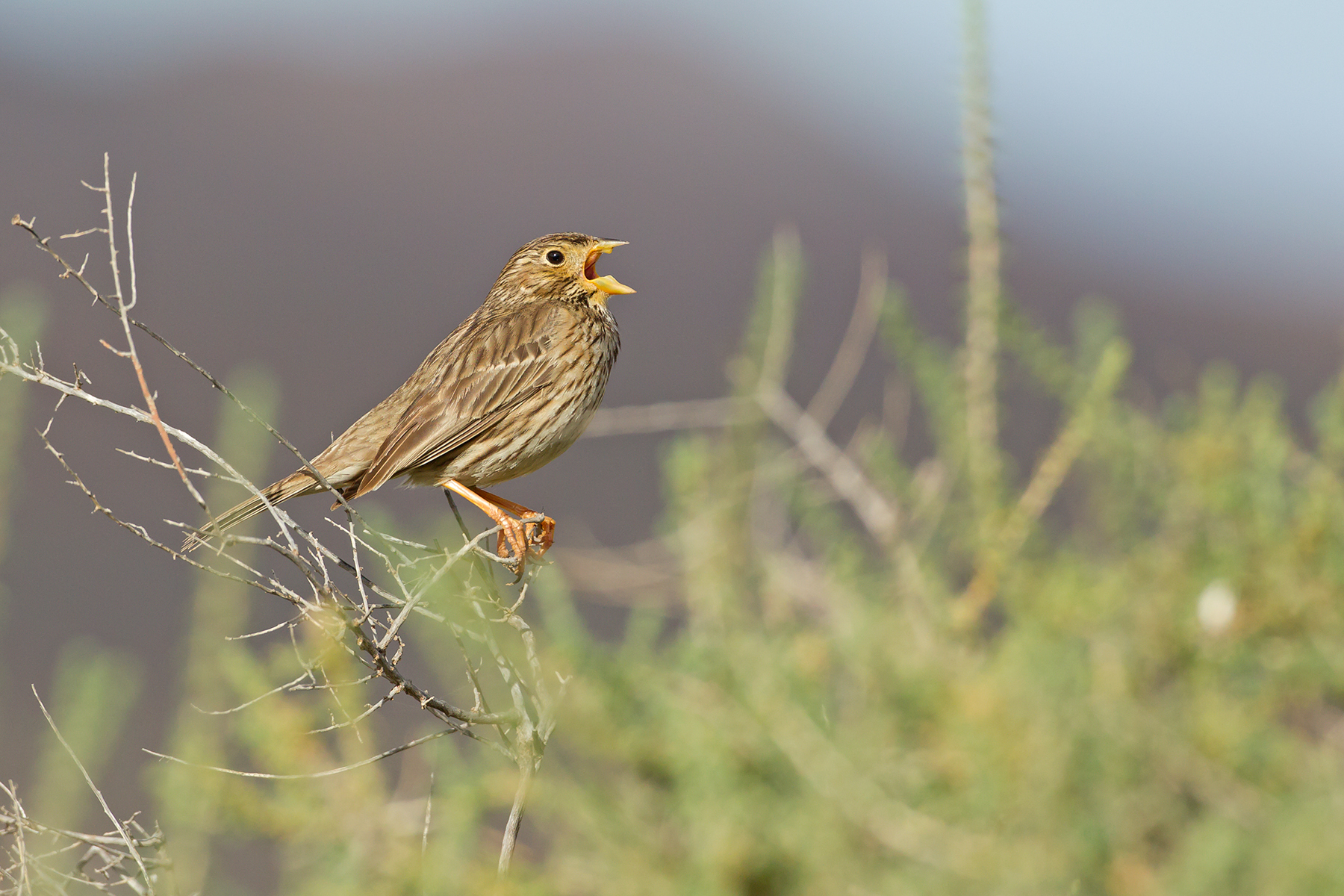
Corn Bunting (image by Mike Watson)
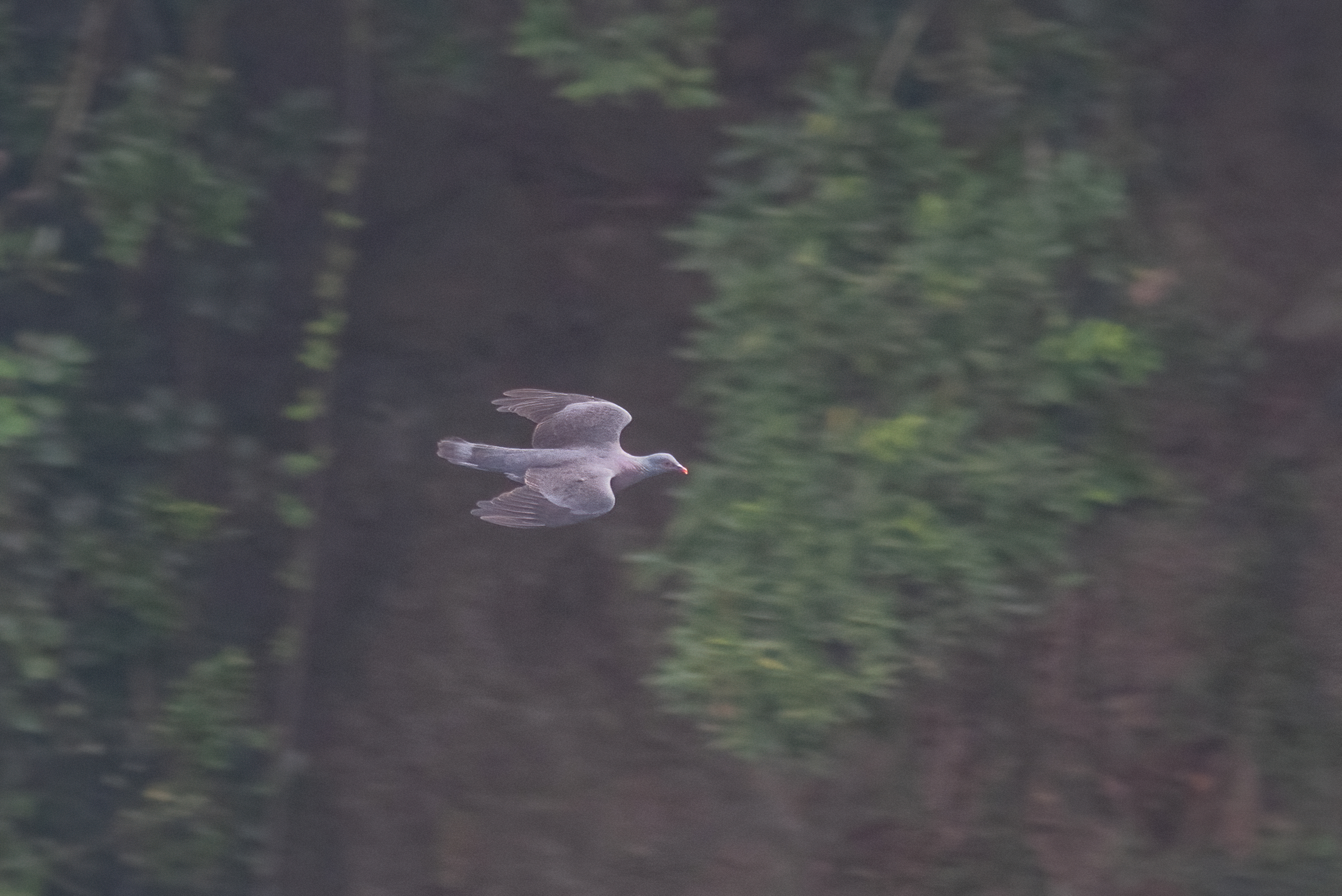
Bolle's Pigeon (image by Tjomme Fernhout)
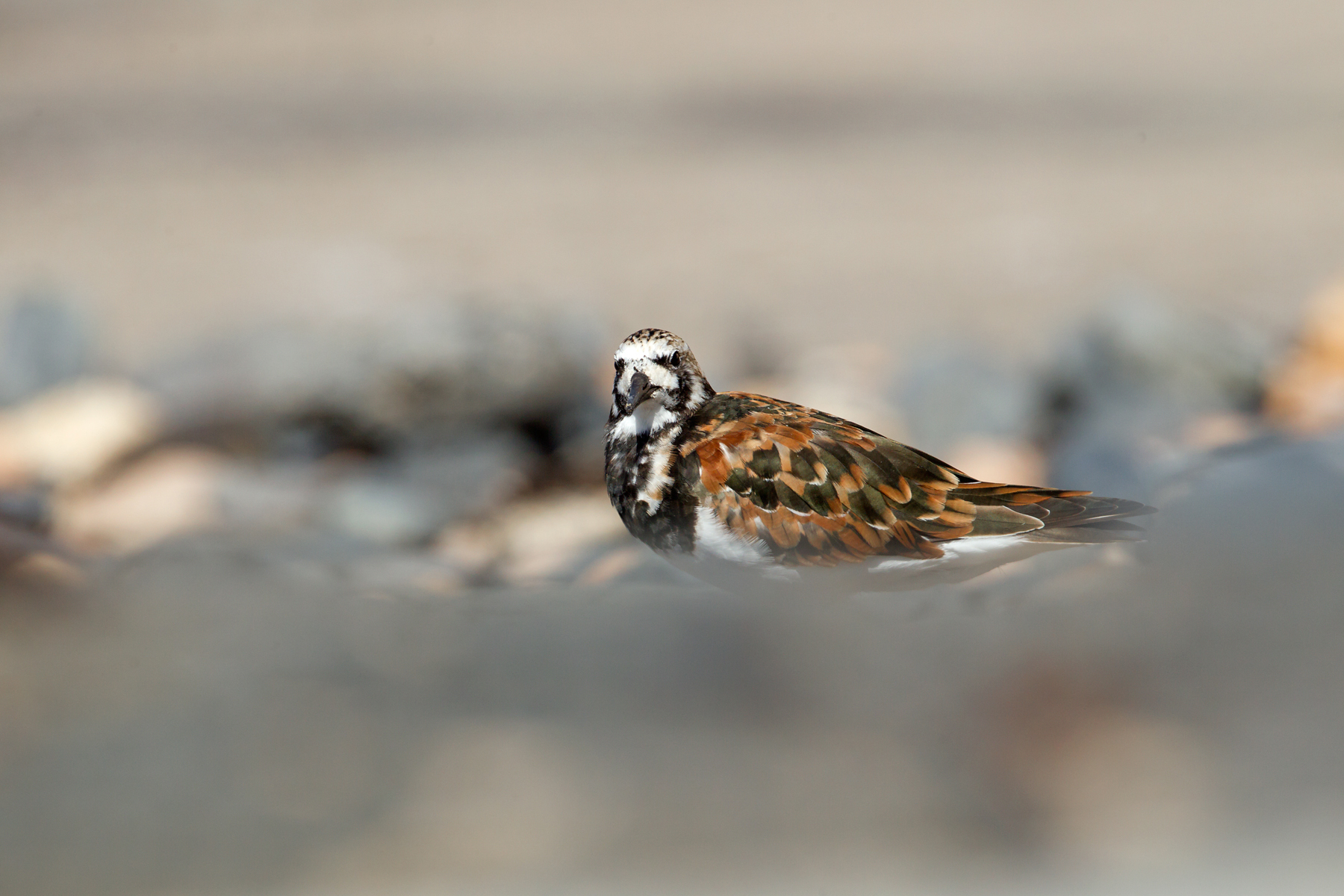
Ruddy Turnstone (image by Mike Watson)
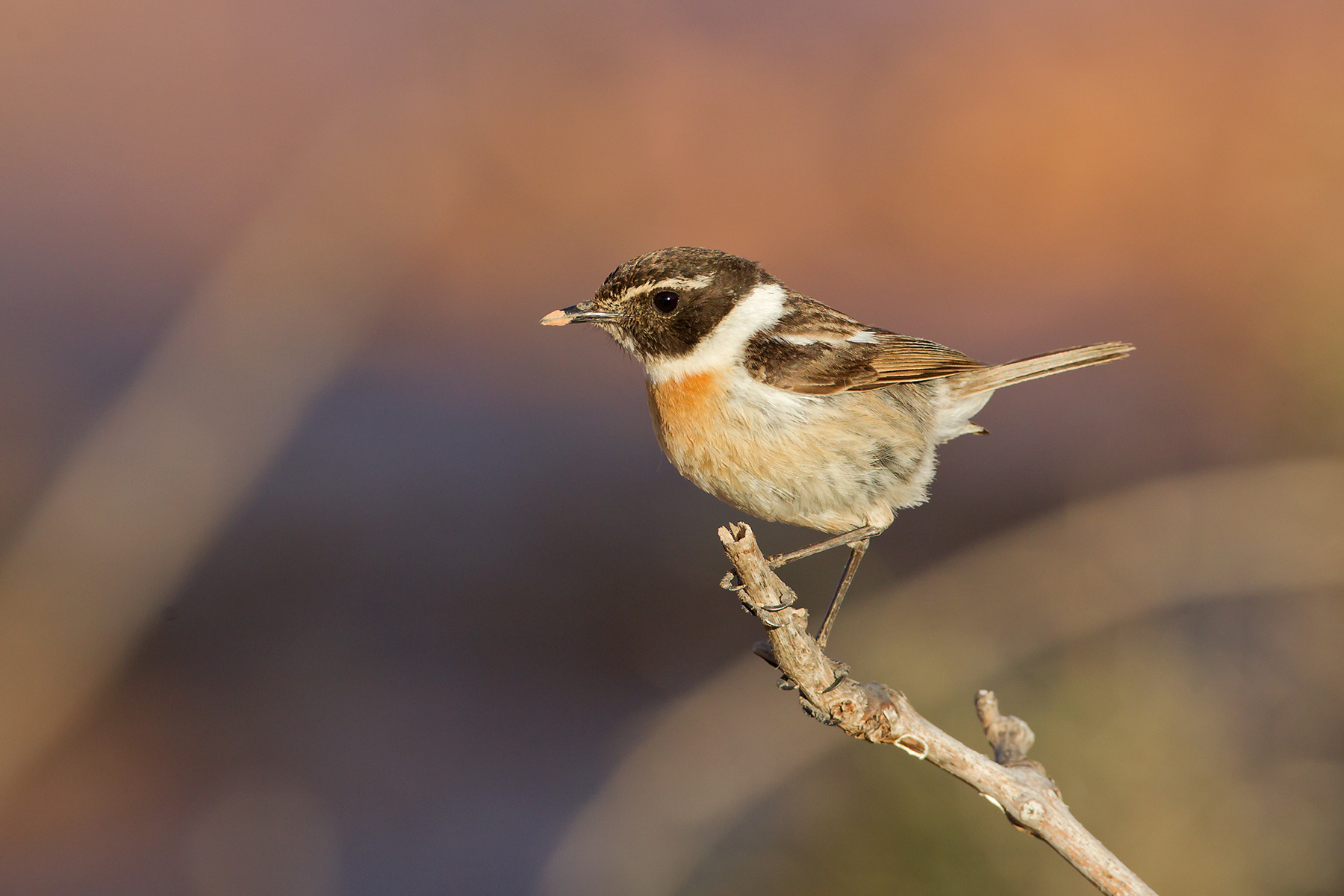
Fuerteventura Chat (image by Mike Watson)
Red-tailed Tropicbird (image by Pete Morris)
Houbara Bustard (image by Mike Watson)
Egyptian Vulture (image by Mike Watson)
African Houbara (image by Pete Morris)
Black-bellied Sandgrouse (image by Mike Watson)
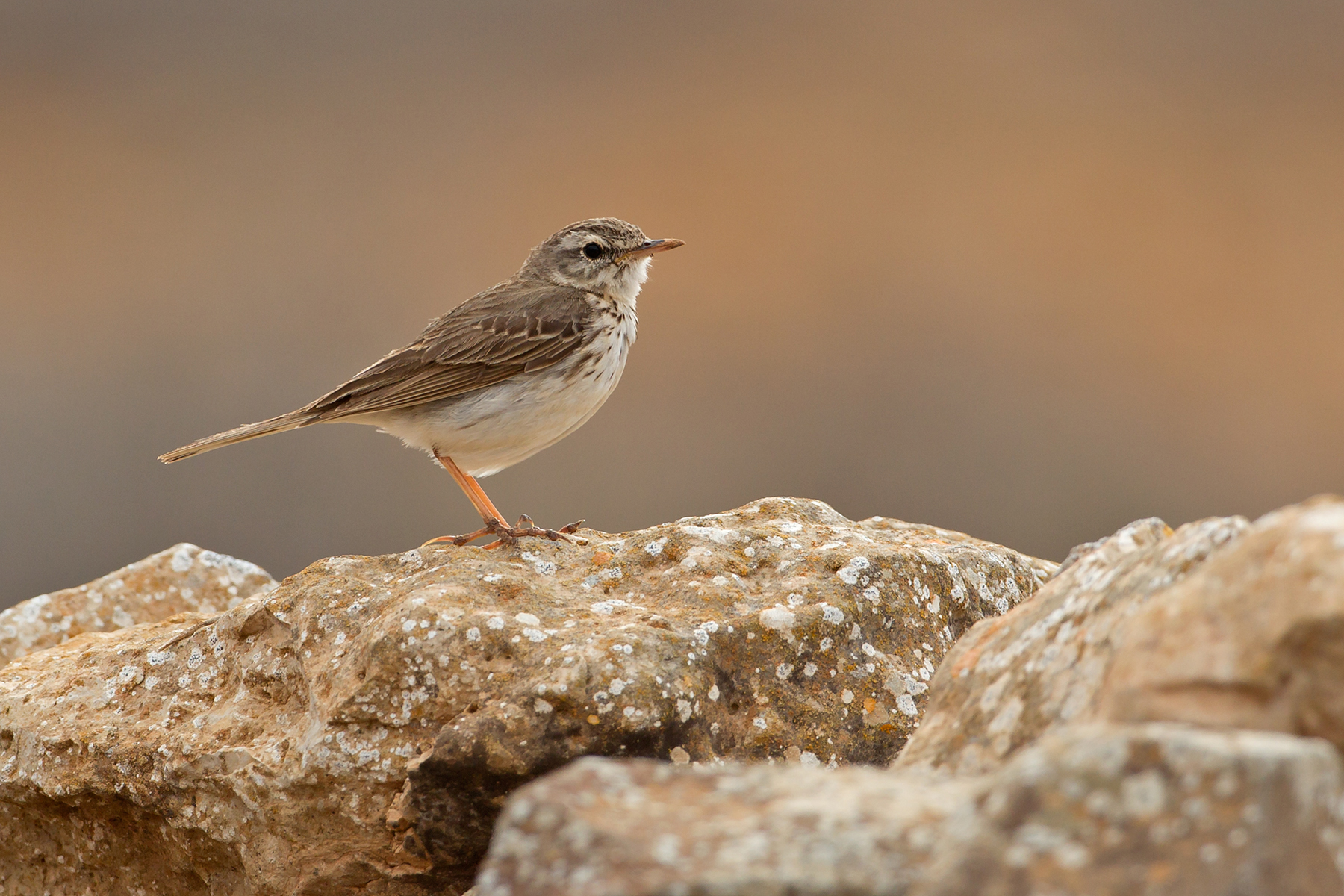
Berthelot's Pipit (image by Mike Watson)
Gran Canaria Blue Chaffinch (image by Pete Morris)
Atlantic Canary (image by Diedert Koppenol)
Atlantic Canary (image by Diedert Koppenol)
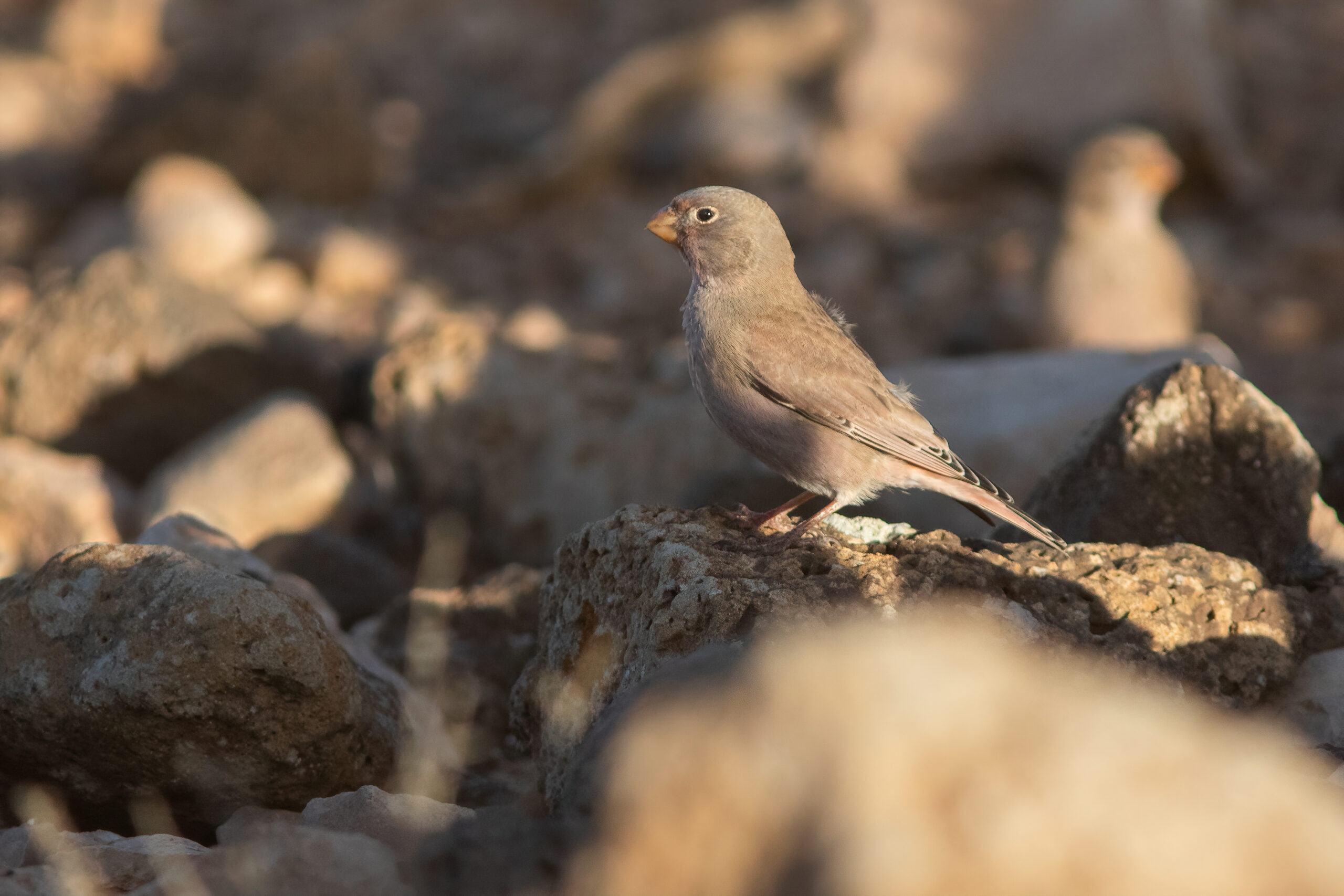
Trumpeter Finch (image by Tjomme Fernhout)
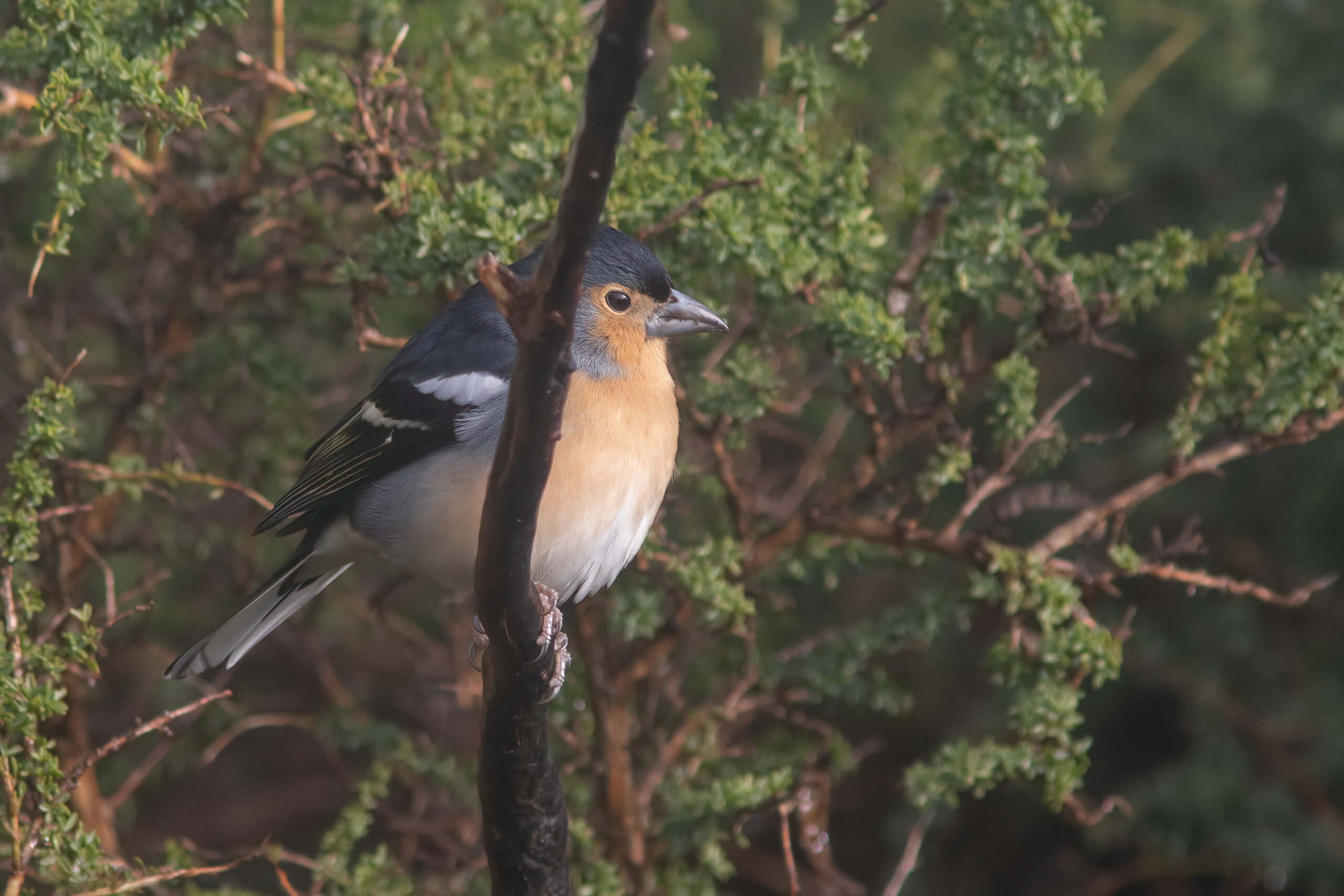
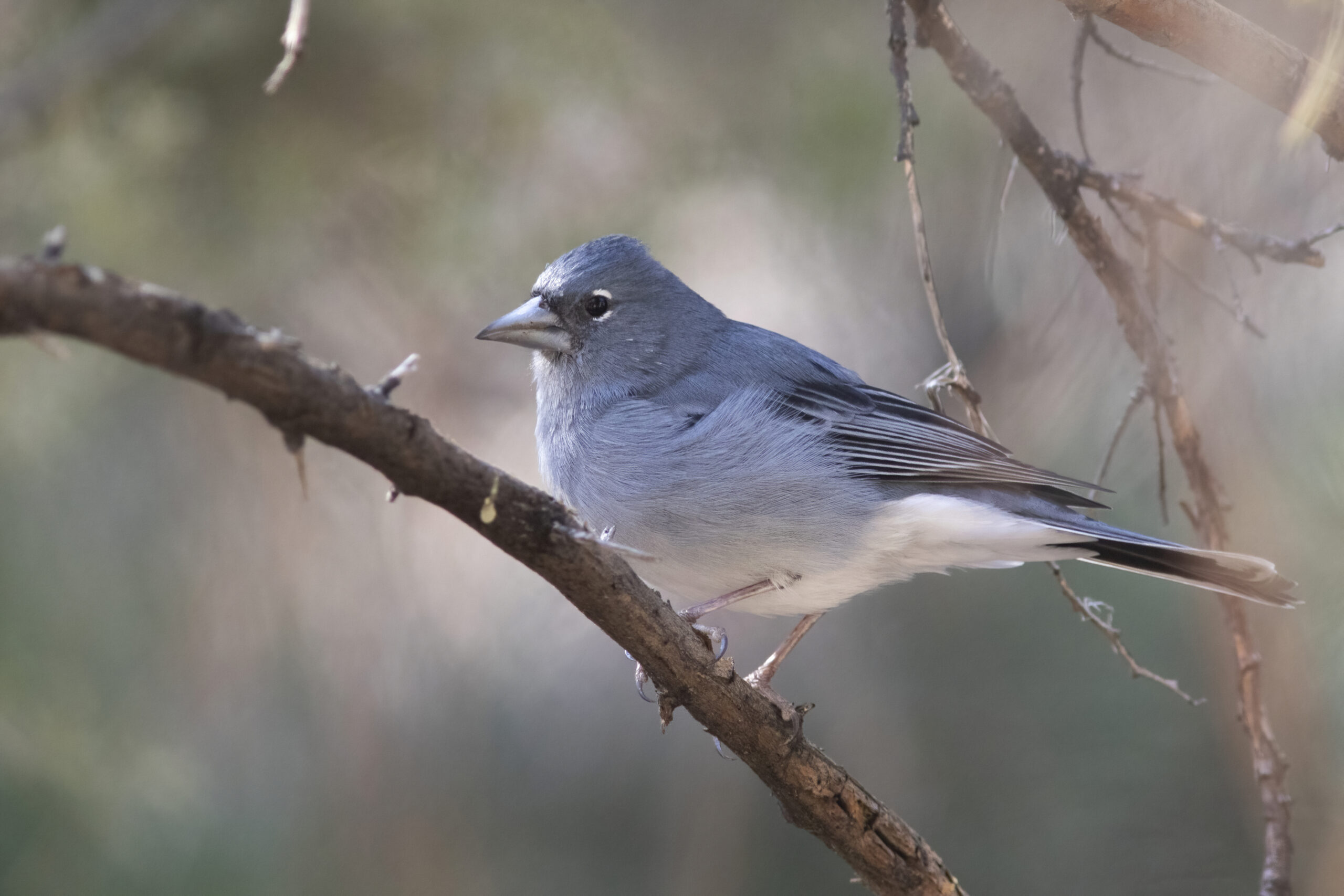
Canary Islands Chaffinch (image by Tjomme Fernhout)
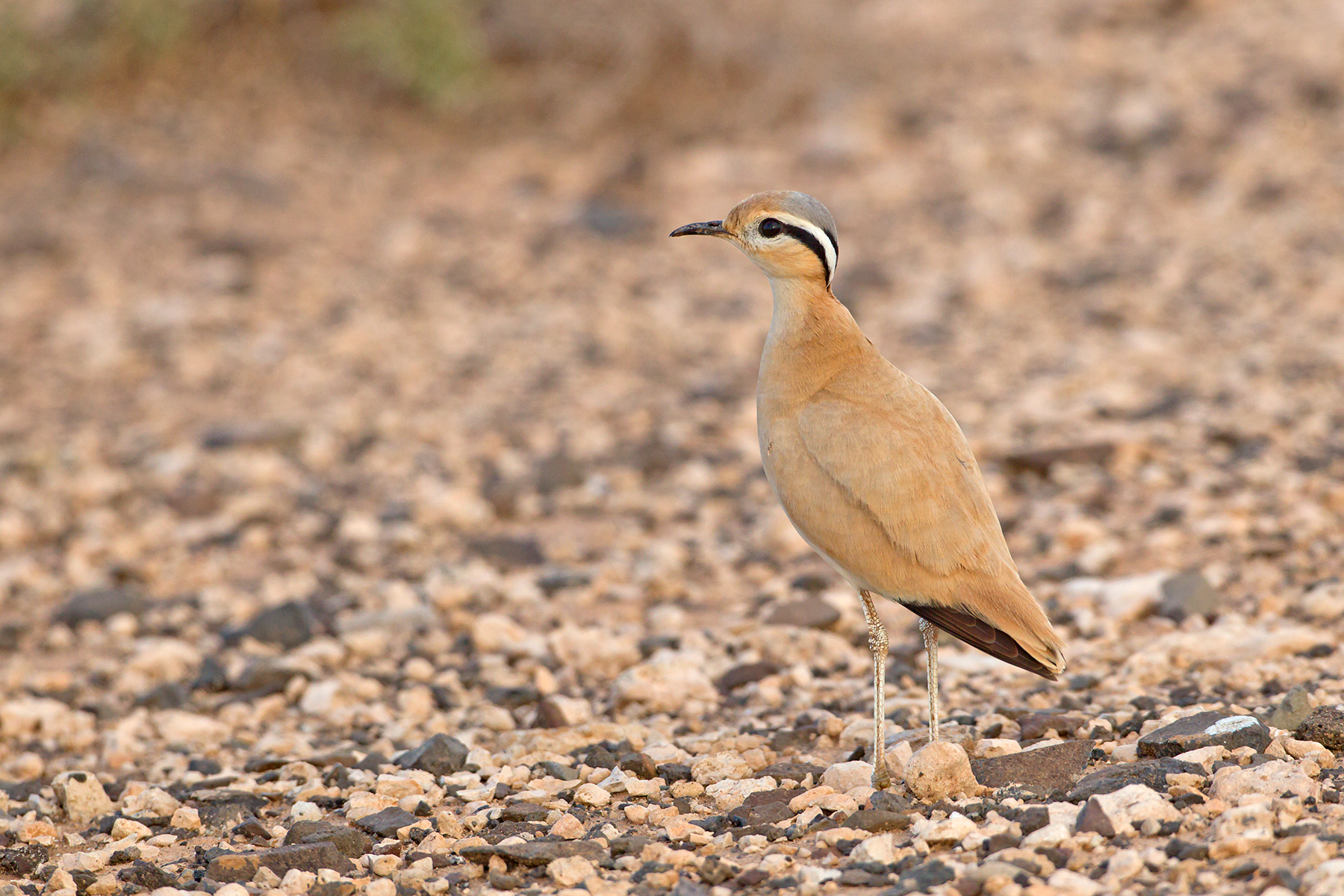
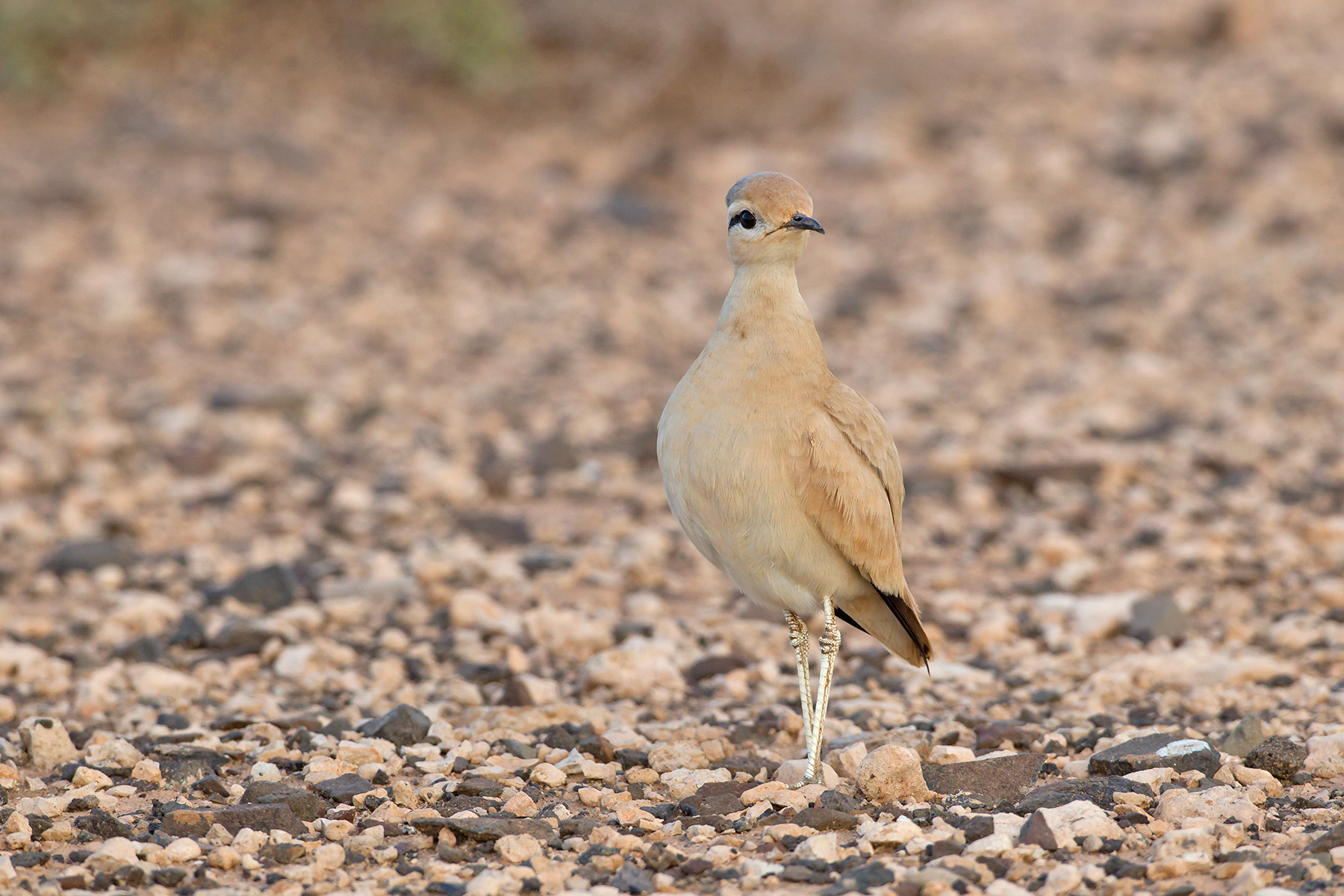
Cream-coloured Courser (image by Mike Watson)
Tenerife Blue Chaffinch (image by Tjomme Fernhout)
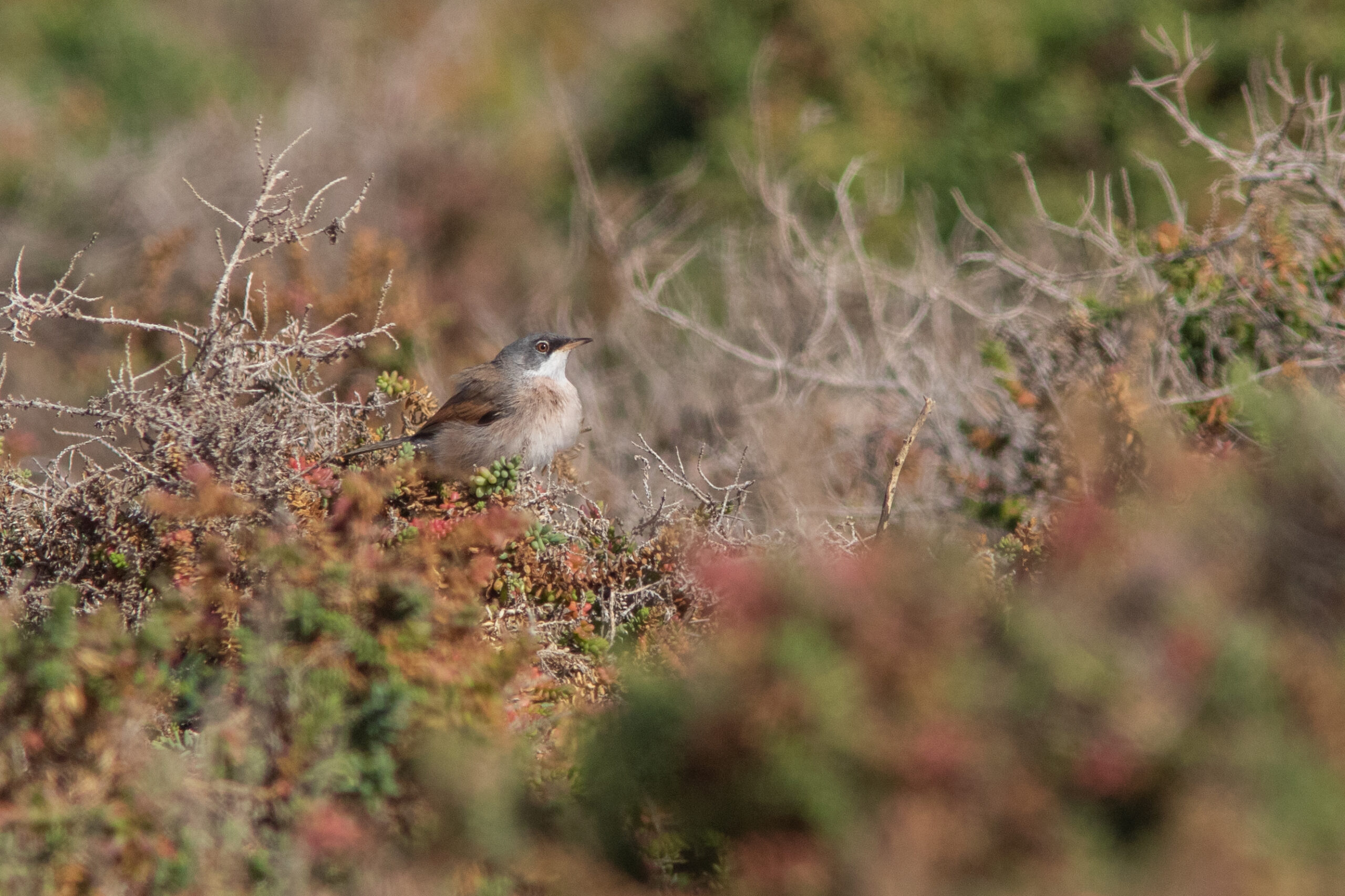
Spectacled Warbler (image by Tjomme Fernhout)
Spanish Sparrow (image by Mike Watson)
Not the most impressing Macaronesian endemic, but Berthelot's Pipit is a rather cute bird (image by Diedert Koppenol)
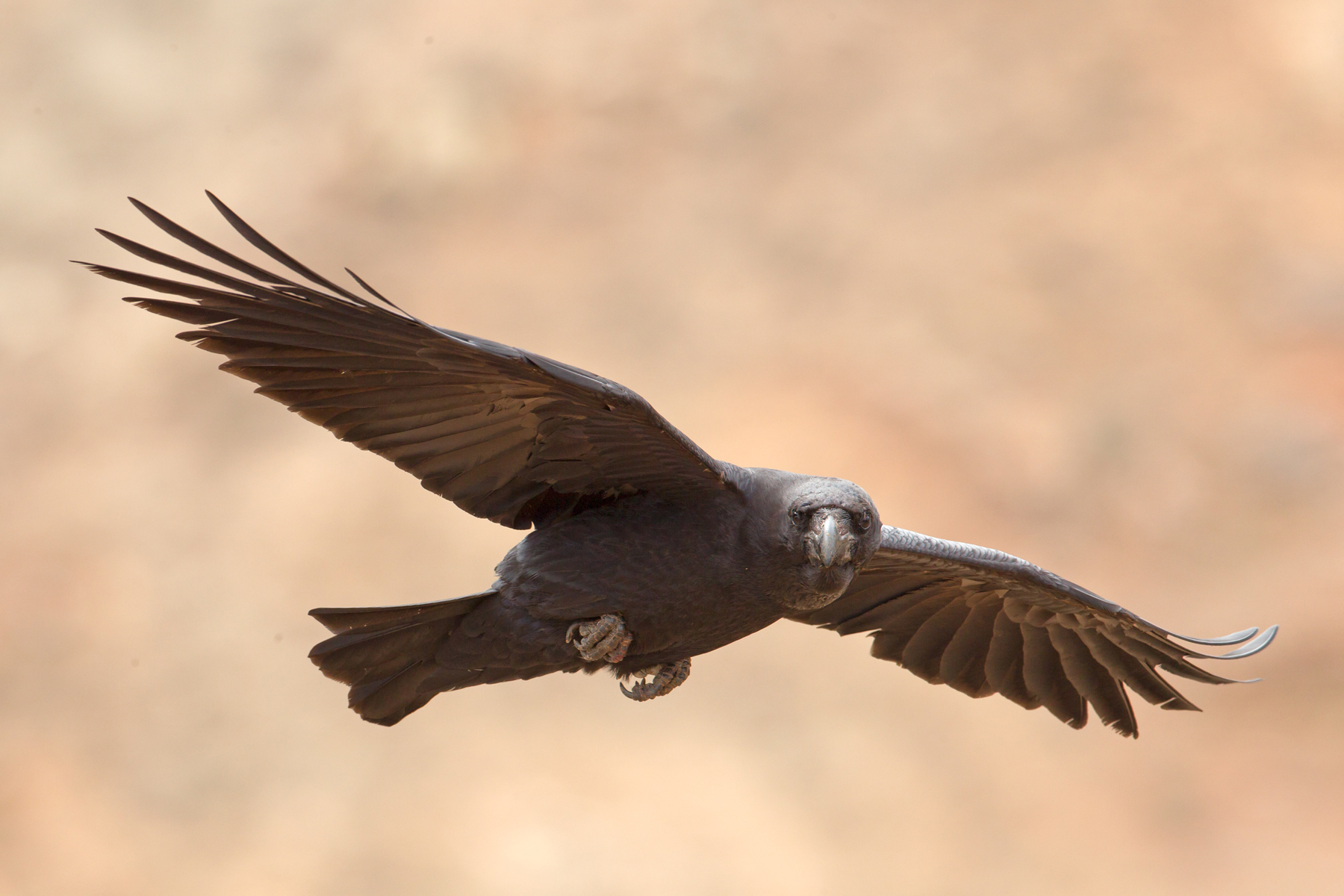
Common Raven (image by Mike Watson)
Cream-coloured Courser (image by Mike Watson)
Berthelot's Pipit (image by Diedert Koppenol)
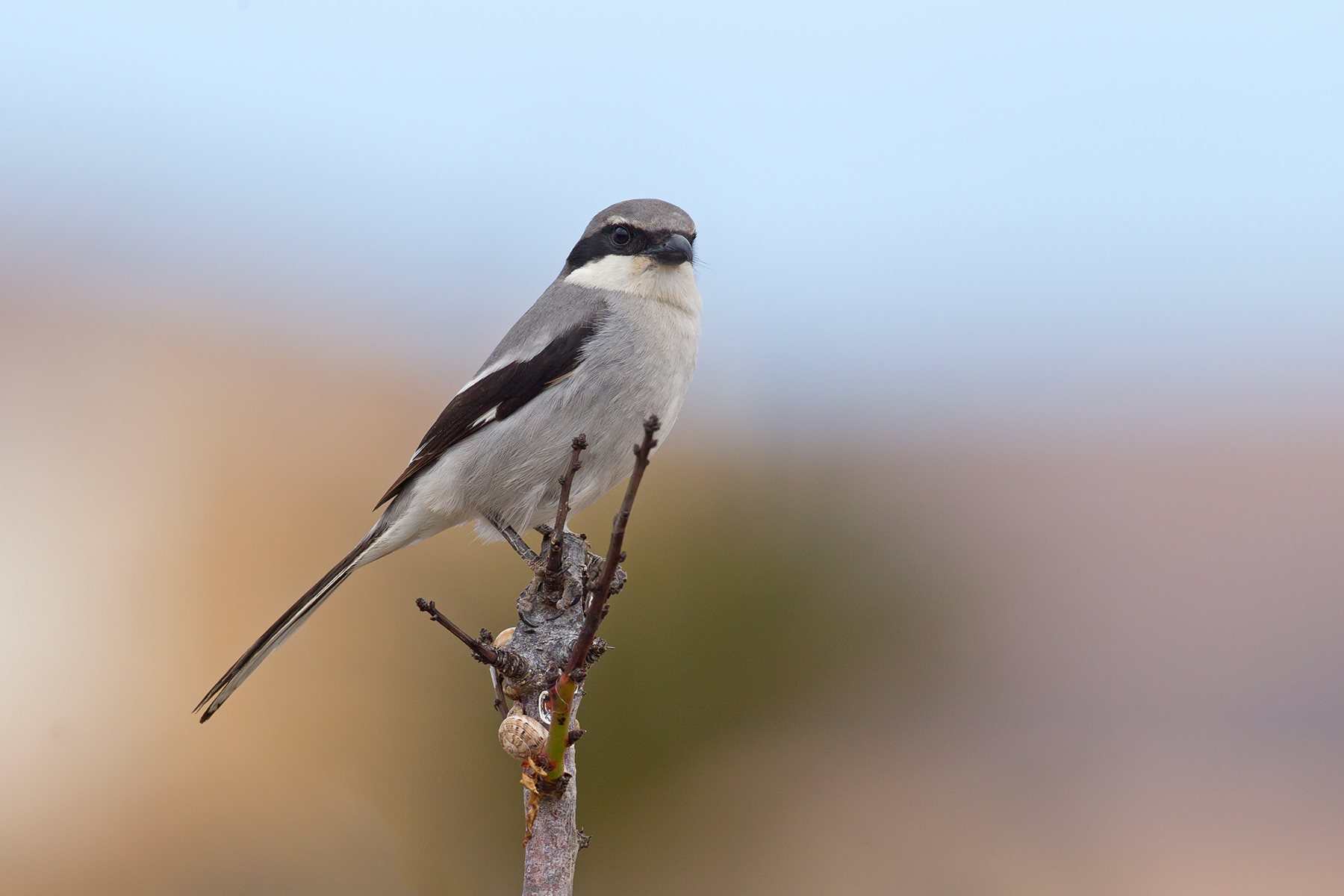
'Southern' Grey Shrike (image by Mike Watson)
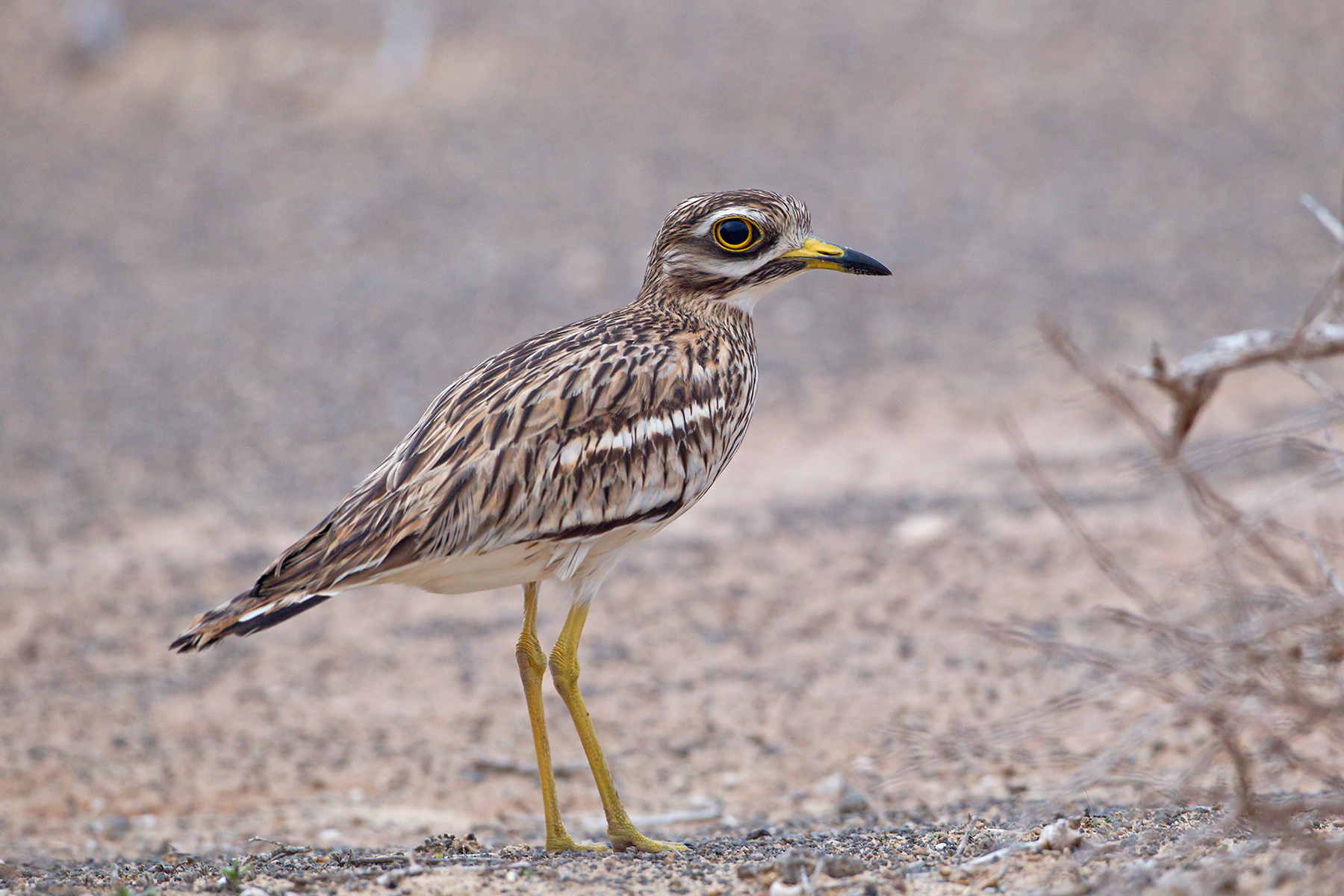
Eurasian Thick-knee (image by Mike Watson)


Houbara Bustard (image by Mike Watson)
African Blue Tit (image by Mike Watson)
Gran Canaria Blue Chaffinch (image by Pete Morris)
Lesser Short-toed Lark (image by Mike Watson)
Houbara Fuerteventura (image by Mike Watson)
Red-tailed Tropicbird (image by Pete Morris)
Lesser Short-toed Lark (image by Tjomme Fernhout)
Corn Bunting (image by Mike Watson)
Bolle's Pigeon (image by Tjomme Fernhout)
Ruddy Turnstone (image by Mike Watson)
Fuerteventura Chat (image by Mike Watson)
Red-tailed Tropicbird (image by Pete Morris)
Houbara Bustard (image by Mike Watson)
Egyptian Vulture (image by Mike Watson)
African Houbara (image by Pete Morris)
Black-bellied Sandgrouse (image by Mike Watson)
Berthelot's Pipit (image by Mike Watson)
Gran Canaria Blue Chaffinch (image by Pete Morris)
Atlantic Canary (image by Diedert Koppenol)
Atlantic Canary (image by Diedert Koppenol)
Trumpeter Finch (image by Tjomme Fernhout)
Canary Islands Chaffinch (image by Tjomme Fernhout)
Cream-coloured Courser (image by Mike Watson)
Tenerife Blue Chaffinch (image by Tjomme Fernhout)
Spectacled Warbler (image by Tjomme Fernhout)
Spanish Sparrow (image by Mike Watson)
Not the most impressing Macaronesian endemic, but Berthelot's Pipit is a rather cute bird (image by Diedert Koppenol)
Common Raven (image by Mike Watson)
Cream-coloured Courser (image by Mike Watson)
Berthelot's Pipit (image by Diedert Koppenol)
'Southern' Grey Shrike (image by Mike Watson)
Eurasian Thick-knee (image by Mike Watson)


|
Tuesday 25th May – Sunday 30th May 2027 Leader: Diedert Koppenol |
6 Days | Group Size Limit 8 |
Birdquest’s Canary Islands birding tours are short tours targeting seven Canary Islands endemics: Laurel Pigeon, Bolle’s Pigeon, Canary Islands Chiffchaff, Canary Islands Stonechat, Tenerife Blue Chaffinch, Gran Canaria Blue Chaffinch and Canary Islands Chaffinch. In addition, we will target three more Macaronesian endemics, Plain Swift, Berthelot’s Pipit and Atlantic Canary, plus Red-billed Tropicbird, the splendid African Houbara (Bustard) and North African Blue Tit.
The scatter of North Atlantic islands collectively known as Macaronesia, consisting of the Azores, Madeira, the Canary Islands and the Cape Verde Islands, offers some superb scenery and numerous avian specialities. There are numerous endemics to be found amongst these fascinating islands, as well as a long series of additional specialities.
The Canary Islands were thought by the ancient Greeks to be the remnants of the lost kingdom of Atlantis, where paradise on earth could still be found. This sun-drenched group of islands is situated just north of the Tropic of Cancer, not far from the coast of North Africa.
The original inhabitants were the Guanches, a sturdy Cro-Magnon people with blue eyes and fair hair, and the islands derive their name from the Latin word for dog, canis, of which there were apparently many.
Their wonderful climate has earned the Canary Islands their modern reputation as the ‘Garden of Europe’, a place where flowers and vegetables can be grown in the depths of the European winter. The volcanic origin of the islands is made evident by the presence of huge tracts of solidified lava, volcanic cones and extinct calderas, whilst steaming fumaroles betray continuing activity in the bowels of the earth.
The trade winds bring cloud and rain to the western islands, which are covered with lush, primaeval laurel forests on their northern slopes, whilst the eastern islands are much drier and desert-like, with only scrubby vegetation.
The isolation of the Atlantic Islands has favoured the evolution of endemic forms, most derived from colonists from Europe, and the Canary Islands are renowned for the occurrence of no less than seven endemic bird species: Laurel Pigeon, Bolle’s Pigeon, Canary Islands (or Fuerteventura) Stonechat, Canary Islands Chiffchaff, Canary Islands Chaffinch, Tenerife Blue Chaffinch anmd the rare Gran Canaria Bluye Chaffinch.
Macaronesian endemics that occur in the Canaries include Berthelot’s Pipit and Atlantic Canary, while the near-endemic Plain Swift breeds here.
Not only do the Canaries have this superb selection of unique birds, but they also harbour one of the healthiest surviving populations of Houbara Bustard as well as Barbary Falcon, Barbary Partridge, Black-bellied Sandgrouse, Mediterranean Short-toed Lark and Trumpeter Finch.
During our Canary Islands birding tour, we will explore three of the islands: Fuerteventura, Gran Canaria and Tenerife.
Birdquest has been operating tours to the islands since 1985.
This tour can be taken together with: MADEIRA & THE AZORES
Accommodation & Road Transport
The hotels are of good standard. Road transport is by minibus/passenger van, and roads are mostly good.
Walking
The walking effort during our Canary Islands birding tours is easy throughout.
Climate
It is typically warm and mostly sunny in coastal areas, but it is regularly cool and overcast in the interior of the higher islands. There may be a little rain.
Bird Photography
Opportunities during our Canary Islands birding tours are quite good.
Birdquest Inclusions: Our tour prices include transportation, accommodations, meals and entrance fees.
We also include all tipping for accommodation/restaurant staff.
Deposit: 20% of the total tour price. Our office will let you know what deposit amount is due, in order to confirm your booking, following receipt of your online booking form.
TO BOOK THIS TOUR: Click here (you will need the tour dates)
The single supplement will not apply if you indicate on booking that you prefer to share a room and there is a room-mate of the same sex available.
This tour is priced in Euros. Amounts shown in other currencies are indicative.
Canary Islands: Day 1
Our tour will begin this evening on Fuerteventura, one of the easternmost Canary Islands, where we will stay for two nights.
Canary Islands: Day 2
Fuerteventura is the second-largest island in the Canary Islands group. The North African coast is a mere 110 kilometres (66 miles) away, and consequently, the climate is very dry (even sandstorms are by no means exceptional). During the summer months, the scorching Harmatan sometimes blows straight from the heart of the Sahara Desert.
Tectonic activity has shaped the landscape here as well, and the looming presence of extinct volcanoes is a telltale reminder of past turmoil. Small white villages fringed with palm trees and hedges of prickly pears enhance the impression that we might be in the North African Maghreb. Holiday villages have mushroomed along the wide white beaches, but we will spend most of our time exploring the nearly deserted hinterland.
Fuerteventura is the only place in the world where the dainty Canary Islands (or Fuerteventura) Stonechat occurs. Looking rather like a cross between a European Stonechat and a Whinchat (although which species it evolved from remains uncertain), this attractive little bird mainly inhabits the dry rocky gorges, known locally as barrancos, but it can also be found wherever dry scrub offers a suitable nesting site. Like most chats, they perch conspicuously out in the open and particularly favour the peculiar-looking euphorbias.
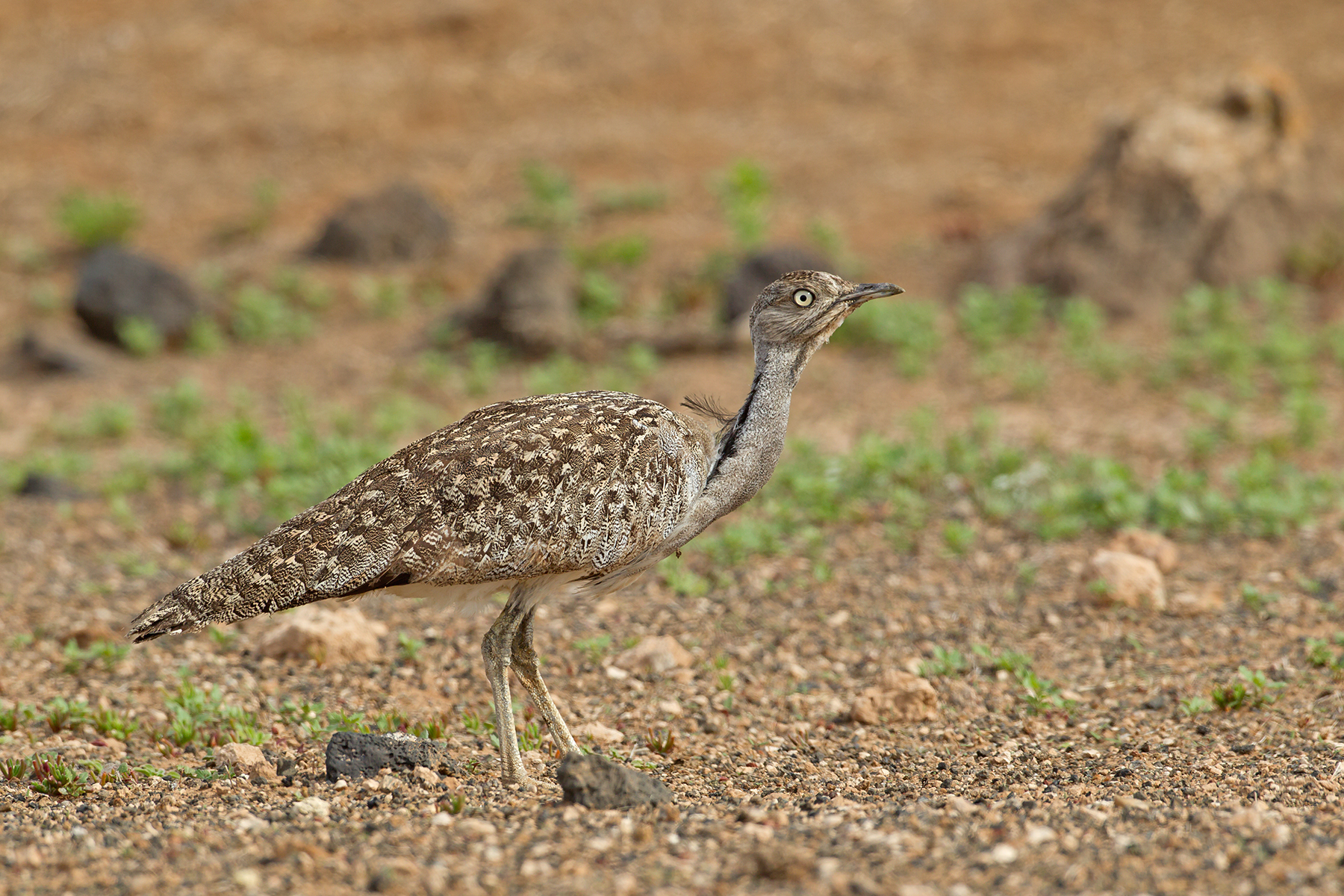
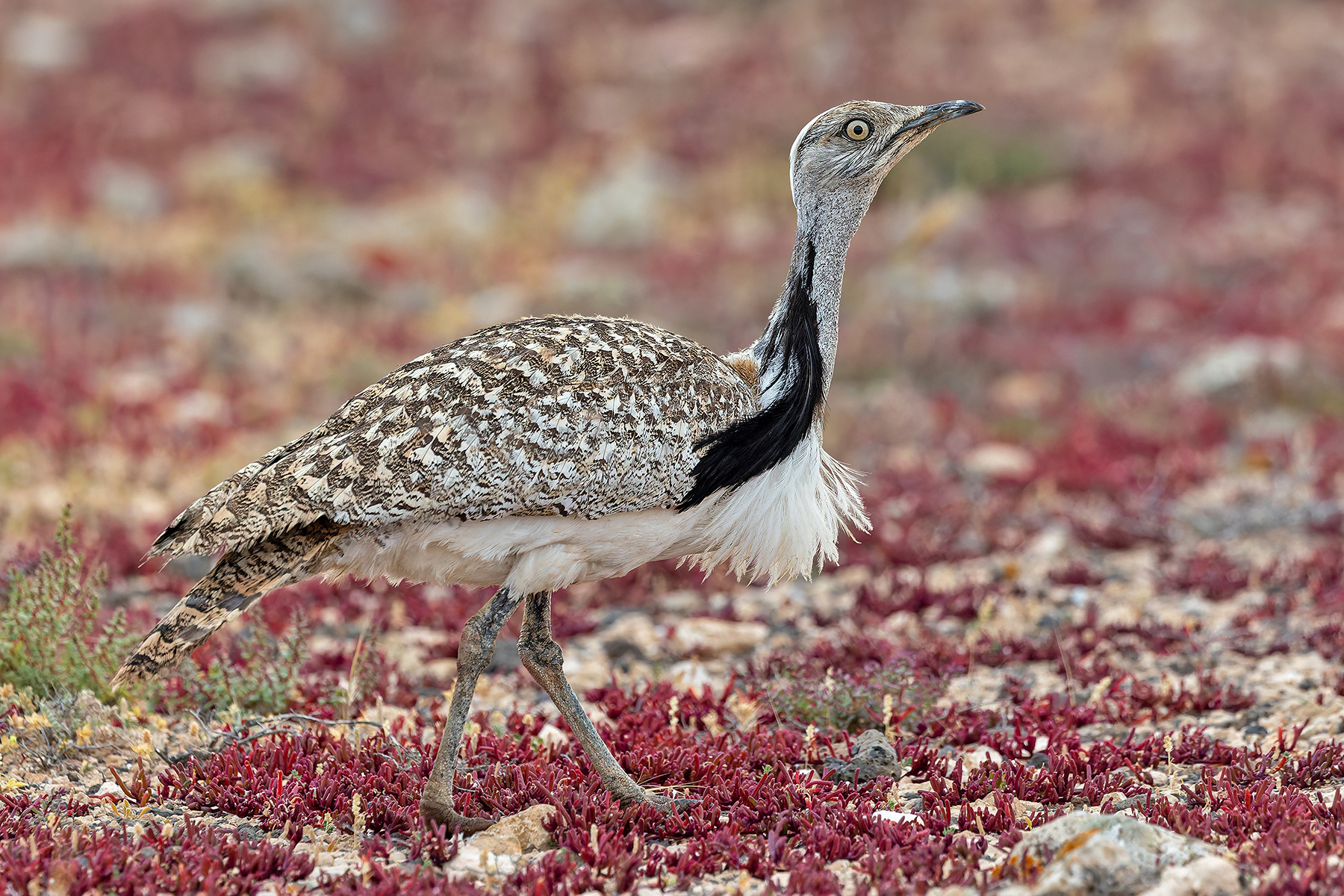
The island is also well known for its healthy population of African Houbaras (or Houbara Bustards), a species which is now threatened with extinction by hunting pressure across most of its range. Luckily, Arab falconers are not allowed to slaughter these magnificent creatures here, so their future prospects look quite hopeful. With the splitting off of the eastern form macqueenii, found from Sinai eastwards, as Asian Houbara (or Macqueen’s Bustard), and faced with the difficulty in seeing this declining and vulnerable species in North Africa, seeing the ‘real’ Houbara Bustard increasingly means going to Fuerteventura.
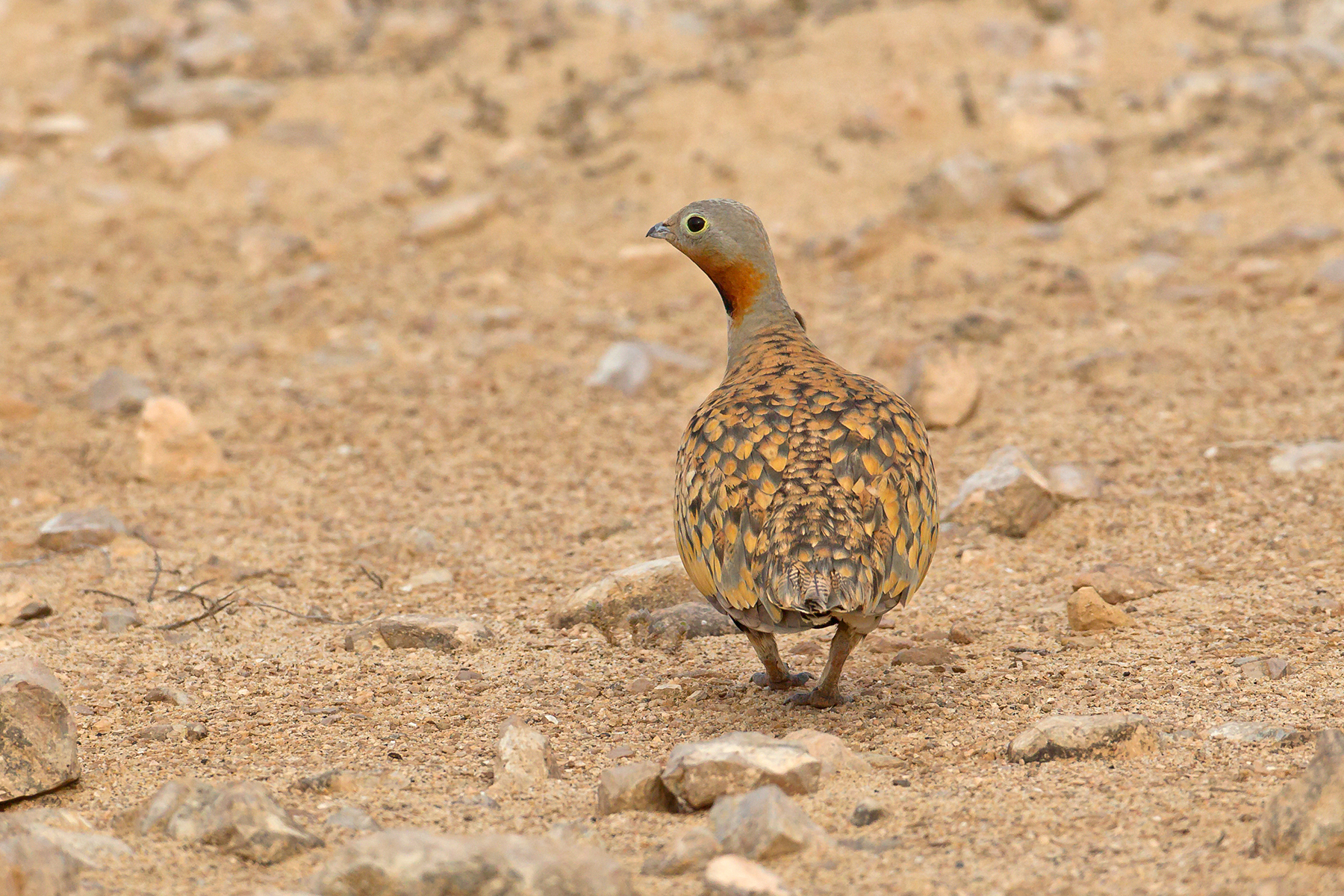
Elegant but well-camouflaged Cream-coloured Coursers and large-eyed Eurasian Stonecurlews share the same habitat, and we may well encounter small numbers of Black-bellied Sandgrouse. Small flocks of Trumpeter Finches forage in the most desolate areas, often accompanied by Mediterranean Short-toed Larks and the ubiquitous Macaronesian-endemic Berthelot’s Pipit.
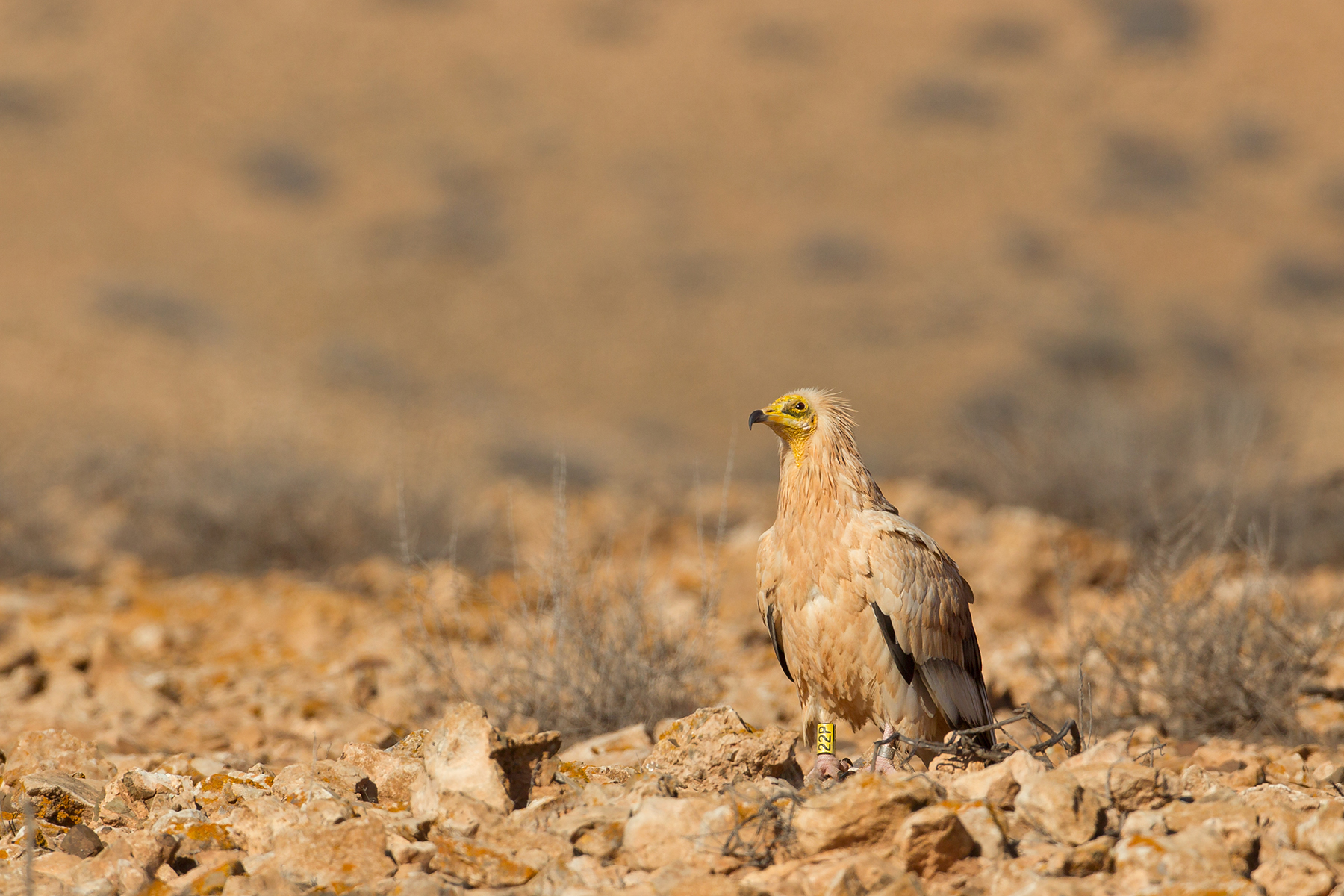
Hedges of introduced agave hold Spectacled Warblers and offer hiding places for Barbary Partridges, whilst rock walls provide shelter for Barbary Ground Squirrels. Egyptian Vultures soar over the dry plains, while Great Grey Shrikes perch prominently on wires or tall euphorbia bushes. The endemic canariensis subspecies of the Northern Raven looks surprisingly small, and its call sounds quite different from that of North European birds.
Along the coast we should see the charismatic Red-billed Tropicbird, a species that has colonised the Canary Islands only in recent times.
Canary Islands: Day 3
After some final birding on Fuerteventura, we will fly across to Las Palmas on the island of Gran Canaria for an overnight stay.
Our major target on Gran Canaria is the rare Gran Canaria Blue Chaffinch, endemic to just this island.
Canary Islands: Day 4
We will have some more time on Gran Canaria before taking a short flight to the island of Tenerife for a two-night stay.
Canary Islands: Day 5
Tenerife, with its peculiar triangular shape, is the largest of the Canary Islands and is dominated by the great volcanic Pico de Teide (3,718m or 12,199ft), the highest mountain in Spain.
Tenerife’s varied landscapes reflect its volcanic origins. Great expanses of crinkled black lava fields, beaches of black and grey sand and the typical conical volcano shape of the mighty Teide speak for themselves. A trip across the sparsely vegetated high plateau (in fact, an old crater) with its bizarrely crafted rock formations and twisted lava slabs is not unlike a voyage across the surface of the moon.
Climatic differences are quite marked between the northern and southern parts of Tenerife as the northeast trade winds bring more rain to the frequently cloud-wreathed north-facing slopes, whereas the south is usually drier, sunnier and windier.
Tenerife is characterised by six different types of vegetation, but to birdwatchers, the laurel forests of the northern slopes are the most interesting habitat. Tree heaths and several endemic species of evergreen dwarf trees, up to 10m tall, create a very special kind of primaeval forest on the moist, north-facing slopes of the island that are the headquarters of the endemic Laurel Pigeon and Bolle’s Pigeon. Most of the original forest has been cleared, and it is only in the surviving patches on the steeper slopes and more inaccessible valleys that the pigeons can still be found. These shy denizens of the woods can best be observed from vantage points from which one can keep an eye on the tree tops down below.
The Atlantic Canary, symbol of the islands and a Macaronesia endemic, can be found here and in most other habitats, usually in small flocks. Renowned for their pretty song, they were first captured and exported to Europe as cage birds in the 15th century.
Rocky crags provide breeding habitat for the distinctive local race of the Rock Dove, and dense scrub harbours Sardinian Warblers. We may also encounter the dashing Barbary Falcon.
Above 800m we enter open forest of the endemic Canary Islands Pine and the favourite habitat of the endemic Blue (or Canary Islands) Chaffinch. This beautiful dusky-blue finch forages in much the same way as the well-known Common Chaffinch, which is replaced here by the strikingly different-looking endemic Canary Islands Chaffinch.
The local chiffchaffs, with their distinctive song, have now been split as Canary Islands Chiffchaff.
The teneriffae race of the (North) African Blue Tit often acts rather like a treecreeper. For a time, Canarian birds were split as an endemic species.
The distinctive local Regulus was for a time considered a good species, Canary Islands Kinglet, after a century of prevarication as to whether it was a race of the Goldcrest or of the Firecrest, but it is now back to being a race of the Goldcrest!
The local robins were, for a time, split by some as Canary Islands (or Tenerife) Robin and
Endemic races of Common Buzzard, Great Spotted Woodpecker and Blackcap are also found here.
The barren, desert-like plains of southern Tenerife are characterised by extensive stands of euphorbias, which look almost like cacti and make one feel as though one were in Arizona or New Mexico. (Small wonder then that this has been a frequent location for the shooting of western films!) Spectacled Warbler and the uncommon Rock Sparrow also prefer this desolate habitat. Spanish Sparrows are ubiquitous in the lowlands, whilst Yellow-legged Gulls of the form atlantis are widely distributed along the coast. Overhead, loud screams betray the presence of the near-endemic Plain Swift.
Day 6
After a last morning on Tenerife, our tour ends this afternoon.

Europe and its islands
Africa and its islands