Email birders@birdquest-tours.com
Telephone 07777 186845
(International +44 7777 186845)
Email birders@birdquest-tours.com
Telephone 07777 186845
(International +44 7777 186845)
Asia and its islands
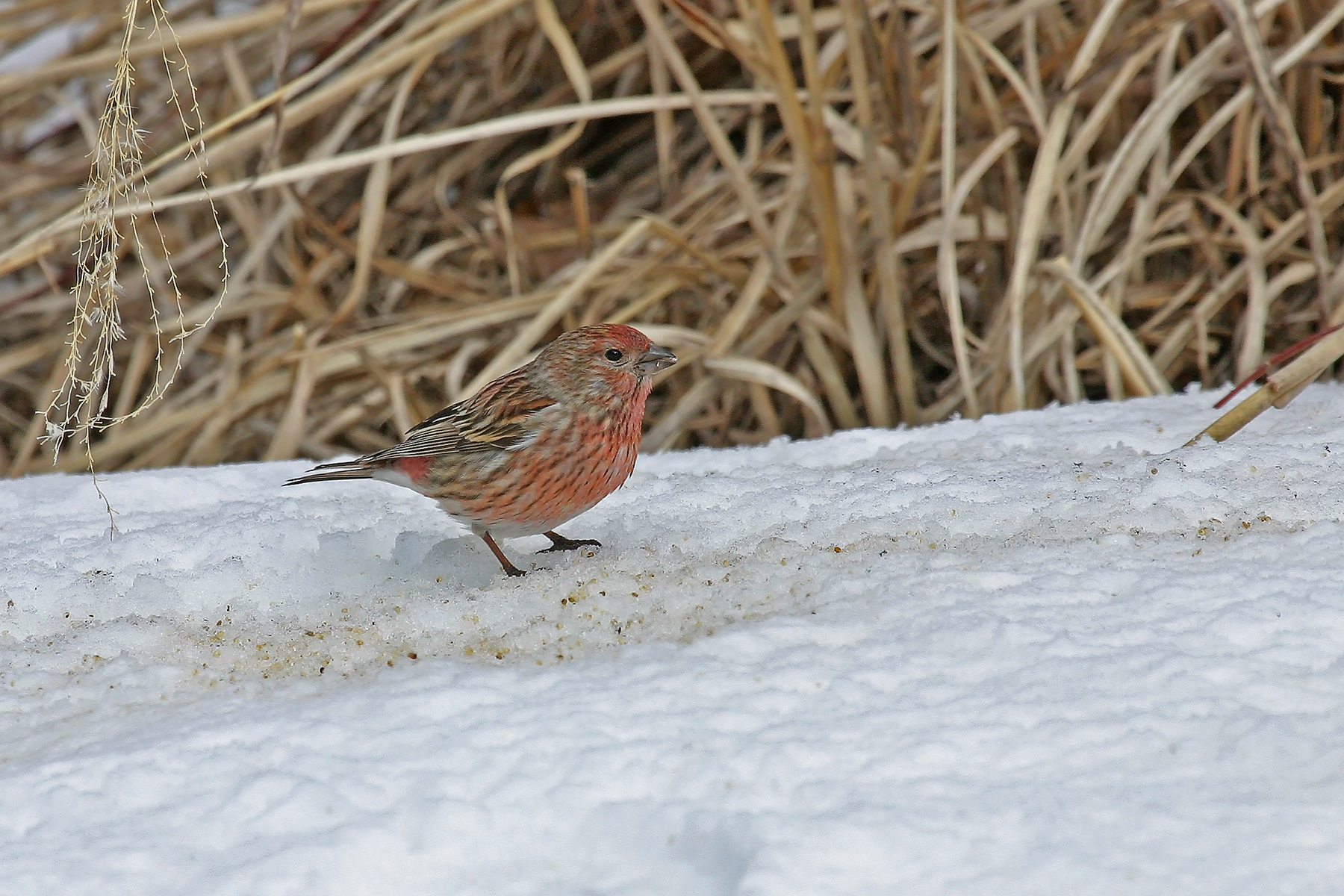
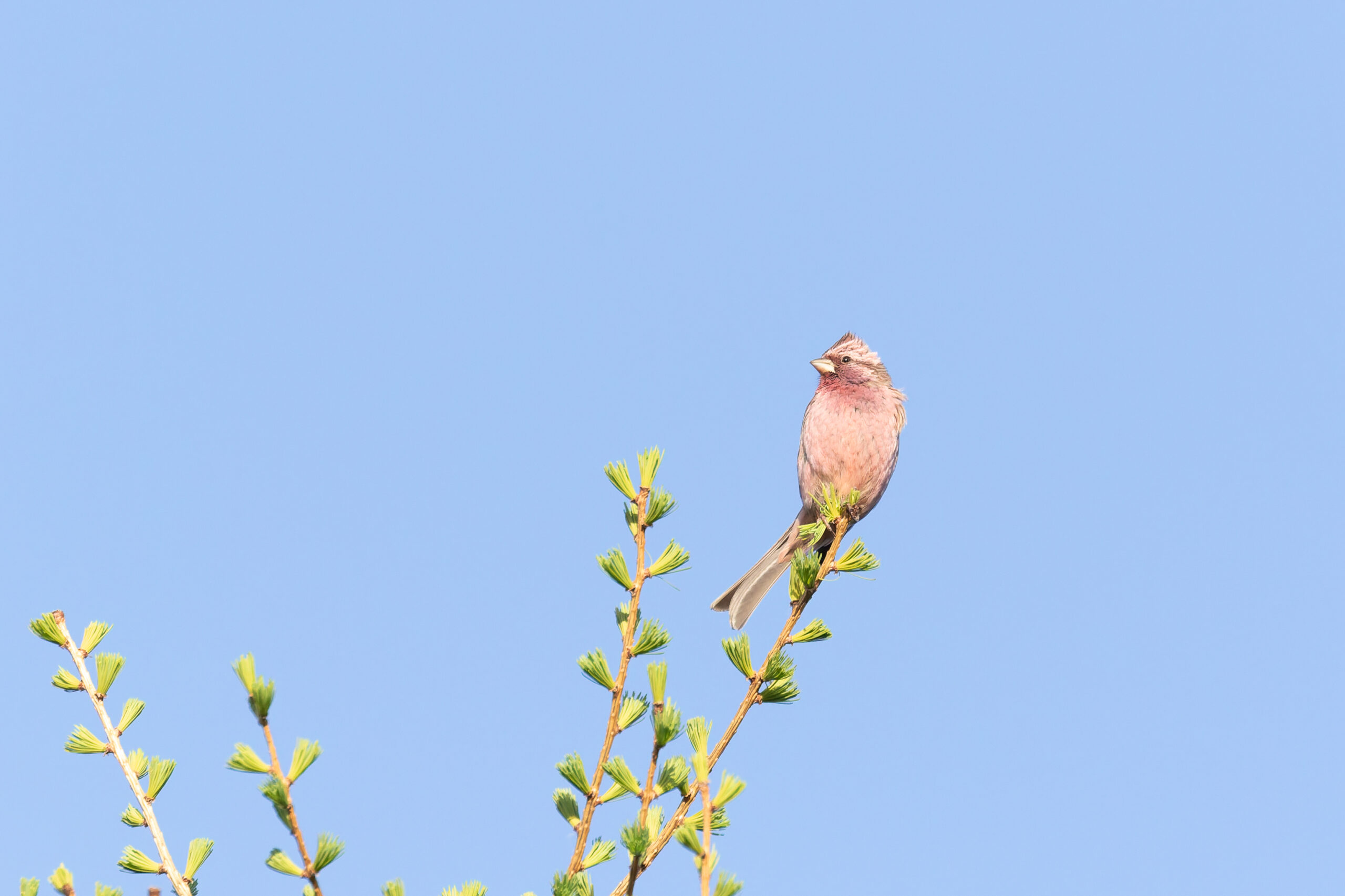
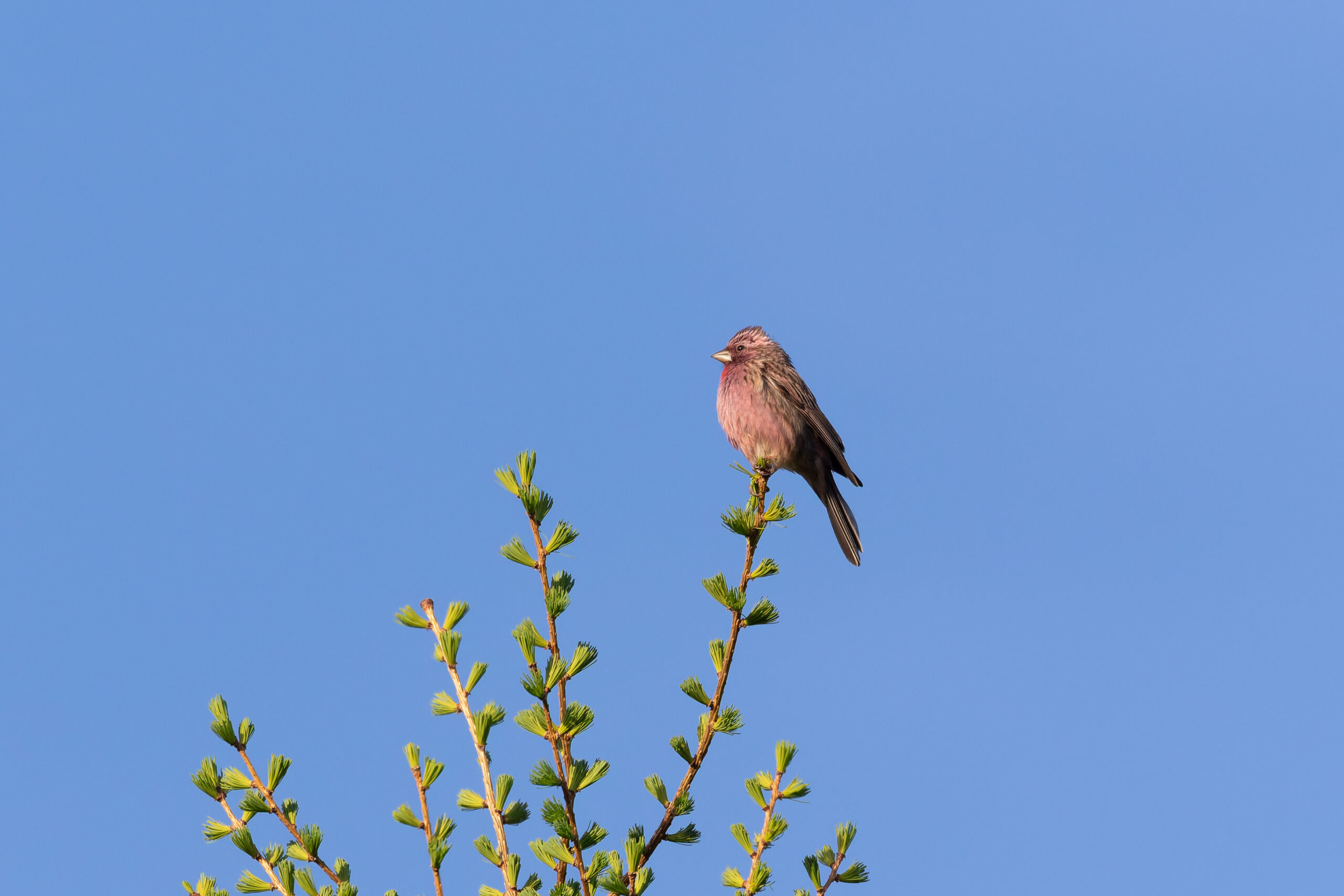
Pallas's Rosefinch (image by Pete Morris)
Siberian Crane (image by Hannu Jännes)
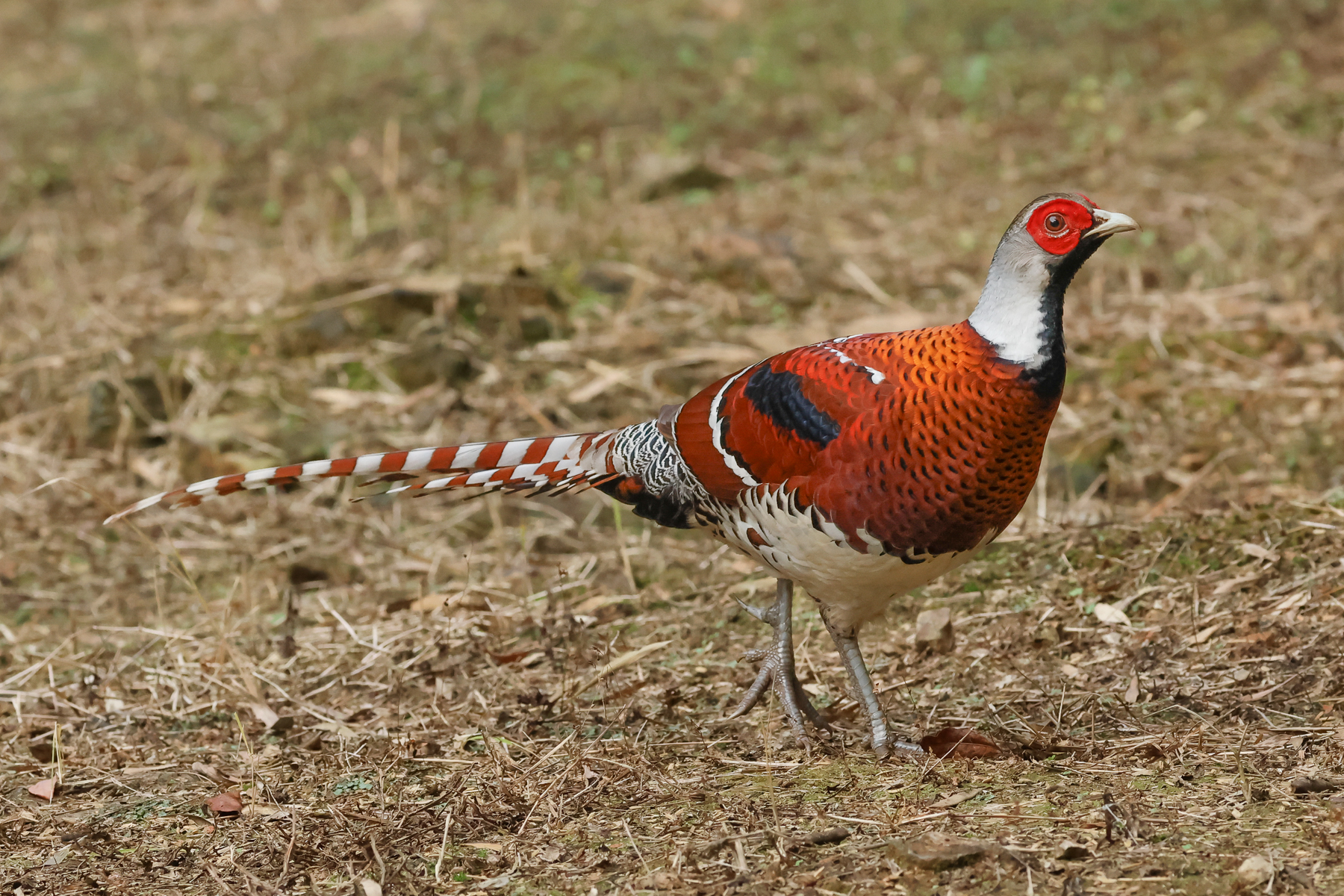
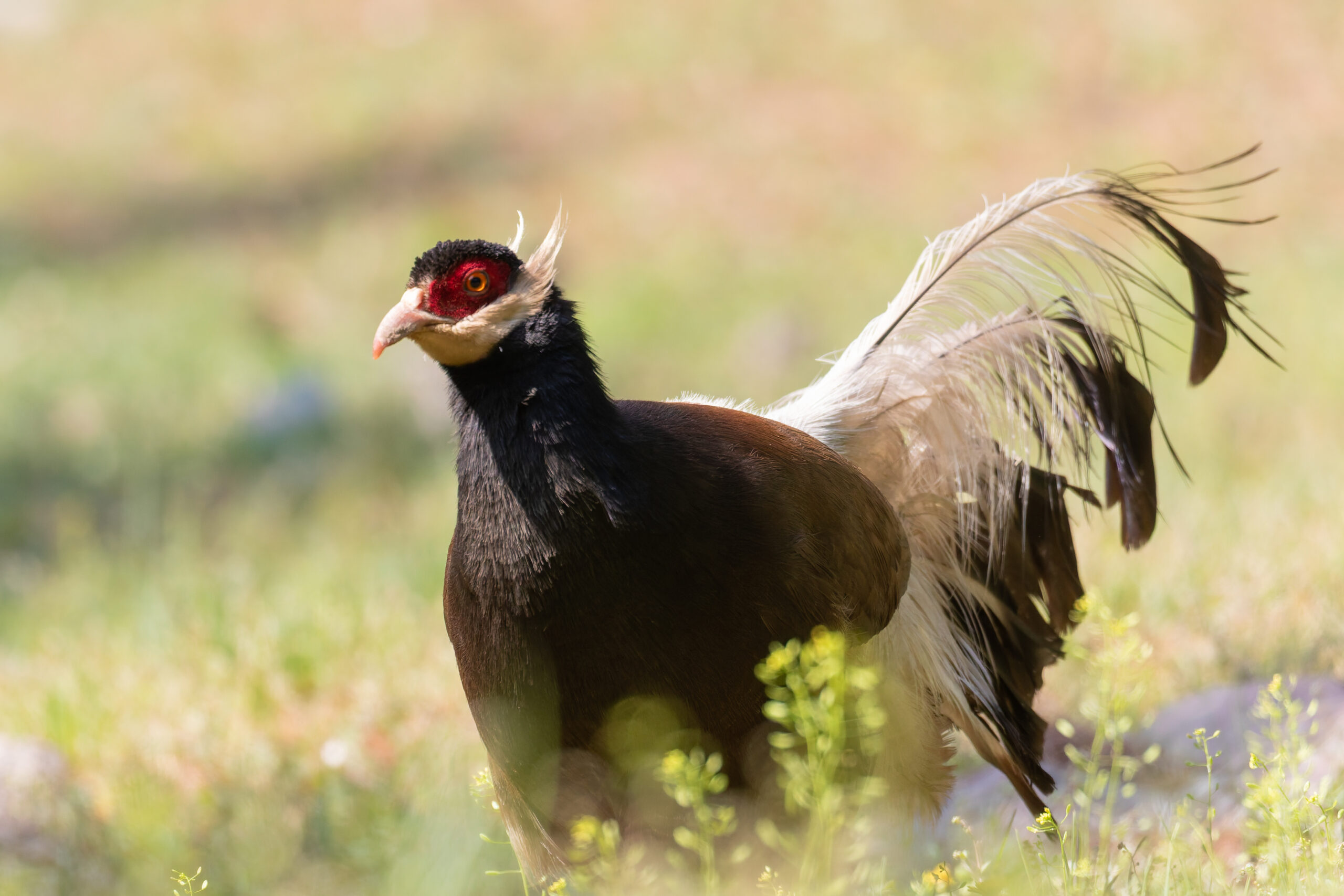
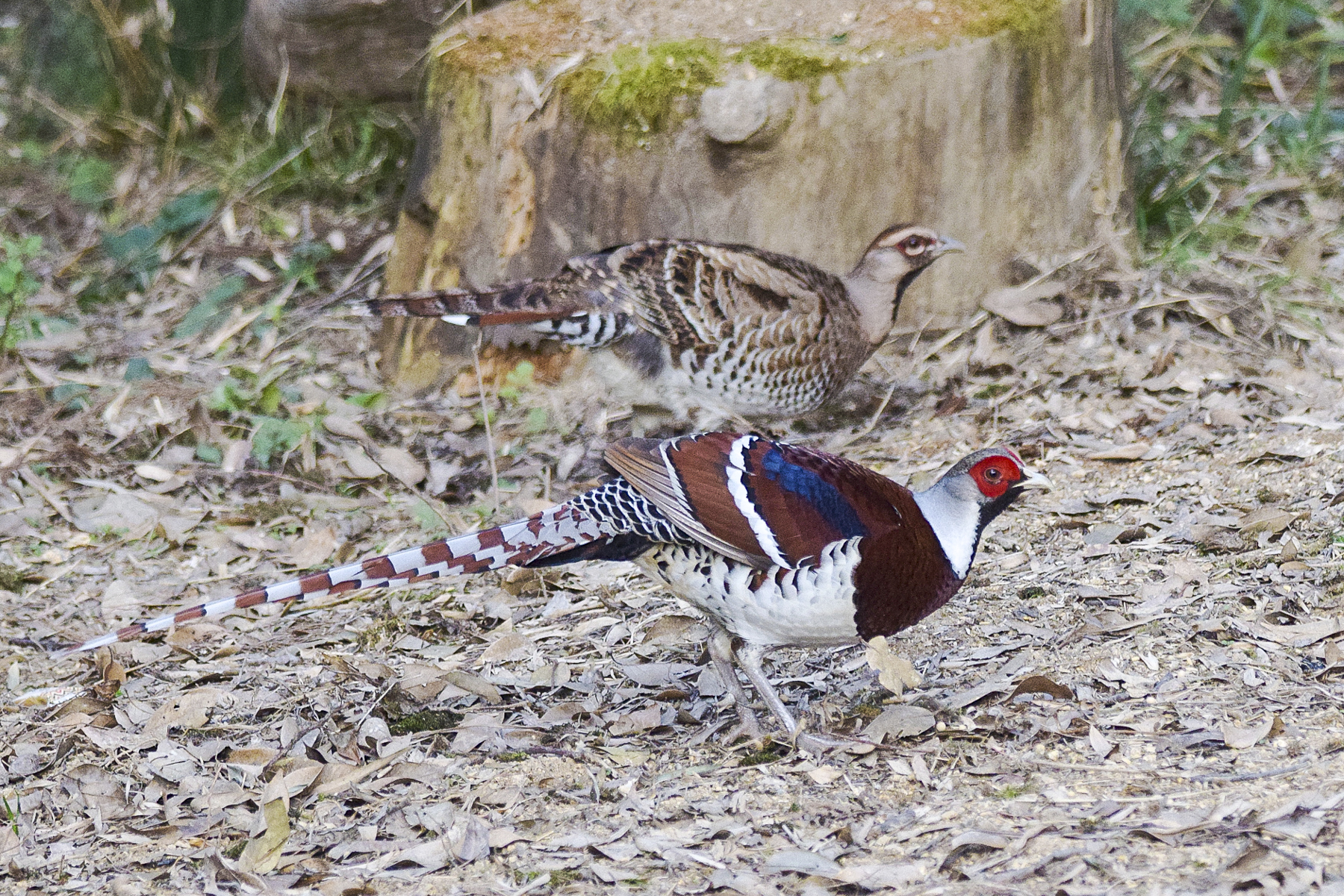
Elliot's Pheasant (image by Vincent van der Spek)
Chestnut Bulbul (image by Vincent van der Spek)
Mandarin Ducks (image by Pete Morris)
Long-billed Plover (image by Pete Morris)
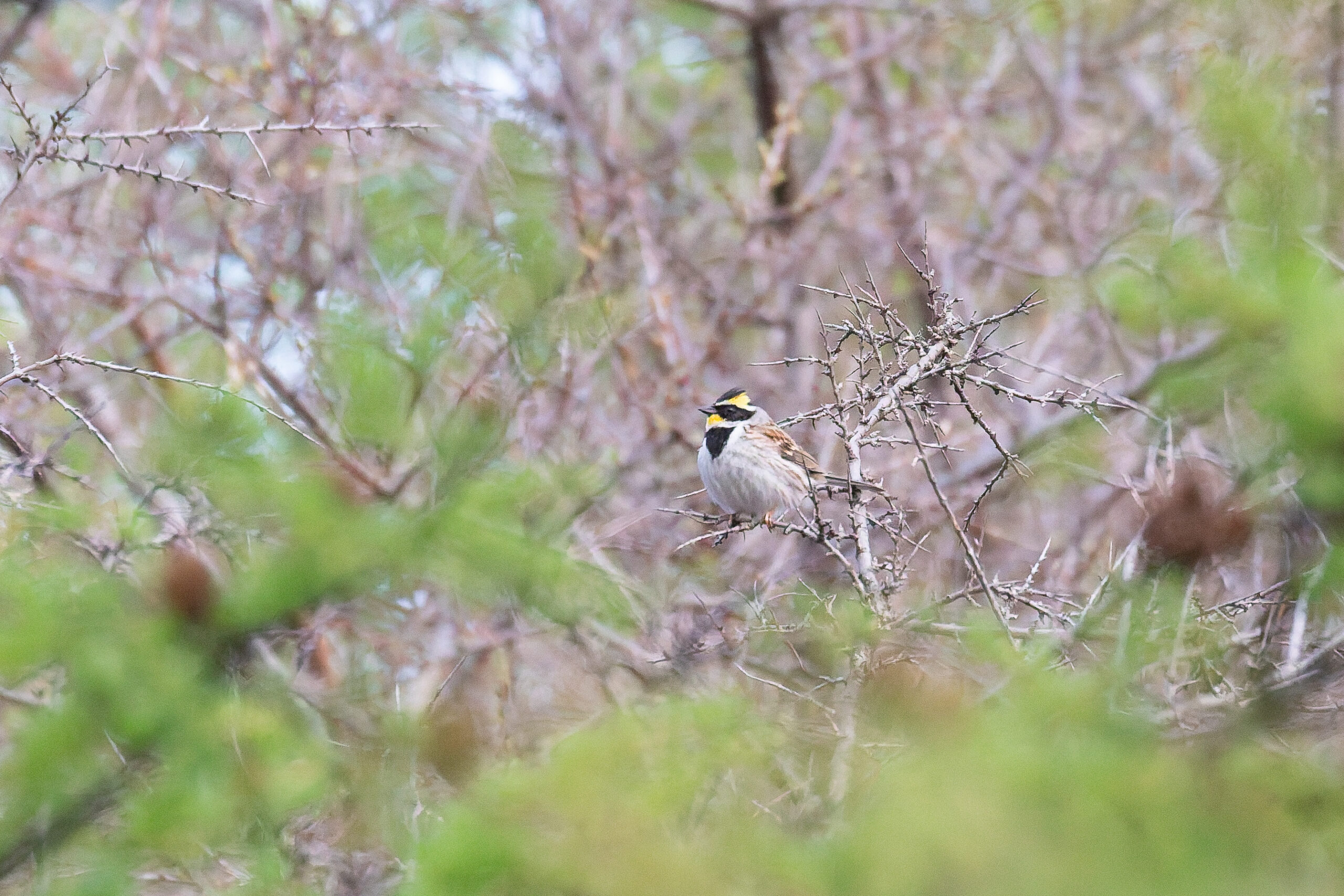
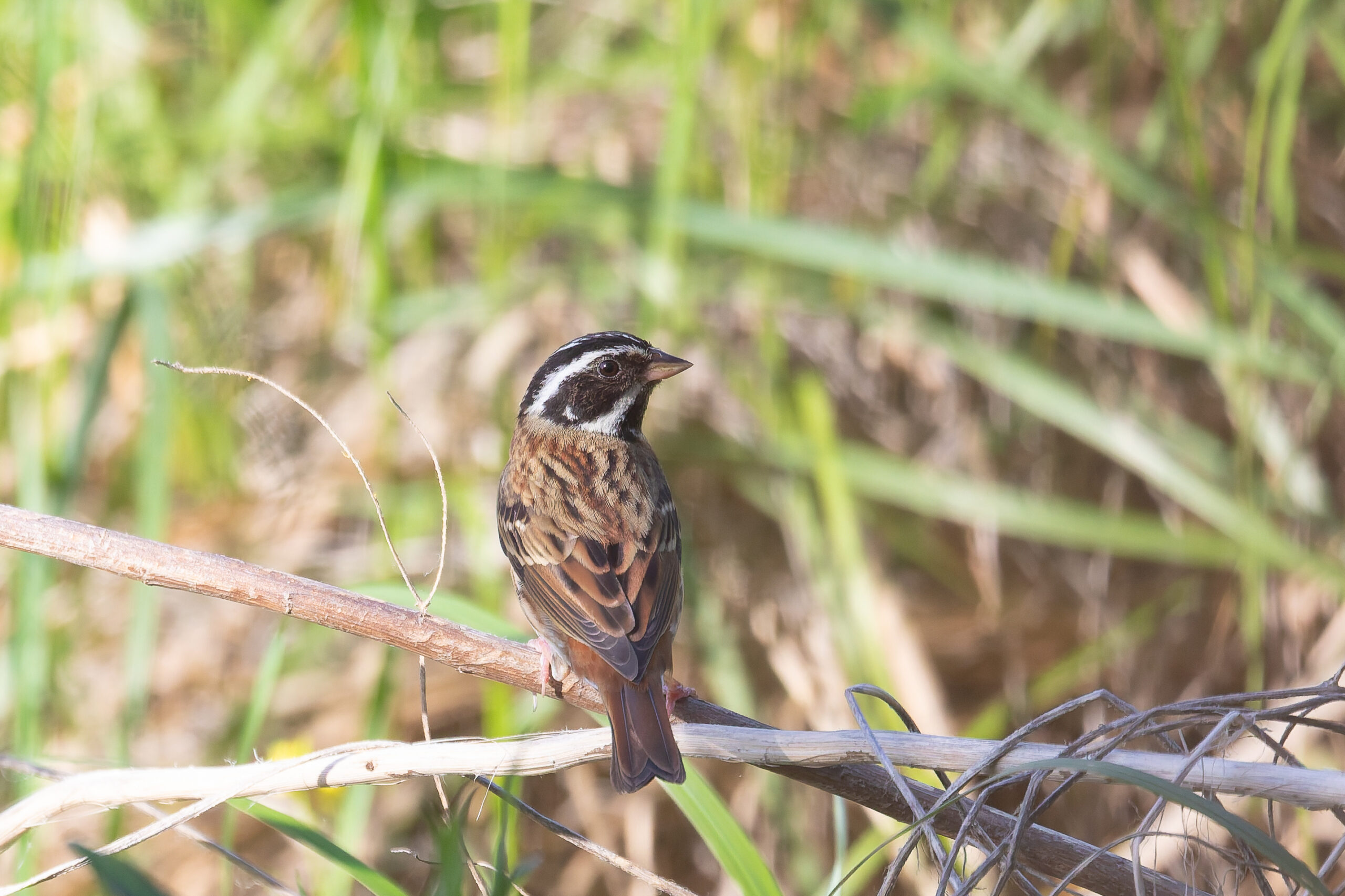
Yellow-throated Bunting (image by Pete Morris)
Pied Falconet (image by Pete Morris)
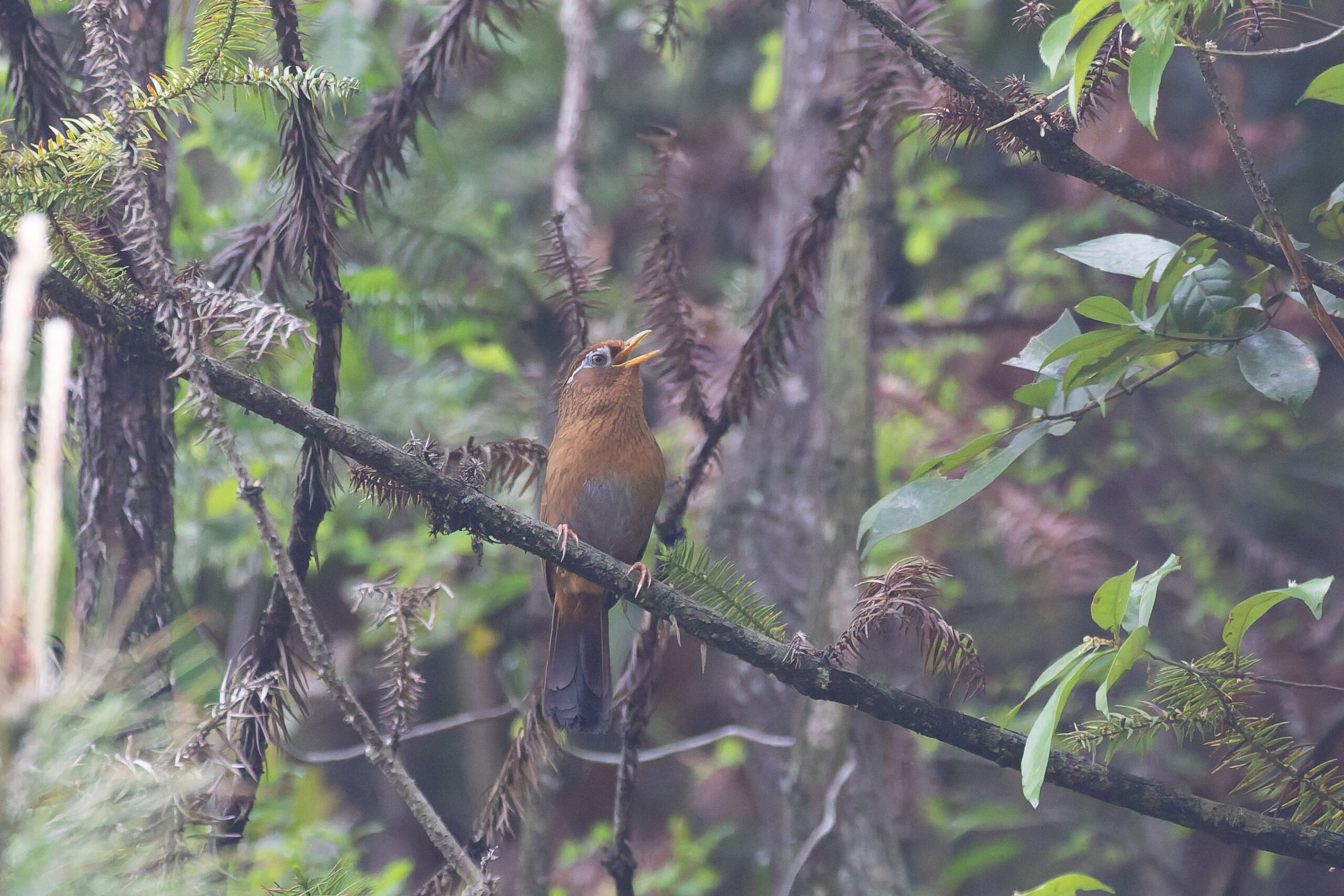
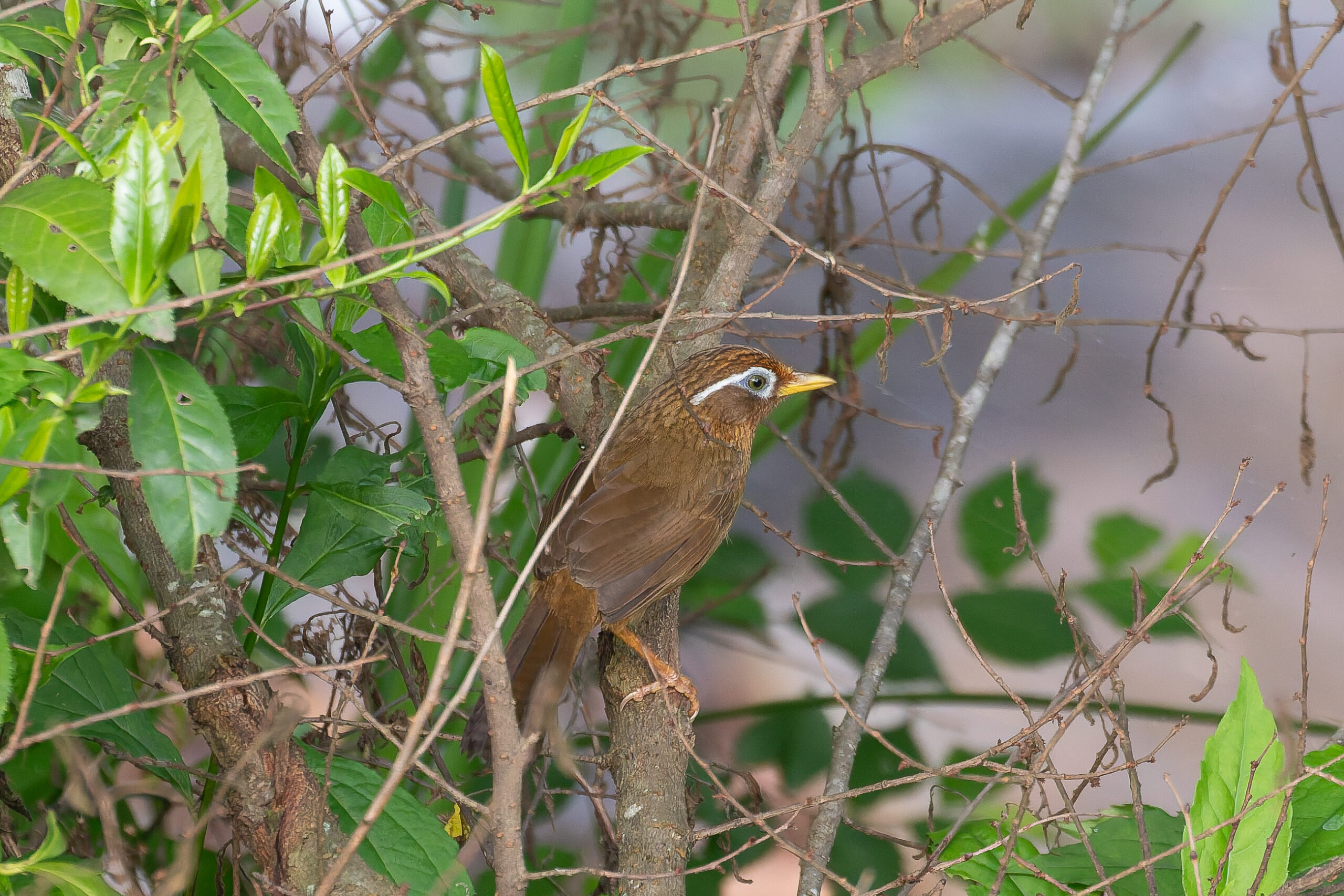
Chinese Hwamei (image by Diedert Koppenol)
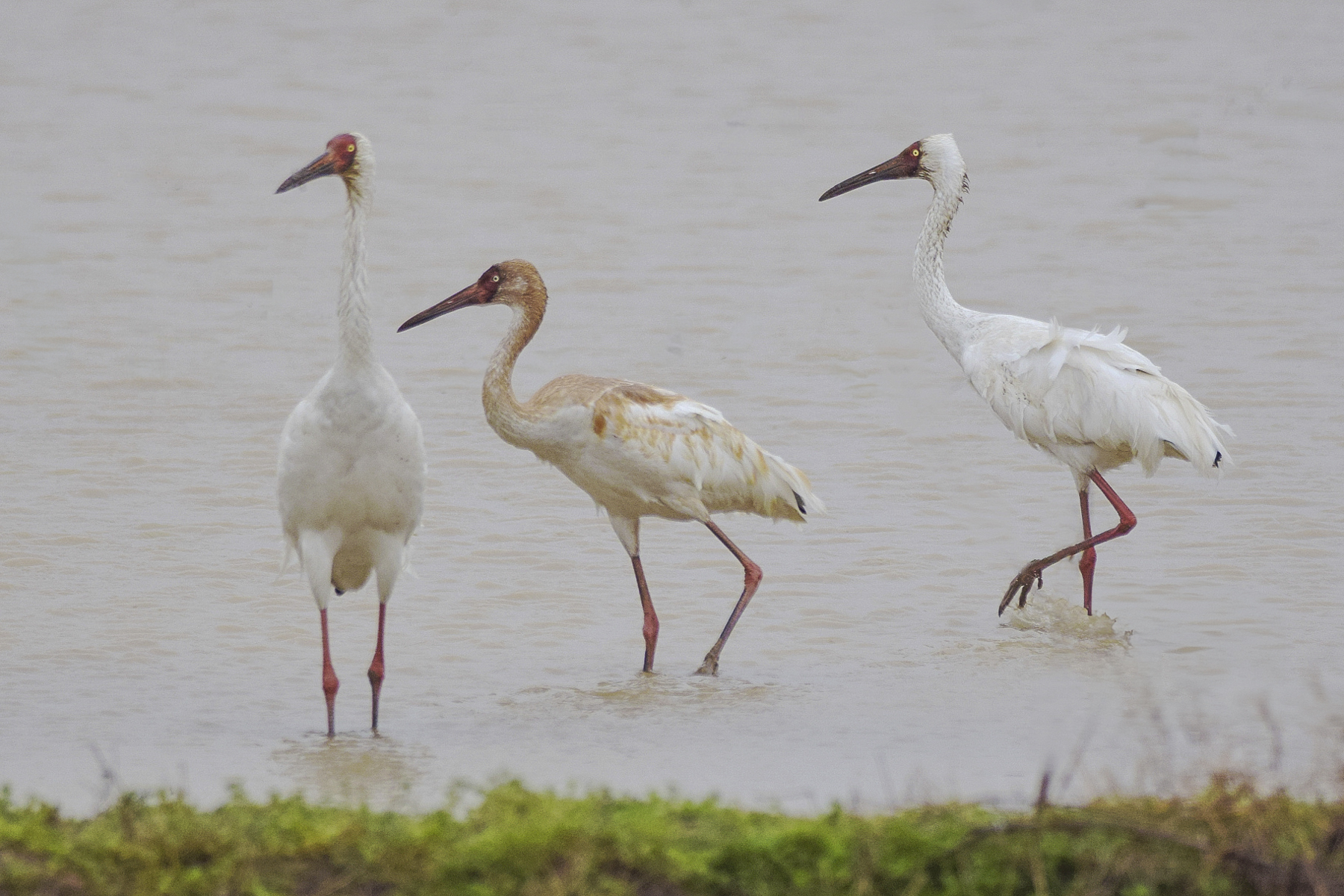
Siberian Cranes (image by Hannu Jannes)
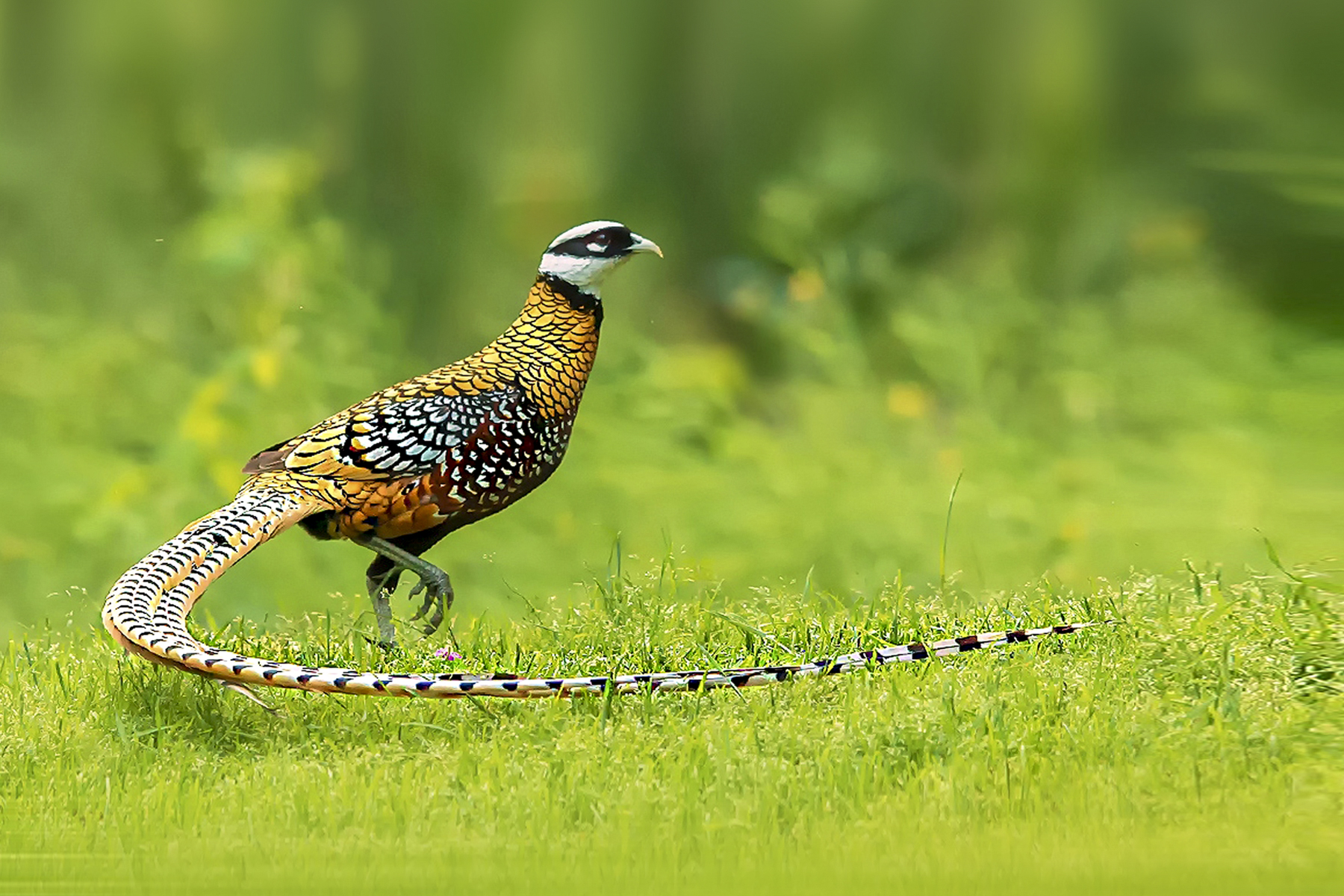
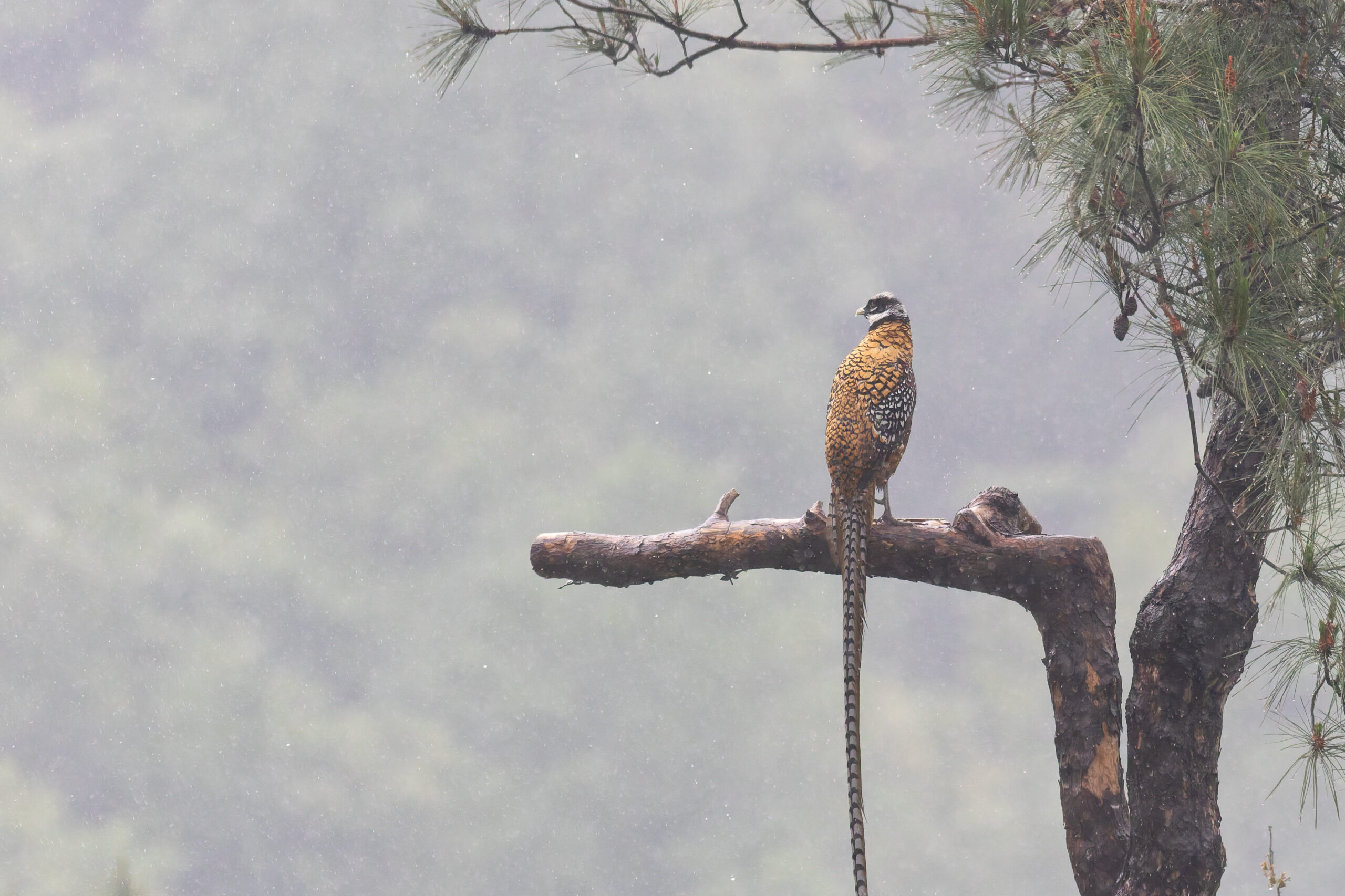
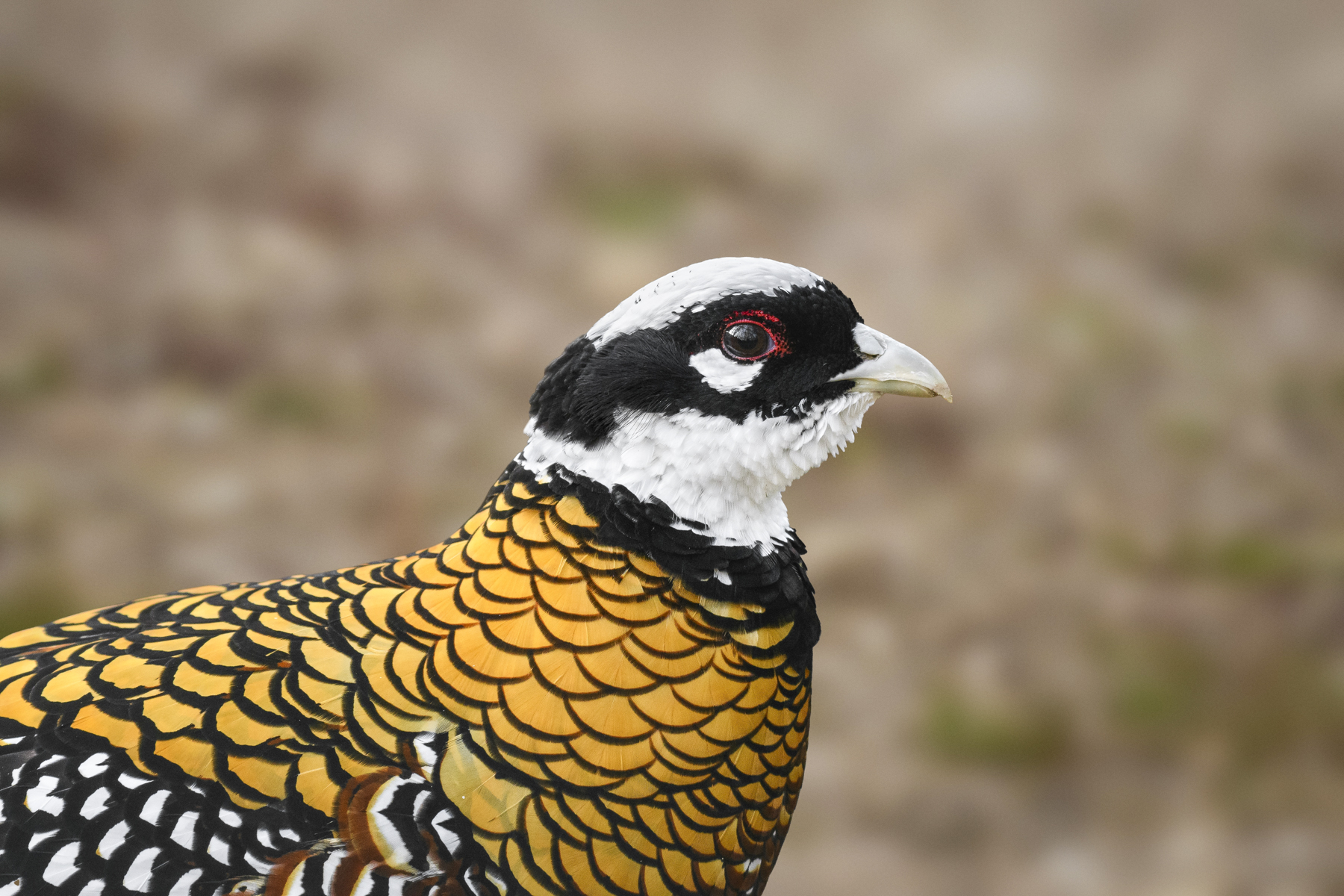
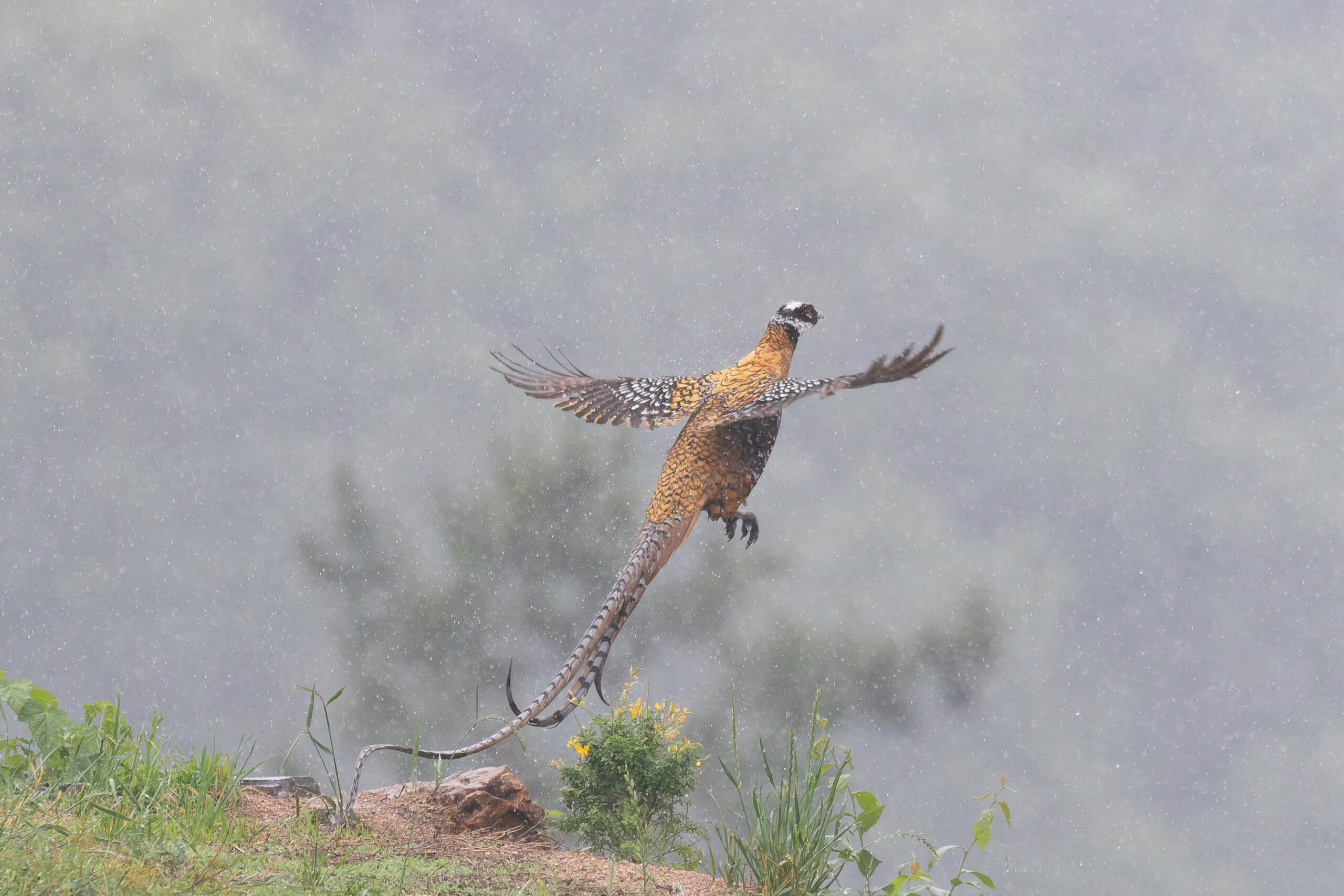
Reeves's Pheasant (image by Wang Liqiang)
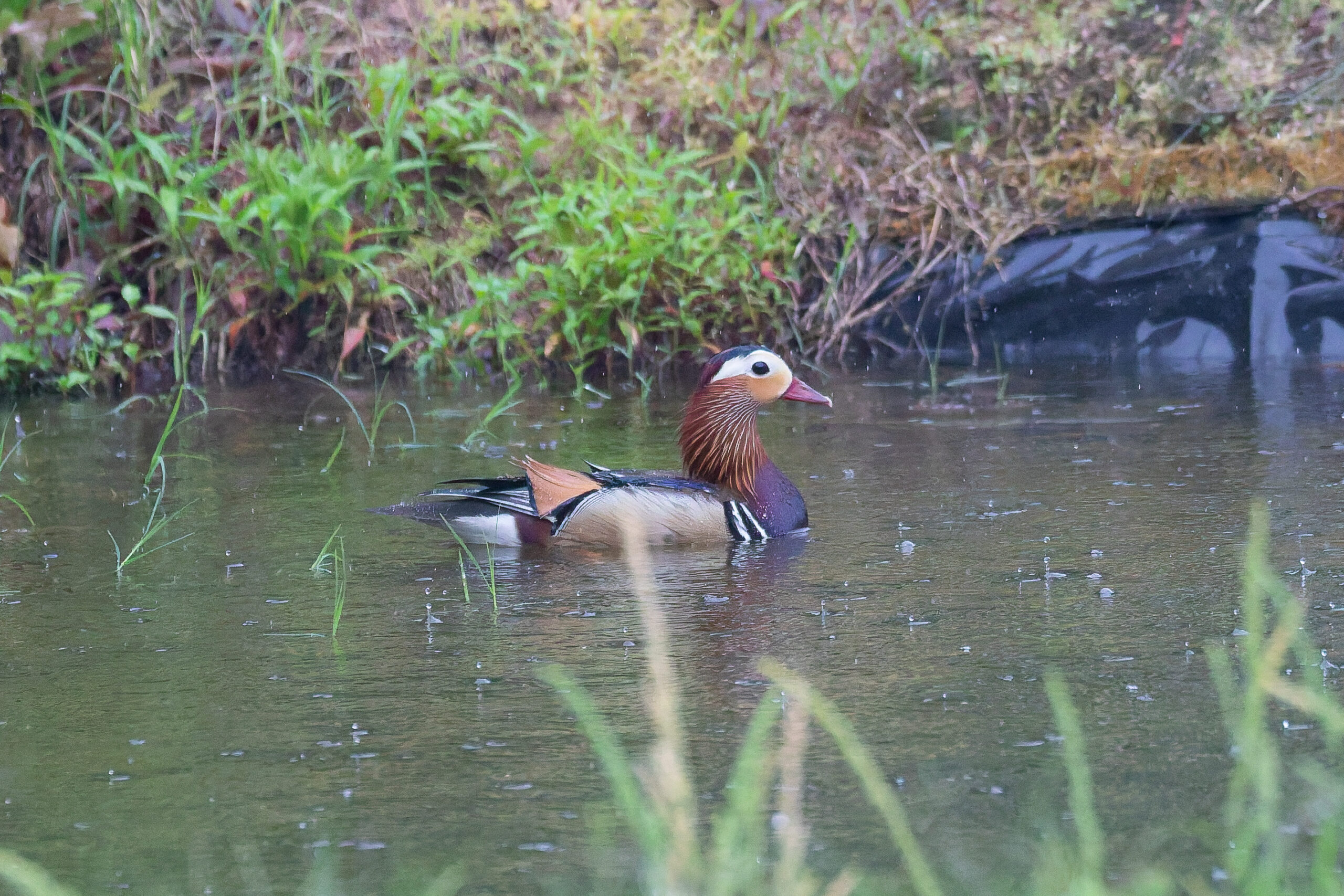
Mandarin Duck (image by Diedert Koppenol)
Reeves's Pheasant (image by Diedert Koppenol)
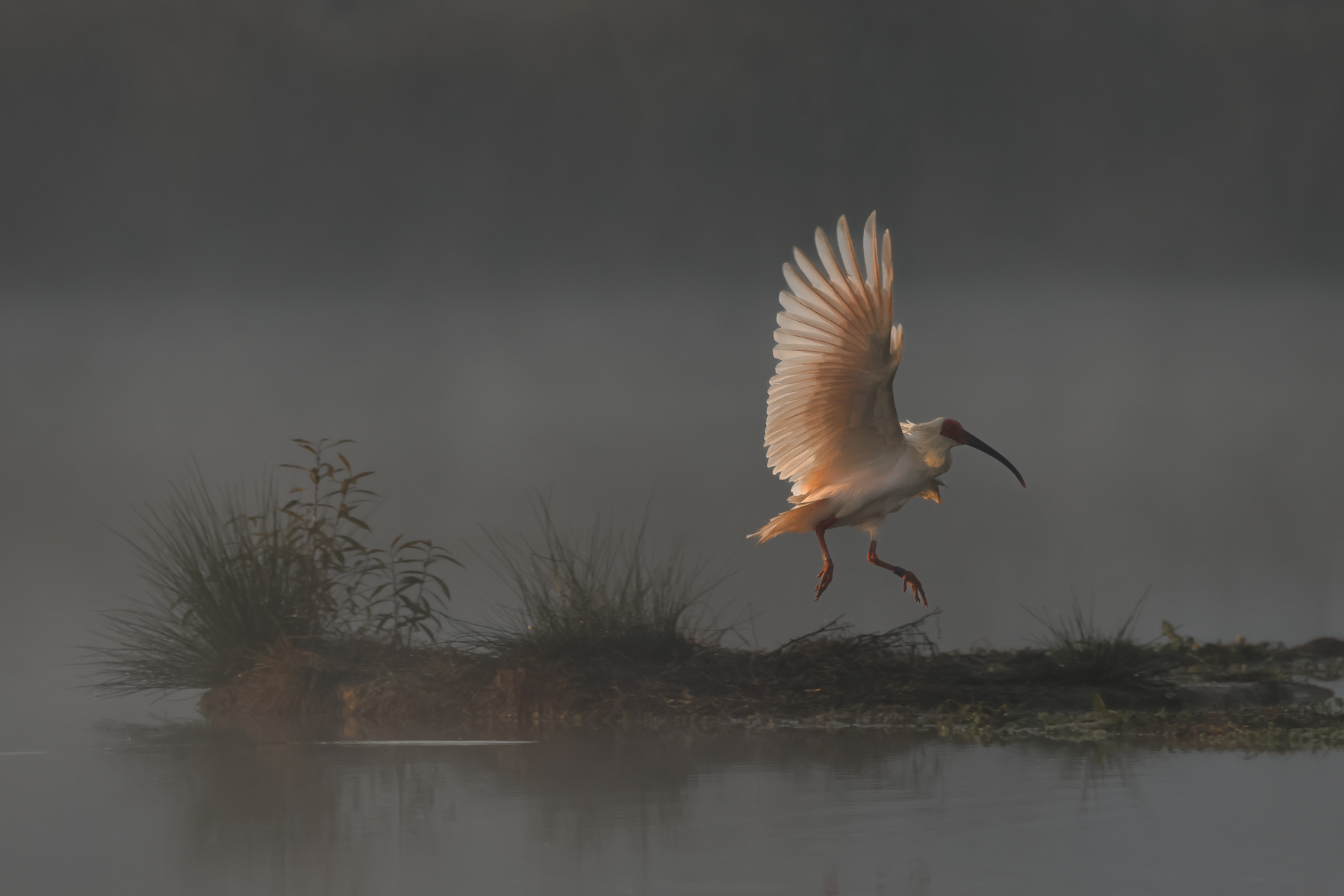
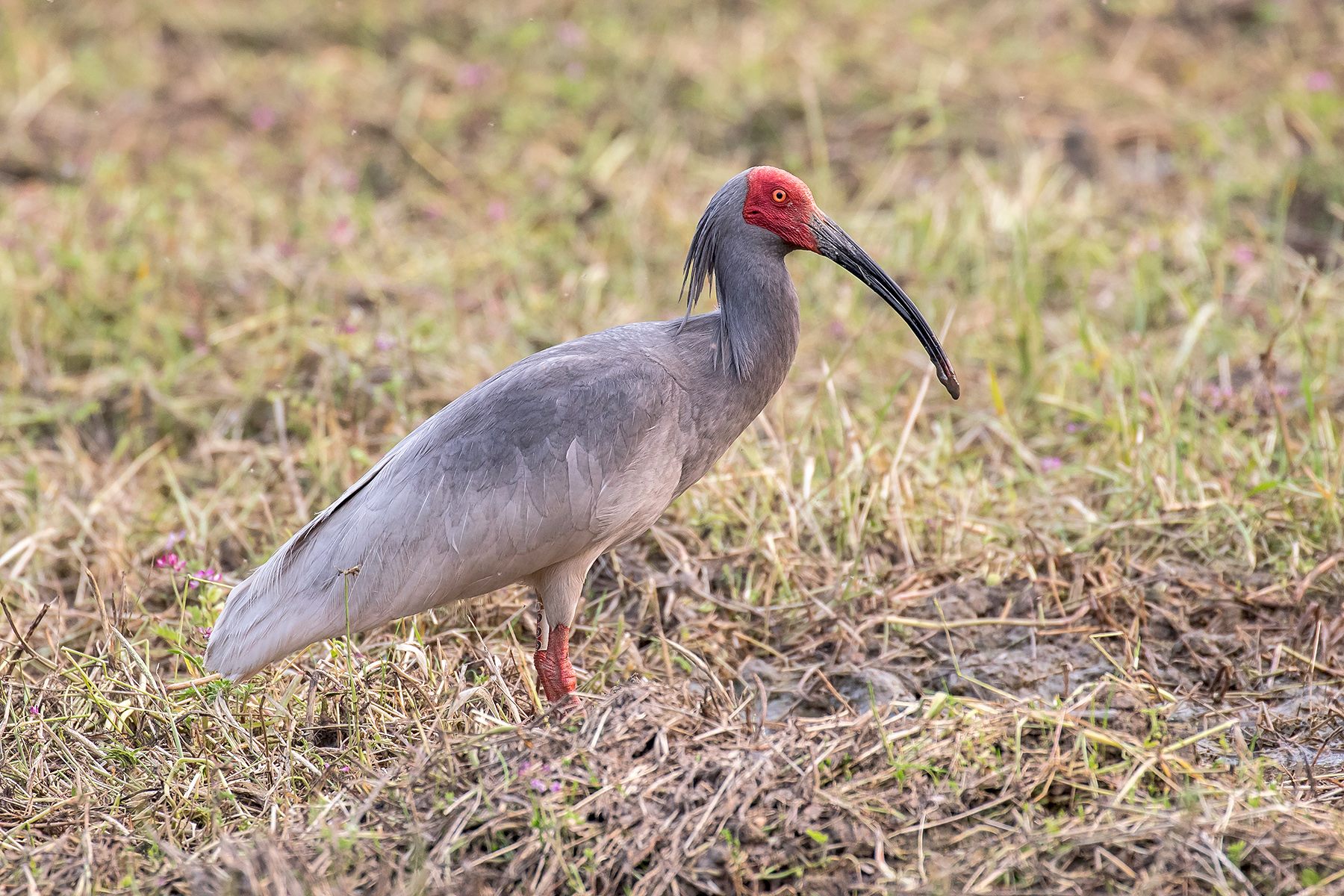
Crested Ibis (image by Pete Morris)
Red-throated Thrush (image by Hannu Jännes)
Crested Ibis (image by Vincent van der Spek)
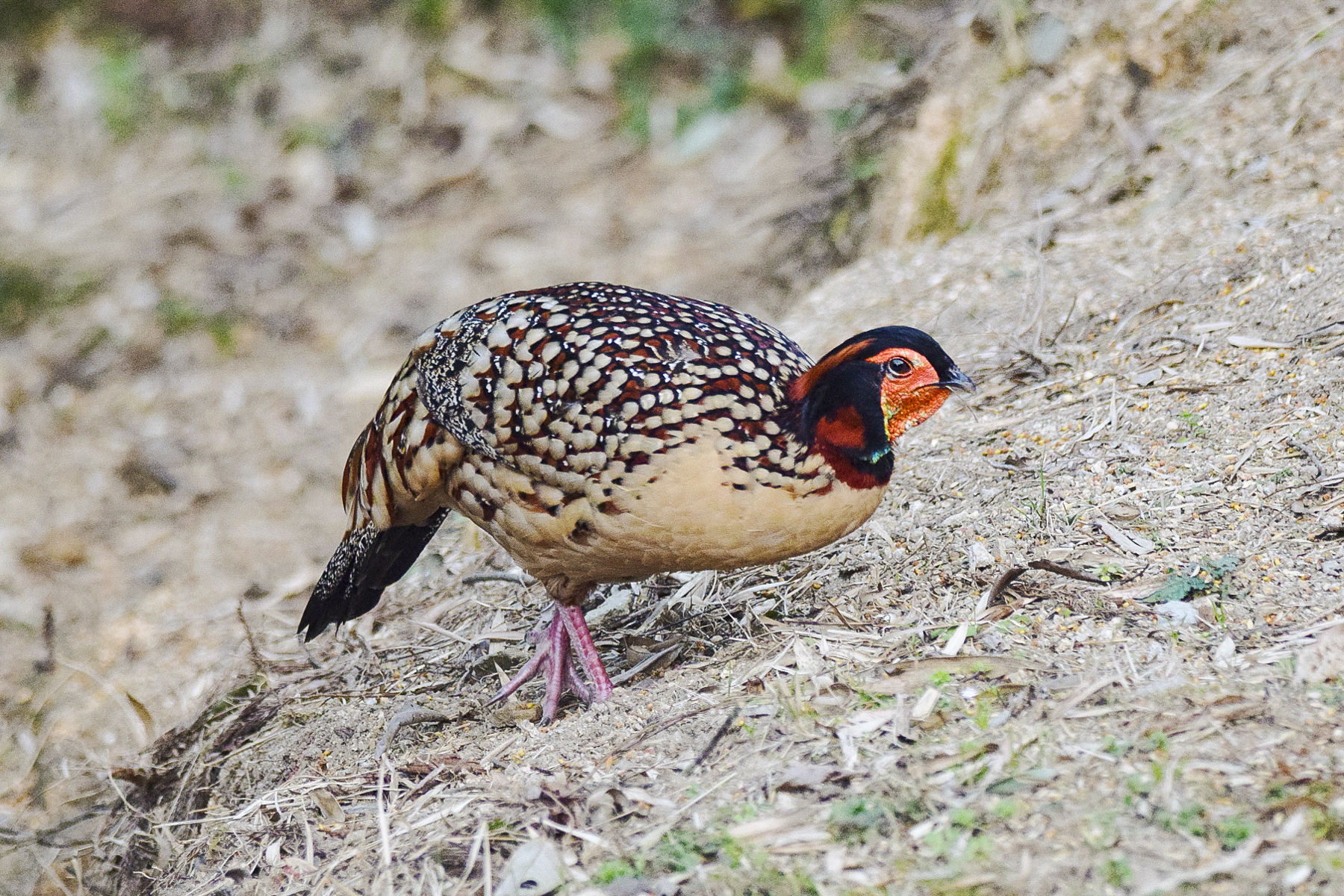
Cabot's Tragopans (image by Pete Morris)
Asian Rosy Finch (image by Mike Watson)
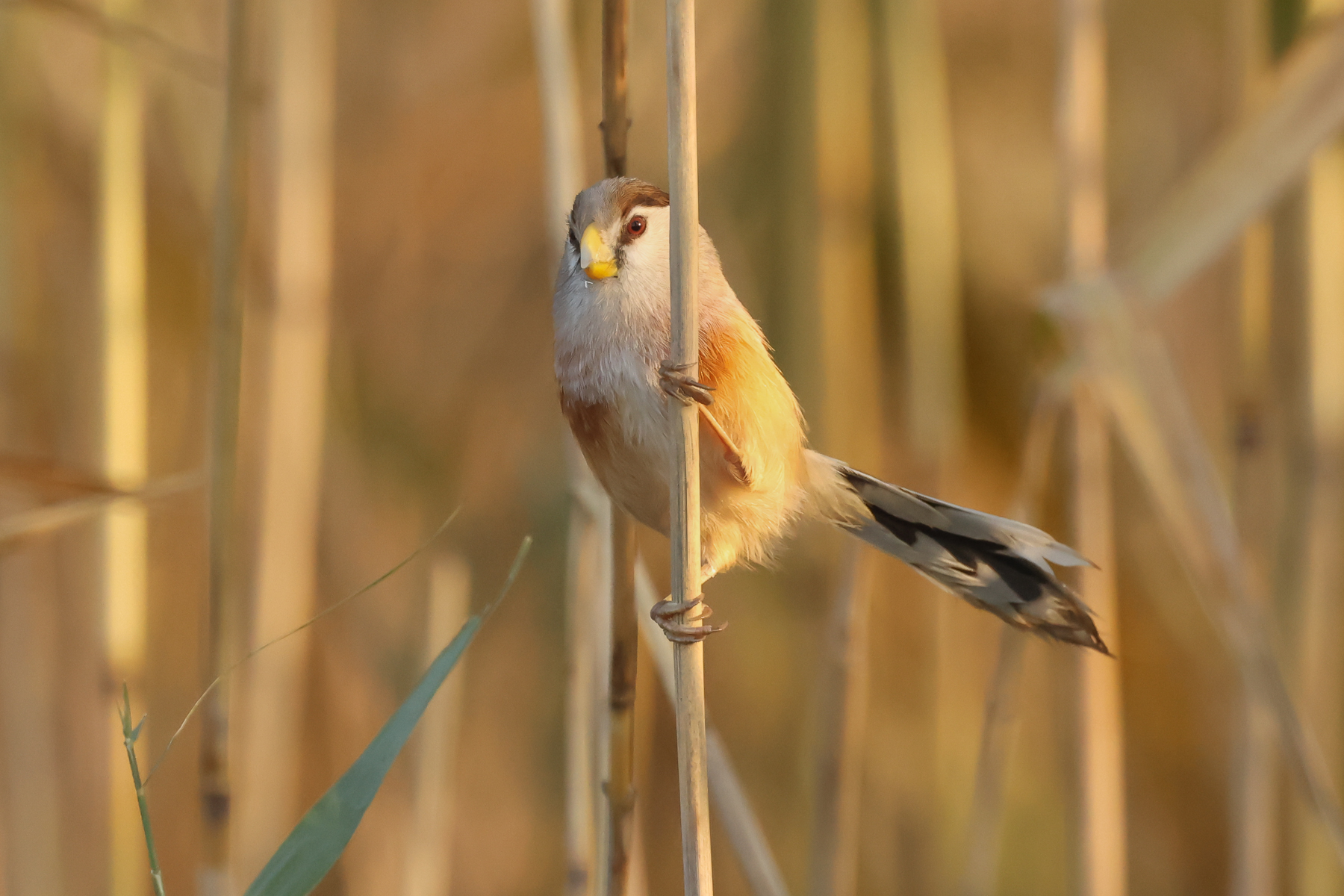
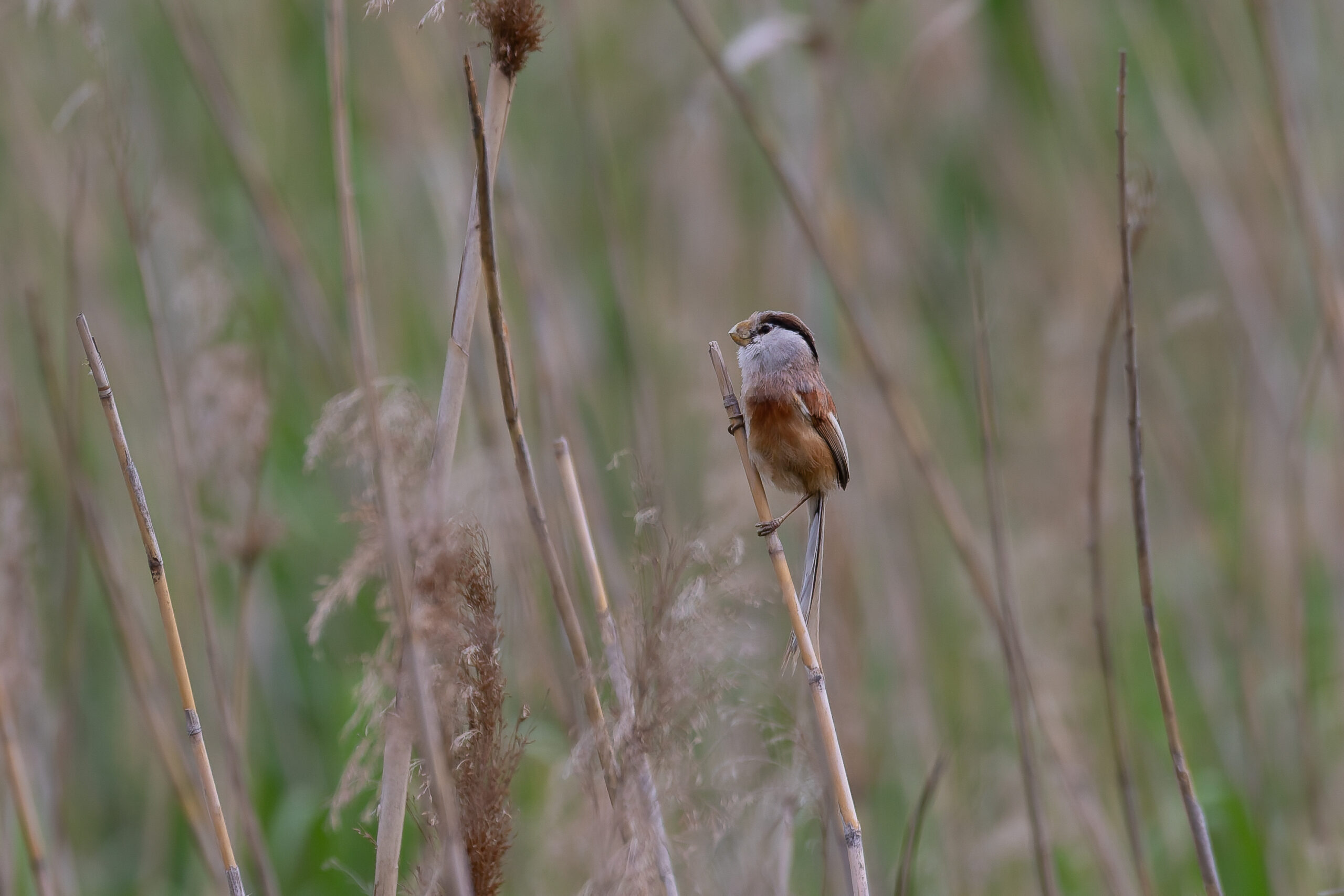
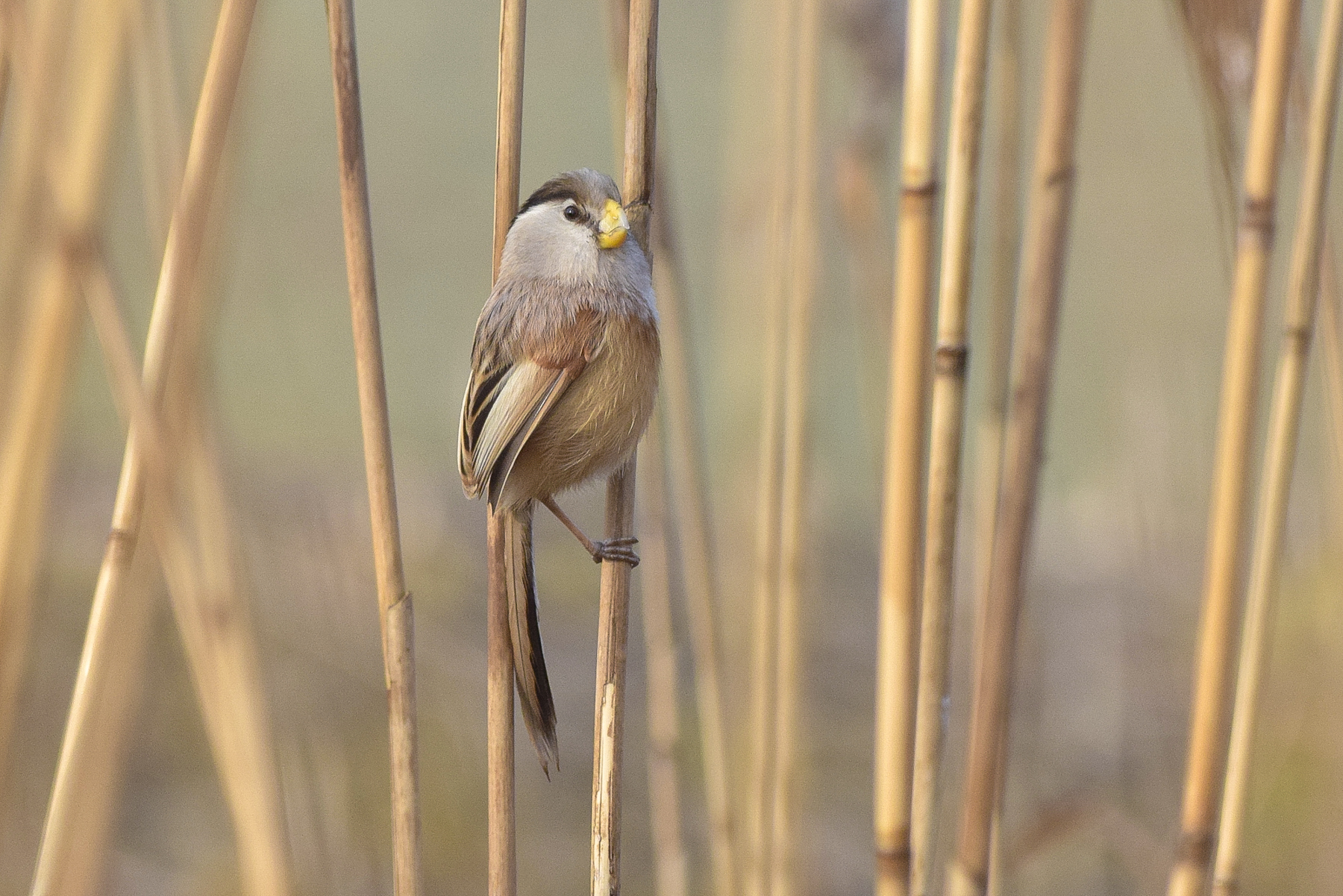
Reed Parrotbill (image by Vincent van der Spek)
Reeves's Pheasant (image by Pete Morris)
female Scaly-sided Merganser (image by Hannu Jännes)
Crested Kingfisher (image by Kevin Bollington)
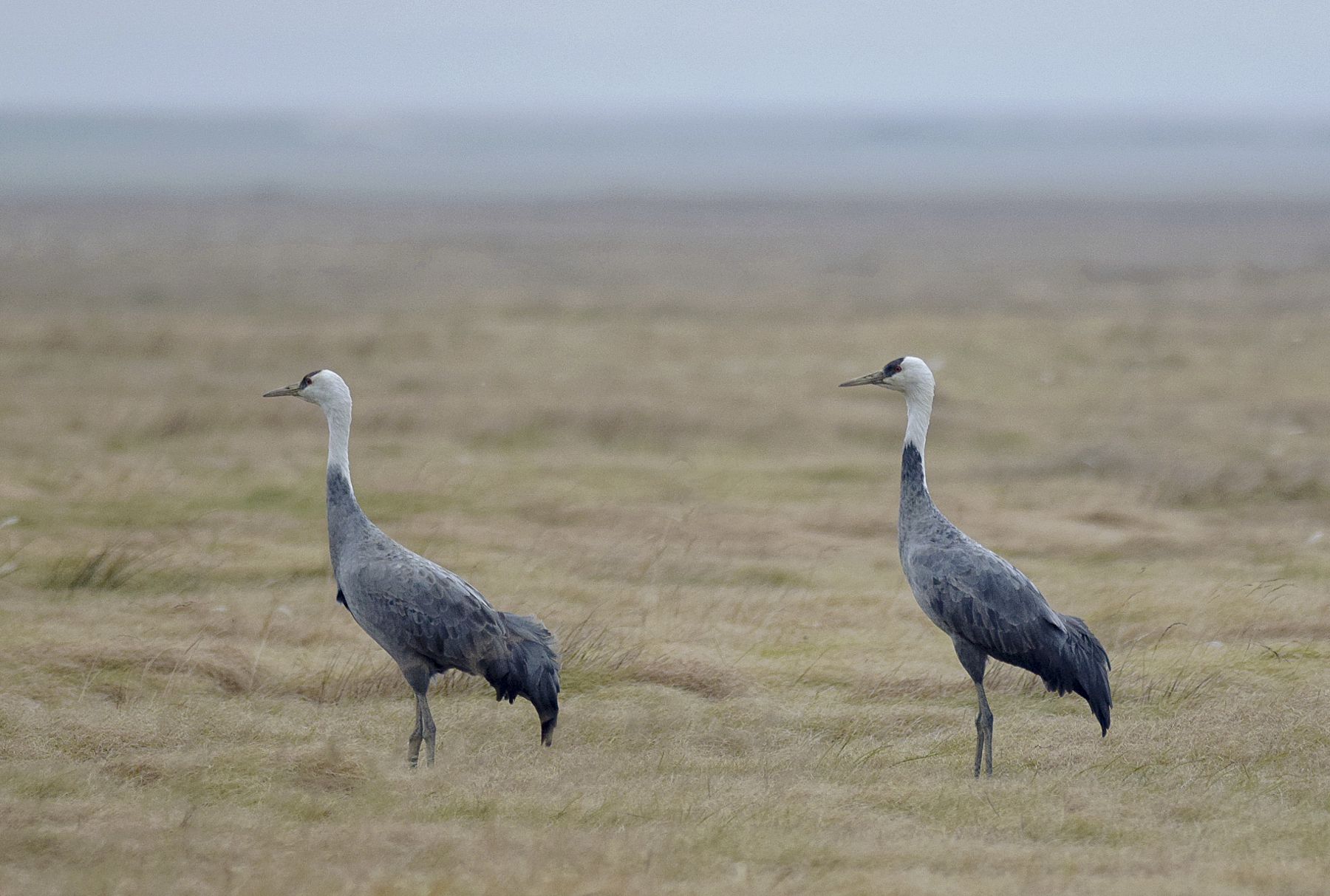
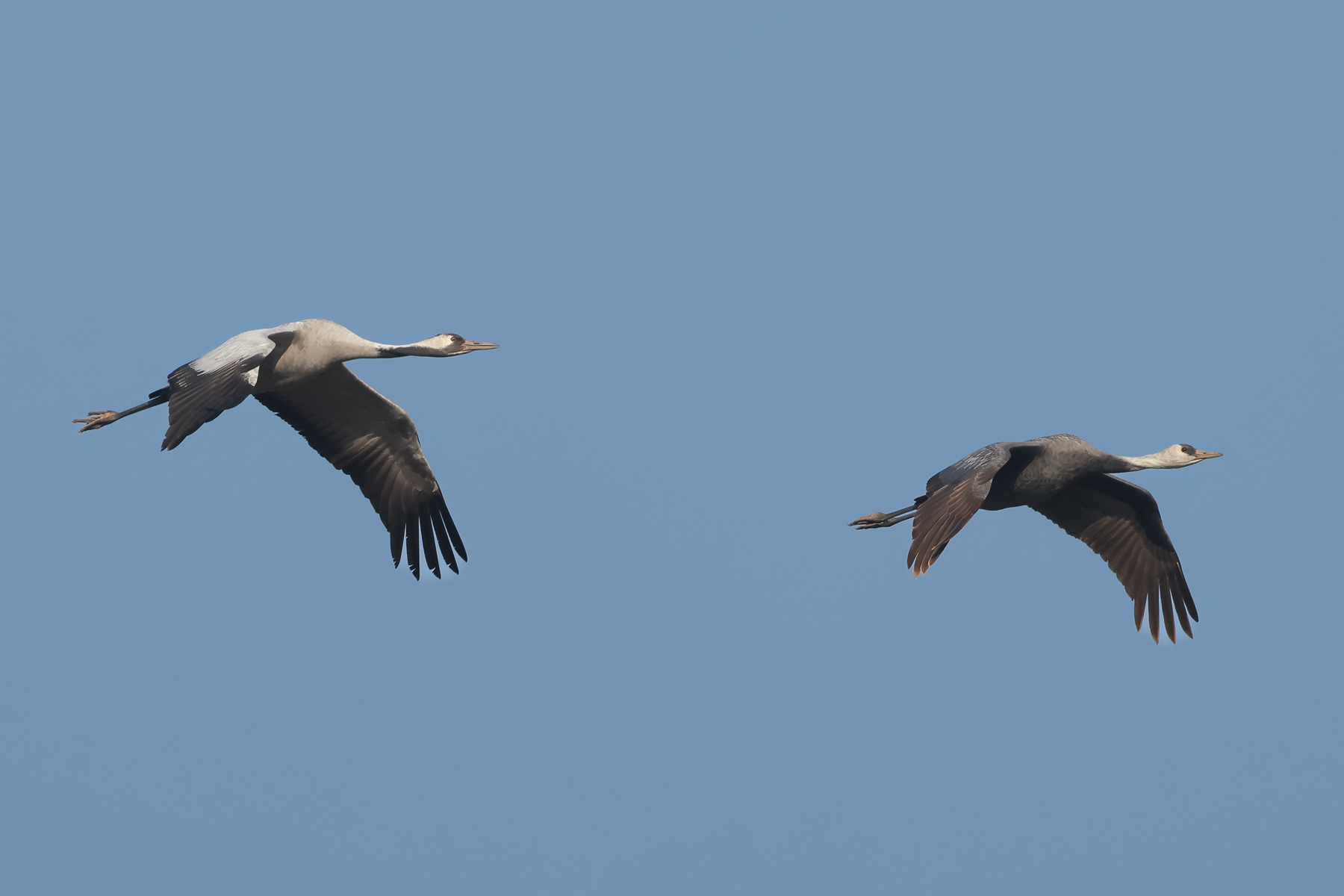
Hooded Crane (image by Pete Morris)
Light-vented Bulbul (image by Pete Morris)
Pied Falconet (image by Hannu Jännes)
Reed Parrotbill (image by Diedert Koppenol)
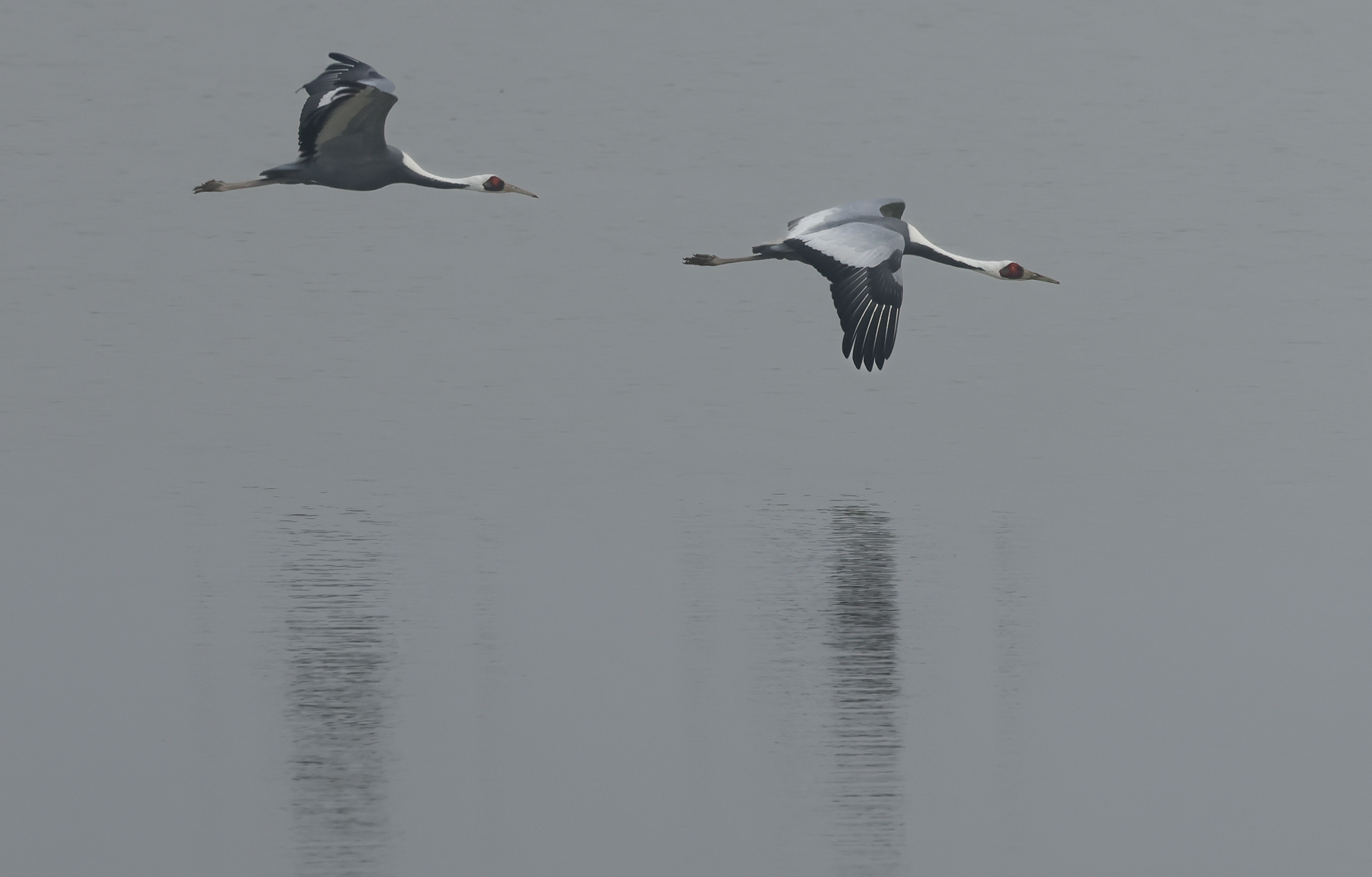
White-naped Cranes (image by Pete Morris)
Relict Gull (image by Hannu Jannes)
Marsh Grassbird (image by Pete Morris)
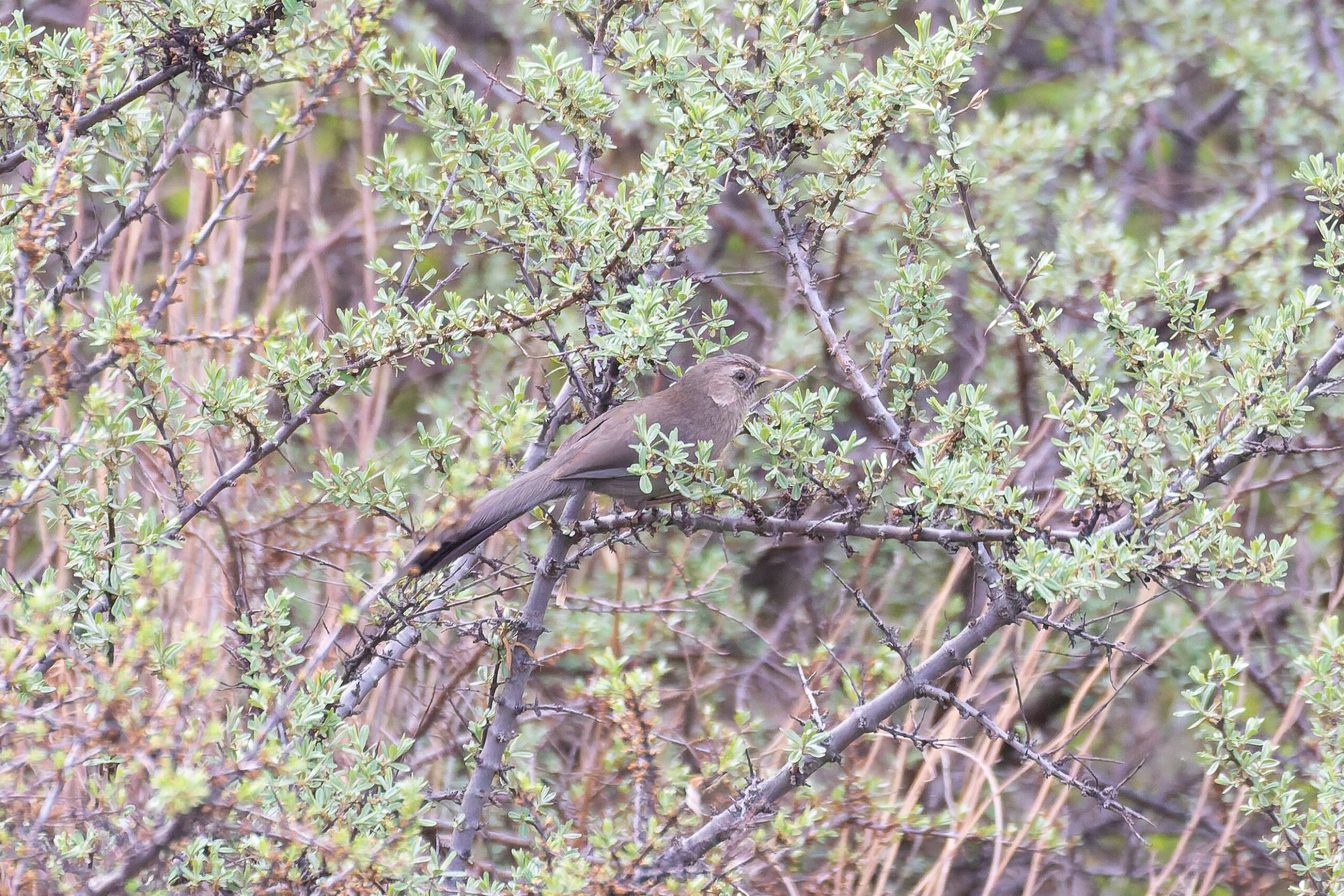
Plain Laughingthrush (image by Diedert Koppenol)
Pallas's Reed Bunting with Eastern Yellow Wagtail (image by Diedert Koppenol)
Plain Prinia (image by Hannu Jännes)
Meadow Bunting (image by Pete Morris)
Red-billed Starling (image by Pete Morris)
Hooded Cranes (image by Vincent van der Spek)
Dusky Thrush (image by Pete Morris)
Reed Parrotbill (image by Hannu Jännes)
Elliot's Pheasant (image by Vincent van der Spek)
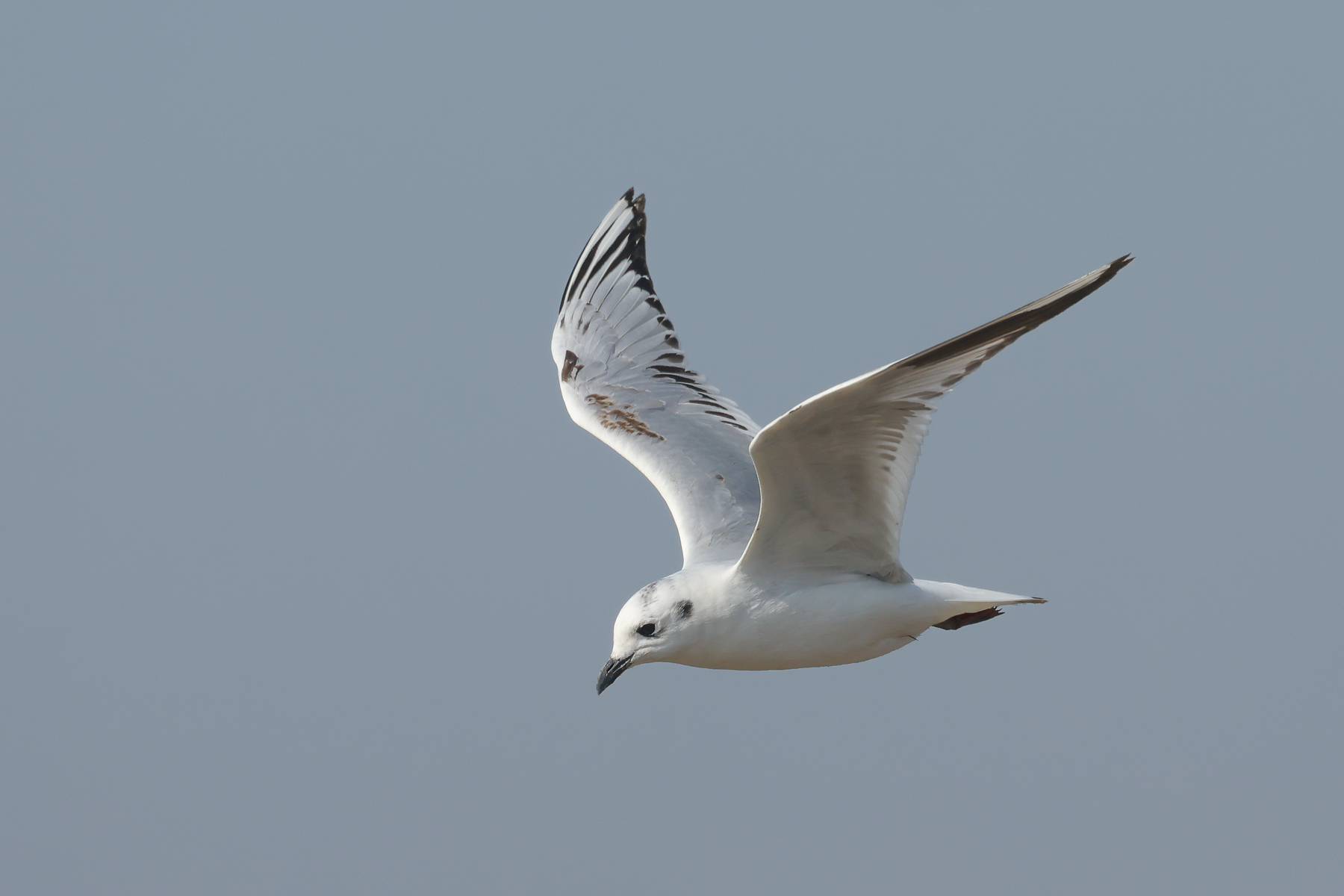
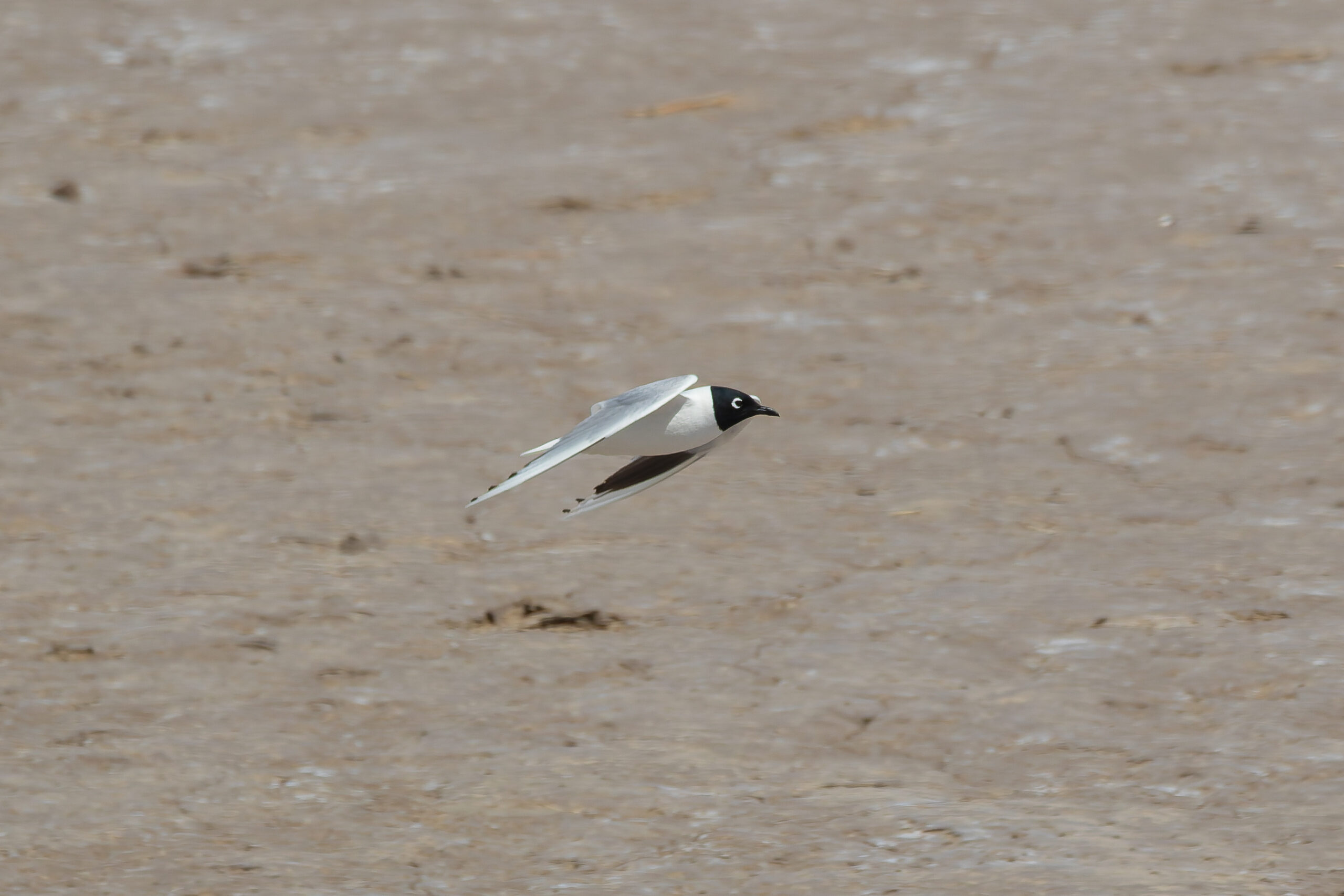
Saunders's Gull (image by Pete Morris)
Reeves's Pheasant (image by castigatio)
Crested Ibis (image by Pete Morris)
Drake Baer's Pochard (image by Pete Morris)
Chinese Beautiful Rosefinch (image by Diedert Koppenol)
Collared Crow (image by Pete Morris)
Chinese Hwamei (image by Diedert Koppenol)
Lingshan Mountains (image by Hannu Jännes)
male Daurian Redstart (image by Hannu Jännes)
Black-eared Kite (image by Pete Morris)
Asian Rosy Finch (image by Pete Morris)
Siberian Crane with Swan Geese and Tundra Swans (image by Hannu Jännes)
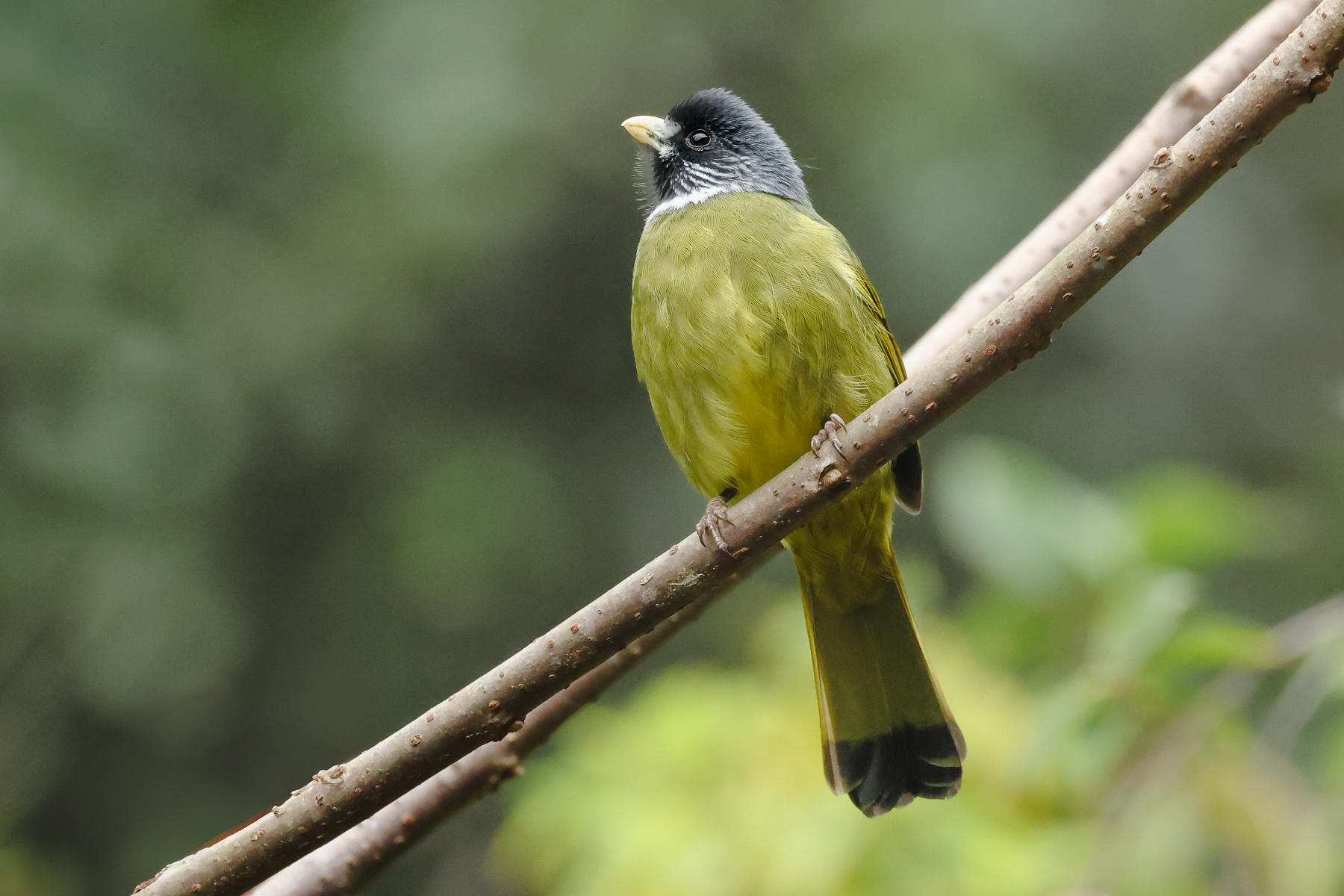
Collared Finchbill (image by Vincent van der Spek)
Reed Parrotbill (image by Diedert Koppenol)
Beijing Babbler (image by Hannu Jännes)
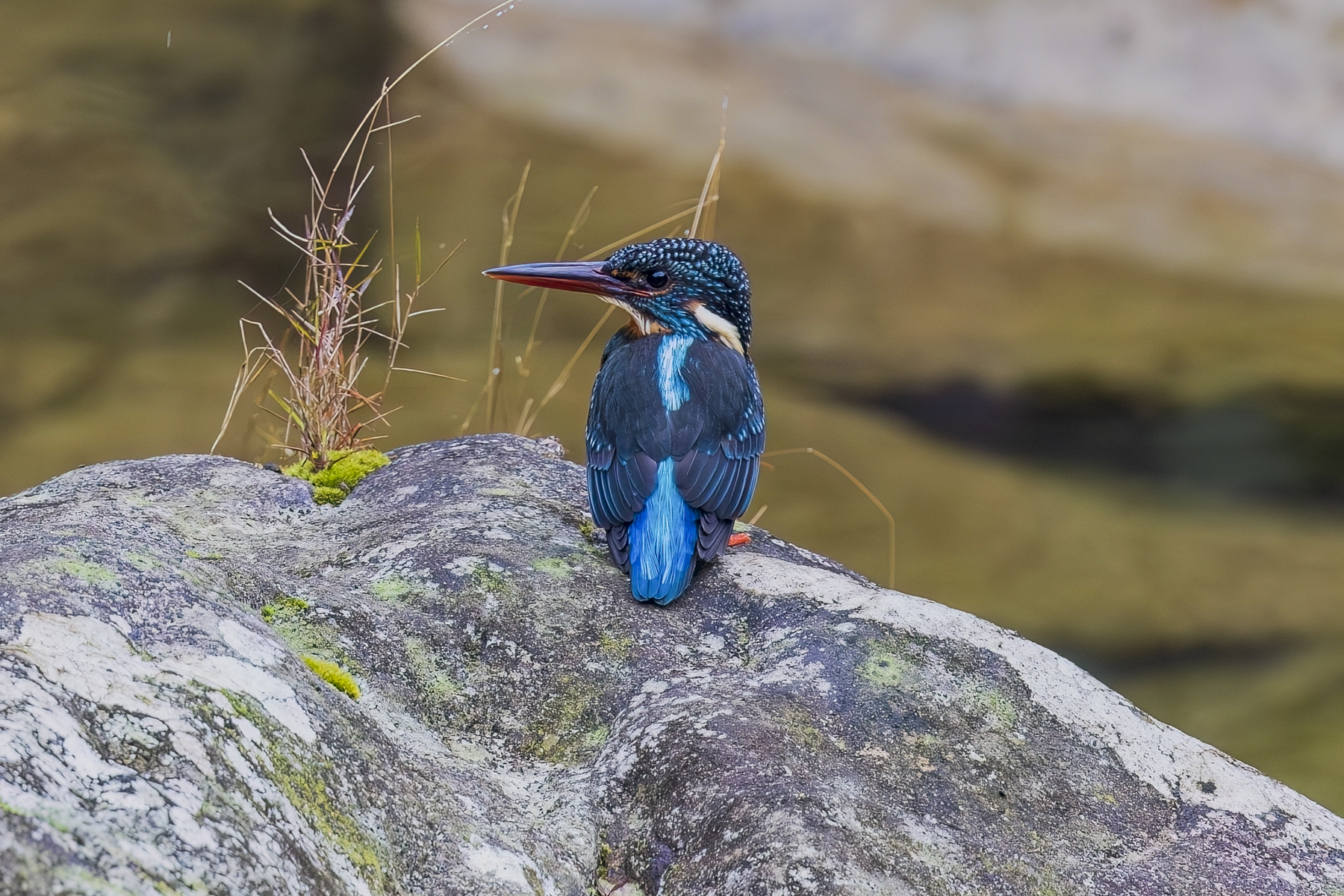
Blyth's Kingfisher (image by Dipankar)
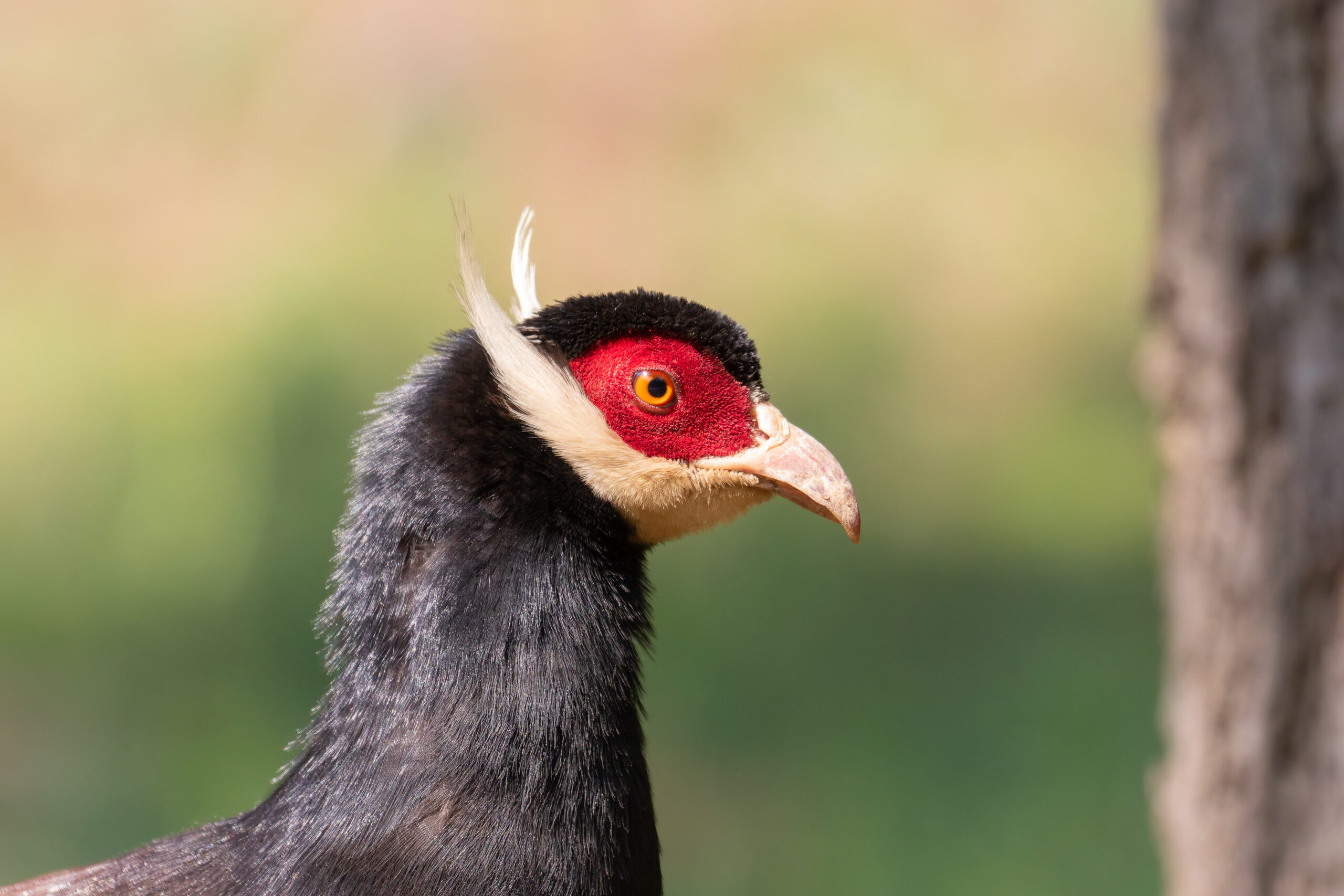
Brown Eared Pheasant (image by Diedert Koppenol)
(image by Diedert Koppenol)
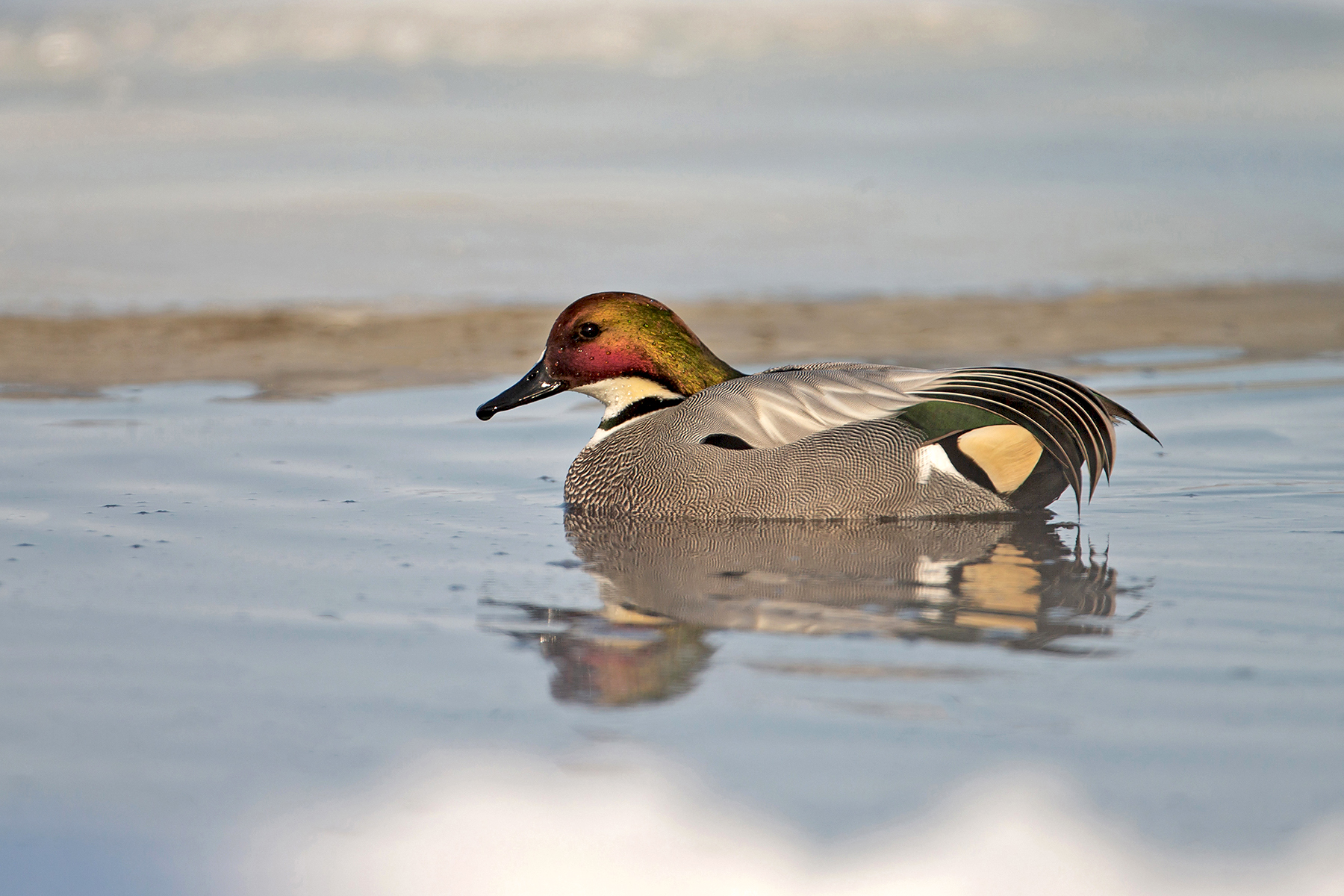
Falcated Duck (image by Mike Watson)
Saunders's Tern (image by Vincent van der Spek)
Yellow-throated Bunting (image by Diedert Koppenol)
Mandarin Duck (image by Pete Morris)
Chinese Grey Shrike (image by Pete Morris)
Plain Laughingthrush (image by Hannu Jännes)
Yellow-bellied Tit (image by Hannu Jannes)
Beijing Babbler (image by Pete Morris)
White-naped Cranes (image by Hannu Jannes)
Siberian Cranes (image by Vincent van der Spek)
Cabot's Tragopan (image by Vincent van der Spek)
White-naped Cranes (image by Vincent van der Spek)
Chinese Grosbeak (image by Pete Morris)
Reed Parrotbill (image by Vincent van der Spek)
Siberian Crane (image by Hannu Jännes)
Crested Ibis (image by Pete Morris)
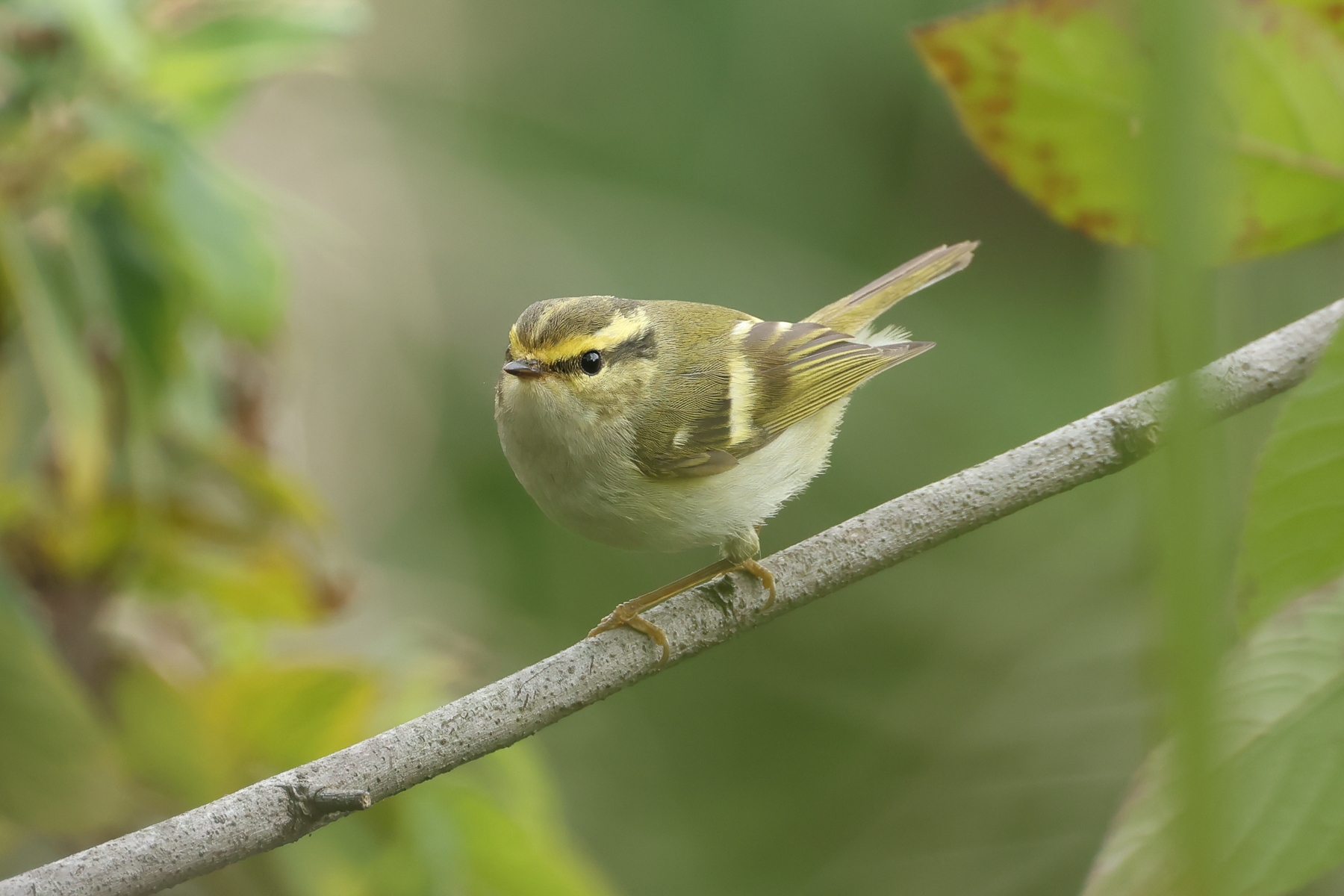
Pallas's Leaf Warbler (image by Vincent van der Spek)
Drake Baer's Pochard (image by Pete Morris)
Reeves's Pheasant drumming (image by Hannu Jännes)
Moustached Laughingthrush (image by Pete Morris)
Saunders's Gull (image by Diedert Koppenol)
Elliot's Pheasants (image by Vincent van der Spek)
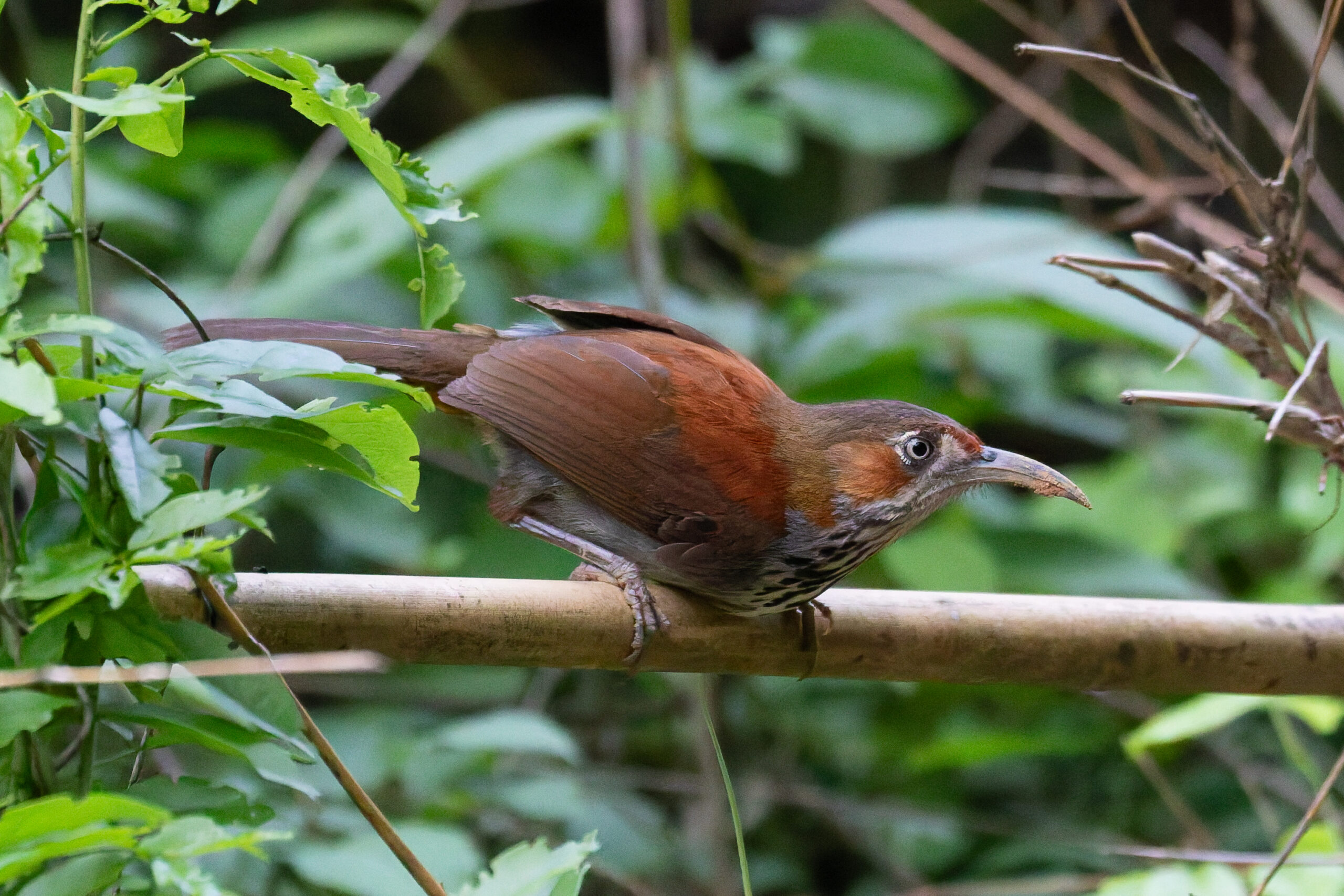
Grey-sided Scimitar Babbler (image by Diedert Koppenol)
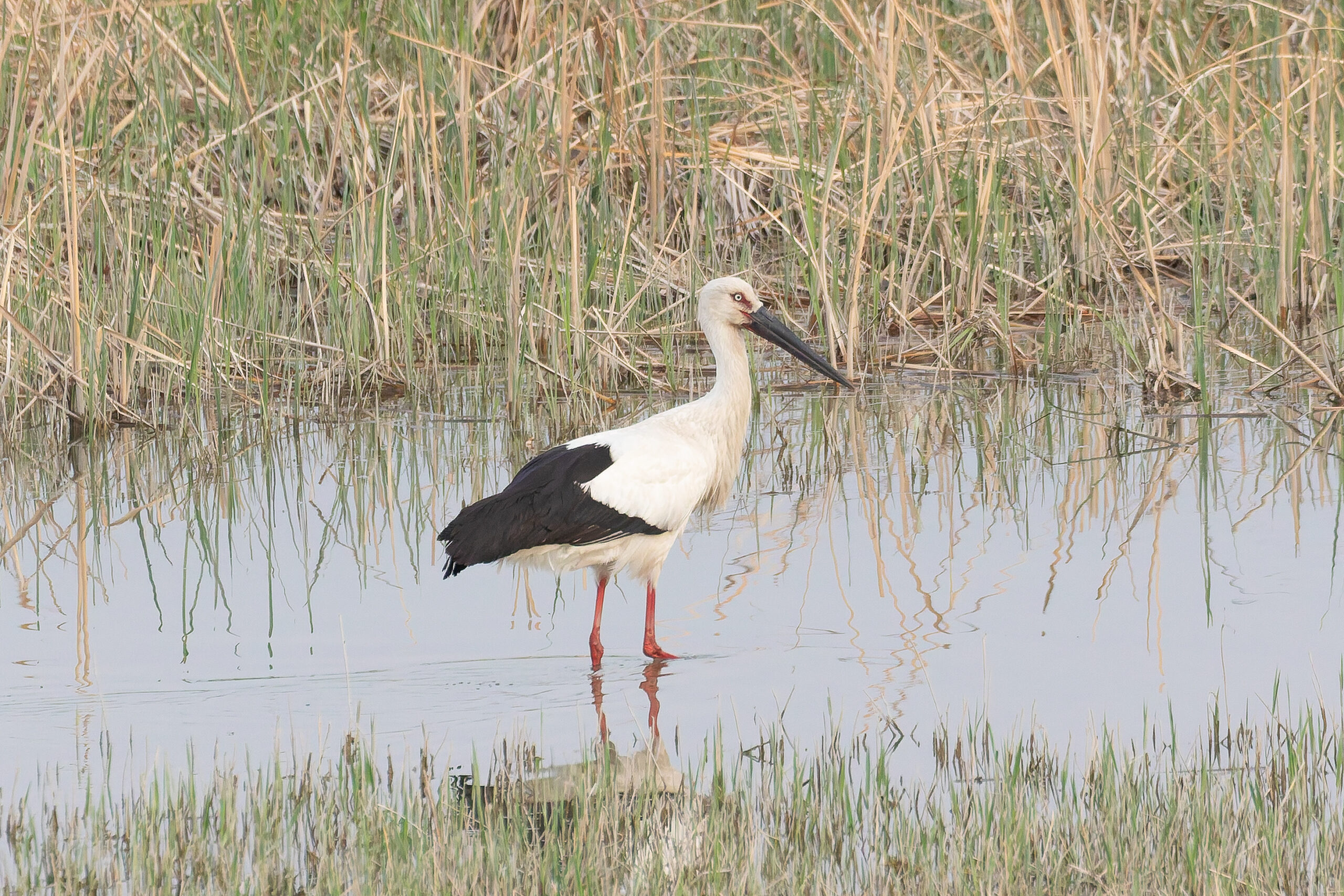
the endangered Oriental Stork (image by Diedert Koppenol)
Chinese Beautiful Rosefinch (image by Diedert Koppenol)
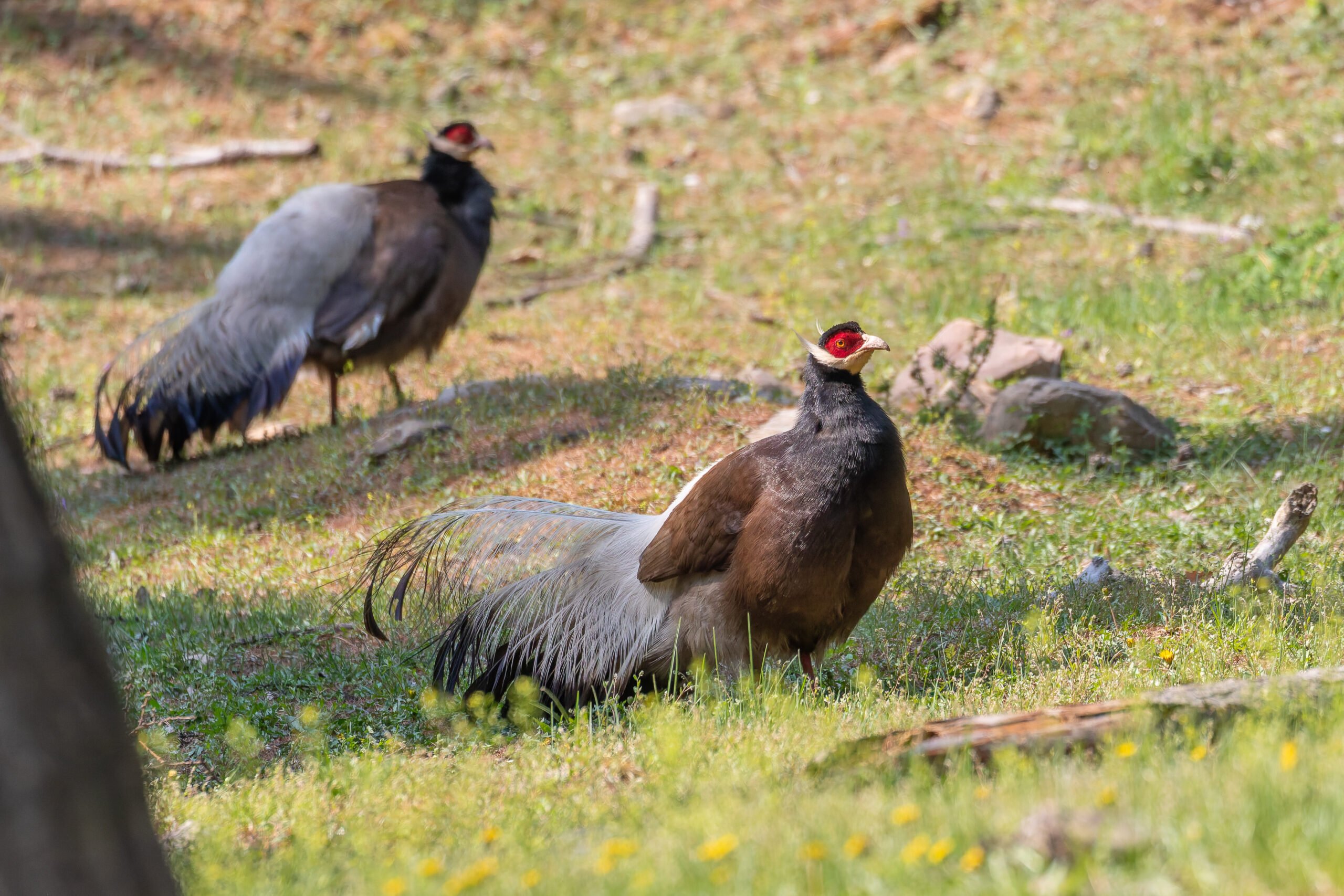
Brown Eared Pheasant (image by Diedert Koppenol)
'Songar' Tit (image by Hannu Jännes)
Pallas's Rosefinch (image by Dave Farrow)
Beijing Babbler (image by Diedert Koppenol)
Siberian Accentor (image by Hannu Jännes)
Reeves's Pheasant (image by Diedert Koppenol)
Brown Eared Pheasants (image by Diedert Koppenol)
male Scaly-sided Merganser (image by Hannu Jännes)
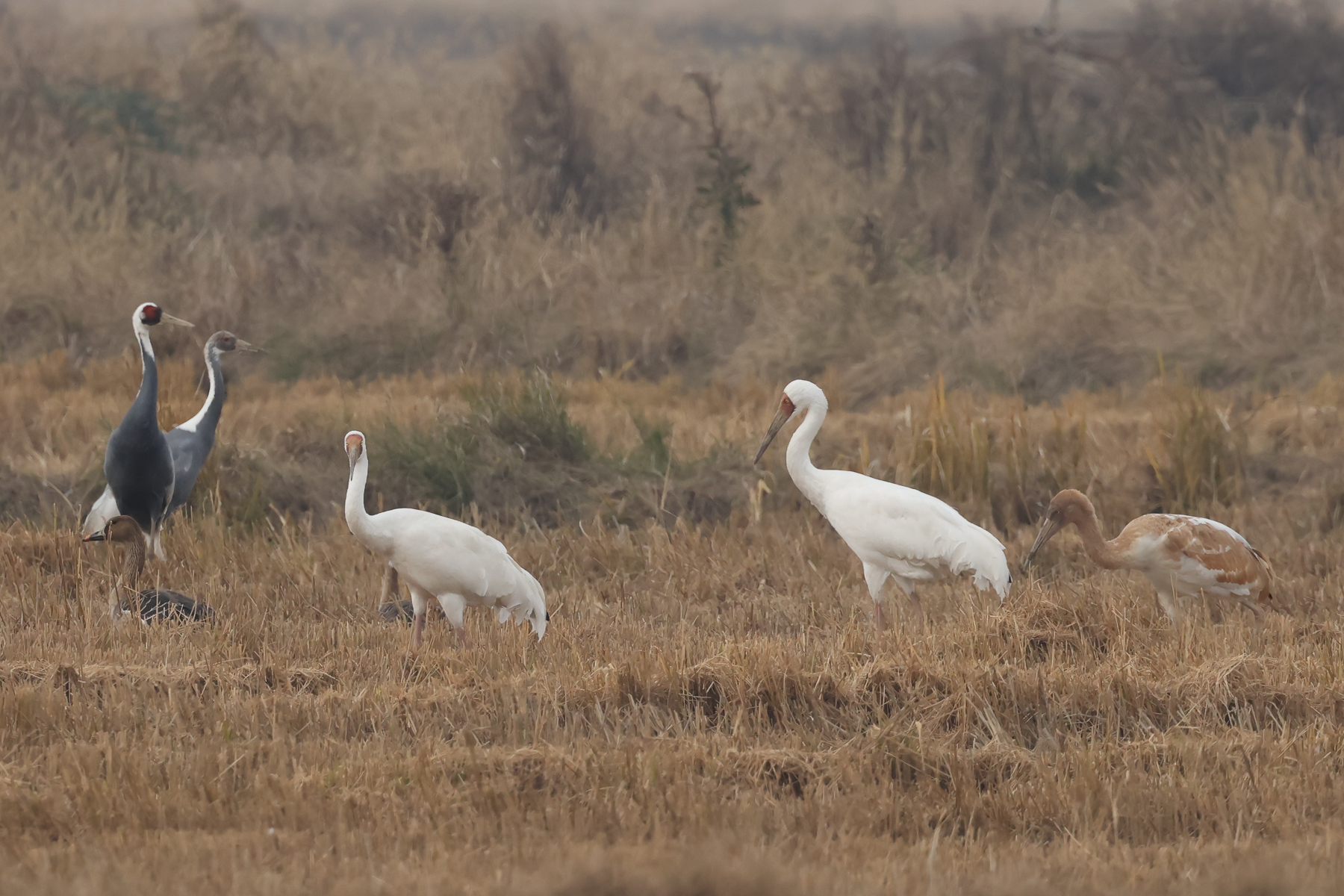
Siberian and White-naped Cranes (image by Vincent van der Spek)
Tristram's Bunting (image by Diedert Koppenol)
Brown-eared Pheasant (image by Pete Morris)
Japanese Waxwing (image by Pete Morris)
Hooded and Common Cranes (image by Vincent van der Spek)
Fork-tailed Sunbird (image by Pete Morris)
White-naped Cranes (image by Mike Watson)
Swan Goose (image by Hannu Jännes)
Swan Goose (image by Hannu Jannes)
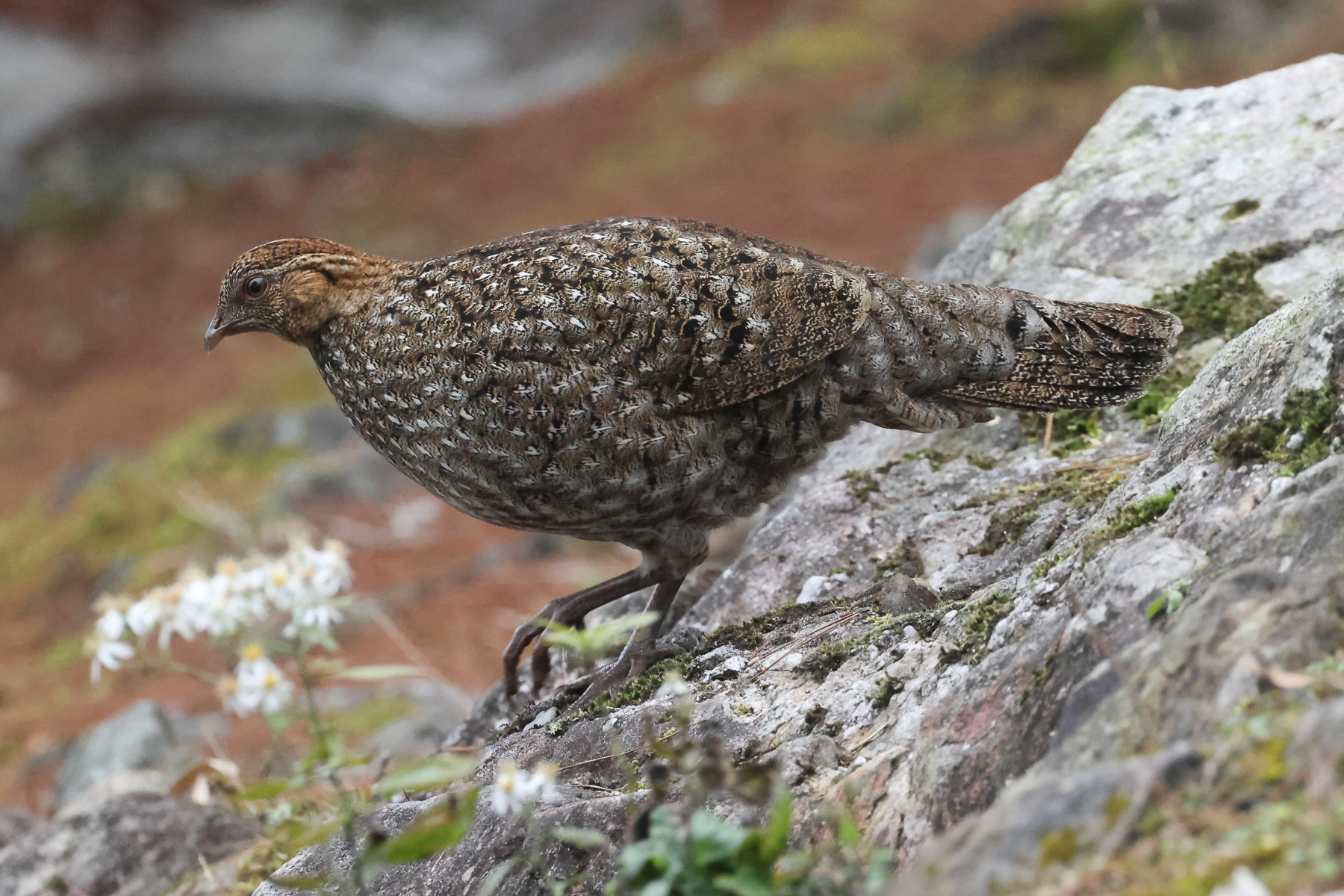
Cabot's Tragopan female (image by Vincent van der Spek)
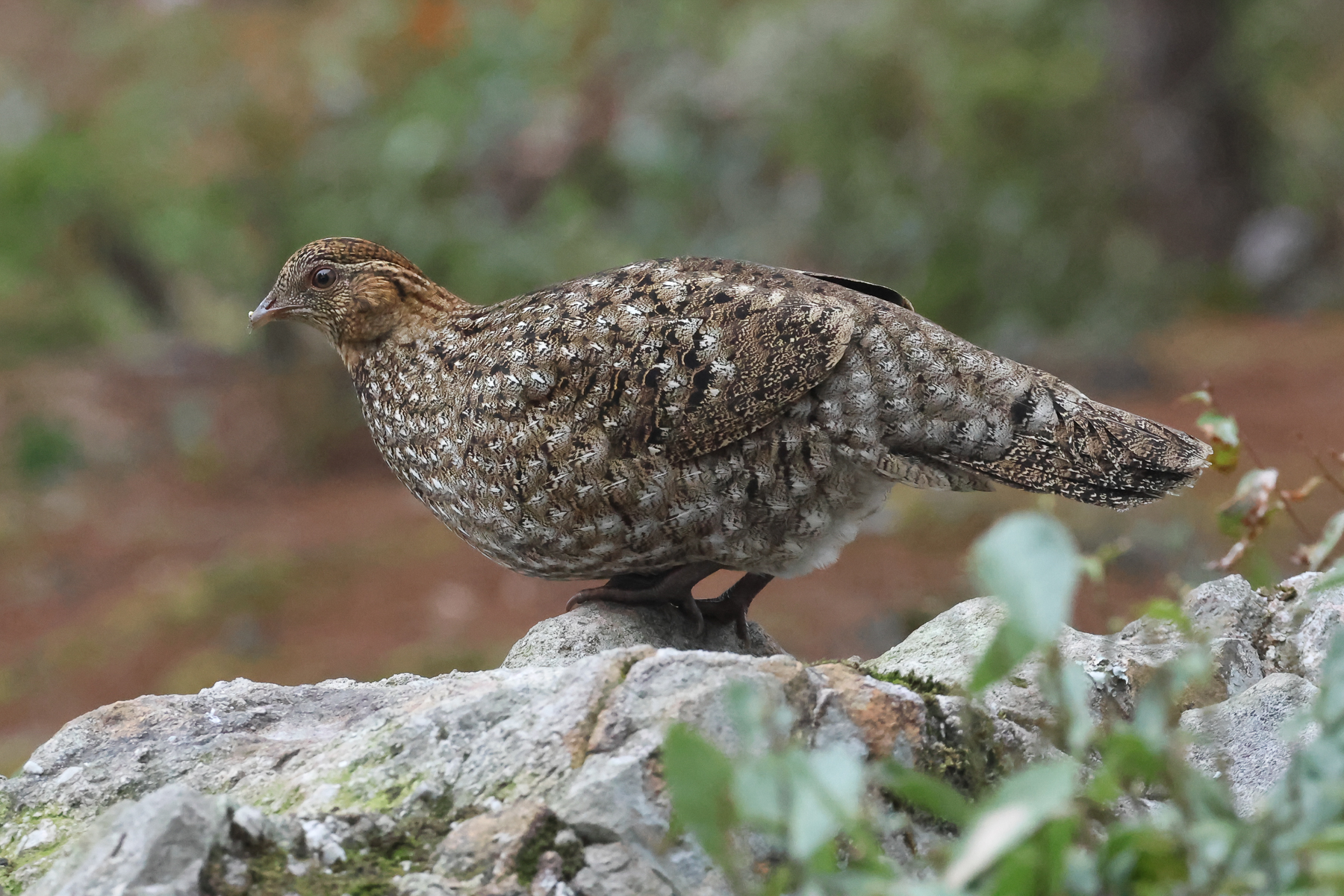
Cabot's Tragopan female (image by Vincent van der Spek)
Chinese Nuthatch (image by Hannu Jannes)
Silver Pheasant (image by Pete Morris)
Daurian Redstart (image by Pete Morris)
Reeves's Pheasant (image by Diedert Koppenol)
Brown-eared Pheasant (image by Pete Morris)
Dusky Thrush (image by Mike Watson)
Fork-tailed Sunbird (image by Hannu Jännes)
Grey-sided Scimitar Babbler (image by Hannu Jännes)
Saunders's Gull (image by Pete Morris)
Common Pheasant (image by Pete Morris)
Cabot's Tragopan (image by Vincent van der Spek)
Swan Goose (image by Pete Morris)
Güldenstädt's Redstart (image by Hannu Jännes)
Yellow-throated Bunting (image by Diedert Koppenol)
Yellow-throated Bunting (image by Diedert Koppenol)
Relict Gull (image by Hannu Jännes)
Reeves's Pheasant (image by Diedert Koppenol)
Oriental Stork (image by Hannu Jännes)


Pallas's Rosefinch (image by Pete Morris)
Siberian Crane (image by Hannu Jännes)
Elliot's Pheasant (image by Vincent van der Spek)
Chestnut Bulbul (image by Vincent van der Spek)
Mandarin Ducks (image by Pete Morris)
Long-billed Plover (image by Pete Morris)
Yellow-throated Bunting (image by Pete Morris)
Pied Falconet (image by Pete Morris)
Chinese Hwamei (image by Diedert Koppenol)
Siberian Cranes (image by Hannu Jannes)
Reeves's Pheasant (image by Wang Liqiang)
Mandarin Duck (image by Diedert Koppenol)
Reeves's Pheasant (image by Diedert Koppenol)
Crested Ibis (image by Pete Morris)
Red-throated Thrush (image by Hannu Jännes)
Crested Ibis (image by Vincent van der Spek)
Cabot's Tragopans (image by Pete Morris)
Asian Rosy Finch (image by Mike Watson)
Reed Parrotbill (image by Vincent van der Spek)
Reeves's Pheasant (image by Pete Morris)
female Scaly-sided Merganser (image by Hannu Jännes)
Crested Kingfisher (image by Kevin Bollington)
Hooded Crane (image by Pete Morris)
Light-vented Bulbul (image by Pete Morris)
Pied Falconet (image by Hannu Jännes)
Reed Parrotbill (image by Diedert Koppenol)
White-naped Cranes (image by Pete Morris)
Relict Gull (image by Hannu Jannes)
Marsh Grassbird (image by Pete Morris)
Plain Laughingthrush (image by Diedert Koppenol)
Pallas's Reed Bunting with Eastern Yellow Wagtail (image by Diedert Koppenol)
Plain Prinia (image by Hannu Jännes)
Meadow Bunting (image by Pete Morris)
Red-billed Starling (image by Pete Morris)
Hooded Cranes (image by Vincent van der Spek)
Dusky Thrush (image by Pete Morris)
Reed Parrotbill (image by Hannu Jännes)
Elliot's Pheasant (image by Vincent van der Spek)
Saunders's Gull (image by Pete Morris)
Reeves's Pheasant (image by castigatio)
Crested Ibis (image by Pete Morris)
Drake Baer's Pochard (image by Pete Morris)
Chinese Beautiful Rosefinch (image by Diedert Koppenol)
Collared Crow (image by Pete Morris)
Chinese Hwamei (image by Diedert Koppenol)
Lingshan Mountains (image by Hannu Jännes)
male Daurian Redstart (image by Hannu Jännes)
Black-eared Kite (image by Pete Morris)
Asian Rosy Finch (image by Pete Morris)
Siberian Crane with Swan Geese and Tundra Swans (image by Hannu Jännes)
Collared Finchbill (image by Vincent van der Spek)
Reed Parrotbill (image by Diedert Koppenol)
Beijing Babbler (image by Hannu Jännes)
Blyth's Kingfisher (image by Dipankar)
Brown Eared Pheasant (image by Diedert Koppenol)
(image by Diedert Koppenol)
Falcated Duck (image by Mike Watson)
Saunders's Tern (image by Vincent van der Spek)
Yellow-throated Bunting (image by Diedert Koppenol)
Mandarin Duck (image by Pete Morris)
Chinese Grey Shrike (image by Pete Morris)
Plain Laughingthrush (image by Hannu Jännes)
Yellow-bellied Tit (image by Hannu Jannes)
Beijing Babbler (image by Pete Morris)
White-naped Cranes (image by Hannu Jannes)
Siberian Cranes (image by Vincent van der Spek)
Cabot's Tragopan (image by Vincent van der Spek)
White-naped Cranes (image by Vincent van der Spek)
Chinese Grosbeak (image by Pete Morris)
Reed Parrotbill (image by Vincent van der Spek)
Siberian Crane (image by Hannu Jännes)
Crested Ibis (image by Pete Morris)
Pallas's Leaf Warbler (image by Vincent van der Spek)
Drake Baer's Pochard (image by Pete Morris)
Reeves's Pheasant drumming (image by Hannu Jännes)
Moustached Laughingthrush (image by Pete Morris)
Saunders's Gull (image by Diedert Koppenol)
Elliot's Pheasants (image by Vincent van der Spek)
Grey-sided Scimitar Babbler (image by Diedert Koppenol)
the endangered Oriental Stork (image by Diedert Koppenol)
Chinese Beautiful Rosefinch (image by Diedert Koppenol)
Brown Eared Pheasant (image by Diedert Koppenol)
'Songar' Tit (image by Hannu Jännes)
Pallas's Rosefinch (image by Dave Farrow)
Beijing Babbler (image by Diedert Koppenol)
Siberian Accentor (image by Hannu Jännes)
Reeves's Pheasant (image by Diedert Koppenol)
Brown Eared Pheasants (image by Diedert Koppenol)
male Scaly-sided Merganser (image by Hannu Jännes)
Siberian and White-naped Cranes (image by Vincent van der Spek)
Tristram's Bunting (image by Diedert Koppenol)
Brown-eared Pheasant (image by Pete Morris)
Japanese Waxwing (image by Pete Morris)
Hooded and Common Cranes (image by Vincent van der Spek)
Fork-tailed Sunbird (image by Pete Morris)
White-naped Cranes (image by Mike Watson)
Swan Goose (image by Hannu Jännes)
Swan Goose (image by Hannu Jannes)
Cabot's Tragopan female (image by Vincent van der Spek)
Cabot's Tragopan female (image by Vincent van der Spek)
Chinese Nuthatch (image by Hannu Jannes)
Silver Pheasant (image by Pete Morris)
Daurian Redstart (image by Pete Morris)
Reeves's Pheasant (image by Diedert Koppenol)
Brown-eared Pheasant (image by Pete Morris)
Dusky Thrush (image by Mike Watson)
Fork-tailed Sunbird (image by Hannu Jännes)
Grey-sided Scimitar Babbler (image by Hannu Jännes)
Saunders's Gull (image by Pete Morris)
Common Pheasant (image by Pete Morris)
Cabot's Tragopan (image by Vincent van der Spek)
Swan Goose (image by Pete Morris)
Güldenstädt's Redstart (image by Hannu Jännes)
Yellow-throated Bunting (image by Diedert Koppenol)
Yellow-throated Bunting (image by Diedert Koppenol)
Relict Gull (image by Hannu Jännes)
Reeves's Pheasant (image by Diedert Koppenol)
Oriental Stork (image by Hannu Jännes)


|
Tuesday 11th January – Wednesday 26th January 2028 Leaders: Vincent van der Spek and a local bird guide |
16 Days | Group Size Limit 8 (tour guaranteed) |
Birdquest’s Eastern China in Winter birding tours offer a most unusual and truly spectacular Chinese birding experience. Our Eastern China in Winter tour records many species that cannot be seen on spring tours to the country, or which are impracticable to include at that season, or which simply give a far better birding experience in winter. In particular, it features awesome encounters with a series of magnificent endemic pheasants at close range (some from photo hides/blinds), flocks of Siberian Cranes and Oriental Storks, Crested Ibises and Scaly-sided Mergansers. What a combination!
Our China in Winter tour features Cabot’s Tragopan, Brown Eared Pheasant, Reeves’s, Elliot’s and Silver Pheasants, the splendid but Critically Endangered Siberian Crane at its only remaining wintering area at Poyang Hu, White-naped and Hooded Cranes, the Critically Endangered Oriental Stork, the Endangered Crested Ibis, Swan and Lesser White-fronted Geese, Mandarin Duck (the wild ones), the Critically Endangered Baer’s Pochard, the Endangered Scaly-sided Merganser, Relict and Saunders’s Gulls, Pied Falconet, Collared Crow, Marsh Grassbird, Reed and Vinous-throated Parrotbills, Beijing Babbler, Grey-sided Scimitar Babbler, Huet’s Fulvetta, Plain (or Pere David’s) and Masked Laughingthrushes, Chinese Hwamei, Red-throated, Naumann’s and Dusky Thrushes, Silver-throated Bushtit, Chinese Nuthatch, Siberian Accentor, Pallas’s, Long-tailed and Chinese Beautiful Rosefinches, and Yellow-browed, Tristram’s, Rustic, Chestnut-eared, Ochre-rumped (or Japanese Reed) and Pallas’s Reed Buntings. Japanese Waxwing is also possible during invasion years.
The huge and varied country that is China boasts an extraordinary bird list of over 1300 species. Since 1984, Birdquest has developed a series of comprehensive China birding tours to find a vast majority of the endemics and specialities, but in a country that is so large, and with so many scattered specialities, there is always more to see.
This is a tour which is definitely something completely different from spring tours to the country! This exciting Birdquest offers the chance to visit some little-known parts of China and see some extremely rare and spectacular birds whilst experiencing the delights of 21st-century Chinese travel, including some excellent food, chopsticks and fiery Chinese liquor, amazing infrastructure, elegant city dwellers, poor peasant farmers and everything else that makes up this booming autocracy.
The tour provides a wonderful opportunity to see the superb Poyang wetlands of China, home to some of the world’s most endangered waterbirds, and also a series of exciting endemic and near-endemic forest and scrubland species, plus many sought-after winter visitors from Northeast Asia.
We will begin our wintertime journey through the Middle Kingdom in the Beijing region.
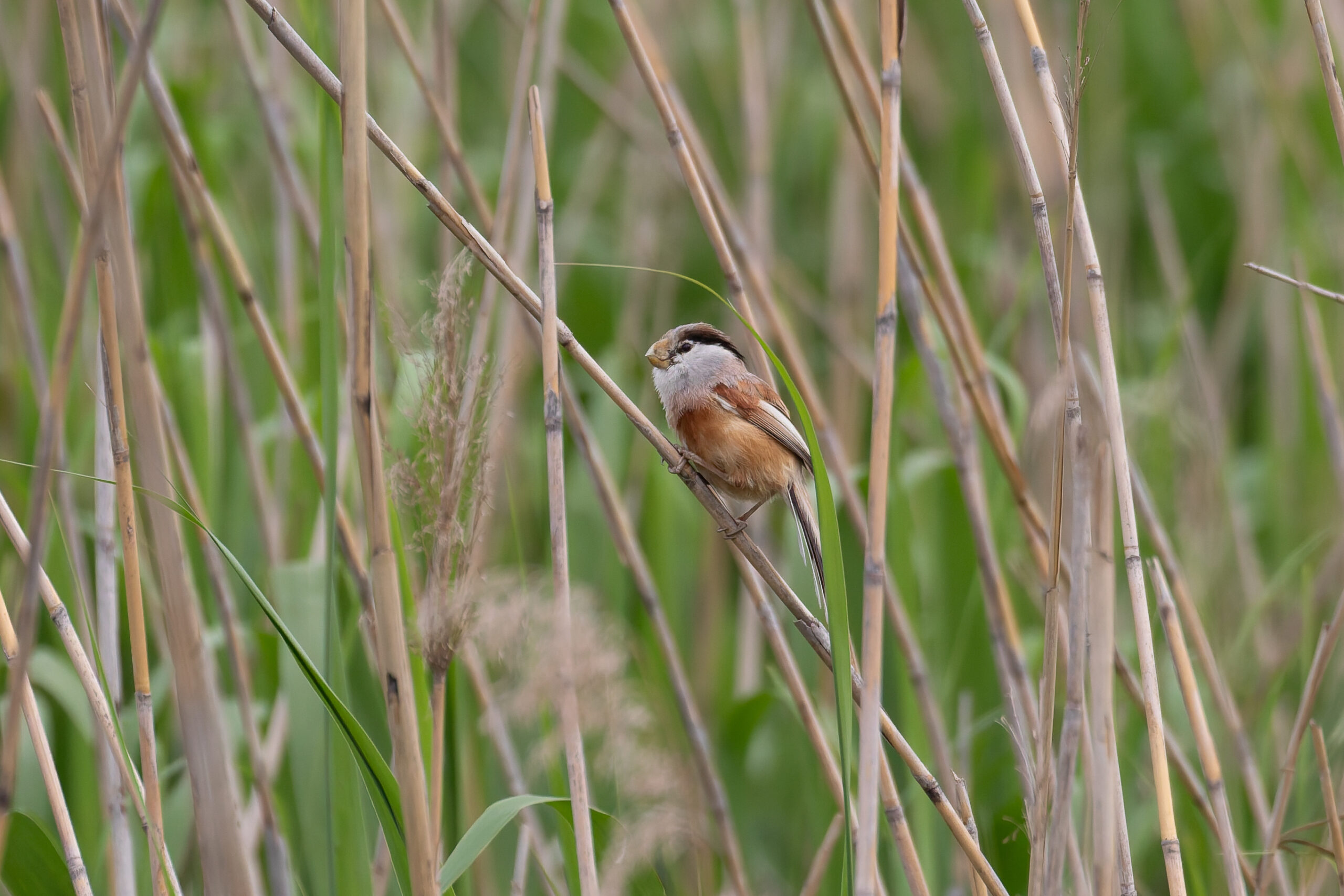
Our first birding will be on the shores of the Gulf of Bohai around Tianjin. Our main targets here are the rare Relict Gull (which winters at the Gulf of Bohai), the near-endemic Saunders’s Gull, the splendid, range-restricted Reed Parrotbill and with luck, the range-restricted Ochre-rumped (or Japanese Reed) Bunting. Other good birds include Mongolian Gull and Pallas’s Reed Bunting.
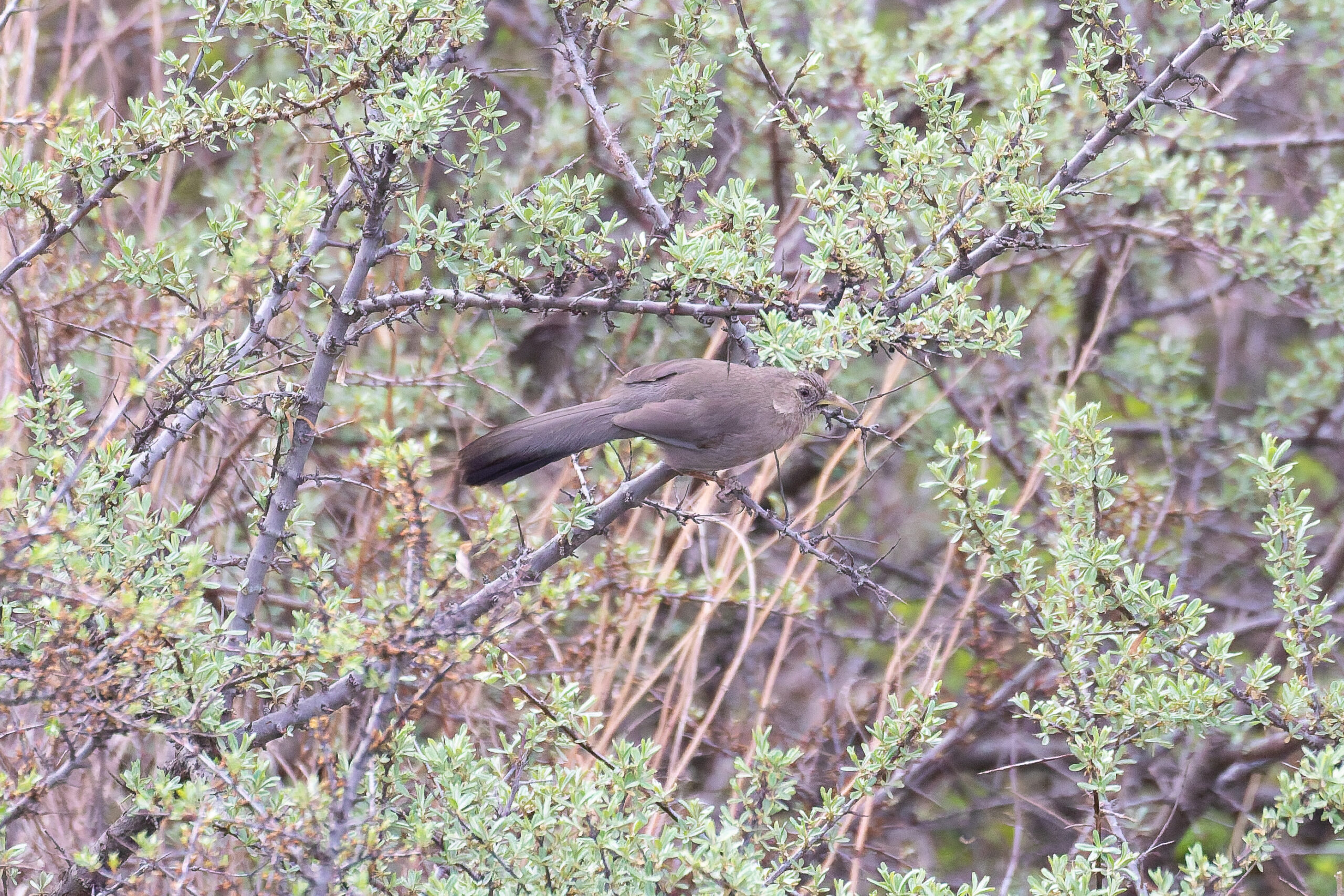
We shall also visit the mountains to thev west of Beijing, and probably also a park or two in the city itself, where we will search for wintering Naumann’s and Red-throated Thrushes, Siberian Accentor and Pallas’s Rosefinch (and even Japanese Waxwing with luck), as well as such endemics and near-endemics as Beijing Babbler, Plain (or Père David’s) Laughingthrush, Silver-throated Bushtit, Chinese (or Snowy-browed) Nuthatch and Chinese Beautiful Rosefinch.
From Beijing, we head southwestwards to the mountains of eastern Shanxi province, in the Qinyuan district, where a truly awesome encounter with the magnificent Brown Eared Pheasant awaits us.
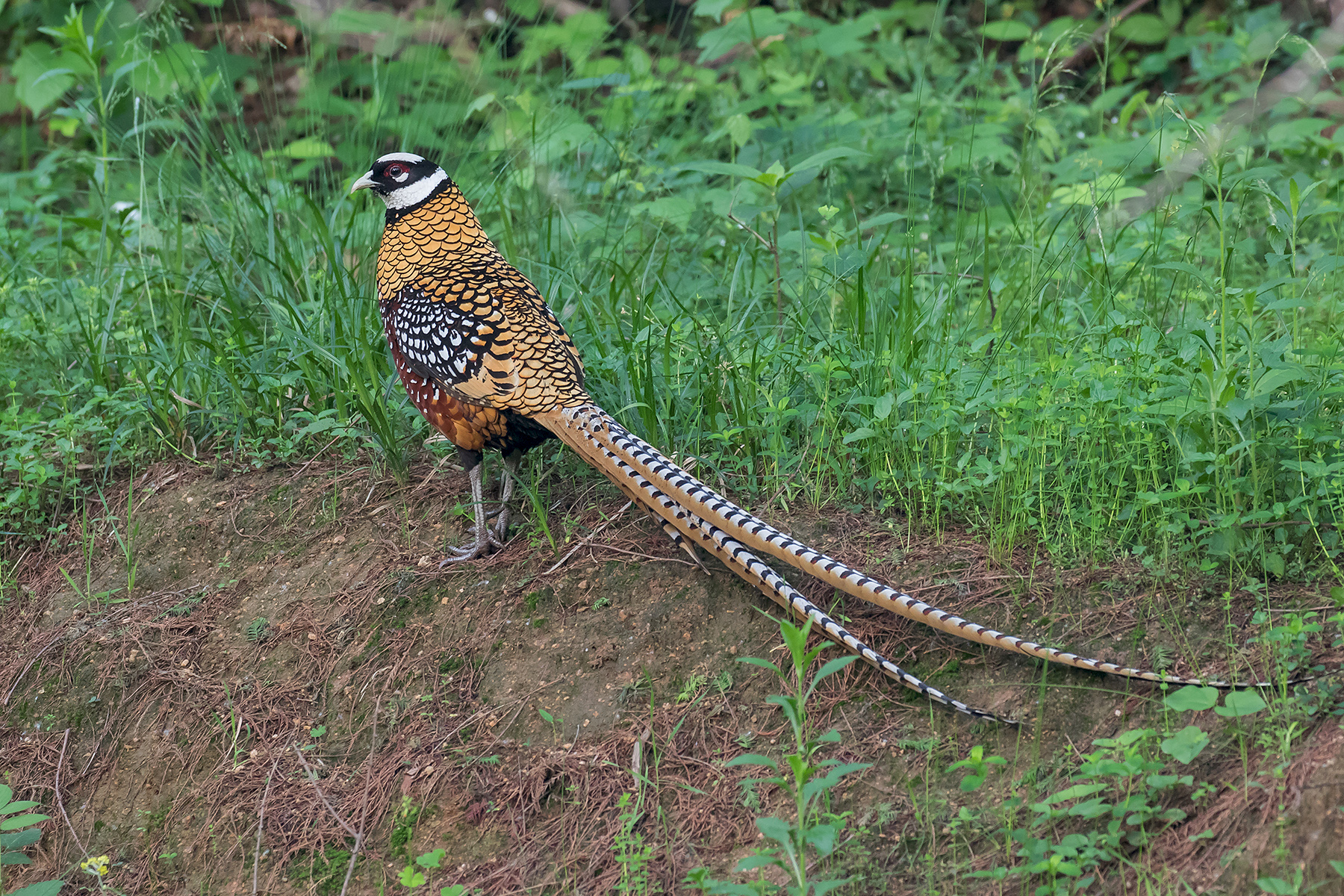
Moving further south, we come to Henan province and the important Dongzhai National Nature Reserve. It is here that we will hope to enjoy another pheasant encounter, this time with the extraordinary but fast-declining Reeves’s Pheasant. The male Reeves’s have tails up to 1.8 metres long! Other great birds in this area include the Endangered Crested Ibis and the declining, near-endemic Collared Crow.
We should also come across a number of other near-endemics, including Collared Finchbill, Chestnut Bulbul, Vinous-throated Parrotbill, Chinese Hwamei, Masked Laughingthrush and Yellow-bellied Tit. The much-wanted Yellow-browed Bunting is regular here, as is Dusky Thrush.
Before we reach the famous Poyang Hu, we will stop off at Jiujiang in northernmost Jiangxi province to look for the Critically Endangered Baer’s Piochard at a regular site.
In the vast flatlands to the south of the Yangtze River, the relatively mild weather during the coldest months creates favourable wintering grounds for countless birds from northern Asia. Only a few decades ago, following discoveries by China’s then only tiny band of ornithologists, did the true importance of this region for some of the world’s rarest birds become apparent. At the vast complex of lakes and marshes at Poyang Hu, now well known as one of the world’s greatest wetland reserves, large numbers of rare cranes have been found to spend the winter. In the case of one species, the Critically Endangered Siberian Crane, the numbers involved are so large (over 1500-2000) that the estimated world population has had to be revised upwards by a factor of five! The stunning White-naped Crane is also quite numerous, with over 2000 birds known to winter here some years, and there are also small numbers of Hooded Cranes.
As well as being of vital importance for several of the world’s rarest cranes, the reserve has been found to provide the winter quarters for almost the entire world population of the Critically Endangered Oriental Stork and well over half the population of the rare Swan Goose! A good number of Lesser White-fronted Geese winter in the area, there are chances for Baikal Teal and Marsh Grassbird, and there is even a very slim chance of seeing the very poorly known Swinhoe’s (or Asian Yellow) Rail! We also have another chance for Baer’s Pochard.
Our next port of call is Wuyuan, a lovely area of wooded hills, clear rivers, paddyfields and villages of white-washed houses. Our most important target here is the rare and Endangered Scaly-sided Merganser, which winters here in reasonable numbers.
Other good birds at Wuyuan include the restricted-range Pied Falconet and the endemic Grey-sided Scimitar Babbler and Huet’s Fulvetta.
From Wuyuan, we head south into Fujian province, where our first stop offers the opportunity to have an amazing close encounter with the stunning Cabot’s Tragopan, from one of China’s ever-increasing number of photographic hides/blinds. Tristram’s Bunting is regular here.
From there, we travel west into Mingxi County, home to another hide where Silver Pheasants are likely to give extraordinary views, and where Elliot’s Pheasant may also oblige. We will also be hoping for the rare Blyth’s Kingfisher along a river where it occurs, although it is more unpredictable in winter than in spring, so the chances are slim.
Our tour comes to an end at the city of Fuzhou on the coast of the South China Sea.
All in all, this is a truly spectacular ornithological and indeed photographic experience if you also enjoy that side of birding.
Birdquest has unsurpassed experience in China, having operated nearly 120 China birding tours since 1984.
This tour can sometimes be taken together with: SOUTHWEST CHINA
Great Wall of China
If you would like to make a visit to the wall, we can arrange this for you prior to the tour. It is well worth seeing this remarkable, but often unsuccessful, bulwark against the barbarian hordes. Started more than two thousand years ago, and winding back and forth for some 5,000 kilometres (3,000 miles) across northern China from the coast to the Gobi Desert in distant Gansu, this amazing structure surely epitomises China’s three millennia of civilisation and its long and turbulent history. Please inform us at the time of booking if you would like to do this, but please bear in mind that it is far less expensive to book a place on a bus tour (for example via a city hotel) than to have a private trip arranged with your own driver, car and English-speaking guide.
Accommodation & Road Transport
The hotels and guesthouses are mostly of a good or medium standard, with just a few nights in simple guesthouses. Road transport is by small coach, minibus/passenger van or cars. Roads are generally of good quality.
Walking
The walking effort during our Eastern China in Winter birding tours is mostly easy, only rarely moderate. The trail up to the Cabot’s Tragopan hide from the roadhead is quite steep.
Climate
Generally cool to cold in the north, cool to warm in the south, with sunny spells interspersed with overcast conditions. Some rain is likely, and it could even snow in the north.
Bird Photography
Opportunities during parts of our Eastern China in Winter birding tours are good or even (at the hides/blinds) very good.
To see a larger map, click on the square-like ‘enlarge’ icon in the upper right of the map box.
To see (or hide) the ‘map legend’, click on the icon with an arrow in the upper left of the map box.
To change to a satellite view, which is great for seeing the physical terrain (and for seeing really fine details by repetitive use of the + button), click on the square ‘map view’ icon in the lower left corner of the ‘map legend’.
Birdquest Inclusions: Our tour prices include transportation, accommodations, meals and entrance fees.
We also include all tipping for local guides, drivers and accommodation/restaurant staff.
Deposit: 20% of the total tour price. Our office will let you know what deposit amount is due, in order to confirm your booking, following receipt of your online booking form.
TO BOOK THIS TOUR: Click here (you will need the tour dates)
The single supplement will not apply if you indicate on booking that you prefer to share a room and there is a room-mate of the same sex available.
This tour is priced in US Dollars. Amounts shown in other currencies are indicative.
Eastern China in Winter: Day 1
The extension begins this morning at our hotel near Beijing Capital Airport.
(The hotel has an airport shuttle service.)
From there, after a visit to one of the city parks if Japanese Waxwings are around (which is not an annual event), we will drive southwards to the city of Tianjin, where we will spend the night.
This afternoon, we will begin our exploration of the Gulf of Bohai coastal zone.
Eastern China in Winter: Day 2
Along the low-lying shoreline of the Gulf of Bohai, our primary target will be the rare Relict Gull that winters in this area in numbers. This rare species is rarely seen by birders other than in Mongolia in spring and the coast of Northeast China in winter, so it is a very special bird!
Other gulls that winter regularly in the area include Mongolian Gull, Vega Gull (much less common), the dainty Saunders’s Gull, Common Gull and Black-headed Gull.
Slaty-backed, Glaucous, Lesser Black-backed, and Black-tailed Gulls are also possible at the Gulf of Bohai in winter, but are usually very uncommon.
We will surely turn up many other species, including such waterfowl as Common Shelduck, Eastern (or Chinese) Spot-billed Duck, Mallard, Common Goldeneye and perhaps Smew. Other sightings are likely to include Little Grebe, Grey Heron, Great Egret, Great (or Eurasian) Bittern and Eurasian Curlew.
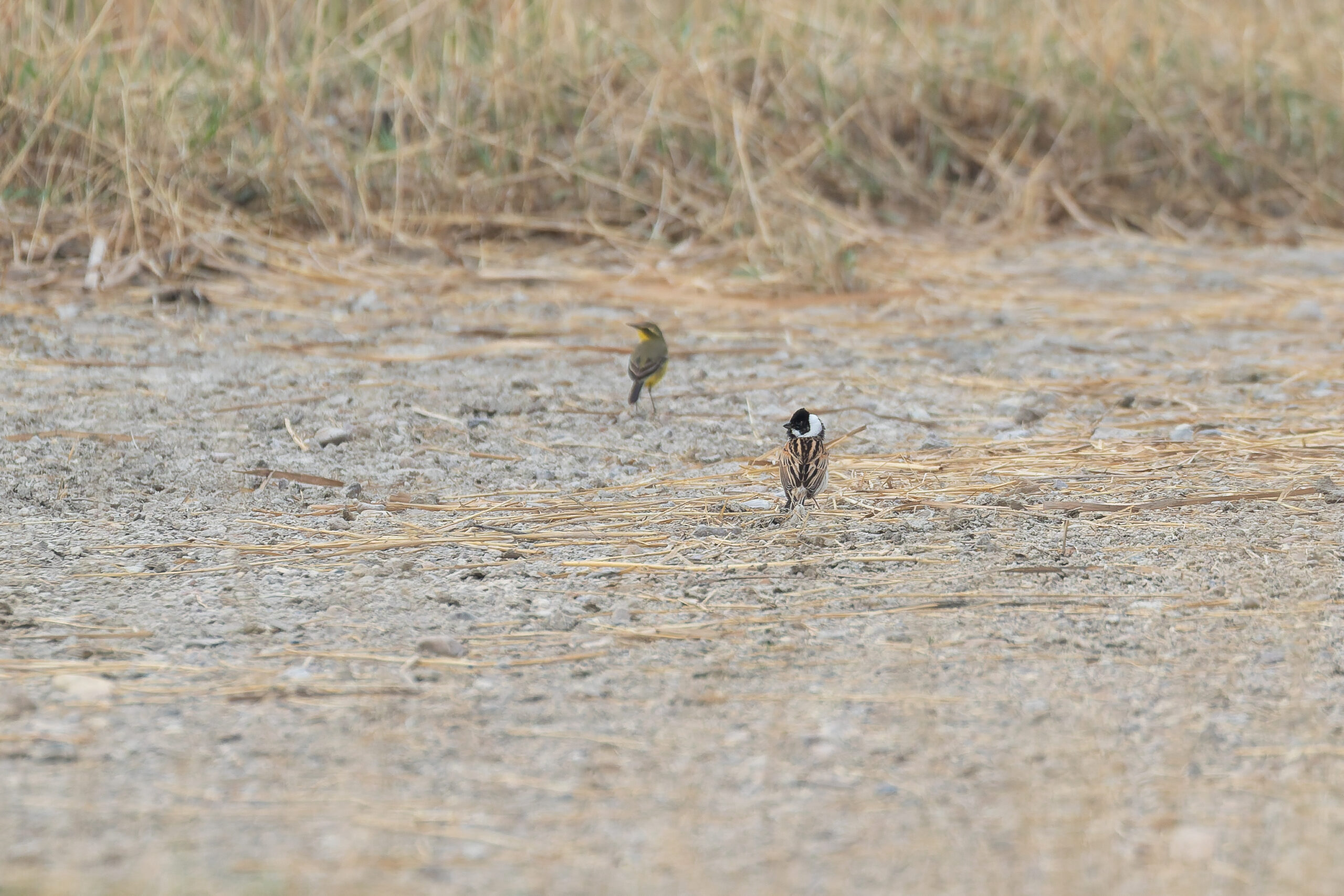
Areas of reeds hold the impressive Reed Parrotbill as well as Pallas’s Reed Bunting and often Ochre-rumped (or Japanese Reed) Bunting.
More open country attracts Hen Harriers, Daurian Jackdaws, Carrion Crows, ‘Oriental’ Rooks and sometimes Upland Buzzard.
Afterwards, we will return to the Beijing region for three nights (one night may be spent deep in the mountains).
Eastern China in Winter: Days 3-4
In the hills and mountains that lie to the west of the city, we can wander amongst woodlands and scrubby hillsides that most notably hold wintering Siberian Accentors and Pallas’s Rosefinches as well as Naumann’s and Red-throated Thrushes. If we are really fortunate, we will find Pine Bunting.
Güldenstädt’s (or White-winged) Redstart is a winter visitor that is straightforward to find in some winters but rare or absent in others. Asian Rosy Finch is also a possibility, but they are generally high in the mountains and far from any road.
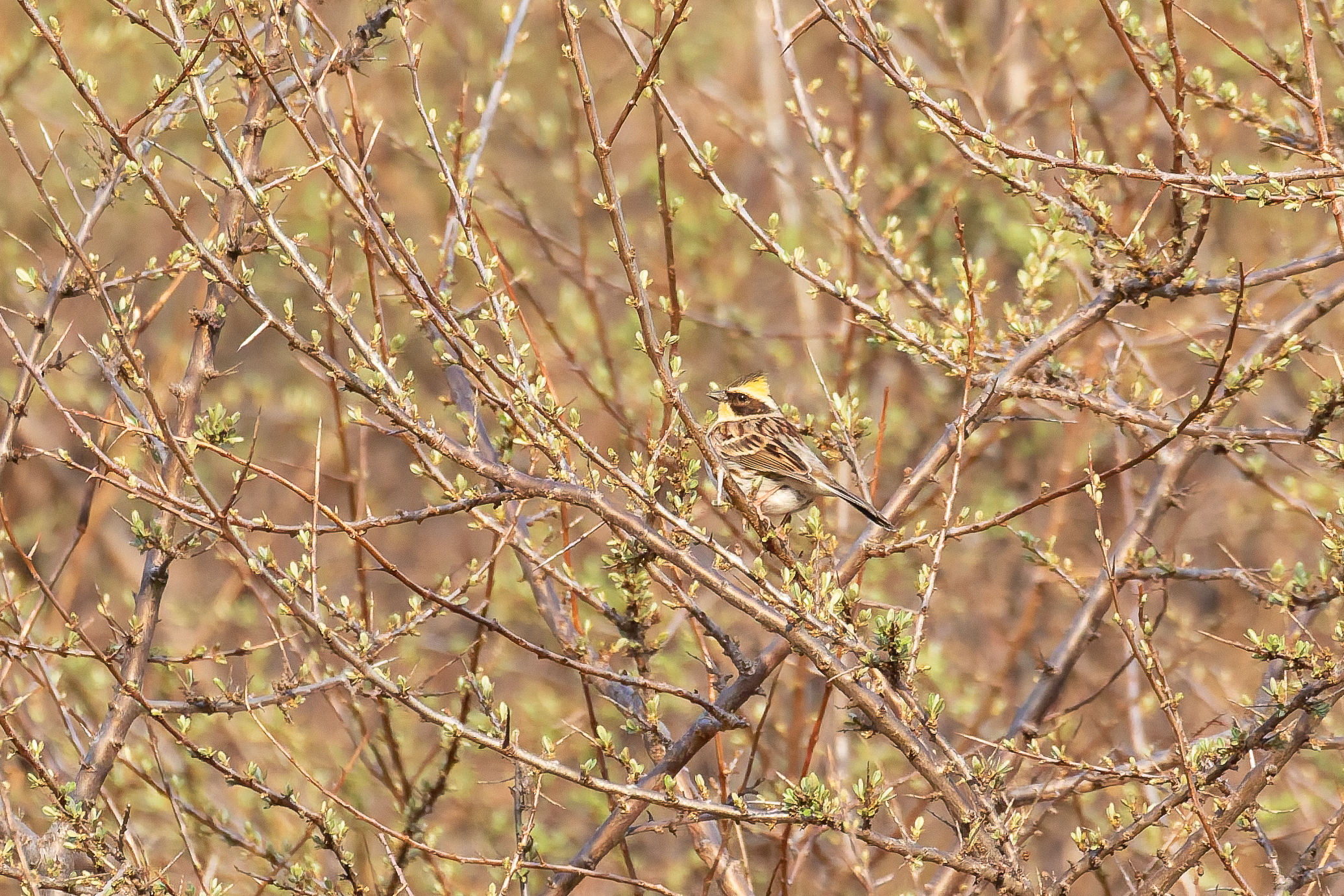
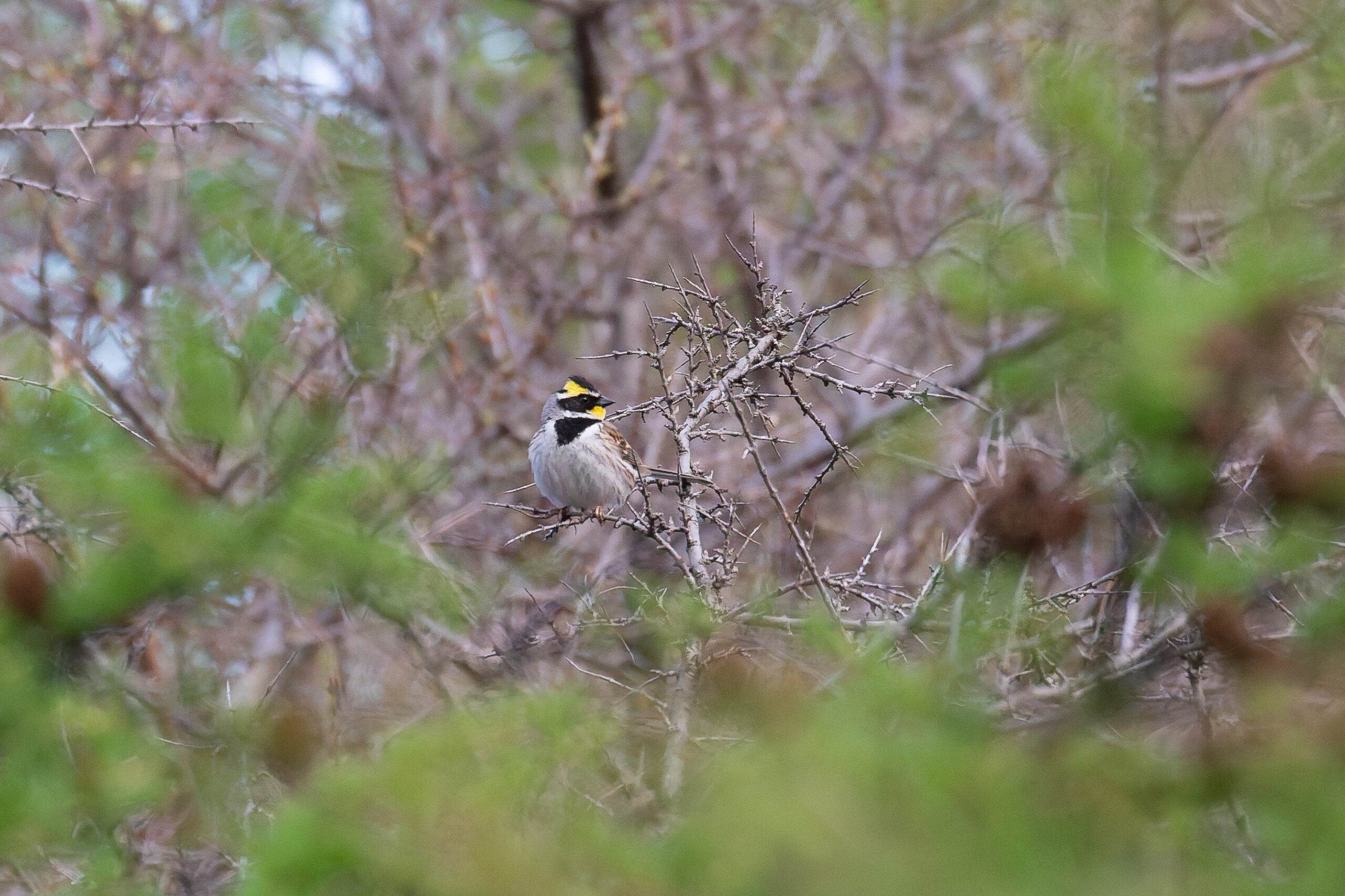
Residents include such endemics as Beijing Babbler (formerly Chinese Hill Warbler), Plain (or Pere David’s) Laughingthrush and Silver-throated Bushtit and such near-endemics as Light-vented (or Chinese) Bulbul, Vinous-throated Parrotbill, Chinese (or Snowy-browed) Nuthatch and Chinese Beautiful Rosefinch. Other birds of note include Oriental Magpie, Oriental (or Grey-capped) Greenfinch, the impressive Chinese (or Yellow-billed) Grosbeak, ‘Chinese’ Long-tailed Rosefinch, Godlewski’s Bunting and the smart Yellow-throated Bunting. Hill Pigeon is also a possibility.
Additional species we are likely to find in the Beijing region include Mandarin Duck (we will likely have stunning views!), Common Merganser (or Goosander), Eurasian Sparrowhawk, Spotted and Oriental Turtle Doves, Grey-headed, Grey-capped Pygmy and Great Spotted Woodpeckers, Cinereous, Coal and Marsh Tits, Willow Tit (the form here is part of the ‘Songar’ group, sometimes treated as a distinct species), Azure-winged Magpie, Red-billed Blue Magpie, Large-billed Crow, Eurasian Tree Sparrow, Brambling and Meadow Bunting.
Eastern China in Winter: Day 5
This morning, we will take a high-speed train to Huozhou in Shanxi province. From there, we will drive into the mountains for an overnight stay.
China’s fantastic modern ‘bullet trains’ travel at a speed that is hard to believe for a terrestrial means of transport! These clean and comfortable trains travel between stations at speeds of between 200-300 kilometres per hour (120-180 miles per hour)! The journey times are typically well under half the time it takes to drive.
In the mountains, we may come across the vocal Southern Nutcracker and Eurasian Nuthatch.
Eastern China in Winter: Day 6
This morning, we are due for a huge treat as we enjoy a close encounter with the Endangered Brown Eared Pheasant. This endemic species was once widespread in northeastern China but is now reduced to a few fragmented pockets. Soon after dawn, their rolling, barking calls ring out across the wooded valleys, and we will watch out for these huge pheasants as they forage across the adjacent hillsides, digging up roots and tubers with their powerful bills and claws. Better still, we are soon likely to be very close to some of these magnificent birds! What an amazing birding experience!
Afterwards, we will return to Huozhou and catch a high-speed train to Xinyang in Henan province. From Xinyang, we will drive the relatively short distance to the Dongzhai National Nature Reserve for a three-night stay.
Eastern China in Winter: Days 7-8
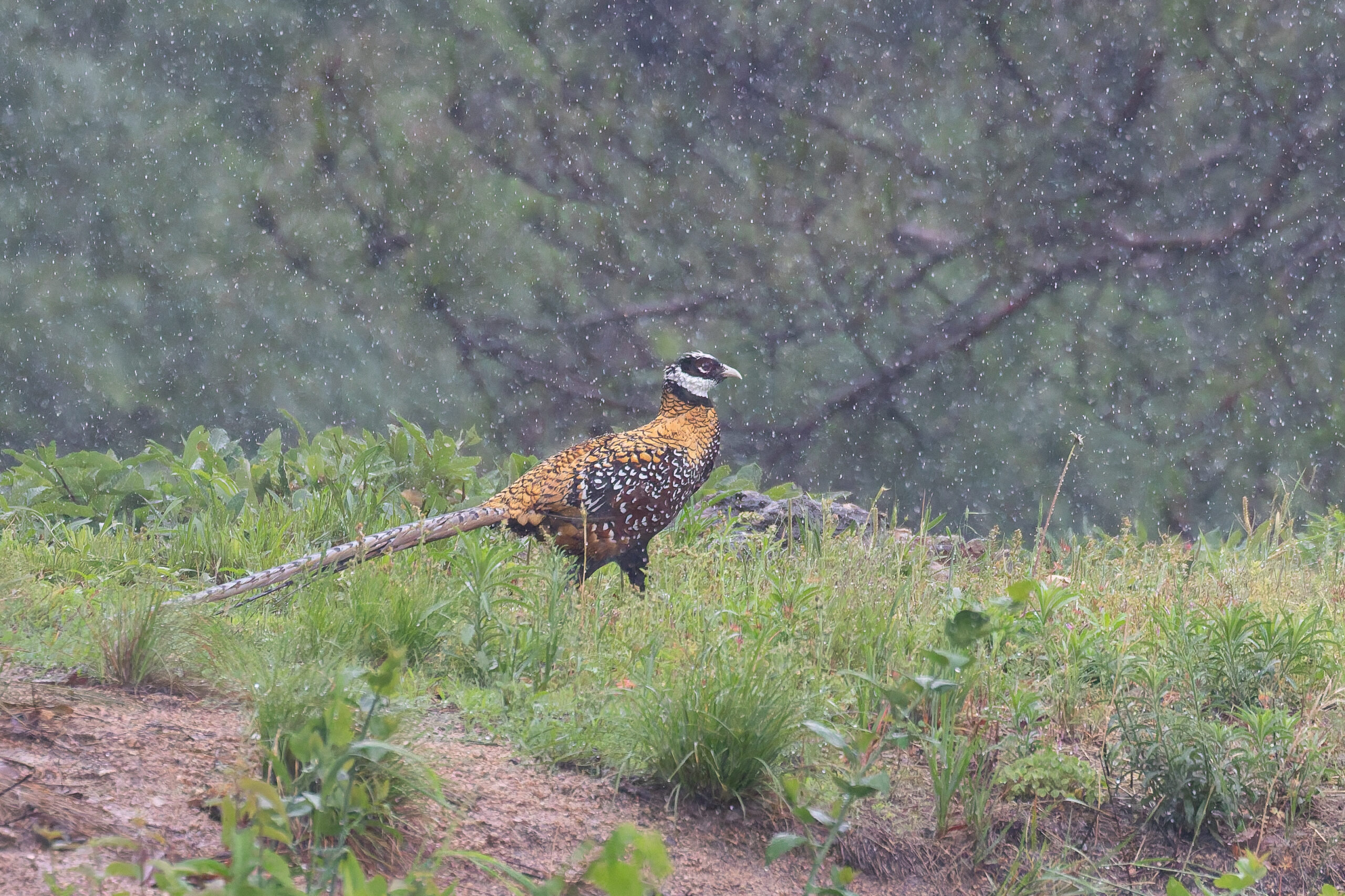
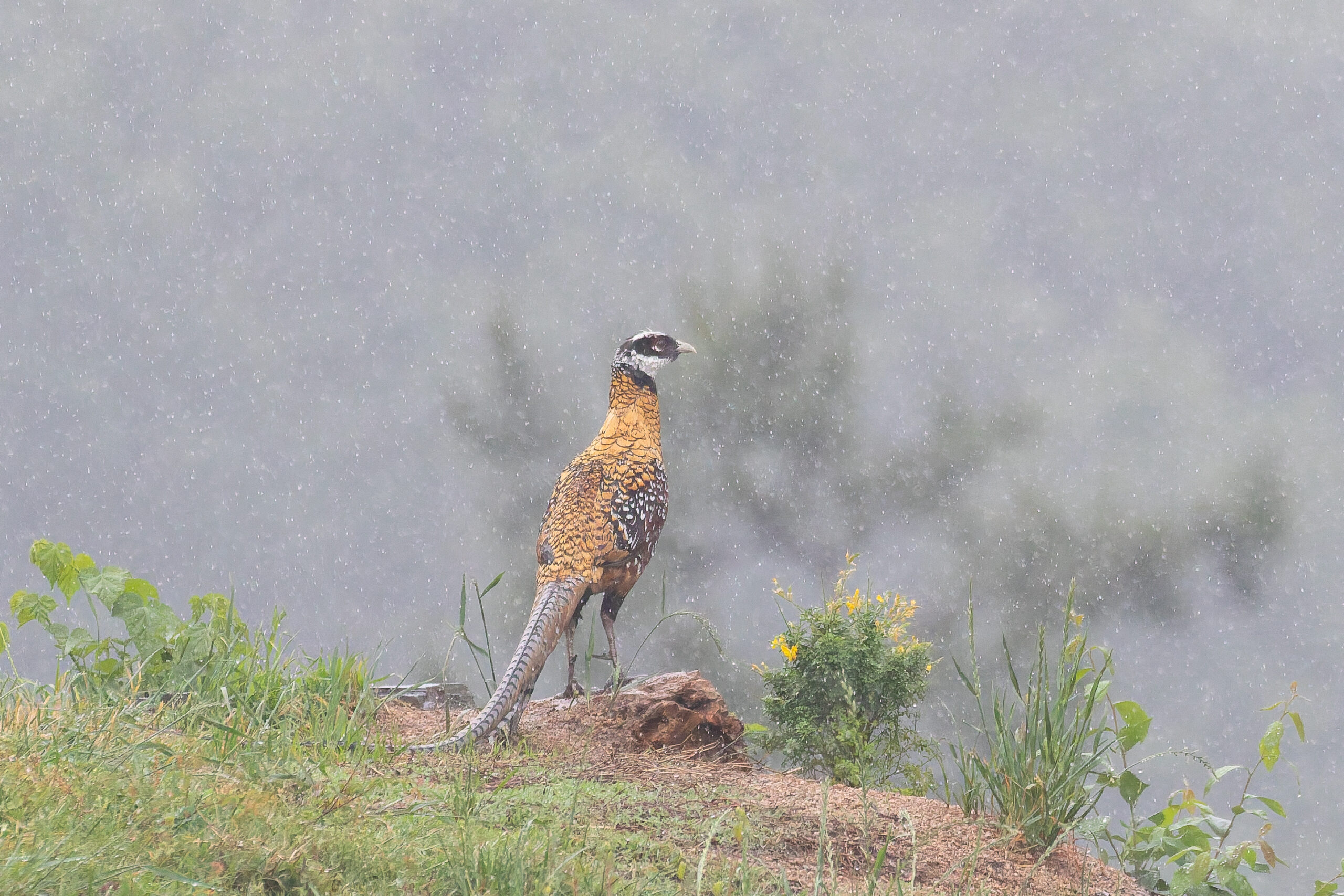
A major reason for visiting Dongzhai is to see the endemic Reeves’s Pheasant. We will visit a photographic hide/blind twice during our stay, where we should see a number of these wonderful creatures. Females are more frequent visitors in winter, with males being less predictable (hence the two visits to the hide). If a male appears, we will see it close by and in all its glory, an experience that will surely live in all our memories! With subtle, scaled, golden and chestnut hues, a vivid pied head pattern, and a tail that is unfeasibly long (up to 1.8 metres in length!), this really is an extraordinary bird.
Quite a lot of other birds frequent the hide, and these regularly include the near-endemic Chinese Hwamei and Masked Laughingthrush, Spotted and Oriental Turtle Doves, Streak-breasted Scimitar-Babbler, White-crowned Forktail and White-rumped Munia.
Close by, a population of the Endangered and spectacular, near-endemic Crested Ibis has become established, and we should be able to watch them feeding in the paddies or along the river. The Chinese population is currently estimated to be in excess of 3000 individuals, and they are recolonising some of their old haunts.
Also here, the rapidly declining near-endemic Collared Crow is still fairly numerous, and we will make sure we get some good views of this charismatic species.
Adjacent to the village, we are likely to encounter a number of other interesting species, including such near-endemics as the noisy Collared Finchbill, the handsome Chestnut Bulbul and Yellow-bellied Tit, as well as the smart Daurian Redstart, Dusky Thrush and the much-wanted Yellow-browed Bunting.
More widespread species that we are likely to encounter during our visit to the area include Black Kite, Common Pheasant (the grey-rumped decollatus subspecies occurs here), Crested Goshawk, Crested Kingfisher, Eurasian Jay (the striking form here, pekingensis, is part of the ‘Brandt’s Jay group’), Mountain Bulbul, Pallas’s Leaf Warbler, Red-flanked Bluetail, the perky Black-throated Bushtit, Russet Sparrow, and Little and Black-faced Buntings. Speckled Piculet is also possible.
Sometimes the pheasant hide owners know where there is a roosting Japanese Scops Owl or a Collared Scops Owl, but this is ‘pot luck’.
Eastern China in Winter: Day 9
This morning, we will return to Xinyang and catch a high-speed train to Jiujiang in Jiangxi province.
Not far from Jiujiang, we will check a lake where the Critically Endangered Baer’s Pochard is fairly regular during the winter months.
Afterwards, we will head southwards to the famous Poyang Hu for a three-night stay. We may arrive in time for some initial exploration.
Eastern China in Winter: Days 10-11
Poyang Hu is the largest freshwater lake in China, covering an area of about 3000 square kilometres and situated to the south of the great Yangtze River. After the spring and summer rainy season, the water levels fall progressively – creating a mosaic of residual lakes surrounded by marshes and dry land around the periphery of Poyang Hu itself. It is these shallow residual lakes which are of prime importance to waterbirds, and following the discovery of an enormous concentration of rare cranes and other species in 1981, a reserve of 22,400 hectares was established by the Chinese authorities. This extensive reserve, situated at the northwestern corner of the Poyang complex, is one of the great waterbird sanctuaries of the world, although as yet few people know much about it and even fewer have visited it (our first visit, in 1988, was the first-ever by a birding tour!). During our time here, we will explore a series of lakes and their surrounding marshland.
The town of Wu Cheng is situated on a large island amid the Poyang wetlands, between the Gan and Xiu Rivers, and for part of the year, the causeway that connects the island to the mainland lies under deep water! There is a large pagoda positioned at the northernmost point of the island, built on the site of a lighthouse built centuries ago on the orders of the Chinese emperor to guide shipping heading up to Nanchang. Decidedly Chinese-style, flat-bottomed barges ply the river channels, often loaded down with unlikely cargoes such as piles of bamboo poles or mountains of hay that almost completely obscure their bulky wooden superstructures, whilst overhead small groups of cranes and geese make their way between the wetlands.
Undoubtedly, the most exciting birds of the Poyang area are the cranes. Up to 2000 Critically Endangered Siberian Cranes, up to 1000 White-naped Cranes and much smaller numbers of Hooded and Common Cranes winter in the area and impart their own special magic to it. The V-shaped skeins passing overhead and the cranes dancing and calling to each other along the lake shores are amongst the most evocative sights and sounds in the avian world. We could also come across one or two Sandhill Cranes (of the ‘Lesser’ subspecies) that have failed to cross the Bering Strait from their Siberian breeding grounds in order to reach their usual wintering area in western North America and instead have headed southwards to winter.
Up to 1600 Oriental Storks winter in the area, probably a large proportion of the world population of this Critically Endangered bird, as do many hundreds of Eurasian Spoonbills.
The star attraction among the hordes of wildfowl found in the area is the huge number of Swan Geese. Over 10,000 winter in the entire Poyang region, the majority of the world population. Other wintering geese include over 5000 Greater White-fronted Geese, several hundred Taiga Bean Geese and larger numbers of Tundra Bean Geese, and good numbers of Greylag Geese. Lesser White-fronted Geese are also present in small or moderate numbers, although they are often hard to locate amongst the far more numerous Greaters.
Up to 2000 Tundra (Bewick’s) Swans occur here as well as large numbers of ducks, including the handsome Falcated Duck, Eurasian Wigeon, Eurasian Teal, Northern Pintail and Northern Shoveler, Common Pochard, Tufted Duck and the beautiful Smew. We also have a modest chance of coming across the rare and endangered Baikal Teal, surely one of the world’s most beautiful ducks.
The diversity of wintering shorebirds is not very great, but there are large flocks of Pied Avocets and Spotted Redshanks.
One of the most enigmatic birds in Asia, the poorly-known Swinhoe’s (or Asian Yellow) Rail sometimes overwinters here (indeed we have seen it on several occasions in the past), but it is a species in sharp decline and nowadays if we see this little mite flutter up from the ground displaying its broad white wing patches we will count ourselves extraordinarily fortunate.
Other specialities include the impressive, near-endemic Chinese Grey Shrike, the near-endemic Red-billed Starling, the range-restricted Marsh Grassbird (or Japanese Swamp Warbler), the tiny Chinese Penduline Tit and Rustic Bunting. The near-endemic White-browed Laughingthrush also occurs in the area but is uncommon.
More widespread species of the Poyang area include Great Crested Grebe, Great Cormorant, Black-winged Kite, Eastern Marsh Harrier, Eastern (or Japanese) Buzzard, Japanese Quail, Brown Crake, Brown-cheeked Rail, Common Moorhen, Eurasian Coot, Northern Lapwing, Kentish Plover, Common Snipe, Common Greenshank, Green Sandpiper, Dunlin, Common, White-throated and Pied Kingfishers, Common Kestrel, Peregrine Falcon, Oriental Skylark, Long-tailed Shrike, Barn Swallow, Zitting Cisticola, Plain Prinia, Black-collared and White-cheeked Starlings, White Wagtail, Siberian and Water Pipits, Scaly-breasted Munia and Chestnut-eared Bunting.
Eastern China in Winter: Day 12
After some final birding at Poyang Hu, we will travel to Wuyuan in eastern Jiangxi for a two-night stay.
Eastern China in Winter: Day 13
Today, we will explore a wide, fast-flowing river where the rare and little-known Scaly-sided (or Chinese) Merganser winters in fair numbers. We should obtain great views of at least a few and quite possibly a dozen or more of these beautiful ducks, watching them feeding in the river or chasing each other during territorial squabbles. We also have a chance of finding the localised Long-billed Plover on the gravel banks.
The Wuyuan area also features a series of other specialities, notably including the endemic Huet’s Fulvetta and the skulking endemic Grey-sided Scimitar Babbler and Pied Falconet. There are slim chances of coming across the range-restricted Short-tailed Parrotbill or the near-endemic Moustached Laughingthrush, although both are difficult to find in winter.
Other species we may well find during our visit include Grey Treepie, Oriental Magpie-Robin, Brown-flanked Bush Warbler, Rufous-capped Babbler, Greater Necklaced Laughingthrush (uncommon), Red-billed Leiothrix and Crested Myna. Winter visitors from northern Asia include Grey-backed Thrush.
[Interestingly, the Blue-crowned or Courtois’s Laughingthrushes that breed around several villages of the Wuyuan area in spring and summer retreat deep into inaccessible hill country in winter. You can see them on our spring Eastern China tour.]
Eastern China in Winter: Day 14
This morning, we will take a high-speed train southwards to Jian’ou in Fujian province and then drive into the mountains for an overnight stay.
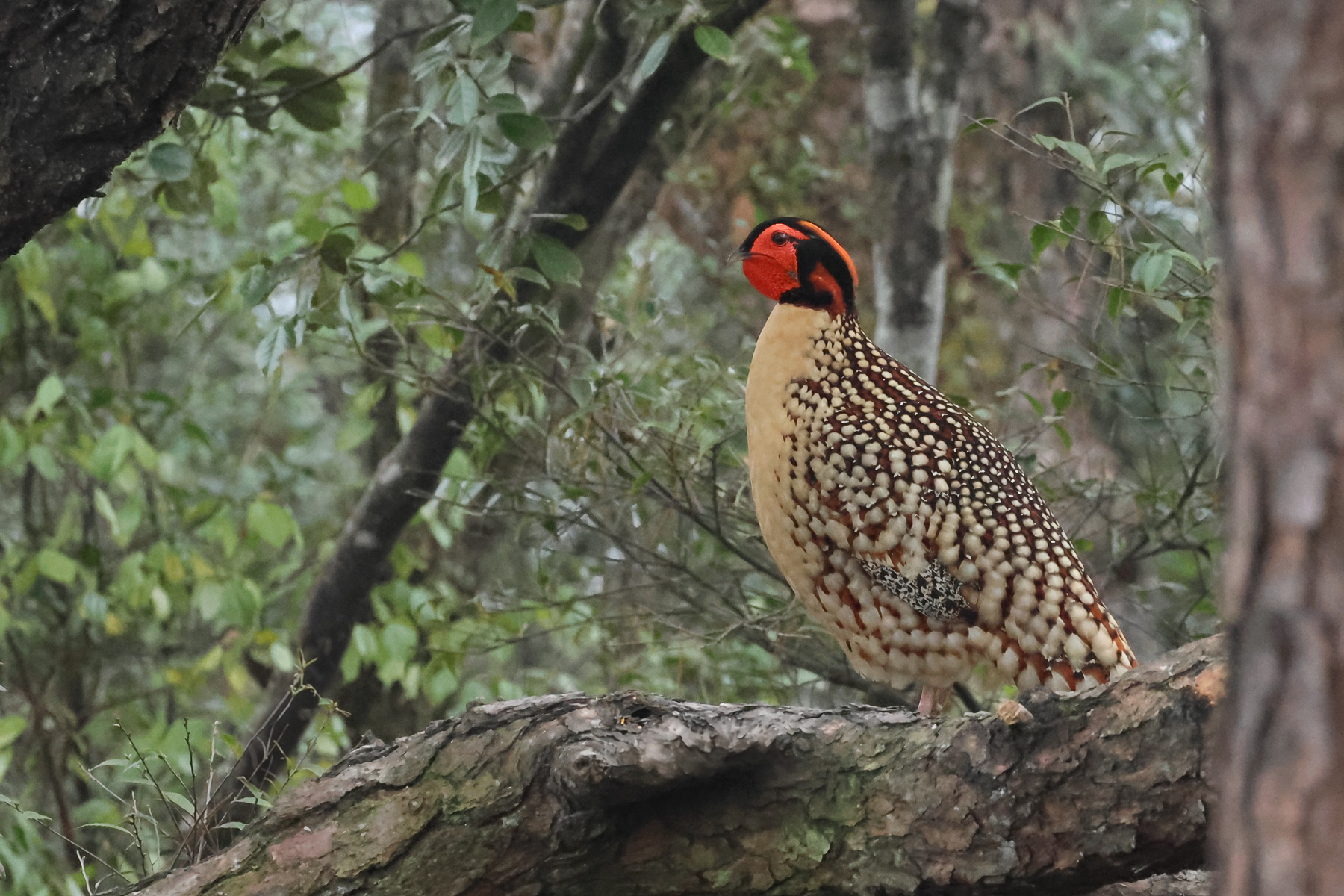
We should have yet another treat in store this afternoon as we visit a photographic hide/blind where we have a good chance of an encounter with a stunning male Cabot’s Tragopan and perhaps two or more females!
Other birds are overshadowed by such a wonder, but the hide is good for wintering Tristram’s Buntings that are attracted by the grain.
Eastern China in Winter: Day 15
Today, we will head westwards to Mingxi County for an overnight stay. We may return to the Cabot’s Tragopan hide this morning, depending on our luck the previous day.
This afternoon we will attend another hide/blind where we should be rewarded by stunning views of Silver Pheasants and where we have a good chance of seeing the handsome Elliot’s Pheasant.
Eastern China in Winter: Day 16
We will return to the pheasant hide this morning if need be.
The rare and sought-after Blyth’s Kingfisher also occurs in this area. It is not a predictable bird at any time, but it is especially difficult outside the breeding period, so it will be a case of fingers crossed that one flies past while we watch from a riverbank.
The rare White-eared Night Heron breeds in the area and sometimes lingers into winter.
The range-restricted Chinese Barbet is an uncommon bird in the area and usually quiet in winter, but it is also a possibility.
Afterwards, we will travel to Fuzhou Airport, where our Eastern China in Winter birding tour ends this evening.
[Fuzhou is served by flights from all major Chinese gateway cities. We can easily arrange a domestic flight out of Fuzhou on request, even if you are not arranging your international flights through us.]