Email birders@birdquest-tours.com
Telephone 07777 186845
(International +44 7777 186845)
Email birders@birdquest-tours.com
Telephone 07777 186845
(International +44 7777 186845)
Africa and its islands
Red-naped Bushshrike (image by Nik Borrow)
Chestnut-naped Spurfowl (image by Mark Beaman)
Abyssinian Woodpecker (image by Mark Beaman)
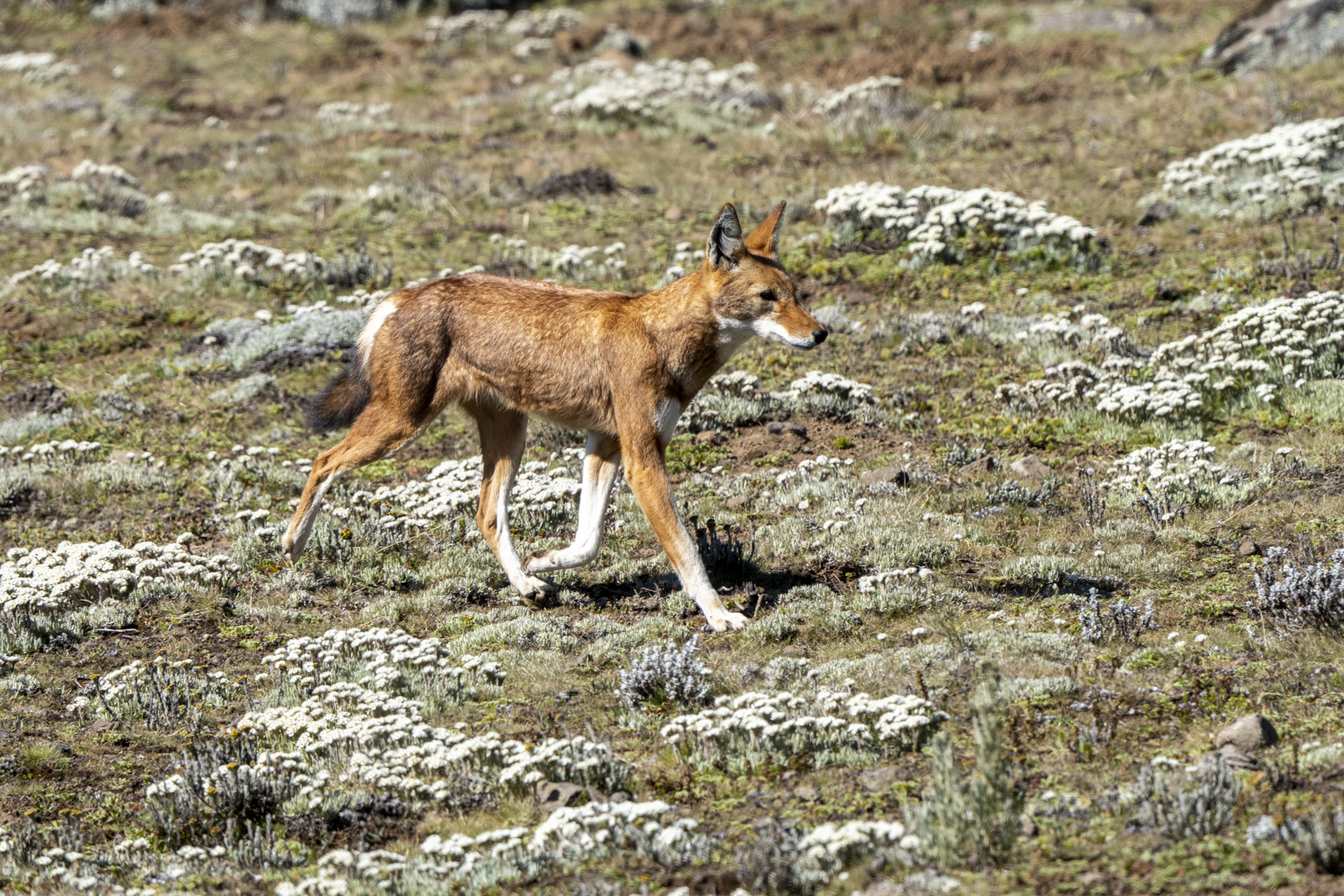
Ethiopian Wolf (image by Nik Borrow)
Marico Sunbird (image by Mark Beaman)
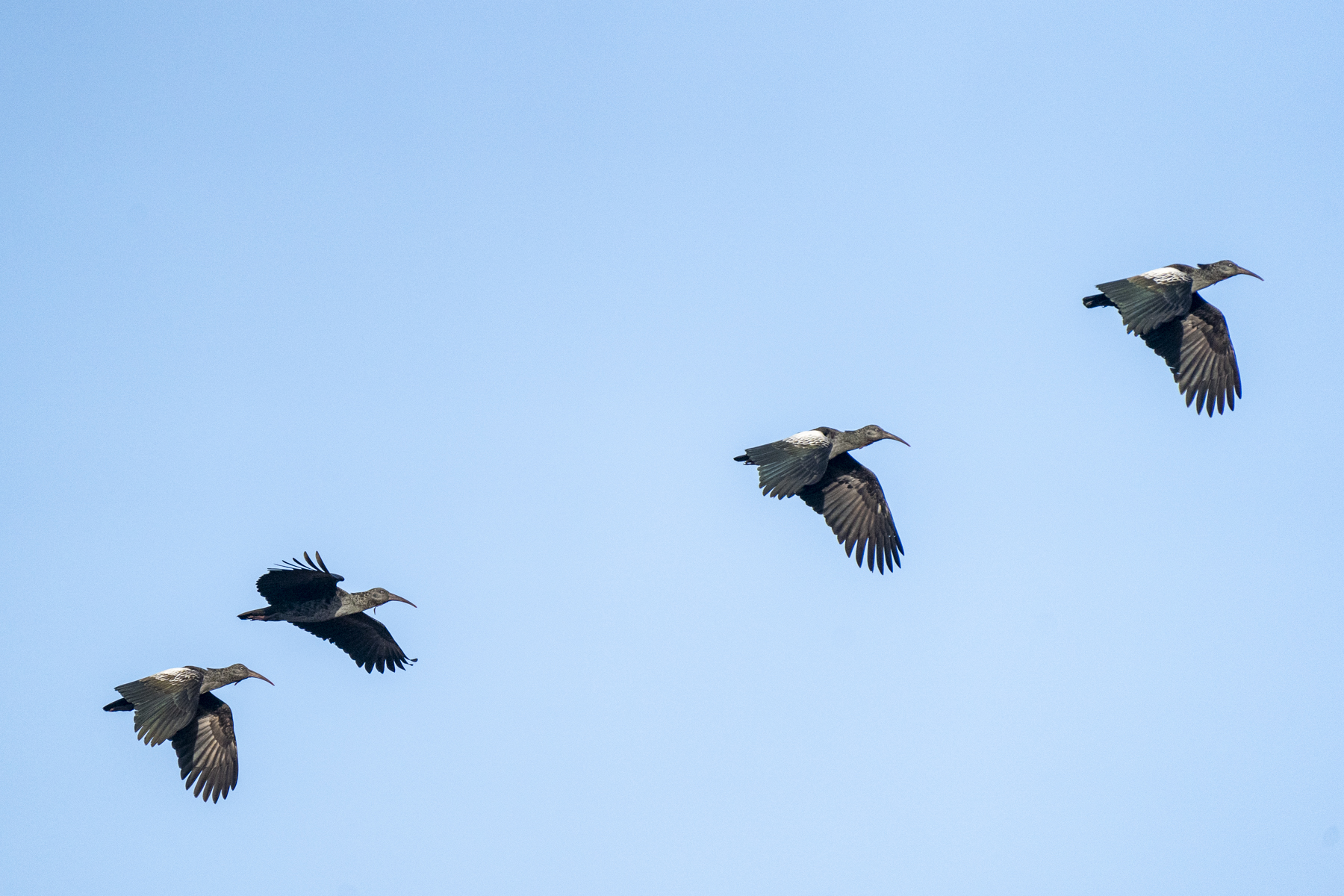
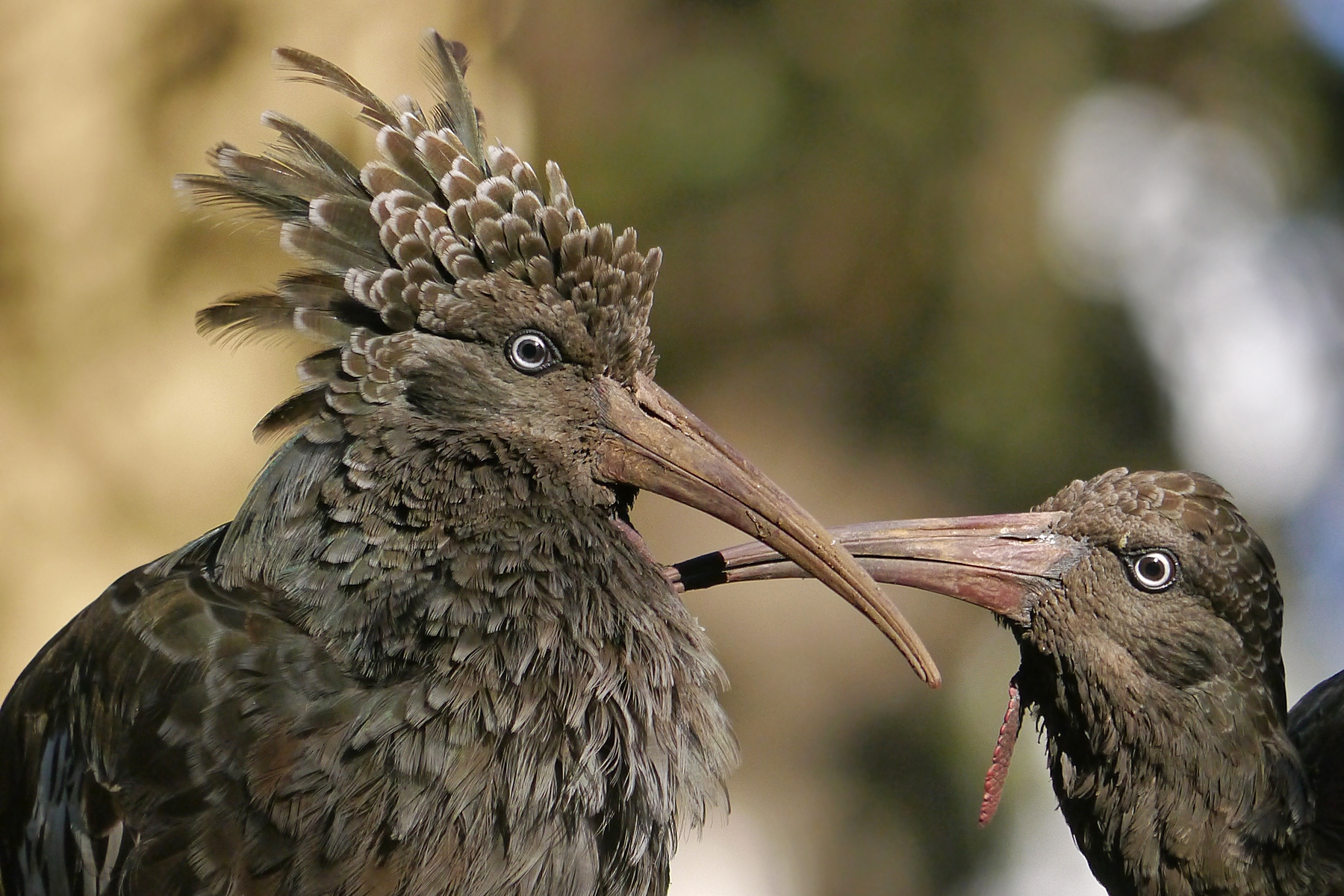
Wattled Ibis (image by Mark Beaman)
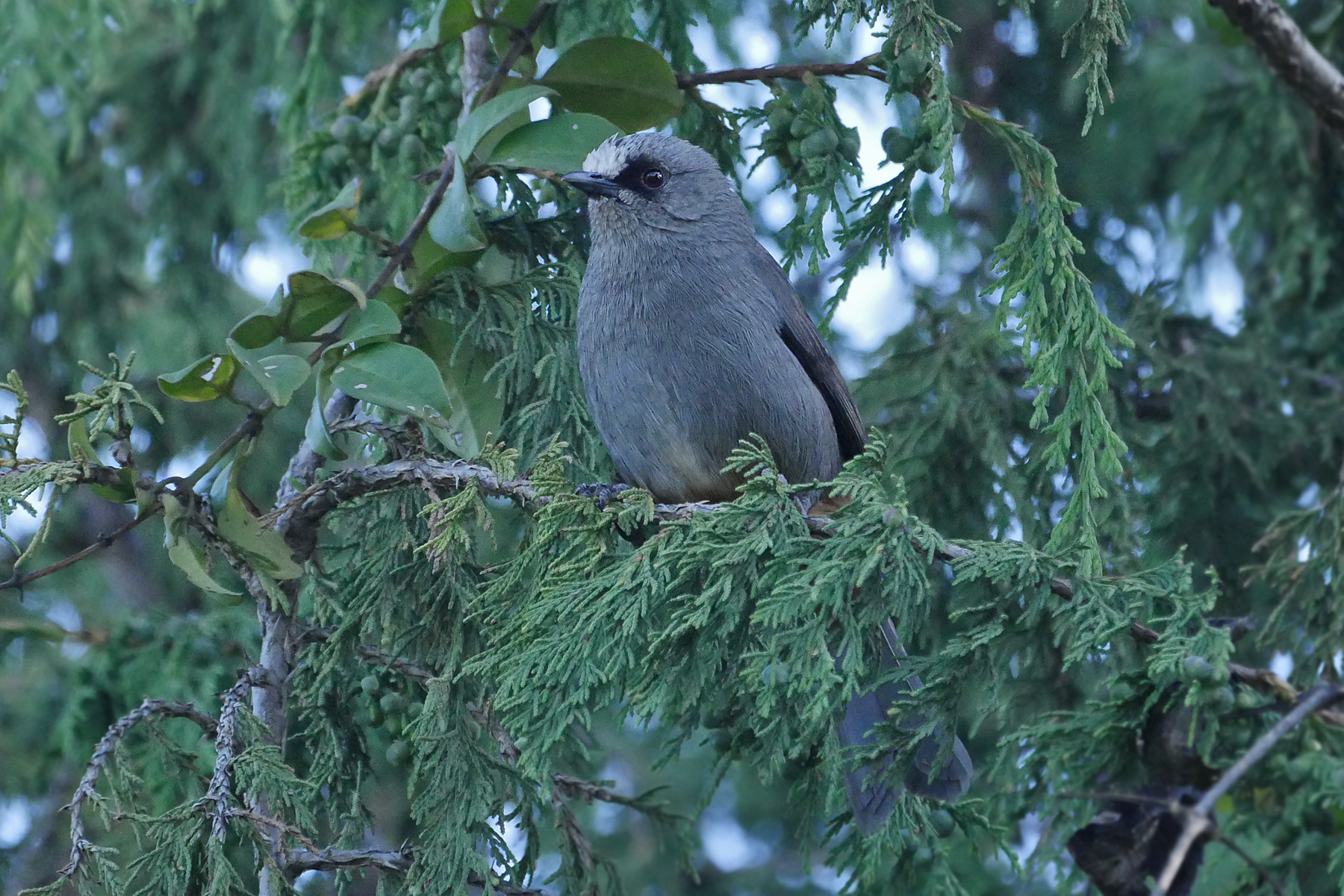
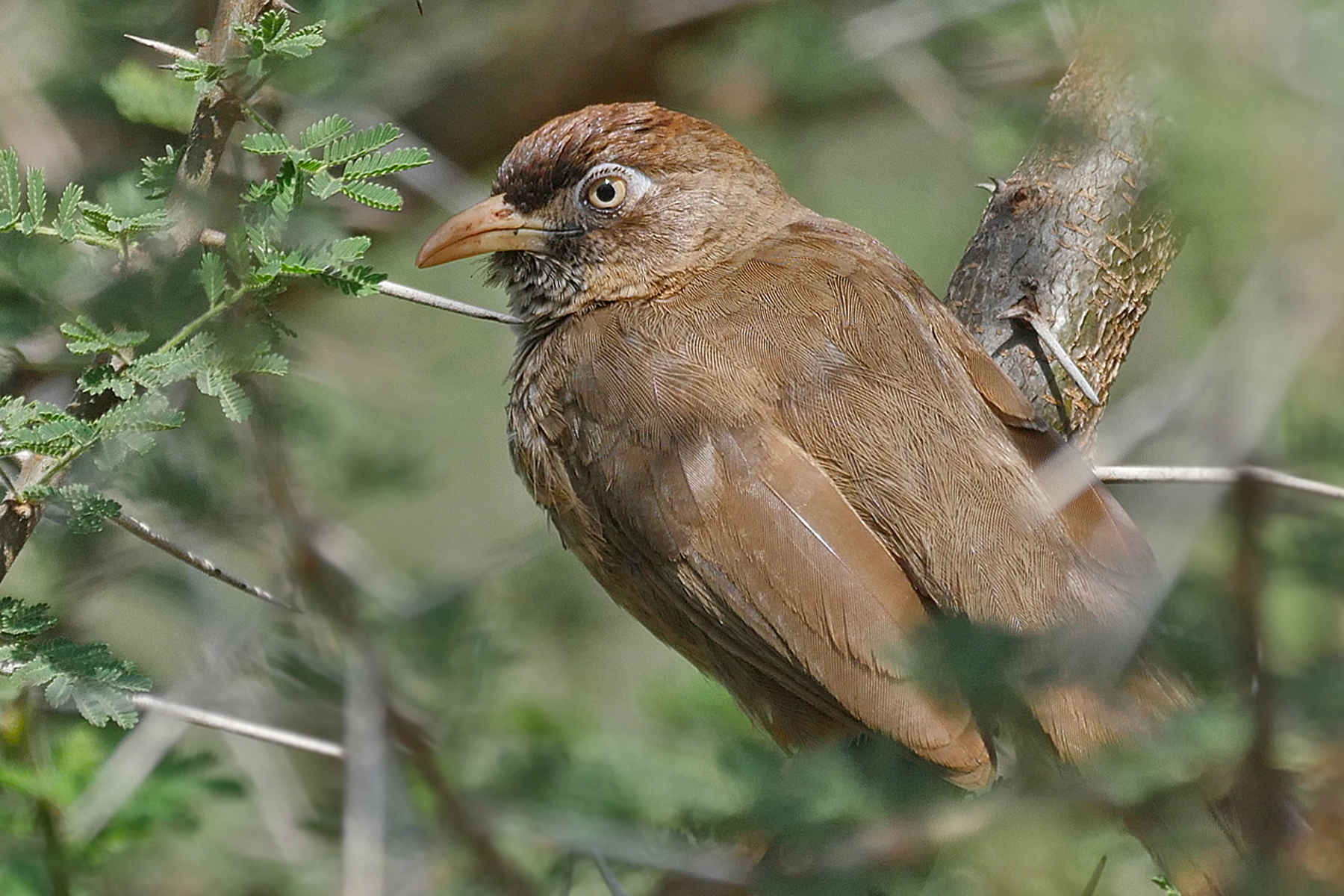
Abyssinian Catbird (image by Nik Borrow)
Grivet Monkey portrait (image by Mark Beaman)
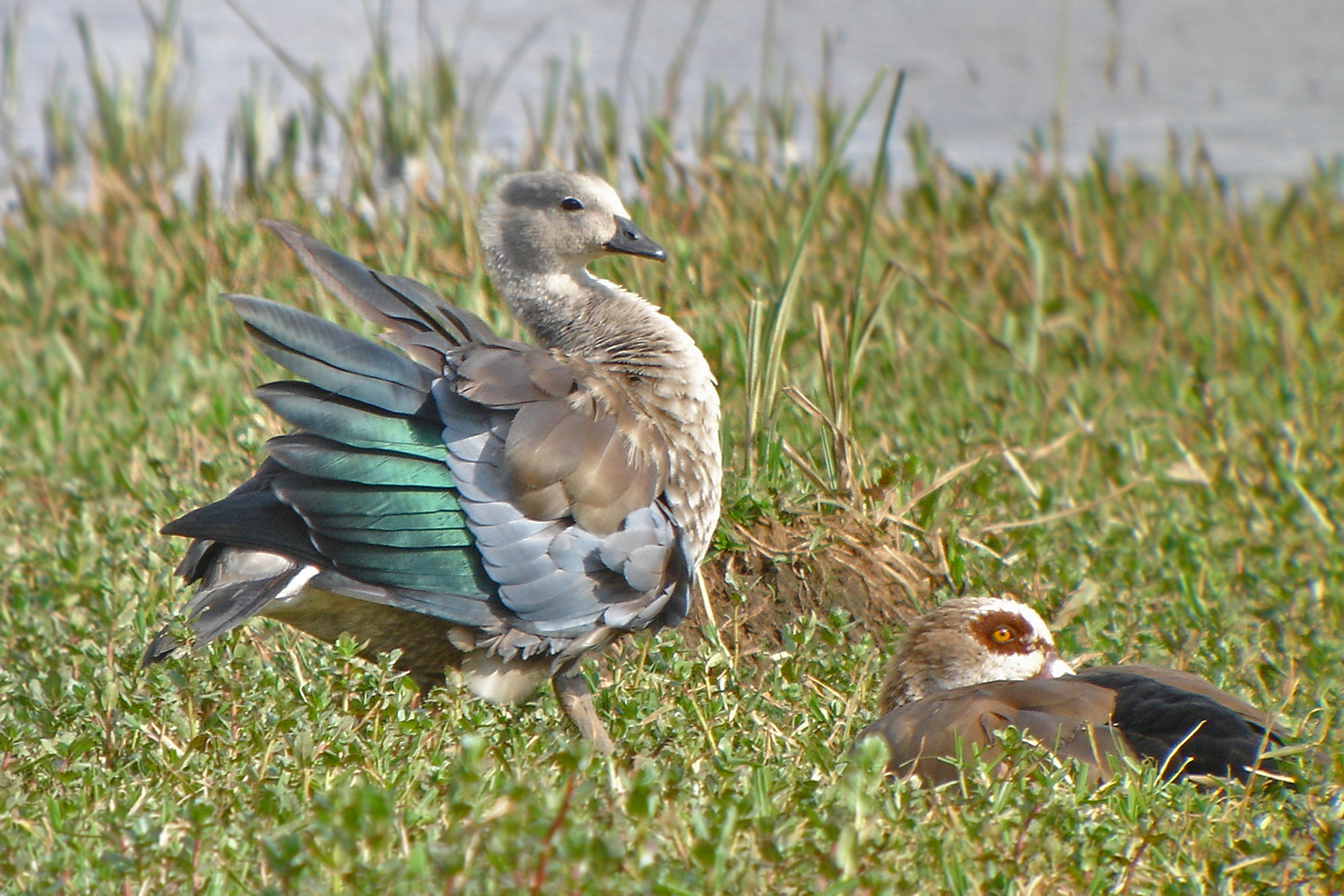
Blue-winged Goose and Egyptian Goose (image by Nik Borrow)
Vast panoramas are what the wild Bale Mountains are all about (image by Mark Beaman)
The Kenyan borderlands (image by Mark Beaman)
Geladas enjoying their foraging while we sit among them (image by Mark Beaman)
Chestnut-naped Francolin (image by Nik Borrow)
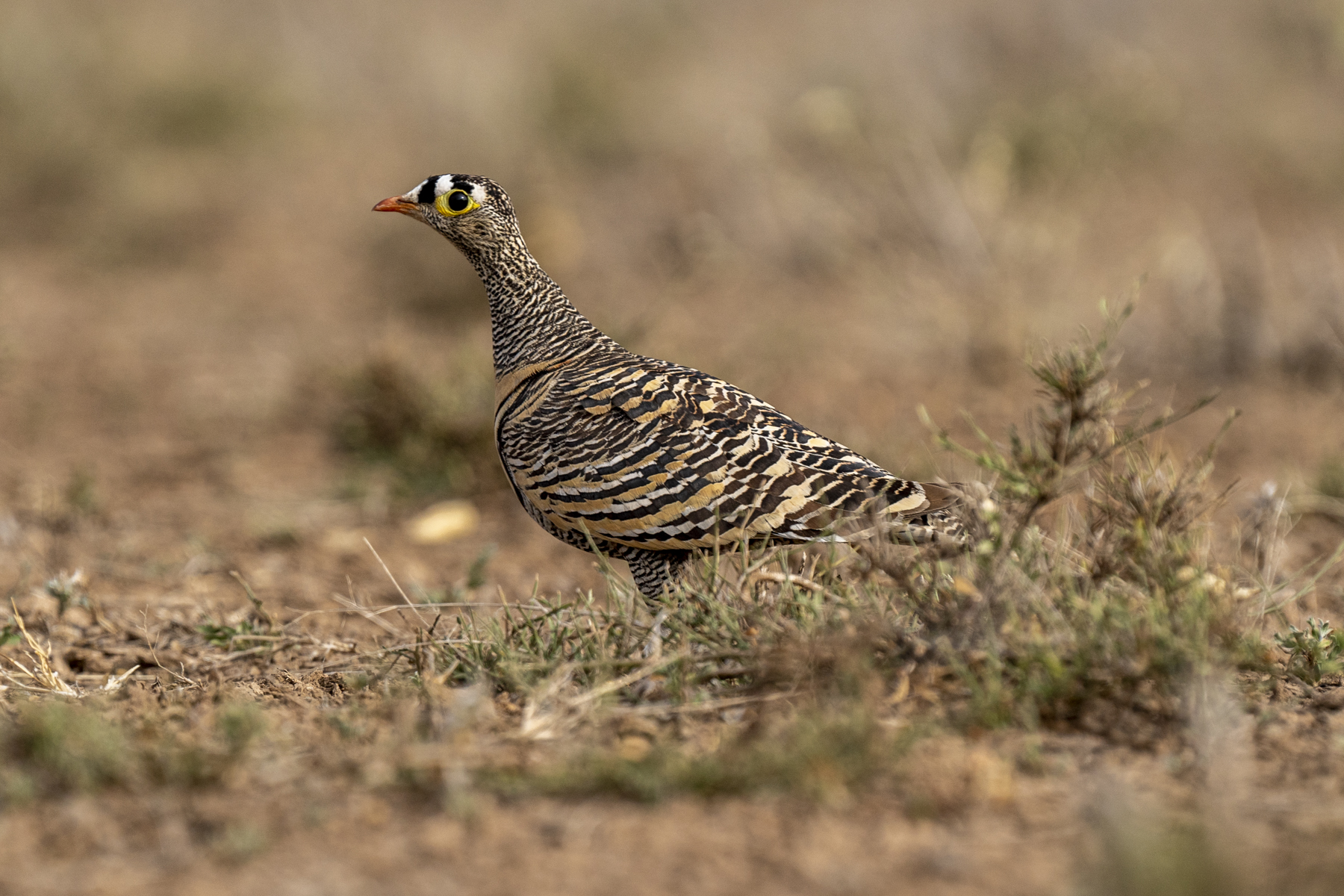
The cryptic Lichtenstein's Sandgrouse is hard to spot until one is close (image by Mark Beaman)
Red-naped Bushshrike (image by Mark Beaman)
Gemessa Gedal (image by Mark Beaman)
Spot-breasted Lapwing (image by Mark Beaman)
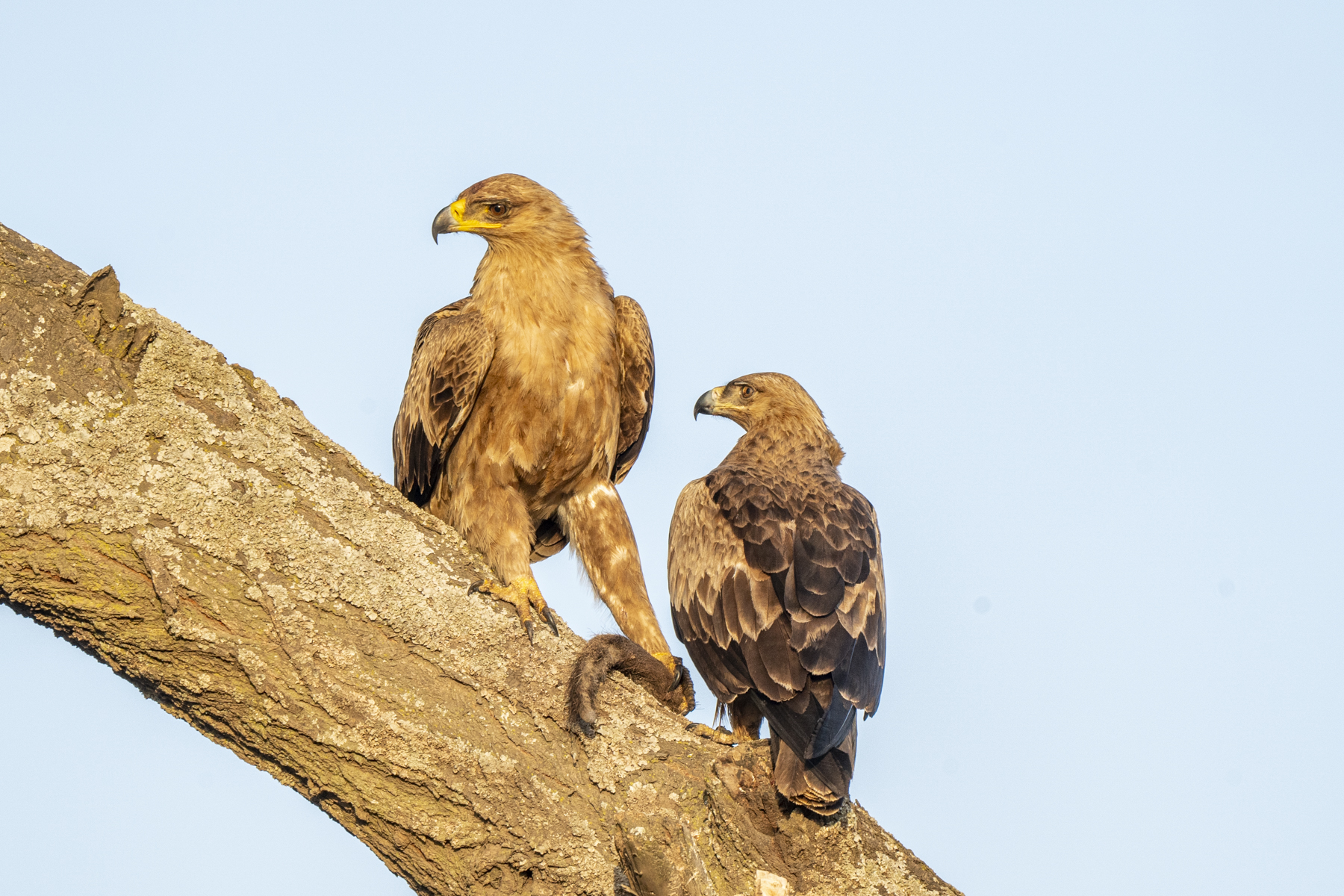
A pair of Tawny Eagles (image by Mark Beaman)
Ruspoli's Turaco (image by Mark Beaman)
Somali Crombec (image by Mark Beaman)
Grivet Monkey (image by Mark Beaman)
Spot-breasted Lapwing, one of the smartest of the Ethiopian Highlands' endemic birds (image by Mark Beaman)
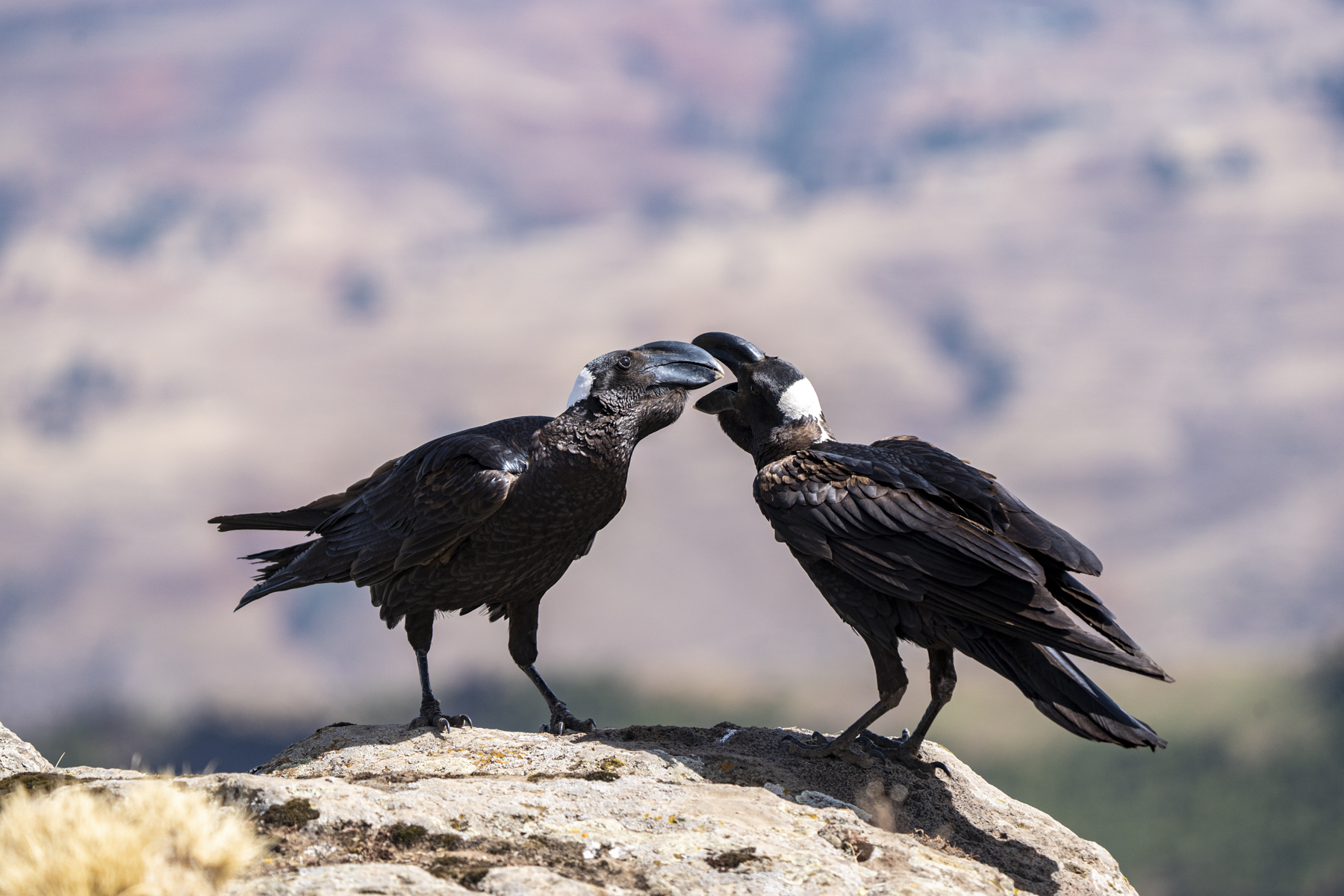
Thick-billed Ravens are very sociable birds (image by Mark Beaman)
African Pymgy Kingfisher (image by Mark Beaman)
Harwood's Spurfowl (image by Mark Beaman)
Red-throated Bee-eaters (image by Mark Beaman)
Yellow-fronted Parrot (image by Nik Borrow)
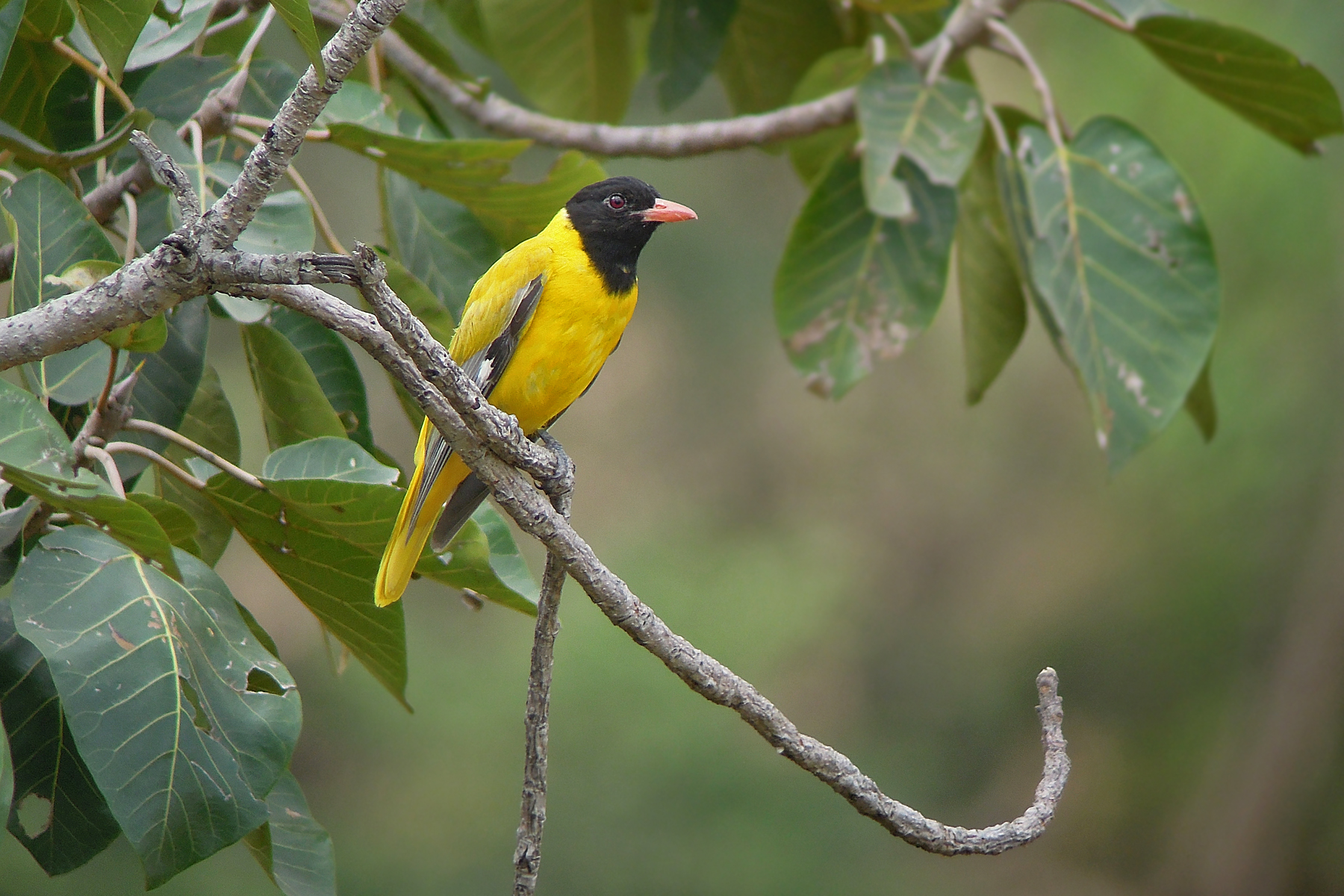
Ethiopian Oriole (image by Nik Borrow)
The lovely Rosy-patched Bushshrike (image by Mark Beaman)
Four-banded Sandgrouse (image by Mark Beaman)
Simien Mountains (image by Mark Beaman)
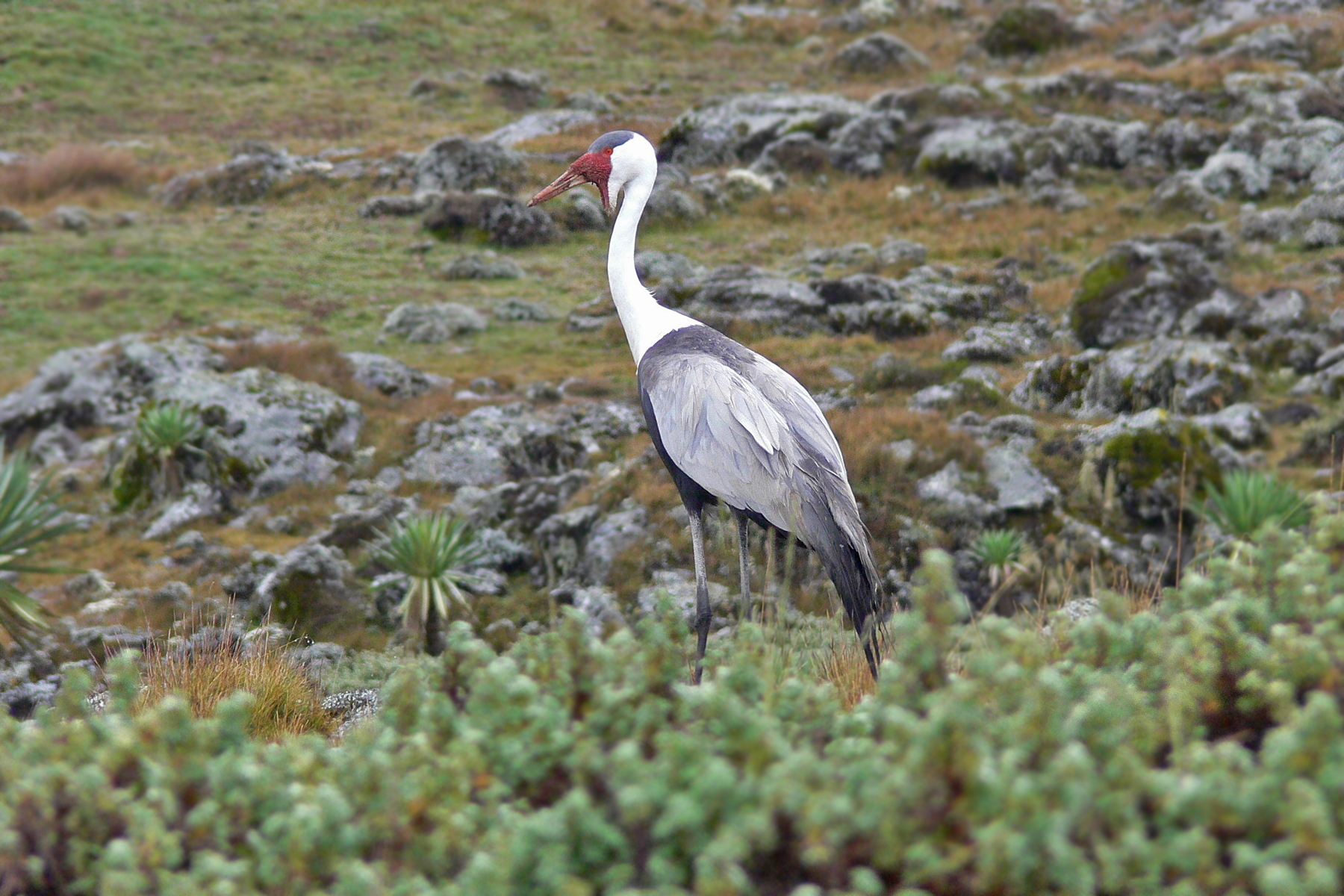
Wattled Crane (image by Nik Borrow)
A Northern Carmine Bee-eater rides an Arabian Bustard. The bee-eater gets the flushed insects and perhaps the bustard gets a sharp-eyed lookout (image by Mark Beaman)
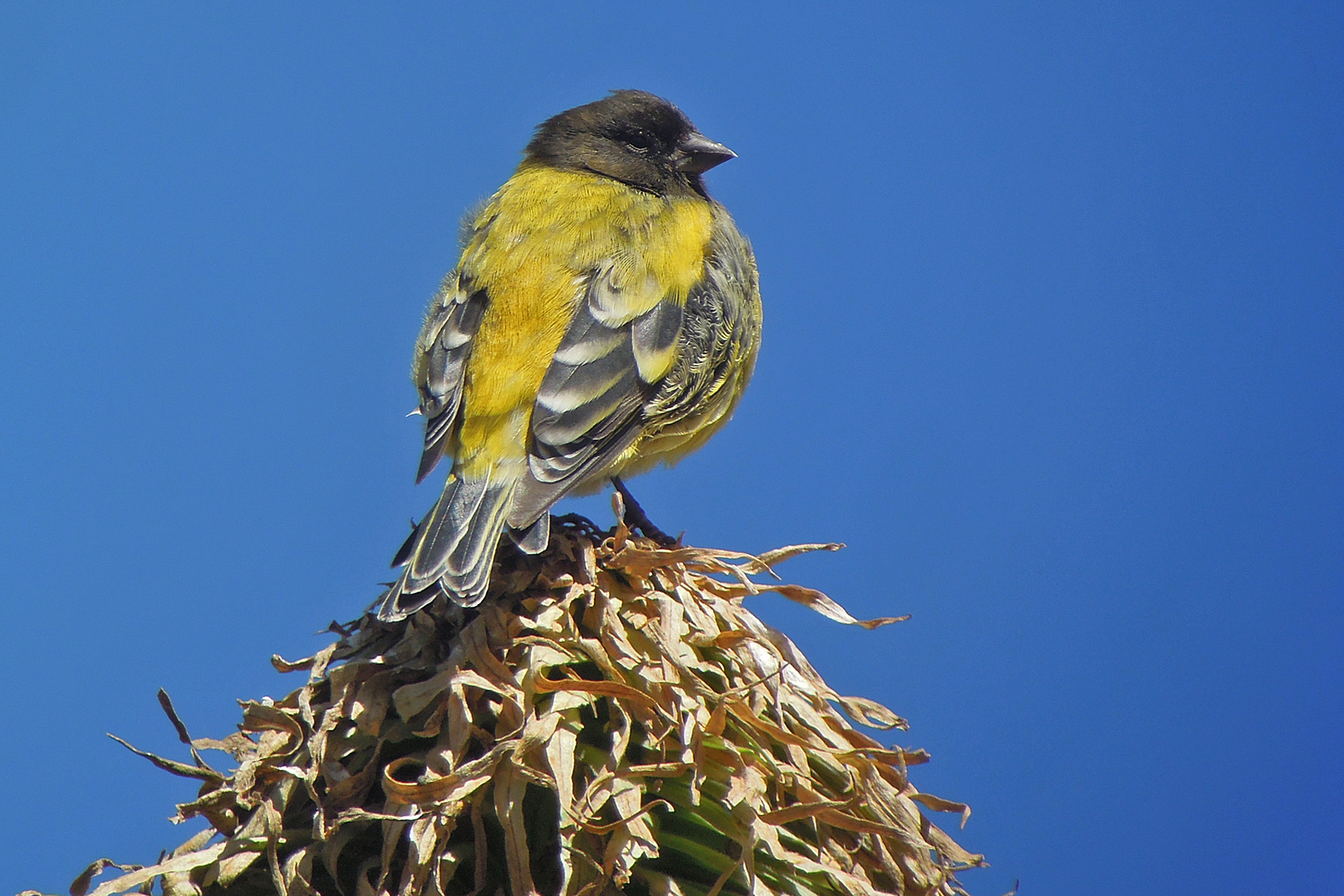
Ethiopian Siskin (image by Nik Borrow)
Yellow-fronted Parrot (image by Mark Beaman)
An Ethiopian Wolf eating a Blick's Grass Rat (image by Mark Beaman)
Flash flood! (image by Mark Beaman)
Walia Ibex (image by Mark Beaman)
Stresemann's Bushcrow (image by Nik Borrow)
Wattled Ibises (image by Mark Beaman)
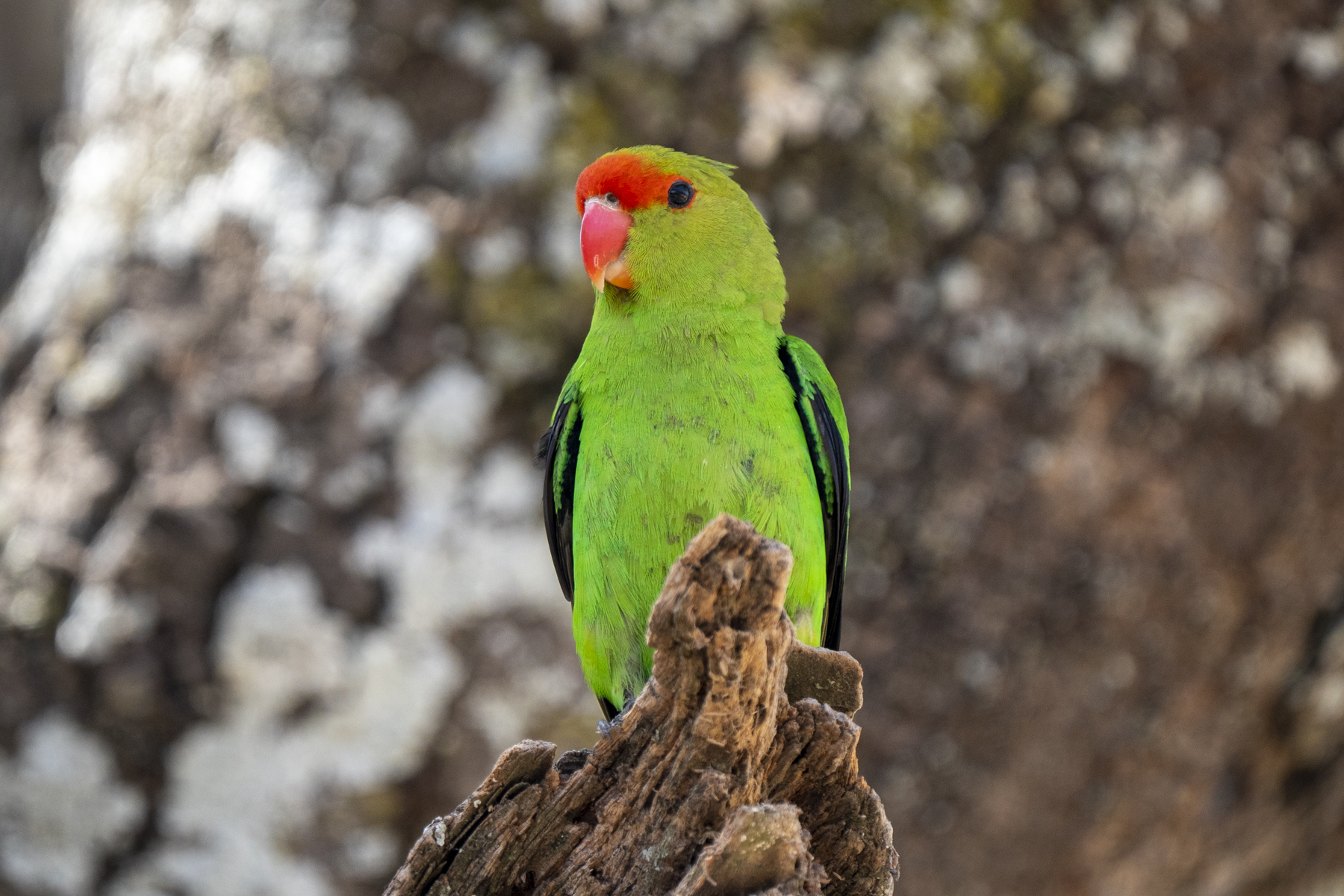
The endemic Black-winged Lovebird (image by Mark Beaman)
Wattled Cranes (image by Mark Beaman)
White-winged Cliff Chat (image by Mark Beaman)
Thick-billed Raven (image by Nik Borrow)
Stresemann's Bushcrows (image by Mark Beaman)
Great White Pelicans at Lake Ziway, Ethiopia (image by Mark Beaman)
Spot-breasted Lapwing (image by Mark Beaman)
Abyssinian Longclaw (image by Nik Borrow)
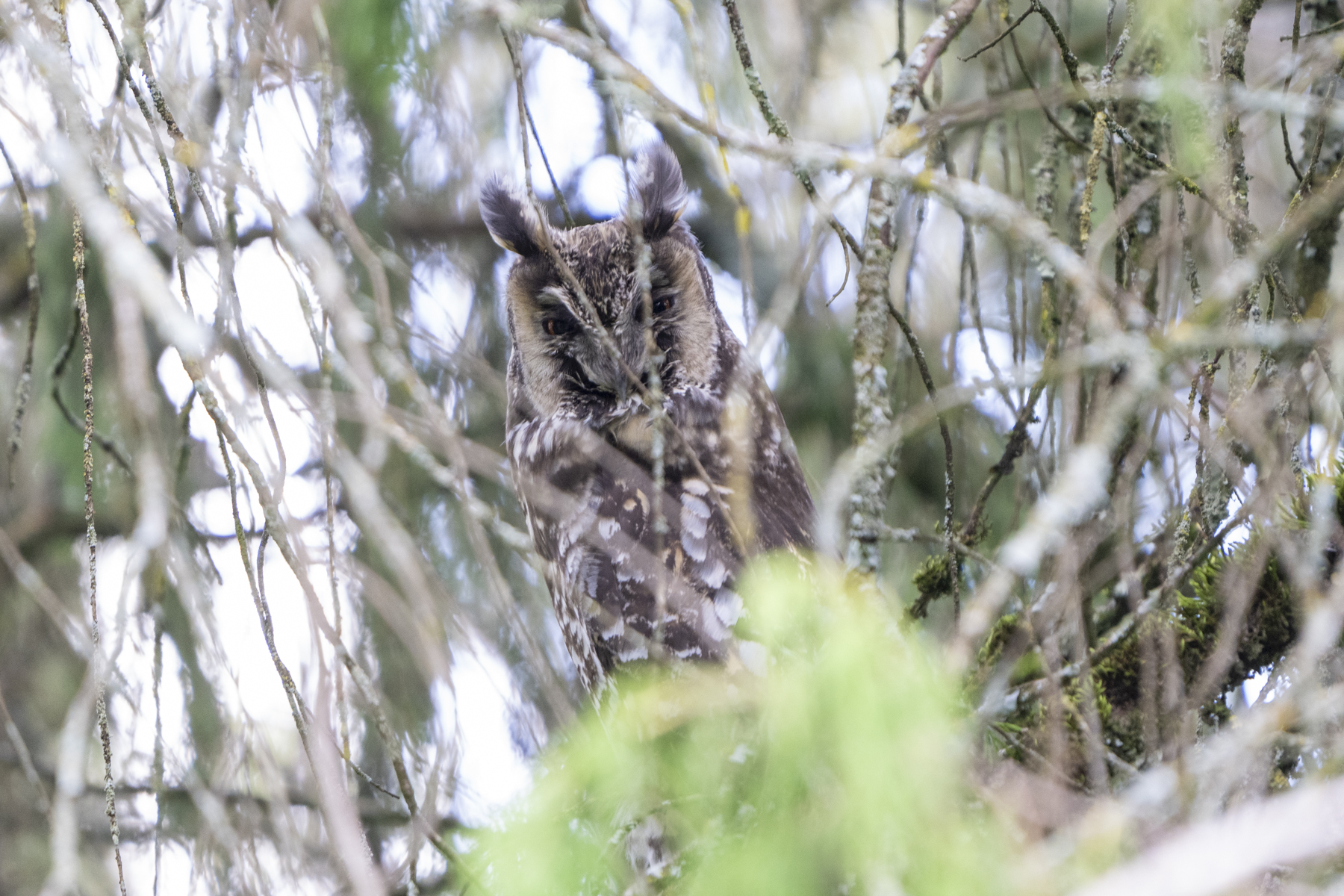
Abyssinian Owl (image by Mark Beaman)
An Ethiopian Wolf wanders across the vast landscape of the Bale Mountains (image by Mark Beaman)
Gelada (image by Nik Borrow)
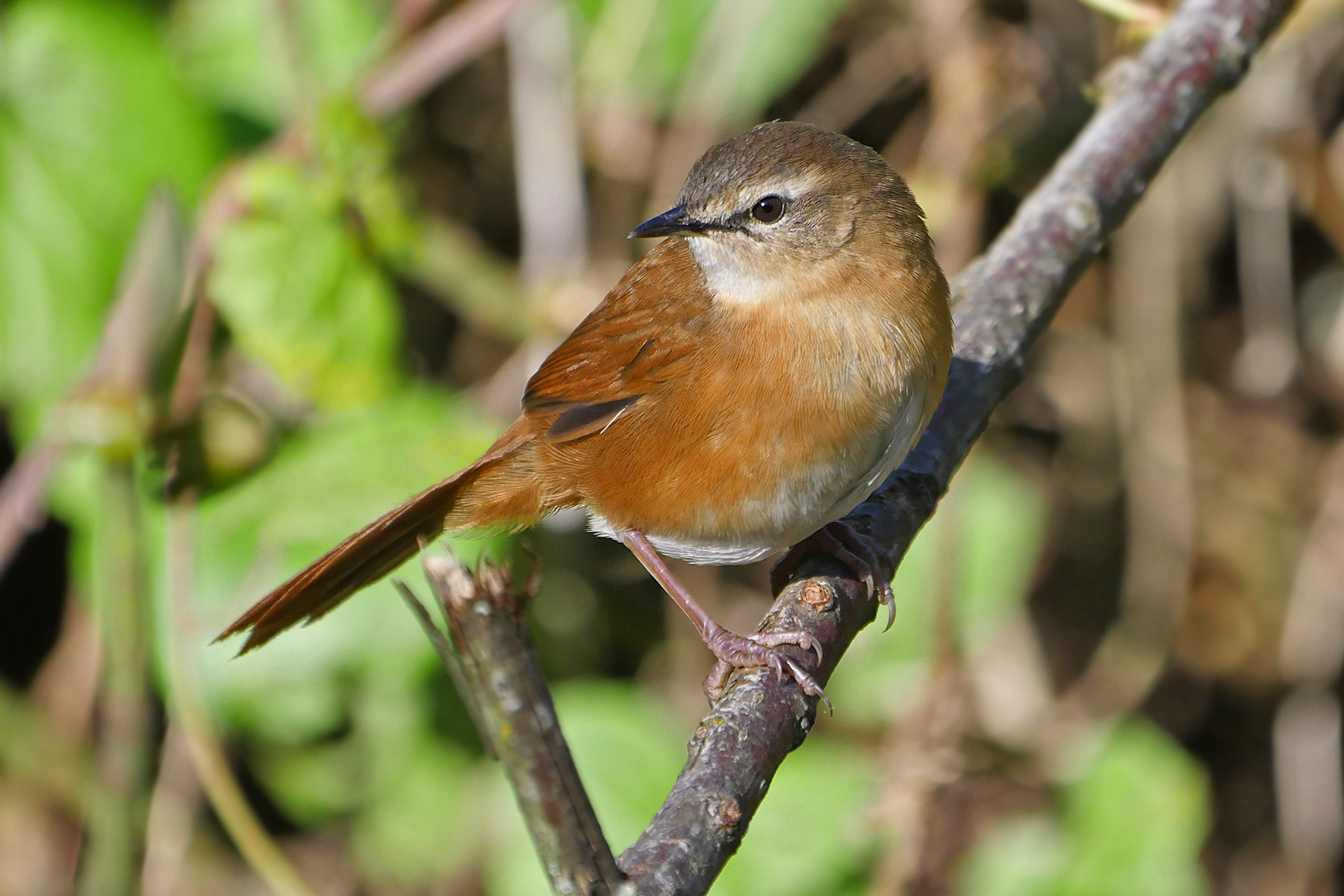
Cinnamon Bracken Warbler (image by Nik Borrow)
Blkanford's Lark (image by Nik Borrow)
Ethiopian Wolf (image by Mark Beaman)
Male and female Mountain Nyalas, endemic to the Ethiopian Highlands (image by Mark Beaman)
White-tailed Swallow (image by Nik Borrow)
Ruspoli's Turaco (image by Mark Beaman)
White-rumped Babblers (image by Mark Beaman)
Montane Nightjar (image by Nik Borrow)
Gelada mother and baby (image by Mark Beaman)
Ruspoli's Turaco (image by Nik Borrow)
Rouget's Rail (image by Mark Beaman)
White-bellied Go-away Birds displaying (image by Mark Beaman)
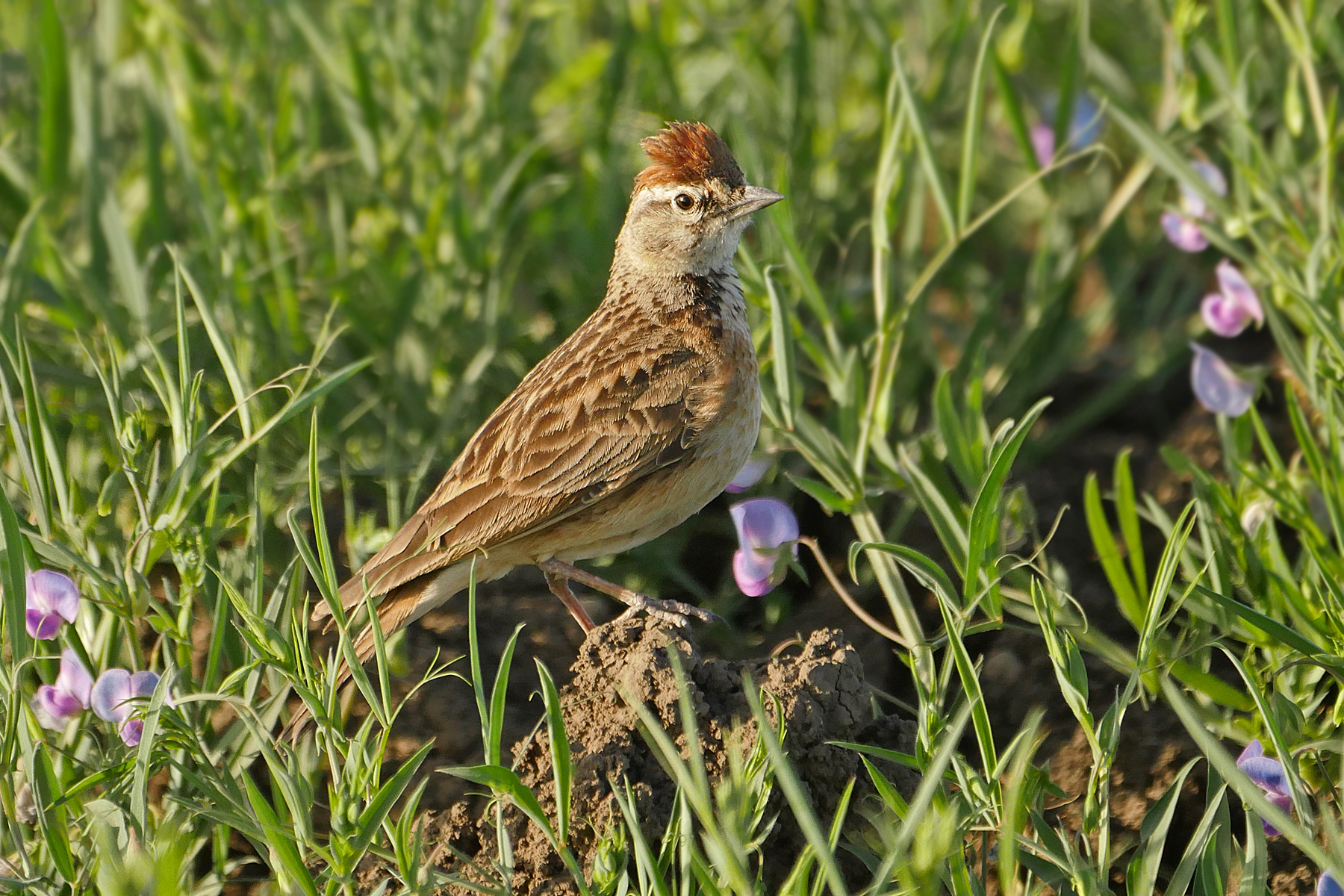
Masked Lark (image by Mark Beaman)
Ethiopian Wolf (image by Mark Beaman)
Early morning in the Bale Mountains of Ethiopia (image by Mark Beaman)
The evocative cry of the African Fish Eagle is one of the charismatic sounds of Africa (image by Mark Beaman)
Brown-tailed Rock Chat (image by Mark Beaman)
Geladas are very willing to try all kinds of foods (image by Mark Beaman)
Wattled Ibis (image by Nik Borrow)
An Ethiopian Wolf pounces on its prey (image by Mark Beaman)
Ethiopian Wolves (image by Mark Beaman)
Rouget's Rail (image by Nik Borrow)
White-collared Pigeon (image by Nik Borrow)
Gelada (image by Mark Beaman)
Scaly Chatterer (image by Nik Borrow)
Spot-breasted Lapwing (image by Nik Borrow)
Martial Eagle (image by Mark Beaman)
Ankober Serin (image by Mark Beaman)
Guereza Colobus portrait (image by Mark Beaman)
Nile Valley Sunbird (image by Nik Borrow)
Palace at Gondar (image by Mark Beaman)
Rouget's Rail (image by Nik Borrow)
Ethiopian Bee-eater (image by Nik Borrow)
Sombre Rock Chat (image by Nik Borrow)
African Pygmy Goose (image by Mark Beaman)
The tiny Malachite Kingfisher is like avian jewellery (image by Mark Beaman)
An Ethiopian Wolf in rodent stalking mode (image by Mark Beaman)
African Spotted Creeper (image by Mark Beaman)
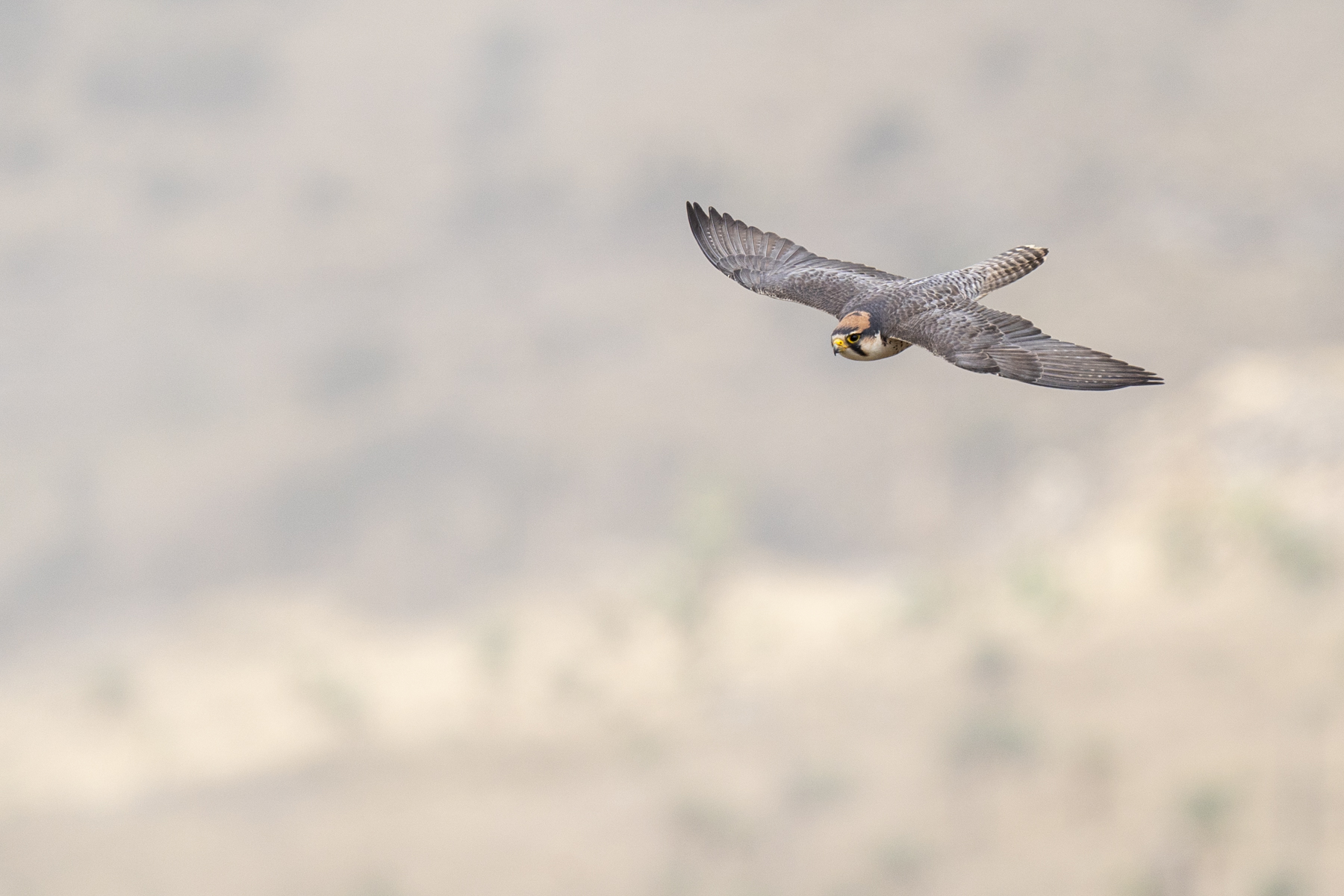
Lanner Falcon (image by Mark Beaman)
White-backed Black Tit (image by Nik Borrow)
Bearded Vulture or Lammergeier (image by Mark Beaman)
White-winged Cliff Chats (image by Nik Borrow)
Dust storm (image by Mark Beaman)
Dark Chanting Goshawk (image by Mark Beaman)
Cape Eagle-Owl (image by Mark Beaman)
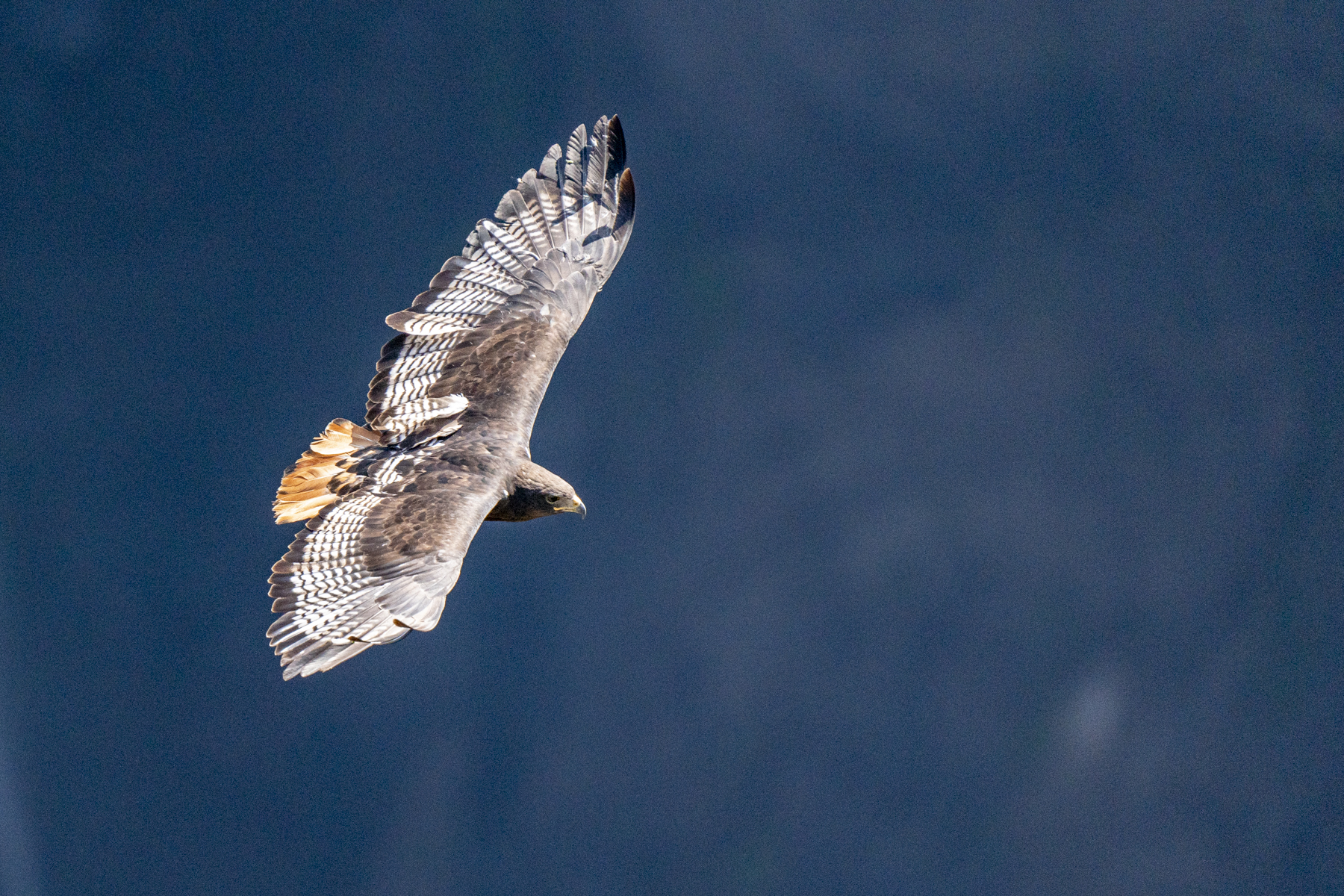
Augur Buzzard (image by Mark Beaman)
Yellow-billed Kite (image by Mark Beaman)
The endemic Thick-billed Raven is an impressive bird of the Ethiopian highlands (image by Mark Beaman)
Somali Short-toed Lark (image by Mark Beaman)
A Northern Carmine Bee-eater riding on an Arabian Bustard's back (image by Mark Beaman)
Spot-breasted Lapwing (image by Nik Borrow)
Gelada (image by Nik Borrow)
A Guereza Colobus challenges a rival (image by Mark Beaman)
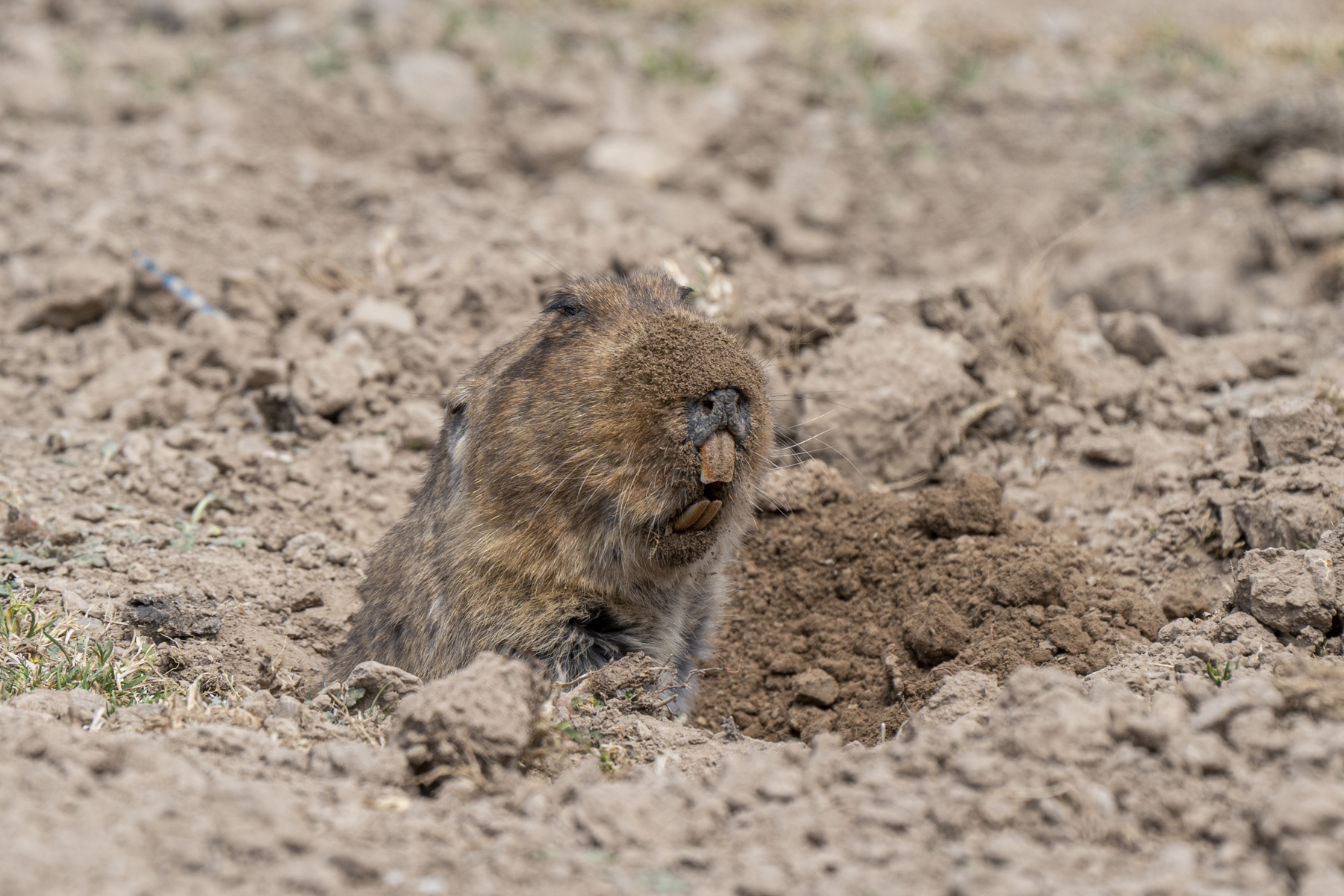
The rather 'goofy' Giant Mole Rat (or Giant Root Rat), favourite food of the Ethiopian Wolf (image by Mark Beaman)
Secretarybird (image by Mark Beaman)
Yellow-throated Seedeater (image by Mark Beaman)
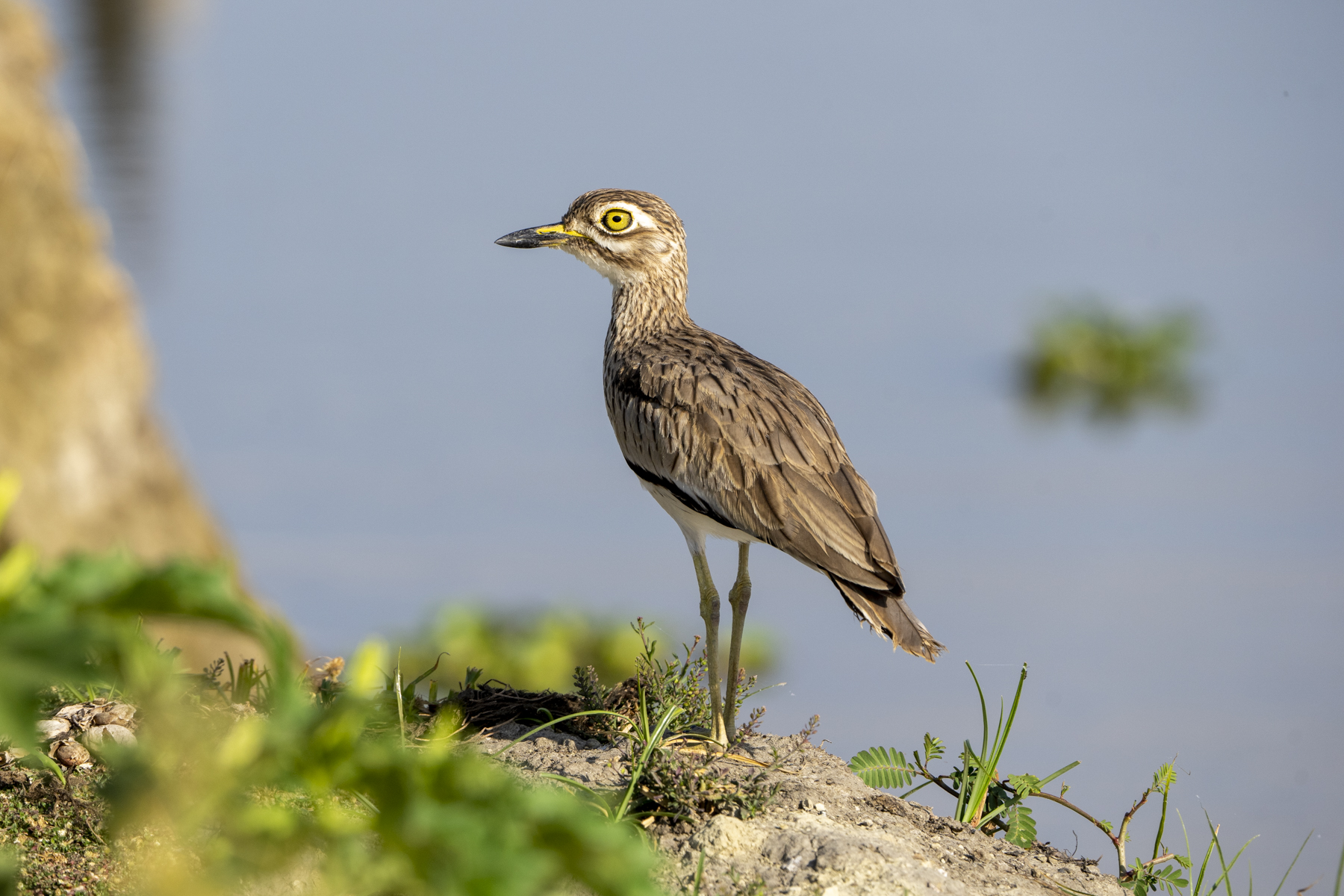
Senegal Thick-knee (image by Mark Beaman)
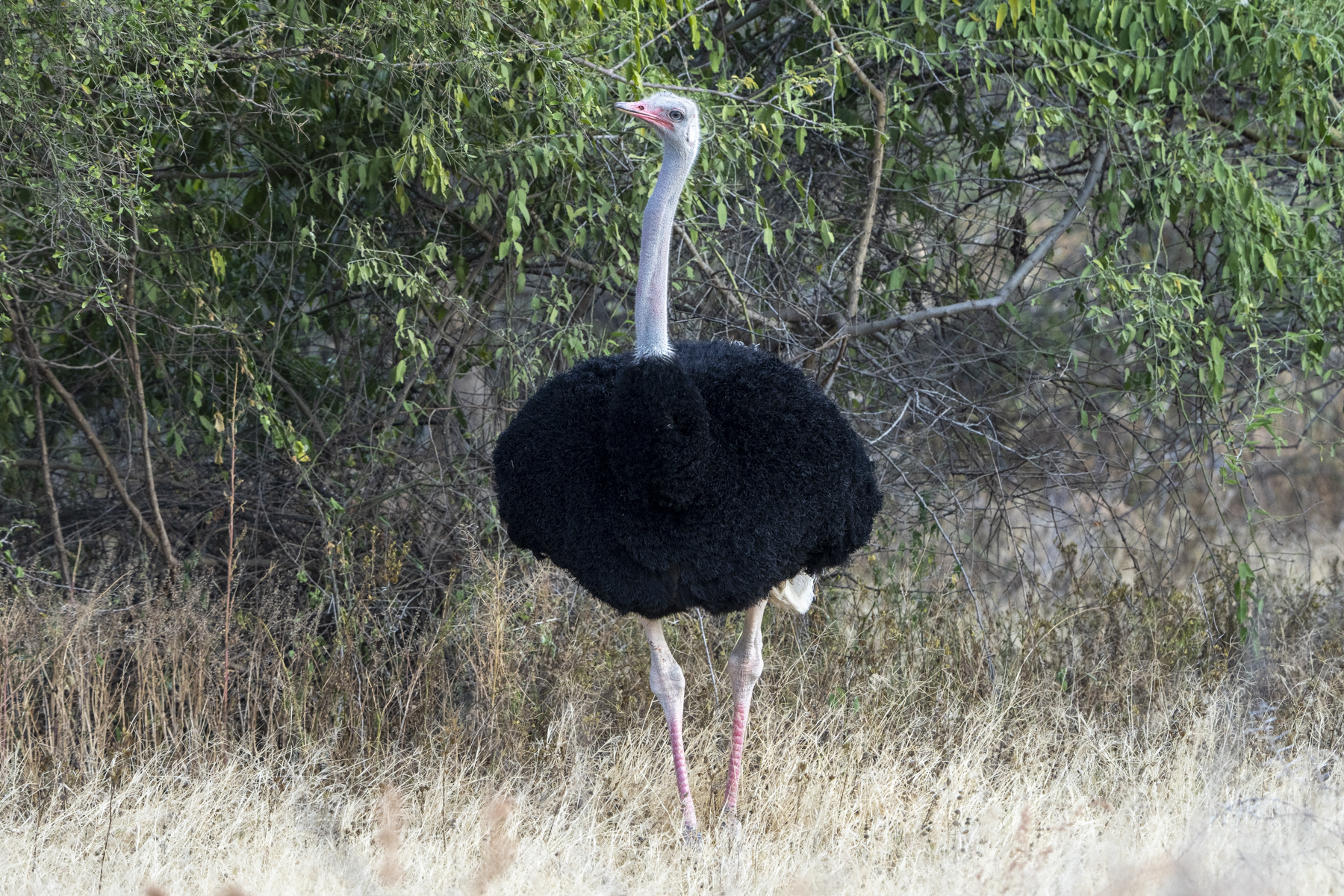
Somali Ostrich (image by Mark Beaman)
Black Crake (image by Mark Beaman)
White-cheeked Turaco (image by Nik Borrow)
A Beisa Oryx in the dry bush country of the Awash region (image by Mark Beaman)


Red-naped Bushshrike (image by Nik Borrow)
Chestnut-naped Spurfowl (image by Mark Beaman)
Abyssinian Woodpecker (image by Mark Beaman)
Ethiopian Wolf (image by Nik Borrow)
Marico Sunbird (image by Mark Beaman)
Wattled Ibis (image by Mark Beaman)
Abyssinian Catbird (image by Nik Borrow)
Grivet Monkey portrait (image by Mark Beaman)
Blue-winged Goose and Egyptian Goose (image by Nik Borrow)
Vast panoramas are what the wild Bale Mountains are all about (image by Mark Beaman)
The Kenyan borderlands (image by Mark Beaman)
Geladas enjoying their foraging while we sit among them (image by Mark Beaman)
Chestnut-naped Francolin (image by Nik Borrow)
The cryptic Lichtenstein's Sandgrouse is hard to spot until one is close (image by Mark Beaman)
Red-naped Bushshrike (image by Mark Beaman)
Gemessa Gedal (image by Mark Beaman)
Spot-breasted Lapwing (image by Mark Beaman)
A pair of Tawny Eagles (image by Mark Beaman)
Ruspoli's Turaco (image by Mark Beaman)
Somali Crombec (image by Mark Beaman)
Grivet Monkey (image by Mark Beaman)
Spot-breasted Lapwing, one of the smartest of the Ethiopian Highlands' endemic birds (image by Mark Beaman)
Thick-billed Ravens are very sociable birds (image by Mark Beaman)
African Pymgy Kingfisher (image by Mark Beaman)
Harwood's Spurfowl (image by Mark Beaman)
Red-throated Bee-eaters (image by Mark Beaman)
Yellow-fronted Parrot (image by Nik Borrow)
Ethiopian Oriole (image by Nik Borrow)
The lovely Rosy-patched Bushshrike (image by Mark Beaman)
Four-banded Sandgrouse (image by Mark Beaman)
Simien Mountains (image by Mark Beaman)
Wattled Crane (image by Nik Borrow)
A Northern Carmine Bee-eater rides an Arabian Bustard. The bee-eater gets the flushed insects and perhaps the bustard gets a sharp-eyed lookout (image by Mark Beaman)
Ethiopian Siskin (image by Nik Borrow)
Yellow-fronted Parrot (image by Mark Beaman)
An Ethiopian Wolf eating a Blick's Grass Rat (image by Mark Beaman)
Flash flood! (image by Mark Beaman)
Walia Ibex (image by Mark Beaman)
Stresemann's Bushcrow (image by Nik Borrow)
Wattled Ibises (image by Mark Beaman)
The endemic Black-winged Lovebird (image by Mark Beaman)
Wattled Cranes (image by Mark Beaman)
White-winged Cliff Chat (image by Mark Beaman)
Thick-billed Raven (image by Nik Borrow)
Stresemann's Bushcrows (image by Mark Beaman)
Great White Pelicans at Lake Ziway, Ethiopia (image by Mark Beaman)
Spot-breasted Lapwing (image by Mark Beaman)
Abyssinian Longclaw (image by Nik Borrow)
Abyssinian Owl (image by Mark Beaman)
An Ethiopian Wolf wanders across the vast landscape of the Bale Mountains (image by Mark Beaman)
Gelada (image by Nik Borrow)
Cinnamon Bracken Warbler (image by Nik Borrow)
Blkanford's Lark (image by Nik Borrow)
Ethiopian Wolf (image by Mark Beaman)
Male and female Mountain Nyalas, endemic to the Ethiopian Highlands (image by Mark Beaman)
White-tailed Swallow (image by Nik Borrow)
Ruspoli's Turaco (image by Mark Beaman)
White-rumped Babblers (image by Mark Beaman)
Montane Nightjar (image by Nik Borrow)
Gelada mother and baby (image by Mark Beaman)
Ruspoli's Turaco (image by Nik Borrow)
Rouget's Rail (image by Mark Beaman)
White-bellied Go-away Birds displaying (image by Mark Beaman)
Masked Lark (image by Mark Beaman)
Ethiopian Wolf (image by Mark Beaman)
Early morning in the Bale Mountains of Ethiopia (image by Mark Beaman)
The evocative cry of the African Fish Eagle is one of the charismatic sounds of Africa (image by Mark Beaman)
Brown-tailed Rock Chat (image by Mark Beaman)
Geladas are very willing to try all kinds of foods (image by Mark Beaman)
Wattled Ibis (image by Nik Borrow)
An Ethiopian Wolf pounces on its prey (image by Mark Beaman)
Ethiopian Wolves (image by Mark Beaman)
Rouget's Rail (image by Nik Borrow)
White-collared Pigeon (image by Nik Borrow)
Gelada (image by Mark Beaman)
Scaly Chatterer (image by Nik Borrow)
Spot-breasted Lapwing (image by Nik Borrow)
Martial Eagle (image by Mark Beaman)
Ankober Serin (image by Mark Beaman)
Guereza Colobus portrait (image by Mark Beaman)
Nile Valley Sunbird (image by Nik Borrow)
Palace at Gondar (image by Mark Beaman)
Rouget's Rail (image by Nik Borrow)
Ethiopian Bee-eater (image by Nik Borrow)
Sombre Rock Chat (image by Nik Borrow)
African Pygmy Goose (image by Mark Beaman)
The tiny Malachite Kingfisher is like avian jewellery (image by Mark Beaman)
An Ethiopian Wolf in rodent stalking mode (image by Mark Beaman)
African Spotted Creeper (image by Mark Beaman)
Lanner Falcon (image by Mark Beaman)
White-backed Black Tit (image by Nik Borrow)
Bearded Vulture or Lammergeier (image by Mark Beaman)
White-winged Cliff Chats (image by Nik Borrow)
Dust storm (image by Mark Beaman)
Dark Chanting Goshawk (image by Mark Beaman)
Cape Eagle-Owl (image by Mark Beaman)
Augur Buzzard (image by Mark Beaman)
Yellow-billed Kite (image by Mark Beaman)
The endemic Thick-billed Raven is an impressive bird of the Ethiopian highlands (image by Mark Beaman)
Somali Short-toed Lark (image by Mark Beaman)
A Northern Carmine Bee-eater riding on an Arabian Bustard's back (image by Mark Beaman)
Spot-breasted Lapwing (image by Nik Borrow)
Gelada (image by Nik Borrow)
A Guereza Colobus challenges a rival (image by Mark Beaman)
The rather 'goofy' Giant Mole Rat (or Giant Root Rat), favourite food of the Ethiopian Wolf (image by Mark Beaman)
Secretarybird (image by Mark Beaman)
Yellow-throated Seedeater (image by Mark Beaman)
Senegal Thick-knee (image by Mark Beaman)
Somali Ostrich (image by Mark Beaman)
Black Crake (image by Mark Beaman)
White-cheeked Turaco (image by Nik Borrow)
A Beisa Oryx in the dry bush country of the Awash region (image by Mark Beaman)


|
Saturday 20th November – Sunday 5th December 2027 Leaders: Pete Morris and a top local bird guide |
16 Days | Group Size Limit 7 (tour full) |
|
Monday 20th November – Tuesday 5th December 2028 Leaders: Birdquest leader to be announced and a top local bird guide |
16 Days | Group Size Limit 7 |
|
Saturday 17th November – Sunday 2nd December 2029 Leaders: Matt Eade and a top local bird guide |
16 Days | Group Size Limit 7 |
Birdquest’s Classic Ethiopia birding tours target almost all the Ethiopian endemic species (some of which are shared with Eritrea), including Wattled Ibis, Blue-winged Goose, Harwood’s and Erckel’s Spurfowls, ‘Black-fronted’ Spurfowl, Rouget’s Rail, Spot-breasted Lapwing, White-collared Pigeon, Black-winged Lovebird, Yellow-fronted Parrot, Ruspoli’s Turaco, Banded Barbet, Abyssinian Woodpecker, Blanford’s Lark, Abyssinian Longclaw, White-tailed Swallow, Ethiopian (or Abyssinian) Oriole, Abyssinian Catbird, Rüppell’s Black Chat, Rusty-breasted Wheatear, White-winged Cliff Chat, Ethiopian Thrush, Ethiopian Cisticola, Abyssinian Slaty Flycatcher, White-backed Black Tit, the strange Stresemann’s Bush Crow, Thick-billed Raven, White-billed Starling, Red-billed (or Lineated) Pytilia, Salvadori’s Seedeaters, Ankober Serin and Ethiopian Siskin.
The endemics are not the only attraction, however, as this itinerary also records many near-endemics and range-restricted species. For example, Chestnut-naped Spurfowl, White-cheeked Turaco, Ethiopian Bee-eater, Somali Short-toed and Masked Larks, Brown-tailed Rock Chat, Somali Fiscal, Ethiopian Boubou, White-rumped Babbler, Abyssinian Sunbird, Swainson’s Sparrow, Abyssinian Waxbill, Northern Grosbeak-Canary and Yellow-rumped and Brown-rumped Seedeaters are only shared with Somalia, Djibouti or adjacent parts of Sudan or Kenya.
Combine this with some magnificent scenery, exploration of remote and wild places, and some great mammals (including such notable endemics as Gelada, Ethiopian Wolf and Gedemsa or Mountain Nyala), and you have an unforgettable journey.
Ethiopia, the ‘Roof of Africa’, is a rugged and ancient land that is home to over 40 endemic and near-endemic bird species (many shared with Eritrea, and the precise number depends on which taxonomic treatments you follow. One recently was deleted: ‘Nechisar Nightjar’, known only from a wing, has been shown to be Standard-winged Nightjar!) Ethiopia is one of the most fascinating African countries for birding, with new and exciting discoveries being made every year. It is surely also one of the most enjoyable, with its wonderful light, diverse habitats, amazing scenery and very rich and often colourful avifauna.
Indeed, Ethiopia is an absolutely ‘core’ birding destination for anyone wanting to see the birds of Africa, having two major advantages over many other destinations on the continent. In the first place, it has a much greater concentration of regional specialities than almost any other part of Africa (only South Africa and Tanzania offer serious competition in this regard), and in the second place, birding here is simply wonderful. Habitats are mostly open, and there is no need to stay in the vehicles anywhere on the tour, so one can walk at will and follow any of the more secretive species.
Many accommodations and even some of the roads are now much improved in Ethiopia, making for easier travelling conditions than were the case in the past.
Ethiopia is certainly a land of superlatives, unsurpassed in scenic grandeur by any other part of this ancient continent; a place where Bearded Vultures (or Lammergeiers) soar over majestic gorges and robed horsemen gallop across the high plains. Here, the Ethiopian Wolf hunts Giant Root Rats among the grey cushion plants of the Afro-alpine moorlands, Geladas scramble up towering cliffs and graceful herds of Gedemsas (or Mountain Nyalas) browse along the edge of fragrant juniper forests.
Birds pass unmolested lives in Ethiopia (in spite of a large population, birds are rarely hunted), with the result that the birdlife is not only abundant but also remarkably tame.
Our Classic Ethiopia birding tour starts in Addis Ababa, the capital city.
First we will descend into the arid region to the south of the Danakil Depression to savour the rich birdlife of the Bilen and Aledeghe region and Awash National Park, which includes such (mostly restricted-range) specialities as Somali Ostrich, Arabian Bustard, Yellow-breasted Barbet, Gillett’s Lark, ‘Somali’ Bulbul, Sombre Rock Chat, Grey-headed Batis, Somali Fiscal, and Shining and Nile Valley Sunbirds, and the game that wanders through the dry thornbush.
Heading down the Rift Valley, we shall visit Lake Zwai and, in particular, Lake Langano. Each of Ethiopia’s chain of Rift Valley lakes is different in character, but several are teeming with waterbirds. This is a good area for the raucous endemic Yellow-fronted Parrot, which favours huge fruiting figs, as well as the endemic Black-winged Lovebird, Banded Barbet and White-winged Cliff Chat and the near-endemic White-cheeked Turaco, Ethiopian Bee-eater and White-rumped Babbler.
From the Rift Valley, we will climb up into the southeastern highlands to the Bale Mountains National Park, where we are in for a glorious feast of scenery and endemics!
The remaining juniper forests and rocky valleys harbour Cape Eagle-Owl and Abyssinian Owl. On Africa’s highest road, we will marvel at the stark beauty of these wild uplands with their spectacular Afro-alpine vegetation and unique collection of endemic birds, including Blue-winged Goose, Wattled Ibis, Moorland Francolin, Rouget’s Rail, Spot-breasted Lapwing, White-collared Pigeon, Abyssinian Woodpecker, Blanford’s Lark, Abyssinian Catbird, Ethiopian Thrush, Ethiopian Cisticola, Abyssinian Slaty Flycatcher, White-backed Black Tit, Abyssinian Longclaw, Brown-rumped Seedeater and Ethiopian Siskin. Other great birds include the near-endemic Chestnut-naped Spurfowl and the magnificent Wattled Crane.
Some exciting endemic mammals are also likely to be encountered in the Bale, including Ethiopian Wolf, Gedemsa (or Mountain Nyala) and Ethiopian Highlands (or Menelik’s) Bushbuck, not to mention the strange Giant Root Rat (or Giant Mole-Rat) and the near-endemic Ethiopian Klipspringer.
We will also visit an area that holds the endemic Salvadori’s Serin and the range-restricted Brown-tailed Rock Chat.
Our Ethiopia birding tour then heads southwards to Yabello, where our principal targets will be the strange endemic Stresemann’s Bushcrow and the attractive endemic White-tailed Swallow that nests in the towering termite nests that dot the landscape in this part of Ethiopia. We will all be wanting to see the enigmatic Ruspoli’s Turaco, a rare relict endemic species that Prince Ruspoli first collected between 1891-93. Unfortunately, he was killed by an elephant shortly afterwards, and the exact site of the type specimen remains unknown! Although rediscovered in the 1940s, it has only been much more recently that sightings have become regular.
Other good birds in this special area include Somali Ostrich, the endemic ‘Black-fronted’ Spurfowl, Somali Courser, Somali Short-toed and Masked Larks, ‘Dodson’s’ Bulbul, Somali Crow, Pringle’s Puffback, Somali Fiscal, the smart Red-naped Bushshrike, Boran Cisticola, Somali Crombec, Scaly Chatterer, White-crowned and Bristle-crowned Starlings, Shelley’s Sparrow and Northern Grosbeak-Canary.
Turning back north, we will visit Lake Awassa, a superb freshwater lake in the Rift Valley that holds numerous waterbirds, and another wetland area. Specialities at and around Awassa include the endemic Thick-billed Raven and the localised African Spotted Creeper.
At the Gibe Valley National Park near Welkite, situated to the southwest of Addis Ababa, we will search for the endemic Red-billed (or Lineated) Pytilia and the near-endemic Abyssinian Waxbill, as well as Bar-breasted and Black-faced Firefinches. There is also a slim chance for Egyptian Plover at Gibe.
In the Jemma Valley, not far from Addis Ababa, the landscape will be completely different as we gaze across a vast panorama of arid gorges and rugged mountain ranges that stretch endlessly away towards the horizon. Here, subject to local conditions allowing, we will search for the endemic Harwood’s Spurfowl plus such endemics as Erckel’s Spurfowl and Rüppell’s Black Chat. (If we have to visit another area, we can still see Erckel’s Spurfowl and Rüppell’s Black Chat.)
In addition, we will visit a spectacular mountain area where we should find the endemic Ankober Serin, as well as the endemic White-billed Starling and the near-endemic Yellow-rumped Seedeater. If we have time, we will also look for the near-endemic Kafa White-eye in the Addis region.
By the time we complete this splendid tour, we will surely appreciate what a great birding country Ethiopia is.
Birdquest has operated Ethiopia birding tours since 1987.
Other Ethiopian Specialities
Security issues have affected parts of Ethiopia for many years, and so we are not currently able to operate our Ultimate Ethiopia tour. The Negele region in the southeast has been off-limits for many years, so the near-endemic Archer’s (or Liben) Lark and the range-restricted White-winged Collared Dove and Juba Weaver are not available. Visiting the far northwest for the near-endemic White-headed Babbler can also be problematic these days.
Accommodation & Road Transport
The hotels/lodges are of a good or medium standard, except at Yabello, where the hotel is very simple (although the rooms have private bathrooms). Road transport is by 4×4 vehicles. Roads vary from good to bad.
Walking
The walking effort during our Classic Ethiopia birding tours is easy, almost throughout, and only occasionally moderate.
Climate
Predominantly warm or hot, dry and sunny. It can be quite cool in the early morning, especially at higher altitudes, and at the summit plateau of the Bale Mountains, first thing in the morning, it may be distinctly cold. It may be overcast at times, and there will likely be some rain.
Bird Photography
Opportunities during our Classic Ethiopia birding tours are good.
To see a larger map, click on the square-like ‘enlarge’ icon in the upper right of the map box.
To see (or hide) the ‘map legend’, click on the icon with an arrow in the upper left of the map box.
To change to a satellite view, which is great for seeing the physical terrain (and for seeing really fine details by repetitive use of the + button), click on the square ‘map view’ icon in the lower left corner of the ‘map legend’.
Birdquest Inclusions: Our tour prices include transportation, accommodations, meals and entrance fees.
We also include all tipping for local guides, drivers and accommodation/restaurant staff.
Deposit: 20% of the total tour price. Our office will let you know what deposit amount is due, in order to confirm your booking, following receipt of your online booking form.
TO BOOK THIS TOUR: Click here (you will need the tour dates)
The single supplement will not apply if you indicate on booking that you prefer to share a room and there is a room-mate of the same sex available.
This tour is priced in US Dollars. Amounts shown in other currencies are indicative.
Ethiopia: Day 1
Our tour begins this morning at Addis Ababa. This famous African city, commonly referred to simply as Addis, is situated on the flanks of the Entoto Mountains at an altitude of 2400m, and Marabou Stork, Yellow-billed Kite, Hooded and White-backed Vultures, Speckled Pigeon, Dusky Turtle Dove and Pied Crow are likely to be amongst the birds we see within the city limits.
If travel conditions permit, we will descend the dramatic Ankober escarpment. The Ankober escarpment provides truly spectacular views over the Awash valley and the southern part of the Danakil Depression far below. Here at 3000m (9843ft) the cliffs are broken by vegetated slopes and terraces covered in tree heaths and other Afro-alpine plants. At times clouds swirl up from the valley below to envelop the cliff tops.
We shall break the journey at Melka Ghebdu, a reliable site for the endemic Yellow-throated Seedeater, as well as the endemic Banded Barbet, the restricted-range Yellow-breasted Barbet, Scarlet-chested Sunbird, Chestnut-crowned Sparrow-Weaver and Red-headed Weaver.
Afterwards, we will continue to descend from the highlands into the vast Awash River lowlands for an overnight stay in the Bilen area.
We will have most of the afternoon in this interesting area, which is inhabited by Afar people who were formerly nomadic herders but now live a more settled existence, although they continue to use the long, rounded thatched dwellings that they used while moving from one area of pasture to another.
The open grasslands and acacia bushlands at Bilen and nearby Aledeghe are home to the stately, but declining and now much-sought-after Arabian Bustard (which sometimes have gorgeous Northern Carmine Bee-eaters riding on their backs!), while other good birds include such range-restricted specialities as the huge Somali Ostrich, Hartlaub’s Bustard, African Collared Dove (uncommon), Grey-headed Batis, the little-known Gillett’s Lark, Chestnut-headed Sparrow-Lark, ‘Somali’ Bulbul, Blackstart, Black Scrub Robin, Somali Fiscal and Nile Valley Sunbird.
The dry plains also hold some interesting mammals, including Hamadryas (or Sacred) and Olive Baboons, Grivet Monkey, Common Warthog, Salt’s Dik-dik, Soemmerring’s Gazelle and Beisa Oryx. With a bit of luck, we will also encounter Northern Gerenuk and Northern Lesser Kudu. Interestingly, the Golden Jackals of Africa have recently been split off as a distinct species, African Golden Wolf, on the basis that their genetics place them closer to the wolves and coyotes. There is a good chance of seeing this newly ‘promoted’ wolf in this area.
At dusk, we will visit a pool where we have an excellent chance to see flocks of Lichtenstein’s Sandgrouse arriving after dusk to drink.
Ethiopia: Day 2
After spending the morning in the Bilen area, we will drive a little to the south for an overnight stay at Awash National Park.
The terrain at Awash is mostly a mosaic of grassland and acacia scrub but the Awash River flows through the area and supports some thin strips of riverine forest in places. Close to our lodge are the impressive Awash Falls and the deep pools just below the falls hold some impressive Nile Crocodiles.
Birds of the park that we will be looking for at Awash include the restricted-range Star-spotted Nightjar, the beautiful Rosy-patched Bushshrike, the restricted-range Red-winged Lark and the diminutive Mouse-coloured Penduline Tit. If we are in luck we will encounter the lovely Scissor-tailed (or African Swallow-tailed) Kite or a Grasshopper Buzzard.
A distinct advantage of Awash (and indeed all national parks we visit in Ethiopia) compared to many other African parks is that one is allowed to go birding on foot owing to the virtual absence of dangerous mammals.
More widespread birds we may well encounter during our visit to the Awash region (including the Bilen area) include Helmeted Guineafowl, Crested Francolin, Black-headed Heron, Egyptian and Lappet-faced Vultures, Tawny Eagle, Pallid and Montagu’s Harriers, African Fish Eagle, Pygmy and Lanner Falcons, Buff-crested and White-bellied Bustards, Black-headed Lapwing, Chestnut-bellied Sandgrouse, Mourning Collared Dove, Emerald-spotted Wood Dove, White-bellied Go-away-bird, Slender-tailed and possibly Plain Nightjars, Blue-naped Mousebird, the superb Abyssinian Roller, Striped Kingfisher, Little Bee-eater, Eurasian Hoopoe, Abyssinian Scimitarbill, Northern Red-billed and Eastern Yellow-billed Hornbills, Black-throated Barbet, and Nubian and Cardinal Woodpeckers. Uncommon possibilities include Harlequin Quail, Secretarybird and Spotted Thick-knee.
Passerines include Black-crowned Tchagra, Brubru, Northern White-crowned, Isabelline, Steppe Grey, Woodchat and Masked Shrikes, Fork-tailed (or Common) Drongo, Singing Bush Lark, Chestnut-backed Sparrow-Lark, Barn Swallow, Ashy and Desert Cisticolas, Common and Lesser Whitethroats, Rüppell’s, Superb and Wattled Starlings, White-browed Scrub Robin, African Grey and Spotted Flycatchers, Common Nightingale, White-browed Sparrow-Weaver, Yellow-spotted Petronia, Red-billed and White-headed Buffalo Weavers, Red-billed Quelea, Green-winged Pytilia, African Silverbill, Long-tailed (or Eastern) Paradise and Straw-tailed Whydahs, and Tawny Pipit.
We may also encounter the intra-African migratory Abdim’s Stork either in this area or elsewhere during our travels.
Mammals are few here, but we may well see Yellow-spotted Hyrax.
Ethiopia: Day 3
After some early morning birding in Awash National Park, we will drive through the Rift Valley to Lake Langano for a two-night stay.
Before leaving Awash behind, we will visit an area of lava desert that holds the rare, near-endemic Sombre Rock Chat and Striolated Bunting.
We will stop along the way for a break and some birding at Lake Ziway (or Zwai or Batu) and other wetlands. At Ziway, African Fish Eagles soar overhead or utter their distinctive yodelling calls from prominent perches. Pied Kingfishers hover over the water surface and tiny Malachite Kingfishers cling to the papyrus stems, while emergent vegetation provides suitable habitat for Black Crakes and handsome African Jacanas balance on the floating lily pads. Where the local fishermen bring their catch ashore, we can watch remarkably tame Marabou Storks and Hamerkops. Flocks of Great White Pelicans are frequently present, as is the superb Black Crowned Crane.
Other birds we may well find at the wetlands include Fulvous and White-faced Whistling Ducks, Spur-winged Goose, Knob-billed Duck, Red-billed and Blue-billed (or Hottentot) Teals, Yellow-billed Stork, Squacco and Purple Herons, Great and Yellow-billed Egrets, Glossy Ibis, Pink-backed Pelican, Reed (or Long-tailed) Cormorant, African Darter, Western Marsh Harrier, Black-winged Stilt, Pied Avocet, Black-tailed Godwit, Marsh and Wood Sandpipers, Little Stint, Ruff, Collared Pratincole, Grey-headed, Black-headed and Lesser Black-backed Gulls, Whiskered and White-winged Terns, and Sand Martin (or Bank Swallow). There is a good chance of seeing Black Heron here, and we may see one shade the water with its wings held in characteristic umbrella fashion, while from time to time we turn up Lesser Jacana, Allen’s Gallinule or even Lesser Moorhen at Zwai or one of the other wetlands we visit in Ethiopia.
We will arrive at Lake Langano in time for some initial exploration.
Ethiopia: Day 4
At Lake Langano, we shall explore the attractive acacia woodland, open areas and thickets, and some beautiful groundwater forest that features many large fig trees. The lake itself holds fewer waterbirds than most other major Rift Valley lakes.
There is a rich suite of specialities in this area, including such endemics and near-endemics as the gorgeous White-cheeked Turaco, the raucous Yellow-fronted Parrot, the pretty little Black-winged Lovebird, the handsome Banded Barbet, the striking White-winged Cliff Chat, Ethiopian Thrush, Ethiopian Boubou and White-rumped Babbler.
Other special birds include the range-restricted Clapperton’s Francolin, Black-billed Wood Hoopoe, Hemprich’s Hornbill and Abyssinian Sunbird, as well as the sought-after Red-throated Wryneck and the smart White-winged Black Tit.
Other species we may well find in the Langano area include Southern Pochard, Saddle-billed Stork, African Harrier-Hawk, Gabar Goshawk, Kittlitz’s Plover, Gull-billed Tern, Ring-necked, Tambourine and Lemon Doves, Blue-spotted Wood Dove, Speckled Mousebird, the lovely Narina Trogon, Black Scimitarbill, the huge and somewhat grotesque Abyssinian Ground Hornbill, Silvery-cheeked and Von der Decken’s Hornbills, Red-fronted and Yellow-fronted Tinkerbirds, Bearded Woodpecker, Scaly-throated Honeyguide, Green-backed Honeybird (uncommon), Western Black-headed Batis, Slate-coloured Boubou, Grey-backed Fiscal, Red-shouldered Cuckooshrike, Black Saw-wing (the form here is sometimes split as Brown Saw-wing), the smart Rüppell’s Robin-Chat, Red-capped Robin-Chat (uncommon), Abyssinian Wheatear, Northern Crombec, Rattling Cisticola, Tawny-flanked Prinia, Yellow-bellied Eremomela, Buff-bellied Warbler, Northern Black Flycatcher, Red-billed Oxpecker, Marico and Beautiful Sunbirds, Baglafecht, Little and Lesser Masked Weavers, Black-cheeked Waxbill, Black-and-white Mannikin and African Citril.
We also have a good chance of finding a roosting Greyish Eagle-Owl. Scaly Spurfowl, Western Banded Snake Eagle and Green Twinspot also occur here but can be tricky to see.
Mammals are likely to include Olive Baboon and the splendid Guereza (or Eastern Black-and-white Colobus) with its wild mane and long shaggy tail.
Ethiopia: Day 5
After some early morning birding at Lake Langano, we shall soon leave the Rift Valley and climb steadily upwards through the southeastern highlands to Goba for a three-night stay.
Our journey will take us across the montane grassland, where we will stop to look for Red-chested and Grey-rumped Swallows, and then, as we climb higher, we will enter juniper woodland before reaching the moorlands of the Bale Mountains. We will also stop at regular sites for African Black Duck and Red-knobbed Coot. We should also see the extraordinary-looking endemic Thick-billed Raven for the first time today.
We shall break our journey at the Bale Mountains National Park headquarters at Dinsho, where we will see our first Bale birds and mammals. The magnificent Bale Mountains National Park was set up to protect two endemic mammals, the Gedemsa (or Mountain Nyala), which is found nowhere else, and the Ethiopian Wolf. The park is also home to fourteen of Ethiopia’s endemic birds and offers superb birding opportunities in the Afro-alpine moorlands and highland forests.
Here we shall be searching in particular for roosting nightbirds, thanks to the skills of our remarkable local guide, and these are likely to include the impressive Cape Eagle-Owl (the local form and others are sometimes split as Mackinder’s Eagle-Owl), the poorly-known Abyssinian Owl and Montane Nightjar, and quite possibly also African Wood Owl and Verreaux’s Eagle-Owl.
We can also be sure of seeing the beautiful Gedemsa or Mountain Nyala, the last of the African big game species to be discovered, and the attractive endemic Ethiopian Highlands (or Menelik’s) Bushbuck. All the mammals here are very approachable, and the Common Warthogs are positively fearless.
Ethiopia: Days 6-7
During our stay at Goba, we shall drive close to the summit of the Bale’s highest peak, Tullu Deemtu (4377m), as we cross the Sanetti Plateau, by way of the highest all-weather road in Africa, where the spikes of giant lobelias punctuate the moorland like huge exclamation marks. Elsewhere, the rolling grasslands are interspersed with patches of juniper, tree-heath and Hagenia woodland, whilst at the foot of a dramatic escarpment lies the still extensive Harenna Forest.
Among the avian endemics and near-endemics, we shall be concentrating on here are the handsome Blue-winged Goose, the strange Wattled Ibis, the perky Rouget’s Rail, the attractive Spot-breasted Lapwing, Chestnut-naped and Moorland Francolins, the smart White-collared Pigeon, Abyssinian Woodpecker, Blanford’s Lark, Ethiopian (or Abyssinian) Oriole, Abyssinian Catbird, Rusty-breasted Wheatear, Ethiopian Thrush, Ethiopian Cisticola, Abyssinian Slaty Flycatcher, White-backed Black Tit, Abyssinian Longclaw, Brown-rumped Seedeater and Ethiopian (or Black-headed) Siskin.
We should also come across Thekla’s Lark, the range-restricted Moorland (or Alpine) Chat and the Bale form of the Brown Parisoma, which is occasionally split as Bale Parisoma. The declining Wattled Crane still occurs in the area but is increasingly hard to find.
Another high priority will be sighting the red coat of an Ethiopian Wolf against the grey moorlands. (Interestingly, the latter, which used to be called Simien Fox, was thought to be either a fox or a jackal, but genetics have shown it is actually more closely related to the wolves and coyotes.) We should get good views of this signature species, in spite of the fact that the population has declined in recent times owing to infection from canine distemper brought in by domestic dogs. As in so much of Ethiopia, human encroachment in the Bale is an ever-increasing threat to the area’s wonderful wildlife.
We should also be able to watch the strange, buck-toothed endemic Giant Root Rat (or Giant Mole-Rat) feeding at the entrance to its burrows, while numerous Blick’s Grass Rats and other rodents scamper across the moorlands. Other likely mammals include Bush Duiker, Ethiopian Klipspringer and the endemic Ethiopian Highlands (or Starck’s) Hare.
We will also explore another area which is good for both the endemic Salvadori’s Seedeater and the range-restricted Brown-tailed Rock Chat.
Other birds we may encounter include Rufous-breasted Sparrowhawk, Augur Buzzard, African Olive Pigeon, ‘Dark-capped’ Bulbul (sometimes split from Common), African Stonechat, African Dusky Flycatcher, Cinnamon Bracken and Brown Woodland Warblers, African Hill Babbler, Montane White-eye, Cape Crow, Tacazze Sunbird, Yellow-bellied Waxbill, Streaky Seedeater and Yellow-crowned Canary. Two mainly Palearctic species, Ruddy Shelduck and Red-billed Chough, breed here, with Ethiopia representing their only Afrotropical outpost.
Less common birds include the magnificent African Crowned Eagle, Long-crested Eagle, Golden Eagle (rare here at its only sub-Saharan outpost), Black (or Great) Sparrowhawk, Mountain Buzzard, African Snipe, Slender-billed and Sharpe’s Starlings, and Abyssinian Crimsonwing.
Ethiopia: Day 8
We shall have time for some final Bale Mountains birding this morning before descending into the Great Rift Valley for an overnight stay at Hawassa (or Awassa).
Ethiopia: Day 9
This morning, we shall head southwards to Yabello for a three-night stay. During the afternoon, we will commence our exploration of the Yabello area.
Ethiopia: Days 10-11
This interesting part of Ethiopia has an avifauna broadly similar to that of northern Kenya, but in addition, it is home to three endemic species that are found only here in Sidamo province.
The discovery of the extraordinary Stresemann’s Bushcrow, described in 1938, represents one of the most remarkable ornithological events in Africa, and we shall be eagerly looking out for our first party of these strange birds that recall starlings as much as corvids. Nowadays, they generally favour areas where cattle roam (although once it must have been wild ungulates), and it is fascinating to follow the birds as they wander along, turning over dried cowpats with their long bills in their search for juicy invertebrates.
The second star-endemic attraction of the area is the enchanting White-tailed Swallow, which was first described in 1942 from the small town of Mega by Con Benson, then a British Army officer posted there during the successful campaign to throw out the invading Italians from Ethiopia. The species favours more open bushland with tall termite hills, which are favoured nest sites along with culverts and even local houses.
Lastly, the extremely localised and endangered endemic ‘Black-fronted’ Spurfowl (sometimes split from Chestnut-naped) is also restricted to this part of Ethiopia, where it clings to a precarious existence owing to clearance for subsistence agriculture. We have an excellent site for it, and so we should be able to see this little-known species.
We will also visit some prime habitat for the Endangered endemic Ruspoli’s (or Prince Ruspoli’s) Turaco. By carefully checking the large fruiting figs, we should come across this stunning and charismatic creature. The turaco has a fascinating history as its discoverer, the Italian Prince Eugenio Ruspoli, was killed in 1893 by an elephant that he had shot at and wounded. He died before he could describe the turaco’s location (the type specimen was discovered in his baggage), and the species was not rediscovered until the 1940s.
In addition, a suite of restricted-range specialities in this superb area includes the striking Vulturine Guineafowl, the handsome Somali Courser, the smart Red-naped Bushshrike, Pringle’s Puffback, the poorly-known Masked Lark (which is only found in southern Ethiopia and northern Kenya), Somali Short-toed Lark, ‘Dodson’s’ Bulbul (sometimes split from Common Bulbul), Boran Cisticola, Pale Prinia, the furtive Scaly Chatterer, Somali Crow (or Dwarf Raven), Shelley’s, White-crowned and Bristle-crowned Starlings, Shelley’s Sparrow and Northern Grosbeak-Canary.
As well as these prize birds, there are many other birds of particular interest in the Yabello area and we shall be looking out for the increasingly uncommon White-headed Vulture, Eastern Chanting Goshawk, Three-banded (or Heuglin’s) Courser, Black-faced Sandgrouse, Red-bellied (or African Orange-bellied) Parrot, Donaldson Smith’s Nightjar, Red-fronted and D’Arnaud’s Barbets, Pygmy Batis, Three-streaked Tchagra, Taita Fiscal, Ethiopian Swallow, Short-tailed and Foxy Larks, Tiny Cisticola, Banded Parisoma, Red-fronted Warbler, Grey Wren-Warbler, African Bare-eyed Thrush, the gorgeous Golden-breasted Starling, Rufous Chatterer, Spotted Palm Thrush, Acacia (or Northern Grey) Tit, Eastern Violet-backed and Hunter’s Sunbirds, Grey-capped and Black-capped Social Weavers, and White-bellied Canary.
Species of wider distribution include Black-winged (or Black-shouldered) Kite, Brown Snake Eagle, Bateleur, Shikra, Grey Kestrel, Yellow-necked Spurfowl, Kori Bustard, Black-winged and Crowned Lapwings, White-browed Coucal, Bare-faced Go-away-bird (the local form is sometimes split as Brown-faced Go-away-bird), African Scops Owl, Pearl-spotted Owlet, Purple (or Rufous-crowned) and Lilac-breasted Rollers, Red-and-yellow Barbet, Orange-breasted (or Sulphur-breasted) and Grey-headed Bushshrikes, White-crested Helmetshrike, Black-headed Oriole, Northern Brownbul, Eastern Olivaceous Warbler, Red-faced Crombec, Yellow-breasted Apalis (the form here is sometimes split as Brown-tailed Apalis), African Thrush, Violet-backed Starling, Black-bellied Sunbird (uncommon), Purple Grenadier, Reichenow’s Seedeater and the handsome Somali Bunting.
Mammals are rather sparse, but we should see the endearing Guenther’s Dik-dik and the handsome, long-necked Southern Gerenuk.
Ethiopia: Day 12
After some final birding in the Yabello area, we will travel back to Haswassa (or Awassa) for an overnight stay.
Ethiopia: Day 13
Lake Awassa is a freshwater lake, quite different from the alkaline lakes to the north, surrounded by patches of remnant forest. The star attraction here is the very localised African Spotted Creeper.
Other species we may well come across at Awassa include the pretty African Pygmy Goose, White-backed Duck, African Spoonbill, Hadada Ibis, Goliath Heron, Little Grebe, White-breasted Cormorant, Common Moorhen, African Swamphen, Blue-headed Coucal, Woodland Kingfisher, Double-toothed Barbet, Eastern Grey Woodpecker, White-browed Robin-Chat, Lesser Swamp Warbler, Brown-throated Wattle-eye and Thick-billed (or Grosbeak) Weaver.
Afterwards we will drive northeastwards to Welkite for an overnight stay.
Ethiopia: Day 14
Today we will visit the Gibe Valley National Park (also known as ‘Gibe Gorge’, although it is more of a broad, deep valley than a gorge as such). This is the most reliable site during the tour for the near-endemic Abyssinian Waxbill and the endemic Red-billed (or Lineated) Pytilia.
We also have a fairly good chance for both Bar-breasted and Black-faced Firefinches, and even slim chances of finding the superb Egyptian Plover and the localized Reichard’s Seedeater.
The rare Barka Indigobird has been recorded here, but the chances of a sighting during the dry season from November to May are exceedingly small.
Other birds here may well include Senegal Thick-knee, Vinaceous Dove, Eastern Plantain-eater, Giant Kingfisher, Lesser Striped Swallow, Familiar Chat, African Pied Wagtail and Bronze Mannikin.
Afterwards, we will drive back to the Addis Ababa area for a two-night stay.
Ethiopia: Day 15
Today, we must be up very early in order to find the exceedingly localised endemic Harwood’s Spurfowl. The birds call in their restricted habitat zone along the escarpments of the upper Blue Nile drainage at first light, and afterwards, so this is the best time of day to locate them.
We are in for a real scenic feast today at the Jemma Valley as we look down from an immense escarpment out over a huge basin, complete with lower ridges and large, well-watered valleys. Now, this truly is what one imagines the ‘Roof of Africa’ should be like!
Amongst the other specialities that we are likely to encounter on the escarpment are the endemic Erckel’s Spurfowl and the endemic Rüppell’s Black Chat, as well as the striking Fox Kestrel.
We should also encounter the magnificent Bearded Vulture, which may be seen sailing past at close range. We could also come across the impressive Verreaux’s Eagle.
Down in the lower parts of the valley, we will be concentrating on the endemic Red-billed (or Lineated) Pytilia, while other good birds include Half-collared Kingfisher, the pretty little Foxy Cisticola, Stout Cisticola and the range-restricted Swainson’s Sparrow and Rüppell’s Weaver.
Note: The visit to the Jemaa Valley is subject to the situation at the time of the tour. A visit may or may not be possible. Some of the specialities can be seen at another location not subject to restrictions, including Erckel’s Spurfowl and the endemic Rüppell’s Black Chat, and we will go there instead if need be.
Ethiopia: Day 16
The high-plateau country is a traditional mixture of pasture, hay meadows and grain fields. Small ‘tukul’ villages of the thatched-roofed, earthen-walled houses that are so typical of Ethiopia dot the landscape, and robed shepherds stride across the uplands while tending their livestock.
Today, we will visit the lip of a massive and spectacular escarpment. The scenery here is truly awesome, and the star avian attraction is the localised endemic Ankober Serin. First described as recently as 1976, this bird typically inhabits the steep slopes but also often visits flatter areas adjacent to the clifftops while feeding or drinking. Another great bird in this locality is the endemic White-billed Starling.
The precipitous cliffs are also home to the impressive Gelada, and we should encounter a troop of these handsome and ultra-charismatic primates as they forage along the cliff tops, while Rock Hyraxes sun themselves on the cliff faces.
If we have time today, we will look for the uncommon, near-endemic Kafa White-eye in the Addis Ababa area.
Our tour ends this evening in Addis Ababa.
(Additional species we are likely to encounter somewhere during this tour include: Egyptian Goose, Yellow-billed Duck, African Sacred Ibis, Western Cattle and Little Egrets, Grey Heron, Hamerkop, Rüppell’s Vulture, Dark Chanting Goshawk, Common Kestrel, Spur-winged Lapwing, Three-banded Plover, Red-eyed, Laughing and Namaqua Doves, Bruce’s Green Pigeon, Nyanza Swift, Grey-headed and African Pygmy Kingfishers, African Grey Hornbill, Black-billed Barbet, Northern Puffback, Northern Fiscal, African Paradise Flycatcher, Common Bulbul, Brown-throated and Rock Martins, Wire-tailed and African Red-rumped Swallows, Singing Cisticola, Grey-backed Camaroptera, Abyssinian White-eye, Greater Blue-eared and Red-winged Starlings, Abyssinian (or Mountain) Thrush, Little Rock Thrush, Mocking Cliff Chat, Variable Sunbird, Bush Petronia, Speckle-fronted, Vitelline Masked and Village Weavers, Northern Red, Black-winged Red and Yellow Bishops, Red-collared Widowbird, Cut-throat Finch, Red-billed Firefinch, Red-cheeked Cordon-bleu, Crimson-rumped Waxbill, Village Indigobird, Pin-tailed Whydah, Mountain Wagtail, African (or Grassland) and Long-billed Pipits, Yellow-fronted Canary and Cinnamon-breasted Bunting.)