Email birders@birdquest-tours.com
Telephone 07777 186845
(International +44 7777 186845)
Email birders@birdquest-tours.com
Telephone 07777 186845
(International +44 7777 186845)
North America & The Caribbean
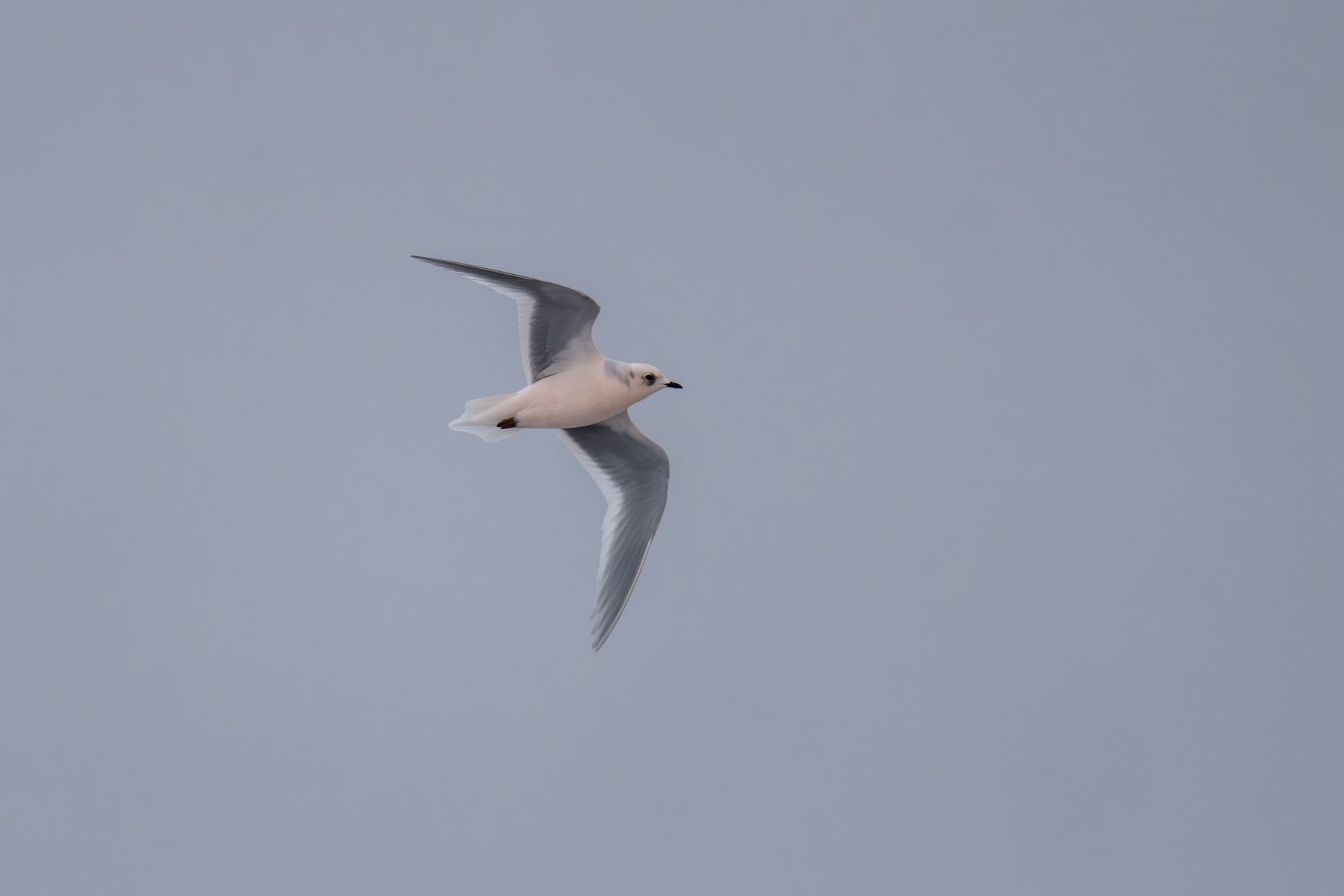
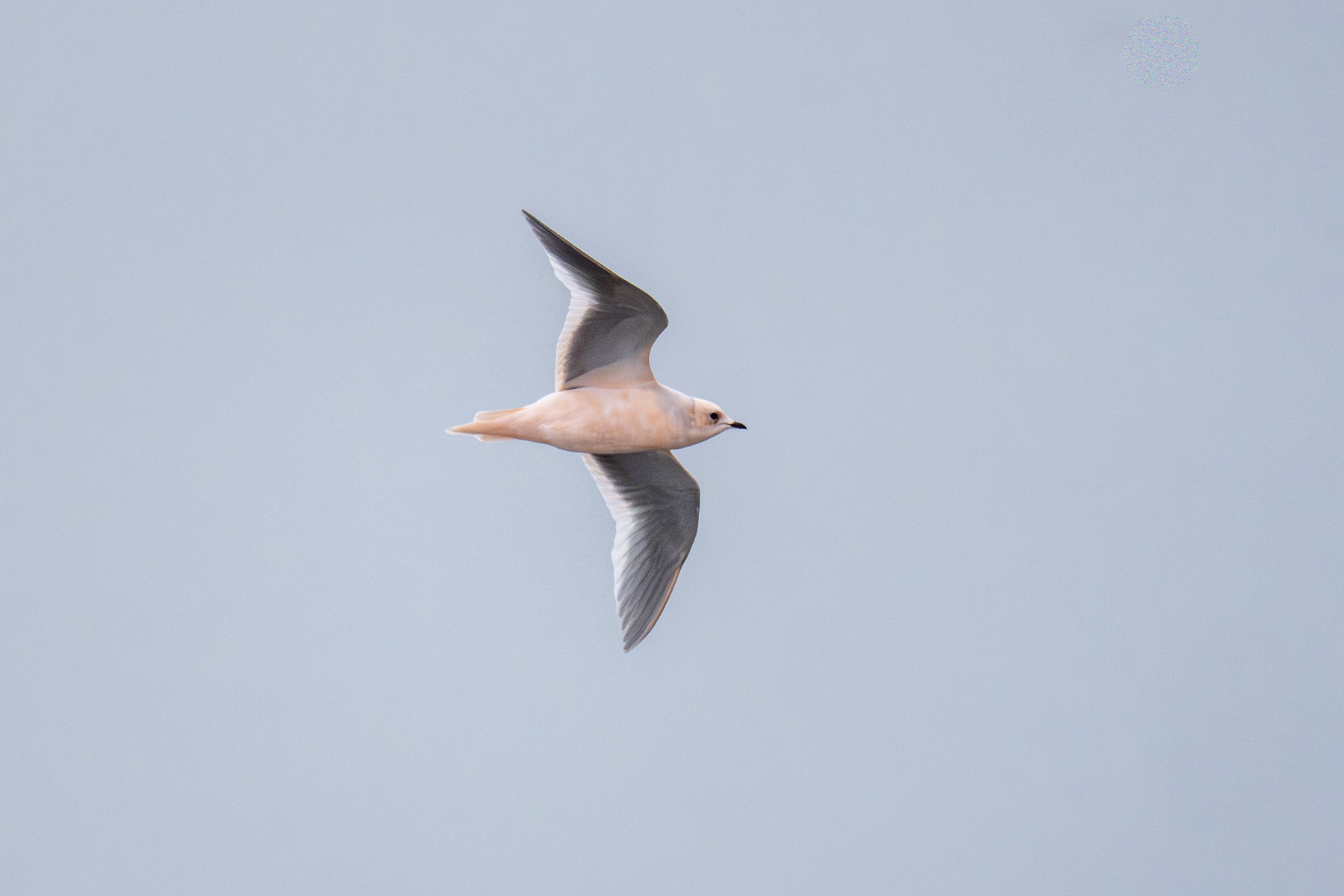
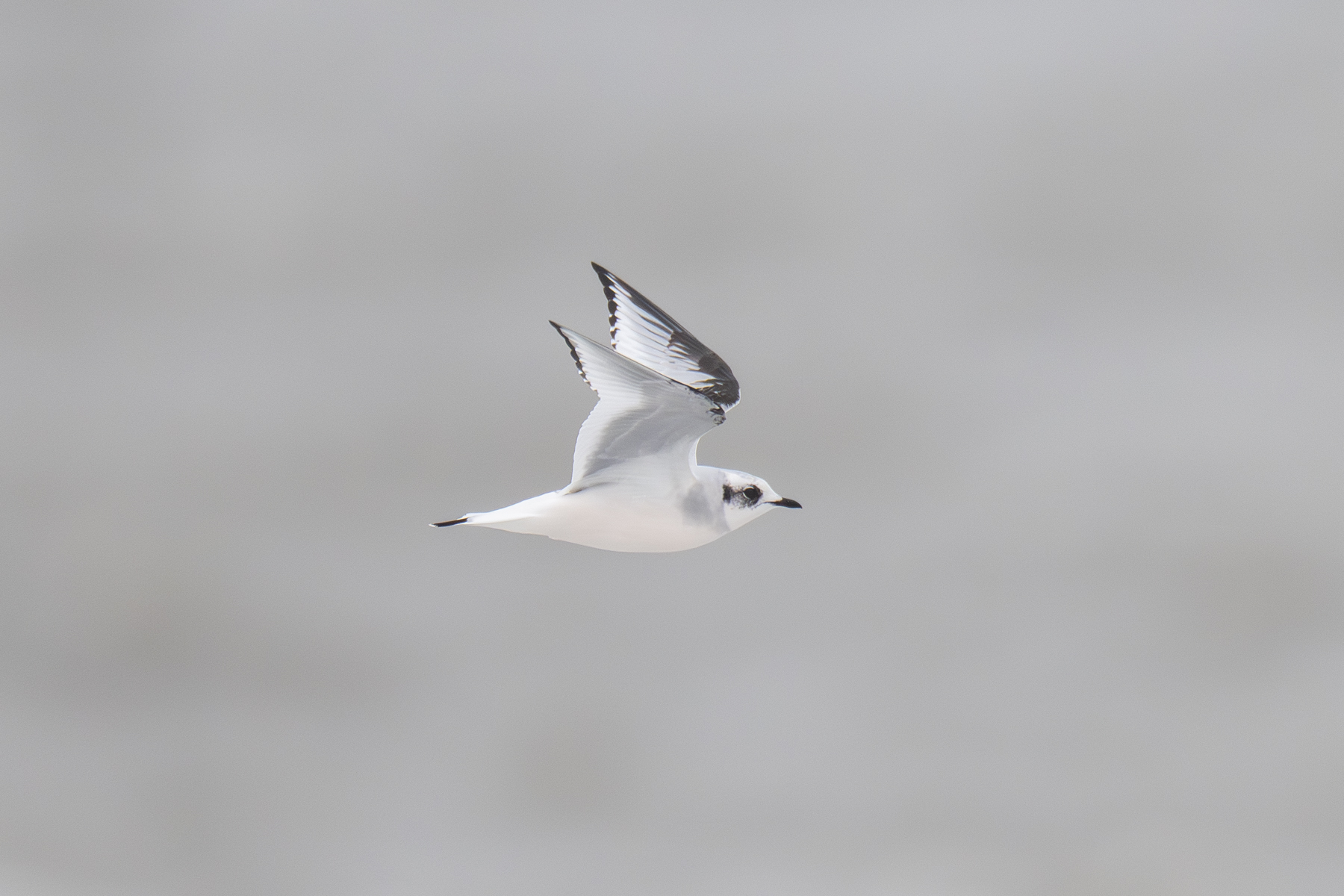
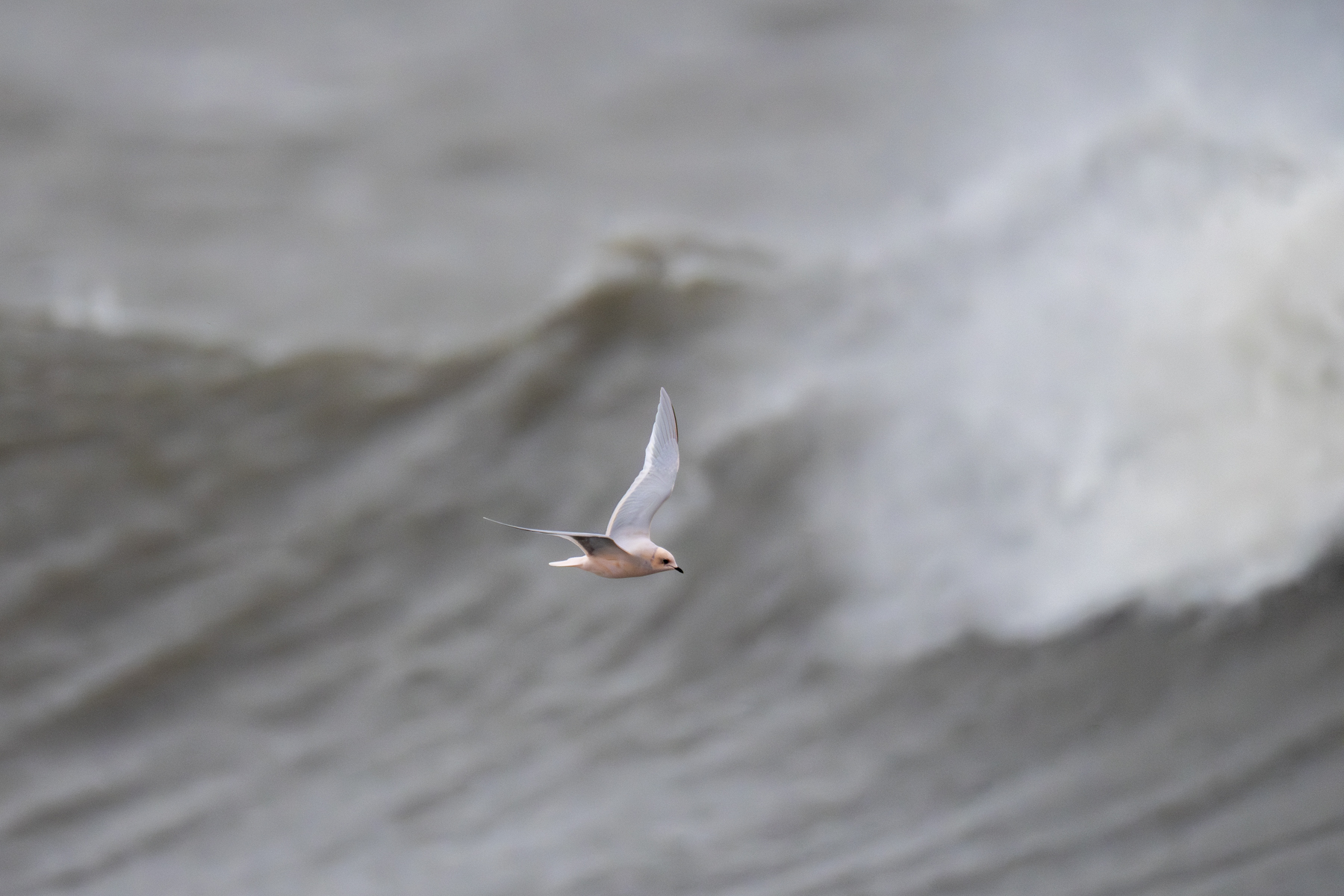
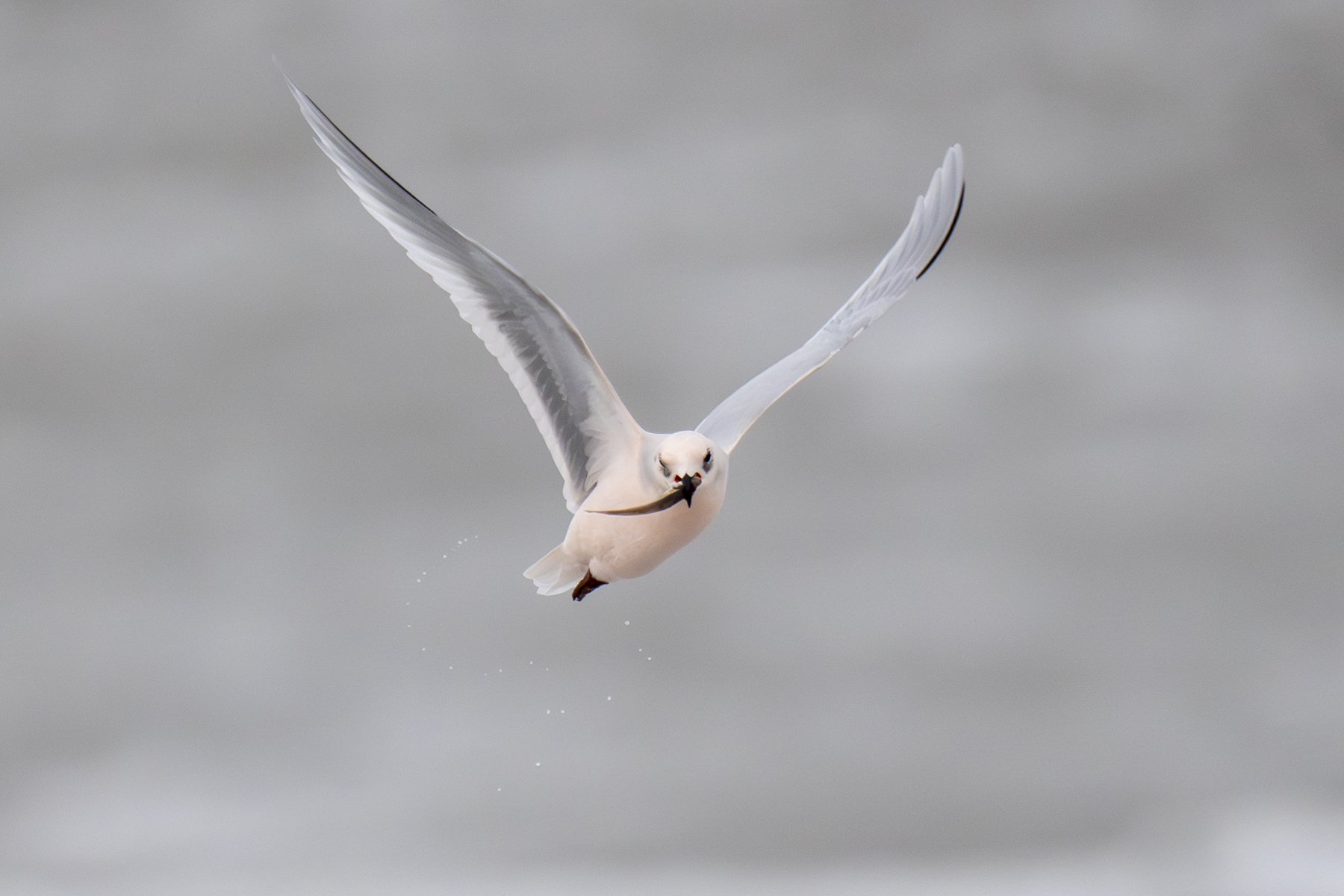
Ross's Gull (image by Mark Beaman)
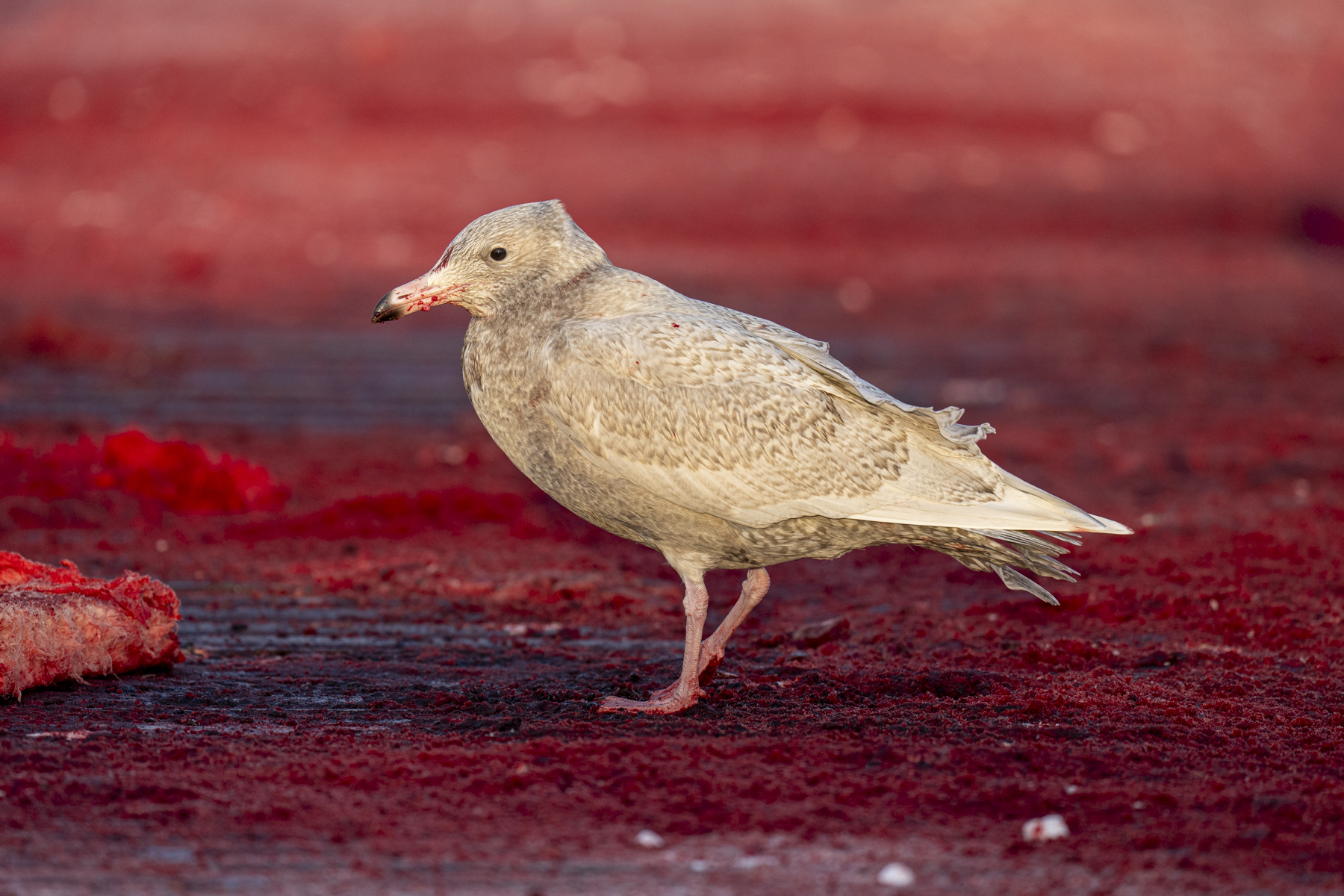
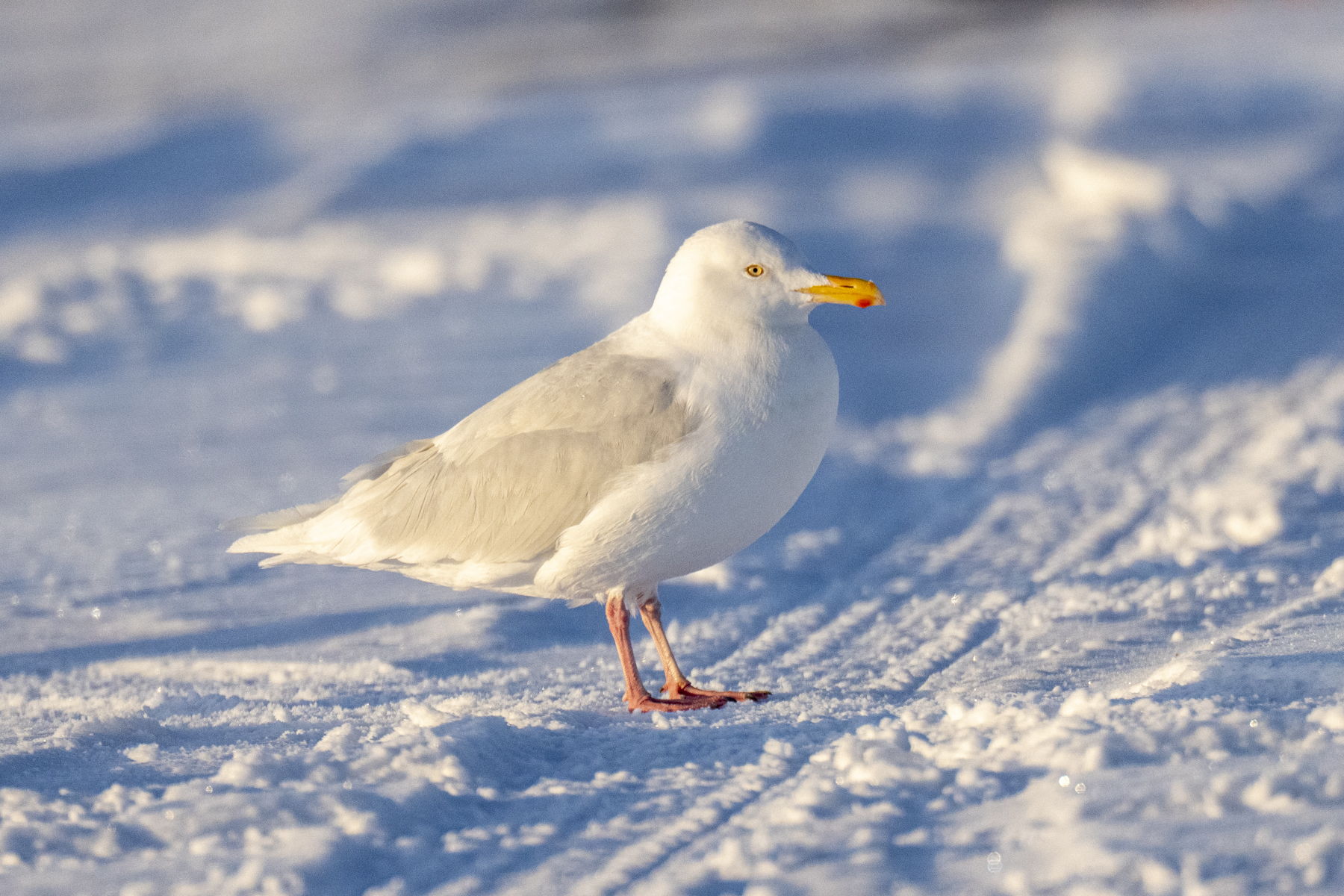
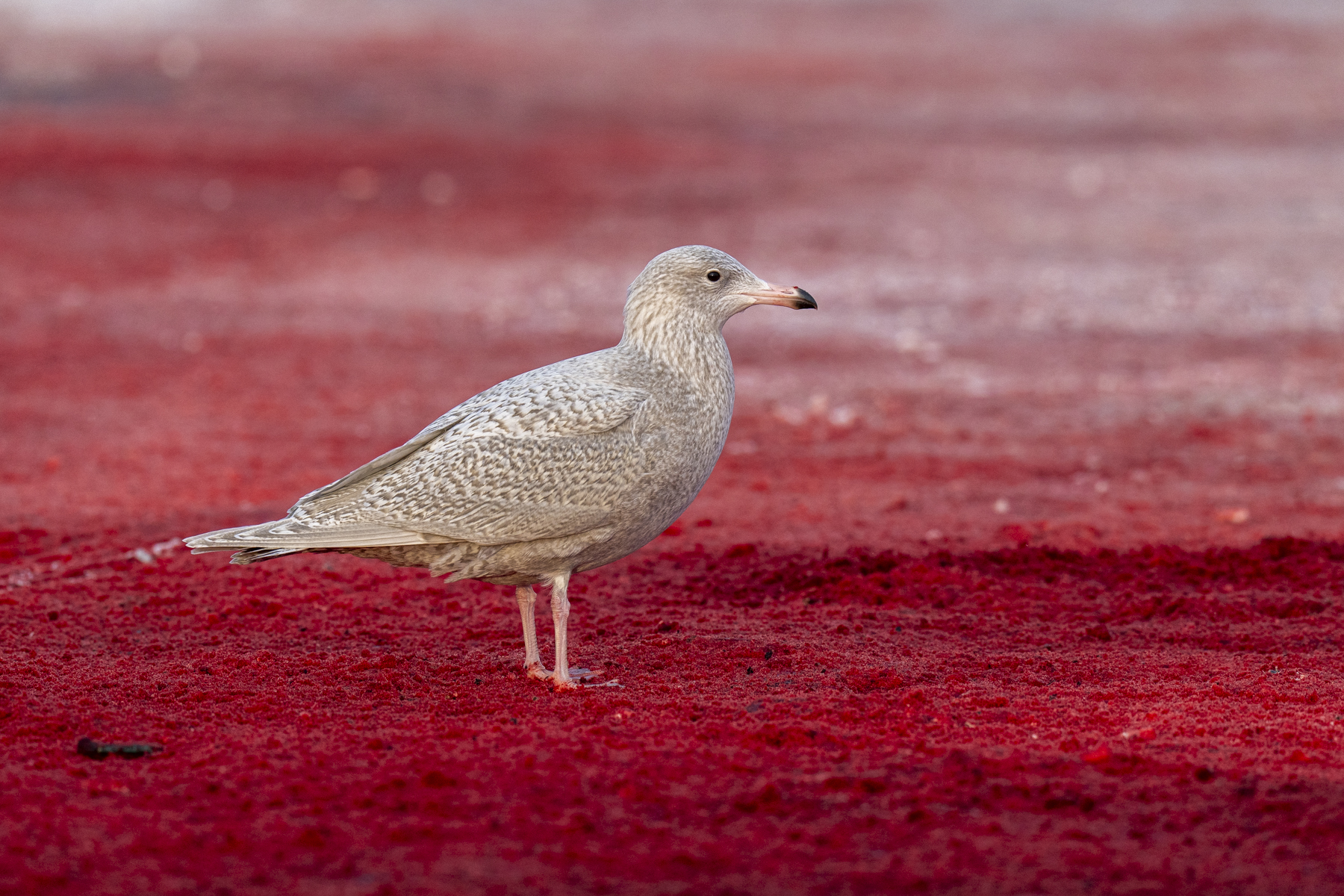
Glaucous Gull 1st-calendar-year (image by Mark Beaman)
Ross's Gull 1st-winter (image by Mark Beaman)
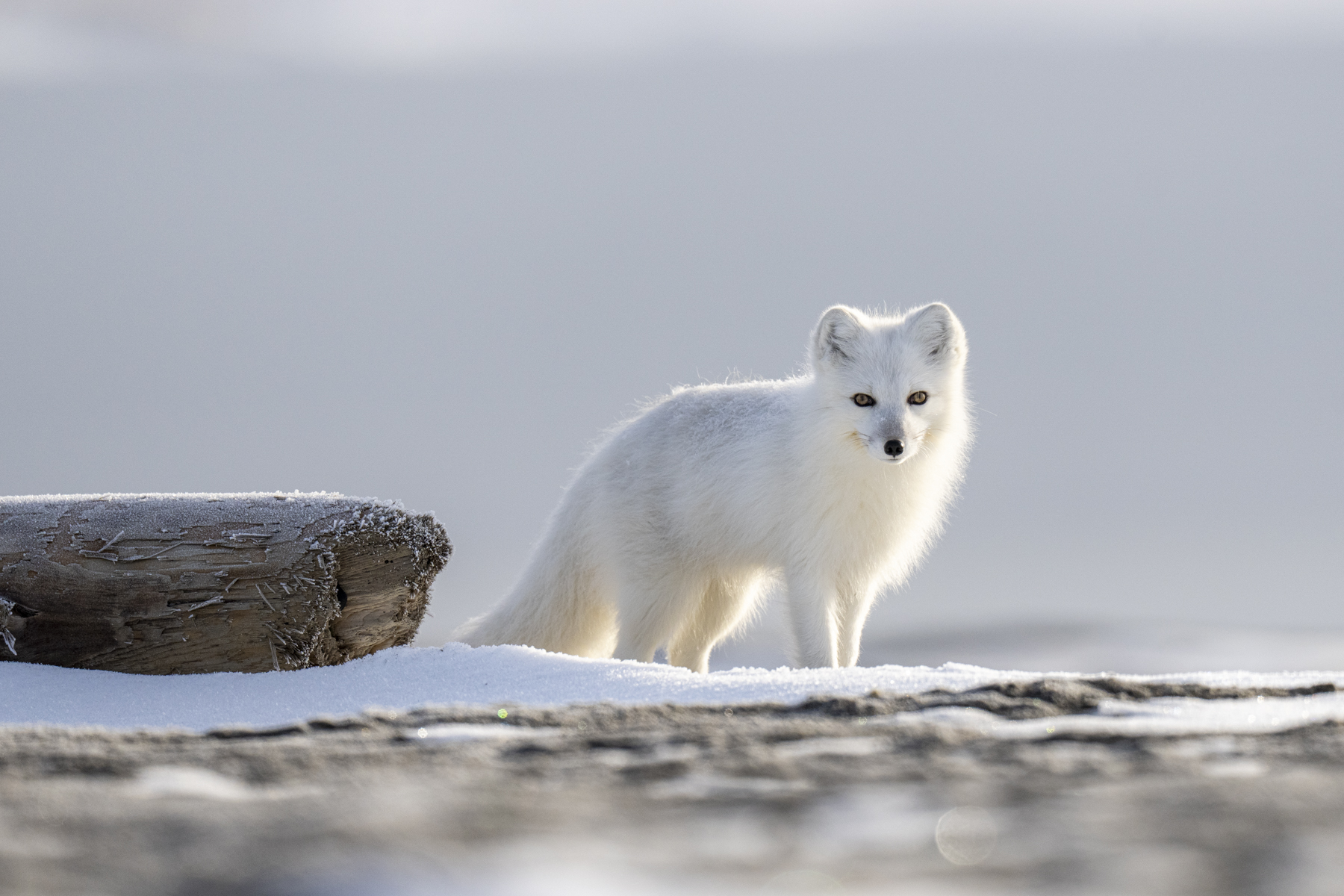
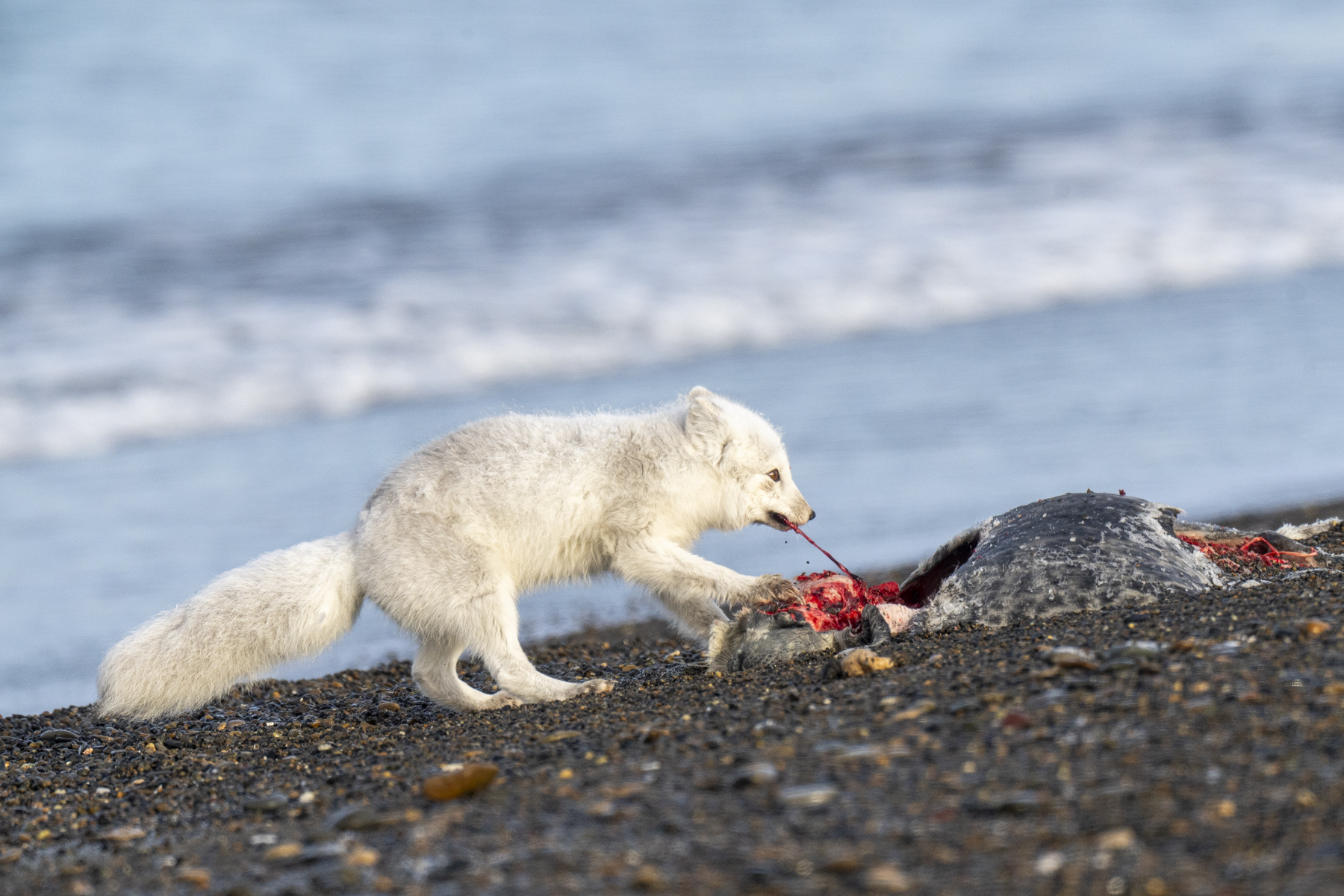
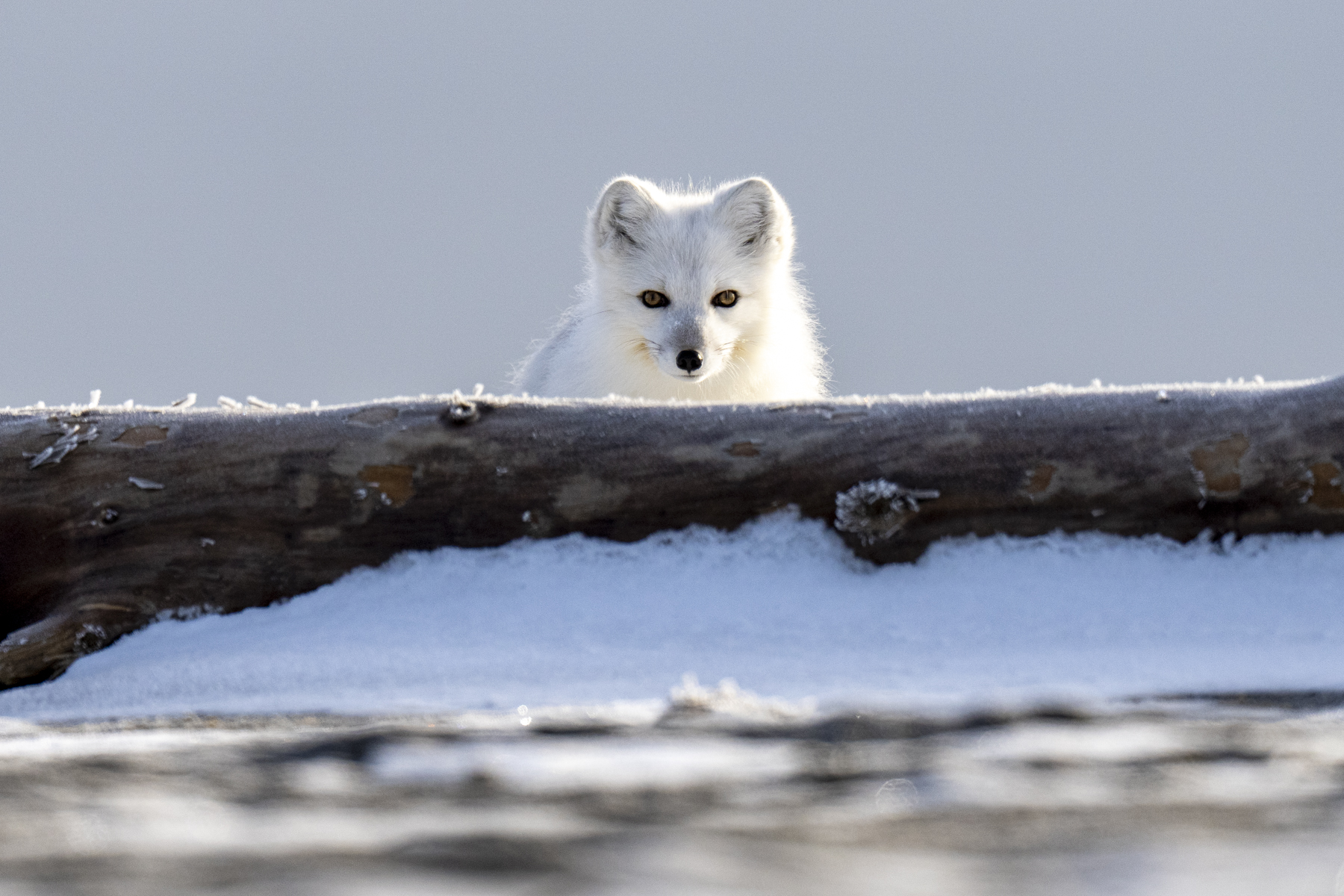
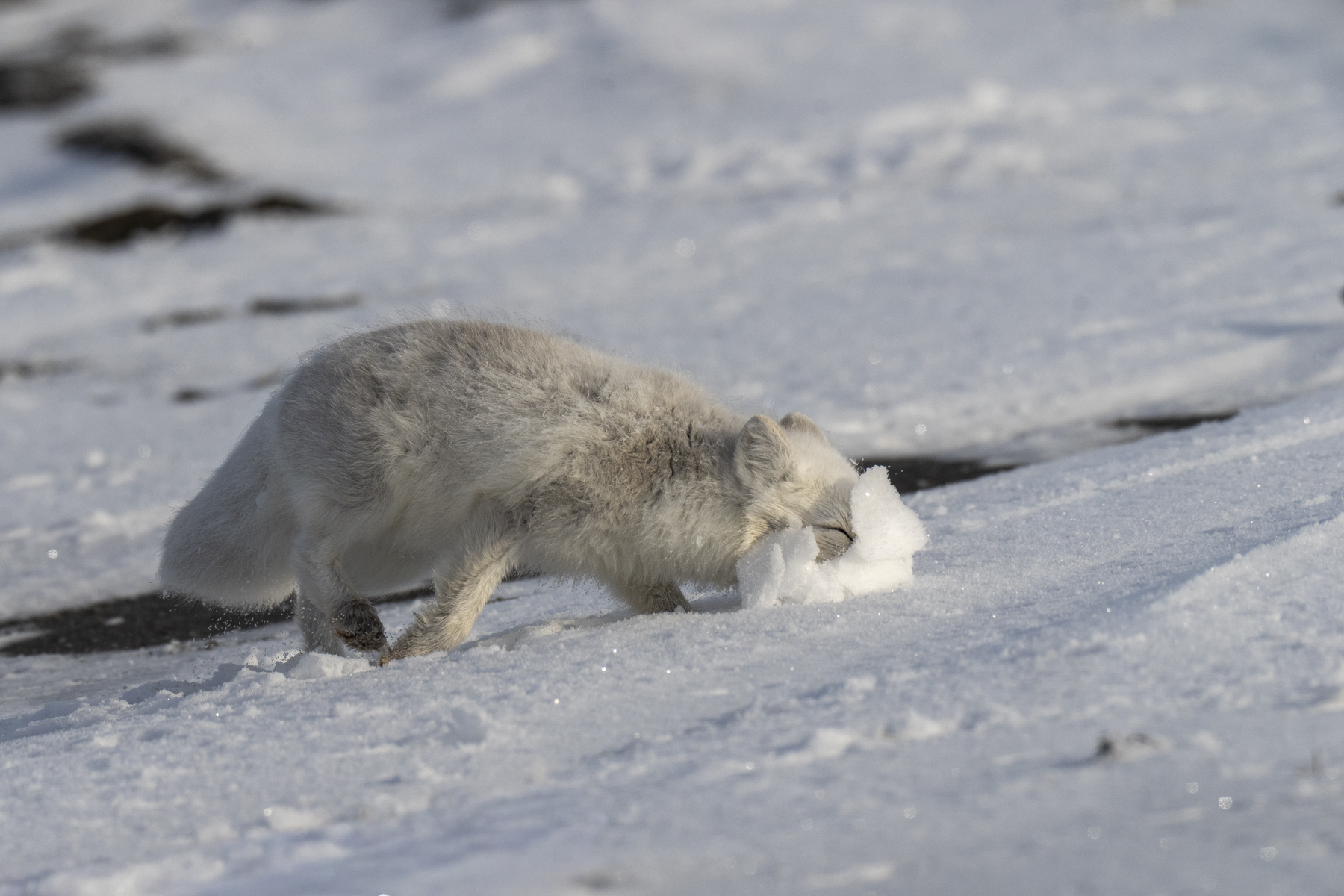
Arctic Fox (image by Mark Beaman)
Ross's Gull (image by Mark Beaman)
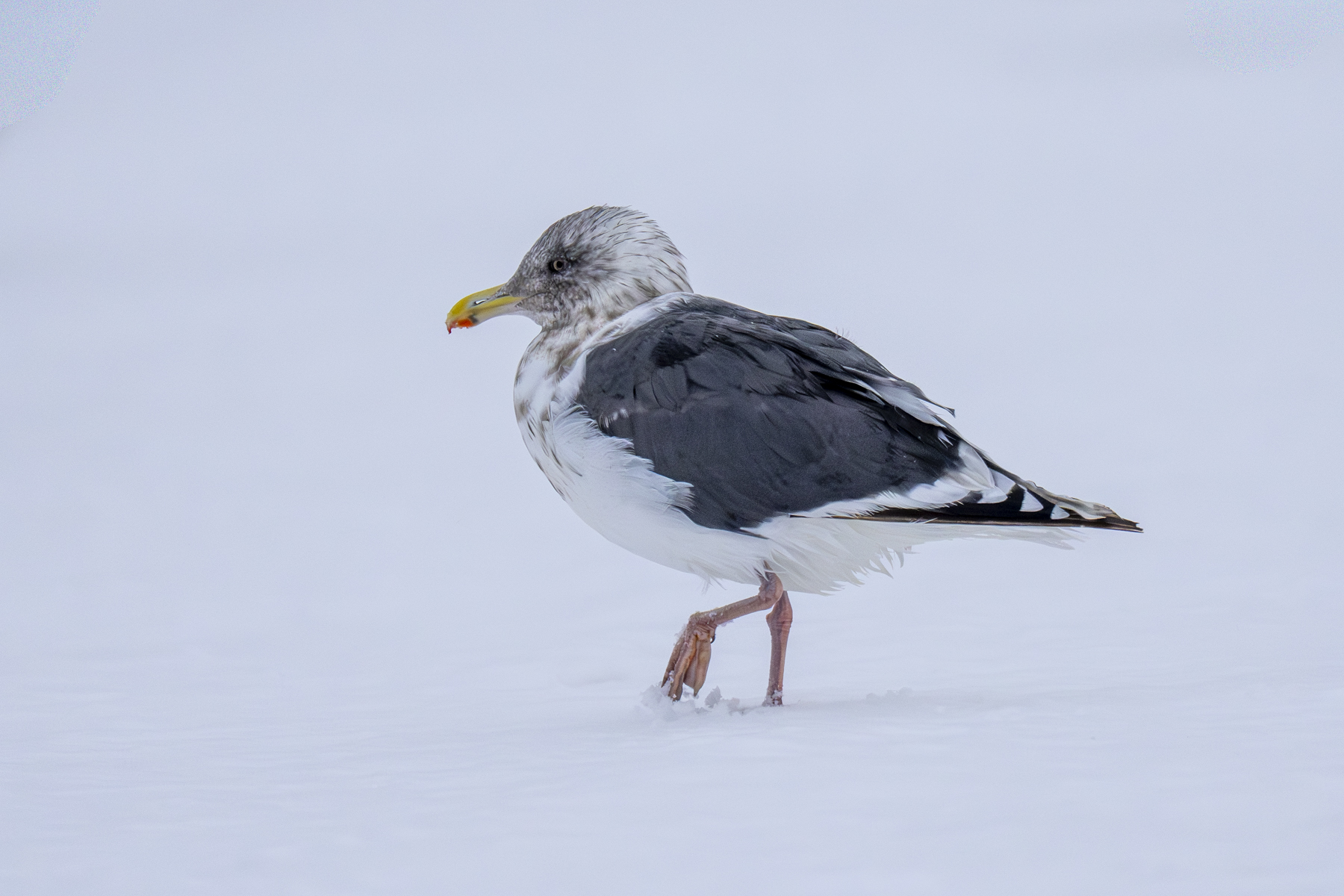
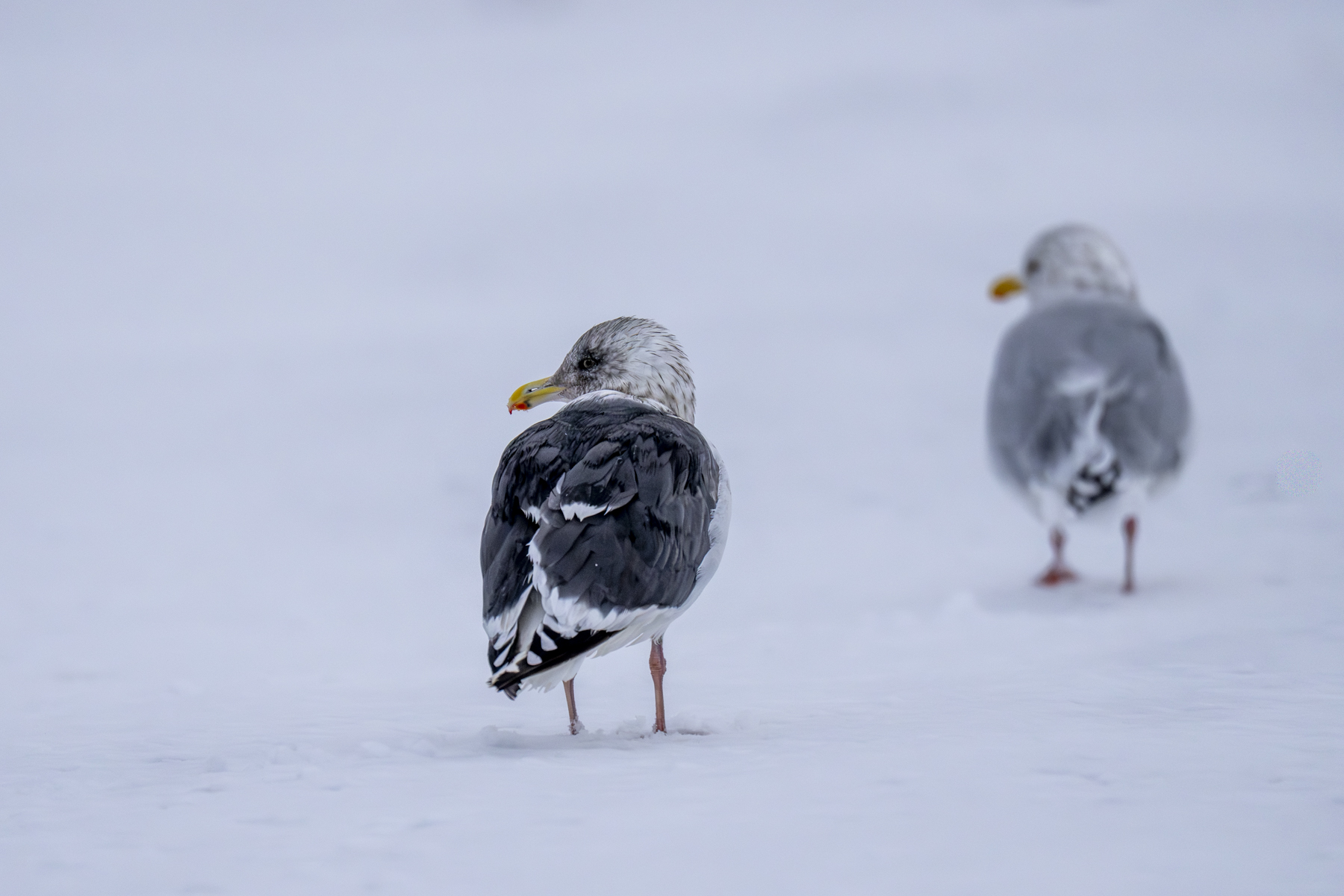
Slaty-backed Gull (image by Mark Beaman)
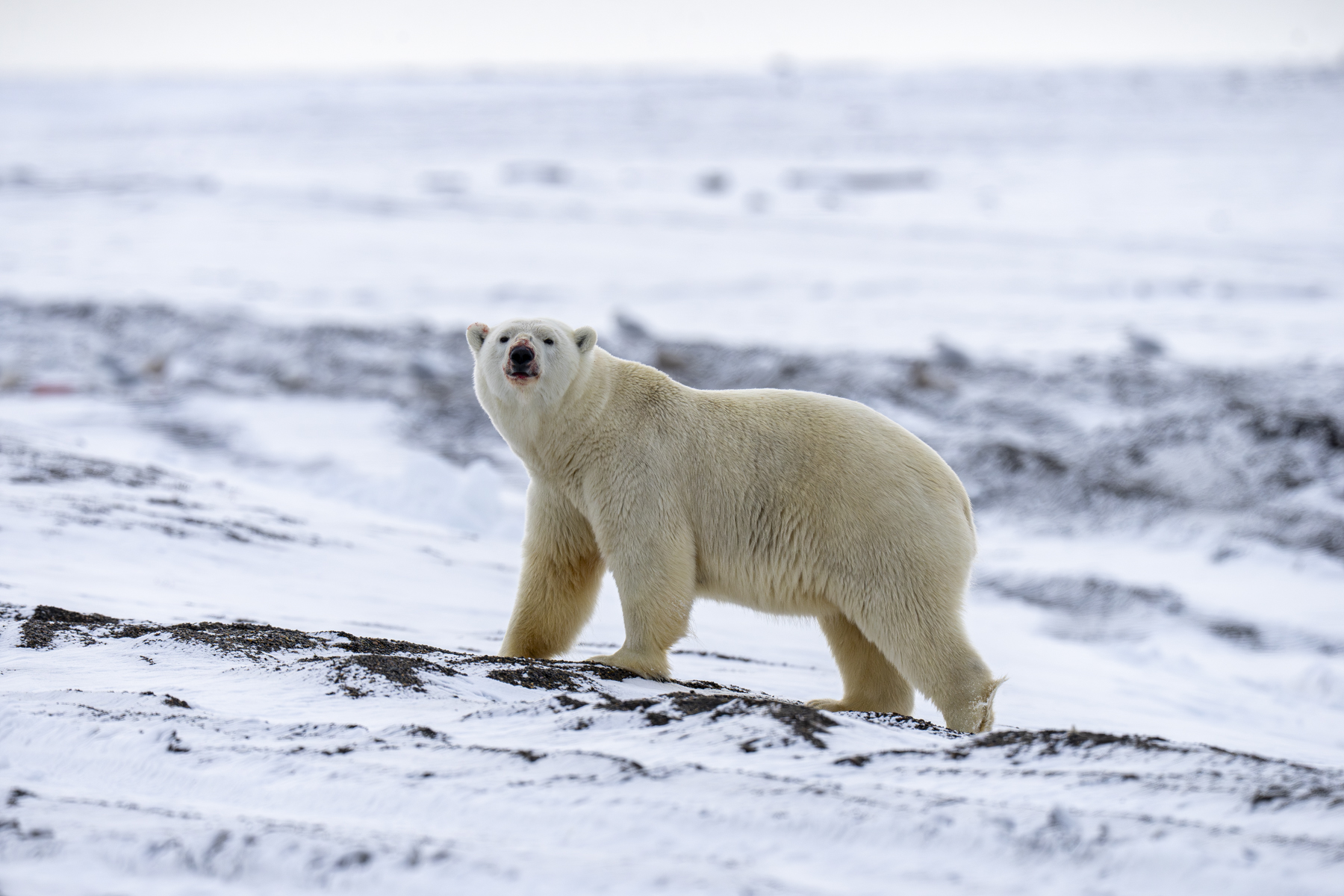
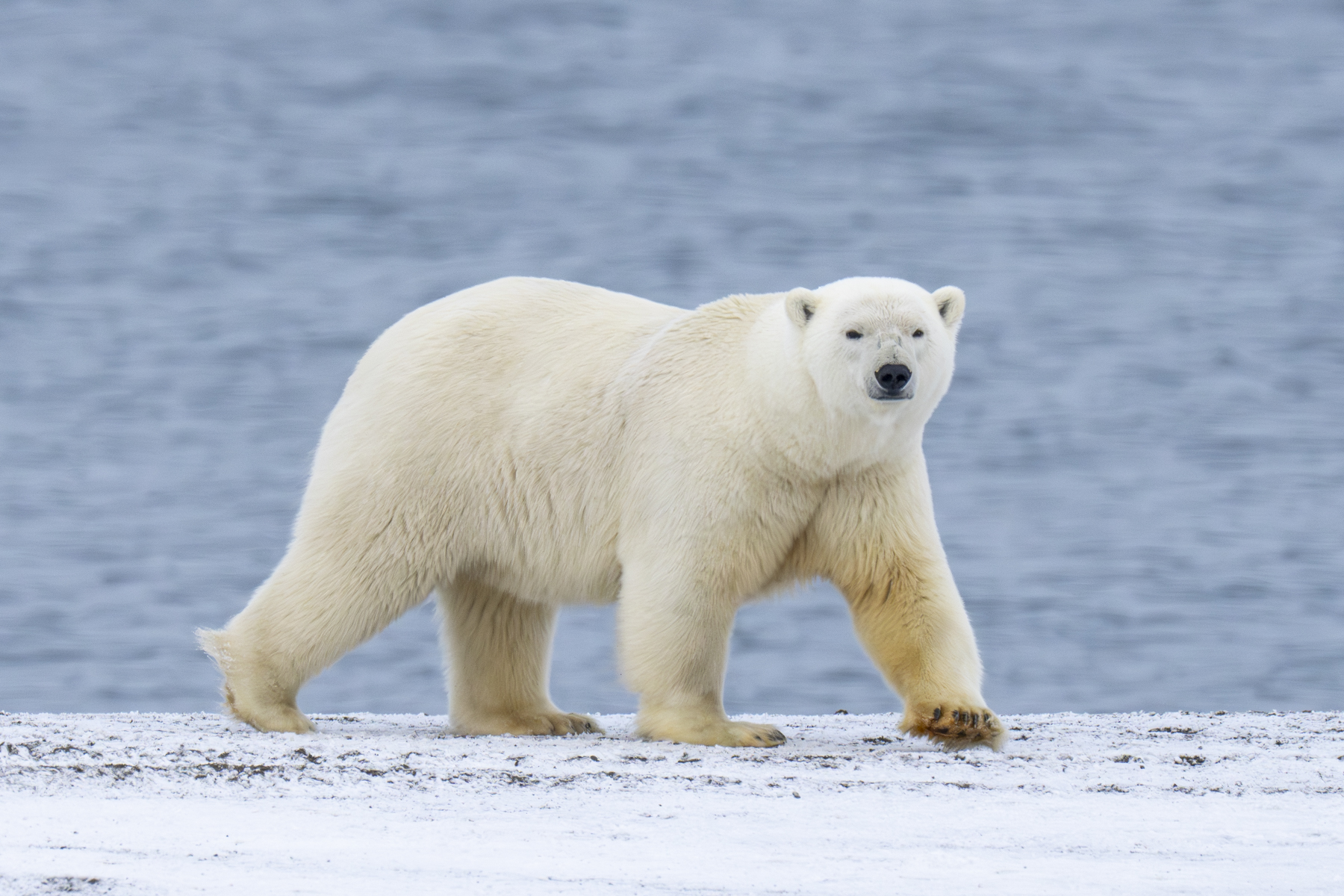
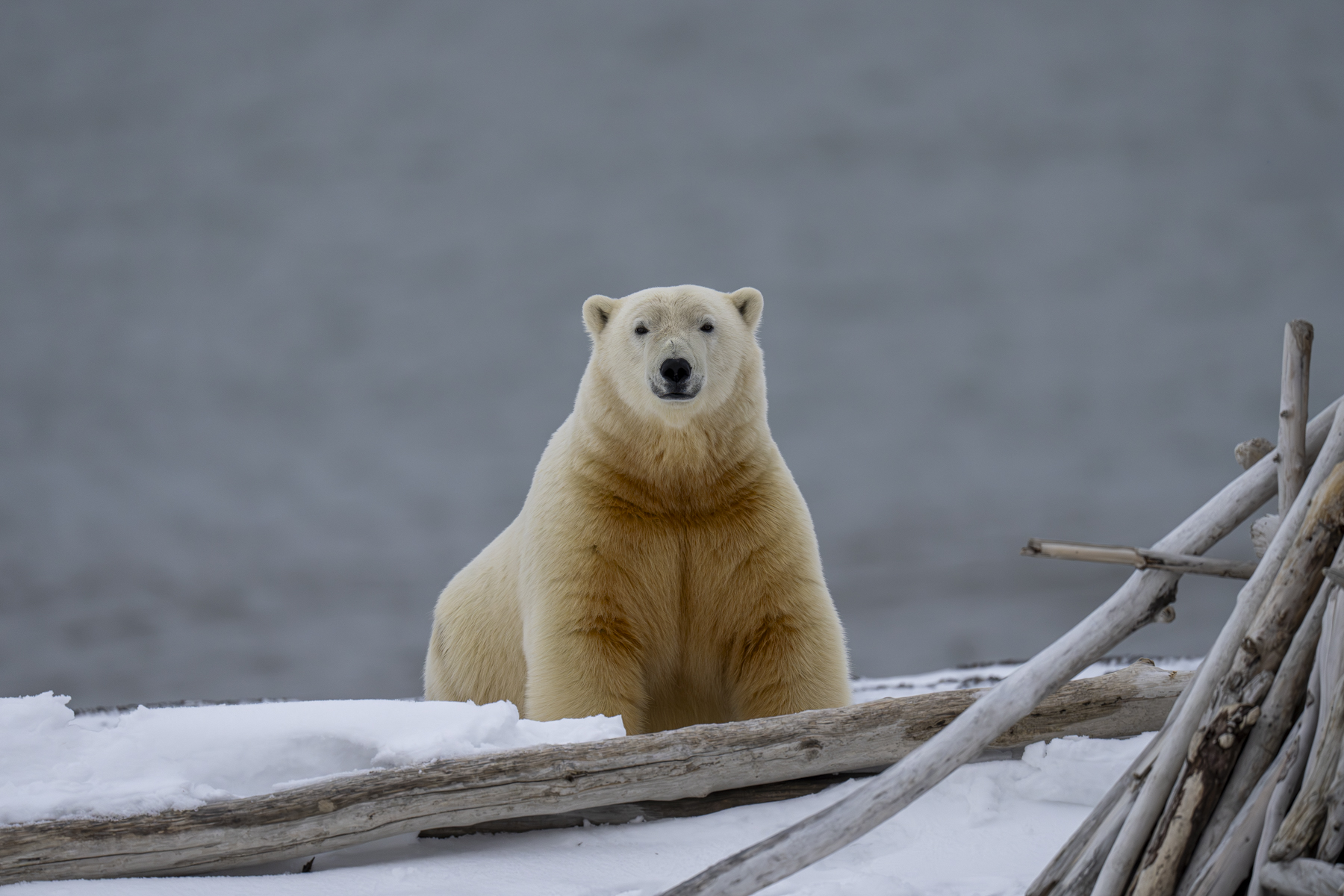
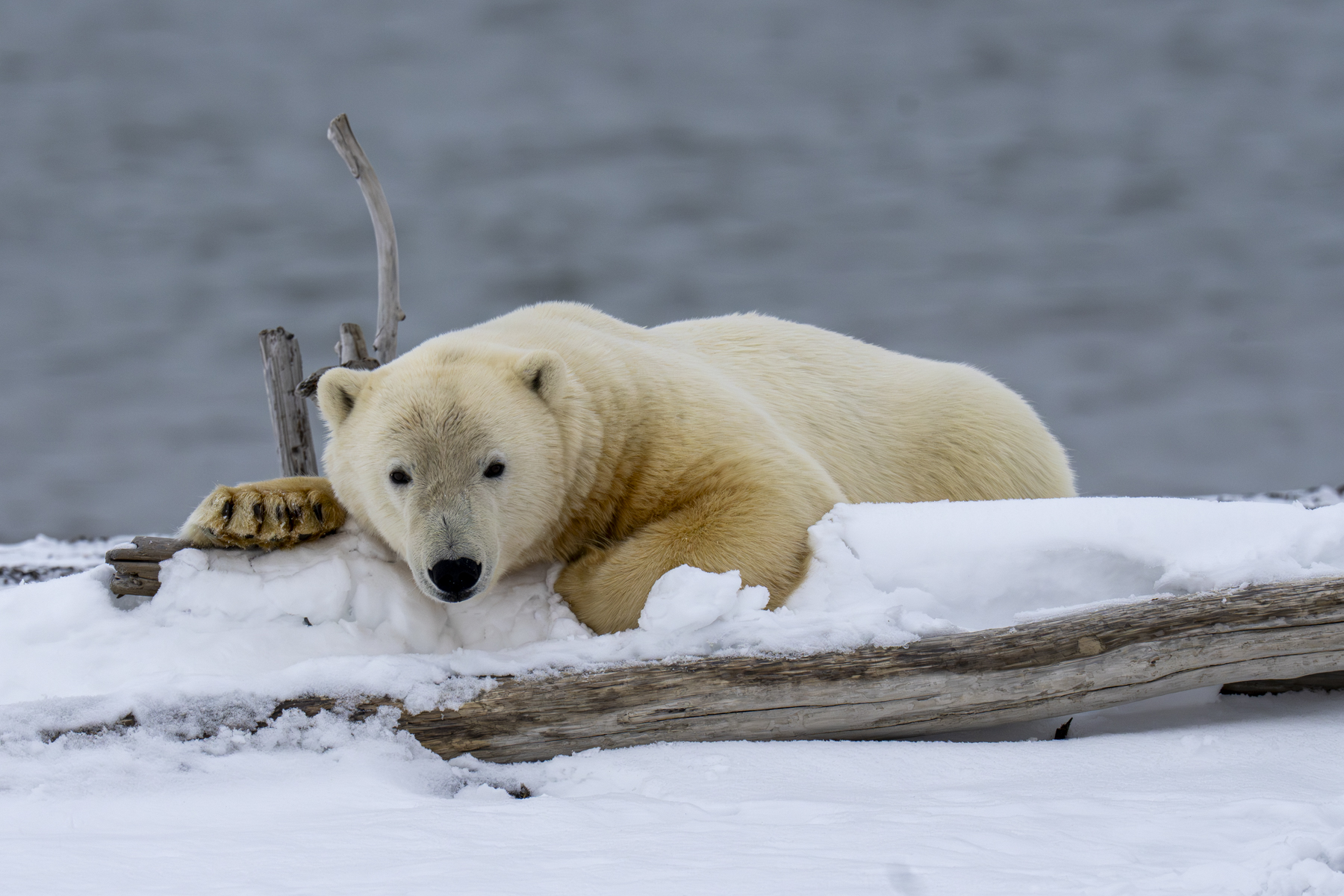
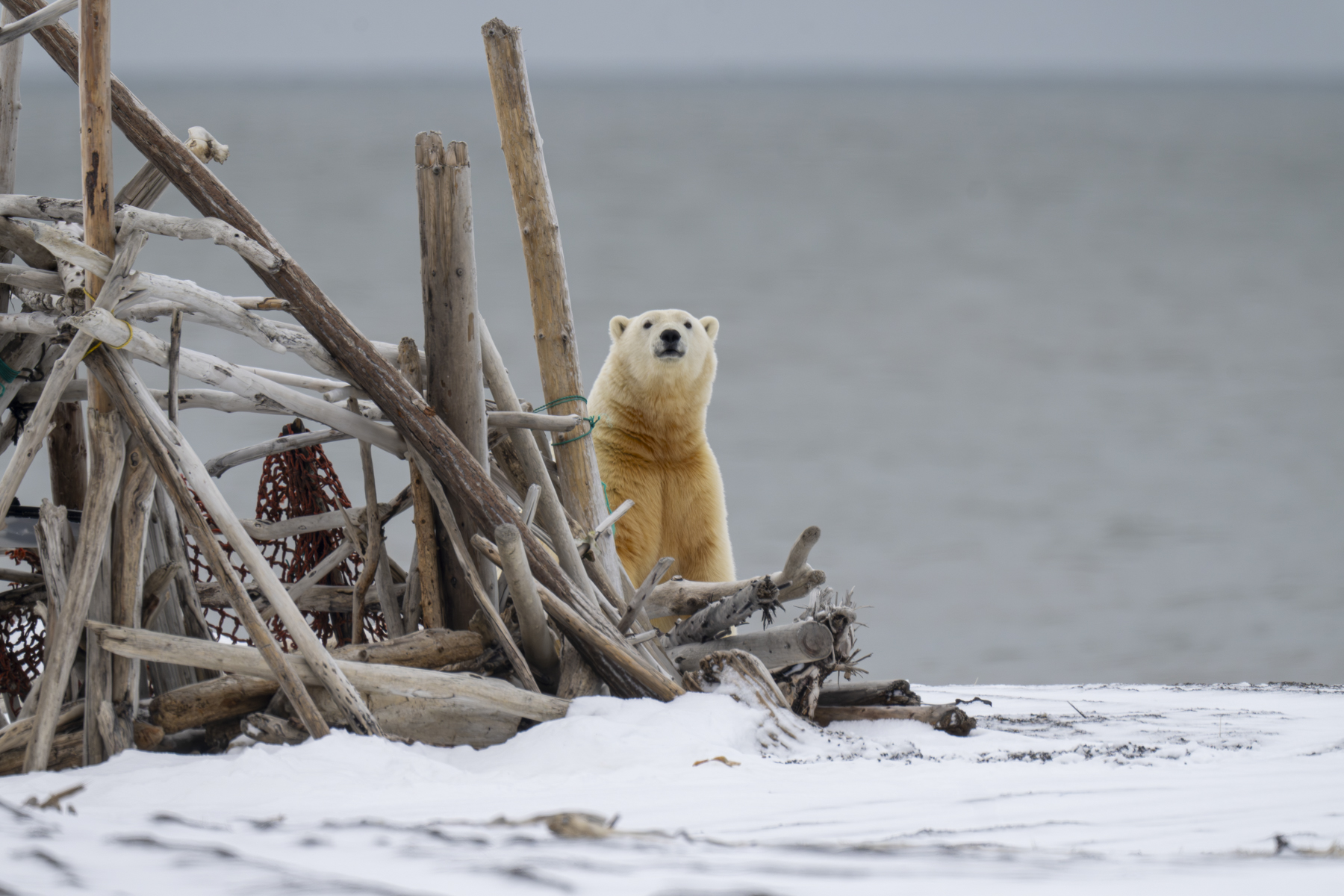
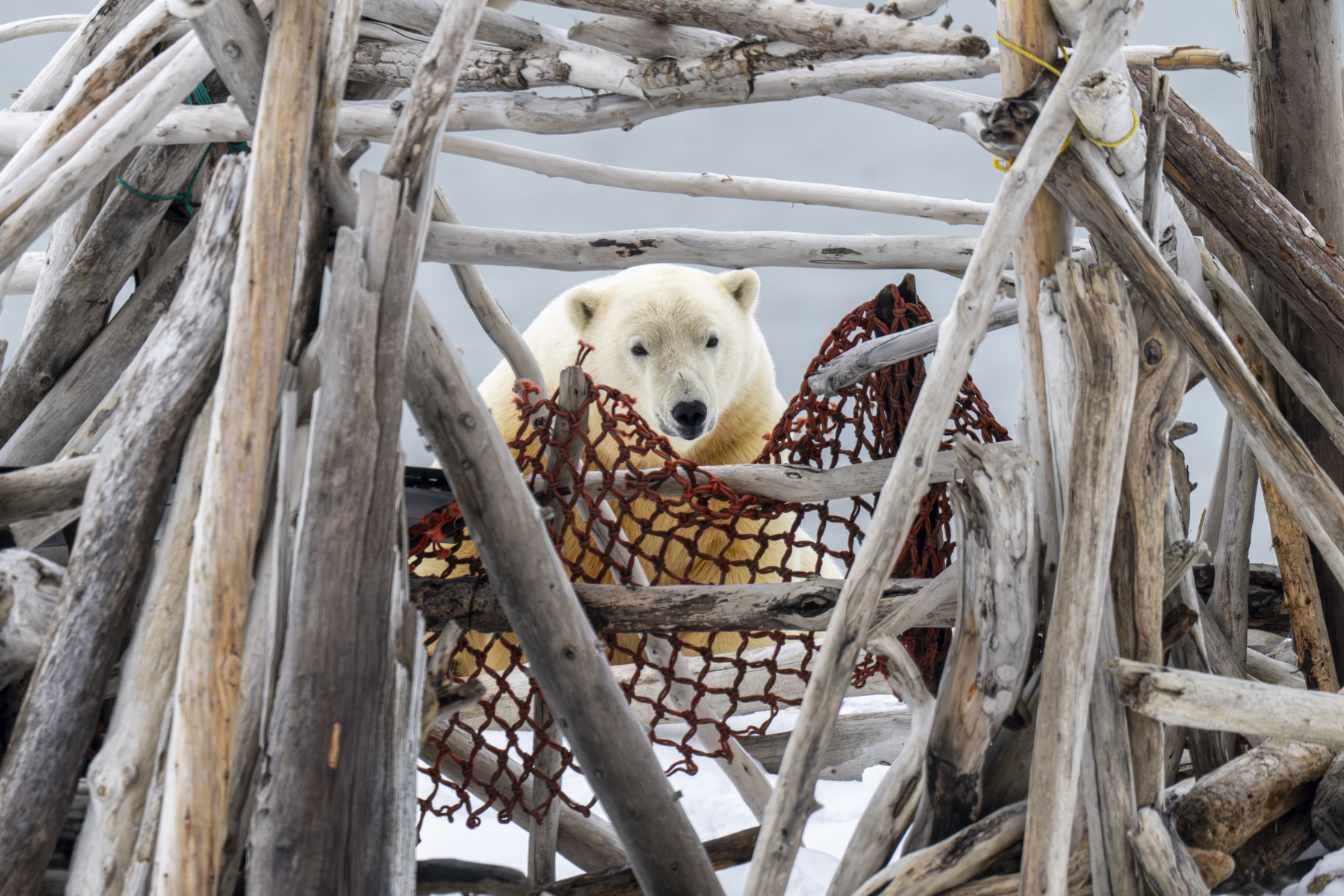
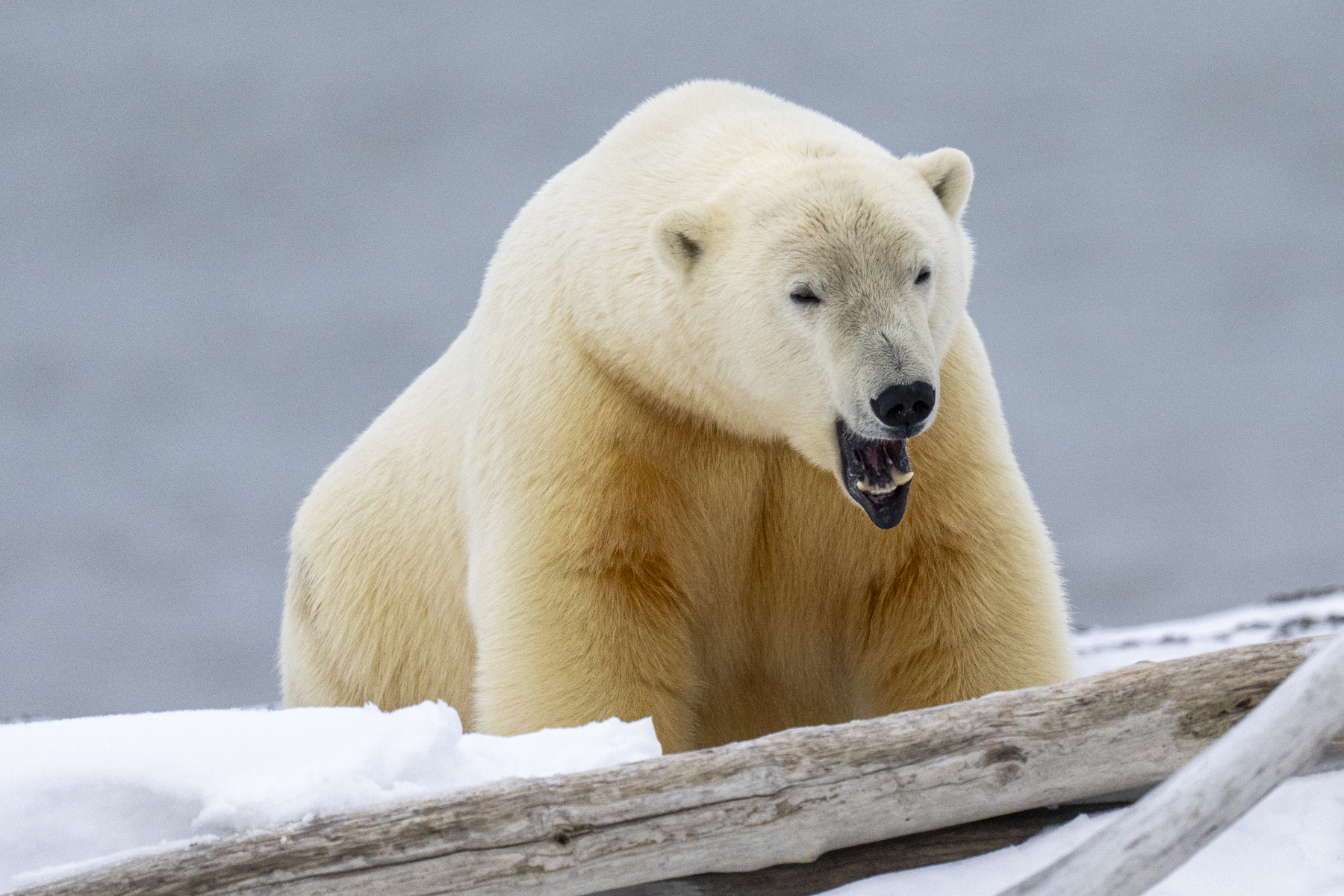
Polar Bear (image by Mark Beaman)
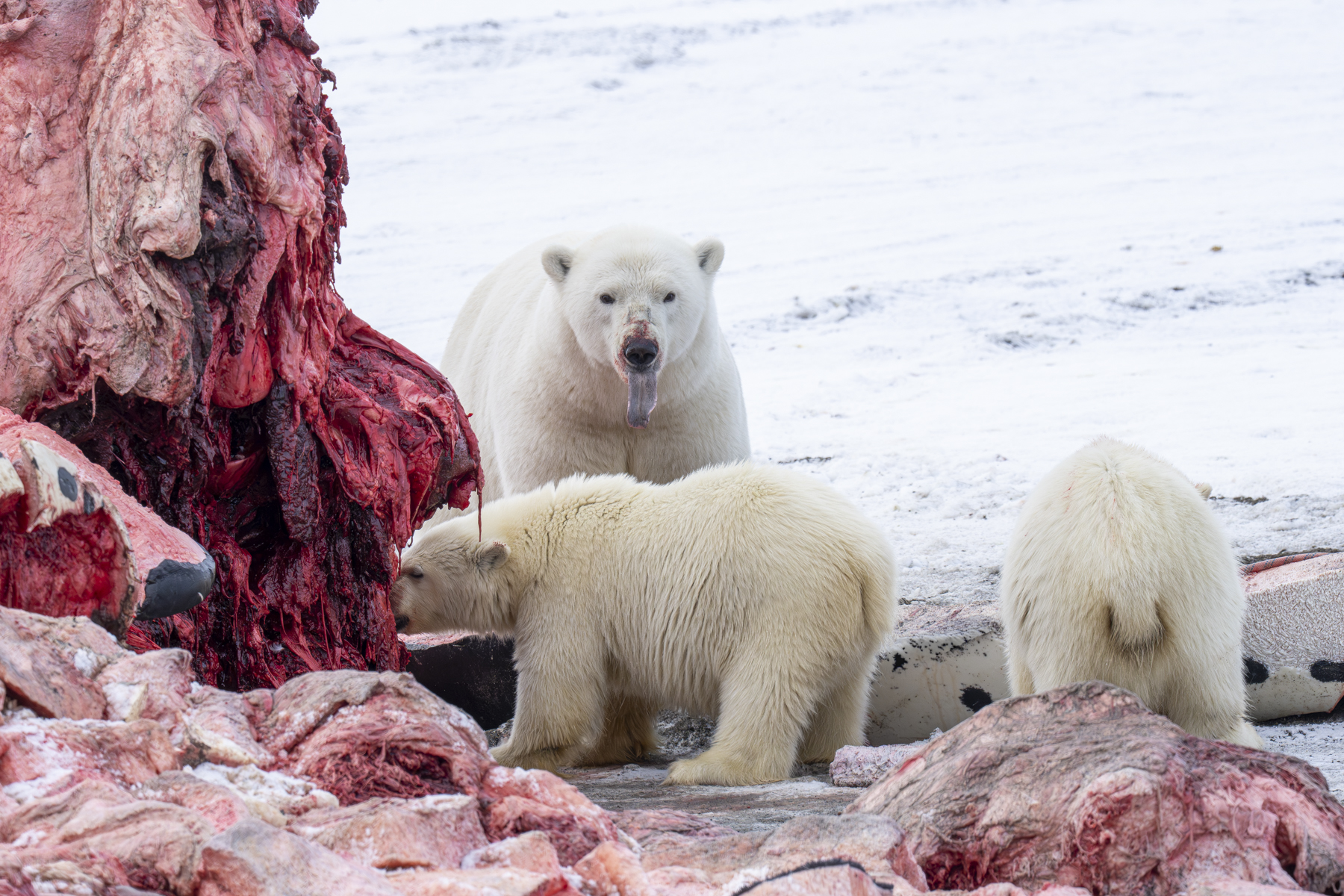
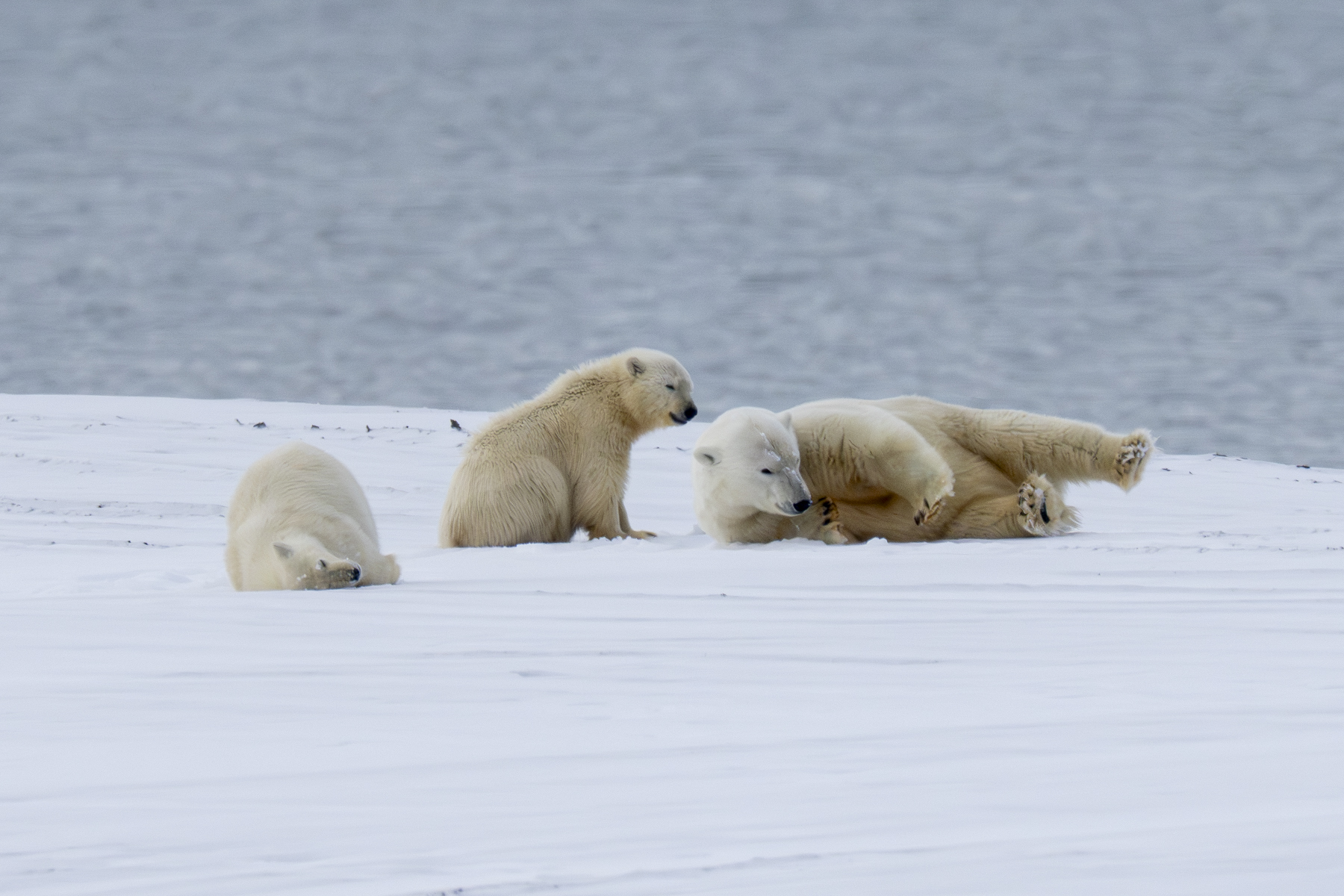
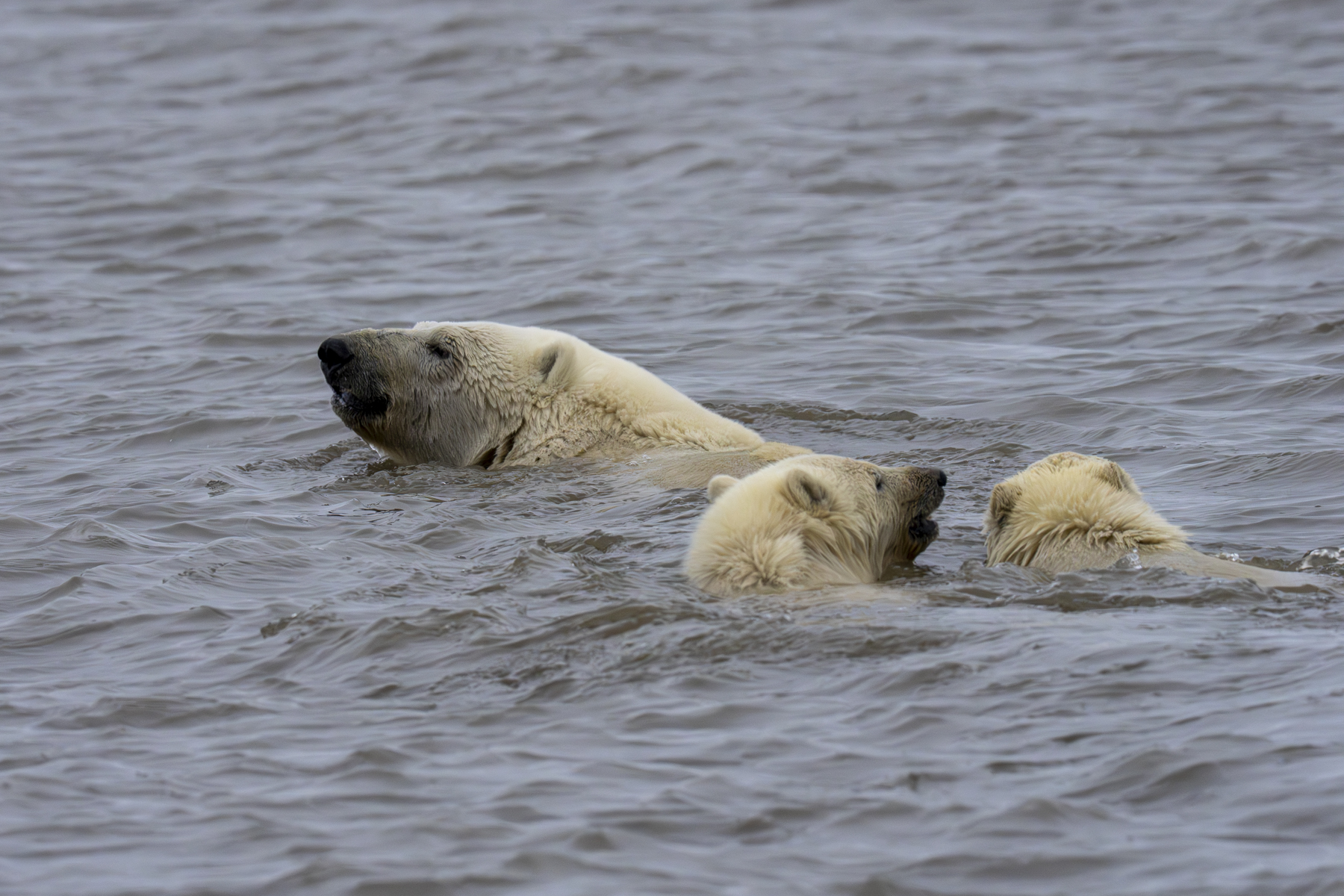
Polar Bear and cubs (image by Mark Beaman)
Ross's Gull (image by Mark Beaman)
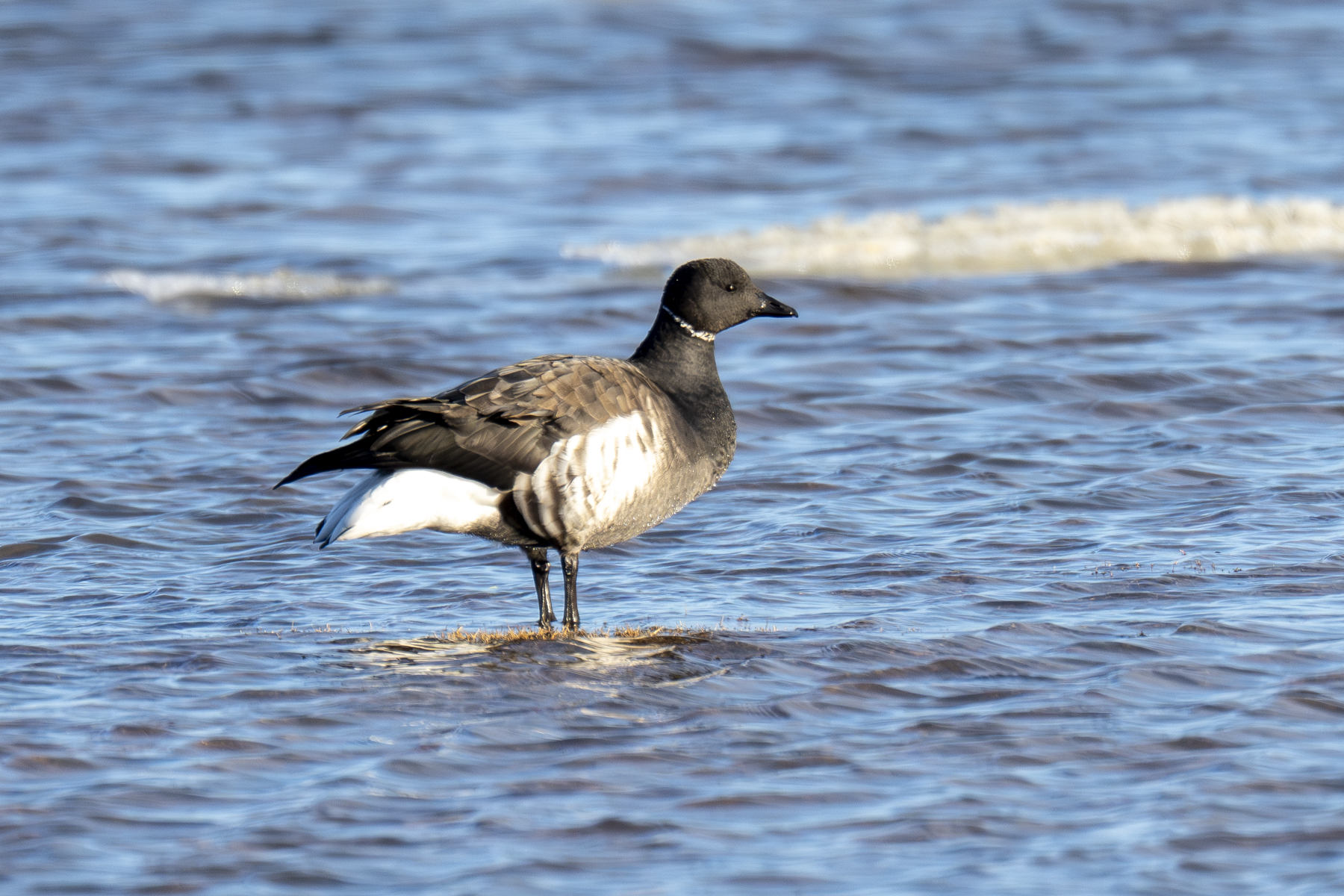
Brent (or Brant) Goose (image by Mark Beaman)
Thick-billed Murre or Brünnich's Guillemot (image by Mike Watson)
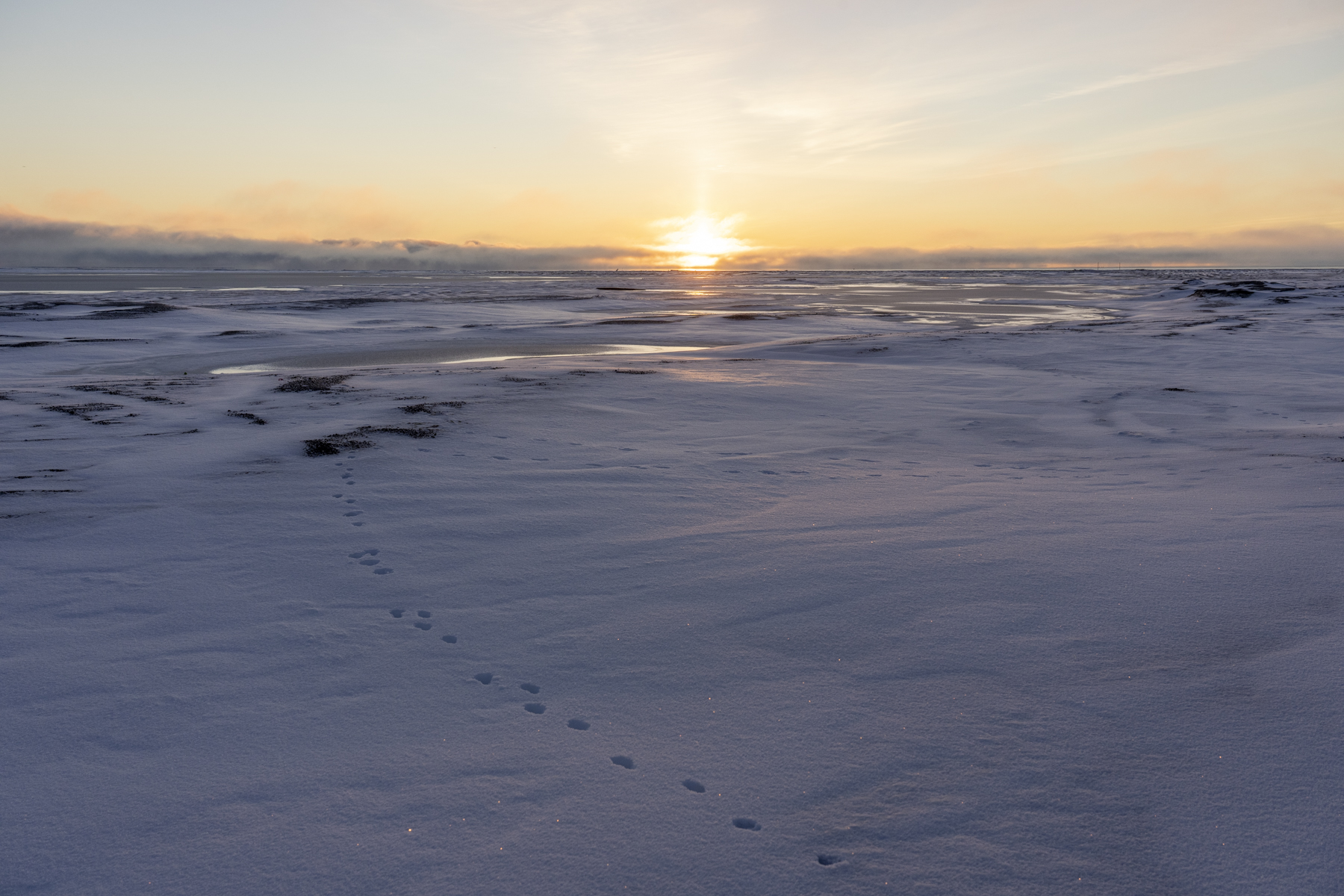
Arctic Fox prints (image by Mark Beaman)
Ross's Gull 1st-winter (image by Mark Beaman)
Polar Bear (image by Mark Beaman)
Polar Bear and cubs (image by Mark Beaman)
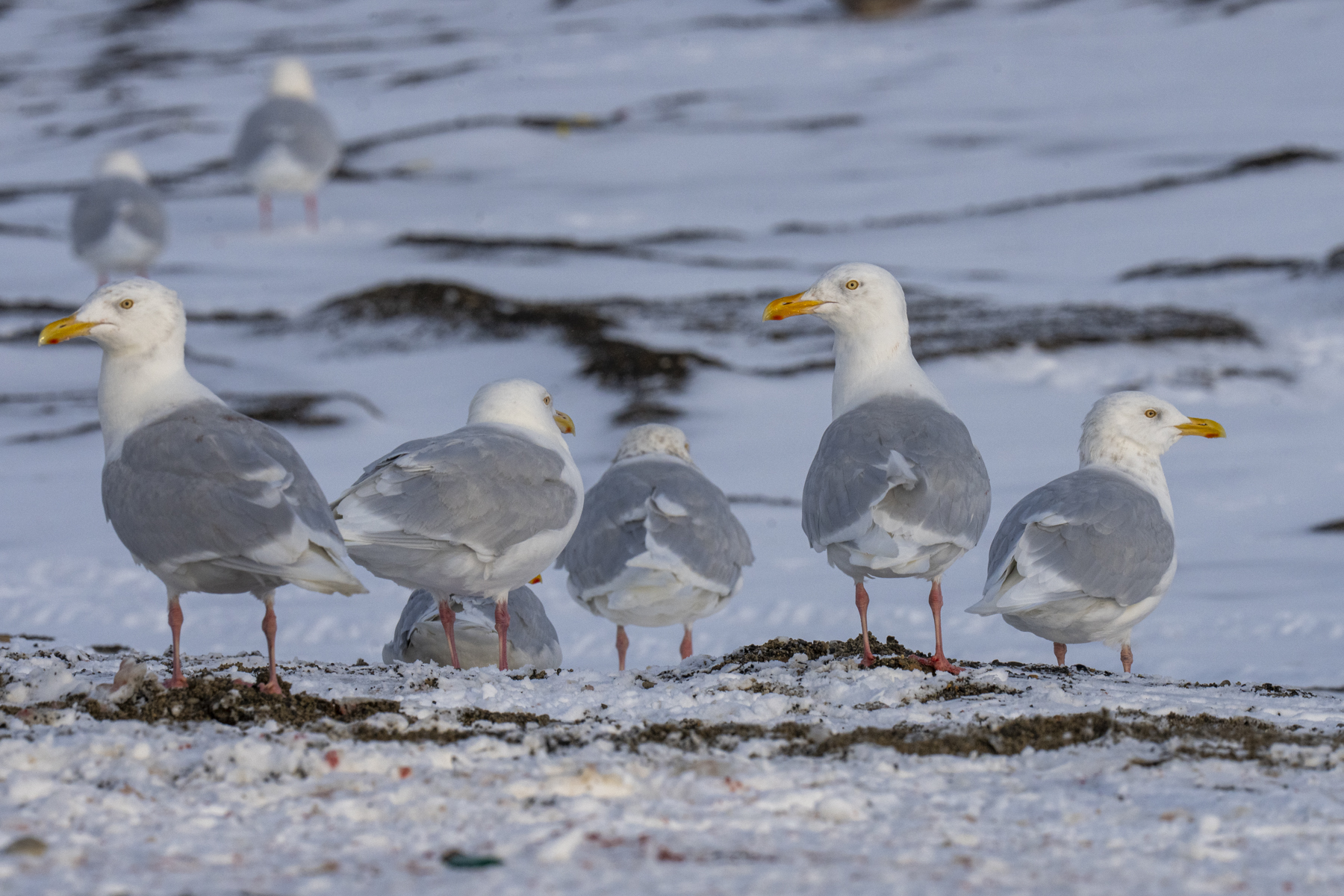
Glaucous Gulls (image by Mark Beaman)
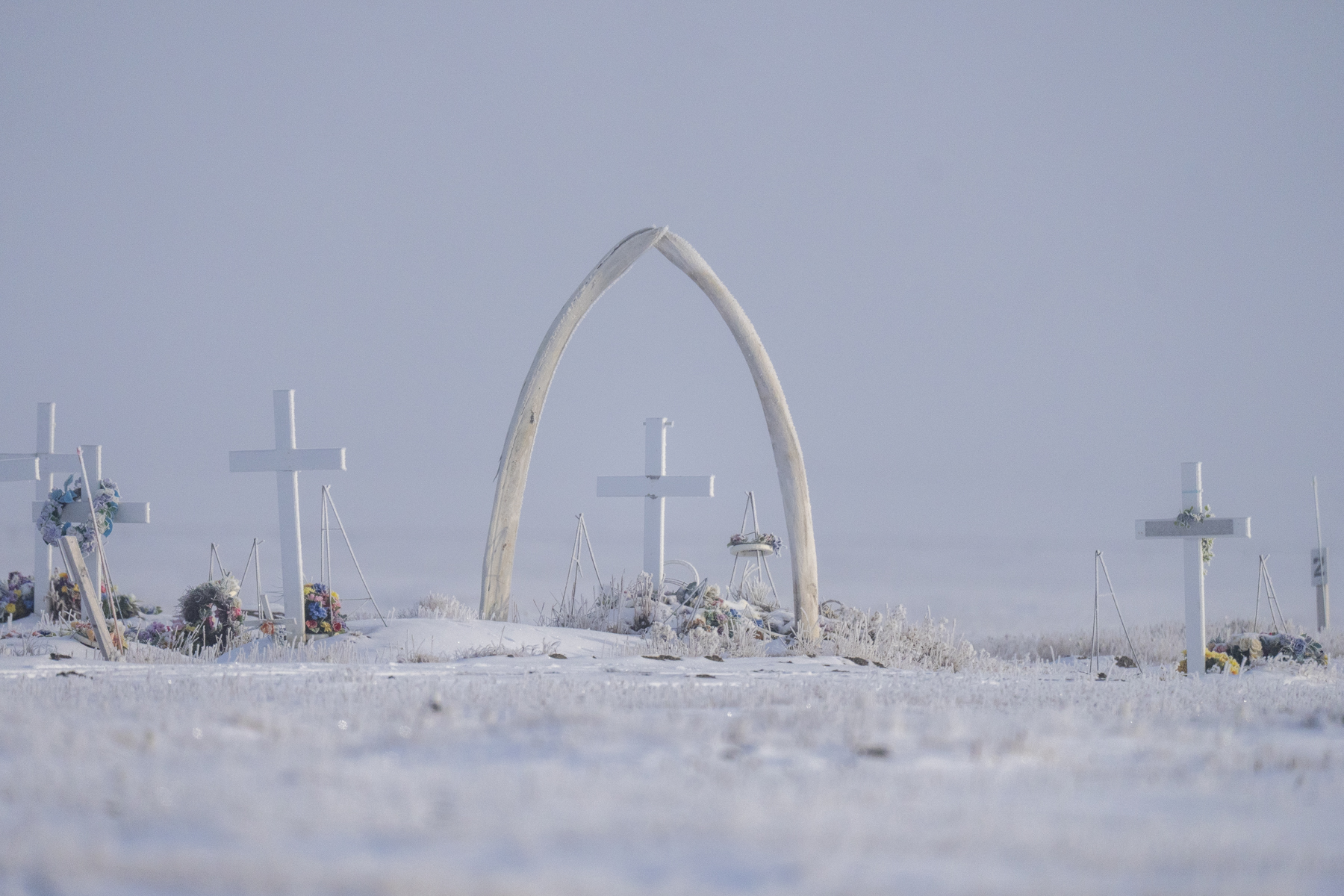
Barrow (Utqiagvik) cemetery (image by Mark Beaman)
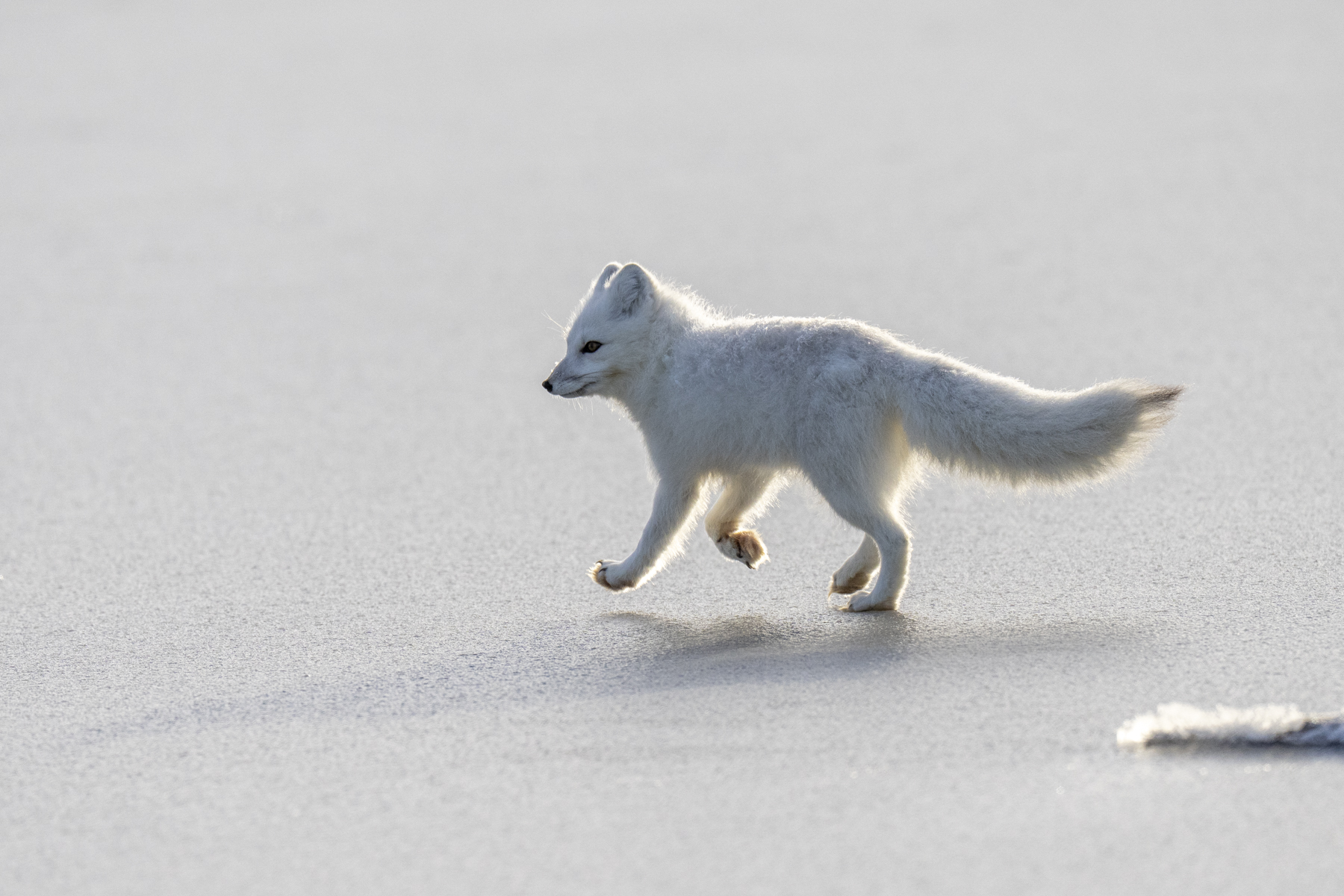
Arctic Fox (image by Mark Beaman)
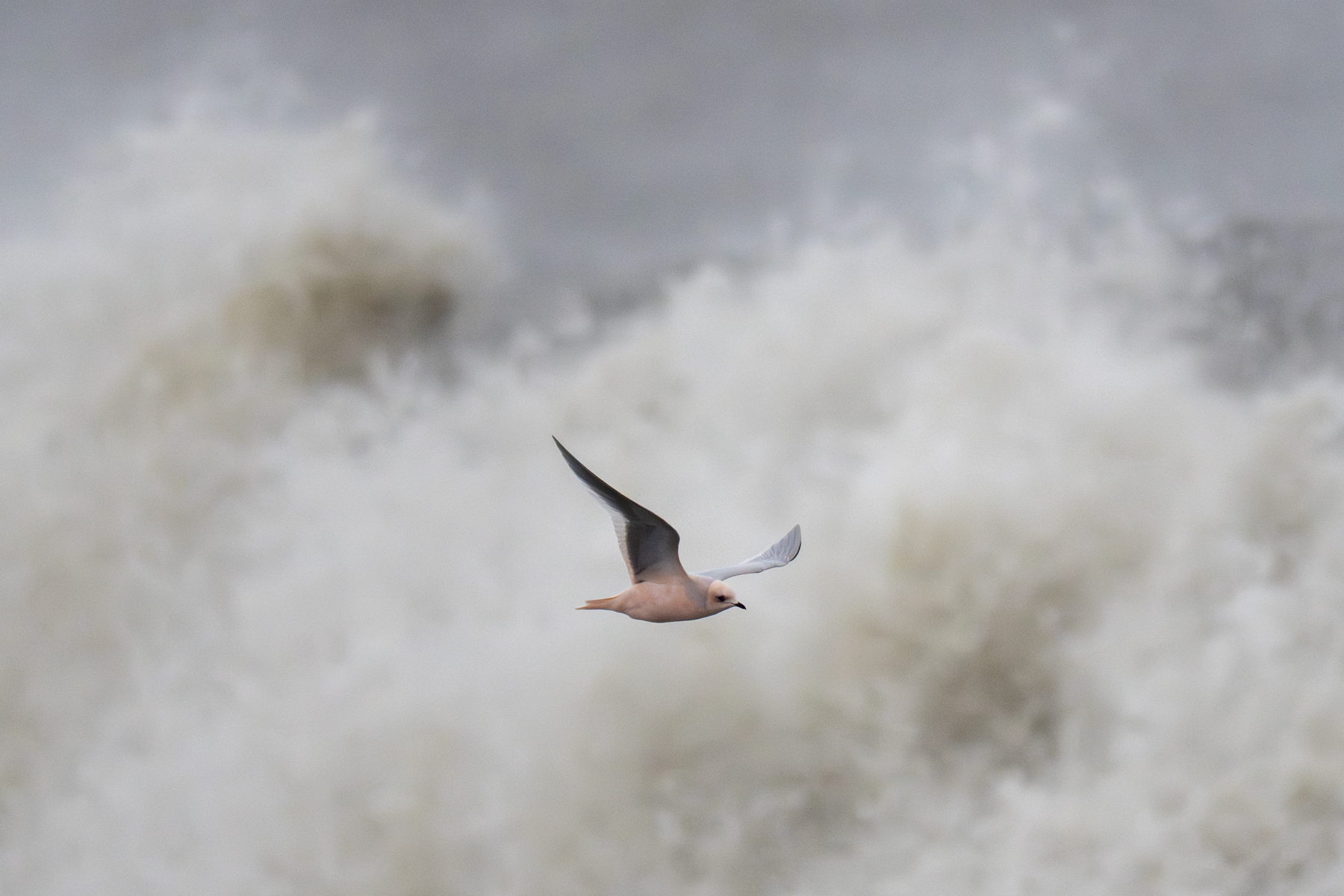
Ross's Gull (image by Mark Beaman)
Ivory Gull (image by Mike Watson)
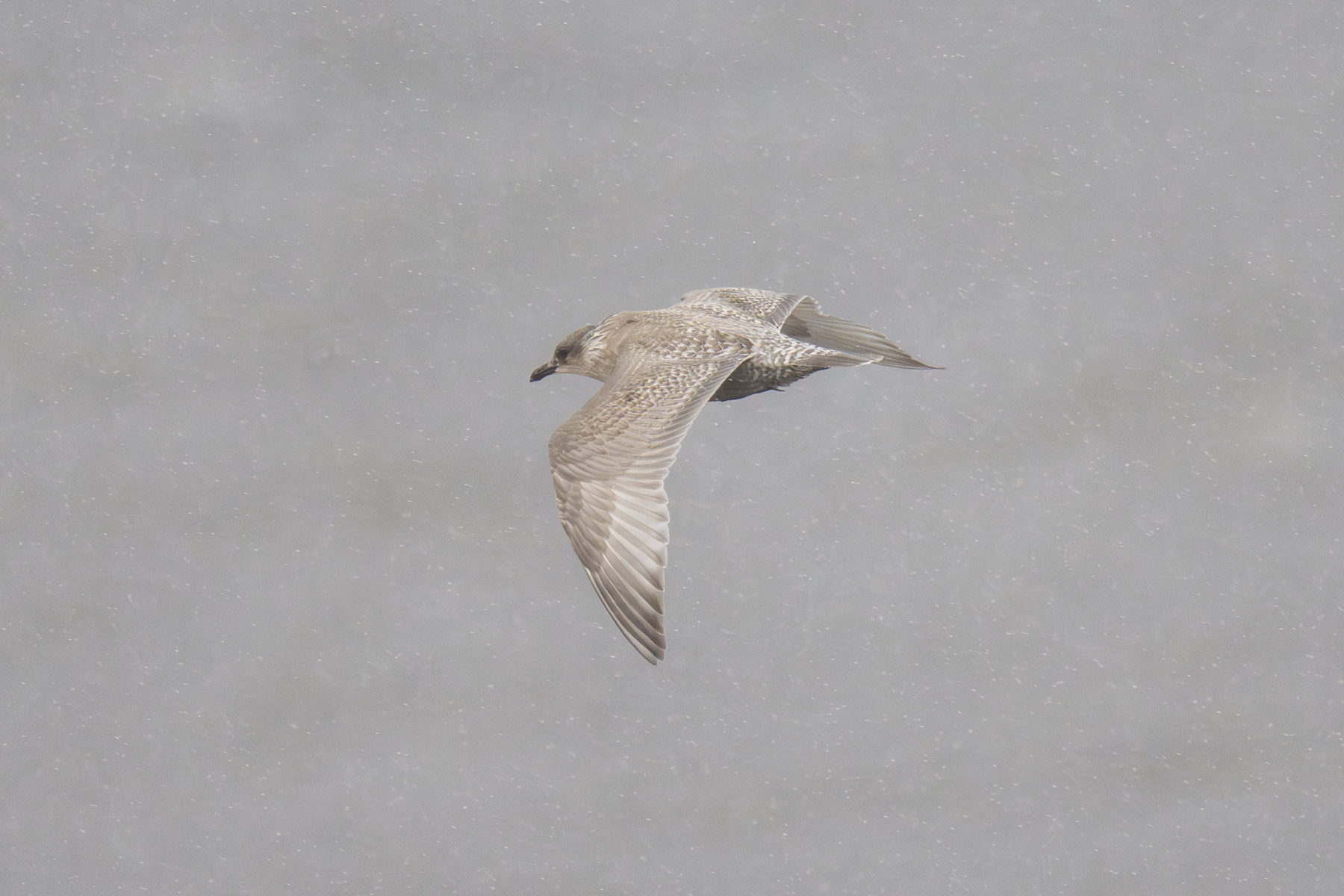
'Thayer's' Gull 1st-calendar-year (image by Mark Beaman)
Ivory Gull (image by Mike Watson)
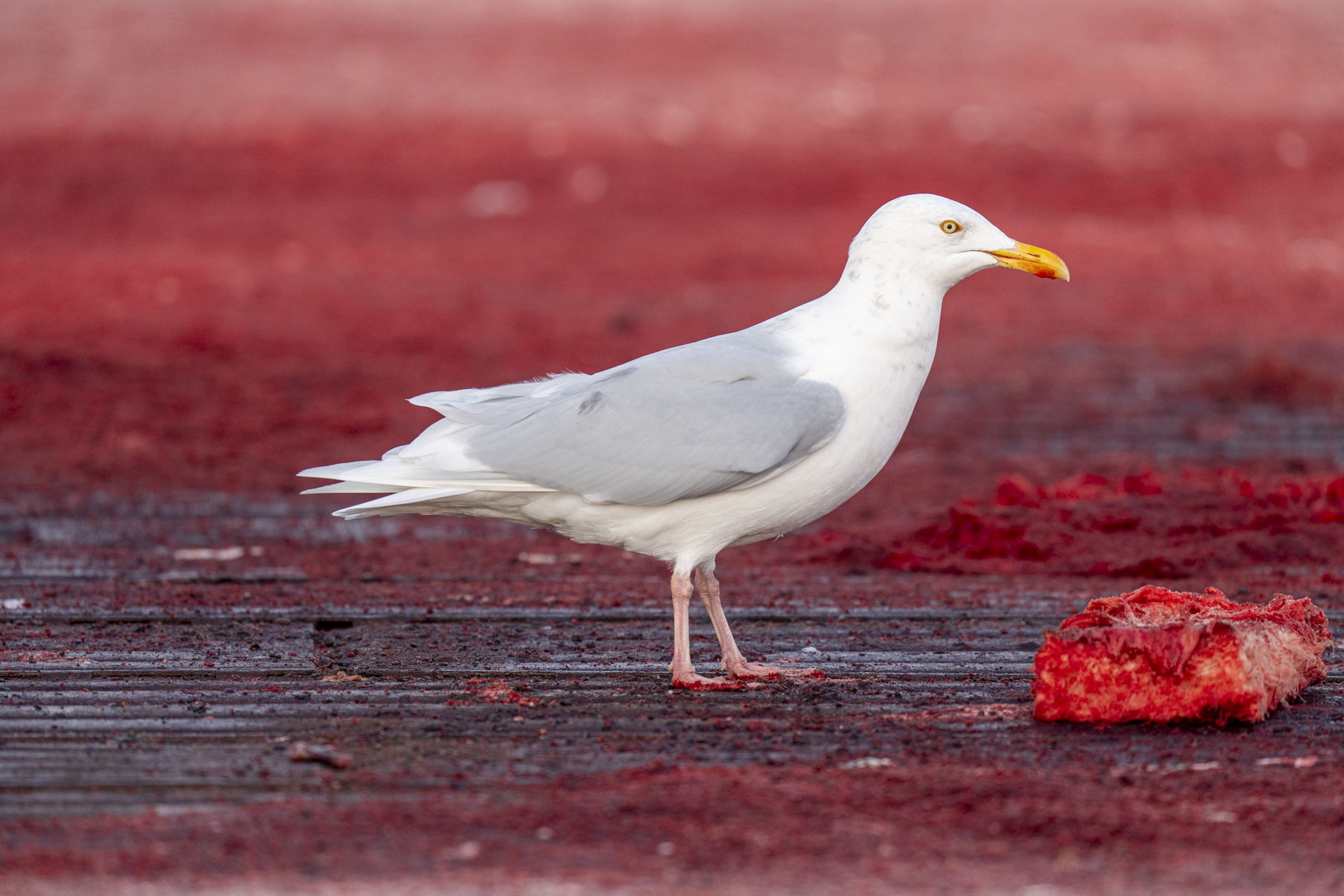
Glaucous Gull (image by Mark Beaman)
Ivory Gull (image by Mike Watson)
Polar Bear (image by Mark Beaman)
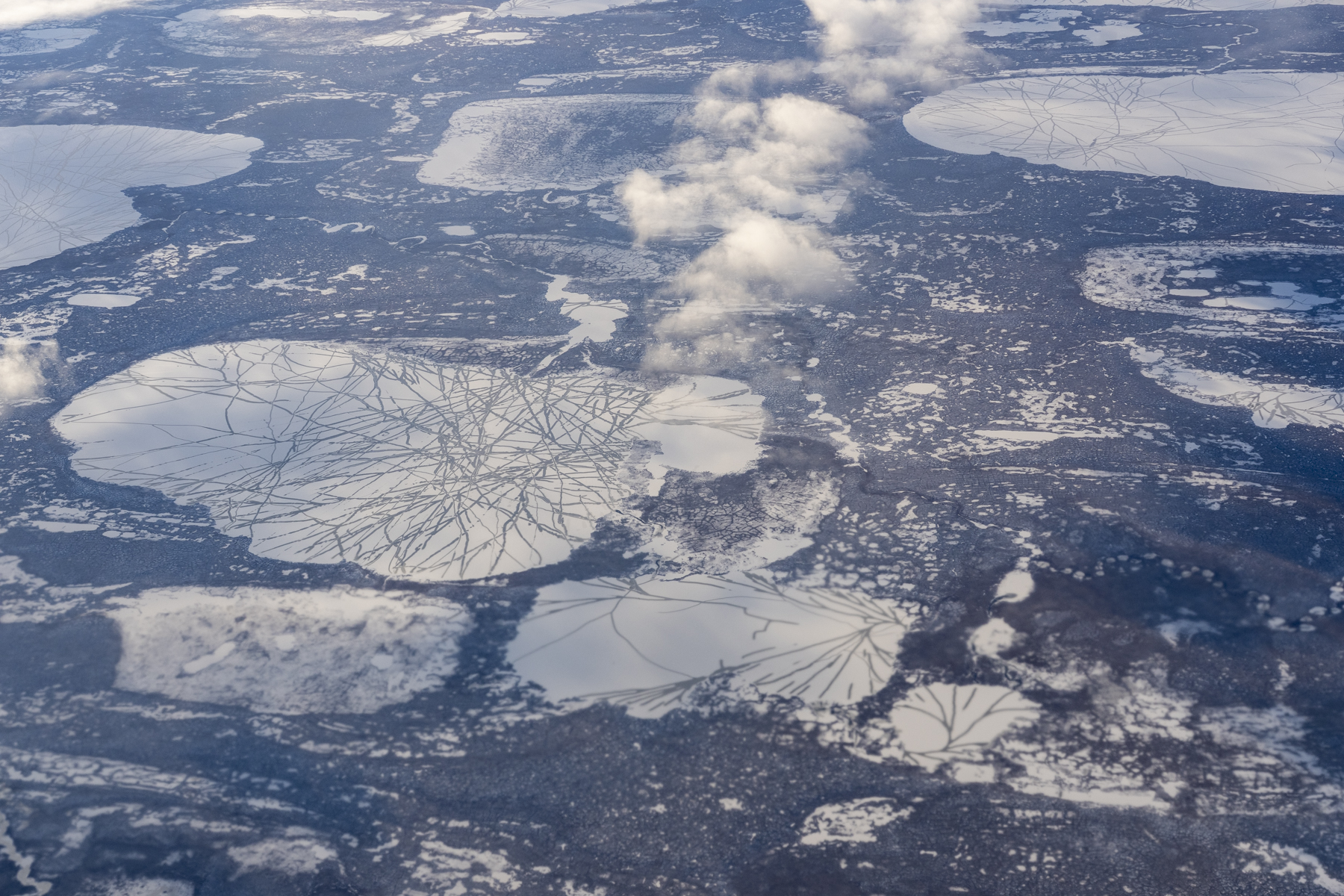
Tundra lakes freezing over (image by Mark Beaman)
Arctic Fox (image by Mark Beaman)
Polar Bear (image by Mark Beaman)
Arctic Fox (image by Mark Beaman)
Ross's Gull (image by Mark Beaman)
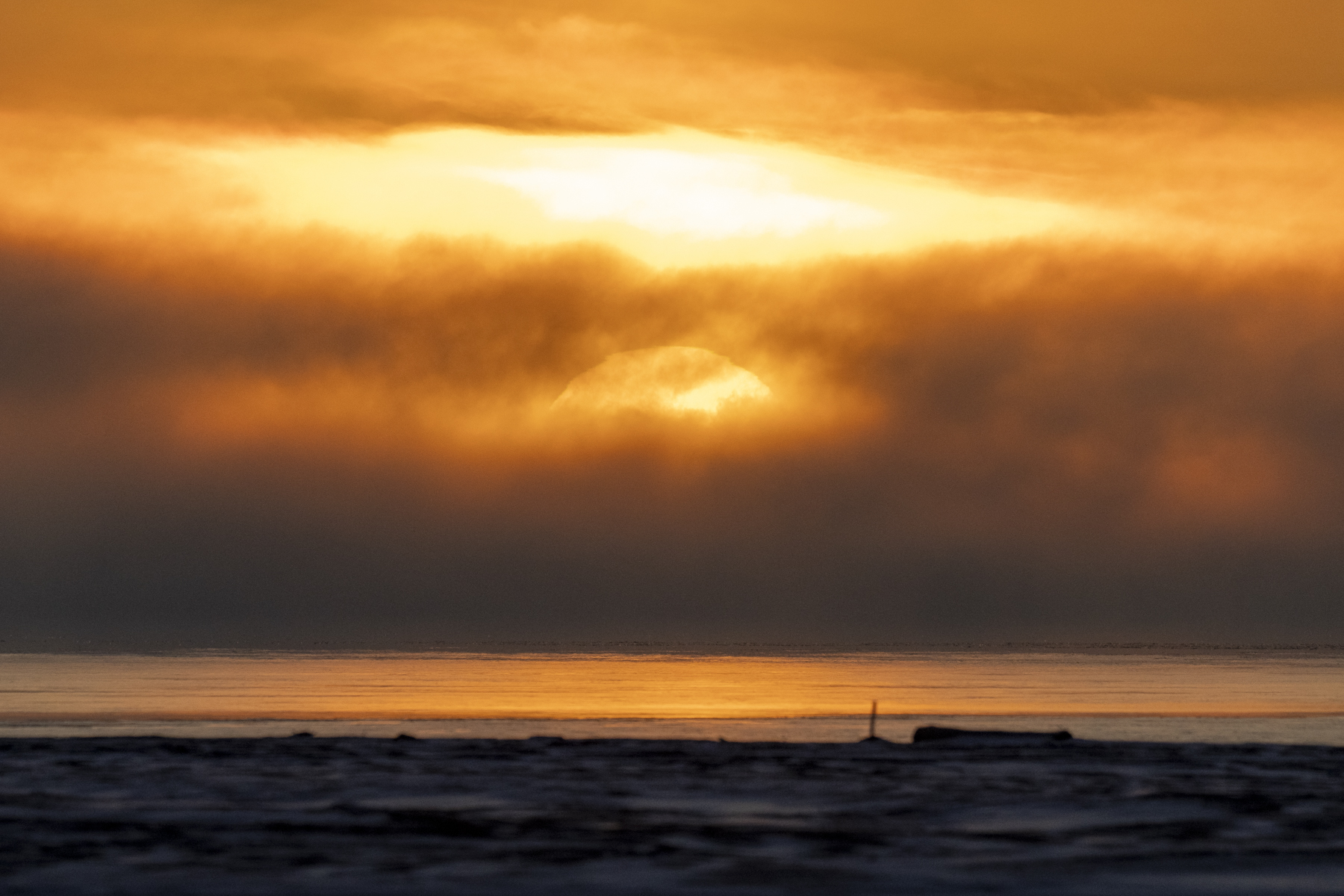
Barrow (Utqiagvik) sunrise (image by Mark Beaman)
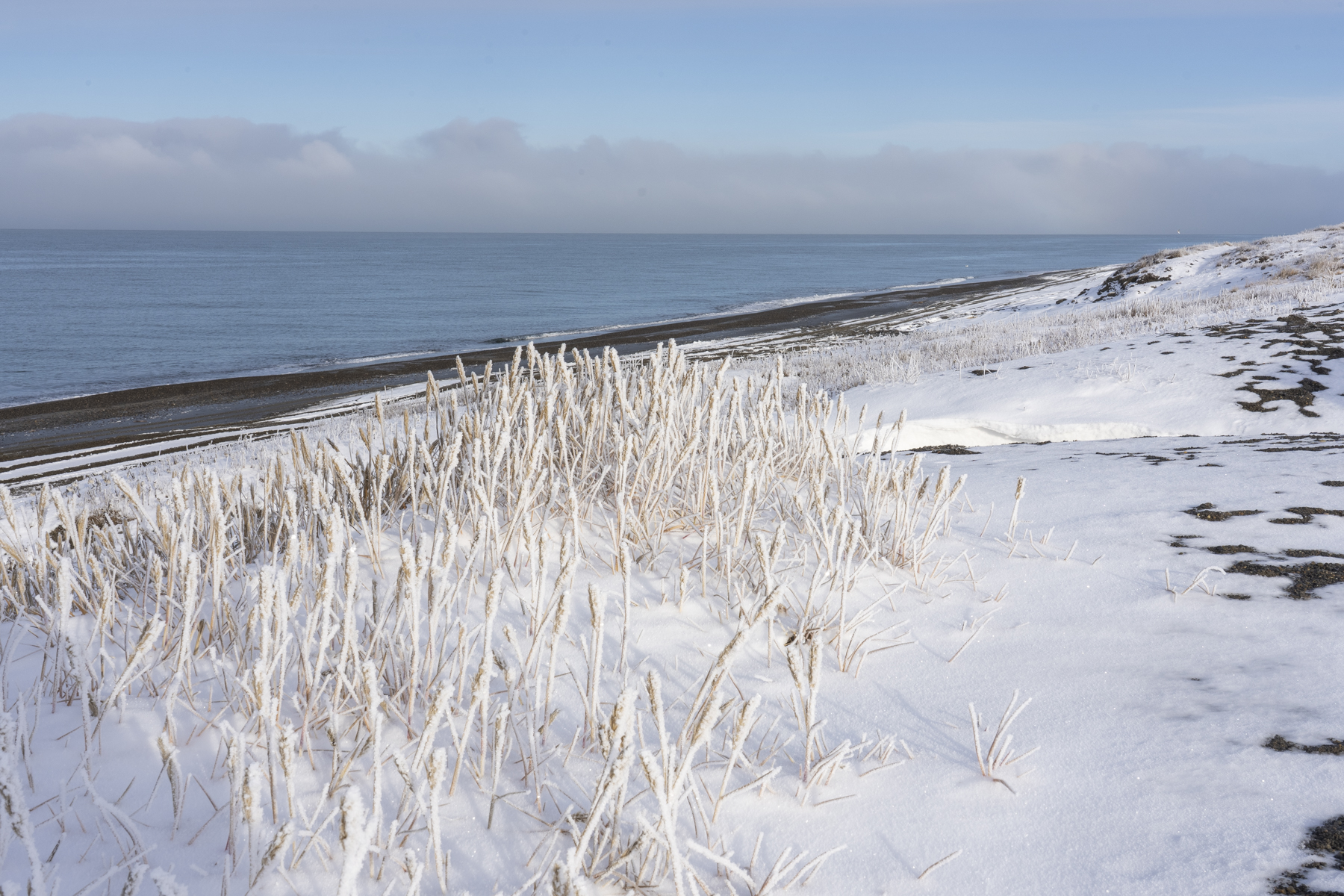
Winter comes to the coast (image by Mark Beaman)
Arctic Fox (image by Mark Beaman)
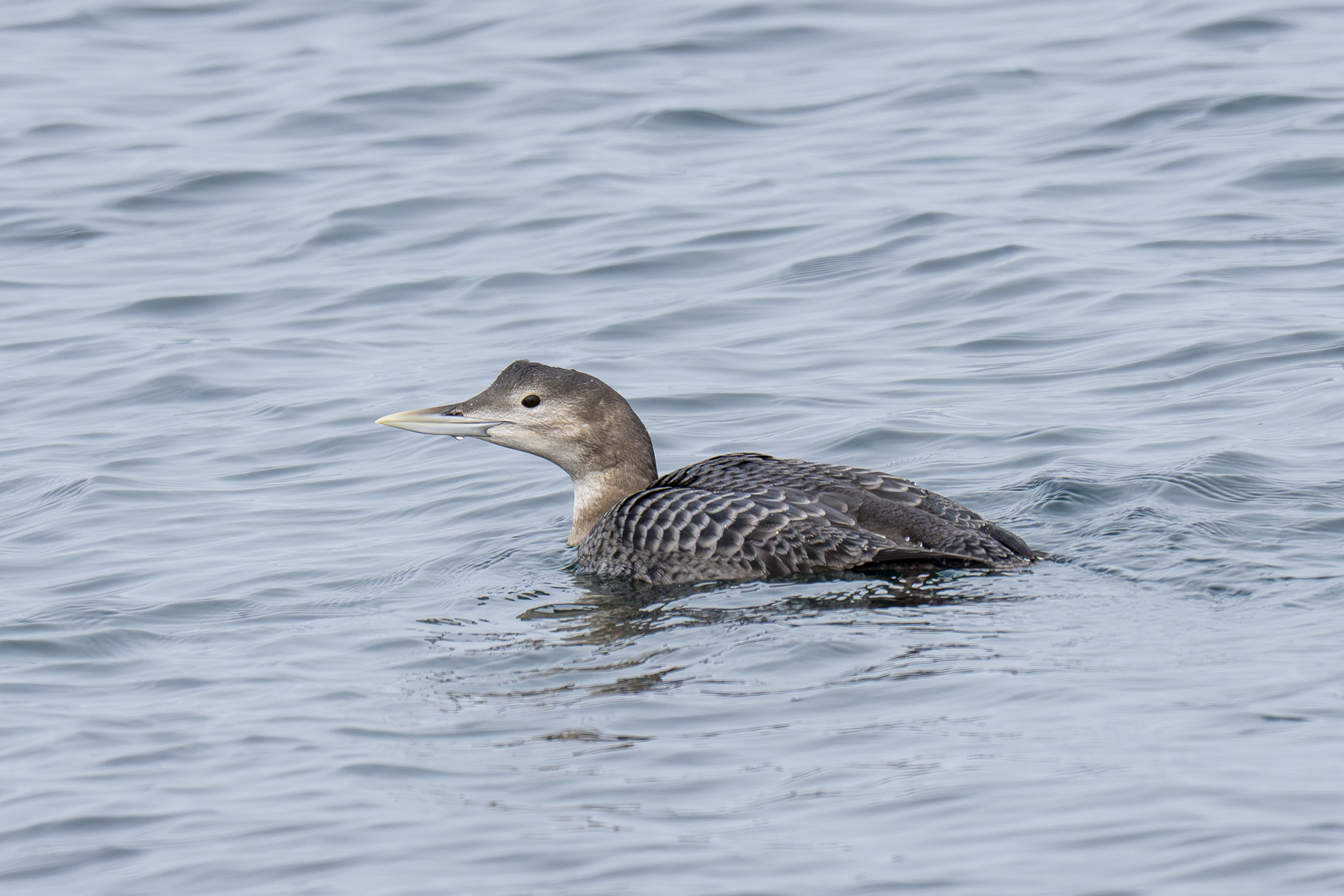
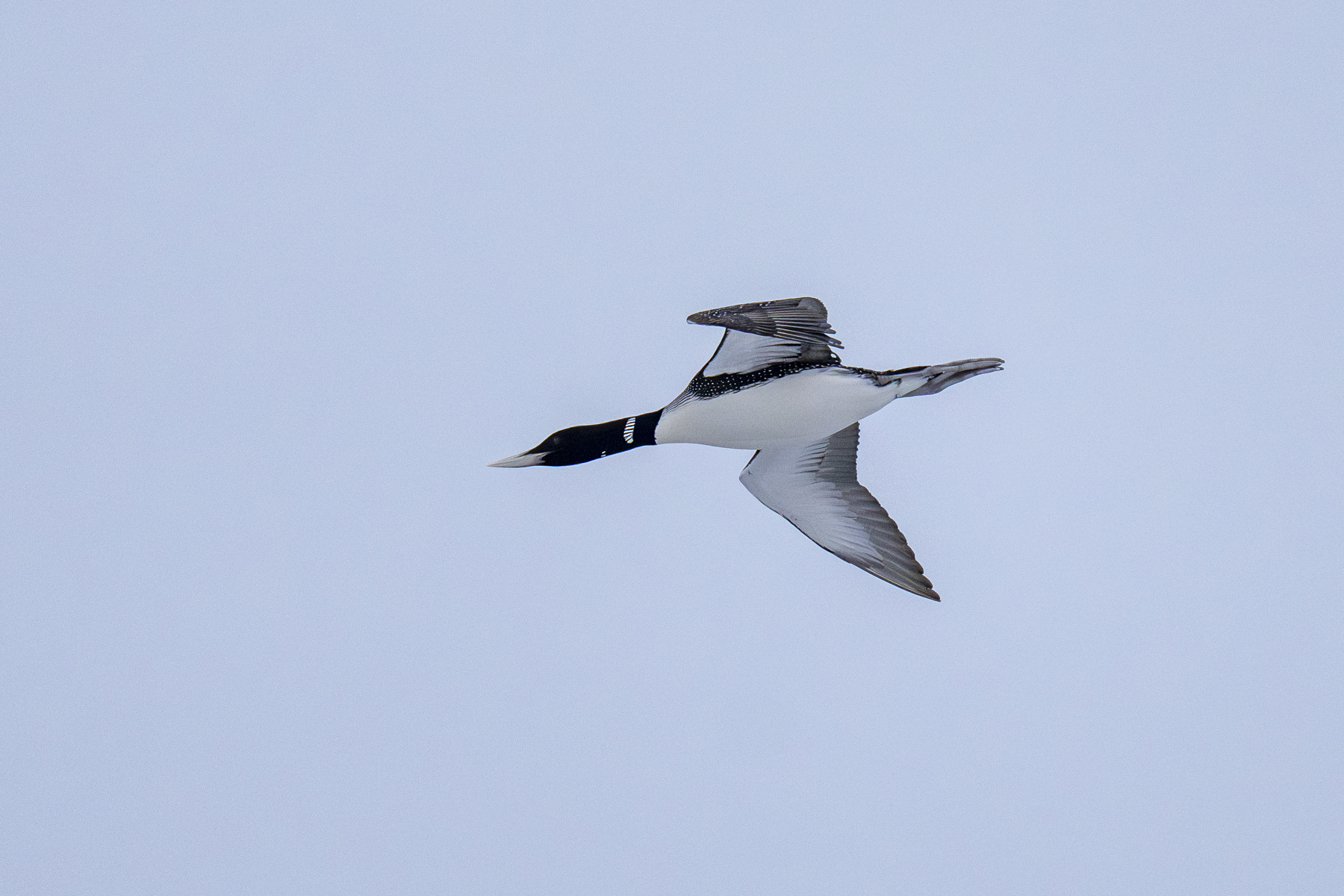
Yellow-billed Loon (image by Mark Beaman)
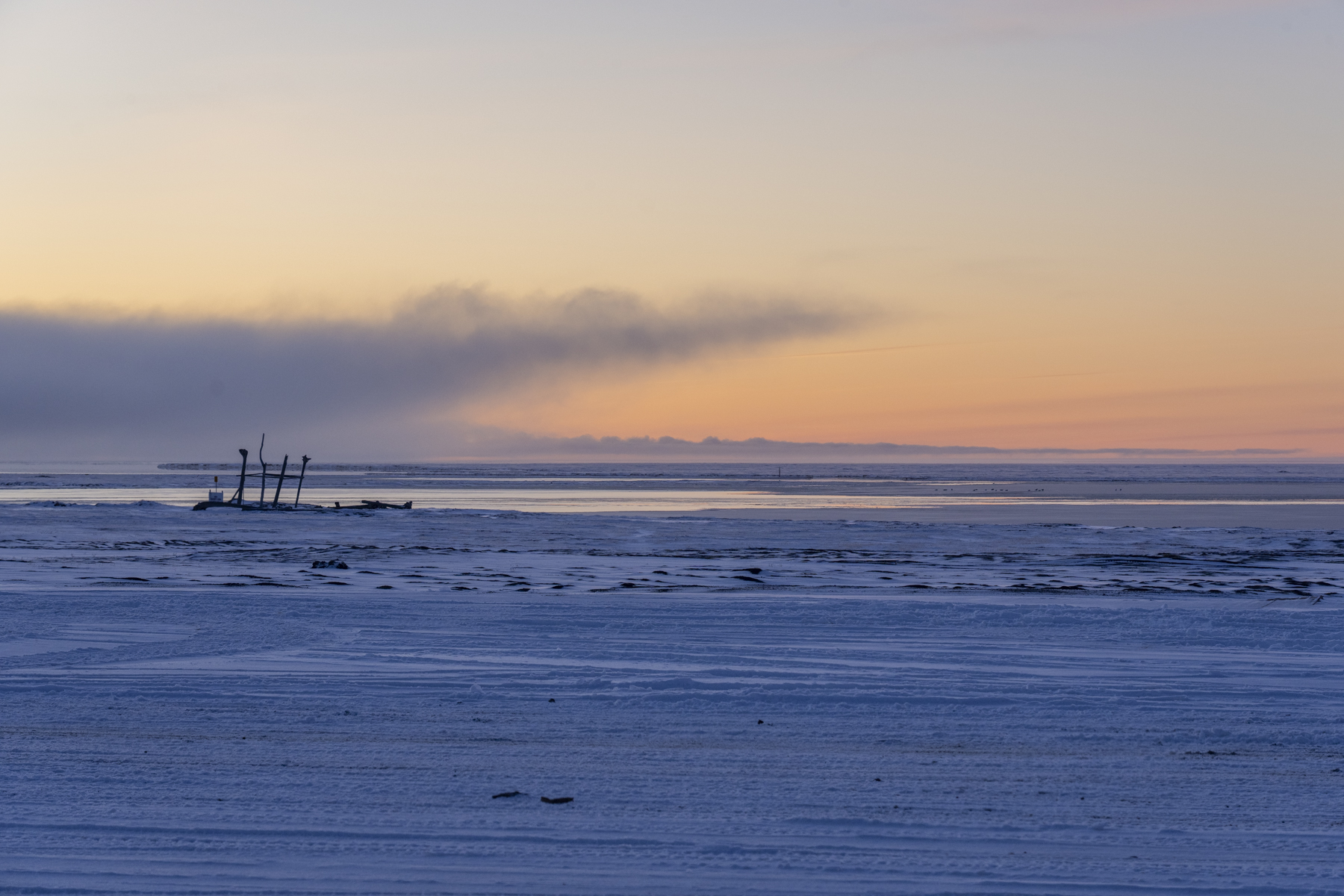
Barrow dawn (image by Mark Beaman)
Polar Bear and cubs (image by Mark Beaman)
Polar Bear (image by Mark Beaman)
Yellow-billed Loon (image by Mark Beaman)
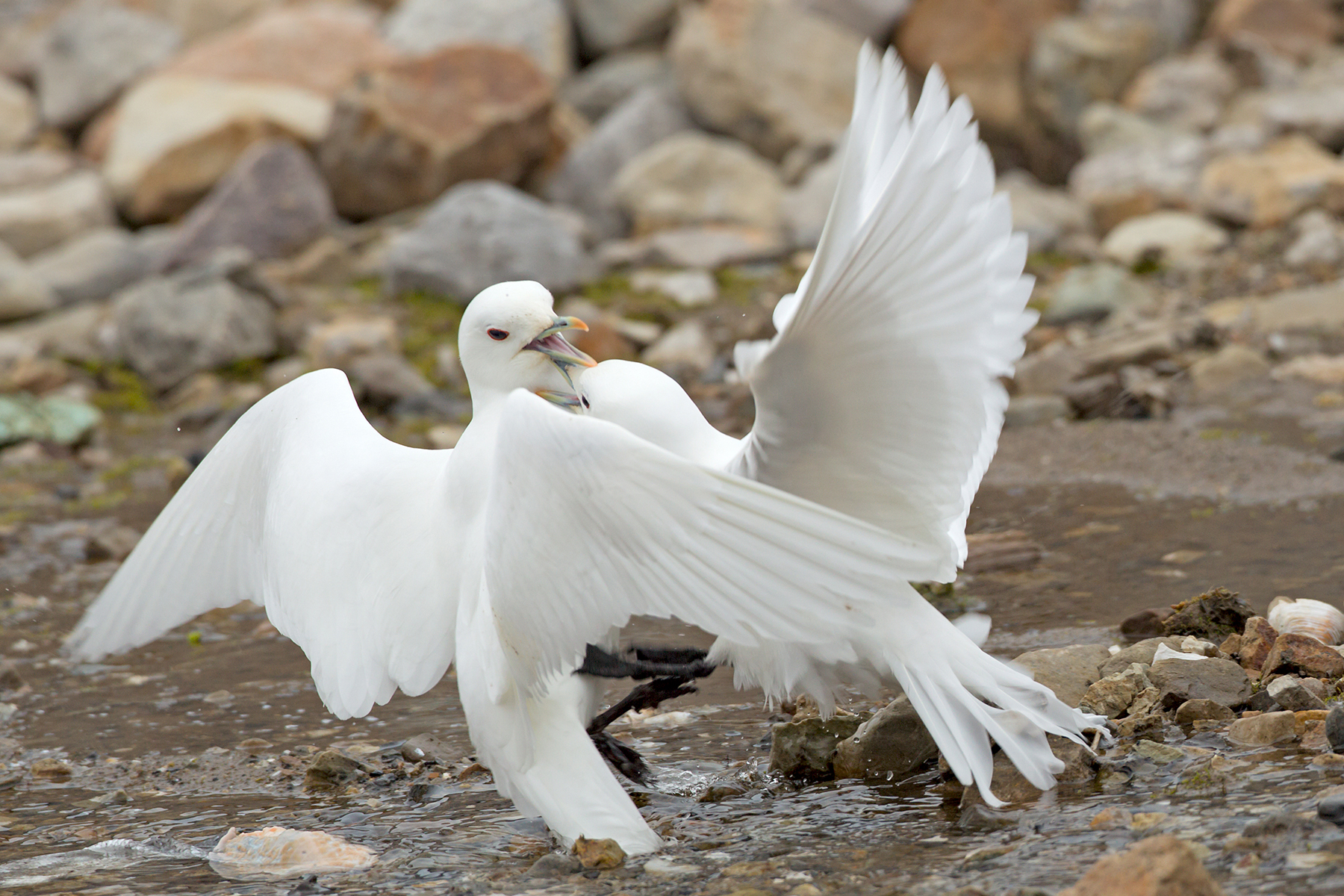
Ivory Gulls fighting (image by Mike Watson)
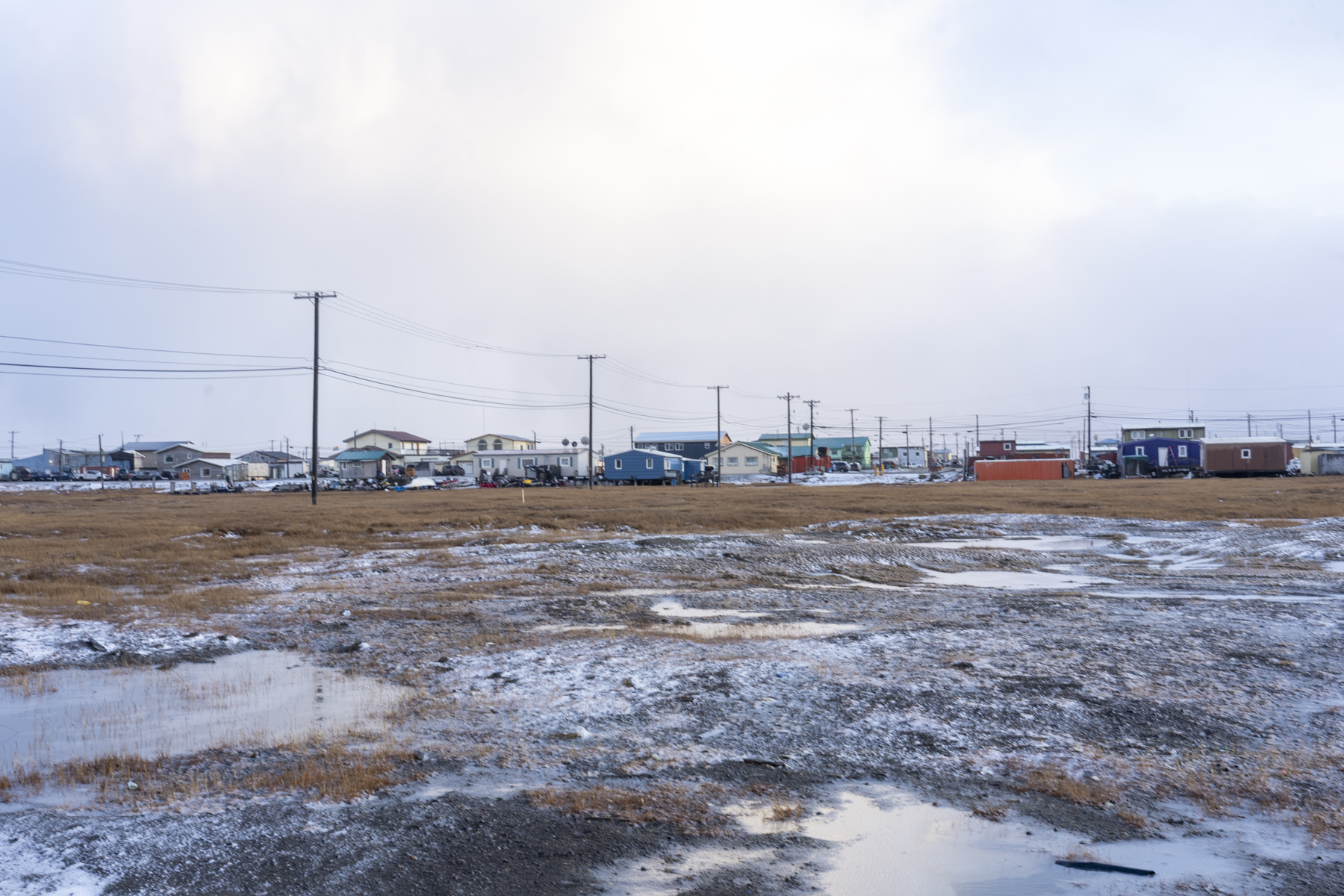
Barrow town (image by Mark Beaman)
Polar Bear (image by Mark Beaman)
Ross's Gull (image by Mark Beaman)
Slaty-backed Gull and 'Thayer's' Gull (image by Mark Beaman)
Glaucous Gull (image by Mark Beaman)
Ross's Gull (image by Mark Beaman)
Glaucous Gull 1st-calendar-year (image by Mark Beaman)
Ross's Gull (image by Mark Beaman)
Polar Bear (image by Mark Beaman)


Ross's Gull (image by Mark Beaman)
Glaucous Gull 1st-calendar-year (image by Mark Beaman)
Ross's Gull 1st-winter (image by Mark Beaman)
Arctic Fox (image by Mark Beaman)
Ross's Gull (image by Mark Beaman)
Slaty-backed Gull (image by Mark Beaman)
Polar Bear (image by Mark Beaman)
Polar Bear and cubs (image by Mark Beaman)
Ross's Gull (image by Mark Beaman)
Brent (or Brant) Goose (image by Mark Beaman)
Thick-billed Murre or Brünnich's Guillemot (image by Mike Watson)
Arctic Fox prints (image by Mark Beaman)
Ross's Gull 1st-winter (image by Mark Beaman)
Polar Bear (image by Mark Beaman)
Polar Bear and cubs (image by Mark Beaman)
Glaucous Gulls (image by Mark Beaman)
Barrow (Utqiagvik) cemetery (image by Mark Beaman)
Arctic Fox (image by Mark Beaman)
Ross's Gull (image by Mark Beaman)
Ivory Gull (image by Mike Watson)
'Thayer's' Gull 1st-calendar-year (image by Mark Beaman)
Ivory Gull (image by Mike Watson)
Glaucous Gull (image by Mark Beaman)
Ivory Gull (image by Mike Watson)
Polar Bear (image by Mark Beaman)
Tundra lakes freezing over (image by Mark Beaman)
Arctic Fox (image by Mark Beaman)
Polar Bear (image by Mark Beaman)
Arctic Fox (image by Mark Beaman)
Ross's Gull (image by Mark Beaman)
Barrow (Utqiagvik) sunrise (image by Mark Beaman)
Winter comes to the coast (image by Mark Beaman)
Arctic Fox (image by Mark Beaman)
Yellow-billed Loon (image by Mark Beaman)
Barrow dawn (image by Mark Beaman)
Polar Bear and cubs (image by Mark Beaman)
Polar Bear (image by Mark Beaman)
Yellow-billed Loon (image by Mark Beaman)
Ivory Gulls fighting (image by Mike Watson)
Barrow town (image by Mark Beaman)
Polar Bear (image by Mark Beaman)
Ross's Gull (image by Mark Beaman)
Slaty-backed Gull and 'Thayer's' Gull (image by Mark Beaman)
Glaucous Gull (image by Mark Beaman)
Ross's Gull (image by Mark Beaman)
Glaucous Gull 1st-calendar-year (image by Mark Beaman)
Ross's Gull (image by Mark Beaman)
Polar Bear (image by Mark Beaman)


|
Tuesday 12th October – Sunday 17th October 2027 Leader: Mike Watson |
6 Days | Group Size Limit 7 (tour guaranteed) |
Birdquest’s Barrow, Alaska: Ross’s Gull Migration & Polar Bear Special birding tours provide an opportunity to witness something truly special, the annual migration of the rare, beautiful and much sought-after Ross’s Gull from northeastern Siberia into the Beaufort Sea to the north of Alaska.
Some 50,000 of these supremely beautiful, elegant little gulls nest in the high Arctic, mostly in Northeastern Siberia (with just a few nesting in western Siberia and Arctic Canada). The Northeast Siberian birds nest in tundra bogs not far from the Arctic Ocean, and after the breeding season is over, they head north into the ocean, reaching as far north as the ice front. Later in the year, from late September to mid-October, they migrate westwards through the Chukchi Sea to the Beaufort Sea to the north of Alaska and the northwest Canadian Arctic. From around mid-October to mid-November, they return westwards and pass into the Bering Sea and the Sea of Okhotsk to winter around the pack ice.
During this annual migration, large numbers of Ross’s Gulls pass by Point Barrow, the northernmost point in Alaska and indeed the United States of America. Visiting the remote town of Barrow (now renamed Utqiağvik, which is spoken with an almost silent g, by its Inuit inhabitants) is the only practical way to observe this amazing spectacle of flocks of pink gulls passing by, often very close to the shore. What an extraordinary sight that is, as the birds often stop to feed in the surf, diving down to snatch small fish or marine invertebrates. One of the planet’s most amazing migrations!
However, the migration spectacle is often weather-related, seemingly closely correlated with northerly and easterly winds that likely push the migrating birds close to the coast. So a short stay at Barrow is, based on careful study of many years of records, a risky prospect. It is quite possible to have a 3-day period with very few gulls, or even none! For that reason, our Birdquest tour is longer than some other bird tours to Barrow. We don’t want to miss out on this amazing spectacle that requires travelling so far to see!
Another hugely appealing aspect of Point Barrow is the presence virtually every day at this time of year of Polar Bears! We will be visiting the point in specially adapted trucks (pickups) and we have a good chance of getting close encounters with these wonderful creatures that are now threatened by climate change. In October, the bears often feast on Bowhead Whale carcasses at the point, allowing a close approach by vehicle.
During late September and the first third of October, the Ivory Gull is only a rare visitor to the Barrow area, but by mid-October, it becomes fairly regular. In consequence, with our tour dates, we have a good chance of seeing one or more, although it is certainly not guaranteed. (By the last days of October and in November, Ivory Gulls are present most of the time at Barrow, but the days are very short and conditions are decidedly cold.)
There is only a limited selection of species still present in Barrow by mid-October. Common Eiders and King Eiders are still regular, and there is a good chance of seeing the sought-after Spectacled Eider (although most likely females rather than males). Long-tailed Ducks are also still around, and we could also encounter White-winged Scoter and perhaps one or two other waterfowl.
Glaucous Gulls are ubiquitous, and there are usually a few Iceland Gulls of the form thayeri (formerly split as Thayer’s Gull). Black-legged Kittiwakes migrate along the coast, and there may be a rarity or two around, such as American Herring Gull or Slaty-backed Gull.
Loon (diver) migration will largely be over, but we could well see Yellow-billed Loon and perhaps Pacific Loon. Shorebirds will be absent, other than a chance for some lingering Red (or Grey) Phalaropes.
It is a surprise to many to learn that huge numbers of Short-tailed Shearwaters (a species that breeds in Australia) spend the northern summer in the Bering, Chukchi and Beaufort Seas, and we may see some that have not yet returned south.
Passerine birds, other than a few Northern Ravens, are likely to have retreated south, but vagrants do occasionally turn up. There could be a lingering Snowy Owl or two around, but it depends on the year.
As well as the iconic Polar Bear, the cheeky little Arctic Fox, in its winter white, is a regular sight around Barrow, and we should also come across Spotted (or Largha) Seal and perhaps Bearded Seal. Even an occasional Walrus swims past the point!
Barrow/Utqiağvik is one of those Arctic tundra towns that you have to experience to understand what living at ‘The Top of the World’ is all about. Rough and ready, with unpaved, bumpy roads, a largely Inuit population, snow-covered tundra, frozen lakes, cold (but not yet Arctic winter) winds and all the rest. As with everything in the Arctic, hotels, food, vehicles and fuel are all wildly expensive.
All in all, an October visit to Barrow is one of those ‘weird and wonderful’ adventures that strongly appeal to a certain kind of birder! Are you one of them?
Accommodation & Transport
The hotel in Barrow (now renamed Utqiağvik) is comfortable and of fairly good quality (it is the best in town!), although room servicing levels can be under par. Roads are limited and unpaved. Transport is by minibus/passenger van.
Walking
The walking during our Barrow, Alaska: Ross’s Gull Migration & Polar Bear Special birding tours is minimal and easy.
Climate
Rather cold, but not Arctic winter conditions. Temperatures average around 0° to -6°C (32° to 23°F), although it can feel decidedly colder on windy days. There is usually little snowfall or rainfall, and conditions are mostly cloudy, although some sunshine is likely.
Bird Photography
Opportunities during our Barrow, Alaska: Ross’s Gull Migration & Polar Bear Special birding tours are fairly good, but feature a very limited suite of species. As well as Ross’s Gull and other birds, we could well have great Polar Bear and Arctic Fox encounters.
To see a larger map, click on the square-like ‘enlarge’ icon in the upper right of the map box.
To see (or hide) the ‘map legend’, click on the icon with an arrow in the upper left of the map box.
To change to a satellite view, which is great for seeing the physical terrain (and for seeing really fine details by repetitive use of the + button), click on the square ‘map view’ icon in the lower left corner of the ‘map legend’.
Birdquest Inclusions: Our tour prices include transportation, accommodations and meals.
We also include all tipping for restaurant staff.
Deposit: 20% of the total tour price. Our office will let you know what deposit amount is due, in order to confirm your booking, following receipt of your online booking form.
TO BOOK THIS TOUR: Click here (you will need the tour dates)
Note: While twin-bedded rooms are available, double beds are not available at our hotel.
The single supplement will not apply if you indicate on booking that you prefer to share a room and there is a room-mate of the same sex available.
This tour is priced in US Dollars. Amounts shown in other currencies are indicative.
Barrow/Utqiağvik: Day 1
Sometimes there is a morning Alaska Airlines flight to Barrow, in which case the tour will start with the arrival of that flight, and we will have time for some initial birding.
If not, the tour will start with the arrival of the afternoon Alaska Airlines flight.
We will spend five nights at Barrow/Utqiağvik.
Barrow/Utqiağvik: Days 2-5
At this time of year, the day length is about nine hours, so there is no need for an early start. We will not be getting underway until after a hearty breakfast.
During our time at Barrow, we will explore the limited road network. As there is usually little to see by October inland (unless a Snowy Owl is lingering), we will be concentrating on the coastline, and in particular the base of Point Barrow, which is the best seawatching site in the area. When Ross’s Gulls are passing, this is the area to see them at close quarters, as they often fly right along the black sand shoreline or even feed in the surf!
Most of our birding will be carried out from close to our vehicle
There will also be opportunities for each group member to make two visits to Point Barrow to look for Polar Bears and Ivory Gulls. Both are attracted by the whale carcasses out on the point. Going out to the point itself is an ‘off-road’ experience with very soft sand, and we have to use a local guide with a specially adapted truck.
(If anyone would like to go at this time, this can likely be arranged locally with one of the point guides who has the right kind of vehicle for the soft sand, at an extra charge.)
The limited but often appealing bird species and also mammal species present at Barrow in mid-October are mentioned under the tour Overview.
Barrow/Utqiağvik: Day 6
We will spend much of the day birding and then head for the airport, where our tour ends. The flight to Anchorage leaves in the early evening.
North America & The Caribbean