
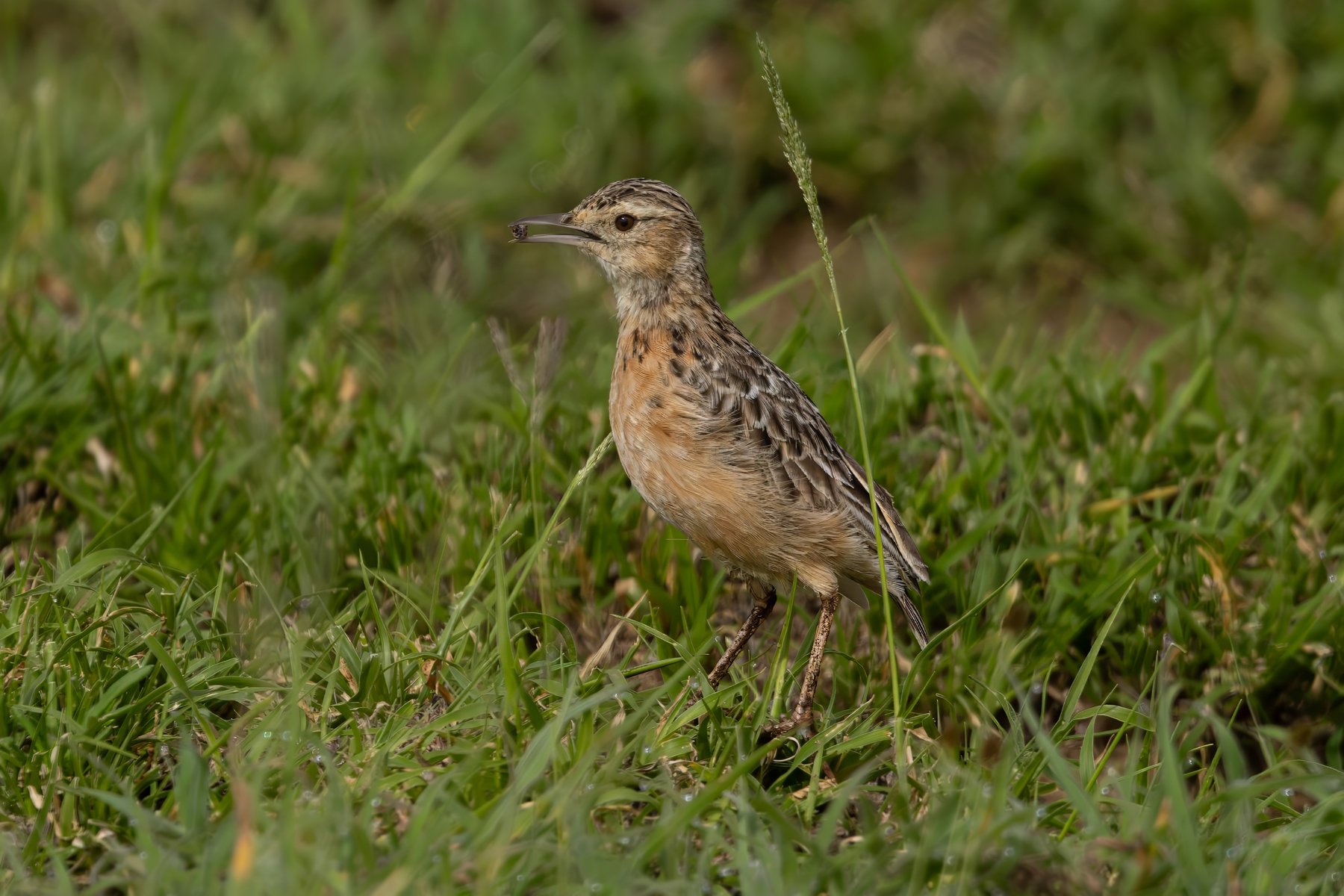
Beesley's Lark (image by Nik Borrow)
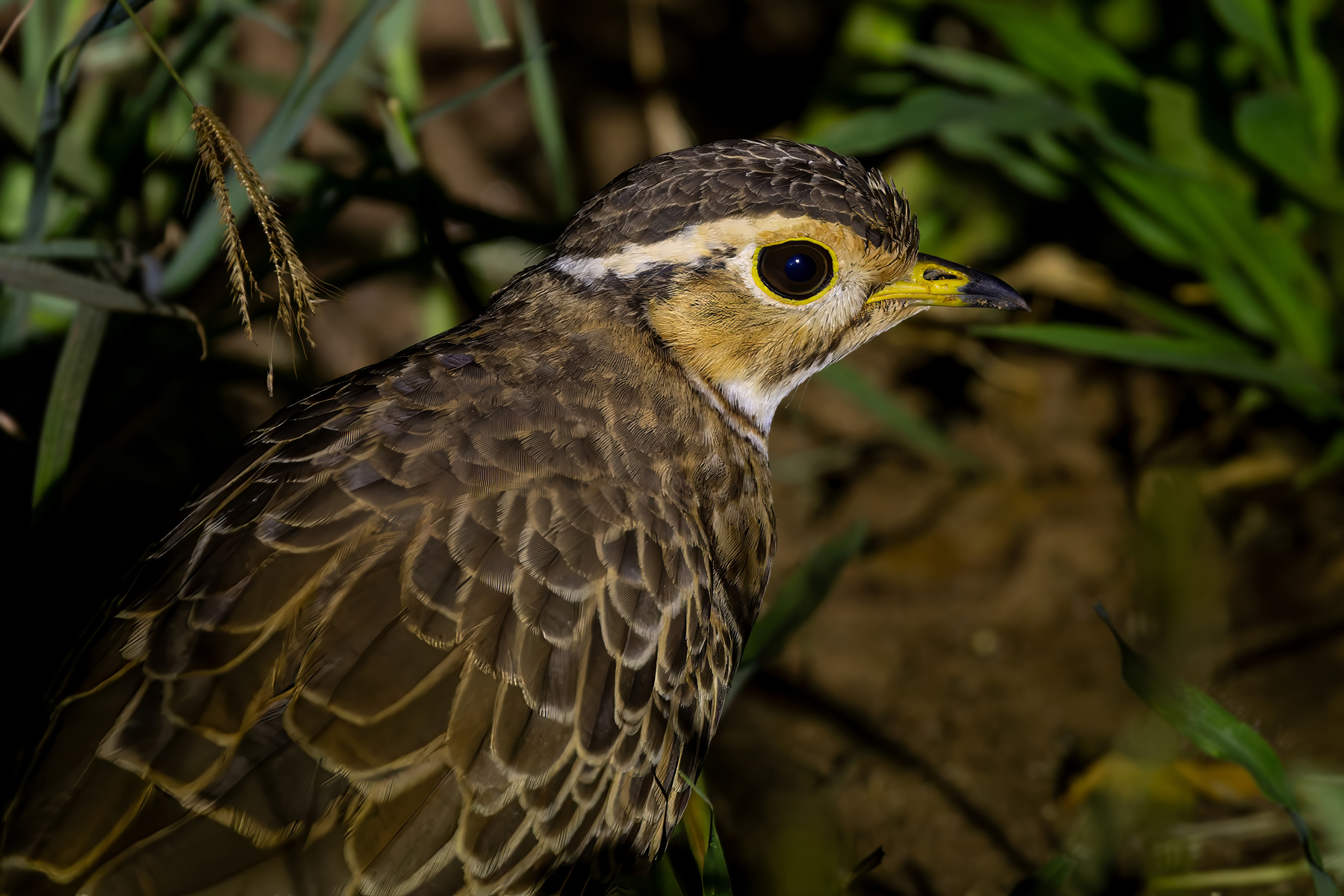
Three-banded Courser (image by Nik Borrow)
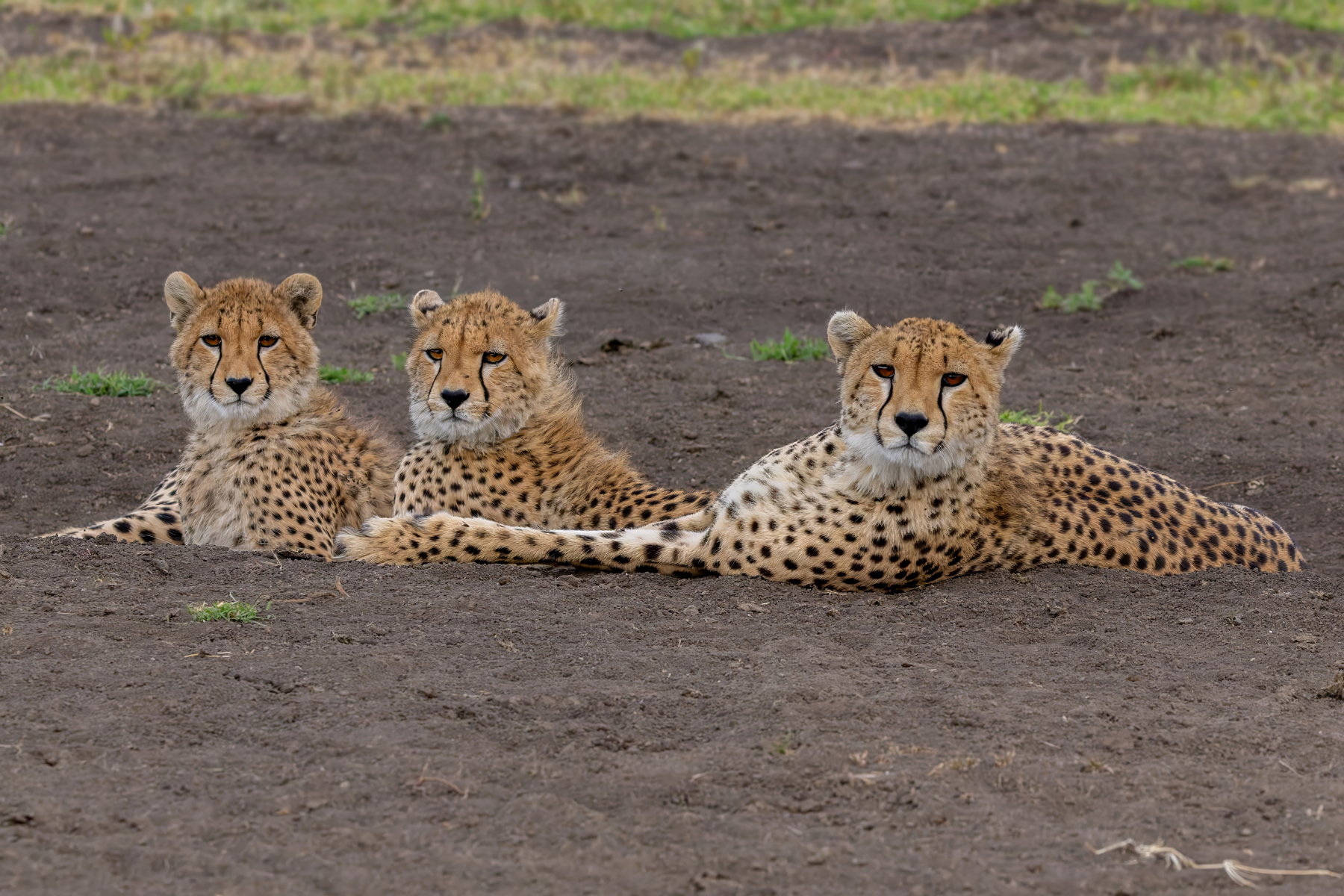
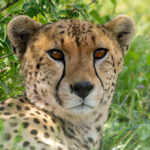
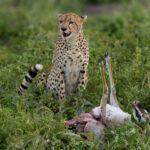
Cheetahs (image by Nik Borrow)
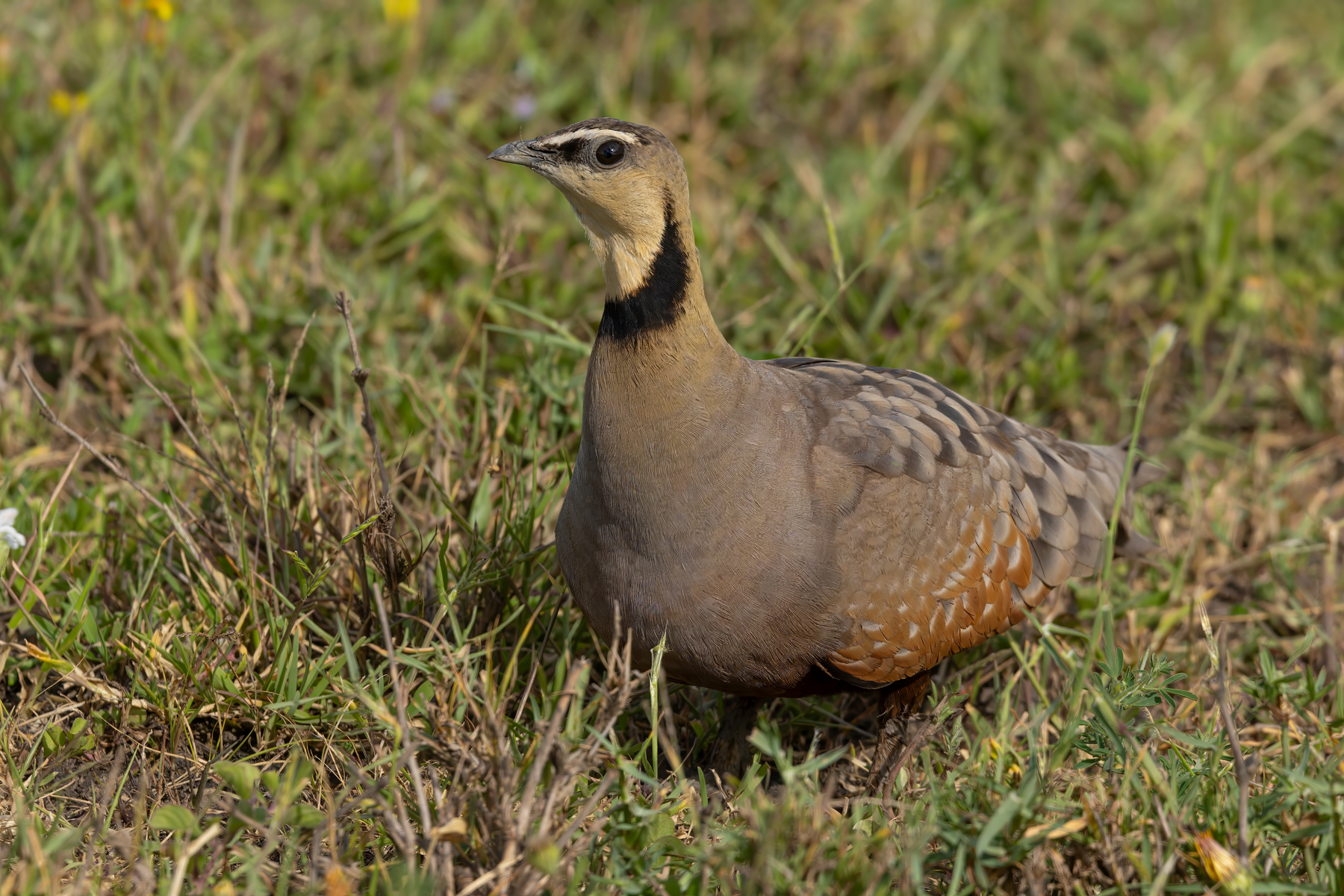
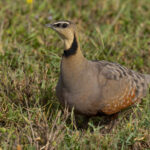
Yellow-throated Sandgrouse (image by Nik Borrow)
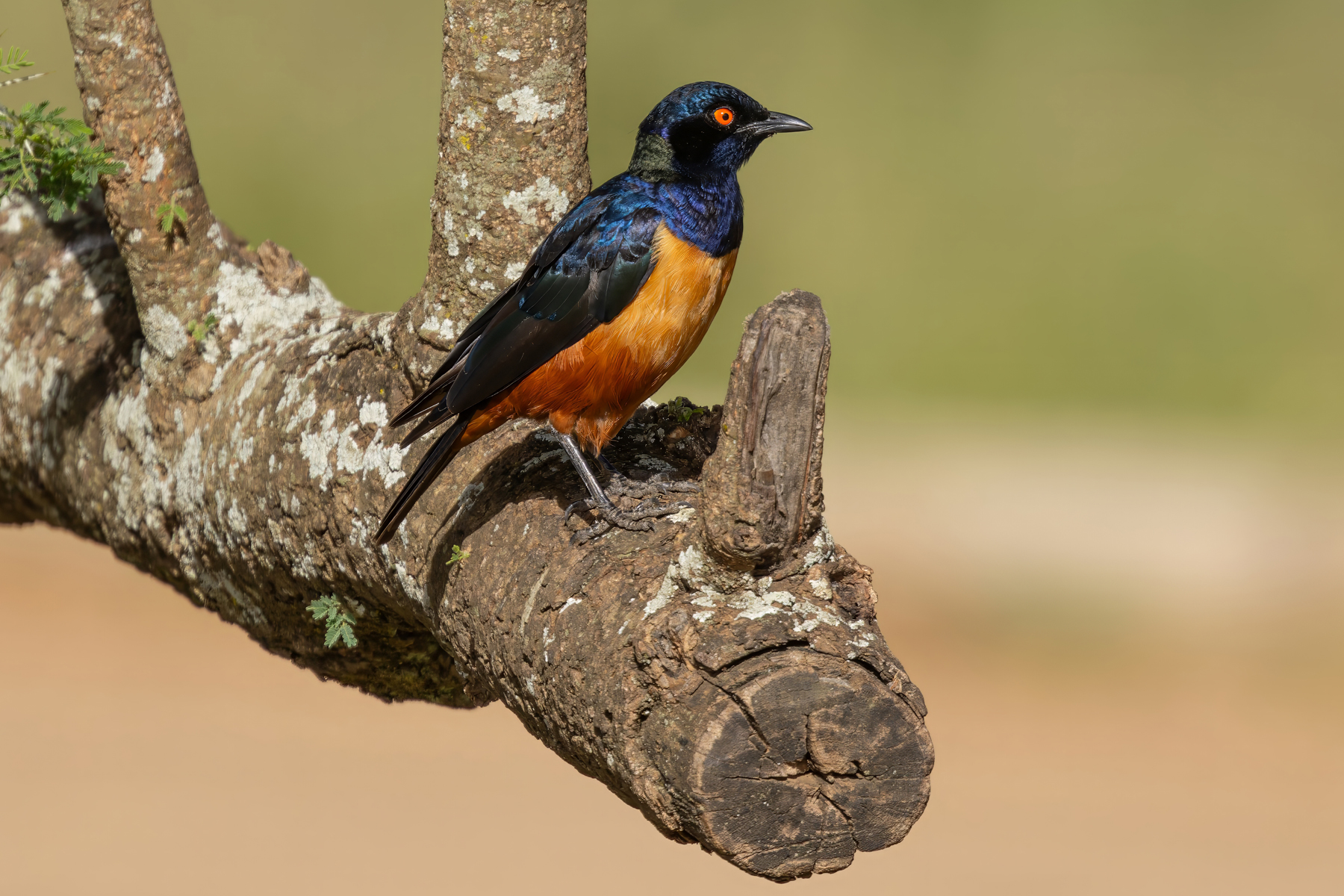
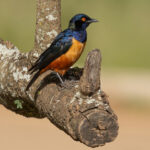
Hildebrandt's Starling (image by Nik Borrow)
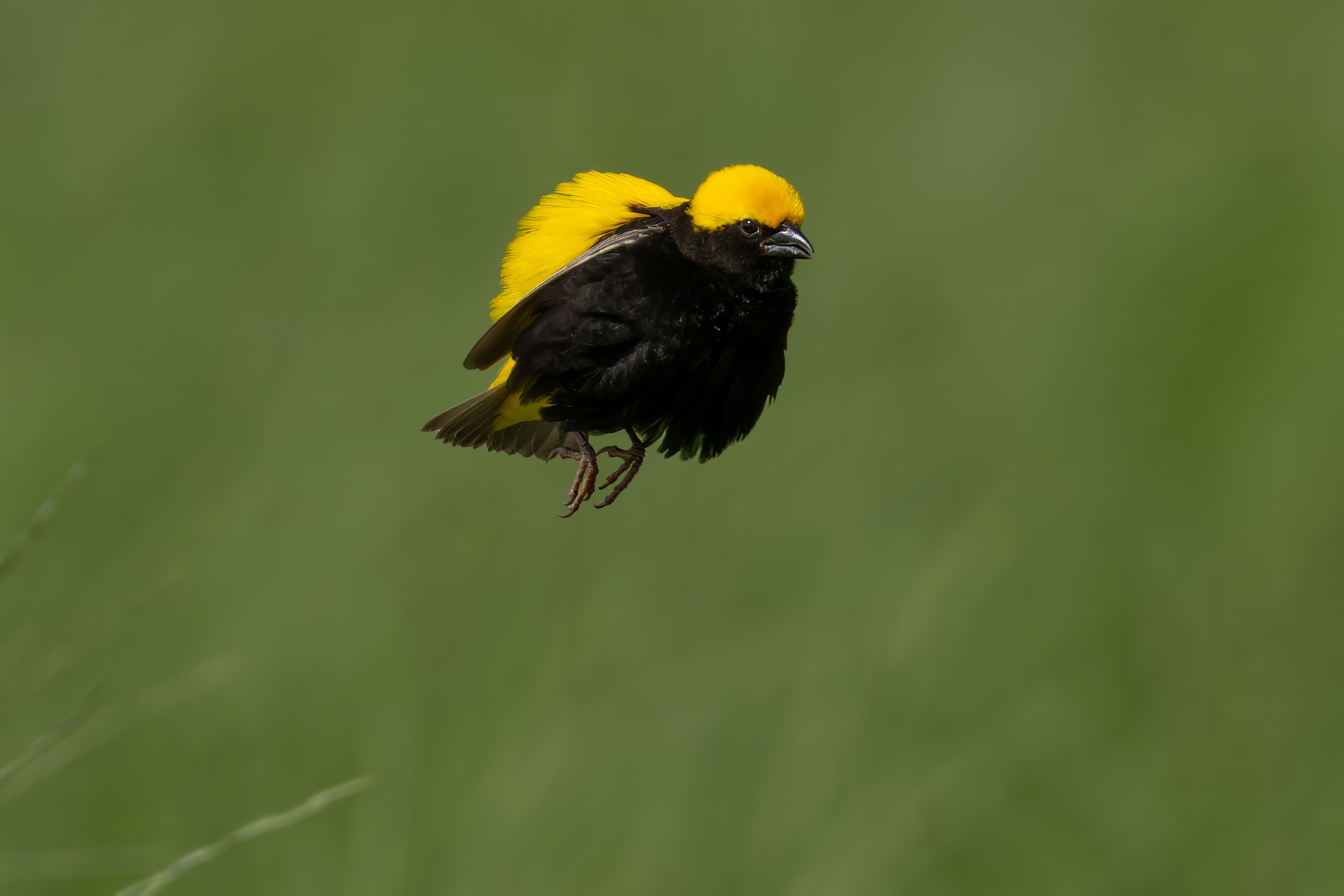
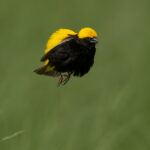
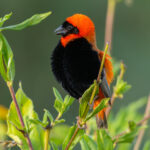
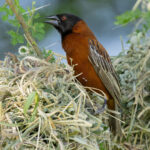
Yellow-crowned Bishop (image by Nik Borrow)
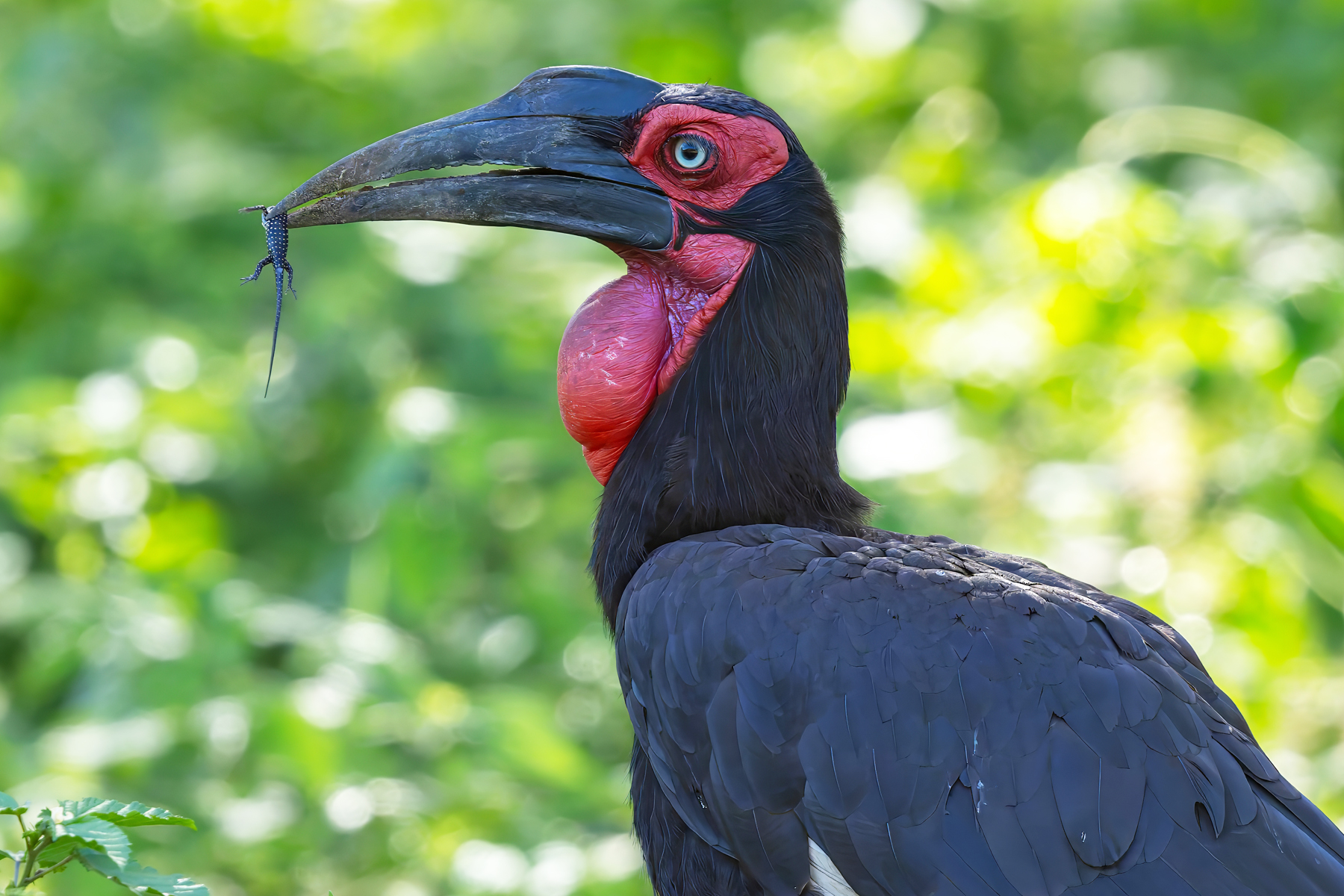
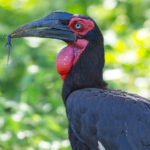
Southern Ground Hornbill (image by Nik Borrow)
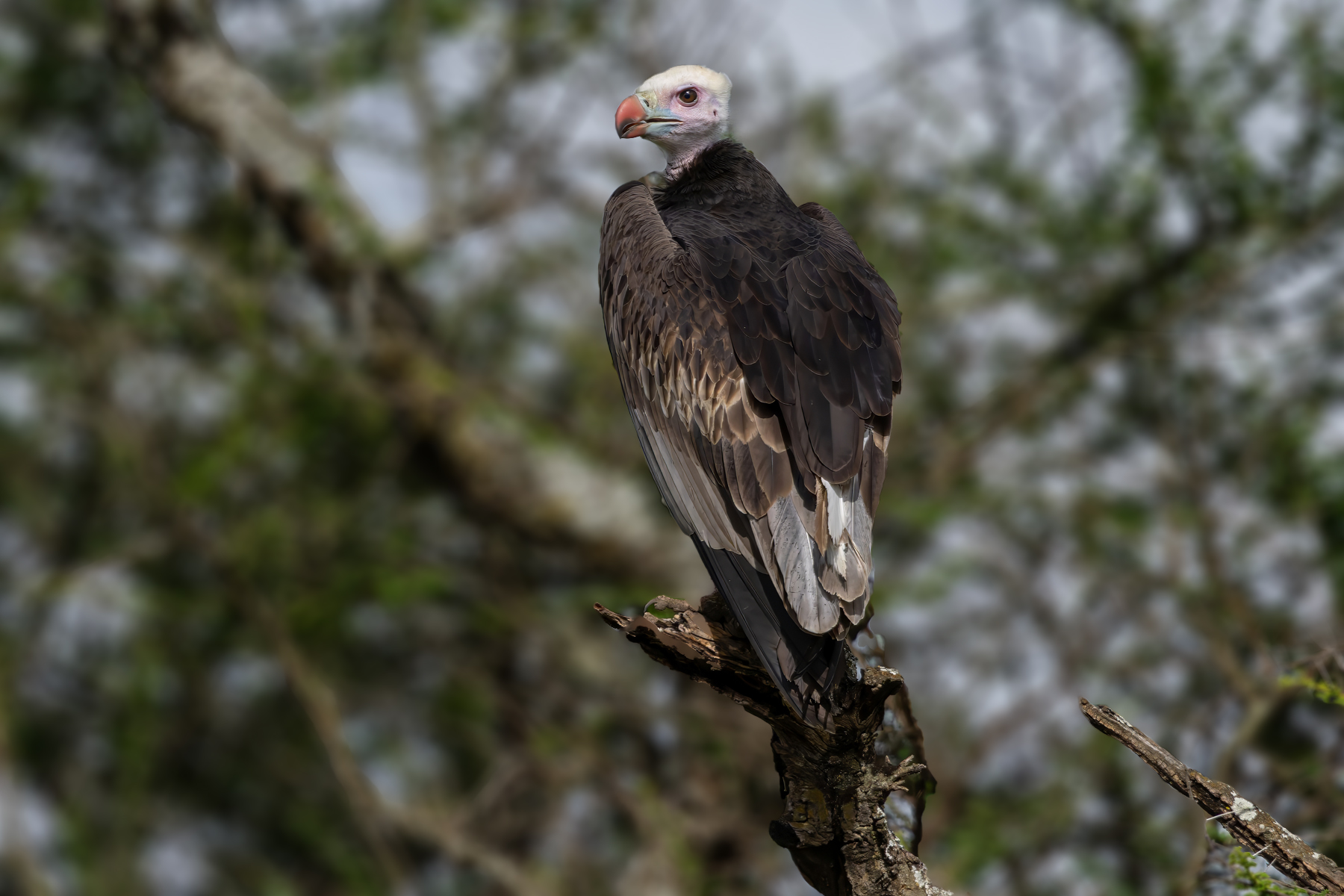
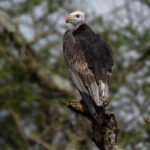
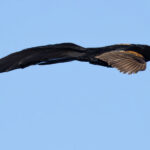
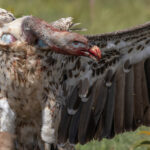
White-headed Vulture (image by Nik Borrow)
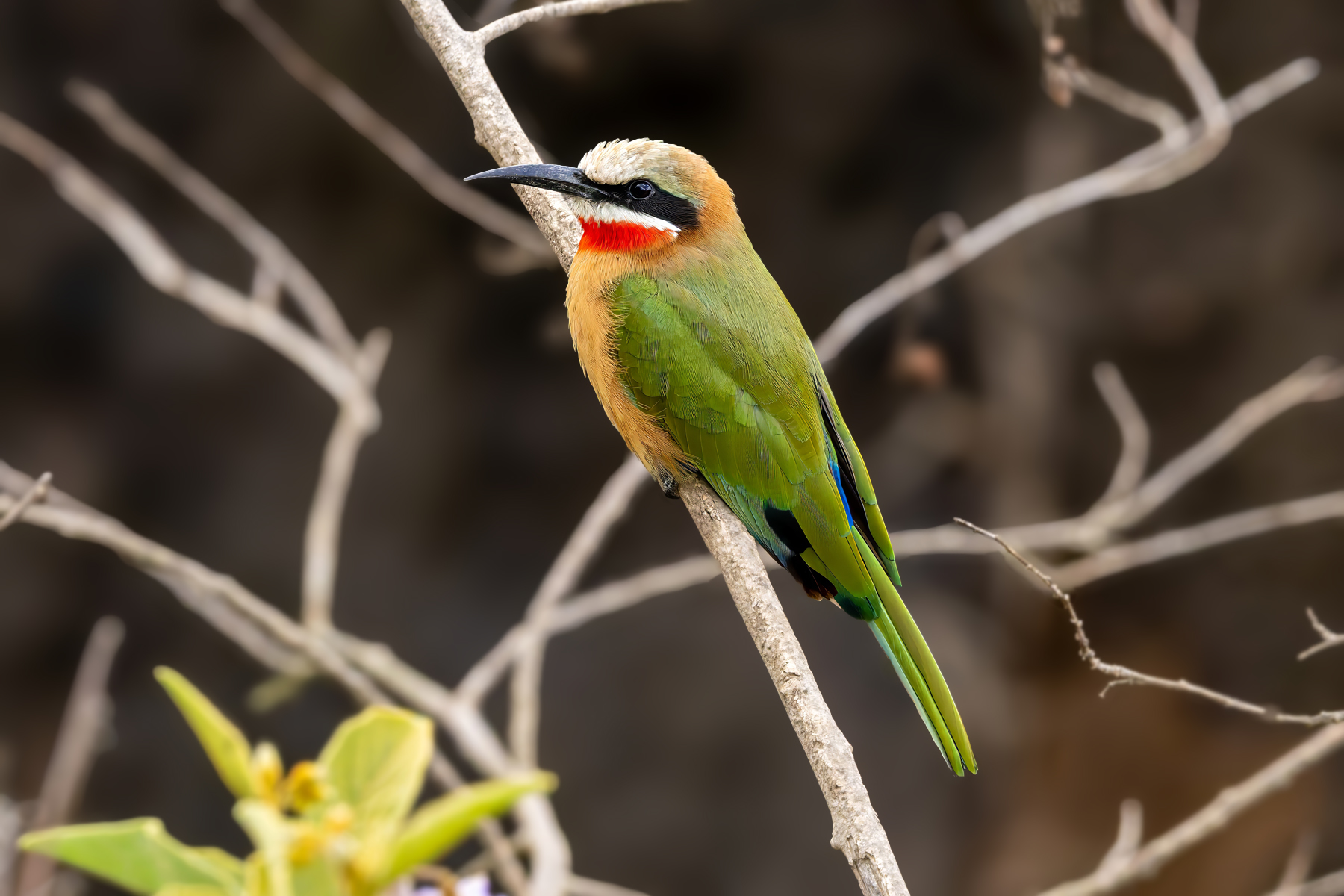
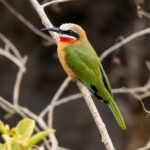
White-fronted Bee-eater (image by Nik Borrow)
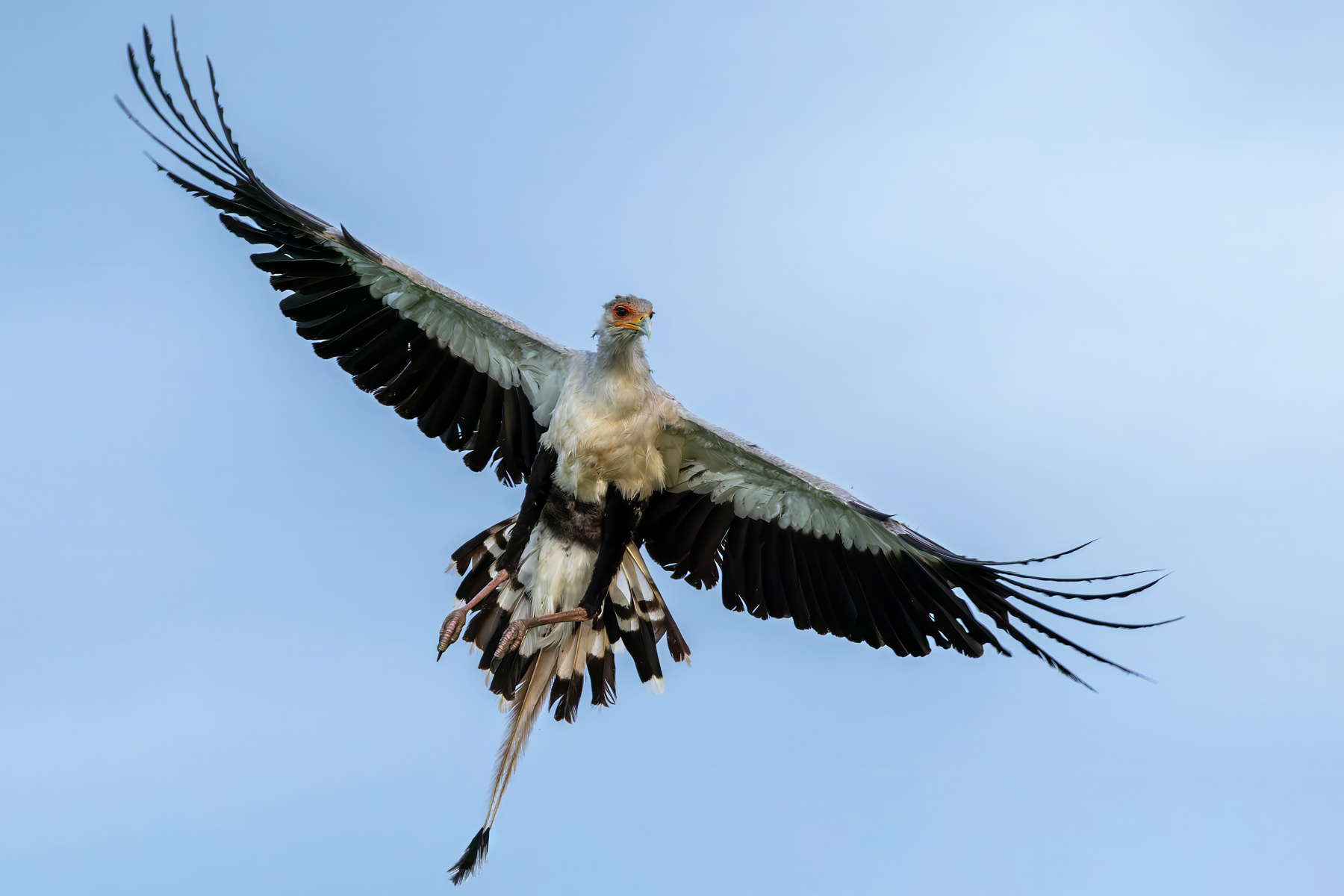
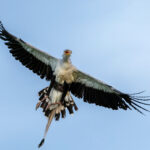
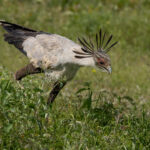
Secretarybird (image by Nik Borrow)
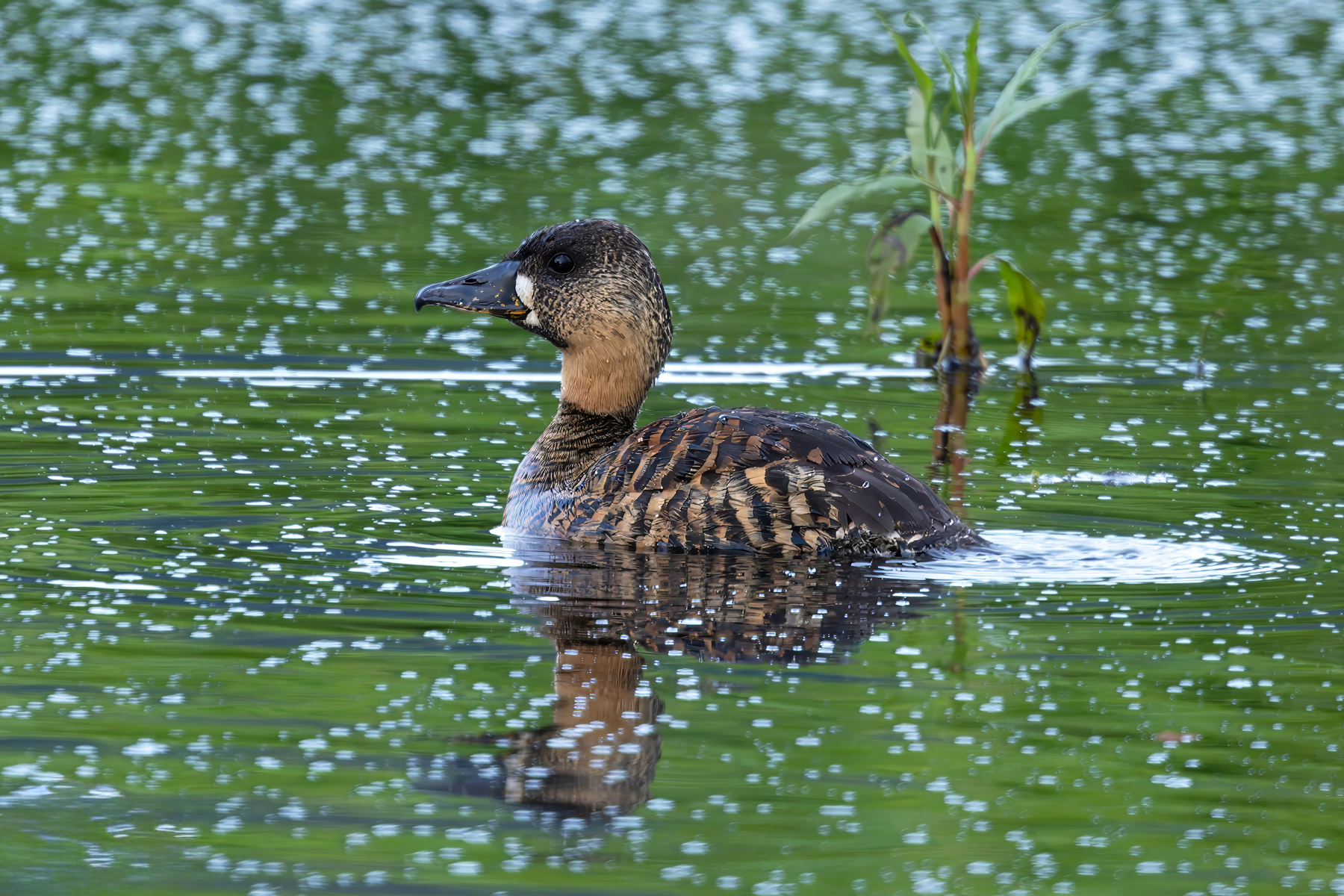
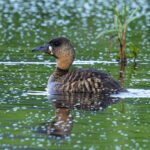
White-backed Duck (image by Nik Borrow)
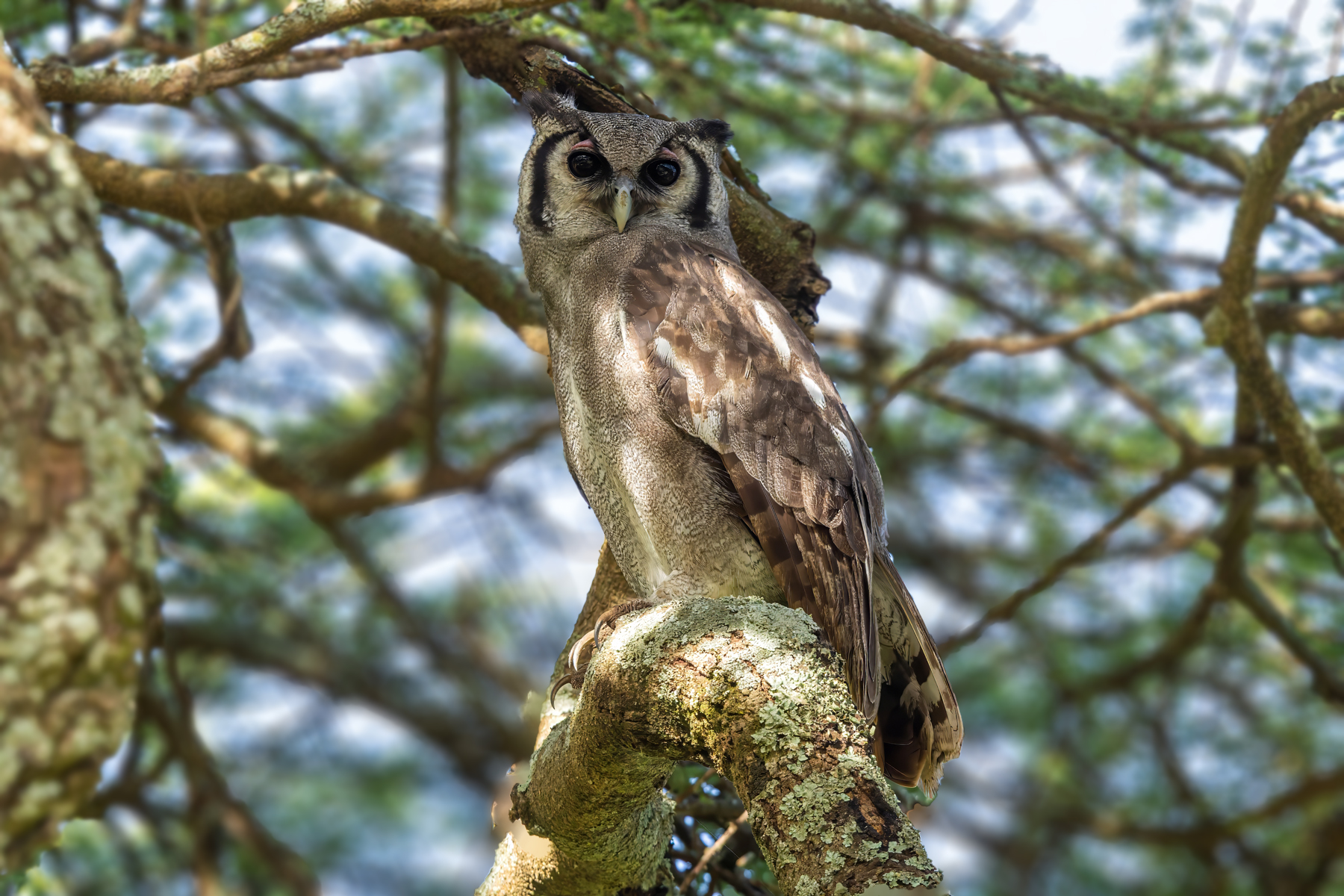
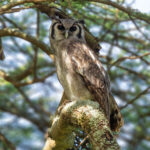
Verreaux's Eagle-Owl (image by Nik Borrow)
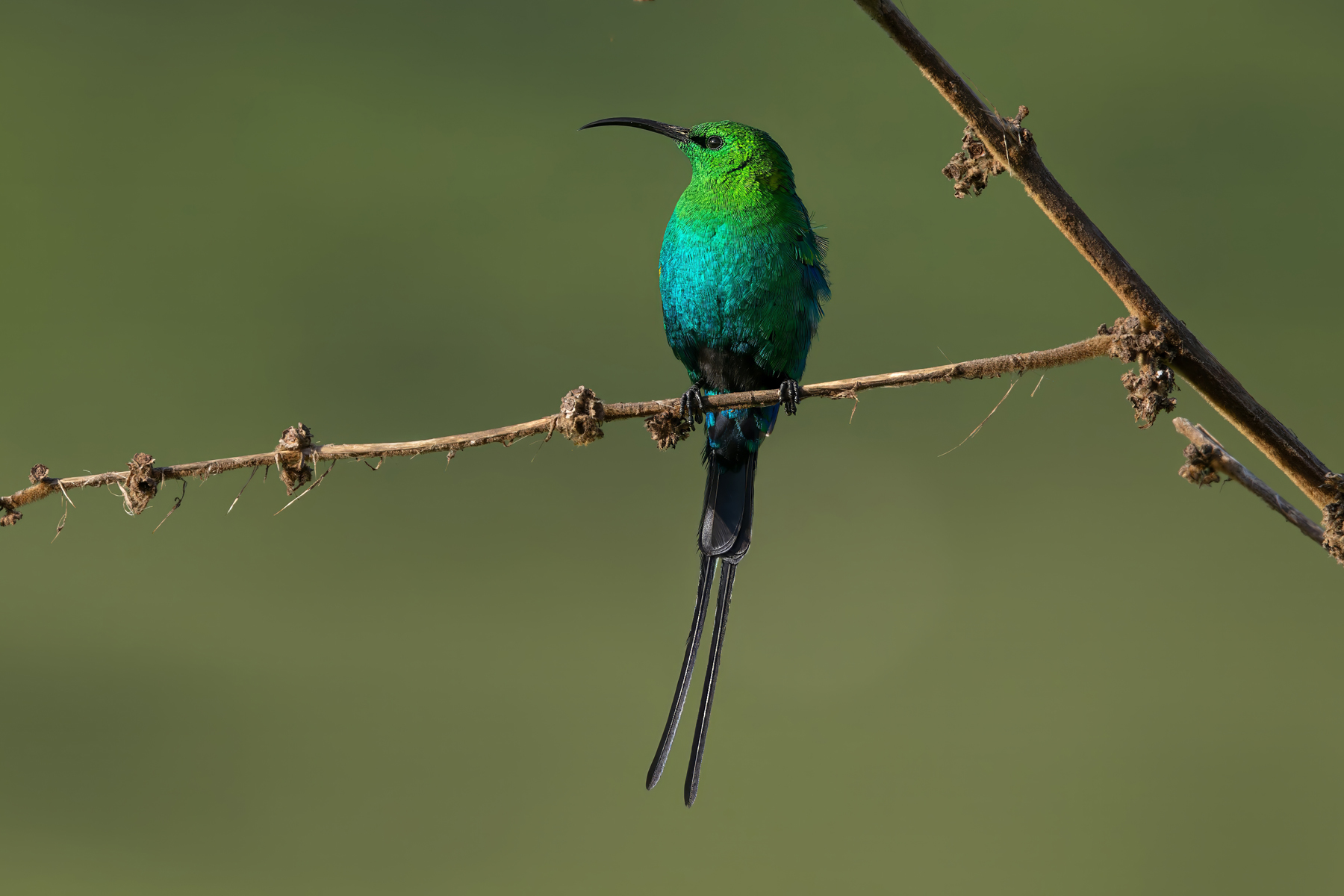
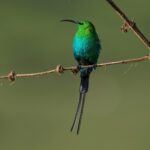
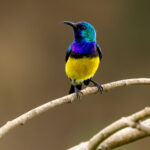
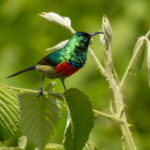
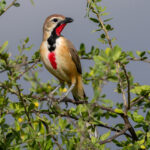
Malachite Sunbird (image by Nik Borrow)
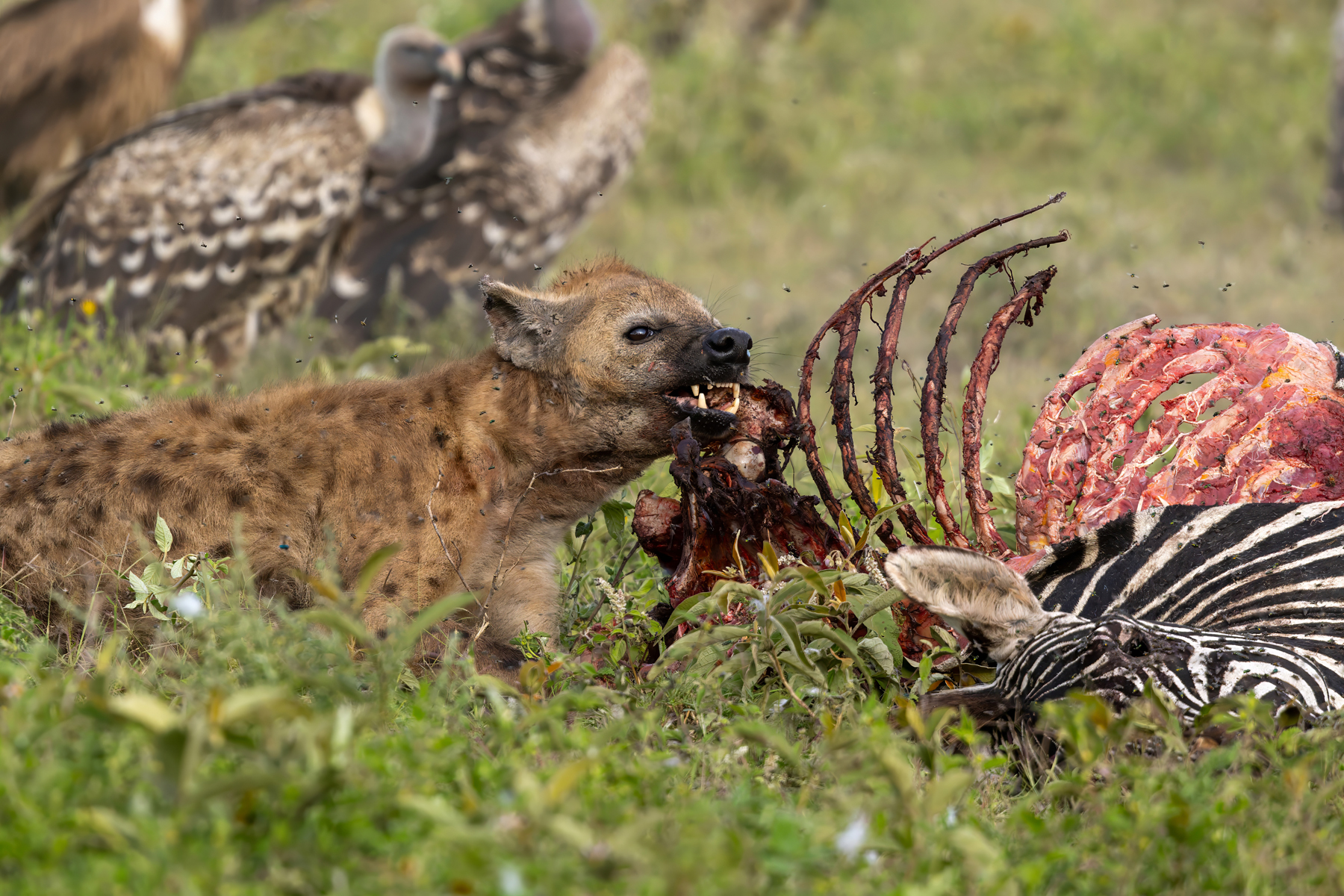
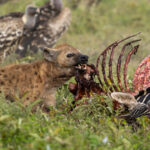
Spotted Hyaena (image by Nik Borrow)
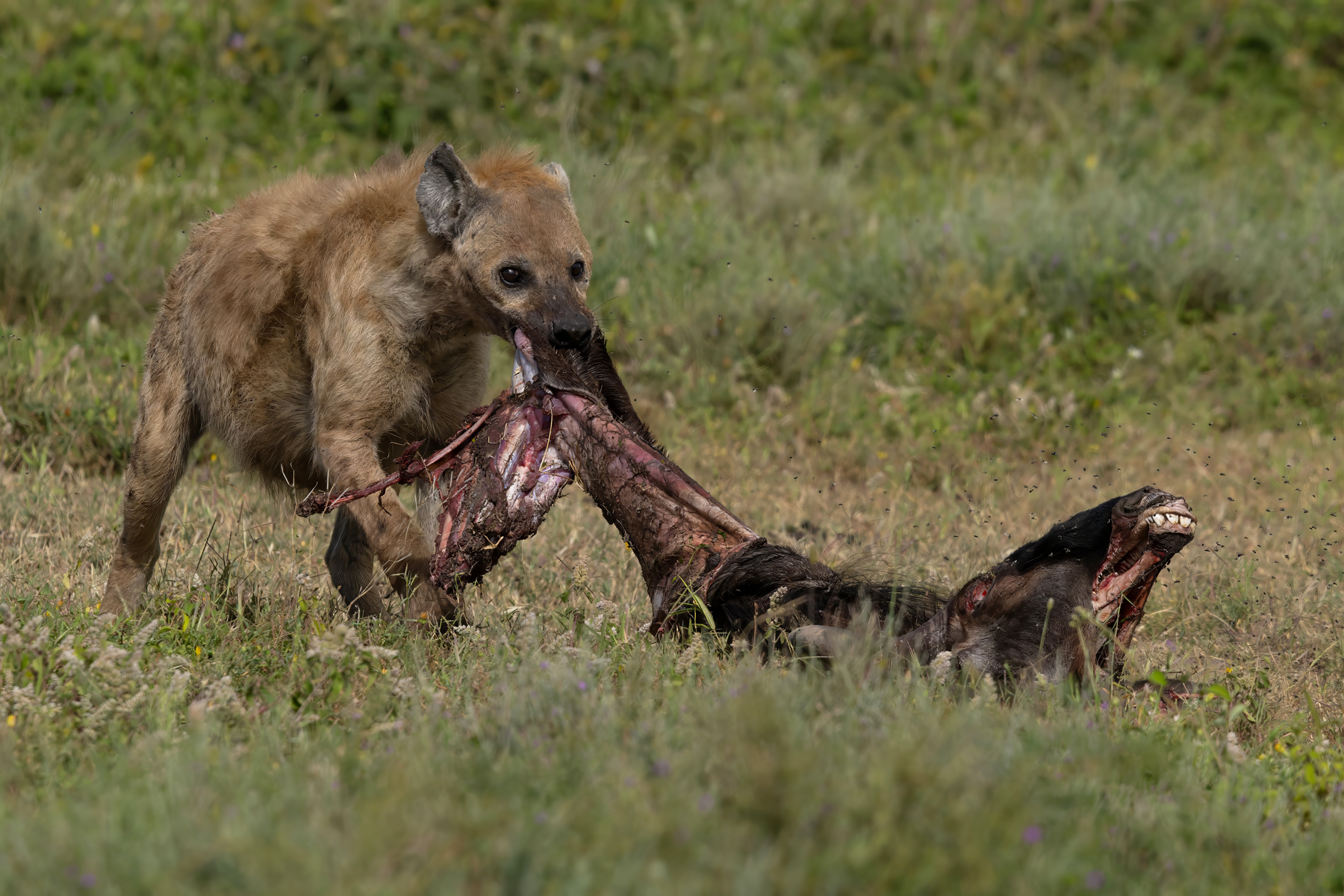
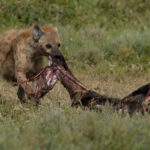
Spotted Hyaena (image by Nik Borrow)
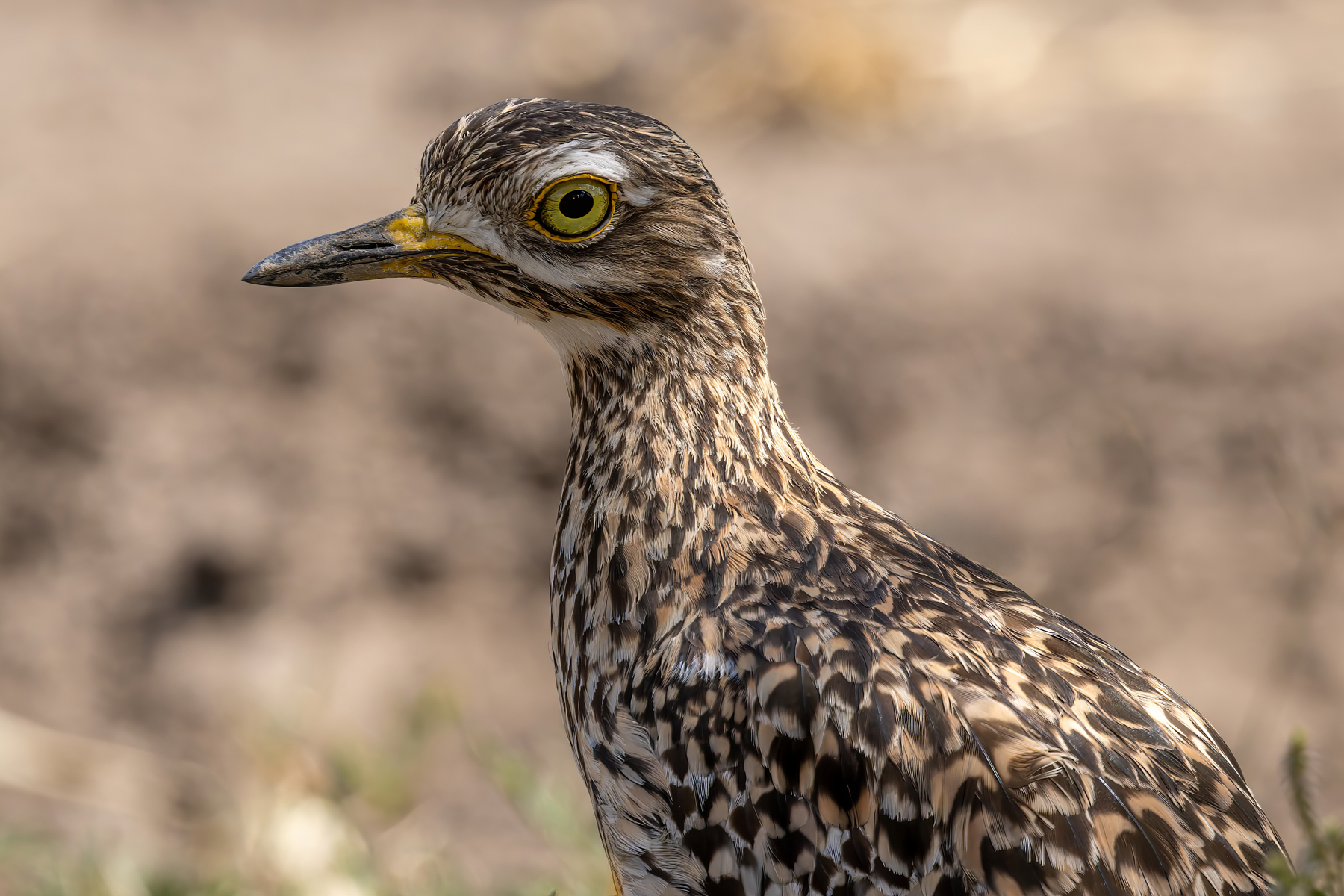
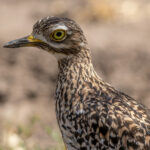
Spotted Thick-knee (image by Nik Borrow)
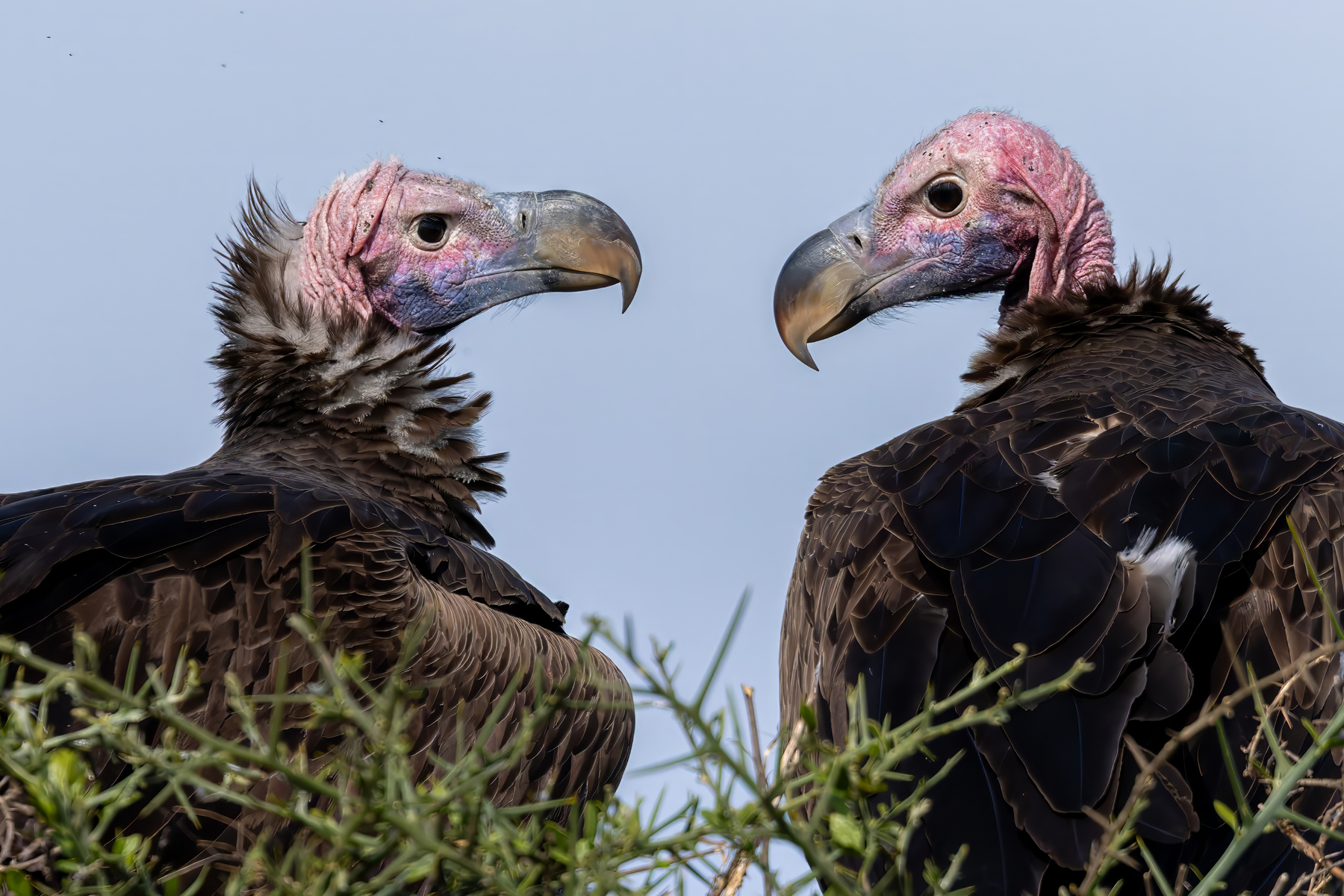
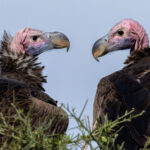
Lappet-faced Vultures (image by Nik Borrow)
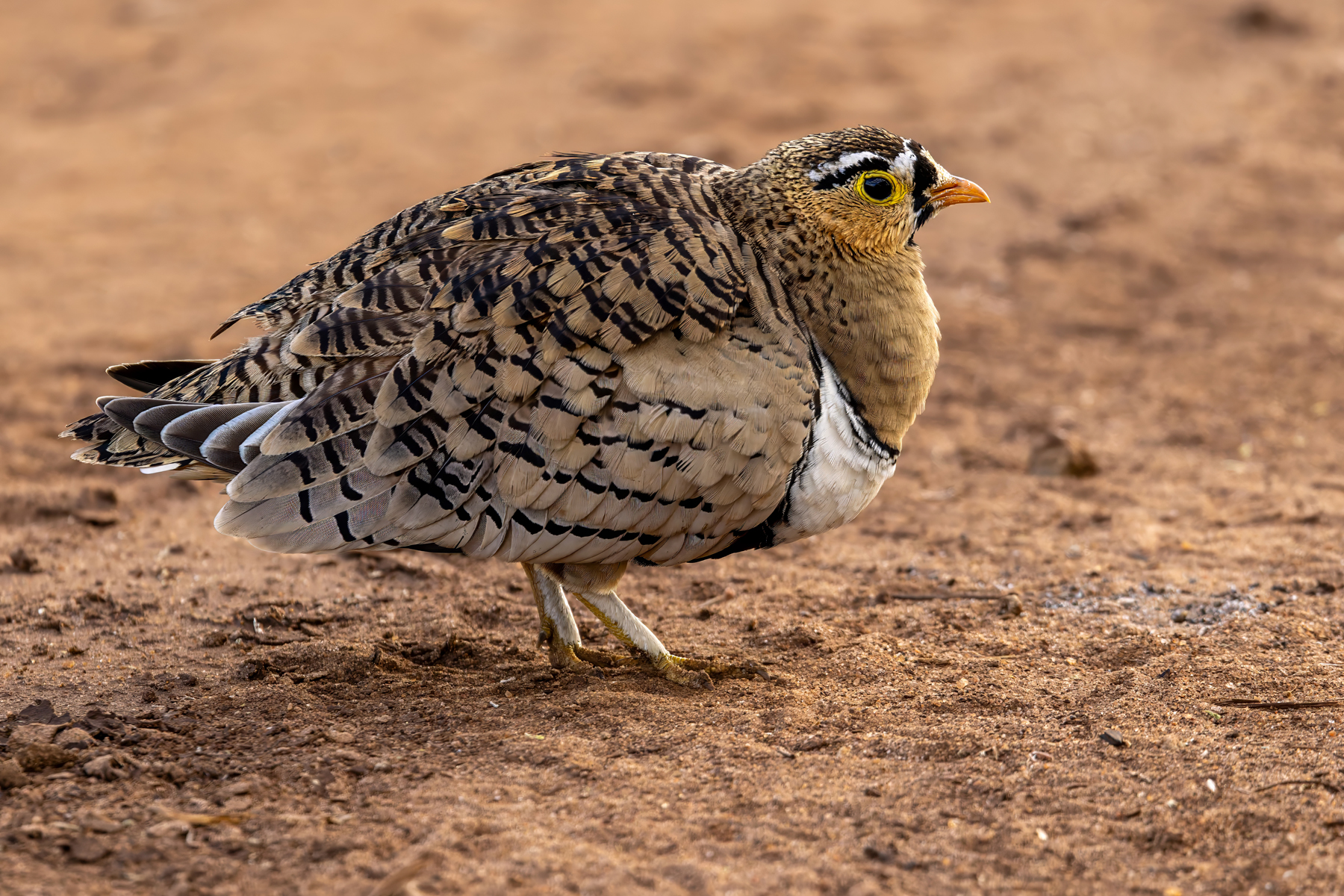
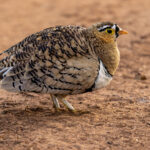
Black-faced Sandgrouse (image by Nik Borrow)
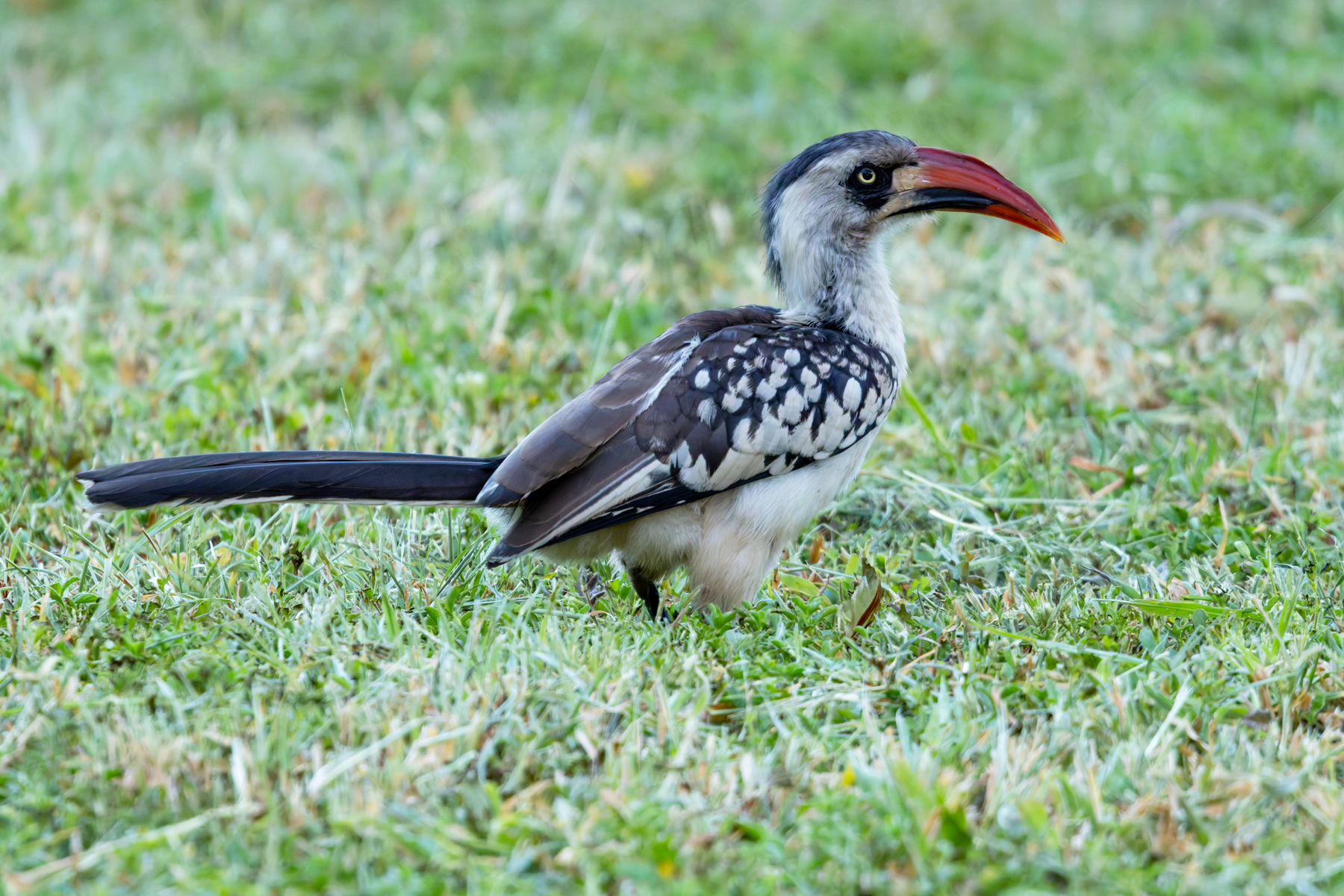
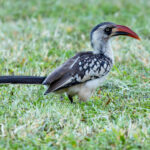
Tanzanian Red-billed Hornbill (image by Nik Borrow)
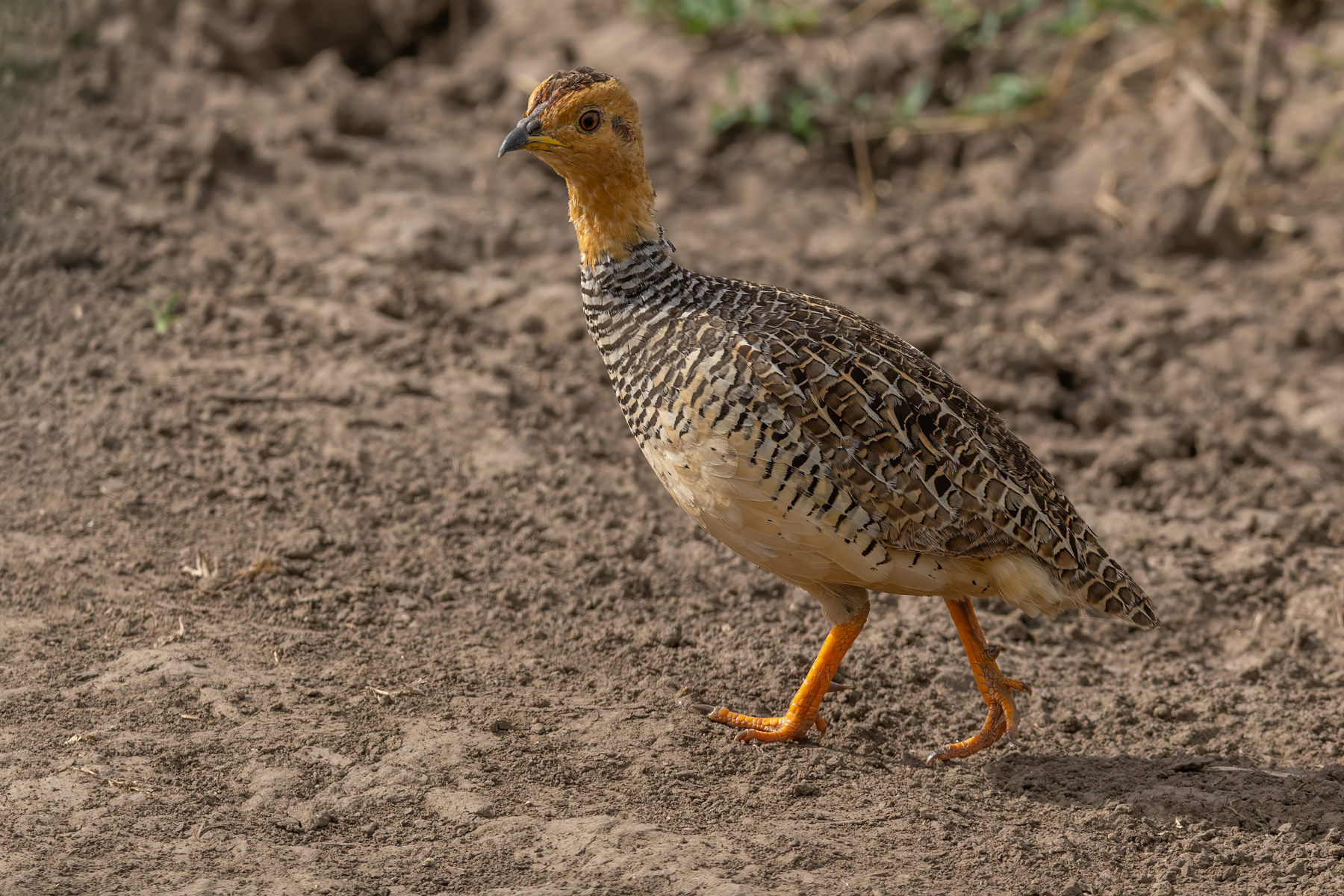
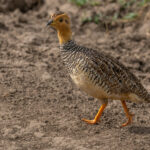
Coqui Francolin (image by Nik Borrow)
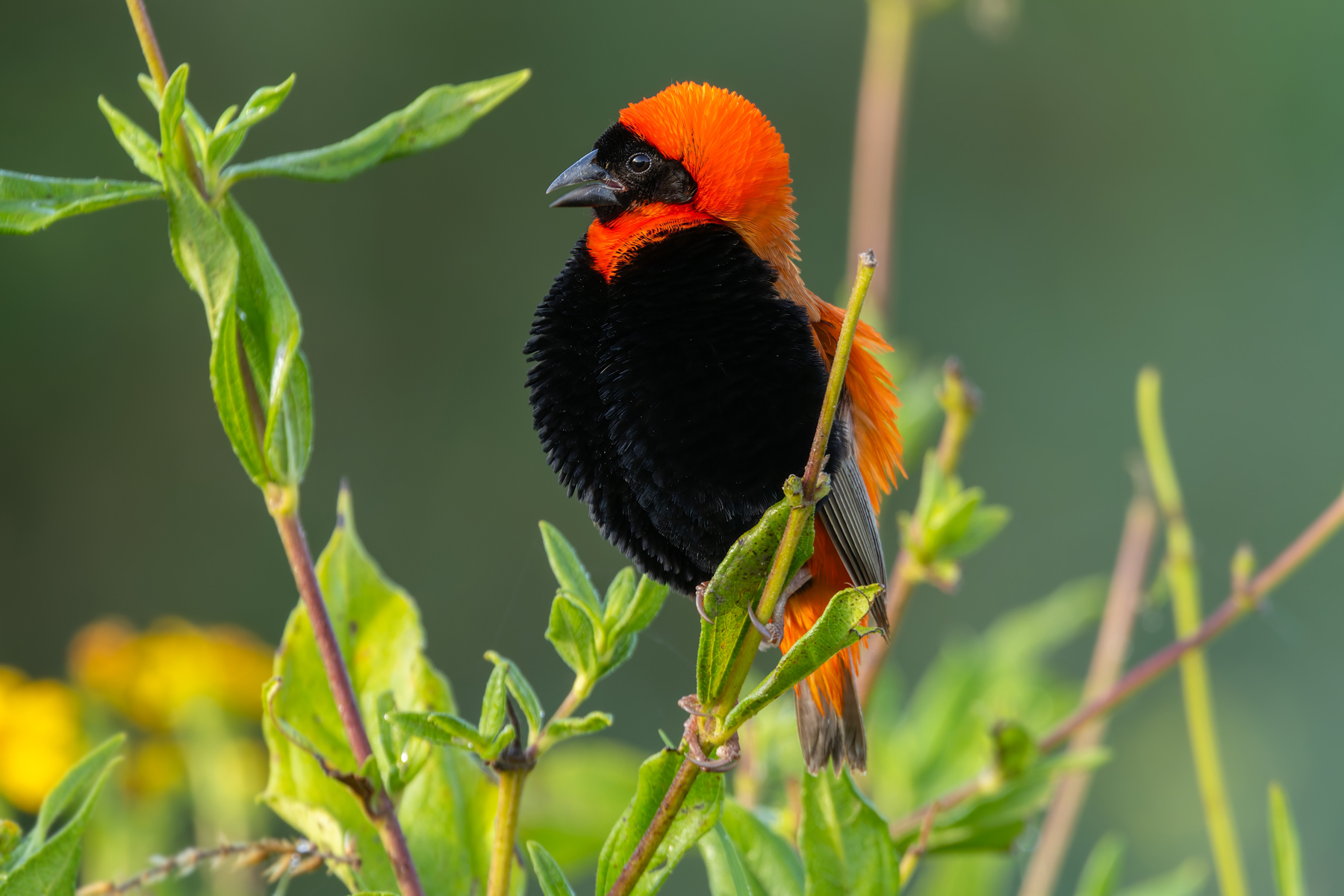
Southern Red Bishop (image by Nik Borrow)
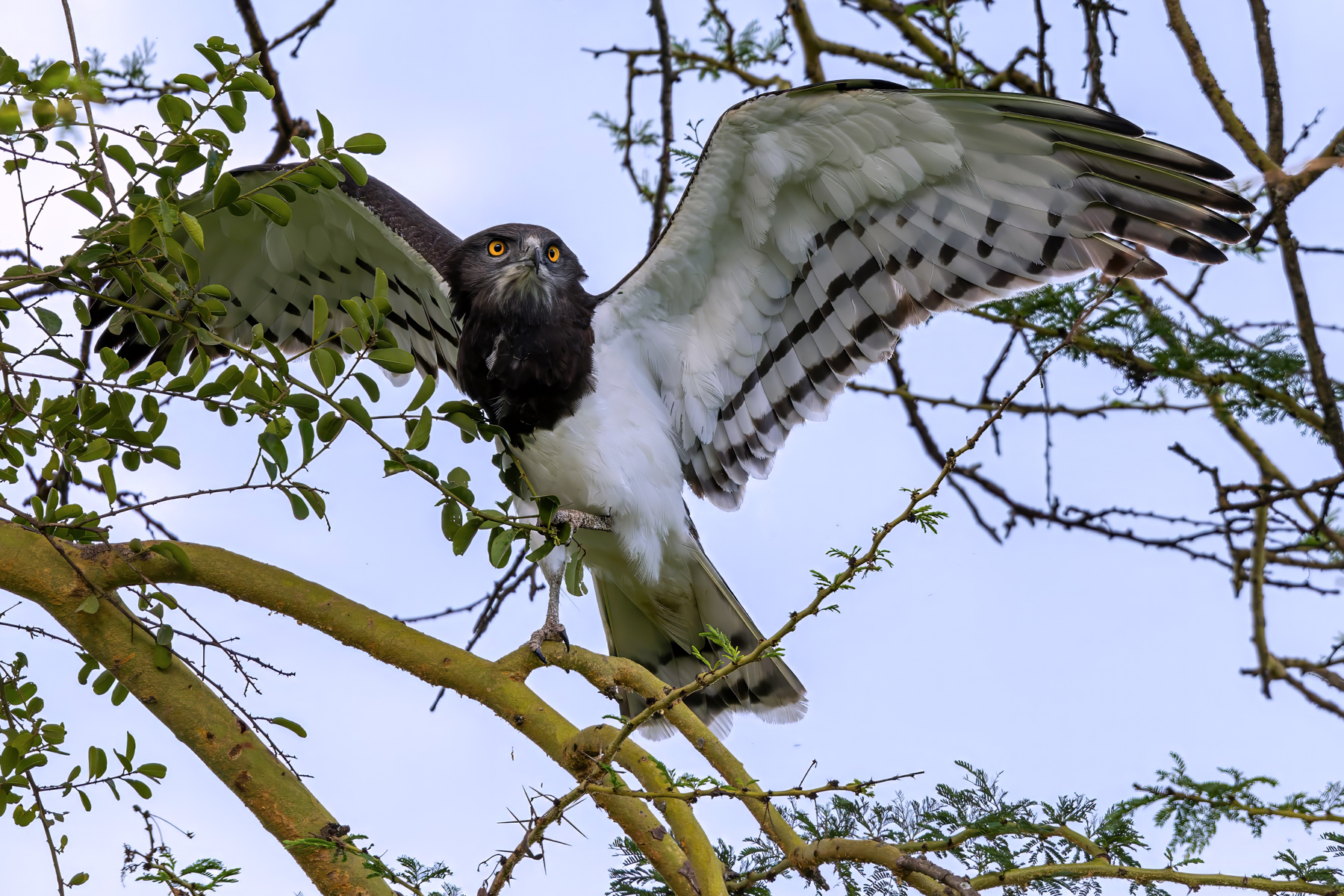
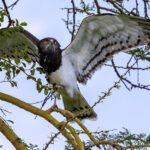
Black-chested Snake Eagle (image by Nik Borrow)
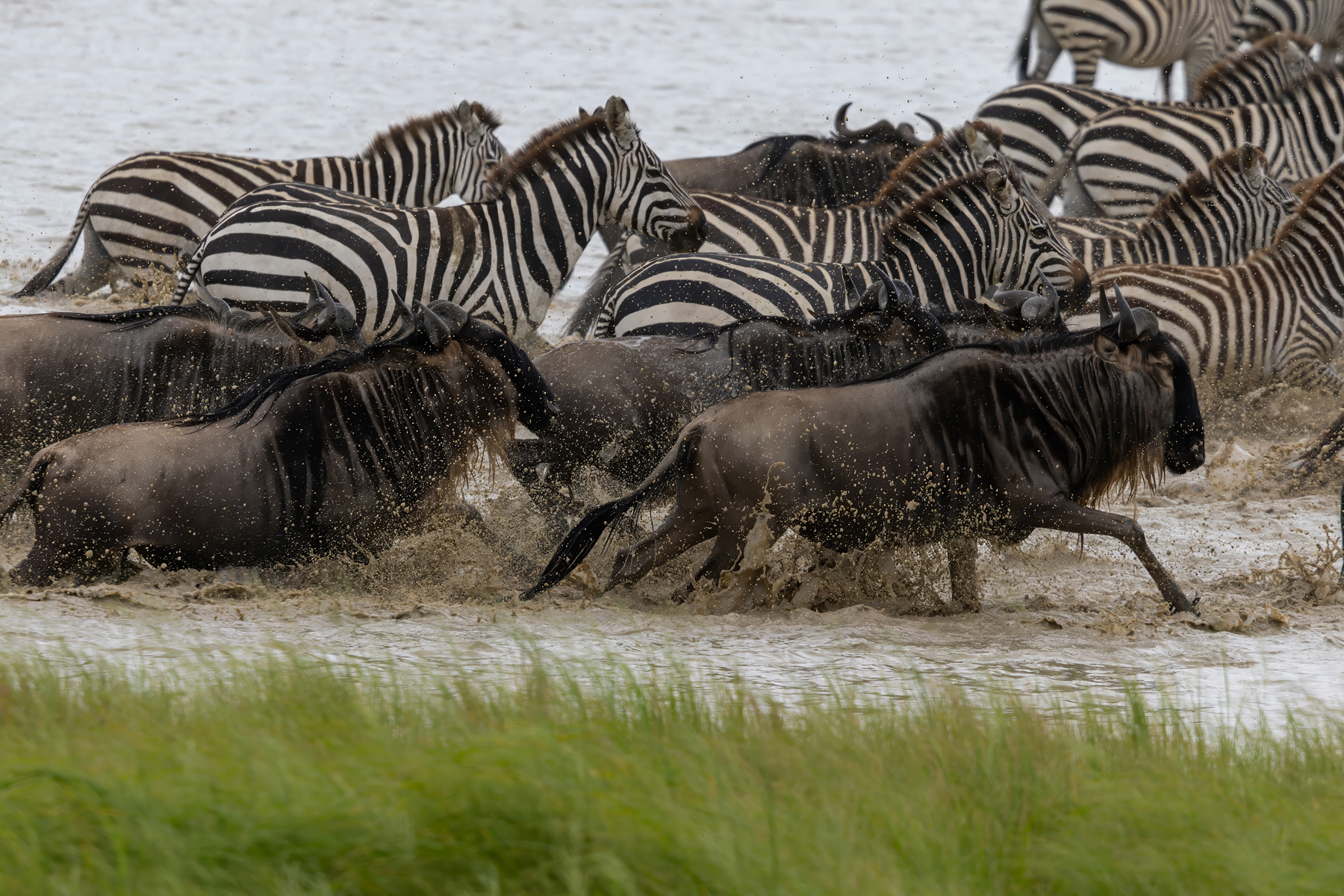
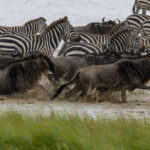
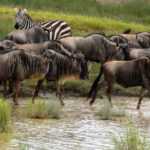
Serengeti Wildebeests and Plains Zebras (image by Nik Borrow)
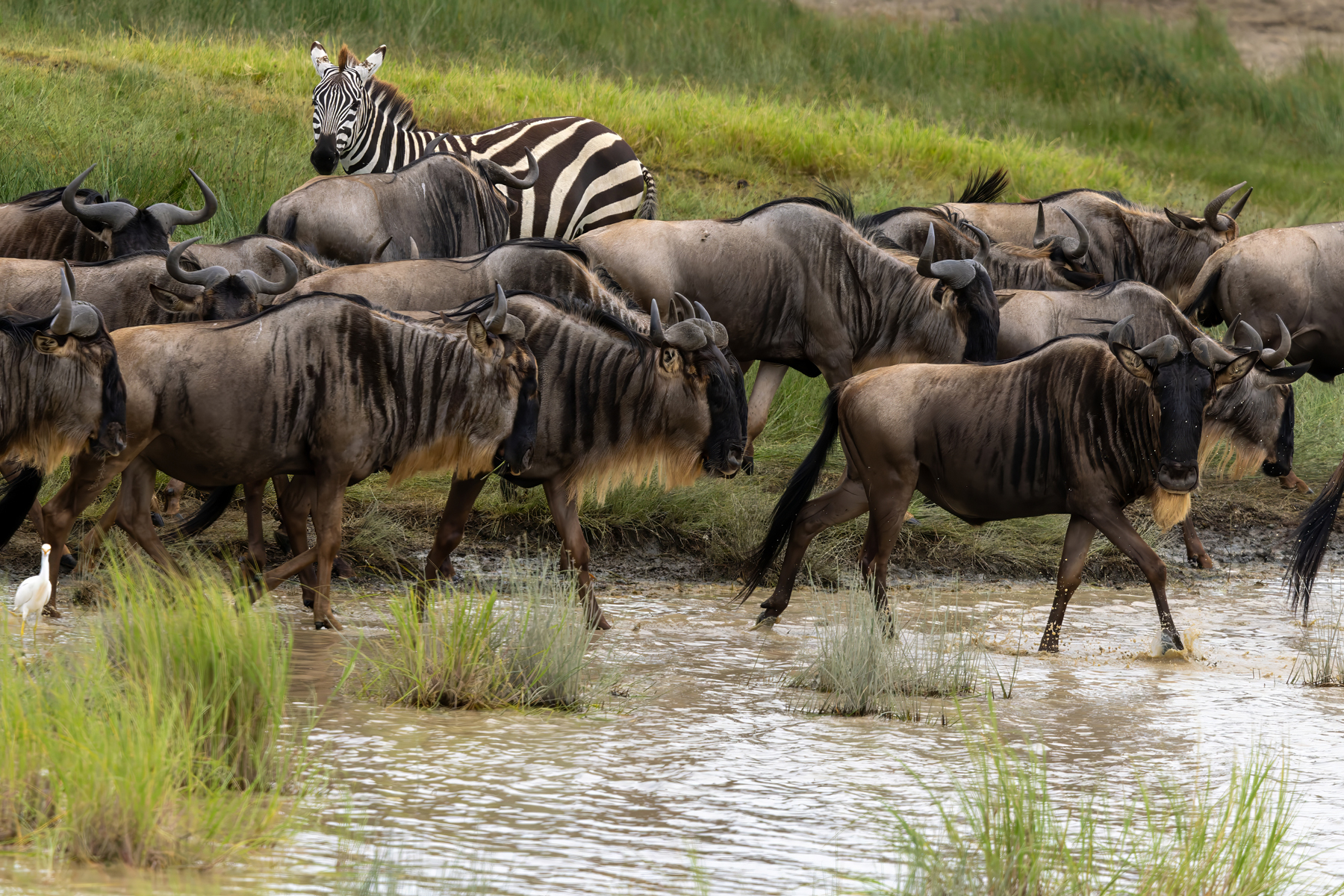
Serengeti Wildebeests and Plains Zebras (image by Nik Borrow)
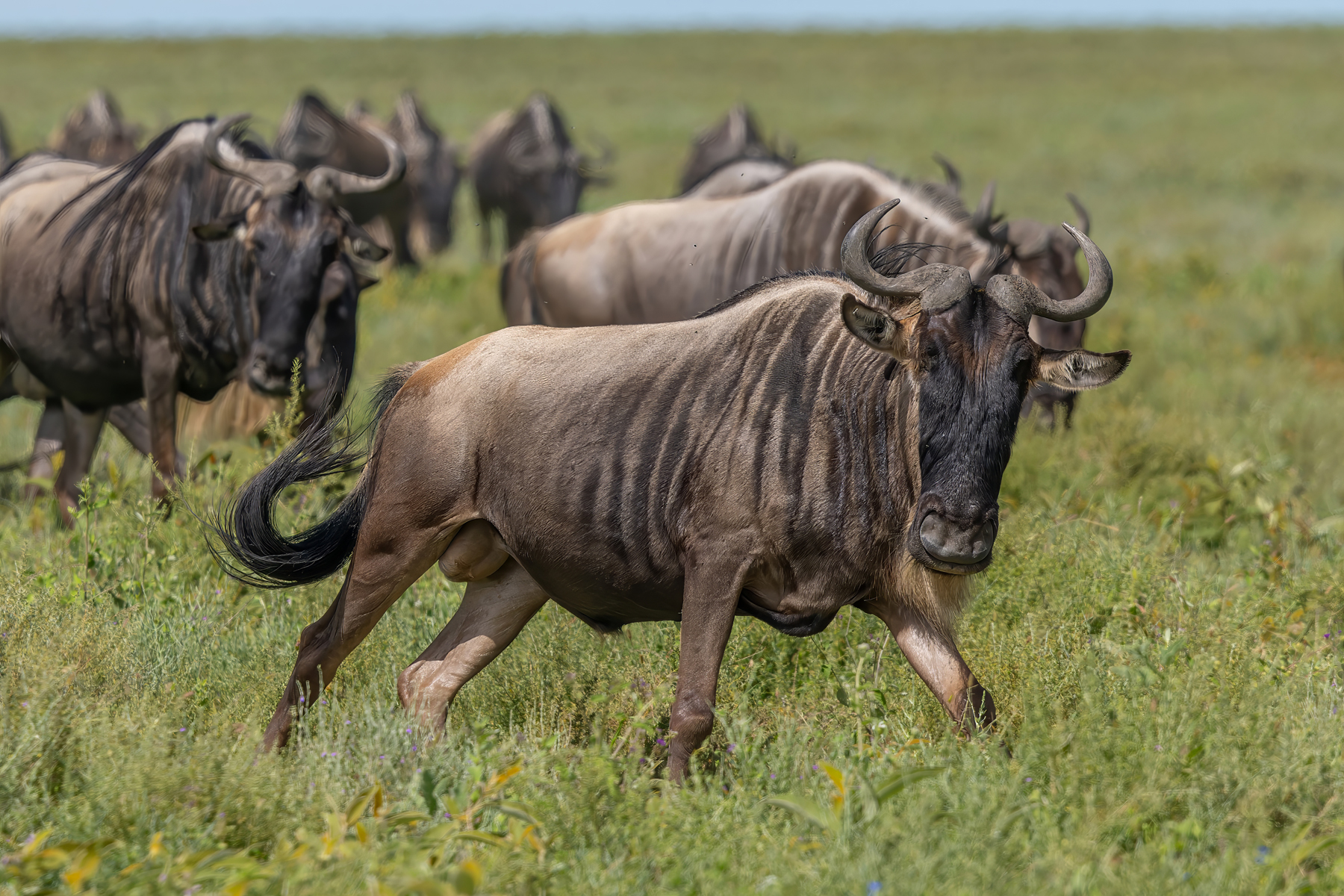
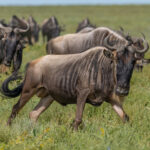
Serengeti White-bearded Wildebeests (image by Nik Borrow)
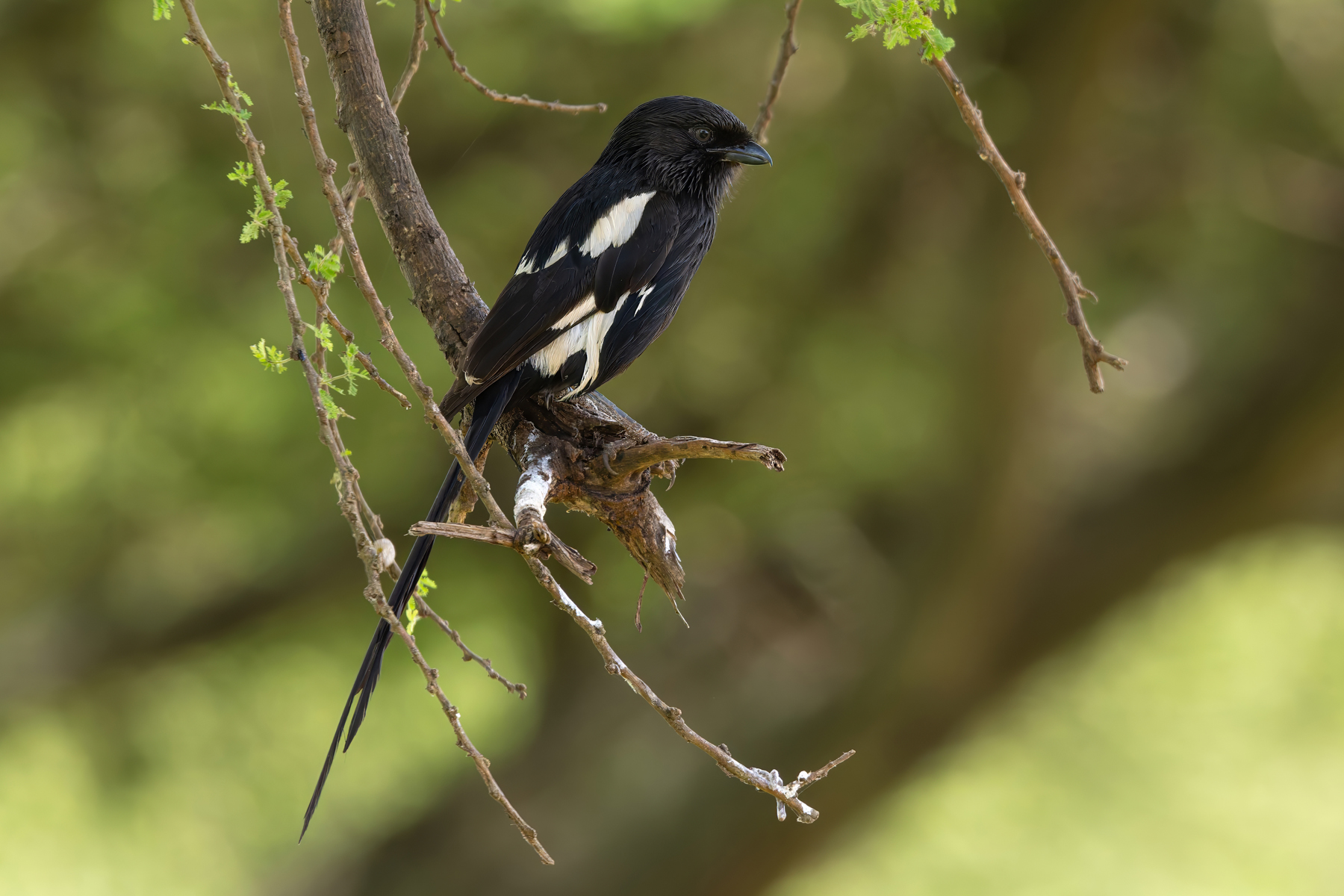
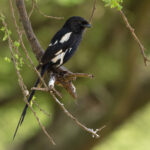
Magpie Shrike (image by Nik Borrow)
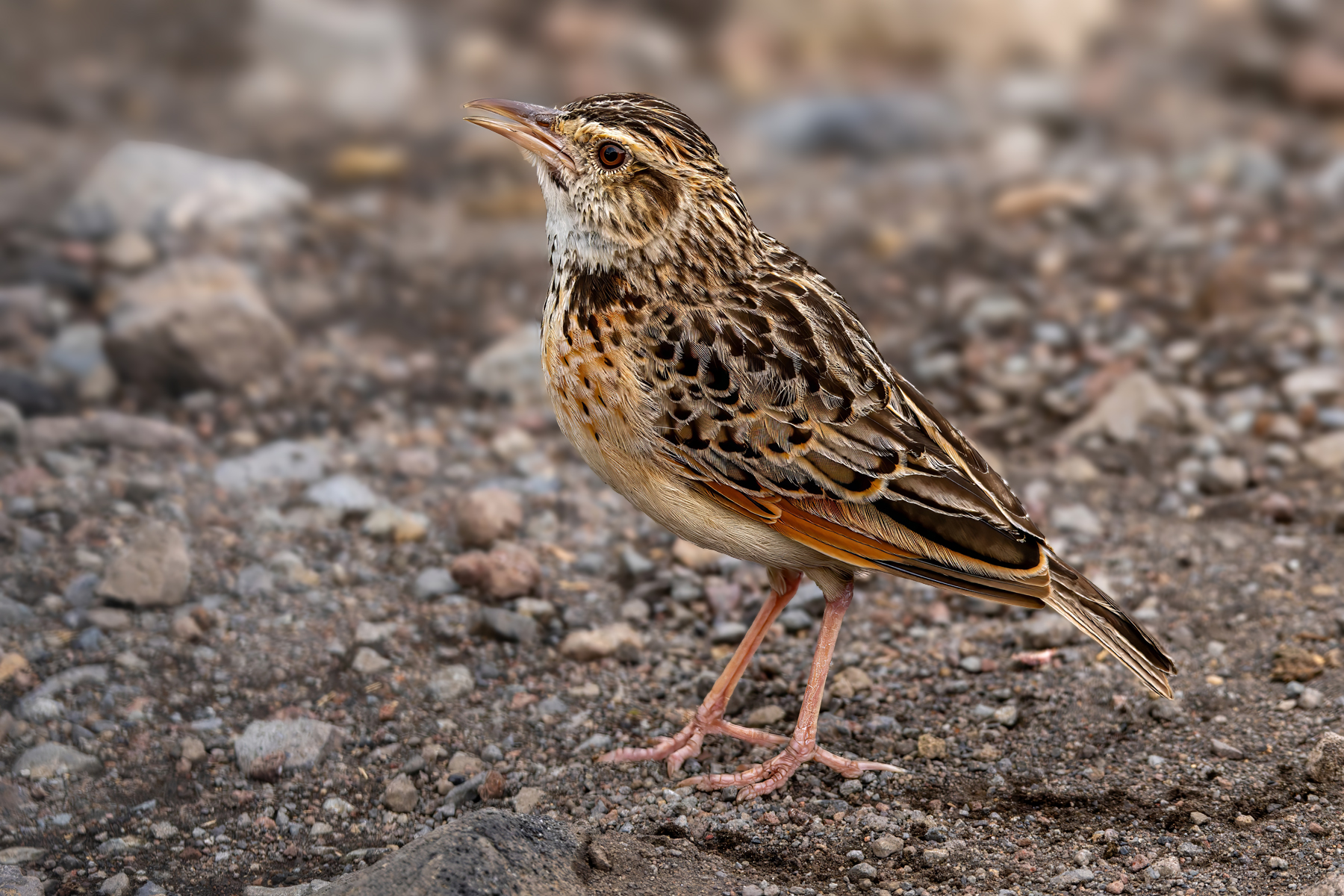
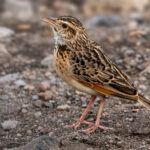
Sentinel Lark (image by Nik Borrow)
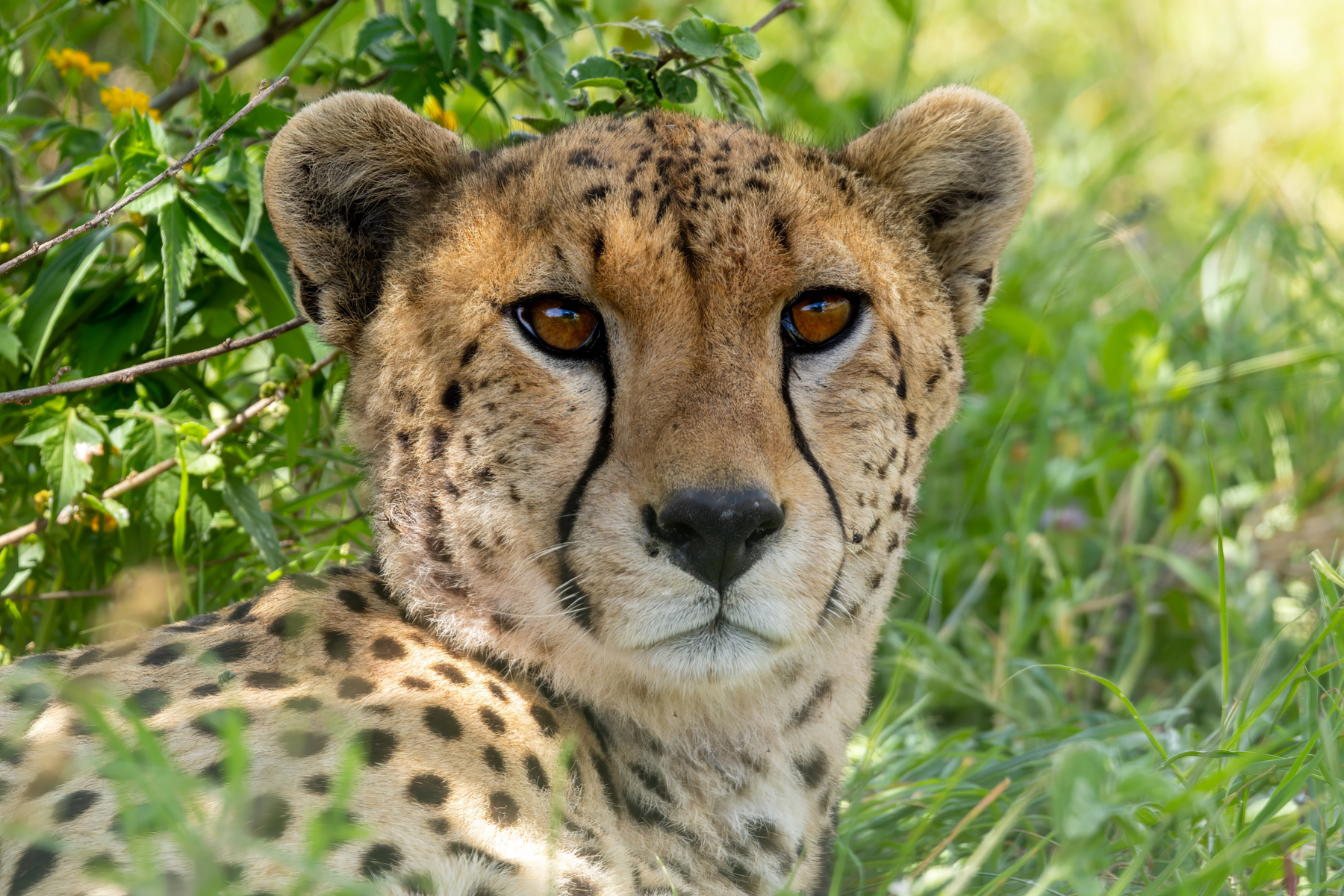
Cheetah (image by Nik Borrow)
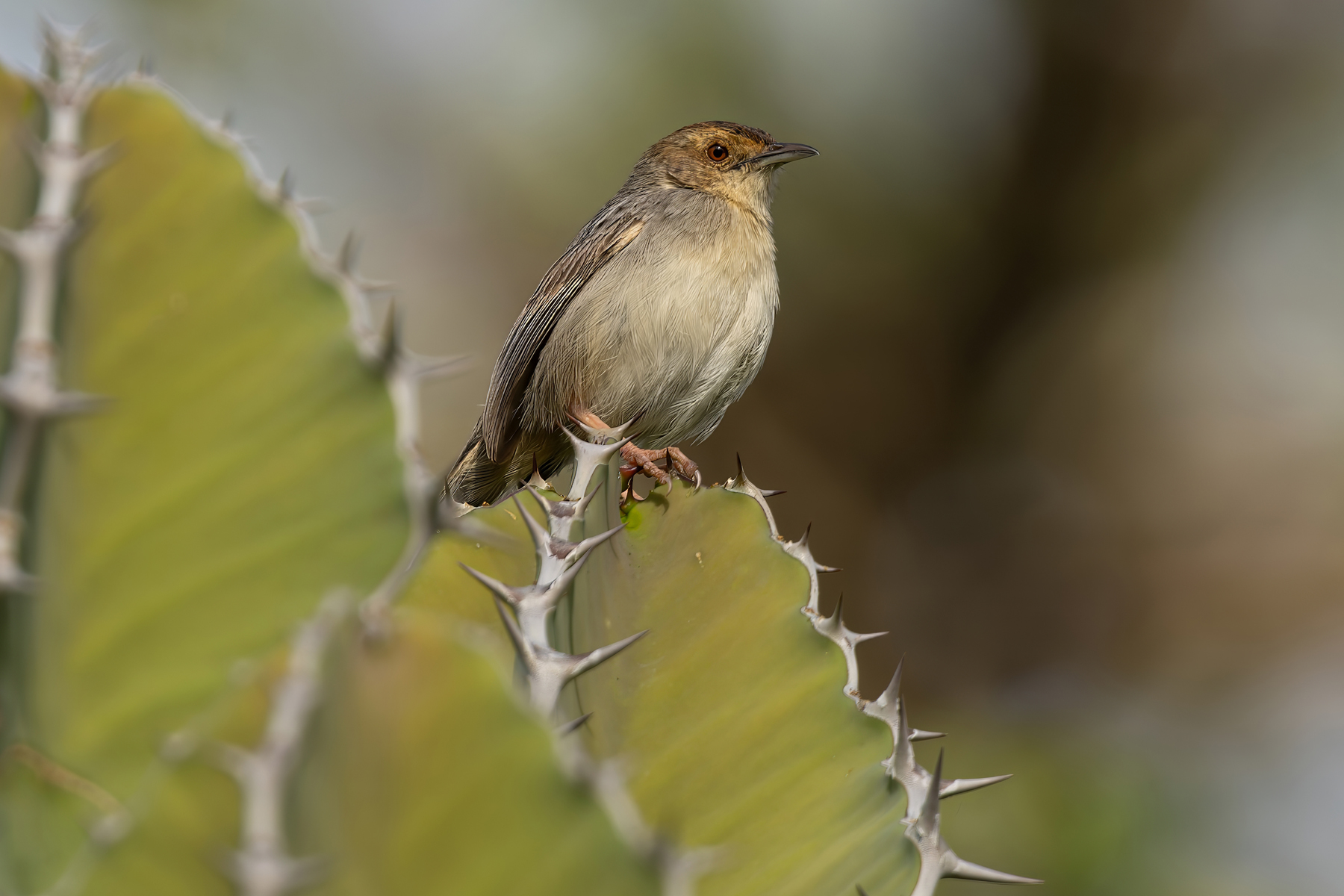
Lynes's Cisticola (image by Nik Borrow)
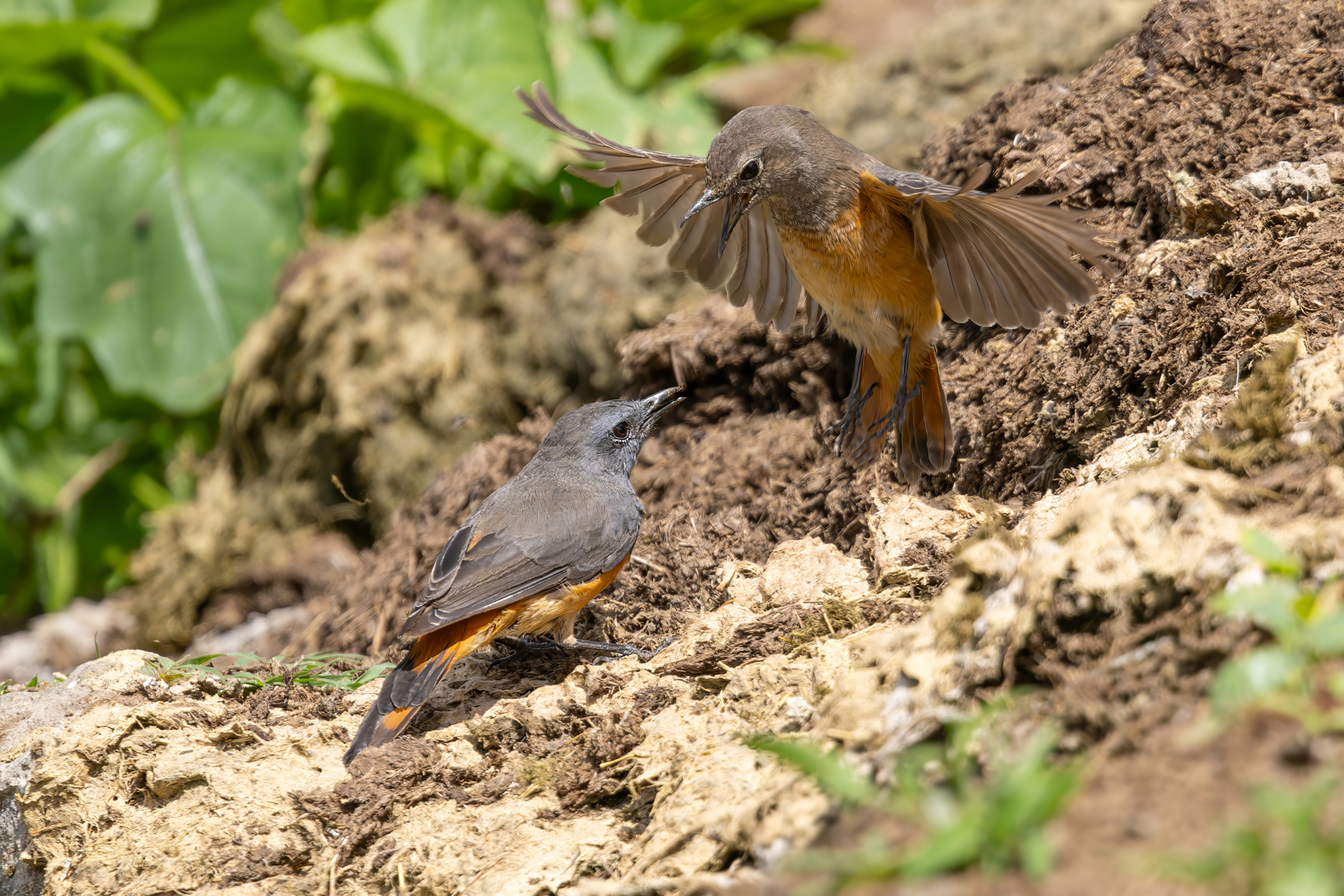
Little Rock Thrush (image by Nik Borrow)
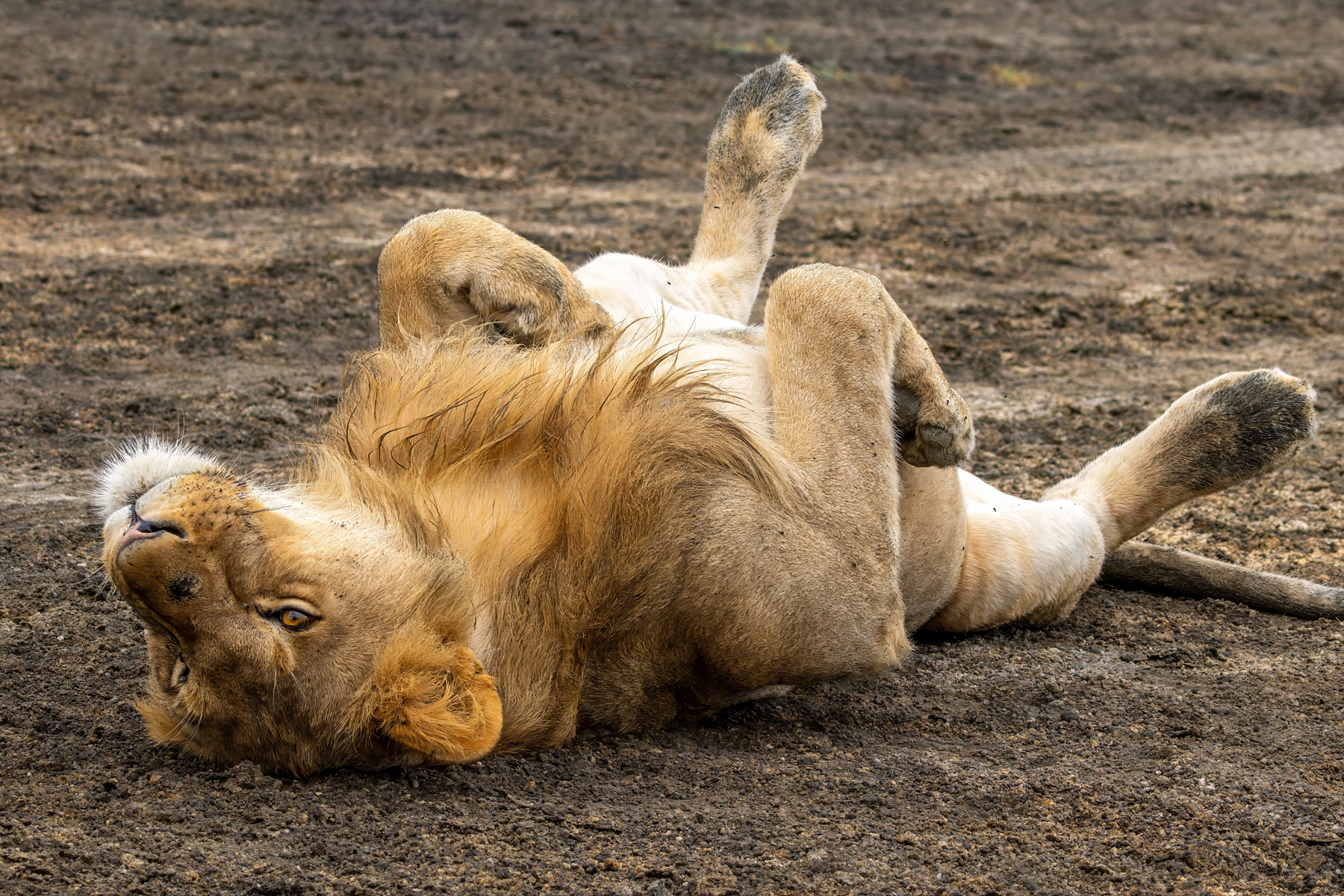
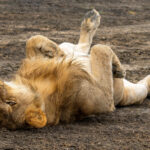
Lion (image by Nik Borrow)
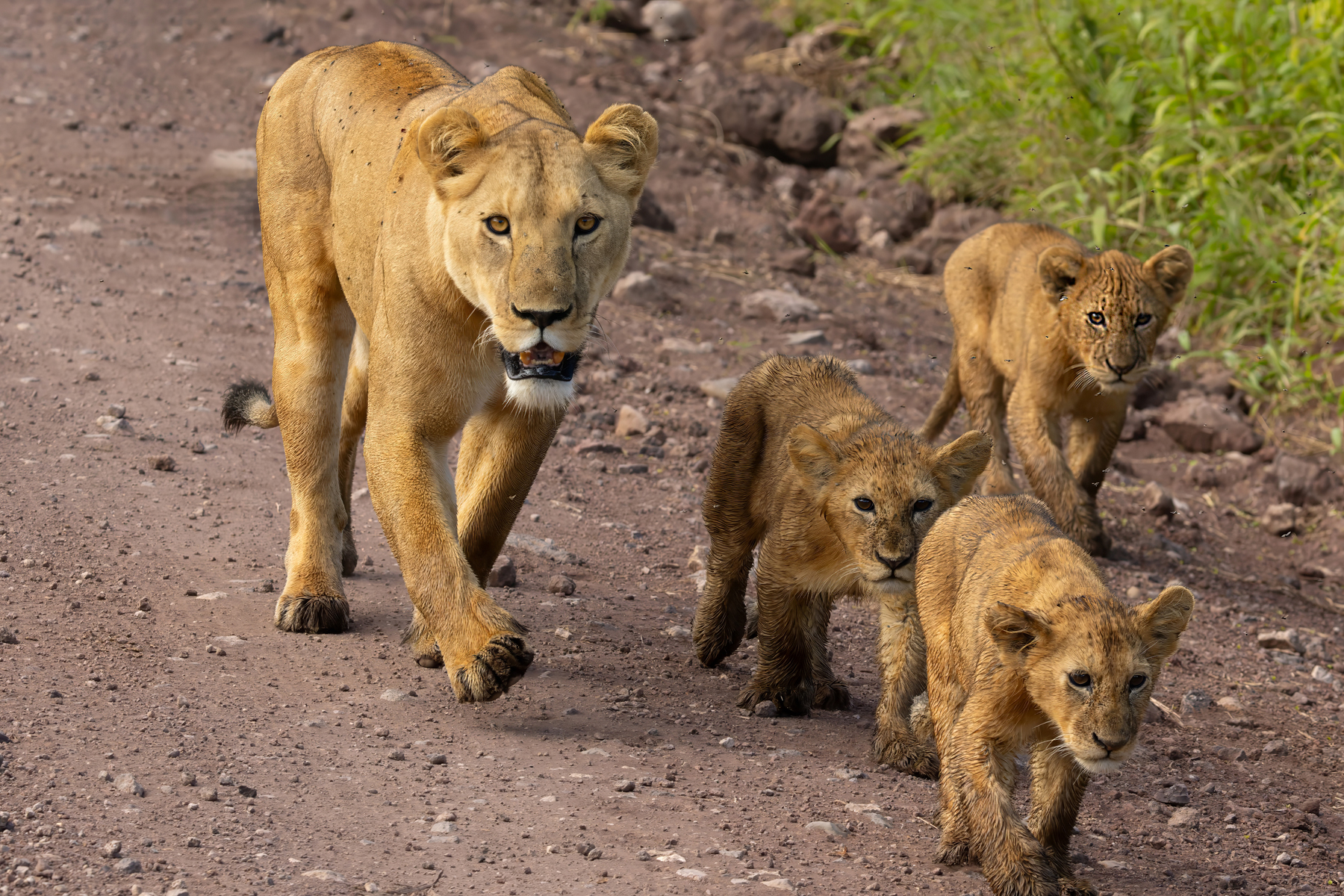
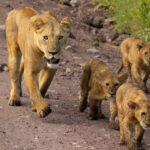
Lions (image by Nik Borrow)
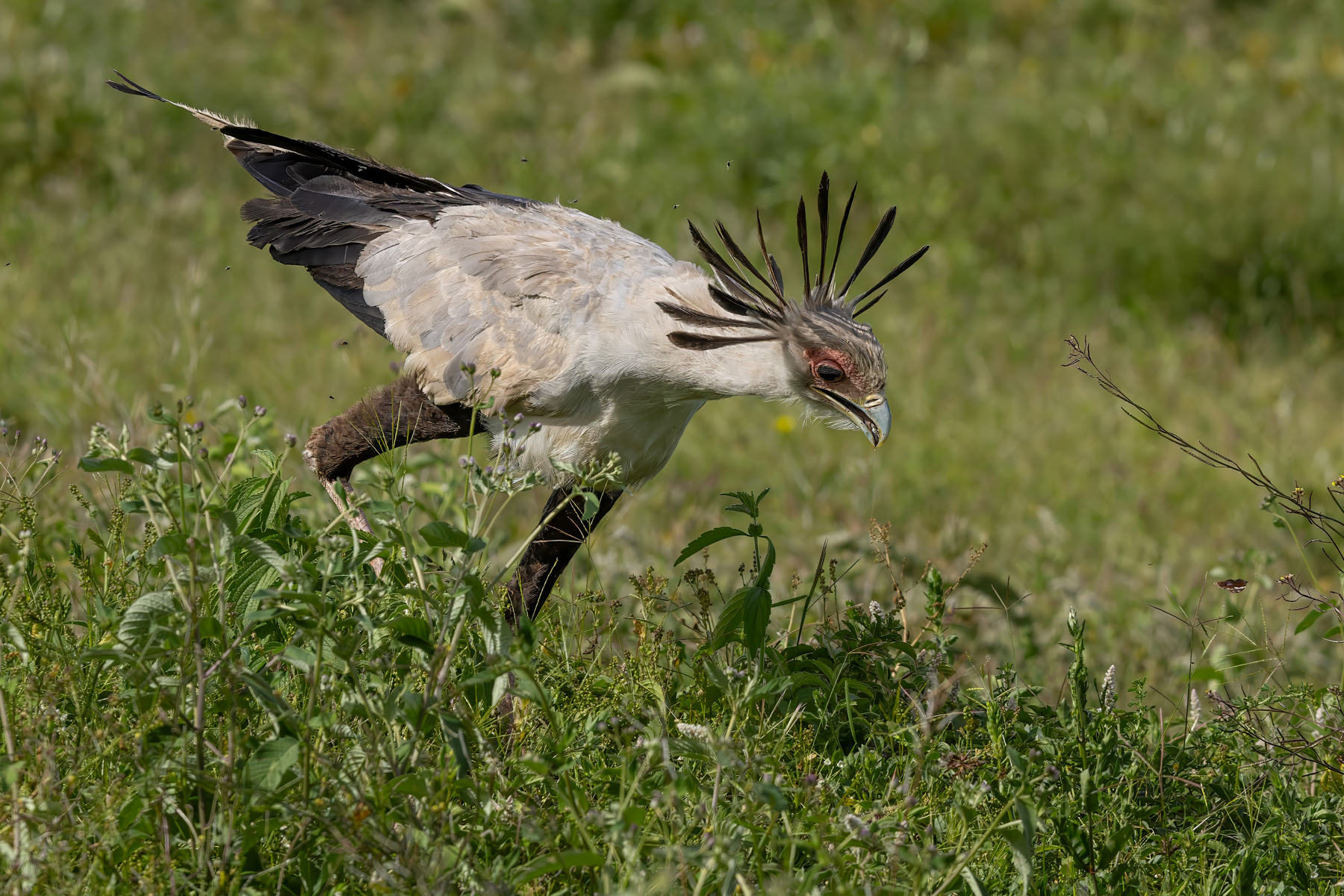
Secretarybird (image by Nik Borrow)
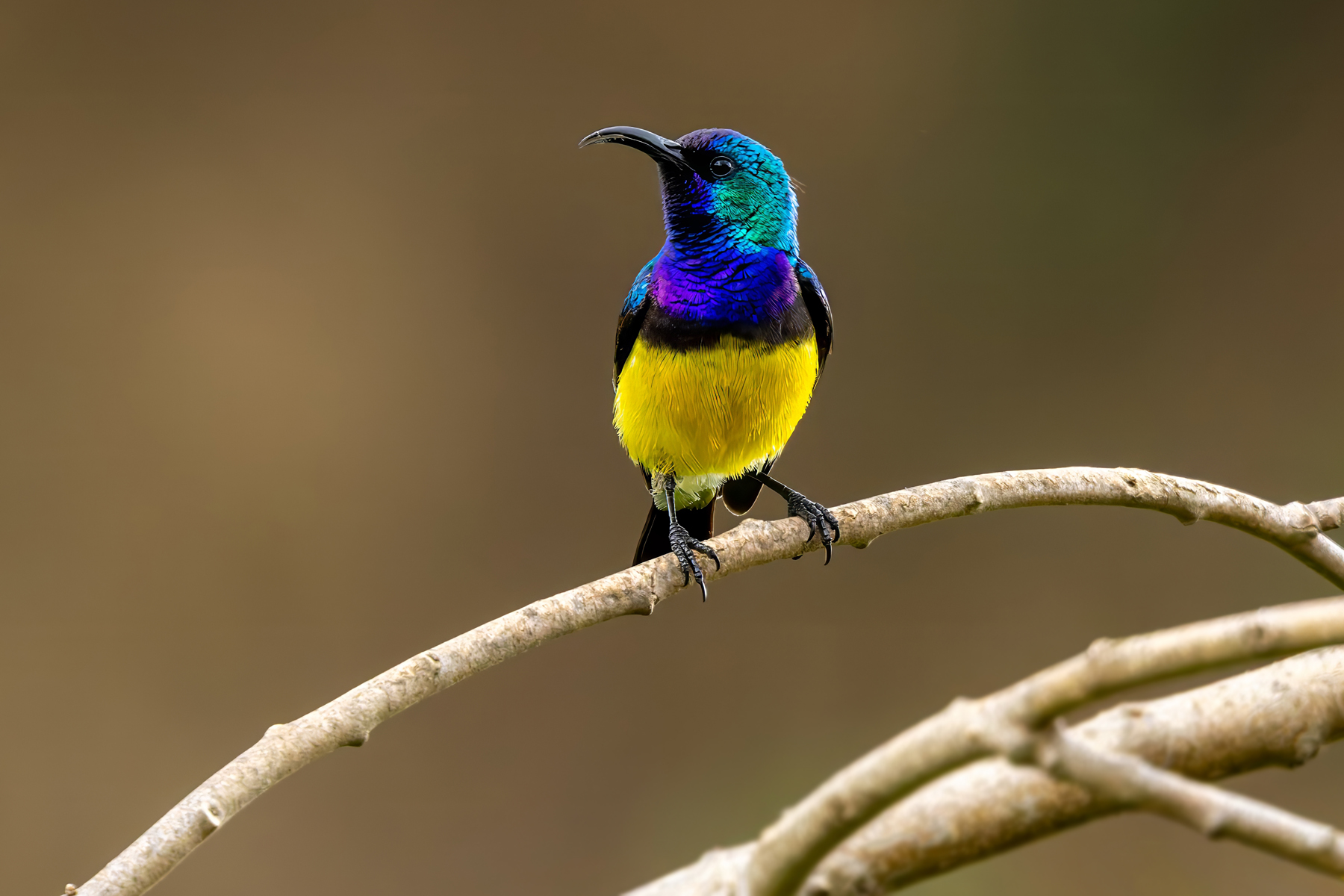
Variable Sunbird (image by Nik Borrow)
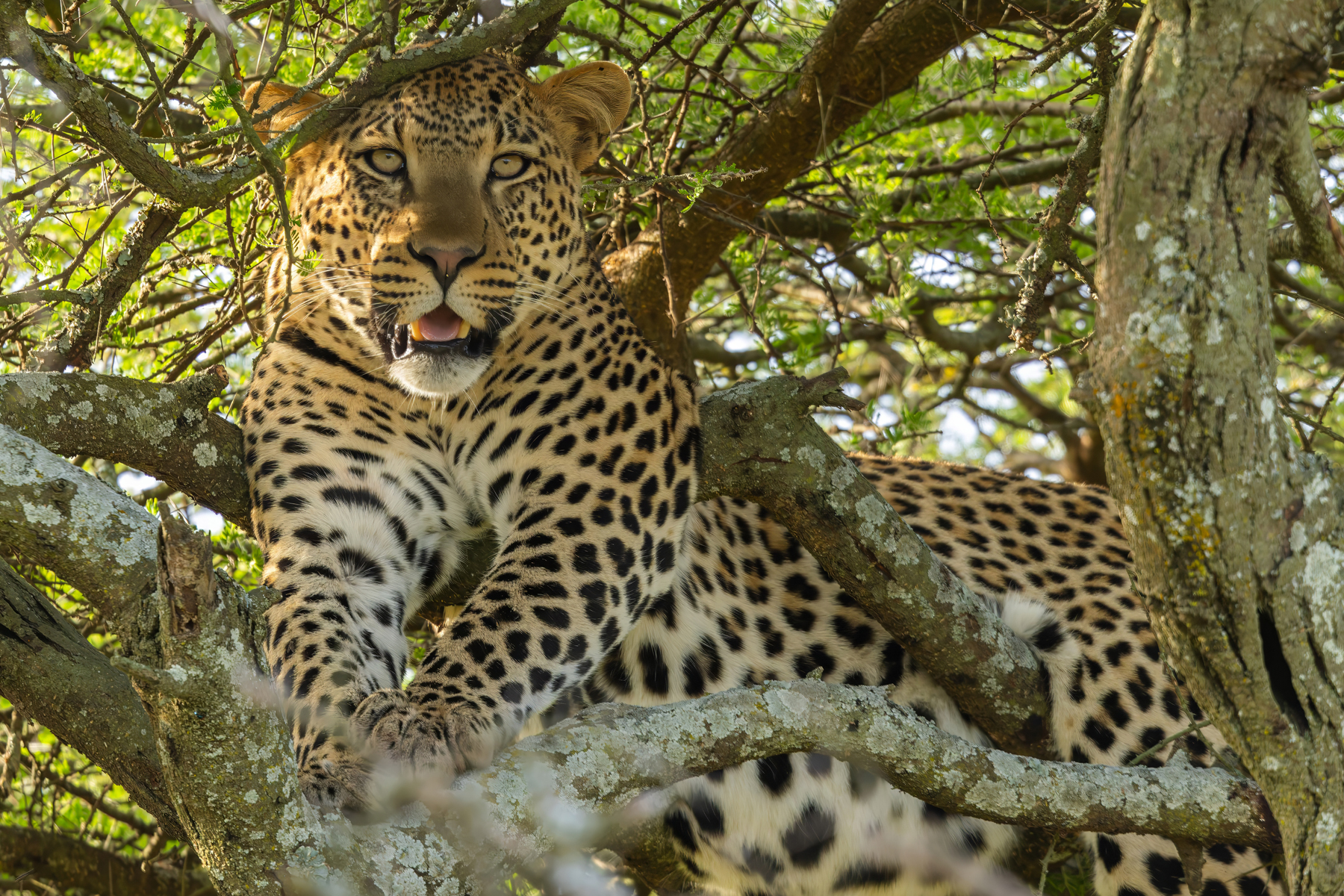
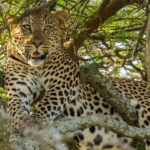
Leopard (image by Nik Borrow)
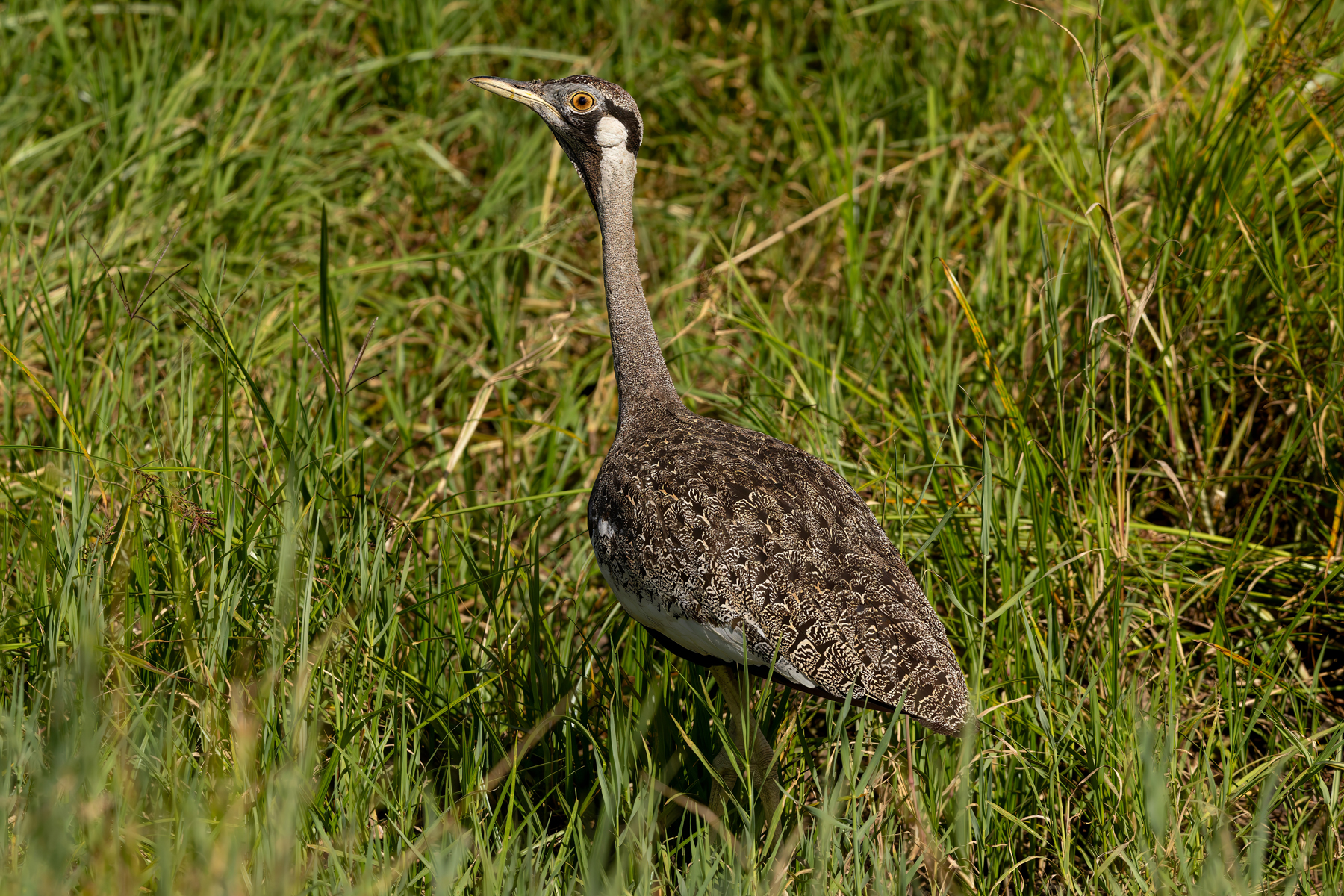
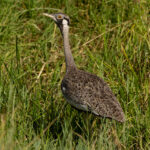
Hartlaub's Bustard (image by Nik Borrow)
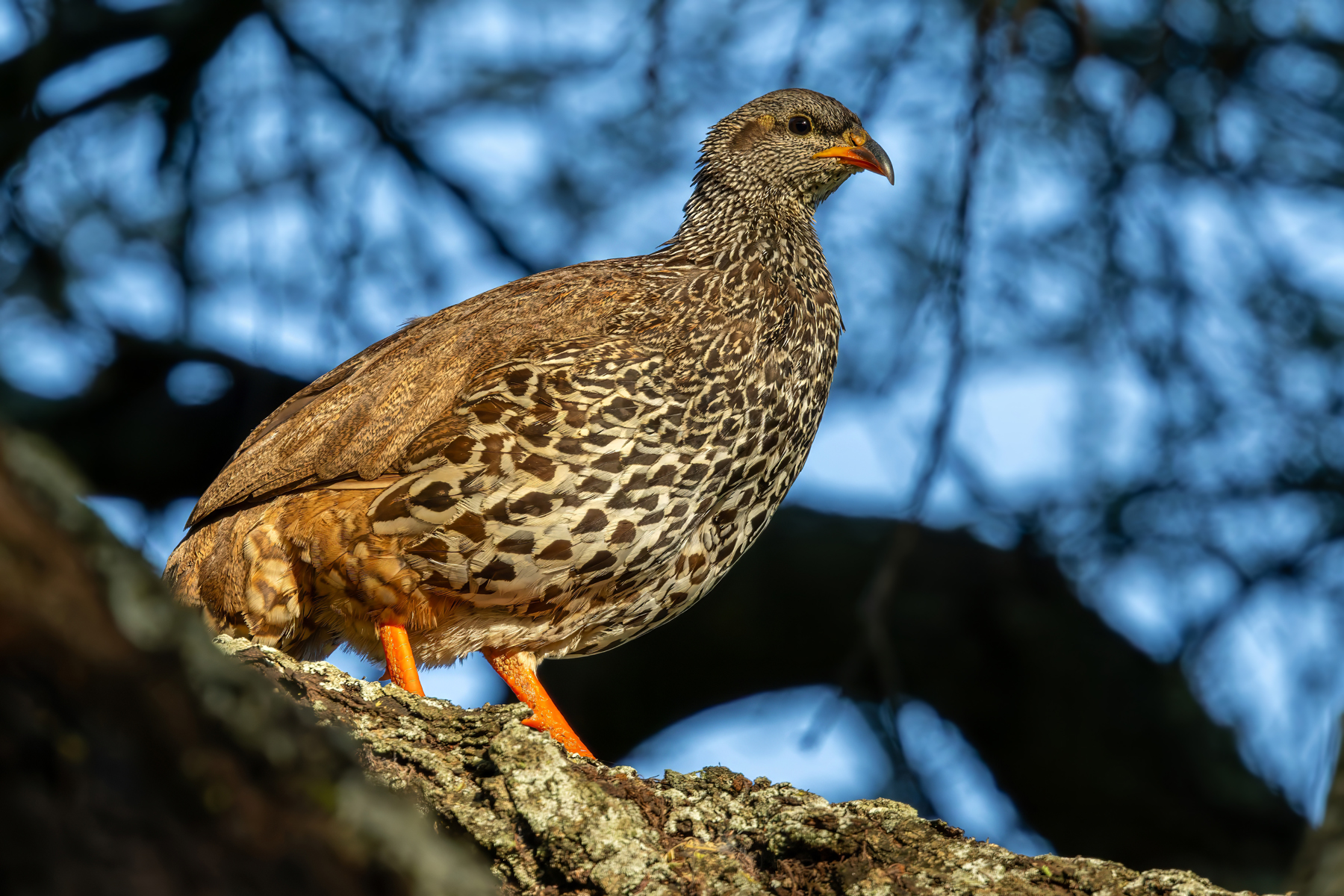
Hildebrandt's Spurfowl (image by Nik Borrow)
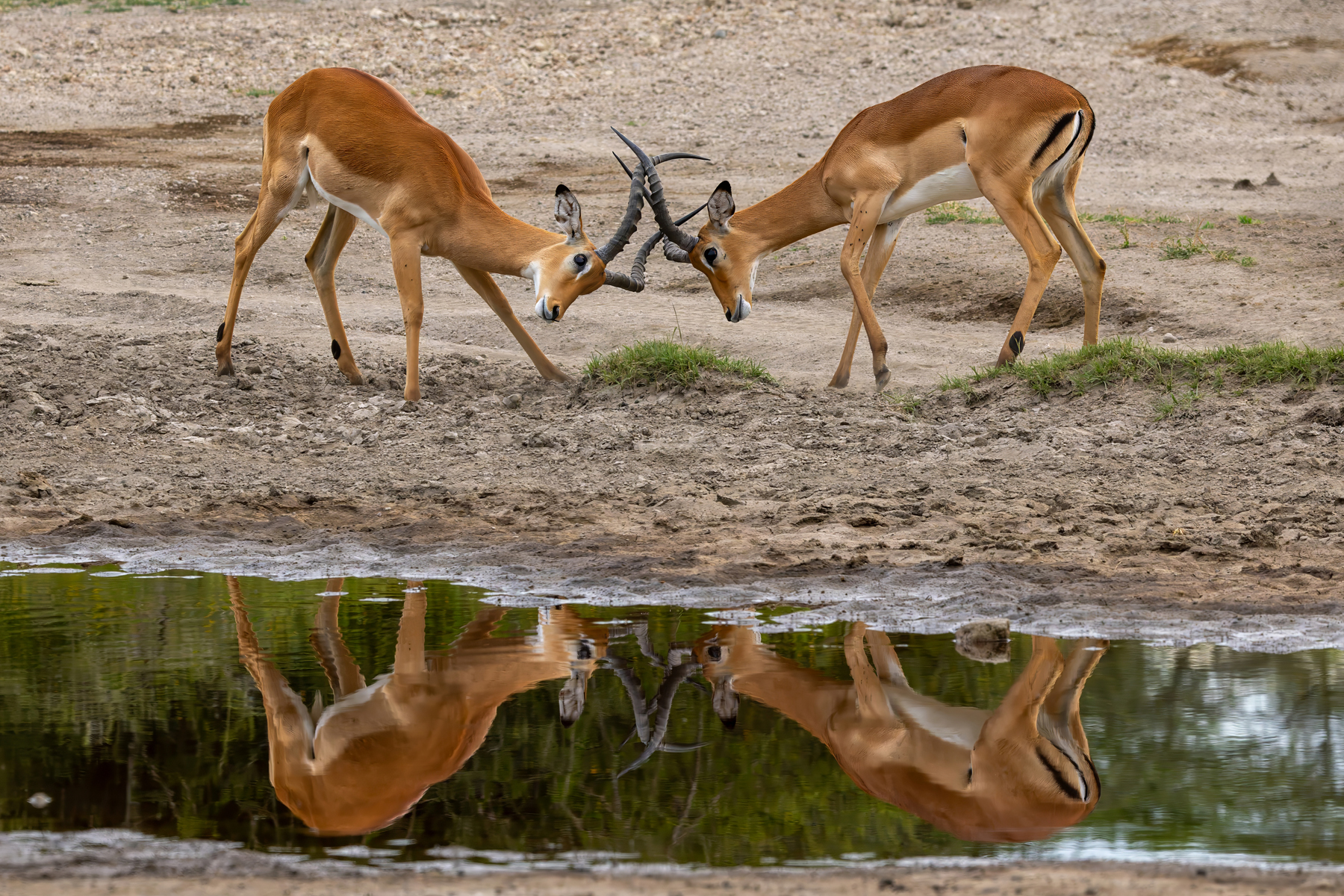
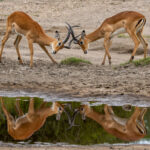
Impalas (image by Nik Borrow)
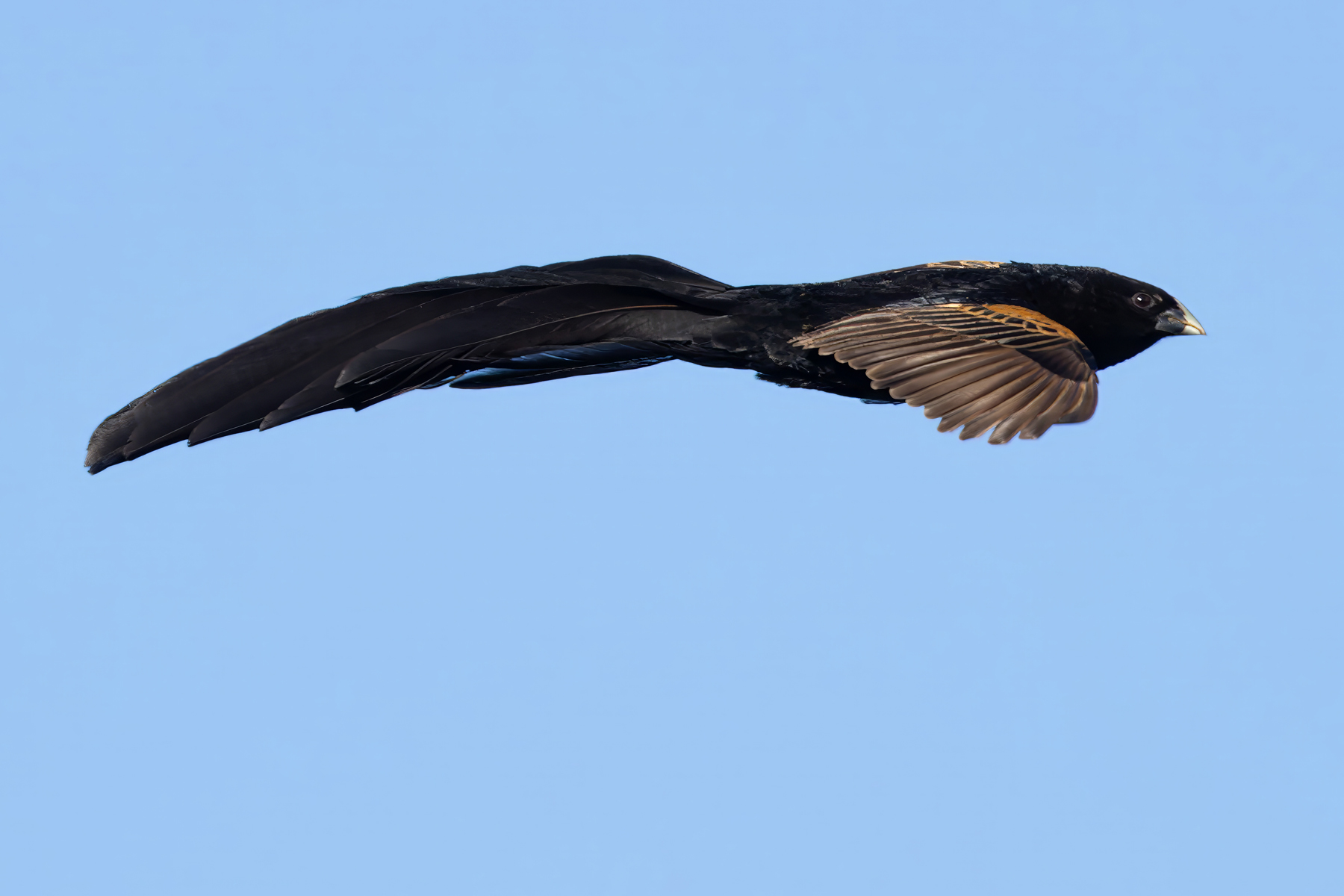
Jackson's Widowbird (image by Nik Borrow)
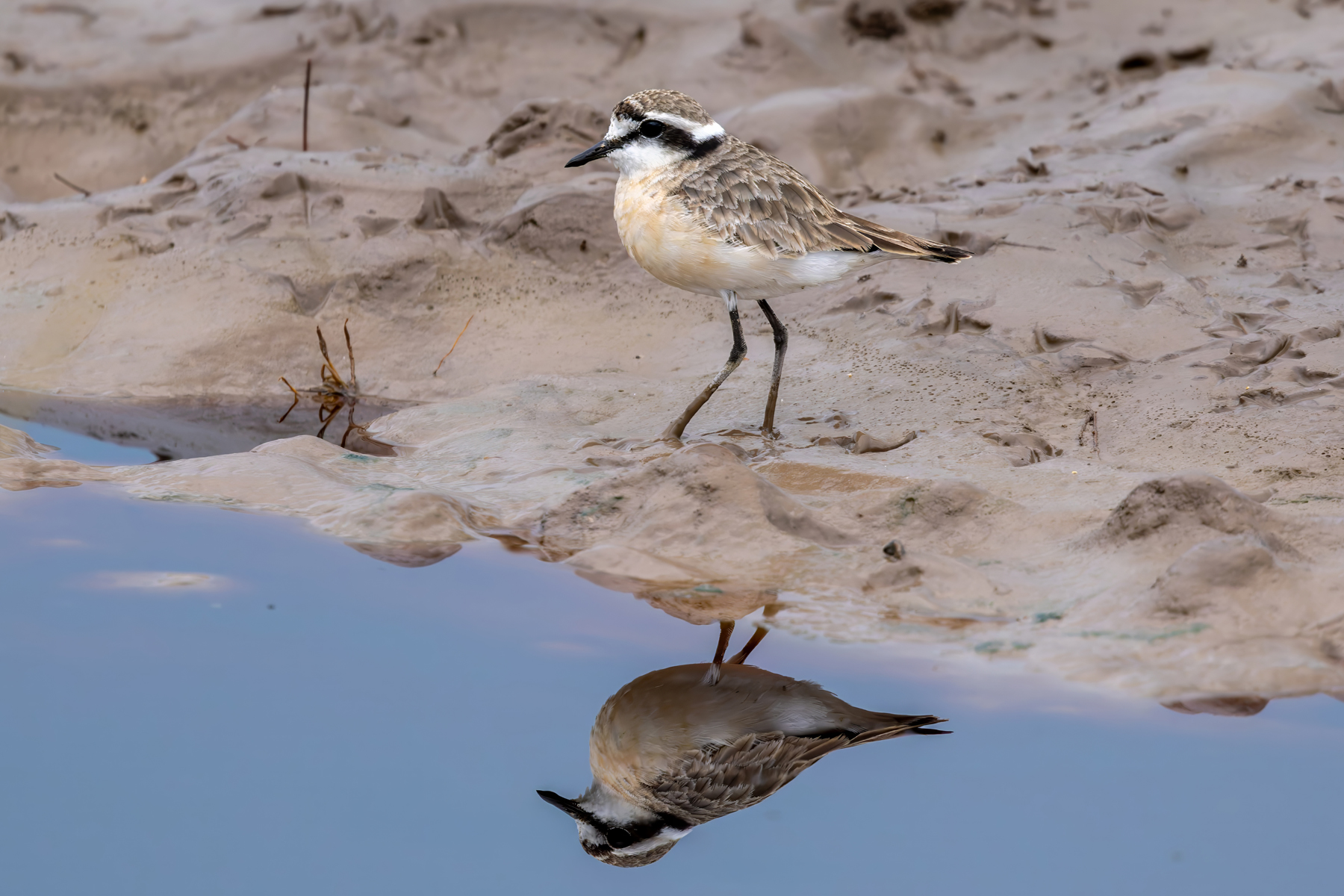
Kittlitz's Plover (image by Nik Borrow)
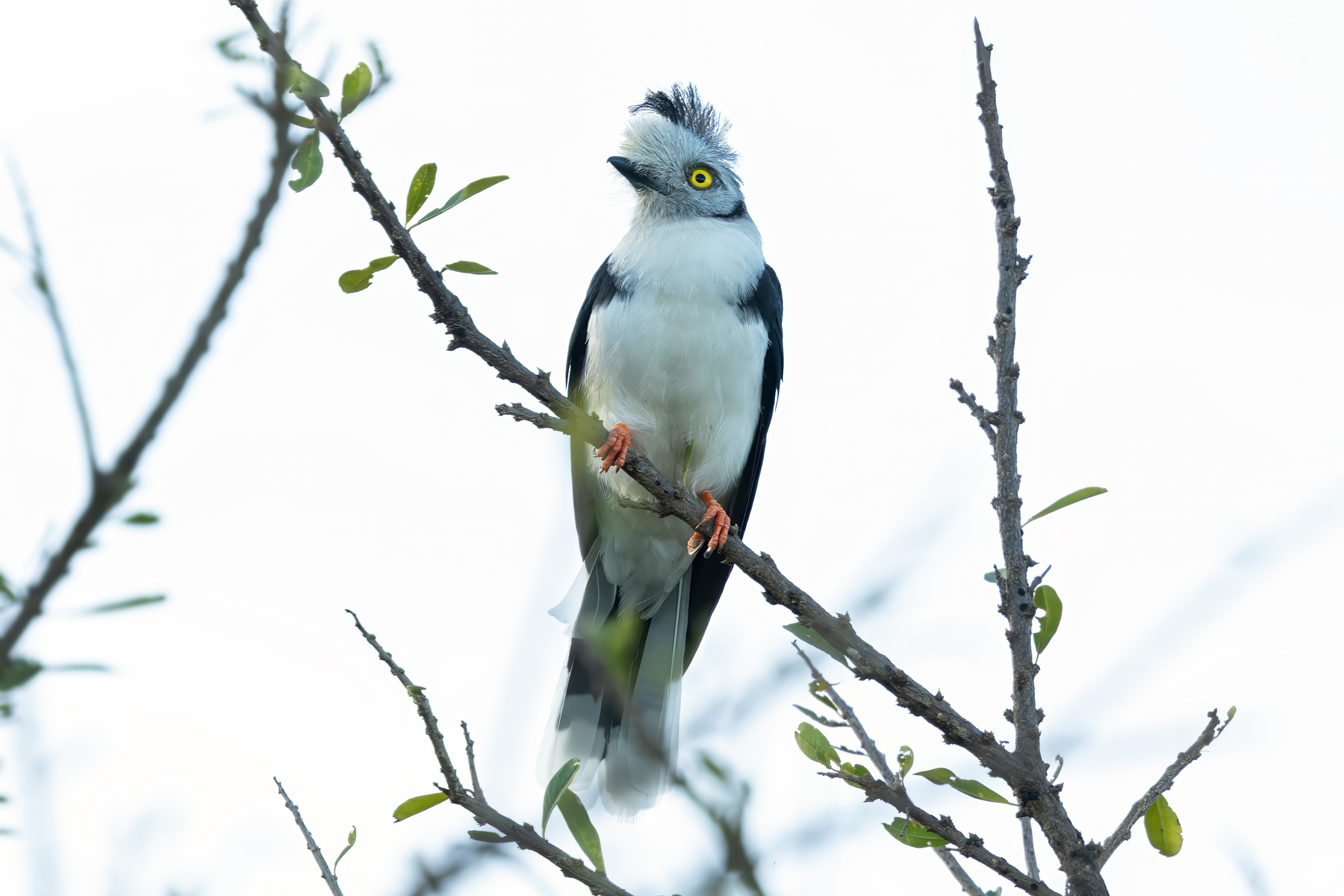
Grey-crested Helmetshrike (image by Nik Borrow)
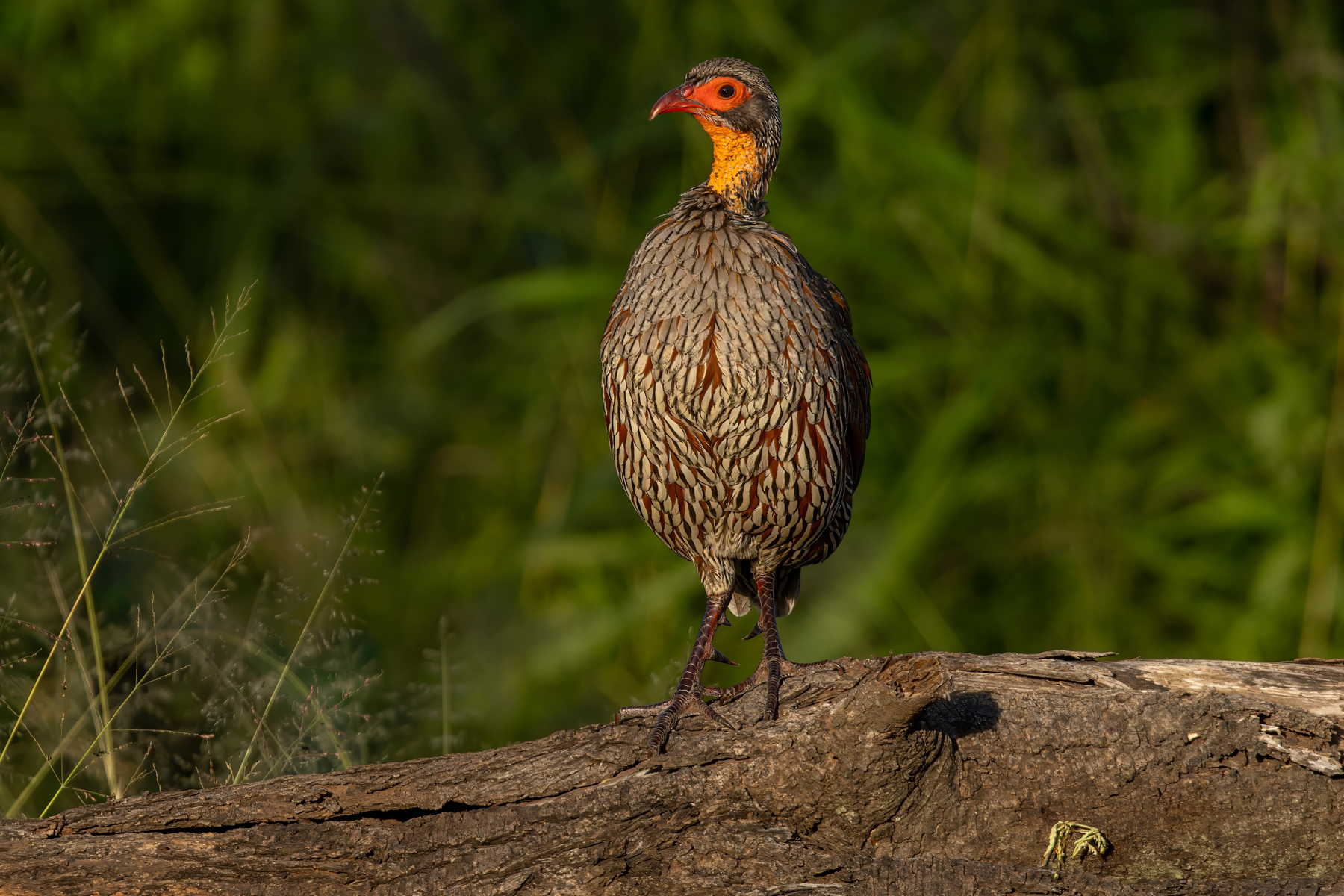
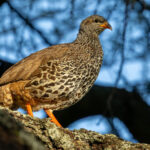
Grey-breasted Spurfowl (image by Nik Borrow)
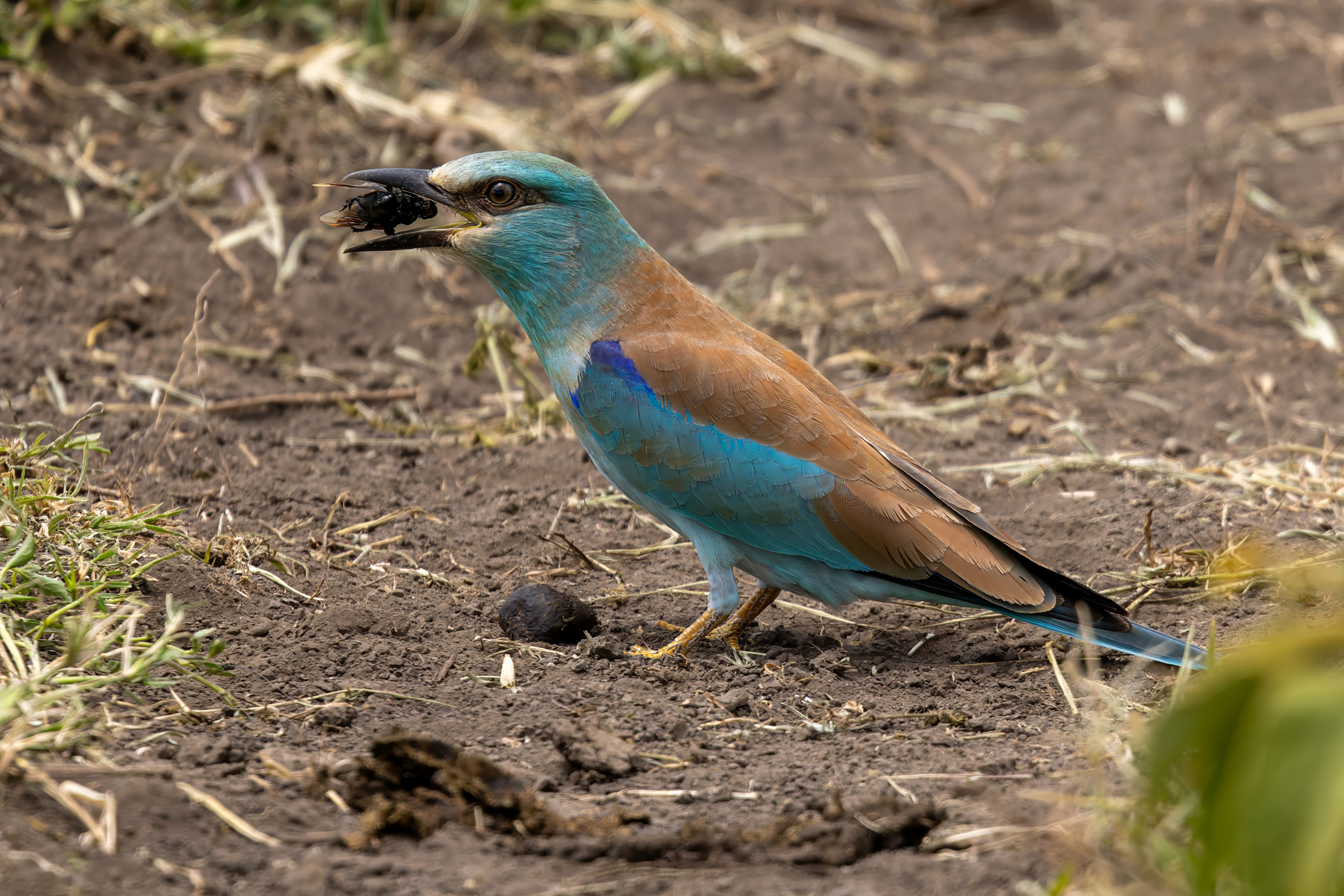
European Roller (image by Nik Borrow)
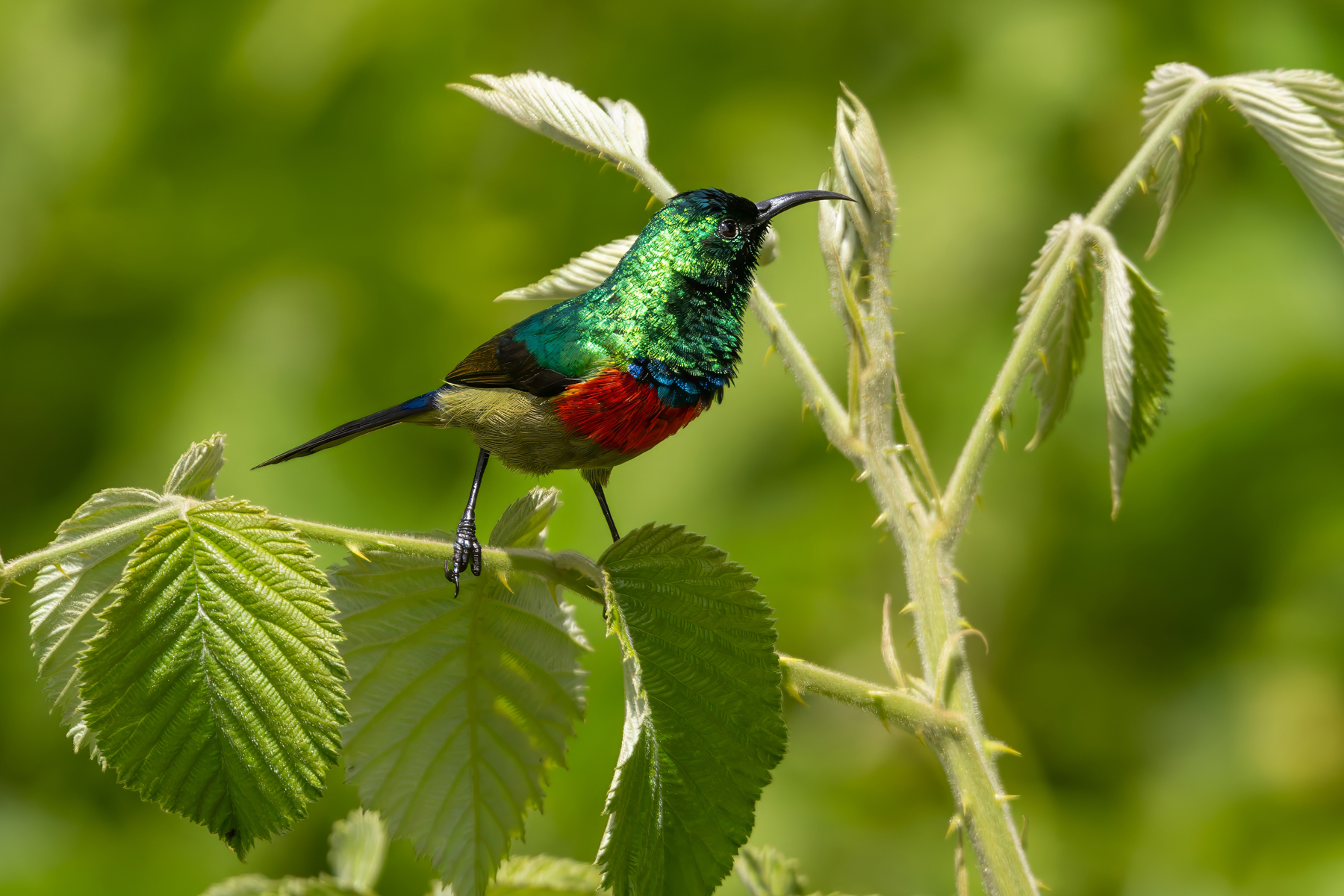
Eastern Double-collared Sunbird (image by Nik Borrow)
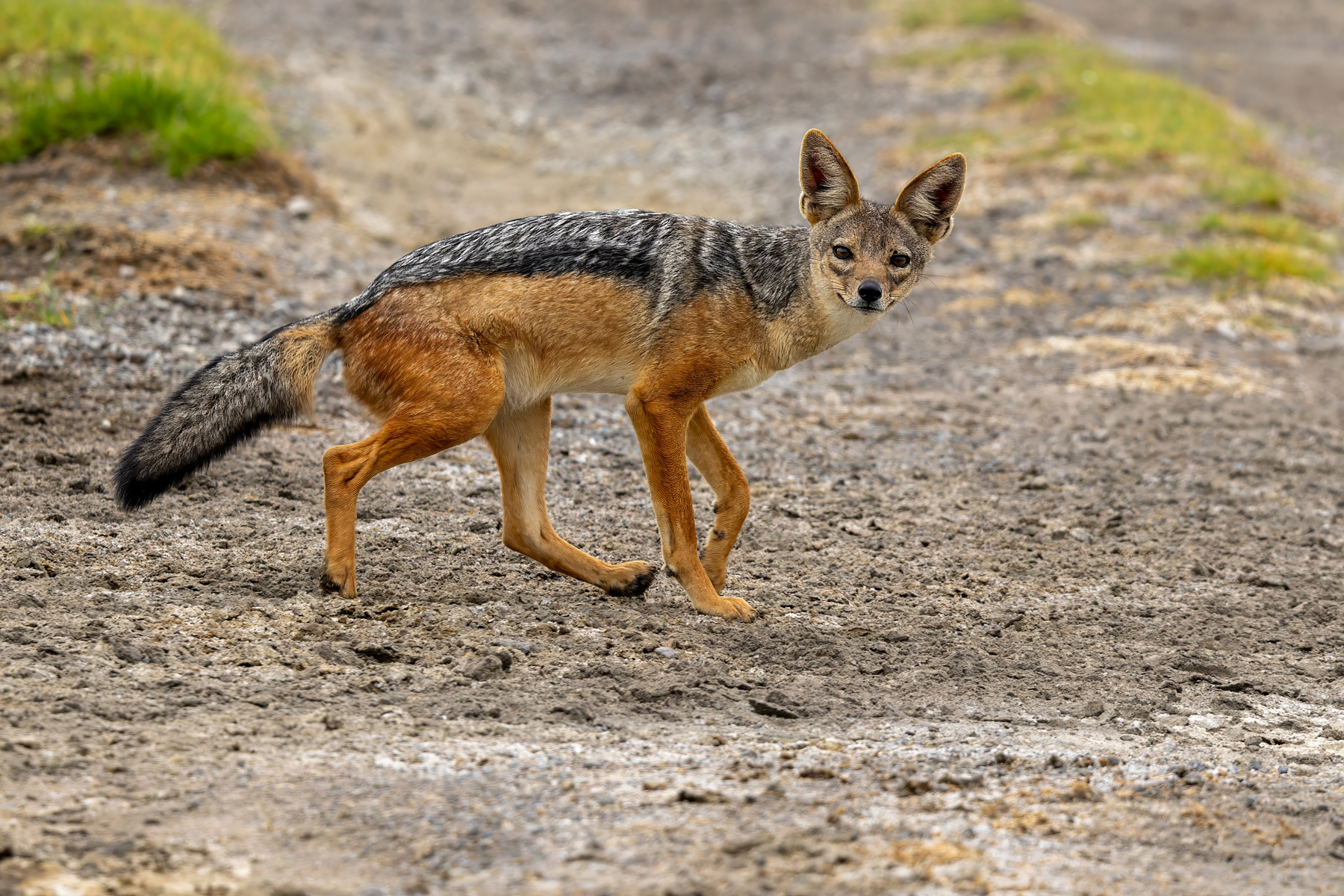
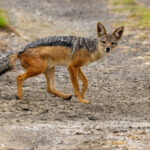
Black-backed Jackal (image by Nik Borrow)
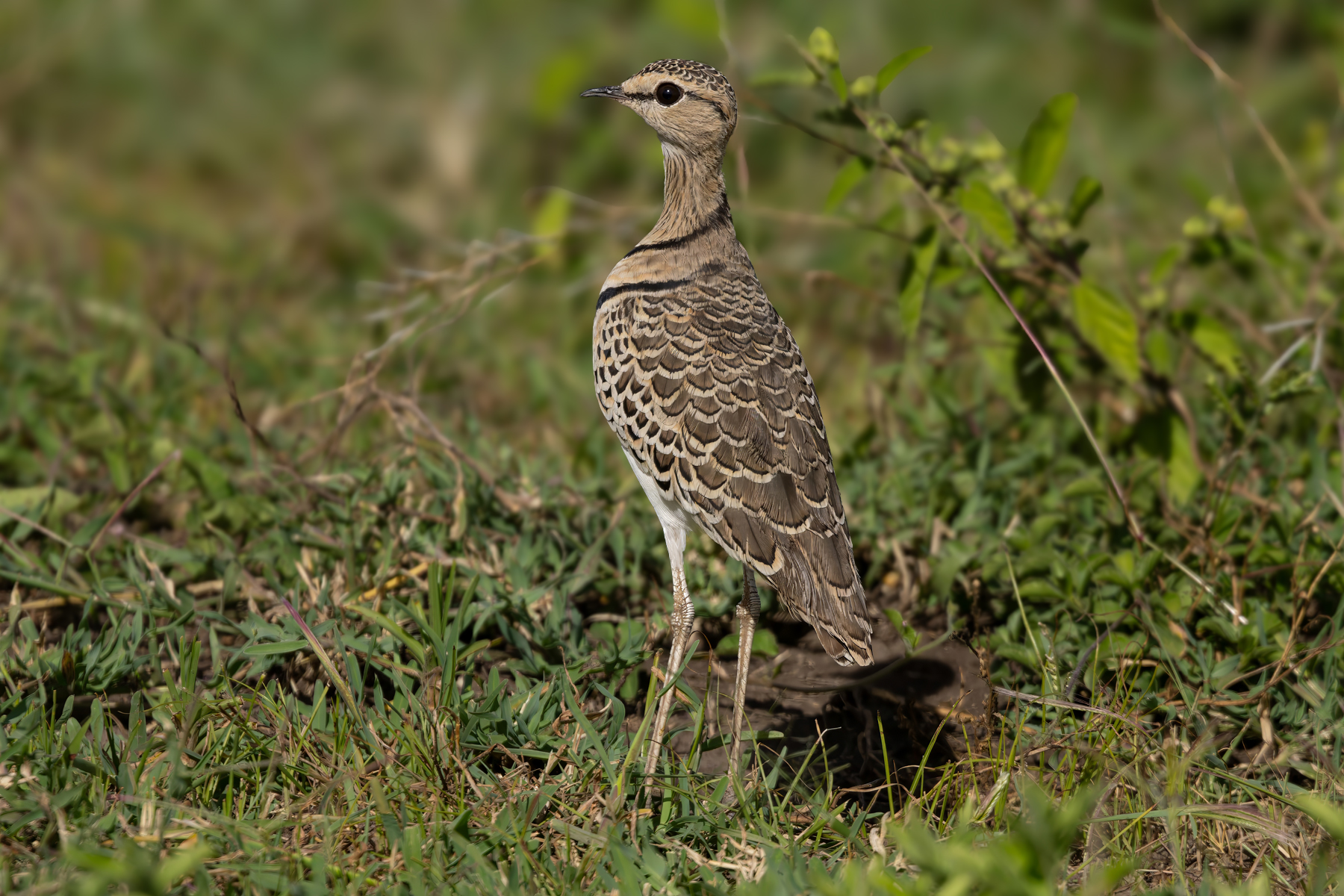
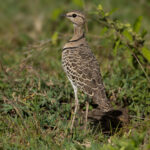
Double-banded Courser (image by Nik Borrow)
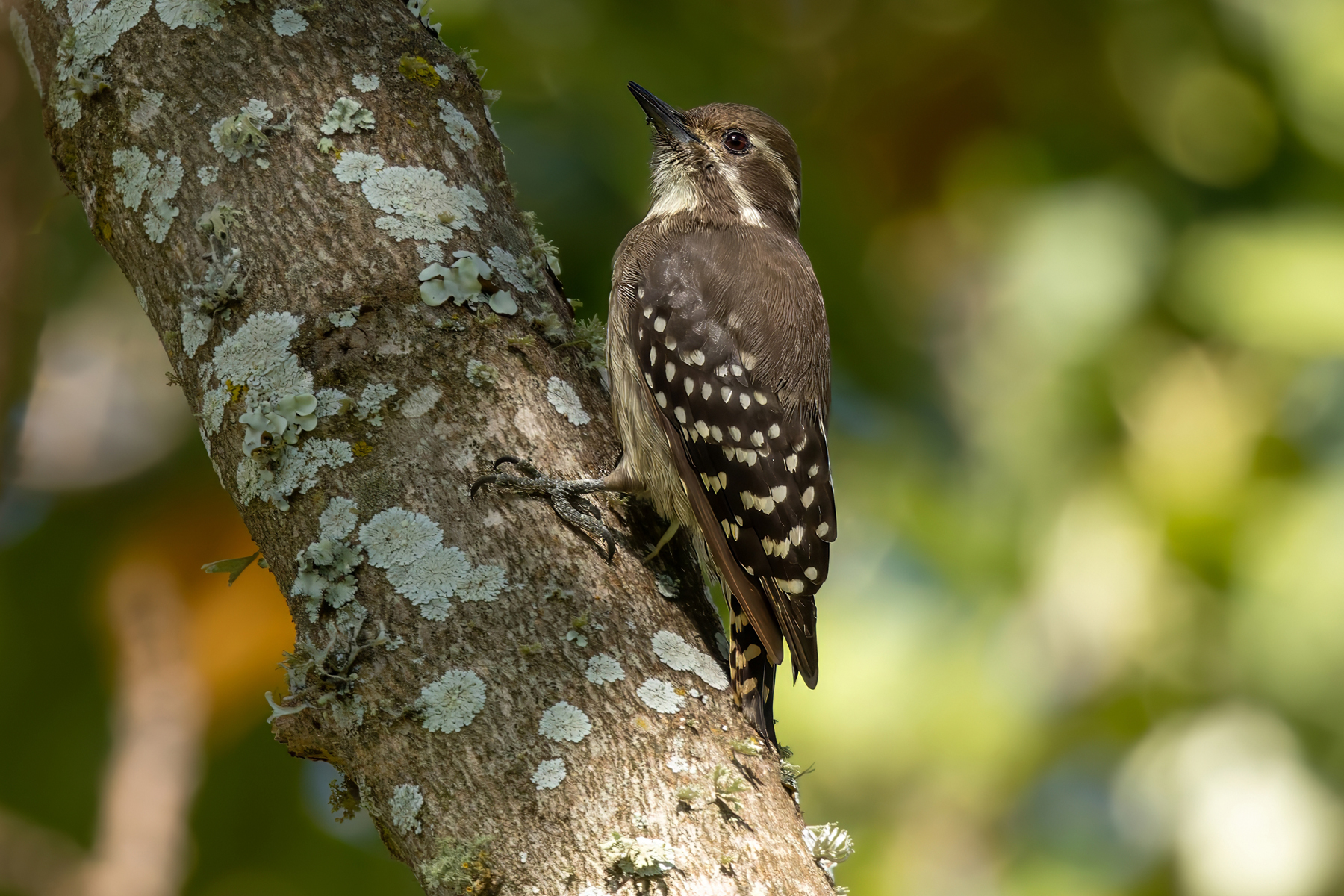
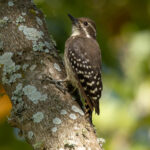
Brown-backed Woodpecker (image by Nik Borrow)
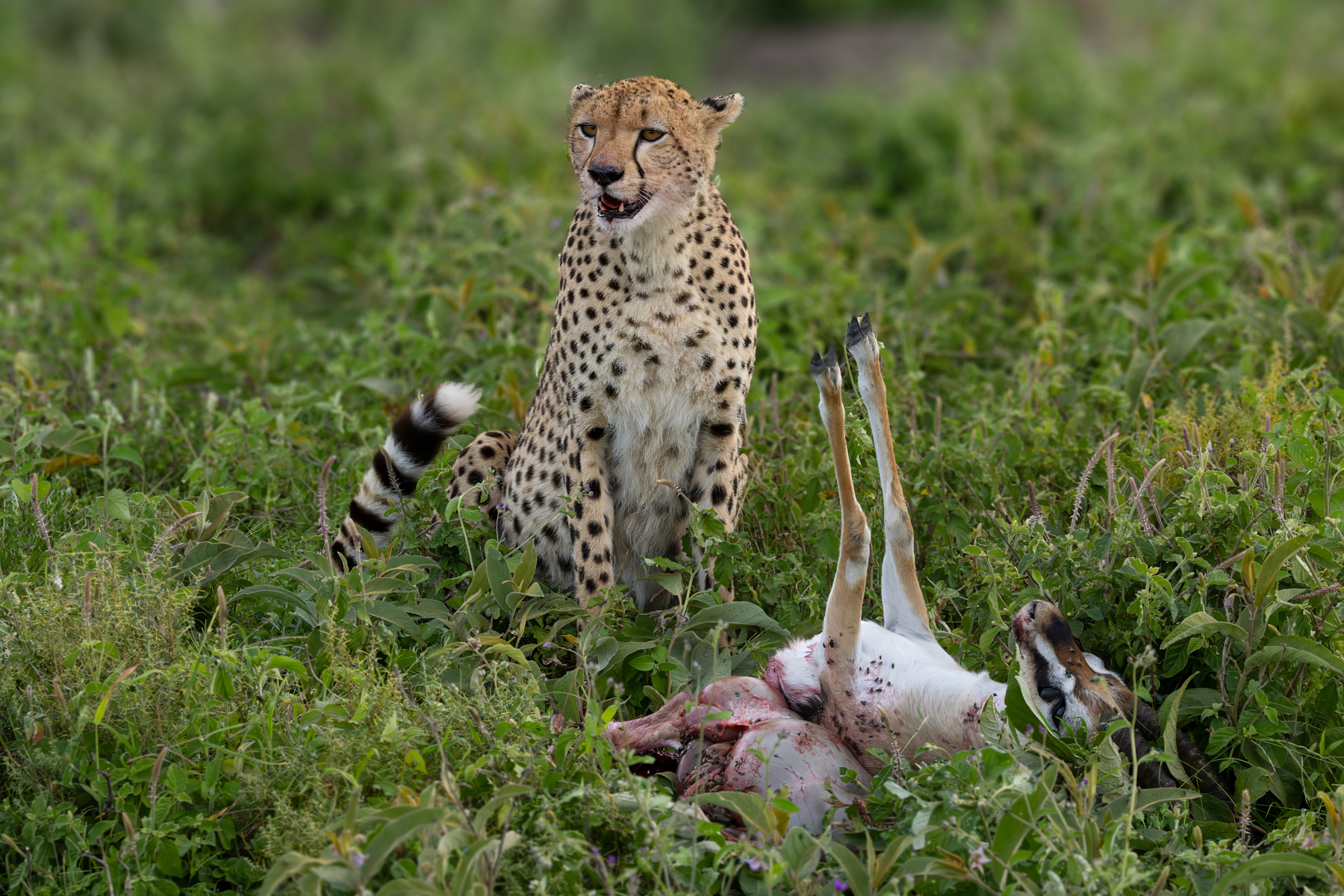
Cheetahs (image by Nik Borrow)
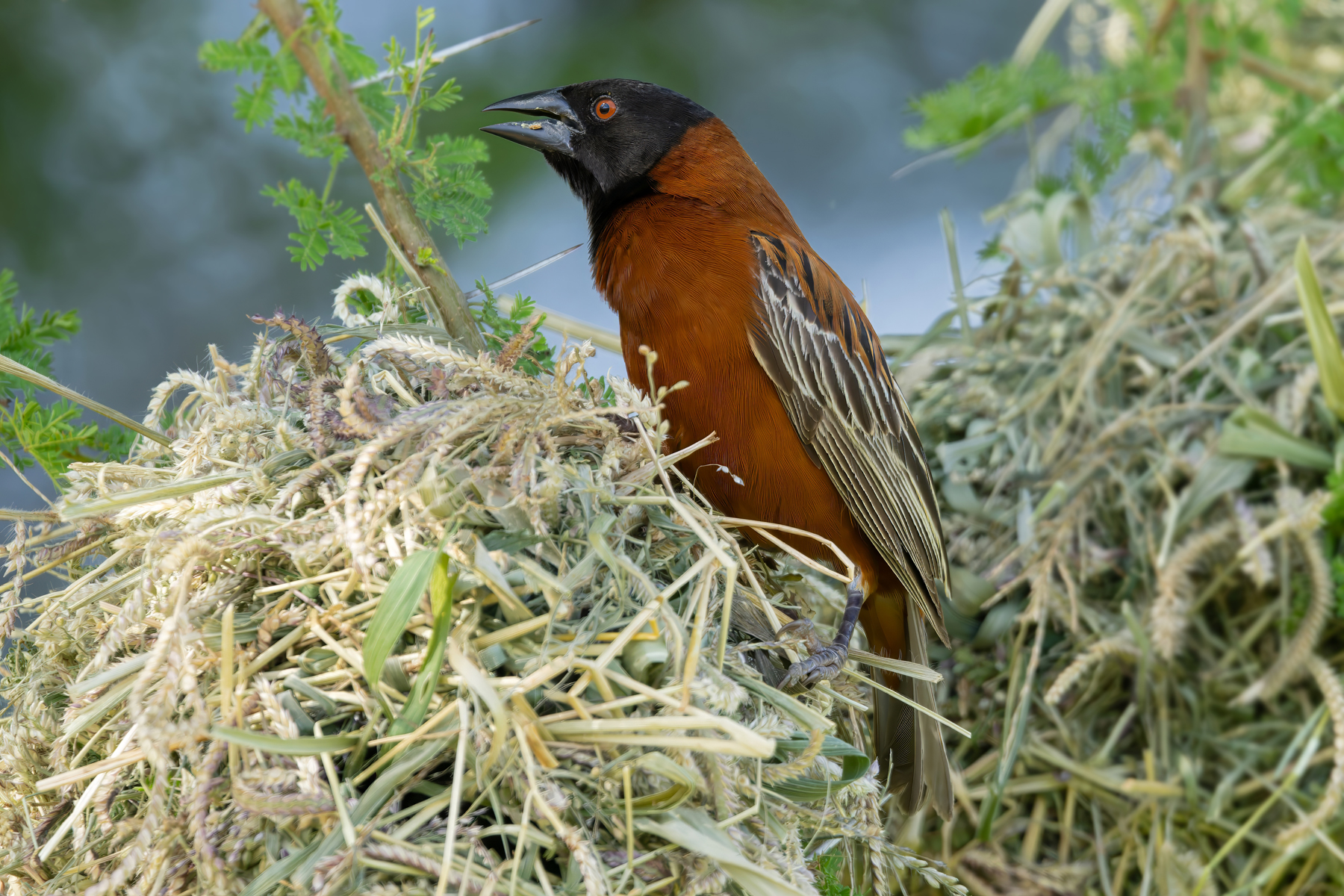
Chestnut Weaver (image by Nik Borrow)
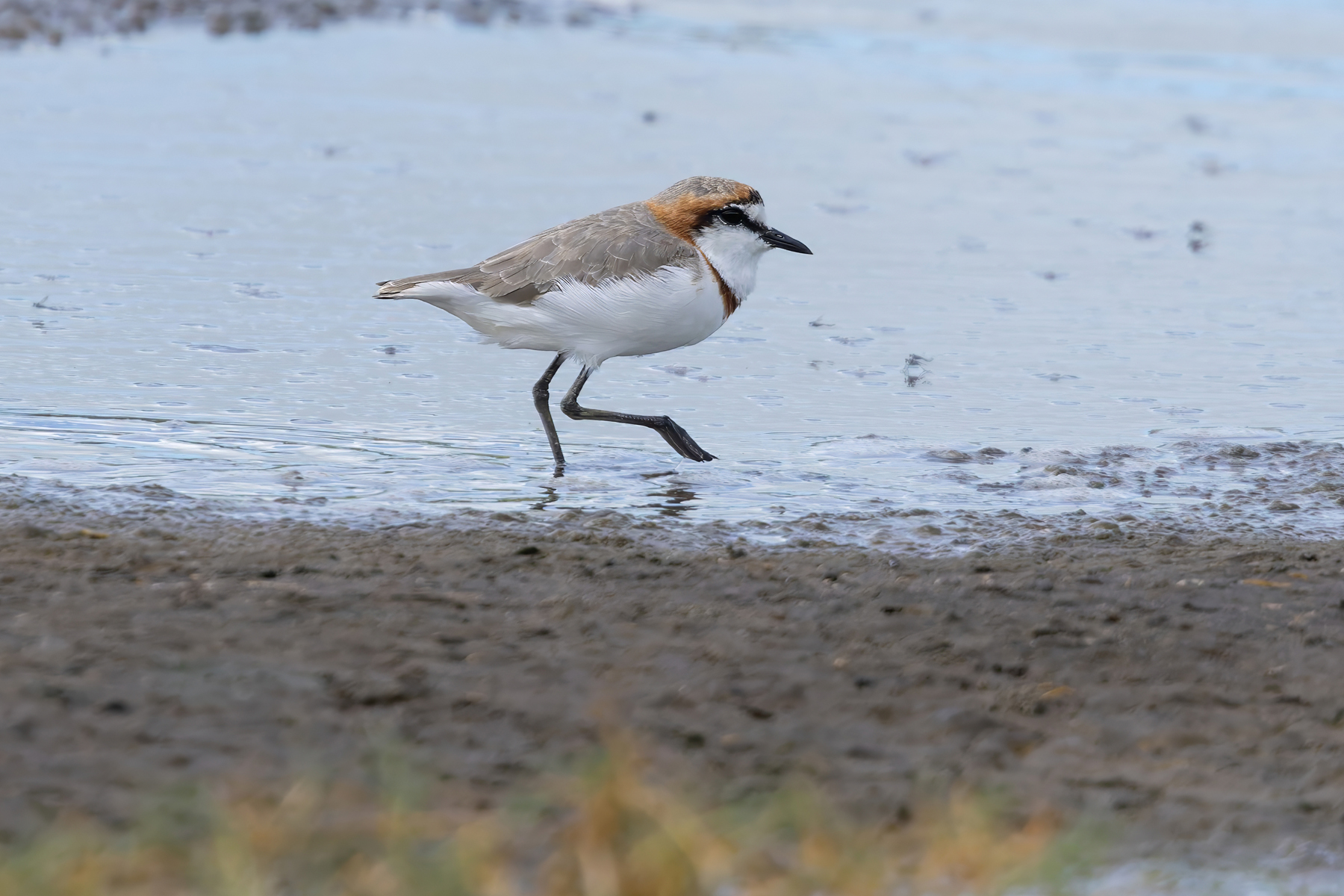
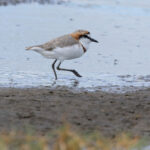
Chestnut-banded Plover (image by Nik Borrow)
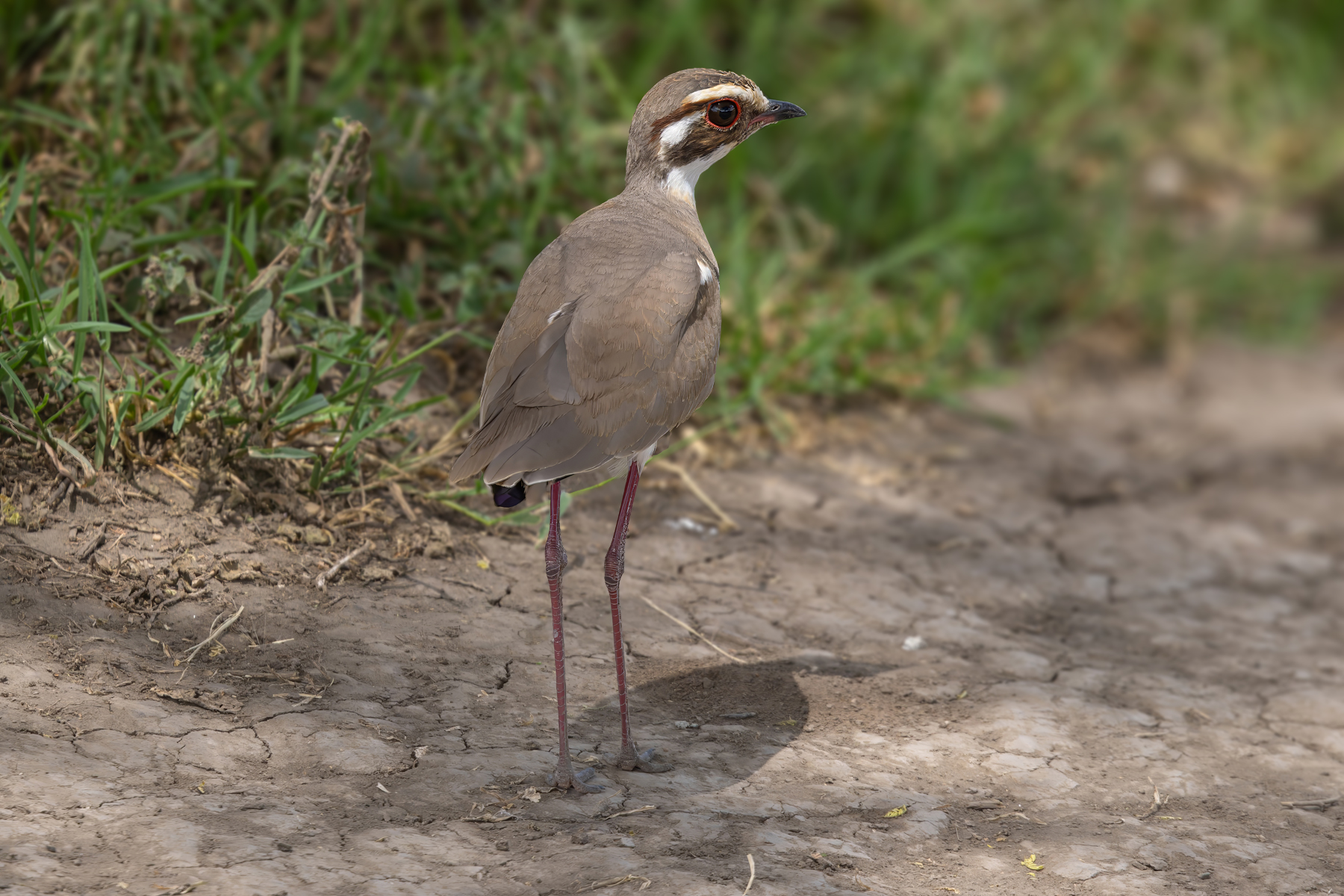
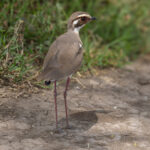
Bronze-winged Courser (image by Nik Borrow)
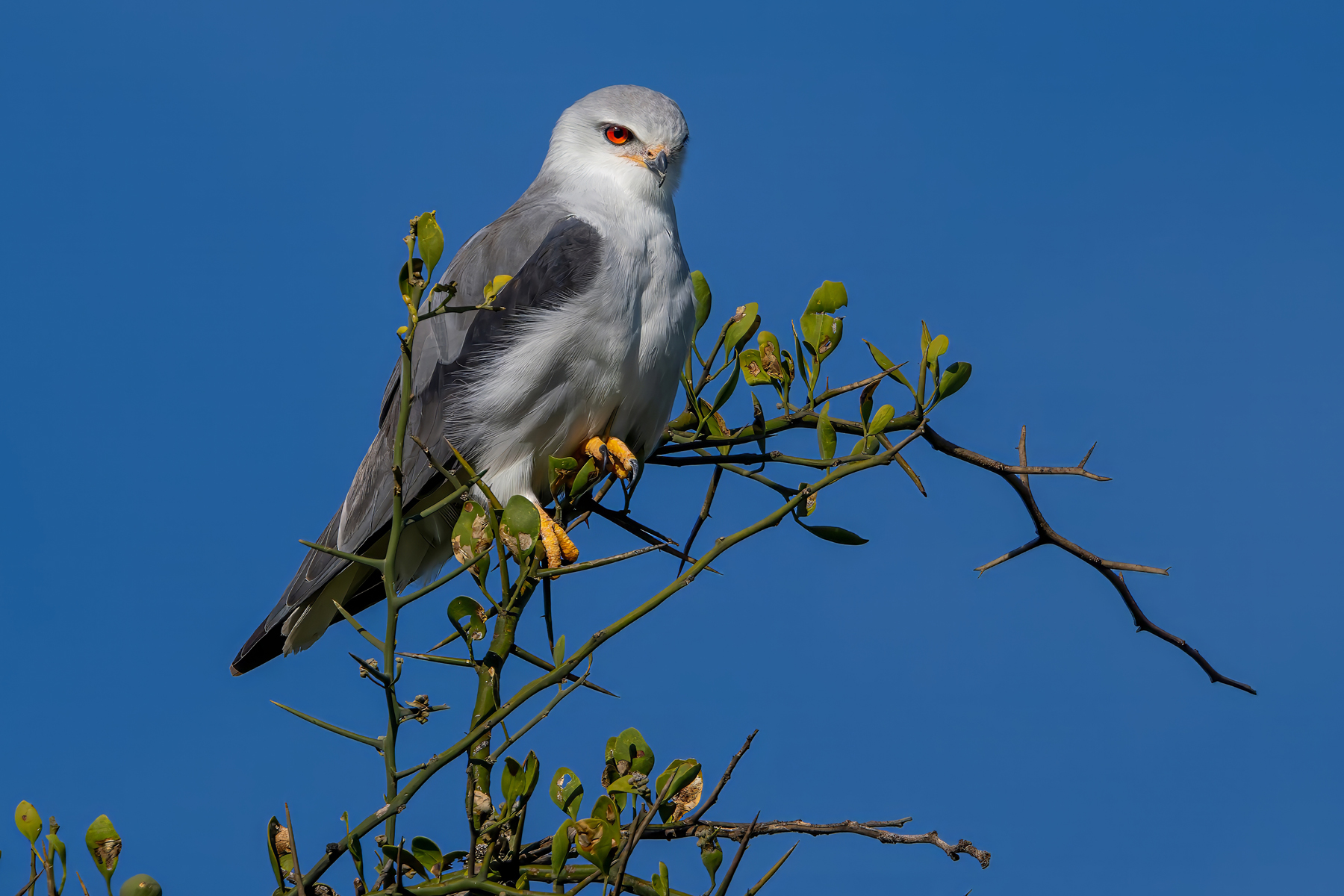
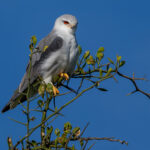
Black-winged Kite (image by Nik Borrow)
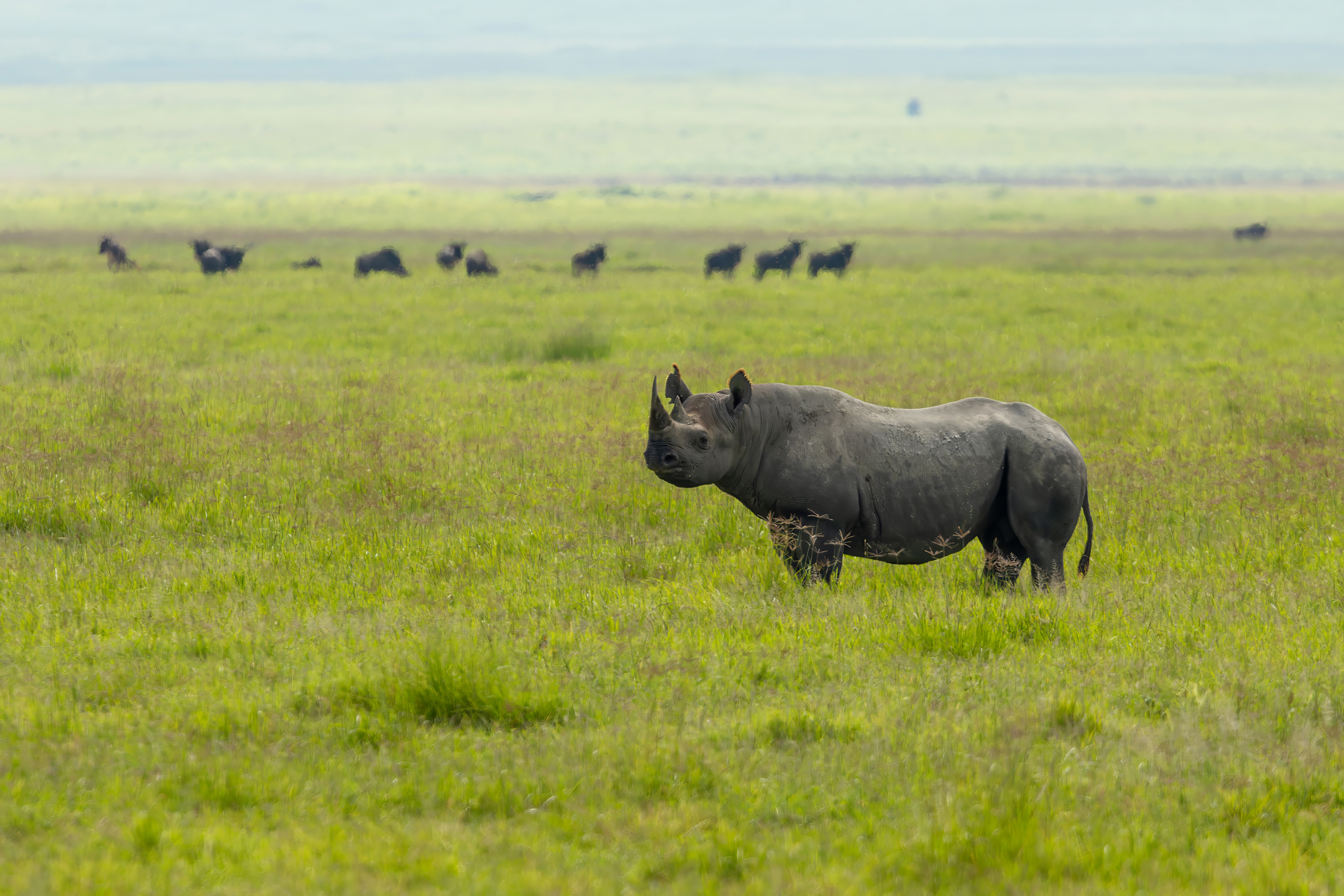
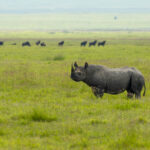
Black Rhinoceros (image by Nik Borrow)
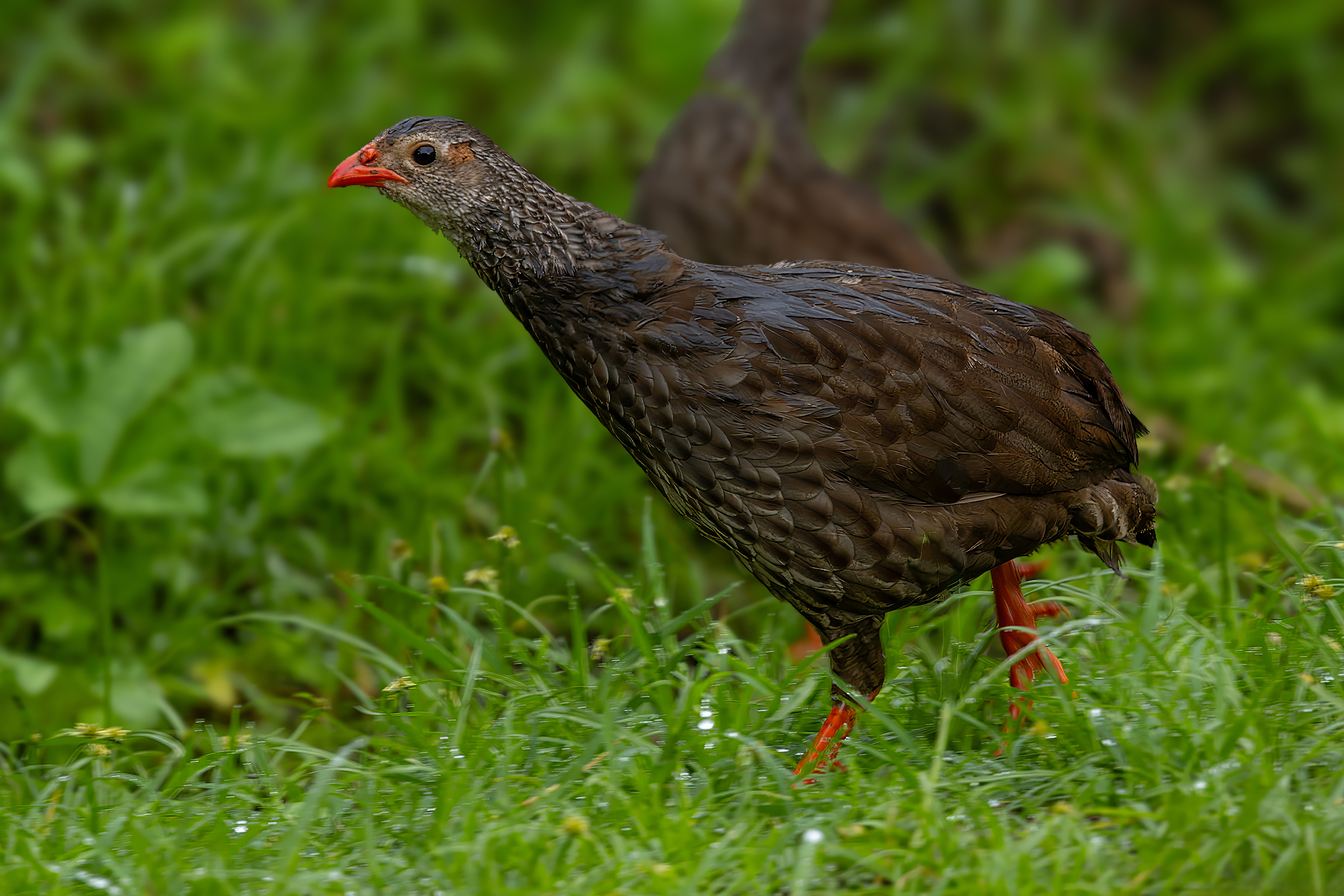
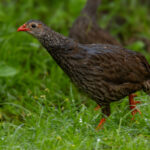
Scaly Spurfowl (image by Nik Borrow)
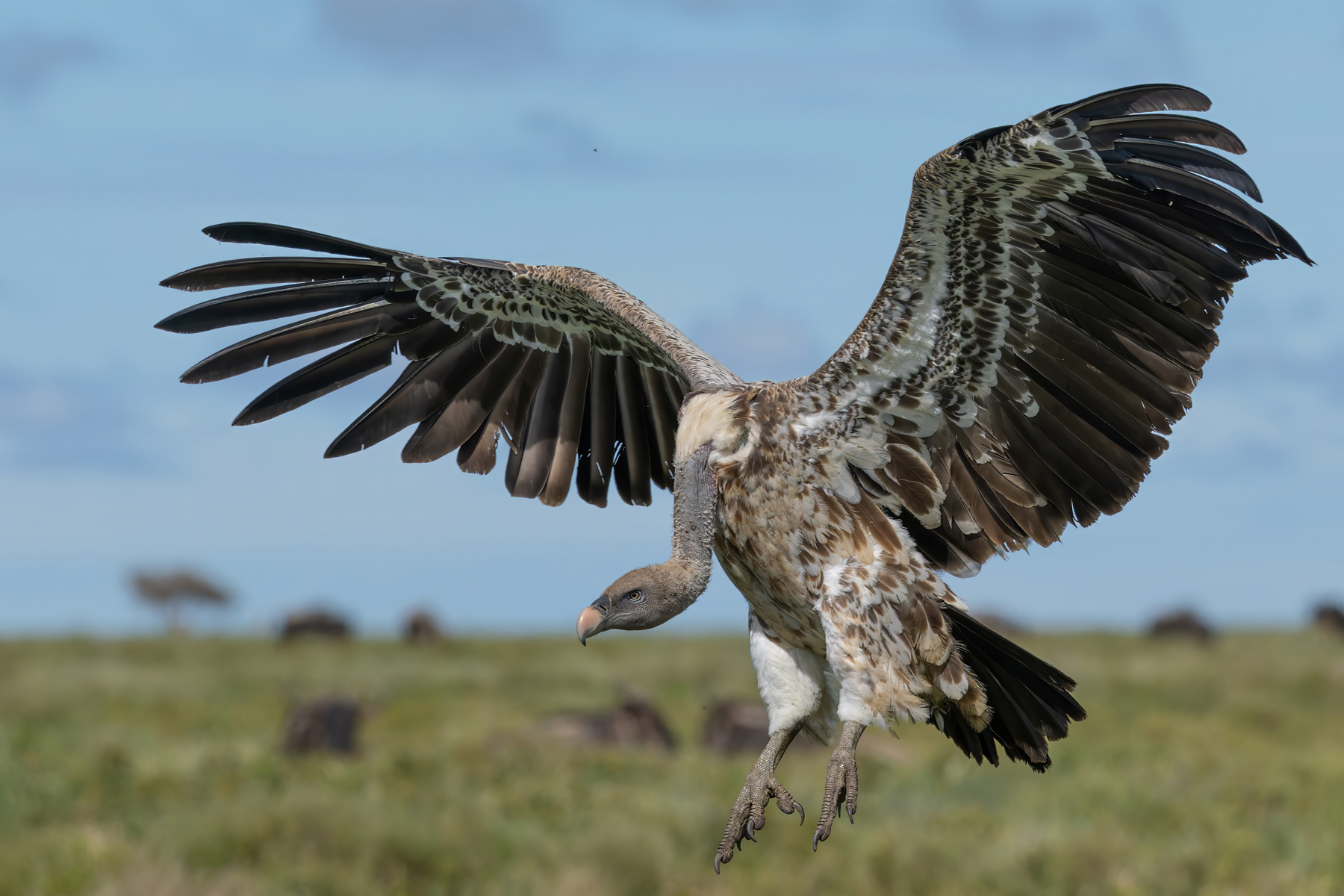
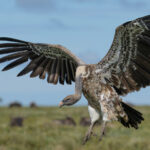
Ruppell's Vulture (image by Nik Borrow)
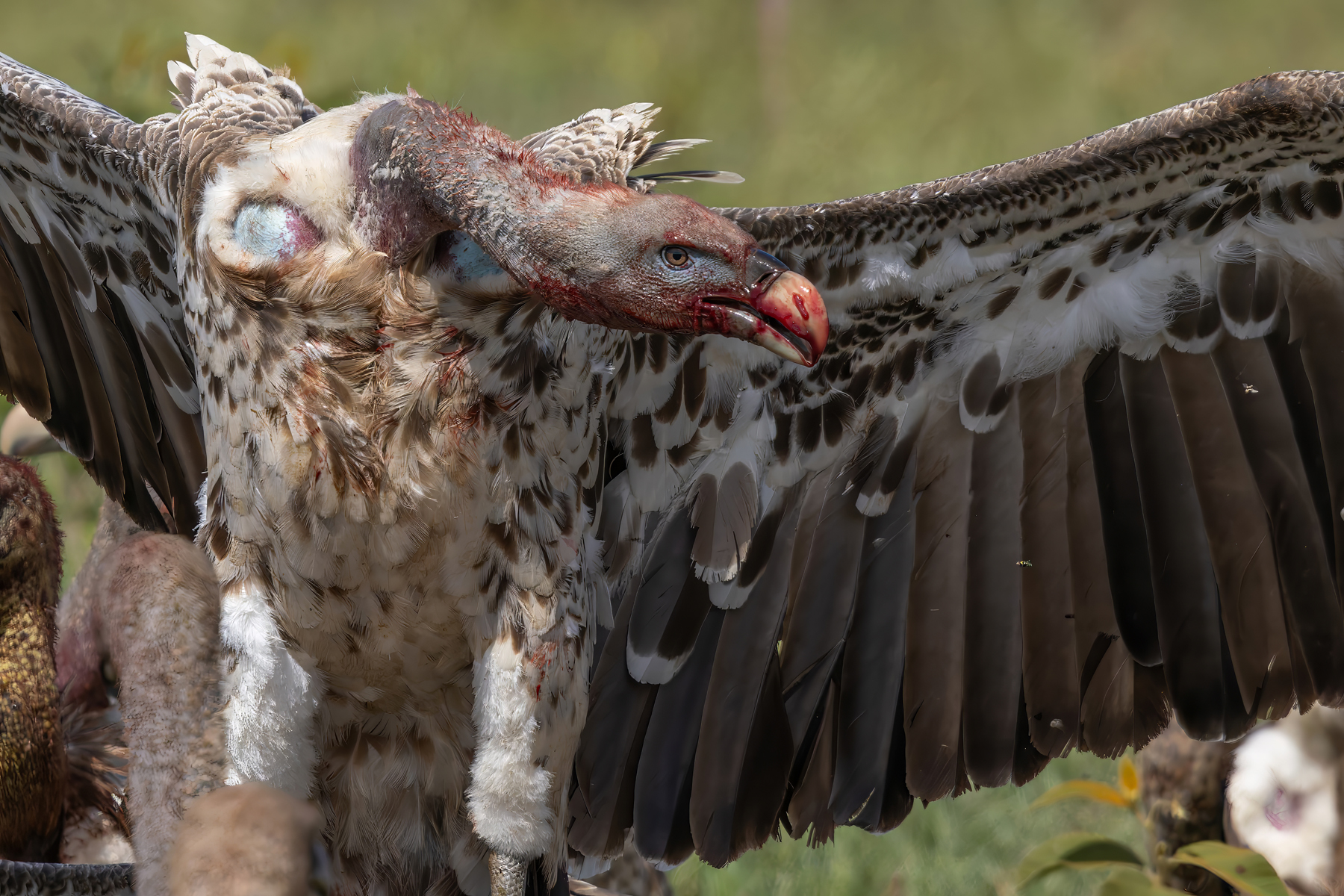
Ruppell's Vulture (image by Nik Borrow)
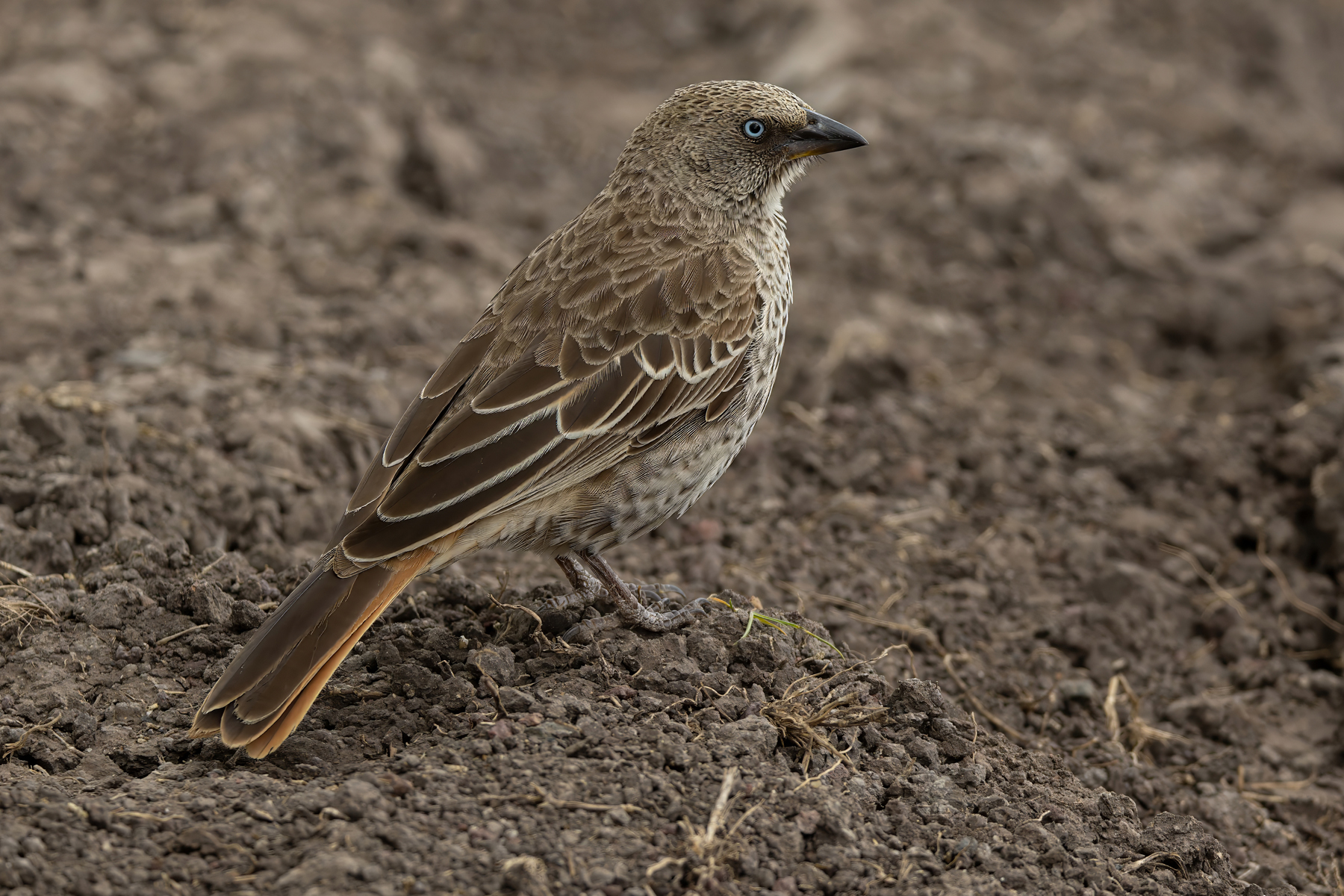
Rufous-tailed Weaver (image by Nik Borrow)
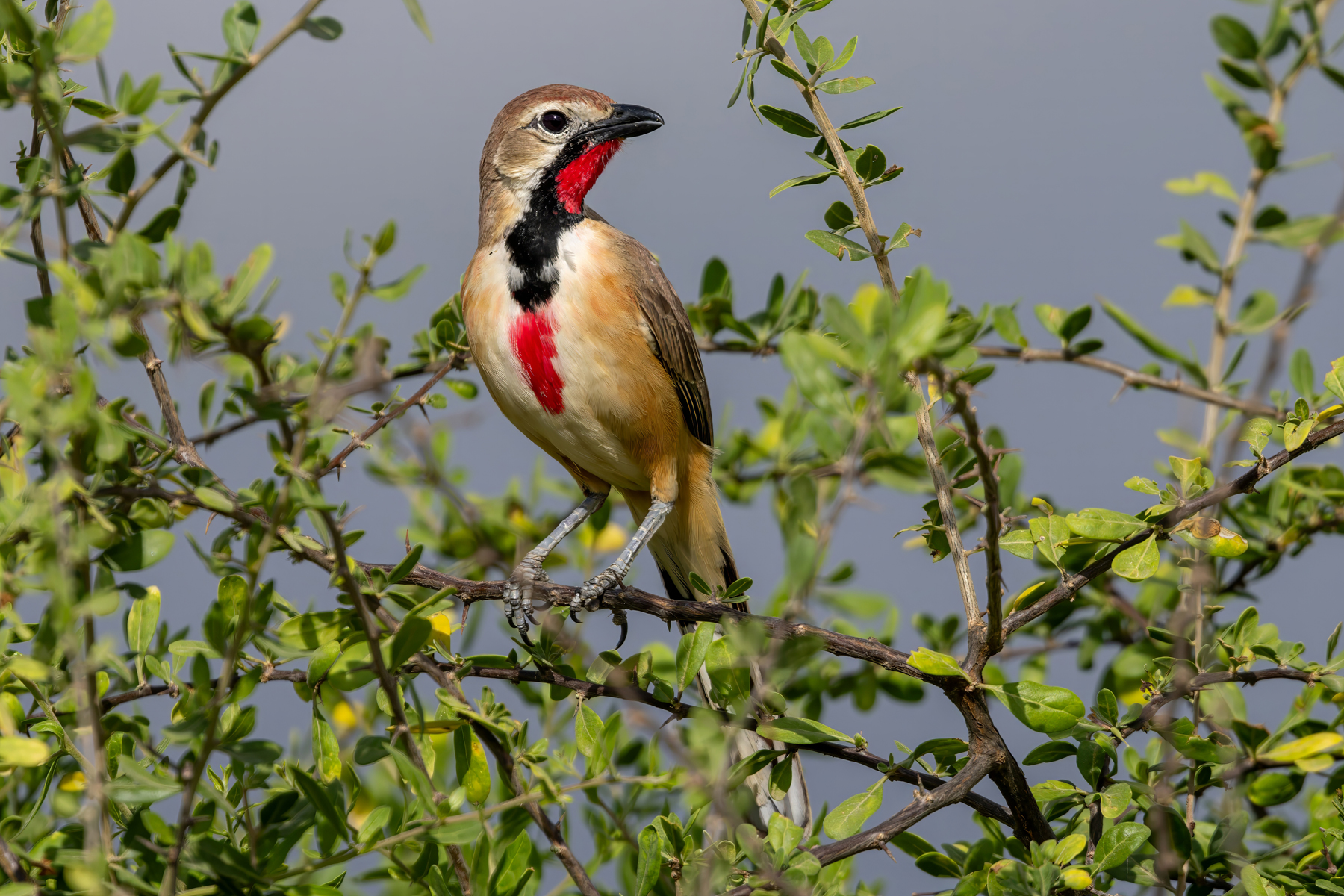
Rosy-patched Bushshrike (image by Nik Borrow)
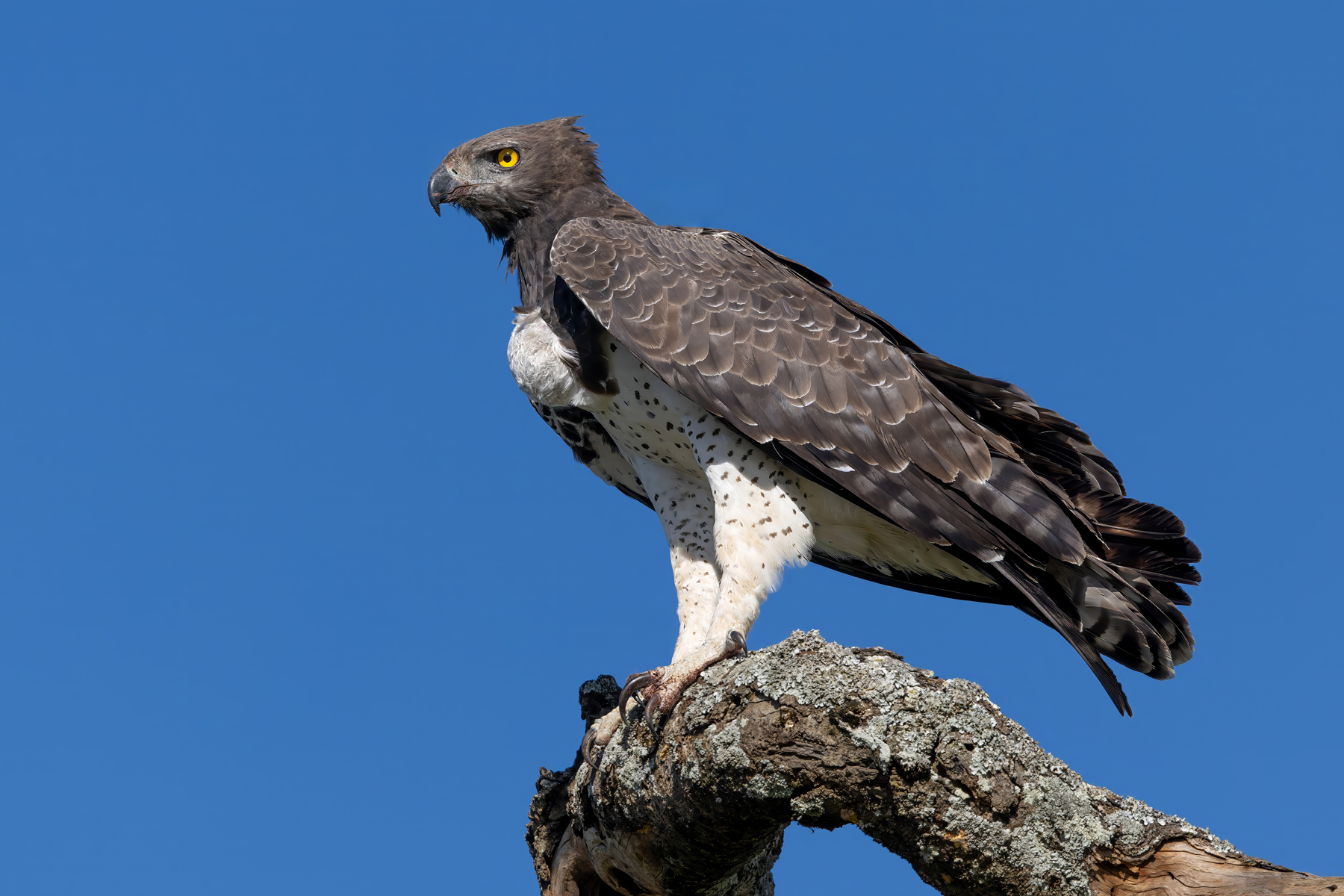
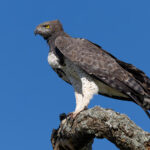
Martial Eagle (image by Nik Borrow)
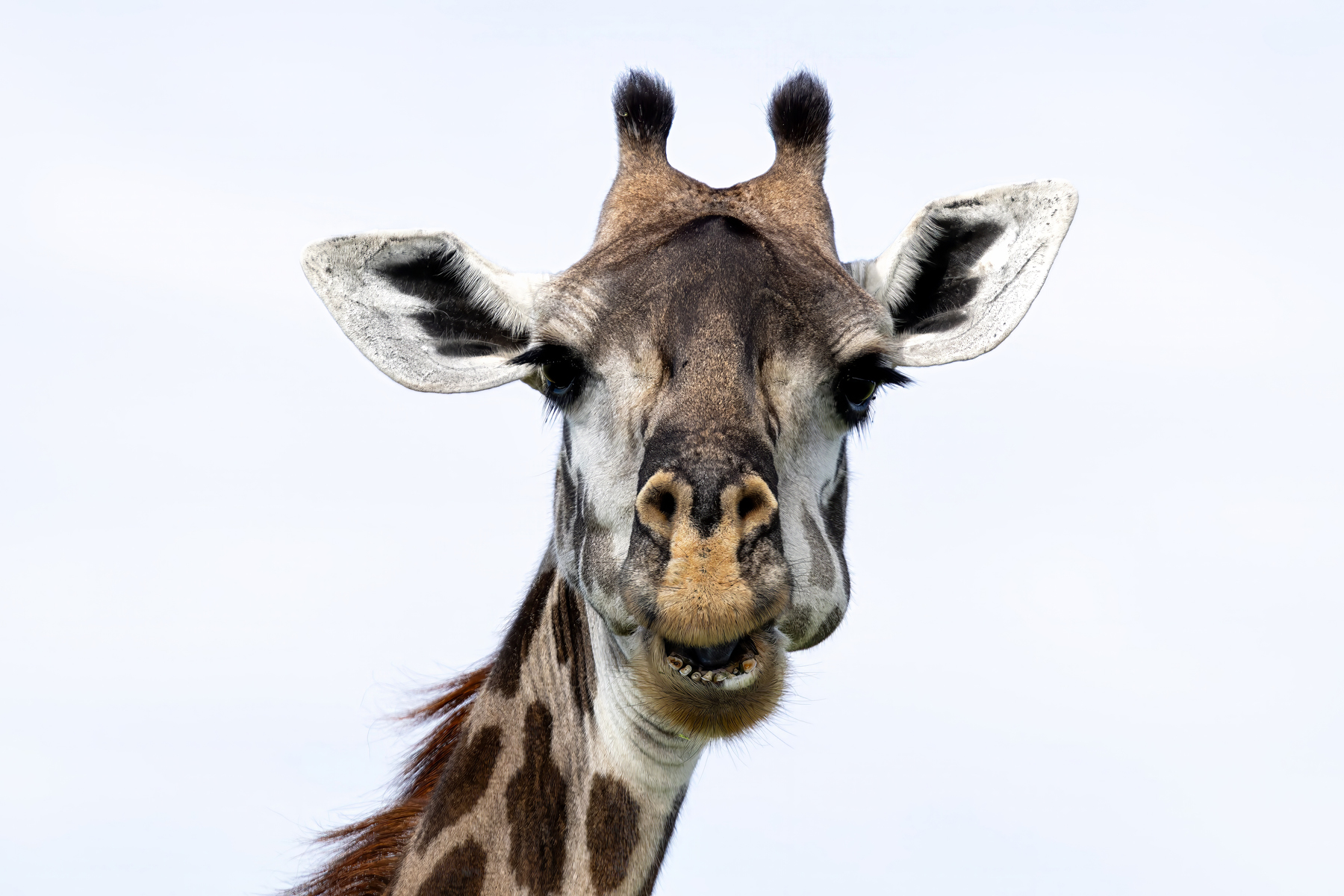
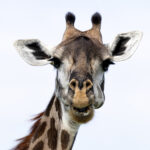
Maasai Giraffe (image by Nik Borrow)
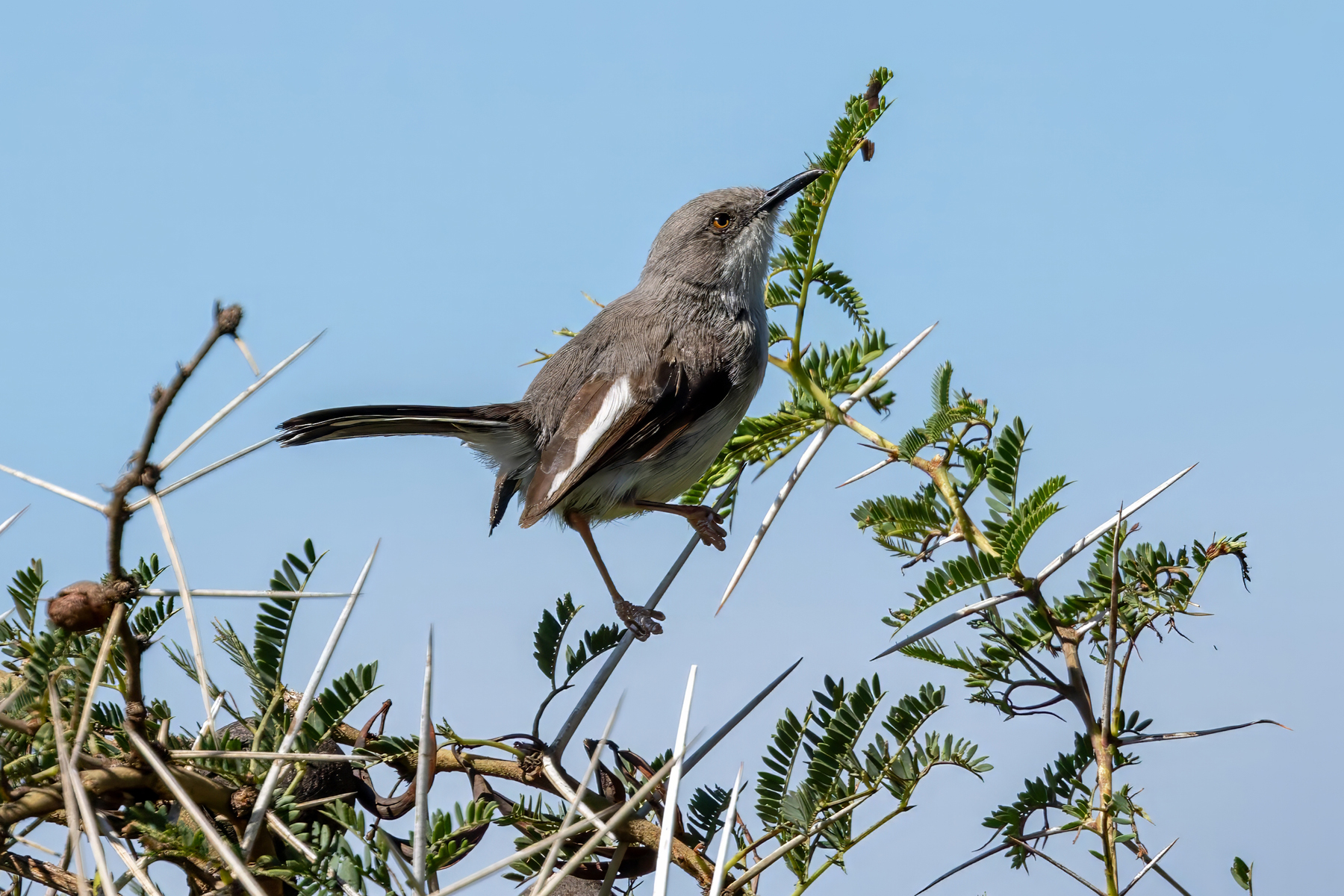
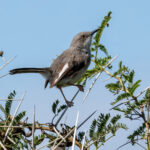
Maasai Apalis (image by Nik Borrow)
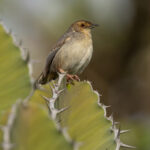
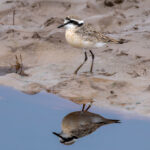
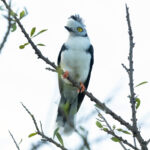
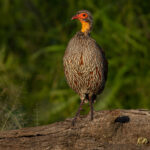
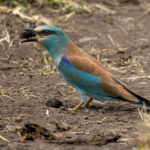
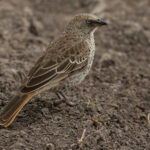


Beesley's Lark (image by Nik Borrow)
Three-banded Courser (image by Nik Borrow)
Cheetahs (image by Nik Borrow)
Yellow-throated Sandgrouse (image by Nik Borrow)
Hildebrandt's Starling (image by Nik Borrow)
Yellow-crowned Bishop (image by Nik Borrow)
Southern Ground Hornbill (image by Nik Borrow)
White-headed Vulture (image by Nik Borrow)
White-fronted Bee-eater (image by Nik Borrow)
Secretarybird (image by Nik Borrow)
White-backed Duck (image by Nik Borrow)
Verreaux's Eagle-Owl (image by Nik Borrow)
Malachite Sunbird (image by Nik Borrow)
Spotted Hyaena (image by Nik Borrow)
Spotted Hyaena (image by Nik Borrow)
Spotted Thick-knee (image by Nik Borrow)
Lappet-faced Vultures (image by Nik Borrow)
Black-faced Sandgrouse (image by Nik Borrow)
Tanzanian Red-billed Hornbill (image by Nik Borrow)
Coqui Francolin (image by Nik Borrow)
Southern Red Bishop (image by Nik Borrow)
Black-chested Snake Eagle (image by Nik Borrow)
Serengeti Wildebeests and Plains Zebras (image by Nik Borrow)
Serengeti Wildebeests and Plains Zebras (image by Nik Borrow)
Serengeti White-bearded Wildebeests (image by Nik Borrow)
Magpie Shrike (image by Nik Borrow)
Sentinel Lark (image by Nik Borrow)
Cheetah (image by Nik Borrow)
Lynes's Cisticola (image by Nik Borrow)
Little Rock Thrush (image by Nik Borrow)
Lion (image by Nik Borrow)
Lions (image by Nik Borrow)
Secretarybird (image by Nik Borrow)
Variable Sunbird (image by Nik Borrow)
Leopard (image by Nik Borrow)
Hartlaub's Bustard (image by Nik Borrow)
Hildebrandt's Spurfowl (image by Nik Borrow)
Impalas (image by Nik Borrow)
Jackson's Widowbird (image by Nik Borrow)
Kittlitz's Plover (image by Nik Borrow)
Grey-crested Helmetshrike (image by Nik Borrow)
Grey-breasted Spurfowl (image by Nik Borrow)
European Roller (image by Nik Borrow)
Eastern Double-collared Sunbird (image by Nik Borrow)
Black-backed Jackal (image by Nik Borrow)
Double-banded Courser (image by Nik Borrow)
Brown-backed Woodpecker (image by Nik Borrow)
Cheetahs (image by Nik Borrow)
Chestnut Weaver (image by Nik Borrow)
Chestnut-banded Plover (image by Nik Borrow)
Bronze-winged Courser (image by Nik Borrow)
Black-winged Kite (image by Nik Borrow)
Black Rhinoceros (image by Nik Borrow)
Scaly Spurfowl (image by Nik Borrow)
Ruppell's Vulture (image by Nik Borrow)
Ruppell's Vulture (image by Nik Borrow)
Rufous-tailed Weaver (image by Nik Borrow)
Rosy-patched Bushshrike (image by Nik Borrow)
Martial Eagle (image by Nik Borrow)
Maasai Giraffe (image by Nik Borrow)
Maasai Apalis (image by Nik Borrow)


NORTHERN TANZANIA TOUR REPORT 2026

1 - 15 April 2026
Nik Borrow
This incredible tour through the ‘lark plains’ at Engikaret, Tarangire National Park, Ngorongoro Crater, the seemingly endless grasslands of the Serengeti, and finally Arusha National Park surely has got to be the ultimate wildlife travel experience out of anywhere in Africa if not indeed the whole world! The journey is simply one of those ‘must-do’ pilgrimages that all ecotourists should make at least once in their lifetimes. Our visit was in the wet season and this year there had been plenty of early rain! However, it didn’t impinge on our birding and perhaps even enhanced it. There was lush vegetation and high grass everywhere (good for breeding weavers, bishops and whydahs) so game viewing was sometimes not so easy. Fortunately, it was mostly dry during the tour and access to all areas was not a problem. During just fourteen days in the field, we managed to record colourful endemics such as Grey-breasted Spurfowl, Fischer’s and Yellow-collared Lovebirds, Beesley’s Lark, Ashy Starling, Tanzanian Red-billed Hornbill and regional specialties such as Taveta and Rufous-tailed Weavers, the little-known and recently split Maasai Apalis and the elusive Grey-crested Helmetshrike. To add to the bonanza of birds there was a wealth of mammals with cats featuring prominently during our game drives and featured some exciting chases and even a kill! We also gained a remarkable insight into the workings of this huge and virtually untouched ecosystem. Under the panoramic skies and across the expansive plains of the Ngorongoro and Serengeti, we were able to witness one of the greatest concentrations of large mammals on earth. After all the wildlife documentaries that have been made on the area the first-time visitor feels a sort of familiarity with the place but no widescreen television or Imax cinema can ever recreate or replace the amazing jaw-dropping and absolutely astonishing experience of actually being there! The sheer spectacle of being surrounded by me-you-ing gnus and hee-hawing zebras combined with the obvious pleasures of a rich and vibrant avifauna, makes this tour a marvellous and deeply moving experience. Despite the huge number of tourists passing through the region it is still possible in this enormous space to escape the gaggles of vehicles that gather around sleepy lions, stealthy cheetahs or secretive leopards and set out in order to discover one’s own wonders. It is indeed exhilarating to head off into the wide blue yonder in search of the next wildlife encounter travelling over huge tracts of country where one never sees another car or human being apart from perhaps the occasional Maasai warrior or cowherd draped in vivid red and striding purposefully across the apparently infinite landscape.
Our adventure began near Arusha at a lodge overlooking Lake Duluti. Those of us that arrived early were able to participate in some relaxed birding in the beautiful gardens that surround the lodge where regional endemic Taveta Golden Weavers were nesting and Brown-breasted Barbets were seen.
A morning visit to the plains at Engikaret gave us the exceedingly rare, endemic Beesley’s Lark gaining some prolonged views of this seriously threatened bird and we also found ‘Foxy’ Fawn-coloured, Short-tailed, Red-capped and ‘Athi’ Somali Short-toed Larks. A sighting of Southern Grosbeak Canary was an early bonus and mammals such as Eastern White-bearded Wildebeest and Eastern Thomson’s Gazelles were both present. A Little Rock Thrush was seen en route to Tarangire, a National Park dominated by its enormous Baobabs, impressive gatherings of African Elephants and endemic Ashy Starlings, Yellow-collared Lovebirds and near-endemic Rufous-tailed Weaver. A night drive produced Northern Lesser Galago, Slender-tailed Nightjars, Verreaux’s Eagle-Owl and good numbers of Three-banded and Bronze-winged Coursers.
Sadly, this year we were unable to drive right through Lake Manyara National Park due to rising water levels and a river that had burst its banks. However, we still found colourful Southern Red, Black and Yellow-crowned Bishops all in breeding dress in nearby pools and rice fields. At the end of the day, we climbed up the wall of the Great Rift Valley for an overnight stay before continuing into the Ngorongoro Conservation Area where fortunately, the weather was clear for tremendous views of the crater and we managed to scope our first Black Rhinos from the crater rim! In the forests that cloak the slopes we found Brown-headed Apalis and on the high grasslands we watched displaying Jackson’s Widowbirds and glittering Malachite and Golden-winged Sunbirds.
Our day in the phenomenal Ngorongoro Crater which because of all the rain was greatly flooded thus provided a spectacular flamingo experience and enabled views of African Rail. At least nine Black Rhinos were seen and included a rather close sighting of one particular individual. The unassuming Lynes’s Cisticola was found on the crater rim and in the lush forests, we scored with near-endemic Mbulu White-eye, Brown-backed Woodpecker, Montane Nightjar, glorious Schalow’s Turacos and a pretty Abyssinian Crimsonwing.
Our time in the Serengeti was divided between stays in the Seronera area in the heart of the Serengeti and at Ndutu in the Ngorongoro Conservation Area where enormous numbers of Serengeti White-bearded Wildebeest and Plains Zebra were grazing and migrating. We did well for cats generally and had multiple encounters with plenty of Lions as well as two Leopards and 13 Cheetahs! We also scored well with the bird specialties and found Maasai (recently split from Karamoja) Apalis, a family of Grey-crested Helmetshrikes, Melodious and White-tailed Larks and endemic Grey-breasted Spurfowl, Tanzanian Red-billed Hornbill and Fischer’s Lovebirds.
Returning via the fascinating museum at Oldupai Gorge we ultimately visited Arusha National Park where we found the near-endemic Broad-ringed White-eye, as well as the rarely seen Abbott’s Starling, Sentinel Lark and mouth-watering species such as Hartlaub’s Turaco. Other noteworthy species seen during the tour included Hildebrandt’s Spurfowl, Hartlaub’s Bustard, Yellow-throated and Black-faced Sandgrouse, Chestnut-banded Plover, Nyanza Swift, Abyssinian Scimitarbill, Von der Decken’s Hornbill, Cinnamon-chested Bee-eater, Red-and-yellow, Emin’s and Usambiro Barbets (both sometimes split from D’Arnaud’s Barbet), Moustached Tinkerbird, Spot-flanked Barbet, Pallid Honeyguide, Eastern Grey Woodpecker, Greater Kestrel, Red-bellied Parrot, Long-tailed and Taita Fiscals, Red-throated Tit, Fischer’s Sparrow-Lark, Rufous-naped Lark, Grey Wren-Warbler, Bar-throated Apalis, Black-headed Apalis, Grey-capped Warbler, Trilling and Hunter’s Cisticolas, Black-headed Mountain Greenbul, Olive-headed (sometimes split as Stripe-faced) and Grey-olive Greenbuls, Banded Parisoma, Pale White-eye, Rufous Chatterer, Black-lored and Northern Pied Babblers, Kenrick’s and Hildebrandt’s Starlings, Bare-eyed Thrush, Silverbird, Rüppell’s Robin-Chat, ‘Schalow’s’ Abyssinian Wheatear, Tacazze, Eastern Double-collared and Gorgeous Sunbirds, Grey-capped Social Weaver, Speke’s and Golden-backed Weavers, Steel-blue and Straw-tailed Whydahs, Grey-headed Silverbill, Blue-capped Cordon-bleu, Yellow-spotted Bush Sparrow, Swahili, Chestnut and Kenya Sparrows, Pangani Longclaw, Southern Citril and Reichenow’s Seedeater.
The tour started at an extremely comfortable lodge overlooking the picturesque Lake Duluti, a small crater lake that nestles between the cultivation, busy towns and the peak of Mount Meru. Early arrivals were able to explore the garden and the lake itself where a pair of Brown-breasted Barbets was seen. At night both African Wood Owl and Garnett’s Greater (or Small-eared) Galago frequented the garden.
After a welcome night’s sleep, we departed early the next day and set out straight after breakfast boarding our sturdy Landcruiser with its open top roof hatches. Travelling north out of Arusha, we gradually descending lower and lower until we reached our first destination near the small settlement of Engikaret on the Lariboro Plains that is home to the incredibly rare endemic Beesley’s Lark. One wonders how long this taxon will survive as perhaps only c.62 of these birds are thought to survive and sadly, despite evidence that supports the validity of the species (Avibase has split it) this taxon is not currently recognised as such by some others.
The plains were green with recent rain and Fawn-coloured (sometimes split as Foxy) Larks were in full song and a pair of beautiful Rosy-patched Bushshrikes and a Southern Grosbeak Canary were there to greet us. Our Maasai guide was waiting for us out on the vast open plain to show us the Beesley’s Lark but as it happened, we found a pair before we reached him! The birds were easy to follow and everyone had great views of this endangered species. Following this great success, we were free to look for a series of other larks the most common of which appeared to be the Red-capped Larks but with some searching we also found ‘Athi’ Somali Short-toed Lark, Short-tailed Lark and our first Fischer’s Sparrow-Larks. During our meanderings across the plains there were also other things to see; large numbers of Chestnut-bellied Sandgrouse were seen flying over and coming down to land, perky Capped Wheatears were common and some distant game dotted around proved to be Eastern White-bearded Wildebeest and Eastern Thomson’s Gazelles.
The morning was advancing rapidly and we decided to spend some time birding the thorn scrub bordering the plains and this decision turned up a wealth of species. Typical acacia scrub species were seen such as White-bellied Go-away-bird, Eastern Chanting Goshawk, Pygmy Batis, Taita Fiscal, Yellow-bellied Eremomela, Red-fronted Prinia, Banded Parisoma, Bare-eyed Thrush, White-browed Scrub Robin, African Grey Flycatcher and Gorgeous Sunbird and we also saw Jacobin and Black Cuckoos and a small number of migrant Eastern Olivaceous Warblers, Northern Wheatear and a female Common Rock Thrush.
It had been a highly successful morning but we now retraced our steps back towards Arusha stopping for ‘Schalow’s’ Abyssinian Wheatears, colourful White-fronted Bee-eaters and a male Little Rock Thrush before continuing towards our next destination, Tarangire National Park.
At the entrance gate there was much disturbance at this formally birdy spot due to recent construction work so we didn’t linger for long although an Upcher’s Warbler here was a great bonus. As time was pressing, we drove directly to our superb lodge with its ‘awesome view’ overlooking the Tarangire River just in time for a roosting African Scops Owl and some relaxed birding with sundowners, surrounded by endemic Ashy Starlings before a superb evening meal and finally settling into our ‘tents’ which were more like huts made out of canvas for a two nights stay.
The Tarangire ecosystem covers an area of approximately 20,000 square kilometres and comprises Baobab and Acacia woodland, Commiphora bushland and open grassland dotted with Real Fan Palms (Hyphaene petersiana) with swamps dominating the southern section. We opted for a full day drive that took us through open savanna and then followed the Tarangire River southwards to Silale Swamp where we enjoyed a pleasant picnic lunch overlooking the vast swamp where we were to see our first Lioness; a collared individual which came out to drink in front of us and then sauntered right by our vehicle.
As we set out for the day Crested Francolins and both Red-necked and Yellow-necked Spurfowl were easy to see by the roadsides and a Common Buttonquail appeared in front of the car on the road. Some ridiculously well-endowed Knob-billed Ducks were seen on pools and dams, showy ‘Black-faced’ Bare-faced Go-away-birds were seen and other goodies included spectacular Grey Crowned Cranes, Saddle-billed Stork and Goliath Heron. Richly coloured Lilac-breasted Rollers, our first Common Ostrich and a selection of vultures including Lappet-faced, Hooded, White-backed and Rüppell’s were seen letting us know that we were truly in ‘Safari Land’ Africa! We did well for raptors generally with Martial, Steppe and Tawny Eagles, Gabar Goshawk, African Fish Eagle and some pretty little Pygmy Falcons. Enormous Southern Ground Hornbills fluttered their long eyelashes at us, Pearl-spotted Owlet showed well and Red-bellied Parrots were often seen as they screeched by. Magpie Shrikes and tail-waggling Long-tailed Shrikes were common and Northern Pied Babblers were also encountered along with Bearded, Eastern Grey and Cardinal Woodpeckers. Impressive flocks of swirling Red-billed Quelea flattened the grasslands and breeding plumaged Southern Red Bishops, White-winged Widowbirds and Cardinal Queleas were also numerous. The endemic form of D’Arnaud’s Barbet which is sometimes considered a separate species ‘Emin’s’ or ‘Black-capped Barbet’ was seen incredibly well. At Silale Swamp Long-toed Lapwings, Black Coucals and Blue-cheeked Bee-eaters were plentiful and babbler-like, near-endemic Rufous-tailed Weavers frequented the picnic site. The endemic Yellow-collared Lovebird can normally be seen by their hundreds in the park at this time of year but this tour they were puzzlingly absent. In fact, it was a challenge to find one but finally we succeeded in tracking down a single bird towards the end of the day!
The park is a wonderful place for observing African Savanna Elephants and we enjoyed some great encounters although after recent heavy rains the vegetation was high and the Tarangire River which runs through the park wasn’t quite the magnetic draw that it often is in the dry season. Other mammals included tail-twitching Impala, shaggy-coated Ellipsen Waterbuck, towering stately ‘Maasai’ Giraffes and tiny little Thomas’s Kirk’s Dik-diks.
At night Tarangire Safari Lodge was fortunately still offering game drives. It turned out to be an absolutely mega experience with White-tailed Mongoose as well as Northern Lesser Galago and Bat-eared Fox. The nightbirds excelled with wonderful repeated views of Slender-tailed Nightjar, Verreaux’s Eagle-Owl, Spotted Thick-knee, Three-banded Courser and certainly no less than a dozen Bronze-winged Coursers.
The following morning it was time to continue our journey which took us out of Tarangire and towards Lake Manyara National Park. A Little Sparrowhawk and a family of Hildebrandt’s Spurfowl delayed our departure and a small pool outside of the park held some brightly coloured Yellow-crowned Bishops buzzing round in breeding plumage like some giant bumble-bees. Manyara National Park itself stretches for 50 kilometres along the edge of the imposing Rift Valley escarpment. The lake was once a famous haunt of large numbers of flamingos and other waterbirds. However, for the past several years in common with other lakes in the East African Rift Valley water levels have been rising and this has now covered and killed much of the low-lying woodland that surrounded the lake. The once famous ‘hot springs’ and ‘hippo pools’ are both underwater and it was also clear that the quality of the water wasn’t favourable to birdlife for there were hardly any waterbirds along the shores. Sadly, this year the road conditions were such that we were unable to drive right through the park and our visit was limited to the northern section only where Orange-breasted Bushshrike, Yellow-bellied Greenbul and plenty of breeding plumaged Black Bishops of the colourful race friederichseni were found. At the end of the day, we drove up the wall of the Great Rift Valley to our comfortable lodge perched on the edge of the escarpment itself which at night produced noisy Thick-tailed Greater Galagos in the garden.
We woke the following morning to fantastic views over the Rift Valley towards Lake Manyara. The garden was quite productive with amazing views of a Bearded Scrub Robin in particular and some Grey-olive Greenbuls whilst a pair of African Hawk-Eagles circled overhead.
After a hearty breakfast we continued onwards, ever onwards to the Ngorongoro Conservation Area entering by the Lodoare Gate where we managed to lure Brown Parisoma, Grey-capped Warbler and Brown-headed Apalis into view and continued up along the winding road through montane forest eventually reaching a viewpoint on the rim of the Ngorongoro Crater. The first word on everyone’s lips was a synchronised “WOW!” because for all of the media familiarity that one might feel for the crater, actually seeing it for the first time is simply awe inspiring! Stretching out down below us was the vast caldera itself, over 16 kilometres across, and even at that great distance we could make out Black (or Browse) Rhinoceros, elephants, buffalos and numerous Serengeti White-bearded Wildebeest wandering across the grasslands! Birding here was surprisingly good with some glorious Schalow’s Turacos, Waller’s Starling, White-eyed Slaty Flycatcher and Yellow-bellied Waxbill.
The weather closed in after our picnic lunch which we ate up on the crater rim but eventually the heavy downpour cleared and afterwards we went on to explore the open grasslands that surround the crater and although they seemed to be a little overgrazed these days, we soon found Hunter’s Cisticola, striking Red-cowled Widowbirds and the desirable Jackson’s Widowbird in breeding plumage performing their crazy leaping displays somewhat reminiscent of the Maasai warriors! Driving further we were on the lookout for stands of flowering Leonotis (or ‘Lion’s Paw’) normally favoured by sunbirds. Sadly, there was not a single flower in sight but we finally found our quarry; the much-wanted Golden-winged Sunbird, feeding on honeysuckle instead. We watched them for some time sharing the flowers with Bronze Sunbirds and then we went on to find some lovely Malachite Sunbirds holding territory in a different area.
Our attractive lodge was idyllically situated with fantastic views overlooking the crater. We settled into our rooms and as dusk fell, we enjoyed great views of a Montane Nightjar although it took two attempts!
The next morning, we were up early and made our way to the descent road. New rules have been introduced banning open rooves on cars whist on the crater rim but we still managed to find a Lynes’s Cisticola which is named after the respected Rear-Admiral Hubert Lynes who was responsible for sorting out the taxonomy of this confusing group of warblers in a supplement to The Ibis way back in 1930.
Shafts of sunlight played over the crater floor and we headed straight for the ‘Descent Road’ and embarked on the steep and narrow road down into the crater which was a breath-taking experience. Having reached the wide expanse of flat open grassland that spread over the floor of the crater we were even more aware of the space involved, as dots that were scattered as far as the eye could see gradually became recognisable animals.
Driving over a network of tracks that criss-crossed the caldera floor we were accompanied by good numbers of Pectoral-patch Cisticolas making their little buzzing calls in display flight and we also discovered stunning Rosy-throated Longclaws and dowdy Anteater Chats with flashing white wings. The shallow lake in the crater is called Lake Magadi which held an abundance of water this year and was deeply bordered with numerous wing-flapping, grunting Lesser Flamingos, many Greater Flamingos and a small variety of waterfowl included Blue-billed Teal and the pretty pink-billed Cape Teal.
Big birds were a feature of the day with glorious Grey Crowned Cranes and stately Kori Bustards striding across the plains but of course, our day was also about the mammals and we succeeded in finding no less than seven Black Rhinos including one that was quite close to one of the tracks. As a large portion of the crater bottom appeared to be a marsh it was perhaps no surprise that Little Rush and Lesser Swamp Warblers were found and African Rails were noisy and several were seen.
Some very large solitary bull African Elephants were feeding around the plains as well as family groups and there were ever present large numbers of game and in particular Serengeti White-bearded Wildebeest, Serengeti Thomson’s Gazelles, Grant’s Gazelles and Common Eland. Somewhat dishevelled African (or Cape) Buffalos were common but kept their distance. There was also a distant Serval, menacing Spotted Hyaenas and of course Lions. One female was obviously hungry and decided to hunt a family of Common Warthog while we were watching. She broke into a mad dash for them but was too slow to catch any however one of the hoglets had become separated from its siblings but was still chasing after them and comically behind the lioness which looked like it in turn was being chased by the tiny creature. By the time the cat had realised that it was missing a great opportunity and performed a 180 degree turn the young hog ducked and dived and made good its escape. This live event unfolded in front of our eyes and was most definitely a good watch!
The following morning, we spent our time birding the forested lodge grounds and our productive search yielded a fine Rufous-breasted Sparrowhawk, Brown-backed Woodpecker, the near-endemic Mbulu White-eye, Bar-throated Apalis, Tacazze and Eastern Double-collared Sunbirds, Thick-billed Seedeater and a super Abyssinian Crimsonwing to name but a few.
It was time to leave the Ngorongoro Conservation Area and approaching the lonely entrance to the Serengeti the short grass plains beyond offered us our first glimpse of the great migration as there was a huge line of wildebeest with many more dotted over the sea of grass as far as the eye could see.
There are perhaps over 1.5 million wildebeest in the Serengeti and almost all of them flood into the southeast corner of the ecosystem between January and April when the heavy long rains arrive and although we were witnessing just a fraction of them, it was still absolutely awe-inspiring. The name is derived from the word “Serengit” in the Maa language, which means “Endless Plains” and we certainly experienced this incredible feeling of space as we journeyed on.
At Naabi Hills we ate our picnic lunch in the company of pink-headed Mwanza Flat-headed Agamas and tame Black-lored Babblers but we didn’t linger too long because we had a long way to go as our route took us through the picturesque Gol Kopjes. Having just driven through the broad swathes of game the plains further north were pretty much devoid of mammals although this is where we spotted our first cheetahs (six in total!) and of course more lions. Driving onwards across the grasslands on the black cotton soil, we were paying special attention to larks because in the past few years it had been discovered and now finally proven that not all of the population of White-tailed Larks are indeed that species and some appear to be Melodious Lark, a species previously only known from central Zimbabwe and South Africa! No larks were singing anywhere and flushed birds were difficult to identify. Eventually we came across several that we could identify as White-tailed Lark and then it was onwards, ever onwards! A few resident Greater Kestrels were seen and we enjoyed good looks at Hartlaub’s Bustard and our first Secretarybirds. It was a somewhat rushed journey but it was essential that we had to get to our lovely accommodation for the start of a three nights stay in the heart of the Serengeti by closing time at seven o’clock. We were in good time and made it safely.
The next day we headed straight out in the fresh morning air and fortuitously soon found one of the very special birds of the Serengeti, the localised Grey-crested Helmetshrike. This scarce species is restricted to a small area stretching from northern Tanzania up into southern Kenya where it is particularly localised but also appears to hybridise there with White Helmetshrike thus perhaps making the future of this characterful bird doubtful. We enjoyed excellent views of this characterful species and couldn’t believe our luck that we had found it so quickly. Flappet Larks were displaying above our car as we continued to an area of Whistling Thorn (Vachellia drepanolobium) where we discovered a pair of the highly localised Maasai Apalis (recently split from Karamoja Apalis). This bird is strictly linked with stands of this particular thorn tree and didn’t give itself up too easily at first but after some persistent effort ultimately allowed close views. A Singing Bush Lark was found, pretty Grey-headed Silverbills were seen and we improved on views of Steel-blue and Straw-tailed Whydahs.
Lunchtime at the Seronera picnic area allowed opportunities to see and photograph some common birds that included a pair of Black-necked Weavers. It is also a good place to pick up news of where something good might be and in this case, it was a Leopard so we got back in our vehicles and headed out to the area where it had last been seen. We indeed found the animal sprawled out along the branches of a spreading acacia but unfortunately it was a little distant so we resumed lark-quest and headed back towards our lodge. Some more White-tailed Larks were seen but still no sign of the missing Melodious and it still seemed like most of the larks were silent, presumably having already bred, and the grasslands very empty. Back in the bush country a pair of endemic Tanzanian Red-billed Hornbill posed nicely for us.
With most of our targets already seen we had a full day to search for the errant lark but again had no luck although we did find Meyer’s Parrot that had up to this point been mysteriously absent and also numerous endemic Fischer’s Lovebirds were seen.
Our Melodious Lark sightings arrived at last the following day as we left the Serengeti. A singing bird was seen well and just in the nick of time. We had lunch again at Naabi Hills where, returning to the Ngorongoro Conservation Area a Red-headed Weaver was seen along with Black-faced Waxbill and a pair of the regional endemic Red-throated Tit. We spent our next three nights at the charming Ndutu Safari Lodge. Entering the park we chanced across a pair of Bronze-winged Courser and this time in broad daylight.
We had two full days to explore the Ndutu area and here we could partake in some exciting off-road driving excursions during our stay in search of cats and more for here one isn’t limited to simply driving along the tracks but can also take off into the wide blue yonder creating a great sense of adventure. Our explorations took us out over the endless plains, through acacia woodlands and around the two lakes; Ndutu and Masek that lie on the border of the Serengeti and the Ngorongoro Conservation Area where and Kittlitz’s and Chestnut-banded Plovers were seen.
There were even more Lions in the Ndutu area and we were entertained by some wonderful Cheetahs. Particularly memorable will be an individual that had just managed to catch a Thomson’s Gazelle and was gorging rapidly on it. We had just missed the kill itself but that was going to change the following day when we revisited a hungry female and her two well-grown cubs. We found the animals early on and were able to witness the entire build up to the chase. A small group of Thomson’s Gazelles were feeding a little too close for comfort and slowly the female moved in closer and closer. The gazelles spooked a little but didn’t move far enough away as she hunkered down behind a ridge that hid her from view. The attentive cubs were not far behind watching every move. Having deemed the distance was close enough she bolted forward and the gazelles scattered in panic. She had singled out one individual and never lost sight of it but never caught up with it either. What she did manage to do was force the animal to double back on its tracks just as she grew weary of the chase and this was its downfall as it headed straight back into the waiting cubs who wasted no time in bringing the gazelle to the ground and rapidly dispatched it so that all three could enjoy the meal.
At the end of the first day in the Ndutu area we had just been watching a lioness trying unsuccessfully to hunt wildebeest and had turned around to head back and get back to the lodge before closing time when we hit a hole with some force and broke two of the leaf springs on a rear wheel. Our driver was well equipped with spares and he quickly set to work to fix the problem. A rescue vehicle was arranged for us and as we waited, we were witness to a spectacular sunset as the wildebeest gazed back at us warily. As dusk fell, we could see the eyeshine of a herd of zebra and we wondered if indeed the lioness was out there in the darkness waiting for an opportunity to grab an unwary tourist! Fortunately, we were soon rescued and some were lucky to see an African Wild Cat on their impromptu night drive!
During the days endemic Grey-breasted Spurfowl were common and offered numerous viewing opportunities. Pretty little Harlequin Quails were flushed from the short grass plains and some were actually seen at rest. Secretarybird was a much-wanted species during this tour and Ndutu probably gave us our best encounters with this strange raptor. By this stage of the tour, we had seen most of the new bird species likely so our time at Ndutu enabled us to improve on views and photographs but a few new ones were seen including Rufous Chatterer.
Leaving Ndutu we paid a visit to Oldupai Gorge (named after the wild sisal Sansevieria ehrenbergii that grows there), site of many important hominid discoveries by the Leakey family and now home to a fascinating museum to visit and learn a number of things about the “cradle of mankind”. Outside we found Southern Grosbeak Canary, Eastern Violet-backed Sunbird and also Pale White-eye.
Our final day was spent in Arusha National Park that encompasses the volcanic slopes of Mount Meru, an impressive peak reaching some 4566m (14,979ft). It was a damp morning after heavy overnight rain and first we visited a site where we found nesting Grosbeak Weavers and a colony of near-endemic Taveta Golden Weavers.
At the park entrance we watched Scaly Spurfowl, Spot-flanked Barbet, Trilling Cisticola and Rüppell’s Robin-Chat. Entering the park, we headed inwards and upwards to the forest where we spent all of the morning. Initially all was quiet but birds were becoming active after the rain. We saw Mountain Wagtail on the road and a pair of White-backed Ducks on a flooded pool. Our first stop produced some Kenrick’s Starlings and White-eared Barbets but then perhaps the trickiest bird of the tour was spotted and we could hardly believe our eyes as two male Abbott’s Starlings settled on the top of some dead snags and stayed long enough to get some decent scope views. This difficult bird is restricted to mountain forests in northern Tanzania and Kenya and is seldom seen. Flushed with success we drove higher to the Ngurdoto Crater rim, where shaggy-coated Guereza Colobus gathered leaves in the treetops. Some superb Hartlaub’s Turacos popped into view, Cinnamon-chested Bee-eaters wheeled back and forth and the near-endemic Broad-ringed White-eye was seen well and other successes included African Goshawk, Moustached Tinkerbird, Narina Trogon, Pallid Honeyguide, Retz’s Helmetshrike, Olive-headed (aka Stripe-faced) Greenbul, Black-headed Apalis, Ashy Flycatcher and Olive Sunbird.
In the afternoon we headed down to the surprisingly empty Momella lakes where Brown-hooded Kingfisher, White-headed Barbet, Moustached Grass Warbler and Short-winged Cisticola, were found as well as the recently split Sentinel Lark.
Back at our hotel overlooking Lake Duluti after breakfast and when the rain had stopped, we all managed views of the handsome Brown-breasted Barbet and also added Giant Kingfisher to our list.
The tour was over and there was nothing else to do but baton down the hatches and head back carrying home with us a myriad of marvellous experiences both on numerous memory cards but better still in our own internal memories! There are over 1.5 million wildebeest and 200,000 zebras in the Serengeti and almost all of them flood into the southeast corner of the ecosystem between January and April when the heavy long rains arrive and their calves and foals are born and numbers swell considerably and it felt that we must have seen a fair number of them! It had been a stunning fortnight packed full of amazing wildlife encounters and the amount of time spent at each location had actually helped us feel a part of the Ngorongoro and Serengeti rather than just visitors. Our talented driver/guide had manoeuvred the car over all manner of difficult terrain and without his driving and mechanical skills we might never have had the marvellous views of the wildlife that we had enjoyed on this tour. The Serengeti and Ngorongoro Crater is home to one of the greatest wildlife scenarios on this planet and we were privileged to have witnessed it for ourselves.
SYSTEMATIC LIST OF SPECIES RECORDED DURING THE TOUR
Species marked with the diamond symbol (◊) are either endemic to the country or local region or considered ‘special’ birds for some other reason (e.g., it is only seen on one or two Birdquest tours; it is difficult to see across all or most of its range; the local form is endemic or restricted-range and may in future be treated as a full species).
The species names and taxonomy used in the bird list follows Avilist v2025 (Avilist Core Team 2025. Avilist: The Global Avian Checklist v2025)
Common Ostrich Struthio camelus
White-backed Duck Thalassornis leuconotus
White-faced Whistling Duck Dendrocygna viduata
Fulvous Whistling Duck Dendrocygna bicolor
Maccoa Duck Oxyura maccoa
Spur-winged Goose Plectropterus gambensis
Egyptian Goose Alopochen aegyptiaca
Knob-billed Duck Sarkidiornis melanotos
Southern Pochard Netta erythrophthalma
Blue-billed Teal Spatula hottentota
Cape Teal Anas capensis
Red-billed Teal (R-b Duck) Anas erythrorhyncha
Helmeted Guineafowl Numida meleagris
Coqui Francolin Campocolinus coqui
Crested Francolin Ortygornis sephaena
Common Quail Coturnix coturnix (H) Heard only
Harlequin Quail Coturnix delegorguei
Hildebrandt’s Spurfowl ◊ Pternistis hildebrandti
Scaly Spurfowl Pternistis squamatus
Yellow-necked Spurfowl Pternistis leucoscepus
Grey-breasted Spurfowl ◊ Pternistis rufopictus
Red-necked Spurfowl Pternistis afer
Lesser Flamingo Phoeniconaias minor
Greater Flamingo Phoenicopterus roseus
Little Grebe Tachybaptus ruficollis
Black-necked Grebe (Eared G) Podiceps nigricollis
Bare-faced Go-away-bird (Black-f G-a-b) Crinifer [personatus] leopoldi
White-bellied Go-away-bird Crinifer leucogaster
Schalow’s Turaco Tauraco schalowi
Hartlaub’s Turaco ◊ Tauraco hartlaubi
Kori Bustard Ardeotis kori
White-bellied Bustard (Northern W-b B) Eupodotis senegalensis
Hartlaub’s Bustard ◊ Lissotis hartlaubii
Black-bellied Bustard Lissotis melanogaster
White-browed Coucal Centropus superciliosus
Black Coucal Centropus grillii
Great Spotted Cuckoo Clamator glandarius
Levaillant’s Cuckoo Clamator levaillantii
Jacobin Cuckoo (Black-and-white C) Clamator jacobinus
Diederik Cuckoo (Didric C) Chrysococcyx caprius
Klaas’s Cuckoo Chrysococcyx klaas
African Emerald Cuckoo Chrysococcyx cupreus (H) Heard only
Black Cuckoo Cuculus clamosus
Red-chested Cuckoo Cuculus solitarius
Common Cuckoo (Eurasian C) Cuculus canorus
Chestnut-bellied Sandgrouse Pterocles exustus
Yellow-throated Sandgrouse ◊ Pterocles gutturalis
Black-faced Sandgrouse ◊ Pterocles decoratus
Laughing Dove Spilopelia senegalensis
Dusky Turtle Dove Streptopelia lugens
Ring-necked Dove Streptopelia capicola
Red-eyed Dove Streptopelia semitorquata
Mourning Collared Dove (African M D) Streptopelia decipiens
African Olive Pigeon (Rameron P) Columba arquatrix
Speckled Pigeon Columba guinea
Rock Dove (introduced) Columba livia
Namaqua Dove Oena capensis
Tambourine Dove Turtur tympanistria
Blue-spotted Wood Dove Turtur afer
Emerald-spotted Wood Dove Turtur chalcospilos
African Green Pigeon Treron calvus (NL) Non leader
Grey Crowned Crane Balearica regulorum
African Rail (A Water R) Rallus caerulescens
Common Moorhen Gallinula chloropus
Red-knobbed Coot (Crested C) Fulica cristata
Purple Swamphen (African S) Porphyrio [porphyrio] madagascariensis
Black Crake Zapornia flavirostra
Spotted Thick-knee Burhinus capensis
Water Thick-knee Burhinus vermiculatus
Pied Avocet Recurvirostra avosetta
Black-winged Stilt Himantopus himantopus
Common Ringed Plover Charadrius hiaticula
Three-banded Plover Thinornis tricollaris
Long-toed Lapwing (L-t Plover) Vanellus crassirostris
Blacksmith Lapwing (B Plover) Vanellus armatus
Black-winged Lapwing (B-w Plover) Vanellus melanopterus
Crowned Lapwing (C Plover) Vanellus coronatus
Kittlitz’s Plover Anarhynchus pecuarius
Chestnut-banded Plover ◊ Anarhynchus pallidus
African Jacana Actophilornis africanus
Common Sandpiper Actitis hypoleucos
Marsh Sandpiper Tringa stagnatilis
Wood Sandpiper Tringa glareola
Common Greenshank Tringa nebularia
Ruff Calidris pugnax
Curlew Sandpiper Calidris ferruginea
Little Stint Calidris minuta
Common Buttonquail (Small B) Turnix sylvaticus
Double-banded Courser (Two-b C) Smutsornis africanus
Bronze-winged Courser ◊ (Violet-tipped C) Rhinoptilus chalcopterus
Three-banded Courser (Heuglin’s C) Rhinoptilus cinctus
Temminck’s Courser Cursorius temminckii
Collared Pratincole Glareola pratincola
Gull-billed Tern Gelochelidon nilotica
Whiskered Tern Chlidonias hybrida
White-winged Tern (W-w Black T) Chlidonias leucopterus
Grey-headed Gull Chroicocephalus cirrocephalus
African Openbill (A O-billed Stork) Anastomus lamelligerus
Marabou Stork Leptoptilos crumenifer
Yellow-billed Stork Mycteria ibis
Saddle-billed Stork Ephippiorhynchus senegalensis
White Stork Ciconia ciconia
African Woolly-necked Stork Ciconia microscelis
Reed Cormorant (Long-tailed C) Microcarbo africanus
Great Cormorant (White-breasted C) Phalacrocorax [carbo] lucidus
Glossy Ibis Plegadis falcinellus
Hadada Ibis Bostrychia hagedash
African Spoonbill Platalea alba
African Sacred Ibis Threskiornis aethiopicus
Hamerkop Scopus umbretta
Great White Pelican Pelecanus onocrotalus
Black Heron (Black E) Egretta ardesiaca
Little Egret Egretta garzetta
Black-crowned Night Heron Nycticorax nycticorax
Little Heron (Green-backed H) Butorides atricapilla
Squacco Heron Ardeola ralloides
Great Egret (Western G E) Ardea [alba] melanorhynchos
Yellow-billed Egret Ardea brachyrhyncha
Western Cattle Egret Ardea ibis
Black-headed Heron Ardea melanocephala
Goliath Heron Ardea goliath
Grey Heron Ardea cinerea
Montane Nightjar ◊ Caprimulgus poliocephalus
Slender-tailed Nightjar Caprimulgus clarus
African Palm Swift Cypsiurus parvus
Scarce Swift Schoutedenapus myoptilus
White-rumped Swift Apus caffer
Horus Swift Apus horus
Little Swift Apus affinis
Nyanza Swift ◊ Apus niansae
Pearl-spotted Owlet Glaucidium perlatum
African Scops Owl Otus senegalensis
Verreaux’s Eagle-Owl Ketupa lactea
African Wood Owl Strix woodfordii
Secretarybird Sagittarius serpentarius
Black-winged Kite Elanus caeruleus
African Harrier-Hawk (Gymnogene) Polyboroides typus
Palm-nut Vulture Gypohierax angolensis (NL) Non-leader
White-headed Vulture Trigonoceps occipitalis
Lappet-faced Vulture Torgos tracheliotos
Hooded Vulture Necrosyrtes monachus
White-backed Vulture (African W-b V) Gyps africanus
Rüppell’s Vulture (R’s Griffon V) Gyps rueppelli
Bateleur Terathopius ecaudatus
Black-chested Snake Eagle Circaetus pectoralis
Brown Snake Eagle Circaetus cinereus
Martial Eagle Polemaetus bellicosus
Long-crested Eagle Lophaetus occipitalis
Steppe Eagle Aquila nipalensis
Tawny Eagle Aquila rapax
African Hawk-Eagle Aquila spilogaster
Gabar Goshawk Micronisus gabar
Dark Chanting Goshawk Melierax metabates
Eastern Chanting Goshawk (E Pale C G) Melierax poliopterus
African Goshawk Aerospiza tachiro
Little Sparrowhawk Tachyspiza minulla
Rufous-breasted Sparrowhawk Accipiter rufiventris
Pallid Harrier Circus macrourus
Montagu’s Harrier Circus pygargus
Western Marsh Harrier (Eurasian M H) Circus aeruginosus
Black Kite (Yellow-billed K) Milvus [migrans] aegyptius
African Fish Eagle Icthyophaga vocifer
Augur Buzzard Buteo augur
Common Buzzard (Steppe Buzzard) Buteo [buteo] vulpinus
Blue-naped Mousebird Urocolius macrourus
Speckled Mousebird Colius striatus
Narina Trogon Apaloderma narina
Common Hoopoe (African H) Upupa [epops] africana
Common Scimitarbill Rhinopomastus cyanomelas (H) Heard only
Abyssinian Scimitarbill ◊ Rhinopomastus minor
Green Wood Hoopoe Phoeniculus purpureus
Southern Ground Hornbill Bucorvus leadbeateri
Crowned Hornbill Lophoceros alboterminatus
African Grey Hornbill Lophoceros nasutus
Von der Decken’s Hornbill ◊ Tockus deckeni
Tanzanian Red-billed Hornbill ◊ (Ruaha R-b H) Tockus ruahae
Northern Red-billed Hornbill Tockus erythrorhynchus
Silvery-cheeked Hornbill Bycanistes brevis
Purple Roller (Rufous-crowned R) Coracias naevius
Lilac-breasted Roller Coracias caudatus
European Roller (Eurasian R) Coracias garrulus
White-fronted Bee-eater Merops bullockoides
Little Bee-eater Merops pusillus
Cinnamon-chested Bee-eater ◊ Merops oreobates
European Bee-eater (Eurasian B-e) Merops apiaster
Blue-cheeked Bee-eater Merops persicus
African Pygmy Kingfisher Ispidina picta
Giant Kingfisher Megaceryle maxima
Pied Kingfisher Ceryle rudis
Woodland Kingfisher Halcyon senegalensis
Striped Kingfisher Halcyon chelicuti
Brown-hooded Kingfisher Halcyon albiventris
Grey-headed Kingfisher (Chestnut-bellied K) Halcyon leucocephala
Red-and-yellow Barbet ◊ Trachyphonus erythrocephalus
D’Arnaud’s Barbet ◊ (Emin’s B) Trachyphonus [darnaudii] emini
D’Arnaud’s Barbet ◊ (Usambiro B) Trachyphonus [darnaudii] usambiro
White-eared Barbet Stactolaema leucotis
Moustached Tinkerbird ◊ (M Green T) Pogoniulus leucomystax
Northern Red-fronted Tinkerbird Pogoniulus uropygialis
Red-fronted Barbet Tricholaema diademata
Spot-flanked Barbet ◊ Tricholaema lacrymosa
Brown-breasted Barbet ◊ Pogonornis melanopterus
White-headed Barbet Lybius leucocephalus
Green-backed Honeybird Prodotiscus zambesiae
Pallid Honeyguide ◊ (Eastern H) Indicator meliphilus
Lesser Honeyguide Indicator minor
Nubian Woodpecker Campethera nubica
Bearded Woodpecker Chloropicus namaquus
Brown-backed Woodpecker Dendropicos obsoletus
Eastern Grey Woodpecker ◊ Dendropicos spodocephalus
Cardinal Woodpecker Dendropicos fuscescens
Pygmy Falcon Polihierax semitorquatus
Lesser Kestrel Falco naumanni
Greater Kestrel ◊ (White-eyed K) Falco rupicoloides
Common Kestrel Falco tinnunculus
Grey Kestrel Falco ardosiaceus
Eurasian Hobby Falco subbuteo
Lanner Falcon Falco biarmicus
Meyer’s Parrot (Brown P) Poicephalus meyeri
Red-bellied Parrot ◊ (African Orange-bellied P) Poicephalus rufiventris
Fischer’s Lovebird ◊ Agapornis fischeri
Yellow-collared Lovebird ◊ Agapornis personatus
Black Cuckooshrike Campephaga flava
Brubru Nilaus afer
Brown-crowned Tchagra Tchagra australis
Grey-headed Bushshrike Malaconotus blanchoti
Black-backed Puffback Dryoscopus cubla
Rosy-patched Bushshrike Rhodophoneus cruentus
Orange-breasted Bushshrike (Sulphur-b B) Chlorophoneus sulfureopectus
Tropical Boubou Laniarius major
Slate-coloured Boubou Laniarius funebris
Chinspot Batis Batis molitor
Pygmy Batis Batis perkeo
Grey-crested Helmetshrike ◊ Prionops poliolophus
Retz’s Helmetshrike Prionops retzii
Black-headed Oriole (African B-H O, Eastern B-h O) Oriolus larvatus
Fork-tailed Drongo (Common D) Dicrurus adsimilis
African Paradise Flycatcher Terpsiphone viridis
Magpie Shrike Urolestes melanoleucus
Long-tailed Fiscal ◊ Lanius cabanisi
Grey-backed Fiscal Lanius excubitoroides
Taita Fiscal ◊ Lanius dorsalis
Lesser Grey Shrike Lanius minor
Northern Fiscal Lanius humeralis
Red-backed Shrike Lanius collurio
Red-tailed Shrike (Rufous-tailed, Turkestan S) Lanius phoenicuroides
Northern White-crowned Shrike Eurocephalus ruppelli
Cape Crow (C Rook, Black C) Corvus capensis
White-necked Raven (W-naped R) Corvus albicollis
Pied Crow Corvus albus
House Crow (introduced) Corvus splendens
Red-throated Tit ◊ Melaniparus fringillinus
Beesley’s Lark ◊ (Pygmy Spike-heeled L) Chersomanes beesleyi
Fischer’s Sparrow-Lark ◊ Eremopterix leucopareia
Fawn-coloured Lark ◊ (Foxy L) Calendulauda [africanoides] alopex
White-tailed Lark ◊ Mirafra albicauda
Melodious Lark ◊ Mirafra cheniana
Singing Bush Lark Mirafra javanica
Flappet Lark Amirafra rufocinnamomea
Rufous-naped Lark ◊ Corypha africana
Sentinel Lark ◊ Corypha athi
Short-tailed Lark ◊ Spizocorys fremantlii
Red-capped Lark Calandrella cinerea
Somali Short-toed Lark ◊ (Athi S-t L) Alaudala [somalica] athensis
Eastern Nicator Nicator gularis (H) Heard only
Moustached Grass Warbler (African M W) Melocichla mentalis
Red-faced Crombec Sylvietta whytii
Yellow-bellied Eremomela Eremomela icteropygialis
Grey Wren-Warbler ◊ Calamonastes simplex
Bleating Camaroptera (Grey-backed C) Camaroptera brachyura
Buff-bellied Warbler Phyllolais pulchella
Bar-throated Apalis ◊ Apalis thoracica
Yellow-breasted Apalis Apalis flavida
Black-headed Apalis ◊ Apalis melanocephala
Brown-headed Apalis ◊ Apalis alticola
Maasai Apalis ◊ Apalis stronachi
Tawny-flanked Prinia Prinia subflava
Red-fronted Prinia Prinia rufifrons
Grey-capped Warbler ◊ Eminia lepida
Red-faced Cisticola Cisticola erythrops
Singing Cisticola Cisticola cantans
Trilling Cisticola ◊ Cisticola woosnami
Hunter’s Cisticola ◊ Cisticola hunteri
Rattling Cisticola Cisticola chiniana
Lynes’s Cisticola ◊ Cisticola distinctus
Winding Cisticola Cisticola marginatus
Croaking Cisticola Cisticola natalensis
Short-winged Cisticola (Siffling C) Cisticola brachypterus
Zitting Cisticola Cisticola juncidis
Desert Cisticola Cisticola aridulus
Pectoral-patch Cisticola Cisticola brunnescens
Upcher’s Warbler Hippolais languida
Eastern Olivaceous Warbler Iduna pallida
African Yellow Warbler (Dark-capped Y W) Iduna natalensis
Sedge Warbler Acrocephalus schoenobaenus (H) Heard only
Lesser Swamp Warbler Acrocephalus gracilirostris
Cinnamon Bracken Warbler Bradypterus cinnamomeus (H) Heard only
Little Rush Warbler Bradypterus baboecala
Black Saw-wing Psalidoprocne [pristoptera] holomelas
Banded Martin Neophedina cincta
Brown-throated Martin (Plain M) Riparia paludicola
Red-throated Rock Martin Ptyonoprogne rufigula
Wire-tailed Swallow Hirundo smithii
Barn Swallow Hirundo rustica
Western House Martin Delichon urbicum
Lesser Striped Swallow Cecropis abyssinica
Red-breasted Swallow (Rufous-chested S) Cecropis semirufa
Mosque Swallow Cecropis senegalensis
African Red-rumped Swallow Cecropis melanocrissus
Willow Warbler Phylloscopus trochilus
Black-headed Mountain Greenbul ◊ Arizelocichla nigriceps
Olive-headed Greenbul ◊ (Stripe-faced G) Arizelocichla striifacies
Yellow-bellied Greenbul Chlorocichla flaviventris
Grey-olive Greenbul ◊ Phyllastrephus cerviniventris
Common Bulbul (Dark-capped B) Pycnonotus [barbatus] tricolor
Banded Parisoma ◊ Curruca boehmi
Brown Parisoma Curruca lugens
Common Whitethroat Curruca communis (NL) Non leader
Pale White-eye ◊ (P Scrub W-e) Zosterops flavilateralis
Mbulu White-eye ◊ Zosterops mbuluensis
Broad-ringed White-eye ◊ Zosterops eurycricotus
Rufous Chatterer ◊ Argya rubiginosa
Arrow-marked Babbler Turdoides jardineii
Black-lored Babbler ◊ Turdoides sharpei
Northern Pied Babbler ◊ Turdoides hypoleuca
Red-billed Oxpecker Buphagus erythroryncha
Yellow-billed Oxpecker Buphagus africanus
Wattled Starling Creatophora cinerea
Violet-backed Starling Cinnyricinclus leucogaster
Red-winged Starling Onychognathus morio
Waller’s Starling Onychognathus walleri
Abbott’s Starling Arizelopsar femoralis
Kenrick’s Starling ◊ Poeoptera kenricki
Hildebrandt’s Starling ◊ Lamprotornis hildebrandti
Rüppell’s Starling Lamprotornis purpuroptera
Ashy Starling ◊ Lamprotornis unicolor
Superb Starling Lamprotornis superbus
Abyssinian Thrush (Mountain or Northern Olive T) Turdus abyssinicus
Bare-eyed Thrush ◊ (African B-e T) Turdus tephronotus
Bearded Scrub Robin Tychaedon quadrivirgata
White-browed Scrub Robin Cercotrichas leucophrys
Ashy Flycatcher Fraseria caerulescens
Silverbird ◊ Empidornis semipartitus
White-eyed Slaty Flycatcher Melaenornis fischeri
African Grey Flycatcher Bradornis microrhynchus
African Dusky Flycatcher Muscicapa adusta
Spotted Flycatcher Muscicapa striata
Rüppell’s Robin-Chat ◊ Cossypha semirufa
White-browed Robin-Chat Cossypha heuglini
Spotted Palm Thrush (S Morning T) Cichladusa guttata
Cape Robin-Chat Dessonornis caffer
Little Rock Thrush Monticola rufocinereus
Common Rock Thrush (Rufous-tailed R T) Monticola saxatilis
Whinchat Saxicola rubetra
African Stonechat Saxicola torquatus
Mocking Cliff Chat Thamnolaea cinnamomeiventris
Anteater Chat (Northern A C) Myrmecocichla aethiops
Northern Wheatear Oenanthe oenanthe
Capped Wheatear Oenanthe pileata
Familiar Chat (Red-tailed C) Oenanthe familiaris
Abyssinian Wheatear ◊ (Schalow’s W) Oenanthe [lugubris] schalowi
Eastern Violet-backed Sunbird (Kenya V-b S) Anthreptes orientalis
Collared Sunbird Hedydipna collaris
Olive Sunbird Cyanomitra olivacea
Tacazze Sunbird ◊ Nectarinia tacazze
Bronze Sunbird (Bronze S) Nectarinia kilimensis
Malachite Sunbird Nectarinia famosa
Golden-winged Sunbird ◊ Drepanorhynchus reichenowi
Amethyst Sunbird Chalcomitra amethystina
Scarlet-chested Sunbird Chalcomitra senegalensis
Eastern Double-collared Sunbird ◊ Cinnyris mediocris
Gorgeous Sunbird ◊ Cinnyris melanogastrus
Marico Sunbird (Mariqua S) Cinnyris mariquensis
Variable Sunbird Cinnyris venustus
Thick-billed Weaver (Grosbeak-W) Amblyospiza albifrons
Rufous-tailed Weaver ◊ Histurgops ruficauda
Speckle-fronted Weaver Sporopipes frontalis
Grey-capped Social Weaver ◊ (Grey-headed S W) Pseudonigrita arnaudi
White-browed Sparrow-Weaver Plocepasser mahali
White-headed Buffalo Weaver Dinemellia dinemelli
Red-billed Buffalo Weaver Bubalornis niger
Baglafecht Weaver Ploceus baglafecht
Black-necked Weaver Ploceus nigricollis
Holub’s Golden Weaver Ploceus xanthops
Taveta Weaver ◊ (T Golden W) Ploceus castaneiceps
Lesser Masked Weaver Ploceus intermedius
Vitelline Masked Weaver Ploceus vitellinus
Speke’s Weaver ◊ Ploceus spekei
Village Weaver ◊ (Layard’s W) Ploceus cucullatus
Golden-backed Weaver ◊ Ploceus jacksoni
Chestnut Weaver Ploceus rubiginosus
Cardinal Quelea Quelea cardinalis
Red-billed Quelea Quelea quelea
Southern Red Bishop Euplectes orix
Black-winged Red Bishop Euplectes hordeaceus
Black Bishop Euplectes gierowii
Yellow-crowned Bishop Euplectes afer
Yellow Bishop Euplectes capensis
White-winged Widowbird Euplectes albonotatus
Red-cowled Widowbird (R-naped W) Euplectes laticauda
Fan-tailed Widowbird (Red-shouldered W) Euplectes axillaris
Jackson’s Widowbird ◊ Euplectes jacksoni
Red-headed Weaver Anaplectes rubriceps
Long-tailed Paradise Whydah (Eastern P W) Vidua paradisaea
Pin-tailed Whydah Vidua macroura
Steel-blue Whydah ◊ Vidua hypocherina
Straw-tailed Whydah ◊ Vidua fischeri
Village Indigobird (Red-billed Firefinch I) Vidua chalybeata
Grey-headed Silverbill ◊ Spermestes griseicapilla
Bronze Mannikin Spermestes cucullata
Black-and-white Mannikin (Red-backed M) Spermestes [bicolor] nigriceps
Yellow-bellied Waxbill Coccopygia quartinia
Abyssinian Crimsonwing ◊ Cryptospiza salvadorii
Grey-headed Nigrita (G-h Negrofinch) Nigrita canicapillus
Black-faced Waxbill Brunhilda erythronotos
Common Waxbill Estrilda astrild
Crimson-rumped Waxbill Estrilda rhodopyga
Quailfinch Ortygospiza atricollis
Cut-throat Finch Amadina fasciata
Purple Grenadier Granatina ianthinogaster
Red-cheeked Cordon-bleu Uraeginthus bengalus
Blue-capped Cordon-bleu ◊ Uraeginthus cyanocephalus
Green-winged Pytilia Pytilia melba
Red-billed Firefinch Lagonosticta senegala
Yellow-spotted Bush Sparrow ◊ (Y-s Petronia) Gymnoris pyrgita
Northern Grey-headed Sparrow Passer griseus
Swahili Sparrow ◊ Passer suahelicus
Chestnut Sparrow ◊ Passer eminibey
Kenya Sparrow ◊ (Rufous S) Passer rufocinctus
House Sparrow (introduced) Passer domesticus
Mountain Wagtail Motacilla clara
Western Yellow Wagtail (Yellow-headed W) Motacilla [flava] lutea
Western Yellow Wagtail (Grey-headed W) Motacilla [flava] thunbergi
African Pied Wagtail Motacilla aguimp
Yellow-throated Longclaw Macronyx croceus
Pangani Longclaw ◊ Macronyx aurantiigula
Rosy-throated Longclaw (R-breasted L) Macronyx ameliae
Plain-backed Pipit Anthus leucophrys
African Pipit (Grassland P) Anthus cinnamomeus
Yellow-fronted Canary Crithagra mozambica
Southern Citril ◊ (East African C) Crithagra hyposticta
Reichenow’s Seedeater ◊ (Kenya Yellow-rumped S) Crithagra reichenowi
White-bellied Canary Crithagra dorsostriata
Southern Grosbeak-Canary ◊ Crithagra buchanani
Streaky Seedeater Crithagra striolata
Thick-billed Seedeater Crithagra burtoni
Yellow-crowned Canary Serinus flavivertex
Golden-breasted Bunting (African G-b B) Emberiza flaviventris
MAMMALS
Bush Hyrax (Bush H) Heterohyrax brucei
Rock Hyrax (Black-necked R H) Procavia capensis
African Savanna Elephant Loxodonta africana
Cheetah Acinonyx jubatus
Afro-Asiatic Wildcat Felis lybica (NL) Non leader
Serval Leptailurus serval
Lion Panthera leo
Leopard Panthera pardus
Common Genet (Small-spotted G) Genetta genetta
Spotted Hyena Crocuta crocuta
Common Dwarf Mongoose Helogale parvula
Common Slender Mongoose Herpestes sanguineus
White-tailed Mongoose Ichneumia albicauda
Banded Mongoose Mungos mungo
African Golden Wolf Canis lupaster
Black-backed Jackal Lupulella mesomelas
Bat-eared Fox Otocyon megalotis
Plains Zebra (Common Z) Equus quagga
Black Rhinoceros (Browse R) Diceros bicornis
Common Warthog Phacochoerus africanus
Maasai Giraffe Giraffa tippelskirchi
Impala (Common I) Aepyceros melampus
Hartebeest (Coke’s H, Kongoni) Alcelaphus [buselaphus] cokii
Natal Red Duiker (Harvey’s D) Cephalophorus [natalensis] harveyi
Blue Wildebeest (Eastern White-bearded W) Connochaetes [taurinus] albojubatus
Blue Wildebeest (Serengeti White-bearded W) Connochaetes [taurinus] mearnsi
Tsessebe (Topi) Damaliscus [lunatus] jimela
Thomson’s Gazelle (Serengeti T G) Eudorcas [thomsonii] nasalis
Thomson’s Gazelle (Eastern T G) Eudorcas [thomsonii] thomsonii
Waterbuck (Defassa W) Kobus [ellipsiprymnus] defassa
Waterbuck (Ellipsen W) Kobus [ellipsiprymnus] ellipsiprymnus
Cavendish’s Dik-dik Madoqua cavendishi
Thomas’s Dik-dik Madoqua thomasi
Grant’s Gazelle Nanger granti
Suni Nesotragus moschatus
Cape Buffalo (African B) Syncerus caffer
Common Eland Tragelaphus oryx
Northern Bushbuck Tragelaphus scriptus
Common Hippopotamus Hippopotamus amphibius
Yellow-winged False-vampire (Y-w Bat) Lavia frons
Minor Epauletted Fruit Bat Epomophorus minor
Wahlberg’s Epauletted Fruit Bat Epomophorus wahlbergi (H) Heard only
Northern Lesser Galago (Senegal G) Galago senegalensis
Thick-tailed Greater Galago (G G) Otolemur crassicaudatus
Garnett’s Greater Galago (Small-eared G G) Otolemur garnettii
Blue Monkey (Sykes’s M) Cercopithecus [mitis] albogularis
Vervet Monkey (Savanna M) Chlorocebus pygerythrus
Guereza (Eastern Black-and-white Colobus) Colobus guereza
Olive Baboon Papio anubis
African Savanna Hare Lepus microtis
Ochre Bush Squirrel (Huet’s B S) Paraxerus ochraceus
Unstriped Ground Squirrel Xerus rutilus
African Grass Rat Arvicanthis niloticus