
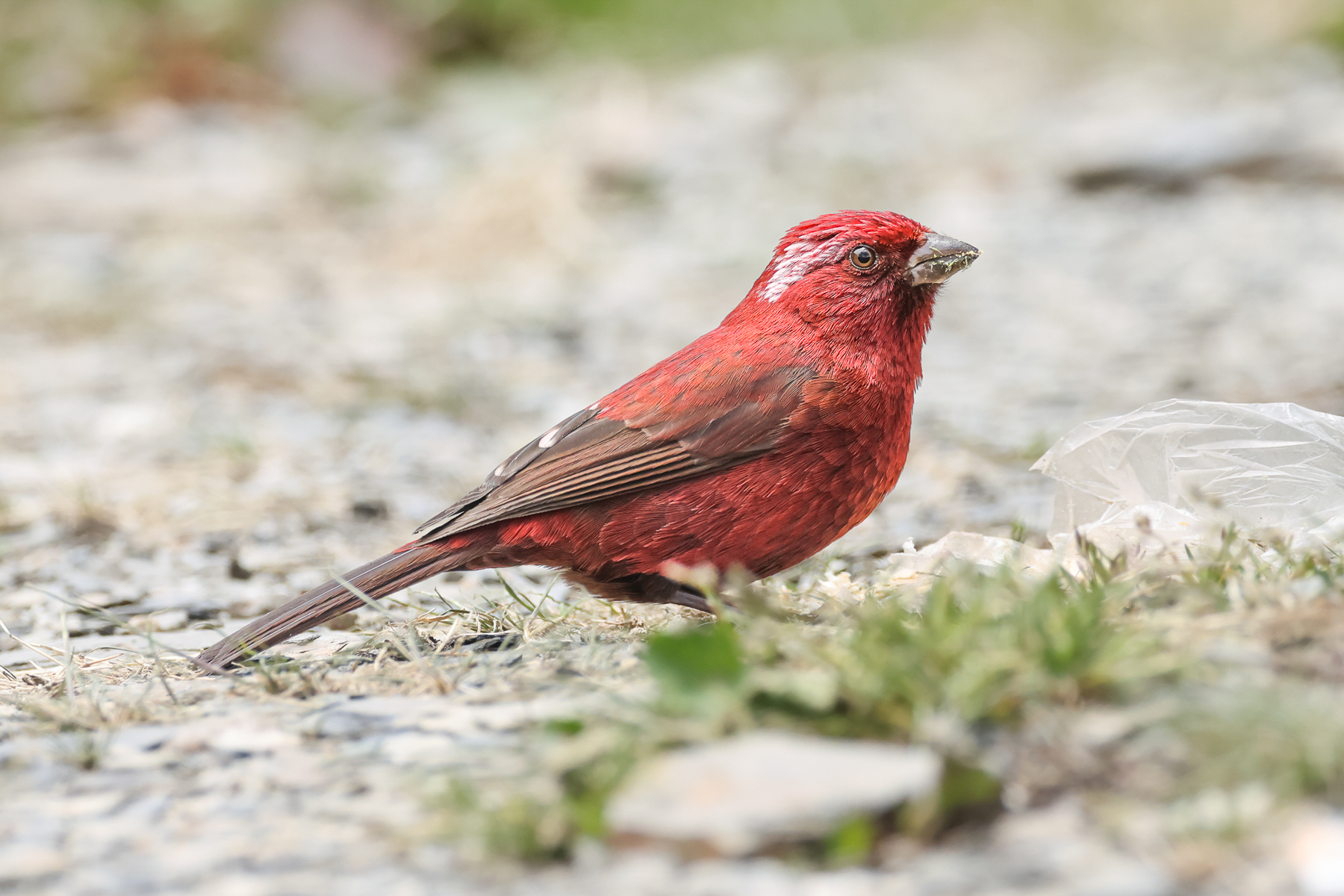
Taiwan Rosefinch (image by Vincent van der Spek)
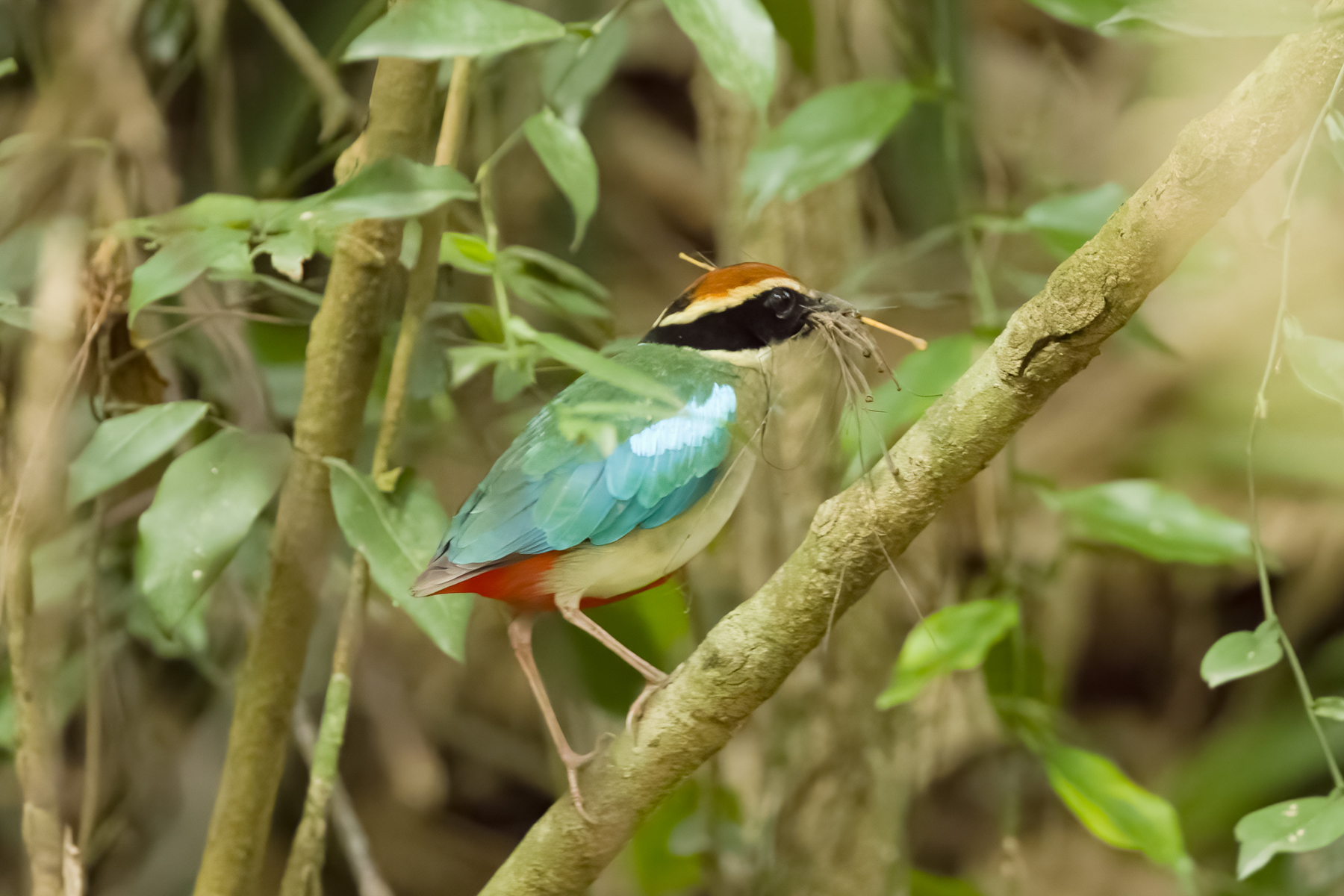
Fairy Pitta (image by Vincent van der Spek)
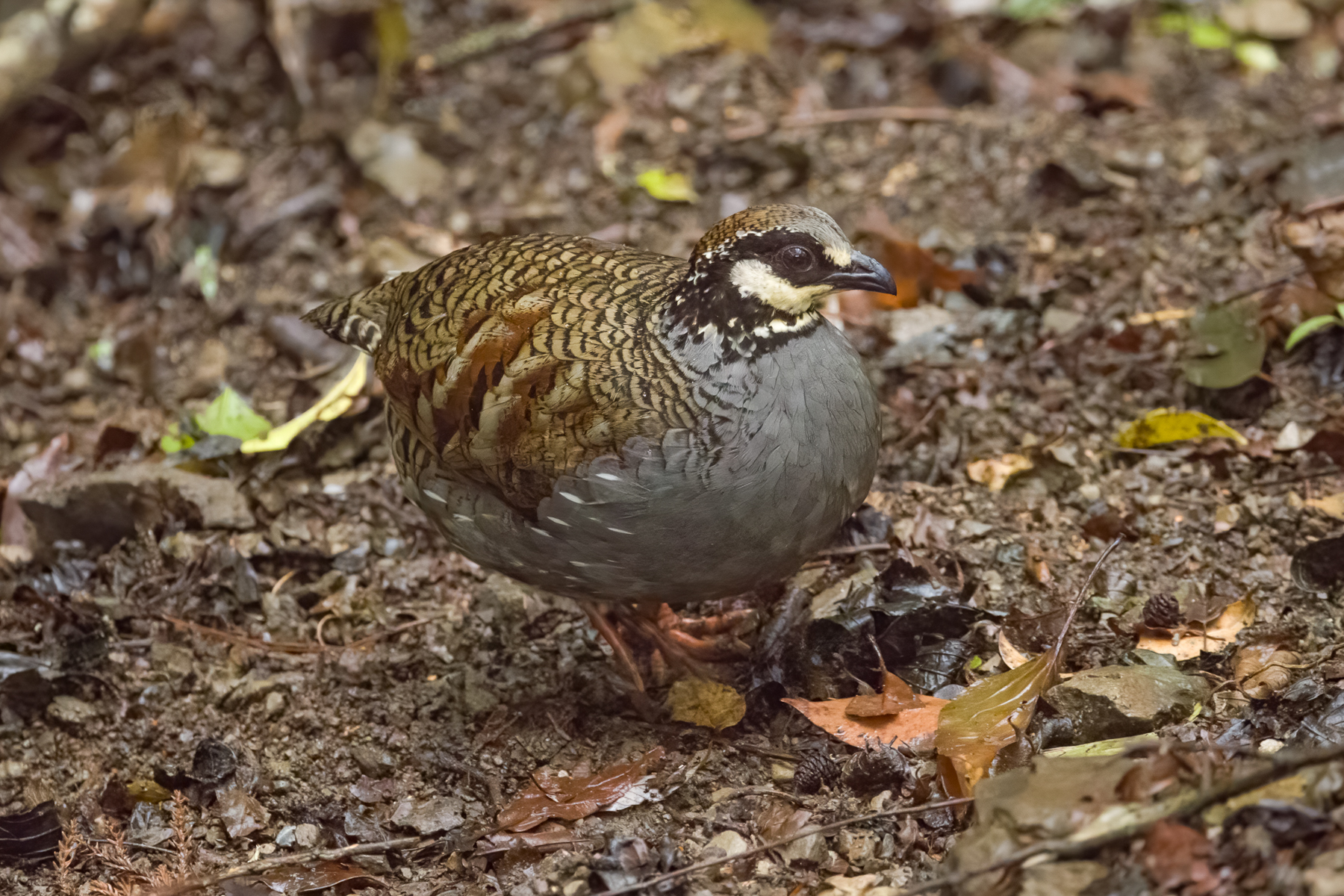
Taiwan Partridge (image by Vincent van der Spek)
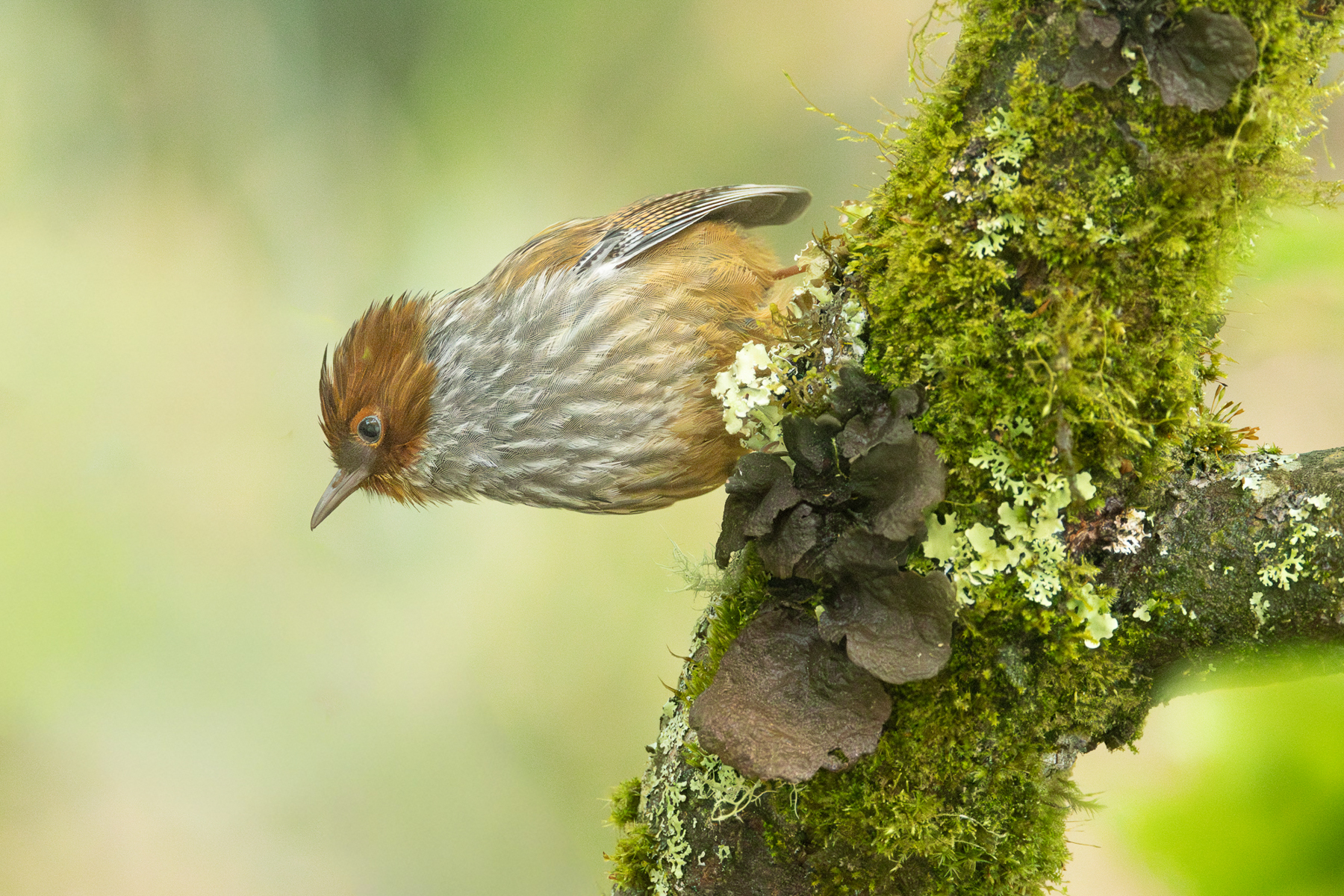
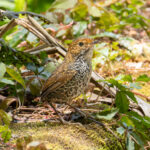
Taiwan Barwing (image by Vincent van der Spek)
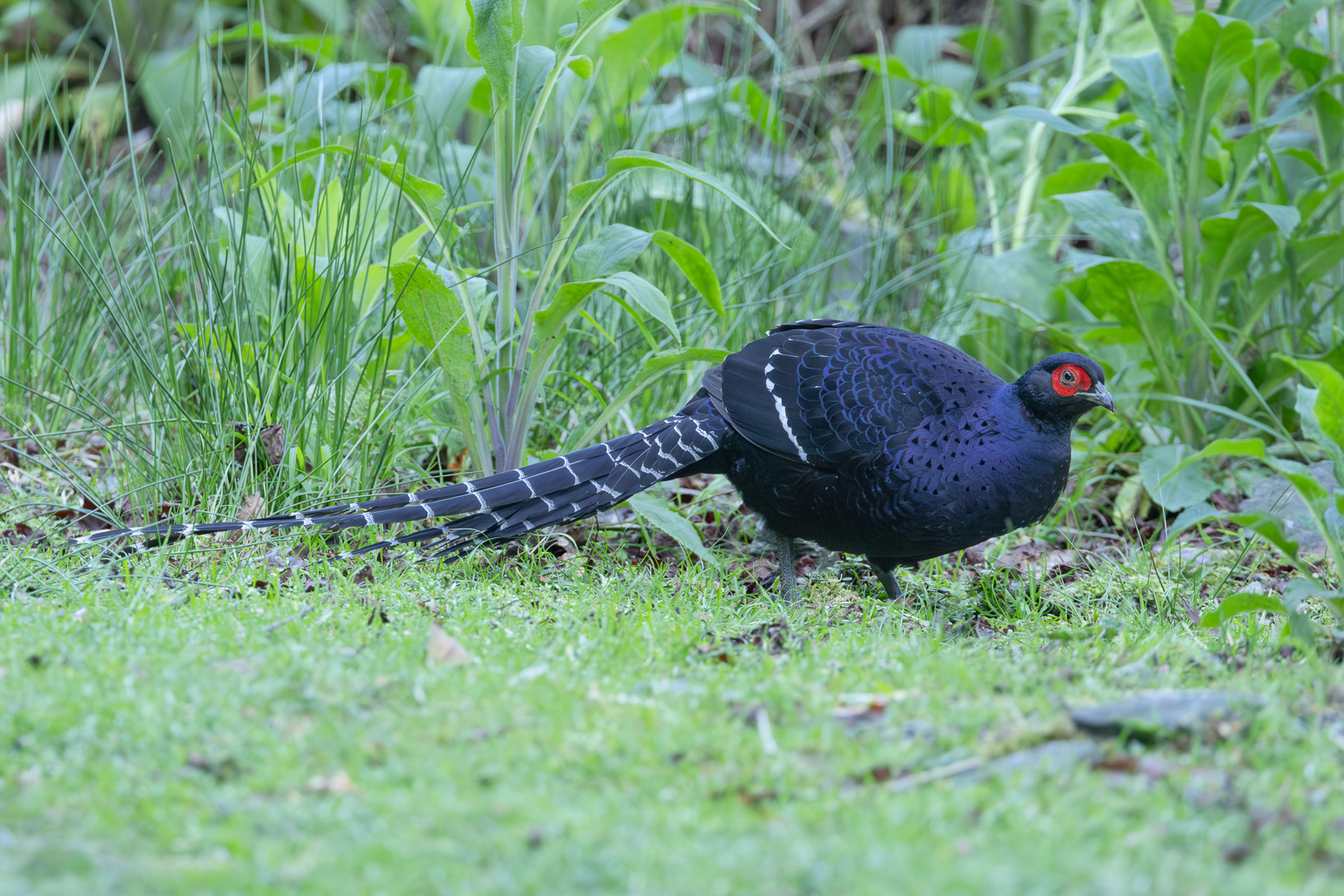
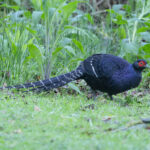
Mikado Pheasant (image by Vincent van der Spek)
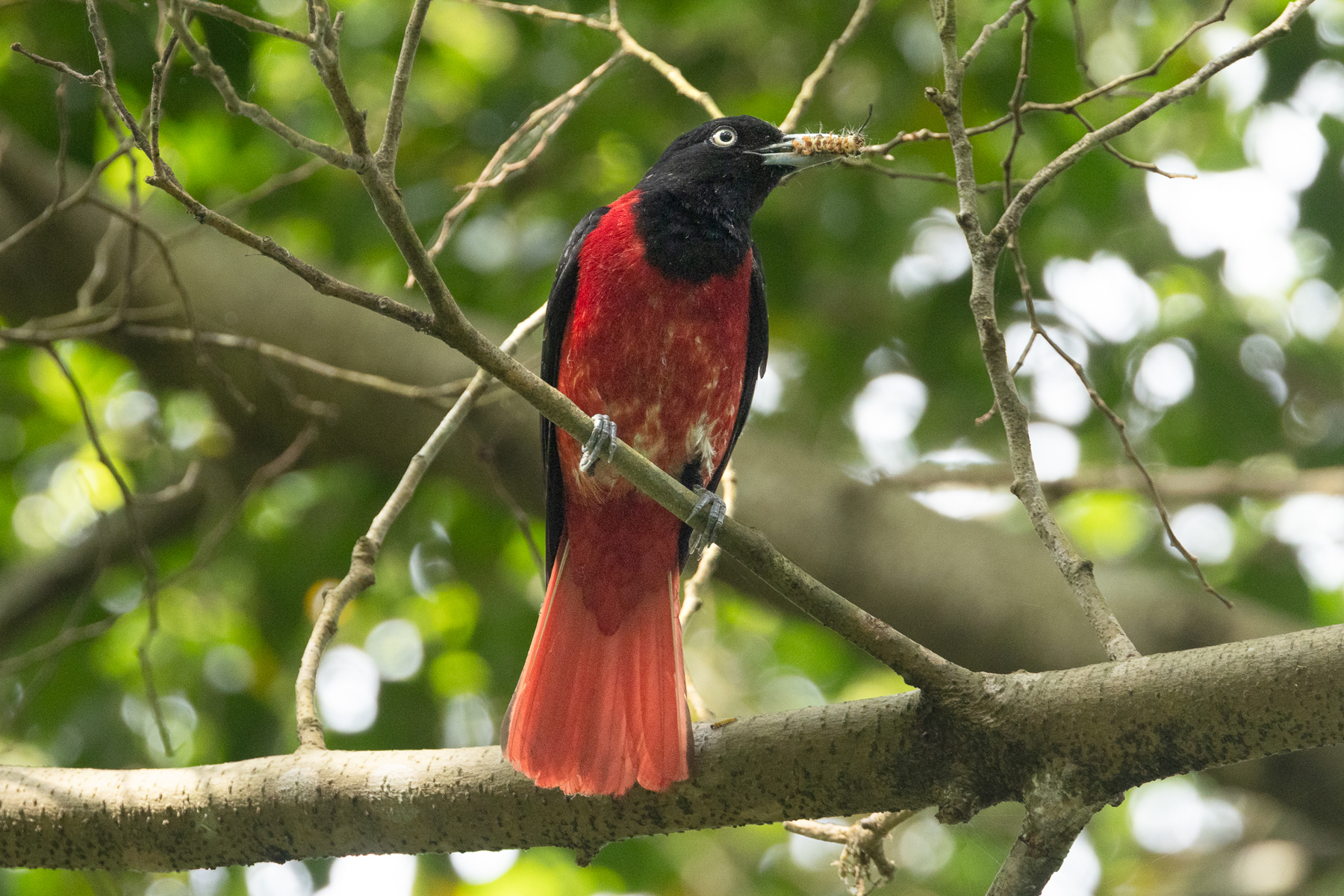
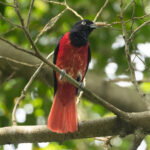
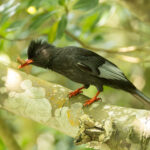
male Maroon Oriole (image by Vincent van der Spek)
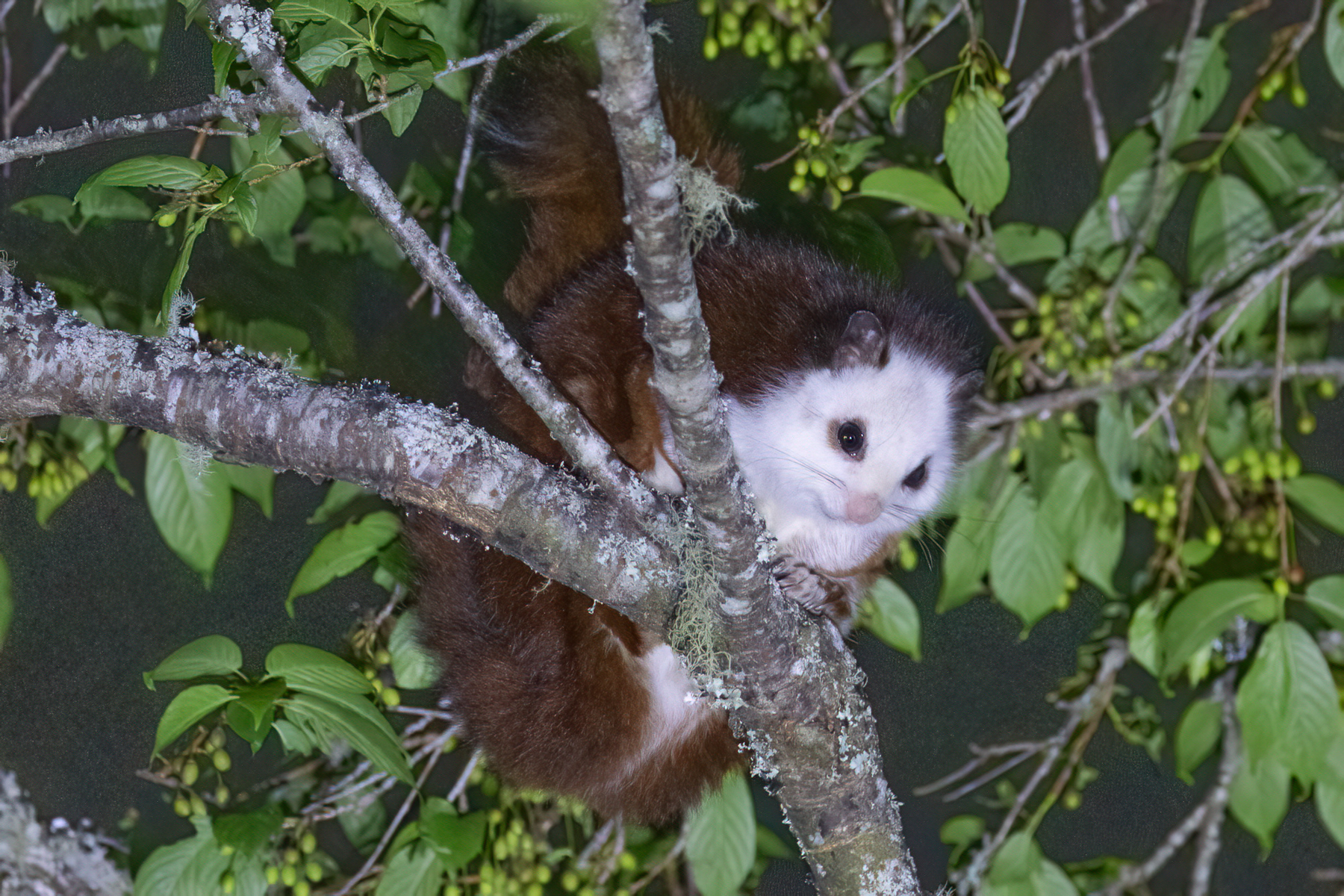
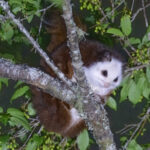
Red-and-white Giant Flying Squirrel (image by Vincent van der Spek)
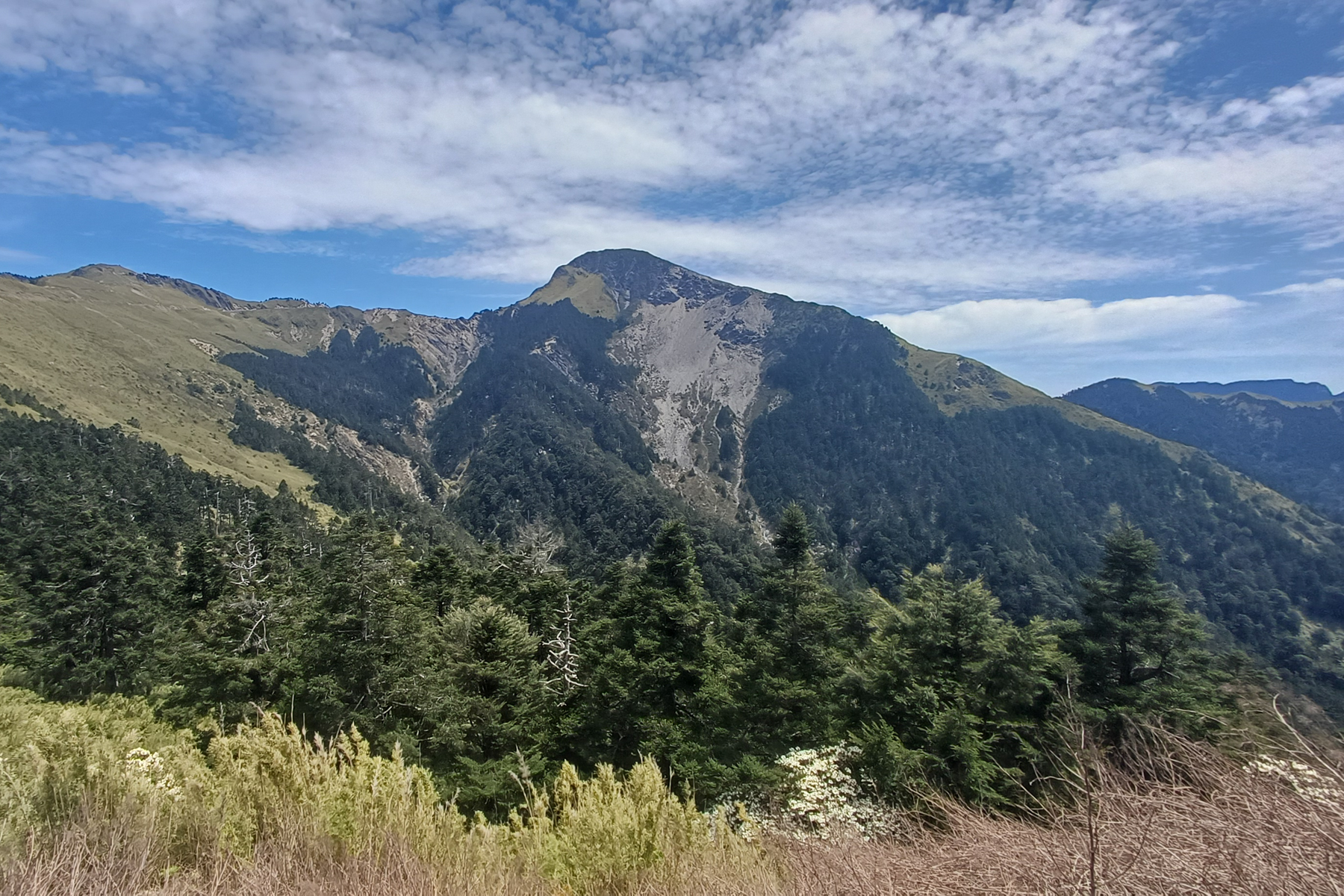
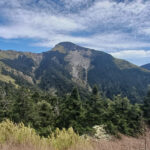
Hehuanshan (image by Vincent van der Spek)
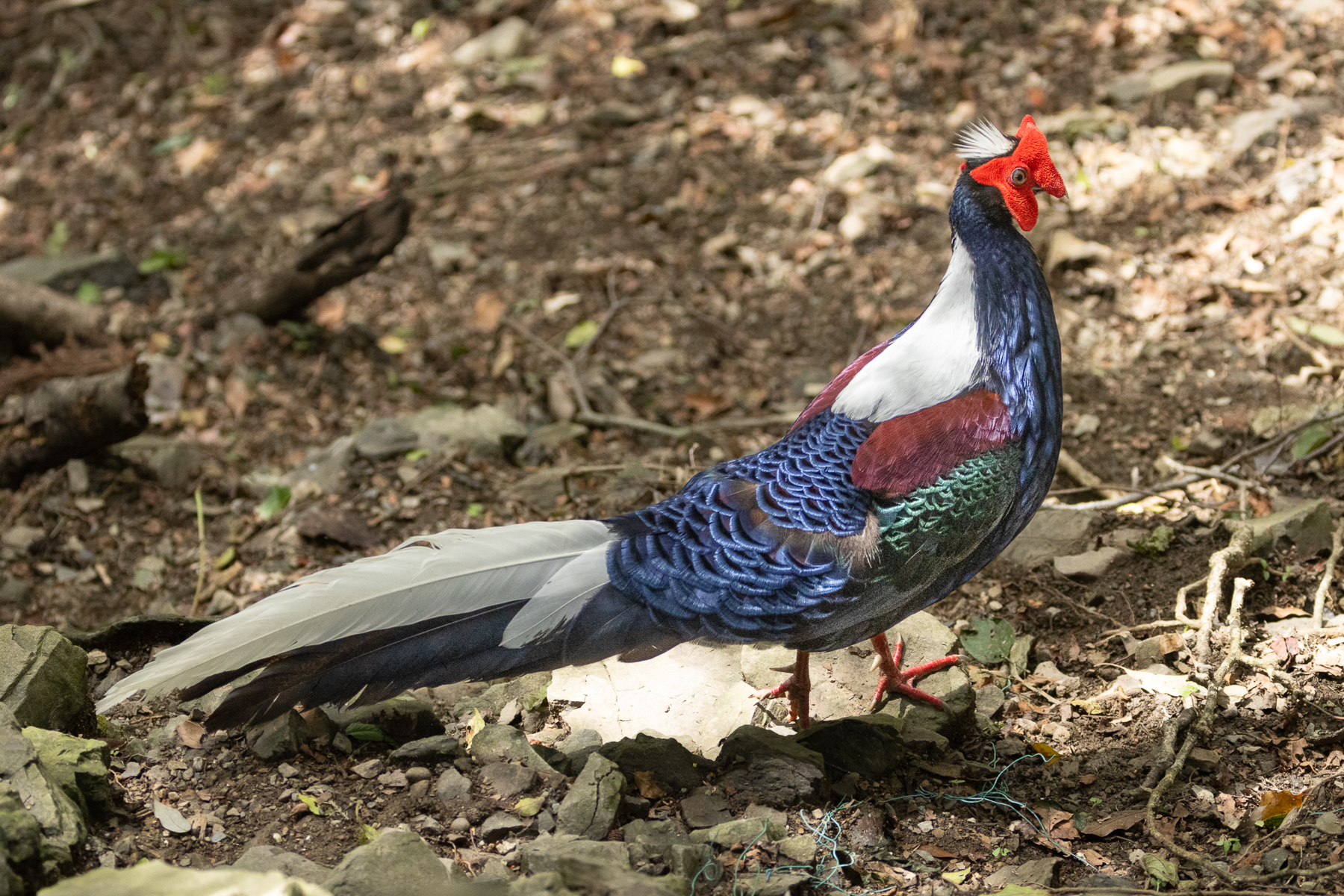
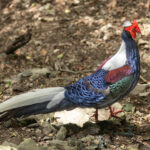
Swinhoe's Pheasant (image by Vincent van der Spek)
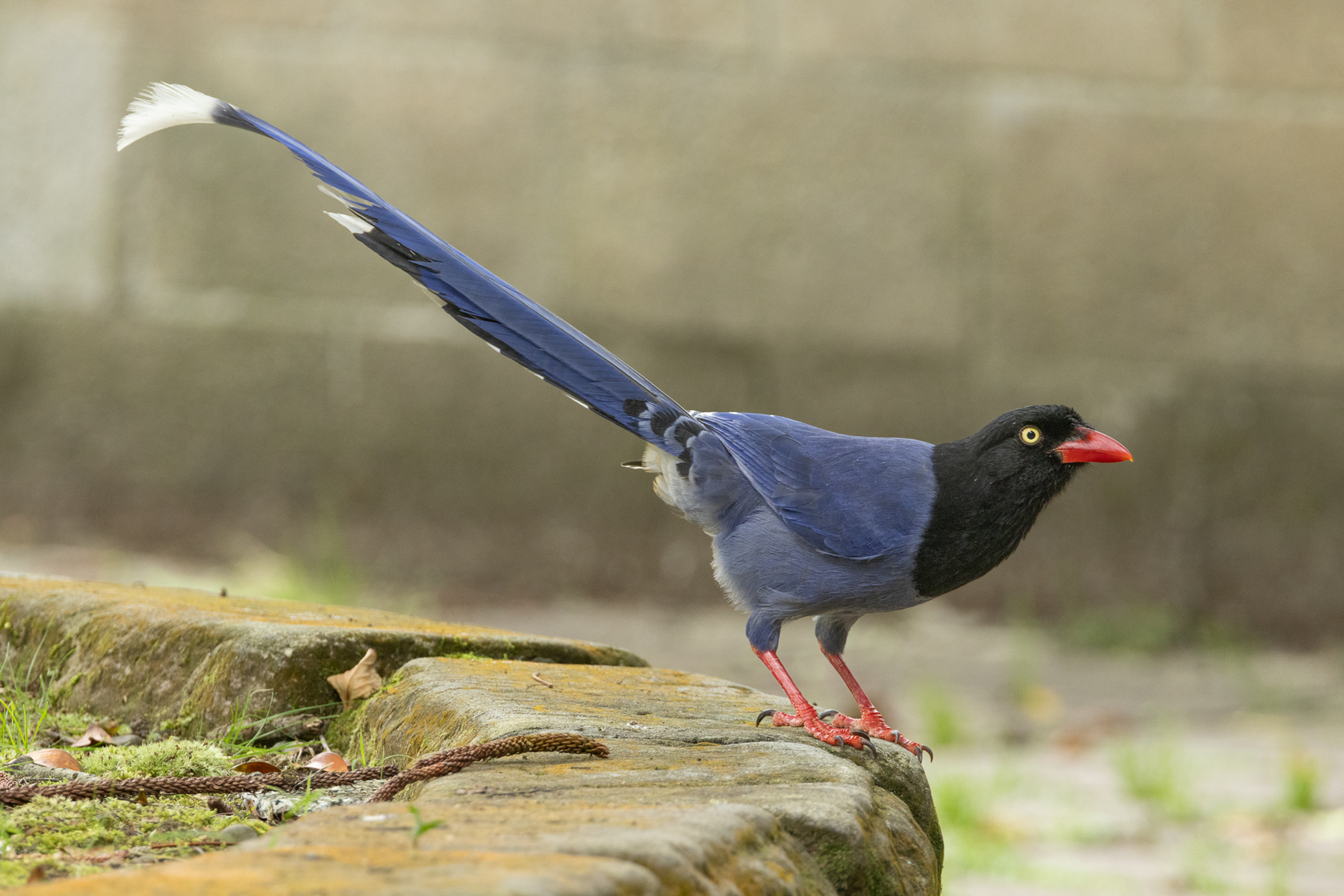
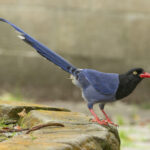
Taiwan Blue Magpie (image by Vincent van der Spek)
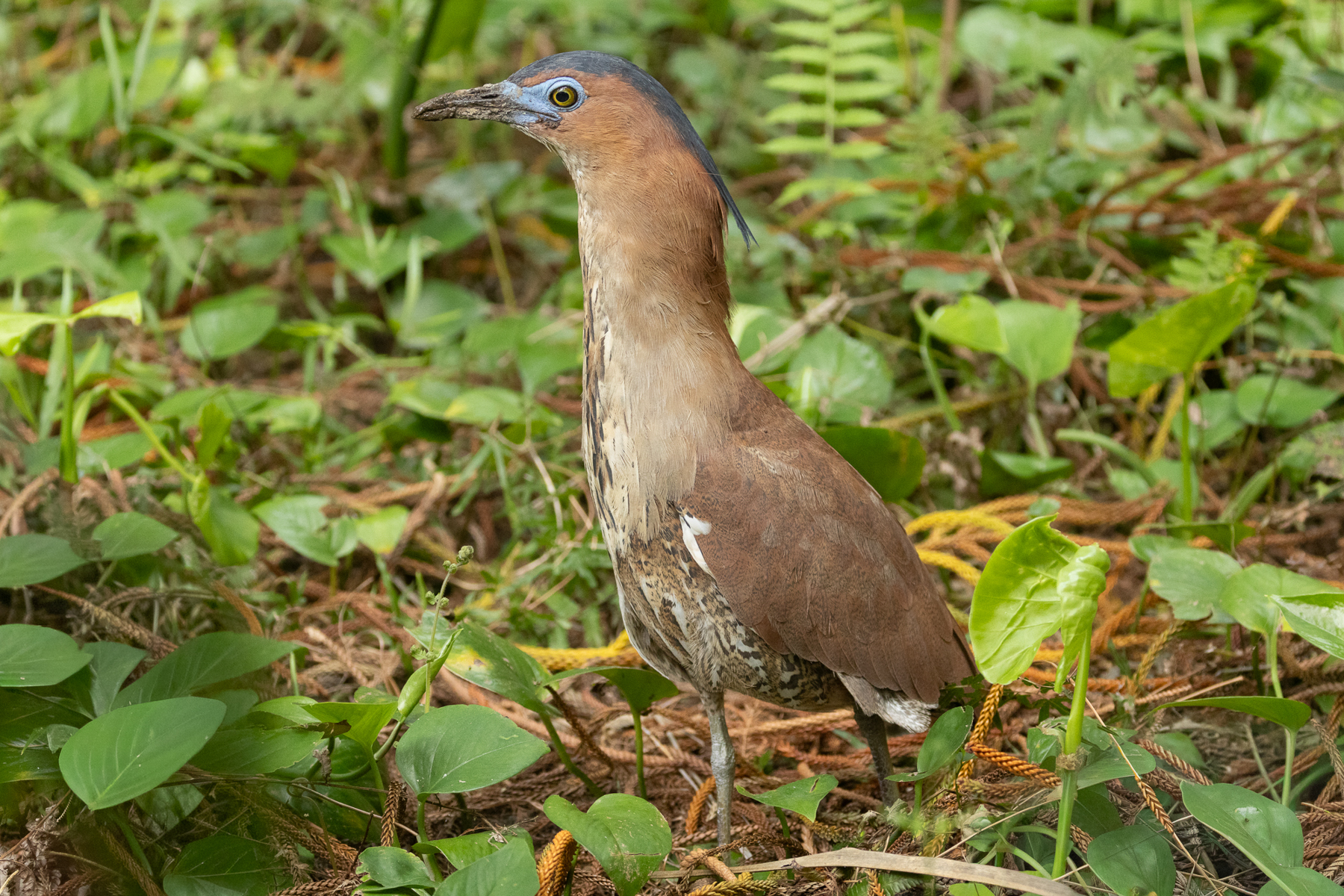
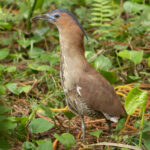
Malayan Night Heron (image by Vincent van der Spek)
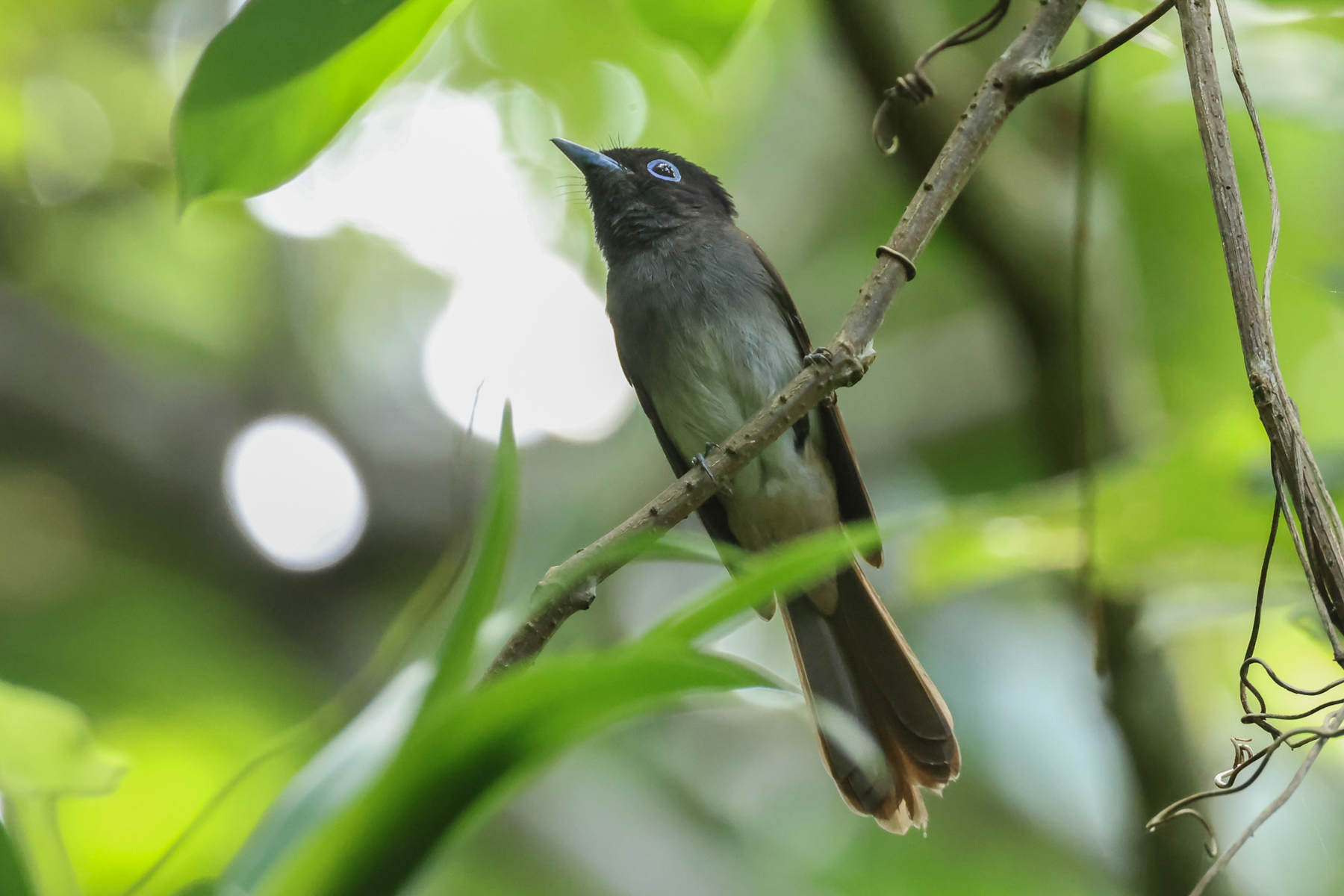
Black Paradise Flycatcher (image by Vincent van der Spek)
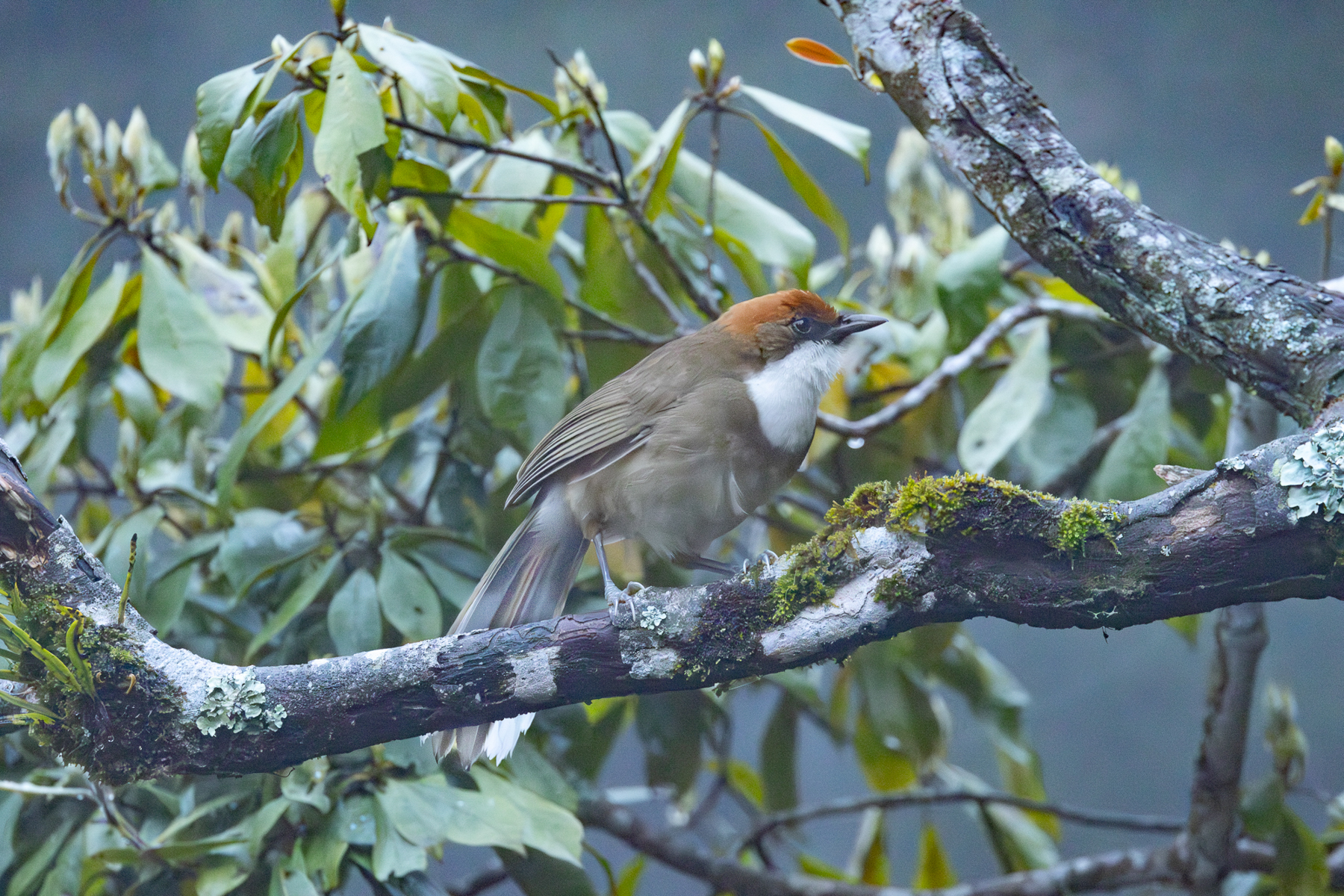
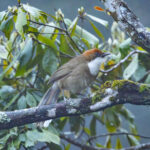
Rufous-crowned Laughingthrush (image by Vincent van der Spek)
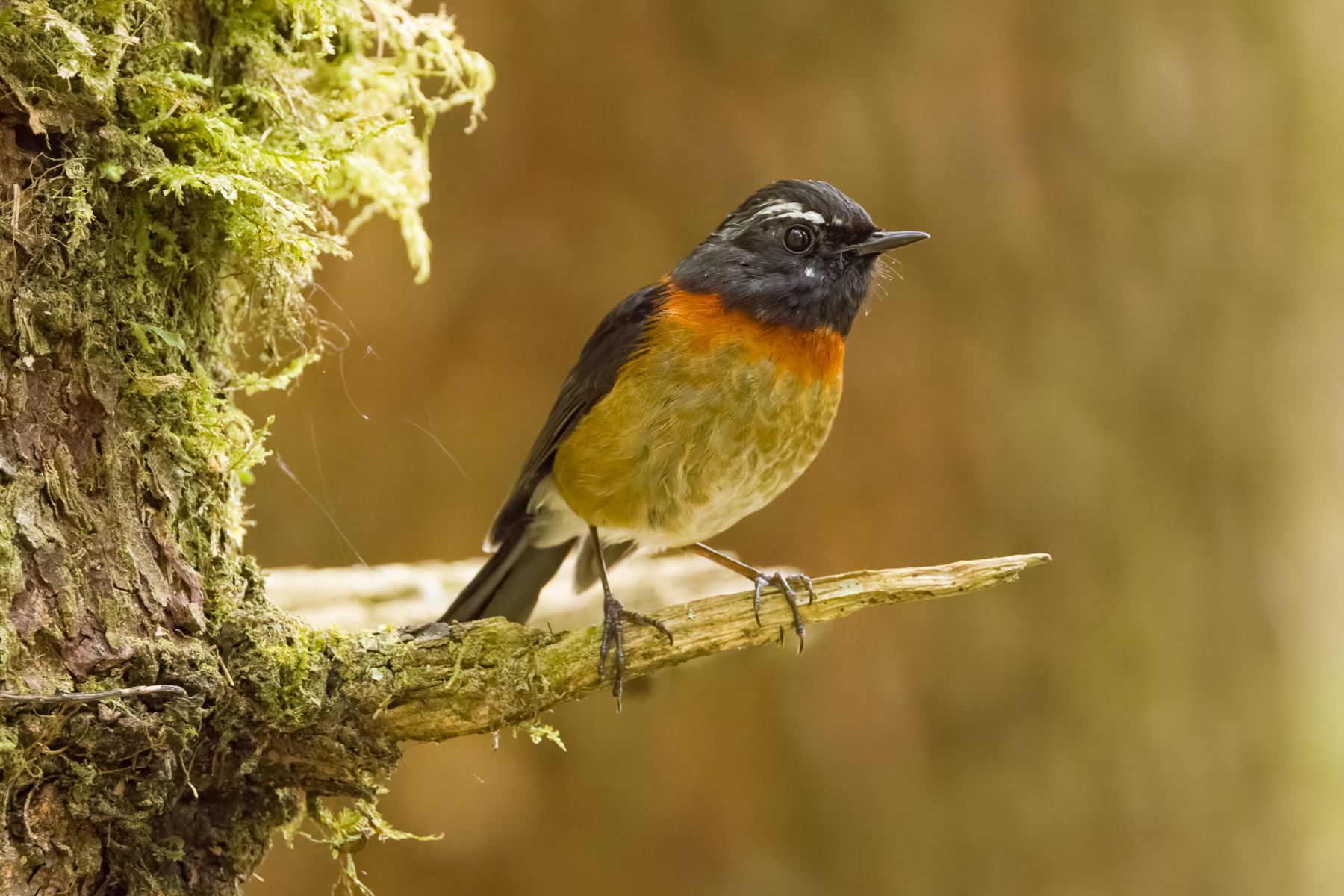
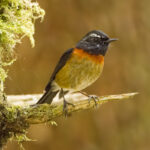
Collared Bush Robin (image by Vincent van der Spek)
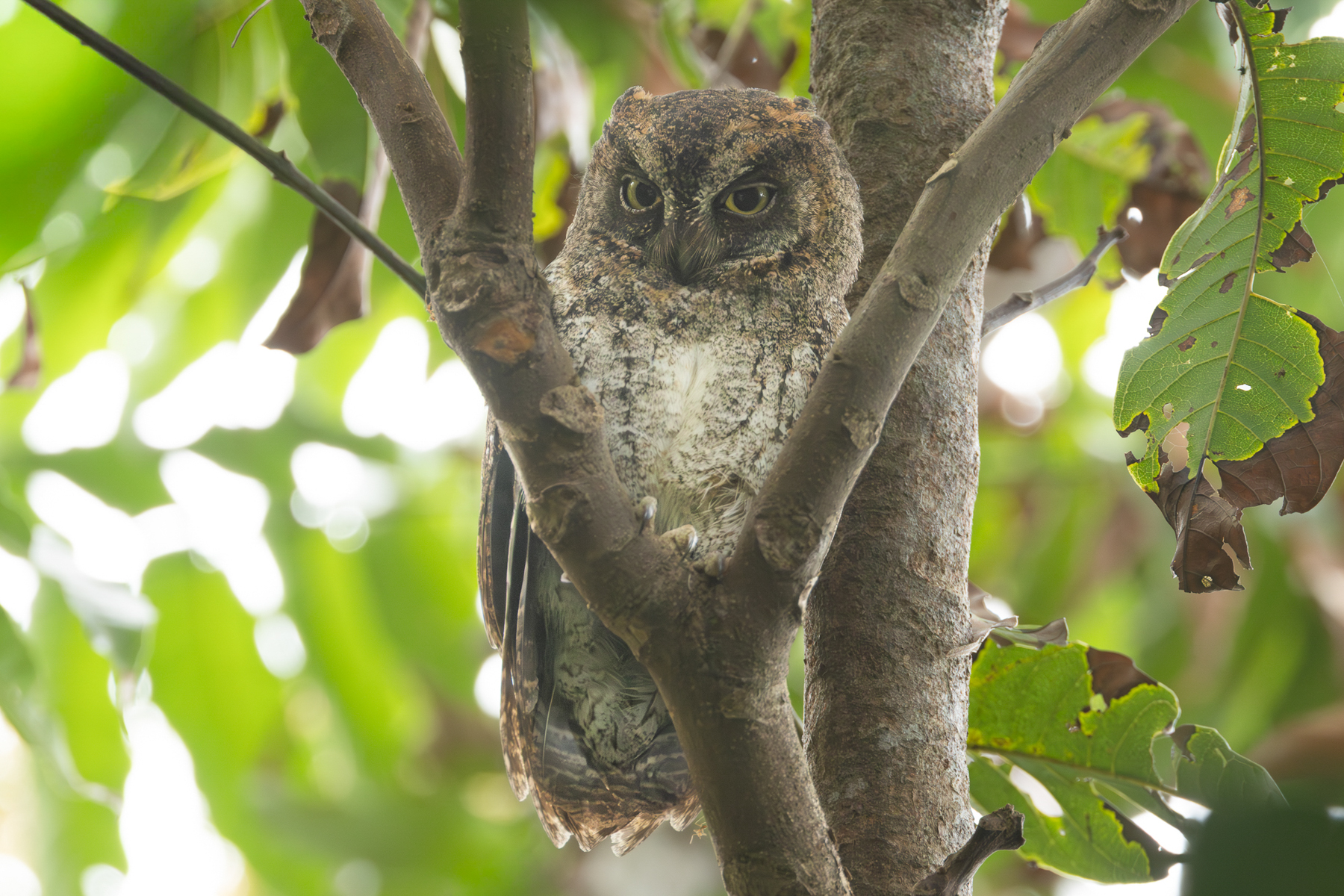
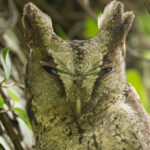
Ryukyu Scops Owl (image by Vincent van der Spek)
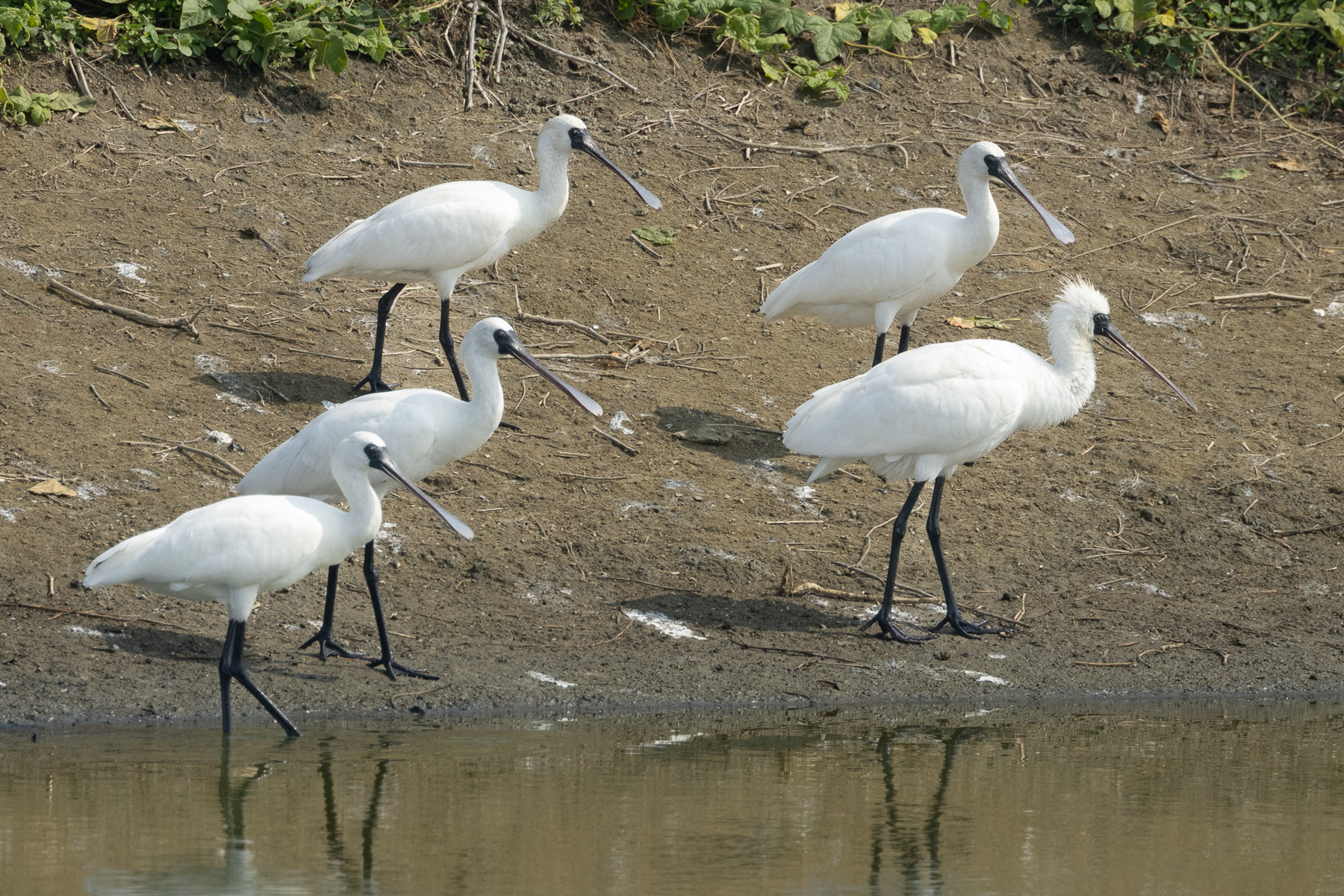
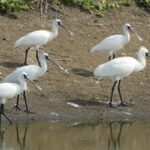
Black-faced Spoonbills (image by Vincent van der Spek)
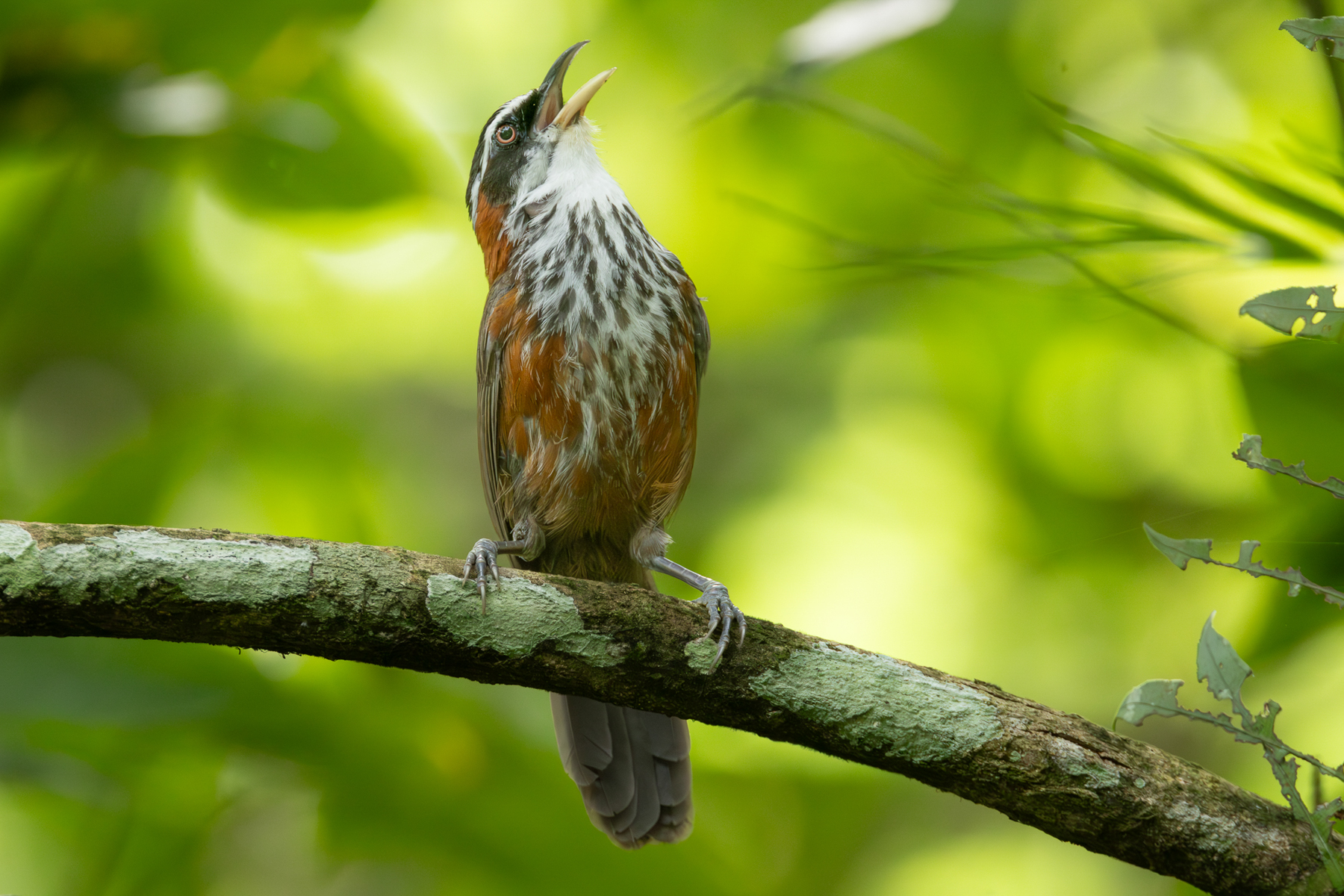
Taiwan Scimitar Babbler (image by Vincent van der Spek)
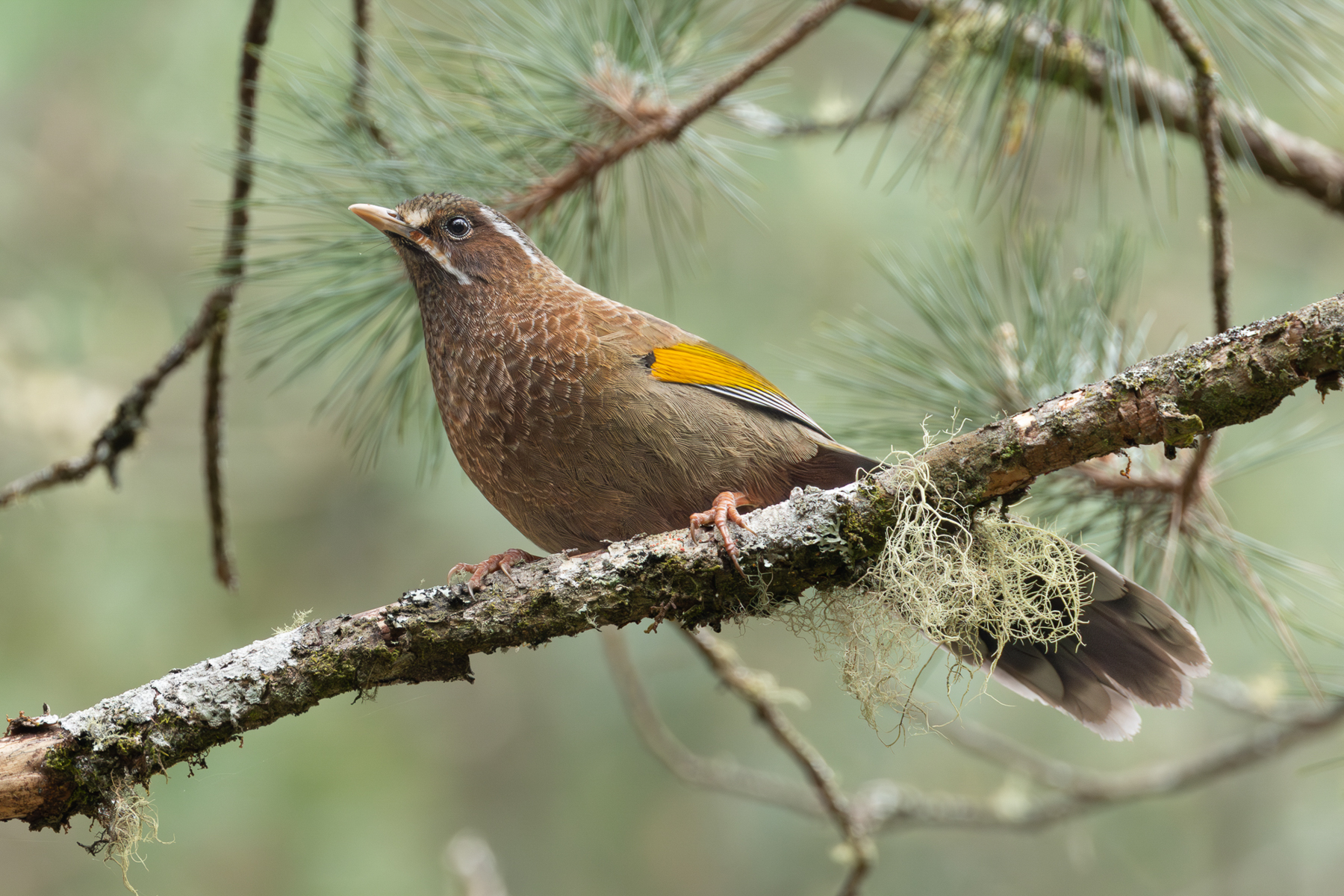
White-whiskered Laughingthrush (image by Vincent van der Spek)
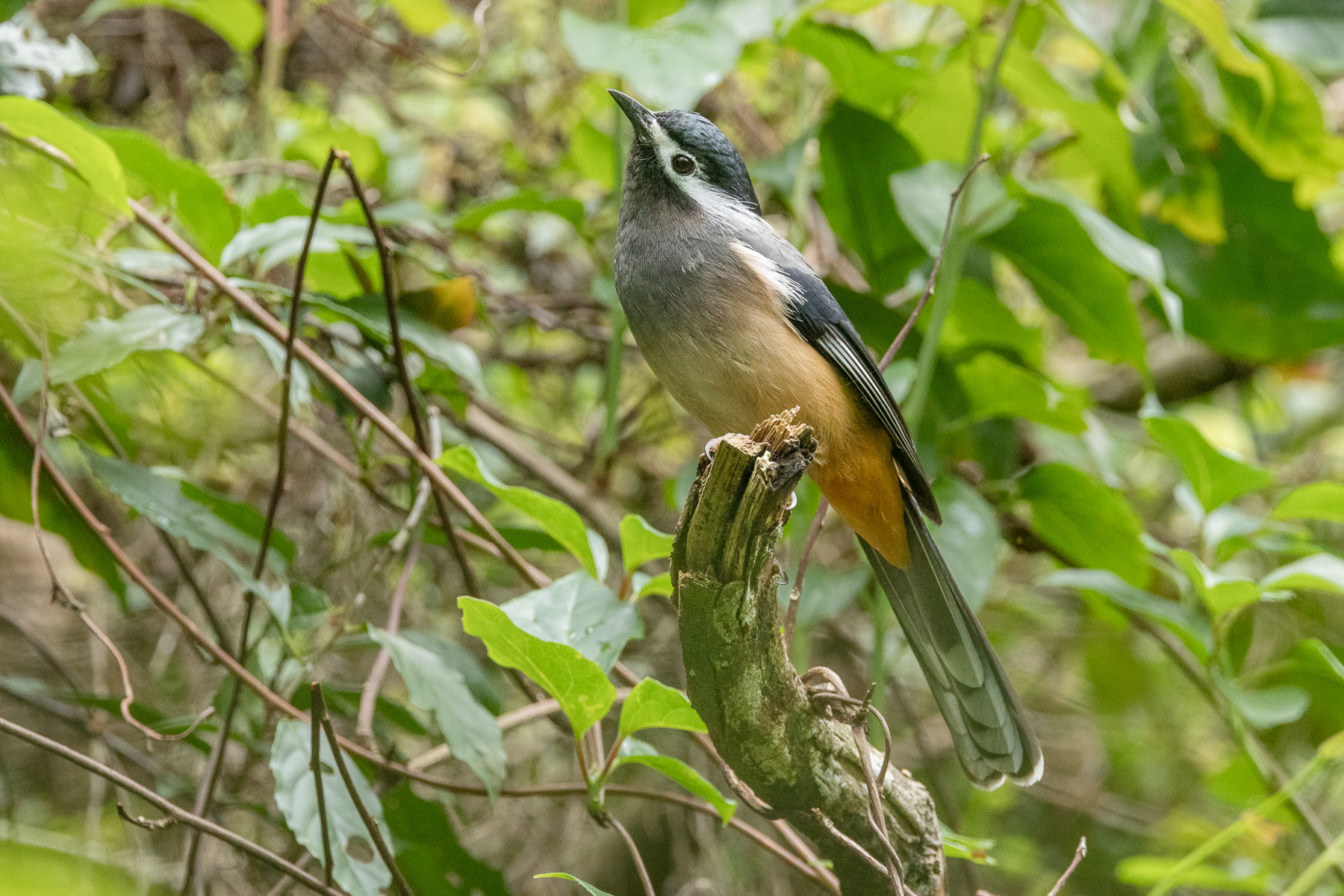
White-eared Sibia (image by Vincent van der Spek)
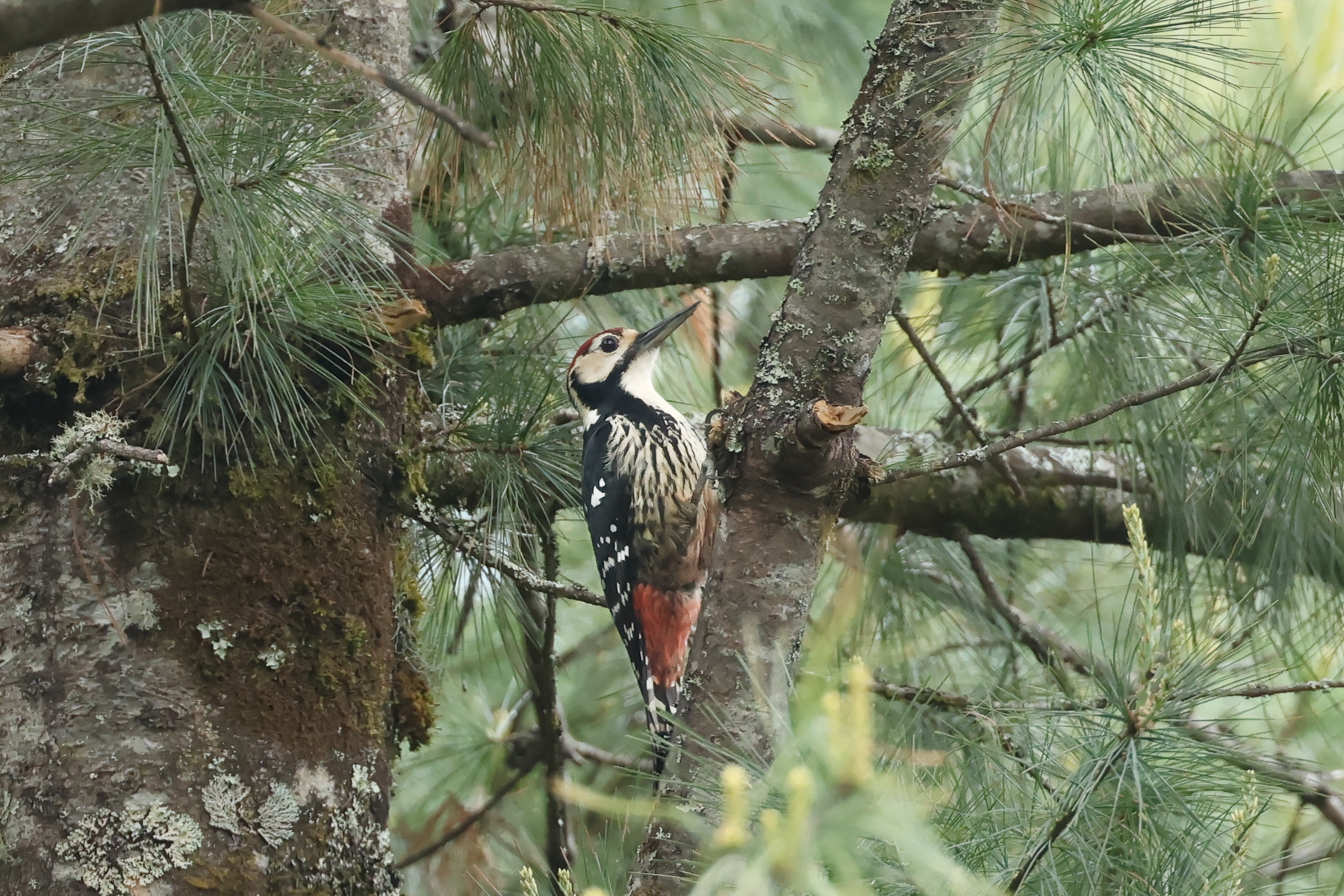
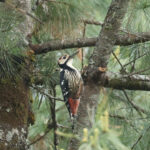
White-backed Woodpecker (image by Vincent van der Spek)
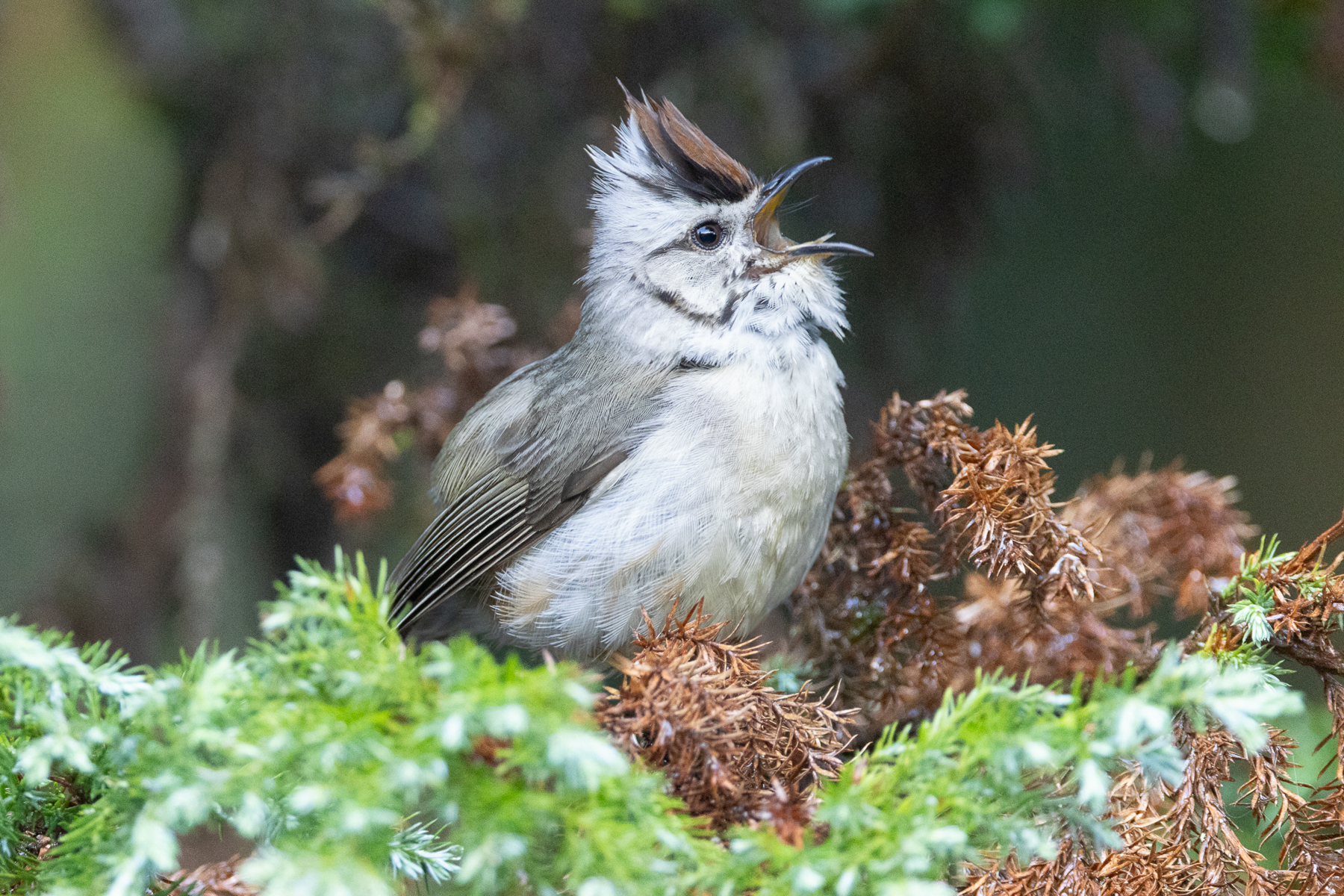
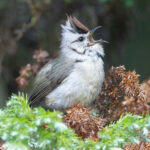
Taiwan Yuhina (image by Vincent van der Spek)
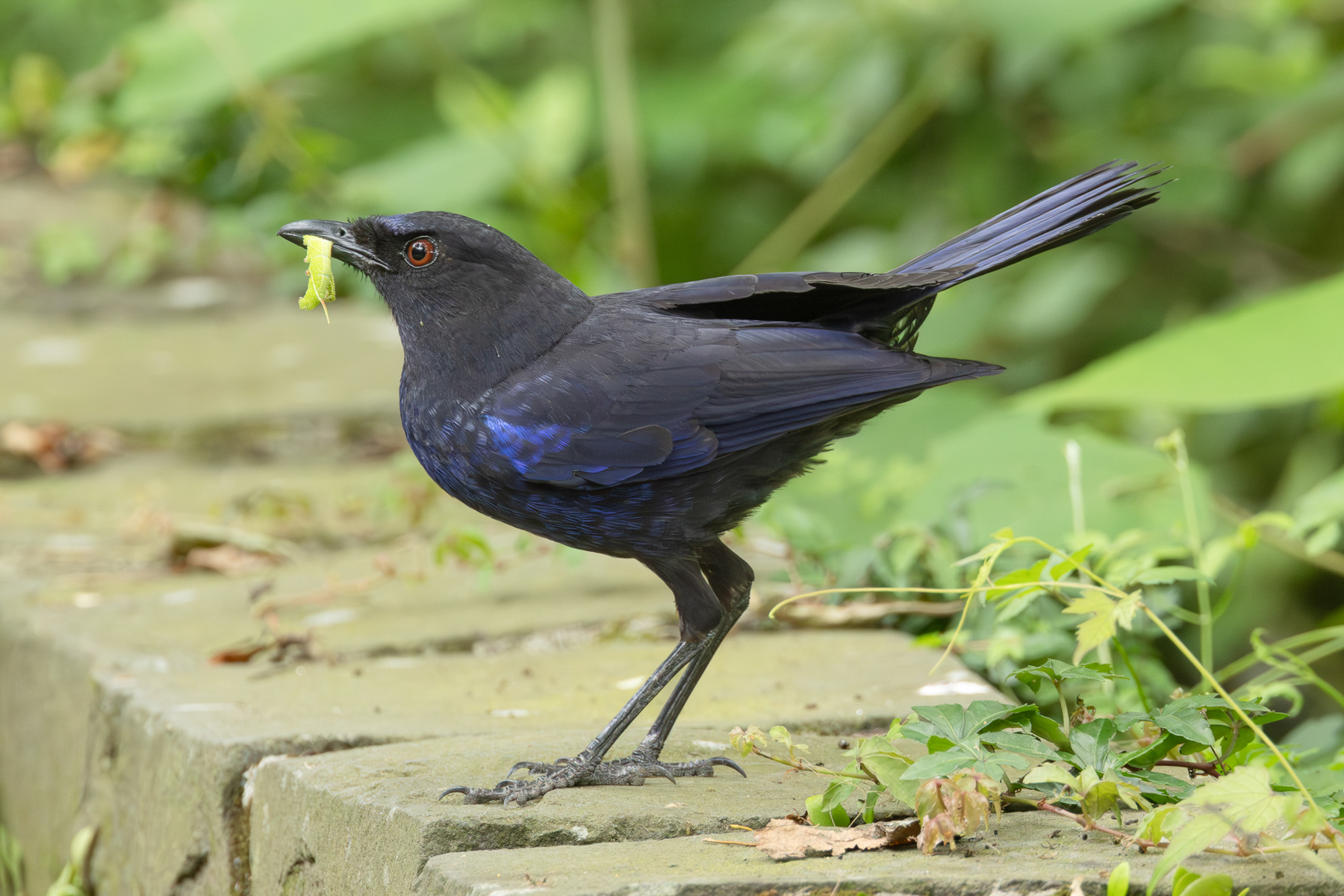
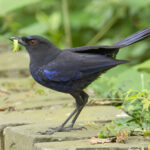
Taiwan Whistling Thrush (image by Vincent van der Spek)
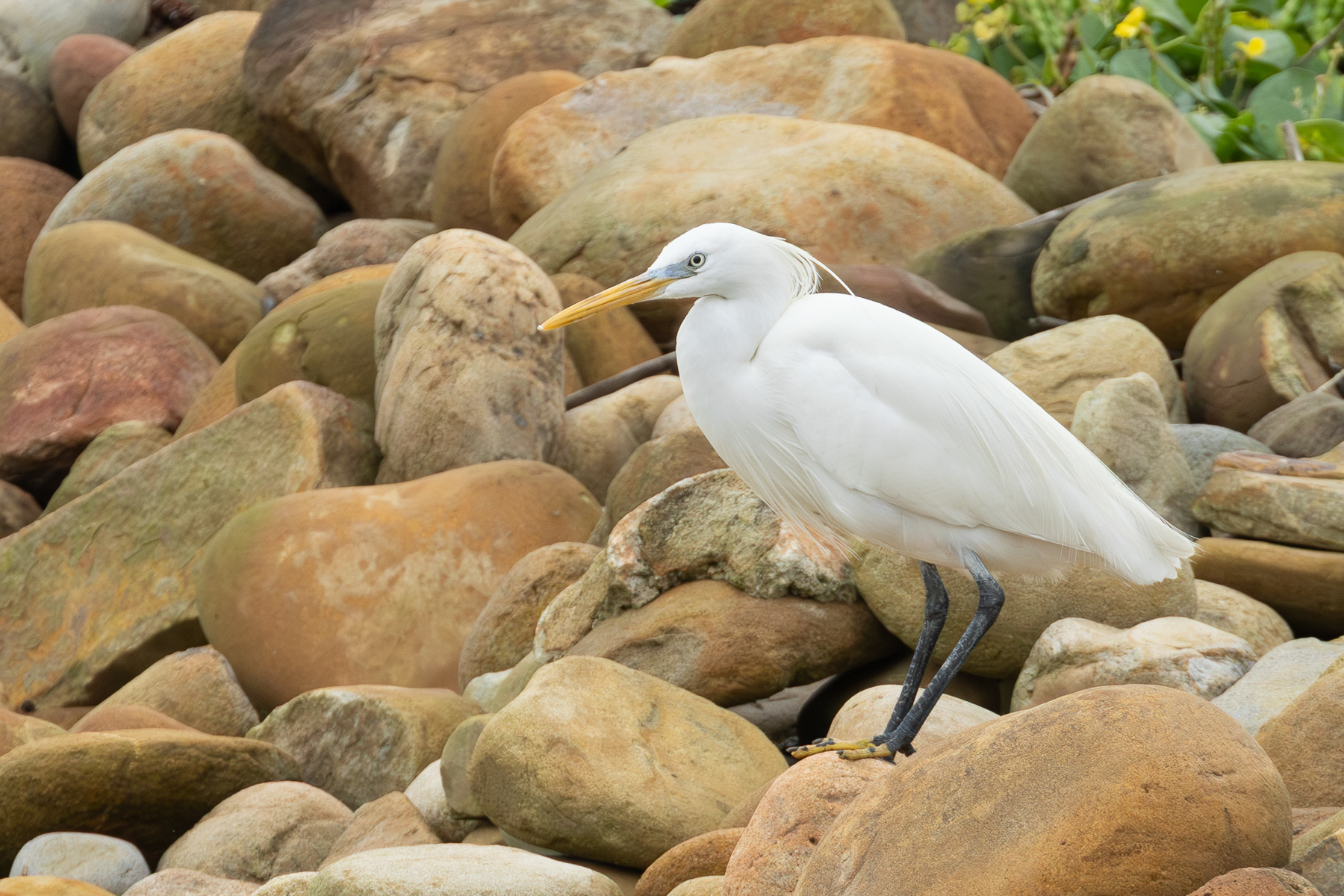
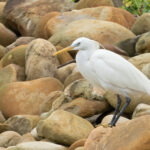
Chinese Egret (image by Vincent van der Spek)
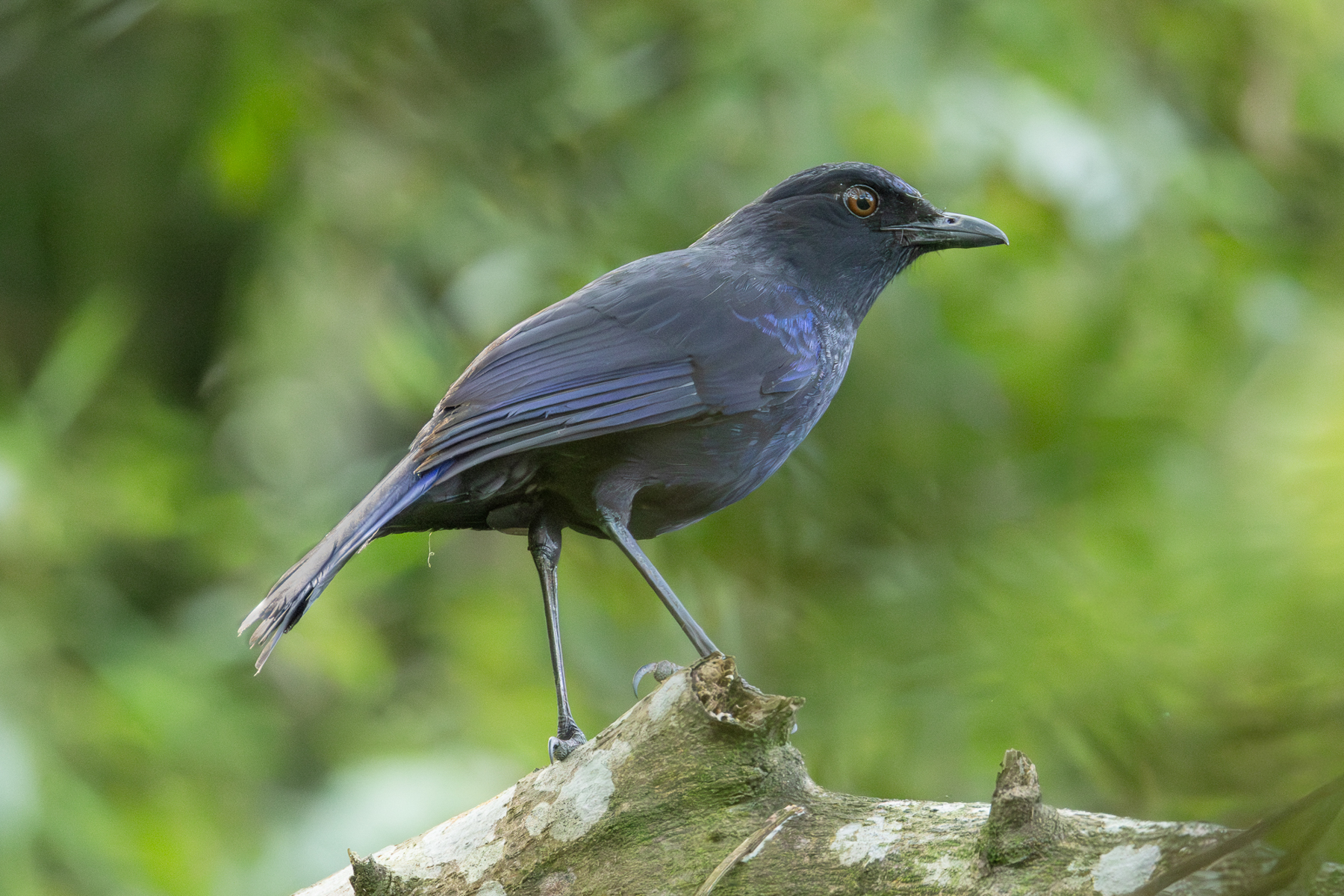
Taiwan Whistling Thrush (image by Vincent van der Spek)
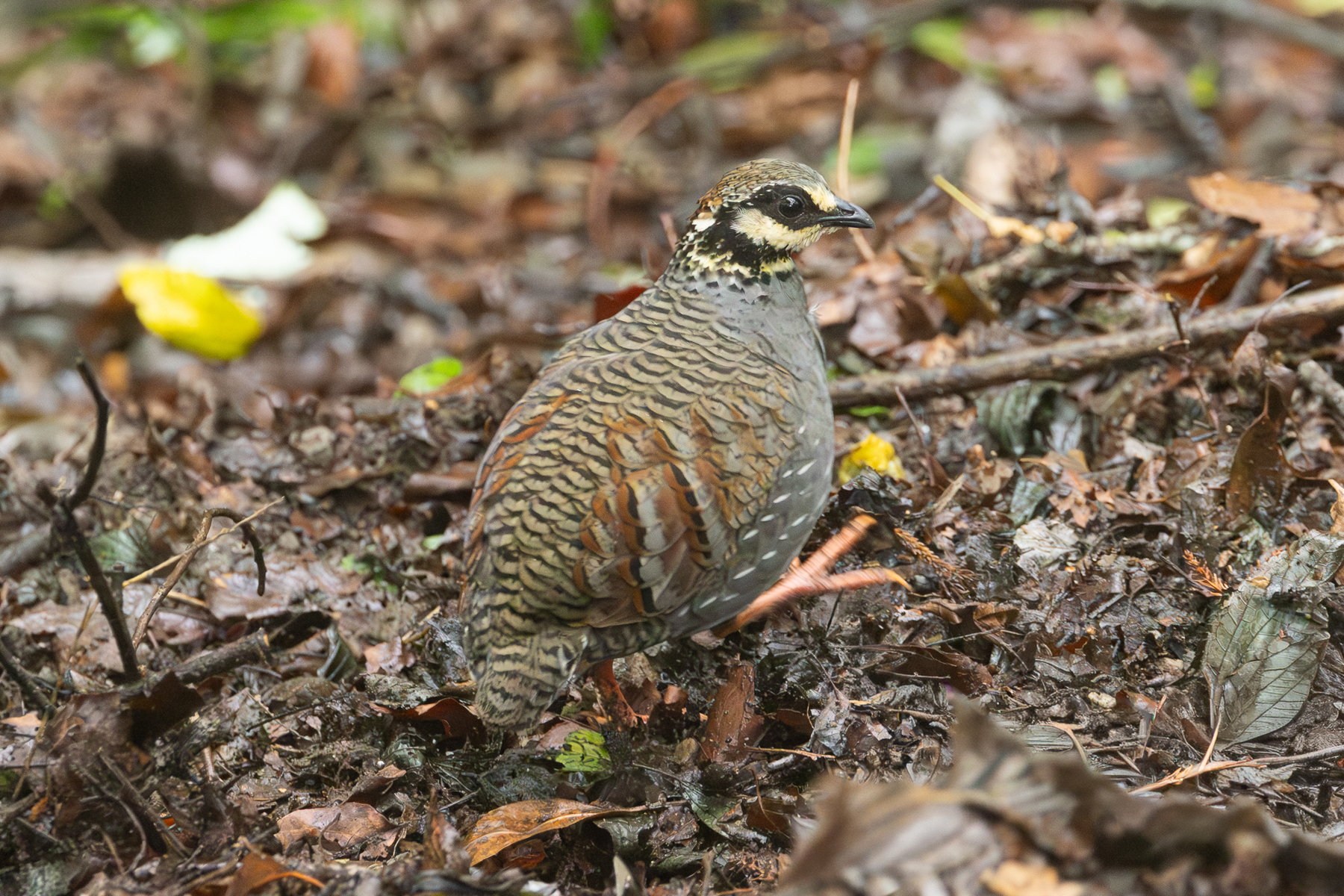
Taiwan Partridge (image by Vincent van der Spek)
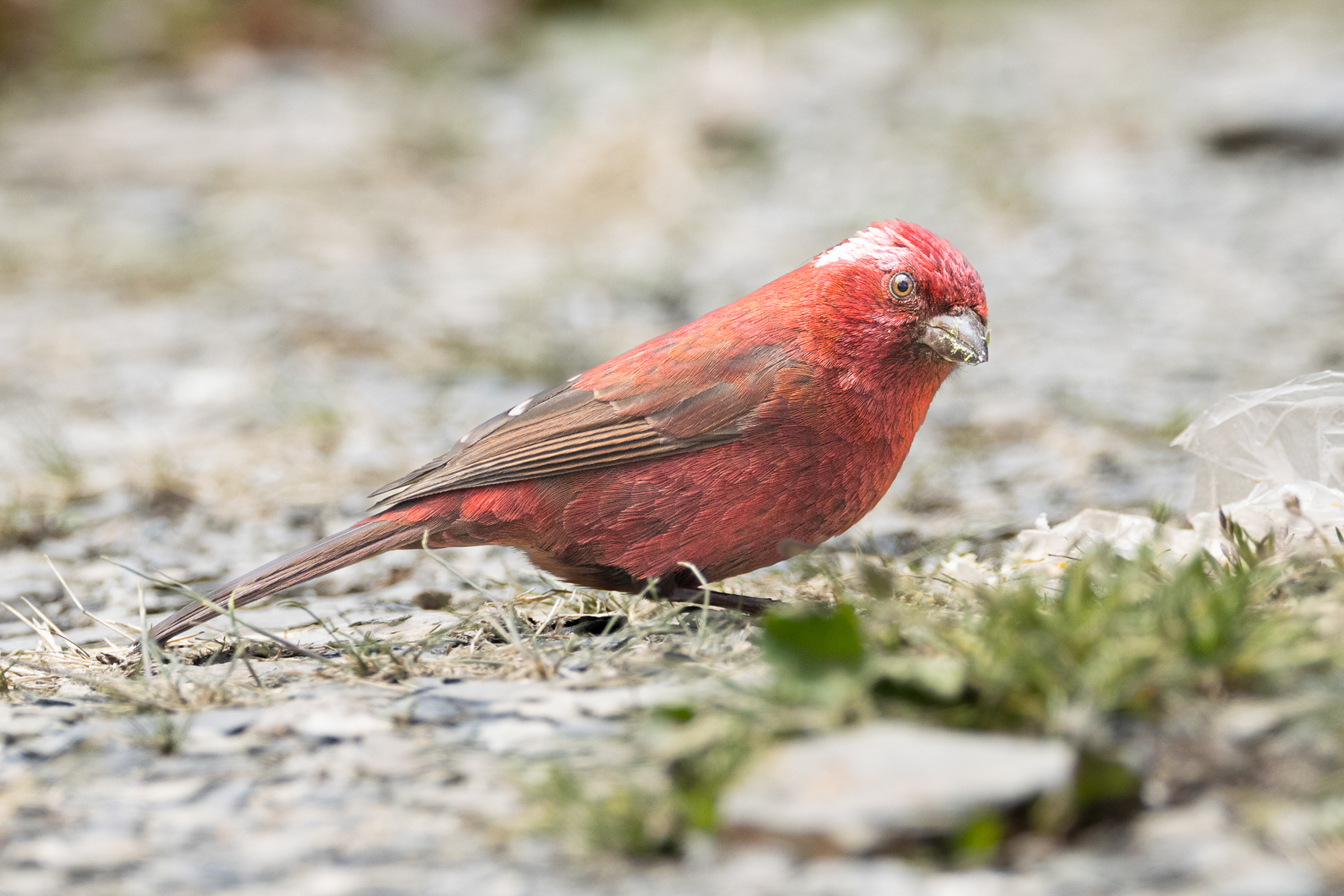
Taiwan Rosefinch (image by Vincent van der Spek)
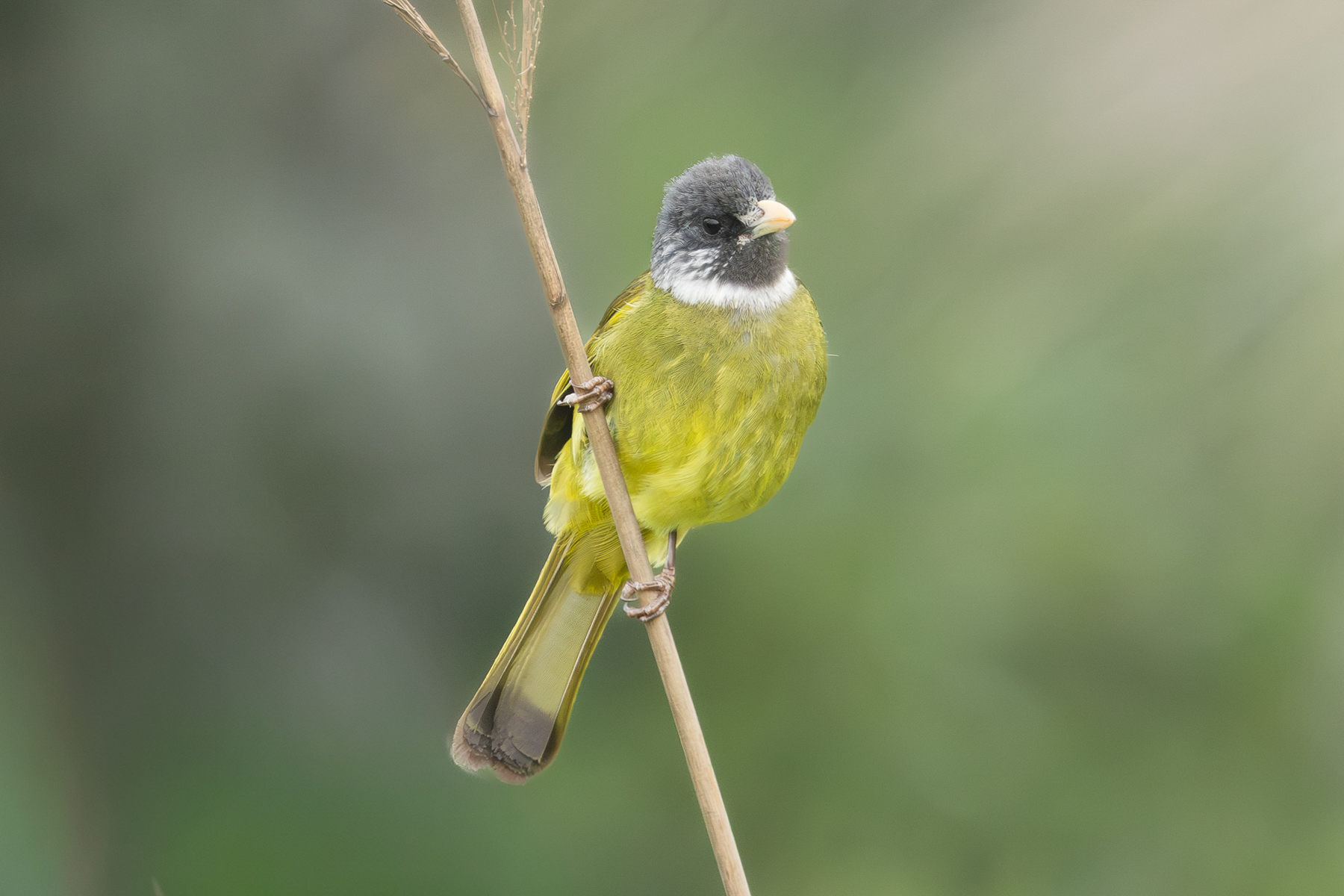
Collared Finchbill (image by Vincent van der Spek)
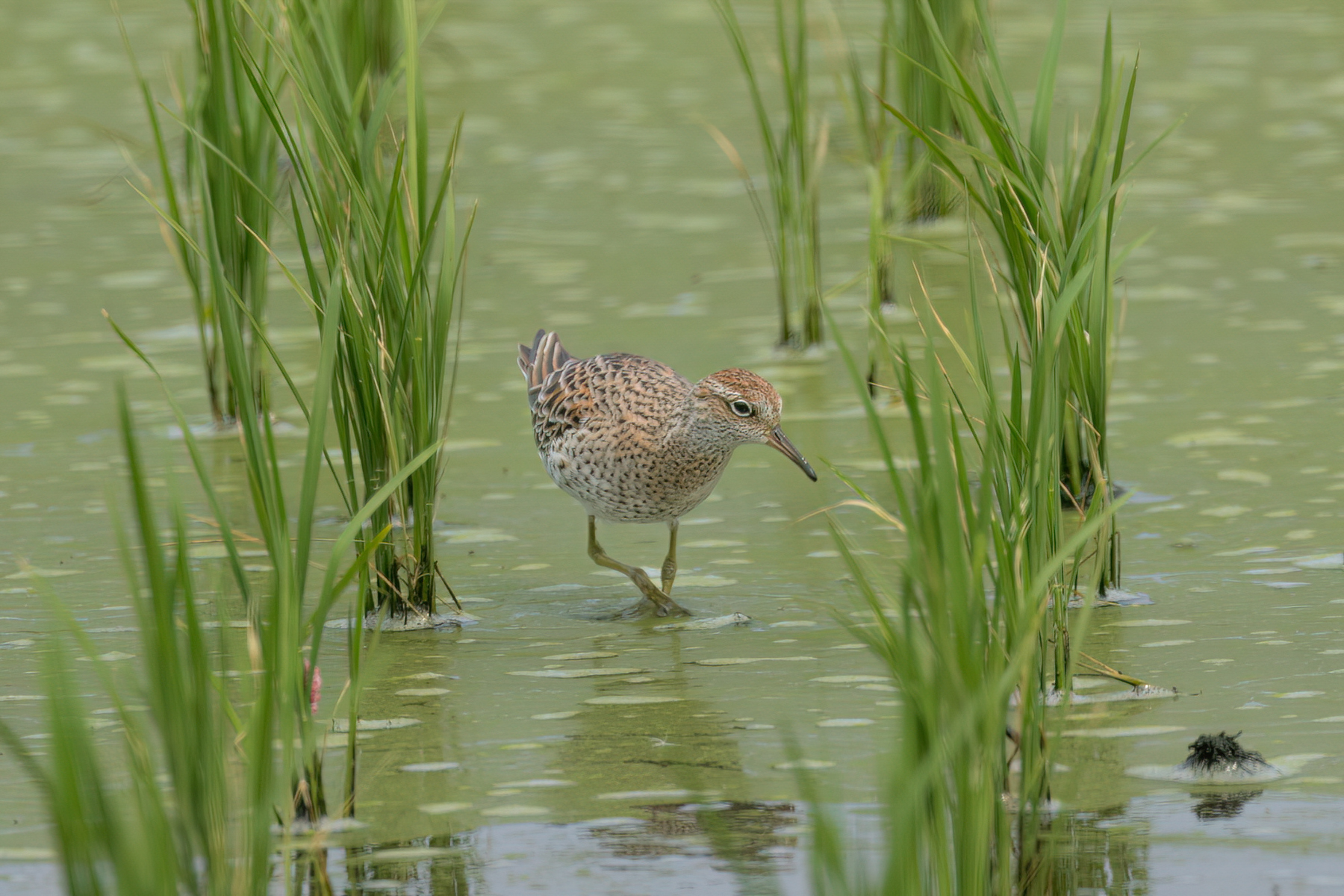
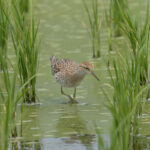
Sharp-tailed Sandpiper (image by Vincent van der Spek)
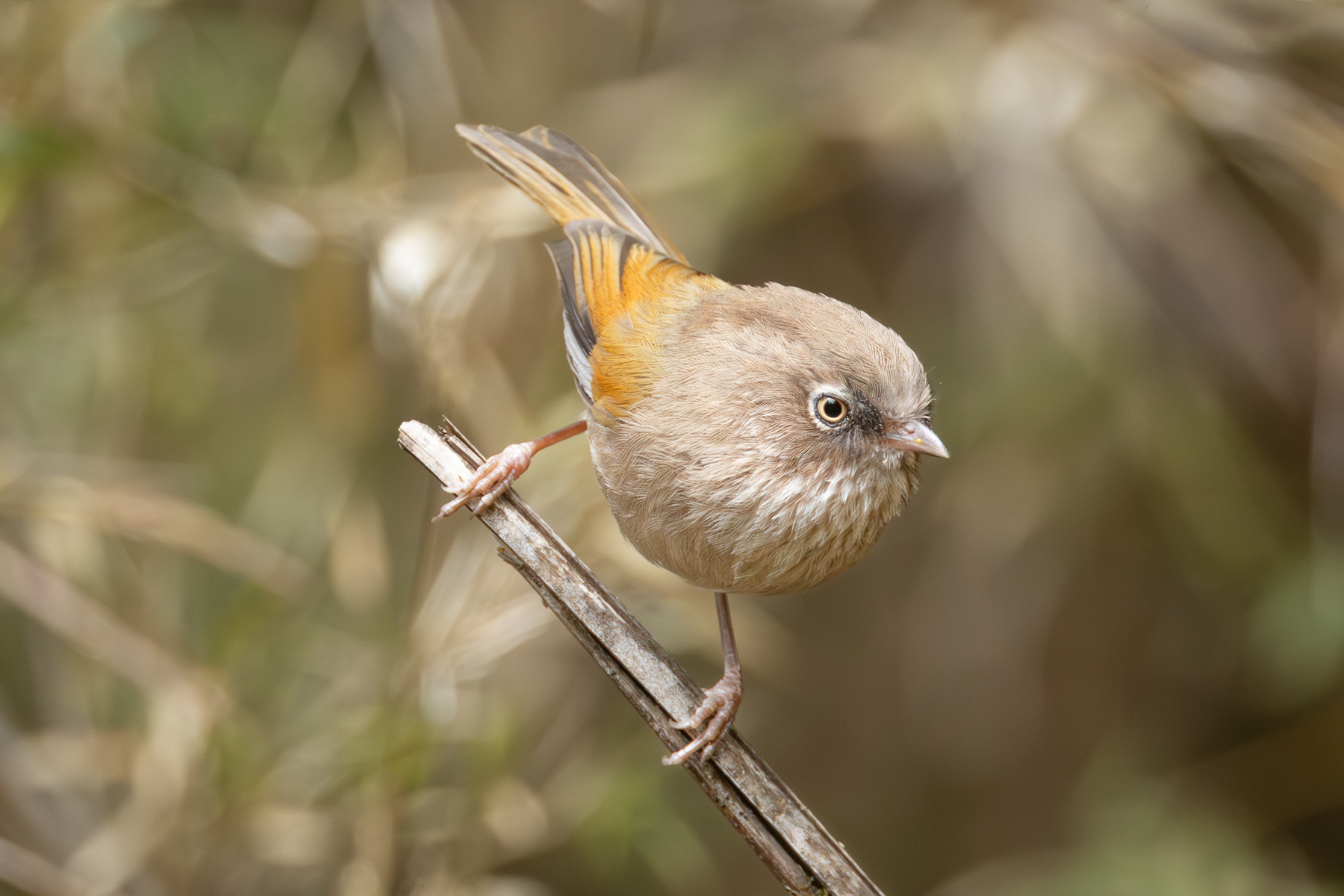
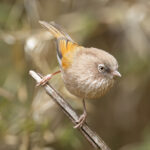
Taiwan Fulvetta (image by Vincent van der Spek)
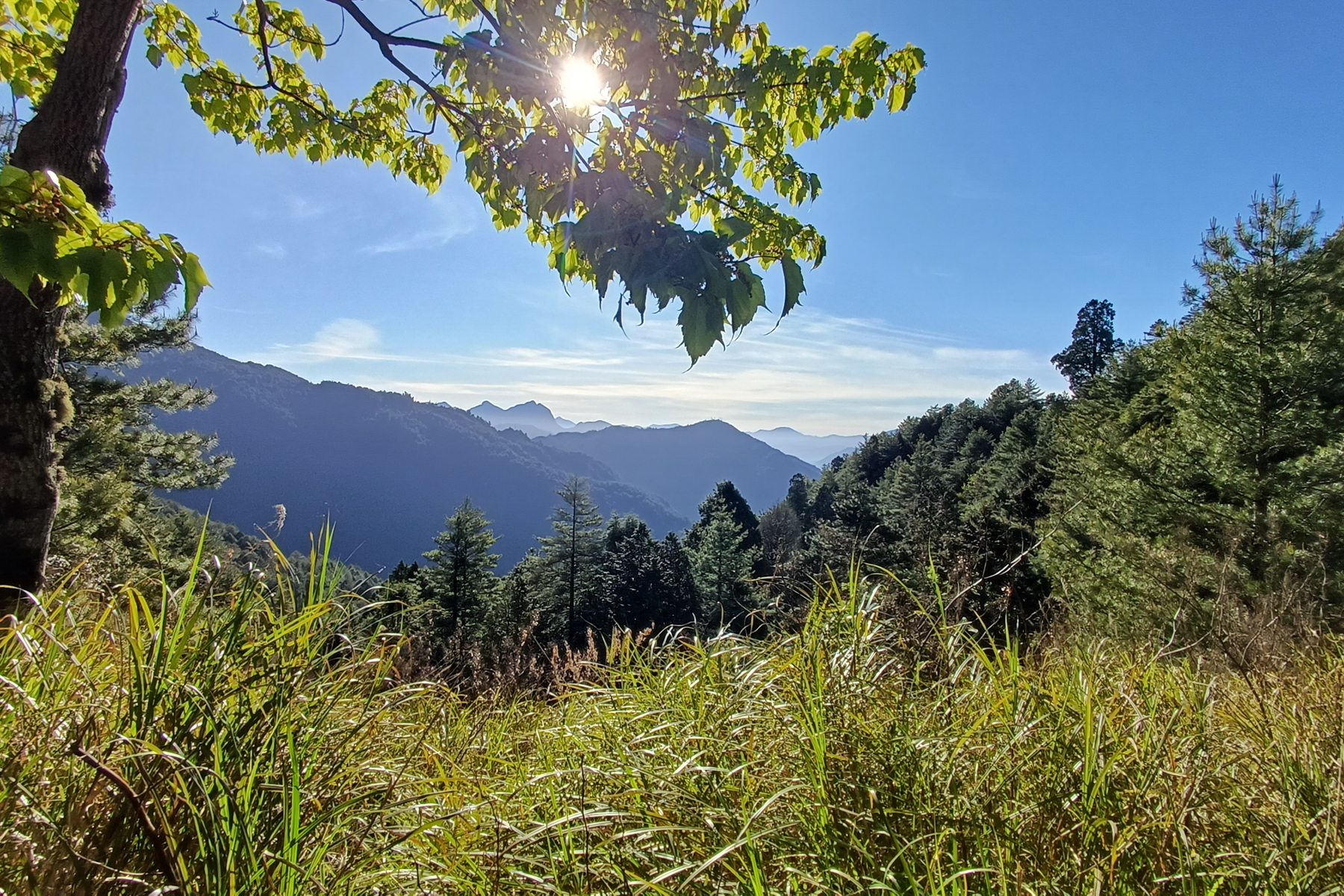
Dasyueshan (image by Vincent van der Spek)
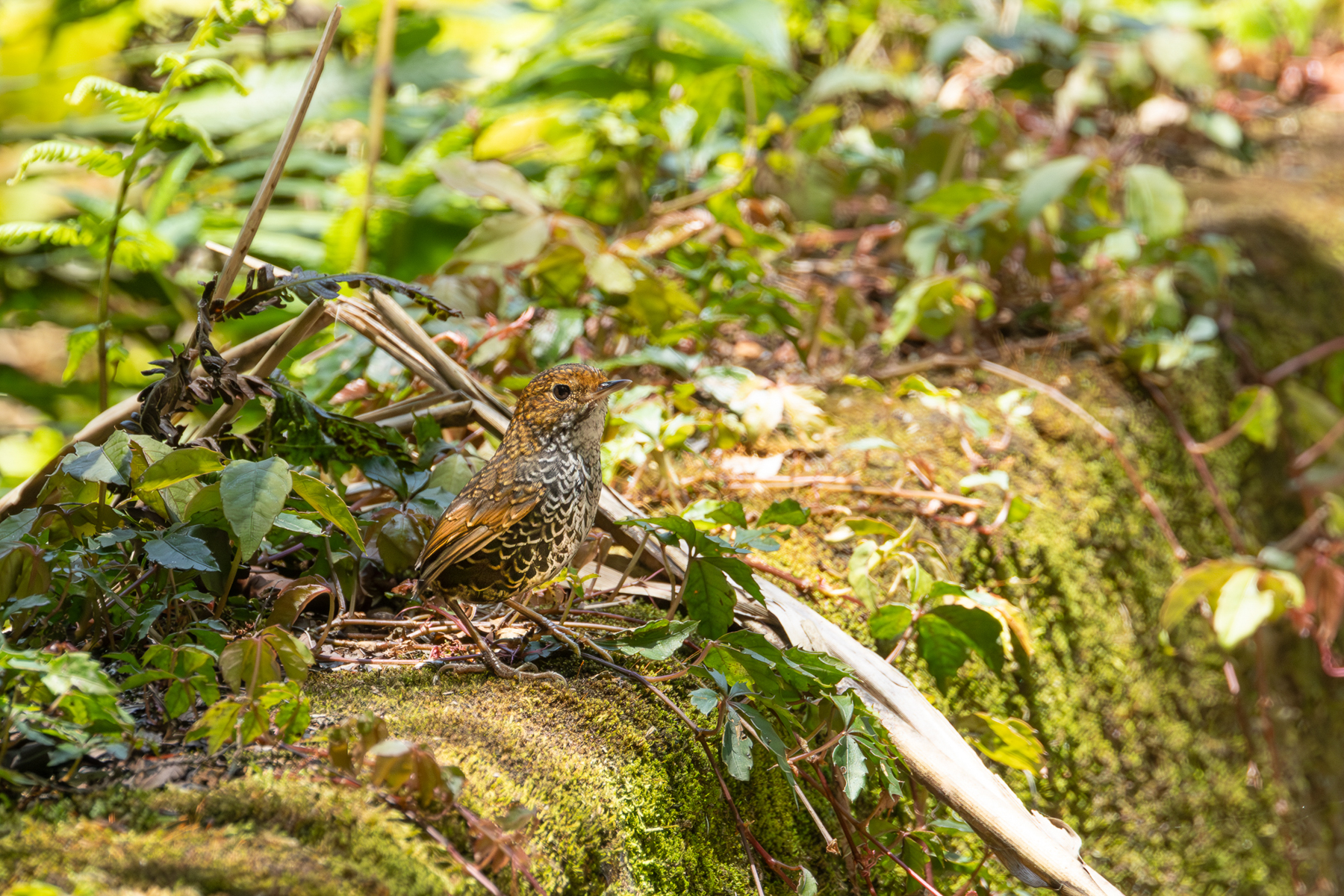
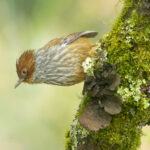
Taiwan Cupwing (image by Vincent van der Spek)
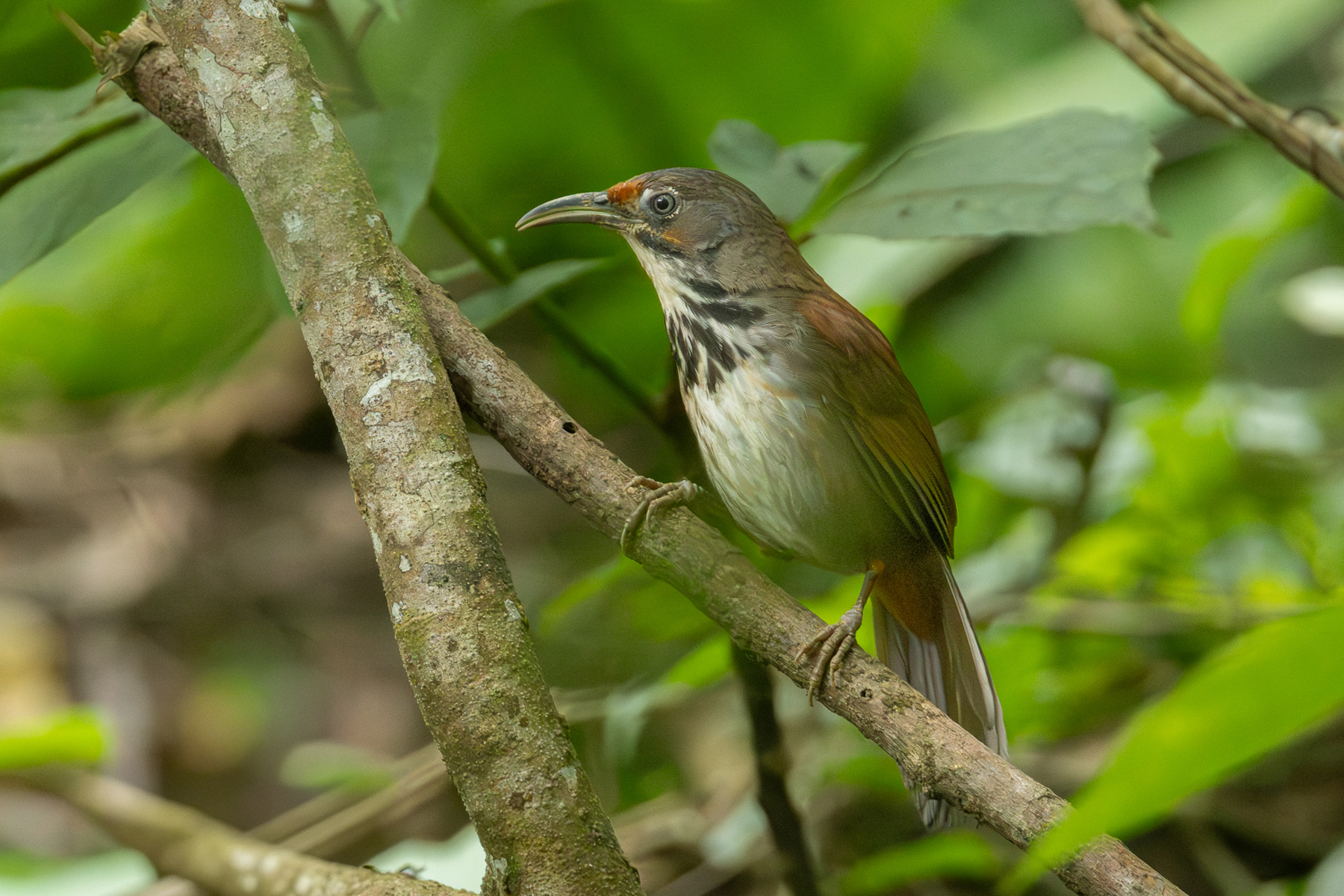
Black-necklaced Scimitar Babbler (image by Vincent van der Spek)
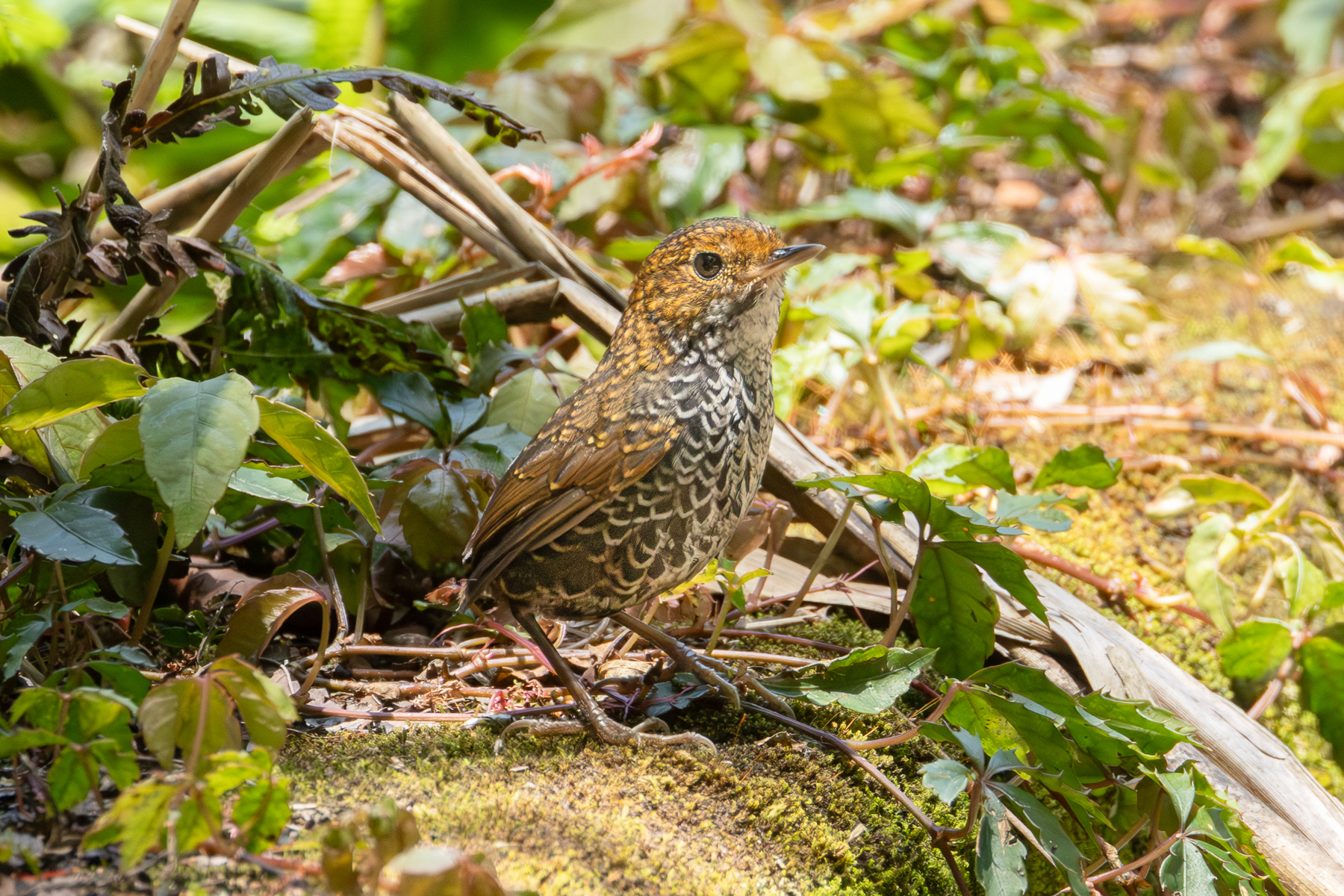
Taiwan Cupwing (image by Vincent van der Spek)
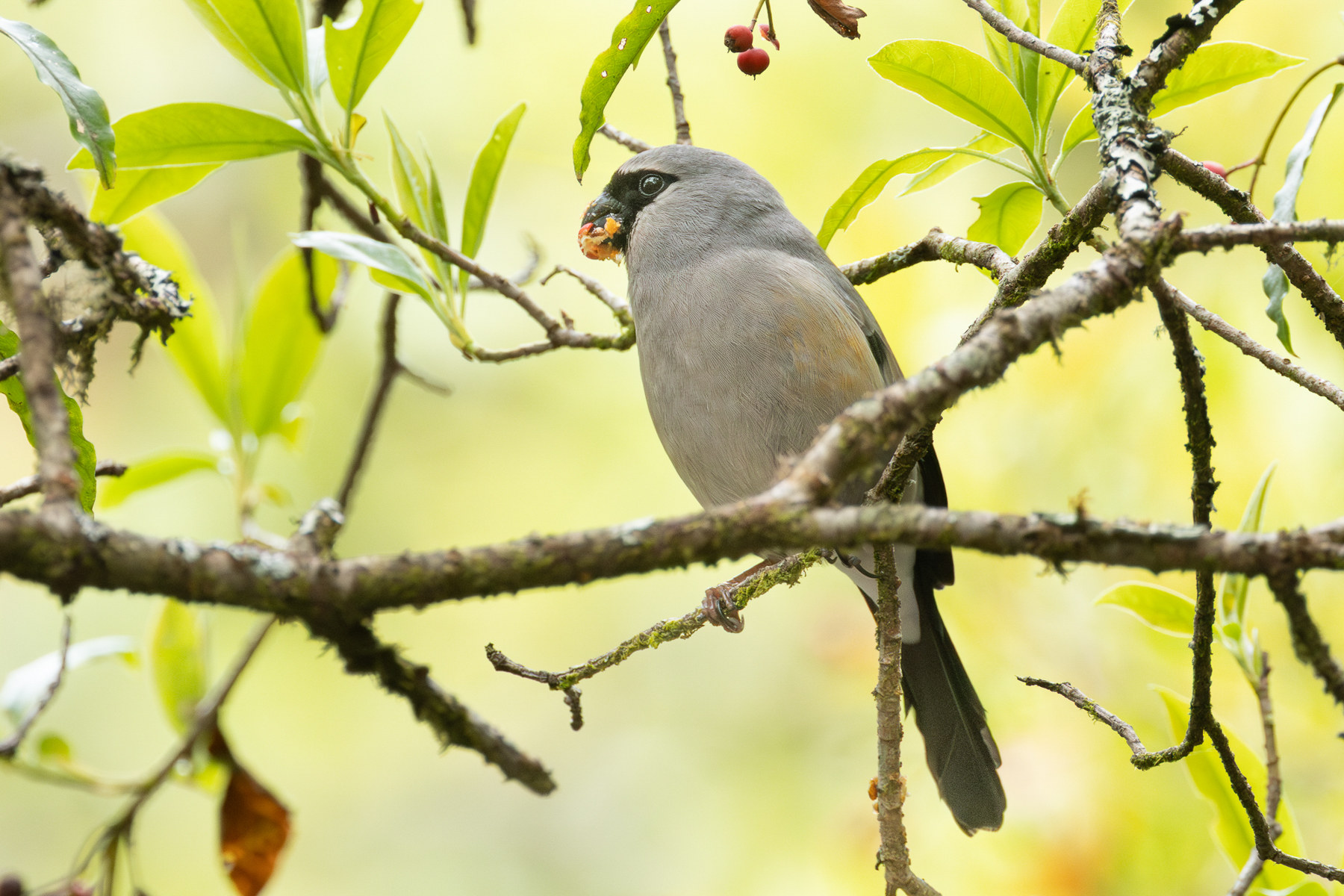
Taiwan Bullfinch (image by Vincent van der Spek)
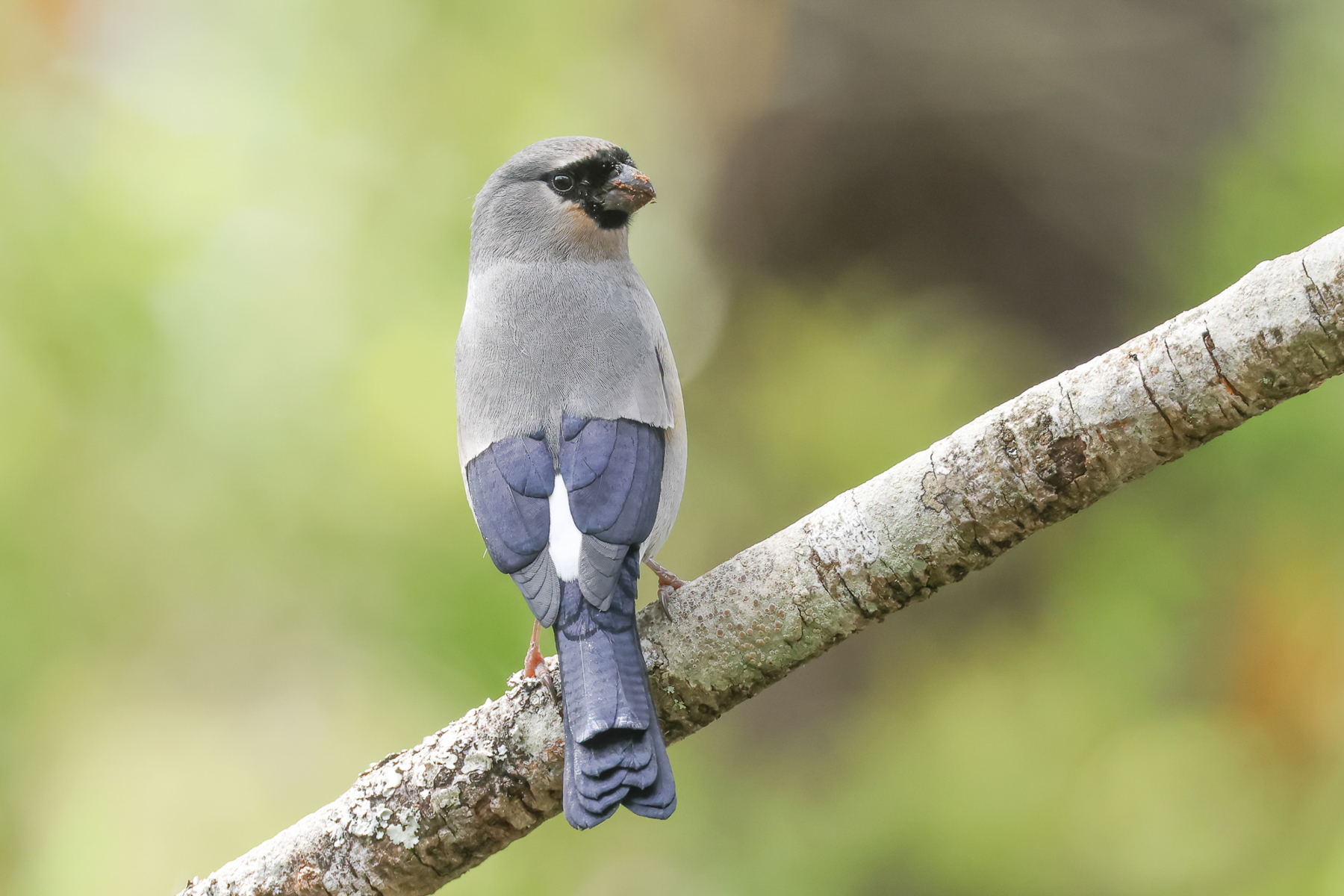
Taiwan Bullfinch (image by Vincent van der Spek)
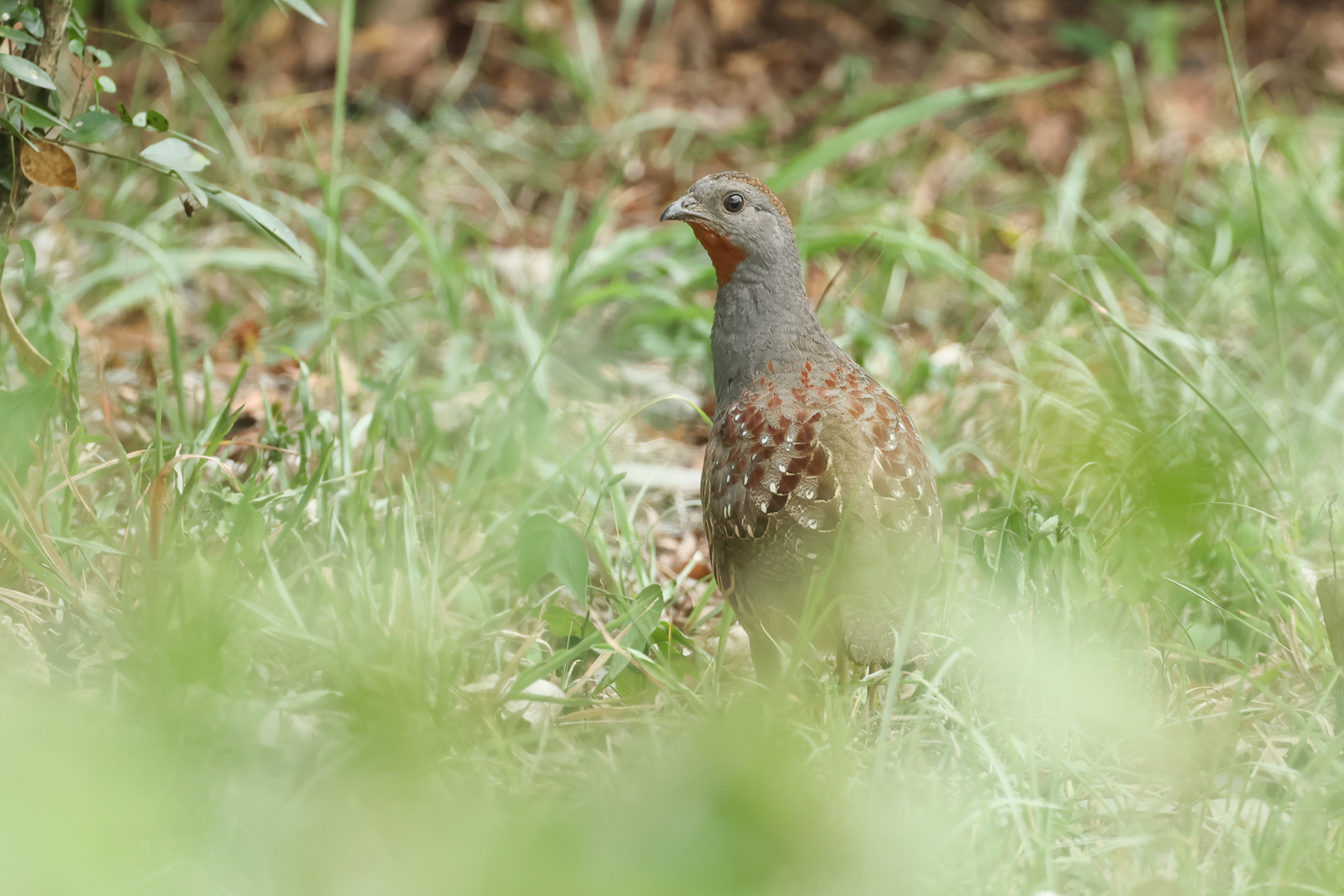
Taiwan Bamboo Partridge (image by Vincent van der Spek)
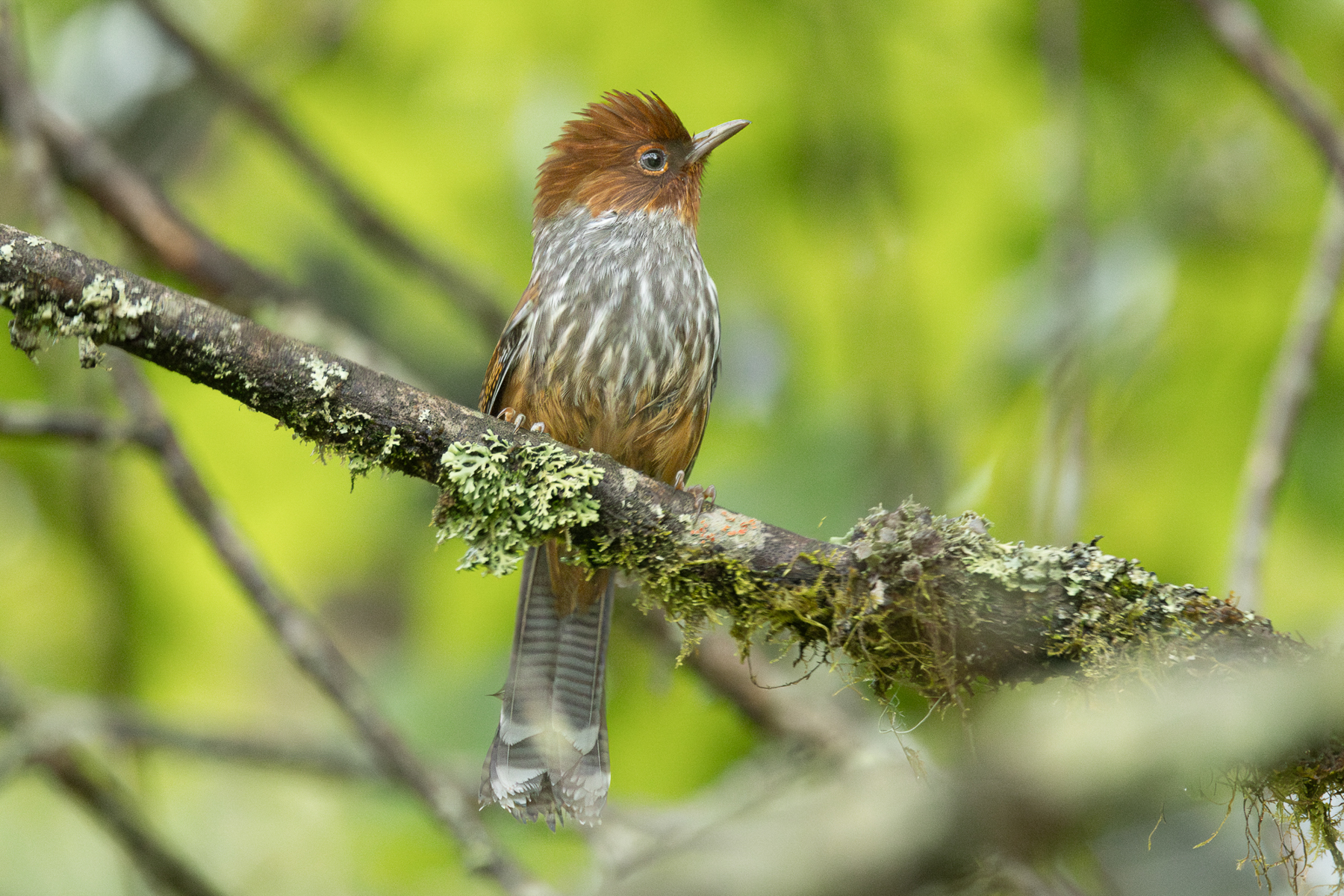
Taiwan Barwing (image by Vincent van der Spek)
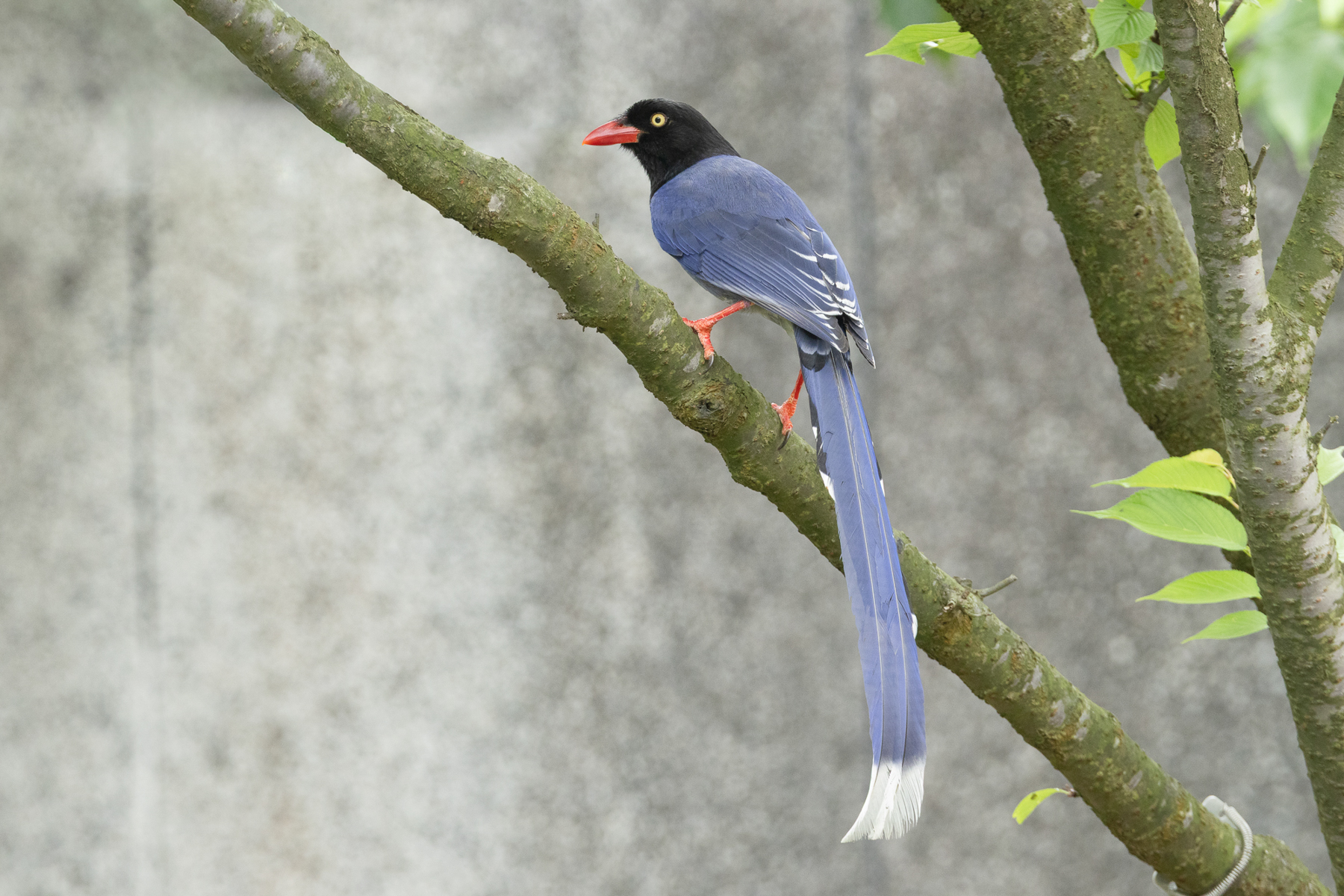
Taiwan Blue Magpie (image by Vincent van der Spek)
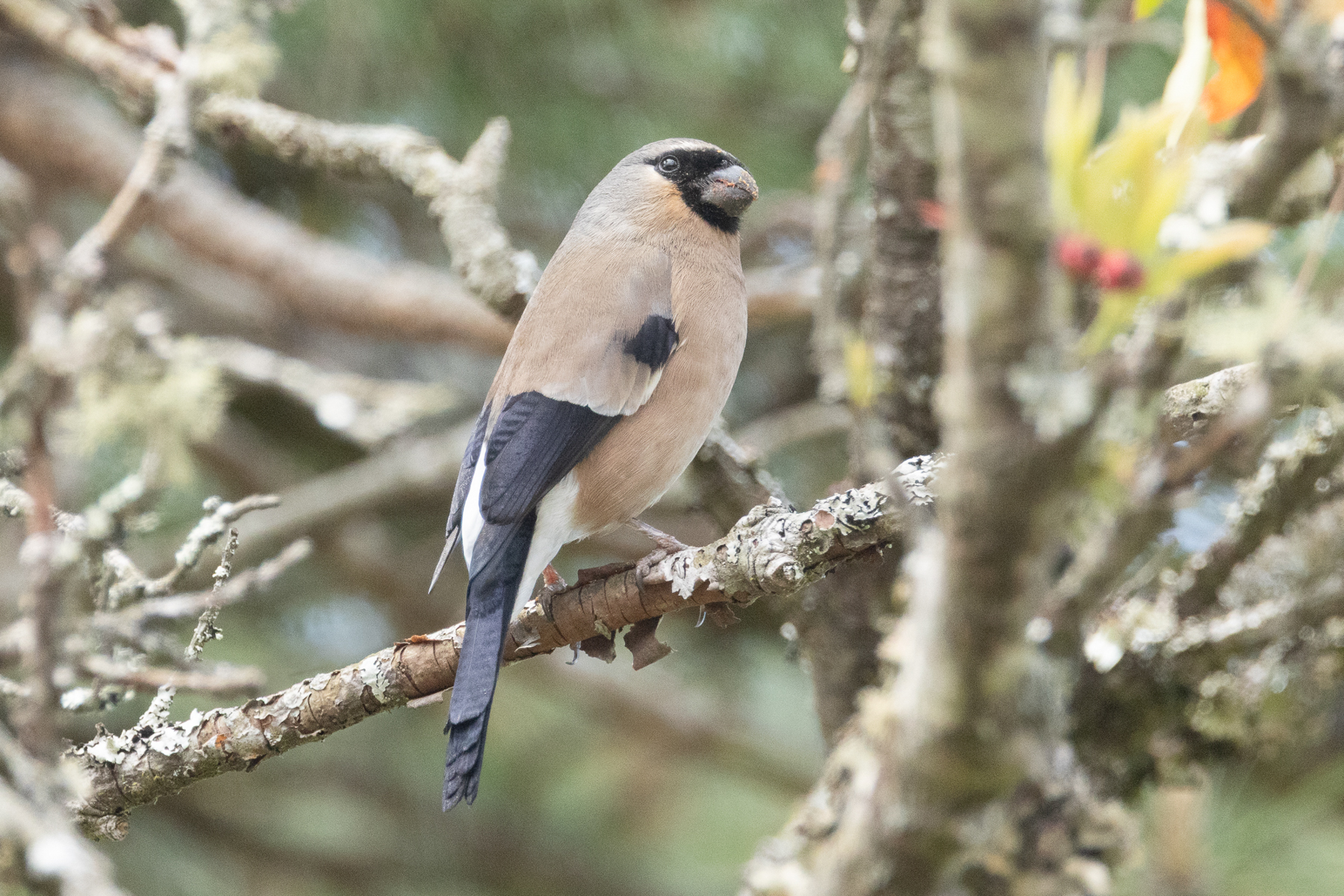
Taiwan Bullfinch (image by Vincent van der Spek)

Lanyu Polynesian canoes (image by Vincent van der Spek)
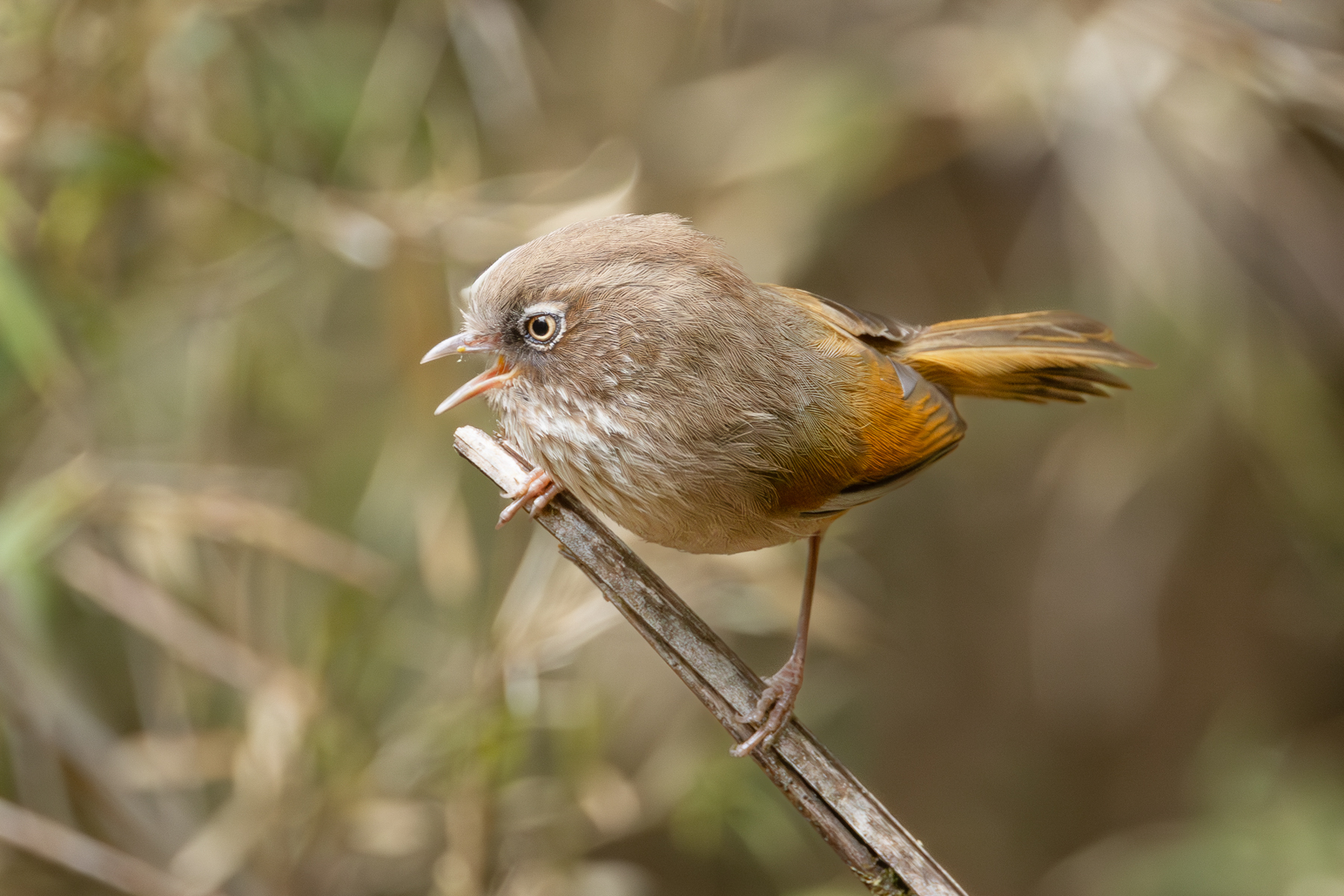
Taiwan Fulvetta (image by Vincent van der Spek)
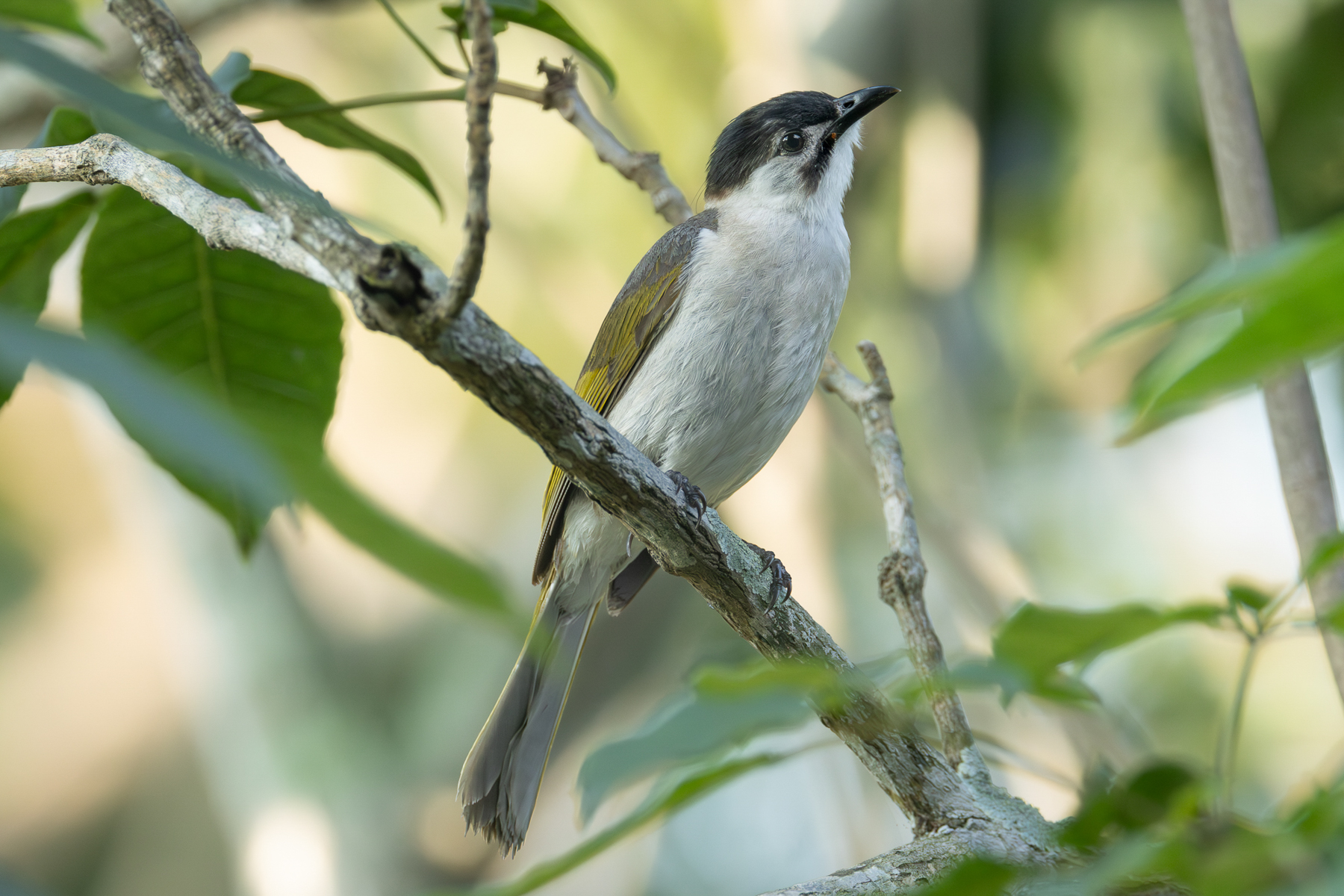
Styan's Bulbul (image by Vincent van der Spek)
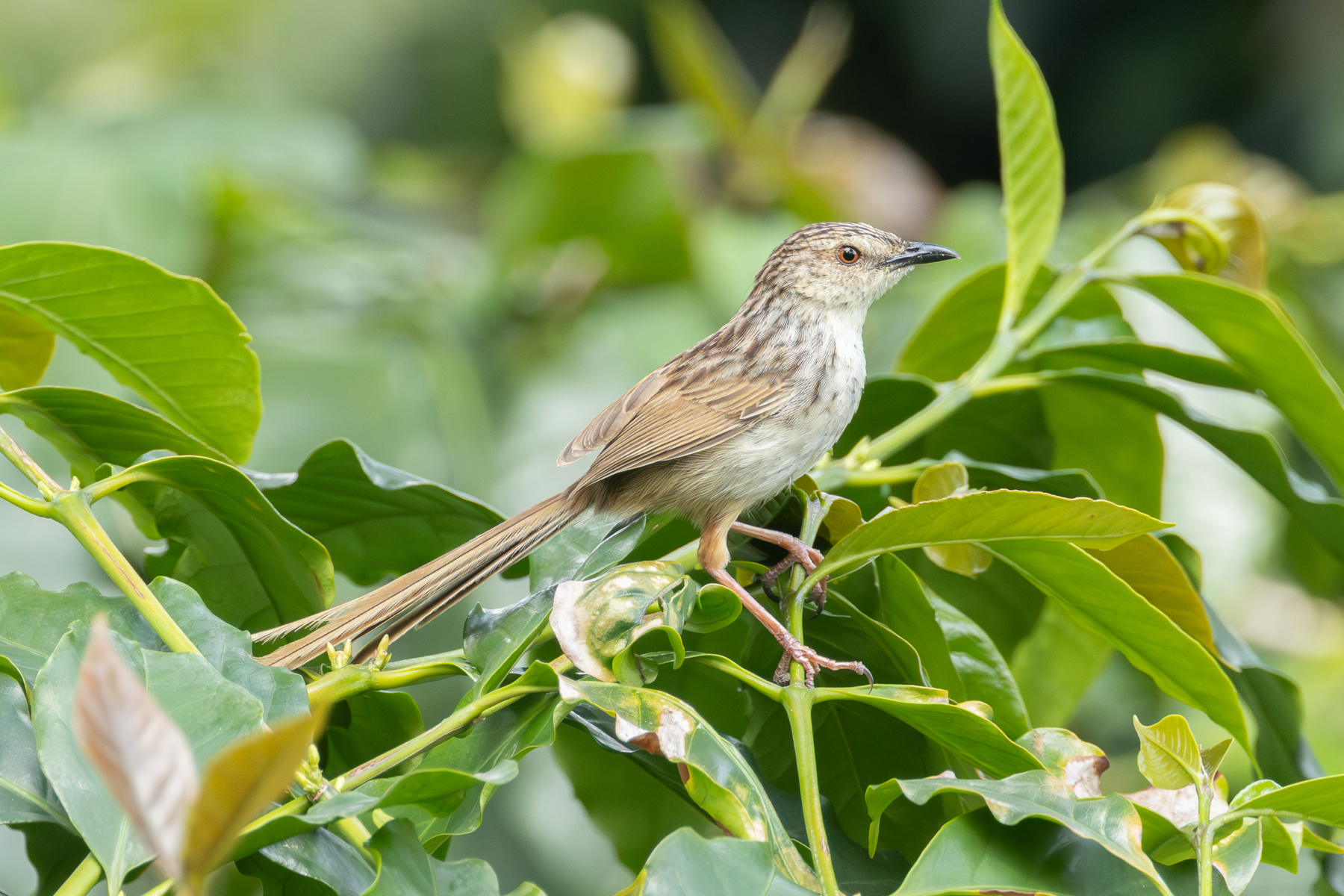
Striped Prinia (image by Vincent van der Spek)
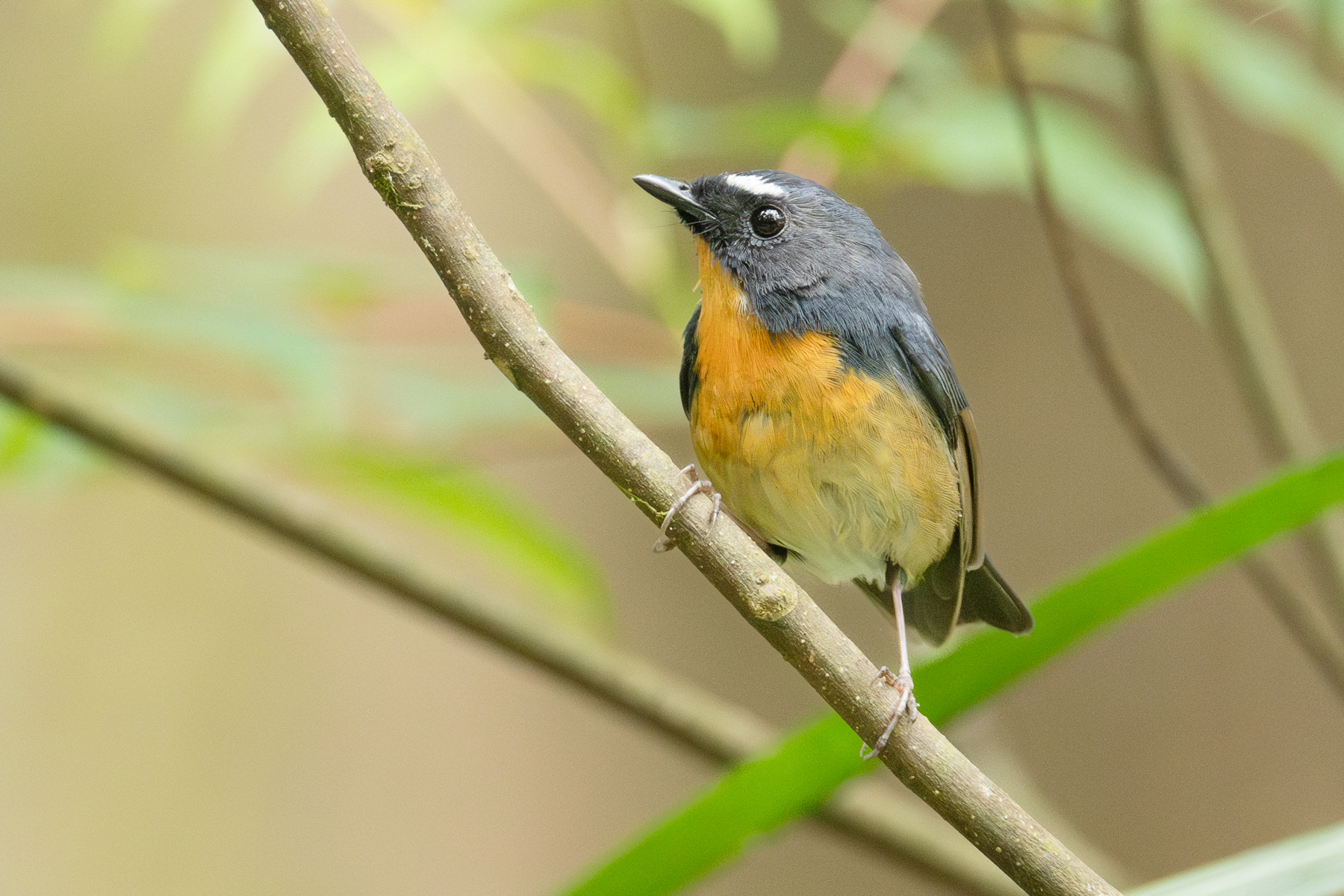
Snowy-browed Flycatcher (image by Vincent van der Spek)
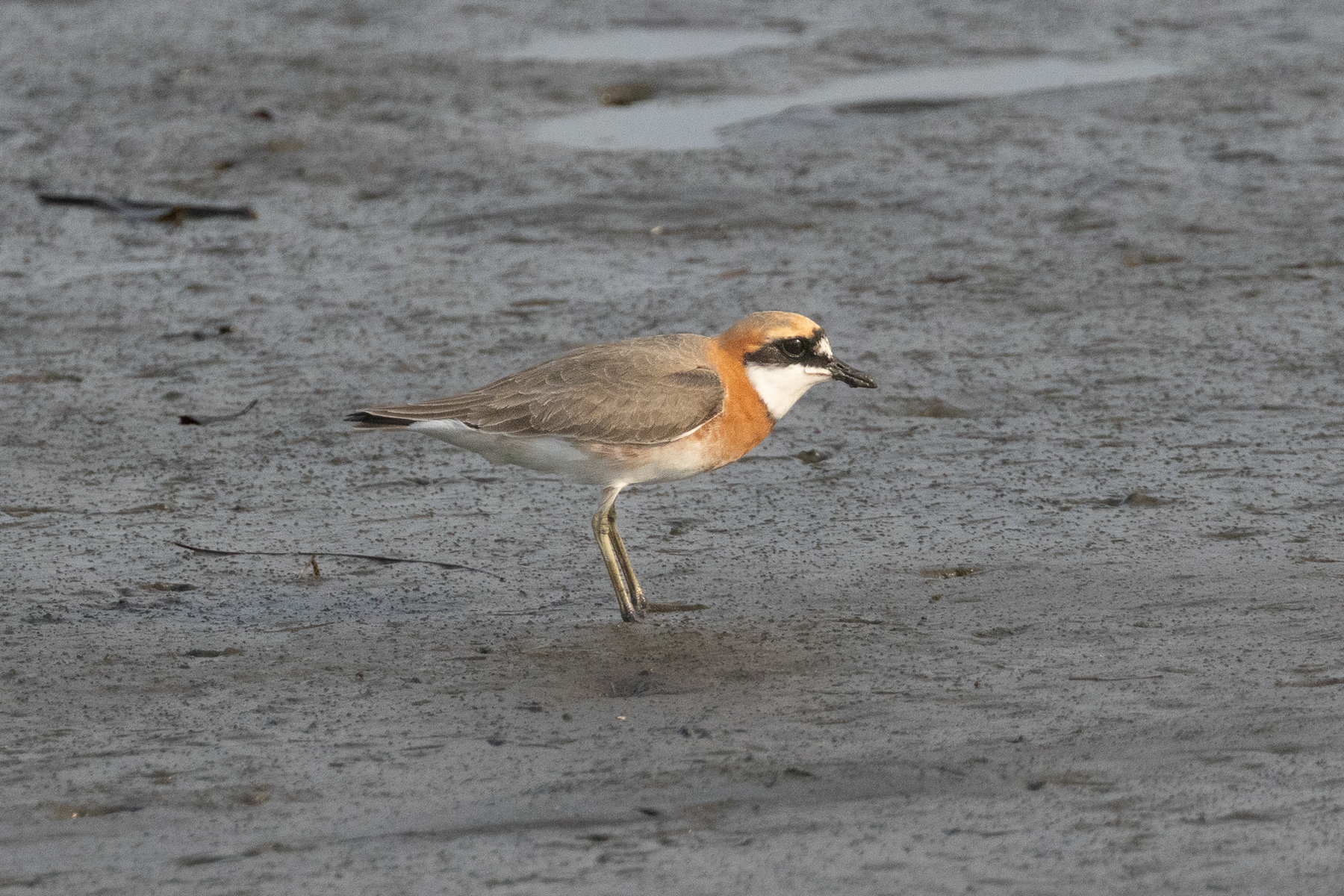
Siberian Sandplover (image by Vincent van der Spek)
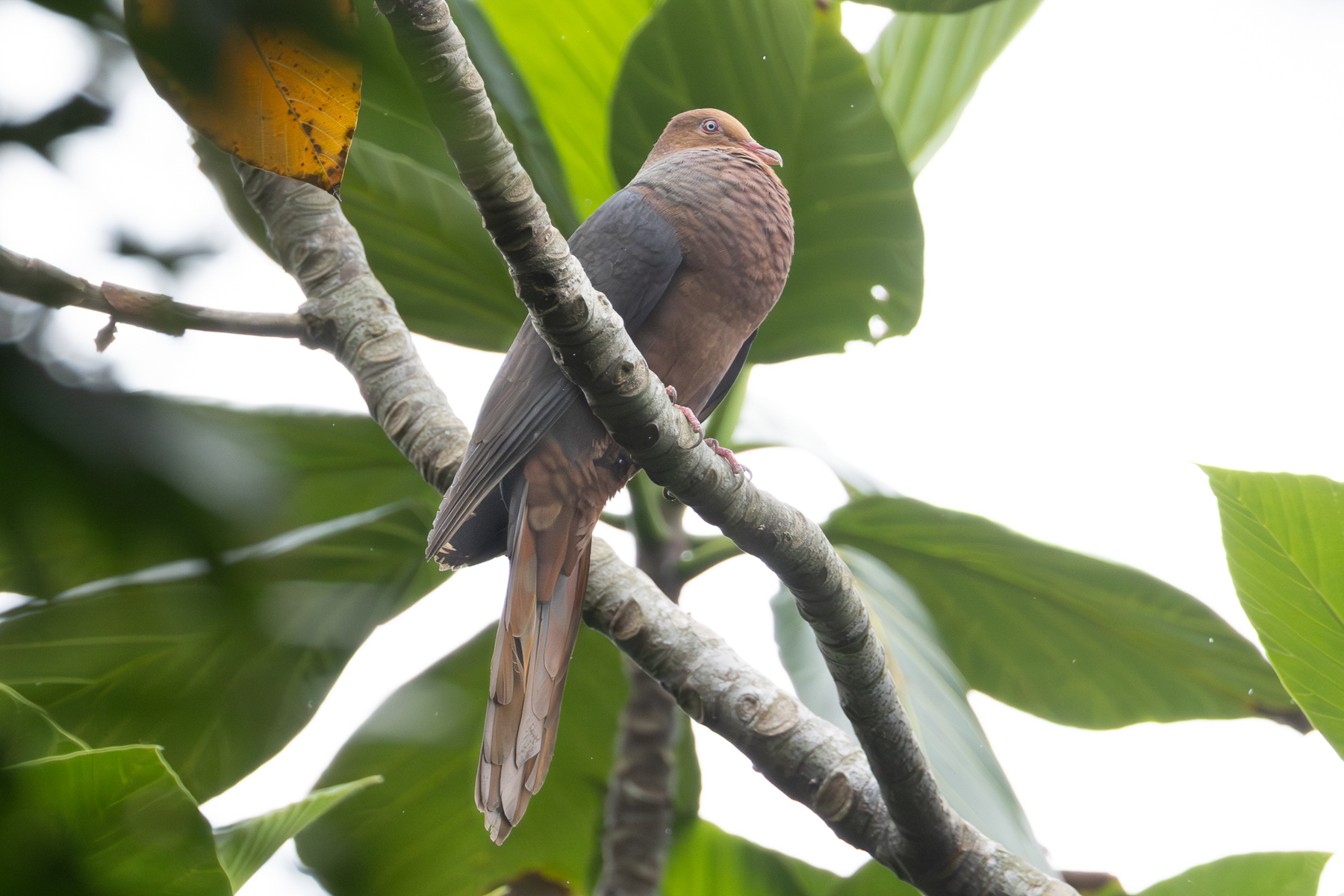
Philippine Cuckoo Dove (image by Vincent van der Spek)
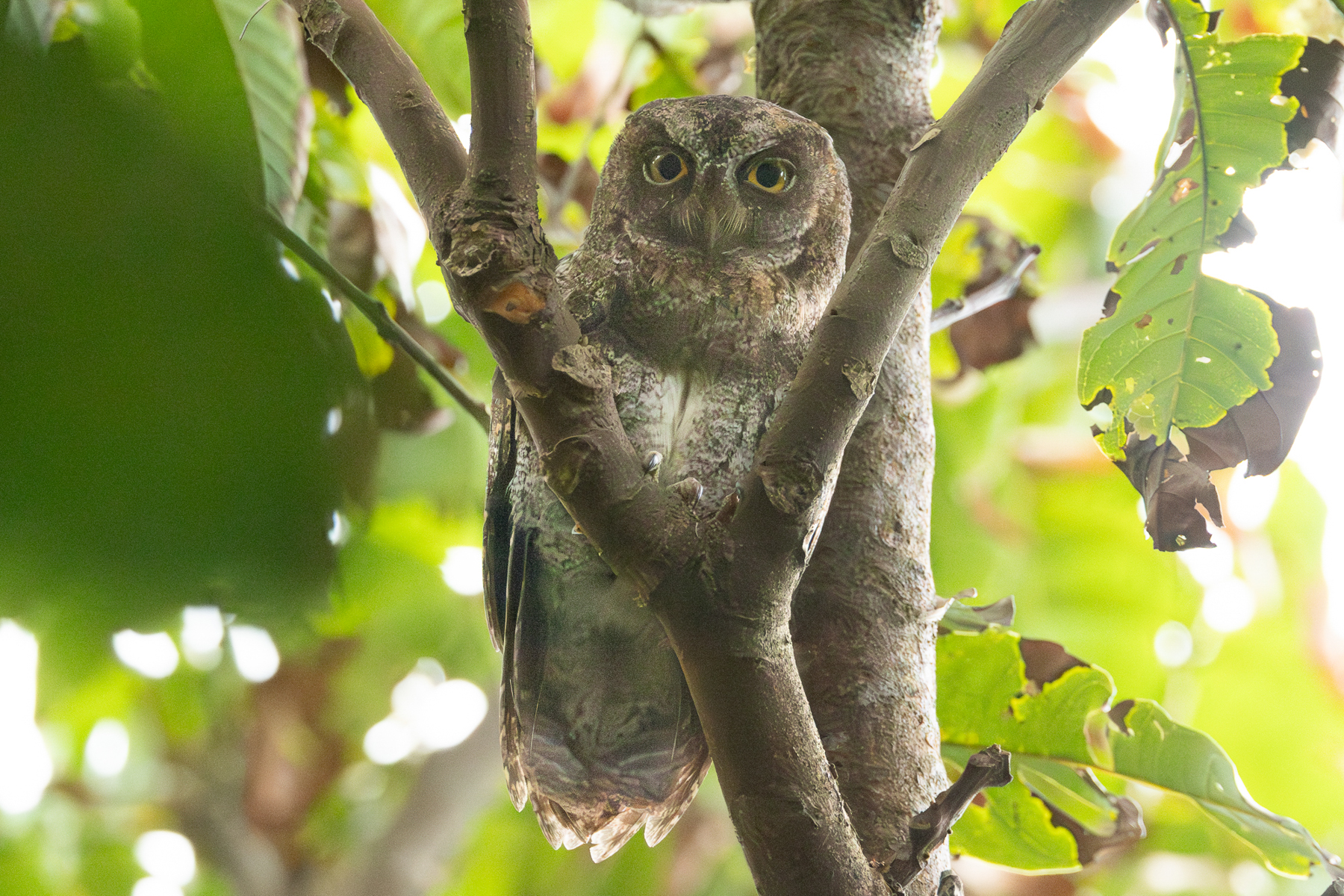
Ryukyu Scops Owl (image by Vincent van der Spek)
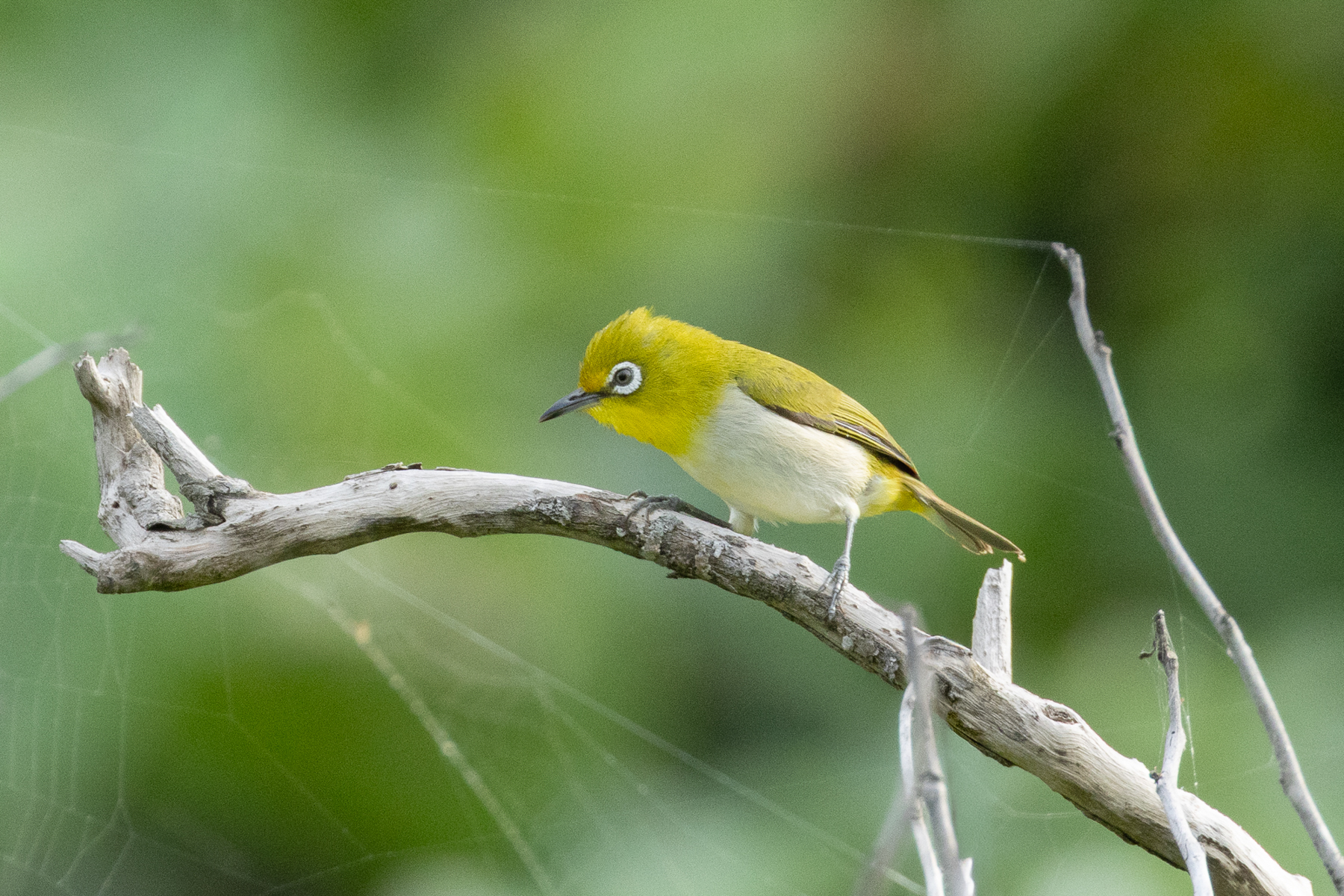
Lowland White-eye (image by Vincent van der Spek)

Dasyueshan (image by Vincent van der Spek)
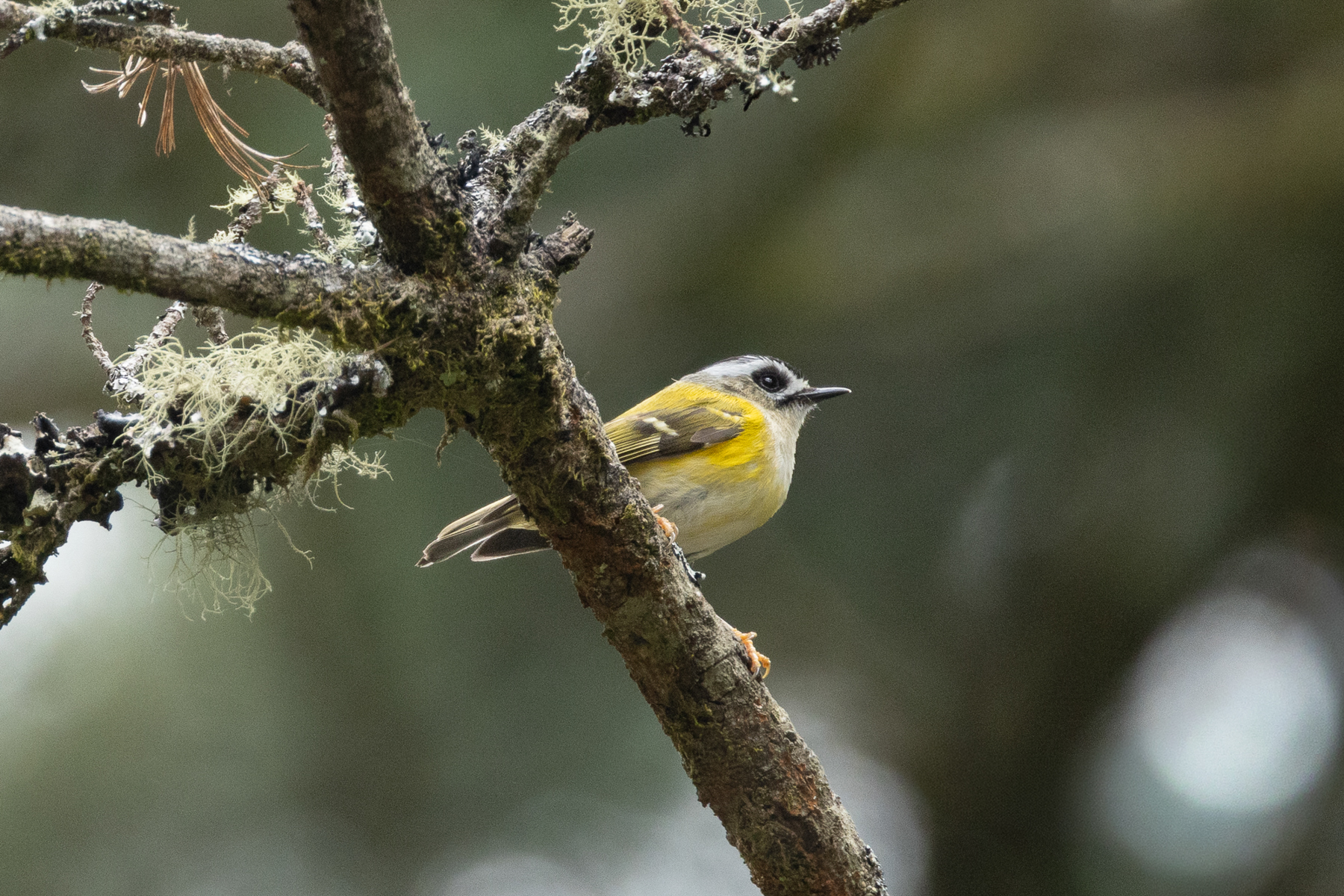
Flamecrest (image by Vincent van der Spek)
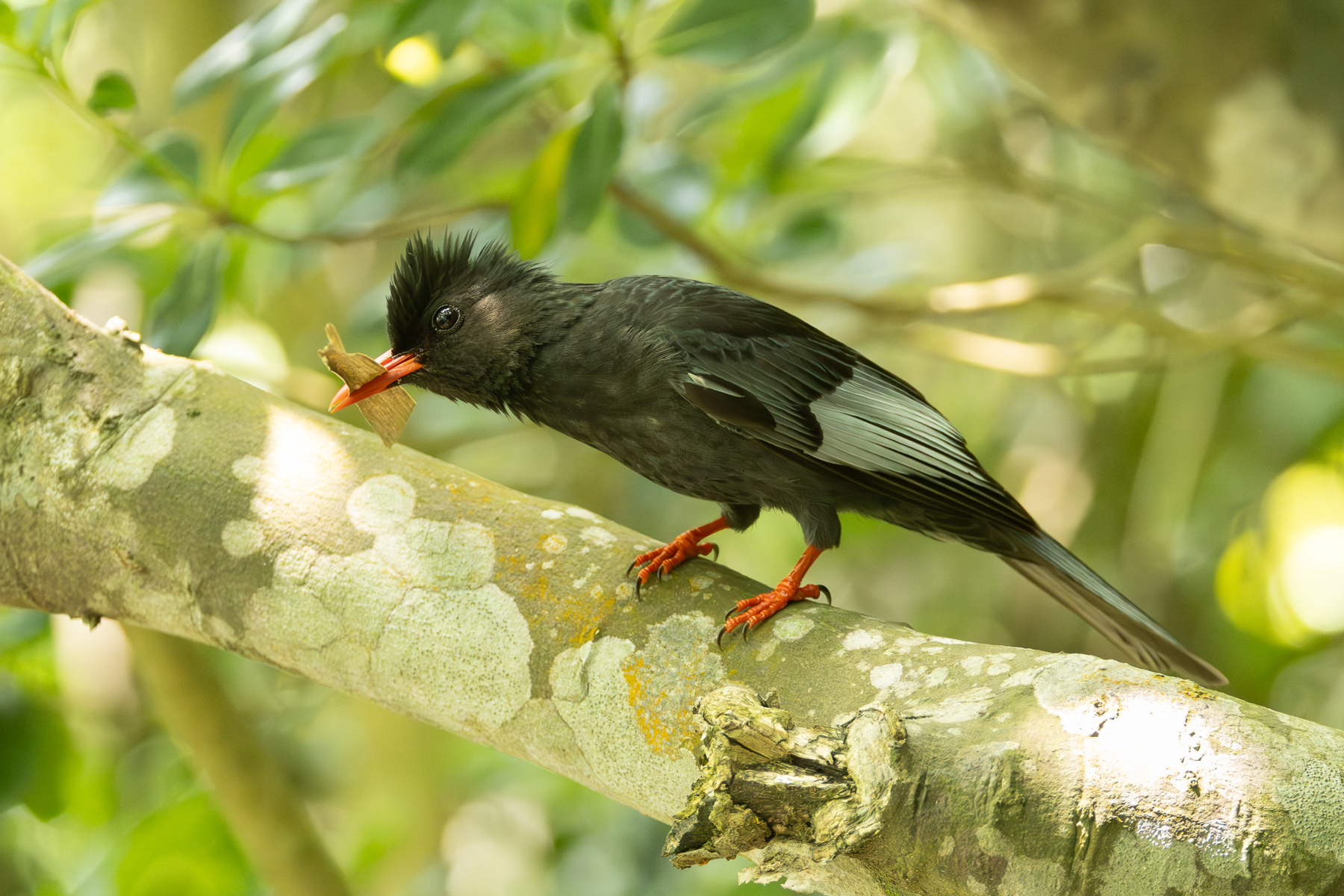
'Grey-winged' Black Bulbul (image by Vincent van der Spek)
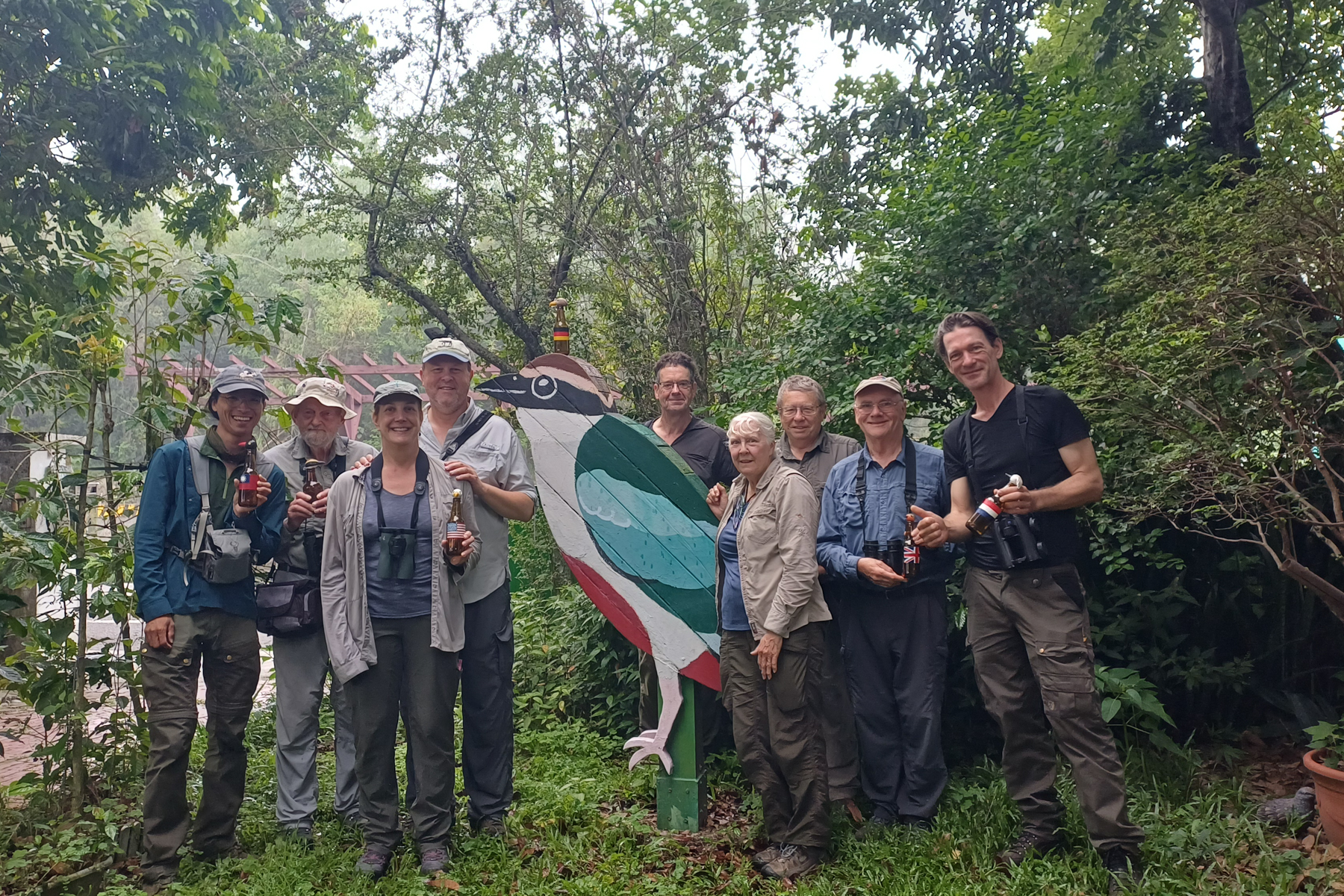
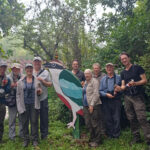
group photo at Fairy Pitta café (image by Vincent van der Spek)
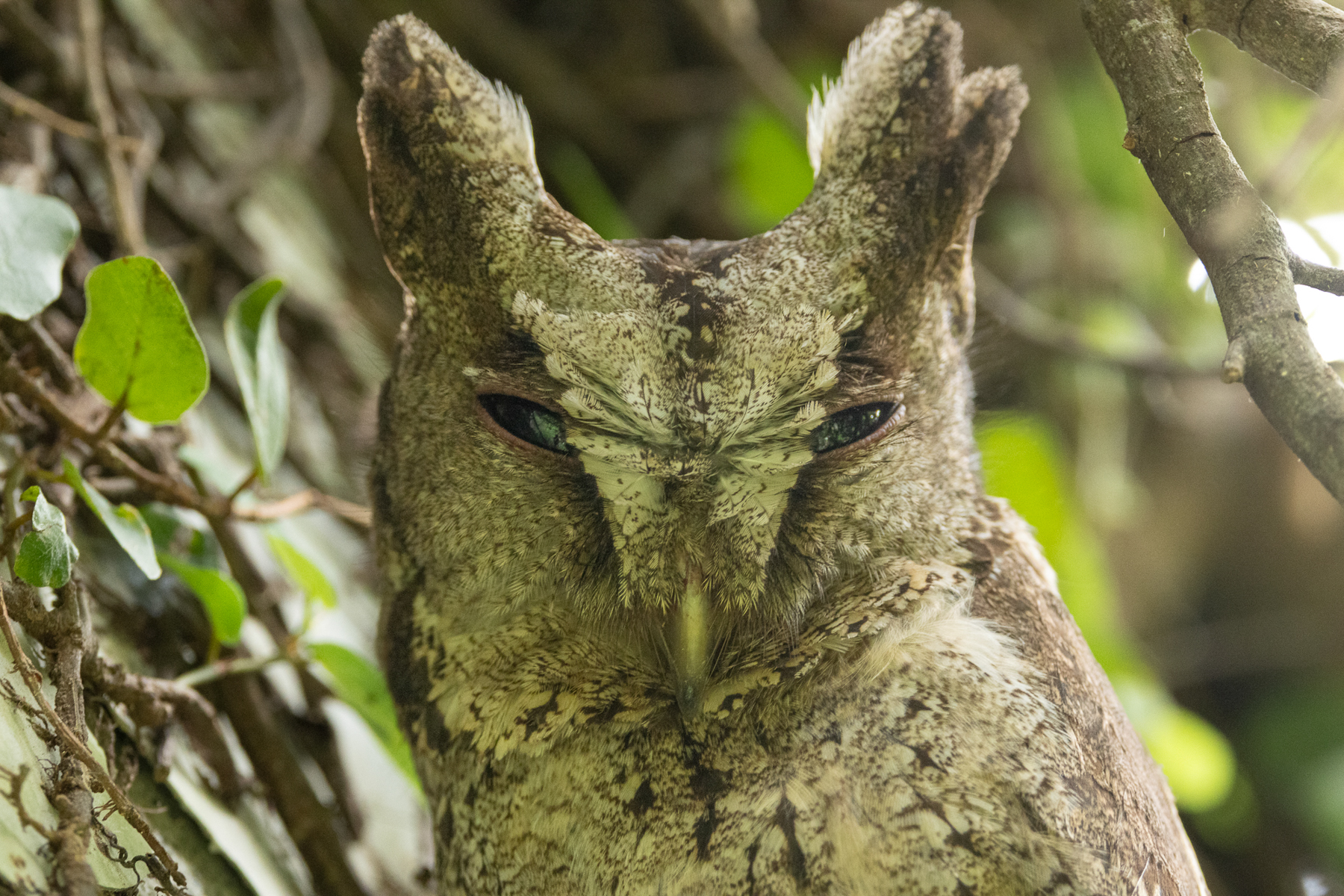
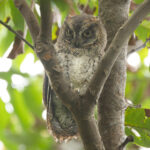
Collared Scops Owl (image by Vincent van der Spek)
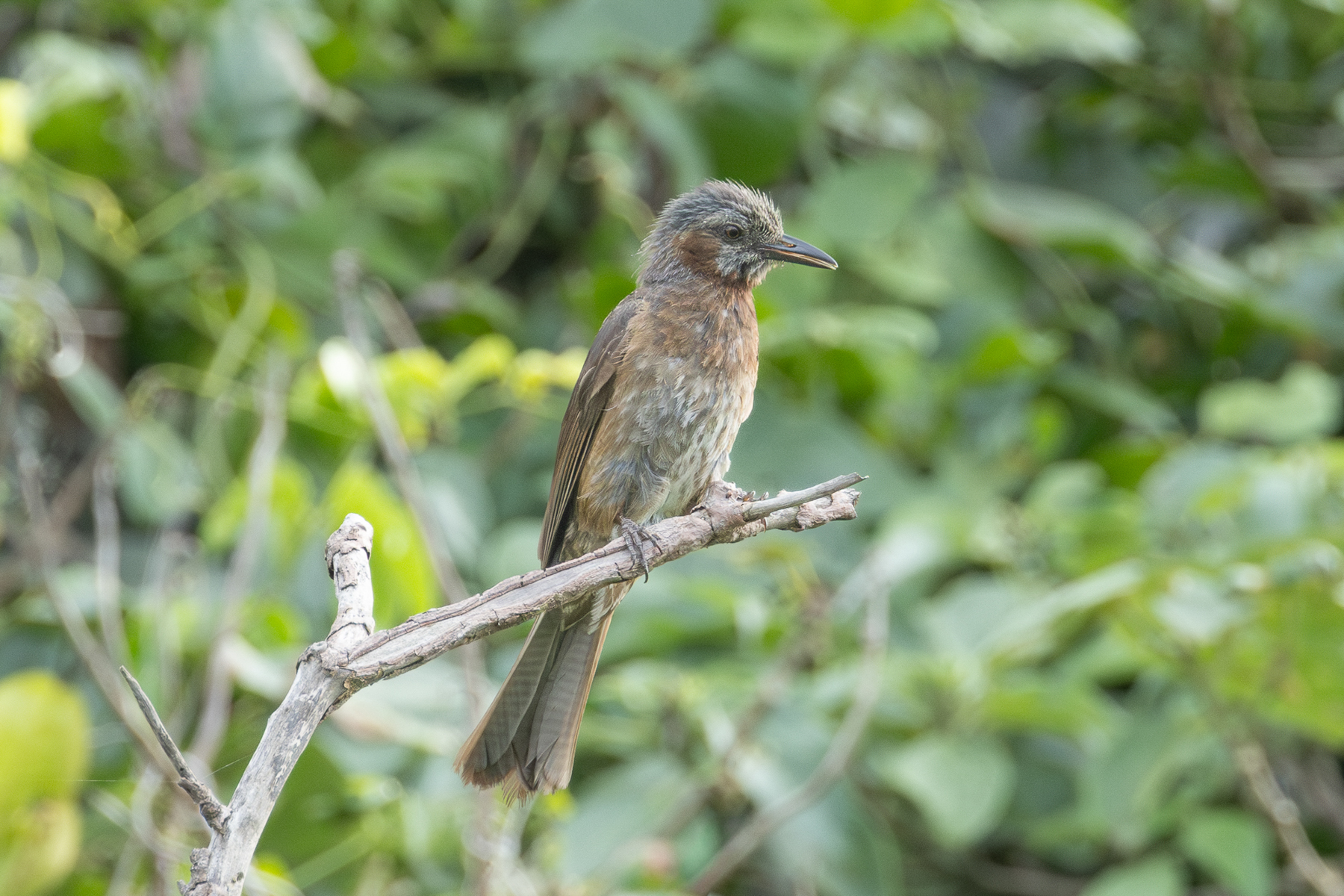
Brown-eared Bulbul (image by Vincent van der Spek)
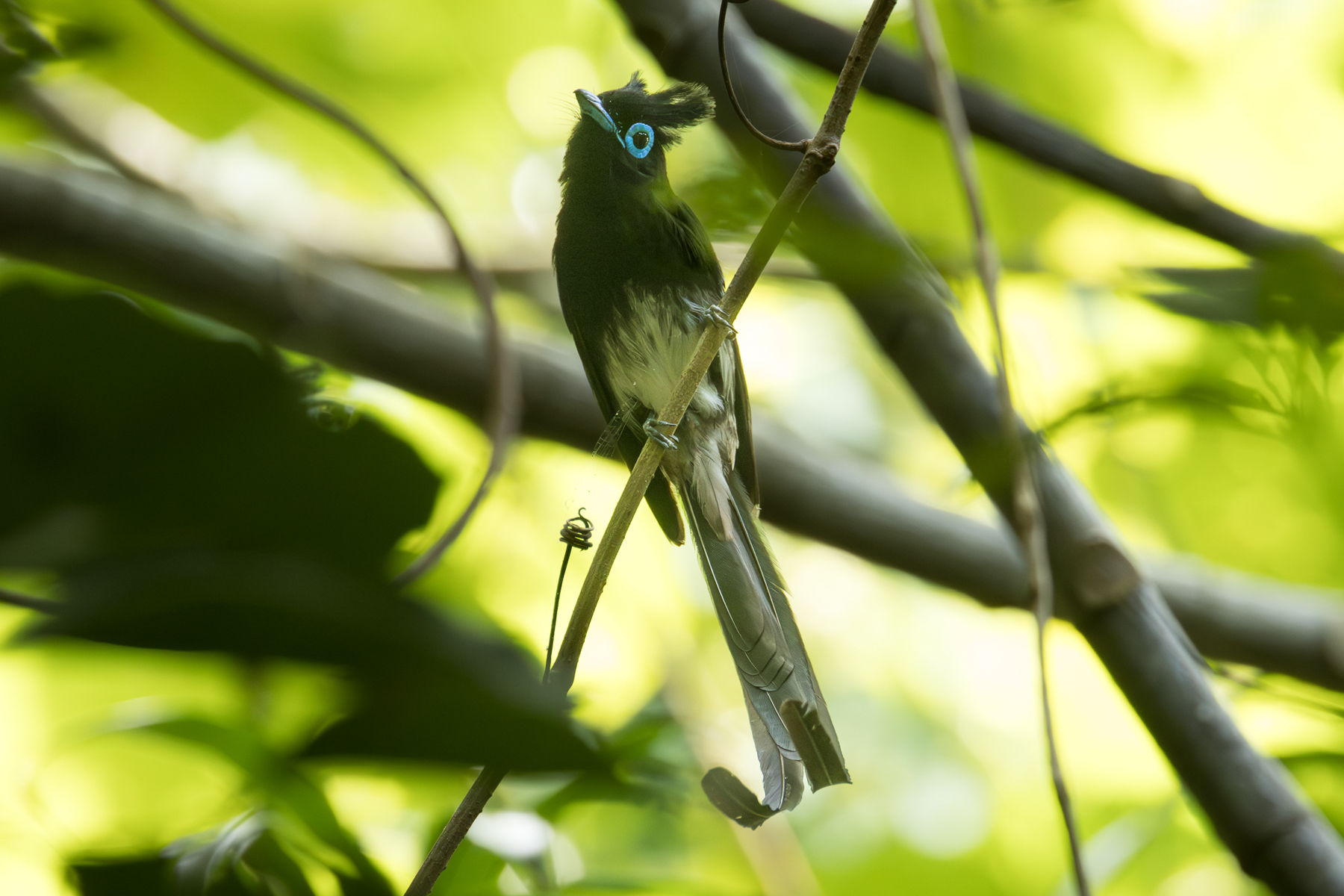
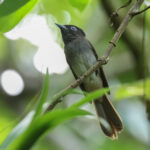
Black Paradise Flycatcher (image by Vincent van der Spek)





Taiwan Rosefinch (image by Vincent van der Spek)
Fairy Pitta (image by Vincent van der Spek)
Taiwan Partridge (image by Vincent van der Spek)
Taiwan Barwing (image by Vincent van der Spek)
Mikado Pheasant (image by Vincent van der Spek)
male Maroon Oriole (image by Vincent van der Spek)
Red-and-white Giant Flying Squirrel (image by Vincent van der Spek)
Hehuanshan (image by Vincent van der Spek)
Swinhoe's Pheasant (image by Vincent van der Spek)
Taiwan Blue Magpie (image by Vincent van der Spek)
Malayan Night Heron (image by Vincent van der Spek)
Black Paradise Flycatcher (image by Vincent van der Spek)
Rufous-crowned Laughingthrush (image by Vincent van der Spek)
Collared Bush Robin (image by Vincent van der Spek)
Ryukyu Scops Owl (image by Vincent van der Spek)
Black-faced Spoonbills (image by Vincent van der Spek)
Taiwan Scimitar Babbler (image by Vincent van der Spek)
White-whiskered Laughingthrush (image by Vincent van der Spek)
White-eared Sibia (image by Vincent van der Spek)
White-backed Woodpecker (image by Vincent van der Spek)
Taiwan Yuhina (image by Vincent van der Spek)
Taiwan Whistling Thrush (image by Vincent van der Spek)
Chinese Egret (image by Vincent van der Spek)
Taiwan Whistling Thrush (image by Vincent van der Spek)
Taiwan Partridge (image by Vincent van der Spek)
Taiwan Rosefinch (image by Vincent van der Spek)
Collared Finchbill (image by Vincent van der Spek)
Sharp-tailed Sandpiper (image by Vincent van der Spek)
Taiwan Fulvetta (image by Vincent van der Spek)
Dasyueshan (image by Vincent van der Spek)
Taiwan Cupwing (image by Vincent van der Spek)
Black-necklaced Scimitar Babbler (image by Vincent van der Spek)
Taiwan Cupwing (image by Vincent van der Spek)
Taiwan Bullfinch (image by Vincent van der Spek)
Taiwan Bullfinch (image by Vincent van der Spek)
Taiwan Bamboo Partridge (image by Vincent van der Spek)
Taiwan Barwing (image by Vincent van der Spek)
Taiwan Blue Magpie (image by Vincent van der Spek)
Taiwan Bullfinch (image by Vincent van der Spek)
Lanyu Polynesian canoes (image by Vincent van der Spek)
Taiwan Fulvetta (image by Vincent van der Spek)
Styan's Bulbul (image by Vincent van der Spek)
Striped Prinia (image by Vincent van der Spek)
Snowy-browed Flycatcher (image by Vincent van der Spek)
Siberian Sandplover (image by Vincent van der Spek)
Philippine Cuckoo Dove (image by Vincent van der Spek)
Ryukyu Scops Owl (image by Vincent van der Spek)
Lowland White-eye (image by Vincent van der Spek)
Dasyueshan (image by Vincent van der Spek)
Flamecrest (image by Vincent van der Spek)
'Grey-winged' Black Bulbul (image by Vincent van der Spek)
group photo at Fairy Pitta café (image by Vincent van der Spek)
Collared Scops Owl (image by Vincent van der Spek)
Brown-eared Bulbul (image by Vincent van der Spek)
Black Paradise Flycatcher (image by Vincent van der Spek)


TAIWAN TOUR REPORT 2026

23 April – 5 May 2026
Vincent van der Spek
Taiwan is a beautiful sub-tropical, mountainous island with large and well-protected natural areas. No fewer than 32 endemics occur, many of which are both beautiful and distinctive, with spectacular species like Mikado and Swinhoe’s Pheasants, Taiwan Blue Magpie, Taiwan Yuhina and White-eared Sibia. The main island also shares a decent number of near-endemics with China and north Vietnam, while the remote subtropical island of Lanyu shares several species with the Philippines and Japan. To further add to the flavour, there are a few widespread species that are difficult to find elsewhere, most notably Malayan Night Heron. During late April and early May many resident birds are breeding and migration is still in full swing, and most species are in their best plumages. Taiwan is a very safe, well-organised island, with a great infrastructure and friendly people. And quite unique for the region, most hotels even have a decent coffee machine! So what more can a birder wish for? This year’s tour was highly successful with 31 of the 32 endemics seen, as well as 37 endemic subspecies (and following a series of recent splits, one never knows if some of these will be elevated to species level at some point). Everybody in the group connected with the endemics, though it took some effort to get everybody on the skulking Taiwan Shortwing and Taiwan Cupwing! Only the always difficult Taiwan Thrush (a recent split from Island Thrush) was missed, a naturally rare species with only a handful of sightings in all of 2026. We furthermore bagged all specialities on remote Lanyu, like the range-restricted Ryukyu Scops Owl, Whistling Green Pigeon and Japanese Paradise Flycatcher. Non-endemic regional specialties on the main island included good numbers of Black-faced Spoonbills, the first ever breeding pair of Oriental Stork for Taiwan, at least seven Chinese Egrets and three Fairy Pitta’s, including a nest-building bird. The latter species is a late migrant, and the main reason to plan the tour in this time of year. More widespread goodies included White-bellied Green Pigeon, Philippine Cuckoo Dove, Streaked and Wedge-tailed Shearwaters, Northern Boobook, the often difficult Mountain Scops Owl, Brown-eared Bulbul, Striped Prinia, Golden Parrotbill, Dusky Fulvetta, Collared Finchbill and Little Forktail. To top it off we found several rare and scarce birds, with two Eurasian Spoonbills, a surprise Upland Buzzard, a Brown-eared Bulbul on the mainland (usually only seen on Lanyu) and a late Brambling. And all those waders in sparkling breeding plumage… what a great place!
We all met in a Taipei hotel, where we were introduced to our local guide Mr. Lin (aka Bill) and driver Mr. Mao. We started the tour in the botanical gardens of this bustling metropole. We were after one bird in particular: Malayan Night Heron. Difficult to see in much of its range, but in Taiwan it is pleasantly easy to find. The park was full of people working out, meditating, doing tai chi or just walking. A weird setting for what normally is such an elusive bird! The herons were however playing hard to get today, but after an hour or so we found at pair at point blank range after a tip from one of the many local bird photographers. We picked up our first endemic as well, the common Taiwan Barbet. We then moved on to Qianshan at the southern fringe of the Yangmingshan National Park, where we logged several confiding and spectacular Taiwan Blue Magpies. This is a fairly common species, but not necessarily along our itinerary and these were the only ones of the trip! Quite typically after the effort earlier this morning, we found another Malayan Night Heron, on a nest this time. With a pair of Taiwan Whistling Thrushes feeding two recently fledged but not yet full-grown chicks we picked up another endemic just before we left. Our final port of call for the day was a rural area near Dongshi. The desired Taiwan Hwamei sang distantly at the other side the valley, but we did not manage to see it. We settled for birds like our first Collared Finchbills, Rufous-capped Babblers and our only Plumbeous Redstarts of the trip, all endemic subspecies. When we walked out of our hotel for diner we found a Savanna Nightjar next to the hotel.
The weather forecast for the following day was bad, with rain all day. The first few hours we were still lucky. We started in a rural valley where we found Taiwan Scimitar Babblers. Even better, some keen eyes in the group picked up Taiwan Hwamei in the same bamboo stand. Plain Flowerpecker perched above our heads, a species often missed on this tour. We made one more stop before we moved on to Dasyueshan, the birding site with the highest number of endemics in Taiwan. It was a fruitful stop, with a pair of Rusty Laughingthrushes that showed well (they can be skulkers), the first Morrison’s Fulvettas and excellent views of a flock of White-bellied Green Pigeons in a fruiting tree. The song of this range-restricted species is amazing; it sounds more like a gibbon than a bird! A bit higher up we picked up Dusky Fulvetta, skulking right in front of our feet. At km 30.5 we saw our first male Swinhoe’s Pheasant in light rain, a real stunner with beautiful iridescent green, blue and crimson feather fringes. That’s the thing with Taiwanese endemics: many are unique and downright gorgeous creatures! Like the White-eared Sibia, that was present in good numbers. In the meantime the drizzle turned into rain and bird activity ceased. We therefore skipped the trails and limited ourselves to roadsides and parking lots, which resulted in a second male Swinhoe’s Pheasant. We followed up a lead from a local Brit (it is a pleasant practice that local guides share all intel) and tried for Rufous-crowned Laughingthrush in the pouring rain. They responded, but they stayed high up in the trees and getting a proper view in the mist and rain with steamed up bins was not easy – to say the least! In the meantime one of us had spotted the first of many Taiwan Vivid Niltavas, a welcome addition to the list. On our way up we stopped at a small waterfall, where we picked up the cute Little Forktail. We pressed on to the end of the road at km 50. During a brief dry spell a singing Taiwan Shortwing flew out of a ditch but then stayed well hidden in the dense bamboo thickets. The first White-whiskered Laughingthrushes were more obliging, as was a male Collared Bush Robin. It kept raining – endemics this time – with two brief but beautiful Taiwan Yuhinas (many more would follow), while three Taiwan Barwings (one of the scarcer endemics) put up a little show. Five new endemics in 15 minutes, we didn’t know where to look! The rain (from the sky this time) picked up again and the heavens opened. It didn’t stop raining, so after a fruitless check for Mikado Pheasant we checked in at our lovely hotel in the late afternoon, where we warmed up and put on some dry clothes. Despite the rains cut our plans short it had been an excellent first day on the mountain.
When we woke up it was foggy, but dry. Until breakfast we birded the lodge area. We now had much better views of Rufous-crowned Laughingthrushes and with a showy Taiwan Liocichla we saw yet another endemic. After breakfast we birded the summit area again. We started well with a male Mikado Pheasant in the fog. We birded a scenic and very productive albeit foggy area. At a pond we saw a pair of Taiwan Fulvettas collecting nesting material and after a bit of a battle, we added the skulking Taiwan Bush Warbler to our ever growing list of endemics. Best of all however was a pair of Taiwan Bullfinches that eventually showed well, an endemic that is not always easy to find. Then the drizzle turned into rain again and soon it was pouring. We sheltered near the visitors centre, where a confiding female Mikado greeted us on the lawn. We retreated for an early lunch at the hotel, where we saw the cute Tawain Serow on the lodge grounds. In the afternoon we went to the lower parts of the mountain for Taiwan Partridge and Taiwan Yellow Tit. While sitting out a heavy shower in the bus, Bill got news of Taiwan Partridges being seen 7 km down the windy road. When we arrived they were out of sight. But at least it stopped raining. We spent the rest of the afternoon in the area hoping for the partridges to return. A confiding female Swinhoe’s Pheasant kept us entertained. A small mixed flock passed by with… Taiwan Yellow Tit! Soon we were having great views of this awesome creature. After a lot of scanning with only a few glimpses for some, the partridges were suddenly out in the open. They showed incredibly well, at one point within ten metres away from us. Ridiculous! Despite all the rain over the past two days, we had done amazingly well with 23 endemics seen. A reward for all the hours that the rain hadn’t stopped us from birding!
On our last full day on Dasyueshan we were greeted by the sun! But after two days of rain with excellent sightings it was now the other way around: excellent weather, but the birding was hard work. A pre-breakfast walk delivered Rusty and Rufous-crowned Laughingthrushes and our second and final Taiwan Yellow Tit. We had fun with a Taiwan Yuhina that tried to land on my head twice. After breakfast we spent the rest of the day except for our lunch break at km 50. Many birds were very elusive. That we, despite a lot of effort, struggled with the skulking Taiwan Cupwing and Taiwan Shortwing (only a few of us got some glimpses) was expected, but even Taiwan Bush Robin and Flamecrest proofed to be hard to see. Only the latter was seen by all of us, and only after quite some work. We successfully taped in another Taiwan Bush Warbler and several Southern Nutcrackers were appreciated, while a late wintering Brambling was a tour write-in that excited the Americans in our group more than the Europeans. No Mountain Scops Owls were calling around the lodge at night, but we had awesome views of gliding Red-and-white Giant Flying Squirrels. What an adorable creatures.
On our final morning on Dasyueshan we had a bill to settle with the cupwing and the bush robin. On our short pre-breakfast outing to the summit area it took a while before we heard the first cupwing, but it was a semi co-operative bird that allowed the majority of the group at least a brief glimpse. We found two Mikado Pheasant males that showed much better. After breakfast we started the long descent, picking up a few Swinhoe’s Pheasants (including a drumming male) along the way. At the lower parts of the mountain we searched for Chestnut-bellied Tit. It took a while before everybody had tickable views, but in the end we logged five or six birds. We’d now seen 28 out of the 32 endemics, with more than a week to go. We pressed on to Qingjing, we’re we birded the tea plantations behind the hotel for an hour, where Taiwan Liocichla was numerous. Just as we were sneaking up on a calling Taiwan Bamboo Partridge, five brand new Porsche cars passed by on the quiet country road and stopped right next to the calling bird, for no apparent reason. Surreal.
In the morning we tried for the bamboo partridge again, as well as for Black-necklaced Scimitar Babbler. The latter was slightly more co-operative than the former, when it showed briefly, but not to everybody in the group. After breakfast we drove to the scenic Taroko NP. A stop on the way to the pass delivered an all too brief Taiwan Bush Robin, a pair of obliging Taiwan Bullfinches and an Oriental Cuckoo, now seen instead of just heard at Dasyueshan. We pressed on to the spectacular Hehuan pass where the sunny weather had drawn huge crowds of local tourists. All car parks were full and we saw hikers everywhere. A single female Taiwan Rosefinch – our main quarry – was quickly found at a car park (where our bus had parked illegally along the road), but it took more than an hour to find a splendid male. Accept for breeding Asian House Martins very few birds were seen and the normally present Alpine Accentor was missing in action altogether. The drive to the eastern part of the island was beautiful. Rain however cut our day short, with no activity at all in a forest at edge of the national park.
We started a little later than usual. After our wonderful breakfast we logged our first Styan’s Bulbul in the garden, paired with a hybrid Styan’s x Light-vented. We left our lovely hotel behind and moved on to Hualien. At a river mouth we boosted our trip list with waders and terns, including a stunning summer plumaged White-winged Black Tern. Four White-eared Sibias were somewhat unexpected at given we were at sea level, and a Brown-eared Bulbul was a nice surprise. I didn’t expect to see one until Lanyu the following day. A Taiwan Hwamei showed well, but both Taiwan Bamboo Partridge and Black-necklaced Scimitar Babbler were, as more often, heard only. At the university campus we saw no less than 12 Malayan Night Herons. We then drove to Liyu Lake for a nice walk along the forest edge, flushing both the only Richard’s Pipit and Long-tailed Shrike of the tour on the way in. We heard Taiwan Bamboo Partridge at three spots, once tantalizingly close but they just wouldn’t pop into view. This bird was becoming a serious pain! A local car hit my speaker at the very edge of the road in the process, but miraculously it survived. Claret Oriole (an intriguing, beautiful endemic subspecies of the Maroon Oriole) was however quickly found. Moreover, Black-necklaced Scimitar Babbler finally showed really well to everybody. A silent Arctic Warbler type passed by in a mixed species flock. It did not respond to playback of Arctic, but it flew straight in when I played the tape of twin species Kamchatka Leaf Warbler. The bird however remained silent and without calls a definite identification could not be settled. Near the bus we added Pacific Swift to our trip list. After a belated pasta lunch we spend the afternoon driving to Taitung.
Today was a special day. We took to ferry to Lanyu, the subtropical island 70 km southwest of the main island. Species diversity on Lanyu is low, but there are some very special, range-restricted birds to be found; some shared with the Philippines, others with Japan. Unfortunately it was not allowed to stay on the deck during the two hour ferry ride, but from behind the wet windows we saw no less than three tubenoses: Streaked and Wedge-tailed Shearwater and Bulwer’s Petrel. We arrived at 9.00 and six hours later all specialties were in the bag. Brown-eared Bulbul and Lowland White-eye proofed to be common all over the island. At our first forest stop we quickly found a very active Northern Boobook, being mobbed by the aforementioned two species, as well as by a pair of the spectacular Black (or Japanese) Paradise Flycatcher! Ryukyu Scops Owl proofed to be a bit more work, and when we left for lunch only four of us had seen one that flew away as soon as we lifted our bins. Luckily someone in the group paid attention on our way out and found two very welcome Whistling (or Taiwan) Green Pigeons that showed well in a dead tree. So far we’d only heard their bizarre song. Green pigeons are always a treat, but this near-endemic also has a very limited range. After lunch we headed back to the same site and in no time we had great views of the scops owl, an island specialist with a tiny range that even has an endemic subspecies on Lanyu. With all specialties under the belt we cruised the island in a relaxed manner, looking for migrants. Though we saw some Grey-streaked Flycatchers and Brown Shrikes not too many were present though, but we enjoyed watching local Blue Rock Thrushes and we had enough time at hand to visit one of the traditional typhoon proof houses. We ended the day with a lovely diner that included delicious fried flying fish for some.
We had a few hours on Lanyu before our ferry to Kenting departed. It was windy and rainy, but few migrants seemed to have stranded. We found the same male Black Paradise Flycatcher as yesterday, as well as several Whistling Green Pigeons, including a nesting bird. A Ryuku Scops Owl called in the background. I don’t know if it was the different route we took, the wind, or the fact that the journey was later in the morning, but seabirds were absent during the ferry ride back to the main island. From Kenting we made our way to the southwest coast. We stopped at a large park where we twitched a pair of Collared Scops Owls with two chicks. It was a Taiwan holiday and there was a music event going on, so it was super crowded. We had to forget about finding Taiwan Bamboo Partridge, that also occurs here. We however enjoyed the close views of the scops owl. On the way back to the bus, along the main road I once again randomly played the bamboo partridge tape, hoping for a distant response. Out of nowhere a bamboo partridge emerged on the sidewalk and ran straight towards us! A pair seemed to be living in the hedge… We enjoyed great views – finally and in a most unexpected way. A flushed Cinnamon Bittern and Ruddy-breasted Crake in a small marsh were a nice bonus. We then moved on to Beimen where we had great views of summer plumaged waders, including lovely Sharp-tailed Sandpipers, Siberian Sand Plovers, Grey-tailed Tattlers and three Great Knots. A single Chinese Egret was a welcome bonus, but it disappeared way too soon.
The next day we explored the Budai area before breakfast and the Puzi river estuary after, in search of more marsh and coastal birds. We logged almost 60 Black-faced Spoonbills, seemingly all immature birds from last year, as well as 2-3 Eurasian Spoonbills, a write-in for the tour. One Black-faced wore a GPS transmitter while another was colour-ringed; these endangered birds seemed to be well-studied. The number of birds was high and we enjoyed fine views of plovers, stints and sandpipers. Broad-billed and Sharp-tailed Sand showed well and it is even possible to get enough of sum plum Siberian Sand Plovers? A migrant Little Bunting was appreciated and a small flock of the feral Indian Silverbills were – quite surprisingly – another tour write-in. We reluctantly left the waders behind and drove towards Alishan. That we stayed there for two nights was received with cheers after all the one night stays during the past week. On our way up we made stops for Striped Prinia that we didn’t see until the fifth site, but in the end the views were great. We were early so we had time to explore some of the higher parts of Alishan. Soon we had a déjà vu when we were battling with Taiwan Cupwings again. Some of us had views when it briefly perched out in the open, but once more not everybody in the group laid their eyes on this notorious skulker. Taiwan Shortwing – our other nemesis bird – only sang in the distance. We did however have wonderful views of a splendid male Snowy-browed Flycatcher. The road to our guesthouse was narrow so we left our comfortable bus behind and were picked up by cars. It took some effort to see Mountain Scops Owl during our evening walk, but we finally managed to find one. This species is often a devil to see and this individual showed why: it stayed mostly hidden in the foliage. A Northern Boobook called in the distance, but we did not bother to try and see it after the great views we had on Lanyu and the effort we had already put into the scops owl. It was May Day and the lodge was full of local tourists (a recurring theme this trip), even with people camping on the parking lot. Unlike birders, ‘normal people’ don’t go to bed at 21.00, so it was a bit noisy for those of us hitting the sack early.
What a phenomenal day this was. After a slow pre-breakfast walk near the lodge (‘Claret’ Maroon Oriole was a highlight), we moved to the same road as yesterday. We had some bills to settle. It started slow with little more to show for than a Southern Nutcracker, but eventually a White-browed Shortwing responded right next to the road. Fortunately this individual quickly gave itself up, allowing good views both in flight as it crossed the road several times (that white brow illuminates in a dark forest!) and when perched in a bush. I kept pushing to get everybody on the cupwing. It was hard work, but in the end the reward was great. We found one that eventually perched on the mossy curb at the side of the road three times, showing briefly but well to all of us. The scales on the underparts were even well visible. What an extraordinary view for this species! And well-deserved, too after all the effort we put into it. We moved on to a higher part of the national park in good spirits, where we hiked up a road closed to unauthorised traffic. So far we had inexplicably been struggling to get good views of Taiwan Bush Robin. Sure, they are less showy than Collared, but this was getting ridiculous. But during this walk we heard more than ten. We managed to see four males and a female. They outnumbered Collared Bush Robin at this site, of which we only saw one pair. Even better, the first Taiwan Bush Robin we all saw had three Golden Parrotbills of the endemic morrisoniana race in the background! Next up was a pair of welcome White-backed Woodpeckers. There was a lot of activity and during our walk we furthermore logged at least 17 Taiwan Bullfinches (including a flock of 11), another two shortwings without even trying (how typical), quite a few Flamecrests that showed much better than on Dasyueshan, plenty of Taiwan Fulvettas, a female Taiwan Rosefinch and we finally added Ferruginous Flycatcher to the trip list. One of the group even managed to find a nest of the latter. Wow. This was one of those days that it all comes together.
On the penultimate day the weather was fine, but the forecast for the following day was not good. We did not want to run the risk of missing Fairy Pitta due to the weather on our final day, so we decided to change the schedule. With no primary targets left we skipped birding Alishan in the morning. After an early 7-11 breakfast we drove straight to the pitta site instead. We arrived at the lovely lowland bamboo forest mid-morning, where we soon saw a group of Taiwanese photographers. It appeared that a pitta nest in the making was visible from the road. Once in a while a Fairy Pitta flew in to further decorate the almost finished nest, a neatly shaped bowl against the trunk of a fern. In the dark forest, the blues and greens of the bird seemed to glow. Sometimes birding is unexpectedly hard, sometimes it is unexpectedly easy! This was basically it, we had just seen our final major target! A few of us wandered off, resulting in a great find by one of the keen-eyed group members of another pitta, a bird singing high up in trees and in the large bamboo stands. We all enjoyed fine views. We also had the best views of the trip of Taiwan Scimitar Babbler, and also saw its Black-necklaced relative, as well as a brief Taiwan Bamboo Partridge. Due to the itinerary change we were now a day ahead of schedule, which allowed us to visit several nearby sites to catch up with a some more widespread species that we hadn’t seen earlier. We started our improvised outing with six stunning Pheasant-tailed Jacanas in breeding attire. We had a little surprise in stock when we visited a nest of an Oriental Stork, the first breeding pair for Taiwan. A few winter in this area, but they first bred in 2025. Hopefully they will remain breeding for years to come so we can add this species to future tours. Bill and I kept the reason for this little twitch a secret until the scopes were lined up. Surprise! Needless to say, this was a tour write-in. We briefly birded a nearby coastal river estuary in the late afternoon, where we quickly saw two new species for the tour: Eurasian Teal and Little Ringed Plover. We saw several waders, a Slaty-breasted Rail and 11 Black-faced Spoonbills. The most surprising observation however was of an Upland Buzzard – a rare winterer in Taiwan – that crossed the estuary, a ‘pied’, large and long-winged Buteo buzzard with a characteristic white wing-panel. It later turned out that this bird was already photographed in December and April, so apparently it had wintered. This was already the fifth write-in for this long-established tour and again one I did not expect!
On the final day the weather behaved better than expected during the first hours of daylight, so we went back to the pitta site. We witnessed a territorial fight between two singing males, with another calling in the distance. Yesterday and today combined we probably logged four different pitta’s! We had brilliant views of Taiwan Bamboo Partridge, with one calling on a rock and pair crossing the road in the middle of our group. Incredible as well as appreciated given the effort we had put into this bird earlier this tour. An Arctic Warbler was singing and calling on our way out (and responded well to playback of Arctic this time!) so after the unidentified Arctic/Kamchatka we now finally added this species to our trip list. After a visit to the Fairy Pitta Café (decent filter coffee and pitta souvenirs) we headed back to our hotel for breakfast, a shower and to pack before we drove back to Taipei in a couple of hours. We did some final wader watching near the airport, both at a brackish river mouth and in an area with cultivated water lilies and rice paddies. Seven Chinese Egrets were seen much better than the all too brief bird earlier this tour, and we added no less than three species to our trip list: Grey Plover, a pair of Greater Painted Snipes (the female being an incredibly beautiful creature) and five Common Snipes. We first waved goodbye to the beautiful sum plum Siberian Sand Plovers, Grey-tailed Tattlers, Terek and Broad-billed Sandpipers and then to each other. We just finished a successful trip, in multiple ways. Not only the birds but also the company had been great. I hope to see all of you on a future tour, thank you for making it so easy on me. A word of gratitude is to local guide and logistics wizard Lin, Tsai-Cheng (aka Bill) and our excellent driver Mr. Mao as also well-deserved. The tour would not have so successful without you. 谢谢, xièxiè!
BIRD OF THE TRIP
No less than 21 birds and one mammal were mentioned, once more emphasizing how many great species occur on this island. The top five represents both the beauty of many of the endemics as well as well as the effort we had to put in to some of them, especially in the #1 and #5.
- Taiwan Cupwing
- Swinhoe’s Pheasant
- Taiwan Partridge
- Mikado Pheasant
- Taiwan Shortwing/ Taiwan Rosefinch
SYSTEMATIC LIST OF SPECIES RECORDED DURING THE TOUR
Species marked with the diamond symbol (◊) are either endemic to the country or local region or considered ‘special’ birds for some other reason (e.g.: it is only seen on one or two Birdquest tours; it is difficult to see across all or most of its range; the local form is endemic or restricted-range and may in future be treated as a full species).
The species names and taxonomy used in the bird list follows AviList v2025 (AviList Core Team. 2025. AviList: The Global Avian Checklist, v2025). AviList was first published in June 2025, and is a global checklist which brings together the taxonomies of the eBird (Clements taxonomy), IOC, and Birdlife International checklists, and will ultimately replace those checklists. The AviList Global Avian Checklist is available at www.avilist.org. Where the subspecies seen is/are known, these are often given in parentheses, usually at the end of the species comment.
BIRDS
Garganey Spatula querquedula A single female at Budai.
Northern Shoveler Spatula clypeata 12 at Budai and four at the Zhuoshui river estuary.
Eurasian Wigeon Mareca penelope Four at Budai.
Eurasian Teal (Green-winged T) Anas crecca A female at Zhuoshui river estuary.
Eastern Spot-billed Duck (Chinese S-b D) Anas zonorhyncha Small numbers in fresh water marshes and rice paddies.
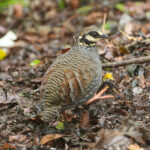
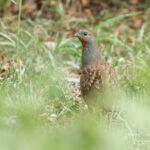
Taiwan Partridge ◊ (T Hill Partridge) Arborophila crudigularis Endemic. Incredible views of three at Dasyueshan.
Mikado Pheasant ◊ Syrmaticus mikado Endemic. Two confiding males and a female seen at the top of Dasyueshan.
Ring-necked Pheasant (Common P) Phasianus colchicus Endemic subspecies. Three along the road in eastern Taiwan (formosanus).
Swinhoe’s Pheasant ◊ Lophura swinhoii Endemic. Great views of this stunner at Dasyueshan, with three individual males and two females seen (some of which on more than one day), a well as a male that crossed the road at Alishan.
Taiwan Bamboo Partridge ◊ Bambusicola sonorivox Endemic. It took quite some time and effort before we all laid eyes on this noisy, but often hard to see bird. The spell was broken when the male of a pair ran straight towards the tape on a sidewalk in a busy park at Pingtung, in the final week of the trip. Four more were seen (two singles and a pair) at Huben. Heard throughout.
Rock Dove (introduced) Columba livia Fairly common in towns and cities.
Oriental Turtle Dove (Rufous T D) Streptopelia orientalis Endemic subspecies. Small numbers in the lowlands (orii). Also a migrant seen on Lanyu (orientalis?).
Red Collared Dove (Red Turtle D) Streptopelia tranquebarica The most commonly encountered member of this family (humilis).
Spotted Dove Spilopelia chinensis Regular in the lowlands, especially around human settlements (chinensis).
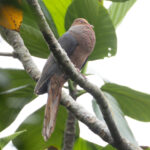
Philippine Cuckoo-Dove Macropygia tenuirostris At least six seen on Lanyu island (septentrionalis).
Asian Emerald Dove Chalcophaps indica Singles seen on Lanyu and Huben (indica).
White-bellied Green Pigeon ◊ Treron sieboldii Their fantastic song was occasionally heard at hill and lower mountain forests. Good views of for instance flocks of eight and five at Dasyueshan (sieboldii).
Whistling Green Pigeon (Taiwan G P) ◊ Treron formosae Near-endemic. Endemic subspecies. In all five seen and a sixth heard on Lanyu Island, where we saw the species well, including one on a nest (formosae).
Lesser Coucal Centropus bengalensis lignator Two seen at Lanyu and a fresh roadkill at the Zhuoshui river estuary.
Oriental Cuckoo Cuculus optatus Heard at Dongshi, Dasyueshan and Hualien and seen at the mountain forest leading to the Huahuan pass.
Savanna Nightjar Caprimulgus affinis stictomus Endemic subspecies. Taiwan’s only resident nightjar has the peculiar habit of occurring in cities and towns rather than in natural areas. They were heard and sometimes seen near our hotels at Dongshi, Taroko, Budai and Douliou.
Pacific Swift (Fork-tailed S) Apus pacificus Nine seen, all on Lanyu or along the east coast (kurodae).
House Swift Apus nipalensis Endemic subspecies. Common in suitable habitat (kuntzi).
Slaty-breasted Rail Lewinia stirata Endemic subspecies. One at a brackish marsh at Budai and one at the Zhuoshui river estuary (taiwana).
Eurasian Moorhen (Common M) Gallinula chloropus Small numbers at lowland fresh water marshes throughout.
Eurasian Coot (Common C) Fulica atra Thin in the ground in late spring, we saw a single at Budai.
White-breasted Waterhen Amaurornis phoenicurus Six logged throughout the lowlands (phoenicurus).
Ruddy-breasted Crake Zapornia fusca Non-leader. Flushed in a small marsh at a park in Pingtung.
Black-winged Stilt Himantopus himantopus Common at fresh and brackish water marshes.
Pied Avocet Recurvirostra avosetta Up to a hundred logged in the Budai area.
Grey Plover (Black-bellied P) Pluvialis squatarola An late addition on the final day, when one was seen at Xucuogang.
Pacific Golden Plover Pluvialis fulva Up to 600 counted in lowland marshes, most in breeding attire.
Little Ringed Plover Charadrius dubius Leader only. Three at the Zhuoshui river estuary (curonicus).
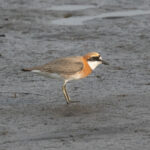
Siberian Sand Plover (Mongolian S P) Anarhynchus mongolus Up to 80 in stunning breeding plumage counted, some at fairly close range, with most at Budai but also at Hualien river estuary, Zhuoshui river estuary and Xucuogang.
Greater Sand Plover Anarhynchus leschenaultii A total of seven seen at Hualien river estuary, Zhuoshui river estuary and Xucuogang (leschenaultii).
Kentish Plover Anarhynchus alexandrinus Small numbers at all coastal wader sites, with a few precocial downy chicks at Budai (alexandrines).
Pheasant-tailed Jacana Hydrophasianus chirurgus In all six adults and a subadult of these stunning waders seen at Yunlin.
Eurasian Whimbrel Numenius phaeopus Only five seen at wader sites along the coast (variegatus).
Black-tailed Godwit (Eastern B-t G) Limosa limosa A single at Hualien river estuary (melanuroides).
Terek Sandpiper Xenus cinereus Some fine examples at Kaoping and Budai. Only nine seen, at Hualien, Beimen and Xucuogang.
Common Sandpiper Actitis hypoleucos Regular but in small numbers in suitable lowland habitat, with a flock of eight at Liyu lake.
Grey-tailed Tattler Tringa brevipes Up to 40 seen, with a few at Beimen and Budai, but most notably at Xucuogang with 31 individuals counted.
Marsh Sandpiper Tringa stagnatilis Only one at Beimen and three at Budai.
Wood Sandpiper Tringa glareola Only nine logged in lowland marshy areas, including rice paddies.
Common Redshank Tringa tetanus Singles at Hualien and Zhuoshui and two at Beimen.
Common Greenshank Tringa nebularia 24 logged in lowland marshes.
Ruddy Turnstone Arenaria interpres In all nine seen at coastal wetlands and river estuaries.
Great Knot Calidris tenuirostris Three birds at Beimen showed reasonably well.
Red Knot Calidris canutus Two at Hualien and two at Xucuogang, all in lovely breeding dress.
Broad-billed Sandpiper Calidris falcinellus Up to fifty of these well-marked sandpipers seen, with most at Budai but also a few at Xucuogang during our last hour of birding near the airport.
Sharp-tailed Sandpiper Calidris acuminata Nearly 175 of these superb waders counted, in their best plumage. Most were seen in the Budai area, but also at Zhuoshui and Xucuogang.
Curlew Sandpiper Calidris ferruginea Numerous at coastal wader sites, namely at Budai.
Long-toed Stint Calidris subminuta Only a single seen, at Beimen, somewhat surprisingly on a mudflat.
Red-necked Stint Calidris ruficollis Good numbers at coastal wetlands, but always outnumbered by Curlew Sand.
Sanderling Calidris alba Two at Hualien river estuary.
Oriental Pratincole Glareola maldivarum Only seven logged throughout, with for instance one migrating over Lanyu.
Black-headed Gull Chroicocephalus ridibundus Three in the Budai area.
Little Tern Sternula albifrons Fairly numerous on coastal wetlands (sinensis).
Gull-billed Tern Gelochelidon nilotica Two singles at Budai (affinis).
Caspian Tern Hydroprogne caspia In all eleven counted at Budai.
Whiskered Tern Chlidonias hybrida Hundreds in coastal wetlands, especially numerous at Budai where one roosting flock of at least 1500 birds was counted (hybrida).
White-winged Tern (W-w Black T) Chlidonias leucopterus A single in wonderful summer plumage at Hualien river estuary.
Common Tern (Eastern C T) Sterna hirundo longipennis Small numbers at coastal sites.
Little Grebe Tachybaptus ruficollis poggei Quite common in suitable habitat with almost a hundred logged, most of them in the Budai area.
Bulwer’s Petrel Bulweria bulwerii Leader only. One seen on the way in to Lanyu, and one seen from the shore at Lanyu, but both both were rather brief. It was a shame that we were not allowed on the deck of the ferry, sea watching through dirty windows was not easy!
Streaked Shearwater Calonectris leucomelas Seven on the way in to Lanyu. Despite the boat moved with 40 km/h several of the group managed to pick up at least one. Four very distant ones from Lanyu’s northern shore were only visible for those who are used to do distant sea watching with a spotting scope.
Wedge-tailed Shearwater Ardenna pacifica Dark morphed birds. Two on the way in to Lanyu, with one close to the ferry being picked up by several participants, and one on the way out. I did cheat, as I was using 16x stabilized bins on the boat, a great advantage in these conditions.
Oriental Stork ◊ Ciconia boyciana A few winter in Taiwan every year, but this endangered species bred for the first time in 2025. This year they nested on the same electricity pylon in Yunlin county again, so a little detour resulted in an adult and a juvenile on the nest. Needless to say this was a tour write-in. It was even a new bird for Bill!
Black-faced Spoonbill ◊ Platalea minor 68 logged, with 57 in the Budai area (including both a colour-ringed and a GPS tagged individual) and 11 at Zhuoshui river estuary. All birds seen well were in their second calendar-year.
Eurasian Spoonbill Platalea leucorodia Two with the previous species at Budai, both 2cy birds, were a bit of a surprise. It later turned out that two or three had been present in the area for a few months. A tour write-in.
Cinnamon Bittern Ixobrychus cinnamomeus Singles at Pingtung and Zhuoshui.
Yellow Bittern Ixobrychus sinensis A single at Budai, one at Beimen and seven at the wider Budai area, some quite confiding.
Black-crowned Night Heron Nycticorax nycticorax Abundant in the lowlands, including Taipei. An impressive colony of dozens was seen right next to the road at an intersection of several highways, mixed with many Eastern Cattle Egrets.
Malayan Night Heron ◊ Gorsachius melanolophus It took quite some effort to find two among the hikers, runners, school children et cetera in the Taipei botanical gardens. We then found a nest at the stake-out for Taiwan Blue Magpie at Yangmingshan and finally we tallied no less than twelve at the university grounds of Hualien.
Pacific Reef Heron Egretta sacra Two singles on the rocky shores of Lanyu island.
Chinese Egret ◊ Egretta eulophotes An all too brief bird at Beimen amongst the Little and Medium Egrets was not very satisfying, so we were happy to see no less than seven, some very well, during our final hour of birding before the tour end at Xuocogang.
Little Egret Egretta garzetta Common throughout the lowlands.
Little Heron Butorides atricapilla Two at Budai.
Chinese Pond Heron Ardeola bacchus An apparent migrant flying north at Lanyu.
Eastern Cattle Egret Bubulcus coromandus Common throughout the lowlands. Migrating flocks were seen crossing the sea or resting on the rocky shores of Lanyu.
Great Egret Ardea alba Common in the lowlands, especially so in Budai.
Medium Egret Ardea intermedia Small numbers in the lowlands, with most seen at Beimen where the most common egret on the mudflats.
Grey Heron Ardea cinerea Small numbers in coastal wetlands.
Osprey Pandion haliaetus Singles at Halien and Zhuoshui (haliaetus).
Black-winged Kite Elanus caeruleus A total of six singles seen in the lowlands (hypoleucus).
Oriental Honey Buzzard (Crested H B) Pernis ptilorhynchus Four at Dongshi, two at the lower parts of Dasyueshan, two at Liyu Lake and one at Firefly Homestay (orientalis).
Crested Serpent Eagle Spilornis cheela Endemic subspecies. A total of eight seen, at Dasyueshan, Alishan and Huben (hoya).
Chinese Sparrowhawk ◊ (C Goshawk) Accipiter soloensis A single male migrating over the lower parts of Dasyueshan was all we got this trip.
Upland Buzzard Buteo hemilasius This tour write-in was a big surprise. One crossed the estuary at Zhuoshui during an improvised visit. That evening it turned out that one had wintered in the area, last seen two weeks before our sighting.
Northern Boobook ◊ Ninox japonica A very active bird mocked by passerines was seen within our first fifteen minutes of birding on Lanyu (japonica).
Mountain Scops Owl ◊ Otus spilocephalus Endemic subspecies. Heard only at Qingjing by the leader from the hotel, three heard and finally one seen after quite some effort at the Firefly Homestay. This scops owl is notoriously good at hiding (hambroecki).
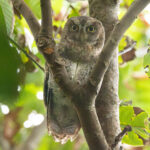
Ryukyu Scops Owl ◊ (Lanyu Scops O) Otus elegans Great views in the daytime of one or maybe two individuals at Lanyu, where at least five more were heard. An endemic subspecies (botelensis).
Collared Scops Owl Otus lettia Endemic subspecies. A pair with two large downy chicks at a busy park at Pingtung were very much appreciated (glabripes).
Common Kingfisher Alcedo atthis Regular in the lowlands, with a total of eight seen (bengalensis).
Taiwan Barbet ◊ Psilopogon nuchalis Endemic. Common in the lowlands and foothills.
Grey-capped Pygmy Woodpecker Yungipicus canicapillus Two at the lower parts of Dasyueshan, two in the hotel garden in Taroko, a single at Liyu Lake and three at the Firefly Homestay (kaleensis).
White-backed Woodpecker Dendrocopos leucotos Endemic subspecies. A pair showed well at Alishan (insularis).
Fairy Pitta ◊ Pitta nympha During our two visits to the bamboo forest at Huben we saw at least three and heard another one, including a nest-building individual.
Grey-chinned Minivet Pericrocotus solaris Frequently encountered in the hill forests, with up to 15 seen (griseogularis).
White-bellied Erpornis Erpornis zantholeuca A combined total of ten seen. Recorded at Dongshi, Dasyueshan, Liyu Lake and Huben (griseiloris).
Maroon Oriole ◊ (Red O, Claret O) Oriolus traillii Two of these beauties seen at Liyu Lake, one at Firefly Homestay and two heard only at Huben (ardens).
Bronzed Drongo Dicrurus aeneus Endemic subspecies. Surprisingly only a single seen, at Firefly Homestay (braunianus).
Black Drongo Dicrurus macrocercus Endemic subspecies. Common in rural areas (harterti).
Black-naped Monarch Hypothymis azurea Endemic subspecies. In all eight seen in lowlands forests, including one on a nest at the Tapei Botanical Gardens (oberholseri).
Black Paradise Flycatcher ◊ (Japanese P F) Terpsiphone atrocaudata A pair of these beauties was seen well at Lanyu (periophthalmica).
Brown Shrike Lanius cristatus lucionensis In all eight migrants of the Phillipine lucionensis race seen, with most on Lanyu.
Long-tailed Shrike Lanius schach. A single at Liyu Lake (schach).
Eurasian Jay Garrulus glandarius Endemic subspecies. Two singles at Dasyueshan (taivanus).
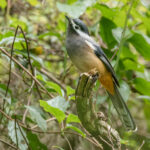
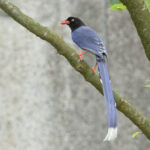
Taiwan Blue Magpie ◊ Urocissa caerulea Endemic. At least four seen well at Yangmingshan on the first day.
Grey Treepie Dendrocitta formosae Endemic subspecies. Common in the lowlands, with nearly 50 logged (formosae).
Oriental Magpie (introduced) Pica serica. One at the botanical gardens and two singles in the Beimen area.
Spotted Nutcracker ◊ (Owston’s N) Nucifraga hemispila A total of six at Dasyueshan and one at Alishan. Spotted Nutcracker N caryocatactes was recently split into three species, the Taiwan subspecies belonging to what is now named Southern Nutcracker (owstoni).
Large-billed Crow Corvus macrorhynchos An uncommon bird in Taiwan, with up to ten seen at Dasyueshan and Alishan combined (colonorum).
Coal Tit Periparus ater Endemic subspecies. Common in the pine forests of Dasyueshan and Alishan, with one attending a nest at the latter site (ptilosus).
Chestnut-bellied Tit ◊ (Taiwan Varied T) Sittiparus castaneoventris Endemic. We had to work a bit at the lower parts of Dasyueshan in order to see this species. It was difficult to get everybody on the birds staying in the canopy, but the third pair we found fortunately descended to an electricity wire, where they showed well.
Green-backed Tit Parus monticolus Endemic subspecies. Regularly seen and heard in the mountains, with over a dozen recorded (insperatus).
Yellow Tit ◊ (Taiwan Y T) Machlolophus holsti Endemic. Thin on the ground, but we found two singles at Dasyueshan, with one especially showing very well.
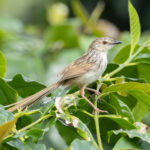
Striped Prinia ◊ (Swinhoe’s P) Prinia striata Endemic subspecies. Split from Striated Prinia (now known as Himalayan Prinia P. crinigera). One showed very well on the way up the Firefly Homestay. (striata).
Yellow-bellied Prinia Prinia flaviventris Common in rural areas (sonitans).
Plain Prinia Prinia inornata Endemic subspecies. Common in rural areas and reed-fringed marshes (flavirostris).
Taiwan Bush Warbler ◊ (Alishan B W) Locustella alishanensis Endemic. At least five heard at Dasyueshan of which two were seen, singles heard at Hehuan and Alishan.
Zitting Cisticola Cisticola juncidis A few seen and heard in the eastern lowlands (tinnabulans).
Taiwan Cupwing ◊ (T Wren-Babbler) Pnoepyga formosana Endemic. Boy did it take effort to get everybody on this super skulker! Often singing so close, yet so far away. At least 17 different individuals heard at Dasyueshan and Alishan, with five allowing at least a glimpse to some of the group. After a lot of work one finally perched on a mossy curb several times at Alishan, allowing everybody a view.
Grey-throated Martin (G-t Sand M) Riparia chinensis At least thirty seen in de Budai area at Zhuoshui (chinensis).
Pacific Swallow Hirundo tahitica Regular in the lowlands and hills (namiyei).
Barn Swallow Hirundo rustica Common (gutturalis).
Asian House Martin Delichon Dasypus nigrimentale Colonies were found at the buildings at Hehuan Pass and around the ‘open tunnels’ at Alishan. In all we logged over a hundred this tour.
Eastern Red-rumped Swallow Cecropis daurica A complicated split and lump. The Asian races of what formerly were formerly Red-rumped Swallow and Striated Swallow are now treated as this single species, whereas both their European and African counterparts were split as European and African Red-rumped Swallow respectively. The ‘Striated’ subspecies was common in the lowlands, with dozens seen (striolata).
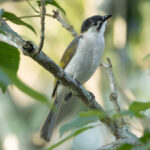
Brown-eared Bulbul ◊ Hypsipetes amaurotis Endemic subspecies. Common on Lanyu. One on the mainland at the Hualien river estuary was a bit of a surprise (nagamichii).
Black Bulbul (Grey-winged B B) Hypsipetes leucocephalus Endemic subspecies. Common in lowland and hill forests (nigerrimus).
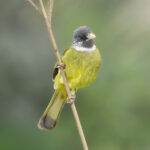
Collared Finchbill ◊ Spizixos semitorques Endemic subspecies. Small numbers at the lower parts of Dasyueshan, around the Firefly Homestay and a single at Huben (cinereicapillus).
Light-vented Bulbul ◊ (Chinese B) Pycnonotus sinensis Endemic subspecies. Very common in the lowlands in most of Taiwan (formosae).
Styan’s Bulbul ◊ (Taiwan B) Pycnonotus taivanus Endemic. Common in the core of their range at the southeastern part of the island. The garden of our Taroko hotel held a hybrid Styan’s x Light-vented Bulbul paired with a Styan’s.
Arctic/Kamchatka Warbler Phylloscopus borealis/examinandus A silent Phylloscopus warbler was seen well at Liyu Lake. Arctic is the default option of this species pair that can only reliably be identified by voice, though Kamchatka is probably overlooked. Intriguingly it did not respond to playback of Arctic but it flew in at light speed as soon as I played the Kamchatka tape! It was a very heavy billed bird, which could be a marker for Kamchatka, but without calls we will never know what it was.
Arctic Warbler Phylloscopus borealis With one singing and calling at the entrance of the Huben forest on our final morning we could finally add it to our trip list, after the unidentified bird at Liyu Lake.
Rufous-faced Warbler ◊ Abroscopus albogularis More often heard than seen, but fairly regular at Dasyueshan and Alishan (fulvifacies).
Brown-flanked Bush Warbler (Brownish-flanked B W) ◊ Horornis fortipes Endemic subspecies. Heard only at the lower parts of Dasyueshan (rubustipes).
Yellow-bellied Bush Warbler ◊ Horornis acanthizoides Endemic subspecies. Common at higher elevations of Dasyueshan, Hehuan and Alishan, their bizarre, high-pitched songs being the soundtrack of many mornings (concolor).
Black-throated Bushtit (Red-headed Tit) Aegithalos concinnus Small flocks regularly seen at higher elevations (concinnus).
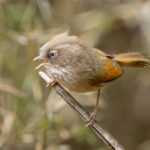
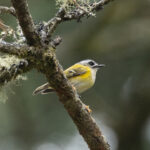
Taiwan Fulvetta ◊ Fulvetta formosana Endemic. Small numbers seen at Dasyueshan and Hehuan, more at Alishan. In all around 15 seen.
Golden Parrotbill ◊ Suthora verreauxi Endemic subspecies. While watching a Taiwan Bush Robin at Alishan, three of these cute parrotbills emerged in the background (morrisoniana).
Taiwan Yuhina ◊ Yuhina brunneiceps Endemic. Common found mountain forests of Dasyueshan, Hehuan and Alishan.
Swinhoe’s White-eye Zosterops simplex Common in the lowlands. Previously included in Z. japonicus (simplex).
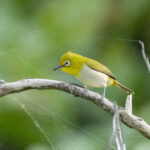
Lowland White-eye ◊ Zosterops meyeni Near-endemic subspecies. Only present on Lanyu island, where common. Otherwise essentially a Philippine species (batanus).
Rufous-capped Babbler ◊ Cyanoderma ruficeps Endemic subspecies. Often heard only, but also regularly seen, with dozens found in lowland and hill forests (praecognitum).
Taiwan Scimitar Babbler ◊ Pomatorhinus musicus Endemic. A small flock at Dongshi and common at Huben.
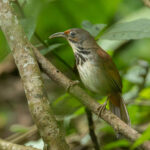
Black-necklaced Scimitar Babbler ◊ Erythrogenys erythrocnemis Endemic. Pairs seen well after some effort at Liyu Lake and at Huben, with others heard at several places.
Dusky Fulvetta ◊ Schoeniparus brunneus Endemic subspecies. Great views at Dasyueshan on our first afternoon, where more were heard. Also heard at Huben (brunneus).
Morrison’s Fulvetta (Grey-cheeked F) ◊ Alcippe morrisonia Endemic. Regularly seen, especially at lower elevation woodlands, but smaller numbers also seen at mountain forests.
White-whiskered Laughingthrush ◊ Trochalopteron morrisonianum Endemic. Over thirty seen at the higher elevations of Dasyueshan, Hehuan and Alishan, where often seen well.
White-eared Sibia ◊ Heterophasia auricularis Endemic. Common in the hill forests where frequently seen and even more often heard. Somewhat surprisingly, also four seen in the lowlands at Hualien.
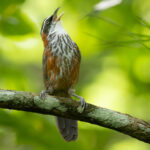
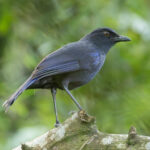
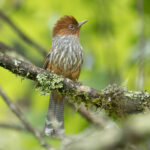
Taiwan Barwing ◊ Actinodura morrisoniana Endemic. A flock of three and a single at Dasyueshan and two at Alishan. Great birds.
Steere’s Liocichla (Taiwan L) ◊ Liocichla steerii Endemic. Not uncommon in the hill forests, numerous at the Qingjing tea plantations. They seem to sing differently everywhere you go.
Taiwan Hwamei ◊ Garrulax taewanus Endemic. Heard only on our first afternoon near Dongshi, three seen the following morning in another valley and a single at Hualien seen well.
Rufous-crowned Laughingthrush ◊ Pterorhinus ruficeps Endemic. Often one of the harder to find endemics, we saw a canopy flock that was difficult to see well on our first day at Dasyueshan. A much more confiding flock was found around our accommodation.
Rusty Laughingthrush ◊ Pterorhinus poecilorhynchus Endemic. Often quite skulking, we had great views on our way up to Dasyueshan, where another two were seen on a misty morning around our accommodation.
Flamecrest ◊ Regulus goodfellowi Endemic. It took quite the effort to see some calling birds at Dasyueshan, but in the end we managed. At Alishan they were much more obliging. In all we noted about 15 birds, some by voice only.
Eurasian Nuthatch Sitta europaea Endemic subspecies. Only one, at our accommodation at Dasyueshan (formosana).
Eurasian Wren Troglodytes troglodytes Endemic subspecies. One at Hehuanshan, two at Alishan (taivanus).
Asian Glossy Starling (introduced) Aplonis panayensis Small numbers throughout, including sites like Taipei and Budai.
Javan Myna ◊ (introduced) Acridotheres javanicus Abundant around human settlements.
Common Myna (introduced) Acridotheres tristis Common around human settlements.
Crested Myna Acridotheres cristatellus Endemic subspecies. A single at the botanical gardens was a nice surprise, since this is not a common species in Taiwan. It was nice to see a native myna or starling for a change, with all these feral species on the island (formosanus).
Black-collared Starling (introduced) Gracupica nigricollis Three at Yangmingshan.
Chestnut-tailed Starling (introduced) Sturnia malabarica Small numbers in rural areas along the west coast, with up to twenty seen.
Oriental Magpie-Robin (introduced) Copsychus saularis Singles at the Taroko hotel and at the temple at Huben.
White-rumped Shama (introduced) Copsychus malabaricus Common in lowland forests, especially in the botanical gardens of Taipei and at Huben.
Grey-streaked Flycatcher Muscicapa griseisticta Four migrants seen well on Lanyu.
Ferruginous Flycatcher ◊ Muscicapa ferruginea Only three seen at Alishan, where we found a nest.
Taiwan Vivid Niltava ◊ Niltava vivida Endemic. Common in the mountain forests of Dasyueshan and Alishan, but more often heard than seen.
Taiwan Shortwing ◊ Brachypteryx goodfellowi Endemic. After unco-operative birds at Dasyueshan (flashes for some), we found them to be common at Alishan – if only by voice! Eventually we managed to get several views.
Taiwan Whistling Thrush ◊ Myophonus insularis Endemic. Our first at Yangmingshan was feeding two not yet full-grown fledglings. Also regular at Dasyueshan and Alishan, where often seen quite well. In all up to 25 found during the tour.
Little Forktail Enicurus scouleri fortis One at a roadside waterfall at Dasyueshan.
Siberian Rubythroat Calliope calliope A male showed well in the tea plantation behind our Qingjing hotel.
White-tailed Robin ◊ Myiomela leucura Common in the (mid) mountain forests of Dasyueshan and Alishan, where often seen well.
Taiwan Bush Robin ◊ (Sombre B R) Tarsiger formosanus Four very unco-operative birds at Dasyueshan, with one only allowing flashes. Again only brief flashes of a female at Hehuan, but fortunately common at Alishan at one area in particular, where we saw several very well. In the end we logged 15-20, with six or seven seen. Recently split from White-browed Bush Robin T indicus.
Collared Bush Robin ◊ Tarsiger johnstoniae Endemic. Regular at higher elevation at Dasyueshan and and Hehuan, fewer at Alishan. In all about ten seen. Much more showy than the previous species.
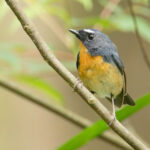
Snowy-browed Flycatcher Ficedula hyperythra Endemic subspecies. A splendid male seen well at Alishan (innexa).
Plumbeous Water Redstart (P R) Phoenicurus fuliginosus Endemic subspecies. Only two, on our first afternoon at Dongshi (affinus).
Blue Rock Thrush (Eastern B R T) Monticola solitarius Six including a few red-bellied males along the rocky coasts of Lanyu (philippensis).
Plain Flowerpecker Dica minullum Endemic subspecies. One at Dongshi (uchidai).
Fire-breasted Flowerpecker Dicaeum ignipectus Endemic subspecies. Poor views of a repeatedly calling female at Dasyueshan (formosum).
Eurasian Tree Sparrow Passer montanus Common in cities, towns and in rural areas (saturates).
Indian Silverbill (introduced) Euodice malabarica Surprisingly, this was a tour write-in. Six at Budai and one along the road in Yunlin.
Scaly-breasted Munia Lonchura punctulata A few seen in rural areas (topela).
White-rumped Munia Lonchura striata A few seen in the foothills of Dasyueshan and the Firefly Homestay (swinhoei).
Eastern Yellow Wagtail (Alaska W) Motacilla tschutschensis The default migrant Yellow Wagtail, seen in many lowland marshy areas (tschutschensis).
Eastern Yellow Wagtail ◊ (Green-headed W) Motacilla tschutschensis At least ten at Xucuogang during the final hour of birding (taivana).
Grey Wagtail Motacilla cinerea Migrants seen at Hualien, Lanyu and near the Firefly Homestay (cinerea).
White Wagtail (Amur W) Motacilla alba A few seen at lowland sites (leucopsis).
Richard’s Pipit Anthus richardi One flushed at the grassy shores of Liyu Lake.
Brambling Fringilla montifringilla A female at the top of Dasyueshan was a tour write-in. More frequent in autumn and winter, this late spring sighting was a bit unseasonal.
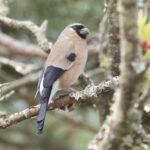
Taiwan Bullfinch ◊ Pyrrhula owstoni Endemic. We kept finding this sometimes not so easy endemic. First we saw a pair at the highest part of Dasyueshan, then a pair at Hehuan and finally we counted no less than 18 on a single walk at Alishan, including a flock of eleven.
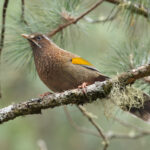
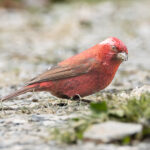
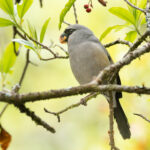
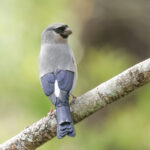
Taiwan Rosefinch ◊ Carpodacus formosanus Endemic. We quickly found a female at a parking lot at Hehuanshan, but the area was incredibly crowded since we visited during a sunny Taiwanese holiday. It took a long, long time before we encountered a wine-red male. Finally, another female was found at Alishan.
Little Bunting Emberiza pusilla Common in winter, but very scarce late in spring. We were lucky to find a migrant at Budai.
MAMMALS
Siberian Weasel (Taiwan W) Mustela siberica Briefly seen by the leader only at Dasyueshan (davidiana).
Formosan Reeves’s Muntjac Muntiacus reevesi Regularly seen and heard in the hill forests (micrurus).
Formosan Serow Capricornis swinhoei Two at Dasyueshan including one by the accommodation.
Taiwanese Macaque (T Rock M) Macaca cyclopis Especially regular at Alishan, where confiding, but also at Dasyueshan and Huben.
Pallas’s Squirrel (Tawain P S, Red-bellied S) Callosciurus erythraeus thaiwanensis Regular in the lowlands and hill forests.
Red-and-white Giant Flying Squirrel (White-faced F S) Petaurista alborufus Great views of several of this large squirrel by our accommodation at Dasyueshan, including two gliding ones. Spectacular stuff! Heard around the Firefly homestay.
Maritime Striped Squirrel (Formosan S S) Tamiops maritimus formosanus A few at Dasyueshan.
REPTILES & AMPHIBIANS
Pond Slider Trachemys scripta. Not native.
Chinese Box Turtle (Yellow-margined B T, Golden-headed T) Cuora flavomarginata.
Chinese Stripe-necked Turtle (Golden Thread T) Mauremys sinensis.
Common Sun Skink (East Indian Brown Mabuya, Many-Lined Sun S, Many-striped S) Eutropis multifasciata
Common Asian Toad Duttaphrynus melanostictus
DRAGONFLIES AND DAMSELFLIES
Slender Skimmer Orthetrum sabina
Pied Skimmer Pseudothemis zonata
Crimson Dropwing Orthetrum testaceum
Indigo Dropwing Trithemis festiva
Blue-tailed Forest Hawk Orthetrum triangulare
Crimson-tailed Marsh Hawk Orthetrum pruinosum
Blue Marsh Hawk Orthetrum glaucum
Wandering Glider Pantala flavescens
Chalky Percher Diplacodes trivialis
Common Picture Wing Rhyothemis variegat
Asian Amberwing (Ditch Jewel ) Brachythemis contaminata
Formosan Parasol Neurothemis taiwanensis Endemic, only described in 2016.
Oriental Blue Dasher Brachydiplax chalybea
Wandering Pennant (Coastal Glider) Macrodiplax cora
Grizzled Pintail (Asian Pintail, or Trumpet Tail) Acisoma panorpoide
Twister Tholymis tillarga
Orange-tailed Sprite Ceriagrion auranticum
Formosan Damselfly Euphaea formosa Endemic.
Formosan Jewelwing Matrona cyanoptera Endemic.
Red Sprite Pseudagrion pilidorsum
Blue River Damsel Pseudagrion microcephalum
Orange-backed Thread-tail Prodasineura croconota
Dusky Lilly Squatter Paracercion calamorum
Yellow Featherlegs Copera marginipes
Psolodesmus mandarinus Endemic.
Variable Wisp (Pinhead Wisp) Agriocnemis femina
Wandering Midget Agriocnemis pygmaea