
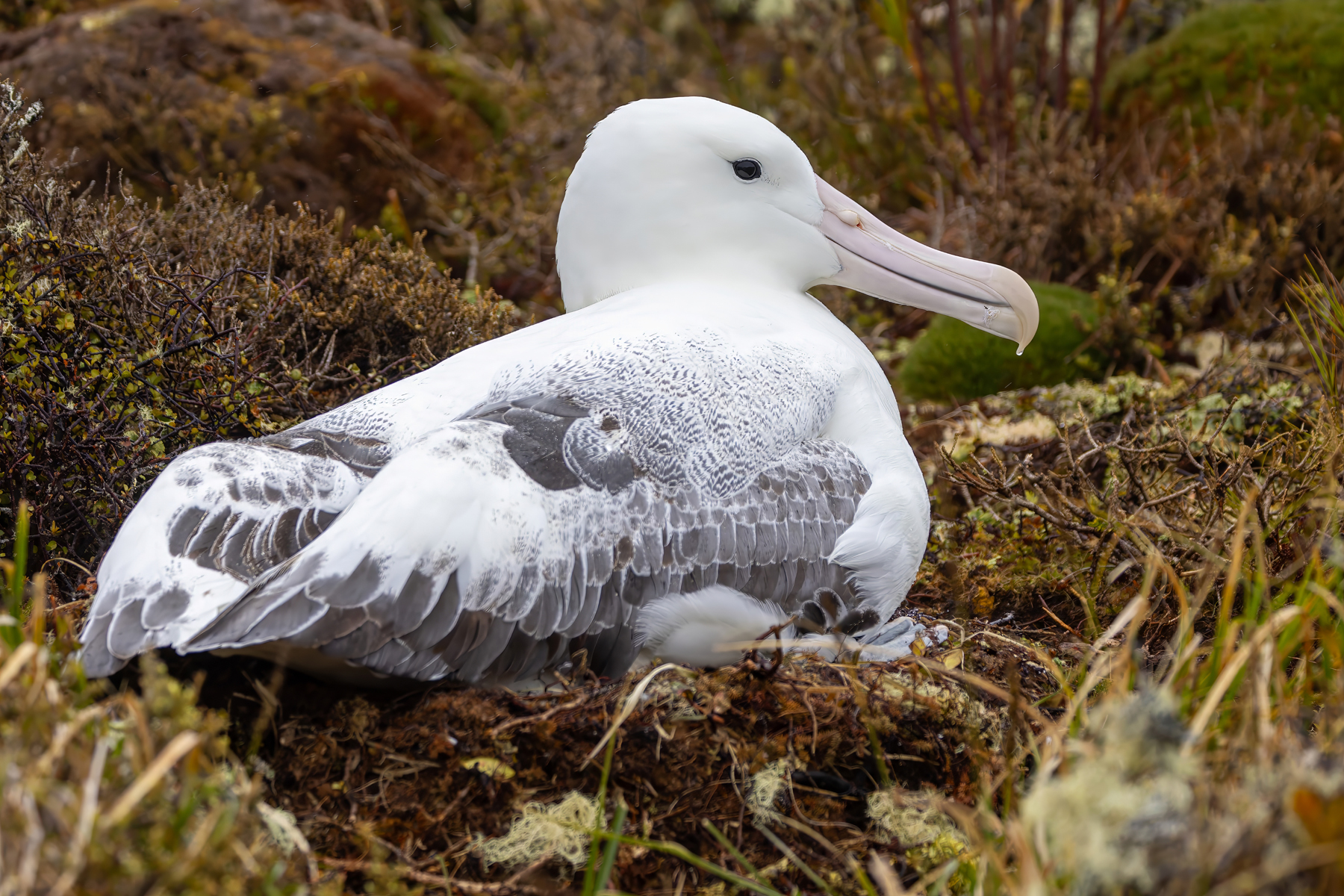
Southern Royal Albatross (image by Nik Borrow)
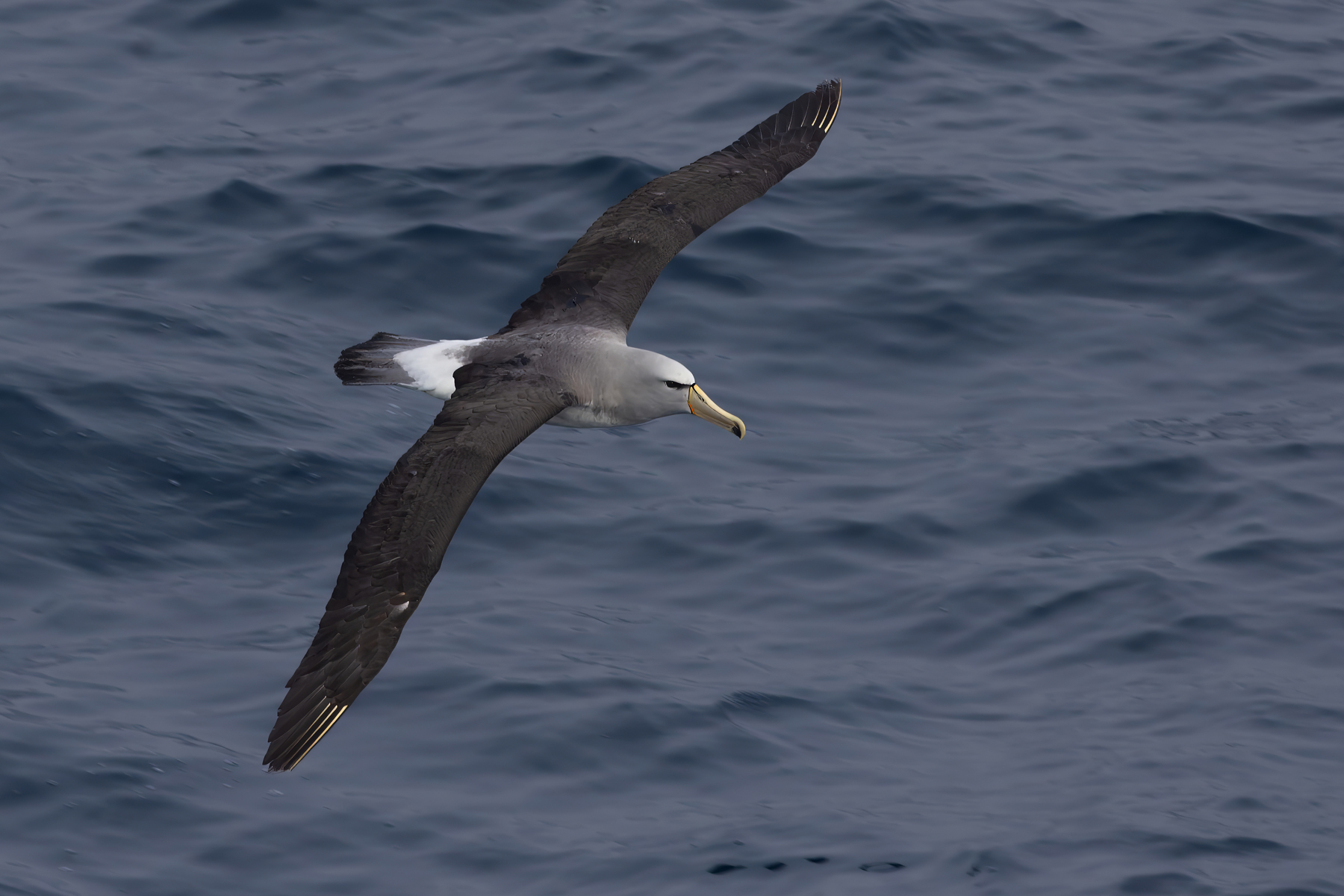
Salvin's Albatross (image by Nik Borrow)
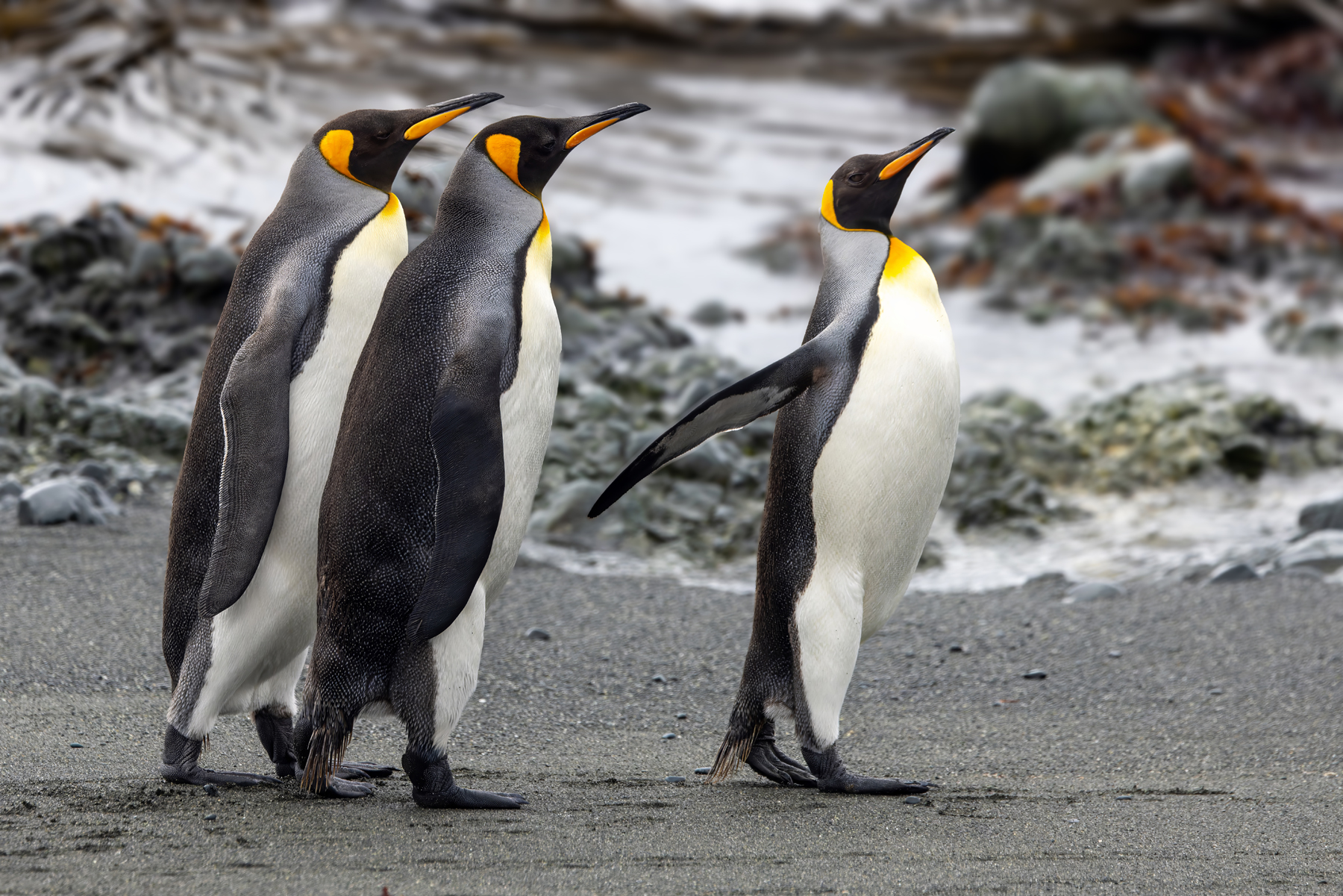
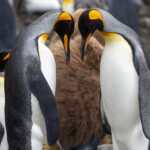
King Penguins (image by Nik Borrow)
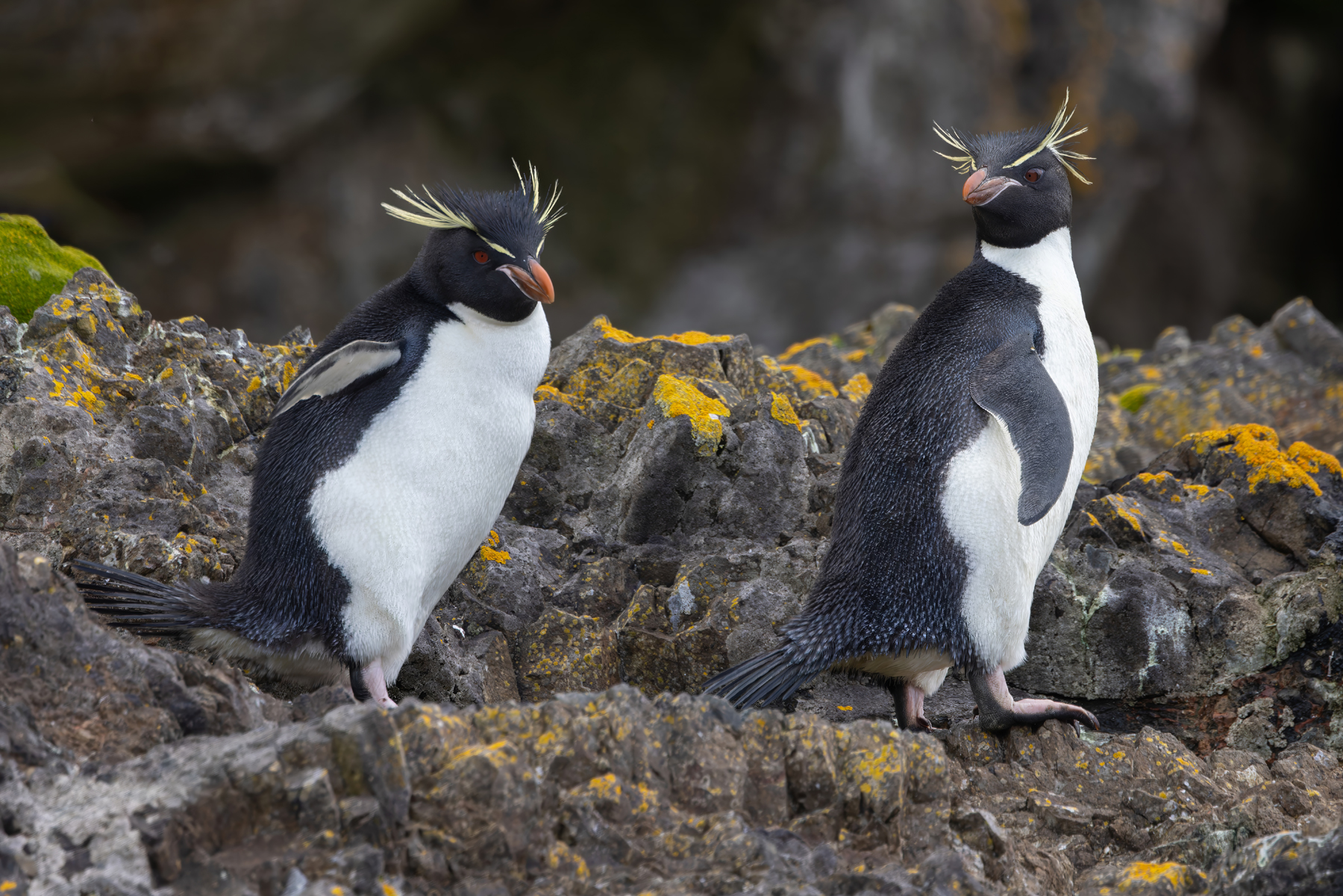
Eastern Rockhopper Penguins (image by Nik Borrow)
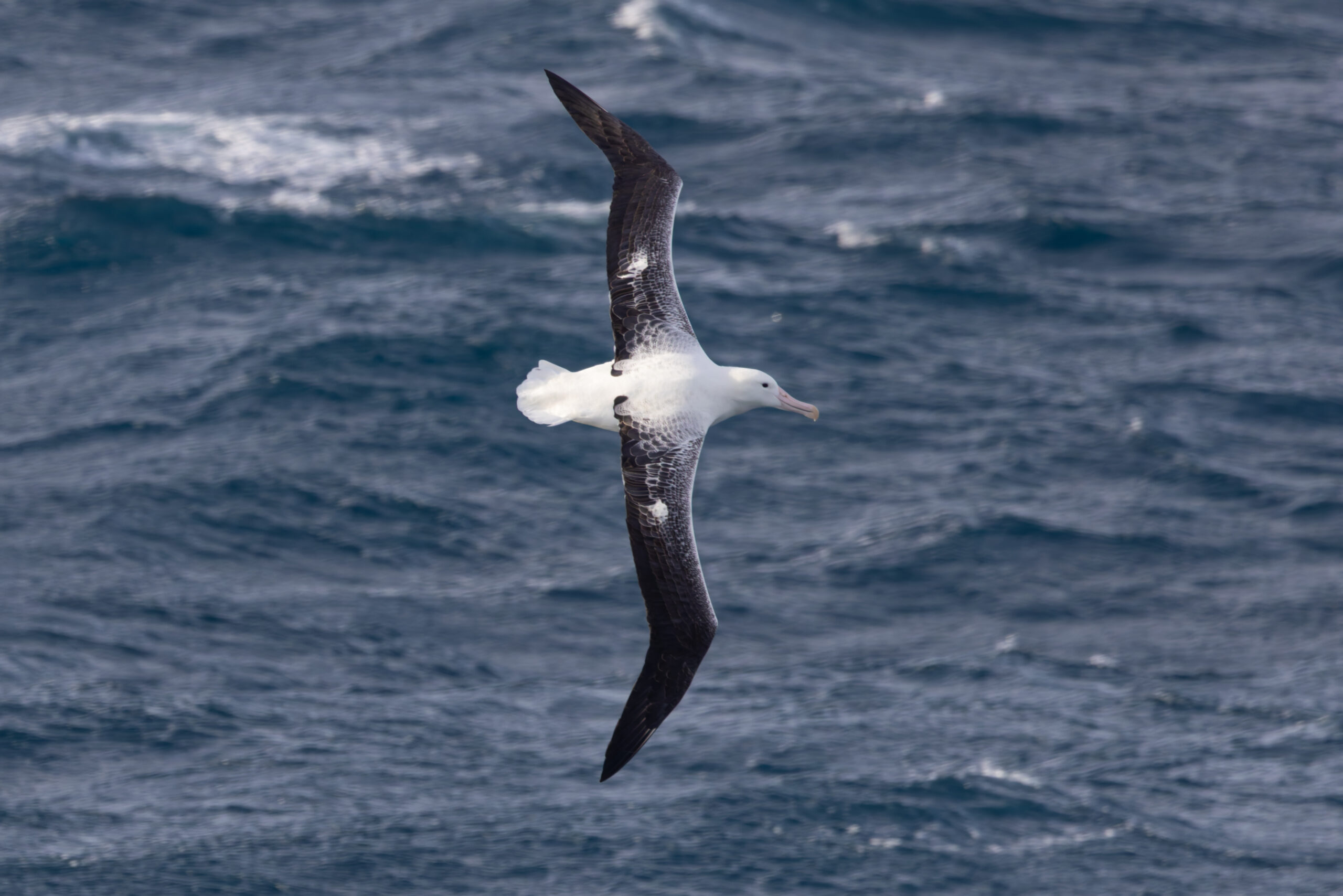
Southern Royal Albatross (image by Nik Borrow)
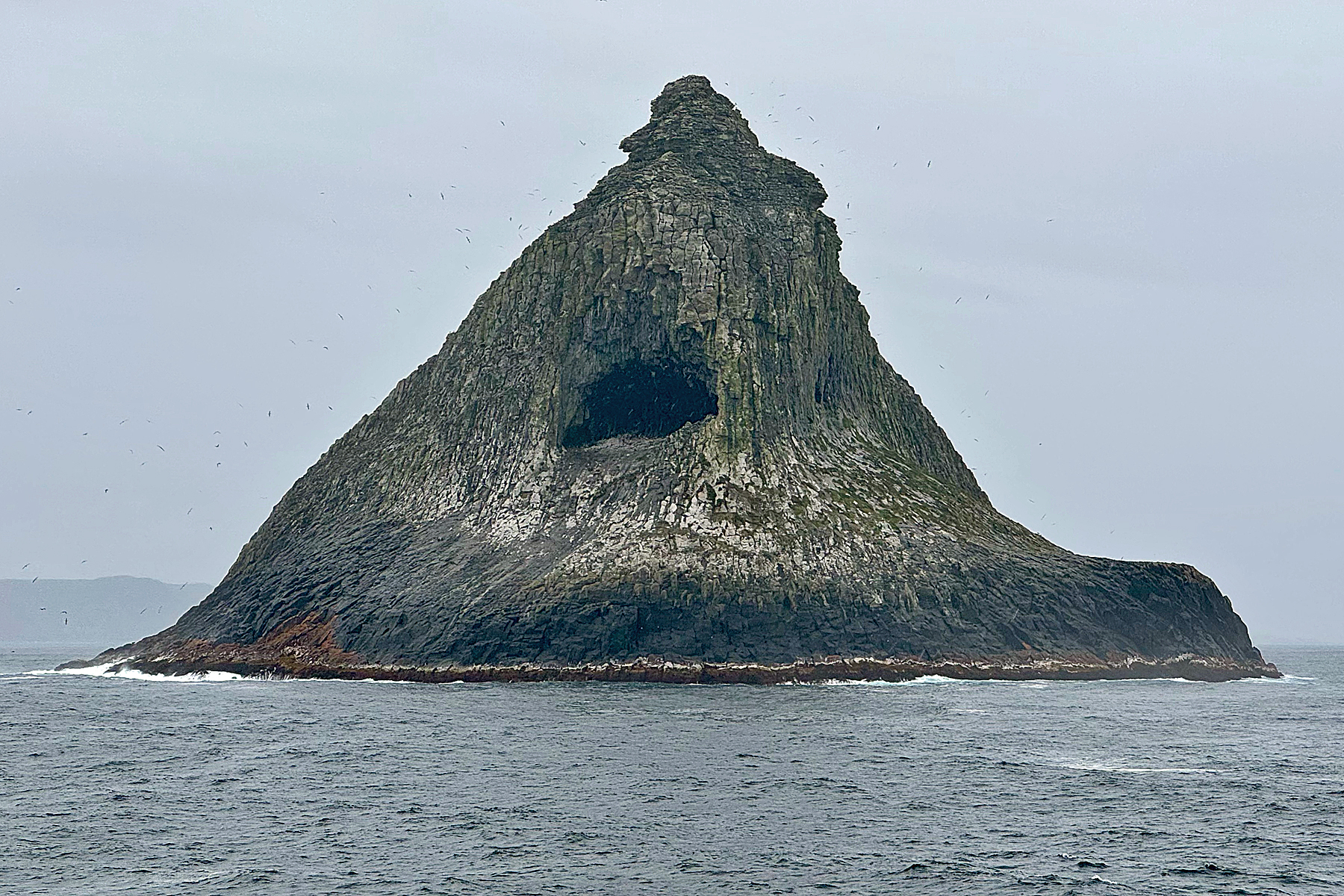
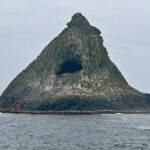
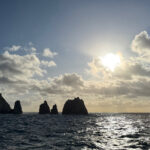
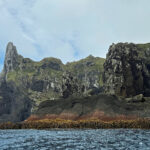
Pyramid Rock (image by Nik Borrow)
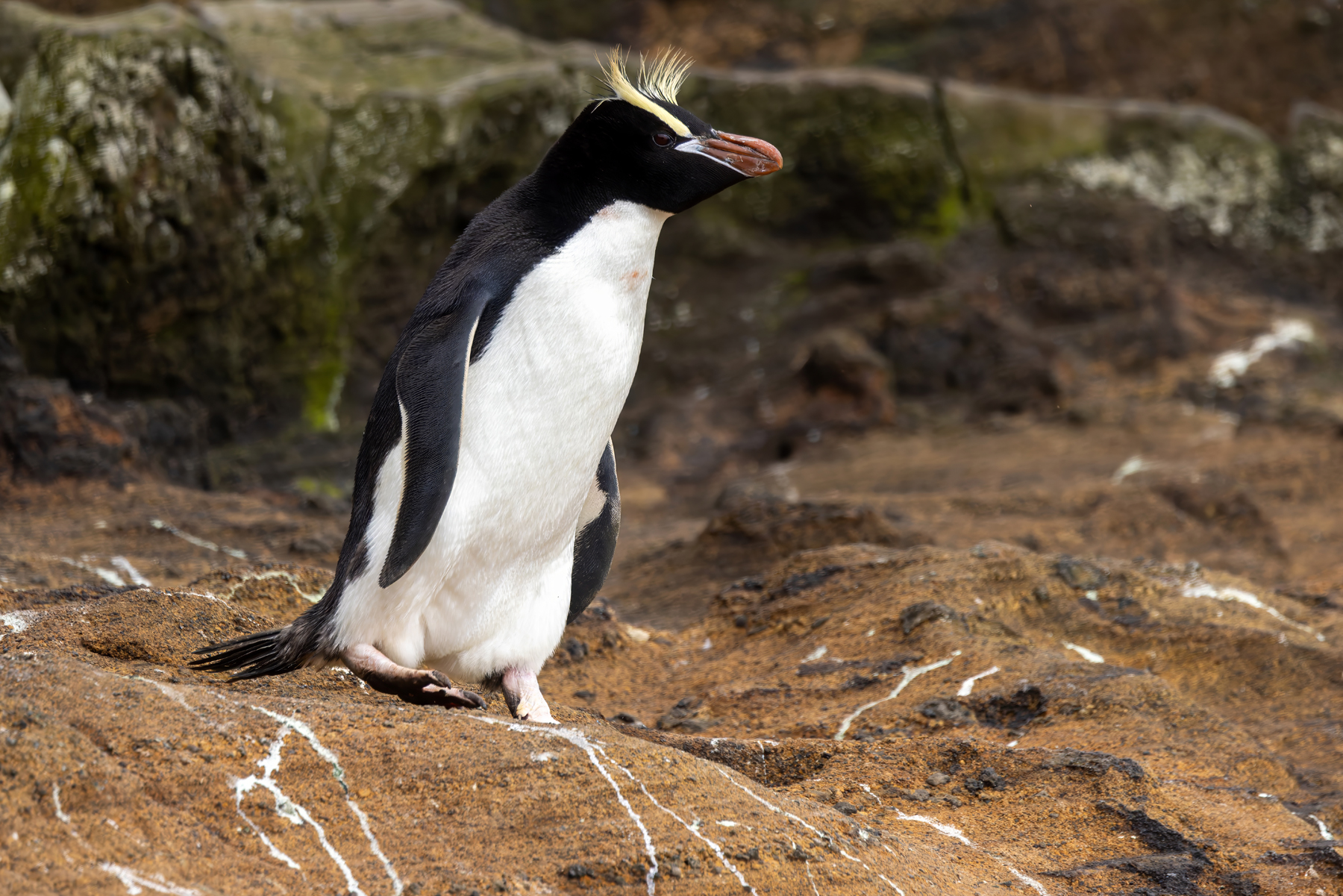
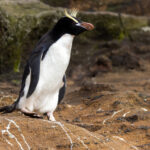
Erect-crested Penguin (image by Nik Borrow)
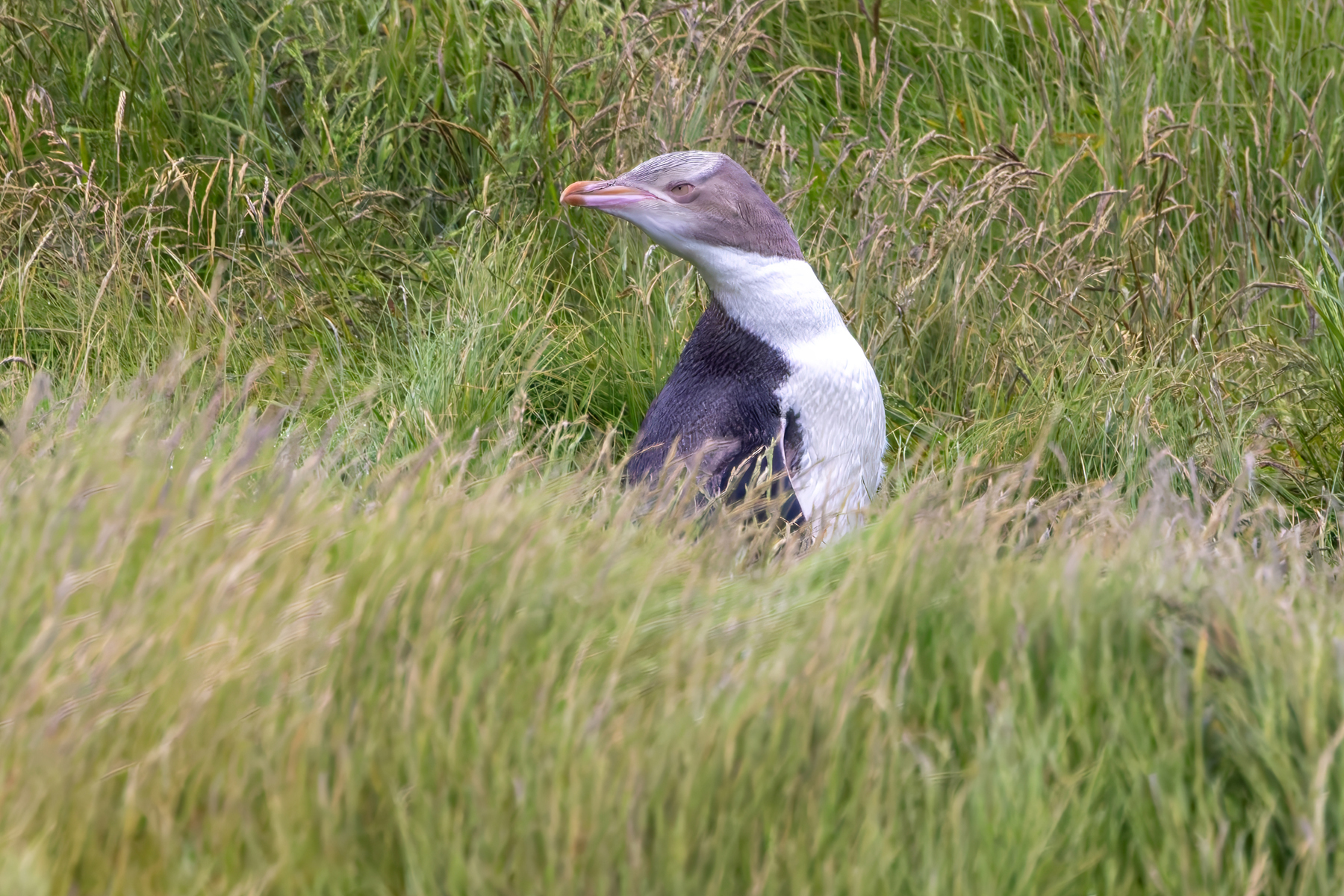
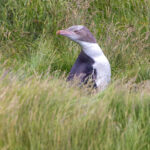
Yellow-eyed Penguin (image by Nik Borrow)
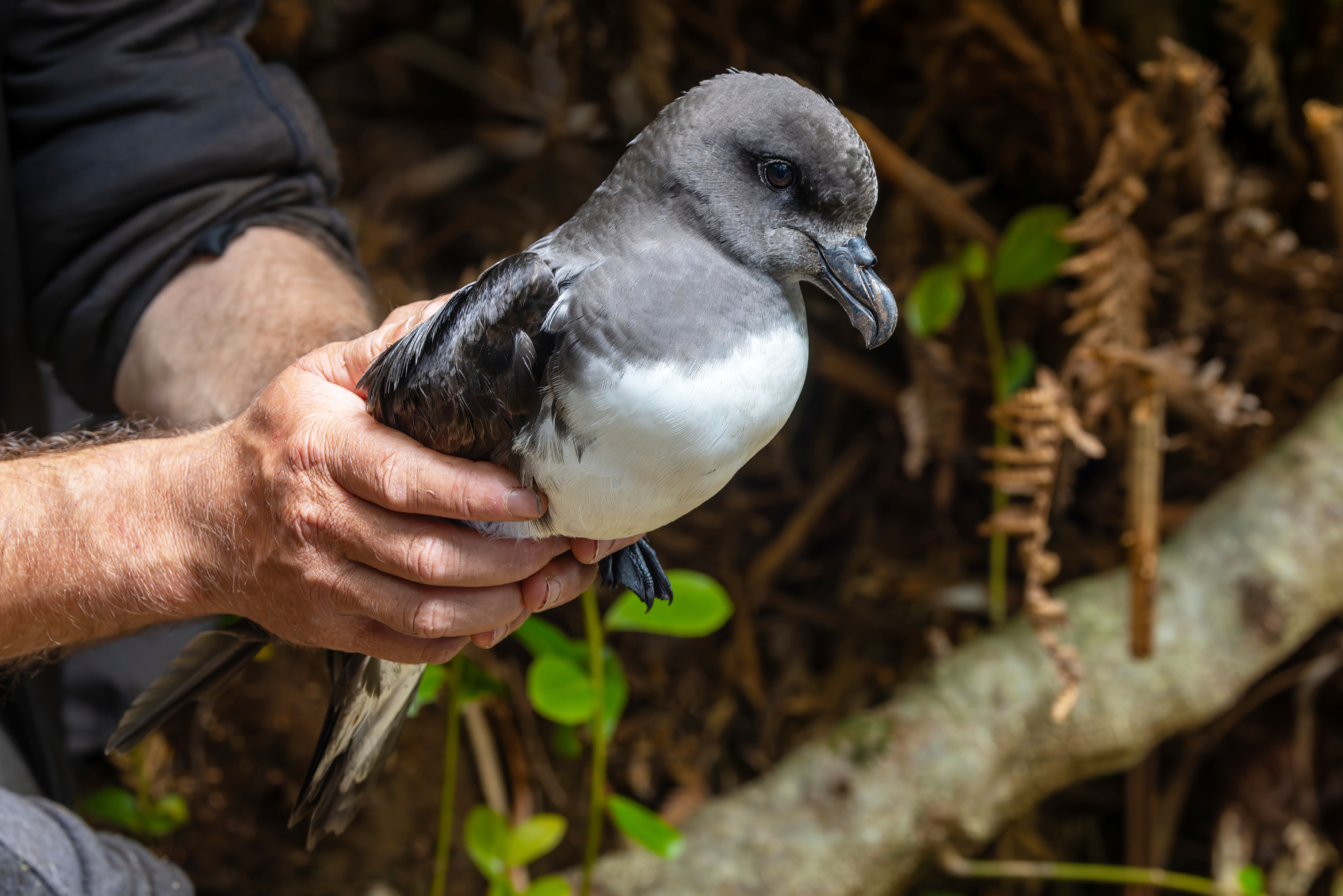
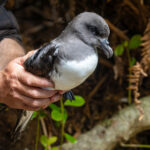
Magenta Petrel (image by Nik Borrow)
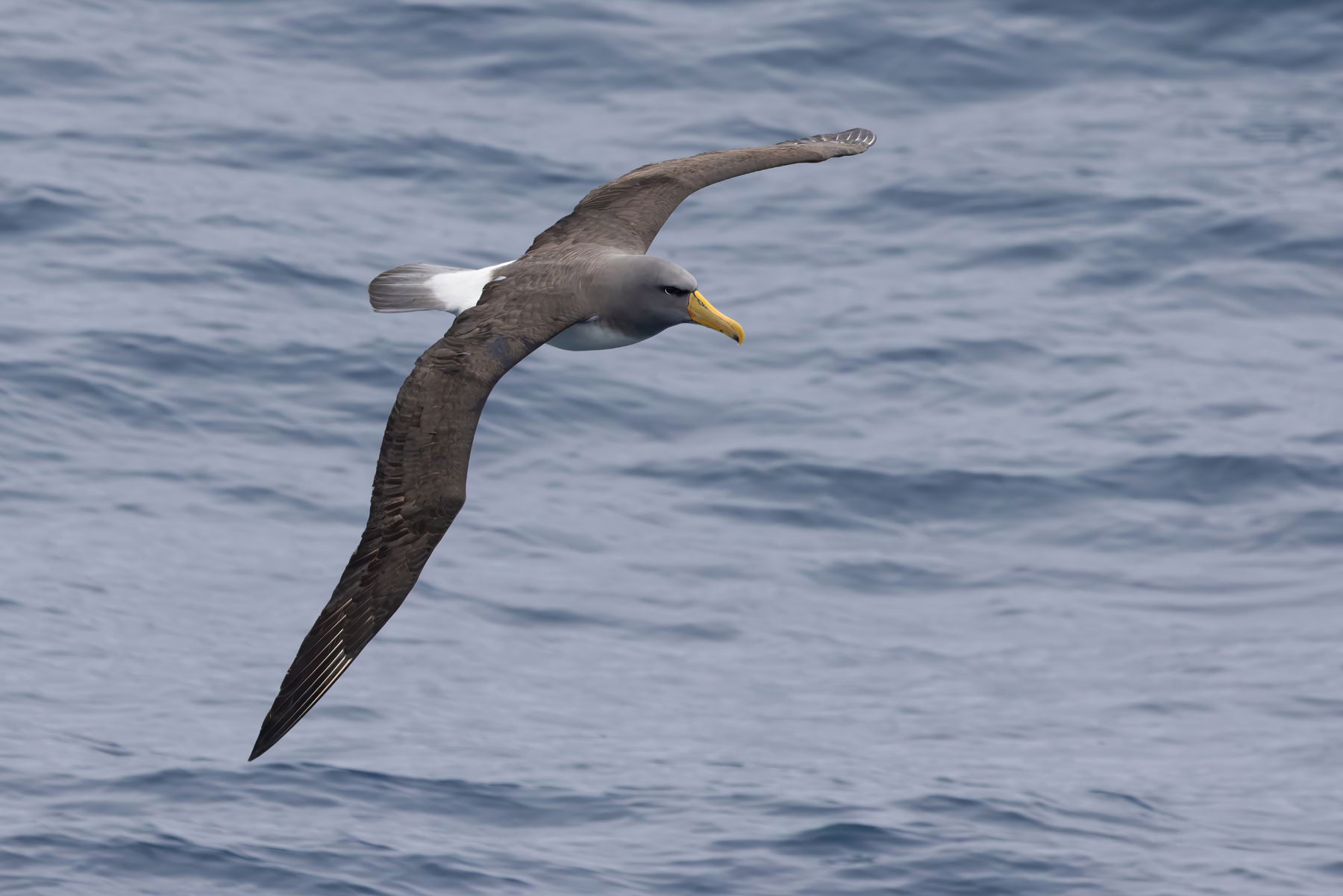
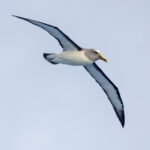
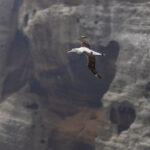
Chatham Albatross (image by Nik Borrow)
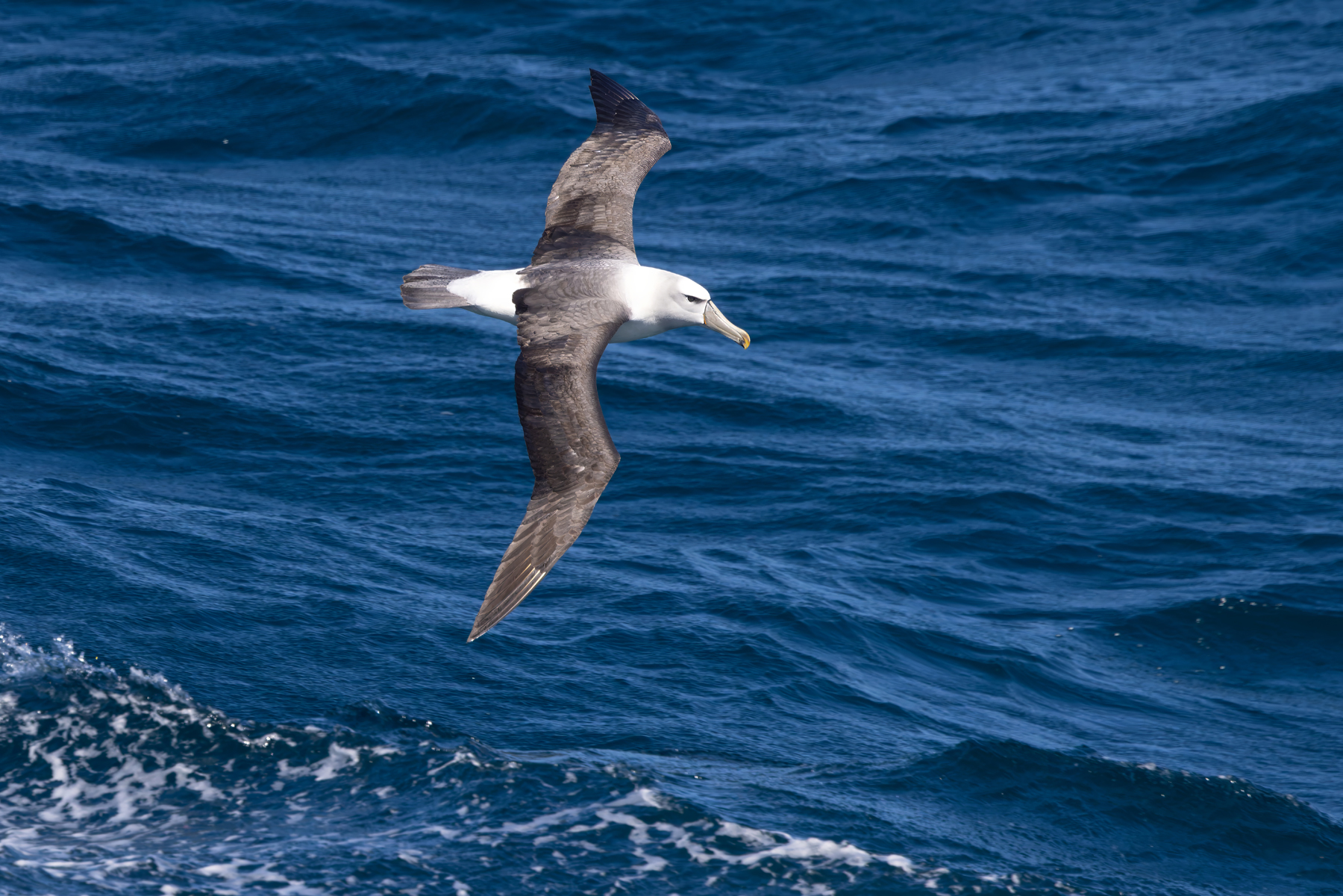
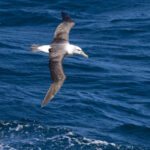
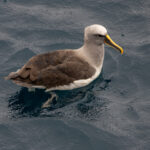
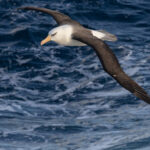
White-capped Albatross (image by Nik Borrow)
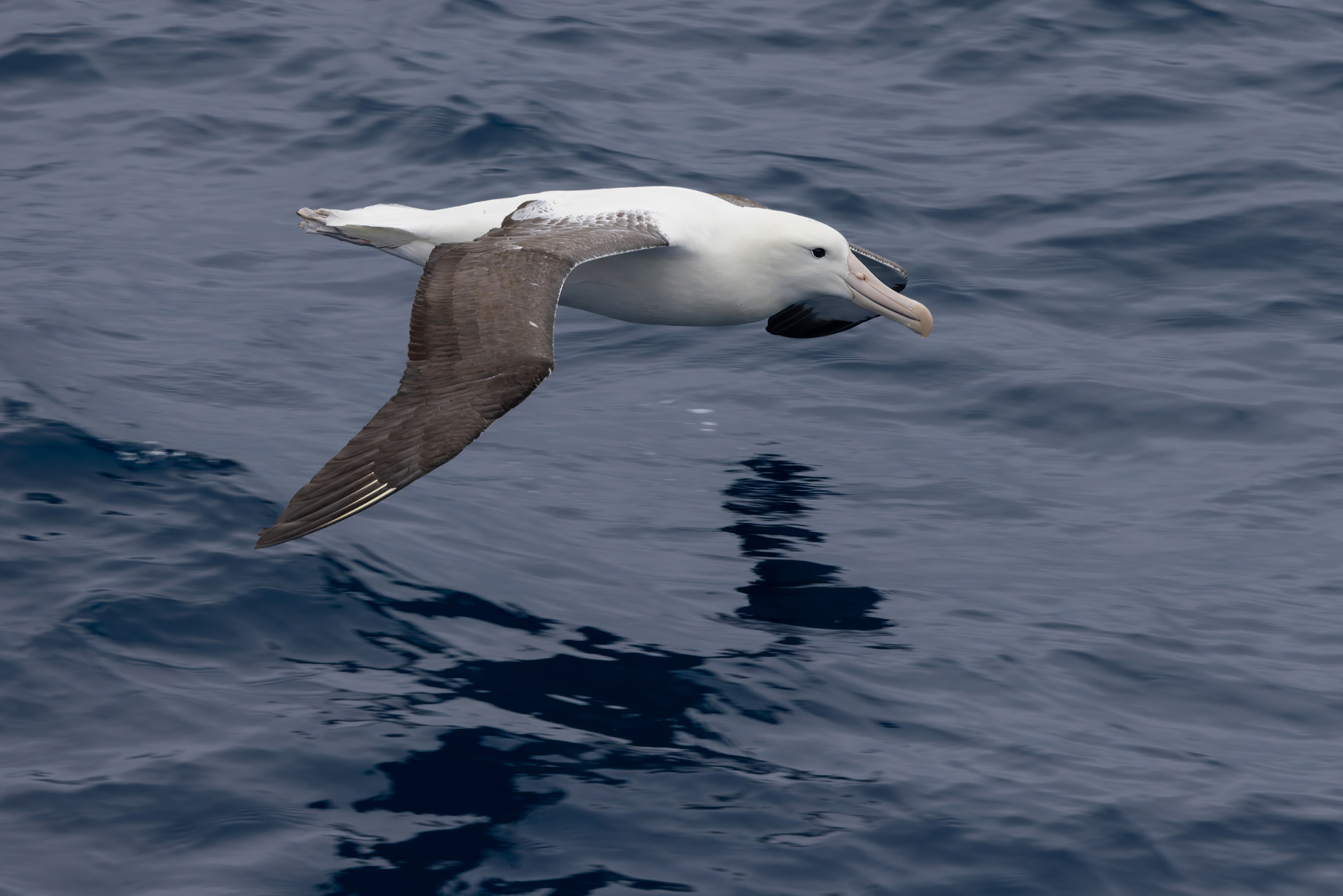
Northern Royal Albatross (image by Nik Borrow)
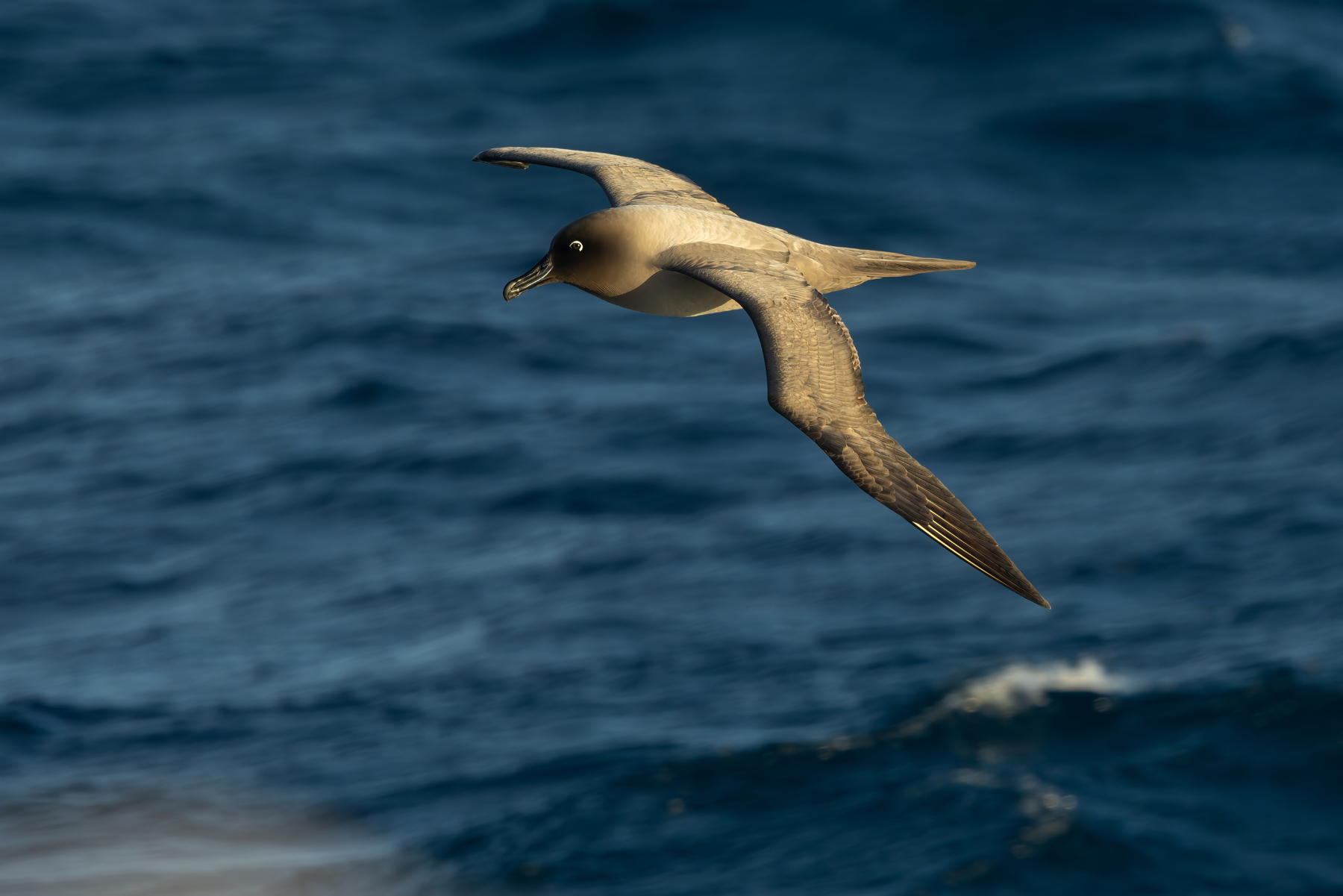
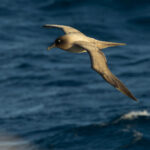
Light-mantled Albatross (image by Nik Borrow)
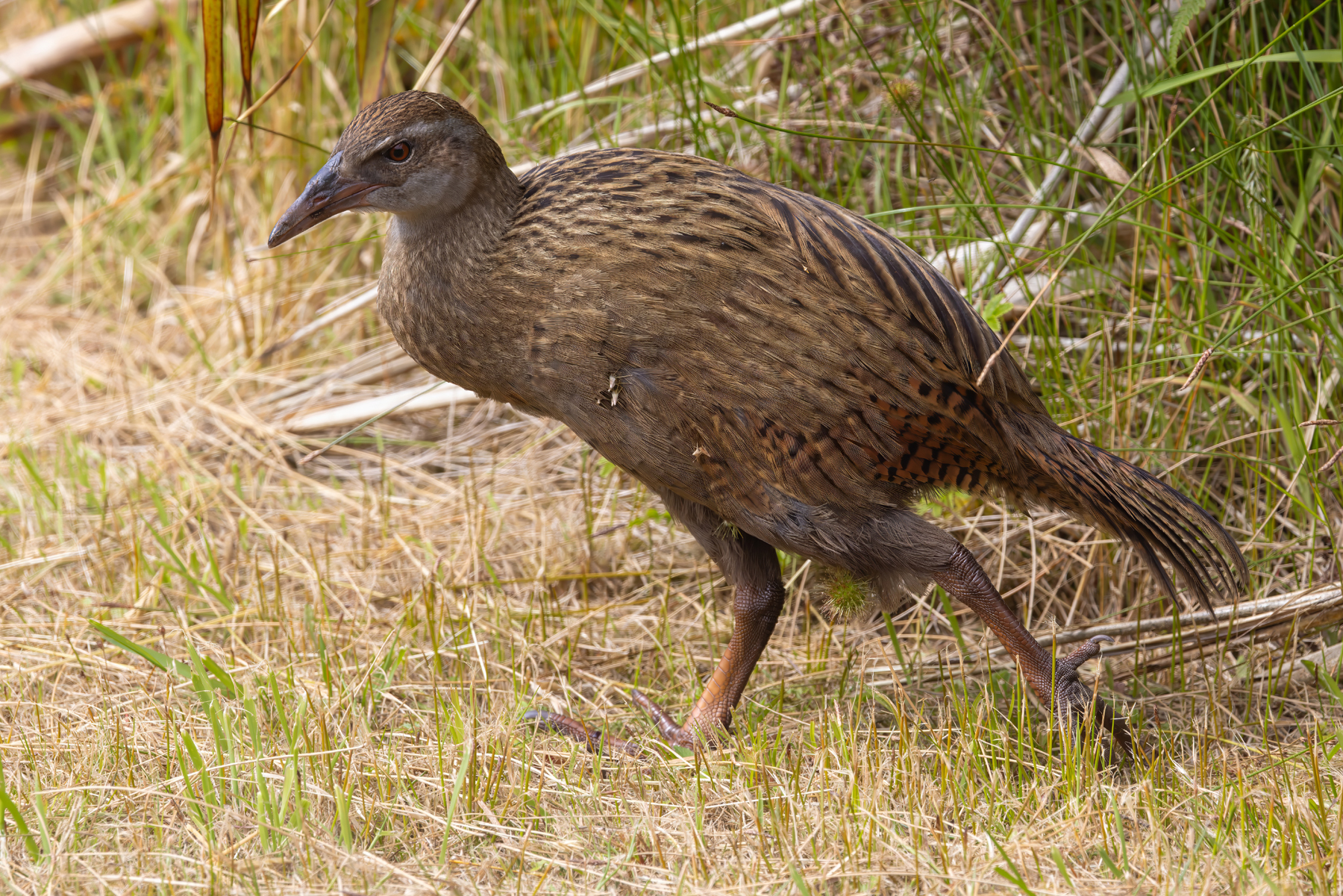
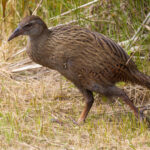
Weka (image by Nik Borrow)
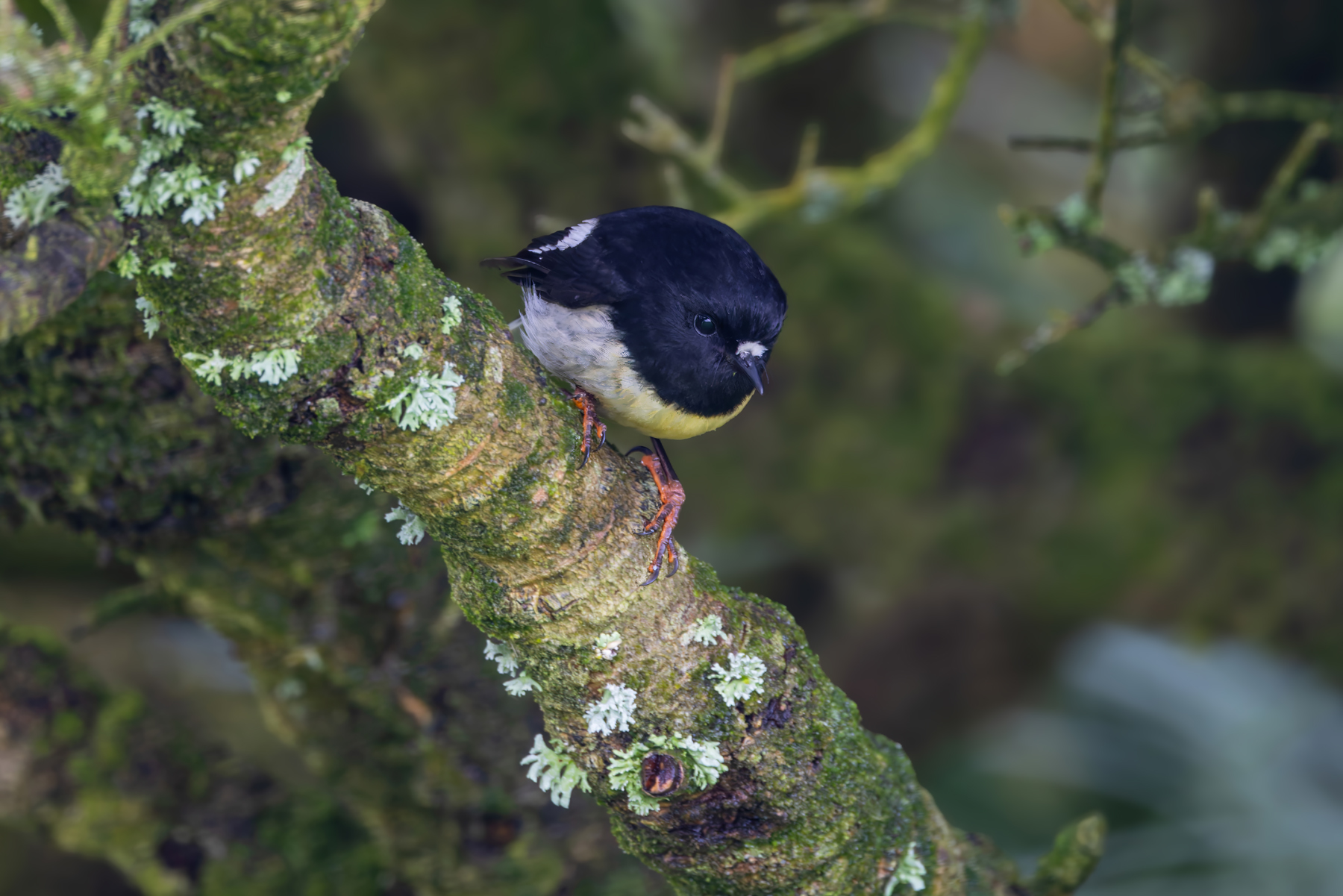
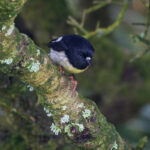
Tomtit (image by Nik Borrow)
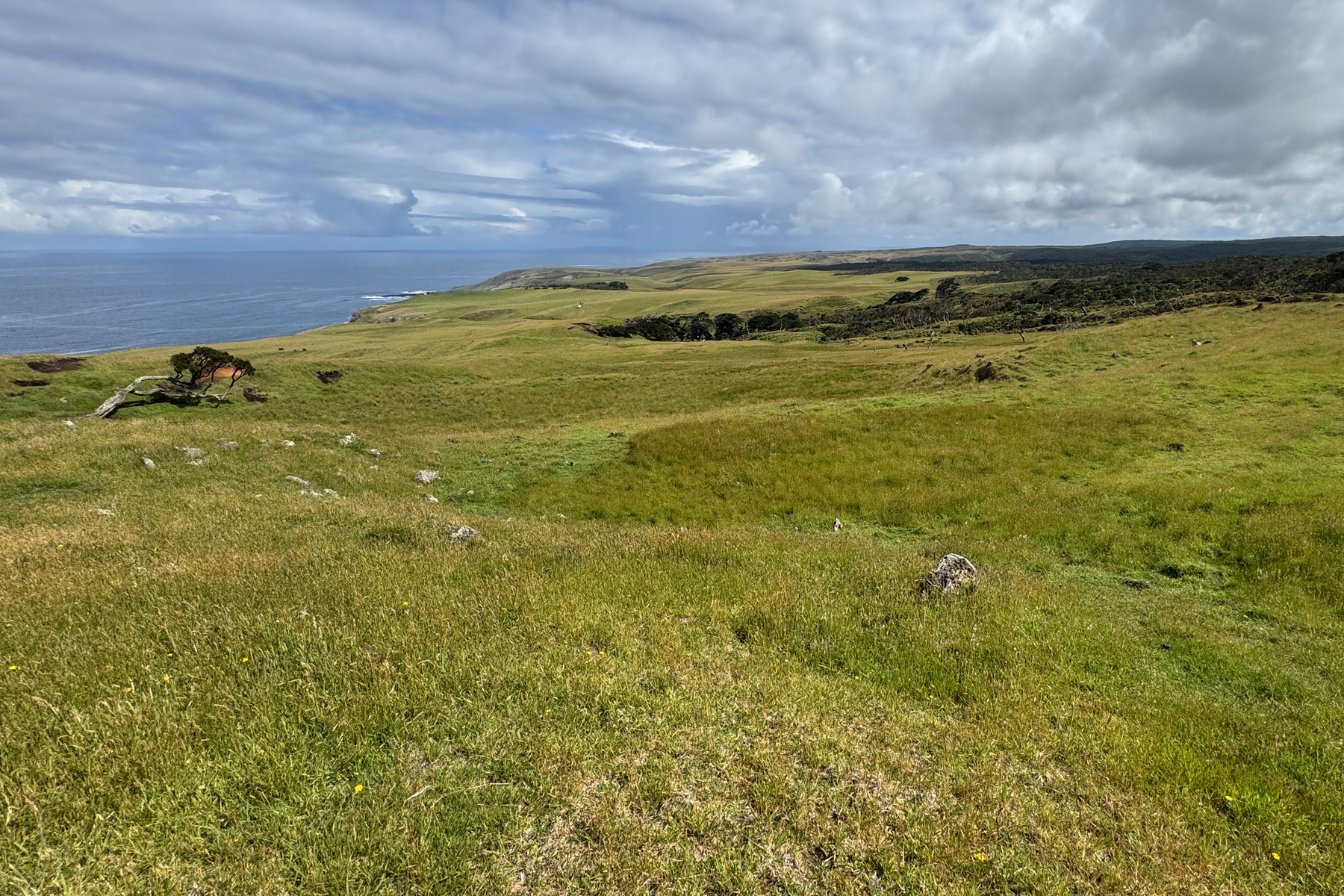
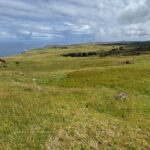
Sweetwater, Chatham Island (image by Nik Borrow)
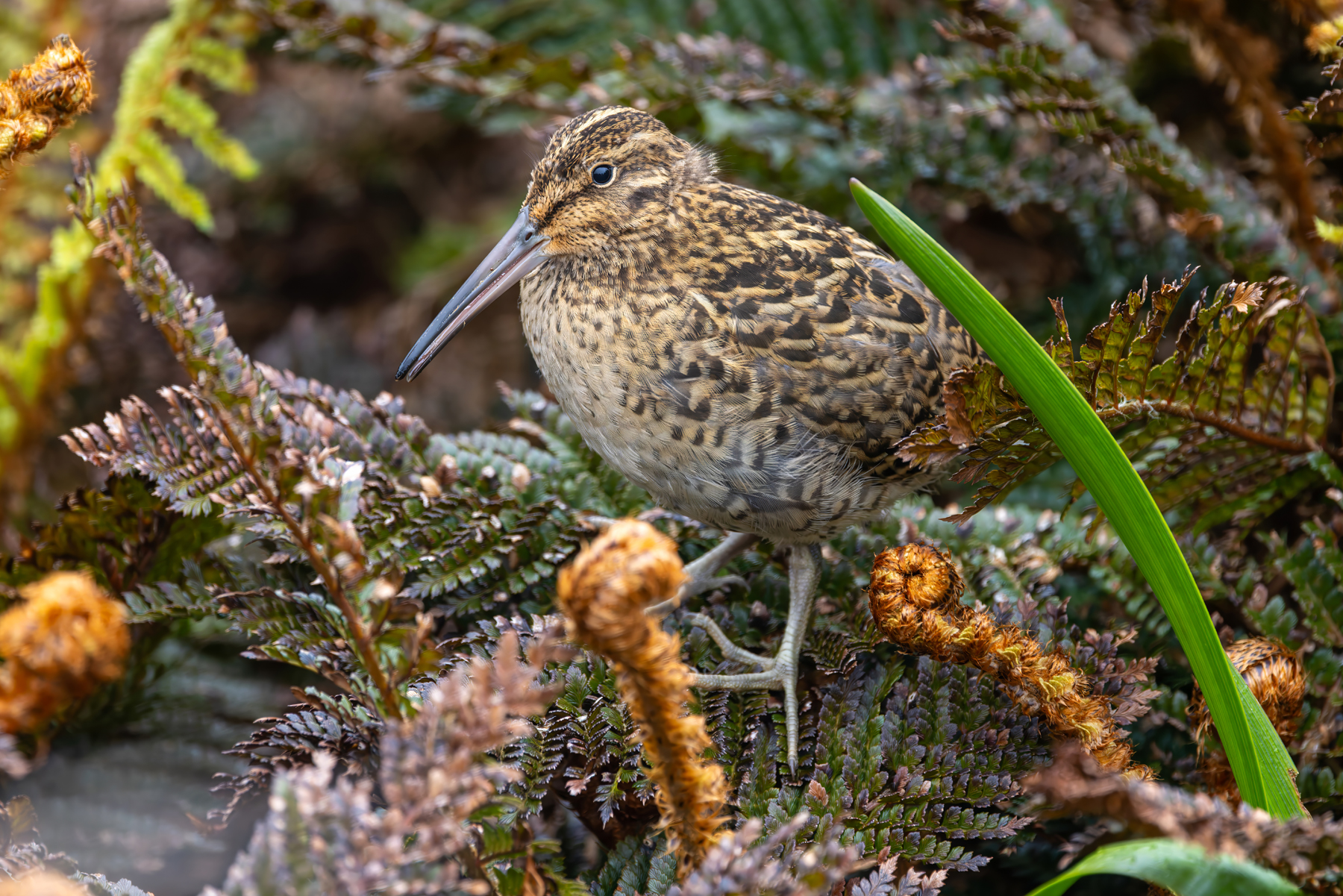
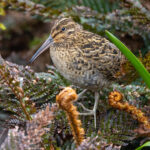
Subantarctic Snipe (image by Nik Borrow)
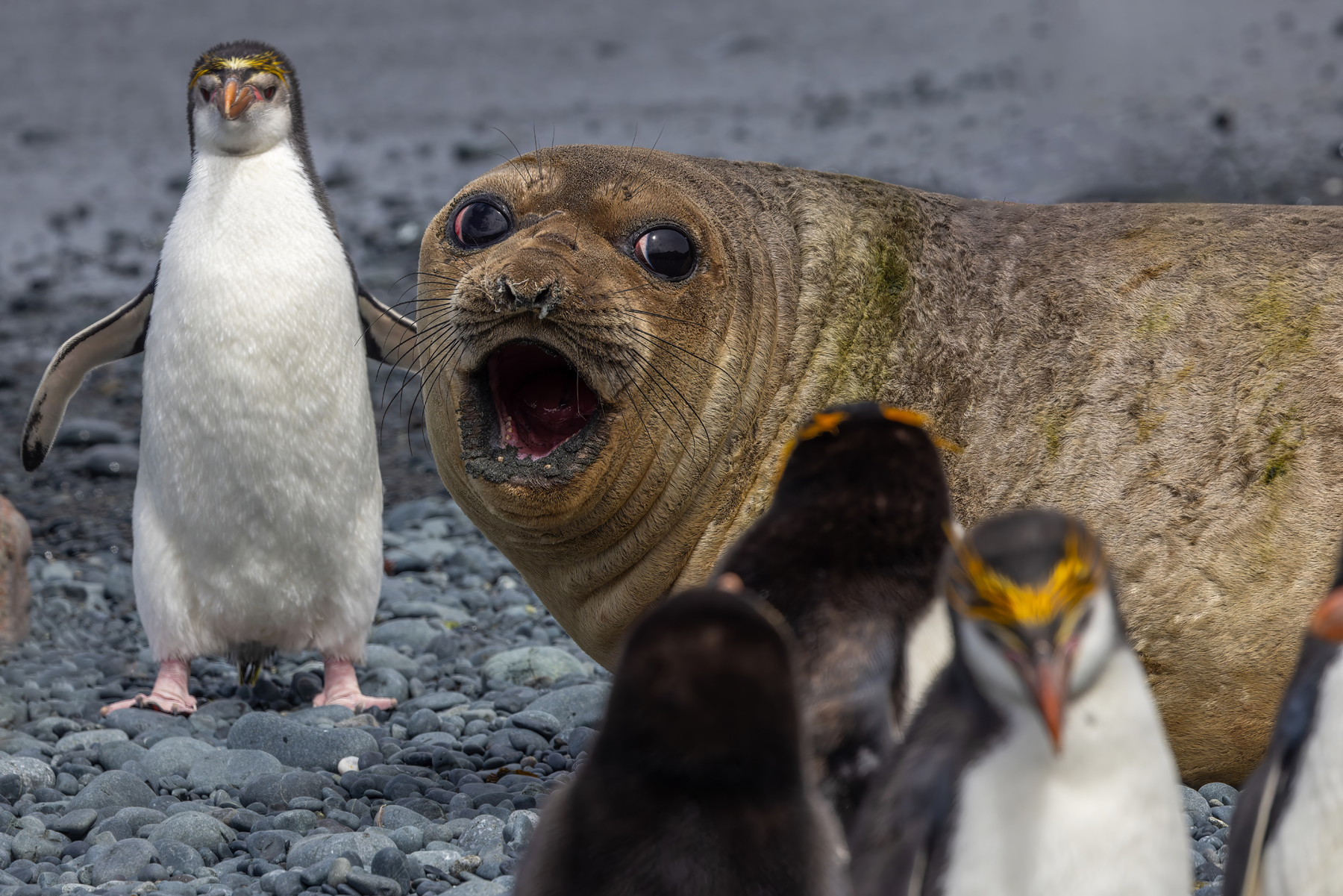
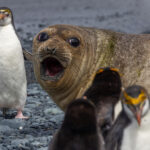
Southern Elephant Seal (image by Nik Borrow)
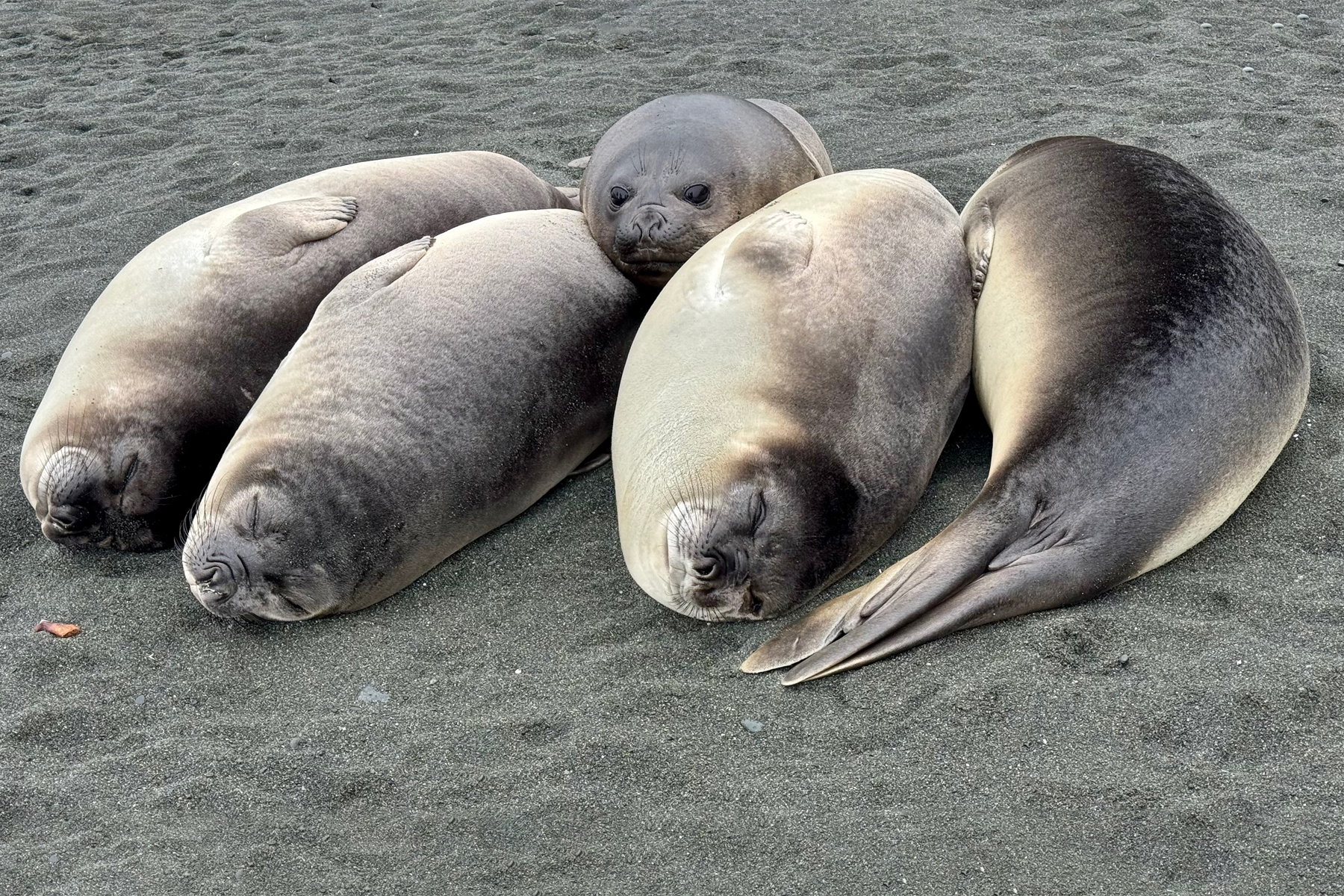
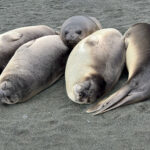
Southern Elephant Seals (image by Nik Borrow)
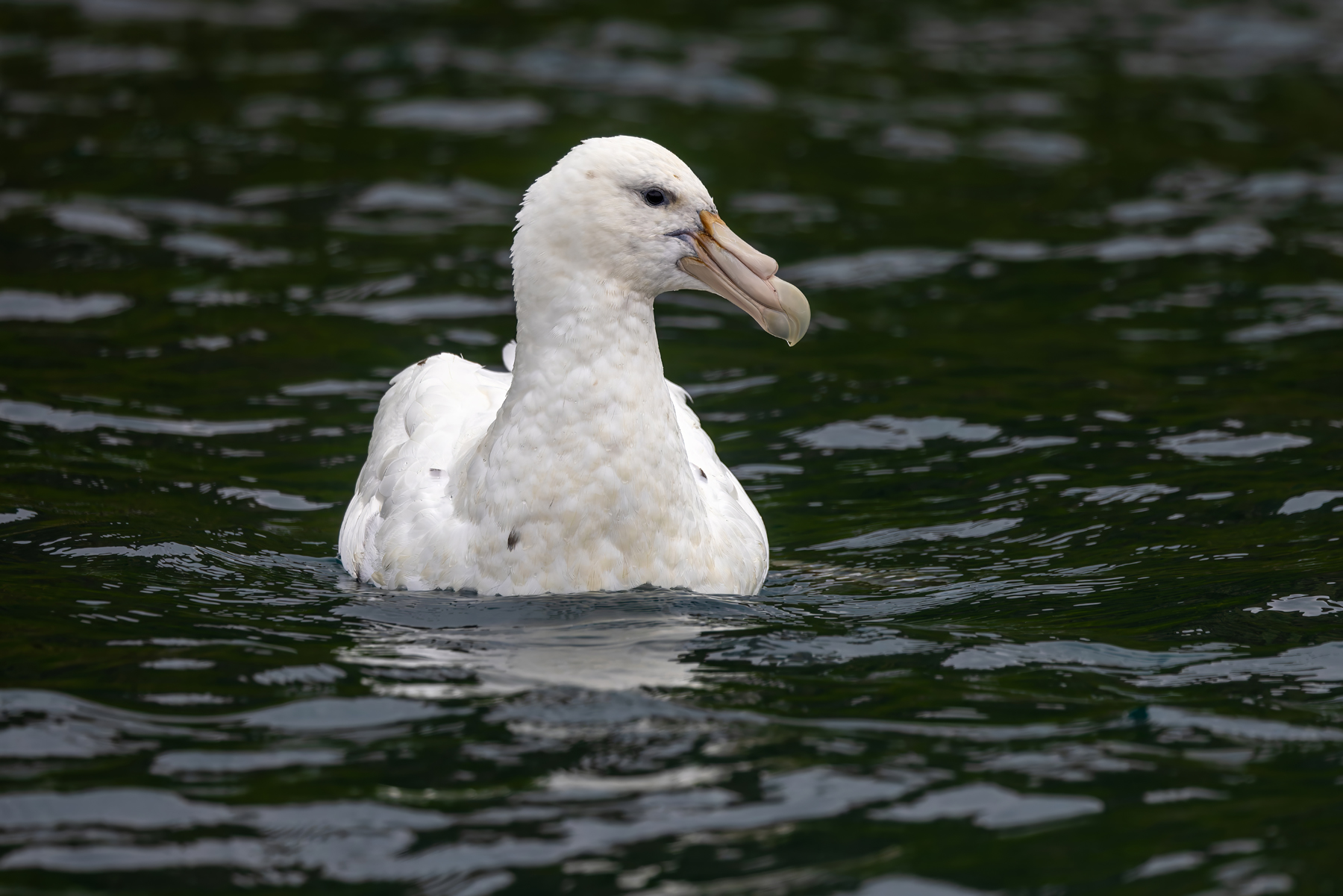
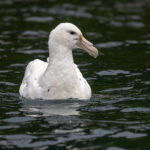
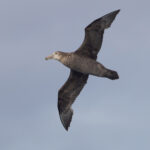
Southern Giant Petrel (image by Nik Borrow)
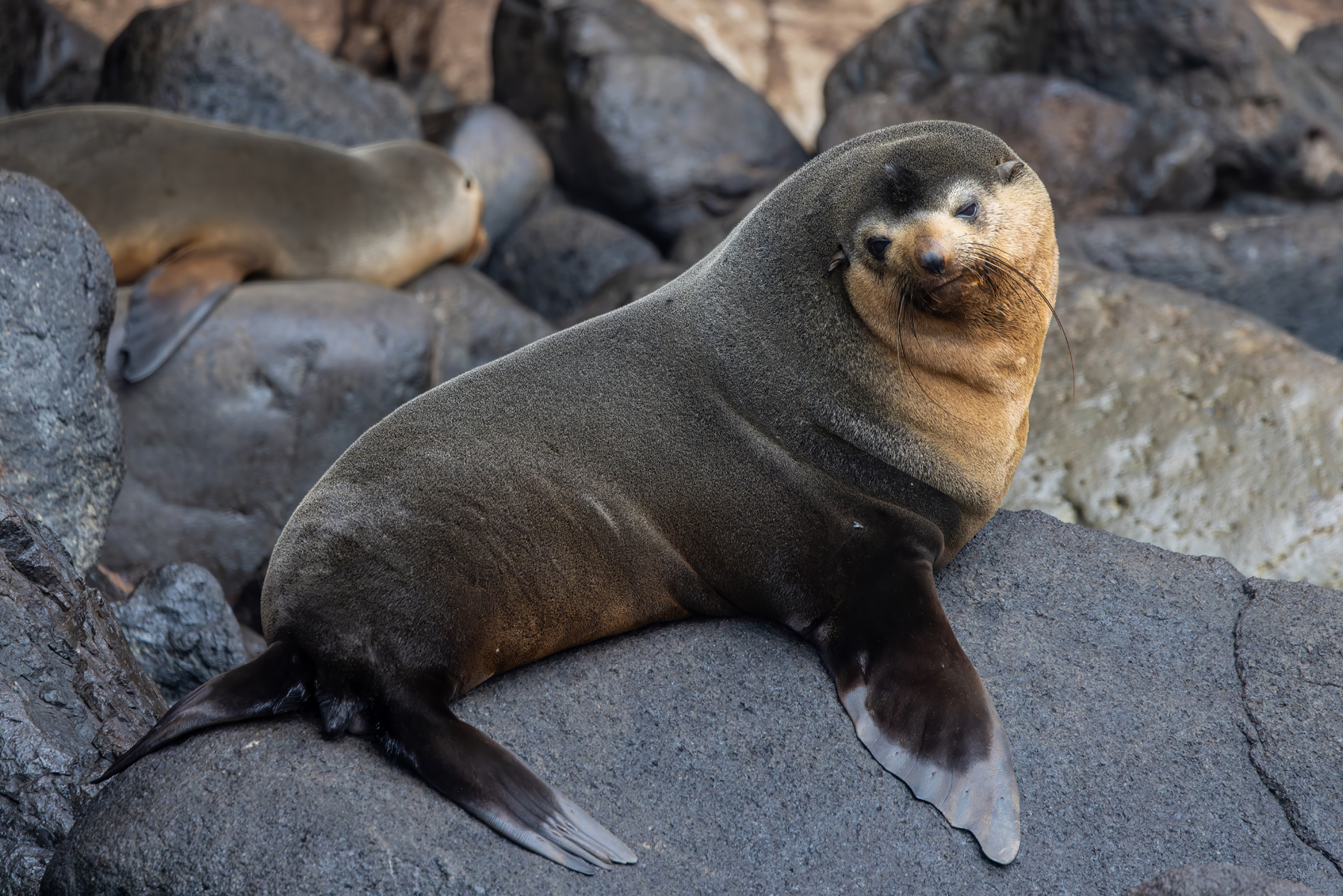
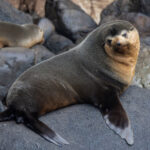
Subantarctic Fur Seal (image by Nik Borrow)
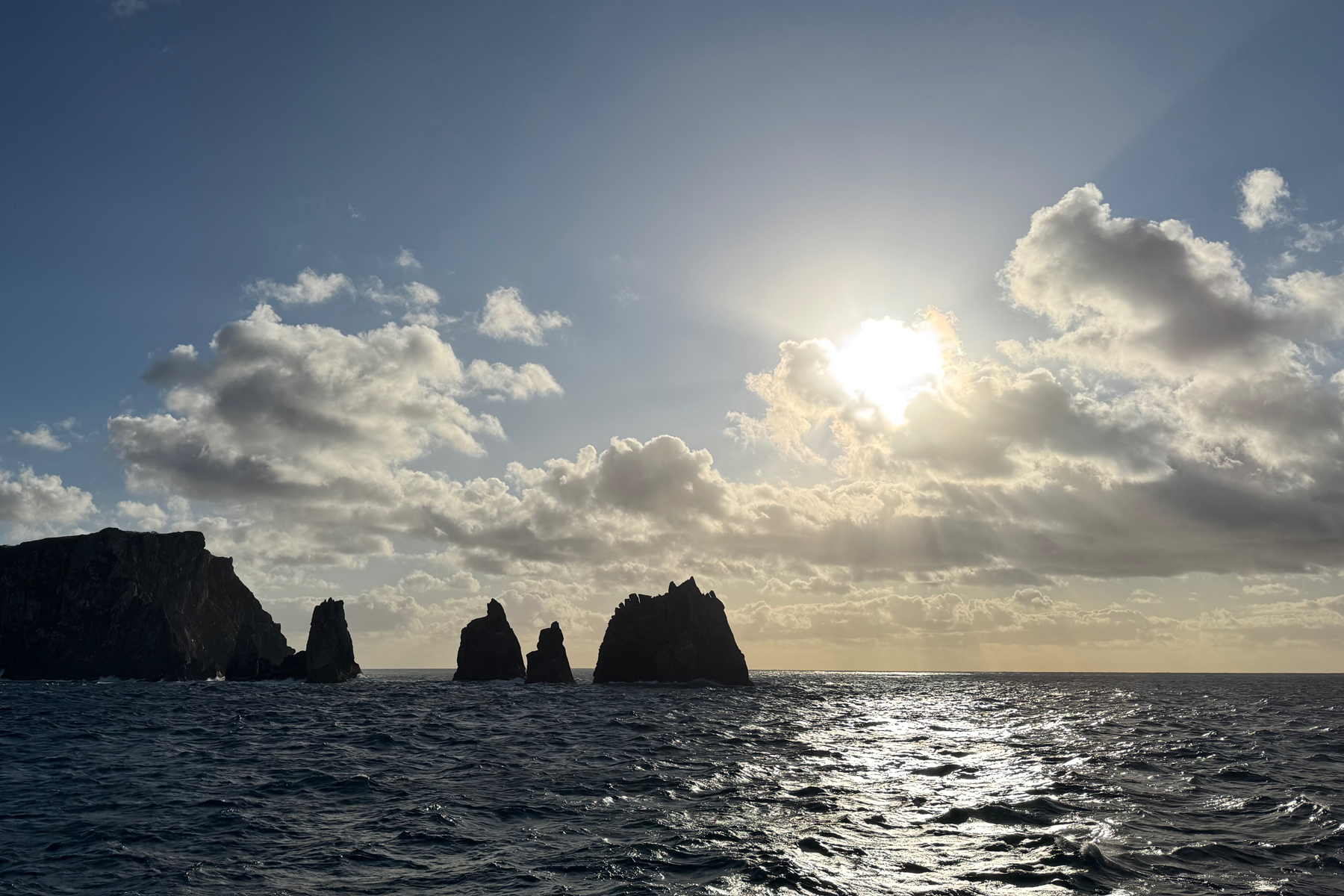
Snares Island (image by Nik Borrow)
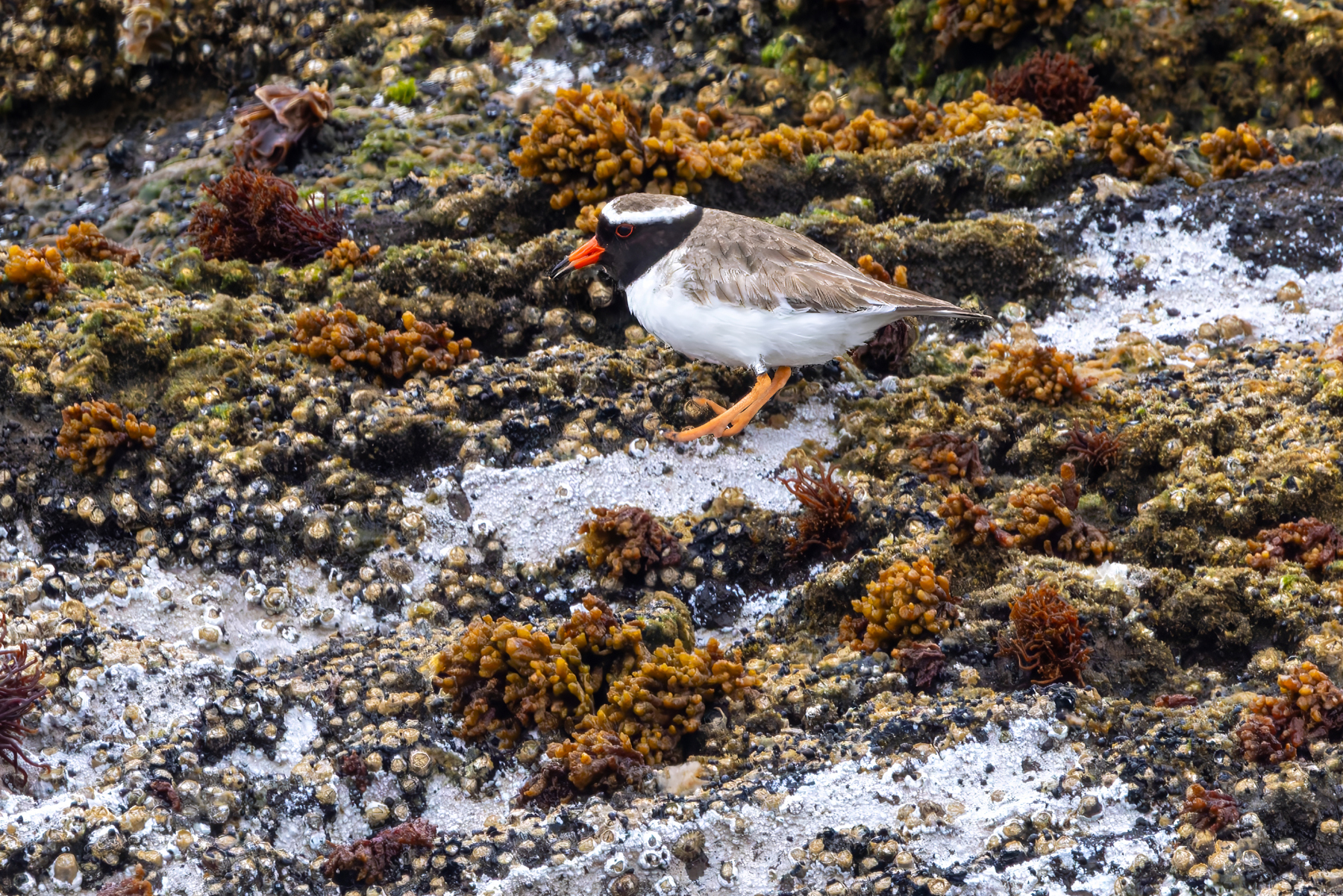
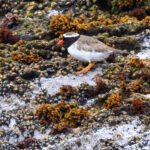
Shore Plover (image by Nik Borrow)
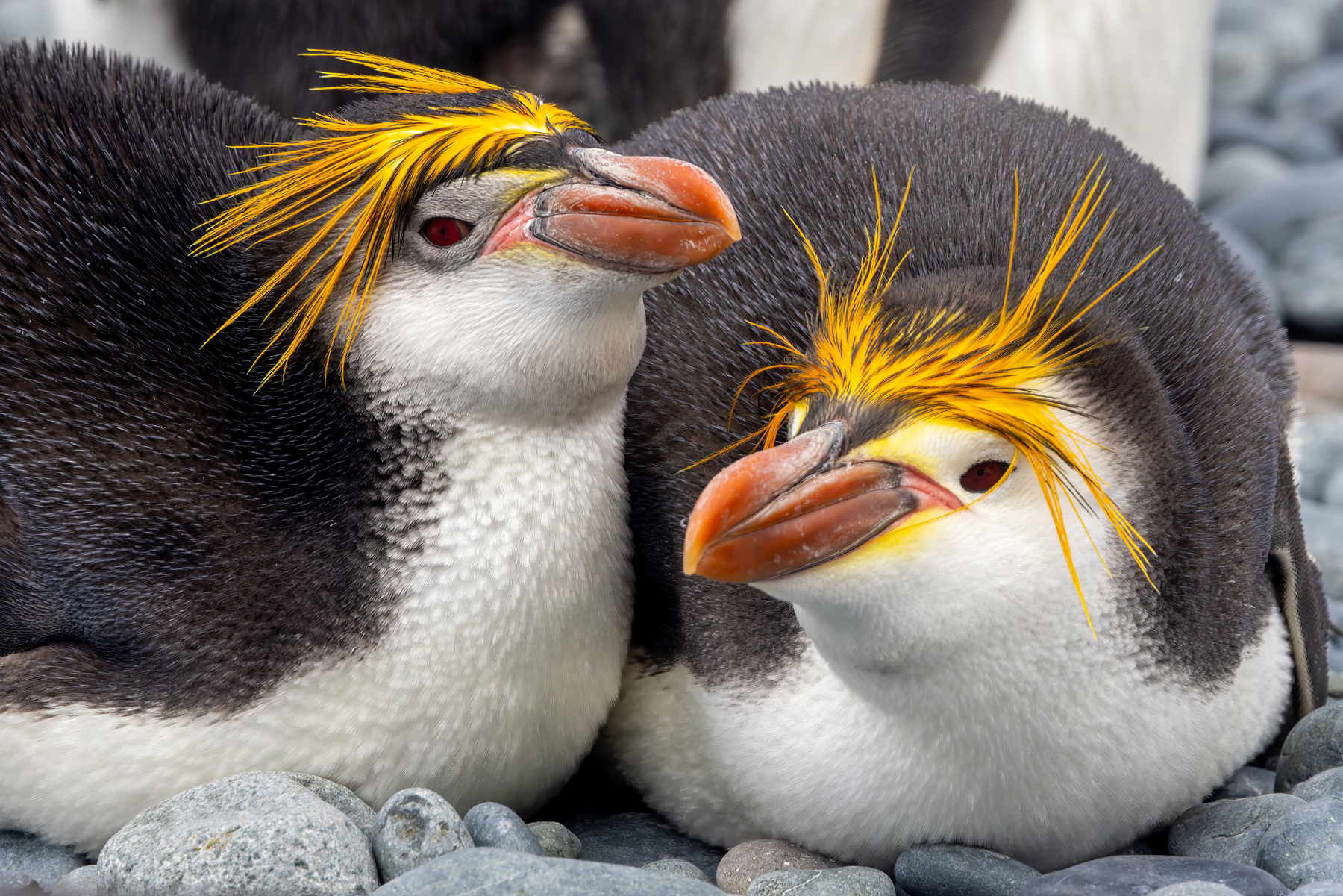
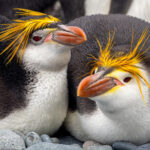
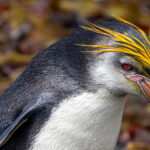
Royal Penguins (image by Nik Borrow)
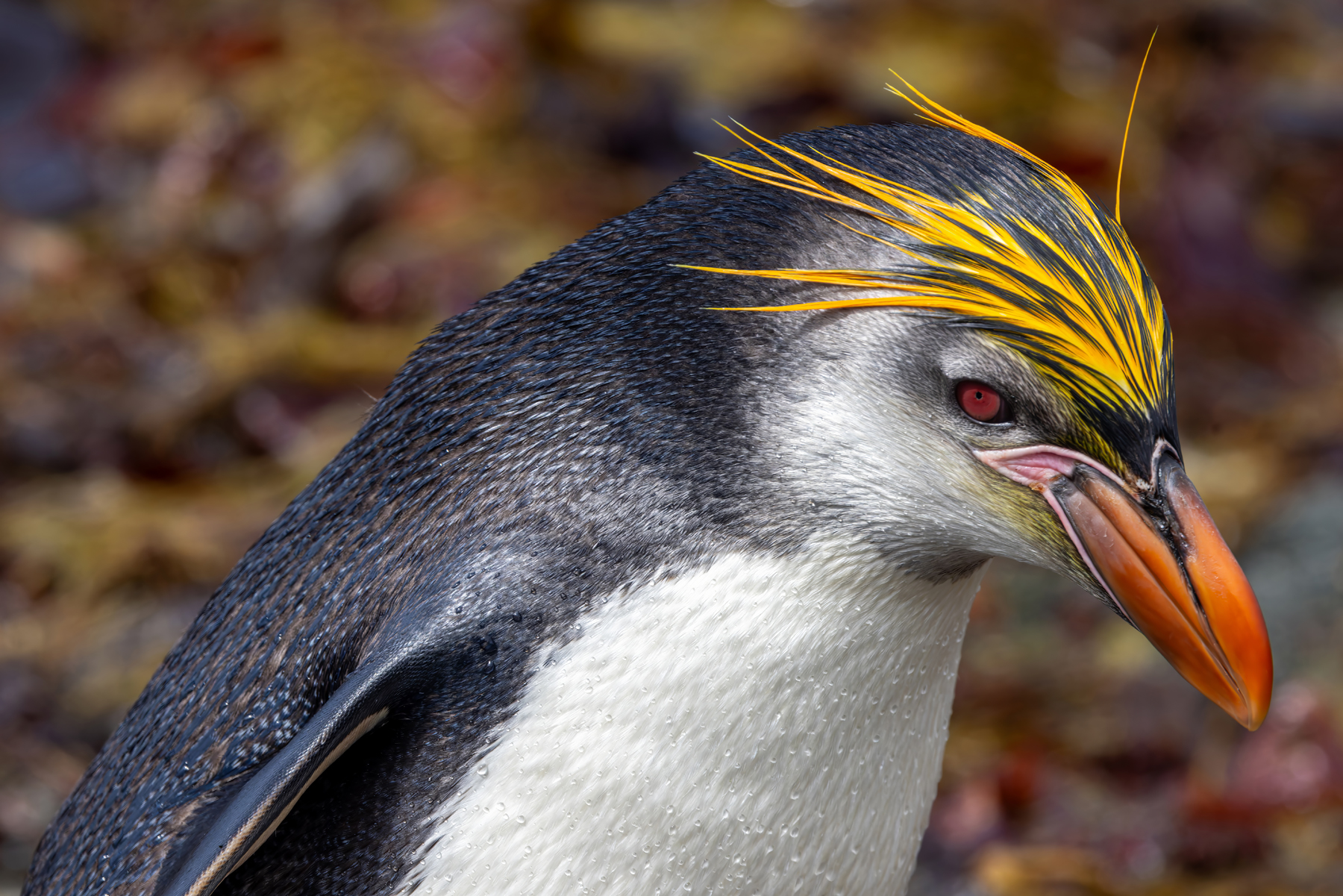
Royal Penguin (image by Nik Borrow)
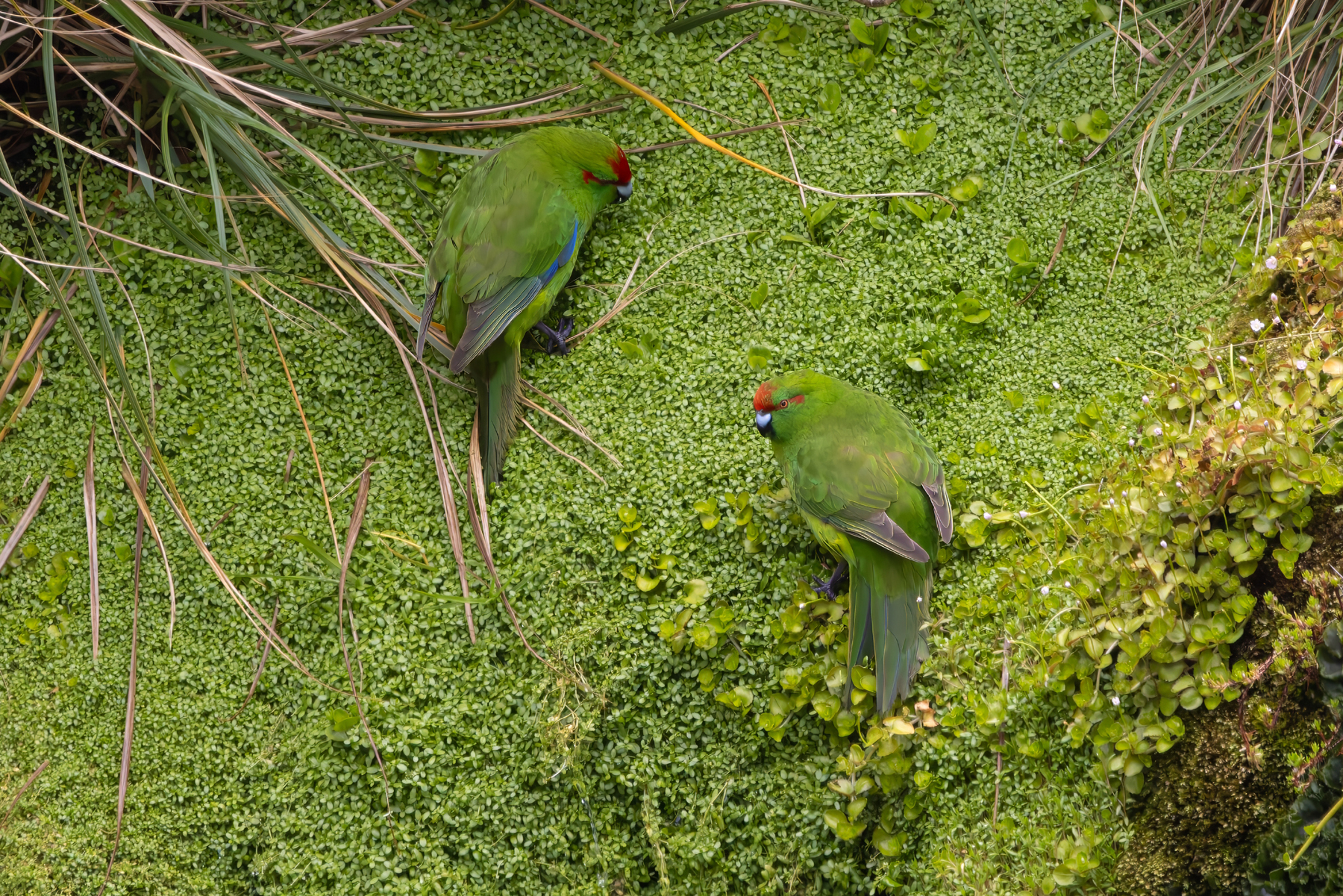
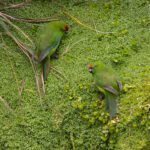
Reischek's Parakeets (image by Nik Borrow)
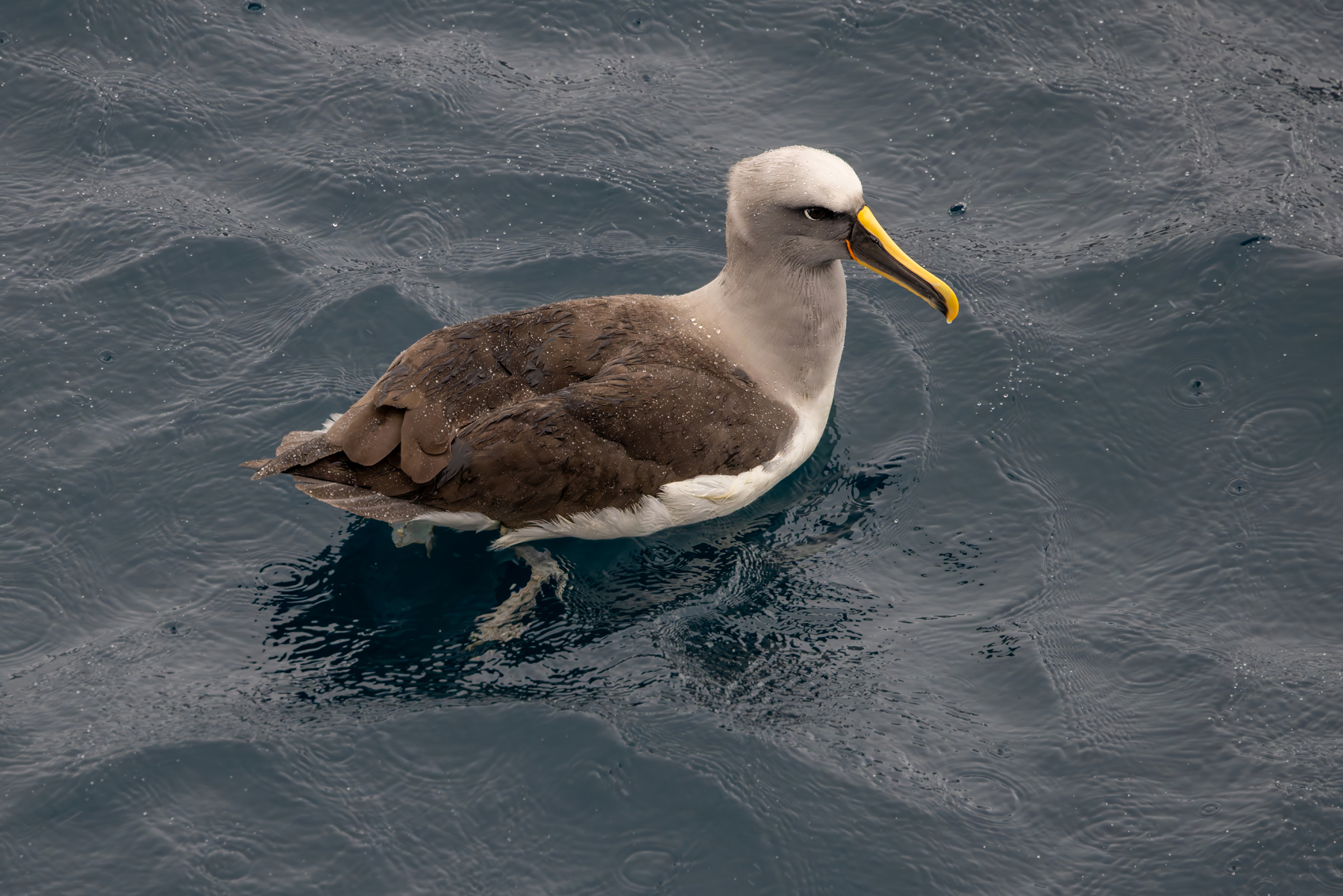
Pacific Buller's Albatross (image by Nik Borrow)
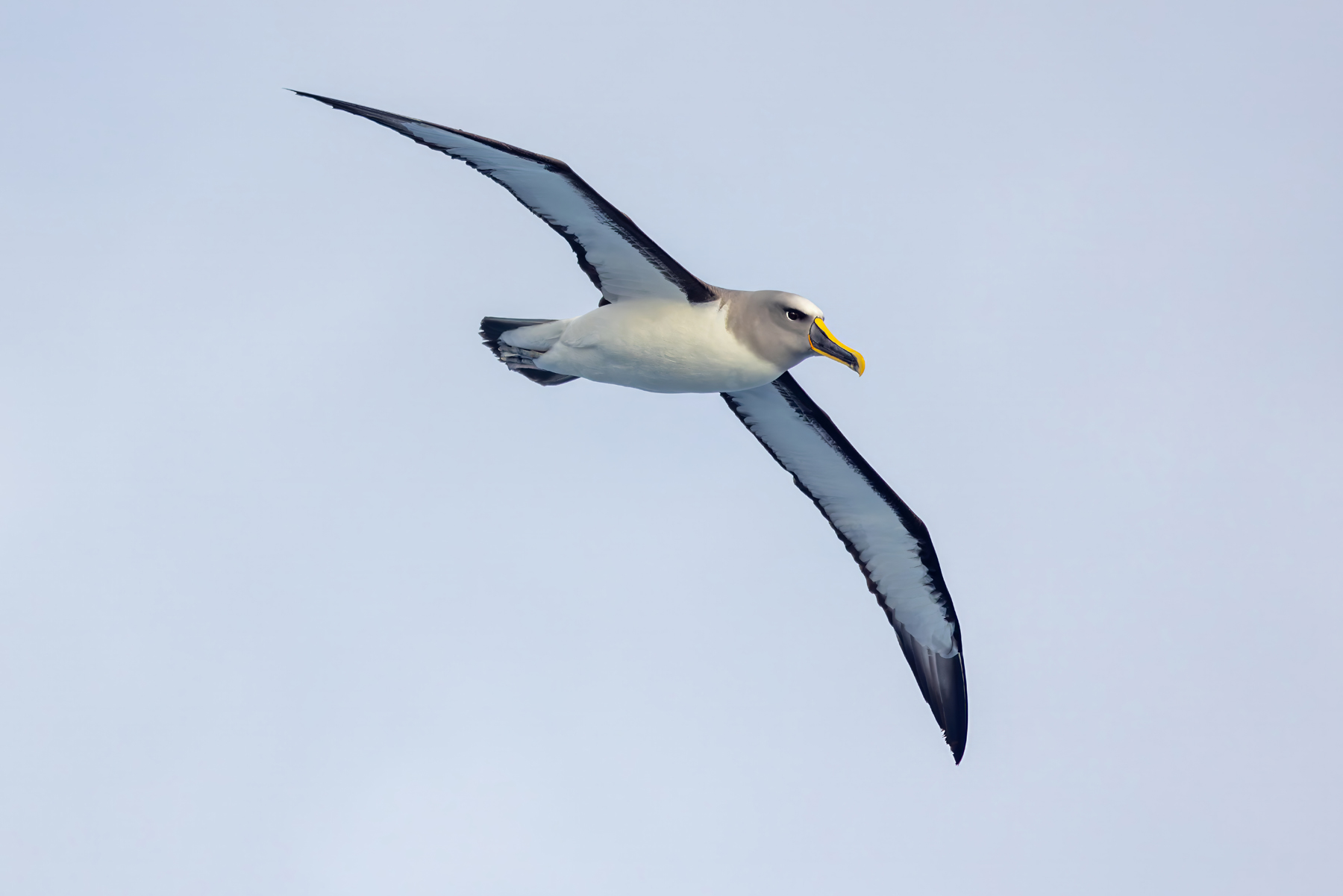
Pacific Buller's Albatross (image by Nik Borrow)
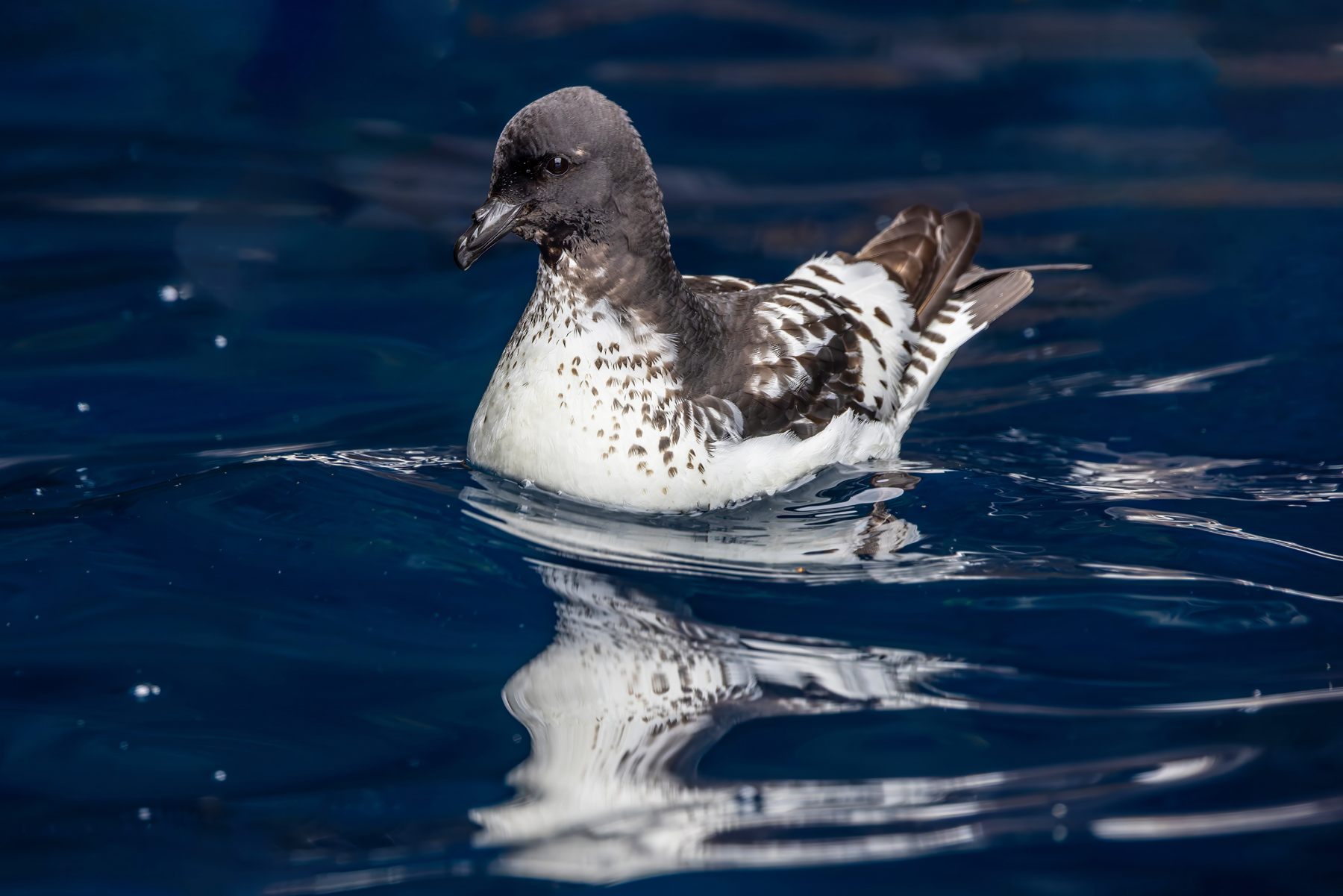
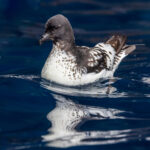
Pintado Petrel (image by Nik Borrow)
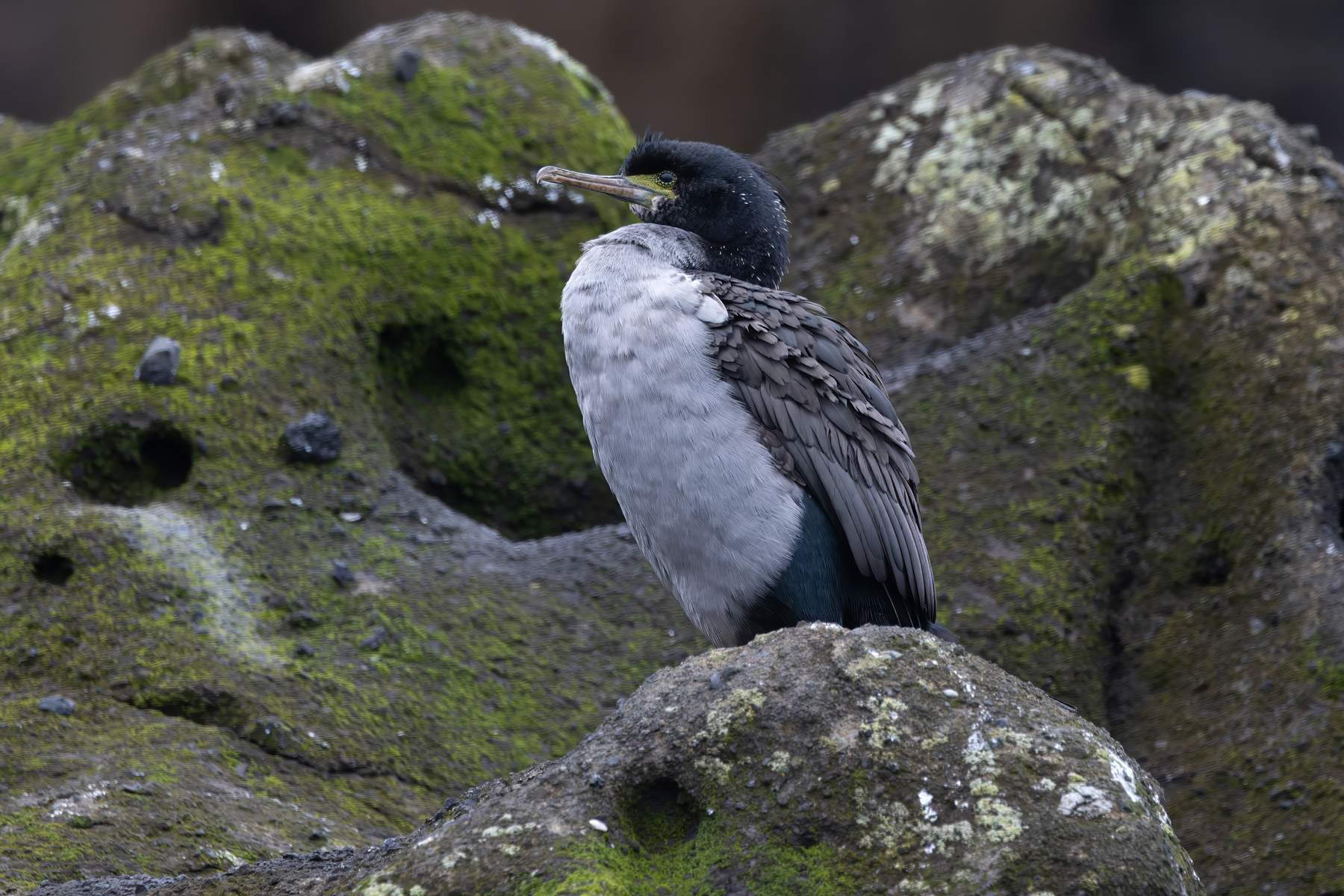
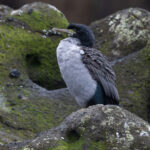
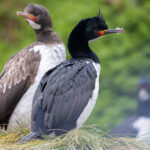
Pitt Shag (image by Nik Borrow)
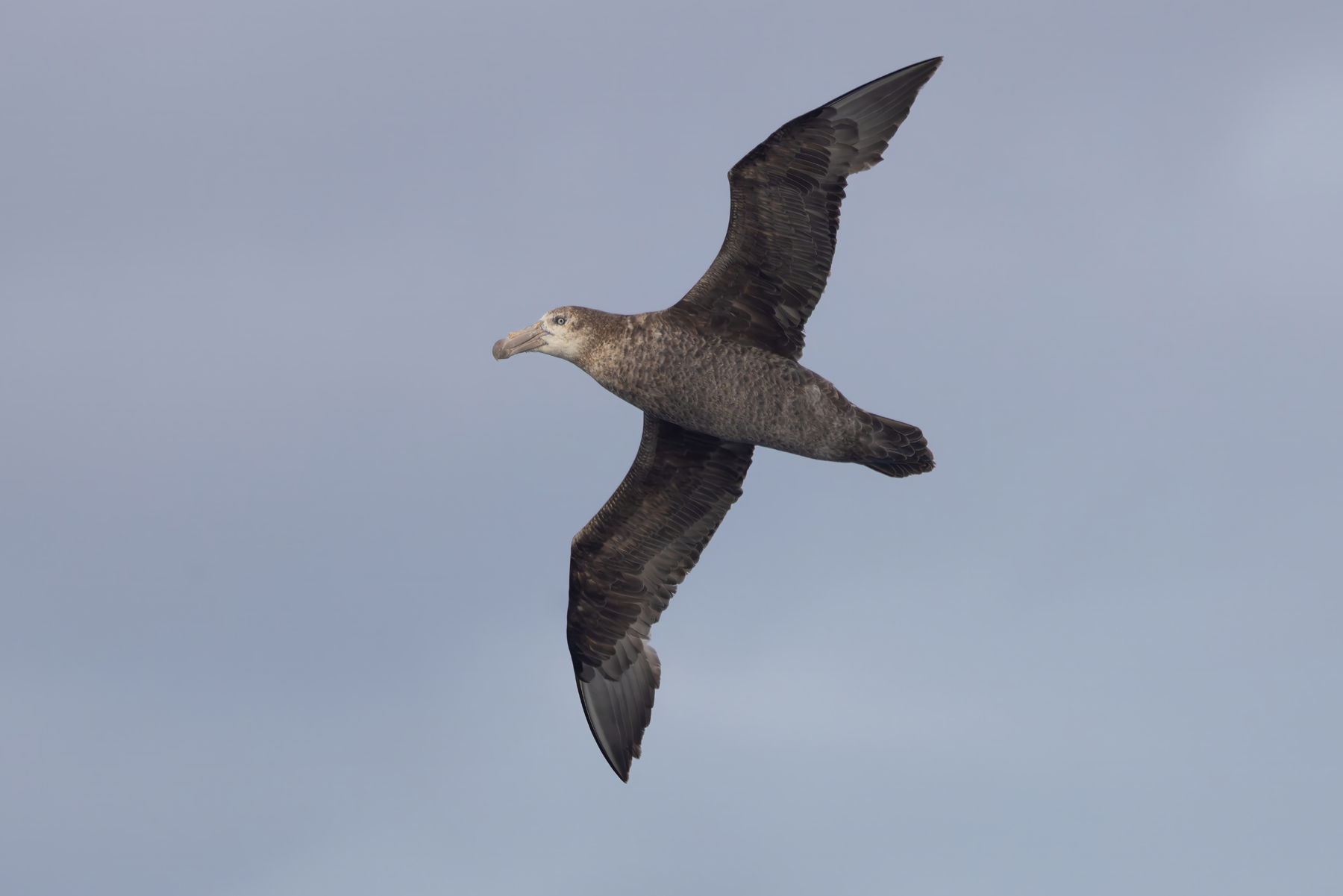
Northern Giant Petrel (image by Nik Borrow)
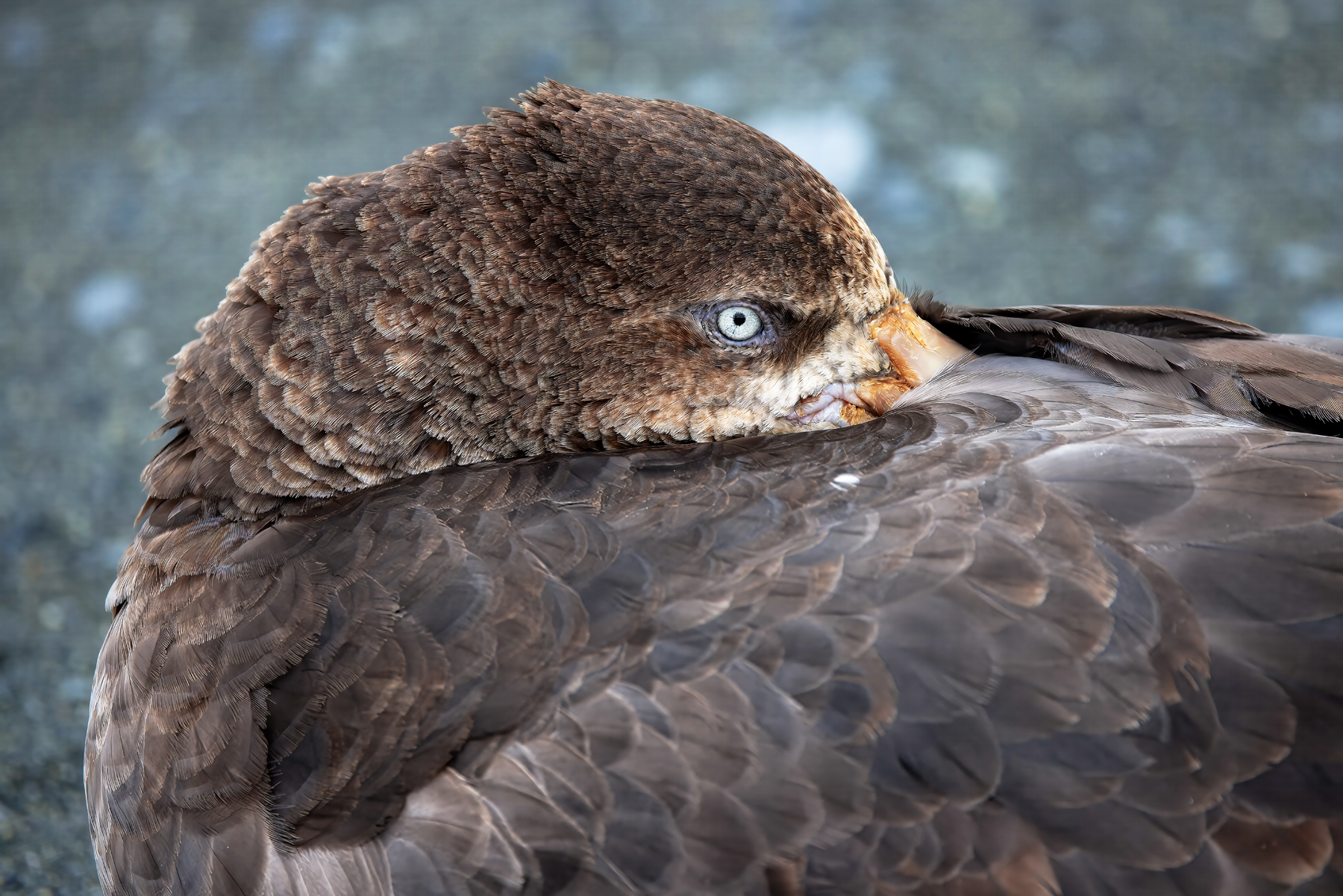
Northern Giant Petrel (image by Nik Borrow)
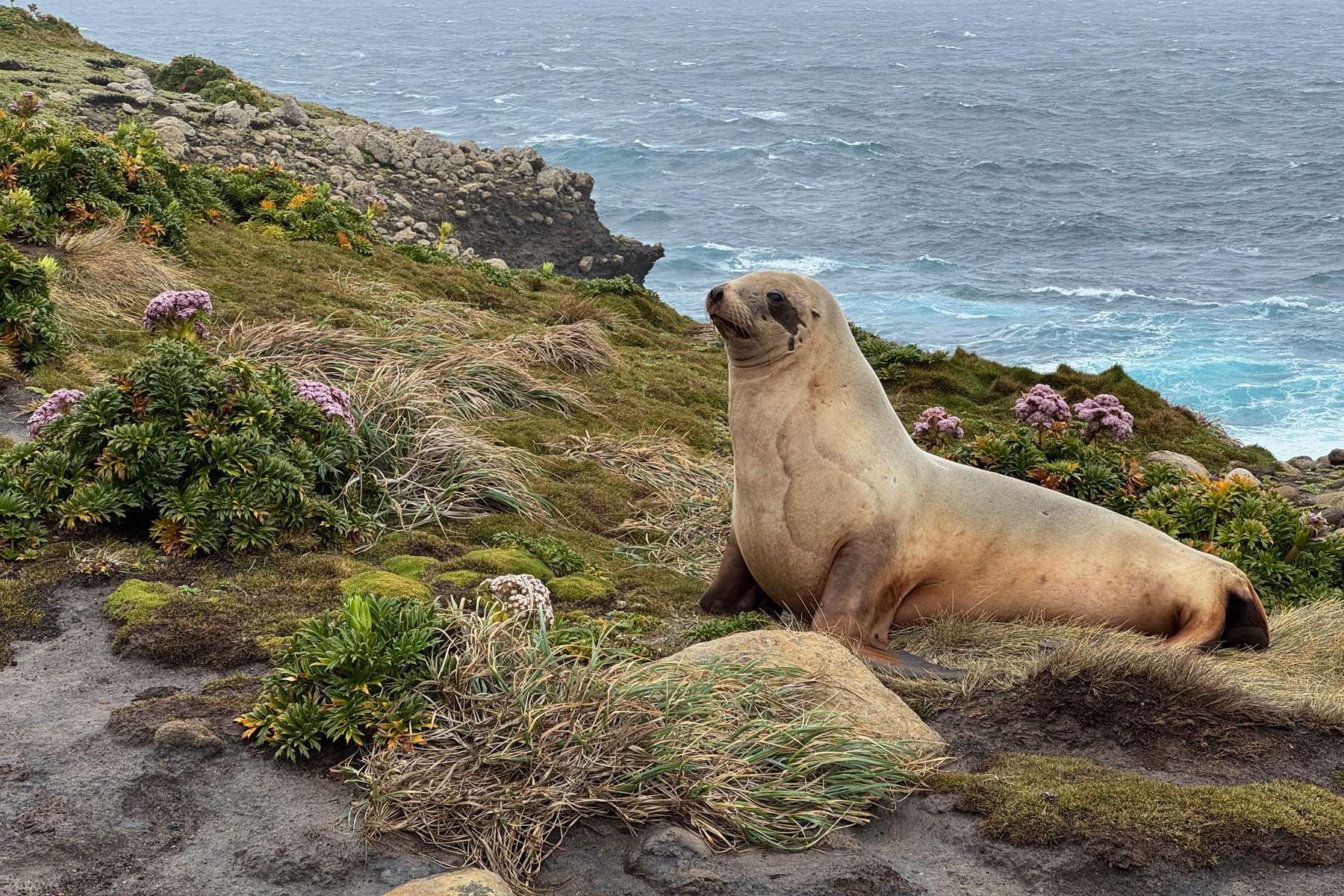
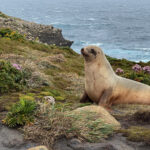
New Zealand Sealion (image by Nik Borrow)
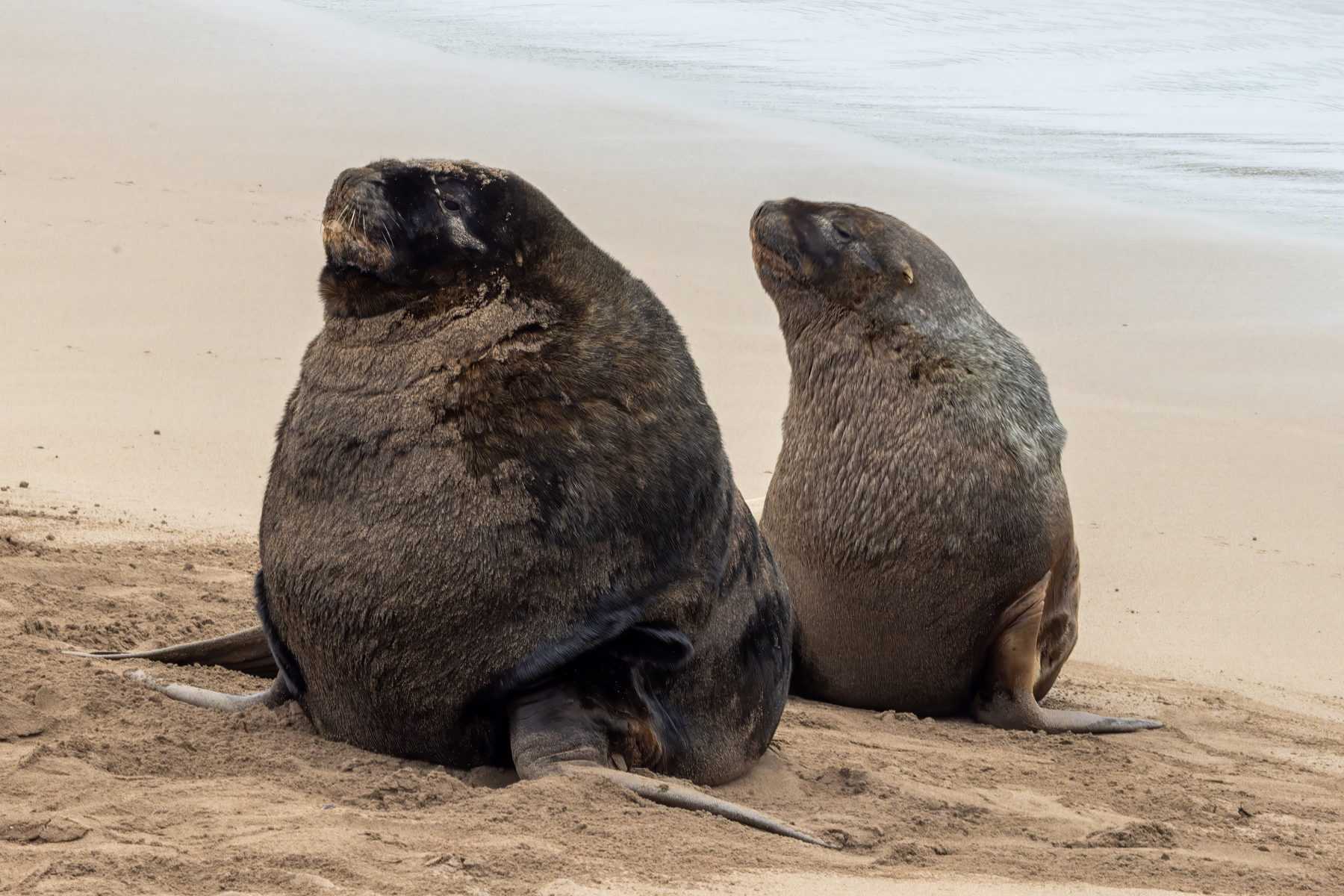
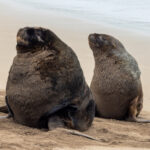
New Zealand Sealions (image by Nik Borrow)
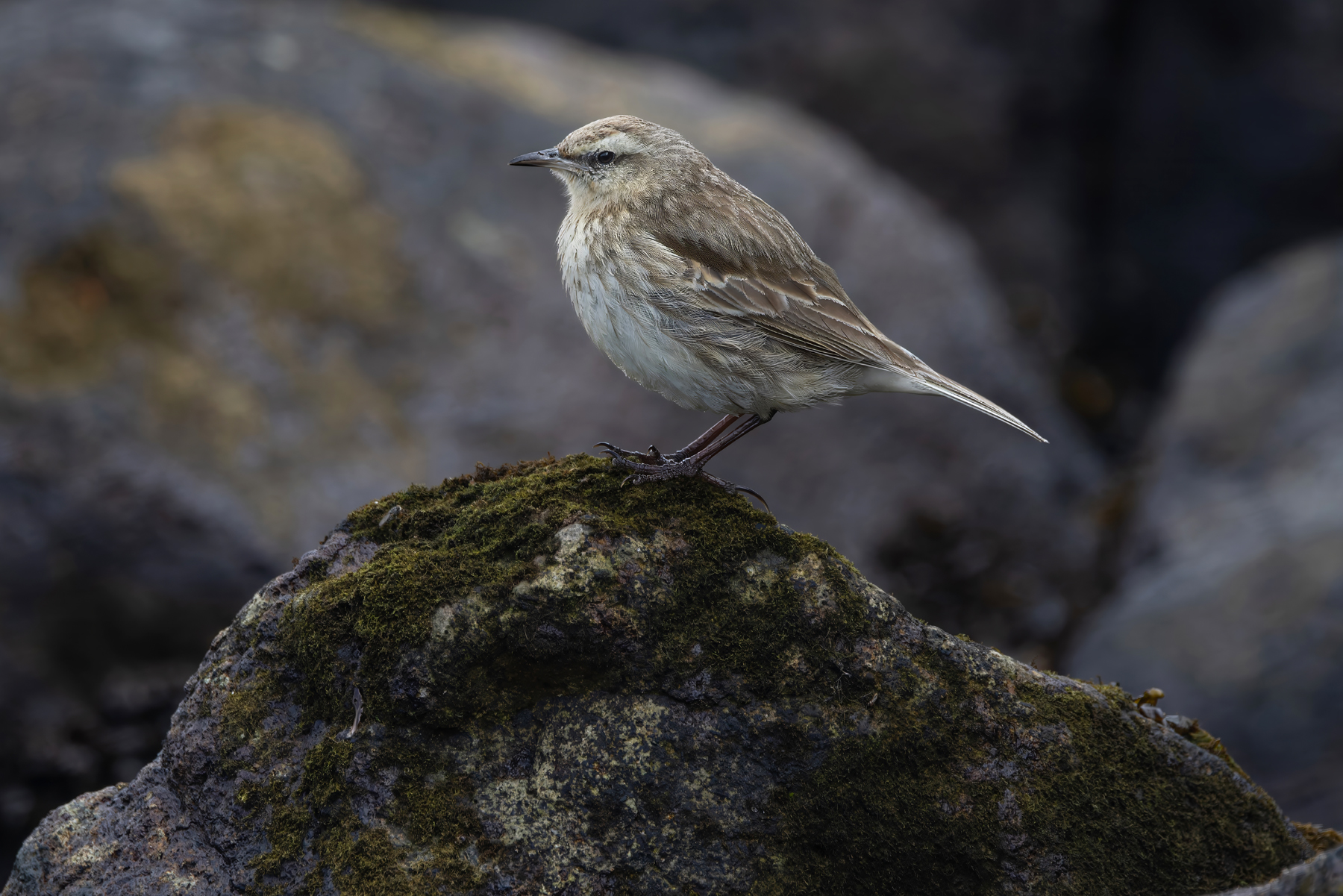
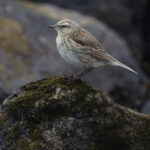
New Zealand Pipit (image by Nik Borrow)
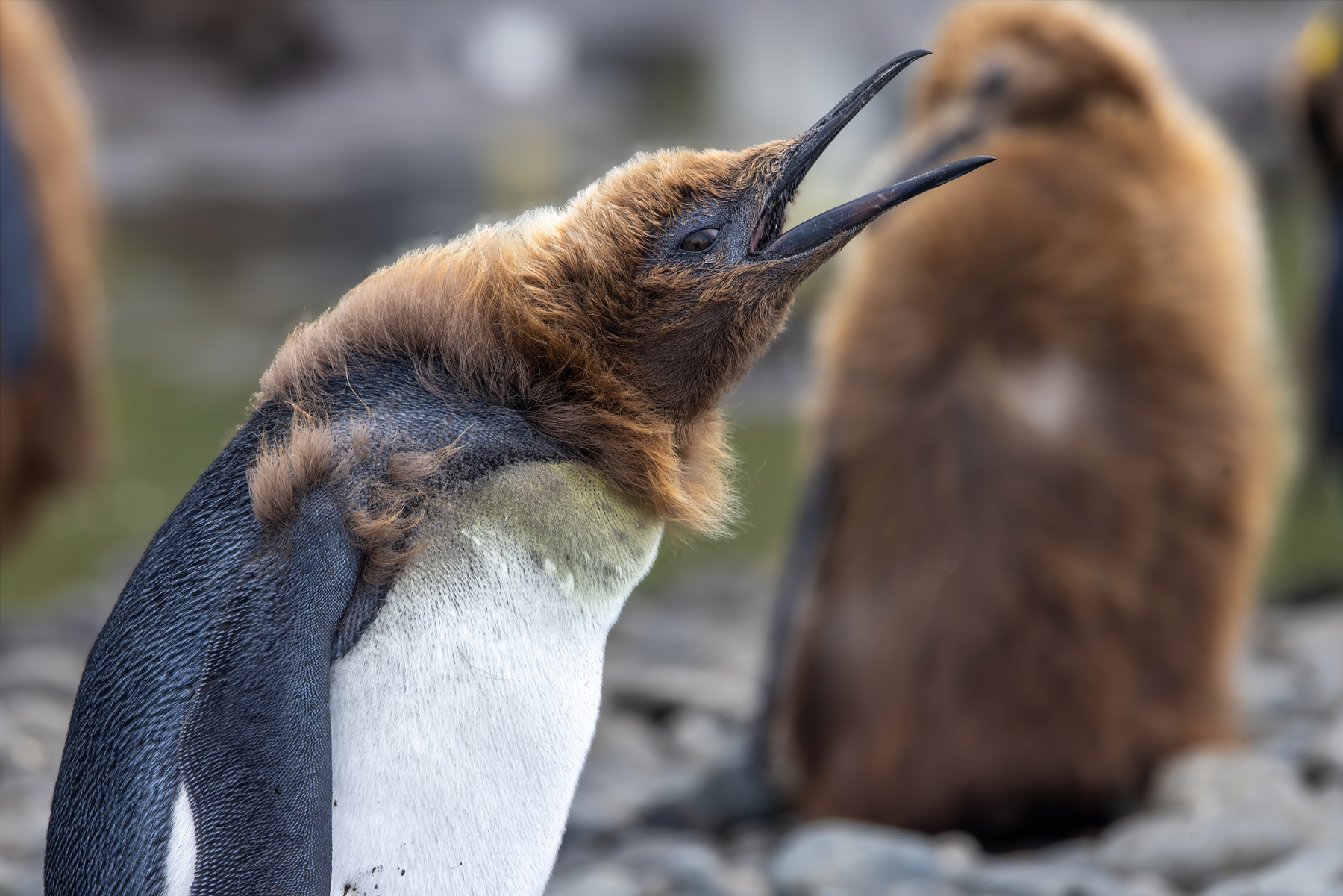
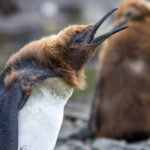
King Penguins (image by Nik Borrow)
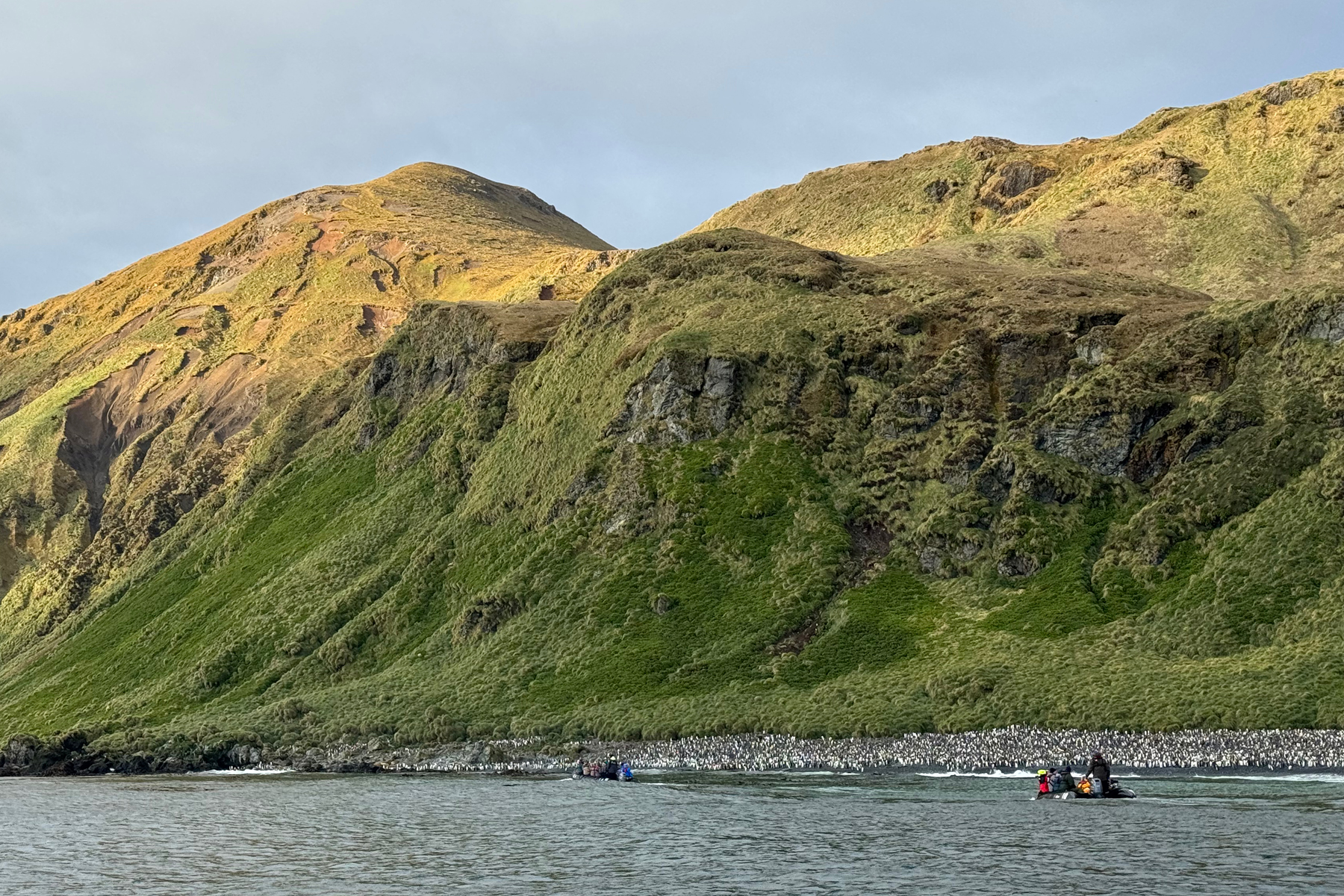
Lusitania Bay Macquarie Island New Zealand (image by Nik Borrow)
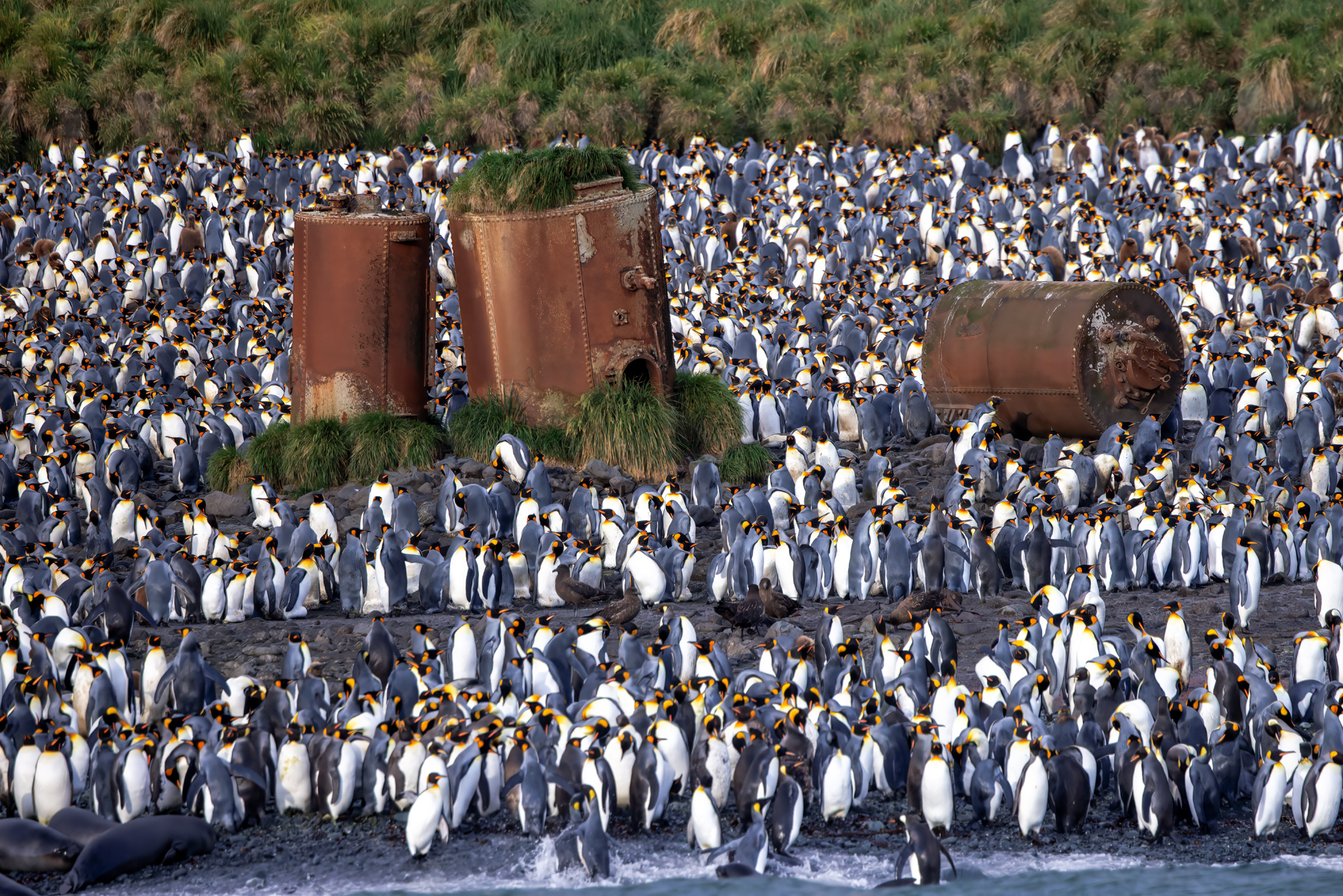
Lusitania Bay, Macquarie Island (image by Nik Borrow)
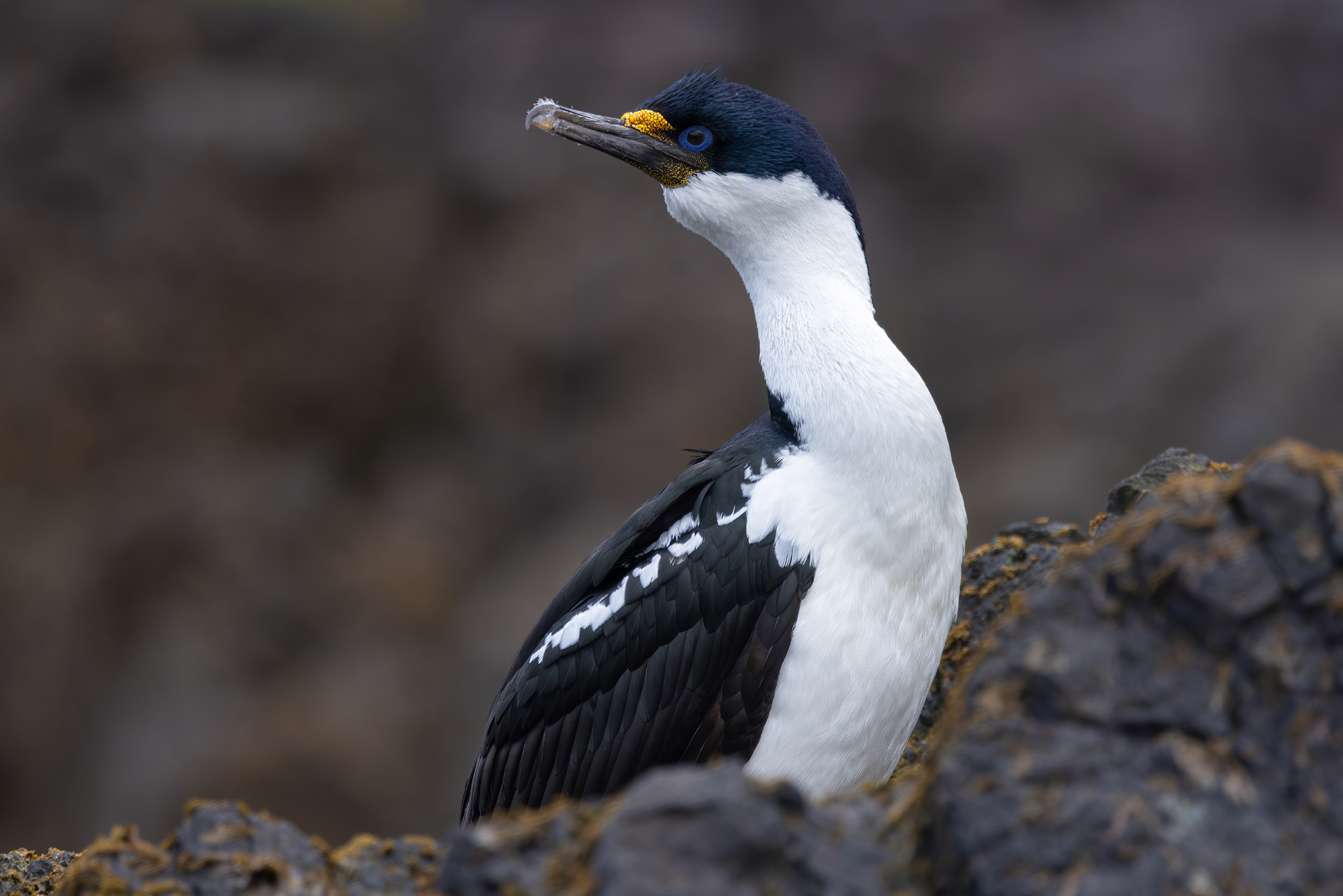
Macquarie Imperial Shag (image by Nik Borrow)
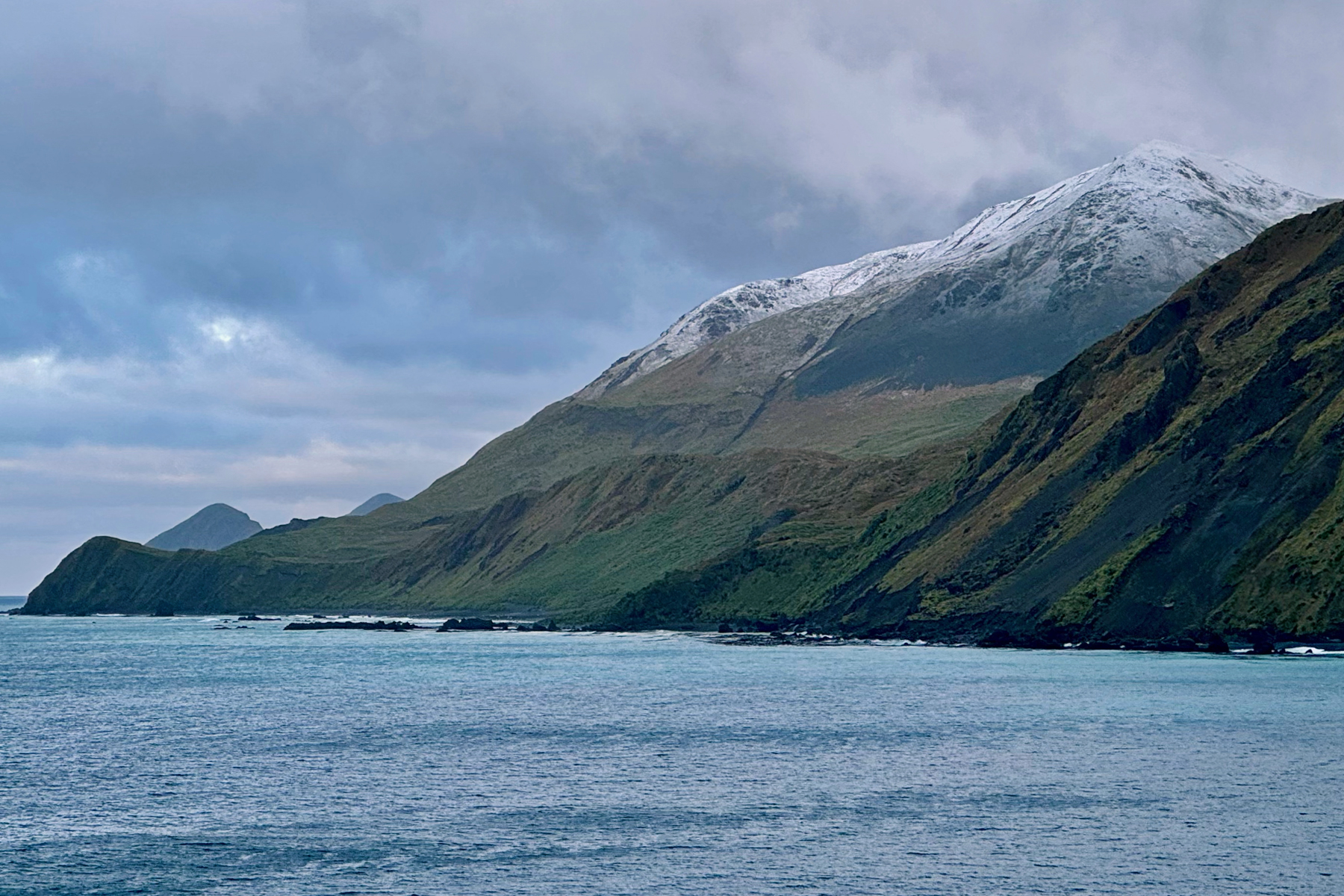
Macquarie Island (image by Nik Borrow)
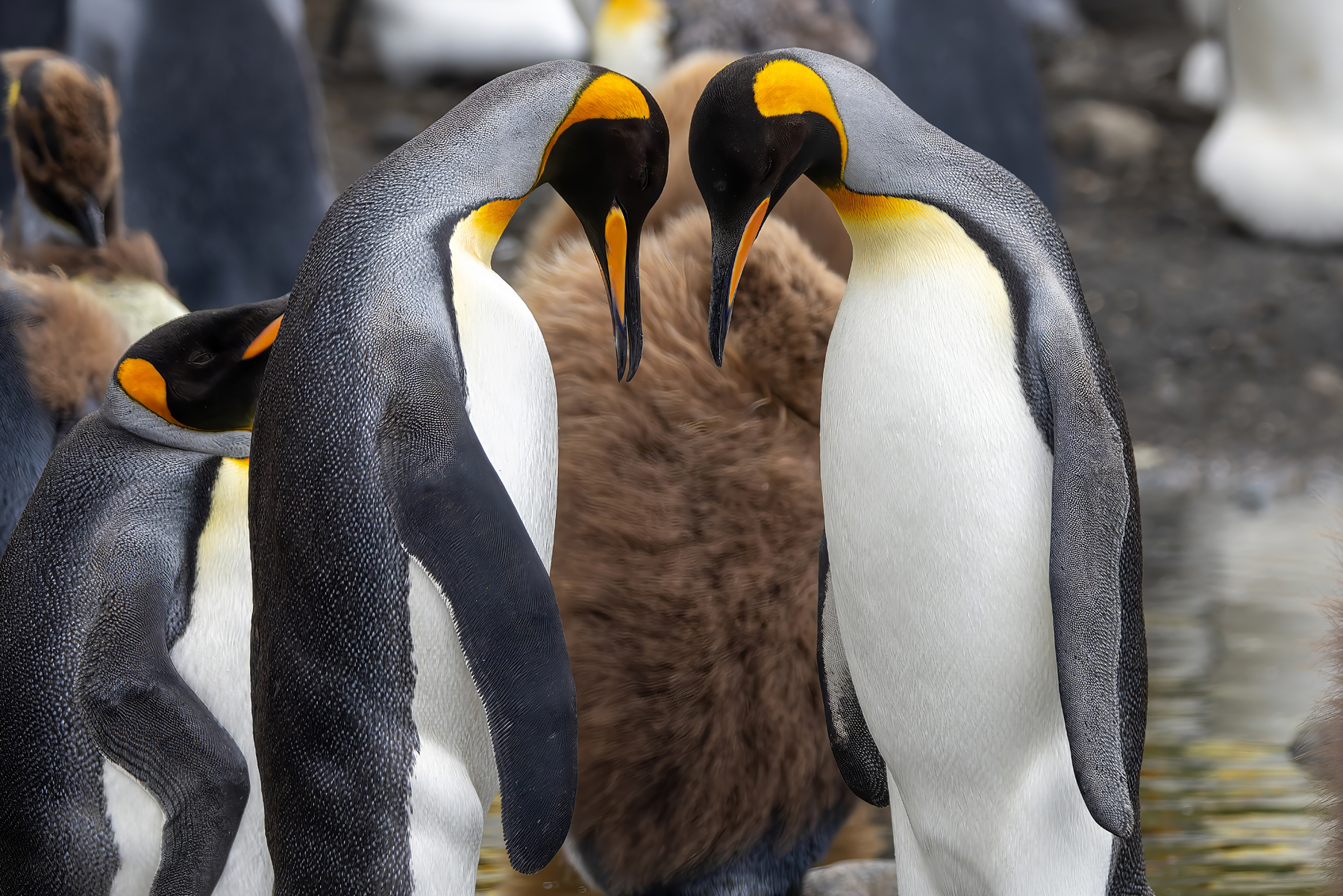
King Penguins (image by Nik Borrow)
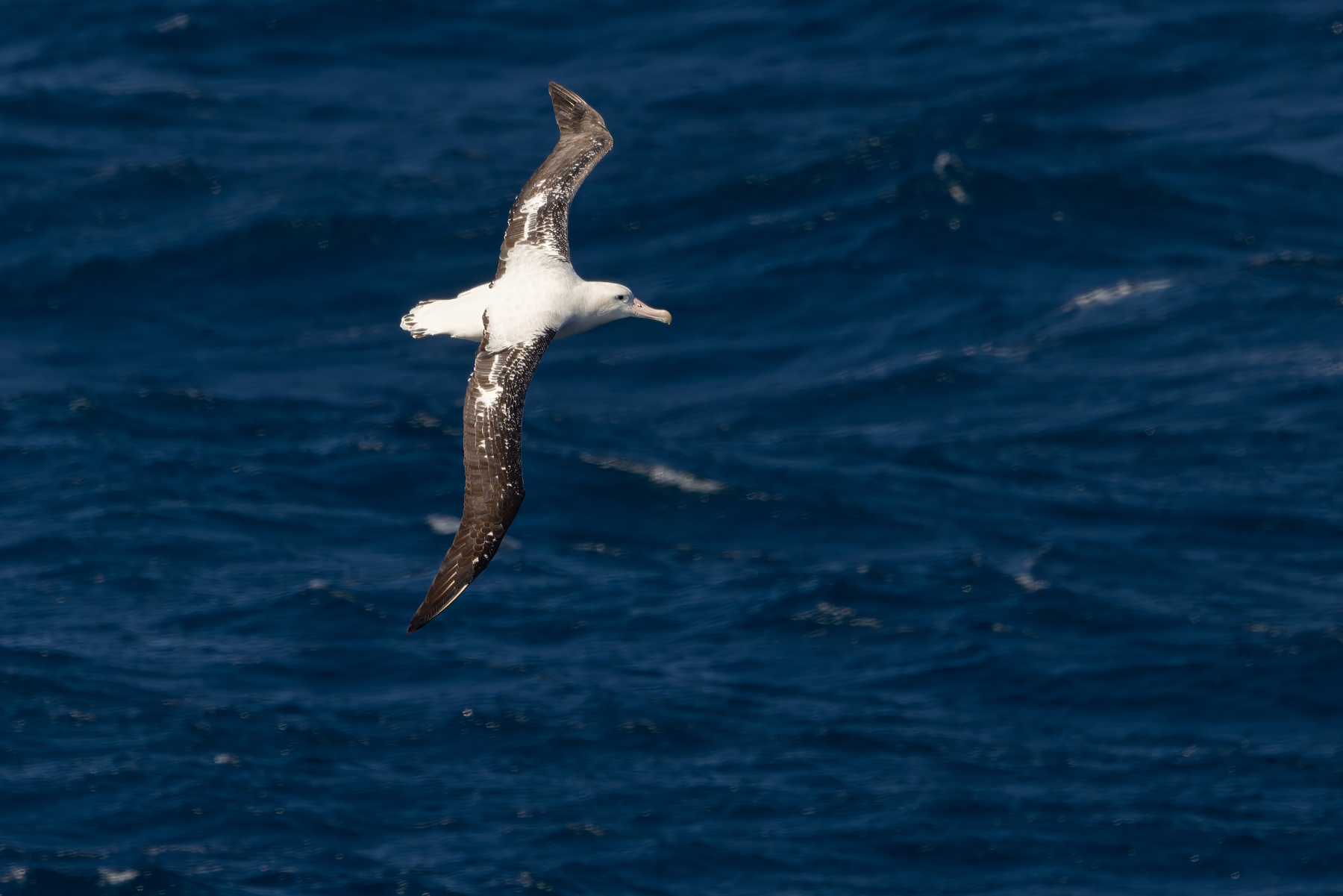
Gibson's Antipodean Albatross (image by Nik Borrow)
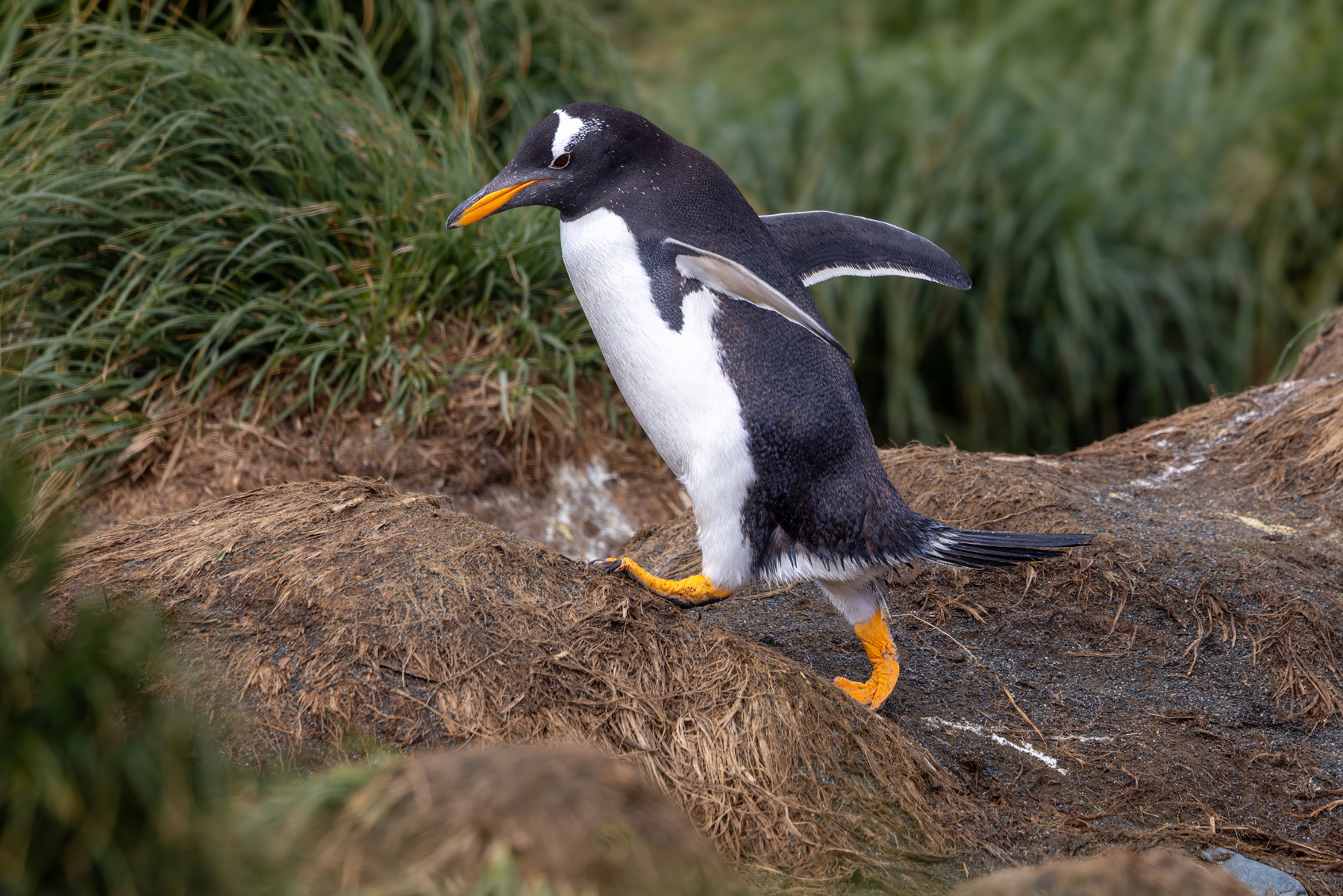
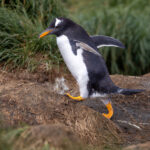
Gentoo Penguin (image by Nik Borrow)
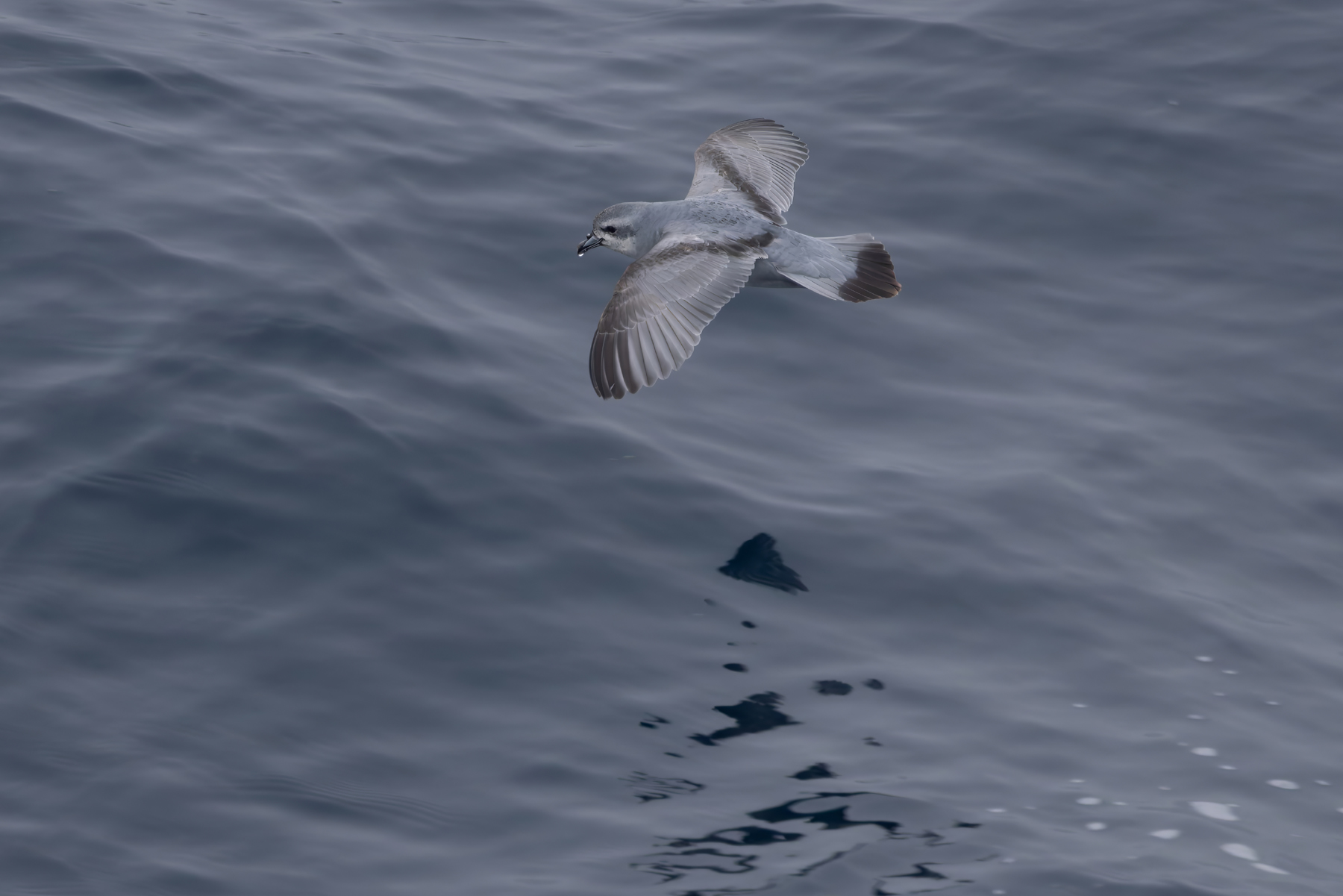
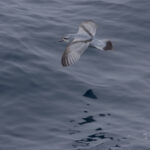
Fulmar Prion (image by Nik Borrow)
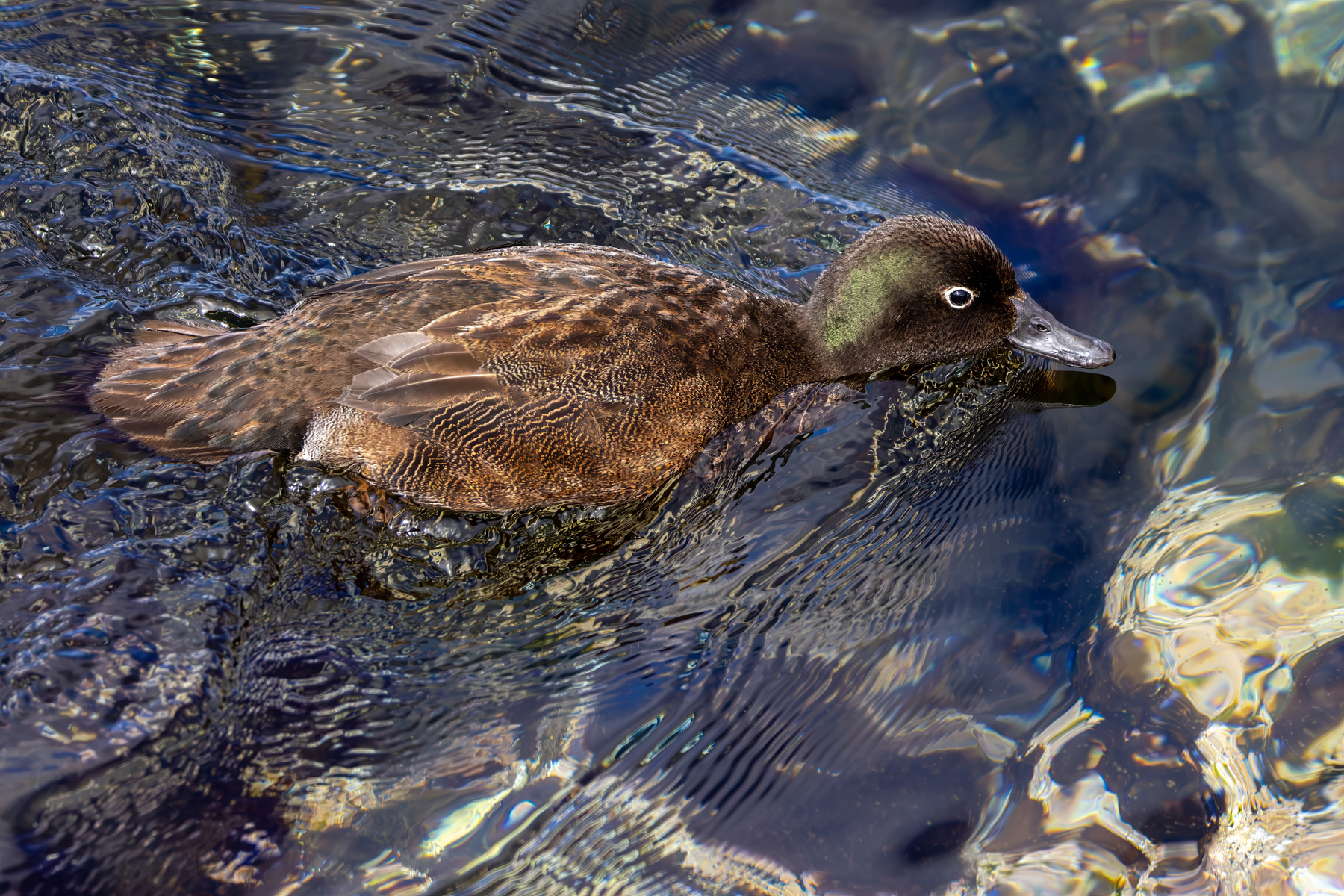
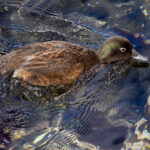
Campbell Teal (image by Nik Borrow)
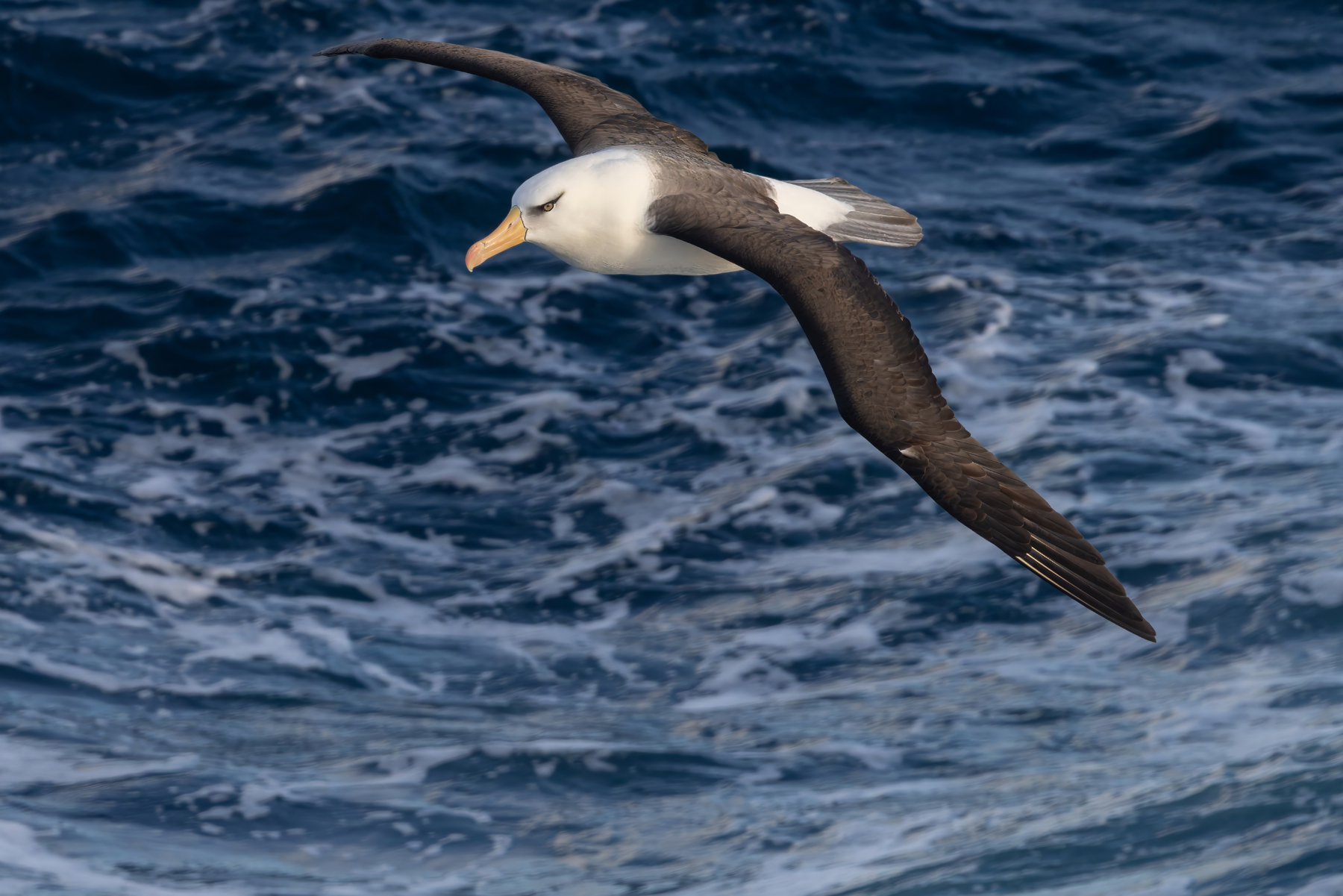
Campbell's Black-browed Albatross (image by Nik Borrow)
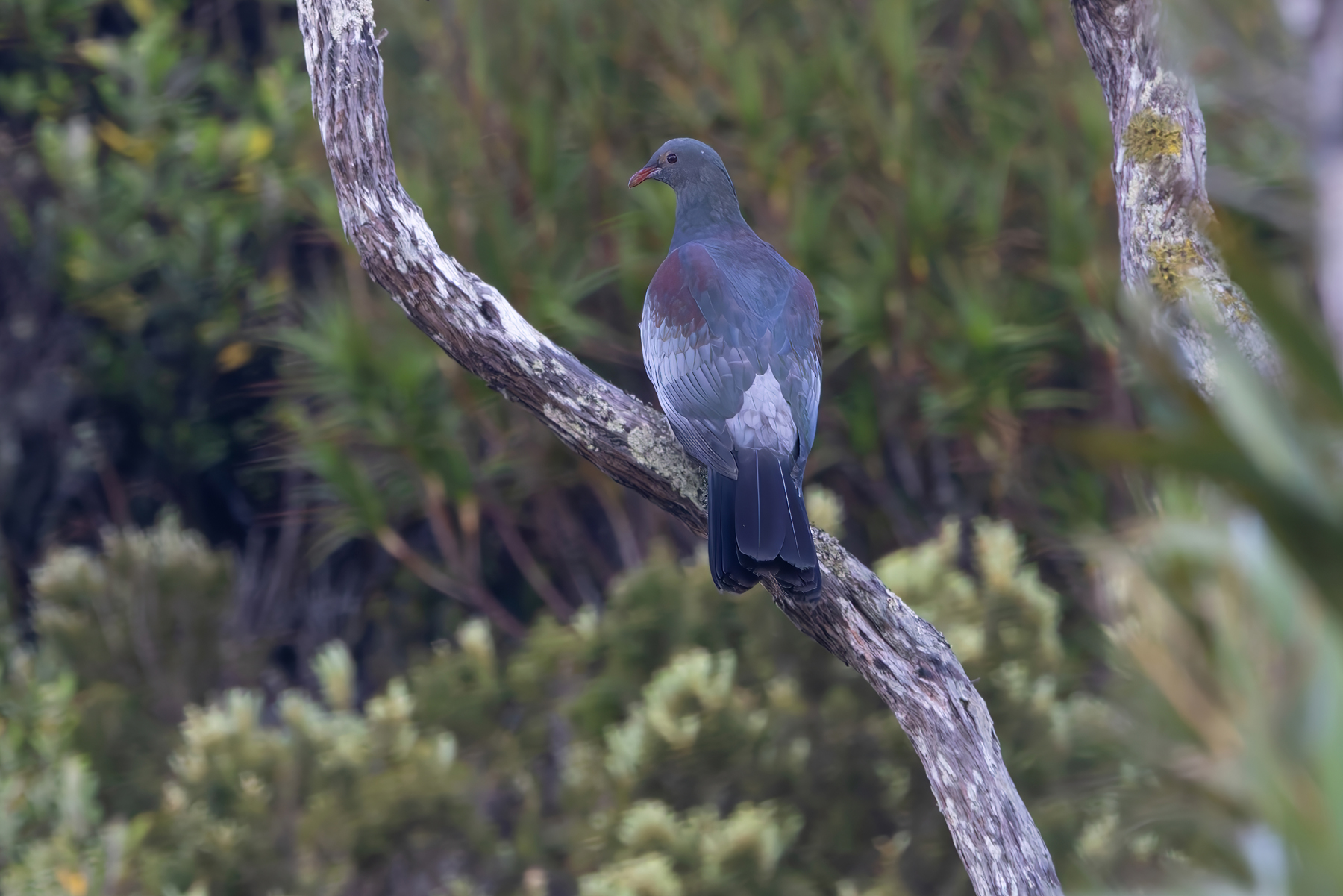
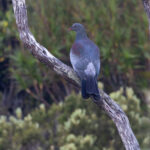
Chatham Islands Pigeon (image by Nik Borrow)
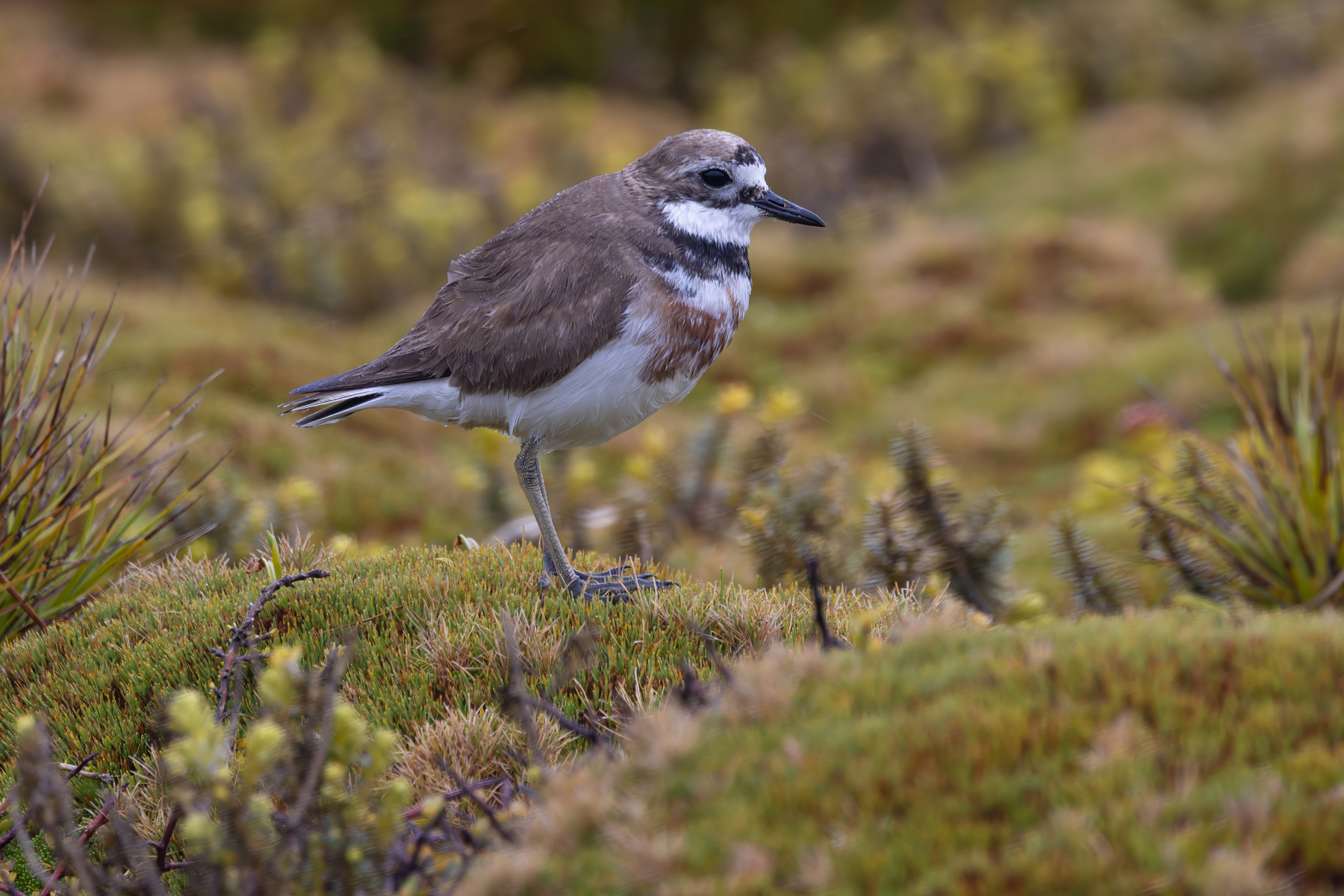
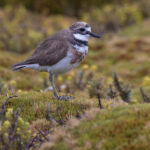
Double-banded Plover (image by Nik Borrow)
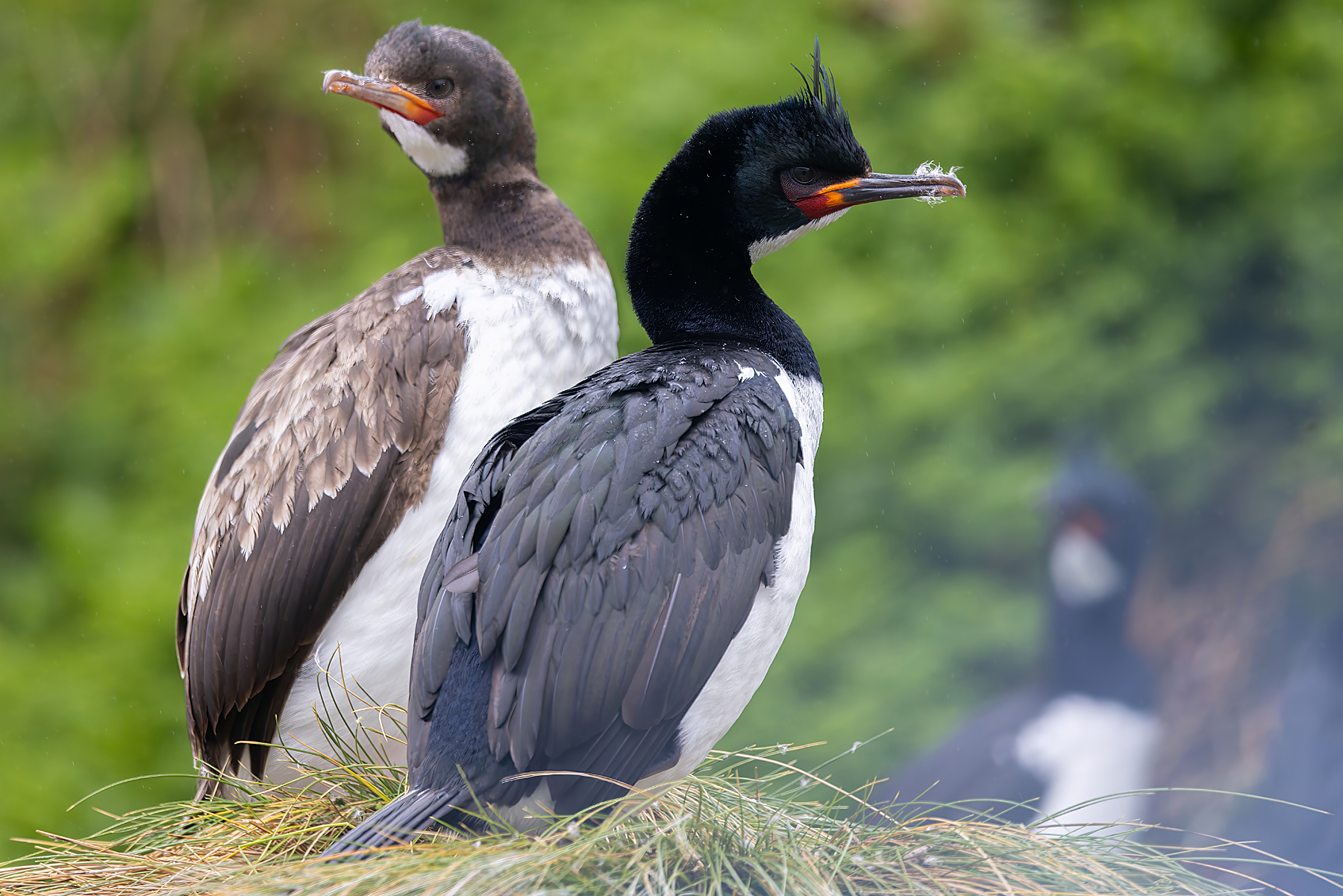
Campbell Shags (image by Nik Borrow)
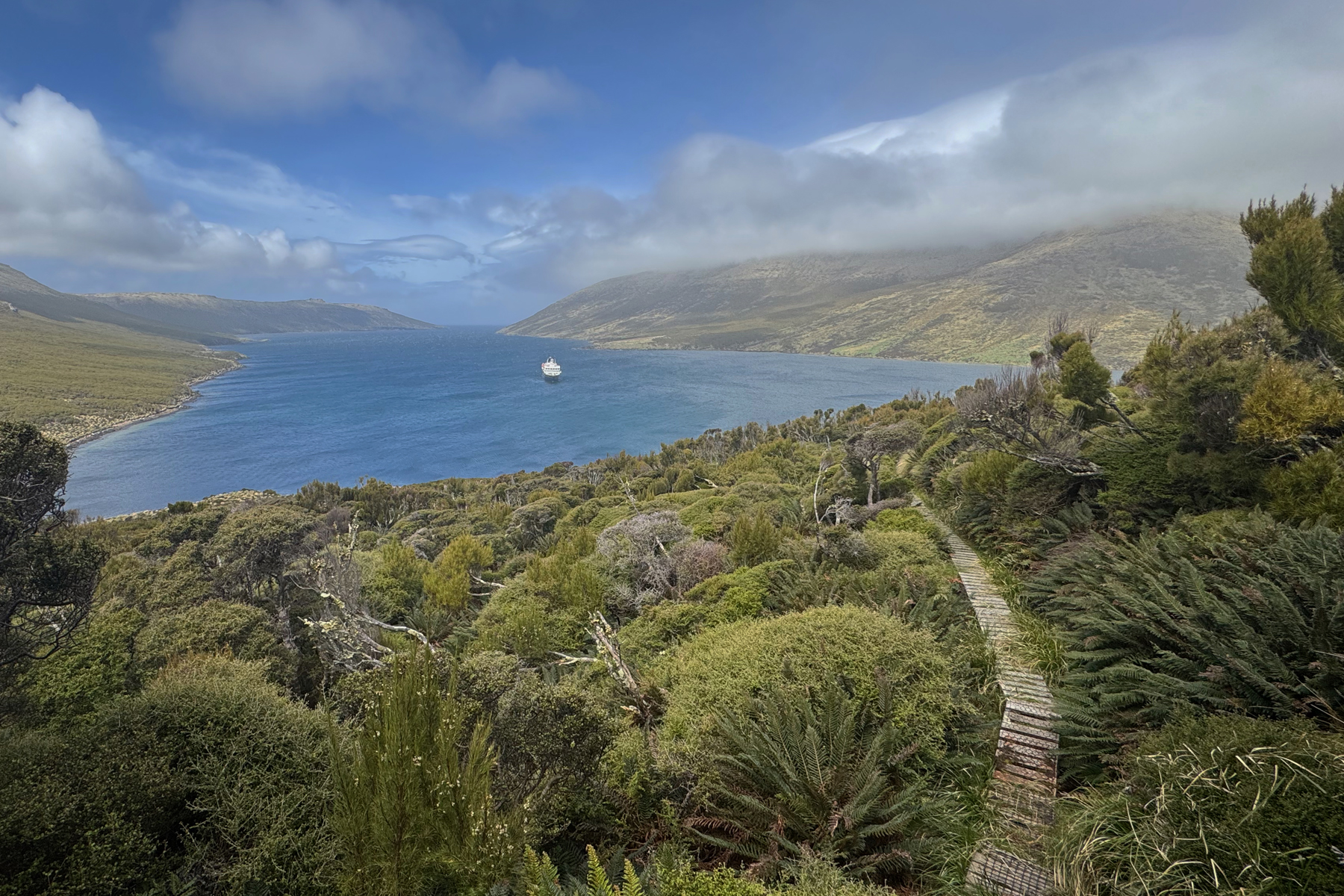
Campbell Island (image by Nik Borrow)
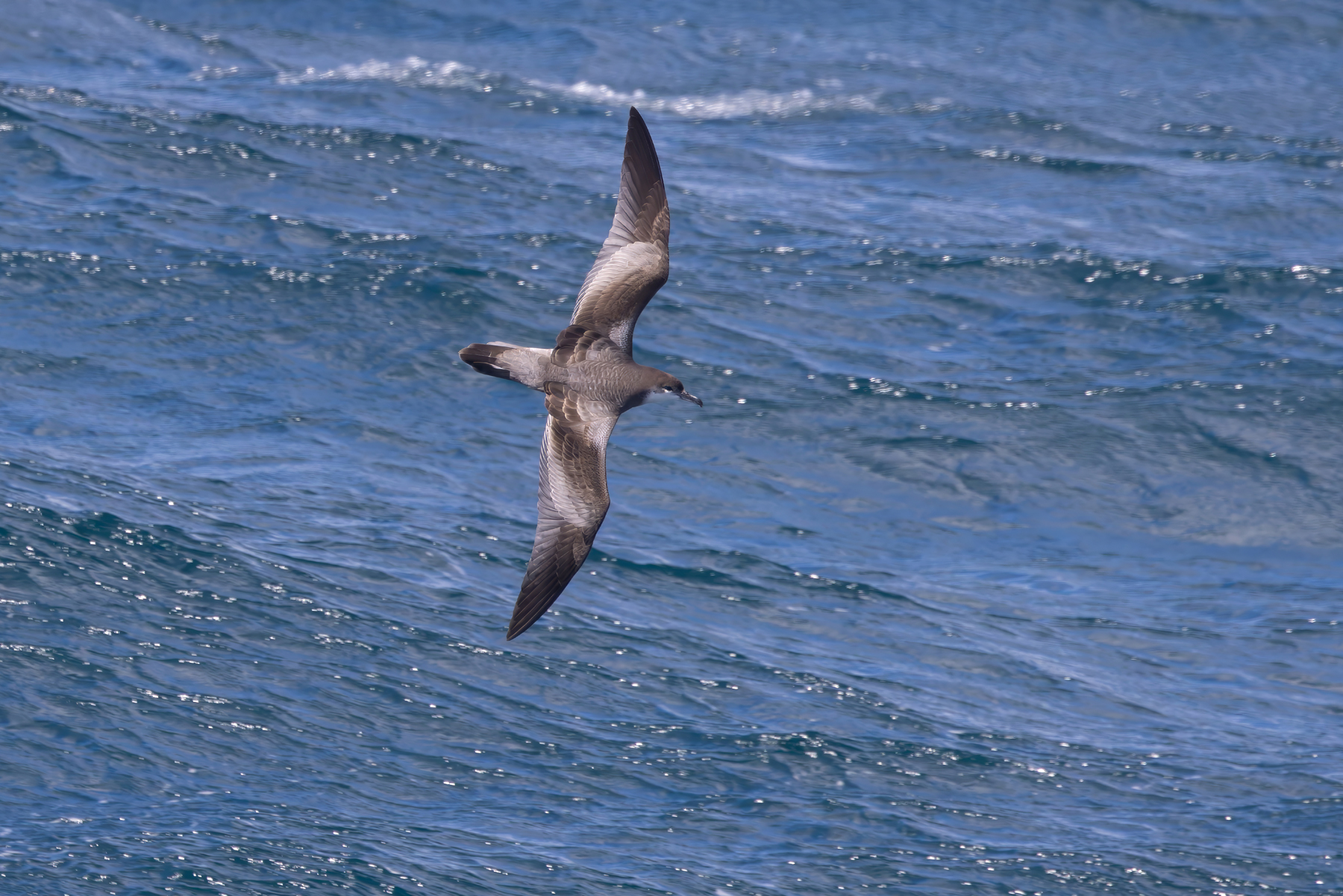
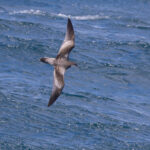
Buller's Shearwater (image by Nik Borrow)
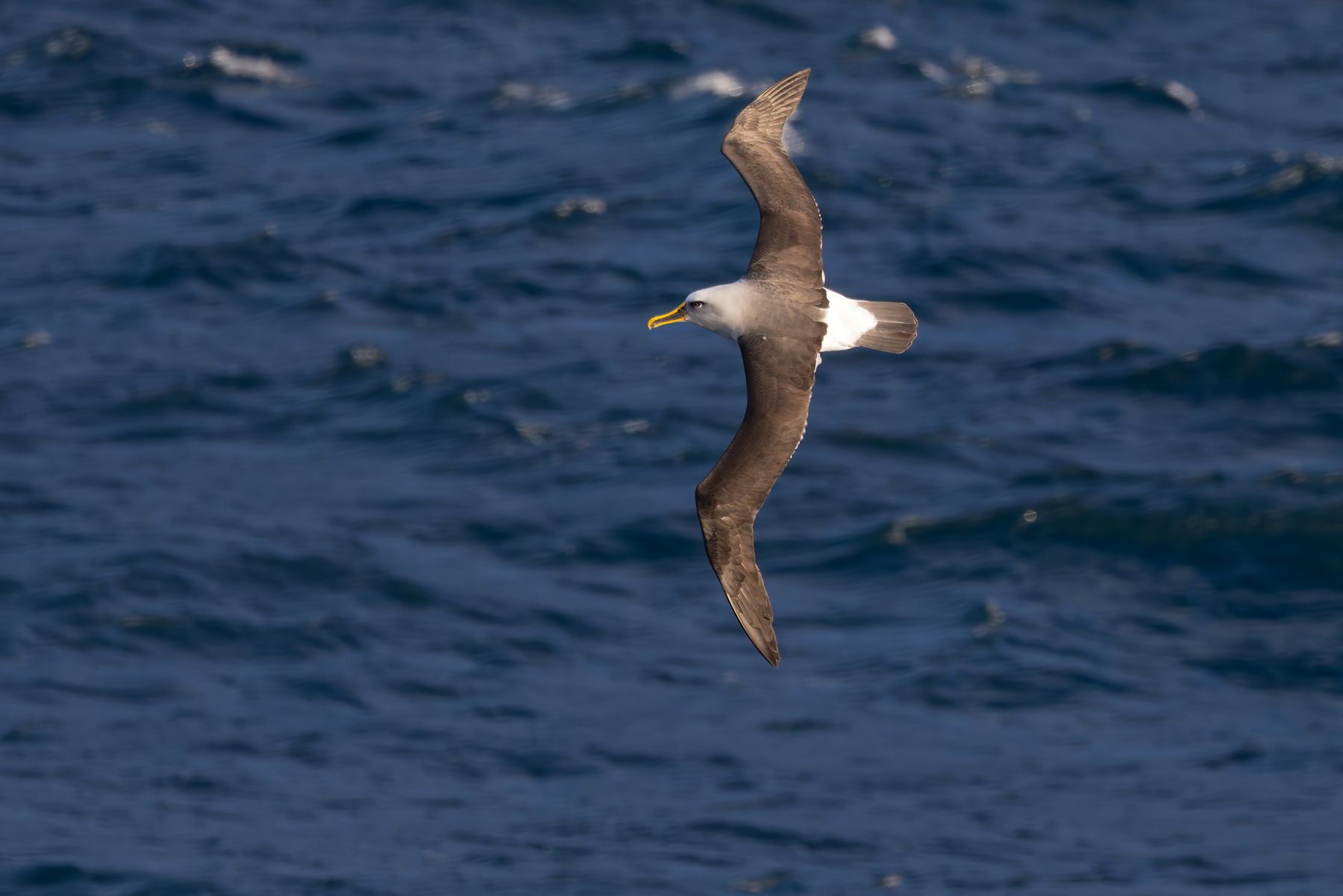
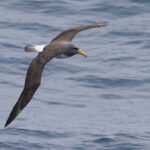
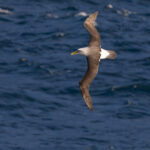
Buller's Albatross (image by Nik Borrow)
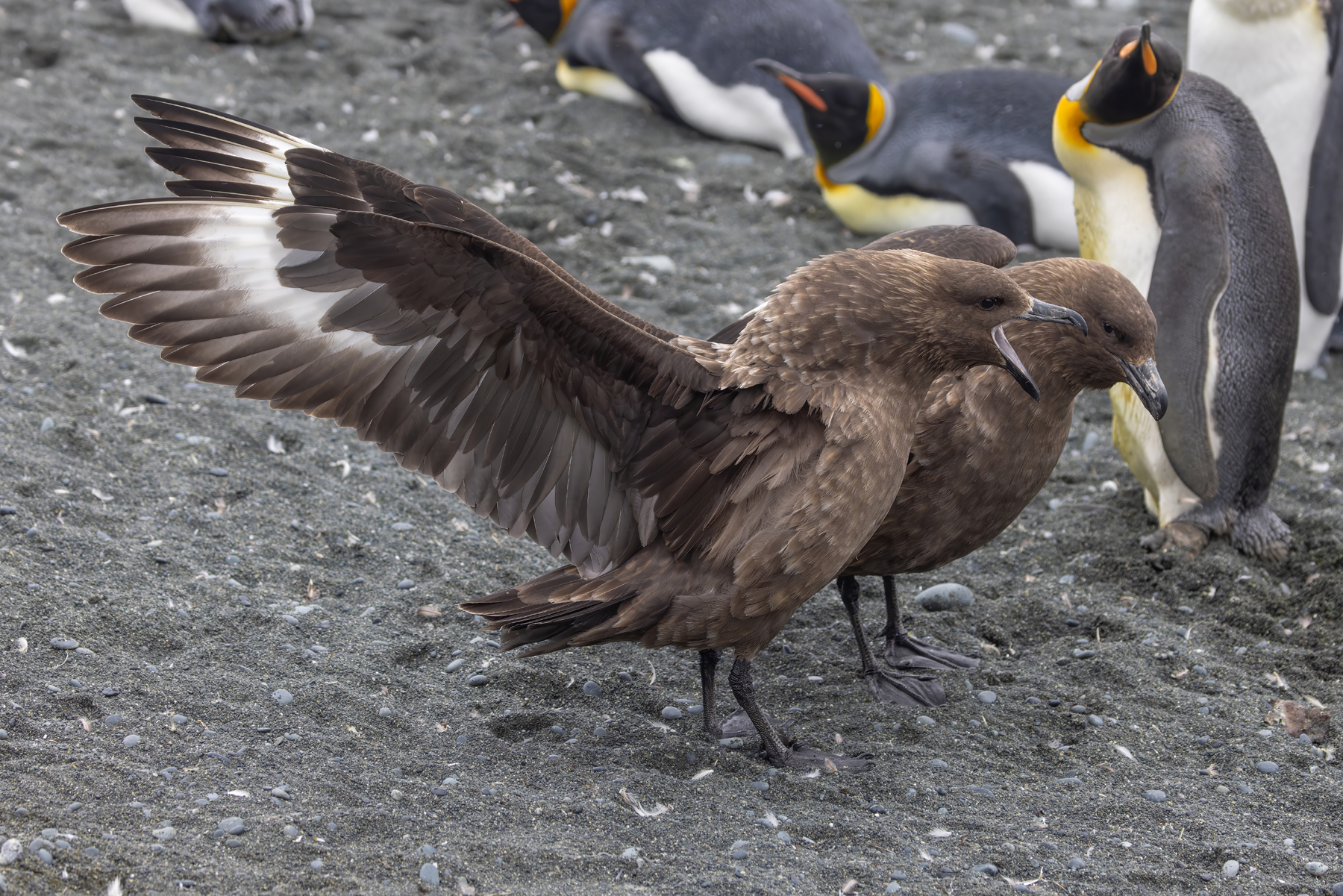
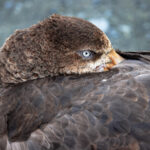
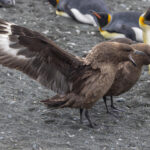
Brown Skua (image by Nik Borrow)
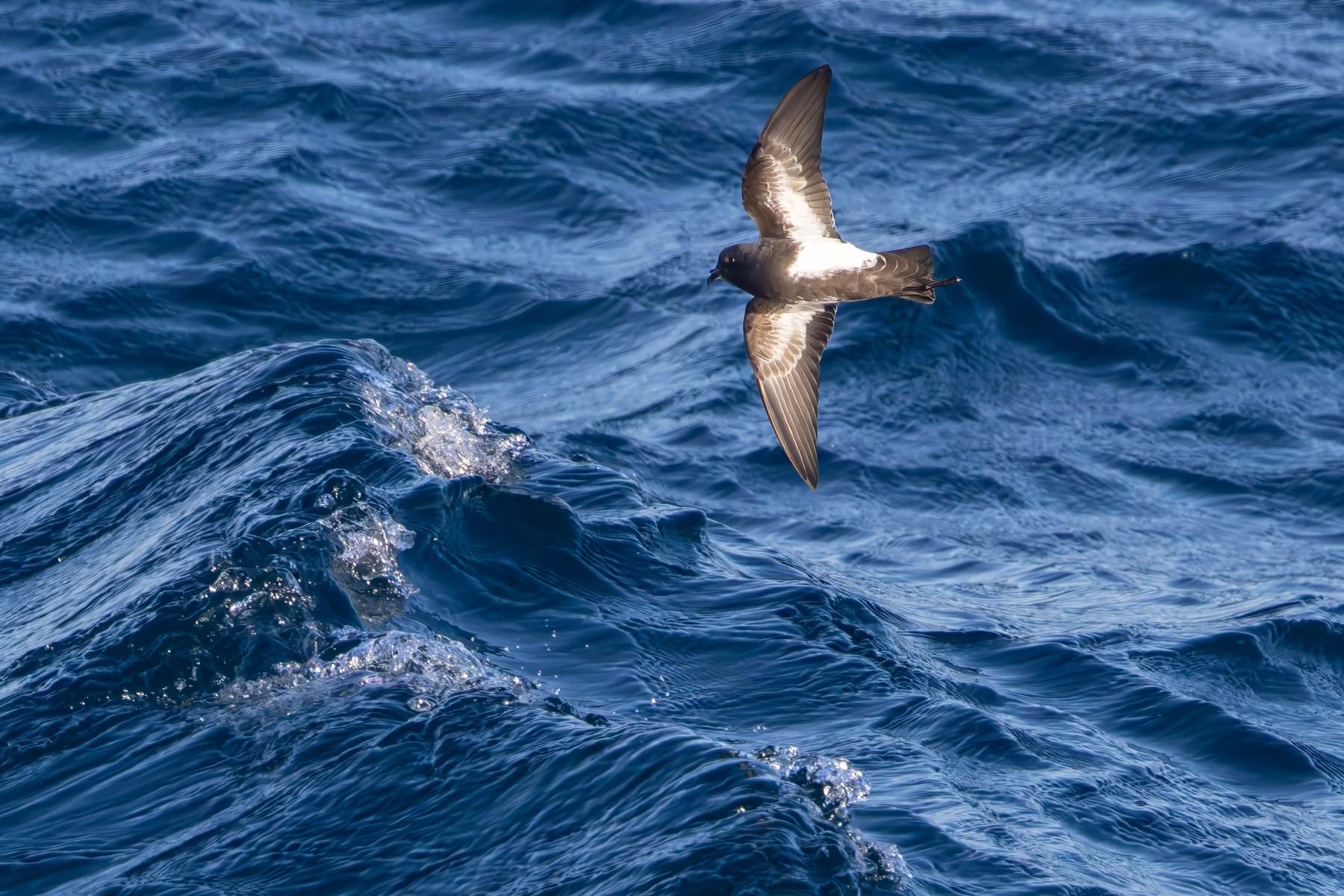
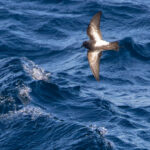
Black-bellied Storm Petrel (image by Nik Borrow)
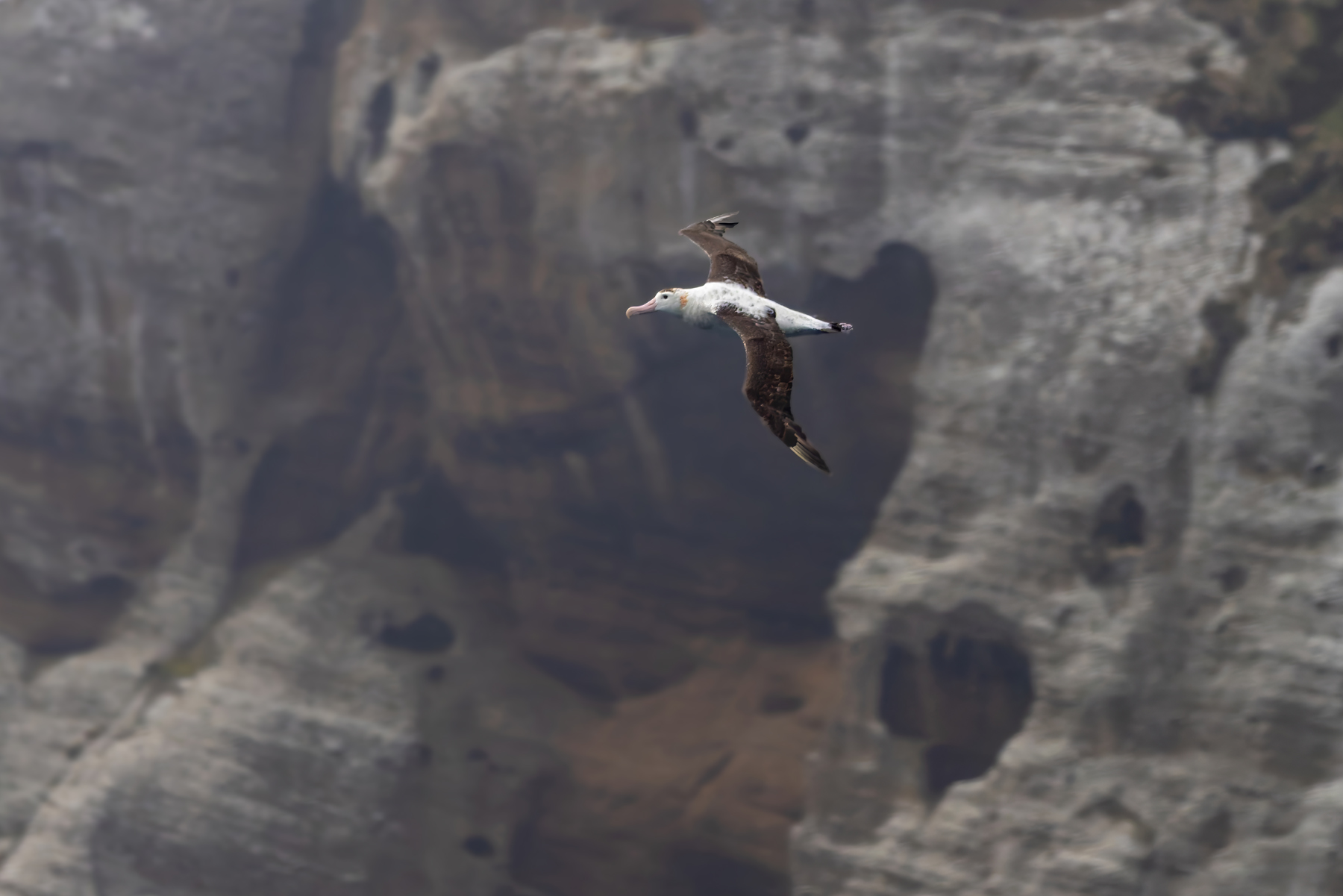
Antipodean Albatross (image by Nik Borrow)
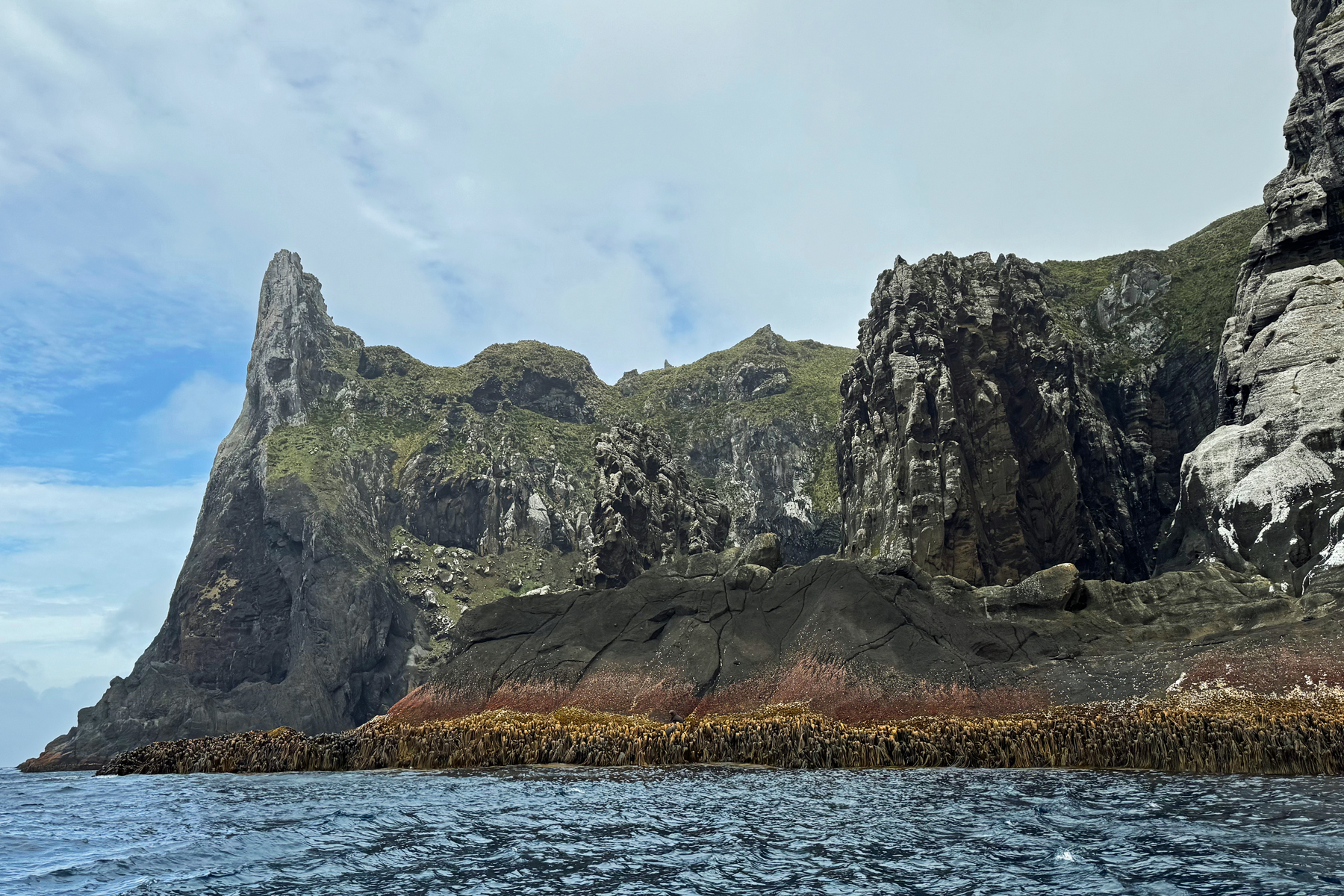
Antipodes Island (image by Nik Borrow)
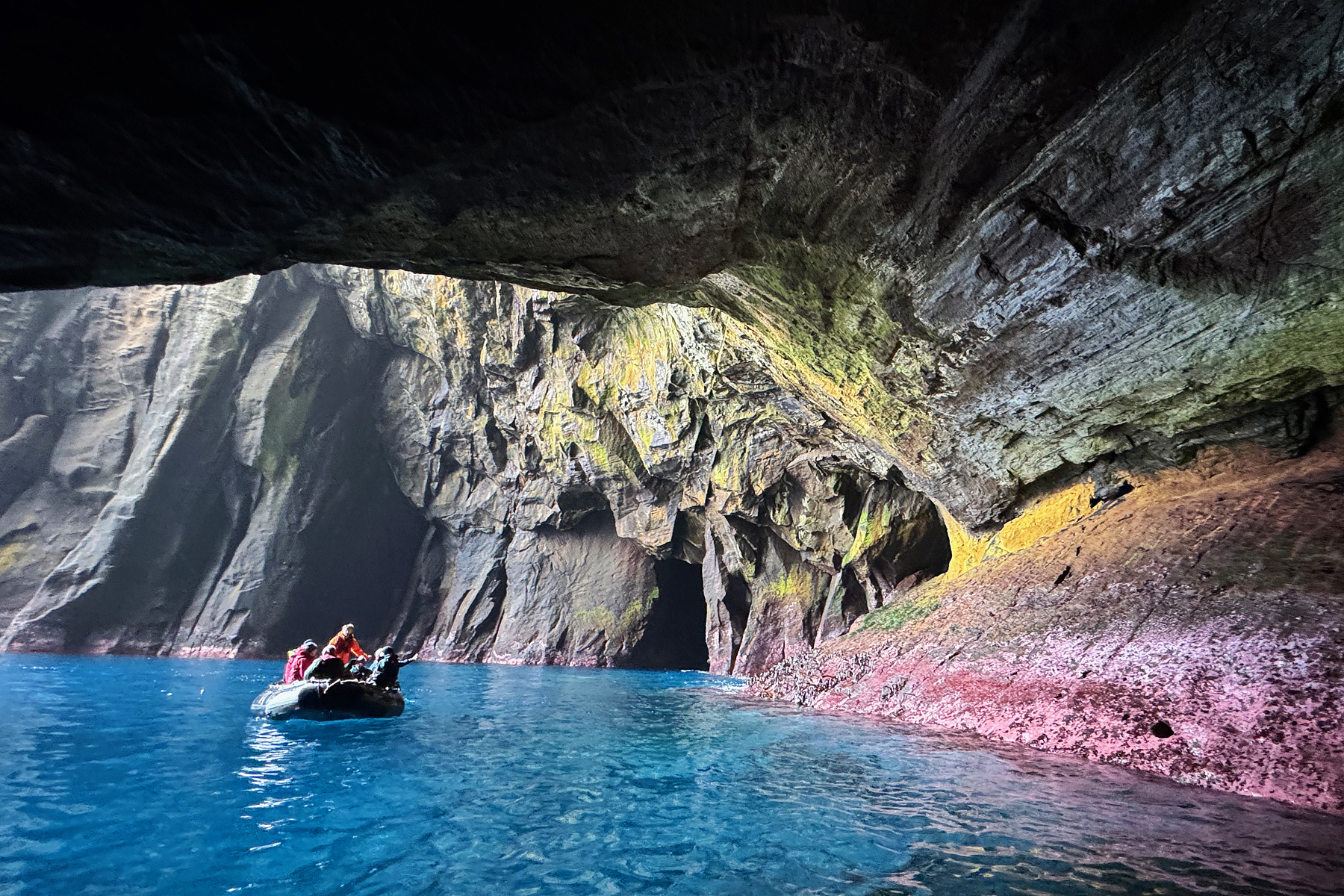
Antipodes Island (image by Nik Borrow)
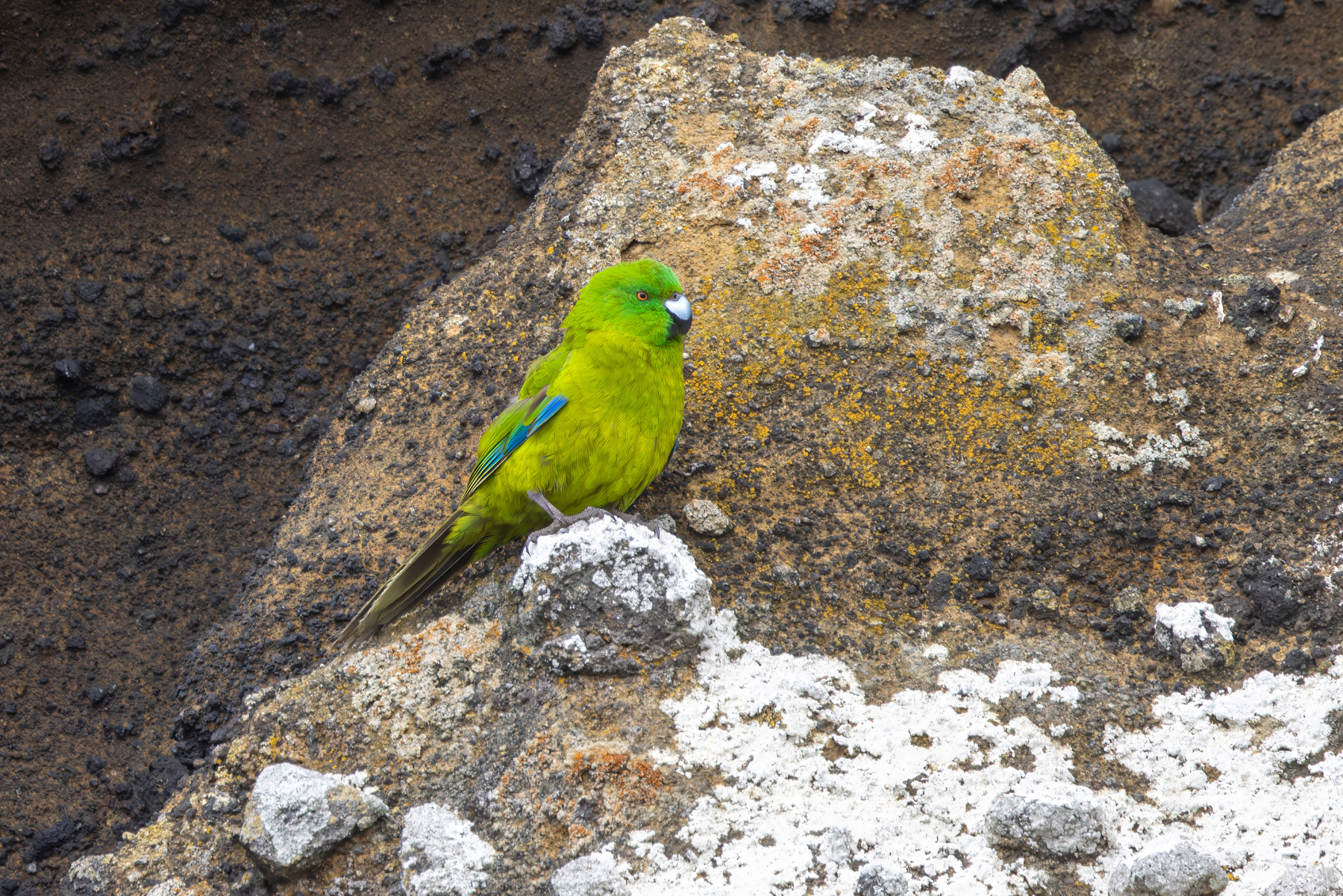
Antipodes Parakeet (image by Nik Borrow)
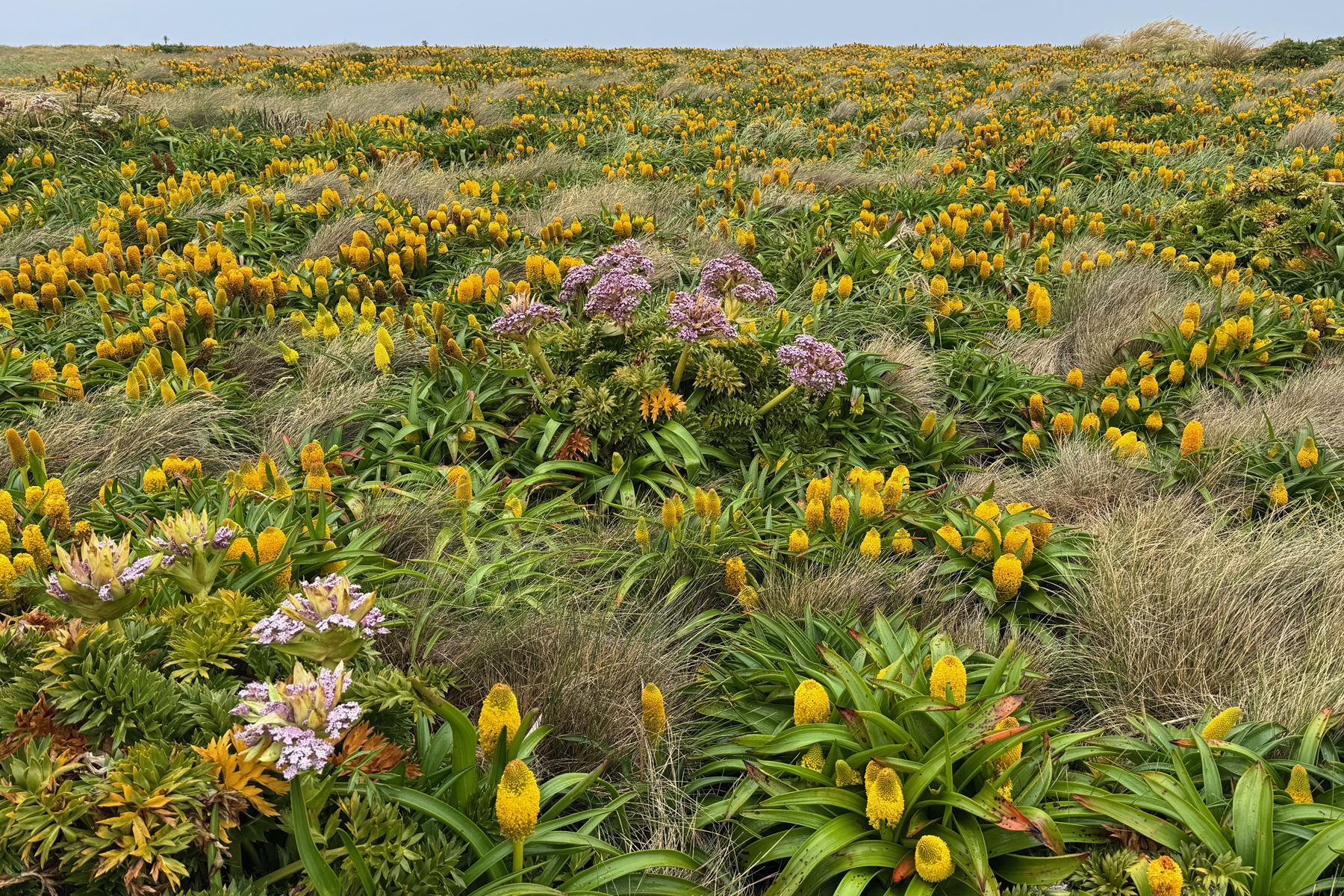
Auckland Island Megaherbs (image by Nik Borrow)
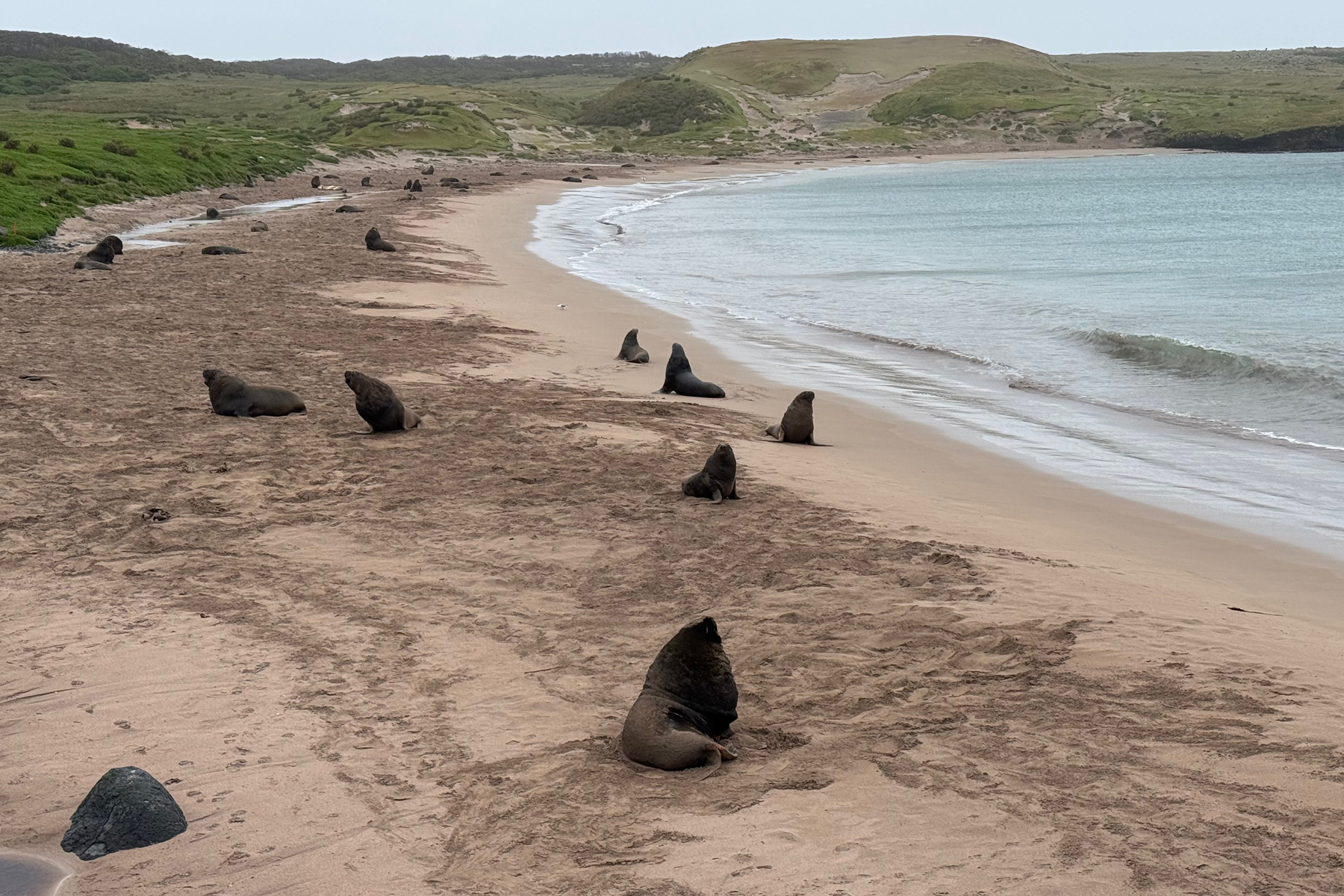
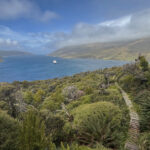
Auckland Island (image by Nik Borrow)
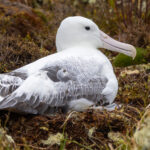
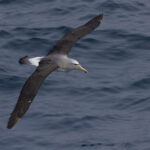
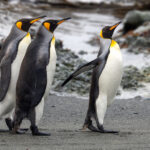
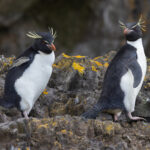
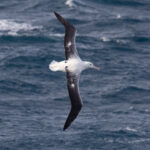
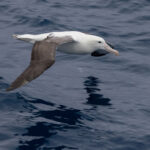
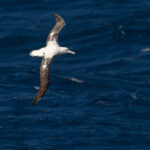


Southern Royal Albatross (image by Nik Borrow)
Salvin's Albatross (image by Nik Borrow)
King Penguins (image by Nik Borrow)
Eastern Rockhopper Penguins (image by Nik Borrow)
Southern Royal Albatross (image by Nik Borrow)
Pyramid Rock (image by Nik Borrow)
Erect-crested Penguin (image by Nik Borrow)
Yellow-eyed Penguin (image by Nik Borrow)
Magenta Petrel (image by Nik Borrow)
Chatham Albatross (image by Nik Borrow)
White-capped Albatross (image by Nik Borrow)
Northern Royal Albatross (image by Nik Borrow)
Light-mantled Albatross (image by Nik Borrow)
Weka (image by Nik Borrow)
Tomtit (image by Nik Borrow)
Sweetwater, Chatham Island (image by Nik Borrow)
Subantarctic Snipe (image by Nik Borrow)
Southern Elephant Seal (image by Nik Borrow)
Southern Elephant Seals (image by Nik Borrow)
Southern Giant Petrel (image by Nik Borrow)
Subantarctic Fur Seal (image by Nik Borrow)
Snares Island (image by Nik Borrow)
Shore Plover (image by Nik Borrow)
Royal Penguins (image by Nik Borrow)
Royal Penguin (image by Nik Borrow)
Reischek's Parakeets (image by Nik Borrow)
Pacific Buller's Albatross (image by Nik Borrow)
Pacific Buller's Albatross (image by Nik Borrow)
Pintado Petrel (image by Nik Borrow)
Pitt Shag (image by Nik Borrow)
Northern Giant Petrel (image by Nik Borrow)
Northern Giant Petrel (image by Nik Borrow)
New Zealand Sealion (image by Nik Borrow)
New Zealand Sealions (image by Nik Borrow)
New Zealand Pipit (image by Nik Borrow)
King Penguins (image by Nik Borrow)
Lusitania Bay Macquarie Island New Zealand (image by Nik Borrow)
Lusitania Bay, Macquarie Island (image by Nik Borrow)
Macquarie Imperial Shag (image by Nik Borrow)
Macquarie Island (image by Nik Borrow)
King Penguins (image by Nik Borrow)
Gibson's Antipodean Albatross (image by Nik Borrow)
Gentoo Penguin (image by Nik Borrow)
Fulmar Prion (image by Nik Borrow)
Campbell Teal (image by Nik Borrow)
Campbell's Black-browed Albatross (image by Nik Borrow)
Chatham Islands Pigeon (image by Nik Borrow)
Double-banded Plover (image by Nik Borrow)
Campbell Shags (image by Nik Borrow)
Campbell Island (image by Nik Borrow)
Buller's Shearwater (image by Nik Borrow)
Buller's Albatross (image by Nik Borrow)
Brown Skua (image by Nik Borrow)
Black-bellied Storm Petrel (image by Nik Borrow)
Antipodean Albatross (image by Nik Borrow)
Antipodes Island (image by Nik Borrow)
Antipodes Island (image by Nik Borrow)
Antipodes Parakeet (image by Nik Borrow)
Auckland Island Megaherbs (image by Nik Borrow)
Auckland Island (image by Nik Borrow)


SUBANTARCTIC ISLANDS OF NEW ZEALAND & AUSTRALIA TOUR REPORT 2025

6 - 22 December 2025
Nik Borrow
Our group of Birdquesters assembled as part of a much larger group of people that were to board the Heritage Adventurer to take part in Heritage Expedition’s “Birding Down Under” cruise over a period of two days in Queenstown, New Zealand. The benefit of being part of a BirdQuest subset was that our group size was guaranteed to fill one of the zodiacs that were used during the voyage for our like-minded birding and photography group to gain intimate views of the wildlife during the numerous landings and mini zodiac cruises.
Our hotel in Queenstown, a well-situated resort town near to the Queenstown Gardens on the shores of Lake Wakatipu. Although a beautifully scenic place to start the birdlife was terribly familiar to any British visitor with Common Starling, Song Thrush, Common Blackbird, Dunnock, House Sparrow, Eurasian Chaffinch, European Greenfinch, Redpoll and European Goldfinch all being very much in evidence having been introduced in the 1800s onwards by European settlers in order to remind them of home! However, the gardens also held native species such as Grey Gerygone, Tui, New Zealand Bellbird, New Zealand Fantail, Welcome Swallow and Silvereye while the lakeshore itself was home to the southern form of Great Crested Grebe as well as New Zealand Scaup, Black-billed Gull, Kelp Gull, Little Pied Cormorant, Great Cormorant, White-faced Heron and for some New Zealand Falcon flying over the town.
As the participants of the tour gathered, so the excitement mounted and soon it was time to board the coaches that took us down to Bluff Harbour at the southern tip of South Island where the Heritage Adventurer was waiting for us. Settling in to our extremely comfortable cabins was easy, swiftly followed by the mandatory briefings, introductions, safety and security routines and topped by the first of many sensational meals. Losing weight was not going to be an option on this tour!
As we left Bluff, we managed to see a few ‘Foveaux’s’ Stewart Island Shags, Spotted Shags and Australian Pied Cormorant as well as Variable Oystercatcher, White-fronted Tern, Little Penguin and small numbers of Fluttering Shearwaters, Cook’s Petrels and Common Diving Petrels. Huge numbers of Sooty Shearwaters put up from the sides of the boat and Pintado Petrels played in the wake, a species that was to remain a familiar sight throughout the cruise.
We sailed southwards overnight and woke to our first port of call which were the uninhabited Snares Islands. Landings are not permitted here but we were hoping to undertake a zodiac cruise at North East Island to gain a more intimate view than we could from the ship. However, there was such a deep swell that it made conditions too dangerous to operate and although several zodiacs made it onto the water, they were quickly recalled as it became more and more difficult to get people safely on (and off) the zodiacs. We were not in the first wave (forgive the pun) and we watched the efforts from the safety of the ship as we were not in the first group due to be offloaded and watched the soggy returnees with a certain disappointment for despite holding our ship’s position for all the morning the winds showed no sign of abating, so all operations had to be cancelled and we had to content ourselves with observing the awesome spectacle of the abundant seabirds from the ship. The main highlight was the numerous Snares Penguins which coated the accessible slopes and were observed porpoising all around us. Buller’s Albatrosses were also breeding on the islands at this time and small numbers glided past amongst more numerous ‘White-capped’ Shy and Salvin’s Albatrosses. Northern Giant Petrels outnumbered Southern Giant Petrels and numbers of Sooty Shearwaters were overwhelming. Elsewhere we saw a number of predatory Brown Skuas and delicate Antarctic Terns.
Eventually we had to admit defeat with our attempts to make a zodiac cruise at the Snares and we headed away and out to sea. On the journey we encountered our first Northern and Southern Royal Albatrosses, Grey-backed, White-faced and Black-bellied Storm Petrels, White-chinned Petrel and for some a stray Southern Fulmar and continued southwards overnight to reach the Auckland Islands by morning.
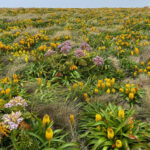
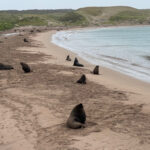
Morning found us approaching Enderby Island, one of the islands that form the Auckland Islands group. It was cleared of introduced species by 1994 and the native wildlife has responded accordingly so we were looking forward to getting ashore as we were allowed to land here but sadly the weather was still not really in our favour. Not only was a strong wind blowing but it was raining as well! Despite the conditions, the expedition team decided that they would attempt to get us ashore and a rough beach landing was made at Sandy Bay. Waiting for the right waves to bring us in we could see a pair of flightless endemic Auckland Teal tucked up above the kelp but the conditions were not conducive to clear viewing and before we knew it, we were deposited on the broad sandy beach amongst the New Zealand (or Hooker’s) Sea Lions. Having landed safely onshore, the routine of shedding life jackets and listening to the briefing was underway before we were allowed to explore the island. One of our birdquesters chose to undertake a tougher circular walk of part of the island while the rest of us opted for what was thought to be a gentler boardwalk excursion that would give us optimum time to find a much-wanted Subantarctic Snipe. The trail rose up out of the stunted forest that held New Zealand Bellbird and the local form of Tomtit both finding shelter in the lee of the island but upon emerging, we were abruptly met with the full force of the wind which was so strong that it proved impossible to stand at times and it is probably true that everyone was blown over at least once at some stage. Several Southern Royal Albatross were nesting close by and we were treated to intimate views of these giant snowy birds hunkered down on their nests. Red-crowned Parakeet and New Zealand Pipits were watched feeding here and as the taller vegetation petered out it gave way to a marvellous carpet of colourful megaherbs (mainly golden yellow Ross Lily Bulbinella rossii and pink Campbell Island Carrot Anisotome latifolia) where small numbers of the distinctive exilis form of Double-banded Plover could be observed. The boardwalk led us to the northern cliffs where the wind blew even more furiously and whilst struggling to stay upright, we could try to watch Light-mantled Sooty Albatrosses on their nests and endemic Auckland Shags. Despite walking the boardwalk twice both ways and pushing through some long grass we had no luck with the snipe although Yellow-eyed Penguins (Hoiho) were seen heading down to the sea and ultimately it was only Garry who had opted for the long walk that saw the snipe.
Getting back into the zodiacs was an experience where no-one stayed dry as the waves crashed into the rear of the boat. A search for the teal drew a blank and was for some reason aborted early thus upsetting those who had not yet seen the birds. However, with strengthening winds conditions were getting more difficult and it was something of a relief to get back on the boat. Drying off and resuming sea watching we once again set sail and our first White-headed Petrels were seen.
Heading southwards, ever southwards, we spent the next day at sea and eventually left New Zealand waters and entered Australian waters for our next destination was Macquarie Island. On the way our first ‘Gibson’s’ Antipodean Albatrosses were seen and these huge ‘wanderers’ were suitably impressive. Also putting in their first appearances were the smaller Grey-headed Albatross and gimlet-eyed ‘Campbell’s’ Black-browed Albatrosses. Antarctic Prions were now definitely the common species and small numbers of Soft-plumaged Petrels were spotted.
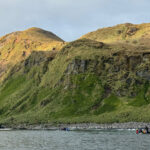
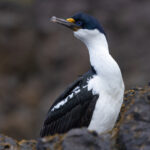
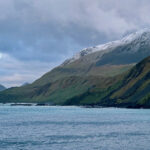
Macquarie Island is a remarkable place if only for the fact that it is here that Australian listers can tick off Redpoll! For others it is here that 20 species of breeding seabirds can be observed on this ridge of uplifted oceanic crust that reaches a high point at Mount Hamilton of 433 metres above sea level. We were blessed during our visit with relatively fine weather which was a great relief after our experiences on the Snares and Auckland Islands! We approached from the north and were greeted by clear views of the snow-capped peak of Mount Elder illuminated by a watery, southern sun. Our landing was scheduled at The Isthmus where the Australian National Antarctic Research Expeditions base is situated. A sighting of Orca or Killer Whale produced great excitement and we could see from onboard that the whole area was bustling with Southern Elephant Seals and King and Gentoo Penguins. It wasn’t long before the zodiacs had successfully landed us amongst them and we took a walk amongst the comical Gentoos with some well-grown youngsters and across the peninsula where a rocky islet held numbers of ‘Macquarie’ Imperial Shags. Round-eyed young Southern Elephant Seals gazed at us inquisitively whilst older young males jostled neck-to-neck in boisterous play fights. Snowy white morphs of huge Southern Giant Petrels now made their first appearance and the aforementioned, desired Redpolls showed well and delighted the Australian contingent in our party! From there we were led up a wooden staircase to the top of a razorback ridge from where we enjoyed expansive views of the isthmus made all the more dramatic by a snow squall followed by bright sunlight. With so much to look at, it seemed all too soon that our allocated time ashore was over.
After lunch we headed south along the coast to Sandy Bay where we made another memorable landing for the beach was thickly edged by a mass of King and Royal Penguins and we landed right in the middle of them! Lying amongst the raucous gathering of penguins were the blubbery masses of Southern Elephant Seals peacefully resting, sniffing and snorting and ejecting sprays of something unsavoury from slimy, frothy nostrils. A heap of males occasionally had ill-tempered spats with each other before resuming their deep sleep lying together in a jellied heap. The penguins here were a total delight and the hours passed easily and far too quickly watching their comings and goings as they came ashore in ungainly piles before gathering themselves together and heading to join lost partners or, as in the case of the King Penguins, hungry youngsters. Elsewhere a group of immature Kings huddled together waiting patiently for their fluffy down to float away on the wind helped by some careful teasing by their long bills. The Royal Penguins were an absolute delight, emerging from the foam with their long yellow plumes pasted down on top of their heads. Given time these feathers dried into magnificent fiery sprays adding to the colourful scene all around us. For the botanists there was another sea of Pleurophyllum megaherbs to admire.
After some quality time on the beach, we were back in the zodiacs for a chance to get close to the nearby Eastern Rockhopper Penguin colony on the kelp covered rocky coast. Some expert manoeuvring got us pretty close so that we could see the birds well and were entertained by the colony and their frequent squabbles.
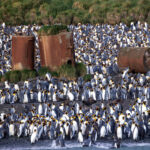
Overnight we sailed further south along the coastline and woke to another fine morning and found ourselves in Lusitania Bay home to a sizeable colony of King Penguins of around 150,000 breeding pairs. Although we could not land here an early morning zodiac cruise along the shore gave us a marvellous alternative view of these handsome and most striking birds. The old rusting penguin oil cauldrons still stand in the midst of the tightly packed colony, left over from the days when commercial oiling operations ceased in February 1920. They were a sobering reminder that these birds were brought close to extinction and the fact that they seemed to be vanishing under the weight of the colony was something of a triumph. A mixed group of Northern and Southern Giant Petrels provided some photographic opportunities at water level and another colony of Eastern Rockhopper Penguins was observed. In the afternoon we enjoyed another lengthy session amongst the penguins and sea lions of Sandy Bay but this time it was enlivened by a pod of Killer Whales that came right into the bay itself and although presumably hunting left unsuccessfully. For some reason a juvenile Eastern Rockhopper Penguin had joined the gathering on the beach but was suffering for its choice being pecked and bullied by the larger and far more numerous Royals.
After a fascinating two days at Macquarie Island, it was time to set sail once again for a full day at sea and head northeast to Campbell Island. The journey was fairly unremarkable with no new sightings although ‘Campbell’ Black-browed Albatrosses became commonplace and after the disappointments of Auckland Island we were looking forward to setting foot on land again on another island that held Subantarctic Snipe and its very own flightless teal! This was the second largest of the island groups and our visit was to the main island and the morning found us in sheltered Perseverance Harbour. Unlike Macquarie this was a remnant of a volcanic dome. On an early morning zodiac cruise, we were taken to the ‘loneliest tree in the world’ – a spruce planted in 1907 and explored the shoreline where we saw small numbers of endemic Campbell Shag and the much-wanted endemic Campbell Teal allowed wonderful views.
After the cruise we landed at the old wharf where a pair of teal appeared to be in residence and were very fortunate in quickly finding several Subantarctic Snipe so that everyone had some amazingly close views. Then there was plenty of time to hike on a long boardwalk up towards Col Peak to the north of the research station buildings or spend time at lower altitudes. We were once again blessed with fine weather and the views over the island through the dwarf forests and expansive stretches of megaherbs and tussock grass were impressive. Those reaching the higher elevations were treated to close views of nesting Southern Royal Albatrosses which as the afternoon wore on were involved in noisy bill-clapping displays. As we set sail again, we toured the island spotting another Orca and viewing the huge ‘Campbell’ Black-browed and Grey-headed Albatross colonies on the cliff tops on the other side of the island.
So once again we were all at sea for a whole day heading further northeast to the Antipodes Islands. Predictably the first Antipodean Albatrosses were spotted but more were to come when we reached our destination. Salvin’s Albatrosses also made a reappearance. However, most incredible of all was a shout of ‘Tāiko’ or Magenta Petrel that was following the ship in the wake of the boat. Fortunately, it stayed for long enough for most people to get in position or scramble back on deck to get views before it disappeared far away on the horizon. This is one of the rarest seabirds in the world, breeding exclusively on Chatham Island and was only rediscovered after over a hundred years gap in the 1970s. With a population of 80-100 birds, we could count ourselves incredibly lucky to spot one in the wide-open expanses of sea!
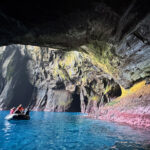
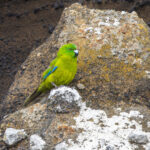
After a rather bumpy night, the following day we found ourselves at the remote volcanically formed spectacular Antipodes Islands. These are home to about two-thirds of the world population of Erect-crested Penguin, the main breeding area of Antipodean Albatross as well as supporting a population of one of the world’s rarest parakeets, the aptly named Antipodes Parakeet and another of debated taxonomy the ‘Reischek’s’ Parakeet which is currently lumped with Malherbe’s Parakeet. In order to see these birds we took to the zodiacs to cruise along the shore at Ringdove Bay and as the weather was once again being incredibly kind to us it wasn’t long before we had found all of our targets. Both New Zealand and Subantarctic Fur Seals were observed and our zodiac also took us into some mysterious and incredibly colourful sea caves which were well worth the small diversion. Back on board we made a circuit of the entire islands, marvelling at their impressive craggy outcrops before departing northwards and we gathered our first sightings of Subantarctic Shearwater and a pod of Hourglass Dolphins entertained.
The next morning found us at the Bounty Islands, discovered by the infamous Captain William Bligh and named after his famous vessel. These are a strange group of bare non-volcanic low-lying rocks that were absolutely covered with breeding seabirds. Bounty Shag was the new endemic for the list and we also couldn’t fail to miss the numerous Fulmar Prions. There were also copious numbers of Salvin’s Albatrosses swirling overhead as these islands are their principal breeding ground and another colony of Erect-crested Penguins dwell here and rafts of them were seen on the choppy seas. The swell was too great to permit the hoped-for zodiac cruise around some of the islets so instead we settled for a cruise onboard ship. Foggy conditions gradually cleared to blue skies making the excursion an atmospheric experience. These bird rich waters continued to offer good sea watching as we departed and continued on our way northeast into the interesting wiggle of the International Date Line. The first ‘Pacific’ Buller’s Albatrosses were seen and it was particularly good for storm petrels with Wilson’s, Grey-backed, White-faced and Black-bellied Storm Petrels all recorded. A Westland Petrel was seen by some amongst the more plentiful White-chinned Petrels and smaller numbers of Grey-faced Petrels and some Dusky Dolphins and Long-finned Pilot Whales were also seen as well as some Gray’s Beaked Whales for the lucky ones!
As we woke the following morning the distinctive shape of The Pyramid rock could be seen ahead of the ship. As it loomed ever closer, we could see incredible numbers of Chatham Albatross either nesting on the rocky crags or else wheeling over the peak. It was known that a pair of Indian Yellow-nosed Albatross were also nesting on the island and almost defying belief a single bird was picked out sitting on its nest. It took three circuits of the island for everyone to pick it out but finally we succeeded! We then continued north towards South East Island or Rangatira picking out another Westland Petrel, our first Buller’s Shearwaters and Parasitic Jaeger en route. As we held our position by the island a very fine barbecue on the Bistro deck was enjoyed by all despite the rain and afterwards, we once again prepared to board the zodiacs in order to search for Pitt Shags and the extremely desirable Shore Plover. There was quite a swell and we were pretty lucky to be able to do a circuit of the island where the shags were relatively easy to see and the plovers were watched feeding on the raised beaches covered in glossy wet kelp. The drivers did their best to get us in as close as they could but it really wasn’t easy. Those in one of the zodiacs had a brief sighting of some Chatham Islands Oystercatchers but sadly our Birdquest zodiac wasn’t so lucky. Back on the ship we cruised on past Pitt Island and past the Mangere Islands. Sadly, we were really too far offshore for sightings of any passerines for this is where the rare Black Robin abides but more views of the ‘Pacific’ Buller’s Albatrosses and Grey-faced Petrels were obtained. By late afternoon we held our position off of the southwest corner of the main Chatham Island and everyone was on deck scanning the skies hoping to see another Magenta Petrel and just as the light was beginning to fade the shout went out and sure enough one was picked up passing our ship somewhat distantly on the starboard side before it disappeared further out of sight towards the setting sun.
Our final landing was on the Chatham Island mainland and we came ashore at Waitangi and a scan of the beach in the bay sadly did not offer any glimpse of the oystercatcher and despite another effort later in the day, that is how our luck remained. It was quite a big organisational effort with so many people on the boat opting for a number of different activities. We had chosen to visit the Magenta Petrel project based at Sweetwater but first we made a stop at Awatotara where we quickly picked up the handsome Chatham Islands Pigeon but the Chatham Islands Gerygone proved a little trickier to get good views of until a pair feeding a juvenile was found. In the fields on the drive, we could see a small number of Masked Lapwings and Eurasian Skylarks were singing heartily everywhere! At Sweetwater itself a Weka was striding boldly around the area that had been secured by predator-free fences. Once inside the protected area we were taken to one of the burrows that held a non-breeding, unpaired bird that was hoisted out of its nesting burrow so that we could gaze upon this incredibly rare seabird whilst listening about the success of the project and how it was slowly boosting its numbers. Leaving the Chatham Islands, we had to finally admit defeat with the oystercatcher but a few Chatham Shags were seen before we once again headed out to sea but this time heading back to mainland New Zealand. On the way three Arnoux’s Beaked Whales were spotted.
The journey back took two days during which time we could watch many of the seabirds that had become familiar to us during this wonderful voyage. A wealth of albatrosses graced the first morning and Buller’s Shearwaters became numerous and on our second day we noted a few ‘Otago’ Stewart Island Shags but there were no other new species seen. The cruise had been a mesmerising feast of seabirds that included visits to colonies that held simply staggering numbers of birds. We had enjoyed marvellous encounters with fearless penguins, puzzled over the finer points of prion identification and seen some of the rarest seabirds in the world. The ship had been surprisingly stable despite some rough seas and the cabins were well equipped and very comfortable. Plentiful food and drink were served by perpetually cheery staff at mealtimes which absolutely guaranteed that no weight would be lost during our time on board and a series of fascinating lectures were available should anyone need a break from gazing out to sea. A heartfelt thank you must go to all of the ship’s crew, zodiac drivers and expedition leader Dan Brown who made this extraordinary expedition totally unforgettable.
SYSTEMATIC LIST OF SPECIES RECORDED DURING THE TOUR
Species marked with the diamond symbol (◊) are either endemic to the country or local region or considered ‘special’ birds for some other reason (e.g., it is only seen on one or two Birdquest tours; it is difficult to see across all or most of its range; the local form is endemic or restricted-range and may in future be treated as a full species).
The species names and taxonomy used in the bird list follows Avilist v2025 (Avilist Core Team. 2025. Avilist: The Global Avian Checklist, v2025).
Black Swan (introduced) Cygnus atratus
Canada Goose (introduced) Branta canadensis
Paradise Shelduck ◊ Tadorna variegata
New Zealand Scaup Aythya novaeseelandiae
Pacific Black Duck (Grey D) Anas superciliosa
Mallard (introduced) Anas platyrhynchos
Auckland Teal ◊ (A Island T) Anas aucklandica
Campbell Teal ◊ (C Island T) Anas nesiotis
Great Crested Grebe Podiceps cristatus
Rock Dove (introduced) (Feral Pigeon) Columba [livia] var_domestica
Chatham Islands Pigeon ◊ Hemiphaga chathamensis
New Zealand Pigeon ◊ Hemiphaga novaeseelandiae Non-leader
Weka ◊ Gallirallus australis
Pied Stilt ◊ Himantopus leucocephalus
Variable Oystercatcher ◊ Haematopus unicolor
South Island Oystercatcher ◊ (S I Pied O) Haematopus finschi
Shore Plover ◊ (S Plover) Thinornis novaeseelandiae
Masked Lapwing Vanellus miles
Double-banded Plover ◊ (Banded P, D-b Dotterel) Anarhynchus bicinctus
Subantarctic Snipe ◊ (New Zealand S) Coenocorypha [a.] aucklandica Non-leader
Subantarctic Snipe ◊ (Campbell Island S) Coenocorypha [aucklandica] perseverance
Parasitic Jaeger (Arctic Skua) Stercorarius parasiticus
Brown Skua ◊ (Subantarctic S) Stercorarius antarcticus
Antarctic Tern ◊ Sterna vittata
White-fronted Tern ◊ Sterna striata
Black-billed Gull ◊ Chroicocephalus bulleri
Silver Gull ◊ (Red-billed G) Chroicocephalus [novaehollandiae] scopulinus
Kelp Gull Larus dominicanus
King Penguin ◊ Aptenodytes patagonicus
Gentoo Penguin ◊ Pygoscelis papua
Little Penguin ◊ (L Blue P) Eudyptula minor
Yellow-eyed Penguin ◊ Megadyptes antipodes
Erect-crested Penguin ◊ Eudyptes sclateri
Royal Penguin ◊ Eudyptes schlegeli
Eastern Rockhopper Penguin ◊ Eudyptes filholi
Snares Penguin ◊ (S Crested P) Eudyptes robustus
Northern Royal Albatross ◊ Diomedea sanfordi
Southern Royal Albatross ◊ Diomedea epomophora
Antipodean Albatross ◊ Diomedea [antipodensis] antipodensis
Antipodean Albatross ◊ (Gibson’s A) Diomedea [antipodensis] gibsoni
Light-mantled Albatross ◊ (L-m Sooty A) Phoebetria palpebrata
Indian Yellow-nosed Albatross Thalassarche carteri
Grey-headed Albatross ◊ Thalassarche chrysostoma
Black-browed Albatross (B-b Mollymawk) Thalassarche melanophris
Black-browed Albatross (Campbell A / Mollymawk) Thalassarche [melanophris] melanophris
Buller’s Albatross ◊ (Buller’s Mollymawk) Thalassarche [bulleri] bulleri
Buller’s Albatross ◊ (Pacific A / Mollymawk) Thalassarche [bulleri] platei
Shy Albatross (White-capped A) Thalassarche [cauta] steadi
Salvin’s Albatross ◊ (Salvin’s Mollymawk) Thalassarche salvini
Chatham Albatross ◊ (C Island Mollymawk) Thalassarche eremita
Wilson’s Storm Petrel Oceanites oceanicus
Grey-backed Storm Petrel ◊ Garrodia nereis
White-faced Storm Petrel ◊ Pelagodroma marina
Black-bellied Storm Petrel ◊ Fregetta tropica
Pintado Petrel (Cape P) Daption capense
Southern Giant Petrel Macronectes giganteus
Northern Giant Petrel Macronectes halli
Southern Fulmar ◊ (Antarctic F) Fulmarus glacialoides Non-leader
Westland Petrel ◊ Procellaria westlandica
White-chinned Petrel Procellaria aequinoctialis
Buller’s Shearwater ◊ Ardenna bulleri
Short-tailed Shearwater Ardenna tenuirostris Non-leader
Sooty Shearwater Ardenna grisea
Fluttering Shearwater ◊ Puffinus gavia
Subantarctic Shearwater ◊ (S Little S) Puffinus elegans
Common Diving Petrel Pelecanoides urinatrix
Fairy Prion ◊ Pachyptila turtur
Broad-billed Prion ◊ Pachyptila vittata
Antarctic Prion ◊ Pachyptila desolata
Fulmar Prion ◊ Pachyptila crassirostris
Soft-plumaged Petrel ◊ Pterodroma mollis
Magenta Petrel ◊ Pterodroma magentae
Grey-faced Petrel ◊ Pterodroma gouldi
White-headed Petrel ◊ Pterodroma lessonii
Cook’s Petrel ◊ Pterodroma cookii
Mottled Petrel ◊ Pterodroma inexpectata
Little Pied Cormorant (Little Shag) Microcarbo melanoleucos
Bounty Shag ◊ Leucocarbo ranfurlyi
Stewart Island Shag ◊ (Otago S) Leucocarbo [chalconotus] chalconotus
Stewart Island Shag ◊ (Foveaux S) Leucocarbo [chalconotus] stewarti
Chatham Shag ◊ (C Island S) Leucocarbo onslowi
Auckland Shag ◊ Leucocarbo colensoi
Campbell Shag ◊ Leucocarbo campbelli
Imperial Shag ◊ (Macquarie S) Leucocarbo [atriceps] purpurascens
Great Cormorant Phalacrocorax carbo
Pitt Shag ◊ (P Island S) Phalacrocorax featherstoni
Spotted Shag ◊ Phalacrocorax punctatus
Australian Pied Cormorant Phalacrocorax varius
White-faced Heron Egretta novaehollandiae
Swamp Harrier Circus approximans
New Zealand Falcon ◊ Falco novaeseelandiae
Antipodes Parakeet ◊ (A Island P) Cyanoramphus unicolor
Red-crowned Parakeet ◊ Cyanoramphus novaezelandiae
Malherbe’s Parakeet ◊ (Reischek’s P) Cyanoramphus [malherbi] hochstetteri
Grey Gerygone ◊ (G Warbler) Gerygone igata
Chatham Islands Gerygone ◊ (C I Warbler) Gerygone albofrontata
Tui ◊ Prosthemadera novaeseelandiae
New Zealand Bellbird ◊ Anthornis melanura
Australian Magpie (introduced) Gymnorhina tibicen
New Zealand Fantail ◊ Rhipidura fuliginosa
Tomtit ◊ Petroica macrocephala
Eurasian Skylark (introduced) Alauda arvensis
Welcome Swallow Hirundo neoxena
Silvereye Zosterops lateralis
Common Starling (introduced) Sturnus vulgaris
Song Thrush (introduced) Turdus philomelos
Common Blackbird (introduced) Turdus merula
Dunnock (introduced) Prunella modularis
House Sparrow (introduced) Passer domesticus
New Zealand Pipit Anthus novaeseelandiae
Eurasian Chaffinch (introduced) Fringilla coelebs
European Greenfinch (introduced) Chloris chloris
Redpoll (introduced) (Lesser R) Acanthis [flammea] cabaret
European Goldfinch (introduced) Carduelis carduelis
MAMMALS
New Zealand Fur Seal Arctocephalus forsteri
Subantarctic Fur Seal Arctocephalus tropicalis
New Zealand Sea Lion (Hooker’s S-L) Phocarctos hookeri
Southern Elephant Seal Mirounga leonina
Arnoux’s Beaked Whale Berardius arnuxii
Gray’s Beaked Whale Mesoplodon grayi Non-leader
Long-finned Pilot Whale Globicephala melas
Killer Whale (Orca) Orcinus orca
Hourglass Dolphin Sagmatias cruciger
Dusky Dolphin Sagmatias obscurus
European Rabbit (introduced) Oryctolagus cuniculus