
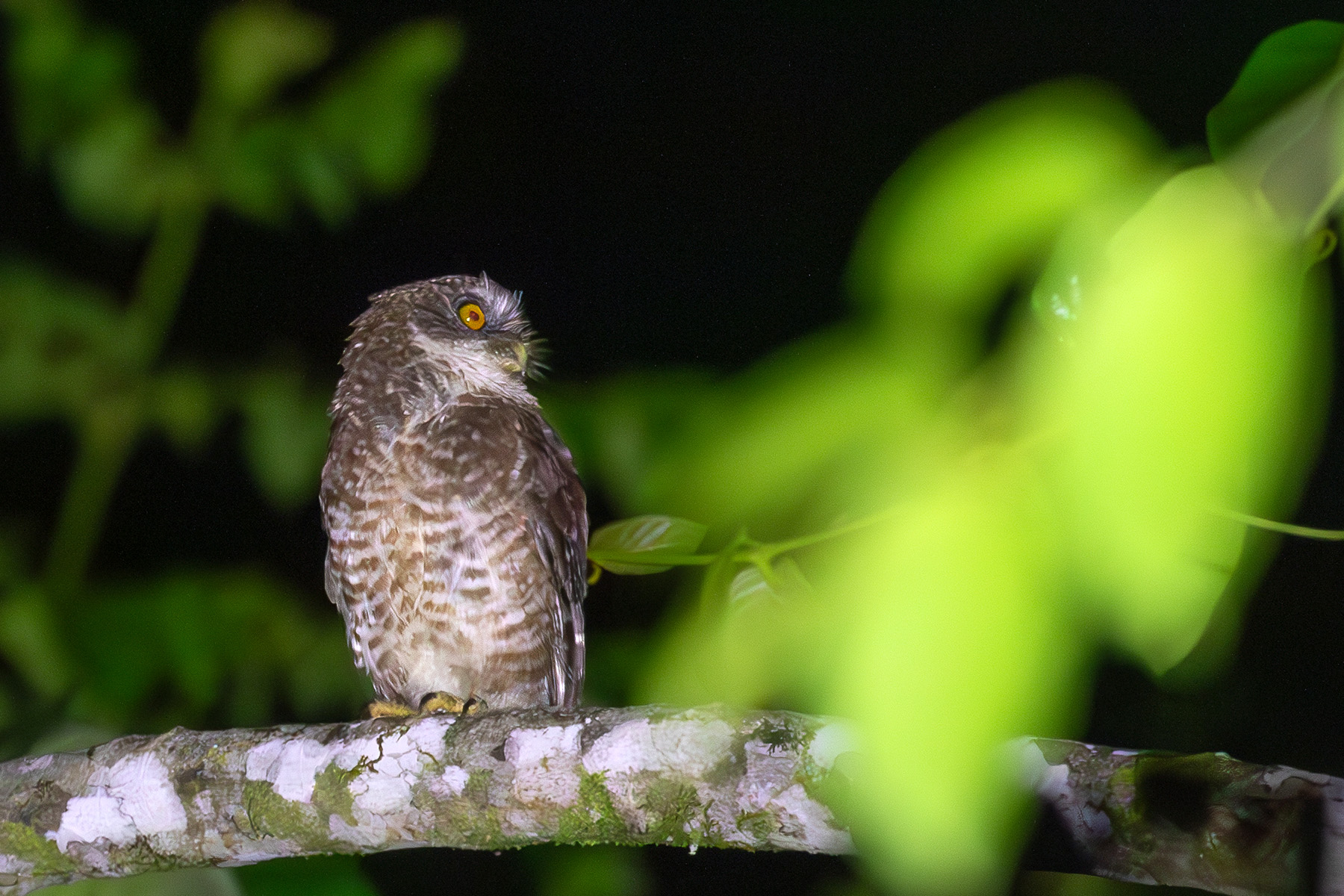
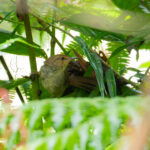
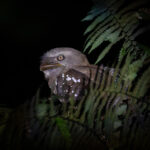
It took some persistance but we managed to get great views of this Guadalcanal Owl (image by Diedert Koppenol)
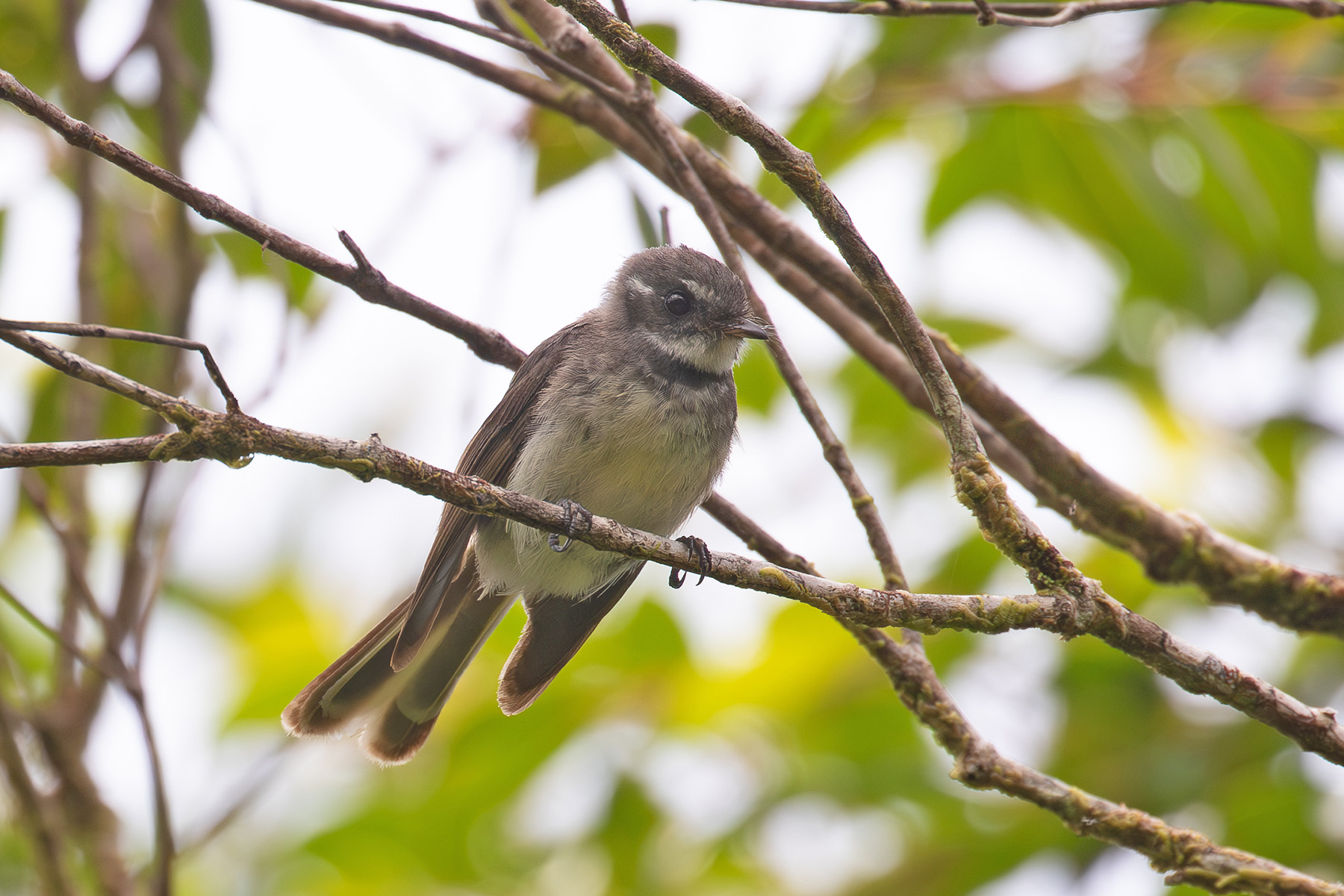
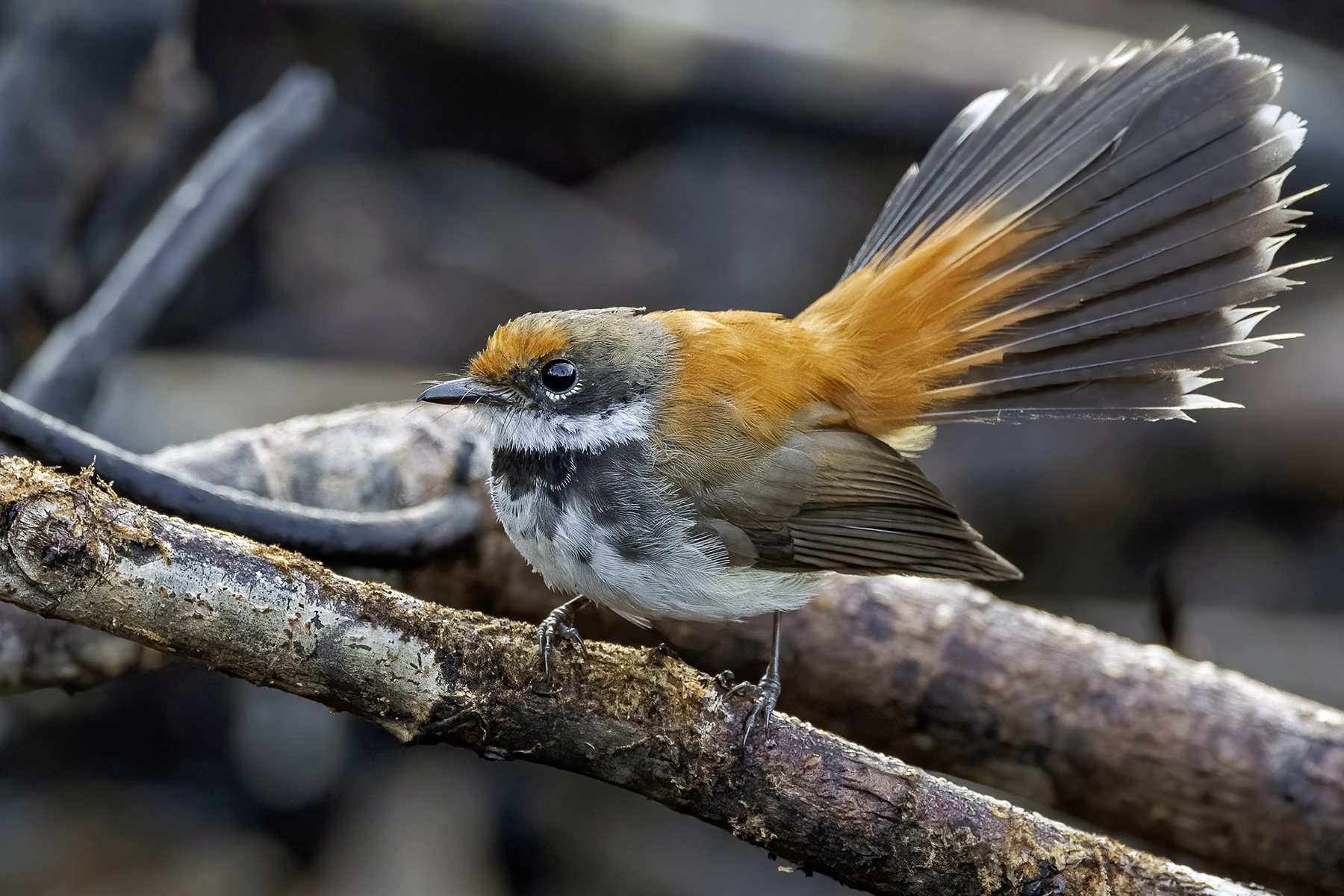
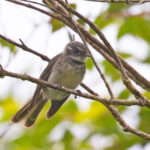
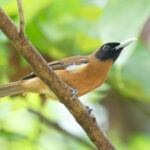
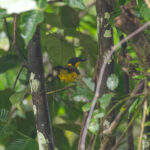
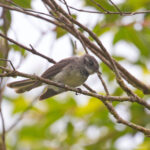
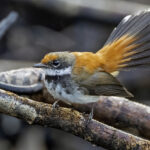
Dusky Fantail (image by Diedert Koppenol)
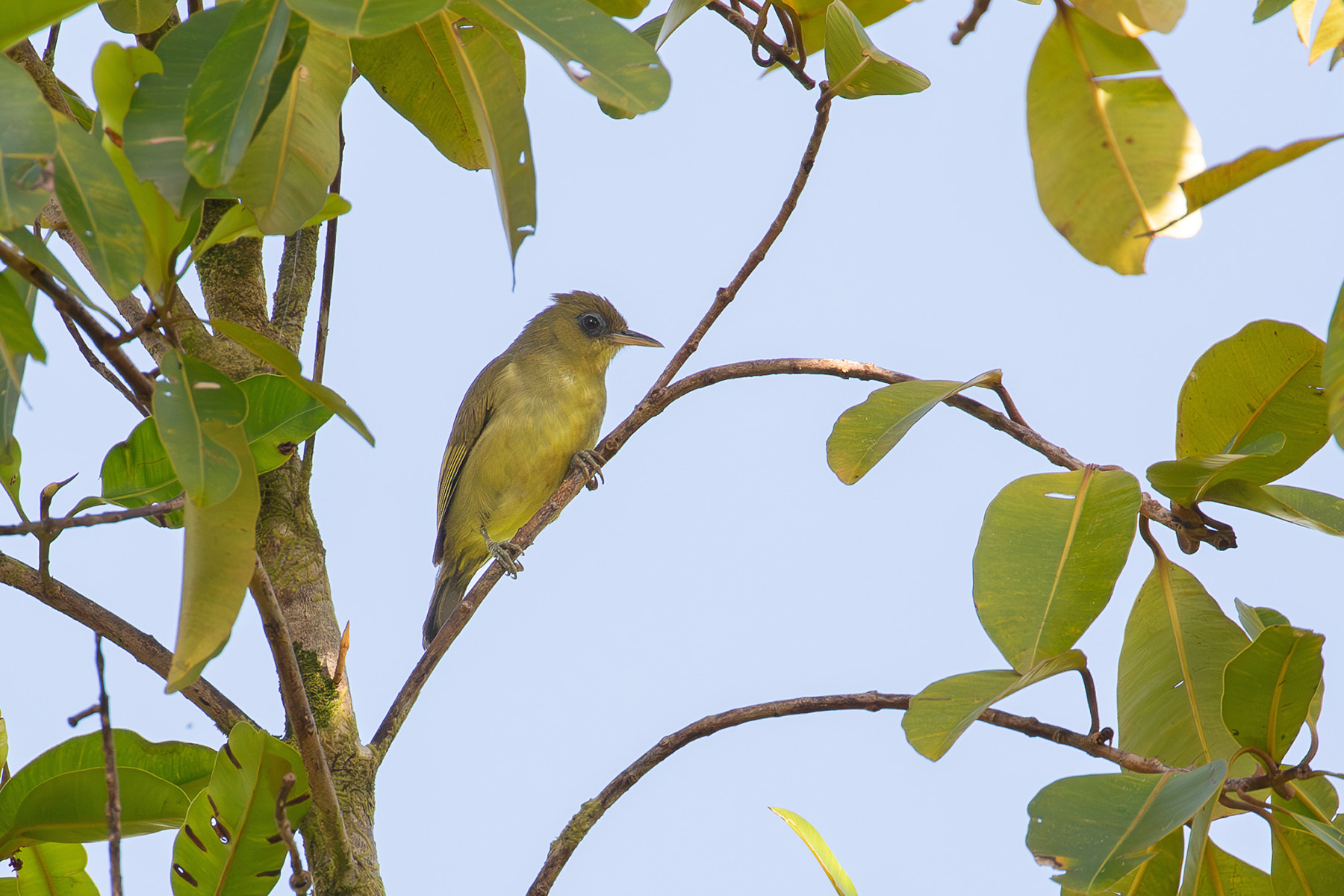
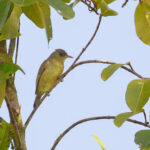
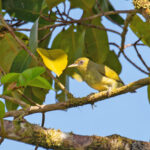
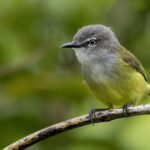
Malaita White-eye (image by Diedert Koppenol)
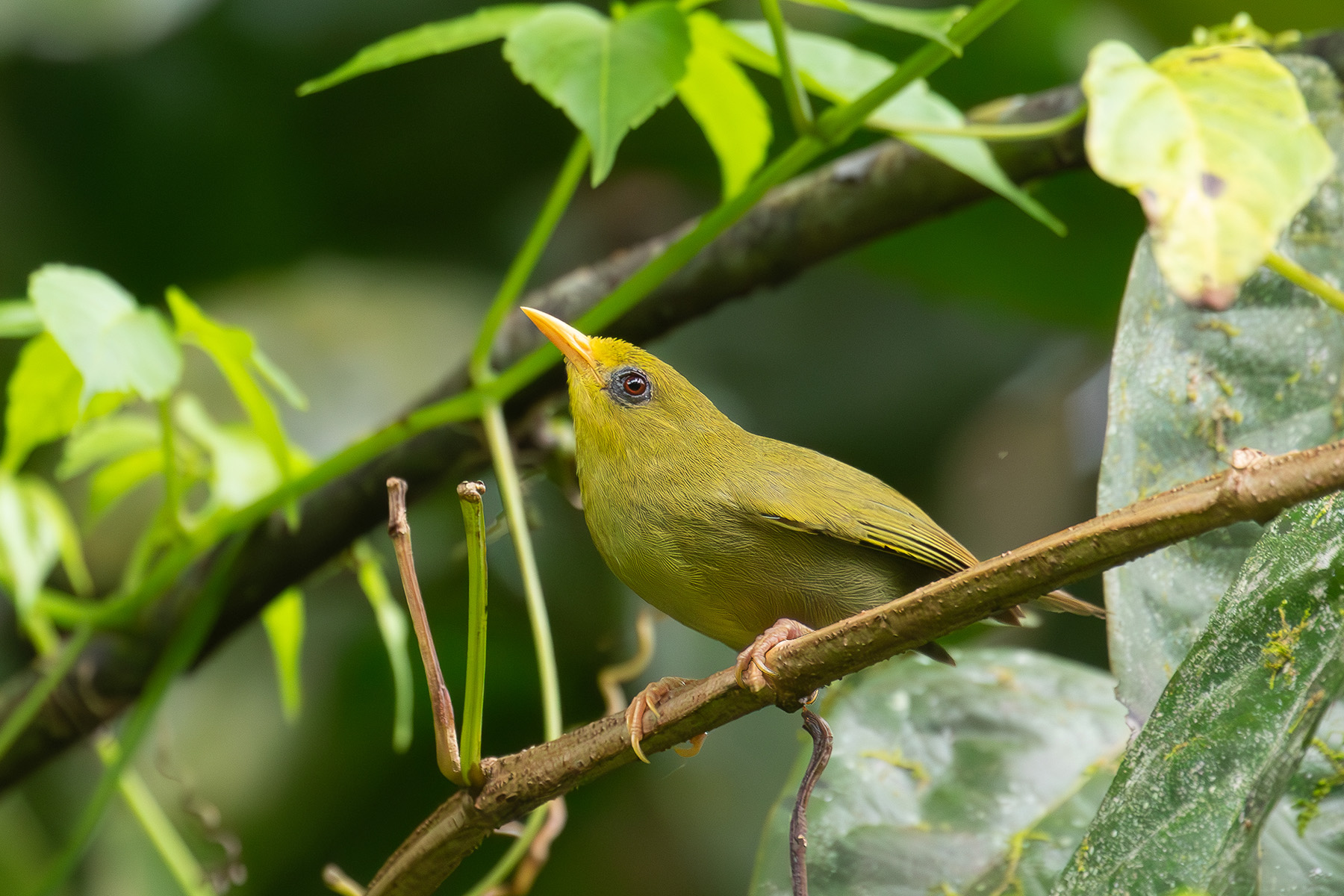
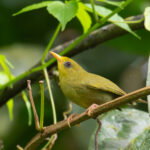
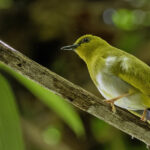
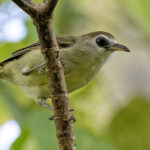
Rennell White-eye (image by Diedert Koppenol)

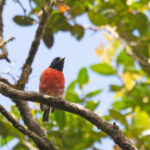
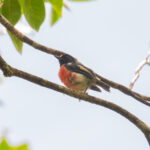
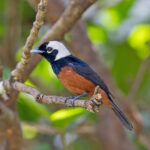
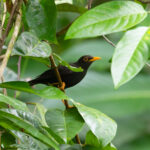
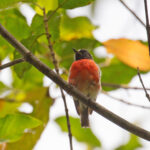
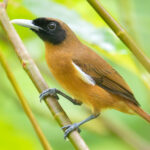
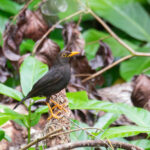
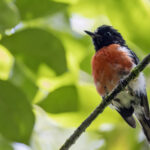
Solomons Robin can be found at higher altitudes on several of the islands (image by Diedert Koppenol)
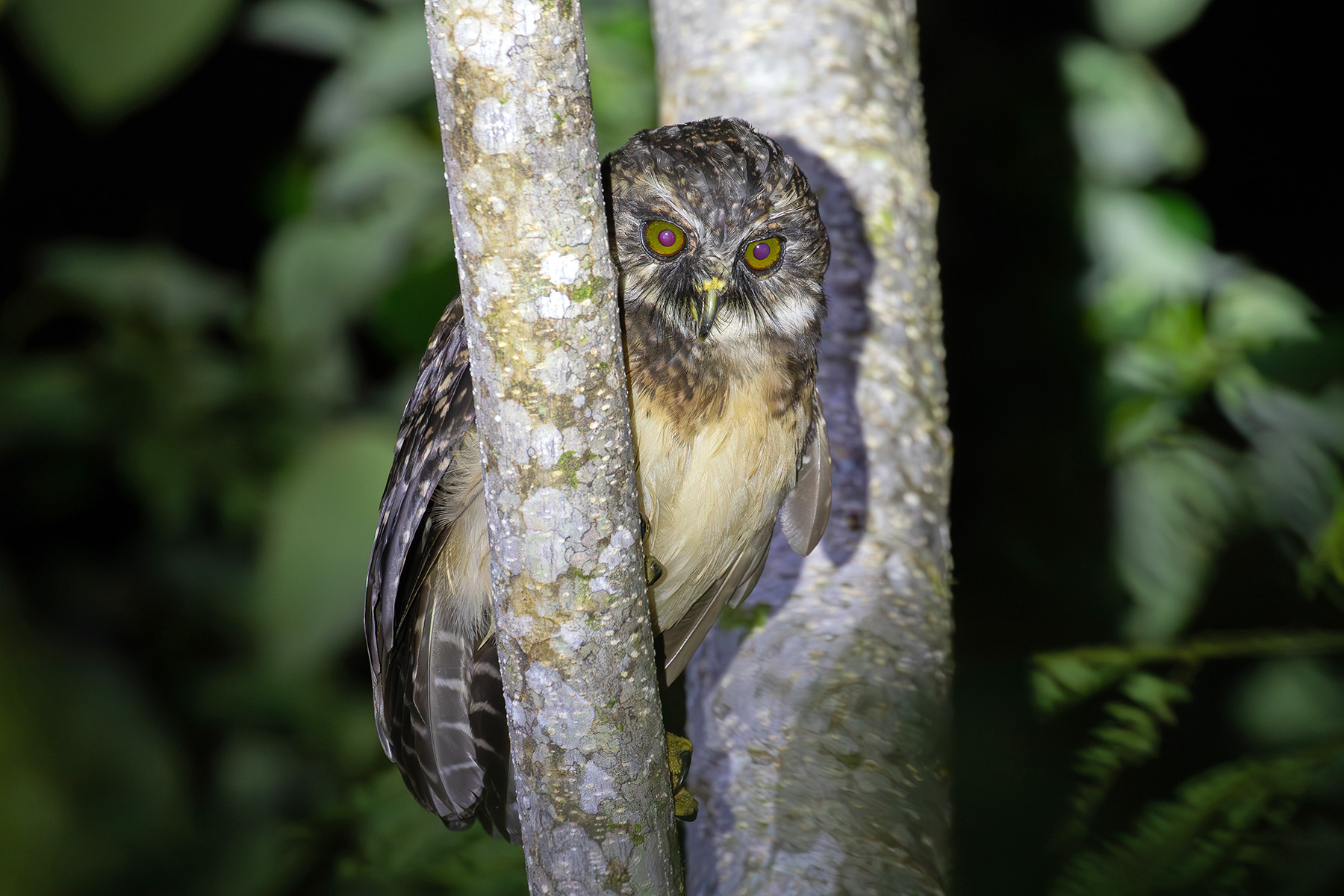
The locals knew exactly which tree this West Solomons Owl prefers to perch in (image by Diedert Koppenol)
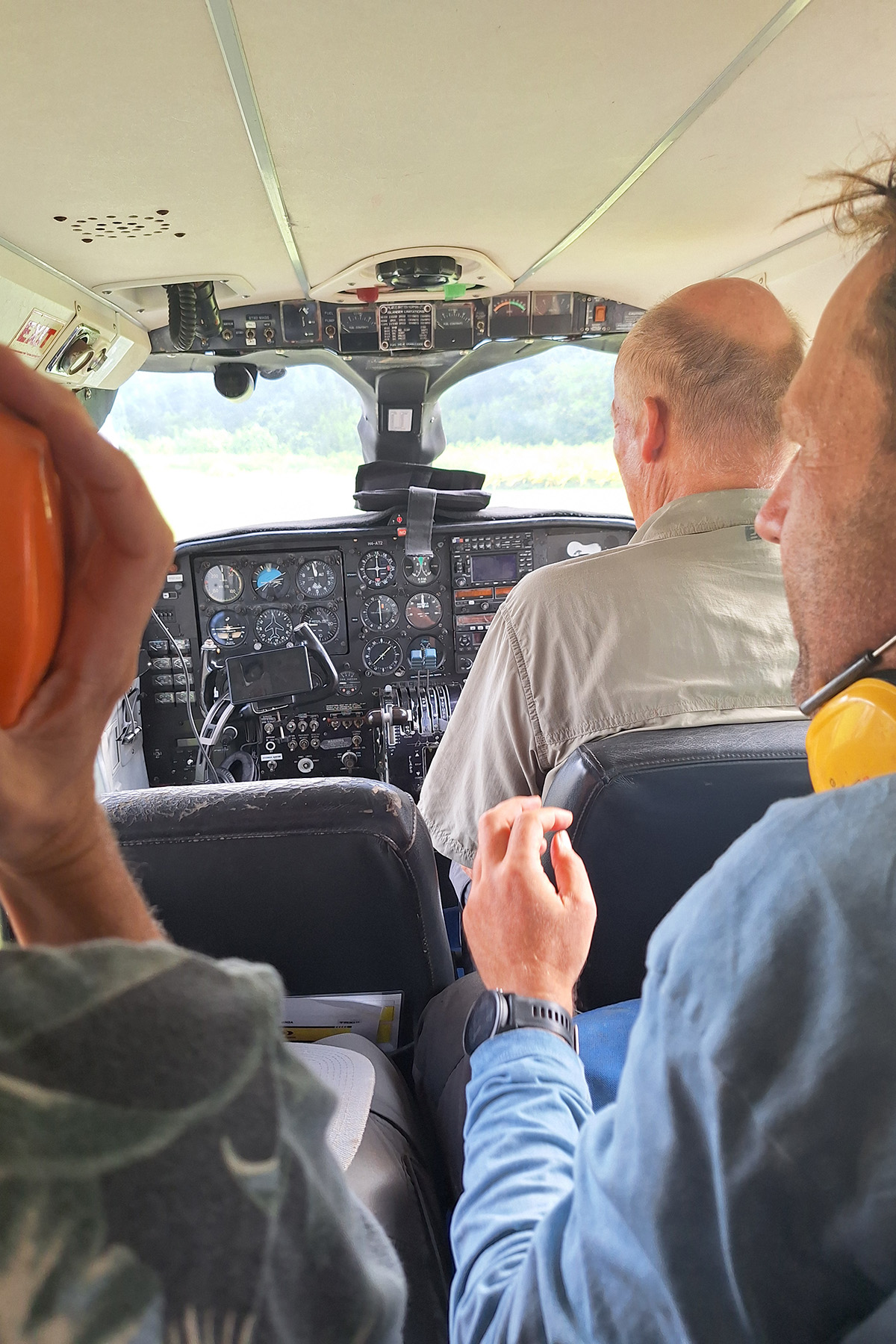
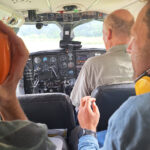
On board our charter flight to Auki, flown by kiwi pilot Dan (image by Diedert Koppenol)
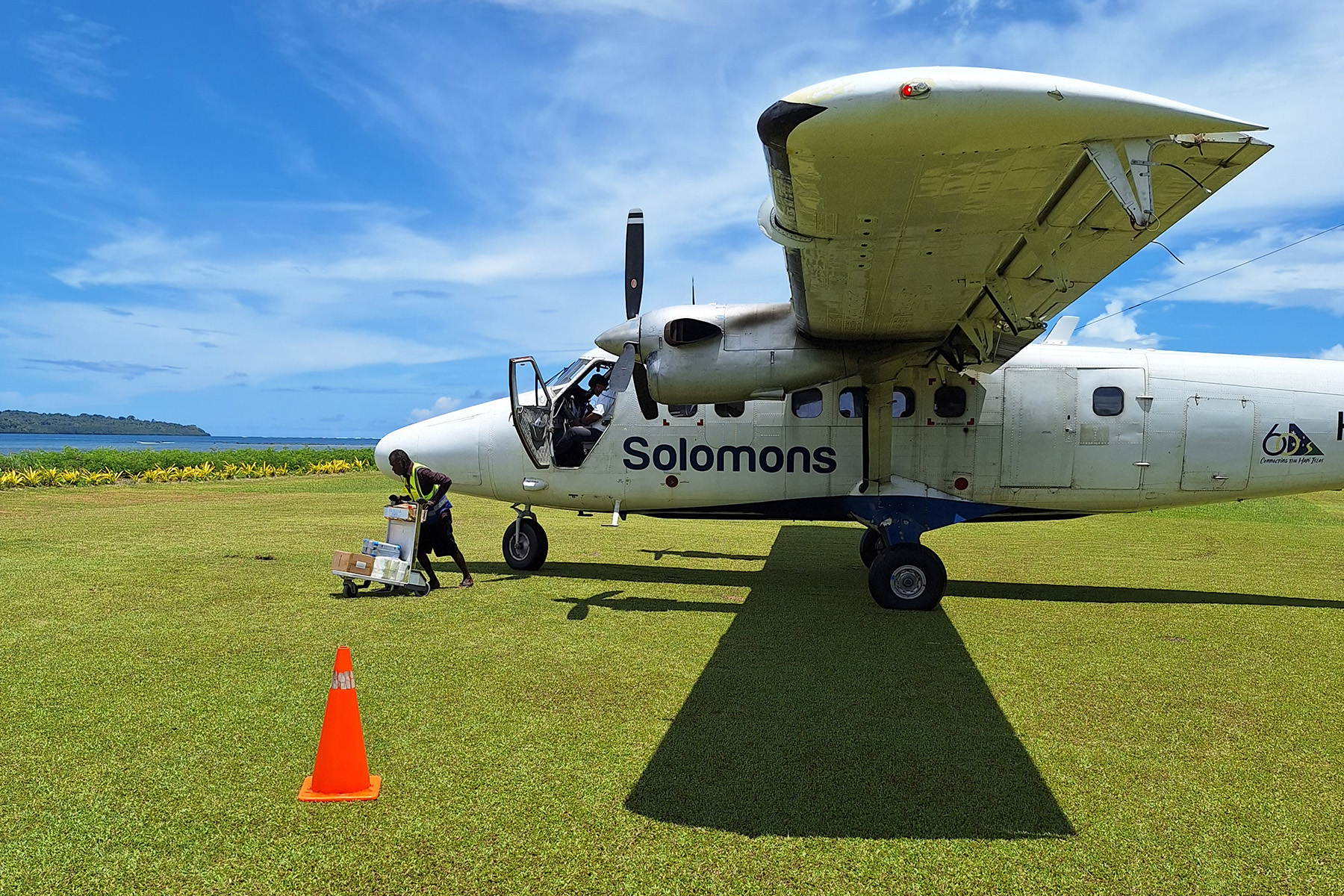
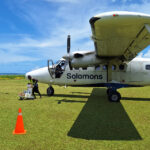
Touchdown at Fera Island, off the coast of Santa Isabel (image by Diedert Koppenol)
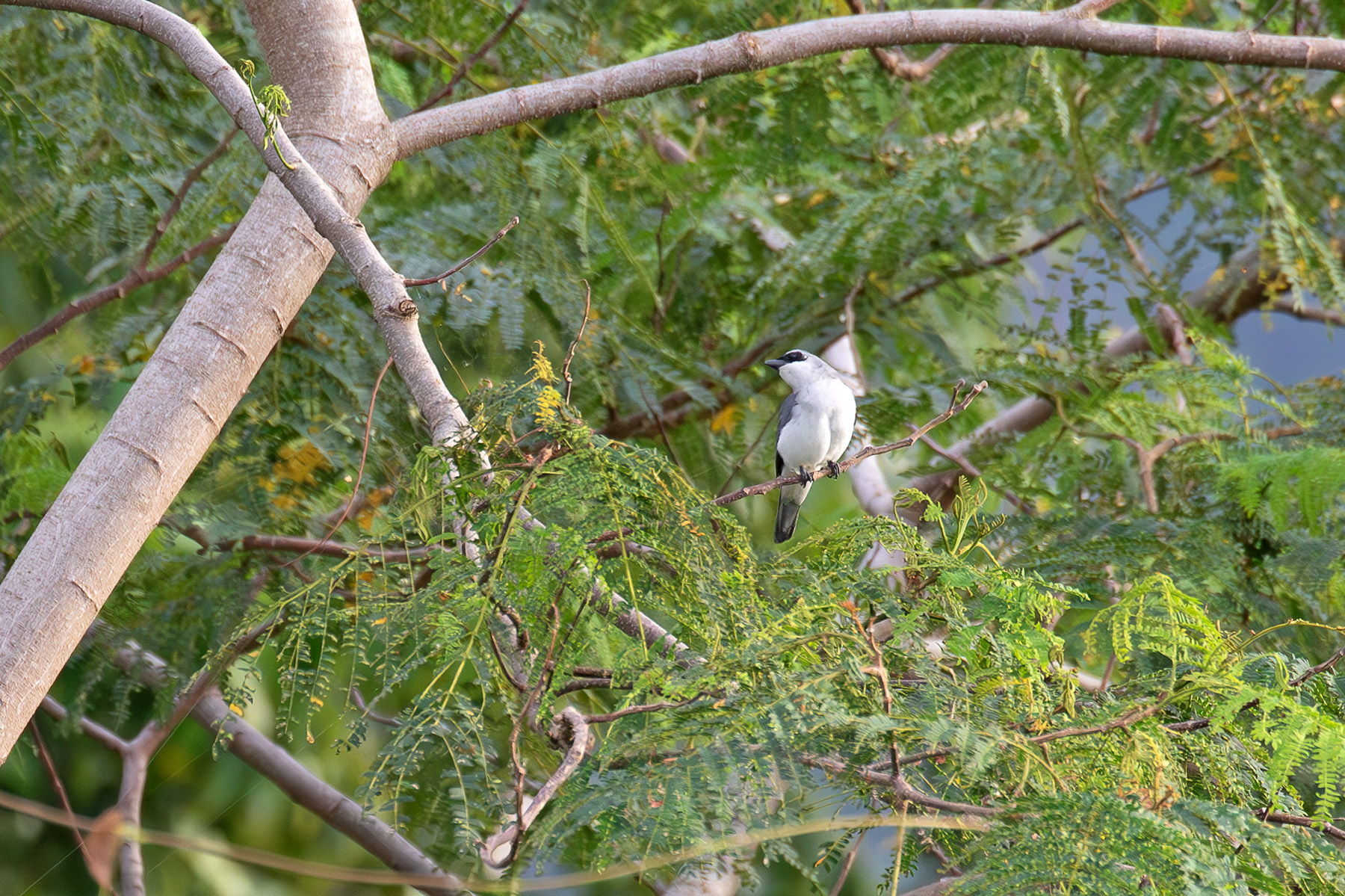
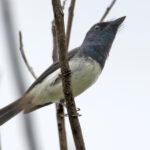
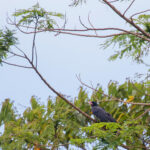
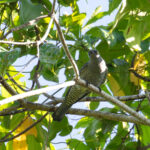
White-bellied Cuckooshrike (image by Diedert Koppenol)
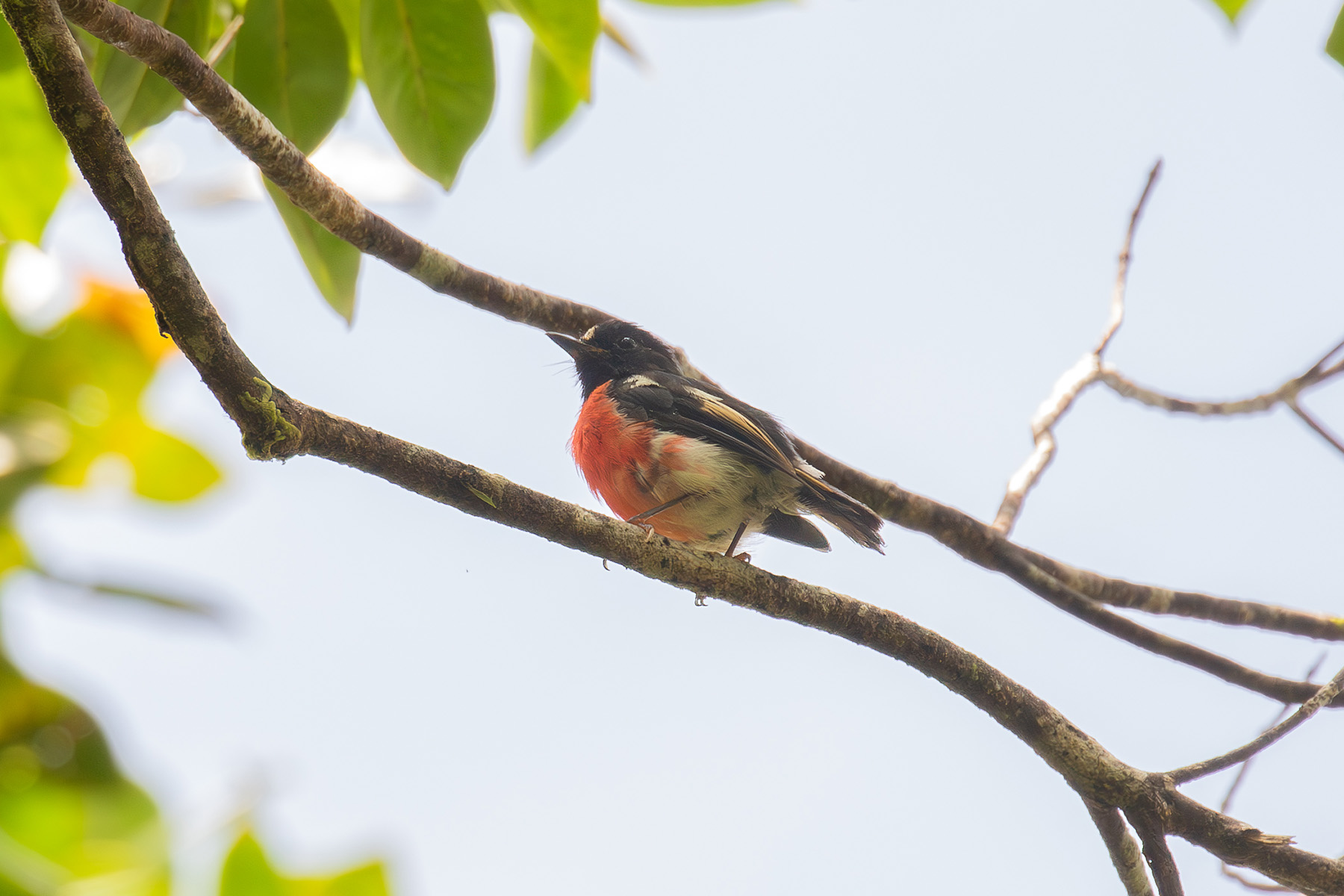
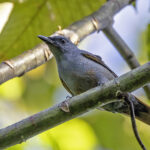
This cute Solomons Robin is a delight of the canopy (image by Diedert Koppenol)
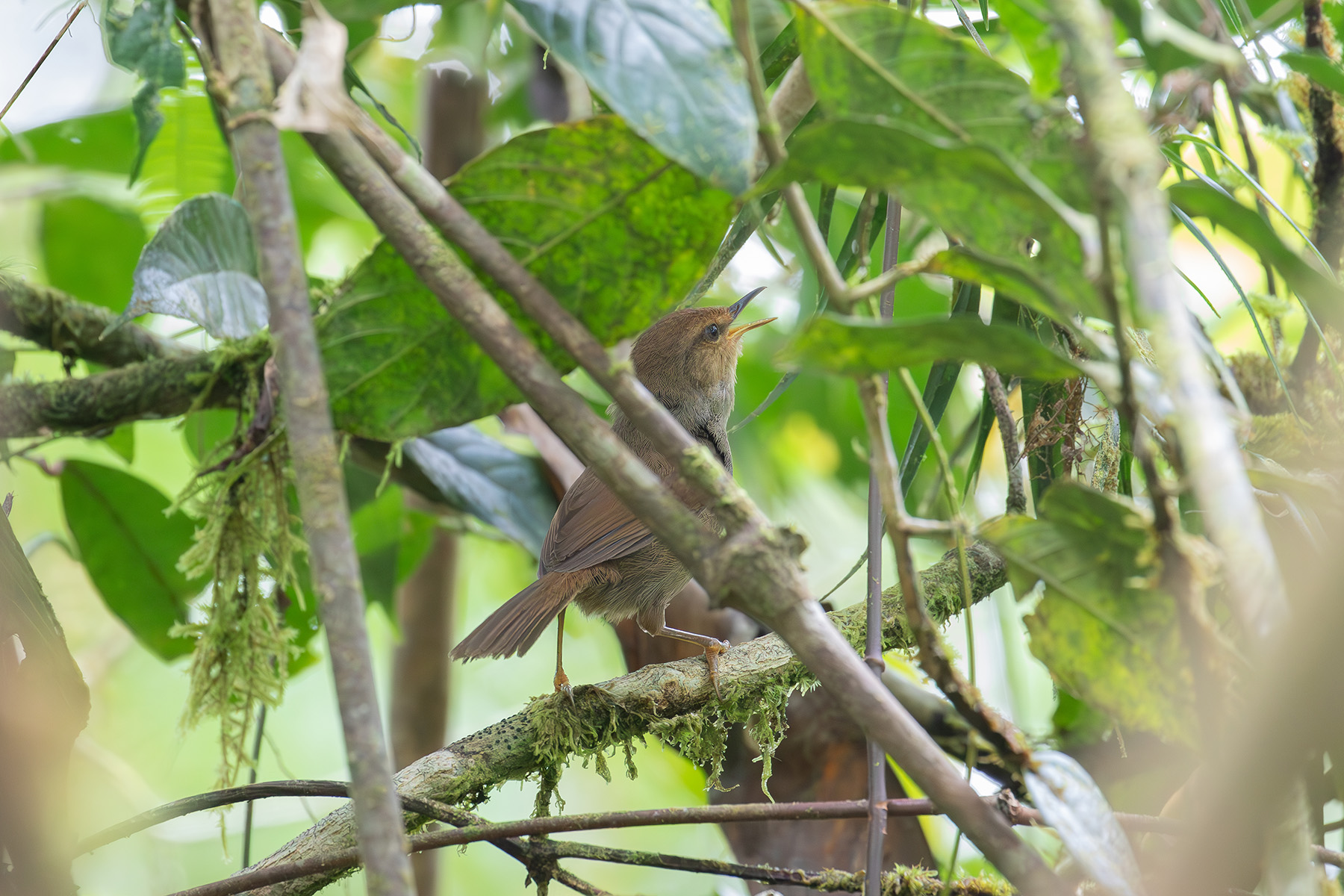
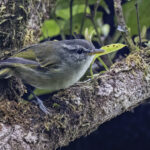
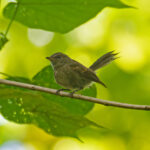
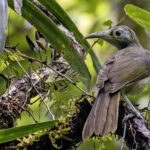
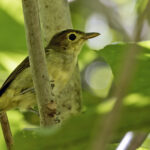
Shade Bush Warbler (image by Diedert Koppenol)
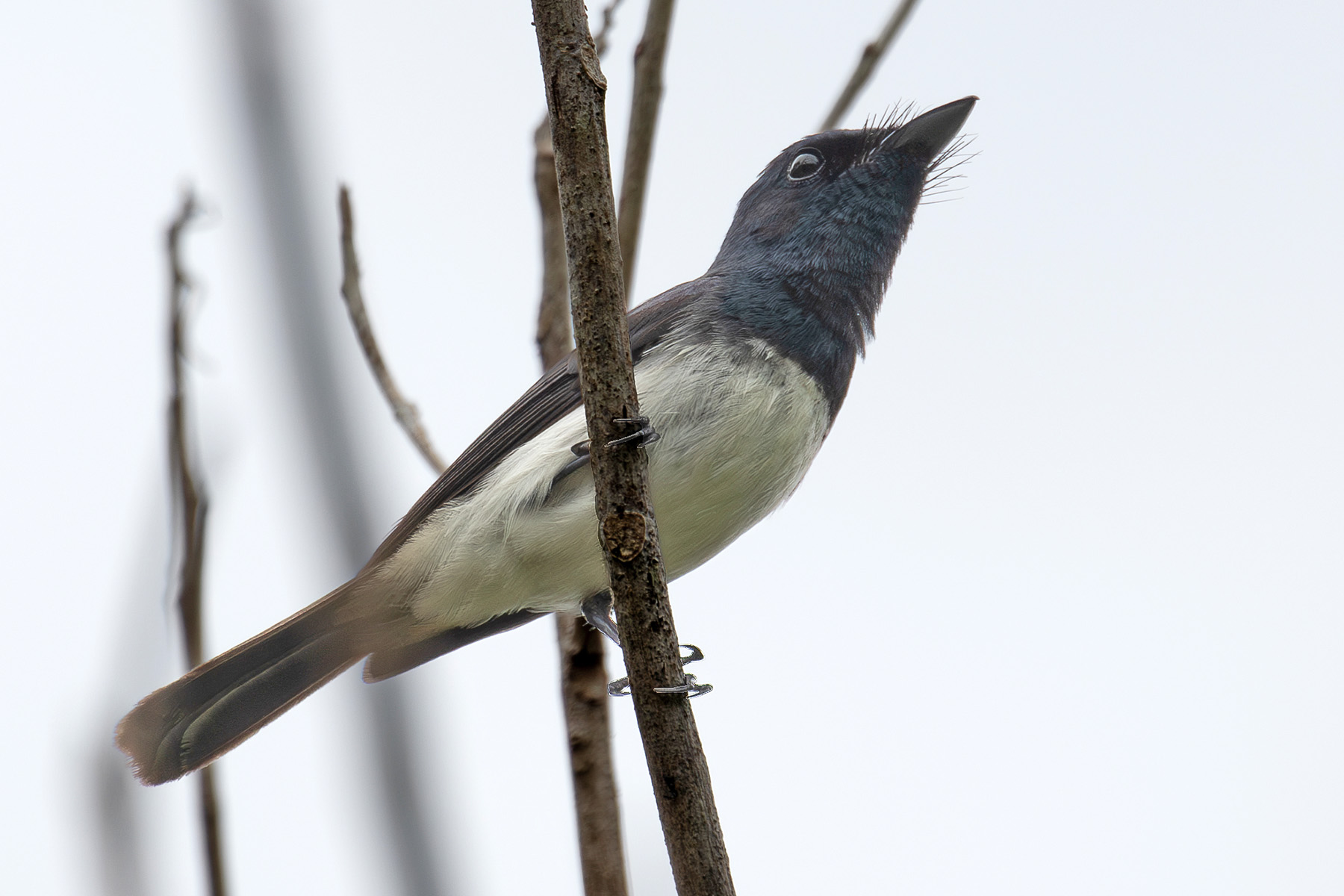
A showy Melanesian Flycatcher on Rennell (image by Diedert Koppenol)
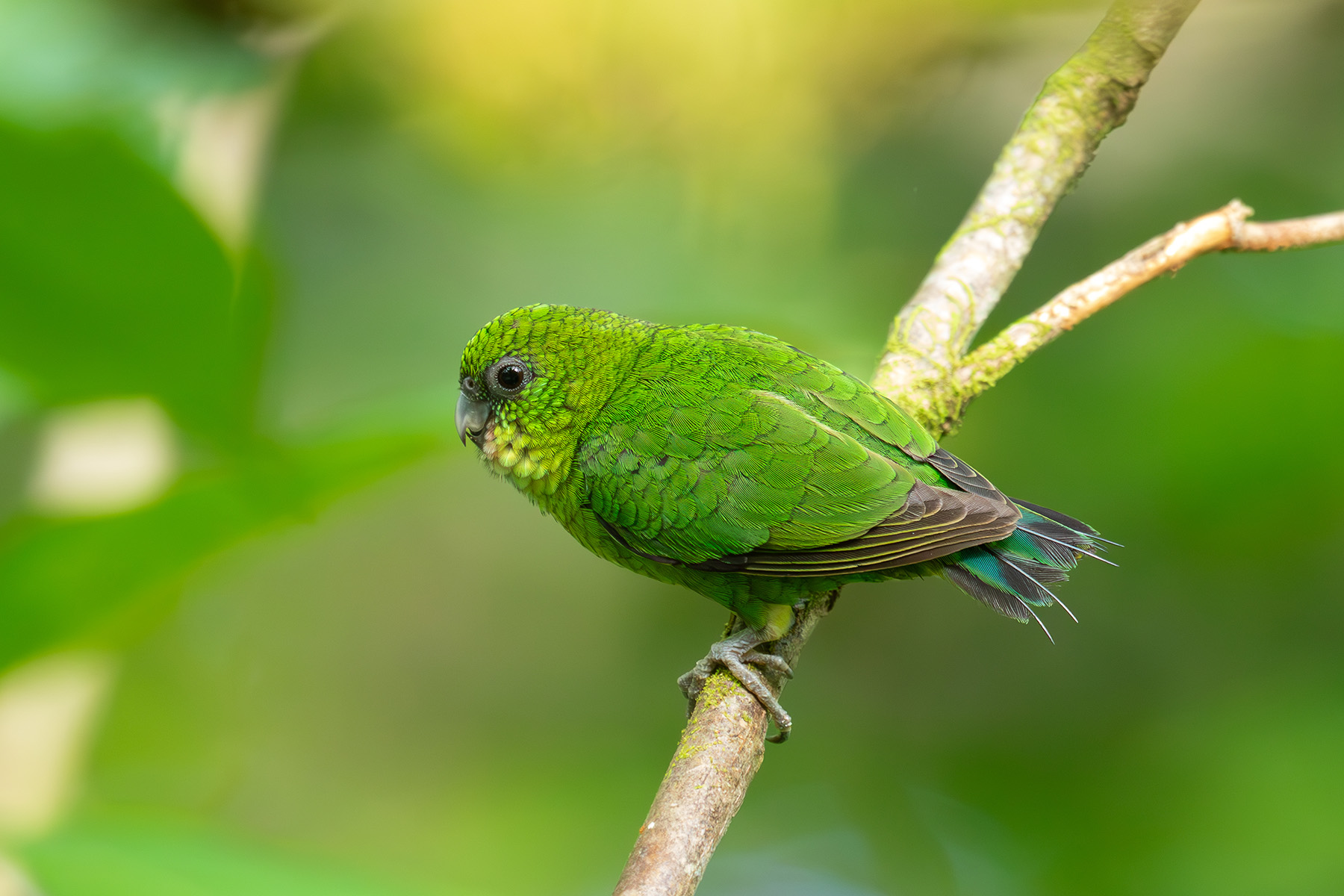
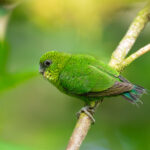
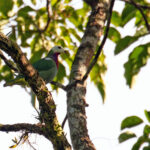
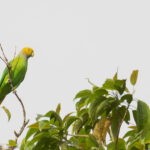
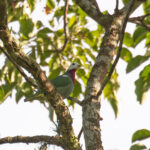
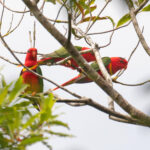
Finsch's Pygmy Parrot was present on most islands we visited, often giving great views (image by Diedert Koppenol)
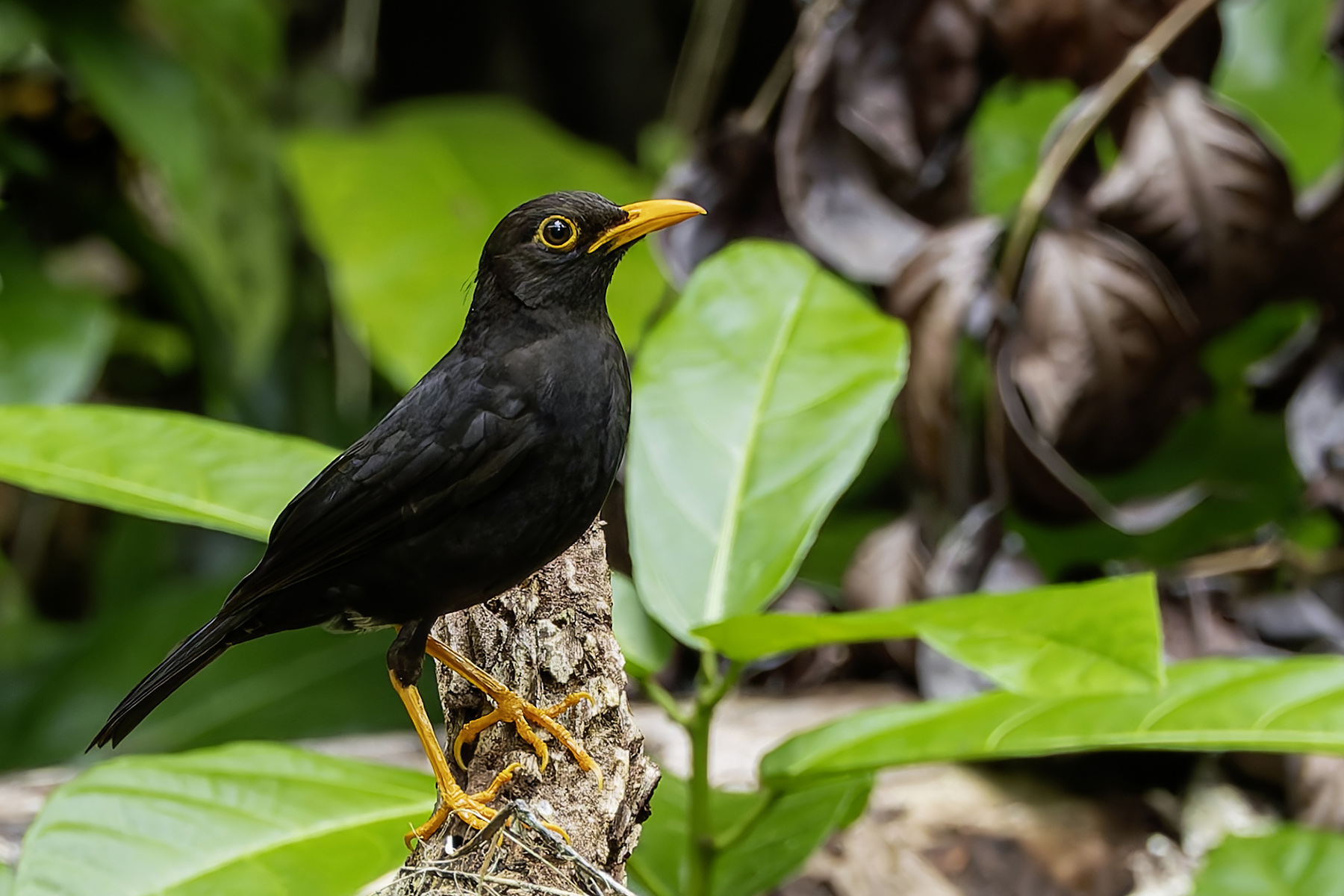
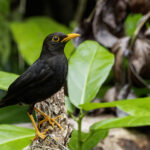
Vanikoro Island Thrush (image by Paul van Giersbergen)
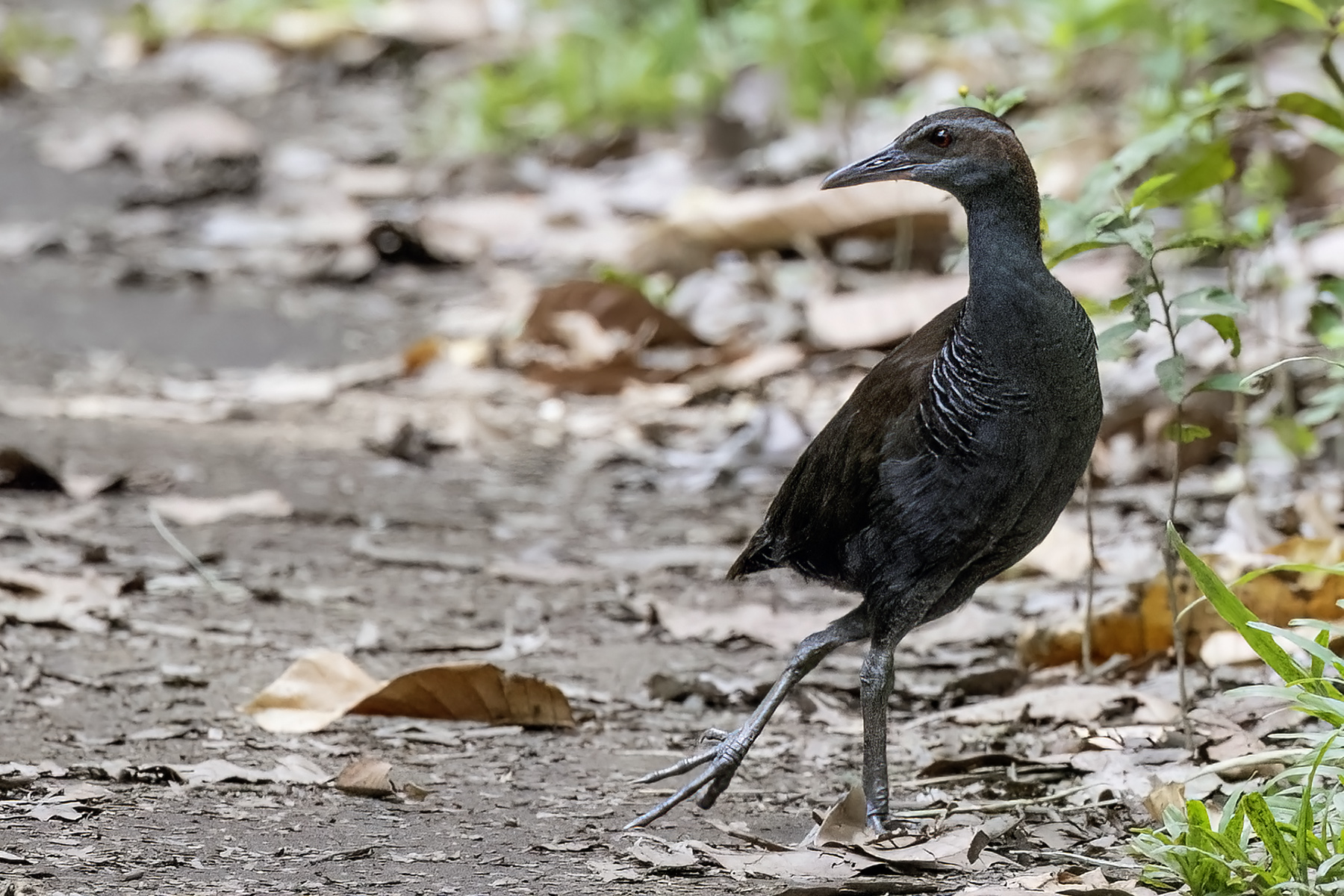
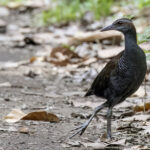
Roviana Rail (image by Paul van Giersbergen)
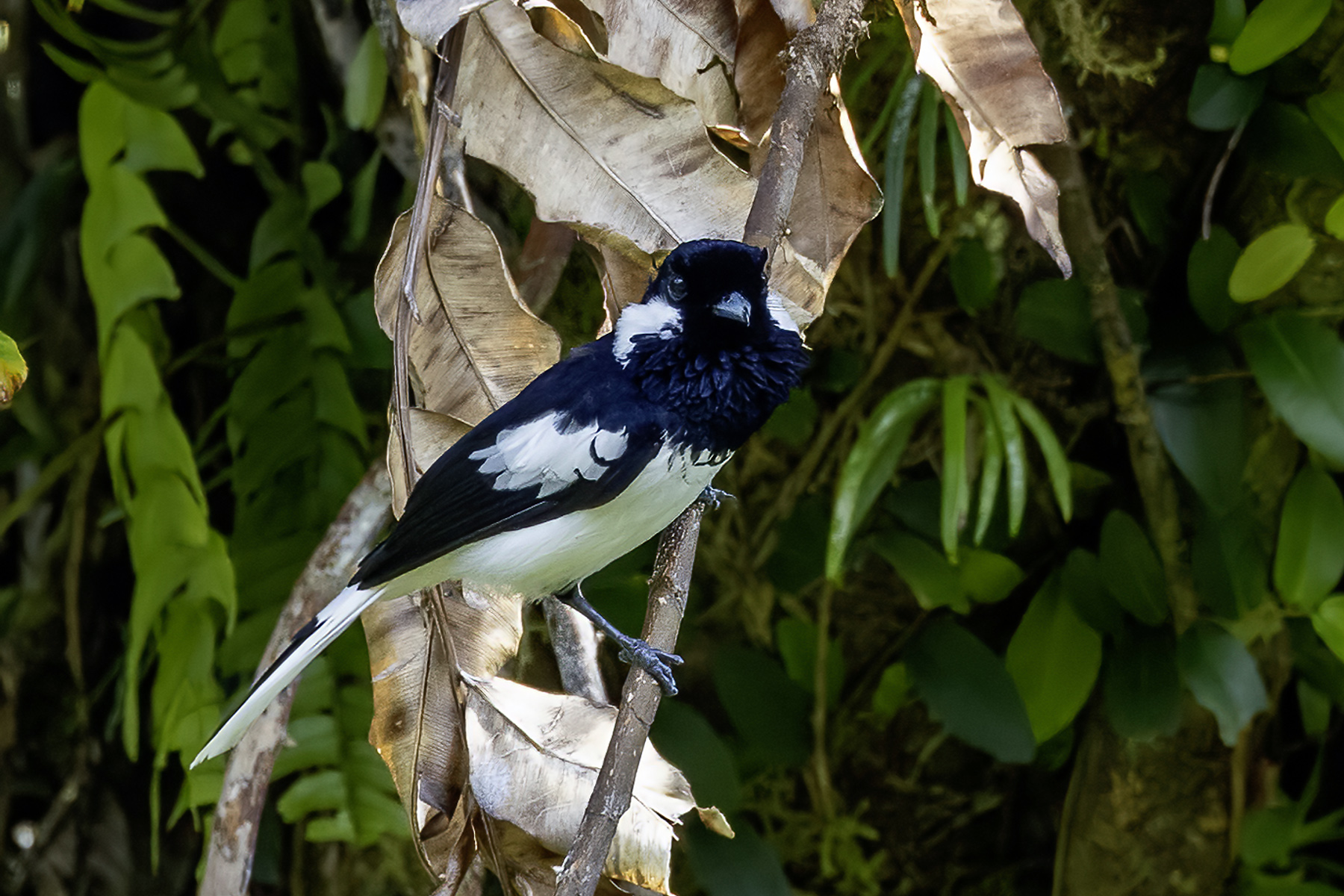
Malaita Monarch (image by Paul van Giersbergen)
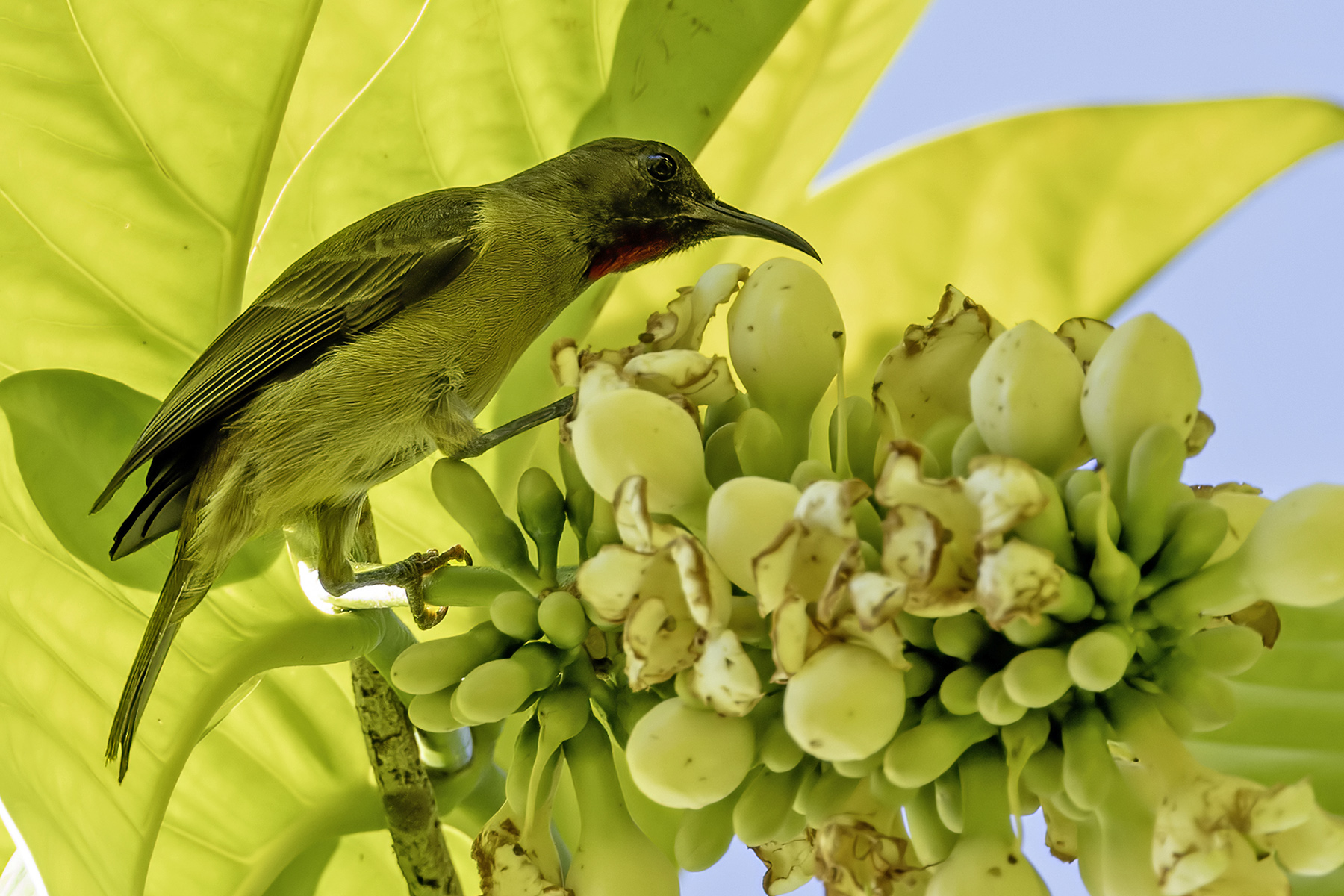
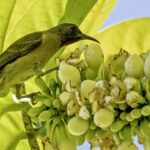
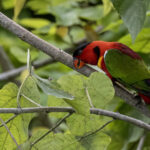
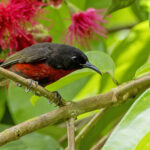
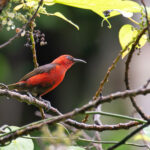
Crimson-rumped Myzomela (image by Paul van Giersbergen)
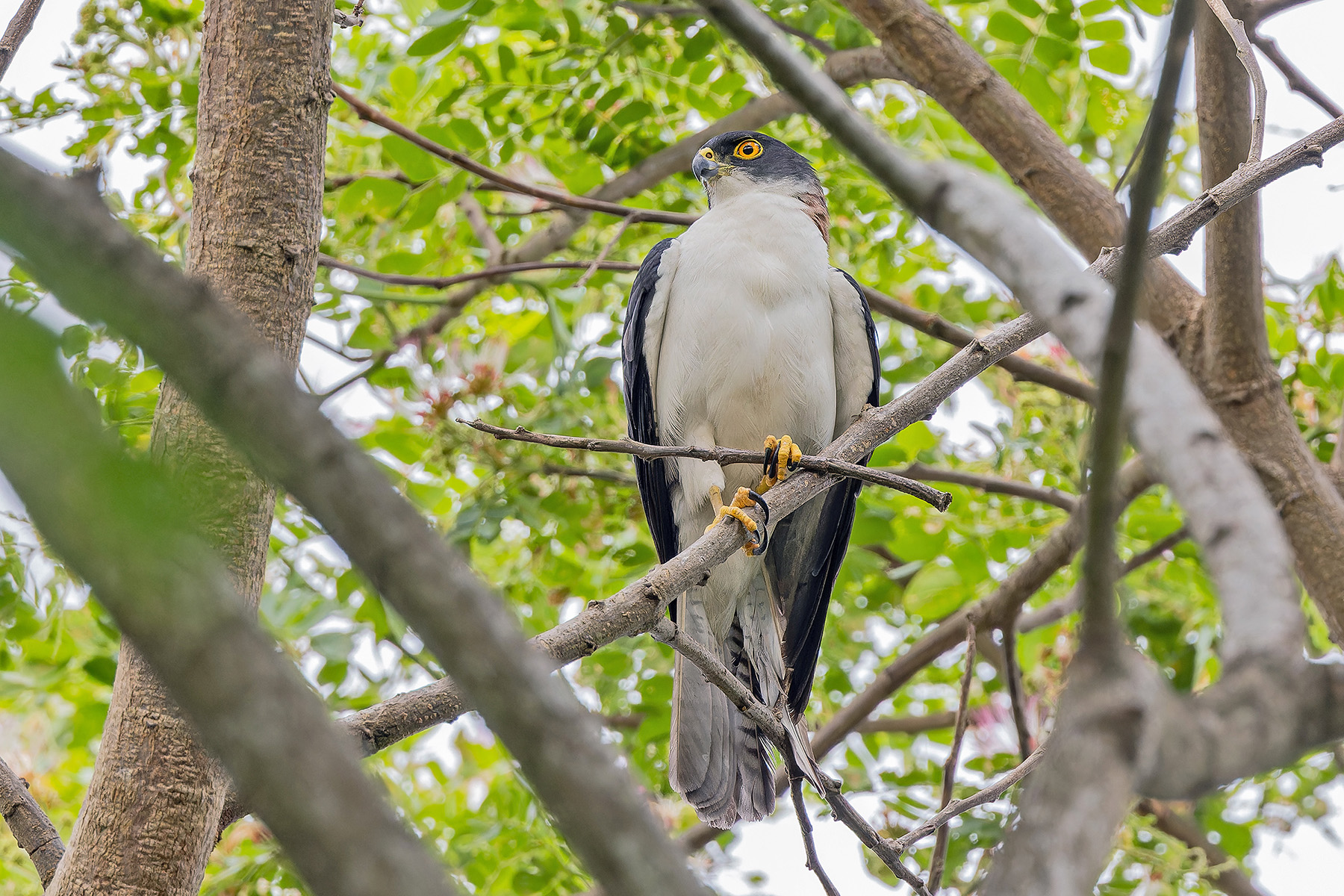
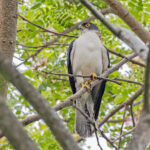
Pied Goshawk (image by Pete Morris)
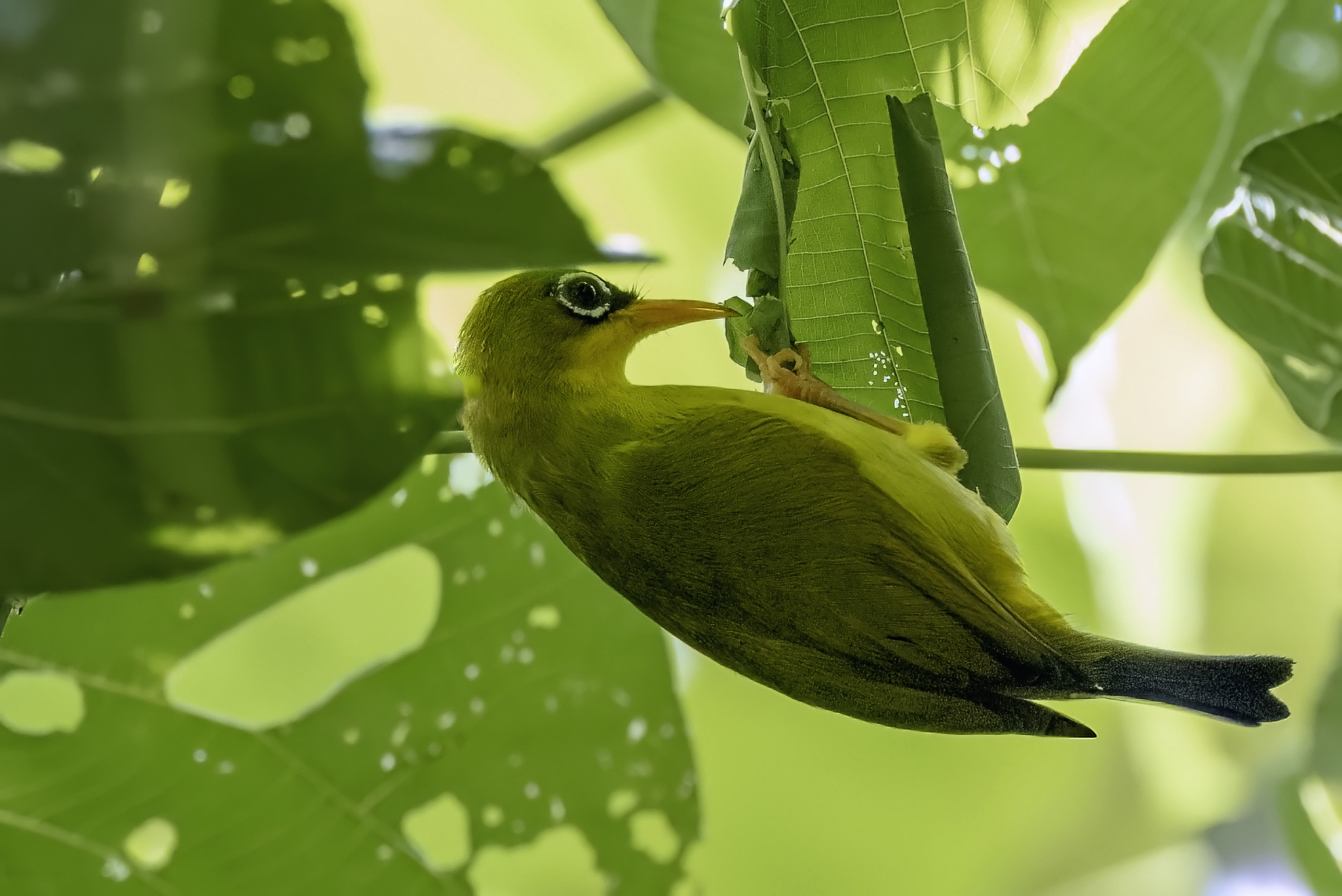
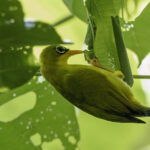
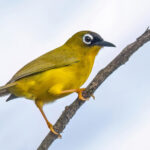
Gizo White-eye (image by Paul van Giersbergen)
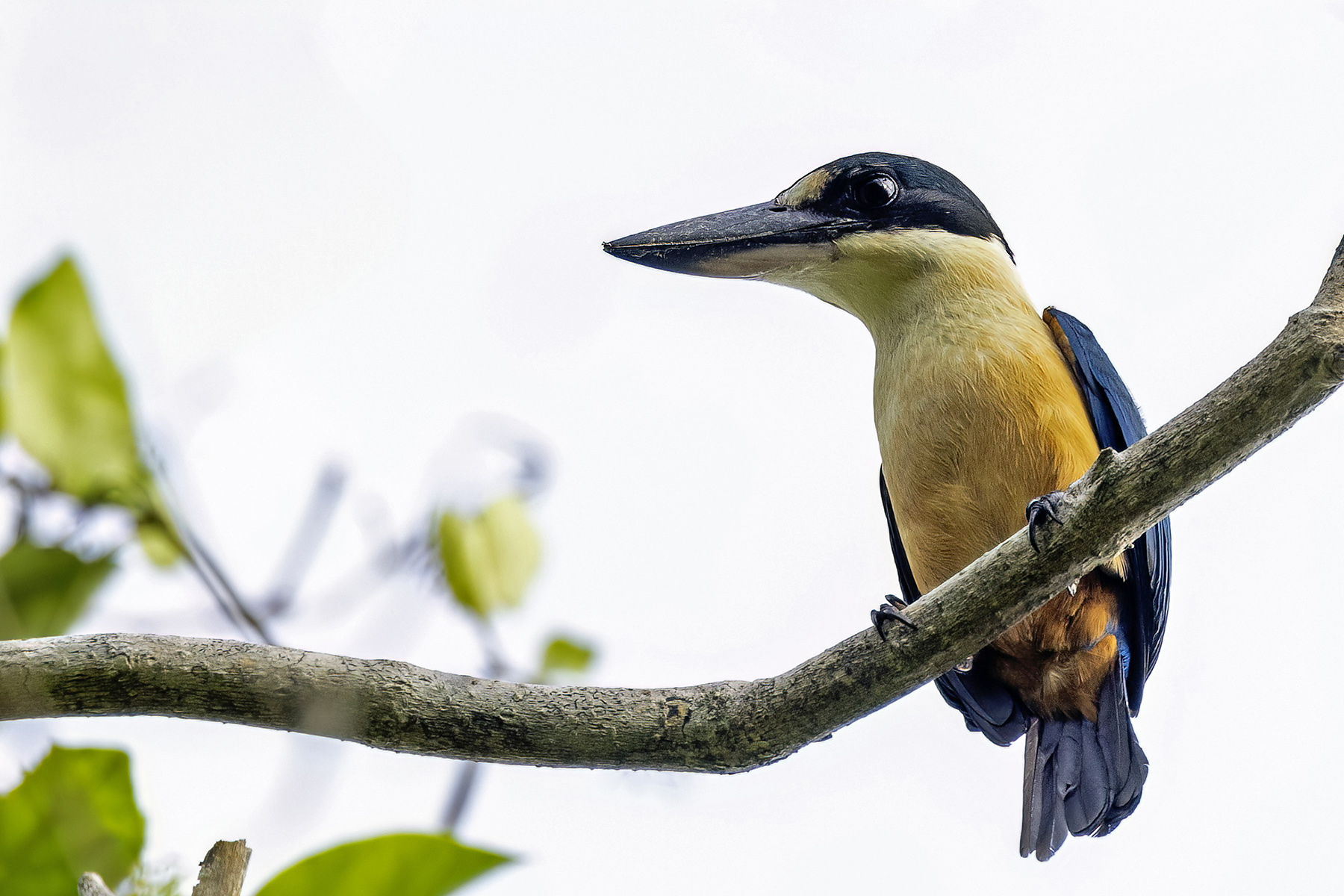
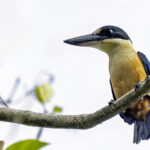
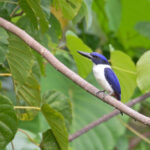
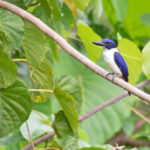
Melanesian Kingfisher (image by Paul van Giersbergen)
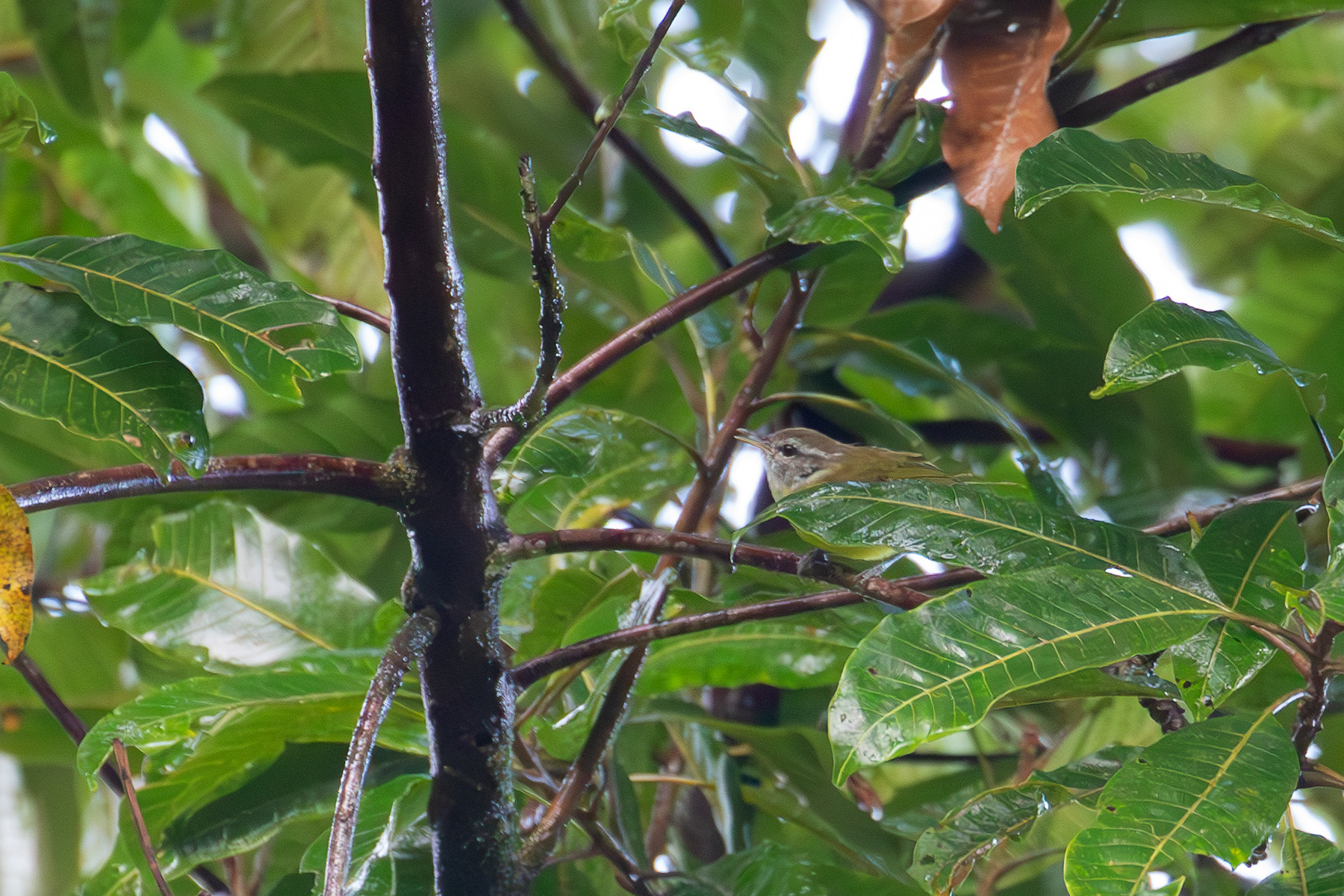
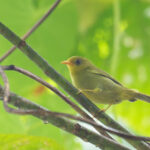
Makira Leaf Warbler (image by Diedert Koppenol)
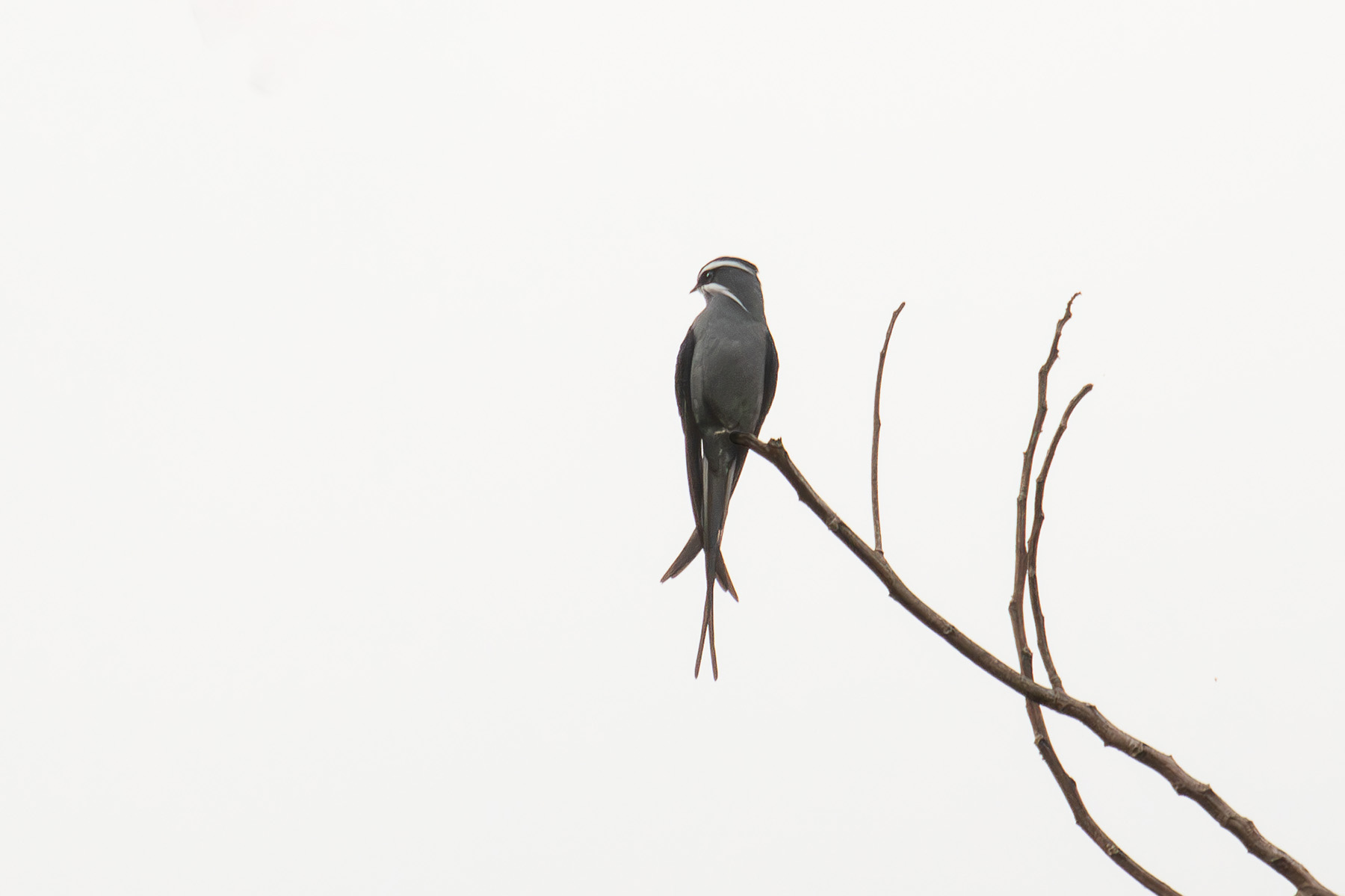
Moustached Treeswift (image by Diedert Koppenol)
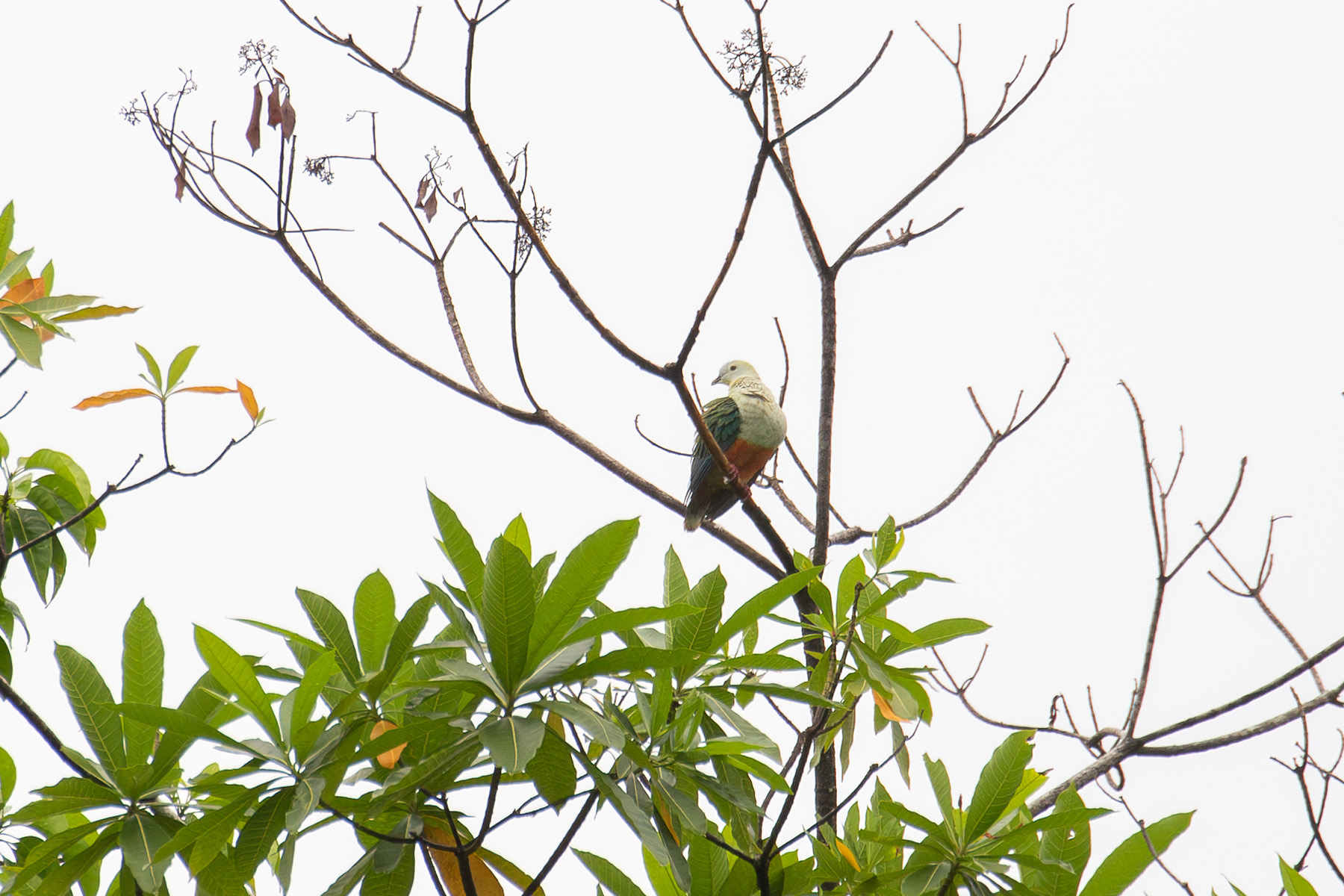
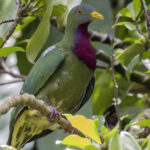
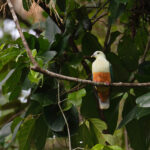
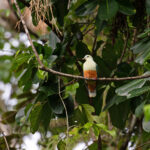
Silver-capped Fruit Dove (image by Diedert Koppenol)
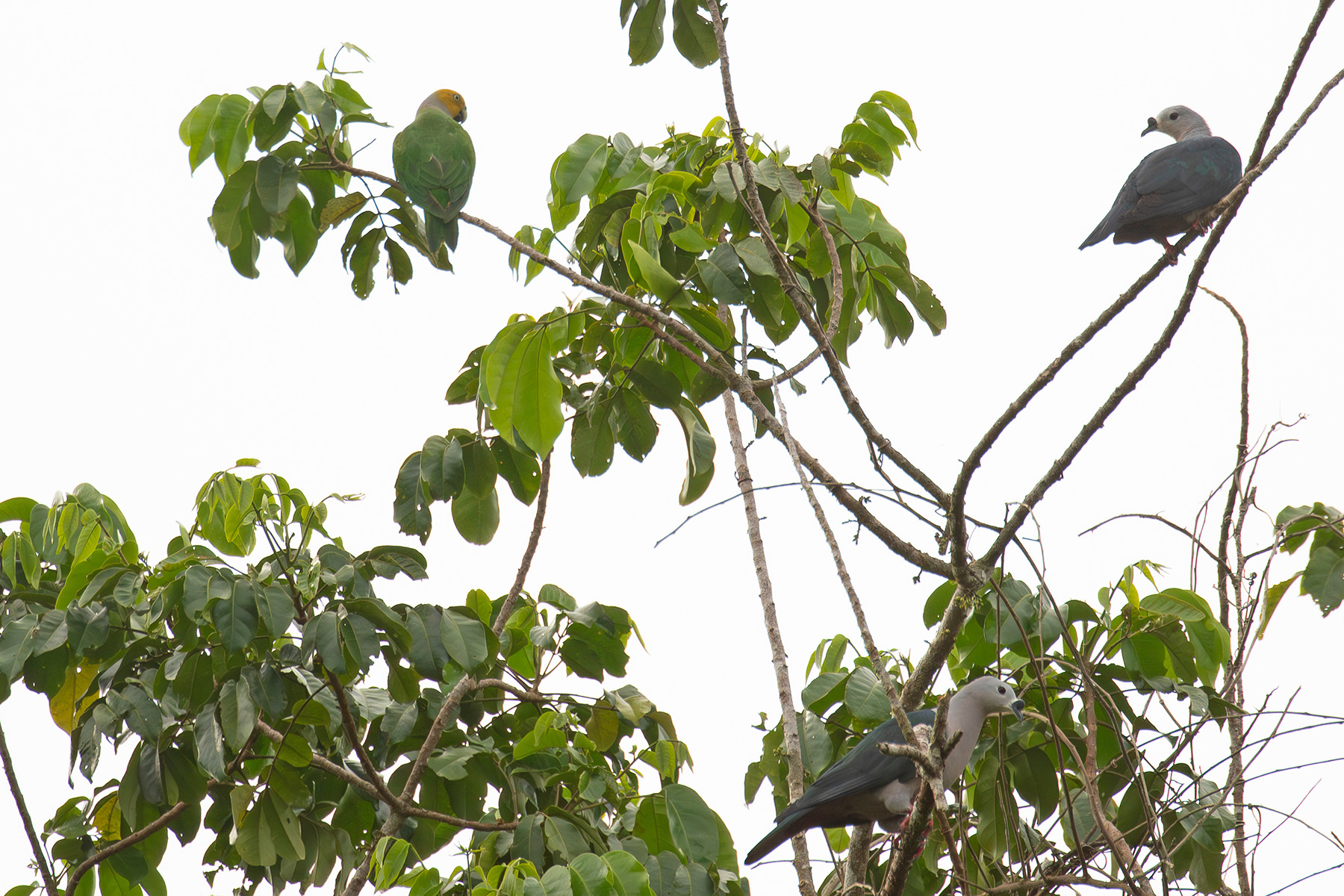
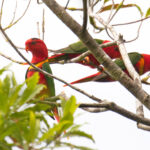
Song Parrot with Pacific Imperial Pigeons on Rennell (image by Diedert Koppenol)
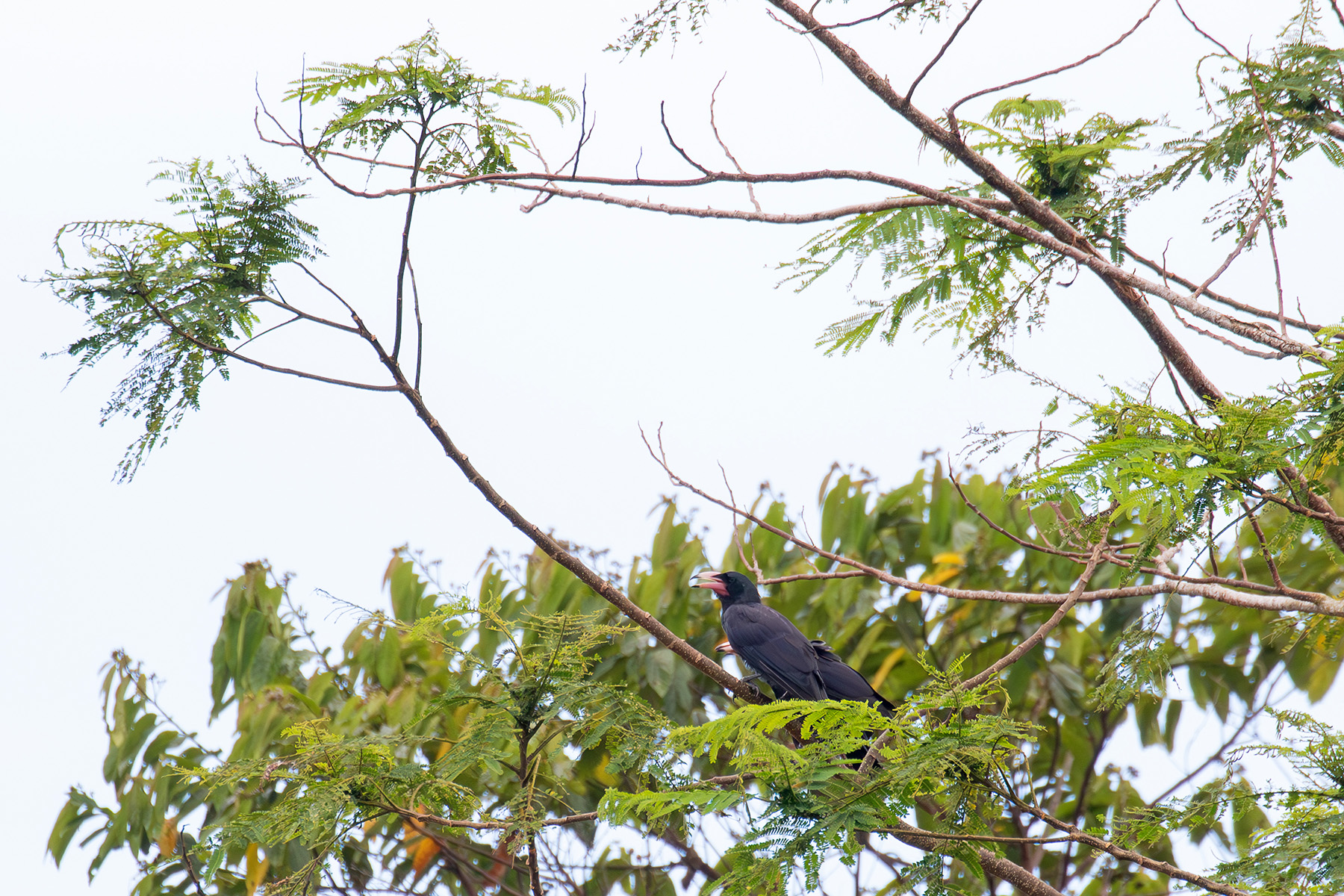
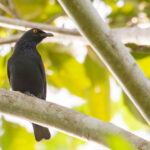
We saw most our White-billed Crows on Santa Isabel, often in small murders (image by Diedert Koppenol)
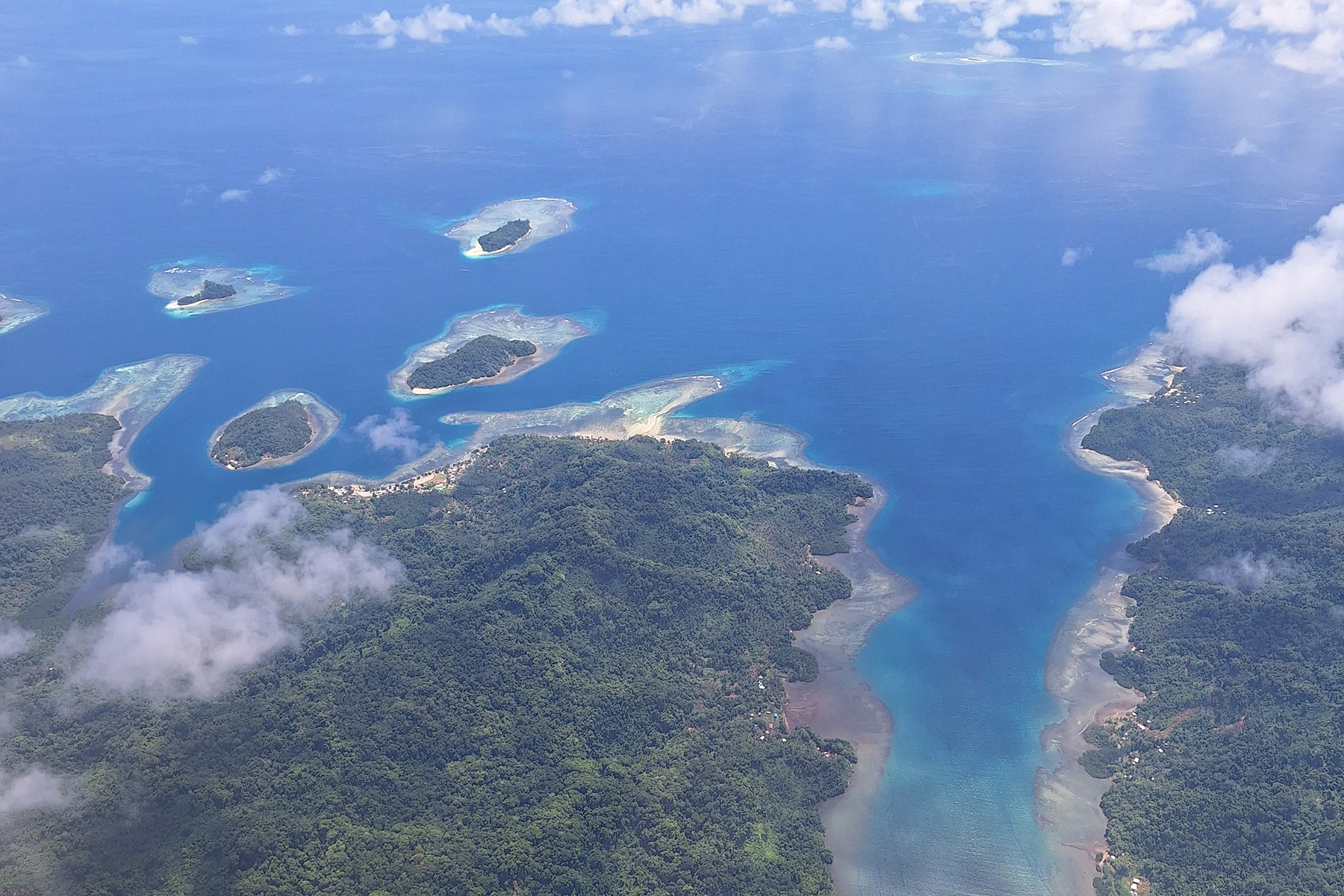
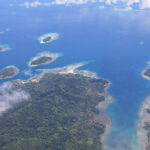
Flying to Fera Island from Guadalcanal; nearly there! (image by Diedert Koppenol)
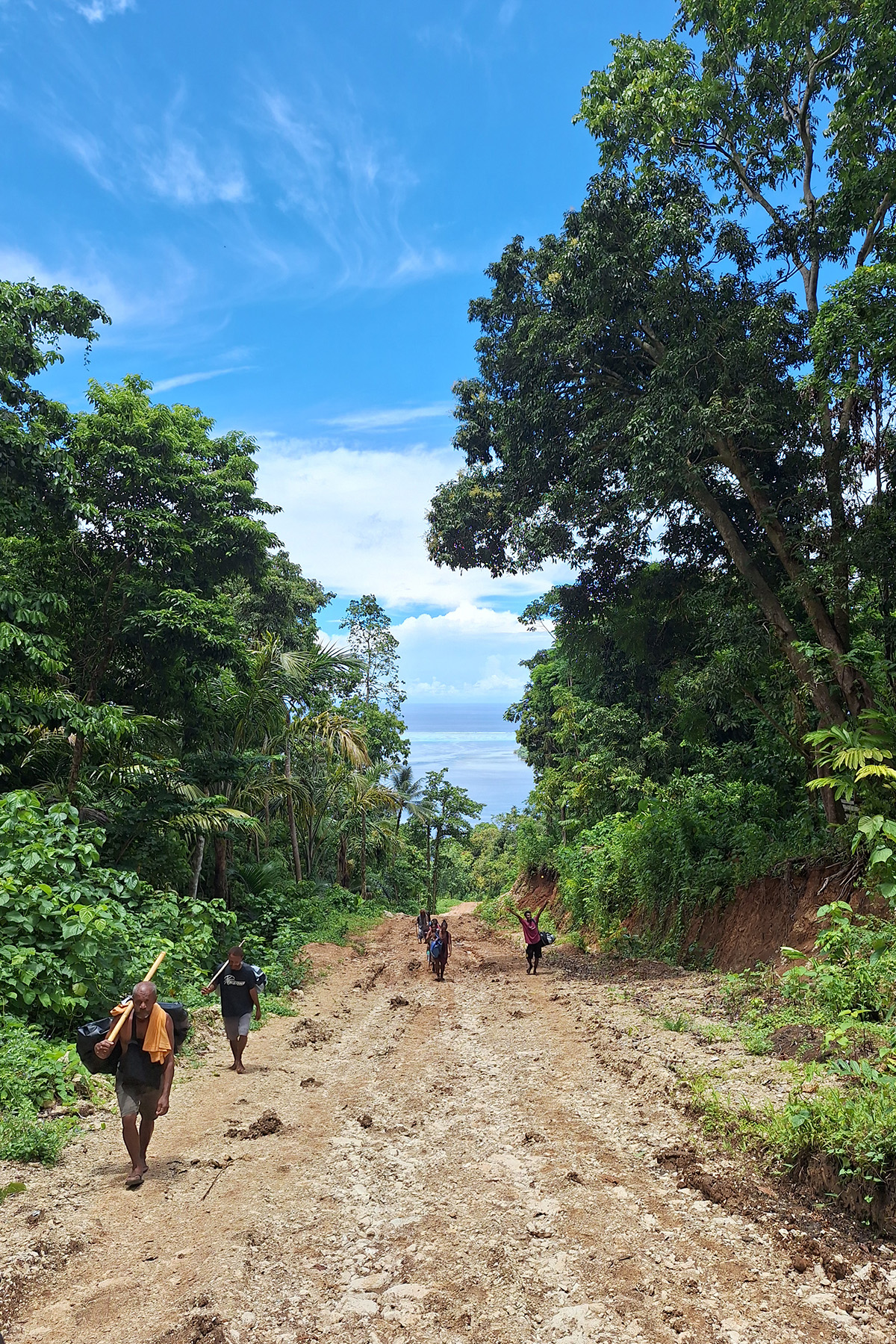
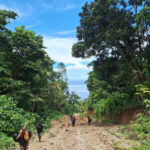
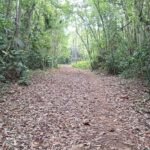
The old logging road up to Tirotonga (image by Diedert Koppenol)
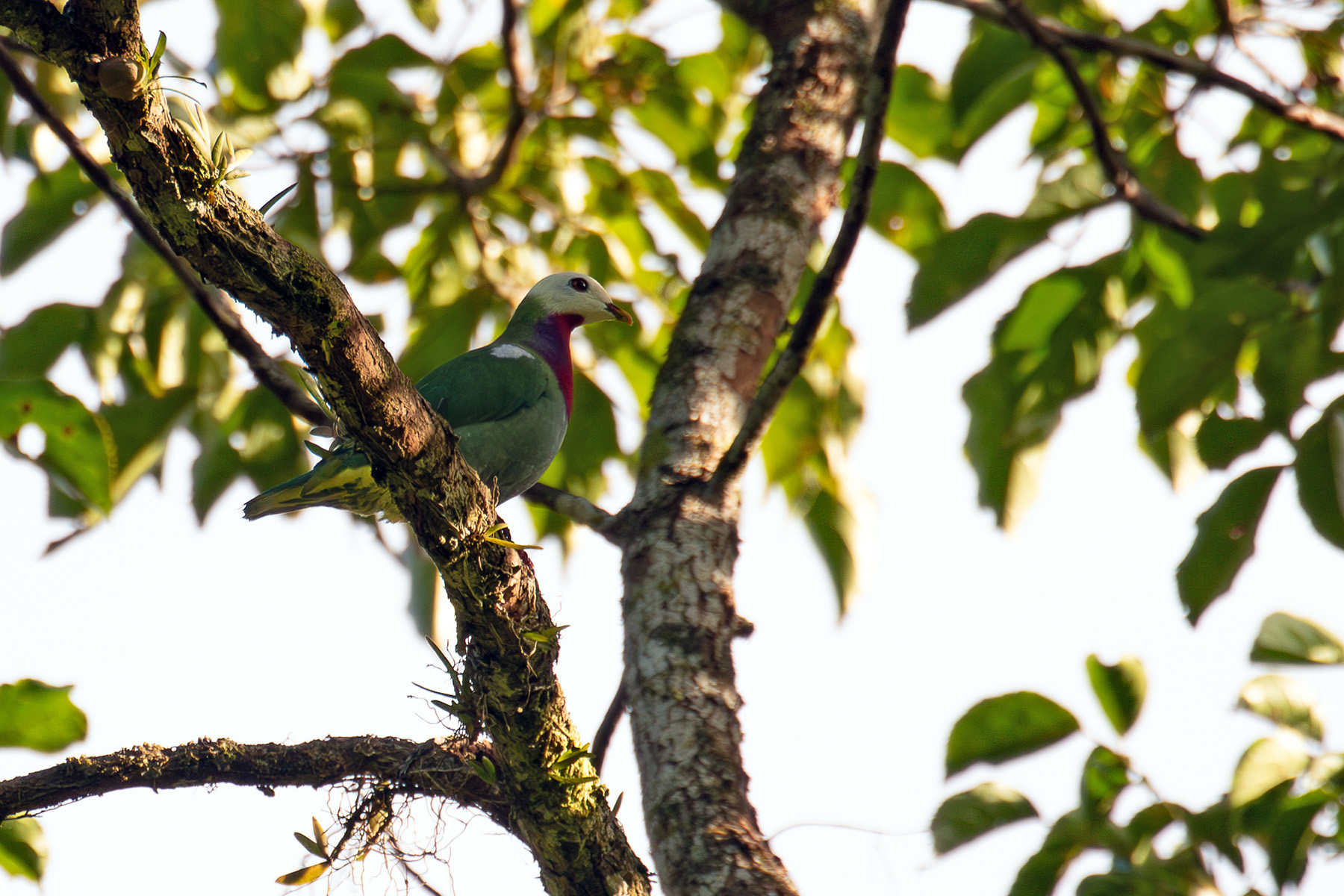
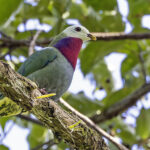
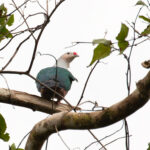
White-headed Fruit Dove is only found on Makira and a few satellite islands (image by Diedert Koppenol)
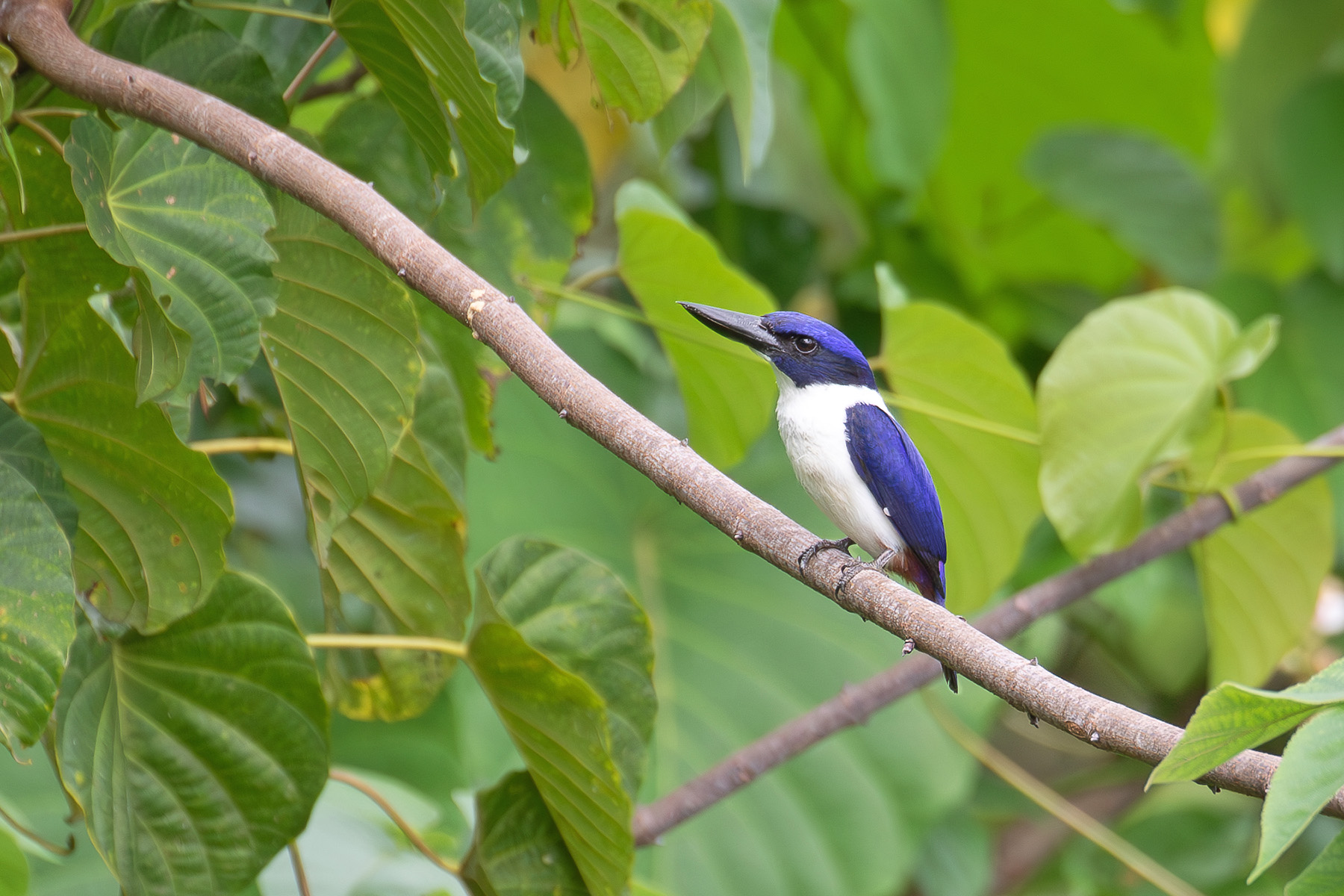
Ultramarine Kingfisher (image by Diedert Koppenol)
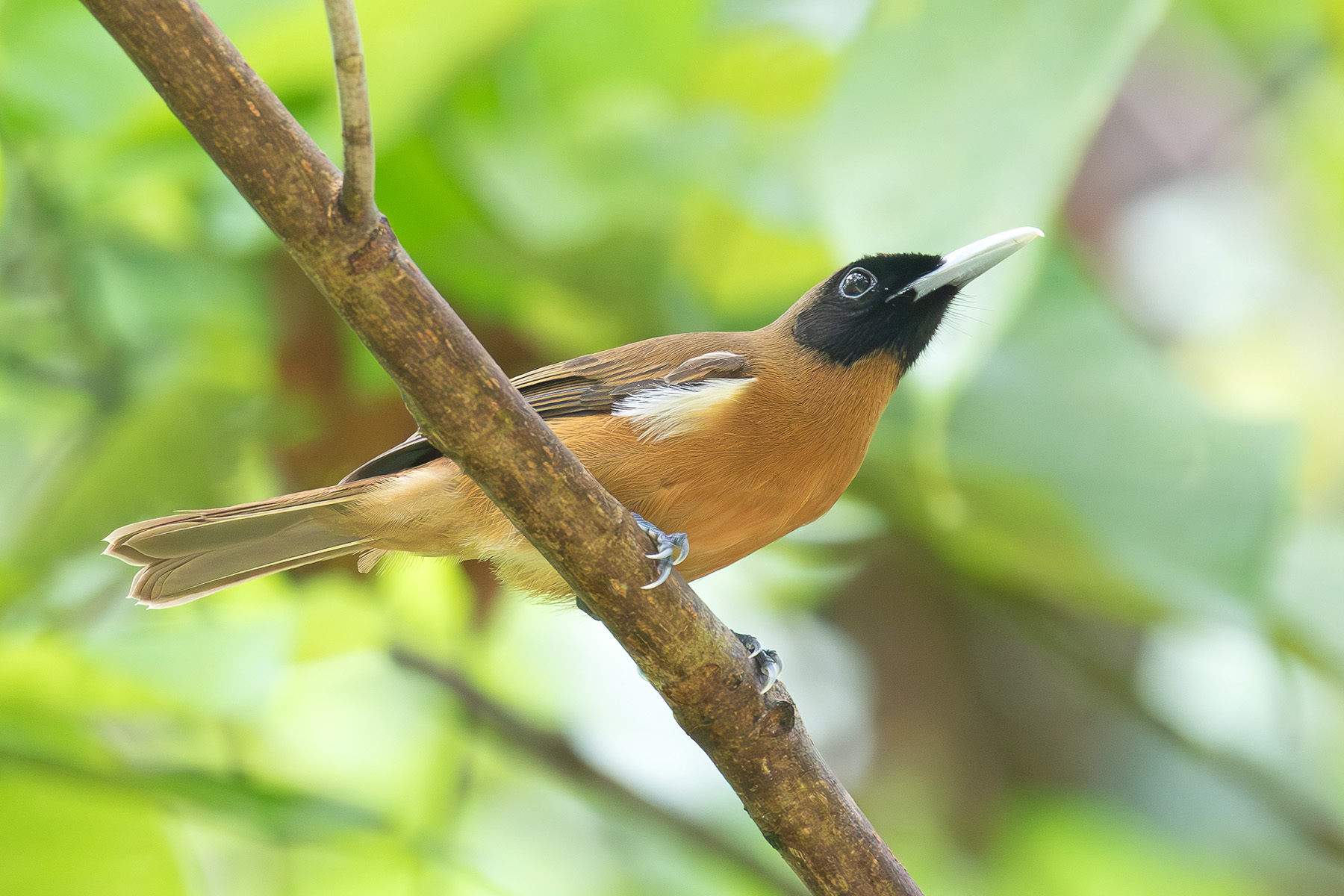
Rennell Shrikebill (image by Diedert Koppenol)
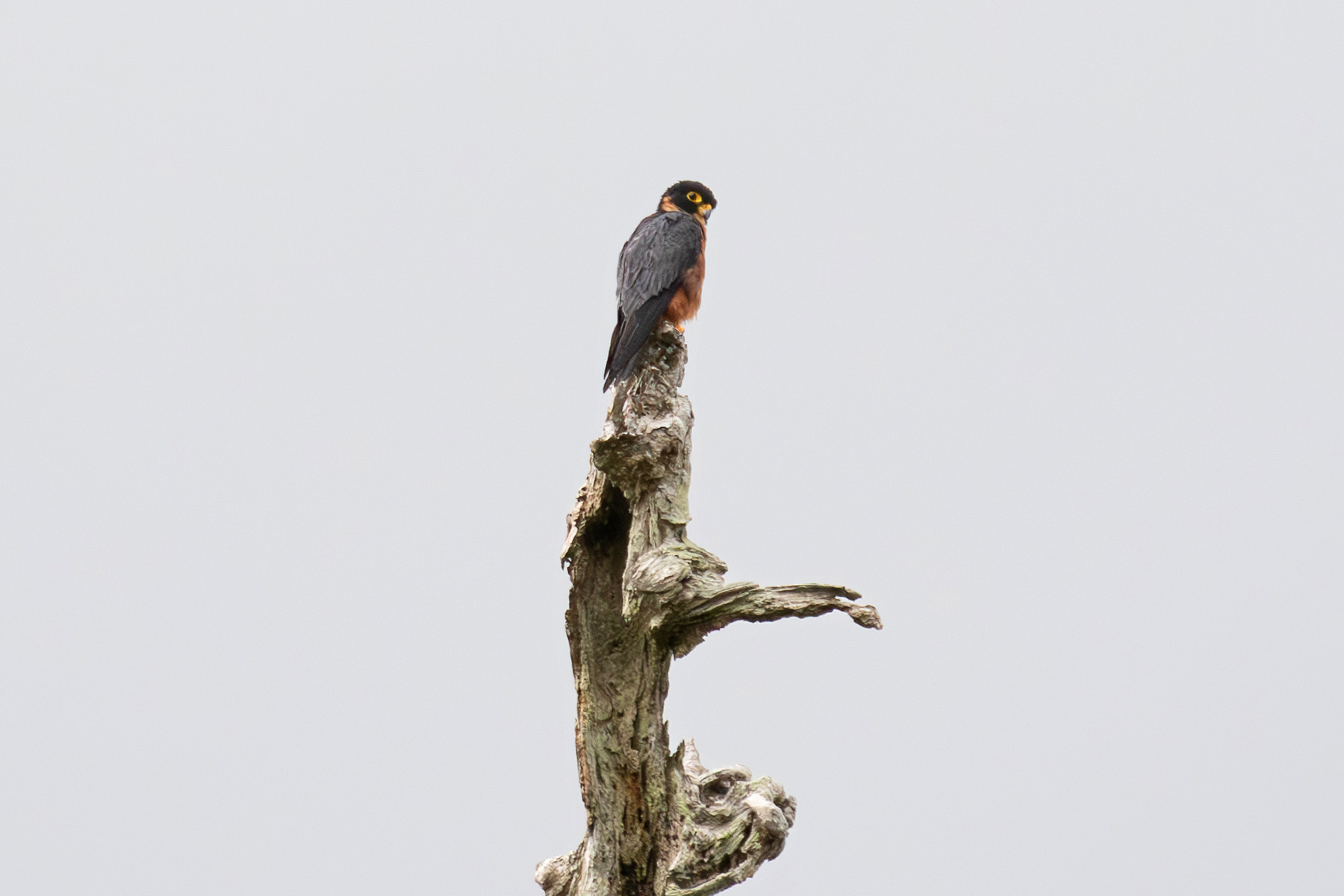
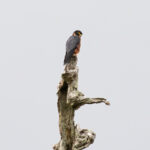
Oriental Hobby on the highest perch of the track on Guadalcanal (image by Diedert Koppenol)

White-headed Fruit Dove (image by Paul van Giersbergen)
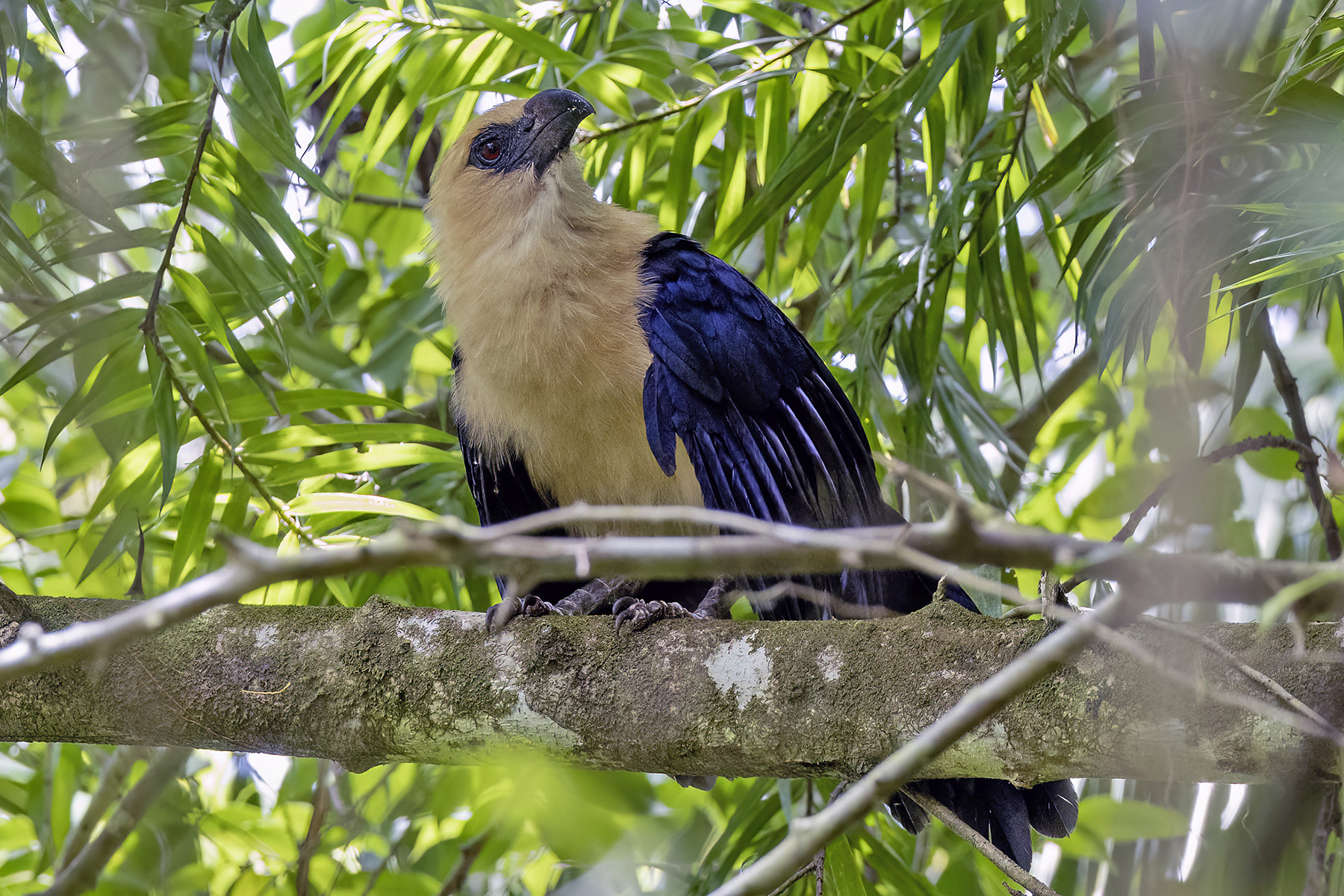
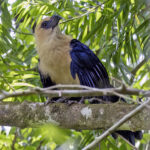
Buff-headed Coucal (image by Paul van Giersbergen)
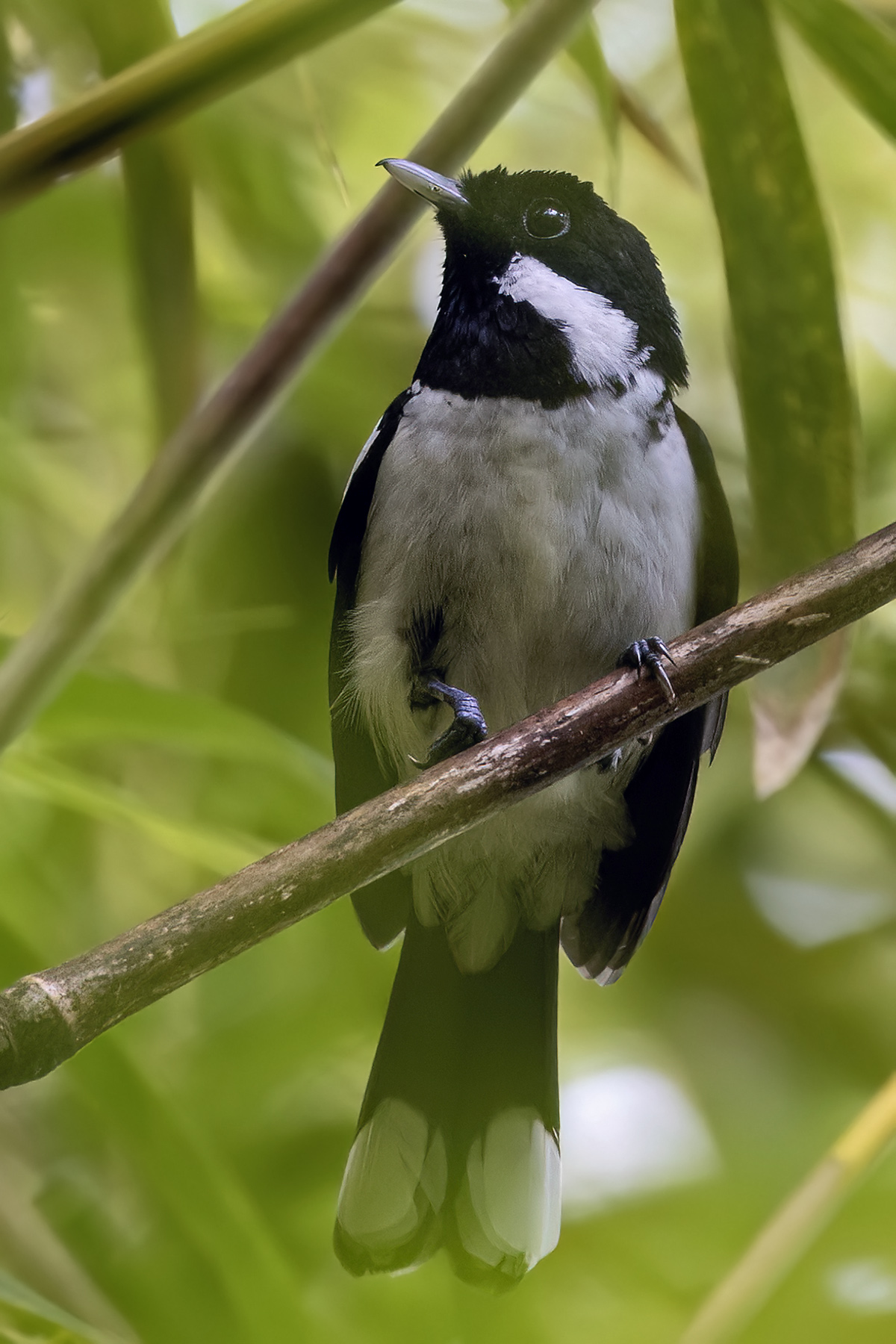
Solomons Monarch (image by Paul van Giersbergen)
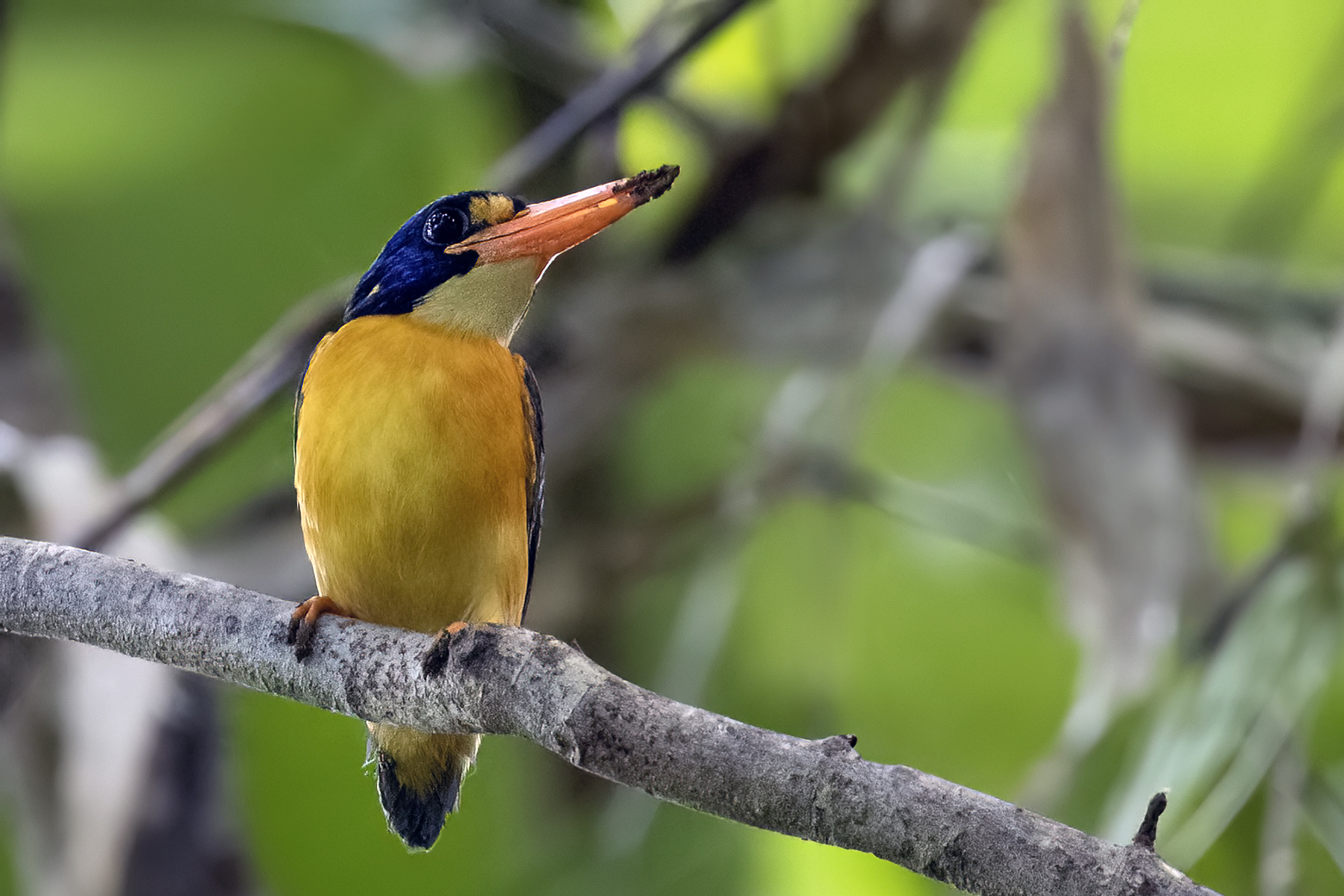
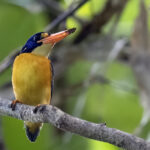
New Georgia Dwarf Kingfisher (image by Paul van Giersbergen)
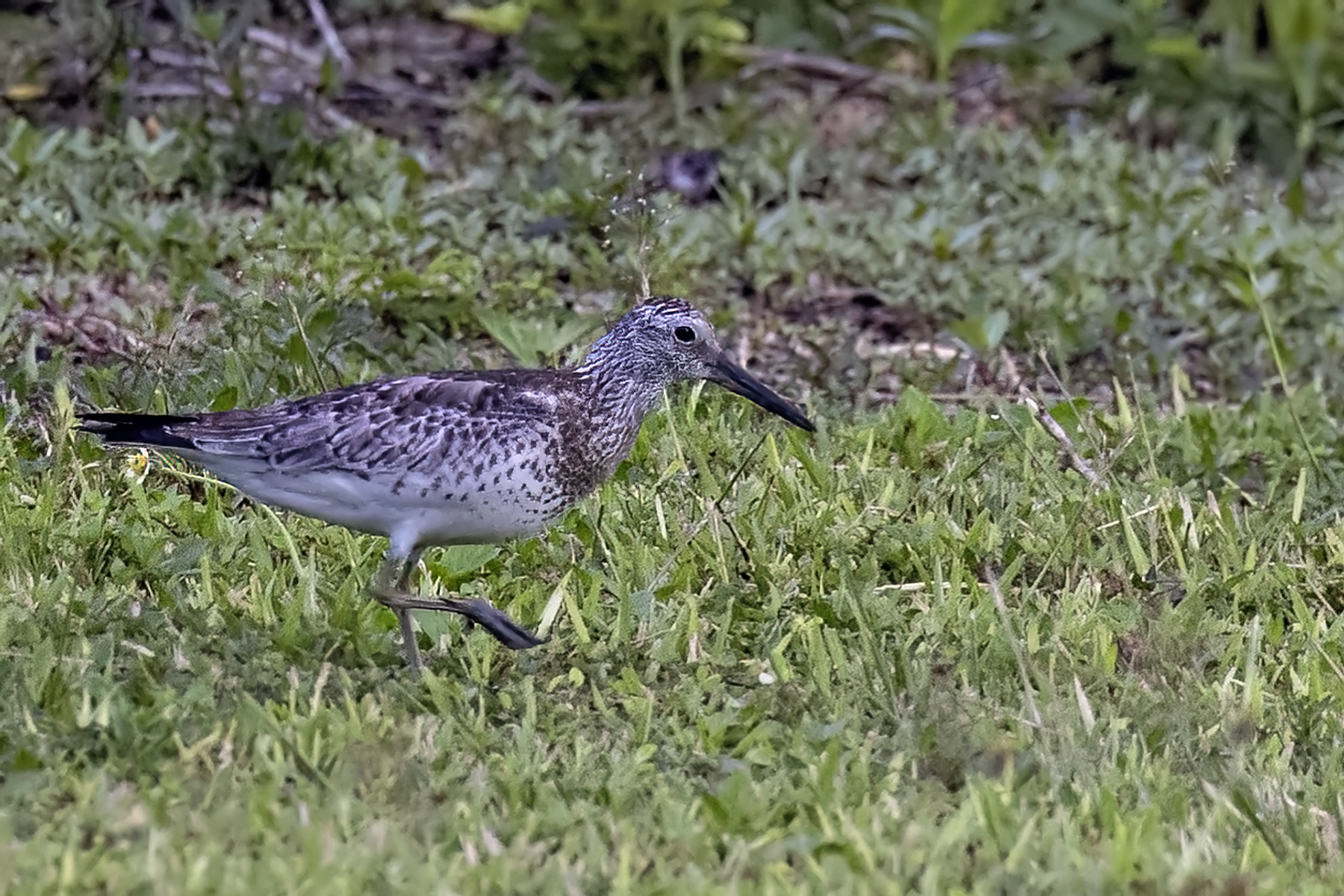
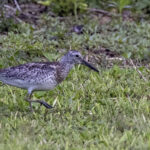
Great Knot (image by Paul van Giersbergen)
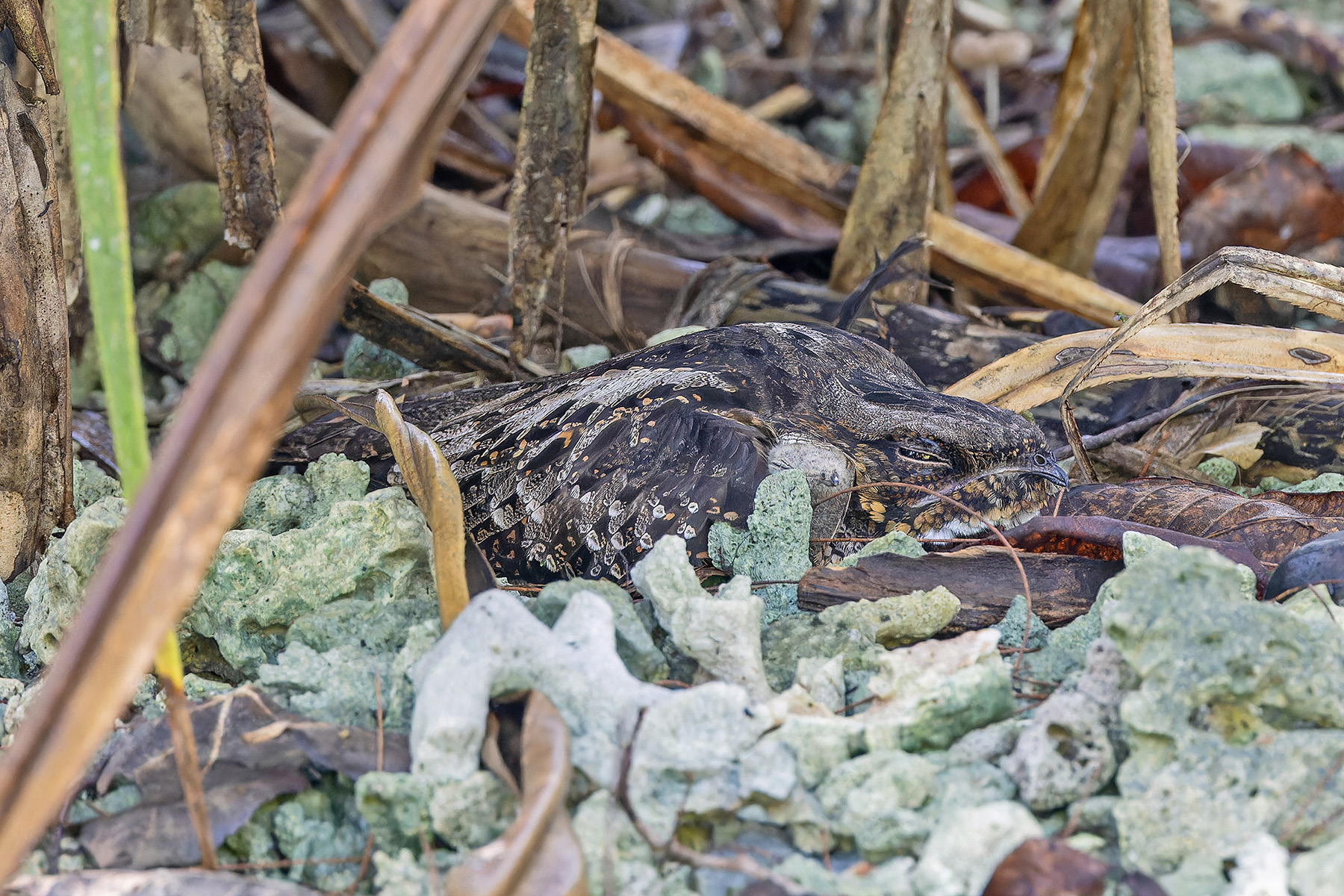
Solomons Nightjar (image by Pete Morris)
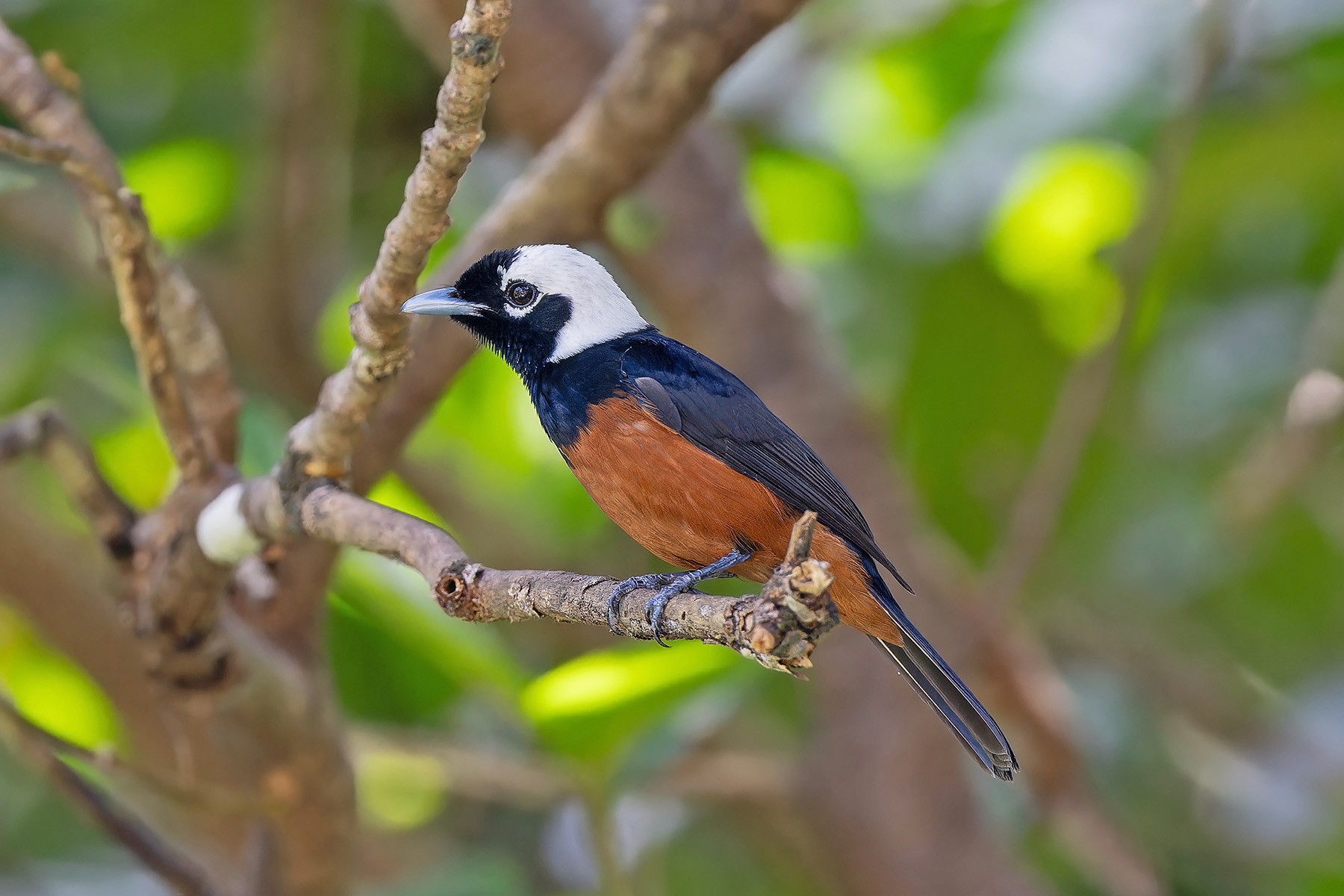
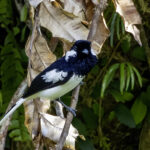
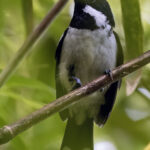
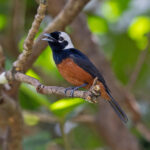
White-capped Monarch (image by Pete Morris)
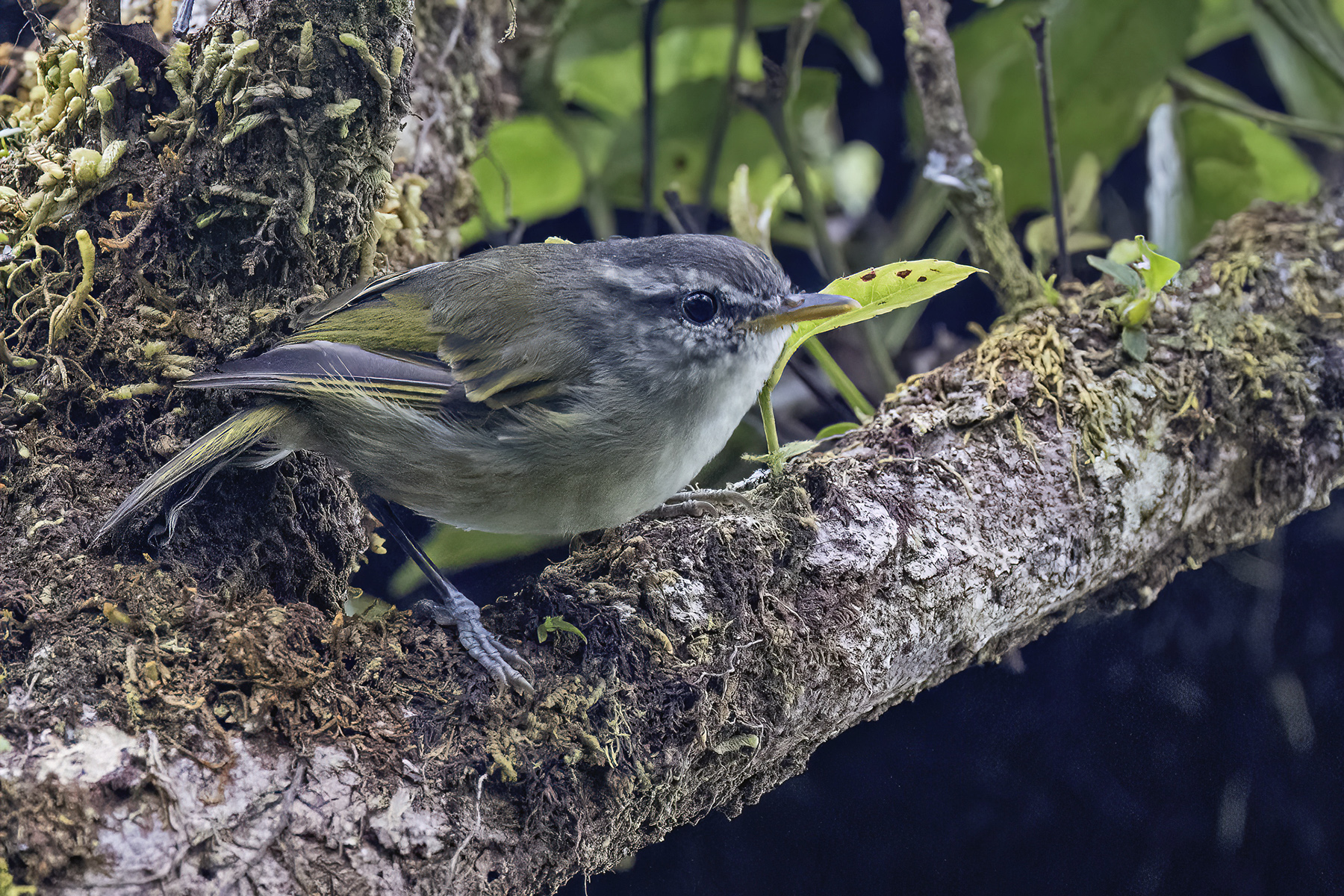
Island Leaf Warbler (image by Paul van Giersbergen)
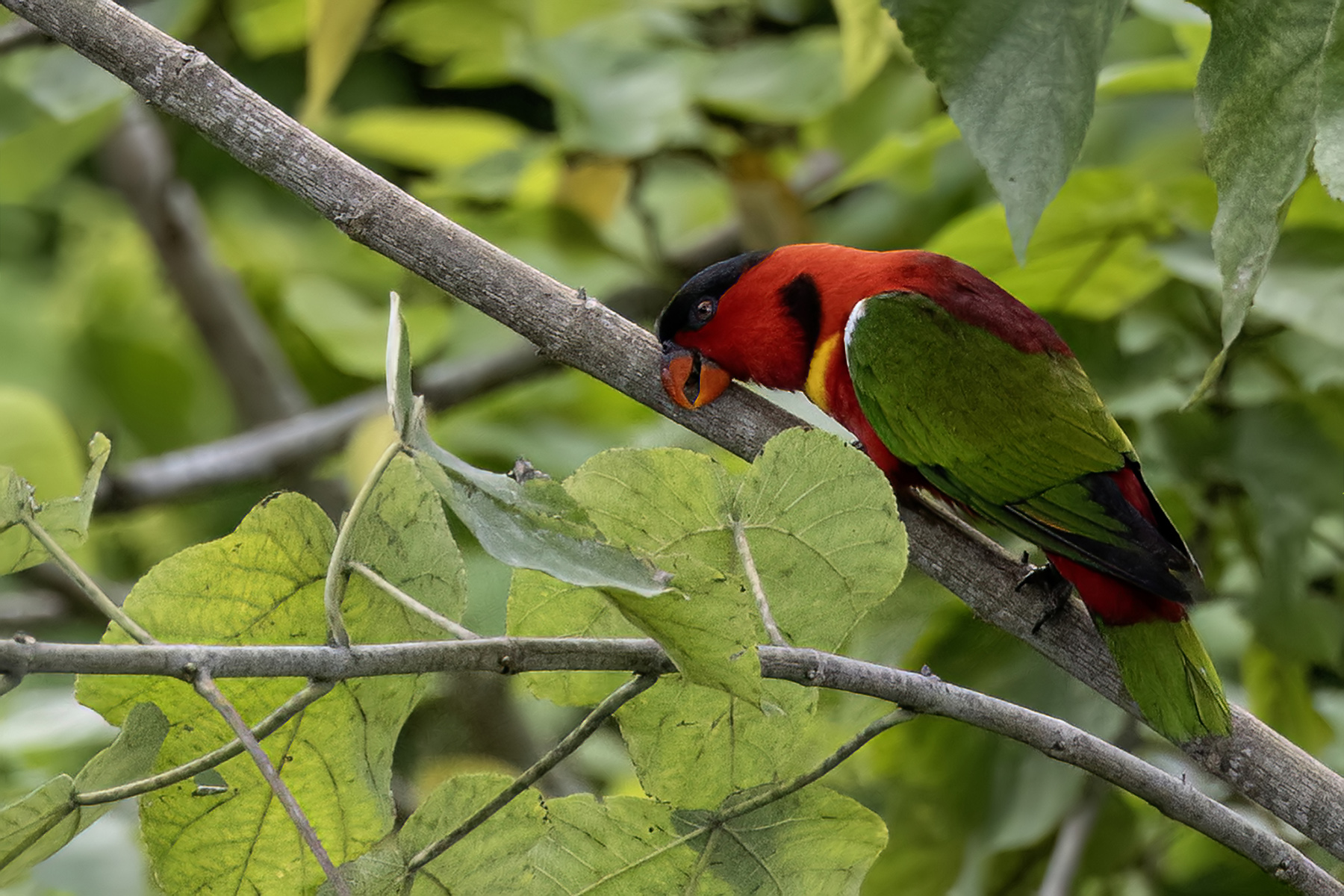
Yellow-bibbed Lory (image by Paul van Giersbergen)
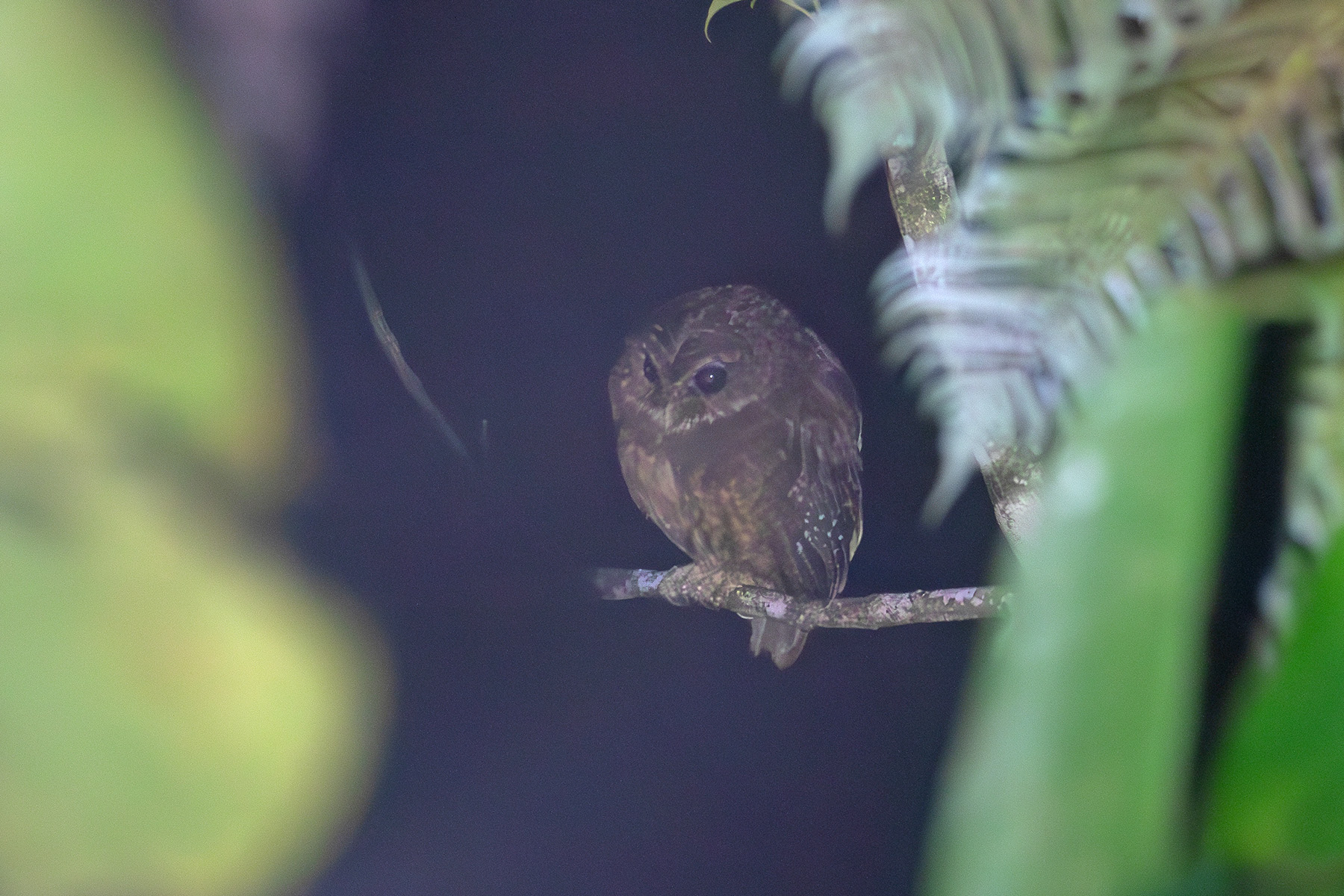
Makira Owl (image by Diedert Koppenol)
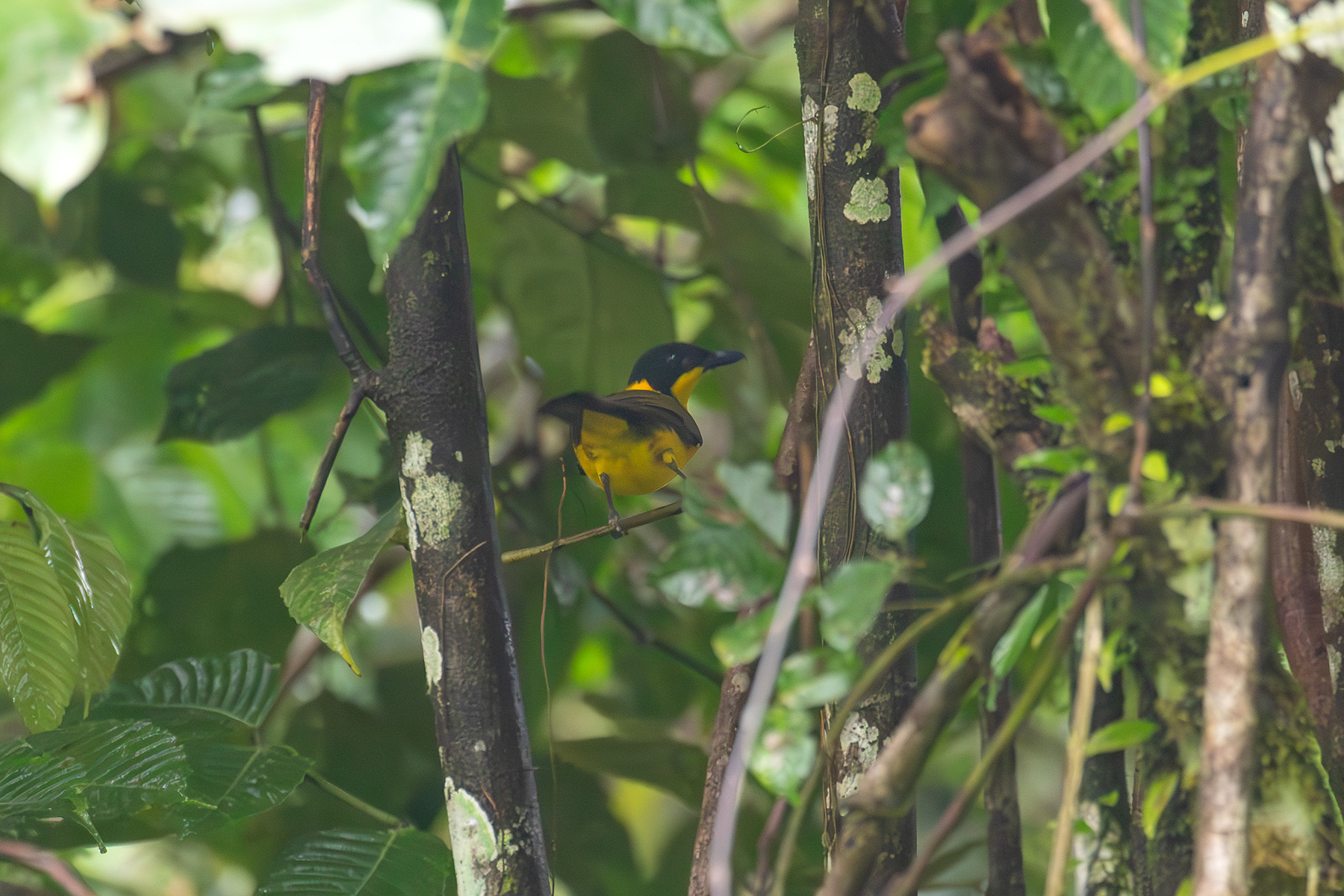
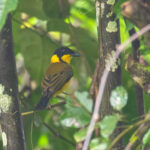
Oriole Whistler on Makira (image by Diedert Koppenol)
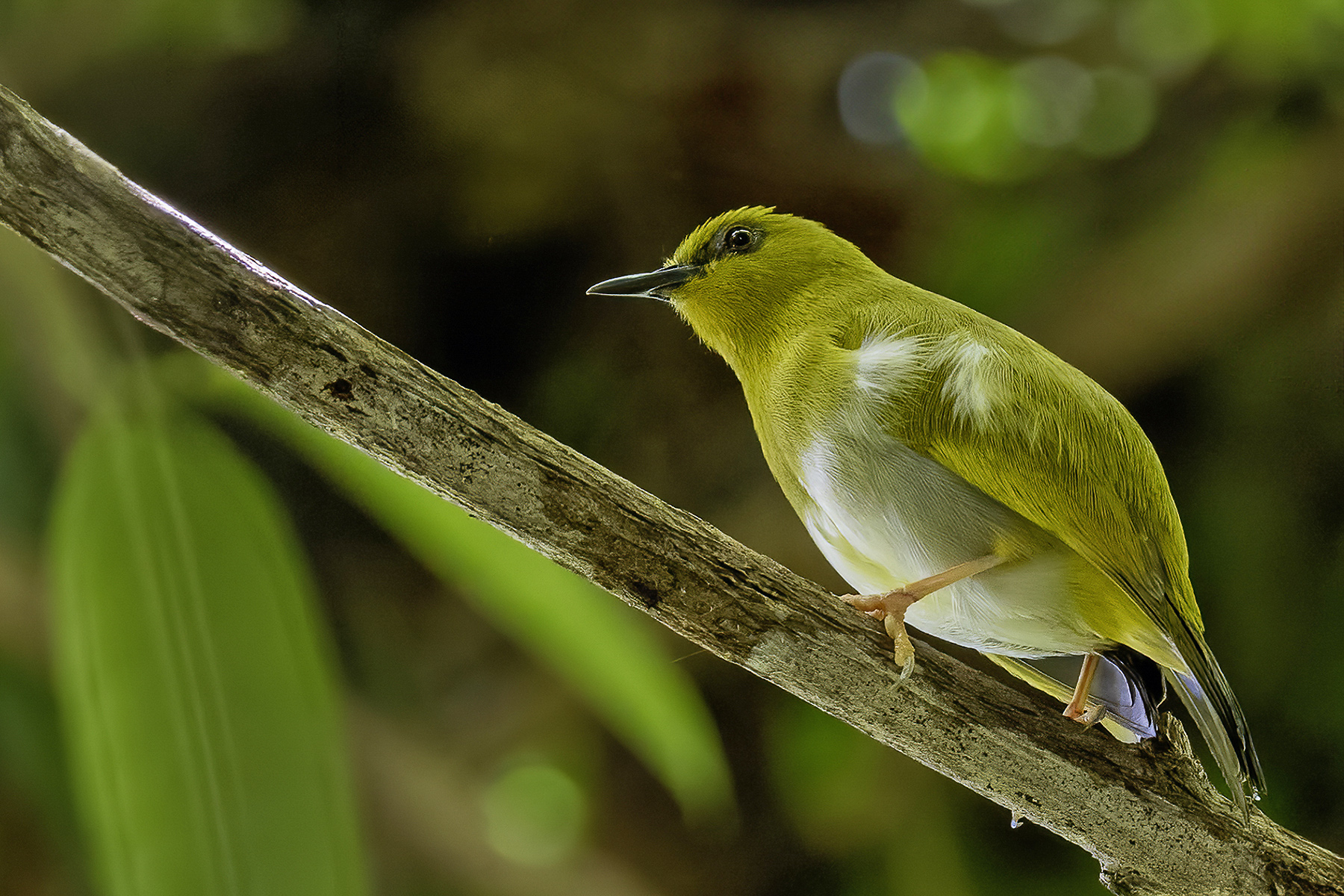
Dark-eyed White-eye (image by Paul van Giersbergen)
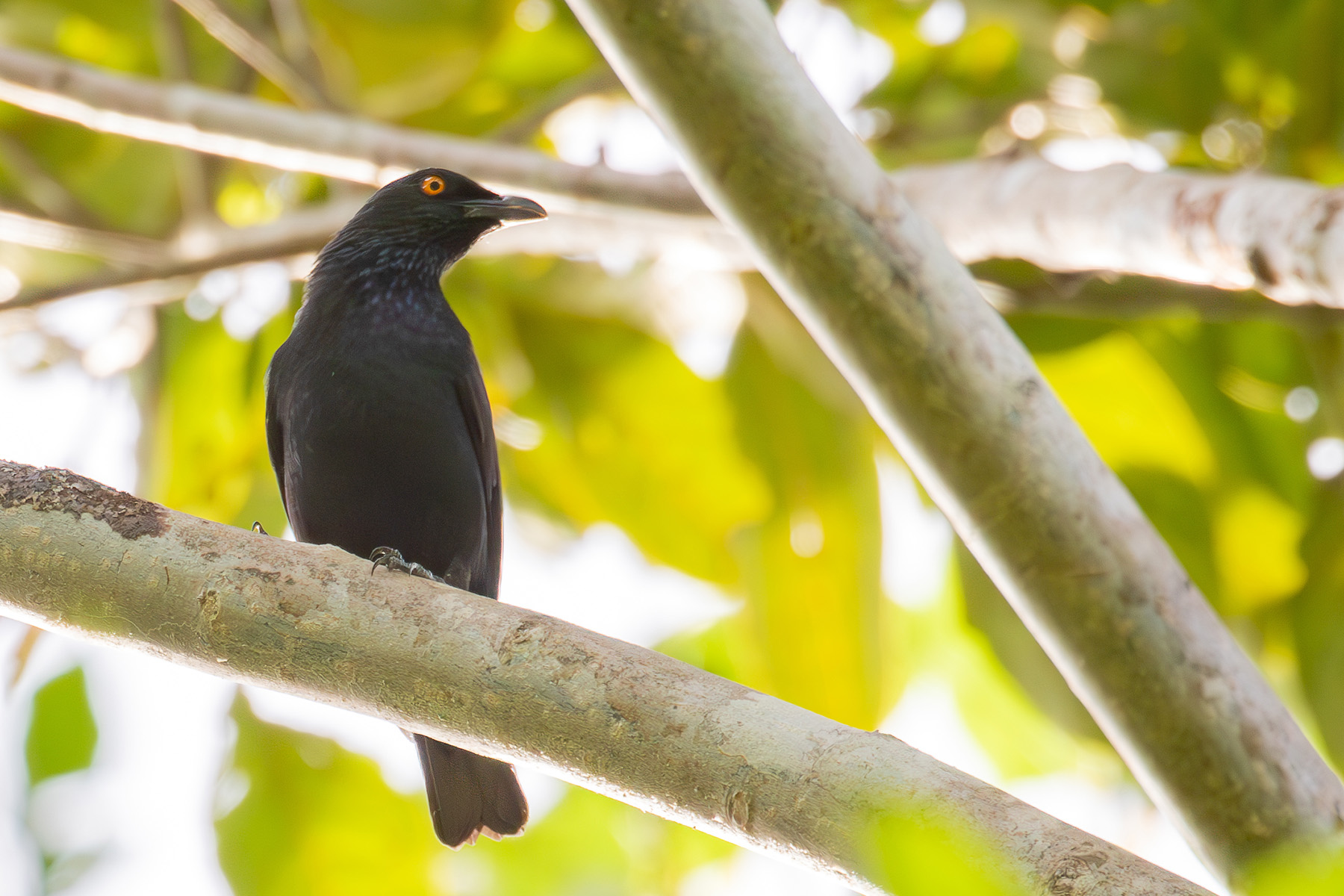
Rennell Starling (image by Diedert Koppenol)
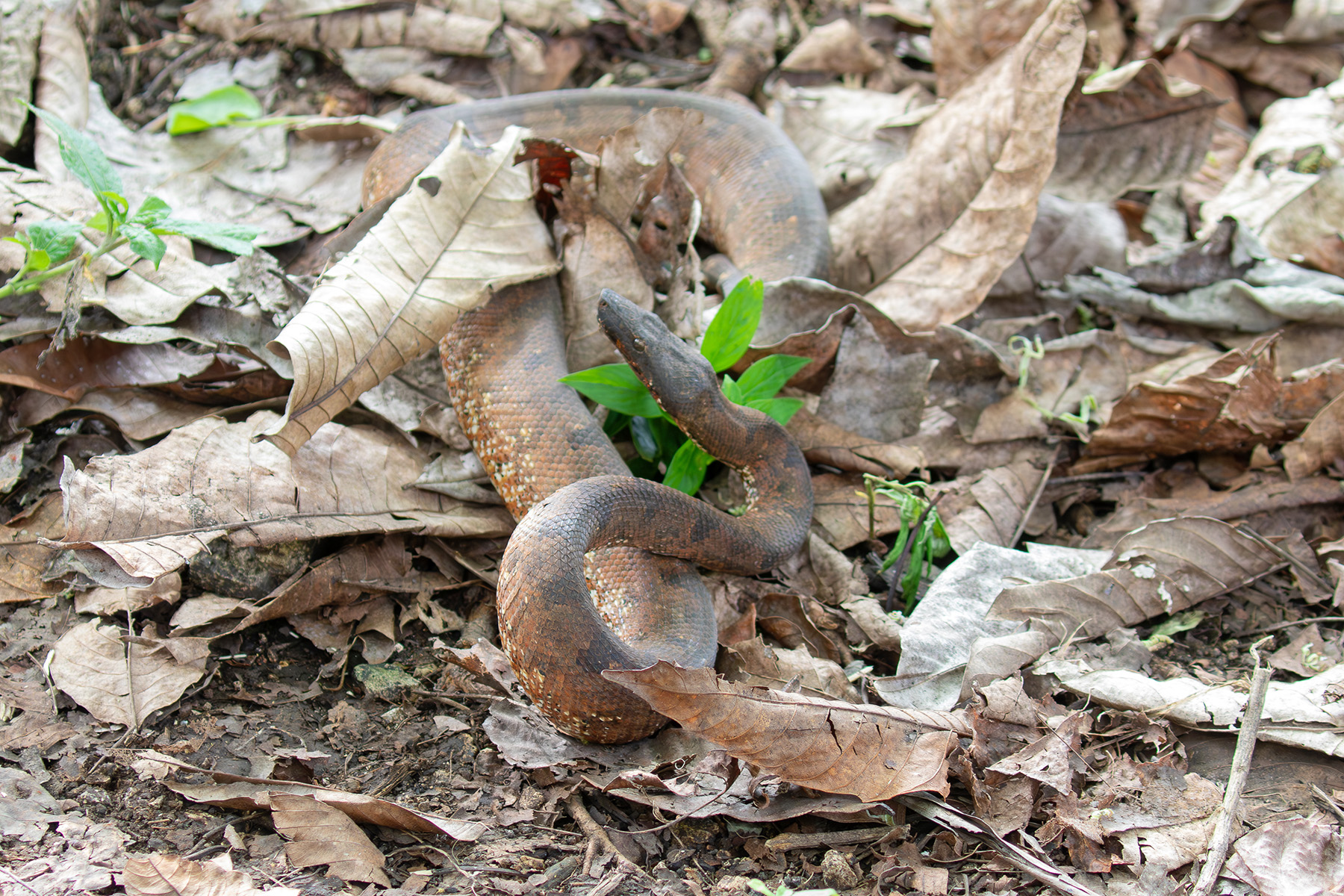
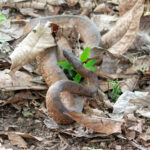
The locals were really confused by our interest in this impressive Solomons Island Ground Boa (image by Diedert Koppenol)

Vanikoro Island Thrush (image by Diedert Koppenol)
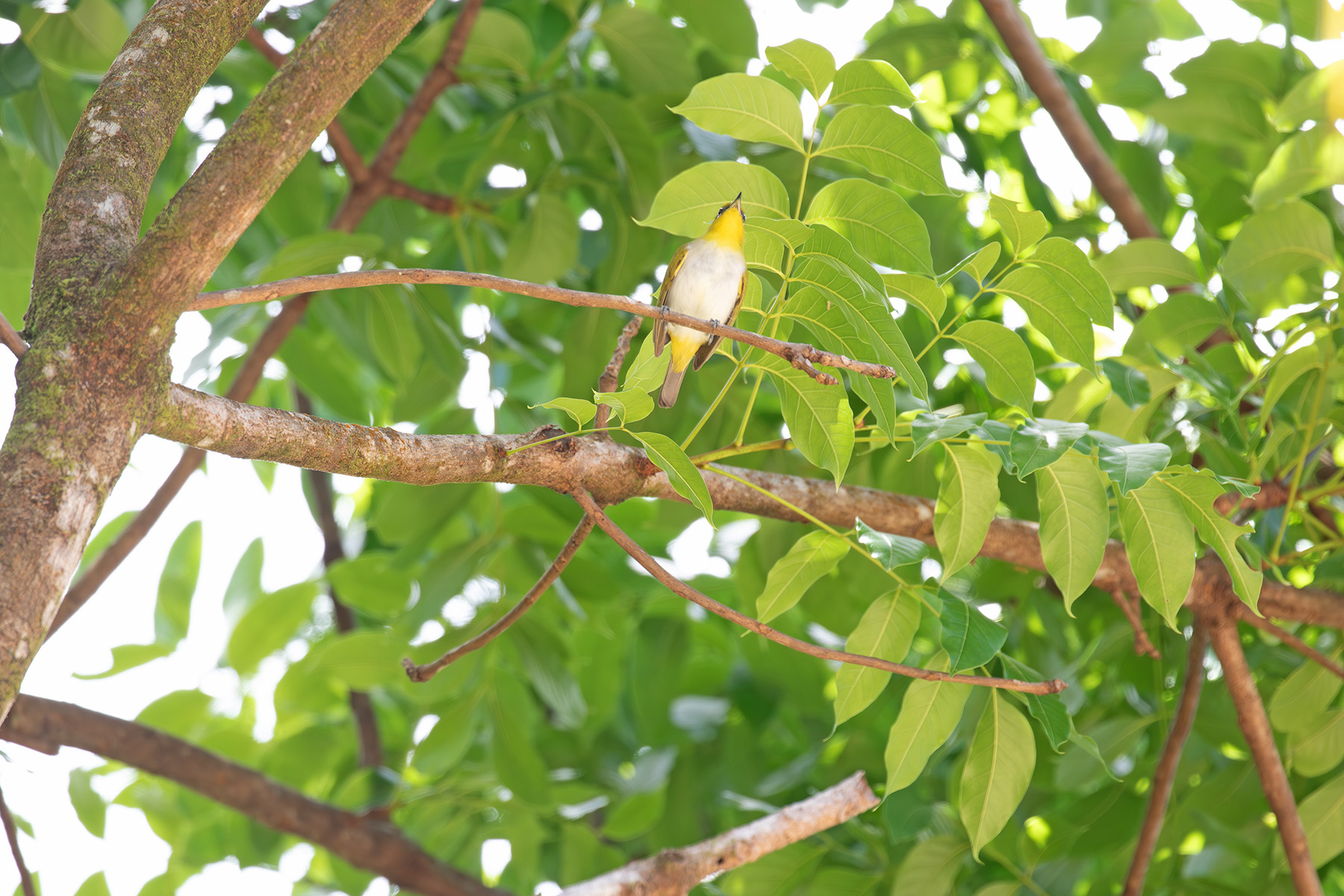
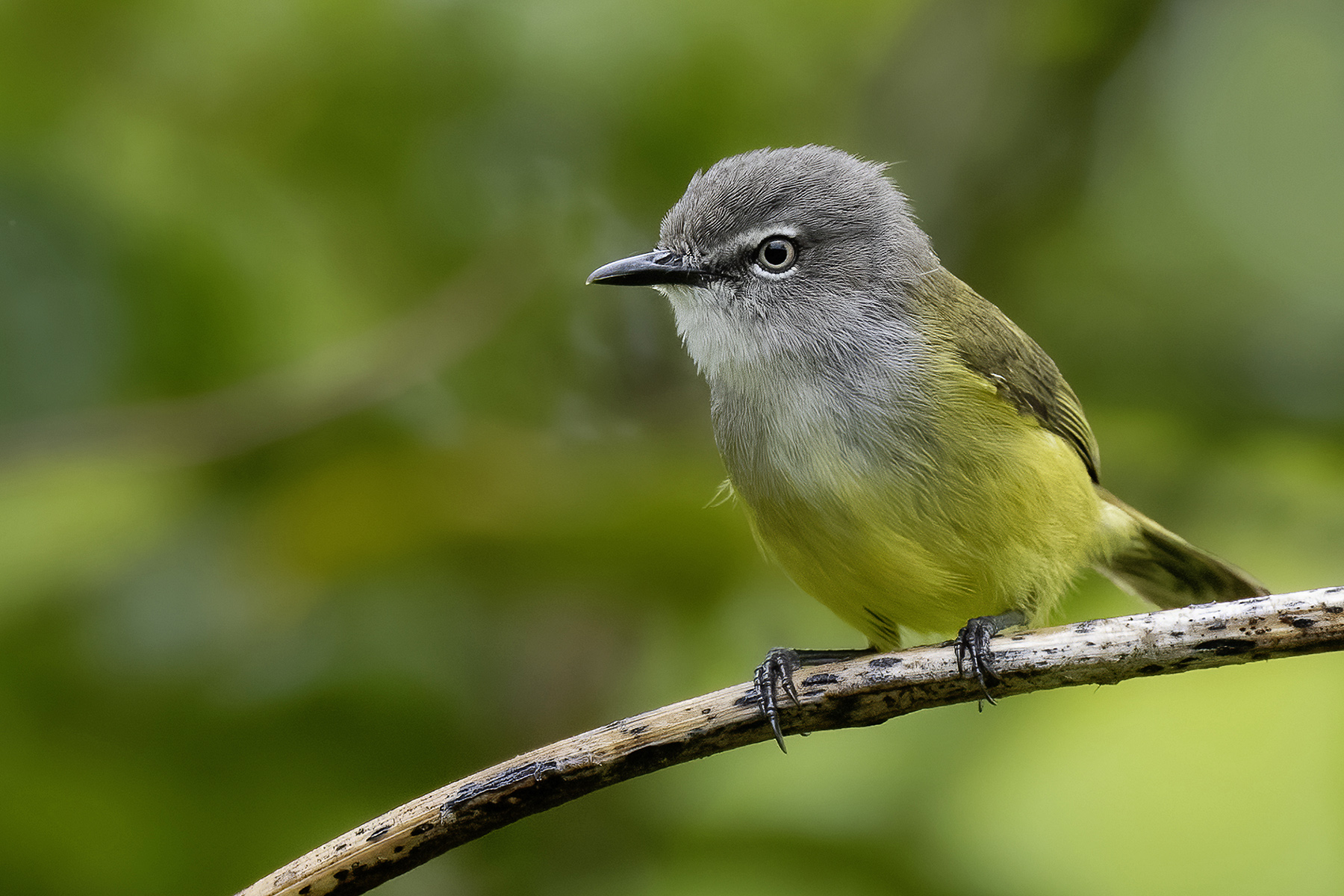
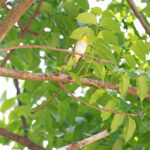
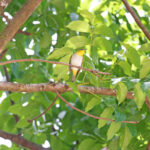
Yellow-throated White-eye (image by Diedert Koppenol)
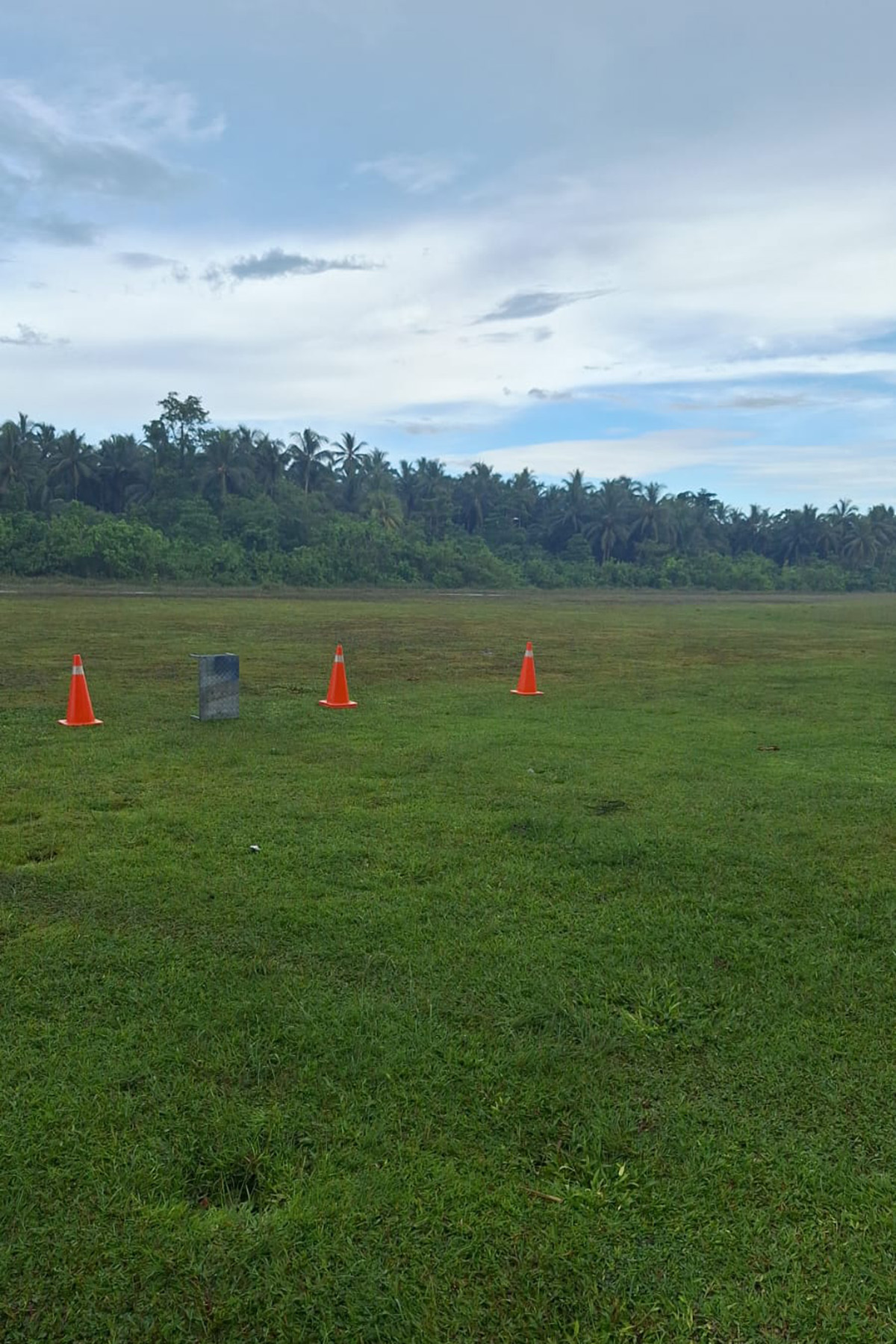
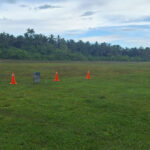
The state-of-the-art runway on Auki (image by Diedert Koppenol)
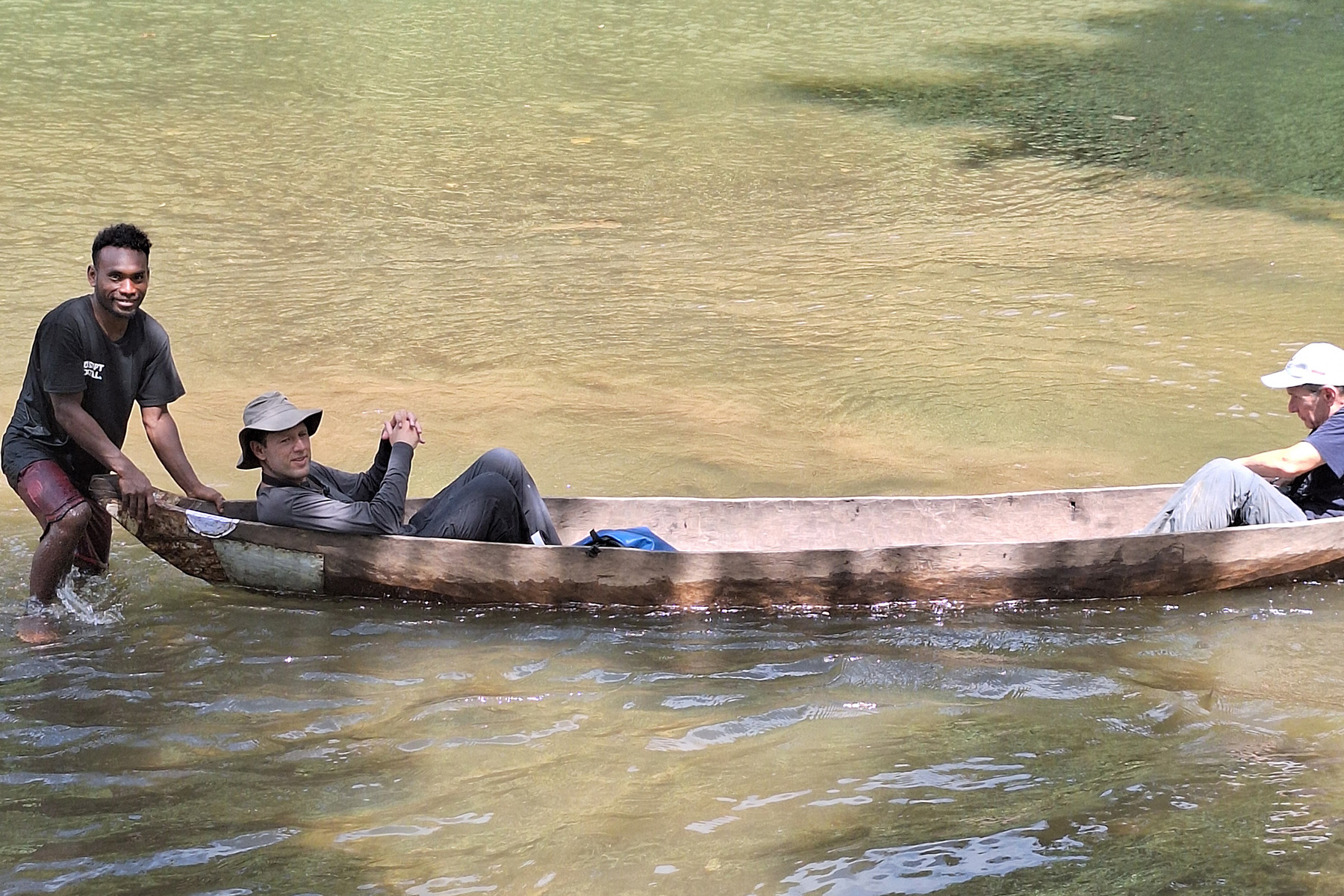
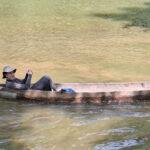
Crossing one of the many river sections in a hand made canoe on Marika (image by Diedert Koppenol)
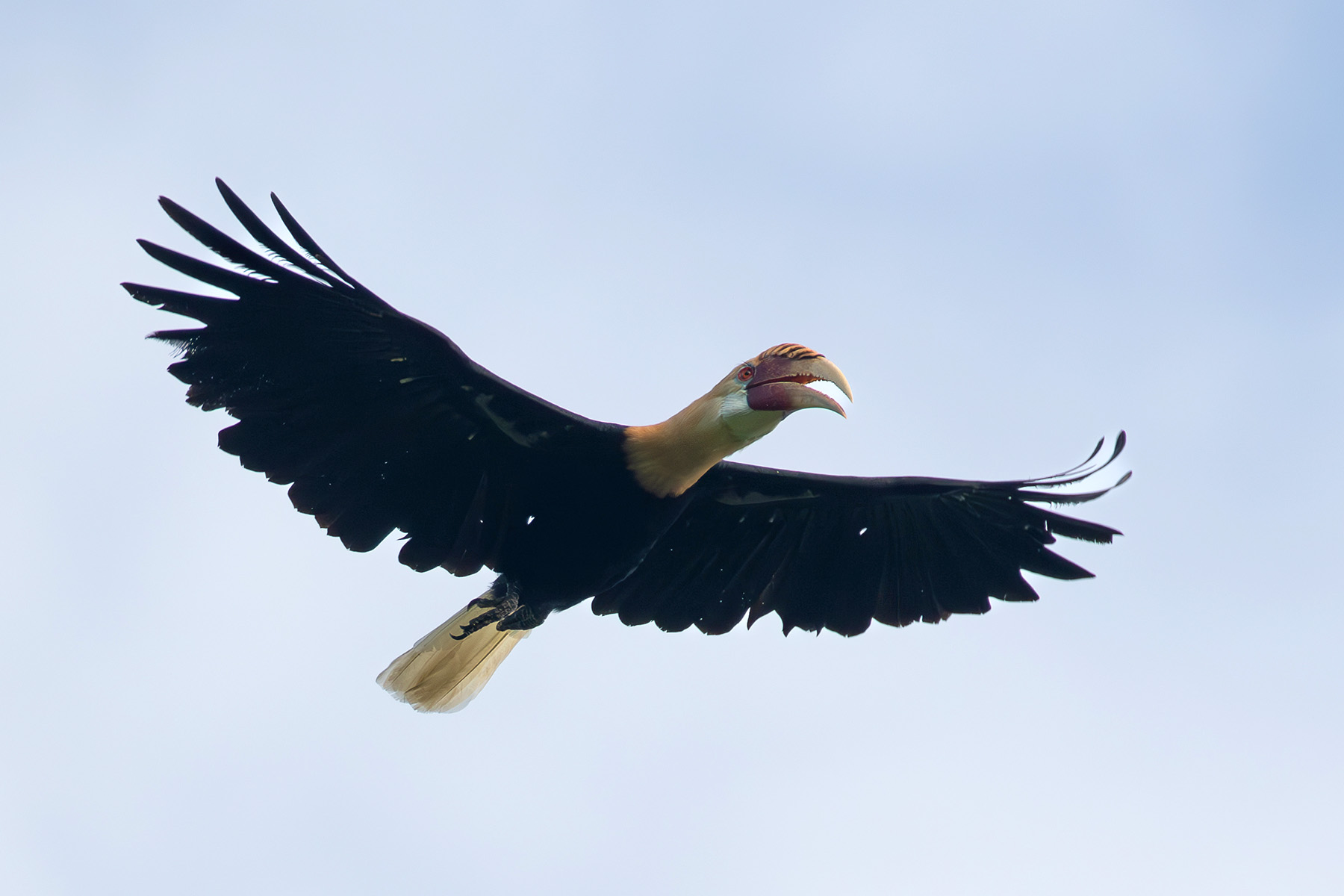
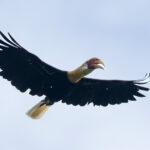
Blyth's Hornbill was present on almost all islands but they were very wary of any humans due to hunting pressure (image by Diedert Koppenol)
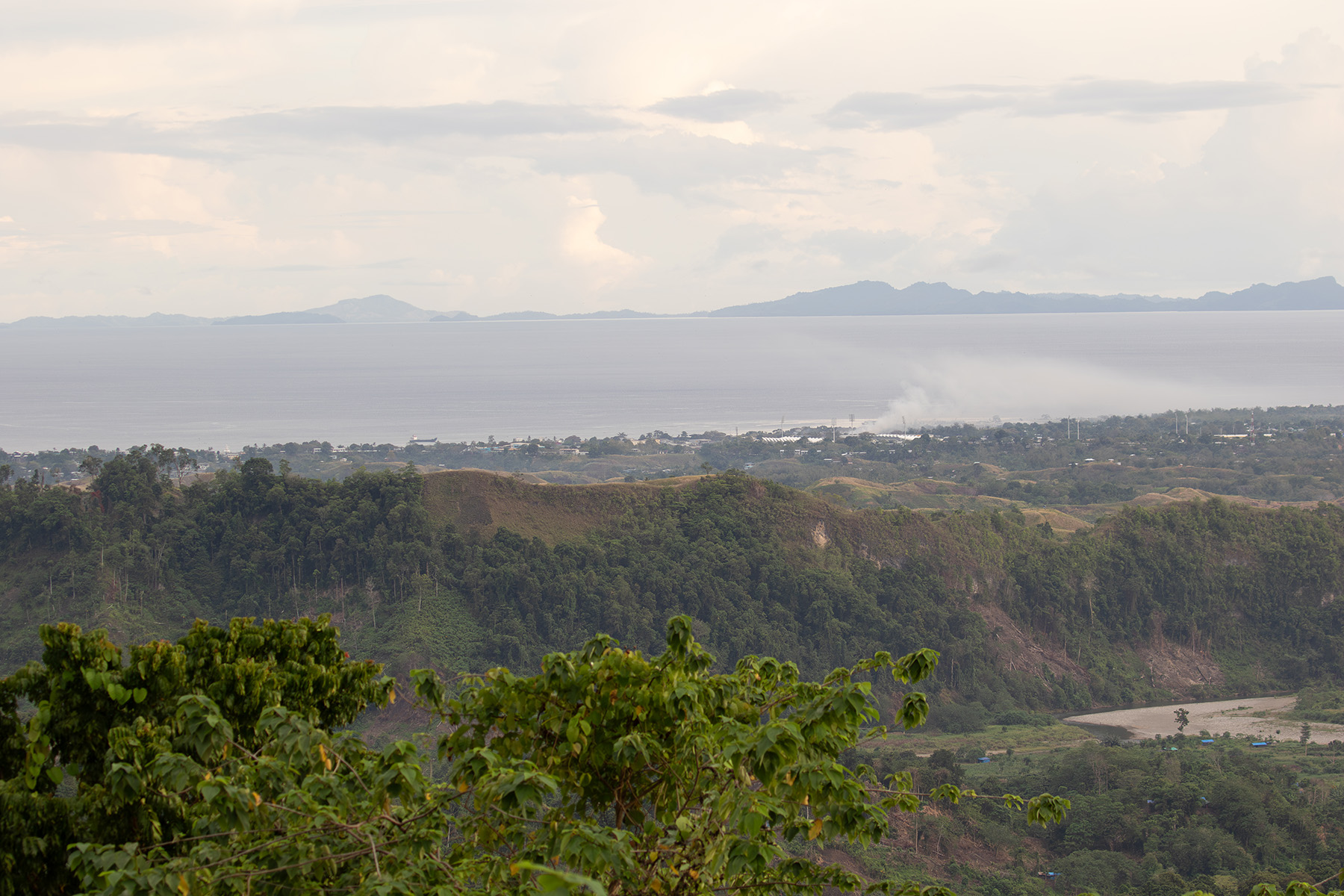
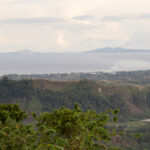
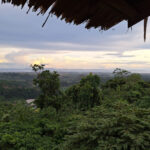
View of Guadalcanal and nearby Ngella Islands from Parangiju Lodge (image by Diedert Koppenol)
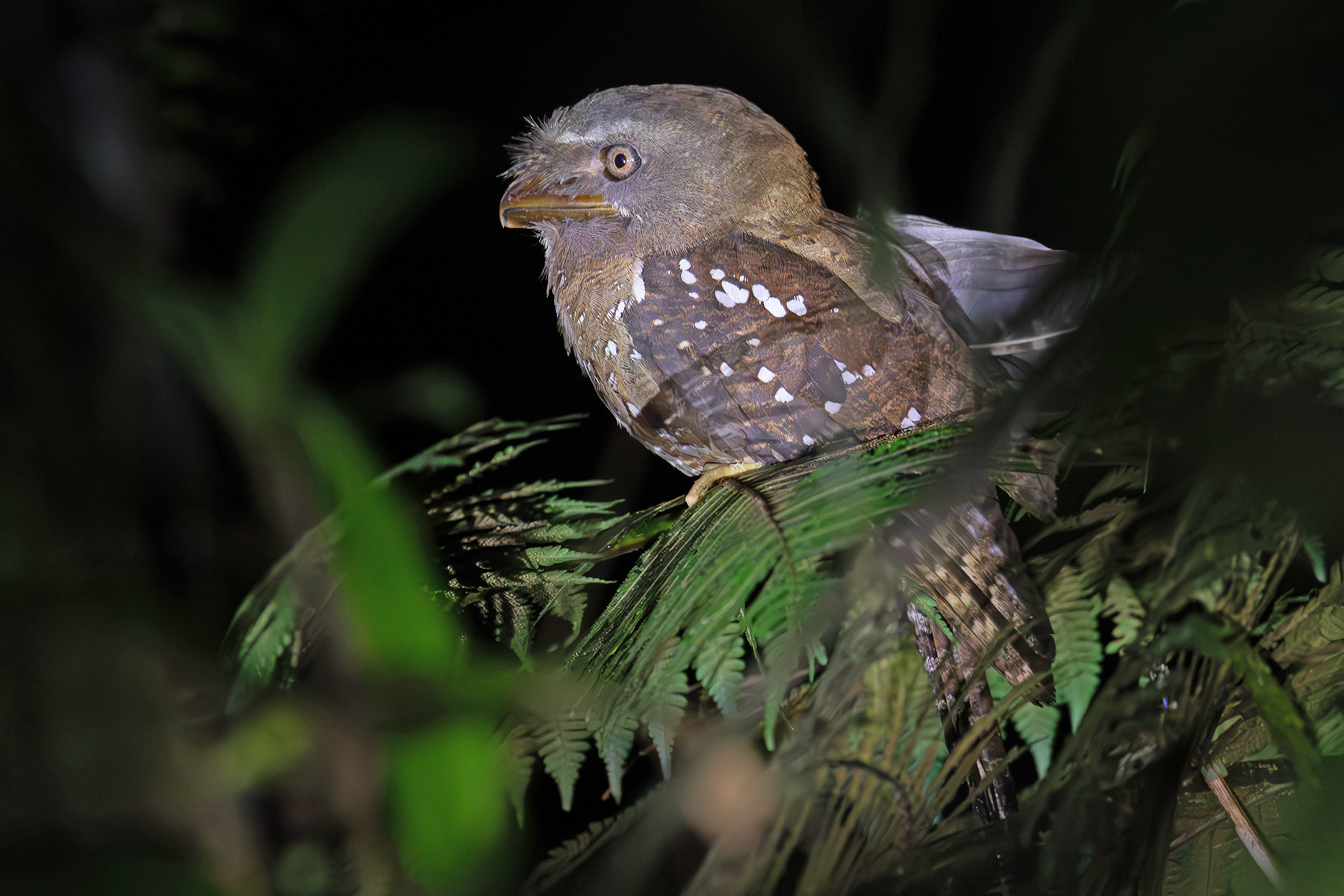
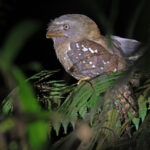
Solomons Frogmouth (image by Diedert Koppenol)
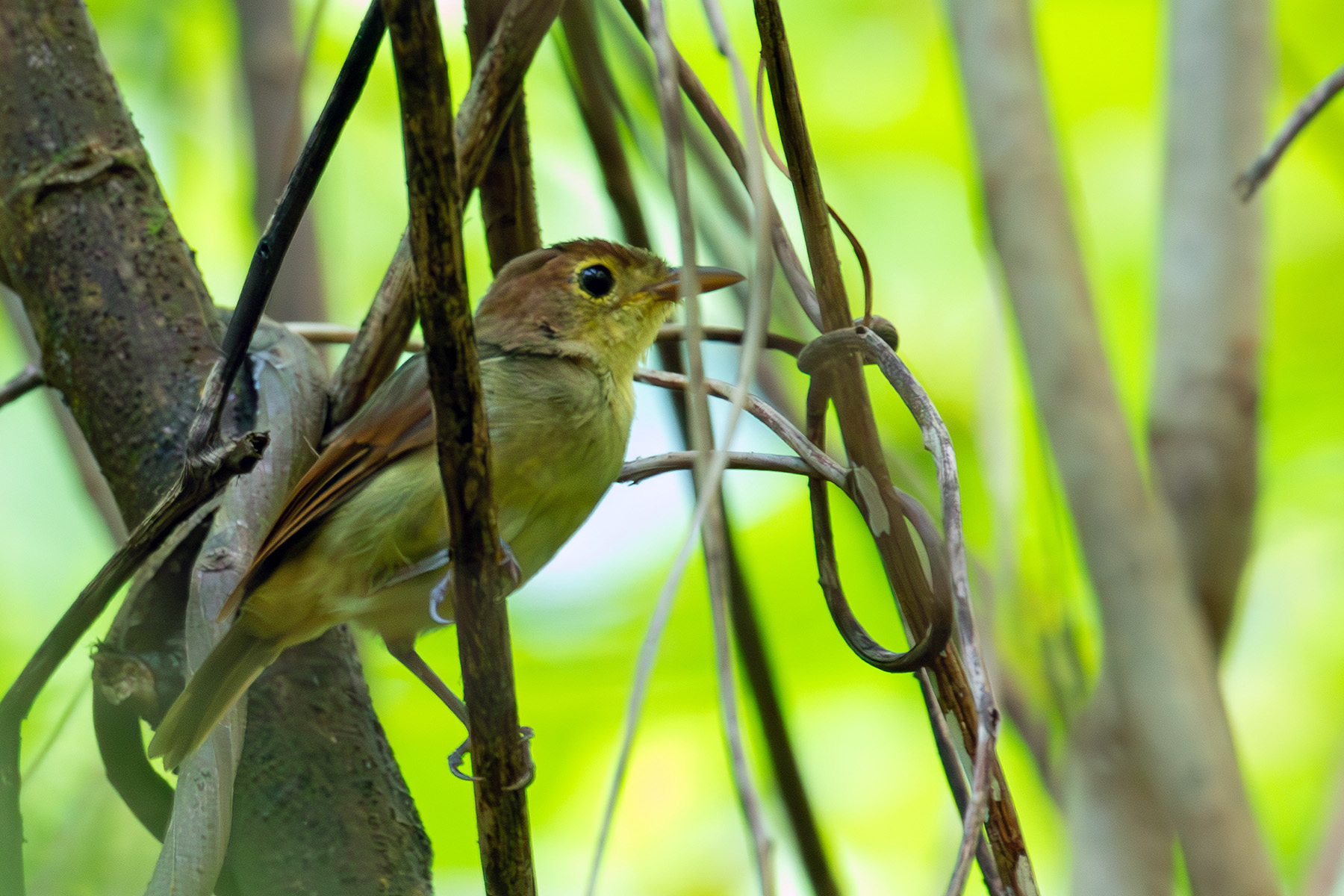
Rennell Whistler (image by Diedert Koppenol)
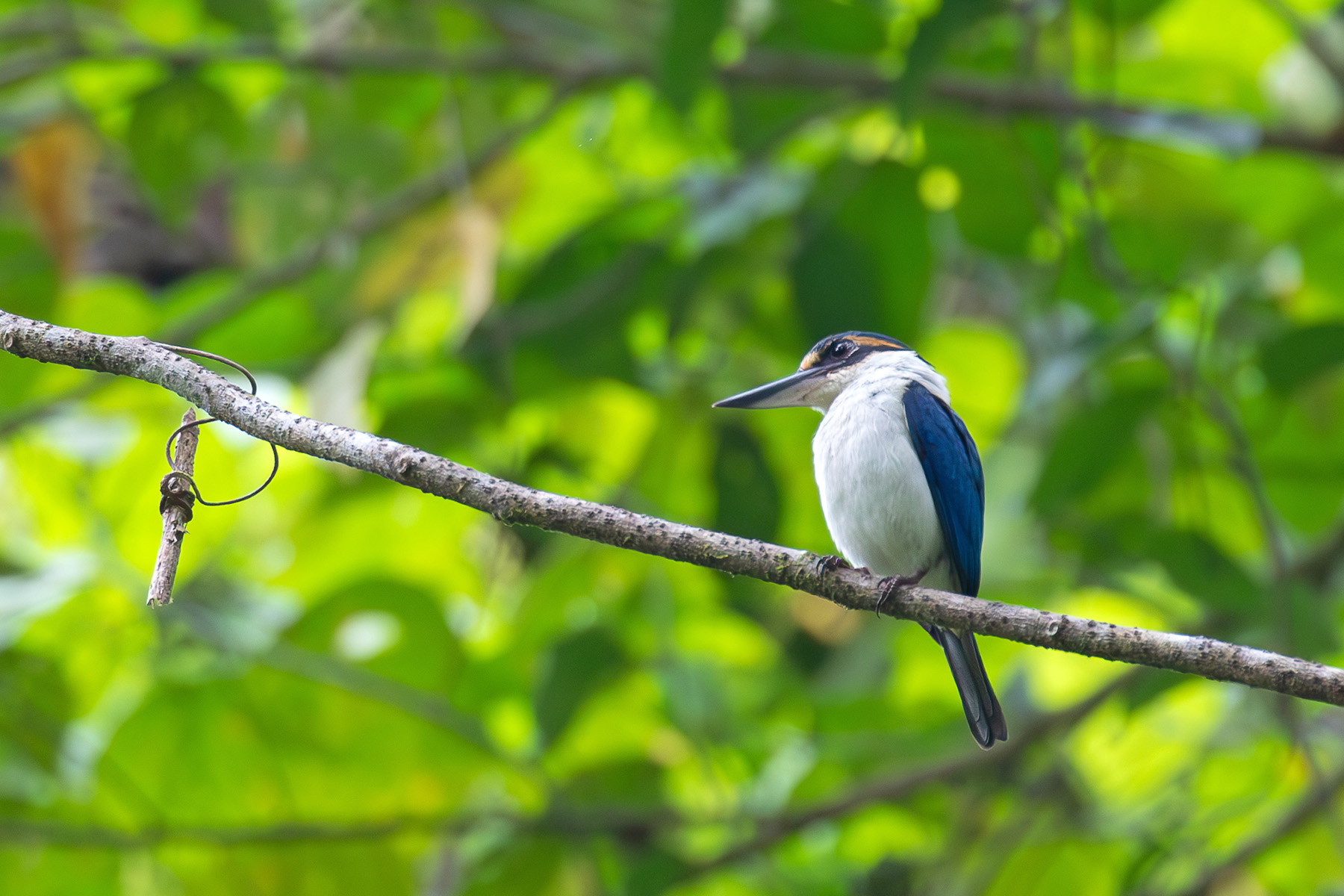
Pacific Kingfisher (image by Diedert Koppenol)
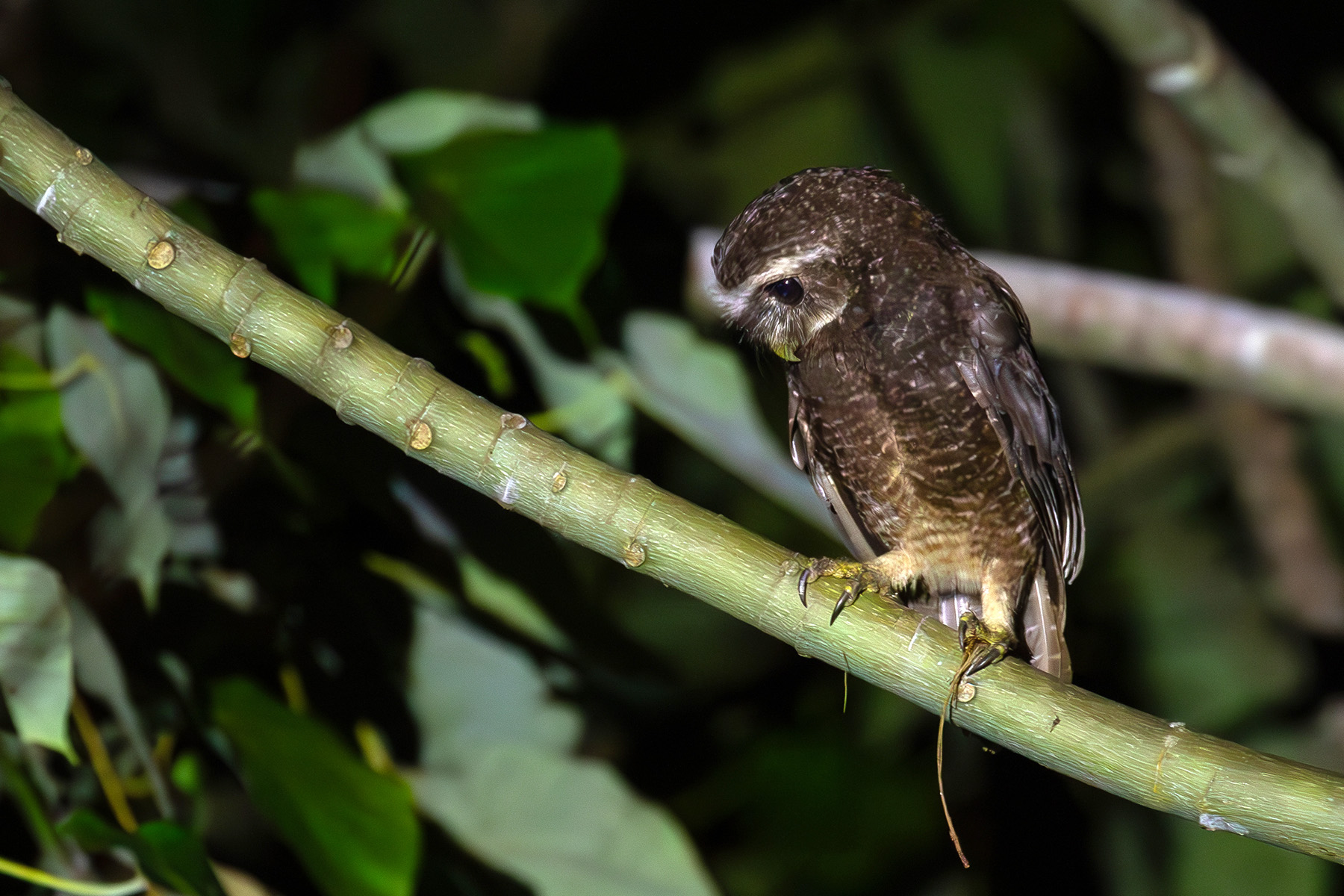
Malaita Owl (image by Diedert Koppenol)
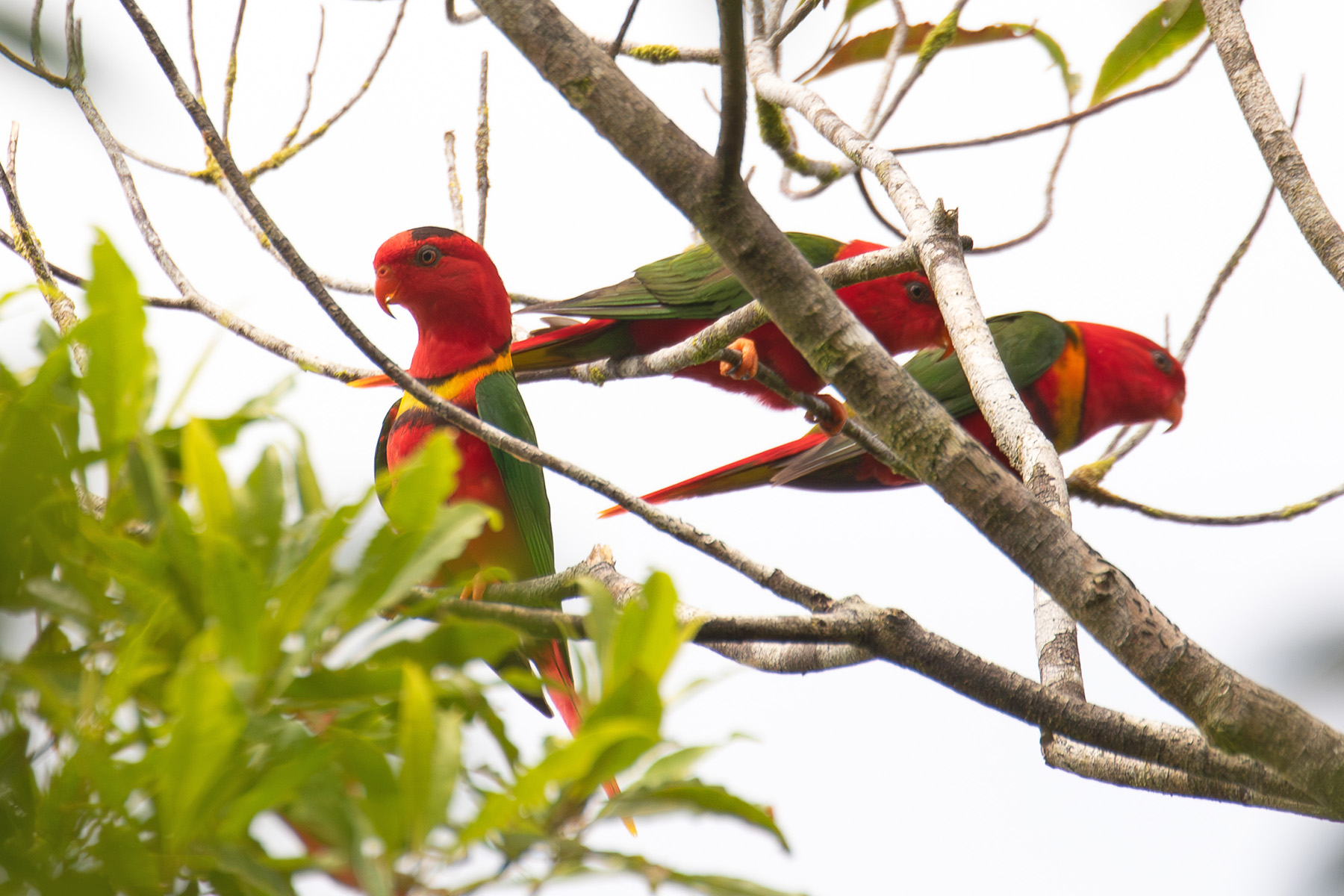
This small band of Duchess Lorikeets showed itself really well at the top of the ridge near our camp on Makira (image by Diedert Koppenol)
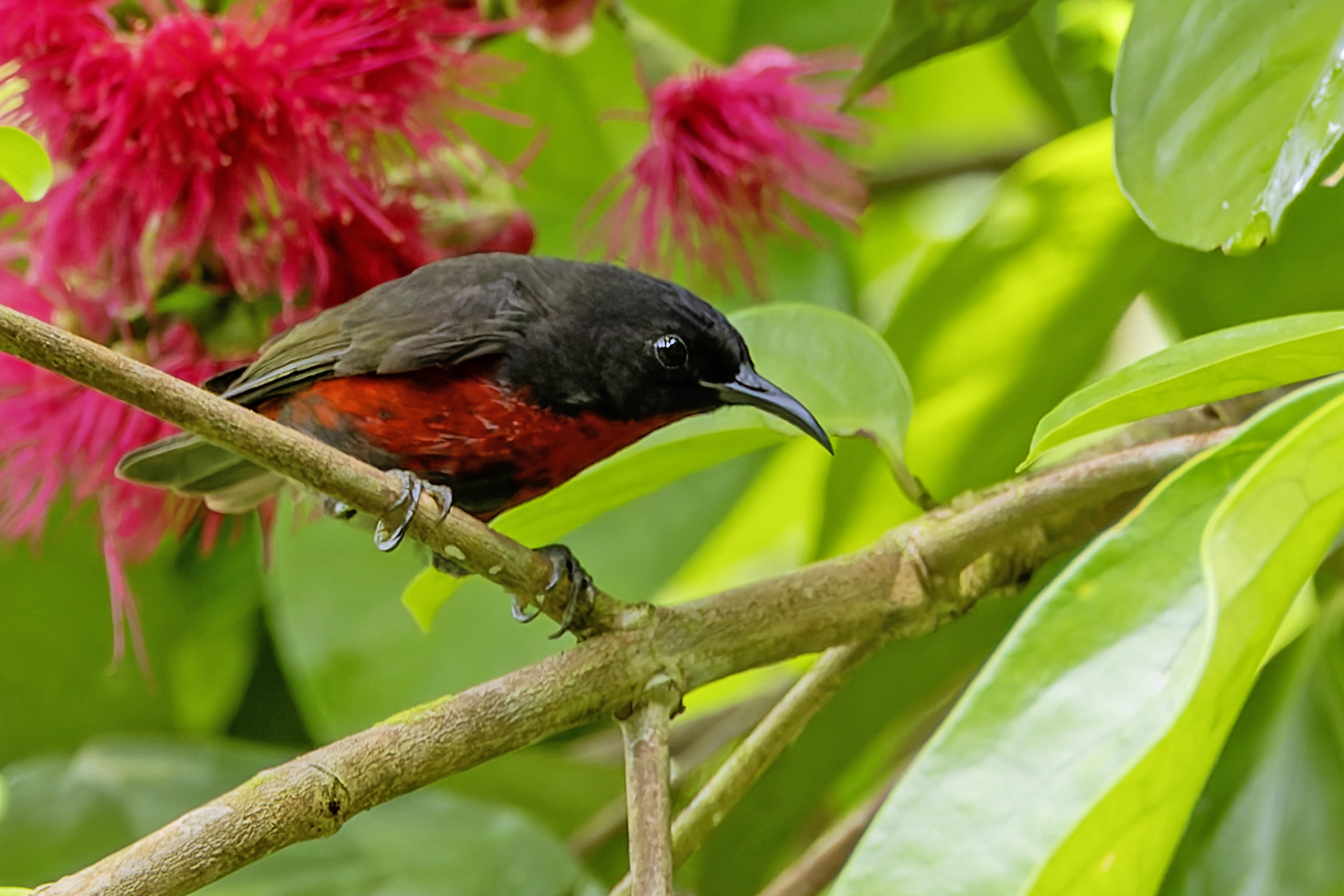
Red-vested Myzomela (image by Paul van Giersbergen)
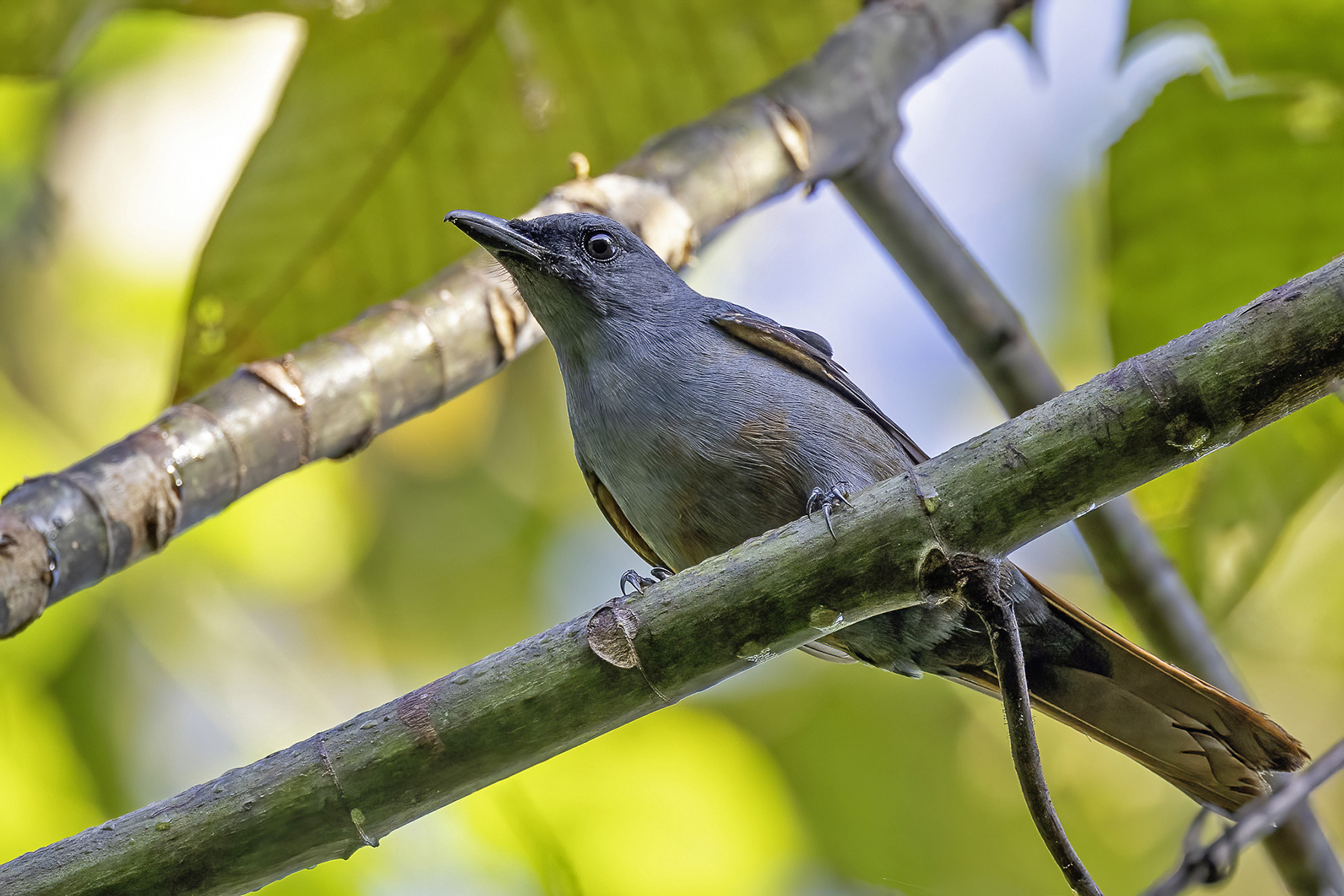
Makira Cicadabird (image by Paul van Giersbergen)
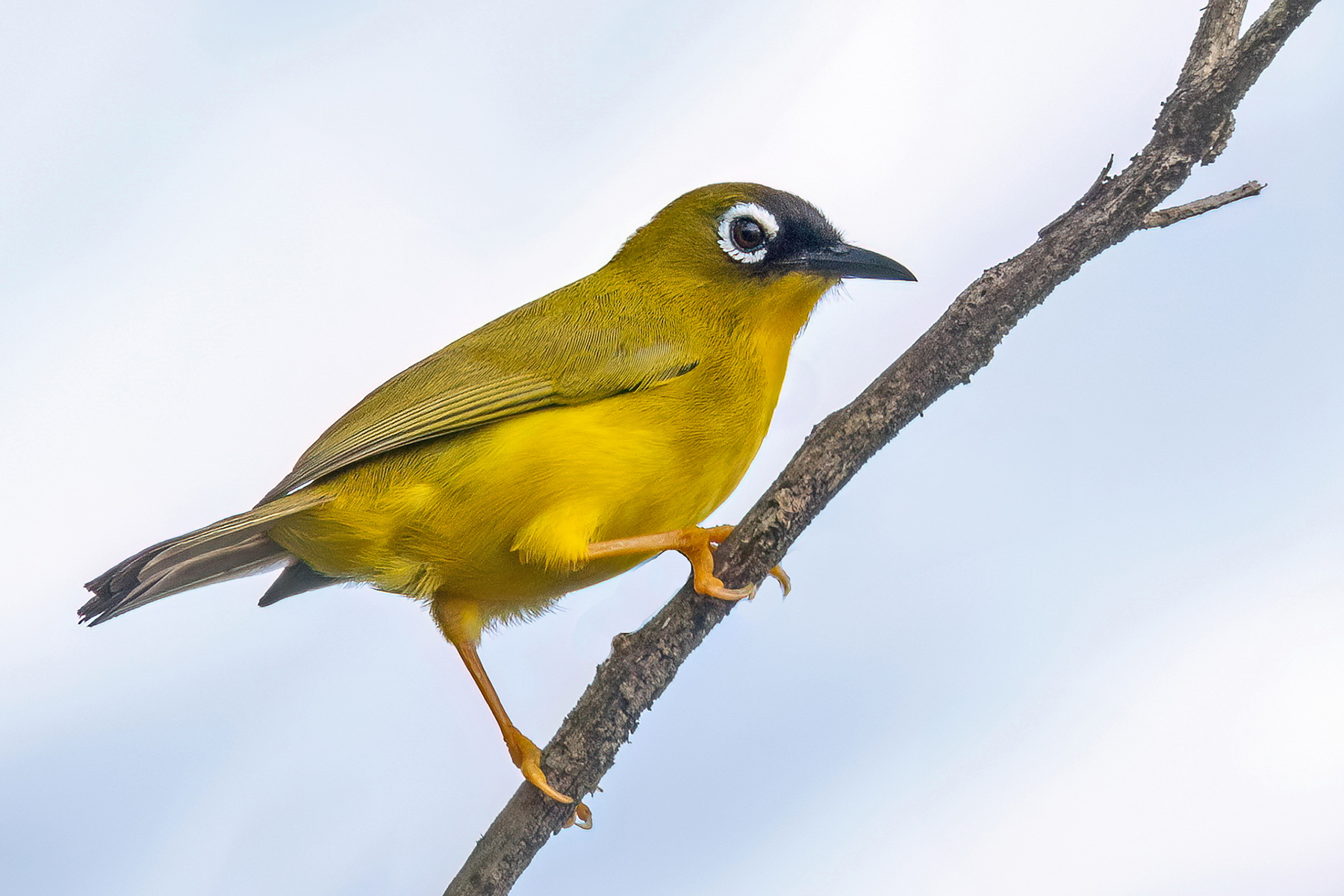
Ranongga White-eye (image by Paul van Giersbergen)

White-capped Monarch (image by Pete Morris)
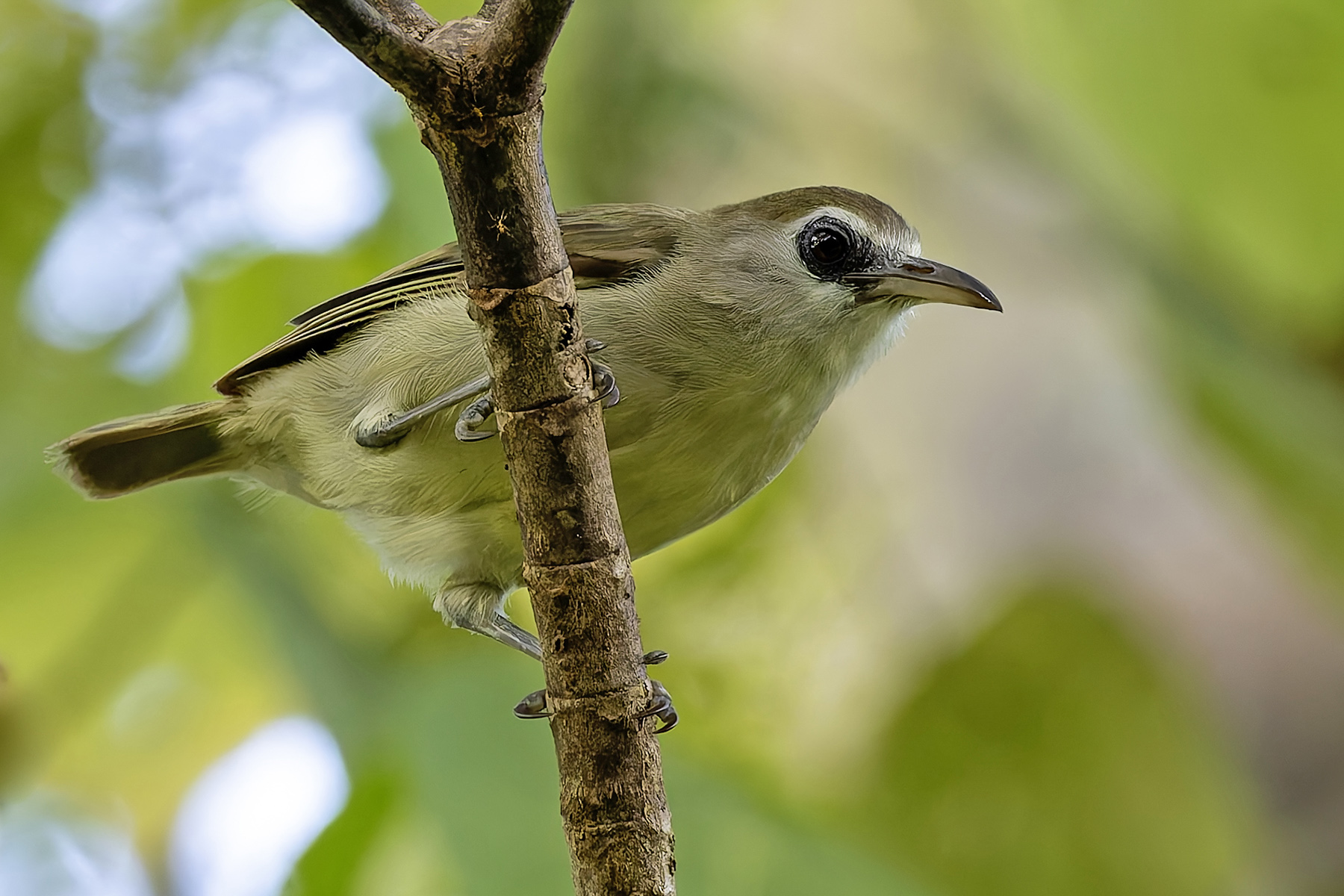
Bare-eyed White-eye (image by Paul van Giersbergen)
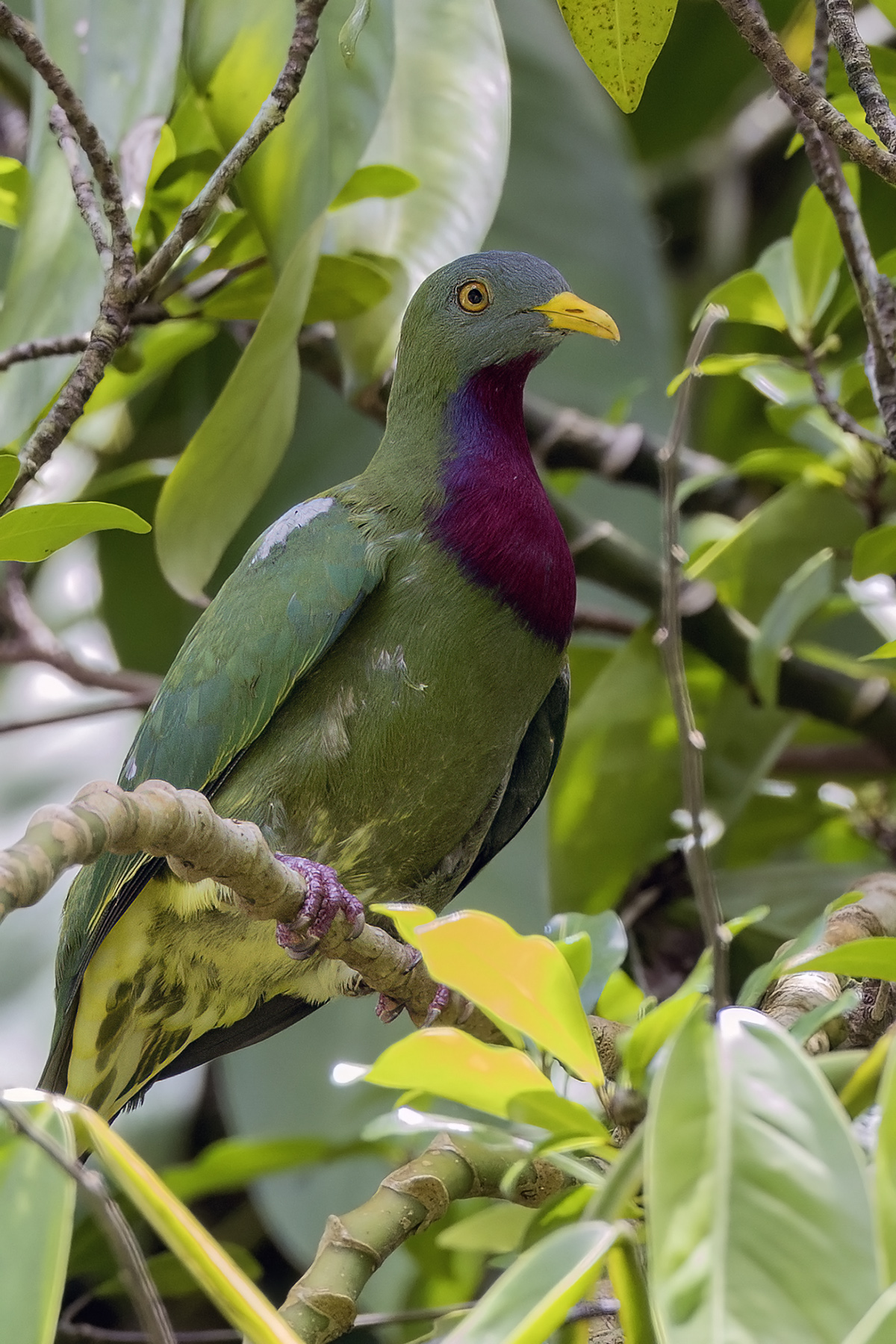
Claret-breasted Fruit Dove (image by Paul van Giersbergen)
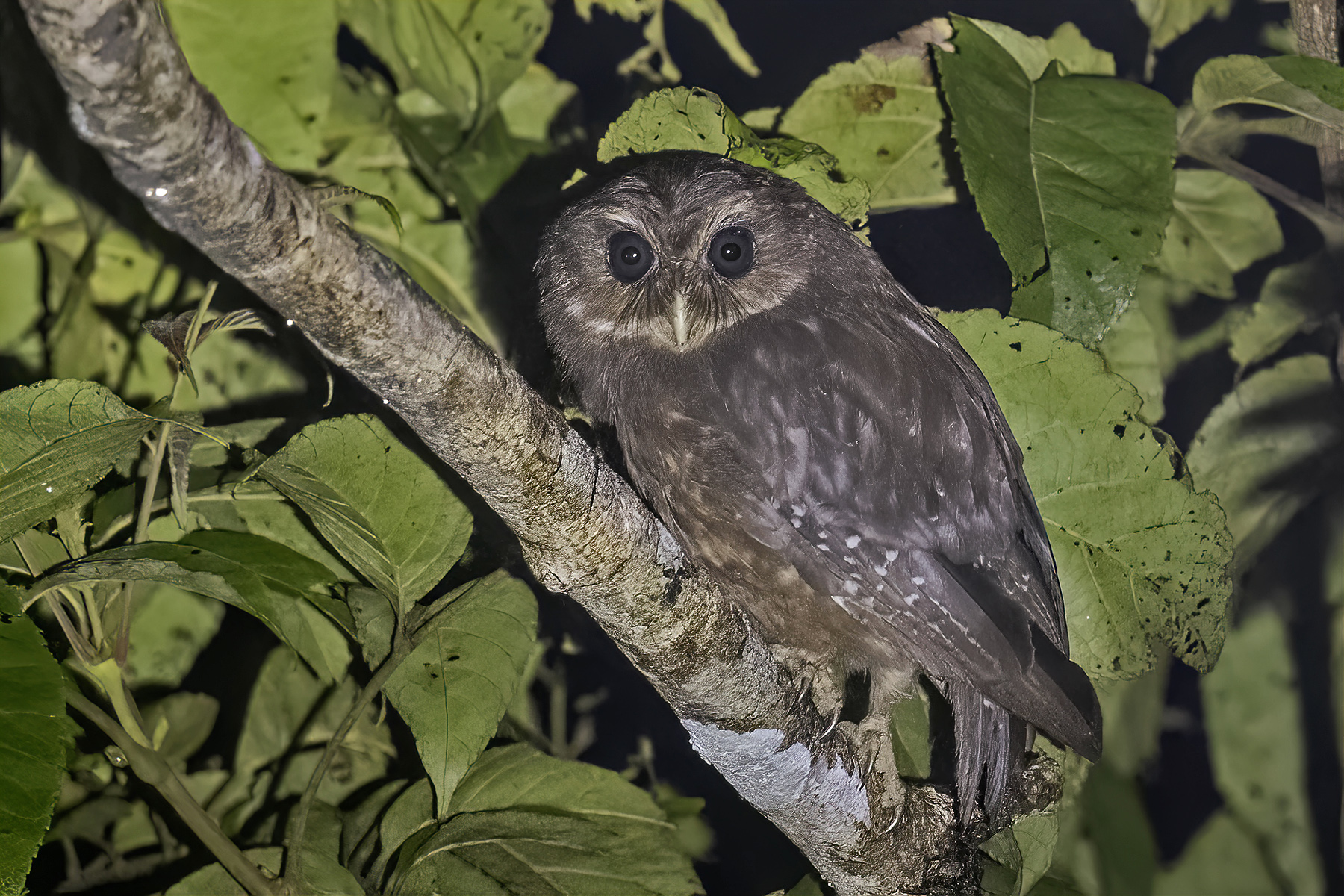
Makira Owl (image by Paul van Giersbergen)
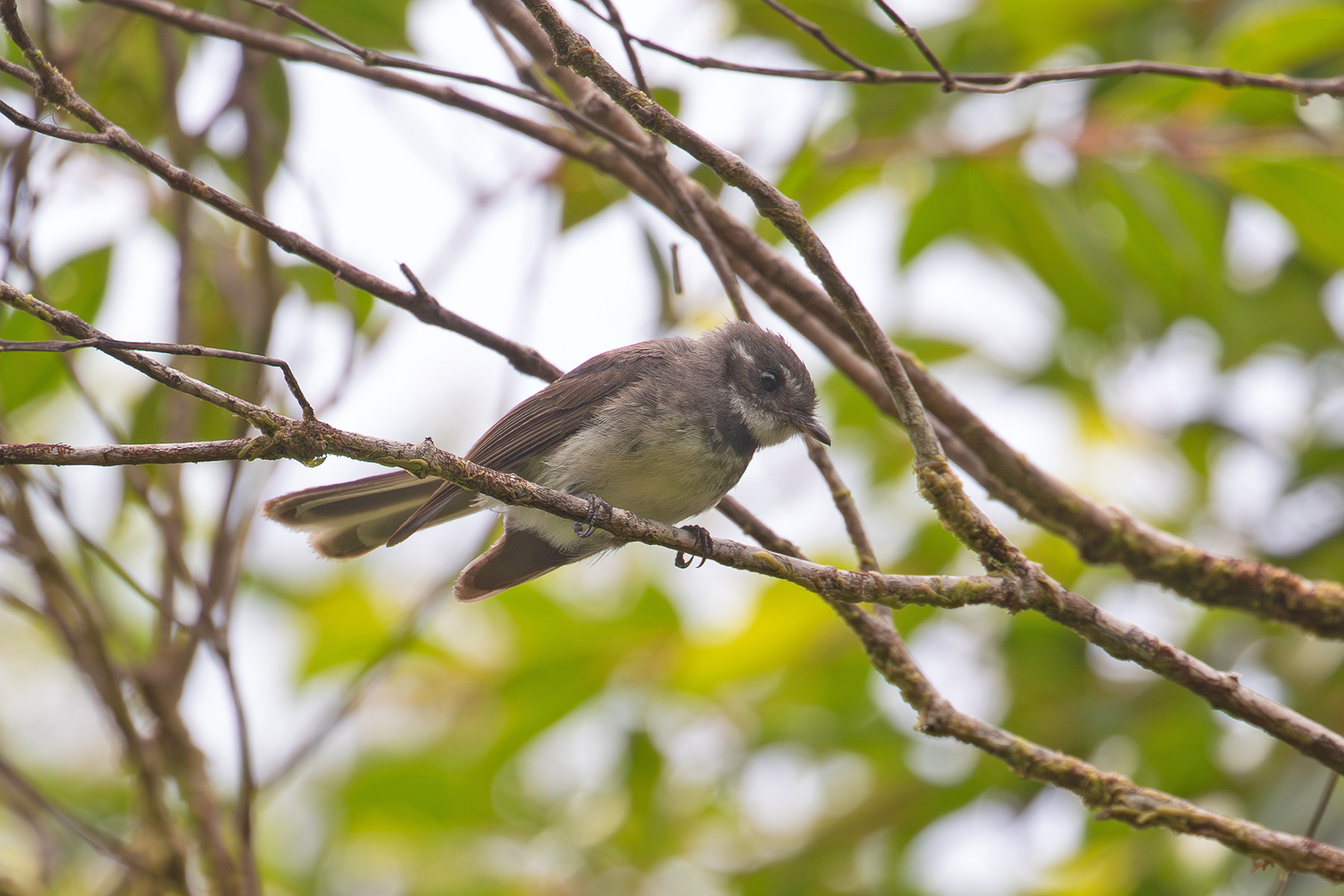
Dusky Fantail at the top of Makira (image by Diedert Koppenol)
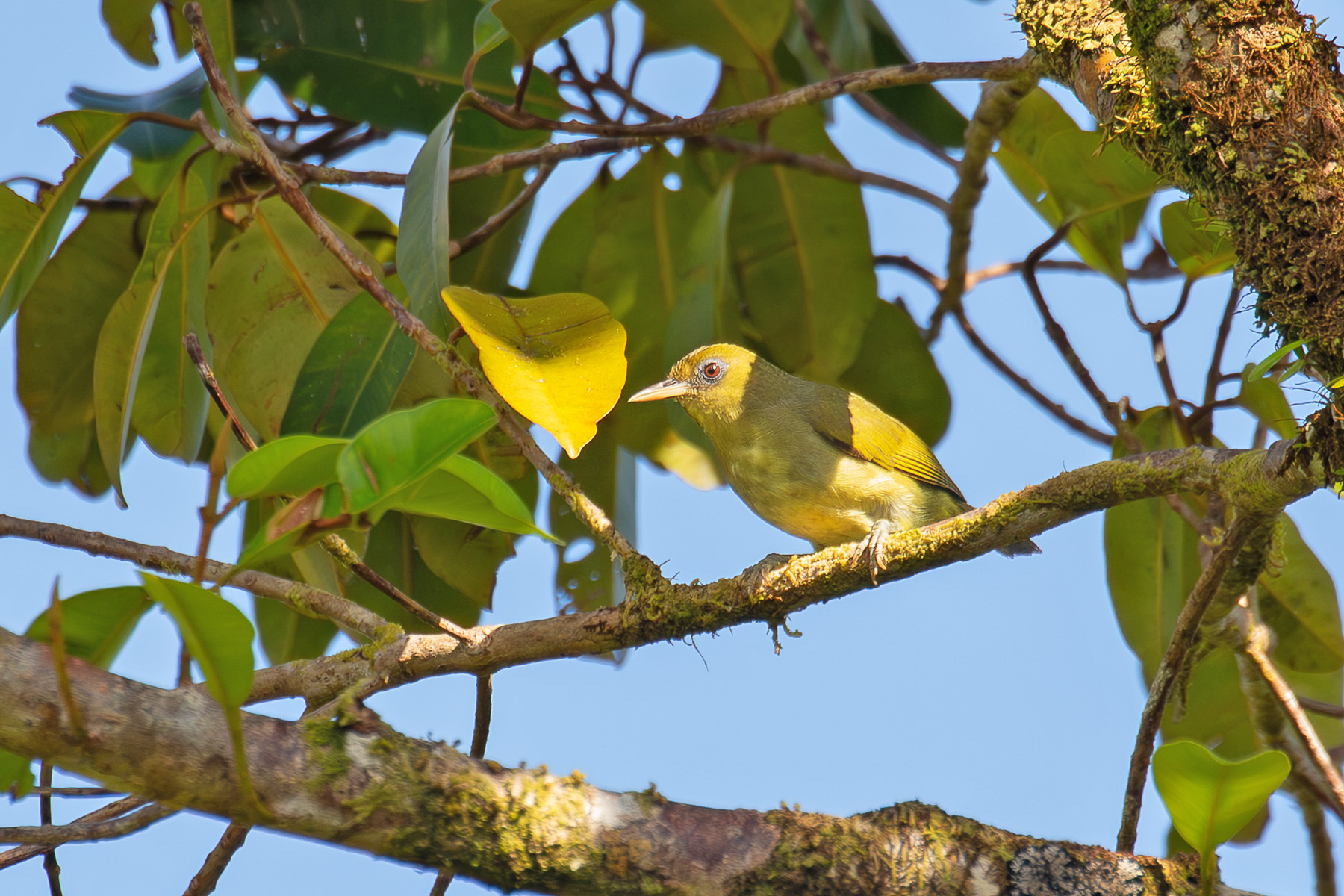
Malaita White-eye (image by Diedert Koppenol)
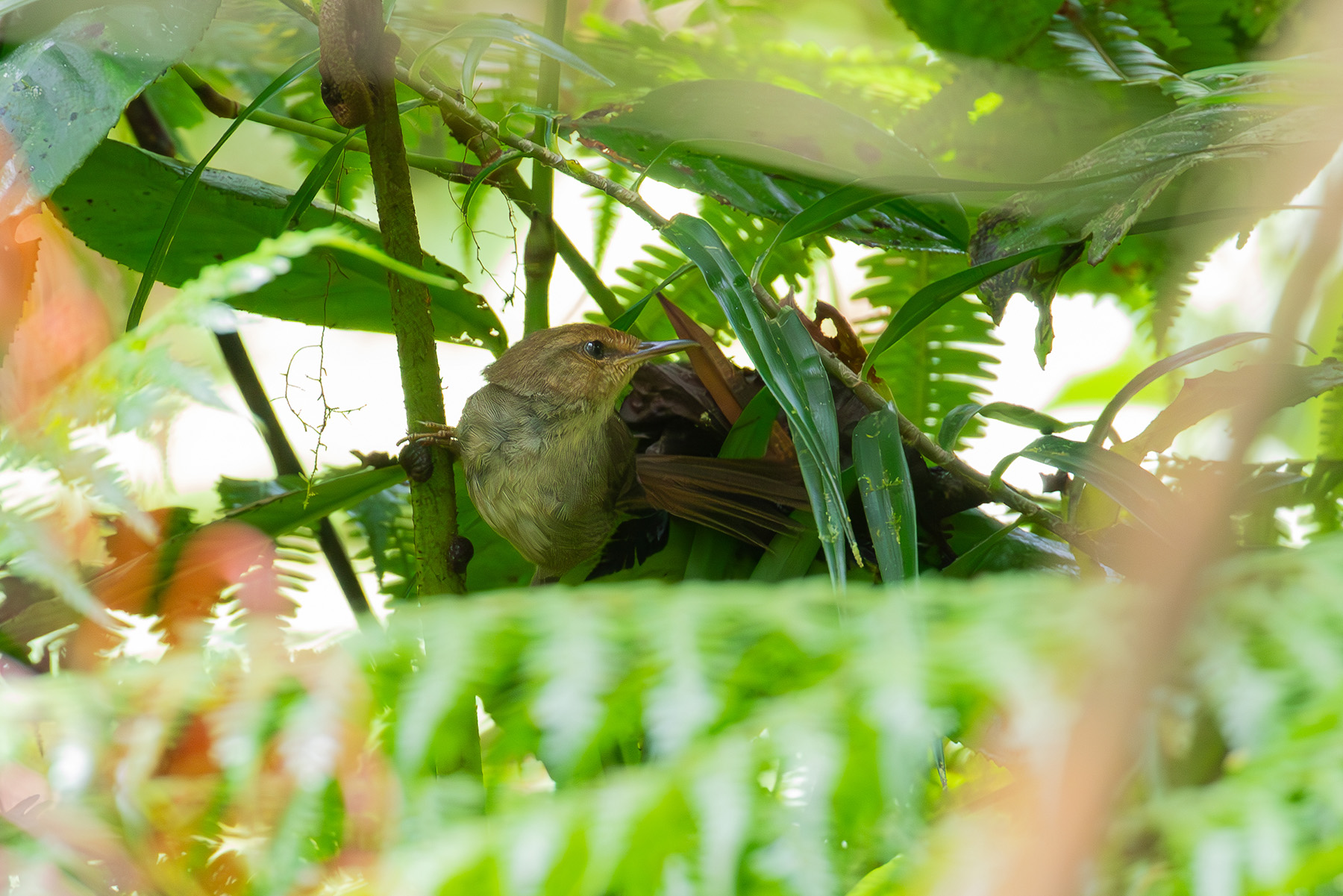
Shade Bush Warbler (image by Diedert Koppenol)
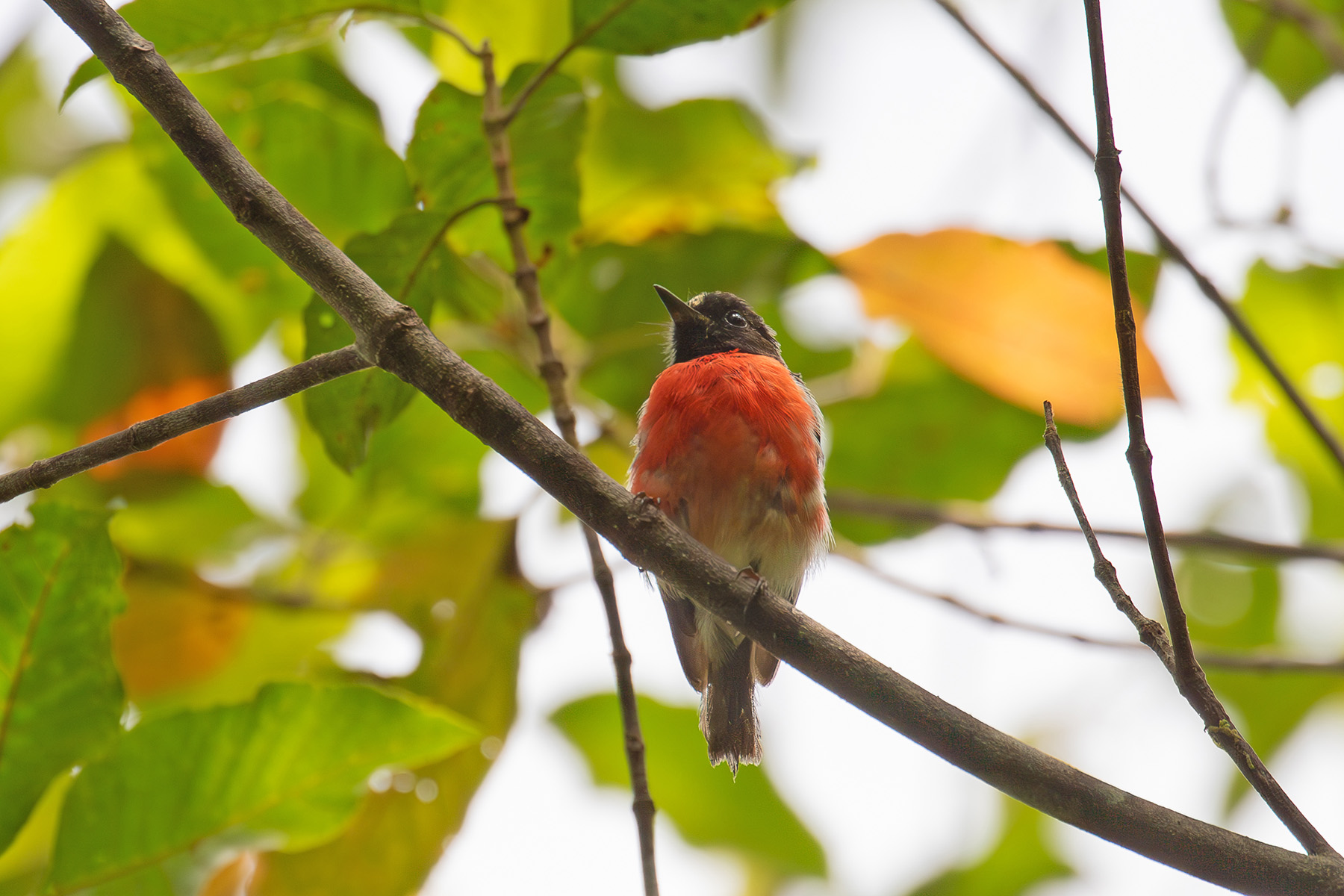
Solomons Robin (image by Diedert Koppenol)
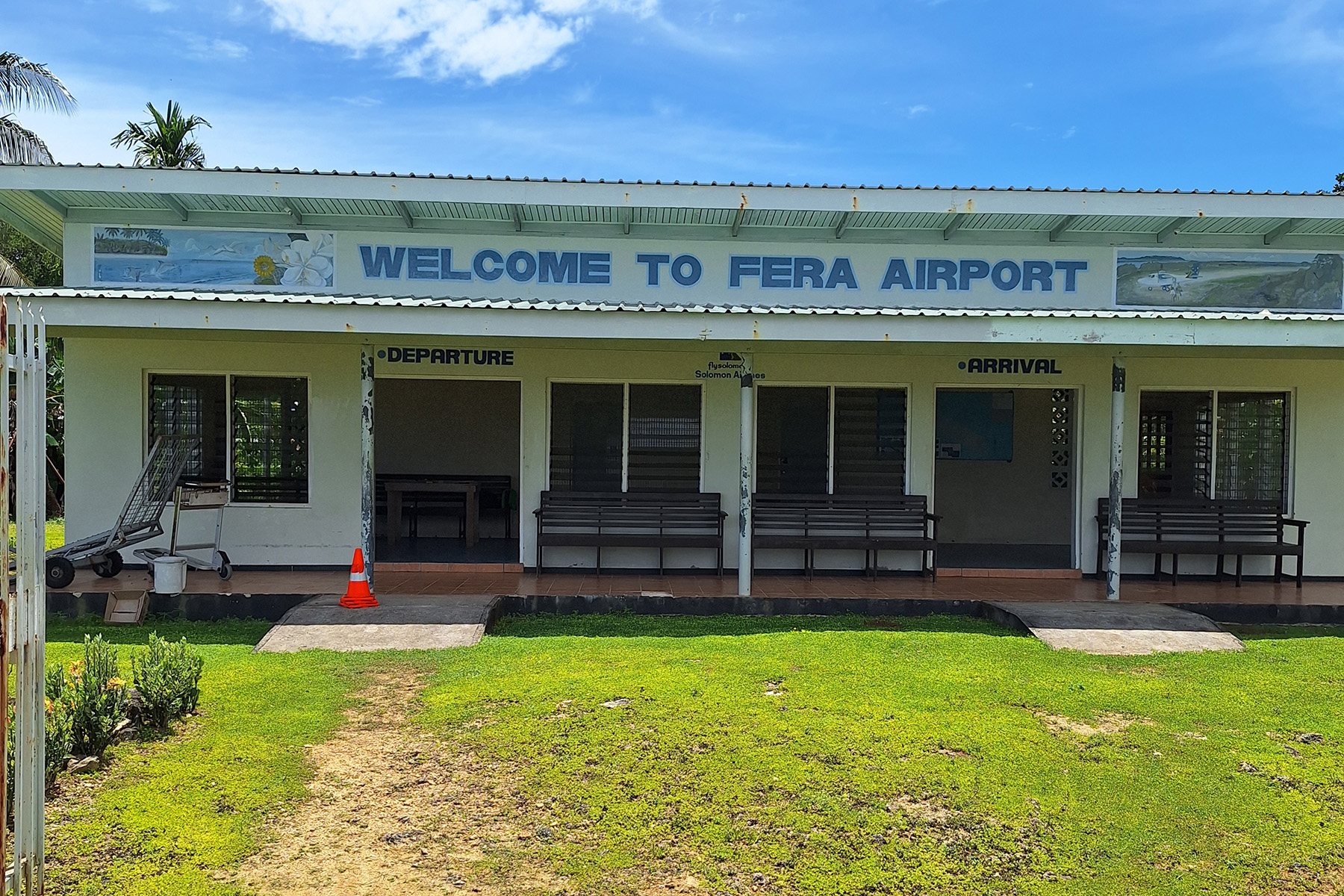
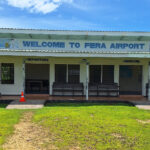
Fera Airport (image by Diedert Koppenol)
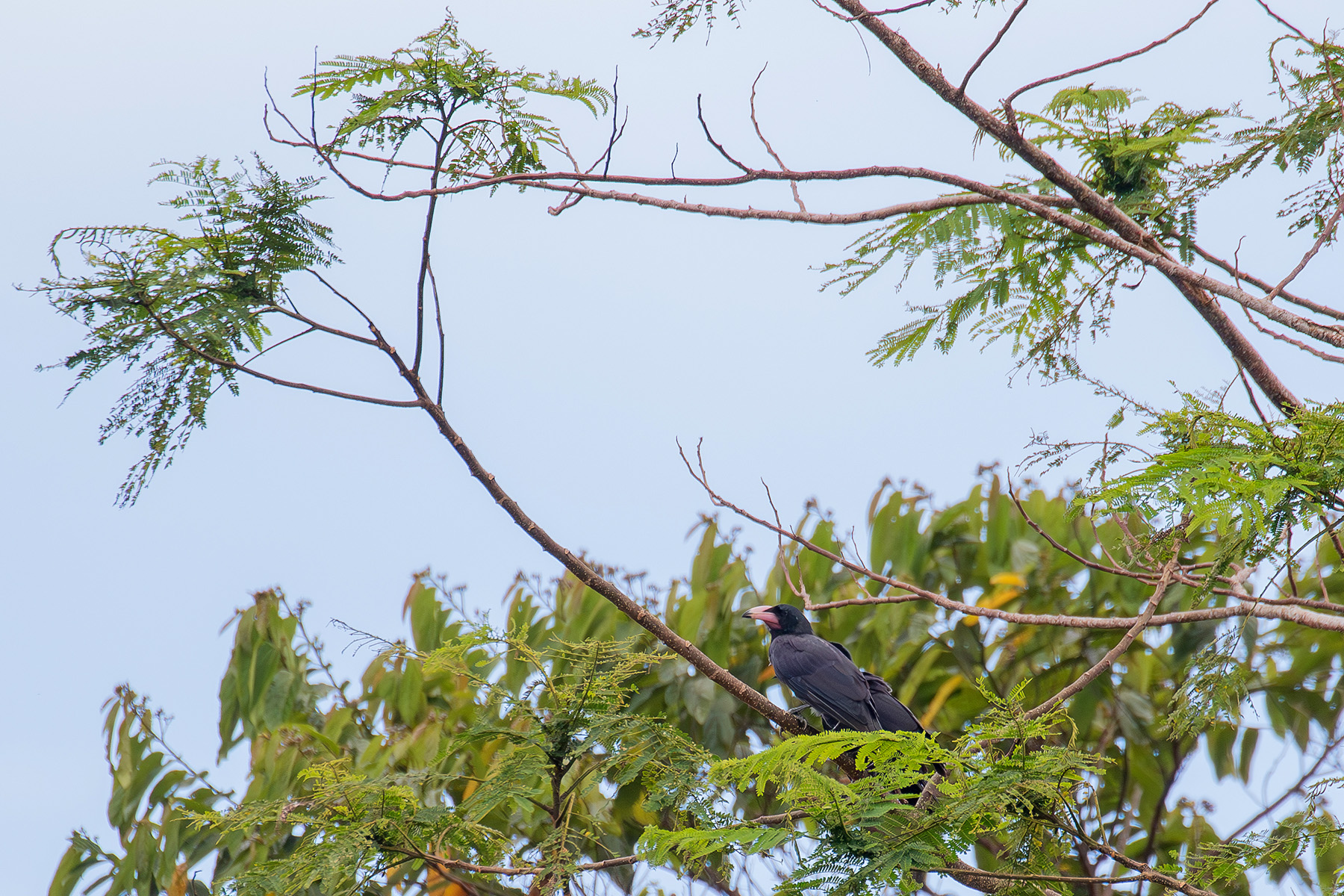
White-billed Crow was not very common but its presence is clearly announced by the loud calls they make (image by Diedert Koppenol)
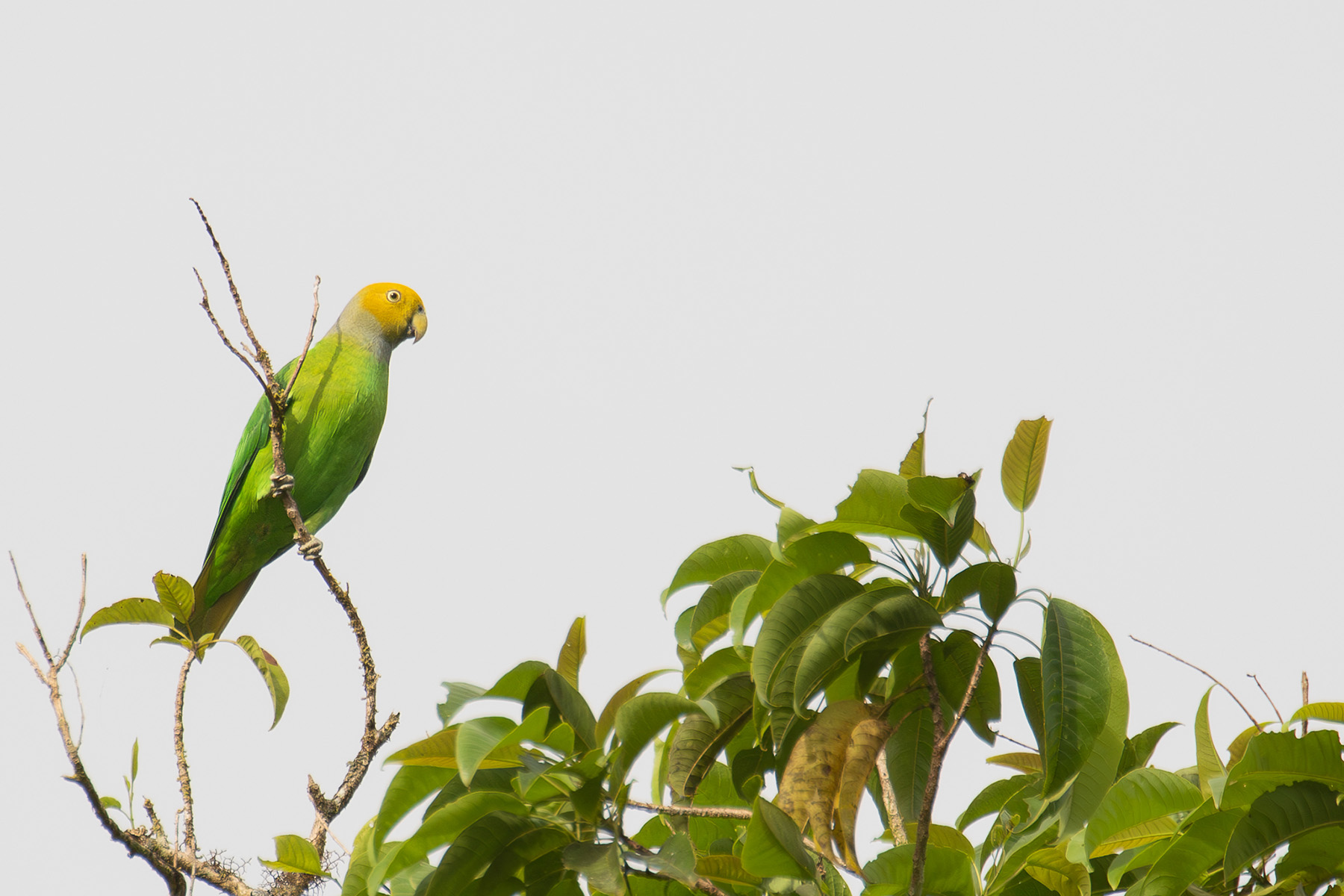
Song Parrot on Malaita (image by Diedert Koppenol)
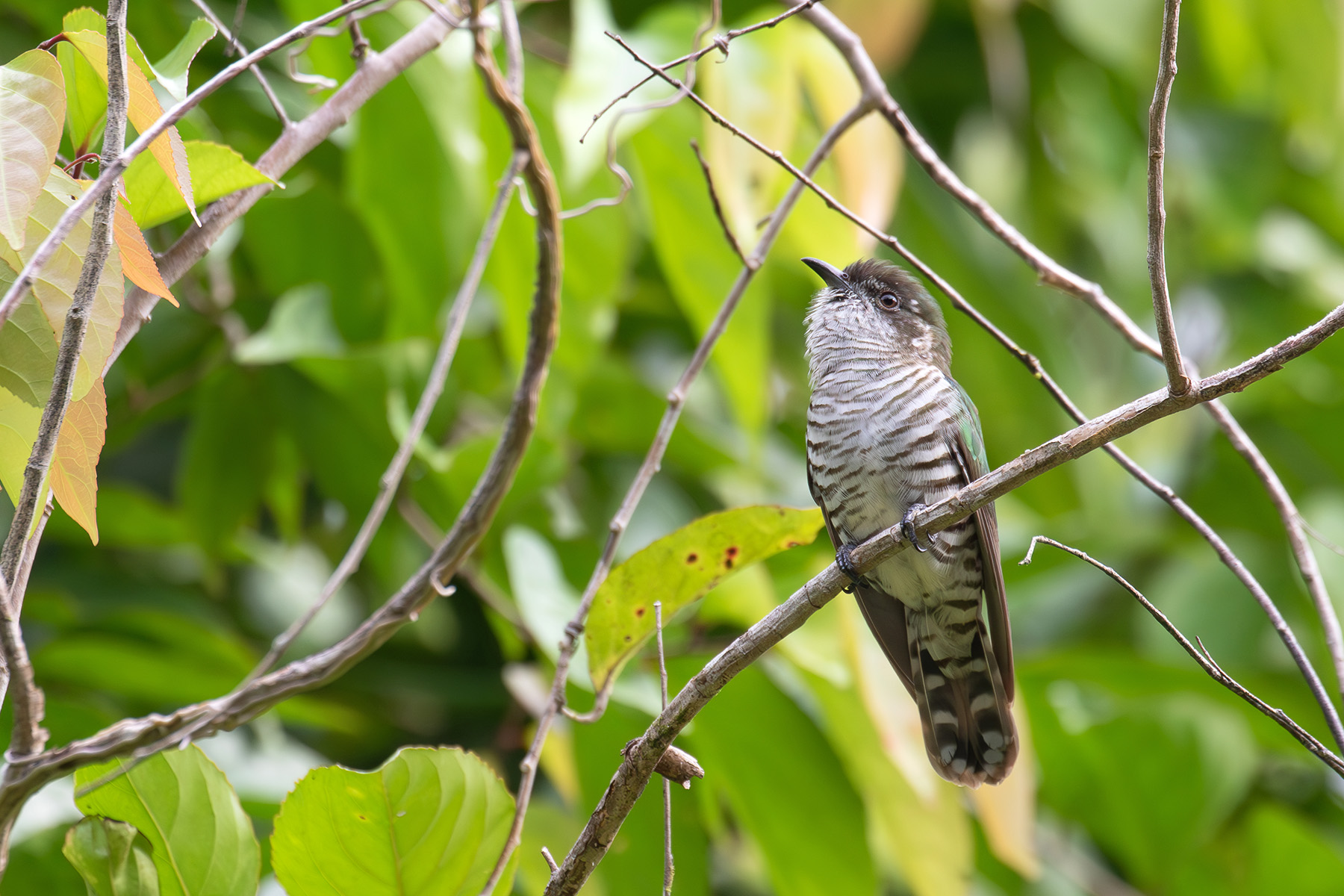
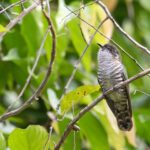
Shining Bronze Cuckoo (image by Diedert Koppenol)
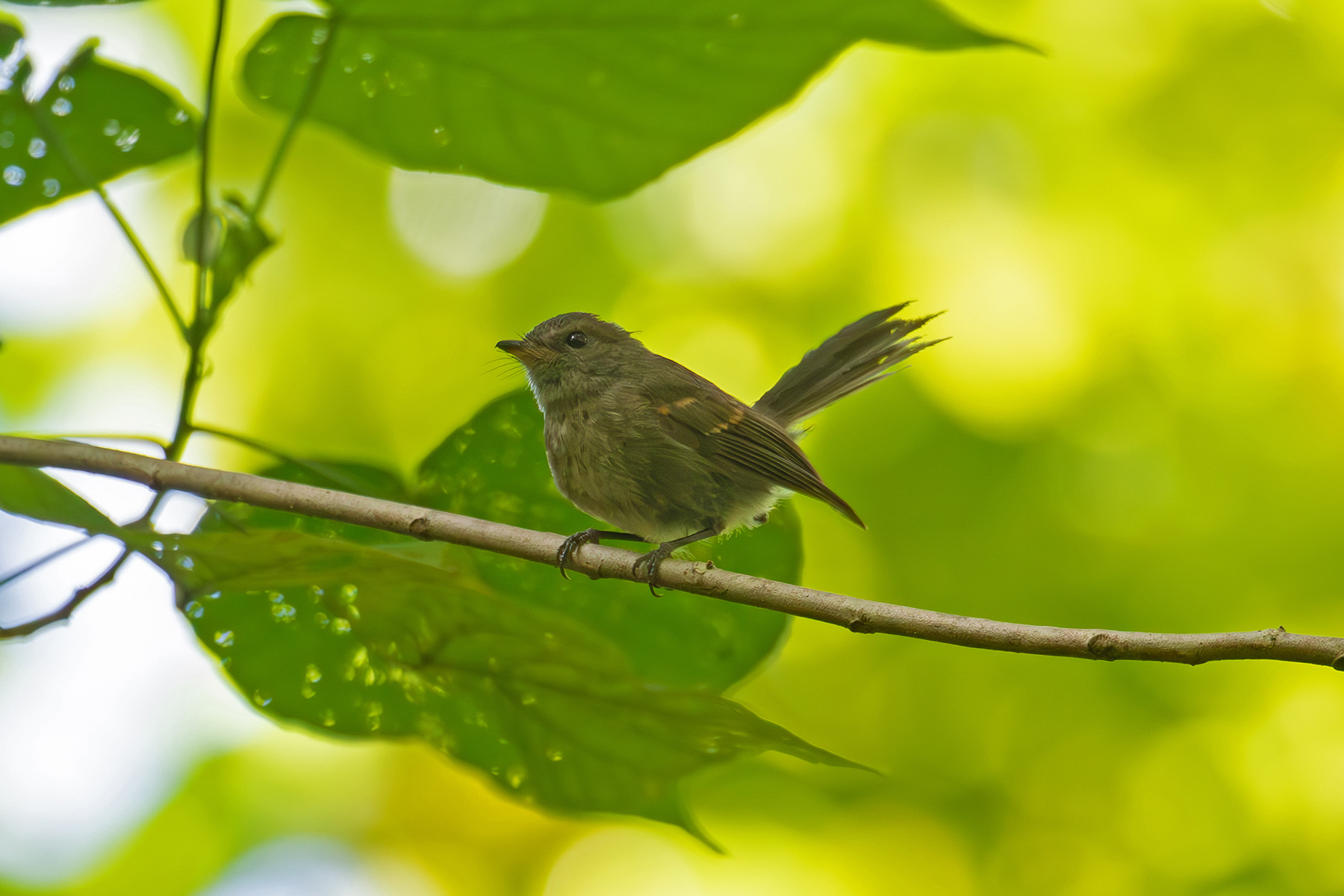
Rennell Fantail (image by Diedert Koppenol)
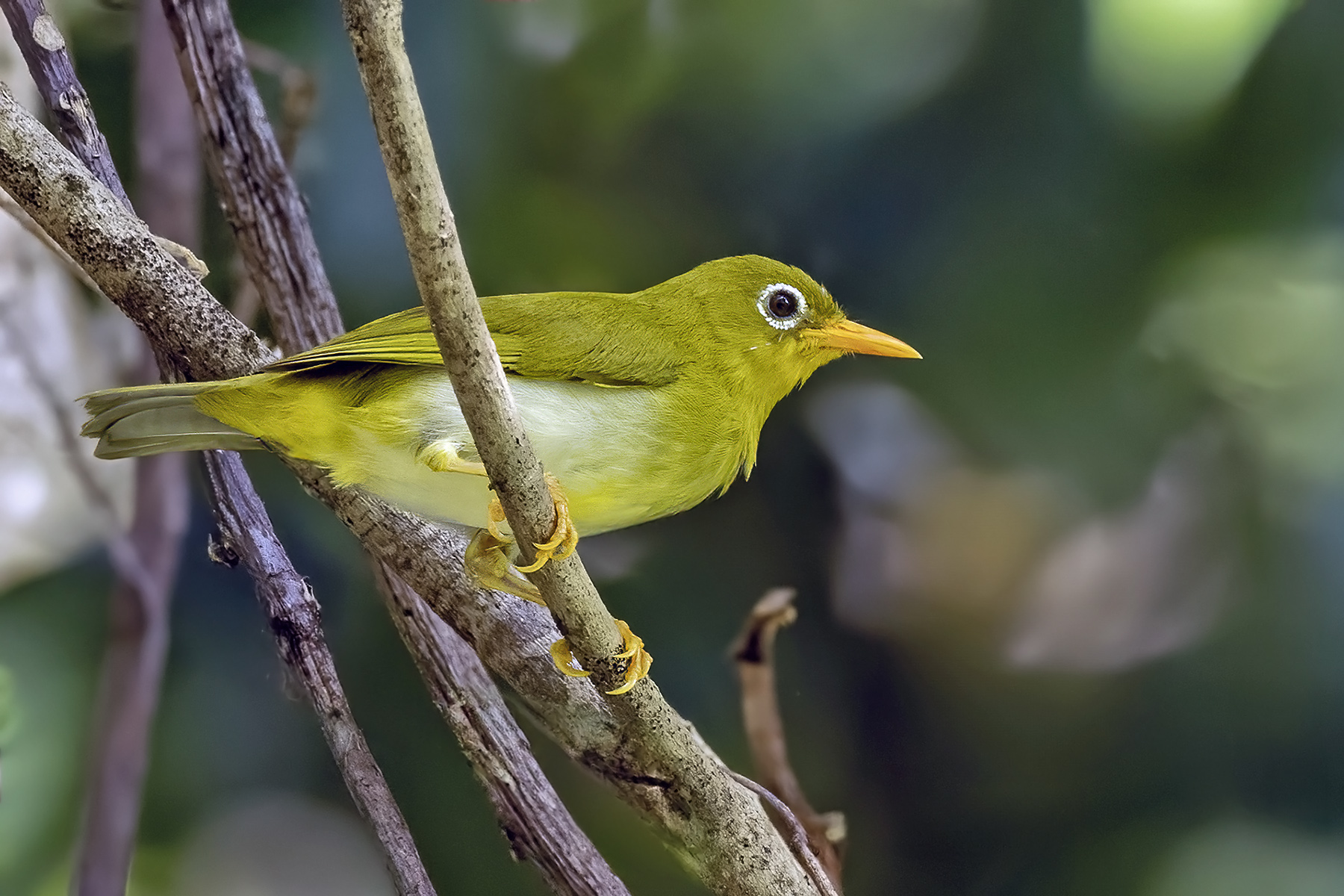
Vella Lavella White-eye (image by Paul van Giersbergen)
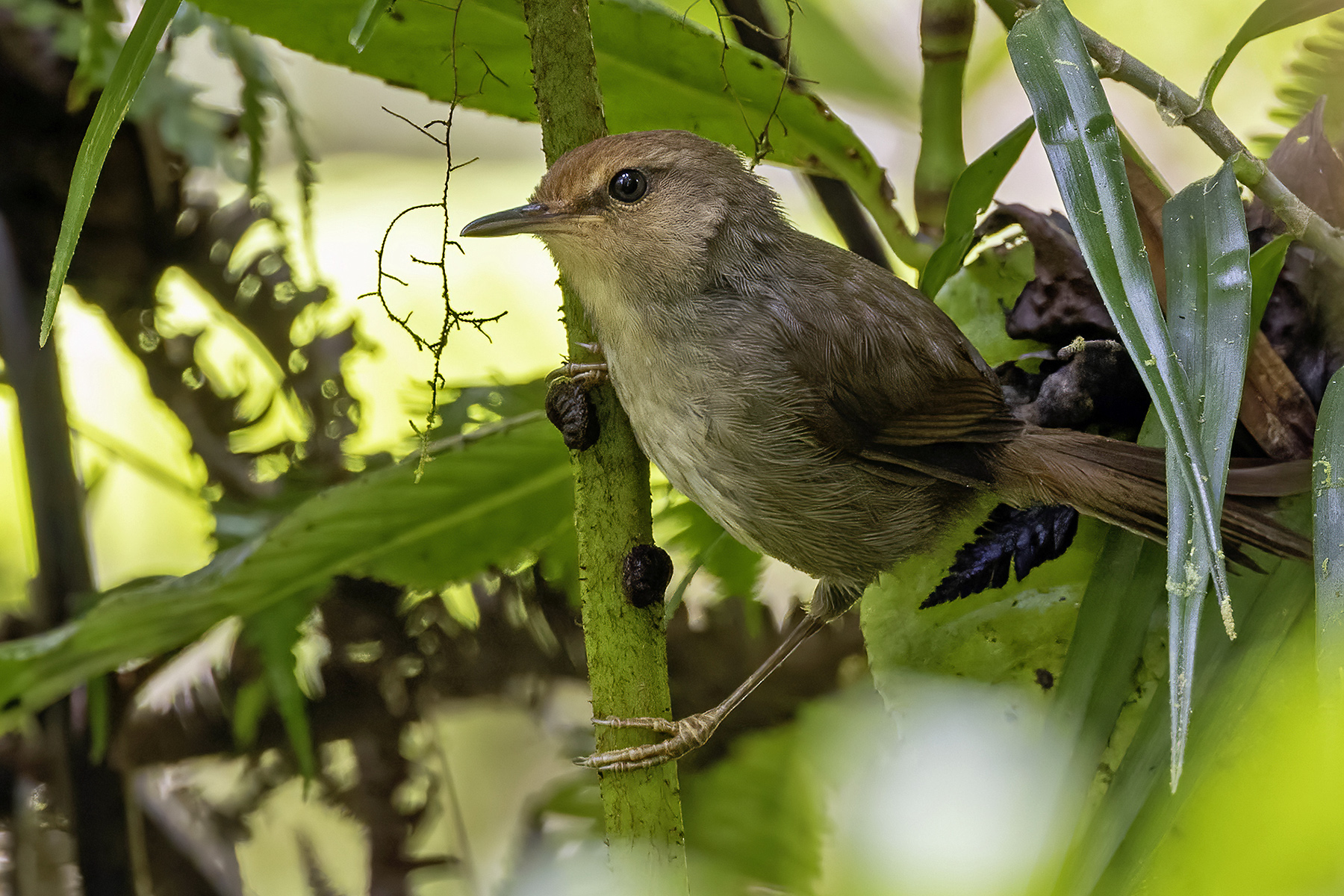
Shade Bush Warbler (image by Paul van Giersbergen)
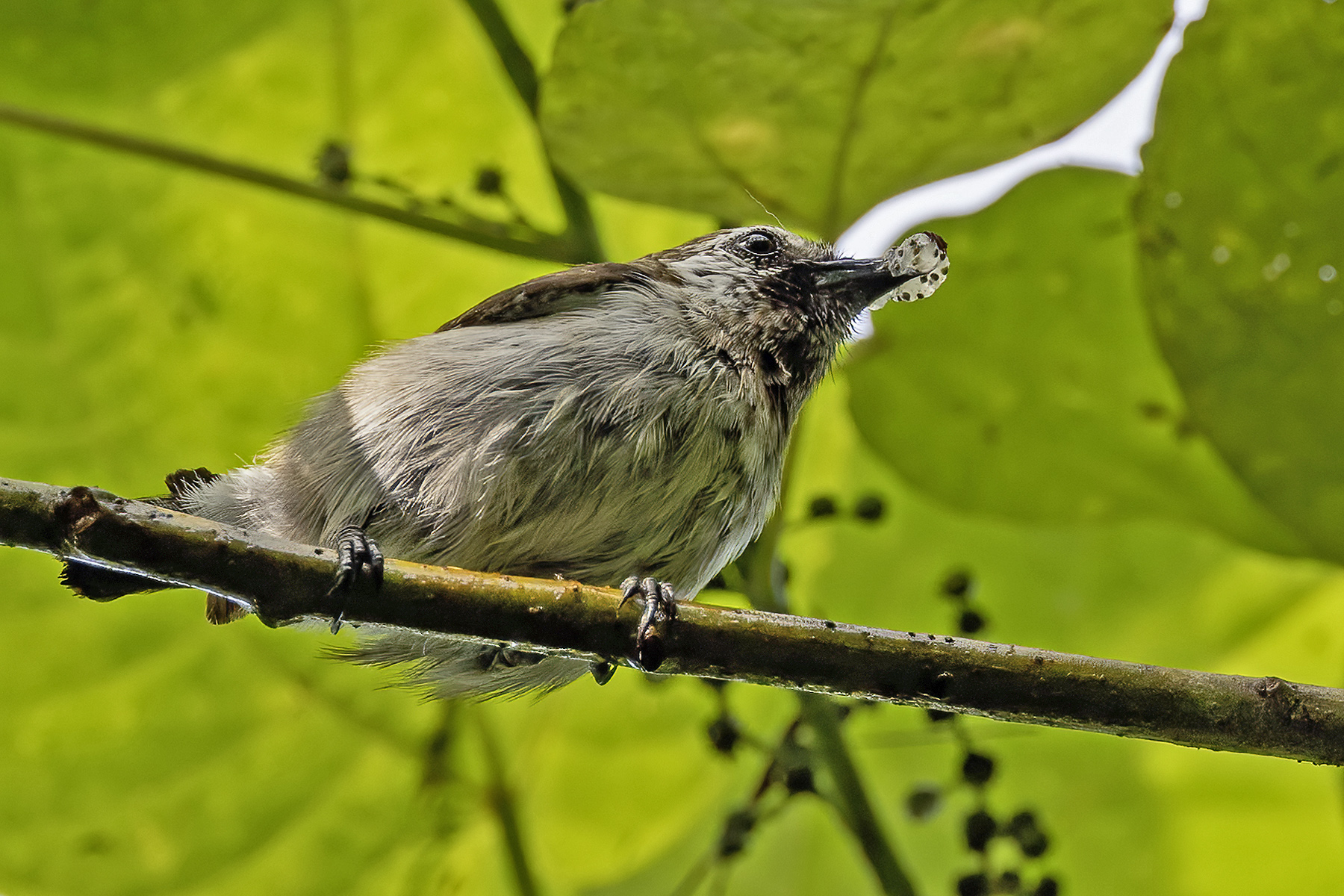
Mottled Flowerpecker (image by Paul van Giersbergen)
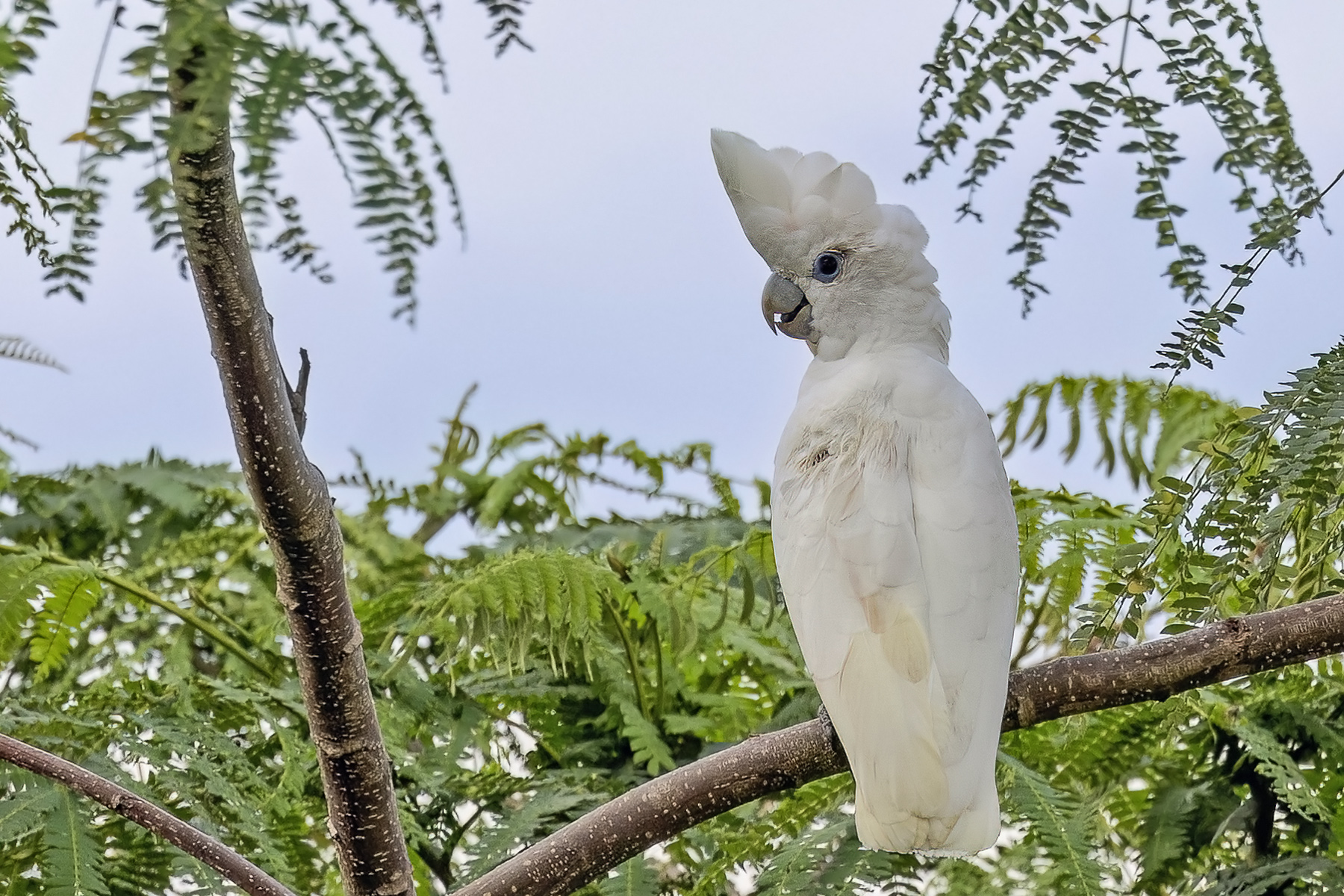
Solomons Corella (image by Paul van Giersbergen)
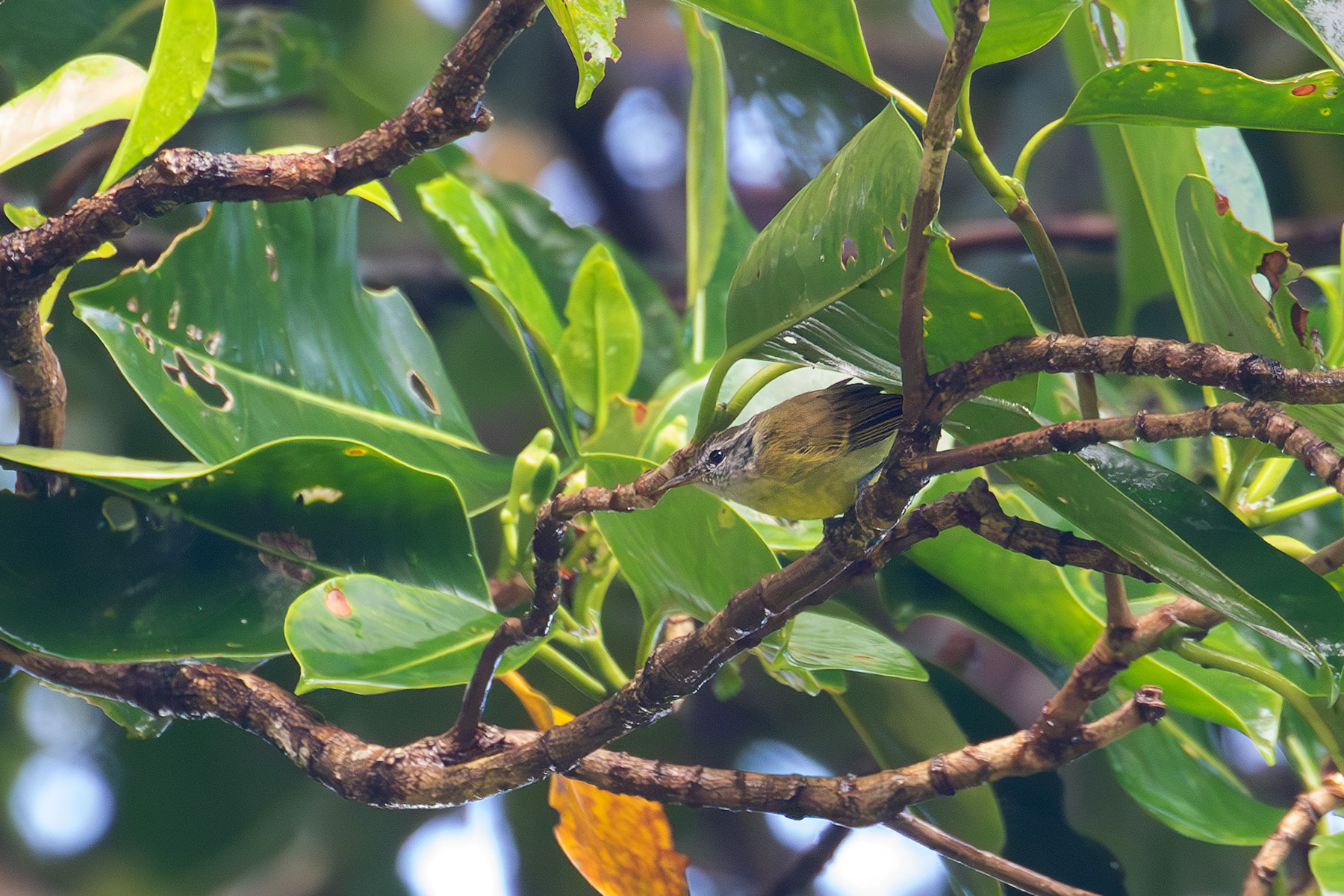
Makira Leaf Warbler (image by Diedert Koppenol)
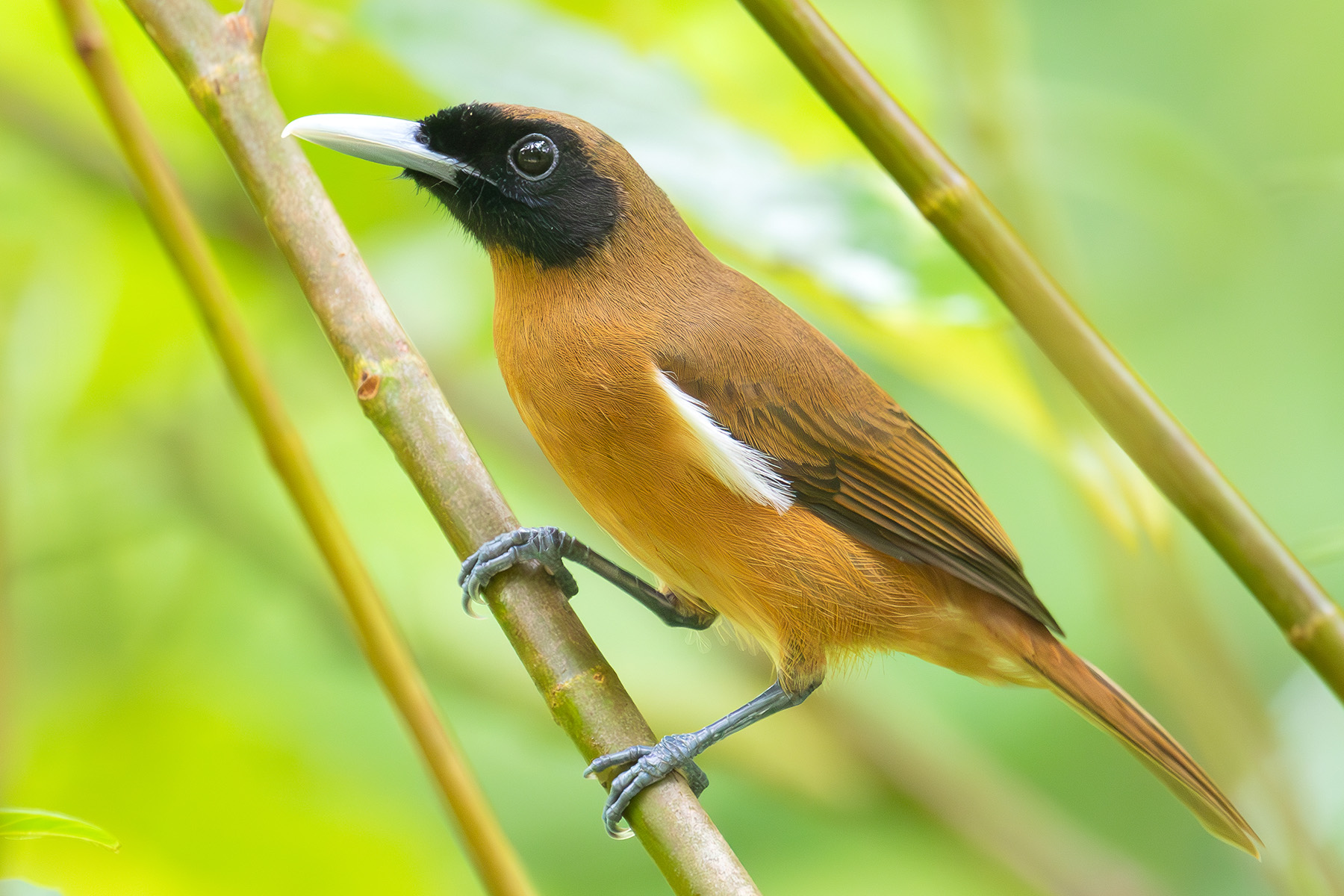
Rennell Shrikebill (image by Diedert Koppenol)
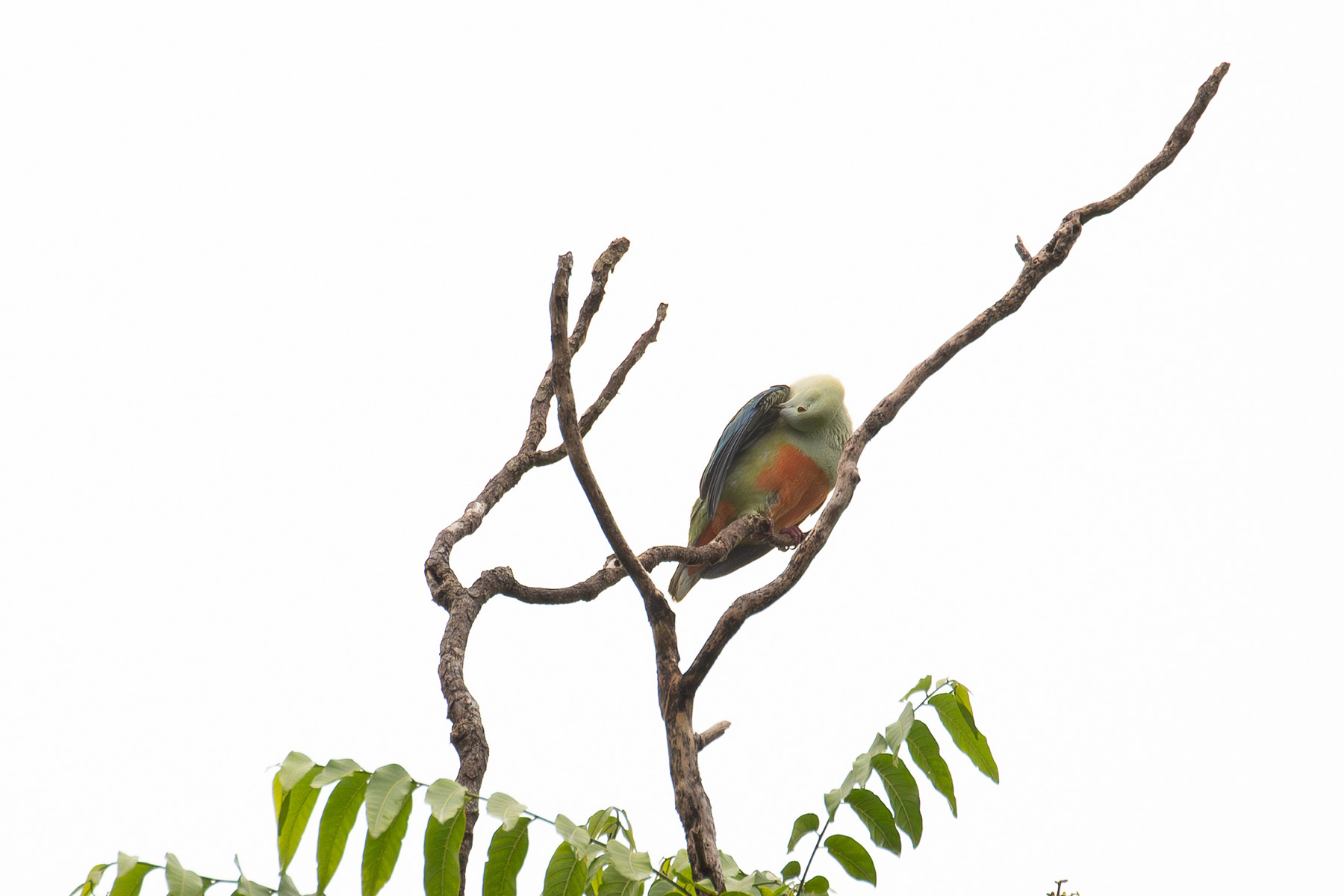
Silver-capped Fruit Dove (image by Diedert Koppenol)
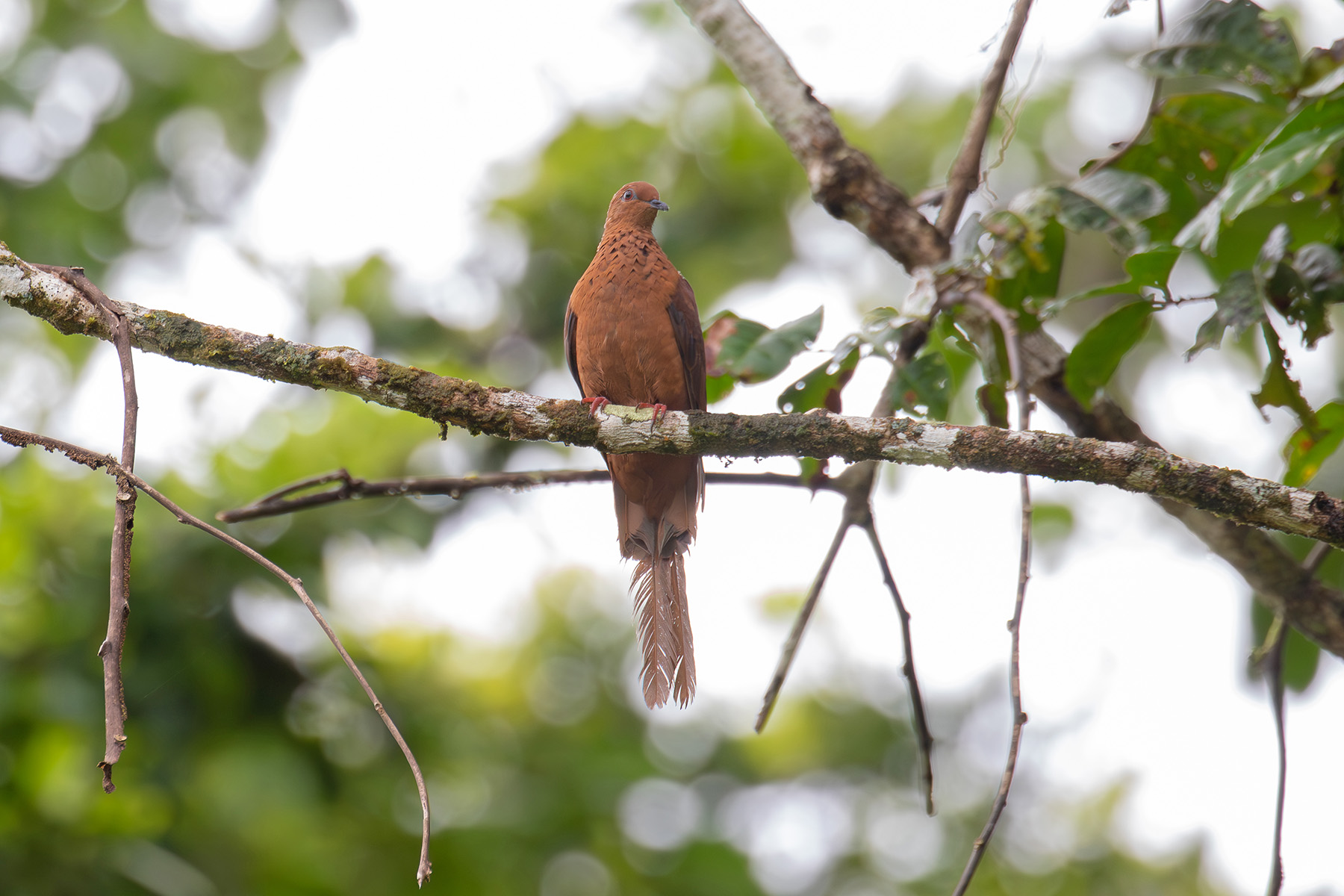
Spot-breasted Cuckoo-Dove (image by Diedert Koppenol)
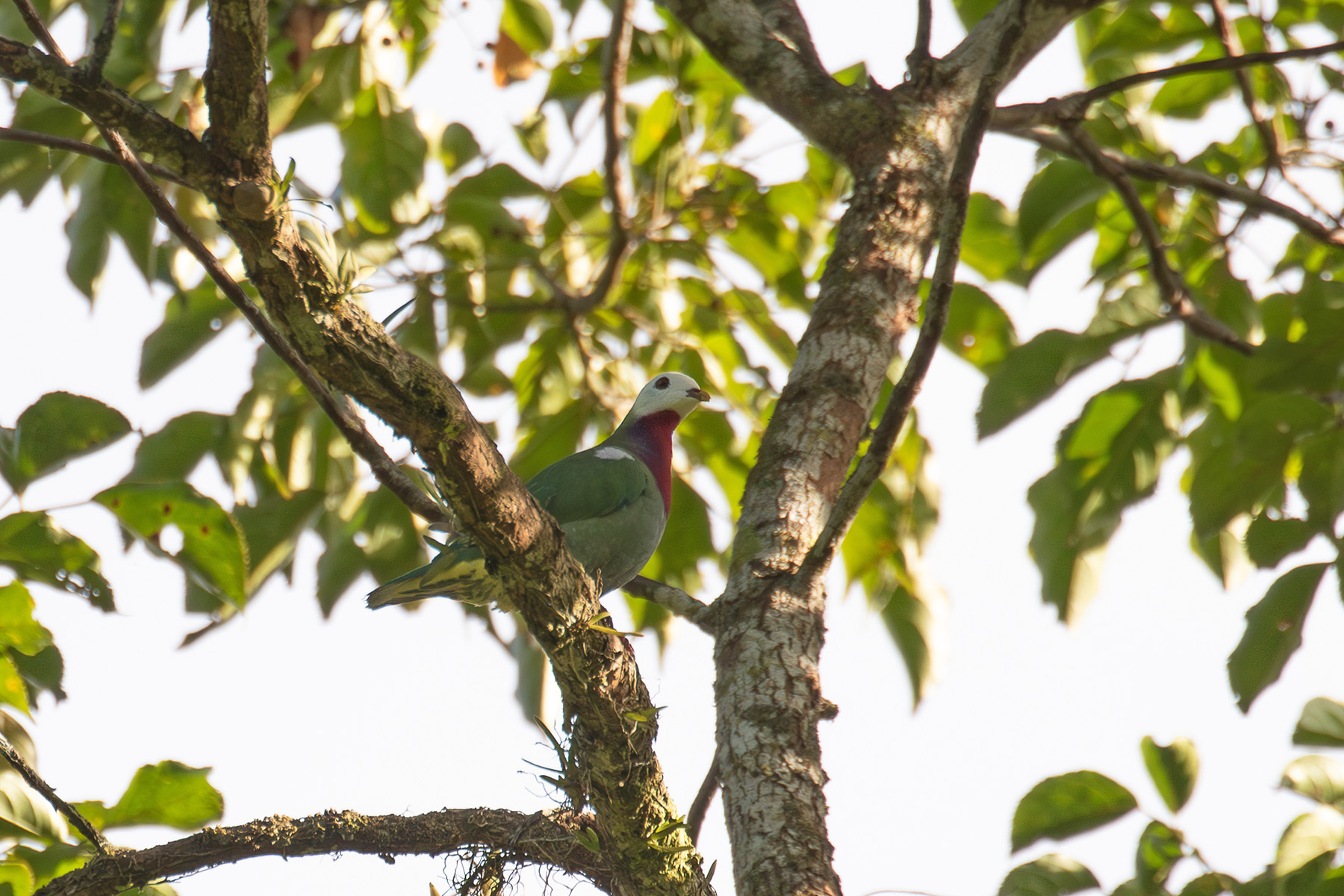
White-headed Fruit Dove (image by Diedert Koppenol)
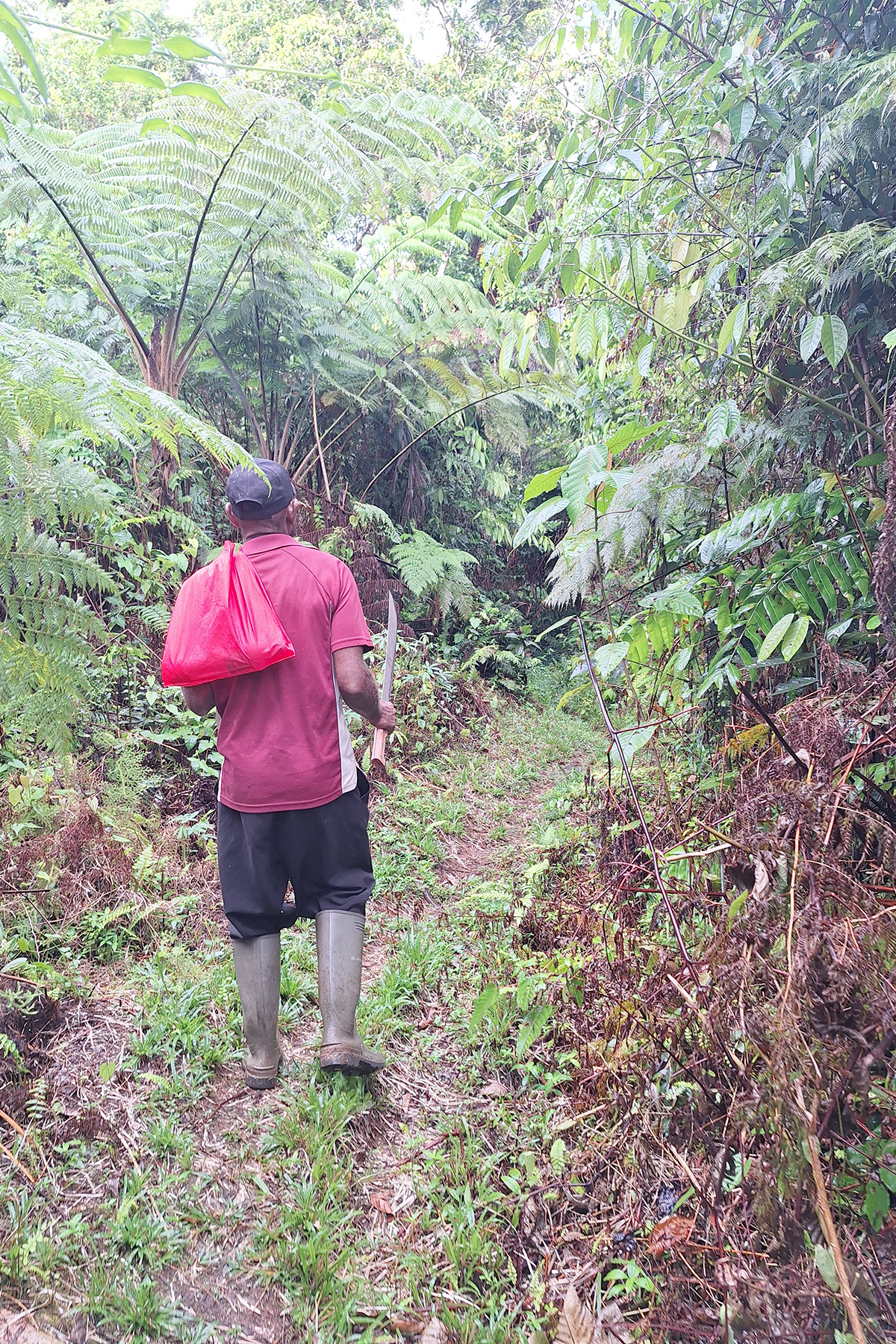
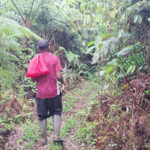
One of the local guide's, Mark, private trails across Santa Isabel (image by Diedert Koppenol)
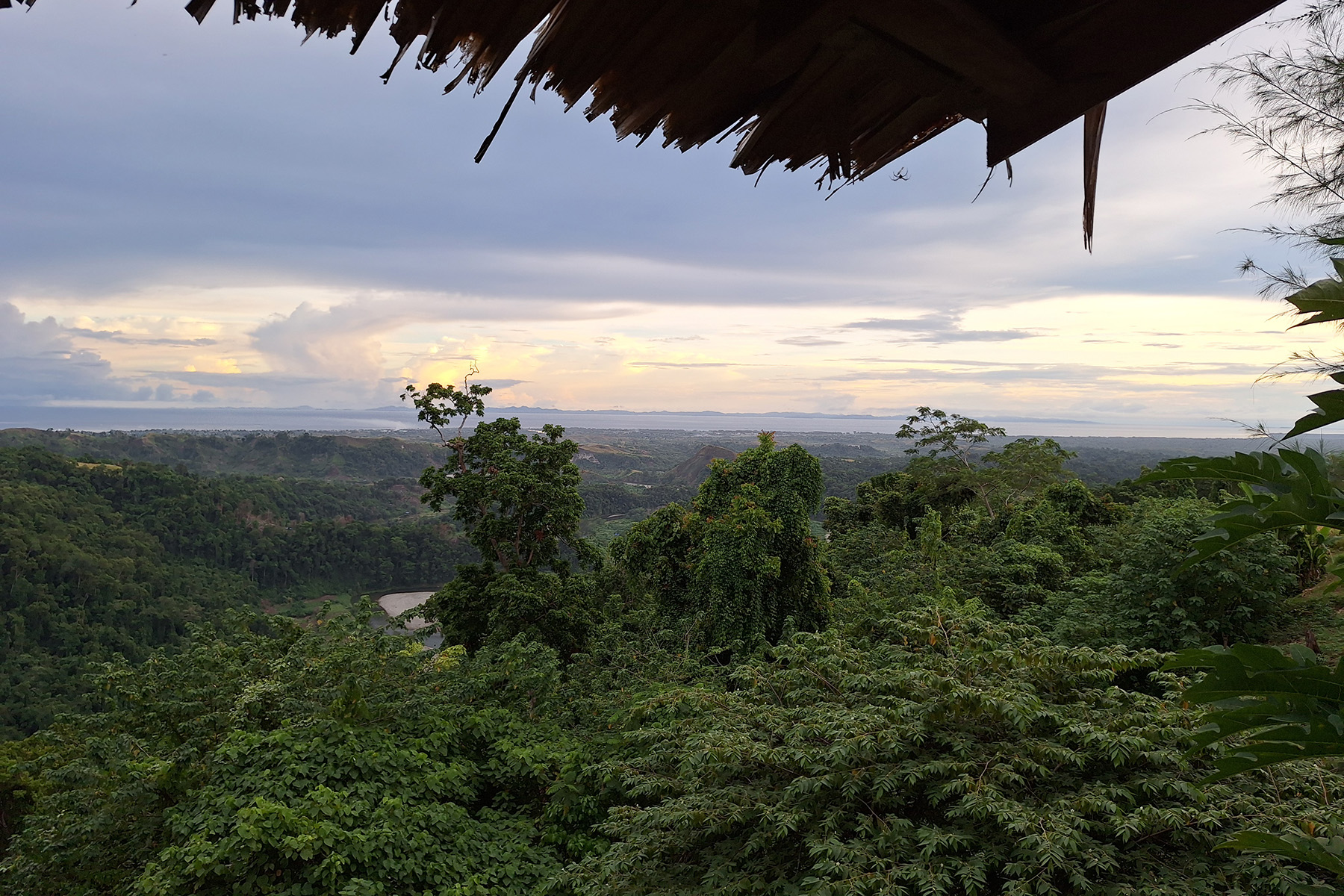
Lovely view on Guadalcanal from Parangiju Lodge (image by Diedert Koppenol)
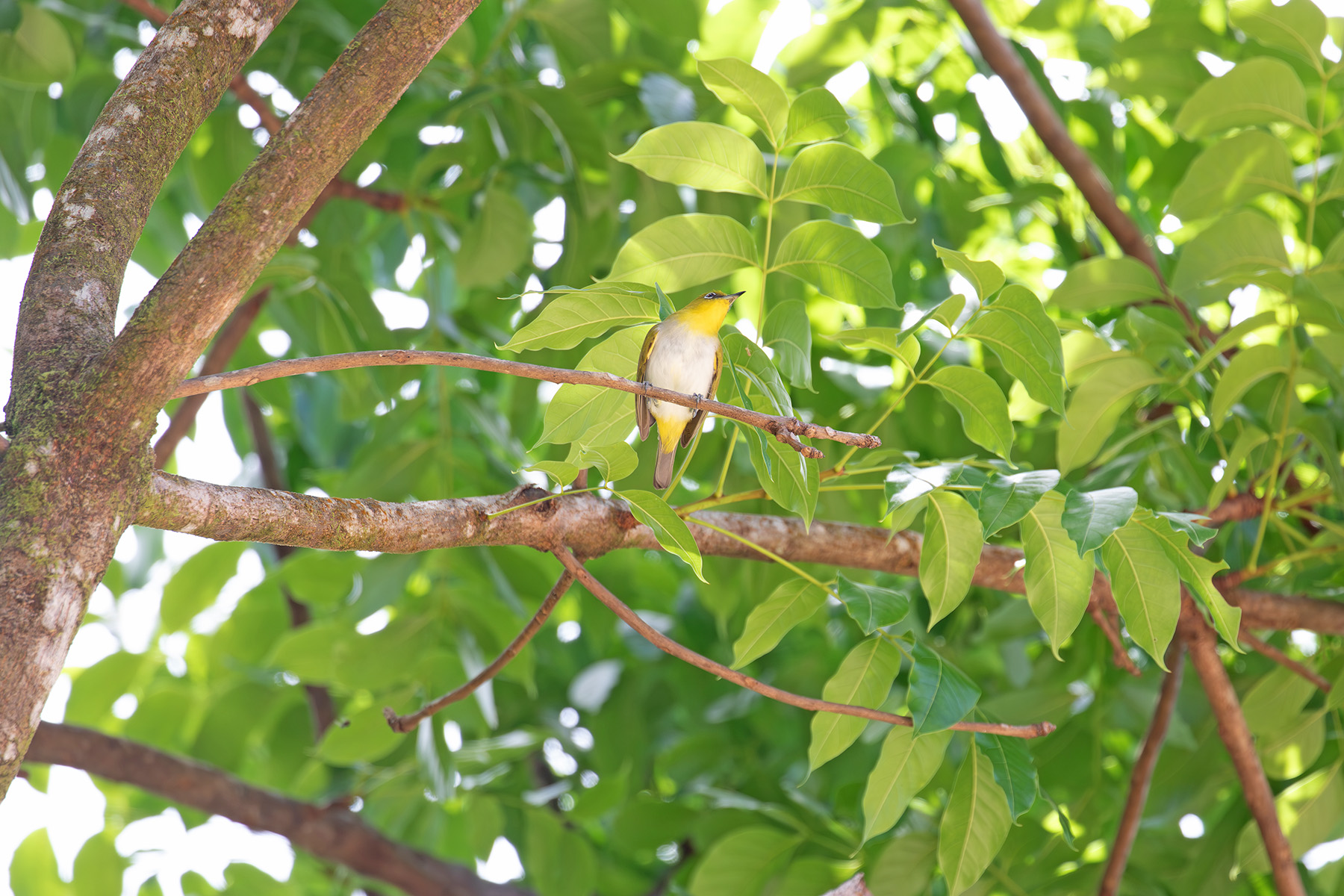
Yellow-throated White-eye (image by Diedert Koppenol)
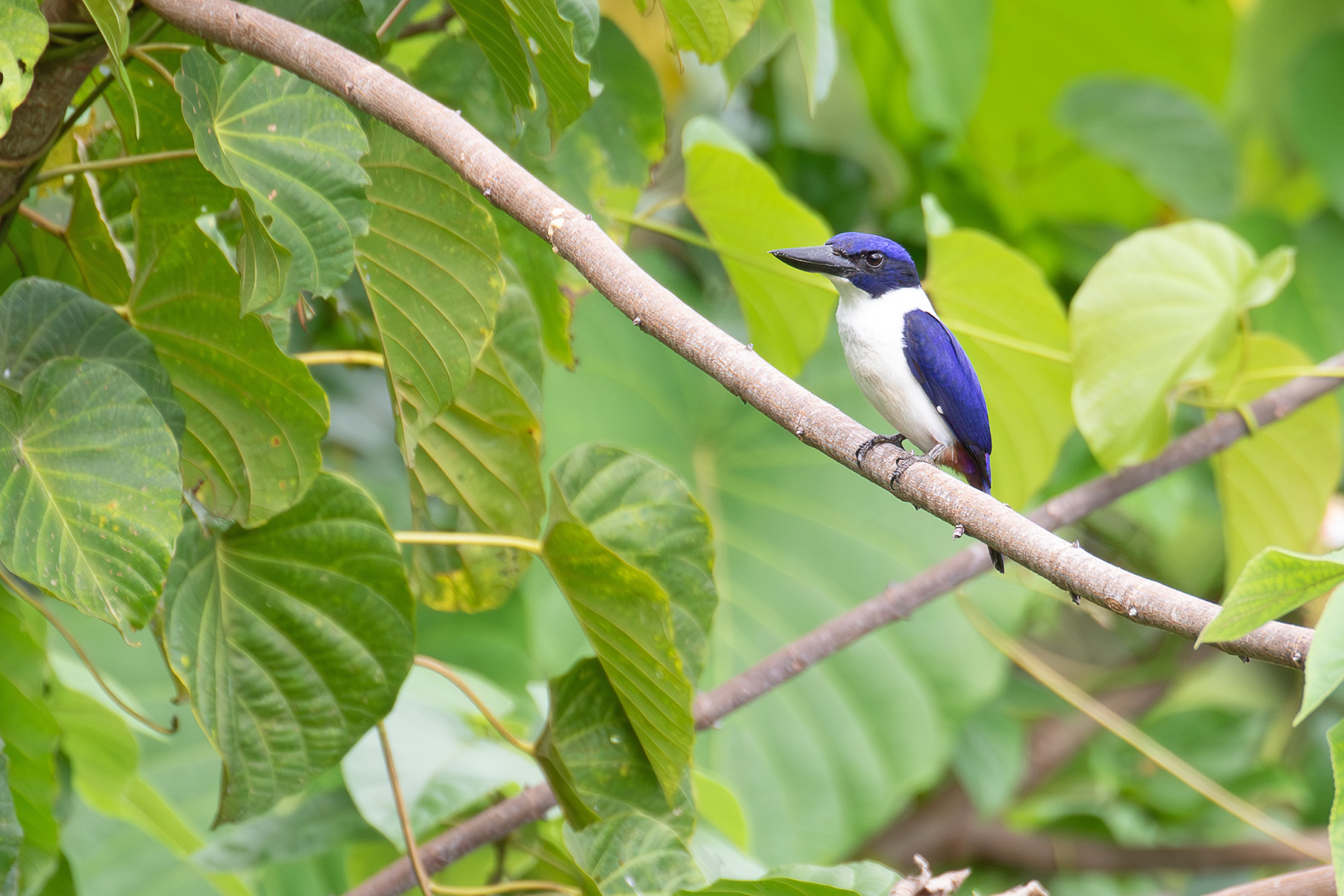
Ultramarine Kingfisher (image by Diedert Koppenol)
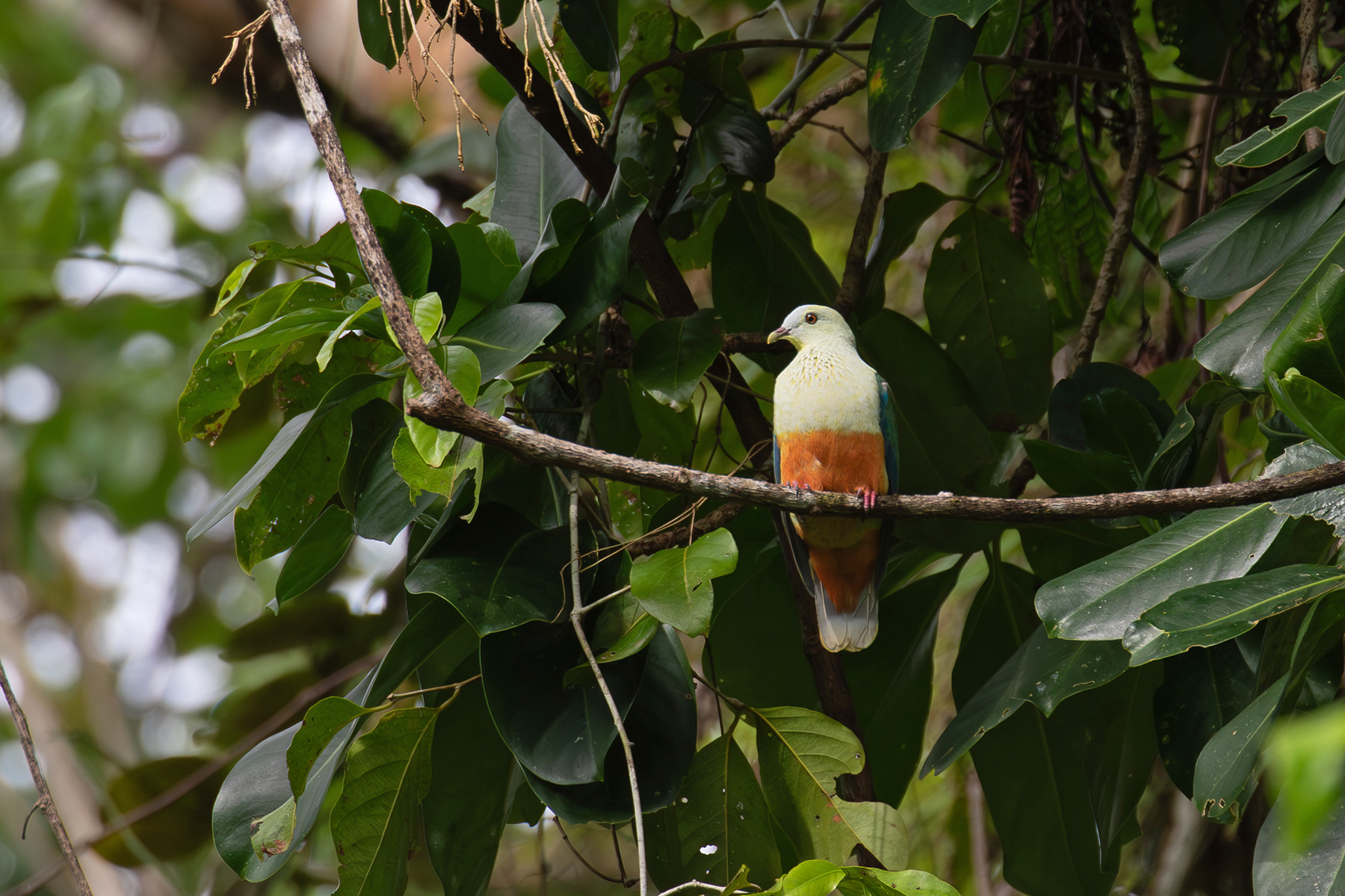
Silver-capped Fruit Dove was definitely one of the favourite fruit doves (image by Diedert Koppenol)
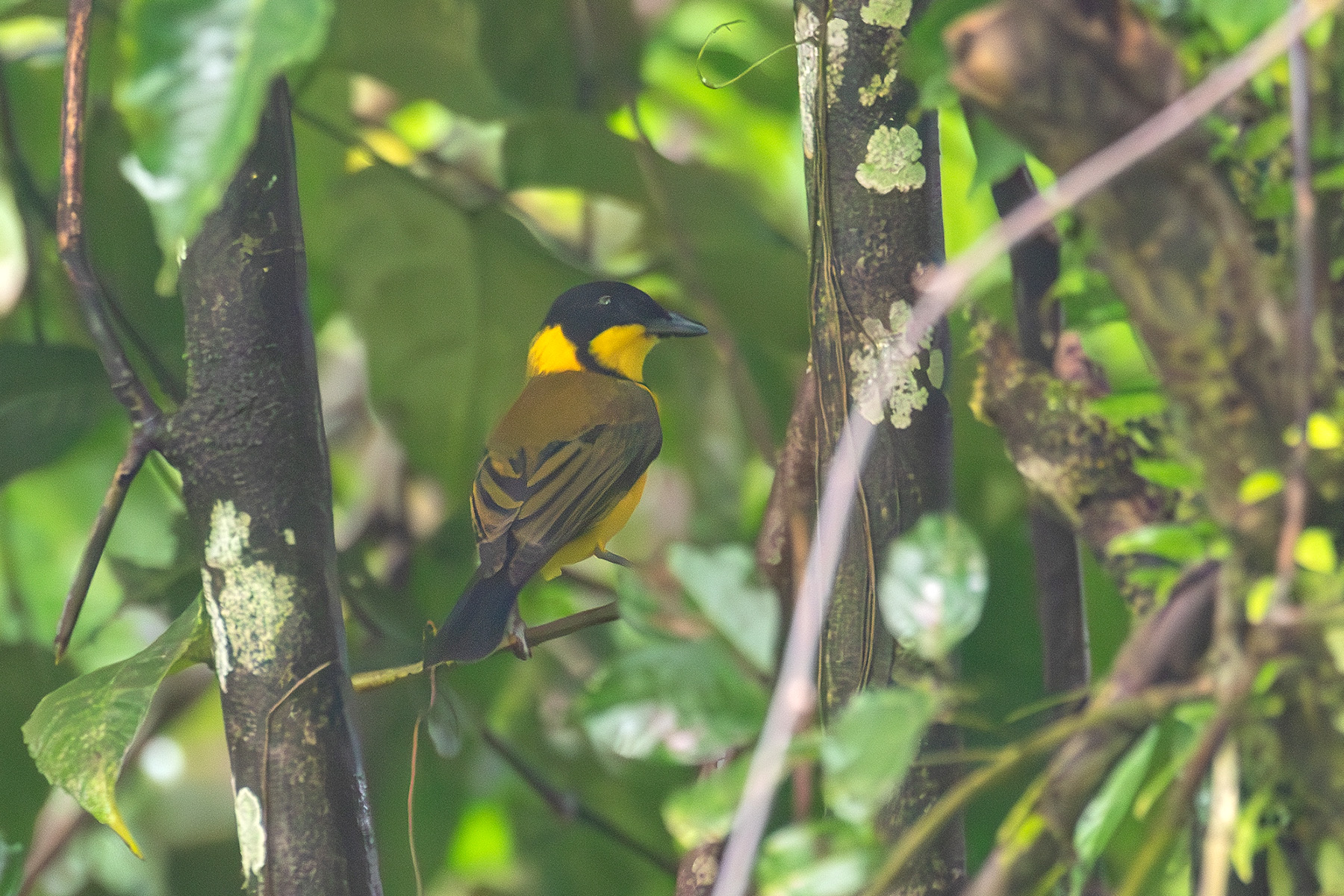
Oriole Whistler was not always easy to see but this male on Makira allowed for a quick photograph (image by Diedert Koppenol)
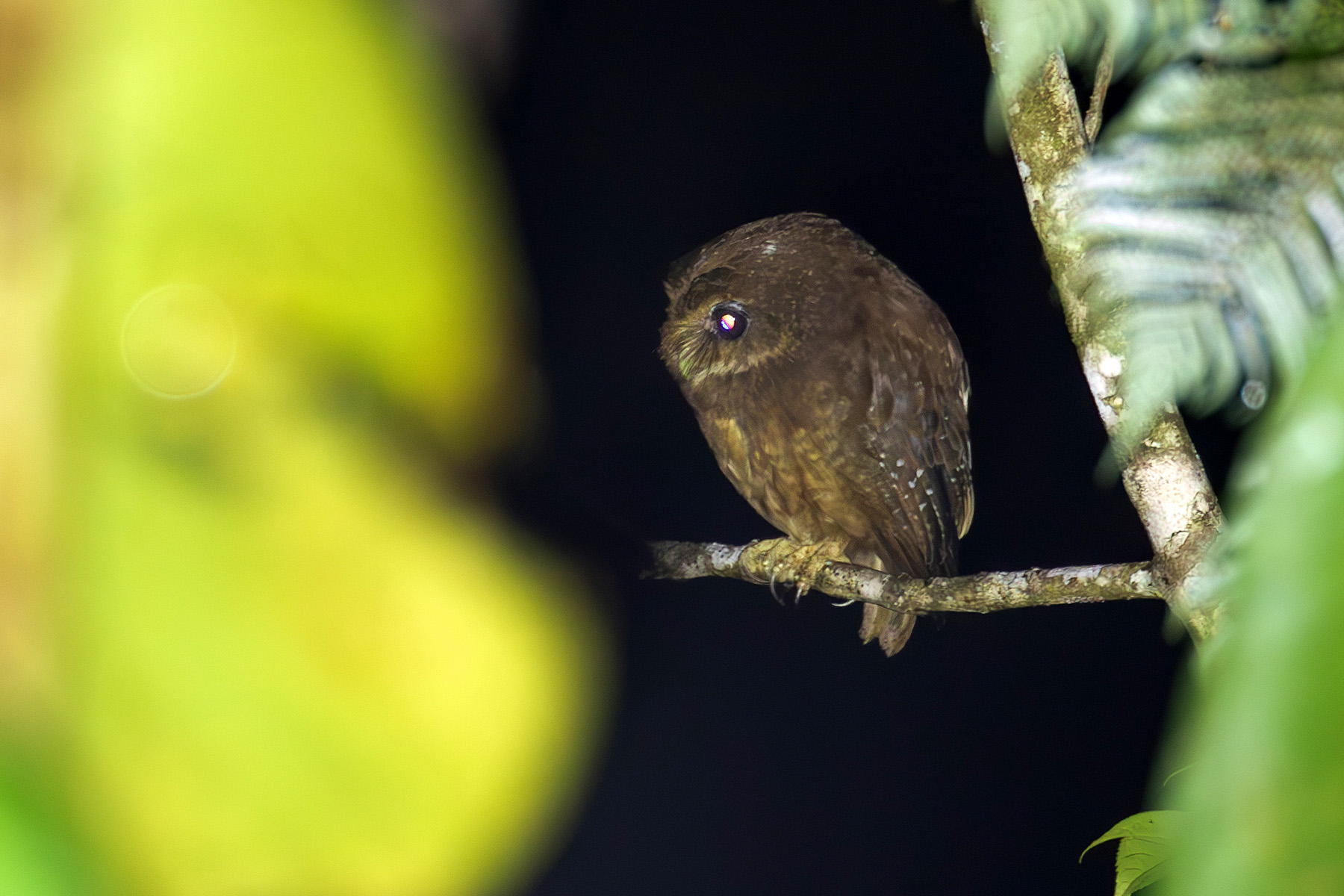
Makira Owl (image by Diedert Koppenol)
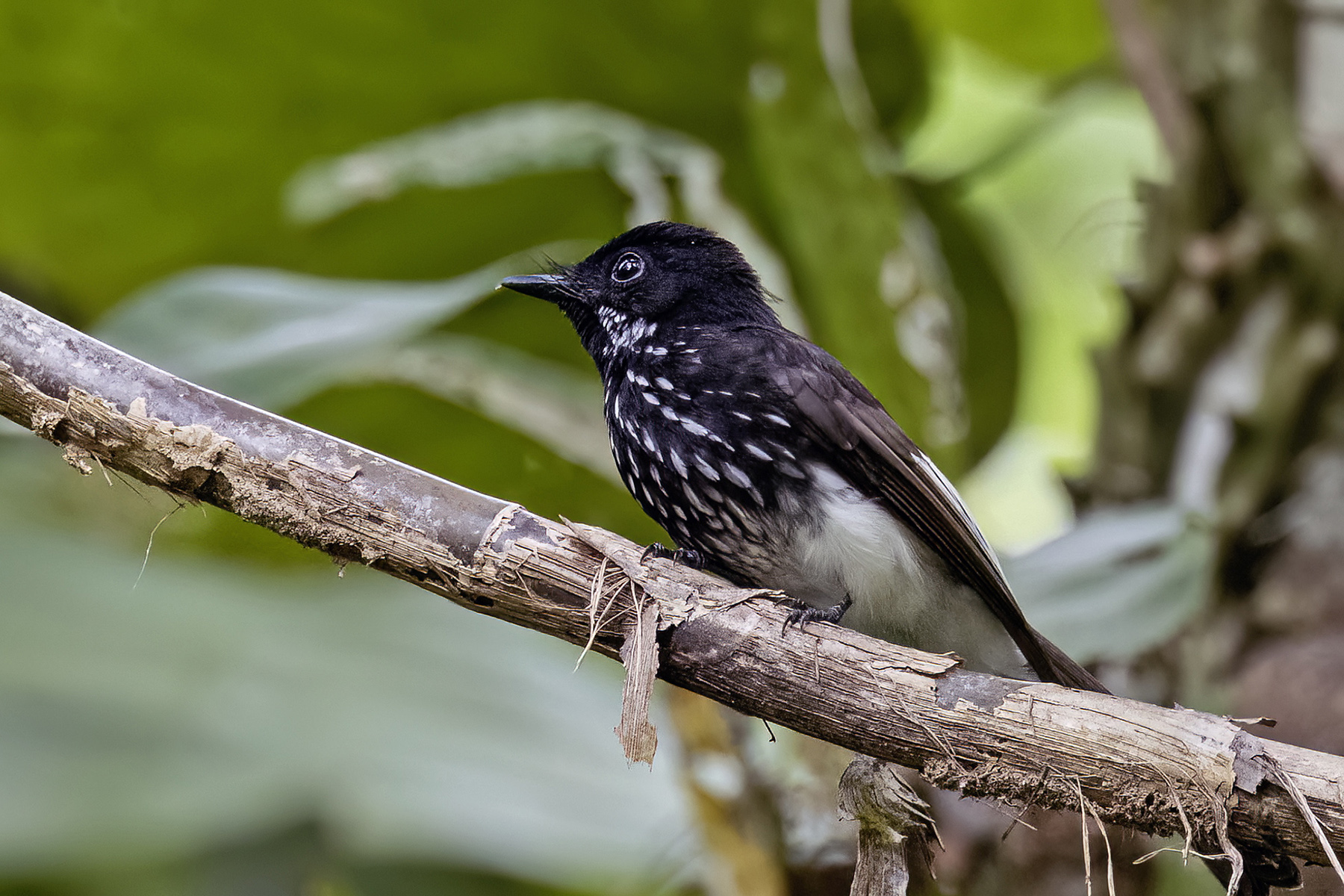
White-winged Fantail (image by Paul van Giersbergen)

Nicobar Pigeon (image by Paul van Giersbergen)
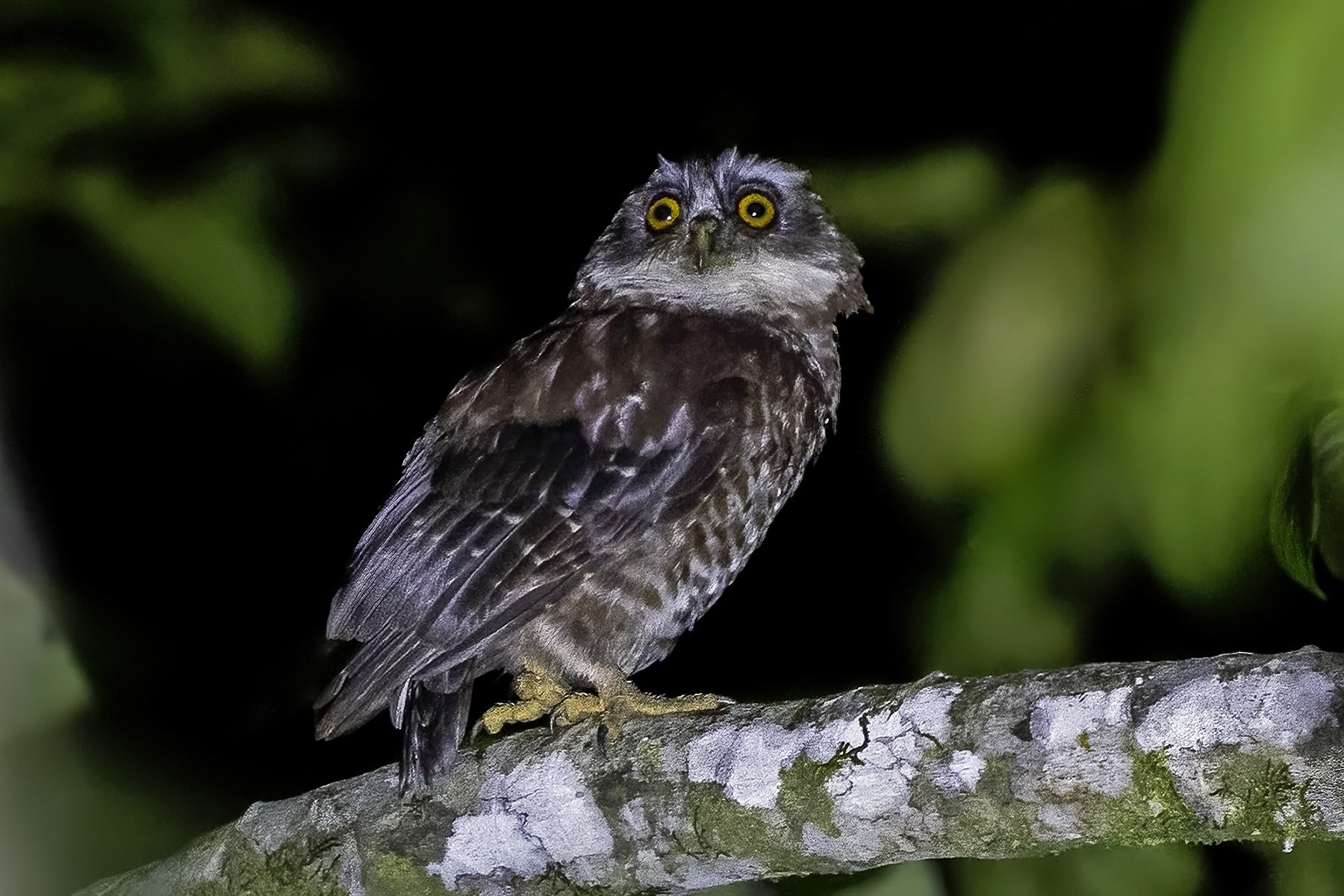
Guadalcanal Owl (image by Paul van Giersbergen)
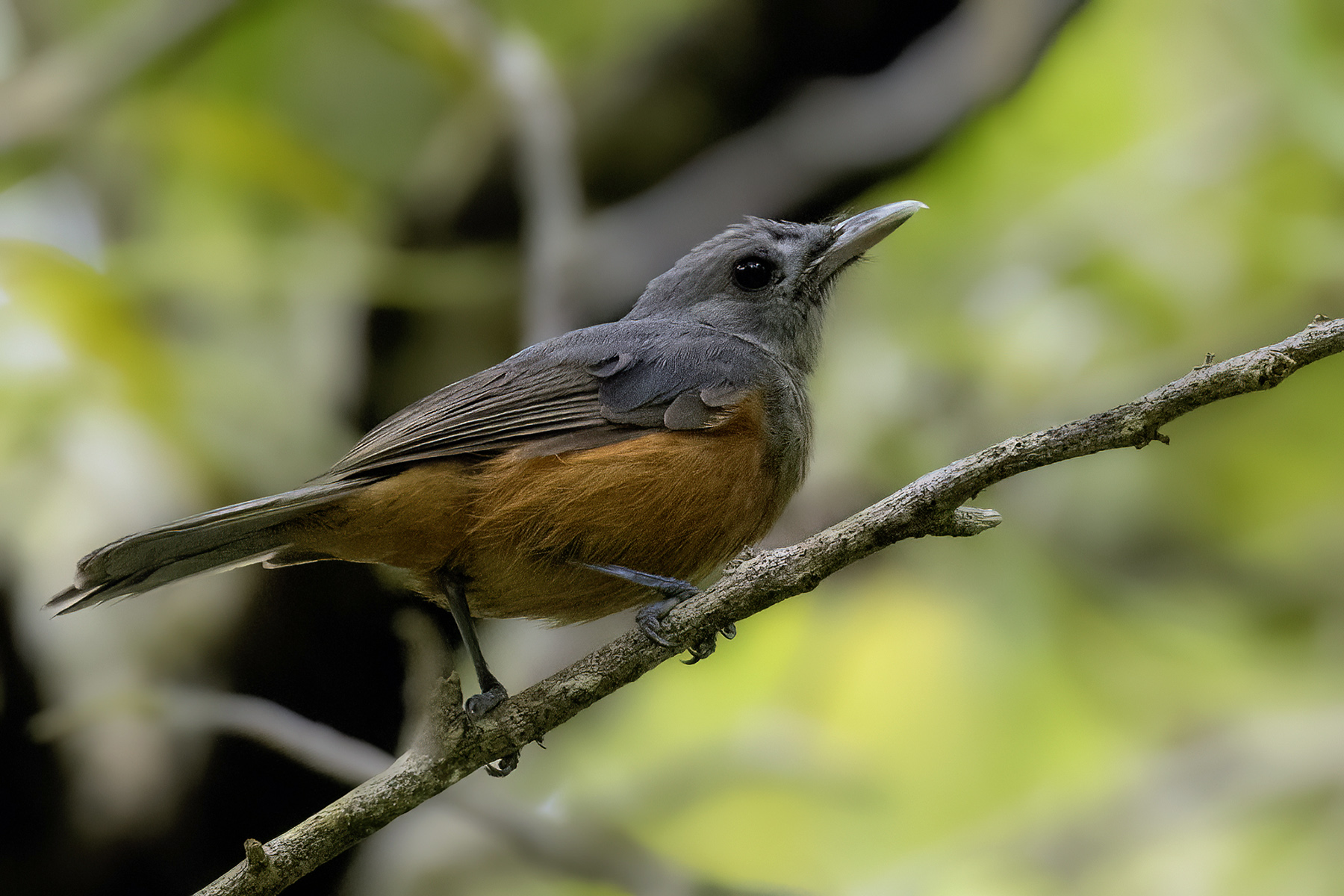
Island Monarch (image by Paul van Giersbergen)
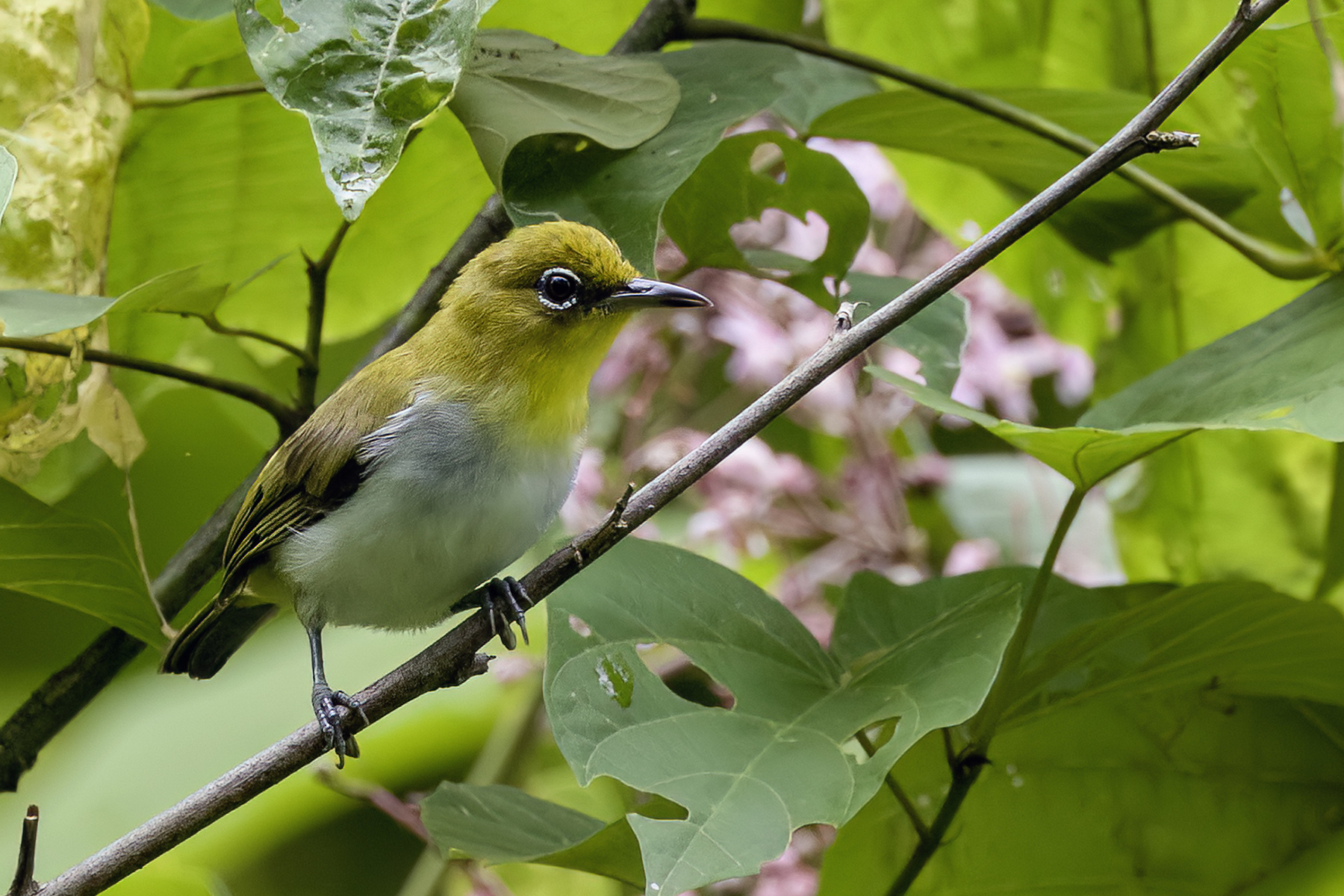
Yellow-throated White-eye (image by Paul van Giersbergen)
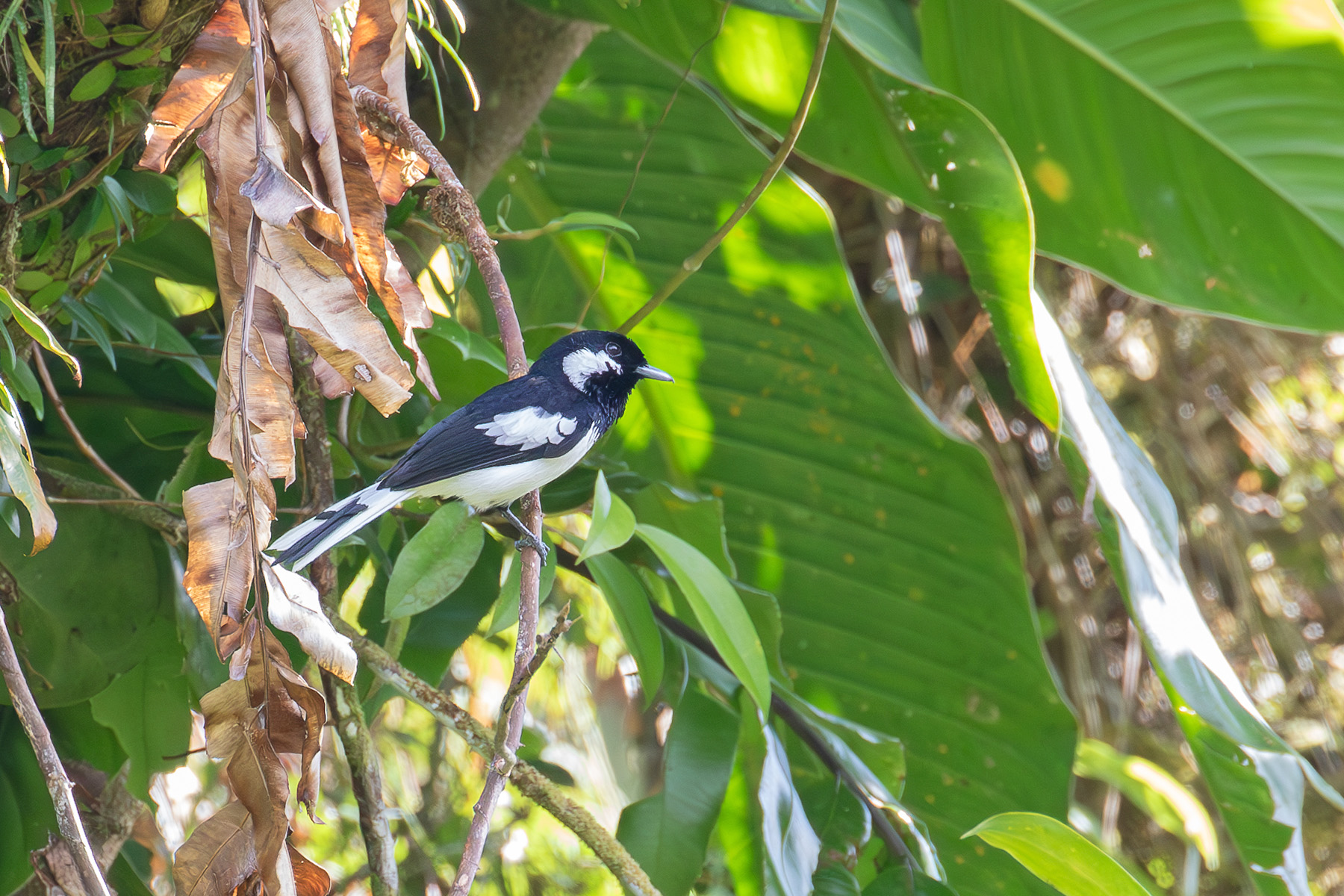
Malaita Monarch (image by Diedert Koppenol)
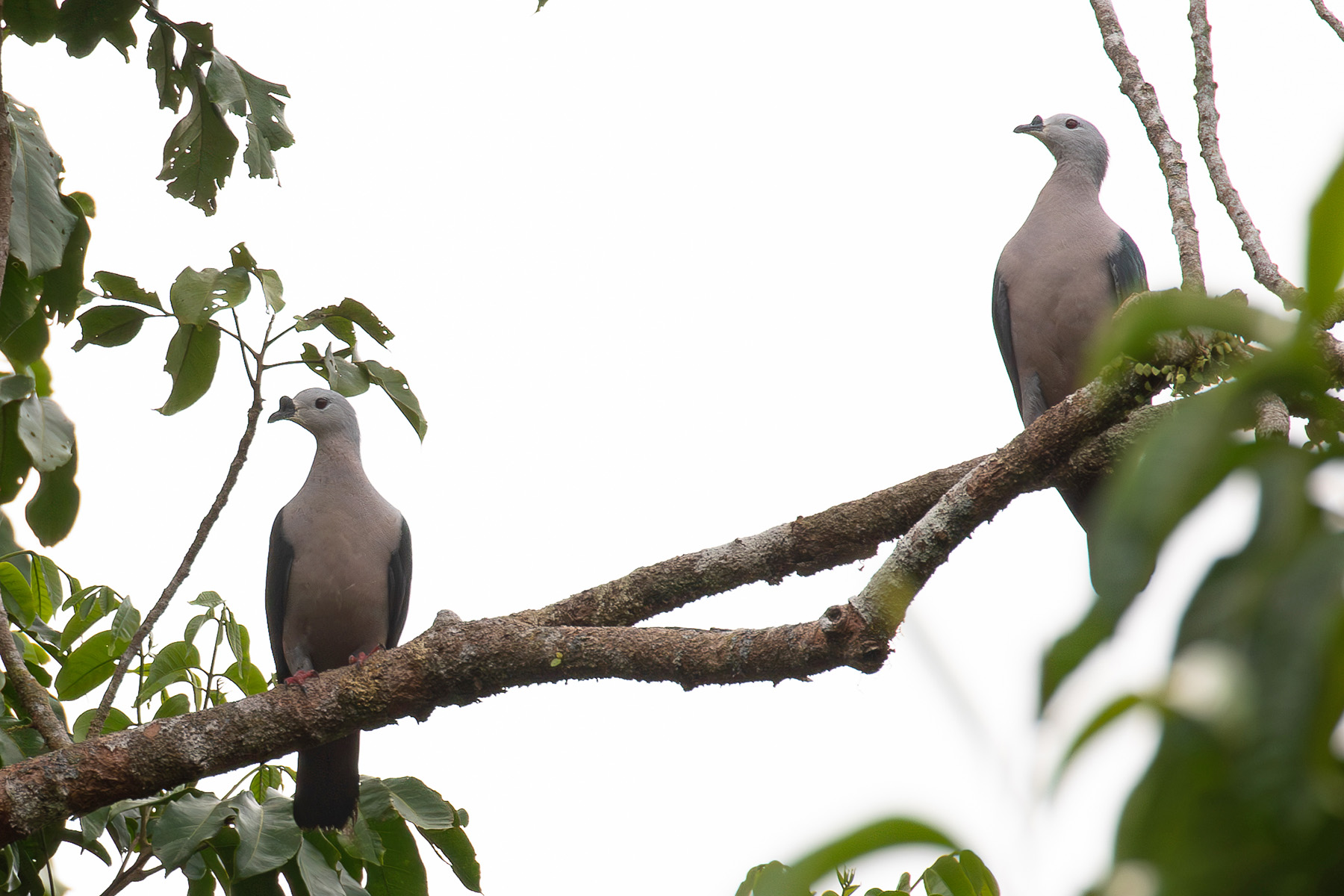
Pacific Imperial Pigeon (image by Diedert Koppenol)
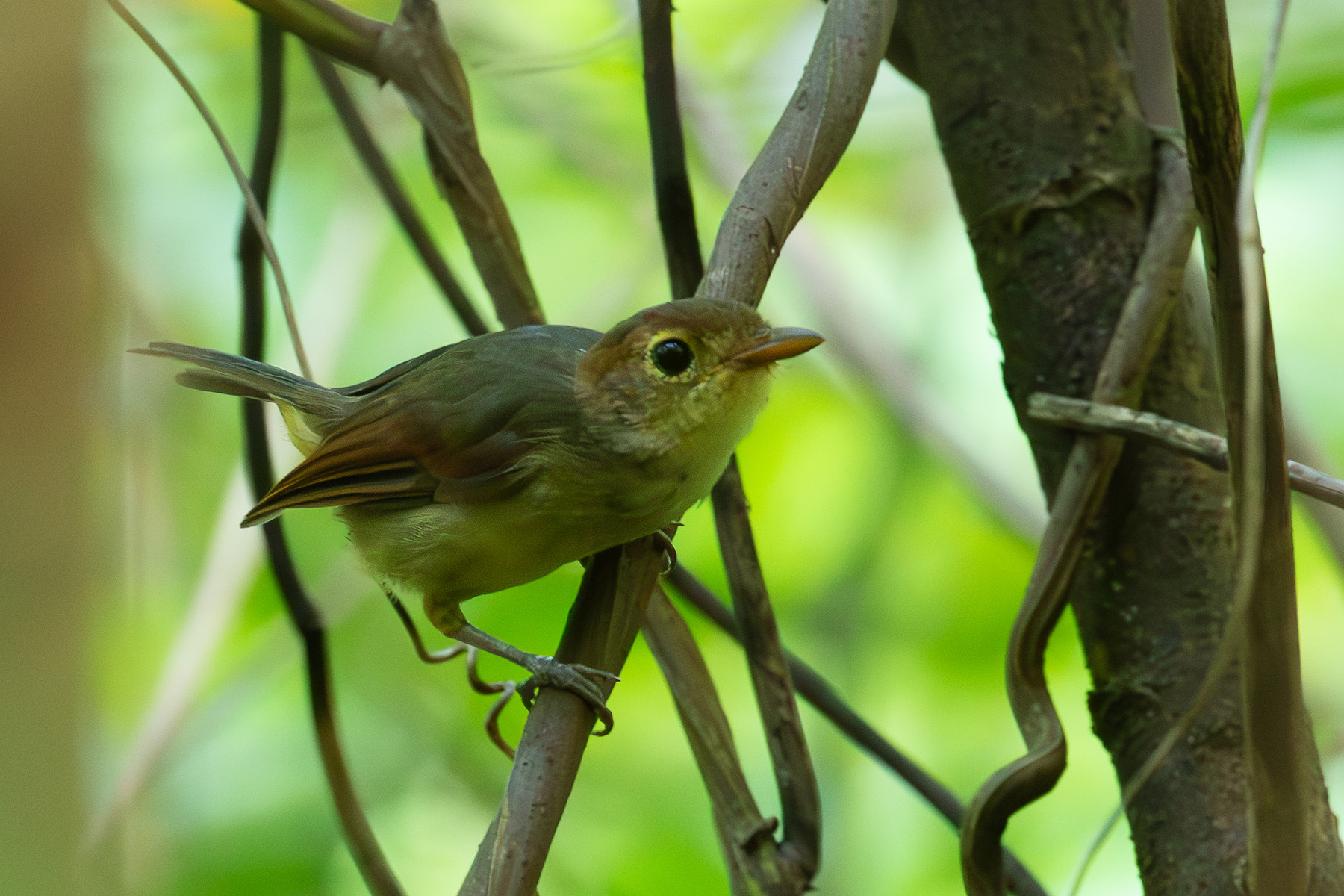
Rennell Whistler (image by Diedert Koppenol)
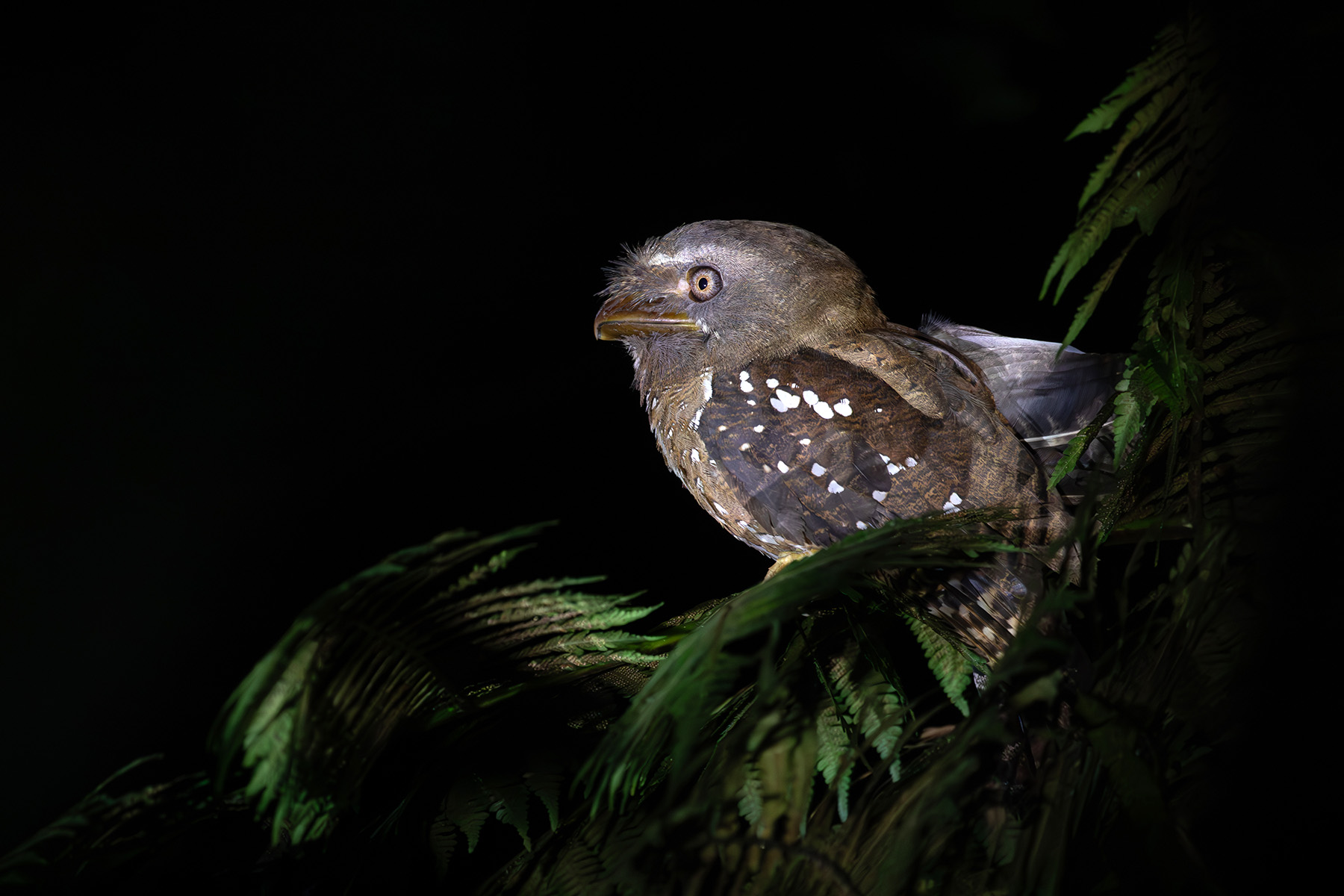
Solomons Frogmouth (image by Diedert Koppenol)
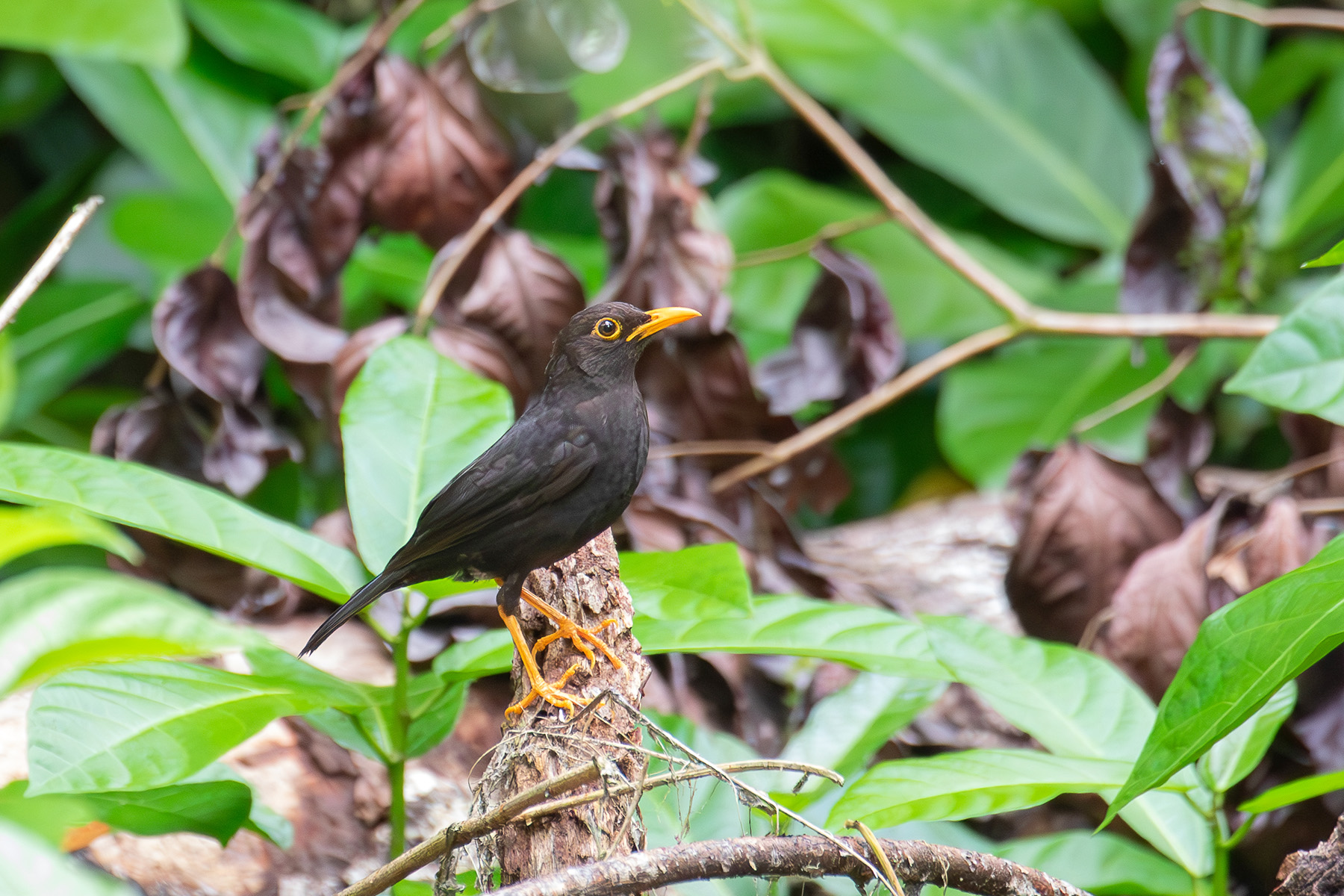
Vanikoro Island Thrush (image by Diedert Koppenol)
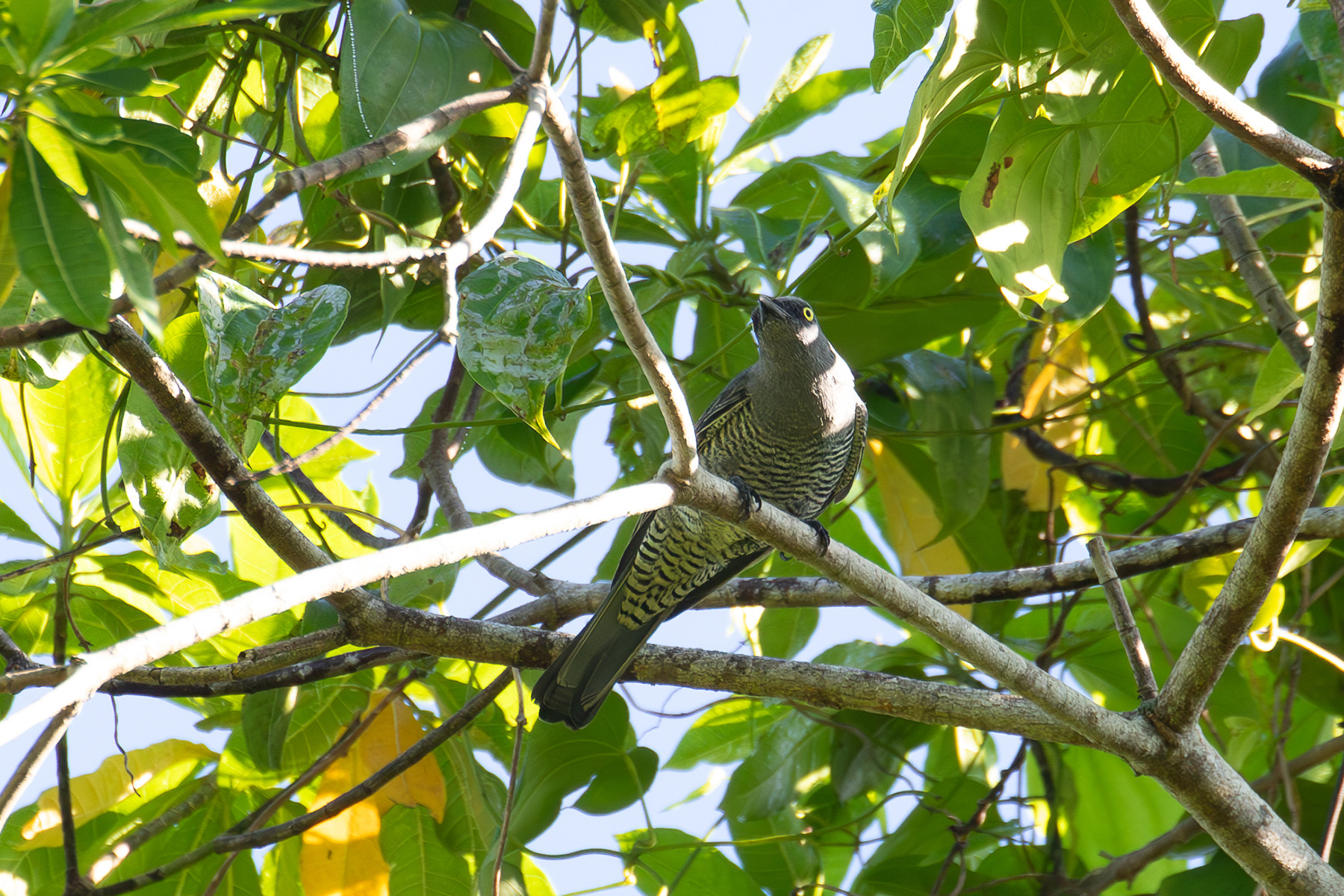
Barred Cuckooshrike (image by Diedert Koppenol)
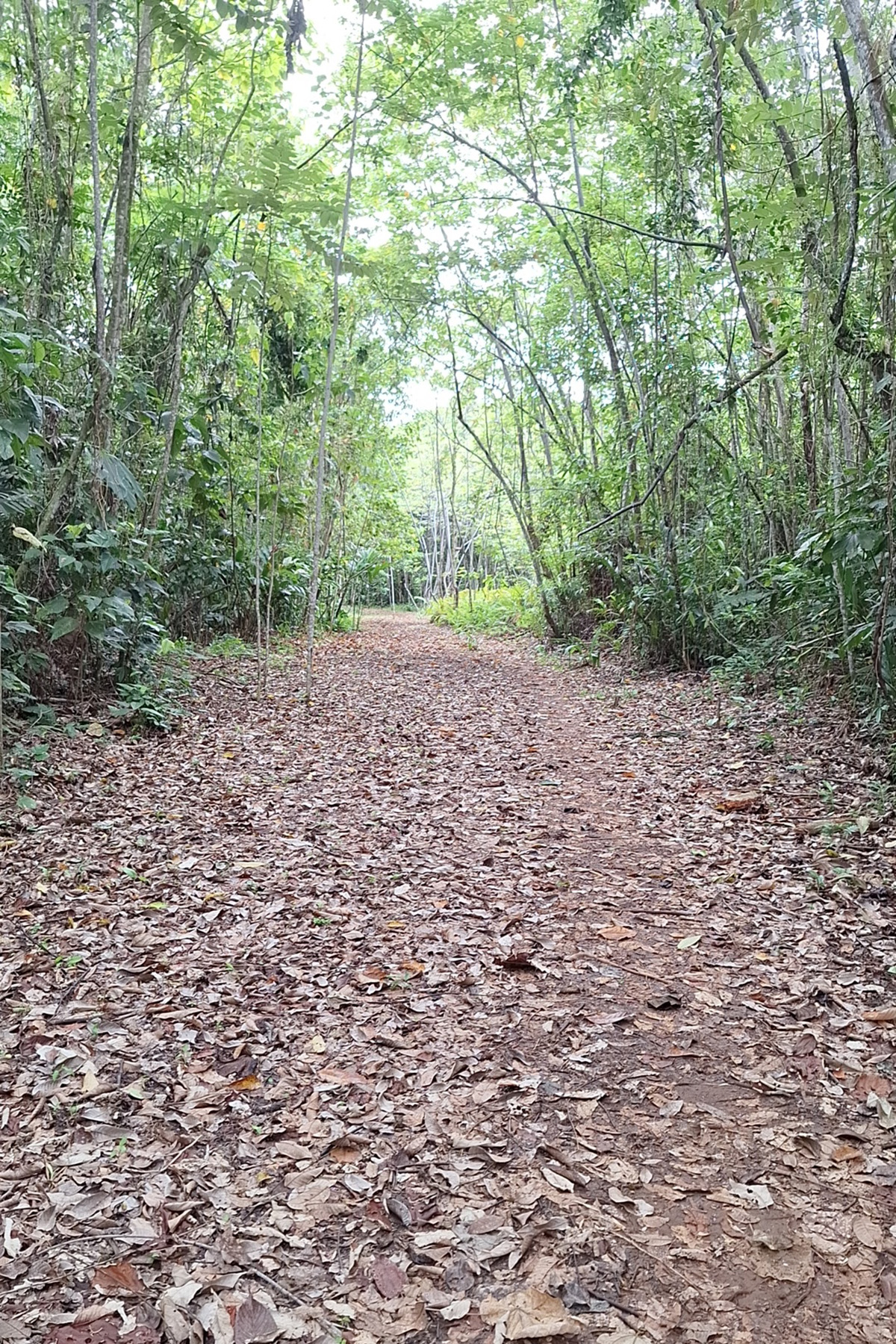
Birding one of the trails on Guadalcanal (image by Diedert Koppenol)
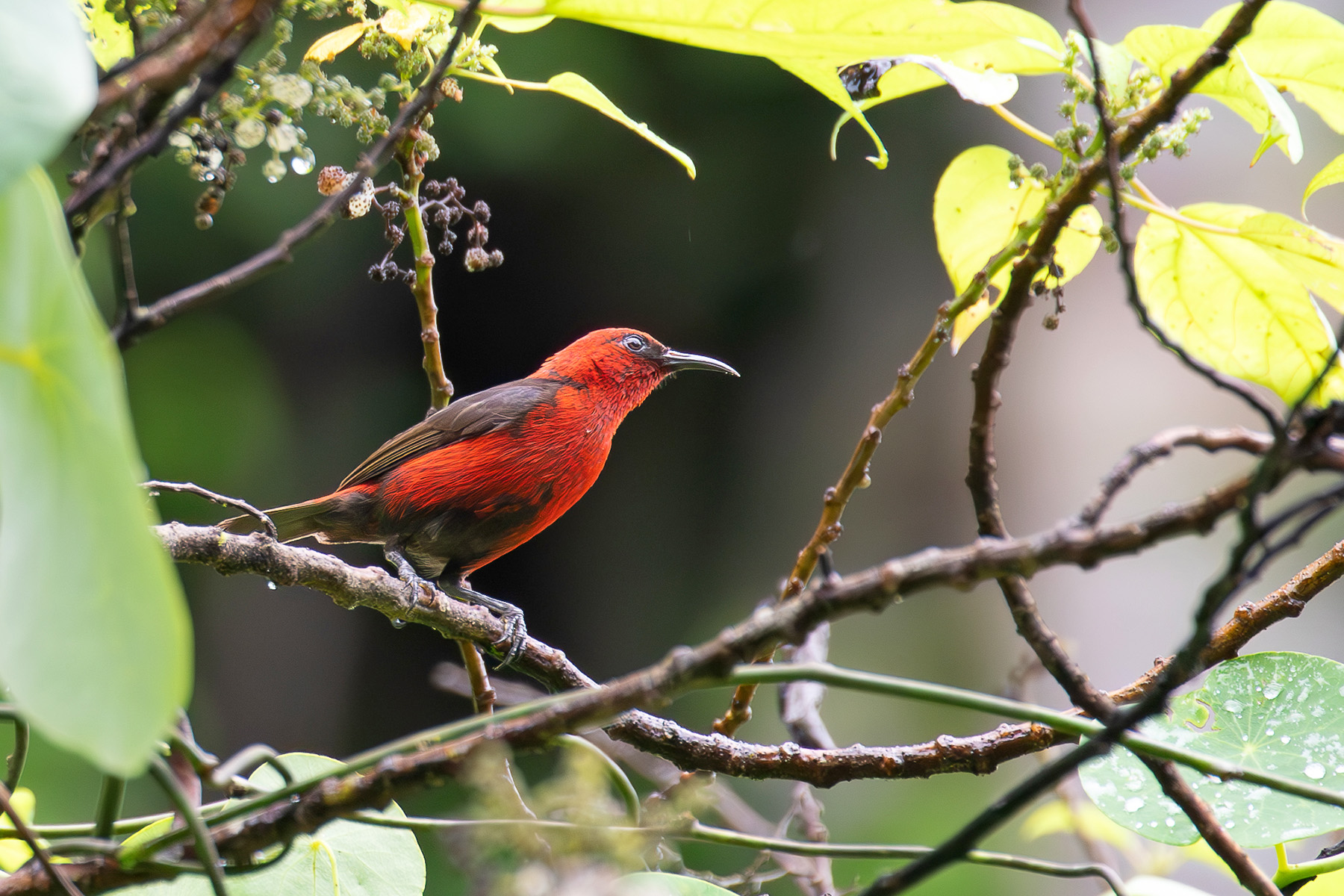
Cardinal Myzomela was quite showy on Rennell Island (image by Diedert Koppenol)
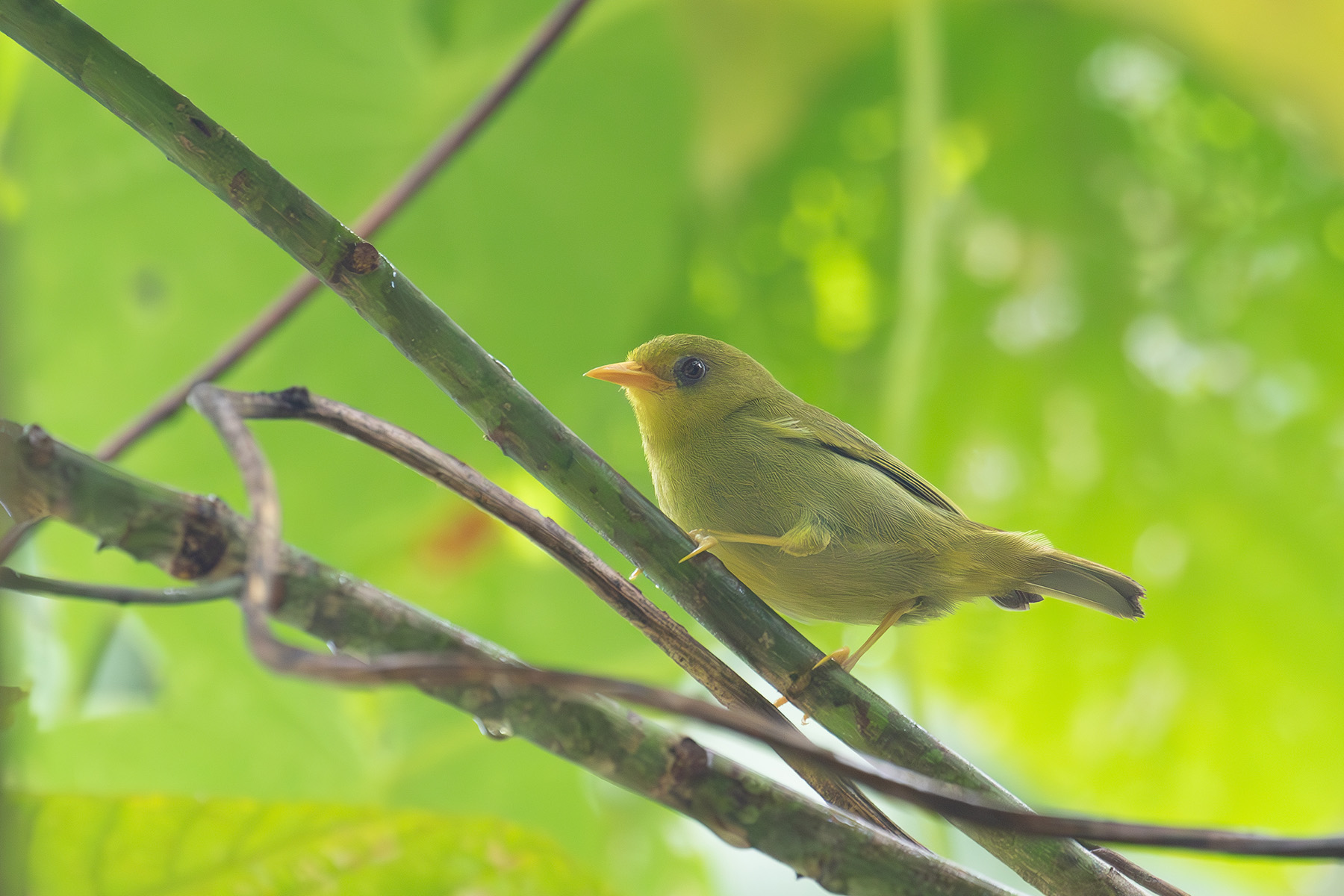
Rennell White-eye (image by Diedert Koppenol)
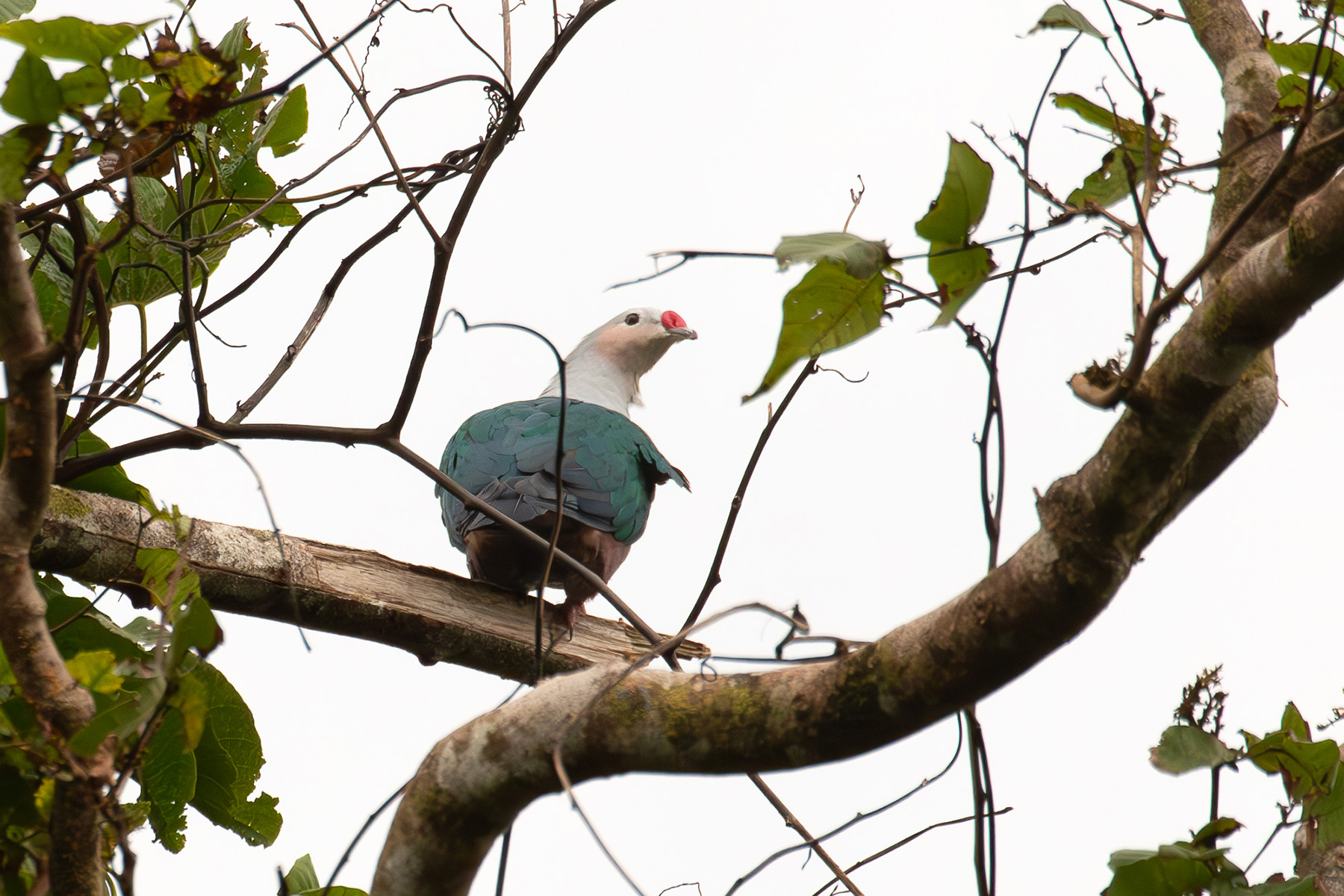
Red-knobbed Imperial Pigeon (image by Diedert Koppenol)
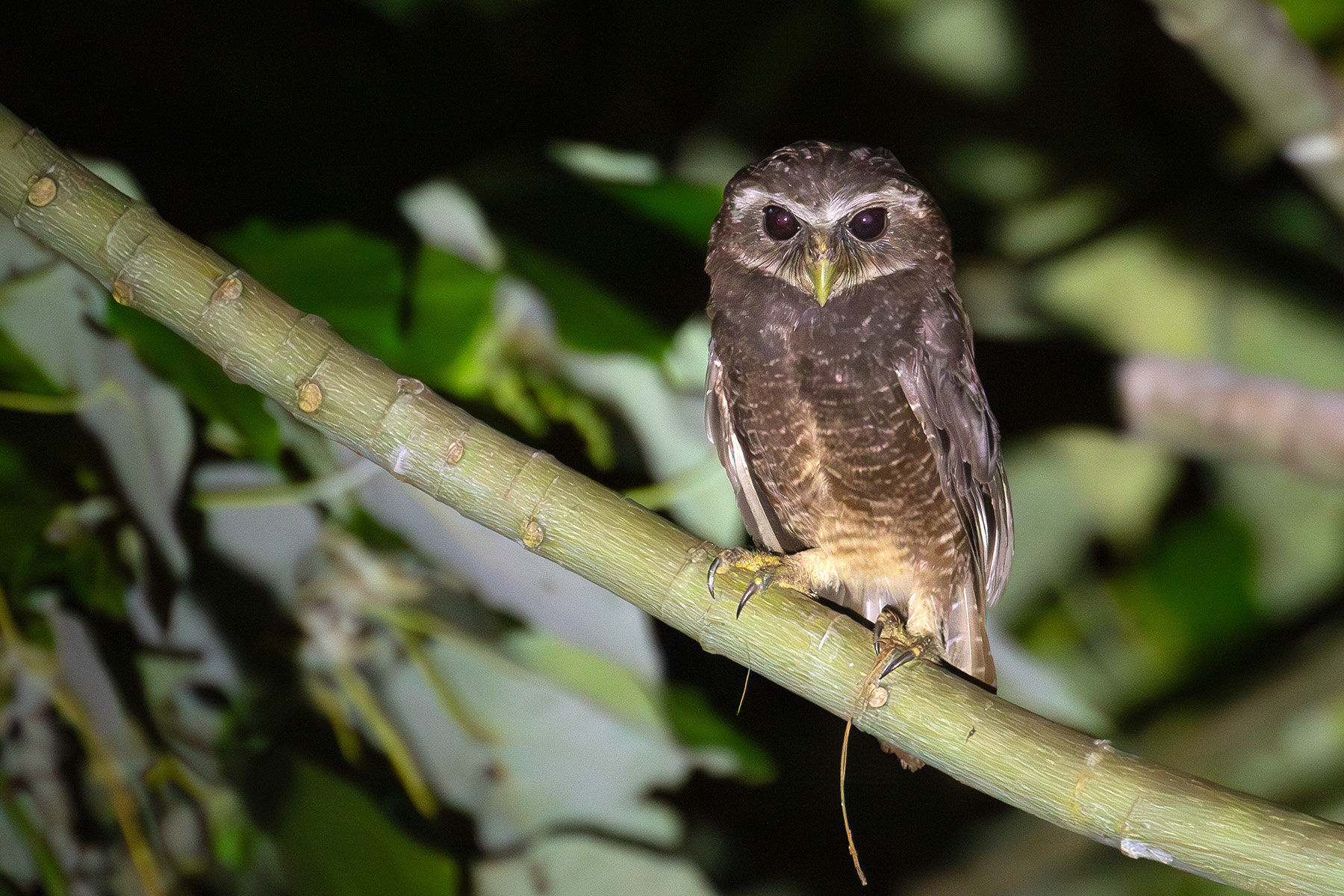
Malaita Owl (image by Diedert Koppenol)
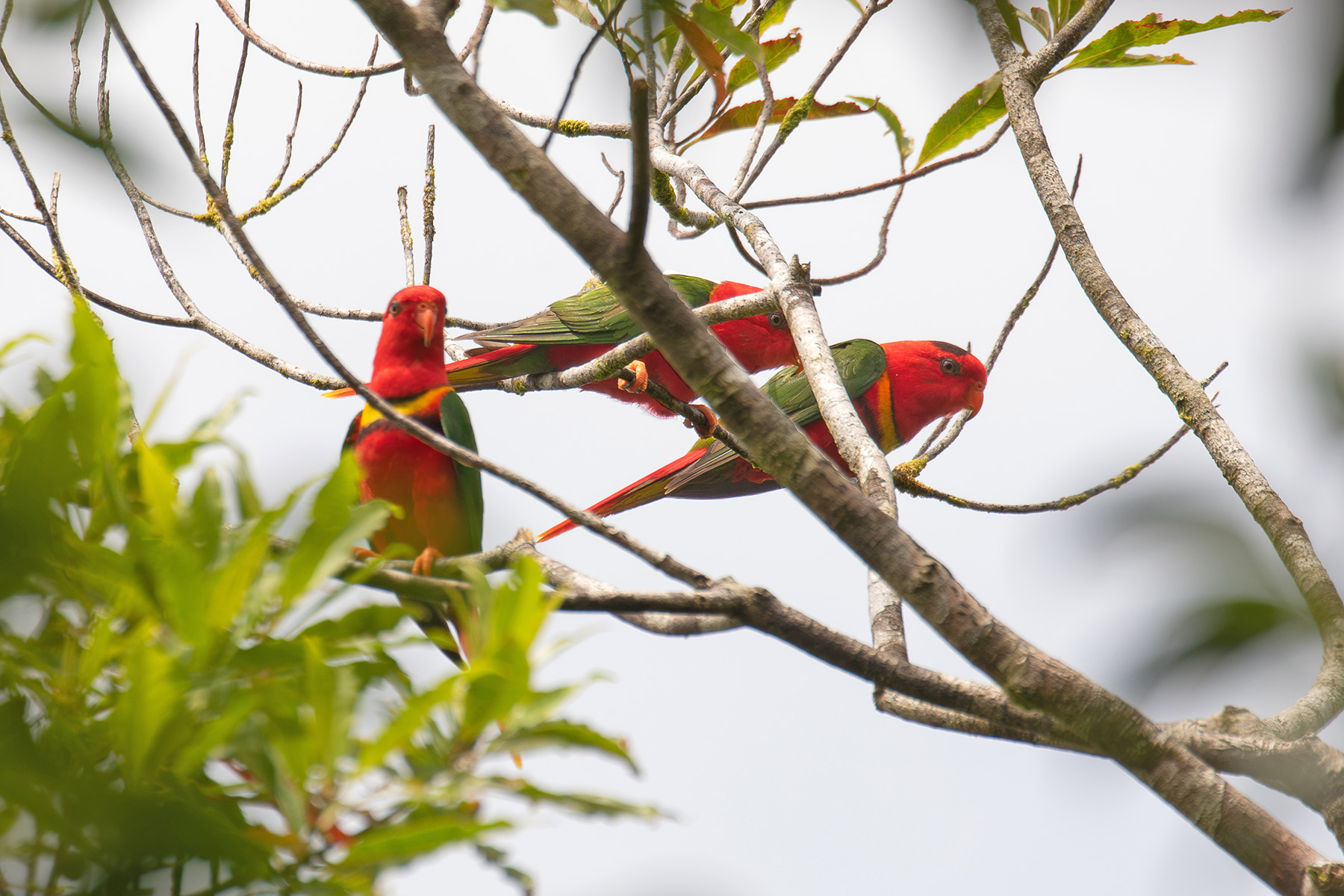
This small band of Duchess Lorikeets showed itself really well at the top of the ridge near our camp on Makira (image by Diedert Koppenol)
Solomons Rufous Fantail (image by Paul van Giersbergen)
Rennell Gerygone (image by Paul van Giersbergen)
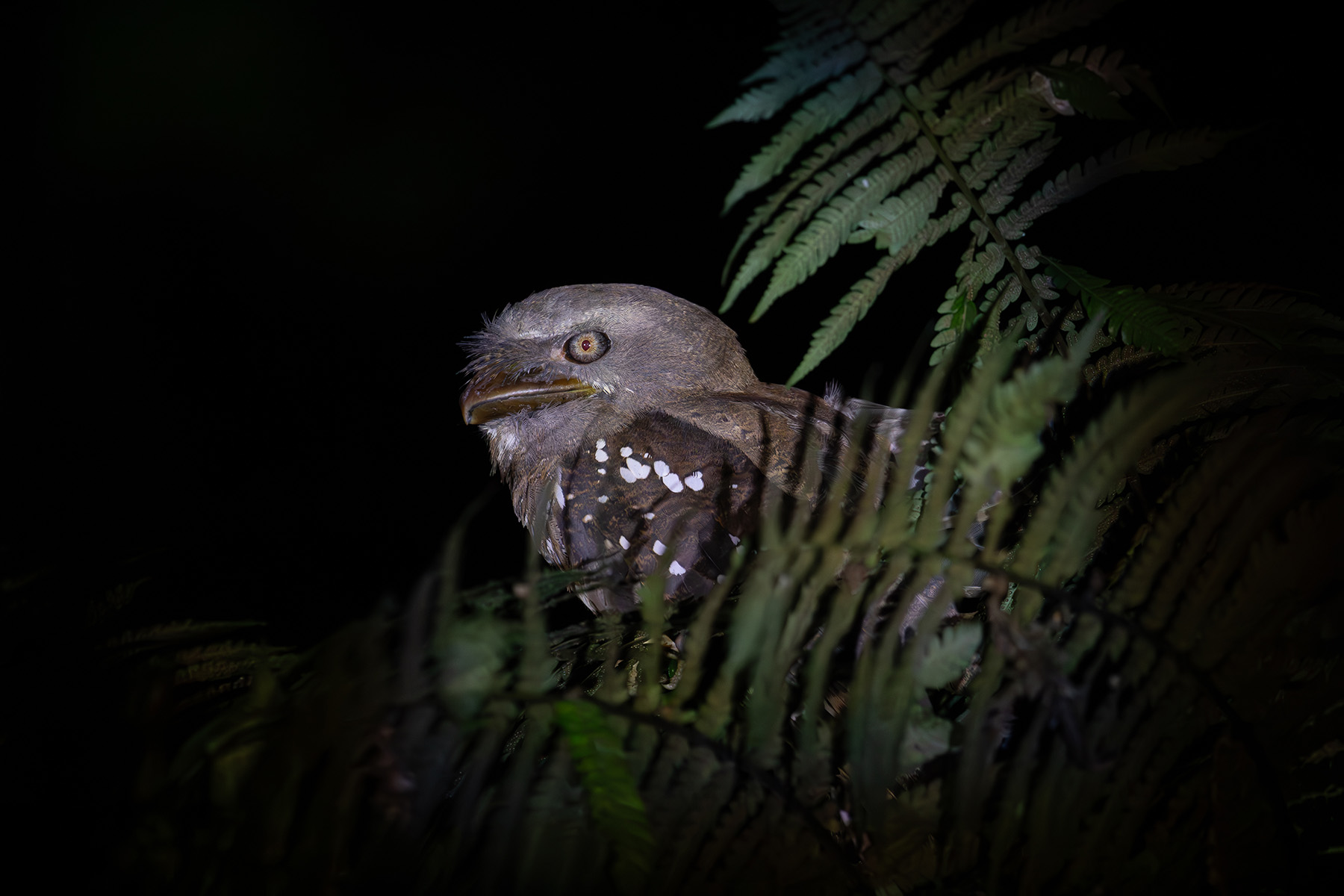
The local frogmouth whistler managed to get a Solomons Frogmouth right next to the track! (image by Diedert Koppenol)
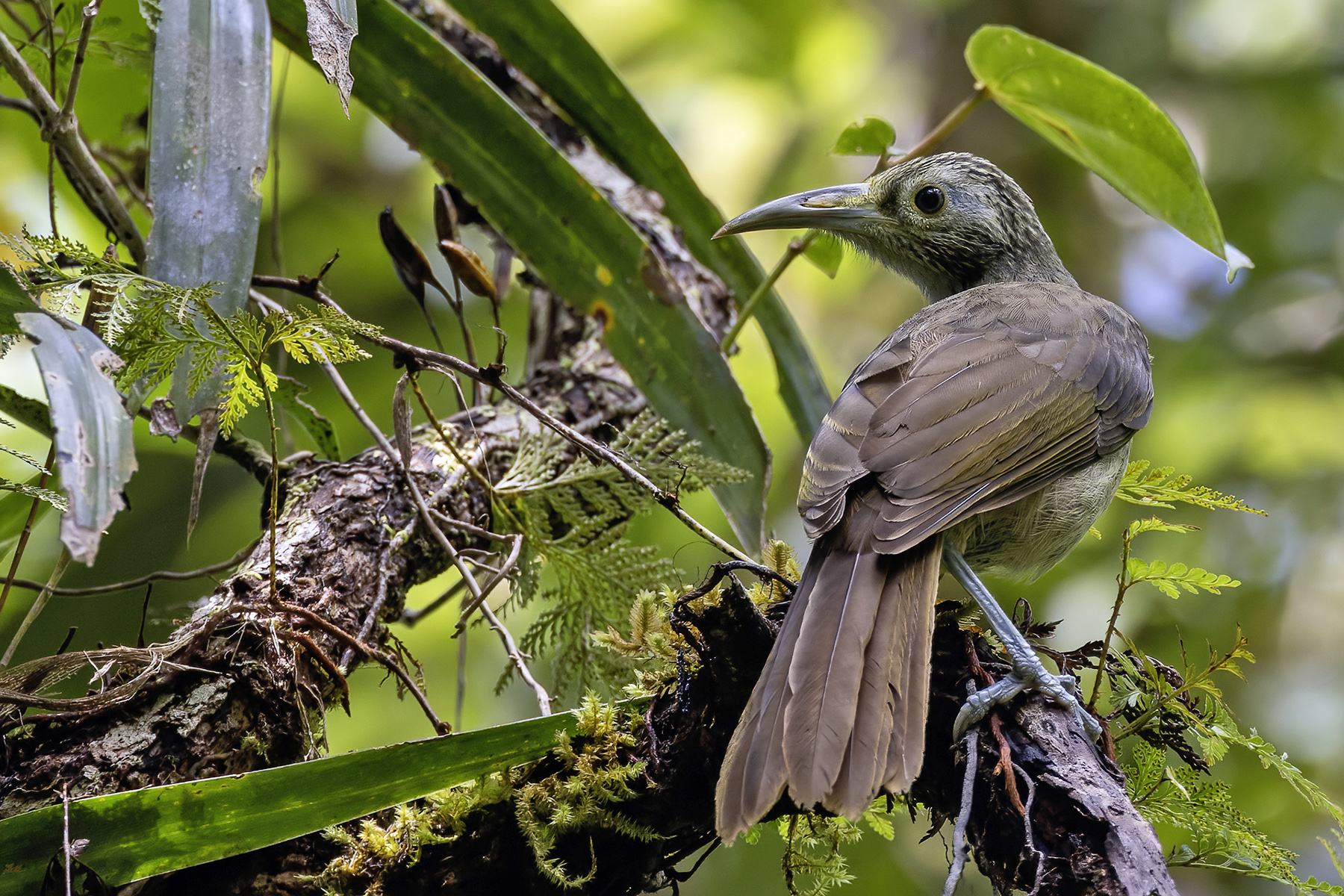
Makira Honeyeater (image by Paul van Giersbergen)
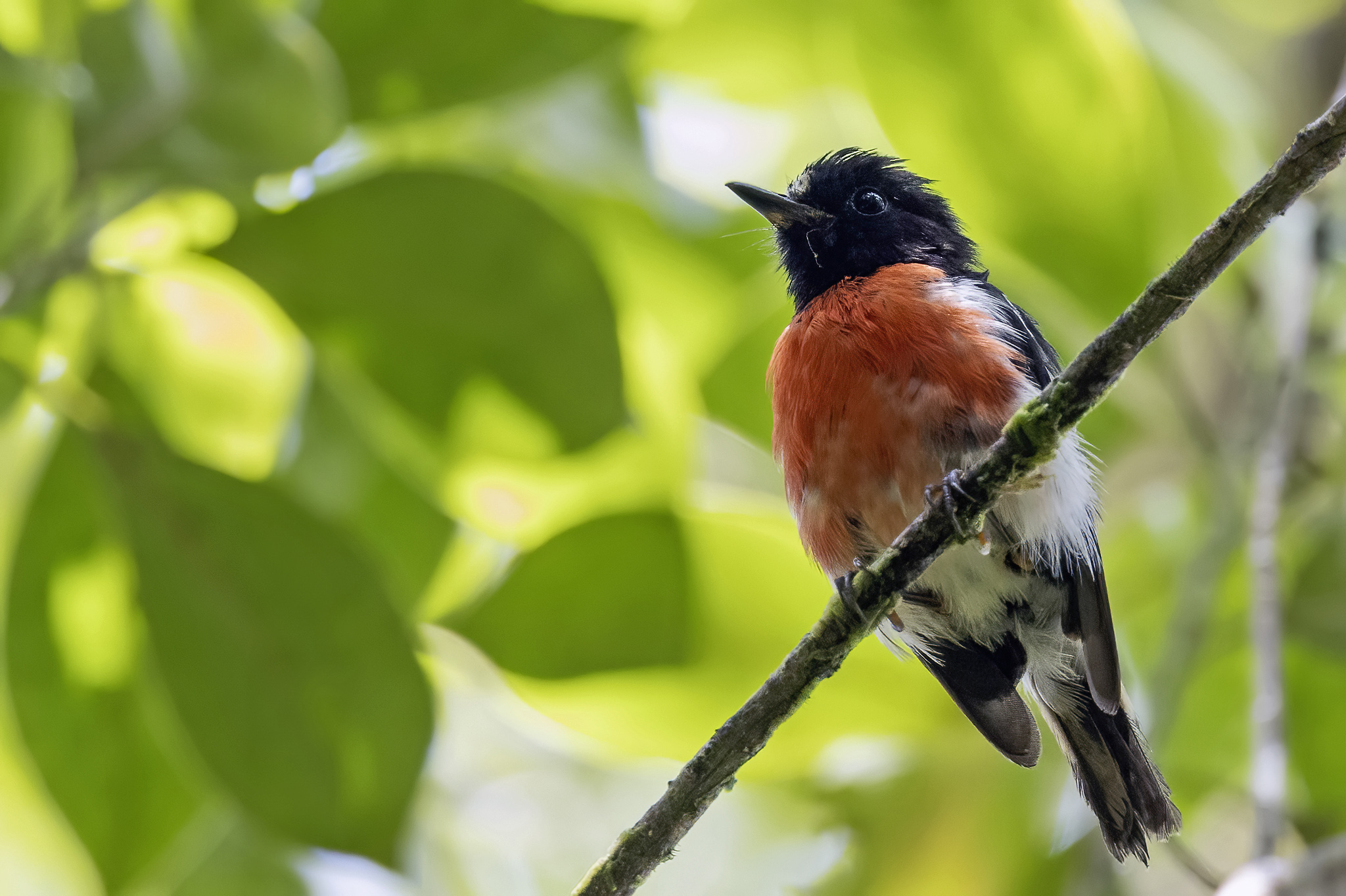
Solomons Robin (image by Paul van Giersbergen)
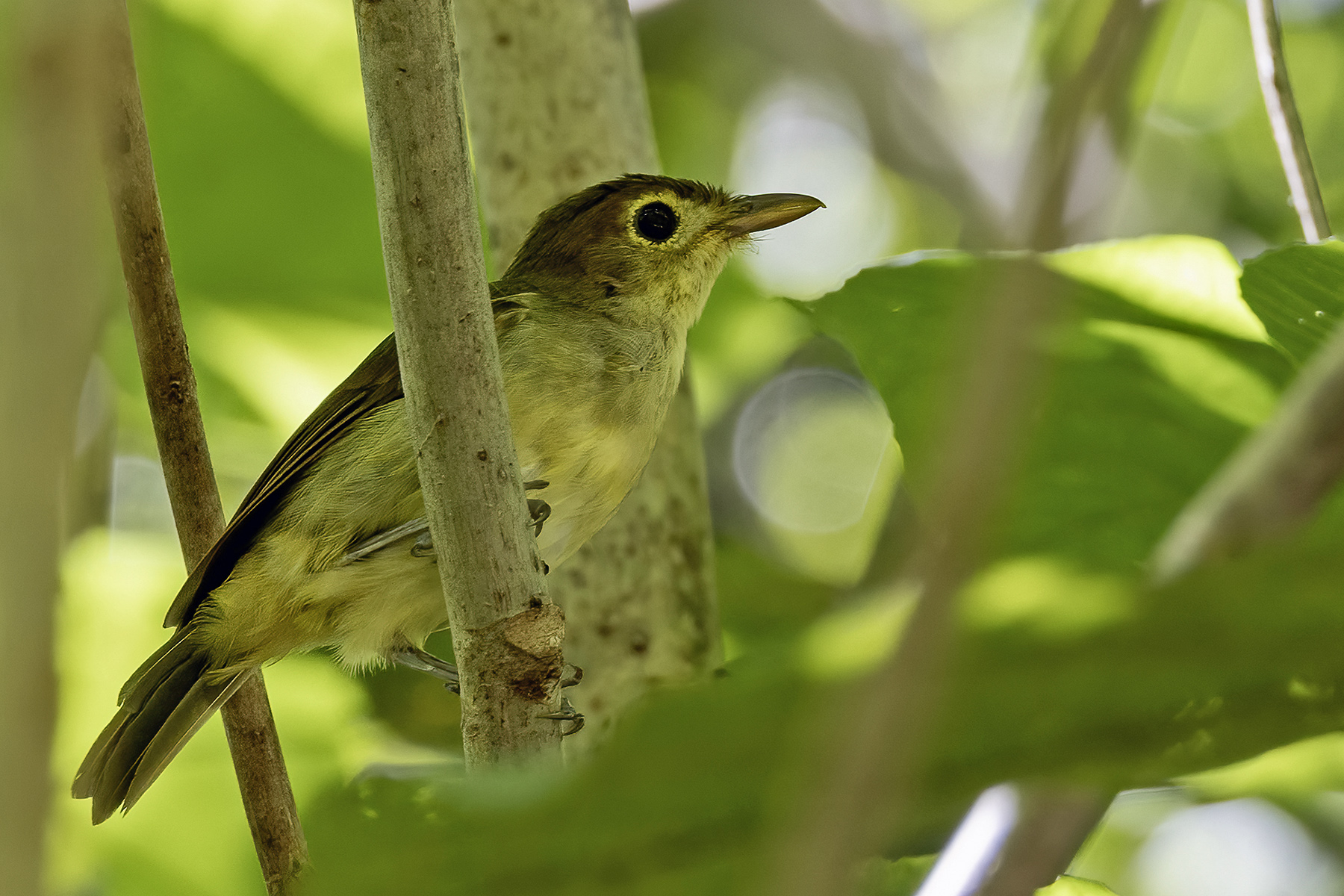
Rennell Whistler (image by Paul van Giersbergen)
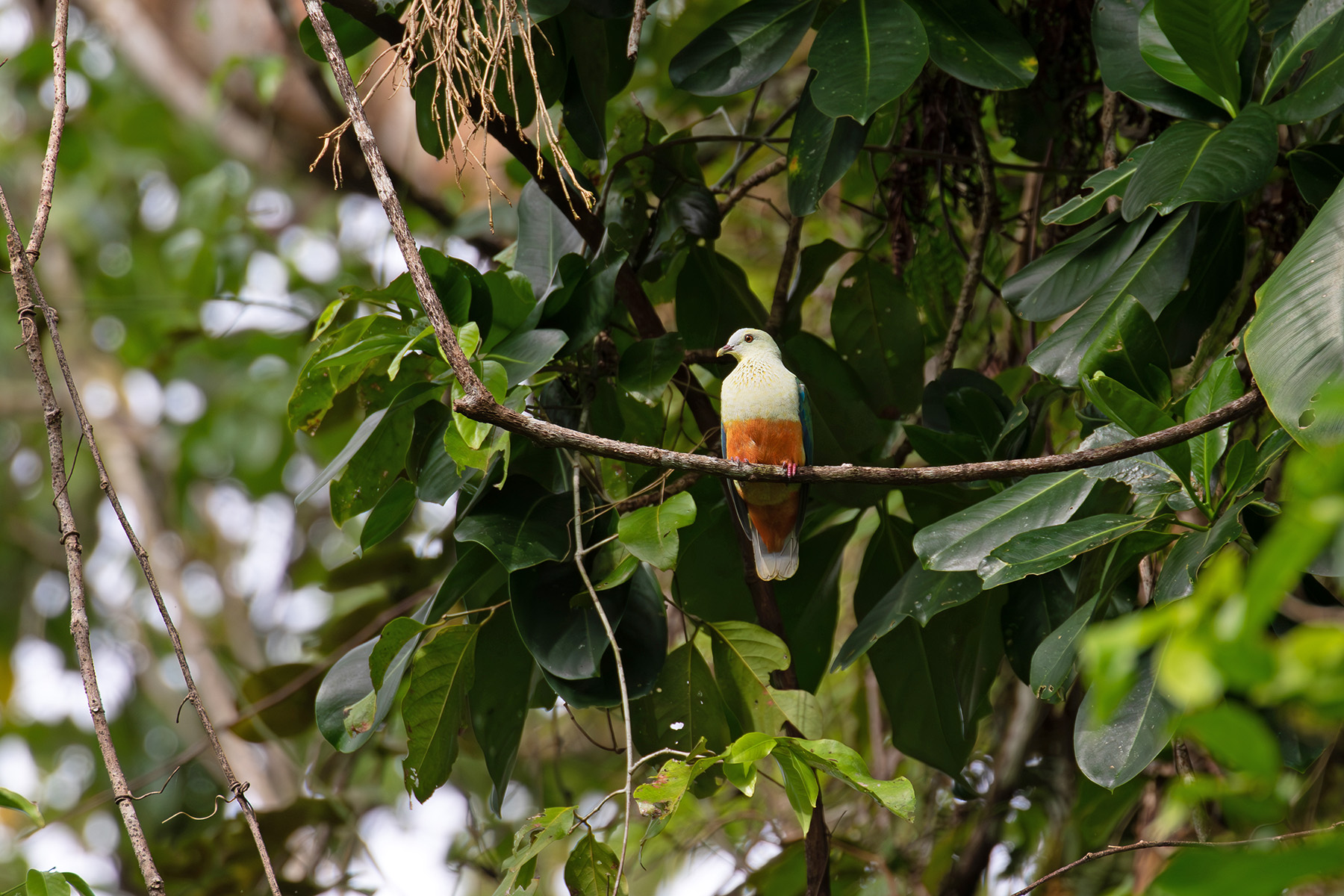
Silver-capped Fruit Dove (image by Diedert Koppenol)
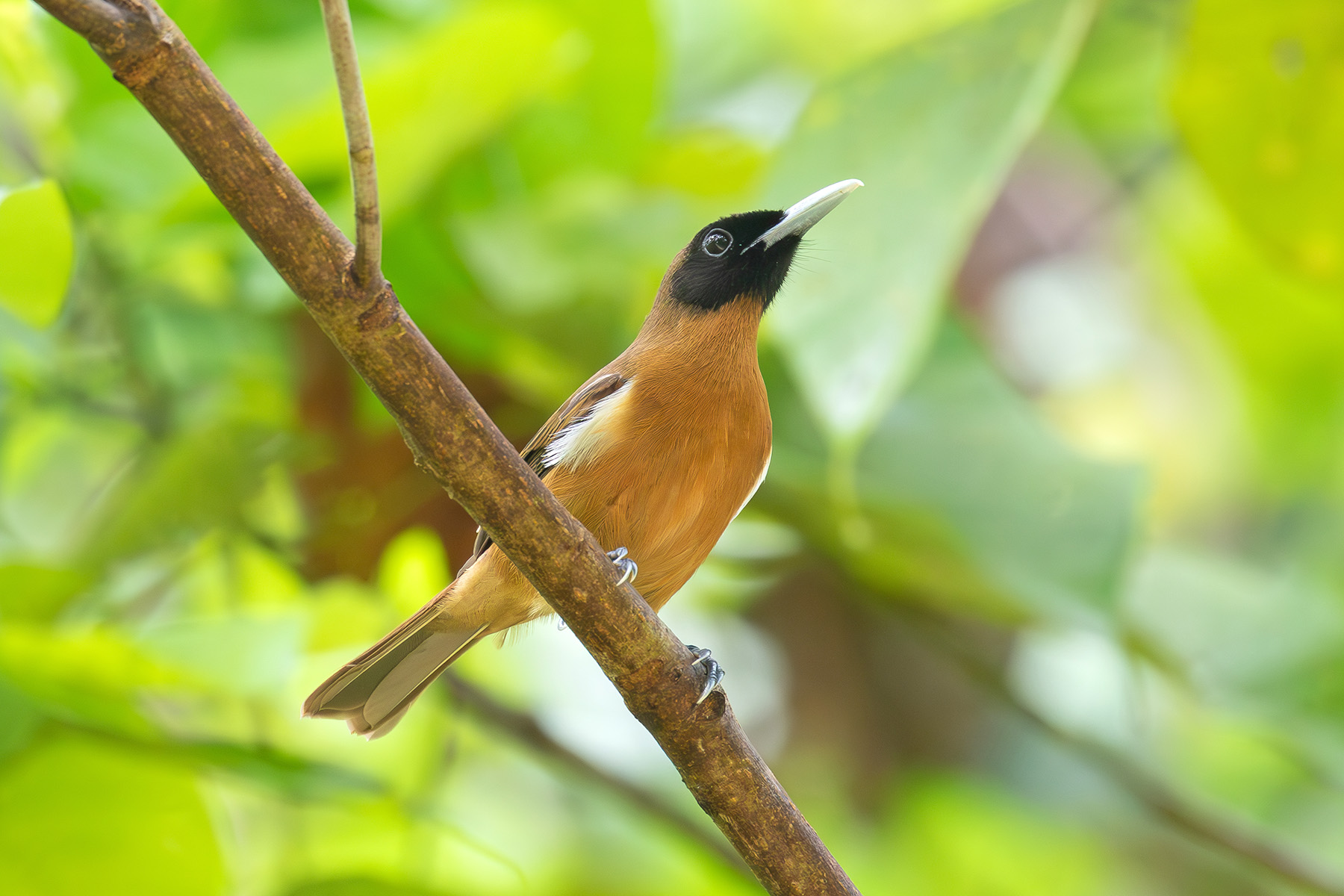
Rennell Shrikebill (image by Diedert Koppenol)
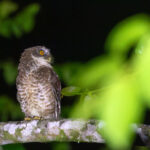
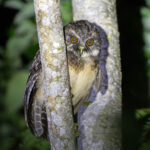
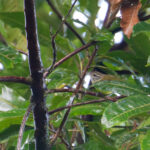
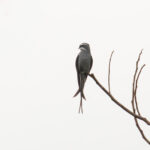
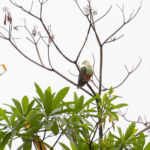
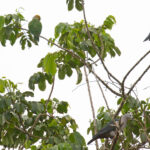
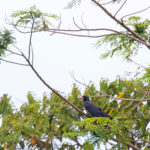
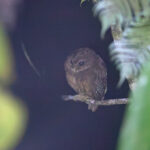
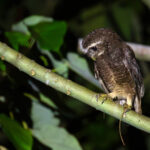
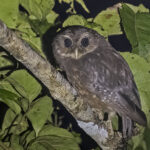
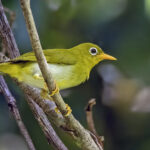
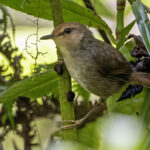
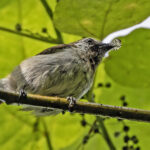
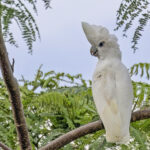
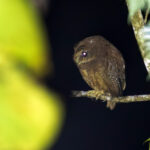
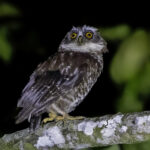
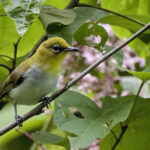
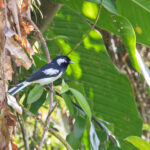
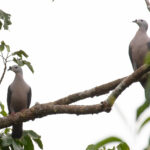
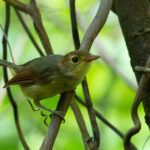
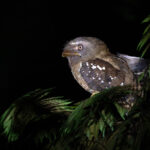
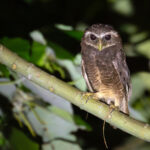


It took some persistance but we managed to get great views of this Guadalcanal Owl (image by Diedert Koppenol)
Dusky Fantail (image by Diedert Koppenol)
Malaita White-eye (image by Diedert Koppenol)
Rennell White-eye (image by Diedert Koppenol)
Solomons Robin can be found at higher altitudes on several of the islands (image by Diedert Koppenol)
The locals knew exactly which tree this West Solomons Owl prefers to perch in (image by Diedert Koppenol)
On board our charter flight to Auki, flown by kiwi pilot Dan (image by Diedert Koppenol)
Touchdown at Fera Island, off the coast of Santa Isabel (image by Diedert Koppenol)
White-bellied Cuckooshrike (image by Diedert Koppenol)
This cute Solomons Robin is a delight of the canopy (image by Diedert Koppenol)
Shade Bush Warbler (image by Diedert Koppenol)
A showy Melanesian Flycatcher on Rennell (image by Diedert Koppenol)
Finsch's Pygmy Parrot was present on most islands we visited, often giving great views (image by Diedert Koppenol)
Vanikoro Island Thrush (image by Paul van Giersbergen)
Roviana Rail (image by Paul van Giersbergen)
Malaita Monarch (image by Paul van Giersbergen)
Crimson-rumped Myzomela (image by Paul van Giersbergen)
Pied Goshawk (image by Pete Morris)
Gizo White-eye (image by Paul van Giersbergen)
Melanesian Kingfisher (image by Paul van Giersbergen)
Makira Leaf Warbler (image by Diedert Koppenol)
Moustached Treeswift (image by Diedert Koppenol)
Silver-capped Fruit Dove (image by Diedert Koppenol)
Song Parrot with Pacific Imperial Pigeons on Rennell (image by Diedert Koppenol)
We saw most our White-billed Crows on Santa Isabel, often in small murders (image by Diedert Koppenol)
Flying to Fera Island from Guadalcanal; nearly there! (image by Diedert Koppenol)
The old logging road up to Tirotonga (image by Diedert Koppenol)
White-headed Fruit Dove is only found on Makira and a few satellite islands (image by Diedert Koppenol)
Ultramarine Kingfisher (image by Diedert Koppenol)
Rennell Shrikebill (image by Diedert Koppenol)
Oriental Hobby on the highest perch of the track on Guadalcanal (image by Diedert Koppenol)
White-headed Fruit Dove (image by Paul van Giersbergen)
Buff-headed Coucal (image by Paul van Giersbergen)
Solomons Monarch (image by Paul van Giersbergen)
New Georgia Dwarf Kingfisher (image by Paul van Giersbergen)
Great Knot (image by Paul van Giersbergen)
Solomons Nightjar (image by Pete Morris)
White-capped Monarch (image by Pete Morris)
Island Leaf Warbler (image by Paul van Giersbergen)
Yellow-bibbed Lory (image by Paul van Giersbergen)
Makira Owl (image by Diedert Koppenol)
Oriole Whistler on Makira (image by Diedert Koppenol)
Dark-eyed White-eye (image by Paul van Giersbergen)
Rennell Starling (image by Diedert Koppenol)
The locals were really confused by our interest in this impressive Solomons Island Ground Boa (image by Diedert Koppenol)
Vanikoro Island Thrush (image by Diedert Koppenol)
Yellow-throated White-eye (image by Diedert Koppenol)
The state-of-the-art runway on Auki (image by Diedert Koppenol)
Crossing one of the many river sections in a hand made canoe on Marika (image by Diedert Koppenol)
Blyth's Hornbill was present on almost all islands but they were very wary of any humans due to hunting pressure (image by Diedert Koppenol)
View of Guadalcanal and nearby Ngella Islands from Parangiju Lodge (image by Diedert Koppenol)
Solomons Frogmouth (image by Diedert Koppenol)
Rennell Whistler (image by Diedert Koppenol)
Pacific Kingfisher (image by Diedert Koppenol)
Malaita Owl (image by Diedert Koppenol)
This small band of Duchess Lorikeets showed itself really well at the top of the ridge near our camp on Makira (image by Diedert Koppenol)
Red-vested Myzomela (image by Paul van Giersbergen)
Makira Cicadabird (image by Paul van Giersbergen)
Ranongga White-eye (image by Paul van Giersbergen)
White-capped Monarch (image by Pete Morris)
Bare-eyed White-eye (image by Paul van Giersbergen)
Claret-breasted Fruit Dove (image by Paul van Giersbergen)
Makira Owl (image by Paul van Giersbergen)
Dusky Fantail at the top of Makira (image by Diedert Koppenol)
Malaita White-eye (image by Diedert Koppenol)
Shade Bush Warbler (image by Diedert Koppenol)
Solomons Robin (image by Diedert Koppenol)
Fera Airport (image by Diedert Koppenol)
White-billed Crow was not very common but its presence is clearly announced by the loud calls they make (image by Diedert Koppenol)
Song Parrot on Malaita (image by Diedert Koppenol)
Shining Bronze Cuckoo (image by Diedert Koppenol)
Rennell Fantail (image by Diedert Koppenol)
Vella Lavella White-eye (image by Paul van Giersbergen)
Shade Bush Warbler (image by Paul van Giersbergen)
Mottled Flowerpecker (image by Paul van Giersbergen)
Solomons Corella (image by Paul van Giersbergen)
Makira Leaf Warbler (image by Diedert Koppenol)
Rennell Shrikebill (image by Diedert Koppenol)
Silver-capped Fruit Dove (image by Diedert Koppenol)
Spot-breasted Cuckoo-Dove (image by Diedert Koppenol)
White-headed Fruit Dove (image by Diedert Koppenol)
One of the local guide's, Mark, private trails across Santa Isabel (image by Diedert Koppenol)
Lovely view on Guadalcanal from Parangiju Lodge (image by Diedert Koppenol)
Yellow-throated White-eye (image by Diedert Koppenol)
Ultramarine Kingfisher (image by Diedert Koppenol)
Silver-capped Fruit Dove was definitely one of the favourite fruit doves (image by Diedert Koppenol)
Oriole Whistler was not always easy to see but this male on Makira allowed for a quick photograph (image by Diedert Koppenol)
Makira Owl (image by Diedert Koppenol)
White-winged Fantail (image by Paul van Giersbergen)
Nicobar Pigeon (image by Paul van Giersbergen)
Guadalcanal Owl (image by Paul van Giersbergen)
Island Monarch (image by Paul van Giersbergen)
Yellow-throated White-eye (image by Paul van Giersbergen)
Malaita Monarch (image by Diedert Koppenol)
Pacific Imperial Pigeon (image by Diedert Koppenol)
Rennell Whistler (image by Diedert Koppenol)
Solomons Frogmouth (image by Diedert Koppenol)
Vanikoro Island Thrush (image by Diedert Koppenol)
Barred Cuckooshrike (image by Diedert Koppenol)
Birding one of the trails on Guadalcanal (image by Diedert Koppenol)
Cardinal Myzomela was quite showy on Rennell Island (image by Diedert Koppenol)
Rennell White-eye (image by Diedert Koppenol)
Red-knobbed Imperial Pigeon (image by Diedert Koppenol)
Malaita Owl (image by Diedert Koppenol)
This small band of Duchess Lorikeets showed itself really well at the top of the ridge near our camp on Makira (image by Diedert Koppenol)
Solomons Rufous Fantail (image by Paul van Giersbergen)
Rennell Gerygone (image by Paul van Giersbergen)
The local frogmouth whistler managed to get a Solomons Frogmouth right next to the track! (image by Diedert Koppenol)
Makira Honeyeater (image by Paul van Giersbergen)
Solomons Robin (image by Paul van Giersbergen)
Rennell Whistler (image by Paul van Giersbergen)
Silver-capped Fruit Dove (image by Diedert Koppenol)
Rennell Shrikebill (image by Diedert Koppenol)


SOLOMON ISLANDS TOUR REPORT 2024

11 October - 8 November 2024
Diedert Koppenol & Pete Morris
The Solomon Islands is well-known as one of the logistically and physically toughest tours in our programme! In both regards, this year’s tour lived up to its reputation, and this was compounded further by the fact that Pete, who started out as the leader, was floored by a trapped nerve, resulting in me flying out as an emergency substitute leader at short notice. Of course, the Solomons are known to be quite a challenge..!
Fortunately, we had an adventurous group that were prepared to put in the hard yards. In the end we came away with an impressive list of endemics and specialities, including a high percentage of the available endemics. Particular highlights included the amazing Solomons Frogmouth, the rare Solomons Nightjar, Guadalcanal, Makira, Malaita and West Solomons Owls (a Birdquest first to see all of them on one trip!), the impressive Sanford’s Sea Eagle, the elusive Black-faced Pitta, Duchess Lorikeet, numerous Solomons Cockatoos, Ultramarine Kingfisher as well as three smart species of dwarf kingfishers, brilliant monarchs including the smart White-capped Monarch, the gorgeous Solomons Robins, the stunning Makira Thrush and a host of white-eyes including the lovely Gizo White-eye (formerly known as Splendid White-eye), the cute Rennell White-eye and the rare Makira White-eye. In addition, we had fantastic looks at four genera that are endemic to the Solomon Islands: Rigidipenna (Solomons Frogmouth), Nesoclopeus (Woodford’s Rail), Meliarchus (Makira Honeyeater) and Woodfordia (Bare-eyed White-eye).
We began the tour in the capital Honiara, from where we made our first of many trips to the airport for our first flight. Whilst waiting we found a fine nest-building Pied Goshawk just outside the terminal building, a fine way to begin the tour. We then took the flight to Gizo and then on to Munda, from where, after a bit of organization, we took a couple of small boats over to the remote Island of Tetepare. It was a fairly smooth crossing, and we managed to add a few new species including our first Island Imperial Pigeons, Beach Kingfishers, some Black-naped Terns and Pacific Reef Egrets.
We had a day and a half to explore Tetepare, a remote and quite birdy island. Around the lodge mixed flocks held the endemic Dark-eyed White-eye (sporting their funny yellow pectoral tufts) and stunning White-capped Monarchs, whilst a nearby fruiting tree was home to the attractive Crimson-rumped Myzomela and Claret-breasted Fruit Dove, and tall snags held attractive Moustached Treeswifts. The vocal Melanesian Megapodes also put in regular appearances.
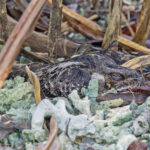
On our full day, we set off early in pursuit of a very special quarry, the rare Solomons Nightjar. Our excellent hosts had been out the day before to locate the nightjars, and a boat ride and a walk along the shore lead us to a tiny area where at least one pair were known to be. Despite knowing where the birds would be, I knew it would be tough to see them well as they are an exceedingly shy species. It’s an intriguing species, thought to (almost?) exclusively nest just above the high tide line on undisturbed tropical beaches – an extremely rare habitat these days! The species is likely critically endangered, Tetepare being the only place with any recent records. We approached the area very carefully, but one bird flushed fairly quickly. After some careful scrutiny with the thermal, we eventually found another bird on the ground, and this one was sheltering a tiny chick and was incredibly hard to see due to its amazing cryptic camouflage. The dark chestnut and golden-brown coloration of this form is quite distinct from the closely related White-throated Nightjar of Australia with which it was formerly lumped. The whole process had taken quite a while, and it was time to head back for breakfast, as we went. We spent the rest of the day and the following morning exploring some of the trails resulting in sightings of Nicobar Pigeon and, for some Cockerell’s (Black-breasted) Fantail.
The following morning was a bit wet, and not much was going on. We loaded the boats and headed for Kolombangara, via Munda again. The sea was relatively calm, and we arrived at our base on Kolombangara in time for lunch. Sadly, by now, Pete was unable to continue with the group and left them in the capable hands of our hosts for a couple of days. After lunch and a break, the group set off to explore the fields and scrubby woodland nearby, quickly finding the rare Roviana Rail.
The following morning the group were up early and began our trek inland. Fortunately, the weather this year was good allowing for largely pleasant hiking and birding conditions. Ably looked after by a number of porters and guides, some of the group focused on the lower and mid elevations, whilst a couple of the more adventurous group members attempted the higher altitudes. All in all, the birding proved successful, and between the group a good selection of birds was found. In the lower reaches, species included Sanford’s Sea Eagle, a stunning New Georgia Dwarf Kingfisher, North Melanesian Cuckooshrike, Crimson-rumped Myzomela, Solomons White-eyes, White-capped Monarchs, Steel-blue Flycatchers, Cockerell’s Fantails. Higher up, additional specialities seen included Meek’s Lorikeet, Solomons Rufous Fantail, Kolombangara Monarch, Oriole Whistler, Kolombangara White-eye, Island Leaf Warbler and the rarely seen Kolombangara Leaf Warbler.
After a pretty tough couple of days a boat was taken back to Gizo, with a Heinroth’s Shearwater being noted on the way. Once reunited, we took a taxi to the centre of the island, soon finding the impressive endemic Gizo (or Splendid) White-eye, before returning to the hotel for a nice rest and dinner. The following day, the group took a boat trip to Vella Lavella and Ranongga, and this was again successful, with good looks at the endemic Vella Lavella and Ranongga White-eyes and the poorly known Vella Lavella Monarch, as well as a few common seabirds such as Brown Boobies, Black Noddies and a few Brown Noddies.
After a successful (other than Pete’s predicament!) visit to the New Georgia group of islands, we headed back to Honiara, where I met up with the group, ready for the rest of the adventure. The day was spent organising and recuperating from the previous section, making sure we were all ready for what was yet to come!
The following morning started early as we would commence our exploration of the main island or capital island Guadalcanal with a visit to Parangiju Lodge. This ecolodge is situated a bit more inland and still has some unscathed forest left and has a trail that allows you to bird there. The lodge itself is also quite good for birdlife, but driving there across Guadalcanal’s awful roads does take some time. During the drive we kept the windows open to listen out for any rails, but they weren’t active this morning. A group of Blyth’s Hornbills was flying over and some noisy Solomons Corellas (or Cockatoos, as we all called them) made their presence known. At the lodge, we quickly noted Long-tailed Myna’s, Spot-breasted Cuckoo-Doves were omnipresent and Buff-headed Coucals were on show. A band of White-bellied and Barred Cuckooshrikes made their way through the forest a bit quickly for everyone to catch up with, along with Solomons Monarchs, but we would soon have great views of White-bellied and Barred Cuckooshrike for all. We spent the morning birding the ‘Waterfall Trail’ until lunch and noted Midget Flowerpecker, Steel-blue Flycatcher and broke our backs trying to get good views of Black-headed Myzomelas, as a small flock decided to stay in the high canopy. It was already getting quiet along the trail with a few Stephan’s Emerald Doves on the track, several skittish Claret-breasted Fruit Doves while Glossy Swiftlets and Moustached Treeswifts were flying overhead. A pair of White-winged Fantails made for a nice distraction and then we located two Ultramarine Kingfishers right next to the trail and had amazing views of this beautiful kingfisher species. By then it was time for breakfast, which is never really a break for birders. Island Imperial Pigeons, Oriental Dollarbirds and Solomons Cockatoos kept us distracted, while a Yellow-bibbed Lory sat perched for a short time. After our breakfast, we decided to explore another part of the lodge grounds by vehicle. According to the lodge owner, there were some good birds to be found there too, but sadly, due to the heat of the day, it wasn’t really the case for us. We did get our one and only Sanford’s Sea Eagle for this part of the trip and a Brahminy Kite caused for some initial confusion. A few of us managed to get views of Chestnut-bellied Monarch but for most it stayed a heard-only at this point. We changed tactics quickly and after a brief lunch were back at the Waterfall Trail. Some more species were seen and we added Chestnut-bellied Monarch to everyone’s seen-list now, plus Oriole Whistler, an overhead Osprey and a small foraging flock of Finsch’s Pygmy Parrots. Back at the lodge, we enjoyed great views of a Yellow-bibbed Lory that was busy eating, added bit more fleetingly views of Yellow-bibbed Fruit Doves, Solomons Brush Cuckoo for some and a Variable Goshawk, with some more Barred Cuckooshrikes and Claret-breasted Fruit Doves. We stayed for dinner as the location was supposedly good for Guadalcanal Owl. We did hear at least two individuals, but even with playback, none would show. We returned late to the hotel and prepared for one more of our several internal flights.
An early arrival at Honaira Airport would be a repeated item on our itinerary. We would soon get to know the menu (luckily, the airport now has a café that serves good coffee (!) and food) and the personnel here. We were soon boarding our flight to Fera Island, that lies very close to the coast of Santa Isabel where we would stay for the next three nights at Tirotonga. The local community, under supervision of teacher and village head Roger, have embraced birders here and we were welcomed by the team after a short flight from Guadalcanal. The ‘airport’ held some birds but we didn’t have much time for exploration and apart from a Wandering Tattler on the beach, we did not see much of note before we got loaded into the speedboat that would bring us to Santa Isabel. From here, we would climb up towards the village of Tirotonga for our stay at the ‘Chief’s House’, the accommodation built specifically for visiting birders. At the base of the logging road, we quickly located the range-restricted Yellow-throated White-eye, as a few birds were singing in the canopy of the trees. Further along, we also had our first group of White-billed or Guadalcanal Crow, two Pacific Bazas overhead and a small troop of Cardinal Lories was moving through the trees. We reached the accommodation after a long hike in the blistering sun and were happy to get in the shade. We had a quick exploration of the village and surroundings before dark which resulted in a few more White-billed Crows, several Uniform and Glossy Swiftlets, a few Brown-winged Starlings and a Papuan Eclectus flying over. However, we had important plans for tonight so we focused on getting some dinner and then off we were to find a cool night bird. Unbeknownst to most, it was quite a walk through the dark, but then our frogmouth whistler Samson worked his magic and suddenly there it was: Solomons Frogmouth at touching distance! We enjoyed prolonged close-up views of this endemic stunner and slowly made our way back to camp.
The following days would be spent exploring the area above the village, using the many tracks or paths crisscrossing this part of the island. We had been assigned a team to accompany us, consisting of bird guide helper Mark and local hunter Samson, who has a side job as frogmouth whistler. They would make sure we would not get lost and would lead us to the best places for birding. Our main quarry here was the Black-faced or Solomons Pitta. We spent the whole first morning at a good-looking ‘arena’, an open area with a gully running through it. We had at least three birds singing back at us, but not a glimpse of the actual birds. We did see Red-knobbed Imperial Pigeons, Cockatoos, White-billed Crows, Yellow-throated White-eyes, Metallic Starlings, Long-tailed Mynas and two Ultramarine Kingfishers but then it was decided it was enough. The heavens above broke as a tropical storm hit the island. The rest of the day fell into water.
It was still raining in the early morning but as soon as it was dry, we were out again. A detour to see West Solomons Owl at a day roost was not as successful as we hoped, but we did get North Solomons Dwarf Kingfisher in return. The rest of the day was spent birding in the Black-faced Pitta area again and with persistence, we all had great close-up views of a singing individual. Nothing new was really seen, with more Metallic and Singing Starlings at basecamp, a few Midget Flowerpeckers, singles of Sahul Sunbird and Solomons Monarch and the ever-present Solomons Cockatoos. At night, we were successful in getting walkaway views of West Solomons Owl; the locals knew the exact tree it favoured for a nightly perched and there it was!
With our main target secured, we ventured further inland and hiked up quite a bit more. We were unable to locate any Red-capped Myzomela’s here, but the local team did hear, what they said was, a Fearful Owl calling! The leader heard this low bark-like sound as well, but searching the canopy and trying something with playback was to no avail and we carried onwards. Upon suggesting of Peter, some playback of Imitator Sparrowhawk was played for a while. Unsurprisingly, there was no response, or so we thought. We birded the tracks here further uphill, with some showers of rain here and there, and heard Woodford’s Rails shouting at us from inside the thick jungle, saw another North Solomons Dwarf Kingfisher, had good views of Oriole Whistler and Solomons Monarch and then realised there was a raptor calling up ahead of us. Making our way to higher ground, the calls kept going and started to sound quite familiar..! While starting up the playback, the sound moved and we realised it was calling from a perch in a treetop. Of course, it was heavily obscured so we decided to move towards the sound while leaving Jesper as a lookout in a clearing. As soon as we approached the tree it was calling from, and by this point we concluded the sound was the same as on the tape for Imitator Sparrowhawk, the local guide made a misstep on a large branch causing the bird to fly away. Jesper managed to get brief views, confirming to us it was definitely a sparrowhawk. The waiting game commenced and luckily we managed to pull the bird back with playback. This time, it sat in the forest uphill so Peter and Jesper stayed behind while I climbed the hill to try and get a photograph. As nature does, the bird flew off as soon as I came too close. Luckily, the sparrowhawk flew right across the clearing above Peter and Jesper and they managed to clinch the ID as it showed the dark band at the rear of the underwing, distinct barring on the underwings and blackish rather than greyish. Note that size difference on Santa Isabel is not as clear as on Choiseul and Bougainvillea as the birds on Santa Isabel are almost similar-sized as Pied Goshawk. After this amazing sighting, we made our way back to the village for a final lunch and then a walk down to the ‘city’ of Buala where we would spend the night. We did some birding around town and added Willie Wagtail to our island list and that was about all she wrote.
As we had all read and studied the tour report from the previous tour, there was some initial fear about a potential flight cancellation due to some rain on the horizon, but we set out to Fera Island nonetheless. We birded the airport grounds and runway for a bit, with resulted in great views of a group of Island Monarchs, a surprise Great Knot, a few Australasian Swamphens, Pacific Golden Plover, Common Sandpiper, Eurasian Whimbrel and a flock of Cardinal Lories. To everyone’s delight, kiwi pilot Dan arrived on time and after loading our luggage onto our charter plane we were soon up and away! A short uneventful but exciting flight later, we landed at Auki Airport and, after a short wait, were picked up by our friendly SUV-drivers and taken to Auki Lodge, our base here on Malaita. At the lodge, we had views of Brown-winged Starlings of the endemic subspecies malaitae that is sometimes split as Malaita Starling and a few Lesser Frigatebirds soaring high up, while Wille Wagtails enlightened the garden. After getting settled and having lunch, we ventured out to the deep inlands of Malaita. We made our way towards Okla in our 4×4’s. As soon as we left Auki, we realized just how essential the 4×4’s were as the roads were definitely high in the ranking of ‘worst ones ever’. It took us some bumps and time to get there, but birding was relatively good here as we saw Malaita White-eyes, now-called Central Melanesian Cicadabird and a few managed to get views of Red-vested Myzomela while most had to make due with a heard-only for now. A Malaita Monarch gave good views, while we also added White-rumped Swiftlet and Pacific Kingfisher to our list. We headed back down while filling the long ride back with our ongoing conversation trying to figure out what name belonged to which cicadabird or cuckooshrike. As IOC had just published the 14.2 update and Clements had just released an update as well, which featured a big rework of this exact species group and some were still working with an outdated version of the Merlin app or an older book, it was a continuous struggle to get everyone’s mind unscrambled from this confusing taxonomic switcharoo.
As ecotourism is increasing here, mostly relatively speaking, some on Malaita are trying to fill this niche. One of such entrepreneurs is Steven, who has built a homestay along the road to Okla and has some trails on his property. He would be guiding us around today and we met up with him in the morning. From the road, we already did some nice birding with large numbers of Blyth’s Hornbill filling the sky, a few Papuan Eclectus and we added Malaita Cicadabird to our list when a pair showed itself. Birding along the tracks from the homestay wasn’t too productive and apart from a Variable Goshawk, great views of a perched Moustached Treeswift, a Pacific Kingfisher and two Duchess Lorikeets flying past we did not see much. During lunch, Steven told us that a ‘red bird’ had been visiting a flowering tree next to the main building for several days now. Upon showing him the photo of Red-vested Myzomela, he became very enthusiastic and confirmed that was the bird. So, we sat ourselves on a couple of chairs and created a makeshift gallery. It did not take very long and there indeed it was! We all had great views of a foraging male that returned a few times. We then got distracted by some employees of Steven that had found a beautiful large Solomon Islands Ground Boa and were eager to show it to us. We decided to hit the main road and bird along it, to see if we could locate anything else of interest, mostly trying for Malaita Fantail, but we did not get a sniff of that bird. We did hear a local Woodford’s Rail calling out, but yet again, it would not show. Perhaps it was the lack of rain making these birds difficult this year? A Singing Parrot perched for us and we had more starlings and Midget Flowerpeckers to try to distract us about the lack of birds. Dinner was enjoyed at the homestay as we had to kill some time until darkness. As soon as the sun was setting, we gave a few hoots of Makira Owl from some recordings but it took a very long time before any response was given. Far away, a Makira Owl slowly woke up and gave a few replies, but nothing seemed to happen. It took so long that most thought the leader had gone insane, had fallen asleep or both… Until, as by thunder, there it was! Singing loudly next to the road, we obtained walkaway views and descended back to our lodge with a content heart.
As most of the island is difficult to explore due to a lack of roads, we decided to venture northeast this morning, making our way along the new Chinese tarmac road. A few roadside stops did not result in much, apart from a small flock of Chestnut-bellied Monarchs. At one point, a Woodford’s Rail ran across the road but was only seen by the leader. A stop was made, but playback only resulted in a loud vocal response but it did not want to cross the road. Unfortunately, we also stopped nearby a house and the locals decided to levy a ‘protection fee’, but at this point a thoughtful Malaita cloud decided to burst and we made use of the excuse to turn back around and went back to the lodge. It being Sunday, the staff had not assumed we would want to eat or something, but luckily we managed to find the cook in the village. While a late lunch ate into our birding time, at least we did get food. We brought along reinforcements this time, including boss Simon of Auki Lodge (and Auki town it seemed), and explored the northern road. We explored an old path used by the locals here and had a few moments of nice birding, but mostly it was rather quiet, as goes for most of the islands. Long-tailed Myna’s, a Superb Fruit Dove for some and a few Malaita Cicadabirds were the highlights of this afternoon and we returned back to Auki Lodge at dark as we had to pack for our next flight tomorrow.
Or so we thought! We woke up in rain and the standard fear of flight cancellation set in. We set out to the airport and were met by Solomon Air personnel, weighed and checked-in, and it was dry! However, no plane appeared and soon the old desk clerk pulled out a flip phone and started making calls. It did not take long before he used his island wisdom and probably mostly his previous experience to give us the advice to find a different mode of transport. Apparently, the plane did take off from Honiara, but had returned because of a technical issue. While it was supposedly being fixed while we were speaking, the old man told us it was quite unlikely that we would leave Malaita by plane today. We turned to the local team for help, as we knew there was a ferry off the island as well (as previous tours had made use of this service) and some phone calls were made and we could still make the Auki Express at 10:30. So, all back on the 4×4 and we shot like a bat out of hell to the harbour… Until disaster struck again! Our diesel vehicle had run out of fuel (most gauges on most vehicles in the Solomons don’t work) and we were stranded halfway to the harbour, still way too far. But, not all was lost as the driver had seen Simon at the repair shop where he was taking his car to be serviced and repaired. Very lucky for us, they hadn’t yet started on his car and so, his car was rolled out of the garage and with some people in the boot, we made it to the ferry in good time. A short wait in a busy harbour but soon we found ourselves sat in an airconditioned cabin on board the Auki Express, a former Russian vessel, bound for Honiara. This meant we still had time for birding in the afternoon and we visited the lower parts of Mt. Austin, taking one of the more rustic looking tracks. Not much of note was going on, although there was quite a bit of activity at first, with a few Yellow-bibbed Lories, a Steel-blue Flycatcher, more Black-headed Myzomelas and a murder of Guadalcanal Crows, until our hearts skipped a beat when we heard the clear high-pitch call of a kingfisher. It didn’t take long to whip out a bit of playback and you could hear a pin drop while everyone was quietly listening for a response. Silence… Silence… Until, there it was again! Not to get dragged into wishful thinking, we played several other things but this was definitely a Guadalcanal Dwarf Kingfisher. Now the problem became that we had no idea how to get views, as it was calling from the thickets with such limited visibility. The speaker was placed in several places to entice it from flying in, as most kingfishers tend to be quite vicious when a competitor has entered their domain, but it was to no avail. After a long time, the kingfisher had gone silent and we gruntingly continued down the track, but without reward. A late return to our hotel was inevitable but we got to enjoy a nice traditional Chinese buffet at our hotel in Honiara.
Back at the airport, we tried to wake ourselves with another coffee, as we geared up for our flight to Rennell, the most southern island of the Solomons. It wasn’t a particularly long flight, but everyone was glad we made touchdown as you never know with these flights and the Solomon weather… A quick drive to our accommodation, while a few Australian White Ibises were parading around, and went off into Rennell’s forest to find its endemics as quickly as we could. Birding roadside delivered plenty of this straight away, with our first Rennell and Bare-eyed White-eyes, plenty of Spot-breasted Cuckoo-Doves, a handful of Pacific Imperial Pigeons, a showy Melanesian Flycatcher and a few Finsch’s Pymgy Parrots, plus quite a few Rennell Gerygones. It took a bit more time to find the fantastic Rennell Shrikebill, but once we learned their behaviour, even they were pleasantly common. We walked through some of the degraded forest and kept adding more of these species to our day total, plus several perched Silver-capped Fruit Doves. Definitely one of the fruit dove favourites of the trip, a few individuals showed really well. Walking the trails, we also ran into several Cardinal Myzomelas that were busy foraging and visiting the flowering plants. A pair of Song Parrots of the endemic subspecies was another highlight. We were still missing a few species but needed to take a break for lunch. While making our way back to the accommodation, a Brown Goshawk was seen flying over, and a few more endemic pygmaeus Australian White Ibises were strutting around the homestay. We filled up on food and water and back out we went. Targets such as Rennell Fantail and Rennell Whistler were still eluding us but after several kilometres, we did not yet add them to our list. We did get point-blank encounter with a shimmering Shining Bronze Cuckoo, had great views of Barred Cuckooshrike and walked away from a very showy Rennell Starling. Large numbers of the same species were still seen and we finally managed to get Rennell Fantail on our list as well after finding some obliging individuals. As the evening was setting in, we were playing hide-and-seek with a Vanikoro Island Thrush that everyone managed to see very well. As we made our way back through the sweaty forest, some of us were lucky enough to see a Bronze Ground Dove cross the track, but sadly, after a long wait, it did not return for a second crossing. The evening sky was filled with several Moustached Treeswifts, that, in a nightjar-like way, were hunting insects in the moonlight.
Today would be our only full day on Rennell and we had only one reasonable target left. To find Rennell Whistler, we went to GPS-points from previous visits, but apart from a lot more Rennell and Bare-eyed White-eyes, Rennell Gerygones, Silver-capped Fruit Doves and Pacific Imperial Pigeons, the or a Melanesian Flycatcher, a few more Rennell Shrikebills that never get old and a Rennell Fantail here or there, we did not seem to get any closer to seeing a whistler! An overhead Brown Goshawk was a nice distraction as were a pair of Singing Parrots, a few more Rennell Starlings and Barred Cuckooshrikes until we finally stumbled upon the right track. A bigger bird flicked across the path in the thick bamboo. It took a bit of organising but soon enough everyone had proper views of the endemic Rennell Whistler. At least two birds were present and singing in the thickets and some patience was required to obtain photographs, but we all went for breakfast content. As we had seen all we came out here for, we debated whether we could go and visit the one freshwater lake Rennell has. It lies at the other side of the island and Little Pied Cormorant and Australian Grebe supposedly reside there. They are endemic subspecies so of potential interest, but our host told us that it would be a five hour drive and very bumpy to boot. We decided against this and spent the rest of the day exploring more of the nearby area, spending more time on photography, insects and other creatures, etc. Nothing new was seen, but it was nice to spend some time on an island that still has a lot of birds about and just do some relaxed birding. A Vanikoro Island Thrush was foraging on the tracks, we saw a few Stephan’s Emerald Doves and Australian White Ibises and went to bed content.
We woke up in bad weather, which is never a good thing on a flight day. Despite it raining quite a bit, our host said we should make for the airport nonetheless as his weather report was showing improvement. This was not to be the case and after about two hours of waiting in the wooden hut that was the terminal, we were told the flight had almost made it to neighbouring Bellona Island, but decided to return to Guadalcanal because of the weather. Then, the sky did indeed break, and we returned to our friendly host, who gave up most of their food to sustain us (most supplies for the island come along with the flight from Guadalcanal), and we were very grateful for their hospitality and kindness in hosting us another night. Peter had brought a card game, which was a life saver, as the heavy rain really made most birding impossible. Everyone caught up on some much-needed sleep and we waited and waited.
Another early rise, a short drive to the runway and yes, the plane landed this time! Of course, we were supposed to connect for our flight to Makira today, but upon arrival in Guadalcanal that plan changed as well. Due to a lack of available aircraft, the flight to Kirakira on Makira was cancelled. In a sense, this was a relief to us as time between flights was very short and our big bags were still at the hotel. Now, we had some time to get organised again, have a proper shower and come up with a plan. Our local man on Guadalcanal had so far failed to produce the promised day roost for Guadalcanal Owl, but today he seemed to indicate that he had found one. So, the afternoon was dedicated to this. Sadly, communication is not really Solomonese’s strong suit, so we ended up in a strange, mad dash through thick forest and bamboo for a while, until we found ourselves far from the road on a path where the locals indicated we had to climb down a hillside. Already realizing how hopeless this was, with a group of Westerners trying to silently descent as to not spook any owl, we followed the instructions. Our fears became reality when it was indicated two owls had flown from their roost. Nobody saw anything so with heavy heart we slowly made our way back to the road. As we had already started a bit late due to traffic and time management issues from our local drivers, it was slowly getting dark. Perfect, as the leader decided it was time for some old fashioned owling. It started out quiet, with no calling owls or any response to playback, but about halfway, one individual started singing next to the road. It was situated just behind the visible first line of trees and it was impossible to get an angle on it. We kept trying but it refused to reposition itself and we were hopeless with this one. As we neared the vehicles and almost packed it in, another owl suddenly started its staccato song quite close to us. A scan with the thermal revealed it and after a bit of a shuffle, everyone got great views of a Guadalcanal Owl. Mission accomplished!
Solomon Air had rescheduled our flight to Kirakira early in the morning so we were back at the airport of Honiara to enjoy some cappuccino’s. Soon enough, we landed at Kirakira on Makira and were met by the local team. It took a bit of time and typical Solomonese inefficiency but we made our way across the island in several vehicles and a boat until the road stopped. We would have been able to drive about half an hour further, if it wasn’t for the fact that rain and mud had destroyed most parts of the old Chinese logging road and we now had an additional three hours to walk in the blistering sun. Not ideal, to say the least. It did allow for some minor birding during the trek, adding Makira Starling and Sooty Myzomela to our list with brief views. Anyway, most of our energy was focused into walking so for most it was just a few overhead Pacific Baza’s. Just after midday, we took a break for some lunch that was brought out by the local team and soon found ourselves in a bit of shaded bamboo. There was some bird activity here, with Chestnut-bellied and White-collared Monarchs and a group of three Oriole Whistles, showing quite well, but as always quite fleeting. Mottled Flowerpecker was also new for us here and better views of Makira Starling were obtained. We pushed further and finally made it to our accommodation for the night at Na’ara Village. A bit of a breather and then we decided to explore the area. Behind the accommodation, a small trail lead us into the forest and we quickly laid eyes on a few White-headed Fruit Doves that showed really well. More Makira Starlings, another Sooty Myzomela and a few frantic Solomons Rufous Fantails were seen, but our main goal now was to find a Makira Dwarf Kingfisher before it would be dark. We kept going further into the forest, listening for any typical kingfisher calls and after quite a while we found something of a staging ground where we played some tape and it did not take long before we had a response. It took us some time to originate the sound as these high pitch vocalizations are always very tricky to localize. However, after some time we managed to climb our way through the vegetation and came close to the location of the sound. It did not take long for us to then locate a displaying pair of Makira Dwarf Kingfishers and everyone had great views. With that success, we slowly birded our way back to the accommodation and quickly turned in for some well-deserved rest.
Yesterday was quite a long walk, but today we would really be put to the test. It would be a long and steep climb, in humid and hot conditions, to our next accommodation at Bagohane Camp, higher up in the mountains. We started very early but were soon distracted by a pair of Makira Cicadabirds foraging in the canopy next to the track. A small band of Solomons Rufous Fantails shot through the undergrowth and we also saw a few more White-collared Monarchs and a Chestnut-bellied Monarch too. Luckily, the porters on our team were fast and strong and took most of our baggage up to the top and some even stayed with us to carry our day packs and water! How easy life was made for us ‘weak Westerners’. We made several stops along the way, sometimes to catch our breath and sometimes to look for or at birds. We added a few more Makira Cicadabirds and Solomons Rufous Fantails lower down, while Papuan Eclectus were ever-present in the sky around us, loudly calling. Red-knobbed Imperial Pigeon was the staple large pigeon here, but Makira holds several good large pigeons so we checked every individual. It felt like ages, but at about 8 am we had a good birding stop with two Mottled Flowerpeckers in the trees next to the path, a showy Makira Flycatcher and another nice male Oriole Whistler. Slow but steady we kept climbing the trail and just before 10 we had another good stop with more Mottled Flowerpeckers, a few more Oriole Whistlers and also a pair of Finsch’s Pygmy Parrot. New for the list was a single Spangled Drongo making its way through the bamboo forest. As we were reaching higher altitude, the species make-up slightly changed and we were now on the lookout for some other endemics. Our relief was big when we finally laid eyes on a pair of the much-wanted Makira Fantail and they would be our only two of the trip! Soon after that, we were distracted by a flock of birds in the canopy that included a few Long-tailed Trillers, another Makira Flycatcher and a few Makira Leaf Warblers as well. Great stuff! The Makira White-eyes did not show well and certainly not to everyone, but we were happy with more Makira Cicadabirds, better views of Sooty Myzomela and Mottled Flowerpeckers again. According to the local fixer, we were now nearly at the camp. At least, for him, that was. He said ‘we’ would still have about two hours to go! As crafty as the local Makirans are, walking on these high-altitude steep trails as if they are flat tarmac roads, they decided to bring lunch out to us. So, at about midday, we had a nice break in the shade with pineapple, rice and vegetables being brought out to us, with makeshift seats, tables and most appreciated: fresh coconuts! This much-needed break was used to fill back up on water and electrolytes. It turned out that we had lunch quite close to camp and we were happy to break from the forest and enjoy a small breeze in the open area of the camp. We took some time to recuperate, enjoy some instant coffee and did some birding from the camp itself. It was quite nice with a few Makira Leaf Warblers, Spot-breasted Cuckoo-Doves, a Pacific Kingfisher, Yellow-bibbed Fruit Doves and a few more Chestnut-bellied and White-collared Monarchs. We finally laid eyes on the omnipresent Makira Honeyeater, which is a very interesting and unique honeyeater! They are vocalizing from every corner, but getting eyes on is not as easy as you would think with such a large bird. Then, it was time to explore the mountain ridge, which would require some more climbing and walking. Just before we set out, the leader had some important business to attend to but accidentally left his speaker playing out, with Crested Cuckoo-Dove on repeat. Lo and behold, the group enjoyed a perched Crested Cuckoo-Dove for a bit, while the leader was oblivious. When he returned to camp and was told what had happened, a bit more tape was used and the cuckoo-dove came flying through the camp. With that, we commenced our climb up to the mountain ridge. Solomons Brush Cuckoo was singing everywhere, but it was very difficult to get everyone on one. Similar to cuckoos elsewhere, they are masters of sitting just out of view. Even with playback, they were not willing to oblige, but most of us managed to get a brief view of one. Our main target in the lower parts of the ridge was to find the unique Shade Bush Warbler. It did not take long for one to start singing and making its presence known with its unique and beautiful song, but now the tricky part was trying to get views of this skulker. We spent most our time trying to get everyone on the bird but sadly, with fading light, not all of us managed to get satisfied. We would try again tomorrow as light was going and we still had to make our way back to camp. After a well-deserved dinner, we had one more item on the menu and that was Makira Owl. It would be last remaining owl to complete the quartet and it would be the easiest of the bunch. As soon as it was dark, one or two started singing in the mountains and it took only a little bit of teasing with playback until one sat itself at the edge of our camp and we all had great views of this endemic owl species and with that we had a Birdquest first in seeing all the owls on a single Solomons trip.
Due to the flight cancellations before, our time on Makira had been shorted by a day so today would be our last day up at Bagohane already. We made the most of our time by rising well early, as we still had to locate a few specialties. The end of our breakfast was rudely disturbed by a very surprising flyby of a Yellow-legged Pigeon that was seen well by a few! A big surprise, but not everyone had seen it and most would like to try for better views anyway. We birded around camp for a bit, with more flyby’s of Duchess Lorikeet, Spot-breasted Cuckoo-Dove, a few more Makira Leaf Warblers and Makira Honeyeaters and a small flock of about ten Glossy Swiftlets. The mountain ridge here is the best place for birding so we climbed back up there and saw another Oriole Whistler while Solomons Brush Cuckoo was filling the air with its song and we managed to get amazing views of a Shade Bush Warbler for everyone. The walk up to the ridge is not nearly as difficult as the one to the camp, but by this point the tour was catching up with everyone and we took it slow and steady. We finally reached the actual ridge and the cool air was almost cold here. Another surprise here came in the form of a Metallic Pigeon crashing through the clearing, but the lack of perched pigeons was noticeable. Most likely mainly due to the hunting pressure, the locals informed us that this is usually the time these species such as Metallic and Yellow-legged Pigeon start breeding. We explored the ridge without much of note, bar every Red-knobbed Imperial Pigeon giving a minor boost of excitement until the ID was clinched… We took a bit of slope down into the forest to look for Makira Thrush and some managed to see one that was flushed from the track, but not much was going on down this side so we went back up the ridge. A trio of Duchess Lorikeets decided to sit down in the canopy next to the track and we enjoyed great views of this beautiful parrot species. It was a relief to finally see it well, as many flyby’s had been unsatisfactory. It suddenly turned a bit birdy as we also located a Grey Fantail in the top of the trees above the path and not long after, a pair of Solomons Robin was found. Especially the male, like a small ruby gem, was very pleasing and we enjoyed them for a while until lunch was brought out to us on top of the ridge. Another session of making tables out of nothing and there we were, in the middle of nowhere, enjoying our fruit and food. Now, decisions had to be made, because due to our loss of a day, there were a few options available. Most of the group that made it up to the camp decided they would like to take the safer and slower approach and descent to the village down below today and not make a mad dash tomorrow. However, a small part of the group still wanted to get views of Yellow-legged Pigeon and so they and the leader stayed behind while a part of the local team escorted the others back to Na’ara Village. The ones that stayed up high birded through some rough parts of the jungle and some ancient, disfunctional trails. It did not result in much, apart from great views of Makira Thrush and hearing a Yellow-legged Pigeon vocalising for a short while. Sadly, no sign of the pigeon or anything else so dinner was short and then some sleep was enjoyed.
After a restless night with some rain and thunder, the Bagohane team was up and about in the early morning to try again for Yellow-legged Pigeon, but to no avail. We had until about 10 before we had to accept our loss and descent, but at 10:30 we still did not have a sniff of the pigeon and decided to turn back. As soon as we were setting out, one of the locals came walking (running for western people) up to us and spoke to our guide. A few words were exchanged and soon we found ourselves rushing after the man who had just found a Yellow-legged Pigeon! It was a mad dash across the path until suddenly the man took a right turn, straight into the thick forest. A few looks were exchanged, a sigh was heard and then we jumped right after him. It took quite a bit more time to reach the location and then he started pointing. Just as we were about to raise our bins, the noise of two loud Dutchmen had startled the pigeon too much and off it took. Not the satisfying views we wanted but at least we did see it! Now really out of time, we descended as fast as we could to Na’ara Village, as if the very whips of our masters were behind us. The rest of the group had already set out from Na’ara Village, but we were soon merged again to finish our walk back to the road. A few canoe crossings later and a descend from the Chinese logging road, we were glad to board our truck back to civilization. A Pale-vented Bush Hen ran across the road and was seen by those sitting in the cabin. It had started to rain a bit, but another crossing of the river in a boat and a truck drive later, we reached Kirakira where everyone enjoyed a nice shower and good meal.
We woke up early and were soon ready for our last internal flight of the trip, back to Guadalcanal. A Pacific Reef Heron was added to our Makira list before take-off. A change from the other flights was that we actually had an air hostess and she was even serving coffee! We were back in Honiara soon enough and after the usual Solomon delay we went out to bird at Betikama, a swampy area near the airport. We walked around with a few local helpers and soon had a good view of a lake where Woodford’s Rail should be possible. We first scanned around and added a group of Solomons Cockatoos, a few Little Herons and Great Egrets, a large number of Australasian Swamphens, Pacific Swallows, Moustached Treeswifts and Glossy Swiftlets to our Guadalcanal list. A Nankeen Night Heron was a nice addition to our trip list and a few us managed to get views of Woodford’s Rail here. However, it proved quite difficult to entice them to leave cover and show themselves, plus it was rather busy with agricultural works here, so we relocated. We found a nice road that cut straight through some good habitat, placed a speaker on the other side of the road and positioned ourselves so we would be able to see anything walking out of the tall grass. After some waiting, it didn’t seem to work, but while moving the speaker one shot across! Quickly, everyone sharpened up and soon enough everyone had views of about three Woodford’s Rails that were shouting from the tall grass and running across from left to right. Mission accomplished and we slowly made our way back to our vehicles, as rain was approaching. Everyone started to tune out and go into relaxing mode and that is when a Red-backed Buttonquail casually crossed the muddy track, right in front of us. Perplexed, it took us a moment to realise what just happened and by then, it was already a bit late to relocate it. Sadly, some had missed it as they weren’t in the front of the group and an attempt to find it again was not successful. In contrast, the Chinese buffet at the end of our day was another success and it was nice to have a good bed again.
Our final full day of the tour started with another typical Solomon delay, but after breakfast and a drive we found ourselves back in the Mt. Hagen area. As we had unfinished business with a certain kingfisher, we decided to visit the old track again and see if we could get eyes on this time. Sadly, no sniff of the kingfisher this time. We saw a few more Steel-blue Flycatchers, the local Solomons Cockatoos made their presence known, and we had another flock of Black-headed Myzomelas to keep us busy, but it was typical slow-going and quiet. We returned to the hotel for lunch and some initial packing, while waiting out the midday heat, and then we returned to Mt. Hagen, but this time we explored the logging road. Again, it was quiet and birds were few and far between. An Oriental Hobby perched high above the road was a nice surprise and made the long walk worth our time, but we did not get anything on things like White-eyed Starling or Guadalcanal White-eye. We were not in good habitat anyway and too low in altitude, but sometimes the starling does come down low, so we were checking every Singing and Metallic Starling about. However, we had to make do with the hobby and returned for one final roundtable of Chinese buffet.
As our international flights weren’t until in the late afternoon today, we decided to do some final birding in the early morning. We visited the Mt. Hagen area again and chose to explore the logging road. Apart from some initial high activity, with a few White-bellied Cuckooshrikes, a Steel-blue Flycatcher, a small group of White-billed Crows and several Yellow-bibbed and Claret-breasted Fruit Doves, it turned out the birds had decided today was not the day and not much of note was seen. We stubbornly kept going but the idea of breakfast was getting better and better and at about 9, we called it quits and returned to the hotel for our final Solomon Islands breakfast. After that, it was time to pack and we headed for the airport with plenty of time to deal with checking in and filling out any biosecurity forms. With that, we were all heading our ways and could look back upon a challenging but fulfilling trip to this most remote and difficult part of the world. Despite all the islands threw at us, we ended the tour with a great number of specialities seen!
BIRDS OF THE TOUR
1st Black-faced Pitta
2nd Malaita Owl
3rd Solomons Robin
4th Makira Dwarf Kingfisher
5th Rennell Shrikebill
SYSTEMATIC LIST OF SPECIES RECORDED DURING THE TOUR
Species marked with the diamond symbol (◊) are either endemic to the country or local region or considered ‘special’ birds for some other reason (e.g., it is only seen on one or two Birdquest tours; it is difficult to see across all or most of its range; the local form is endemic or restricted-range and may in future be treated as a full species).
The species names and taxonomy used in the bird list follows Gill, F., Donsker, D., & Rasmussen, P.(Eds). 2024. IOC World Bird List (v14.2).
Where the subspecies seen is/are known, these are often given in parentheses at the end of the species comment.
BIRDS
Pacific Black Duck Anas superciliosa Small flocks seen in flight on multiple islands.
Melanesian Megapode ◊ (M Scrubfowl) Megapodius eremita Common on Tetepare and also on Kolombangara.
Solomons Nightjar ◊ Eurostopodus nigripennis Seen well on the deck but flew off without any noticeable disturbance. One chick remained, pretending to be a white stone.
Solomons Frogmouth ◊ Rigidipenna inexpectata. After a surprisingly long walk, at least one individual showed really well along the track, whistling in by the ‘Frogmouth Caller’ Samson.
Moustached Treeswift Hemiprocne mystacea Quite common, especially the ones foraging in front of the homestay at dusk, acting like nightjars, on Rennell were good!
Glossy Swiftlet Collocalia esculenta Common and widespread throughout the tour. Three forms noted. Guadalcanal [becki], Makira [makirensis] and [desiderata] on Rennell.
White-rumped Swiftlet ◊ Aerodramus spodiopygius Seen on Malaita and Makira, at higher altitudes.
Uniform Swiftlet Aerodramus vanikorensis Common throughout the Solomon Islands.
Buff-headed Coucal ◊ Centropus milo Common throughout, mostly seen well on Guadalcanal.
Pacific Koel Eudynamys orientalis Non-leader.
Shining Bronze Cuckoo Chrysococcyx lucidus Great views on Rennell.
Solomons Brush Cuckoo ◊ Cacomantis addendus Many individuals singing on Makira, but very difficult to get views of, even when teasing them with tape.
Metallic Pigeon Columba vitiensis Flyby views on Makira.
Yellow-legged Pigeon ◊ Columba pallidiceps Not the best views, but everyone managed to see a bird they could tick. It turned out to be the ‘wrong’ season for this species as they are breeding and are thus even more shy and silent!
Spot-breasted Cuckoo-Dove ◊ Macropygia mackinlayi Common throughout but the best views were obtained on Rennell.
Crested Cuckoo-Dove ◊ Reinwardtoena crassirostris Repeated playback (the leader left the tape running during a bathroom break…) lured in one bird that perched for a brief moment and later ‘bombed’ through Bagohane camp.
Stephan’s Emerald Dove Chalcophaps stephani Widespread and common when present.
Nicobar Pigeon Caloenas nicobarica Non-leader. One photographed on Tetepare.
Bronze Ground Dove (Eastern B G D) Pampusana beccarii Several heard on Rennell; one crossing the track in the evening.
Superb Fruit Dove (Eastern S F D) Ptilinopus [superbus] superbus
Silver-capped Fruit Dove ◊ Ptilinopus richardsii Plenty on Rennell, some even allowing very close views.
Yellow-bibbed Fruit Dove ◊ Ptilinopus solomonensis Seen on Guadalcanal and Makira, but usually quite quick to scurry away and fly off.
Claret-breasted Fruit Dove ◊ Ptilinopus viridis Common throughout.
White-headed Fruit Dove ◊ Ptilinopus eugeniae Great views in Na’ara Village, on Makira.
Pacific Imperial Pigeon Ducula pacifica Nicely common on Rennell.
Red-knobbed Imperial Pigeon ◊ Ducula rubricera Common throughout the tour.
Island Imperial Pigeon ◊ Ducula pistrinaria Common on the islands it occurs on.
Chestnut-bellied Imperial Pigeon ◊ Ducula brenchleyi Quite common on Makira, but usually distant or flying.
Roviana Rail ◊ Hypotaenidia rovianae Non-leader. Seen well on Kolombangara.
Woodford’s Rail ◊ (Guadalcanal R) Hypotaenidia [woodfordi] woodfordi Good, albeit short views of several individuals running across the tracks at Betikama.
Woodford’s Rail ◊ (Santa Isabel R) Hypotaenidia [woodfordi] immaculata. Heard-only. For some reason, in this season or due to the lack of rain, the rails didn’t want to play ball on this island.
Woodford’s Rail (Malaita R) Hypotaenidia [woodfordi] ssp. Seen by the leader only, heard by all. One running across the road, that responded to playback but did not want to come out. It then also proceeded to rain quite a lot.
Australasian Swamphen Porphyrio melanotus On the runway of Fera Island, on Tetepare and in the Betikama Wetlands, Guadalcanal.
Pale-vented Bush-hen (Rufous-tailed B-h) Amaurornis moluccana One seen running across the road on Makira, by part of the group.
Red-backed Buttonquail Turnix maculosus salomonis Rather stunned and surprised by one crossing the track at Betikama, seen by some.
Pacific Golden Plover Pluvialis fulva Seen on the ‘runways’ of Rennell and Fera Island.
Eurasian Whimbrel Numenius phaeopus Seen at several occasions,
Common Sandpiper Actitis hypoleucos Seen on a few islands in Western Province and on Fera Island.
Wandering Tattler Tringa incana One on the beach of Fera Island and at Buala.
Great Knot Calidris tenuirostris On the ‘runway’ of Fera Island, causing some nice ID-discussion as Red Knot can also occur here.
Brown Noddy Anous stolidus During the boat ride from Gizo to Ranongga.
Black Noddy Anous minutus During the boat ride from Kolombangara to Gizo.
Common Tern Sterna hirundo Seen during boat trips between the New Georgia islands.
Black-naped Tern Sterna sumatrana Seen throughout the New Georgia island group and also from Fera Island by some.
Greater Crested Tern (Swift T) Thalasseus bergii Common above the waters between the islands.
Heinroth’s Shearwater ◊ Puffinus heinrothi Non-leader. During the boat trip from Kolombangara to Gizo.
Lesser Frigatebird Fregata ariel Common throughout in the New Georgia island group, several seen from Auki Lodge, Malaita.
Great Frigatebird Fregata minor Non-leader. Seen on Kolombangara.
Brown Booby Sula leucogaster Non-leader. Seen during the boat trip from Kolombangara to Gizo.
Australian White Ibis Threskiornis molucca The interesting subspecies pygmaeus is nicely common near the village on Rennell.
Nankeen Night Heron (Rufous N H) Nycticorax caledonicus At Betikama, Guadalcanal.
Pacific Reef Heron (P R Egret) Egretta sacra Seen in the Western Province islands and on Makira.
Striated Heron Butorides striata Several at Betikama, Guadalcanal.
Great Egret (Eastern G E) Ardea [alba] modesta Seen at Betikama, Guadalcanal, on Rennell and on Makira.
Osprey (Eastern O) Pandion [haliaetus] cristatus A few seen throughout the tour.
Pacific Baza Aviceda subcristata gurneyi Seen here and there, on Guadalcanal, Santa Isabel, Makira and Western Province.
Variable Goshawk Accipiter hiogaster Seen on Guadalcanal (ssp pulchellus) Santa Isabel (ssp rufoschistacea) and Malaita (ssp malaitae).
Brown Goshawk Accipiter fasciatus Several seen during our time on Rennell.
Pied Goshawk ◊ Accipiter albogularis Subspecies woodfordi seen well at Honiara Airport, where a pair was nesting. Nominate subspecies albogularis was seen on Makira and ssp gilvus was noted on Vella Lavella (non-leader).
Imitator Goshawk ◊ Accipiter imitator One on Santa Isabel, quite a long way above Tirotonga. Came in and started responding to playback and after a lot of effort and time, two flyby’s were seen, where one gave good views to clinch the ID.
Brahminy Kite Haliastur indus Fairly common throughout the tour.
Sanford’s Sea Eagle ◊ Icthyophaga sanfordi Surprisingly absent throughout the tour with one rather distant soaring bird near Parangiju Lodge, Guadalcanal. Also seen by some on Kolombangara.
West Solomons Owl ◊ Athene jacquinoti Our first interesting Solomon birding experience did not result in any good daylight views, but after dark “the” tree produced amazing views of one completely silent bird, near Tirotonga, Santa Isabel.
Guadalcanal Owl ◊ Athene granti After another typical local Solomon experience, which resulted in a failed attempt to see this species at a day roost, we ended up with nice views after dark! It completed the quartet for us; a Birdquest first to see all four owls (‘boobooks’) on the same tour!
Malaita Owl ◊ Athene malaitae It took some time and persistence, to the point it was thought a bit crazy to continue owling (the leader is mad?!), but then we had point-blank views of a singing individual at the homestay.
Makira Owl ◊ Athene roseoaxillaris The easiest of the quadruple, started calling before dark and just when the light went out behind the hills, we had good views of one at the camp on Makira.
Blyth’s Hornbill Rhyticeros plicatus Seemingly common and widespread, even though they are clearly hunted.
Oriental Dollarbird Eurystomus orientalis Seen at Parangiju Lodge, Guadalcanal and on the hike to Na’ara Village, Makira.
Ultramarine Kingfisher ◊ Todiramphus leucopygius A pair seen really well near Parangiju Lodge, Guadalcanal and also seen near Tirotonga, Santa Isabel.
Melanesian Kingfisher ◊ Todiramphus tristrami Seen on Tetepara, Kolombangara and Guadalcanal.
Pacific Kingfisher ◊ Todiramphus sacer Seen well on Rennell, further individuals on Makira and Malaita.
Beach Kingfisher Todiramphus saurophagus Seen on several islands in the northern and western parts of the Solomons.
Common Kingfisher Alcedo atthis Seen on Kolombangara and New Georgia.
North Solomons Dwarf Kingfisher ◊ Ceyx meeki Several fleeting observations, one individual showing a few more times to the group then others, but sadly none perched for more than five seconds.
New Georgia Dwarf Kingfisher ◊ Ceyx collectoris Non-leader. Seen and photographed by some of the group on Kolombangara.
Guadalcanal Dwarf Kingfisher ◊ Ceyx nigromaxilla Sadly, heard only. One near Mt. Austen responded to the playback but never came to show…
Makira Dwarf Kingfisher ◊ Ceyx gentianus A displaying individual showed well near Na’ara on Makira. After the rain, a lot more were flying across the tracks between Na’ara and Bagohane camp, while a lot more were calling everywhere.
Little Kingfisher Ceyx pusillus Heard-only; on Tetepare.
Oriental Hobby Falco severus One seen along the logging road at Mt. Austen, perched in the highest tree.
Solomons Cockatoo ◊ (S Corella) Cacatua ducorpsii Pleasantly common on Santa Isabel and Guadalcanal, also seen in the New Georgia island group.
Finsch’s Pygmy Parrot ◊ Micropsitta finschii Quite a few encountered of this nice species. Once you are tuned into their high-pitched call, they are more abundant than apparent at first. Subspecies finschii seen on Makira and Rennell, aolae seen on Guadalcanal, near Parangiju Lodge, nanina seen on Santa Isabel and tristrami seen on Ranongga and Vella Lavela (non-leader).
Papuan Eclectus ◊ Eclectus polychloros Common on the islands it occurs.
Song Parrot ◊ (Northern S P) Geoffroyus [heteroclitus] heteroclitus Seen on Tetepare, Malaita, Vella Lavella and Guadalcanal.
Song Parrot ◊ (Rennell S P) Geoffroyus [heteroclitus] hyacinthinus This distinct form was nicely common on the island.
Duchess Lorikeet ◊ Charmosynoides margarethae Relatively common but almost always flying. Finally, several allowed for great views on top of the ridge above Bagohane camp!
Meek’s Lorikeet ◊ Vini meeki Non-leader. Seen on Kolombangara by some.
Yellow-bibbed Lory ◊ Lorius chlorocercus Quite common, seen well at Parangiju Lodge and on Makira.
Cardinal Lory ◊ Pseudeos cardinalis Common throughout, mostly seen on Guadalcanal.
Coconut Lorikeet Trichoglossus haematodus Seen throughout the tour on several islands (ssp massena).
Black-faced Pitta ◊ Pitta anerythra After a lot of hardship with birds that seemed stuck in space and time, amazing views were obtained of one individual that actually sat still while in view!
Cardinal Myzomela ◊ Myzomela cardinalis Common on Rennell [sanfordi] and a few seen in the lowlands on Makira [pulcherrima].
Crimson-rumped Myzomela ◊ (Yellow-vented M) Myzomela eichhorni Seen on Tetepare and Gizo.
Red-vested Myzomela ◊ (Red-bellied M) Myzomela malaitae Seen by the leader above Okla, where heard by the rest. Luckily, an obliging individual kept returning to a flowering tree at Haodaikeiro Homestay.
Black-headed Myzomela ◊ Myzomela melanocephala First encountered as a small flock near Parangiju Lodge, several individuals seen later on near Mt. Austen, Guadalcanal.
Sooty Myzomela ◊ Myzomela tristrami Quite common on Makira.
Makira Honeyeater ◊ (San Cristobal Melidectes) Meliarchus sclateri Very vocal and some individuals showing really well.
Rennell Gerygone ◊ Gerygone citrina Very common on Rennell, so much so it features in almost all recordings of birds on Rennell!
Barred Cuckooshrike Coracina lineata Five forms recorded: pusilla on Guadalcanal; gracilis on Rennell; ombriosa throughout the New Georgia group; makirae on Makira and nigrifrons on Santa Isabel.
North Melanesian Cuckooshrike ◊ Coracina welchmani Non-leader. Seen by a few group members on Tetepare and Kolombangara.
White-bellied Cuckooshrike Coracina papuensis Seen well on Tetepare, Kolombangara, Malaita and Guadalcanal.
Makira Cicadabird ◊ Edolisoma salamonis Quite common on Makira allowing nice views at times.
Solomons Cicadabird ◊ Edolisoma holopolium Seen at Parangjiu Lodge but surprisingly not a sniff anywhere else.
Malaita Cicadabird ◊ Edolisoma tricolor Seen well at Haodaikeiro Homestay on Malaita.
Central Melanesian Cicadabird ◊ Edolisoma erythropygium Seen well on the ‘road’ above Okla on Malaita. With the recent splits between IOC and Clements, it was a bit of struggle to figure out which name belonged to which species…
Long-tailed Triller ◊ Lalage leucopyga A few birds in a flock on the track to Bagohane camp on Makira.
Oriole Whistler ◊ Pachycephala orioloides On Guadalcanal ssp cinnamomea was seen, on Santa Isabel ssp orioloides, on Malaita ssp sanfordi, on Kolombangara ssp centralis, and on Makira ssp christophori.
Rennell Whistler ◊ Pachycephala feminine Turned out to be, once again, the most difficult target to find on Rennell. Once we found the spot, it showed really well!
Spangled Drongo ◊ (Solomons D) Dicrurus [bracteatus] longirostris A few seen here and there on Makira but quite thinly spread.
Willie Wagtail Rhipidura leucophrys Widespread and relatively common.
White-winged Fantail ◊ (Black-breasted F) Rhipidura [cockerelli] albina Non-leader. Seen on Tetepare and on Kolombangara.
White-winged Fantail ◊ (White-winged F) Rhipidura [cockerelli] cockerelli Seen near Parangiju Lodge, Guadalcanal.
Grey Fantail Rhipidura albiscapa A few seen on the top of the ridge above Bagohane camp on Makira.
Makira Fantail ◊ (Dusky F) Rhipidura tenebrosa Only seen higher up, during the trek to Bagohane camp, where two individuals showed well.
Rennell Fantail ◊ Rhipidura rennelliana At first this species seemed to be hard to find, but once in the right habitat and time of day, they were quite common.
Solomons Rufous Fantail ◊ Rhipidura rufofronta Quite common on Makira, but they never sit still!
Rennell Shrikebill ◊ Clytorhynchus hamlini Somehow surprisingly common and very showy. One of the best birds, definitely!
Solomons Monarch ◊ (Black-and-white M) Symposiachrus barbatus Seen at Parangiju Lodge on Guadalcanal and on Santa Isabel.
Malaita Monarch ◊ (White-cheeked M) Symposiachrus malaitae One seen above Okla, on the road to the eastern side of Malaita.
White-collared Monarch ◊ Symposiachrus vidua Not uncommon on Makira.
Vella Lavella Monarch ◊ Symposiachrus nigrotectus Non-leader.
Kolombangara Monarch ◊ Symposiachrus browni Non-leader.
Island Monarch ◊ Monarcha cinerascens A nice flock of six on Fera Island showed well.
Chestnut-bellied Monarch ◊ Monarcha [castaneiventris] castaneiventris First seen at Parangiju Lodge, Guadalcanal.
Chestnut-bellied Monarch ◊ (Makira M) Monarcha [castaneiventris] megarhynchus Seen well on Makira several times.
White-capped Monarch ◊ Monarcha richardsii Amazing views on Tetepare, and also seen on Gizo, Kolombangara, Ranongga and Vella Lavella.
Steel-blue Flycatcher ◊ Myiagra ferrocyanea Seen on several islands, usually quite showy as part of a mixed flock. Subspecies ferrocyanea and feminine were noted.
Makira Flycatcher ◊ (Ochre-headed F) Myiagra cervinicauda Showed well in the canopy on Makira.
Melanesian Flycatcher ◊ (New Caledonian F) Myiagra caledonica Seen well on Rennell.
White-billed Crow ◊ Corvus woodfordi Not common but several groups showed well on Santa Isabel and Guadalcanal.
Solomons Robin ◊ Petroica polymorpha A pair showed really well at the top of the ridge on Makira. Of course, the male is a real stunner!
Pacific Swallow Hirundo tahitica Relatively widespread, quite common and mostly seen at Honiara Airport.
Shade Bush Warbler ◊ Horornis parens One of the best bird songs out there, in the leader’s book. Such crisp treble and clarity. After a bit of effort, everyone managed to get great views above Bagohane camp on Makira. Several heard and a few seen.
Makira Leaf Warbler ◊ (San Cristobal L W) Phylloscopus makirensis Common once in the right habitat, up the top of the mountain. A beauty!
Kolombangara Leaf Warbler ◊ Phylloscopus amoenus Non-leader.
Island Leaf Warbler Phylloscopus poliocephalus Non-leader.
Vella Lavella White-eye ◊ (Banded W-e) Zosterops vellalavella Non-leader. Seen on Vella Lavella, as the group was lucky enough that the sea was calm enough to allow for a boat trip.
Bare-eyed White-eye ◊ Zosterops superciliosus Possibly the most common bird on Rennell. A very cool and interesting white-eye, quite a bit larger than the others seen on the trip.
Makira White-eye ◊ Zosterops rendovae Several flocks allowed for brief views, a few showed better at Bagohane camp, up the mountain. More often heard than seen.
Yellow-throated White-eye ◊ Zosterops metcalfii Common on Santa Isabel, with great views along the ‘new’ logging road to Tirotonga.
Malaita White-eye ◊ Zosterops stresemanni Common throughout Malaita but never allowing for prolonged views.
Gizo White-eye ◊ (Splendid W-e) Zosterops luteirostris Seen on Gizo.
Ranongga White-eye ◊ Zosterops splendidus Non-leader. Seen on Ranongga, as the group was lucky enough that the sea was calm enough to allow for a boat trip.
Solomons White-eye ◊ Zosterops kulambangrae Non-leader. Seen on Kolombangara.
Dark-eyed White-eye ◊ Zosterops tetiparius Common on Tetepare.
Kolombangara White-eye ◊ Zosterops murphyi Non-leader. Seen at the top of Kolombangara Mountain.
Rennell White-eye ◊ Zosterops rennellianus An actual white-eye; not as bulky and big as Bare-eyed. Common and a pleasant bird to see.
Metallic Starling Aplonis metallica Many seen throughout the tour.
Singing Starling Aplonis cantoroides Many seen throughout the tour.
Rennell Starling ◊ Aplonis insularis Not that common but a pair allowed for great views when randomly attracted to some playback.
Brown-winged Starling ◊ Aplonis [grandis] grandis The form macrura was common on Guadalcanal, whilst the nominate, which seemed glossy and dark eyed with less brown in the wings, was seen on Tetepare and Santa Isabel.
Brown-winged Starling ◊ (Malaita S) Aplonis [grandis] malaitae A few seen at Haodaikeiro Homestay on Malaita and the garden of the lodge. The obvious white iris is a dead give-away, but the brown in the wings seems less obvious / pronounced.
Makira Starling ◊ Aplonis dichroa Relatively common, mostly seen along the logging road up to Na’ara.
Long-tailed Myna ◊ Mino kreffti The subspecies sanfordi was very common on Guadalcanal and Malaita and the nominate form was seen in the Western Province islands.
Common Myna (introduced) Acridotheres tristis Common on Guadalcanal.
Makira Thrush ◊ (San Cristobal T) Zoothera margaretae Definitely not an easy bird to see, but with effort good views were obtained.
Vanikoro Island Thrush ◊ Turdus vanikorensis rennellianus Not uncommon on Rennell. Great views of one coming out into the open, others seen flying through the forest and across the track.
Midget Flowerpecker ◊ Dicaeum aeneum Common on all the islands it occurs on.
Mottled Flowerpecker ◊ Dicaeum tristrami Common on Makira, but frustratingly difficult to photograph.
Sahul Sunbird ◊ Cinnyris frenatus Common on Tetepare and Guadalcanal. Also seen on several other islands but noticeably less common.
Eurasian Tree Sparrow (introduced) Passer montanus Common on Guadalcanal and Santa Isabel.
House Sparrow (introduced) Passer domesticus Leader-only. A pair at Honiara Airport.
MAMMALS
Pantropical Spotted Dolphin Stenella attenuata Several sightings of dolphins throughout the tour are believed to be of this species.
Solomons Flying Fox ◊ Pteropus rayneri This is the common flying fox throughout the islands. Mostly seen on Guadalcanal, Santa Isabel and Malaita.
Rennell Flying Fox ◊ Pteropus rennelli Seen by some; small, orange(y) flying foxes on Rennell are of this species.
Pacific Flying Fox Pteropus tonganus The large flying foxes on Rennell are of this species.
Pipistrellus sp. Pipistrellus sp. Several small bats on Rennell are most likely of this genus but require further looking in to.
Brown Rat (introduced) Rattus norvegicus A few throughout the tour, mostly heard fighting. Possibly some sounds could be attributed to the cats chasing them.
REPTILES
Solomon Islands Ground Boa ◊ Candoia paulsoni