

Asir Magpie (image by Janos Olah)

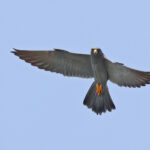
Sooty Falcon (image by Janos Olah)

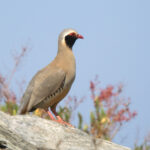
Philby's Partridge (image by John Oates)

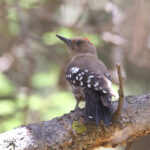
Arabian Woodpecker (image by Janos Olah)

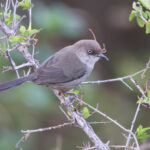
Yemen Warbler (image by Janos Olah)

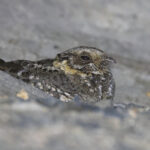
Mountain Nightjar (image by Janos Olah)

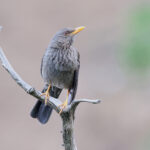
Yemen Thrush (image by Janos Olah)

Asir Magpie (image by Janos Olah)

Yemen Serin (image by Janos Olah)

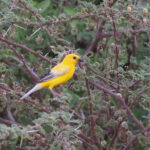
Yellow Wagtail subspecies lutea (image by Janos Olah)

White-throated Bee-eater (image by Janos Olah)

White-eyed Gull (image by Janos Olah)

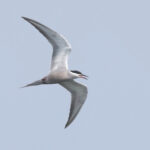
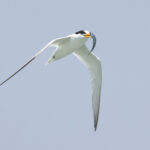
White-cheeked Tern (image by Janos Olah)

Tristram's Starling (image by Janos Olah)

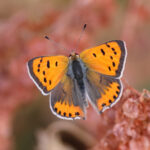
Small Copper subspecies shima (image by Janos Olah)

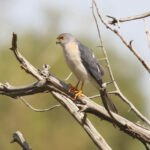
Shikra (image by Janos Olah)

Saunder's Tern (image by Janos Olah)

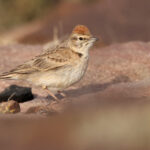
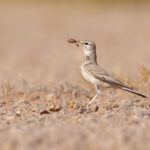
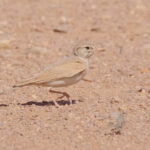
Red-capped Lark (image by Janos Olah)

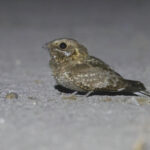
Nubian Nightjar (image by Janos Olah)

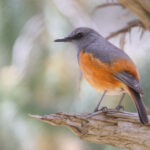
Little Rock Thrush (image by Janos Olah)

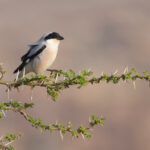
Lesser Grey Shrike (image by Janos Olah)

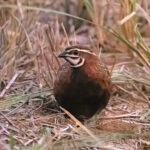
Harlequin Quail (image by John Oates)

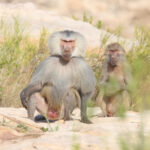
Hamadryas Baboon (image by Janos Olah)

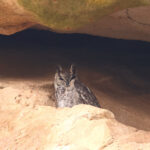
Arabian Eagle Owl (image by Janos Olah)

Greater Hoopoe Lark (image by Janos Olah)

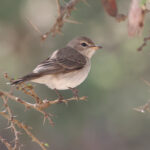
Gambaga Flycatcher (image by Janos Olah)

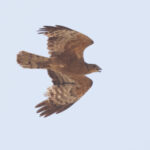
Crested Honey Buzzard (image by Janos Olah)

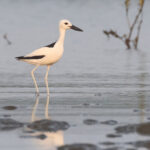
Crab Plover (image by Janos Olah)

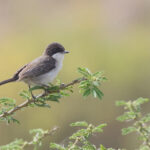
Arabian Warbler (image by Janos Olah)

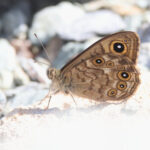
Arabian Wall Brown (image by Janos Olah)

Arabian Partridge (image by Janos Olah)

Arabian Lark (image by Janos Olah)

Arabian Golden Sparrow (image by Janos Olah)

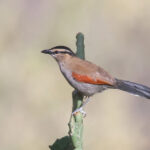
Arabian Black-crowned Tchagra (image by Janos Olah)

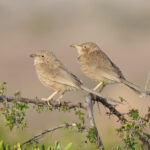
Arabian Babblers (image by Janos Olah)
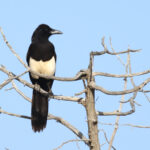
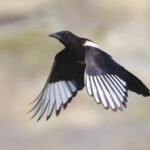
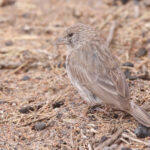
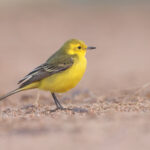
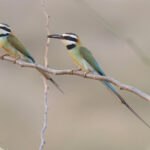
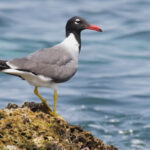
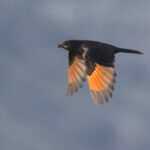


Asir Magpie (image by Janos Olah)
Sooty Falcon (image by Janos Olah)
Philby's Partridge (image by John Oates)
Arabian Woodpecker (image by Janos Olah)
Yemen Warbler (image by Janos Olah)
Mountain Nightjar (image by Janos Olah)
Yemen Thrush (image by Janos Olah)
Asir Magpie (image by Janos Olah)
Yemen Serin (image by Janos Olah)
Yellow Wagtail subspecies lutea (image by Janos Olah)
White-throated Bee-eater (image by Janos Olah)
White-eyed Gull (image by Janos Olah)
White-cheeked Tern (image by Janos Olah)
Tristram's Starling (image by Janos Olah)
Small Copper subspecies shima (image by Janos Olah)
Shikra (image by Janos Olah)
Saunder's Tern (image by Janos Olah)
Red-capped Lark (image by Janos Olah)
Nubian Nightjar (image by Janos Olah)
Little Rock Thrush (image by Janos Olah)
Lesser Grey Shrike (image by Janos Olah)
Harlequin Quail (image by John Oates)
Hamadryas Baboon (image by Janos Olah)
Arabian Eagle Owl (image by Janos Olah)
Greater Hoopoe Lark (image by Janos Olah)
Gambaga Flycatcher (image by Janos Olah)
Crested Honey Buzzard (image by Janos Olah)
Crab Plover (image by Janos Olah)
Arabian Warbler (image by Janos Olah)
Arabian Wall Brown (image by Janos Olah)
Arabian Partridge (image by Janos Olah)
Arabian Lark (image by Janos Olah)
Arabian Golden Sparrow (image by Janos Olah)
Arabian Black-crowned Tchagra (image by Janos Olah)
Arabian Babblers (image by Janos Olah)


SAUDI ARABIA TOUR REPORT 2025

8 - 16 May 2025
János Oláh and Hannu Jännes
This was only the second time Birdquest had visited Saudi Arabia! Following our last tour to Yemen back in 2009, many of the special birds of the Arabian Peninsula were not available for birders! Things are constantly changing though and the once mythical Saudi Arabia opened up for western tourism just a few years ago and as usual we wasted no time to set up a birding tour and offer those special Arabian Peninsula birds which were ‘lost’ for over 10 years. Moreover, the lumping of Yemen Accentor with Radde’s Accentor meant all special birds are possible to see in Saudi Arabia including the endemic Asir Magpie. Hence this diverse country quickly replaced Yemen on the birding map! On our tour in 2025 we had a morning around Riyadh but most of the time was spent in the Asir Mountains and the coastal Tihama with an additional visit to the Farasan Island. We recorded 198 species of birds and two species of mammal. We managed to see all key targets and had magical encounters with Philby’s and Arabian Partridges, Harlequin Quail, Nubian, Montane and Plain Nightjars, African Collared Dove, Crab Plover, Saunder’s and White-cheeked Terns, White-eyed Gull, Arabian Scops and Arabian Eagle Owls, Arabian Woodpecker, Sooty Falcon, Arabian Black-crowned Tchagra, the endemic Asir Magpie, Arabian, Bar-tailed and Greater Hoopoe-Larks, Yemen Warbler, Arabian Babbler, Yemen Thrush, Black Scrub Robin, Gambaga Flycatcher, Little Rock Thrush, Buff-breasted and Arabian Wheatears, Nile Valley and Arabian Sunbirds, Arabian Golden Sparrow, Arabian Waxbill, Arabian Golden-winged Grosbeak, Arabian Serin, Yemen Serin and Yemen Linnet. All in all, it was a great tour with some amazing birds and a keen group!
The tour started in Riyadh and our first morning we drove to a nearby site to look for the highly localised and hard-to-find Arabian Lark. We had fresh information, so we managed to find this rare bird quite quickly and had great looks at Greater Hoopoe Lark and Bar-tailed Lark. A fantastic tour start! The Arabian Lark is generally a nomadic species and there are very few locations where it is guaranteed, however in Saudi Arabia it is regularly seen at a few sites. We still had a few hours until our flight to Abha and we visited another wadi where the few trees held some exciting migrants such as Lesser Grey Shrike and Upcher’s, Marsh and Garden Warblers. It was a great opening morning of the tour with some desert landscape and good birds. After a quick lunch we flew to Abha. Our landing was delayed by a big thunderstorm but we eventually arrived safely into the highlands and navigated through some hectic traffic to our first base.
Our next day was spent around Abha in magical landscapes and habitats! We arrived at our first spot at the crack of dawn and were admiring migrant lutea Yellow Wagtails while having a field breakfast. Red-capped Lark was our main target, and we soon found several alongside Arabian Babblers and both Arabian and Buff-breasted Wheatears. A scenic escarpment was a great place to look for Yemen Serin and we found several of these subtle near-endemics. There were also Tristram’s Starlings, Arabian Serins, Palestine Sunbird and our first Yemen Linnet. We also encountered our first Little Rock Thrush and the first troop of Hamadryas Baboons. A nearby forest patch was productive too with singing Arabian Warblers, Gambaga Flycatchers, Abyssinian White-eyes, Masked Shrike, stunning male Violet-backed Starlings and migrants like our only European Golden Oriole of the tour. Our afternoon destination was a wadi west of town and our birding just got better with a covey of Philby’s Partridges which we could admire for several minutes. A nice lilith Little Owl side by side with Dusky Turtle Dove was also a crowd pleaser and our short walk produced the blue-eyed Yemen Warbler and daytime looks of Arabian Scops Owl! A fly over Bonelli’s Eagle and African Grey Hornbills were also seen. We finished our day by a lush streamy side valley where Arabian Partridges, Yemen Thrushes and African Stonechats were found and singing Plain Nightjars and Arabian Scops Owl were the final birds at dusk. It was an extremely productive day in the highlands!
The next morning we birded the mighty Raidah Sanctuary where a winding road drops 2000 meters elevation and it is breathtaking! It was surprisingly cool and windy at pre-dawn and we only glimpsed a Montane Nightjar over the forest. Our breakfast spot was very birdy yet again with Brown Woodland Warblers singing everywhere as well as gorgeous harterti African Paradise Flycatchers flitting in the bushes. Although African Olive Pigeon and Arabian Waxbill were only seen by some, we tracked down our main targets like the ‘Arabian’ Black-crowned Tchagra, Arabian Woodpecker and Arabian Sunbird! The supporting cast included White-browed Coucals, Grey-headed Kingfishers and many of the already familiar endemics like Yemen Thrushes, Yemen Warblers and Yemen Linnets of which we had multiple sightings. We also had amazing looks at Arabian Partridges again, much better conditions than the previous evening. In the sky was a Short-toed Eagle; Fan-tailed Raven was prominent while a rupicolaformis Common Kestrel was fighting with Long-legged Buzzard! A male Shikra perched on a roadside dead tree allowed everybody to circle him for photos which was a great ending to the morning. After a hearty lunch back at our hotel we packed up and left for the north. The afternoon drive did not produce Asir Magpie through suitable habitat but after a long drive we arrived at our comfortable hotel in Baha.
The Wadi Kariah Park was our birding site the next morning where we were hoping to connect with the Arabian Golden-winged Grosbeak. By dawn we were scanning the wooded valley for these rather scarce finches. Eventually one was found by Janos perched on a juniper but unfortunately it flew off while the scope was being moved on it. Despite a lot of effort, it was never seen again and our search at all other nearby sites proved unsuccessful. Frustrating however, these finches cover huge areas once the breeding season is finished, so perhaps this breeding location is better in February or March. Our morning was still very birdy, and we all connected with Arabian Waxbills, Rüppel’s Weavers, Yemen Thrush, Arabian Woodpecker as well as some unexpected migrants such as Great Reed, Sedge and Reed Warblers. Yemen Linnets were particularly common in this area and as we were scanning treetops for a long time we saw many of these handsome near-endemics. We also had our first Jacobin Cuckoo and Cinnamon-breasted Buntings. In the afternoon we drove to our next destination, and we arrived by dusk. We found a nice Arabian Eagle Owl and had superb looks of Montane Nightjar but the Desert Owls were calling from very far away.
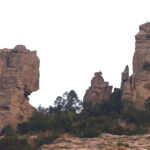
Our next day was spent around Tanomah at various sites, and our key target was the endemic Asir Magpie. Our field breakfast was in a rocky habitat and here we could admire sunbathing Philby’s Partridges and Little Rock Thrushes. A nearby valley with villages, agricultural land and scattered junipers were looking perfect for Asir Magpie, and as we were watching a Little Owl, somebody spotted the first Asir Magpie in flight. We walked along the road and soon found a pair of these special birds and we could watch them as long as we wanted. Fantastic! It is endemic to Saudi Arabia and considered endangered with perhaps less than 500 individuals left in the wild. Global warming, habitat fragmentation and development are the main threat for the species. Happy with our success we continued in this valley with fantastic scenery and had superb looks of Shikra, Jacobin Cuckoo and the usual highland endemics. In the afternoon we had a huge hailstorm which hampered our birding, but the last hour of the day was clear, and we tried for some nightbirds again. We found yet another Arabian Eagle Owl still in daylight, but Desert Owl remained elusive again with a pair calling distantly from a faraway rockface.
Our time in the highlands ended and we had a travel day ahead of us on our way to Jizan. However, we had a few stops still in the highlands and yet again our breakfast place was great with Arabian Woodpecker, Brown Woodland Warbler and Violet-backed Starling. Our next stop was another Asir Magpie stake-out and just as we arrived, we saw four Asir Magpies and yet again they gave us superb looks. Other highlights at this spot were a nicely perched African Olive Pigeon, a family of African Stonechats and a colony of King Jirds. A winding road took us to the foothills and then onto the Tihama. The temperature increased by 12C from a pleasant 27C to 39C just in half an hour, which was kind of a shock to our bodies. The heat could not stop us birding though and we soon found our first White-throated Bee-eaters, Black Bush Robins, African Palm Swifts and Nile Valley Sunbirds! A lunch in a Yemeni style restaurant was an experience and we soon arrived to Jizan. Our afternoon birding was in an agricultural area where we were hoping to find quails and buttonquails. It was hard work but eventually we all got decent looks of Small Buttonquail in flight and fantastic looks of a male Harlequin Quail on the ground. Singing Bush Larks were all over the place and we even had a Western Barn Owl at dusk.
We had an action-packed day where we started early and visited a village quite far from Jizan to look for the gaudy Arabian Golden Sparrow. Our plan was working as during the first hour of the day we managed to see several flocks of these specialties and we got excellent looks of some stunning males in their bright golden breeding plumage with white wings and tail. Sparrows are fantastic birds and this one is especially a looker! We also had Arabian Green Bee-eaters, an aucheri Great Grey Shrike and many Black-crowned Sparrow-Larks. Our next stop was a mangrove area where we quickly found our main targets, the mangrove-dwelling local avicenniae subspecies of Reed Warbler and the undescribed race of Abyssinian White-eye. We also had Clamorous Reed Warblers, Greater Hoopoe-larks and many African Collared Doves. In the afternoon we explored the Jizan dam area where we tracked down Helmeted Guineafowl (introduced), Red-eyed Dove, Abyssinian Roller and Black Bush Robin. The water was attracting many waterbirds, and our best finds were Yellow-billed Egret, Eurasian Coot, Temminck’s Stint and a family party of four Greater painted Snipes. A male with three pullus were hiding in the grassy edge and certainly a good breeding record for this species. After dusk we found Nubian Nightjar which was our third species of nightjar for the tour. A great day with some real tour highlights!
The following day we made a short visit to Farasan Island. The ferry journey was uneventful as you can only bird from inside (cannot go out to the deck) but we still saw Brown Boobies, White-eyed and Sooty Gulls as well as nice White-cheeked Terns just before we entered Farasan Island harbour. After arrival we took a private boat and visited a few corners and offshore islands along the coast. Our first target was the Sooty Falcon and luckily there were three birds around one of the breeding cliffs and we could watch them on the rockface as well as hunting around. It is a wonderful falcon and has a restricted range, most birders connect with it in their wintering grounds in Madagascar. It was a treat to see them on their breeding grounds. Our other main target was to find Saunder’s Terns and we eventually did in a little secluded bay. There were many Greater and Lesser-crested Terns but we counted 12 Saunder’s Terns. They were mostly adults and freshly fledged juveniles. On the mudflats we saw many Crab Plovers, Terek Sandpipers, Bar-tailed Godwits as well as a distant Goliath Heron and several Western Reef Herons. Unfortunately, the ferry schedule did not allow us much time on the island, so we soon had to return to the harbour and make our way back to Jizan. We arrived back in time for some more explorations and we decided to visit a mangrove site near the water treatment area. It was a very productive area with many Greater and Lesser Flamingos as well as many waders which included Tibetan and Greater Sand Plovers, Terek and Marsh Sandpipers as well as many breeding plumaged Curlew Sandpipers.
On our last day we made a short visit before breakfast to the coast again where we did not add anything to our list but had wonderful looks of Crab Plovers and Terek Sandpipers. On our return journey to Abha we came across a Crested Honey Buzzard and a Gabar Goshawk, while a short stop at Marabha dam gave us a pair of Blackstarts and many more Arabian Green Bee-eaters. We climbed the winding road back to Jizan into the acceptable temperature and made our way to the airport and we were soon back to Riyadh where the tour ended. We had a keen group of birders with many Western Palearctic listers and many excellent spotters. It was a short but action-packed tour into a seldom visited country which has an amazing diversity of habitats, and the highlands especially interesting and scenic for visiting birders.
BIRDS OF THE TOUR
1st: Asir Magpie
2nd: Arabian Golden Sparrow
3rd: Philby’s Partridge
4th: Arabian Eagle Owl
5th: Sooty Falcon
SYSTEMATIC LIST OF SPECIES RECORDED DURING THE TOUR
Species marked with the diamond symbol (◊) are either endemic to the country or local region or considered ‘special’ birds for some other reason (e.g., it is only seen on one or two Birdquest tours; it is difficult to see across all or most of its range; the local form is endemic or restricted-range and may in future be treated as a full species).
The species names and taxonomy used in the bird list follow Gill, F., Donsker, D., & Rasmussen, P.(Eds). 2024. IOC World Bird List (v14.2).
BIRDS
Garganey Spatula querquedula Two were seen near Jizan.
Northern Shoveler Spatula clypeata Singleton near Jizan.
Northern Pintail Anas acuta Singleton near Jizan.
Helmeted Guineafowl (introduced) Numida meleagris About 30 were seen near Jizan dam.
Harlequin Quail Coturnix delegorguei Fantastic views of a male on the ground near Jizan.
Arabian Partridge ◊ Alectoris melanocephala Multiple great looks in the highlands.
Philby’s Partridge ◊ Alectoris philbyi Multiple great looks in the highlands.
Nubian Nightjar ◊ Caprimulgus nubicus Excellent views near Jizan dam.
Montane Nightjar ◊ (Abyssinian N) Caprimulgus [poliocephalus] poliocephalus Our best views were obtained in Al Mahfar Park.
Plain Nightjar Caprimulgus inornatus A pair was seen near Abha.
African Palm Swift Cypsiurus [parvus] parvus
Alpine Swift Tachymarptis melba
Common Swift Apus apus
Little Swift Apus affinis
White-browed Coucal Centropus superciliosus Our best encounter with four was in the Raydah Sanctuary near Abha.
Jacobin Cuckoo (Black-and-white C) Clamator jacobinus A total of five were seen.
Chestnut-bellied Sandgrouse Pterocles exustus Distant views near Riyadh.
Rock Dove Columba livia The best looking ones were at Wadi Dahna.
Rock Dove (introduced) (Feral Pigeon) Columba [livia] var_domestica
African Olive Pigeon (Rameron P) Columba arquatrix One was seen in the Raydah Sanctuary and better views for all near Bihan.
Dusky Turtle Dove Streptopelia lugens A few in the highlands.
Eurasian Collared Dove Streptopelia decaocto
African Collared Dove ◊ Streptopelia roseogrisea Common in the Tihama.
Red-eyed Dove Streptopelia semitorquata Just one was seen near Jizan dam.
Laughing Dove Spilopelia senegalensis
Namaqua Dove Oena capensis
Common Moorhen Gallinula chloropus
Eurasian Coot Fulica atra
Red-knobbed Coot Fulica cristata
Little Grebe Tachybaptus ruficollis
Greater Flamingo Phoenicopterus roseus Seen around the mangroves near Jizan.
Lesser Flamingo Phoeniconaias minor Seen around the mangroves near Jizan.
Common Buttonquail (Small B, Little B) Turnix sylvaticus Repeated flight views near Jizan.
Eurasian Oystercatcher Haematopus ostralegus NT
Black-winged Stilt Himantopus himantopus
Pied Avocet Recurvirostra avosetta
Grey Plover (Black-bellied P) Pluvialis squatarola VU
Common Ringed Plover Charadrius hiaticula
Spur-winged Lapwing Vanellus spinosus
Tibetan Sand Plover Anarhynchus atrifrons
Greater Sand Plover Anarhynchus leschenaultii
Kentish Plover Anarhynchus alexandrinus
Greater Painted-Snipe Rostratula benghalensis A male with three chicks were seen at Jizan dam.
Eurasian Whimbrel Numenius phaeopus
Eurasian Curlew Numenius Arquata NT
Bar-tailed Godwit Limosa lapponica NT
Black-tailed Godwit (Western B-t G) Limosa [limosa] limosa NT
Common Snipe Gallinago gallinago One was seen at Jizan dam.
Terek Sandpiper Xenus cinereus
Common Sandpiper Actitis hypoleucos
Marsh Sandpiper Tringa stagnatilis
Wood Sandpiper Tringa glareola
Common Redshank Tringa totanus
Common Greenshank Tringa nebularia
Ruddy Turnstone Arenaria interpres NT
Curlew Sandpiper Calidris ferruginea VU
Temminck’s Stint Calidris temminckii
Dunlin Calidris alpina NT
Little Stint Calidris minuta
Crab-plover Dromas ardeola Fantastic looks at Farasan Island and along the coast near Jizan.
Bridled Tern Onychoprion anaethetus Common on Farasan Island.
Little Tern Sternula albifrons Just two were seen near Jizan.
Saunders’s Tern ◊ Sternula saundersi A total of 12 were seen at Farasan Island. Fantastic!
Gull-billed Tern Gelochelidon nilotica
Caspian Tern Hydroprogne caspia
Whiskered Tern Chlidonias hybrida
White-winged Tern Chlidonias leucopterus
Common Tern Sterna hirundo
White-cheeked Tern ◊ Sterna repressa Excellent looks at Farasan Island.
Lesser Crested Tern Thalasseus bengalensis
Greater Crested Tern Thalasseus bergii
Slender-billed Gull Chroicocephalus genei
Sooty Gull ◊ Ichthyaetus hemprichii Common around Farasan Island and along the coast near Jizan.
White-eyed Gull ◊ Ichthyaetus leucophthalmus Common around Farasan Island and also seen near Jizan.
Caspian Gull Larus cachinnans
Abdim’s Stork Ciconia abdimii Several seen around Jizan.
Brown Booby Sula leucogaster
Great Cormorant Phalacrocorax carbo
Glossy Ibis Plegadis falcinellus
Eurasian Spoonbill Platalea leucorodia
Black-crowned Night Heron Nycticorax nycticorax
Little Egret Egretta garzetta
Western Reef Heron Egretta gularis
Striated Heron (Little H) Butorides striata
Squacco Heron Ardeola ralloides
Great Egret (Western G E) Ardea [alba] alba
Yellow-billed Egret Ardea brachyryncha One was seen at Jizan dam.
Western Cattle Egret Ardea ibis
Grey Heron Ardea cinerea
Purple Heron Ardea purpurea
Goliath Heron Ardea goliath Two were seen distantly at Farasan Island.
Hamerkop Scopus umbretta
Pink-backed Pelican Pelecanus rufescens
Osprey (Western O) Pandion [haliaetus] haliaetus
Egyptian Vulture Neophron percnopterus It was only seen on Farasan Island.
Crested Honey Buzzard Pernis ptilorhynchus One was seen on the last day near Jizan.
Griffon Vulture Gyps fulvus It was seen in the Al Mahfar Park.
Short-toed Snake Eagle Circaetus gallicus
Bonelli’s Eagle Aquila fasciata One was seen near Abha.
Gabar Goshawk Micronisus gabar One was seen near Jizan.
Shikra Tachyspiza badia Several excellent sightings.
Western Marsh Harrier Circus aeruginosus
Long-legged Buzzard Buteo rufinus Regular sightings.
Westeren Barn Owl Tyto alba One was seen near Jizan. Subspecies erlangeri.
Little Owl Athene noctua Two sightings of the lilith race.
Arabian Scops Owl ◊ Otus pamelae Daytime and nighttime looks near Abha.
Arabian Eagle-Owl ◊ Bubo milesi Fantastic looks in the highlands.
Desert Owl ◊ Strix hadorami Heard-only.
Eurasian Hoopoe Upupa epops
African Grey Hornbill Lophoceros nasutus Two sightings in the highlands.
Abyssinian Roller Coracias abyssinicus One was seen near Jizan dam.
Grey-headed Kingfisher Halcyon leucocephala Several sightings of this summer visitor.
White-throated Bee-eater Merops albicollis Regular sightings on the Tihama.
Arabian Green Bee-eater ◊ Merops cyanophrys Regular sightings on the Tihama.
Blue-cheeked Bee-eater Merops persicus NL. One was seen by one of the group members.
European Bee-eater Merops apiaster
Arabian Woodpecker ◊ Dendrocoptes dorae A total of six were seen on the tour. NT
Common Kestrel Falco tinnunculus
Sooty Falcon ◊ Falco concolor Three were seen very well on the Farasan Island. VU
Peregrine Falcon Falco peregrinus Two sightings of the pelegrinoides aka Barbary Falcon.
Black-crowned Tchagra ◊ (Arabian T) Tchagra [senegalus] percivali Two were seen of this distinctive Arabian Peninsula race.
Eurasian Golden Oriole Oriolus oriolus A single female was seen near Abha.
African Paradise Flycatcher Terpsiphone viridis Stunning males were seen in the Raydah Sanctuary.
Great Grey Shrike ◊ (Arabian G G S) Lanius [excubitor] aucheri A single one was seen at the Arabian Golden Sparrow village.
Masked Shrike Lanius nubicus A fine male near Abha.
Lesser Grey Shrike Lanius minor Several sightings, a wonderful shrike with pink breast in full breeding dress.
Red-backed Shrike Lanius collurio
Red-tailed Shrike Lanius phoenicuroides One was seen by thew hotel in Jizan.
Asir Magpie ◊ Pica asirensis Endemic. Several great looks and voted ‘Bird of the trip’. EN
House Crow (introduced) Corvus splendens
Brown-necked Raven Corvus ruficollis
Fan-tailed Raven ◊ Corvus rhipidurus Common.
Greater Hoopoe-Lark ◊ Alaemon alaudipes Excellent looks near Riyadh of the doriae race and desertorum on the coast.
Desert Lark Ammomanes deserti Regular in rocky and stony habitat. Subspecies azizi.
Bar-tailed Lark ◊ Ammomanes cincture Two were seen near Riyadh. Subspecies arenicolor.
Black-crowned Sparrow-Lark Eremopterix nigriceps Good looks in the Tihama.
Singing Bush Lark Mirafra javanica Usually around pivot fields near Jizan.
Crested Lark Galerida cristata
Rufous-capped Lark ◊ Calandrella eremica Near-endemic and seen very well near Abha.
Arabian Lark ◊ Eremalauda eremodites Rare species which we had superb looks near Riyadh!
White-eared Bulbul Pycnonotus leucotis
White-spectacled Bulbul ◊ Pycnonotus xanthopygos Common.
Sand Martin Riparia riparia
Pale Crag Martin ◊ Ptyonoprogne obsoleta Regular sightings.
Barn Swallow Hirundo rustica
European Red-rumped Swallow Cecropis rufula
Streaked Scrub Warbler ◊ (Levant S W) Scotocerca [inquieta] inquieta Heard-only.
Willow Warbler Phylloscopus trochilus
Common Chiffchaff Phylloscopus collybita
Brown Woodland Warbler ◊ Phylloscopus umbrovirens Common in the highlands.
Great Reed Warbler Acrocephalus arundinaceus One was seen at Wadi Khariah near Baha.
Clamorous Reed Warbler Acrocephalus stentoreus A few were seen in the mangrove near Jizan.
Common Reed Warbler Acrocephalus scirpaceus One was seen at Wadi Khariah near Baha.
Common Reed Warbler ◊ (Mangrove R W) Acrocephalus [scirpaceus] avicenniae Severalin the mangroves near Jizan.
Sedge Warbler Acrocephalus schoenobaenus One was seen at Wadi Khariah near Baha.
Marsh Warbler Acrocephalus palustris
Eastern Olivaceous Warbler Iduna pallida
Upcher’s Warbler Hippolais languida
Zitting Cisticola Cisticola juncidis
Graceful Prinia Prinia gracilis
Eurasian Blackcap Sylvia atricapilla
Garden Warbler Sylvia borin
Yemen Warbler ◊ Curruca buryi Many superb looks of this pale blue-eyed beauty in the highlands. NT
Arabian Warbler ◊ Curruca leucomelaena Good looks in the highlands.
Common Whitethroat Curruca communis
Abyssinian White-eye ◊ (Mangrove W-e) Zosterops [abyssinicus] ssp. ? Two were seen in the mangroves near Jizan.
Abyssinian White-eye ◊ (Arabian W-e) Zosterops [abyssinicus] arabs Common.
Arabian Babbler ◊ Argya squamiceps Regularly encountered. Subspecies yemensis.
Common Myna (introduced) Acridotheres tristis
Violet-backed Starling Cinnyricinclus leucogaster The males are stunning!
Tristram’s Starling ◊ Onychognathus tristramii Common.
Yemen Thrush ◊ Turdus menachensis Many encounters in the highlands! NT
Black Scrub Robin ◊ Cercotrichas podobe Five sightings on the tour.
Spotted Flycatcher Muscicapa striata Regular encounters.
Gambaga Flycatcher ◊ Muscicapa gambagae Common in the highlands.
Common Redstart Phoenicurus phoenicurus
Little Rock Thrush ◊ Monticola rufocinereus Commonly encountered.
Whinchat Saxicola rubetra
African Stonechat ◊ (Arabian S) Saxicola [torquatus] felix Two sightings in the highlands.
Buff-breasted Wheatear ◊ Oenanthe bottae
Blackstart ◊ Oenanthe melanura Just two were seen.
White-crowned Wheatear Oenanthe leucopyga Two were seen on our first day near Riyadh.
Arabian Wheatear ◊ Oenanthe lugentoides Common.
Nile Valley Sunbird ◊ Hedydipna metallica Fairly common in acacia bush country on the Tihama.
Palestine Sunbird ◊ Cinnyris osea Common.
Arabian Sunbird ◊ Cinnyris hellmayri We had great looks at two sites in the highlands.
House Sparrow Passer domesticus
Arabian Golden Sparrow ◊ Passer euchlorus Fantastic looking birds! We had up to 100 with superb males on the Tihama.
Rüppell’s Weaver ◊ Ploceus galbula Common.
African Silverbill Euodice cantans
Arabian Waxbill ◊ Estrilda rufibarba Eventually great looks of these perky little birds in the highlands.
Western Yellow Wagtail (form unidentified) Motacilla flava A few individuals unidentified to race.
Western Yellow Wagtail (Grey-headed W) Motacilla [flava] thunbergi Migrants were seen near Abha.
Western Yellow Wagtail (Yellow-headed W) Motacilla [flava] lutea Migrants were seen near Abha.
Citrine Wagtail Motacilla citreola
Long-billed Pipit Anthus similis
Red-throated Pipit Anthus cervinus
Arabian Golden-winged Grosbeak ◊ Rhynchostruthus percivali Despite much time spent searching for it, only one was seen by some. NT
Arabian Serin ◊ (Olive-rumped S) Crithagra rothschildi Regular sightings.
Yemen Serin ◊ Crithagra menachensis Up to 14 were seen near Abha.
Yemen Linnet ◊ Linaria yemenensis Regular encounters in thew highlands.
Ortolan Bunting Emberiza hortulana
Cinnamon-breasted Bunting Emberiza tahapisi Regular sightings.
MAMMALS
Hamadryas Baboon Papio hamadryas Commonly seen in the highlands.
King Jird Meriones rex A few observed in a colony in the highlands.