
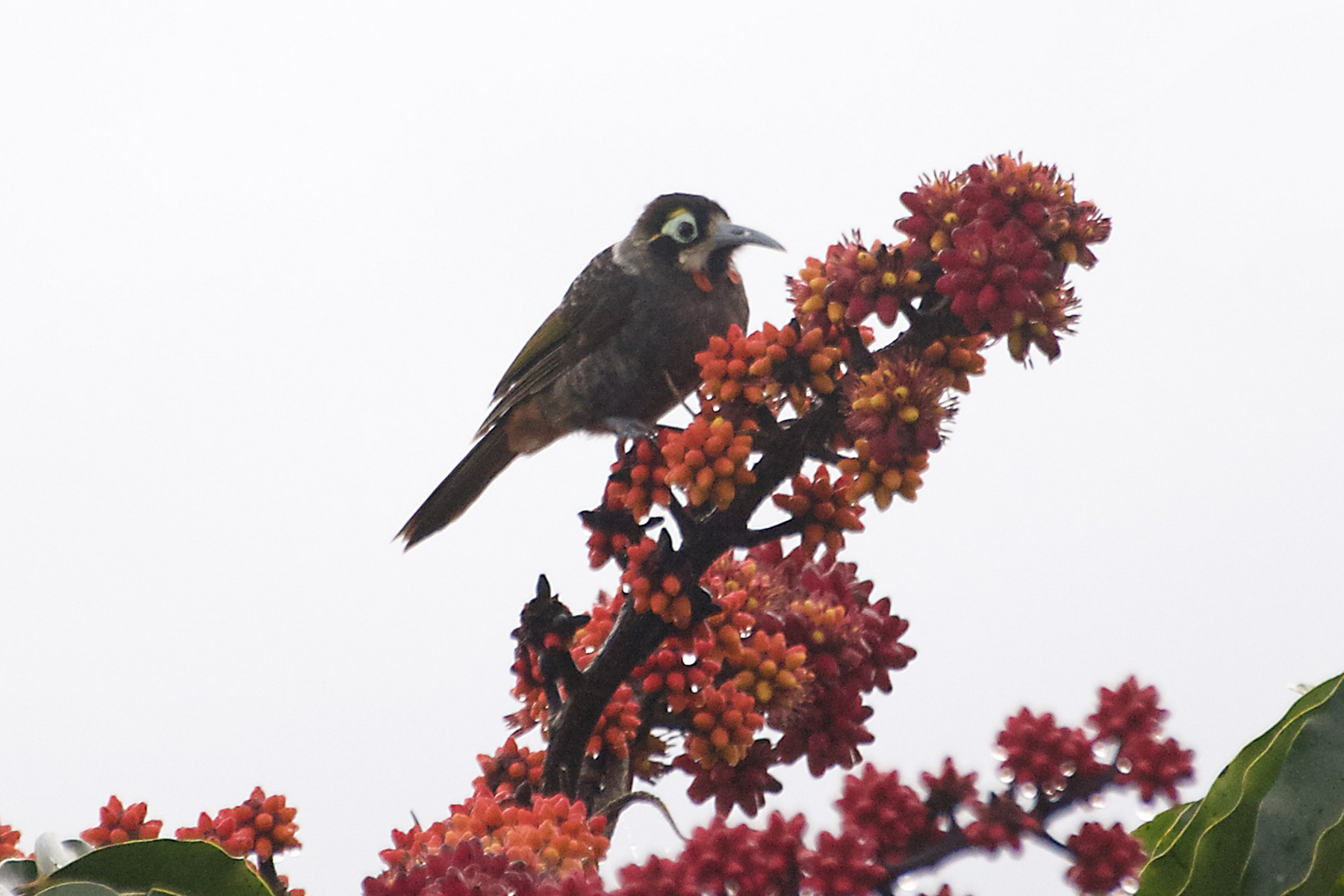
Yellow-browed Melidectes (image by Phil Hansbro)
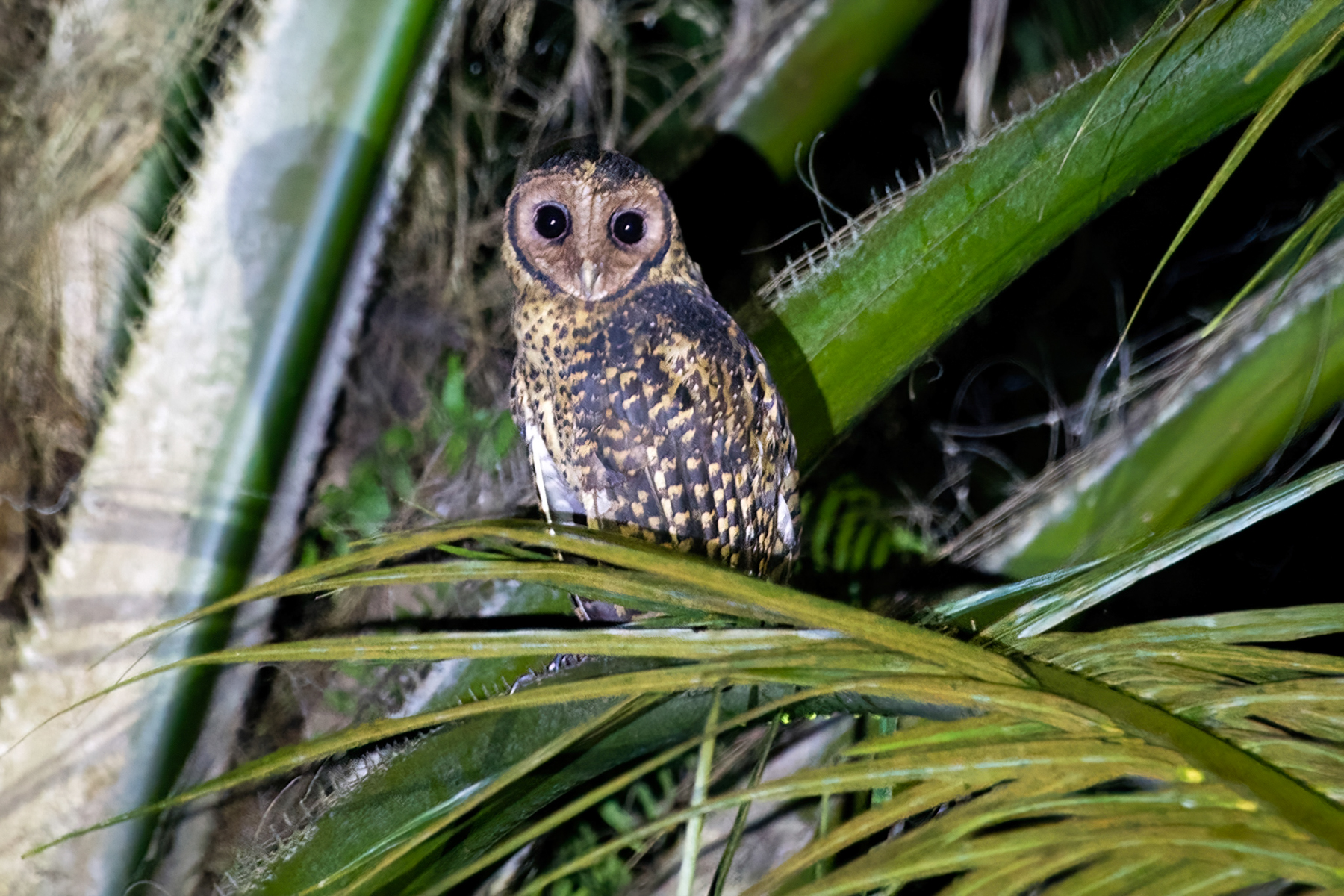
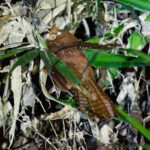
Golden Masked Owl (image by Phil Hansbro)
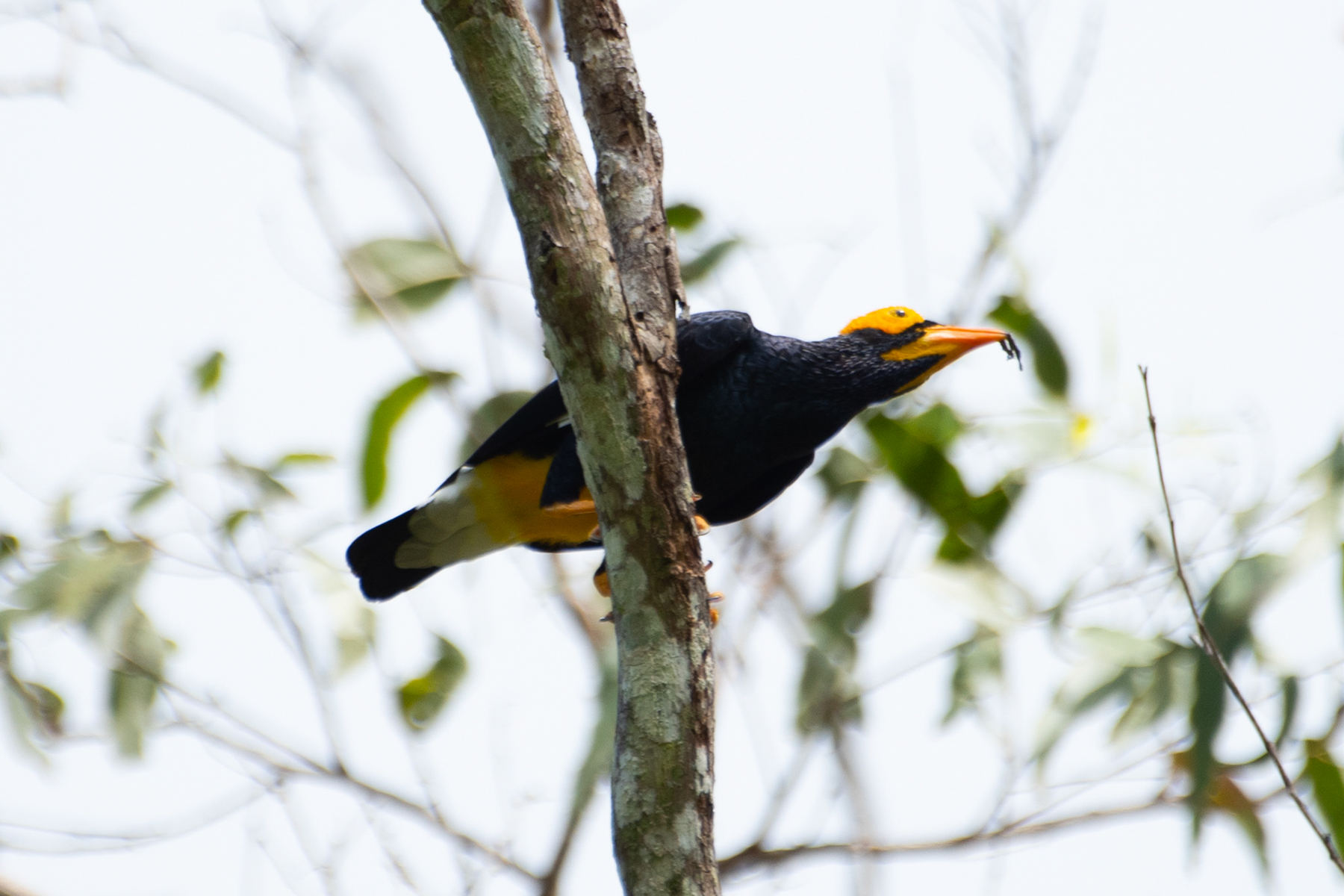
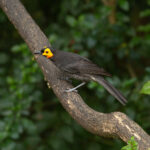
Yellow-faced Myna (image by Phil Hansbro)
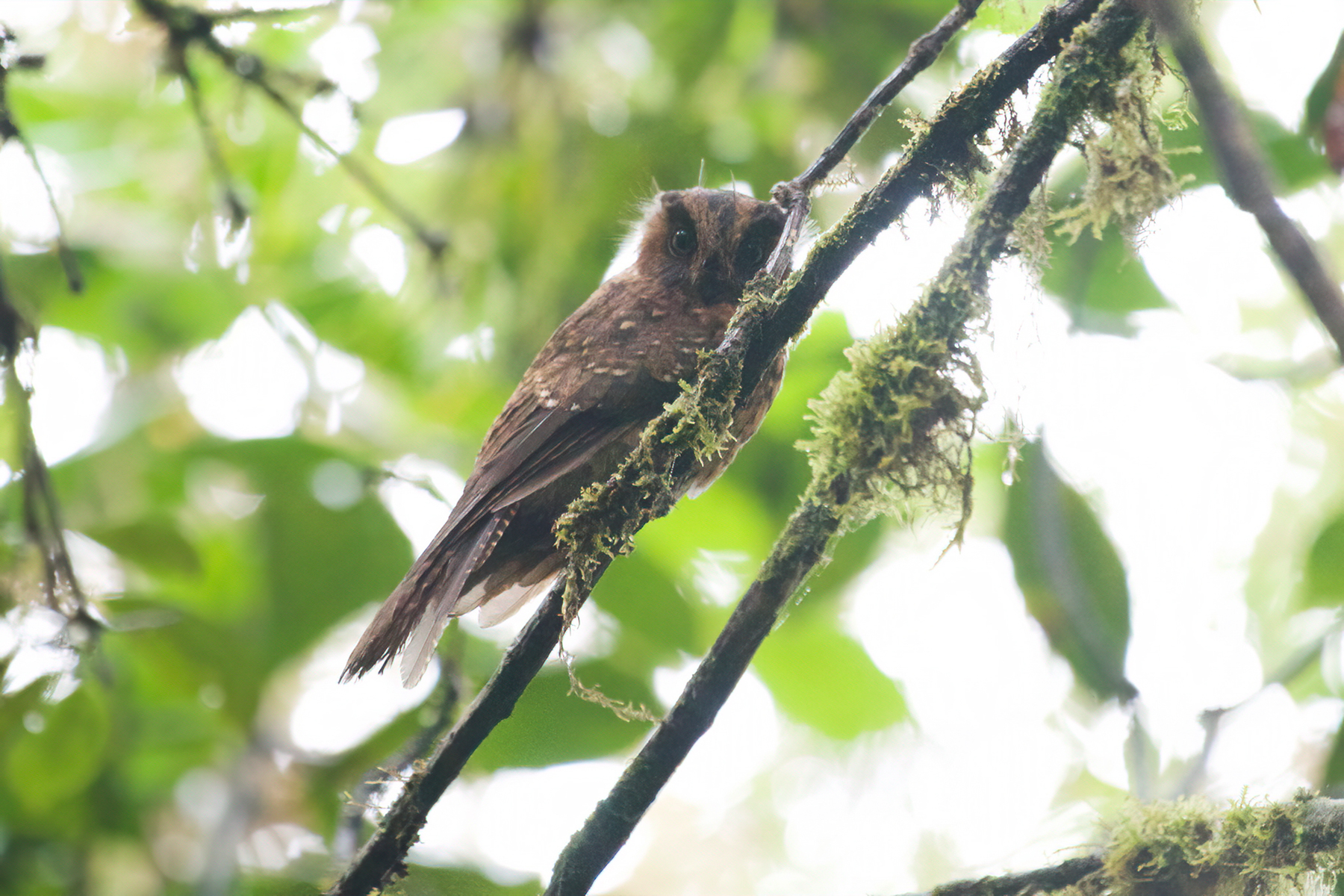
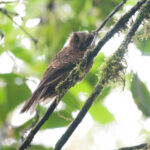
Mountain Owlet-Nightjar (image by Phil Hansbro)
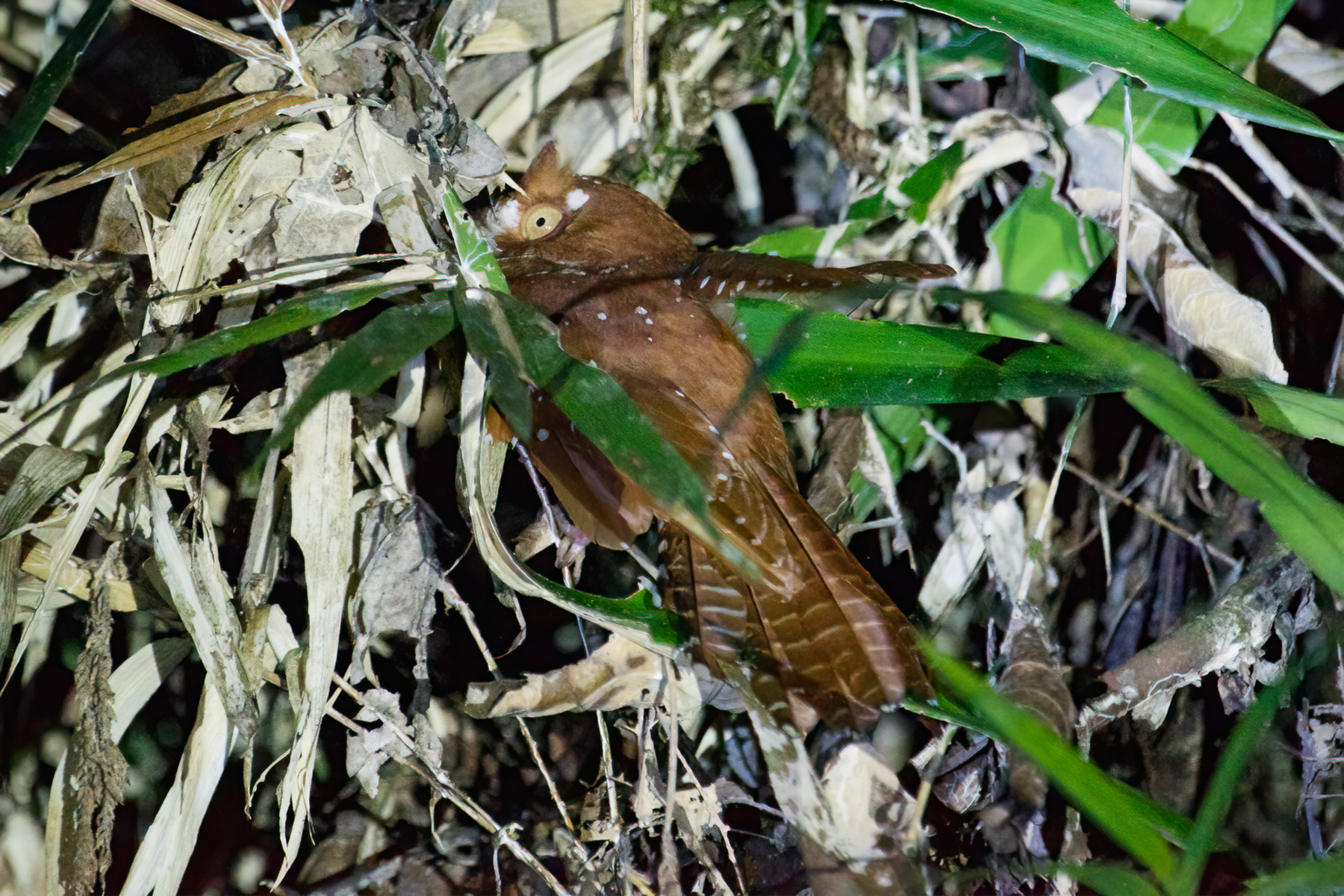
Starry Owlet-Nightjar (image by Phil Hansbro)
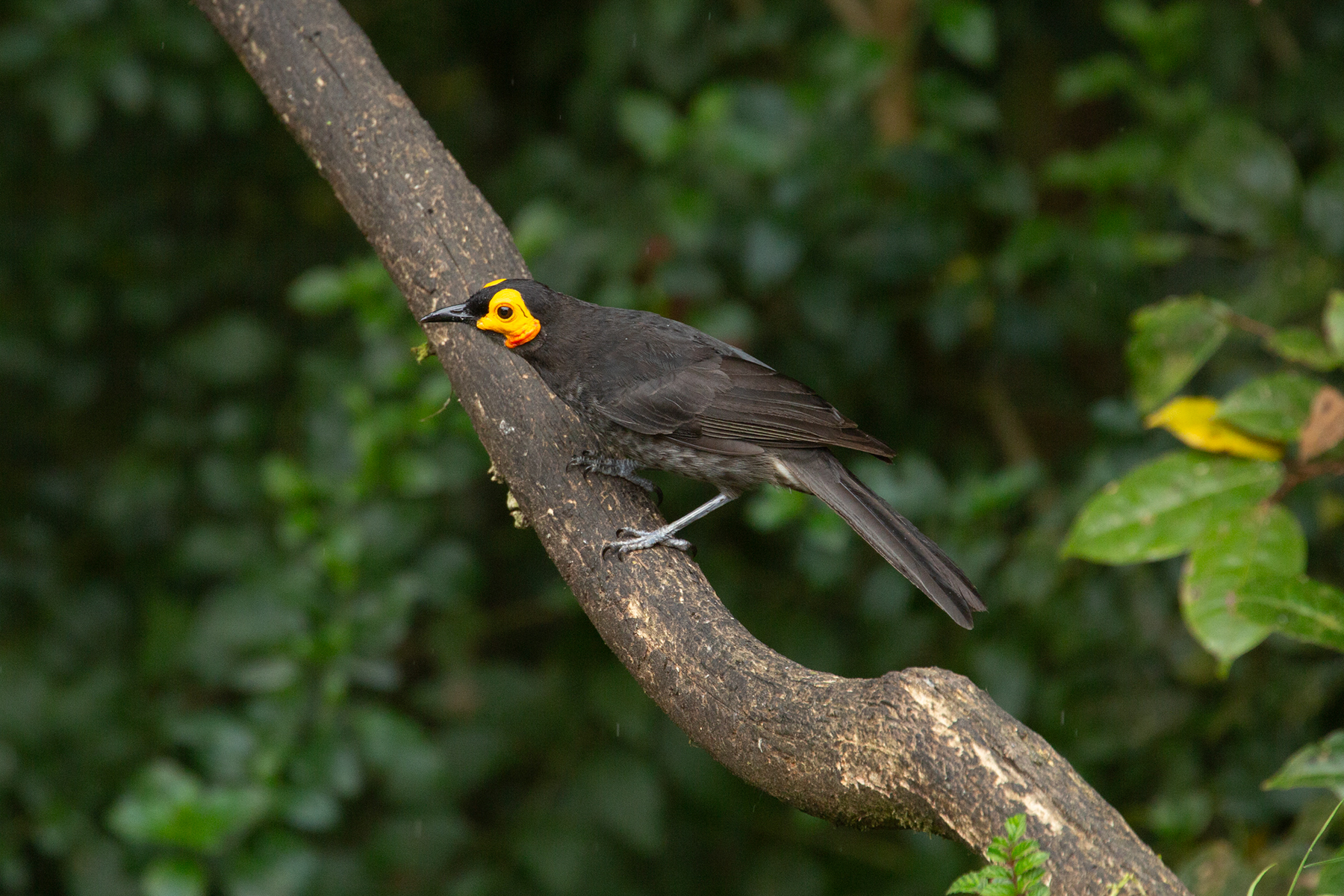
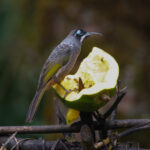
Common Smoky Honeyeater (image by Phil Hansbro)
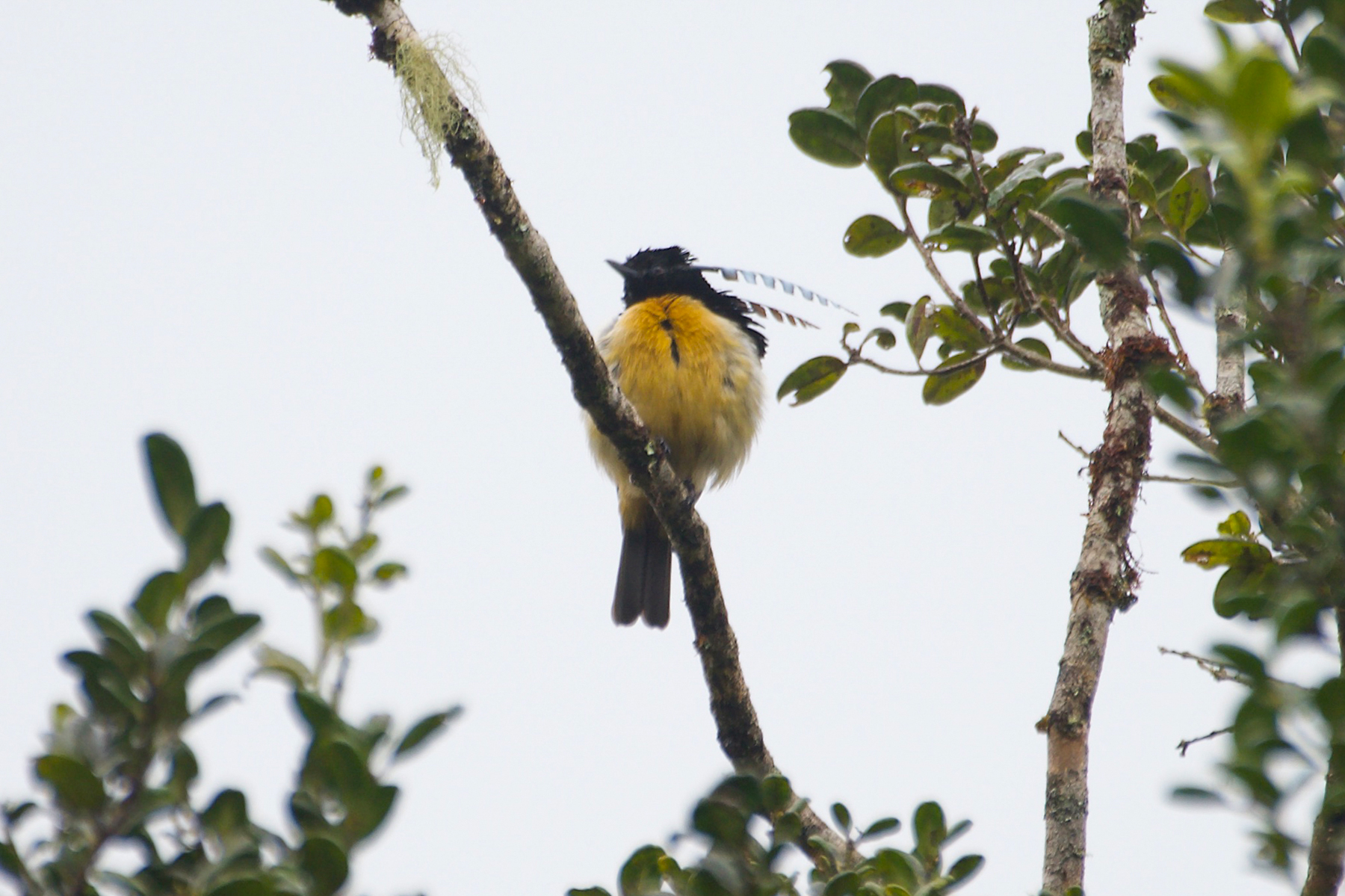
King-of-Saxony Bird-of-paradise (image by Phil Hansbro)
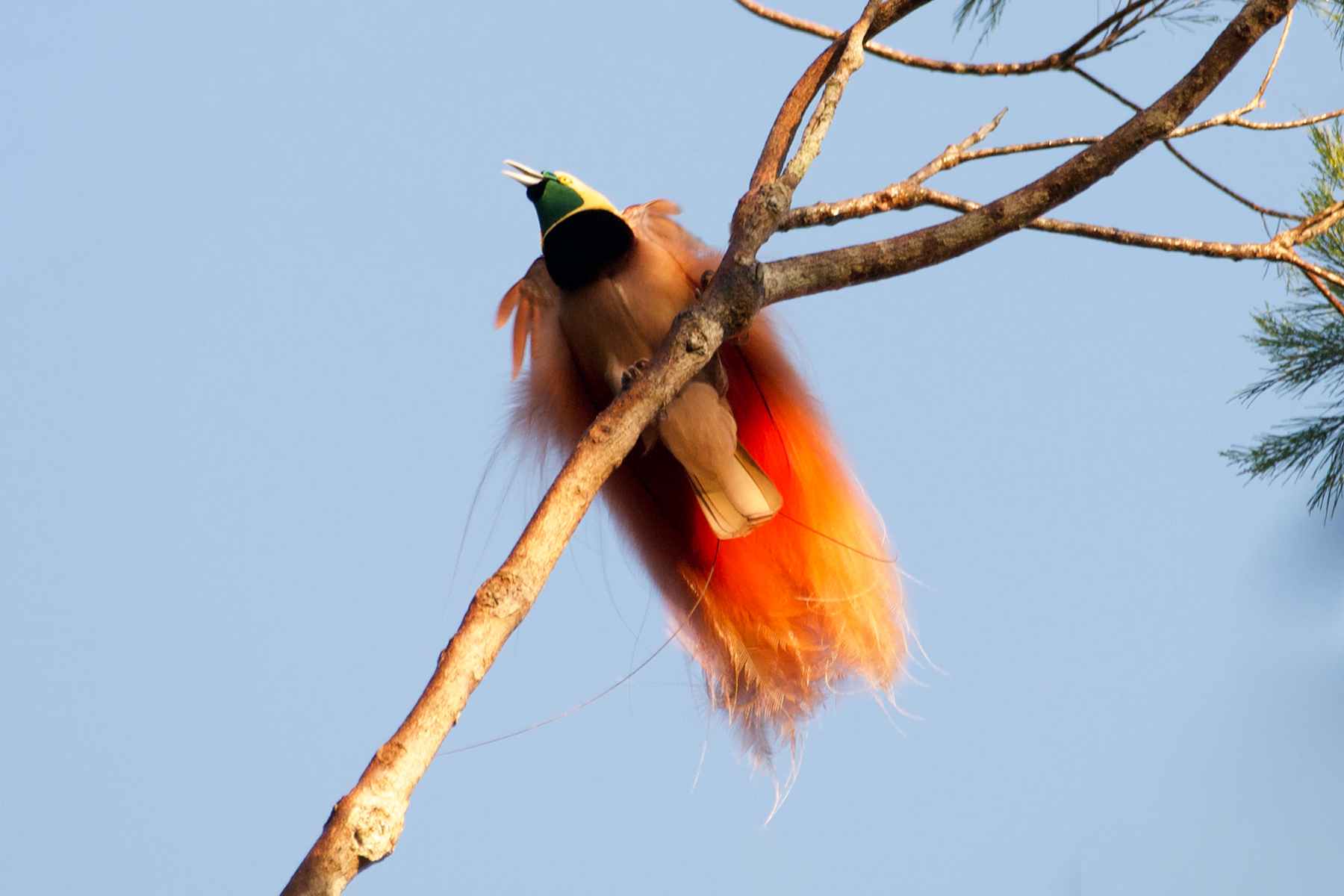
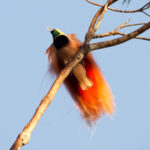
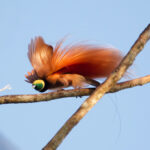
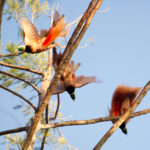
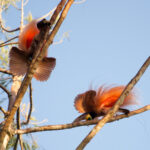
Raggiana Bird-of-paradise (image by Phil Hansbro)
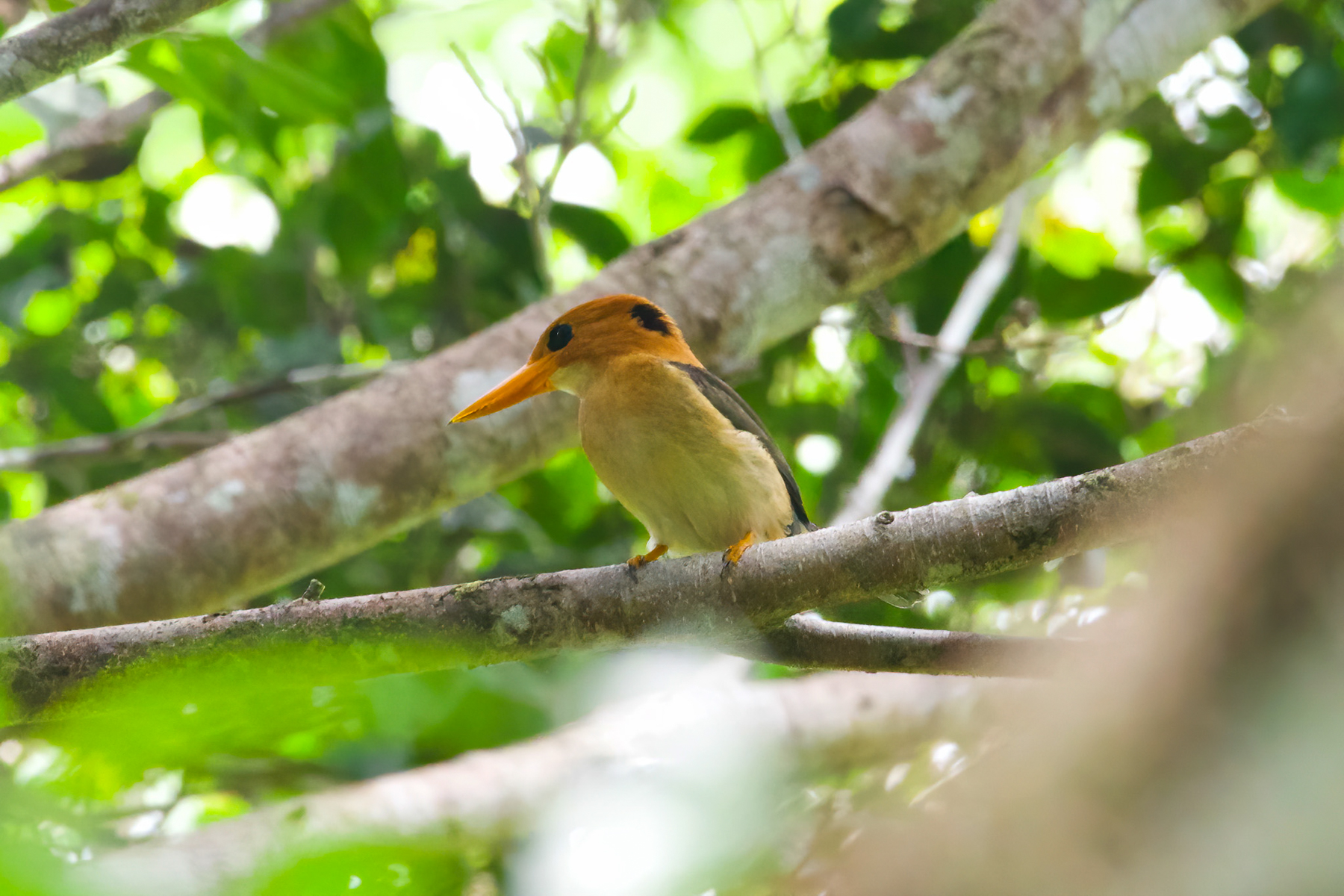
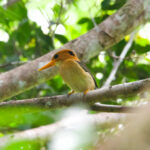
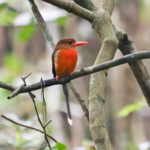
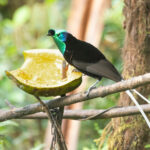
Yellow-billed Kingfisher (image by Phil Hansbro)
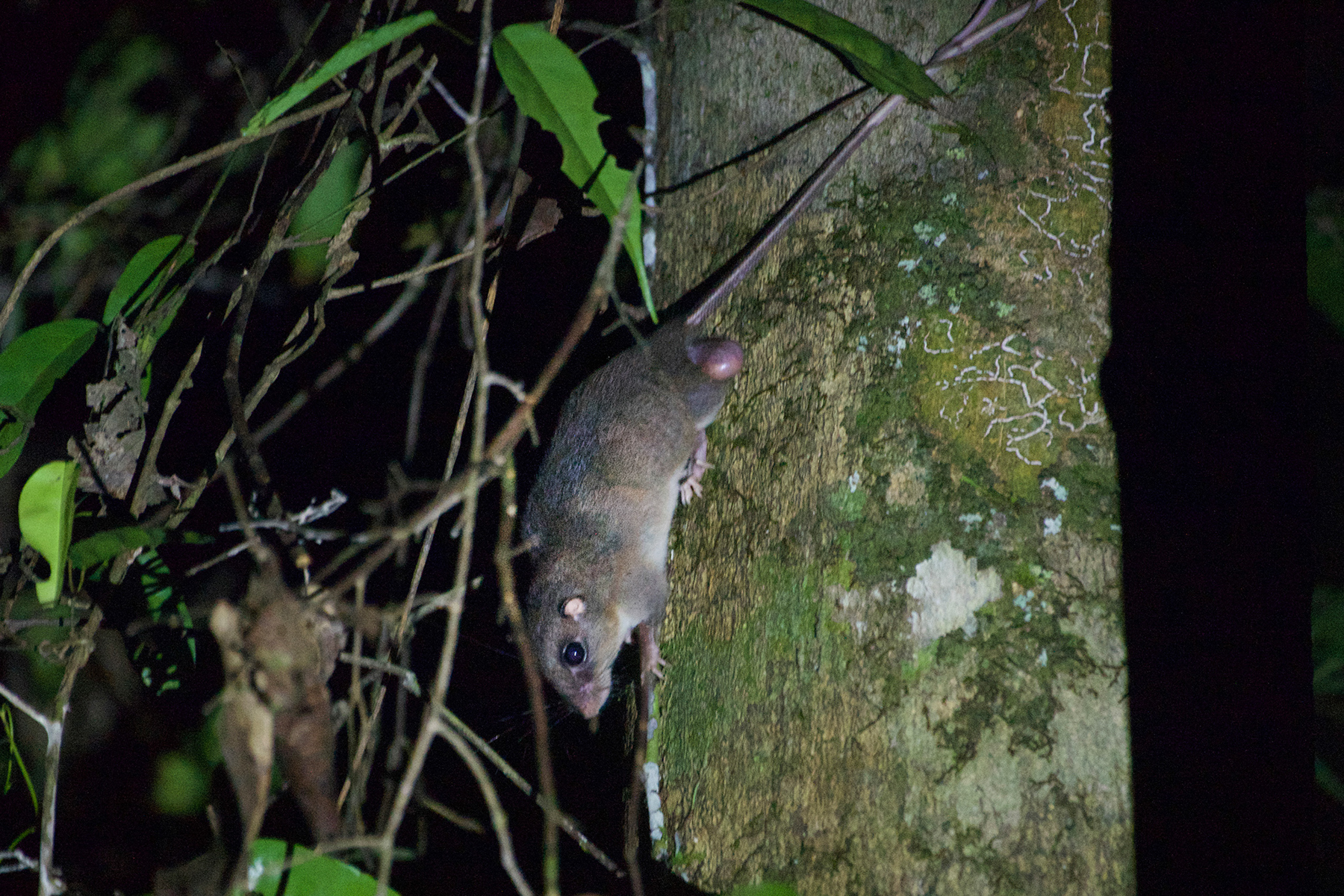
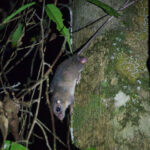
White-tailed Giant Rat (image by Phil Hansbro)
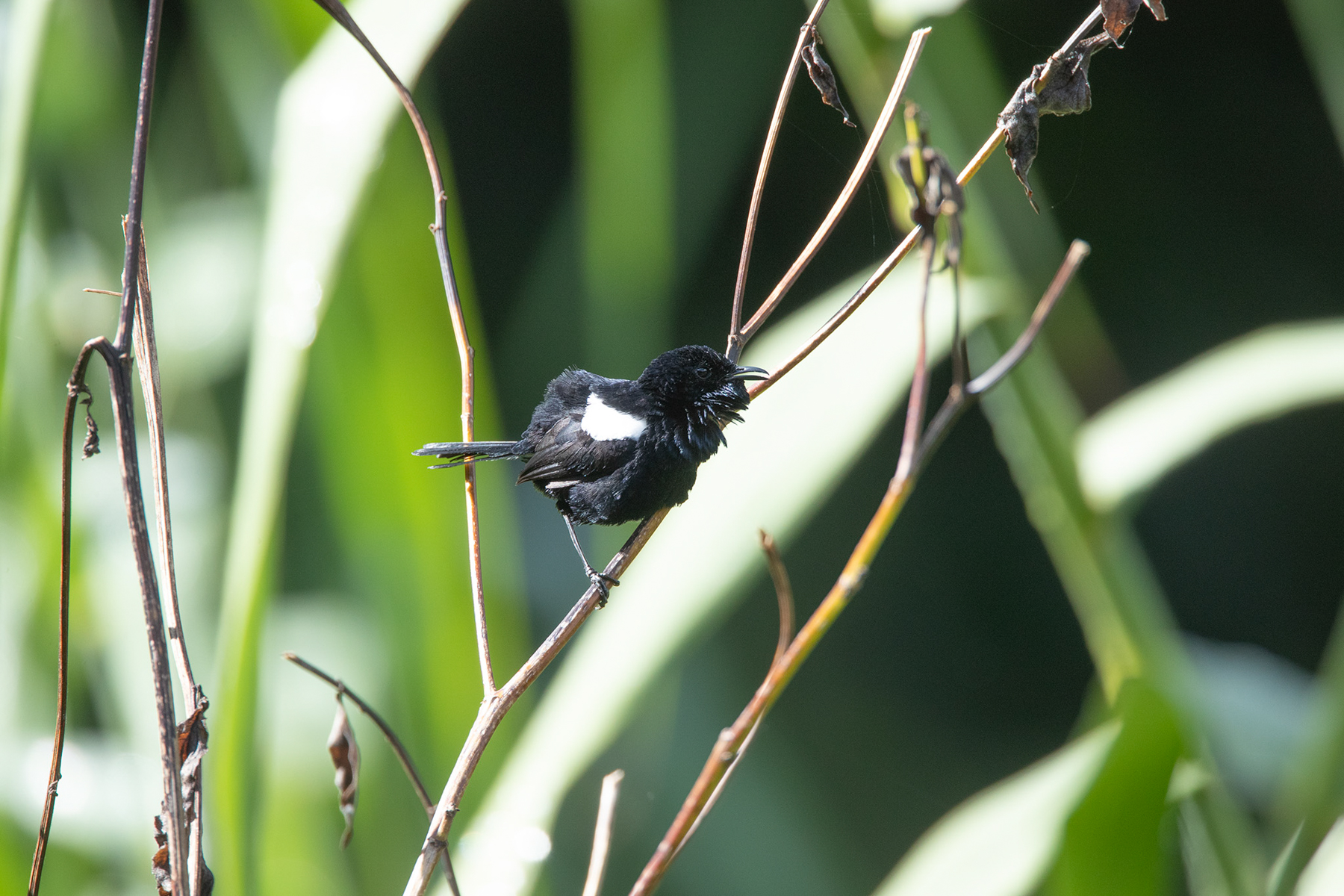
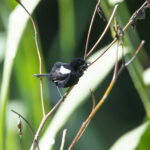
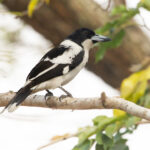
White-shouldered Fairywren (image by Phil Hansbro)
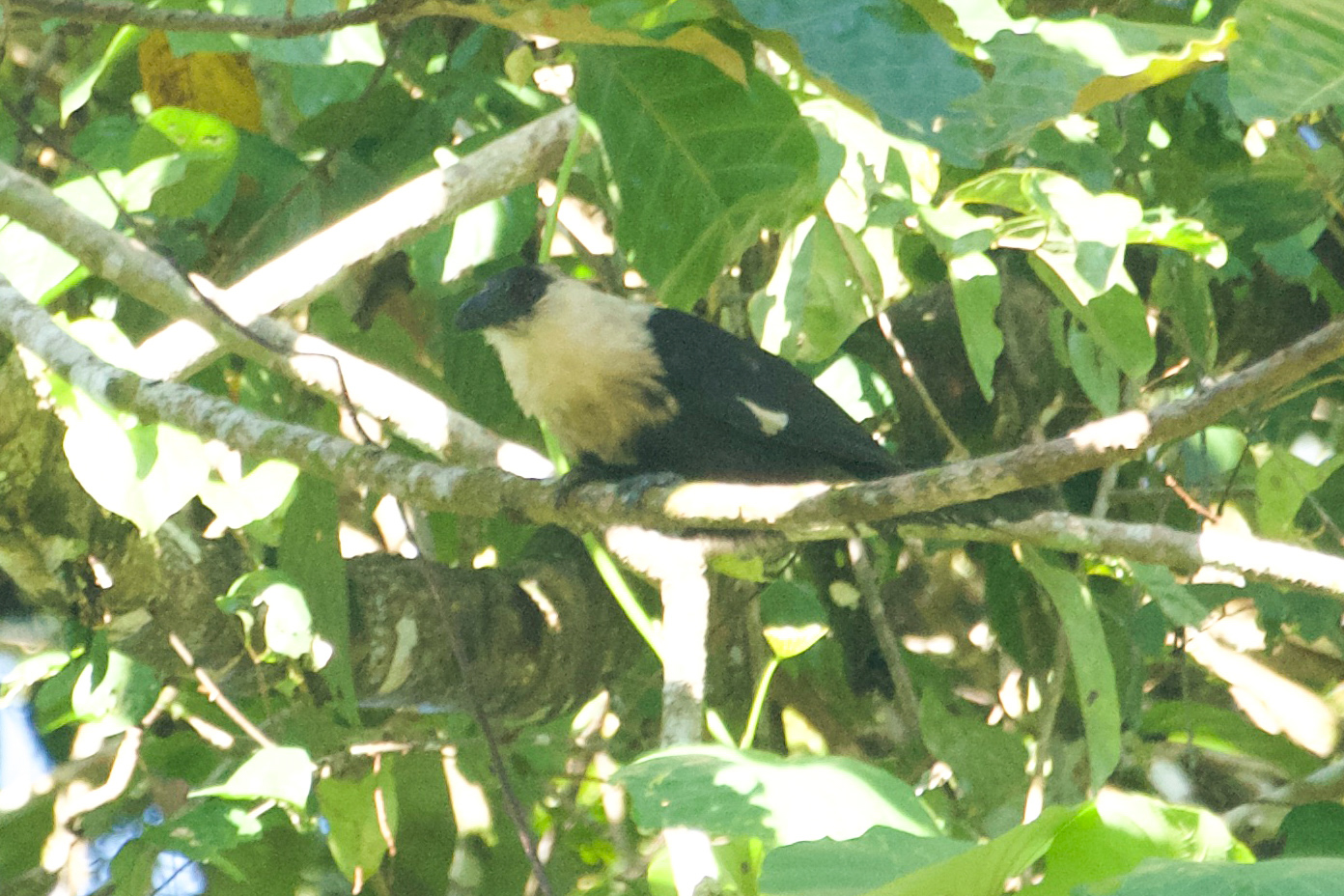
White-necked Coucal (image by Phil Hansbro)
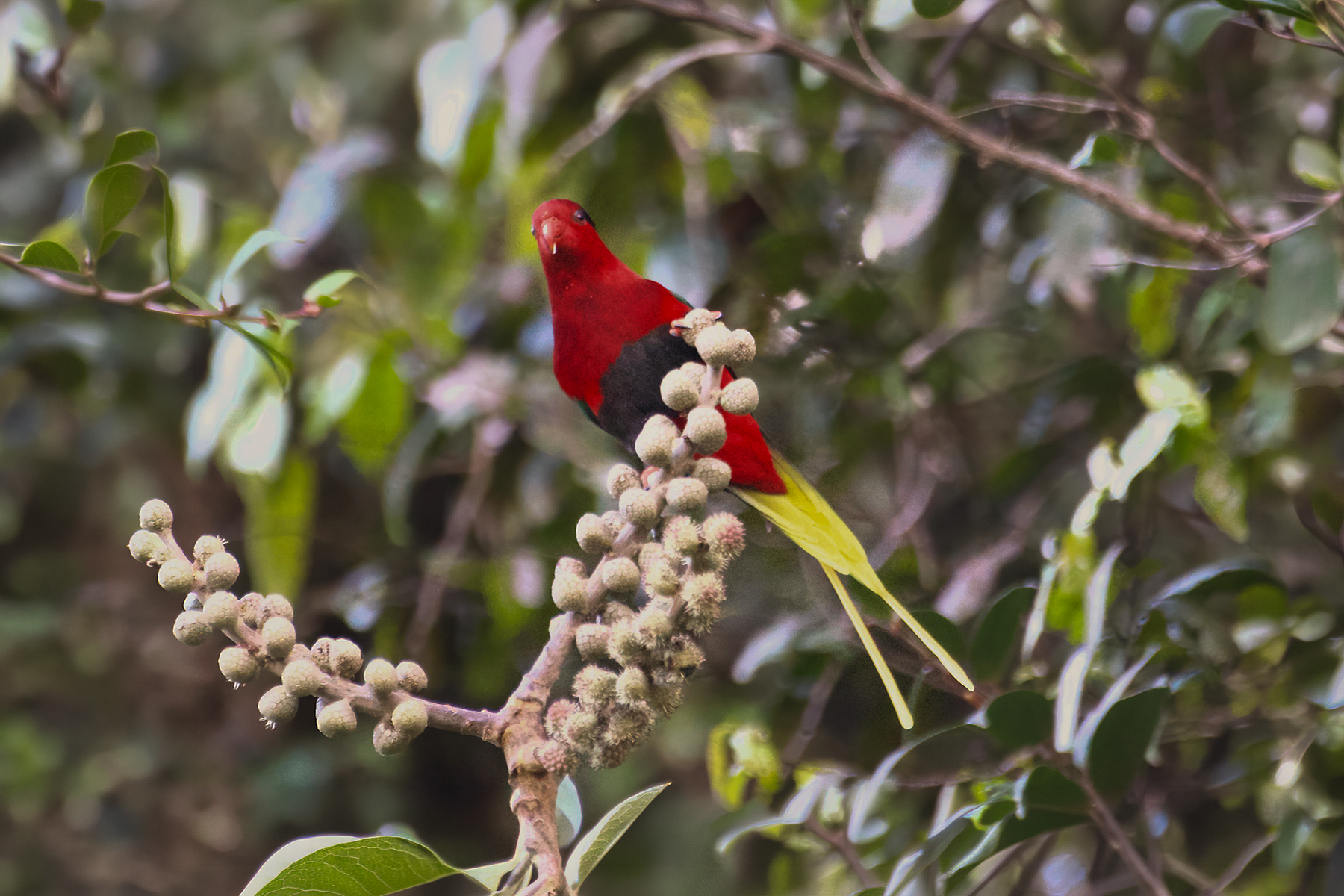
Stella's Lorikeet (image by Phil Hansbro)
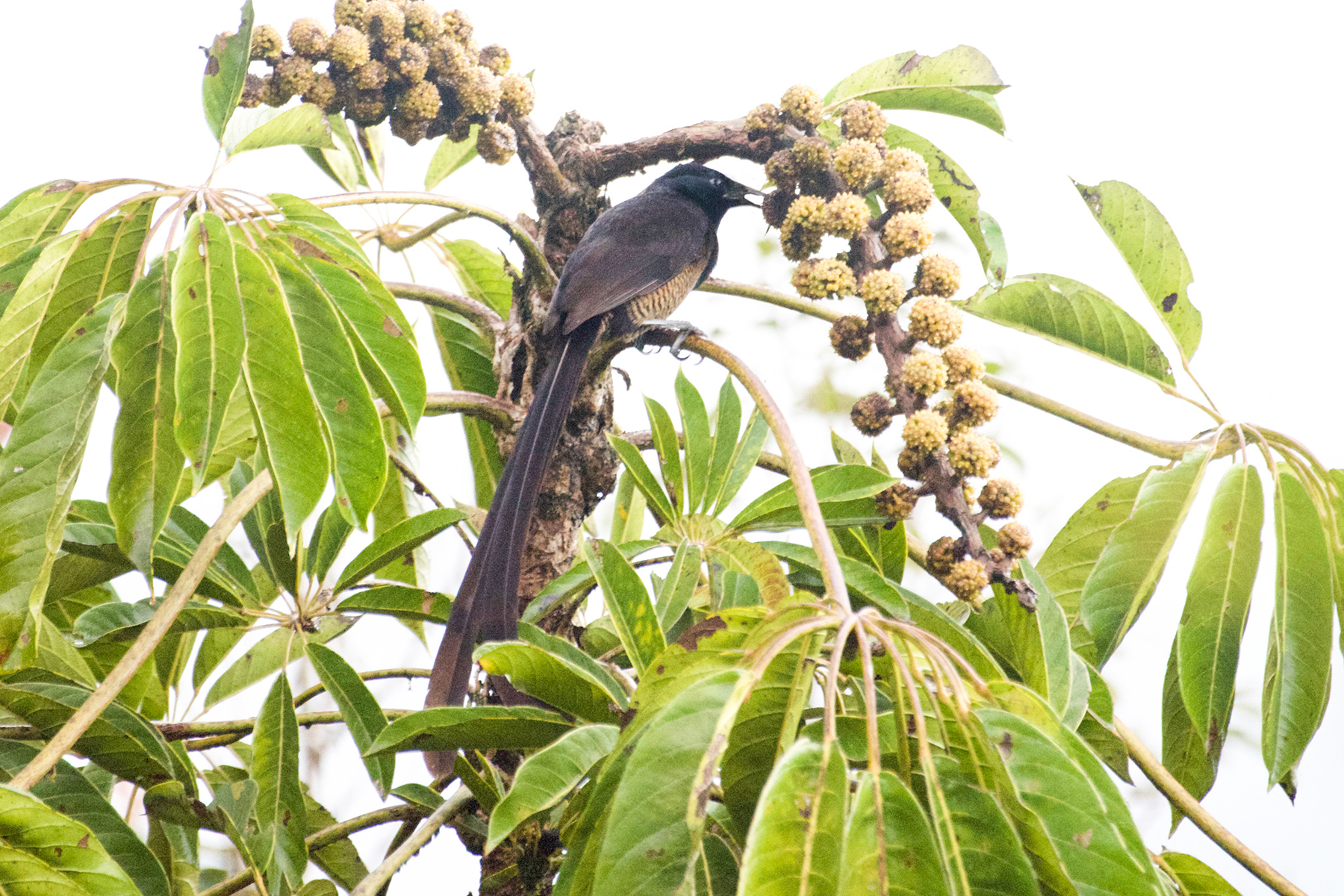
Stephanie's Astrapia female (image by Phil Hansbro)
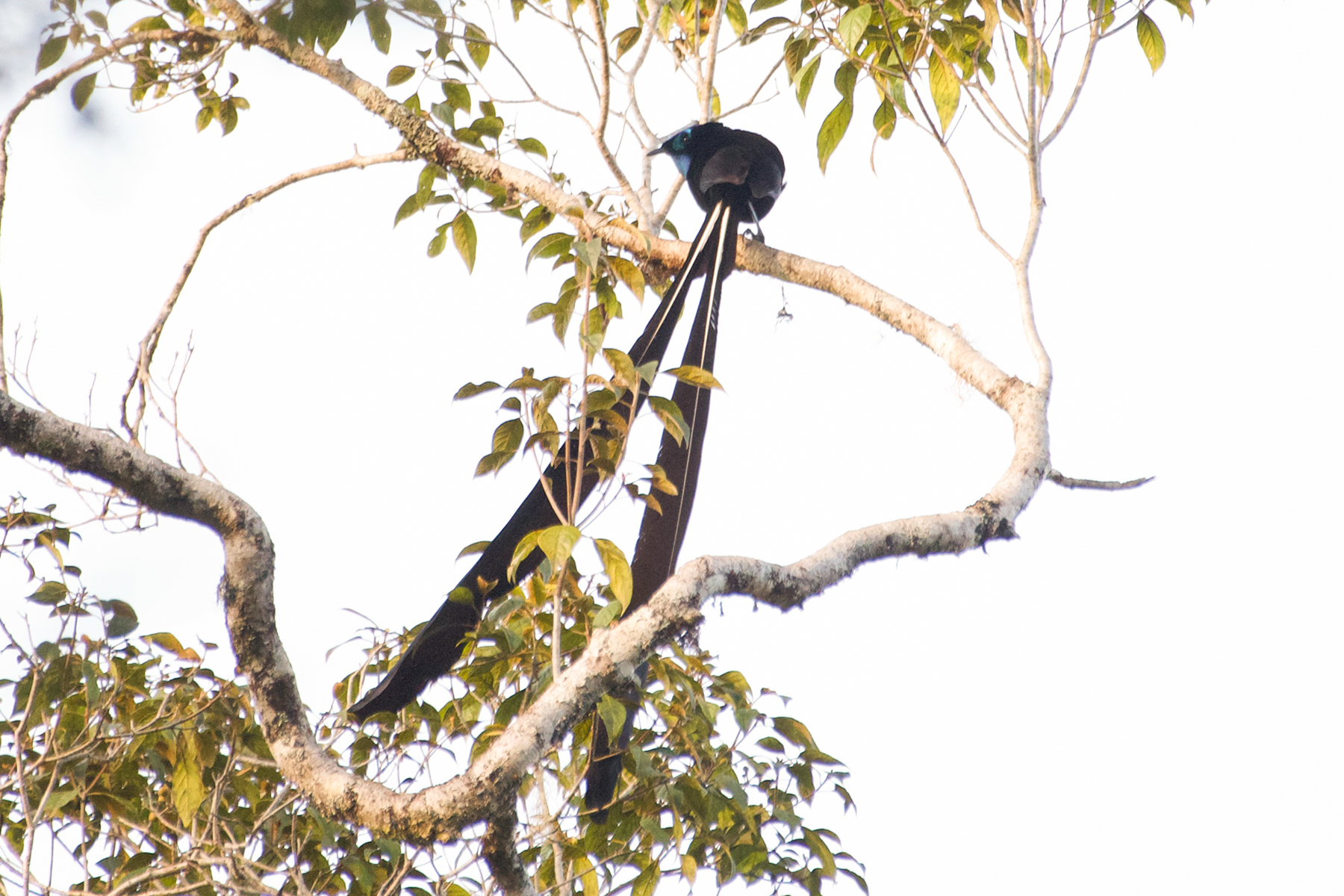
Stephanie's Astrapia male (image by Phil Hansbro)
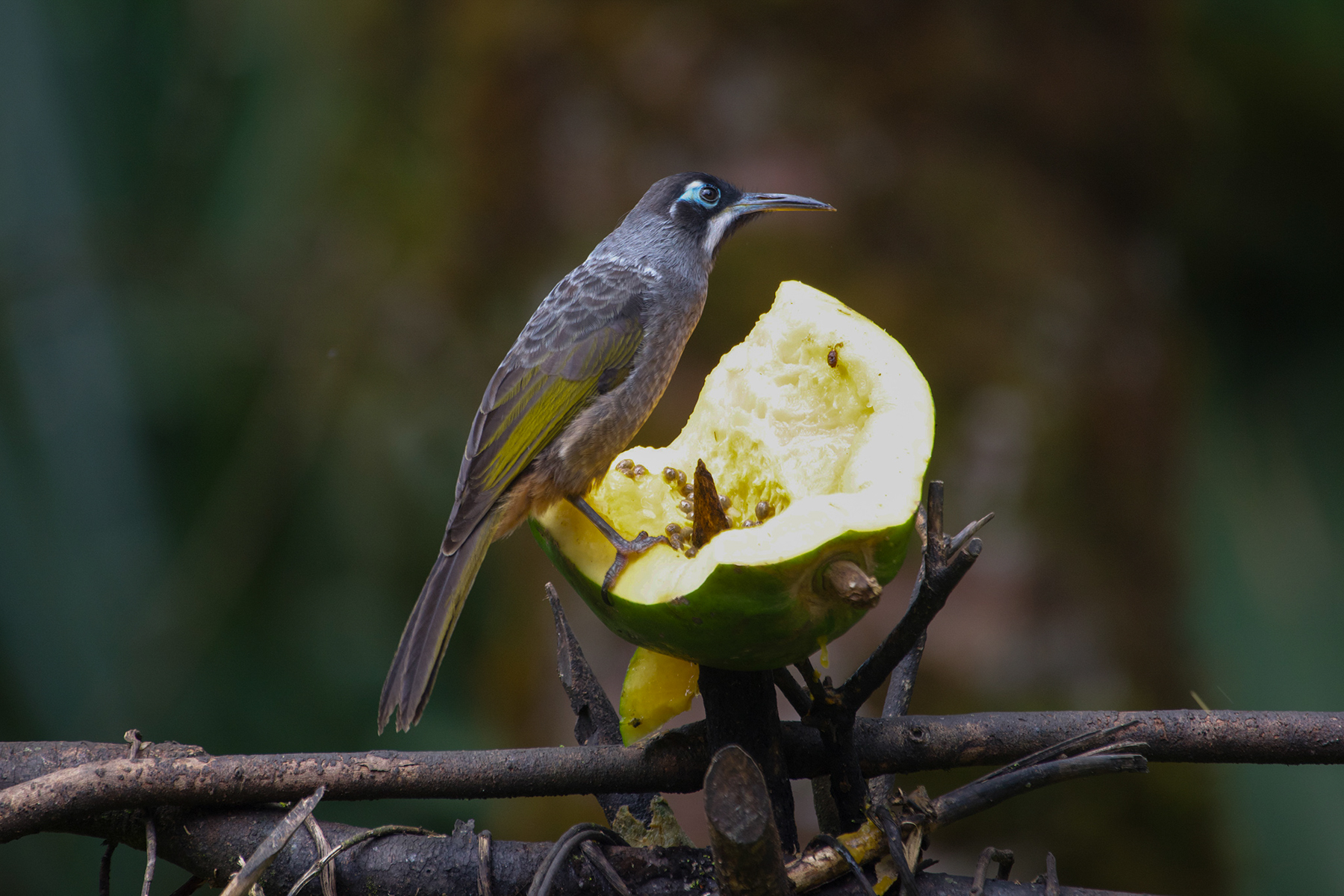
Belford's Melidectes (image by Phil Hansbro)
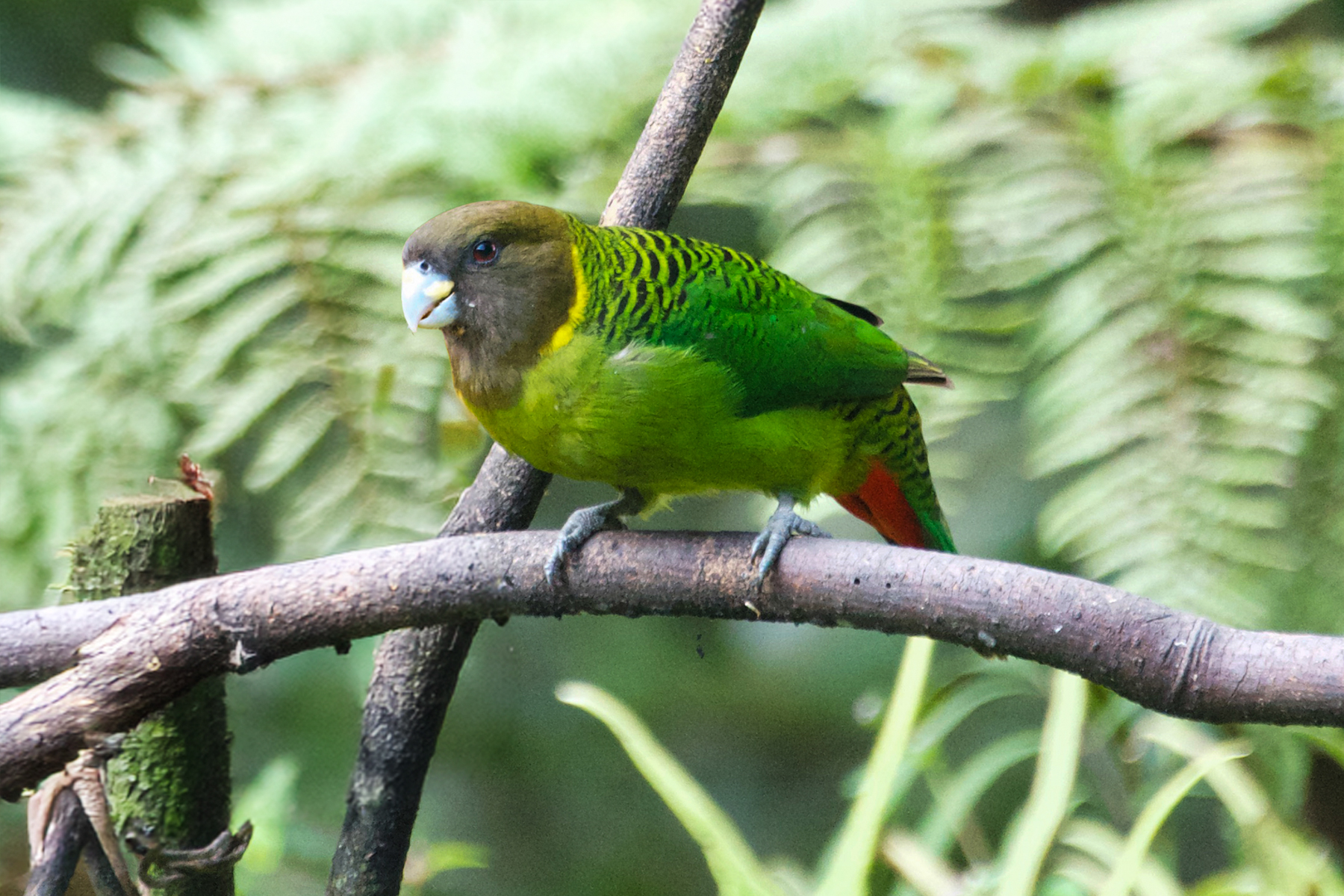
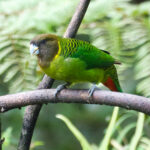
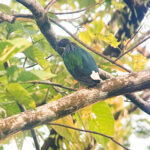
Brehm's Tiger Parrot (image by Phil Hansbro)
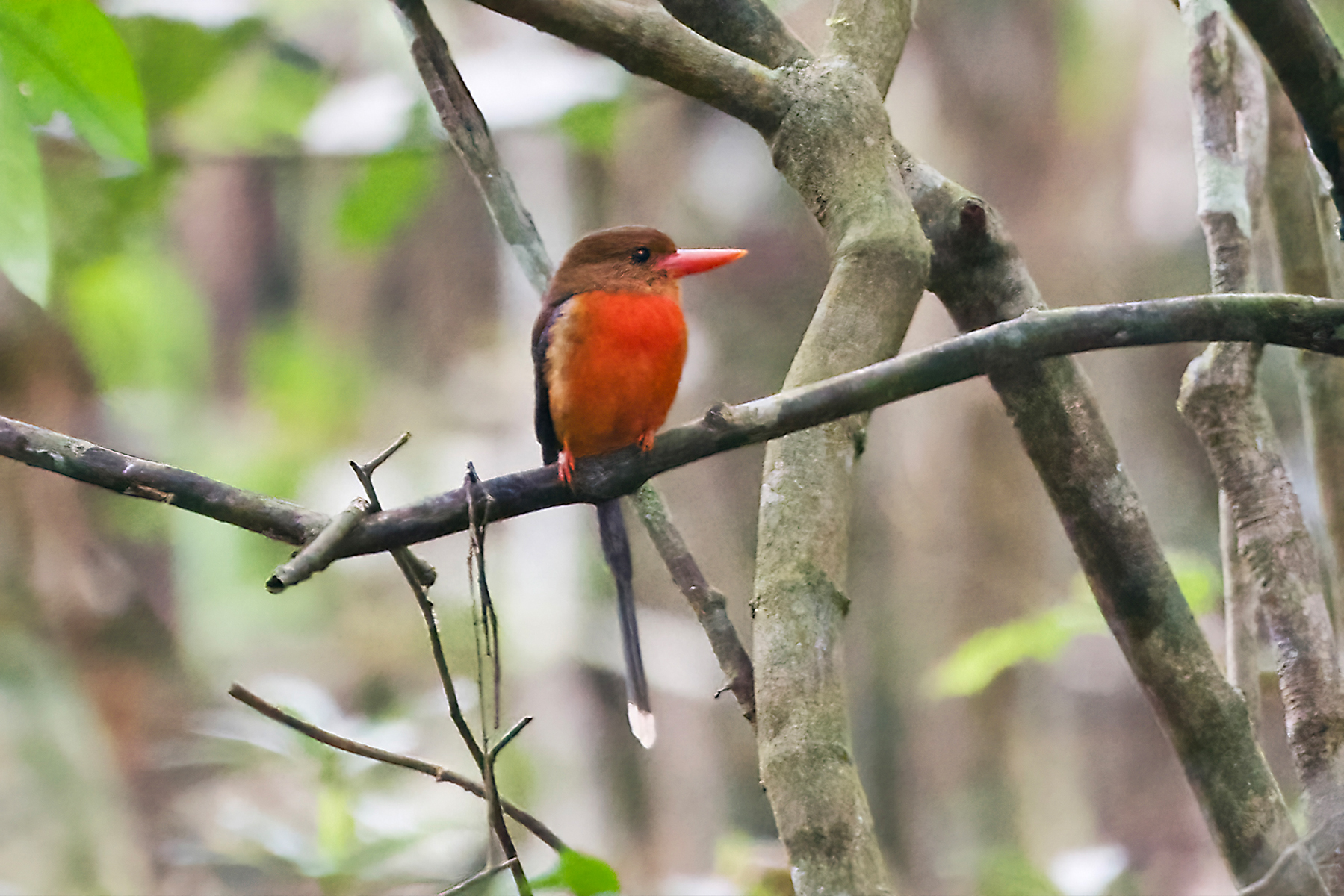
Brown-headed Paradise Kingfisher (image by Phil Hansbro)
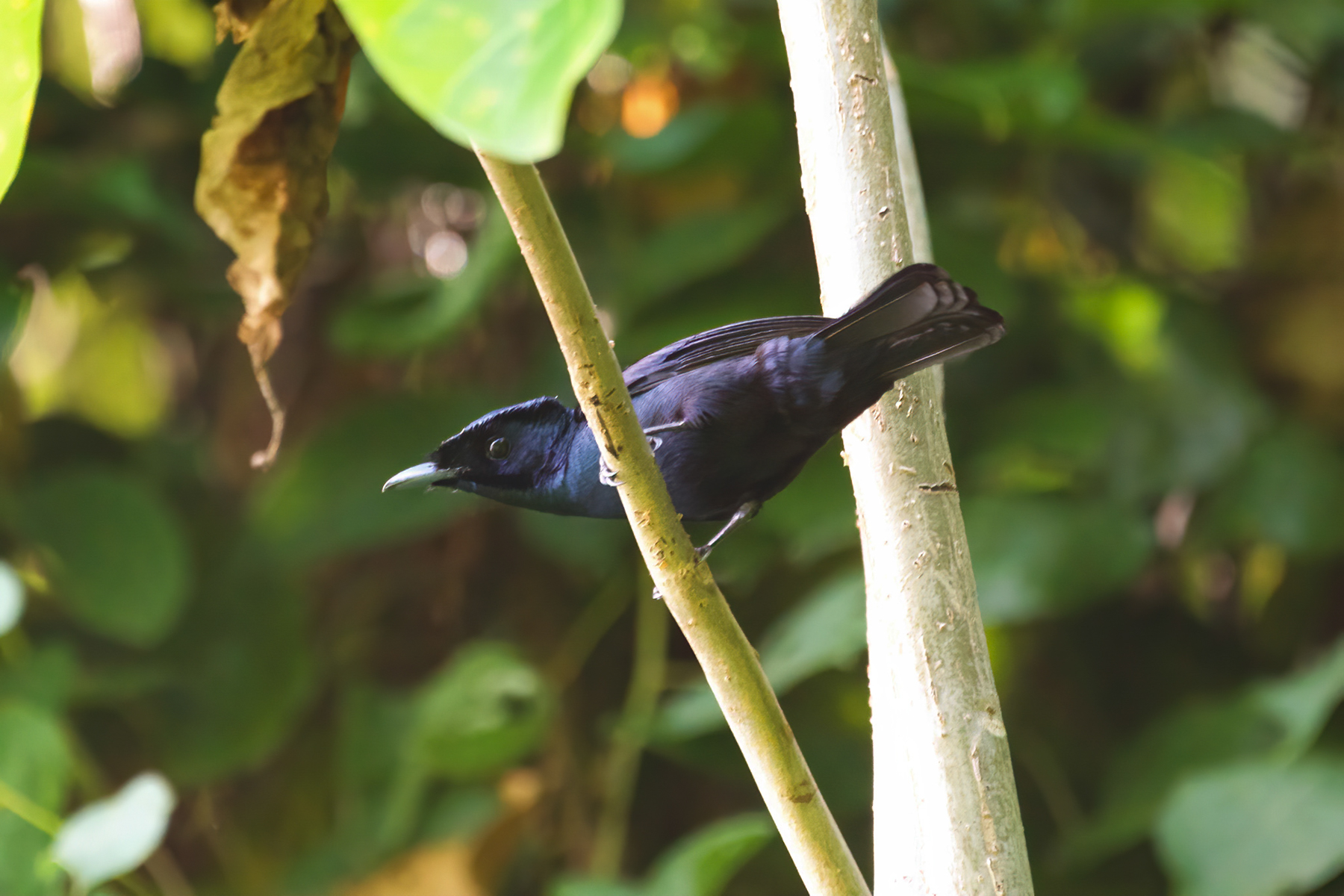
Shining Flycatcher (image by Phil Hansbro)
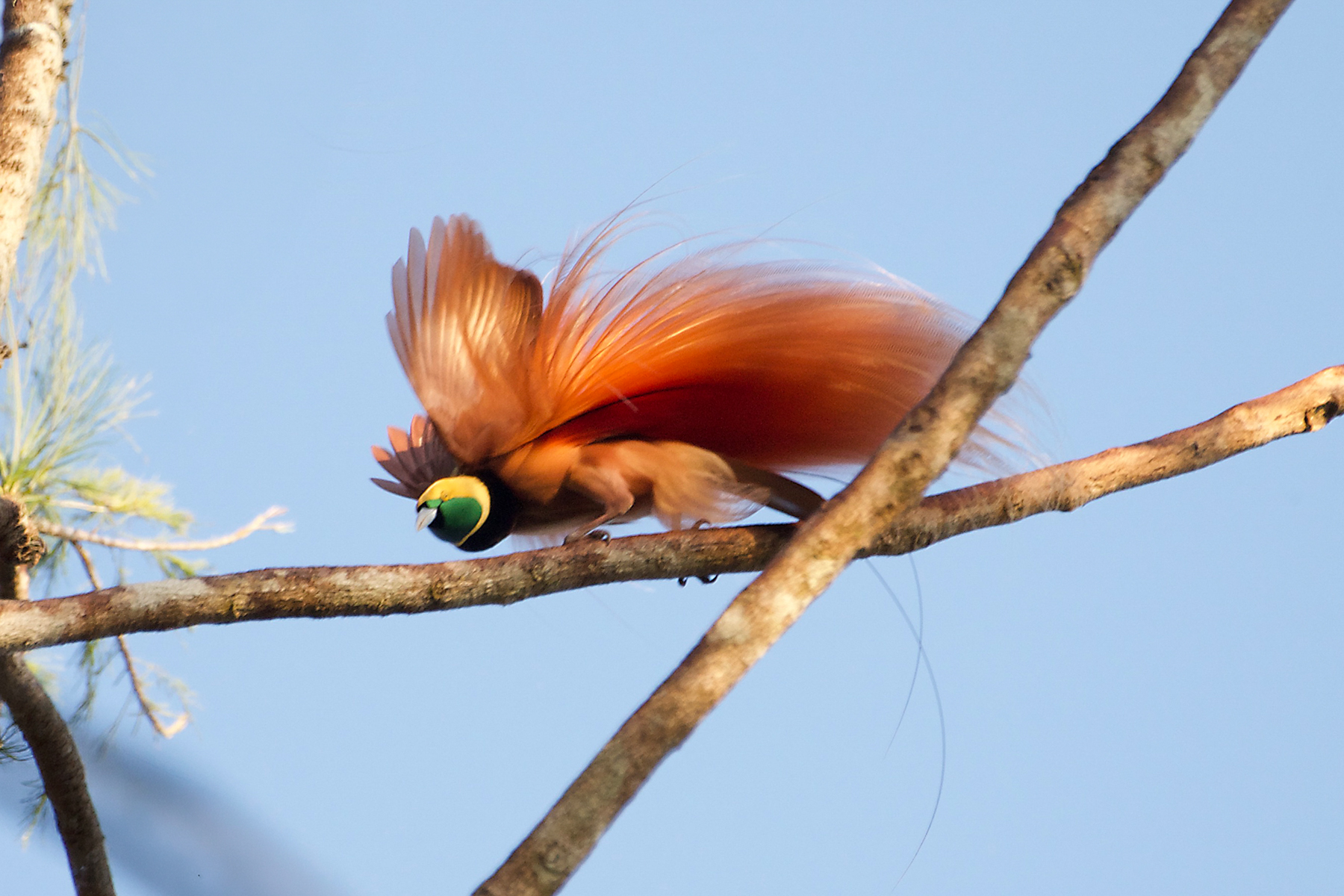
Raggiana Bird-of-paradise (image by Phil Hansbro)
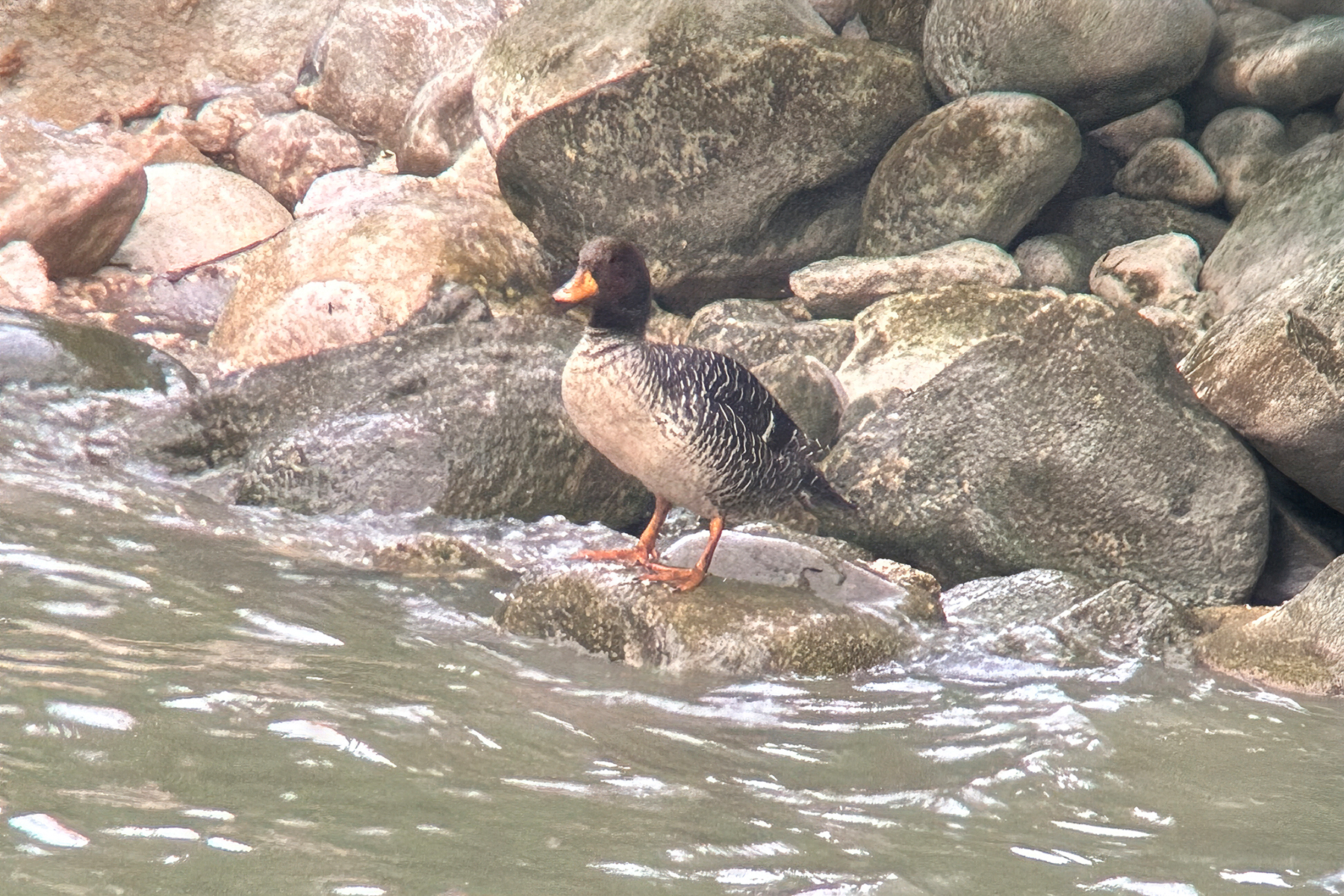
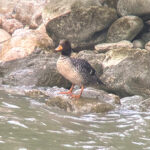
Salvadori's Teal (image by Phil Hansbro)
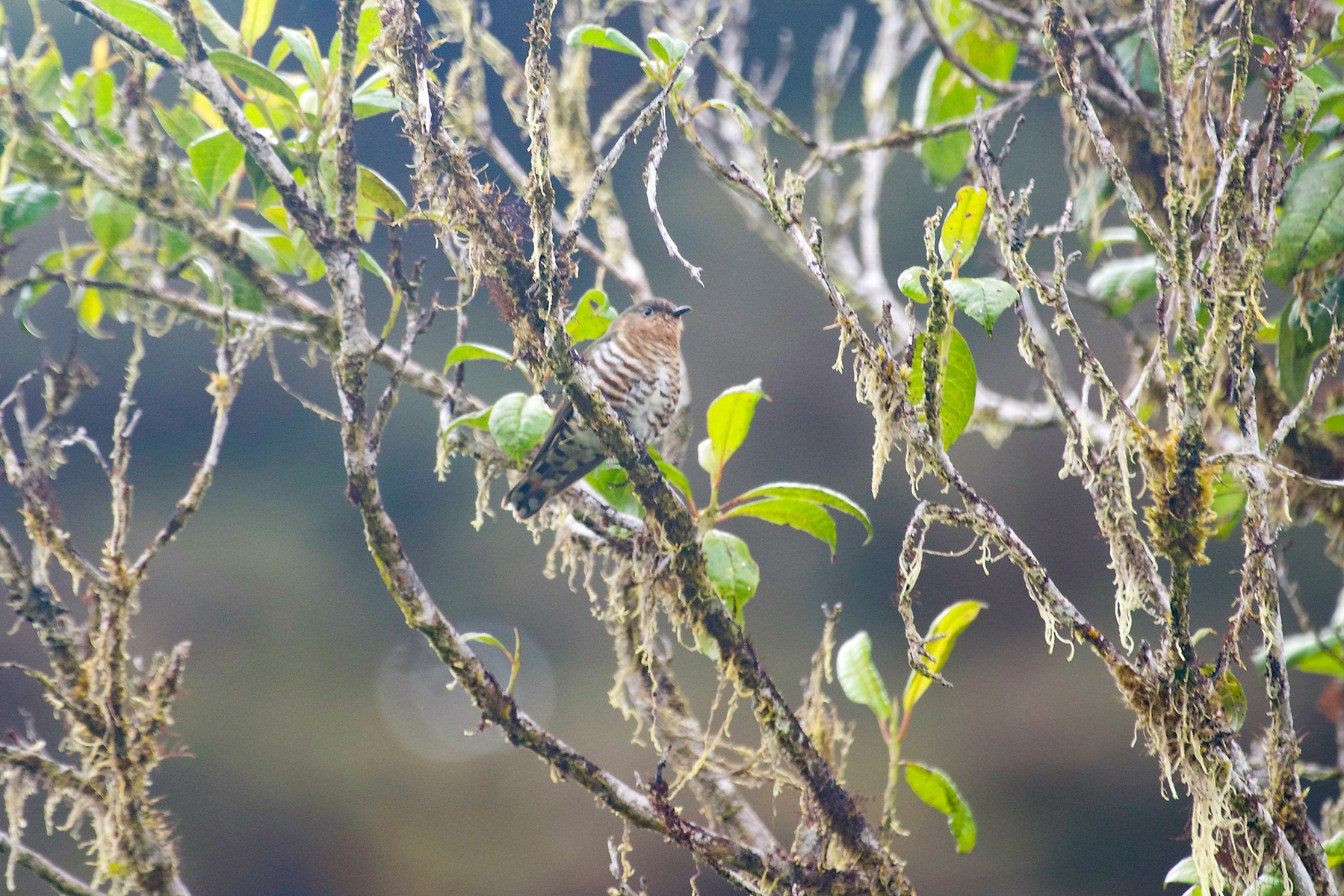
Rufous-throated Bronze Cuckoo (image by Phil Hansbro)
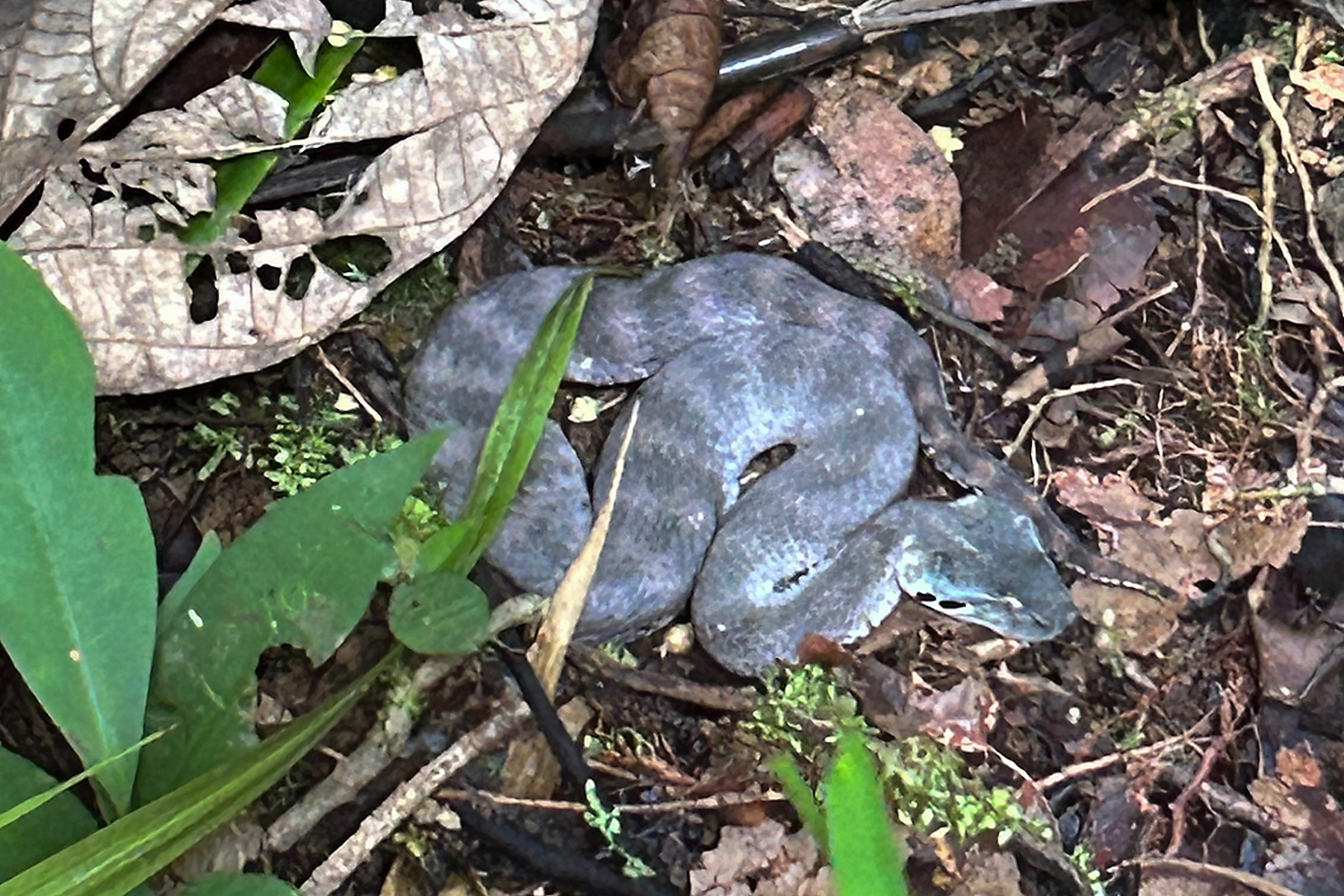
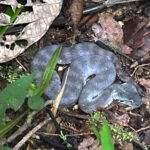
Rough-scaled Death Adder (image by Phil Hansbro)
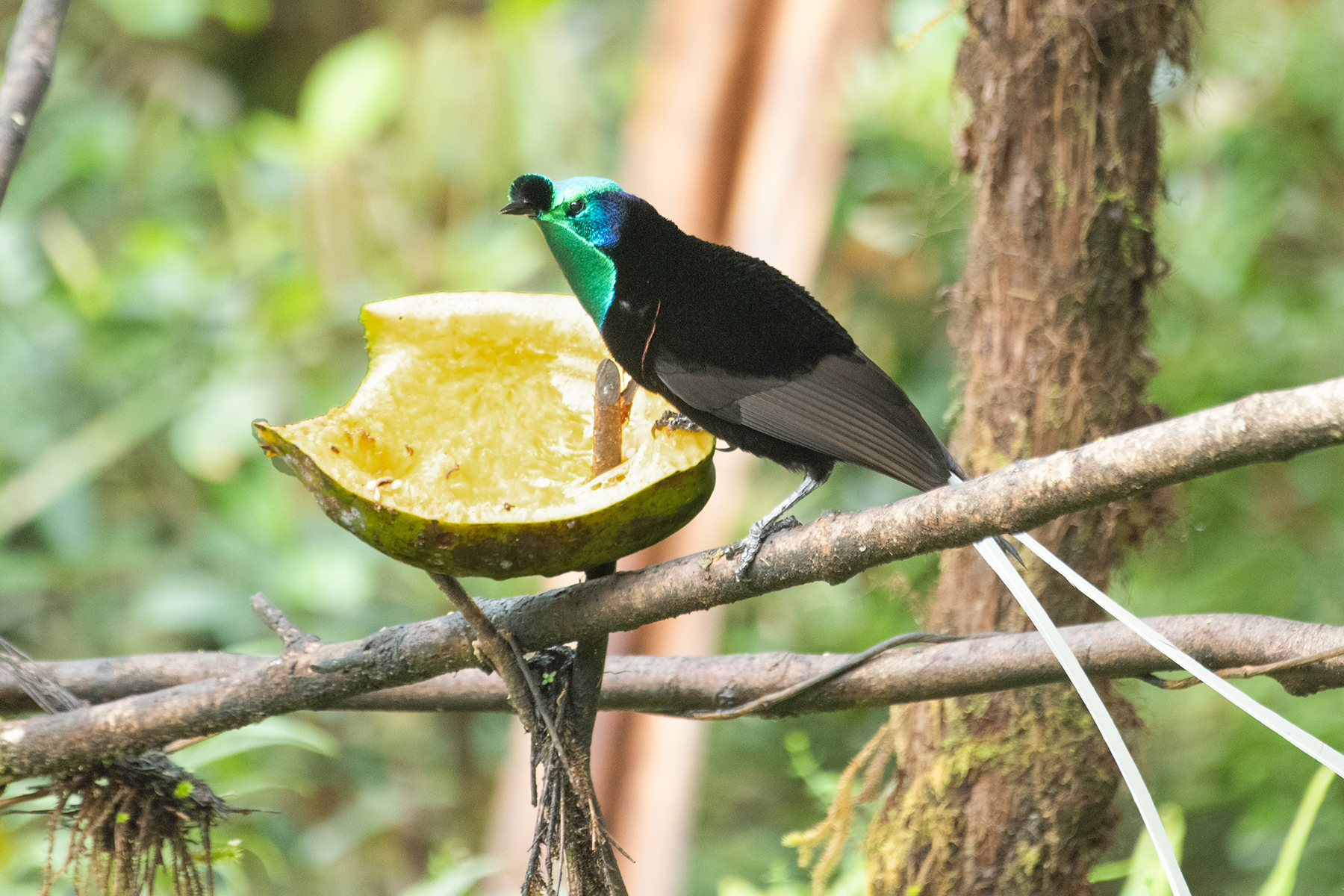
Ribbon-tailed Astrapia (image by Phil Hansbro)
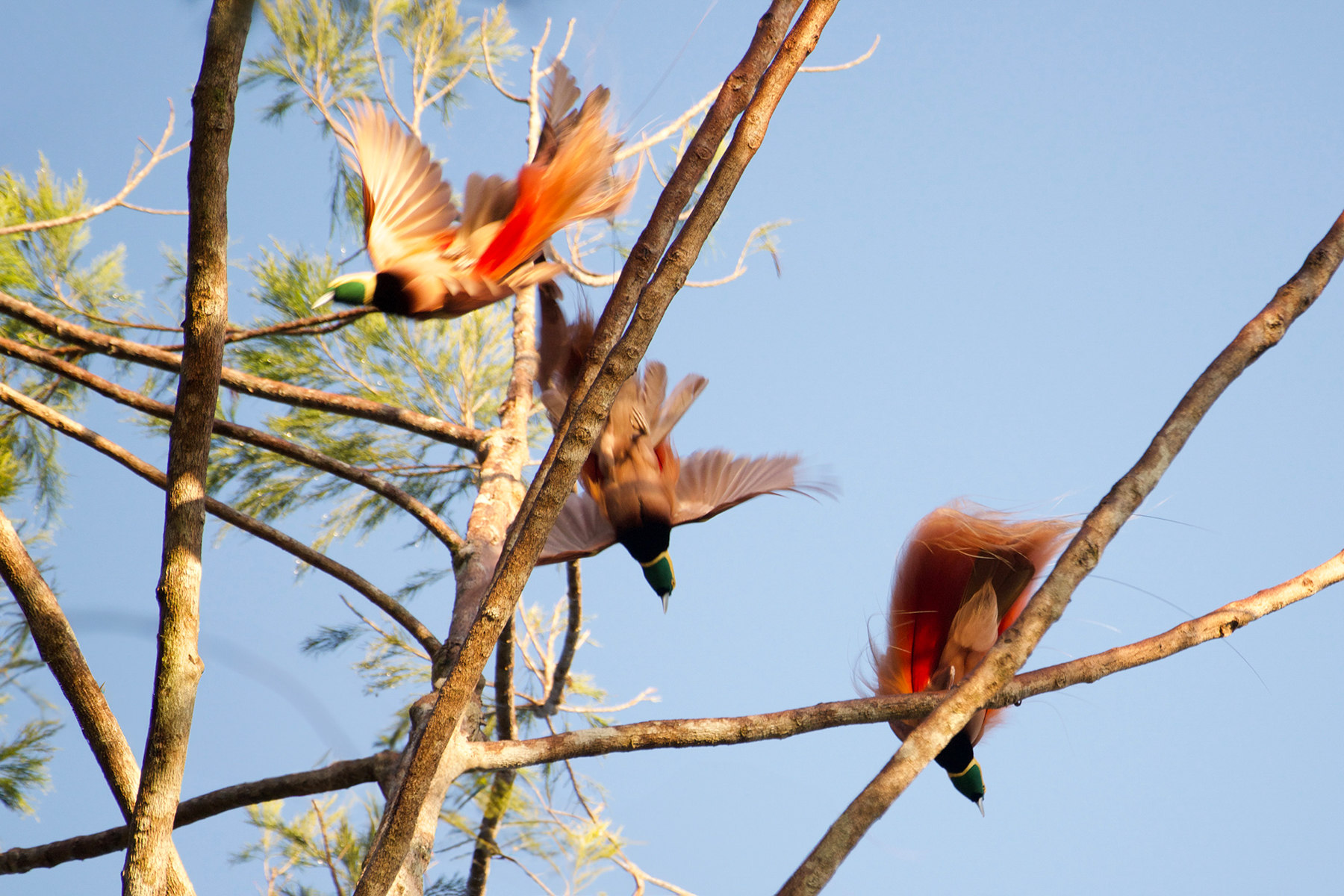
Raggiana Bird-of-paradise (image by Phil Hansbro)
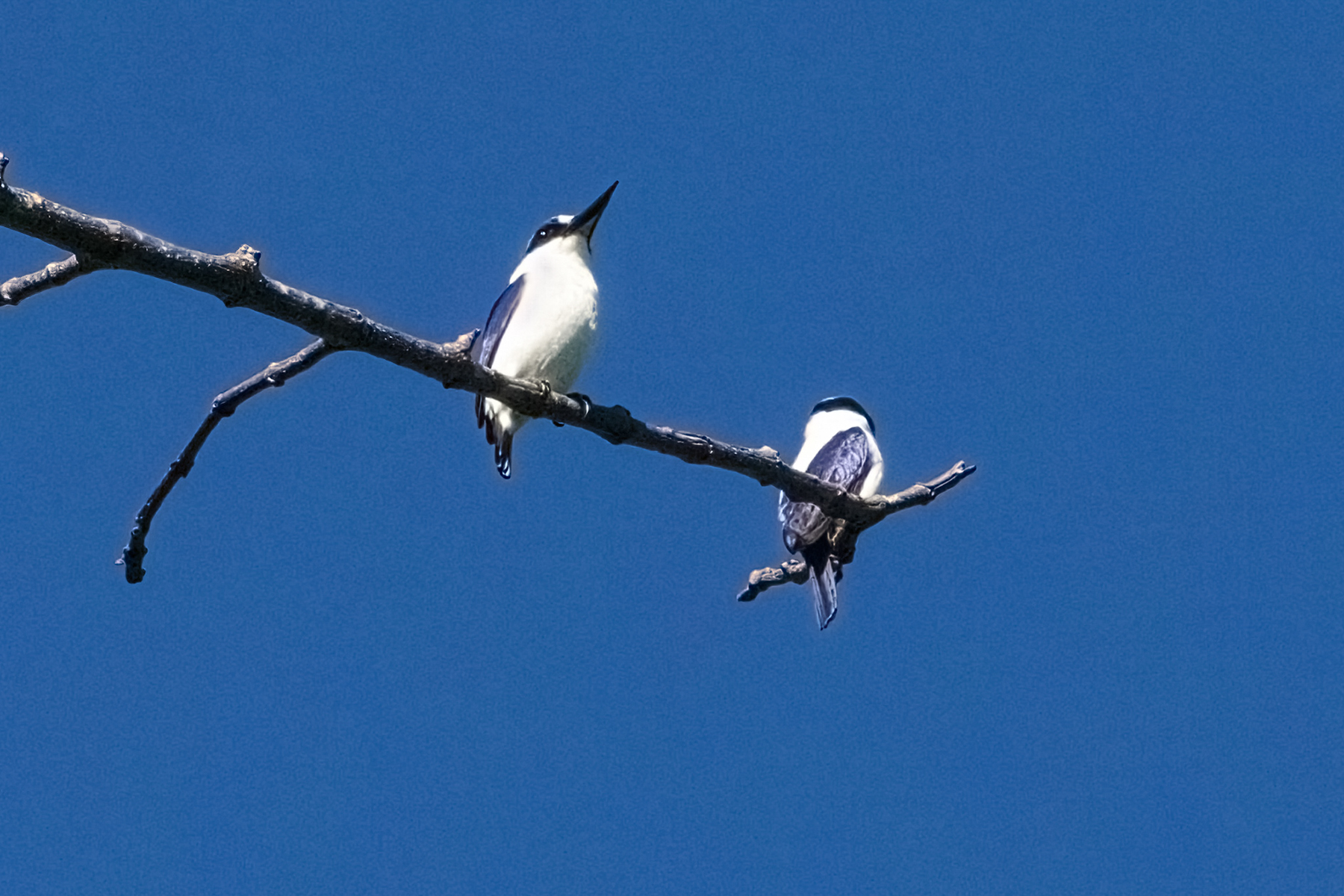
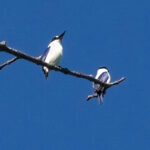
White-backed Kingfishers (image by Phil Hansbro)
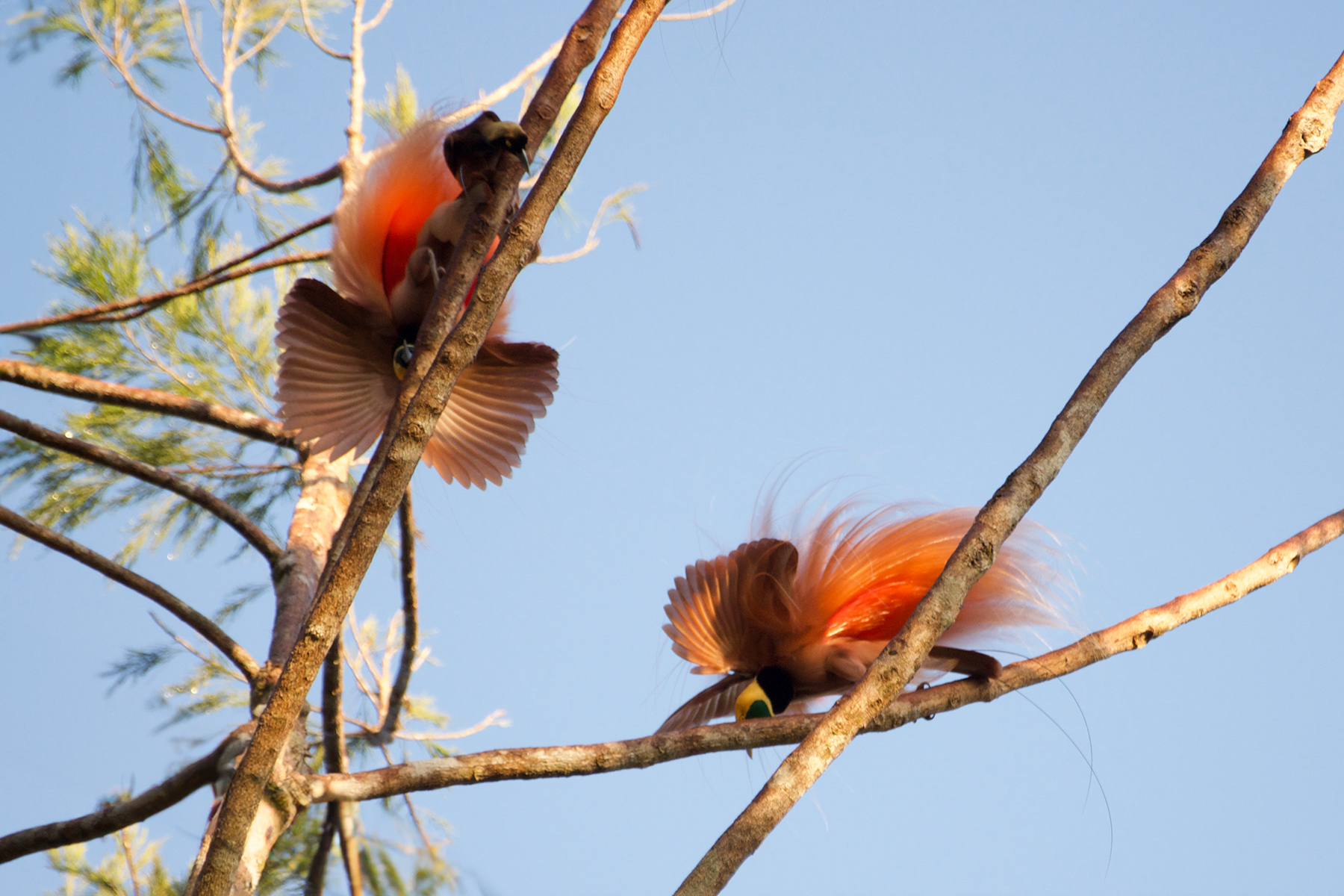
Raggiana Bird-of-paradise (image by Phil Hansbro)
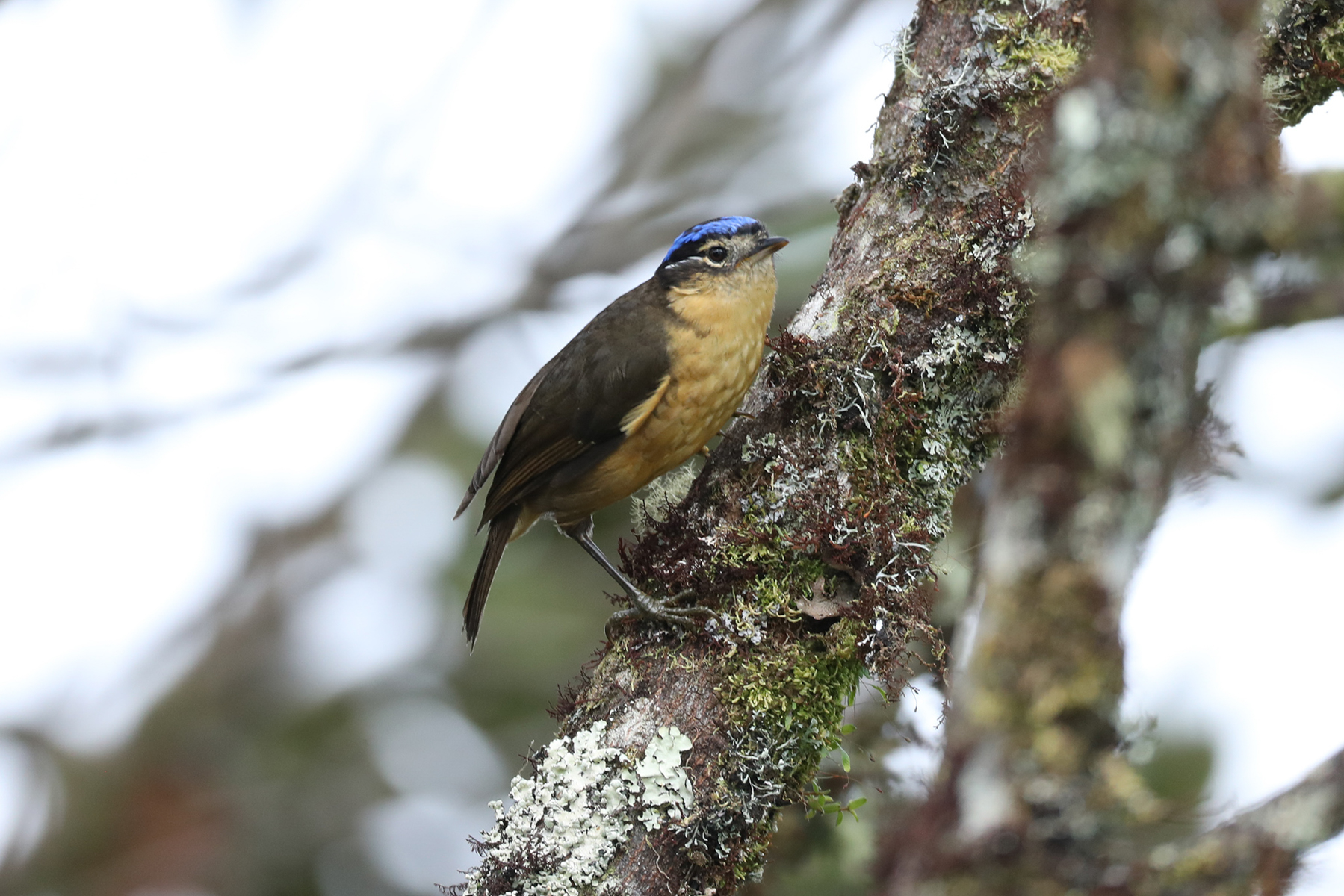
Blue-capped Ifrit (image by Phil Hansbro)
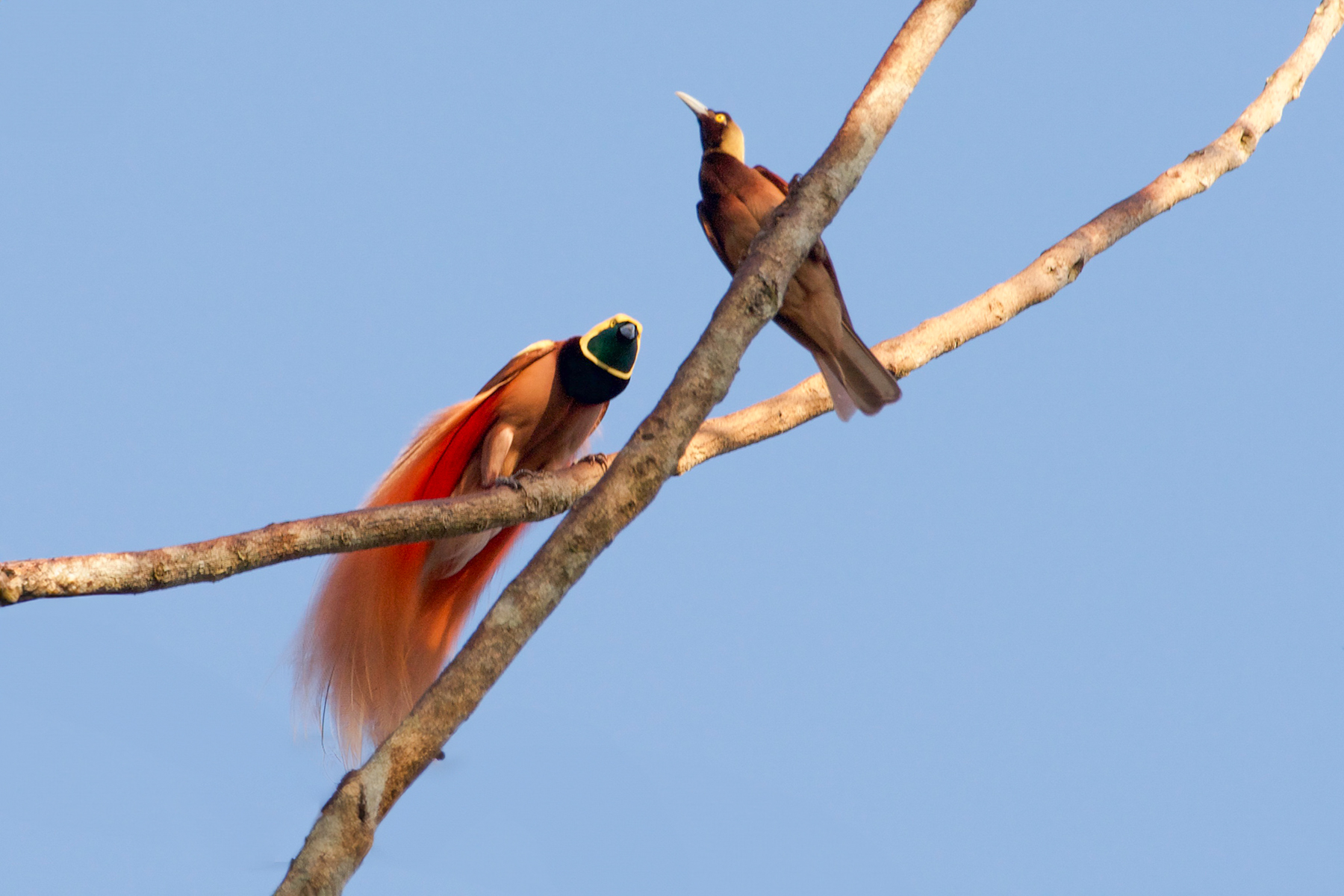
Raggiana Bird-of-paradise (image by Phil Hansbro)
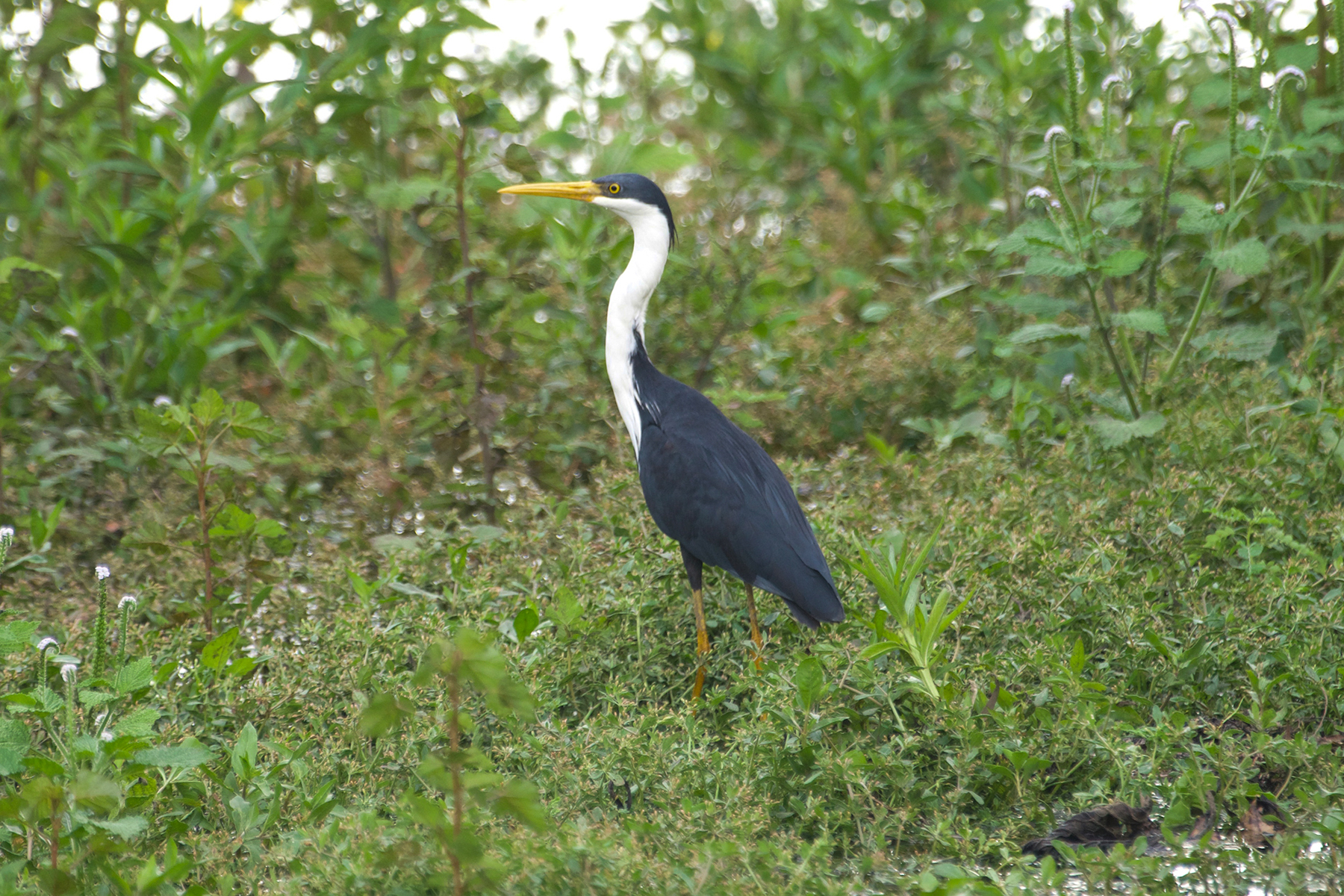
Pied Heron (image by Phil Hansbro)
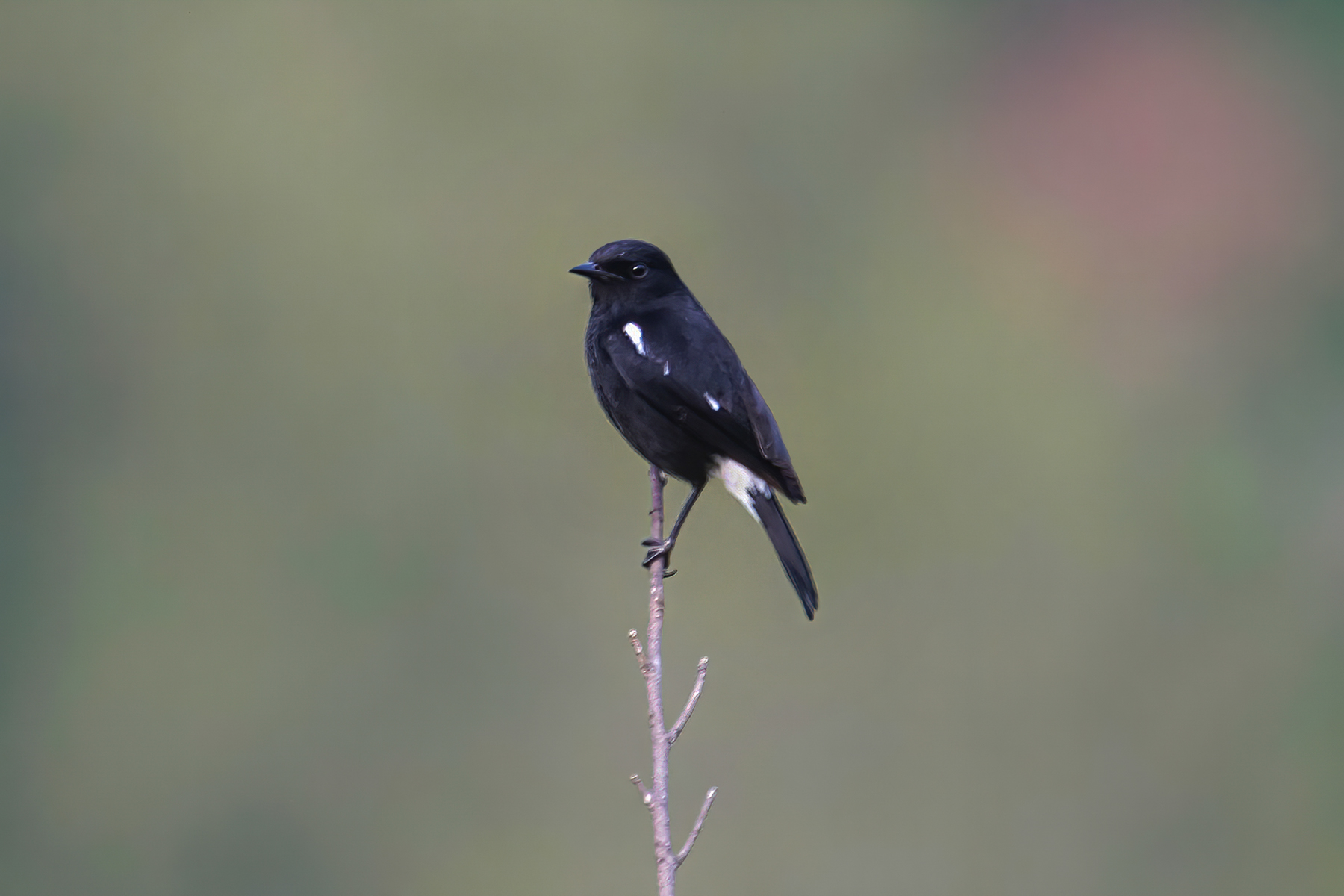
Pied Bushchat (image by Phil Hansbro)
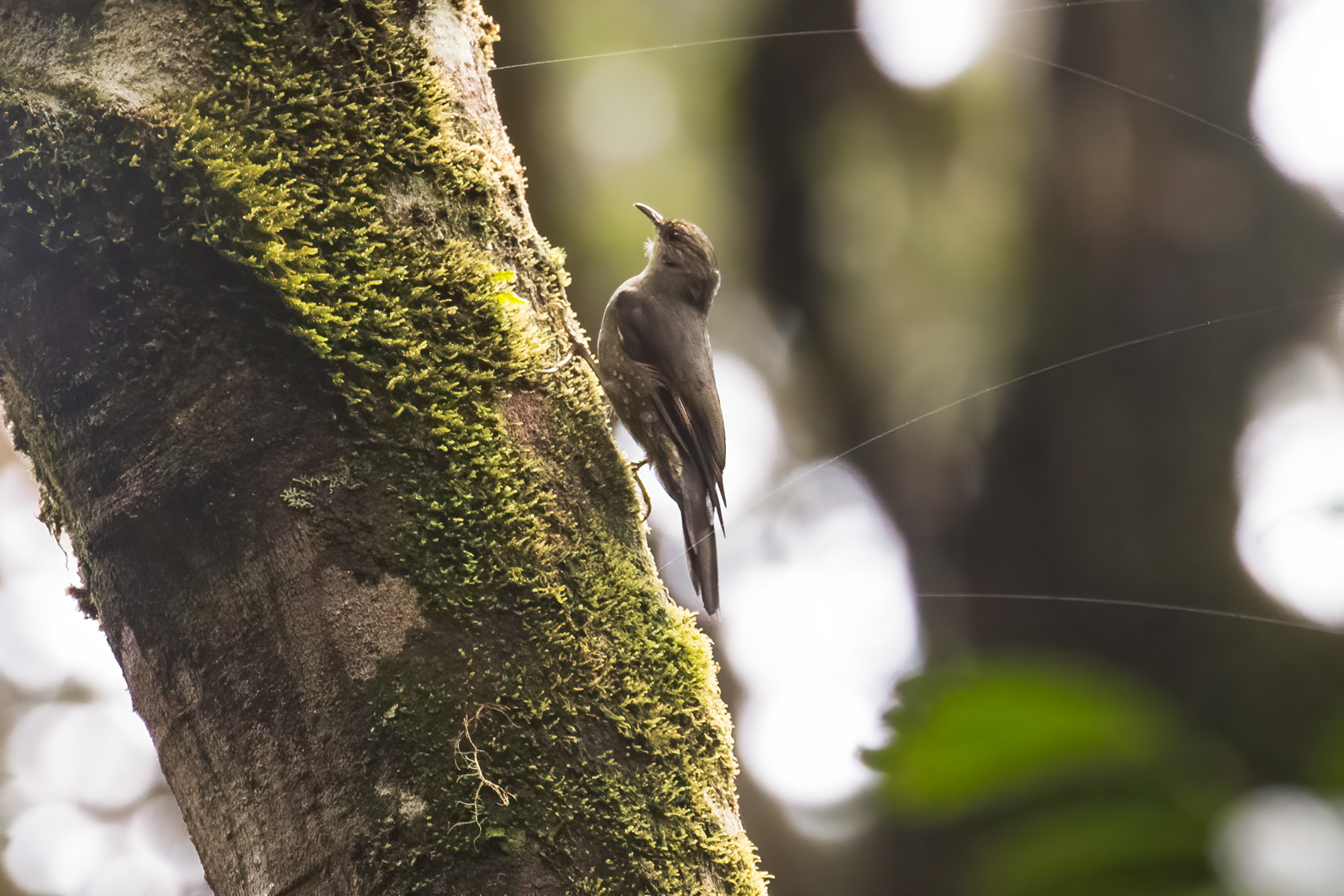
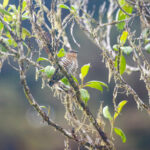
Papuan Treecreeper (image by Phil Hansbro)
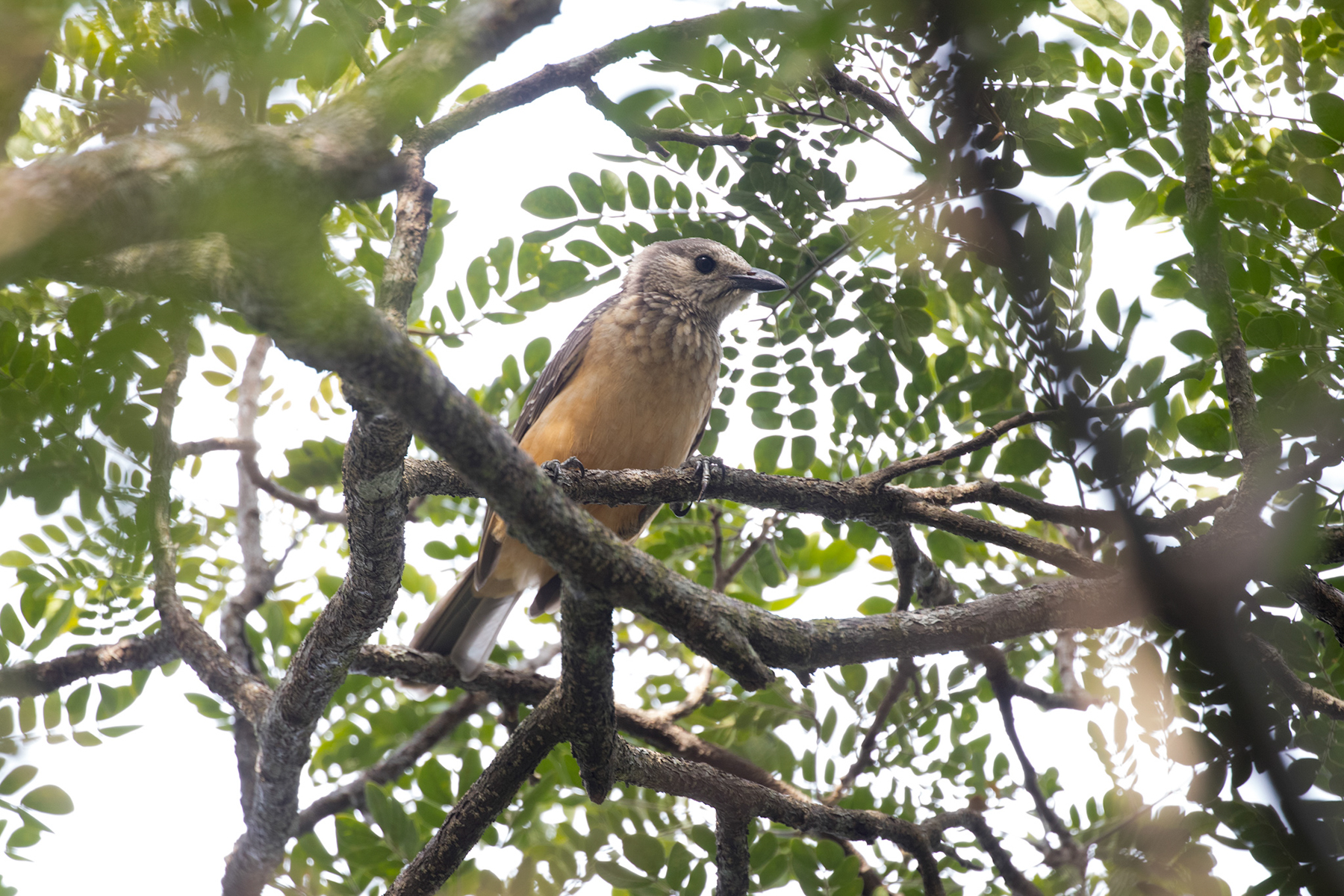
Fawn-breasted Bowerbird (image by Phil Hansbro)
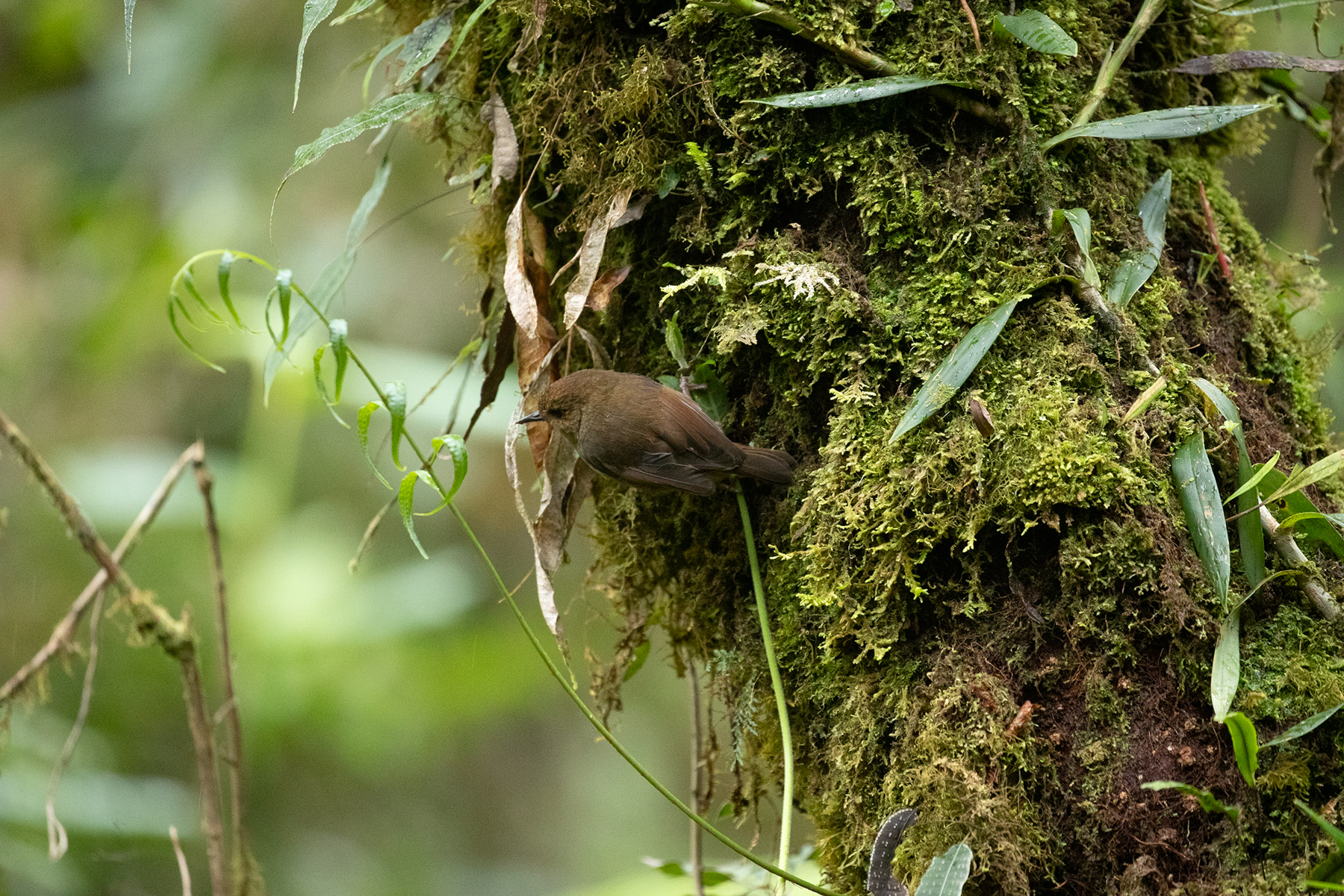
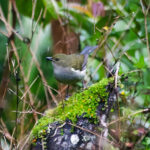
Papuan Scrubwren (image by Phil Hansbro)
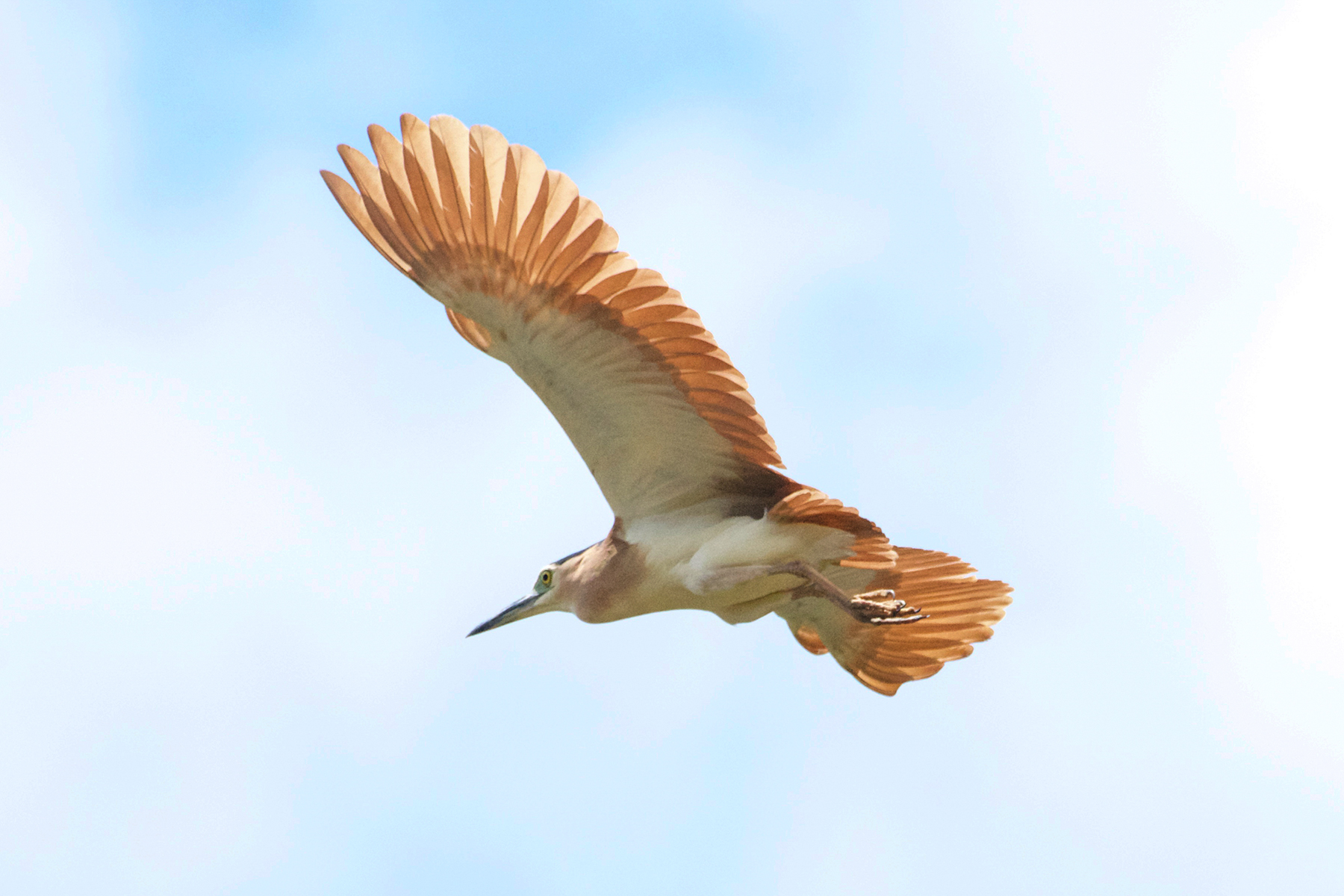
Nankeen Night Heron (image by Phil Hansbro)
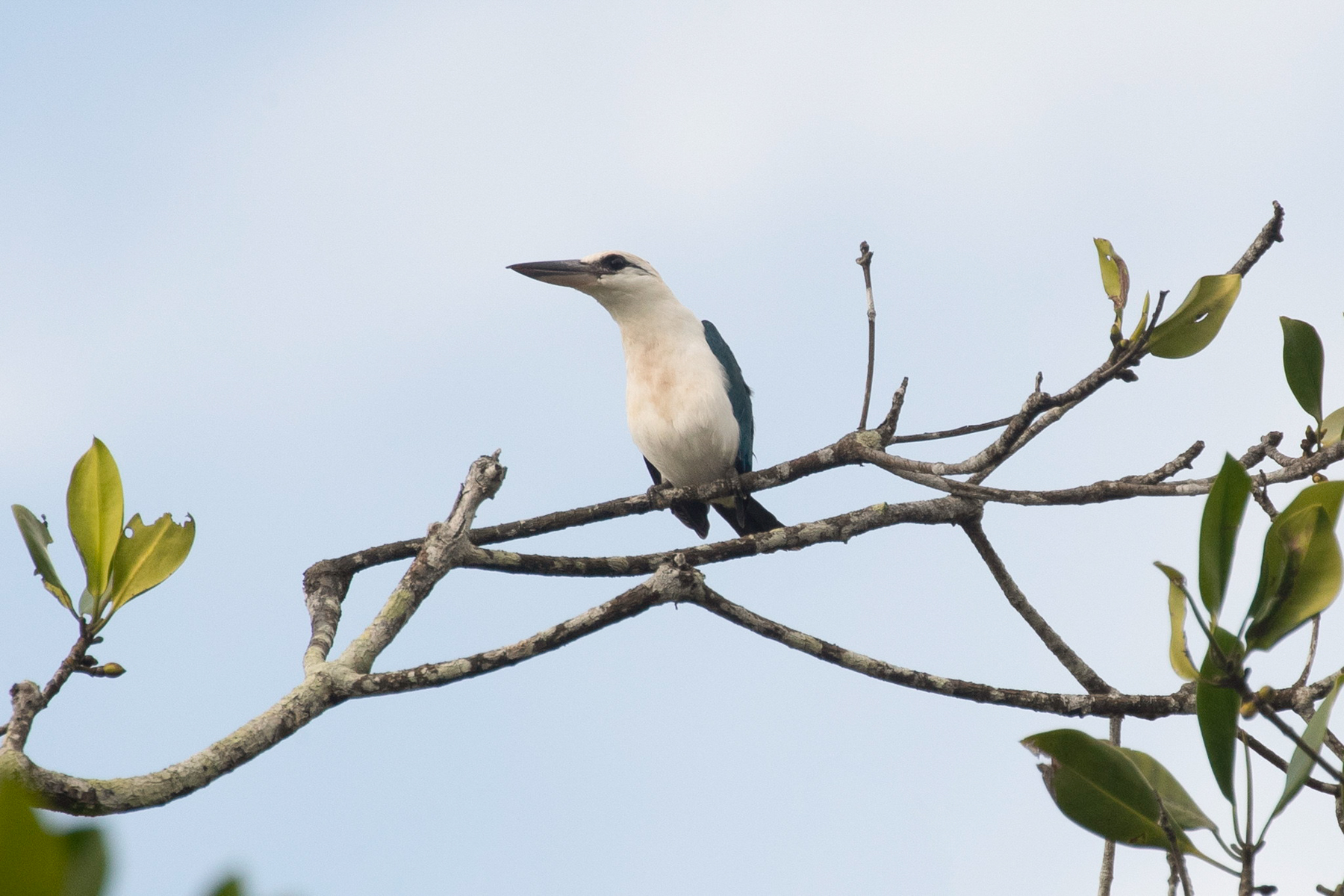
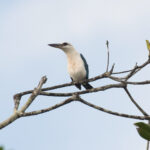
Beach Kingfisher (image by Phil Hansbro)
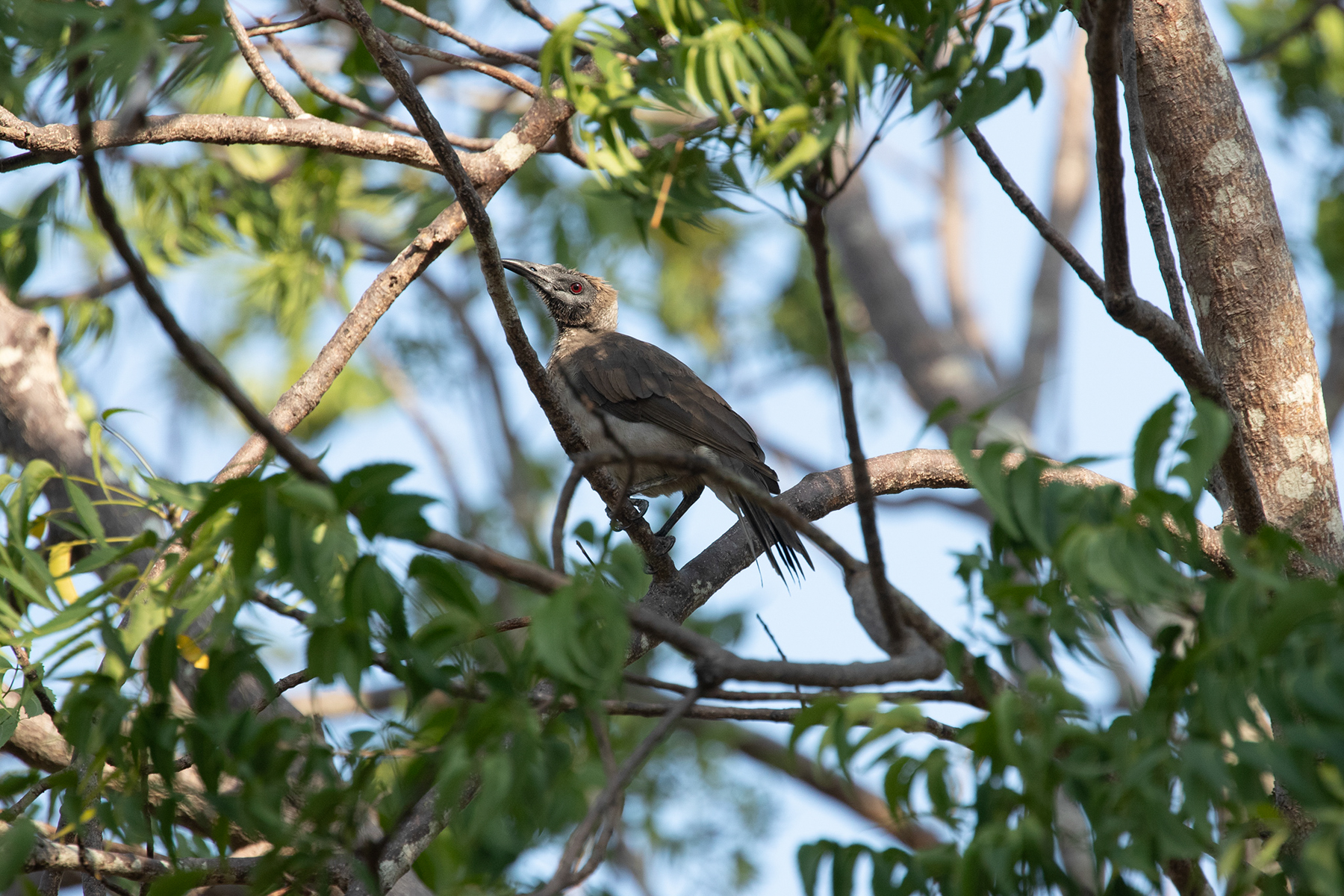
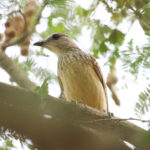
New Guinea Friarbird (image by Phil Hansbro)
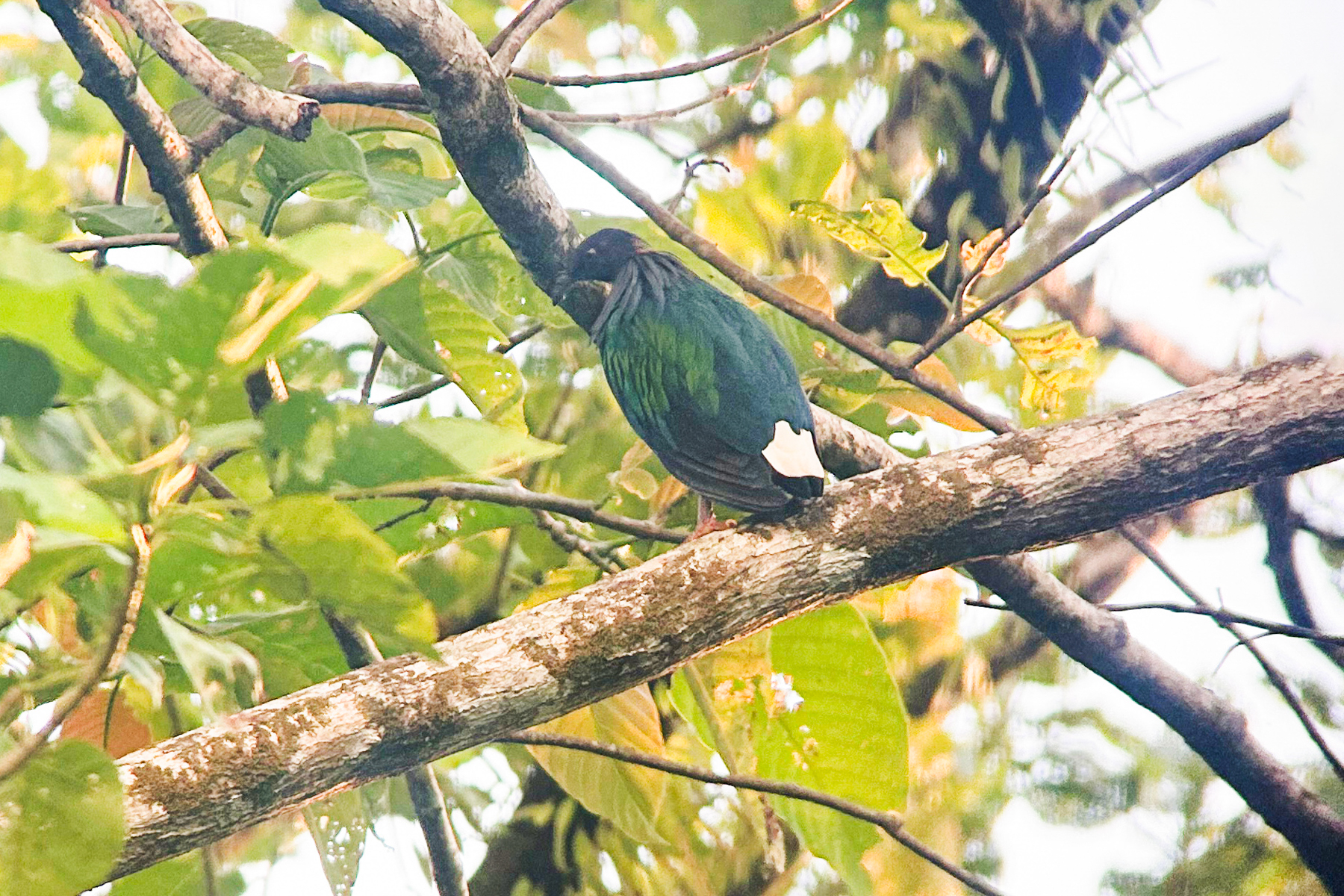
Nicobar Pigeon (image by Phil Hansbro)
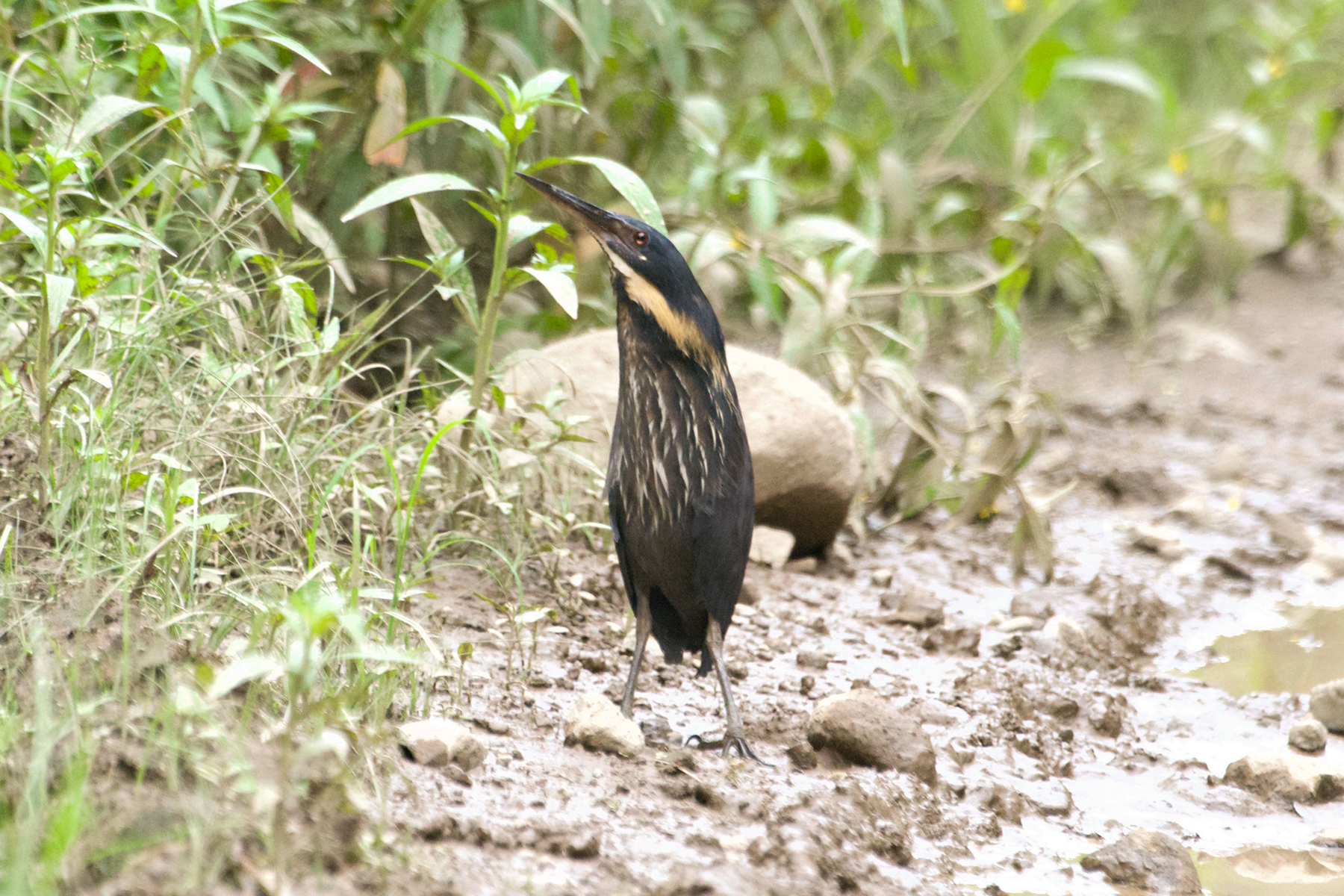
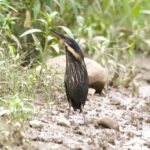
Black Bittern (image by Phil Hansbro)
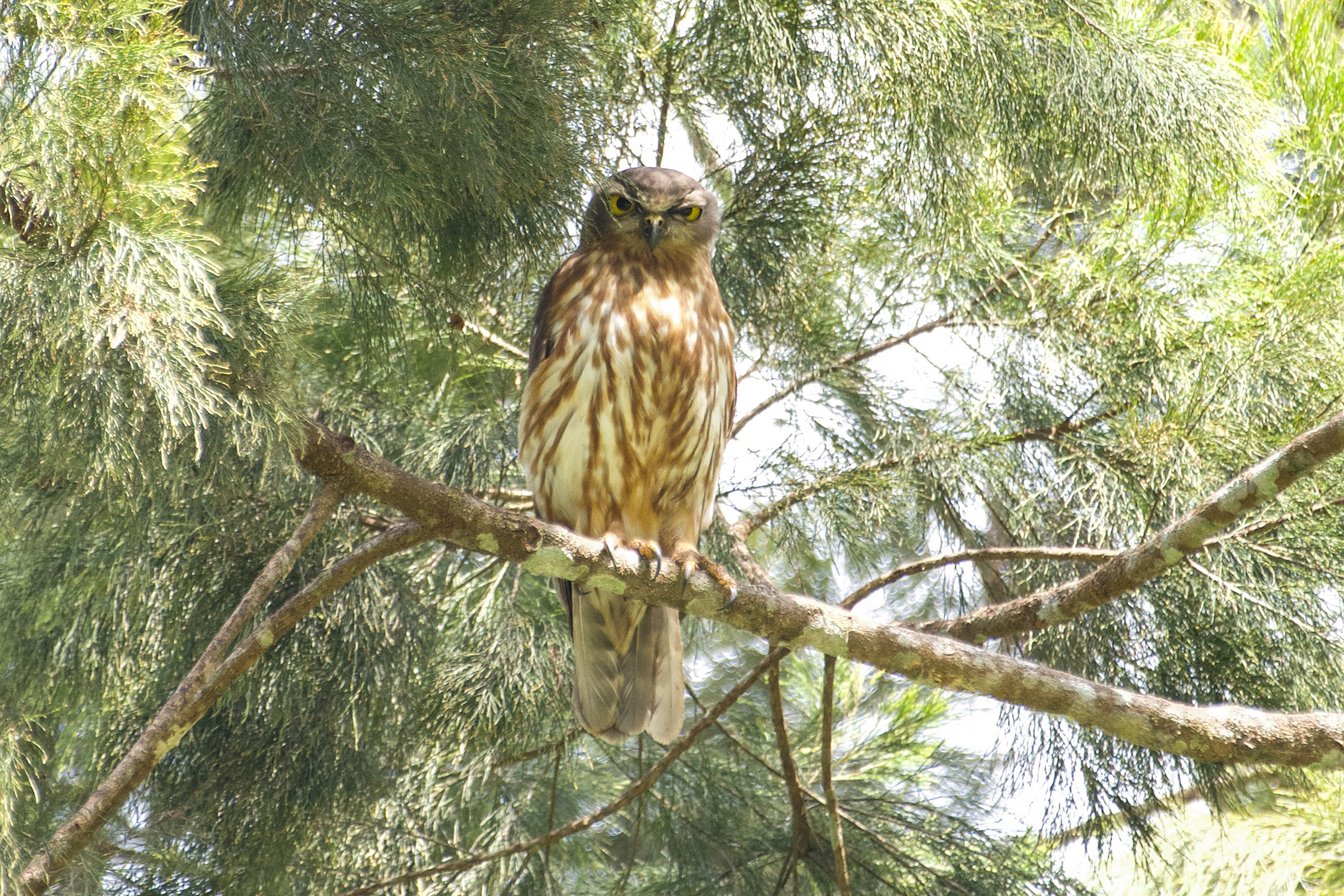
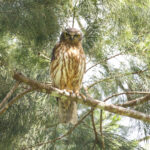
Barking Owl (image by Phil Hansbro)
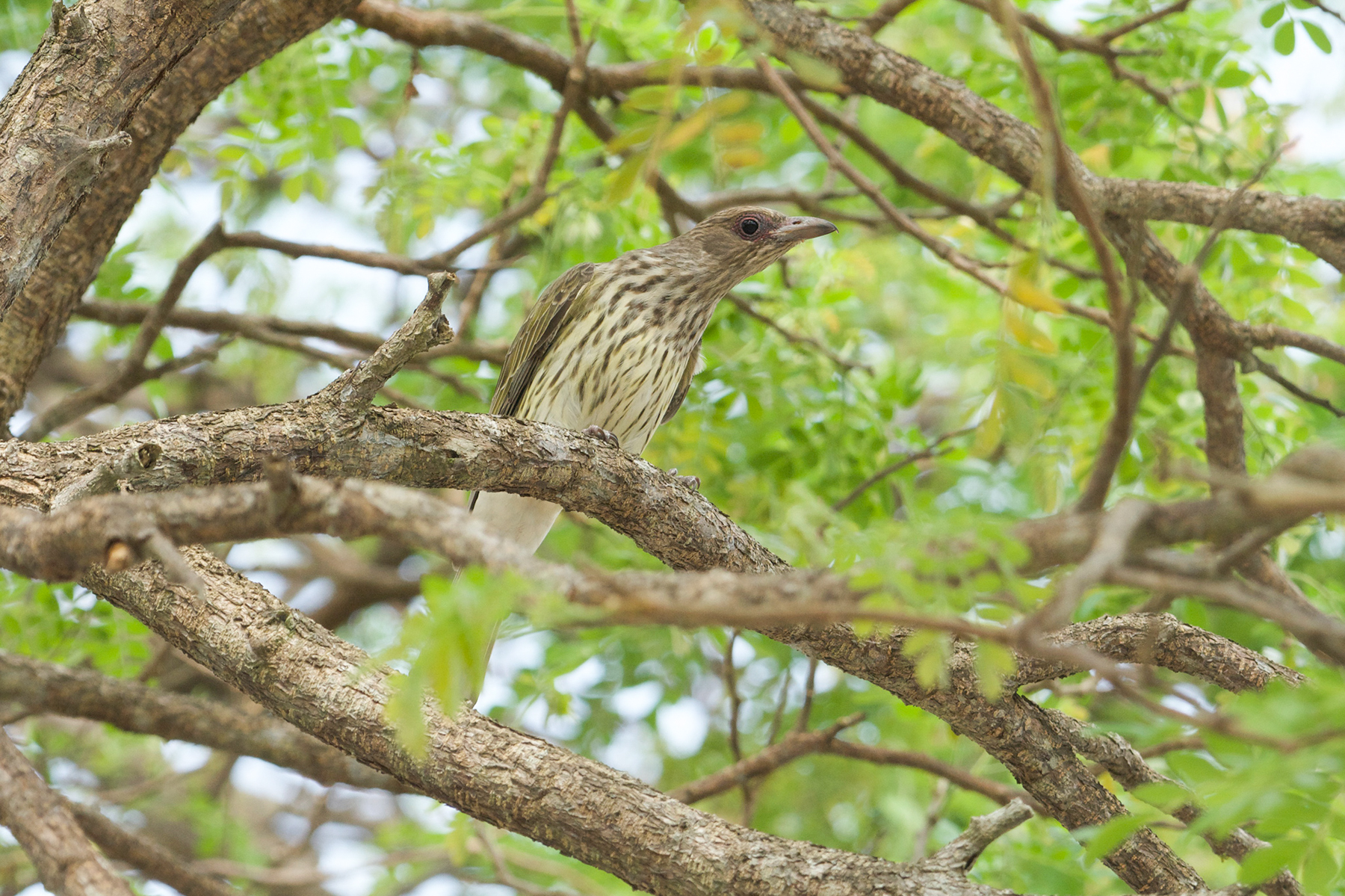
Northern Figbird (image by Phil Hansbro)
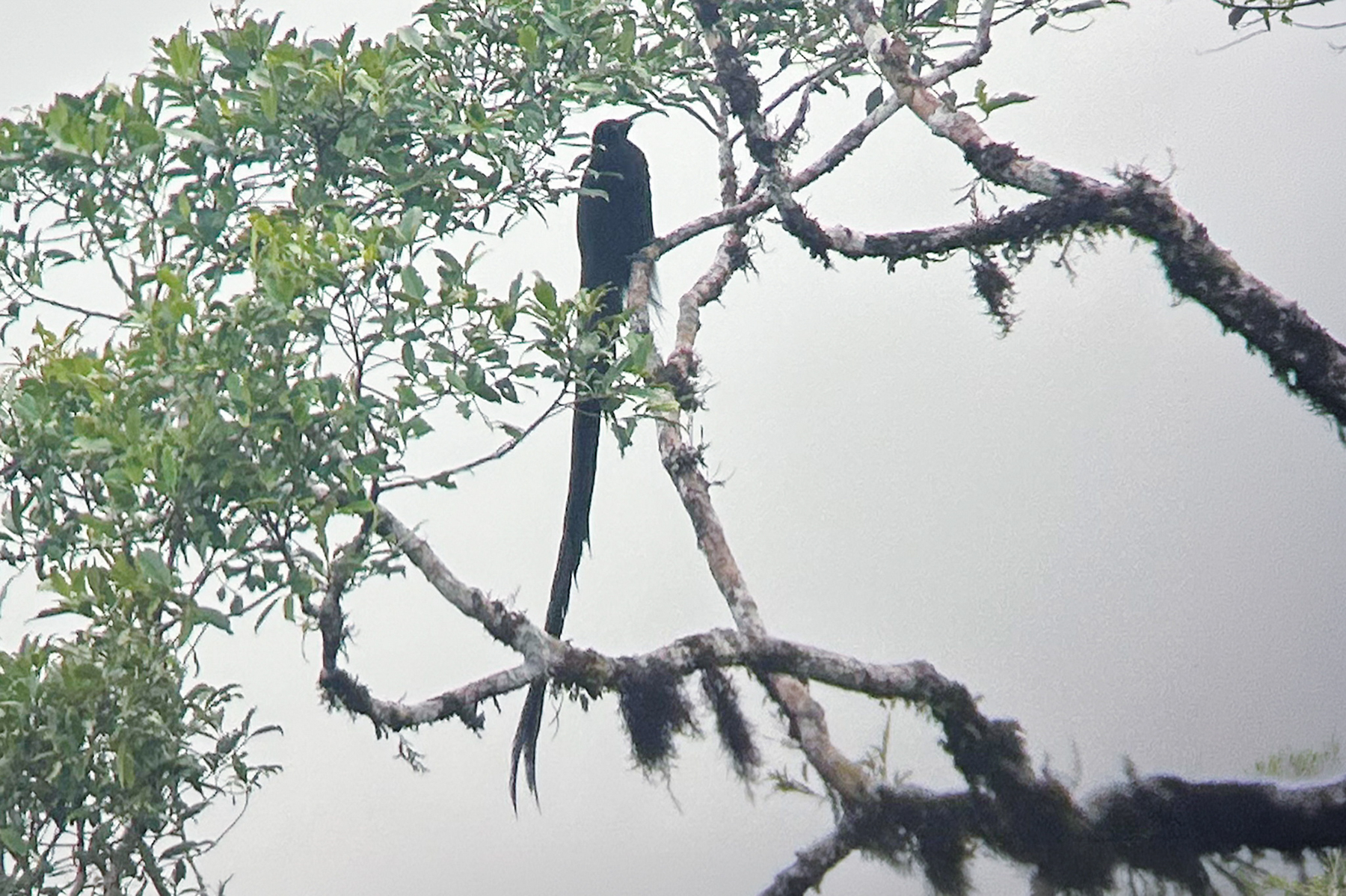
Black Sicklebill (image by Phil Hansbro)
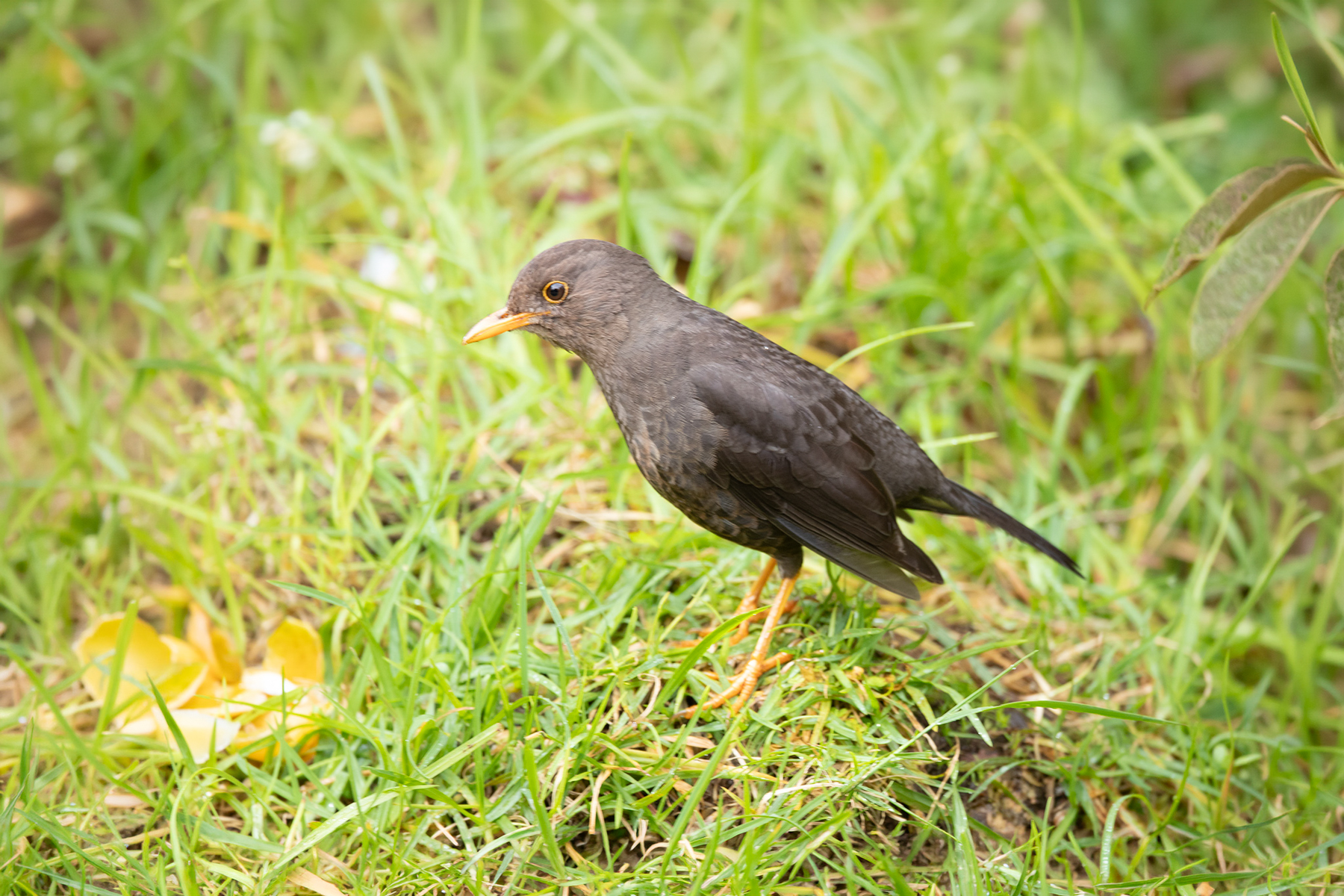
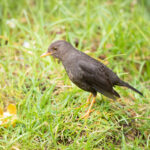
Papuan Island Thrush (image by Phil Hansbro)
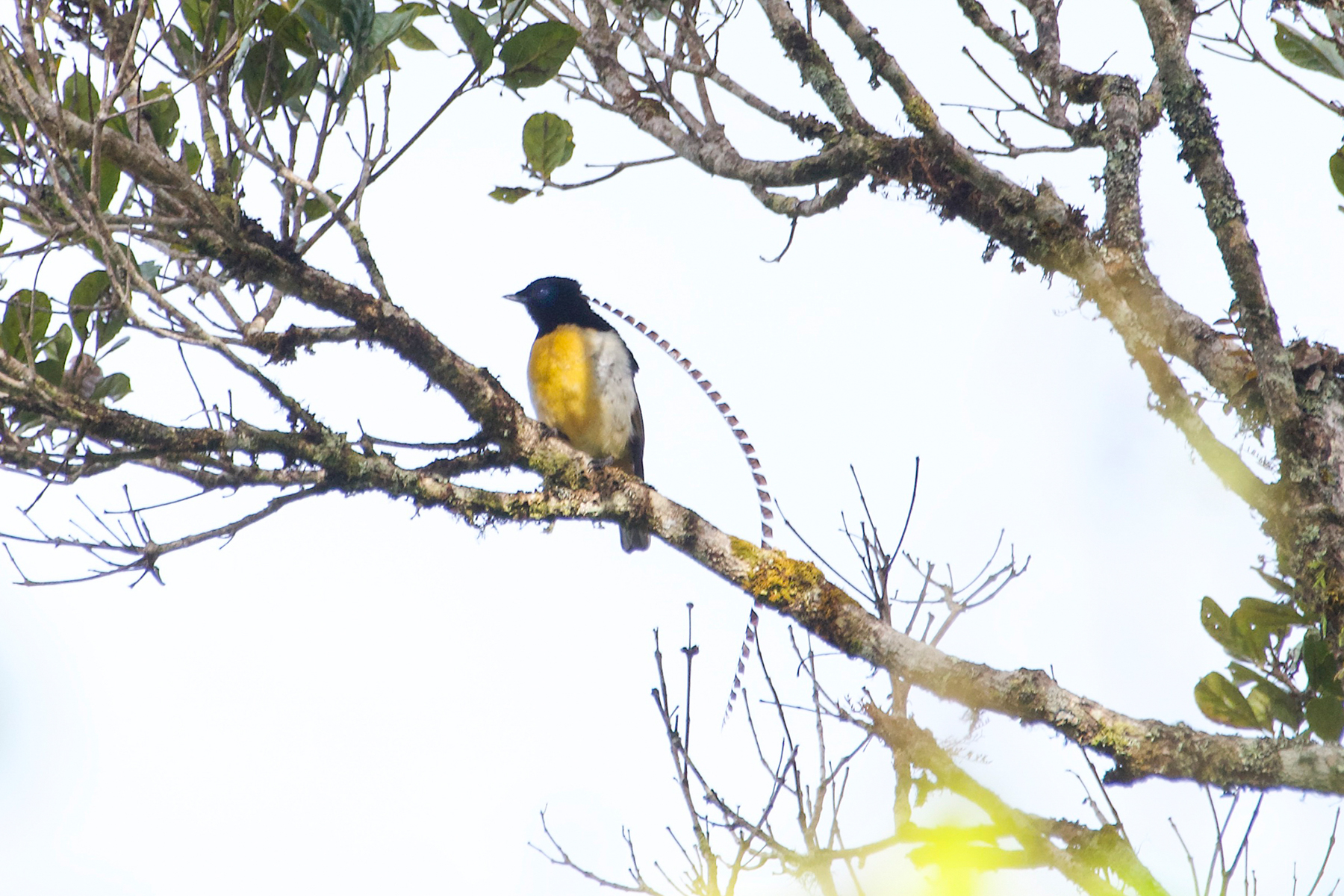
King-of-Saxony Bird-of-paradise (image by Phil Hansbro)
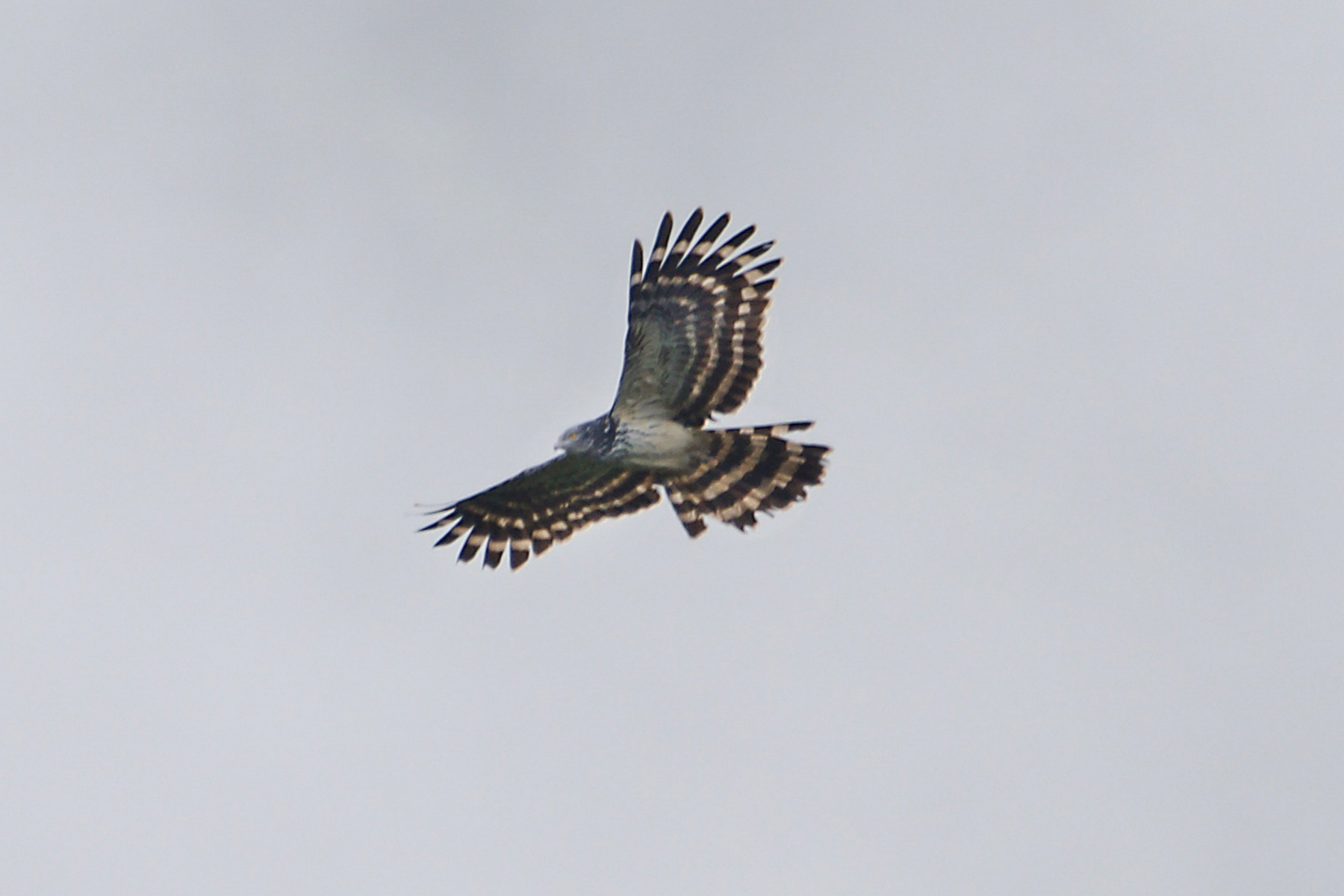
Long-tailed Honey-buzzard (image by Phil Hansbro)
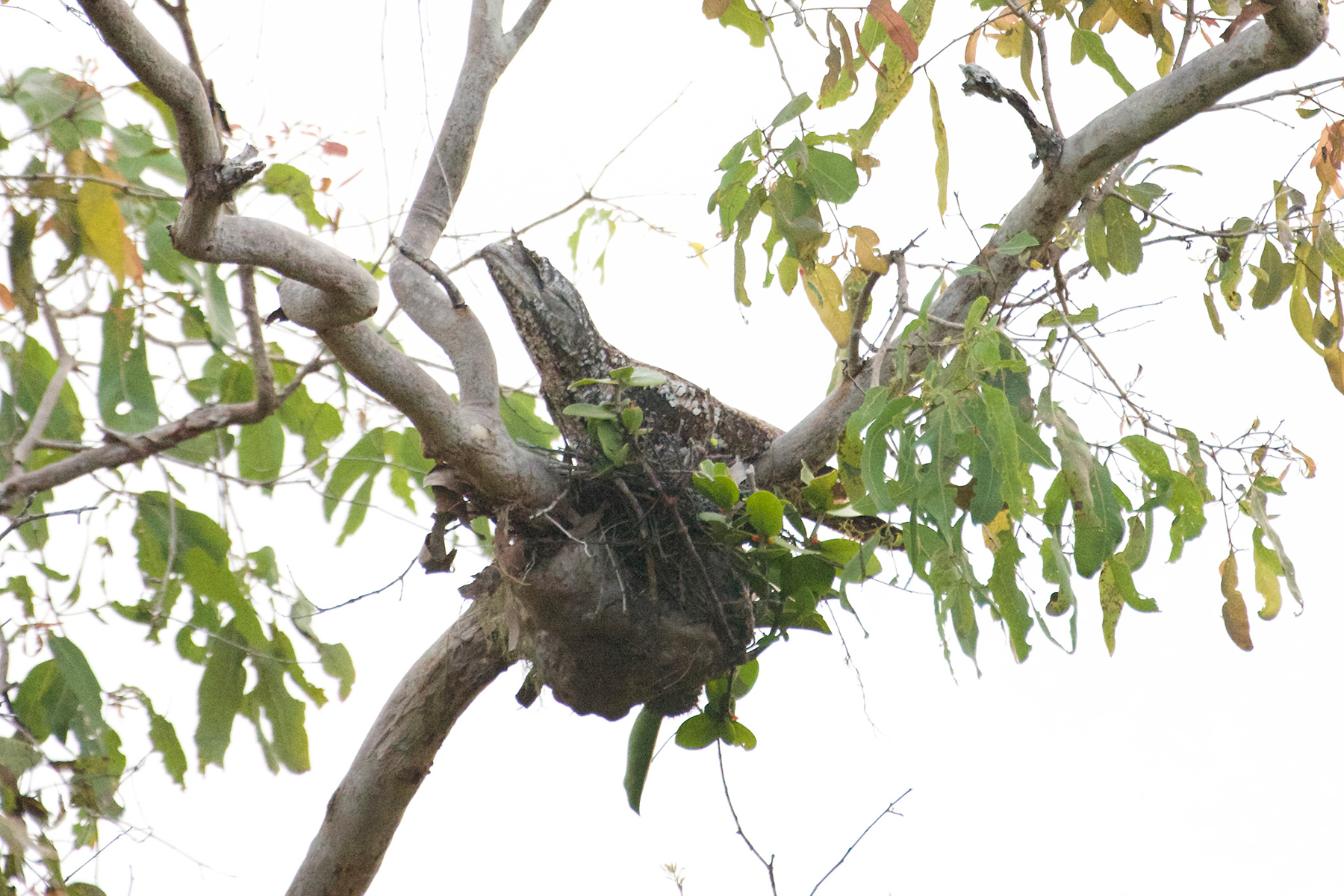
Marbled Frogmouth (image by Phil Hansbro)
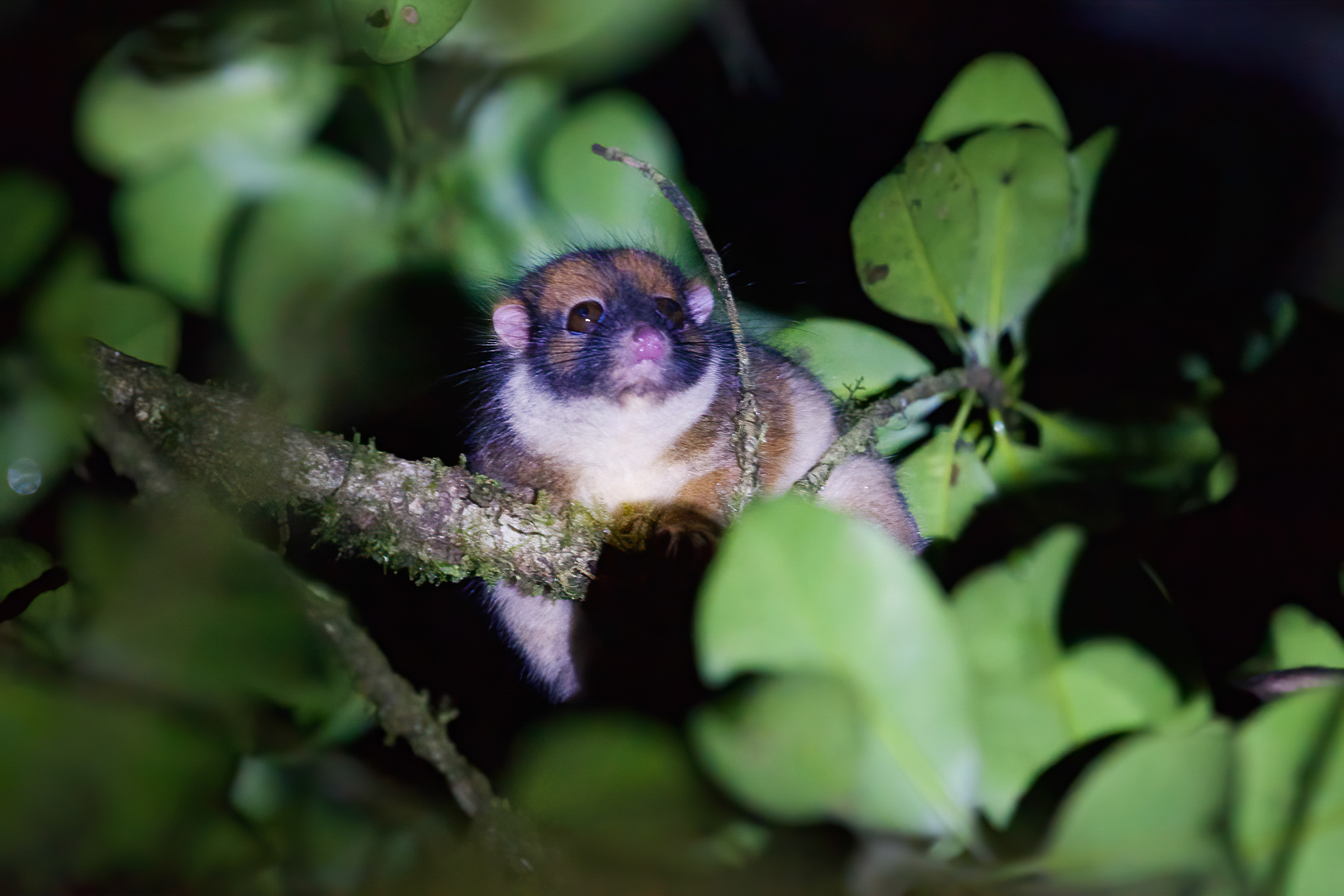
Masked Ring-tailed Possum (image by Phil Hansbro)
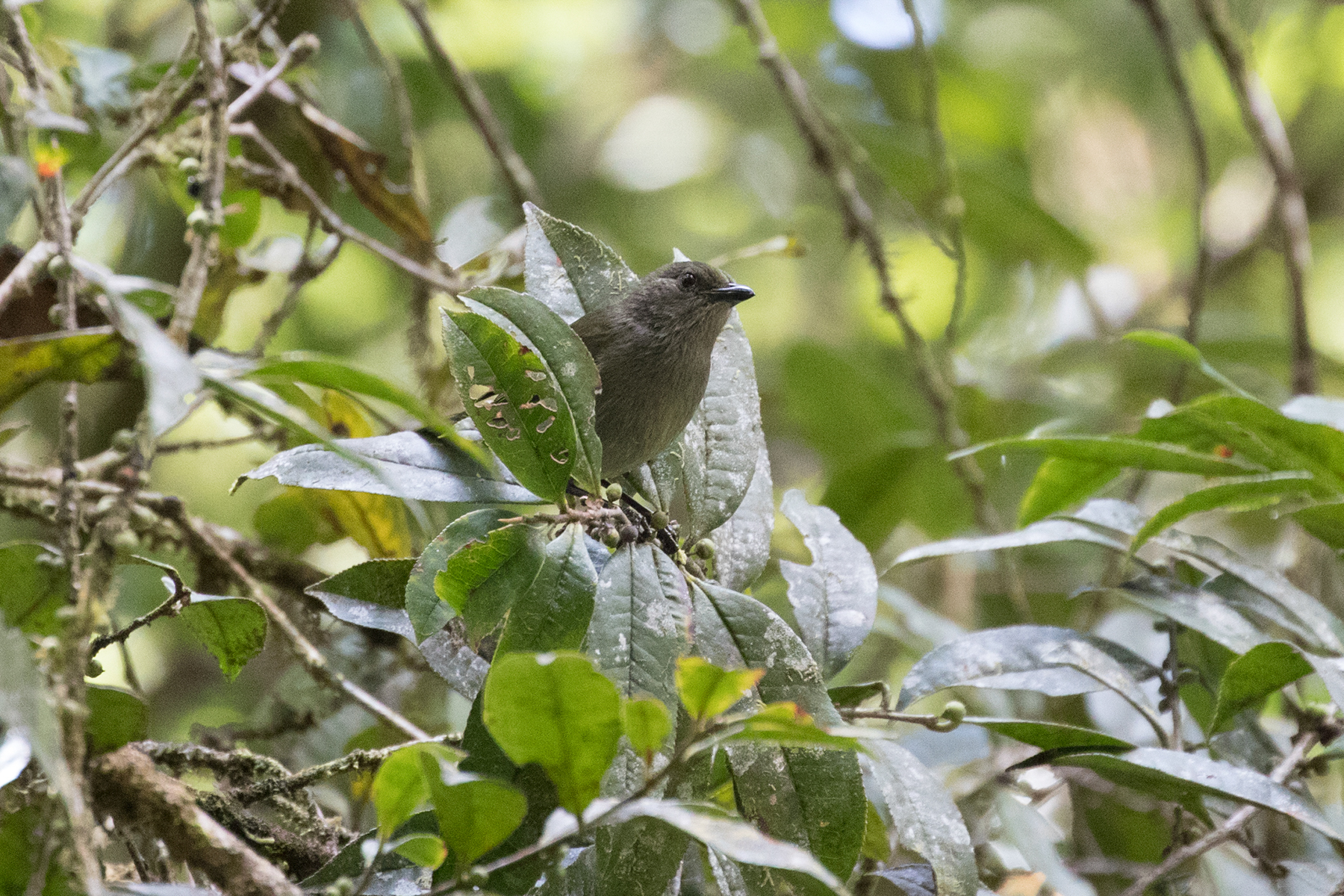
Mid-mountain Berrypecker (image by Phil Hansbro)
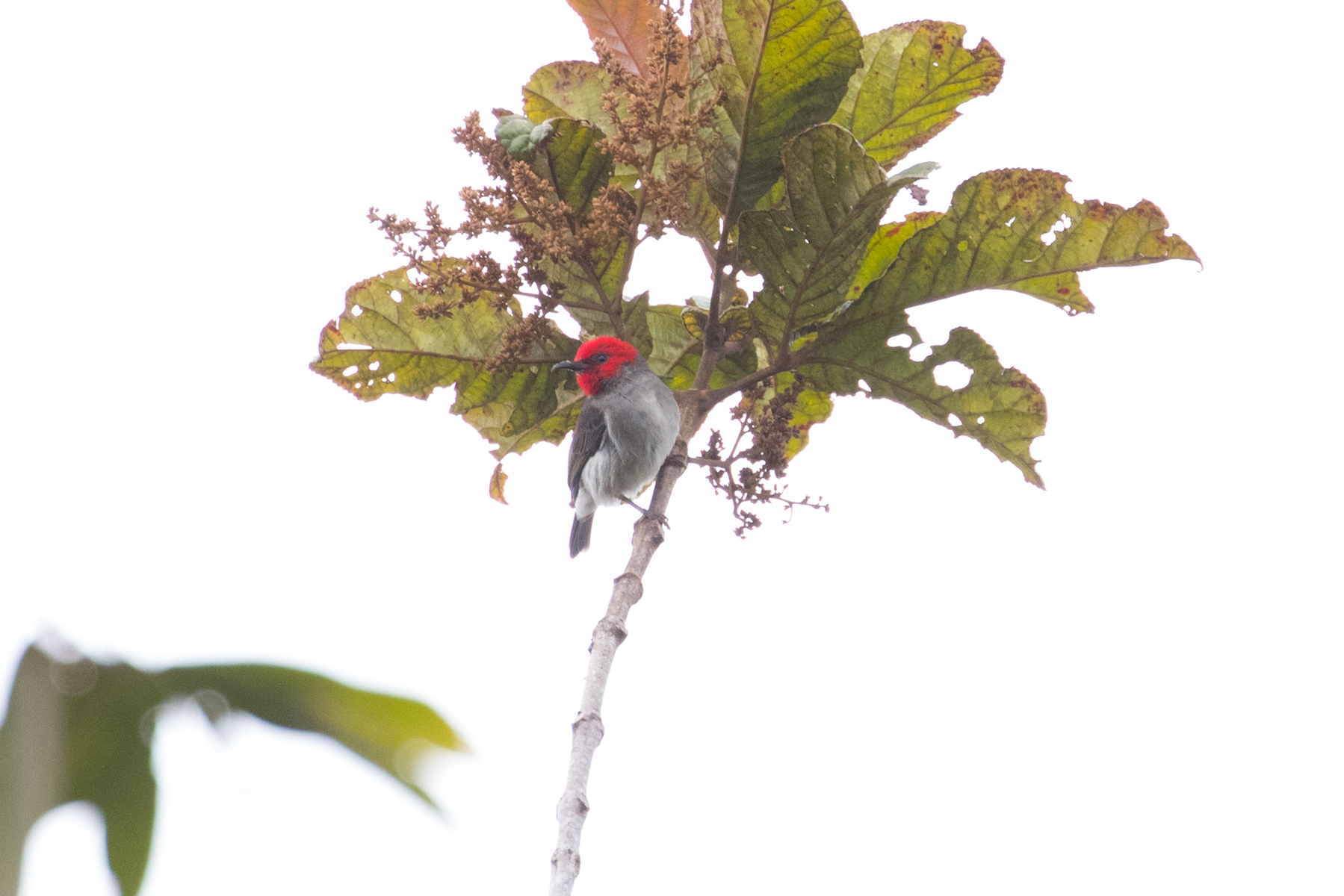
Mountain Myzomela (image by Phil Hansbro)
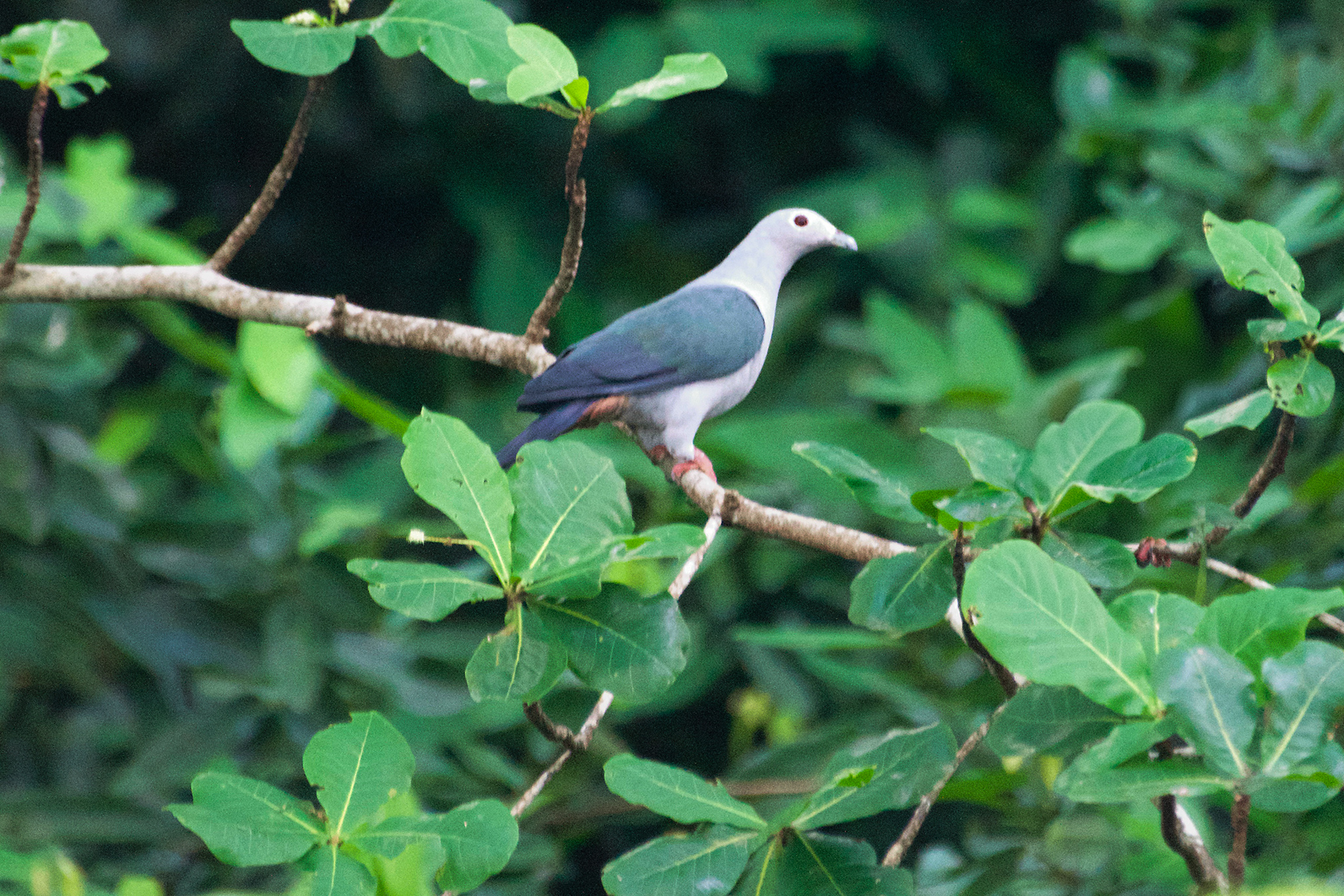
Island Imperial Pigeon (image by Phil Hansbro)
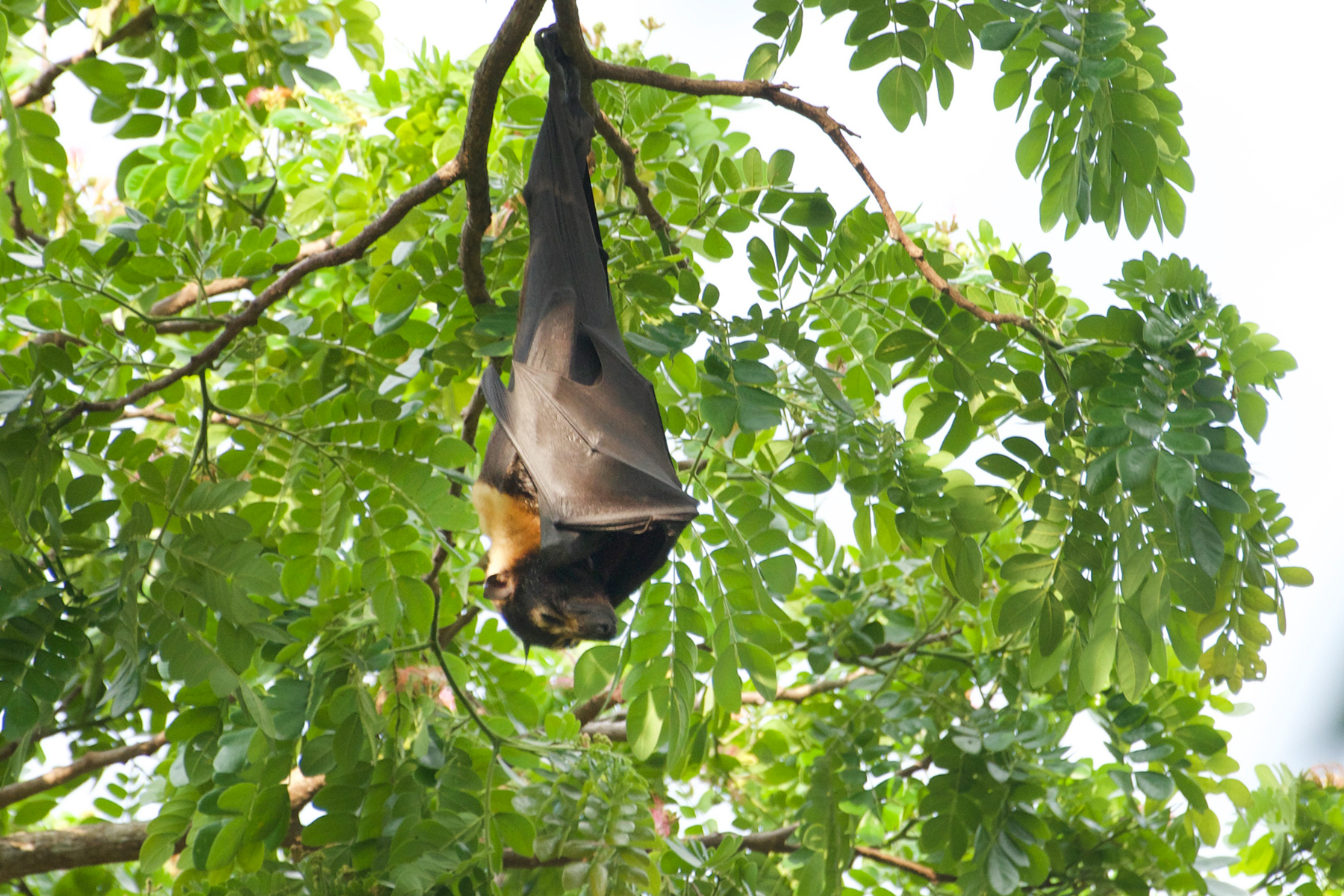
Great Flying Fox (image by Phil Hansbro)
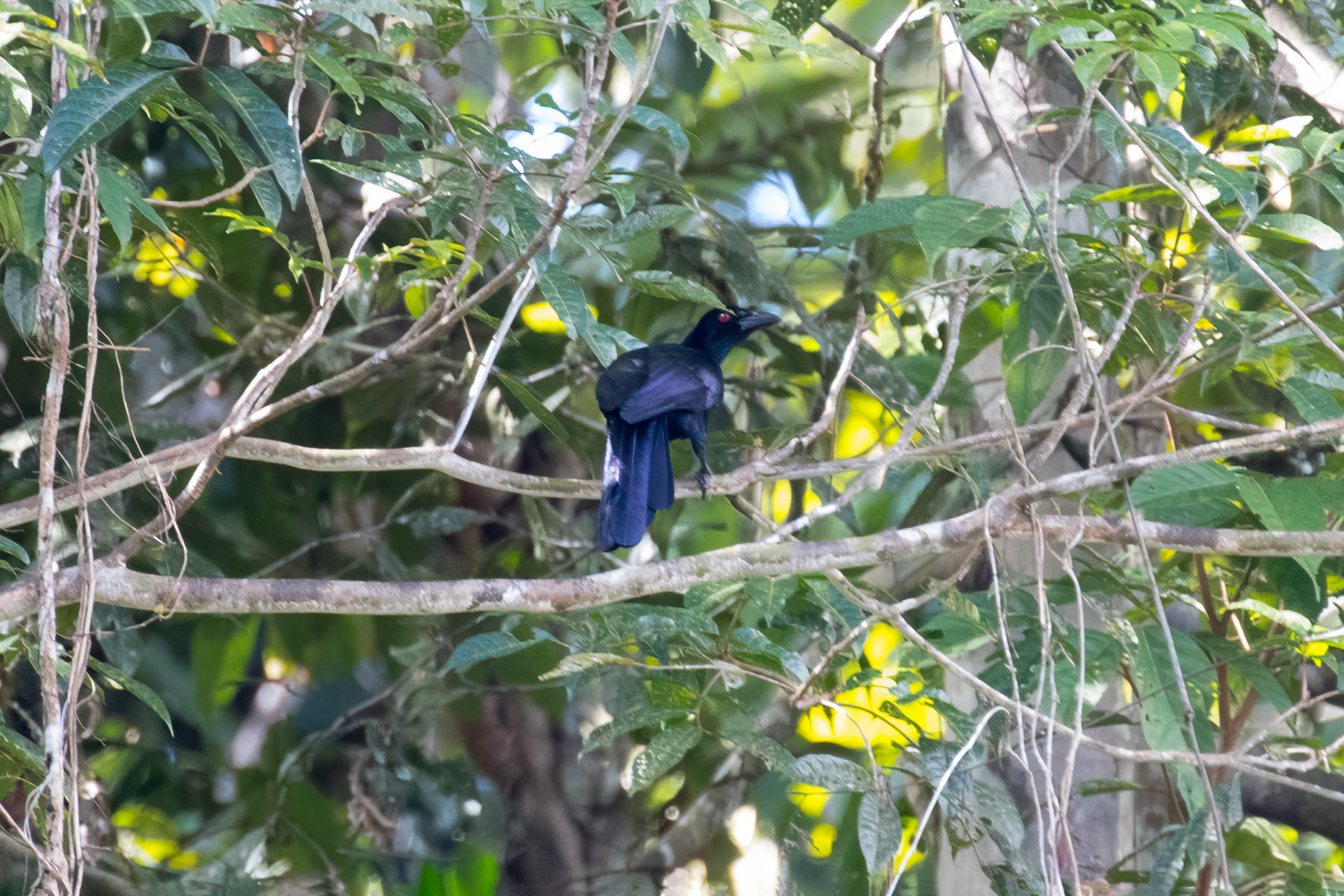
Glossy-mantled Manucode (image by Phil Hansbro)
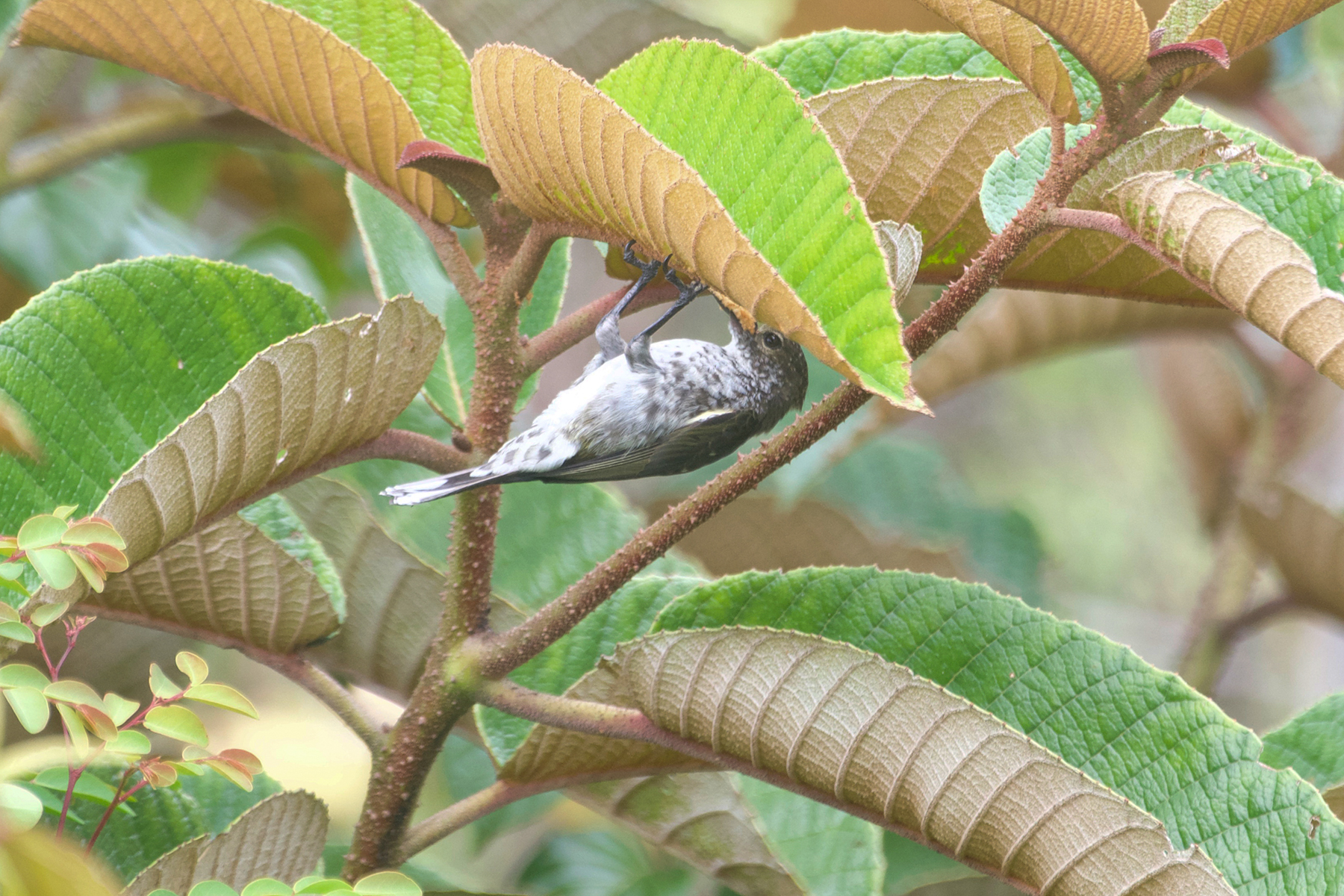
Thick-billed Berrypecker (image by Phil Hansbro)
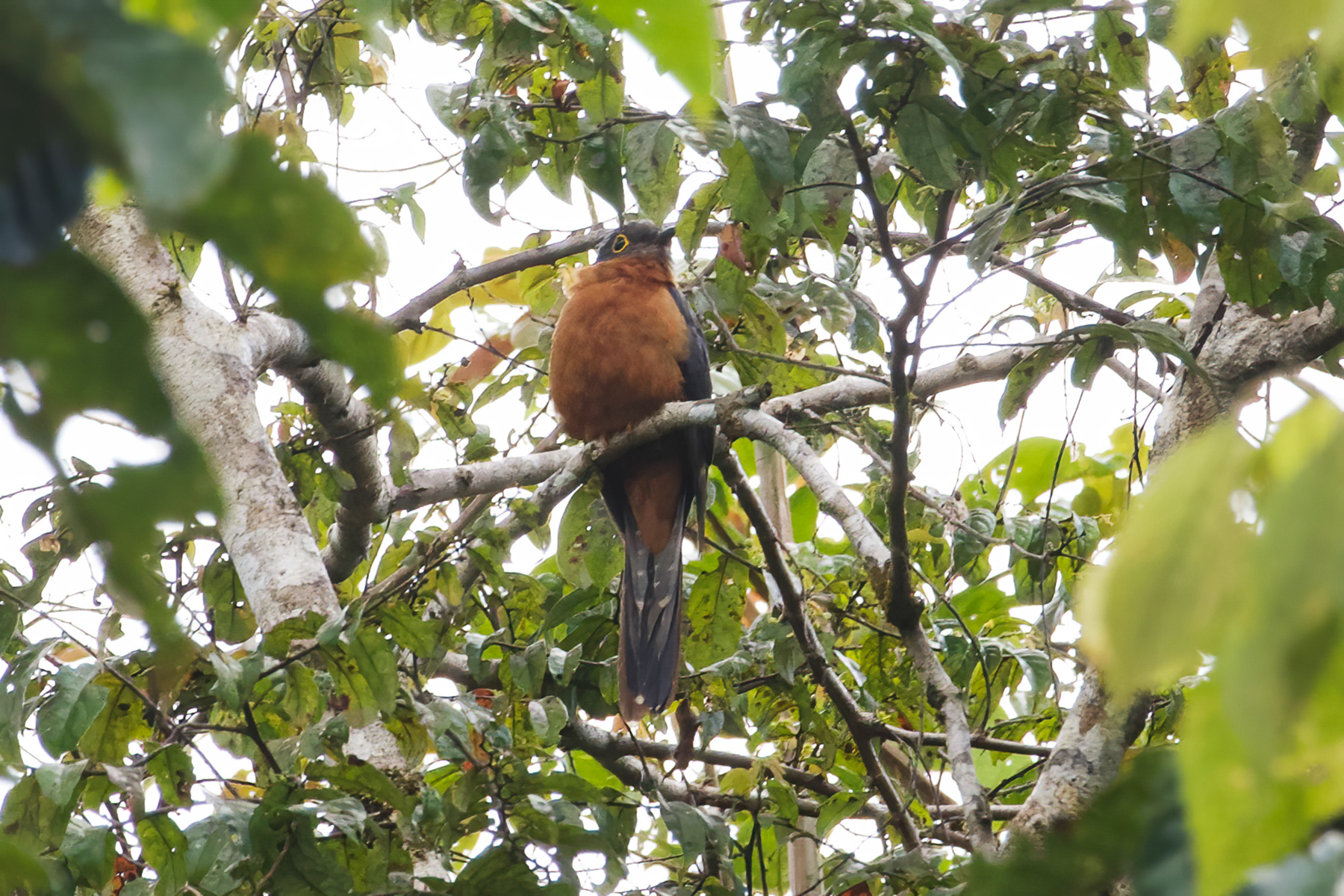
Chestnut-breasted Cuckoo (image by Phil Hansbro)
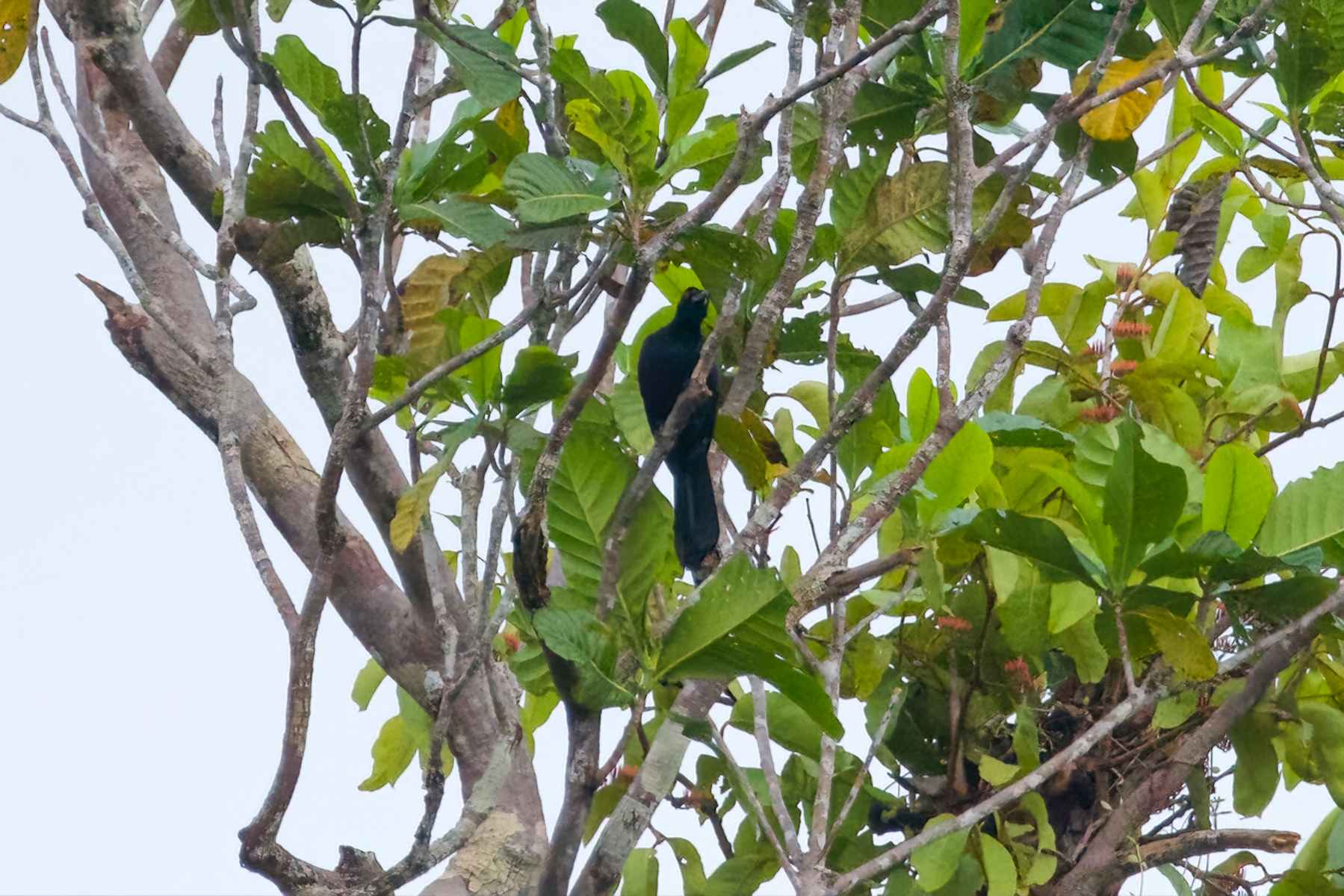
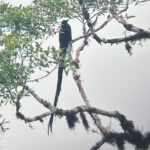
Crinckle-collared Manucode (image by Phil Hansbro)
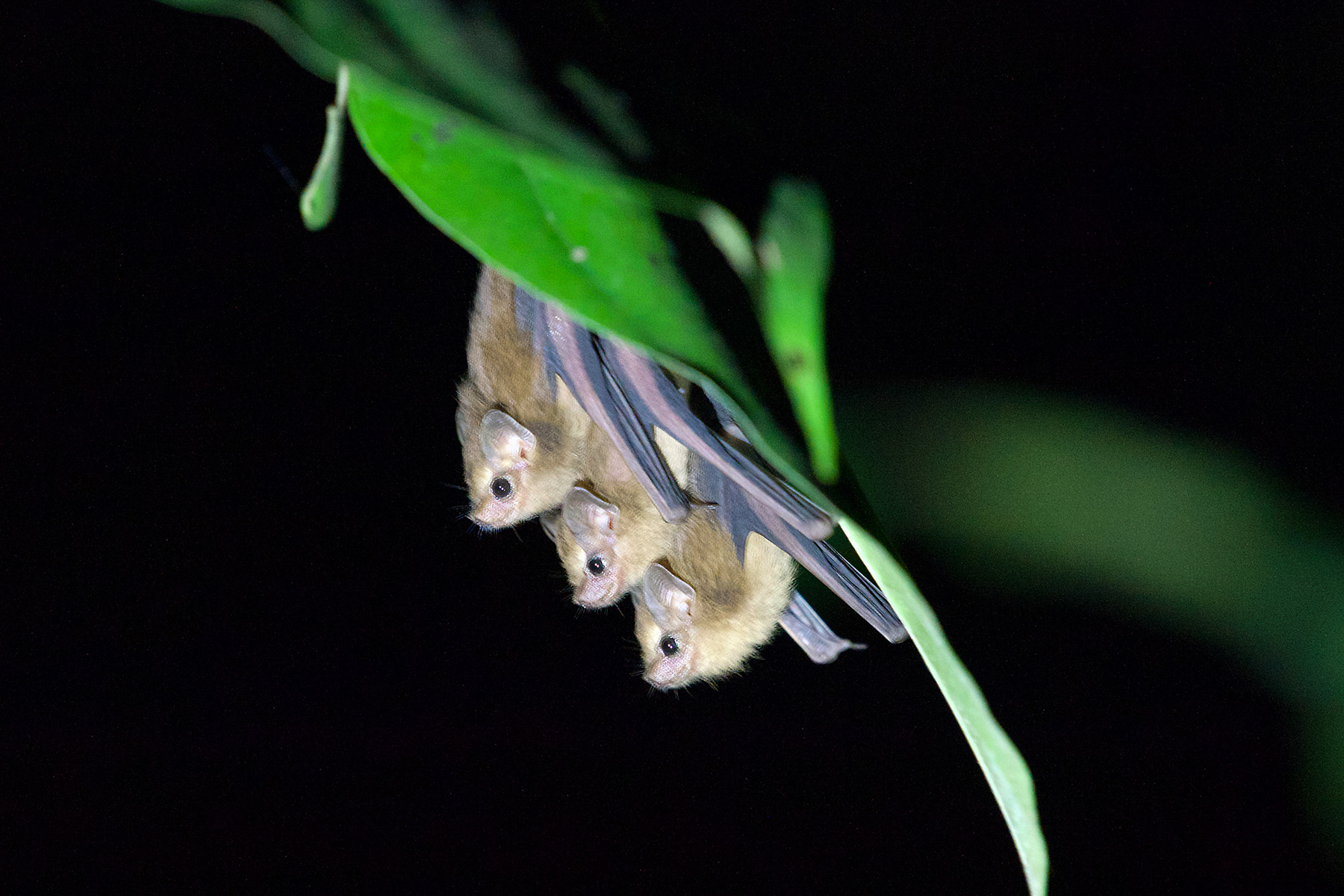
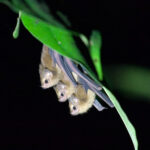
Dark Sheath-tailed Bat (image by Phil Hansbro)
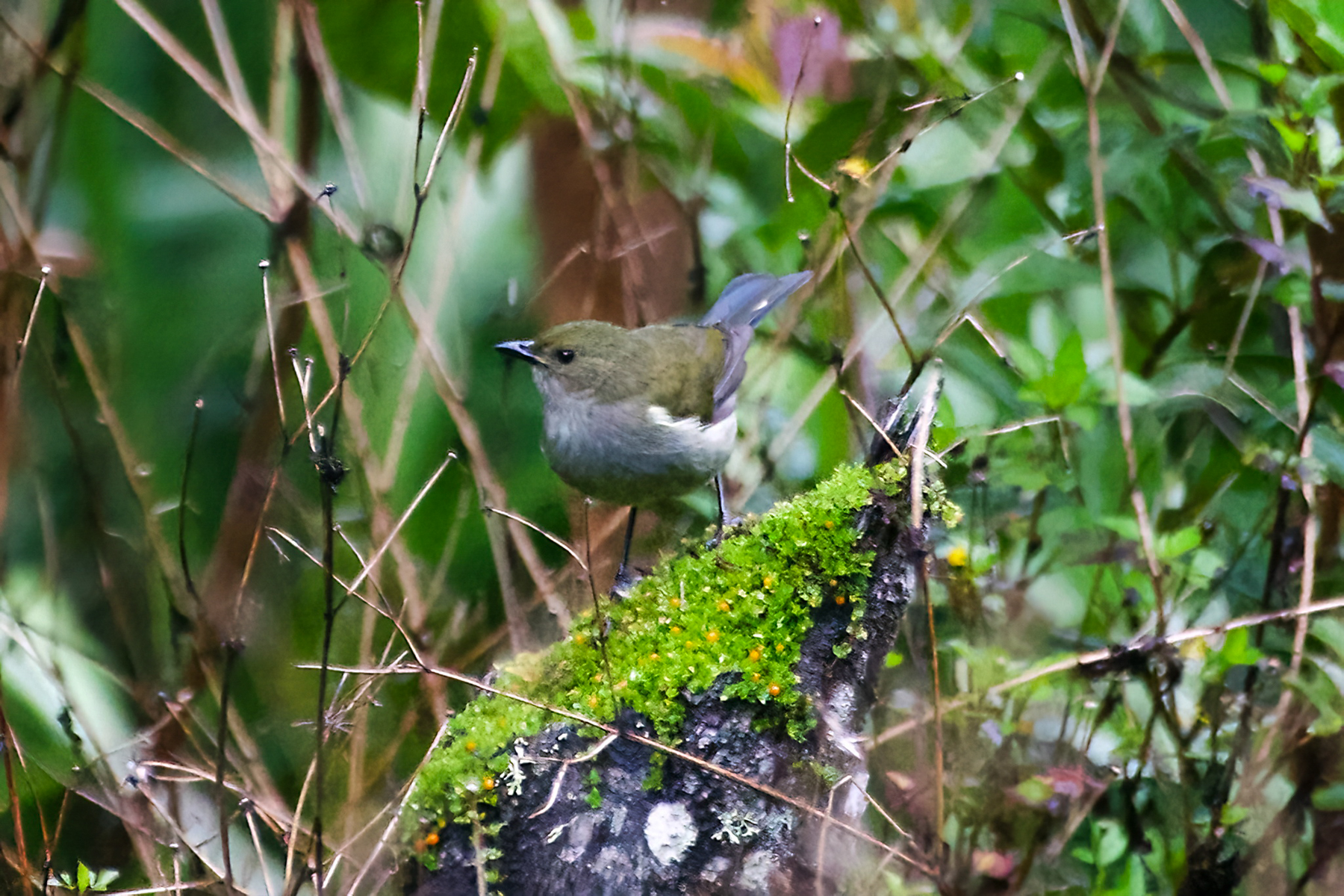
Fan-tailed Berrypecker Female (image by Phil Hansbro)
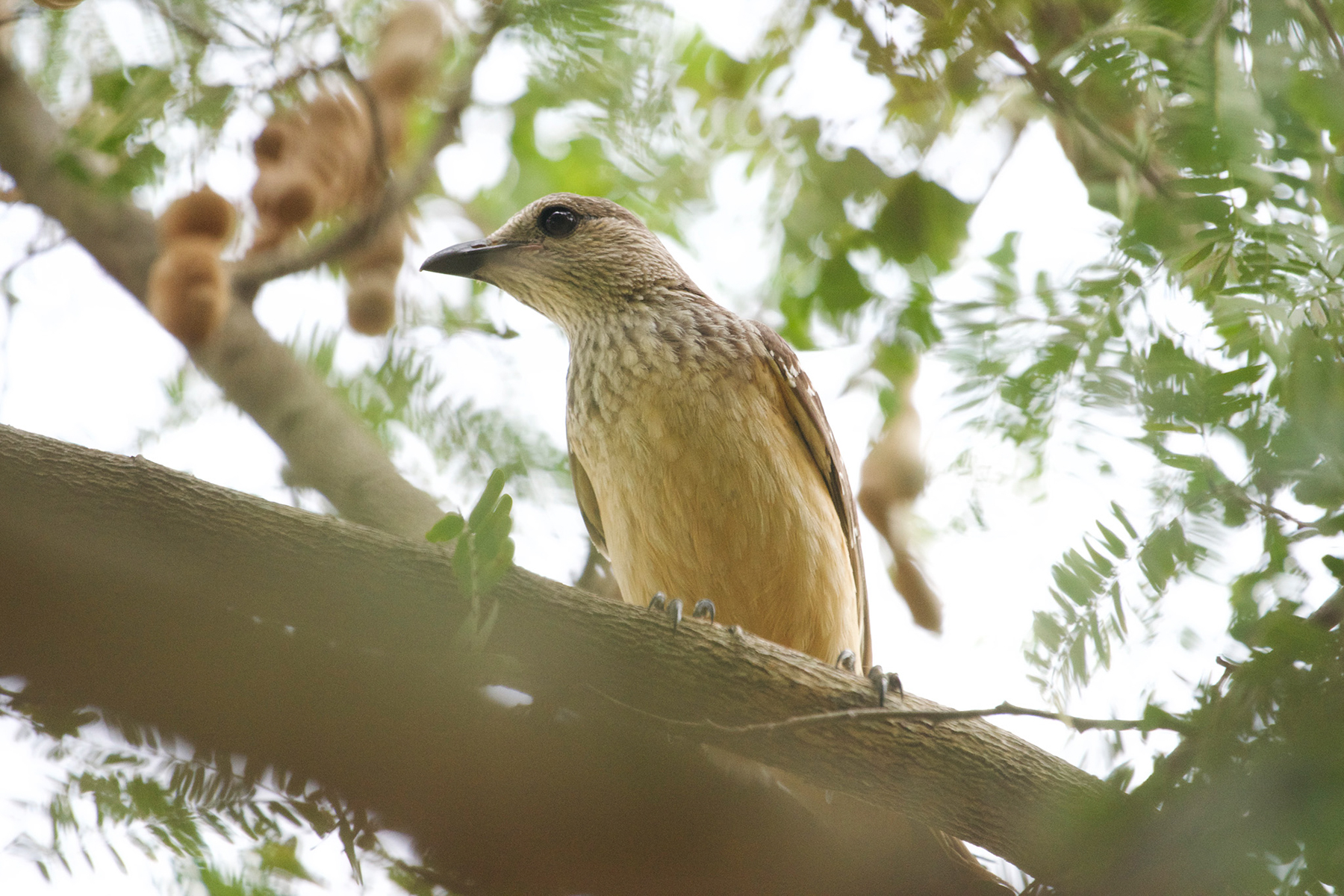
Fawn-breasted Bowerbird (image by Phil Hansbro)
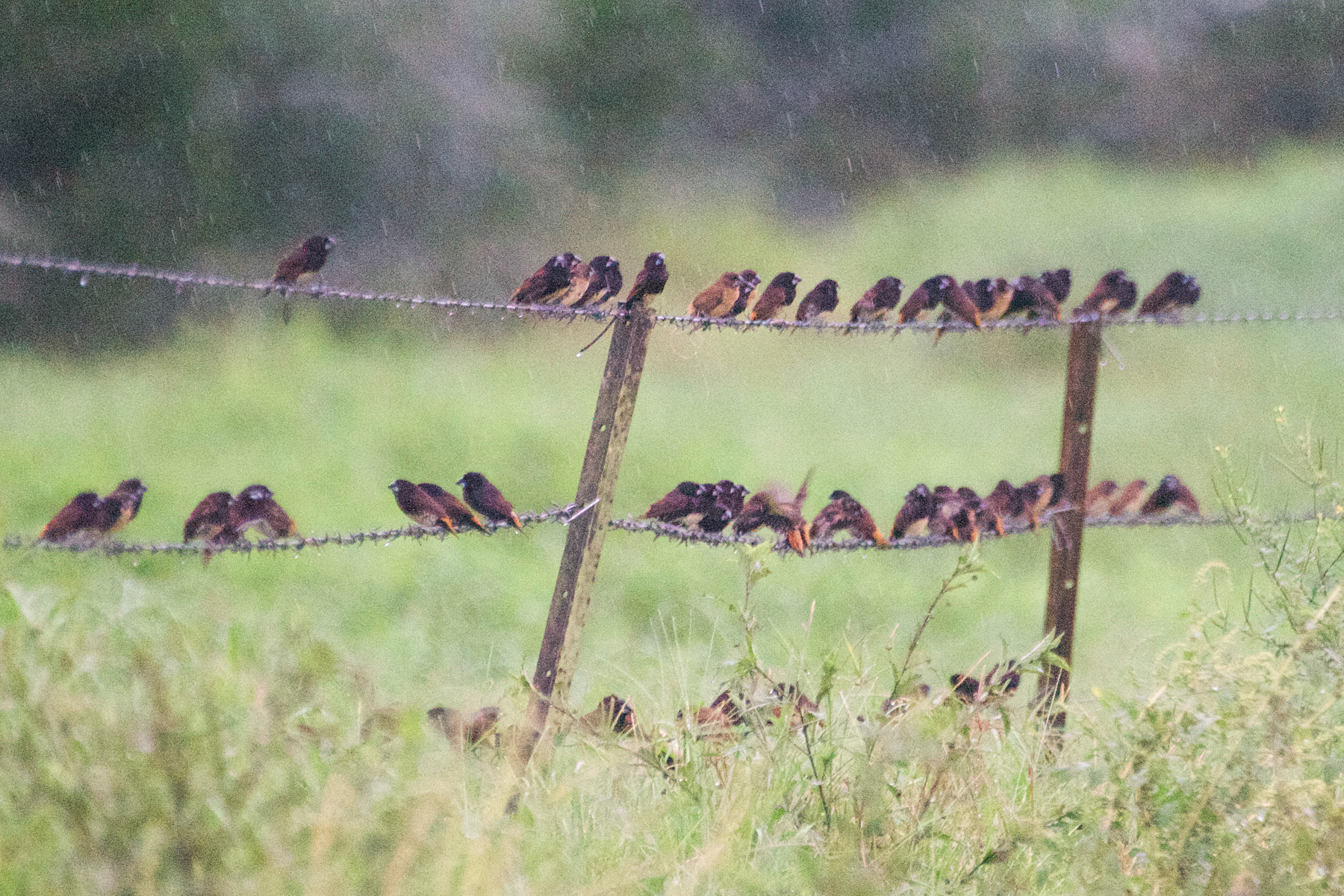
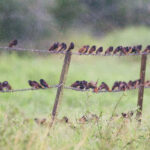
Buff-bellied Mannikins (image by Phil Hansbro)
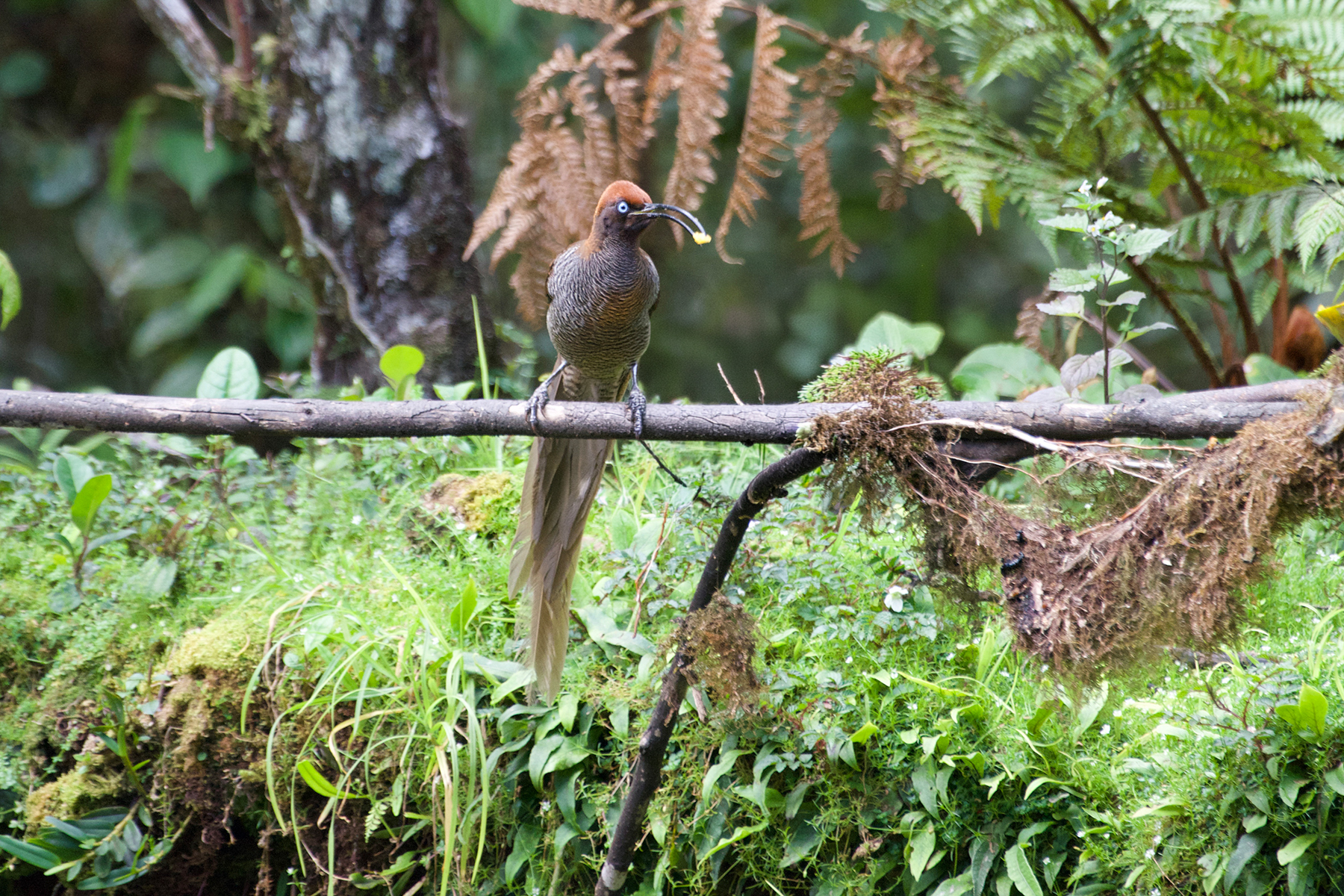
Brown Sicklebill (image by Phil Hansbro)
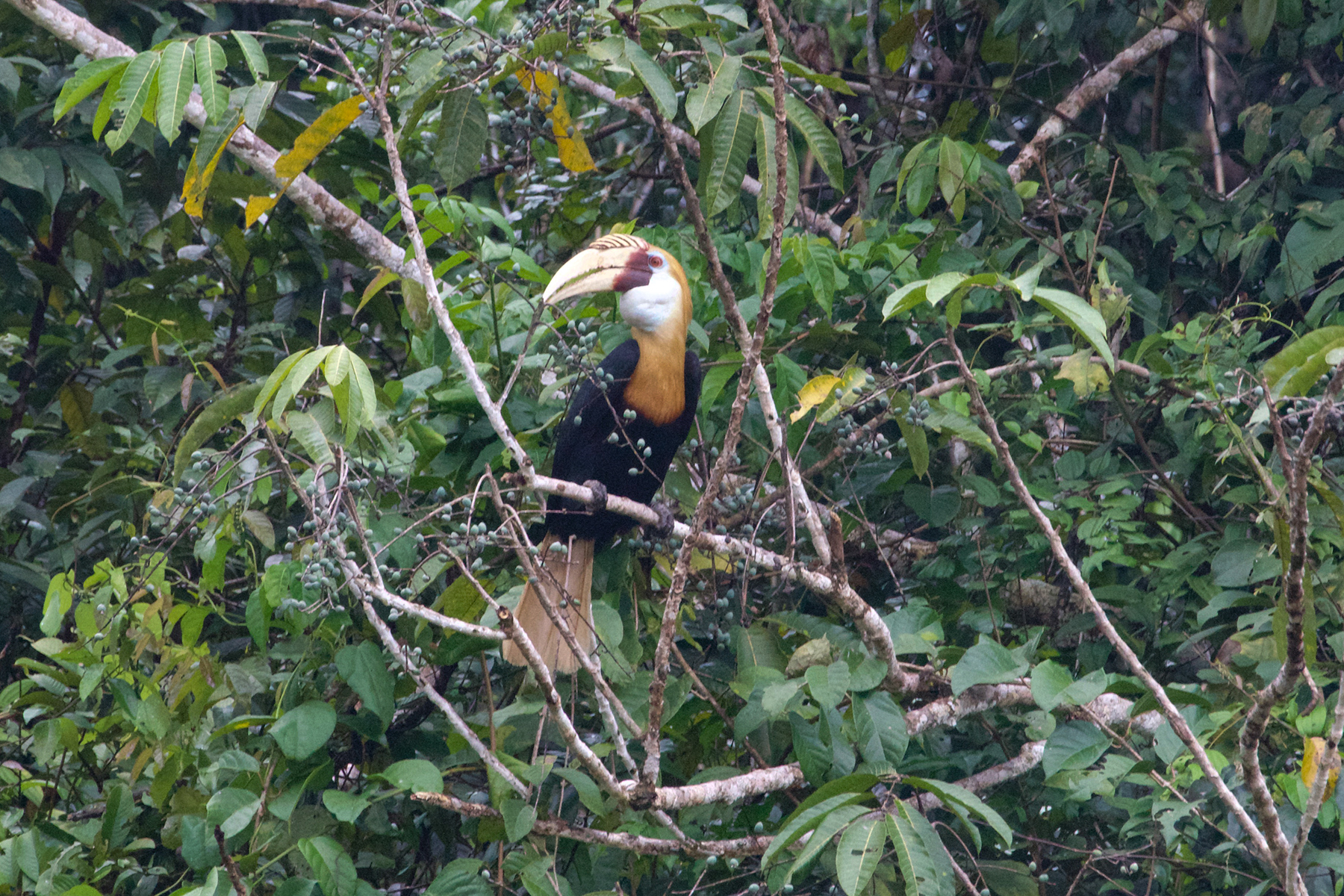
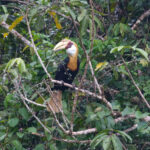
Blyth's Hornbill (image by Phil Hansbro)
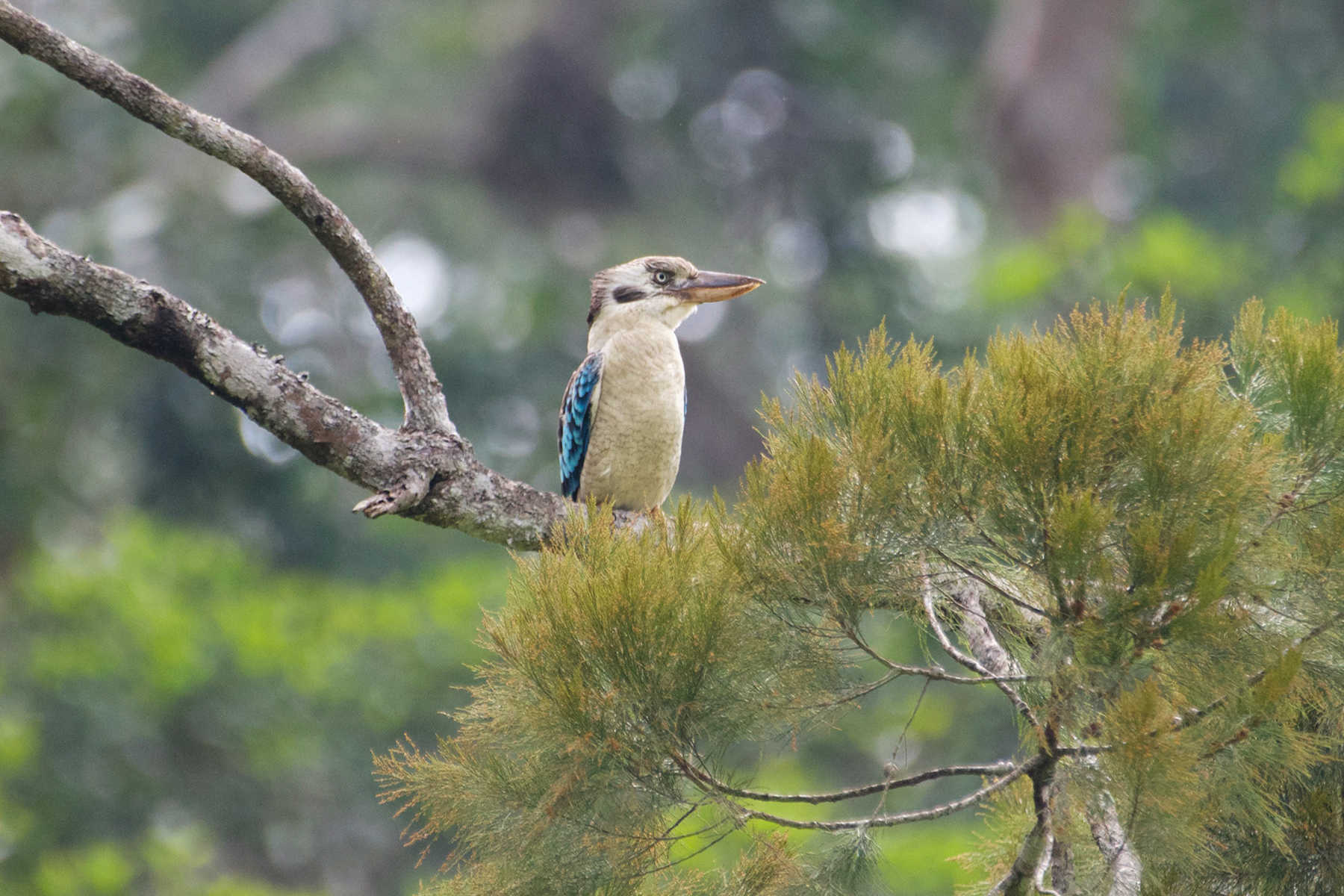
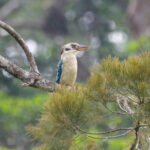
Blue-winged Kookaburra (image by Phil Hansbro)
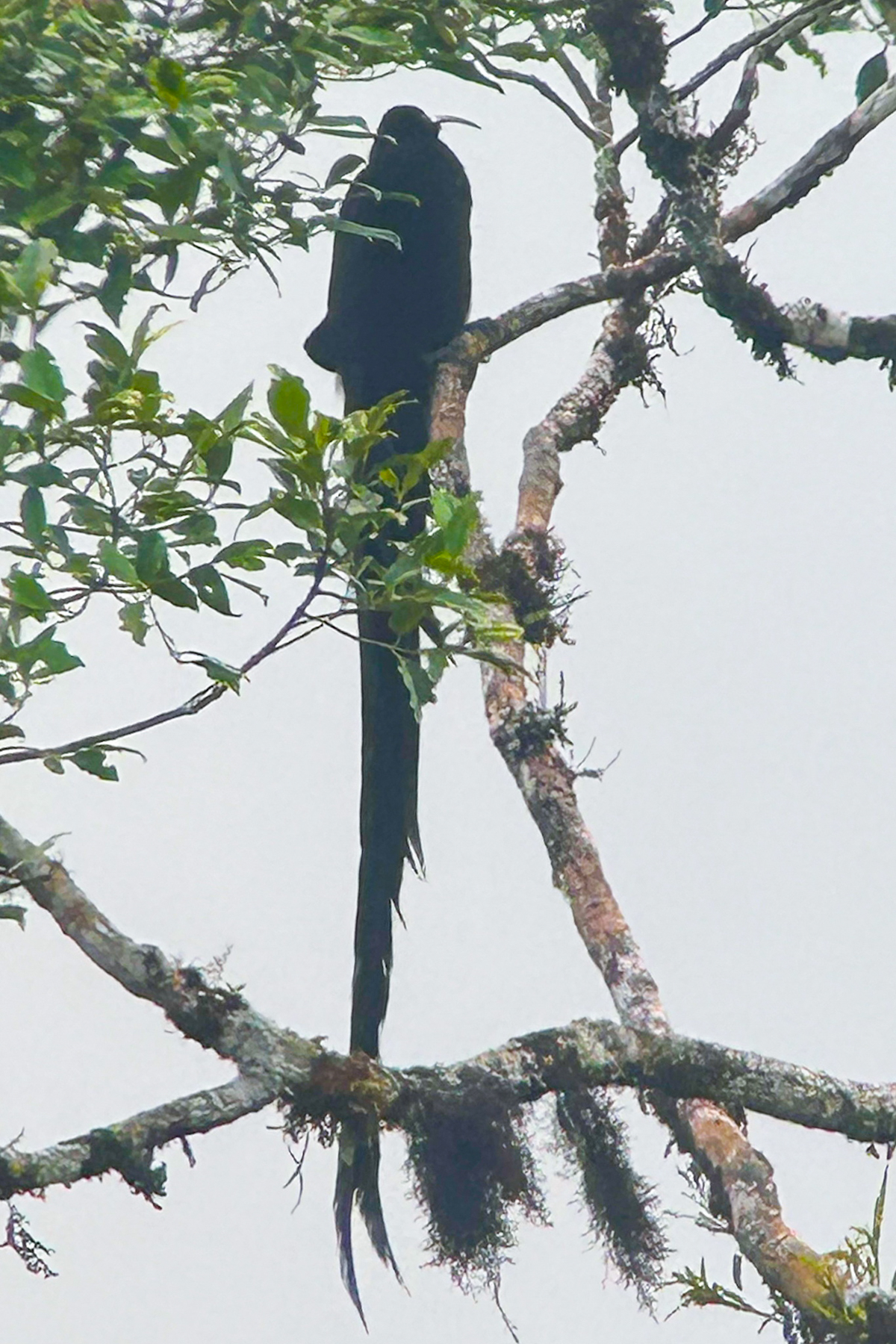
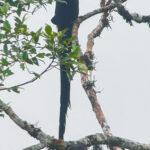
Black Sicklebill (image by Phil Hansbro)
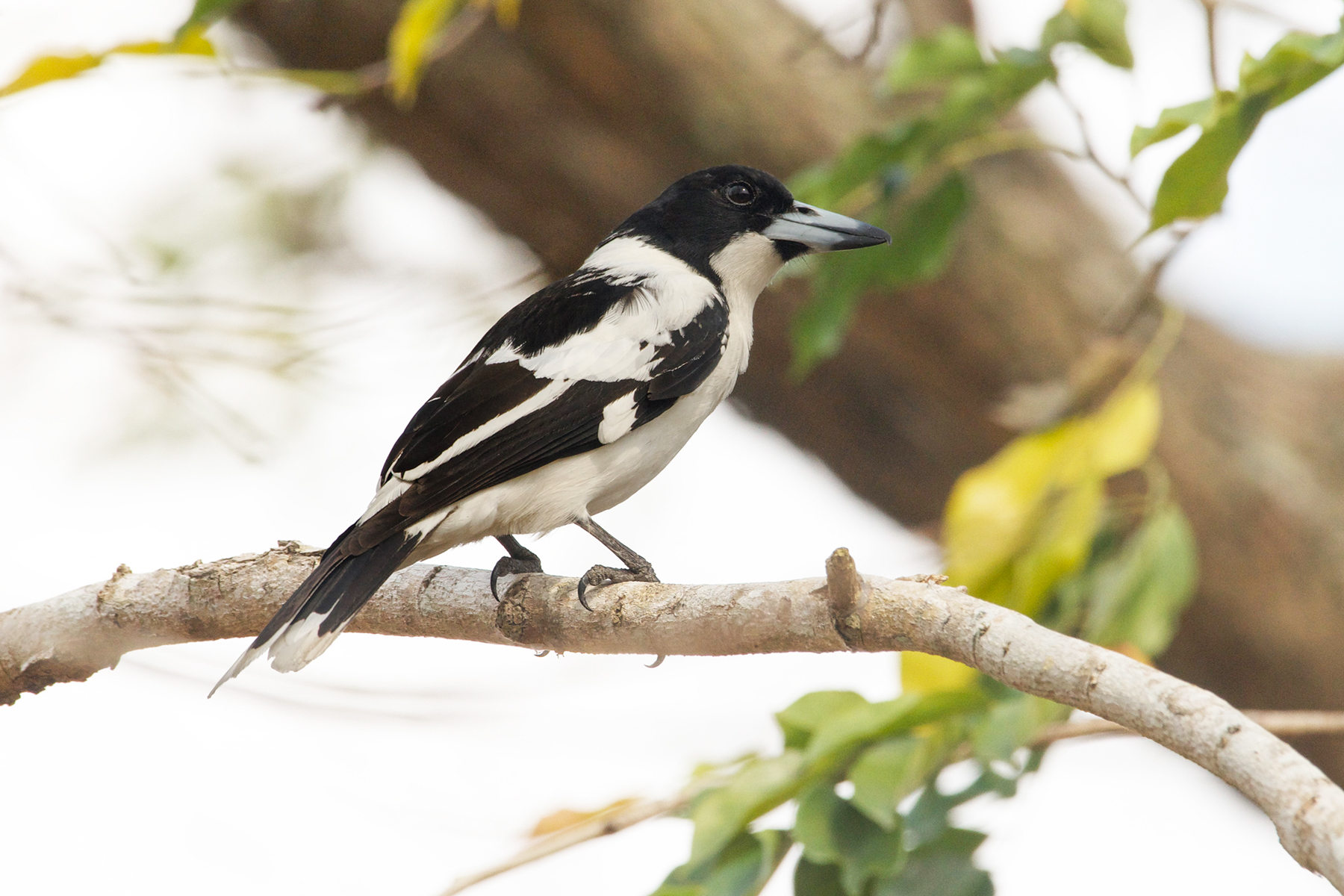
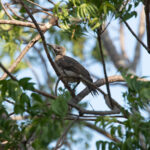
Black-backed Butcherbird (image by Phil Hansbro)
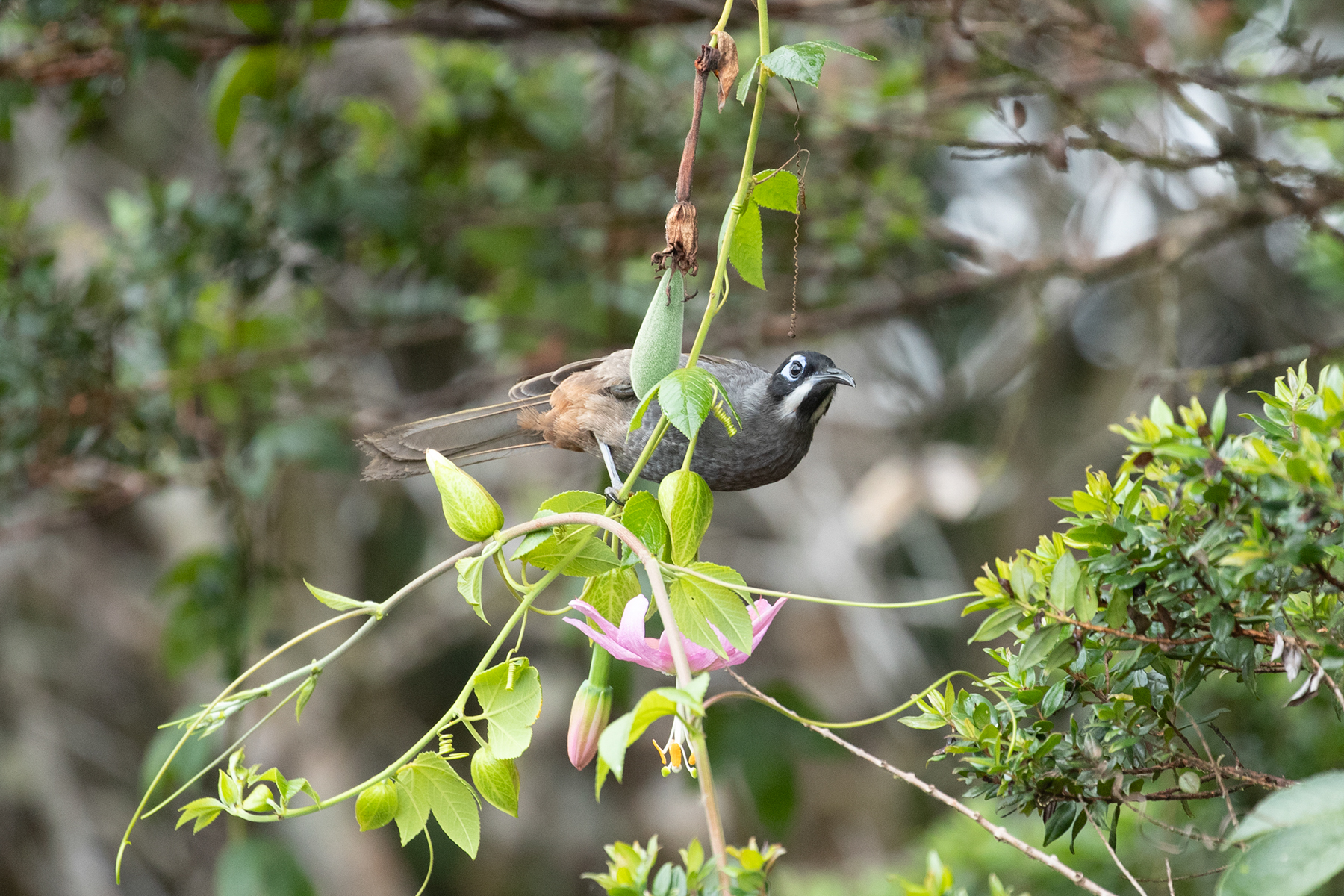
Belford's Melidectes (image by Phil Hansbro)
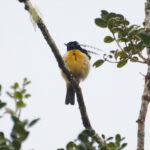
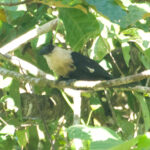
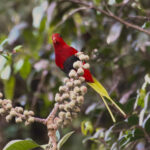
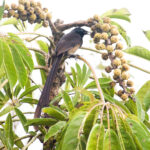
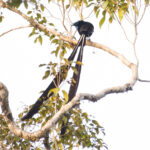
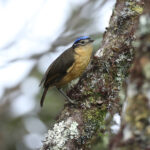
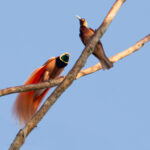
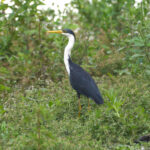
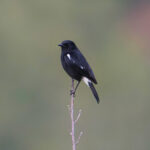
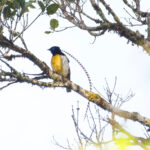
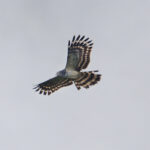
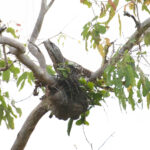
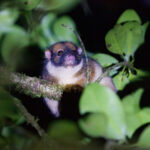
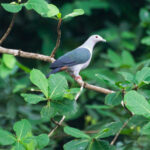
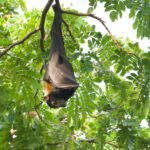
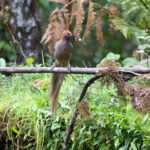
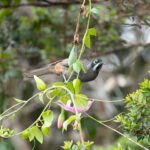


Yellow-browed Melidectes (image by Phil Hansbro)
Golden Masked Owl (image by Phil Hansbro)
Yellow-faced Myna (image by Phil Hansbro)
Mountain Owlet-Nightjar (image by Phil Hansbro)
Starry Owlet-Nightjar (image by Phil Hansbro)
Common Smoky Honeyeater (image by Phil Hansbro)
King-of-Saxony Bird-of-paradise (image by Phil Hansbro)
Raggiana Bird-of-paradise (image by Phil Hansbro)
Yellow-billed Kingfisher (image by Phil Hansbro)
White-tailed Giant Rat (image by Phil Hansbro)
White-shouldered Fairywren (image by Phil Hansbro)
White-necked Coucal (image by Phil Hansbro)
Stella's Lorikeet (image by Phil Hansbro)
Stephanie's Astrapia female (image by Phil Hansbro)
Stephanie's Astrapia male (image by Phil Hansbro)
Belford's Melidectes (image by Phil Hansbro)
Brehm's Tiger Parrot (image by Phil Hansbro)
Brown-headed Paradise Kingfisher (image by Phil Hansbro)
Shining Flycatcher (image by Phil Hansbro)
Raggiana Bird-of-paradise (image by Phil Hansbro)
Salvadori's Teal (image by Phil Hansbro)
Rufous-throated Bronze Cuckoo (image by Phil Hansbro)
Rough-scaled Death Adder (image by Phil Hansbro)
Ribbon-tailed Astrapia (image by Phil Hansbro)
Raggiana Bird-of-paradise (image by Phil Hansbro)
White-backed Kingfishers (image by Phil Hansbro)
Raggiana Bird-of-paradise (image by Phil Hansbro)
Blue-capped Ifrit (image by Phil Hansbro)
Raggiana Bird-of-paradise (image by Phil Hansbro)
Pied Heron (image by Phil Hansbro)
Pied Bushchat (image by Phil Hansbro)
Papuan Treecreeper (image by Phil Hansbro)
Fawn-breasted Bowerbird (image by Phil Hansbro)
Papuan Scrubwren (image by Phil Hansbro)
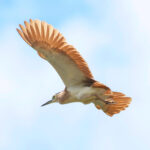
Nankeen Night Heron (image by Phil Hansbro)
Beach Kingfisher (image by Phil Hansbro)
New Guinea Friarbird (image by Phil Hansbro)
Nicobar Pigeon (image by Phil Hansbro)
Black Bittern (image by Phil Hansbro)
Barking Owl (image by Phil Hansbro)
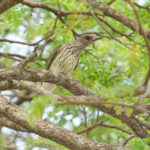
Northern Figbird (image by Phil Hansbro)
Black Sicklebill (image by Phil Hansbro)
Papuan Island Thrush (image by Phil Hansbro)
King-of-Saxony Bird-of-paradise (image by Phil Hansbro)
Long-tailed Honey-buzzard (image by Phil Hansbro)
Marbled Frogmouth (image by Phil Hansbro)
Masked Ring-tailed Possum (image by Phil Hansbro)
Mid-mountain Berrypecker (image by Phil Hansbro)
Mountain Myzomela (image by Phil Hansbro)
Island Imperial Pigeon (image by Phil Hansbro)
Great Flying Fox (image by Phil Hansbro)
Glossy-mantled Manucode (image by Phil Hansbro)
Thick-billed Berrypecker (image by Phil Hansbro)
Chestnut-breasted Cuckoo (image by Phil Hansbro)
Crinckle-collared Manucode (image by Phil Hansbro)
Dark Sheath-tailed Bat (image by Phil Hansbro)
Fan-tailed Berrypecker Female (image by Phil Hansbro)
Fawn-breasted Bowerbird (image by Phil Hansbro)
Buff-bellied Mannikins (image by Phil Hansbro)
Brown Sicklebill (image by Phil Hansbro)
Blyth's Hornbill (image by Phil Hansbro)
Blue-winged Kookaburra (image by Phil Hansbro)
Black Sicklebill (image by Phil Hansbro)
Black-backed Butcherbird (image by Phil Hansbro)
Belford's Melidectes (image by Phil Hansbro)


CLASSIC PAPUA NEW GUINEA (II) TOUR REPORT 2025

3 - 25 September 2025
Phil Hansbro
We had a highly successful and thoroughly enjoyable tour. In total we recorded 377 species, of which 29 were heard only, six were seen only by the leader, and four were seen only by the local guide. Of the total, 281 species were either endemic to Papua New Guinea or the wider New Guinea region, or were otherwise considered special birds (for example, species typically recorded on only one or two Birdquest tours). The diversity encountered was outstanding. Highlights included all eight New Guinea endemic bird families, as well as all 16 possible nightbirds. Other notable totals included 16 cuckoos and coucals, 29 pigeons and doves, seven rallids, New Guinea Woodcock, 15 raptors, 19 kingfishers, and 28 parrots. We also recorded all three pittas, all five possible bowerbirds, and an impressive 31 honeyeaters. Additional highlights included both satinbirds, 21 Birds-of-Paradise (out of 23 possible, with males seen for most species), three jewel-babblers and quail-thrushes, 12 butcherbirds and cicadabirds, both sittellas, several Wattled Ploughbills, eight monarch flycatchers, Lesser Melampitta, Blue-capped Ifrit, and 12 species of robin. In addition to the impressive species list, the tour also produced some interesting field observations. We located what appears to be a new regular site for Thick-billed Berrypecker, and also identified a new locality for Black Sicklebill along the Telefomin Road.
We all arrived the afternoon before and were off to an excellent start, with Fawn-breasted Bowerbird and Yellow-tinted Honeyeater in the hotel grounds. After resolving an issue with some lost airline luggage, we were ready and eager to begin our birding.
Early the next morning we set off for Varirata National Park. The drive up produced several good birds including Torresian Imperial Pigeon and Blue-winged Kookaburra, while a lucky couple managed brief views of an Azure Kingfisher. Once on the trails we were greeted by a chorus of calling birds, although it took some time to get to grips with them in the dense forest. Soon, however, we began enjoying some excellent sightings. Highlights included female and immature Raggiana Bird-of-Paradise, Black Berrypecker, and a skulking pair of Painted Quail-thrush that eventually showed well. Other species seen or heard included Meyer’s Friarbird, Grey Crow, Drongo Fantail, and both Hooded and Rusty Pitohui. A calling Papuan Scrub-robin and Chestnut-backed Jewel-babbler remained frustratingly out of sight—archetypal PNG experiences. Further along the trail we located a day-roosting Papuan Frogmouth, and enjoyed stunning views of Papuan Dwarf Kingfisher and Wompoo Fruit-Dove. We also discovered an active nest of Growling Riflebird. Lunch at the picnic site proved productive. Both Blue-winged and Rufous-bellied Kookaburras were seen, and continuing the kingfisher theme we had fantastic views of a confiding Yellow-billed Kingfisher. Nearby, a pair of day-roosting Barking Owls attracted plenty of attention. Several Raggiana Birds-of-Paradise were seen again, along with both local friarbirds, and a Green-backed Gerygone came extremely close in response to squeaking. A short walk along another trail produced reasonable perched and flyover views of Growling Riflebird. Our final stops along the entrance road continued the nightbird theme with a flighty, day-roosting Papuan Boobook and a Marbled Frogmouth sitting on a nest. In the same area, two Orange-fronted Hanging-Parrots came in to squeaking, joined by White-throated, Streak-headed, and Elegant Honeyeaters, as well as Lemon-bellied Flyrobins. We were fortunate to flush and then watch a pair of Brown Quail, and also saw a strikingly dark PNG form of Pheasant Coucal. Additional highlights included another Fawn-breasted Bowerbird and numerous colourful Rainbow Bee-eaters. Amazingly, we found another pair of Barking Owls, while Hooded Butcherbirds were common and even had an active nest nearby. Cuckooshrikes were well represented with Boyer’s, Barred, and White-bellied recorded during the day. We initially heard the prized White-bellied Whistler, a sought-after endemic at this site, calling distantly. After some persistence we eventually enjoyed prolonged scope views before it finally came in close. Late afternoon brought increased parrot activity, including a female Eclectus Parrot, numerous Red-cheeked Lorikeets, Coconut Lorikeets, and a Black-capped Lory. As we departed, a smart pair of Pacific Baza flew past at close range to round off an excellent first day.
As we had missed a roosting Barred Owlet-Nightjar the previous day, we left early for Varirata in the dark to try again. On the way we had fantastic views of Large-tailed Nightjar sitting on the road. Upon arrival we quickly heard Barred Owlet-Nightjars calling and soon managed to locate them. As dawn approached we waited for the light while listening to the distinctive crepuscular calls of Hook-billed Kingfisher, eventually managing to see one as well. With daylight breaking, we headed to a Raggiana Bird-of-Paradise lek. Watching the spectacular display of multiple males performing to visiting females was a major highlight of the trip, made even more memorable by the extraordinary cacophony of calls echoing through the forest. We then returned to the trails to search for species missed the previous day. This effort paid off when we enjoyed prolonged views of a Brown-headed Paradise-Kingfisher, one of the true gems of the region. While waiting, a cooperative Frilled Monarch kept us entertained, though a very close Papuan Scrub-robin stubbornly refused to show. Moving to another trail we encountered a small flock including Blue-winged Kookaburras, Streak-headed Honeyeaters, and Meyer’s Friarbird. Along the trail we added Pink-spotted and Superb Fruit-Doves, a Mimic Honeyeater, and a flyby Buff-faced Pygmy-Parrot. Several people also glimpsed another Growling Riflebird while others were heard calling nearby.
A calling Pheasant Pigeon remained unseen, but moments later we were rewarded when a Papuan Pitta began calling. After a careful search and some patience, everyone enjoyed superb views of this stunning rainforest species. At the end of the trail we paused for lunch, during which a Chestnut-backed Jewel-babbler began calling nearby and eventually showed well for some of the group. In the afternoon we left Varirata and returned towards Port Moresby to visit several wetland sites. On the drive out we noted roadside Pheasant Coucal and several Rainbow Bee-eaters, while two Sacred Kingfishers patrolled a river crossing. The wetlands proved very productive, with Wandering Whistling-Duck, Pacific Black Duck, and two Rajah Shelducks, along with Dusky Moorhen, Australasian Swamphen, Australian White Ibis, Masked Lapwing, and Little Black Cormorant. Numerous Pied Herons and several species of egret were also present, while several Nankeen Night-Herons hid cryptically in the trees.
Among the surrounding woodland we added Torresian Imperial Pigeon, Papuan Eclectus, Fawn-breasted Bowerbird, Rufous-banded Honeyeater, a family group of Black-backed Butcherbirds, Australian Figbird, and Singing Starling. Searching different habitats and grassy lakesides produced a flock of Grey-headed Mannikins, containing two Chestnut-breasted Mannikins. To finish the day we made a successful evening twitch for Silver-eared Honeyeater in downtown Port Moresby.
We had an early morning flight to Mt Hagen that was delayed due to issues with the plane. Eventually we took off and landed late in the morning, before driving to Kumul Lodge and arriving in time for lunch. Highlights of the drive included a close Brown Falcon among many Black Kites, a Great Woodswallow, the endemic mountain race of Long-tailed Shrike, and a couple of Pied Bush Chats. Watching the feeders at the lodge produced our first of many Ribbon-tailed Astrapias, including a spectacular male with full ribbons. Excellent views of a female Brown Sicklebill were especially exciting, as these were our first Birds-of-Paradise of the trip. We were also entertained by several confiding Brehm’s Tiger Parrots along with many Common Smoky Honeyeaters and Belford’s Melidectes. Around the lodge we saw a Rufous-naped Bellbird and a pair of White-winged Robins hopping around the grounds, with further sightings later in the day. We then birded the trails during the afternoon. A major highlight was the first of eight Blue-capped Ifrits, a member of a monotypic endemic family. We also heard a Forbes’s Forest Rail and enjoyed prolonged views of a female Archbold’s Bowerbird. Several stunning Stella’s Lorikeets were seen, including a fine black-morph individual, along with two Rufous-backed Honeyeaters and a Black-throated Honeyeater. Other notable birds included a shy Mountain Mouse-Warbler, two Fan-tailed Berrypeckers, an impressive male Regent Whistler, and several Friendly Fantails giving excellent views. In the evening we stopped for Archbold’s Nightjar, eventually seeing one perched distantly for an extended period. A later walk along the trails produced a nice view of the difficult-to-see Masked Ring-tailed Possum.
Some participants were up early for pre-breakfast night-birding. We were rewarded with both a Feline Owlet-Nightjar and two Mountain Owlet-Nightjars, as well as another Archbold’s Nightjar, while a Papuan Boobook was heard calling. After breakfast we drove to the local village of Kama. Another Brown Falcon and several Long-tailed Shrikes were seen on the way, although we were delayed briefly by a roadblock. From a track overlooking a valley we observed three localised Mountain Swiftlets flying overhead and successfully called in Sahul Brush Cuckoos.
We soon found our first Yellow-breasted Bowerbird, along with striking red-headed Mountain Myzomelas, two Mountain Honeyeaters, and two of the local endemic Black-headed Whistlers. Our main target here was Lesser Bird-of-Paradise. We quickly heard a male lekking but it took some time before we managed to call one in, eventually enjoying excellent views. While waiting, a full adult male Raggiana Bird-of-Paradise flew overhead. A brief stop in a patch of remnant forest produced another Yellow-breasted Bowerbird, more Mountain Myzomelas, and our first Ornate Melidectes. Even better were two or three Greater Lophorinas and a Magnificent Bird-of-Paradise that eventually showed after only infrequent calling. Along the roadside we also encountered a party of White-shouldered Fairywrens including two males. We then walked a short distance up a creek bed, seeing a Bar-tailed Cuckoo-Dove and six Brown-breasted Gerygones showing well. A Torrent Lark was heard but frustratingly remained unseen. We returned to the lodge for an excellent lunch.
In the afternoon we headed to a high point, where birding was productive despite heavy rain at the start and intermittent showers throughout the afternoon. We enjoyed good views of the intricately coloured Plum-faced Lorikeet and another Brehm’s Tiger Parrot, along with more Rufous-backed and Common Smoky Honeyeaters, Belford’s Melidectes, Fan-tailed Berrypeckers, Rufous-naped Bellbird, Regent Whistler, Blue-capped Ifrit, and our first Black-bellied Cuckooshrikes. A Mottled Berrypecker was an important sighting, though many people were distracted by the first Birds-of-Paradise appearing. Indeed, the main highlights for the group were three male Loria’s Satinbirds and an outstanding series of Birds-of-Paradise. We had fantastic views of full-plumaged adult male Ribbon-tailed and Stephanie’s Astrapias, Brown Sicklebill, and Raggiana Bird-of-Paradise. Despite this impressive list, perhaps the greatest highlight was several male King-of-Saxony Bird-of-Paradise calling from the treetops and giving prolonged telescope views. These remarkable birds possess the longest head plumes of any bird. We also managed to attract a Lesser Melampitta across the track. Unfortunately, rain later prevented further night-birding.
We were up early again for night-birding and once more located a calling Mountain Owlet-Nightjar, which gave prolonged views below eye level. After breakfast we headed to a village below Kumul. We were briefly stopped at a bridge by another roadblock, but during the delay we saw a Torrent Flycatcher. After some negotiation we were allowed to continue. We then walked up a hill overlooking a valley. On the ascent we saw our first attractive Yellow-browed Melidectes and more Amboyna Cuckoo-Doves. The biggest surprise came when a male Lawes’s Parotia appeared moving through the upper branches of a large tree. At the viewpoint we soon found brilliant male Mountain Myzomelas, a Black Fantail, several Papuan White-eyes, and another two Mountain Swiftlets. Our major target, Blue Bird-of-Paradise, could be heard calling regularly but initially refused to show. We walked a little lower down the slope, encountering several Brown-breasted Gerygones along the way. After some patient watching we finally located a fine male Blue Bird-of-Paradise moving through the treetops. These birds have become increasingly difficult to see in the area due to hunting pressure. On the drive back towards the lodge we stopped at another trail, seeing a Long-tailed Honey-Buzzard, a Brown Goshawk, and a smart male White-shouldered Fairywren along the way. A trail following an isolated creek proved productive, with a flock of Brown-breasted Gerygones, three Fan-tailed Berrypeckers, a close Slaty Robin, numerous Island Leaf Warblers and Papuan White-eyes, and finally a pair of Torrent Larks at the waterfall. After lunch we briefly revisited a well-known Bird-of-Paradise lookout (rain limiting our time) where our main target, Lesser Melampitta, was successfully seen. Among the many commoner birds present were a Black-throated Honeyeater, two Ribbon-tailed Astrapias, and a Papuan Island Thrush.
We again had a pre-breakfast night-birding walk, during which we heard a Feline Owlet-Nightjar. After breakfast we walked the Kumul trails and were thrilled to find a roosting Mountain Owlet-Nightjar that gave superb views. Our main target was Wattled Ploughbill, and we were soon watching a stunning male with large, full pink “ploughs” being constantly followed by a dependent juvenile. Other good birds on this walk included four Large Scrubwrens, a Fan-tailed Berrypecker, Rufous-naped Bellbird, several Regent Whistlers, and both Friendly and Dimorphic Fantails (four individuals of the latter, including both morphs).
At a second site our prime target was Crested Satinbird, and after some searching we enjoyed prolonged views of a striking bright orange-and-black male. While looking for it we had an excellent supporting cast including Brehm’s Tiger-Parrot, Red-collared Myzomela, excellent views of at least four Black-throated Honeyeaters among the ubiquitous Common Smoky Honeyeaters, a Black-breasted Boatbill, more Ribbon-tailed Astrapias, and two White-winged Robins.
We then transferred to a new community lodge at Komange, as there are currently issues with staying at Ambua/Tari. Along the way we noted Pied Bushchat and Pygmy Eagle.
Afternoon birding was along forest-lined roads, ideal for flyover parrots as well as viewing Birds-of-Paradise, honeyeaters, and other canopy species. Here we scored both Brehm’s Tiger-Parrot and a pair of the very difficult Modest Tiger-Parrots, along with a Brown Sicklebill and good numbers of Princess Stephanie’s Astrapias and King-of-Saxony Birds-of-Paradise. Lorikeets were well represented with Plum-faced, Stella’s, and Orange-billed all seen well. The area proved extremely productive and we added many other good birds including four Rufous-backed Honeyeaters, another stunning male Loria’s Satinbird, a fantastic group of Black Sittellas, excellent views of a close Black-breasted Boatbill, another Wattled Ploughbill, and more Regent Whistlers and Hooded Mannikins. We also tantalisingly heard several key species including White-bibbed Fruit Dove, Rufescent Imperial Pigeon, Mountain Kingfisher, Mottled Berryhunter, and Black-throated Robin. After dinner we quickly tracked down a Papuan Boobook for those who had not seen it well previously.
During pre-breakfast night-birding around the lodge we again heard Feline and Mountain Owlet-Nightjars and saw another Papuan Boobook. An early morning look around the lodge was very productive, yielding a Papuan Parrotbill, the first of ten Hooded Mannikins, and an Ashy Robin calling nearby.
Birding along the road, with a break for lunch, produced a long list of excellent birds. New species for the tour included great views of two perched Rufous-throated Bronze-Cuckoos and a stunning White-bibbed Fruit Dove, a flyover Black-mantled Goshawk, and a Great Woodswallow. We also found a surprise Pale-billed Scrubwren and two Buff-faced Scrubwrens, four Brown-backed Whistlers, six delightful Canary Flyrobin, and both male and female Black-shouldered Cicadabirds, while a Black-throated Robin was heard. A fantastic surprise was a group of ten Papuan Sittellas together with a single Black Sittella, completing the sittella list for some participants. A Tit Berrypecker was also seen well by some, notable as a member of an endemic PNG family. We recorded many repeat sightings including numerous Brehm’s Tiger-Parrots, Stella’s and Orange-billed Lorikeets, Rufous-backed, Common Smoky and Black-throated Honeyeaters, and excellent views of three Black-breasted Boatbills. Other highlights included our final Fan-tailed Berrypecker of the trip, another Lesser Melampitta for one participant who had missed it earlier, three more Blue-capped Ifrits, and an abundance of Birds-of-Paradise including eight Princess Stephanie’s Astrapias, two King-of-Saxony Birds-of-Paradise, and six Brown Sicklebills. A Slaty Robin perched obligingly on the roof of a shed, and we also saw two Island Leaf Warblers and six Papuan White-eyes. Once again we heard Mottled Berrypeckers but they refused to show.
Later in the afternoon we birded a trail as a stakeout site and managed to call in two inquisitive Lesser Ground Robins, followed by a superb male Forbes’s Forest Rail that showed very well for everyone. After dinner we went night-birding and heard a very distant Greater Sooty Owl, a species that is notoriously difficult to see. After considerable effort we eventually obtained excellent views—an extremely rewarding encounter.
We were up early for breakfast, before which both the Sooty Owl and Papuan Boobook were again heard. A couple of productive hours birding around the lodge produced repeated excellent views of two Papuan Treecreepers—another Australo-Papuan endemic family—as well as three Tit Berrypeckers. The supporting cast included many species seen on previous days along with Grey-streaked Honeyeater, two Mountain Mouse-Warblers, and further calls of Ashy and Black-throated Robins.
After a few hours we transferred to the next community lodge at Rondon Ridge, again seeing Long-tailed Shrike and Pied Bushchat along the way. We arrived in torrential rain—very much part of birding in Papua New Guinea—so checked in and waited in the bar until conditions improved. Once the rain eased we walked the lodge trails. A major target here was Black Pitohui, a shy and often difficult species, but we managed excellent views. While searching we also saw many other good birds including Bar-tailed and Amboyna Cuckoo-Doves, Mountain Myzomela, Scrub Honeyeater, Sclater’s Whistler, Slaty Robin, Papuan Leaf Warbler and Papuan White-eye, while another Mottled Berryhunter was heard. Around the lodge we also recorded our first Black-fronted White-eyes. Watching fruiting trees produced great views of a male and several female Greater Lophorinas (formerly known as Superb Bird-of-Paradise) together with eight Princess Stephanie’s Astrapias. Other highlights included Mountain Swiftlet, White-shouldered Fairywren, Common Smoky Honeyeater, Red-collared Myzomela, and striking Yellow-browed Melidectes.
On this day we were up well before dawn for a 1.5-hour trek in the dark to the top of Rondon Ridge. Although we did not stop along the way, we heard Eastern Barn Owl near the lodge and Papuan Frogmouth, Feline Owlet-Nightjar, and Papuan Boobook during the climb. We reached the overlook in good time and waited for activity to begin. Our main goal was Black Sicklebill; although we heard them, they unfortunately did not show. Nevertheless, the morning produced an excellent selection of birds. We saw four other species of Bird-of-Paradise including Princess Stephanie’s Astrapia, King-of-Saxony Bird-of-Paradise, Greater Lophorina, and Brown Sicklebill. A gorgeous pair of Red-breasted Pygmy-Parrots worked a dead trunk at close range, and two more Blue-capped Ifrits brought our trip total to seventeen. Very smart Rufescent Imperial Pigeons perched nearby along with a beautiful pair of Plum-faced Lorikeets and many Yellow-billed Lorikeets. Honeyeaters were well represented with Common Smoky, Scrub, and Black-throated Honeyeaters, along with Red-collared Myzomela and numerous Yellow-browed Melidectes. Other excellent birds included Tit Berrypeckers, Black-breasted Boatbill (another endemic Australo–New Guinea family), Stout-billed Cuckooshrike, Brown-backed and Regent Whistlers, and several Friendly and Dimorphic Fantails. Much of this activity was enjoyed while we sampled an excellent breakfast spread carried up by the lodge staff.
Later in the morning we descended to search for our next major target. After considerable effort we eventually obtained brief but good views of two MacGregor’s Bowerbirds and heard two others calling. Other birds on this walk included Black-mantled Goshawk, Mid-mountain Berrypecker, Buff-faced and Papuan Scrubwrens, Black Monarch, Canary Flyrobin, Slaty Robin, and Island Leaf Warbler. Through the morning we also encountered several cuckoos including Rufous-throated Bronze-Cuckoo, Fan-tailed Cuckoo, and Sahul Brush Cuckoo, as well as several Amboyna Cuckoo-Doves, while Mountain Kingfisher and Sepik-Ramu Shrikethrush were heard. Around the lodge there were good numbers of Black-fronted White-eyes. In the afternoon we again walked the trails, finding many of the same species but adding a stunning White-bibbed Fruit Dove, a rare and difficult Streaked Berrypecker, and a smart male Sclater’s Whistler, while a Modest Tiger-Parrot was heard. Another Papuan Boobook was seen around the lodge that evening.
We managed an early morning walk around the lodge trails, encountering many familiar species but adding a flyover flock of Papuan Mountain Pigeons, a smart Double-eyed Fig-Parrot, and a Shining Bronze-Cuckoo calling nearby. Soon afterwards we departed for the airport and flew to Kiunga. After lunch at the guesthouse we birded briefly on the drive to Tabubil. Along the way we encountered elegant Moustached Treeswifts, a Black-billed Coucal, White-shouldered Fairywrens, and White-breasted Woodswallows. We arrived in Tabubil in time for afternoon birding and were soon rewarded with excellent views of two endemic Salvadori’s Teal, one of our major targets. Also present were four very smart Torrent Flyrobins, along with Scrub Honeyeater and Black Butcherbird.
Late afternoon produced plenty of activity with many birds flying overhead or perching nearby. Highlights included a perched Papuan Mountain Pigeon, numerous Sulphur-crested Cockatoos and Papuan Eclectus Parrots flying over, New Guinea Friarbird, six Hooded Butcherbirds performing their spectacular display flights and calls, Spangled Drongo, and Yellow-faced Mynas.
During our first dusk excursion in the area we also heard both Hook-billed and Shovel-billed Kingfishers.
We made another early attempt for Shovel-billed Kookaburra, hearing two birds but unfortunately failing to see them. We then spent the morning birding along Upper Henry’s Road. Our main target here was Carola’s Parotia, though we only managed to hear them, along with Black Sicklebill and Mountain Kingfisher.
Despite missing our primary target, we saw many excellent birds during the search, including Shining Bronze-Cuckoo and the difficult Chestnut-breasted Cuckoo, Moustached Treeswift, Beautiful Fruit Dove, three Long-tailed Honey-Buzzards, Rainbow Bee-eater, and our first Pesquet’s Parrots. Other highlights included Black-capped Lories, Dusky-cheeked and Double-eyed Fig-Parrots, two smart Wallace’s Fairywrens, Mountain Honeyeaters, our first impressive Mountain Peltops, Grey-headed Cuckooshrike, a singing Southern Variable Pitohui, Trumpet Manucode, more Torrent Flyrobins and Island Leaf Warblers, among others. We also heard several difficult species including Ochre-breasted Catbird, Pale-vented Bush-hen, Obscure Berrypecker, and Chestnut-backed Jewel-babbler.
In the afternoon we focused on lower Henry’s Road, though rain persisted for much of the time. Nevertheless, we still recorded several excellent birds including a perched White-eared Bronze-Cuckoo, a flock of over 100 Papuan Mountain Pigeons, good views of a Pesquet’s Parrot, a perched Plain Honeyeater, and three superb Golden Cuckooshrikes. Additional sightings included Varied Triller, skulking White-bellied Thicket and Black Fantails, Canary Flyrobin, female Magnificent and Greater Birds-of-Paradise, and a male Magnificent Riflebird. We also heard Arafura Shrikethrush and Carola’s Parotia again. Back at the wetland site, the two Salvadori’s Teal again showed well.
This morning began with our earliest start of the entire trip, necessary to reach higher elevations (around 2,200 m) by first light. The effort paid off handsomely when, after a short wait, we heard and then saw a roding New Guinea Woodcock. Shortly afterwards we heard a Feline Owlet-Nightjar which flew low across the road and perched on an open grassy bank, giving outstanding views for everyone—an incredible start to the day. We continued further up the road to the limit of where we had permission to bird. The morning began slowly in the cold conditions, but activity increased as the temperature rose. During our walk we possibly made an interesting ornithological observation, finding several pairs of Thick-billed Berrypeckers carrying nesting material.
A difficult-to-see Lorentz’s Whistler eventually responded and showed briefly. We had flyover Pygmy Lorikeets that unfortunately did not provide sufficient views to count, but we enjoyed excellent looks at Plum-faced, Red-flanked, and Orange-billed Lorikeets. Other new birds included Little Bronze-Cuckoo and Black-bellied Cuckooshrike, while a male Magnificent Riflebird flew overhead. Additional notable sightings included Mountain Swiftlet, Pygmy Eagle, Brown Falcon, Regent Whistler, and Papuan Island Thrush. Our local guide also heard a Blue-collared Parrot calling.
After lunch at high elevation we continued birding before descending. We again heard Carola’s Parotia and later returned to Henry’s Road to search for ducks. Highlights during this period included two difficult Rufescent Imperial Pigeons, Orange-fronted Hanging-Parrot, White-shouldered Fairywrens, Long-billed Honeyeater, a tricky Pygmy Longbill, Grey Whistler, Grey Crows, a female Greater Bird-of-Paradise, and more Torrent Flyrobins. We also again heard Shovel-billed Kookaburra and saw a Pesquet’s Parrot flying over.
This morning we again travelled to higher elevations. The hills were initially covered in dramatic drifting fog that soon cleared, revealing excellent birding conditions. This proved a good decision, as we soon connected with two female Splendid Astrapias. At another site we encountered a truly spectacular adult male Black Sicklebill, seen very well with its remarkable 1.1-metre tail, and we heard several others nearby. This location may represent a new site for the species. Other notable birds included Mountain Swiftlet, Moustached Treeswift, eight Plum-faced Lorikeets, another superb Ornate Melidectes, Black-bellied and Grey-headed Cuckooshrikes, and Friendly Fantails. Lower down we had a male Flame Bowerbird flying over, two perched Pesquet’s Parrots, and White-shouldered Fairywrens alongside Scrub Honeyeater. Several additional species were heard only, including Pale-vented Bush-hen, Hook-billed and Mountain Kingfishers, Black-eared Catbird, Arafura Shrikethrush, Sooty Thicket Fantail, and White-rumped Robin.
After lunch we returned to lower Henry’s Road for another search for Carola’s Parotia. Although again unsuccessful, we did see a female Greater Bird-of-Paradise. Later we positioned ourselves early for another attempt at Shovel-billed Kookaburra. Two birds were calling and, remarkably, one was eventually located perched, allowing the group excellent telescope views. This was a fantastic result for such a notoriously difficult species and a major target for visitors to Papua New Guinea.
Early this morning we visited Dablin Creek in search of additional species. Walking along the track produced several new birds including great views of a magnificent male Magnificent Bird-of-Paradise, a good selection of honeyeaters—Green-backed, Long-billed, Mountain, and Scrub—and a nice group of Capped White-eyes. Eventually Rusty Mouse-Warbler, White-bellied Thicket Fantail, and Obscure Berrypecker responded and showed well. Unfortunately we again only heard several hoped-for species including Queen Carola’s Parotia, White-eared Bronze-Cuckoo, and Pale-vented Bush-hen.
A walk along a mine railway track eventually produced two confiding White-rumped Robins, along with Black-bellied Cuckooshrike, Hooded Pitohui, and Black Fantail among others. We then returned toward Kiunga, stopping at a couple of sites along the way. Here we added another Bird-of-Paradise—Crinkle-collared Manucode—as well as our first Pinon’s and Zoe’s Imperial Pigeons. A surprise Collared Sparrowhawk (a difficult species in PNG) and another Black-capped Lory were also noted.
We were up early for our boat trip along the Fly River, which proved to be a fantastic way to explore the region. Birds were constantly flying over the river or perched along its banks, producing a wealth of new species. Among the many pigeons and parrots seen were Amboyna, Bar-tailed, and Great Cuckoo-Doves, Stephan’s Emerald Dove, the brilliant Superb and Orange-bellied Fruit Doves, and Pinon’s, Collared, and Zoe’s Imperial Pigeons. Parrots were particularly impressive with spectacular Palm and Sulphur-crested Cockatoos, Papuan Eclectus, Red-cheeked Parrot, Black-capped and Yellow-streaked Lories, and both Dusky-cheeked and Double-eyed Fig-Parrots. Raptors were also well represented, including Pacific Baza, Long-tailed Honey-Buzzard, Grey-headed Goshawk, Brahminy Kite, and our first majestic White-bellied Sea Eagles. Birds-of-Paradise were again evident with our first Glossy-mantled and Trumpet Manucodes as well as Twelve-wired and additional Raggiana Birds-of-Paradise. Other notable sightings included Papuan Spinetails, impressive Channel-billed Cuckoos and Blyth’s Hornbills, Nankeen Night Heron, many Oriental Dollarbirds, spectacular Rufous-bellied Kookaburras, Sacred Kingfishers, Tawny-breasted Honeyeater, Brown Orioles, Papuan Spangled Drongos, Shining Flycatchers, numerous Metallic Starlings, and both Yellow-faced and striking Golden Mynas.
We stopped upriver and walked to a hide for Flame Bowerbird. Along the trail we saw Red-capped Flowerpecker and Black Sunbird, while Eastern Hooded Pitta and Large-billed Gerygone were heard. A female bowerbird appeared but the male did not visit, likely because he was building a new bower. Continuing to Kwatu Lodge, we settled in for lunch before heading to a hide for New Guinea Flightless Rail—stepping over a Rough-scaled Death Adder on the way. Along the trail we encountered Blue Jewel-babbler and Painted Quail-thrush. Although we waited some time, the rail did not appear. At dusk we tried for nightbirds, hearing Black-billed Brushturkey, Papuan Frogmouth, Wallace’s Owlet-Nightjar (which unfortunately did not show), and Papuan Boobook. Frustratingly, a Papuan Eagle called repeatedly for about fifteen minutes as it headed to roost but was too distant to locate. However, the stars of the evening were a Papuan Hawk-Owl seen by some and a superb Starry Owlet-Nightjar that showed very well to everyone, providing a wonderful end to the day.
During an early owling walk we heard Wallace’s Owlet-Nightjar and Black-billed Brushturkey again, and we also located a roosting Arafura Shrikethrush. However, the main targets for the day were Birds-of-Paradise and bowerbirds. We headed downriver to a display post for Twelve-wired Bird-of-Paradise, but the journey was briefly interrupted when we encountered a pair of huge and spectacular Sclater’s Crowned Pigeons. After enjoying excellent views of these impressive birds, we soon arrived at the display site and were able to watch our next remarkable Bird-of-Paradise performing. We then continued further downriver to a newly constructed bowerbird hide that had been built overnight. After only a short wait we were rewarded with superb views of a stunning male Flame Bowerbird attending its bower for around two minutes—long enough for everyone to enjoy excellent views. For many participants this was the bird of the trip.
Other Birds-of-Paradise seen well during the morning included Glossy-mantled Manucode and Raggiana Bird-of-Paradise. Among the other birds recorded were great views of a beautiful Pink-spotted Fruit Dove, several Long-billed, Streak-headed, and Tawny-breasted Honeyeaters, Black Cicadabird, and Grey Crow. Many additional species seen the previous day were also noted again. In the afternoon we explored additional forest trails and visited another New Guinea Flightless Rail hide. On the way we obtained excellent views of a Common Paradise Kingfisher. After about an hour waiting at the hide one of these elusive rails finally appeared beneath a sago palm, allowing us excellent views.
Meanwhile, some members of the group managed to see an Eastern Hooded Pitta as it circled them while calling. Our slow walk back to the boat produced another highlight when a rare and localised White-bellied Pitohui responded strongly and came in for excellent views. Other birds seen during the afternoon included Palm Cockatoos, another Sclater’s Crowned Pigeon, two superb Beautiful Fruit Doves, Frilled Monarch, Black-sided Robin, and Yellow-bellied Gerygone.
A nightbird session along the river produced Forest Bittern and several owl species, and another search around the lodge resulted in fantastic views of a Buff-breasted Paradise Kingfisher—the only individual seen during the entire trip.
An early morning owling session produced several nightbirds before we set out on a morning walk along the forest trails in search of additional target species. Many birds seen over the previous days were encountered again, but the primary objective was King Bird-of-Paradise. We succeeded in finding displaying males at two different locations, and everyone enjoyed excellent views of these dazzling riverine jewels. While searching we also saw another three Twelve-wired Birds-of-Paradise and a Trumpet Manucode. Other new birds included Ivory-billed Coucal, Yellow-bellied Longbill, Grey-headed Cuckooshrike, Black-shouldered Cicadabird, Papuan Sittella, and several stunning male Golden Monarchs. Campbell’s Fairywren was also reported by the local guide, though unfortunately it was not seen by the group.
All too soon it was time to leave this wonderful location and begin the journey back downriver to Kiunga. On the way we stopped at a new kingfisher feeding station that is currently being developed. We tantalisingly heard several species—including Hook-billed, Common and Little, and Buff-breasted Paradise Kingfishers—but none appeared. Along the way we again enjoyed many species recorded earlier in the trip, and upon arriving in Kiunga we were welcomed by Rufous-banded Honeyeaters.
After an early breakfast we travelled 17 km along the Tabubil Road. Our goal was to see displaying Greater Birds-of-Paradise, but unfortunately none were present at the lek and we heard only one or two birds calling distantly. The local guide had observed active displays here just ten days earlier. Despite missing the lekking birds, the walk still produced several excellent sightings. New species for the trip included Obscure Honeyeater, an entertaining flock of Papuan Babblers (the only representative of this Australo–New Guinea family in the area), Black Berrypecker, several Black Cicadabirds, Piping Bellbird, two superb Hooded Monarchs, several Crinkle-collared Manucodes, and Papuan Grassbird.
All too soon it was time to stop birding and return to Kiunga for our flight back to Port Moresby and, sadly, the end of a fantastic and very successful tour shared with a great group of participants.
To start our New Britain extension, further flight delays meant that we did not arrive until late afternoon. After quickly settling into our accommodation we explored the lodge grounds, which proved surprisingly productive. We were soon watching several New Britain specialities including fantastic views of Knob-billed Fruit Dove, Red-knobbed Imperial Pigeon, New Britain Friarbird and numerous Bismarck Crows. Purple-bellied Lories were also present, replacing their Black-capped mainland relatives.
The shoreline produced several waders and terns including Pacific Golden Plover, Eurasian Whimbrel, Common Sandpiper, and both Common and Greater Crested Terns. Other notable birds included Moustached Treeswift, Variable Goshawk, Blyth’s Hornbill, Common Kingfisher, Papuan Eclectus, Coconut Lorikeet, Spangled Drongo, abundant Metallic and Singing Starlings, and Sahul Sunbird.
This proved to be an excellent place to stay and, after a quick but very enjoyable dinner, we headed out for night birding. Our main target was Golden Masked Owl and remarkably it took only about fifteen minutes before we located one perched in a tree close to the lodge—an incredible sight and the clear highlight of the extension for many. Continuing our search we eventually saw two more. While spotlighting we also found a Swinhoe’s Snipe on the track, a notable rarity in Papua New Guinea, along with obliging Large-tailed Nightjars and several Nankeen Night Herons roosting in the trees. An unusual call heard in the darkness during the early morning initially caused some confusion, eventually revealing itself to be a New Britain Friarbird.
However, while investigating we managed to locate a New Britain Boobook, though unfortunately it was seen only by the leader. After a relatively relaxed breakfast we set out by boat to visit two islands in Kimbe Bay, an excellent excursion. Early mornings on these islands are particularly good for Nicobar Pigeons and we enjoyed excellent views of ten of these widespread but often difficult-to-see birds. The islands also held around 100 Island Imperial Pigeons and six Yellowish Imperial Pigeons, and we were particularly interested to find a Finsch’s Imperial Pigeon showing its well-demarcated chestnut belly—apparently not previously recorded from this site.
Other birds on the islands included MacKinlay’s Cuckoo and Stephan’s Emerald Dove, while additional highlights were Osprey, stunning Beach Kingfishers, Mangrove Golden Whistlers, Island Monarchs, around twenty restricted-range Sclater’s Myzomelas, Shining Flycatchers and Sahul Sunbirds. Seabirds included a Black Noddy, approximately 500 Common Terns, around 20 Greater Crested Terns, a single Black-naped Tern, a Lesser Frigatebird and a Brown Booby. We also heard a Melanesian Megapode, although the tide did not fall sufficiently for us to explore the nesting areas. Some excellent snorkelling more than compensated for this.
On returning to the mainland we enjoyed great views of Red-flanked Lorikeets and Purple-bellied Lories, as well as a flock of Grey-tailed Tattlers and a Greater Sand Plover. After lunch we attempted to bird a hill forest area, but heavy rain forced us to abandon the plan. Instead we explored a lowland area by vehicle, which proved very productive. Here we soon located a flock of the main target species, the endemic Buff-bellied Mannikin, eventually totalling over 200 birds. The habitat also produced several difficult or range-restricted species including King Quail, Buff-banded Rail, White-browed Crake, Australasian Swamphen and Black Bittern. A group of waders sheltering from the rain included Marsh Sandpiper, Ruddy Turnstone and Sharp-tailed Sandpiper. Other new birds for the trip included Pacific Black Duck, Melanesian Kingfisher, a very nice perched Song Parrot, the endemic Ashy Myzomela, Australian Reed Warbler and Golden-headed Cisticola.
We spent the entire day exploring the Kulu River area from early morning until late evening, returning briefly to the lodge for lunch. Our aim was to see as many of the island’s endemics as possible. Early in the morning we encountered Melanesian Megapodes along the tracks before locating a superb pair of the endemic White-mantled Kingfisher. Finding the equally striking Black-capped Paradise Kingfisher proved more challenging, but eventually we managed good views of a bird perched in the forest. Unfortunately the New Britain Dwarf Kingfisher was only heard. We also heard a Bismarck Pitta and, after persistent searching, were rewarded with excellent views of this secretive rainforest jewel. While walking the forest tracks we also found both endemic coucals—White-necked and Violaceous—each showing well. Three endemic Long-tailed Mynas were conveniently perched nearby and we were fortunate to see a rare Black Imperial Pigeon flying overhead, along with the impressive endemic Blue-eyed Cockatoo. Other notable sightings included Stephan’s Emerald Dove, Knob-billed Fruit Dove, Black Bittern, four Variable Goshawks, ten Blyth’s Hornbills, ten Papuan Eclectus, around twenty Purple-bellied Lories, Ashy Myzomelas, Varied Trillers (new for the trip), Bismarck Crows and Black Sunbirds.
The afternoon produced a similar list, with additional species including Little Pied Cormorant, White-rumped Swiftlet, Brush Cuckoo, a surprising group of seven Nicobar Pigeons, Yellowish Imperial Pigeons, Red-flanked Lorikeets, our first Northern Fantail and more Buff-bellied Mannikins. As dusk approached we waited for nightbirds while large numbers of Blue-eyed Cockatoos and around fifty Blyth’s Hornbills flew overhead to their roosts. We searched for New Britain Boobook, which we heard but unfortunately did not see, though we did obtain good views of Large-tailed Nightjar.
An early morning visit took us to the hill forest at Garu in search of a different set of species. Once again we encountered Melanesian Megapodes along the road before beginning our walk. Soon we located several Ashy Myzomelas along with a single Papuan Black Myzomela, a pleasant surprise. We also found single individuals of Black-capped Paradise Kingfisher, White-mantled Kingfisher and Melanesian Kingfisher. Soon afterwards we heard—and eventually enjoyed excellent views of—three endemic Black-tailed Monarchs. Additional sightings included Finsch’s Imperial Pigeon and Knob-billed Fruit Dove perched in the canopy. One of the highlights was a pair of Buff-faced Pygmy Parrots behaving characteristically like nuthatches as they clambered along the branches. We also recorded two more White-necked Coucals, several Long-tailed Mynas and Buff-bellied Mannikins. There was plenty of activity overhead as well, with flyovers including three Nicobar Pigeons, ten Red-knobbed Imperial Pigeons and two Yellowish Imperial Pigeons. We also saw twelve of the endemic Red-chinned Lorikeets and four Bismarck Hanging Parrots, both typically difficult species to observe well, along with Varied Trillers and many of the birds seen on previous days.
In the afternoon we revisited the lowland area. Several participants who had missed Bismarck Pitta earlier were able to obtain good views this time. Continued searching for rails produced excellent views of the normally elusive Pale-vented Bush-hen. Many previously recorded species were seen again, including a striking albino Nankeen Night Heron.
Sadly it was time for our excellent trip to come to an end. We rose early for breakfast before heading to the airport for our flight back to Port Moresby, where everyone connected smoothly with their international flights. It had been a fantastic and highly successful tour that was thoroughly enjoyed by all participants.
SYSTEMATIC LIST OF SPECIES RECORDED DURING THE TOUR
Species marked with the diamond symbol (◊) are either endemic to the country or local region or considered ‘special’ birds for some other reason (e.g., it is only seen on one or two Birdquest tours; it is difficult to see across all or most of its range; the local form is endemic or restricted-range and may in future be treated as a full species).
The species names and taxonomy used in the bird list follows Gill, F., Donsker, D., & Rasmussen, P.(Eds). 2025. IOC World Bird List (v15.1).
Where the subspecies seen is/are known, these are often given in parentheses at the end of the species comment.
BIRDS
Salvadori’s Teal Salvadorina waigiuensis 2 Ok Menga, Tabubil
Dwarf Cassowary Casuarius bennetti a feather shaft at Variarata
Southern Cassowary Casuarius casuarius fresh footprints at Kiunga KM 17 trail
Wandering Whistling Duck Dendrocygna arcuate 2 Pacific Adventist University (PAU), 1 Blue BoP site Kumul
Radjah Shelduck (White-headed S) Radjah radjah 2 PAU
Salvadori’s Teal Salvadorina waigiuensis 2 seen well flying and swimming Ok Menga Hydrodam intake
Pacific Black Duck Anas superciliosa 50 PAU, 3 Numendo Cattle Farm, 3 on way to Kulu river
Grey Teal Anas gracilis 6 PAU
Black-billed Brushturkey (Yellow-legged B) Talegalla fuscirostris heard only daily Kwatu lodge refused to come n
Melanesian Megapode Megapodius eremita 2 seen very well walking around under trees Kulu River, heard only Restorff/Malumalu Is
Brown Quail Synoicus ypsilophorus 2 flushed twice from clse range giving excellent flight views Varirata Entrance Road
King Quail Synoicus chinensis 3 seen well including an awesome male on the ground and in flights Numendo cattle farm, 2 local guide only road to Kulu river
Archbold’s Nightjar (Mountain N) Eurostopodus archboldi 2 & 1 seen distantly Kumul lodge road
Large-tailed Nightjar Caprimulgus macrurus 3 gave fantastic views at close range on the road Varirata Entrance Road 4.9, heard only Ketu river 18.9, 2 Walinid Dive Resort 21.9, 1+1 heard only Kulu River
Marbled Frogmouth Podargus ocellatus 1 we were thrilled to find one on a nest at close range, Varirata Entrance Road
Papuan Frogmouth Podargus papuensis 1 gave excellent views at a day roost we found Varirata, heard others at Varirata, Ketu River & Kwatu trails
Feline Owlet-nightjar Aegotheles insignis 1 leader only twice Kumul lodge trails, heard only Komange trails & Rondon, 1 stunning bird finally seen very well at very close range, for an extended period, 1 foot off the ground in the open by all Tabubil-Telefomin Road
Starry Owlet-nightjar Aegotheles tatei 1 another stunner gave prolonged close views Ketu river trails
Wallace’s Owlet-nightjar Aegotheles wallacii heard only Ketu River & Kwatu Lodge
Mountain Owlet-nightjar Aegotheles albertisi 2+1+1 seen very well by all Kumul lodge trails, heard Rondon
Barred Owlet-nightjar Aegotheles bennettii 1 Varirata 4.9 at night (attempts during the day were not successful)
Moustached Treeswift Hemiprocne mystacea always fantastic 2+1 Rondon, 1 Tabubil to Hindenburg wall, Walindi Dive Resort, Garu river
Glossy Swiftlet Collocalia esculenta many birds at Varirata and at every site around Mt Hagen seen during 21 sessions
Mountain Swiftlet Aerodramus hirundinaceus 3 at Lesser BoP and 2 at Blue BoP sites near Kumul, 2 at Rondon, 5+6 Tabubil to Telefomin Rd
White-rumped Swiftlet Aerodramus spodiopygius 1 and 10 all at Kulu River
Uniform Swiftlet Aerodramus vanikorensis many on 15 sessions in the lowlands including around Rondon, Kiunga, Tabubil, Fly-Elevala-Ketu Rivers, and around New Britain
Papuan Spinetail (P Needletail) Mearnsia novaeguineae 2 Varirata, 2+10 seen well Elevala and Ketu Rivers
White-necked Coucal Centropus ateralbus 2+6 of these great birds excellent views along the Kulu River, 2 Garu Forest
Ivory-billed Coucal (Greater Black C) Centropus menbeki 1 seen well Kwatu trails, heard only each day at Elevala and Ketu Rivers
Violaceous Coucal Centropus violaceus 2 seen well at the Kulu River, 1 seen+1 heard only Garu Forest
Black-billed Coucal (Lesser Black C) Centropus bernsteini 1 Rondon Ridge, 1 Kiunga to Tabubil Road
Pheasant Coucal Centropus phasianinus 2+1 close views from the car Varirata Entrance Road
Pacific Koel Eudynamys orientalis 2+10 heard only Tabubil to Kiunga Road, 1+4+2 Elevala and Ketu Rivers
Channel-billed Cuckoo Scythrops novaehollandiae 4+2 flew over the Elevala and Ketu Rivers were spectacular as always
Long-billed Cuckoo Chrysococcyx megarhynchus heard only Elevala/Ketu Rivers
Rufous-throated Bronze Cuckoo Chrysococcyx ruficollis 1 heard only+2 seen very well with scope views Komange, 1 seen Rondon Ridge
strong>Shining Bronze Cuckoo Chrysococcyx lucidus 1 seen close and well Rondon, heard only Varirata, Rondon, Elevala River
White-eared Bronze Cuckoo Chrysococcyx meyerii 1 gave excellent scope views Rondon, heard only Dablin Creek
Little Bronze Cuckoo Chrysococcyx minutillus 1 see well Henry’s Road Tabubil
White-crowned Cuckoo (W-c Koel) Cacomantis leucolophus heard only at 2 different places Varirata
Chestnut-breasted Cuckoo Cacomantis castaneiventris 1 excellent scope views Rondon, heard only Tabubil to Telefomin Road
Fan-tailed Cuckoo Cacomantis flabelliformis 1 Komange and heard there, 1+heard only Rondon
Brush Cuckoo Cacomantis variolosus 2 Lesser BoP site below Kumul, heard only Blue BoP site, 1 Rondon+heard only, heard only+ 1 seen Elevela/Ketu Rivers, heard only Km 17 Kiunga, 1 Kulu River, heard only Garu Forest
Amboyna Cuckoo-Dove Macropygia amboinensis heard only Varirata, at least 8 at the Blue BoP site below Kumul, heard only Komange, 2 Komange trails, 2+6+4+2 Rondon, 4+2+4 Elevala and Ketu Rivers, 3+6 Kulu River, 4 Garu Forest
Bar-tailed Cuckoo-Dove (Black-billed C-D) Macropygia nigrirostris 1 at the Streaked Berrypecker site below Kumul, 1 Rondon, 1 Dablin Creek, 1+2 Elevala River
MacKinlay’s Cuckoo-Dove Macropygia mackinlayi 2 seen well on Restof/Malumalu is
Great Cuckoo-Dove (Long-tailed C-D) Reinwardtoena reinwardti 4 at close quarters Elevala/Ketu Rivers
Stephan’s Emerald Dove Chalcophaps stephani 2 Elevala/Ketu Rivers, 2 Kwatu Trails, 1-10 seen well on every session and at every site in New Britain
Peaceful Dove Geopelia placida 2 Varirata Entrance Road, 1 PAU
Nicobar Pigeon Caloenas nicobarica Excellent scope views of this enigmatic pigeon with 10 Restof/Malumalu is, 7 Kulu River and 3 Garu Forest
Cinnamon Ground Dove Gallicolumba rufigula heard only at Ketu River
Pheasant Pigeon (Grey-naped P P) Otidiphaps [nobilis] cervicalis unfortunately we only heard this fantastic bird at Varirata
Sclater’s Crowned Pigeon Goura sclaterii excellent views of this huge impressive bird climbing around large braches with 2+1 at Elevala River and heard only at the same site
Wompoo Fruit Dove Ptilinopus magnificus 2 of these brilliant birds seen well along the Varirata Trails
Pink-spotted Fruit Dove Ptilinopus perlatus 2+1 of these multi-coloured doves along Varirata Trails, 1 Elevala River
Superb Fruit Dove Ptilinopus superbus heard only Kiunga to Tabubil Road, singles of this widespread but handsome dove at Elevala-Ketu River, Km 17 Kiunga, 1 Garu Forest
Beautiful Fruit Dove Ptilinopus pulchellus another stunner seen well eventually by everyone with 1 Rondon, 2 Ketu River, heard only Kwatu trails
White-bibbed Fruit Dove (Mountain F D) Ptilinopus Rivoli heard only+1 gorgeous adult seen well Komange Road, 1 Rondon
Orange-bellied Fruit Dove Ptilinopus iozonus great views of these good looking birds with 2+1 Elevala-Ketu River, 1 Kwatu Trails
Knob-billed Fruit Dove Ptilinopus insolitus another mega Fruit-dove seen well with 1 Walindi Diver Resort, 1 Numendo Cattle Farm, 1 Kulu River, 1 Garu Forest
Red-knobbed Imperial Pigeon Ducula rubricera great views and great noises from this well marked Pigeon with 8 at Walindi Diver Resort, 6 Kulu River, 10 Garu Forest, 6+6 Kulu River
Purple-tailed Imperial Pigeon Ducula rufigaster we finally saw 2 of these attractive endmics along the Kwatu Trails
Finsch’s Imperial Pigeon Ducula finschii 1 at Restof/Malumalu Is was a first for the islands, heard only Kulu River, and then everyone had prolonged scope views of 1 at the Garu Forest
Rufescent Imperial Pigeon (Shining I P) Ducula chalconota heard only Komange Road, 2 Rondon, 2 Lower Henry’s Road
Island Imperial Pigeon Ducula pistrinaria very common on the islands off West New Britain with 100 on Restof/Malumalu Is
Pinon’s Imperial Pigeon Ducula pinon seen well at several places including 1 on the Kiunga to Tabubil Road, 15 Elevala-Ketu Rivers, 10 Elevala River, 2 Ketu River
Black Imperial Pigeon Ducula melanochroa 1 flew over us at the Kulu River
Collared Imperial Pigeon Ducula mullerii another attractive Pigeon seen well with 4+4 Elevala/Ketu Rivers, 2 Kwatu Trails
Zoe’s Imperial Pigeon Ducula zoeae first seen as a fly by at Km 17 Tabubil to Kiunga Road, but then several seen well with 2+4 Elevala/Ketu Rivers, heard only Kiunga
Torresian Imperial Pigeon Ducula spilorrhoa 6 of these distinctive Pigeon were seen along the drive to Varirata, 10 PAU
Yellowish Imperial Pigeon Ducula subflavescens a nice comparison with the above species with 6 seen well on Restof/Malumalu Is, 3 Kulu River, 2 Garu Forest
Papuan Mountain Pigeon Gymnophaps albertisii typical flocks flying over at several places but a nice one perched allowing scope views at Rondon: 10+1+100 Rondon, 50 Henry’s Road, 2 Elevala/Ketu Rivers
Forbes’s Forest Rail Rallicula forbesi heard only Kumul trails, then we were thrilled to draw in one of these megas that stood motionless for 5 minutes allowing good views for everyone along the Komange Trails
Buff-banded Rail Hypotaenidia philippensis always nice to see these familiar birds pretending to be shy with 2 Numendo cattle farm, 4+1 Kulu River, 2 Garu Forest
Dusky Moorhen Gallinula tenebrosa 4 PAU
Australasian Swamphen Porphyrio melanotus 10 PAU, 1 Numendo cattle farm
New Guinea Flightless Rail Megacrex inepta we visited tow hides for this bird and were thrilled to eventually see one coming in to a Sago Palm at the second 1 Ketu river trails
White-browed Crake Poliolimnas cinereus good views of this tricky bird with 6 Numendo cattle farm, 1 Kulu River
Pale-vented Bush-hen Amaurornis moluccana eventually I came into the open mud along the Kulu River and gave great views, heard only Rondon, Tabubil to Telefomin Road, Dablin Creek, Kulu River
Pacific Golden Plover Pluvialis fulva 1 Wallindi Resort, 4 Numendo cattle farm
Masked Lapwing Vanellus miles 3 on the drive to Varirata, 8 PAU
Greater Sand Plover Anarhynchus leschenaultia 1 leader only during lunch Walindi Dive Resort
Eurasian Whimbrel Numenius phaeopus 1 Walindi Dive Resort, 1 Restof/Malumalu Is, 1 Numendo cattle farm
New Guinea Woodcock Scolopax rosenbergii an excellent sighting for our wader fans with 1 calling and flying over the Tabubil t Telefomin Road at dawn
Swinhoe’s Snipe Gallinago megala 1 very unexpected bird gave excellent views on the road in the spotlight in the Plantations around Walindi
Common Sandpiper Actitis hypoleucos 1 Walindi Dive Resort, 2 Restof/Malumalu Is, 2 Numendo cattle farm, heard only Kulu River, 1 Kulu River
Grey-tailed Tattler Tringa brevipes several close sightings of this sought after wader 10 Restof/Malumalu Is, 8 Numendo cattle farm, 7 Kulu River
Marsh Sandpiper Tringa stagnatilis an unexpected bird at Numendo cattle farm
Ruddy Turnstone Arenaria interpres also unexpected were 3 at Numendo cattle farm
Sharp-tailed Sandpiper Calidris acuminata 1 Numendo cattle farm
Black Noddy Anous minutus 1 Restof/Malumalu Is
Common Tern Sterna Hirundo 2 Walindi Dive Resort, 500 Restof/Malumalu Is, 10 Walindi Dive Resort
Black-naped Tern Sterna sumatrana good views of 1 of these restricted range birds Restof/Malumalu Is
Greater Crested Tern (C T, Swift T) Thalasseus bergii 6 Walindi Dive Resort, 20 Restof/Malumalu Is
Lesser Frigatebird Fregata ariel 1 Restof/Malumalu Is
Brown Booby Sula leucogaster 1 Restof/Malumalu Is
Little Pied Cormorant Microcarbo melanoleucos 1 Kulu River
Little Black Cormorant Phalacrocorax sulcirostris 4 Varirata, 4 PAU
Australian White Ibis Threskiornis molucca 10 PAU
Black Bittern Ixobrychus flavicollis excellent views of these difficult to see birds with 4 next to the road at Numendo cattle farm, 2+2 Kulu River
Nankeen Night Heron (Rufous N H) Nycticorax caledonicus 5 PAU, 1 Elevala/Ketu, 4 Plantations around Walindi, 1 Numendo cattle farm, 4+4 Kulu River
Pacific Reef Heron Egretta sacra 1 Walindi Dive Resort
Little Egret Egretta garzetta 5 PAU
Pied Heron Egretta picata it was great to catch up with 30 of these fine restricted range herons at PAU
Forest Bittern (New Guinea Tiger-heron) Zonerodius heliosylus heard only Elevala River at night
Eastern Cattle Egret Bubulcus coromandus 4 drive to Varirata, 10 PAU, 10 drive to Kumul, 2 drive to Walindi Dive Resort, 2 Numendo cattle farm
Great Egret (Eastern G E) Ardea [alba] modesta 2 PAU, 1 Rondon, 3 Elevala/Ketu, 2+2 Elevala, 1+1 Ketu/Elevala Rivers, 3 Km 17 Kiunga, 1 Walindi Dive Resort, 2 Numendo cattle farm
Plumed Egret Ardea plumifera 1 PAU, 2 Km 17 Kiunga
Osprey (Eastern O) Pandion [haliaetus] cristatus 2 Restof/Malumalu Is
Pacific Baza (Crested Hawk) Aviceda subcristata numerous good sightings of this attractive raptor with 2 along the Varirata Entrance Road, 1+1+1 Elevala/Ketu, 1 Elevala River, 1 Kulu River, 2 Garu Forest
Long-tailed Honey Buzzard Henicopernis longicauda several good views of this restricted range raptor with 1 at the Blue BoP site below Kumul, 3 Rondon and 2 Kiunga to Tabubil, 1 Elevala/Ketu
Papuan Eagle (N G Harpy E) Harpyopsis novaeguineae unfortunately we only heard one at the Ketu River at dusk as it went to roost
Pygmy Eagle Hieraaetus weiskei good to see this endemic Eagle with 1 at Komange, 1 Henry’s Road
Variable Goshawk Accipiter hiogaster 1 Airways Hotel, 1 Walindi Dive Resort, 4+2 Kalu River, 2 Garu Forest
Brown Goshawk (Australasian G) Accipiter fasciatus a nice comparison with the above species with 1 seen well at the Blue BoP site below Kumul
Black-mantled Goshawk Accipiter melanochlamys good views of 2 of these birds flying over the road/track and perching at Komange and Rondon
Grey-headed Goshawk Accipiter poliocephalus 1 at Dablin Cree and 2 seen very well along the Elevala River
Collared Sparrowhawk Accipiter cirrocephalus a remarkable 4 sightings of this rare raptor in PNG with 1 along the Tabubil to Kiunga Road, 2 Elevala River and 1 at Km 17 Kiunga
Black Kite Milvus migrans many seen on numerous days in the highlands at Kumul, Komange and Rondon
Whistling Kite Haliastur sphenurus surprisingly our only sightings were 4 on the drive to Varirata
Brahminy Kite Haliastur indus small numbers seen on many days at Varirata, Kumul, Komange, Rondon, Elevala/Ketu Rivers and across West New Britain
White-bellied Sea Eagle Icthyophaga leucogaster great to see 3 of these impressive raptors perched and flying along the Fly and Elevala Rivers
Greater Sooty Owl Tyto tenebricosa 1 of these attractive restricted range Owls eventually came in from a long distance and showed well at Komange and was heard again the next night
Golden Masked Owl Tyto aurantia a major highlight of the trip to New Britain with 3 of these birds seen relatively easily and very well in the plantations around Walindi
Eastern Barn Owl Tyto javanica 1 heard only Rondon rare in PNG
Papuan Hawk-Owl Uroglaux dimorpha 1 of these endmic owls seen well by some in the spotlight along traisl along the Ketu River, heard again along the Ketu River and along the Kwatu trails
Barking Owl Ninox connivens great views of two pairs at different locations at Varirata and heard there the next morning
Papuan Boobook (Jungle Hawk Owl, Jungle B) Ninox theomacha good views of 1 of this endemic owls at a day time roost, heard at Kumul, we found another at night at Komange and at Rondon, heard at Elevala/Ketu sites each night
New Britain Boobook Ninox odiosa 1 leader only seen well at Walindi Dive Resort, and heard but would not come out at the Kulu River
Blyth’s Hornbill (Papuan H) Rhyticeros plicatus several of these wonderful birds seen daily along the Elevala and Ketu Rivers and across New Britain (up to 60 in a day)
Oriental Dollarbird Eurystomus orientalis 1 at Rondon, 1 along the Tabubil to Kiunga Road, 10 daily along the Elevela/Ketu Rivers, heard Km 17 Kiunga and 1 Garu Forest
Hook-billed Kingfisher Melidora macrorrhina singles of these crepuscular birds called in at Varirata and Henry’s Road, heard Rondon and regularly at the Elevala/Ketu Rivers
Common Paradise Kingfisher Tanysiptera galatea 1 of these stunning birds seen well at eye level at the Ketu river trails and heard daily along the Elevala/Ketu Rivers
Little Paradise Kingfisher (Aru P K) Tanysiptera hydrocharis heard only and refused to come in along the Elevala River
Buff-breasted Paradise Kingfisher (Australian P K) Tanysiptera sylvia a real surprise was a superb one of these found roosting in the open at night at Kwatu lodge and heard close by the next day
Black-capped Paradise Kingfisher Tanysiptera nigriceps tricky to see but we eventually tracked down 4 of these special endemics at the Kulu River and Garu Forest with several others heard
Brown-headed Paradise Kingfisher Tanysiptera danae excellent and close views of a stunning adult at Varirata with one heard the previous day
Shovel-billed Kookaburra (S-b Kingfisher) Dacelo rex some had good scope views of this special endemic and rare PNG bird on Henry’s Road and heard daily there
Rufous-bellied Kookaburra Dacelo gaudichaud excellent views of this stunning bird with 1 called in at Varirata, heard along the Tabubil to Kiunga Road and then seen daily along the Elevala and Ketu Rivers (up to 6 in a session)
Blue-winged Kookaburra Dacelo leachii 3-4 seen daily in clearings at Varirata
White-mantled Kingfisher Todiramphus albonotatus a crippling endmic seen well by all at the Kulu River (2) and Garu Forest (1)
Melanesian Kingfisher Todiramphus tristrami 2 Numendo cattle farm, heard Kulu River, 1 at Garu Forest
Beach Kingfisher Todiramphus saurophagus 3 of these cracking restricted range kingfishers seen well be all at the Restof/Malumalu Is
Sacred Kingfisher Todiramphus sanctus 2 Varirata, 1 and 1+1 Elvala/Ketu Rivers
Yellow-billed Kingfisher (Lesser Y-b K) Syma torotoro 2 of these stunning little birds seen very well by everyone at Varirata, others heard there (6-20) and also along the Elvala/Ketu Rivers and at Km 17 Kiunga
Mountain Kingfisher (M Yellow-billed K) Syma megarhyncha heard only at Kumul trails, Rondon, and close along the Tabubil to Telefomin Road but we were distracted looking for Carola’s Parotia
Common Kingfisher Alcedo atthis singles at Walindi Dive Resort
Papuan Dwarf Kingfisher Ceyx solitarius excellent prolonged views of a stunning bird at Varirata and heard several more the next day
New Britain Dwarf Kingfisher Ceyx sacerdotis several heard at the Kulu River and Garu Forest but they would not come in
Azure Kingfisher Ceyx azureus 1 at Varirata
Rainbow Bee-eater Merops ornatus 20+ of these colourful and showy birds along the Varirata Entrance Road, 2 at Rondon, and heard Kiunga airport
Brown Falcon Falco berigora 2 around Kumul, 1 Henry’s Road
Palm Cockatoo Probosciger aterrimus 10 of these impressive birds seen over 3 days along the Elevala River
Blue-eyed Cockatoo Cacatua ophthalmica up to 4 of these endemic parrots seen on each of 3 trips to the Kulu River
Sulphur-crested Cockatoo Cacatua galerita always nice to see we have 1 at Varirata, 9 at Rondon, 3-4 each day along the Elevala/Ketu Rivers
Pesquet’s Parrot (N G Vulturine P) Psittrichas fulgidus 1-2 most sessions around Tabubil with great views flying over the road
Buff-faced Pygmy Parrot Micropsitta pusio 1 leader only Varirata, but 2 of these cute little Parrots gave excellent prolonged views at Garu Forest
Papuan King Parrot Alisterus chloropterus unfortunately heard only at Varirata and elsewhere
Red-breasted Pygmy Parrot Micropsitta bruijnii excellent views of a stunning male and female feeding on a close dead tree trunk, Rondon Ridge
Papuan Eclectus Eclectus polychloros many of males and females of these wonderful birds at different places including Varirata, Rondon, Tabubil, Elevala/Ketu Rivers and New Britain
Red-cheeked Parrot Geoffroyus geoffroyi 1-10 noisy birds seen regularly at Varirata, Kiunga to Tabubil Road and along the Elevala/Ketu Rivers
Blue-collared Parrot Geoffroyus simplex 1 of these quiet and elusive Parrot heard only by the local guide at Henry’s Road
Song Parrot Geoffroyus heteroclitus 1 seen well Numendo cattle farm
Brehm’s Tiger Parrot Psittacella brehmii a fantastic colourful and approachable parrot with 1-6 seen very well daily at Kumul feeders and trails, Murmur Pass, Komange
Modest Tiger Parrot Psittacella modesta a pair called in at Komange and another heard at Rondon
Plum-faced Lorikeet (Whiskered L) Oreopsittacus arfaki great views of small numbers of this beautiful Parrot across the highlands at Kumul, Rondon and Tabubil
Red-flanked Lorikeet Hypocharmosyna placentis good views of several flocks totalling 30 flying over Henry’s road, great views of 4-6 perched birds at Walindi Dive Resort
Stella’s Lorikeet Charmosyna stellae a beautiful colourful long-tailed Lorikeet and we had good views of 6 inlcuding 1 black morph at Kumul, and 10+6 at Komange
Red-chinned Lorikeet Vini rubrigularis a flock of 12 of these difficult to see Parrots gave good views as they flew over Garu Forest
Yellow-billed Lorikeet Neopsittacus musschenbroekii fairly common at Rondon with 31 birds seen
Orange-billed Lorikeet Neopsittacus pullicauda heard only Murmur pass, 2-10 birds seen very well daily at Komange, 2 Henry’s Road
Purple-bellied Lory Lorius hypoinochrous 6-20 of these very attractive parrots seen well daily around New Britain
Black-capped Lory (Western B-c L) Lorius lory a similarly attractive cousin of the above species were seen at Rondon (2), Kiunga to Tabubil Road, heard at Henry’s Road, 1-6 birds daily Elevala/Ketu Rivers
Yellow-streaked Lory (Yellow-s L, Greater S L) Chalcopsitta scintillate 1-2 birds seen flying over daily Elevala/Ketu Rivers
Coconut Lorikeet Trichoglossus haematodus 1 of these stunning Parrot flew over Rondon, 6 showed well at Henry’s Road, 2-10 seen daily across New Britain
Large Fig Parrot (Yellow-naped F P) Psittaculirostris [desmarestii] cervicalis 1 seen by the local guide Km 17 Kiunga
Dusky-cheeked Fig Parrot Cyclopsitta melanogenia a great looking Parrot and 2 seen well along the Kiunga to Tabubil Road, and another 2 along the Elevala/Ketu Rivers
Double-eyed Fig Parrot (Red-faced F P) Cyclopsitta diophthalma another great looking cousin seen well regularly at Rondon (1+2), 6 Kiunga to Tabubil Road, 4-10 almost every session Elevala/Ketu Rivers
Orange-fronted Hanging Parrot (Papuan H P) Loriculus aurantiifrons also great looking but difficult see 2 gave excellent and close views along the Varirata Entrance Road and another 2 along Henry’s Road
Bismarck Hanging Parrot (Green-fronted HP) Loriculus tener 4 of this diminutive species flew over the road at Garu Forest
Papuan Pitta Erythropitta macklotii Pittas are always spectacular but skulking birds, we all had excellent views of this species at Varirata
Bismarck Pitta Erythropitta novaehibernicae another mega seen well several times at the Kulu River
Eastern Hooded Pitta Pitta novaeguineae 1 seen by some circling the group at the Ketu River trails, heard at other Elevala/Ketu sites and at Km17 Kiunga but wouldn’t come in
Ochre-breasted Catbird (White-eared C) Ailuroedus stonii heard only Rondon but wouldn’t come in
Black-eared Catbird Ailuroedus melanotis heard only Tabubil to Telefomin Road but wouldn’t come in
Archbold’s Bowerbird Archboldia papuensis excellent views of a female seen by everyone Kumul
MacGregor’s Bowerbird Amblyornis macgregoriae 2 females seen briefly but very well 2 others heard Rondon
Flame Bowerbird Sericulus ardens a major highlight and for some the bird of the trip with an absolutely stunning male giving prolonged close views at a bower hide that the local guides constructed overnight. 1 brief sighting the day before at the same place, 1 heard along the Kiunga to Tabubil Road and 1 female seen Ketu River Trails
Yellow-breasted Bowerbird (Lauterbach’s B) Chlamydera lauterbachi 2+1 of these special birds below Kumul
Fawn-breasted Bowerbird Chlamydera cerviniventris seen well with 1 along the Varirata Entrance Road, and 10 at PAU
Papuan Treecreeper Cormobates placens 2 of this Australasian family seen very well twice at Komange
Wallace’s Fairywren Sipodotus wallacii 2 birds at Rondon
Campbell’s Fairywren Chenorhamphus campbelli 1 seen only by the local guide along the Kwatu Trails
White-shouldered Fairywren Malurus alboscapulatus a very smart and engaging little bird and we saw small parties or pairs several times below Kumul, Rondon and around Tabubil
Green-backed Honeyeater Glycichaera fallax 1 Dablin Creek
Rufous-backed Honeyeater Ptiloprora guisei an unusual genus, seen well along the Kumul trails (2), Murmur Pass (4), Komange (4-6)
Grey-streaked Honeyeater (Black-backed H) Ptiloprora perstriata leader only sightings of singles at Komange and Tabubil to Telefomin
Rufous-banded Honeyeater Conopophila albogularis seen well with 6 at Varirata, 3 Elevala River
Long-billed Honeyeater Melilestes megarhynchus seen well eventually by everyone at Henry’s Road (1), Dablin Creek (2), Elevala River (5) and Km 17 Kiunga (2)
Common Smoky Honeyeater Melipotes fumigatus common in the highlands with 4 to 20 seen daily around Kumul, Komange, Rondon and Tabubil
Plain Honeyeater Pycnopygius ixoides 1 seen well by everyone Henry’s Road
Streak-headed Honeyeater Pycnopygius stictocephalus 1+1 seen well at Varairata, heard along the Kiunga to Tabubil Road and 1 seen Along the Elevala River
Ashy Myzomela Myzomela cineracea 2 at Numendo cattle farm, 2 Kulu River, 4 Garu Forest
Papuan Black Myzomela (Black M) Myzomela nigrita 1 along the Garu Forest Road
Mountain Myzomela (Elfin M, M Red-headed M) Myzomela adolphinae 2-4 on 3 sessions below Kumul and 6 at Rondon including several cracking males
Sclater’s Myzomela Myzomela sclateri 20 showed very well on the Restof/Malumalu Is including plenty of nice looking males
Red-collared Myzomela Myzomela rosenbergii a stunning male first seen on the Kumul Trails and then other males and females at Komange (2) and especially Rondon (1-6 seen on almost every session) and also 6 along Henry’s Road and the Tabubil to Telefomin Road
Meyer’s Friarbird Philemon meyeri 4+2 of this tricky species at Varirata, another heard along the Ketu River Trails
New Guinea Friarbird Philemon novaeguineae common and obvious with 2-20 seen regularly at Varirata, PAU, Rondon, Kiunga to Tabubil Road, Tabubil to Telefomin Road and along the Elevala and Ketu Rivers
New Britain Friarbird Philemon cockerelli 1-6 of this interesting endemic seen during every session on New Britain and started calling at 4am !!
Tawny-breasted Honeyeater Xanthotis flaviventer good views of this nice bird at Rondon, Kiunga to Tabubil Road, 6+4 Elevala River and heard there the next day, 4Km 17 Kiunga
Silver-eared Honeyeater Lichmera alboauricularis 2 birds came in quickly to calls at a known site in Port Moresby
White-throated Honeyeater Melithreptus albogularis 2 seen well along the Varirata Entrance Road
Mountain Honeyeater (M Meliphaga, Hill Forest H) Microptilotis orientalis 2 below Kumul, 2 Rondon, 10 Dablin Creek
Scrub Honeyeater (S Meliphaga, S White-eared M) Microptilotis albonotatus 2+1+1 Rondon, 1 Tabubil to Telefomin Road, 1 Dablin Creek
Mimic Honeyeater (M Meliphaga, Mimetic M) Microptilotis analogus 1 seen well at Varirata
Elegant Honeyeater (E Meliphaga) Microptilotis cinereifrons 2 along the Varirata Entrance Road
Yellow-gaped Honeyeater (Y-g Meliphaga) Microptilotis flavirictus 1 seen well along the trails at Varirata and had a noticeably larger bill and more yellow gape, 2 more along the Elevala River
Yellow-tinted Honeyeater Ptilotula flavescens 8 in the Airways Hotel grounds
Black-throated Honeyeater Caligavis subfrenata an attractive intricately marked large Honeyeater seen along the trails at Kumul (1+4), Murmur Pass (1), Komage (1) and Rondon (1)
Obscure Honeyeater Caligavis obscura 3 eventually seen well Km 17 Kiunga
Yellow-browed Melidectes Melidectes rufocrissalis Melidectes are attractive New Guinea endemic geneus. We saw 6 this species below Kumul and 2-10 every session at Rondon
Belford’s Melidectes ◊ Melidectes belfordi it is always surprising to see these wonderful birds so common and obvious. We saw 1-50 during most sessions at Kumul and Komange, with 1 at Henry’s Road 14.9
Ornate Melidectes (Cinnamon-breasted M) Melidectes torquatus another stunning member of the genus, we saw 8+1 below Komange, heard along the Kiunga to Tabubil Road, and saw singles along the Tabubil to Telefomin Road and Dablin Creek
Mountain Mouse-warbler Origma robusta this skulker responded very well along the Kumul Trails (1), and 2 were seen again at Komange
Rusty Mouse-warbler (Lowland M-w) Origma murina heard at Rondon and then almost every session at Tabubil but we finally saw one along Dablin Creek
Large Scrubwren Sericornis nouhuysi heard first but would not come in, and then 4 seen well along the Kumul Trails
Pale-billed Scrubwren Aethomyias spilodera only 1 seen at Komange, which was surprisingly high for this species
Buff-faced Scrubwren Aethomyias perspicillatus 2 of these distinctive birds at Komange and 6+6 Rondon
Papuan Scrubwren Aethomyias papuensis a part of 6 seen well Rondon
New Guinea Thornbill Acanthiza murina heard only Kumul Trails
Yellow-bellied Gerygone Gerygone chrysogaster 1+4 of these cuties along the Ketu River/Kwatu Trails, 10 Km 17 Kiunga
Green-backed Gerygone Gerygone chloronota 1 noisy bird seen well by everyone Varirata and heard the next day, heard Rondon, Dablin Creek and Elevala River
Fairy Gerygone Gerygone palpebrosa heard only Varirata
Large-billed Gerygone Gerygone magnirostris heard only and refused to come in Elevala River
Brown-breasted Gerygone (Treefern G) Gerygone ruficollis 3 groups of 4-6 confiding birds seen well below Kumul, heard at Kumul, Komange, Rondon
Papuan Babbler (Rufous B, New Guinea B) Garritornis isidorei a boisterous group of 6 of these birds that are part of a New Guinea-Australian specific family showed very well to everyone Km 17 Kiunga
Loria’s Satinbird Cnemophilus loriae 3 stunning males gave excellent views at Murmur Pass and there was another at Komange
Crested Satinbird (C Bird-of-paradise) Cnemophilus macgregorii we eventually found 2 stellar males along the Kumul Trails
Obscure Berrypecker Melanocharis arfakiana a member of a New Guinea endemic family, heard at Rondon, probably others, and we finally saw one well at Dablin Creek
Mid-mountain Berrypecker (Lemon-breasted B) Melanocharis longicauda a nice male showed well Rondon
Black Berrypecker Melanocharis nigra a great start to the trip a male and two females showed well at Varirata, 1 male Km 17 Kiunga
Fan-tailed Berrypecker Melanocharis versteri several good sightings of this species with 2 along the Kumul Trails, 2+1 Murmur pass, 3 below Kumul, 1 Komange
Streaked Berrypecker Melanocharis striativentris 1 male was a very satisfying find at Rondon
Thick-billed Berrypecker Rhamphocharis crassirostris we believe that we found a new breeding site for this species with at leave 5+ pairs collecting nesting material along the Tabubil to Telefomin Road
Pygmy Longbill (P Honeyeater) Oedistoma pygmaeum 1 Henry’s Road, heard Km 17 Kiunga
Yellow-bellied Longbill (Green-crowned L) Toxorhamphus novaeguineae 2 (1 spotlighted) Kwatu Trails
Tit Berrypecker Oreocharis arfaki a member of another sought after NG family we had great views of these colourful gems, especially males, with 1+3+2 Komange trails
Blue Jewel-babbler Ptilorrhoa caerulescens a leader only sighting of a pair along the Ketu River Trails
Chestnut-backed Jewel-babbler Ptilorrhoa castanonota 1 of these stunners showed briefy at Variarta, and was heard there the previous day, heard at Rondon but refused to come in
Painted Quail-thrush Cinclosoma ajax another stunner a pair was on the track at Varirata but quicky ran up a hill, others were heard and came in close along the Varirata Entrance Road and Ketu River Trails
Black-breasted Boatbill Machaerirhynchus nigripectus 1 along Kumul Trails, 1+3+1 Komange Trails with one in the open next to the road
White-breasted Woodswallow Artamus leucorynchus 2-10 seen on several occasions at different sites including Varirata, Rondon, Kiunga to Tabubil Road, around Tabubil and Kiunga
Great Woodswallow Artamus maximus 1 along Kumul Trails, 1 Komange
Mountain Peltops Peltops montanus a very attractive and special bird, 6 seen well Rondon, 6 along the Kiunga to Tabubil Road
Black Butcherbird Melloria quoyi somewhat elusive but we saw 1 at Rondon, 2 Dablin Creek, leader only sightings at Henry Road and one heard at Rondon
Black-backed Butcherbird Cracticus mentalis 3 showed very well at PAU
Hooded Butcherbird Cracticus cassicus 2-10 of these handsome birds showed well at numerous places including Varirata, Rondon, around Tabubil doing display flights over the road, Kiunga to Tabubil Road and the Elevala River
Mottled Berryhunter Rhagologus leucostigma infuriating that we heard lots but they rarely responded despite extensive efforts. One came in at Murmur Pass right as we got on to several BoPs and was a leader only, up to 6 a session heard at Komange and at Rondon.
Stout-billed Cuckooshrike Coracina caeruleogrisea 1 showed well at Rondon
Barred Cuckooshrike(Yellow-eyed C) Coracina lineata several males and females showed well at Varirata
Boyer’s Cuckooshrike Coracina boyeri 2 showed well Varirata
White-bellied Cuckooshrike Coracina papuensis 2 showed well Varirata
Golden Cuckooshrike Campochaera sloetii 3 of these awesome birds showed well along the Kiunga to Tabubil Road and later heard, heard twice along the Elevala River
Black-bellied Cuckooshrike (B-b Cicadabird) Edolisoma montanum males and females seen well at Murmur Pass (2), Komange (1), 2+2+1 around Tabubil
Grey-headed Cuckooshrike (G-h Cicadabird) Edolisoma schisticeps 6 at Rondon, 3 Kiunga to Tabubil Road, 2 Tabubil to Telefomin Road, 2 Kwatu Trails
Black-shouldered Cicadabird Edolisoma incertum 3 Komange Trails, 1 Kwatu Trails
Black Cicadabird (B Cuckooshrike, New Guinea C) Edolisoma melas 2 Elavala/Ketu River, 4 Km 17 Kiunga
Varied Triller Lalage leucomela a pair Komange, 1 male Kiunga to Tabubil Road
Papuan Sittella (Varied S) Daphoenositta papuensis there are 3 species of Sittella that make up a NG-Australia endemic family. We had great views of a flock of these excellent but difficult to see birds at Komange and another 1 along the Kwatu Trails
Black Sittella Daphoenositta miranda another fantastic sighting of a group of 4 birds together and another single at Komange
Wattled Ploughbill Eulacestoma nigropectus brilliant views of a fantastic adult male feeding a chick along the Kumul Trails, another at Komange and hear at Rondon
Rufous-naped Bellbird (R-n Whistler) Aleadryas rufinucha another great bird. We first saw a pair hoping around the feeders and others along the trails at Kumul, another male Murmur pass, heard at Komange and Rondon
Piping Bellbird (Crested Pitohui) Ornorectes cristatus 1 seen along the Elevala River, heard at Variara
Black Pitohui Melanorectes nigrescens a real skulker but 4 seen well, others heard, at Rondon
Brown-backed Whistler Pachycephala modesta seen well with 3-4 seen at Komange and Rondon
Grey Whistler Pachycephala simplex 1 Henry’s Road, heard Dablin Creek
Sclater’s Whistler Pachycephala soror 1 seen others heard Rondon Trails
Mangrove Golden Whistler Pachycephala melanura 4 of these bright but difficult birds at Restof/Malumalu Is
Lorentz’s Whistler Pachycephala lorentzi 1 responded well Tabubil to Telefomin Road
Regent Whistler Pachycephala schlegelii we saw lots of these really smart birds especially the males including when spotlighting. 1+6 Kumul Trails, Murmur Pass, 1 below Kumul, 6-10 Komange, 1 Rondon, 1 Henry’s Road, heard lots of others
Black-headed Whistler Pachycephala monachal 2 responded well and gave great views below Kumul
White-bellied Whistler Pachycephala leucogastra 1 male found very distantly but eventually came in and showed very well, Varirata Entrance Road
White-bellied Pitohui Pseudorectes incertus a special endemic bird of the upper fly river. 2 responded furiously along Ketu River Trails
Rusty Pitohui Pseudorectes ferrugineus Pitohuis only occur in NG and we saw several examples. 4 of this species responded well at Varirata and got us off to a great start
Arafura Shrikethrush (Rufous S) Colluricincla megarhyncha seen during spotlighting Elevala/Ketu Rivers, heard at Rondon, Kiunga to Tabubil Road, Tabubil to Telefomin Road, and along Kwatu Trails
Sepik-Ramu Shrikethrush Colluricincla tappenbecki heard only Rondon but would not come in
Australasian Figbird Sphecotheres vieilloti 4 including males at PAU
Southern Variable Pitohui Pitohui uropygialis 1 leader only sighting while we were distracted trying to see a close Carola’s Parotia, others heard Tabubil to Telefomin Road
Hooded Pitohui Pitohui dichrous 3 of these attractive endemics seen well at Varirata, 1 Dablin Creek, 2 Tabubil to Kiunga Road and 2 Elevala River
Brown Oriole Oriolus szalayi common at Varirata with 8 seen, 1 at Rondon, 2 along the Kiunga to Tabubil Road
Spangled Drongo Dicrurus bracteatus 1-4 seen at many sites including Varirata, Rondon, Kiunga to Tabubil Road, Elevala/Ketu Rivers and Kwatu, Walindi Diver Resort and Garu Forest
Willie Wagtail Rhipidura leucophrys common with 1-10 seen at almost every site
Northern Fantail Rhipidura rufiventris great views of this distinctive bird with 1 at Kulu River and 1 Garu Forest
Sooty Thicket Fantail Rhipidura threnothorax unfortunately we only heard this skulker at Henry’s Road, along the Tabubil to Telefomin Road and at Km 17 Kiunga
White-bellied Thicket Fantail Rhipidura leucothorax another skulker but 1 seen well along the Kiunga to Tabubil Road and at Dablin Creek, heard at Henry’s Road, Ketu River and Kwatu Trails
Black Fantail Rhipidura atra 1 seen Kiunga to Tabubil Road and Dablin Creek
Chestnut-bellied Fantail Rhipidura hyperythra only heard at Varirata
Friendly Fantail Rhipidura albolimbata reasonably common and endearing and 1-10 seen along Kumul Trails, Komange, Rondon and Tabubil to Telefomin Road
Dimorphic Fantail Rhipidura brachyrhyncha another smart Fantail with both rufous and black morphs seen with 4 along Kumul Trails, 6 Komange Trails and 4 at Rondon
Drongo Fantail (Pygmy Drongo, Mountain D) Chaetorhynchus papuensis 2 of these tricky birds seen well at Varirata
Black Monarch (Fan-tailed M) Symposiachrus axillaris seen well at Rondon
Spot-winged Monarch Symposiachrus guttula surprisingly only heard but seen by the local guide at Km 17 Kiunga
Hooded Monarch Symposiachrus manadensis 2 cracking birds seen well at Km 17 Kiunga
Black-tailed Monarch Symposiachrus verticalis a nice comparison with the above species 3 eventually responded very well Garu Forest
Island Monarch Monarcha cinerascens 2 elusive birds at Restof/Malumalu Is
Golden Monarch Carterornis chrysomela 2 of these stunning birds heard and seen well Kwatu Trails
Frilled Monarch Arses telescopthalmus another great bird seen at Varirata (2), 1 Ketu River Trails, Kwatu Trails, and 2 Km 17 Kiunga
Torrent-lark Grallina bruijnii a special NG endemic and 2 of these were heard and seen below Kumul
Leaden Flycatcher Myiagra rubecula a pair vibrating their tails along the Varirata Entrance Road, heard at Rondon
Shining Flycatcher (Common S F) Myiagra alecto 2-6 males and females of this swamp specialist seen daily along the Elevala/Ketu Rivers, 8 Restof/Malumalu Is and 2 Kulu River
Velvet Flycatcher Myiagra eichhorni only heard at Garu Forest
Long-tailed Shrike Lanius Schach a sedentary highland population occurs in the highlands and we saw 1-6 along the roads regularly at Kumul, Komange and Rondon
Grey Crow (Bare-eyed C) Corvus tristis an interesting pale endemic NG corvid and we saw pairs at Varirata, Henry’s Road and Dablin Creek
Torresian Crow Corvus orru 2-10 seen daily around Port Moresby and Varirata
Bismarck Crow (NB) Corvus insularis 2-10 seen every session on New Britain
Lesser Melampitta Melampitta lugubris a fantastic and unique NG endemic, we saw individuals well at Murmur Pass, Komange and heard at Rondon
Blue-capped Ifrit (B-c Ifrita) Ifrita kowaldi a very special monotypic NG family we saw 8 at Kumul, 4 Murmur pass, 3 Komange and 2 Rondon
Glossy-mantled Manucode (Glossy M) Manucodia ater we saw all 3 possible wonderfully iridescent Manucode species that are Birds-of-Paradise. We saw this one along the Elevala/Ketu Rivers with 1+6+6
Crinkle-collared Manucode Manucodia chalybatus 1 along the Tabubil to Kiunga Road, 4 with visible crinkle collars at Km 17 Kiunga
Trumpet Manucode Phonygammus keraudrenii singles seen well at Rondon, Elevala/Ketu Rivers and Kwatu Trails and heard Ketu Trails and Km 17 Kiunga
Splendid Astrapia Astrapia splendidissima to the typical stunning Birds-of-Paradise, we saw this species with 2 females along the Tabubil to Telefomin Road
Ribbon-tailed Astrapia Astrapia mayeri truly amazing encounters with these the most stunning of birds including males with full ribbons giving excellent views at the feeding table at Kumul (6-8 per day) and Murmur Pass (2+2)
Princess Stephanie’s Astrapia Astrapia stephaniae equally superb encounters with this species including several males with full tail streamers at Murmur pass (2), 4-8 almost every session at Komange (6-8) and Rondon (4-8)
Queen Carola’s Parotia Parotia carolae despite extensive efforts to see this elusive bird we only heard them along the Kiunga to Tabubil road, Tabubil to Telefomin Road and Dablin Creek
Lawes’s Parotia Parotia lawesii a male was a superb bonus below Kumul
King of Saxony Bird-of-paradise Pteridophora alberti one of the birds of the trip. Several full males singing from the trails tops with their elongated head feathers waving at Murmur Pass (2), Komange (1-4) and Rondon (1) and heard at Henry’s Road and the Tabubil to Telefomin Road
Greater Lophorina Lophorina superba renamed from Superb BoP after the 3 way split of these species. We saw several of these birds including awesome males with their spectacular iridescent blue oversized bow ties below Kumul (4) and more heard at another site below Kumul, Rondon (8+1 at eye level in fruiting trees), and others were heard at Rondon, Tabubil to Telefomin Road and Km 17 Kiunga
Magnificent Riflebird Ptiloris magnificus two of the next set of BoPs possible and we saw both with 1 a fine male of this species heard and seen along Henry’s Road
Growling Riflebird (Eastern R) Ptiloris intercedens lots heard and at least 3 males seen at Varirata
Black Sicklebill Epimachus fastosus another pair of incredible BoPs with long decurved bills and males with extra long tails. We only heard this species at Rondon but we found an incredible male with a 1M+ long tail and heard several others along the Tabubil to Telefomin Road
Brown Sicklebill Epimachus meyeri a male giving its machine gun call and several females encountered along the Kumul Trails (1), Murmur pass (1+2h, 1 heard), Komange (1-6), Rondon (1), and heard Henry’s Road and Tabubil to Telefomin Road
Magnificent Bird-of-paradise Diphyllodes magnificus single females seen below Kumul, along the Kiunga to Tabubil Road, heard along the Tabubil to Telefomin Road and finally a stunning male complete with yellow mantle colourful head and curled green tail feathers seen along with 3 females along Dablin Creek
King Bird-of-paradise Cicinnurus regius a stunning and unique BoP the smallest one, we found 2 red males and a female that gave great views along the Ketu River
Twelve-wired Bird-of-paradise Seleucidis melanoleucus another aweome and unique BoP with yellow plumes and 12 wires protruding from its tail. We found 2 males displaying on high bare spikes next to the Ketu River, and also saw a female and 3 others around the Elevala/Ketu Rivers
Greater Bird-of-paradise Paradisaea apoda the first of 3 of these type of BoPs encountered with males having elaborate flank plumes and exciting upside-down noisy displays. We saw females of this species along the Kiunga to Tabubil Road (1), Henry’s Road (2+1), we went specifically to a lek at Km 17 Kiunga to see displaying males. They were there the week before but not on our visit and we suspect that they had been collected for local Independence Day celebrations
Raggiana Bird-of-paradise Paradisaea raggiana we first saw 4 female types at Varirata, but then we made a specific visit to a lek the next day which was one of the highlights of the trip. Several males hanging upside down displaying and making their fantastic raucous calls (20). 1 male flew over the Lesser BoP site below Kumul, heard Rondon and Henry’s Road, and 6+4 along the Elevala/Ketu Rivers. Disturbingly we were offered two shot males for sale whist having dinner at the Kiunga Guest House for 200 kina each. Unlike some others I believe that hunting, especially of adult males that take 5-7 years to mature is a major problem for their populations.
Lesser Bird-of-paradise Paradisaea minor excellent views of a fantastic male that eventually came out and one other heard below Kumul. They have distinctive white plumes that edifferentiates them from Raggiana BoPs and makes them look quite different, also suffers badly from hunting and carcasses are regularly seen as part of ceremonial head-dresses
Blue Bird-of-paradise Paradisornis rudolphi eventually we found a great male at a site below Kumul, much more difficult than it should be and the population has been decimated by hunting
Lesser Ground Robin Amalocichla incerta 2 of these skulkers came in whilst we were looking for the Forbes’s Forest Rail along the Komange trails
Canary Flyrobin (Papuan Flycatcher, Montane F) Devioeca papuana 6 of these cuties were at Komange, 1+1 Rondon and 1 along the Kiunga to Tabubil Road
Torrent Flyrobin (T Flycatcher, River F) Monachella muelleriana this distinctive flycatcher is fairly common around some rivers, below Kumul whilst waiting at a roadblock, 4+3 Rondon and 4+2 Henry’s Road
Lemon-bellied Flyrobin (L-b Flycatcher) Microeca flavigaster 3 of these restricted range flycatchers along the Varirata Entrance Road
Papuan Scrub Robin Drymodes beccarii 2-3 heard along Varirata Trails that refused to come in despite extensive efforts
Ashy/Black-capped Robin Heteromyias armiti heard only Komage but refused to show
Black-throated Robin Plesiodryas albonotata heard only Komange
Black-sided Robin (B-bibbed R) Poecilodryas hypoleuca 1 leader only sighting and heard only along the Kwatu Trails
White-winged Robin Peneothello sigillata 5 of these stunning little black and white gems were at the feeding station and trails around Kumul
Slaty Robin (Blue-grey R) Peneothello cyanus smart birds seen well at Komange (1) and Rondon (1)
White-rumped Robin Peneothello bimaculate 2 of these cuties were eventually seen well by everyone at Dablin Creek, heard at Rondon, Henry’s Road and Tabubil to Telefomin Road
Pacific Swallow Hirundo tahitica common with 1-6 seen at most places on the mainland and New Britain
Island Leaf Warbler Phylloscopus poliocephalus 2-6 seen during 7 sessions below Kumul, Komange, Rondon and the Tabubil to Telefomin Road
Australian Reed Warbler Acrocephalus australis 6 Numendo cattle farm
Papuan Grassbird Cincloramphus macrurus 1 seen others heard below Kumul, Km 17 Kiunga, heard at Komange, Rondon, Henry’s Road and Garu Forest
Golden-headed Cisticola Cisticola exilis 1 Numendo cattle farm
Black-fronted White-eye Zosterops chrysolaemus 1-20 Rondon
Capped White-eye Zosterops fuscicapilla 4 showed very well at Dablin Creek
Papuan White-eye Zosterops novaeguineae first seen below Kumul (1+6+6) and then at Komange (6+4+4)
Metallic Starling (Shining S) Aplonis metallica see daily at Elevela/Ketu Rivers (10-200) and 20-200 at every site in New Britain
Singing Starling Aplonis cantoroides 10 along the roads to Varirata, 10-200 every site in New Britain
Yellow-faced Myna Mino dumontii a smart looking Myna we saw 2-4 every session at Varirata, 2+2 Rondon and 2-6 most days along the Elevala/Ketu Rivers
Long-tailed Myna Mino kreffti the equivalent to the above species on New Britain, we found 3 along the Kulu River and 2 at Garu Forest
Golden Myna Mino anais another mega bird and we saw 2-6 each day along the Elevala/Ketu Rivers
Island Thrush Turdus poliocephalus a potential NG endemic, 1 at Murmur Pass and 3 Henry’s Road
Pied Bush Chat (P Chat) Saxicola caprata a nice little chat 1-4 seen on most drives between sites around Kumul, 4 Komange and 1 Rondon
Red-capped Flowerpecker Dicaeum geelvinkianum the endemic flowerpecker, 2 seen at Varirata each session, and below Kumul, and along the Elevala/Ketu Rivers and heard around Tabubil
Red-banded Flowerpecker Dicaeum eximium the endemic flowerpecker on New Britain, seen/heard most sessions including around the accommodation
Black Sunbird Leptocoma aspasia the males have a mega iridescent plumage and we saw 3-6 Elevala/Ketu Rivers and 4+4 Kulu River
Sahul Sunbird Cinnyris frenatus 1-6 daily New Britain
Eurasian Tree Sparrow (introduced) Passer montanus daily most sites
Crimson Finch Neochmia phaeton a nice flock of adults some in great breeding plumage Kiunga airport
Grey-headed Mannikin Lonchura caniceps a neat flock of 10 birds showed well in the long grass PAU
Hooded Mannikin Lonchura spectabilis smart endemic Mannikins, 4+1 below Kumul and 2+10 Komange
Chestnut-breasted Mannikin Lonchura castaneothorax really nice birds but hard to see in NG, we had 2 that showed well with the flock of Grey-headed Mannikins at PAU
Black Mannikin Lonchura stygia another hard to see Mannikin, a flock of 5 flew over us while we were watching the Crimson Finches, Kiunga Airport
Buff-bellied Mannikin Lonchura melaena common and smart we had 2-200 each day in New Britain
Papuan Parrotfinch Erythrura papuana a hard to see endemic Parrotfinch, some early starters saw 1 well at Komange
MAMMALS
Northern Brown Bandicoot (Brindled B) Isoodon macrourus one ran down the road early morning Henry’s Road
Masked Ring-tailed Possum Pseudochirulus larvatus a really smart-looking mammal that really does have a mask, 1 seen along Kumul trails and 1 at Rondon
Spinner Dolphin Stenella longirostris a pod of 50 seen well on the way out to Restof/Malumalu Is
Risso’s Dolphin Grampus griseus a pod of 10 seen well on the way out to Restof/Malumalu Is
White-tailed Giant Rat Uromys caudimaculatus 1 seen well while night birding the Kwatu trails
Dark Sheath-tailed Bat Mosia nigrescens 3 together Ketu River trails
SNAKES
Rough-scaled Death Adder Acanthophis rugosus 1 small one on the track along the Ketu River Trails