
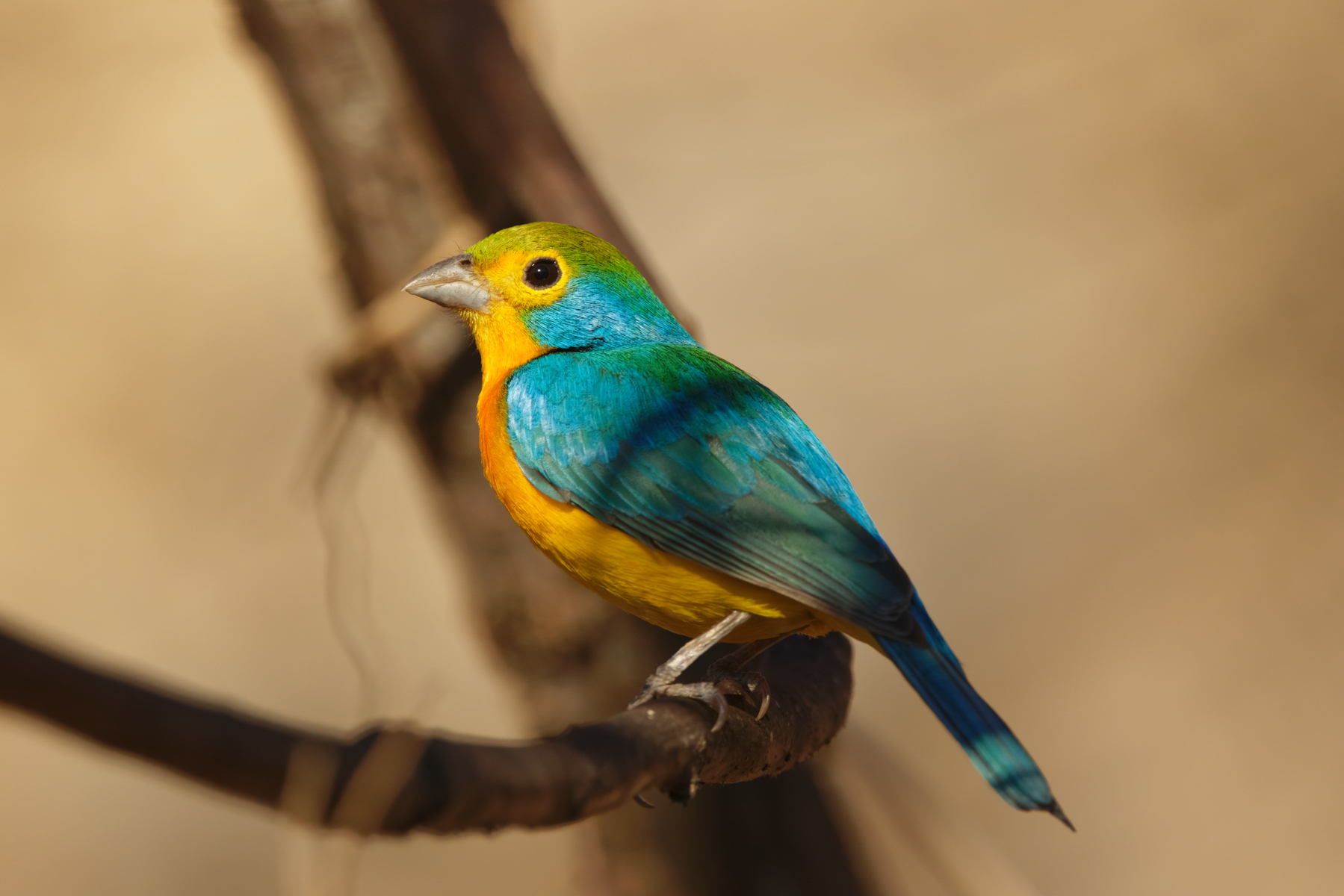
Orange-bellied Bunting (image by Leo Garrigues)
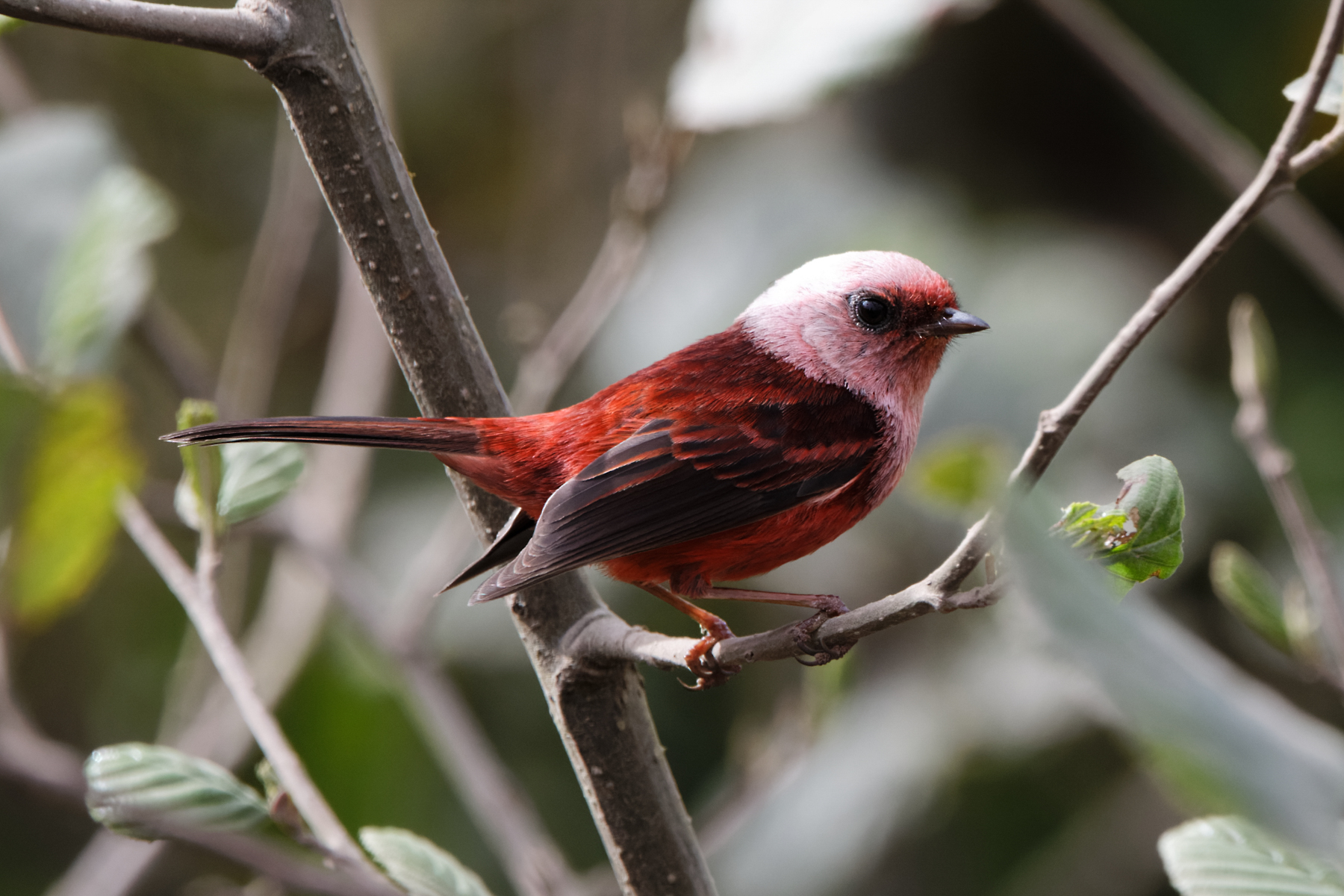
Pink-headed Warbler (image by Leo Garrigues)
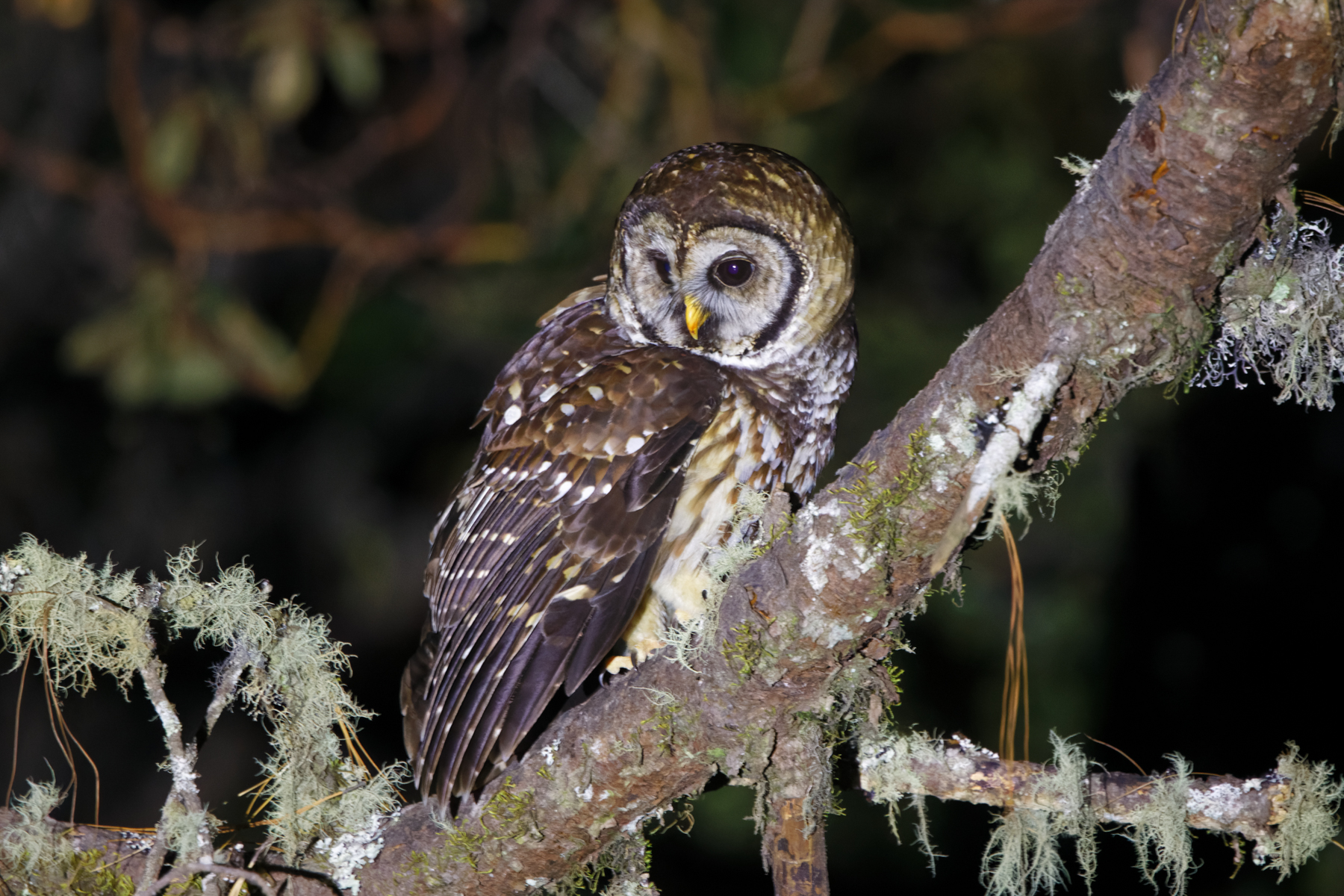
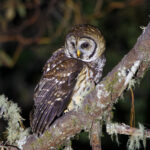
Fulvous Owl (image by Leo Garrigues)
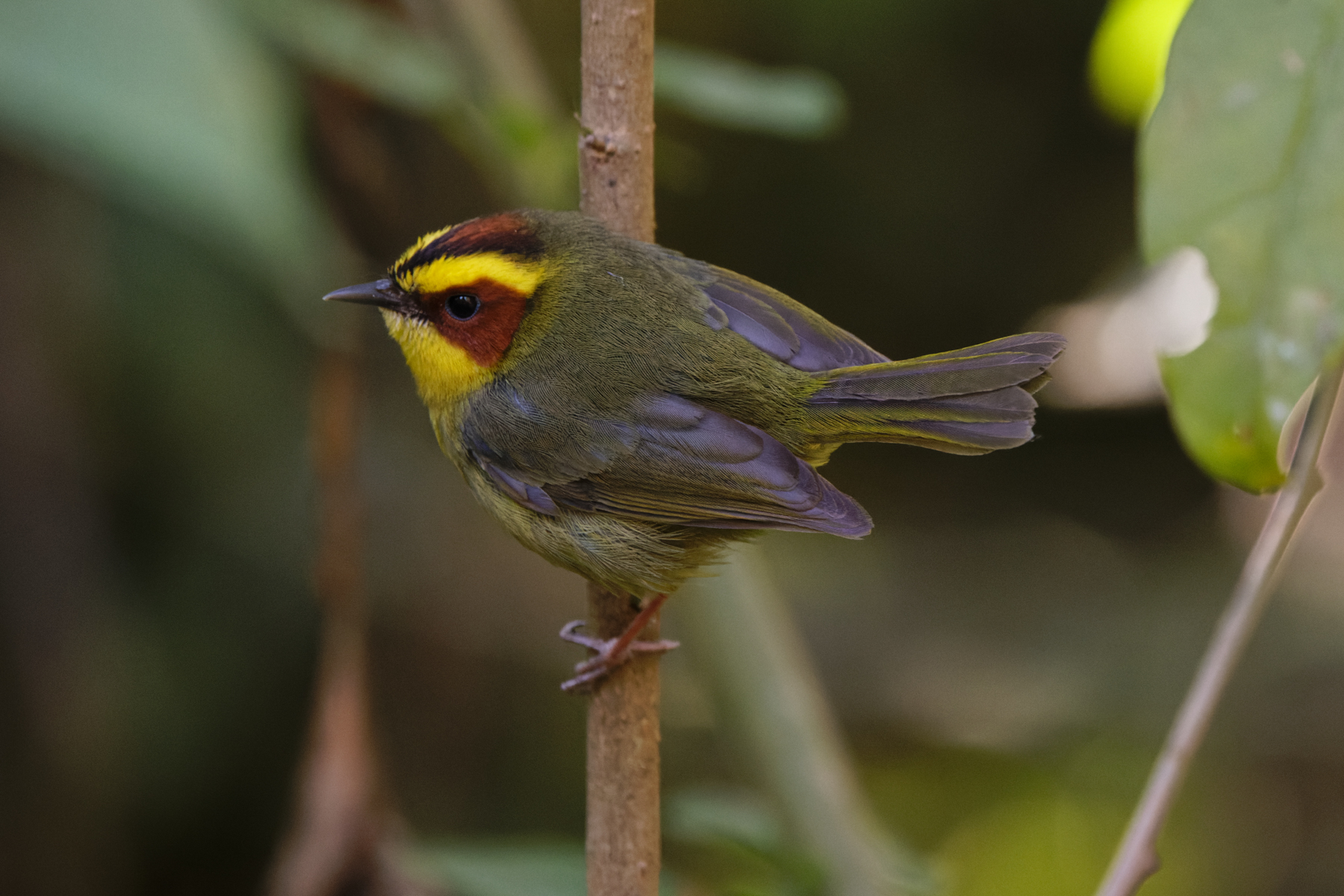
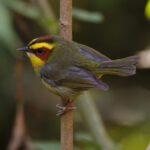
Golden-browed Warbler (image by Leo Garrigues)
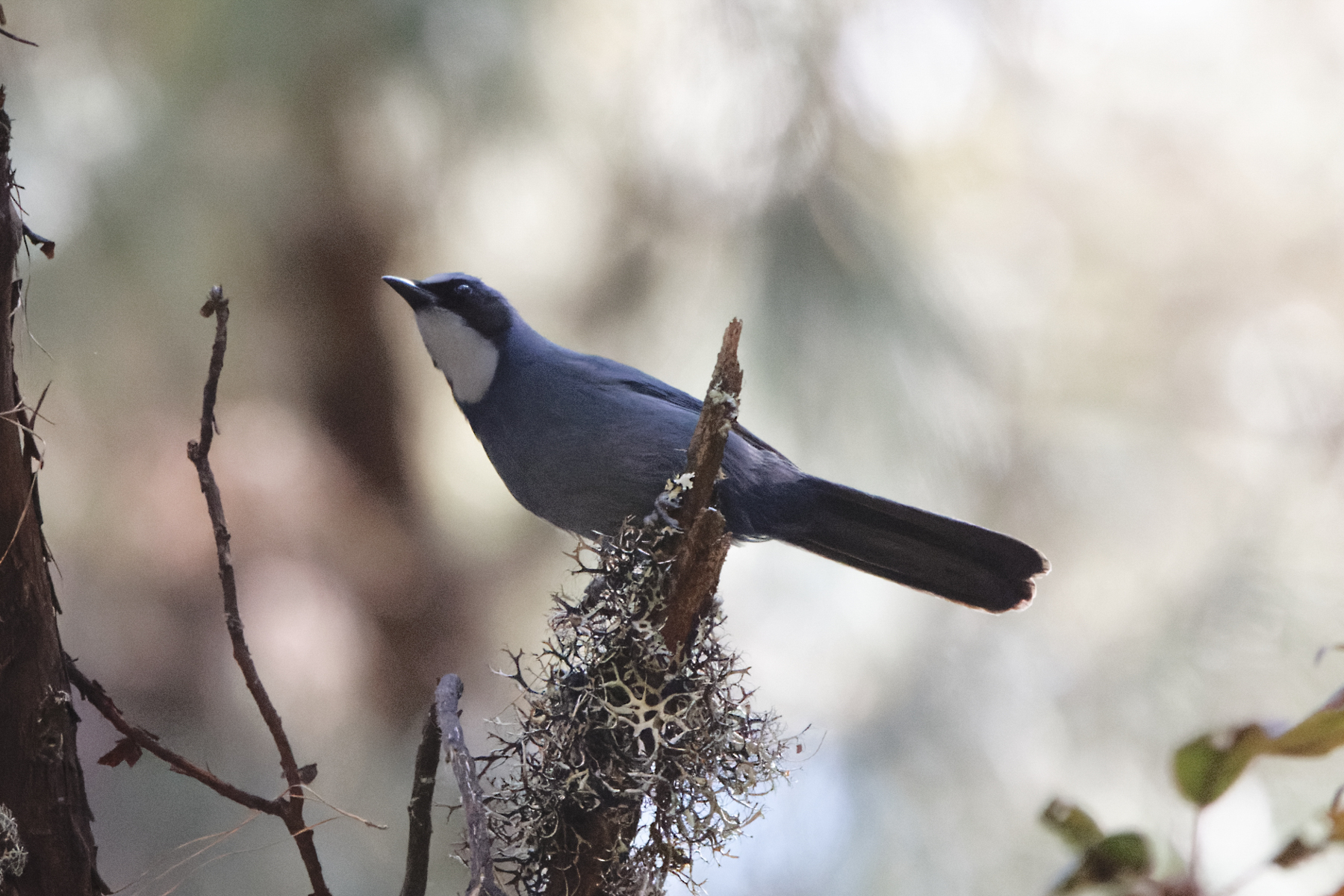
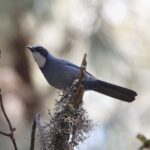
Dwarf Jay (image by Leo Garrigues)
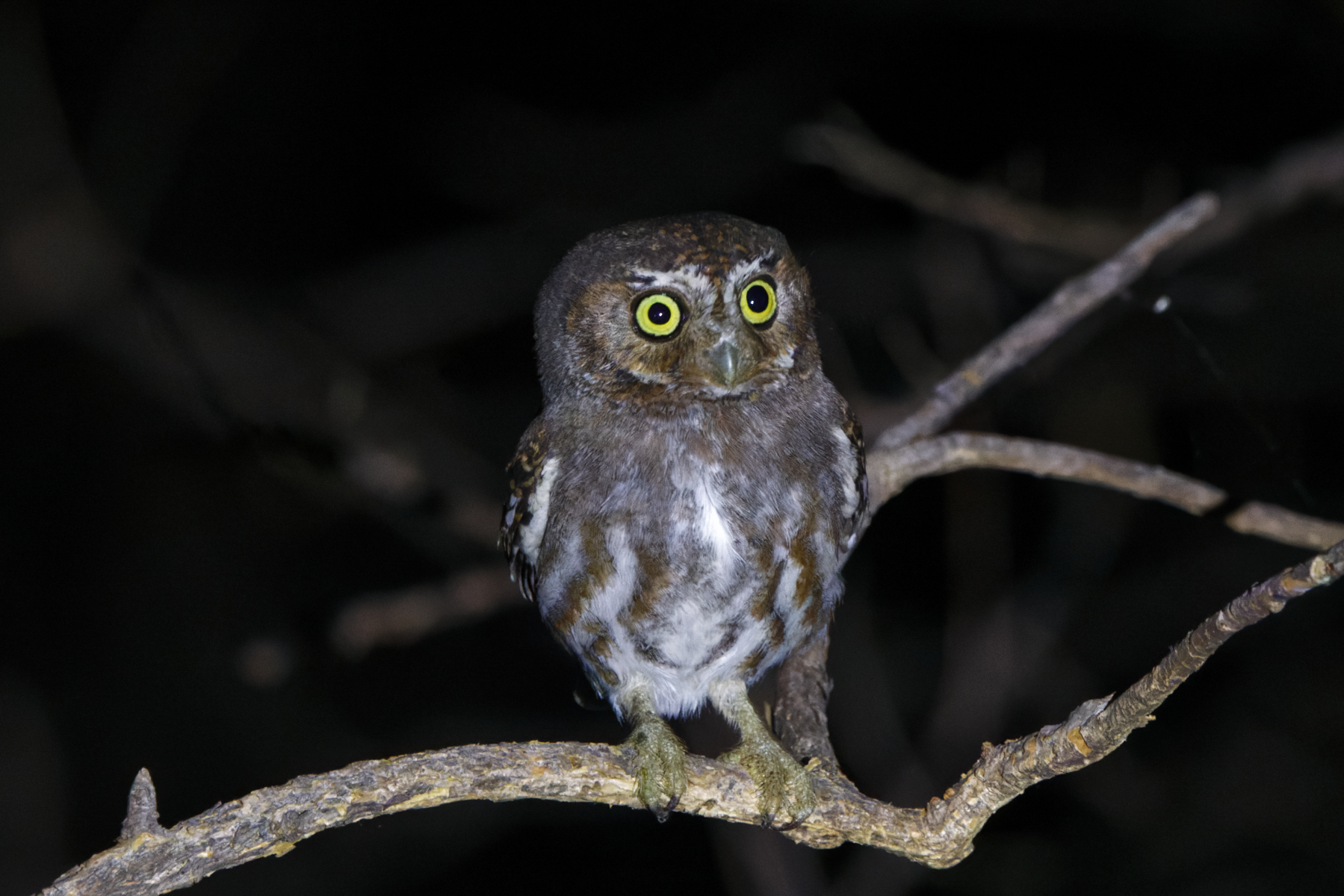
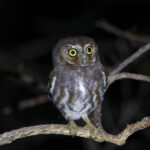
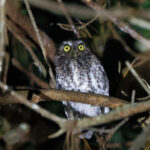
Elf Owl (Morelos Pre-Extension) (image by Leo Garrigues)
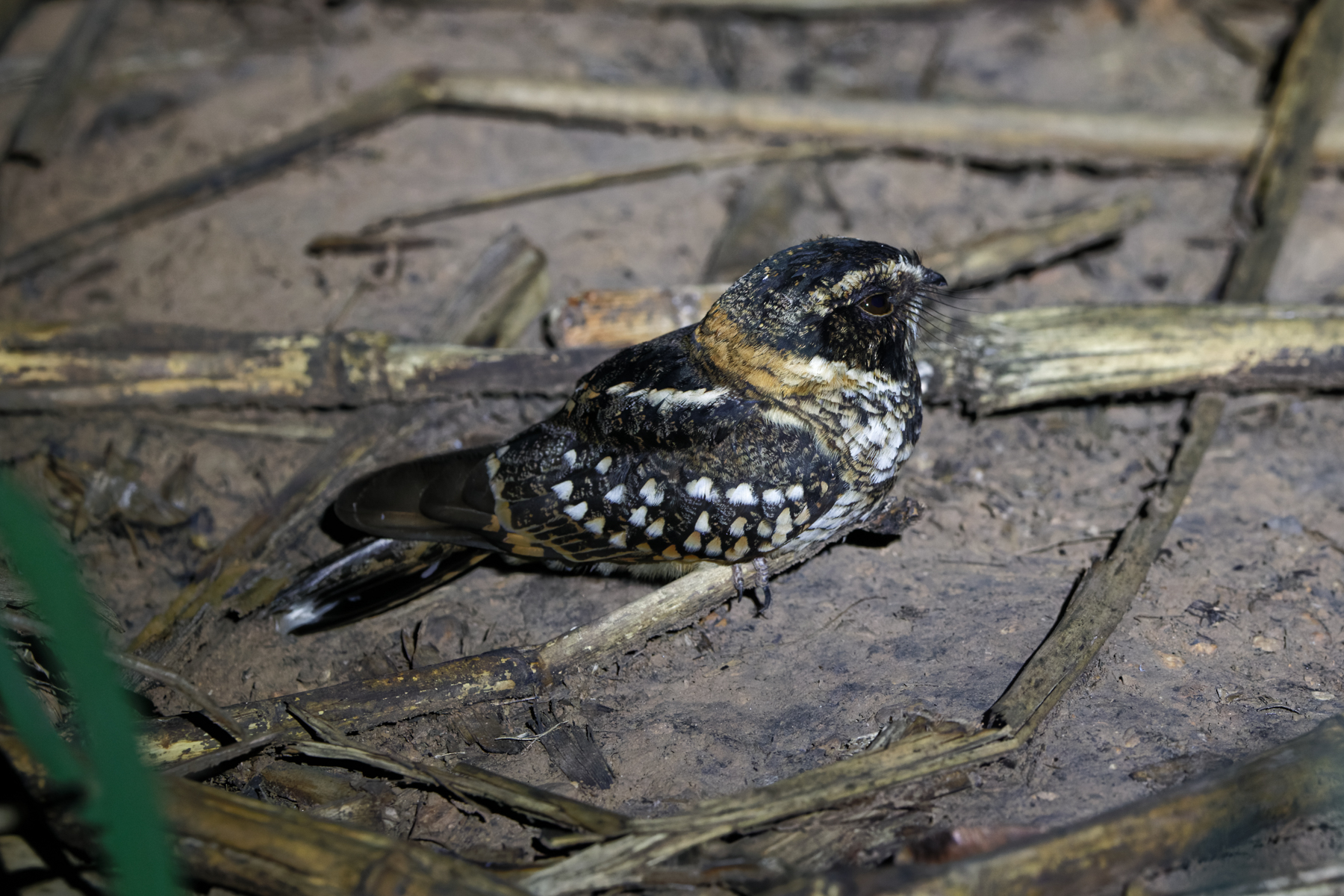
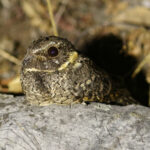
Spot-tailed Nightjar (image by Leo Garrigues)
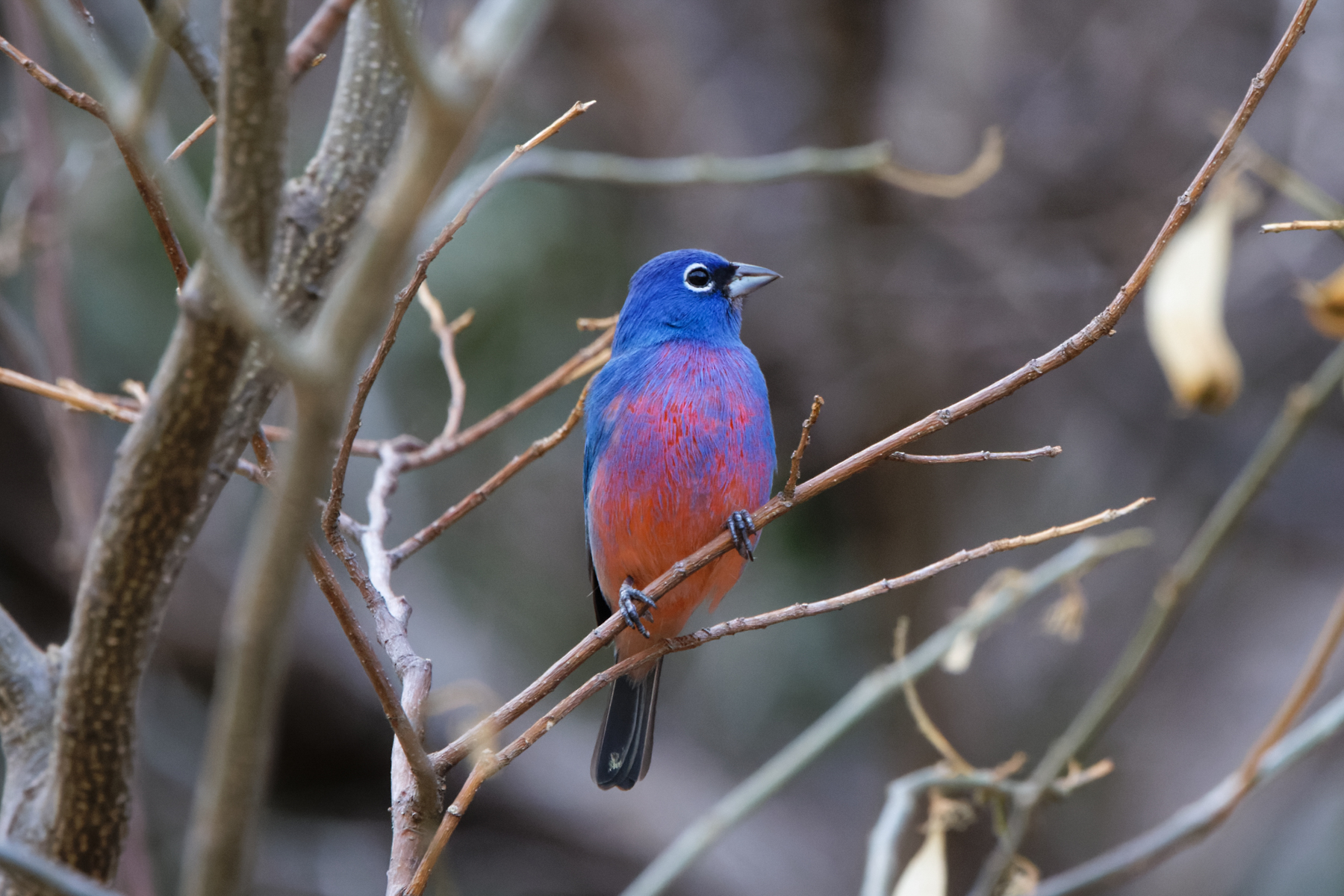
Rose-bellied Bunting (image by Leo Garrigues)
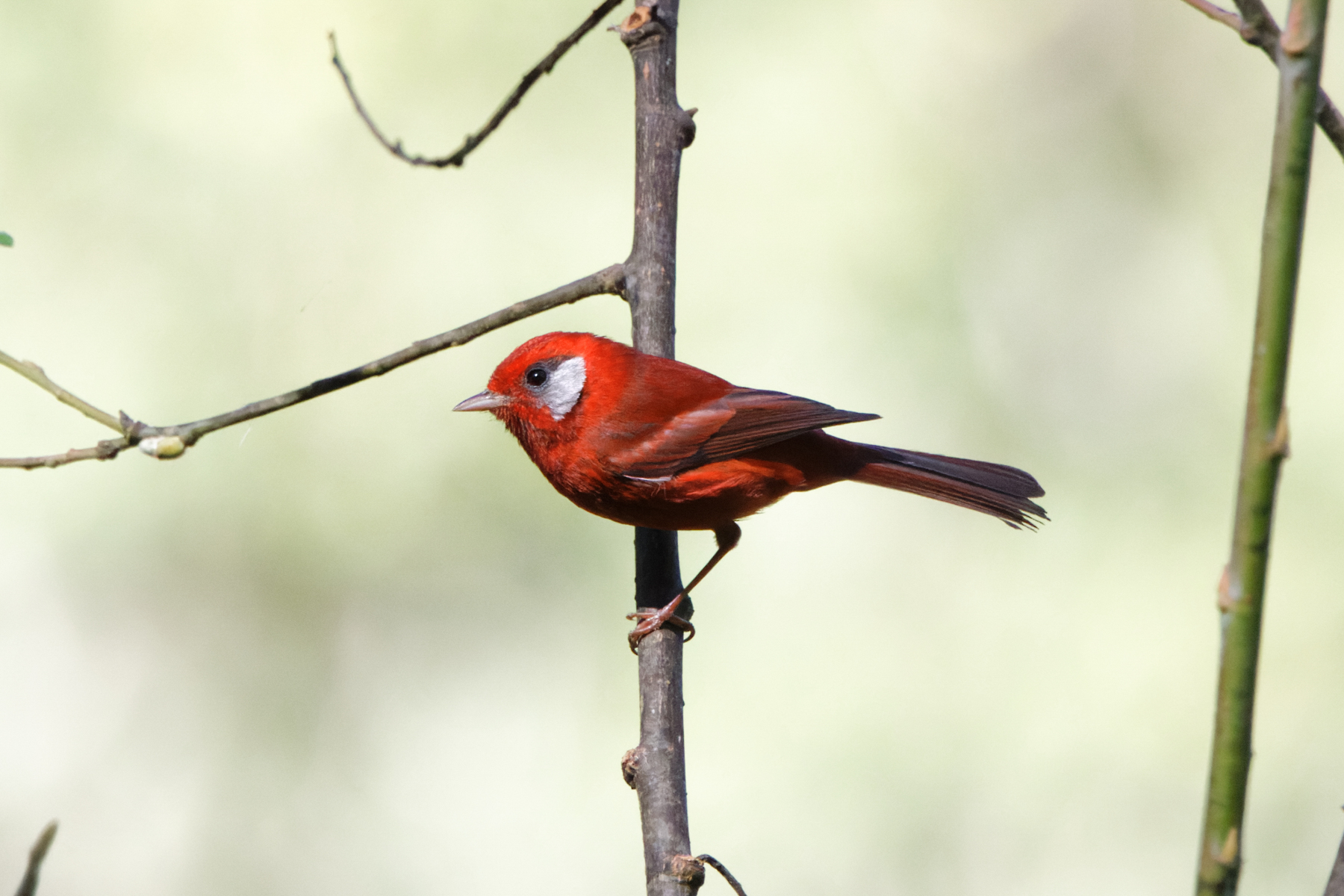
Red Warbler (image by Leo Garrigues)
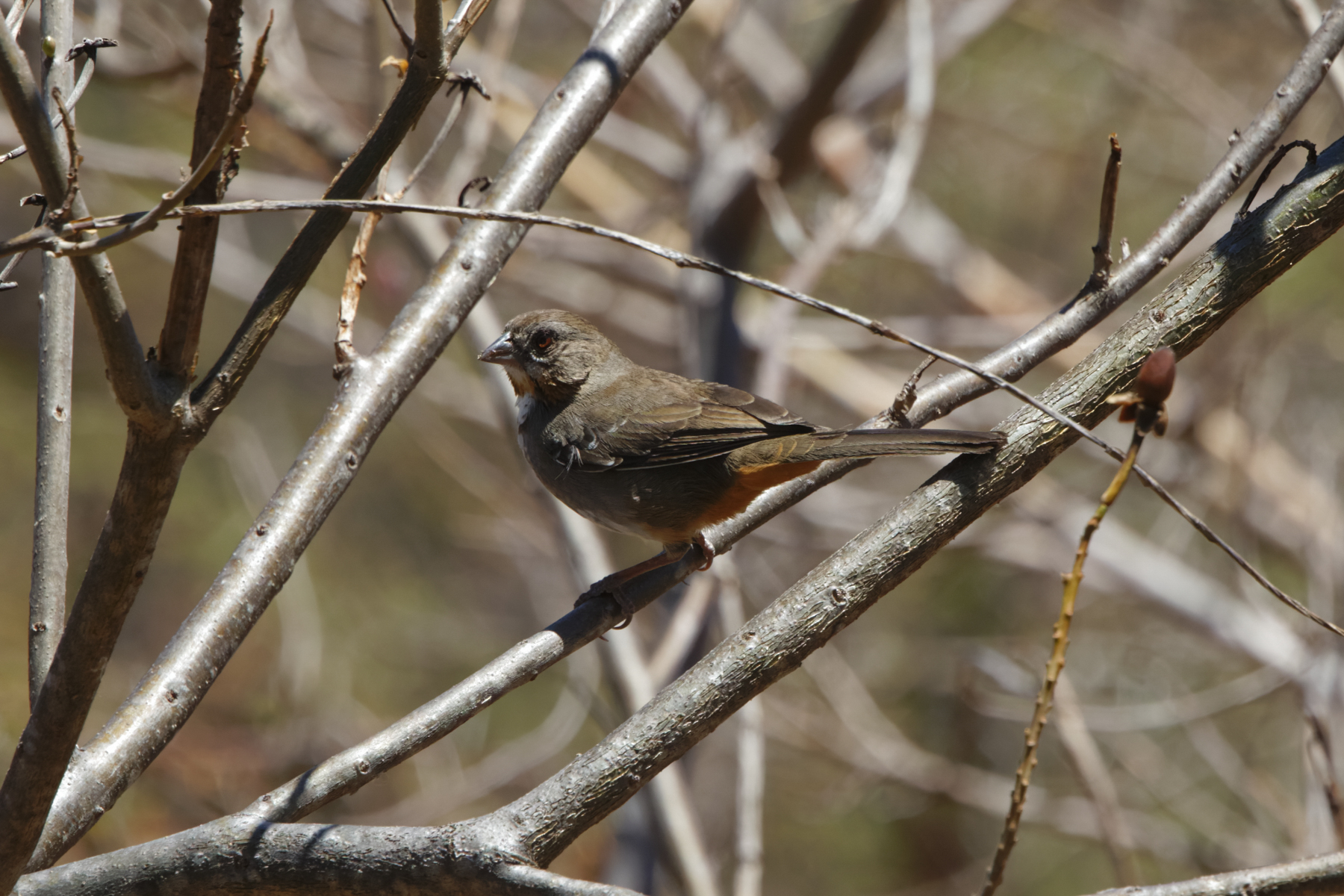
White-thoated Towhee (image by Leo Garrigues)
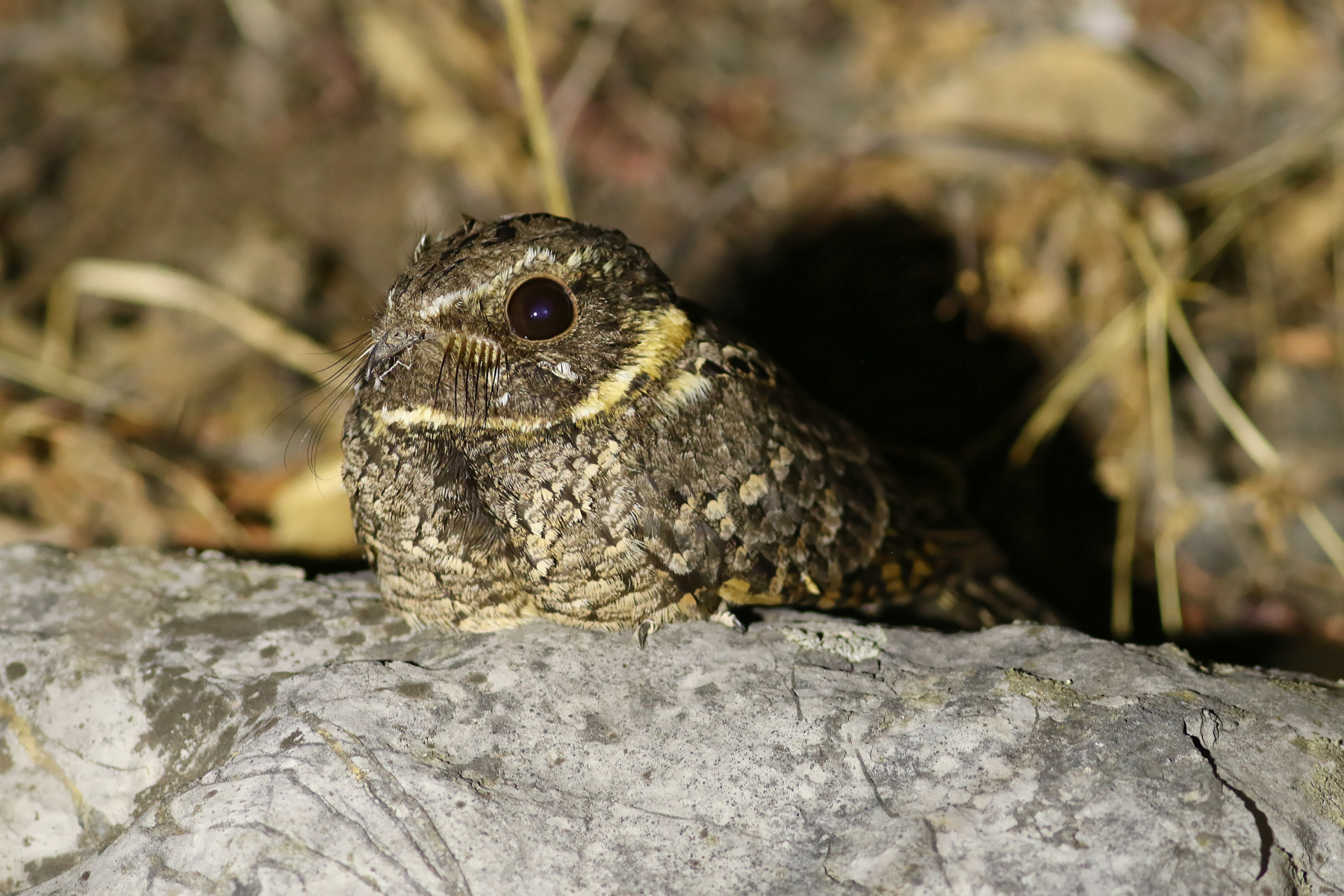
Buff-collared Nightjar (image by Leo Garrigues)
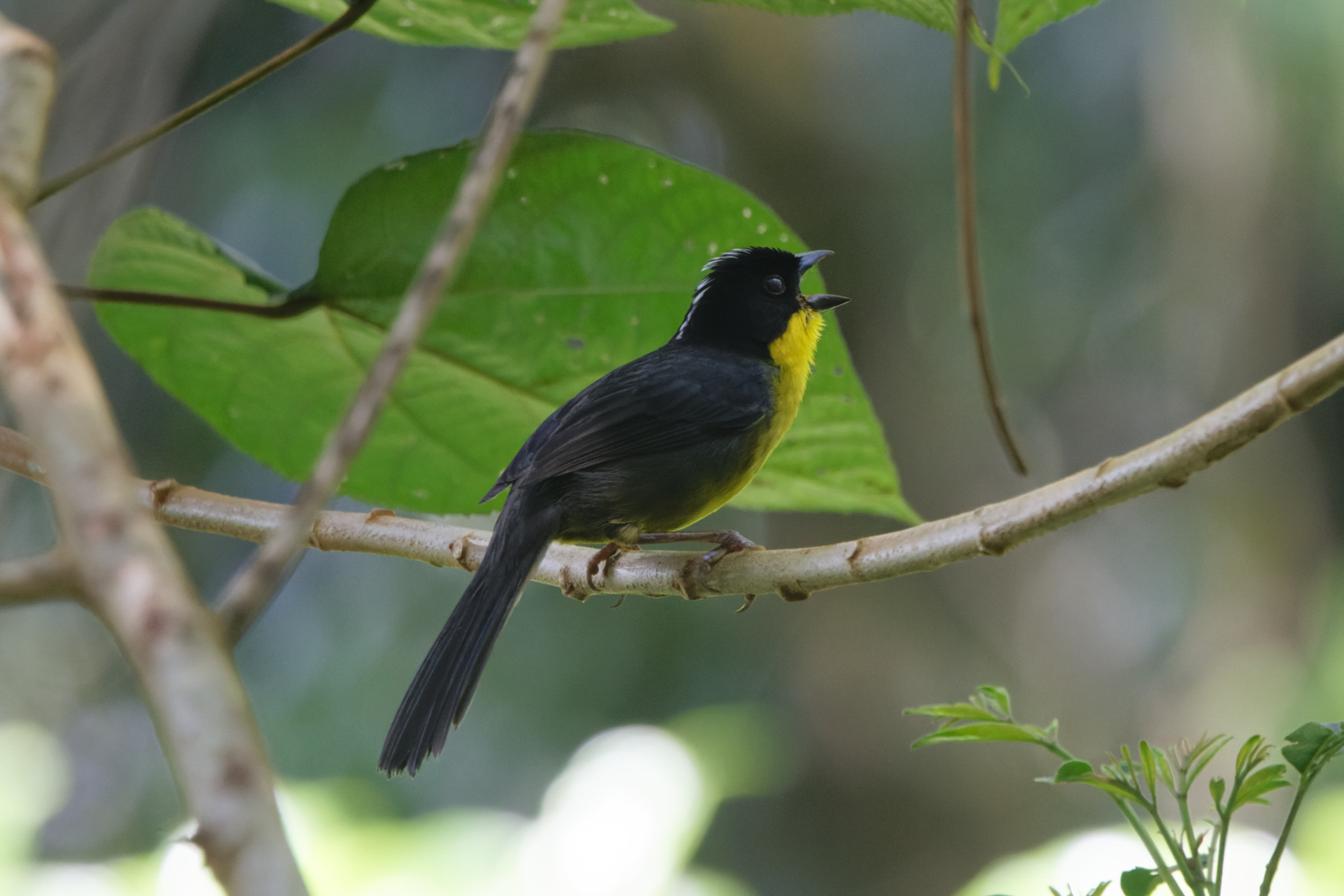
White-naped Brushfinch (image by Leo Garrigues)
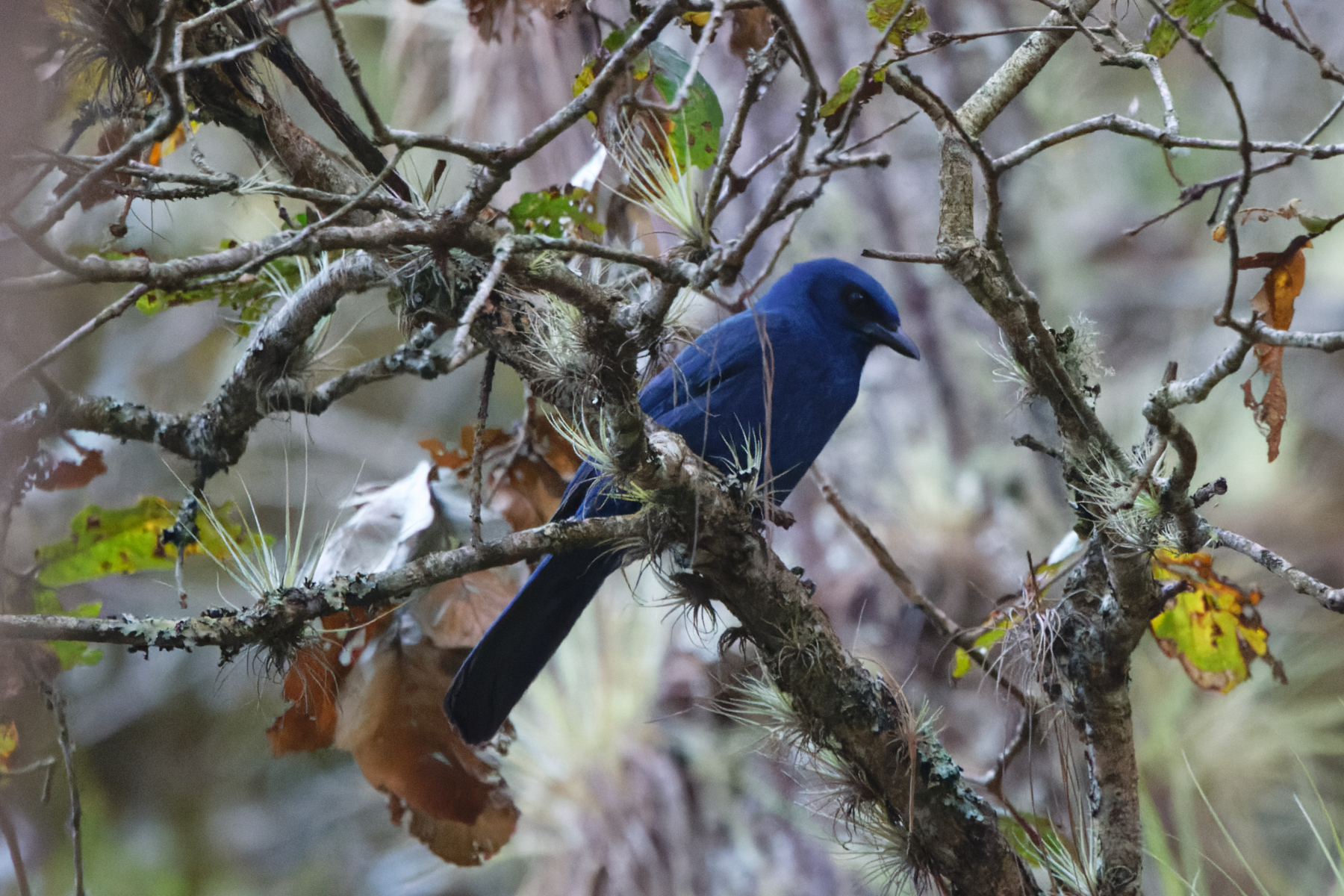
Unicolored Jay (image by Leo Garrigues)
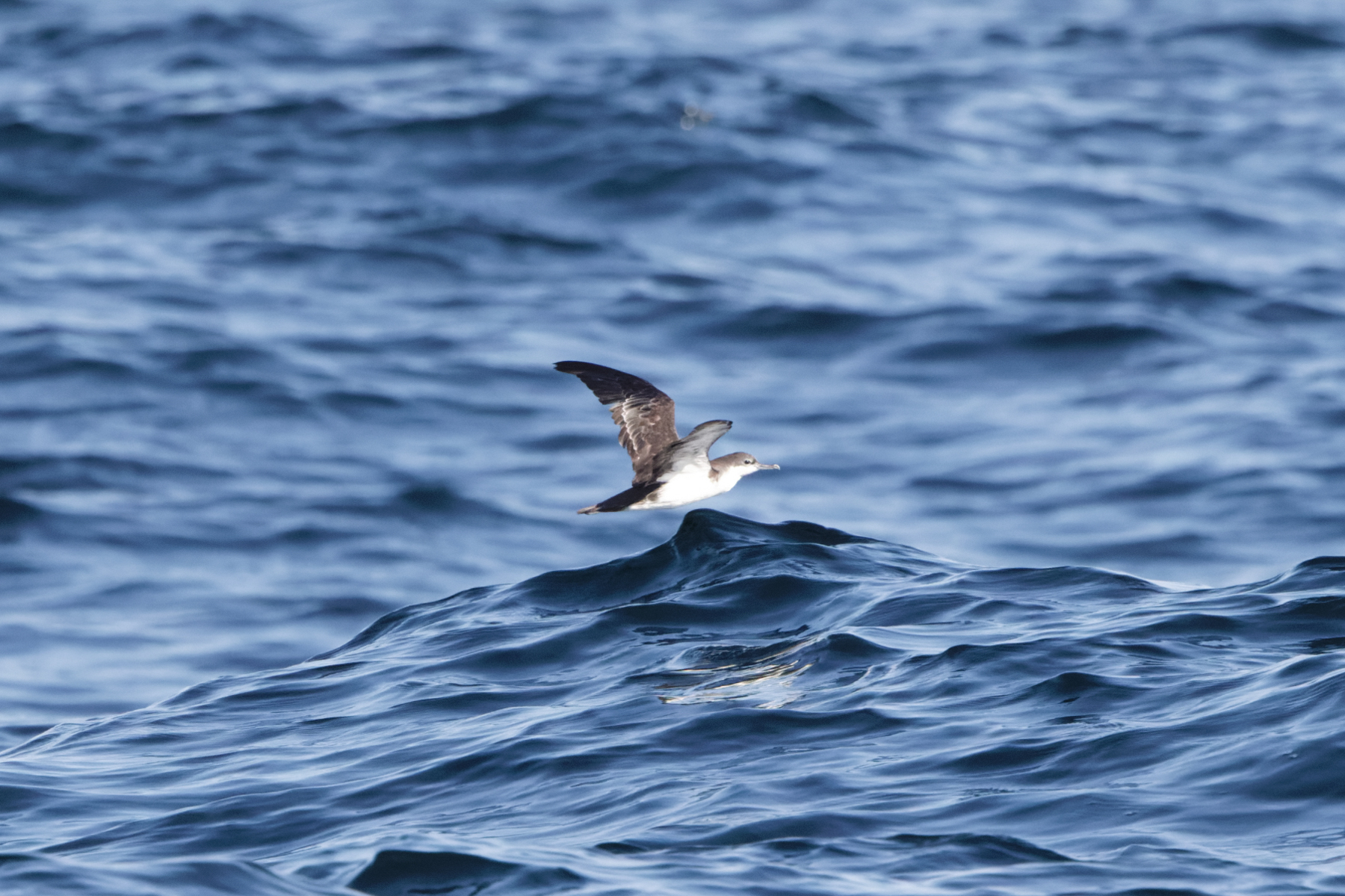
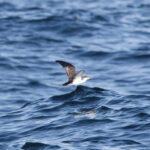
Galapagos Shearwater (image by Leo Garrigues)
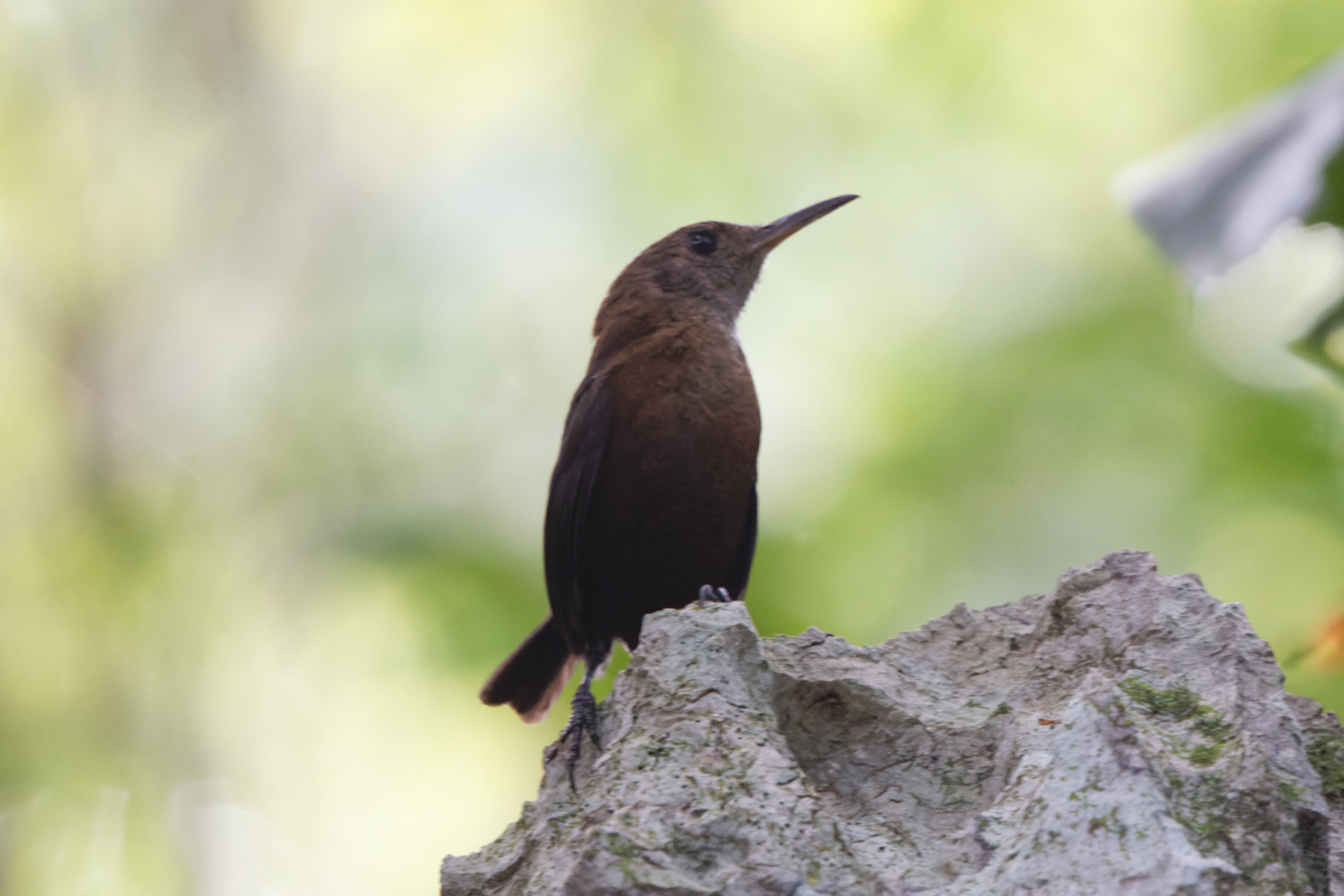
Sumichrast's Wren (image by Leo Garrigues)
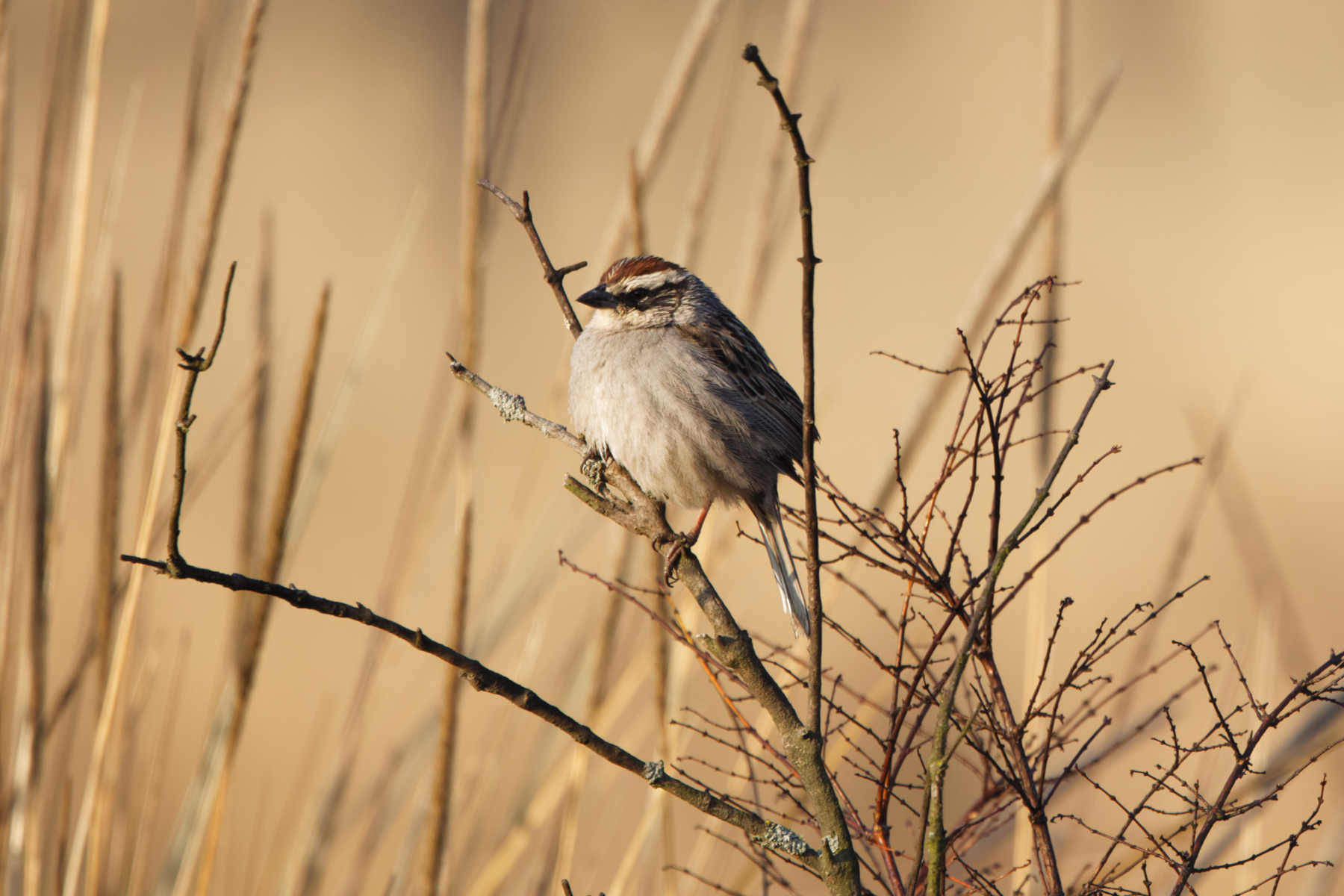
Striped Sparrow (image by Leo Garrigues)
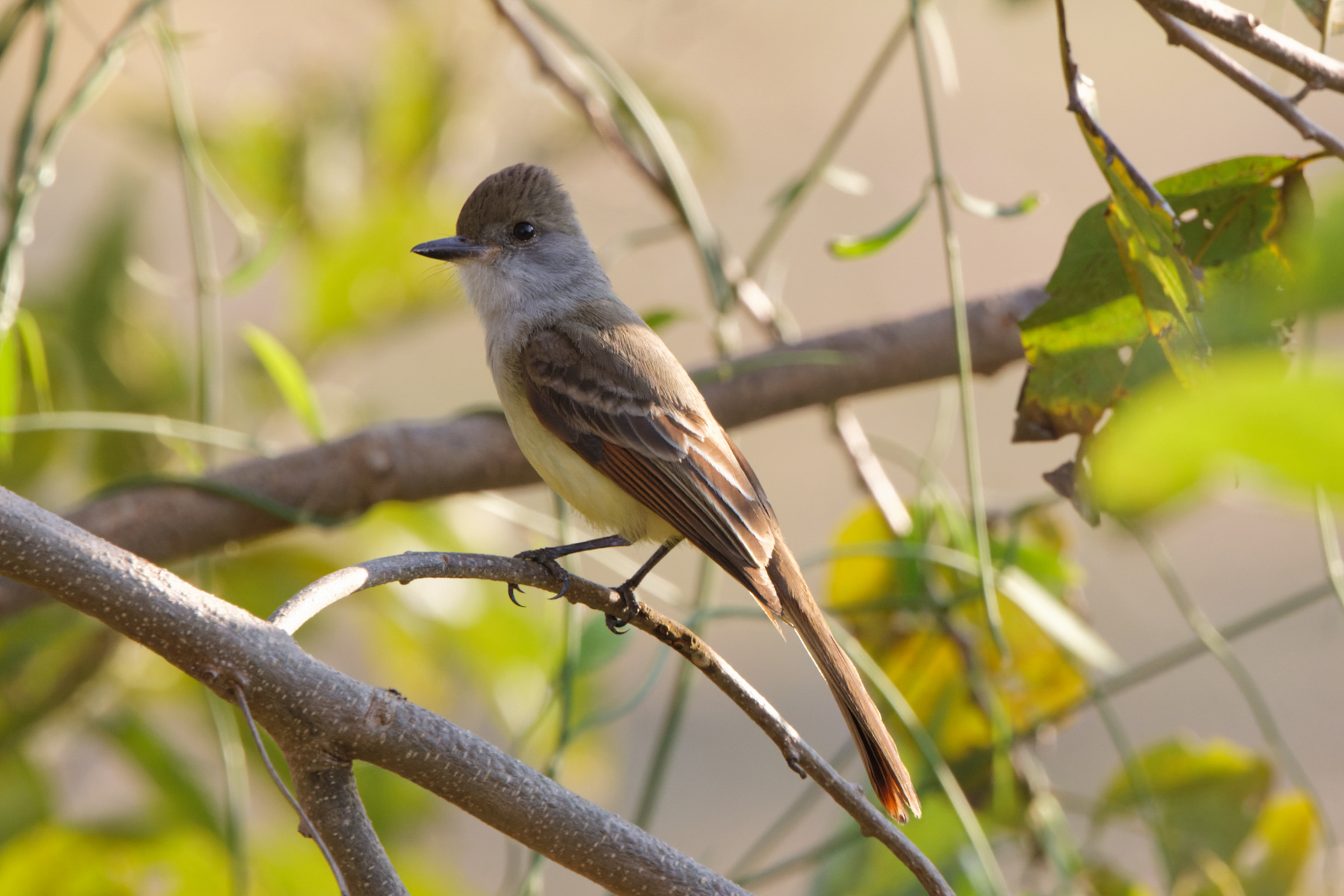
Salvadoran Flycatcher (image by Leo Garrigues)
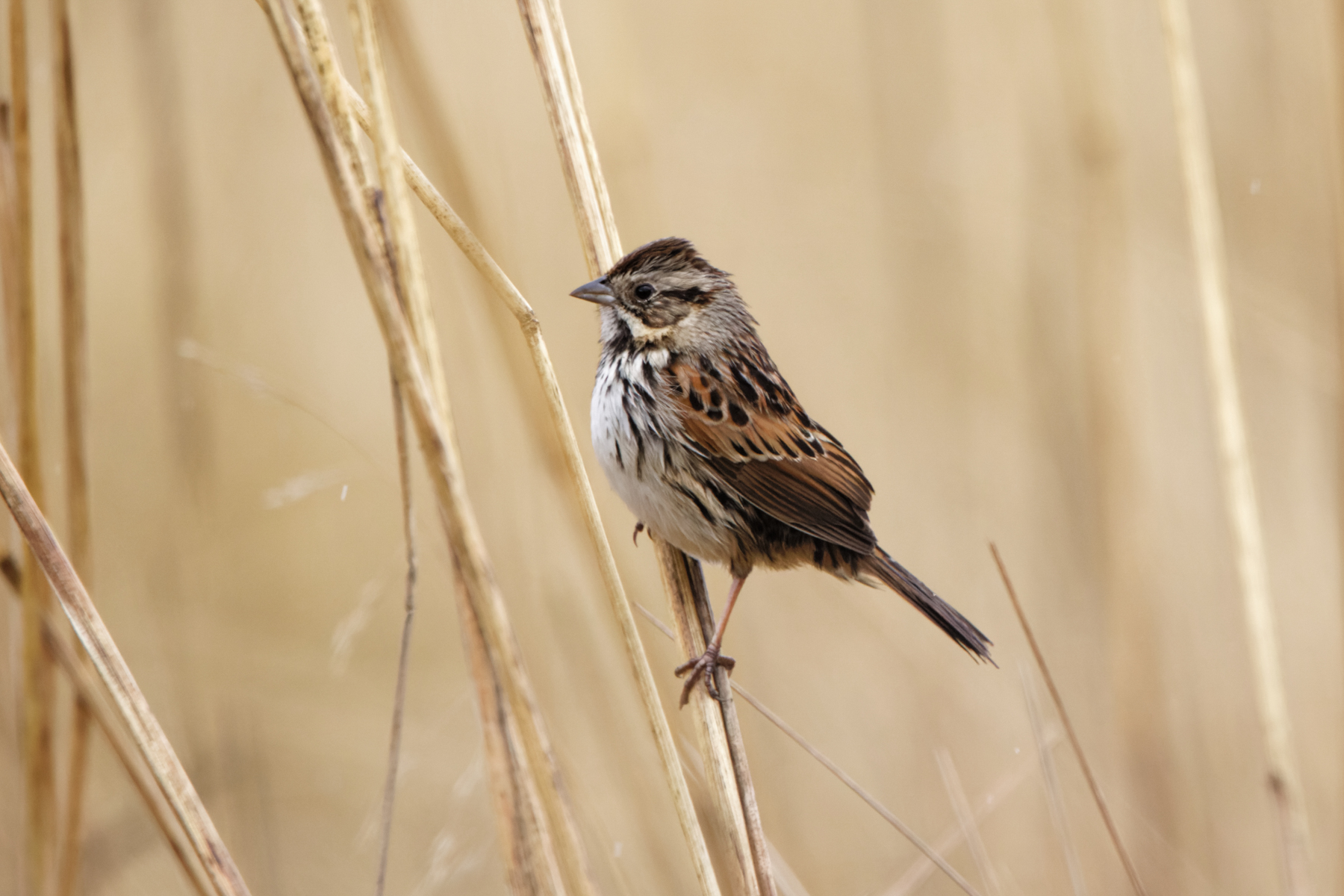
Sierra Madre Sparrow (image by Leo Garrigues)
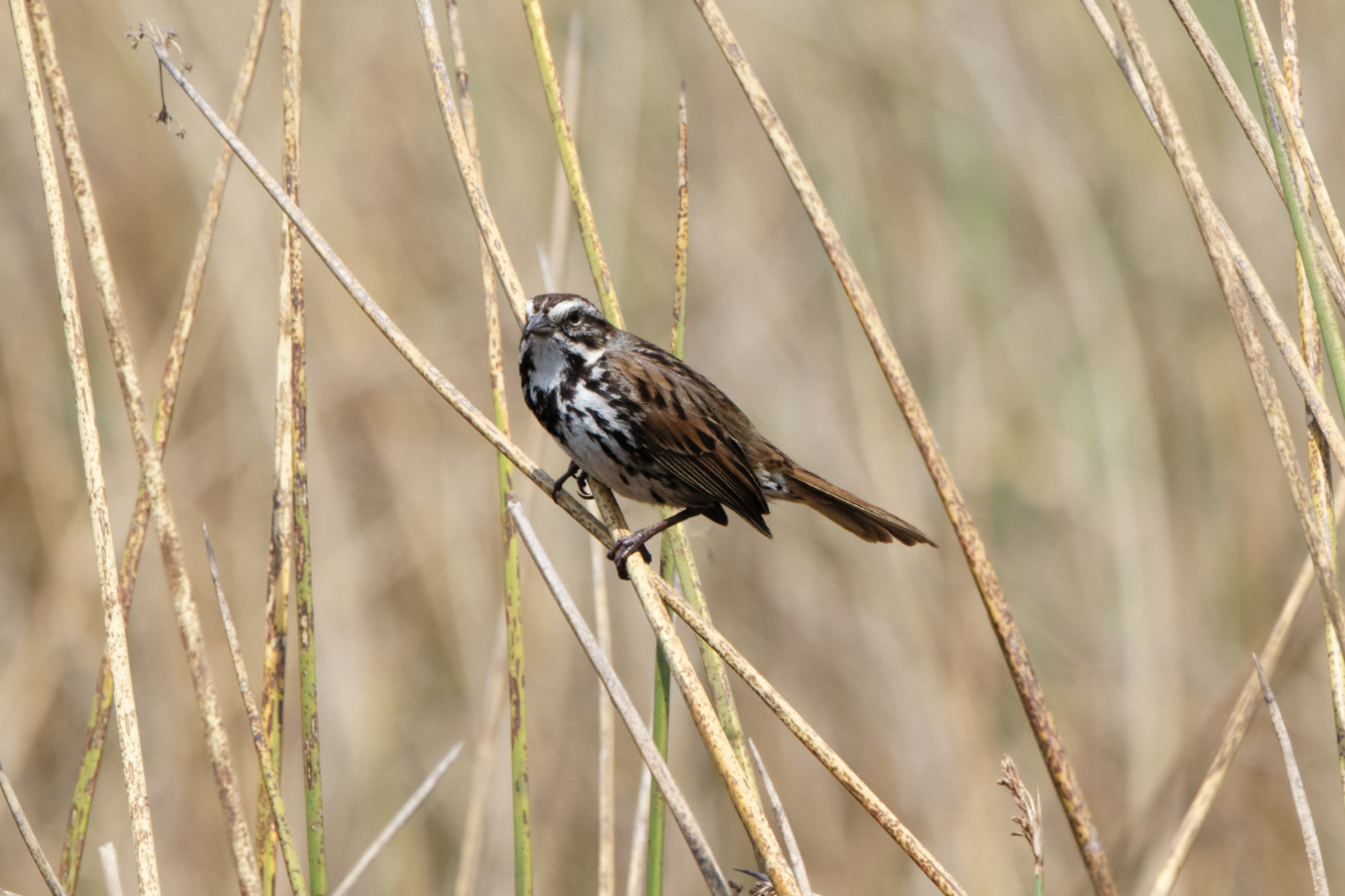
Song Sparrow (image by Leo Garrigues)
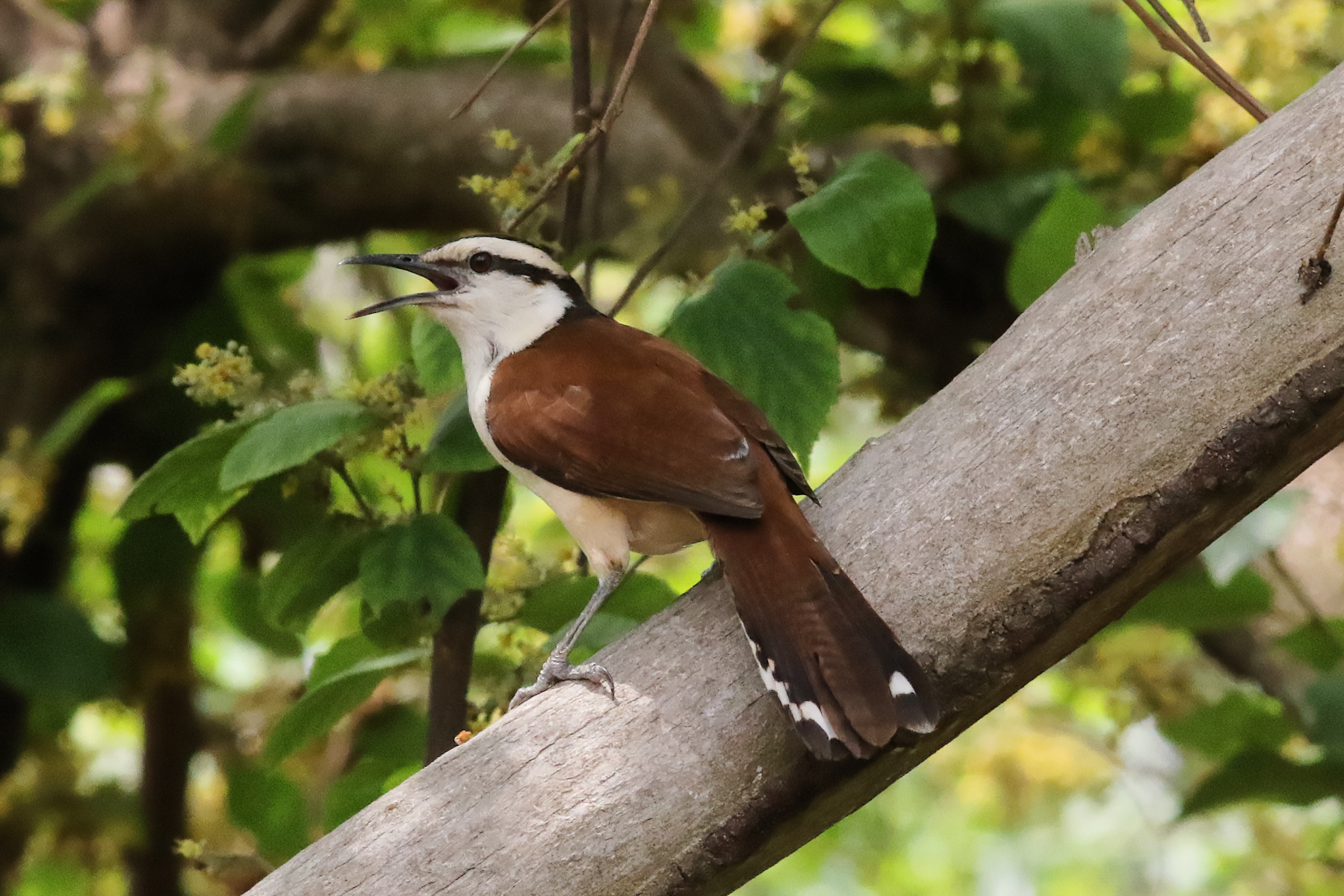
Giant Wren (image by Leo Garrigues)
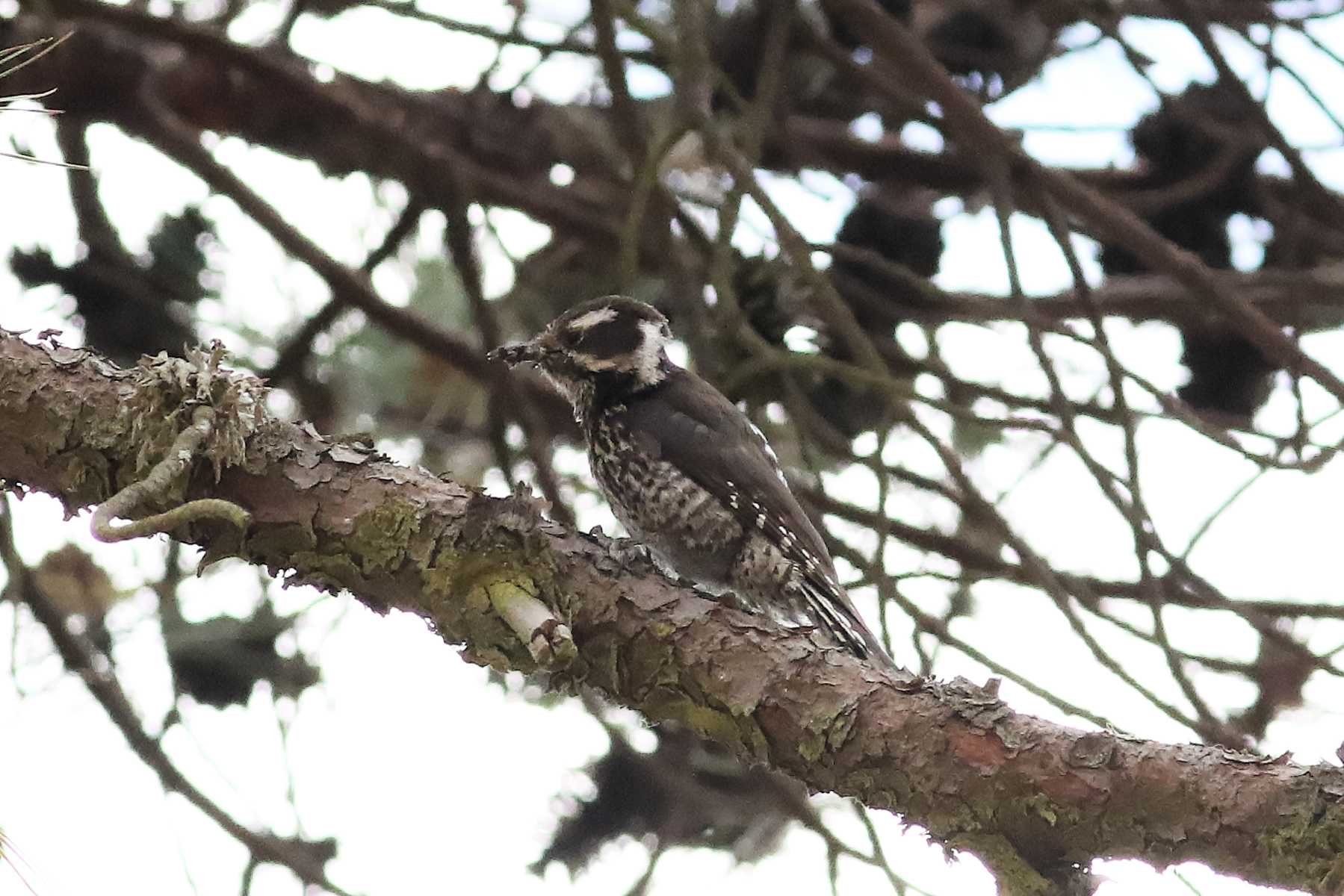
Strickland's Woodpecker (image by Leo Garrigues)
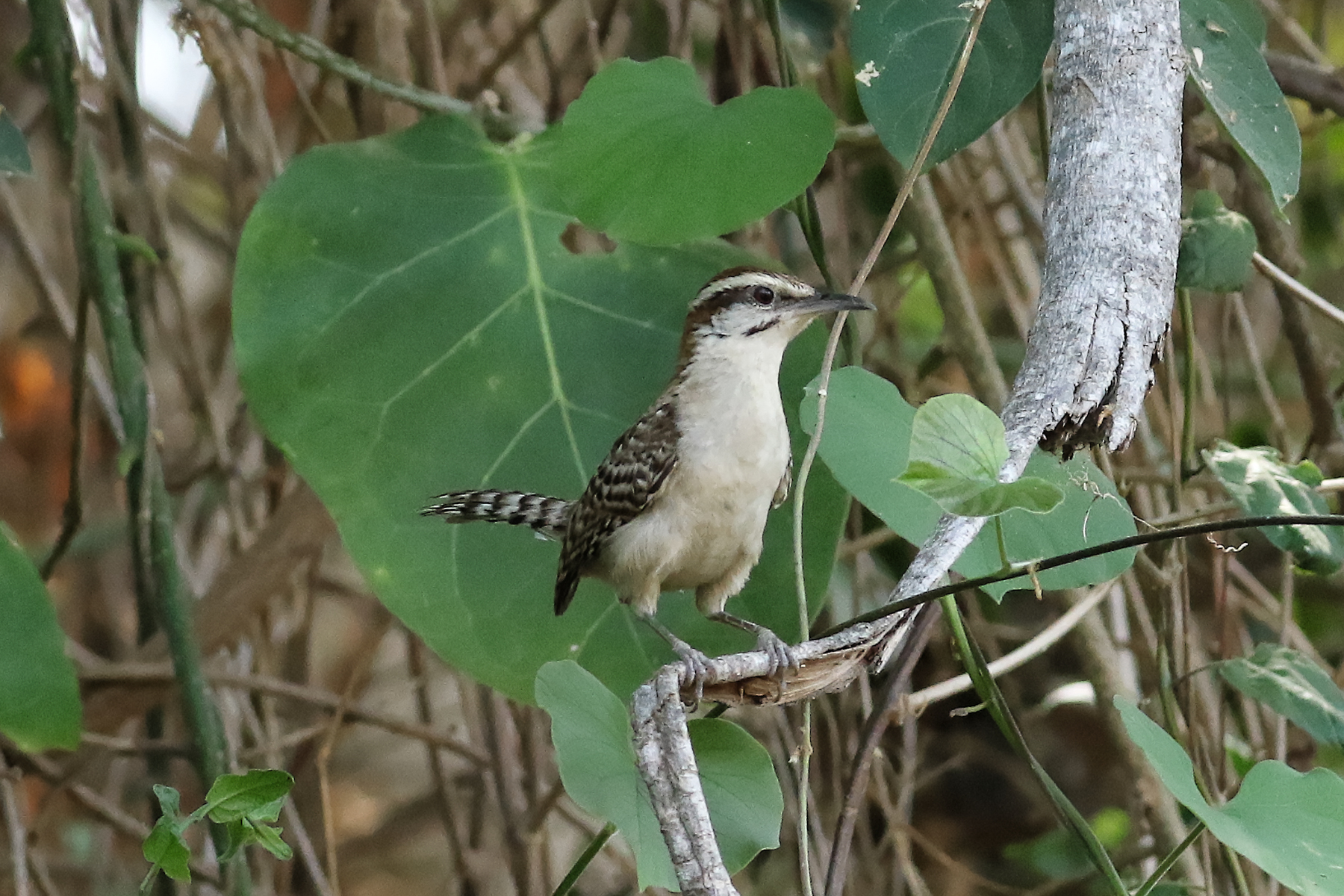
Russet-naped Wren (image by Leo Garrigues)
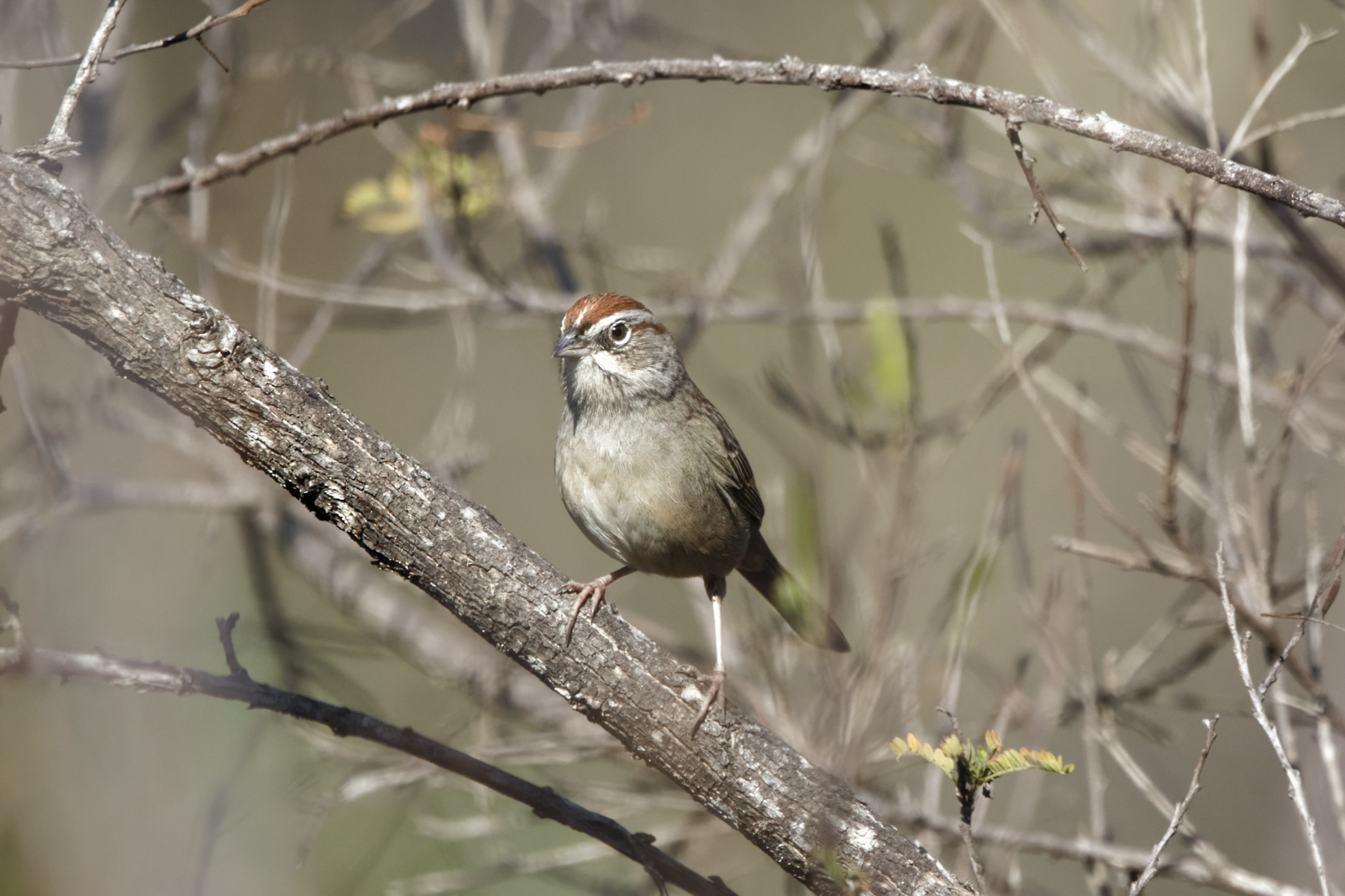
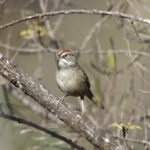
Rufous-crowned Sparrow (image by Leo Garrigues)
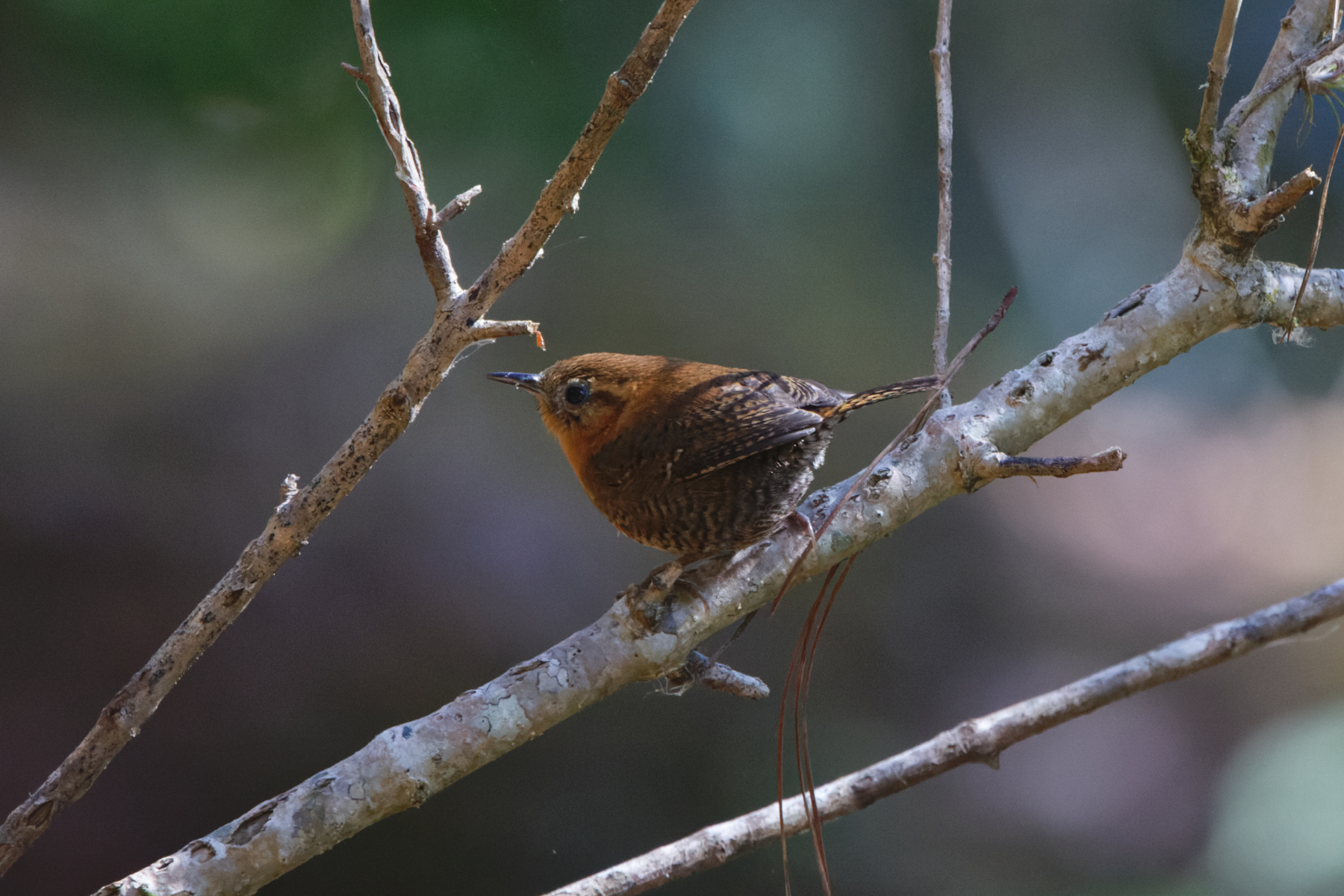
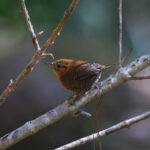
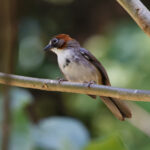
Rufous-browed Wren (image by Leo Garrigues)
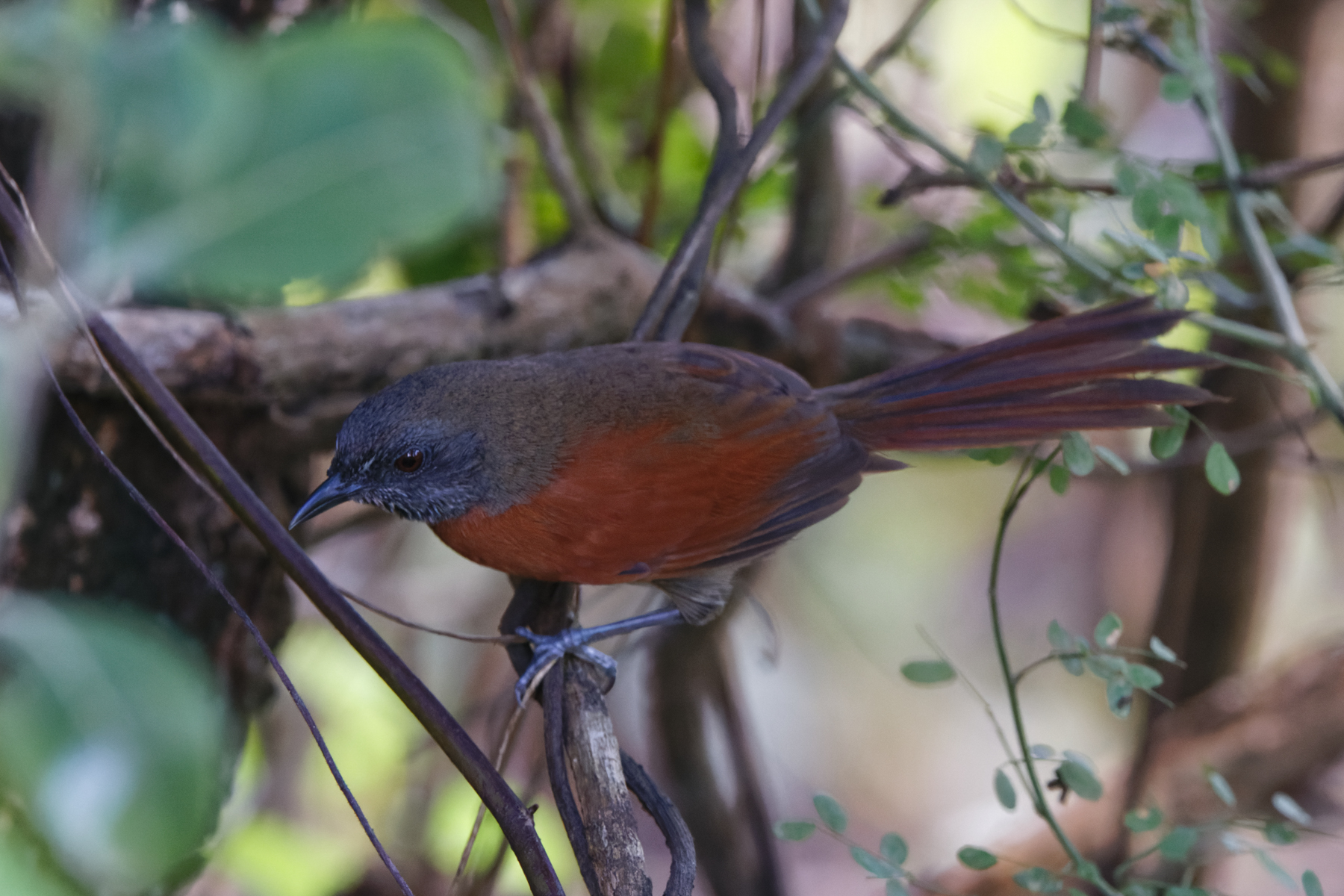
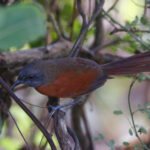
Rufous-breasted Spinetail (image by Leo Garrigues)
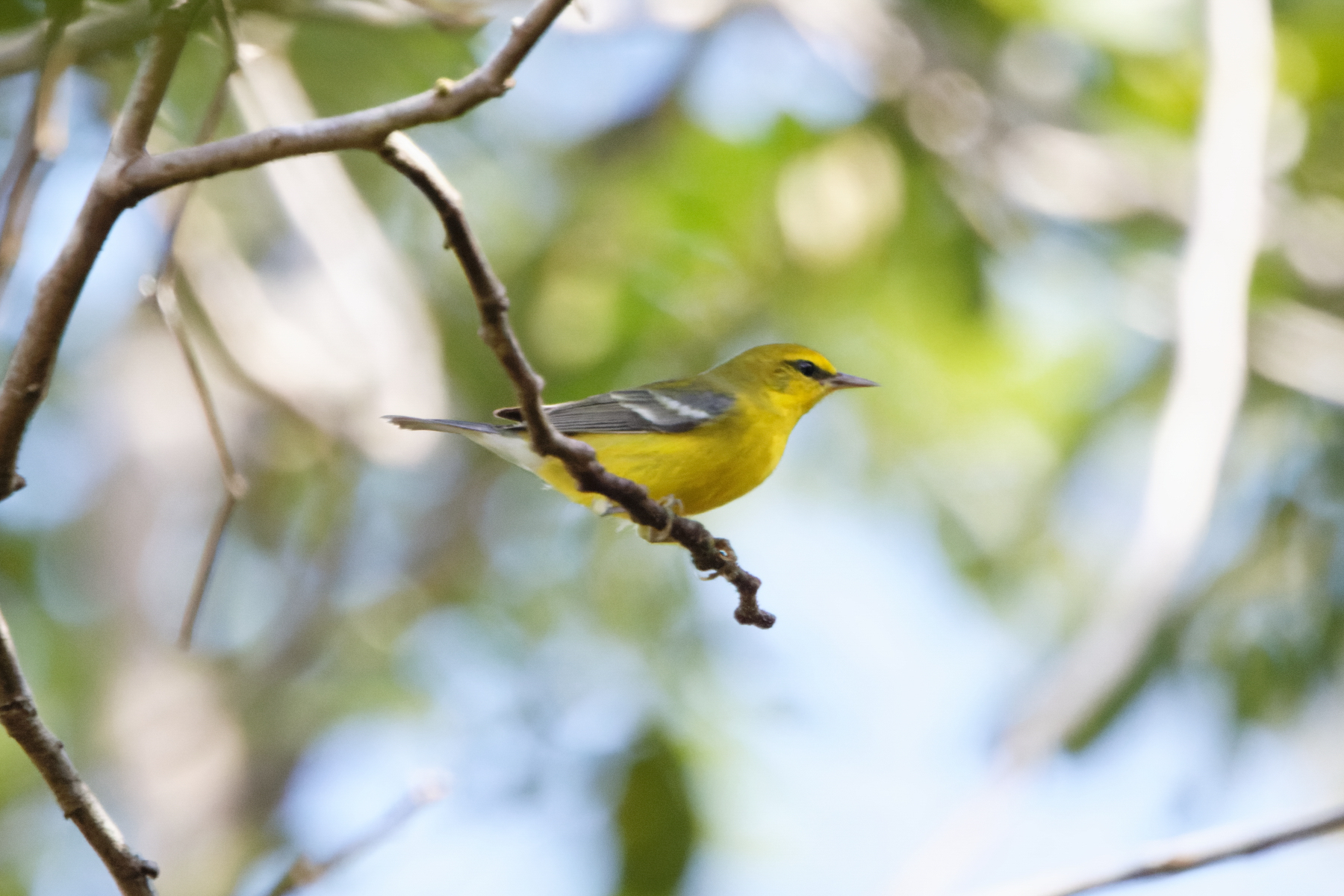
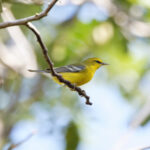
Blue-winged Warbler (image by Leo Garrigues)
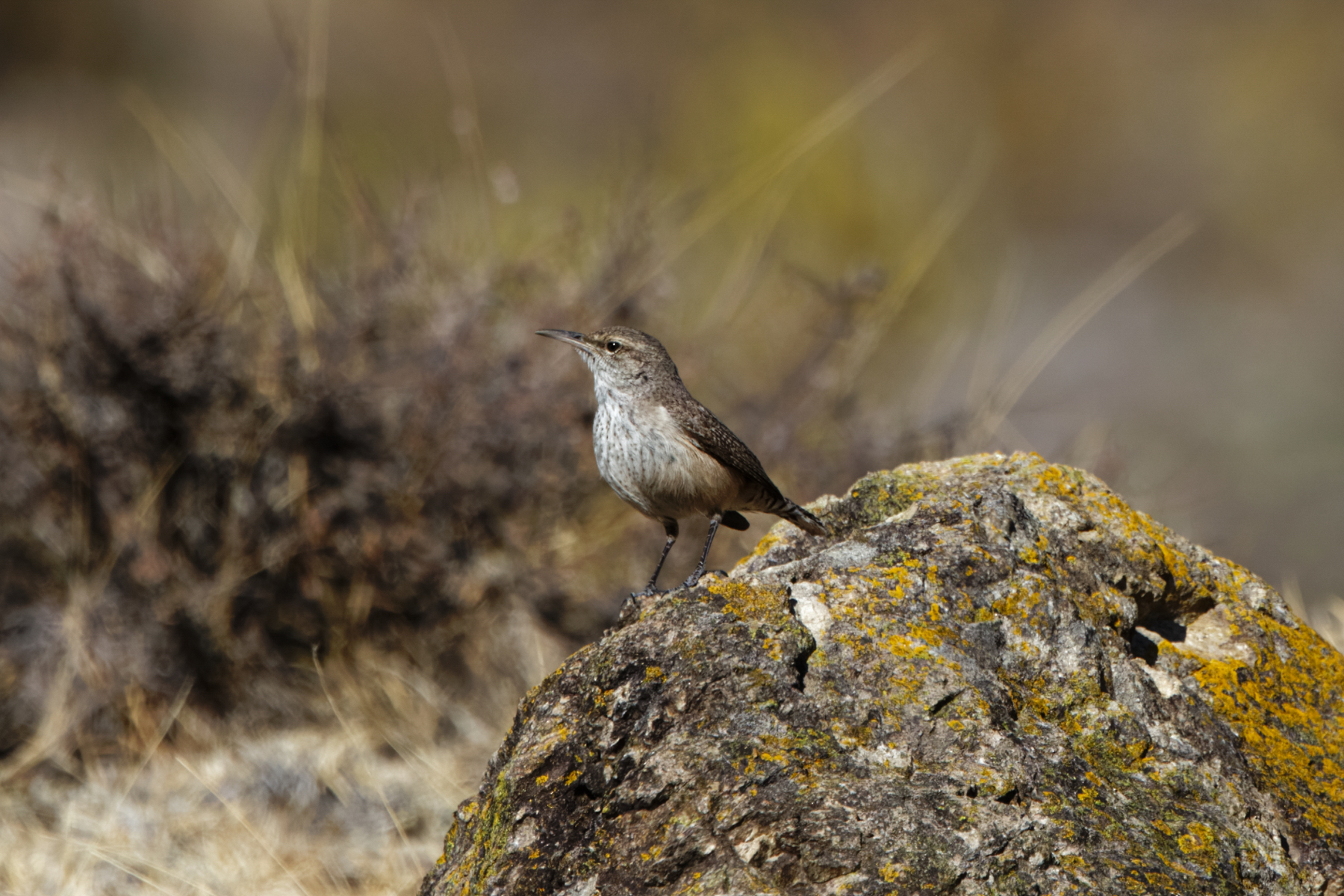
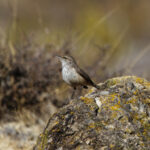
Rock Wren (image by Leo Garrigues)
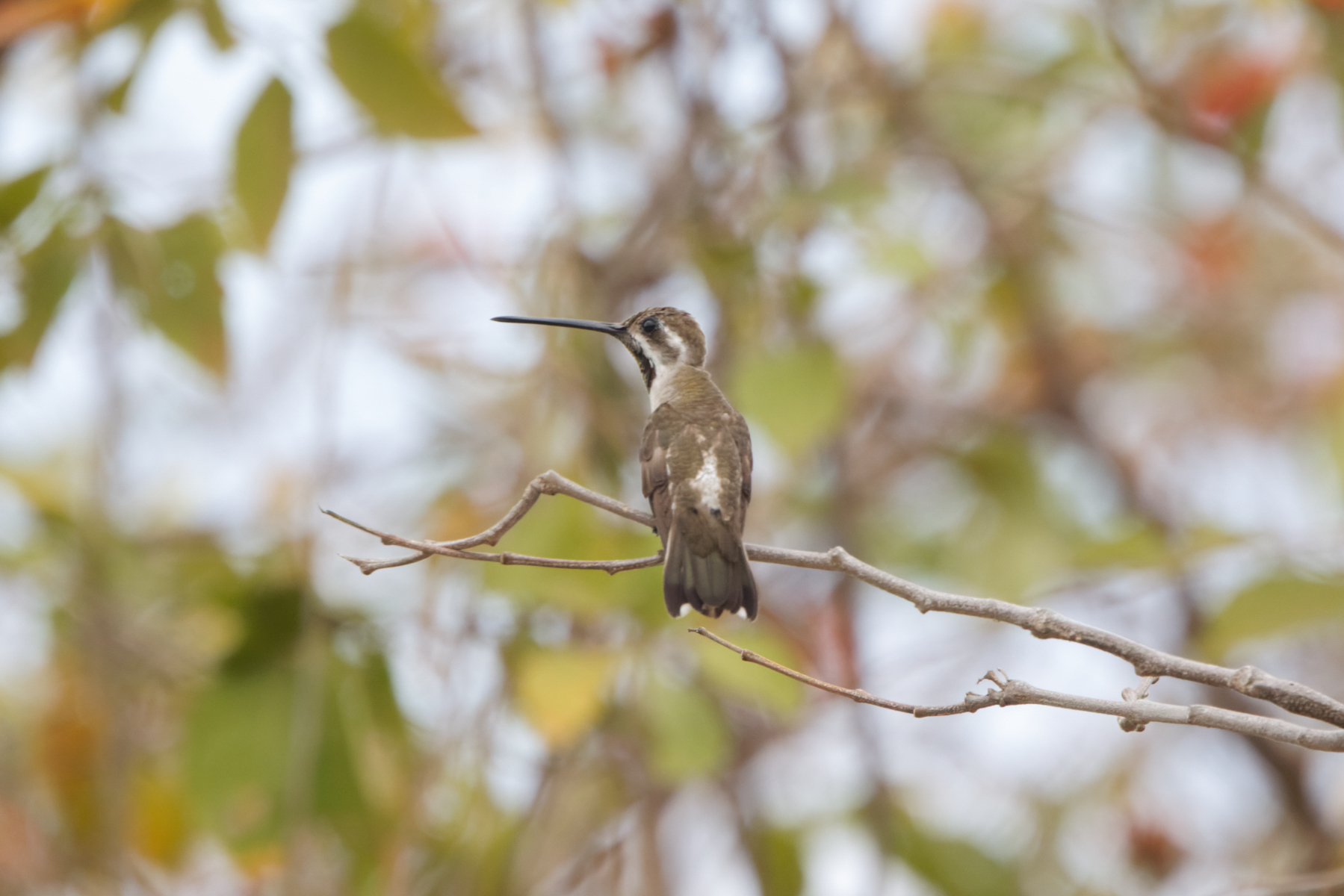
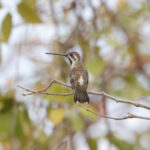
Plain-capped Starthroat (image by Leo Garrigues)
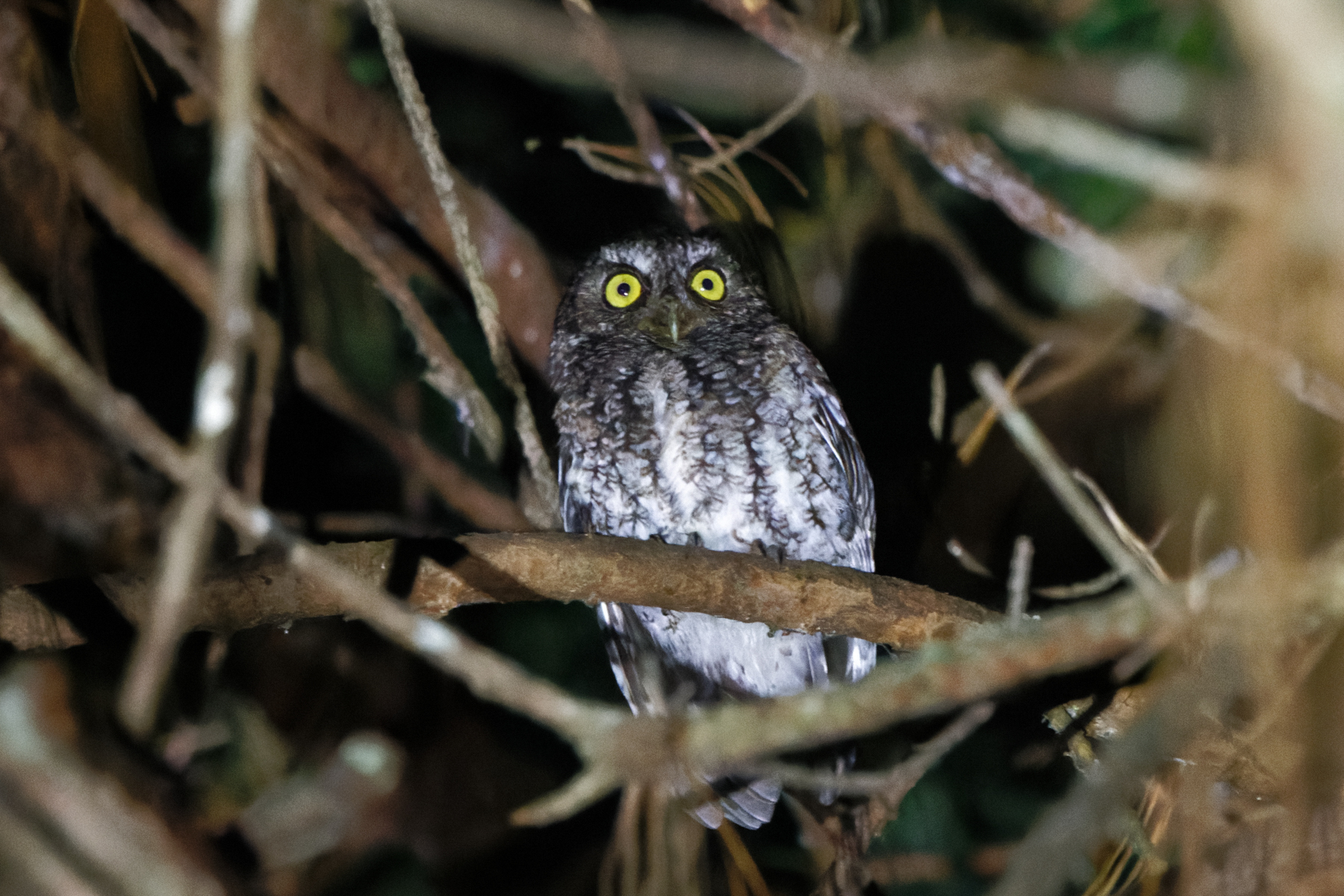
Bearded Screech Owl (image by Leo Garrigues)
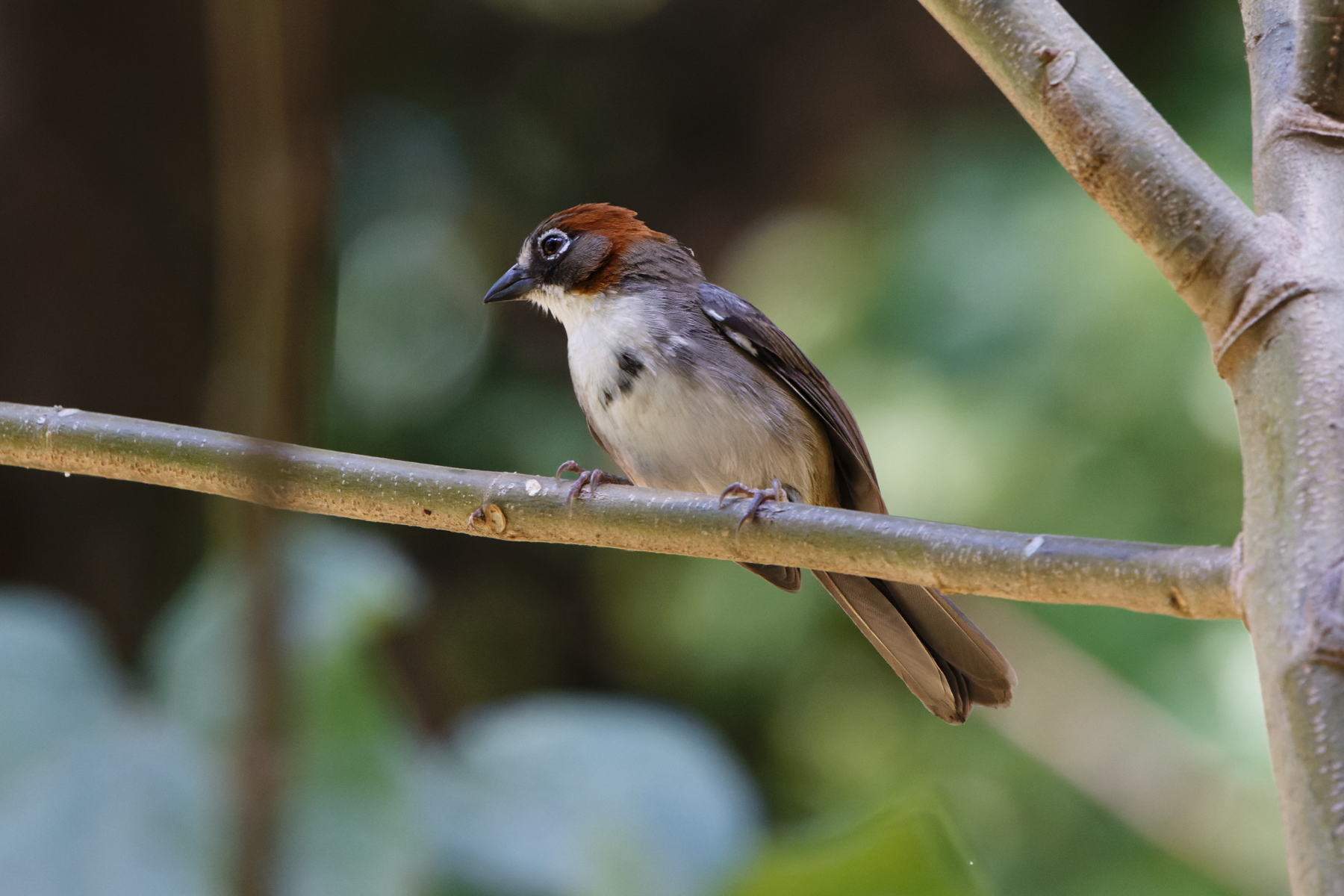
Rusty-crowned Ground-Sparrow (Morelos Pre-Extension) (image by Leo Garrigues)
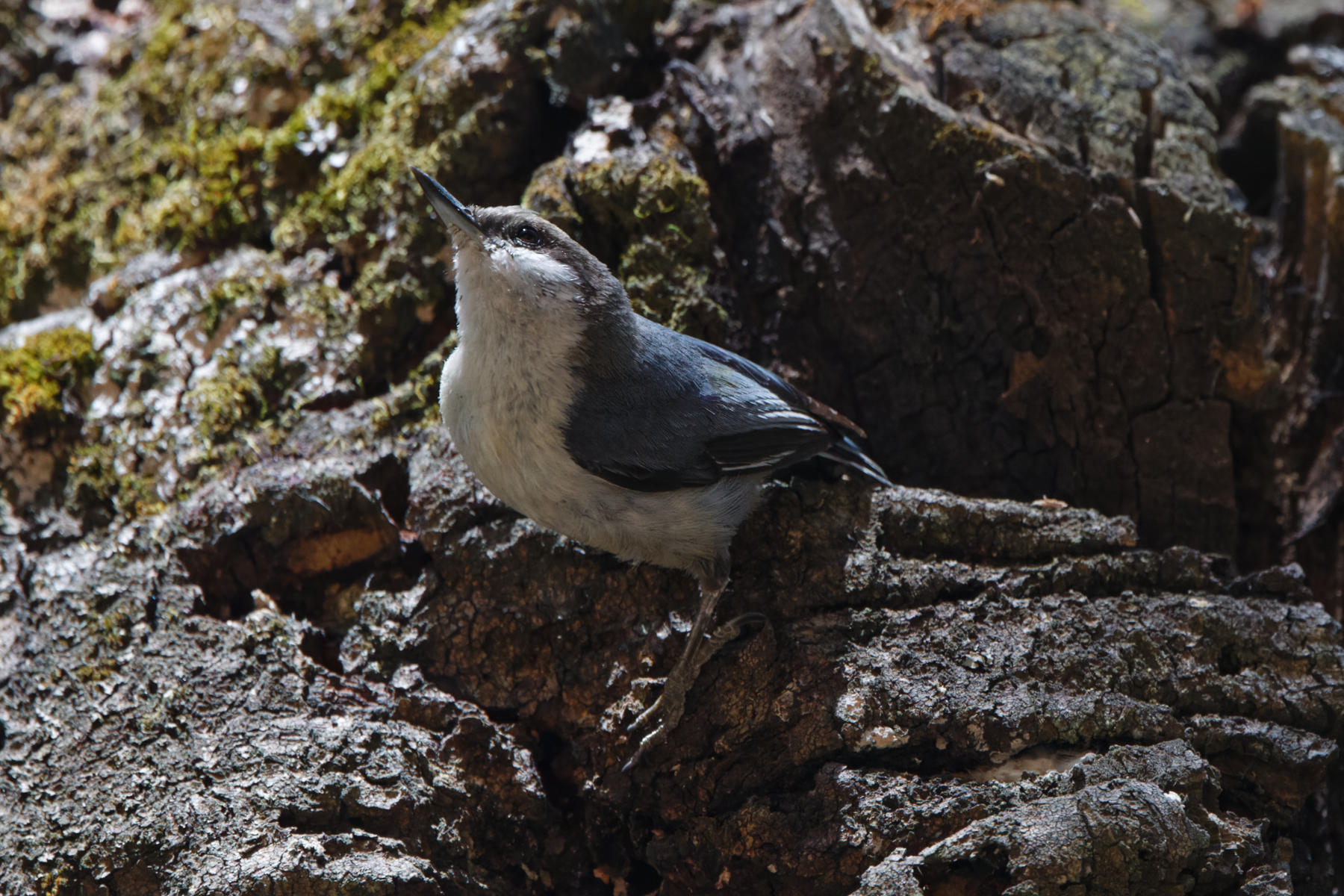
Pygmy Nuthatch (image by Leo Garrigues)
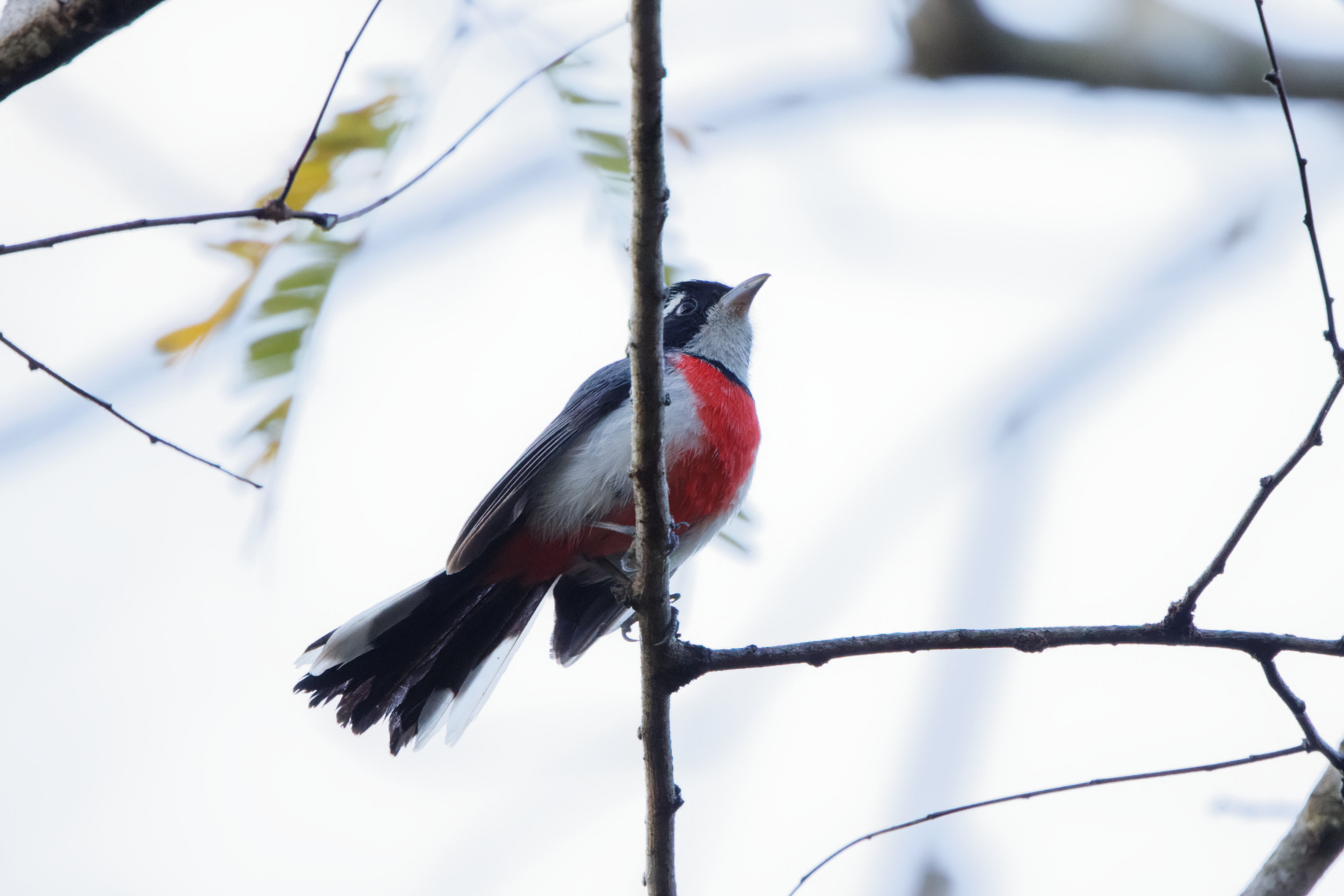
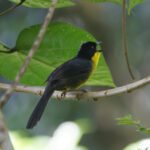
Red-breasted Chat (image by Leo Garrigues)
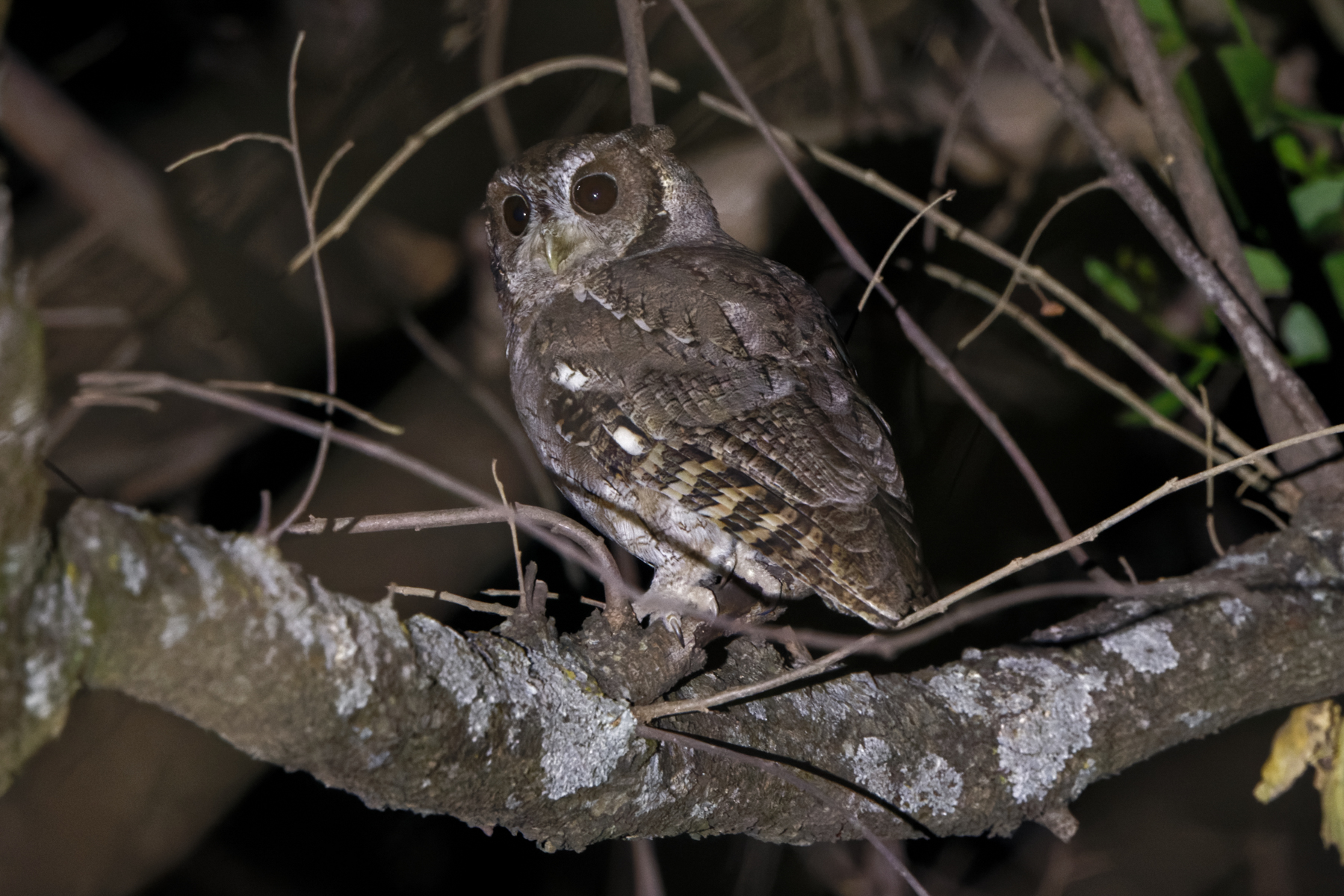
Balsas Screech Owl (Morelos Pre-Extension) (image by Leo Garrigues)
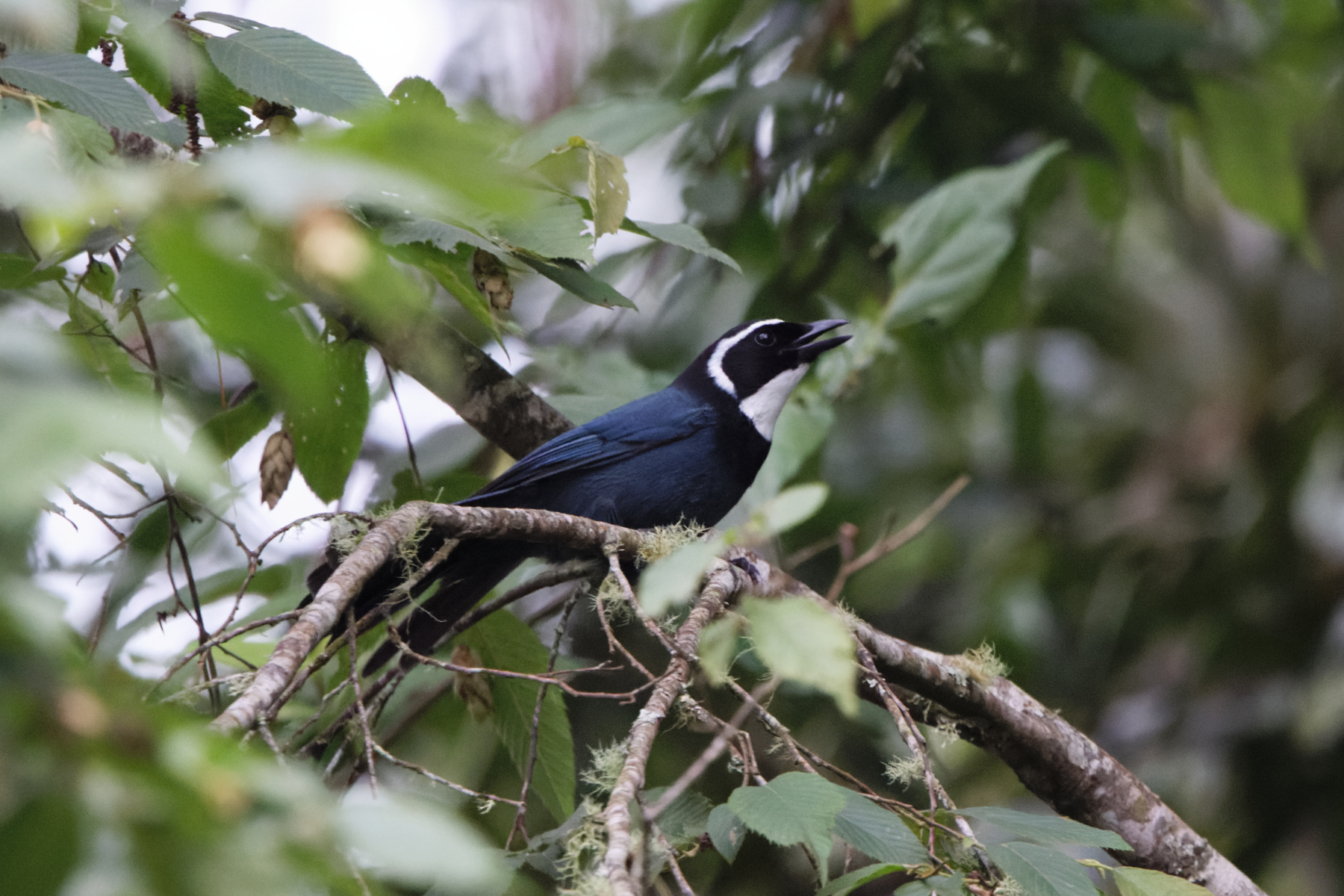
White-throated Jay (image by Leo Garrigues)
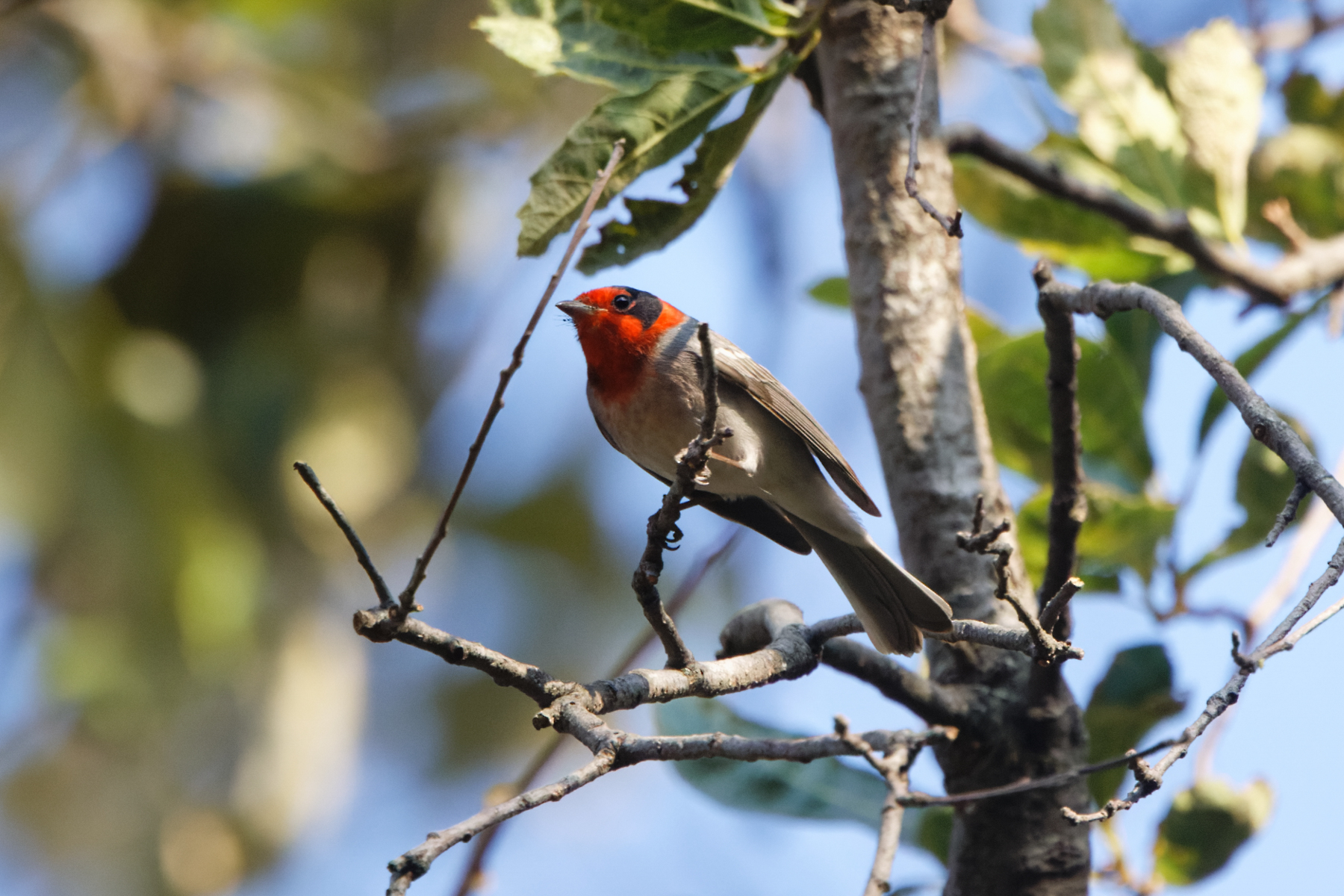
Red-faced Warbler (image by Leo Garrigues)
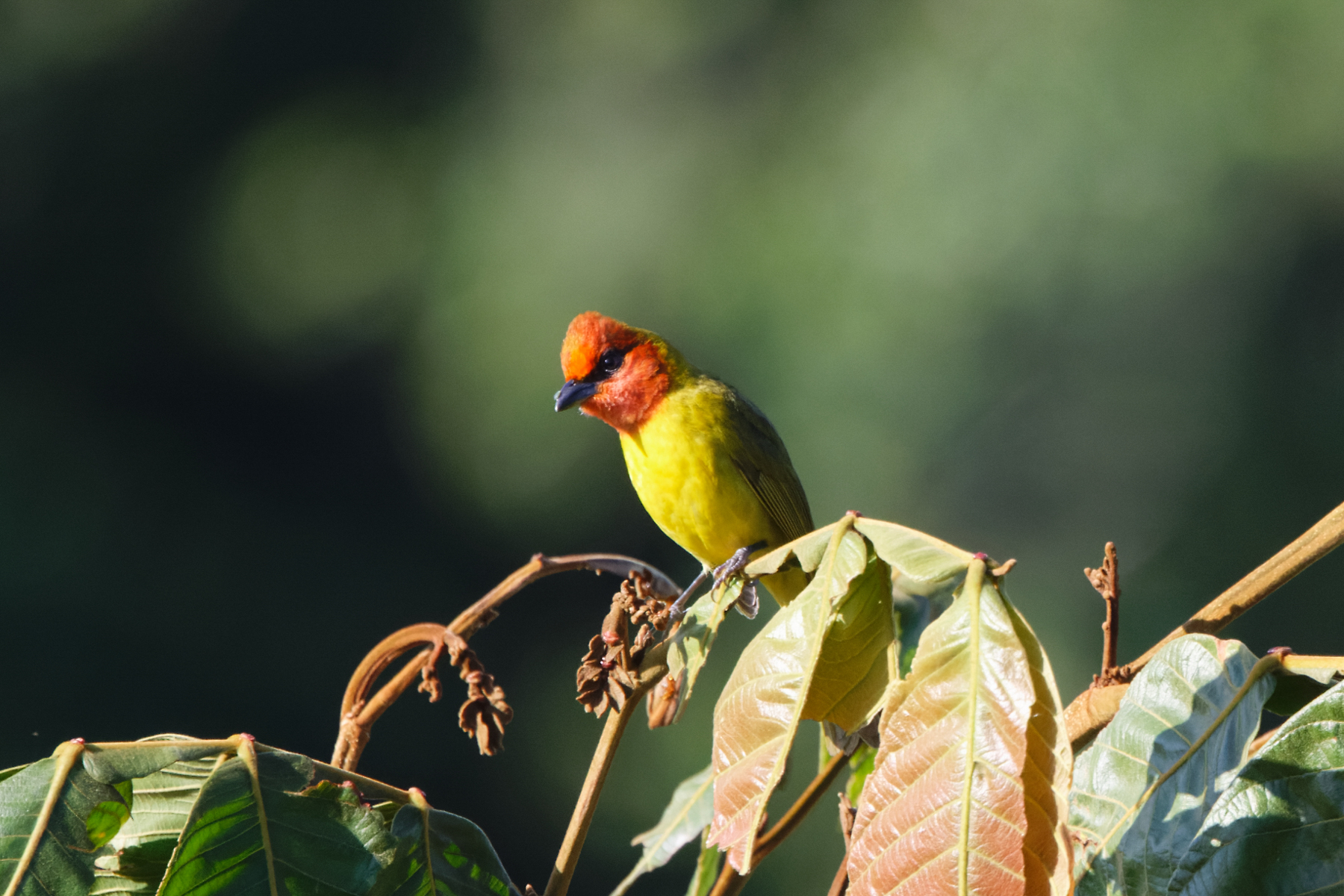
Red-headed Tanager (image by Leo Garrigues)
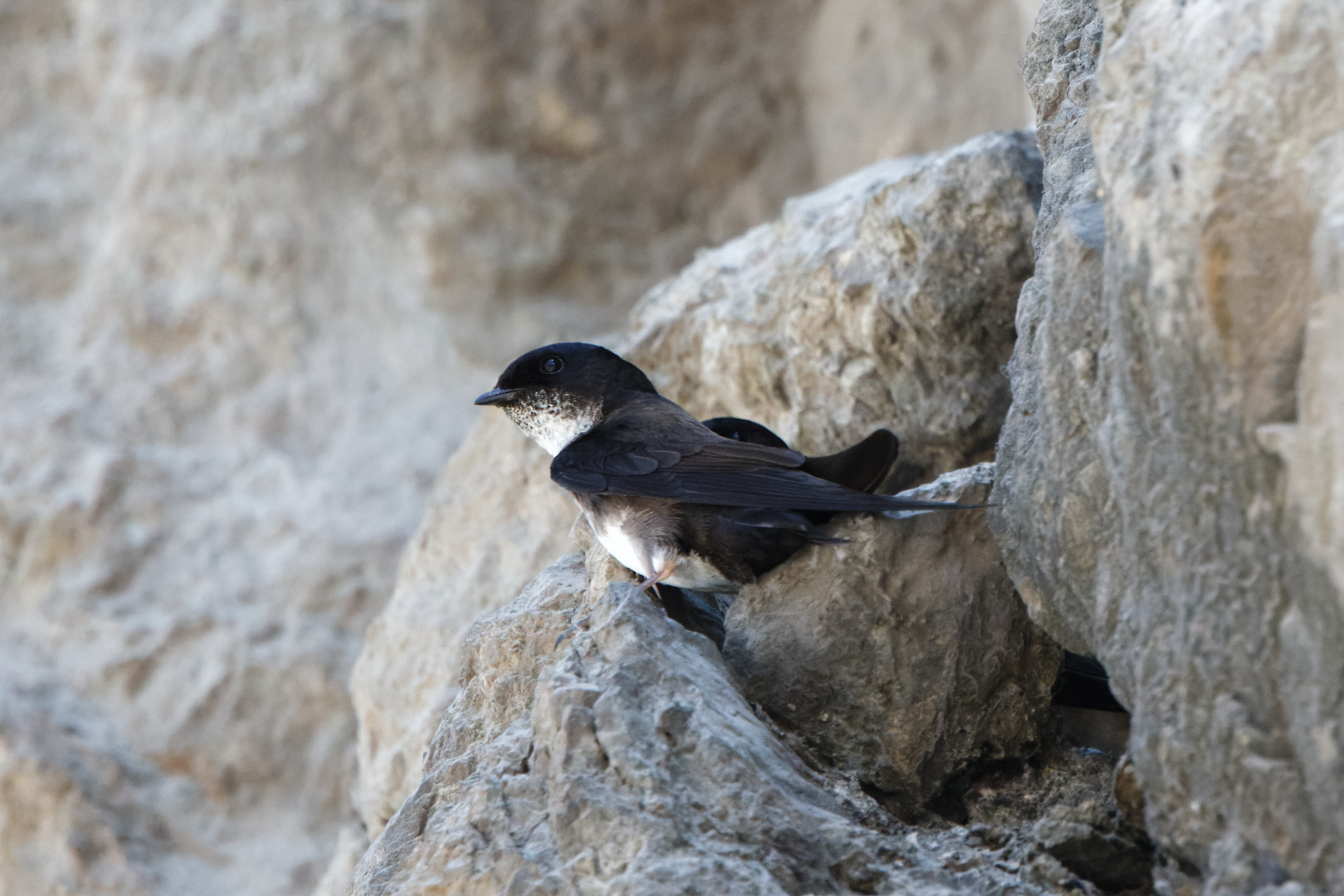
Black-capped Swallow (image by Leo Garrigues)
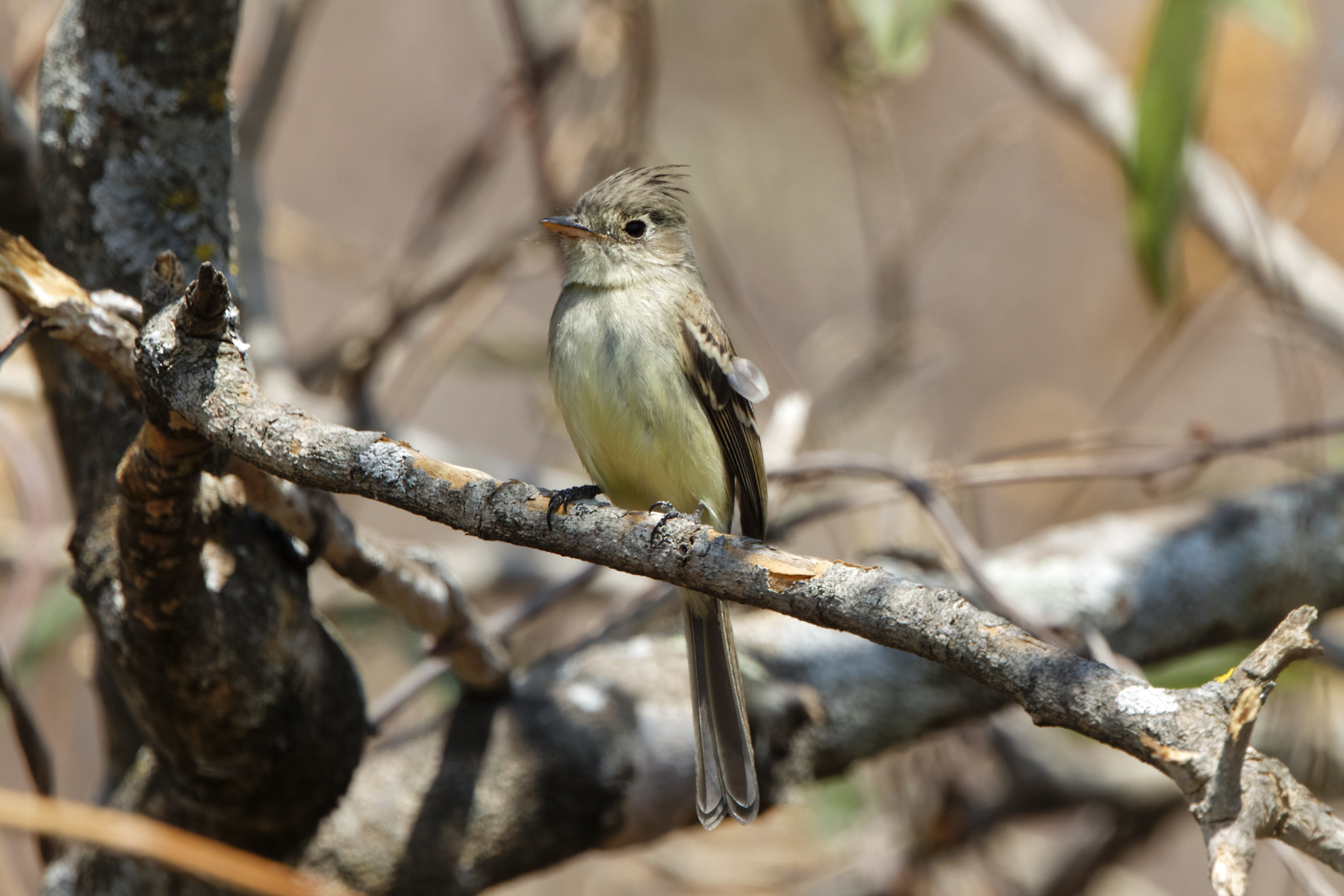
Pileated Flycatcher (image by Leo Garrigues)
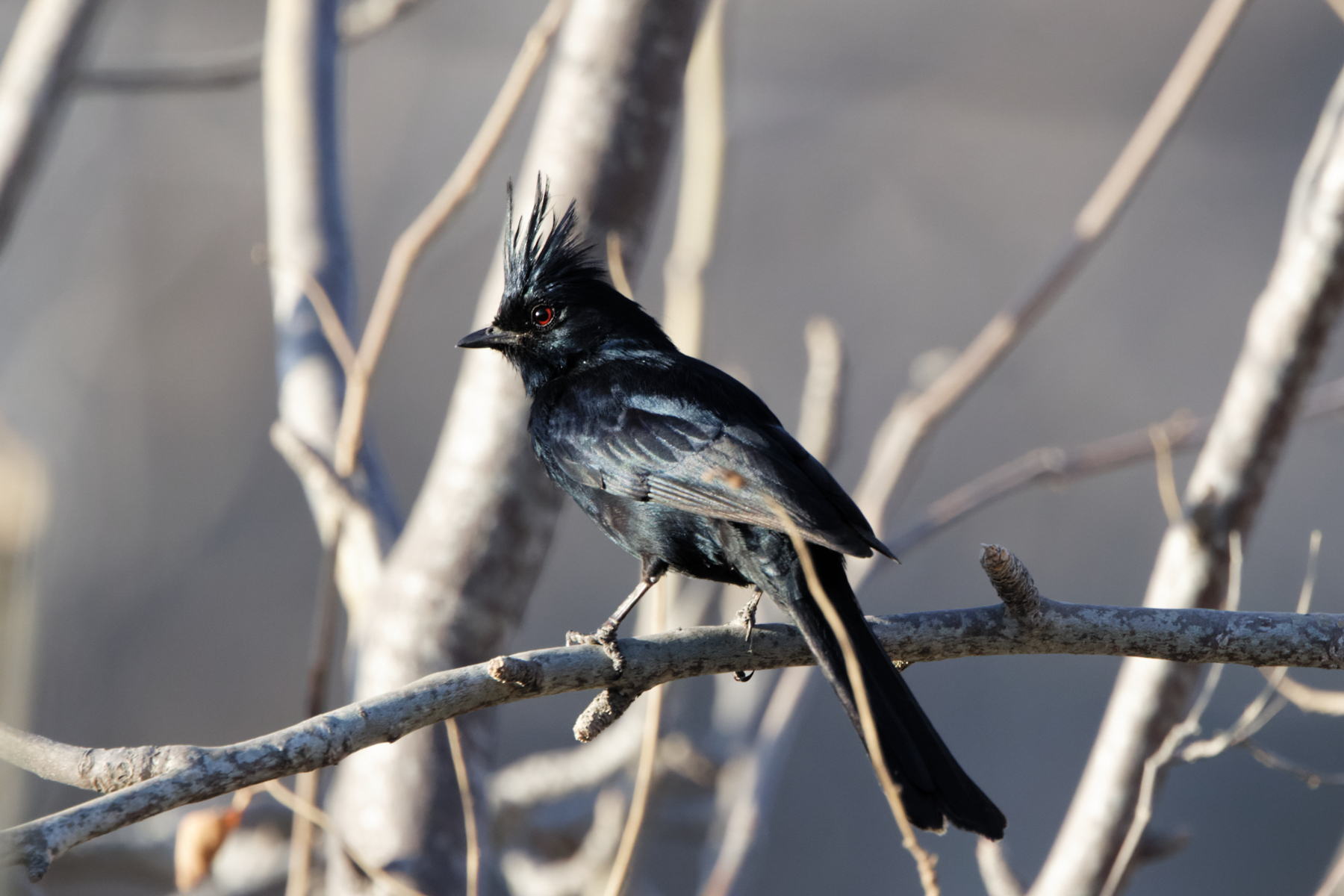
Phainopepla (image by Leo Garrigues)
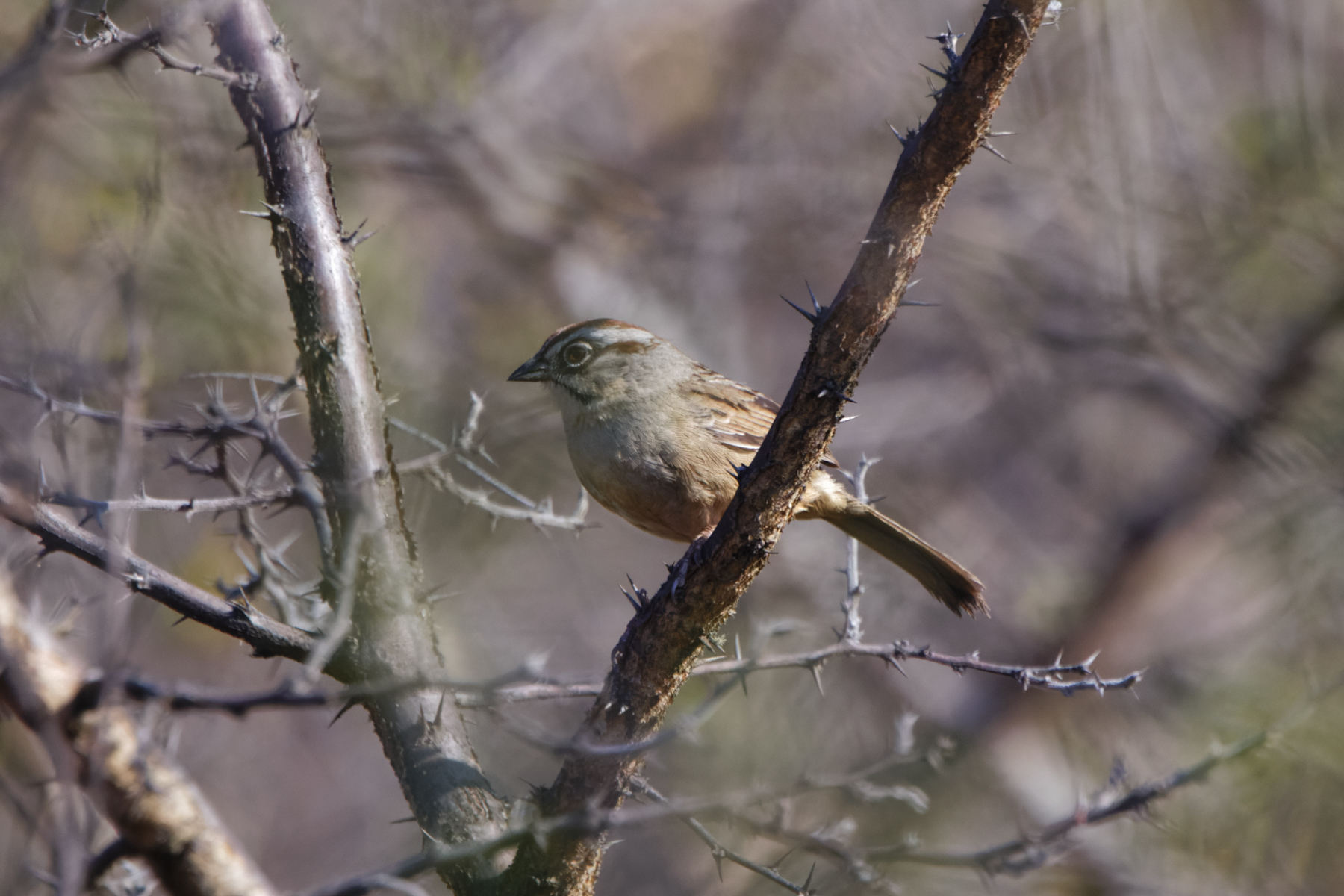
Oaxaca Sparrow (image by Leo Garrigues)
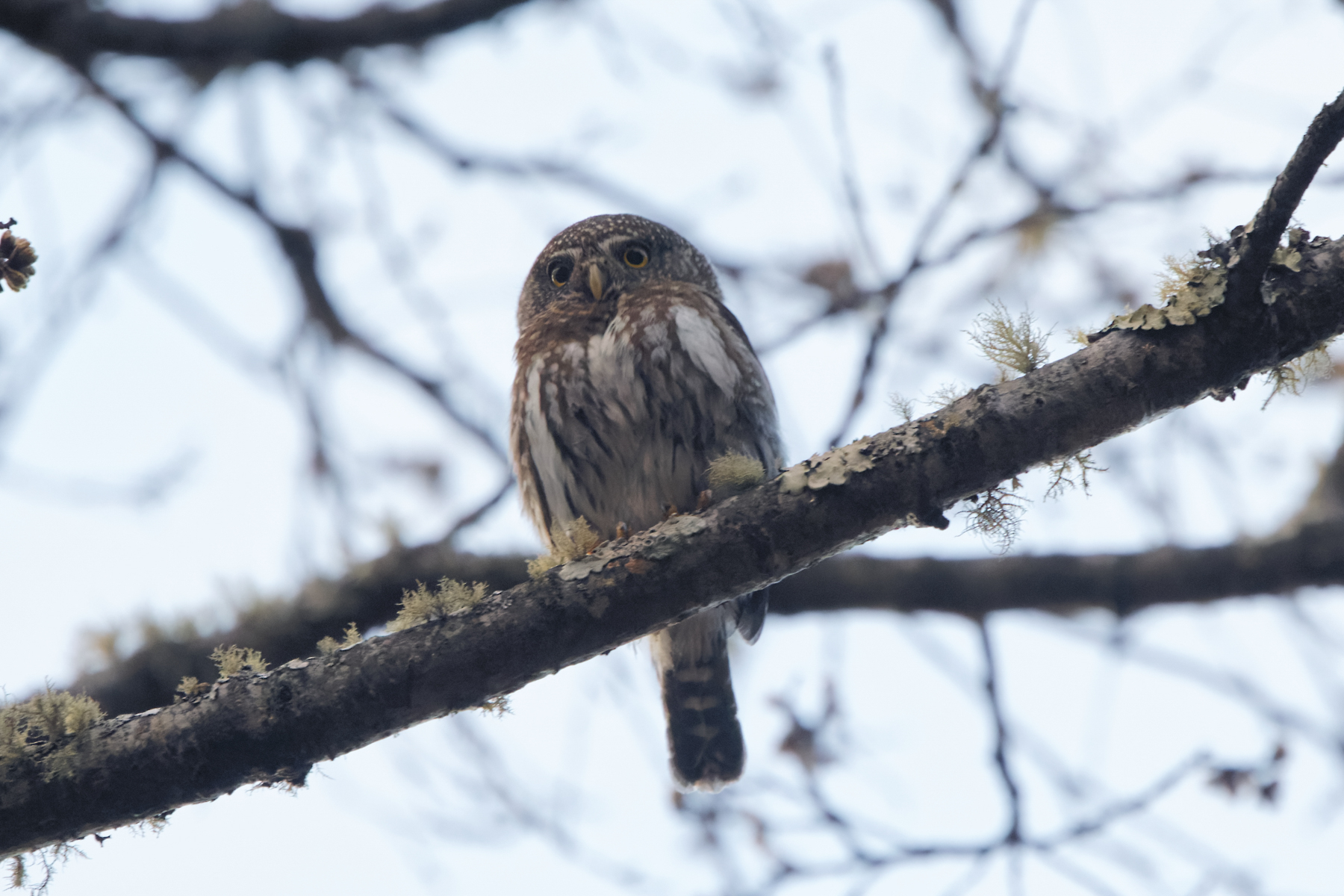
Northern Pygmy Owl (image by Leo Garrigues)
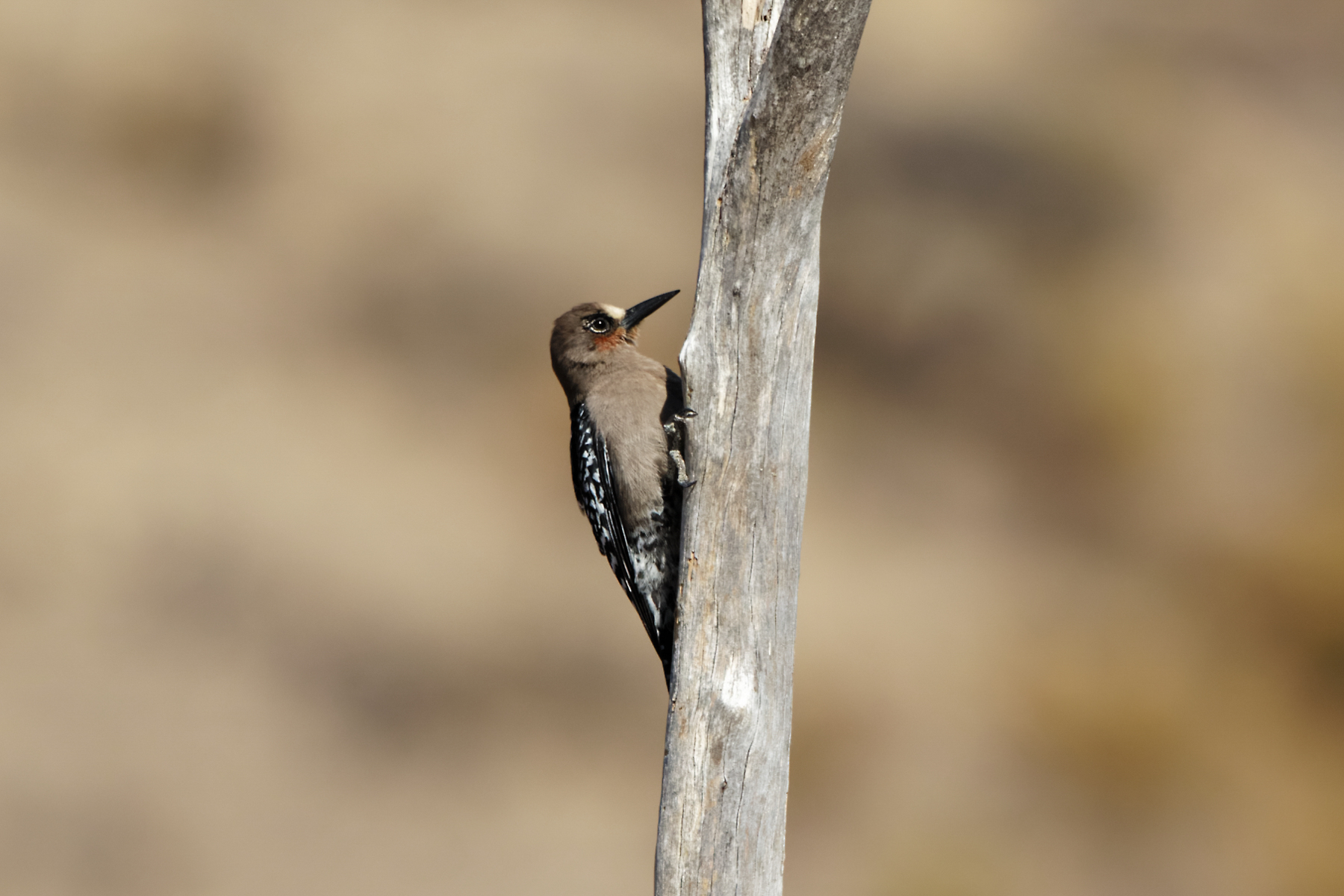
Grey-breasted Woodpecker (image by Leo Garrigues)
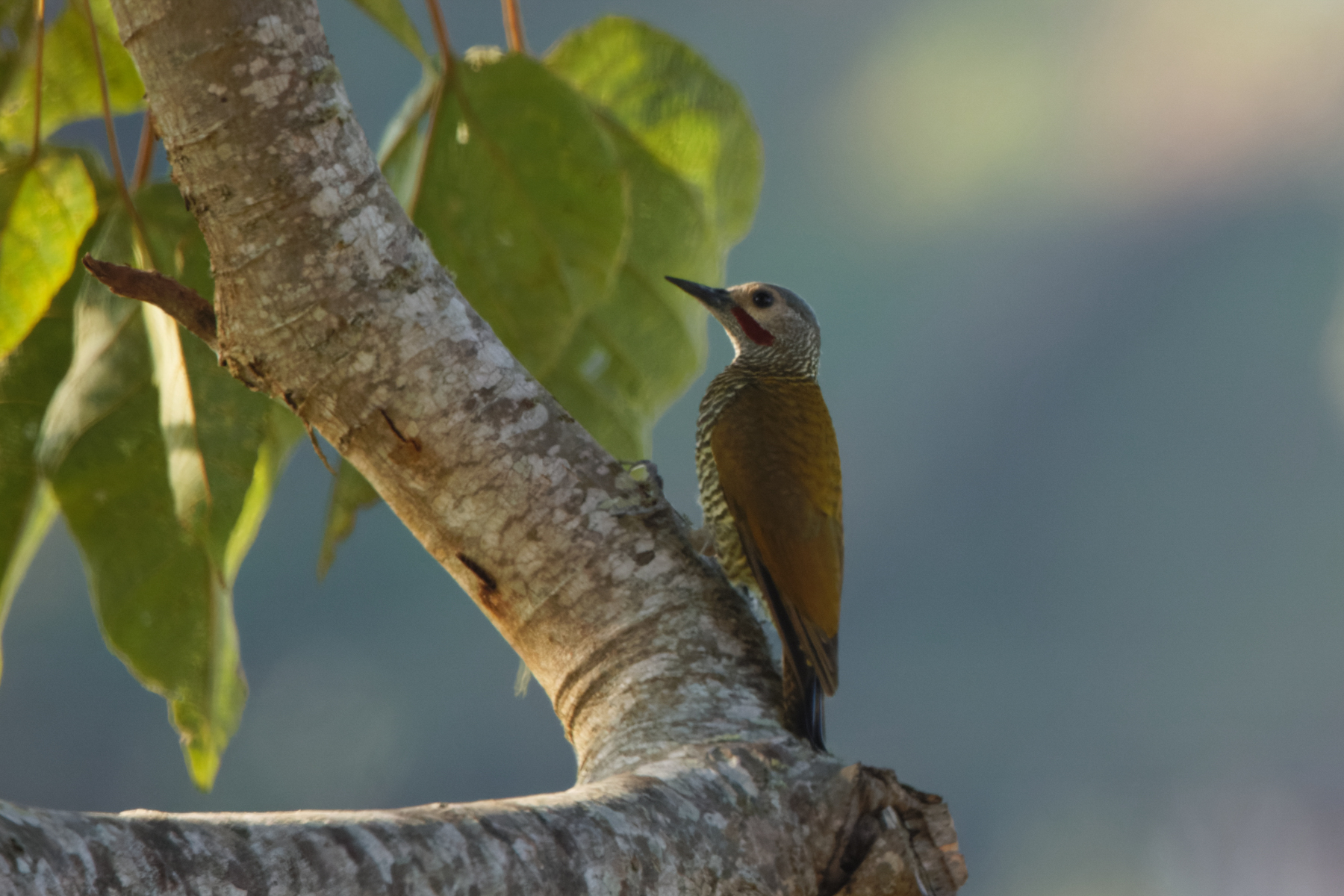
Grey-crowned Woodpecker (image by Leo Garrigues)
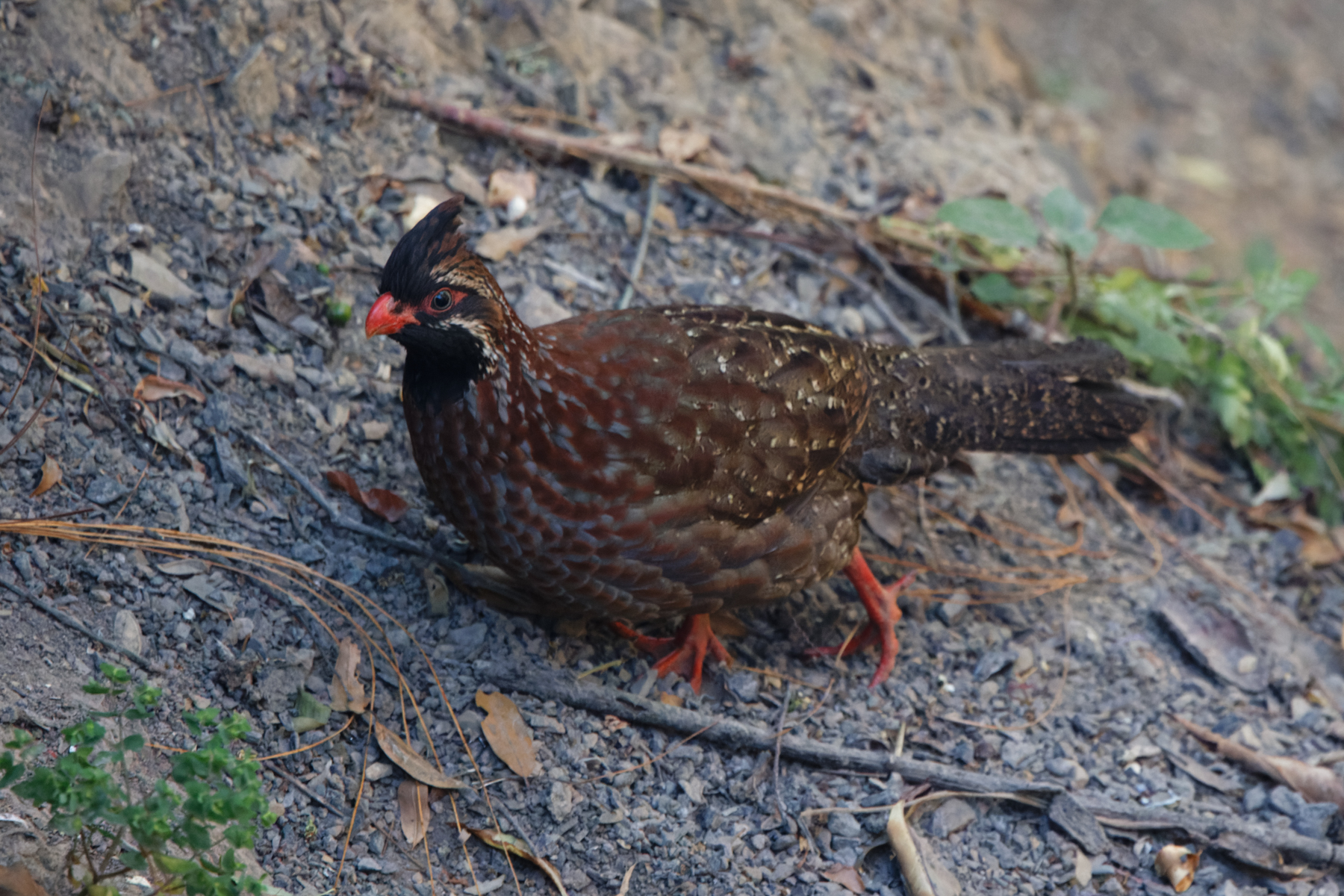
Long-tailed Wood-Partridge (image by Leo Garrigues)
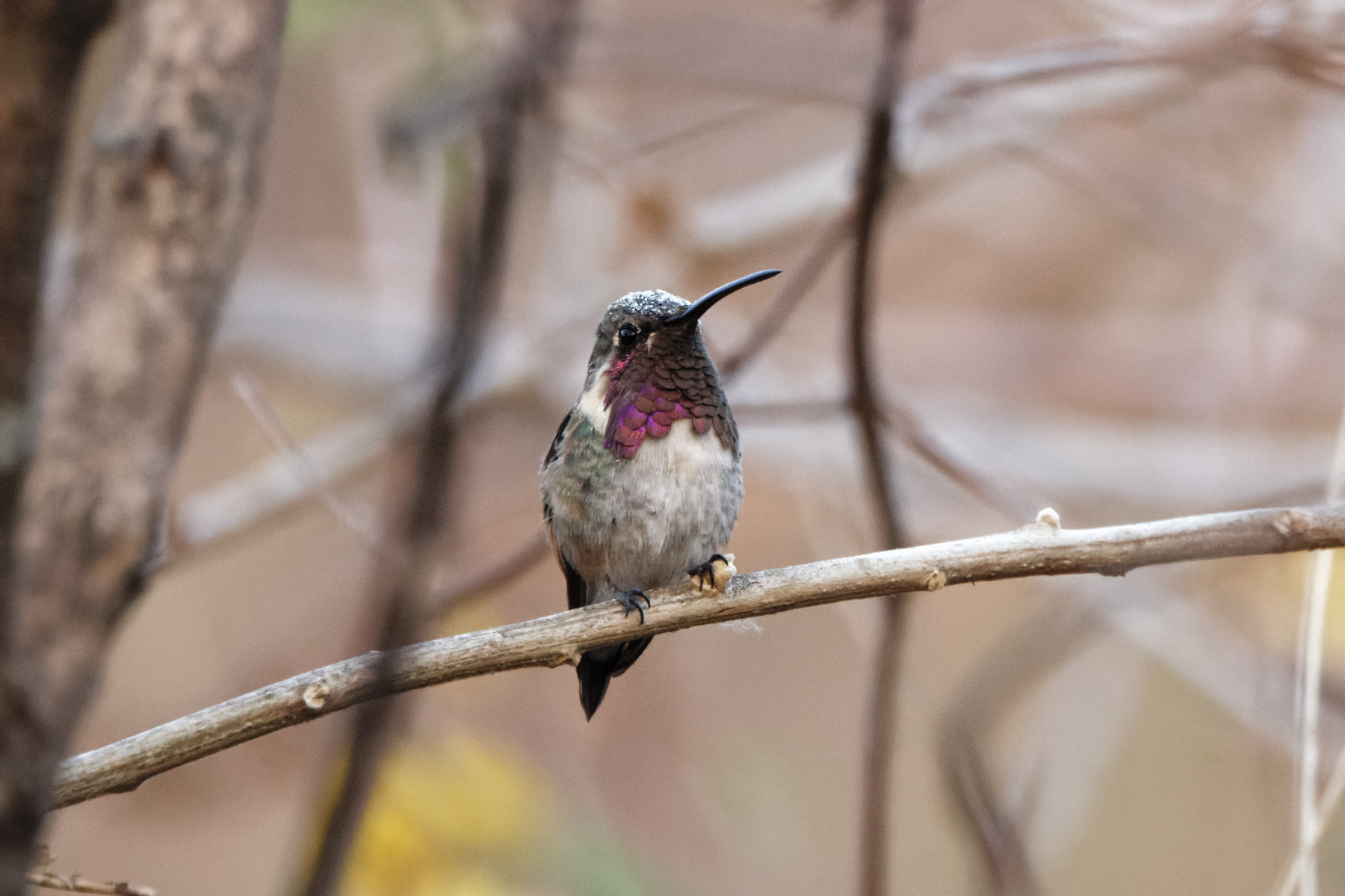
Lucifer Sheartail (Morelos Pre-Extension) (image by Leo Garrigues)
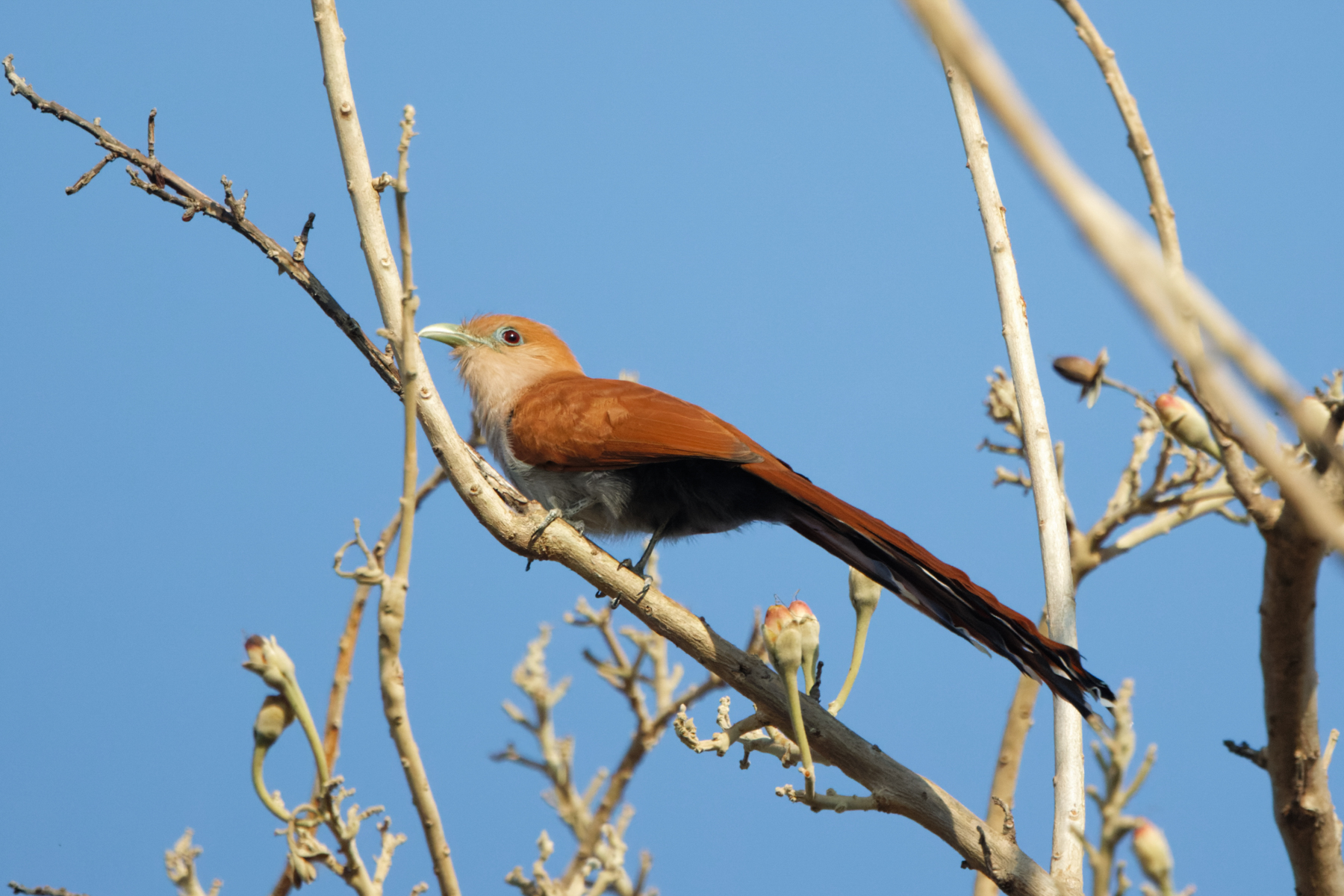
Mexican Squirrel Cuckoo (image by Leo Garrigues)
![Northen Emerald Toucanet [wagleri] (image by Leo Garrigues)](https://www.birdquest-tours.com/wp-content/uploads/2026/05/Northen-Emerald-Toucanetwagleri-Mexico-Leo-Garrigues.jpg)
Northen Emerald Toucanet [wagleri] (image by Leo Garrigues)
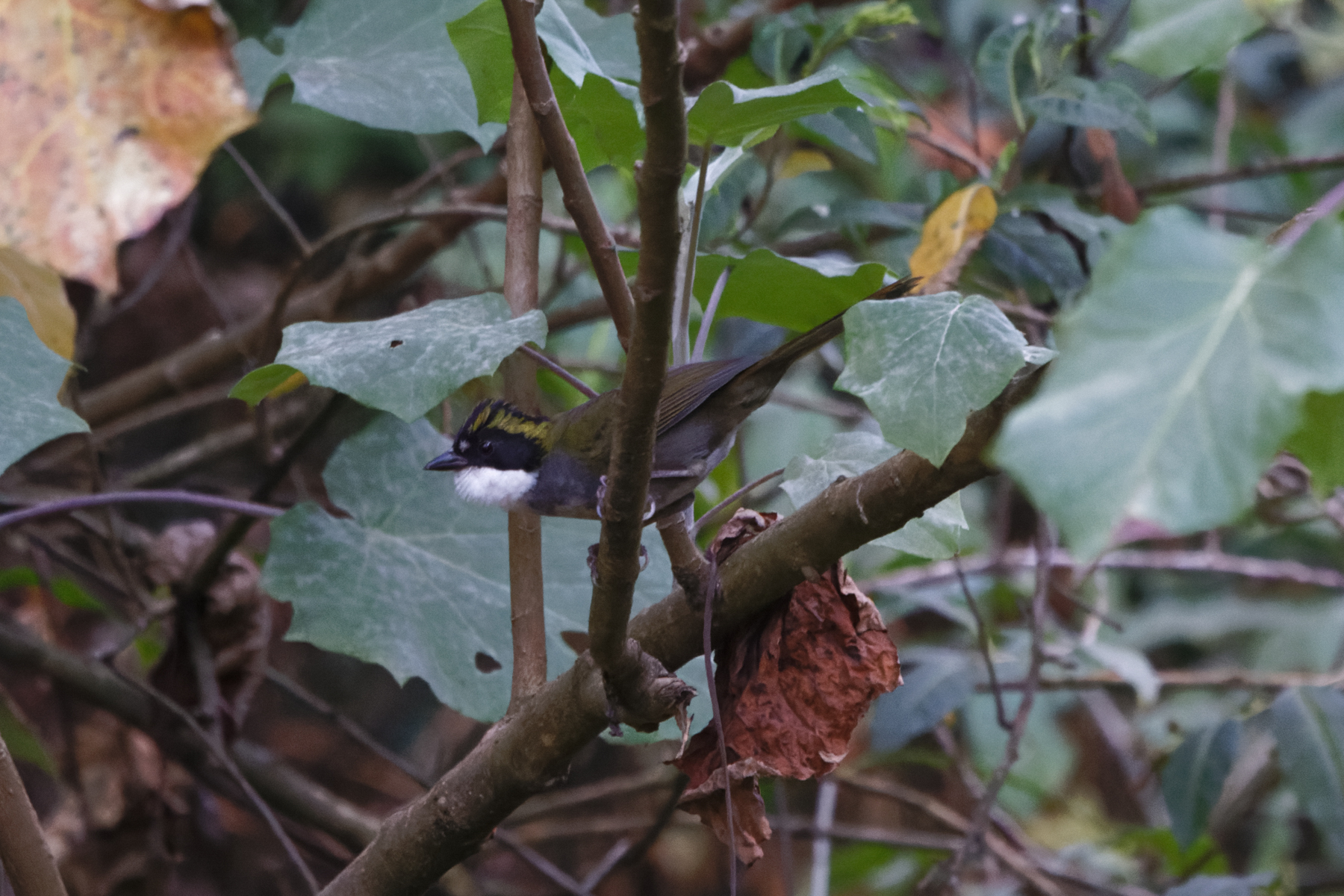
Green-striped Brushfinch (image by Leo Garrigues)
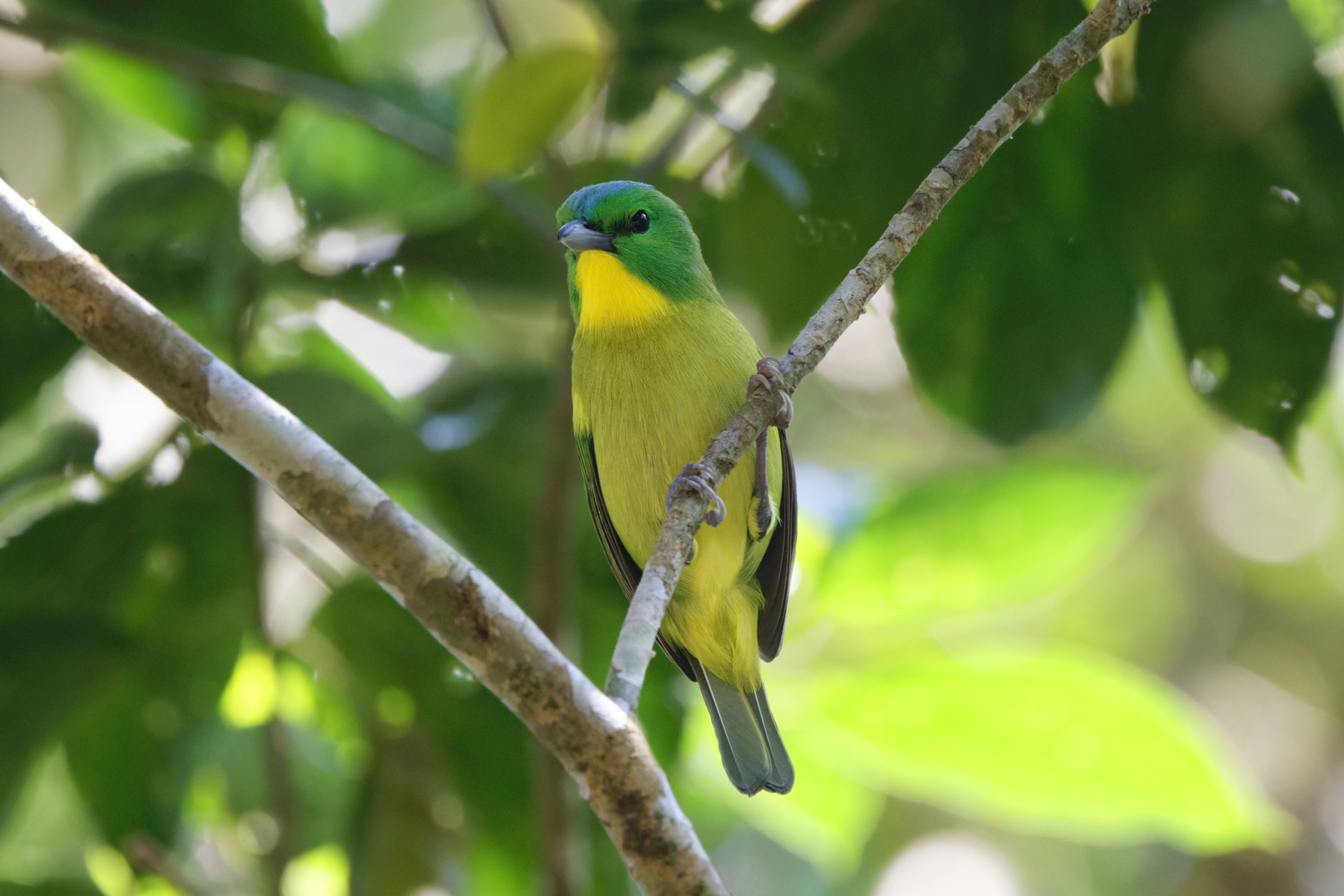
Green Shrike-Vireo (image by Leo Garrigues)
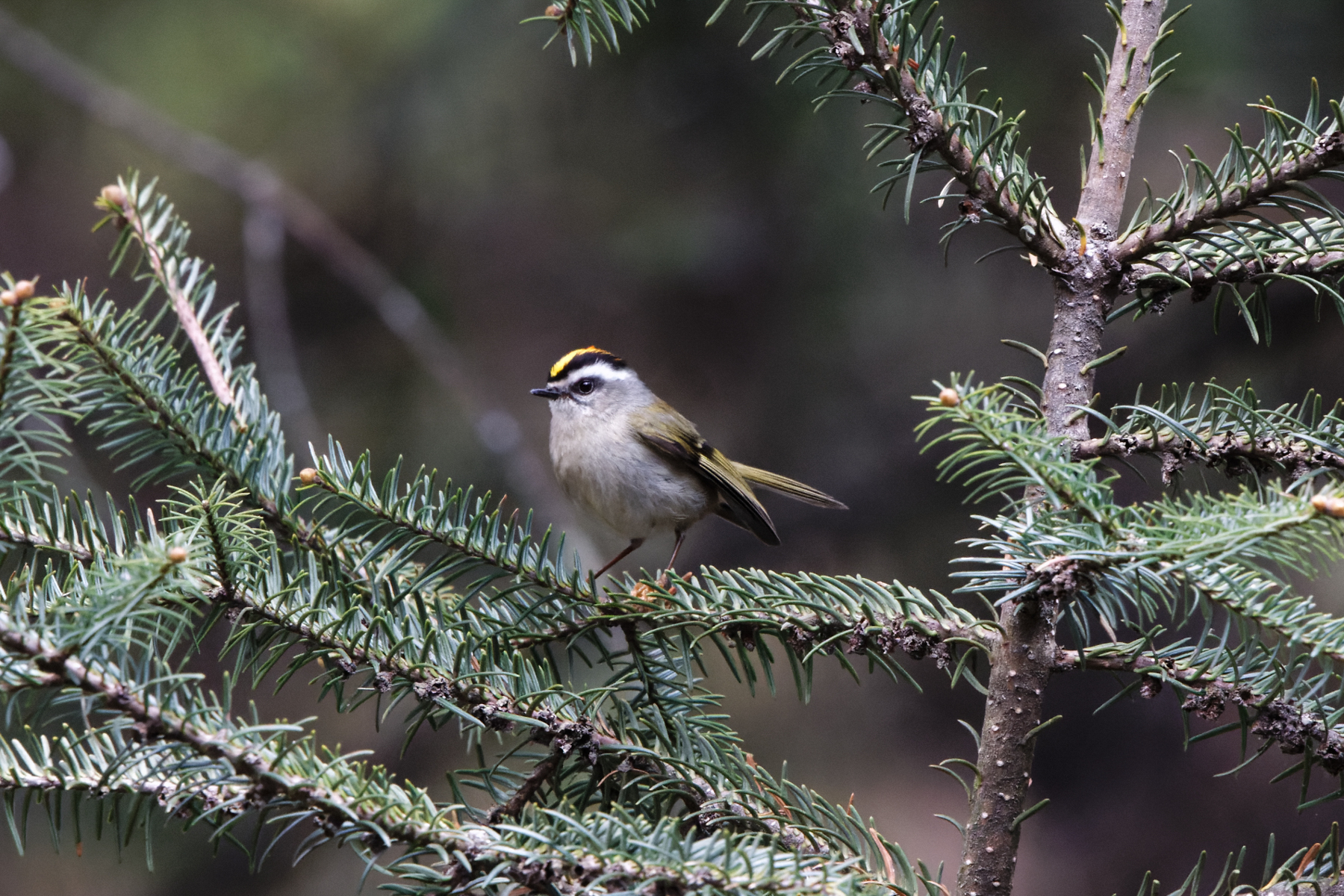
Golden-crowned Kinglet (image by Leo Garrigues)
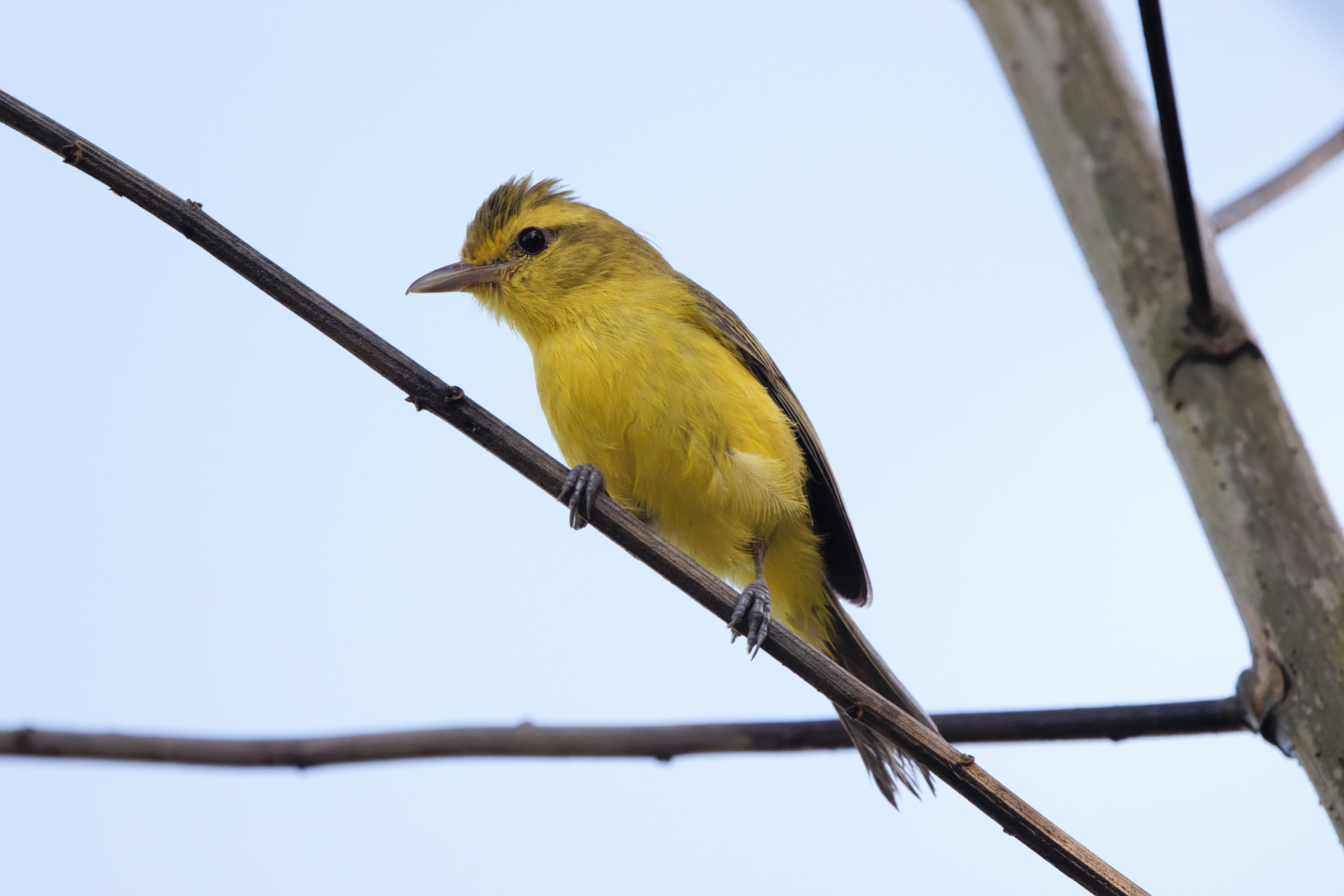
Golden Vireo (image by Leo Garrigues)
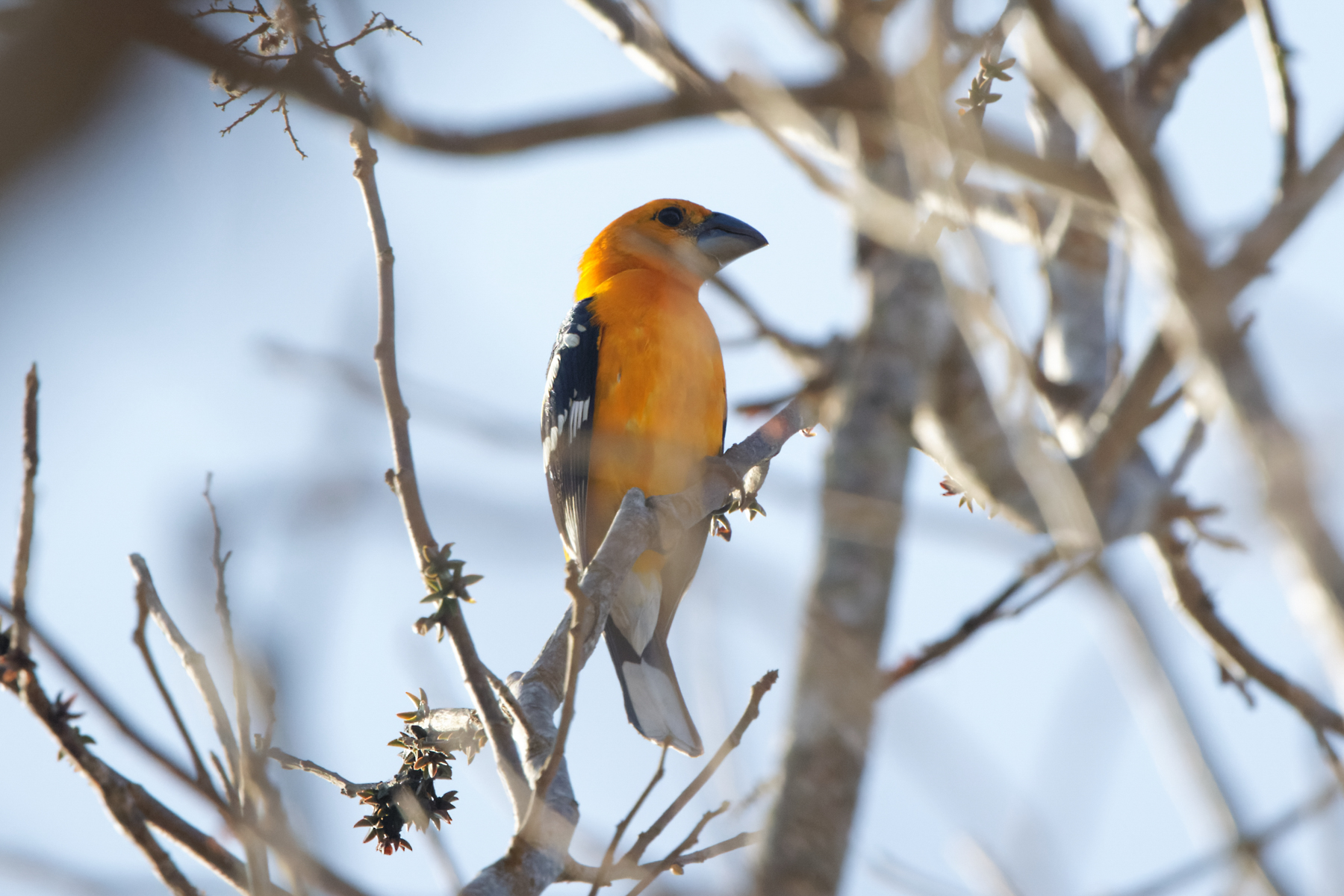
Golden Grosbeak (image by Leo Garrigues)
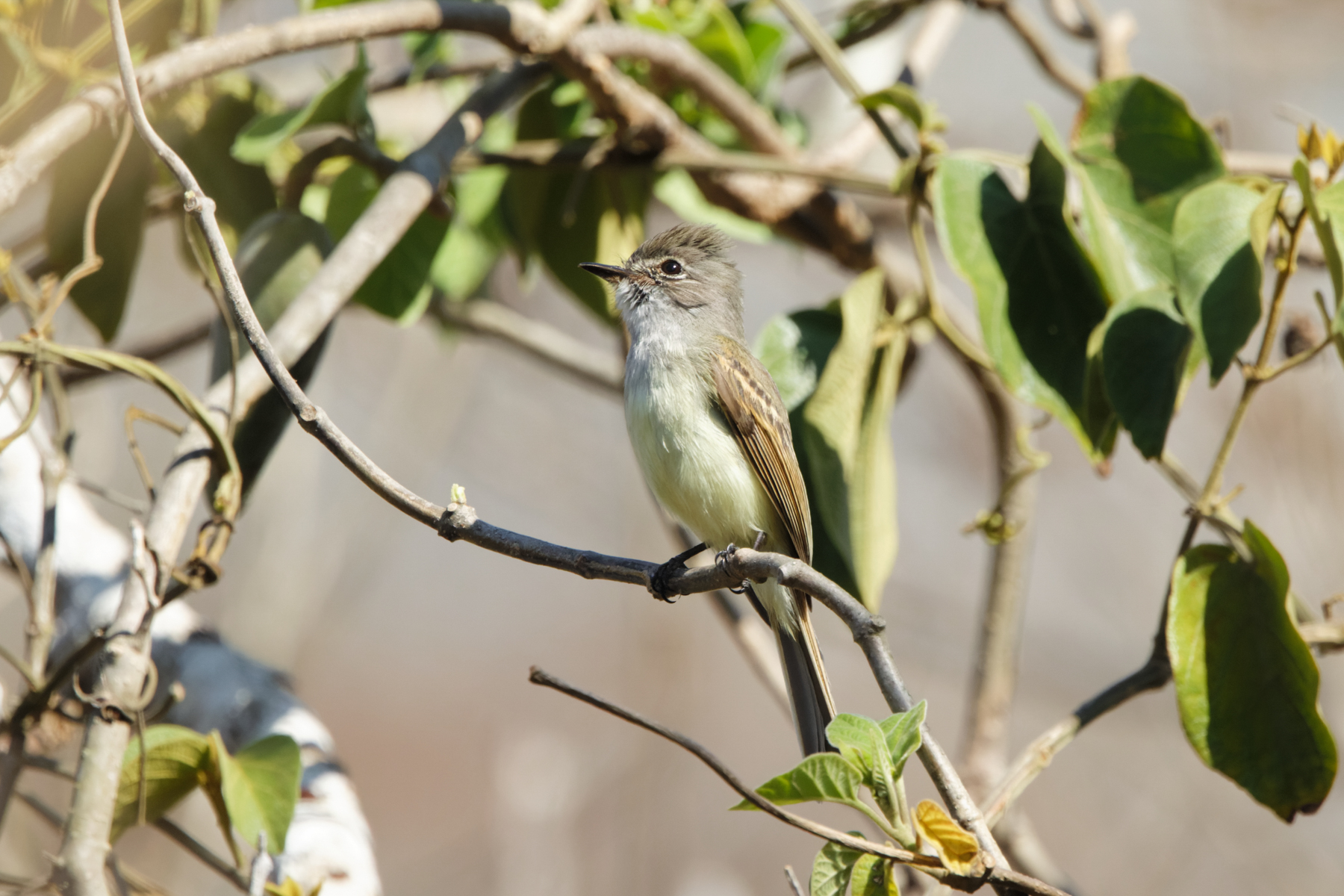
Flammulated Flycatcher (image by Leo Garrigues)
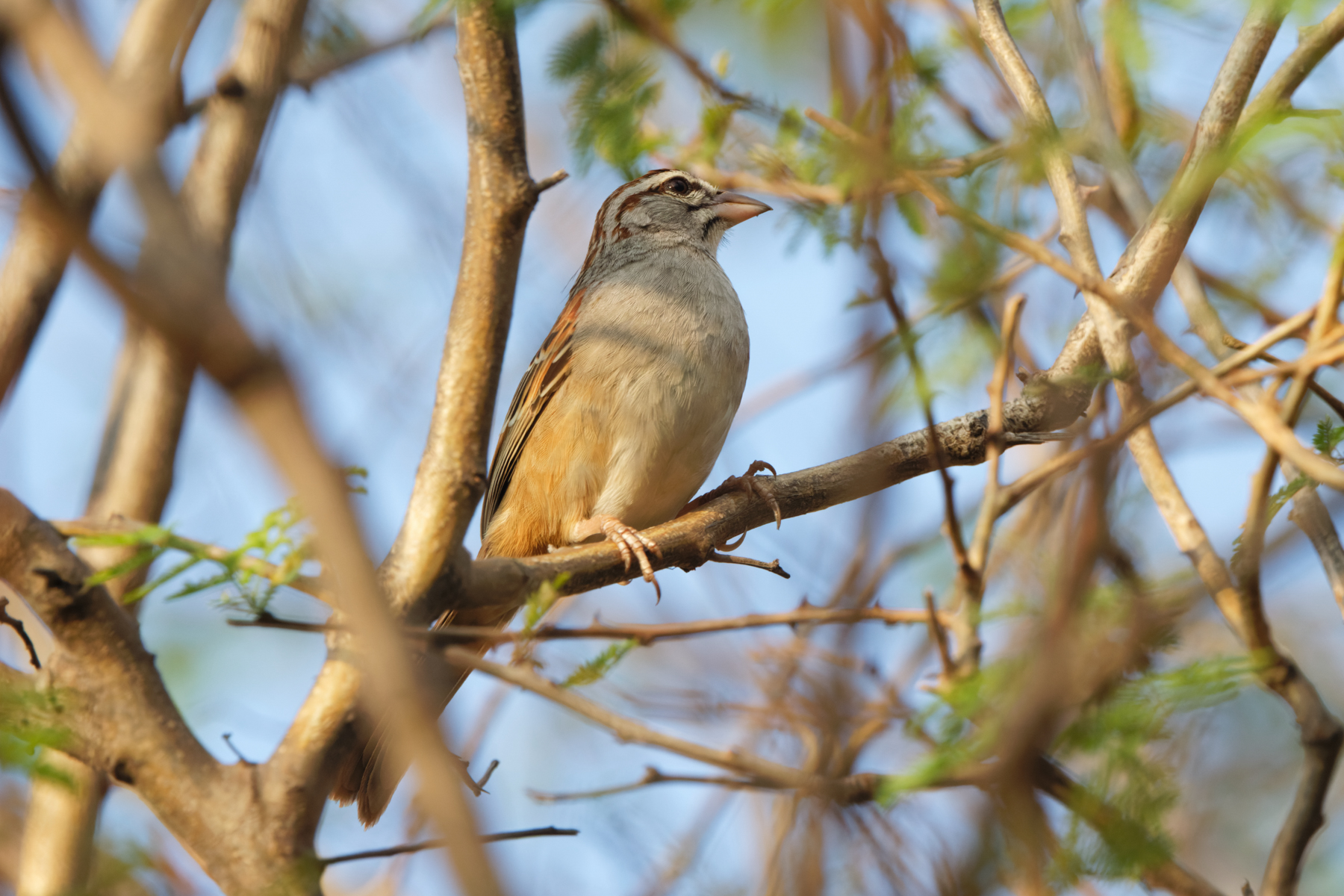
Cinnamon-tailed Sparrow (image by Leo Garrigues)
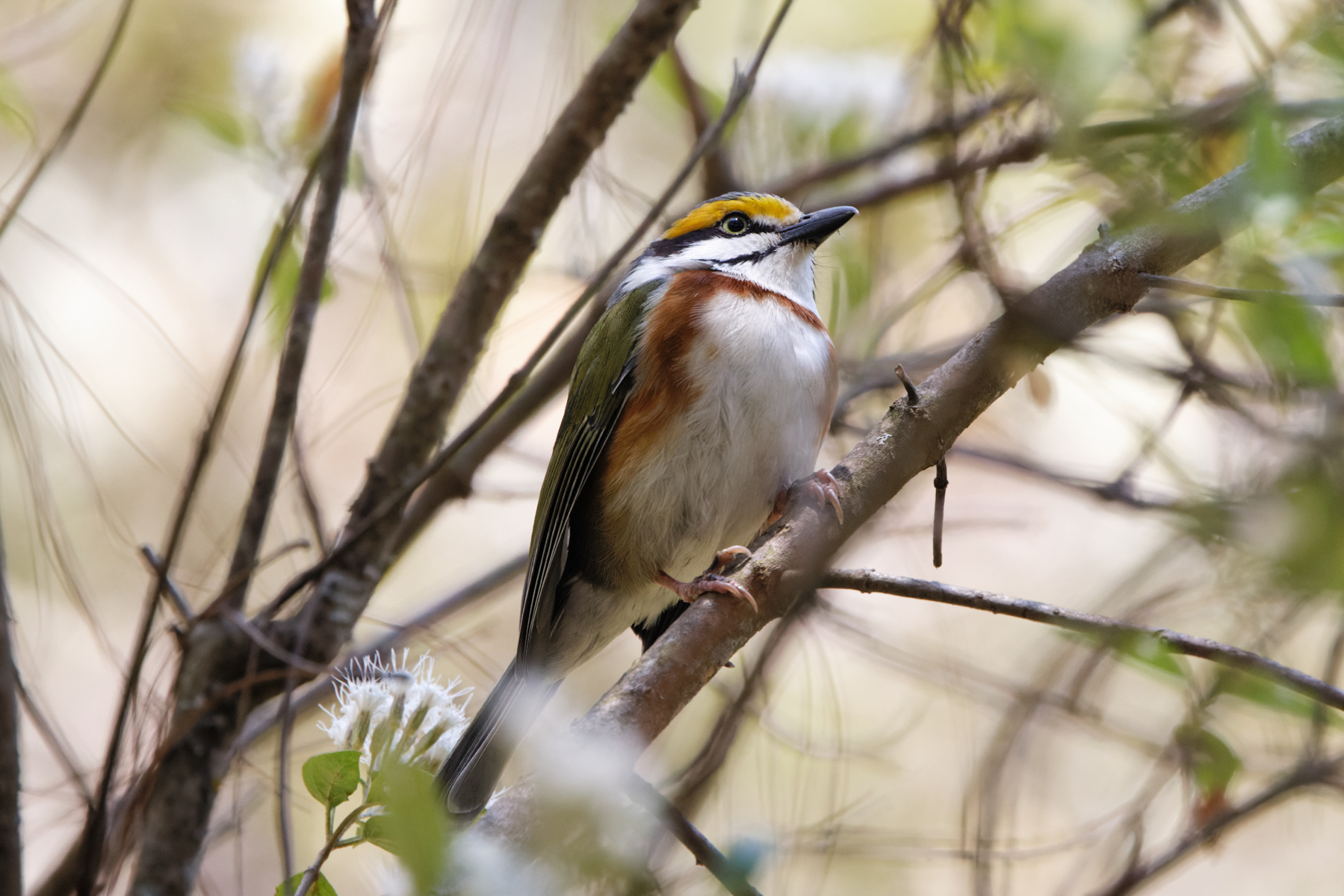
Chestnut-sided Shrike Vireo (image by Leo Garrigues)
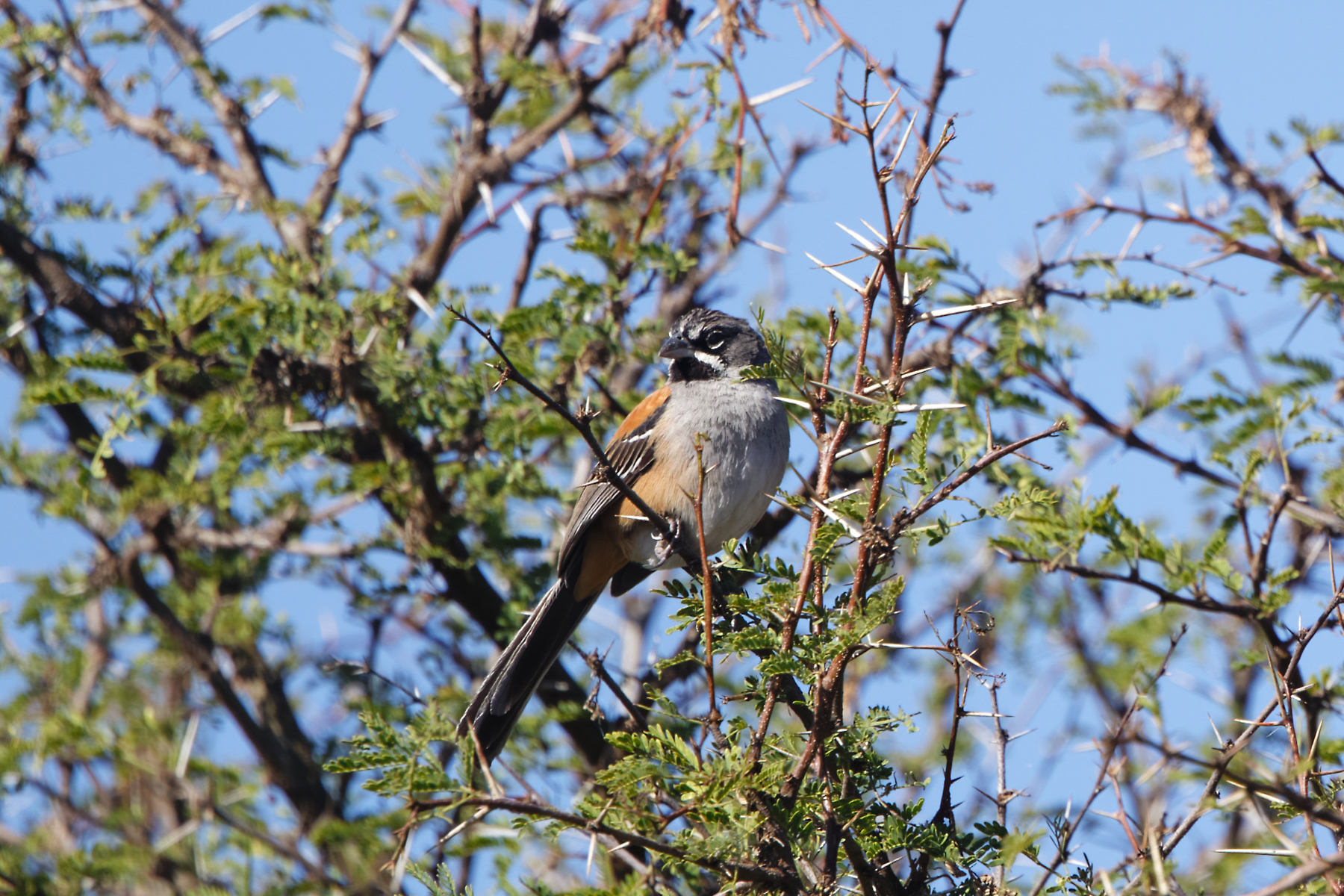
Bridled Sparrow (image by Leo Garrigues)
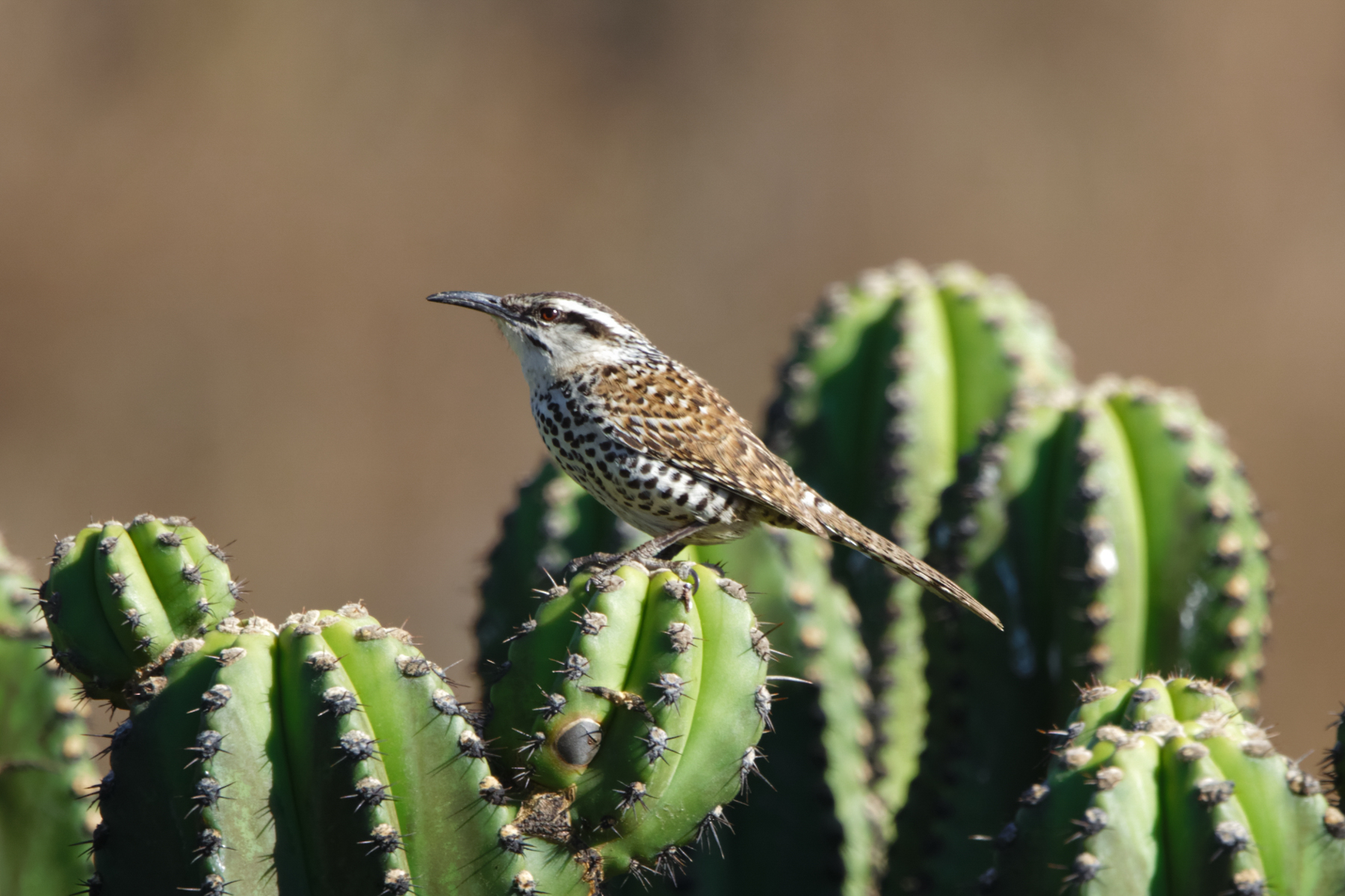
Boucard's Wren (image by Leo Garrigues)
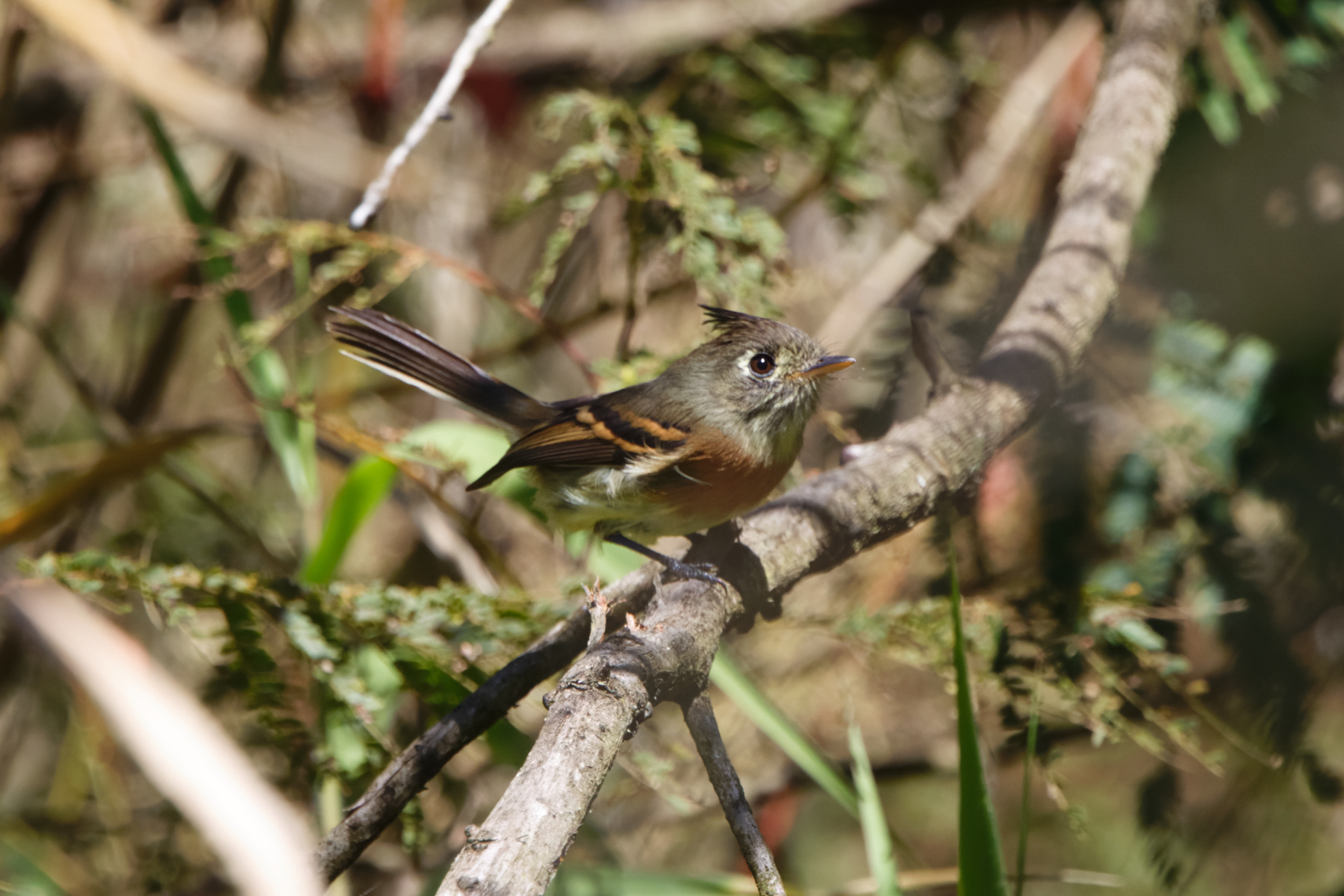
Belted Flycatcher (image by Leo Garrigues)
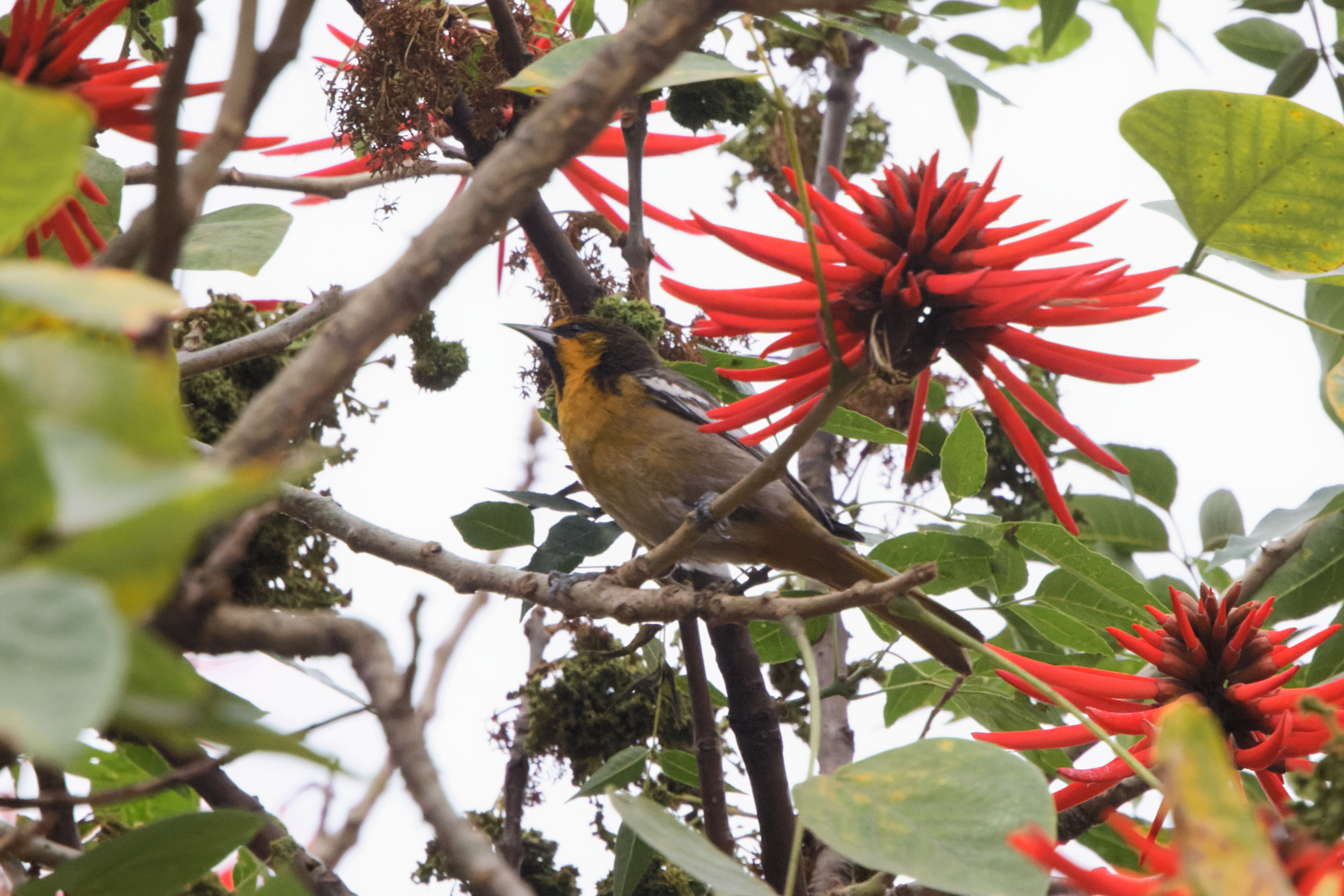
Black-backed Oriole (image by Leo Garrigues)
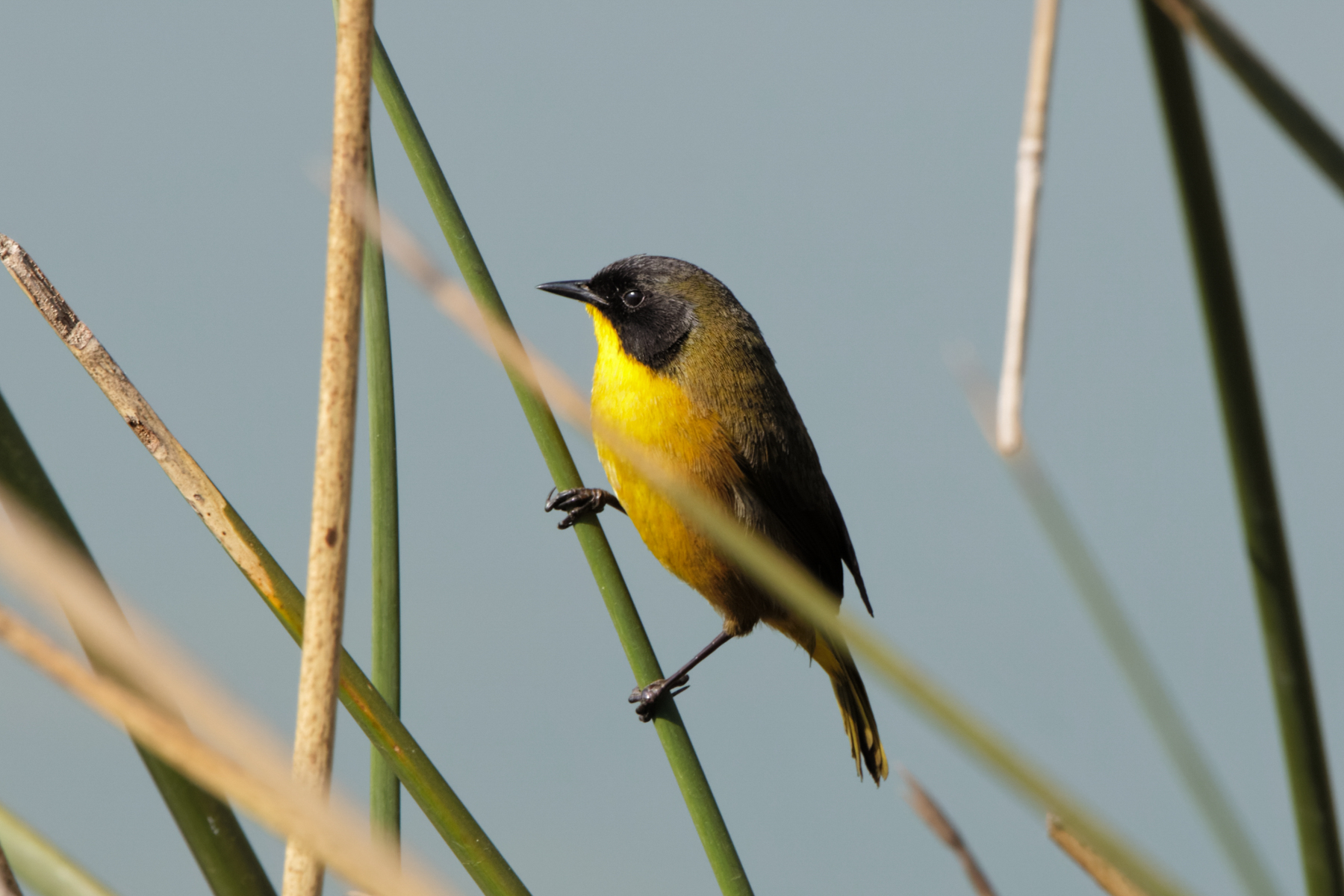
Black-polled Yellowthroat (image by Leo Garrigues)
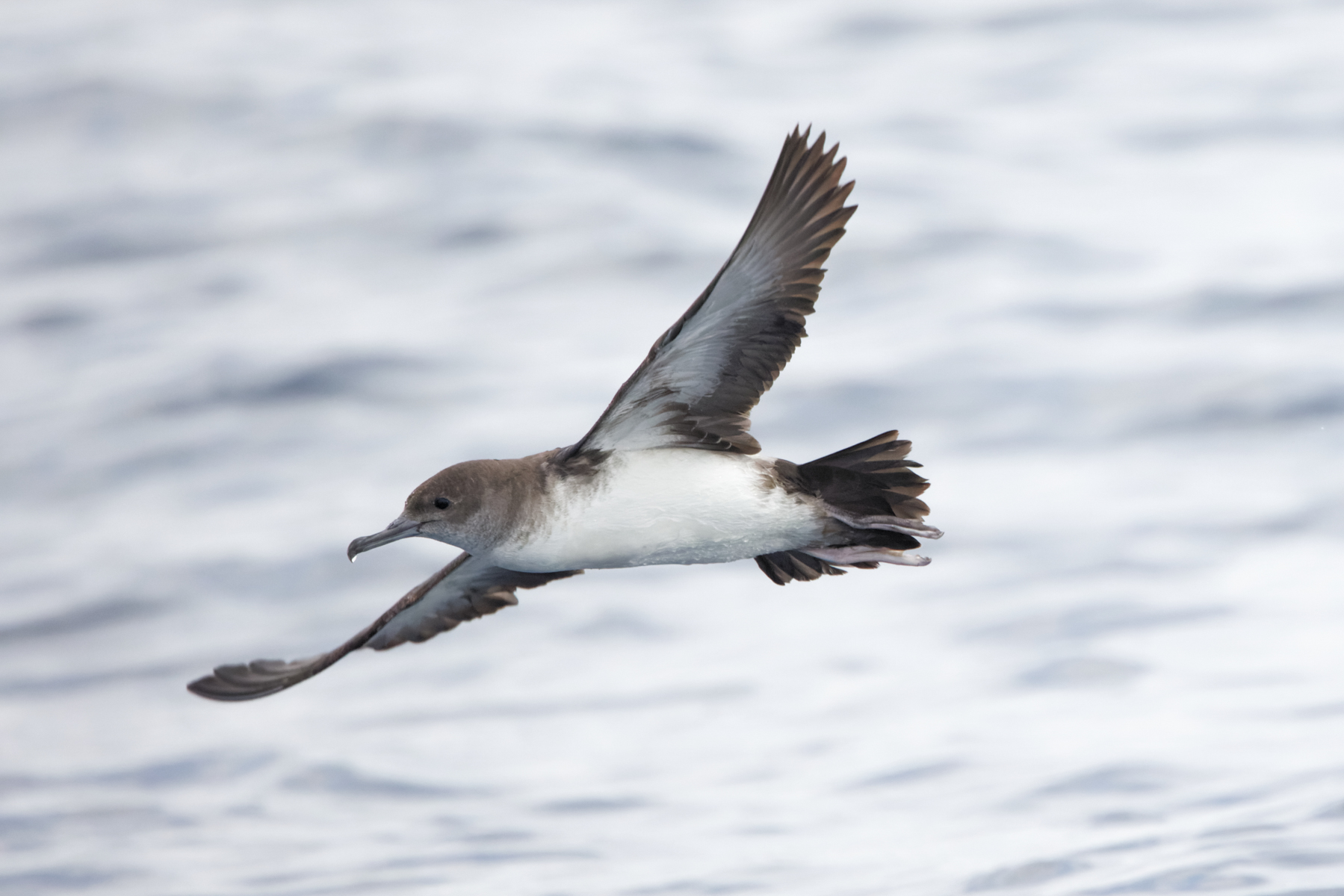
Black-vented Shearwater (image by Leo Garrigues)
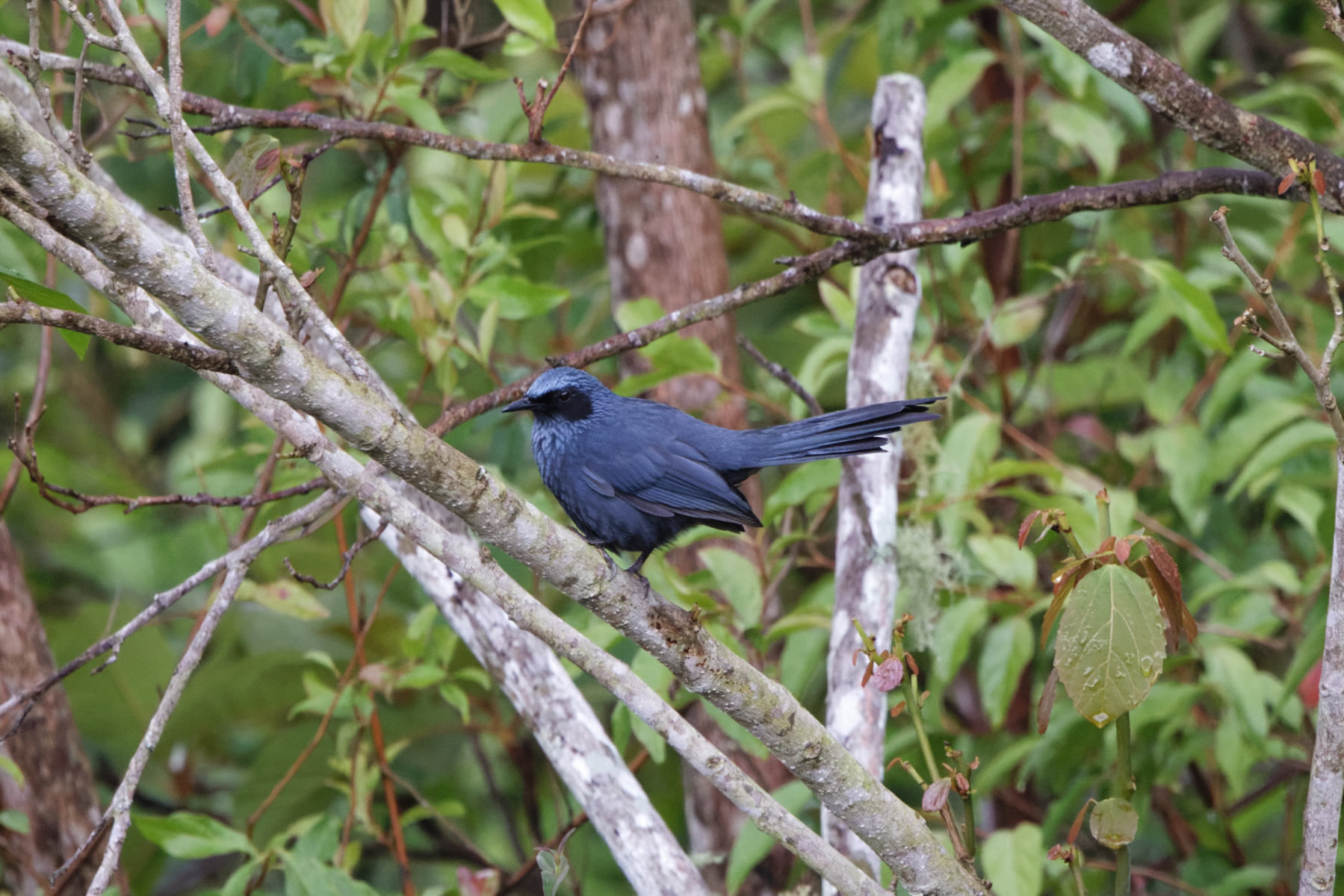
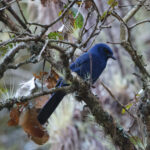
Blue Mockingbird (image by Leo Garrigues)
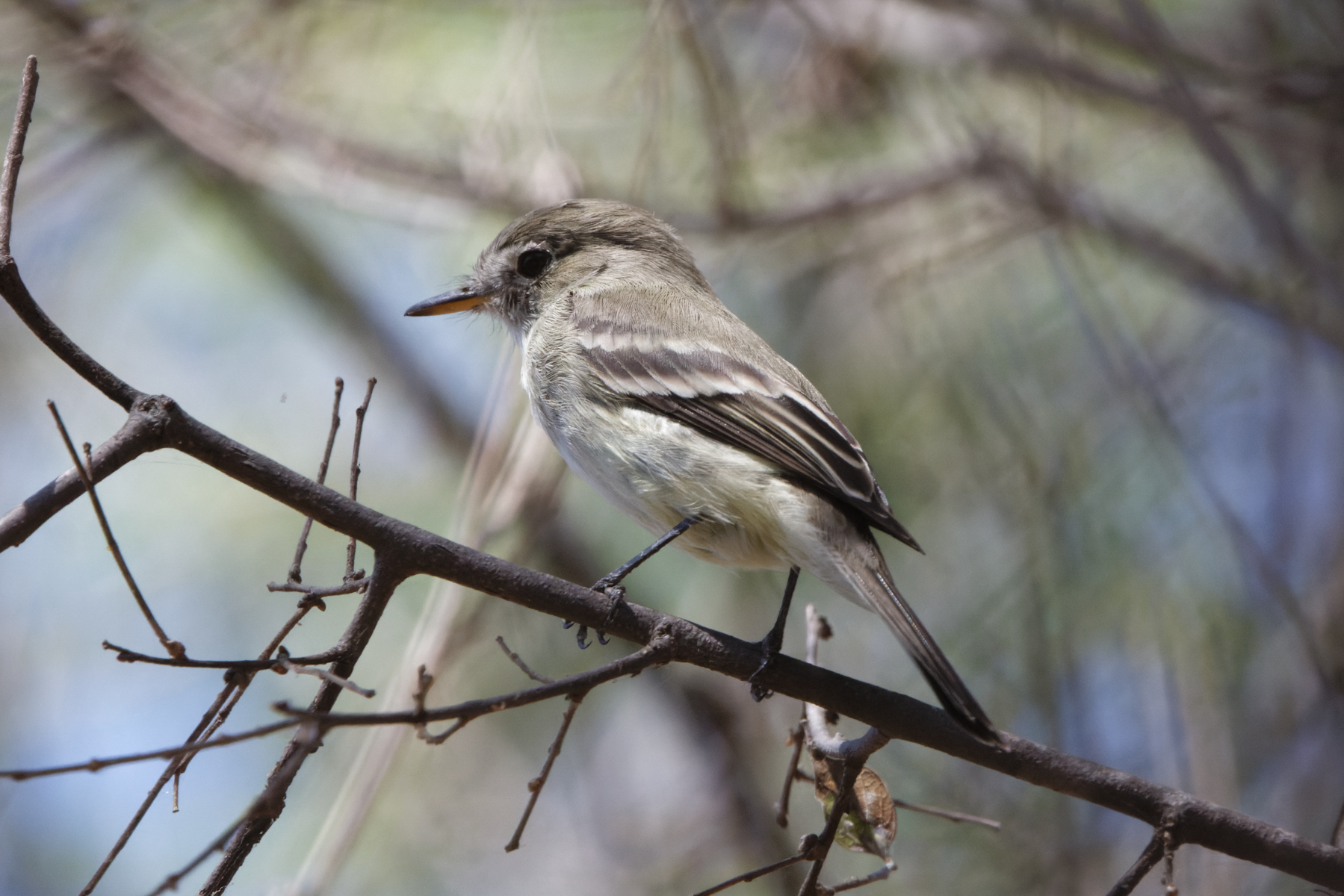
American Grey Flycatcher (image by Leo Garrigues)
![Northen Emerald Toucanet [wagleri] (image by Leo Garrigues)](https://www.birdquest-tours.com/wp-content/uploads/2026/05/Northen-Emerald-Toucanetwagleri-Mexico-Leo-Garrigues-150x150.jpg)
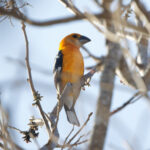
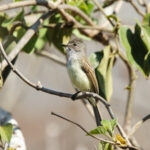
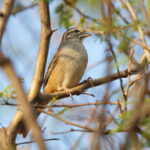
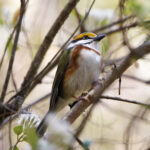


Orange-bellied Bunting (image by Leo Garrigues)
Pink-headed Warbler (image by Leo Garrigues)
Fulvous Owl (image by Leo Garrigues)
Golden-browed Warbler (image by Leo Garrigues)
Dwarf Jay (image by Leo Garrigues)
Elf Owl (Morelos Pre-Extension) (image by Leo Garrigues)
Spot-tailed Nightjar (image by Leo Garrigues)
Rose-bellied Bunting (image by Leo Garrigues)
Red Warbler (image by Leo Garrigues)
White-thoated Towhee (image by Leo Garrigues)
Buff-collared Nightjar (image by Leo Garrigues)
White-naped Brushfinch (image by Leo Garrigues)
Unicolored Jay (image by Leo Garrigues)
Galapagos Shearwater (image by Leo Garrigues)
Sumichrast's Wren (image by Leo Garrigues)
Striped Sparrow (image by Leo Garrigues)
Salvadoran Flycatcher (image by Leo Garrigues)
Sierra Madre Sparrow (image by Leo Garrigues)
Song Sparrow (image by Leo Garrigues)
Giant Wren (image by Leo Garrigues)
Strickland's Woodpecker (image by Leo Garrigues)
Russet-naped Wren (image by Leo Garrigues)
Rufous-crowned Sparrow (image by Leo Garrigues)
Rufous-browed Wren (image by Leo Garrigues)
Rufous-breasted Spinetail (image by Leo Garrigues)
Blue-winged Warbler (image by Leo Garrigues)
Rock Wren (image by Leo Garrigues)
Plain-capped Starthroat (image by Leo Garrigues)
Bearded Screech Owl (image by Leo Garrigues)
Rusty-crowned Ground-Sparrow (Morelos Pre-Extension) (image by Leo Garrigues)
Pygmy Nuthatch (image by Leo Garrigues)
Red-breasted Chat (image by Leo Garrigues)
Balsas Screech Owl (Morelos Pre-Extension) (image by Leo Garrigues)
White-throated Jay (image by Leo Garrigues)
Red-faced Warbler (image by Leo Garrigues)
Red-headed Tanager (image by Leo Garrigues)
Black-capped Swallow (image by Leo Garrigues)
Pileated Flycatcher (image by Leo Garrigues)
Phainopepla (image by Leo Garrigues)
Oaxaca Sparrow (image by Leo Garrigues)
Northern Pygmy Owl (image by Leo Garrigues)
Grey-breasted Woodpecker (image by Leo Garrigues)
Grey-crowned Woodpecker (image by Leo Garrigues)
Long-tailed Wood-Partridge (image by Leo Garrigues)
Lucifer Sheartail (Morelos Pre-Extension) (image by Leo Garrigues)
Mexican Squirrel Cuckoo (image by Leo Garrigues)
Northen Emerald Toucanet [wagleri] (image by Leo Garrigues)
Green-striped Brushfinch (image by Leo Garrigues)
Green Shrike-Vireo (image by Leo Garrigues)
Golden-crowned Kinglet (image by Leo Garrigues)
Golden Vireo (image by Leo Garrigues)
Golden Grosbeak (image by Leo Garrigues)
Flammulated Flycatcher (image by Leo Garrigues)
Cinnamon-tailed Sparrow (image by Leo Garrigues)
Chestnut-sided Shrike Vireo (image by Leo Garrigues)
Bridled Sparrow (image by Leo Garrigues)
Boucard's Wren (image by Leo Garrigues)
Belted Flycatcher (image by Leo Garrigues)
Black-backed Oriole (image by Leo Garrigues)
Black-polled Yellowthroat (image by Leo Garrigues)
Black-vented Shearwater (image by Leo Garrigues)
Blue Mockingbird (image by Leo Garrigues)
American Grey Flycatcher (image by Leo Garrigues)


SOUTHERN MEXICO TOUR REPORT 2026

3/5 - 21 March 2026
Leo Garrigues
The Southern Mexico tour is the most comprehensive of the Birdquest itineraries in the country, covering Oaxaca, Chiapas, Veracruz, and central Mexico, and exploring a wide range of habitats in search of the region’s many specialties. On this occasion, a Morelos pre-extension allowed us to add key highland species along with the Balsas drainage specialties from the drier areas, complementing the main itinerary perfectly. This combination delivered excellent results, with 496 species on the main tour and an additional 32 during the extension, for an impressive total of 528 species.
A superb mix of Mexican endemics and regional specialties included highlights such as Rose-bellied and Orange-breasted Buntings, White-throated and Dwarf Jays, Long-tailed Wood Partridge, Tuxtla Quail-Dove, Red and Pink-headed Warblers, Oaxaca and Bumblebee Hummingbirds and Giant Wren.
Among many other highlights were Slaty-breasted Tinamou, West Mexican Chachalaca, Singing Quail, Lesser Ground Cuckoo, Mexican Squirrel Cuckoo, Black and Least Storm Petrels, Galapagos and Black-vented Shearwaters, Buff-collared and Spot-tailed Nightjars, Amethyst-throated Mountaingem, Beautiful Sheartail, Dusky and Turquoise-crowned Hummingbirds, Wedge-tailed Sabrewing, Bearded Screech Owl, Fulvous Owl, Ornate and Black Hawk-Eagles, Citreoline and Mountain Trogons, Blue-throated and Russet-crowned Motmots, Grey-crowned, Grey-breasted and Golden-fronted Woodpeckers, Guatemalan Flicker, Flammulated, Salvadoran, Belted, Pileated, Pine, American Grey and Buff-breasted Flycatchers, White-striped Woodcreeper, Rufous-breasted Spinetail, Chestnut-sided Shrike-Vireo, Green Shrike-Vireo, 9 species of Jays which included Azure-hooded, Woodhouse’s Scrub, Unicolored and Green Jays, Bridled Titmouse, Mexican Chicadee, Black-capped Swallow, Grey Silky-flycatcher, Phainopepla, Pygmy Nuthatch, Sumichrast’s, Grey-barred, Boucard’s, Russet-naped and Rufous-browed Wrens, Blue Mockingbird, Ocellated Thrasher, Slate-colored Solitaire, Rufous-collared and Black Thrushes, Olive Warbler, Blue-crowned Chlorophonia, White-naped, Green-striped and Rufous-capped Brushfinches, Cinnamon-tailed, Striped, Sierra Madre, Rusty, Rufous-crowned and Oaxaca Sparrows, White-throated Towhee, Mexican Cacique, Yellow-backed, Audubon’s and Black-backed Orioles, Virginia’s, Black-throated Grey, Fan-tailed, Golden-browed and Red-faced Warblers, Red-breasted Chat, Blue Seedeater, Blue and Varied Buntings, Red-crowned Ant-Tanager (“Oaxaca”Ant-Tanager), Red-headed Tanager and Cinnamon-bellied Flowerpiercer.
The Morelos pre-extension proved very rewarding, with an impressive 205 species recorded in just three days. Some of the standout sightings included Elf Owl, Balsas Screech Owl, Banded Quail, Lesser Roadrunner, Lucifer Sheartail, Grey-collared Becard, Pileated Flycatchher, Transvolcanic Jay, Rusty-crowned Ground-Sparrow and Black-chested Sparrow.
On our first day of the pre-extension, we were picked up by Miguel in Mexico City and headed to Los Columpios Park on the outskirts of the city. Our main target was Colima Warbler, which Miguel had been seen in previous days, but despite our efforts we were unable to relocate it. Still, the visit produced excellent birding, highlighted by a group of Transvolcanic Jays and great views of Green-striped Brushfinch. Other species included Acorn Woodpecker, Greater Pewee, Hutton’s Vireo, Blue Mockingbird, Orange-billed and Russet Nightingale-Thrushes, Yellow-eyed Junco, Lincoln’s Sparrow, Canyon and Spotted Towhees, Bullock’s Oriole, MacGillivray’s and Golden-browed Warblers, Painted Whitestart and Cinnamon-bellied Flowerpiercer.
After our visit to Los Columpios Park, we continued to birding stakeouts along Cerro Tepozteco, which turned out to be very rewarding. One of the top sightings was Chestnut-sided Shrike-Vireo with excellent views, while Black-capped Siskin and Mexican Violetear were also notable additions not seen on the main tour. Other species included Amethyst-throated and Blue-throated Mountaingems, Berylline Hummingbird, Yellow-bellied Sapsucker, White-striped Woodcreeper, Eastern Warbling Vireo, Mexican Chickadee, American Bushtit, Grey Silky-flycatcher, Chipping Sparrow, Crescent-chested, Orange-crowned, Grace’s and Hermit Warblers, and Flame-colored Tanager.
Later in the afternoon we visited the Oacalco area, a contrasting habitat of arid thorn scrub mixed with agricultural land. Here we enjoyed excellent views of Banded Quail and a very cooperative Lesser Roadrunner. Other highlights included Golden-cheeked Woodpecker, Rusty-crowned Ground-Sparrow, and a roosting American Barn Owl in an old building. Additional species recorded were Dusky Hummingbird, White-fronted Amazon, Ash-throated Flycatcher, Thick-billed Kingbird, Dusky Flycatcher, Hooded and Streak-backed Orioles, Stripe-headed Sparrow, Magnolia Warbler and Painted Bunting.
One of the most memorable moments came at the same site, where large numbers of Vaux’s Swifts gathered to roost inside the chimneys of the old building—an impressive spectacle as countless birds poured in at dusk. A Sharp-shinned Hawk took advantage of the concentration, successfully catching one at the entrance, adding an exciting predator moment to the day. We then continued to the nearby town of Tepoztlan for the night.
The following day we headed out for a pre-dawn owling session, which delivered excellent views of the endemic Balsas Screech Owl—one of our main targets—as well as superb looks at Elf Owl, a clear favorite of the pre-extension. Buff-collared Nightjar required some persistence, but we eventually connected just before dawn. With daylight, the birding continued to shine, highlighted by fantastic views of Lucifer Sheartail (both male and female), along with Balsas endemics such as Black-chested Sparrow, Boucard’s Wren, and the localized Pileated Flycatcher. Other species that rounded out the morning included Ruddy Ground Dove (a scarce bird in Morelos), Broad-billed, Violet-crowned and Berylline Hummingbirds, Golden-crowned Emerald, Ladder-backed Woodpecker, Nutting’s Flycatcher, Golden Vireo, Western Warbling Vireo, Violet-green Swallow, Bewick’s and Happy Wrens, Lark and Grasshopper Sparrows, Streak-backed Oriole, Virginia’s Warbler, Indigo, Lazuli, Painted and Varied Buntings, and Cinnamon-rumped Seedeater.
We also visited a transitional Pine-Oak forest at Ocotitlan, where we recorded different species for the day such as the Western and Hammond’s Flycatchers, Blue Mockingbird, Hermit Thrush, Elegant Euphonia, Rusty Sparrow, Black-throated Grey, Hermit and Rufous-capped Warblers and Western Tanager. The very last part of the day we went to Cuernavaca City, to check a site where White-naped Swift come to roost just before dusk.
On the last day of the pre-extension we focused on species that we haven’t seen, so we visited Tepozteco Road in the first part of the morning. Here we target the Grey-collared Becard, which eventually we connected with one male. Other species seen included the Bumblebee Hummingbird, Coppery-tailed Trogon, Cassin’s Vireo, Brown-backed Solitaire, White-throted Thrush and Red-faced Warbler. After our session at Tepozteco Road we continued to higher elevations at La Cima, where we looked for the Long-tailed Wood-Partridge which we managed good views of them. Other species seen at La Cima included the American Robin, Rufous-backed Thrush, Striped Sparrow and the localized Endemic, Sierra Madre Sparrow.
We continued to Mexico City where we visited in some urban park where Miguel had information of Sparkling-tailed Hummingbird recent reports. Despite we didn’t find the Sparkling-tailed Hummingbird we did see the endemic Black-backed Oriole and a female Calliope Hummingbird. Other birds were the Mexican Duck, Broad-billed Hummingbird, Ladder-backed Woodpecker, Song Sparrow and Orchard and Hooded Orioles.
We finished the pre-extension by birding the San Greogorio wetlands before arriving to the Hotel to meet the other members of the group. Our visit to the wetlands definitely boost our list of the extension with species like the Ruddy Duck, Blue-winged, Cinnamon, and Green-winged Teals, Northern Shoveler, Gadwall, American Wigeon, Pied-billed Grebe, Sora, American Avocet, Long-billed Dowitcher, Stilt, Baird’s and Least Sandpipers, American White Pelican, Cassin’s Kingbird, Vermillion Flycatcher, Tree Swallow, American Pipit and Common Yellowthroat.
The first day of the main tour saw us visiting Parque Las Maravillas, initially in search of the restricted endemic Sierra Madre Sparrow. Although we had already seen it during the pre-extension, it remained a key target for those who had joined only the main tour. While searching for the Sierra Madre Sparrow, we also enjoyed easy views of Striped Sparrow, another Mexican endemic, along with some Grass Wrens. After our sparrow search, we turned our attention to the pine woodlands of Parque Las Maravillas and made additional stops along the mountain roads. Here we recorded a fine selection of endemics, including Strickland’s Woodpecker, White-striped Woodcreeper, Green-striped and Rufous-capped Brushfinches, Hooded Yellowthroat and the stunning Red Warbler.
Other notable sightings included the distinctive macronyx subspecies of Spotted Towhee, who has a distinctive Olive-backed, as well as the unique Olive Warbler, the sole member of its monotypic family. Additional species that rounded out the morning included Rivoli’s Hummingbird, Hairy Woodpecker, Pine and Buff-breasted Flycatchers, Loggerhead Shrike, Mexican Chickadee, American Bushtit, Golden-crowned and Ruby-crowned Kinglets, White-breasted and Pygmy Nuthatches, Brown Creeper, Northern House Wren (Brown-throated form), Western Bluebird, Elegant Euphonia, Pine Siskin, Canyon Towhee, Crescent-chested Warbler, Nashville Warbler, Townsend’s Warbler and Black-headed Grosbeak.
After our morning birding in the highlands, we continued to the well-known Lerma marshes, an important site for the highly restricted endemic Black-polled Yellowthroat. We obtained good views of this sought-after species at two different locations within the extensive reedbeds. Other notable records here included Chihuahuan Meadowlark, Virginia Rail, Clark’s Grebe, and Red-winged Blackbird (bicolored form).
This wetland proved to be the most productive of the tour, supporting a wide range of waterbirds and associated species. Among those recorded were Ruddy and Mexican Ducks, Northern Shoveler, Gadwall, Pied-billed and Black-necked Grebes, Sora, Common Gallinule, American Coot, American Avocet, White-faced Ibis, American White Pelican, White-tailed Kite, Northern Harrier, Vermilion Flycatcher, Marsh Wren [tolucensis], American Pipit, Savannah and Song Sparrows, as well as large flocks of Yellow-headed Blackbirds. After our session at the Lerma marshes, we returned to Mexico City via the highway, reaching our hotel with little traffic.
On this tour we followed a slightly revised itinerary, altering the order of localities. Rather than focusing on morning birding, we prioritized our drive towards the Oaxaca region and concentrated our birding efforts during the afternoon. Our first productive stops were in the dry scrub of the Oaxaca highlands, where we searched for several key targets during the heat of the afternoon. Despite the challenging conditions, we succeeded in finding the endemics Ocellated Thrasher, White-throated Towhee and brief views of Oaxaca Sparrow for some. Other species recorded here included Brown-crested Flycatcher, Lark Sparrow, Black-vented Oriole and Orange-crowned Warbler.
We then continued to the Ixtepeji area, where we spent the remainder of the day birding in pine woodlands. Our principal objective was Dwarf Jay, one of the most sought-after species of the tour; however, we were unable to locate it during this initial visit, though further opportunities lay ahead. Additional species recorded included Steller’s Jay, Mexican Chickadee, Grey Silky-flycatcher, Grey-barred Wren, and Hermit, Golden-browed, and Red Warblers. During a night excursion, we enjoyed excellent views of a Fulvous Owl, while Mexican Whip-poor-will was heard only.
The following day began well, with excellent views of a group of four Long-tailed Wood-Partridges around our breakfast area. Other species noted during this time comprised Steller’s Jay, Brown-backed Solitaire, American Robin and Collared Towhee. We then proceeded to a series of stakeouts in semi-arid scrub, where we targeted several localized specialties. Key species here included Slaty Vireo, Ocellated Thrasher, Oaxaca Sparrow, Rufous-crowned Sparrow [australis], and Audubon’s Oriole. Additional species recorded here featured Woodhouse’s Scrub Jay, Northern Raven, Blue Mockingbird and Spotted Towhee. Continuing our journey, we drove through pine woodlands while searching for one of the tour’s key targets, the Dwarf Jay. After a persistent effort, we were rewarded with excellent views of a small group of Jays associating with Grey-barred Wrens. Other notable species encountered during this search included Mountain Trogon, Yellow-bellied Sapsucker, Spot-crowned Woodcreeper, and a striking Chestnut-sided Shrike-Vireo.
After lunch, we birded the upper sections of the famous Valle Nacional, which proved highly productive. Highlights here featured Black Thrush and two jay species, Azure-hooded and Unicolored, the latter representing our fifth jay species of the day. Additional species recorded during this session included Band-tailed Pigeon, Collared Trogon, Northern Emerald Toucanet, Spotted Woodcreeper, Grey-breasted Wood Wren, Common Chlorospingus, and Rufous-capped and Chestnut-capped Brushfinches. We also obtained brief views of Mexican Whip-poor-will just before dinner, providing a fitting end to an excellent day.
Today we birded the Valle Nacional Road, traversing an altitudinal gradient from pine woodlands to broadleaf cloud forest at lower elevations. This transition proved highly productive, with several notable highlights. Among the most memorable was the sight of three Ornate Hawk-Eagles soaring together, along with the melodious Slate-colored Solitaire, Black-headed Nightingale-Thrush, Blue-crowned Chlorophonia, and the very distinctive nominate subspecies of White-naped Brushfinch, which differs markedly from other forms. Additional species recorded during the day included Crested Guan, Collared Trogon, Eye-ringed Flatbill, Olivaceous Woodcreeper, Scaly-throated Foliage-gleaner, Blue-headed Vireo, Azure-hooded and Unicolored Jays, Brown-backed Solitaire, Common Chlorospingus, Black-throated Green Warbler, Rose-breasted Grosbeak, Red-crowned Ant-Tanager and Flame-colored Tanager.
In the late afternoon, we birded around Tuxtepec, where a selection of mostly common species and a few migrants were recorded. These included Groove-billed Ani, Red-billed Pigeon, American White Ibis, Tricolored Heron, Rufous-tailed Hummingbird, White-eyed Vireo, Brown Jay, Blue-grey Gnatcatcher, Clay-colored Thrush, Montezuma Oropendola, Black-and-white, Orange-crowned, Hooded, Magnolia, and American Yellow Warblers, Grey-crowned Yellowthroat, Painted Bunting, and Morelet’s Seedeater. We also came close to seeing Ruddy Crake; however, it was seen only by the leader while we searched for it in the wet grassy areas.
After dark, while searching for Striped Owl, we instead encountered something even better: a Spot-tailed Nightjar. This unexpected write-in proved to be one of the standout sightings of the tour.
The following morning, we visited an area of limestone outcrops cloaked in humid semi-deciduous forest, a key site for the restricted endemic Sumichrast’s Wren. On this occasion, we encountered a very cooperative individual, which afforded excellent views.
The area was very productive, yielding a fine selection of tropical species. These included Long-billed Hermit, White-bellied Emerald, Ferruginous and Central American Pygmy-Owls (the latter heard only), Slaty-tailed and Black-headed Trogons, Black-cheeked and Golden-fronted Woodpeckers, Red-lored Amazon, Sulphur-rumped Myiobius, Northern Bentbill, Tawny-winged and Ivory-billed Woodcreepers, Northern Plain Xenops, Rufous-breasted Spinetail, Rufous Piha, Rufous Mourner, Ochre-crowned Greenlet, Band-backed and Spot-breasted Wrens, Wood Thrush, Ovenbird, Blue-winged Warbler, Northern Parula and Black-faced Grosbeak.
During the afternoon, we drove towards Catemaco, making several stops along the way. These produced Black-bellied Whistling Duck, Black-necked Stilt, Green-breasted Mango, Buff-bellied Hummingbird, White-fronted Amazon, Orange-fronted Parakeet, Couch’s Kingbird, Least Flycatcher, Yellow-throated and Blue-headed Vireos, Brown Jay, Southern House Wren, Scrub Euphonia, Lesser Goldfinch, Orchard, Hooded and Altamira Orioles, Giant Cowbird, and Yellow-winged Tanager. We arrived in the evening and enjoyed a pleasant dinner in Catemaco.
On this day, we visited the Sierra de los Tuxtlas, aiming to find one of the most difficult targets of the tour, the elusive Tuxtla Quail-Dove. We had two close encounters with responsive individuals, but unfortunately failed to obtain views. Nevertheless, the area produced a good selection of notable species. Highlights included Slaty-breasted Tinamou, Wedge-tailed Sabrewing, Black Hawk-Eagle, and Green Shrike-Vireo. These were complemented by Vaux’s Swift, Mottled Owl, Golden-olive Woodpecker, Ochre-bellied and Yellowish Flycatchers, Eye-ringed Flatbill, Greenish Elaenia, Olivaceous and Ivory-billed Woodcreepers, Fawn-throated Foliage-gleaner, Green Jay, White-breasted Wood Wren, Black-headed Nightingale-Thrush, Blue-crowned Chlorophonia, Chestnut-capped Brushfinch (apertus form), Red-throated Ant Tanager, White-winged Tanager and Black-headed Saltator.
During the afternoon, we birded near the coastal habitats at Sontecomapan, where the highlight was an excellent sighting of Sungrebe. Most of the remaining species were widespread, although several were new for the trip. These included Lesser Scaup, Least Grebe, Northern Jacana, Brown Pelican, Bare-throated Tiger Heron, Yellow-crowned Night Heron, Osprey, Ringed and Green Kingfishers, Collared Aracari, Olive-throated Parakeet, Great Crested Flycatcher, Barred Antshrike, Bronzed Cowbird, Northern Waterthrush and Morelet’s Seedeater.
Next day, we revisited the Sierra de los Tuxtlas to give the Tuxtla Quail-Dove another try. Unfortunately, the weather conditions were very different from the previous day, with intermittent rain and dense cloud cover creating very dark conditions throughout the morning. Nevertheless, we were already in the area and returned to one of the territories from the previous day, where we had a responsive bird. At one point, it approached quite closely, but the poor light and its tendency to remain deep in the understory prevented the clients from getting onto it. Using a thermal camera helped keep track of the Quail-Dove position, and it proved to be an extremely shy species. Definitely a tricky bird, but at least the clients came away with a Swedish tick.
Unfortunately, we were playing against the time as we need to drive to Tuxtla Gutierrez so our birding time was limited and the efforts in the Quail-Dove consumed most of our time, but some of the birds seen during our second visit to the Sierra de los Tuxtlas were Northern Plain Xenops, Fawn-throated Foliage-gleaner, White-breasted Wood Wren, Worm-eating and Golden-crowned Warblers and Red-crowned Ant-Tanager (rubicoides form). After our visit to Sierra de los Tuxtlas we spent our afternoon driving to Tuxtla Gutierrez, where the only notable sightings were an Aplomado Falcon at a gas station stop and Keel-billed Toucans that were noted during the drive.
The next day we had to split the group to deal with a health issue affecting one of our participants. The majority went with Miguel to El Ocote, while Leo accompanied the participant to medical services in Tuxtla Gutierrez. At El Ocote, intermittent rain affected birding conditions at times. Unfortunately, our main target, Nava’s Wren, remained heard only, as despite all efforts the bird refused to show. Some of the species recorded there included Long-billed Hermit, Wedge-tailed Sabrewing, Berylline Hummingbird, Collared Trogon, Lesson’s Motmot, Keel-billed Toucan, Golden-olive and Smoky-brown Woodpeckers, Tawny-winged and Ivory-billed Woodcreepers, Band-backed Wren, Scrub and Yellow-throated Euphonias, Rusty Sparrow, Yellow-billed Cacique, Ovenbird, Worm-eating, Nashville and MacGillivray’s Warblers, Black-faced Grosbeak, Red-throated Ant-Tanager, and Yellow-faced Grassquit.
Meanwhile, Leo did some birding with another participant at who had stayed behind to rest in Tuxtla Gutierrez, before the rest of the group rejoined them in the afternoon. Most of this birding took place during the hottest part of the day, but fortunately the bad weather on the other side of the mountains kept temperatures relatively cool at Sumidero Canyon. During this session they recorded several good species, including the rare Blue Seedeater, Belted Flycatcher, Green-fronted Hummingbird and Plain-capped Starthroat.
Later in the afternoon, the rest of the group joined them at Sumidero Canyon, where we focused our efforts on finding Slender Sheartail in its usual area, but without success. Some of the birds seen towards the end of the day included Canivet’s Emerald, Russet-crowned Motmot, Least Flycatcher, Lesser Greenlet, Green Jay, Banded Wren, Clay-colored Thrush, Streak-backed Oriole and Western Tanager.
We visited the famous Sumidero Canyon again for a full morning, where we recorded a good variety of birds. Highlights included a group of Singing Quails, a male Slender Sheartail, the uncommon Flammulated Flycatcher, and a stunning male Red-breasted Chat. Unfortunately, the Belted Flycatcher did not cooperate and remained heard only. Very brief views of a Lesser Roadrunner crossing the path for some, along with the aurantiacus form of Yellow Grosbeak, were other notable sightings. Additional species that rounded out the morning included Buff-bellied Hummingbird , Yellow-olive Flatbill, Northern Beardless-Tyrannulet, Cabanis’s Wren, Olive Sparrow, Ovenbird, Fan-tailed Warbler and Blue Bunting.
After lunch in Tuxtla Gutierrez, we continued on to San Cristobal de las Casas, arriving in time for an afternoon session in the highlands. Back in the pine woodlands, but south of Tehuantepec Isthmus, we entered a new avifaunal zone with strong ties to the Guatemalan highlands. The afternoon produced a great selection of species, including the dazzling Garnet-throated Hummingbird, a pair of Blue-throated Motmots, Guatemalan Flicker, and Rufous-collared Robin. Other additions included White-throated Swift, Rivoli’s Hummingbird, Hairy Woodpecker, Rose-throated Becard and Hermit Warbler.
An evening owling session capped off the day nicely, with excellent views of two individuals of the localized near-endemic Bearded Screech Owl, along with Mexican Whip-poor-will. An Unspotted Saw-whet Owl called persistently, but unfortunately refused to show.
The next morning, we were back in the humid pine forest with abundant bromeliads around San Cristobal de las Casas. The high density of bromeliads clearly attracted excellent hummingbird activity, particularly from Garnet-throated Hummingbirds, while several Amethyst-throated Mountaingems were also noted. Our main target for the morning was the Pink-headed Warbler, and fortunately we found a pair within the first hours of the day. Although they occur regularly in the area, they can sometimes be surprisingly tricky to locate. Other notable sightings included Hutton’s Vireo, Black-capped Swallow, Unicolored Jay, Rufous-browed Wren, Black-vented, Yellow-backed, and Bullock’s Orioles, as well as Golden-browed and Red-faced Warblers.
After a productive morning around San Cristobal, we descended to the Pacific lowlands to bird the Puerto Arista area. Our main target here was the Giant Wren, a species restricted to the Pacific lowlands of Chiapas and adjacent Guatemala. After some searching, we successfully connected with a small family group of wrens. Another notable highlight was Salvadoran Flycatcher (a recently described Myiarchus), along with Mexican Cacique and Spot-breasted Oriole for some. Unfortunately, White-bellied Chachalaca did not appear during our visit, but the afternoon proved very birdy overall. Additional species included Northern Jacana, Lesser Nighthawk, Cinnamon Hummingbird, Grey Hawk, Orange-chinned and Orange-fronted Parakeets, Willow Flycatcher, White-throated Magpie-Jay, Tropical Mockingbird, Orchard, Streak-backed, Altamira, and Baltimore Orioles, Painted Bunting, Cinnamon-bellied Saltator and Blue-grey Tanager.
The next day we visited the arid scrub and thorn forest of the Isthmus of Tehuantepec, home to several regional specialties. One of our main targets, Cinnamon-tailed Sparrow, was located with ease. The other key species, the spectacular Rose-bellied Bunting—one of the stars of the tour—proved equally rewarding. We initially encountered several young males, but eventually a stunning adult male appeared and stole the show. As if that wasn’t enough, shortly after seeing the adult Rose-bellied Bunting, a male Orange-breasted Bunting made an appearance—two absolute cracking birds in quick succession. Another highlight of the morning was a selection of Beautiful Sheartails, including females and juveniles, along with Turquoise-crowned Hummingbird—both Mexican endemics. Other species that rounded out the morning included West Mexican Chachalaca, Lesser Ground Cuckoo, Plain-capped Starthroat, Ferruginous Pygmy Owl, Short-tailed Hawk, Belted Kingfisher, Orange-fronted Parakeet, Nutting’s and Brown-crested Flycatchers, Bell’s Vireo, White-throated Magpie-Jay, White-lored Gnatcatcher, Banded Wren and Altamira Oriole.
Later, we visited Playa Xadani, where we enjoyed a good selection of shorebirds, including American Oystercatcher, Black-bellied, Semipalmated, and Collared Plovers, Hudsonian Whimbrel, Marbled Godwit, Red Knot, Sanderling, and Least, Western, and Semipalmated Sandpipers. A first-winter American Herring Gull was a notable record, alongside Laughing Gull, Royal Tern, Reddish Egret, Mangrove Swallow and Stripe-headed Sparrow.
On the way to Huatulco, we made several stops in dry forest habitat, which produced Caspian Tern, Citreoline Trogon, Northern Beardless-Tyrannulet, Bell’s Vireo, Russet-naped Wren, Rufous-backed Thrush, Mexican Cacique, and Northern Cardinal (carneus form).
We were scheduled to do a pelagic the following day, but sea conditions were not suitable, so we postponed it in the hope that conditions would improve. Instead, we spent the day birding the foothills of the Sierra de Mihuatlan, part of the Sierra Madre del Sur. These mountains are home to another highly restricted endemic, the Oaxaca Hummingbird, one of our main targets for the day. It took some time to locate, but by mid-morning we were rewarded with excellent views of both male and female of this range-restricted species. Another interesting sighting was Red-crowned Ant-Tanager from this region, currently treated as the Oaxaca form affinis, and a taxon that may well be split in the future. The wagleri form of Northern Emerald-Toucanet (Wagler’s Toucanet) also gave us superb views on several occasions. Other endemics included Grey-crowned Woodpecker, Golden Vireo, Blue Mockingbird, and Red-hooded Tanager. Additional species recorded during the day included Berylline Hummingbird, Broad-winged and Zone-tailed Hawks, Greenish Elaenia, Thick-billed Kingbird, Least Flycatcher, Eastern Warbling Vireo, White-throated Magpie-Jay, Grey Catbird, Swainson’s and White-throated Thrushes, Lincoln’s Sparrow, Bronzed Cowbird, Tennessee, Fan-tailed, and Rufous-capped Warblers, Tropical Parula, Rose-breasted Grosbeak and Red-legged Honeycreeper.
On the return to Huatulco, we visited the lower drier areas at the base of the mountains, where we saw several additional species, including the endemic Mexican Squirrel Cuckoo, Nutting’s Flycatcher, Russet-naped Wren, Red-breasted Chat and Streak-backed Oriole. By late afternoon we checked the coast for seabirds, where the only notable species were Elegant Tern and a white morph of Reddish Egret. Other regular species included Magnificent Frigatebird, Brown Pelican, Laughing Gull and Barn Swallow, with the latter moving in large numbers.
On the last day the ocean conditions improved and we were able to do the pelagic trip. Overall activity was quite low, with no major concentrations of birds offshore. The pelagic species recorded included small groups of Red-necked Phalaropes, Black Storm Petrel and at least a couple of Least Storm Petrels, as well as Galapagos and Black-vented Shearwaters, Cocos Booby and a juvenile Jaeger (probably Parasitic) chasing Laughing Gulls.
On the way back to the port, strengthening northern winds made for a rather rough journey. After returning, we had lunch in Huatulco before beginning our drive up to the higher mountains of the Sierra de Mihuatlan, where we spent the night at San Jose del Pacifico. Some species that we recorded during the drive included Vaux’s Swift, Golden-crowned Emerald, Berylline Hummingbird, Dusky-capped Flycatcher and Masked Tityra.
The humid pine forest in the Sierra de Mihuatlan holds a disjunct population of the stunning White-throated Jay, which was the main target of our visit. In these mountains the species is more difficult to see than in the highlands of Guerrero, so encounters are often challenging and far from guaranteed. After a persistent search, our group was eventually rewarded with a pair of White-throated Jays, although they showed rather skittish behavior. Other notable sightings were several individuals of Bumblebee Hummingbird, Garnet-throated Hummingbird, Rivoli’s Hummingbird, Sharp-shinned Hawk, Northern House Wren (Brown-throated H W), Brown-backed Solitaire, Ruddy-capped Solitaire, Black Thrush, Chestnut-capped Brushfinch, Bullock’s and Scott’s Orioles, Yellow-rumped (Audubon’s) Warbler, Red Warbler and Western Tanager.
After productive birding in the Sierra de Mihuatlan, we continued to the interior Oaxaca Valley, which is dominated by arid scrub vegetation. Some of the regional specialties included the endemics Dusky Hummingbird, Boucard’s Wren and Bridled Sparrow. Other species noted during the journey included Lesser Nighthawk, White-tailed and Zone-tailed Hawk, Crested Caracara, Ash-throated Flycatcher, Cassin’s Kingbird, Northern Mockingbird, House Finch and Virginia Warbler. Upon arrival at Teotitlan del Valle, we settled into our comfortable hotel, where we spent the final nights of the tour.
Our morning at Teotitlan del Valle was very productive, and we managed to see all of our main targets. The first species we focused on was the skulking Dwarf Vireo, which, with some patience and the right technique, eventually gave everyone good views. Shortly after, we found the localized endemic Pileated Flycatcher. The Grey-breasted Woodpecker initially proved tricky, but persistence paid off and we were rewarded with excellent views. A few cooperative Rock Wrens were also much appreciated. Other species recorded during the morning included Black-bellied Whistling Duck, Ring-necked Duck, West Mexican Chachalaca, Least Grebe, Mourning Dove, Killdeer, Wood Stork, Black-crowned Night Heron, Red-tailed Hawk, Ladder-backed Woodpecker, Thick-billed Kingbird, Say’s and Black Phoebes, Grey Flycatcher, Bewick’s and Boucard’s Wrens, Curve-billed Thrasher, Lark, Chipping and Lincoln’s Sparrows, White-throated Towhee, Black-vented Oriole, Orange-crowned, Virginia and MacGillivray’s Warblers and Cinnamon-rumped Seedeater.
During the afternoon we headed to the mountains above Teotitlan del Valle, birding the transition zone between arid scrub and higher elevation pine–oak forest. We encountered a few mixed-species flocks that included interesting species such as Bridled Titmouse, Plumbeous Vireo, Painted Whitestart, and Grace’s and Black-throated Grey Warblers. With some persistence, we managed to locate a Northern Pygmy Owl, which was another highlight of the afternoon. Other species recorded included Blue-throated Mountaingem, White-striped Woodcreeper, Tufted Flycatcher, Brown Creeper, Hermit Thrush, Elegant Euphonia and Hepatic Tanager.
We carried out our final owling session, but windy conditions limited activity and we were unable to find the owls we were hoping for. As a consolation, however, we enjoyed excellent views of Buff-collared Nightjar.
On the last day of the tour, we left Teotitlan early in the morning to begin our drive back to Mexico City. Our first birding stops were in the desertic areas of Tehuacan, where we added several new species to the trip list. The Phainopepla was one of the most exciting sightings in the Tehuacan desert, while other notable birds included the nominate subspecies of Yellow Grosbeak, an endemic Mexican form. Additional new species for the main tour included Harris’s Hawk and a striking male Varied Bunting, the latter having been seen previously during the Morelos pre-extension. Other species recorded during our stops in the Tehuacan area included Dusky Hummingbird, Grey-breasted Woodpecker, Ash-throated Flycatcher, Cassin’s Kingbird, White-lored Gnatcatcher, Boucard’s Wren, Northern Mockingbird, and Bridled Sparrow.
Later, we made a stop at Aculco, where we added Black-chinned Sparrow and Canyon Wren—both new for the trip—along with other species such as Vermilion Flycatcher, Curve-billed Thrasher, and Canyon Towhee. A further stop in pine woodlands produced a Cinnamon-bellied Flowerpiercer, another tick for the main tour, while a repeat sighting of the endemic Green-striped Brushfinch provided a very nice encounter. Additional species recorded here included Tufted, Hammond’s, Western, and Buff-breasted Flycatchers, as well as Orange-billed Nightingale-Thrush and Hepatic Tanager.
Our final birding stop of the tour yielded the only Dusky Flycatcher and Broad-billed Hummingbird of the main trip. Other species recorded during this last session included Dusky Hummingbird, Golden-crowned Emerald, Thick-billed Kingbird, Blue-headed Vireo, Virginia Warbler, and Varied Bunting.
Once in Mexico City, it was time to say goodbye to our very enthusiastic group. It had been a fantastic tour, filled with many memorable highlights.
BIRDS OF THE MAIN TOUR
1st Rose-bellied Bunting
2nd Spot-tailed Nightjar
3rd Dwarf Jay
4rd Long-tailed Wood-Partridge
5th Fulvous Owl
BIRDS OF THE MORELOS PRE-EXTENSION
1st Elf Owl
2nd Balsas Screech Owl
3rd Banded Quail
SYSTEMATIC LIST OF SPECIES RECORDED DURING THE TOUR
Species marked with the diamond symbol (◊) are either endemic to the country or local region or considered ‘special’ birds for some other reason (e.g., it is only seen on one or two Birdquest tours; it is difficult to see across all or most of its range; the local form is endemic or restricted-range and may in future be treated as a full species).
The species names and taxonomy used in the bird list follows Avilist v2025 (Avilist Core Team 2025. Avilist: The Global Avian Checklist v2025)
BIRDS OF THE MAIN TOUR
Slaty-breasted Tinamou ◊ Crypturellus boucardi Seen at Sierra de Los Tuxtlas.
Black-bellied Whistling Duck Dendrocygna autumnalis
Ruddy Duck Oxyura jamaicensis Seen at Lerma marsh.
Muscovy Duck Cairina moschata
Ring-necked Duck Aythya collaris Seen at Teotitlan.
Lesser Scaup Aythya affinis
Blue-winged Teal Spatula discors
Cinnamon Teal Spatula cyanoptera
Northern Shoveler Spatula clypeata
Gadwall Mareca strepera Seen at Lerma marsh.
Mexican Duck ◊ Anas diazi Small numbers at Lerma marsh.
Crested Guan Penelope purpurascens Seen at Valle Nacional.
Plain Chachalaca ◊ Ortalis vetula
West Mexican Chachalaca ◊ Ortalis poliocephala Endemic.
Long-tailed Wood Partridge ◊ Dendrortyx macroura Endemic.
Singing Quail ◊ Dactylortyx thoracicus Seen at Sumidero Canyon.
Spotted Wood Quail ◊ Odontophorus guttatus (H) Heard only at La Reforma.
Least Grebe Tachybaptus dominicus
Pied-billed Grebe Podilymbus podiceps
Black-necked Grebe (Eared G) Podiceps nigricollis Seen at Lerma Marsh.
Clark’s Grebe Aechmophorus clarkii Good views at Lerma Marsh.
Groove-billed Ani Crotophaga sulcirostris
Pheasant Cuckoo Dromococcyx phasianellus (H) Heard only at Valle Nacional.
Lesser Ground Cuckoo ◊ Morococcyx erythropygus Seen at Tolistoque Ojo de Agua.
Lesser Roadrunner ◊ Geococcyx velox Brief views at Sumidero Canyon by some.
Common Squirrel Cuckoo Piaya cayana
Mexican Squirrel Cuckoo ◊ Piaya mexicana Endemic. Seen in the foothills of Pluma Hidalgo.
Inca Dove Columbina inca
Common Ground Dove Columbina passerina
Ruddy Ground Dove Columbina talpacoti
White-tipped Dove Leptotila verreauxi
Grey-headed Dove ◊ Leptotila plumbeiceps (H) Heard only at Sierra de Los Tuxtlas.
White-winged Dove Zenaida asiatica
Mourning Dove Zenaida macroura
Tuxtla Quail-Dove ◊ Zentrygon carrikeri (LO & H) Endemic. Very elusive, we had very close encounters in two different days at Sierra de Los Tuxtlas. At the end only leader managed to see it, heard only for participants.
White-faced Quail-Dove ◊ Zentrygon albifacies
Red-billed Pigeon Patagioenas flavirostris
Band-tailed Pigeon Patagioenas fasciata
Short-billed Pigeon ◊ Patagioenas nigrirostris (H)
Eurasian Collared Dove (introduced) Streptopelia decaocto
Rock Dove (introduced) Columba livia
Sungrebe Heliornis fulica Great views at Sontecomapam.
Russet-naped Wood Rail ◊ Aramides albiventris (H) Heard only near Tuxtepec.
Virginia Rail Rallus limícola Seen by some at Lerma Marsh.
Sora Porzana carolina Seen at Lerma Marsh.
Common Gallinule Gallinula galeata
American Coot Fulica americana
Ruddy Crake ◊ Laterallus ruber (LO & H) At Tuxtepec.
Double-striped Thick-knee Hesperoburhinus bistriatus (H) Heard only at Tuxtepec.
American Avocet Recurvirostra americana Seen at Lerma Marsh.
Black-necked Stilt Himantopus mexicanus
American Oystercatcher Recurvirostra americana Seen at Playa Xadani.
Grey Plover (Black-bellied P) Pluvialis squatarola
Killdeer Charadrius vociferus
Semipalmated Plover Charadrius semipalmatus
Collared Plover Anarhynchus collaris Seen at Playa Xadani.
Northern Jacana Jacana spinosa
Hudsonian Whimbrel Numenius hudsonicus
Marbled Godwit Limosa fedoa Good numbers at Playa Xadani.
Spotted Sandpiper Actitis macularius
Red-necked Phalarope Phalaropus lobatus Around 30 individuals were seen during the Huatulco Pelagic.
Willet (Western W) Tringa [semipalmata] inornata
Greater Yellowlegs Tringa melanoleuca
Ruddy Turnstone Arenaria interpres
Red Knot Calidris canutus Around 20 individuals at Playa Xadani.
Sanderling Calidris alba Seen at Playa Xadani and Playa Bamba.
Semipalmated Sandpiper Calidris pusilla
Western Sandpiper Calidris mauri
Least Sandpiper Calidris minutilla
Jaeger sp. Stercorarius sp. A juvenile Parasitic/Pomarine Jager was seen during the pelagic, but not the closest views.
Caspian Tern Hydroprogne caspia Seen at Playa Bamba.
Elegant Tern ◊ Thalasseus elegans Seen near Huatulco.
Royal Tern Thalasseus maximus
Laughing Gull Leucophaeus atricilla
American Herring Gull Larus smithsonianus Initially identified as Western Gull, by checking photos latter we noticed it was actually an American Herring Gull. At Playa Xadani.
Black Storm Petrel ◊ Hydrobates melania Several were seen at the Huatulco Pelagic.
Least Storm Petrel ◊ Hydrobates microsoma At least two individuals were recorded during the Huatulco Pelagic.
Galapagos Shearwater ◊ Puffinus subalaris Seen during Huatulco Pelagic.
Black-vented Shearwater ◊ Puffinus opisthomelas Seen during Huatulco Pelagic.
Wood Stork Mycteria americana
Magnificent Frigatebird Fregata magnificens
Cocos Booby Sula brewsteri Seen during Huatulco Pelagic.
Anhinga Anhinga anhinga
Neotropic Cormorant Nannopterum brasilianum
American White Ibis Eudocimus albus
White-faced Ibis Plegadis chihi
American White Pelican Pelecanus erythrorhynchos
Brown Pelican Pelecanus occidentalis
Bare-throated Tiger Heron Tigrisoma mexicanum Seen at Sontecomapam and Puerto Arista.
Boat-billed Heron Cochlearius cochlearius
Little Blue Heron Egretta caerulea
Tricolored Heron (Louisiana H) Egretta tricolor
Reddish Egret Egretta rufescens A white morph near Huatulco.
Snowy Egret Egretta thula
Yellow-crowned Night Heron Nyctanassa violacea
Black-crowned Night Heron Nycticorax nycticorax
Green Heron Butorides virescens
Great Egret (American G E) Ardea [alba] egretta
Western Cattle Egret Ardea ibis
Great Blue Heron Ardea herodias
Pauraque Nyctidromus albicollis
Spot-tailed Nightjar ◊ Antiurus maculicaudus Great views at Tuxtepec. A good write-in for the tour.
Buff-collared Nightjar ◊ Antrostomus ridgwayi Excellent views at Teotitlan.
Mexican Whip-poor-will ◊ Antrostomus arizonae
Lesser Nighthawk Chordeiles acutipennis
White-collared Swift Streptoprocne zonaris
Vaux’s Swift Chaetura vauxi Some were noted above Huatulco.
White-throated Swift Aeronautes saxatalis
Long-billed Hermit Phaethornis longirostris Seen at La Reforma and El Ocote.
Mexican Hermit ◊ Phaethornis mexicanus Very brief views for some at Pluma Hidalgo.
Stripe-throated Hermit Phaethornis striigularis (H)
Green-breasted Mango ◊ Anthracothorax prevostii
Blue-throated Mountaingem ◊ Lampornis clemenciae
Amethyst-throated Mountaingem ◊ (A-t Hummingbird) Lampornis amethystinus Seen at San Cristobal.
Garnet-throated Hummingbird ◊ Lamprolaima rhami Seen at San Cristobal and at San Jose del Pacifico.
Rivoli’s Hummingbird ◊ Eugenes fulgens
Plain-capped Starthroat ◊ Heliomaster constantii
Beautiful Sheartail ◊ (B Hummingbird) Calothorax pulcher Endemic. Good views at Tehuantepec.
Slender Sheartail ◊ Doricha enicura A male seen at Sumidero Canyon.
Ruby-throated Hummingbird Archilochus colubris
Bumblebee Hummingbird ◊ Selasphorus heloisa Endemic. Good views at San Jose del Pacifico.
Dusky Hummingbird ◊ Phaeoptila sordida Endemic.
Broad-billed Hummingbird Cynanthus latirostris Seen the last day of the tour on route to Mexico City.
Turquoise-crowned Hummingbird ◊ Cynanthus doubledayi Endemic. Seen well at Tehuantepec.
Golden-crowned Emerald ◊ Cynanthus auriceps Endemic. Seen above Huatulco and during the last day of the tour on route to Mexico City.
Canivet’s Emerald ◊ (Fork-tailed E) Cynanthus canivetii
White-eared Hummingbird ◊ Basilinna leucotis
Wedge-tailed Sabrewing ◊ (Long-tailed S) Pampa [curvipennis] excellens
Emerald-chinned Hummingbird ◊ Abeillia abeillei (LO) Seen by Miguel at Valle Nacional.
Oaxaca Hummingbird ◊ (Blue-capped H) Eupherusa cyanophrys Endemic. Good views of male and female at Pluma Hidalgo.
Green-fronted Hummingbird ◊ Ramosomyia viridifrons Seen by some at Sumidero Canyon.
Azure-crowned Hummingbird ◊ Saucerottia cyanocephala Seen at Valle Nacional and Sierra de Los Tuxtlas.
Berylline Hummingbird ◊ Saucerottia beryllina
Cinnamon Hummingbird ◊ Amazilia rutila
Buff-bellied Hummingbird ◊ Amazilia yucatanensis Good views at Sumidero Canyon, the cerviniventris form.
Rufous-tailed Hummingbird Amazilia tzacatl
White-bellied Emerald ◊ Chlorestes candida
Unspotted Saw-whet Owl ◊ Aegolius ridgwayi (H) Heard only at San Cristobal.
Central American Pygmy Owl ◊ Glaucidium griseiceps (H) Heard only at La Reforma.
Ferruginous Pygmy Owl Glaucidium brasilianum
Great Horned Owl Buho virginianus
Bearded Screech Owl ◊ Megascops barbarus Good views at San Cristobal, a localized near-endemic with Guatemala.
Mottled Owl Strix virgata Great views
Fulvous Owl ◊ Strix fulvescens Great views at Ixtepegui.
Black Vulture Coragyps atratus
Turkey Vulture Cathartes aura
Osprey Pandion haliaetus
White-tailed Kite Elanus leucurus
Black Hawk-Eagle Spizaetus tyrannus Good views of one individual flying low at Sierra de Los Tuxtlas.
Ornate Hawk-Eagle Spizaetus ornatus Three individuals soaring together at Valle Nacional.
Sharp-shinned Hawk Accipiter striatus Seen at San Jose del Pacifico.
Cooper’s Hawk Astur cooperii (LO & H) Heard only at Ixtepegui.
Northern Harrier Circus hudsonius Seen at Lerma Marsh.
Roadside Hawk Rupornis magnirostris
White-tailed Hawk Geranoaetus albicaudatus Seen at Yagul, Oaxaca.
Grey Hawk Buteo plagiatus
Broad-winged Hawk Buteo platypterus
Zone-tailed Hawk Buteo albonotatus
Short-tailed Hawk Buteo brachyurus
Red-tailed Hawk Buteo jamaicensis
Slaty-tailed Trogon Trogon Massena
Black-headed Trogon ◊ Trogon melanocephalus Seen at La Reforma.
Citreoline Trogon ◊ Trogon citreolus Endemic.
Gartered Trogon (Northern Violaceous T) Trogon caligatus
Mountain Trogon ◊ Trogon mexicanus
Collared Trogon Trogon collaris
Tody Motmot ◊ Hylomanes momotula (H) Heard only at Sierra de Los Tuxtlas.
Blue-throated Motmot ◊ Aspatha gularis Good views at San Cristobal.
Russet-crowned Motmot ◊ Momotus mexicanus Good views at Sumidero Canyon.
Lesson’s Motmot ◊ (Blue-diademed M) Momotus lessonii Seen at El Ocote.
Belted Kingfisher Megaceryle alcyon
Ringed Kingfisher Megaceryle torquata
Green Kingfisher Chloroceryle americana
Keel-billed Toucan Ramphastos sulfuratus
Collared Aracari Pteroglossus torquatus
Northern Emerald Toucanet ◊ Aulacorhynchus prasinus Seen at Valle Nacional.
Northern Emerald Toucanet ◊ (Wagler’s T) Aulacorhynchus [prasinus] wagleri Good views at Pluma Hidalgo.
Lineated Woodpecker Dryocopus lineatus
Golden-olive Woodpecker Colaptes rubiginosus
Grey-crowned Woodpecker ◊ Colaptes auricularis Endemic. Good views at Pluma Hidalgo.
Northern Flicker Colaptes auratus Seen at Parque Las Maravillas.
Guatemalan Flicker ◊ Colaptes mexicanoides Seen at San Cristobal.
Yellow-bellied Sapsucker Sphyrapicus varius
Acorn Woodpecker Melanerpes formicivorus
Black-cheeked Woodpecker Melanerpes pucherani
Grey-breasted Woodpecker ◊ Melanerpes hypopolius Endemic. Seen at Teotiltan and Tehuacan desert.
Golden-fronted Woodpecker (Velasquez’s W) Melanerpes [aurifrons] santacruzi
Ladder-backed Woodpecker Dryobates scalaris
Hairy Woodpecker Leuconotopicus villosus
Smoky-brown Woodpecker Leuconotopicus fumigatus Seen at El Ocote.
Strickland’s Woodpecker ◊ Leuconotopicus stricklandi Endemic. Good views at Parque Las Maravillas.
Laughing Falcon Herpetotheres cachinnans
Barred Forest Falcon Micrastur ruficollis
Crested Caracara (Northern C C) Caracara [plancus] cheriway
American Kestrel Falco sparverius
Bat Falcon Falco rufigularis Seen at Pluma Hidalgo.
Aplomado Falcon Falco femoralis One seen at a gas station on route to Catemaco.
Peregrine Falcon Falco peregrinus One noted at Huatulco.
Orange-chinned Parakeet Brotogeris jugularis
White-crowned Parrot ◊ Pionus senilis (H) Heard only at El Ocote.
Red-lored Amazon (R-l Parrot) Amazona autumnalis
White-fronted Amazon ◊ (W-f Parrot) Amazona albifrons Seen on route to Catemaco and El Ocote.
Mealy Amazon Amazona farinose (H) Heard only at La Reforma.
Olive-throated Parakeet ◊ (Aztec P) Eupsittula [nana] astec Seen a Tuxtepec and Sontecomapam.
Orange-fronted Parakeet ◊ Eupsittula canicularis Good views at Tehuantepec.
Red-capped Manakin Cenatopipra mentalis (H) Heard only at La Reforma.
Rufous Piha ◊ Lipaugus unirufus Great views at La Reforma.
Masked Tityra Tityra semifasciata
Rose-throated Becard Pachyramphus aglaiae
Sulphur-rumped Myiobius Myiobius sulphureipygius Seen at La Reforma.
Ochre-bellied Flycatcher Mionectes oleagineus
Eye-ringed Flatbill Rhynchocyclus brevirostris Seen at Valle Nacional and Sierra de Los Tuxtlas.
Yellow-olive Flatbill (Y-o Flycatcher) Tolmomyias sulphurescens Seen at Sumidero Canyon.
Common Tody-Flycatcher Todirostrum cinereum
Northern Bentbill ◊ Oncostoma cinereigulare Good views at La Reforma.
Northern Beardless Tyrannulet Camptostoma imberbe Seen at Playa Bamba in the Pacific dry lowlands.
Greenish Elaenia Myiopagis viridicata
Yellow-bellied Elaenia Elaenia flavogaster
Flammulated Flycatcher ◊ Ramphotrigon flammulatum Great views at Sumidero Canyon.
Rufous Mourner Rhytipterna holerythra Good views at La Reforma.
Dusky-capped Flycatcher Myiarchus tuberculifer
Ash-throated Flycatcher Myiarchus cinerascens Seen at Oaxaca Valley areas.
Nutting’s Flycatcher ◊ Myiarchus nuttingi
Salvadoran Flycathcer ◊ Myiarchus flavidior Great views of a responsive bird at Puerto Arista.
Great Crested Flycatcher Myiarchus crinitus
Brown-crested Flycatcher Myiarchus tyrannulus
Piratic Flycatcher Legatus leucophaius
Bright-rumped Attila (Flammulated A) Attila [spadiceus] flammulatus
Great Kiskadee Pitangus sulphuratus
Social Flycatcher Myiozetetes similis
Sulphur-bellied Flycatcher Myiodynastes luteiventris (H)
Boat-billed Flycatcher Megarynchus pitangua
Fork-tailed Flycatcher Tyrannus savana Seen on route to Sierra de Los Tuxtlas.
Tropical Kingbird Tyrannus melancholicus
Couch’s Kingbird ◊ Tyrannus couchii
Thick-billed Kingbird ◊ Tyrannus crassirostris
Cassin’s Kingbird Tyrannus vociferans
Scissor-tailed Flycatcher Tyrannus forficatus
Western Kingbird Tyrannus verticalis
Vermilion Flycatcher Pyrocephalus rubinus
Belted Flycatcher ◊ Xenotriccus callizonus
Pileated Flycatcher ◊ Xenotriccus mexicanus
Say’s Phoebe Sayornis saya Seen at Teotitlan and Tehuacan desert.
Black Phoebe Sayornis nigricans
Willow Flycatcher Empidonax traillii Good views of a bird vocalizing at Puerto Arista.
Yellow-bellied Flycatcher Empidonax flaviventris
Yellowish Flycatcher ◊ Empidonax flavescens Seen at Sierra de Los Tuxtlas.
Western Flycatcher ◊ (Pacific Slope F) Empidonax [difficilis] difficilis Seen at Pluma Hidalgo.
Western Flycatcher ◊ (Cordilleran F) Empidonax [difficilis] occidentalis Seen at the upper areas of Valle Nacional.
Hammond’s Flycatcher Empidonax hammondii Seen on the last day on route to Mexico D.F.
American Dusky Flycatcher Empidonax oberholseri Seen on the last day on route to Mexico D.F.
Pine Flycatcher ◊ Empidonax affinis Good views at Parque Las Maravillas.
Least Flycatcher Empidonax minimus
American Grey Flycatcher Empidonax wrightii Seen at Teotitlan.
Buff-breasted Flycatcher ◊ Empidonax fulvifrons
Northern Tufted Flycatcher Mitrephanes phaeocercus
Greater Pewee Contopus pertinax
Barred Antshrike Thamnophilus doliatus
Mayan Antthrush ◊ (Mexican A) Formicarius moniliger (H) Heard only at La Reforma.
Tawny-throated Leaftosser Sclerurus mexicanus (LO)
Olivaceous Woodcreeper Sittasomus griseicapillus
Tawny-winged Woodcreeper Dendrocincla anabatina Seen at La Reforma and El Ocote.
Ivory-billed Woodcreeper ◊ Xiphorhynchus flavigaster
Spotted Woodcreeper Xiphorhynchus erythropygius Good views at Valle Nacional.
White-striped Woodcreeper ◊ Lepidocolaptes leucogaster Endemic. Seen the first day of the main tour after visit Parque Las Maravillas.
Spot-crowned Woodcreeper Lepidocolaptes affinis
Northern Plain Xenops Xenops mexicanus
Scaly-throated Foliage-gleaner Anabacerthia variegaticeps Good views at Valle Nacional.
Fawn-throated Foliage-gleaner Automolus cervinigularis Seen at Sierra de Los Tuxtlas.
Rufous-breasted Spinetail ◊ Synallaxis erythrothorax Seen at La Reforma.
Rufous-browed Peppershrike Cyclarhis gujanensis
Chestnut-sided Shrike-Vireo ◊ Vireolanius melitophrys Good views at the pine woodlands above Valle Nacional.
Green Shrike-Vireo ◊ Vireolanius pulchellus Excellent views at Sierra de Los Tuxtlas.
Ochre-crowned Greenlet Tunchiornis ochraceiceps Seen at La Reforma.
Lesser Greenlet Pachysylvia decurtata
Golden Vireo ◊ Vireo hypochryseus Endemic. Seen at Pluma Hidalgo.
Eastern Warbling Vireo Vireo gilvus Common at Pluma Hidalgo area.
Hutton’s Vireo Vireo huttoni
Yellow-throated Vireo Vireo flavifrons Seen on route to Catemaco.
Blue-headed Vireo Vireo solitarius
Plumbeous Vireo Vireo plumbeus Seen at San Cristobal.
White-eyed Vireo Vireo griseus
Bell’s Vireo Vireo bellii Seen at Tehuantepec and Playa Bamba.
Slaty Vireo ◊ Vireo brevipennis Endemic. Seen in the dry valleys after Ixtepegui.
Dwarf Vireo ◊ Vireo nelsoni Endemic. Good views at Teotitlan
Loggerhead Shrike Lanius ludovicianus
White-throated Jay ◊ Cyanolyca mirabilis Endemic. Seen at San Jose del Pacifico.
Dwarf Jay ◊ Cyanolyca nanus Endemic. Great views in the higher areas above Valle Nacional.
Azure-hooded Jay ◊ Cyanolyca cucullata Good views at Valle Nacional, the endemic Mexican form mitrata.
Steller’s Jay Cyanocitta stelleri
Woodhouse’s Scrub Jay ◊ Aphelocoma woodhouseii
Unicolored Jay ◊ Aphelocoma unicolor Two different subspecies were seen: the nominate form at San Cristobal, and the oaxacae at Valle Nacional.
White-throated Magpie-Jay ◊ Cyanocorax formosus
Brown Jay Cyanocorax morio
Green Jay Cyanocorax yncas
Northern Raven (Common R) Corvus corax
Bridled Titmouse ◊ Baeolophus wollweberi Good views at the mountains above Teotitlan.
Mexican Chickadee ◊ Poecile sclateri
Mangrove Swallow Tachycineta albilinea
Violet-green Swallow Tachycineta thalassina
Grey-breasted Martin Progne chalybea
Northern Rough-winged Swallow Stelgidopteryx serripennis
Black-capped Swallow ◊ Atticora pileata Excellent views at San Cristobal.
Barn Swallow Hirundo rustica Huge number were passing by the Pacific lowlands mainly.
American Bushtit Psaltriparus minimus
Grey Silky-flycatcher ◊ (G Silky) Ptiliogonys cinereus
Ruby-crowned Kinglet Corthylio calendula
Golden-crowned Kinglet Regulus satrapa
White-breasted Nuthatch Sitta carolinensis
Pygmy Nuthatch Sitta pygmaea
Brown Creeper (B Treecreeper) Certhia americana
Blue-grey Gnatcatcher Polioptila caerulea
White-lored Gnatcatcher ◊ Polioptila albiloris
Rock Wren Salpinctes obsoletus Excellent views at Teotitlan.
Canyon Wren Catherpes mexicanus Seen the last day on route to Mexico DF.
Sumichrast’s Wren ◊ (Slender-billed W) Hylorchilus sumichrasti Endemic. Great views at La Reforma.
Nava’s Wren ◊ Hylorchilus navai (H) Endemic. Heard only at El Ocote.
Bewick’s Wren Thryomanes bewickii
Band-backed Wren Campylorhynchus zonatus
Grey-barred Wren ◊ Campylorhynchus megalopterus Endemic.
Giant Wren ◊ Campylorhynchus chiapensis Endemic. Good views at Puerto Arista.
Russet-naped Wren ◊ Campylorhynchus humilis Endemic. Seen at the Pacific coast dry forest lowlands, North of Tehuantepec Istmus.
Rufous-backed Wren ◊ Campylorhynchus capistratus (H) Heard only at Puerto Arista.
Boucard’s Wren ◊ Campylorhynchus jocosus Endemic. Seen at Oaxaca Valley areas.
Grass Wren Cistothorus platensis
Marsh Wren Cistothorus palustris The endemic subspecies tolucencis at Lerma Marsh.
Northern House Wren Troglodytes aedon
Northern House Wren ◊ (Brown-throated H W) Troglodytes [aedon] brunneicollis
Southern House Wren Troglodytes musculus
Rufous-browed Wren ◊ Troglodytes rufociliatus Good views at San Cristobal.
White-bellied Wren ◊ Uropsila leucogastra (H) Heard only at La Reforma.
Spot-breasted Wren Pheugopedius maculipectus
Cabanis’s Wren ◊ Cantorchilus modestus Seen at Sumidero Canyon.
White-breasted Wood Wren Henicorhina leucosticta Seen at Sierra de Los Tuxtlas.
Grey-breasted Wood Wren Henicorhina leucophrys
Banded Wren ◊ Thryophilus pleurostictus Good views at Sumidero Canyon.
Blue-and-white Mockingbird ◊ Melanotis hypoleucus (LO) Seen by leader at Sumidero Canyon.
Blue Mockingbird ◊ Melanotis caerulescens Technically a Mexican Endemic, several sightings during the trip.
Grey Catbird Dumetella carolinensis Seen at Pluma Hidalgo.
Curve-billed Thrasher Toxostoma curvirostre
Ocellated Thrasher ◊ Toxostoma ocellatum Endemic. Seen on different opportunities in Oaxaca region.
Tropical Mockingbird Mimus gilvus
Northern Mockingbird Mimus polyglottos
Common Starling (introduced) Sturnus vulgaris
Eastern Bluebird Sialia sialis Seen above Valle Nacional.
Western Bluebird Sialia mexicana Seen at Parque Las Maravillas.
Brown-backed Solitaire ◊ Myadestes occidentalis
Slate-colored Solitaire ◊ Myadestes unicolor Seen at Valle Nacional and Sierra de Los Tuxtlas.
Wood Thrush Hylocichla mustelina
Black-headed Nightingale-Thrush ◊ Catharus mexicanus Seen at Valle Nacional and Sierra de Los Tuxtlas.
Orange-billed Nightingale-Thrush Catharus aurantiirostris
Swainson’s Thrush Catharus ustulatus
Ruddy-capped Nightingale-Thrush ◊ Catharus frantzii Seen at San Jose del Pacifico.
Russet Nightingale-Thrush ◊ Catharus occidentalis Endemic. Seen at Parque Las Maravillas.
Hermit Thrush Catharus guttatus Seen at Teotitlan.
Rufous-collared Thrush ◊ Turdus rufitorques Seen at San Cristobal.
American Robin Turdus migratorius
Black Thrush ◊ (B Robin) Turdus infuscatus Seen at Valle Nacional and San Jose del Pacifico.
White-throated Thrush (W-t Robin) Turdus assimilis
Rufous-backed Thrush ◊ (R-b Robin) Turdus rufopalliatus
Clay-colored Thrush (C-c Robin) Turdus grayi
Olive Warbler ◊ Peucedramus taeniatus
House Sparrow (introduced) Passer domesticus
American Pipit (Buff-bellied P) Anthus rubescens Seen at Lerma Marsh.
Elegant Euphonia (Blue-hooded E) Chlorophonia elegantissima
Blue-crowned Chlorophonia ◊ Chlorophonia occipitalis Good views from Valle Nacional and Sierra de Los Tuxtlas.
Scrub Euphonia Euphonia affinis
Yellow-throated Euphonia ◊ Euphonia hirundinacea
Olive-backed Euphonia ◊ Euphonia gouldi (H) Heard only at La Reforma.
House Finch Haemorhous mexicanus
Red Crossbill (Common C) Loxia curvirostra (H)
Pine Siskin Spinus pinus
Lesser Goldfinch (Dark-backed G) Spinus psaltria
Lark Sparrow Chondestes grammacus
Chipping Sparrow Spizella passerina
Black-chinned Sparrow Spizella atrogularis Seen the last day of the tour on route to Mexico D.F.
Common Chlorospingus Chlorospingus flavopectus
Olive Sparrow ◊ Arremonops rufivirgatus Good views at Sumidero Canyon.
Green-backed Sparrow ◊ Arremonops chloronotus (H) Heard only at El Ocote.
Cinnamon-tailed Sparrow Peucaea sumichrasti Endemic. Good views at Tehuantepec.
Stripe-headed Sparrow ◊ Peucaea ruficauda
Bridled Sparrow ◊ Peucaea mystacalis Endemic. Good views at the dry regions of Oaxaca Valley.
Green-striped Brushfinch ◊ Arremon virenticeps Endemic. Seen at Parque Las Maravillas also the last day of the tour on route to Mexico D.F.
Chestnut-capped Brushfinch Arremon brunneinucha
Yellow-eyed Junco ◊ Junco phaeonotus
Rufous-collared Sparrow Zonotrichia capensis
Striped Sparrow ◊ Oriturus superciliosus Endemic. Seen at Parque Las Maravillas.
Savannah Sparrow Passerculus sandwichensis
Sierra Madre Sparrow ◊ Xenospiza baileyi Endemic. Good views at Parque Las Maravillas.
Song Sparrow Melospiza melodia Seen at Lerma Marsh.
Lincoln’s Sparrow Melospiza lincolnii
Rusty Sparrow ◊ Aimophila rufescens
Rufous-crowned Sparrow ◊ Aimophila ruficeps
Oaxaca Sparrow ◊ Aimophila notosticta Endemic. Seen at Oaxaca Valley.
Canyon Towhee ◊ Melozone fusca
White-throated Towhee ◊ Melozone albicollis Endemic. Good views at Teotitlan.
Spotted Towhee Pipilo maculatus
Collared Towhee ◊ Pipilo ocai Endemic. Good views at Ixtepegui.
Rufous-capped Brushfinch ◊ Atlapetes pileatus Endemic. Seen at Parque Las Maravillas also above Valle Nacional.
White-naped Brushfinch ◊ Atlapetes albinucha The very distinctive nominate form, which is endemic by the way.
Yellow-breasted Chat Icteria virens (LO) Seen by leader at Puerto Arista.
Yellow-headed Blackbird Xanthocephalus xanthocephalus Seen at Lerma Marsh.
Chihuahuan Meadowlark ◊ Sturnella lilianae Seen at Lerma Marsh.
Yellow-billed Cacique Amblycercus holosericeus Seen at Sumidero Canyon.
Mexican Cacique ◊ (Yellow-winged C) Cassiculus melanicterus
Montezuma Oropendola Psarocolius montezuma
Black-vented Oriole ◊ Icterus wagleri
Orchard Oriole Icterus spurius
Hooded Oriole Icterus cucullatus
Yellow-backed Oriole Icterus chrysater Seen at San Cristobal.
Yellow-tailed Oriole Icterus mesomelas (H) Heard only at Sontecomapam.
Streak-backed Oriole ◊ Icterus pustulatus
Bullock’s Oriole Icterus bullockiorum
Spot-breasted Oriole ◊ Icterus pectoralis Seen at Puerto Arista.
Altamira Oriole ◊ Icterus gularis
Audubon’s Oriole ◊ Icterus graduacauda Seen in the Oaxaca near Ixtepegui.
Baltimore Oriole Icterus galbula
Black-backed Oriole Icterus abeillei Endemic. A juvenile seen at the restaurant in route to Lerma Marsh.
Scott’s Oriole Icterus parisorum
Red-winged Blackbird Agelaius phoeniceus
Red-winged Blackbird ◊ (Bicoloured B) Agelaius [phoeniceus] gubernator Seen at Lerma Marsh.
Bronzed Cowbird Molothrus aeneus
Giant Cowbird Molothrus oryzivorus
Melodious Blackbird Dives dives
Great-tailed Grackle Quiscalus mexicanus
Ovenbird Seiurus aurocapilla
Northern Waterthrush Parkesia noveboracensis
Louisiana Waterthrush Parkesia motacilla
Worm-eating Warbler Helmitheros vermivorum Seen at Sierra de Los Tuxtlas and El Ocote.
Black-and-white Warbler Mniotilta varia
Blue-winged Warbler Vermivora cyanoptera Seen at La Reforma.
Crescent-chested Warbler ◊ Oreothlypis superciliosa
Tennessee Warbler Leiothlypis peregrina
Orange-crowned Warbler Leiothlypis celata
Nashville Warbler Leiothlypis ruficapilla
Virginia’s Warbler Leiothlypis virginiae Seen at Teotitlan.
MacGillivray’s Warbler Geothlypis tolmiei
Grey-crowned Yellowthroat Geothlypis poliocephala Seen at Tuxtepec.
Kentucky Warbler Geothlypis formosa Seen at El Ocote.
Black-polled Yellowthroat ◊ Geothlypis speciosa Endemic. Seen at Lerma Marsh.
Hooded Yellowthroat ◊ Geothlypis nelsoni Endemic. Seen at Parque Las Maravillas.
Common Yellowthroat Geothlypis trichas
American Redstart Setophaga ruticilla
Hooded Warbler Setophaga citrina A nice male at Tuxtepec.
Northern Parula Setophaga americana
Tropical Parula Setophaga pitiayumi
Magnolia Warbler Setophaga magnolia
American Yellow Warbler (Yellow W) Setophaga aestiva
Yellow-rumped Warbler (Audubon’s W) Setophaga [coronata] auduboni
Black-throated Grey Warbler Setophaga nigrescens Seen at Teotitlan.
Graces’s Warbler Setophaga graciae Seen at Teotitlan.
Black-throated Green Warbler Setophaga virens
Golden-cheeked Warbler ◊ Setophaga chrysoparia (LO) Seen by Miguel at San Cristobal.
Hermit Warbler Setophaga occidentalis
Townsend’s Warbler Setophaga townsendi
Fan-tailed Warbler ◊ Basileuterus lachrymosus Good views at Sumidero Canyon and Pluma Hidalgo.
Rufous-capped Warbler ◊ Basileuterus rufifrons
Golden-browed Warbler ◊ Basileuterus belli
Golden-crowned Warbler Basileuterus culicivorus
Wilson’s Warbler Cardellina pusilla
Red-faced Warbler ◊ Cardellina rubrifrons Good views at San Cristobal.
Pink-headed Warbler ◊ Cardellina versicolor A pair seen at San Cristobal.
Red Warbler ◊ Cardellina rubra Seen in the highlands of Mexico City and San Jose del Pacifico.
Painted Whitestart ◊ (P Redstart) Myioborus pictus
Slate-throated Whitestart (S-t Redstart) Myioborus miniatus
Yellow Grosbeak Pheucticus chrysopeplus Two forms were seen during the tour: At Sumidero Canyon we saw the orange form (“Guatemalan” Y G) aurantiacus, and at the Tehuacan desert we saw the nominate form which is restricted to Western Mexico.
Rose-breasted Grosbeak Pheucticus ludovicianus
Black-headed Grosbeak Pheucticus melanocephalus
Red-breasted Chat ◊ Granatellus venustus Nearly Endemic. Good views at Sumidero Canyon and at the foothills above Huatulco.
Blue Seedeater ◊ Amaurospiza concolor Seen by some at Sumidero Canyon.
Blue Bunting ◊ Cyanocompsa parellina Great views at Sumidero Canyon.
Indigo Bunting Passerina cyanea
Rose-bellied Bunting ◊ Passerina rositae Endemic. Fantastic views at Tehuantepec, including an adult male and several young males and females. The bird of the trip!
Orange-breasted Bunting ◊ Passerina leclancherii A stunning male at Tehuantepec, just after seen the Rose-bellied Bunting male.
Painted Bunting ◊ Passerina ciris
Varied Bunting Passerina versicolor Seen at Tehuantepec desert.
Red-crowned Ant Tanager Habia rubica We saw two different subspecies during the tour; the nominate form was seen at Valle Nacional and Sierra de Los Tuxtlas, at the foothills of Sierra Mihuatlan we saw the affinins form which is a potential split.
Black-faced Grosbeak ◊ Caryothraustes poliogaster Seen at La Reforma and at El Ocote.
Northern Cardinal Cardinalis cardinalis The distintintive form carneus (“Long-crested”) from the western Pacific coast of Mexico to Isthmus of Tehuantepec. Good views at Playa Bamba and above Huatulco.
Red-throated Ant Tanager ◊ Driophlox fuscicauda Seen at La Reforma, Sierra de Los Tuxtlas and El Ocote.
Red-headed Tanager ◊ Piranga erythrocephala Endemic. Great views at Pluma Hidalgo.
White-winged Tanager Piranga leucoptera
Summer Tanager Piranga rubra
Hepatic Tanager (Northern H T) Piranga [flava] hepatica
Western Tanager Piranga ludoviciana
Red-legged Honeycreeper Cyanerpes cyaneus
Blue-black Grassquit Volatinia jacarina
Cinnamon-bellied Flowerpiercer ◊ Diglossa baritula Seen the last day on route to Mexico D.F.
Buff-throated Saltator Saltator maximus Seen at Sierra de Los Tuxtlas.
Black-headed Saltator Saltator atriceps
Cinnamon-bellied Saltator Saltator grandis Seen at Puerto Arista.
Morelet’s Seedeater Sporophila morelleti Seen at Puerto Arista
Bananaquit Coereba flaveola
Yellow-faced Grassquit Tiaris olivaceus
Blue-grey Tanager Thraupis episcopus
Yellow-winged Tanager ◊ Thraupis abbas Seen on route to Catemaco and Sierra de Los Tuxtlas.
BIRDS OF MORELOS PRE-EXTENSION
Ruddy Duck Oxyura jamaicensis Small numbers at San Gregorio wetlands.
Blue-winged Teal Spatula discors
Cinnamon Teal Spatula cyanoptera
Northern Shoveler Spatula clypeata Big numbers at San Gregorio wetlands where they were nesting at the moment.
Gadwall Mareca strepera A couple at San Gregorio wetlands.
American Wigeon Mareca americana
Mexican Duck ◊ Anas diazi
Green-winged Teal (W) Anas [crecca] carolinensis
West Mexican Chachalaca ◊ Ortalis poliocephala (H) Endemic. Heard only at Amilsingo reserve.
Long-tailed Wood Partridge ◊ Dendrortyx macroura Endemic. Good views at La Cima.
Banded Quail ◊ Philortyx fasciatus A Balsas Endemic. Around 9 individuals at Oacalco.
Pied-billed Grebe Podilymbus podiceps
Lesser Roadrunner ◊ Geococcyx velox Great views at Oacalco.
Inca Dove Columbina inca
Ruddy Ground Dove Columbina talpacoti A rare sighting for Morelos.
White-tipped Dove Leptotila verreauxi
White-winged Dove Zenaida asiatica
Eurasian Collared Dove (introduced) Streptopelia decaocto
Rock Dove (introduced) (Feral Pigeon) Columba [livia] var_domestica
Virginia Rail Rallus limicola (H)
Sora Porzana carolina Seen at San Gregorio wetlands.
Common Gallinule Gallinula galeata
American Coot Fulica americana
American Avocet Recurvirostra americana Seen at San Gregorio wetlands.
Black-necked Stilt Himantopus mexicanus
Killdeer Charadrius vociferus
Long-billed Dowitcher Limnodromus scolopaceus Seen at San Gregorio wetlands.
Spotted Sandpiper Actitis macularius
Lesser Yellowlegs Tringa flavipes
Stilt Sandpiper Calidris himantopus Seen at San Gregorio wetlands.
Baird’s Sandpiper (B) Calidris bairdii Seen at San Gregorio wetlands.
Least Sandpiper Calidris minutilla
White-faced Ibis Plegadis chihi
American White Pelican Pelecanus erythrorhynchos
Least Bittern Botaurus exilis (H) Heard only at San Gregorio wetlands.
Black-crowned Night Heron Nycticorax nycticorax
Green Heron Butorides virescens
Great Egret (American G E) Ardea [alba] egretta
Western Cattle Egret Ardea ibis
Great Blue Heron Ardea herodias
Pauraque Nyctidromus albicollis
Buff-collared Nightjar ◊ Antrostomus ridgwayi Brief views at Amilsingo Reserve.
White-naped Swift ◊ Streptoprocne semicollaris We visited a roosting site at Cuernavaca where big numbers came at dusk.
Vaux’s Swift Chaetura vauxi We visited an old sugar mill where thousands (20.000+) come to roost inside the old chimneys, an almost unreal spectacle.
Mexican Violetear ◊ Colibri thalassinus Seen at Cerro Tepozteco.
Amethyst-throated Mountaingem ◊ (A-t Hummingbird) Lampornis amethystinus Seen at Cerro Tepozteco.
Blue-throated Mountaingem ◊ (B-t Hummingbird) Lampornis clemenciae Seen at Cerro Tepozteco and La Cima.
Rivoli’s Hummingbird ◊ Eugenes fulgens (LO)
Lucifer Sheartail ◊ Calothorax lucifer Great views of at least 3 different individuals, including a full adult male.
Ruby-throated Hummingbird Archilochus colubris
Calliope Hummingbird ◊ Selasphorus calliope A female seen at Mexico City Park.
Bumblebee Hummingbird ◊ Selasphorus heloisa
Dusky Hummingbird ◊ Phaeoptila sordida Endemic. Seen at Oacalco region.
Broad-billed Hummingbird ◊ Cynanthus latirostris
Golden-crowned Emerald ◊ Cynanthus auriceps Endemic. Seen at Amilsingo Reserve.
White-eared Hummingbird ◊ Basilinna leucotis
Violet-crowned Hummingbird ◊ Ramosomyia violiceps Seen at Tepoztlan.
Berylline Hummingbird ◊ Saucerottia beryllina
American Barn Owl Tyto furcata A roosting bird at the sugar mill buildings.
Elf Owl ◊ (B) Micrathene whitneyi Great great views at Amilsingo Reserve.
Colima Pygmy Owl ◊ Glaucidium palmarum (H) Heard only at Amilsingo Reserve.
Ferruginous Pygmy Owl Glaucidium brasilianum
Great Horned Owl Bubo virginianus (H)
Balsas Screech Owl ◊ Megascops seductus One of the Balsas Endemics, great views at Amilsingo Reserve.
Mottled Owl Strix virgata (H)
Black Vulture Coragyps atratus
Turkey Vulture Cathartes aura
Sharp-shinned Hawk Accipiter striatus One individual hunted and captured a Vaux’s Swift right at the entrance of the chimney where the swifts were entering to roost.
Cooper’s Hawk Astur cooperii One individual at Mexico City.
Broad-winged Hawk Buteo platypterus
Red-tailed Hawk Buteo jamaicensis
Coppery-tailed Trogon ◊ Trogon ambiguus Seen at the lower areas of Cerro Tepozteco.
Mountain Trogon ◊ Trogon mexicanus (H) Heard only at Cerro Tepozteco.
Yellow-bellied Sapsucker (W) Sphyrapicus varius
Acorn Woodpecker Melanerpes formicivorus
Golden-cheeked Woodpecker ◊ Melanerpes chrysogenys Endemic. Seen at Oacalco area.
Ladder-backed Woodpecker Dryobates scalaris
Hairy Woodpecker Leuconotopicus villosus
Crested Caracara (Northern C C) Caracara [plancus] cheriway
American Kestrel Falco sparverius
Peregrine Falcon Falco peregrinus
Monk Parakeet (introduced) Myiopsitta monachus (H) Heard only at Mexico City, introduced.
White-fronted Amazon ◊ Amazona albifrons
Grey-collared Becard ◊ Pachyramphus major A male seen at Cerro Tepozteco.
Rose-throated Becard Pachyramphus aglaiae
Northern Beardless Tyrannulet Camptostoma imberbe
Greenish Elaenia Myiopagis viridicata Good views at El Columpio and at Tepoztlan.
Dusky-capped Flycatcher Myiarchus tuberculifer
Ash-throated Flycatcher Myiarchus cinerascens Seen at Oacalco.
Nutting’s Flycatcher ◊ Myiarchus nuttingi Seen at Almisingo Reserve.
Great Kiskadee Pitangus sulphuratus
Social Flycatcher Myiozetetes similis
Tropical Kingbird Tyrannus melancholicus
Thick-billed Kingbird ◊ Tyrannus crassirostris
Cassin’s Kingbird Tyrannus vociferans
Vermilion Flycatcher Pyrocephalus rubinus
Pileated Flycatcher ◊ Xenotriccus mexicanus Endemic. Seen around Oacalco.
Black Phoebe (B) Sayornis nigricans
Western Flycatcher ◊ (Cordilleran F) Empidonax [difficilis] occidentalis
Hammond’s Flycatcher Empidonax hammondii
American Dusky Flycatcher (Dusky F) Empidonax oberholseri
Pine Flycatcher ◊ Empidonax affinis Seen at Parque El Columpio Park.
Northern Tufted Flycatcher Mitrephanes phaeocercus
Greater Pewee Contopus pertinax
White-striped Woodcreeper ◊ Lepidocolaptes leucogaster Endemic. Seen at Cerro Tepozteco.
Chestnut-sided Shrike-Vireo ◊ Vireolanius melitophrys Great views at Cerro Tepozteco.
Golden Vireo ◊ Vireo hypochryseus Endemic. Seen at Almisingo Reserve.
Eastern Warbling Vireo Vireo gilvus Seen at Cerro Tepozteco.
Western Warbling Vireo Vireo swainsoni Seen at Oacalco area.
Hutton’s Vireo ◊ Vireo huttoni
Cassin’s Vireo Vireo cassinii
Transvolcanic Jay ◊ Aphelocoma ultramarina Seen at Parque El Columpio.
Mexican Chickadee ◊ Poecile sclateri
Tree Swallow Tachycineta bicolor Good views of one individual at San Gregorio wetlands.
Violet-green Swallow Tachycineta thalassina
Northern Rough-winged Swallow Stelgidopteryx serripennis
Barn Swallow (American B S) Hirundo [rustica] erythrogaster
American Cliff Swallow Petrochelidon pyrrhonota Seen at Oacalco area.
American Bushtit ◊ (Black-eared B) Psaltriparus [minimus] melanurus Seen at different sites in the highlands.
Grey Silky-flycatcher ◊ (G Silky) Ptiliogonys cinereus
Ruby-crowned Kinglet Corthylio calendula
White-breasted Nuthatch Sitta carolinensis
Pygmy Nuthatch ◊ Sitta pygmaea Seen at Cerro Tepozteco.
Brown Creeper (B Treecreeper) Certhia americana
Blue-grey Gnatcatcher Polioptila caerulea
Canyon Wren Catherpes mexicanus (H)
Bewick’s Wren Thryomanes bewickii
Grey-barred Wren ◊ Campylorhynchus megalopterus Endemic. Seen at El Columpio Park.
Boucard’s Wren ◊ Campylorhynchus jocosus Endemic. Seen near Tepoztlan.
Marsh Wren Cistothorus palustris (H)
Northern House Wren Troglodytes aedon
Happy Wren ◊ Pheugopedius felix Endemic. Seen at the drier areas.
Blue Mockingbird ◊ Melanotis caerulescens Endemic. Seen at different occasions.
Curve-billed Thrasher Toxostoma curvirostre Seen at Oacalco area.
Brown-backed Solitaire ◊ Myadestes occidentalis
Orange-billed Nightingale-Thrush Catharus aurantiirostris
Russet Nightingale-Thrush ◊ Catharus occidentalis Endemic. Good views at La Cima.
Hermit Thrush Catharus guttatus Seen at La Cima.
American Robin Turdus migratorius
White-throated Thrush Turdus assimilis
Rufous-backed Thrush ◊ Turdus rufopalliatus Common during the pre-extension.
Olive Warbler ◊ Peucedramus taeniatus Male and female seen at El Columpio Park.
House Sparrow (introduced) Passer domesticus
American Pipit Anthus rubescens Good views at San Gregorio wetlands.
Elegant Euphonia (Blue-hooded E) Chlorophonia elegantissima
House Finch Haemorhous mexicanus
Red Crossbill (Common C) Loxia curvirostra (H) Heard only at La Cima.
Black-headed Siskin ◊ Spinus notatus Seen at Cerro Tepozteco.
Lesser Goldfinch Spinus psaltria
Lark Sparrow Chondestes grammacus
Chipping Sparrow Spizella passerina
Grasshopper Sparrow Ammodramus savannarum Good views at Oacalco.
Stripe-headed Sparrow Peucaea ruficauda
Black-chested Sparrow ◊ Peucaea humeralis Endemic. Good views at Amilsingo Reserve.
Green-striped Brushfinch ◊ Arremon virenticeps Endemic. Good views at El Columpio Park.
Yellow-eyed Junco ◊ Junco phaeonotus
Striped Sparrow ◊ Oriturus superciliosus Endemic. Seen at La Cima.
Savannah Sparrow Passerculus sandwichensis (LO)
Sierra Madre Sparrow ◊ Xenospiza baileyi Endemic. Great views at La Cima.
Song Sparrow ◊ Melospiza melodia
Lincoln’s Sparrow Melospiza lincolnii
Rusty Sparrow ◊ Aimophila rufescens
Rusty-crowned Ground Sparrow ◊ Melozone kieneri Endemic. Good views at Oacalco.
Canyon Towhee ◊ Melozone fusca
Spotted Towhee Pipilo maculatus
Hooded Oriole ◊ Icterus cucullatus
Streak-backed Oriole Icterus pustulatus
Bullock’s Oriole Icterus bullockiorum
Black-backed Oriole ◊ (Abeille’s O) Icterus abeillei Endemic. A young male at El Canal Nacional, Mex DF.
Red-winged Blackbird Agelaius phoeniceus
Great-tailed Grackle Quiscalus mexicanus
Louisiana Waterthrush (W) Parkesia motacilla
Black-and-white Warbler Mniotilta varia
Crescent-chested Warbler ◊ Oreothlypis superciliosa
Orange-crowned Warbler Leiothlypis celata
Nashville Warbler Leiothlypis ruficapilla
Virginia’s Warbler Leiothlypis virginiae
MacGillivray’s Warbler ◊ Geothlypis tolmiei
Common Yellowthroat Geothlypis trichas
Magnolia Warbler Setophaga magnolia One seen at Oacalco area.
American Yellow Warbler Setophaga aestiva
Yellow-rumped Warbler (B) (Myrtle W) Setophaga [coronata] coronata One seen at Tepoztlan.
Yellow-rumped Warbler (Audubon’s W) Setophaga [coronata] auduboni
Black-throated Grey Warbler Setophaga nigrescens
Grace’s Warbler ◊ Setophaga graciae Seen at Tepoztlan.
Hermit Warbler ◊ Setophaga occidentalis
Townsend’s Warbler ◊ Setophaga townsendi
Rufous-capped Warbler ◊ Basileuterus rufifrons
Golden-browed Warbler ◊ Basileuterus belli Good views at Parque El Columpio.
Wilson’s Warbler Cardellina pusilla
Red-faced Warbler ◊ Cardellina rubrifrons Great views at Cerro Tepozteco.
Painted Whitestart ◊ (P Redstart) Myioborus pictus
Slate-throated Whitestart (S-t Redstart) Myioborus miniatus
Black-headed Grosbeak Pheucticus melanocephalus
Indigo Bunting Passerina cyanea
Lazuli Bunting ◊ Passerina amoena Good views at Oacalco, one individual coming to drink water.
Blue Grosbeak Passerina caerulea
Painted Bunting ◊ Passerina ciris
Varied Bunting ◊ Passerina versicolor Nice male at Oacalco.
Hepatic Tanager Piranga flava
Western Tanager Piranga ludoviciana
Flame-colored Tanager ◊ Piranga bidentata
Blue-black Grassquit Volatinia jacarina
Cinnamon-bellied Flowerpiercer ◊ Diglossa baritula Seen at El Columpio Park.
Cinnamon-rumped Seedeater ◊ Sporophila torqueola Endemic. Good views at Oacalco.
MAMMAL LIST DURING THE MAIN TOUR
Central American Black Howler Alouatta pigra (H)
Mexican Cottontail Sylvilagus cunicularius Seen at Teotitlan.
Common Rock Squirrel Otospermophilus variegatus
Red-bellied Squirrel Sciurus aureogaster
MAMMALS OF MORELOS PRE-EXTENSION
White-nosed Coati Nasua narica Seen at Cuernavaca at the White-naped roosting swifts site.
Northern Raccoon (Common R) Procyon lotor Seen at Cuernavaca at the White-naped roosting swifts site.
Mexican Cottontail Sylvilagus cunicularius Seen before dawn at Almisingo Reserve.
Common Rock Squirrel Otospermophilus variegatus
Red-bellied Squirrel Sciurus aureogaster Fairly common, mainly in pine woodlands.