

Sokoke Scops Owls (image by Pete Morris)

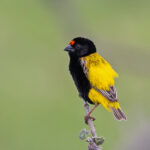
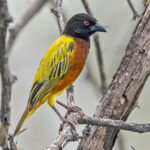
Fire-fronted Bishop (image by Pete Morris)

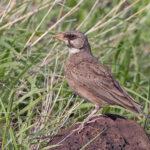
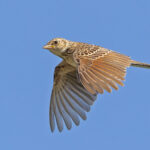
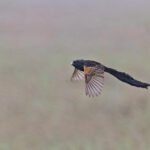
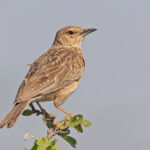
Masked Lark (image by Pete Morris)

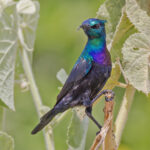
Violet-breasted Sunbird (image by Pete Morris)

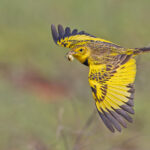
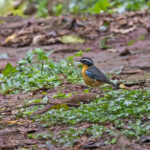
Golden Pipit (image by Pete Morris)

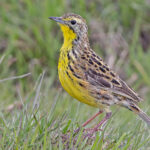
Sharpe's Longclaw (image by Pete Morris)

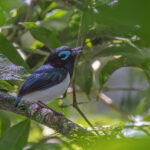
Jameson's Wattle-eye (image by Pete Morris)

Chestnut-throated Apalis (image by Pete Morris)

Sokoke Pipit (image by Pete Morris)

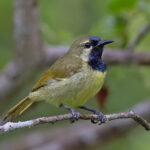
Abyssinian Sunbird (image by Pete Morris)

Grey-winged Robin-Chat (image by Pete Morris)

Malindi Pipit (image by Pete Morris)

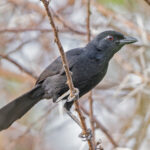
Black Boubou (image by Pete Morris)

Friedmann's Lark (image by Pete Morris)

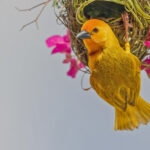
Golden Palm Weaver (image by Pete Morris)

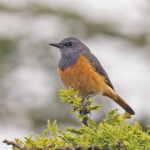
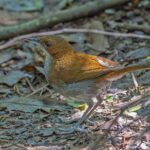
Little Rock Thrush (image by Pete Morris)

Grant's Wood Hoopoes (image by Pete Morris)

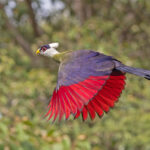
White-crested Turaco (image by Pete Morris)

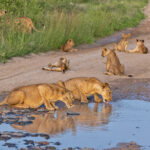
Lions (image by Pete Morris)

Lichtenstein's Sandgrouse (image by Pete Morris)

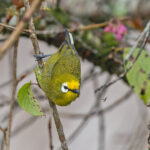
Kikuyu White-eye (image by Pete Morris)

Jackson's Widowbird (image by Pete Morris)

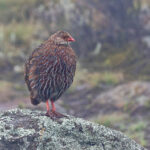
Jackson's Spurfowl (image by Pete Morris)

Equatorial Akalat (image by Pete Morris)

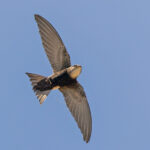
Horus Swift (image by Pete Morris)

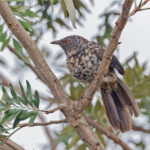
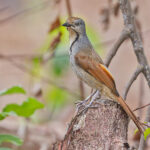
Hinde's Babbler (image by Pete Morris)

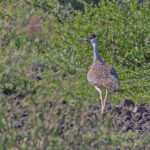
Heuglin's Bustard (image by Pete Morris)

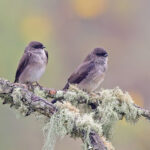
Ethiopian Martins (image by Pete Morris)

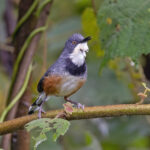
Grey-chested Babbler (image by Pete Morris)

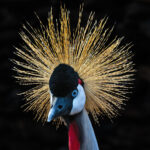
Grey Crowned Crane (image by Pete Morris)

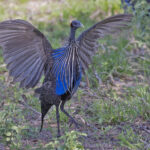
Vulturine Guineafowl (image by Pete Morris)

Black-collared Apalis (image by Pete Morris)

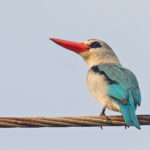
Mangrove Kingfisher (image by Pete Morris)

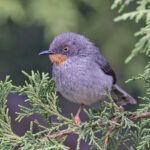
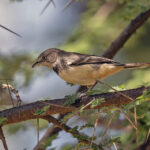
Banded Parisoma (image by Pete Morris)

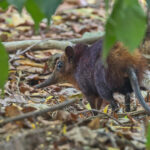
Golden-rumped Sengi (image by Pete Morris)

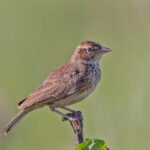
Williams's Lark (image by Pete Morris)

Golden-backed Weaver (image by Pete Morris)

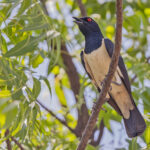
Magpie Starling (image by Pete Morris)

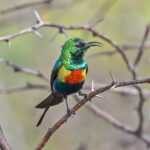
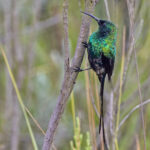
Beautiful Sunbird (image by Pete Morris)

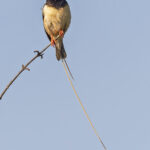
Straw-tailed Wydah (image by Pete Morris)

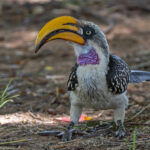
Eastern Yellow-billed Hornbill (image by Pete Morris)

East Coast Akalat (image by Pete Morris)

Donaldson Smith's Sparrow-Weaver (image by Pete Morris)

White-crowned Starling (image by Pete Morris)

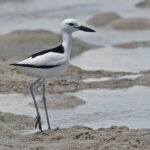
Crab-Plover (image by Pete Morris)

Collared Palm Thrush (image by Pete Morris)

Chestnut-headed Sparrow-Lark (image by Pete Morris)

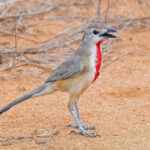
Rosy-patched Bushshrike (Tsavo) (image by Pete Morris)

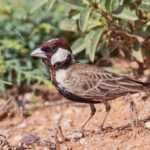
Chestnut Sparrow (image by Pete Morris)

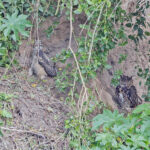
Cape Eagle Owl (Mackinder's) (image by Pete Morris)

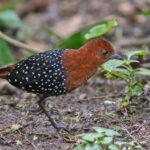
White-spotted Flufftail (image by Pete Morris)

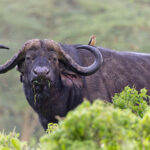
Cape Buffalo (image by Pete Morris)

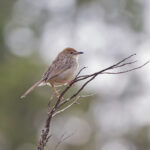
Boran Cisticola (image by Pete Morris)

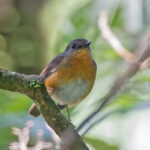
Blue-shouldered Robin-Chat (image by Pete Morris)

Pink-breasted Lark (image by Pete Morris)

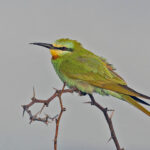
Blue-cheeked Bee-eater (image by Pete Morris)

Black-capped Social Weaver (image by Pete Morris)

Ross's Turaco (image by Pete Morris)

Black-bellied Sunbird (image by Pete Morris)

Speke's Weaver (image by Pete Morris)

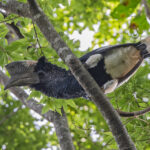
Black-and-white Casqued Hornbill (image by Pete Morris)

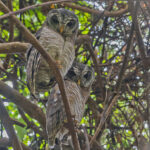
African Wood Owl (image by Pete Morris)

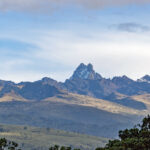
Mount Kenya (image by Pete Morris)

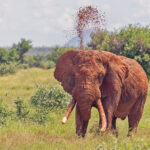
African Elephant (image by Pete Morris)

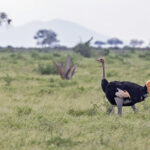
Somali Ostrich (image by Pete Morris)

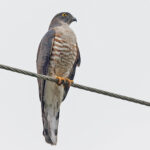
African Cuckoo-Hawk (image by Pete Morris)

African Broadbill (image by Pete Morris)

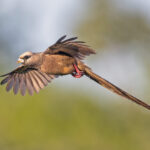
White-headed Mousebird (image by Pete Morris)

Three-streaked Tchagra (image by Pete Morris)

Three-banded Courser (image by Pete Morris)

Tacazze Sunbird (image by Pete Morris)

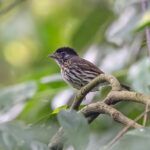
Mountain Illadopsis (image by Pete Morris)

Stripe-breasted Seedeater (image by Pete Morris)

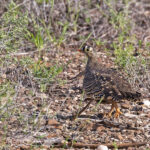
Stone Partridge (image by Pete Morris)

Somali Fiscal (image by Pete Morris)

Somali Courser (image by Pete Morris)

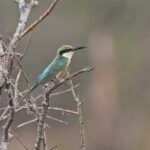
Somali Bee-eater (image by Pete Morris)

Scarlet-tufted Sunbird (image by Pete Morris)

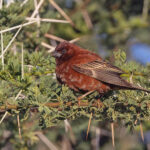
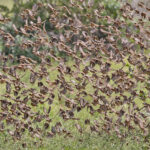
Red-billed Quelea (image by Pete Morris)

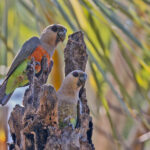
Red-bellied Parrot (image by Pete Morris)

Plain-backed Sunbird (image by Pete Morris)

Olive Ibis (image by Pete Morris)

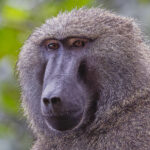
Olive Baboon (image by Pete Morris)

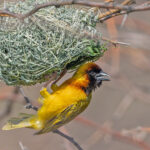
Northern Masked Weaver (image by Pete Morris)

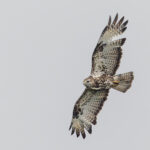
Mountain Buzzard (image by Pete Morris)

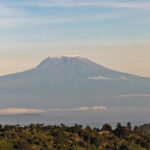
Mount Kilimanjaro (image by Pete Morris)

Monteiro's Hornbills (image by Pete Morris)
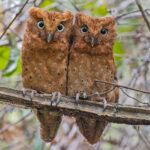
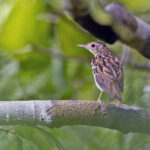
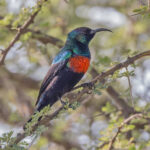
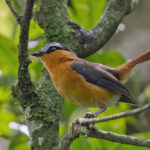
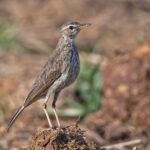
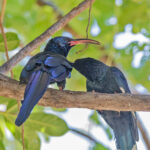
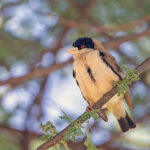
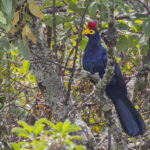
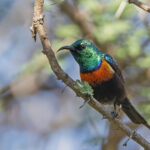
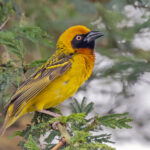
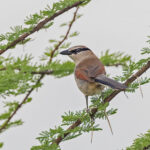
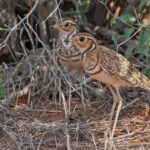
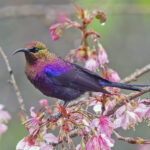
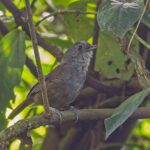
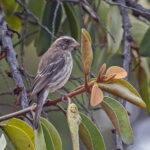
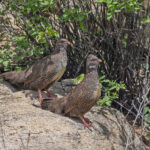
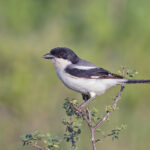
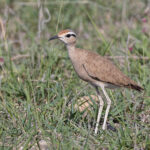

Sokoke Scops Owls (image by Pete Morris)
Fire-fronted Bishop (image by Pete Morris)
Masked Lark (image by Pete Morris)
Violet-breasted Sunbird (image by Pete Morris)
Golden Pipit (image by Pete Morris)
Sharpe's Longclaw (image by Pete Morris)
Jameson's Wattle-eye (image by Pete Morris)
Chestnut-throated Apalis (image by Pete Morris)
Sokoke Pipit (image by Pete Morris)
Abyssinian Sunbird (image by Pete Morris)
Grey-winged Robin-Chat (image by Pete Morris)
Malindi Pipit (image by Pete Morris)
Black Boubou (image by Pete Morris)
Friedmann's Lark (image by Pete Morris)
Golden Palm Weaver (image by Pete Morris)
Little Rock Thrush (image by Pete Morris)
Grant's Wood Hoopoes (image by Pete Morris)
White-crested Turaco (image by Pete Morris)
Lions (image by Pete Morris)
Lichtenstein's Sandgrouse (image by Pete Morris)
Kikuyu White-eye (image by Pete Morris)
Jackson's Widowbird (image by Pete Morris)
Jackson's Spurfowl (image by Pete Morris)
Equatorial Akalat (image by Pete Morris)
Horus Swift (image by Pete Morris)
Hinde's Babbler (image by Pete Morris)
Heuglin's Bustard (image by Pete Morris)
Ethiopian Martins (image by Pete Morris)
Grey-chested Babbler (image by Pete Morris)
Grey Crowned Crane (image by Pete Morris)
Vulturine Guineafowl (image by Pete Morris)
Black-collared Apalis (image by Pete Morris)
Mangrove Kingfisher (image by Pete Morris)
Banded Parisoma (image by Pete Morris)
Golden-rumped Sengi (image by Pete Morris)
Williams's Lark (image by Pete Morris)
Golden-backed Weaver (image by Pete Morris)
Magpie Starling (image by Pete Morris)
Beautiful Sunbird (image by Pete Morris)
Straw-tailed Wydah (image by Pete Morris)
Eastern Yellow-billed Hornbill (image by Pete Morris)
East Coast Akalat (image by Pete Morris)
Donaldson Smith's Sparrow-Weaver (image by Pete Morris)
White-crowned Starling (image by Pete Morris)
Crab-Plover (image by Pete Morris)
Collared Palm Thrush (image by Pete Morris)
Chestnut-headed Sparrow-Lark (image by Pete Morris)
Rosy-patched Bushshrike (Tsavo) (image by Pete Morris)
Chestnut Sparrow (image by Pete Morris)
Cape Eagle Owl (Mackinder's) (image by Pete Morris)
White-spotted Flufftail (image by Pete Morris)
Cape Buffalo (image by Pete Morris)
Boran Cisticola (image by Pete Morris)
Blue-shouldered Robin-Chat (image by Pete Morris)
Pink-breasted Lark (image by Pete Morris)
Blue-cheeked Bee-eater (image by Pete Morris)
Black-capped Social Weaver (image by Pete Morris)
Ross's Turaco (image by Pete Morris)
Black-bellied Sunbird (image by Pete Morris)
Speke's Weaver (image by Pete Morris)
Black-and-white Casqued Hornbill (image by Pete Morris)
African Wood Owl (image by Pete Morris)
Mount Kenya (image by Pete Morris)
African Elephant (image by Pete Morris)
Somali Ostrich (image by Pete Morris)
African Cuckoo-Hawk (image by Pete Morris)
African Broadbill (image by Pete Morris)
White-headed Mousebird (image by Pete Morris)
Three-streaked Tchagra (image by Pete Morris)
Three-banded Courser (image by Pete Morris)
Tacazze Sunbird (image by Pete Morris)
Mountain Illadopsis (image by Pete Morris)
Stripe-breasted Seedeater (image by Pete Morris)
Stone Partridge (image by Pete Morris)
Somali Fiscal (image by Pete Morris)
Somali Courser (image by Pete Morris)
Somali Bee-eater (image by Pete Morris)
Scarlet-tufted Sunbird (image by Pete Morris)
Red-billed Quelea (image by Pete Morris)
Red-bellied Parrot (image by Pete Morris)
Plain-backed Sunbird (image by Pete Morris)
Olive Ibis (image by Pete Morris)
Olive Baboon (image by Pete Morris)
Northern Masked Weaver (image by Pete Morris)
Mountain Buzzard (image by Pete Morris)
Mount Kilimanjaro (image by Pete Morris)
Monteiro's Hornbills (image by Pete Morris)


KENYA SPECIALITIES TOUR REPORT 2025

15 April - 3 May 2025
Pete Morris
Well what can one say about Kenya? It is a country absolutely packed with bird diversity! New species come thick and fast and there always seems to be more to look for just around the corner! Our tour was not a standard Kenya tour, but instead was designed to focus on the species that one can only really see in Kenya which involved a lot of driving over the length and breadth of the country, visiting many lesser-known localities as we went. We still amassed a good number of species, and in our two and a half weeks we recorded around 630 species of birds, but more importantly, a high proportion of the specialities that we were seeking. To make things even better, our arrival followed a decent period of rain, meaning that all of those little brown birds were in fine regalia, with spectacular showings from various weavers, wydahs and bishops!
We started on Lamu Island watching the recently described Black Boubou, a species here at the southernmost edge of its range which stretches up along the coastline into Somalia. Heading southwards we took in the similarly restricted range Violet-breasted Sunbird before reaching Watamu, our base for exploring the Arabuko-Sokoke Forest where Sokoke Scops Owl, Sokoke Pipit, Eastern Crested Guineafowl and Malindi Pipit were all seen well. For those ‘family collectors’ Crab-plover was a welcome lifer! Heading across Tsavo East National Park produced Somali Bee-eater and our first stunning Fire-fronted Bishops, before reaching the Taita Hills where Taita White-eye, Taita Apalis and Taita Thrush all showed well in the end. Heading inland, we found Tsavo Sunbird and then spent a few days in the highlands, visiting Mount Kenya and the Aberdares. This brought us many more goodies including the often tricky Olive Ibis, Jackson’s Spurfowl, Aberdare Cisticola, Kikuyu White-eye, Hinde’s Babbler, Abbott’s Starlings and an as yet undescribed martin! Shaba National Reserve was very wet this year, and did not disappoint with great views of both Friedmann’s and Williams’s Larks before we headed up to Marsabit in the remote north of Kenya. Here, we found Masked Larks and a wonderful displaying male Heuglin’s Bustard as well as Somali Sparrow and more incredible Fire-fronted Bishops! We had no problem finding Northern Masked Weaver and Jackson’s Hornbill at Baringo, and Kakamega Forest delivered the hoped for Blue-headed Bee-eater and Turner’s Eremomela, as well as Uganda Woodland Warbler (far easier to see here than in Uganda). Grey-chested Babbler was also another welcome bird as the Modulatricidae family can be particularly tough birds to see. Our final Kenyan special was Sharpe’s Longclaw on the Kinangop Plateau. Other special or ‘diamond’ birds seen on this tour included Somali Ostrich, Vulturine Guineafowl, Hildebrandt’s Spurfowl, Scarce Swift, Ross’s, White-crested, Black-billed, Fischer’s and Hartlaub’s Turacos, Black-faced Sandgrouse, Somali Courser, Sooty Gull, Mountain Buzzard, Cape (Mackinder’s) Eagle-Owl, White-headed Mousebird, Grant’s Wood-Hoopoe, Hemprich’s Hornbill, Mangrove Kingfisher, Red-and-yellow and D’Arnaud’s Barbets, Mombasa and Eastern Grey Woodpeckers, Forest and Western Black-headed Batises, Jameson’s Wattle-eye, Rosy-patched Bushshrike, Three-streaked Tchagra, East Coast Boubou, Mountain Oriole, Long-tailed, Taita and Somali Fiscals, Somali Crow, Chestnut-headed and Fischer’s Sparrow-Larks, Pink-breasted, Foxy, Sentinel and Red-winged Larks, Joyful, Kakamega, Kikuyu Mountain, Olive-headed, Lowland Tiny, Fischer’s, Placid and Toro Olive Greenbuls, Northern Brownbul, Dodson’s Bulbul, Somali Crombec, Little Yellow Flycatcher, Brown Woodland Warbler, Highland Rush Warbler, Hunter’s, Chubb’s, Boran, Ashy and Coastal Cisticolas, Pale Prinia, Black-collared, Brown-tailed and Chestnut-throated Apalises, Banded Parisoma, Yellow-vented Eremomela, Mountain and Scaly-breasted Illadopsises, Scaly Babbler, Southern Hyliota, Hildebrandt’s, Fischer’s, White-crowned, Slender-billed, Bristle-crowned, Stuhlmann’s and Magpie Starlings, Chapin’s Flycatcher, Grey-winged and Blue-shouldered Robin-Chats, Collared Palm Thrush, Equatorial and East Coast Akalats, Little Rock Thrush, Moorland Chat, Brown-tailed Rock Chat, Abyssinian Wheatear, Plain-backed, Amani, Grey, Hunter’s, Tacazze, Golden-winged, Scarlet-tufted, Northern Double-collared, Eastern Double-collared, Abyssinian and Black-bellied Sunbirds, Parrot-billed and Kenya Sparrows, Donaldson Smith’s Sparrow-Weaver, Golden Palm, Speke’s, Golden-backed and Chestnut Weavers, Red-cowled and Jackson’s Widowbirds, Grey-headed Silverbill, Abyssinian Crimsonwing, Black-cheeked and Kandt’s Waxbills, Blue-capped Cordon-bleu, Red-headed Bluebill, Steel-blue and Straw-tailed Whydahs, Golden Pipit, African and Southern Citrils, Reichenow’s and Stripe-breasted Seedeaters, White-bellied Canary and Northern Grosbeak-Canary. All in all, a pretty impressive and mouthwatering selection of specialities!
Our tour started at Wilson Airport in Nairobi as we checked in for the short flight to Lamu on the northern Kenya coast. The heat and humidity hit us as we stepped off from the plane in the early afternoon and we then spent some time negotiating with local officials who were keen to get some money out of us! We transferred by boat to our rather plush hotel on Lamu Island itself, where we soon found Grey Sunbird and colourful Golden Palm Weavers. It was too bad that we didn’t have time to enjoy its opulence as we deposited our bags, organized some lunch and then headed back to the airport area by boat. A stop on the way yielded a nice selection of waders and some smart Sooty Gulls, but it was another bird we were keen to find as we headed out into the scrub adjacent to the airport. Our aim was to see the recently described Black (or Manda) Boubou which was once thought to be a morph of Tropical Boubou but is actually more closely related to Red-naped Bushshrike. The afternoon was beginning to cool off (a little) and it didn’t take too long before we heard our quarry and were soon enjoying our first views. The birds were fairly shy but afforded everyone some great looks. A number of other species were present to keep us amused too, and these included Sombre Greenbuls, Northern Brownbul, noisy Scaly Babblers, Rufous Chatterers, Bearded Scrub Robin, Pale White-eye and Coastal Cisticola, as well as a confiding Little Sparrowhawk. It was late as we headed back, and at dusk we noted a Black Sparrowhawk flying over carrying prey.
The following morning we explored areas nearer to our hotel, and began with an excellent Mangrove Kingfisher calling away from conspicuous perches soon after dawn. More Black Boubous gave some great looks, allowing us to sea their red eyes, and a few other species were noted including Dodson’s Bulbuls and Three-streaked Tchagras. Our time was short though and after this success we happily headed back to breakfast, for the three kilometres walk had sharpened our appetites!
After a hearty breakfast it was immediately time to pack our bags into the boats to be ferried back to the mainland where our Landcruiser was waiting for us and the journey south began. We headed along the heavily guarded road, where stops were not really permitted until we got a fair way down, by which time it was really pretty hot! We were looking out for the localised Violet-breasted Sunbird which after a few false starts we found happily feeding in a flowering tree. The bird was in the bag and we moved on to the Sabaki River mouth where, after a long yomp across the mangroves, mudflats and dunes we scanned the throngs of gulls, terns and waders, finding our only African Skimmer of the tour. A few other common species were added, but we soon had to head down to Watamu. Huge numbers of House Crows gathered along the roadsides, and we arrived at our hotel in time for dinner!
The next two days were spent exploring the Arabuko-Sokoke Forest and environs. The forest is thick and dense and does not give up its secrets easily. We worked hard in various patches of forest, often concentrating on the Brachystegia patches which are favoured by several of the specialities, and with perseverance, we found nearly all of the species we were after! Top of the bill was the superb pair of rufous morph Sokoke Scops Owls that peered out at us from their roost, just a few metres away! It looked like we were going to struggle with the Sokoke Pipit as the first day drew a blank but on the second day we managed some great looks of this often tricky bird. Mombasa Woodpecker was shy, but not too difficult and we worked hard to get good views of the tiny little near-endemic Amani Sunbird. Malindi Pipit was seen easily, East Coast Akalat took some effort but ultimately obliged, and other goodies teased out of the forest included Eastern Crested Guineafowl, the smart Fischer’s Turaco, Green Barbet, our only Northern Carmine Bee-eater of the tour, pretty Little Yellow Flycatchers, Fischer’s and Lowland Tiny Greenbuls, Black-headed Apalis, Forest and Pale Batises, Chestnut-fronted and Retz’s Helmetshrikes, and smart Plain-backed Sunbirds. We also enjoyed some great looks at the splendid Golden-rumped Sengi.
On our first morning we also visited Mida Creek where we found plenty of Crab-plovers, an important ‘family tick’ for some, as well as Tibetan and Greater Sand Plovers. The surrounding bush country was becoming extremely developed and cleared at a startling rate, but despite that, on our second morning, we still managed to find a superb pair of Collared Palm Thrushes that were enjoyed by all, including the local villagers!
The following day was a long one as we headed to the Sala Gate of Tsavo East and then made our way across the entire width of the national park. The recent rains meant that the park was alive with birds, and there was barely enough time to look! Even before we got to the gate, flocks of Red-billed Queleas became more and more frequent and bigger and bigger, and mixed in were a group of stunning Fire-fronted Bishops, though sadly they disappeared as quickly as they had appeared! Fischer’s and gorgeous Golden-breasted Starlings lined the roadsides, our first brilliant Vulturine Guineafowls appeared and superb ‘Tsavo’ Rosy-patched Bushshrikes sang from roadside bushes. Once through the gate, the increased grass cover was ideal for the abundant Pink-breasted Larks, Singing Bush Larks, Ashy Cisticolas and stunning Golden Pipits, and there were literally clouds of queleas. A number of other interesting species were found including our first Somali Ostriches, literally dozens of Harlequin Quails, Common Buttonquail out in the open, Kori, Whit-bellied and Buff-crested Bustards, Black-faced Sandgrouse, Black-headed Lapwings, stunning Three-banded and Somali Coursers, a huge flock of African Openbills, Secretarybirds, Lappet-faced Vulture, smart Grasshopper Buzzards, impressive Southern Ground Hornbills, Eastern Yellow, Northern Red and Von der Decken’s Hornbills, a smart Somali Bee-eater which turned out to be our only one of the trip, Pygmy Falcons, Taita Fiscals, Chestnut-headed Sparrow-Larks, Red-winged Lark, Hunter’s Sunbird and smart Long-tailed Paradise Wydahs. It had been a long and productive day and as we headed for the Taita Hills darkness fell and the heavens opened!
The following day was devoted to finding the three endemics of the isolated Taita Hills, namely Taita Apalis, Taita White-eye and Taita Thrush. We were staying halfway up the mountain but it still took some time to climb to the forest patches higher up. Incredible views of Mount Kilimanjaro were a distraction as were a few White-bellied Tits. Once in situ, the white-eye fell pretty much immediately being easy to find, though shy, along the forest edge. We then turned our attention to the tricky thrush, but to no avail. We then moved to a couple of known territories of the apalis where, after a tense wait, we found ourselves looking at a couple of these rare birds. All that remained was the thrush, but this was no easy task, and we looked and looked! By mid-afternoon we had tracked a couple down, but they were proving elusive in difficult terrain. Eventually they did oblige, and we all got some great views of them foraging in the leaf litter. What a relief! Whilst looking we did find a few other interesting species including Hartlaub’s Turaco, Olive-headed and Placid Greenbuls and Striped Pipit. It had been tough! Any ideas of looking for a few species lower down were soon nipped in the bud as the heavens once again opened!
We set off early the following day, for the long drive to Mount Kenya. We still had some unfinished business in the Tsavo area, and made a few stops along the way, eventually finding the localized Tsavo Sunbird as well as some angry Pearl-spotted Owlets, Bare-eyed Thrush, Black-bellied Sunbird and a number of other common species. Another small flock of Fire-fronted Bishops tantalized us, but we had to crack on. The journey was fairly uneventful but some great views of our first smart male Straw-tailed Whydahs by the roadside were enjoyed. We arrived at our lovely destination of Castle Forest Lodge on the slopes of Mount Kenya in the late afternoon just as the regular late afternoon rain was setting in! Fortunately there was a relative dry period just before dark, allowing us to see a few species including Red-fronted Parrots, snazzy Tacazze and Northern Double-collared Sunbirds and a smart Cinnamon Bracken Warbler. Just before dusk some loud calls got our attention, and we were treated to our first flight views of Olive Ibis, flying right over our heads.
Fortunately, the following morning was clear and we were up early before dawn waiting for the hoped for Olive Ibises to fly by which they did again, allowing some more good views. Things got better after breakfast though, when we were treated to some great scope views of three Olive Ibises perched in a dead tree and chasing each other around calling. Great stuff! The other speciality of this site, the rare Abbott’s Starling proved much more difficult to find, and sadly we only managed flight views of a calling group of four that flew over us, and we weren’t really helped by the frequent, and at times heavy, rain. Yes, after a dry start it was by now pretty wet morning! Nevertheless, we did find a number of other interesting species including the occasional Scarce Swifts dashing overhead, Scaly Spurfowl, the endemic Kikuyu Mountain Greenbul and Kikuyu White-eye, excitable Hunter’s Cisticolas duetting from the shrubbery, Mountain Oriole, smart Black-throated and Black-collared Apalises, Brown Woodland Warbler, Eastern Double-collared Sunbird and a trackside Abyssinian Crimsonwing. After a rather wet morning and heavy rain through lunch, it was time to leave, though we did see a smart Mountain Wagtail and an African Cuckoo-Hawk on the drive out.
Moving on to our next hotel, we arrived in time for some late afternoon birding nearby, soon finding the very special Hinde’s Babbler. The birds performed well, and some excellent views were obtained. A number of other common birds were present, including a perched African Goshawk and a smart pair of Grey-capped Warblers.
The following day we climbed high into the Aberdares. The journey was long and slow, and the weather once again, rather unpleasant, with fog, drizzle and rain! We paused at a small colony of what may well be a yet-to-be-described species of martin, colloquially known as Ethiopian or Moorland Martin. A good start, and heading higher we continued our quest, finding plenty of bold Jackson’s Spurfowl, but the weather really was not helping! Walking through the wet vegetation, we did find most of our targets, including the endemic Aberdare Cisticola, Slender-billed Starling, Moorland Chat and the smart Scarlet-tufted Sunbird, though sadly we could not find any francolins. Making our way back down, more goodies were added including an obliging Mountain Buzzard, beautiful Golden-winged Sunbirds, Kandt’s Waxbills and singing Mountain Yellow Warblers. Heading back, we stopped to admire an adult and two young ‘Mackinder’s’ Cape Eagle-Owls and a smart male Little Rock Thrush, and crossing the Solio Ranch at dusk we saw our first Jackson’s and Long-tailed Widowbirds as well as some soggy-looking Banded Martins. It was of course raining when we arrived at our lodge!
The morning dawned fair, and we headed high on to Mount Kenya. A pause at the gate gave us an opportunity to see the smart Chestnut-throated Apalis, and we then made our way high up onto the slopes of Mount Kenya on a well made cinder track! Fortunately it was not raining, but instead there was a fierce wind, and although we found more Jackson’s Spurfowl, Moorland Chats and Scarlet-tufted Sunbirds, the francolins once again eluded us. Heading on, a radiator blow-out caused some inconvenience, but a replacement vehicle was quickly summoned and we continued on our way. A productive roadside stop yielded a pair of rare Stripe-breasted Seedeaters and the painfully elusive Boran Cisticola, and more heavy rain brought a flock of Mottled Swifts down low. It was late afternoon by the time we made our way into Shaba National Reserve. Again it was birdy, and we paused on the way in to admire a number of species including numerous smart White-throated Bee-eaters, our first Black-capped Social Weaver, a couple of Northern Crombecs and the localized Brown-tailed Rock Chat.
Shaba was wet, really wet, and as a result our local guide/guard informed us that there was no access to the plains where we usually see Williams’s Lark in the reserve, the usual target of the morning. That one would have to wait until the following morning, when ‘plan b’ would be put into operation! The rain however had done us a big favour, in helping us find the star bird of the morning. Once the distinctive “whee-hoooo” calls of the little-known Friedmann’s Lark had been heard, we hopped off the vehicle with our armed guard and set off on foot in order to find one. This task was not too difficult as a couple of birds engaged in display flights and perched prominently on the bare branches of the scattered thorn trees. One of the country’s more elusive specialities! Indeed we enjoyed an excellent morning. Great views of a pair of Stone Partridges were a real surprise, and other species seen included several Jacobin Cuckoos, several excellent Lichtenstein’s and Black-faced Sandgrouse, a pair of Spotted Thick-knees, more smart Somali and Three-banded Coursers, Abyssinian Scimitarbills, colourful Red-and-yellow and Black-throated Barbets, Rosy-patched Bushshrike, Acacia Tit, Fischer’s Sparrow-Lark, Fawn-colored Lark, Pale Prinia, Yellow-vented Eremomelas, several Magpie Starlings, and numerous flocks of breeding-plumaged Chestnut Weavers that seemed to be constantly on the move. We also admired several long-necked Southern Gerenuks. Back at the lodge, a small group of the increasingly rare Hooded Vulture, resting in a palm tree, were appreciated. In the afternoon, we popped across to the adjacent Buffalo Springs. The plains here were alive with game, including long-horned Galla (or Beisa) Oryx and a lovely Grevy’s Zebra, and we soon found the much-wanted Donaldson Smith’s Sparrow-Weaver. A concerted effort was then requires to find the attractive and localized White-headed Mousebird, and once achieved, was celebrated with a cold Tusker! Heading back, it was a great surprise to find a pride of at least nine Lions stretched out on the road, taking a drink from the puddles!
An early start was required the following day, as ‘plan b’ was to reach some lava plains east of Isiolo. As the sun rose, a cloud of Red-billed Queleas that stretched as far as the eye could see, headed north. We estimated that the dense flock was several kilometres long and likely contained millions of individuals – quite incredible! Nearer to our destination we found some colonies of Chestnut Sparrows, before heading out onto the plains. We soon flushed some Williams’s Larks, but it took some time to get some really good looks as the usually bare lava plains were now covered in copious grass! After a successful morning we headed back to Shaba for a late breakfast and to pack up. Here a little last minute birding in the garden proved successful with a noisy group of Grant’s Wood Hoopoe and our best views of Red-bellied Parrot, with a pair attending a nest.
From Shaba we headed further north into remote country. It was hot, mad dogs and Englishmen territory, but we needed to make a few stops for there were birds to be had! These proved successful despite the temperatures and an uncomfortably close African Elephant. We soon found the much-hoped for Somali Crombec and Pringle’s Puffback, Blue-capped Cordon-bleus obliged, and a fine male Northern Grosbeak Canary was a welcome bonus! Further north, some acacias held a fine Banded Parisoma, and a final stop in some plains further north produced a dashing Red-necked Falcon. Then lightning struck for a second time as the replacement radiator exploded, and our arrival into the town of Marsabit was a little later than planned!
The following day we explored the road leading into the Dida Galgalu desert, where some diligent scanning soon revealed one of the main prizes, as a superb displaying male Heuglin’s Bustard was spotted on a distant ridge and watched at length strutting around, puffing up its neck into a strange bulbous shape. Soon after another was seen at closer range, and here we also found some obliging Masked Larks which showed well alongside Thekla’s and Crested Larks. Somali Crows, Somali Fiscals, Three-streaked Tchagra, Striolated and Somali Buntings and Red-fronted Prinia were appreciated here too, and heading further north the desert surprisingly became wetter and greener. Vultures were commoner here than anywhere else on our journey, flocks of Collared Pratincoles hawked over roadside pools and numerous White-crowned Starlings were found. Here we quite literally struck gold, as some golden puffballs were spotted bouncing over the lush green grass!! Further north than ever recorded before in this region, we finally had the chance to watch stunning Fire-fronted Bishops at length, as they displayed over the grassland. And what a treat it was, a memory that we will cherish for some time! Abdim’s Storks were also noted here before we headed back to continue our search for Somali Sparrow. Ultimately we found a few, though none were as yellow as we hoped, and I fear those House Sparrow genes are watering down this pretty species.
A long travel day followed, and we spent almost the whole day on pretty rough and remote roads as we made our way across to Lake Baringo. It was a birdy journey, at least for the first few hours of the day, and we added a number of common species to our ever-growing list. Most noteworthy perhaps were our first views of Black and Red-chested Cuckoos, a couple of Dark Chanting Goshawks, Northern Puffback, more obliging Acacia Tits, and a couple of colourful Hildebrandt’s Starling. It was nearly dark when we arrived at our somewhat strange, partially flooded accommodation at Lake Baringo, where we were greeted by Grey Crowned Cranes and Bristle-crowned Starlings! With the rising water levels in the lake, our formerly grand hotel, is now a perfectly useable upper-floor-only hotel!
We had a full day to explore Baringo, seeking a series of specialities along the escarpment, in the thorn forest and along the vegetated edge of the lake. Success came early with a series of great birds including Jackson’s and Monteiro’s Hornbills, a roosting Northern White-faced Owl and the localized Abyssinian Sunbird. In the thorn scrub we found Great Spotted Cuckoo, Buff-bellied Warbler, Mouse-coloured Penduline Tits, Pale Batis, Brown Babblers, stunning Beautiful Sunbirds, Little Weaver and White-bellied Canaries, whilst some careful searching revealed smart Grey-headed Silverbills and a male Steel-blue Wydah. Along the escarpment, Mocking Cliff Chats were found whilst at the lake edge we found smart Northern Masked and Golden-backed Weavers, as well as a male Northern Red Bishop and a fine Senegal Thick-knee. Our local guide also excelled with more roosting nightbirds, namely Slender-tailed Nightjar and both Spotted and Greyish Eagle Owls, the latter two of interest as this is the area where these two closely related species meet and occasionally hybridise!
The following day, a quick boat trip yielded a modest number of waterbirds including Goliath Heron, Giant Kingfisher and Lesser Swamp Warbler and we also got to compare Little, White-rumped and Horus Swifts. Leaving Baringo, we paused to admire a colony of White-billed Buffalo Weavers before traversing the Rift Valley, a vast and impressive chasm! We paused in the Kerio Valley, where we managed great views of Ross’s and White-crested Turacos, as well as Red-fronted Barbet, Greater Honeyguide, Meyer’s Parrot, Western Black-headed Batis, our first Grey-backed Fiscals, Chestnut-crowned Sparrow-Weaver and the localized ‘Nairobi’ form of Long-billed Pipit. Heading further on, roadside swamps produced a fine African Water Rail as well as Black Crake, Highland Rush Warbler, Levaillant’s Cisticola and a surprise Black-headed Weaver. We then had the obligatory stop to buy beer (Rondo Retreat is ‘dry’) before the most biblical of downpours, delayed our progress, and it was well after dark when we rolled in to the wonderful Rondo Retreat in Kakamega Forest.
With only one day and a morning in Kakamega, we had to work hard and score quickly, and thankfully our time in this super forest reserve was very successful. Turner’s Eremomela was high on the want list and small flocks of these pretty birds surrendered themselves early on the first busy morning. Other top priority birds included Uganda Woodland Warbler which sang its sweet song almost constantly but took some finding and the elusive Blue-headed Bee-eater, which we tracked down foraging in the canopy on our first morning. The much-desired Grey-chested Babbler also gave unbelievably good views – a family tick for many of the group! It took until the second morning to see another speciality, the canopy-loving and somewhat unassuming Chapin’s Flycatcher. Whilst seeking out these rarities, we gathered an impressive list of West African forest species. Black-and-white-casqued Hornbills and Great Blue and Black-billed Turacos threw out their guttural cries from the tall treetops, all showing eventually, and both Bar-tailed Trogon and African Broadbill took some real tracking down, but showed well in the end. Grey-winged Robin-Chat and Buff-spotted Flufftail both showed brilliantly in the lodge garden, stunning Blue-shouldered Robin-Chats, Equatorial Akalats, Jameson’s Wattle-eyes and Brown, Mountain and Scaly-breasted Illadopsises skulked in the undergrowth, and other species of note included Yellow-crested, Buff-spotted and Brown-eared Woodpeckers, Grey-throated, Yellow-spotted, Hairy-breasted and Eastern Yellow-billed Barbets, Crowned Eagle, a surprise Grey Parrot, the skulking but smart Black-faced Rufous Warbler, Chubb’s Cisticola, Kakamega, Pale-throated, Joyful and Toro Olive Greenbuls (amongst a plethora of greenbuls!), Petit’s Cuckooshrike, Brown-chested Alethe, White-tailed Ant Thrush, African Blue Flycatchers, Dusky Tit, smart Bocage’s and Lühder’s Bushshrikes, Mackinnon’s Fiscal, Red-headed Bluebill, Black-billed and Vieillot’s Black Weavers, Red-headed Malimbe, Stuhlmann’s Starling, Southern Hyliota, the scarce Oriole Finch and Southern Citril. A pretty impressive haul for a short visit! From Kakamega we drove to Lake Nakuru, pausing for an African Hobby and a Lesser Jacana as we went!
We spent our last night in the comfortable lodge at Lake Nakuru, and had a pleasant morning exploring the diverse habitats of this impressive reserve. Sadly the helmetshrikes had gone AWOL, but the waterbirds, including hordes of Great White Pelicans, were impressive, and other species of note included a colony of Horus Swifts, confiding Hildebrandt’s Francolins, White-headed Barbets, White-fronted Bee-eaters, Eastern Grey and Bearded Woodpeckers, Sentinel Larks and Plain-backed Pipits, and it was good to see lazy White Rhinos lounging around. Sadly we did not have time to lounge around, and after a quick lunch and a look at the busy feeders we were off again, this time our last journey of the tour as we headed towards Nairobi Airport.
The final speciality of the trip was our appointment with Sharpe’s Longclaw on the Kinangop Plateau. We prayed that the rain would hold off just long enough for us to see it and we made our way through some tedious traffic to the site where our man on the spot led us straight to this delightful species, and we enjoyed some first-class views of this critically endangered rarity. On the way down the heavens did open again, and we continued on towards Nairobi. The rain did stop for us to scan one last wetland where several White-backed Ducks and a drake Maccoa Duck were much appreciated, and we then made the short transit to the airport where the tour ended.
It had been a massive road trip taking in most of the habitats that Kenya has to offer. Along the way, we enjoyed some spectacular scenery, stayed at some fabulous lodges and saw a good selection of great mammals, and we managed to find a vast majority of Kenya’s speciality birds as we went! Those bouncing Fire-fronted Bishops still put a smile on my face as I write the final words of this report!!
BIRD OF THE TOUR
1st SOKOKE SCOPS OWL
2nd FIRE-FRONTED BISHOP
3rd OLIVE IBIS
4th Friedmann’s Lark
5th Violet-breasted Sunbird
6th= Grey-chested Babbler
6th= Crab Plover
6th= Sharpe’s Longclaw
SYSTEMATIC LIST OF SPECIES RECORDED
Species marked with the diamond symbol (◊) are either endemic to the country or local region or considered ‘special’ birds for some other reason (e.g., it is only seen on one or two Birdquest tours; it is difficult to see across all or most of its range; the local form is endemic or restricted-range and may in future be treated as a full species).
The species names and taxonomy used in the bird list follows Gill, F., Donsker, D., & Rasmussen, P.(Eds). 2024. IOC World Bird List (v15.1) (this was the current version when the checklist for the tour report was created).
Where the subspecies seen is/are known, these are often given in parentheses at the end of the species comment.
BIRDS
Somali Ostrich ◊ Struthio molybdophanes 7+ adults, and some chicks, as we drove through Tsavo East National Park. Another pair seen at Buffalo Springs National Reserve.
White-faced Whistling Duck Dendrocygna viduata Seen at a number of sites with biggest numbers at Limuru Ponds near Nairobi.
Fulvous Whistling Duck Dendrocygna bicolor At least 10 at Limuru Ponds near Nairobi.
White-backed Duck Thalassornis leuconotus Great views of some of at least 10 present at Limuru Ponds near Nairobi [nominate].
Knob-billed Duck Sarkidiornis melanotos First seen as we drove from Kikoni towards Watamu. Also seen as we drove through Tsavo East National Park.Best views at Limuru Ponds near Nairobi.
Egyptian Goose Alopochen aegyptiaca First seen as we drove through Tsavo East National Park. Common and widespread
Blue-billed Teal (Hottentot T) Spatula hottentota Two seen at Lake Nakuru.
Yellow-billed Duck Anas undulata First seen at Timboroa Dam, on the drive to Lake Nakuru. Also good views at Lake Nakuru etc.
Red-billed Teal Anas erythrorhyncha Two seen at the sewage ponds at Isiolo.
Maccoa Duck Oxyura maccoa A drake seen well at Limuru Ponds near Nairobi.
Helmeted Guineafowl Numida meleagris Fairly common and widespread [reichenowi].
Eastern Crested Guineafowl ◊ Guttera pucherani A couple seen close to the track in the Arabuko Sokoke Forest Reserve.
Vulturine Guineafowl ◊ Acryllium vulturinum Hundreds as we were approaching the Sala Gate for Tsavo East National Park and another flock as we drove through the park. A few others seen around Shaba and towards Marsabit. Stunners!
Stone Partridge ◊ Ptilopachus petrosus Great views of a pair on the large rocky hill at Shaba National Reserve. A couple of other pairs heard [florentiae].
Crested Francolin (Kirk’s F) Ortygornis [sephaena] rovuma First seen well as we drove through Tsavo East National Park. Also seen at the lodge in Shaba Game Reserve.
Coqui Francolin Campocolinus coqui Heard only in the grassland at Lake Nakuru [hubbardi].
Harlequin Quail Coturnix delegorguei Literally 50+, many seen well, as we drove through Tsavo East National Park. Also a few seen and many heard in the grasslands north of Marsabit [nominate].
Jackson’s Spurfowl ◊ Pternistis jacksoni Plenty seen in the Aberdares National Park, and again on the Sirimon Track on Mount Kenya.
Hildebrandt’s Spurfowl ◊ Pternistis hildebrandti Great views on a couple of occasions at Lake Nakuru [nominate].
Scaly Spurfowl Pternistis squamatus Some good looks at Castle Forest Lodge, Mount Kenya [maranensis].
Yellow-necked Spurfowl Pternistis leucoscepus Several seen well as we were approaching the Sala Gate for Tsavo East National Park. Plenty more seen elsewhere [infuscatus].
Slender-tailed Nightjar Caprimulgus clarus Seen post dusk around Shaba, and one seen roosting at Lake Baringo.
Scarce Swift ◊ Schoutedenapus myoptilus A few seen reasonably well over Castle Forest Lodge, Mount Kenya, and over Kakamega Forest [nominate].
Mottled Spinetail (Mottle-throated S) Telacanthura ussheri A few seen well over the Waterhole / Elephant Swamp in the Arabuko Sokoke Forest Reserve [stictilaema].
African Palm Swift Cypsiurus parvus Common and widespread.
Mottled Swift Tachymarptis aequatorialis Quite a few seen with excellent views of the first ones feeding low over Isiolo [nominate].
Common Swift Apus apus A few identified as this species in the Aberdares.
Nyanza Swift Apus niansae A few seen well, including at the quarry near to Solio Ranch [nominate].
African Black Swift Apus barbatus Breeding birds seen well at Makalia Falls in Lake Nakuru National Park [roehli].
Little Swift Apus affinis First seen in Nairobi. Common and widespread [aerobates].
Horus Swift Apus horus First seen over Lake Baringo, then brilliant views of a busy colony in a sand bank in Lake Nakuru National Park.
White-rumped Swift Apus caffer Several seen well around Lake Baringo.
Great Blue Turaco Corythaeola cristata Seen well on a couple of occasions at Kakamega Forest.
White-bellied Go-away-bird Crinifer leucogaster First seen as we were approaching the Sala Gate for Tsavo East National Park. Fairly common and widespread.
Ross’s Turaco ◊ Tauraco rossae Great views of a pair near Sesia, at the Western Edge of the Rift Valley Crossing, and another pair seen well in the garden of the Rondo Retreat at Kakamega Forest.
White-crested Turaco ◊ Tauraco leucolophus Superb views of at least four in the Tugen Hills, on the way to the Rift Valley descent.
Black-billed Turaco ◊ Tauraco schuettii Excellent views of one, and others heard at Kakamega Forest [emini].
Fischer’s Turaco ◊ Tauraco fischeri Decent views of one next to the Waterhole / Elephant Swamp in Arabuko Sokoke Forest Reserve [nominate].
Hartlaub’s Turaco ◊ Tauraco hartlaubi Good views of 2-3 at the edge of Nagngao Forest, Taita Hills. Pretty common around Mount Kenya too.
Kori Bustard Ardeotis kori A few seen well as we drove through Tsavo East National Park. Also seen north of Marsabit [struthiunculus].
Heuglin’s Bustard ◊ Neotis heuglinii Two males seen north of Marsabit. The first was scoped distantly, but was displaying, stood there with his breast puffed out, whilst the second was much closer.
White-bellied Bustard Eupodotis senegalensis A piar seen well as we drove through Tsavo East National Park. A few others seen later in the trip [canicollis].
Buff-crested Bustard Lophotis gindiana At least five seen well as we drove through Tsavo East National Park. Others seen well at Shaba National Reserve.
Black-bellied Bustard Lissotis melanogaster A female seen in Lake Nakuru National Park [nominate].
Blue-headed Coucal Centropus monachus Heard only, in the Aberdares and at the wetland west of Iten.
White-browed Coucal Centropus superciliosus First seen as we drove through Tsavo East National Park. Fairly common and widespread [nominate].
Blue Malkoha (B Yellowbill) Ceuthmochares aereus Good views of one at Kakamega Forest [nominate].
Great Spotted Cuckoo Clamator glandarius Excellent views of one at Lake Baringo.
Jacobin Cuckoo (Black-and-white C) Clamator jacobinus Quite a few seen with the best views around the entrance to Shaba National Reserve [pica].
Diederik Cuckoo (Didric C) Chrysococcyx caprius First seen along the track behind the Majlis Hotel on Manda Island. Many more seen and heard.
Klaas’s Cuckoo Chrysococcyx klaas First seen along the track behind the Majlis Hotel on Manda Island. Many more seen and heard.
African Emerald Cuckoo Chrysococcyx cupreus A male seen well in the garden of the Rondo Retreat at Kakamega Forest.
Black Cuckoo Cuculus clamosus Several heard towards the end of the trip with good views of a couple during the rough drive to Lake Baringo [nominate].
Red-chested Cuckoo Cuculus solitarius Several seen, the first during the rough drive to Lake Baringo.
Lesser Cuckoo Cuculus poliocephalus Heard only, but clearly in the Arabuko Sokoke Forest Reserve.
African Cuckoo Cuculus gularis A few seen well and also heard, the first at Shaba Game Reserve.
Common Cuckoo Cuculus canorus A couple seen as we were approaching the Sala Gate for Tsavo East National Park.
Chestnut-bellied Sandgrouse Pterocles exustus A few seen well at Buffalo Springs National Reserve, and good numbers north of Marsabit, especially around Bubisa Village [olivascens].
Black-faced Sandgrouse ◊ Pterocles decoratus Excellent views of a female and chicks as we were approaching the Sala Gate for Tsavo East National Park, and several more seen well as we drove through the park [nominate]. Also, plenty seen well at Shaba National Reserve [ellenbecki].
Lichtenstein’s Sandgrouse Pterocles lichtensteinii Several seen well at Shaba National Reserve. Great birds [sukensis]!
Rock Dove (Feral) Columba livia ‘feral’ Introduced.
Speckled Pigeon Columba guinea Abundant in many towns [guinea]!
Eastern Bronze-naped Pigeon Columba delegorguei Heard only at Kakamega Forest [sharpei].
Lemon Dove Columba larvata Three fairly brief views in Nagngao Forest, Taita Hills [nominate].
Dusky Turtle Dove Streptopelia lugens One at Lake Baringo was a surprise [nominate].
Mourning Collared Dove (African M D) Streptopelia decipiens Very common around Lake Baringo [nominate].
Red-eyed Dove Streptopelia semitorquata Common and widespread.
Ring-necked Dove Streptopelia capicola Common and widespread in drier areas [tropica].
Laughing Dove Spilopelia senegalensis First seen as we were approaching the Sala Gate for Tsavo East National Park. Fairly common and widespread in drier areas [nominate].
Emerald-spotted Wood Dove Turtur chalcospilos First seen on Manda Island.
Tambourine Dove Turtur tympanistria Two flushed off the track in the Arabuko Sokoke Forest Reserve. Best views were near to Le Pristine Hotel at Nyeri.
Namaqua Dove Oena capensis First seen as we drove through Tsavo East National Park. Many seen in drier areas [nominate].
White-spotted Flufftail Sarothrura pulchra Brilliant views of a pair in the garden of the Rondo Retreat at Kakamega Forest [centralis].
African Rail (A Water R) Rallus caerulescens Good views of one at the wetland west of Iten.
Common Moorhen Gallinula chloropus A few seen, the first at Timboroa Dam, on the drive to Lake Nakuru [meridionalis].
Red-knobbed Coot (Crested C) Fulica cristata A few at the end of the tour.
African Swamphen Porphyrio madagascariensis Just one seen at Limuru Ponds near Nairobi on the last afternoon.
Black Crake Zapornia flavirostra First seen at the wetland west of Iten. Also seen at Lake Nakuru.
Grey Crowned Crane Balearica regulorum A few seen, the first at Shaba National Reserve [gibbericeps].
Little Grebe Tachybaptus ruficollis A few seen, the first on ponds north of Marsabit [capensis].
Greater Flamingo Phoenicopterus roseus First seen north of and at the Sabaki River Mouth. A few others during the trip.
Lesser Flamingo Phoeniconaias minor First seen at the Sabaki River Mouth. A few others during the trip.
Common Buttonquail (Little B) Turnix sylvaticus Excellent views of a couple on the deck as we drove through Tsavo East National Park [lepurana].
Spotted Thick-knee (S Dikkop) Burhinus capensis Nice views of a couple at Shaba National Reserve [maculosus].
Water Thick-knee (W Dikkop) Burhinus vermiculatus Seen along the river at Shaba National Reserve [nominate].
Senegal Thick-knee Burhinus senegalensis One seen well at Lake Baringo.
Black-winged Stilt Himantopus himantopus First seen at the Roka Pools, south of Watamu.
Pied Avocet Recurvirostra avosetta First seen at the Sabaki River Mouth.
Grey Plover (Black-bellied P) Pluvialis squatarola First seen on a sandflat at Manda Island [nominate].
Common Ringed Plover Charadrius hiaticula First seen on a sandflat at Manda Island [tundrae].
Three-banded Plover Charadrius tricollaris A few seen, with best views at Lake Nakuru [nominate].
Blacksmith Lapwing (B Plover) Vanellus armatus Several seen at various wetlands.
Spur-winged Lapwing (S-w Plover) Vanellus spinosus First seen at the Sabaki River Mouth. Plenty more seen.
Black-headed Lapwing (B-h Plover) Vanellus tectus Great views of several just outside the park and as we drove through Tsavo East National Park. A few others seen [latifrons].
Crowned Lapwing (C Plover) Vanellus coronatus Fairly common. First seen well at Buffalo Springs National Reserve [nominate].
Tibetan Sand Plover Anarhynchus atrifrons Several seen well at Mida Creek [pamirensis].
Greater Sand Plover Anarhynchus leschenaultii A few seen well at Mida Creek [scythicus].
White-fronted Plover Anarhynchus marginatus Excellent views of one at the Sabaki River Mouth [mechowi].
Lesser Jacana Microparra capensis Scope views of one at Timboroa Dam, on the drive to Lake Nakuru.
African Jacana Actophilornis africanus A handful seen, the first at Lake Baringo.
Eurasian Whimbrel Numenius phaeopus First seen at the Sabaki River Mouth [nominate].
Eurasian Curlew Numenius arquata One seen well at Mida Creek.
Terek Sandpiper Xenus cinereus First seen on a sandflat at Manda Island. Plenty more on the coast.
Common Sandpiper Actitis hypoleucos First seen at the Roka Pools, south of Watamu. One or two others seen.
Wood Sandpiper Tringa glareola First seen at the Sabaki River Mouth.
Common Greenshank Tringa nebularia First seen at the Sabaki River Mouth.
Ruff Calidris pugnax One seen at Lake Nakuru.
Curlew Sandpiper Calidris ferruginea First seen on a sandflat at Manda Island.
Sanderling Calidris alba Two, coming into summer plumage at Mida Creek [nominate].
Little Stint Calidris minuta First seen at the Sabaki River Mouth.
Crab-plover Dromas ardeola Great views of a good number at Mida Creek.
Three-banded Courser (Heuglin’s C) Rhinoptilus cinctus Great views of three as we drove through Tsavo East National Park [emini]. Also excellent views of several at Shaba National Reserve [nominate].
Somali Courser ◊ Cursorius somalensis littoralis Excellent views of four as we drove through Tsavo East National Park. Others seen at Shaba and at Buffalo Springs National Reserves and north of Marsabit.
Collared Pratincole Glareola pratincola A couple seen at the Sabaki River Mouth. Also, good numbers seen north of Marsabit, visiting the roadside pools [fuelleborni].
African Skimmer Rynchops flavirostris One seen at the Sabaki River Mouth.
Gull-billed Tern Gelochelidon nilotica First seen on a sandflat at Manda Island. A few others seen [nominate].
Caspian Tern Hydroprogne caspia A couple at the Sabaki River Mouth.
Whiskered Tern Chlidonias hybrida A few seen at Lake Nakuru.
White-winged Tern Chlidonias leucopterus A few in breeding plumage at the Sabaki River Mouth. Also seen at Lake Nakuru.
Common Tern Sterna hirundo At least one at the Sabaki River Mouth [nominate].
Lesser Crested Tern Thalasseus bengalensis First seen on a sandflat at Manda Island [nominate].
Greater Crested Tern Thalasseus bergii First seen on a sandflat at Manda Island [velox].
Grey-headed Gull Chroicocephalus cirrocephalus Quite a few seen at Lake Nakuru [poiocephalus].
Sooty Gull ◊ Ichthyaetus hemprichii First seen on a sandflat at Manda Island. Many good views on the coast.
Lesser Black-backed Gull (Heuglin’s G) Larus [fuscus] heuglini One, a 2cy bird resembling this form, seen at the Sabaki River Mouth.
African Openbill (A Open-billed S) Anastomus lamelligerus Most impressive were the huge numbers in Tsavo East National Park [nominate].
Marabou Stork Leptoptilos crumenifer Quite a few seen, the first in Nairobi.
Yellow-billed Stork Mycteria ibis First seen in numbers at the Sabaki River Mouth. Plenty more seen.
Saddle-billed Stork Ephippiorhynchus senegalensis A pair seen at Lake Nakuru.
Abdim’s Stork Ciconia abdimii Great views of one in the grasslands north of Marsabit.
African Woolly-necked Stork Ciconia microscelis A few seen, the first at the Sabaki River Mouth.
White Stork Ciconia ciconia A flock of 100+ seen dropping down on to the grasslands north of Marsabit [nominate].
African Darter Anhinga rufa Good numbers seen on Lake Baringo [nominate].
Reed Cormorant Microcarbo africanus A few seen at various wetlands [nominate].
Great Cormorant (White-breasted C) Phalacrocorax [carbo] lucidus Biggest numbers were at Lake Baringo and Lake Nakuru.
African Sacred Ibis Threskiornis aethiopicus Common and widespread.
Olive Ibis ◊ Bostrychia olivacea Brilliant views of three on two dates at Castle Forest Lodge on Mount Kenya. Initially seen well in flight on the first evening, and then more good flight views the following morning followed by great scope views of three perched birds. Excellent to see them well [akeleyorum].
Hadada Ibis Bostrychia hagedash Seen at a good number of sites, and the characteristic call often heard [brevirostris].
Glossy Ibis Plegadis falcinellus A flock seen in flight at Lake Nakuru.
African Spoonbill Platalea alba First seen well at the Sabaki River Mouth. A number more seen elsewhere.
Black-crowned Night Heron Nycticorax nycticorax A few seen along the shore at Lake Baringo [nominate].
Little Egret Egretta garzetta Good numbers seen, including plenty along the coast [nominate].
Little Heron Butorides atricapilla Fairly common at Lake Baringo [nominate].
Squacco Heron Ardeola ralloides A few seen, including at Lake Baringo and at Lake Nakuru.
Great Egret Ardea alba Fairly widespread in small numbers [melanorhynchos].
Yellow-billed Egret Ardea brachyrhyncha Only noted at the sewage ponds at Isiolo.
Western Cattle Egret Ardea ibis Fairly common and widespread.
Grey Heron Ardea cinerea Fairly common, especially along the coast [nominate].
Purple Heron Ardea purpurea A few seen at Lake Baringo [nominate]..
Black-headed Heron Ardea melanocephala Fairly common in grasslands with good numbers as we drove through Tsavo East National Park.
Goliath Heron Ardea goliath Singles seen well at Lake Baringo and at Lake Nakuru.
Hamerkop Scopus umbretta Seen at several sites during the tour [nominate].
Great White Pelican Pelecanus onocrotalus Most impressive were the big flocks at Lake Nakuru.
Pink-backed Pelican Pelecanus rufescens A handful seen with best views at Lake Nakuru.
Secretarybird Sagittarius serpentarius A few seen well with some great looks at Buffalo Springs National Reserve.
Osprey (Western O) Pandion [haliaetus] haliaetus One seen with a fish at Lake Baringo.
Black-winged Kite Elanus caeruleus Plenty seen well in grassland areas [nominate].
African Harrier-Hawk (Gymnogene) Polyboroides typus A few seen well with good looks at the first, an adult and a juvenile, at the quarry near to Solio Ranch [nominate].
Palm-nut Vulture Gypohierax angolensis Just one seen at the Sabaki River Mouth.
Egyptian Vulture Neophron percnopterus Three seen circling over the grasslands north of Marsabit [nominate].
African Cuckoo-Hawk Aviceda cuculoides Great views of one at the roadside below Castle Forest Lodge on Mount Kenya [verreauxii].
Lappet-faced Vulture Torgos tracheliotos Excellent views of one circling over Tsavo East National Park [nominate].
Hooded Vulture Necrosyrtes monachus A group of at least ten were seen in the lodge garden at Buffalo Springs National Reserve.
White-backed Vulture (African W-b V) Gyps africanus Just small numbers seen with most vultures being present over the grasslands north of Marsabit.
Rüppell’s Vulture Gyps rueppelli Just small numbers seen with highest numbers over the grasslands north of Marsabit [nominate].
Bateleur Terathopius ecaudatus Most common as we drove through Tsavo East National Park, where several were seen well.
Black-chested Snake Eagle Circaetus pectoralis Good views of a couple in the grasslands north of Marsabit.
Brown Snake Eagle Circaetus cinereus A few seen, the first in Tsavo East National Park.
Crowned Eagle Stephanoaetus coronatus Seen well a couple of times over Kakamega Forest.
Martial Eagle Polemaetus bellicosus Three seen, with best views of a roadside individual as we drove towards Marsabit.
Long-crested Eagle Lophaetus occipitalis A few seen well at Lake Nakuru.
Tawny Eagle Aquila rapax Fairly common in the parks with many seen well, the first as we drove through Tsavo East National Park [nominate].
Gabar Goshawk Micronisus gabar A total of four seen, the first at Shaba National Reserve [aequatorius].
Dark Chanting Goshawk Melierax metabates A few seen on the drive to and around Lake Baringo [nominate].
Eastern Chanting Goshawk (E Pale C G) Melierax poliopterus Common for much of the tour with many roadside birds seen well.
African Goshawk Aerospiza tachiro Excellent views of one near to Le Pristine Hotel at Nyeri [sparsimfasciata].
Little Sparrowhawk Tachyspiza minulla One seen well by Lamu Airport on Manda Island [tropicalis].
Shikra Tachyspiza badia A couple of good sightings around Lake Baringo [sphenura].
Black Sparrowhawk (Great S) Astur melanoleucus A few seen well, the first carrying large prey on Manda Island [nominate].
African Marsh Harrier Circus ranivorus A few seen, the first as we drove through Tsavo East National Park.
Yellow-billed Kite Milvus aegyptius Small numbers seen during the tour [parasitus].
African Fish Eagle Icthyophaga vocifer A few seen with the first good looks in the swamp at the Arabuko Sokoke Forest Reserve.
Grasshopper Buzzard Butastur rufipennis A couple seen well as we drove through Tsavo East National Park.
Augur Buzzard Buteo augur Fairly common with a number of good sightings in the highlands [nominate].
Mountain Buzzard ◊ Buteo oreophilus Excellent views of one, and another more briefly, in the Aberdares National Park.
Pearl-spotted Owlet Glaucidium perlatum Several seen well, the first as we drove through Tsavo East National Park [licua].
Sokoke Scops Owl ◊ Otus ireneae Brilliant views of a stunning pair of rufous morph birds in the Arabuko Sokoke Forest Reserve.
Northern White-faced Owl Ptilopsis leucotis A roosting bird seen well at Lake Baringo.
Cape Eagle-Owl ◊ (Mackinder’s E O) Bubo [capensis] mackinderi Good scope views of an adult and juvenile at the quarry near to Solio Ranch.
Greyish Eagle-Owl Bubo cinerascens A roosting bird seen well at Lake Baringo.
Spotted Eagle-Owl Bubo africanus A roosting pair seen well at Lake Baringo.
Verreaux’s Eagle-Owl Ketupa lactea Good views of a roosting pair in the Tugen Hills, on the way to the Rift Valley descent.
African Wood Owl ◊ Strix woodfordii Good views of a roosting pair in the Arabuko Sokoke Forest Reserve [nigricantior].
Speckled Mousebird Colius striatus Common and widespread, and seen most days [kikuyensis]!
White-headed Mousebird ◊ Colius leucocephalus Great views at the Simba Lodge in Buffalo Springs National Reserve. Also seen a couple of times north of Marsabit [turneri].
Blue-naped Mousebird Urocolius macrourus Quite common in dry country. Many seen well in places like Tsavo East National Park [pulcher].
Narina Trogon Apaloderma narina Heard only in the Arabuko Sokoke Forest Reserve [littorale].
Bar-tailed Trogon Apaloderma vittatum A few heard at Kakamega Forest, where we eventually saw a female well.
Eurasian Hoopoe Upupa [epops] epops A few seen north of Marsabit.
Eurasian Hoopoe (African H) Upupa [epops] africana A few seen, the first in Tsavo East.
White-headed Wood Hoopoe Phoeniculus bollei Great views of a comical group of four at Kakamega Forest [jacksoni].
Green Wood Hoopoe Phoeniculus purpureus Several seen well, the first at Lake Baringo [marwitzi].
Violet Wood Hoopoe ◊ (Grant’s W H) Phoeniculus [damarensis] granti Excellent views of a group of three, showing characters of this dubious species, in the lodge garden at Shaba National Reserve.
Common Scimitarbill Rhinopomastus cyanomelas First seen on Manda Island. Also seen at Kakamega Forest [schalowi].
Abyssinian Scimitarbill Rhinopomastus minor Many seen well, the first at Shaba National Reserve [cabanisi].
Southern Ground Hornbill Bucorvus leadbeateri Excellent views of five, drying out in the evening sun, as we drove through Tsavo East National Park.
Northern Red-billed Hornbill Tockus erythrorhynchus Fairly common and widespread, the first as we were approaching the Sala Gate for Tsavo East National Park.
Von Der Decken’s Hornbill Tockus deckeni Plenty seen, the first as we were approaching the Sala Gate for Tsavo East National Park.
Jackson’s Hornbill ◊ Tockus jacksoni Several seen well at Lake Baringo.
Eastern Yellow-billed Hornbill Tockus flavirostris Plenty seen well, the first as we were approaching the Sala Gate for Tsavo East National Park.
Crowned Hornbill Lophoceros alboterminatus A few seen well, the first at Castle Forest Lodge, Mount Kenya.
Hemprich’s Hornbill ◊ Lophoceros hemprichii Great views of a pair along the escarpment at Lake Baringo.
African Grey Hornbill Lophoceros nasutus Seen on a number of occasions, the first as we drove through Tsavo East National Park [epirhinus].
Trumpeter Hornbill Bycanistes bucinator A pair seen well in the Arabuko Sokoke Forest Reserve.
Black-and-white-casqued Hornbill Bycanistes subcylindricus Great views of a pair at Kakamega Forest, and others heard there [subquadratus].
Silvery-cheeked Hornbill Bycanistes brevis Just one, leader only, seen flying over at Castle Forest Lodge, Mount Kenya.
Purple Roller (Rufous-crowned R) Coracias naevius Small numbers seen at scattered sites, the first at Shaba National Reserve [nominate].
Lilac-breasted Roller Coracias caudatus A few seen around Lamu Island and along the coast [lorti]. Nominate form common and widespread in small numbers elsewhere.
European Roller Coracias garrulus Biggest numbers and best views were as we drove through Tsavo East National Park.
Grey-headed Kingfisher Halcyon leucocephala Plenty seen well, the first as we headed for Watamu [hyacinthina].
Brown-hooded Kingfisher Halcyon albiventris A couple seen well in the Taita Hills.
Striped Kingfisher Halcyon chelicuti A few seen on roadside wires [nominate].
Mangrove Kingfisher ◊ Halcyon senegaloides Brilliant views of one close to our hotel on Manda Island.
African Pygmy Kingfisher Ispidina picta Best views were of the showy bird at Kakamega Forest [nominate].
Malachite Kingfisher Corythornis cristatus A few seen well at Lake Baringo [galeritus].
Giant Kingfisher Megaceryle maxima A few seen but best views were of the fishing birds at Lake Baringo [nominate].
Pied Kingfisher Ceryle rudis Common at several wetland sites, particularly so at Lake Baringo [nominate].
Blue-headed Bee-eater ◊ Merops muelleri Decent views of a couple of these excellent birds in the canopy at Kakamega Forest.
Little Bee-eater Merops pusillus Small numbers seen at a number of sites, the first as we drove through Tsavo East National Park [cyanostictus].
Cinnamon-chested Bee-eater Merops oreobates Many seen at highland areas, the first around Castle Forest Lodge, Mount Kenya.
White-fronted Bee-eater Merops bullockoides Several seen in Lake Nakuru National Park.
Somali Bee-eater ◊ Merops revoilii Excellent views of one as we drove through Tsavo East National Park. Surprisingly the only one of the trip.
White-throated Bee-eater Merops albicollis Seen in good numbers, especially at Shaba National Reserve.
Blue-cheeked Bee-eater Merops persicus A single seen well at the Sabaki River Mouth. Others later in the trip with some real stunners at Lake Baringo [nominate].
Northern Carmine Bee-eater Merops nubicus A single over the Arabuko Sokoke Forest Reserve was our only one.
Eastern Yellow-billed Barbet Trachylaemus purpuratus A few seen very well at Kakamega Forest [elgonensis].
Red-and-yellow Barbet ◊ Trachyphonus erythrocephalus Several seen well, the first as we drove through Tsavo East National Park [nominate].
D’Arnaud’s Barbet ◊ Trachyphonus darnaudii Four seen well, the as we drove through Tsavo East National Park, and a few others later in the trip [boehmi].
Green Barbet Cryptolybia olivacea A few seen well in the Arabuko Sokoke Forest Reserve [nominate].
Grey-throated Barbet Gymnobucco bonapartei Several seen very well at Kakamega Forest [cinereiceps].
Moustached Tinkerbird (M Green T) Pogoniulus leucomystax Heard only, at Castle Forest Lodge, Mount Kenya.
Yellow-rumped Tinkerbird (Golden-rumped T) Pogoniulus bilineatus A few seen well, the first as we headed down into the Rift Valley crossing [jacksoni].
Northern Red-fronted Tinkerbird Pogoniulus uropygialis A few heard and one see very well at Lake Baringo [affinis].
Yellow-spotted Barbet Buccanodon duchaillui One seen well, and others heard, at Kakamega Forest [nominate].
Hairy-breasted Barbet (Streaky-throated B) Tricholaema [hirsuta] ansorgii A couple seen well at Kakamega Forest.
Red-fronted Barbet Tricholaema diademata Great views of a couple at the bottom of the Kerio Valley [nominate].
Spot-flanked Barbet Tricholaema lacrymosa Plenty seen well, the first in the Taita Hills [nominate].
Black-throated Barbet Tricholaema melanocephala A few seen well, the first at Shaba National Reserve [stigmatothorax].
White-headed Barbet Lybius leucocephalus Three seen well in Lake Nakuru National Park [albicauda].
Lesser Honeyguide Indicator minor One seen in the Arabuko Sokoke Forest Reserve [teitensis].
Scaly-throated Honeyguide Indicator variegatus Heard, and seen briefly in flight, in Lake Nakuru National Park.
Greater Honeyguide Indicator indicator Excellent views of one in the Kerio Valley.
Buff-spotted Woodpecker Pardipicus nivosus Great views of a few at Kakamega Forest [herberti].
Brown-eared Woodpecker Pardipicus caroli A few seen well at Kakamega Forest [nominate].
Nubian Woodpecker Campethera nubica The common and widespread open country woodpecker. Two forms noted. On Manda Island, pallida, elsewhere, the nominate form..
Mombasa Woodpecker ◊ Campethera mombassica A pair seen well in the Arabuko Sokoke Forest Reserve.
Bearded Woodpecker Chloropicus namaquus Good looks at a few in Lake Nakuru National Park [nominate].
Yellow-crested Woodpecker Chloropicus xantholophus Excellent views of one at Kakamega Forest.
Cardinal Woodpecker Dendropicos fuscescens First seen on Manda Island [hemprichii]. A few others elsewhere [lepidus].
Eastern Grey Woodpecker ◊ (Afican G-headed W) Dendropicos spodocephalus A few seen well in Lake Nakuru National Park [rhodeogaster].
Pygmy Falcon Polihierax semitorquatus Nearly 10 noted during the tour, the first as we drove through Tsavo East National Park [castanonotus].
Lesser Kestrel Falco naumanni One seen well catching insects on the wing as we drove through Tsavo East National Park.
Greater Kestrel (White-eyed K) Falco rupicoloides A few seen well in the grasslands north of Marsabit [arthuri].
Red-necked Falcon Falco chicquera An excellent close fly-by in the plains south of Marsabit [ruficollis].
Eurasian Hobby Falco subbuteo Just a couple noted, the first in the rain in the Aberdares [nominate].
African Hobby Falco cuvierii Great views of a pair that woke me from my slumber as we were driving away from Kakamega Forest!
Lanner Falcon Falco biarmicus Just a handful seen, the first of which were as we drove through Tsavo East National Park [nominate].
Grey Parrot Psittacus erithacus A fly over at Kakamega Forest was a surprise.
Red-fronted Parrot Poicephalus gulielmi Great views on several occasions in the highlands, the first at Castle Forest Lodge, Mount Kenya [massaicus].
Meyer’s Parrot (Brown P) Poicephalus meyeri A few seen with some good looks in the Kerio Valley [saturatus].
Red-bellied Parrot (African Orange-b P) Poicephalus rufiventris Plenty seen and some excellent views at Shaba National Reserve [nominate].
African Broadbill Smithornis capensis We eventually tracked down a displaying bird for some excellent views at Kakamega Forest [medianus].
Forest Batis ◊ Batis mixta Several seen well in the Arabuko Sokoke Forest Reserve [nominate].
Chinspot Batis Batis molitor Surprisingly few seen, but seen well in Lake Nakuru National Park [puella].
Pale Batis (East Coast B) Batis soror Several seen well in the Arabuko Sokoke Forest Reserve.
Western Black-headed Batis ◊ Batis erlangeri Excellent views of several in the Kerio Valley [nominate].
Pygmy Batis Batis perkeo A thornbush species that was first seen well as we drove through Tsavo East National Park.
Brown-throated Wattle-eye (Common W-e) Platysteira cyanea Several seen very well at Kakamega Forest [nyansae].
Jameson’s Wattle-eye ◊ Platysteira jamesoni A stunning pair gave some great looks at Kakamega Forest.
Grey-headed Bushshrike Malaconotus blanchoti Heard only at Lake Nakuru National Park.
Black-fronted Bushshrike Chlorophoneus nigrifrons A pair gave some good looks at Castle Forest Lodge, Mount Kenya [nominate].
Bocage’s Bushshrike (Grey-green B) Chlorophoneus bocagei Several seen well at Kakamega Forest [jacksoni].
Orange-breasted Bushshrike Chlorophoneus sulfureopectus Heard on several occasions and one seen well on Manda Island [similis].
Gorgeous Bushshrike Telophorus viridis A few heard and brilliant views of a pair in the Arabuko Sokoke Forest Reserve [nigricauda].
Rosy-patched Bushshrike Telophorus [cruentus] cruentus Great views of a few at Shaba National Reserve [hilgerti].
Rosy-patched Bushshrike ◊ (Tsavo B) Telophorus [cruentus] cathemagmenus Several seen superbly as we were approaching the Sala Gate and as we drove through Tsavo East National Park.
Brown-crowned Tchagra Tchagra australis A few heard and one or two seen well, the first at Nyeri.
Three-streaked Tchagra ◊ Tchagra jamesi A pair seen along the track on Manda Island [mandanus]. Then, great views of a displaying bird north of Marsabit [nominate].
Black-crowned Tchagra Tchagra senegalus A few heard, and first seen in the Taita Hills [orientalis].
Black-backed Puffback Dryoscopus cubla First seen well on Manda Island [affinis].
Northern Puffback Dryoscopus gambensis A few seen well, the first during the drive to Lake Baringo [malzacii].
Pringle’s Puffback Dryoscopus pringlii Great views of a pair north of Archer’s Post.
Slate-colored Boubou Laniarius funebris Fairly common at the start of the tour with many seen well at sites such as Tsavo and Shaba.
Lühder’s Bushshrike Laniarius luehderi A few seen well at Kakamega Forest.
Black Boubou ◊ (Manda B) Laniarius nigerrimus Great views of several on Manda Island.
Tropical Boubou Laniarius major Fairly common and widespread. First seen well at Castle Forest Lodge, Mount Kenya.
East Coast Boubou ◊ Laniarius sublacteus A few excellent sightings in the Arabuko Sokoke Forest Reserve.
Brubru Nilaus afer Several seen well, the first by the gate at Shaba National Reserve [minor].
White-crested Helmetshrike Prionops plumatus A flock of six seen well as we drove through Tsavo East National Park [vinaceigularis]. Also a few seen well in the Kerio Valley [talacoma].
Retz’s Helmetshrike Prionops retzii A few seen well in the Arabuko Sokoke Forest Reserve [graculinus].
Chestnut-fronted Helmetshrike Prionops scopifrons Good numbers seen well in the Arabuko Sokoke Forest Reserve [kirki].
Grey Cuckooshrike Ceblepyris caesius Seen well on a couple of occasions at Castle Forest Lodge, Mount Kenya [purus].
Petit’s Cuckooshrike Campephaga petiti Best views were in the garden of the Rondo Retreat at Kakamega Forest.
Purple-throated Cuckooshrike Campephaga quiscalina Heard only at Castle Forest Lodge, Mount Kenya [martini].
Western Oriole (W Black-headed O) Oriolus brachyrynchus Heard, and seen very briefly in flight at Kakamega Forest [laetior].
Black-headed Oriole Oriolus larvatus First seen on Manda Island [reichenowi]. Also seen well at Lake Nakuru [rolleti].
Mountain Oriole ◊ Oriolus percivali A few seen well, the first at Castle Forest Lodge, Mount Kenya.
Eurasian Golden Oriole Oriolus oriolus Good numbers of migrants were noted, especially in the Arabuko Sokoke Forest Reserve.
Fork-tailed Drongo (Common D) Dicrurus adsimilis Common and widespread, first seen on Manda Island [fugax].
Sharpe’s Drongo ◊ Dicrurus sharpei Several seen well at Kakamega Forest [nominate].
Blue-mantled Crested Flycatcher Trochocercus cyanomelas A pair seen in a mixed flock in the Arabuko Sokoke Forest Reserve [bivittatus].
African Paradise Flycatcher Terpsiphone viridis Several seen during the tour, including some fine males.
Northern White-crowned Shrike Eurocephalus ruppelli Fairly common. First seen as we were approaching the Sala Gate and as we drove through Tsavo East National Park.
Long-tailed Fiscal ◊ Lanius cabanisi A few seen, the first at the Sabaki River Mouth.
Grey-backed Fiscal Lanius excubitoroides Just a few seen, the first in the Kerio Valley.
Taita Fiscal ◊ Lanius dorsalis Fairly common, first noted as we were approaching the Sala Gate and as we drove through Tsavo East National Park.
Somali Fiscal ◊ Lanius somalicus Great views of several in the grasslands north of Marsabit.
Northern Fiscal Lanius humeralis and widespread at higher elevations [nominate].
Mackinnon’s Shrike Lanius mackinnoni Great views of a couple at Kakamega Forest.
Lesser Grey Shrike Lanius minor Plenty of this late migrant were seen well, the first few as we were approaching the Sala Gate and as we drove through Tsavo East National Park.
Red-backed Shrike Lanius collurio Plenty of this late migrant were seen well, the first few as we were approaching the Sala Gate and as we drove through Tsavo East National Park.
House Crow (introduced) Corvus splendens Extremely common along the coast [nominate].
Cape Crow Corvus capensis Good numbers seen, the first near to the Solio Ranch [kordofanensis].
Pied Crow Corvus albus Common and widespread.
Somali Crow ◊ Corvus edithae Plenty seen well north of Marsabit.
Fan-tailed Raven Corvus rhipidurus Plenty seen well, the first at Shaba National Reserve [nominate].
White-necked Raven (W-naped R) Corvus albicollis Non leader. Seen on a journey by one of the group.
African Blue Flycatcher Elminia longicauda Many seen well at Kakamega Forest [teresita].
White-bellied Tit Melaniparus albiventris Several good sightings, the first at the edge of Nagngao Forest, Taita Hills.
Dusky Tit Melaniparus funereus A few seen well at Kakamega Forest [nominate].
Acacia Tit (Northern Grey T) Melaniparus thruppi Seen very well on several occasions, the first at Shaba National Reserve [barakae].
Mouse-colored Penduline Tit Anthoscopus musculus Great views of a singing bird at Lake Baringo.
Eastern Nicator Nicator gularis Plenty heard, and a few brief views in the Arabuko Sokoke Forest Reserve.
Chestnut-headed Sparrow-Lark ◊ Eremopterix signatus Common, especially as we were approaching the Sala Gate and as we drove through Tsavo East National Park [nominate].
Fischer’s Sparrow-Lark ◊ Eremopterix leucopareia Only seen well at Shaba National Reserve.
Pink-breasted Lark ◊ Calendulauda poecilosterna Very common following the rains. First seen as we were approaching the Sala Gate and as we drove through Tsavo East National Park.
Fawn-colored Lark ◊ (Foxy L) Calendulauda [africanoides] slopes Several great looks, especially at Shaba National Reserve [intercedens].
Friedmann’s Lark ◊ Mirafra pulpa Brilliant views of two singing birds at Shaba National Reserve.
Williams’s Lark ◊ Mirafra williamsi Great views eventually of a few birds in the lava desert near to Shaba National Reserve.
Singing Bush Lark Mirafra javanica Amazingly common in some grasslands, especially as we drove through Tsavo East National Park [marginata].
Red-winged Lark Corypha hypermetra Common as we were approaching the Sala Gate and as we drove through Tsavo East National Park [nominate].
Sentinel Lark ◊ Corypha athi Plenty seen well, the first seen on the journey up to the Aberdares [nominate].
Masked Lark ◊ Spizocorys personata Brilliant views of a few in the lava fields north of Marsabit [mcchesneyi].
Thekla’s Lark Galerida theklae Great views of several in the lava rocky desert north of Marsabit [huriensis].
Crested Lark Galerida cristata A few seen well in the sandy areas around the villages north of Marsabit [somaliensis].
Red-capped Lark Calandrella cinerea Just a couple seen in Lake Nakuru National Park [williamsi].
Sombre Greenbul (Zanzibar S G) Andropadus importunus Especially common and conspicuous on Manda Island [insularis].
Slender-billed Greenbul Stelgidillas gracilirostris First seen well at Castle Forest Lodge, Mount Kenya [percivali]. Also seen at Kakamega Forest.
Red-tailed Bristlebill (Common B) Bleda syndactylus A vocal skulker, but a few decent looks at Kakamega Forest [woosnami].
Pale-throated Greenbul Atimastillas flavigula Good looks in the garden of the Rondo Retreat at Kakamega Forest [nominate].
Joyful Greenbul ◊ Chlorocichla laetissima Several seen well at Kakamega Forest. Nice and distinctive and yellow [nominate]!
Yellow-bellied Greenbul Chlorocichla flaviventris A few seen in the Arabuko Sokoke Forest Reserve [centralis].
Honeyguide Greenbul Baeopogon indicator Heard only, at Kakamega Forest [nominate].
Kakamega Greenbul ◊ Arizelocichla kakamegae A few creeping around tree trunks at Kakamega Forest [nominate].
Kikuyu Mountain Greenbul ◊ (O-b Mountain G) Arizelocichla kikuyuensis Best views were at Castle Forest Lodge, Mount Kenya.
Olive-headed Greenbul ◊ Arizelocichla striifacies Several seen well in the Taita Hills.
Little Greenbul Eurillas virens A couple seen and a few heard at Kakamega Forest [nominate].
Yellow-whiskered Greenbul Eurillas latirostris Best views were at Kakamega Forest [nominate].
Plain Greenbul (Cameroon Sombre G) Eurillas curvirostris Just one at a fruiting tree at Kakamega Forest [nominate].
Ansorge’s Greenbul Eurillas ansorgei Several heard and two or three seen well at Kakamega Forest [kavirondensis].
Lowland Tiny Greenbul ◊ Phyllastrephus debilis Brilliant views of one in the Arabuko Sokoke Forest Reserve [rabai].
Terrestrial Brownbul Phyllastrephus terrestris Several skulkers seen well in the Arabuko Sokoke Forest Reserve [suahelicus].
Northern Brownbul ◊ Phyllastrephus strepitans Several seen well on Manda Island.
Fischer’s Greenbul ◊ Phyllastrephus fischeri It took some effort, but eventually seen well, including the pale eyes, in the Arabuko Sokoke Forest Reserve.
Cabanis’s Greenbul Phyllastrephus [cabanisi] cabanisi Several heard only, at Kakamega Forest [sucosus].
Cabanis’s Greenbul ◊ (Placid G) Phyllastrephus [cabanisi] placidus Seen well at the Taita Hills.
Toro Olive Greenbul ◊ Phyllastrephus hypochloris Good views of a skulking pair at Kakamega Forest. Others heard there.
Common Bulbul ◊ (Dodson’s B) Pycnonotus [barbatus] dodsoni Frequently seen in the drier areas of the east. First seen on Manda Island.
Common Bulbul ◊ (Dark-capped) Pycnonotus [barbatus] tricolor Common and widespread.
White-headed Saw-wing Psalidoprocne albiceps Best views were around Kakamega Forest [nominate].
Black Saw-wing Psalidoprocne pristoptera Plenty seen well and especially common around Mount Kenya [massaica].
Banded Martin Neophedina cincta Good views on the fence at Solio Ranch [suahelica].
‘Ethiopian Martin’ ◊ Riparia sp. nov. A potentially new taxon, ‘Ethiopian Martin’ , was seen well at a small breeding colony along in the Aberdares National Park. Paler and greyer than typical Brown-throated Martin, apparently restricted to moorland, and different vocalizations.
Brown-throated Martin Riparia paludicola A few seen, the first at Timboroa Dam, on the drive to Lake Nakuru [ducis].
Red-throated Rock Martin Ptyonoprogne rufigula Seen at a number of sites, first noted in the Aberdares [nominate].
Barn Swallow Hirundo rustica Common and widepread.
Ethiopian Swallow Hirundo aethiopica Fairly widespread. First seen on Manda Island [amadoni].
Angola Swallow Hirundo angolensis A few seen around Kakamega Forest.
Wire-tailed Swallow Hirundo smithii Widespread in small numbers. First seen on the journey to Watamu [nominate].
Western House Martin Delichon urbicum Just a single migrant noted during the long and rough drive to Lake Baringo.
African Red-rumped Swallow Cecropis melanocrissus Seen well on a number of occasions [emini].
Lesser Striped Swallow Cecropis abyssinica Fairly common and widespread [unitatis].
Mosque Swallow Cecropis senegalensis Several seen well in Nakuru National Park [monteiri].
Northern Crombec Sylvietta brachyura Great views of a pair near the gate at Shaba National Reserve [leucopsis]. Also seen around Lake Baringo [carnapi].
Red-faced Crombec Sylvietta whytii Several seen well, the first on the journey from Lamu Island to Watamu [minima]. Also seen at Lake Baringo [jacksoni].
Somali Crombec ◊ (S Long-billed C) Sylvietta isabellina Great views north of Archer’s Post.
Little Yellow Flycatcher ◊ Erythrocercus holochlorus Several of this smart little bird seen well in the Arabuko Sokoke Forest Reserve.
Green Hylia Hylia prasina Heard only, on a couple of occasions at Kakamega Forest [nominate].
Willow Warbler Phylloscopus trochilus A fairly common migrant, first seen in the Arabuko Sokoke Forest Reserve [yakutensis].
Yellow-throated Woodland Warbler Phylloscopus ruficapilla A few heard only in the Taita Hills [minullus].
Brown Woodland Warbler ◊ Phylloscopus umbrovirens A few seen on Mount Kenya, the first at Castle Forest Lodge [mackenzianus].
Uganda Woodland Warbler ◊ Phylloscopus budongoensis Very common by voice, and a few seen well, at Kakamega Forest.
Lesser Swamp Warbler Acrocephalus gracilirostris One seen at Lake Baringo [jacksoni].
Sedge Warbler Acrocephalus schoenobaenus A singing bird seen at Lake Baringo.
African Yellow Warbler (Dark-capped Y W) Iduna natalensis Good views of a singing bird near to Le Pristine Hotel at Nyeri [massaica].
Mountain Yellow Warbler Iduna similis Good views of a few in the Aberdares National Park
Eastern Olivaceous Warbler Iduna pallida A couple seen well in Tsavo East National Park [elaeica].
Upcher’s Warbler Hippolais languida One seen feeding in an acacia as we drove through Tsavo East National Park.
Evergreen Forest Warbler Bradypterus lopezi Superb views of a skulking pair in the Taita Hills [usambarae]. Also a few heard around Mount Kenya [mariae].
Cinnamon Bracken Warbler Bradypterus cinnamomeus Plenty heard during the trip, and some great looks at Castle Forest Lodge, Mount Kenya [nominate].
Highland Rush Warbler ◊ Bradypterus centralis Great views of one singing at close quarters in the wetland close to Iten [elgonensis].
Red-faced Cisticola Cisticola erythrops First seen well near to Le Pristine Hotel at Nyeri [sylvia].
Singing Cisticola Cisticola cantans First seen well near to Le Pristine Hotel at Nyeri [pictipennis].
Hunter’s Cisticola ◊ Cisticola hunteri Common in the highlands. First seen at Castle Forest Lodge, Mount Kenya.
Chubb’s Cisticola ◊ Cisticola chubbi Several seen well at Kakamega Forest and in the garden of the Rondo Retreat there [nominate].
Rattling Cisticola Cisticola chiniana First seen well near to Le Pristine Hotel at Nyeri [ukamba]. Also seen in the west [humilis].
Boran Cisticola ◊ Cisticola bodessa Some good views near to Timau [nominate].
Ashy Cisticola ◊ Cisticola cinereolus Seemed very conspicuous this year, at several sites. First seen as we were approaching the Sala Gate and as we drove through Tsavo East National Park [schillingsi].
Winding Cisticola Cisticola marginatus Some good looks at Lake Nakuru [nyansae].
Coastal Cisticola ◊ Cisticola haematocephalus Fairly common on Manda Island, where several were seen well.
Levaillant’s Cisticola (Tinkling C) Cisticola tinniens Some good looks in the marshes on the way to Eldoret [oreophilus].
Stout Cisticola Cisticola robustus Seen well near to Le Pristine Hotel at Nyeri [nuchalis].
Aberdare Cisticola ◊ Cisticola aberdare They were hard work, but we eventually got good looks at a couple in the Aberdares National Park
Zitting Cisticola Cisticola juncidis First seen as we drove through Tsavo East National Park [uropygialis].
Desert Cisticola Cisticola aridulus First seen as we drove through Tsavo East National Park [tanganyika]. Also common near to Isiolo and in the grasslands around Marsabit [lavendulae].
Pectoral-patch Cisticola Cisticola brunnescens Brilliant views at Lake Nakuru [nominate].
Tawny-flanked Prinia Prinia subflava Fairly common and widespread, first seen on Manda Island [tenella].
Pale Prinia ◊ Prinia somalica Several seen well, the first at Shaba National Reserve [erlangeri].
Banded Prinia ◊ (Black-faced P) Prinia [bairdii] melanops Heard only at Kakamega Forest.
Red-fronted Prinia (R-f Warbler) Prinia rufifrons Excellent views in the grasslands north of Marsabit [smithi].
White-chinned Prinia Schistolais leucopogon A couple of good sightings at Kakamega Forest [reichenowi].
Black-collared Apalis ◊ Oreolais pulcher A cracking bird that was first seen well at Castle Forest Lodge, Mount Kenya [nominate].
Buff-bellied Warbler Phyllolais pulchella A few seen at Lake Baringo and Lake Nakuru.
Taita Apalis ◊ Apalis fuscigularis We eventually found a skulking pair of this rarity in Nagngao Forest, Taita Hills.
Brown-tailed Apalis ◊ Apalis flavocincta This species was first seen on Manda Island [nominate].
Yellow-breasted Apalis Apalis flavida A few noted [pugnax].
Black-throated Apalis Apalis jacksoni A great bird, first seen well at Castle Forest Lodge, Mount Kenya [nominate].
Black-headed Apalis Apalis melanocephala First seen well at Sokoke Forest Castle Forest Lodge, Mount Kenya [moschi].
Chestnut-throated Apalis ◊ Apalis porphyrolaema Great views of a pair of this cracker at the Sirimon Gate on Mt Kenya.
Buff-throated Apalis Apalis rufogularis A couple seen in the canopy at Kakamega Forest [nigrescens].
Grey Apalis Apalis cinerea First seen well at Castle Forest Lodge, Mount Kenya [nominate].
Grey-capped Warbler Eminia lepida Great views of a pair near to Le Pristine Hotel at Nyeri. Others heard.
Grey-backed Camaroptera Camaroptera brevicaudata Common. First seen on Manda Island [erlangeri]. Also seen in the west, such as at Kakamega Forest [griseigula].
Olive-green Camaroptera Camaroptera chloronota A few heard and one seen at Kakamega Forest [toroensis].
Grey Wren-Warbler Calamonastes simplex Fairly common, especially by voice! First seen as we drove through Tsavo East National Park.
Black-faced Rufous Warbler Bathmocercus rufus Several seen well in the undergrowth at Kakamega Forest [vulpinus].
Yellow-bellied Eremomela Eremomela icteropygialis A couple showed well at Lake Baringo [griseoflava].
Yellow-vented Eremomela ◊ Eremomela flavicrissalis Two or three of these tiny birds seen well at Shaba National Reserve.
Turner’s Eremomela ◊ Eremomela turneri Excellent views on a few occasions at Kakamega Forest [nominate].
African Hill Babbler (Abyssinian H B) Sylvia [abyssinica] abyssinica A few seen well at Castle Forest Lodge, Mount Kenya.
Banded Parisoma ◊ Curruca boehmi Excellent views between Shaba and Marsabit [marsabit].
Pale White-eye Zosterops flavilateralis A few noted. First seen on Manda Island [nominate].
Kikuyu White-eye ◊ Zosterops kikuyuensis Quite a few seen, including brilliant looks at Castle Forest Lodge, Mount Kenya.
Taita White-eye ◊ Zosterops silvanus Just a few seen in Nagngao Forest, Taita Hills, where they were surprisingly elusive.
Northern Yellow White-eye Zosterops senegalensis A few seen well, especially at Kakamega Forest [jacksoni].
Brown Illadopsis Illadopsis fulvescens Excellent views of a pair at Kakamega Forest [ugandae].
Mountain Illadopsis ◊ Illadopsis pyrrhoptera Brilliant views of a pair at Kakamega Forest [nominate].
Scaly-breasted Illadopsis ◊ Illadopsis albipectus Heard and seen briefly at Kakamega Forest.
Rufous Chatterer Argya rubiginosa A few seen well, the first by Lamu Airport on Manda Island [nominate].
Brown Babbler Turdoides plebejus Good views of a group at Lake Baringo [cinerea].
Hinde’s Babbler ◊ Turdoides hindei Brilliant views of a couple of groups near to Le Pristine Hotel at Nyeri.
Scaly Babbler ◊ Turdoides squamulata Only seen by Lamu Airport on Manda Island and on the journey to Watamu the following day [nominate].
Arrow-marked Babbler Turdoides jardineii Plenty of good looks at Lake Nakuru.
Grey-chested Babbler ◊ (G-c Illadopsis) Kakamega poliothorax Absolutely stunning views of one at Kakamega Forest.
Southern Hyliota ◊ Hyliota australis One seen well at Kakamega Forest [slatini].
Wattled Starling Creatophora cinerea Present in good numbers this year with 1000s present as we drove through Tsavo East National Park.
Black-bellied Starling Notopholia corusca First seen on Manda Island and a few noted along the coast [nominate].
Greater Blue-eared Starling Lamprotornis chalybaeus Seen at a number of sites, and confiding in the garden at Lake Nakuru [sycobius].
Rüppell’s Starling (R Long-tailed S) Lamprotornis purpuroptera Common towards the end of the trip. First seen in numbers around Lake Baringo [nominate].
Golden-breasted Starling Lamprotornis regius A real stunner, first seen well as we were approaching the Sala Gate and as we drove through Tsavo East National Park.
Superb Starling Lamprotornis superbus Common and widespread!
Hildebrandt’s Starling ◊ Lamprotornis hildebrandti A few seen well at the end of the rough drive to Lake Baringo.
Fischer’s Starling ◊ Lamprotornis fischeri Plenty seen well, with good numbers first seen as we were approaching the Sala Gate and as we drove through Tsavo East National Park.
White-crowned Starling ◊ Lamprotornis albicapillus Brilliant views of about 20 in the grasslands north of Marsabit [horrensis].
Violet-backed Starling Cinnyricinclus leucogaster Small numbers seen, the first at Castle Forest Lodge, Mount Kenya [nominate].
Red-winged Starling Onychognathus morio Seen at anumber of spots, including several in the dining room at Shaba National Reserve [nominate].
Slender-billed Starling ◊ Onychognathus tenuirostris A couple of sightings in the highlands, in the Aberdares National Park and on Mount Kenya [theresae].
Waller’s Starling Onychognathus walleri Several seen well at Castle Forest Lodge, Mount Kenya [nominate].
Bristle-crowned Starling ◊ Onychognathus salvadorii A few seen well, including two in the dining room at Lake Baringo!
Stuhlmann’s Starling ◊ Poeoptera stuhlmanni Several seen well at Kakamega Forest.
Abbott’s Starling ◊ Arizelopsar femoralis Four flew over calling at Castle Forest Lodge, Mount Kenya. White bellies were visible in flight.
Magpie Starling ◊ Speculipastor bicolor Plenty seen well, the first at Shaba National Reserve.
Red-billed Oxpecker Buphagus erythrorynchus Fairly common and widespread. First seen as we drove through Tsavo East National Park.
White-tailed Ant Thrush Neocossyphus poensis Good views of a few at Kakamega Forest [praepectoralis].
Red-tailed Ant Thrush Neocossyphus rufus Decent views of a few skittish birds in the Arabuko Sokoke Forest Reserve [nominate].
Abyssinian Ground Thrush ◊ Geokichla piaggiae Heard only at Castle Forest Lodge, Mount Kenya [kilimensis].
African Thrush Turdus pelios Several seen well, especially at Kakamega Forest [centralis].
Abyssinian Thrush (Mountain T, Northern Olive T) Turdus abyssinicus Several seen well, the first at Castle Forest Lodge, Mount Kenya [nominate].
Taita Thrush ◊ Turdus helleri After much effort and persistence we tracked down a couple at Taita Hills, and managed some good views of them foraging on the forest floor.
Bare-eyed Thrush (African B-e T) Turdus tephronotus One seen well near to the Voi entrance gate at Tsavo East National Park.
Bearded Scrub Robin (Eastern B S R) Tychaedon quadrivirgata Just one seen by Lamu Airport on Manda Island [nominate].
White-browed Scrub Robin Cercotrichas leucophrys Fairly common. First seen near to the Taita Hills [vulpina]. Also common at Shaba National Reserve etc [brunneiceps].
Pale Flycatcher (East Coast) Agricola pallidus Common. First seen on Manda Island [subalaris]. At sites such as low in the Aberdares, we saw the form murinus.
Chapin’s Flycatcher ◊ Fraseria lendu Good views of a single bird taped in at Kakamega Forest. Stayed high in the canopy [nominate].
Ashy Flycatcher (Blue-grey F) Fraseria caerulescens Heard only in the Arabuko Sokoke Forest Reserve [cinereola], and a pair seen high in the canopy at Kakamega Forest [brevicauda].
White-eyed Slaty Flycatcher Melaenornis fischeri Fairly common at higher elevations and particularly conspicuous at Castle Forest Lodge, Mount Kenya [nominate].
Northern Black Flycatcher Melaenornis edolioides Seen well in the garden of the Rondo Retreat at Kakamega Forest [lugubris].
African Grey Flycatcher Bradornis microrhynchus Common in dry country. First noted at Shaba National Reserve [neumanni].
African Dusky Flycatcher Muscicapa adusta First seen in the Taita Hills [murina]. Common on Mount Kenya [pumila].
Spotted Flycatcher Muscicapa striata Just one seen as we drove through Tsavo East National Park [nominate].
White-starred Robin (W-s Forest R) Pogonocichla stellata Just one seen in the Taita Hills [helleri].
Brown-chested Alethe Chamaetylas poliocephala Great views of several at Kakamega Forest [carruthersi].
White-browed Robin-Chat Cossypha heuglini A few seen, the first west of Kabarnet, in the Tugen Hills, on the way to the Rift Valley descent [intermedia].
Rüppell’s Robin-Chat Cossypha semirufa A few heard, and seen at dusk at Naro Moru [intercedens].
Snowy-crowned Robin-Chat Cossypha niveicapilla A couple seen briefly at Kakamega Forest [melanonota].
Blue-shouldered Robin-Chat ◊ Cossypha cyanocampter Great views of a couple at Kakamega Forest, including one hopping on the track [bartteloti].
Collared Palm Thrush ◊ Cichladusa arquata Brilliant views of a pair at Roka Pools, near to the Arabuko Sokoke Forest Reserve.
Spotted Palm Thrush (S Morning T) Cichladusa guttata Fairly common. First seen on Manda Island [rufipennis]. Also common at sites such as Shaba National Reserve [intercalans].
Cape Robin-Chat Dessonornis caffer Fairly common in upland areas. First seen in the Taita Hills [iolaemus].
East Coast Akalat ◊ Sheppardia gunningi We eventually all got some good views of this skulker in the Arabuko Sokoke Forest Reserve [sokokensis].
Equatorial Akalat ◊ Sheppardia aequatorialis Excellent views on a couple of occasions at Kakamega Forest [nominate].
Grey-winged Robin-Chat ◊ Sheppardia polioptera Brilliant views of one by the garden of the Rondo Retreat at Kakamega Forest [nominate].
Little Rock Thrush ◊ Monticola rufocinereus Excellent views of a male at the quarry near to Solio Ranch [nominate].
African Stonechat Saxicola torquatus Seen at plenty of sites, the first in the Taita Hills [axillaris].
Moorland Chat ◊ Pinarochroa sordida Excellent views in the Aberdares National Park and on Mount Kenya [ernesti].
Mocking Cliff Chat Thamnolaea cinnamomeiventris A few seen well in the Lake Baringo area [subrufipennis].
Anteater Chat (Northern A C) Myrmecocichla aethiops A few seen well in the more open grassy areas, the first as we drove past Solio Ranch [cryptoleuca].
Capped Wheatear Oenanthe pileata Just one seen, as we drove through Tsavo East National Park [livingstonii].
Brown-tailed Rock Chat ◊ Oenanthe scotocerca A few seen well, the first as we were driving in to Shaba National Reserve [turkana].
Abyssinian Wheatear ◊ (Schalow’s W) Oenanthe [lugubris] schalowi Excellent views of a family party in Lake Nakuru National Park.
Plain-backed Sunbird ◊ Anthreptes reichenowi Great views of a pair in the Arabuko Sokoke Forest Reserve [yokanae].
Eastern Violet-backed Sunbird (Kenya V-b S) Anthreptes orientalis First seen as we drove through Tsavo East National Park. Often the first to arrive when the owlet call was played!
Grey-chinned Sunbird Anthreptes tephrolaemus A female seen at Kakamega Forest.
Collared Sunbird Hedydipna collaris Fairly common. Two forms seen, elachior in the east, first seen on Manda Island, and garguensis in the west seen at Kakamega Forest for example.
Amani Sunbird ◊ Hedydipna pallidigaster Several were seen in the Arabuko Sokoke Forest Reserve, usually high in the canopy.
Green-headed Sunbird Cyanomitra verticalis A single male was seen at Kakamega Forest [viridisplendens].
Olive Sunbird Cyanomitra olivacea Fairly common. Two forms seen, neglecta in the east, first seen at the Taita Hilla, and ragazzii in the west seen at Kakamega Forest for example.
Grey Sunbird ◊ (Mouse-coloured S) Cyanomitra veroxii Only seen in the garden of our hotel on Manda Island [fischeri].
Green-throated Sunbird Chalcomitra rubescens A couple of females seen at Kakamega Forest [nominate].
Amethyst Sunbird Chalcomitra amethystina Fairly common and widespread. First seen on Manda Island [kalckreuthi].
Scarlet-chested Sunbird Chalcomitra senegalensis A few seen, the first in the Kerio Valley [lamperti].
Hunter’s Sunbird ◊ Chalcomitra hunteri Plenty seen well, the first as we drove through Tsavo East National Park.
Tacazze Sunbird ◊ Nectarinia tacazze Plenty seen well at Castle Forest Lodge, Mount Kenya, where some stunning males entertained us [jacksoni].
Bronze Sunbird (Bronzy S) Nectarinia kilimensis Plenty seen well, especially around the garden at Kakamega Forest [nominate].
Malachite Sunbird Nectarinia famosa A couple of males seen in the Aberdares National Park [cupreonitens].
Scarlet-tufted Sunbird ◊ Nectarinia johnstoni Great views of pairs in the Aberdares National Park and on Mount Kenya [nominate].
Golden-winged Sunbird ◊ Drepanorhynchus reichenowi This stunner was seen well in the Aberdares National Park [nominate].
Northern Double-collared Sunbird ◊ Cinnyris reichenowi First seen well at Castle Forest Lodge, Mount Kenya [nominate].
Eastern Double-collared Sunbird ◊ Cinnyris mediocris First seen well at Castle Forest Lodge, Mount Kenya.
Beautiful Sunbird Cinnyris pulchellus Many stunners seen brilliantly, especially at Lake Baringo.
Gorgeous Sunbird ◊ Cinnyris melanogastrus A male at Tsavo.
Marico Sunbird (Mariqua S) Cinnyris mariquensis A male seen at Buffalo Springs National Reserve and another in the Kerio Valley [suahelicus].
Black-bellied Sunbird ◊ Cinnyris nectarinioides First seen in Tsavo East National Park. Common at Shaba and Buffalo Springs National Reserves [nominate].
Tsavo Sunbird ◊ (T Purple-banded S) Cinnyris tsavoensis Great views of a couple of males as we drove north and stopped at the edge of Tsavo West National Park.
Violet-breasted Sunbird ◊ Cinnyris chalcomelas Brilliant views of a male, and a female seen more briefly (ignored!!), in a flowering tree as we drove south from Manda Island.
Abyssinian Sunbird ◊ Cinnyris habessinicus Great views of a pair at Lake Baringo [turkanae].
Variable Sunbird Cinnyris venustus First seen on the tour in the Taita Hills, where fairly common [falkensteini].
Yellow-spotted Bush Sparrow Gymnoris pyrgita A few seen well, especially at Shaba National Reserve [nominate].
Chestnut Sparrow Passer eminibey A few big flocks and colonies seen, the first on the way to the Williams’s Larks near to Isiolo.
Kenya Sparrow ◊ (K Rufous S) Passer rufocinctus A few seen well during the tour.
Northern Grey-headed Sparrow Passer griseus One seen well as we were leaving Kakamega Forest [ugandae].
Parrot-billed Sparrow ◊ Passer gongonensis Common and widespread for most of the tour.
House Sparrow Passer domesticus Introduced. Now common around Bubisa where they seem to swamp the Somali Sparrows.
Somali Sparrow ◊ Passer castanopterus Several seen in Bubisa Village, but none were classic yellow-toned birds [fulgens].
White-billed Buffalo Weaver Bubalornis albirostris Good views of a colony in a tree at Marigat.
Red-billed Buffalo Weaver Bubalornis niger First seen as we were approaching the Sala Gate and as we drove through Tsavo East National Park. Generall ycommon and widespread.
White-headed Buffalo Weaver Dinemellia dinemelli Fairly common. Two forms seen, the nominate in the east, first seen as we drove through Tsavo East National Park, and boehmi further west.
White-browed Sparrow-Weaver Plocepasser mahali Very common and widespread [melanorhynchus].
Chestnut-crowned Sparrow-Weaver Plocepasser superciliosus A pair seen well as we crossed the Kerio Valley.
Donaldson Smith’s Sparrow-Weaver ◊ Plocepasser donaldsoni Plenty seen well, the first at Buffalo Springs National Reserve, and seen as far north as Marsabit.
Black-capped Social Weaver Pseudonigrita cabanisi First seen well at Shaba National Reserve, and a colony admired on the long drive to Lake Baringo.
Speckle-fronted Weaver Sporopipes frontalis Several seen well on the long drive to Lake Baringo [emini].
Thick-billed Weaver (Grosbeak W) Amblyospiza albifrons Three in flight at the Sabaki River Mouth [unicolor].
Baglafecht Weaver (Reichenow’s W) Ploceus [baglafecht] reichenowi First seen at Taita Hills. Plenty more subsequently.
Little Weaver Ploceus luteolus Several smart males seen well at Lake Baringo [kavirondensis].
Spectacled Weaver Ploceus ocularis Several seen well, the first at Castle Forest Lodge, Mount Kenya [crocatus].
Black-necked Weaver Ploceus nigricollis Two forms seen. First seen on Manda Island [melanoxanthus]. Plenty seen at Kakamega Forest [nominate].
Black-billed Weaver Ploceus melanogaster Some great views of this smart weaver at Kakamega Forest [stephanophorus].
Eastern Golden Weaver (African G W) Ploceus subaureus First seen near the Voi Gate, Tsavo East National Park [aureoflavus].
Holub’s Golden Weaver Ploceus xanthops A brief sighting by the swamp on the way to Eldoret.
Golden Palm Weaver ◊ Ploceus bojeri Brilliant views, especially at the Majlis Hotel on Manda Island. Also at the hotel at Watamu.
Northern Masked Weaver ◊ Ploceus taeniopterus Great views of many along the lake shore at Lake Baringo [nominate].
Lesser Masked Weaver Ploceus intermedius First seen well at Shaba National Reserve, and also breeding outside our rooms at Lake Baringo [nominate].
Vitelline Masked Weaver Ploceus vitellinus Plenty seen well, especially at Shaba National Reserve [uluensis].
Speke’s Weaver ◊ Ploceus spekei A fine colony by the reception of our lodge at Lake Nakuru.
Village Weaver (Black-headed W) Ploceus cucullatus First seen well on Manda Island. Some smart colonies seen [nigriceps].
Vieillot’s Black Weaver Ploceus nigerrimus Seen well at the nest in the garden of the Rondo Retreat at Kakamega Forest.
Black-headed Weaver Ploceus melanocephalus A male was seen well and photographed in a swamp east of Eldoret [fischeri].
Golden-backed Weaver ◊ Ploceus jacksoni Great views of small numbers around Lake Baringo.
Chestnut Weaver ◊ Ploceus rubiginosus Thousands were seen, especially around Shaba and Buffalo Springs National Reserves [nominate].
Dark-backed Weaver (Forest W) Ploceus bicolor Several seen well in the Arabuko Sokoke Forest Reserve [kersteni]. Also a few seen well at Kakamega Forest [mentalis].
Brown-capped Weaver Ploceus insignis A few seen well creeping around like nuthatches at Castle Forest Lodge, Mount Kenya.
Red-headed Malimbe Malimbus rubricollis Several seen very well creeping along tree limbs at Kakamega Forest [nominate].
Red-headed Weaver Anaplectes rubriceps First seen well by the gate at Shaba National Reserve [leuconotus].
Red-billed Quelea Quelea quelea 100s of 1000s as we drove through Tsavo East National Park, were impressive! A flock of perhaps a million or more in a huge long murmuration that went on for kms to the northwest of Isiolo was quite incredible.
Fire-fronted Bishop Euplectes diadematus c5 males dropped onto the top of a bush as we were approaching the Sala Gate for Tsavo East National Park. Incredibly bright and lovely birds, but sadly flew off too soon. Another 3 or 4 seen in flight as we drove past Tsavo West National Park, and although they dropped in, they could not be relocated. And then the icing on the cake… fantastic views of at least three males, displaying and singing from bush tops in the grasslands north of Marsabit. Absolute stunners!
Northern Red Bishop Euplectes franciscanus A fine male seen by the lake shore at Lake Baringo [nominate].
Yellow Bishop Euplectes capensis A couple of males seen briefly in the Taita Hills. A few others later in the trip [crassirostris].
Fan-tailed Widowbird Euplectes axillaris A single male seen at Lake Baringo.
White-winged Widowbird Euplectes albonotatus A few seen well, mainly in the Shaba area [eques].
Red-cowled Widowbird ◊ (Red-naped W) Euplectes laticauda Just a couple of sightings, the first flying over at the quarry near to Solio Ranch [suahelicus].
Long-tailed Widowbird Euplectes progne Seen on a few occasions, the first as we drove through Solio Ranch [delamerei].
Jackson’s Widowbird ◊ Euplectes jacksoni Seen well on a number of occasions, the first as we drove through Solio Ranch.
Grey-headed Silverbill ◊ Spermestes griseicapilla Great views of a small flock at Lake Baringo.
Bronze Mannikin Spermestes cucullata First seen on Manda Island.
Black-and-white Mannikin (Red-backed M) Spermestes [bicolor] nigriceps Plenty seen well in the Taita Hills.
African Silverbill Euodice cantans A few sightings, with the first seen well in the plains south of Marsabit [orientalis].
Yellow-bellied Waxbill Coccopygia quartinia Seen briefly a few times, the first at Castle Forest Lodge, Mount Kenya [kilimensis].
Abyssinian Crimsonwing ◊ Cryptospiza salvadorii Decent views of a male along the track at Castle Forest Lodge, Mount Kenya [kilimensis].
Grey-headed Nigrita (G-crowned Negrofinch) Nigrita canicapillus First seen well in the lodge garden at Castle Forest Lodge, Mount Kenya [diabolicus].
Black-cheeked Waxbill ◊ Brunhilda charmosyna Only seen relatively briefly during the drive to Lake Baringo [nominate].
Kandt’s Waxbill ◊ Estrilda kandti A few seen well along the track to Dragon’s Teeth, Mount Satima, in the Aberdares National Park [keniensis].
Common Waxbill Estrilda astrild A few seen, the first near to Le Pristine Hotel at Nyeri [massaica].
Crimson-rumped Waxbill Estrilda rhodopyga One seen briefly at the Taita Hills, and a few others later in the trip [centralis].
Cut-throat Finch Amadina fasciata Best views were north of Marsabit [alexanderi].
Purple Grenadier Granatina ianthinogaster A few seen, the first near to Le Pristine Hotel at Nyeri.
Red-cheeked Cordon-bleu Uraeginthus bengalus Very common, first seen on Manda Island [brunneigularis]. Assumed to be the nominate form further west such as at Lake Nakuru.
Blue-capped Cordon-bleu ◊ Uraeginthus cyanocephalus A few seen in the Shaba area, with good views north of Archer’s Post.
Red-headed Bluebill ◊ Spermophaga ruficapilla Great views of a pair at Kakamega Forest [nominate].
Green-winged Pytilia Pytilia melba soudanensis Several seen, the first along the track behind the Majlis Hotel on Manda Island [soudanensis]. Also seen at Shaba National Reserve for example [percivali].
Red-billed Firefinch Lagonosticta senegala First seen on Manda Island. A few other scattered sightings [ruberrima].
Village Indigobird Vidua chalybeata First seen on wires near the Voi Gate, Tsavo East National Park [amauropteryx].
Pin-tailed Whydah Vidua macroura Not uncommon, first seen at the Waterhole / Elephant Swamp in the Arabuko Sokoke Forest Reserve.
Steel-blue Whydah ◊ Vidua hypocherina Best was the male seen at Lake Baringo.
Straw-tailed Whydah ◊ Vidua fischeri A few smart males seen along the roadside, north of Kangonde. A few other excellent males seen well.
Long-tailed Paradise Whydah (Eastern P W) Vidua paradisaea Several good males seen, especially as we drove through Tsavo East National Park. More seen well later in the trip.
Western Yellow Wagtail (Grey-headed W) Motacilla [flava] thunbergi A fine male seen at Castle Forest Lodge, Mount Kenya.
Cape Wagtail Motacilla capensis A few seen briefly, the first on the drive up the Aberdares National Park [wellsi].
Mountain Wagtail Motacilla clara First seen well at Castle Forest Lodge, Mount Kenya. Also seen at Kakamega Forest [torrentium].
African Pied Wagtail Motacilla aguimp Common and widespread [vidua].
Golden Pipit ◊ Tmetothylacus tenellus Lots seen brilliantly as we drove through Tsavo East National Park. Also seen well at Shaba National Reserve and in the grasslands north of Marsabit.
Sharpe’s Longclaw ◊ Macronyx sharpei Brilliant views of a confiding individual on the Kinangop Plateau.
Yellow-throated Longclaw Macronyx croceus One seen at the Waterhole / Elephant Swamp in the Arabuko Sokoke Forest Reserve. Also seen well in Lake Nakuru National Park [tertius].
African Pipit (Grassland P) Anthus cinnamomeus Several seen at various locations, the first at the Sabaki River Mouth [annae]. Many later in the trip were likely of the form lacuum.
Long-billed Pipit (Nairobi) Anthus similis A pair seen at the top of the escarpment in the Kerio Valley. Heavily marked and richly coloured. These birds are known as Nairobi Pipit [chyuluensis].
Plain-backed Pipit Anthus leucophrys A few seen well in Lake Nakuru National Park [goodsoni].
Striped Pipit Anthus lineiventris Great views of a singing bird in the Taita Hills.
Sokoke Pipit ◊ Anthus sokokensis Great views of one, and others in songflight over the forest, in the Brachystegia forest at Arabuko Sokoke Forest Reserve.
Malindi Pipit ◊ Anthus melindae Excellent views of 3+ at the waterhole/elephant swamp in the Arabuko Sokoke Forest Reserve [nominate].
Oriole Finch Linurgus olivaceus Excellent views of a female feeding by the track at Kakamega Forest [elgonensis].
African Citril ◊ Crithagra citrinelloides Seen at a few sites. First seen well near to Le Pristine Hotel at Nyeri [kikuyuensis].
Southern Citril ◊ (East African C) Crithagra hyposticta A few seen well on the way to and around Kakamega Forest.
Reichenow’s Seedeater ◊ Crithagra reichenowi Very common in the Taita Hills, and others seen elsewhere.
Yellow-fronted Canary Crithagra mozambica A couple seen by Lamu Airport, on Manda Island, were the only ones [nominate].
White-bellied Canary ◊ Crithagra dorsostriata A few seen well, especially at Lake Baringo [taruensis].
Northern Grosbeak-Canary ◊ Crithagra donaldsoni Great views of a male north of Archer’s Post.
Brimstone Canary Crithagra sulphurata A few brief sightings in and around Lake Nakuru [sharpii].
Stripe-breasted Seedeater ◊ Crithagra striatipectus Brilliant views of a pair near to Timau.
Thick-billed Seedeater Crithagra burtoni A couple seen well at Castle Forest Lodge, Mount Kenya [albifrons].
Streaky Seedeater Crithagra striolata Common in highland areas [nominate].
Yellow-crowned Canary Serinus flavivertex A handful noted around Mount Kenya [nominate].
Striolated Bunting (Striated B) Emberiza striolata A few north of Marsabit were a surprise [saturatior].
Cinnamon-breasted Bunting (C-b Rock B) Emberiza tahapisi A few seen, the first at Shaba National Reserve [nominate].
Somali Bunting (S Golden-breasted B) Emberiza poliopleura First seen as we drove through Tsavo East National Park. A few others seen later, including north of Marsabit.
Golden-breasted Bunting (African G-b B) Emberiza flaviventris Only seen in the Kerio Valley [nominate].
MAMMALS
Southern Tree Hyrax Dendrohyrax arboreus Heard only
Bush Hyrax Heterohyrax brucei
Rock Hyrax (Black-necked R H) Procavia capensis
African Savanna Elephant Loxodonta africana
Golden-rumped Sengi (Yellow-r E S) Rhynchocyon chrysopygus A fantastic creature!
Lion Panthera leo An amazing group on the road at Buffalo Springs!
African Civet Civettictis civetta
Spotted Hyena Crocuta crocuta
Common Dwarf Mongoose Helogale parvula
Black-backed Jackal Lupulella mesomelas
Grevy’s Zebra Equus grevyi Fantastic intricate patterning!
Plains Zebra (Common Z) Equus quagga
White Rhinoceros (re-introduced) Ceratotherium simum
Desert Warthog Phacochoerus aethiopicus
Common Warthog Phacochoerus africanus
Northern Giraffe (Reticulated G) Giraffa [camelopardalis] reticulata
Northern Giraffe (Rothschild’s G) Giraffa [camelopardalis] rothschildi
Maasai Giraffe Giraffa tippelskirchi
Impala (Common I) Aepyceros melampus
Hartebeest (Kongoni) Alcelaphus [buselaphus] cokii
Black-fronted Duiker** (Mount Kenya D) Cephalophus nigrifrons
Waterbuck (Defassa W) Kobus [ellipsiprymnus] defassa
Waterbuck (Elipsen W) Kobus [ellipsiprymnus] ellipsiprymnus
Gerenuk (Southern G) Litocranius walleri
Guenther’s Dik-dik* Madoqua guentheri
Kirk’s Dik-dik Madoqua kirkii
Grant’s Gazelle Nanger granti
Bright’s Gazelle Nanger notatus
Tana Gazelle Nanger petersi
Beisa Oryx (Galla O) Oryx beisa
Cape Buffalo (Cape B) Syncerus caffer
Common Eland Tragelaphus oryx
Greater Kudu (Northern K) Tragelaphus strepsiceros
Minor Epauletted Fruit Bat Epomophorus minor
African Sheath-tailed Bat Coleura afra
Red-tailed Monkey (Black-cheeked White-nosed M) Cercopithecus ascanius
Blue Monkey (Sykes’s M) Cercopithecus [mitis] albogularis
Vervet Monkey Chlorocebus pygerythrus
Guereza Colobus (Eastern Black-and-white C) Colobus guereza
Olive Baboon Papio anubis
Yellow Baboon Papio cynocephalus
African Savanna Hare Lepus victoriae
Red-legged Sun Squirrel Heliosciurus rufobrachium
Ochre Bush Squirrel Paraxerus ochraceus
Unstriped Ground Squirrel Xerus rutilus
Typical Striped Grass Mouse (Zebra Mouse) Lemniscomys striatus