
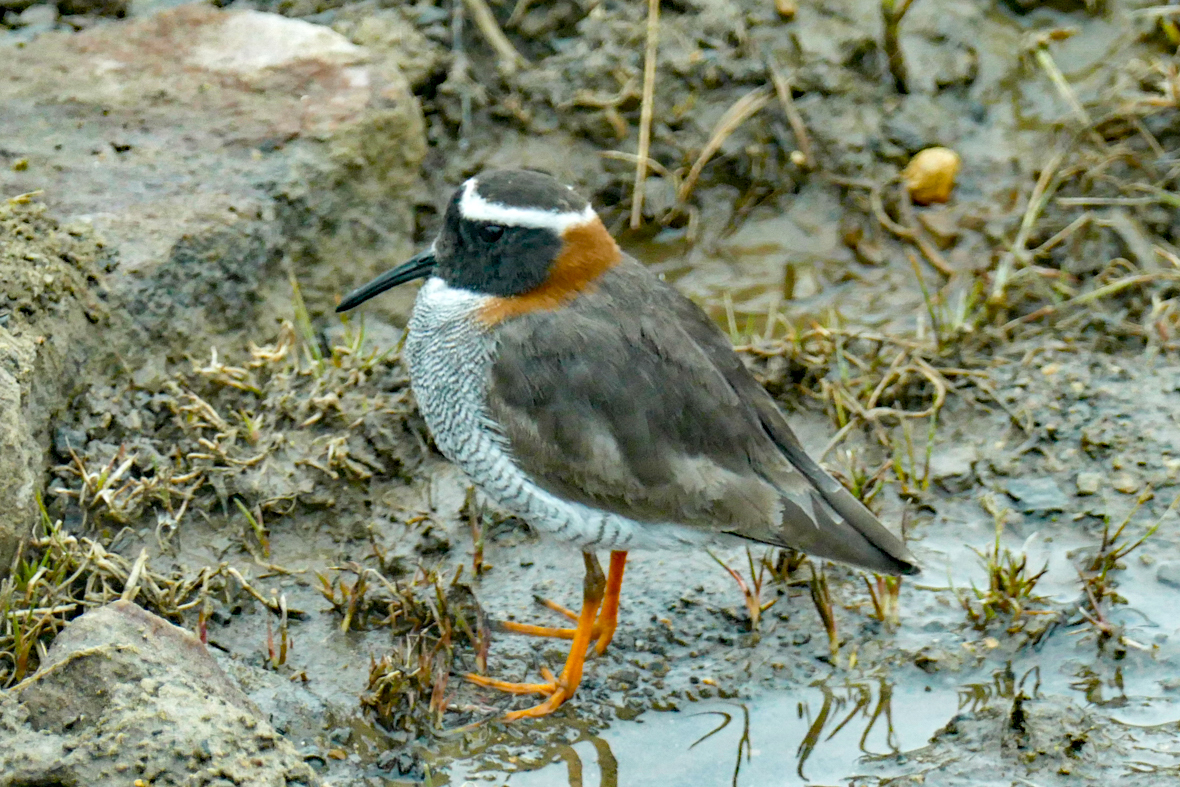
Diademed Sandpiper-Plover (image by Mark Pearman)
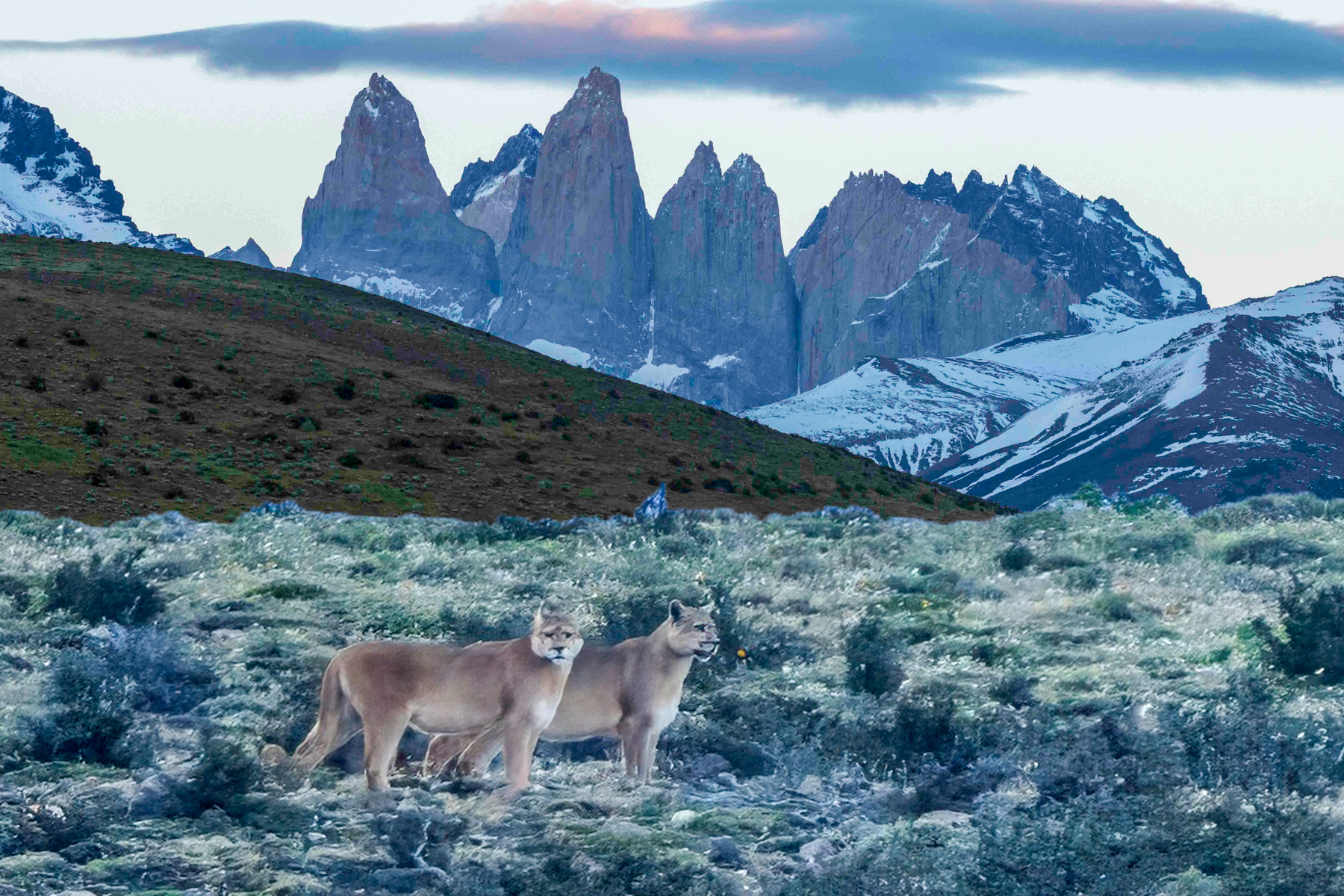
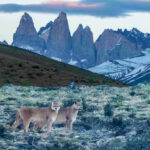
Pumas (image by Petros Triantafyllis)
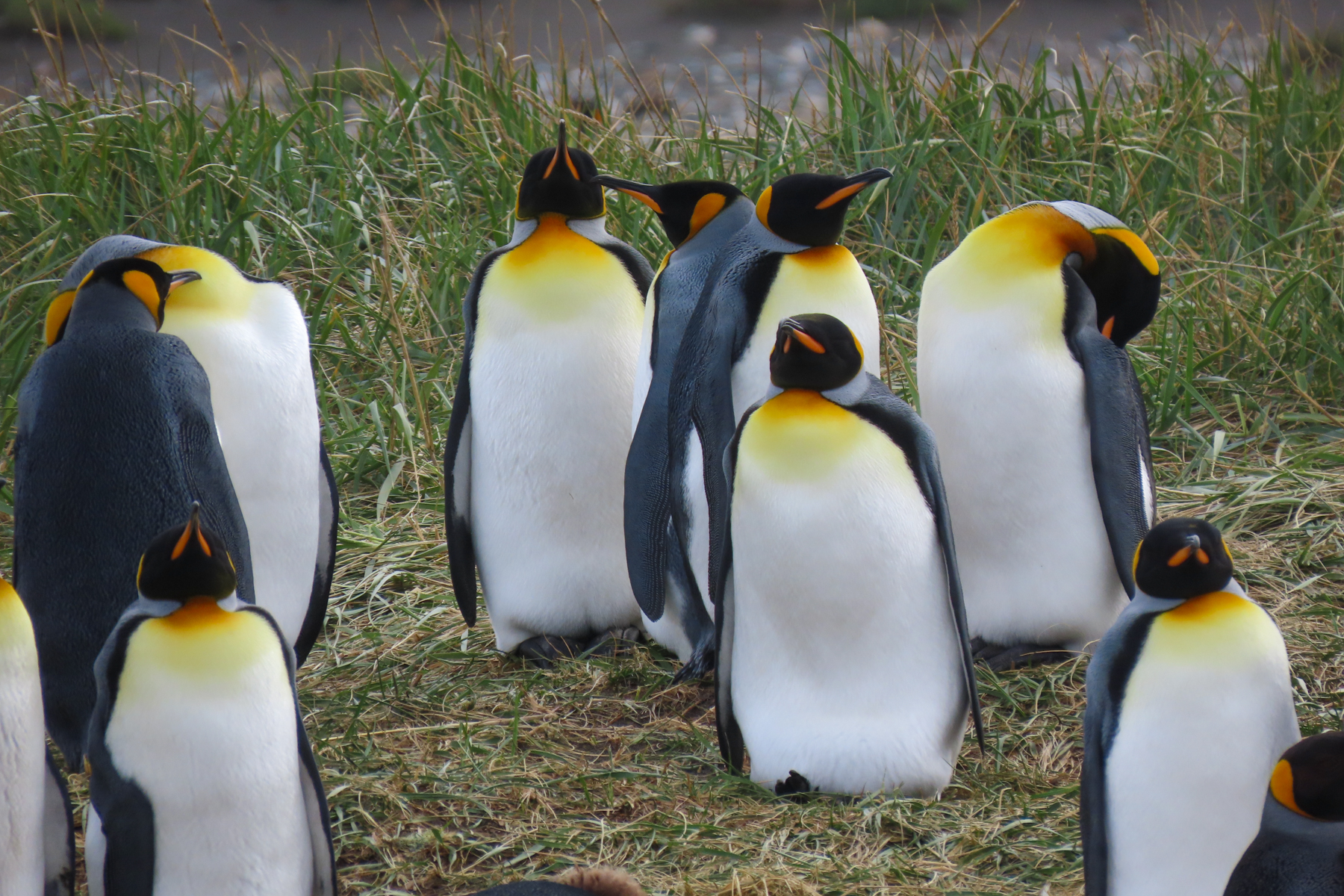
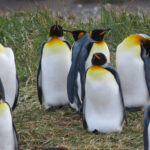
King Penguins (image by Mark Pearman)
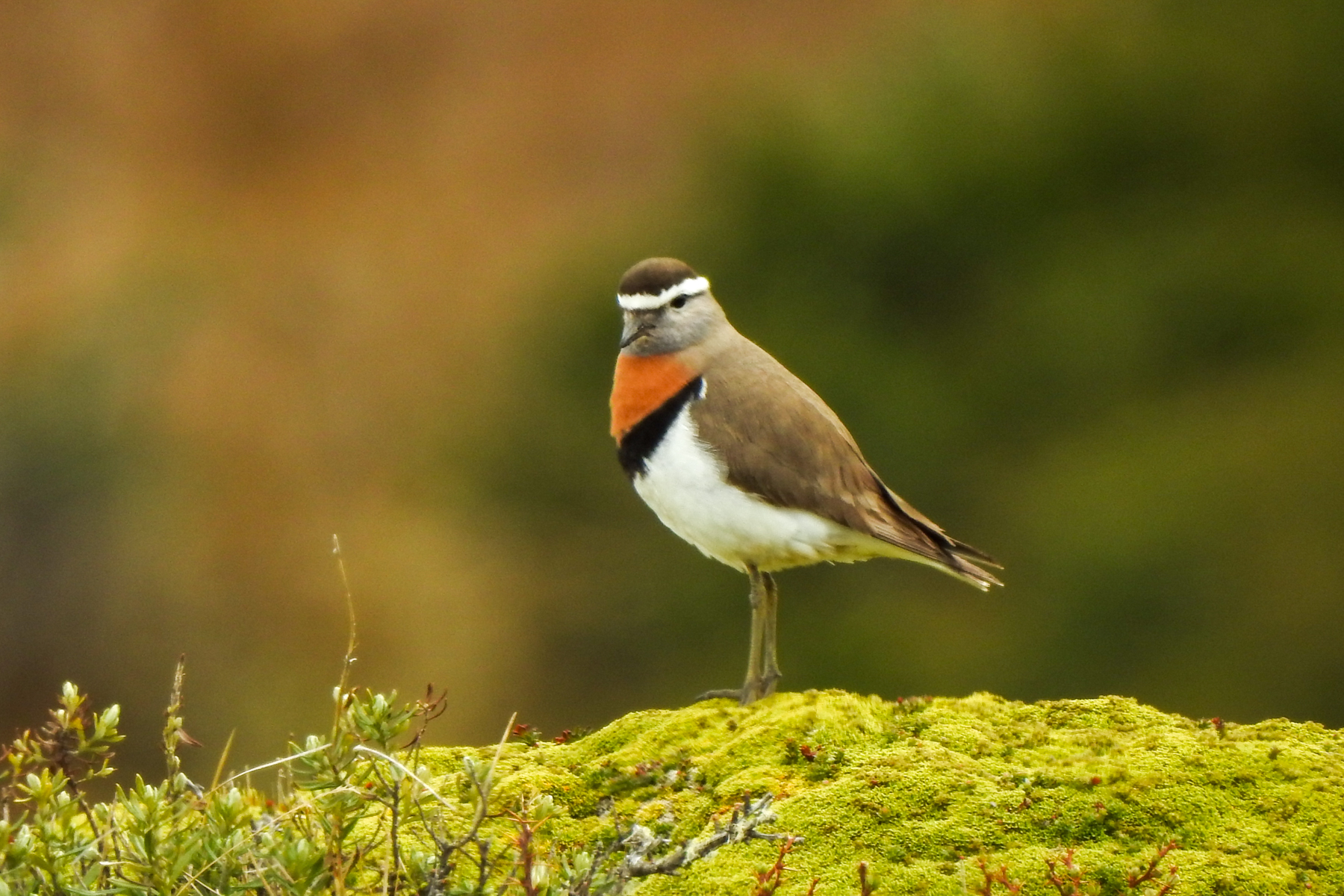
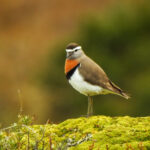
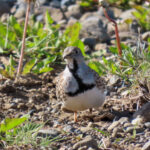
Rufous-chested Dotterel (image by Mark Pearman)
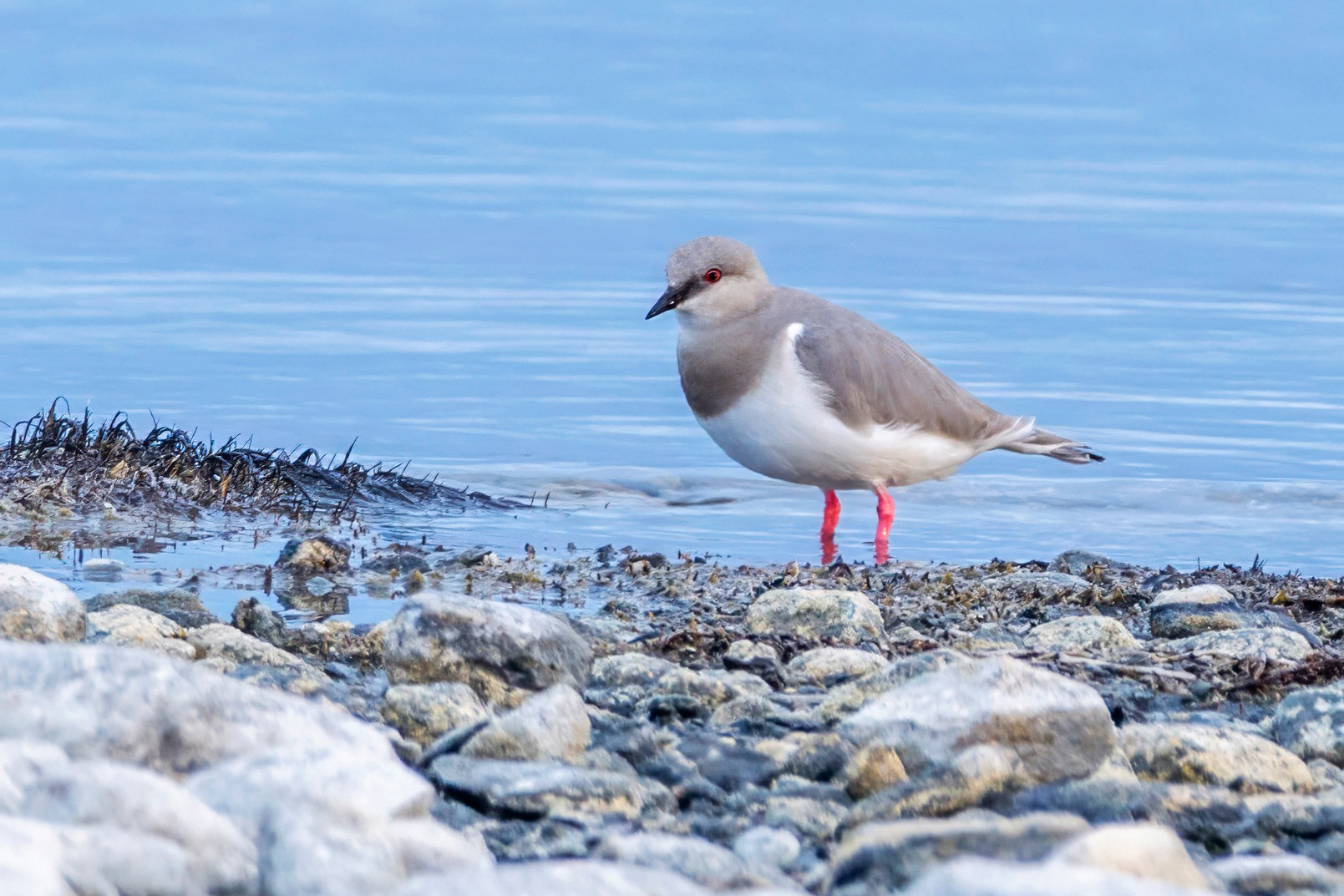
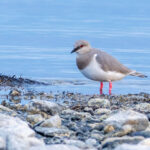
Magellanic Plover (image by Petros Triantafyllis)
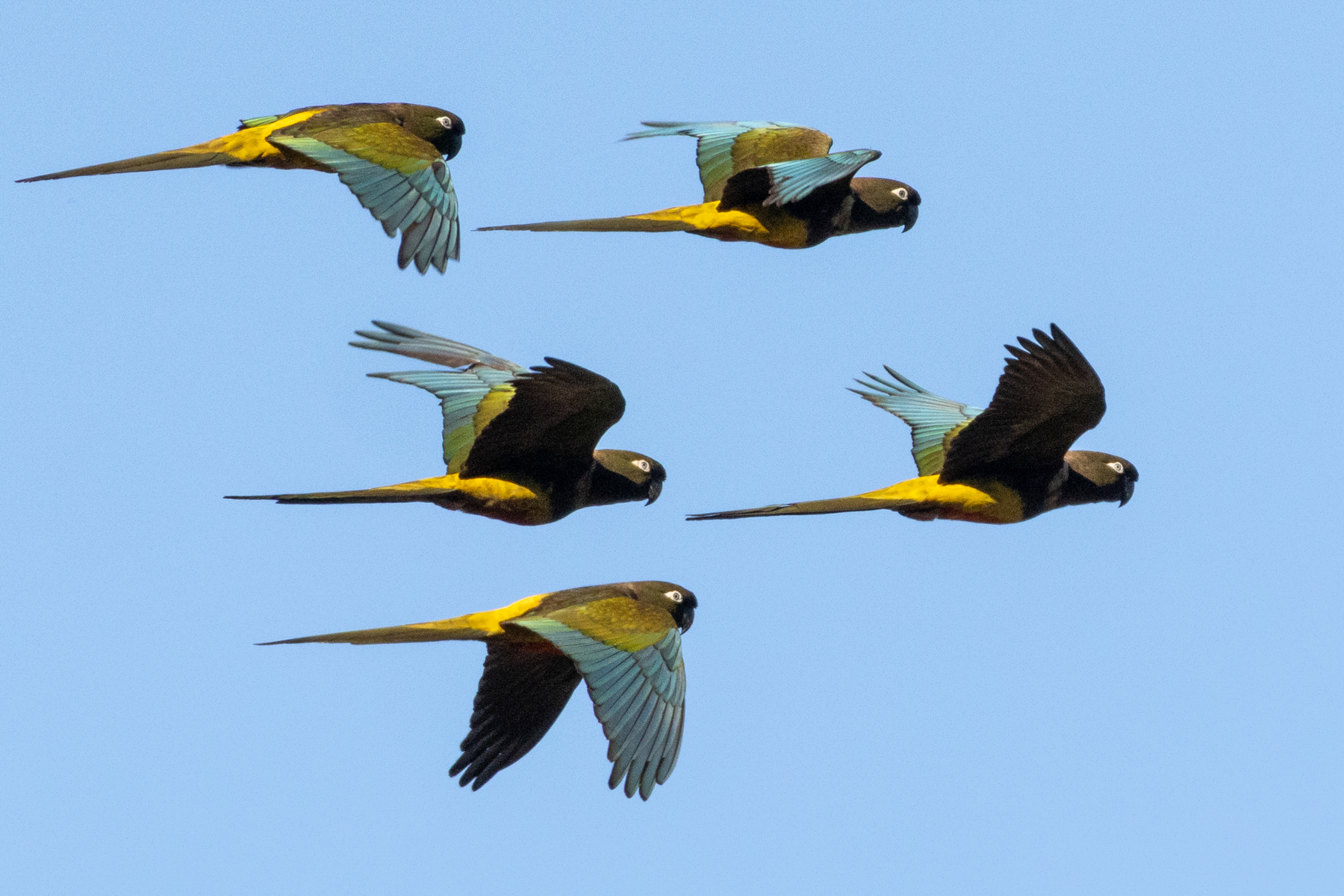
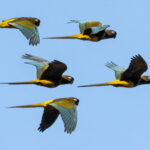
Burrowing Parrots (image by Loukia Triantafyllis)
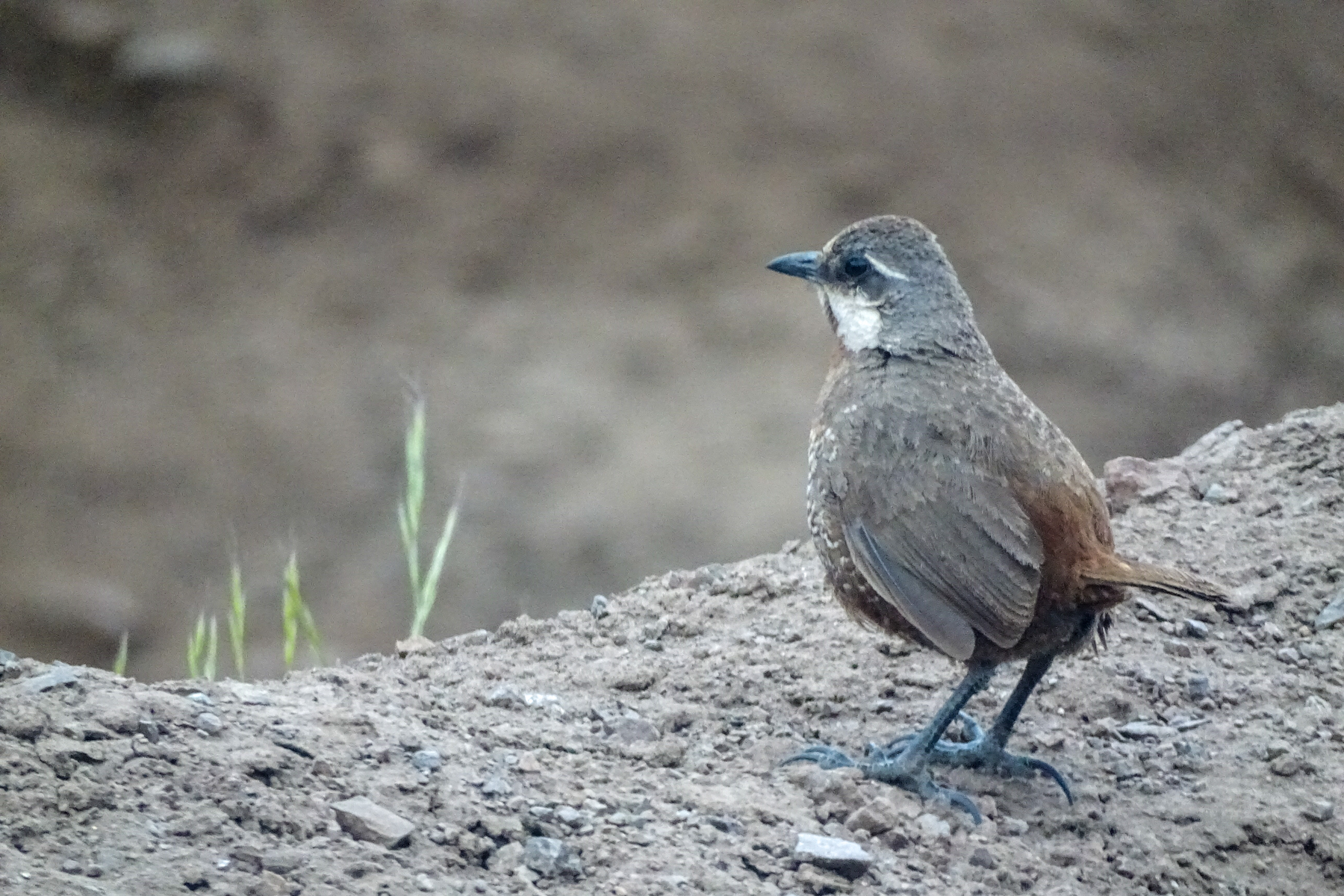
Moustached Turca (image by Mark Pearman)
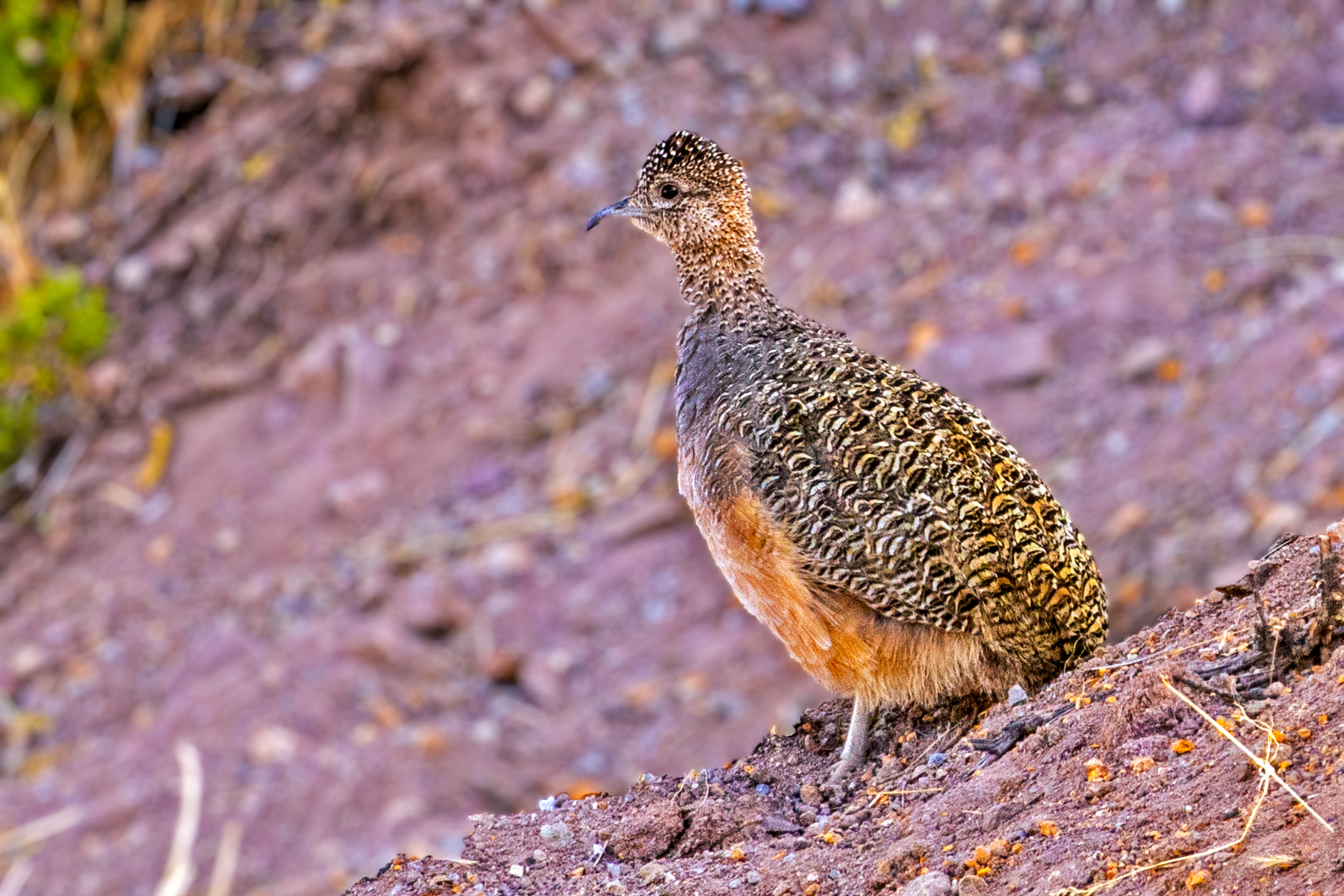
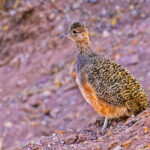
Ornate Tinamou (image by Loukia Triantafyllis)
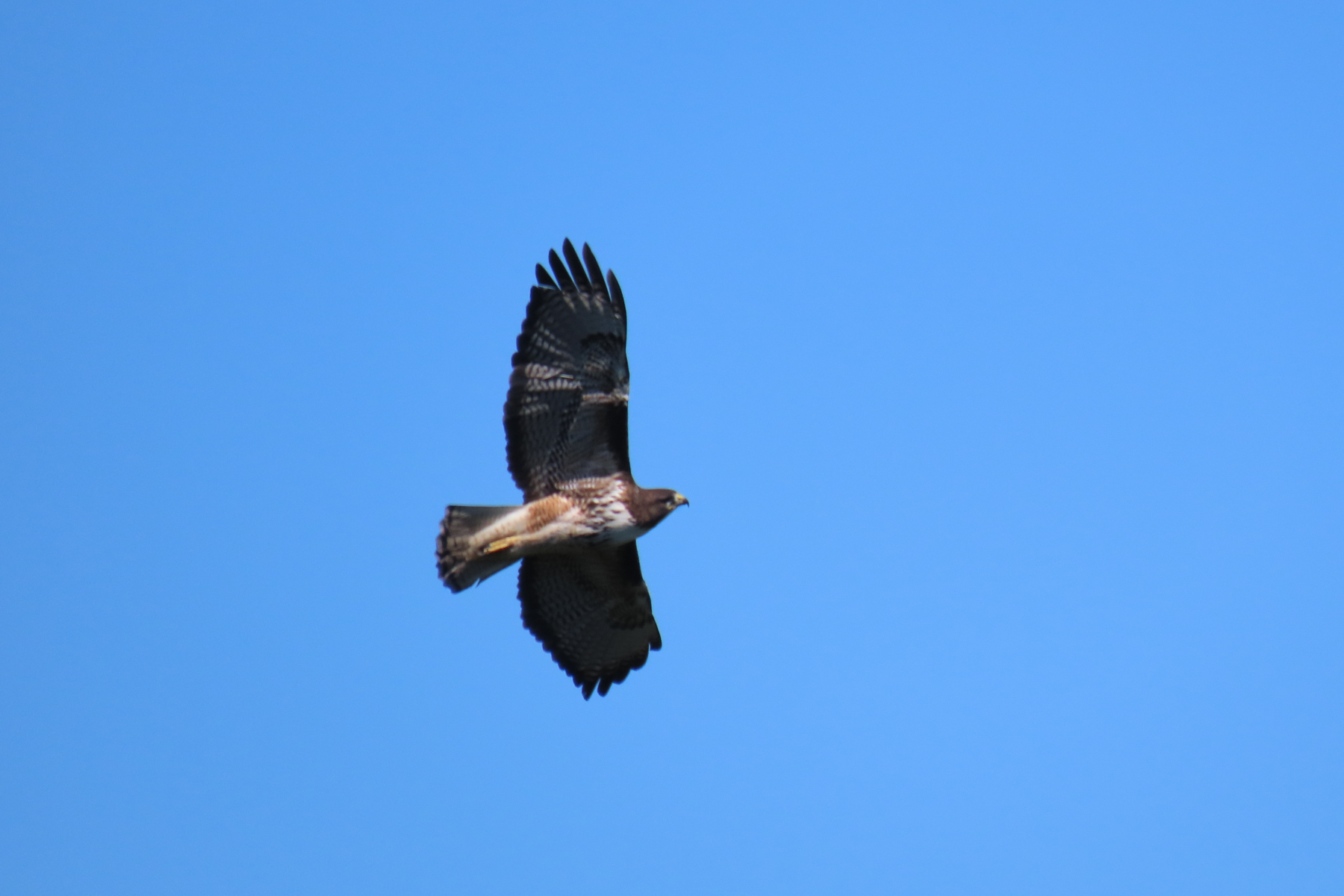
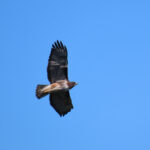
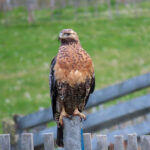
Rufous-tailed Hawk (image by Mark Pearman)
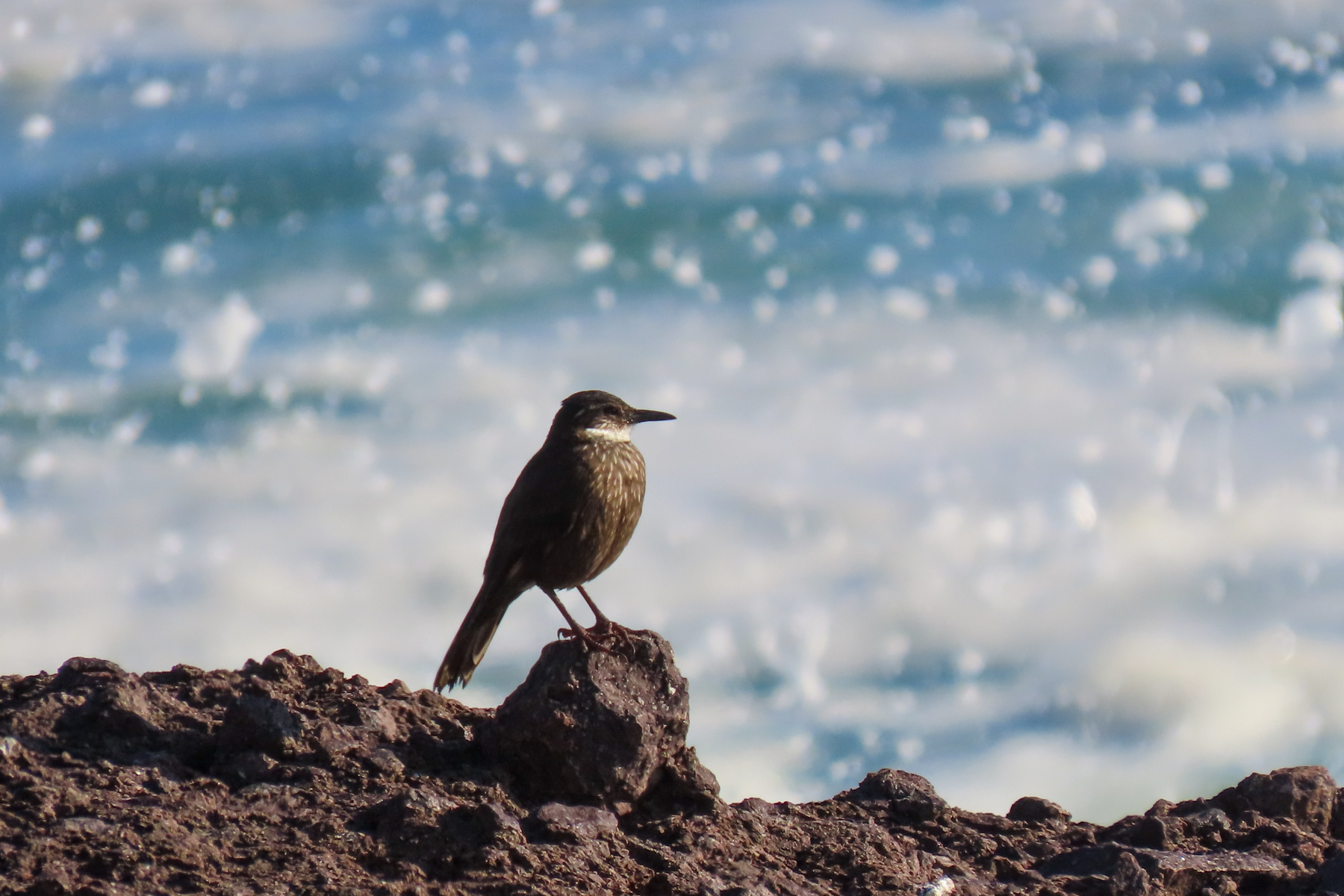
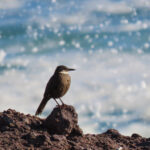
Chilean Seaside Cinclodes (image by Mark Pearman)
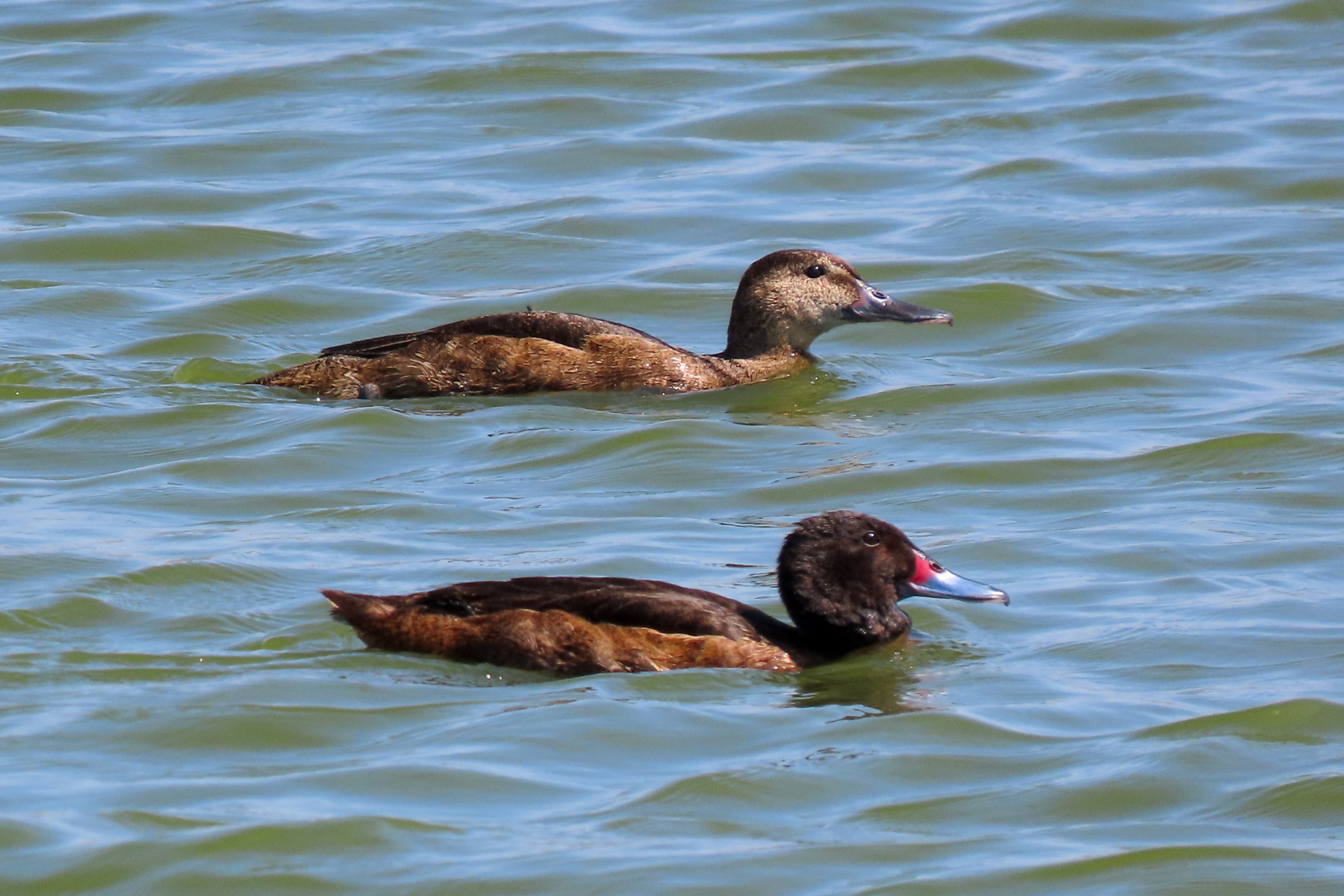
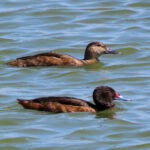
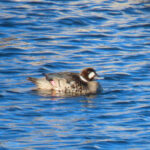
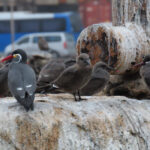
Black-headed Ducks (image by Mark Pearman)
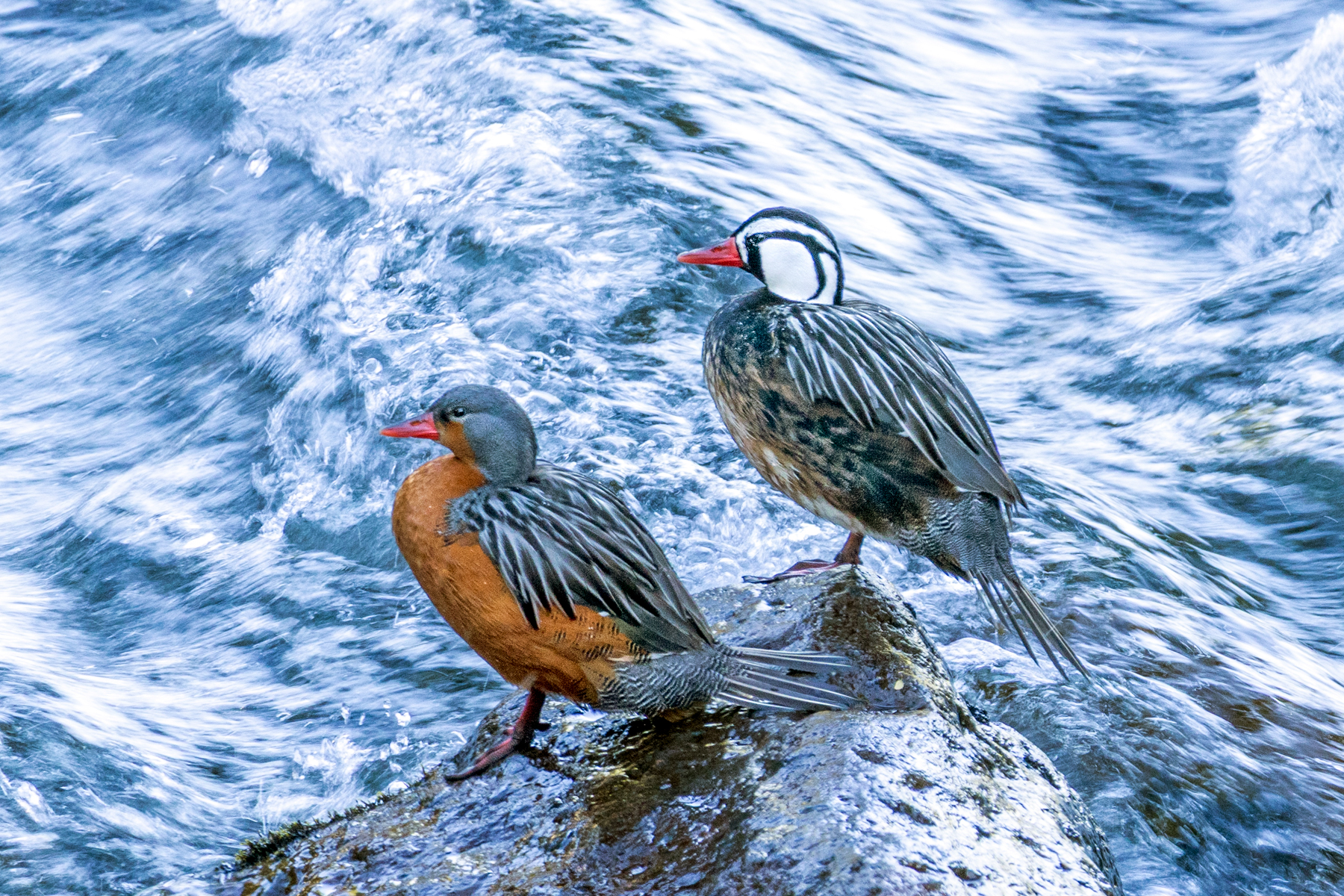
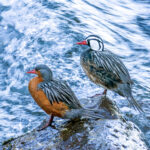
Torrent Ducks (image by Petros Triantafyllis)
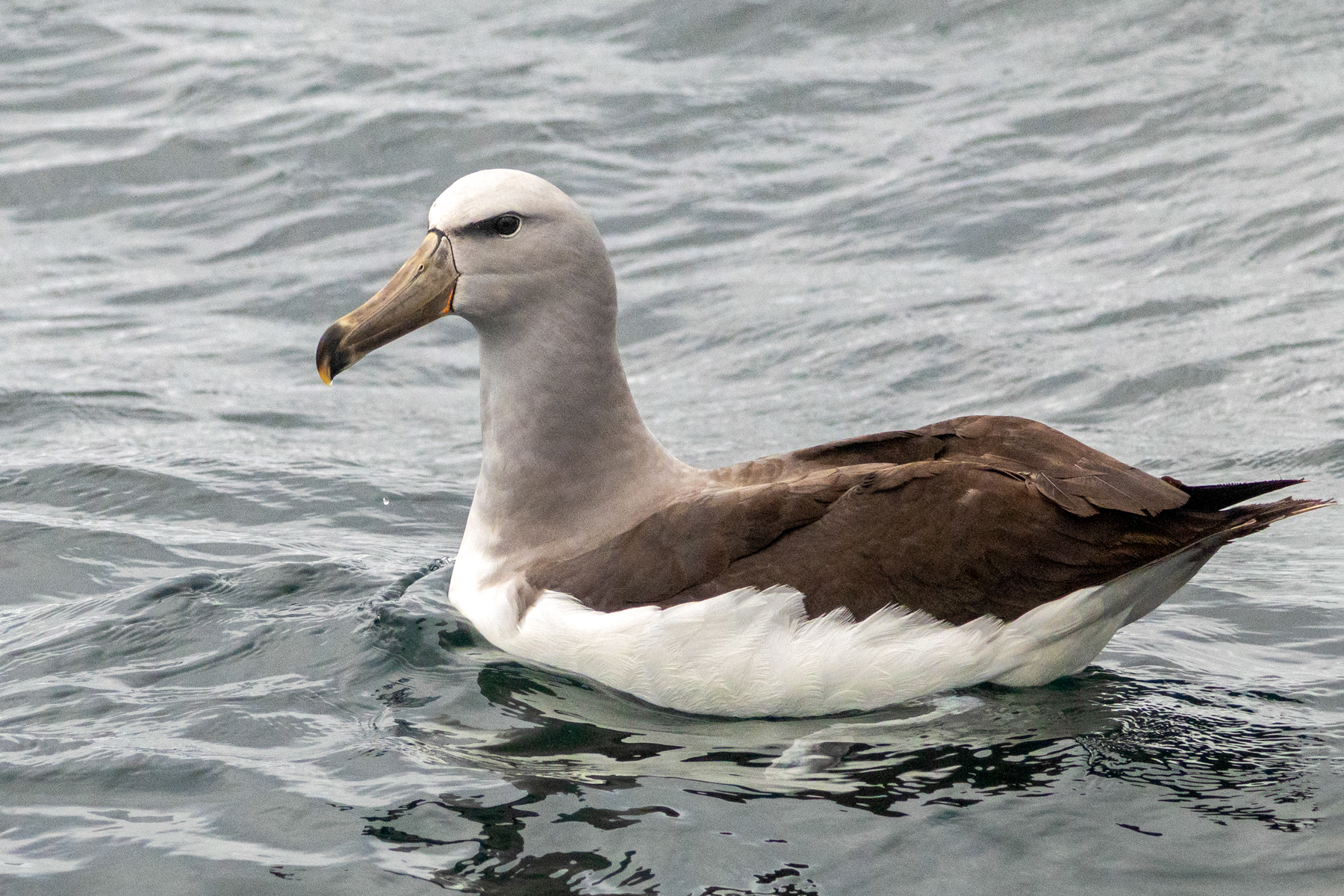
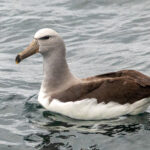
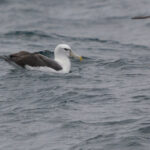
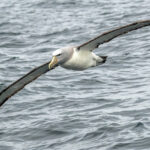
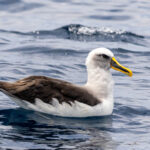
Salvin's Albatross (image by Loukia Triantafyllis)
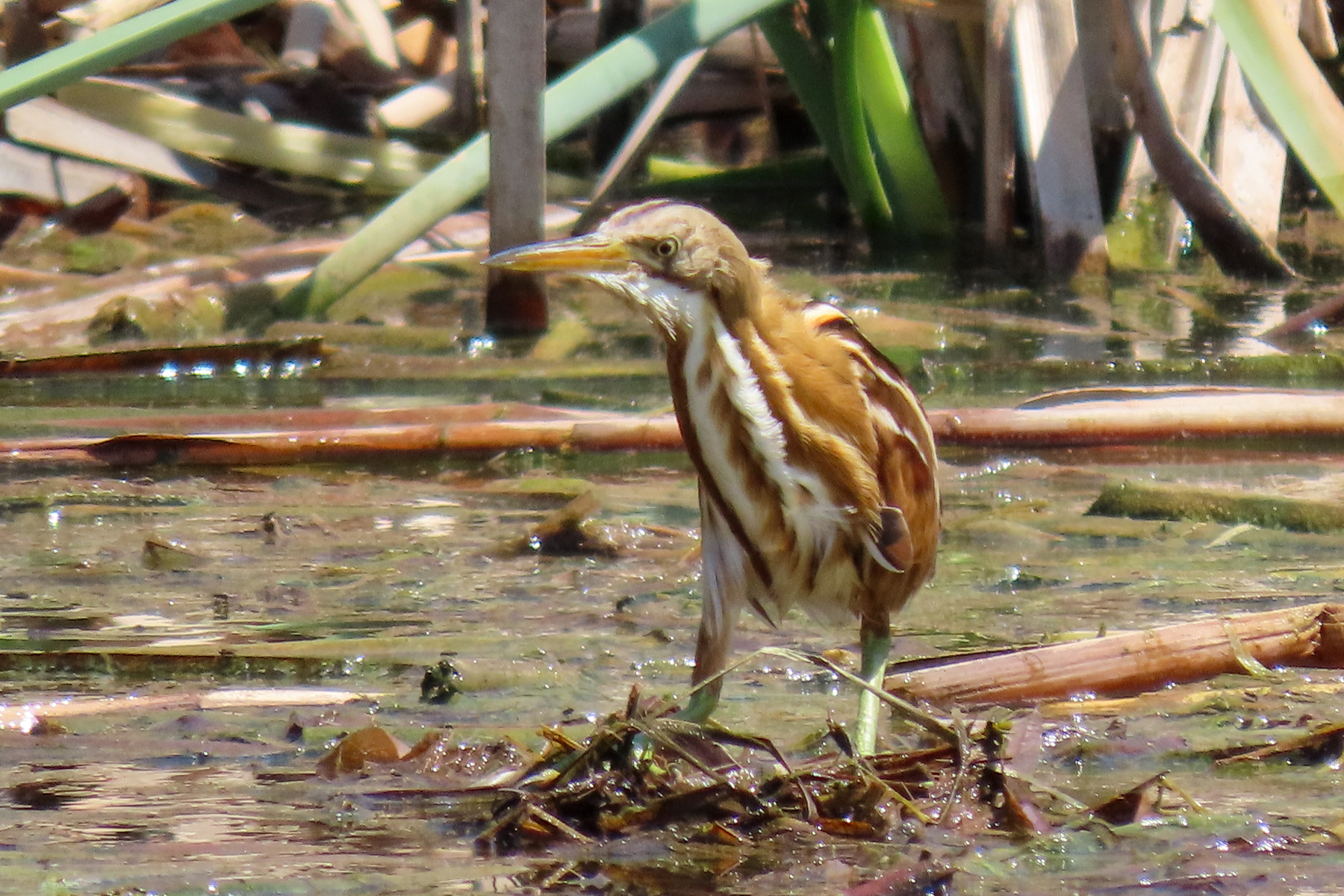
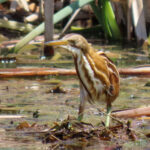
Stripe-backed Bittern (image by Mark Pearman)
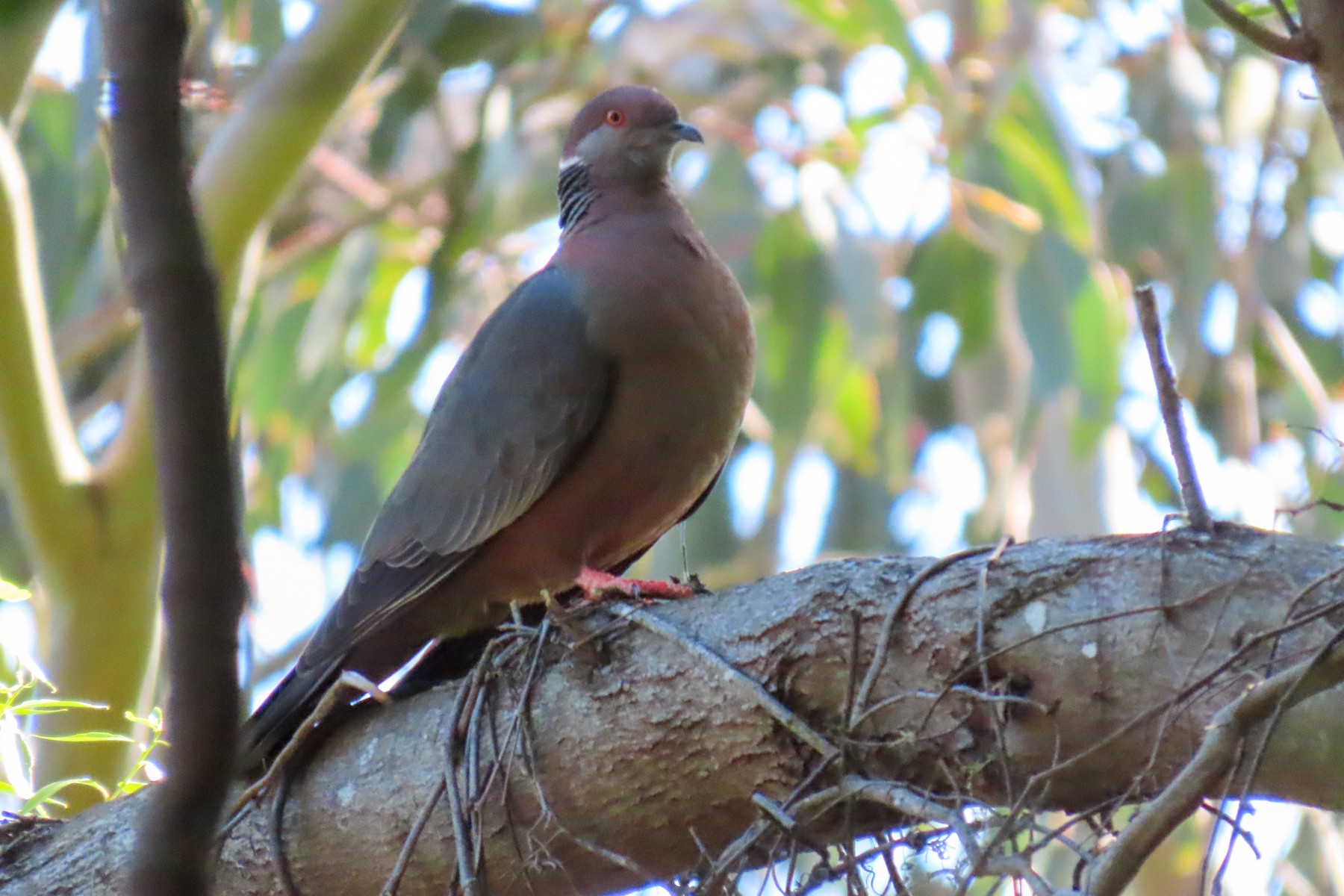
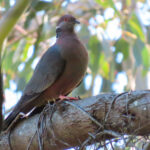
Chilean Pigeon (image by Mark Pearman)
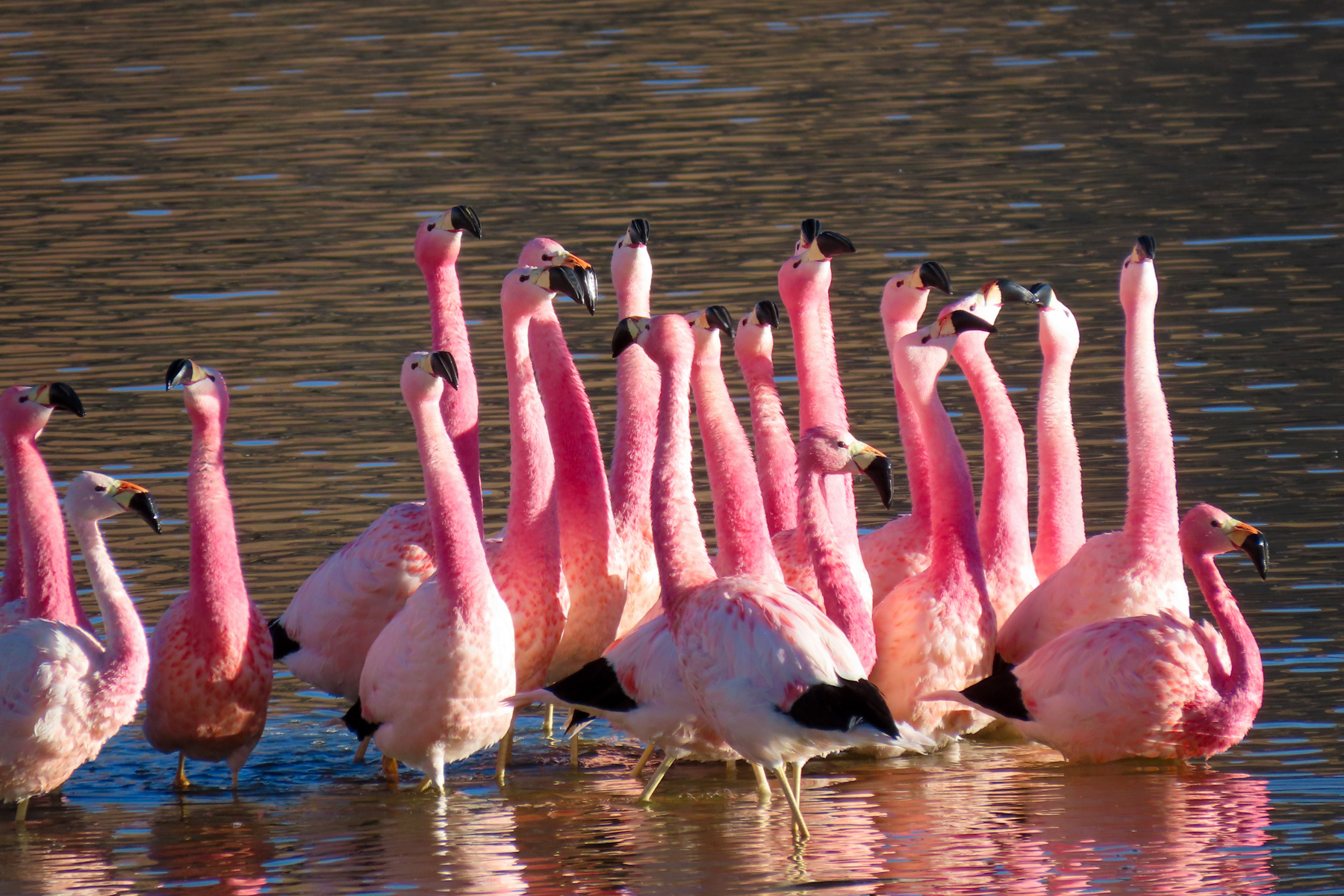
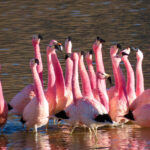
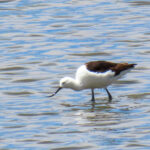
Andean Flamingos (image by Mark Pearman)
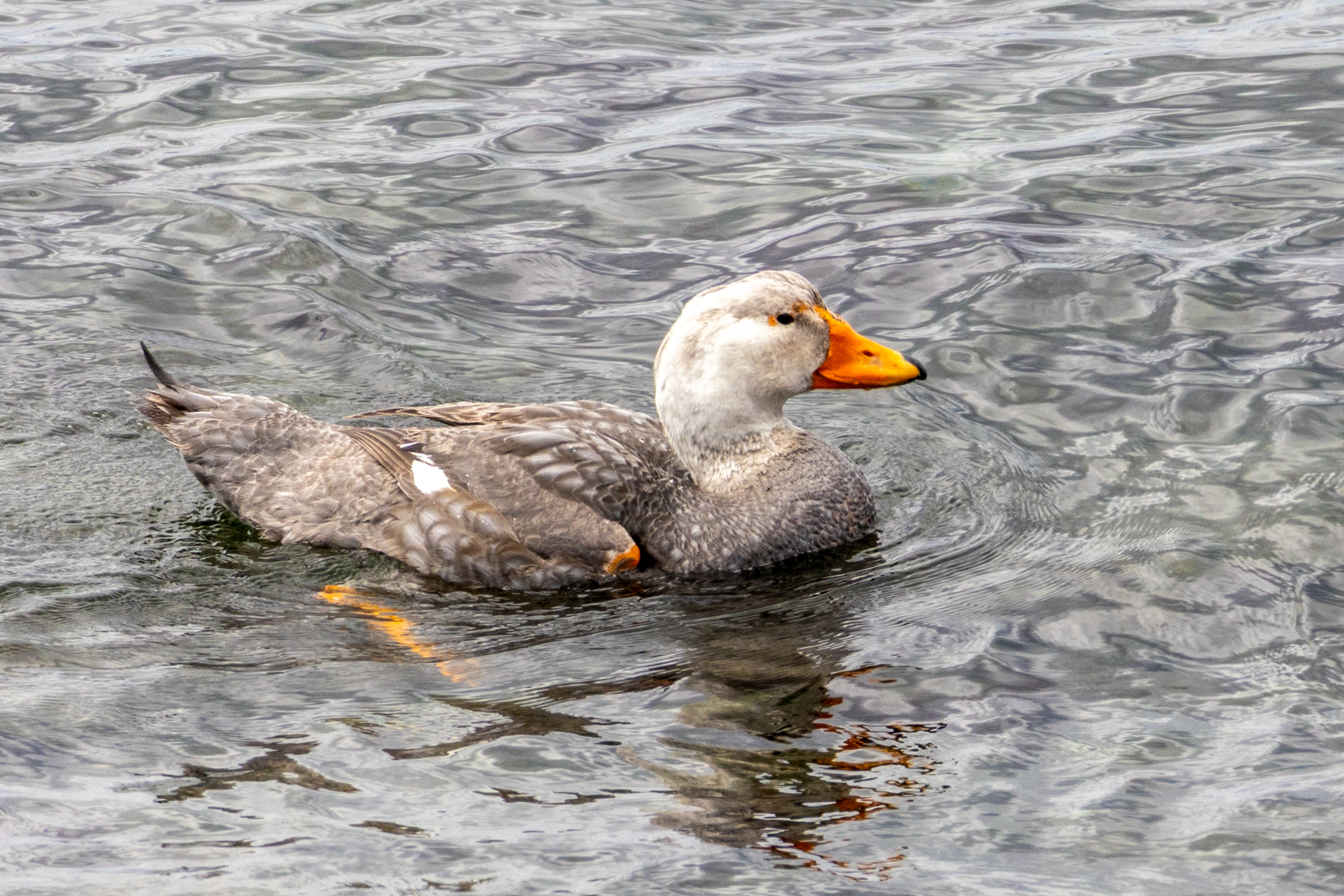
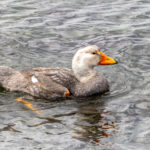
Chiloe Steamer Duck (image by Petros Triantafyllis)
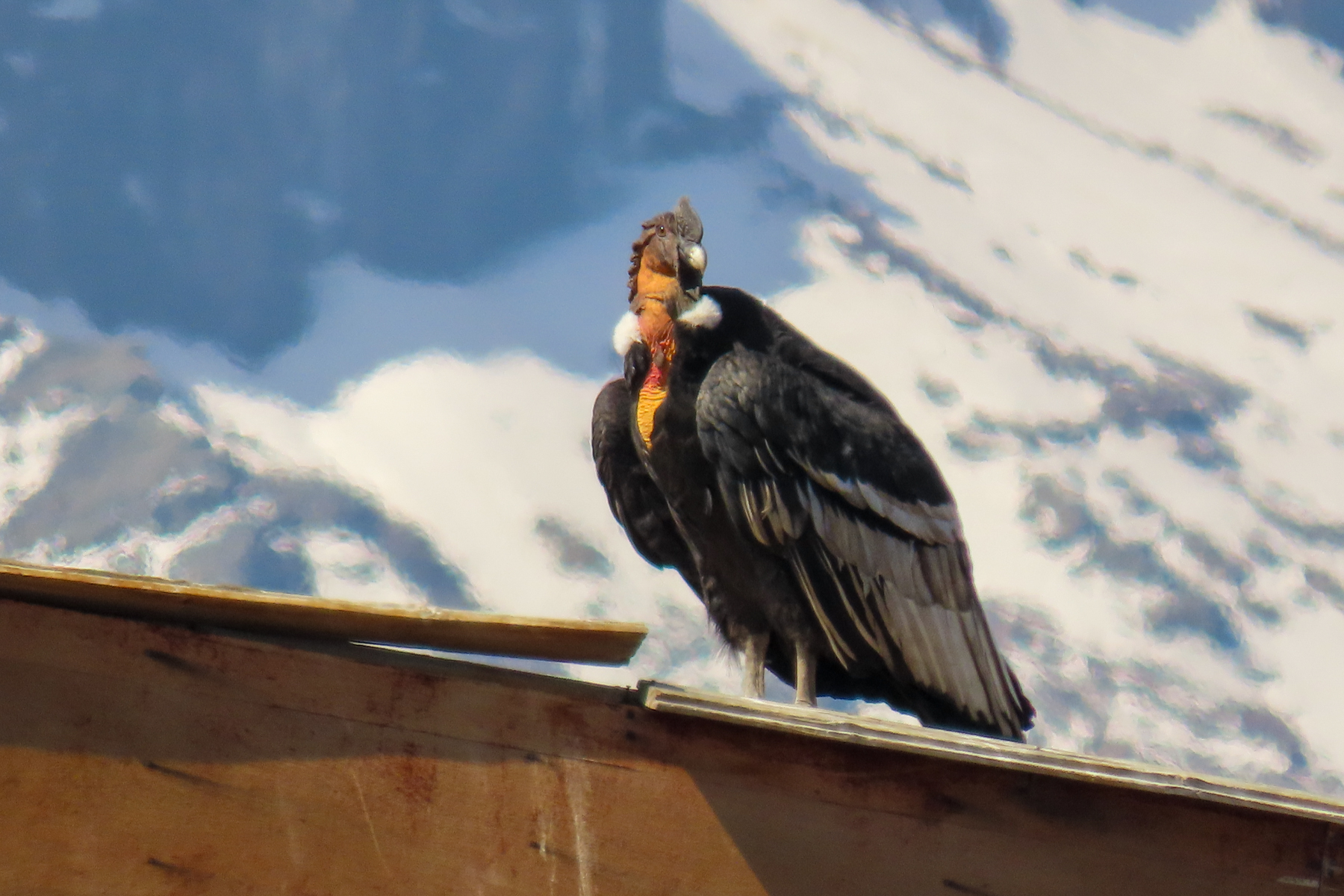
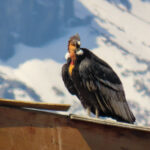
Andean Condor (image by Mark Pearman)
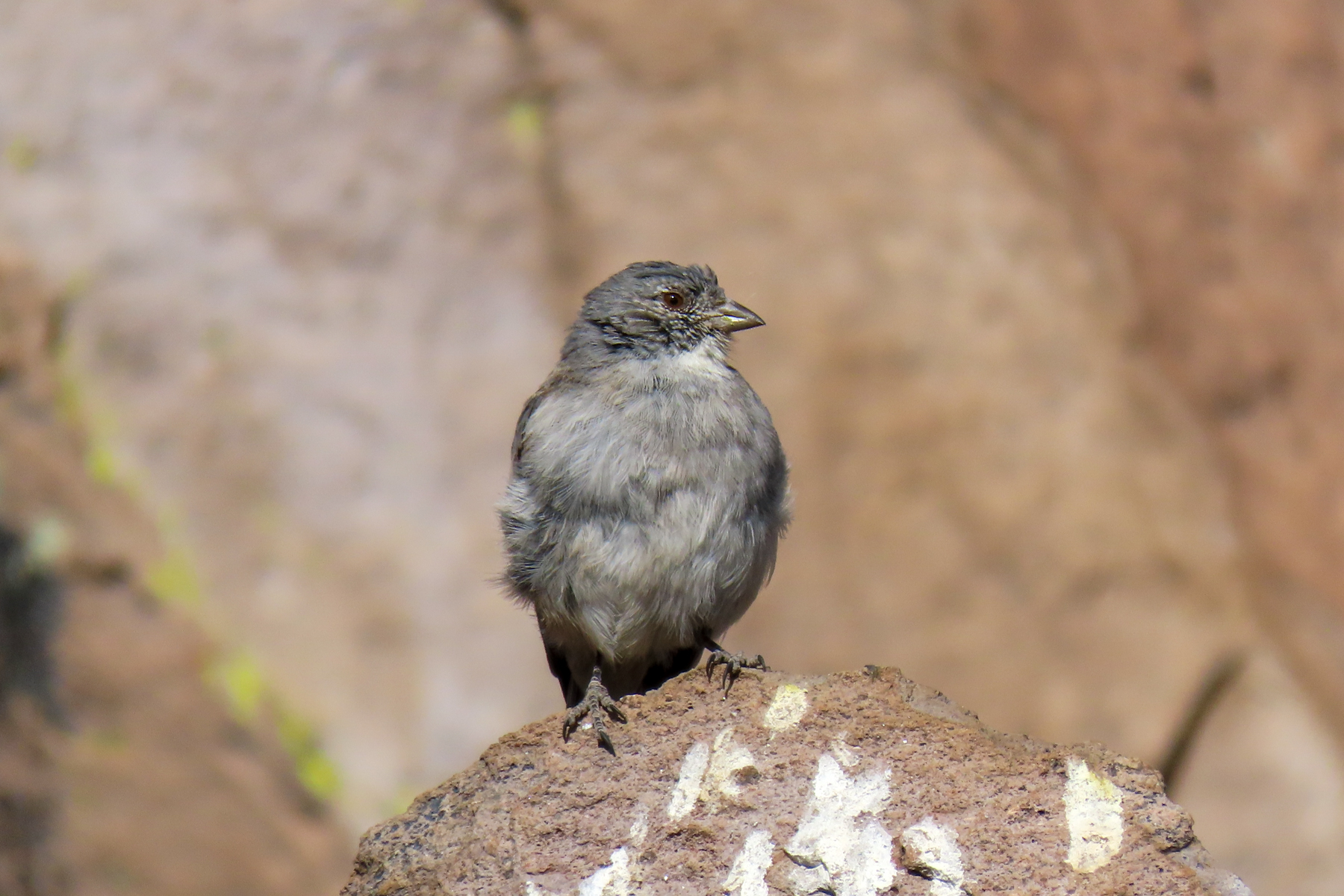
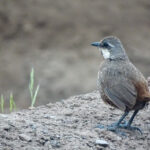
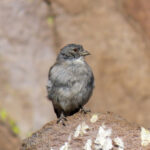
White-throated Sierra Finch (image by Mark Pearman)
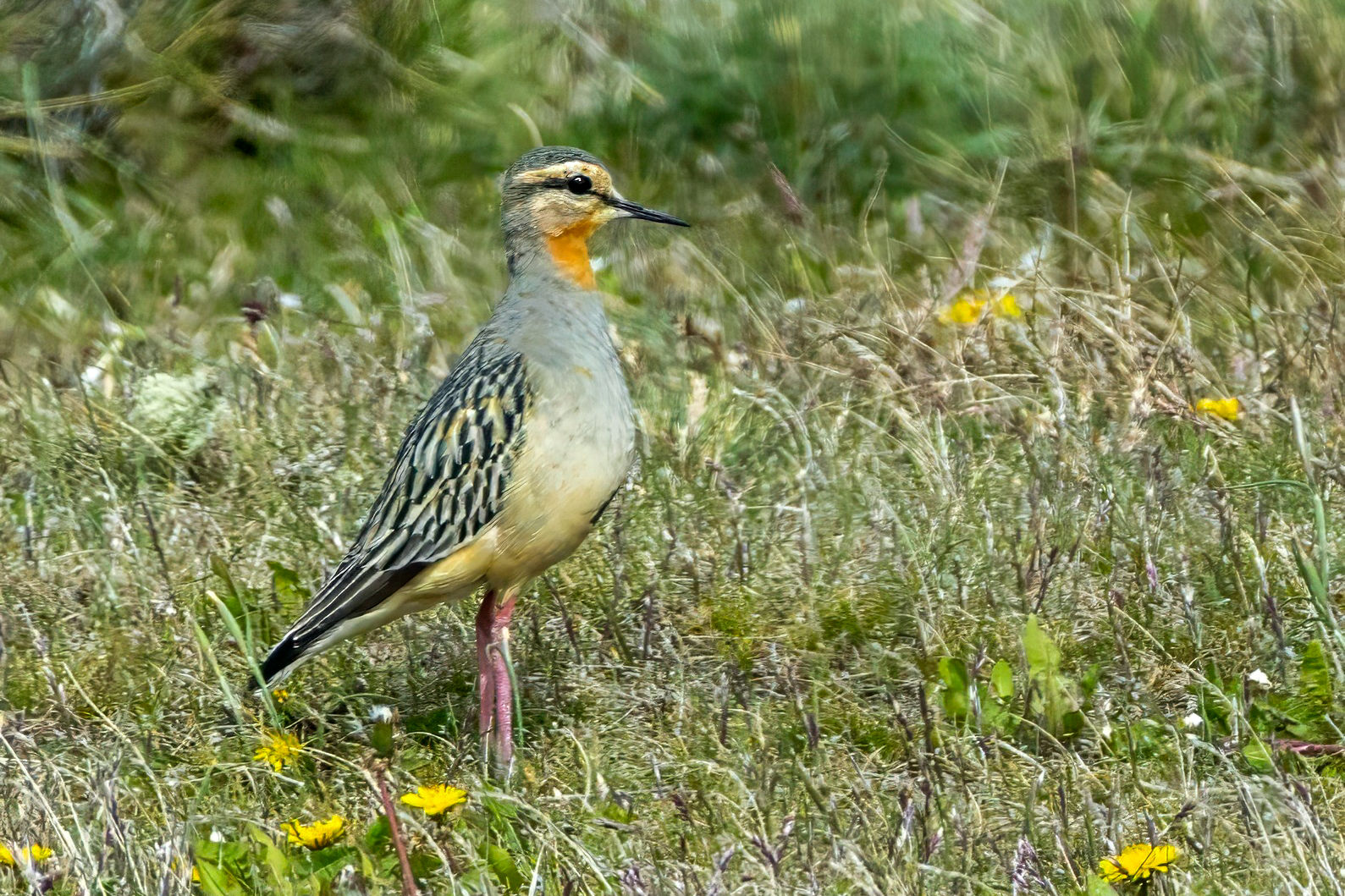
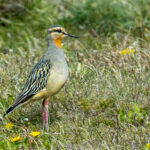
Tawny-throated Dotterel (image by Petros Triantafyllis)
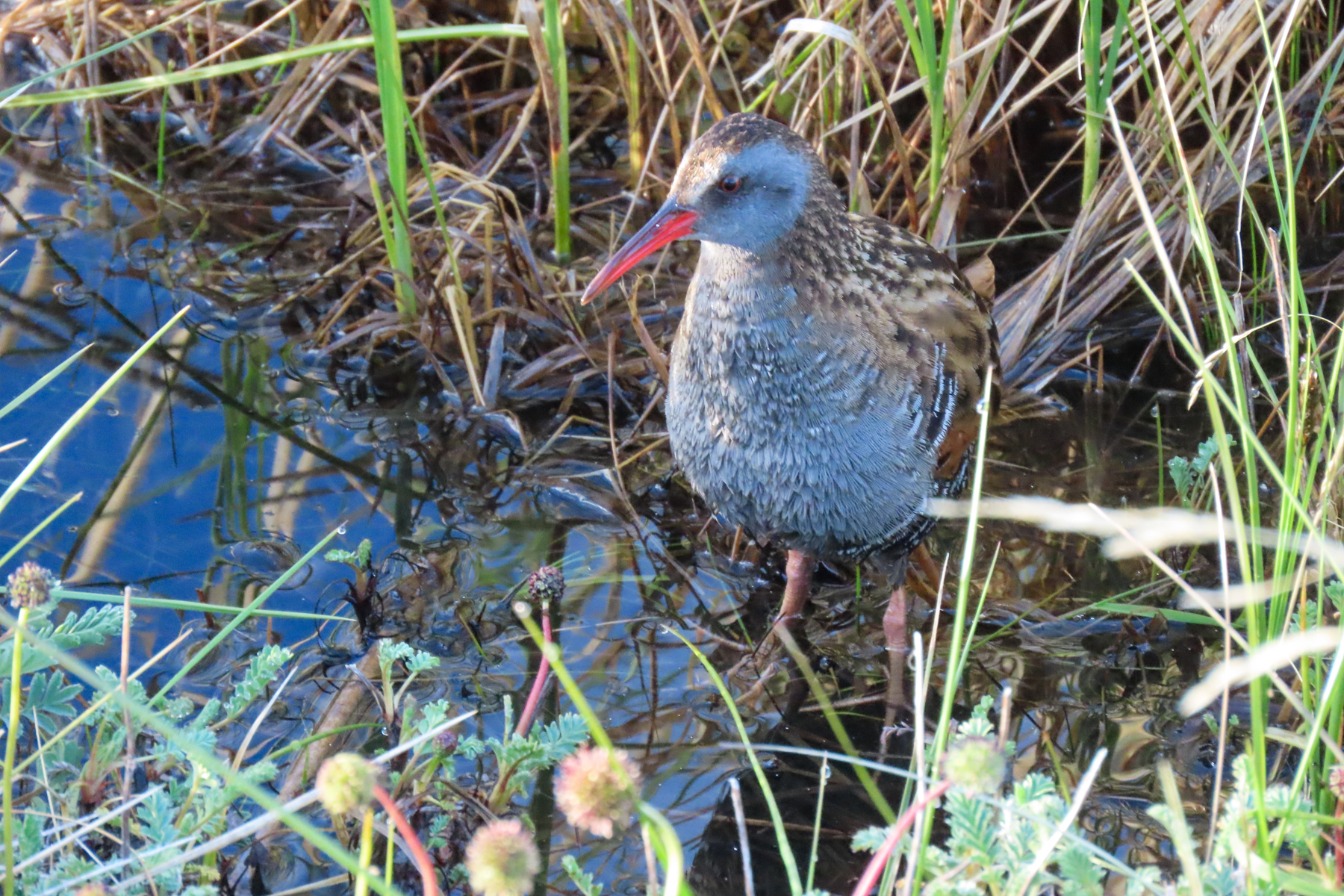
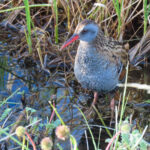
Austral Rail (image by Mark Pearman)
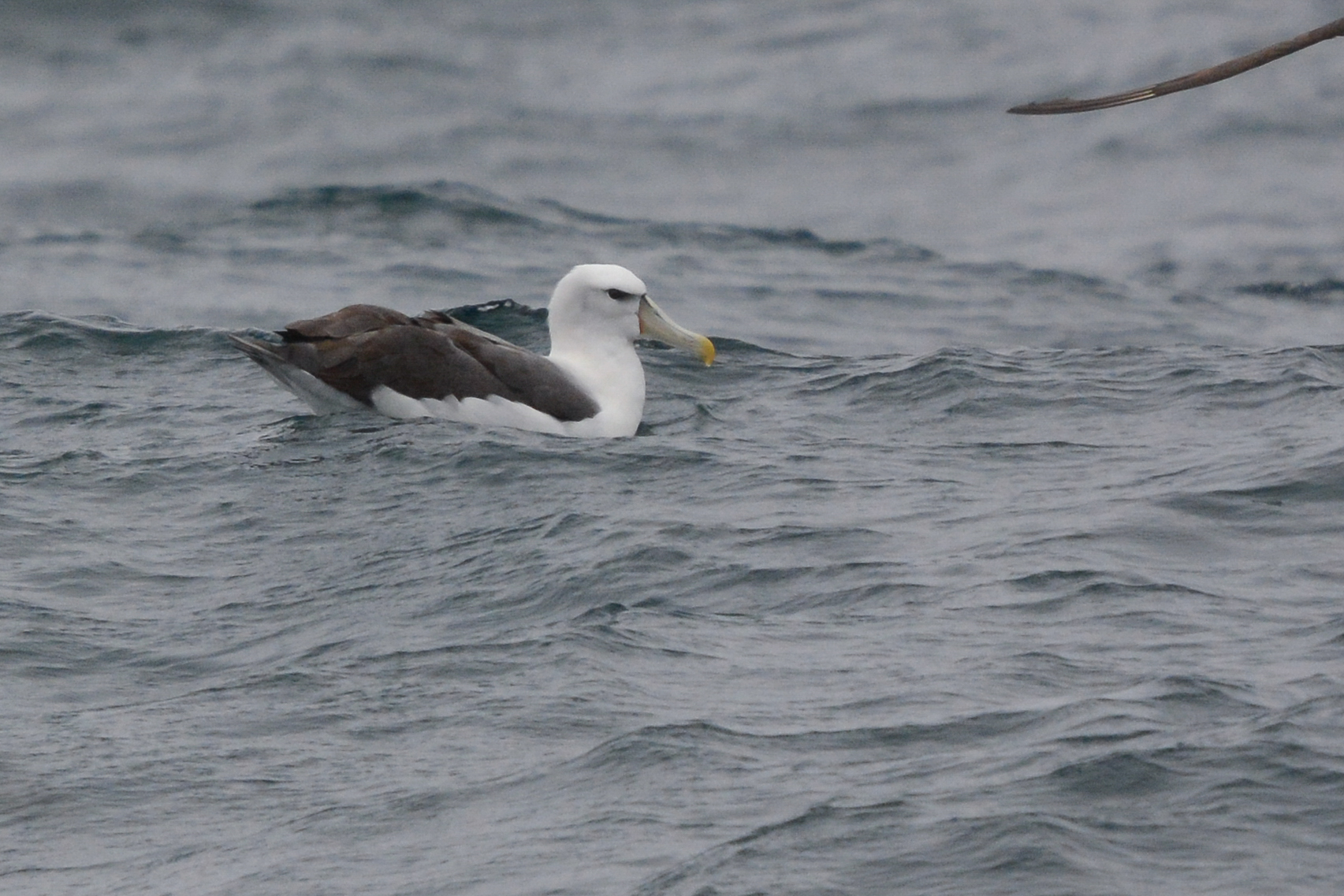
Shy Albatross (image by Pablo Gutierrez)
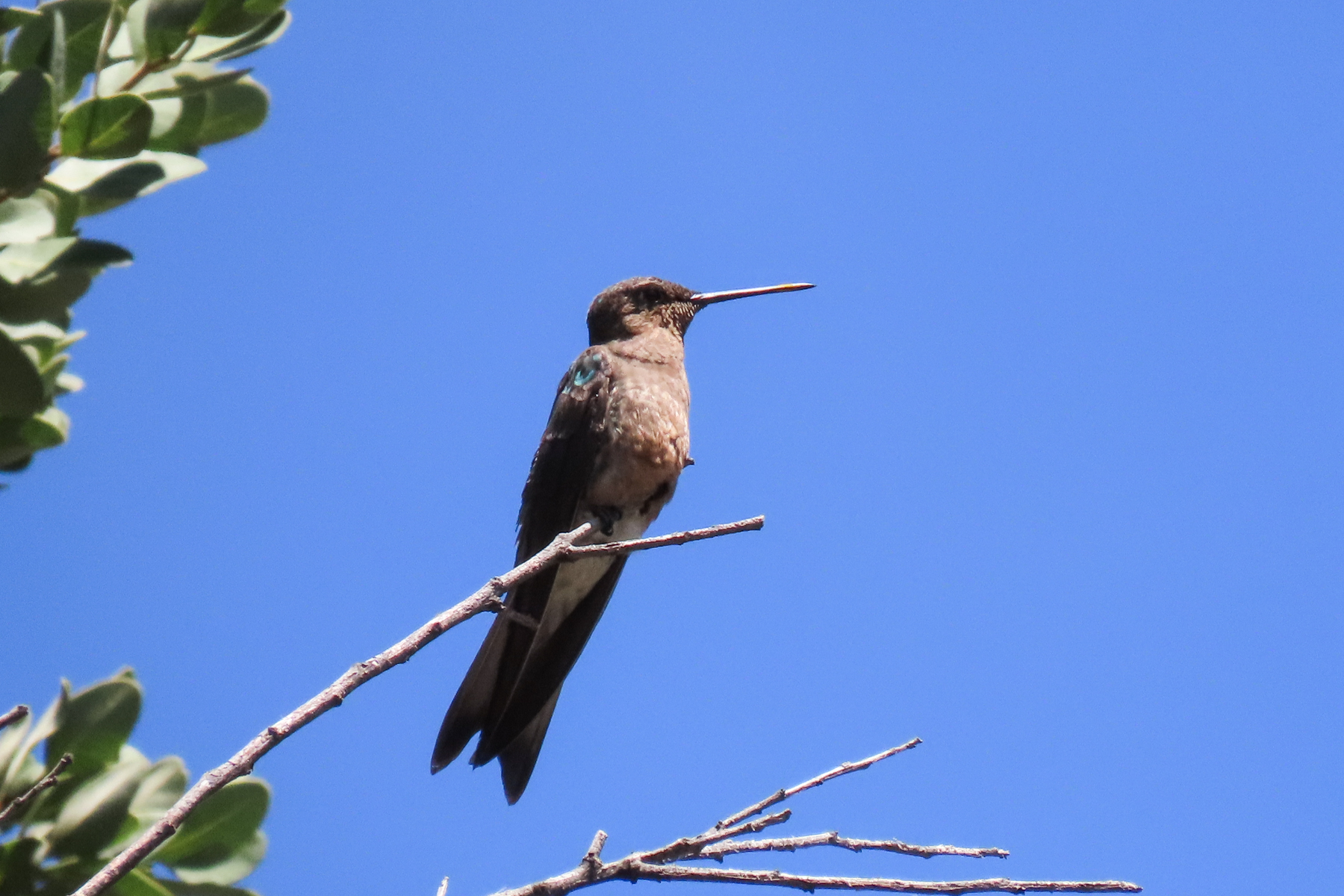
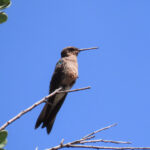
Southern Giant Hummingbird (image by Mark Pearman)
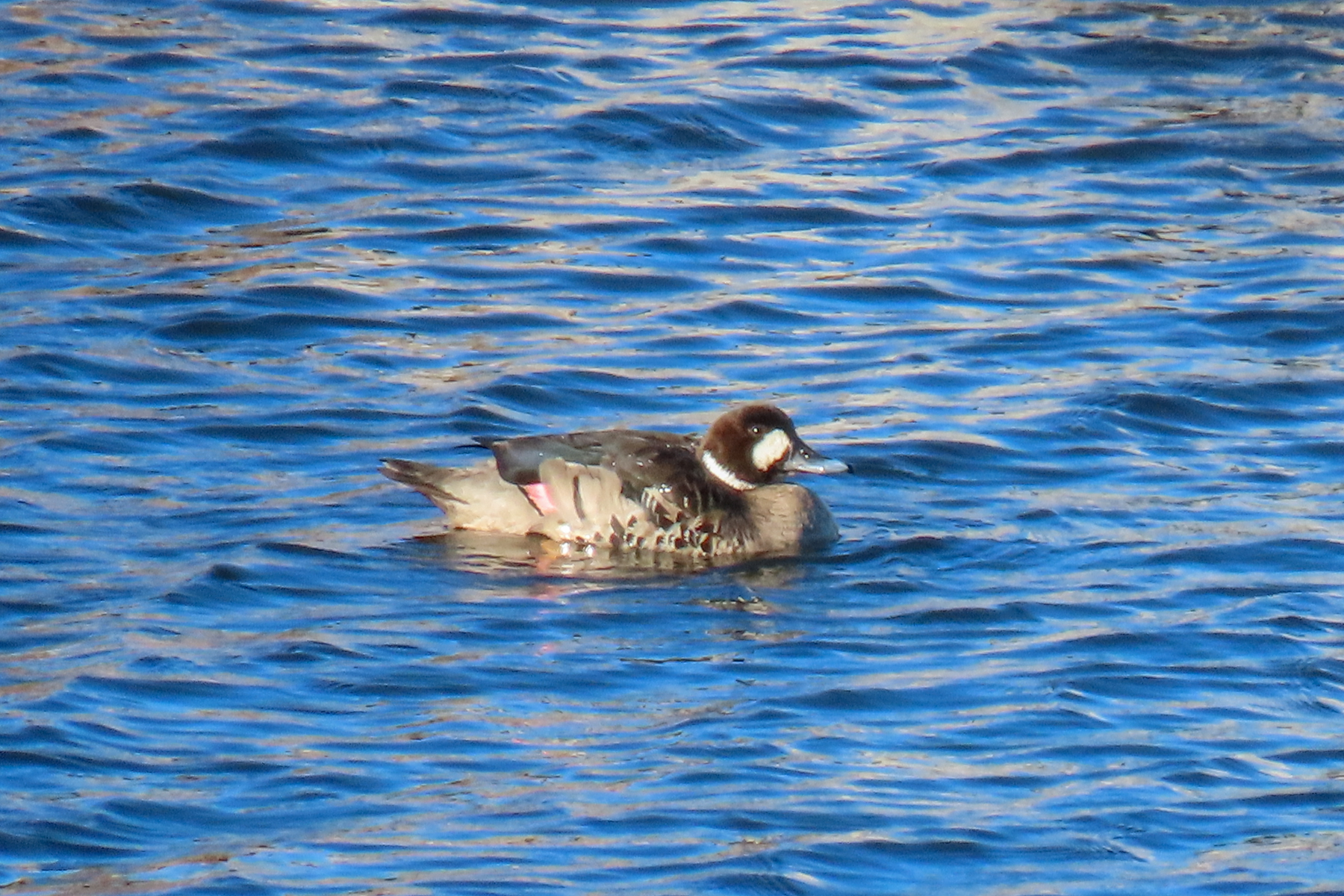
Spectacled Duck (image by Mark Pearman)
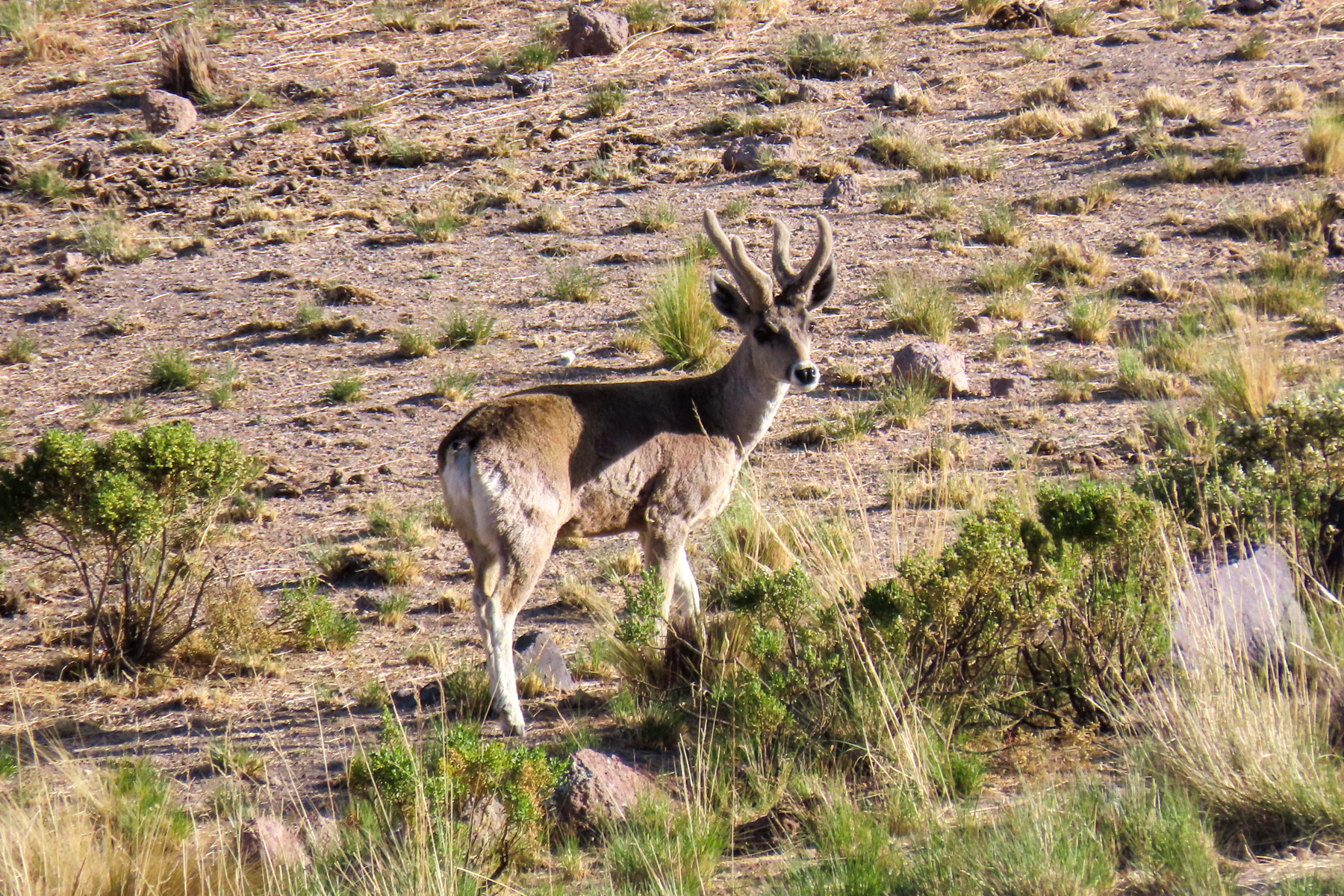
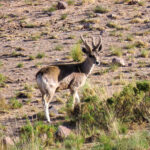
Taruca (image by Mark Pearman)
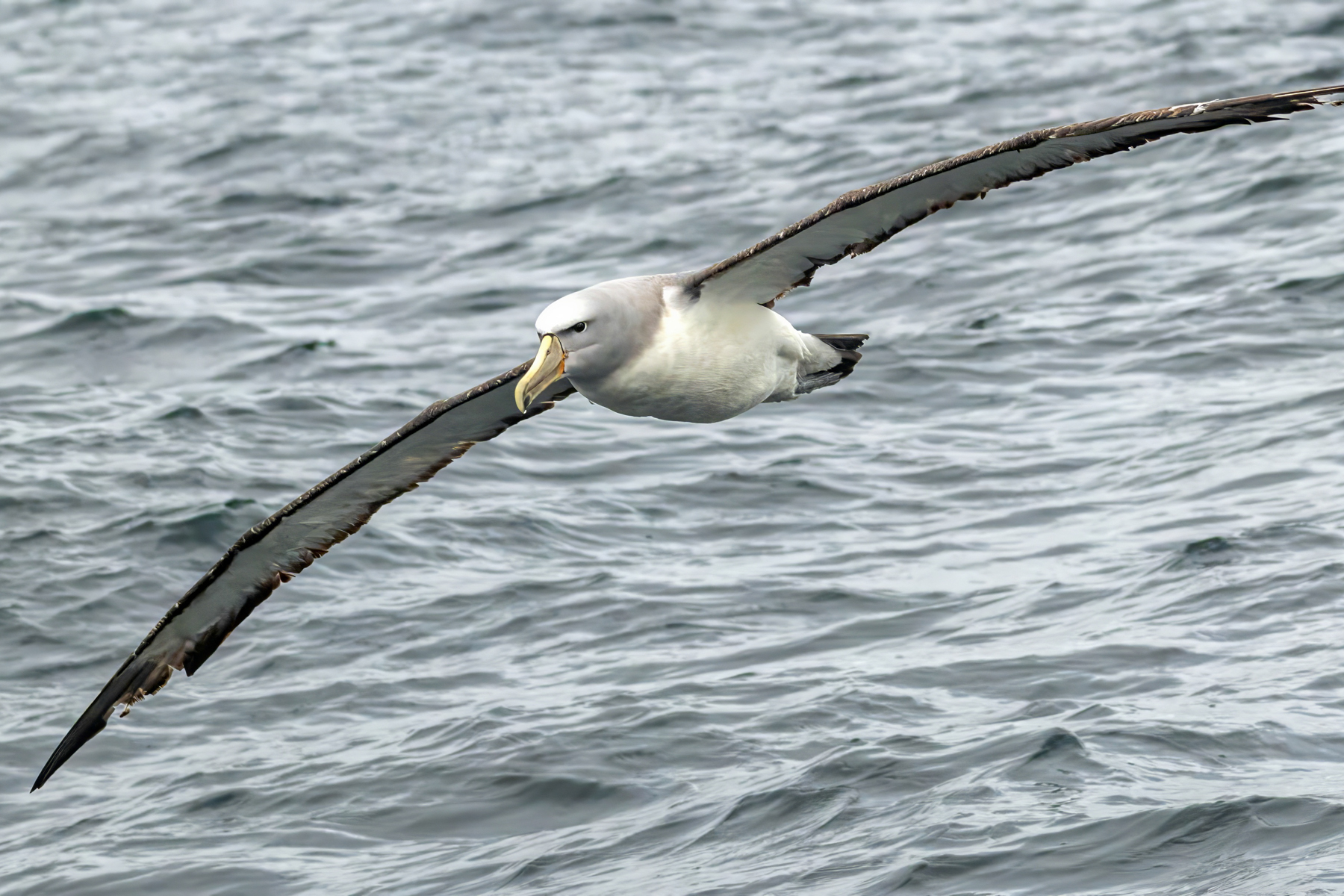
Salvin's Albatross (image by Loukia Triantafyllis)
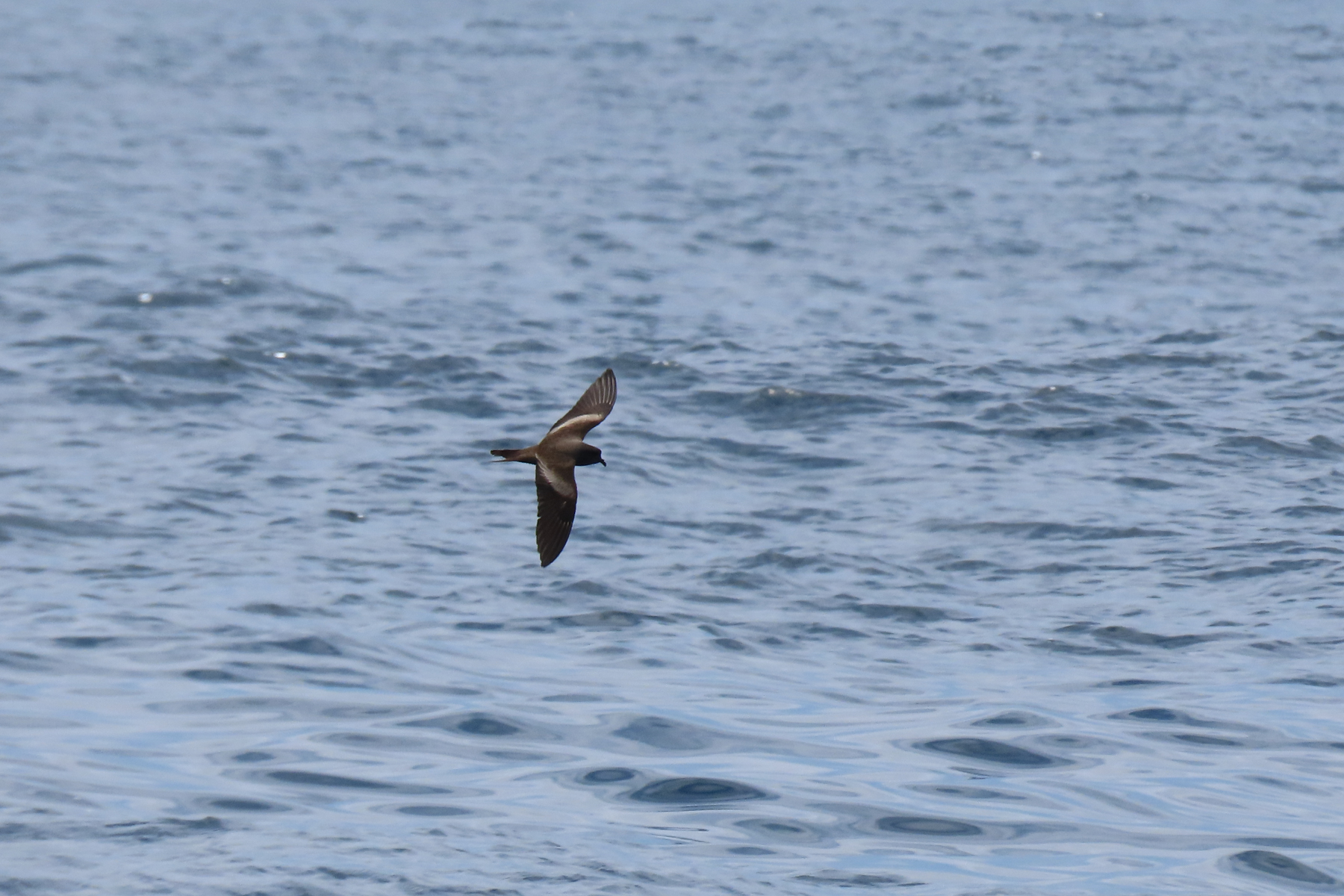
Markham's Storm Petrel (image by Mark Pearman)
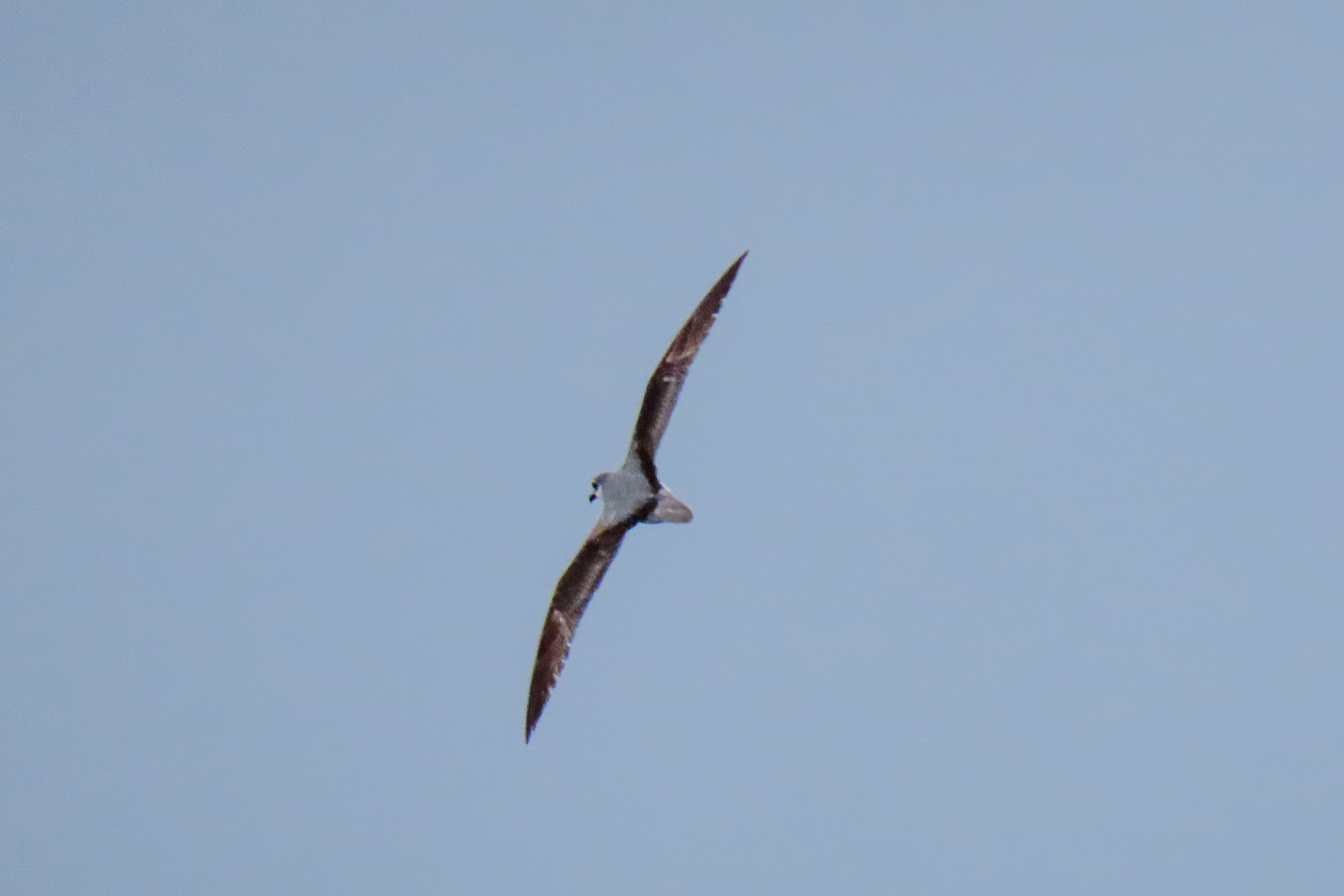
Masatierra Petrel (image by Mark Pearman)
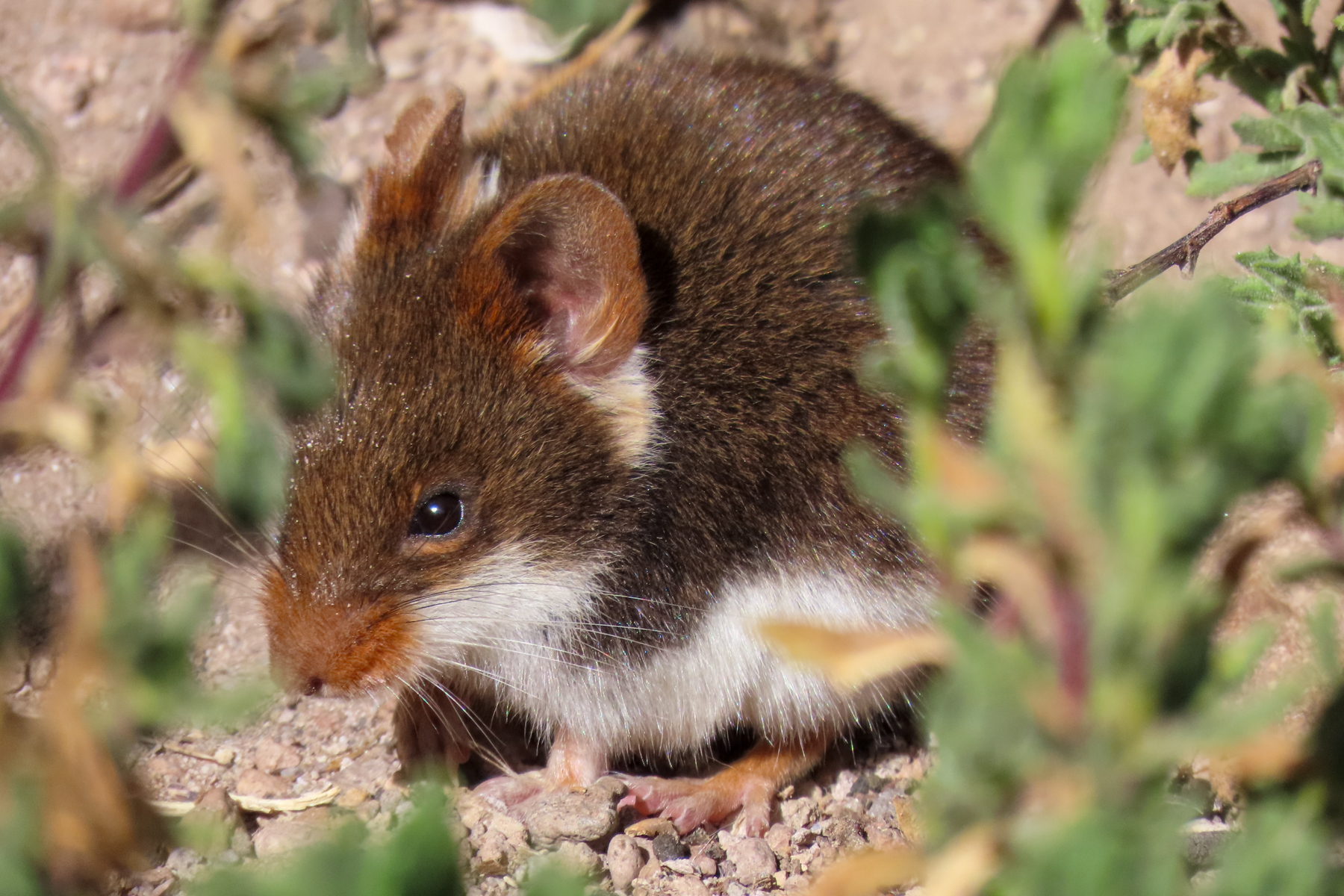
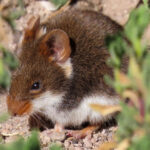
Ornate Soft-haired Mouse (image by Mark Pearman)
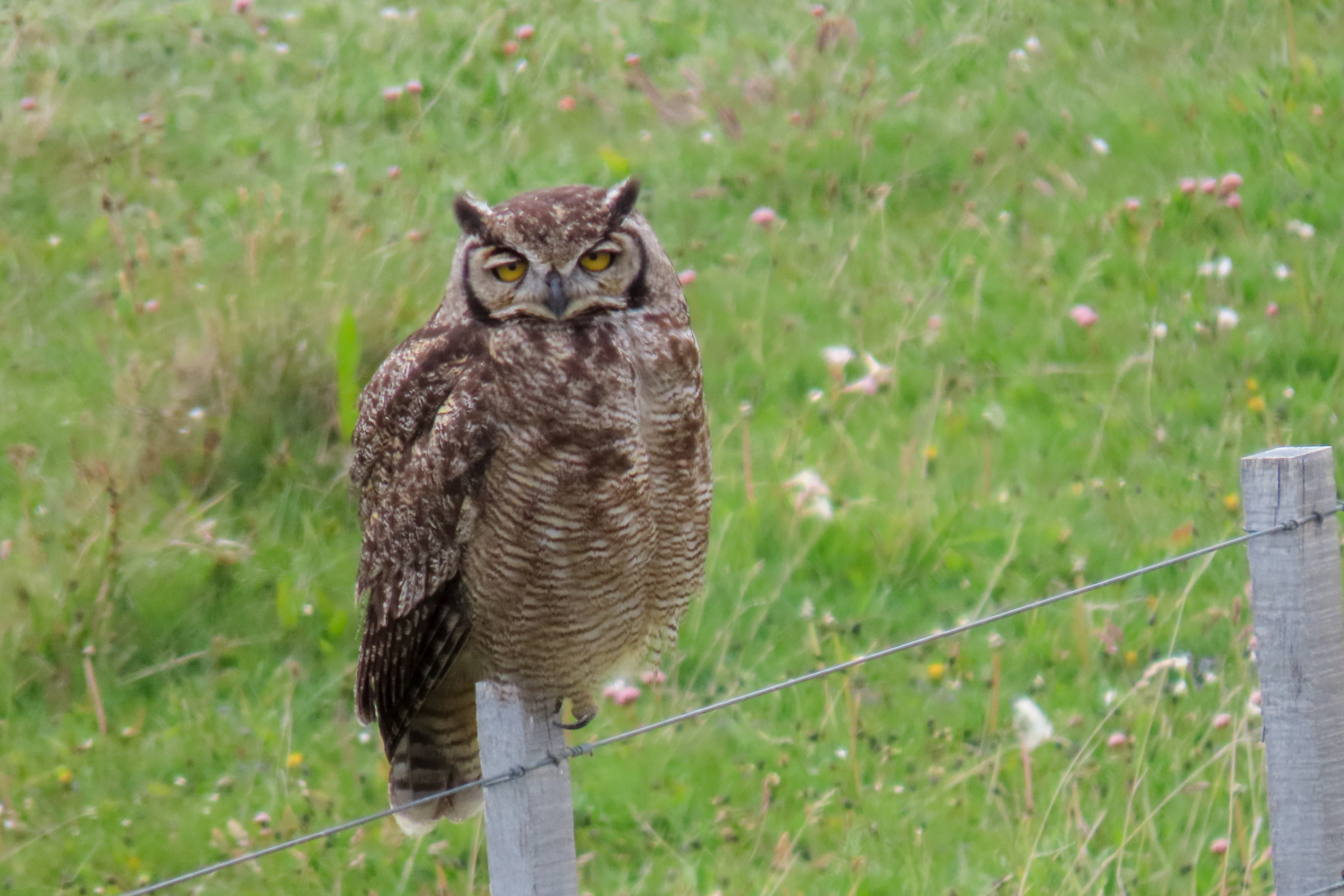
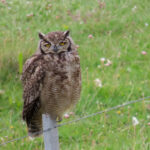
Magellanic Horned Owl (image by Mark Pearman)
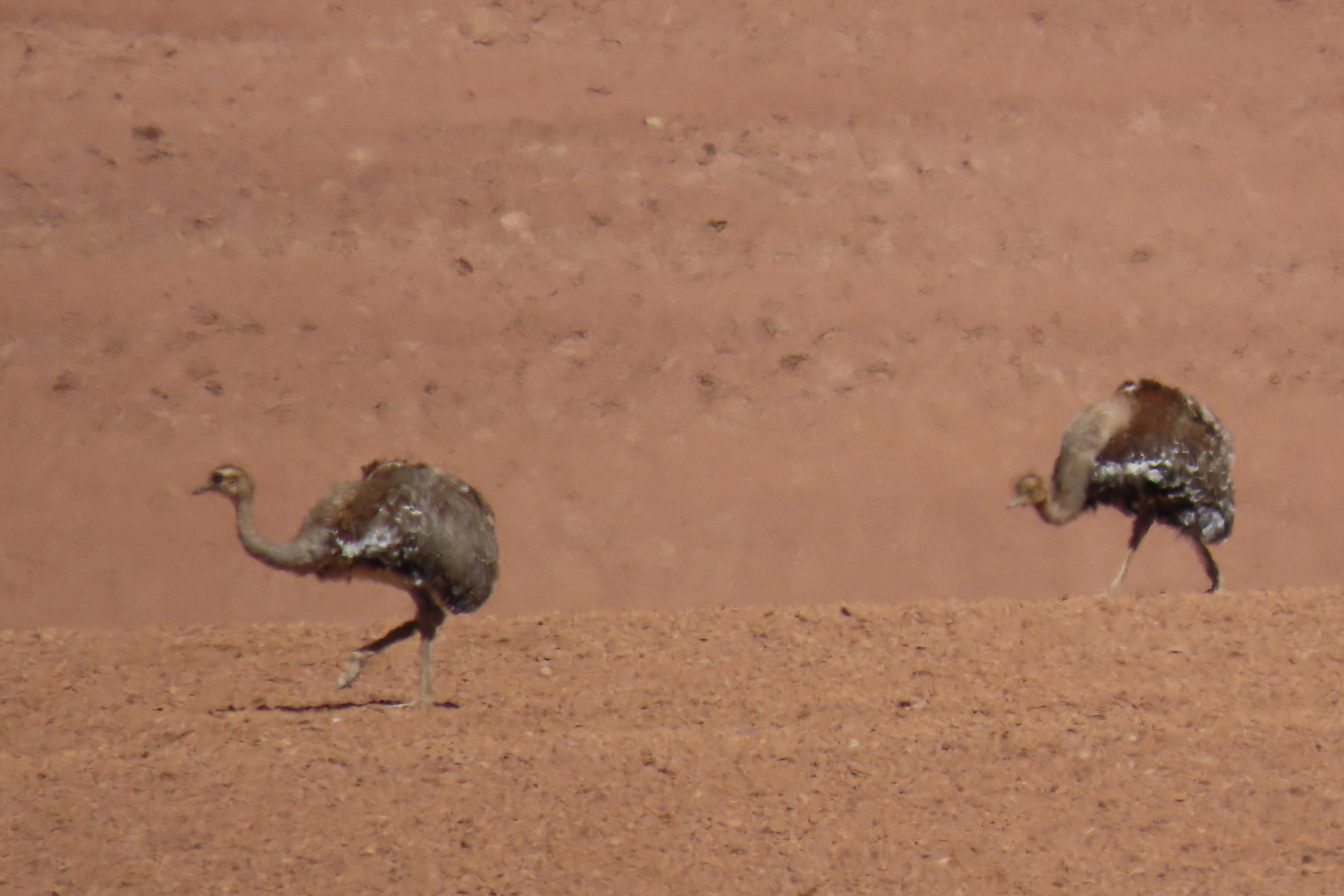
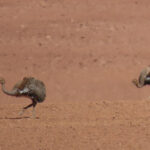
Lesser (Puna) Rhea (image by Mark Pearman)
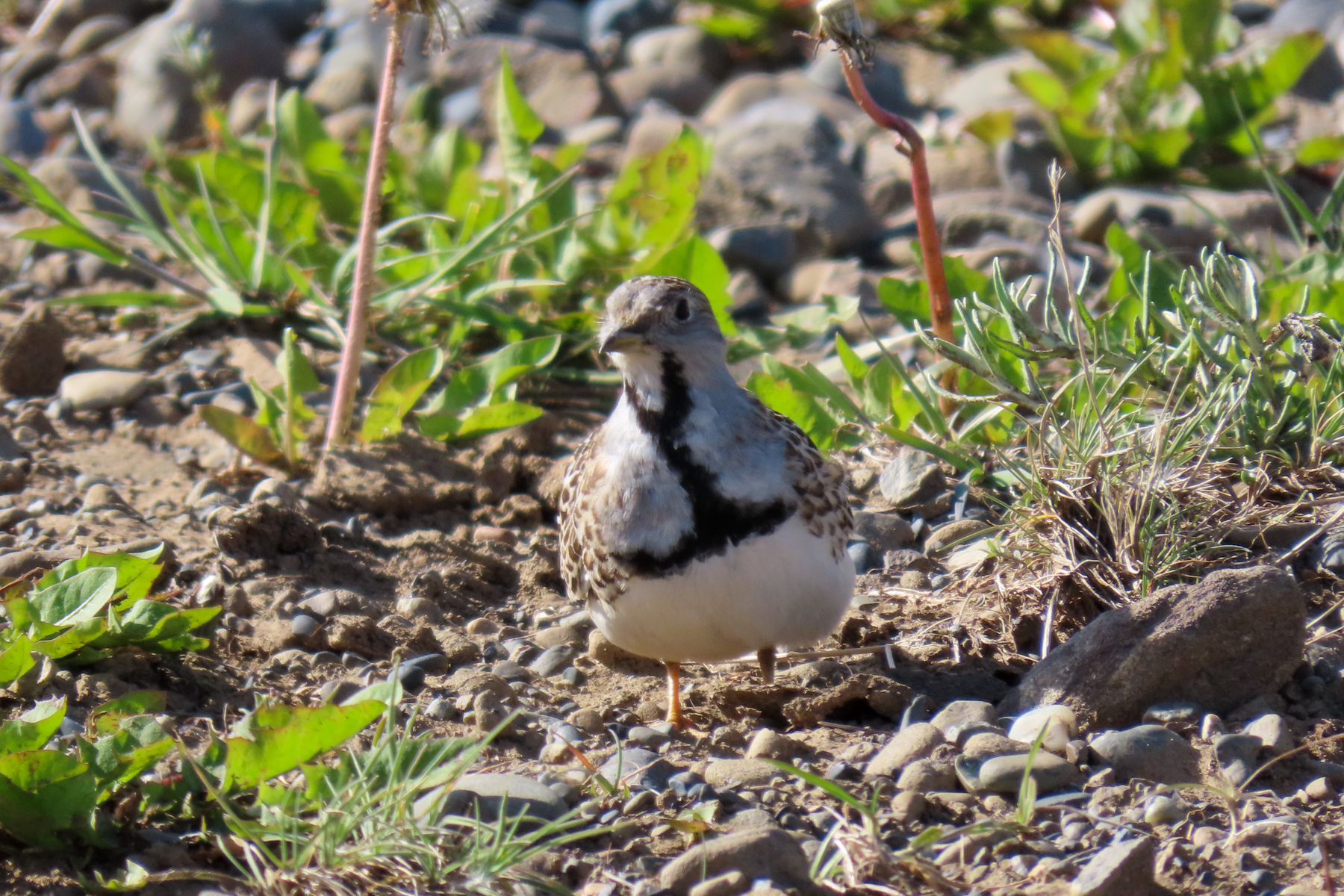
Least Seedsnipe (image by Mark Pearman)
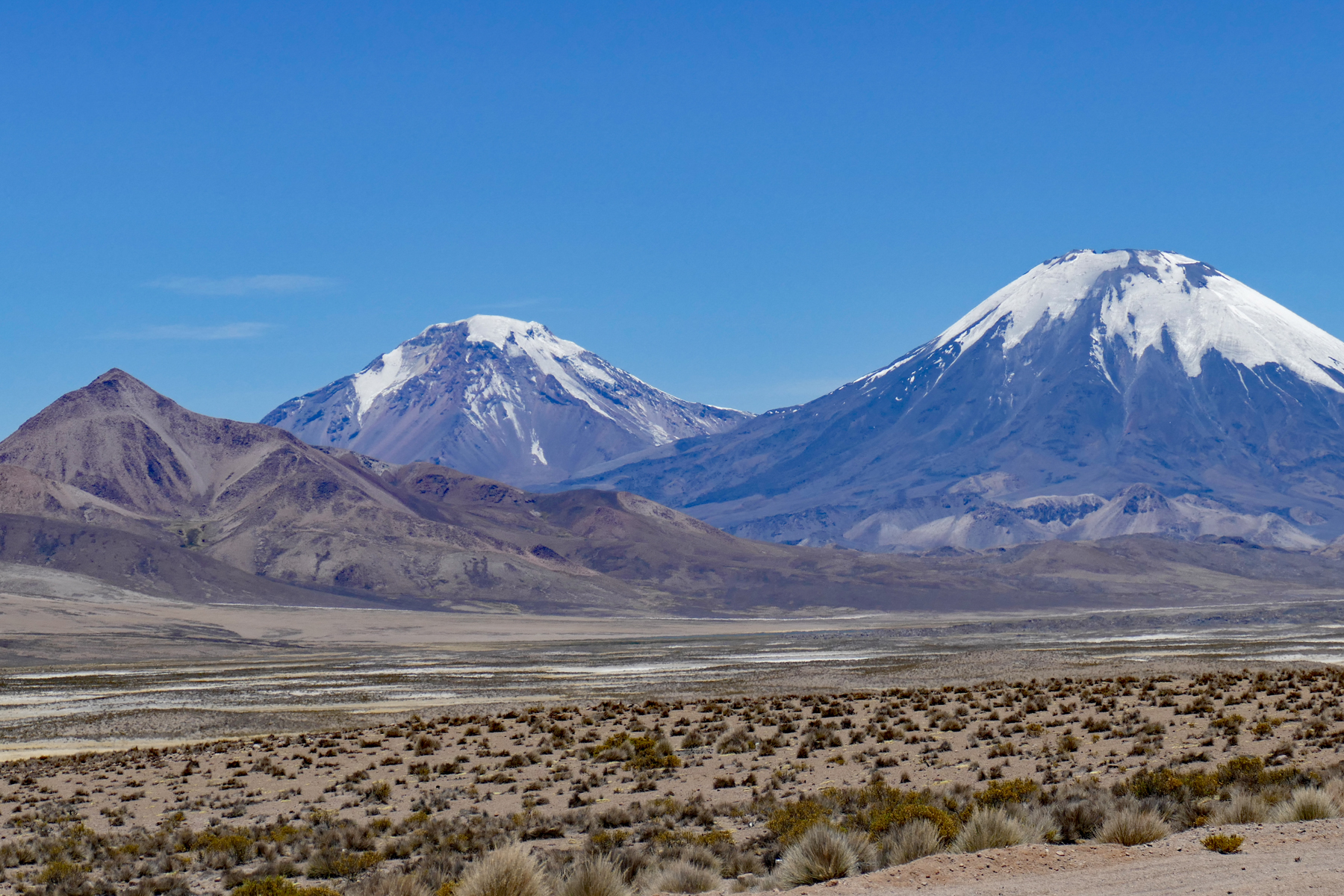
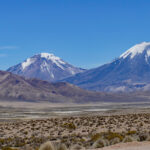
Lauca National Park (image by Mark Pearman)
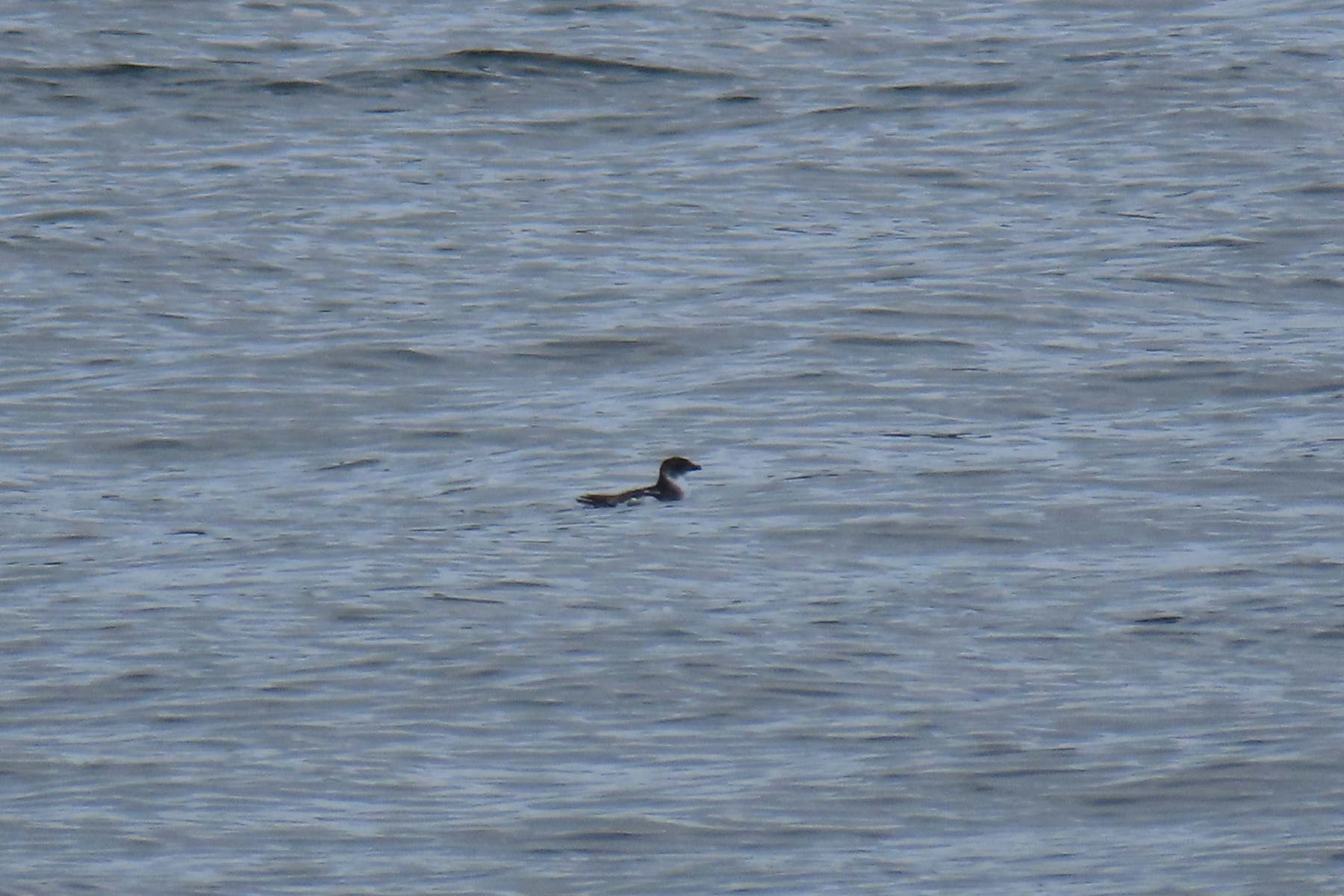
Common Diving Petrel (image by Mark Pearman)
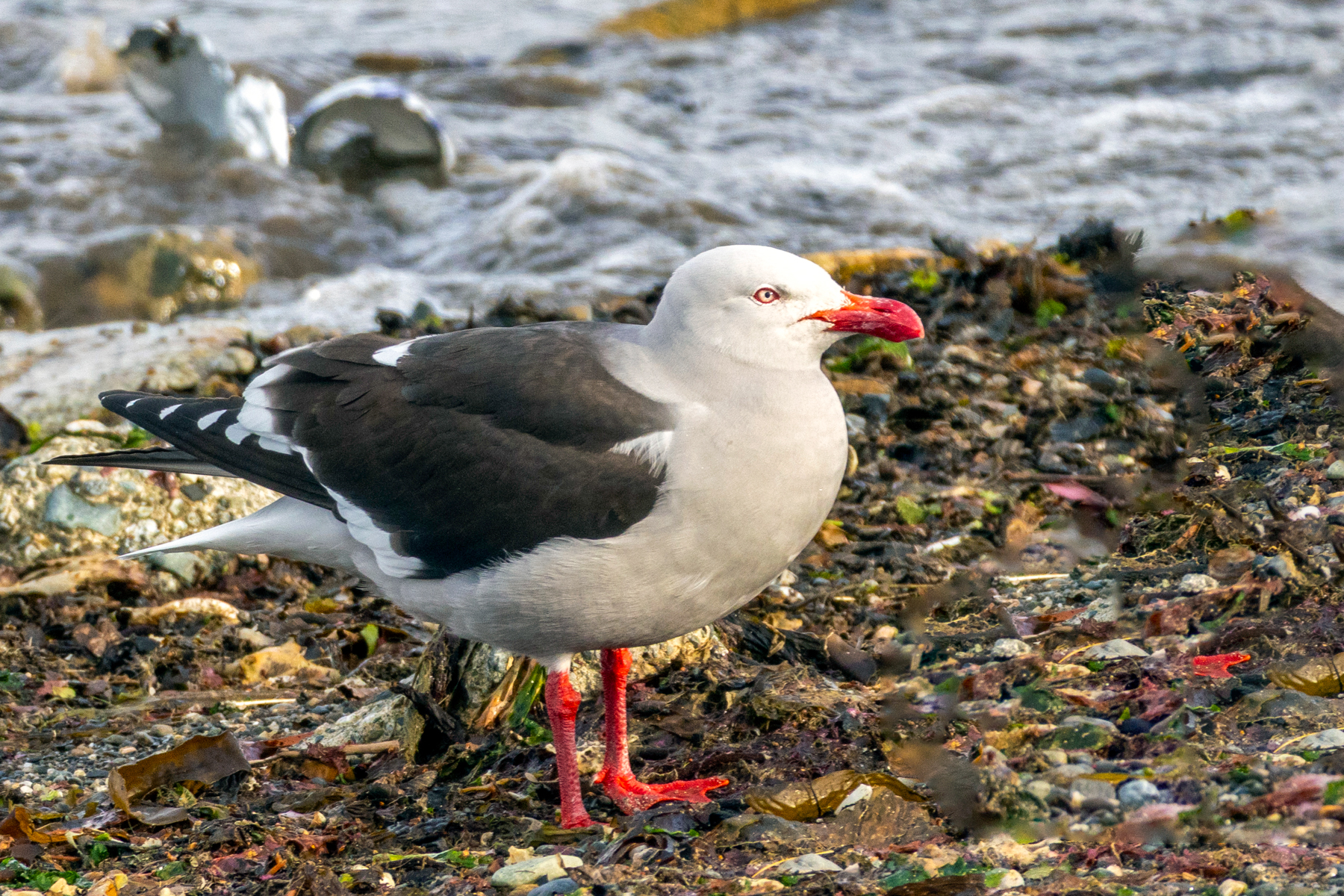
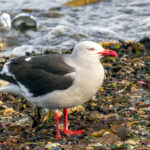
Dolphin Gull (image by Loukia Triantafyllis)
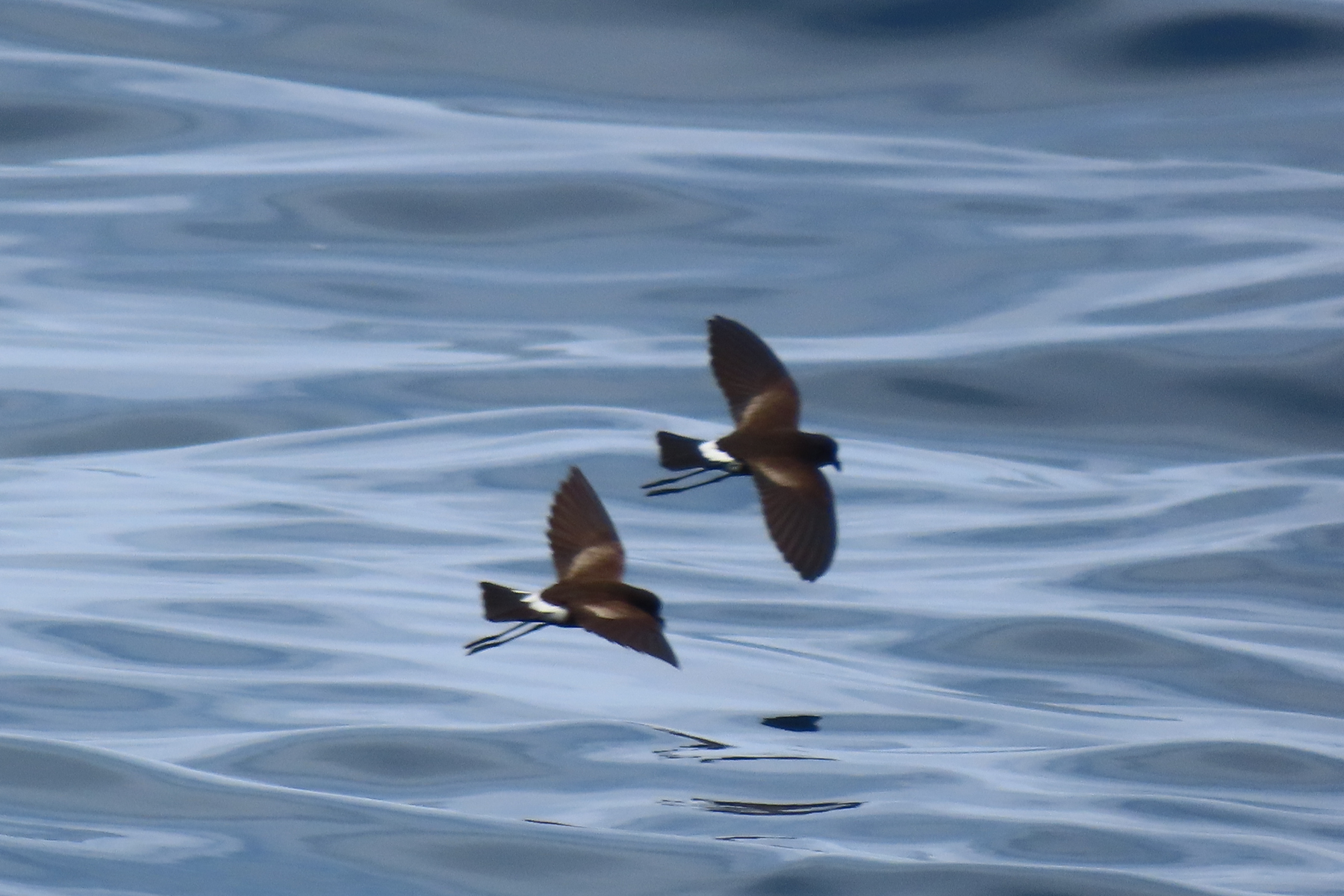
Elliot's Storm Petrels (image by Mark Pearman)
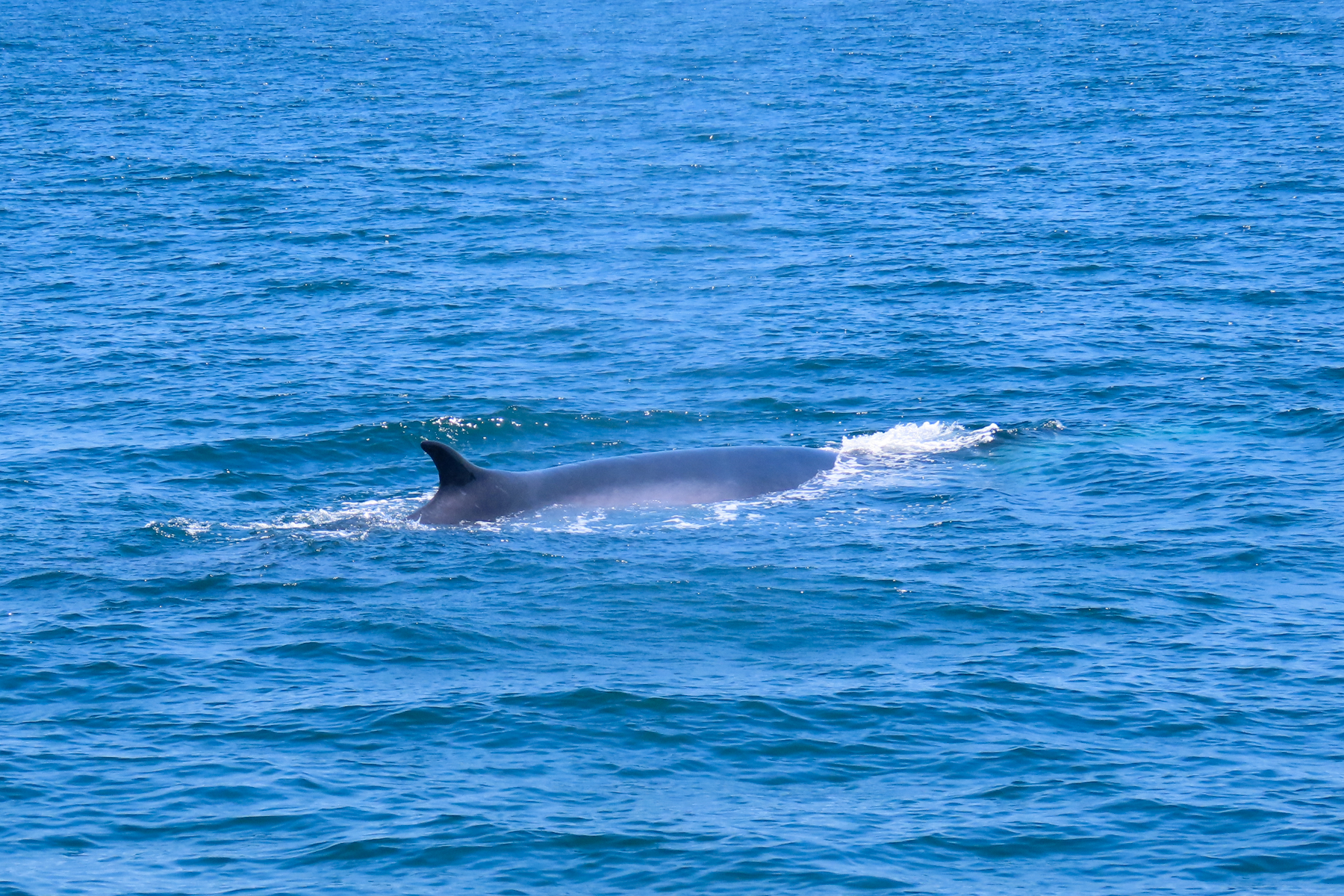
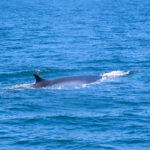
Fin Whale (image by Mark Pearman)
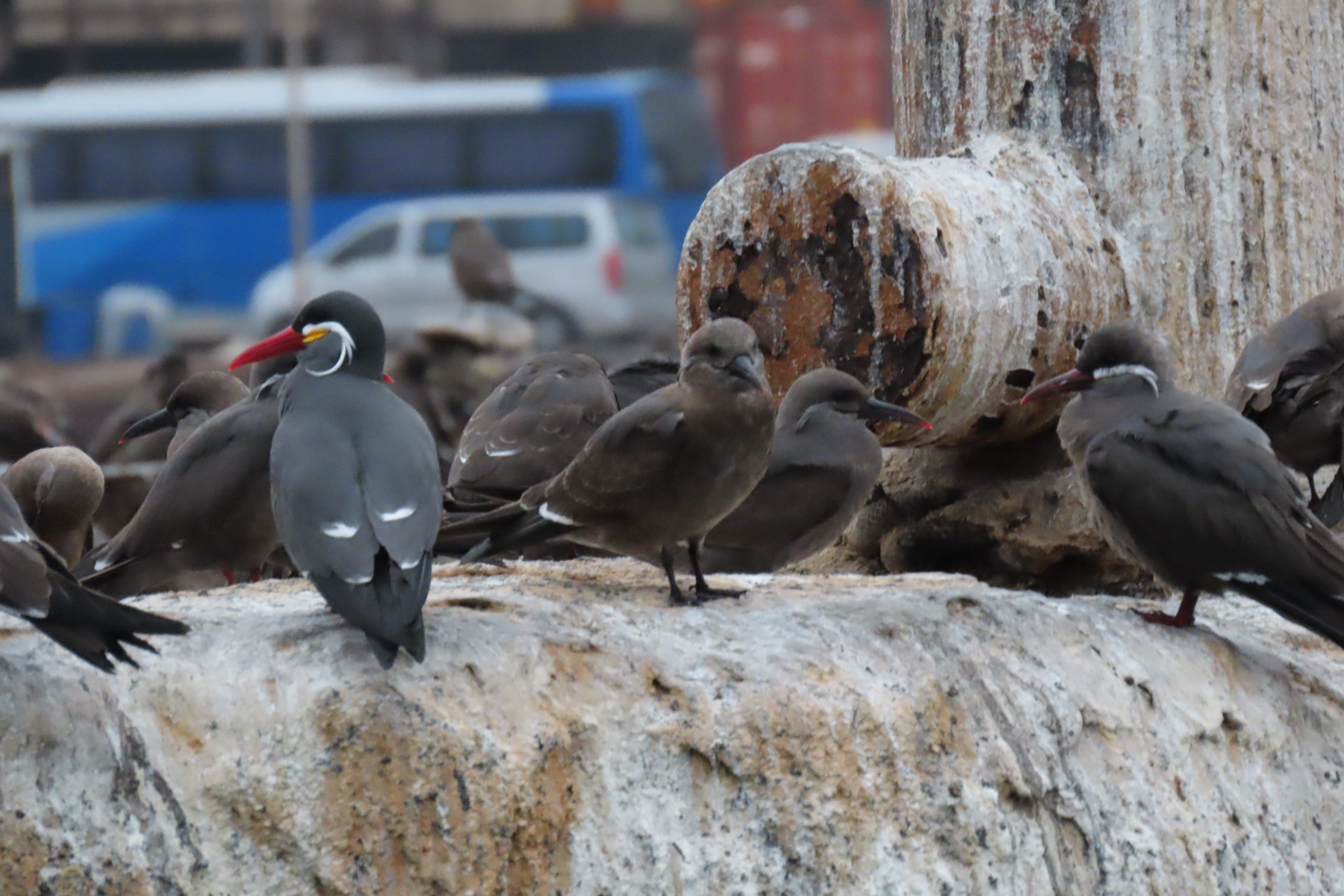
Inca Terns (image by Mark Pearman)
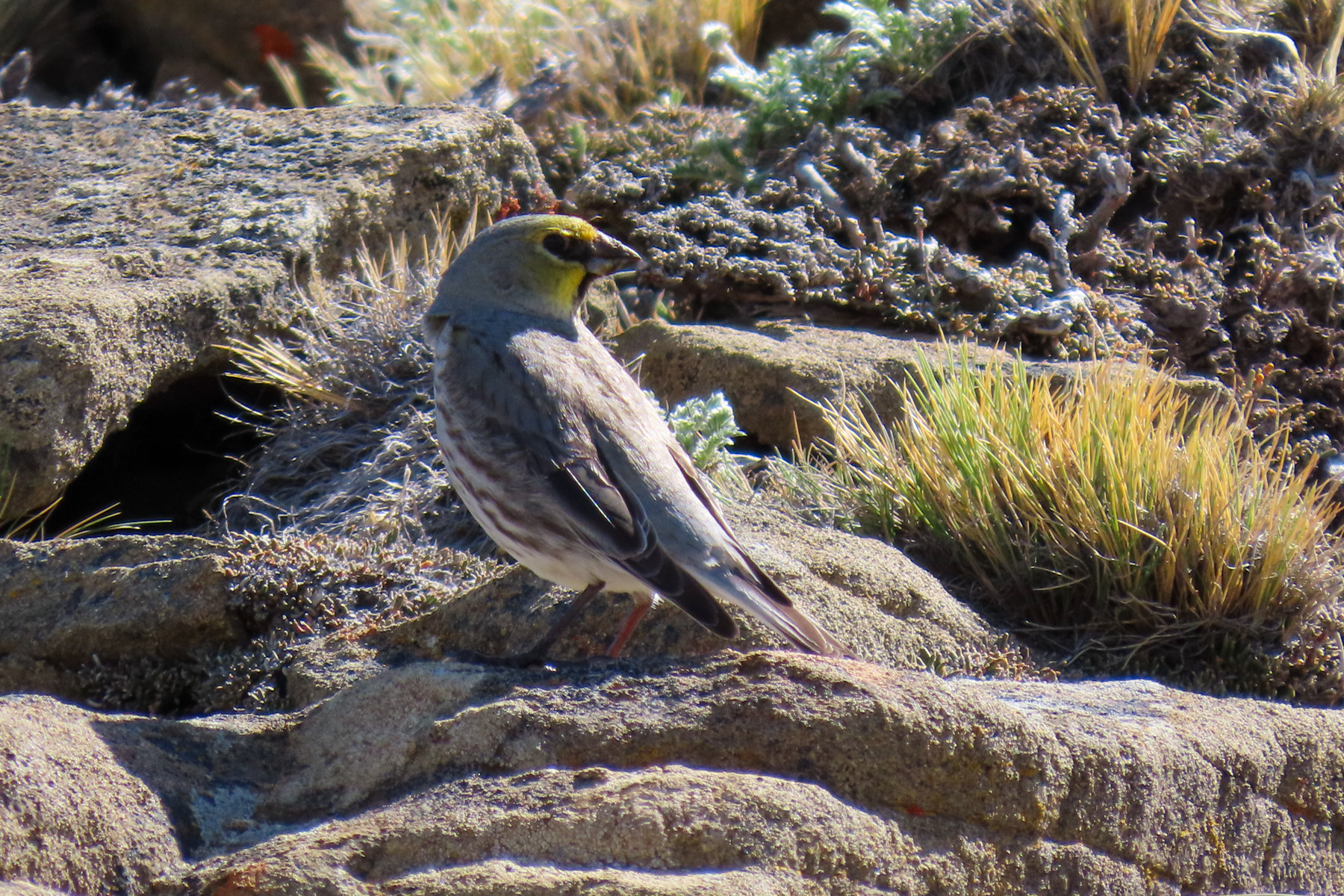
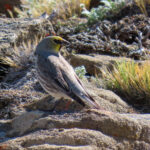
Yellow-bridled Finch (image by Mark Pearman)
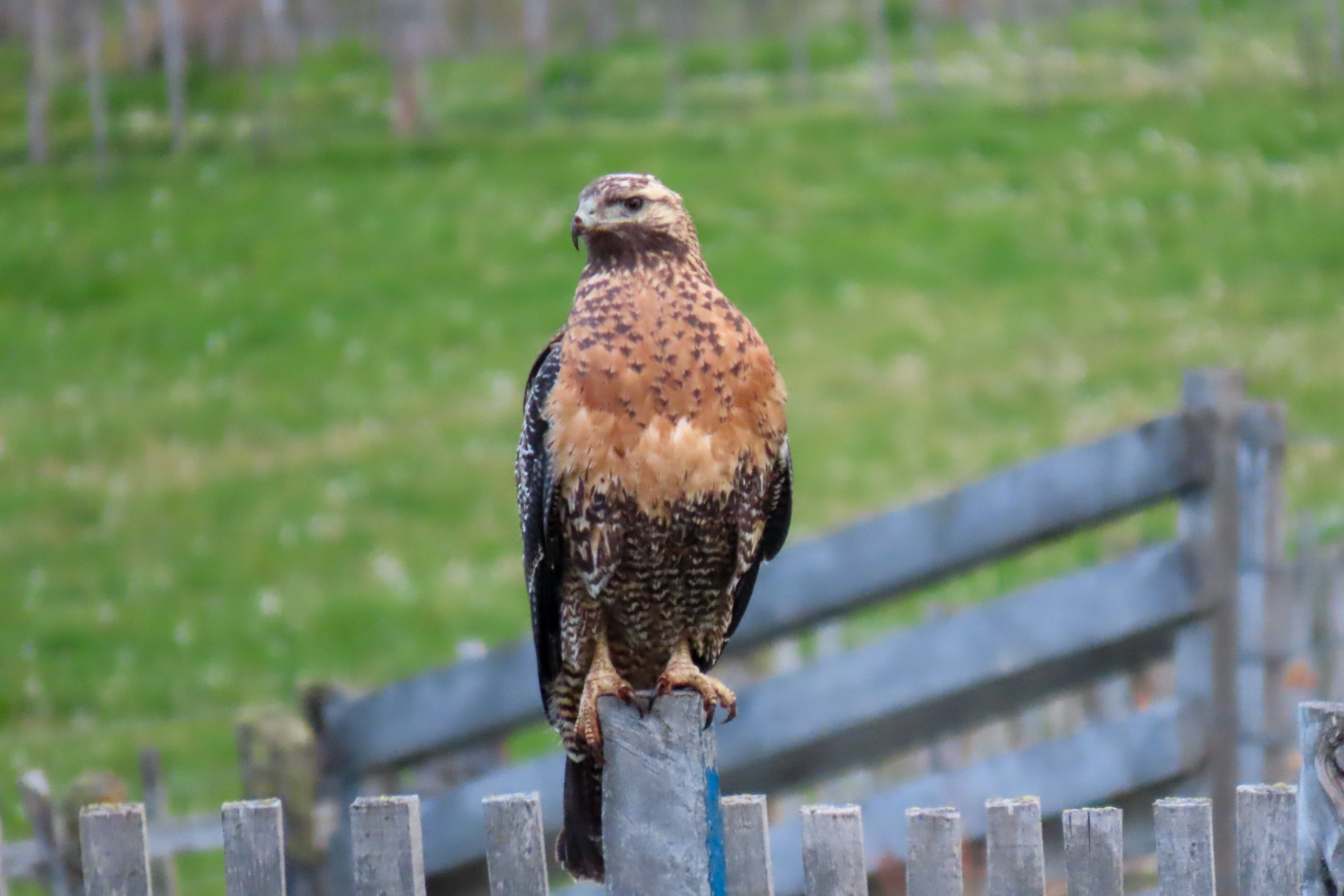
Black-chested Buzzard-Eagle (image by Mark Pearman)
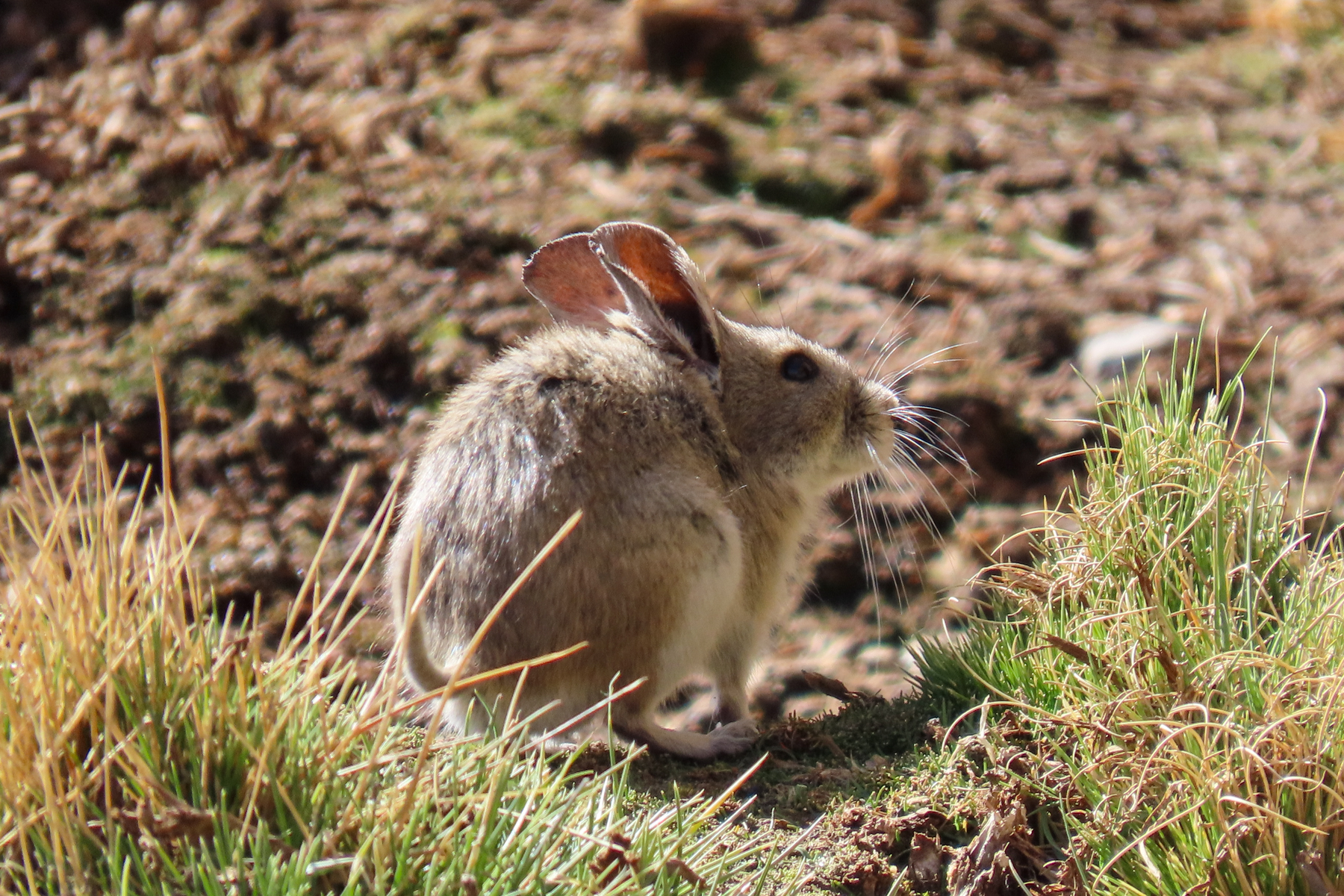
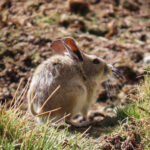
Bolivian Big-eared Mouse (image by Mark Pearman)
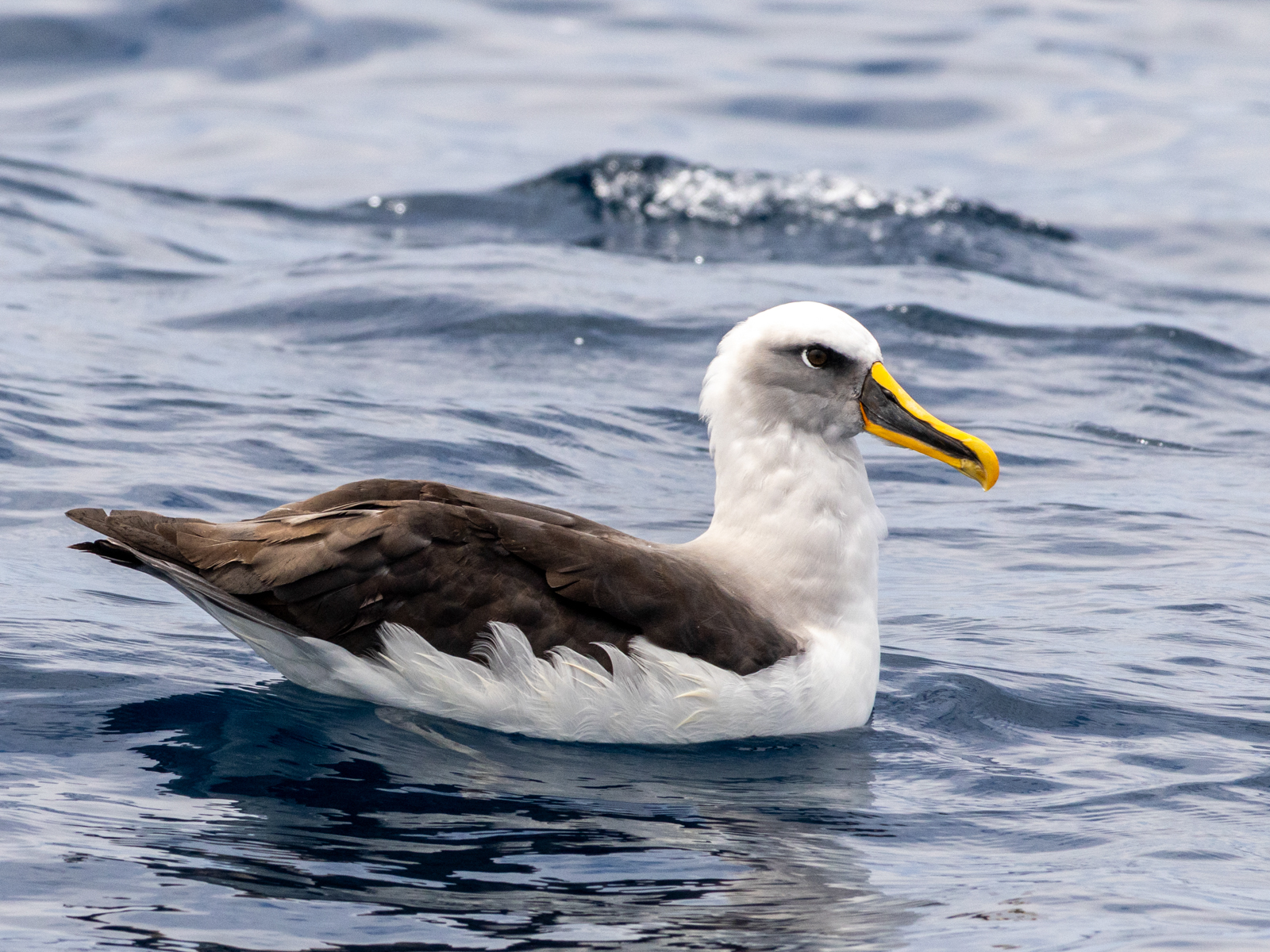
Buller's Albatross (image by Loukia Triantafyllis)
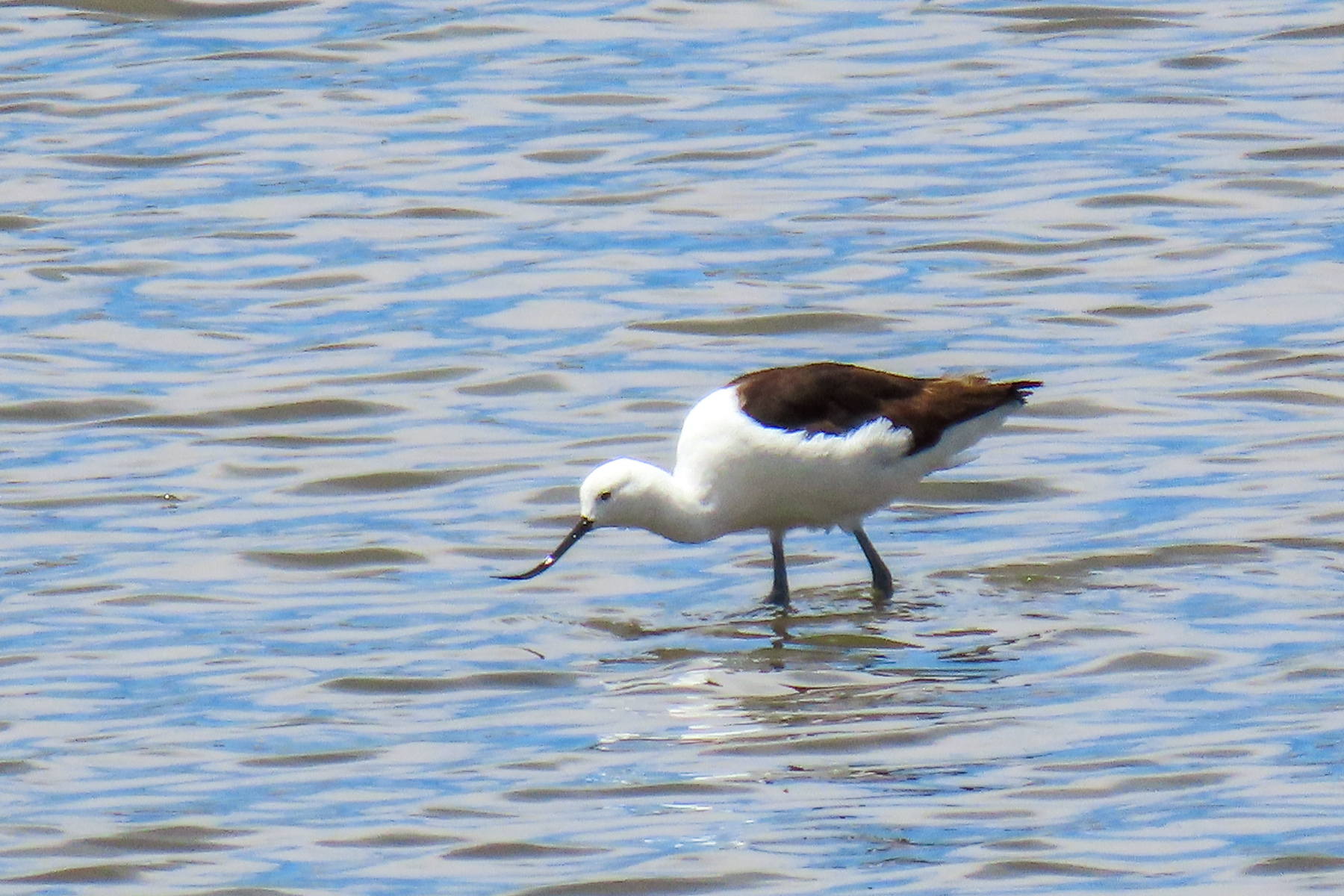
Andean Avocet (image by Mark Pearman)


Diademed Sandpiper-Plover (image by Mark Pearman)
Pumas (image by Petros Triantafyllis)
King Penguins (image by Mark Pearman)
Rufous-chested Dotterel (image by Mark Pearman)
Magellanic Plover (image by Petros Triantafyllis)
Burrowing Parrots (image by Loukia Triantafyllis)
Moustached Turca (image by Mark Pearman)
Ornate Tinamou (image by Loukia Triantafyllis)
Rufous-tailed Hawk (image by Mark Pearman)
Chilean Seaside Cinclodes (image by Mark Pearman)
Black-headed Ducks (image by Mark Pearman)
Torrent Ducks (image by Petros Triantafyllis)
Salvin's Albatross (image by Loukia Triantafyllis)
Stripe-backed Bittern (image by Mark Pearman)
Chilean Pigeon (image by Mark Pearman)
Andean Flamingos (image by Mark Pearman)
Chiloe Steamer Duck (image by Petros Triantafyllis)
Andean Condor (image by Mark Pearman)
White-throated Sierra Finch (image by Mark Pearman)
Tawny-throated Dotterel (image by Petros Triantafyllis)
Austral Rail (image by Mark Pearman)
Shy Albatross (image by Pablo Gutierrez)
Southern Giant Hummingbird (image by Mark Pearman)
Spectacled Duck (image by Mark Pearman)
Taruca (image by Mark Pearman)
Salvin's Albatross (image by Loukia Triantafyllis)
Markham's Storm Petrel (image by Mark Pearman)
Masatierra Petrel (image by Mark Pearman)
Ornate Soft-haired Mouse (image by Mark Pearman)
Magellanic Horned Owl (image by Mark Pearman)
Lesser (Puna) Rhea (image by Mark Pearman)
Least Seedsnipe (image by Mark Pearman)
Lauca National Park (image by Mark Pearman)
Common Diving Petrel (image by Mark Pearman)
Dolphin Gull (image by Loukia Triantafyllis)
Elliot's Storm Petrels (image by Mark Pearman)
Fin Whale (image by Mark Pearman)
Inca Terns (image by Mark Pearman)
Yellow-bridled Finch (image by Mark Pearman)
Black-chested Buzzard-Eagle (image by Mark Pearman)
Bolivian Big-eared Mouse (image by Mark Pearman)
Buller's Albatross (image by Loukia Triantafyllis)
Andean Avocet (image by Mark Pearman)


CHILE TOUR REPORT 2025

31 October - 22 November 2025
Mark Pearman
This year’s Chile tour was a blinder with, as usual, all of the endemics including the critically endangered Chilean Woodstar and all eight species of tapaculo from the giant Moustached Turca to the skulking White-throated Tapaculo and elusive huet-huets. Waders featured strongly with walk away views of the stunning Diademed Sandpiper-Plover, enigmatic Magellanic Plover, superb Tawny-throated and Rufous-chested Dotterels as well as three species of seedsnipe.
Seabirds were another major attraction during our three pelagics and four ferry crossings at different latitudes producing 22 species of tubenoses. In the north we had fantastic looks at Buller’s Albatross, Markham’s, Elliot’s and Ringed Storm Petrels. Central Chile produced five species of albatross including White-capped, the recently described “Andean Storm Petrel” and Masatierra Petrel. Off Chiloe Island we saw Common Diving Petrel and many Pincoya Storm Petrels. Finally, in the Magellan Straits we encountered the recently split Fuegian Storm Petrel and Southern Fulmar.
Other major highlights included the enigmatic Horned Coot, poorly known Red-backed Sierra Finch, the iconic Magellanic Woodpecker, repeated looks at a circling Rufous-tailed Hawk which perched briefy, smart White-bridled and Yellow-bridled Finches, such fantastic ovenbirds as Des Murs’ Wiretail and White-throated Treerunner, the memorable Puna Tinamou alias the walking bush, incredible looks at Austral Rail and the King Penguin colony was an unforgettable experience. In all we managed a tally of 289 species plus 19 species of mammal which included prolonged views of four pumas, close-up Fin Whales, Tarucas and Marine Otters.
The tour began at Calama where, once out of the barren Atacama Desert, we watched a small group of Guanaco before heading to higher ground through badlands and stunning volcano-dotted steppe. Here, Ash-breasted Sierra Finch and Greenish Yellow Finch were abundant with brief views of a White-winged Cinclodes and a lone Northern Mountain Viscacha (the largest chinchilla) sunning itself on a cliff, as a pair of Mountain Caracara came swooping by with one perching briefly on a cairn to round off our first afternoon.
After a night of acclimatization, we drove to Machuca lakes at 4000 m. where we studied Chilean, sixty Puna and over two hundred “dancing” Andean flamingos at close range, along with Andean Avocet, the often tricky Puna Plover, Rufous-bellied and Grey-breasted Seedsnipe, Andean Goose, Crested Duck, Puna, Yellow-billed and Cinnamon Teals, Andean Gull, Puna Ibis, Variable Hawk, Black-winged Ground Dove, Andean Negrito, Cream-winged Cinclodes, Cordilleran Canastero and the smart Black-hooded Sierra Finch.
We were here to see the rare and enigmatic Horned Coot with eight present among many Andean Coots and a few Giant Coots. Ground Tyrants were everywhere with Cinereous, Ochre-naped, Rufous-naped and Black-fronted seen. Driving across a barren steppe we enjoyed great looks at a pair of Lesser Rhea, relating to one of the scarce Puna forms. Soon we reached the site for our second major target where two Red-backed Sierra Finches were waiting for us, and walked around our feet looking for food. Later, we drove to Iquique via the coast, adding various regular waders plus Belcher’s Gull and Spot-billed Ground Tyrant.
After four days of storms, we found that Iquique port was closed but improving conditions promised that our first pelagic would go ahead. We sailed around the harbour waiting for permission and soaking up the atmosphere, with mewing Grey Gulls everywhere and a few thousand glorious Inca Terns on ship decks, masts, ropes, piers and cables, while South American Sea Lions loafed on buoys and we enjoyed great looks at the stunning Red-legged Cormorant. Here too, we watched six endangered Peruvian Terns, an important bird for the tour, and a trio of cheeky Marine Otters.
With the port now open we sailed west into the Pacific on what was to be a memorable pelagic. Leaving the Kelp Gulls and Elegant Terns behind we were soon shocked by the sheer numbers of Red-necked Phalaropes in their hundreds, swirling and landing again and again on the sea in front of our boat. Peruvian Diving Petrels were becoming common in an inshore belt, as numbers of Sooty and Pink-footed Shearwaters slowly increased. We only managed a single Peruvian Booby and a single Peruvian Pelican, both known to be victims of avian flu, whereas we have seen many hundreds in the past. But, we were of course here for the tubenoses of which there was no shortage. Northern Giant Petrels greatly outnumbered Southern’s, as we started to get nice fly-bys of the superb large chocolate Markham’s Storm Petrel with its creamy wing stripe, and diminutive Elliot’s Storm Petrel, up to two thousand seen. Before we knew it, the odd Ringed Storm Petrel flew past us, perhaps due to the recent storm or some kind of food-rich conditions while reaching deep water. The shelf here plummets to well over 4,000 metres and here we gave it our best with a relentless chumming session. This brought in Black-browed and the odd Salvin’s Albatross as well as two prize Buller’s Albatross, one of which was practically feeding out of the hand, with even more Markham’s, Ringed and Elliot’s Storm Petrels continuously patrolling. White-chinned Petrels and a Westland Petrel also showed up, before it was time to head back to port which added Chilean Skua and some Franklin’s Gulls when someone shouted “whales ahoy!!!” We then enjoyed a very close encounter with three Fin Whales, the giant adults swimming back and forth and even under our boat for fun.
Back on dry land, we headed south of the city to search for the endemic Chilean Seaside Cinclodes finding our first Blackish Oystercatcher, Spotted Sandpiper and Surfbird before this huge coastal cinclodes showed well.
Soon after dawn, we arrived at the Tamarugo woodlands (Strombocarpa tamarugo), an endemic tree to this part of Chile rescued from extinction, where we were greeted by the first of several Tamarugo Conebills. Done and dusted, we were soon on our way north, up and down through dramatic oasis gorges until we reached Cuya. Here, we added Croaking Ground Dove, Burrowing Owl, White-crested (Peruvian) Elaenia, the very smart and localized Pied-crested Tit-Tyrant, Cinereous Conebill and the ubiquitous Slender-billed Finch.
Our next port of call was a site that promised three hummingbirds, hopefully including Chile’s most threatened species, the endemic Chilean Woodstar. Once we reached the site, I couldn’t believe that the first hummer we saw was a stunning male Chilean Woodstar which gave us repeated close-ups over the next hour. A female woodstar also showed up, and a pair of Peruvian Sheartail were frequently chased off by boisterous Oasis Hummingbirds. Fully satisfied, we headed on to Arica, stopping at a first site for Peruvian Thick-knee where we drew a blank but added our first Chestnut-throated Seedeater, singing away on a cable.
The Lluta river mouth beckoned where we watched our first glowing Peruvian Meadowlarks as well as exceptionally high numbers of Little Blue Heron, an out-of-place Puna Ibis and Andean Gull as well as numerous Belcher’s Gulls and at last a few hundred Peruvian Pelicans. Just up the coast we tried our luck at another Peruvian Thick-knee site and waited at dusk for Tschudi’s Nightjar, but it was not to be.
We never give up though and a pre-dawn excursion to another Tschudi’s Nightjar spot gave us multiple looks at a male flying around and calling. And, after breakfast, nothing would stop us from connecting with a smart pair of Peruvian Thick-knee, still sleepy from their nocturnal activity.
Stops along the Lluta Valley provided us with Spot-winged Pigeon (surprising to see the highland albipennis form almost in the lowlands), Harris’ Hawk, Yellow-billed Tit-Tyrant, the smart and recently split Rufescent Flycatcher, Vermilion Flycatcher, Streak-backed Tit-Spinetail and Mourning Sierra Finch. We had a long tug-of-war with a Pacific Pygmy Owl which we eventually won, and once we reached our base in Putre, in the high Andes, we soon added Andean Hillstar, Canyon Canastero, White-browed Chat-Tyrant, Andean Swallow, Hooded and Yellow-rumped Siskins, Band-tailed Seedeater and Blue-and-yellow Tanager. But, we needed a two nightjar day (yes, it was the same day!), so at dusk we pulled in two Band-winged Nightjars, of the soon to be split Andean form atripunctatus, for close fly-bys.
In the morning we caught up with Dark-winged Canastero, Black-throated Flowerpiercer, Northern Giant Hummingbird, Buff-breasted Earthcreeper and eventually upgraded our views of White-throated Earthcreeper. Then, we set out on a trek with high expectations of the magical Diademed Sandpiper-Plover. At over 4000 m., and after a somewhat testing walk, suddenly there was a DSP at fairly close range in all its glory. Other additions here included the smart Glacier Finch as well as Puna, White-fronted and Black-fronted Ground Tyrants; the latter very unexpected here. A group of four Puna Tinamous showed well as they fled uphill. Some also managed to see a pair of Puna Snipe in the process. The vast Lago Chungara was teeming with coots and duck including our first Ruddy Ducks, as well as Andean Lapwing. Other stops ensured Puna Miner, Black Siskin and the raucous Andean Flicker to round off a very profitable day.
In the morning, we headed back up to Lauca, bagging four Ornate Tinamous on the way and managed fantastic looks at four oblivious Tarucas, grazing in a field. After another high altitude trek we connected with many White-throated Sierra Finches, our main target here. But that was not all, Mountain Caracaras were nesting in the cliffs that were full of Mountain Viscachas, not to mention a couple of Bolivian Big-eared Mouse and a smart Ornate Soft-haired Mouse.
With word of a road blockade back towards Arica we began the downhill drive, where some roadworks enabled us to catch up with the now overdue Straight-billed Earthcreeper. Ten km or more of Bolivian trucks forced to a standstill was not a pretty sight, but we skipped the queue and argued to be let past, which worked with a bit of old spiel. Back on the coast, we connected with large numbers of Red-necked Phalarope, Sanderling and of course Grey Gulls, as well as Black Skimmers and Grey Plover.
After a flight to Santiago, we were soon on our way to the coast with roadside birds including Chimango Caracara, Diuca Finch, Chilean Mockingbird and Long-tailed Meadowlark. Reserva Natural Maipo produced the expected Ticking Doradito but we had to work a little before everyone managed decent views. Here too we added Coscoroba and Black-necked Swans, Yellow-billed Pintail, Picui Ground Dove, Black-necked Stilt, Southern Lapwing, Brown-hooded Gull, White-faced Ibis, Cinereous Harrier, the strange Rufous-tailed Plantcutter, White-crested (Chilean) Elaenia, Tufted Tit-Tyrant, Spectacled Tyrant, Fire-eyed Diucon, Chilean Swallow, Austral Thrush, Yellow-winged Blackbird and Grassland Yellow Finch. We heard Black Rail and Dusky Tapaculo but neither were responsive. Other lake and river stops provided Chiloe Wigeon, Lake Duck, Pied-billed Grebe, Red-gartered Coot and wild Coypu. Eventually we birded a wooded valley where we got to grips with various common species such as the delightful Thorn-tailed Rayadito, Plain-mantled Tit-Spinetail, endemic Dusky-tailed Canastero, Grey-hooded Sierra Finch, and Austral Blackbird. Suddenly a Moustached Turca appeared at close range and we quickly discovered its nesting cavity obtaining great looks at this huge and impressive endemic tapaculo. We had hoped for White-throated Tapaculo here but only Jesper managed a brief view.
It was time for our second pelagic and we left Valparaiso port in calm conditions at dawn with our local guide Pablo Gutierrez. We started with plenty of Inca and South American Terns, Peruvian Booby, Peruvian Pelicans and many Red-legged Cormorants. Soon, we headed through a belt of Peruvian Diving Petrels, adding a couple of Red Phalarope and soon after met with increasing numbers of Sooty and Pink-footed Shearwaters which we would see for the rest of the pelagic. Eventually, we reached 32 nautical miles from shore over deep water, and chumming brought many distant tubenoses in for close looks. We managed five species of albatross including the ubiquitous Black-browed and Salvin’s Albatrosses, but also seven Northern Royals, two Buller’s and an adult White-capped Albatross which is rare in these waters. A photograph strongly suggests that it was subspecies steadi which is even rarer. Adding to the mayhem were White-chinned Petrels, a single Westland Petrel, numerous Wilson’s-type storm-petrels of the newly described “Andean Storm Petrel”, and four close fly by views of Masatierra Petrel. Returning to port, we added a flock of Franklin’s Gulls and a flock of Guanay Cormorants to round off a successful pelagic.
After a nice seafood lunch and watching our second Chilean Seaside Cinclodes, we headed to a Humboldt Penguin colony where we were able to scope around forty birds, many at their burrows. The colony did hold up to a thousand individuals at the start of the decade but the species has suffered a major decline due to avian flu.
Now based inland by La Campana National Park, we made a dawn search for White-throated Tapaculo where a pair outwitted us and never allowed views. At another area, and with different tactics, we nailed it with great looks at one in a tree. Predicting exactly what the bird will do, helps! A short distance along the road, an endemic Dusky Tapaculo performed nicely with point blank views. Then, we added Chilean Flicker, Striped Woodpecker and the endearing White-throated Treerunner as a Black-chested Buzzard-Eagle soared overhead.
Next, we headed to Batuco Lake with its long stretches of boardwalks and viewing platforms. Our prime target was Stripe-backed Bittern plus we had a long shot chance of Black-headed Duck. Before long we were watching Red-fronted Coots, a smart Plumbeous Rail, many Many-colored Rush Tyrants and Wren-like Rushbirds. Mark suddenly spotted a stunning Stripe-backed Bittern and amazingly we saw five different bitterns before leaving. The lake had very few duck and we scoured all corners, adding a couple of Cocoi Herons and plenty of Great Grebes. Just as we were leaving, and right on cue, a pair of Black-headed Duck swam slowly past us on the open water.
It was time to visit the high central Andes and we set off early with an extensive shopping list. After gaining some altitude, our first stops revealed a good number of Moustached Turcas scuttling across the road like small frightened chickens, Scale-throated Earthcreeper, Band-tailed Sierra Finch and a Great Shrike-Tyrant with a lizard in its bill, in the exact same spot as on our 2024 tour. Before long the endemic Crag Chilia showed up and sang on boulder tops as expected. A short distance away, we watched a sleepy Magellanic Horned Owl that had chosen to roost right beside the road. Flowering wet meadows were full of Greater Yellow Finches as well as Grey-flanked and Buff-winged Cinclodes, Sharp-billed Canastero, many White-browed Ground Tyrants and a few Black-fronted’s as well as a pair of feeding Mountain Caracaras. With a little patience, we eventually nailed good looks at the somewhat tricky White-sided Hillstar. Rufous-banded Miners were common but we just couldn’t connect with a Creamy-rumped this time around. Some, you have to let go ! New mammals today included close-up looks at a Culpeo Fox and those cute little Coruros, an endemic black “Prairie Dog-like” Octodontid with no close relatives.
Time to head south and deeper into the Patagonian forest with all its beauty. After a lengthy five-hour drive we parked up in pole position for the endemic Chilean Tinamou and found a few calling straight away. Then followed a well-coordinated group manoeuvre, in which everyone managed multiple looks at this chunky yellow-legged tinamou. Onwards and upwards, we reached our hub in the forest where hummingbird feeders provided great looks at Green-backed Firecrowns. We also managed perched Austral Parakeets in the hotel grounds before hiking through magical beech forest with giant Coihues (Nothofagus dombeyi). Our main target was the near endemic Chestnut-throated Huet-huet, a huge master-skulking tapaculo. First, we homed in on a Patagonian Tyrant obtaining multiple looks in the mid strata and subcanopy. Then, after a fair walk we heard our only huet-huet of the day, and set about trying to see it. Before long, a male Chilean Hawk flew directly past us with a large passerine in its talons, possibly a huet-huet or more likely an Austral Thrush. This was in any case a fortunate sighting of the hawk, and was our only record on the tour. The huet-huet singing continued and drew us into a “proper nasty” dark water-logged forest where all our attempts to see it failed. We already knew it was a toughie, so new sites and tactics would be required. There was no sign of Rufous-legged Owl at a regular site but this was compensated by a fine gourmet dinner provided by our hosts.
In the morning, flocks of raucous Burrowing Parrots were found perching in the Vilches Valley, north of their usual range which was a welcome, and time-saving observation, and allowed close scope studies. Then, in the Maule Valley we watched our first Upland Geese, overdue White-winged Coots, Black-chinned Siskins and a Dark-bellied Cinclodes when Mark got us onto a pair of Spectacled Ducks, our main target here. This special and very smart duck allowed drive-away views, so that was that, leaving just the tricky and now delicate question of how in hell we would see a Chestnut-throated Huet-huet at our last possible chance. Then, MP could hear some very distant calling huet-huets, found an obscure trail that we hiked up, did a few group manoeuvres and eventually we all got each other onto that king of skulkers. Job well done, which only left an eight-hour drive to our next one-night hub. In a country the size of Chile, some long drives were to be expected. Several Black-faced Ibis were worming on the hotel lawns when we arrived, and some of us managed looks at the magical Des Murs’s Wiretail.
At dawn, the striking orange and grey Chucao Tapaculo was fearlessly walking along a stream gully by the hotel providing great views. A short drive away, into the Monkey Puzzle (Araucaria araucana) forest, we quickly homed in on the localized Patagonian Forest Earthcreeper finding an obliging pair, a species that MP split back in 2009. Up, by Tolhuaca volcano we upgraded our looks at Des Murs’s Wiretail. Then, after breakfast, we wandered back through the hotel gardens, viewing a fine pair of Torrent Ducks and adding our first Magellanic Tapaculo. Time to leave, as timing is always crucial.
When we arrived in Temuco it was hot and perfect. We climbed the tower and within five minutes an adult Rufous-tailed Hawk was circling at eye-level. Magic ! Every twenty-five minutes or so, it gave another fly-by and even once perched. One of South America’s rarest raptors – in our pocket. We also managed some flight views of the endemic Slender-billed Parakeet. And then, on the walk down through the bamboo forest, we bagged the Ochre-flanked Tapaculo with great views.
In the morning, we had more looks at Slender-billed Parakeet, Des Murs’s Wiretail and MP managed a glimpse of a Black-throated Huet-huet. But, by now, the most important bird on the agenda was the largest and one of the most impressive woodpeckers of South America. Magellanic Woodpecker is endemic to Patagonian forest but their density is very low. After a fair drive, and adding our first Crested Caracara, we reached a site where only a few managed a fleeting glimpse of the woodpecker. We thoroughly searched the area to no avail. But then out popped a Black-throated Huet-huet providing great views. Moving on to another area which was more of a long shot, I asked a local about the woodpecker who replied “they’ll be just over there”. We entered a tall silent forest near the treeline, and little happened for a while, until a male flew in. After 20 minutes it was joined by a female and we enjoyed these giants for an hour or so with walk away views. What a result !
In the morning we had more views of Chucao Tapaculo and our best looks at Slender-billed Parakeet before heading to Chiloe Island. The ferry crossings were calm and produced many Sooty and Pink-footed Shearwaters, Rock and Imperial Shags, Peruvian Pelican and great looks at two Common Diving Petrel. Unfortunately, we saw no Pincoya Storm Petrels. On Chiloe we immediately found five steamer ducks of the undescribed flightless form and watched good numbers of Hudsonian Godwits.
Another port, and another pelagic; this time on a private yacht. Our objective was to find the Pincoya Storm Petrel; described new to science in 2013, Pincoya being the Chilotan goddess who protects the local fishermen. We spent seven hours at sea and were rewarded with up to twenty-five Pincoyas which passed in twos and threes and were all seen in the morning. We also saw Magellanic Penguin, Black-browed Albatross, Pink-footed and abundant Sooty Shearwaters, as well as an Arctic Skua and more Chiloe Steamer Ducks.
A morning excursion to the Chamiza estuary produced five Flying Steamer Ducks and a cassini Peregrine that caught and fed on what appeared to be an American Oystercatcher. We said our goodbye’s to Norma and to our driver Rodo, and then flew to a windy Punta Arenas.
Top birds of the main tour
- Diademed Sandpiper-Plover
- Ringed Storm Petrel
- Magellanic Woodpecker
- White-throated Tapaculo
- Chucao Tapaculo
A small marsh on the outskirts of Punta Arenas held Magellanic Oystercatcher, Two-banded Plover, Magellanic Snipe and Correndera Pipit. On the shores of the Magellan Straits, by our hotel, we watched our first smart Dolphin Gulls.
Our ferry trip to Tierra del Fuego was in jeopardy due to high winds, but by 11 am they decided to sail anyway. All the vehicles were tied down, and after less than an hour we were evacuated from the uppermost deck due to the roll and high splash. The three hour crossing produced Magellanic Penguin, Black-browed Albatross, Fuegian Storm Petrel, Southern Fulmar, Westland and White-chinned Petrels and Magellanic Diving Petrel. Heading south, we reached one of the few sites for Ruddy-headed Goose on Tierra del Fuego and immediately found a pair; the only pair ! Eventually we reached South America’s only King Penguin colony where, braving the wind, we enjoyed great looks at 120 King Penguins including many woolly juveniles. Here too, and on the entrance road we added Short-billed Miner, Patagonian Yellow Finch and a lone Large Hairy Armadillo. Our trip over the Baquedano mountains was just too late in the day for activity as we had been behind schedule all day.
Of course, we were back in the Baquedanos early and this time had great looks at four Rufous-chested Dotterels, with superb high aerial displays. What a bird ! After a hearty breakfast we were on our way, and the first stop was at a classic site for the enigmatic Magellanic Plover. Get innn ! No messing and we scored straight away. Brilliant views of this top bird. Further on, there was an unexpected roadside Magellanic Horned Owl on a post. Get a load of that ! Now at the narrows of the straits, everyone knew there was a chance of the dinky little Commerson’s Dolphin and it was just a question of brunting the freezing cold wind without bottling it. Only one dolphin showed up, almost at the last, but a nice prize for those that stood their ground.
Now, back in mainland South America we were faced with a serious drive to Torres del Paine, but with so much still to see. Just down the road we bagged a pair of Silver Teal (extralimital here) and then a search along sandy side roads eventually turned up four Elegant-crested Tinamous plus great looks at an Austral Canastero. Driving west, parallel with the straits, we stopped to enjoy the smart Band-tailed Earthcreeper, before driving through 200 kilometres of occasionally sign-posted minefields, the product of the cold war between Argentina and Chile in 1980 when Pinochet prepared himself for a war with Galtieri which never happened, because Galtieri invaded the Falklands instead. This long drive through uninhabited lands produced all sorts of wonderful and expected birds which included large numbers of Lesser Rheas, up to fifty sleek, pot-bellied Tawny-throated Dotterels, abundant Least Seedsnipes, superb Chocolate-vented Tyrants, many Common Miners and four stunning White-bridled Finches. The towers of Paine stood boldly above the plains with a rosy hew as we finally reached our hotel.
After a superb buffet dinner, we slept what we could, still in daylight, before leaving at night with our Puma trackers. They were right on the case of a Guanaco kill and we were in the perfect position at sunrise as we watched a female Puma and her well grown cub, coming from the feed and strolling around a nearby hillside. Awesome! Now, the decision was to try for Austral Rail (a species that was believed to be extinct for 50 years) and after a few tries we had exceptional luck in finding an extremely obliging bird on the corner of a rush-covered lake. The bird was a complete show-off and I have never seen anything like it ! Fully content, we reconnected with our prime tracker who then got us onto a different large female Puma and her cub which took to jumping from one large square boulder to another. We enjoyed this for a while until they hunkered down to sleep. We were back for breakfast by 7.30 am having experienced such a great spectacle. Of course we were all knackered and needed to recuperate from our intensive last 24 hours.
In the afternoon, we headed out to Sierra Baguales which straddles the border with Argentina in a remote area. Patagonian Mockingbirds proved easier than usual, but the area was extremely dry for ground tyrants and we only managed two Cinnamon-bellied Ground Tyrants. As Andean Condors sailed overhead, we connected with our main target, the very smart Yellow-bridled Finch with six seen mostly at close range. We rounded off the day with nice looks at a Pichy armadillo en route back to our hotel.
Beginning our long drive back to Punta Arenas, we enjoyed a pair of handsome Ashy-headed Geese amongst gaggles of Uplands, while many Andean Condors circled low, and an immature Black-chested Buzzard-Eagle posed at a carcass on a roadside fence. We still had unfinished business with two Anatids and pulled the strings to drive well south of Punta Arenas, finding three pairs of striking Kelp Geese (snow white males, and chocolate females) and twenty-seven, long overdue, chunky Fuegian Steamer Ducks sleeping it off on a long pebble peninsula. A fitting end to such an enduring tour of Chile from one extreme to the other, and such an amazing range of habitats with a great group of Birdquesters.
Top birds of the southern Patagonian extension
- King Penguin
- Austral Rail
- Tawny-throated Dotterel
- Magellanic Plover
- White-bridled Finch
SYSTEMATIC LIST OF SPECIES RECORDED DURING THE TOUR
Species marked with the diamond symbol (◊) are either endemic to the country or local region or considered ‘special’ birds for some other reason (e.g., it is only seen on one or two Birdquest tours; it is difficult to see across all or most of its range; the local form is endemic or restricted-range and may in future be treated as a full species).The species names and taxonomy used in the bird list follows Gill, F., Donsker, D., & Rasmussen, P.(Eds). 2025. IOC World Bird List (v15.1).
Where the subspecies seen is/are known, these are often given in parentheses at the end of the species comment.
Species which were not personally recorded by the leaders are indicated by the symbol (NL).
Species which were only seen by the leader are indicated with (LO).
Species which were heard only are indicated with (H)
Species that were only seen on the tour extension are marked with (X).
Species marked with the diamond symbol (◊) are either endemic to the country or local region or considered ‘special’ birds for some other reason (e.g. only seen on one or two Birdquest tours; difficult to see across all or most of its range; the local form is endemic or restricted-range and may in future be treated as a full species.
Lesser Rhea (Darwin’s R) Rhea [pennata] pennata (X)
Lesser Rhea (Puna R) Rhea [pennata] tarapacensis A pair above San Pedro.
Puna Tinamou ◊ Tinamotis pentlandii
Elegant Crested Tinamou ◊ Eudromia elegans (X) Four at Buque Quemado.
Ornate Tinamou Nothoprocta ornata
Chilean Tinamou ◊ Nothoprocta perdicaria Repeated looks near Talca.
Black-headed Duck ◊ Heteronetta atricapilla A pair at Batuco.
Lake Duck ◊ Oxyura vittata
Ruddy Duck (Andean D) Oxyura ferruginea
Coscoroba Swan ◊ Coscoroba coscoroba
Black-necked Swan ◊ Cygnus melanocoryphus
Torrent Duck Merganetta armata
Andean Goose Chloephaga melanoptera
Upland Goose ◊ Chloephaga picta
Kelp Goose ◊ Chloephaga hybrida (X) Three pairs near Punta Arenas.
Ashy-headed Goose ◊ Chloephaga poliocephala (X) A pair out of Torres del Paine.
Ruddy-headed Goose ◊ Chloephaga rubidiceps (X) Just one pair on Tierra del Fuego.
Crested Duck Lophonetta specularioides
Bronze-winged Duck (Spectacled D) ◊ Speculanas specularis
Flying Steamer Duck ◊ Tachyeres patachonicus
Fuegian Steamer Duck ◊ (Flightless SD) Tachyeres pteneres (X)
“Chiloe Steamer Duck” ◊ Tachyeres sp. nov. Endemic. Distinctive, yet still undescribed.
Puna Teal Anas puna
Silver Teal Spatula versicolor (X)
Red Shoveler ◊ Anas platalea
Cinnamon Teal Anas cyanoptera
Chiloe Wigeon ◊ Anas sibilatrix
White-cheeked Pintail Anas bahamensis
Yellow-billed Pintail Anas georgica
Yellow-billed Teal (Speckled T) Anas [flavirostris] flavirostris
Yellow-billed Teal (Inca T) Anas [flavirostris] oxyptera
California Quail (Intr) Calipepla californica
Andean Flamingo ◊ Phoenicopterus andinus
Chilean Flamingo Phoenicopterus chilensis
James’s Flamingo (Puna F) ◊ Phoenicopterus jamesi
White-tufted Grebe Rollandia rolland
Pied-billed Grebe Podilmbus podiceps
Great Grebe Podicephorus major
Silvery Grebe Podiceps [occipitalis] occipitalis
Silvery Grebe Podiceps [occipitalis] juninensis
Bare-faced Ground Dove Metriopelia cecilae
Black-winged Ground Dove Metriopelia melanoptera
Picui Ground Dove Columbina picui
Croaking Ground Dove Columbina cruziana
West Peruvian Dove Zenaida meloda
Eared Dove Zenaida auriculata
Spot-winged Pigeon Patagioenas maculosa albipennis
Chilean Pigeon ◊ Patagioenas araucana
Feral Pigeon (Rock Dove) Columba livia The less said, the better.
Plumbeous Rail Pardirallus sanguinolentus
Austral Rail ◊ Rallus antarcticus (X) Outstanding views at Torres del Paine.
Common Gallinule Gallinula galeata
Red-fronted Coot Fulica rufifrons
Horned Coot ◊ Fulica cornuta Just 8 of these bizarre coots above San Pedro.
Red-gartered Coot Fulica armillata
Giant Coot Fulica gigantea
White-winged Coot Fulica leucoptera
Andean Coot Fulica ardesiaca
Black Rail Laterallus [jamaicensis] salinasi H
Magellanic Plover ◊ Pluvianellus socialis (X) Walk-away views of one on Tierra del Fuego.
Peruvian Thick-knee Burhinus superciliaris
Andean Avocet Recurvirostra andina
Black-necked Stilt (White-backed S) Himantopus [mexicanus] melanurus
Magellanic Oystercatcher ◊ Haematopus leucopodus (X)
Blackish Oystercatcher Haematopus ater
American Oystercatcher Haematopus palliatus
Grey Plover Pluvialis squatarola
American Golden Plover Pluvialis dominica
Tawny-throated Dotterel Oreopholus ruficollis (X) Numerous in the Magellan Straits.
Rufous-chested Dotterel (R-c Plover) ◊ Zonibyx modestus (X) 4 in Tierra del Fuego.
Diademed Sandpiper-Plover ◊ Phegornis mitchellii One of these dream birds at Lauca.
Southern Lapwing Vanellus chilensis
Andean Lapwing Vanellus resplendens
Two-banded Plover ◊ Anarhynchus falklandicus (X)
Puna Plover ◊ Anarhynchus alticola Four above San Pedro de Atacama.
Rufous-bellied Seedsnipe Attagis gayi
Grey-breasted Seedsnipe Thinocorus orbignyianus
Least Seedsnipe Thinocorus rumicovorus (X)
Hudsonian Whimbrel Numenius hudsonicus
Hudsonian Godwit Limosa haemastica
Puna Snipe Gallinago andina A couple at Lauca.
Magellanic Snipe ◊ Gallinago magellanica
Spotted Sandpiper Actitis macularius
Red Phalarope Phalaropus fulicarius
Red-necked Phalarope Phalaropus lobatus
Spotted Sandpiper Actitis macularius
Lesser Yellowlegs Tringa flavipes
Greater Yellowlegs Tringa melanoleuca
Ruddy Turnstone Arenaria interpres
Surfbird Aphriza virgata
Sanderling Calidris alba
Baird’s Sandpiper Calidris bairdii
Pectoral Sandpiper Calidris melanotus
Parasitic Jaeger (Arctic Skua) Stercorarius parasiticus
Chilean Skua ◊ Stercorarius chilensis
Black Skimmer Rynchops niger
Peruvian Tern Sternula lorata Six at Iquique.
Inca Tern ◊ Larosterna inca
Elegant Tern Thalasseus elegans
South American Tern Sterna hirundinacea
Brown-hooded Gull Chroicocephalus maculipennis
Andean Gull Chroicocephalus serranus
Dolphin Gull ◊ Leucophaeus scoresbii (X)
Grey Gull ◊ Leucocephalus modestus
Franklin’s Gull Leucophaeus pipixcan
Belcher’s Gull ◊ Larus belcheri
Kelp Gull Larus dominicanus
King Penguin ◊ Aptenodytes patagonicus (X)
Humboldt Penguin ◊ Spheniscus humboldti
Magellanic Penguin ◊ Spheniscus magellanicus
Northern Royal Albatross ◊ Diomedea sanfordi
Black-browed Albatross Thalassarche melanophrys
Buller’s Albatross Thalassarche b. bulleri Two or more off both Iquique and Valparaiso.
Shy Albatross (White-capped A) Thalassarche cauta steadi An adult off Valparaiso proves to be steadi.
Salvin’s Albatross Thalassarche salvini
Fuegian Storm Petrel Oceanites chilensis (X) Seen in the Magellan Straits. Recently split from O. oceanicus.
“Andean Storm Petrel” ◊ Oceanites barrosi Forty off Valparaiso pelagic of this newly described (2023) species, the validity of which remains unconfirmed at the time of writing.
Pincoya Storm Petrel ◊ Oceanites pincoyae Twenty-five from a pelagic off Puerto Montt.
Elliot’s Storm Petrel ◊ Oceanites gracilis
Markham’s Storm Petrel Hydrobates markhami Abundant off Iquique.
Ringed Storm Petrel Oceanodroma hornbyi A total of 17 recorded off Iquique.
Southern Giant Petrel Macronectes giganteus
Northern Giant Petrel Macronectes giganteus
Southern Fulmar ◊ Fulmarus glacialoides
Westland Petrel Procellaria wetlandica
White-chinned Petrel Procellaria aequinoctialis
Sooty Shearwater Puffinus griseus
Pink-footed Shearwater Puffinus creatopus
Peruvian Diving Petrel ◊ Pelecanoides garnotii
Common Diving Petrel ◊ Pelecanoides urinatrix Two on the Chiloe ferry crossing.
Magellanic Diving Petrel ◊ Pelecanoides magellani (X)
Masatierra Petrel Pterodroma defilippiana Four off Valparaiso.
Peruvian Booby Sula variegata
Red-legged Cormorant Phalacrocorax gaimardi
Neotropic Cormorant Phalacrocorax brasilianus
Rock Shag ◊ Phalacrocorax magellanicus
Guanay Cormorant Phalacrocorax bougainvillii
Imperial Shag (Blue-eyed Cormorant) ◊ Phalacrocorax [atriceps] atriceps
Imperial Shag (King C) ◊ Phalacrocorax [atriceps] albiventer (X)
Black-faced Ibis ◊ Theristicus melanopis
White-faced Ibis Plegadis chihi
Puna Ibis Plegadis ridgwayi
Peruvian Pelican Pelecanus thagus
Stripe-backed Bittern Ixobrychus involucris Five at Batuco. Amazing !
Little Blue Heron Egretta caerulea
Snowy Egret Egretta thula
Black-crowned Night Heron Nycticorax nycticorax
Great Egret Ardea alba
Western Cattle Egret Ardea ibis
Cocoi Heron Ardea cocoi
Tschudi’s Nightjar ◊ Quechuavis decussata
Band-winged Nightjar (Siku N) Systellura [longirostris] atripuntatus
Green-backed Firecrown ◊ Sephanoides sephaniodes
Andean Hillstar Oreotrochilus estella
White-sided Hillstar ◊ Oreotrochilus leucopleurus
Northern Giant Hummingbird Patagona peruviana Three at Lauca. Recently split from P. gigas.
Southern Giant Hummingbird Patagona gigas Small numbers in central Chile.
Oasis Hummingbird ◊ Rhodopis vesper
Peruvian Sheartail ◊ Thaumastura cora
Chilean Woodstar ◊ Eulidia yarrellii Superb male and a female at our regular site.
Burrowing Owl Athene cunicularia
Pacific Pygmy Owl (Peruvian P O) ◊ Glaucidium peruanum
Magellanic Horned Owl (Lesser H O) ◊ Bubo magellanicus Singles at Farallones and Tierra del Fuego.
Andean Condor Vultur gryphus
Black Vulture Coragyps atratus
Turkey Vulture Cathartes aura
White-tailed Kite Elanus leucurus NL
Chilean Hawk ◊ Astur chilensis A close fly-by of a male inside the forest at Alto Vilches.
Harris’s Hawk Parabuteo unicinctus
Variable Hawk Geranoaetus polyosoma
Black-chested Buzzard-Eagle Geranoaetus melanoleucus
Rufous-tailed Hawk ◊ Buteo ventralis One circling and even perching at Temuco. Wow!
Chilean Flicker ◊ Colaptes pitius
Andean Flicker Colaptes rupicola
Magellanic Woodpecker ◊ Campephilus magellanicus Walk-away views of a pair.
Striped Woodpecker ◊ Veniliornis lignarius
Mountain Caracara Phalcoboenus megalopterus
Crested Caracara Caracara plancus
Chimango Caracara Daptrius chimango
American Kestrel Falco sparverius
Peregrine Falcon Falco peregrinus cassini
Monk Parakeet (Intr) Myiopsitta monachus
Slender-billed Parakeet ◊ Enicognathus leptorhynchus
Austral Parakeet ◊ Enicognathus ferrugineus
Burrowing Parrot ◊ Cyanoliseus patagonus byroni
Rufous-tailed Plantcutter ◊ Phytotoma rara
Many-coloured Rush Tyrant Tachuris rubrigastra
White-crested Elaenia (Peruvian E) Elaenia [albiceps] modesta
White-crested Elaenia (Chilean E) Elaenia chilensis
Ticking Doradito ◊ Pseudocolopteryx citreola
Pied-crested Tit-Tyrant ◊ Anairetes reguloides
Yellow-billed Tit-Tyrant Anairetes flavirostris
Tufted Tit-Tyrant ◊ Anairetes parulus
Rufescent Flycatcher ◊ Myiophobus rufescens
Patagonian Tyrant ◊ Colorhamphus parvirostris
White-browed Chat-Tyrant Ochthoeca leucophrys
Vermilion Flycatcher Pyrocephalus obscurus
Spot-billed Ground Tyrant Muscisaxicola maculirostris
Puna Ground Tyrant Muscisaxicola juninensis
Cinereous Ground Tyrant Muscisaxicola cinereus
White-fronted Ground Tyrant Muscisaxicola albifrons
Ochre-naped Ground Tyrant Muscisaxicola flavinucha
Rufous-naped Ground Tyrant Muscisaxicola rufivertex
White-browed Ground Tyrant Muscisaxicola albilora
Cinnamon-bellied Ground Tyrant Muscisaxicola capistrata (X)
Black-fronted Ground Tyrant ◊ Muscisaxicola frontalis
Austral Negrito ◊ Lessonia rufa
Andean Negrito Lessonia oreas
Spectacled Tyrant Hymenops perspicillata
Fire-eyed Diucon ◊ Pyrope pyrope
Chocolate-vented Tyrant ◊ Neoxolmis rufiventris (X)
Great Shrike-Tyrant ◊ Agriornis lividus
White-throated Tapaculo ◊ Scelorchilus albicollis
Chucao Tapaculo ◊ Scelorchilus rubecula
Chestnut-throated Huet-huet ◊ Pteroptochos castaneus
Black-throated Huet-huet ◊ Pteroptochos tarnii
Moustached Turca ◊ Pteroptochos megapodius
Ochre-flanked Tapaculo ◊ Eugralla paradoxa
Dusky Tapaculo ◊ Scytalopus fuscus
Magellanic Tapaculo ◊ Scytalopus magellanicus
Common Miner Geositta [cunicularia] hellmayri
Puna Miner Geositta punensis
Rufous-banded Miner (Trilling M) Geositta [rufipennis] fasciata
Short-billed Miner ◊ Geositta antarctica
White-throated Treerunner ◊ Pygarrhichas albogularis
Straight-billed Earthcreeper Ochetorhynchus ruficaudus
Band-tailed Earthcreeper ◊ Ochetorhynchus phoenicurus (X)
Crag Chilia ◊ Ochetorhynchus melanura
Wren-like Rushbird Phleocryptes melanops
Patagonian Forest Earthcreeper ◊ Upucerthia saturatior
Scale-throated Earthcreeper Upucerthia dumetaria
White-throated Earthcreeper ◊ Upucerthia albigula
Buff-breasted Earthcreeper Upucerthia validirostris
Buff-winged Cinclodes ◊ Cinclodes fuscus
Cream-winged Cinclodes Cinclodes albiventris
Grey-flanked Cinclodes ◊ Cinclodes oustaleti oustaleti
White-winged Cinclodes Cinclodes atacamensis
Dark-bellied Cinclodes ◊ Cinclodes patagonicus
Chilean Seaside Cinclodes ◊ Cinclodes nigrofumosus
Thorn-tailed Rayadito ◊ Aphrastura spinicauda
Des Murs’s Wiretail ◊ Sylviorthorhymchus desmursii
Plain-mantled Tit-Spinetail Leptasthenura aegithaloides
Streak-backed Tit-Spinetail Leptasthenura striata
Dark-winged Canastero Asthenes arequipae
Austral Canastero ◊ Asthenes anthoides (X)
Cordilleran Canastero Asthenes modesta
Sharp-billed Canastero Asthenes pyrrholeuca
Canyon Canastero ◊ Asthenes pudibunda
Dusky-tailed Canastero ◊ Pseudasthenes humicola
Sand Martin (Bank Swallow) Riparia riparia
Chilean Swallow Tachycineta meyeni
Blue-and-white Swallow Pygochelidon cyanoleuca
Andean Swallow Orochelidon andecola
Barn Swallow Hirundo rustica
American Cliff Swallow Petrochelidon pyrrhonota LO
Southern House Wren Troglodytes musculus
Chilean Mockingbird ◊ Mimus thenca
Patagonian Mockingbird ◊ Mimus patagonicus (X)
Chiguanco Thrush Turdus [chiguanco] chiguanco
Chiguanco Thrush (Coal Black T) Turdus [chiguanco] anthracinus
Austral Thrush ◊ Turdus falcklandii
House Sparrow Passer domesticus
Correndera Pipit Anthus correndera
Hooded Siskin Spinus magellanica
Black Siskin Spinus atrata
Yellow-rumped Siskin ◊ Spinus uropygialis
Black-chinned Siskin ◊ Carduelis barbata
Rufous-collared Sparrow Zonotrichia capensis
Peruvian Meadowlark ◊ Sturnella bellicosa
Long-tailed Meadowlark Sturnella loyca
Shiny Cowbird Molothrus bonariensis
Austral Blackbird ◊ Cureus cureus
Yellow-winged Blackbird Agelaius thilius
Tamarugo Conebill ◊ Conirostrum tamarugense
Cinereous Conebill Conirostrum cinereum
Black-hooded Sierra-Finch Phrygilus atriceps
Grey-hooded Sierra-Finch Phrygilus gayi
Patagonian Sierra Finch Phrygilus patagonicus
White-bridled Finch ◊ Melanodera melanodera (X)
Yellow-bridled Finch ◊ Melanodera xanthogramma (X)
Greater Yellow Finch ◊ Sicalis auriventris
Greenish Yellow Finch Sicalis olivascens
Patagonian Yellow Finch ◊ Sicalis lebruni (X)
Grassland Yellow-Finch Sicalis luteola
Red-backed Sierra Finch ◊ Idiopsar dorsalis
White-throated Sierra Finch ◊ Idiopsar erythronotus
Glacier Finch ◊ Idiopsar speculifer
Ash-breasted Sierra Finch Geospizopsis plebejus
Plumbeous Sierra Finch Gewospizopsis unicolor
Band-tailed Seedeater Catamenia analis
Black-throated Flowpiercer Diglossa brunneiventris
Mourning Sierra Finch Phrygilus patagonicus
Band-tailed Sierra Finch Phrygilus alaudinus
Chestnut-throated Seedeater Sporophila telasco
Slender-billed Finch ◊ Xenospingus concolor
Blue-and-yellow Tanager Thraupis bonariensis
Diuca Finch Diuca diuca
MAMMALS
Large Hairy Armadillo Chaetophractus villosus (X) One leaving the King Penguin colony.
Pichi Zaedyus pichiy (X) One heading back from Sierra Baguales.
Puma Puma concolor (X) Two females each with a cub at Torres del Paine.
Culpeo Fox Lycalopex culpaeus
South American Grey Fox Pseudalopex griseus
South American Sea Lion Otaria byronia
Guanaco Lama guanicoe
Vicuña Vicugna vicugna
North Andean Huemul (Taruca) Hippocamelus bisulcus Four near Putre.
Fin Whale Balaenoptera physalus Three at sea off Iquique, swimming under our boat.
Commerson’s Dolphin Cephalorhynchus commersonii (X)
European Hare (Intr) Lepus europeus
European Rabbit (Intr) Oryctolagus cuniculus
Northern Mountain Viscacha Lagidium viscacia
Coruro Spalacopus cuanus Three at Los Farallones.
Coypu (Nutria) Myocastor coypus
Bolivian Big-eared Mouse Auliscomys boliviensis Lauca NP.
Ornate Soft-haired Mouse Abrothrix jelskii Lauca NP.
Marine Otter Lontra felina Three in Iquique harbour.
REPTILES
Four-banded Pacific Iguana Microlophus quadrivittatus Abundant near Iquique.
Small Pacific Iguana Microlophus theresioides One or two at Arica.
Northern Painted Smooth-throated Iguana Liolaemus septentrionalis One at Alto Vilches.
Painted Tree Iguana Liolaemus pictus One at Puyehue NP.
Black-green Tree Iguana Liolaemis nigroviridis A few at Farallones.
Leopard Iguana Liolaemus leopardinus LO. One at Farallones.