
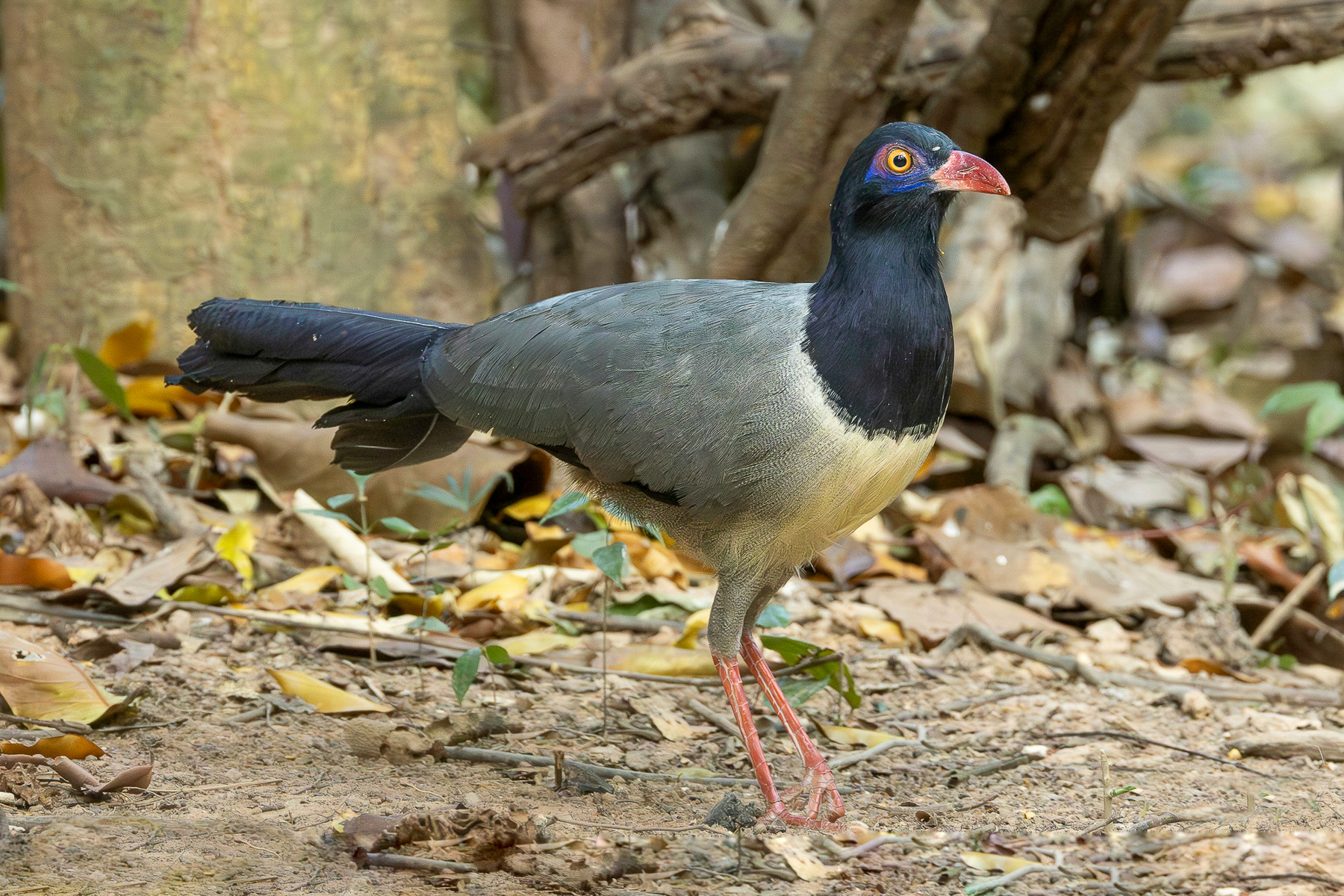
Coral-billed Ground Cuckoo (image by Vincent van der Spek)
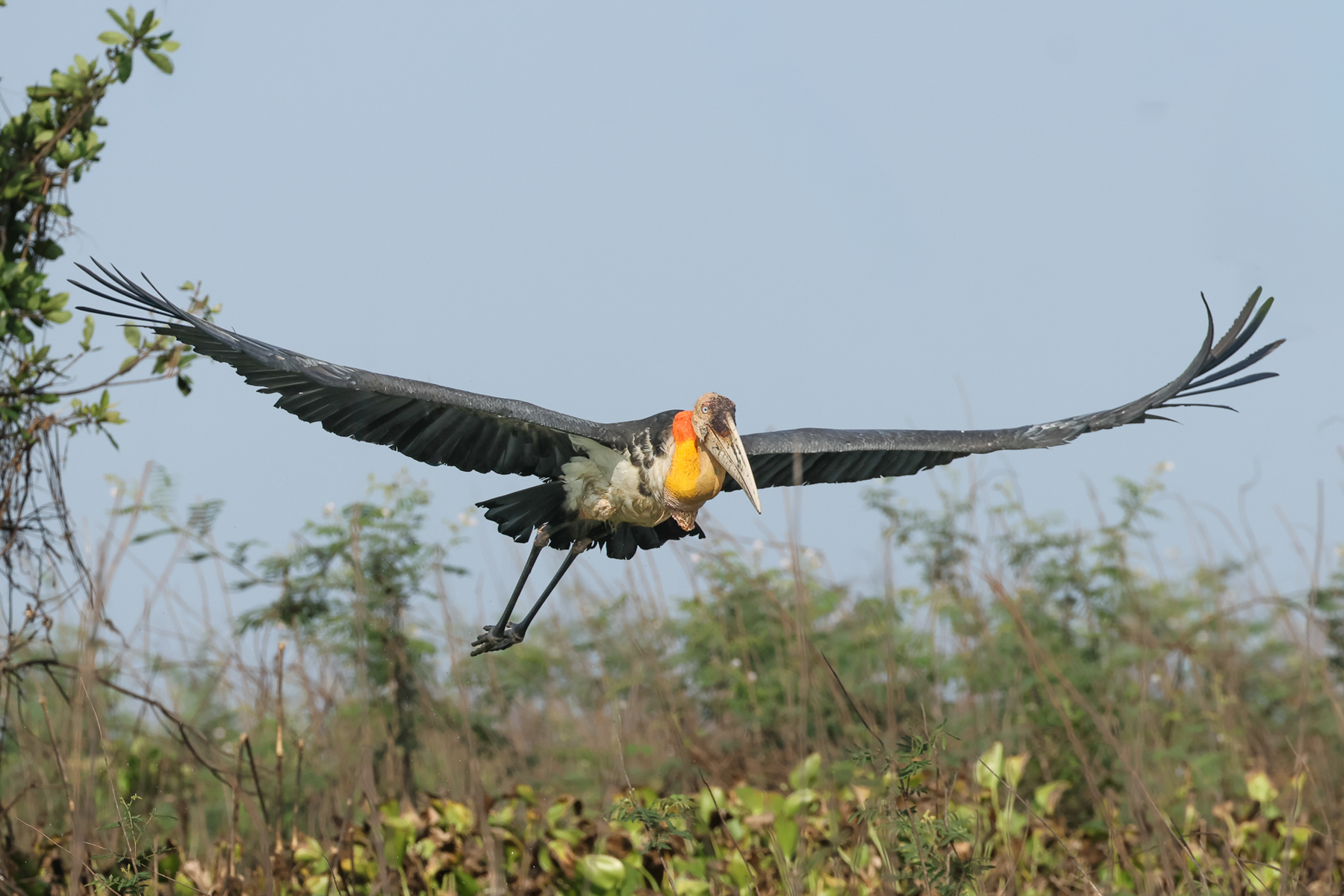
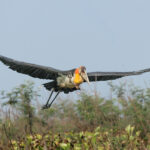
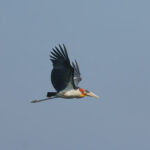
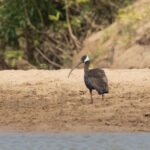
Greater Adjutant (image by Vincent van der Spek)
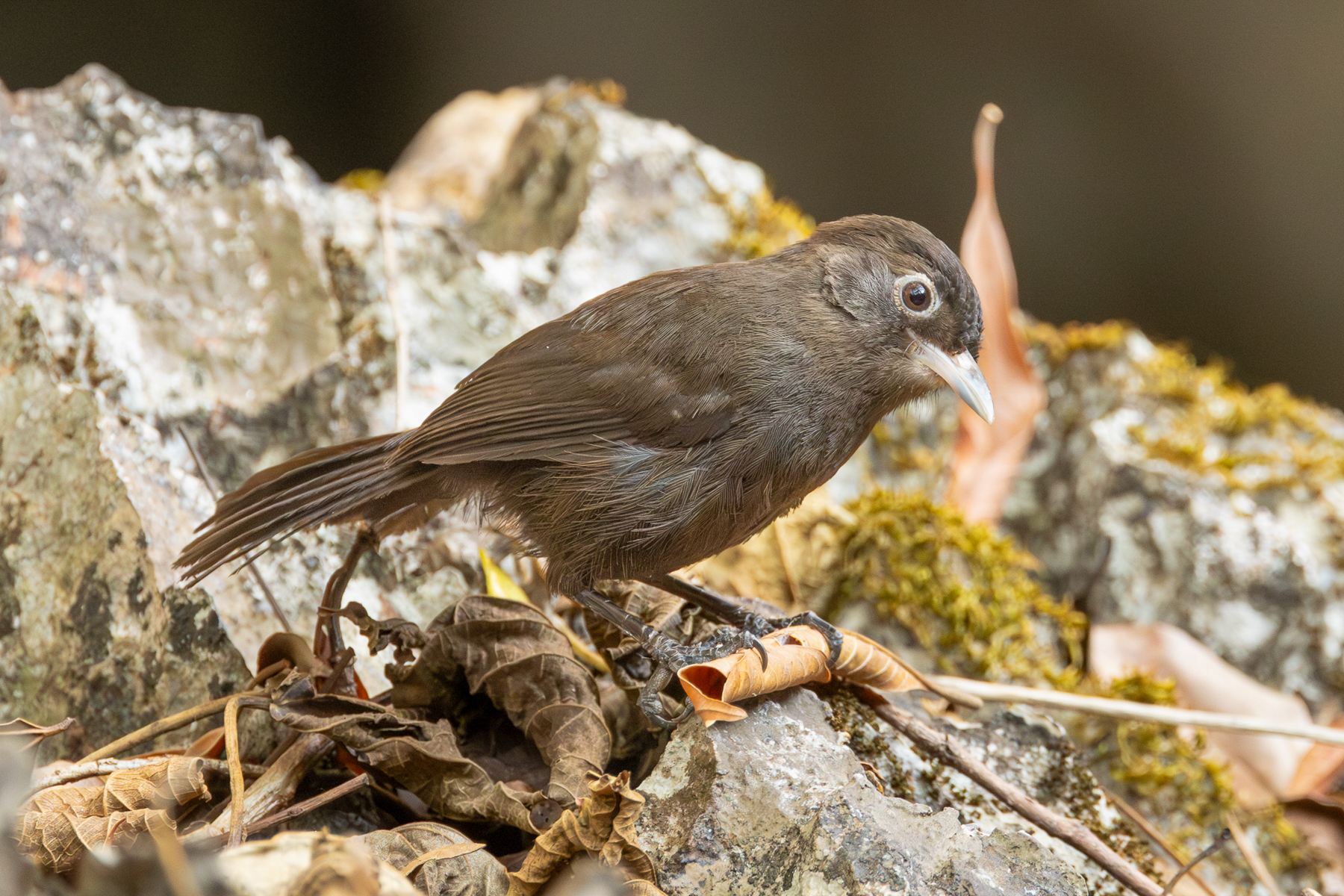
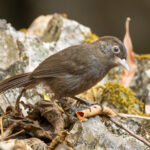
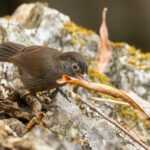
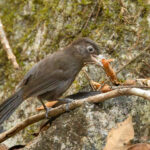
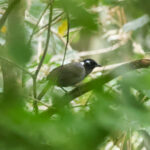
Sooty Babbler (image by Vincent van der Spek)
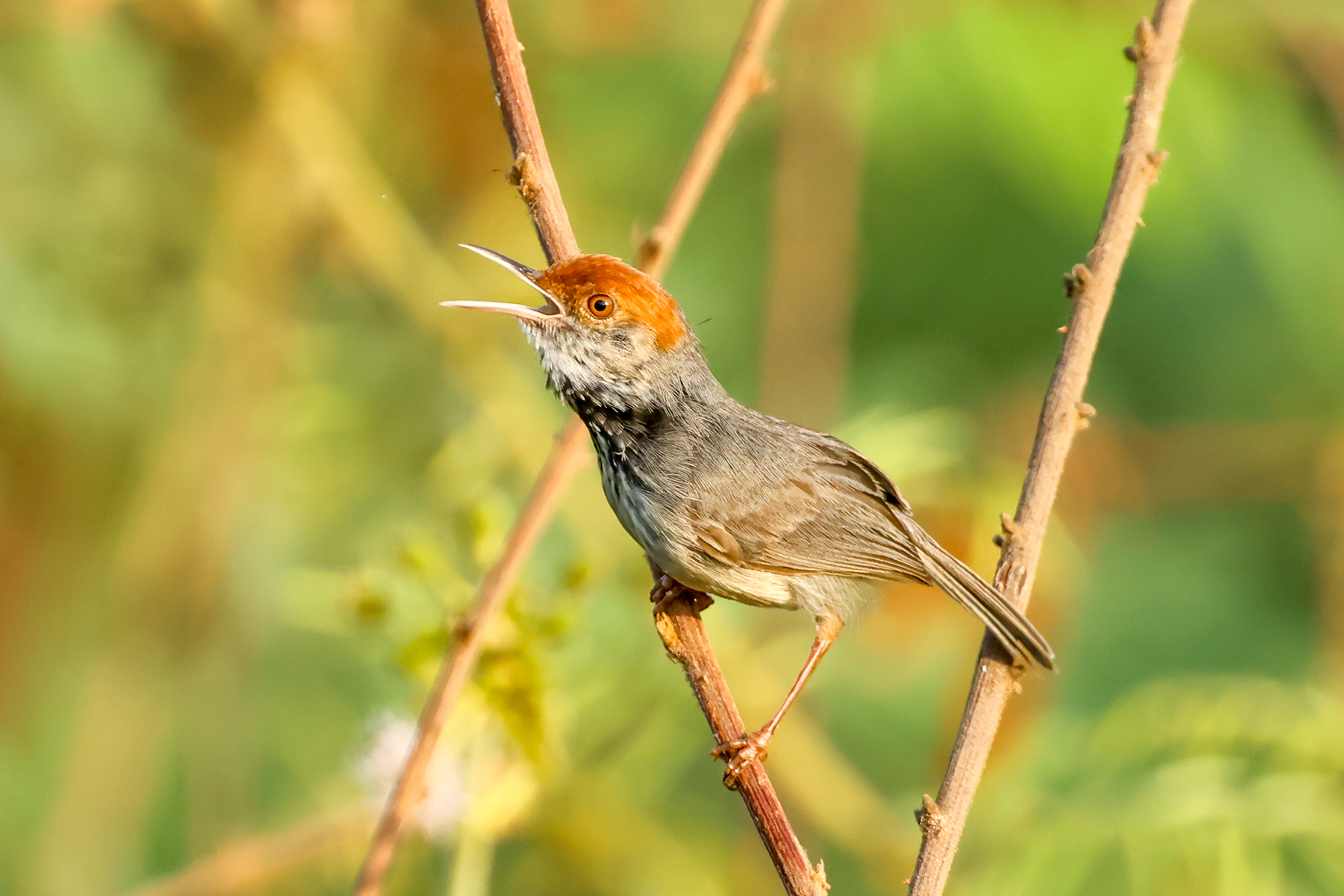
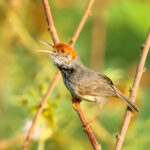
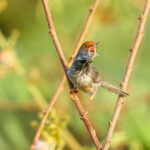
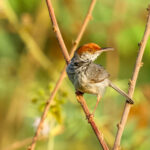
Cambodian Tailorbird (image by Vincent van der Spek)
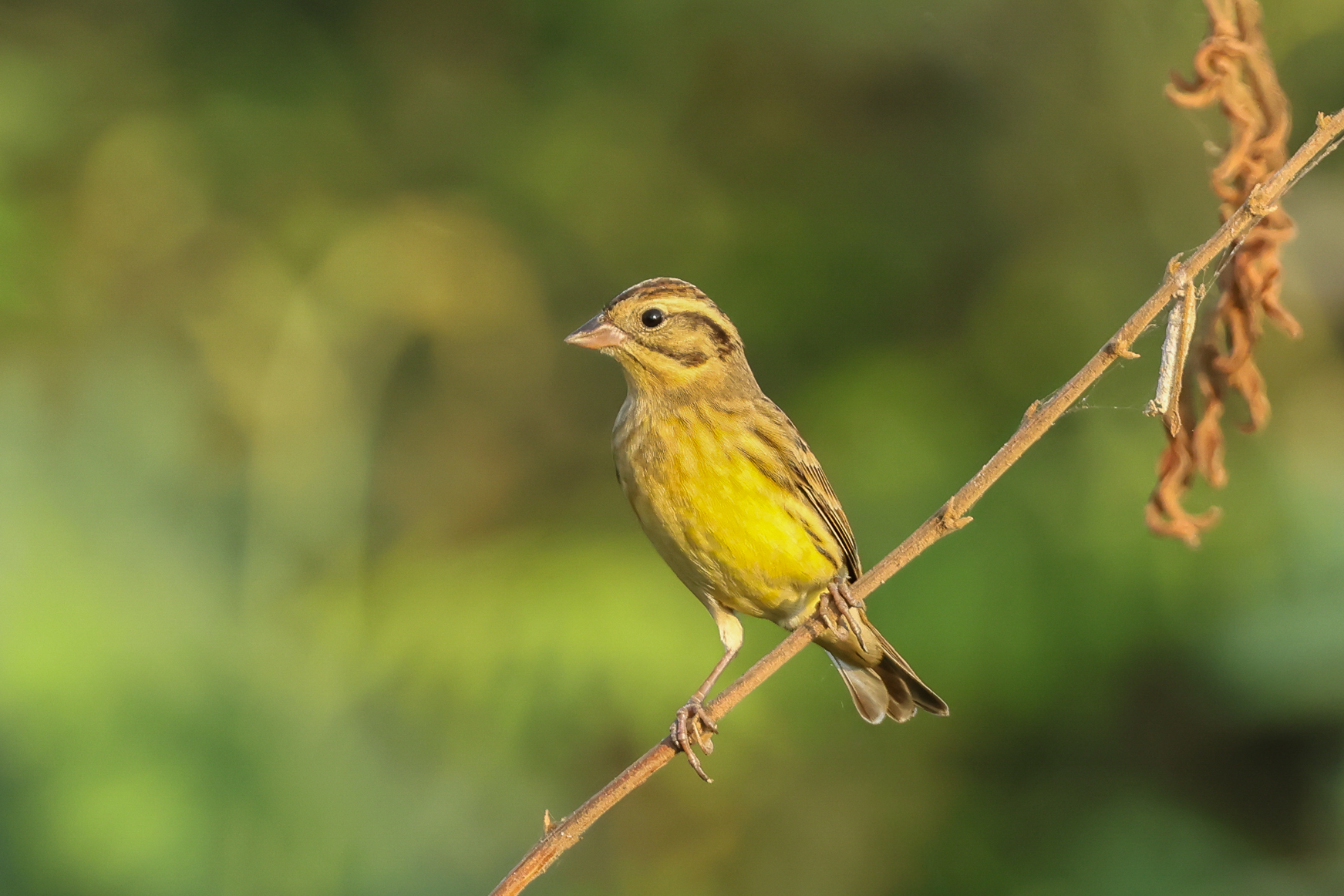
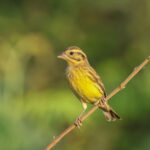
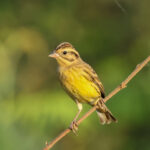
Yellow-breasted Bunting (image by Vincent van der Spek)
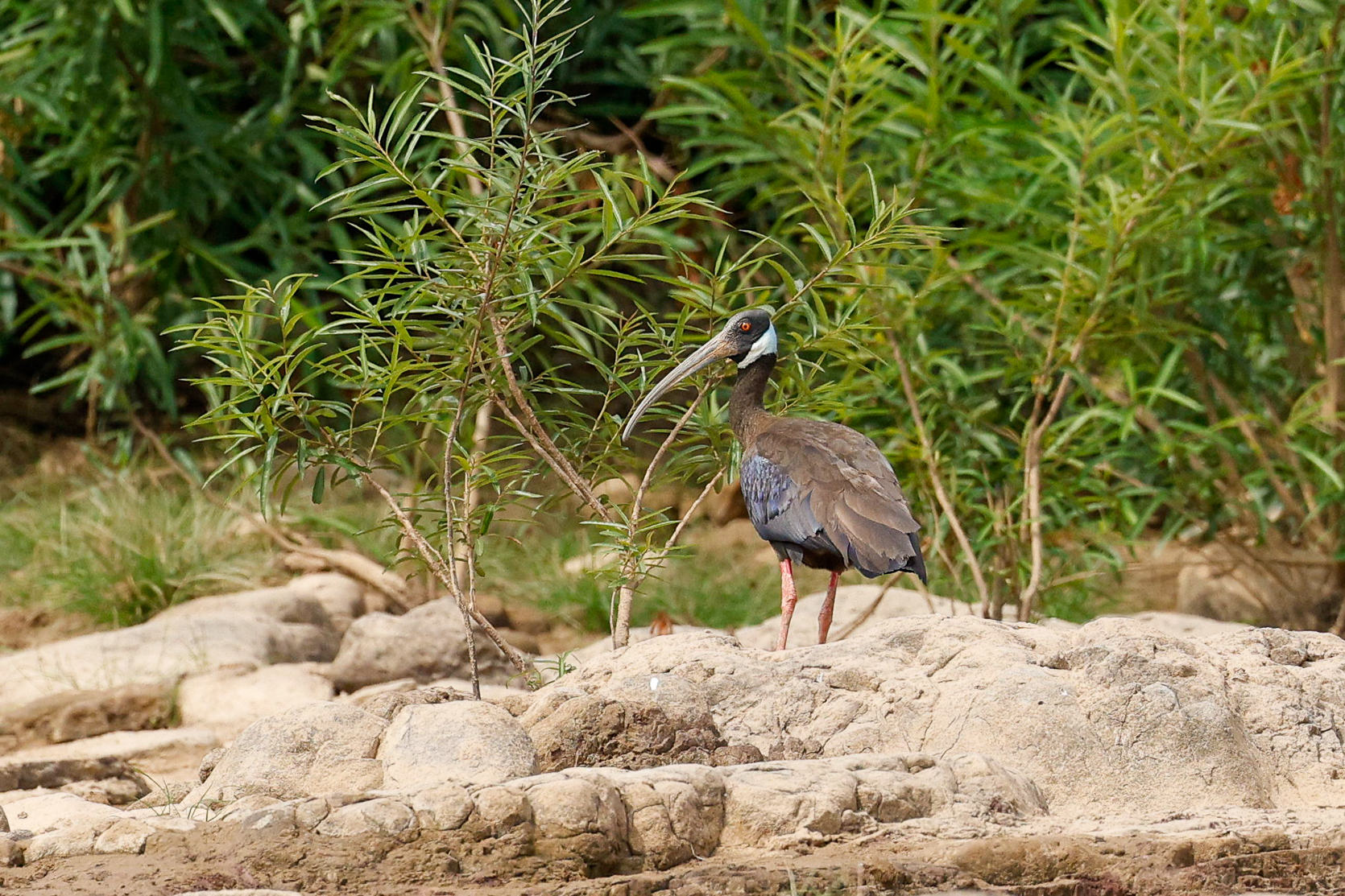
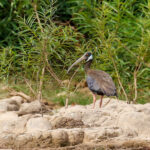
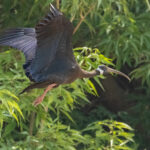
White-shouldered Ibis (image by Lindsey Napton)

Angkor Wat, Cambodia (image by Vincent van der Spek)
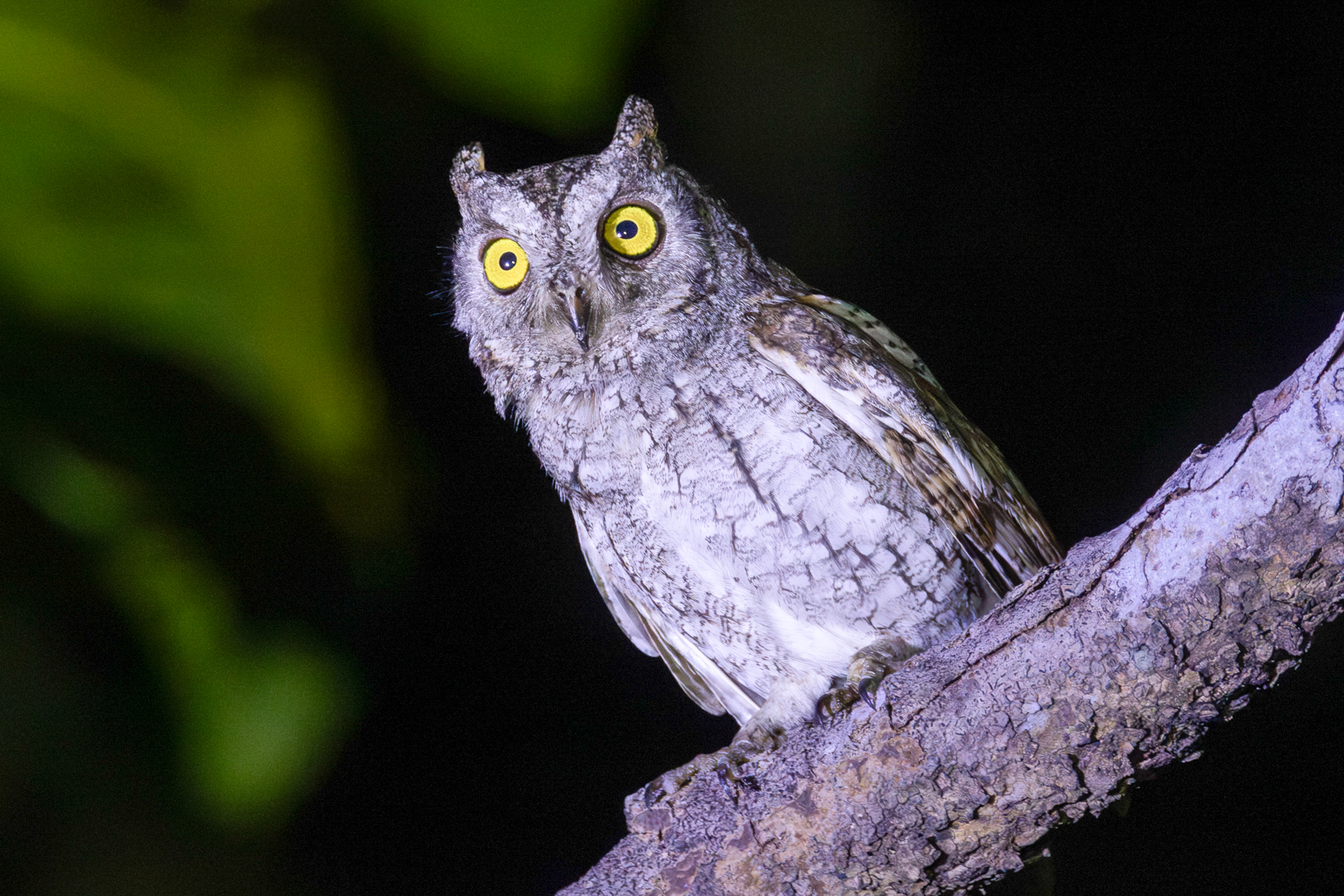
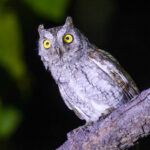
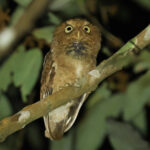
Oriental Scops Owl (image by Vincent van der Spek)
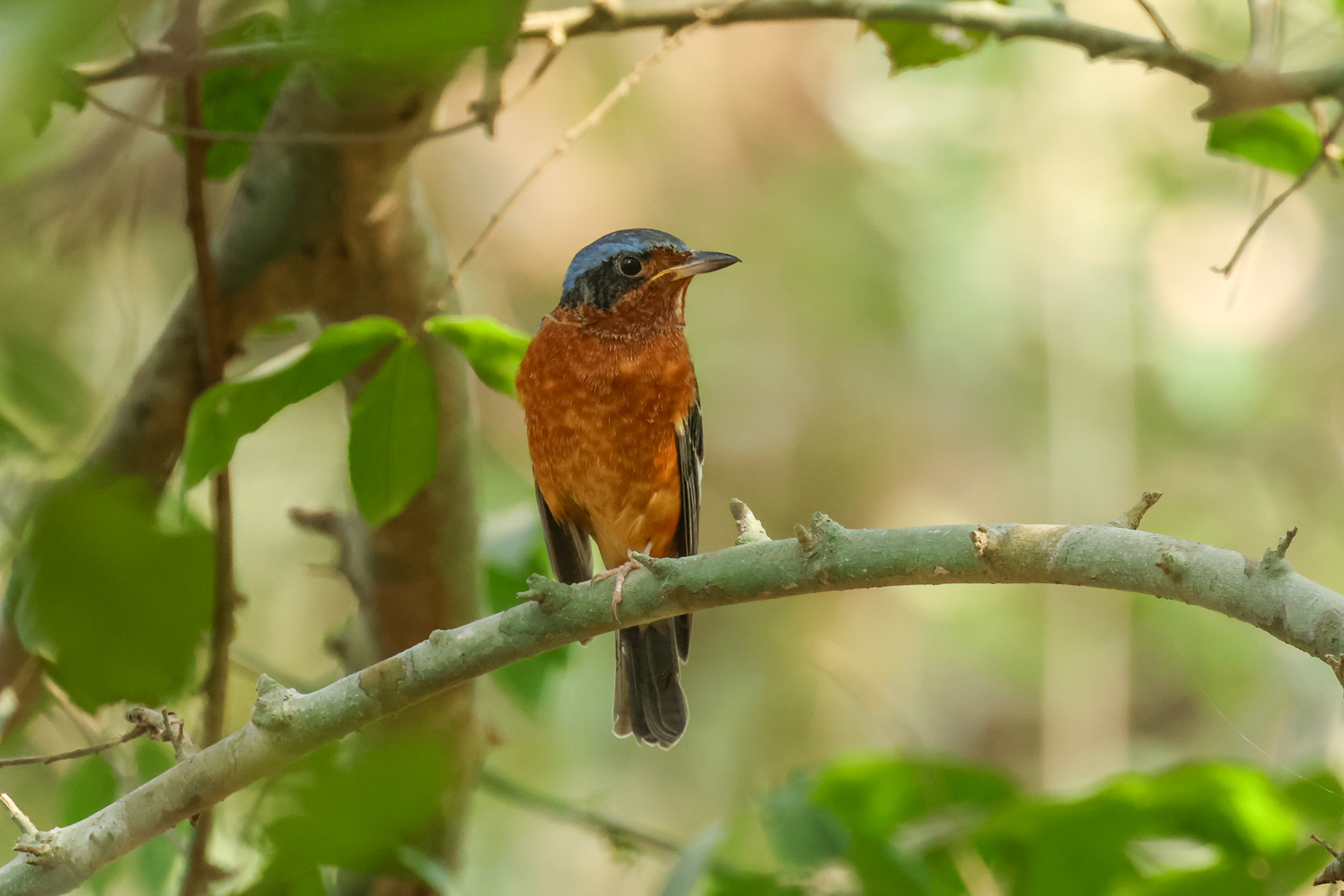
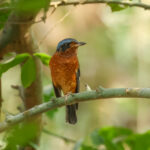
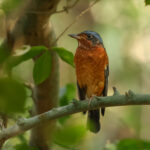
White-throated Rock Thrush (image by Vincent van der Spek)
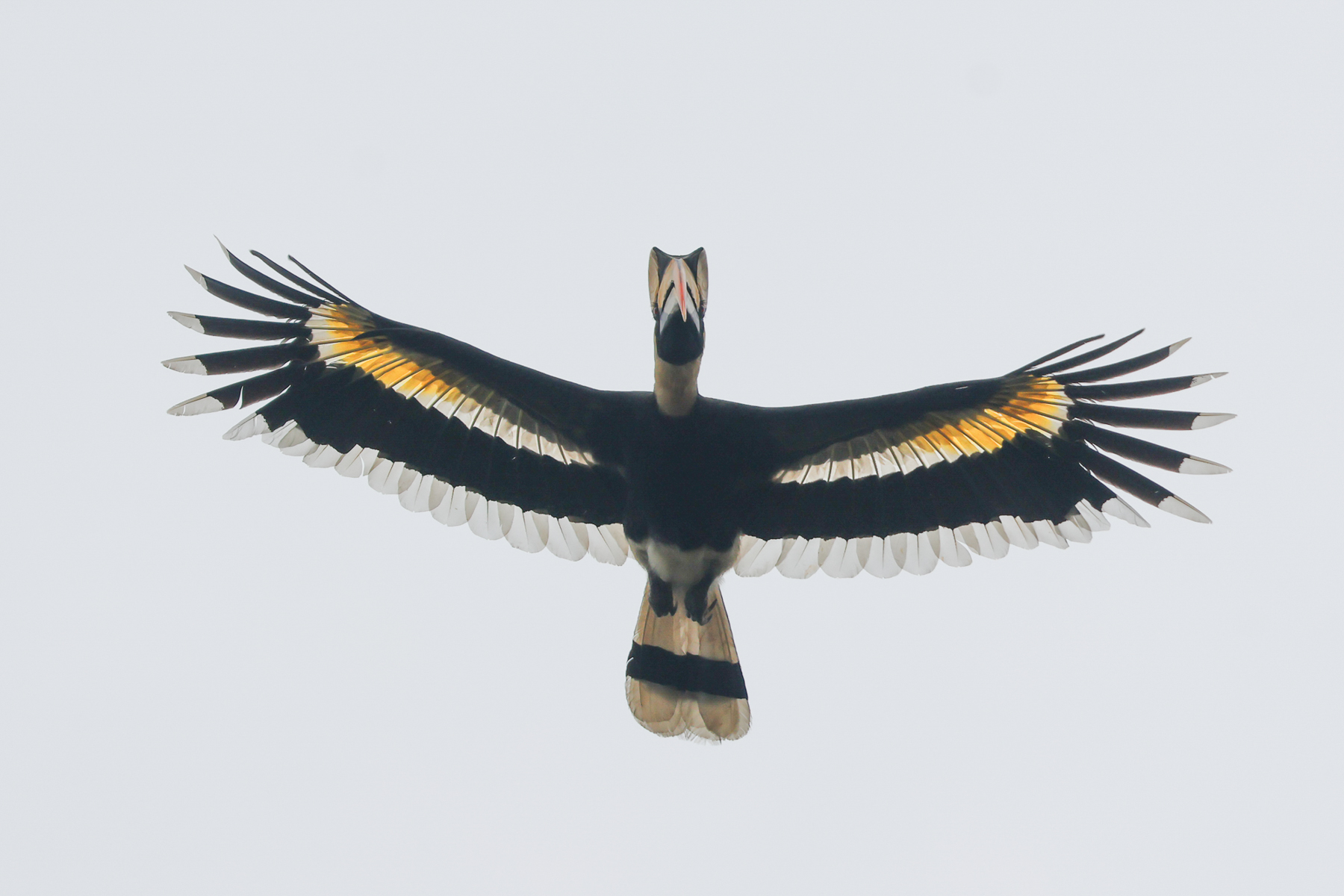
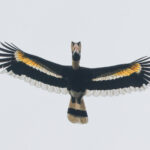
Great Hornbill (image by Vincent van der Spek)
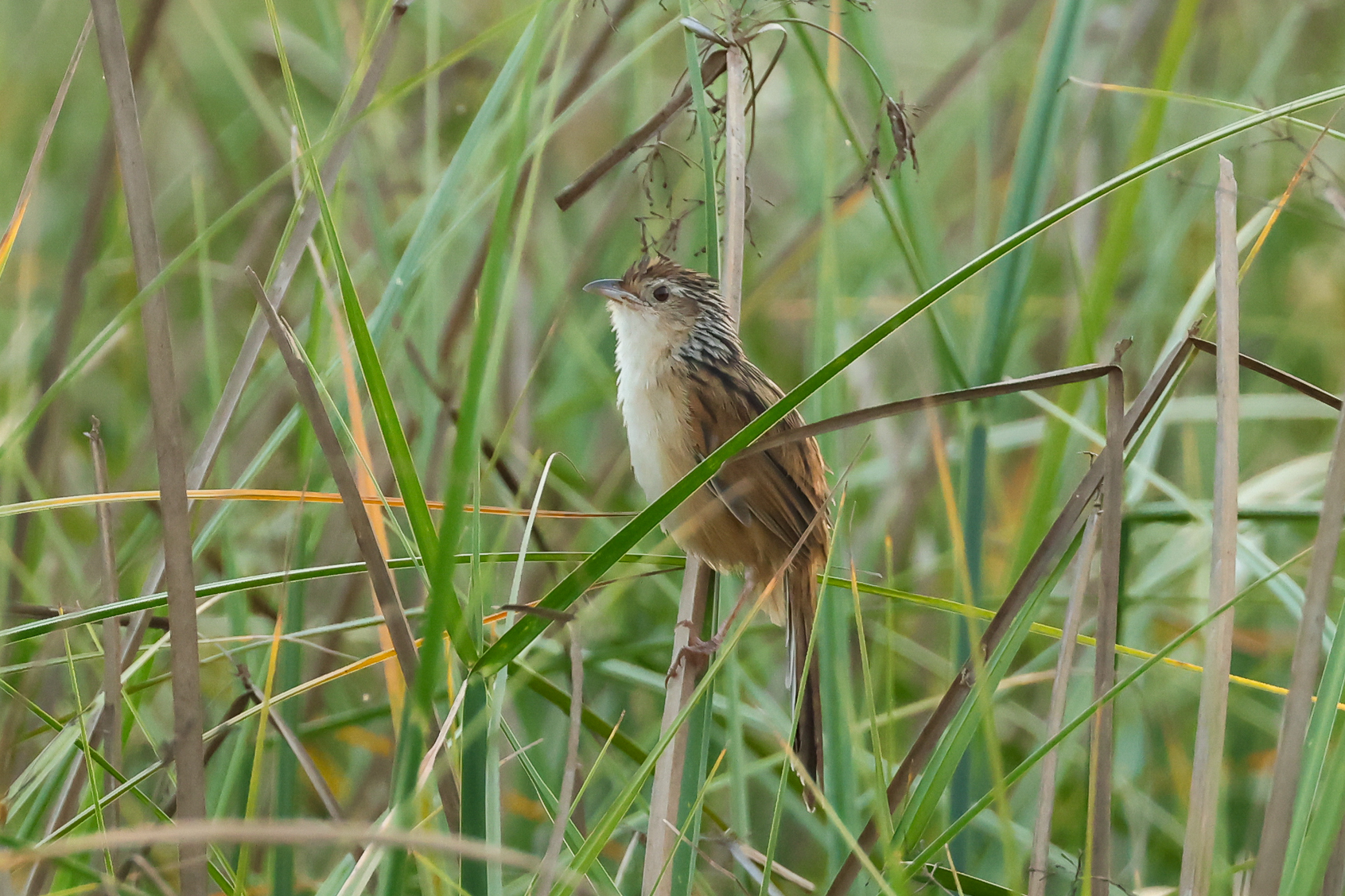
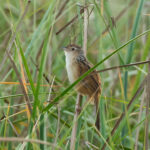
Chinese Grassbird (image by Vincent van der Spek)
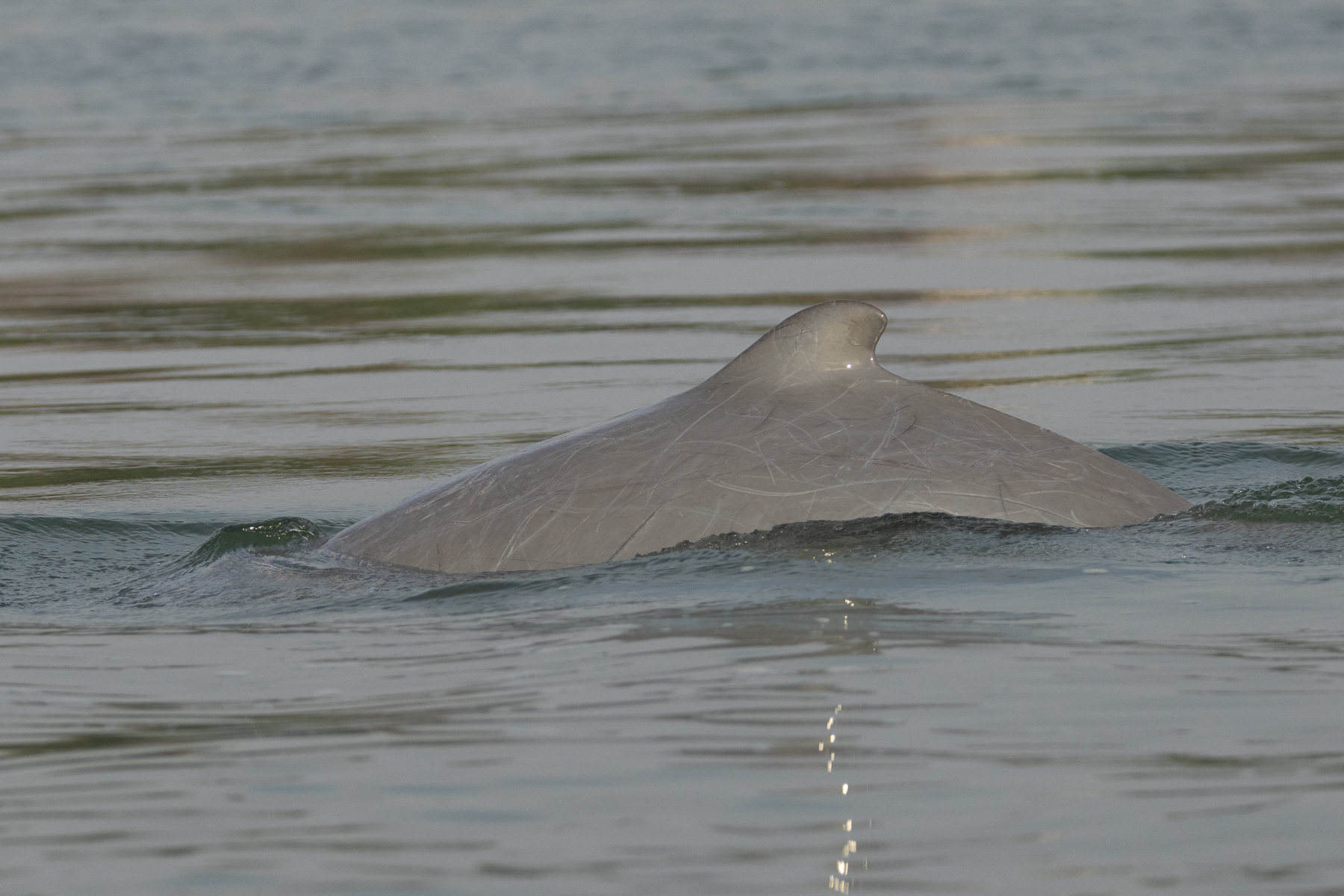
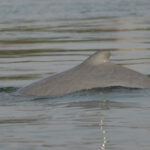
Irrawaddy Dolphin (image by Vincent van der Spek)
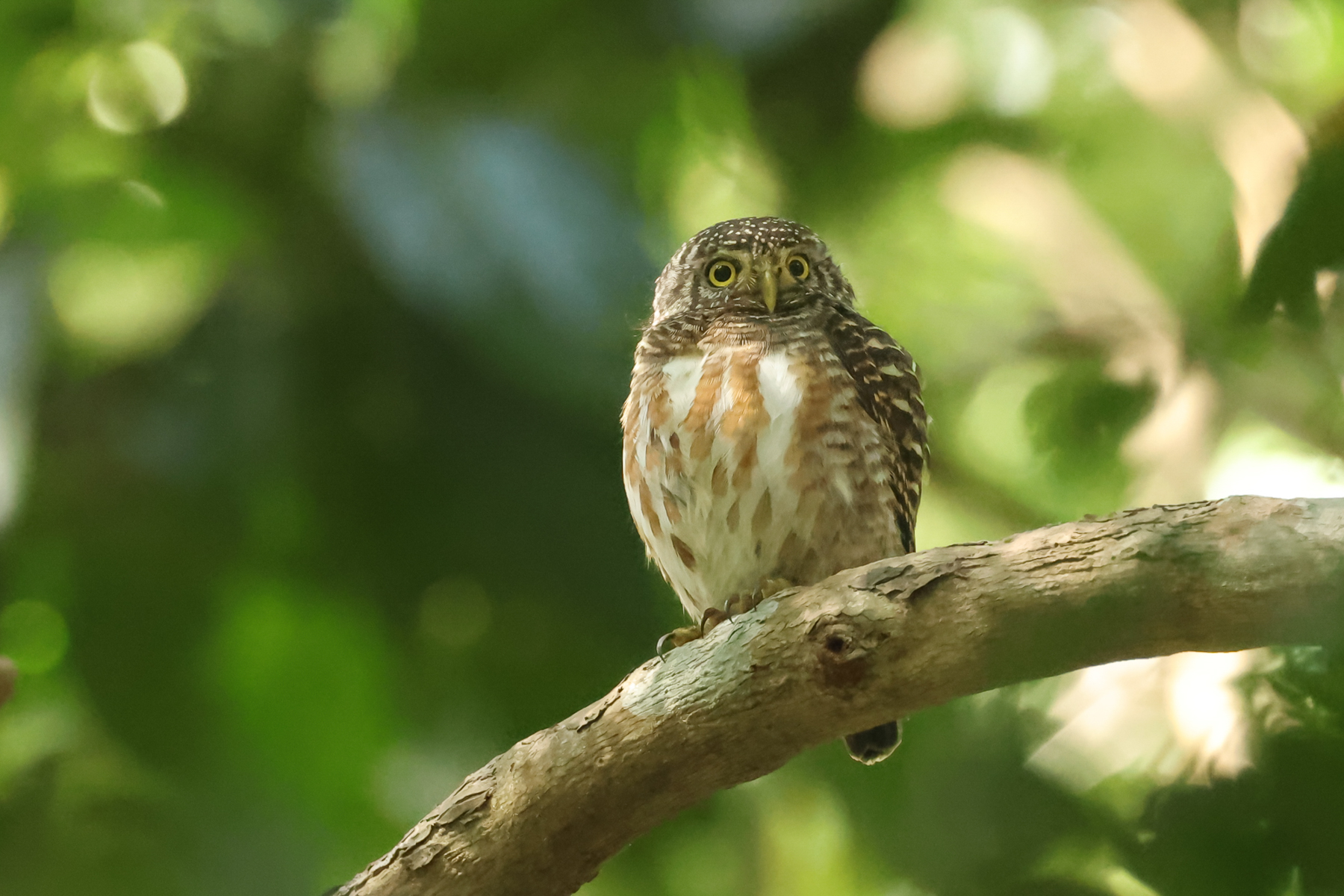
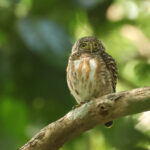
Collared Owlet (image by Vincent van der Spek)
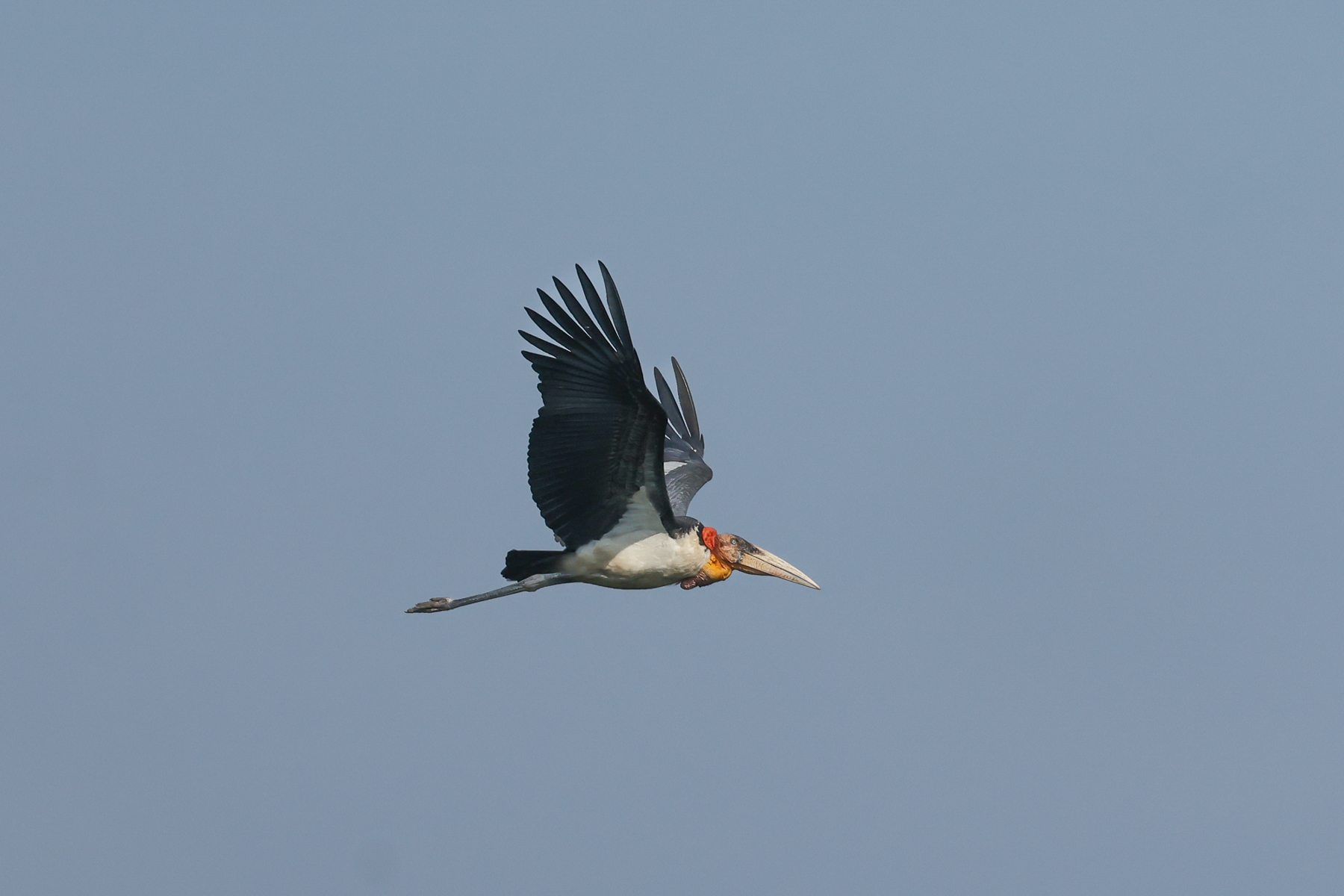
Greater Adjutant (image by Vincent van der Spek)
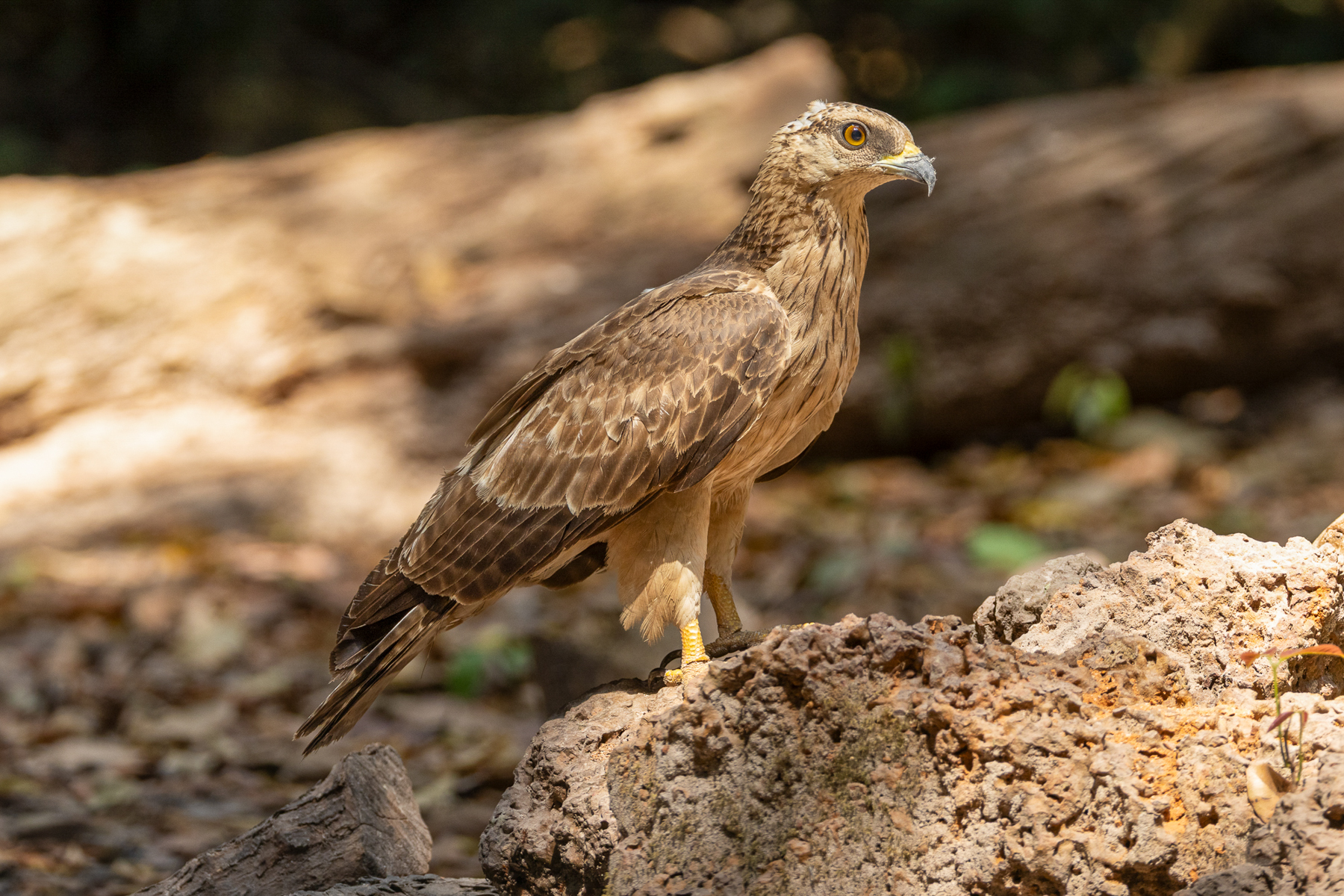
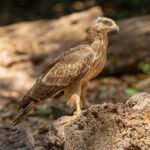
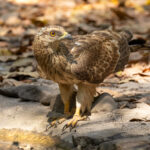
Oriental Honey Buzzard (image by Vincent van der Spek)
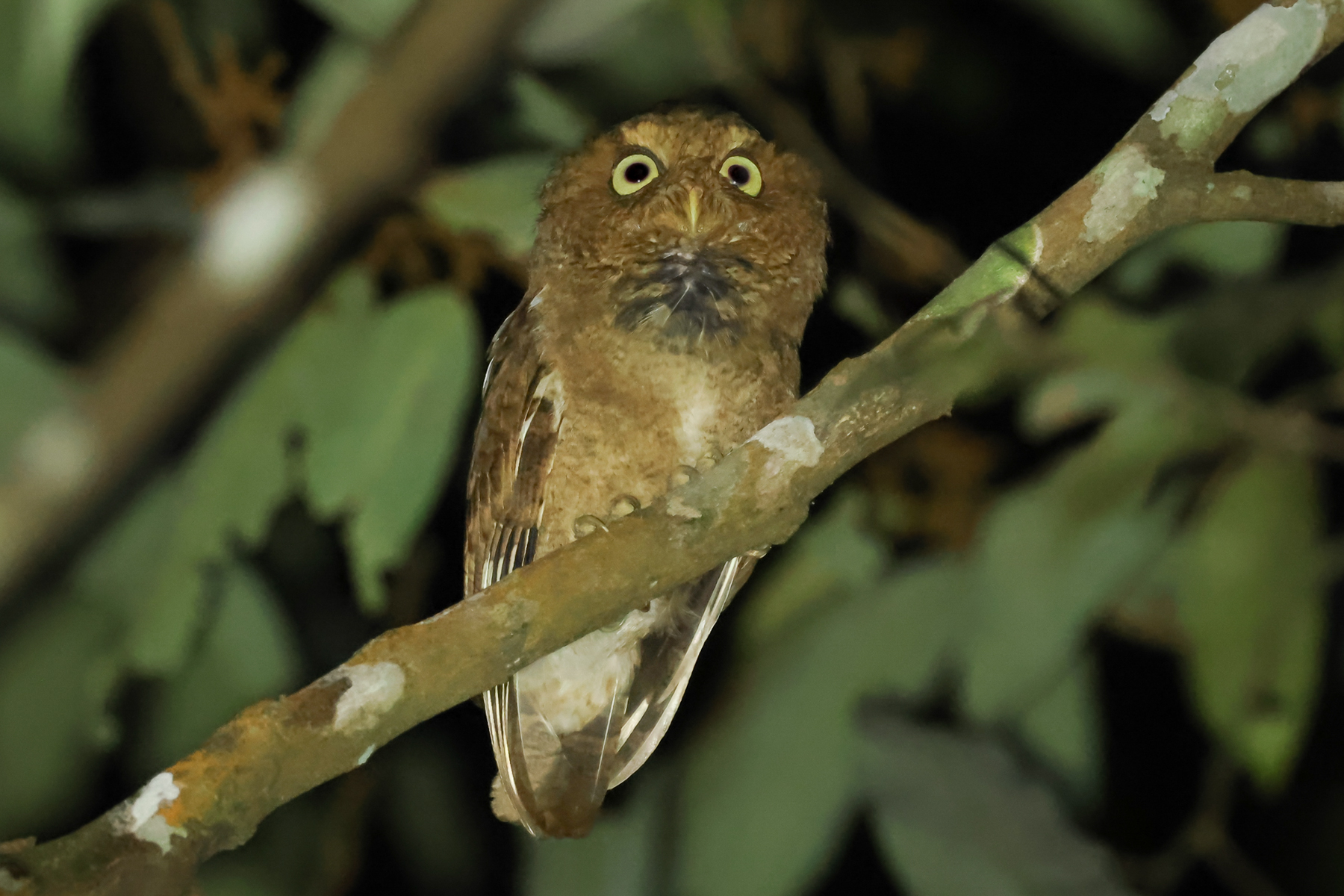
Mountain Scops Owl (image by Vincent van der Spek)
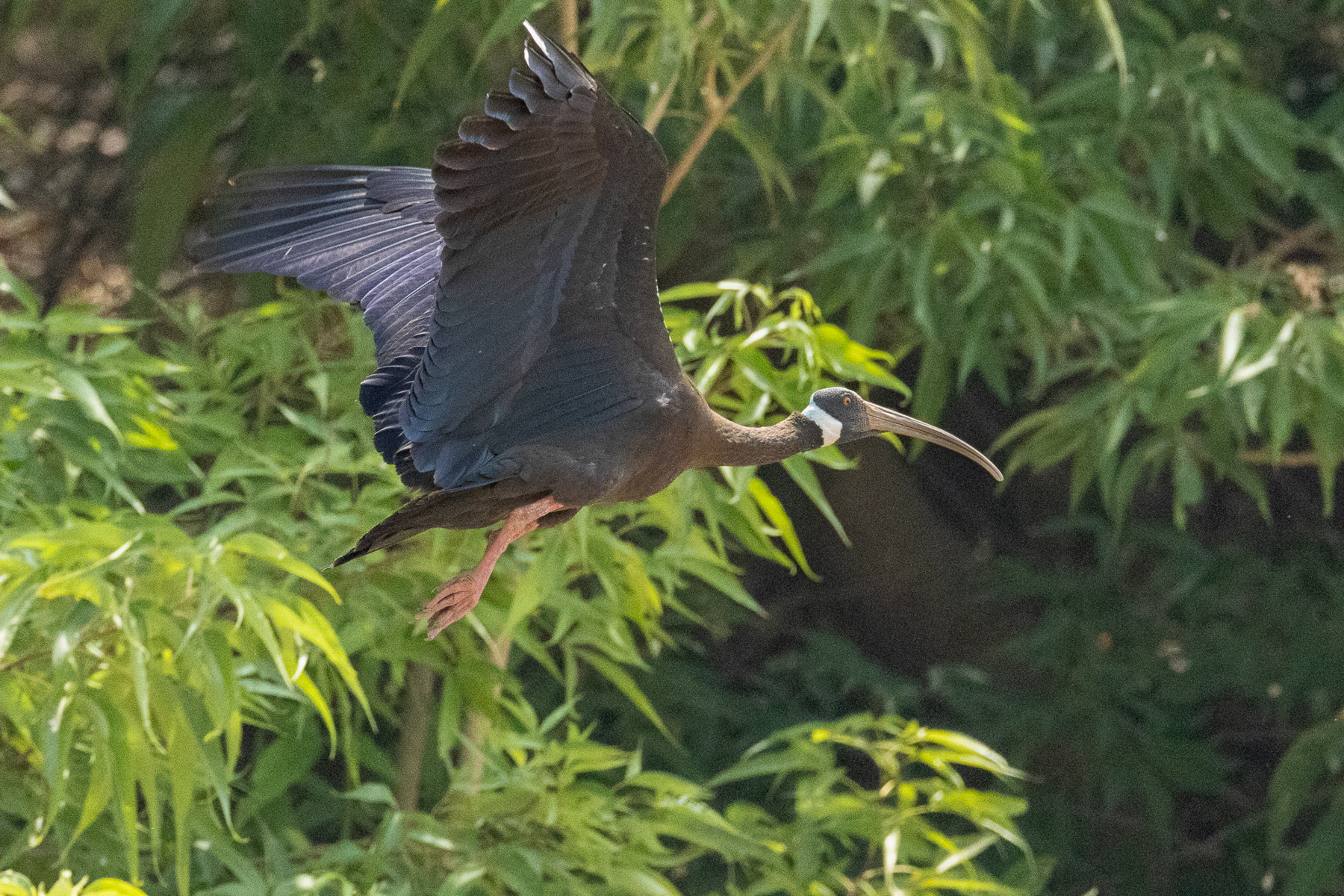
White-shouldered Ibis (image by Vincent van der Spek)
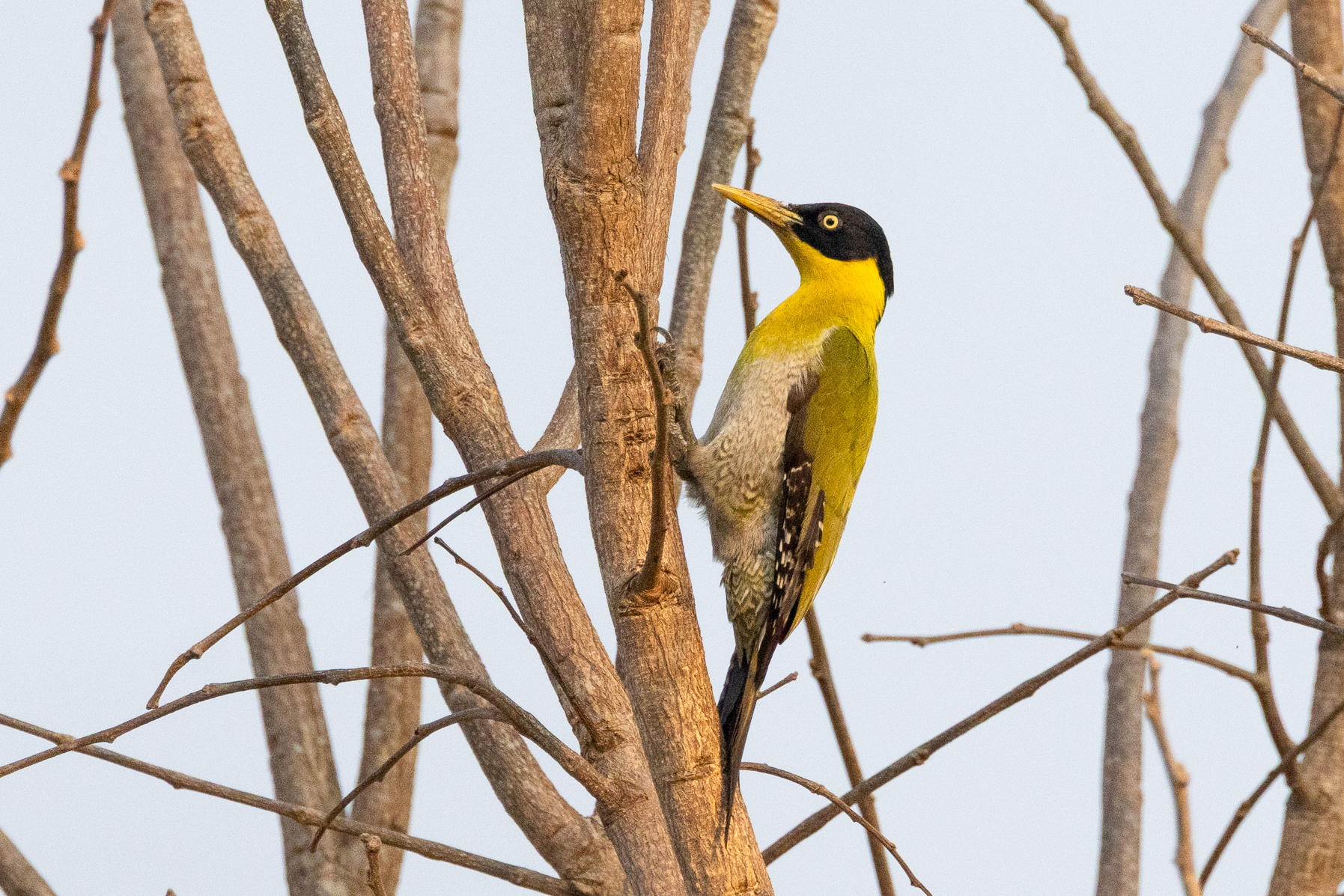
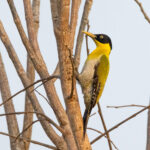
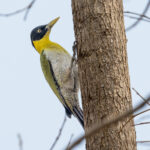
Black-headed Woodpecker (image by Vincent van der Spek)
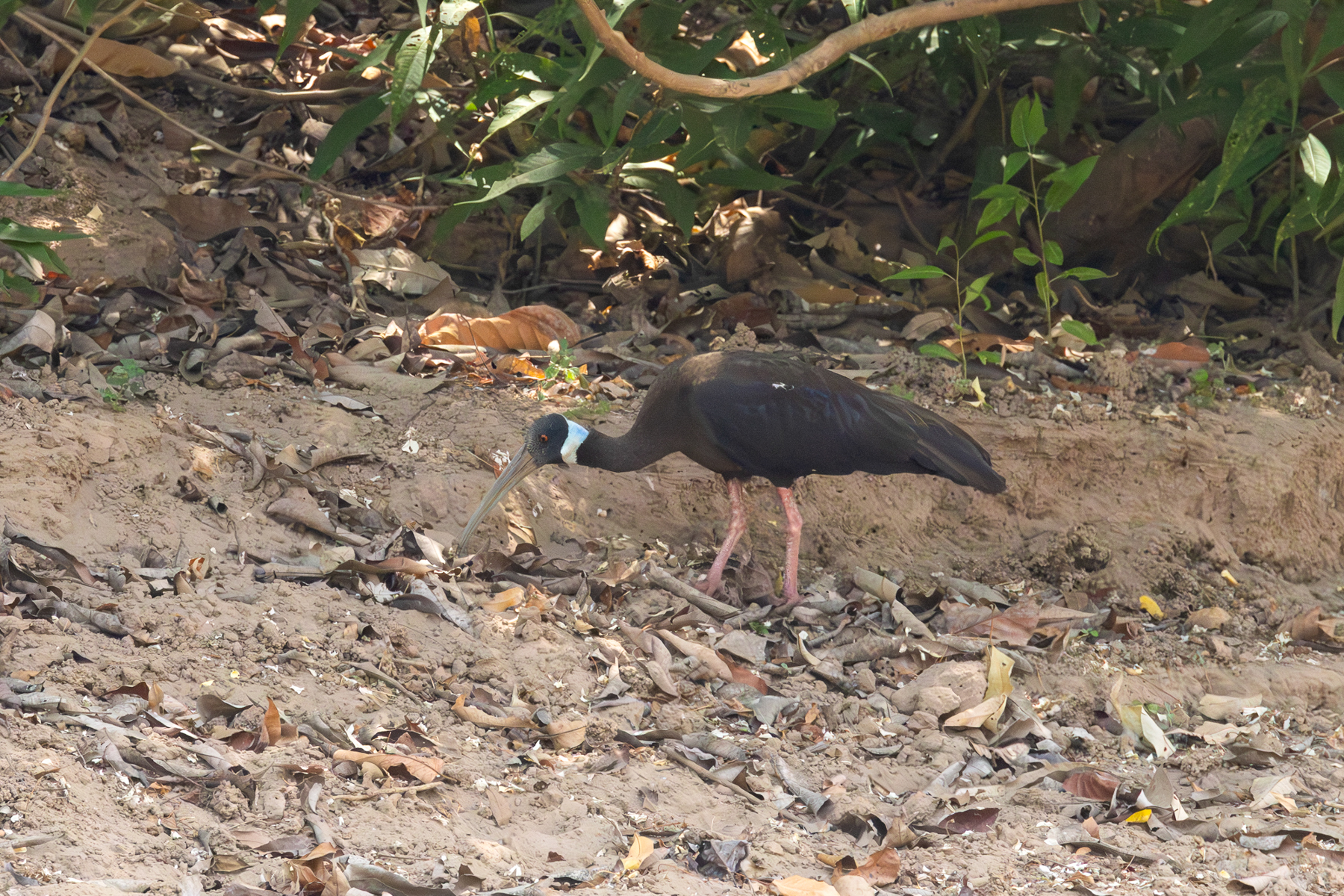
White-shouldered Ibis (image by Vincent van der Spek)
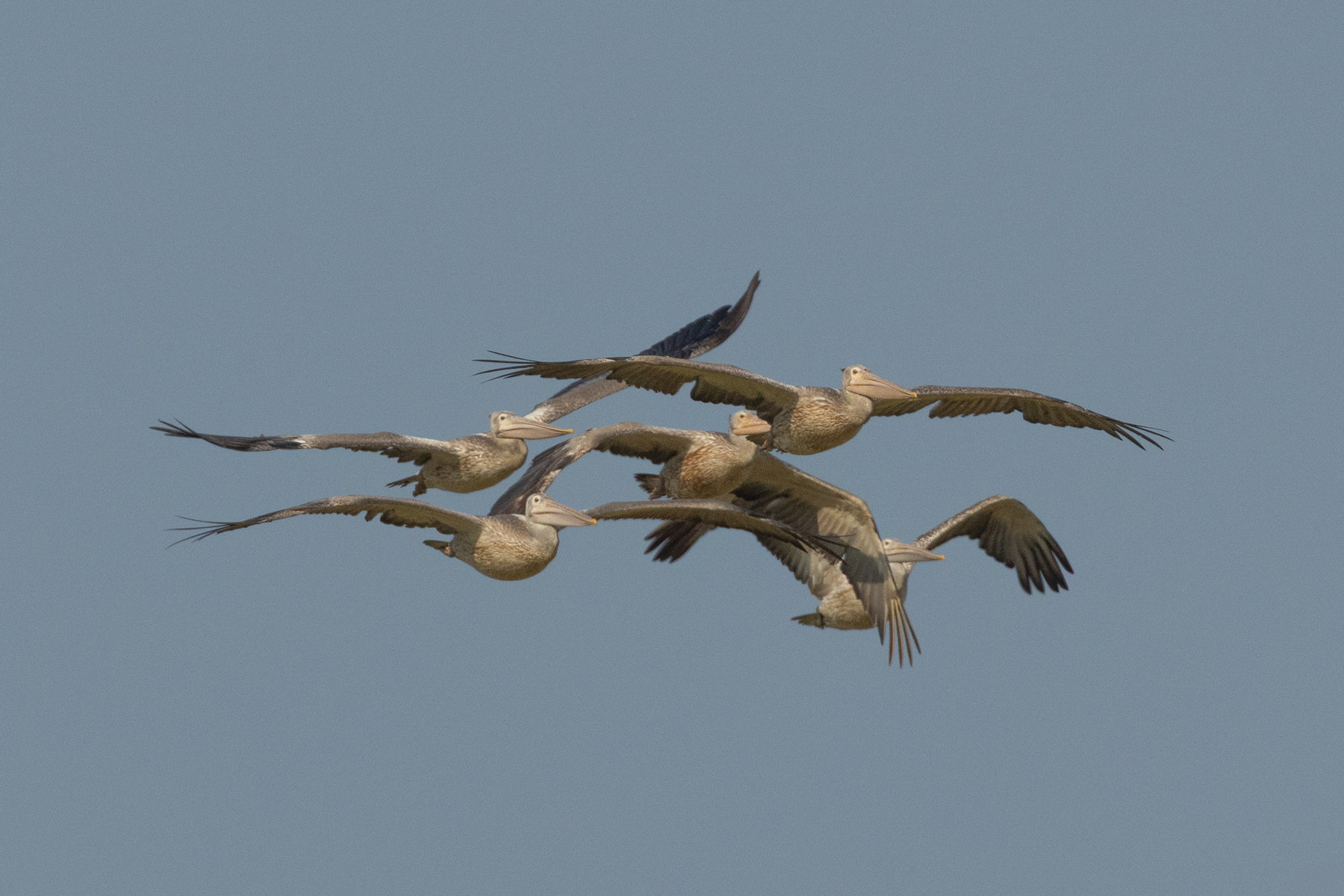
Spot-billed Pelicans (image by Vincent van der Spek)
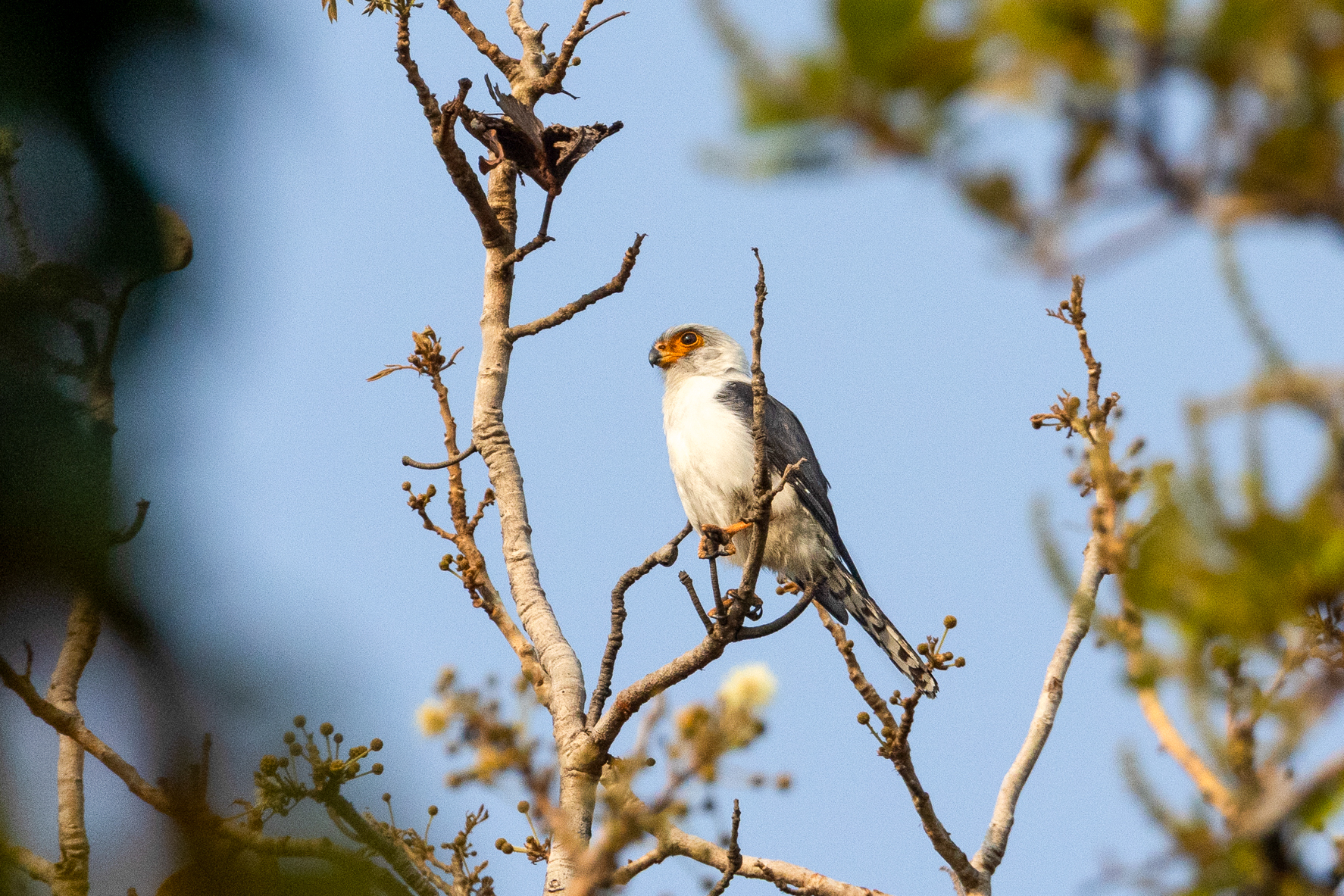
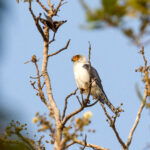
White-rumped Falcon (image by Vincent van der Spek)
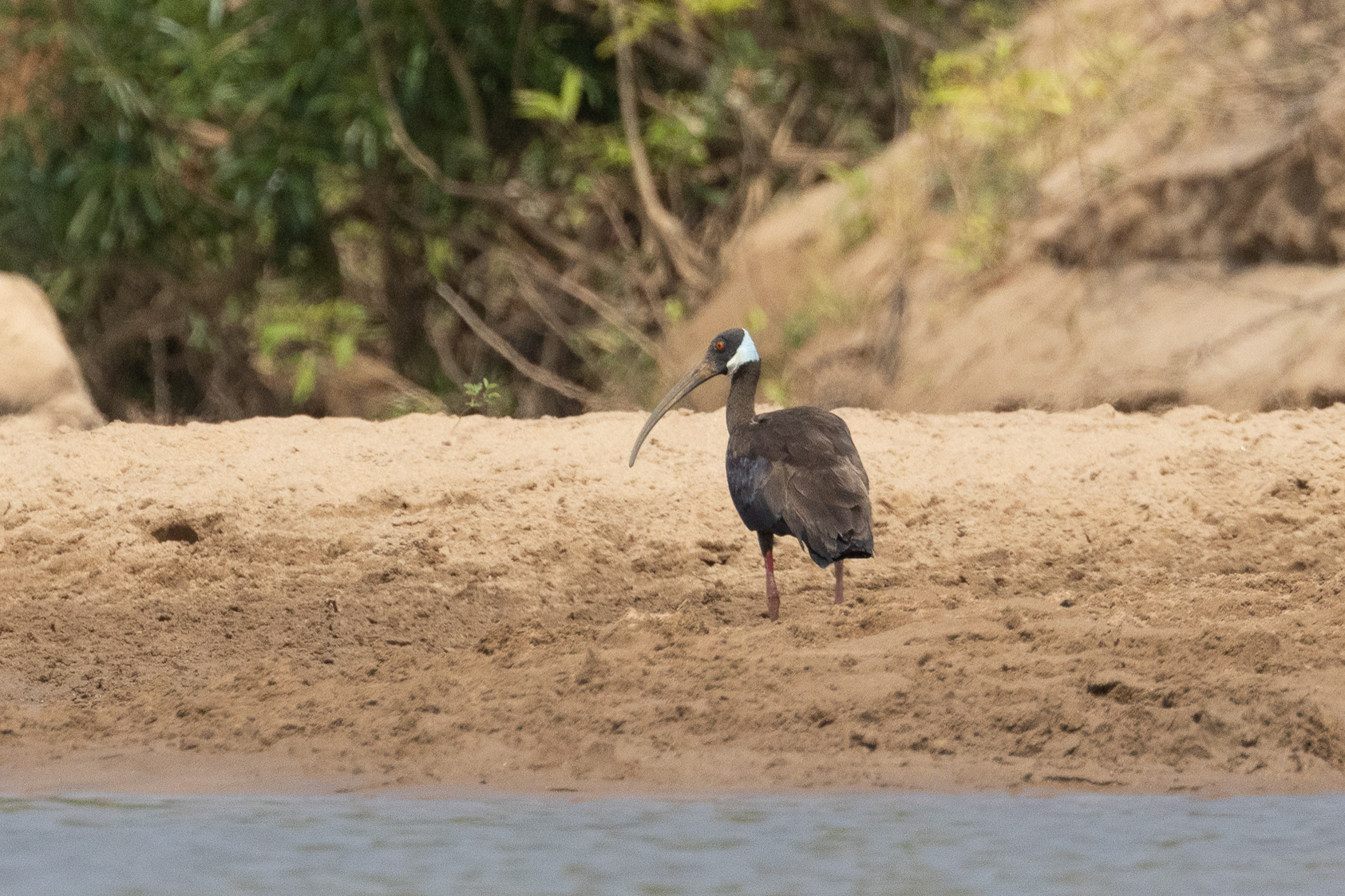
White Shouldered Ibis (image by Vincent van der Spek)
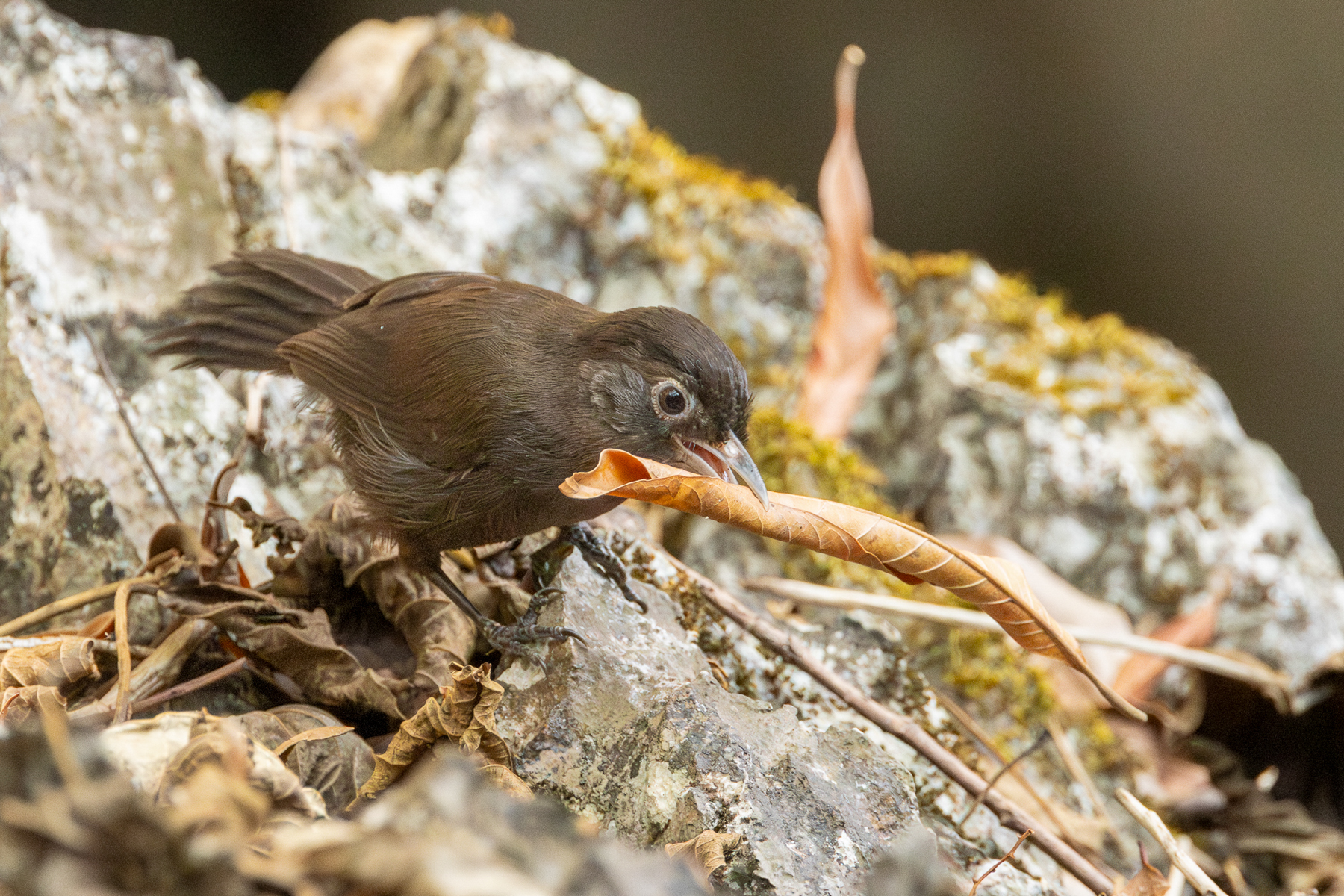
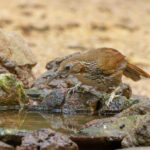
Sooty Babbler (image by Vincent van der Spek)
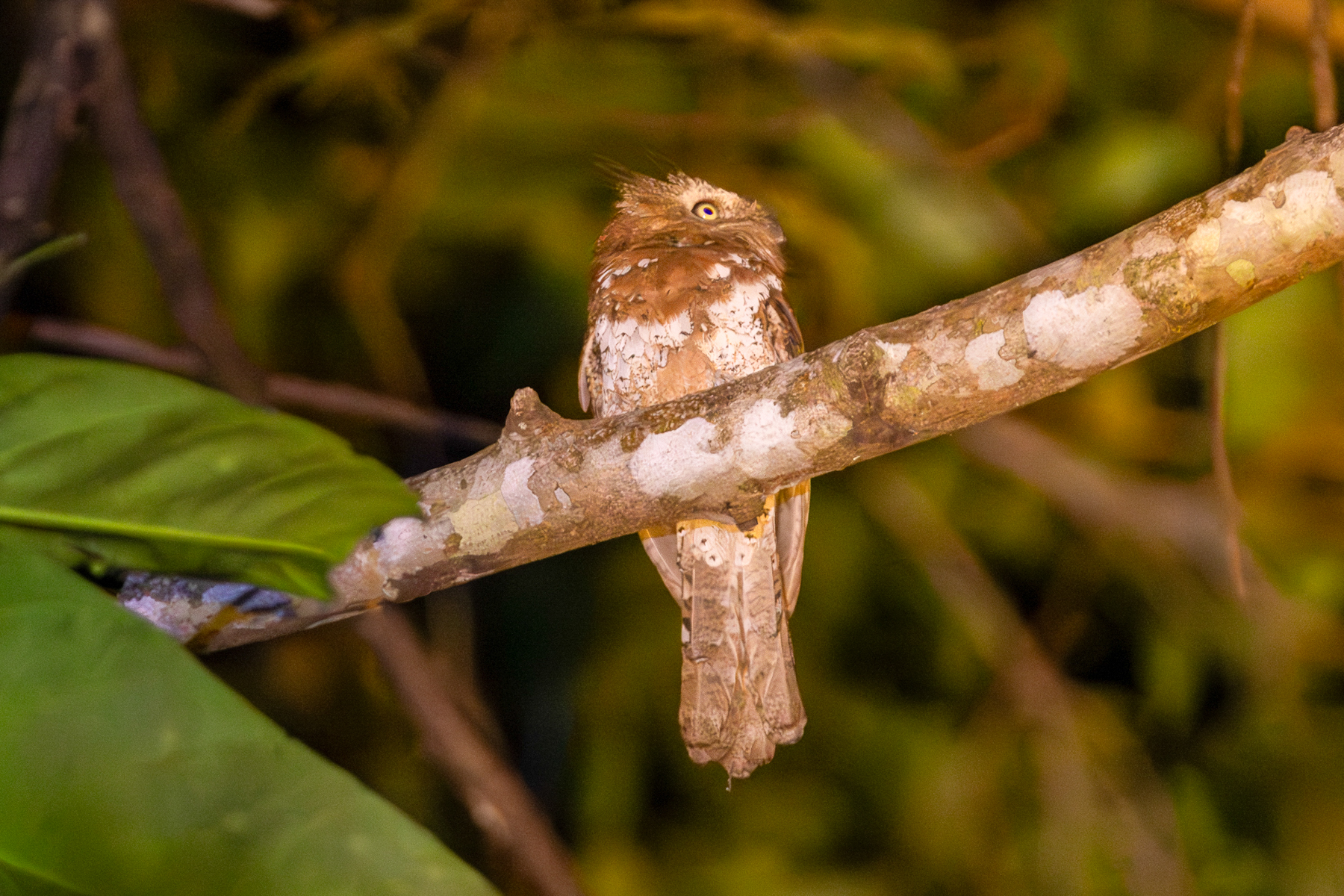
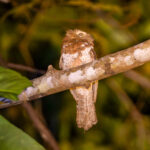
Blyth's Frogmouth (image by Vincent van der Spek)
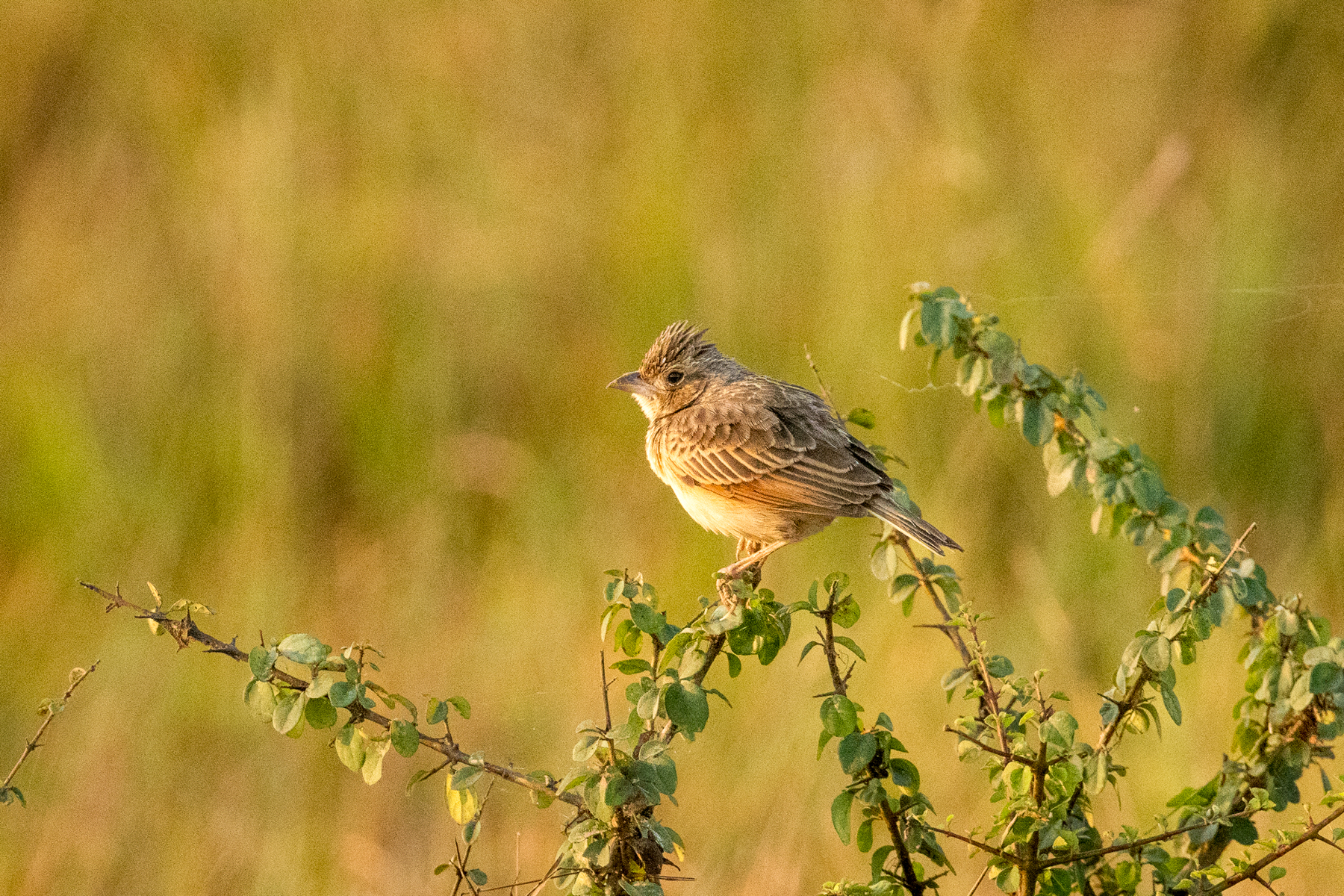
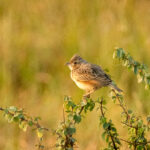
Singing Bushlark (image by Vincent van der Spek)
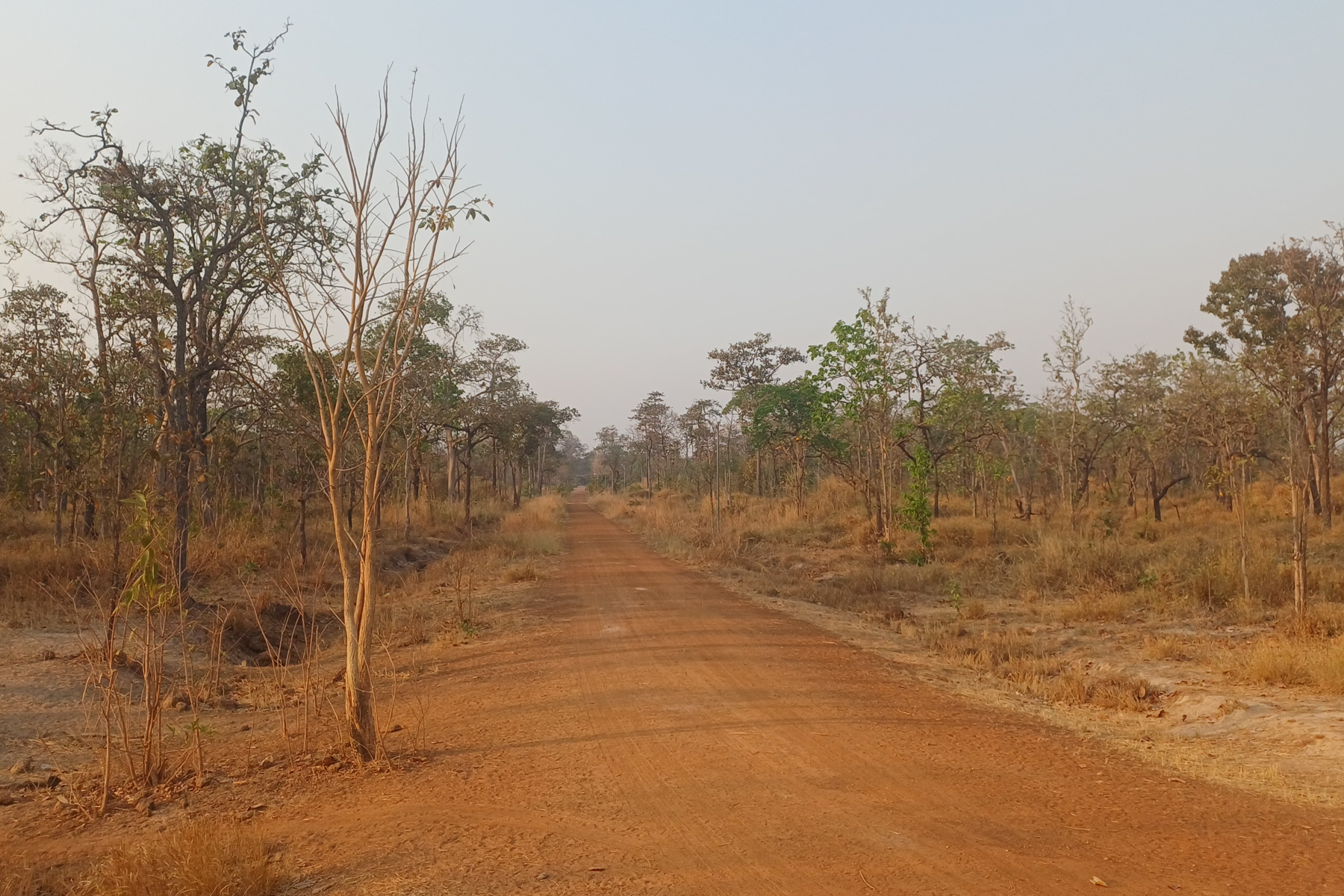
Russey Treb (image by Vincent van der Spek)
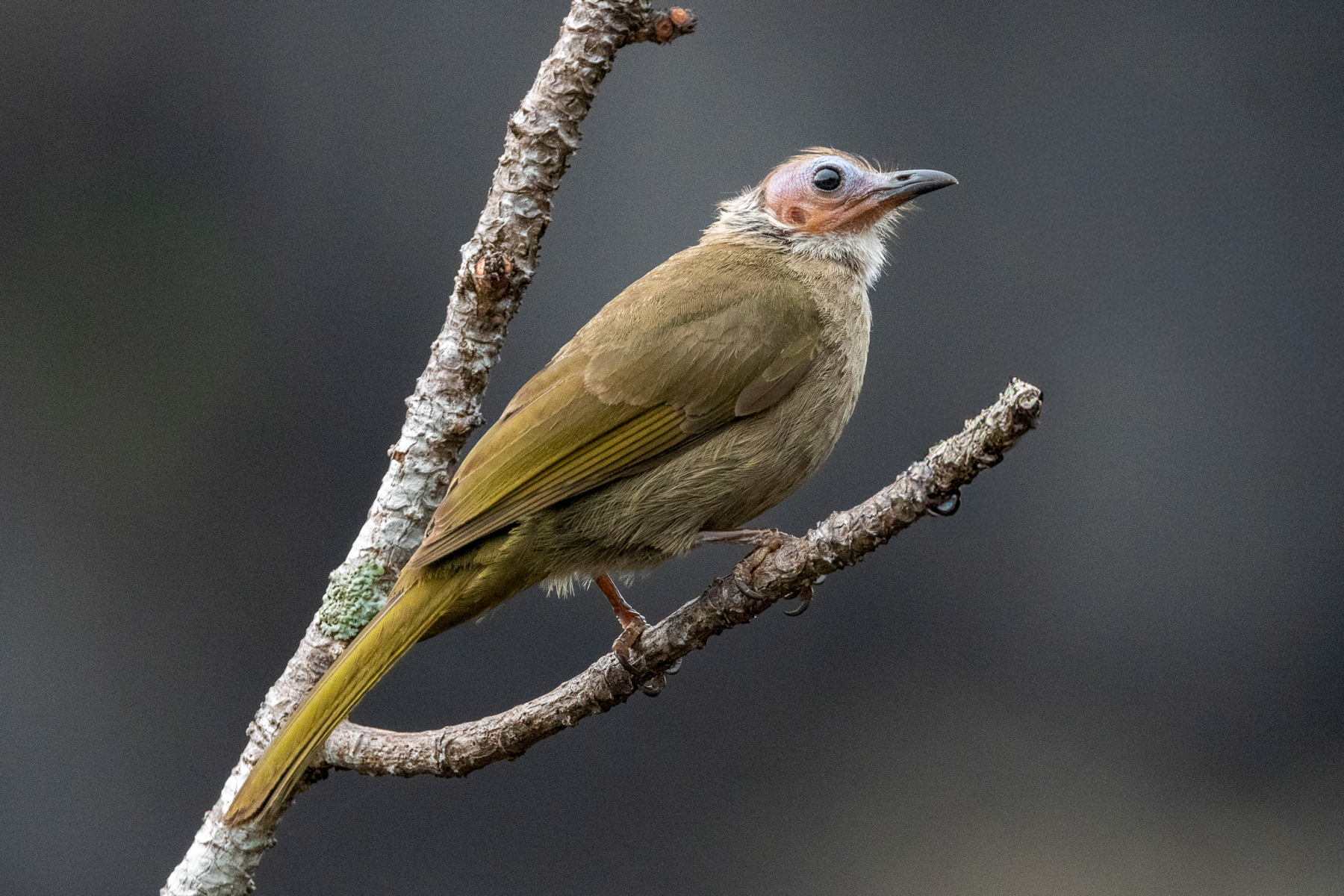
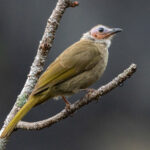
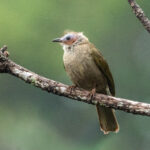
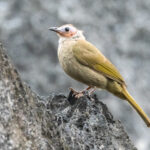
Bare-faced Bulbul (image by Vincent van der Spek)
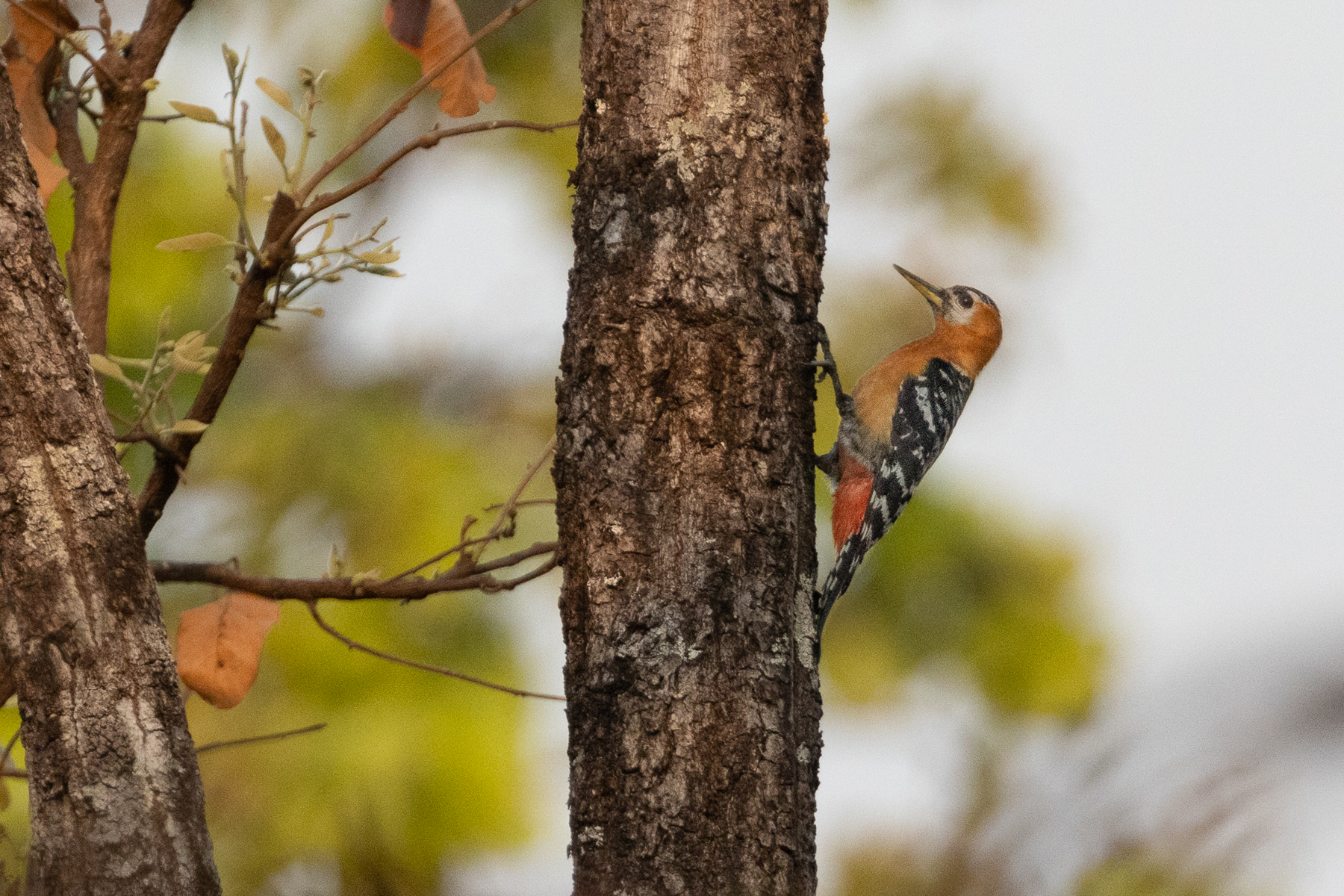
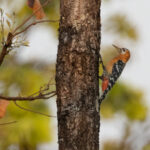
Rufous-bellied Woodpecker (image by Vincent van der Spek)
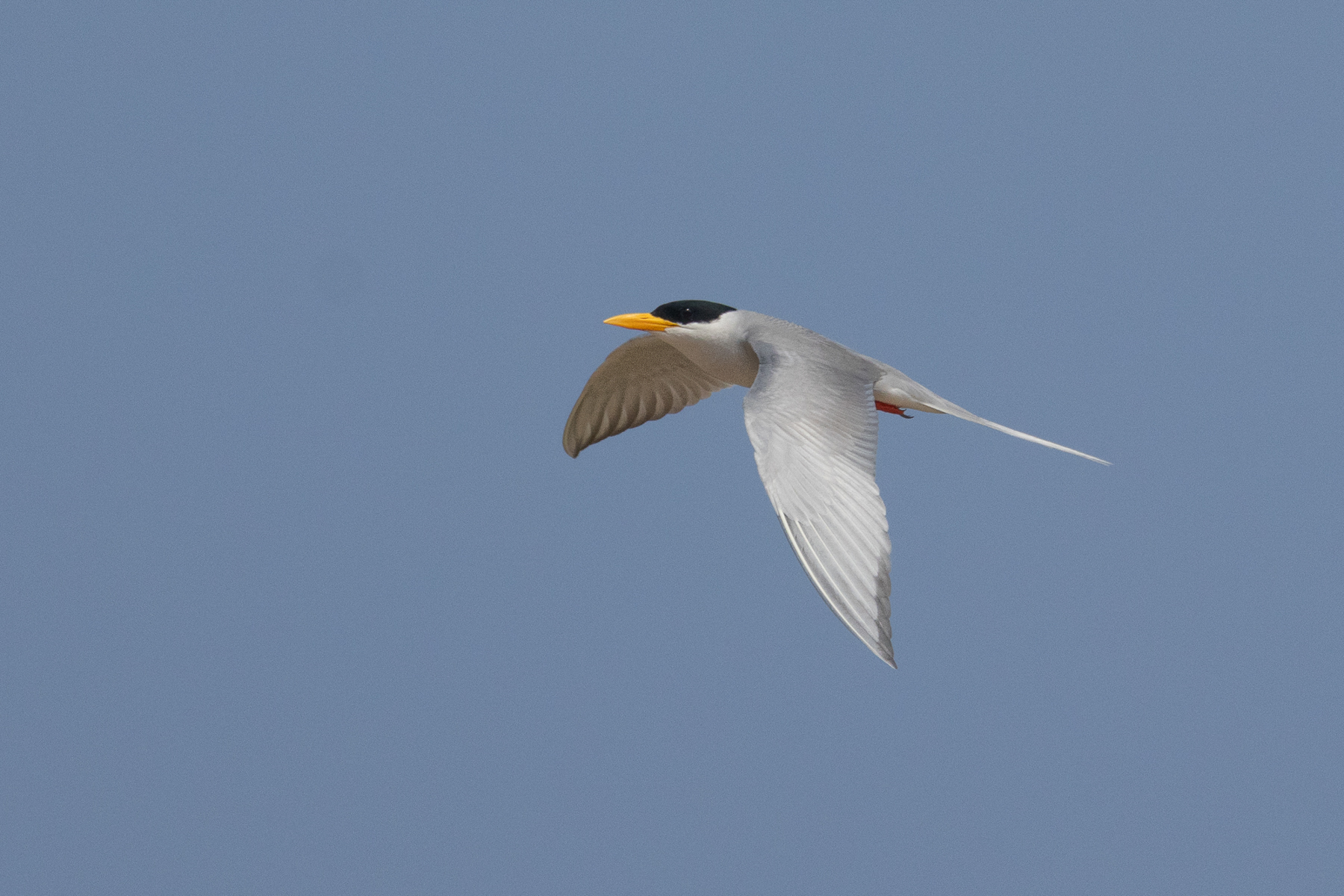
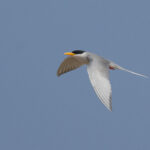
River Tern (image by Vincent van der Spek)
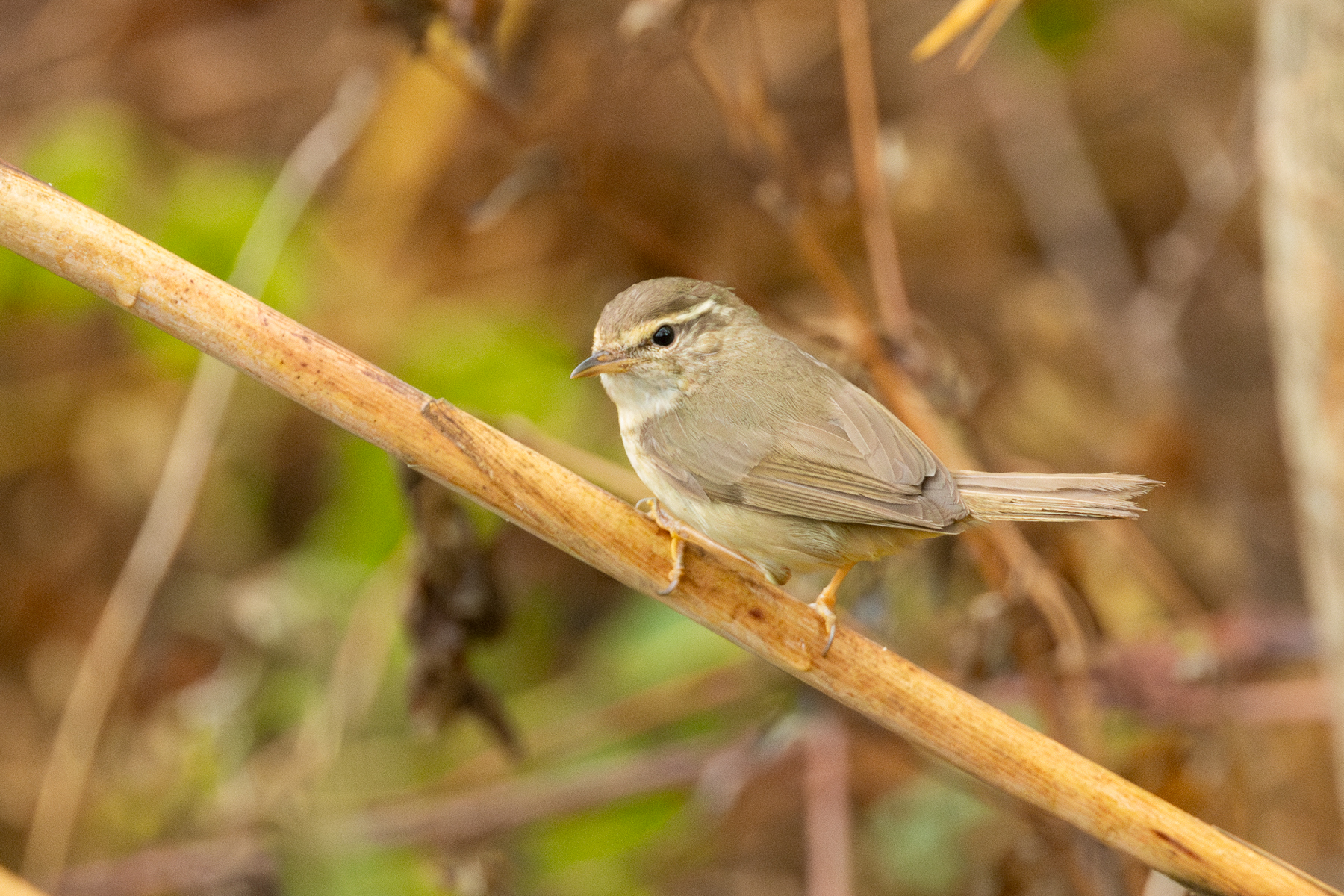
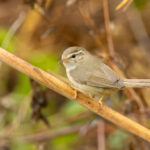
Radde's Warbler (image by Vincent van der Spek)
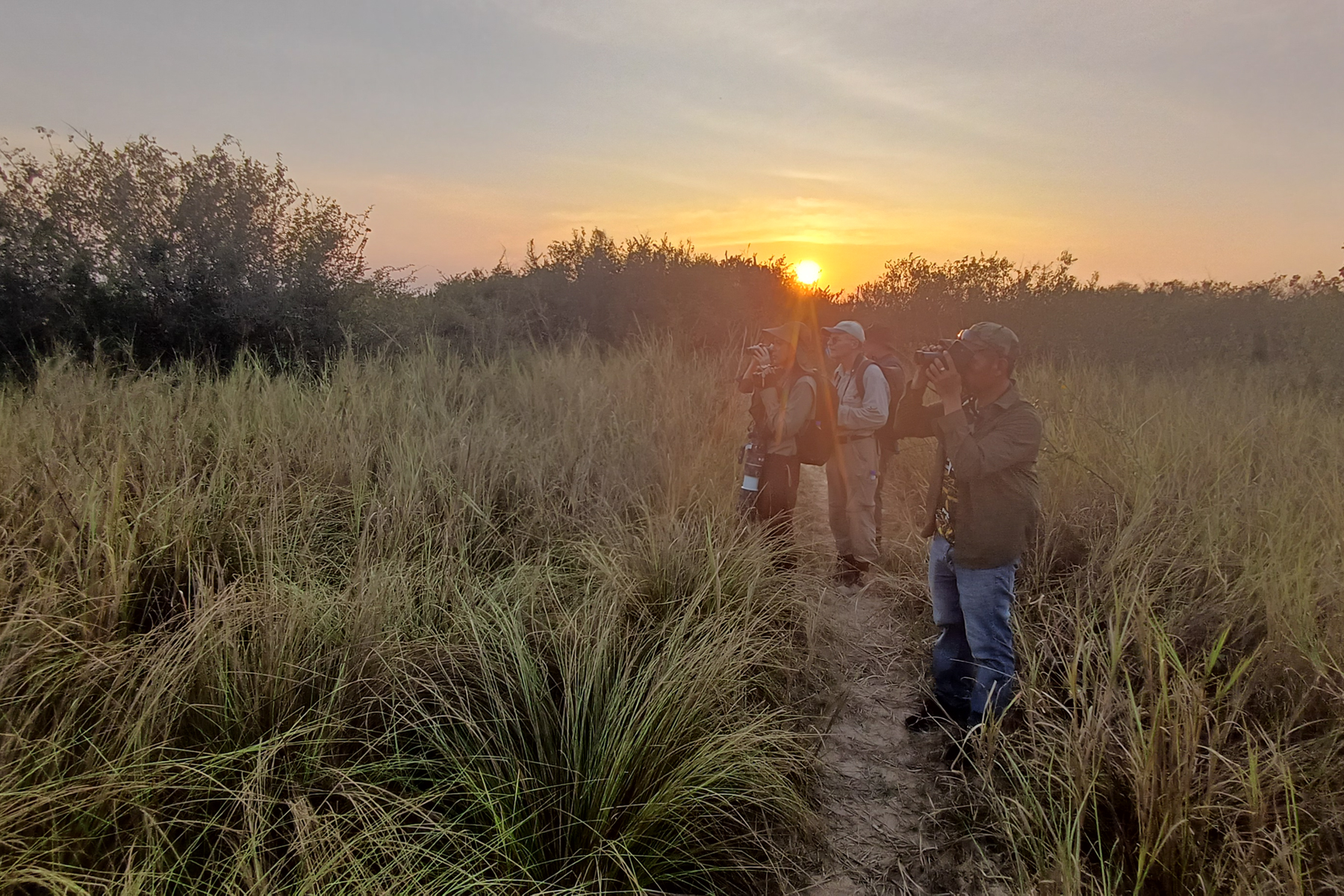
Pursat (image by Vincent van der Spek)
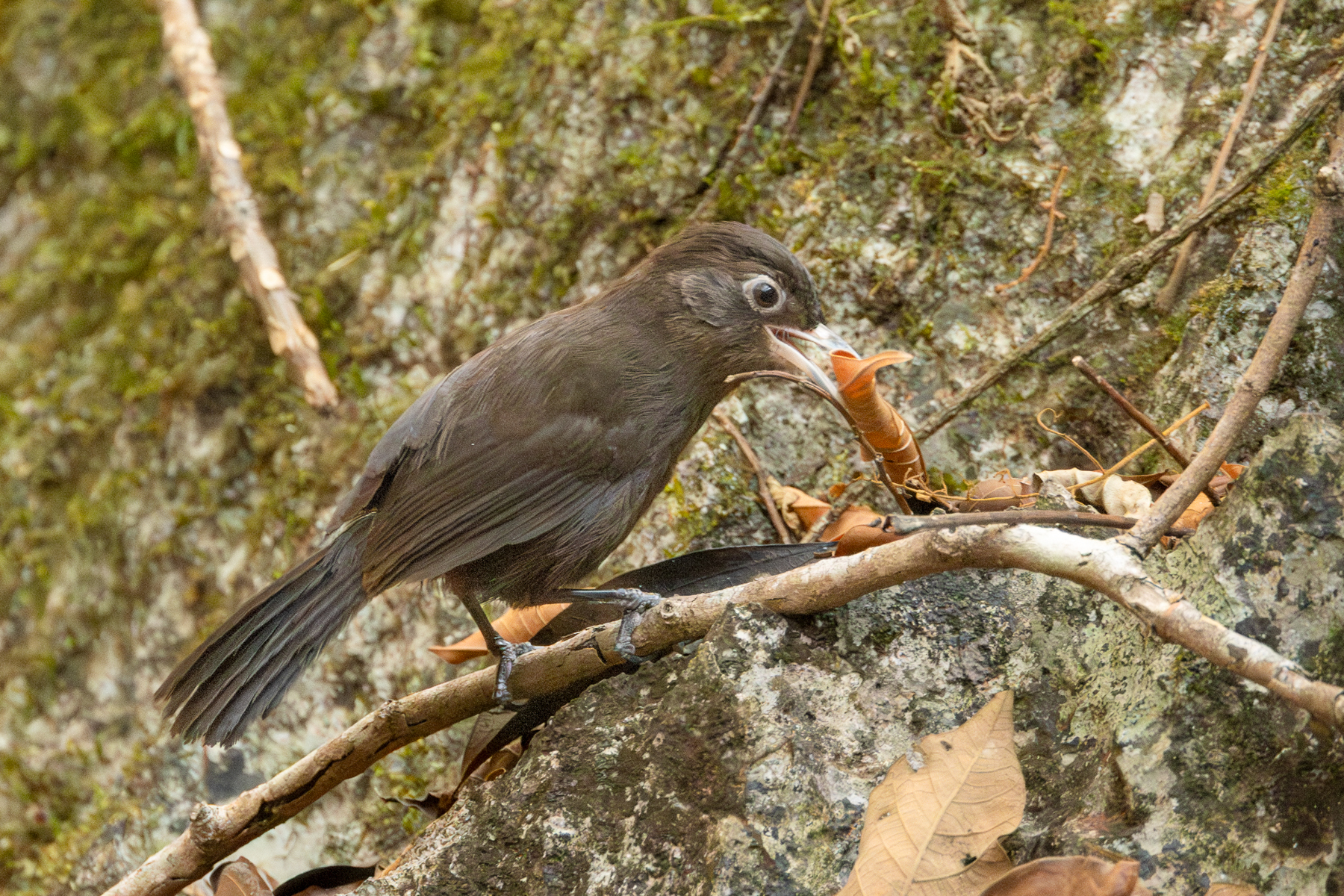
Sooty Babbler (image by Vincent van der Spek)
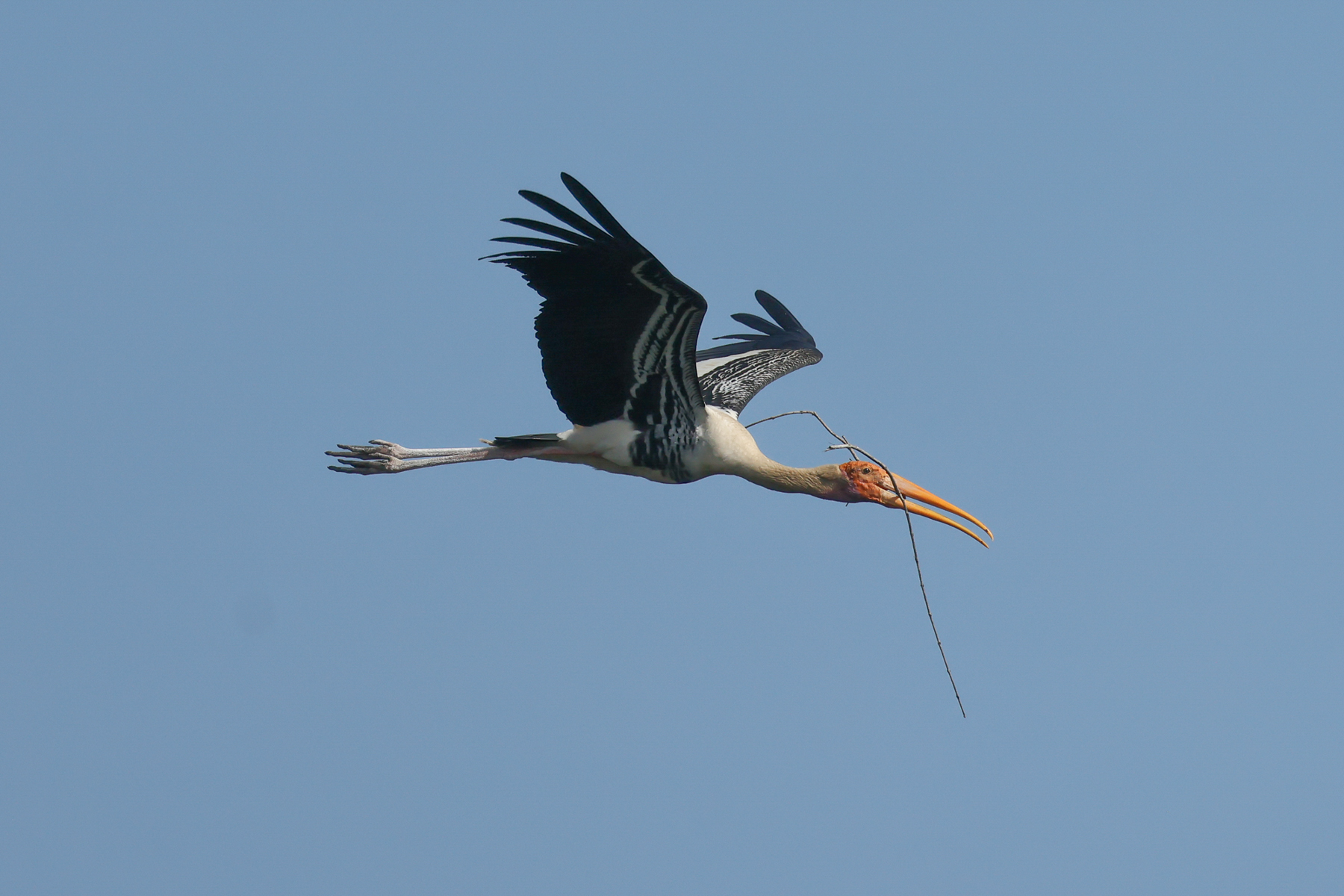
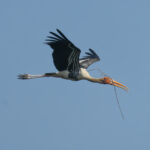
Painted Stork (image by Vincent van der Spek)
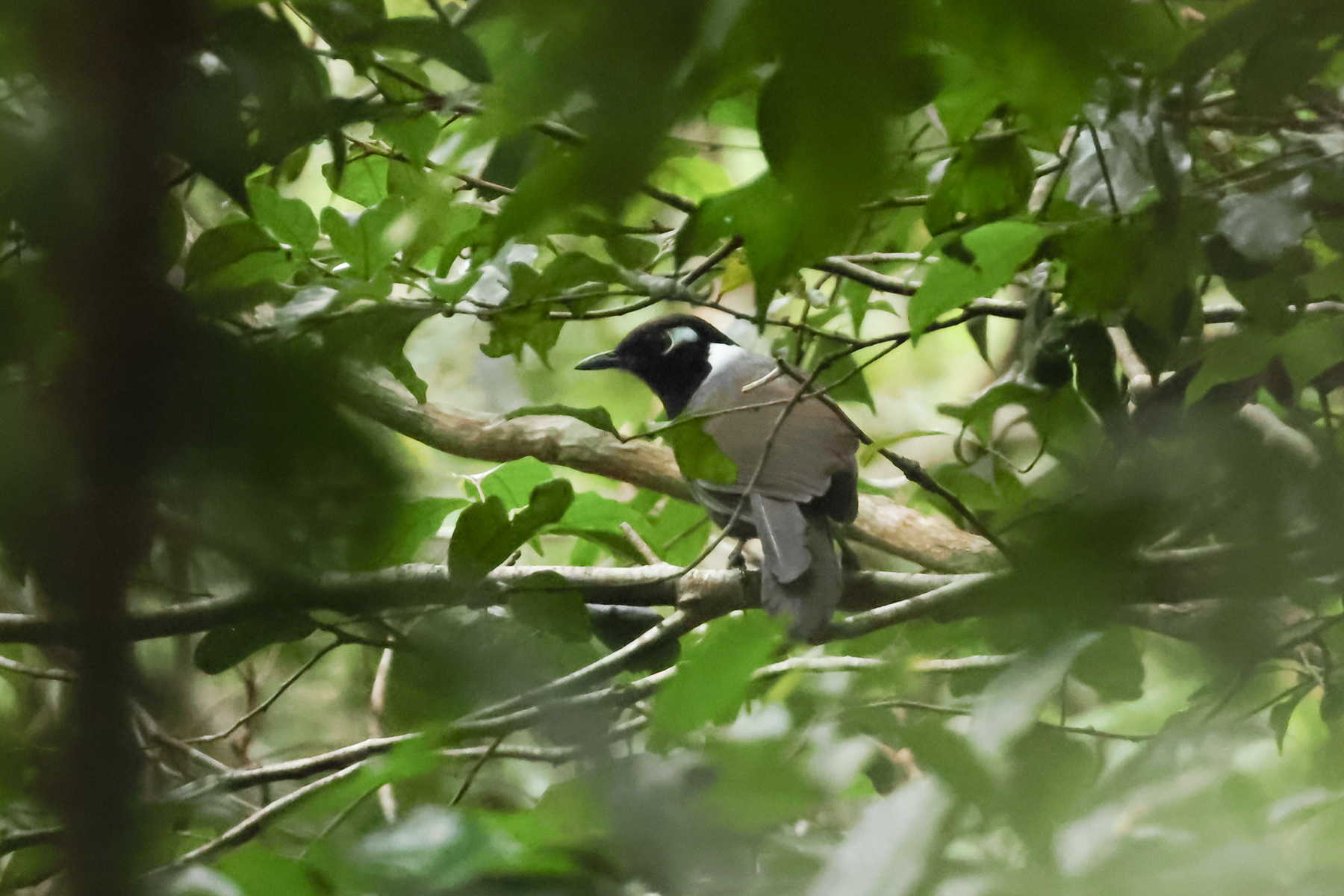
Cambodian Laughingthrush (image by Vincent van der Spek)
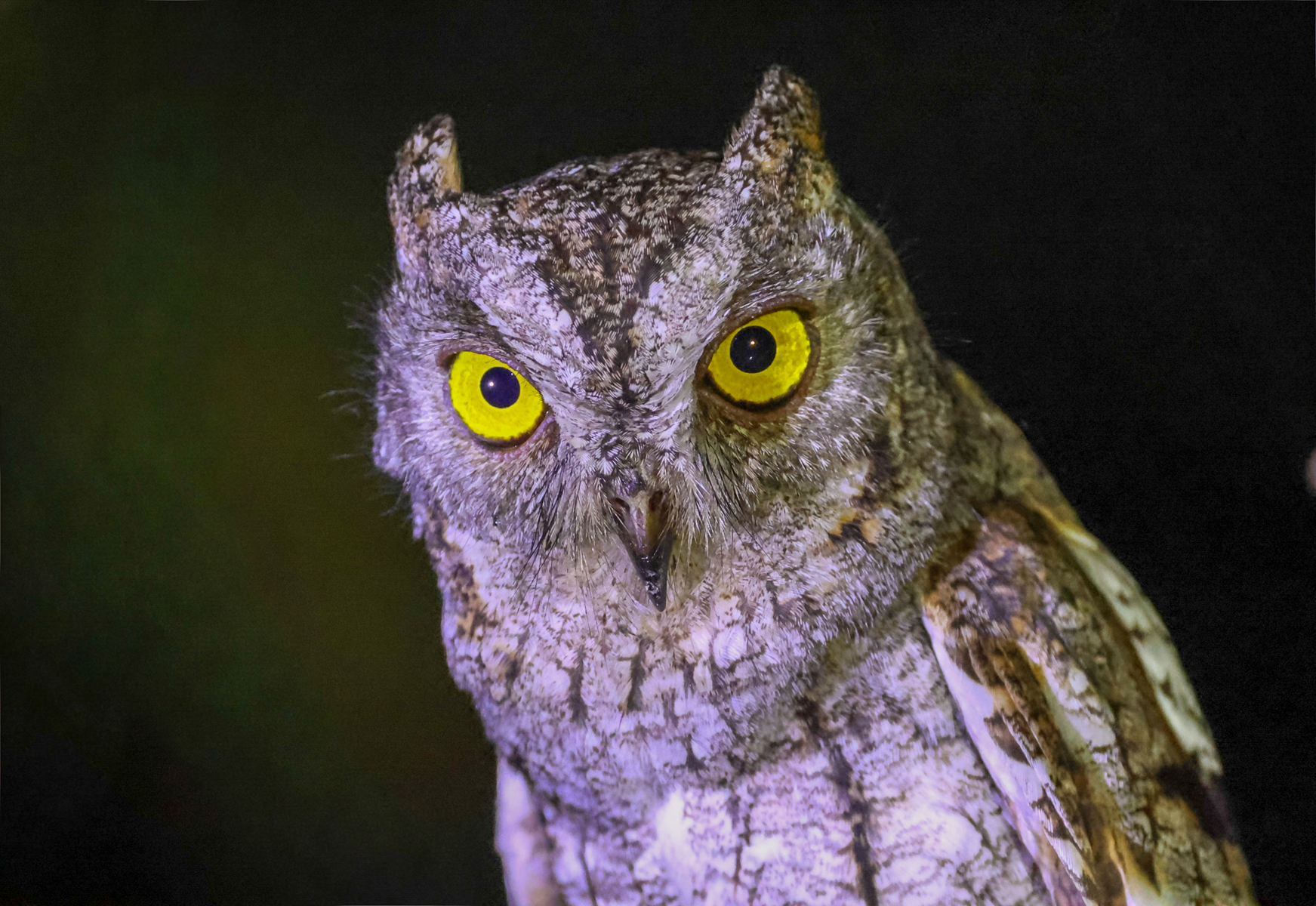
Oriental Scops Owl (image by Vincent van der Spek)
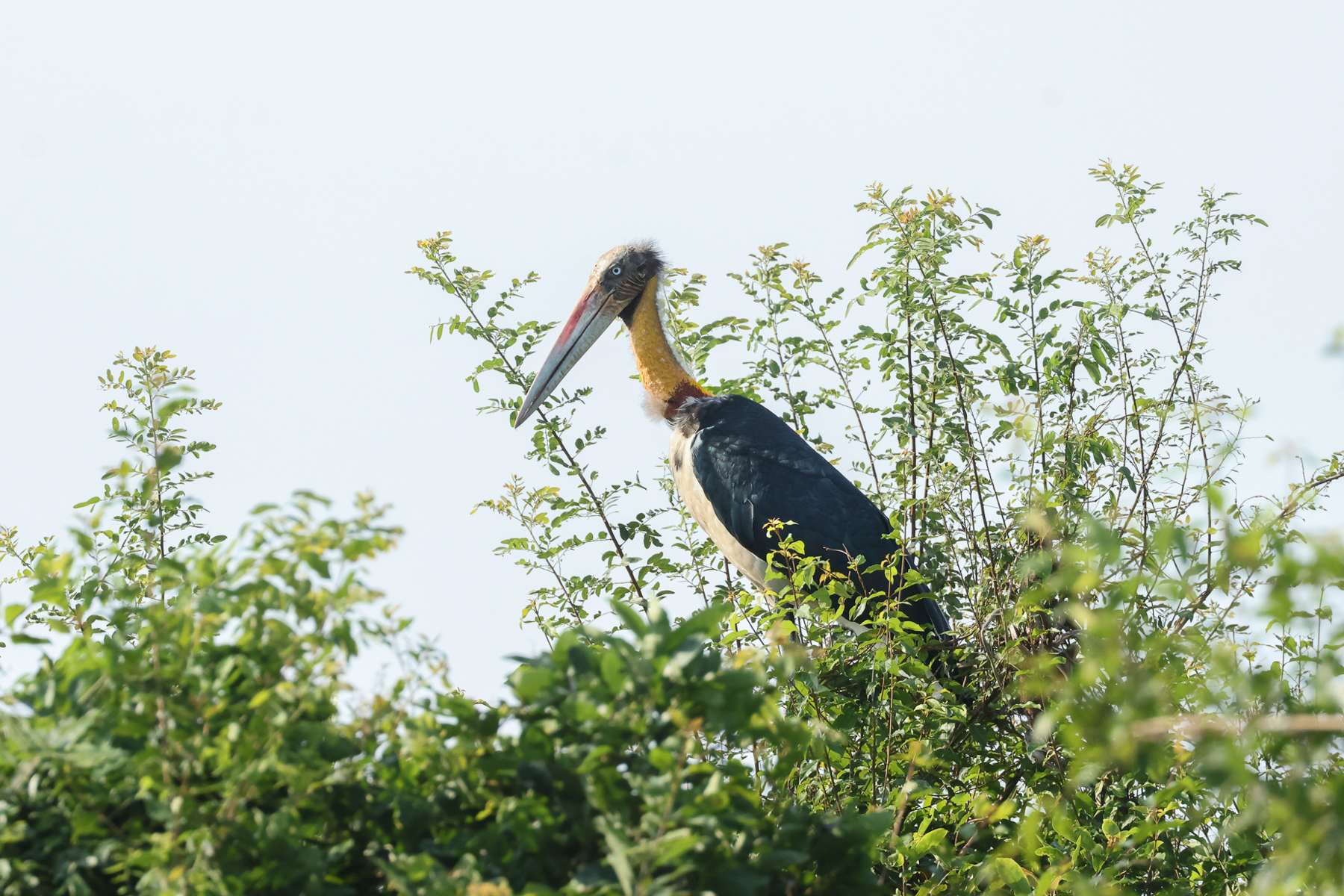
Lesser Adjutant (image by Vincent van der Spek)
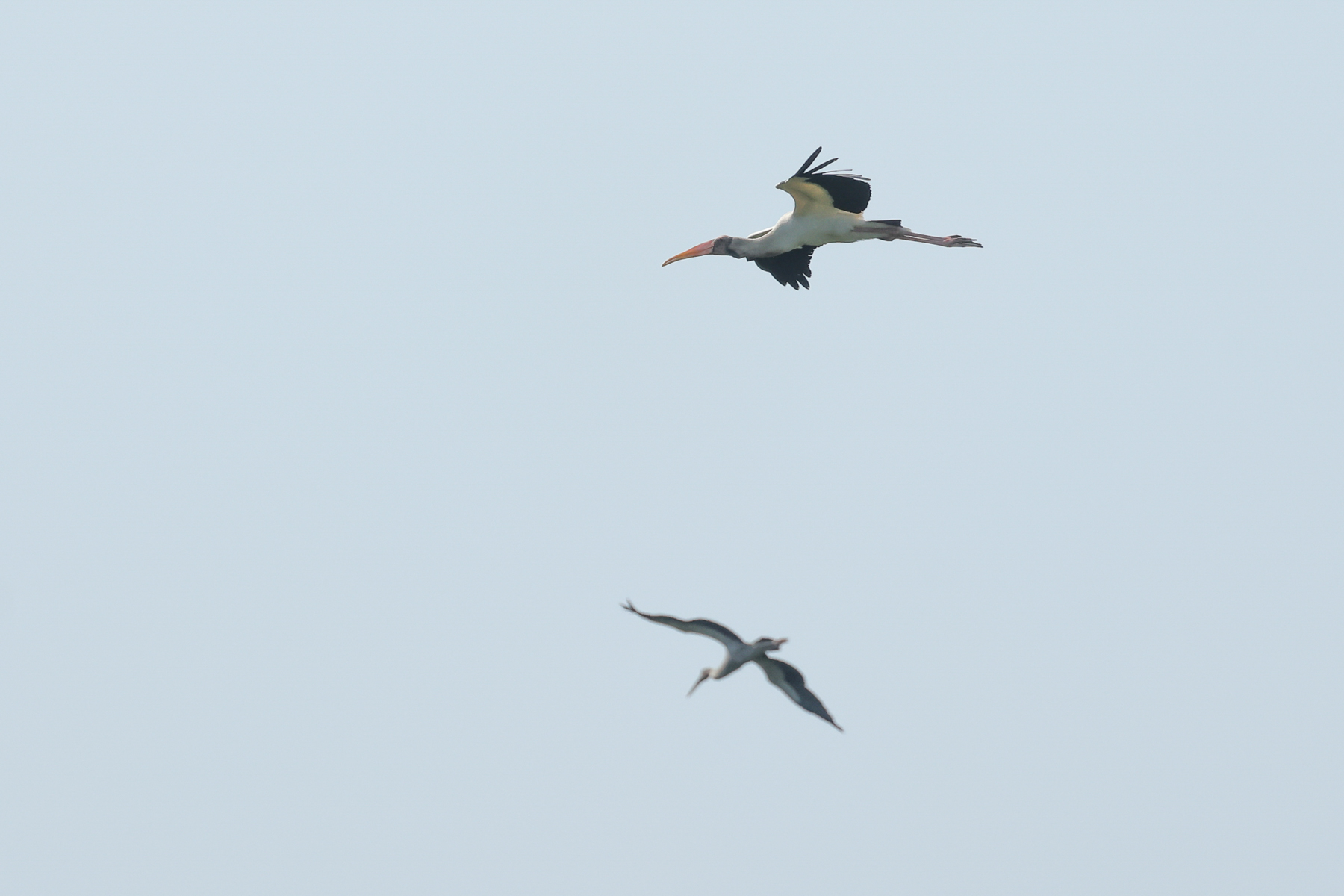
Milky Stork (image by Vincent van der Spek)
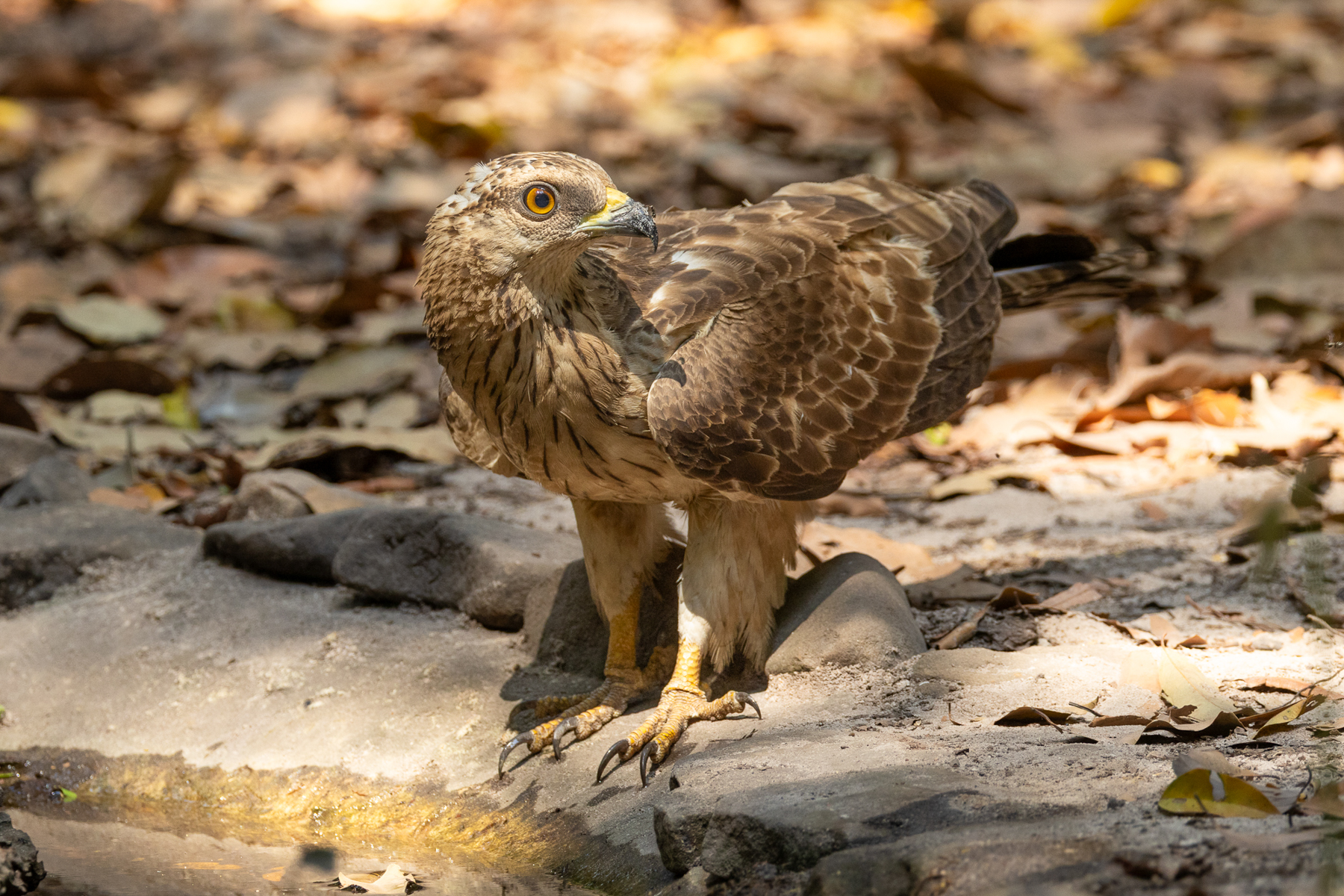
Oriental Honey Buzzard (image by Vincent van der Spek)
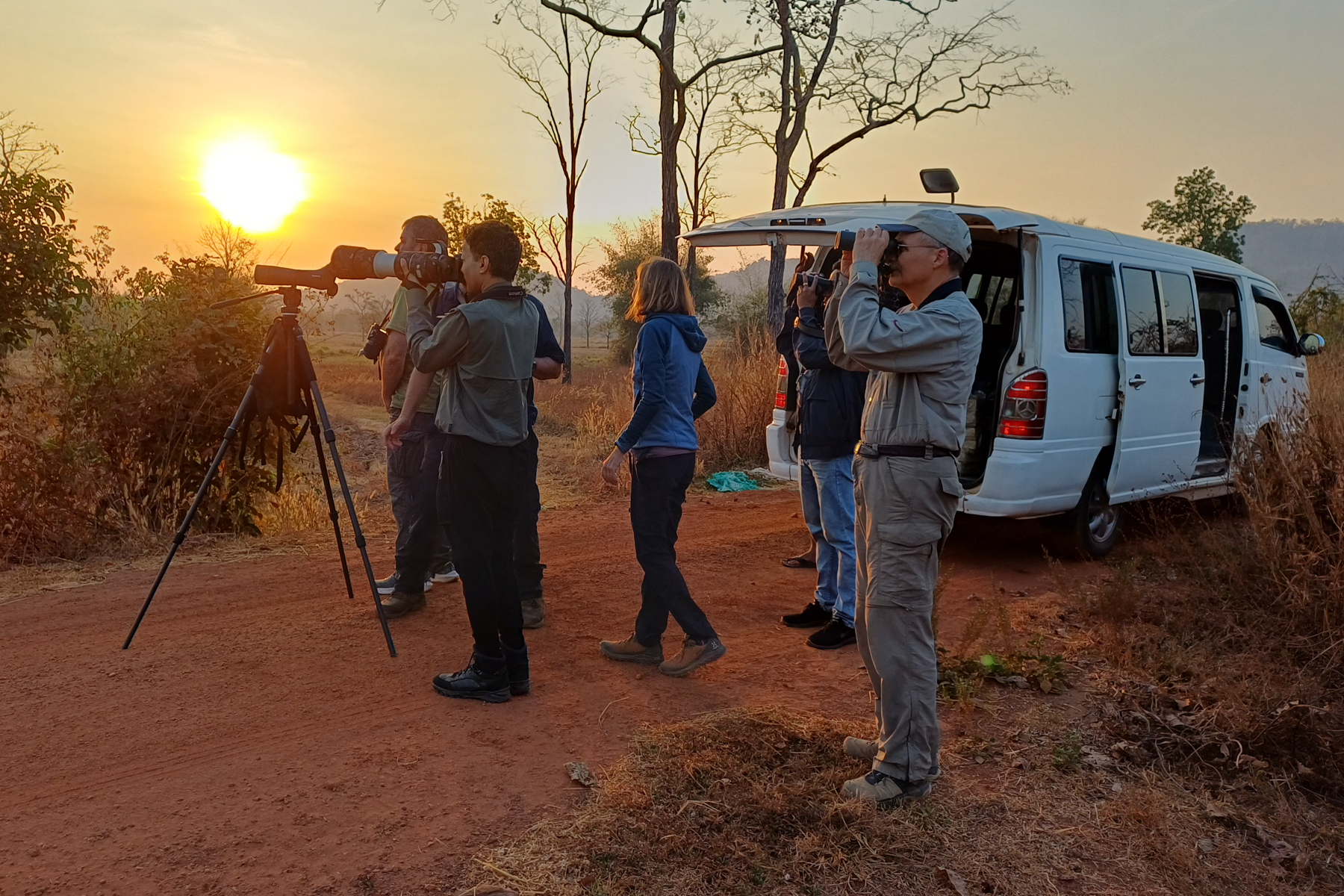
Cambodia Birding (image by Vincent van der Spek)
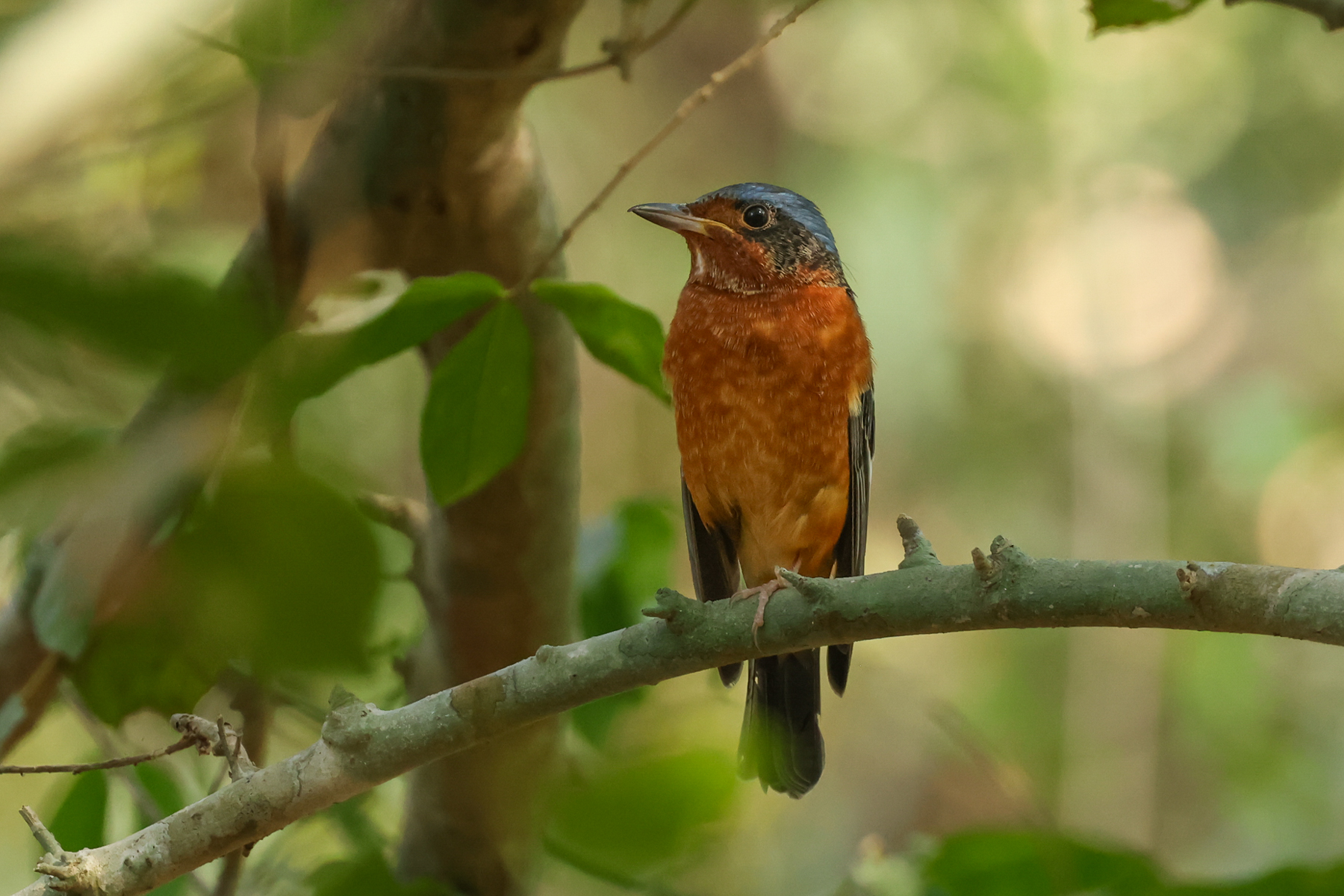
White-throated Rock Thrush (image by Vincent van der Spek)
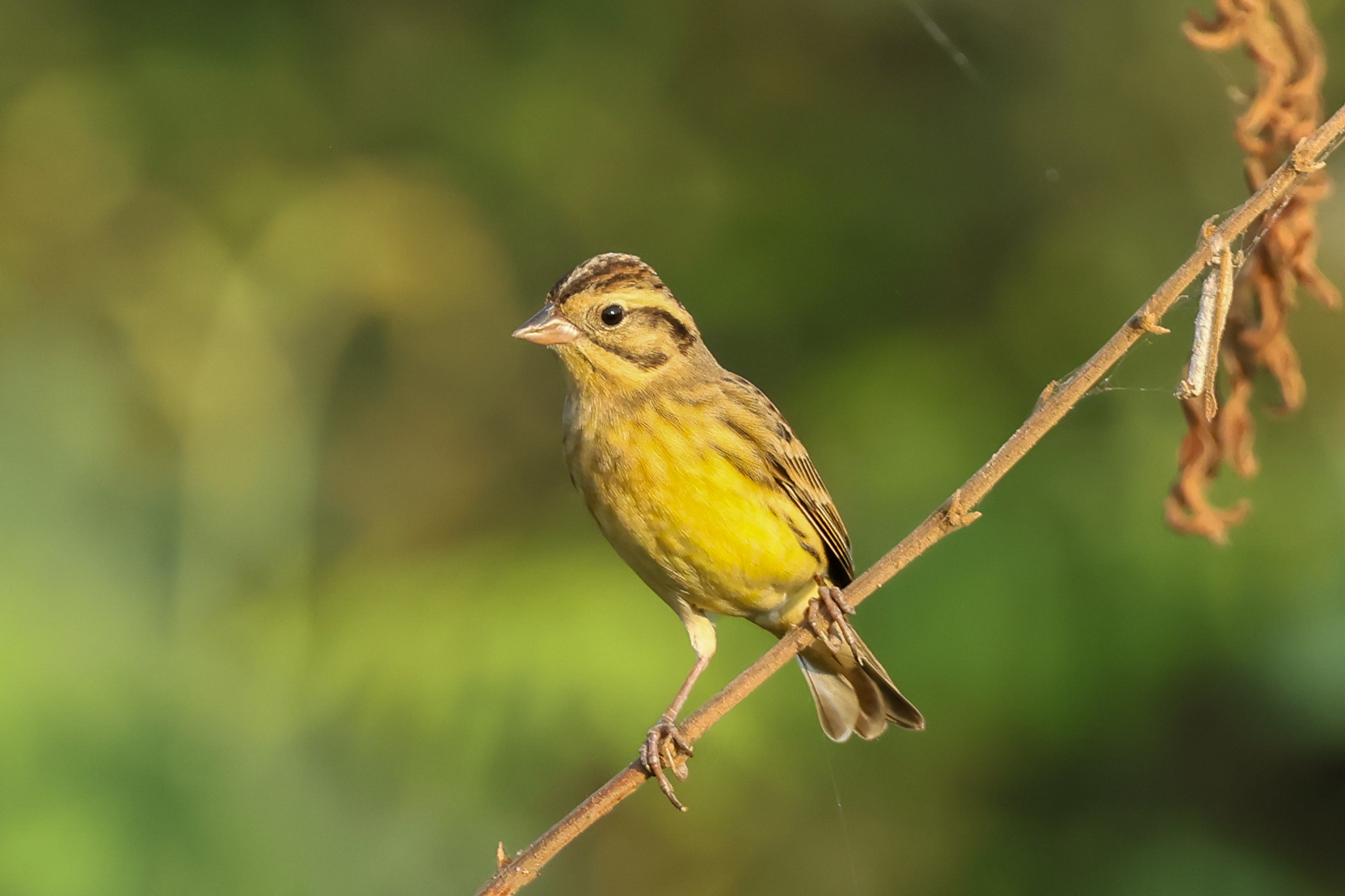
Yellow-breasted Bunting (image by Vincent van der Spek)
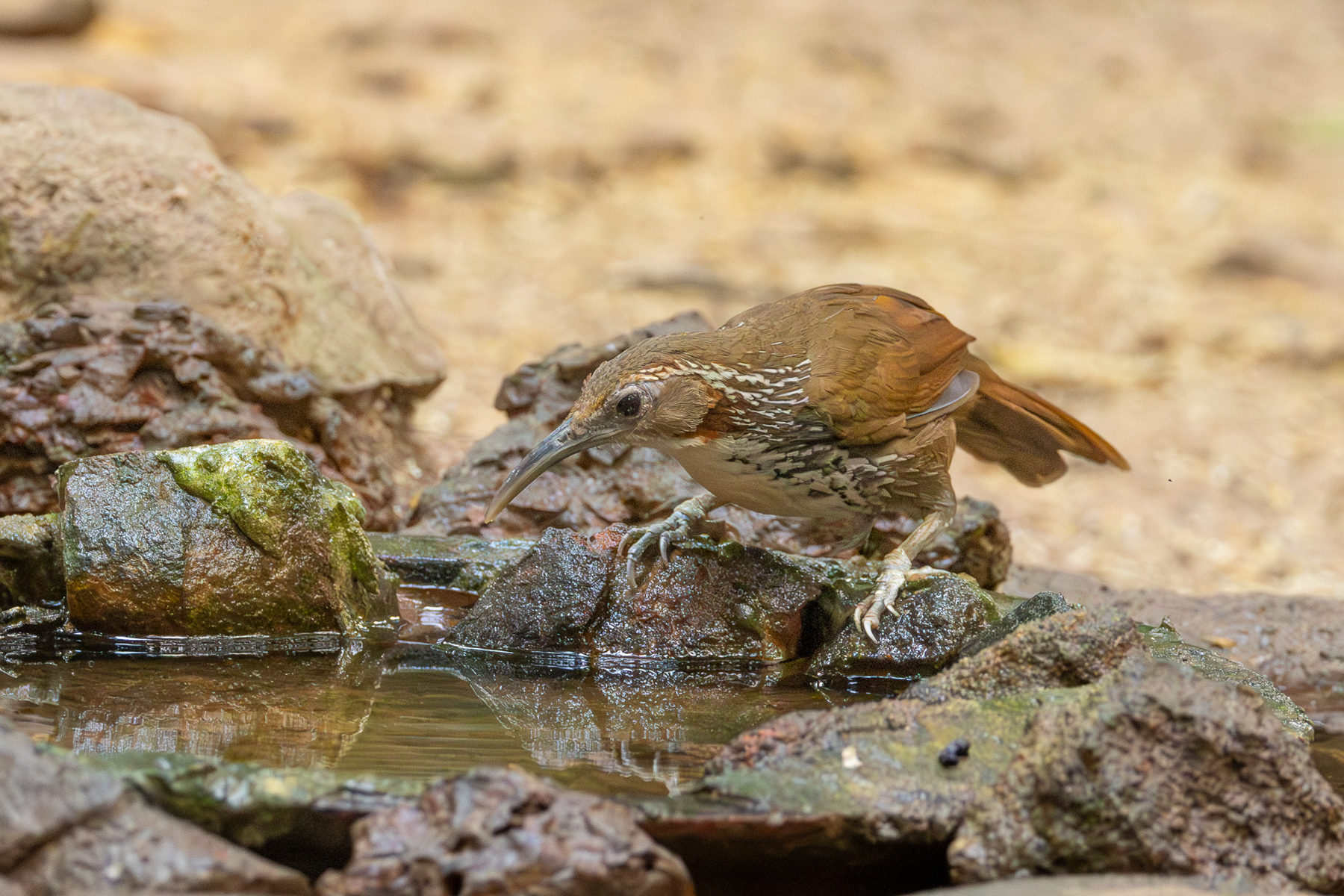
Large Scimitar-babbler (image by Vincent van der Spek)
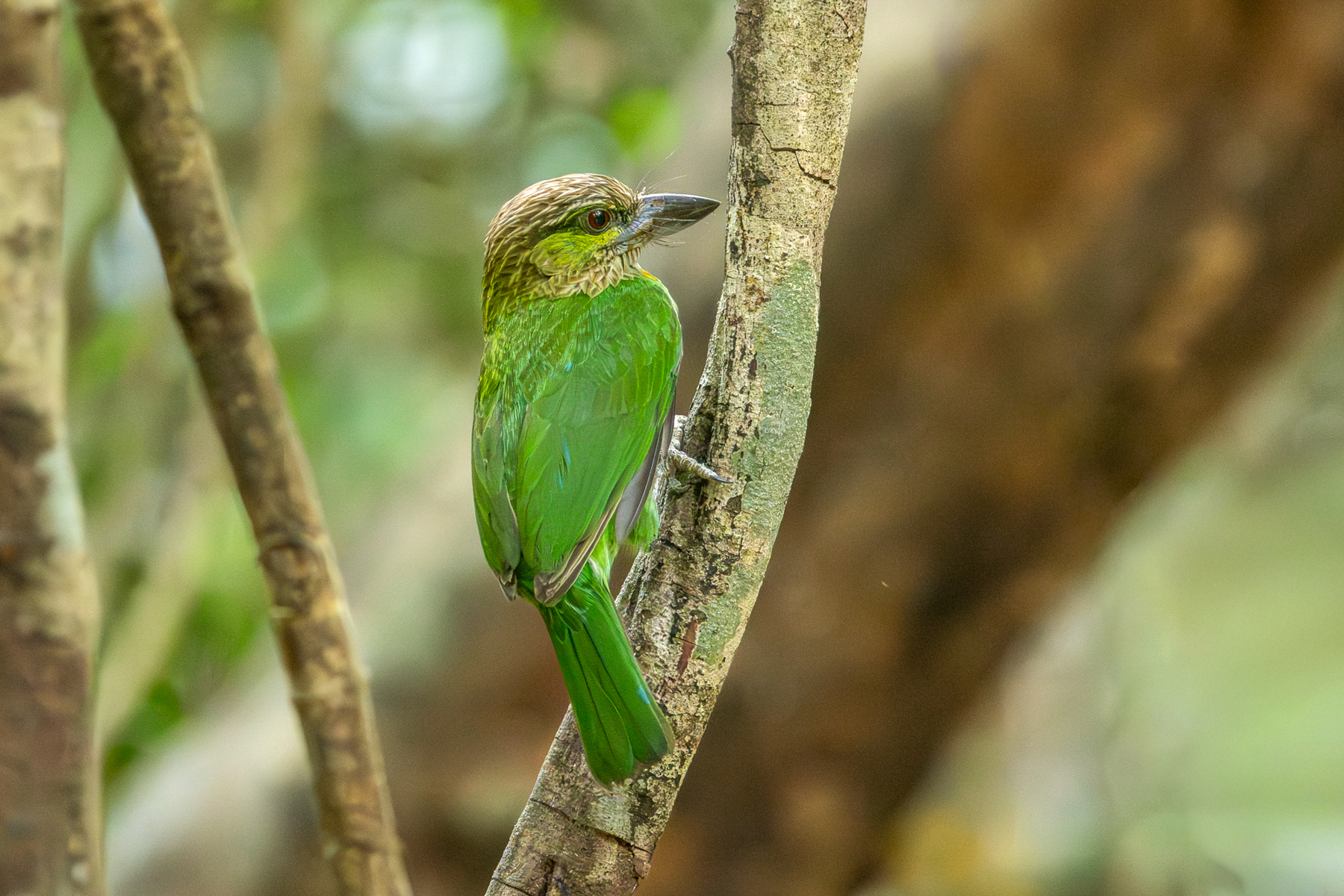
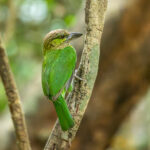
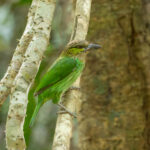
Green-eared Barbet (image by Vincent van der Spek)
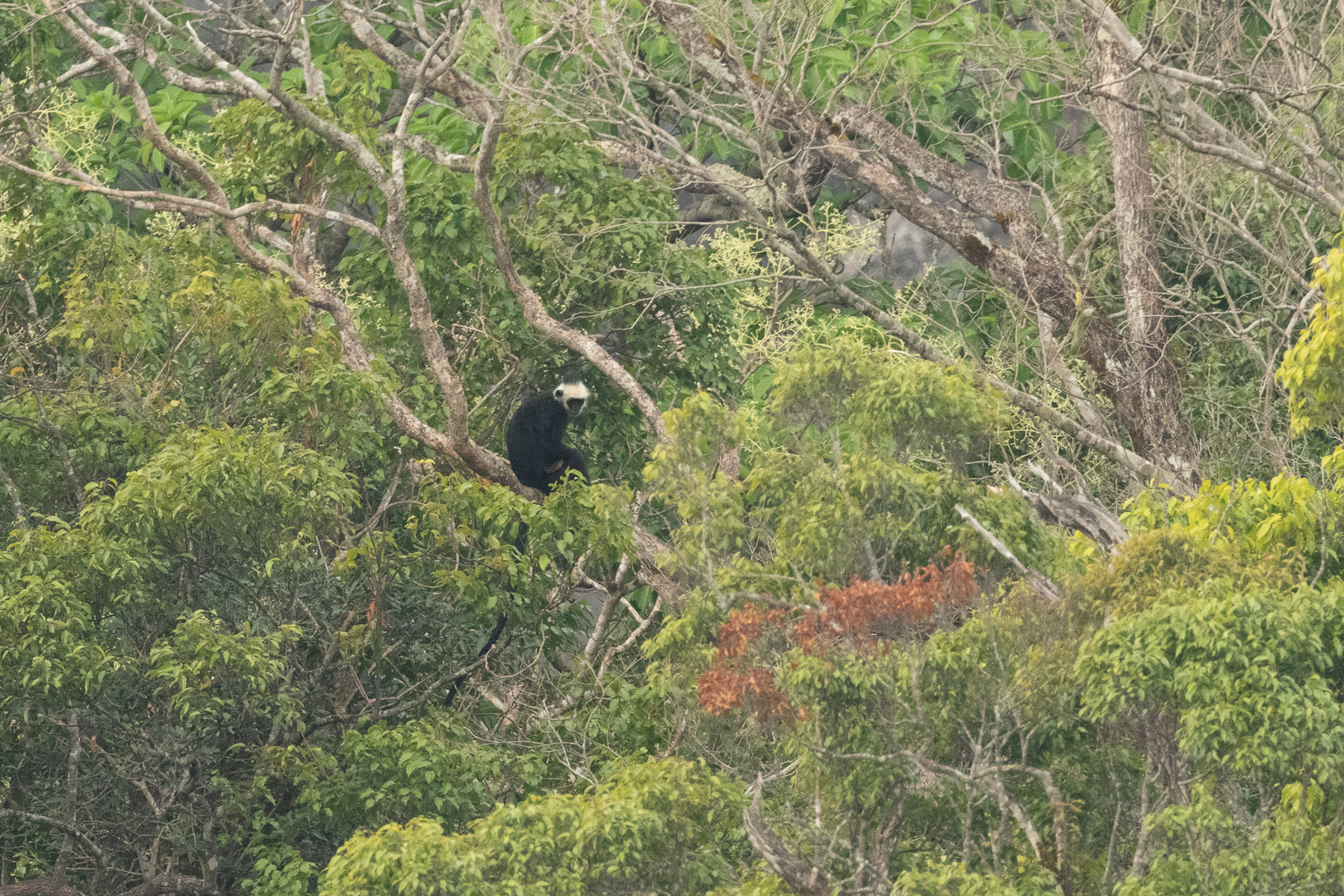
Laos Langur (image by Vincent van der Spek)
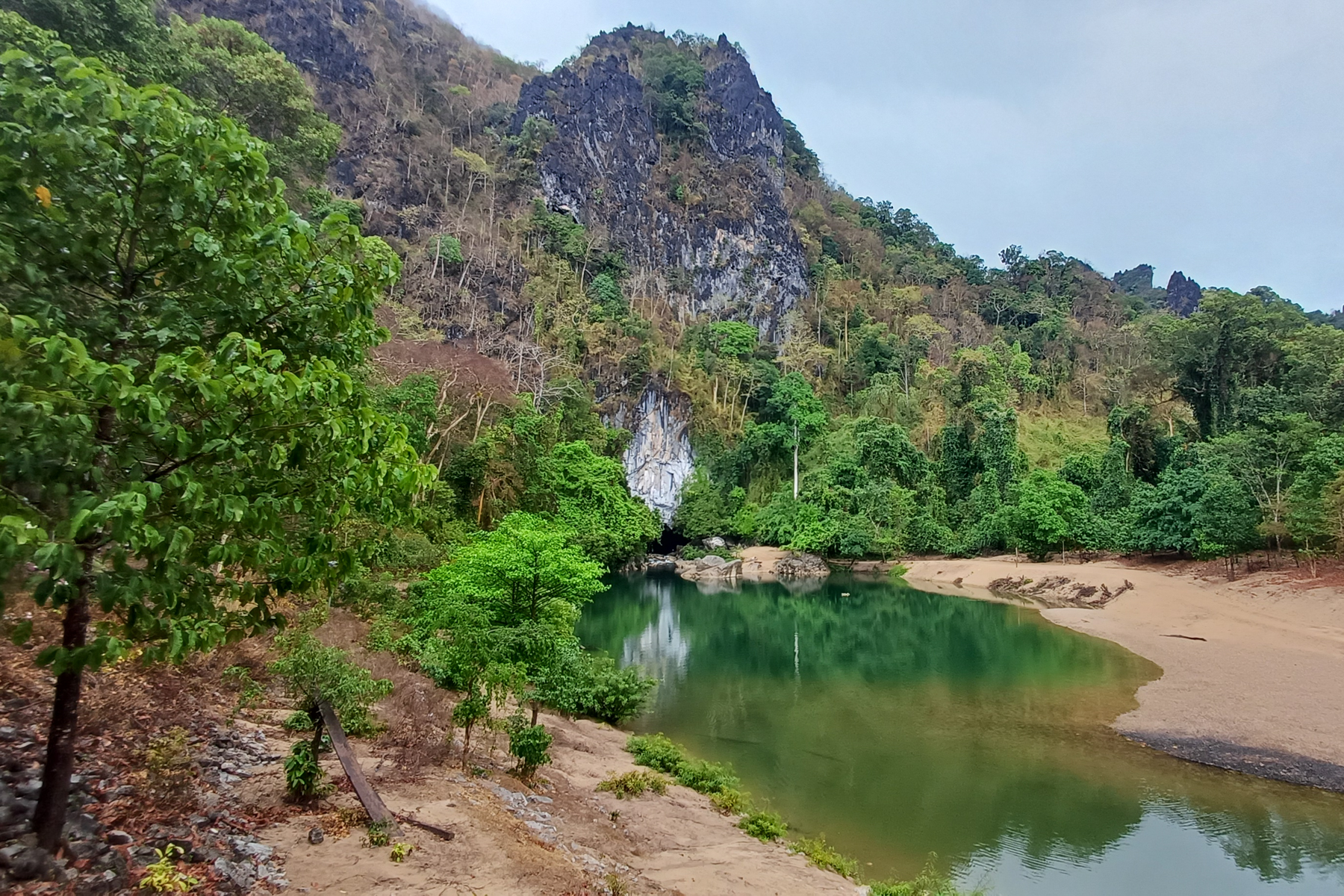
Konglor Cave (image by Vincent van der Spek)
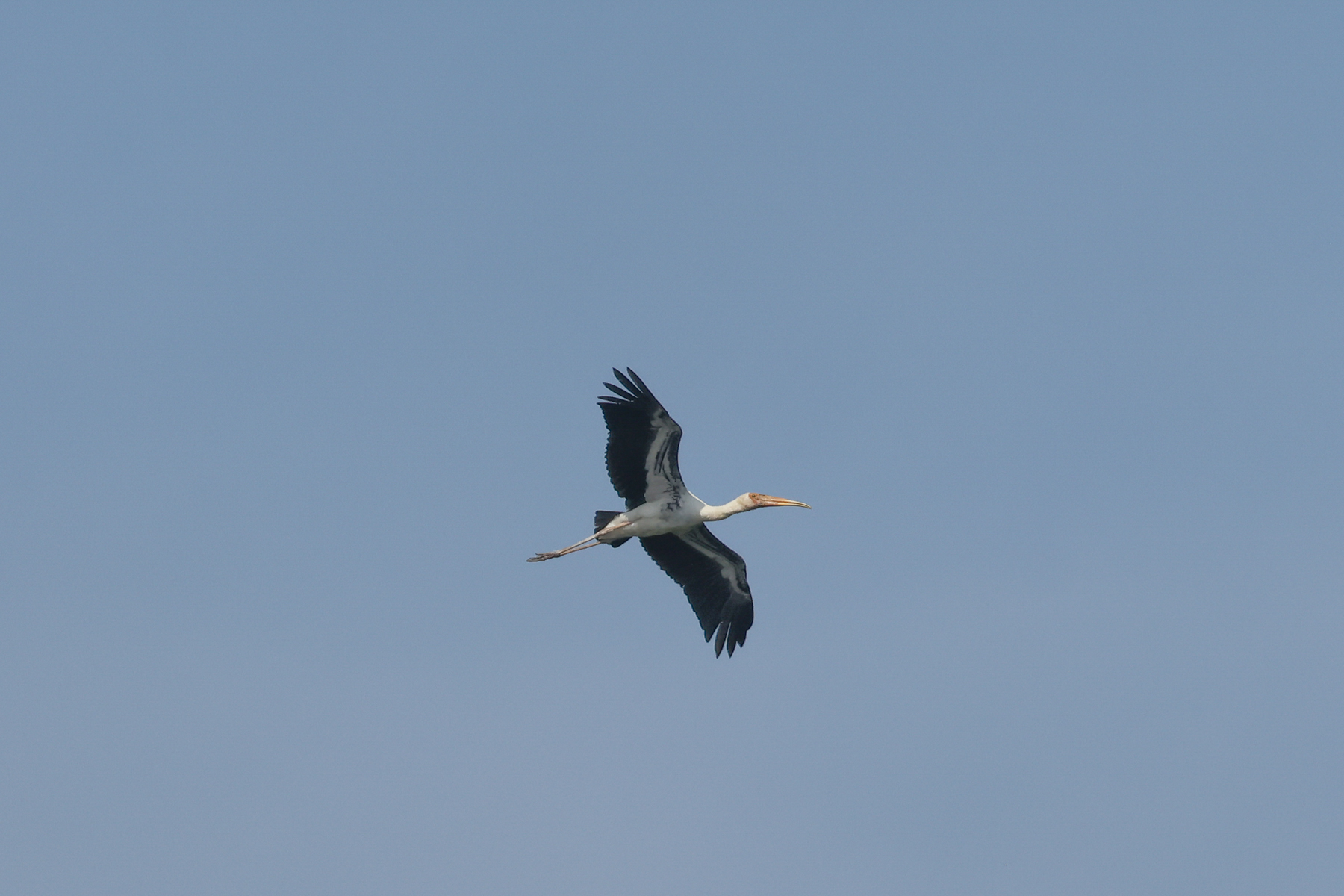
Hybrid Milky X Painted Stork (image by Vincent van der Spek)
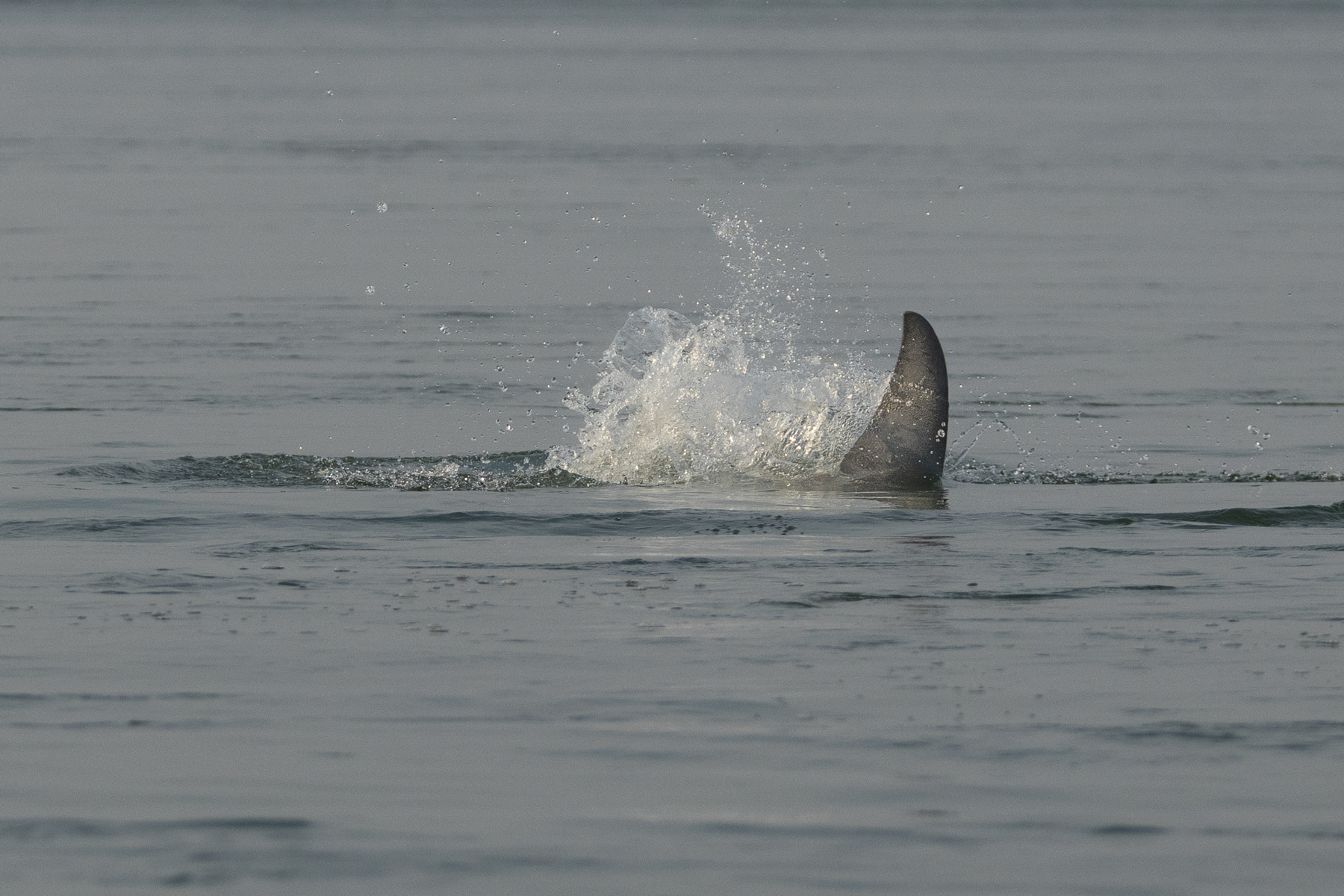
Irrawaddy Dolphin (image by Vincent van der Spek)
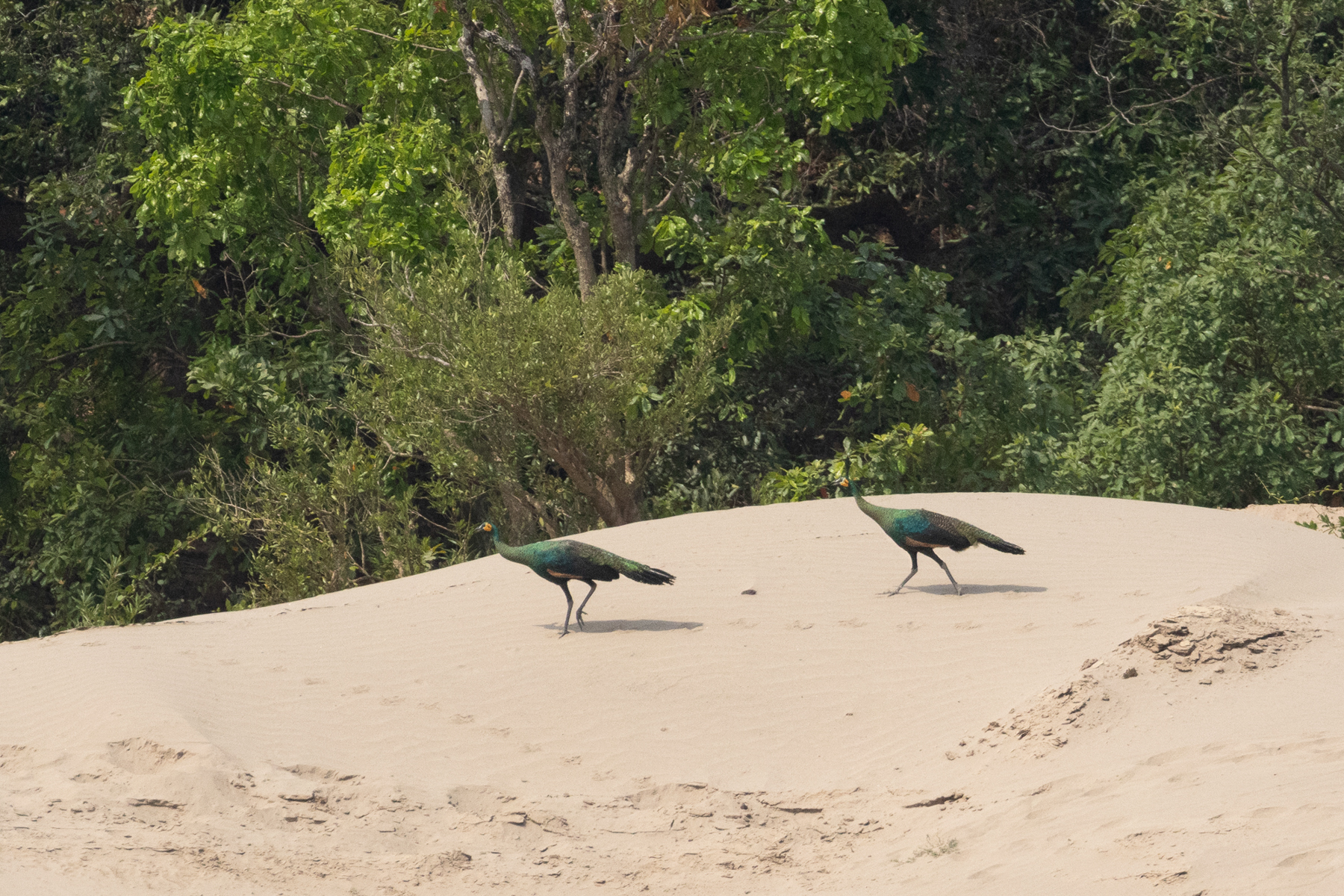
females Green Peafowl (image by Vincent van der Spek)
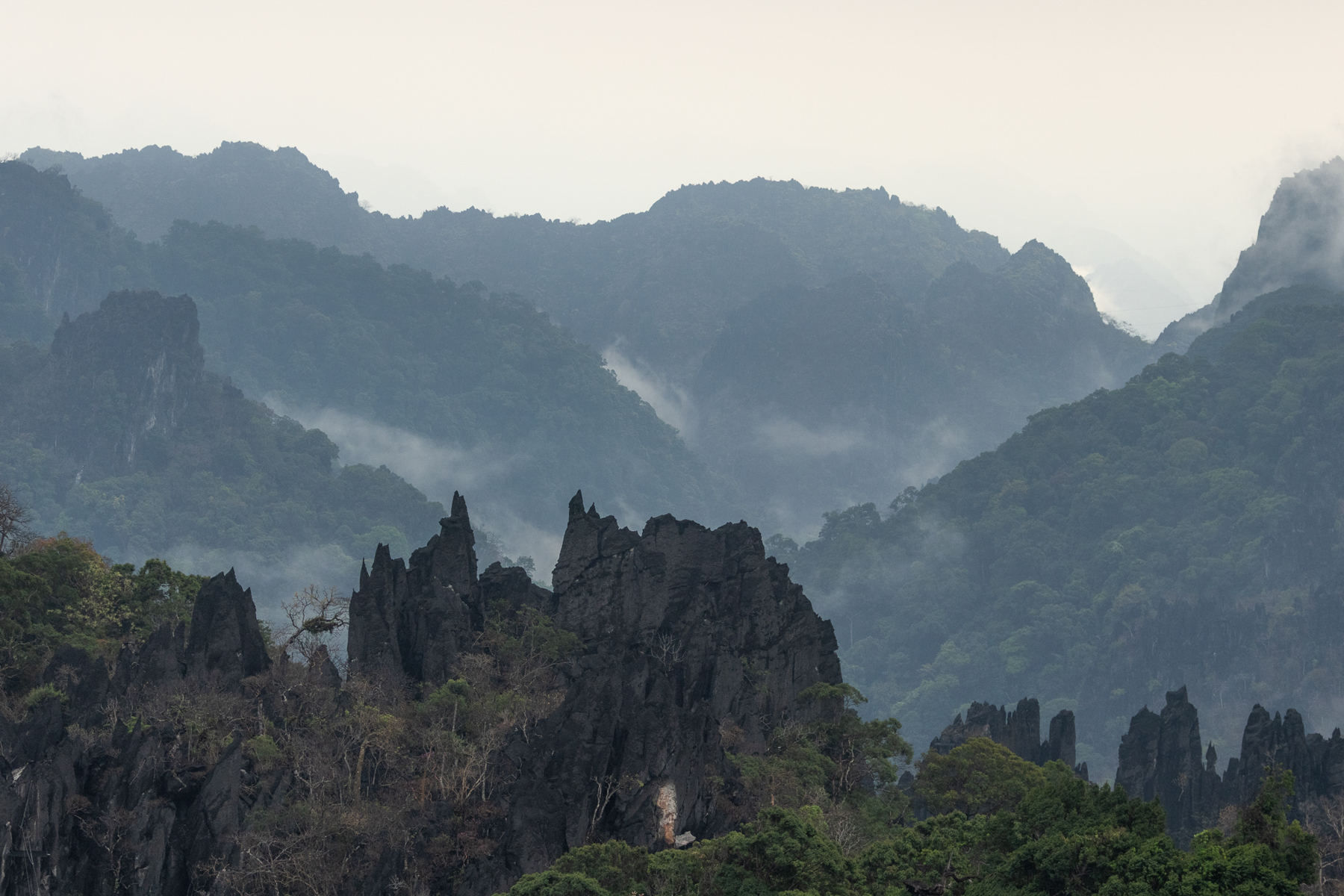
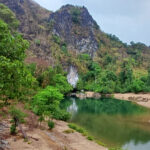
Ban Nahin, Laos (image by Vincent van der Spek)
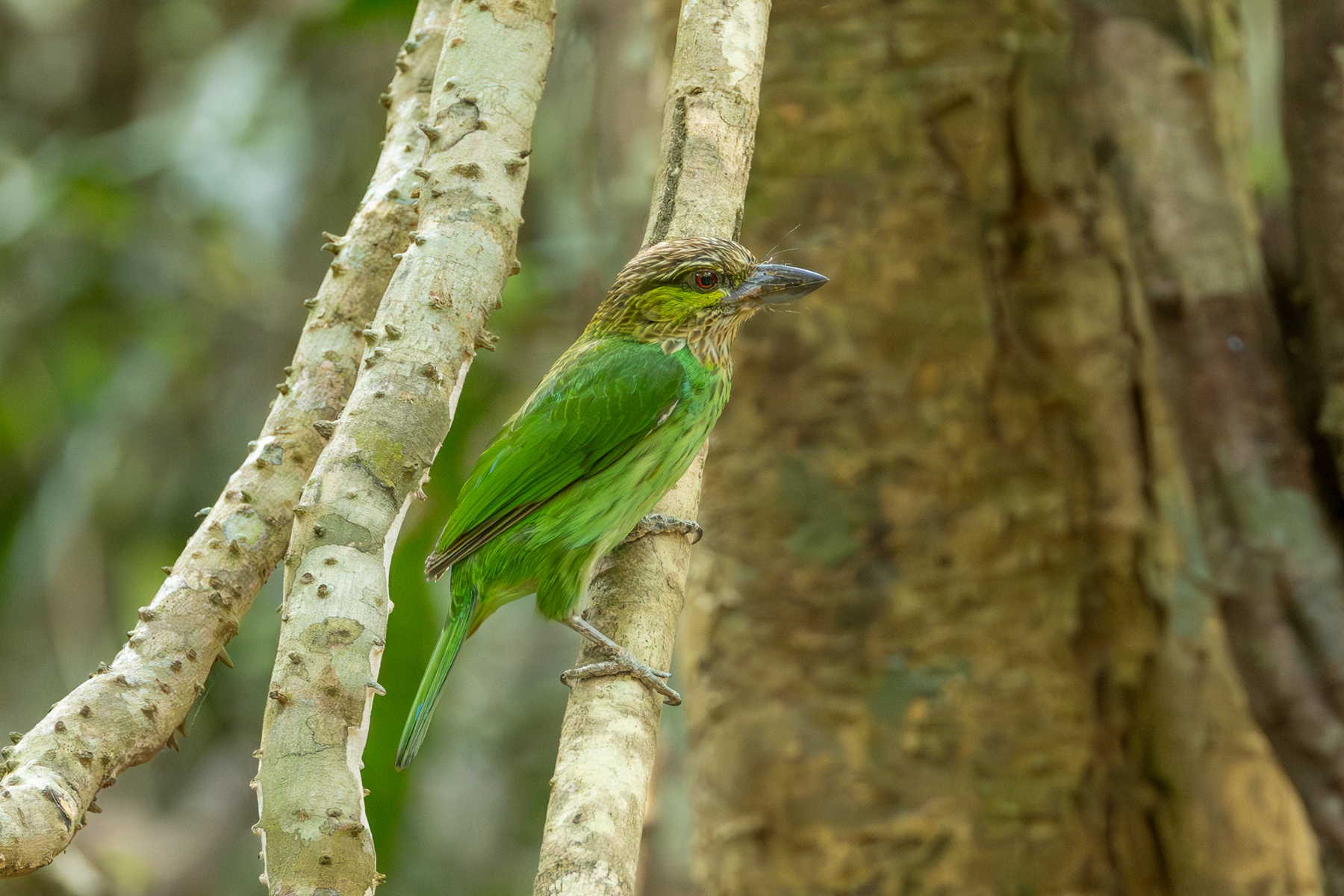
Green-eared Barbet (image by Vincent van der Spek)
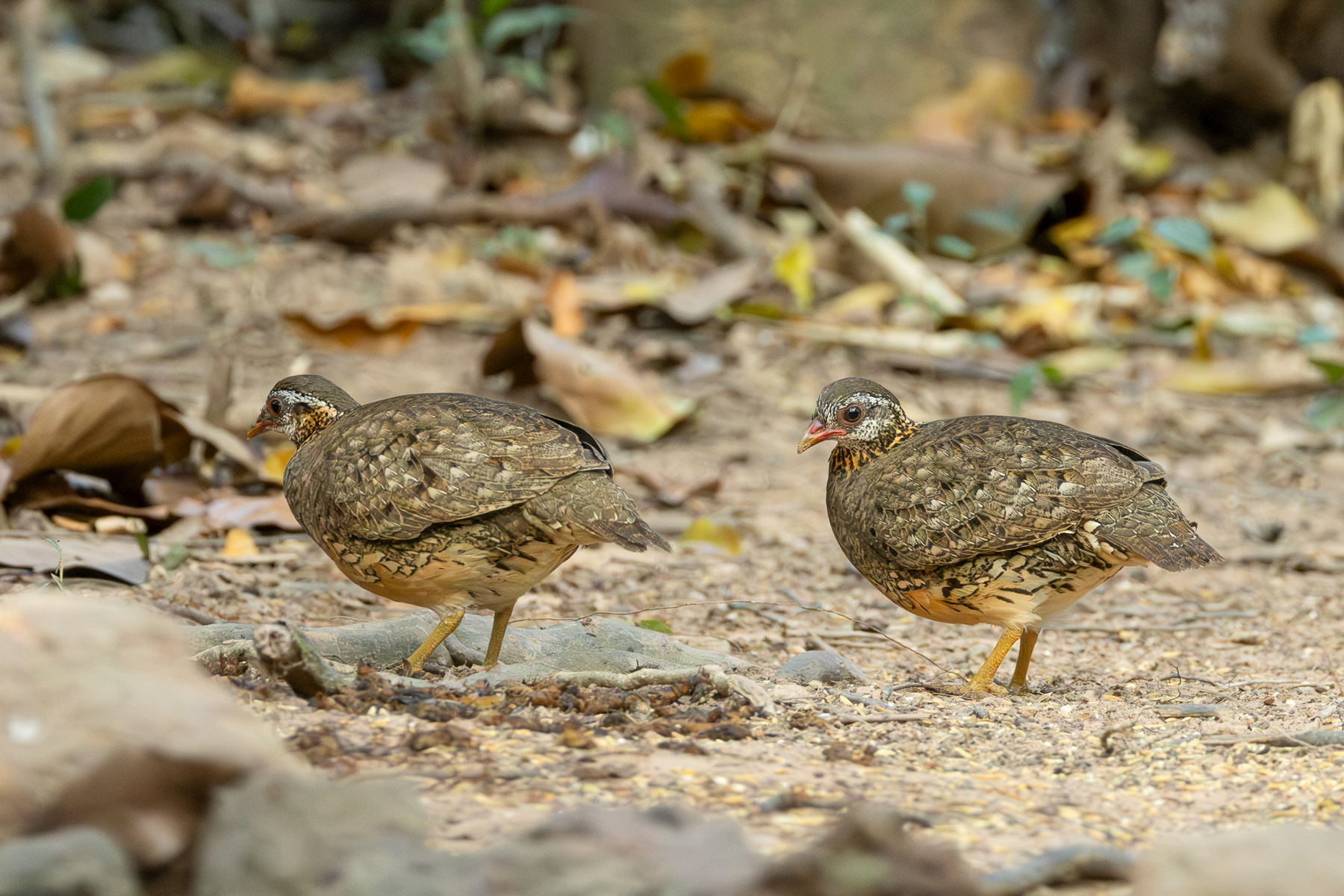
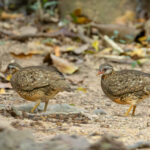
Green-legged Partridges (image by Vincent van der Spek)
Eastern Marsh Harrier (image by Vincent van der Spek)
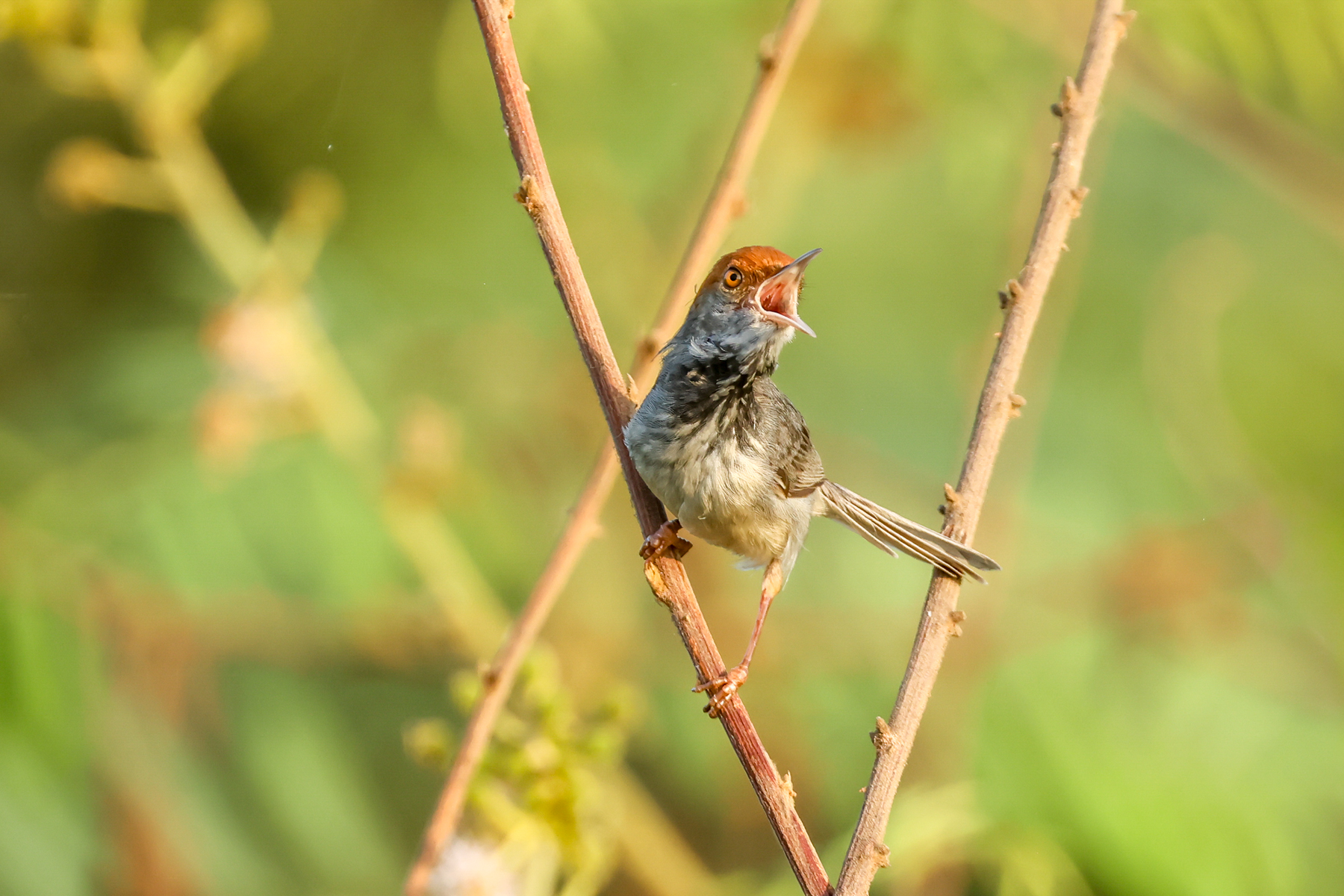
Cambodian Tailorbird (image by Vincent van der Spek)
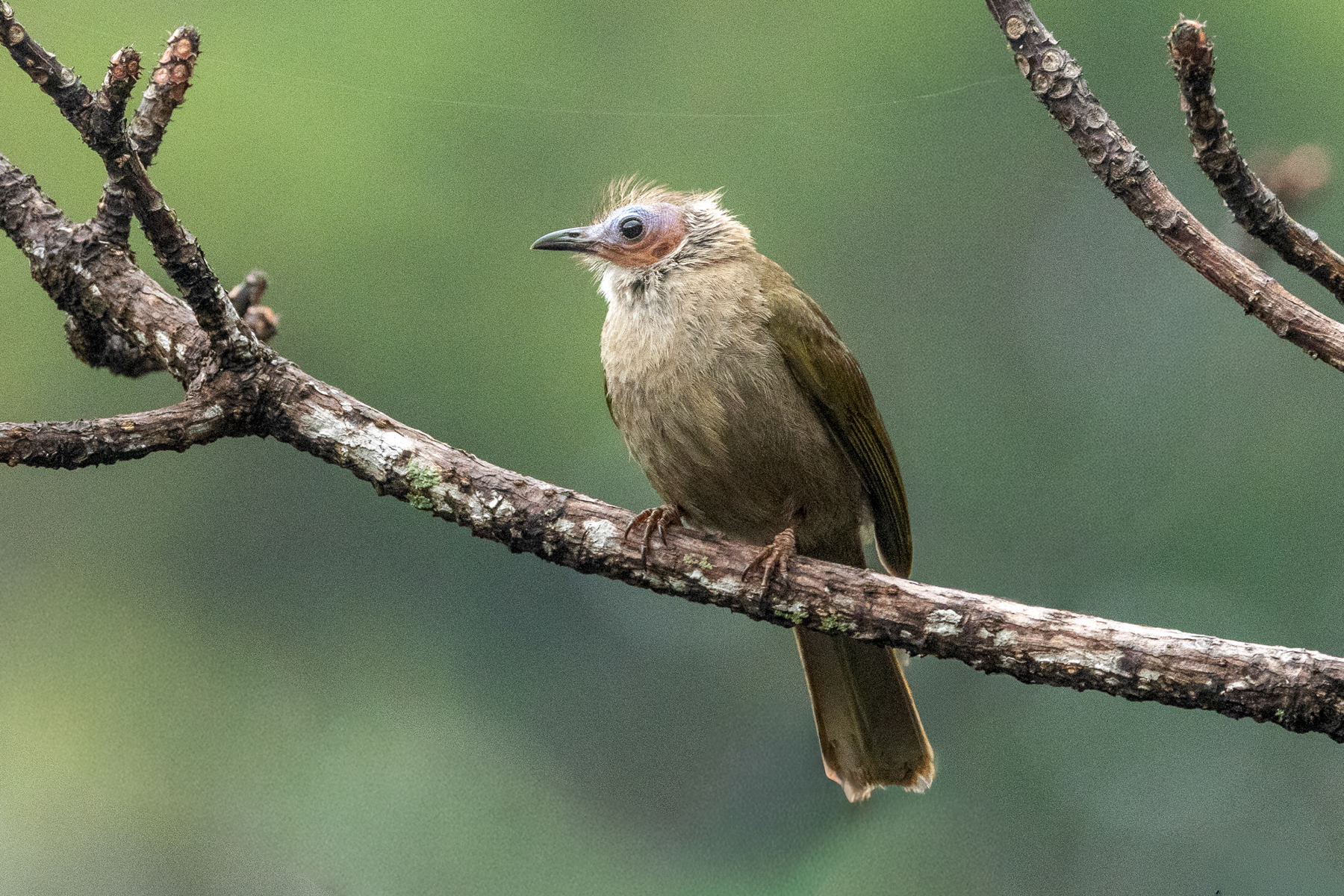
Bare-faced Bulbul (image by Vincent van der Spek)
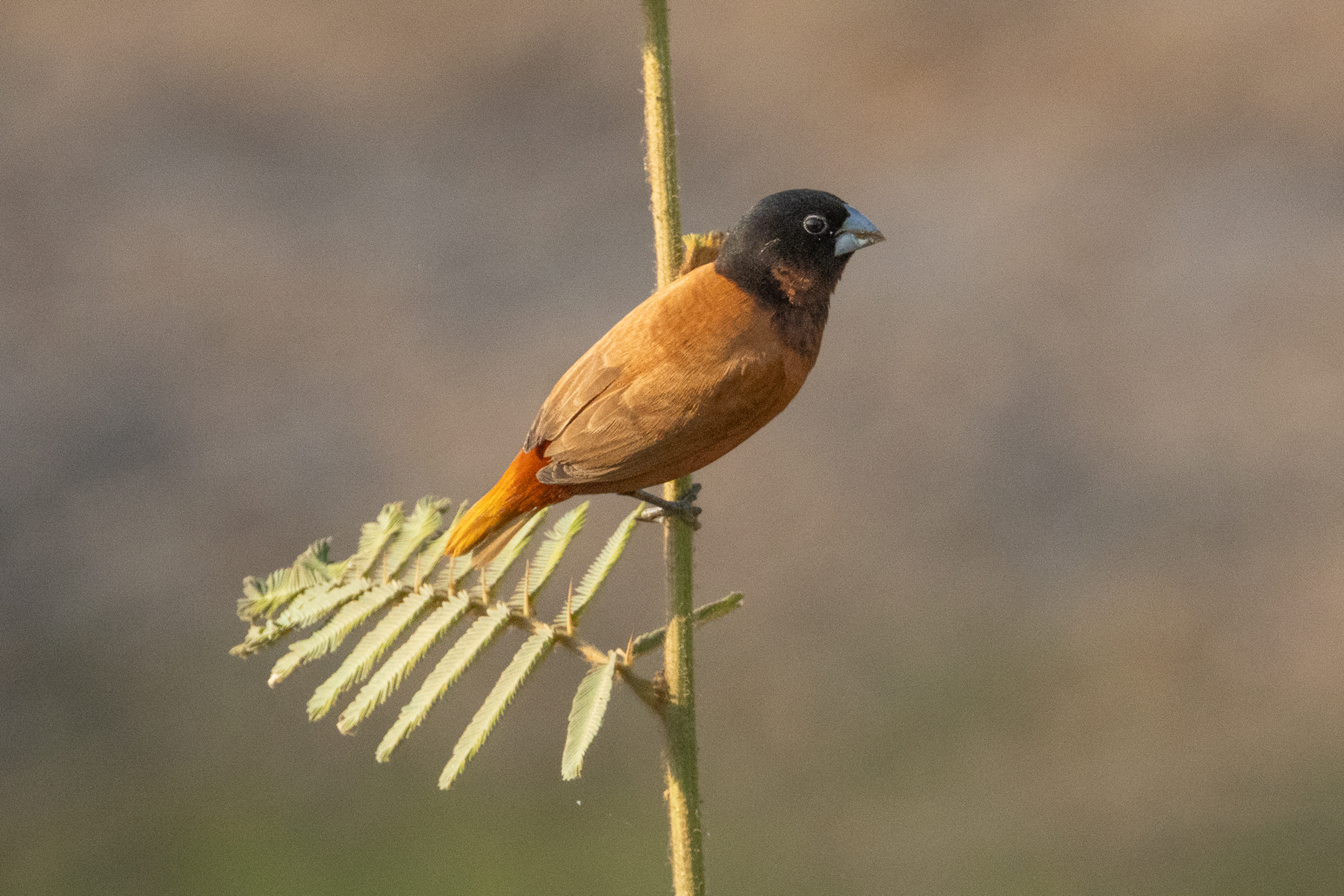
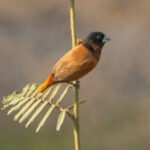
Chestnut Munia (image by Vincent van der Spek)
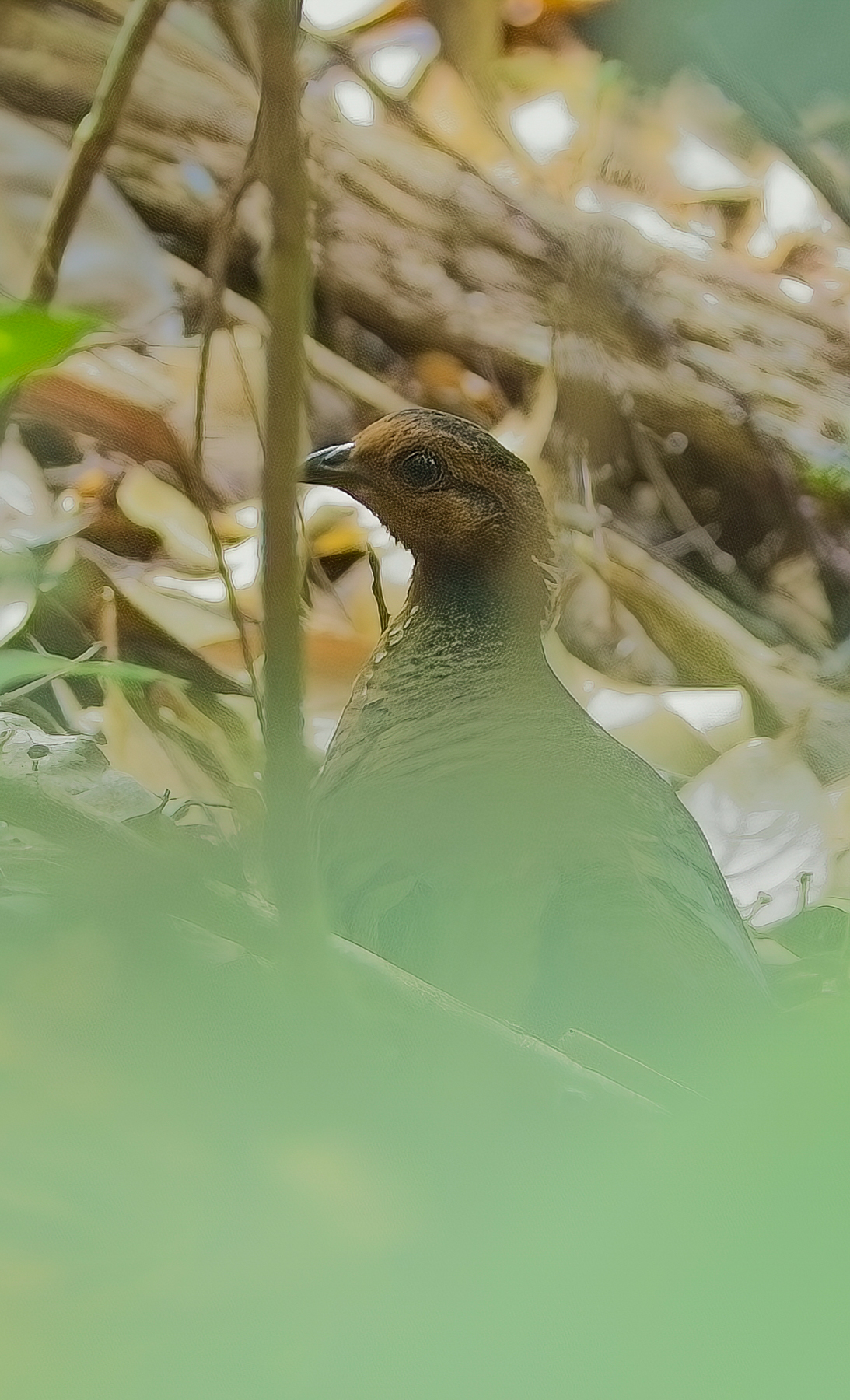
Chestnut-headed Partridge (image by Andre D'Penha)
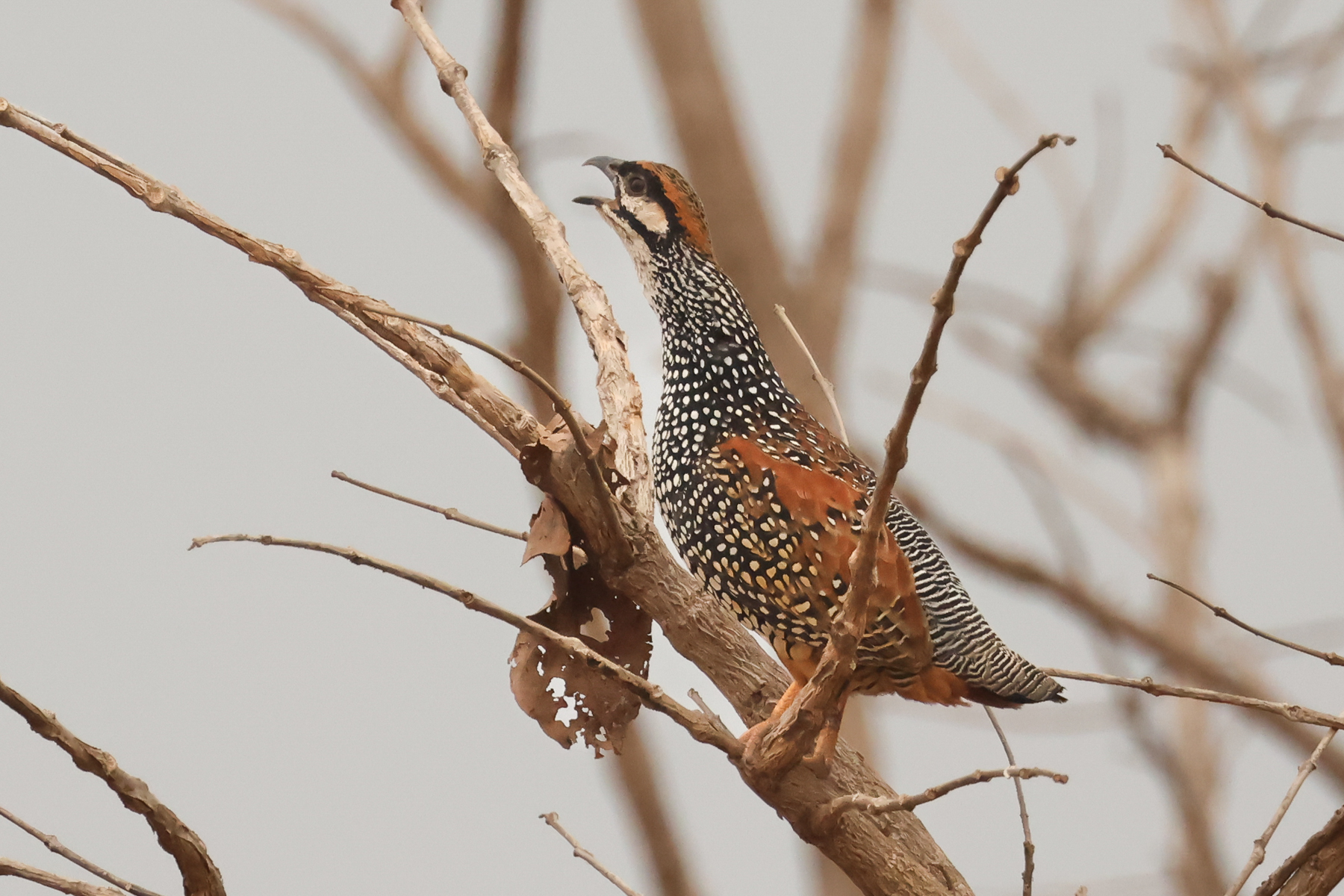
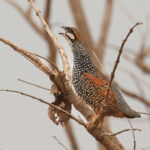
Chinese Francolin (image by Vincent van der Spek)
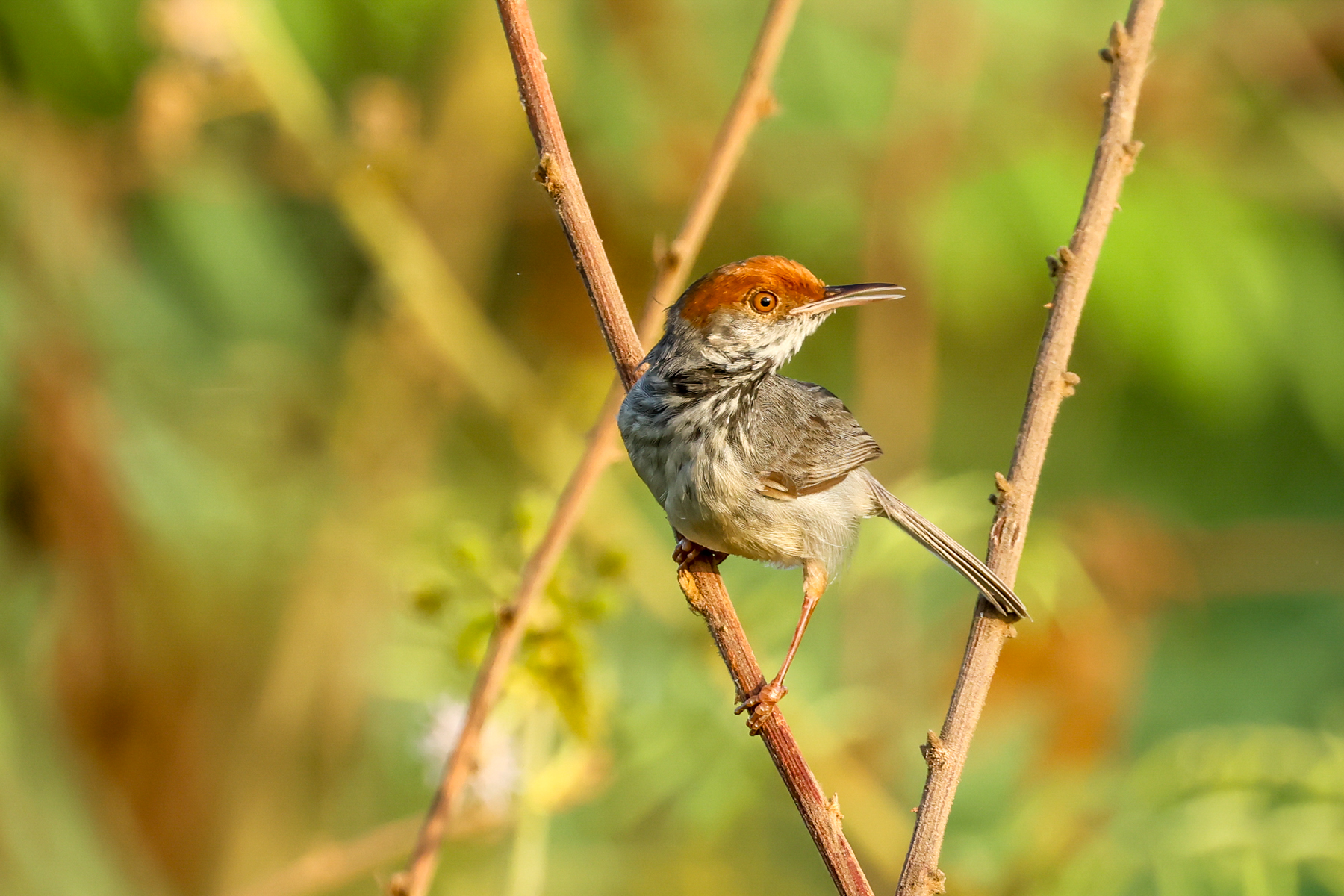
Cambodian Tailorbird (image by Vincent van der Spek)
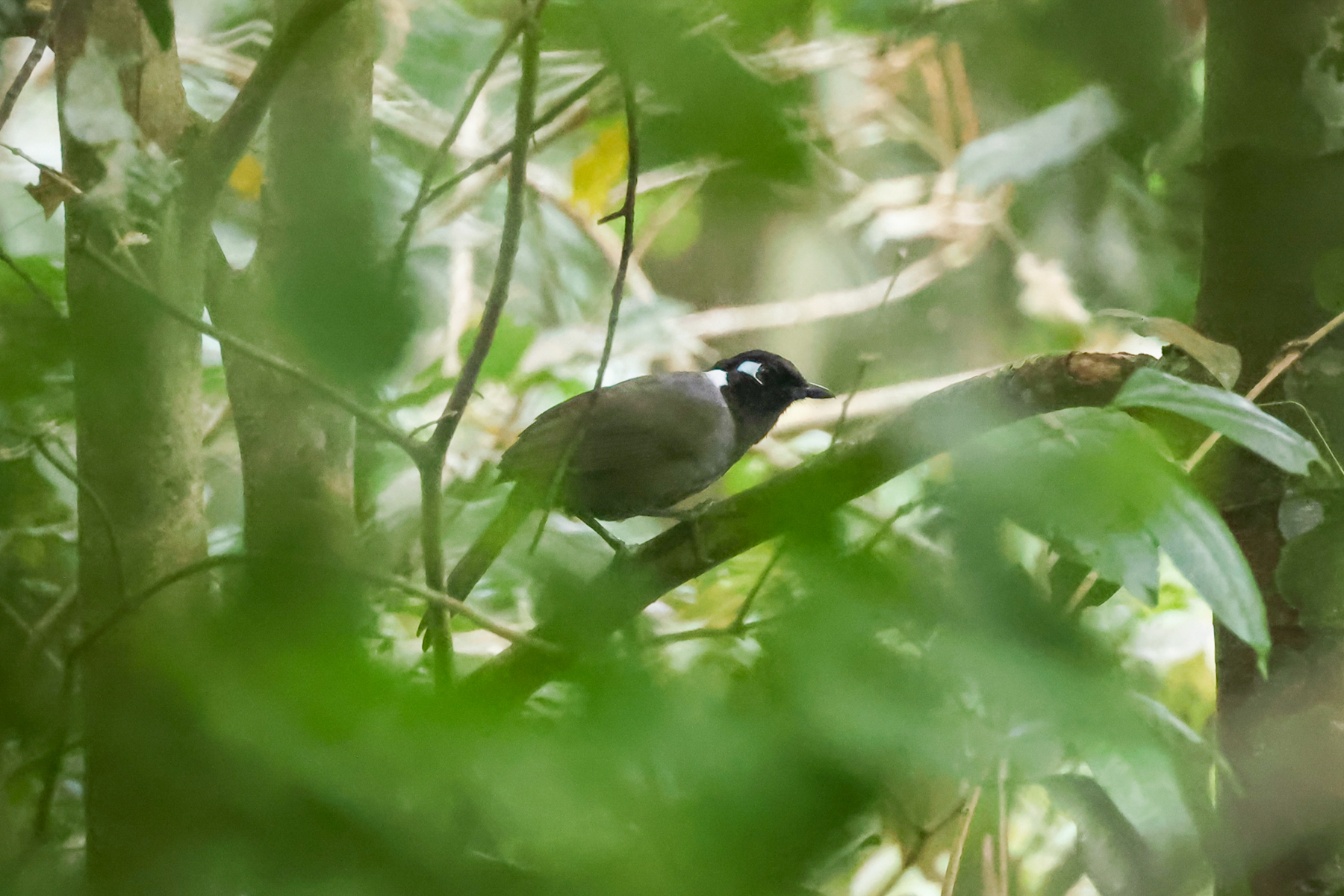
Cambodian Laughingthrush (image by Vincent van der Spek)
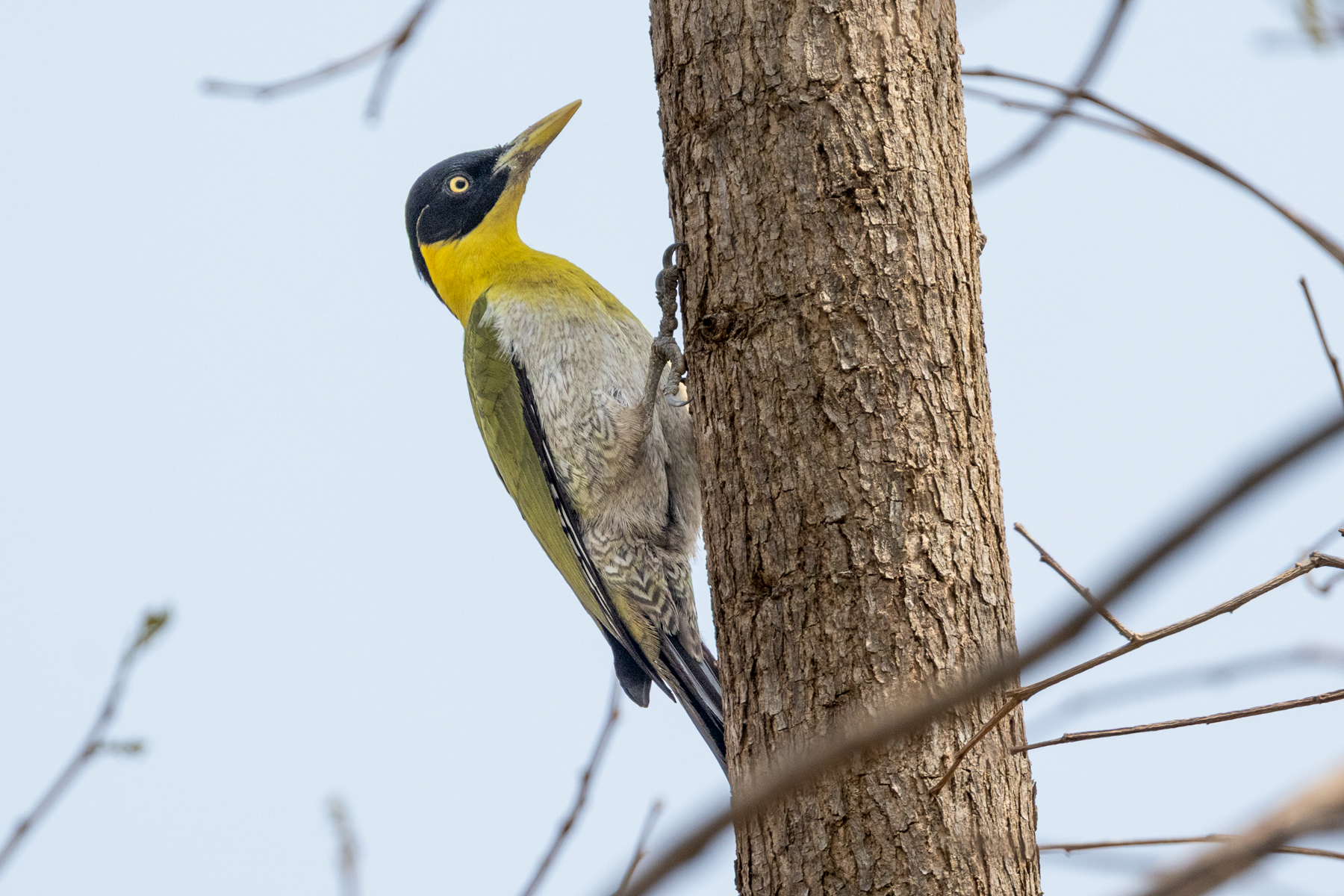
Black-headed Woodpecker (image by Vincent van der Spek)
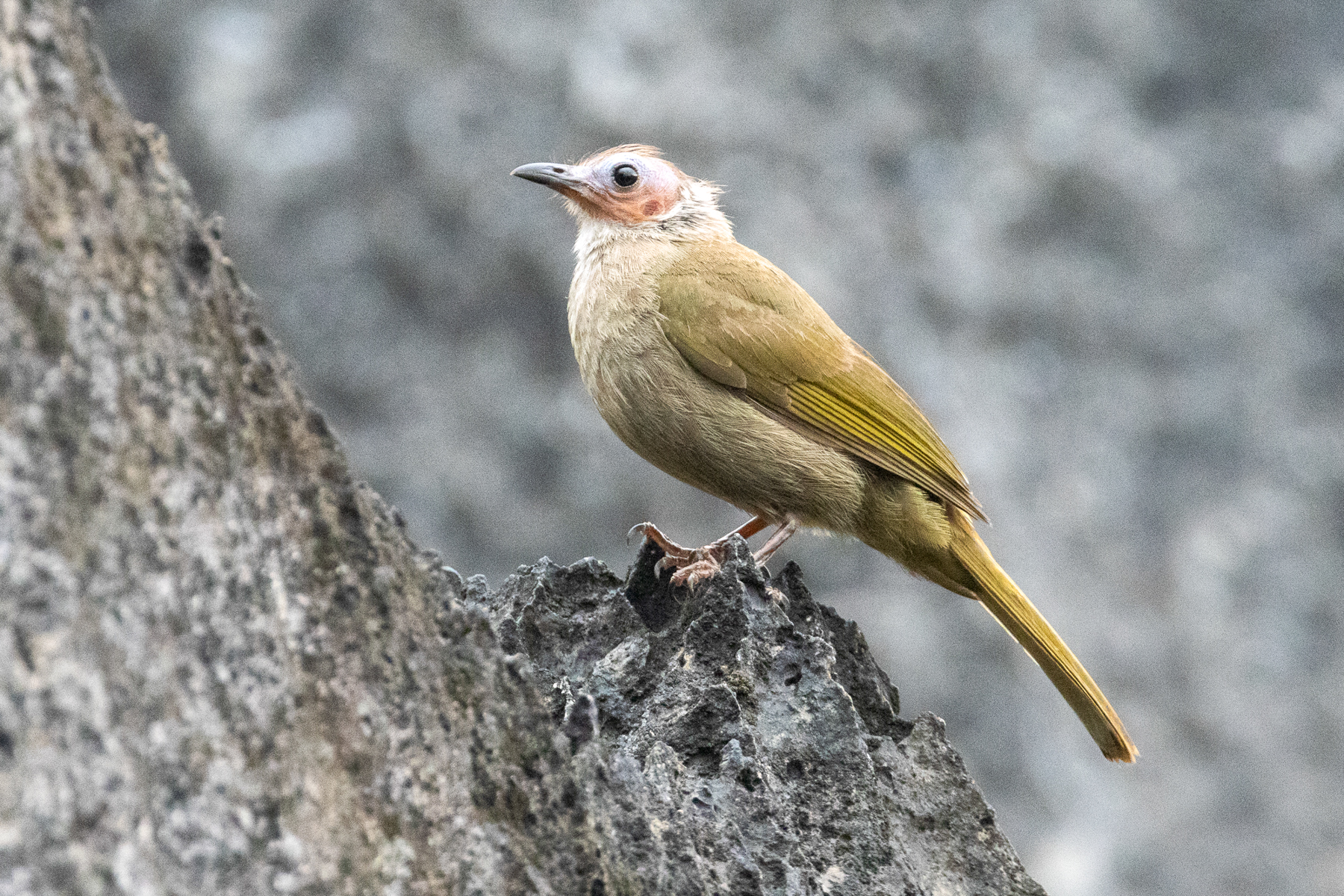
Bare-faced Bulbul (image by Vincent van der Spek)
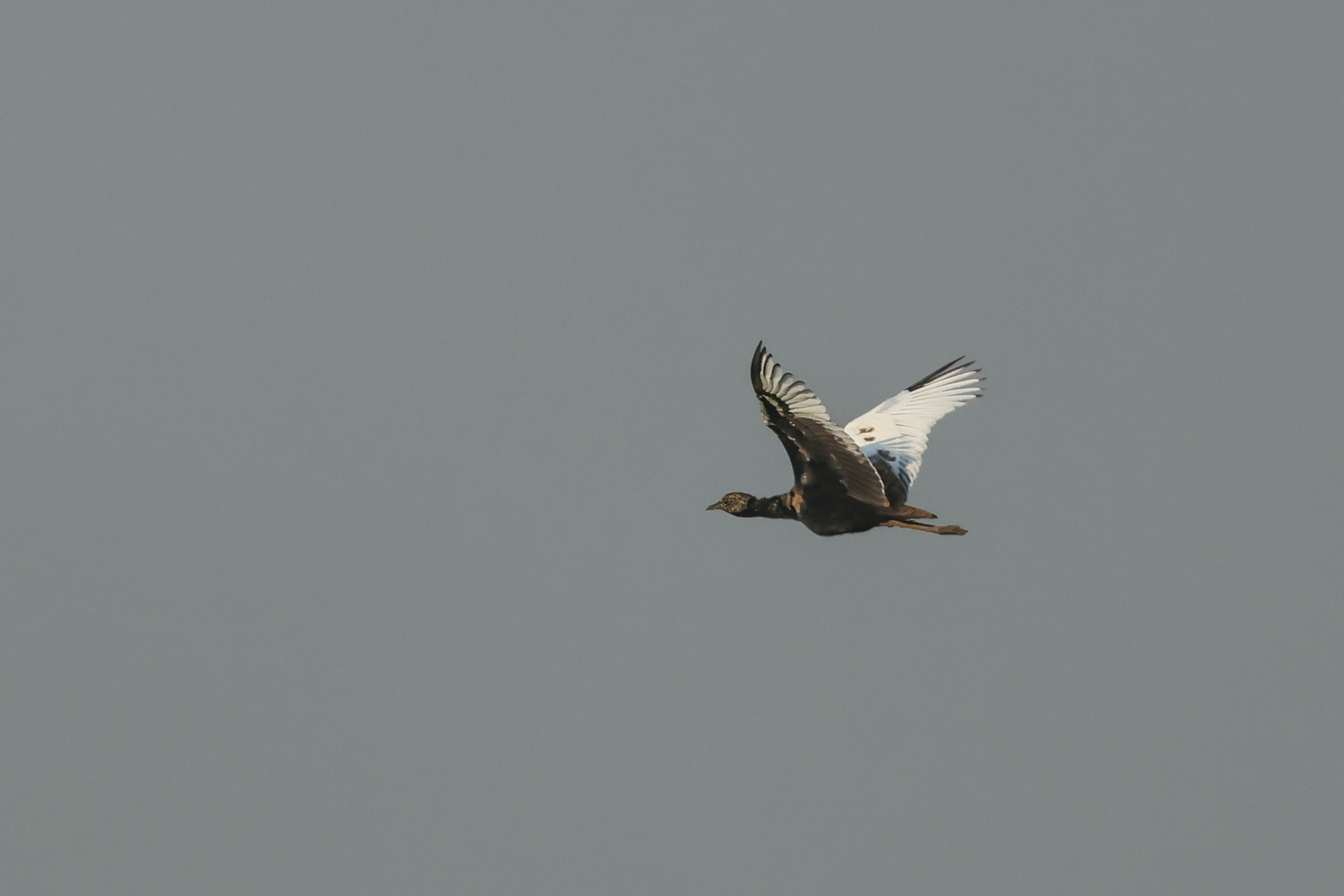
Bengal Florican (image by Vincent van der Spek)
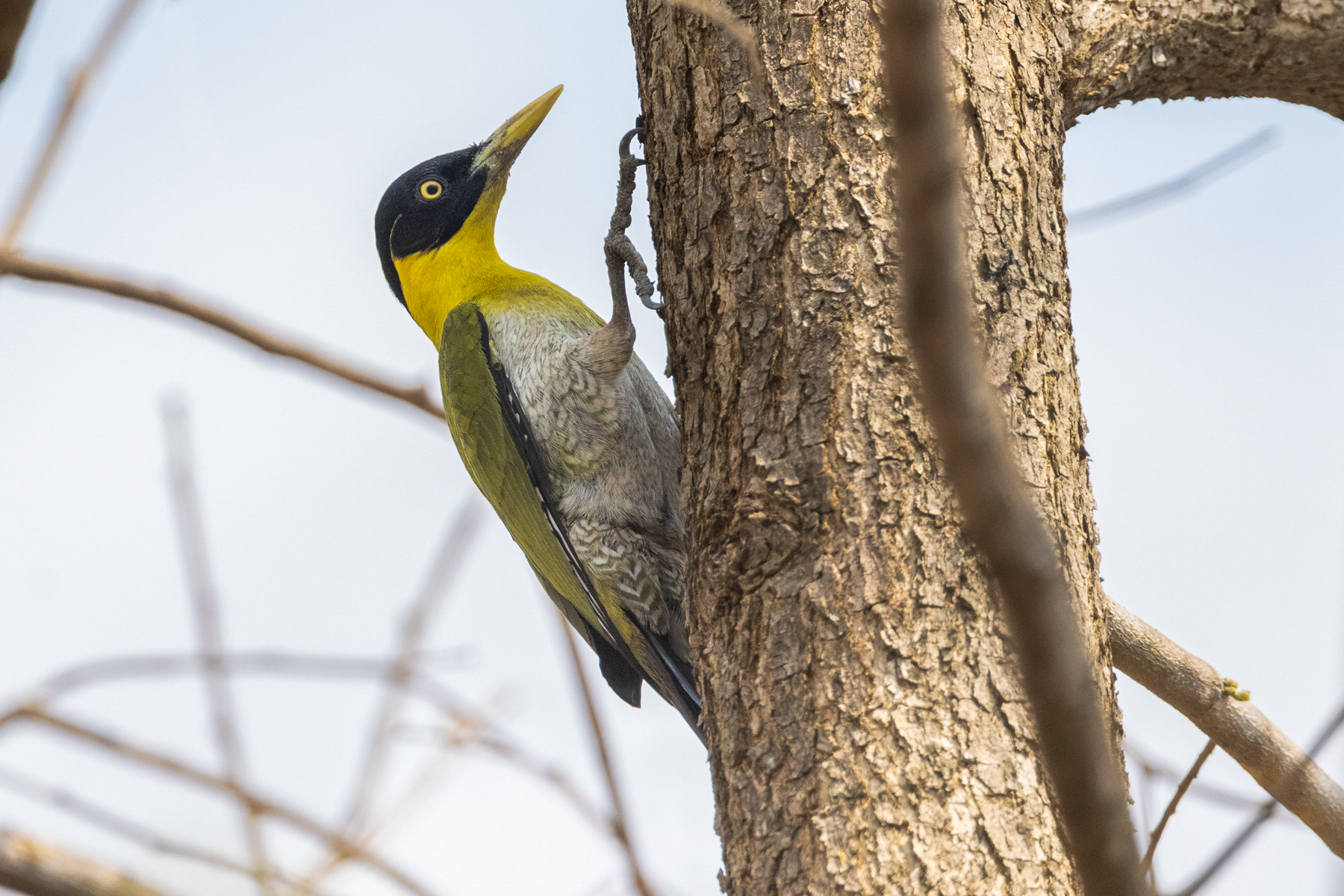
Black-headed Woodpecker (image by Vincent van der Spek)
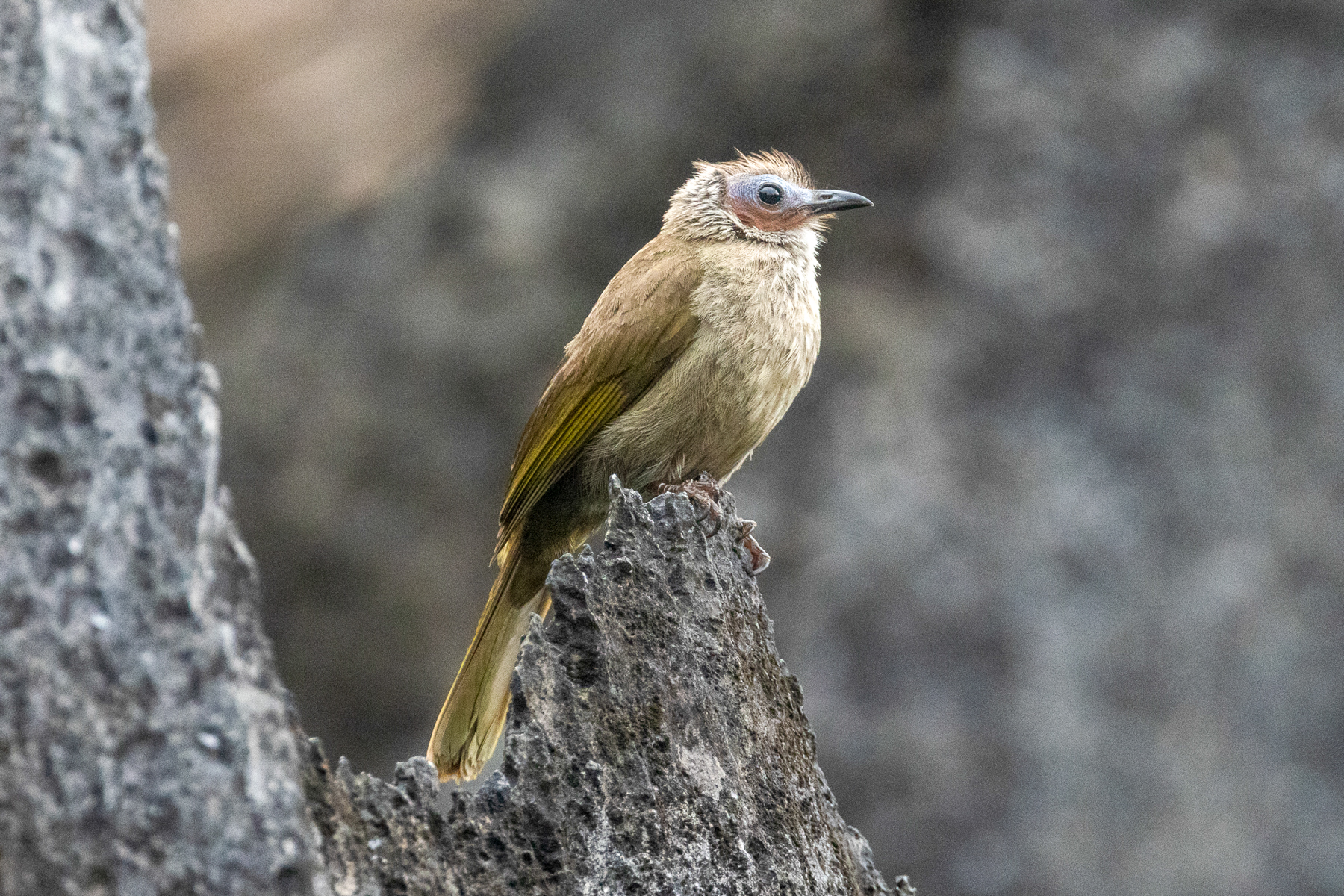
Bare-faced Bulbul (image by Vincent van der Spek)
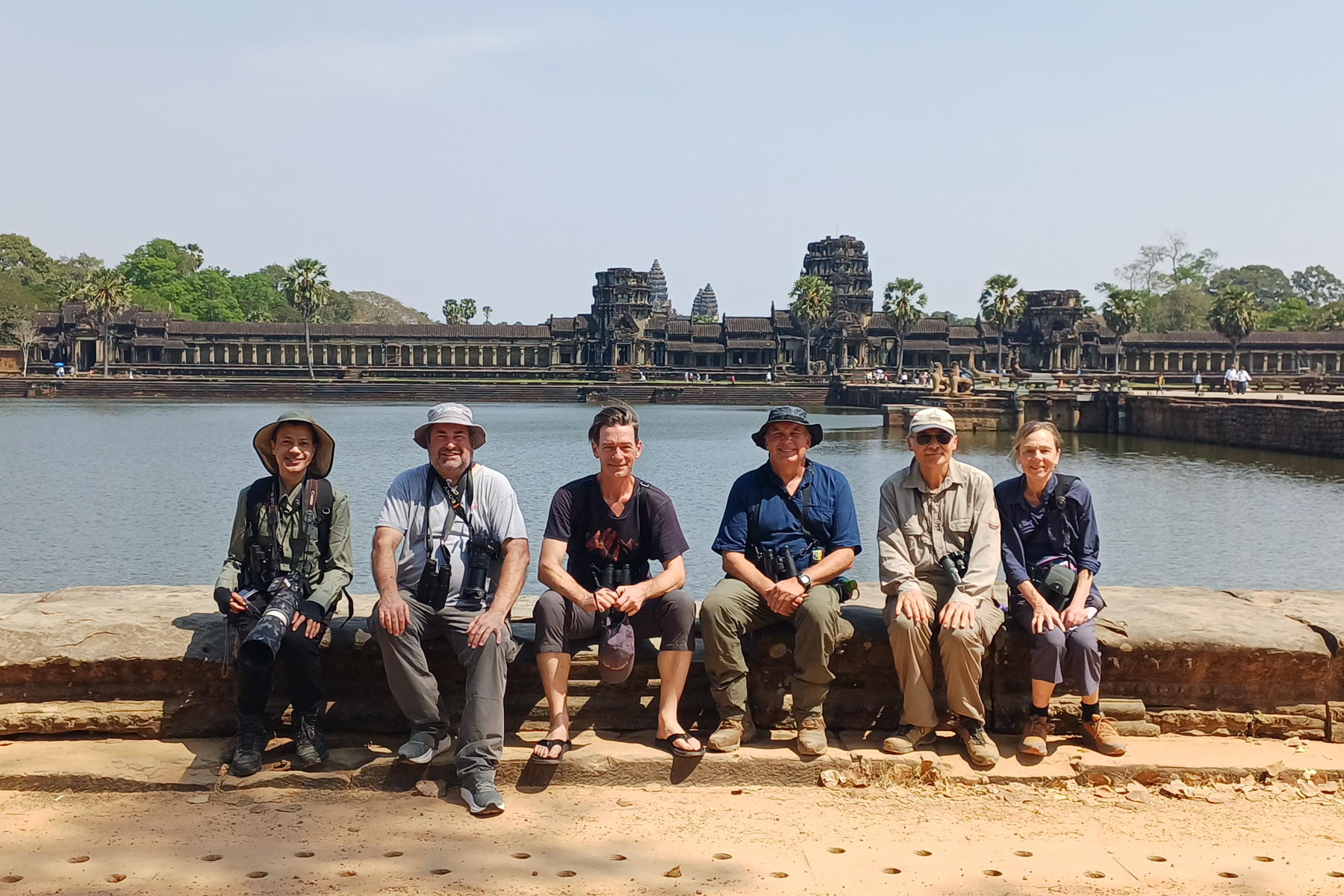
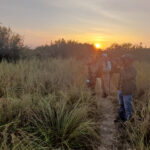
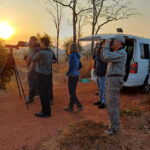
Group at Angkor Wat, Cambodia (image by Vincent van der Spek)
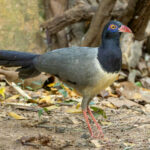

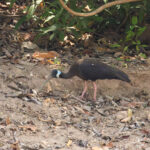



Coral-billed Ground Cuckoo (image by Vincent van der Spek)
Greater Adjutant (image by Vincent van der Spek)
Sooty Babbler (image by Vincent van der Spek)
Cambodian Tailorbird (image by Vincent van der Spek)
Yellow-breasted Bunting (image by Vincent van der Spek)
White-shouldered Ibis (image by Lindsey Napton)
Angkor Wat, Cambodia (image by Vincent van der Spek)
Oriental Scops Owl (image by Vincent van der Spek)
White-throated Rock Thrush (image by Vincent van der Spek)
Great Hornbill (image by Vincent van der Spek)
Chinese Grassbird (image by Vincent van der Spek)
Irrawaddy Dolphin (image by Vincent van der Spek)
Collared Owlet (image by Vincent van der Spek)
Greater Adjutant (image by Vincent van der Spek)
Oriental Honey Buzzard (image by Vincent van der Spek)
Mountain Scops Owl (image by Vincent van der Spek)
White-shouldered Ibis (image by Vincent van der Spek)
Black-headed Woodpecker (image by Vincent van der Spek)
White-shouldered Ibis (image by Vincent van der Spek)
Spot-billed Pelicans (image by Vincent van der Spek)
White-rumped Falcon (image by Vincent van der Spek)
White Shouldered Ibis (image by Vincent van der Spek)
Sooty Babbler (image by Vincent van der Spek)
Blyth's Frogmouth (image by Vincent van der Spek)
Singing Bushlark (image by Vincent van der Spek)
Russey Treb (image by Vincent van der Spek)
Bare-faced Bulbul (image by Vincent van der Spek)
Rufous-bellied Woodpecker (image by Vincent van der Spek)
River Tern (image by Vincent van der Spek)
Radde's Warbler (image by Vincent van der Spek)
Pursat (image by Vincent van der Spek)
Sooty Babbler (image by Vincent van der Spek)
Painted Stork (image by Vincent van der Spek)
Cambodian Laughingthrush (image by Vincent van der Spek)
Oriental Scops Owl (image by Vincent van der Spek)
Lesser Adjutant (image by Vincent van der Spek)
Milky Stork (image by Vincent van der Spek)
Oriental Honey Buzzard (image by Vincent van der Spek)
Cambodia Birding (image by Vincent van der Spek)
White-throated Rock Thrush (image by Vincent van der Spek)
Yellow-breasted Bunting (image by Vincent van der Spek)
Large Scimitar-babbler (image by Vincent van der Spek)
Green-eared Barbet (image by Vincent van der Spek)
Laos Langur (image by Vincent van der Spek)
Konglor Cave (image by Vincent van der Spek)
Hybrid Milky X Painted Stork (image by Vincent van der Spek)
Irrawaddy Dolphin (image by Vincent van der Spek)
females Green Peafowl (image by Vincent van der Spek)
Ban Nahin, Laos (image by Vincent van der Spek)
Green-eared Barbet (image by Vincent van der Spek)
Green-legged Partridges (image by Vincent van der Spek)
Eastern Marsh Harrier (image by Vincent van der Spek)
Cambodian Tailorbird (image by Vincent van der Spek)
Bare-faced Bulbul (image by Vincent van der Spek)
Chestnut Munia (image by Vincent van der Spek)
Chestnut-headed Partridge (image by Andre D'Penha)
Chinese Francolin (image by Vincent van der Spek)
Cambodian Tailorbird (image by Vincent van der Spek)
Cambodian Laughingthrush (image by Vincent van der Spek)
Black-headed Woodpecker (image by Vincent van der Spek)
Bare-faced Bulbul (image by Vincent van der Spek)
Bengal Florican (image by Vincent van der Spek)
Black-headed Woodpecker (image by Vincent van der Spek)
Bare-faced Bulbul (image by Vincent van der Spek)
Group at Angkor Wat, Cambodia (image by Vincent van der Spek)


CAMBODIA & LAOS TOUR REPORT 2026

11 - 28 February 2026
Vincent van der Spek
Cambodia and Laos host a series of very special birds, some (near) endemic, while others with wider ranges are exceedingly rare and/or very hard to find elsewhere. A series of regional endemics further adds to the flavour. The habitats of this tour are diverse, with subtropical mountain, limestone karst and lowland dry forests, riverine environs, grass plains and the most spectacular lake in all of Southeast Asia. Along with this diversity in habitats comes a diverse avifauna. In the months leading up to the tour a border conflict between Thailand and Cambodia escalated. By far most of Cambodia was still safe, but some border areas were off-limits, forcing us to change our itinerary in the north. I was a bit worried about our chances to see Giant and White-shouldered Ibis, two key species, but I shouldn’t have as there were alternative sites for these two critically endangered species. The birding at the ‘new’ sites was excellent. This year’s tour was highly successful. We saw all of our main targets on the pre-tour to Phnom Aural, with the endemic Cambodian Laughingthrush and the near endemics Chestnut-headed Partridge and Cambodian Flowerpecker all seen well. The supporting cast was great and included the difficult Bamboo Woodpecker, as well as Jerdon’s Baza, Mountain Scops Owl (seen), Banded, Long-tailed and Silver-breasted Broadbills, Orange-breasted and Red-headed Trogons and Sulphur-breasted Warbler, and several (near) endemic subspecies. On the main tour we saw the endemic Cambodian Tailorbird as well as an impressive selection of globally threatened, range-restricted or otherwise difficult specialties like Green Peafowl, Giant and White-shouldered Ibis, Milky Stork, Greater Adjutant, Bengal Florican, Coral-billed Ground-Cuckoo, Oriental Bay Owl, White-rumped Falcon, Manchurian Reed Warbler, Chinese Grassbird, Asian Golden Weaver, Mekong Wagtail and Yellow-breasted Bunting. Species of the second tier included Green-legged Partridge, Sarus Crane, River Tern (a tour write-in), Spot-billed Pelican, Lesser Adjutant, Blyth’s Frogmouth, 14 species of woodpecker including Great Slaty, Yellow-crowned, Rufous-bellied, Streak-throated and Black-headed, Collared Falconet, Moustached Barbet, Large Scimitar Babbler (seen), Puff-throated Bulbul, Brown Prinia and Asian Pied Myna. Finally, on our post-tour extension to Laos we had incredibly good views of the endemic Bare-faced Bulbul and the near-endemic Sooty Babbler, and we found the elsewhere increasingly difficult Jerdon’s Bushchat. In all, we logged a respectable 327 species. Mammals are not a key feature of this tour, but nonetheless we saw three special species: Pileated Gibbon, the endemic Laos Langur and Irrawaddy Dolphin. This tour would not have been as successful without the assistance of Naran (Sophal Chaen) during the Cambodian leg of the trip. Rous was a helpful, punctual and most of all safe driver. Nathan Alblas, Bram Piot, Ayuwat Jearwattanakanok and Craig Robson helped out in various ways.
A part of the group met at a Phnom Penh hotel late in the afternoon for our adventurous pre-tour to Phnom Aural. We moved to Oudong where we had dinner. After an early breakfast the following morning we drove to Srei Ken Bei in a couple of hours where adventure began.
At the property of the local community leader we kicked off with an adult Rufous-bellied Eagle, a scarce bird in Cambodia. Not a bad start! We switched from a car to the trailer of a small tractor and drove another 8 km on a dirt track until we reached the base of the mountain. Today was the easy day. In two hours we walked up to the first camp, birding along the way. We crossed dry, degraded habitat with Brown and Grey-breasted Prinia’s and Crested Treeswifts before we entered a zone with bamboo thickets and very few trees. Ongoing logging is an issue here. We bagged our first target quite soon in a decent mixed flock: the recently split and now near-endemic Cambodian Flowerpecker. During our days on the mountain we found several, especially at the lower parts. Around the camp we found goodies like Great Hornbill, Blue Whistling Thrush and a lovely Collared Falconet. Highlight of the afternoon was a pair of the range-restricted Bamboo Woodpeckers that eventually showed, a bird that otherwise can only be seen on our Thailand and Malaysia tours. After dinner we could hear the calling Great Eared Nightjars from our tents.
Today we did a serious hike, including some sections that were quite steep. Ropes at the side of the trail helped us keep our balance. The hike to camp 2 normally takes 4-5 hours, but we of course birded our way up, so it took us two hours longer. A serious effort, but the rewards at Aural are great, with two birds that relatively few people have seen: Chestnut-headed Partridge and Cambodian Laughingthrush. When we saw a pair of Banded Broadbills only ten minutes after we left camp 1 we knew we were up for something special. We got no response at Naran’s first stakeout for Chestnut-headed Partridge, a species that can only be found in Cambodia and a remote part of Thailand. At a second site we only got a distant response. We climbed up further when I heard some movement on the dry leaves on the forest floor. Moments later we were watching four partridges right next to the trail! We reached the upper camp at (late) lunch time. Despite the heat of the day we entered a trail and started birding. We soon heard a massive flock. Tension rose when some silent laughingthrushes passed by through the dense vegetation. We finally got our bins on one, but were left slightly disappointed when we found out it was a Lesser Necklaced. As laughingthrushes can occur in mixed flocks we went off-trail to have a better look at the other birds. And indeed, soon we were watching at least five Cambodian Laughingthrushes! Mission accomplished, already. Other birders had recently dipped one or even two of the mountain’s specialties. We’d now seen all of them with more than a day to go. Today’s supporting cast was also excellent with Wreathed and Great Hornbills, the scarce Asian Emerald Cuckoo, a showy Collared Owlet, Orange-breasted Trogon and Long-tailed Broadbill, as well as the local forms of Streaked Wren Babbler and Mountain Bulbul. The mammalian highlight came in the form of a pair of Pileated Gibbons. Their epic calls can be heard in many places on Aural, but you need a bit of luck to see them. What a brilliant day.
With the pressure off, we were able to focus on ‘secondary’ targets for an entire day. What a luxury! We kicked off a great morning with a singing Square-tailed Drongo Cuckoo. Yesterday we’d heard several Blue Pitta’s. With some patience we now had wonderful views of this jewel of the forest floor. A male Red-headed Trogon popped into view while we were (successfully) scanning for Silver-breasted Broadbills, with Long-tailed Broadbill also thrown in for good measure. We tried another trail that was rather quiet, but we enjoyed the scenery near a waterfall that held a pair of Slaty-backed Forktails. On the way back to camp we hit the jackpot with another flock of Cambodian Laughingthrushes, that again showed well. A nice mixed species flock around the camp included a singing Sulphur-breasted Warbler. After lunch we birded from the observation deck where we kept an eye on the sky for raptors as well as the canopy for passing flocks. Another Drongo Cuckoo showed really well, and yesterday’s Asian Emerald Cuckoo was still present. Raptors came in the form of Oriental Honey Buzzard (2), Crested Serpent Eagle (2), Black Eagle and a welcome Jerdon’s Baza. Like yesterday, it was strangely quite along the trails late in the afternoon. A bit of a deception after such a lovely day. After dark we did one of the shortest owling sessions imaginable when, quite amazingly, a Mountain Scops Owl showed within ten minutes. Despite this is a common species in the right habitat, they can be a pain to find, but tonight the very first bird I tried performed nicely. In the meantime a group of hikers had arrived, ready to go all the way up to the peak (another 600m ascent) the following morning. Lovely people, but we expected to have the mountain all to ourselves! Despite one of the weirdest and loudest snorers in the history of mankind (that also talked in his sleep), we were fortunately tired enough to fall asleep in our tents. Sweet dreams we had!
On the final day of the pre-tour walked back down in one long haul, birding along the way. We heard but did not see Green-legged and Chestnut-headed Partridges. Laced Woodpecker was new for the list and we saw another showy Cambodian Flowerpecker. When we finally arrived at the base of the mountain, our calves sore and our knees somewhat overloaded from the descent, we were overheated, tired and hungry, yet perfectly happy. What an adventure this had been! As if sent from heaven, the local community leader waited for us with ice cold cokes. We were desperate for a shower and a rest but we had to wait a bit longer since our car broke down. During the wait we saw a family of Thick-billed Flowerpeckers. That shower felt even more welcome after we’d finally reached our hotel in Oudong. At dinner we met the rest of the group that had arrived for the main tour.
On the first morning of the main tour we birded the lovely countryside just outside Oudong. We managed to see a nice selection of open country, scrub and marsh birds, like Cinnamon and Yellow Bitterns, Plaintive Cuckoo, Indochinese Bushlark, Oriental Reed and Dusky Warbler and Baya Weaver. A Pallas’s Grasshopper Warbler showed nicely. The first ‘important’ bird of the main tour was a nest-building male Asian Golden Weaver. Building is not really the right word, it was redecorating, taking out straws from his cone-shaped nest. The fuzzy females – of which we later saw two – apparently were not impressed by his earlier attempt to build a home for future baby weavers. Our main target of the morning was the endemic Cambodian Tailorbird, a bird with a tiny range. This was about our only chance to see it. Fortunately they are usually easy to find and indeed a male performed well right in front of our noses, pleasing the birders with cameras. The same bush also produced two welcome Yellow-breasted Buntings. After a fine morning we moved on to Pursat, where we visited an area with seasonally inundated grasslands. The place was teeming with birds. Before we even got out of the van we saw the scarce Siamese Pied Starling and the beautiful Plain-backed Sparrow, while Pied and Eastern Marsh Harriers were patrolling the area. We worked our way through the tall floodplain grasslands on foot looking for one bird in particular: Chinese Grassbird. This very patchily distributed species was only found in Cambodia as recent as 2013. Natural grasslands are under pressure and this species has therefore disappeared over much of its former range. It took some effort before we enjoyed good views of this skulking babbler (it is actually not a warbler). Quite typically we then saw one after the other and in the end we logged about seven. Other birds included Greater Painted Snipe, Yellow-bellied Prinia, Striated Grassbird and Red Avadavat. We then started our search for Manchurian Reed Warbler. One sang back but did not come closer. Around dusk we found a small marsh that seemed to be filled with reed warblers, but they were extremely hard to see well in the thick reeds. There were loads of Orientals and at least one Black-browed (with more heard), but it wasn’t until dusk that a Manchurian briefly emerged, though not everybody saw it (well). Fortunately we had a back-up plan for this species later in the tour.
The following day we left Pursat early for a longer drive to the city of Siem Reap. After lunch we visited the impressive Angkor What, Ta Prohm and Bayan temples, an absolutely magical place. Having an excellent local guide put a lot of what we saw in perspective. Words cannot do Angkor Wat justice, except that even the large number of tourists hasn’t destroyed its mystical charm and beauty. The temples held two bat species, with the large Black-bearded Tomb Bats at Ta Prohm showing their black beards (actually a thick black throat stripe). Bayan held a swarm of a smaller species, probably the Exotic Roundleaf Bat. Hadn’t their constant calling given them away, the smelly pile of faeces on the floor would have. The surrounding forest held some nice birds, with both Great and Oriental Pied Hornbills, Blue and a splendid male White-throated Rock Thrush, Red-breasted and Alexandrine Parakeets and a welcome Black-capped Kingfisher. When Naran went off trail he flushed a vagrant White’s Thrush that unfortunately none of us got to see.
Prek Toal is an experience not to be missed, one of the highlights of the tour indeed. This huge lake in west Cambodia supports the largest waterbird colonies in all of Southeast Asia, that include some rare and sought-after species. The sheer number of herons, storks, cormorants and pelicans is truly spectacular. We covered quite a distance in a large, rather noisy boat that took us to a floating village at the other side of the lake. Despite the fairly high speed we picked up a few flocks of White-shouldered Starlings and two Brown-backed Needletails. Two White-winged Black Terns were seen amongst the numerous Whiskered. In the floating village we switched to two smaller boats and went into the canals. It was teeming with birds. Oriental Darters, cormorants, egrets and herons were everywhere. Spot-billed Pelican was pleasantly common. We first saw Lesser and then our first Greater Adjutant of the day. What a massive beast! At least four more would follow. Soaring with storks and pelicans – not the tiniest of birds – their size was even more impressive. We climbed an observation platform that overlooked the impressive mixed colonies, with the pelican, Asian Openbill and Painted Stork being the most evident species. Pallas’s Grasshopper Warblers sang in the background. The trick was to find the rare and endangered Milky Stork. A few pairs of this otherwise strictly coastal species breed at Prek Toal. There were kettles with pelicans and storks everywhere so finding one was not an easy task. Naran scanned the immense colony, I scanned the soaring birds. Half an hour later we cheered too early when a bird with seemingly all white wing-coverts turned out to be a bit less white than it first appeared. It had dark ‘freckles’ in many places, making it a hybrid Milky × Painted Stork! After an hour I started to worry. It was unusually crowded with birders today. For safety reasons, only one group at a time is allowed on the observation deck. In the meantime more and more boats came in, waiting for us to leave. Reluctantly we decided to go down and get back in line and wait for the others to be finished. It would mean a long wait, but if you want an omelette… I did one more scan before I climbed down and couldn’t believe my eyes when an adult Milky Stork just made its way to the colony! Fortunately everybody got on it. I just couldn’t believe our luck! We made our way back to the floating village with happy faces, where we wandered around, did some shopping, relaxed for a little bit and had lunch. Of the six groups of birders this day, only two connected with the stork, so we’d been lucky. We made our way back at a much slower pace, through some interesting canals, adding several ducks and waders to our trip list. We arrived back at the hotel fairly early and had a rare relaxing late afternoon.
We had an even earlier start than the previous two days and drove to the Changkran Roy community forest. At sunrise we passed some lovely countryside that held many birds. A Chinese Francolin sang from the top of a dead tree and the only Spotted Owlets of the trip were also appreciated. After a belated breakfast in the forest we entered a Coral-billed Ground Cuckoo hide, not realising it was going to be a tough morning. We sat. And we sat. Basically nothing happened. No ground cuckoo, but no other birds either. Five hours later we’d seen little more than some White-crested Laughingthrushes and, the highlight of the morning, a juvenile Oriental Honey Buzzard that came in for a drink at incredibly close range. After a late lunch we moved to another hide. At least this hide had loads of birds that kept us entertained. We tallied 18 species in front of our noses, including Green-legged Partridge, Hainan Blue Flycatcher, Siberian Blue Robin and a male White-throated Rock Thrush. A ground cuckoo called repeatedly, but fairly distant. Birds came and went as the afternoon progressed. A pleasant surprise was a Large Scimitar Babbler coming in for a drink, a species that is not rare but notoriously difficult to see, making it a good afternoon. Thanks to some keen eyes in the group it became a great one when a fairly well-hidden ground cuckoo was spotted in a vine. It then dropped to the deck and disappeared. Most of us connected with it, but not everybody. When it got too dark for birding we left, some euphoric, others heavy-hearted. The night birding would cheer up everybody. Before dinner both Brown Hawk Owl and Collared Scops Owl were calling, of which we saw the former, and a Large-tailed Nightjar flew by. After dinner we followed a local tracker. Deep in the forest a cat and mouse game with the holy grail of the Southeast Asian owls followed. An Oriental Bay Owl was playing hard to get, but in the end we all got our bins on it. We ended this superb day in style with a nice male Blyth’s Frogmouth.
We got up very early and settled ourselves in a hide before sunrise. About three ground cuckoos were present this morning, though they were super shy. Each time they entered the open area in front of the hide, they quickly ran away again. Finally one briefly showed completely out in the open. Not only everybody connected with this special species today, the views were also much better than yesterday. What a great bird. And so huge. This was next level stuff! After we’d left the hide, we birded our way back to our accommodation, picking up several new species like the exquisite Van Hasselt’s Sunbird. After lunch we drove back to Siem Reap.
We left Siem Reap behind and headed for the Tonle Sap floodplain before sunset. Here some natural grasslands still occur, the breeding habitat for the critically endangered Bengal Florican. We had breakfast out on the beautiful plain, the rising sun lightening up the Pied and Eastern Marsh Harriers that regularly passed by. Singing and Oriental Skylarks were singing their longs out. Oriental Pratincoles, Richard’s and Red-throated Pipits, Bluethroats and Chestnut Munia’s were appreciated additions to our growing bird list. In the meantime flocks of storks, egrets, cormorants and pelicans flew by. Local rangers helped us in our search for the goodies and it didn’t take long before we saw a male Bengal Florican in flight. Sarus Crane was our next quarry and the rangers knew just where to find a pair with a fully grown juvenile. They were distant, but we enjoyed fine scope views. Next up was Manchurian Reed Warbler for those who’d missed it at Pursat, at an almost dried up pool with only a few clutches of reed surrounding it. It still managed to stay hidden most of the time, but in the end we all connected with it. We saw some Asian Pied Myna’s in the process. We then moved north during the heat of the day, where we birded the Techo Sen Russey Treb Park for the next few days that is normally not included in our itinerary. It was birdy and we logged a number of the more common dry forest birds, like Blossom-headed Parakeet, Indochinese Cuckooshrike and Brown Prinia. Bonus birds were a roosting Eastern Barn Owl (a great find from one of the group members) and a nice male Siberian Rubythroat. Naran taped in an Asian Barred Owlet that showed well. At dusk we waited at an Asian Woolly-necked Stork roost, that were often joined by a lone White-shouldered Ibis. 20 storks came to roost, but unfortunately the ibis was missing in action.
We started the next morning very well, with scope views of three Giant Ibises at a roost. A great day with no less than 109 species followed. North Cambodia is woodpecker haven and we logged no fewer than eight species today, that included the largest species in the world (Great Slaty) as well as one of the most beautiful species (Black-headed), that was pleasantly common. On top of that we saw the very scarce Streak-throated, and the uncommon Yellow-crowned. Other good birds included showy Chinese Francolins, Violet Cuckoo, three Burmese Nuthatches, a nesting White-browed Fantail and, best of all, a splendid male White-rumped Falcon. White-shouldered Ibis however remained elusive. We had a successful night birding session that started with a Savannah Nightjar that put up a little show, followed by three Brown Boobooks and an Eastern Barn Owl, and a heard-only Collared Scops Owl.
Again we tried hard for White-shouldered Ibis this day, checking many trapeangs (pools) as well as the Woollyneck roost for the third consecutive evening, but to no avail. Otherwise it was an interesting day. Like yesterday, the woodpeckers were a key feature with now nine species logged. Three were new for the list, including a pair of the gorgeous Rufous-bellied, lifting the total number of woodpeckers we saw in Russey Treb alone to an impressive eleven species. We also saw another pair of Streak-throated Woodpeckers, suggesting that area might be a good place for this scarce species in Southeast Asia. The open area at the fringe of the reserve was a nice change of scenery, with different birds. We found two rather unexpected species, the rare Short-toed Eagle and two wintering Manchurian Reed Warblers, the latter quite possibly a new species for the area. Streaked Weavers and Red-throated Pipits were common and both harriers and two Greater Painted Snipes competed for the smartest looking bird seen in the afternoon. A male Barred Buttonquail that showed well was welcome after a flushed leader-only on the day we arrived in the area. After dinner a Collared Scops Owl remained out of sight, but Oriental Scops Owl performed well. It surprised us by flying straight towards us, landing about three metres away from us. It didn’t even fit into the frames of our cameras! A great way to get rid of the disappointment of dipping the ibis.
Since we did not connect with White-shouldered Ibis, we left Russey Treb behind and drove to the seldomly visited Koh Sam Seb in the morning. It massively exceeded our expectations. Koh Sam Seb is a more quiet part of the Mekong, with some lovely side arms that hold river birds that are under pressure in much of their ranges. Despite this being our last full day in the country, we added ten species to our list. River Lapwing were regularly seen and the six River Terns were a tour write-in. Two Lesser Adjutants passed by, as were several raptors, most notably Grey-headed Fish Eagle and – finally – a Black Baza. It wasn’t before long that we came eyeball to eyeball with a showy pair of the near endemic Mekong Wagtail. Then the magic happened. My stabilized 16x bins came in handy when a distant White-shouldered Ibis was found along the shoreline. What a relief! We got much closer and had fine views. We pressed on, doing a circuit when we had our most unexpected sighting of the trip. Again the 16x did the trick when three unexpected Green Peafowls were seen on a sandy shore. Wow! This bird is rarely seen on our Cambodia tours. At the end of the side arm just before we entered the main river again, we found a pair of White-shouldered Ibises with a fully-grown juvenile, foraging on the river bank. We enjoyed fantastic views. We then moved on to Kratie, our final destination of the main tour. Since we’d seen the wagtails already, we fully focussed on the endangered Irrawaddy Dolphin. We saw about eight.
The following day was mostly spent travelling back to Phnom Penh for the end of the main tour, with a few stops along the way. A Collared Kingfisher during our lunch break was the only new bird we saw, a rather surprising write-in for the tour. We said goodbye to the excellent Naran and Rous and to those that did not join the extension to Laos. The airport at Vientiane was remarkably efficient, so after a delicious meal we arrived in our excellent hotel well in time for a highly desired rest.
The following morning we got up early and drove west, following the Mekong. We arrived in time for the dawn chorus at a scenic a part of the river, with sandy islands and green hills both behind us and at the other side of the river, across the border in Thailand. It took a while before our target woke up, but in the end we had scope views of five males and a female Jerdon’s Bushchat. This species has a limited range, and in most other countries it has become very scarce and very local. Laos is the centre of gravity for this declining species. Other notable birds were six Small Pratincoles (on the Thai side of the river), two River Lapwings, a bunch of Grey-throated Martins and a Wire-tailed Swallow that flew right over our heads. We then drove to the northeast, passing Vientiane again, to limestone country. We stopped for both breakfast and lunch along the way. We made good progress, and had ample time to bird Phou Pha Marn (Rockview Point). The scenery was amazing, with limestone karst and forest as far as the eye could see – a huge contrast with the deforested area we’d just crossed. Fortunately the karst is so inaccessible that it is safe, at least for now. A few years ago a boardwalk had been constructed here, making life for birders so much easier. We had hardly started our walk before we had point blank views of a small flock of Sooty Babblers. We watched them forage while they were hopping around and climbing rocks on the forest floor. When we reached a more open part we saw the first Bare-faced Bulbul in no time. This special endemic – intriguing rather than beautiful – was described as recent as 2009. With more than a full day to go, we’d now seen all major targets of our extension to Laos. Other nice birds at the site included Dusky Craig Martin, Hill Blue Flycatcher and both Thick-billed and Plain Flowerpeckers.
We thought we were up for a full day of relatively relaxed birding. We were not. With ongoing logging and hunting many birding sites are not productive anymore. We walked the Namsanam trail, but it was hard work. The trail was not only rather demanding in places but it was also shockingly quiet for what was quite decent forest. The hunting pressure seems to be so high that few birds remain, especially the larger species. In the afternoon we headed for the Konglor Cave, a lime karst cave that can be entered by boat. The weather had been unusually unstable for this time of year ever since we arrived and during our excellent lunch at our lovely homestay a storm broke loose as if it were the rainy season. After it cleared up, we headed for the cave. Again the birding in the area was very slow, despite the fantastic scenery, so we made the most out of it by visiting the impressive riverine cave system by boat, a truly wonderful experience. The identification of two bat species remained putative, but the third one seemed to be the endemic Annamite Roundleaf Bat, real big fellas.
We had two hours of birding left on our final day of the tour. We went back to the limestone karst area around the Rockview Point. Despite the dark clouds and some drops it was a lovely morning. We found six endangered Laotian Langurs including a newborn, only minutes after our arrival. Sooty Babblers were seen at several places and the Bare-faced Bulbuls allowed ridiculously close views. There were three Greater Flamebacks, a Hill Blue Flycatcher and a Radde’s Warbler. A Banded Kingfisher was repeatedly singing on the opposite slope, the first one to be reported on eBird at this site. We drove off only to stop minutes later, when we spotted a flock of Nepal House Martins from the car. A Streaked Wren Babbler was calling in the background. We left Laos behind in good spirits, after a successful trip.
Top five birds
1. White-shouldered Ibis
2. Coral-billed Ground Cuckoo
3. Bengal Florican
4. Cambodian Laughingthrush
5. Black-capped Kingfisher
SYSTEMATIC LIST OF SPECIES RECORDED DURING THE TOUR
Species marked with the diamond symbol (◊) are either endemic to the country or local region or considered ‘special’ birds for some other reason (e.g., it is only seen on one or two Birdquest tours; it is difficult to see across all or most of its range; the local form is endemic or restricted-range and may in future be treated as a full species).
The species names and taxonomy used in the bird list follows Gill, F., Donsker, D., & Rasmussen, P.(Eds). 2025. IOC World Bird List (v15,1).
Where the subspecies seen is/are known, these are often given in parentheses at the end of the species comment.
BIRDS
Lesser Whistling Duck Dendrocygna javanica
Cotton Pygmy Goose Nettapus coromandelianus
Indian Spot-billed Duck Anas poecilorhyncha
Chestnut-headed Partridge ◊ Arborophila cambodiana Near-endemic. Four seen well at Phnom Aural, where others were heard.
Green-legged Partridge ◊ Tropicoperdix chloropus Heard at Phnom Aural, two seen with more heard at Changkran Roy.
Green Peafowl ◊ Pavo muticus Three seen well on a sand bank along the Mekong at Koh Sam Seb were a surprise find. Subspecies imperator.
Red Junglefowl Gallus gallus
Chinese Francolin ◊ Francolinus pintadeanus One seen and one hear near Changkran Roy and fairly common around Russey Treb, where several were seen well.
Great Eared Nightjar Lyncornis macrotis Heard-only around camp 1 at Mount Aural.
Savanna Nightjar Caprimulgus affinis One seen well at Russey Treb.
Large-tailed Nightjar Caprimulgus macrurus A fly-by of a silent nightjar at dusk at Changkran Roy most likely belonged to this species.
Blyth´s Frogmouth Batrachostomus affinus A fine male seen well during night birding at Changkran Roy.
Crested Treeswift Hemiprocne coronata Regular at Phnom Aural and fairly common at Russey Treb.
Himalayan Swiftlet Aerodramus brevirostris Small numbers at Ban Nahin.
White-nest Swiftlet Aerodramus germani Widespread in Cambodia since the introduction of swiftlet nest factories, that we regularly saw in the countryside.
Silver-backed Needletail Hirundapus cochinchinensis 10+ needletails along the Namsanam Waterfall trail, Laos probably belonged to this species.
Brown-backed Needletail Hirundapus giganteus Two at Prekt Toal, four at Changkran Roy. Two unidentified needletails at Phnom Aural probably belonged to this species.
Asian Palm Swift Cypsiurus balasiensis
House Swift Apus nipalensis
Bengal Florican◊ Houbaropsis bengalensis Only one male seen well at Pralay Grasslands.
Greater Coucal Centropus sinensis
Lesser Coucal Centropus bengalensis
Coral-billed Ground Cuckoo ◊ Carpococcyx renauldi At least three at Changkran Roy, where one briefly showed very well. Changkran Roy is now the best place on earth to connect with this species. Beaten by White-shouldered Ibis by a very narrow margin as bird of the trip.
Green-billed Malkoha Rhopodytes tristis
Asian Koel (Common K) Eudynamys scolopaceus
Violet Cuckoo Chrysococcyx xanthorhynchusA female-type behind the restaurant at Russey Treb.
Asian Emerald Cuckoo Chrysococcyx xanthorhynchusA female-type seen well on two consecutive days at Phnom Aural, where it is a scarce species.
Banded Bay Cuckoo Cacomantis sonneratii
Plaintive Cuckoo Cacomantis merulinus
Square-tailed Drongo Cuckoo Surniculus lugubris Seen and heard well at two sites at Phnom Aural.
Indian Cuckoo Cuculus micropterus Two singles at Russey Treb, with one in the same tree as the following species.
Large Hawk Cuckoo Hierococcyx sparverioides One at Russey Treb showed very well.
Rock Dove (introduced) (R Pigeon) Columba livia
Red Turtle Dove (R Collared-d) Streptopelia tranquebarica
Spotted Dove Spilopelia chinensis
Common Emerald Dove Chalcophaps indica
Zebra Dove (introduced) Geopelia striata
Yellow-footed Green Pigeon Treron phoenicopterus Small numbers at Russey Treb.
Thick-billed Green Pigeon Treron curvirostra One heard-only at Changkran Roy.
Green Imperial Pigeon Ducula aenea Small numbers at Russey Treb.
Mountain Imperial Pigeon Ducula badia Small numbers at Phnom Aural.
Grey-headed Swamphen Porphyrio poliocephalus
Ruddy-breasted Crake Porzana fusca Seen in flight both at a small marsh on our way to Phnom Aural and at Pursat.
Watercock Gallicrex cinerea A single at the Kratie wetlands.
White-breasted Waterhen Amaurornis phoenicurus
Sarus Crane Antigone antigone A pair with juvenile at Pralay Grasslands.
Little Grebe Tachybaptus ruficollis
Common Buttonquail (Small B) Turnix sylvaticus Heard-only at Pralay Grasslands.
Barred Buttonquail Turnix suscitator. One flushed at Russey Treb was a leader-only, but the following day a male showed well at the fringes of the reserve.
Black-winged Stilt Himantopus himantopus
River Lapwing Vanellus duvaucelii Two at Ban Nasang along the Mekong River in Laos were expected, but ten at Koh Sam Seb probably were possibly the first ever in Cambodia on a Birdquest tour.
Red-wattled Lapwing Vanellus indicus
Pacific Golden Plover Pluvialis fulva
Little Ringed Plover Charadrius dubius
Pheasant-tailed Jacana Hydrophasianus chirurgus
Bronze-winged Jacana Metopidius indicus Two in some large lotus fields near Siem Reap, among the more common previous species.
Black-tailed Godwit (Eastern B-t G) Limosa [limosa] melanuroides
Common Snipe Gallinago gallinago
Pin-tailed Snipe Gallinago stenura
Greater Painted Snipe Rostratula benghalensis Two at Pursat and two at the outer fringes of Russey Treb. Always a delight.
Common Sandpiper Actitis hypoleucos
Green Sandpiper Tringa ochropus
Marsh Sandpiper Tringa stagnatilis
Wood Sandpiper Tringa glareola
Spotted Redshank Tringa erythropus
Common Greenshank Tringa nebularia
Oriental Pratincole Glareola maldivarum
Small Pratincole Glareola lactea Six at Ban Nasang, Laos.
Brown-headed Gull Chroicocephalus brunnicephalus Non-leader at Prek Toal.
Whiskered Tern Chlidonias hybrida
White-winged Black Tern Chlidonias leucopterus Two amongst the numerous previous species at Prek Toal. A scarce species along this itinerary.
River Tern Sterna auranti A tour write-in. This species is rare in Southeast Asia, so we were lucky to see six at the new site of Koh Sam Seb.
Asian Openbill Anastomus oscitans Abundant in Cambodia and dozens en route in Laos.
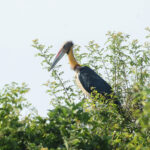
Lesser Adjutant Leptoptilos javanicus Up to six at Prek Toal, including two perched on top of a bush and two at Koh Sam Seb.
Greater Adjutant ◊ Leptoptilos dubius At least five at Prek Toal. One briefly seen perched.
Painted Stork Mycteria leucocephala
Milky Stork ◊ Mycteria cinerea One flew to the heronry at Prek Toal in the dying seconds of our stay on the observation tower.
Hybrid Milky x Painted Stork ◊ Mycteria cinerea x leucocephala A hybrid between the previous two species was also seen at Prek Toal.
Asian Woolly-necked Stork Ciconia episcopus Several at the base of Phnom Aural, and regular at Russey Treb where a maximum of exactly twenty were counted at a roost.
Oriental Darter Anhinga melanogaster
Little Cormorant Microcarbo niger
Indian Cormorant Phalacrocorax fuscicollis
Great Cormorant Phalacrocorax carbo
Black-headed Ibis Threskiornis melanocephalus Small numbers at Prek Toal.
White-shouldered Ibis ◊ Pseudibis davisoni At long last we saw four at Koh Sam Seb after we had missed the species in Russey Treb. Critically endangered. After all the effort we put into this species, it was voted bird of the trip.
Giant Ibis ◊ Pseudibis gigantea A pair with a fledged youngster at a roost at Russey Treb. Also critically endangered.
Glossy Ibis Plegadis falcinellus
Yellow Bittern Ixobrychus sinensis
Cinnamon Bittern Ixobrychus cinnamomeus
Black Bittern Ixobrychus flavicollis Two flushed at Prek Toal.
Black-crowned Night Heron Nycticorax nycticorax
Little Heron Butorides atricapilla
Chinese Pond Heron Ardeola bacchus
Eastern Cattle Egret Bubulcus coromandus
Grey Heron Ardea cinerea
Purple Heron Ardea purpurea
Great Egret (Eastern G E) Ardea alba modesta
Medium Egret Egretta intermedia
Little Egret Egretta garzetta
Spot-billed Pelican ◊ Pelecanus philippensis Common at Prek Toal, but also seen at Pralay. A total of at least 175 logged.
Osprey Pandion haliaetus One at Koh Sam Seb.
Black-winged Kite Elanus caeruleus
Crested Honey Buzzard (Oriental H-b) Pernis ptilorhynchus Several at Phnom Aural and Changkran Roy. A juvenile drinking right in front of a hide at the latter site was memorable.
Jerdon’s Baza Aviceda jerdoni A single of this scarce raptor seen at Phnom Aural.
Black Baza Aviceda leuphotes Only a single at Koh Sam Seb.
Crested Serpent Eagle Spilornis cheela
Changeable Hawk Eagle Nisaetus cirrhatus A perched one at Russey Treb.
Rufous-bellied Eagle Lophotriorchis kienerii An adult at the base of Phnom Aural.
Short-toed Snake Eagle Circaetus gallicus A bit of a surprise at Russey Treb, a scarce bird around here.
Black Eagle Ictinaetus malaiensis One at Phnom Aural.
Crested Goshawk Accipiter trivirgatus
Shikra Accipiter badius
Eastern Marsh Harrier Circus spilonotus
Pied Harrier Circus melanoleucos This and the previous species were especially common at Pralay, but also seen at Pursat and Russey Treb.
Brahminy Kite Haliastur indus
Grey-headed Fish Eagle Haliaeetus ichthyaetus Two at Prek Toal and one at Koh Sam Seb.
Rufous-winged Buzzard ◊ Butastur liventer Small numbers in northern Cambodia and one en route in Laos.
Eastern Barn Owl Tyto javanica One found roosting by some keen eyes in the group and one seen hunting after dark, Russey Treb.
Oriental Bay Owl Phodilus badius One at Changkran Roy gave us a bit of a run-around, but eventually it gave itself up.
Collared Scops Owl Otus lettia Heard-only at both Changkran Roy and Russey Treb.
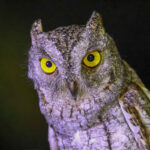
Oriental Scops Owl Otus sunia Several heard at Russey Treb. We already enjoyed good views of one when it flew even closer, staring at us within three metres distance. It didn´t even fully fit into the frames of our cameras!
Mountain Scops Owl Otus spilocephalus Several calling around camp 2 at Phnom Aural, where one was seen with surprisingly little effort for this species.
Collared Owlet Taenioptynx brodiei One seen well and many heard at Phnom Aural.
Spotted Owlet Athene brama Two in the fields near Changkran Roy.
Asian Barred Owlet Glaucidium cuculoides Several heard at Changkran Roy, one seen at Russey Treb.
Brown Boobook (Brown Hawk Owl) Ninox scutulata Two briefly seen at Changkran Roy and two seen with another one heard at Russey Treb.
Orange-breasted Trogon ◊ Harpactes oreskios One seen well at Phnom Aural, where others were heard.
Red-headed Trogon Harpactes erythrocephalus Two seen at Phnom Aural, with more heard.
Eurasian Hoopoe (Common H) Upupa epops
Great Hornbill Buceros bicornis Six logged at Phnom Aural as well as a pair near the Bayon temple at Angkor.
Oriental Pied Hornbill Anthracoceros albirostris
Wreathed Hornbill Rhyticeros undulatus Up to eight at Phnom Aural.
Indochinese Roller Coracias affinis
Banded Kingfisher ◊ Lacedo pulchella Repeatedly heard at the opposite slope at the Bare-faced Bulbul site in Laos, where it had never been reported on eBird before. A scarce bird in Laos indeed.
White-throated Kingfisher Halcyon smyrnensis
Black-capped Kingfisher Halcyon pileateThis uncommon kingfisher was a nice bonus when we visited Angkor Wat. One in the group was so happy with this species that it made it to the top five!
Common Kingfisher Alcedo atthis
Pied Kingfisher Ceryle rudis
Collared Kingfisher Todiramphus chloris A tour write-in, rather surprisingly. One at a pond at a lunch stop on our way to the airport in Phnom Penh.
Asian Green Bee-eater Merops orientalis
Blue-tailed Bee-eater Merops philippinus
Chestnut-headed Bee-eater Merops leschenaulti
Lineated Barbet Psilopogon lineata
Green-eared Barbet ◊ Psilopogon faiostricta Seen and heard at both Phnom Aural and Changkran Roy.
Moustached Barbet ◊ Psilopogon incognita Several seen at Aural; heard at Ban Nahin.
Blue-eared Barbet Psilopogon duvaucelii
Coppersmith Barbet Psilopogon haemacephala
Heart-spotted Woodpecker Hemicircus canente Heard-only at Phnom Aural.
Grey-capped Pygmy Woodpecker Yungipicus canicapillus
Yellow-crowned Woodpecker ◊ Leiopicus mahrattensis Pairs of this fairly scarce woodpecker were found on two occasions at Russey Treb.
Rufous-bellied Woodpecker Dendrocopos hyperythrus A pair of this crowd-pleaser was seen well at woodpecker haven Russey Treb (localized resident annamensis).
Greater Yellownape Chrysophlegma flavinucha
Lesser Yellownape Picus chlorolophus
Streak-throated Woodpecker Picus xanthopygaeus A male and a pair found at Russey Treb, so apparently this is a good site for what is a scarce species in Southeast Asia.
Laced Woodpecker Picus vittatus Only one seen at Phnom Aural and one heard at Prek Toal.
Black-headed Woodpecker ◊ P. erythropygius This beauty was encountered regularly at Russey Treb.
Common Flameback Dinopium javanense
Greater Flameback Chrysocolaptes guttacristatus
Rufous Woodpecker Micropternus brachyurus
Bamboo Woodpecker ◊ Gecinulus viridis After a bit of work we finally saw a pair in the bamboo just above camp 1, Phnom Aural.
Great Slaty Woodpecker Mulleripicus pulverulentus Two at Russey Treb seen on three consecutive evenings.
Collared Falconet Microhierax caerulescens One scouting the surroundings from the high treetops around camp 1, Phnom Aural.
White-rumped Falcon ◊ Neohierax insignis A male seen well at Russey Treb.
Peregrine Falcon Falco peregrinus An adult at Koh Sam Seb and one hunting for feral pigeons at Vientiane Airport, Laos.
Blossom-headed Parakeet ◊ Psittacula roseata Regular at Russey Treb.
Red-breasted Parakeet Psittacula alexandri
Alexandrine Parakeet Psittacula eupatria
Vernal Hanging Parrot Loriculus vernalis
Long-tailed Broadbill Psarisomus dalhousiae In all five of these beauties seen at Phnom Aural.
Silver-breasted Broadbill Serilophus lunatus Rather elusive at Phnom Aural, but finally three seen well with another one heard.
Banded Broadbill Eurylaimus javanicus A pair at Phnom Aural and heard at Changkran Roy.
Blue Pitta ◊ Hydrornis cyaneus Reasonable views of a male at Phnom Aural, were more were heard.
Golden-bellied Gerygone Gerygone sulphurea One at the Kampi parking area.
Bar-winged Flycatcher-shrike Hemipus picatus
Large Woodshrike Tephrodornis virgatus
Common Woodshrike Tephrodornis pondicerianus
Common Iora Aegithina tiphia
Small Minivet Pericrocotus cinnamomeus Small numbers at the lower parts of Phnom Aural and at Russey Treb.
Grey-chinned Minivet Pericrocotus solaris A few at Phnom Aural (nassovicus).
Scarlet Minivet Pericrocotus speciosus
Ashy Minivet Pericrocotus divaricatus Small numbers at Phnom Aural, Changkran Roy and Russey Treb.
Swinhoes Minivet (Brown-rumped M) Pericrocotus cantonensis At Phnom Aural forming a mixed flock with the previous species; also seen in small numbers in Russey Treb.
Oriental Cuckooshrike Coracina javensis Now split from Large Cuckooshrike. Small numbers at the base of Phnom Aural and at Russey Treb.
Black-winged Cuckooshrike Lalage melaschistos A pair seen at Phnom Aural.
Indochinese Cuckooshrike ◊ Lalage polioptera A couple seen, and others heard at Russey Treb.
White-browed Shrike-babbler Pteruthius aeralatus Only seen at Phnom Aural (nominate race).
White-bellied Erpornis Erpornis zantholeuca
Black-hooded Oriole Oriolus xanthornus
Black-naped Oriole Oriolus chinensis
Bronzed Drongo Dicrurus aeneus
Greater Racket-tailed Drongo Dicrurus paradiseus
Hair-crested Drongo Dicrurus hottentottus
Black Drongo Dicrurus macrocercus
Ashy Drongo (Sooty D) Dicrurus [leucophaeus] leucophaeus bondi in Cambodia, mouhoti in Laos.
White-browed Fantail Rhipidura aureola Small numbers at Russey Treb, including one at a nest.
Malaysian Pied Fantail Rhipidura javanica
Black-naped Monarch Hypothymis azurea
Blyth’s Paradise Flycatcher Terpsiphone affinis
Burmese Shrike ◊ Lanius collurioides Four at Russey Treb (nominate race).
Brown Shrike Lanius cristatus
Eurasian Jay (White-faced J) Garrulus [glandarius] leucotis Heard in the lowland dry forest near Phnom Aural.
Red-billed Blue Magpie Urocissa erythrorhyncha
Indochinese Green Magpie ◊ Cissa hypoleuca One distant bird heard-only by Naran and Vincent at Aural (hypoleuca).
Racket-tailed Treepie Crypsirina temia
Large-billed Crow (Eastern Jungle C) Corvus macrorhynchos Eastern Jungle Crow (levaillantii) has been lumped with Large-billed again.
Grey-headed Canary-flycatcher Culicicapa ceylonensis
Singing Bush Lark (Australasian B L) Mirafra javanica Common at Pralay.
Indochinese Bush Lark ◊ Mirafra erythrocephala Several at Oudong and Russey Treb.
Oriental Skylark Alauda gulgula
Ochraceous Bulbul Alophoixus ochraceus Regular at Phnom Aural (cambodianus).
Puff-throated Bulbul ◊ Alophoixus pallidus Seen well at Changkran Roy (khmerensis; heard in Laos (henrici).
Grey-eyed Bulbul ◊ Iole propinqua Scattered in forests throughout (simulator in Cambodia and nominate in Laos).
Mountain Bulbul (Southern M B) Ixos [mcclellandii] tickelli Regular at Phnom Aural (canescens, endemic to Cardamom Mts, with odd calls).
Black-headed Bulbul Brachypodius melanocephalos
Black-crested Bulbul Rubigula flaviventris
Bare-faced Bulbul ◊ Nok hualon Endemic. Fantastic views of at least six (four and two) at Ban Nahin on two days. Only formally described in 2009.
Streak-eared Bulbul Pycnonotus blanfordi A common regional endemic.
Stripe-throated Bulbul Pycnonotus finlaysoni
Yellow-vented Bulbul Pycnonotus goiavier
Sooty-headed Bulbul (Southern S-h B) Pycnonotus aurigaster Regular throughout Cambodia (germani).
Sand Martin (Common S M) Riparia riparia
Grey-throated Martin Riparia chinensis Quite a few along the Mekong at Ban Nasang, Laos.
Wire-tailed Swallow Hirundo smithii Only one at Ban Nasang.
Barn Swallow Hirundo rustica
Eastern Red-rumped Swallow Cecropis daurica
Yellow-browed Warbler Phylloscopus inornatus
Radde’s Warbler Phylloscopus schwarzi Several at Changkran Roy and Ban Nahin, Laos.
Dusky Warbler Phylloscopus fuscatus
Two-barred Warbler Phylloscopus plumbeitarsus
Pale-legged Leaf Warbler ◊ Phylloscopus tenellipes Several at Phnomh Aural, Changkran Roy and Namsanam, Laos.
Sulphur-breasted Warbler ◊ Phylloscopus ricketti One or two singing at camp 2 at Phnom Aural.
Davison’s Leaf Warbler ◊ (White-tailed L-w) P. intensior Several at Phnom Aural (range-restricted nominate).
Oriental Reed Warbler Acrocephalus orientalis
Manchurian Reed Warbler ◊ Acrocephalus tangorum One seen and another heard at Pursat, one at Pralay and a surprising two at the fringe of the reserve at Russey Treb.
Pallas’s Grasshopper Warbler (Rusty-rumped W) Helopsaltes certhiola One showed well near Oudong, one or two heard at Prek Toal and one briefly seen at Pralay.
Lanceolated Warbler Locustella lanceolata One seen fairly well at Pursat, where another was heard.
Striated Grassbird Megalurus palustris
Zitting Cisticola (Double Z C) Cisticola juncidis tinnabulans
Golden-headed Cisticola (Bright-h C) Cisticola exilis
Brown Prinia Prinia polychroa A few seen at the foot of Phnom Aural and regular at Russey Treb.
Rufescent Prinia Prinia rufescens Regular at Russey Treb.
Grey-breasted Prinia Prinia hodgsonii Only one seen at the foot of Phnom Aural.
Yellow-bellied Prinia Prinia flaviventris
Plain Prinia Prinia inornata
Common Tailorbird Orthotomus sutorius
Dark-necked Tailorbird Orthotomus atrogularis
Cambodian Tailorbird ◊ Orthotomus chaktomuk A male seen well near Oudong.
Hume’s White-eye ◊ Zosterops simplex Small numbers at Phnom Aural.
Pin-striped Tit-Babbler Mixornis gularis
White-browed Scimitar Babbler Pomatorhinus schisticeps Several at Aural (klossi).
Large Scimitar Babbler Pomatorhinus hypoleucos Seen very well at Changkran Roy.
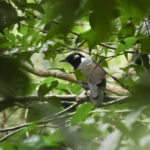
Sooty Babbler ◊ Stachyris herberti Near-endemic. Up to nine seen very well at Ban Nahin.
Chinese Grassbird ◊ Graminicola striatus Good views of at least six at Pursat Grasslands, though it required some work.
Puff-throated Babbler Pellorneum ruficeps Best seen from hides at Changkran Roy.
Abbott’s Babbler Malacocincla abbotti Several at Changkran Roy.
Streaked Wren-Babbler ◊ (Cambodian S W-B) Napothera [brevicaudata] griseigularis Small numbers at Phnom Aural (griseigularis) and one at Ban Nahin, Laos (stevensi).
Lesser Necklaced Laughingthrush Garrulax monileger Two sightings at Phnom Aural (Indochinese mouhoti).
White-crested Laughingthrush Garrulax leucolophus
Cambodian Laughingthrush ◊ G. ferrarius Two groups of five at Phnom Aural, eventually seen well.
Asian Fairy-bluebird Irena puella
Velvet-fronted Nuthatch Sitta frontalis
Burmese Nuthatch (Neglected N) Sitta neglecta In all three seen well at Russey Treb.
Common Hill Myna Gracula religiosa
Great Myna (White-vented M) Acridotheres grandis
Common Myna Acridotheres tristis
Black-collared Starling Gracupica nigricollis
Siamese Pied Myna ◊ Gracupica floweri One at Pursat and three at Pralay.
Oriental Magpie-Robin Copsychus saularis
White-rumped Shama Copsychus malabaricus
Asian Brown Flycatcher Muscicapa dauurica
Verditer Flycatcher Eumyias thalassinus
Hainan Blue Flycatcher ◊ Cyornis hainanus Scattered sightings throughout.
Hill Blue Flycatcher Cyornis whitei A pair at Ban Nahin, Laos.
Bluethroat Luscinia svecica
Siberian Rubythroat Calliope calliope Nice views of a male at Russey Treb, where another was heard.
Blue Whistling Thrush (Yellow-billed W T) Myophonus [caeruleus] flavirostris One at Phnom Aural and one heard-only at Konglor Cave, Laos.
Slaty-backed Forktail Enicurus schistaceaus A pair at the small waterfall at Phnom Aural.
Siberian Blue Robin Larvivora cyane
Taiga Flycatcher (Red-throated F) Ficedula albicilla
Blue Rock Thrush (Eastern B R T) Monticola [solitarius] philippensis Several at Angkor Wat and one at Ban Nahin, Laos.
White-throated Rock Thrush Monticola gularis Splendid males in the forest behind Angkor Wat and at Changkran Roy.
Jerdon’s Bush Chat ◊ Saxicola jerdoni Scope views of no fewer than six at Ban Nasang, Laos.
Pied Bush Chat Saxicola caprata
Amur Stonechat Saxicola stejnegeri
Blue-winged Leafbird Chloropsis cochinchinensis
Golden-fronted Leafbird Chloropsis aurifrons
Thick-billed Flowerpecker Pachyglossa agilis Several at the lower parts of Phnom Aural and two in Laos.
Plain Flowerpecker Dicaeum minullum
Cambodian Flowerpecker ◊ Dicaeum cambodianum Near-endemic. A few seen well at Aural. Recently split.
Scarlet-backed Flowerpecker Dicaeum cruentatum
Ruby-cheeked Sunbird Chalcoparia singalensis
Van Hasselt’s Sunbird Leptocoma brasiliana Three lovely males and a female at Changkran Roy.
Purple Sunbird Cinnyris asiaticus
Ornate Sunbird Cinnyris ornatus
Brown-throated Sunbird Anthreptes malacensis A male at the parking lot at Kampi.
Crimson Sunbird (Greater C S) Aethopyga [siparaja] seheriae Several near Ban Nahin (mangini).
Little Spiderhunter Arachnothera longirostra
Eurasian Tree Sparrow Passer montanus
Plain-backed Sparrow ◊ Passer flaveolus This beautiful, range-restricted sparrow was a regular in small-scale agricultural areas.
House Sparrow Passer domesticus
Asian Golden Weaver ◊ Ploceus hypoxanthus A male and two females near Oudong.
Scaly-breasted Munia Lonchura punctulata
White-rumped Munia Lonchura striata
Chestnut Munia Lonchura atricapilla Good numbers at Pralay.
Red Avadavat Amandava amandava Small numbers at Pursat and Pralay.
Grey Wagtail Motacilla cinerea
Eastern Yellow Wagtail (Manchurian W) Motacilla [tschutschensis] macronyx
White Wagtail (Amur W) Motacilla [alba] leucopsis
Mekong Wagtail ◊ Motacilla samveasnae Near-endemic. A pair seen well at Koh Sam Seb.
Paddyfield Pipit Anthus rufulus
Richard’s Pipit Anthus richardi One at Pursat and at least two at Pralay.
Olive-backed Pipit Anthus hodgsoni
Red-throated Pipit Anthus cervinus
MAMMALS
Irrawaddy Dolphin Orcaella brevirostris Up to eight at Kampi, near Kratie.
Lyle’s Flying Fox Pteropus lylei A leader-only a few hours before the official tour start, but too good not to mention. A colony of this threatened and range-restricted species at the temple complex of Wat Phnom Daun Penh, right behind our hotel in Phnom Penh.
Exotic Roundleaf Bat Hipposideros gentilis ID putative. A few dozen at the Bayan temple at Angkor What.
Annamite Roundleaf Bat (Laotian R B) Hipposideros rotalis About 35 of these big bats seen well in Kong Lor cave. Two other species in the caves remained unidentified, but could have been Ashy and Large-eared Roundleaf Bat.
Black-bearded Tomb Bat Taphozous melanopogon 11 of this well recognisable species at Angkor.
Northern Treeshrew Tupaia belangeri A few in front of one of the hides at Changkran Roy.
Long-tailed Macaque (Crab-eating M) Macaca fascicularis Several along the road. Best views at Angkor.
Laos Langur Trachypithecus laotum Endemic. Six adults and one orange coloured newborn of this endangered species at the Ban Nahin limestone area.
Pileated Gibbon Nomascus pileatus A pair seen well at Phnom Aural, where several others were heard.
Finlayson’s Squirrel (Variable S) Callosciurus finlaysonii Many anellatus in Cambodia, 3-4 reddish menamicusin in Laos.
Indochinese Ground Squirrel Menetes berdmorei A few seen in Cambodia.
Maritime Striped Squirrel (Eastern S S) Tamiops maritimus A few in the Ban Nahin area.
Cambodian Striped Squirrel Tamiops rodolphei A few at Russei Teb.
Javan Mongoose (Small Asian M) Herpestes javanicus One in front of the ground-cuckoo hide at Changkran Roy.