

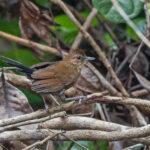
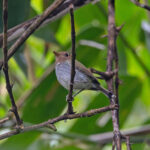
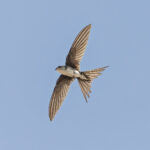
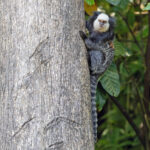
Banded Cotinga (image by Pete Morris)
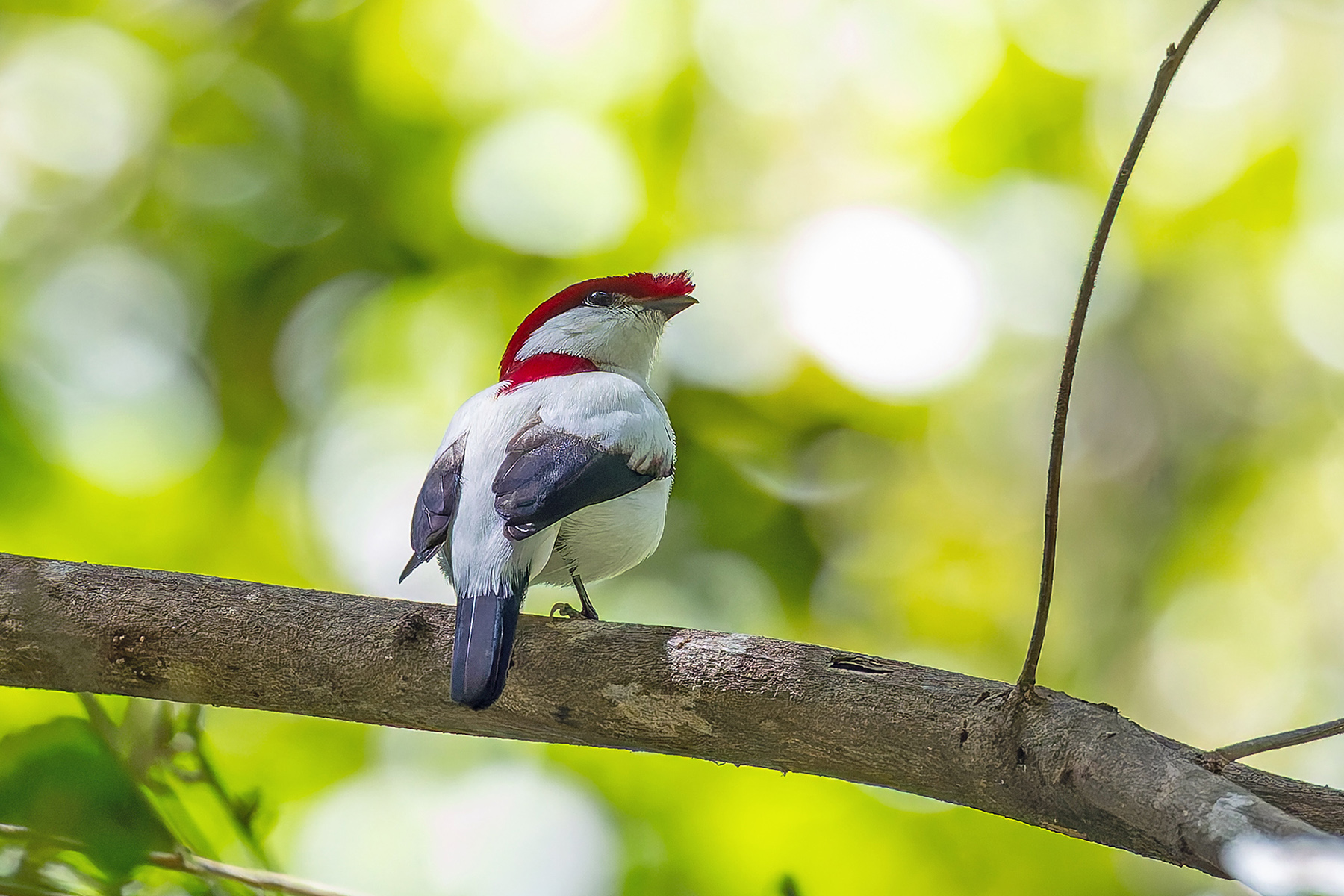
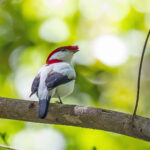
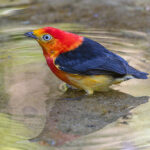
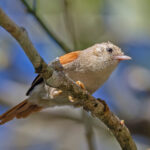
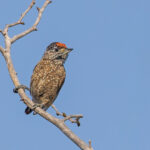
Araripe Manakin (image by Pete Morris)
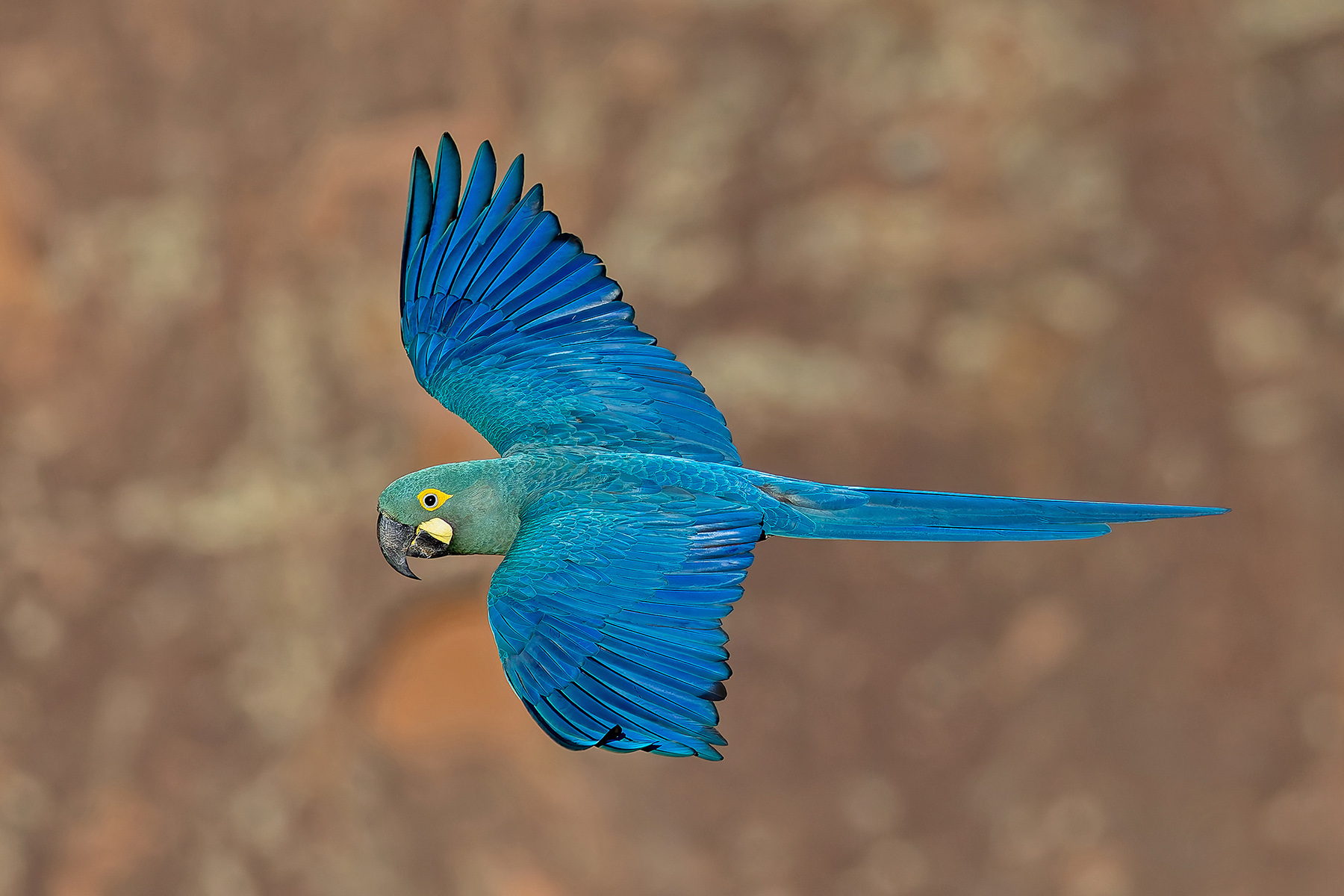
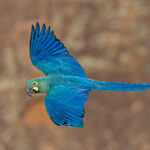
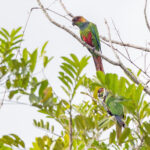
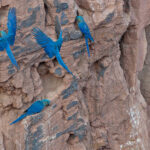
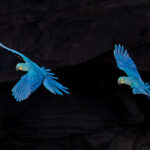
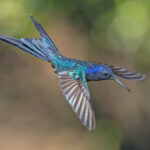
Lear's Macaw (image by Pete Morris)
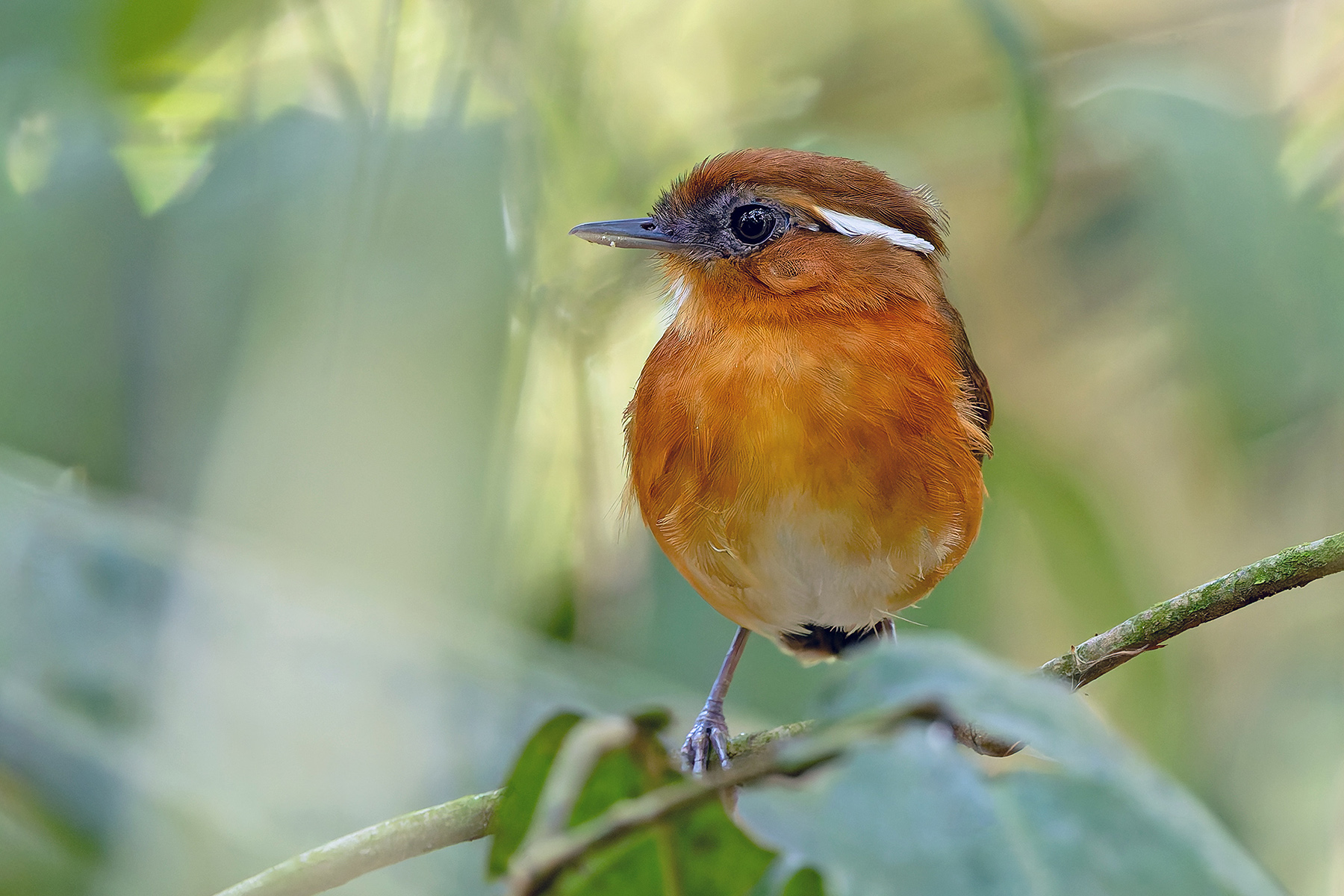
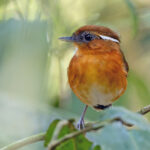
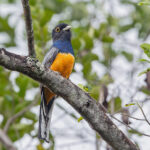
Ceara Gnateater (image by Pete Morris)
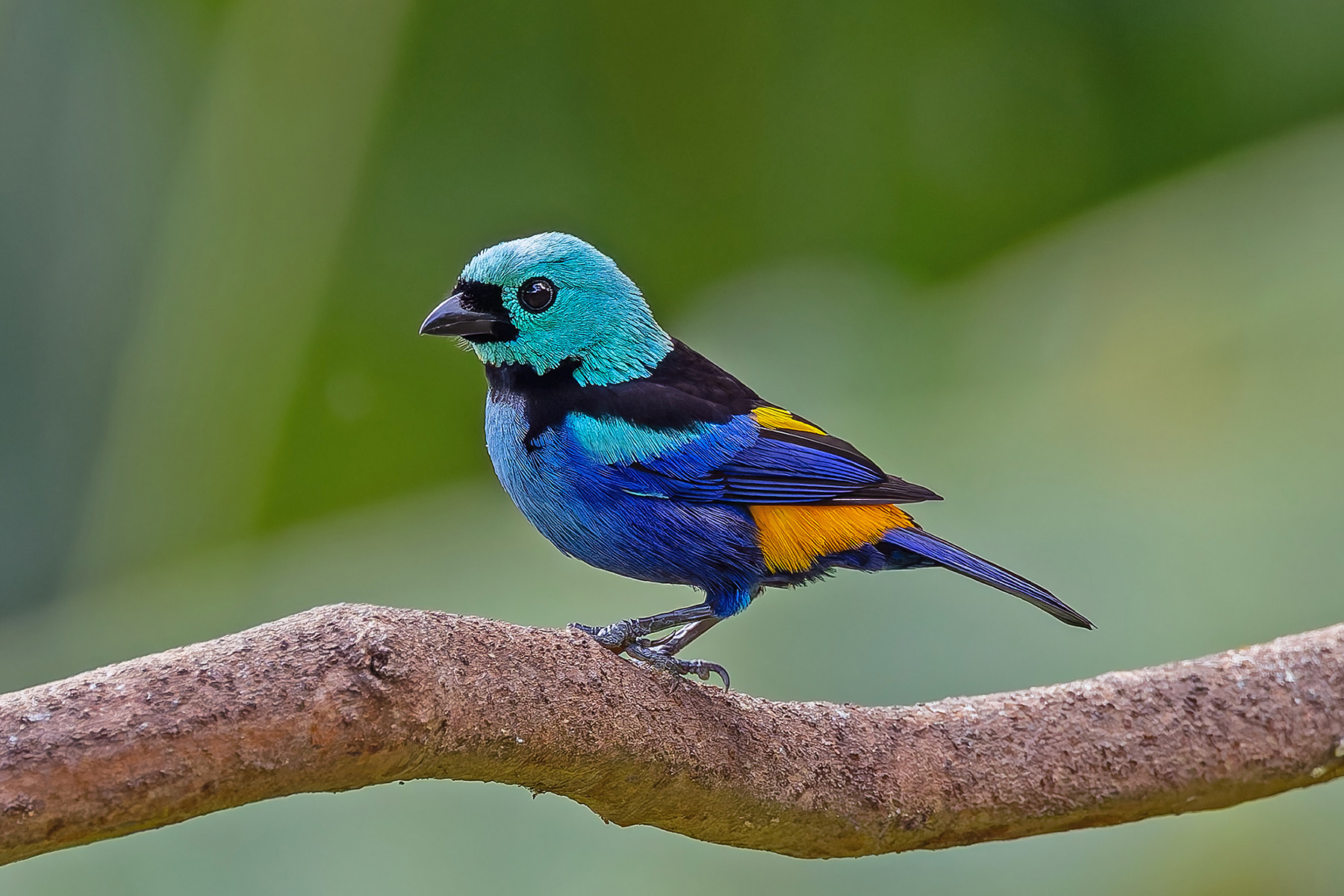
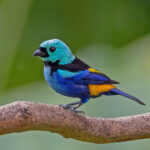
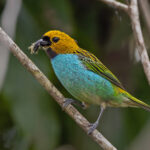
Seven-colored Tanager (image by Pete Morris)
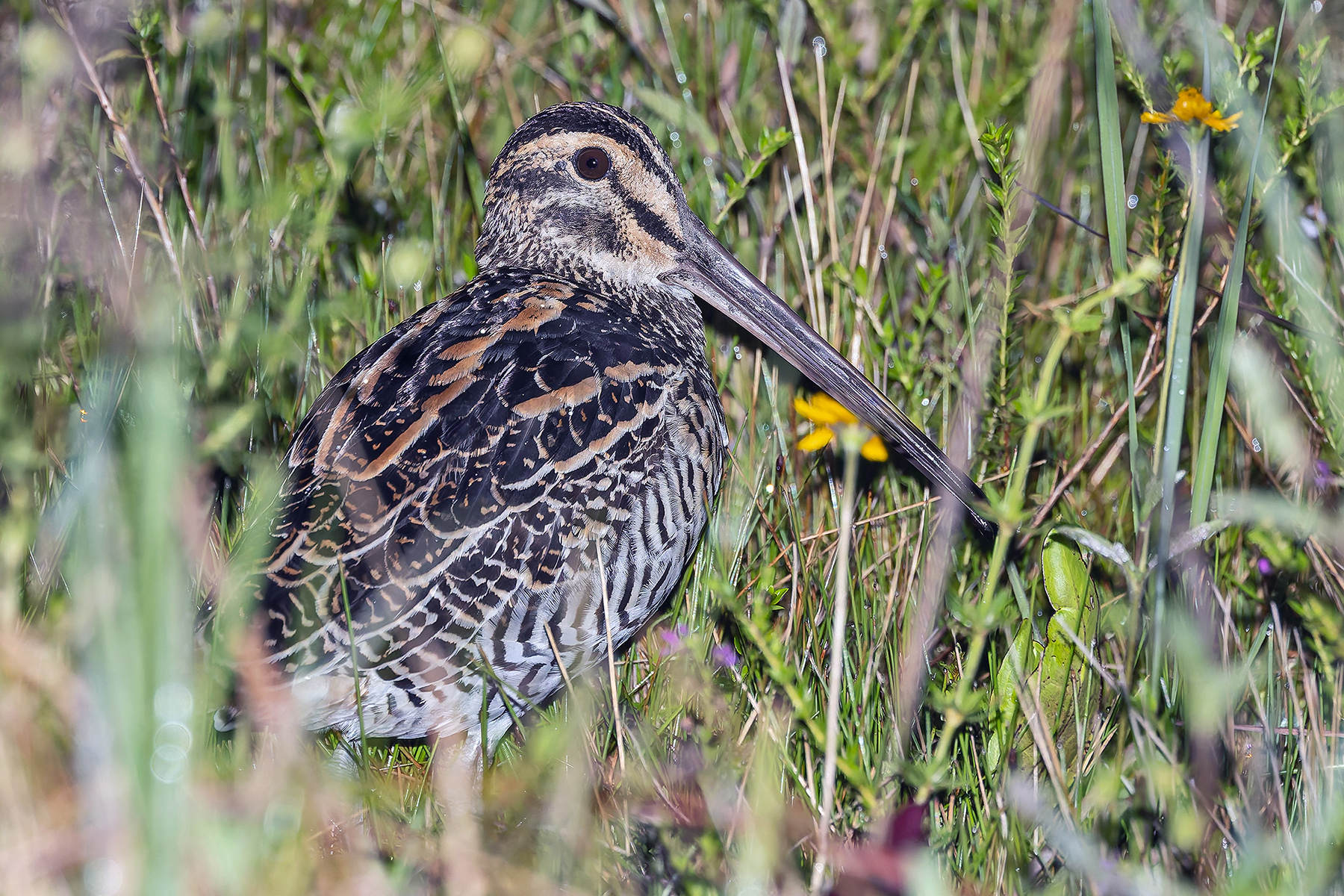
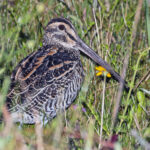
Giant Snipe (image by Pete Morris)
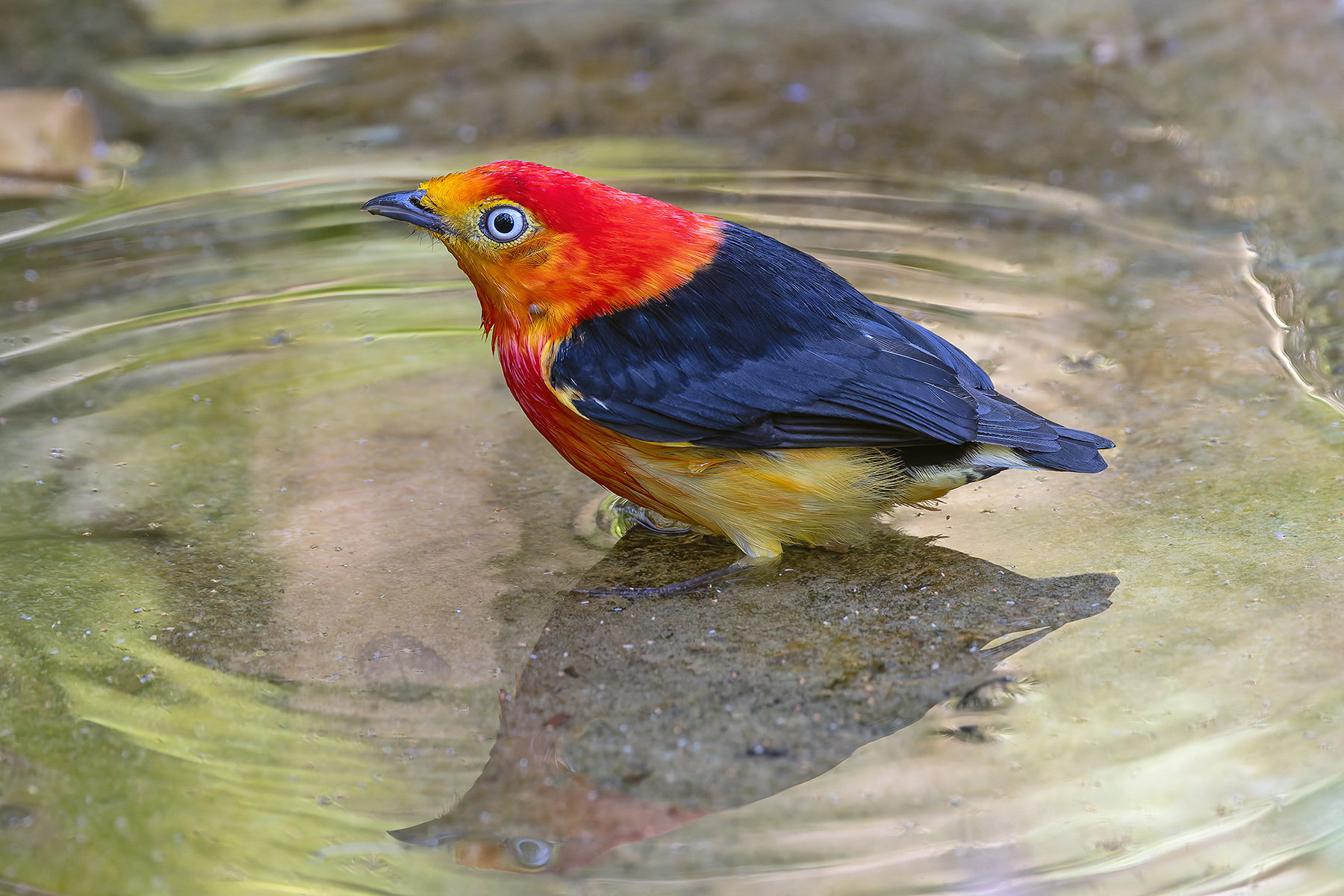
Band-tailed Manakin (image by Pete Morris)
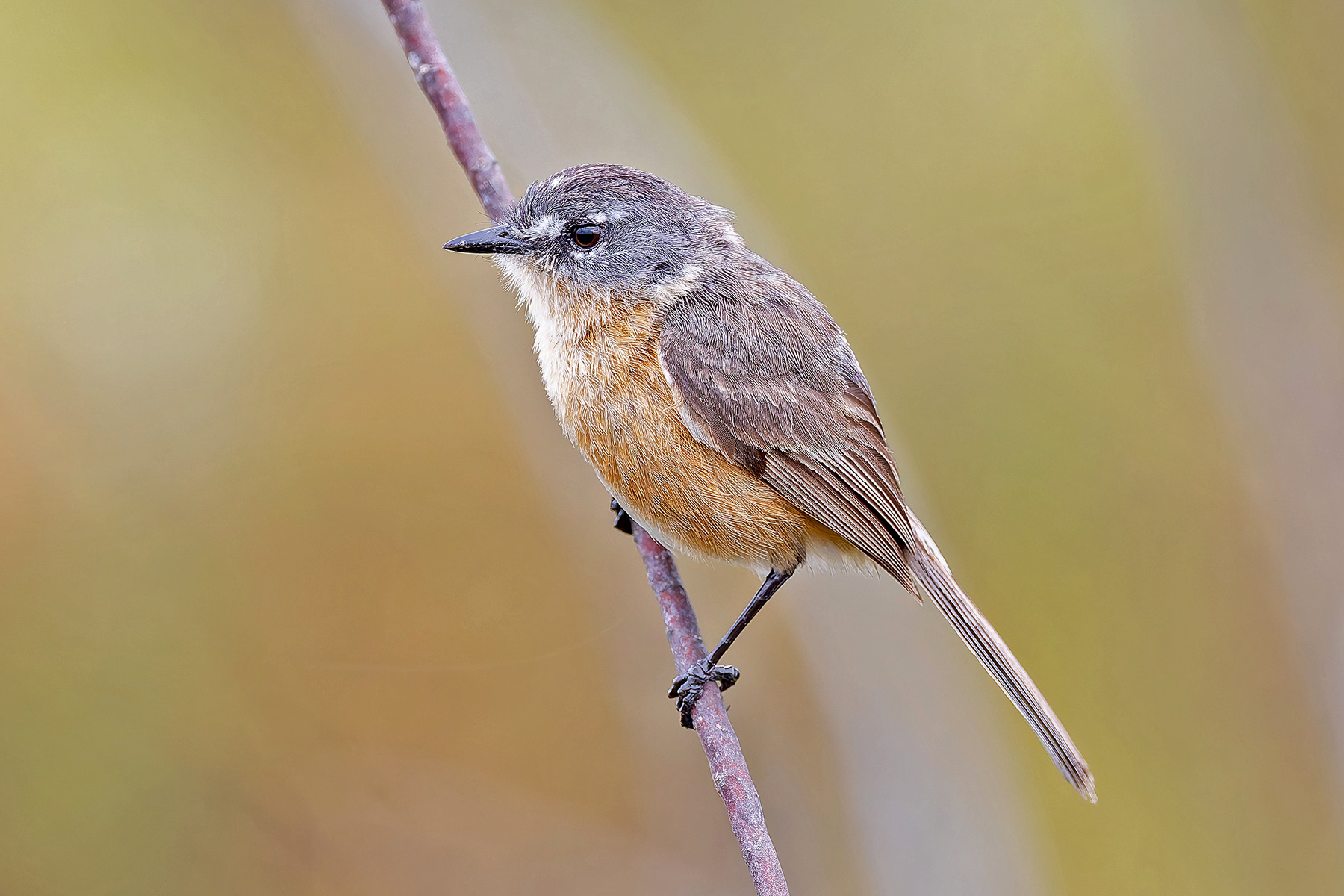
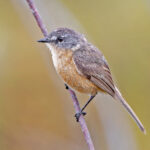
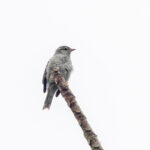
Grey-backed Tachuri (image by Pete Morris)
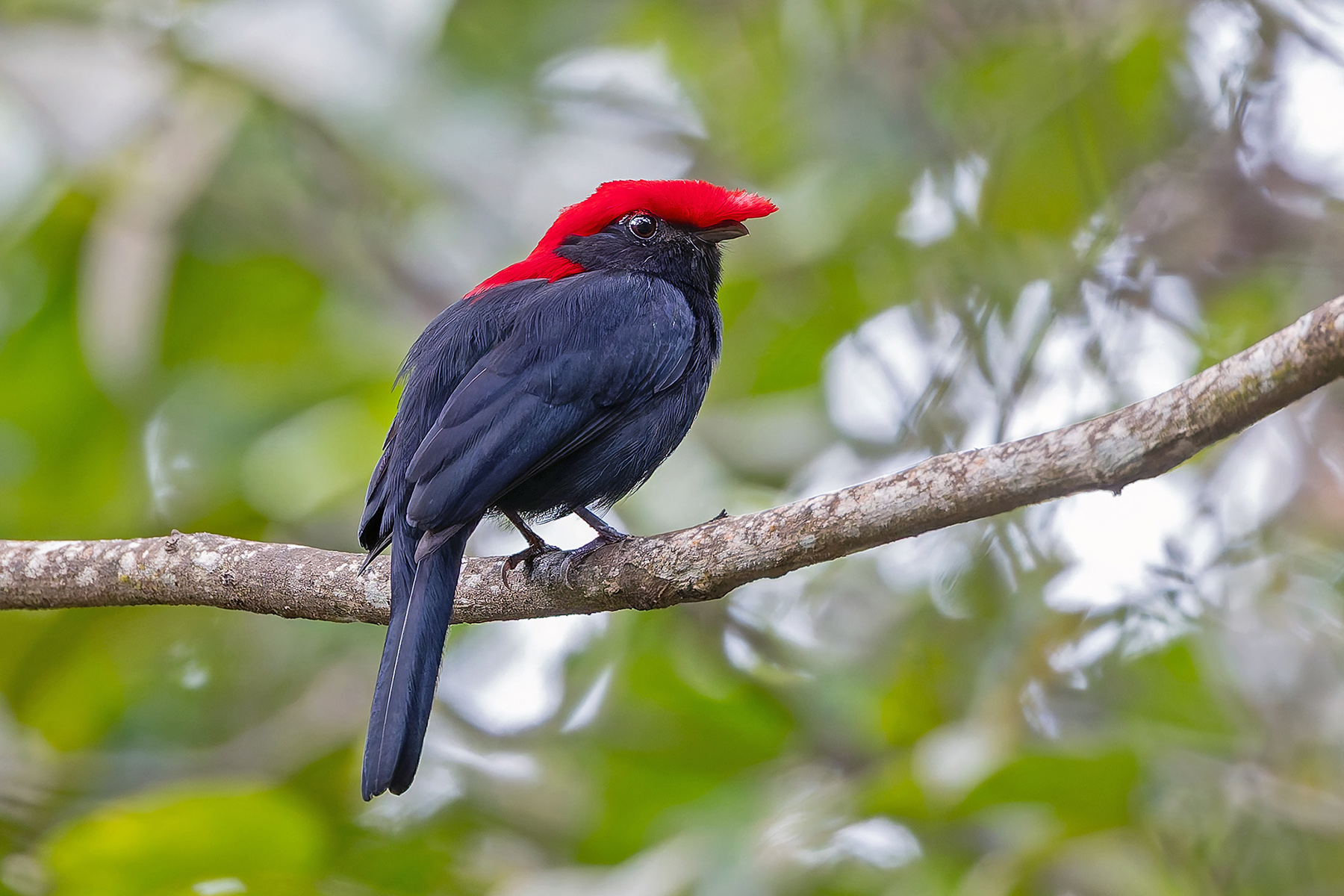
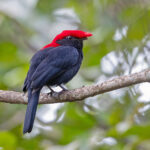
Helmeted Manakin (image by Pete Morris)
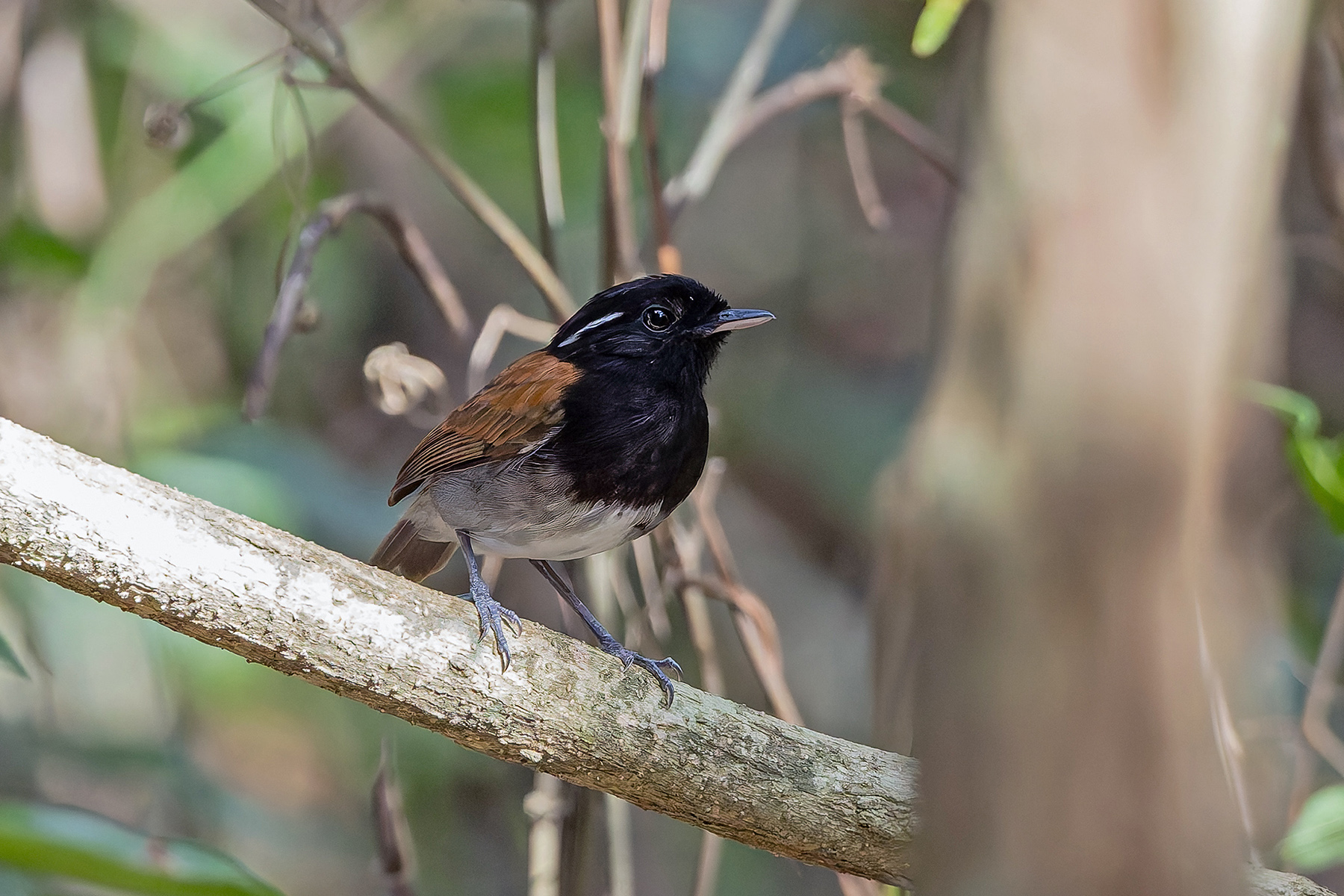
Hooded Gnateater (image by Pete Morris)
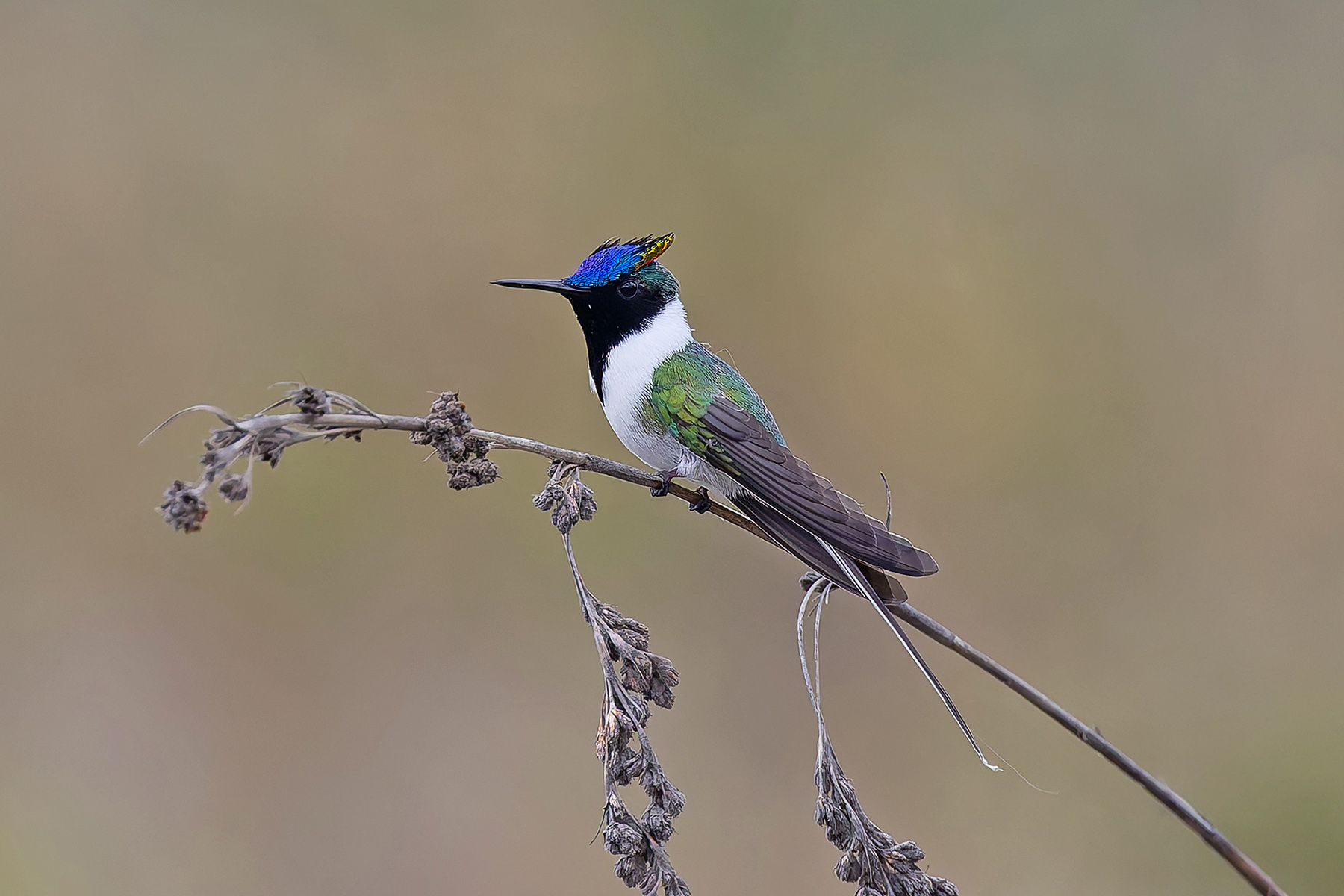
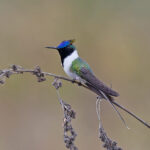
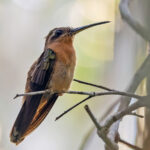
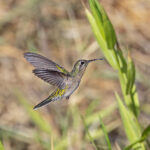
Horned Sungem (image by Pete Morris)
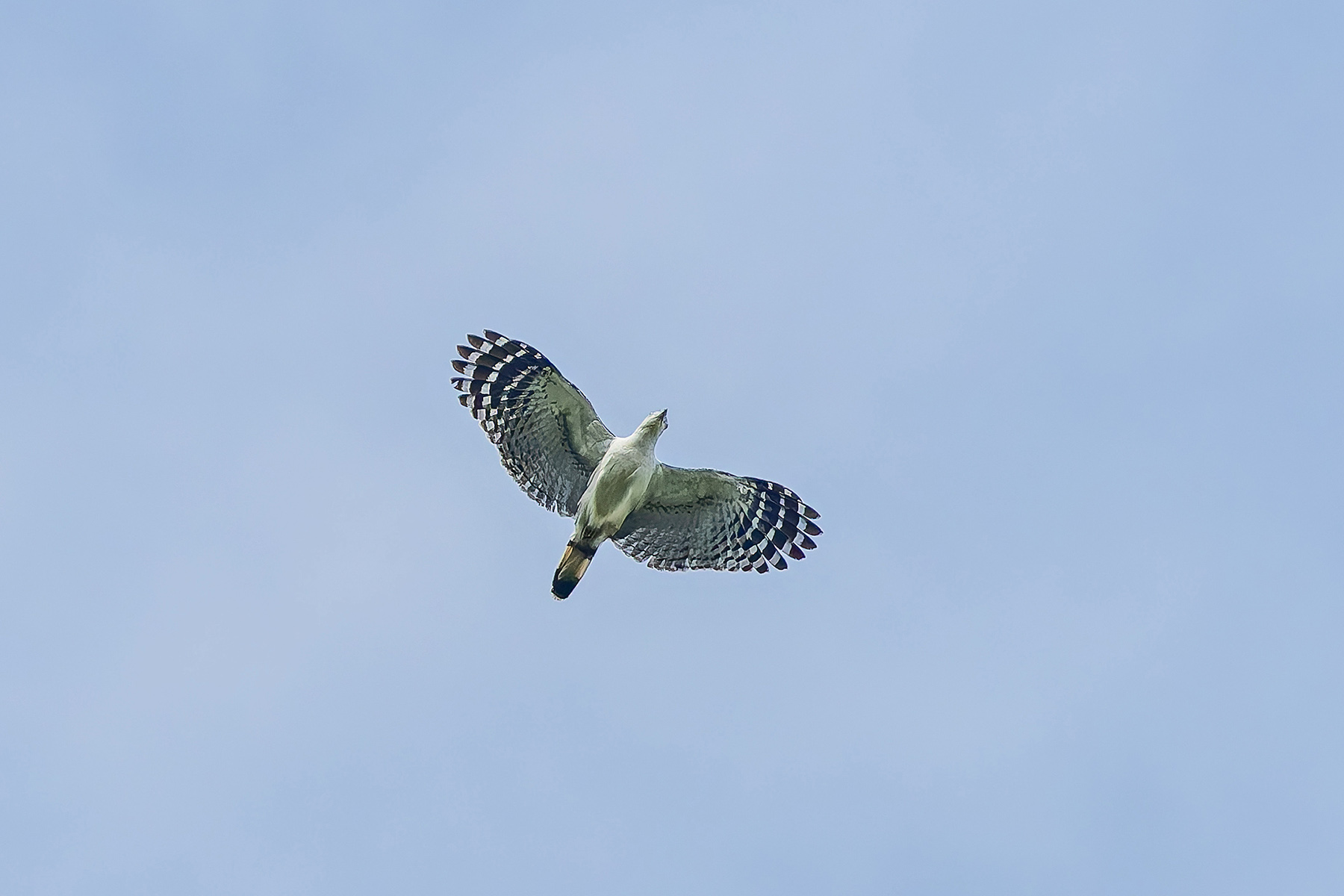
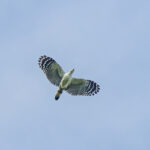
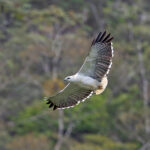
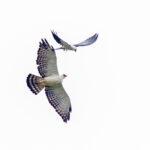
White-collared Kite (image by Pete Morris)
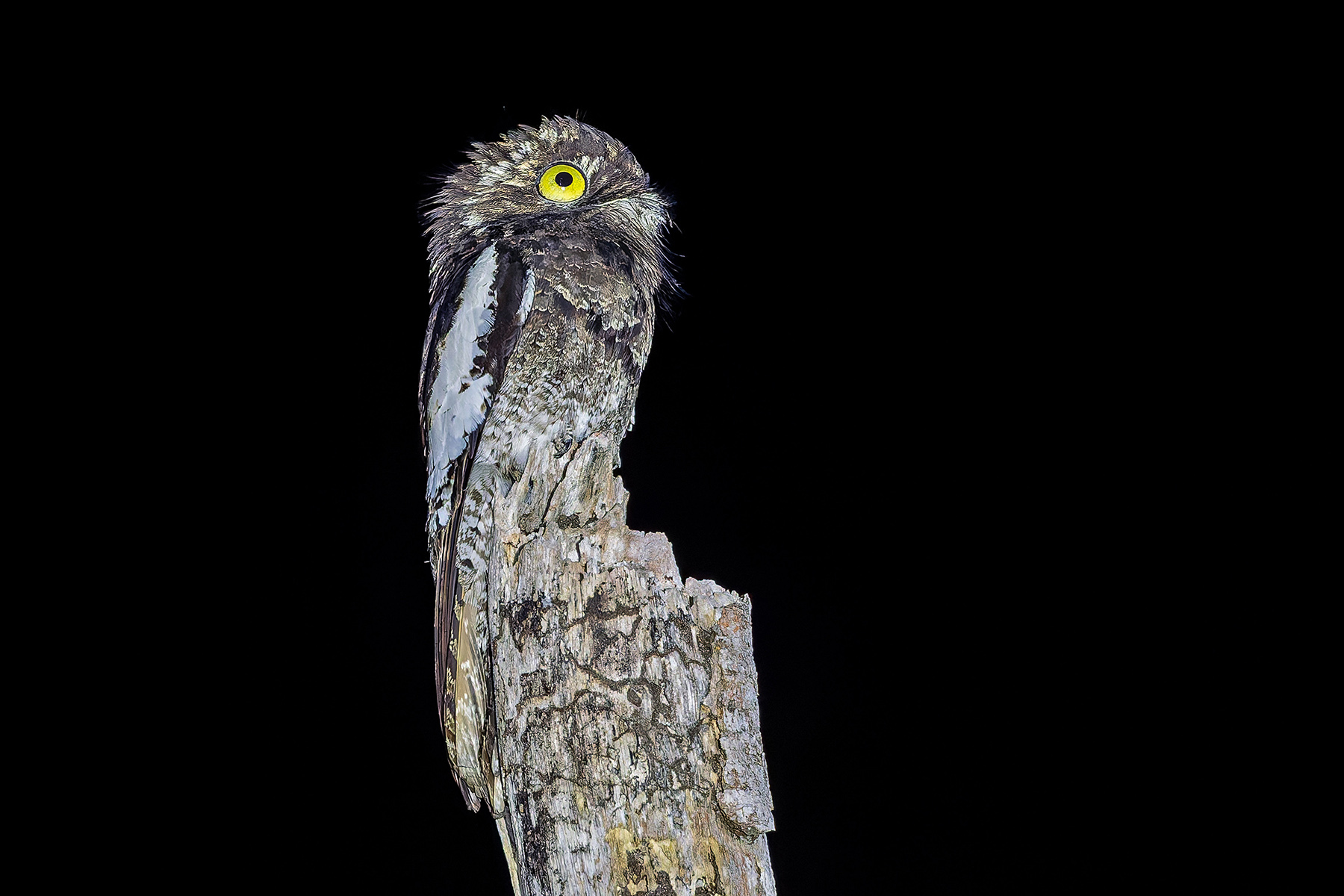
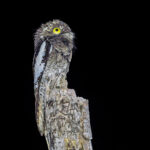
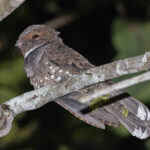
White-winged Potoo (image by Pete Morris)
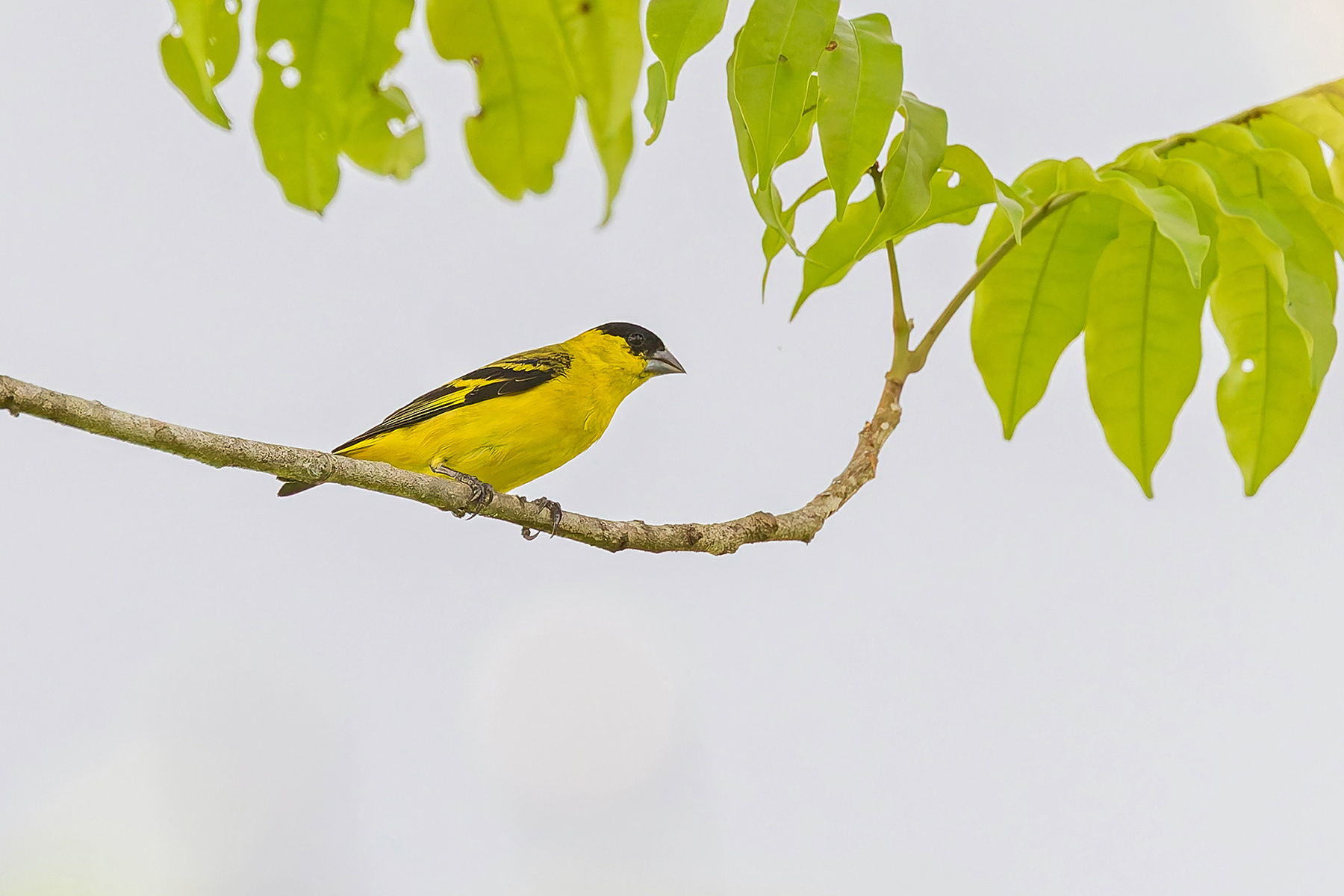
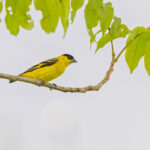
Yellow-faced Siskin (image by Pete Morris)
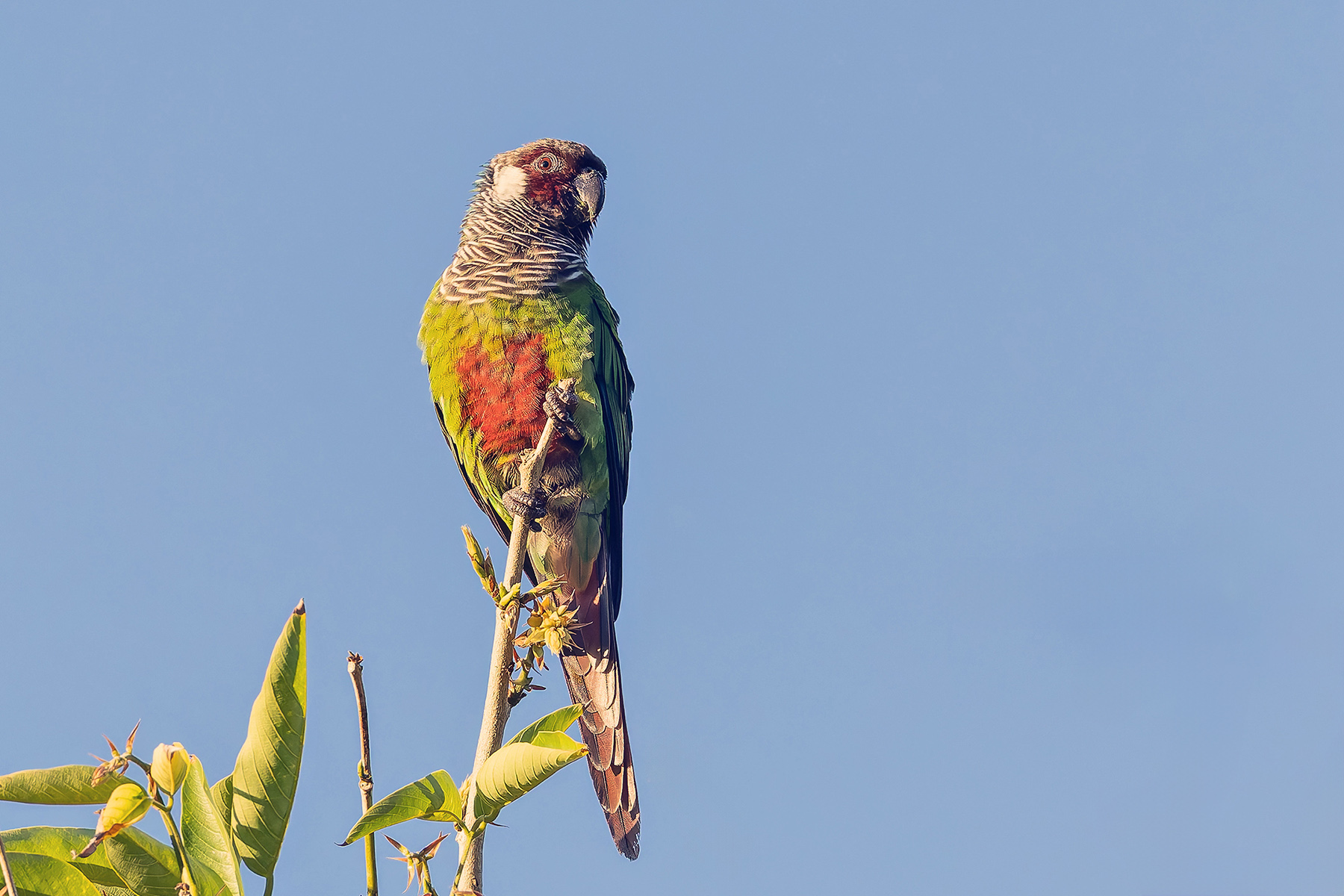
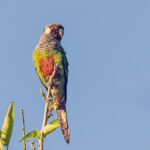
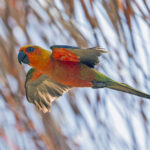
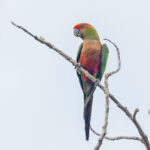
Grey-breasted Parakeet (image by Pete Morris)
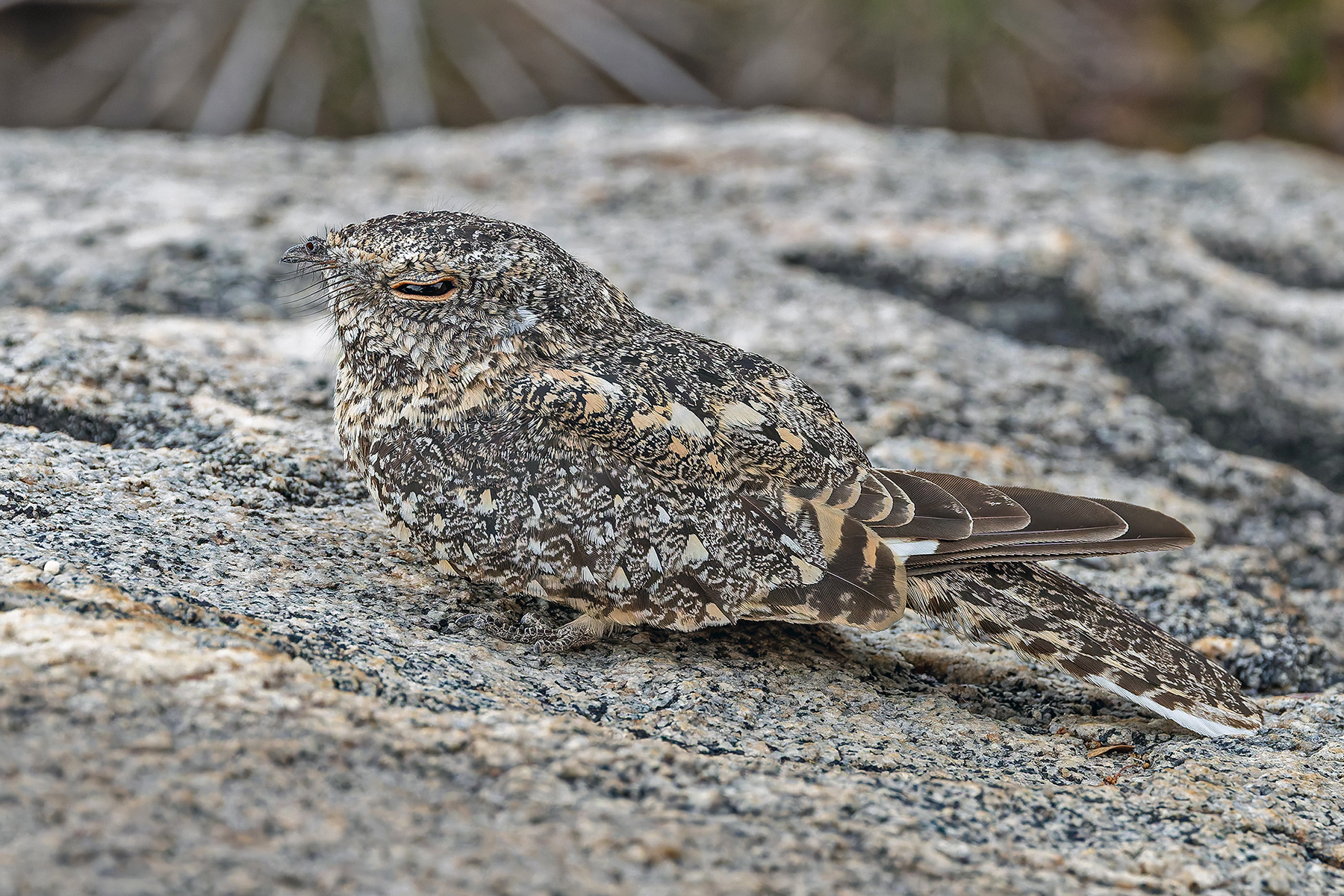
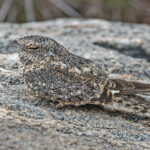
Pygmy Nightjar (image by Pete Morris)
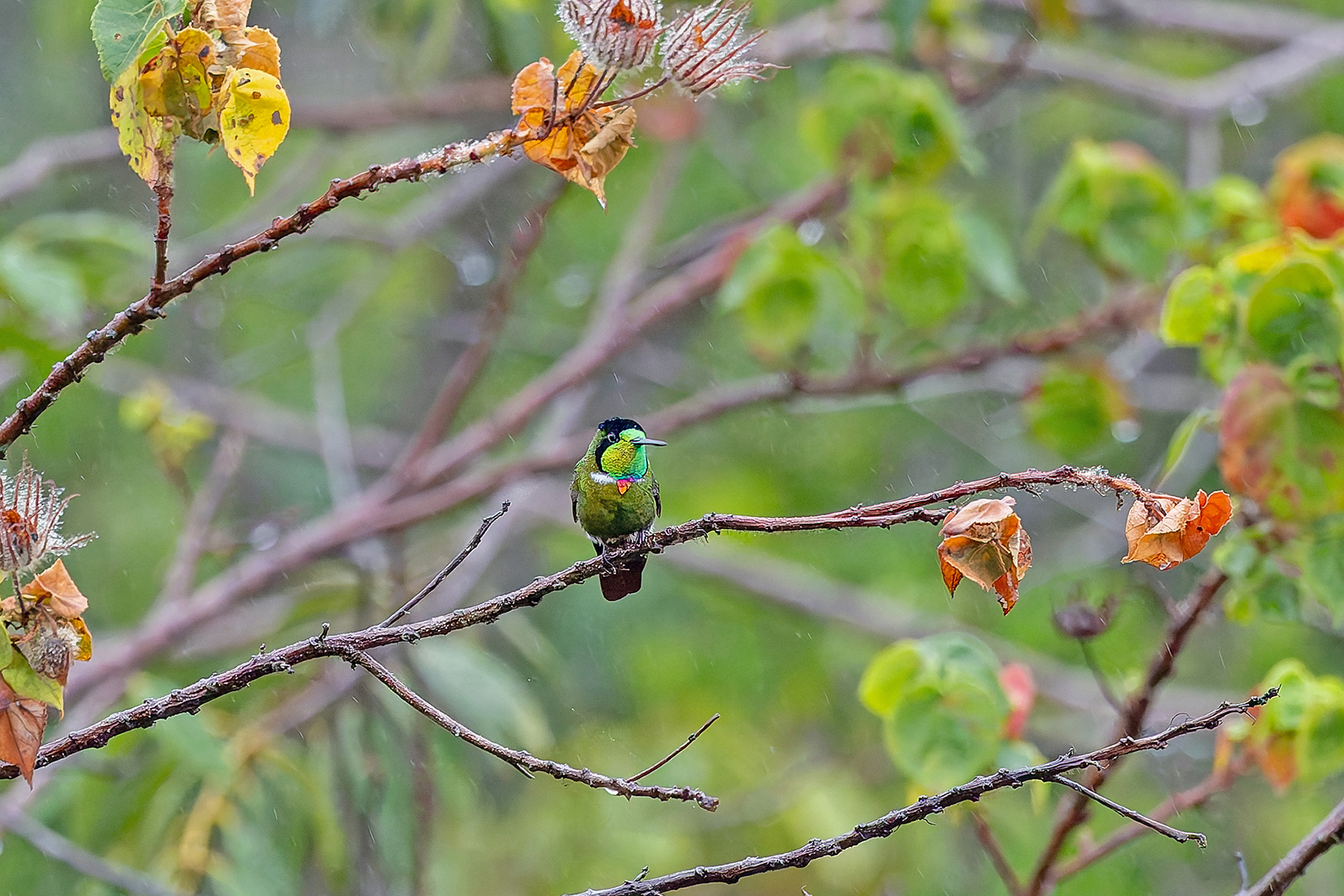
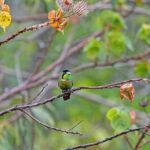
Hooded Visorbearer (image by Pete Morris)
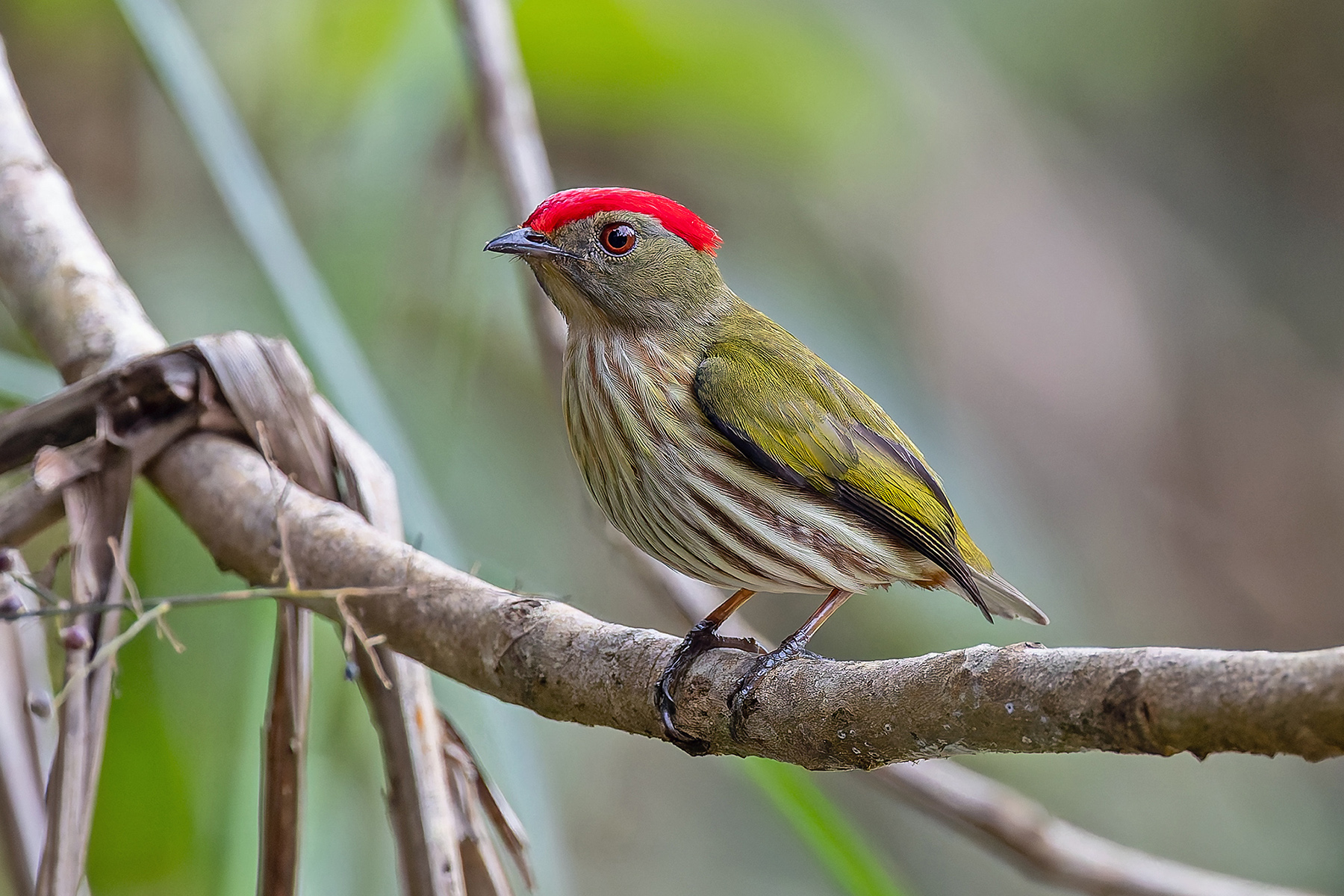
Kinglet Manakin (image by Pete Morris)
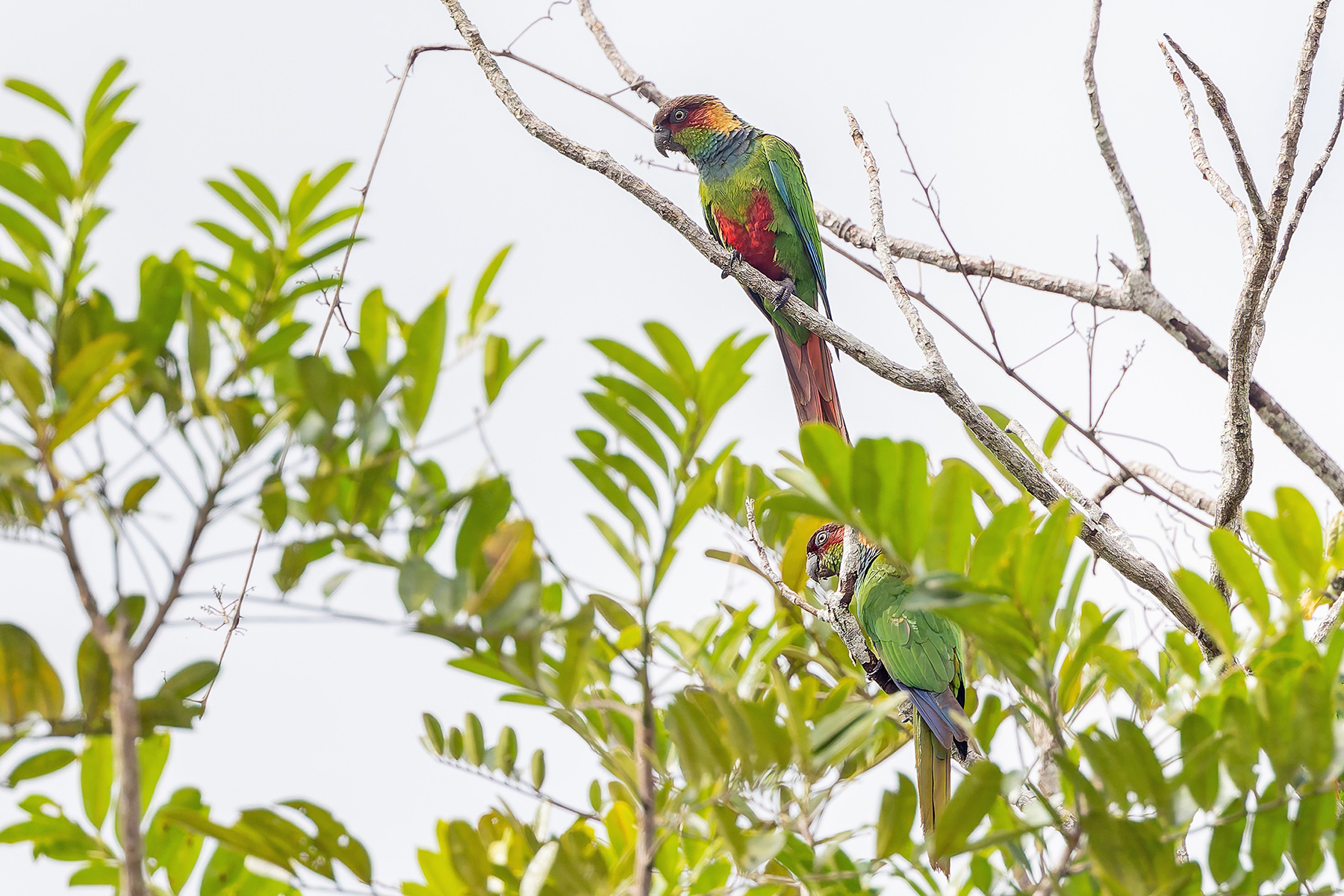
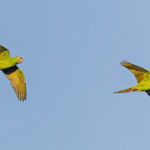
Ochre-marked Parakeets (image by Pete Morris)
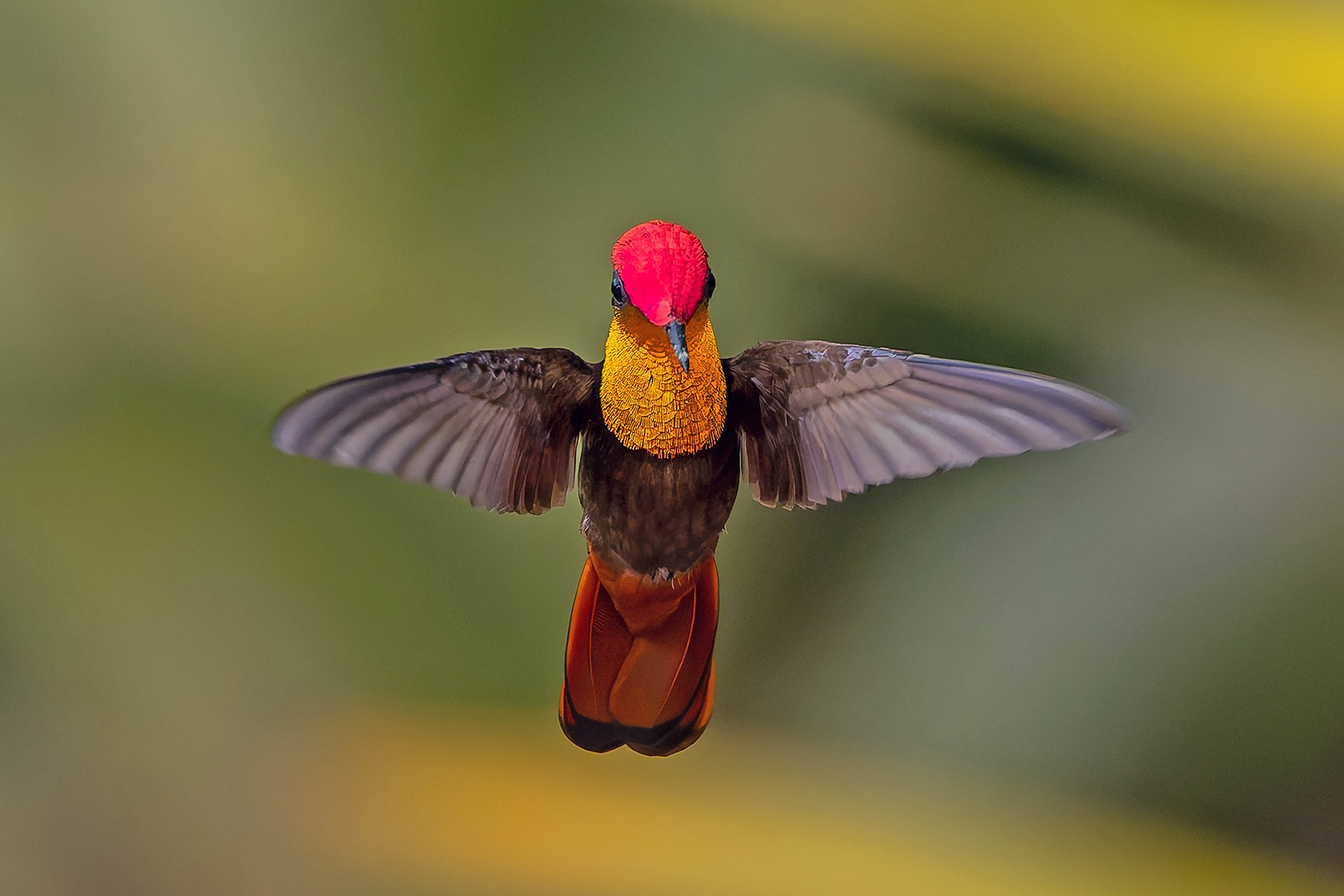
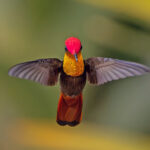
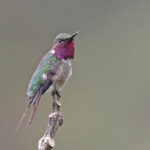
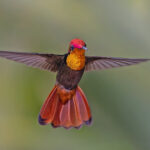
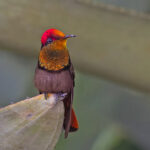
Ruby Topaz (image by Pete Morris)
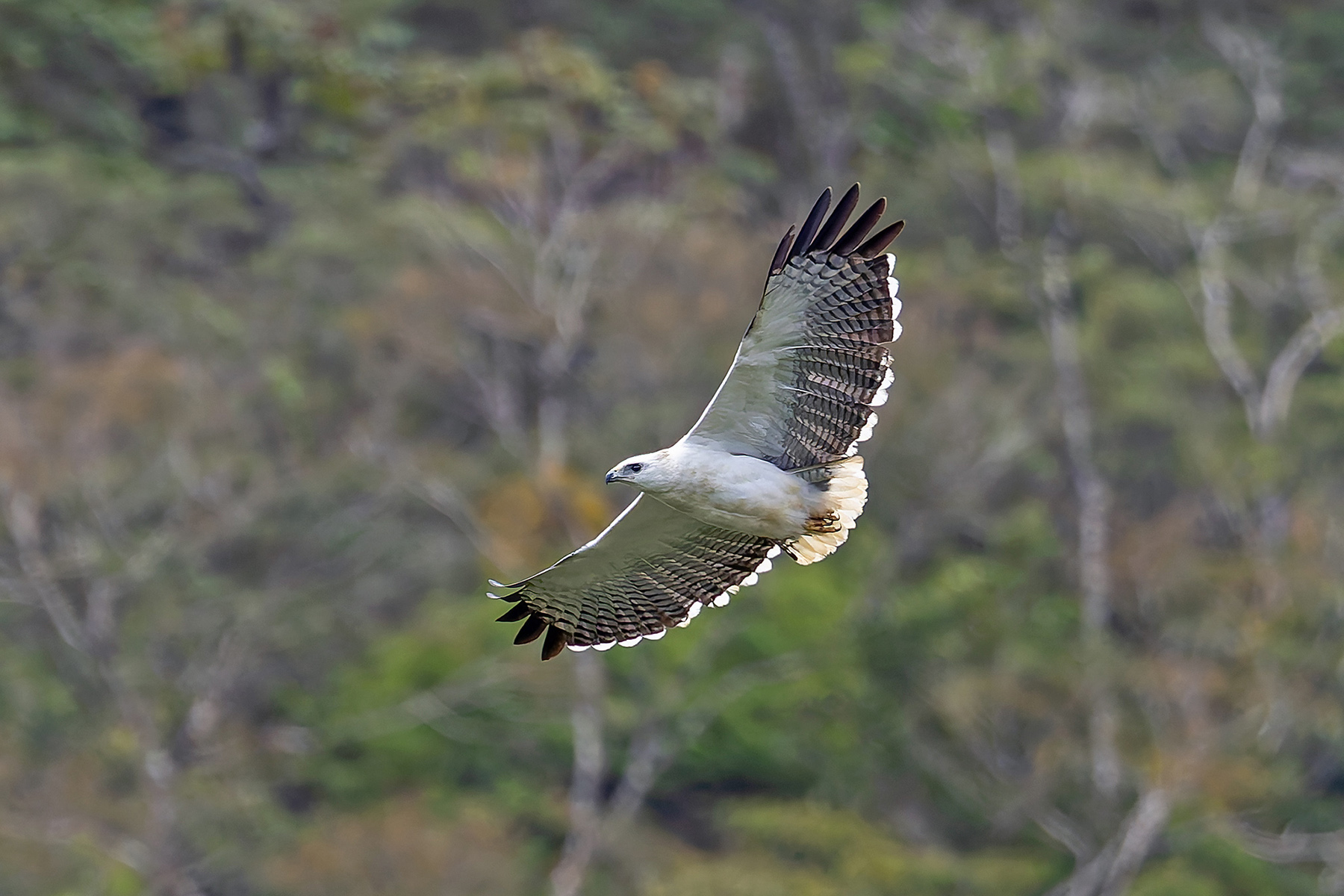
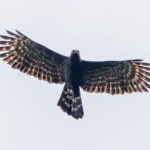
Mantled Hawk (image by Pete Morris)
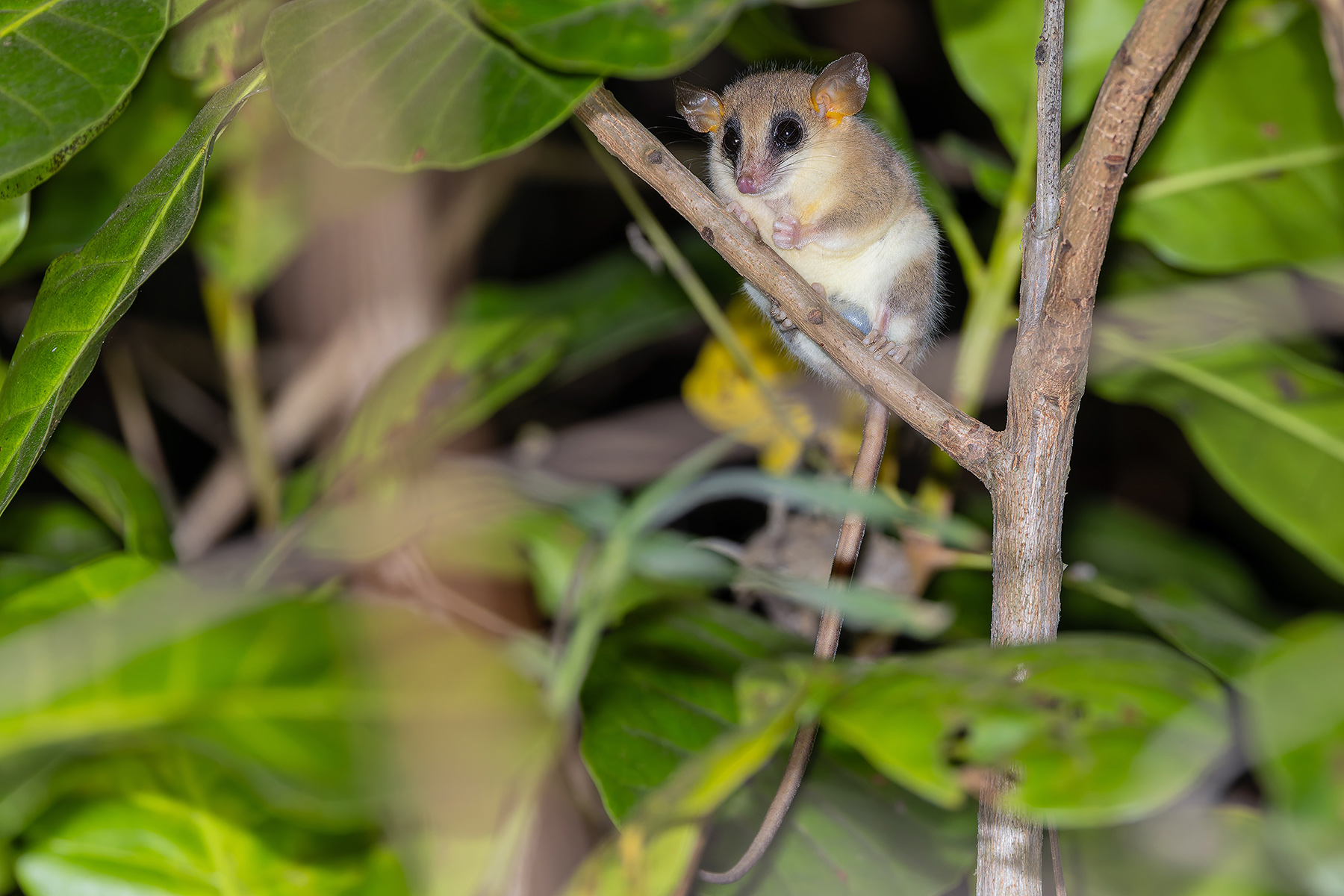
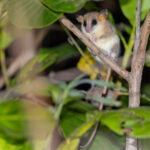
Agile Gracile Opossum (image by Pete Morris)
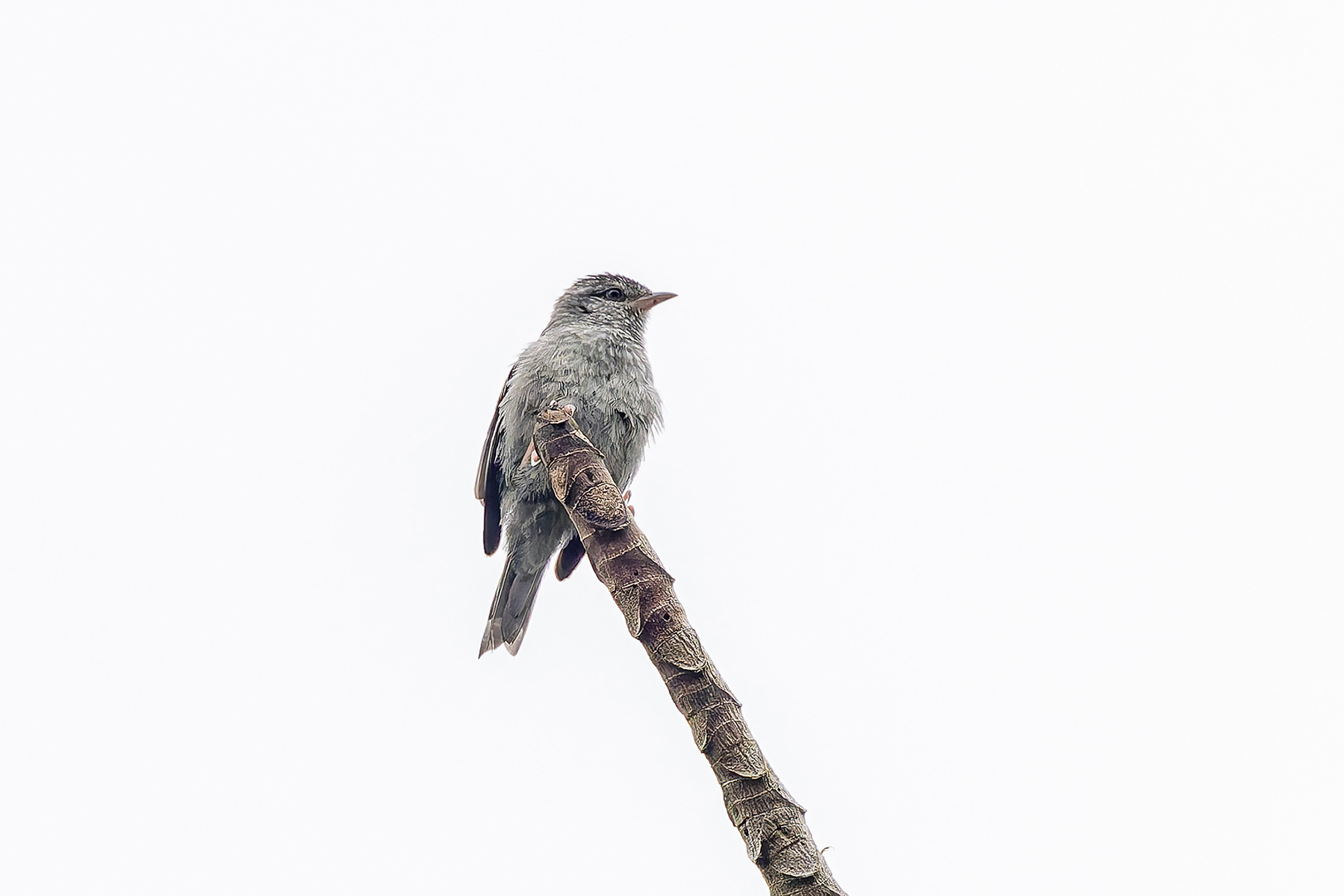
Pink-legged Graveteiro (image by Pete Morris)
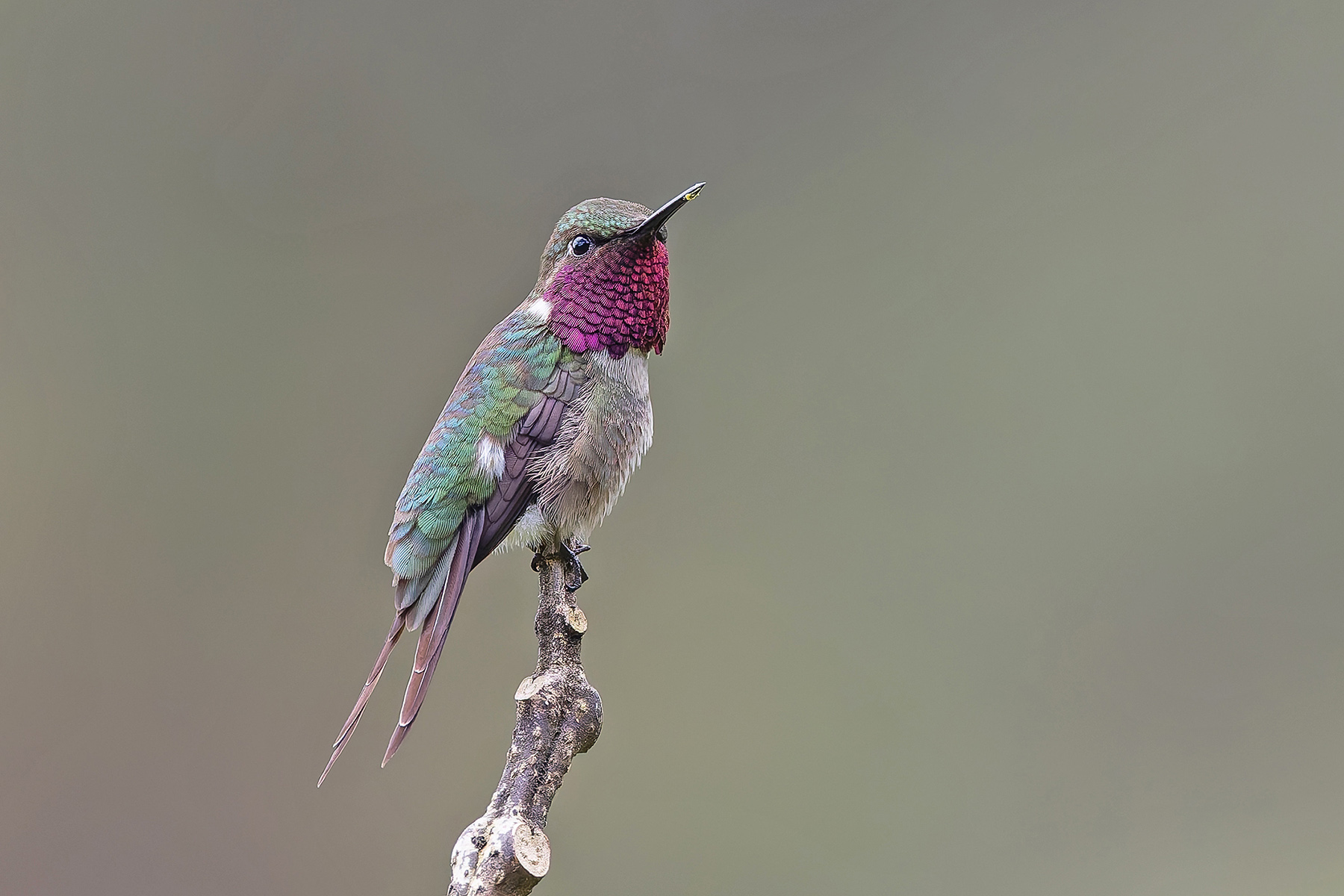
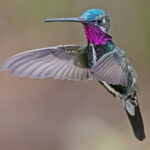
Amethyst Woodstar (image by Pete Morris)
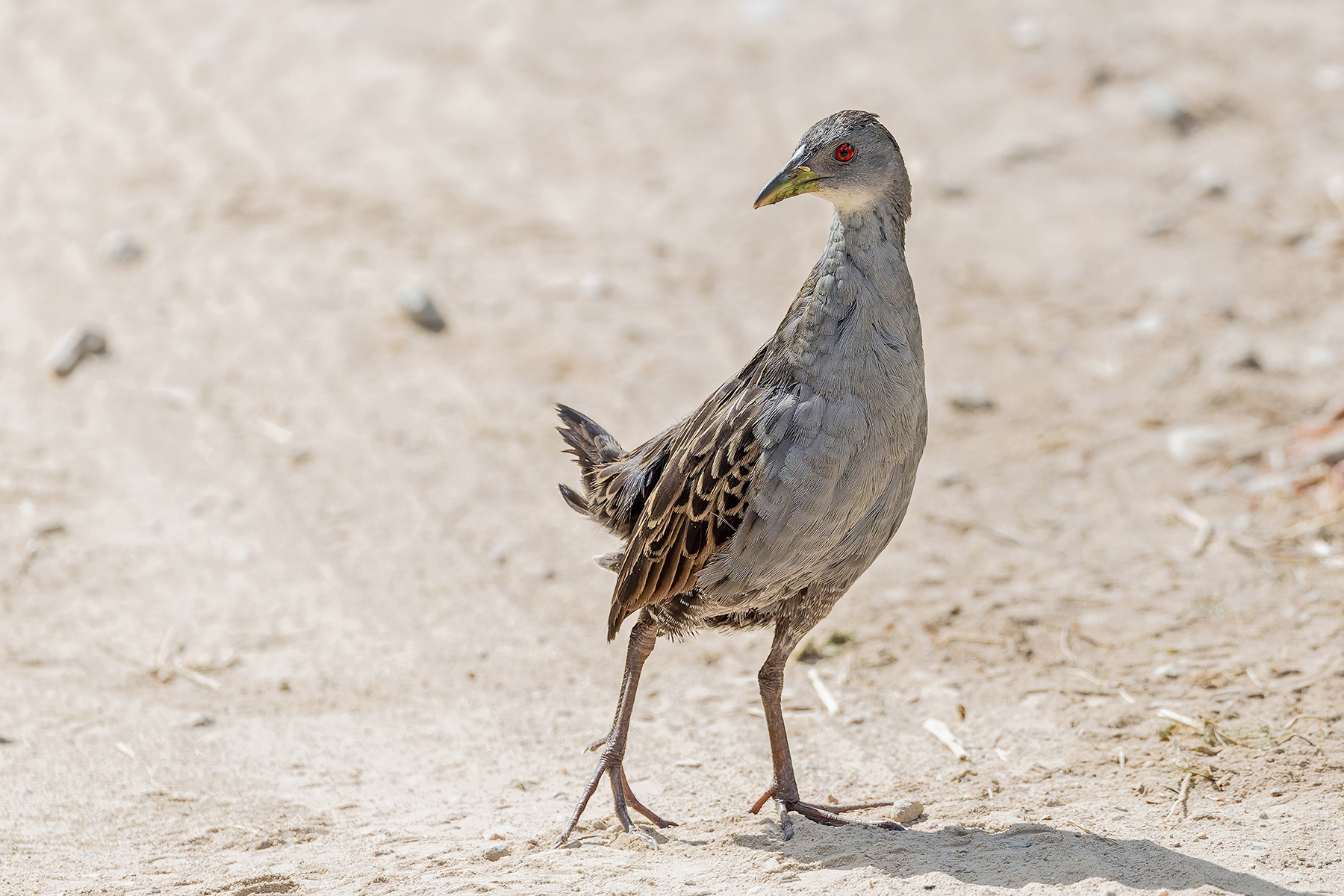
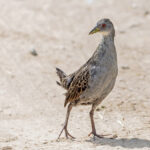
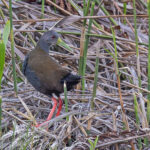
Ash-throated Crake (image by Pete Morris)
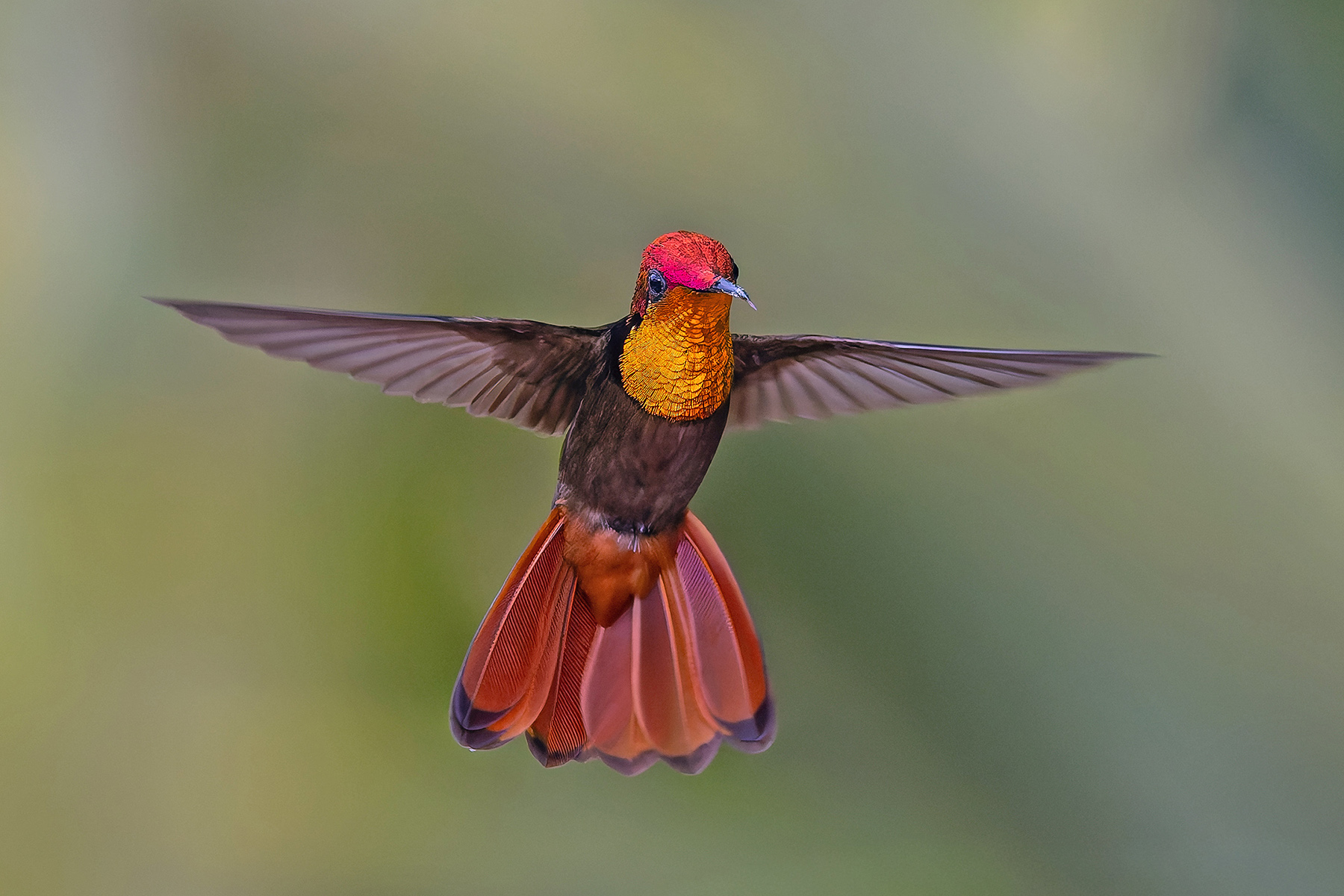
Ruby Topaz (image by Pete Morris)
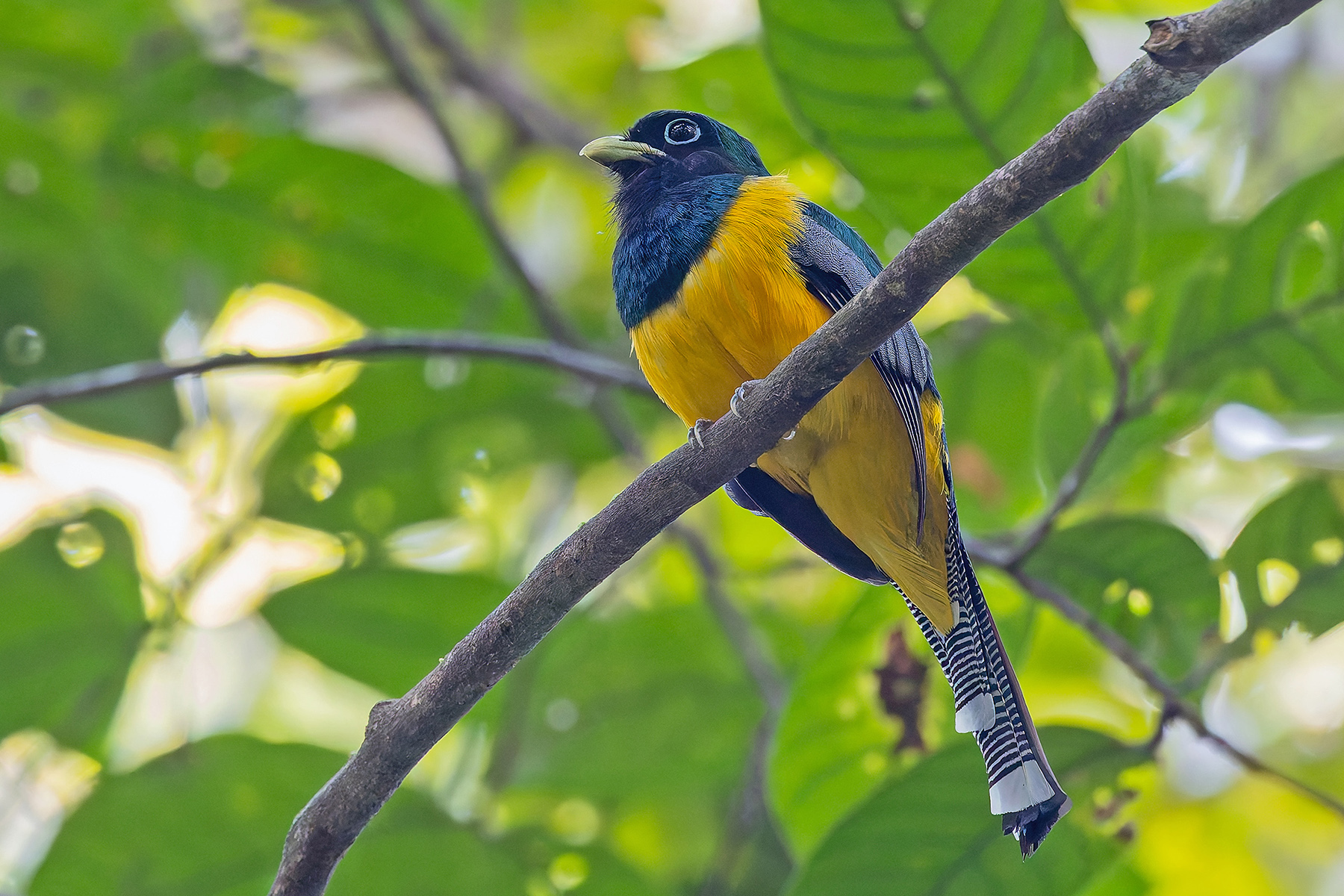
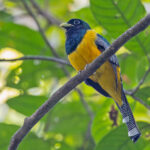
Atlantic Black-throated Trogon (image by Pete Morris)
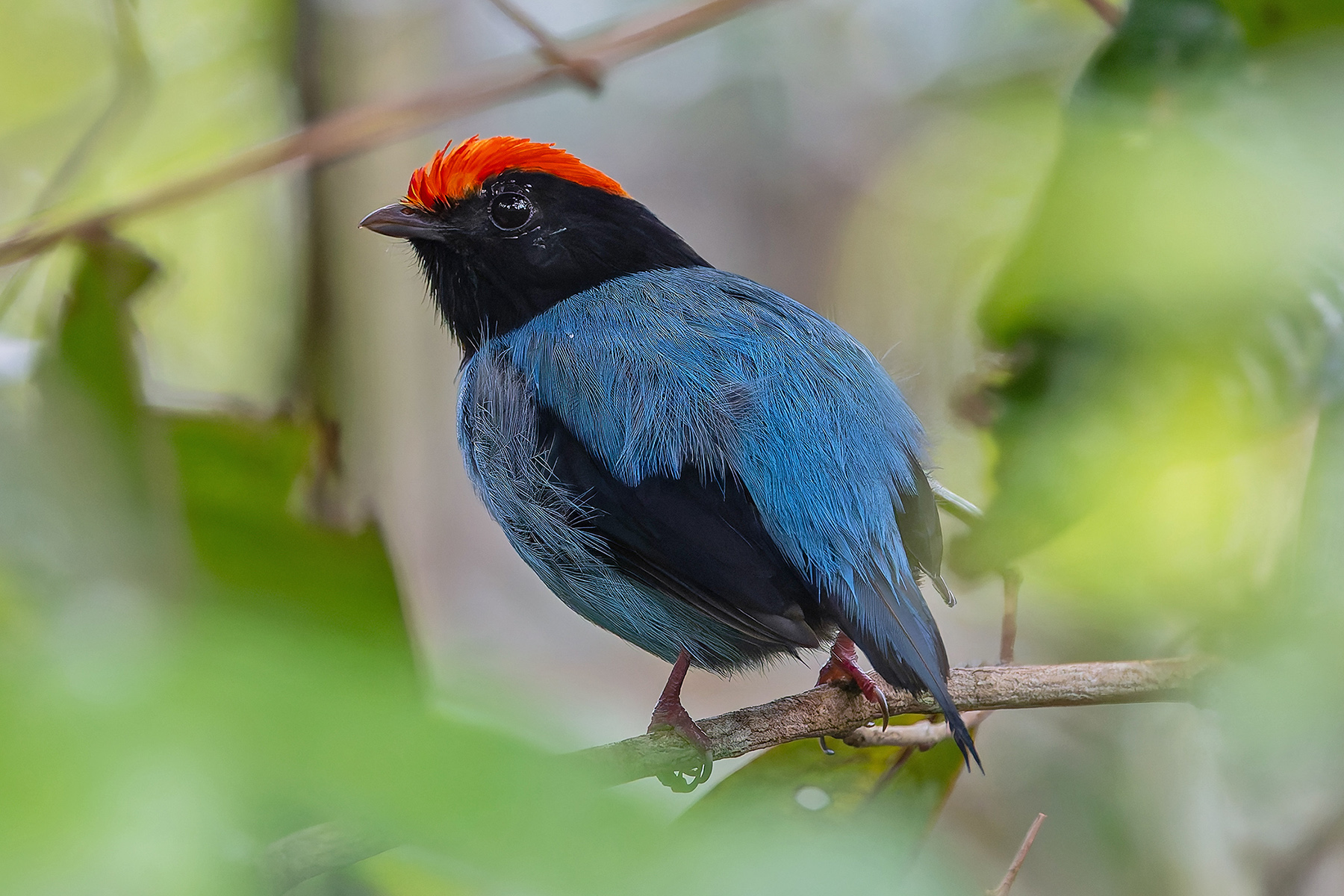
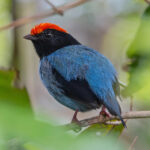
Blue Manakin (image by Pete Morris)
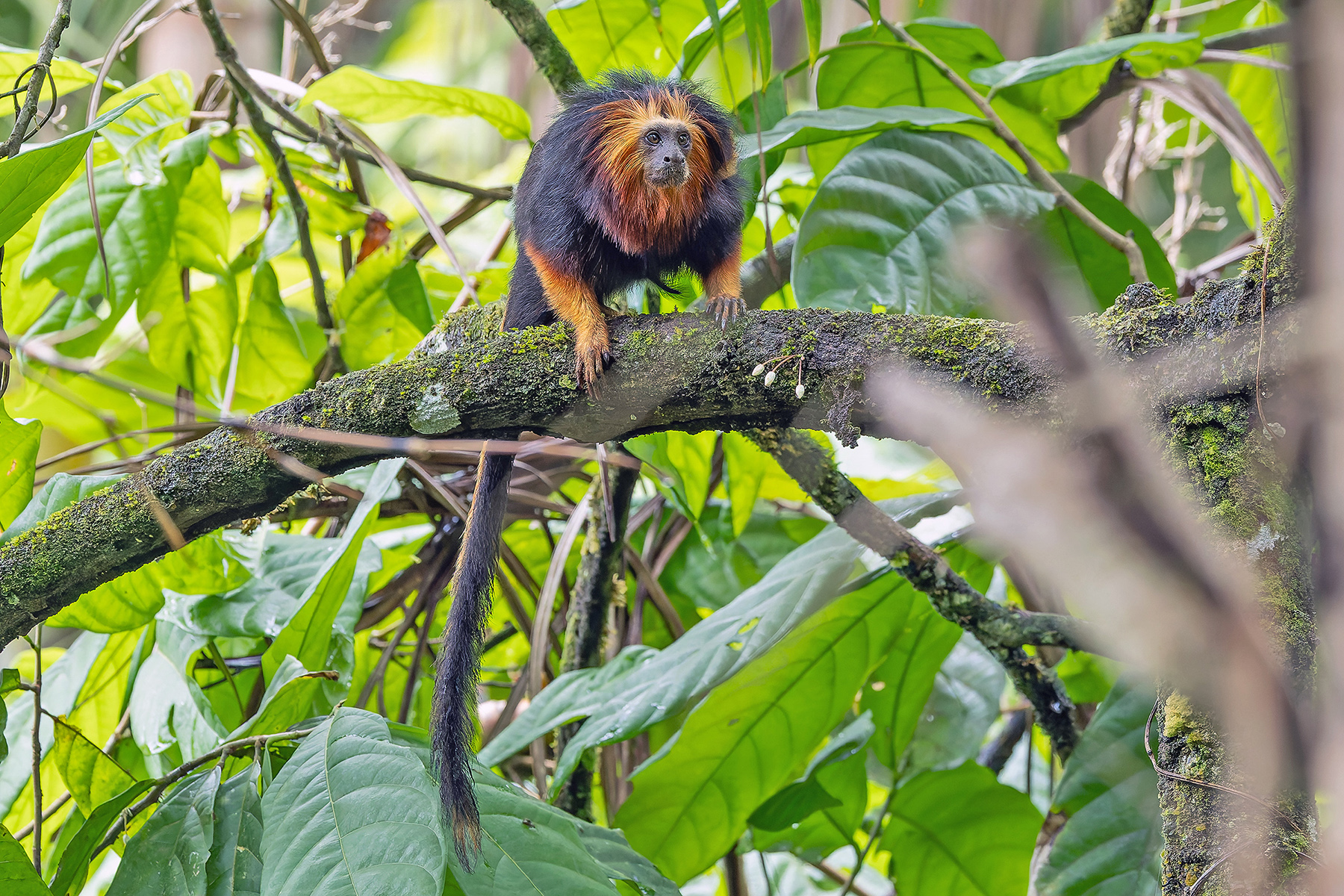
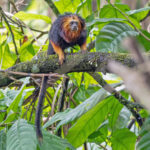
Golden-headed Lion Tamarin (image by Pete Morris)
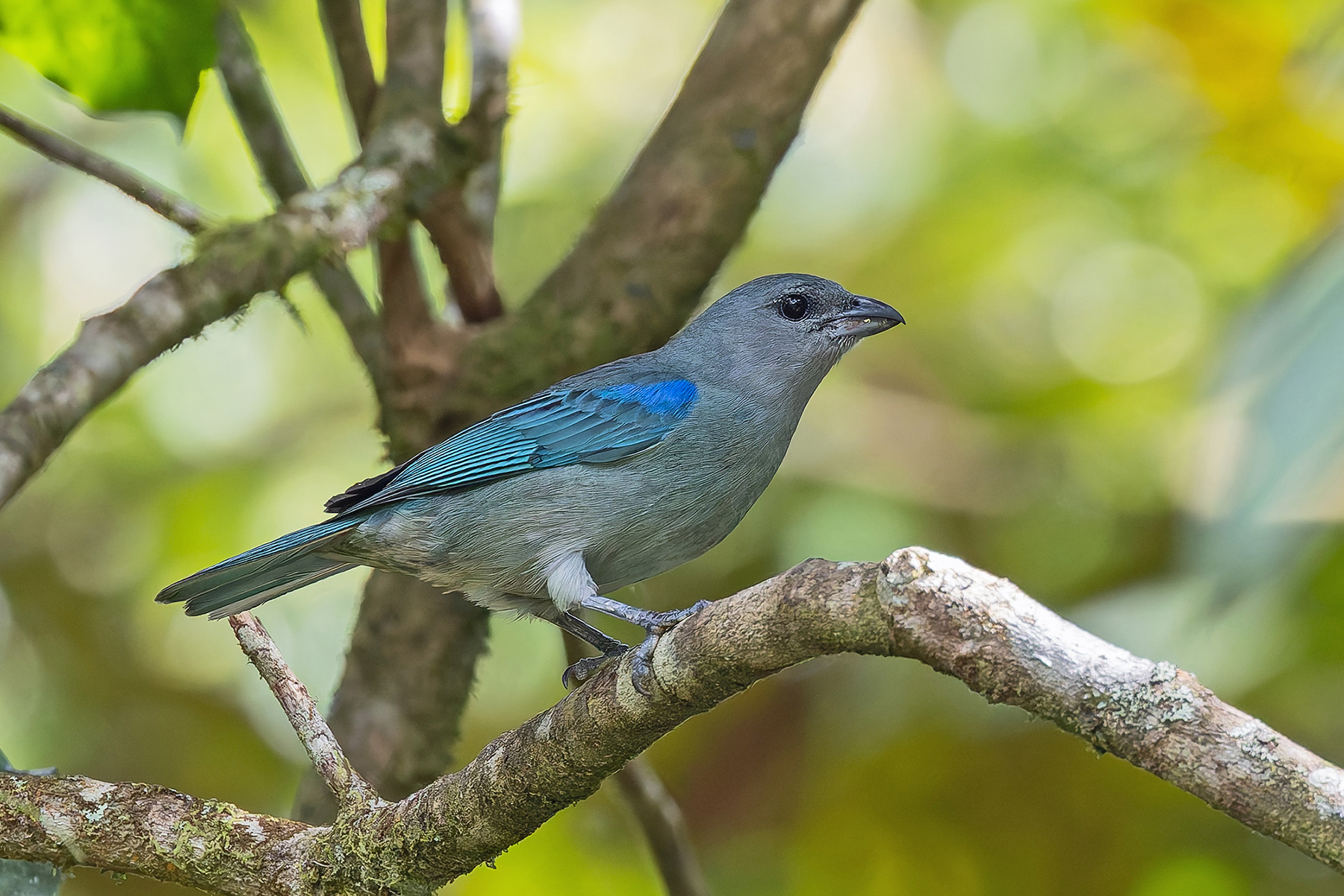
Azure-shouldered Tanager (image by Pete Morris)
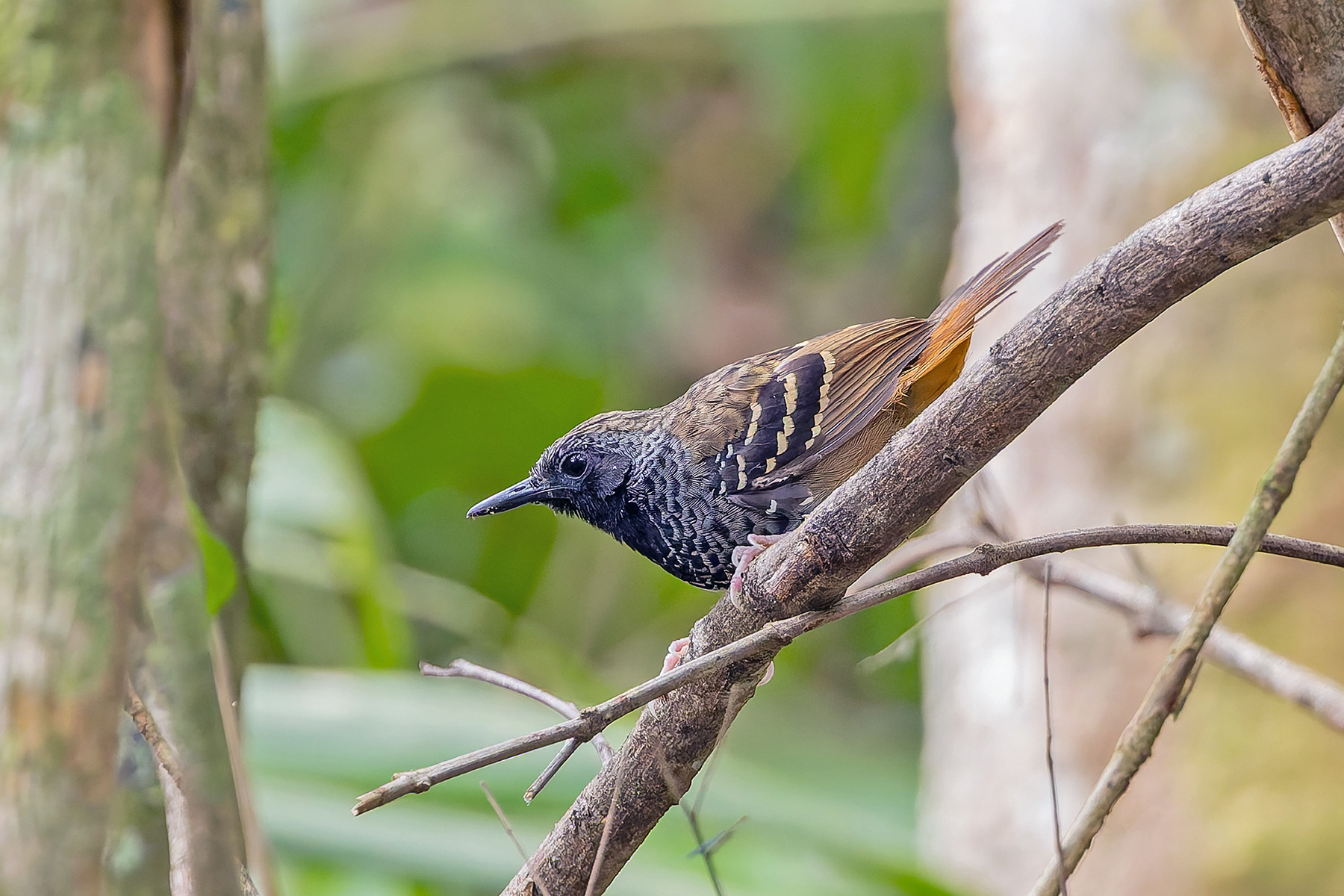
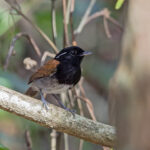
Scalloped Antbird (image by Pete Morris)
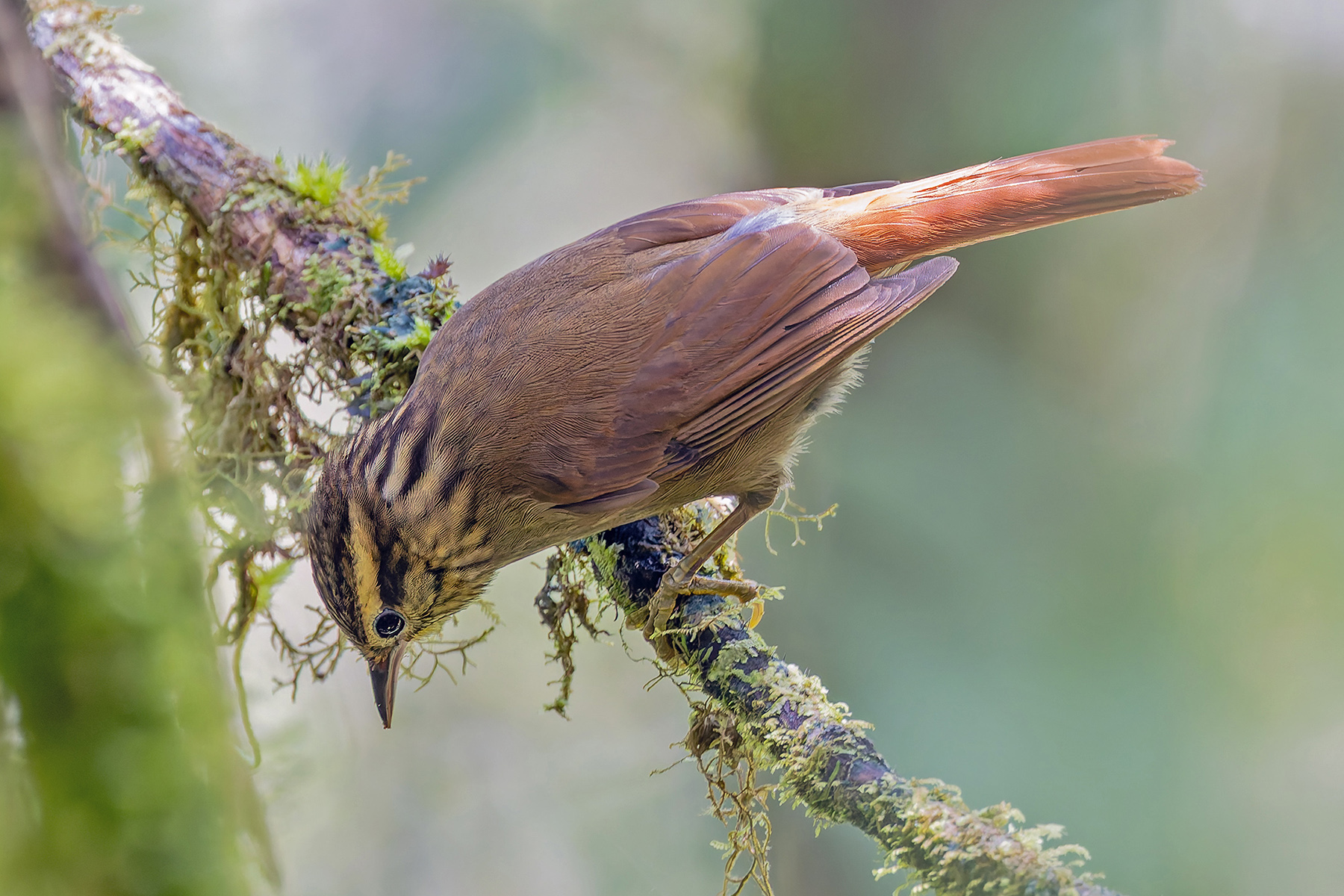
Bahia Treehunter (image by Pete Morris)
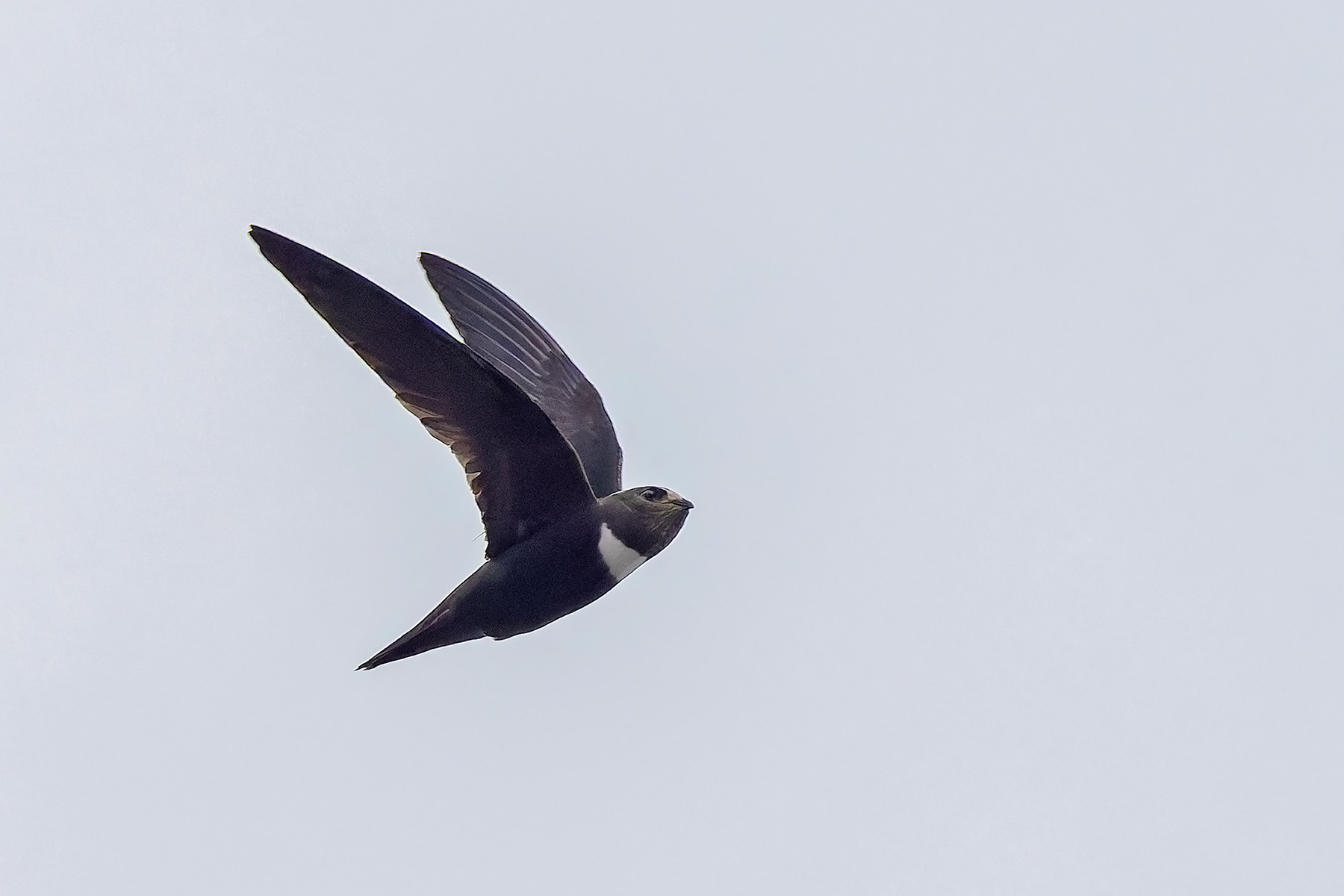
Biscutate Swift (image by Pete Morris)
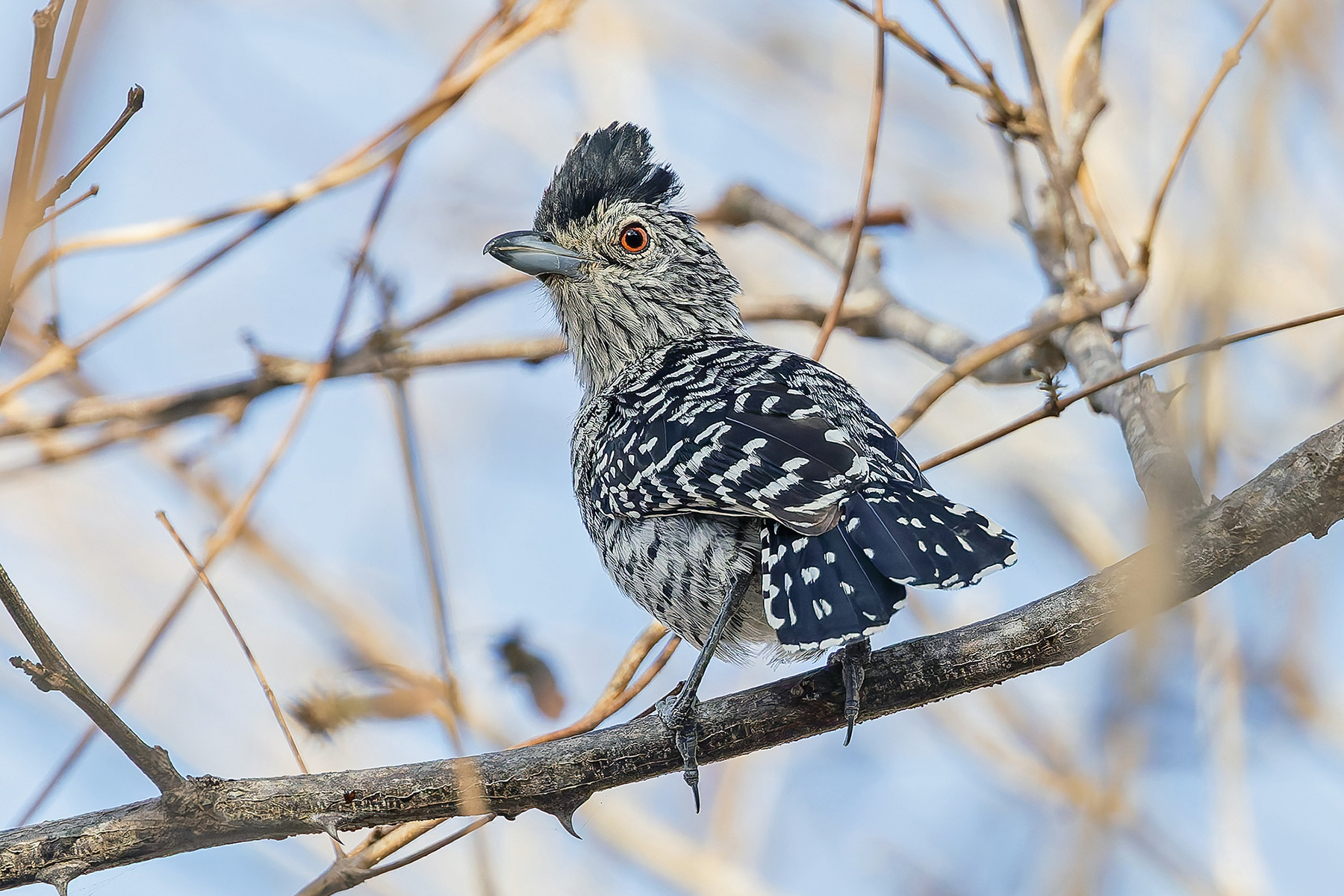
Barred Antshrike (Caatinga) (image by Pete Morris)
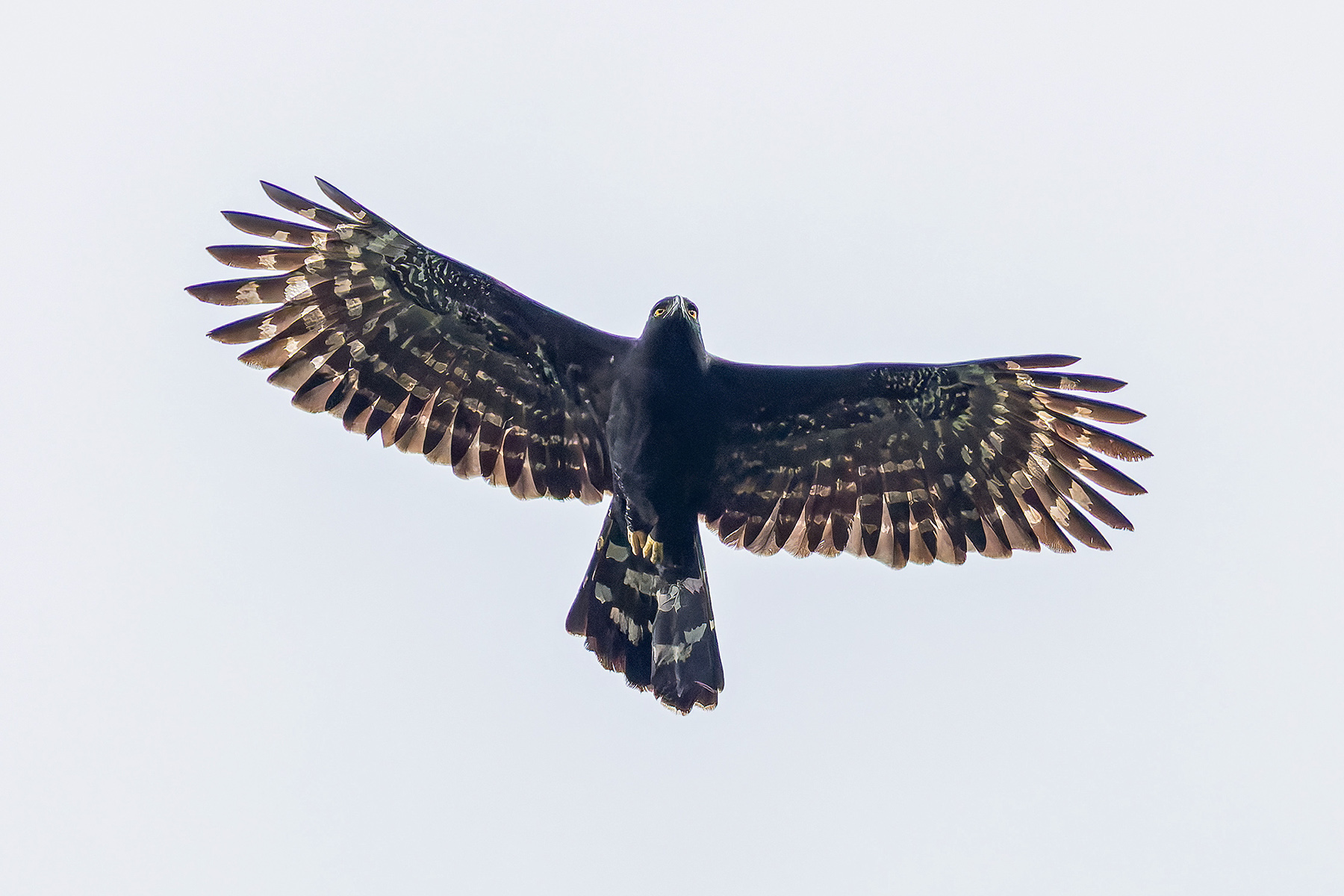
Black Hawk-Eagle (image by Pete Morris)
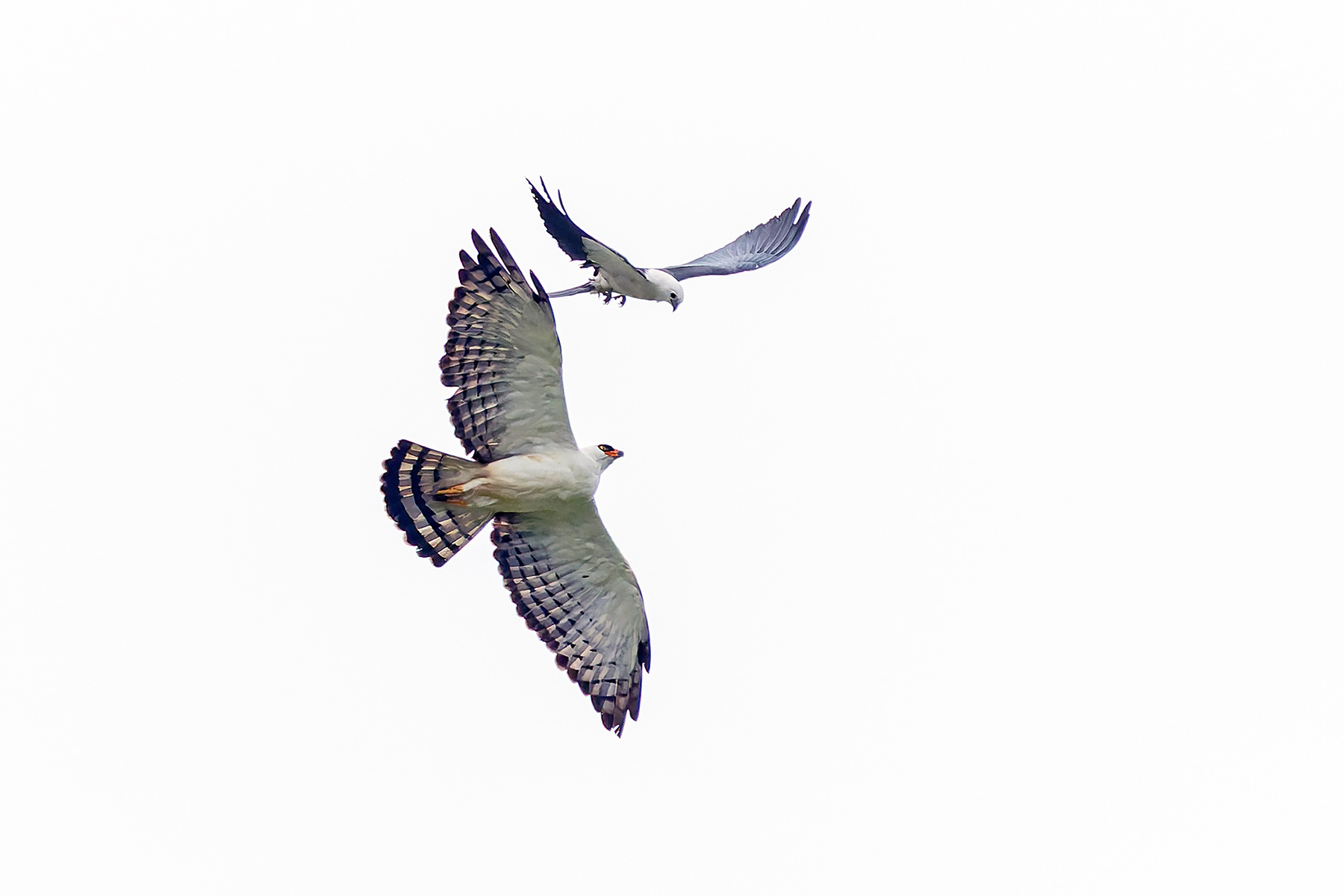
Black-and-white Hawk Eagle (image by Pete Morris)
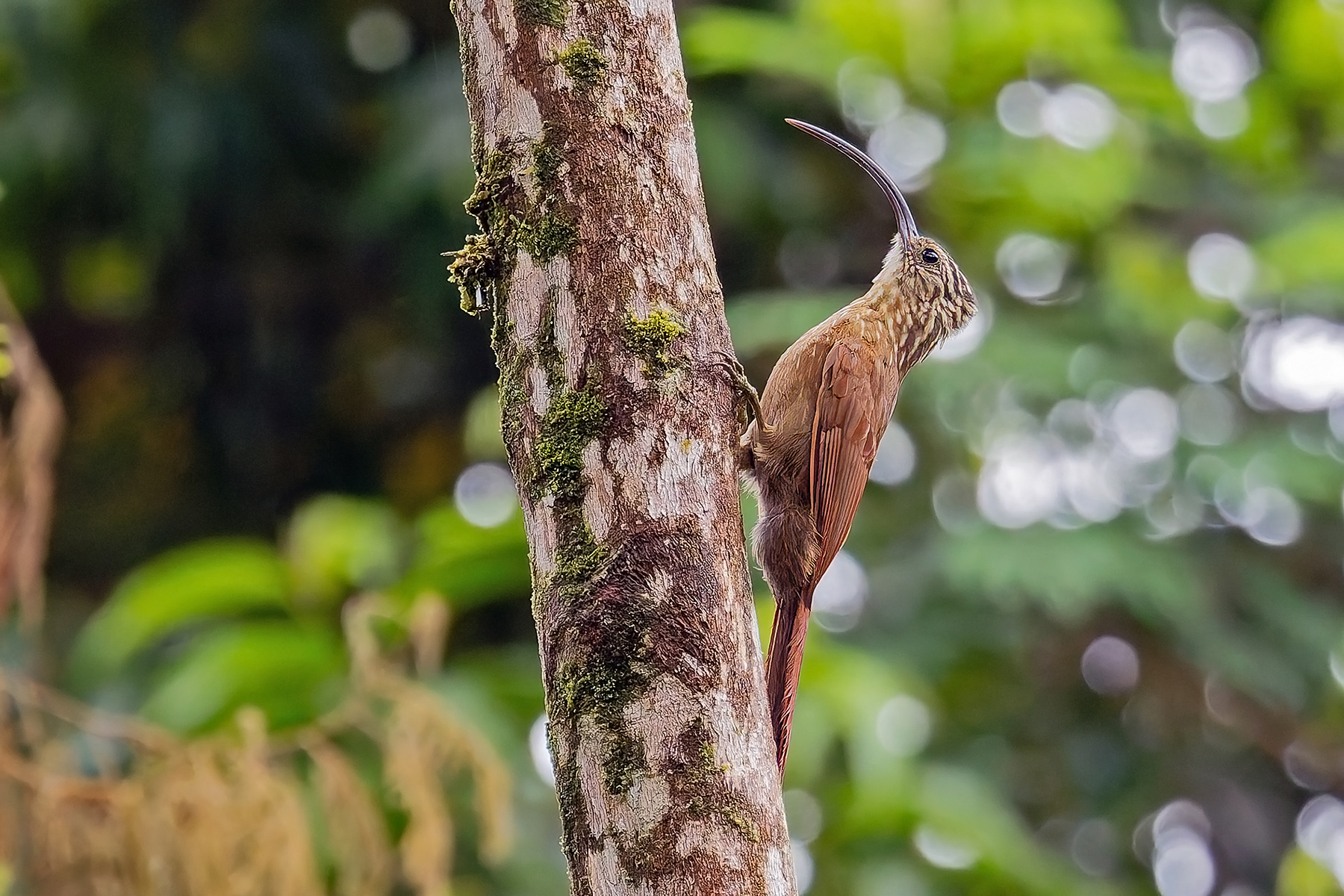
Black-billed Scythebill (image by Pete Morris)
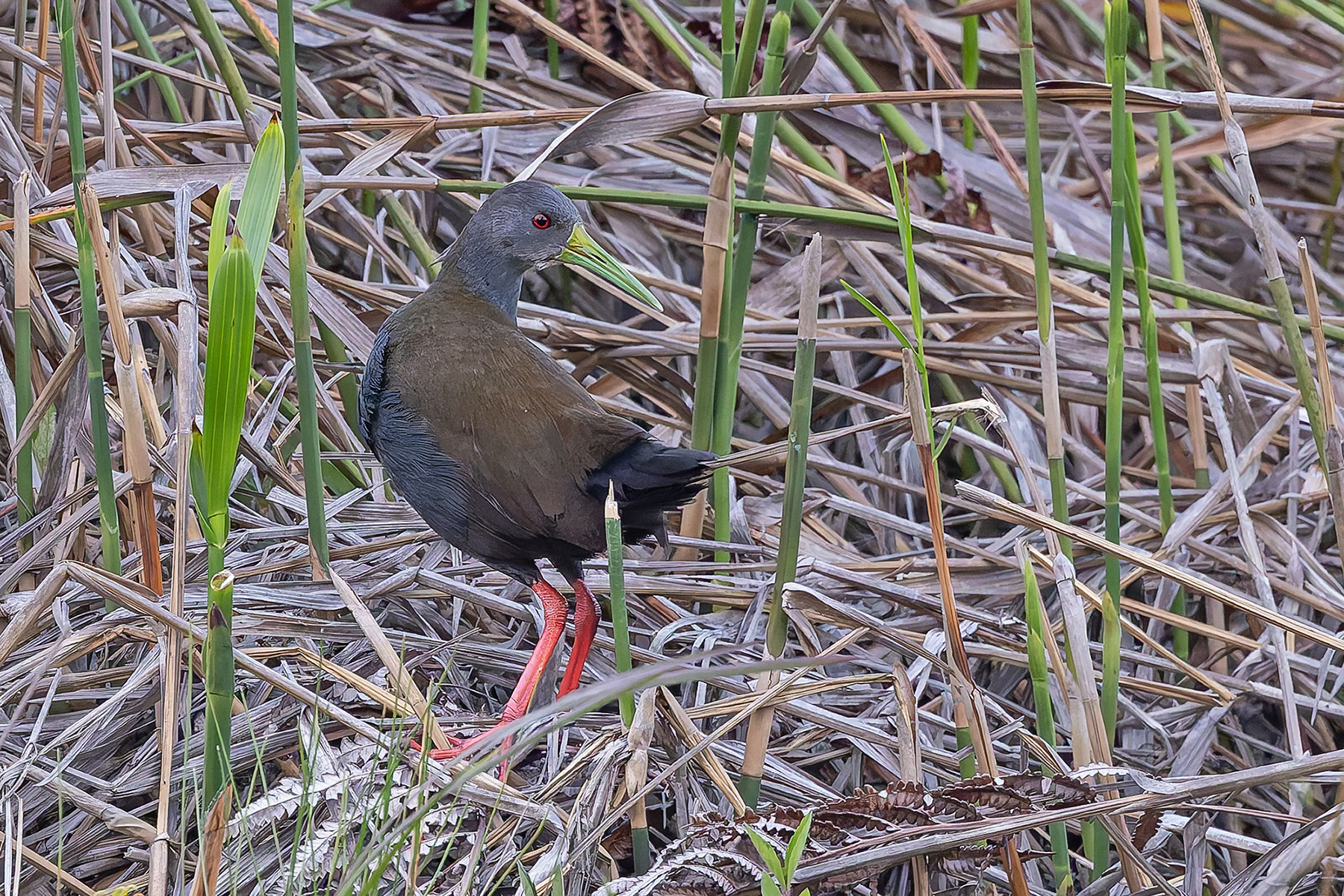
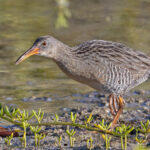
Blackish Rail (image by Pete Morris)
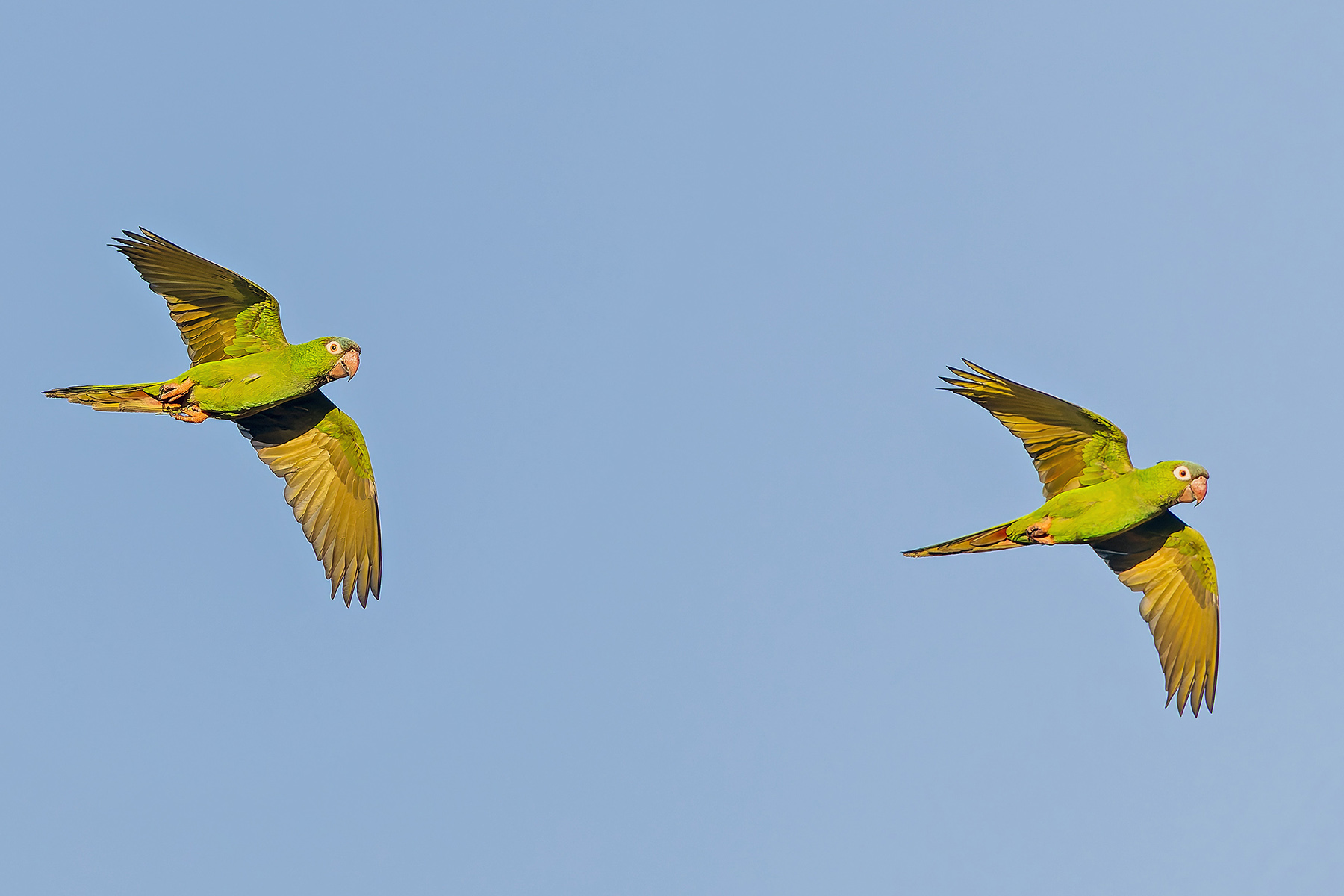
Blue-crowned Parakeets (image by Pete Morris)
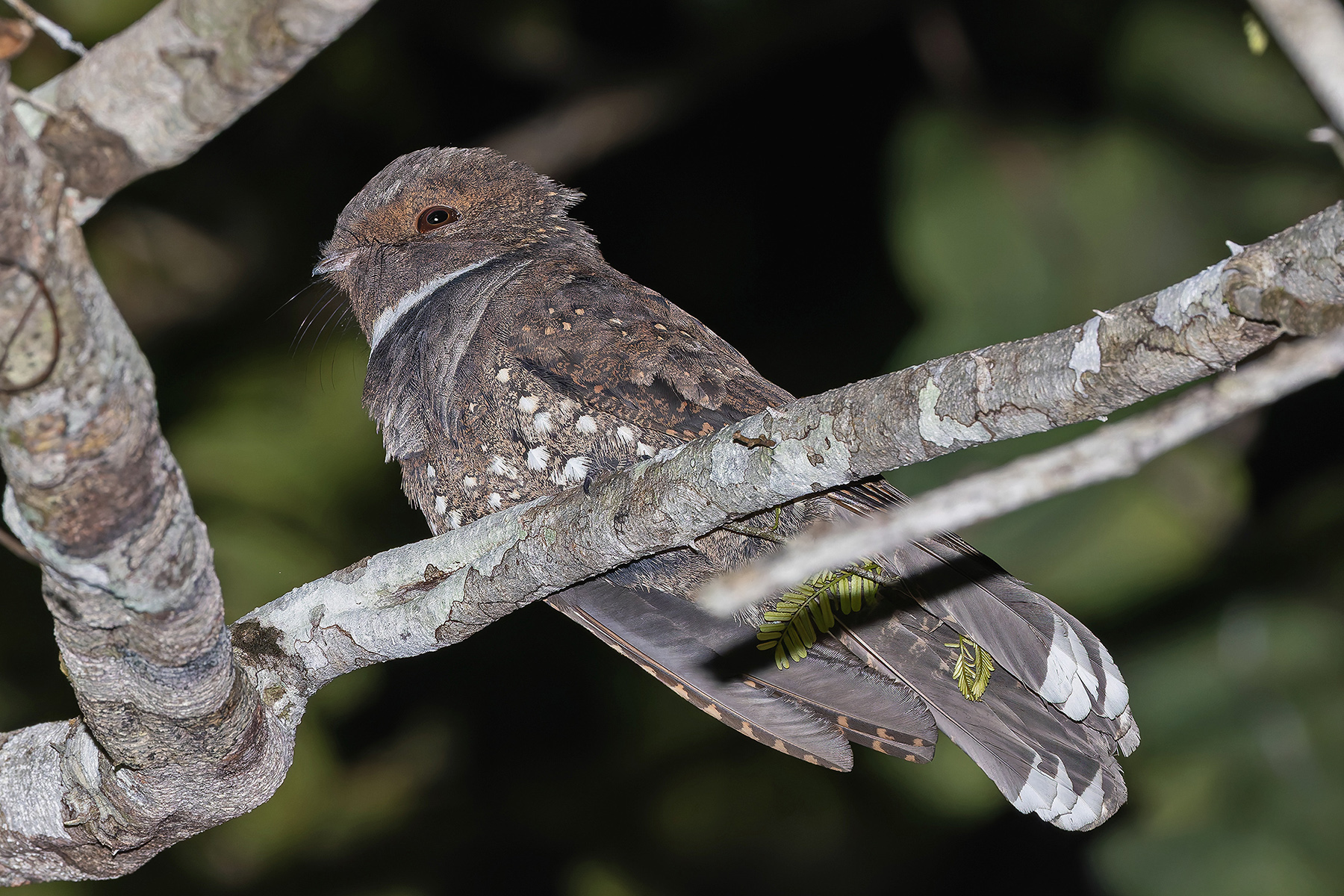
Ocellated Poorwill (image by Pete Morris)
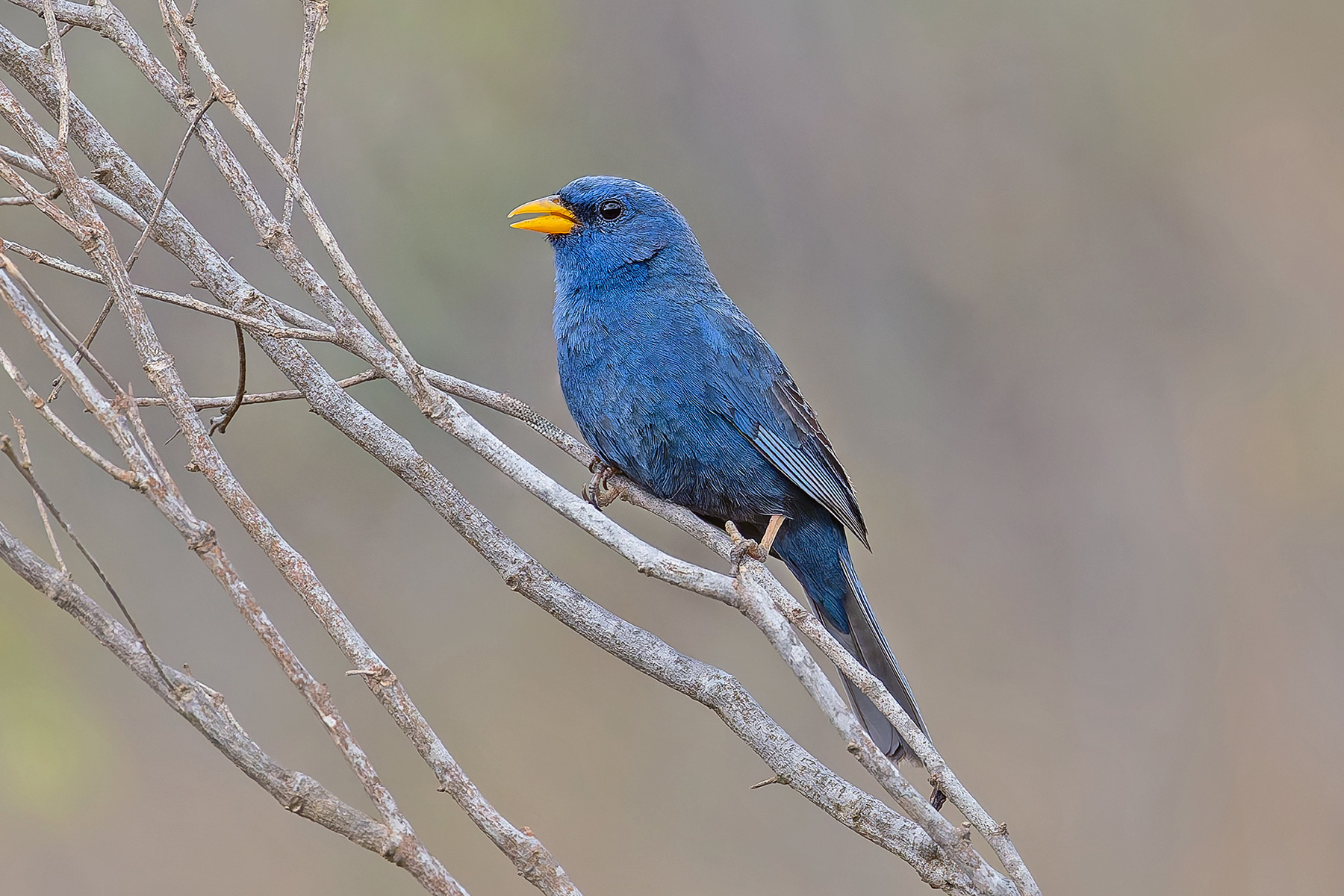
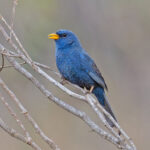
Blue Finch (image by Pete Morris)
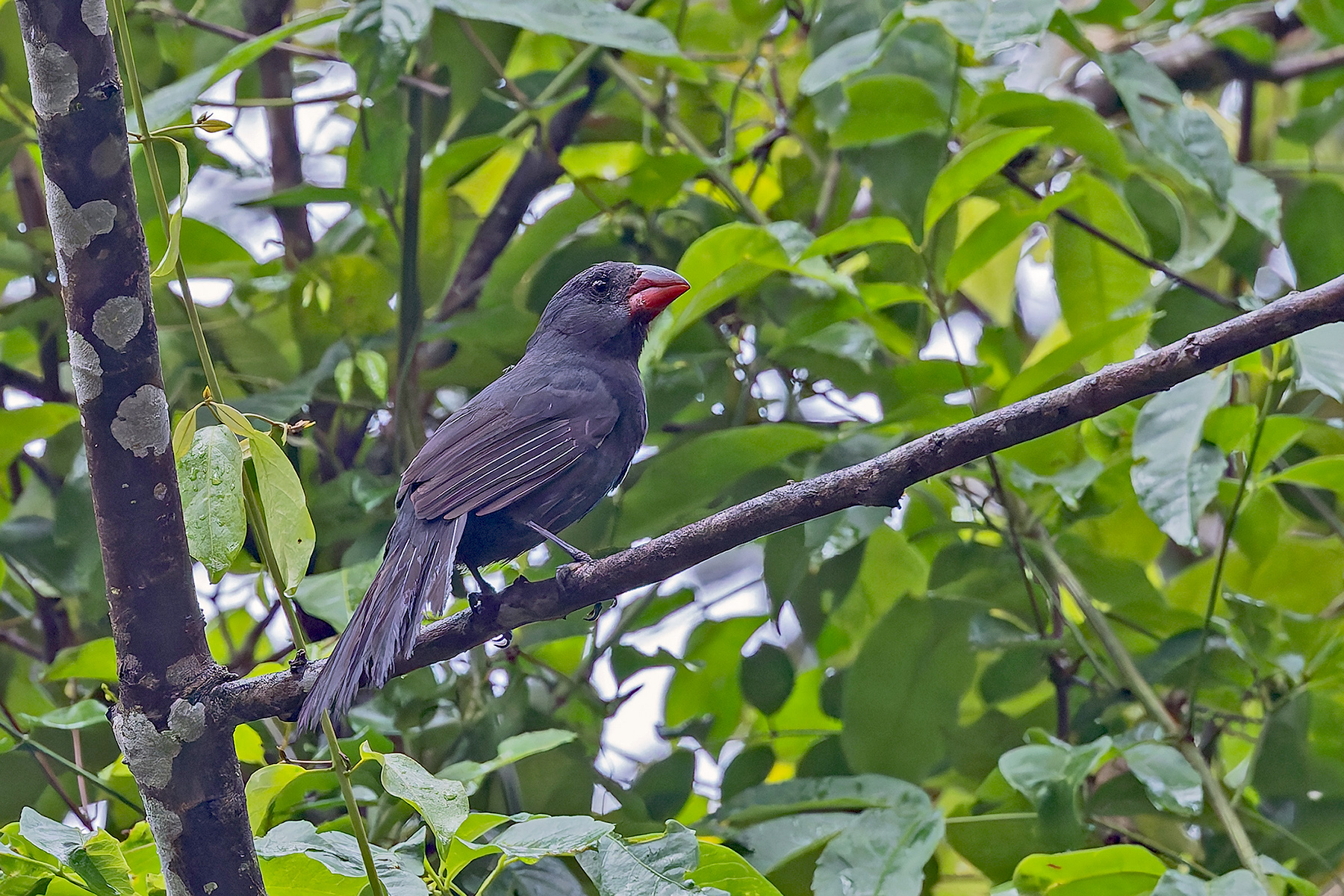
Black-throated Grosbeak (image by Pete Morris)
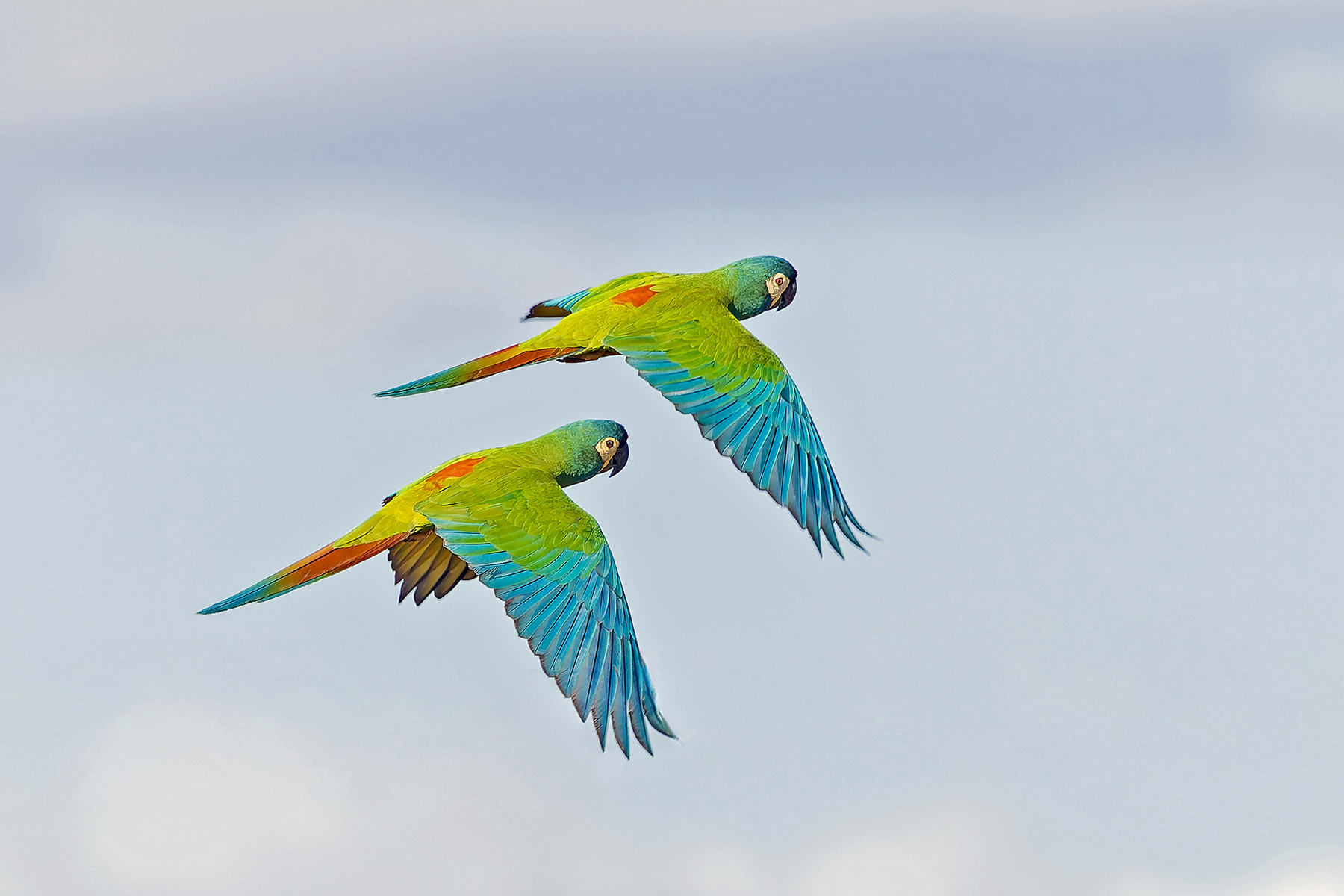
Blue-winged Macaws (image by Pete Morris)
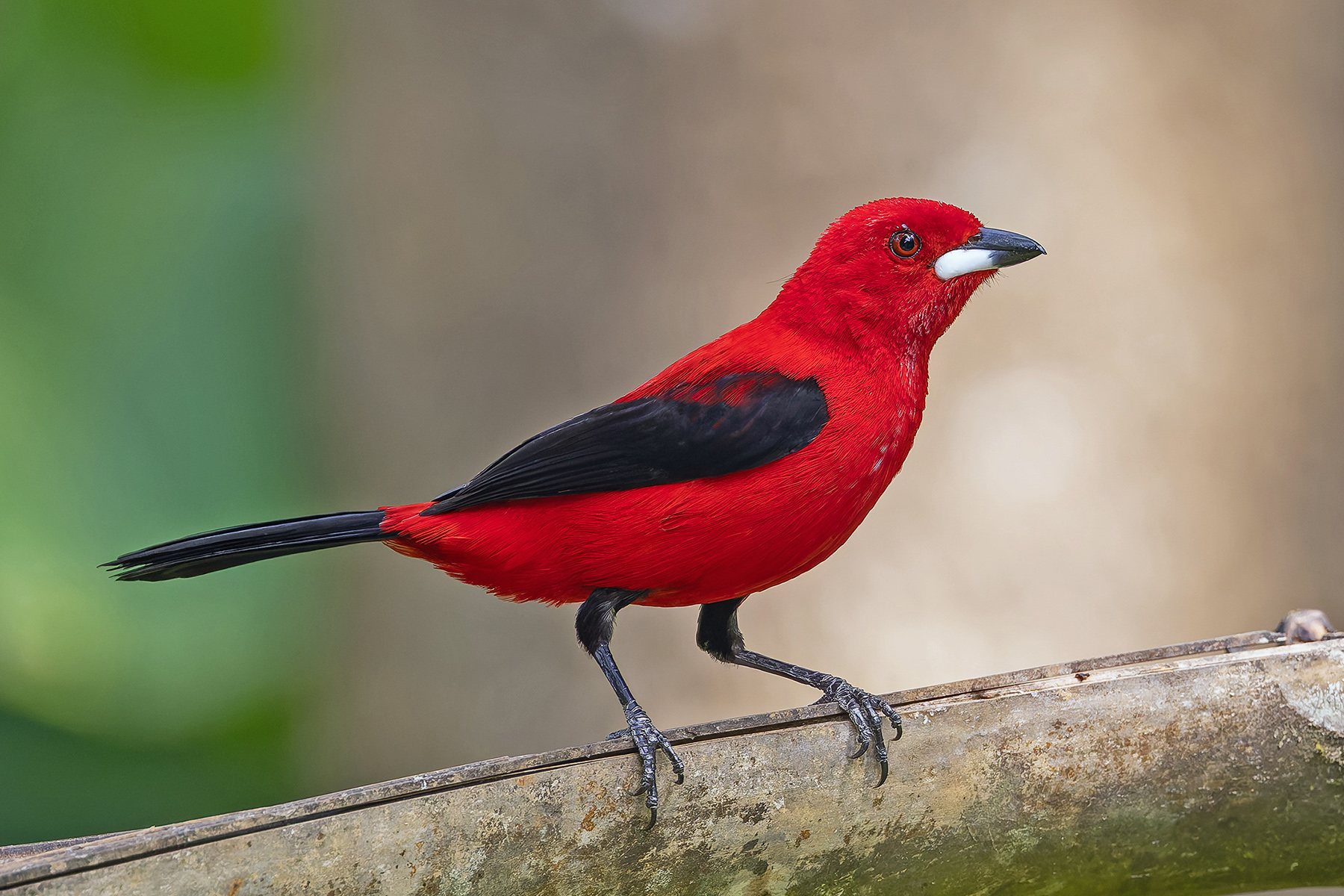
Brazilian Tanager (image by Pete Morris)
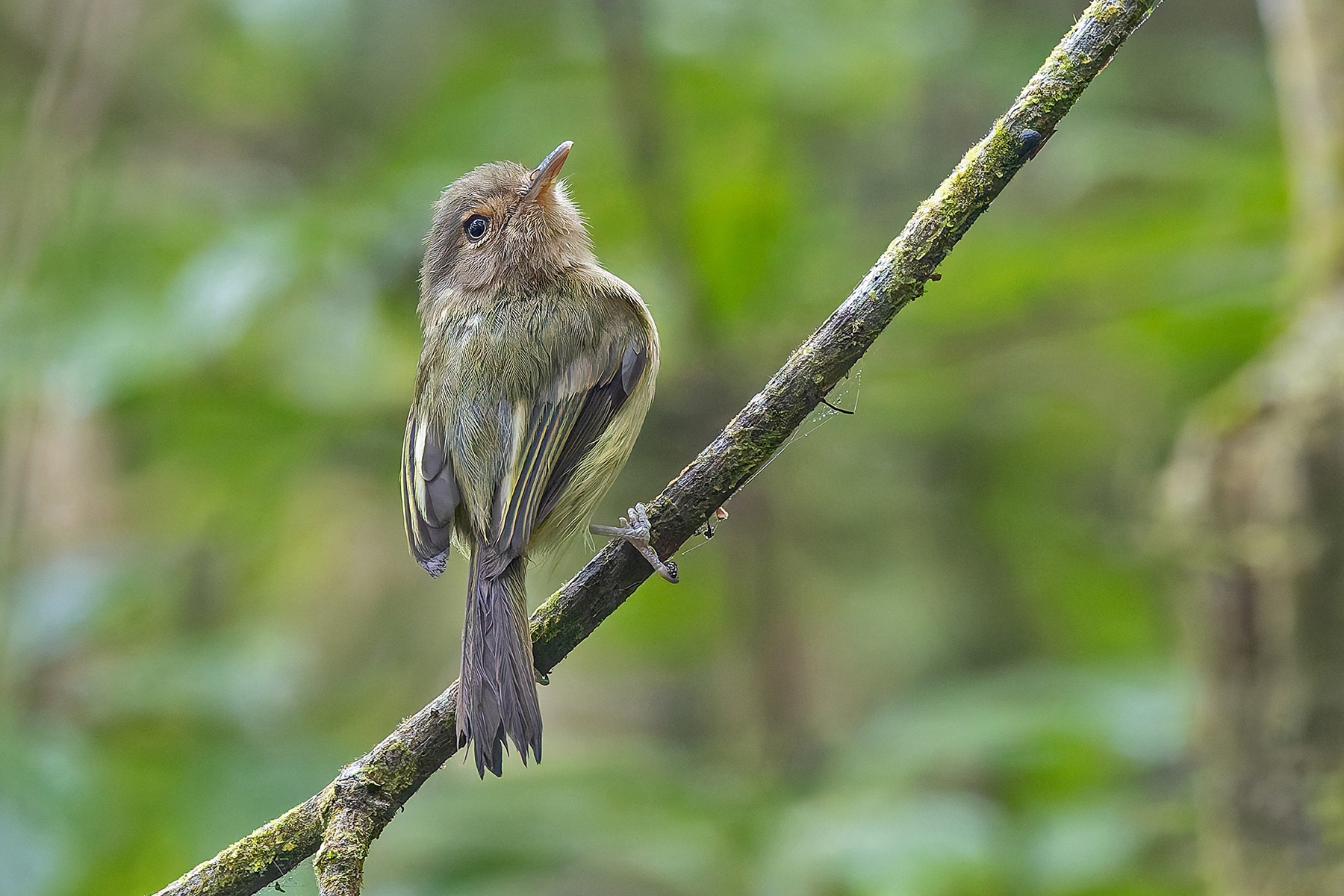
Buff-breasted Tody-Tyrant (image by Pete Morris)
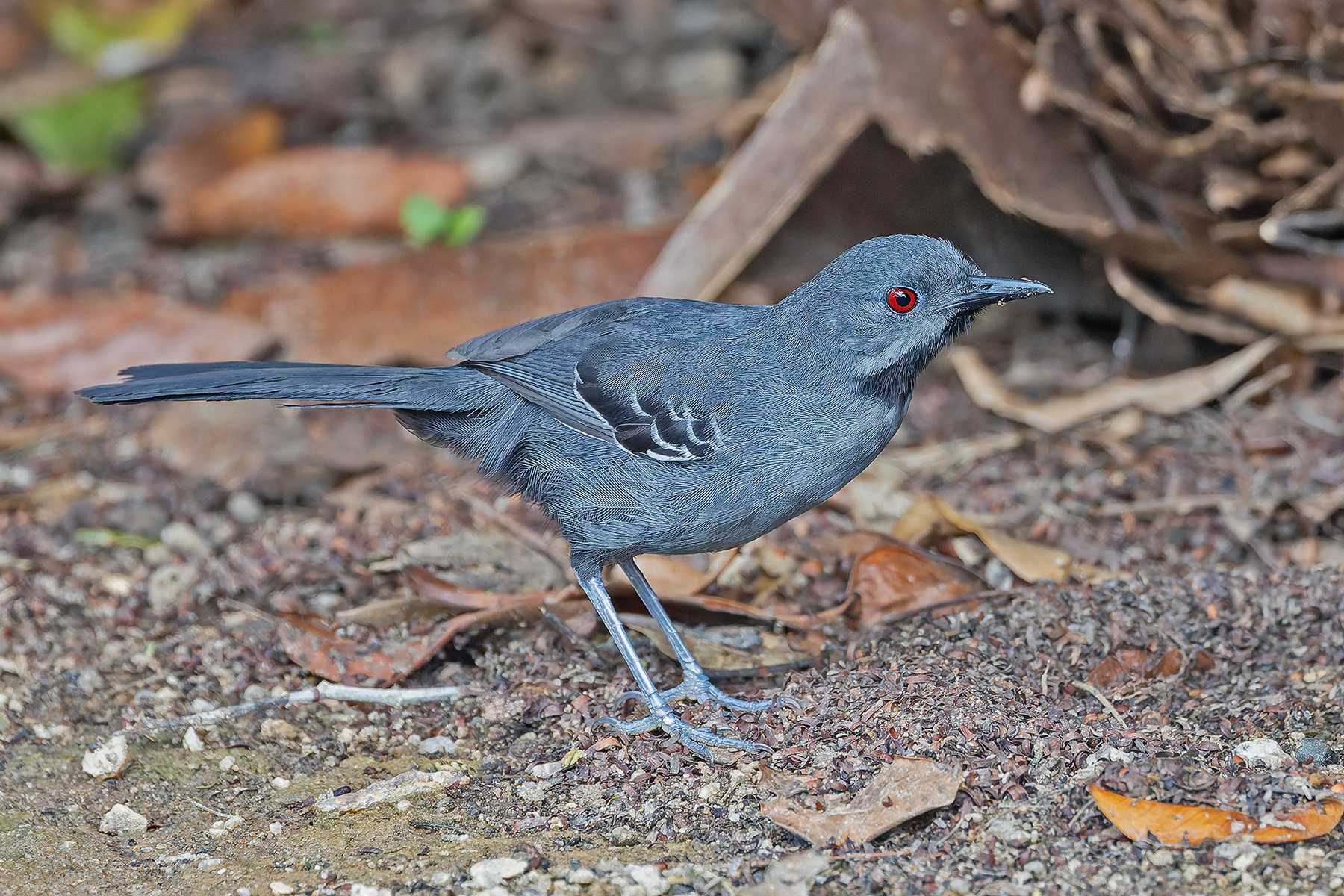
Slender Antbird (image by Pete Morris)
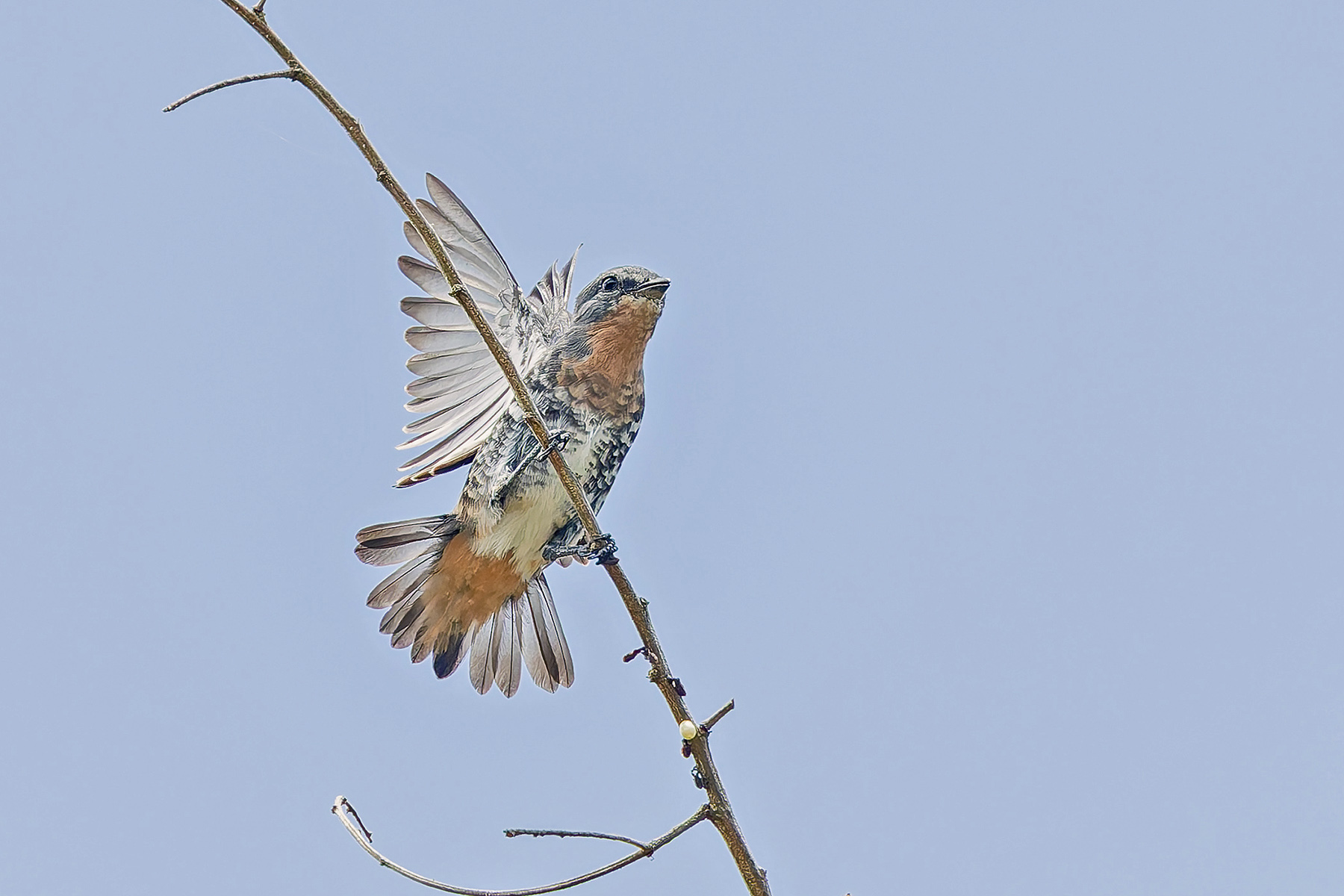
Buff-throated Purpletuft (image by Pete Morris)
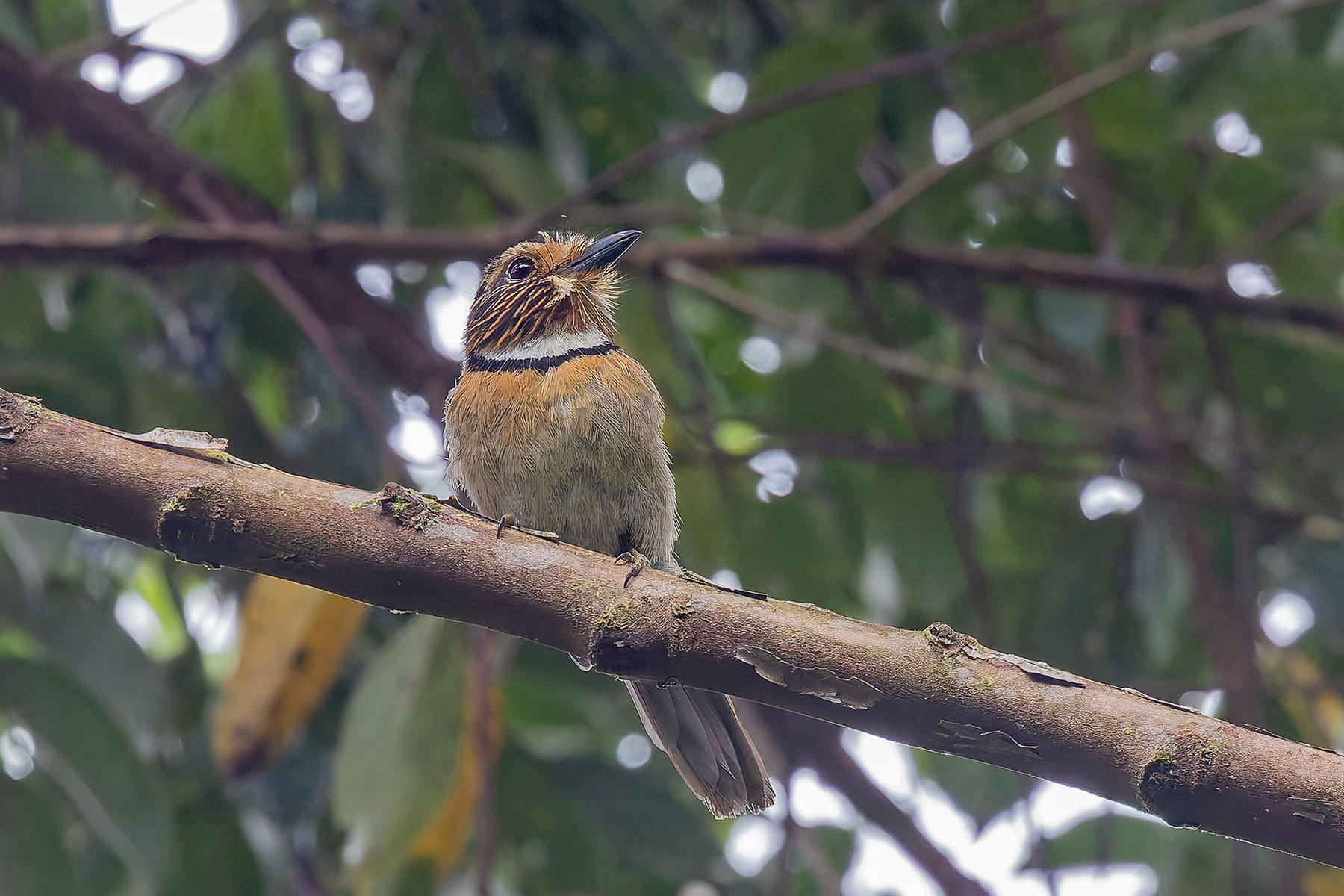
Crescent-chested Puffbird (image by Pete Morris)
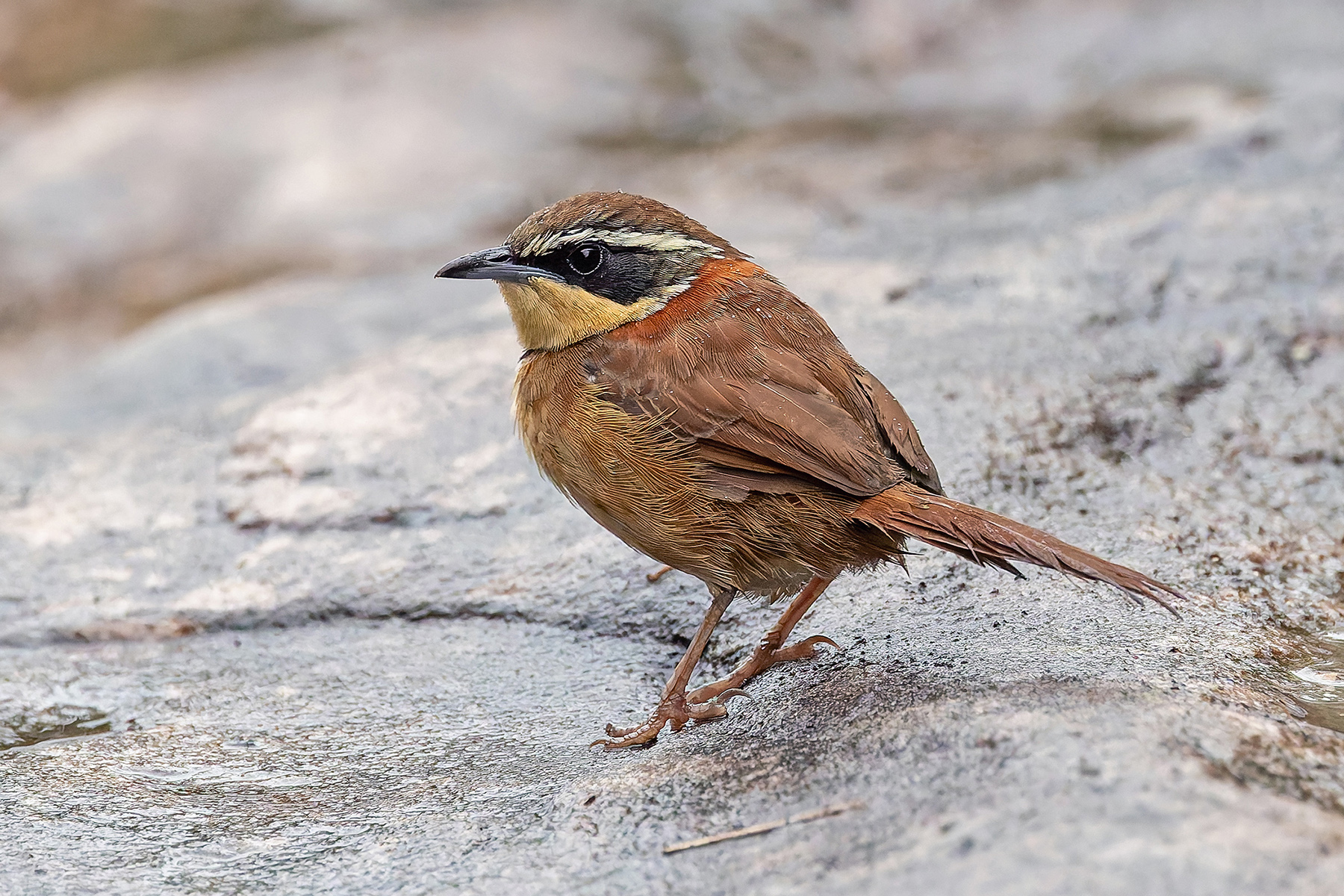
Collared Crescentchest (image by Pete Morris)
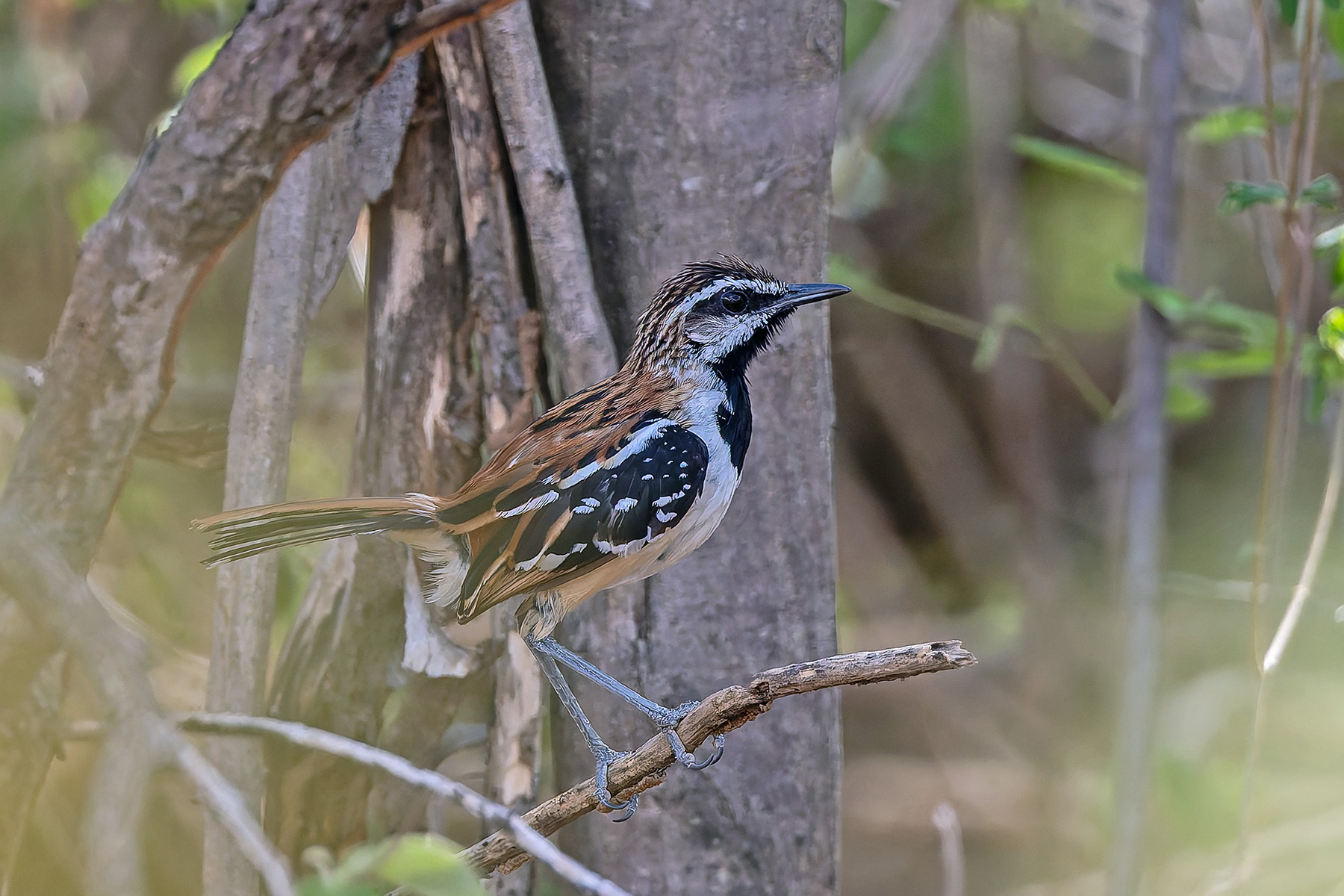
Stripe-backed Antbird (image by Pete Morris)
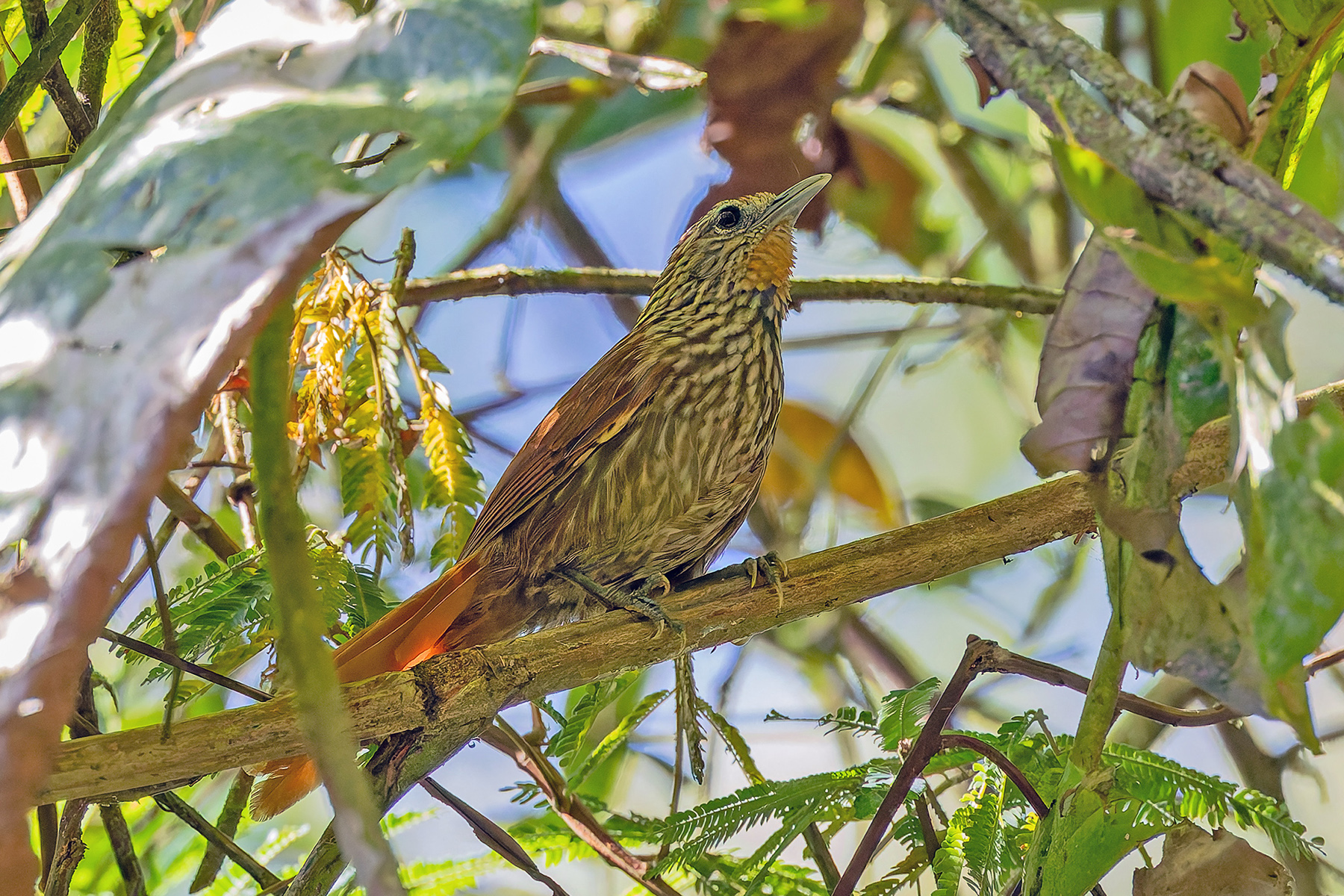
Striated Softtail (image by Pete Morris)
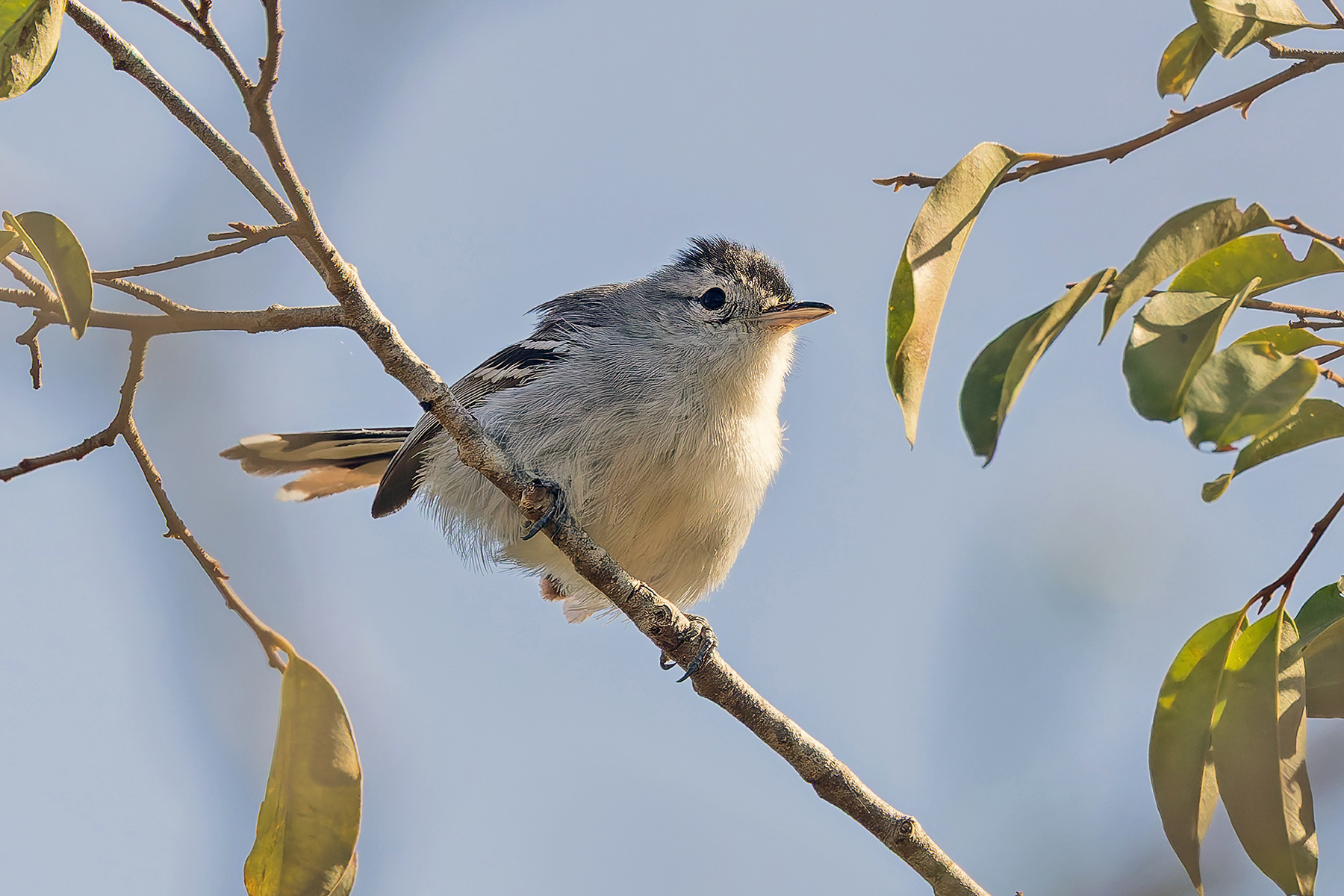
Caatinga Antwren (image by Pete Morris)
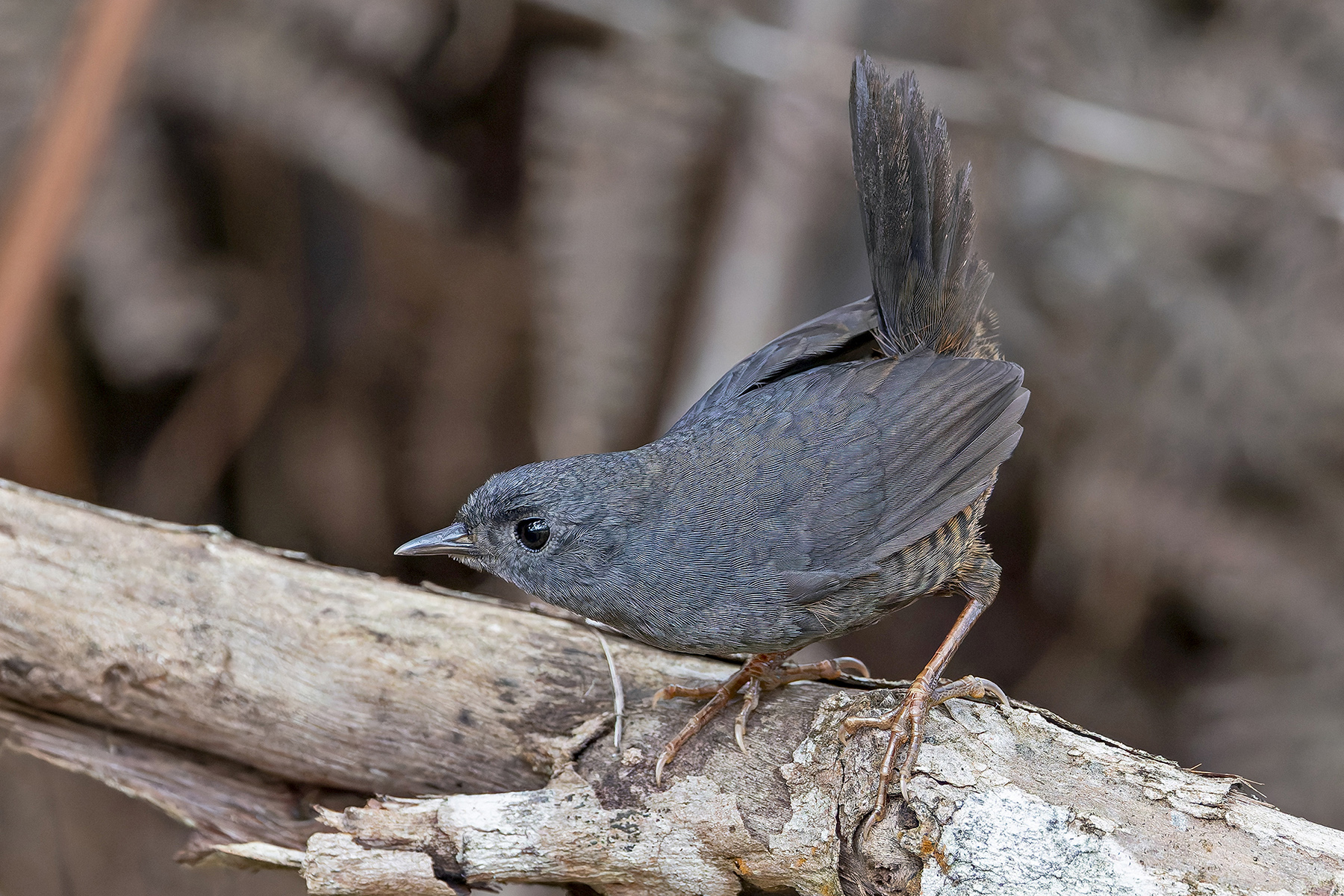
Diamantina Tapaculo (image by Pete Morris)
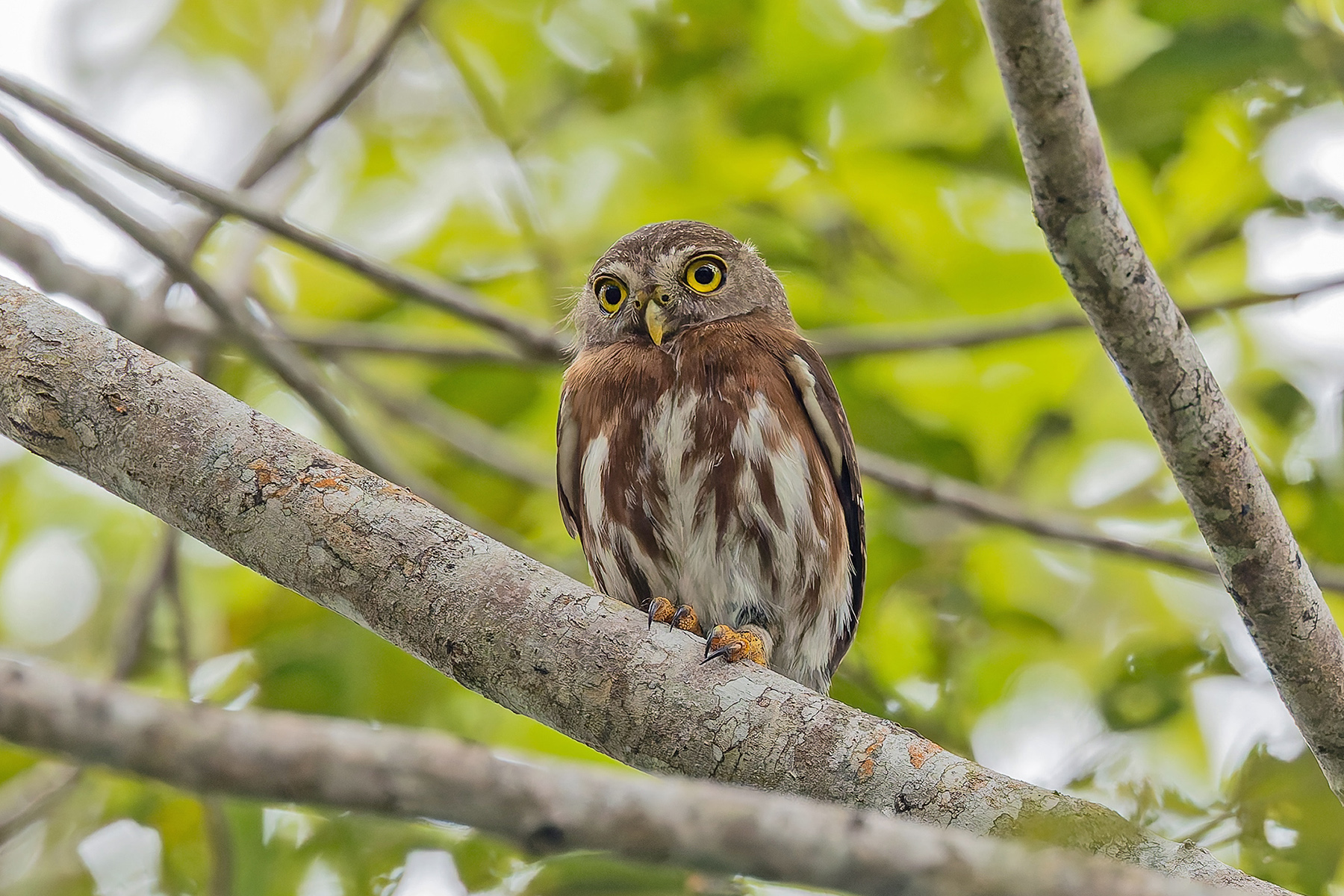
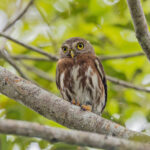
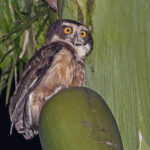
East Brazilian Pygmy Owl (image by Pete Morris)
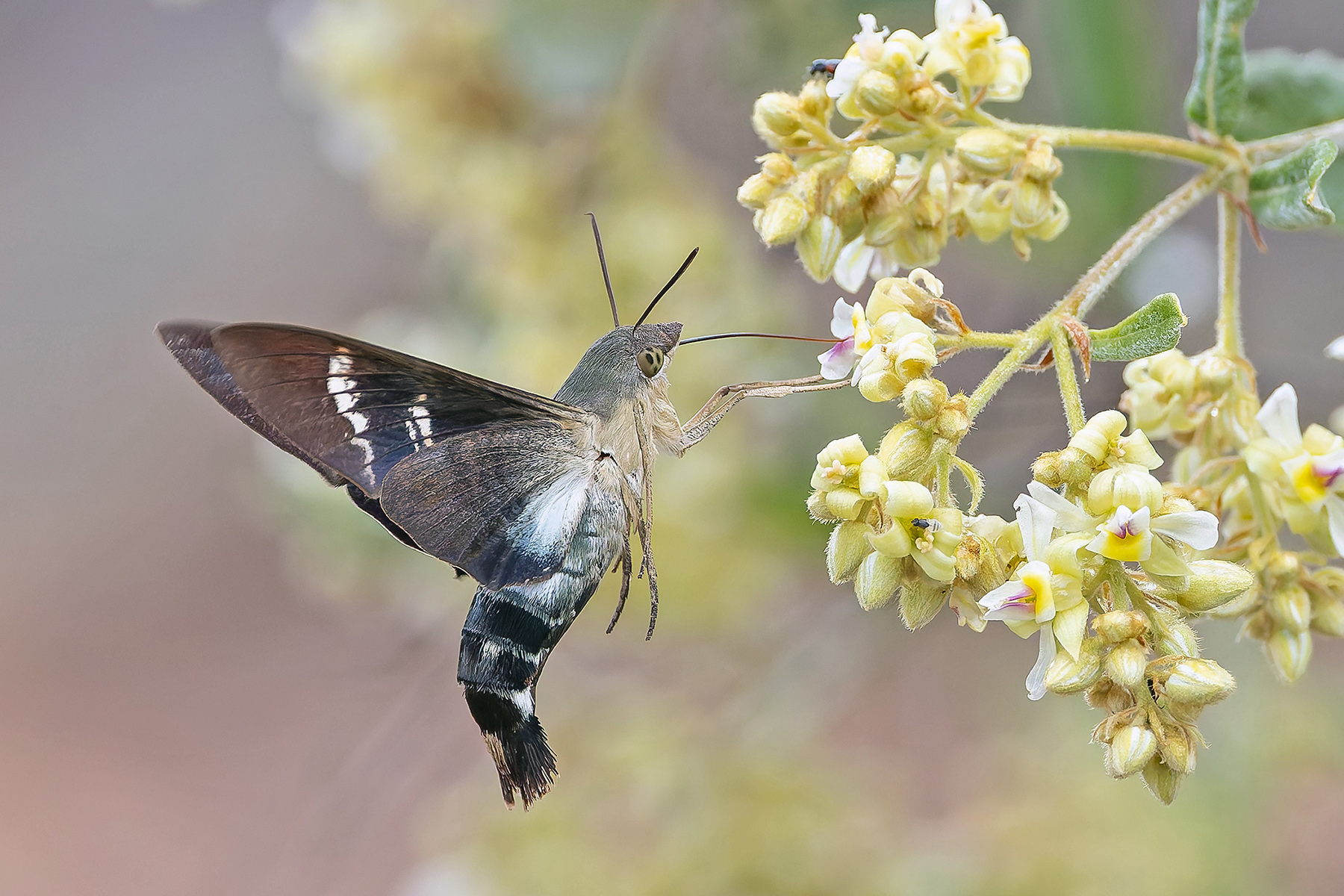
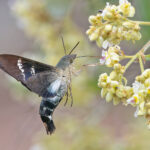
Fadus Sphinx (image by Pete Morris)
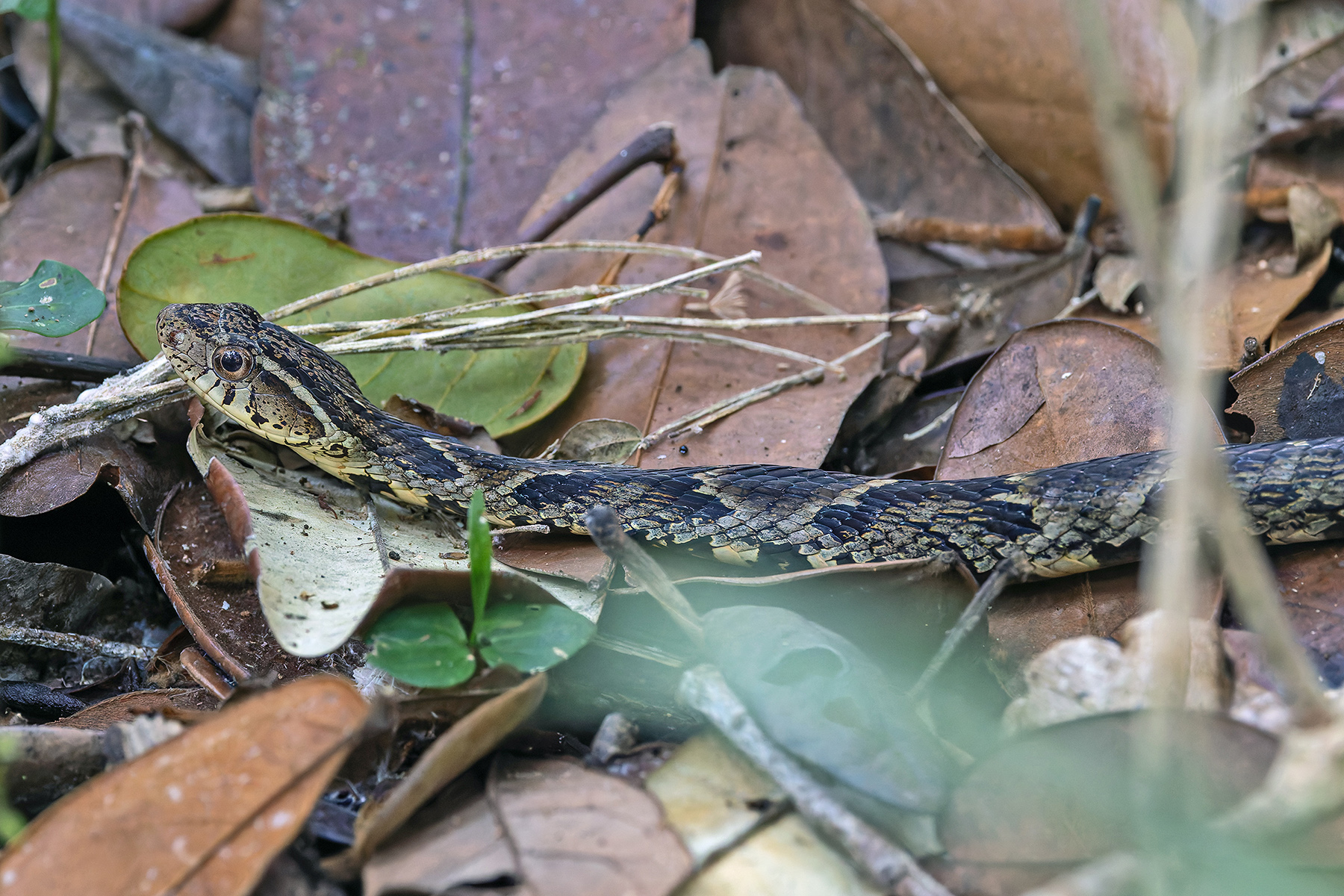
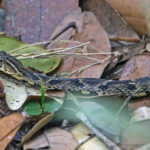
False Fer-de-lance (image by Pete Morris)
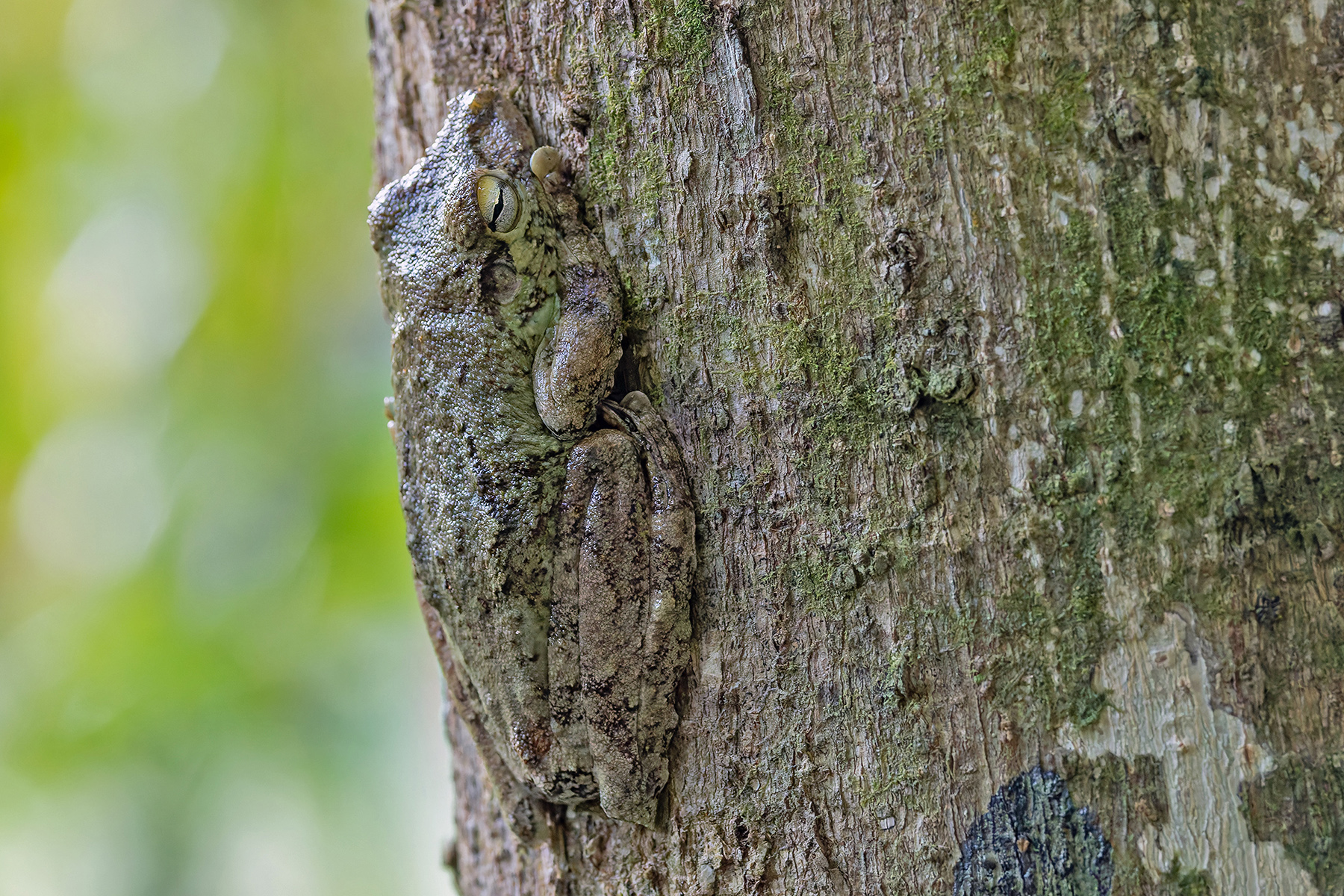
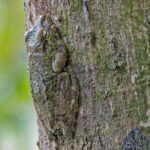
Frog sp. (image by Pete Morris)
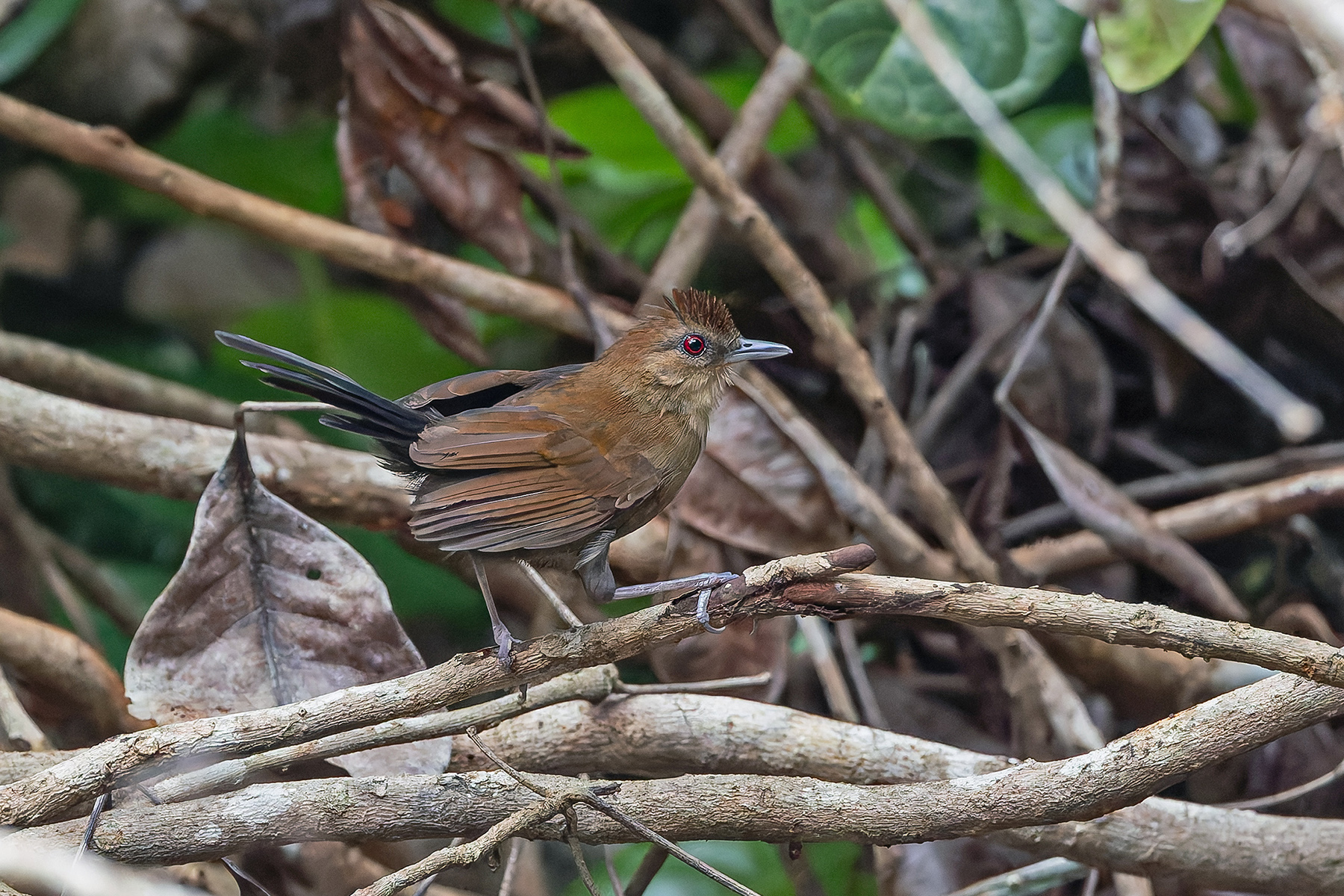
Fringe-backed Fire-eye (image by Pete Morris)
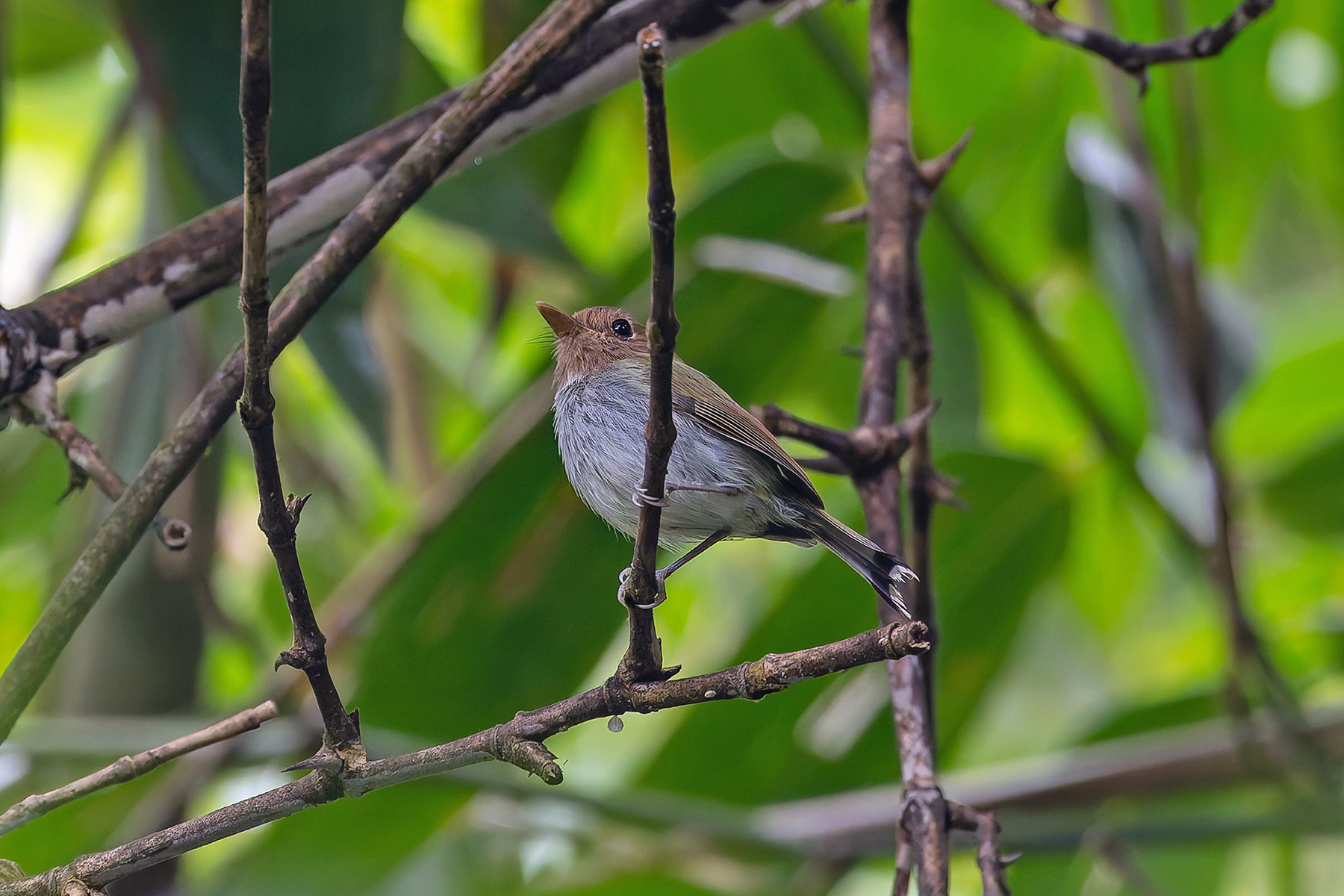
Fork-tailed Tody-Tyrant (image by Pete Morris)
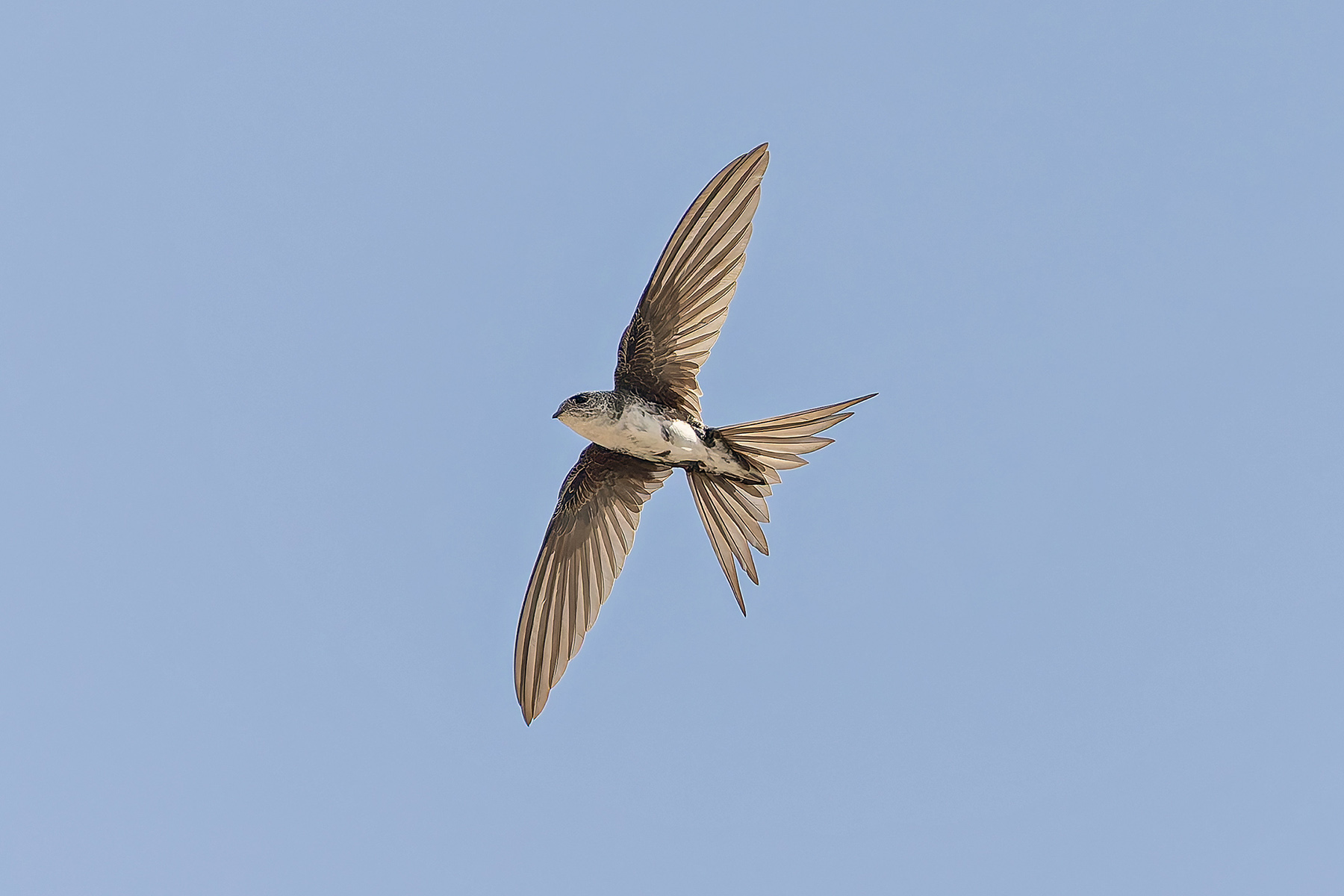
Fork-tailed Palm Swift (image by Pete Morris)
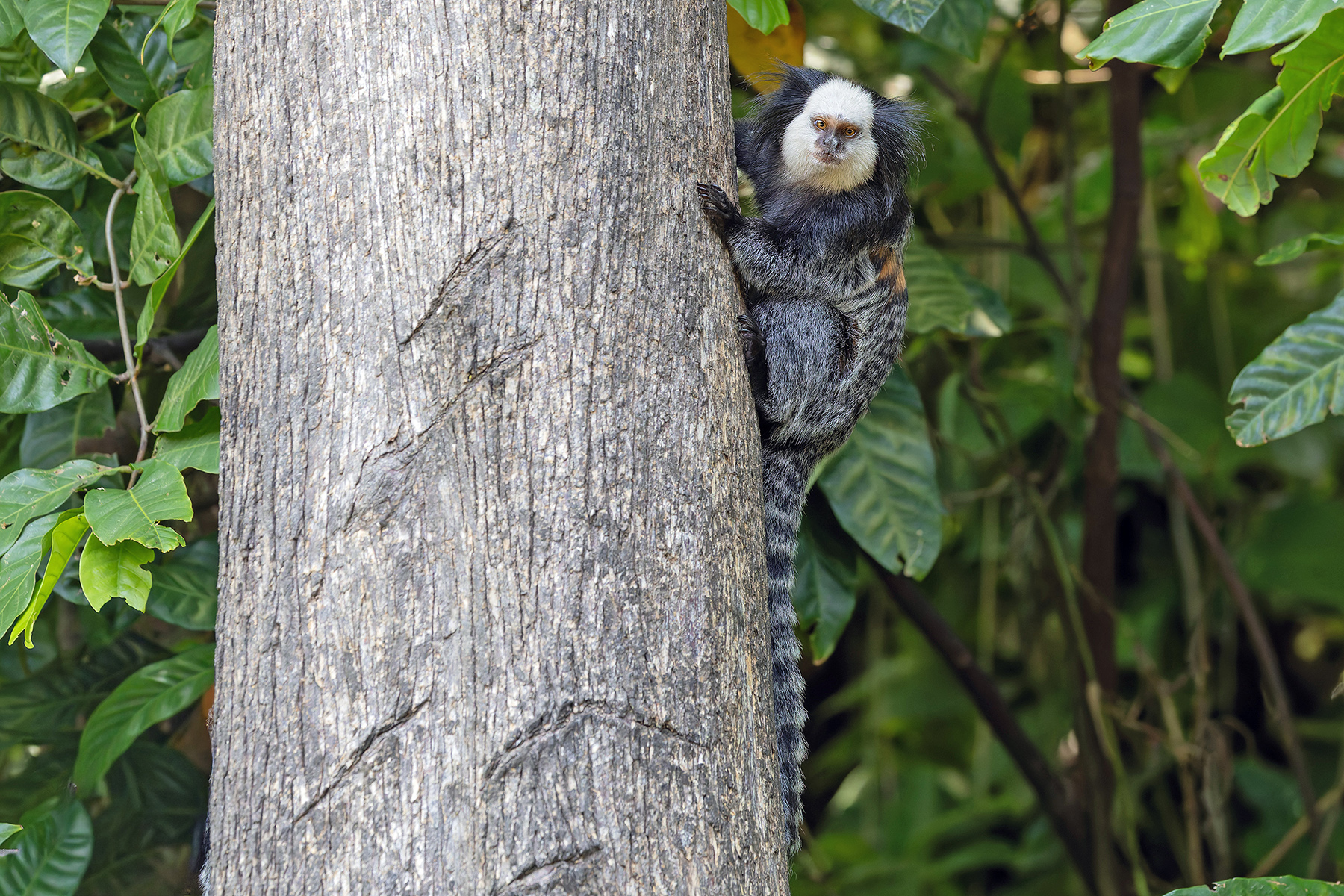
Geoffroy's Tufted-ear Marmoset (image by Pete Morris)
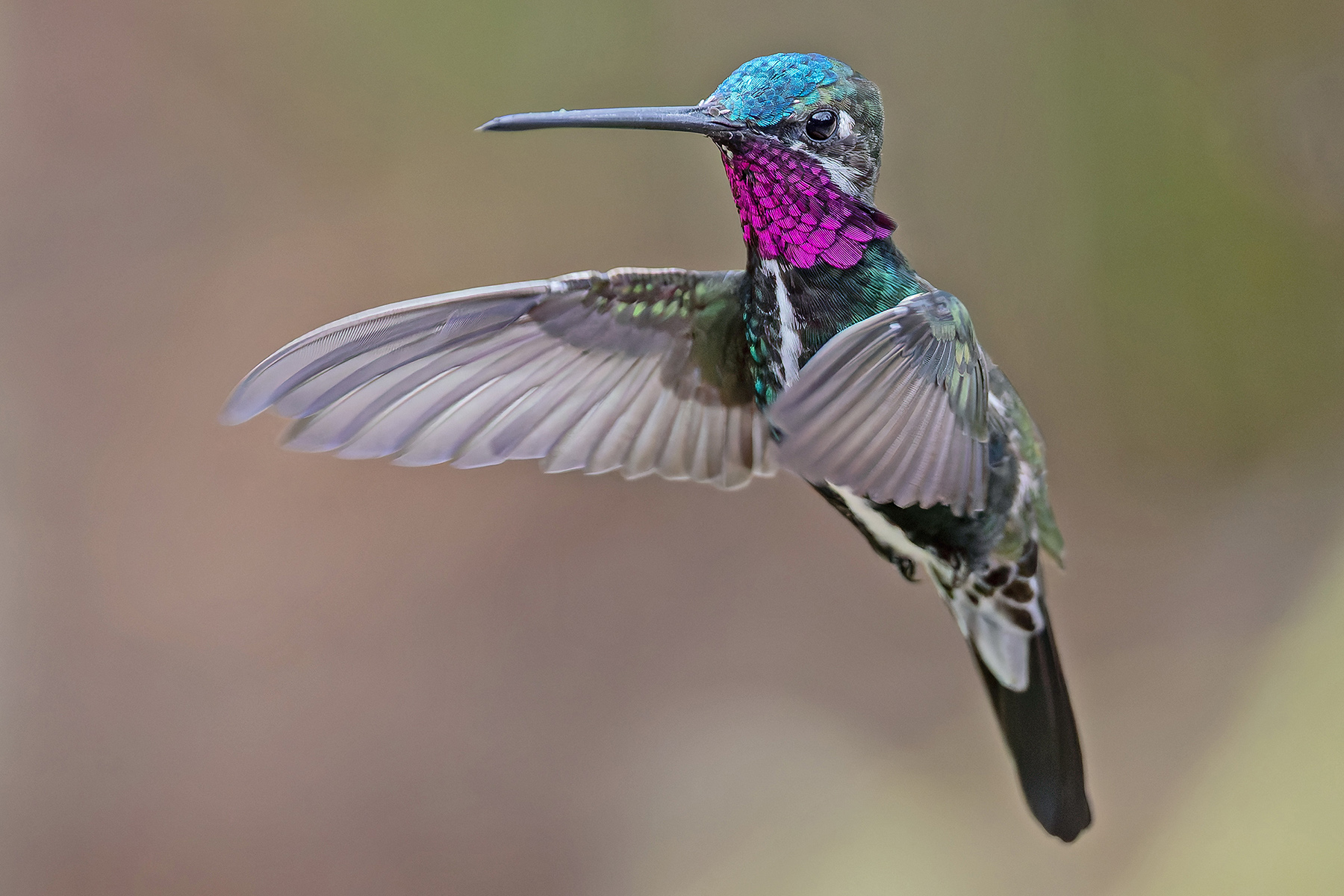
Stripe-breasted Starthroat (image by Pete Morris)
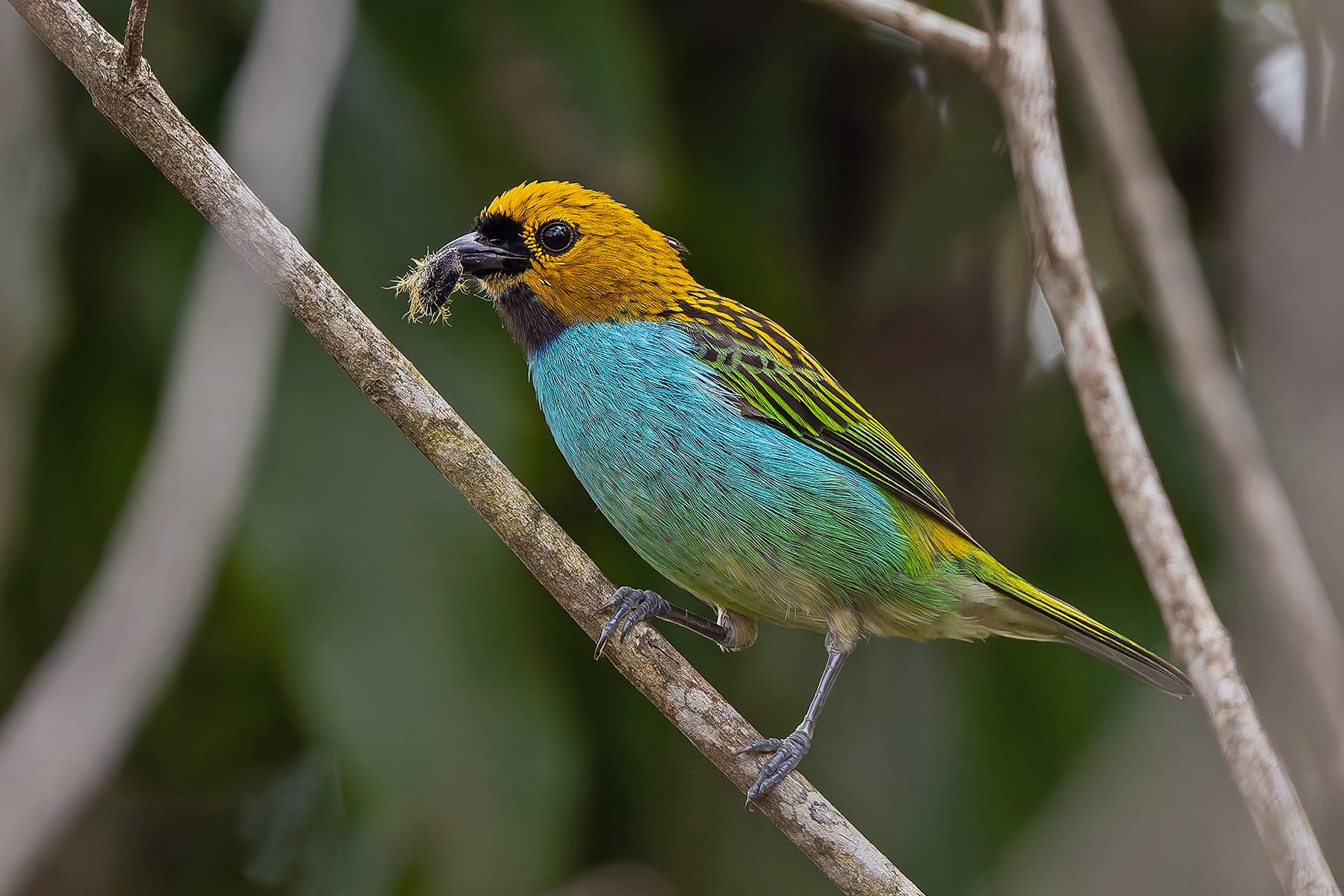
Gilt-edged Tanager (image by Pete Morris)
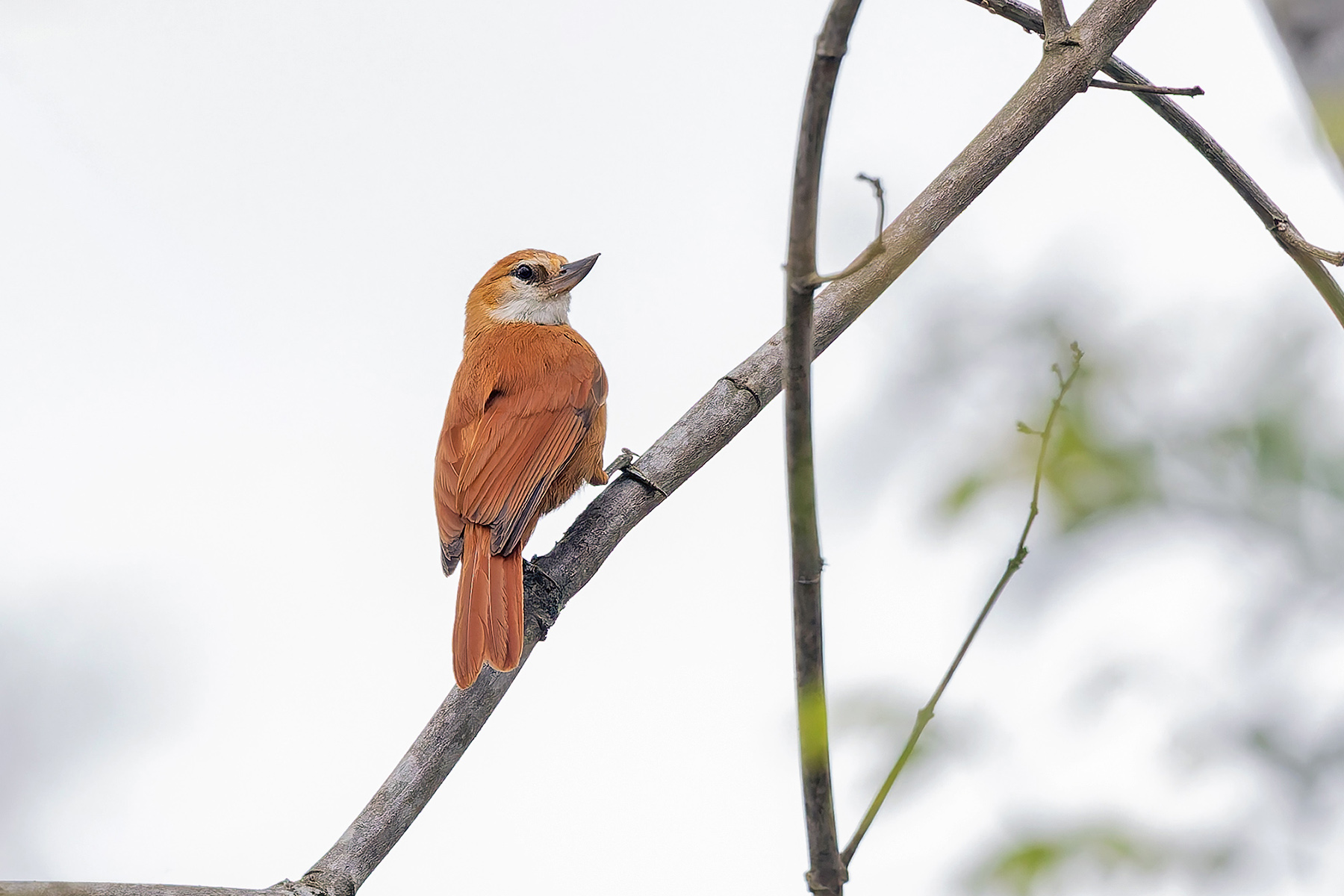
Great Xenops (image by Pete Morris)
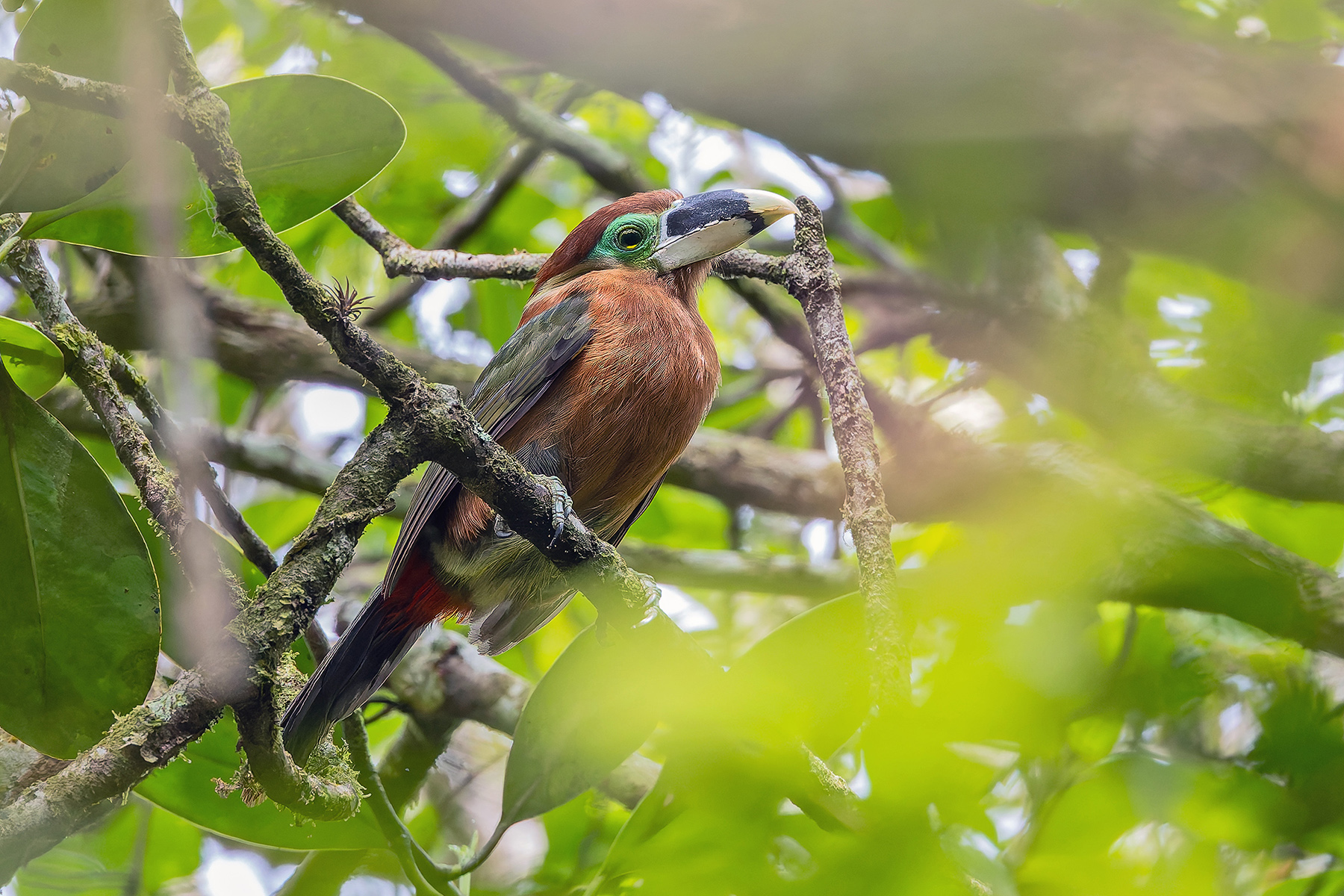
Gould's Toucanet (image by Pete Morris)
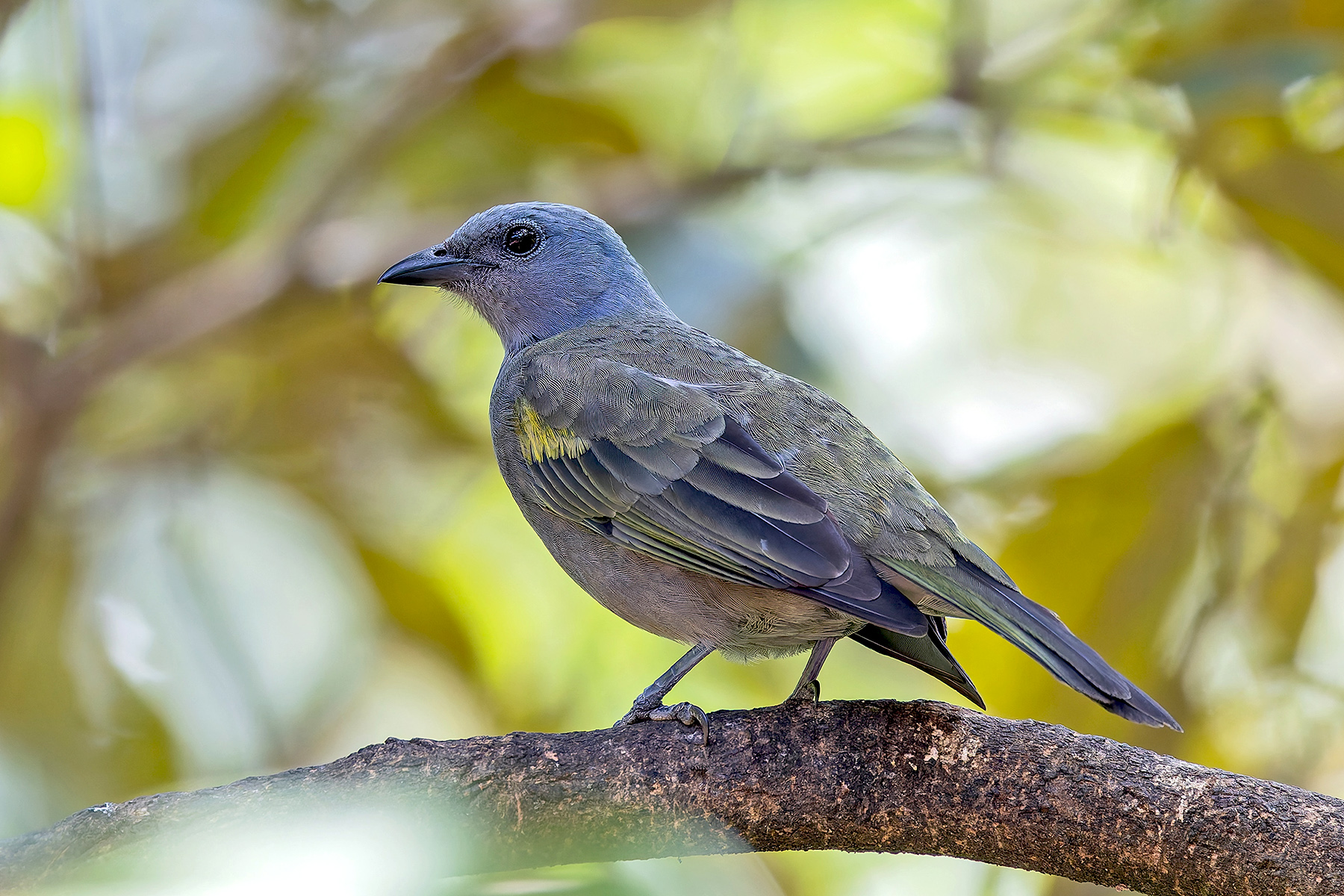
Golden-chevroned Tanager (image by Pete Morris)
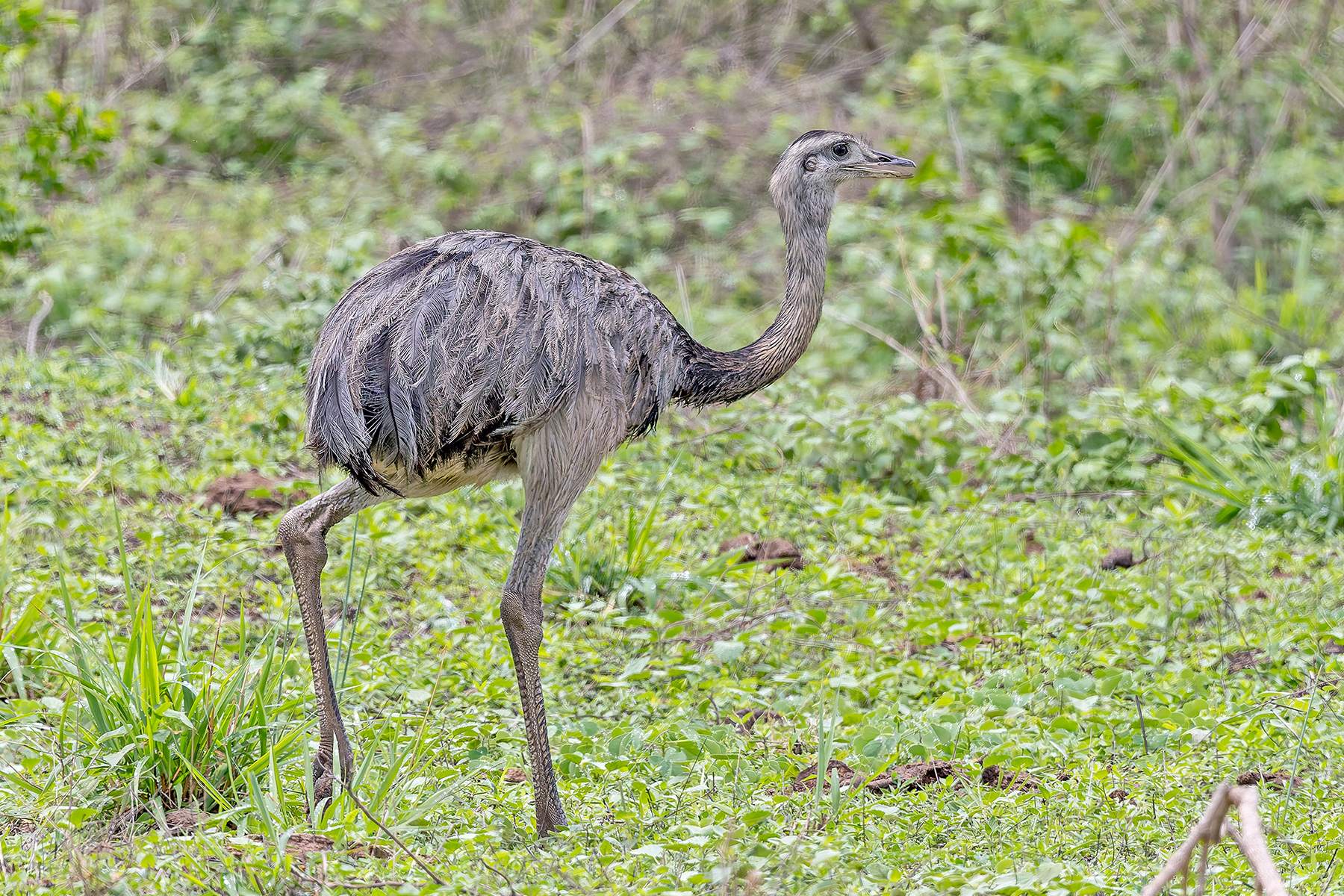
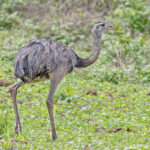
Greater Rhea (image by Pete Morris)
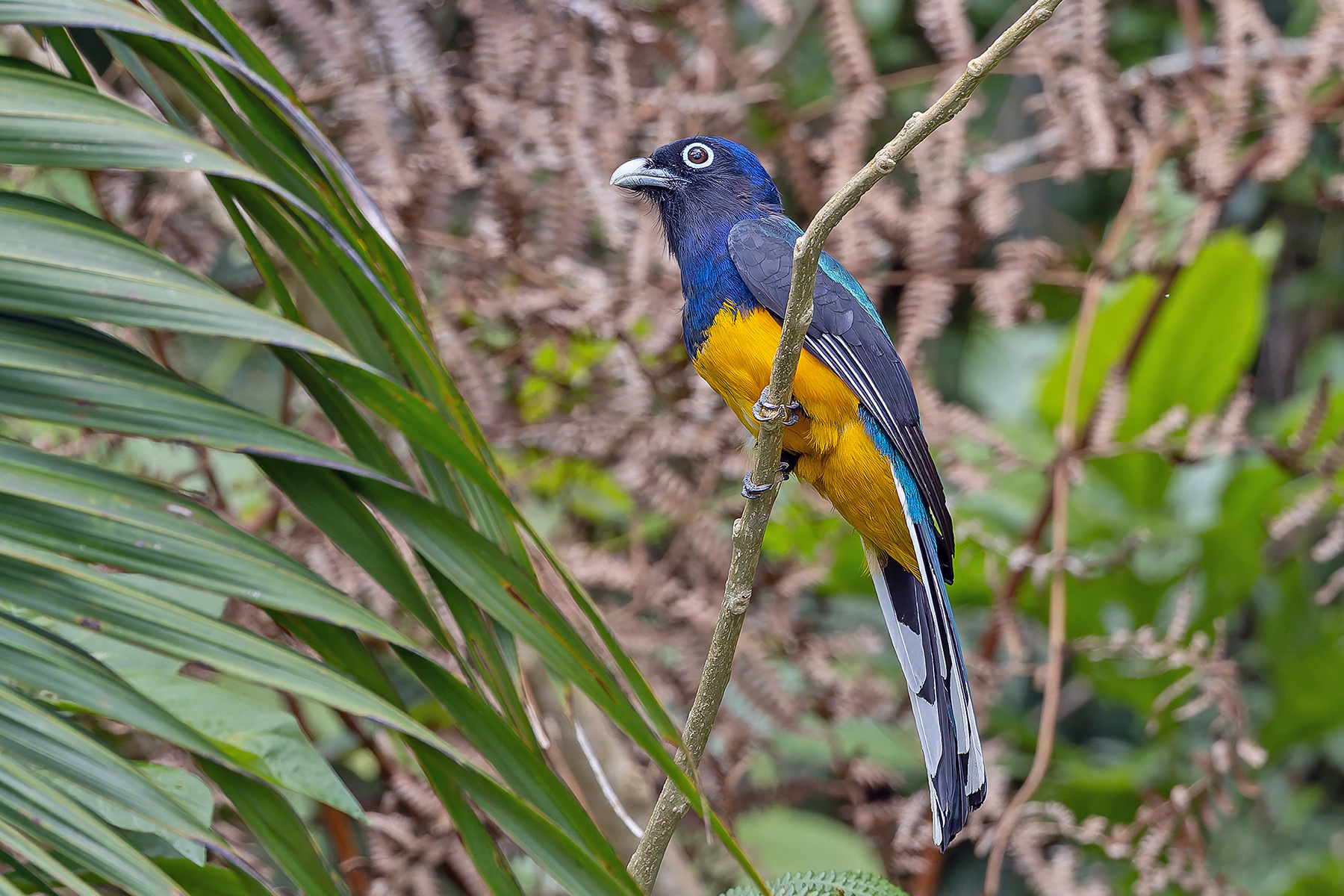
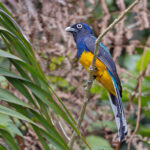
Green-backed Trogon (image by Pete Morris)
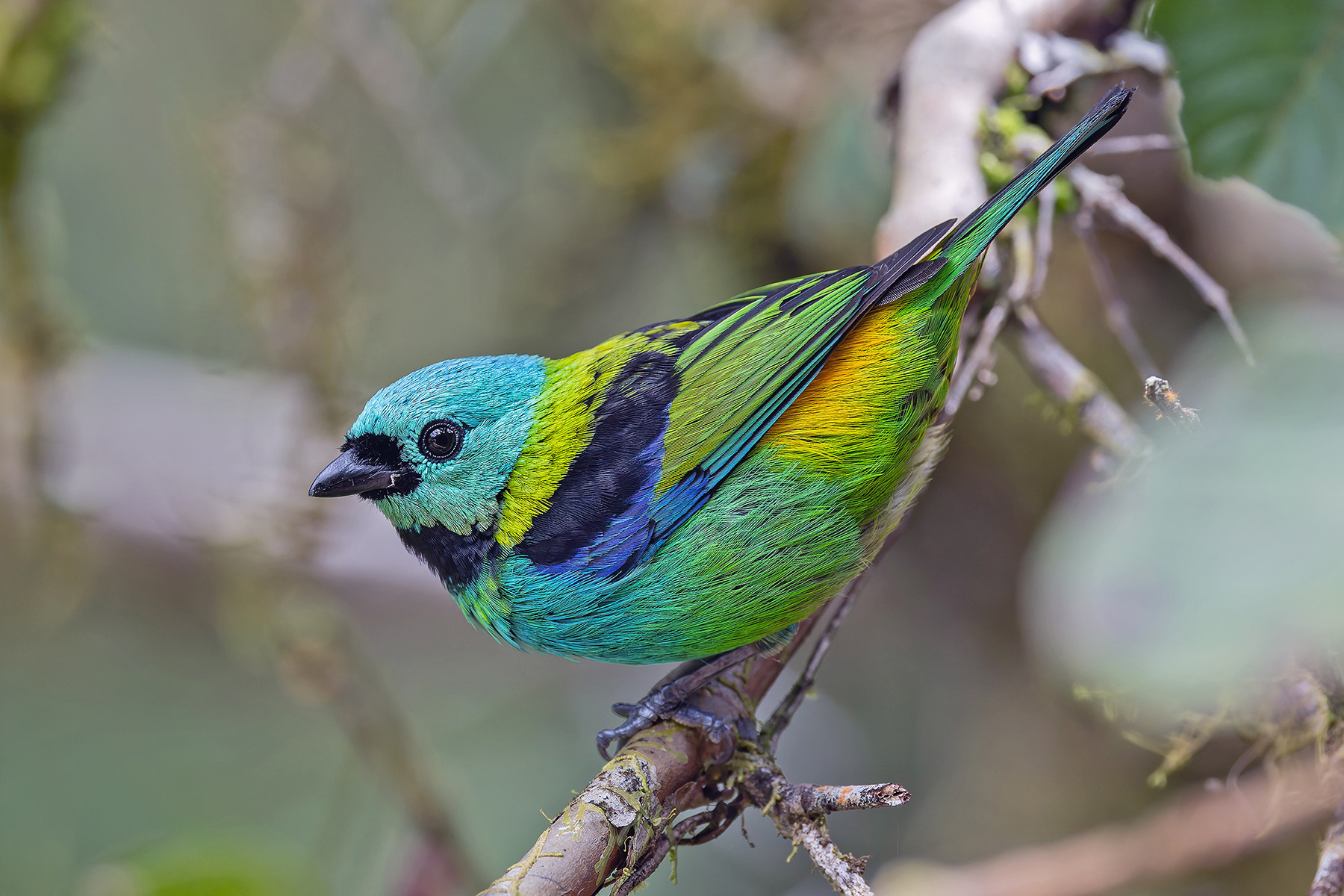
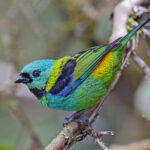
Green-headed Tanager (image by Pete Morris)
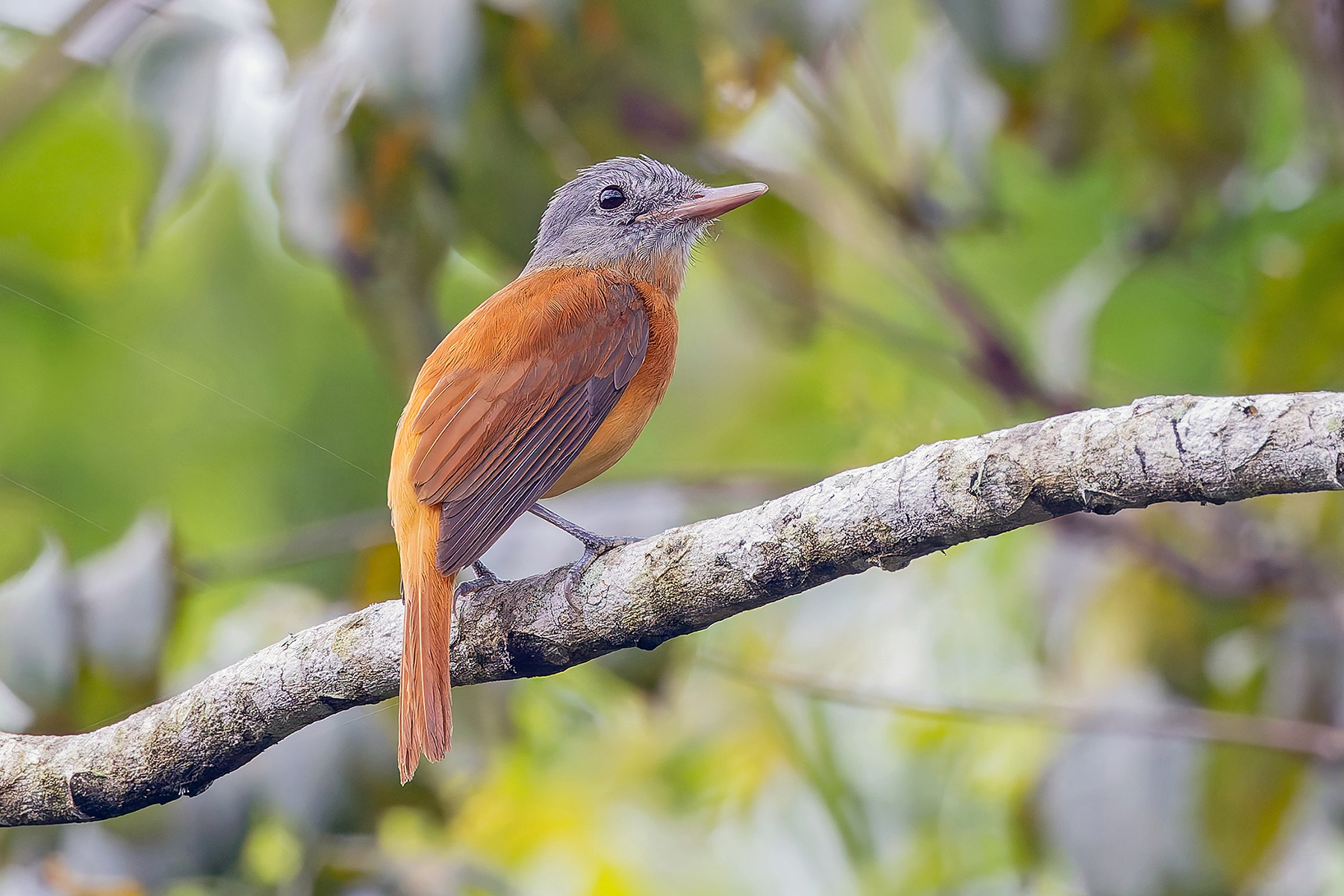
Grey-hooded Attila (image by Pete Morris)
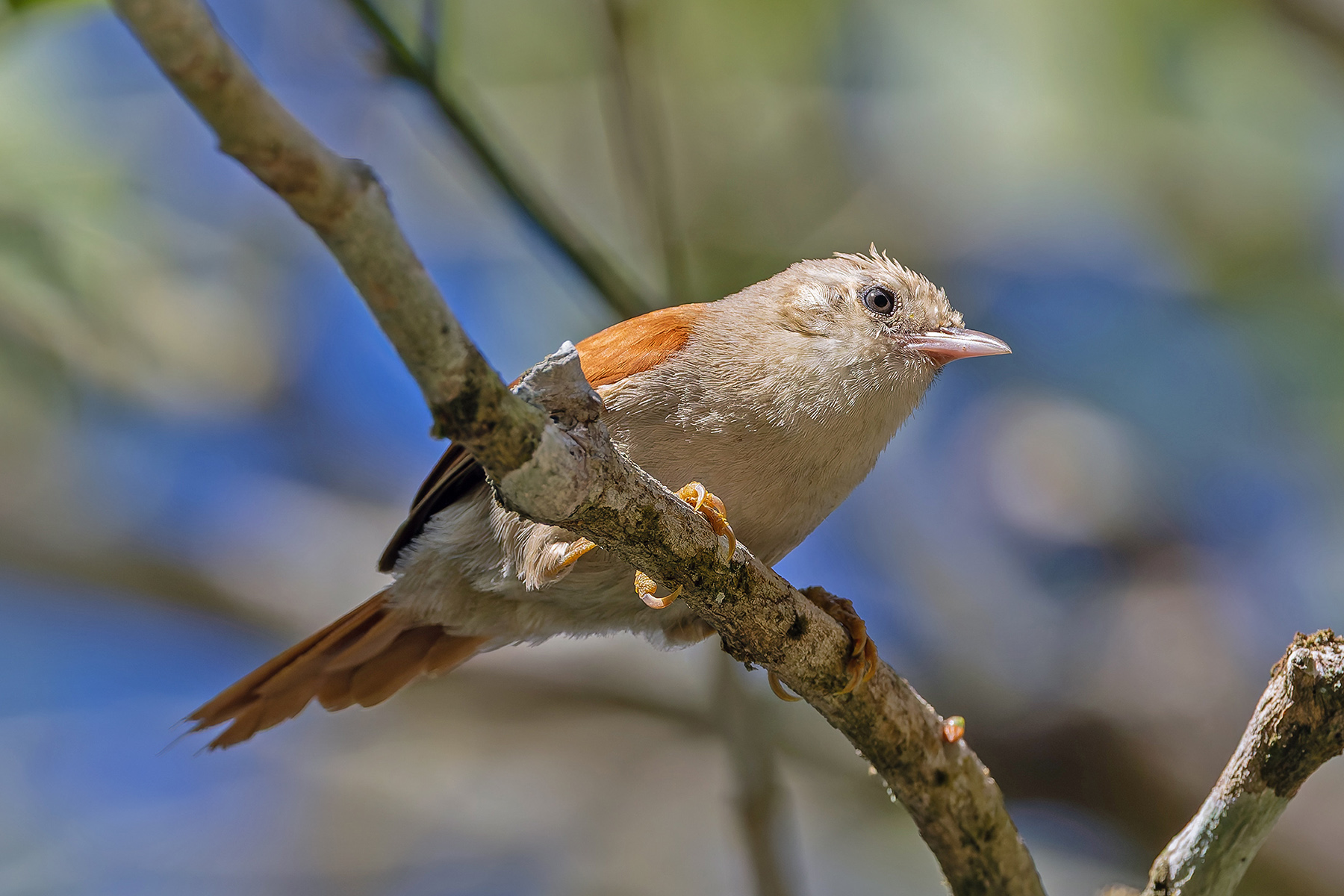
Grey-headed Spinetail (image by Pete Morris)
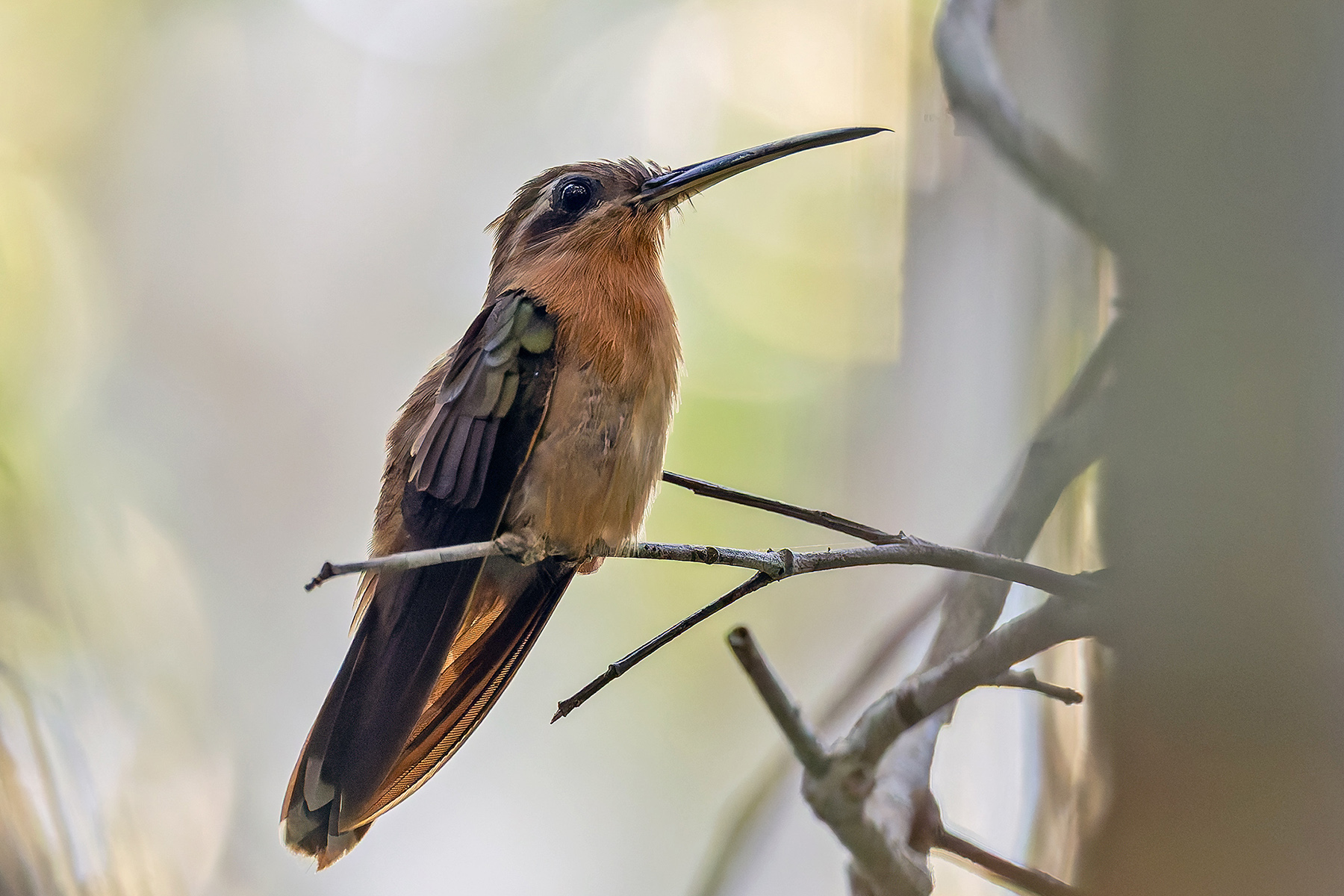
Hook-billed Hermit (image by Pete Morris)
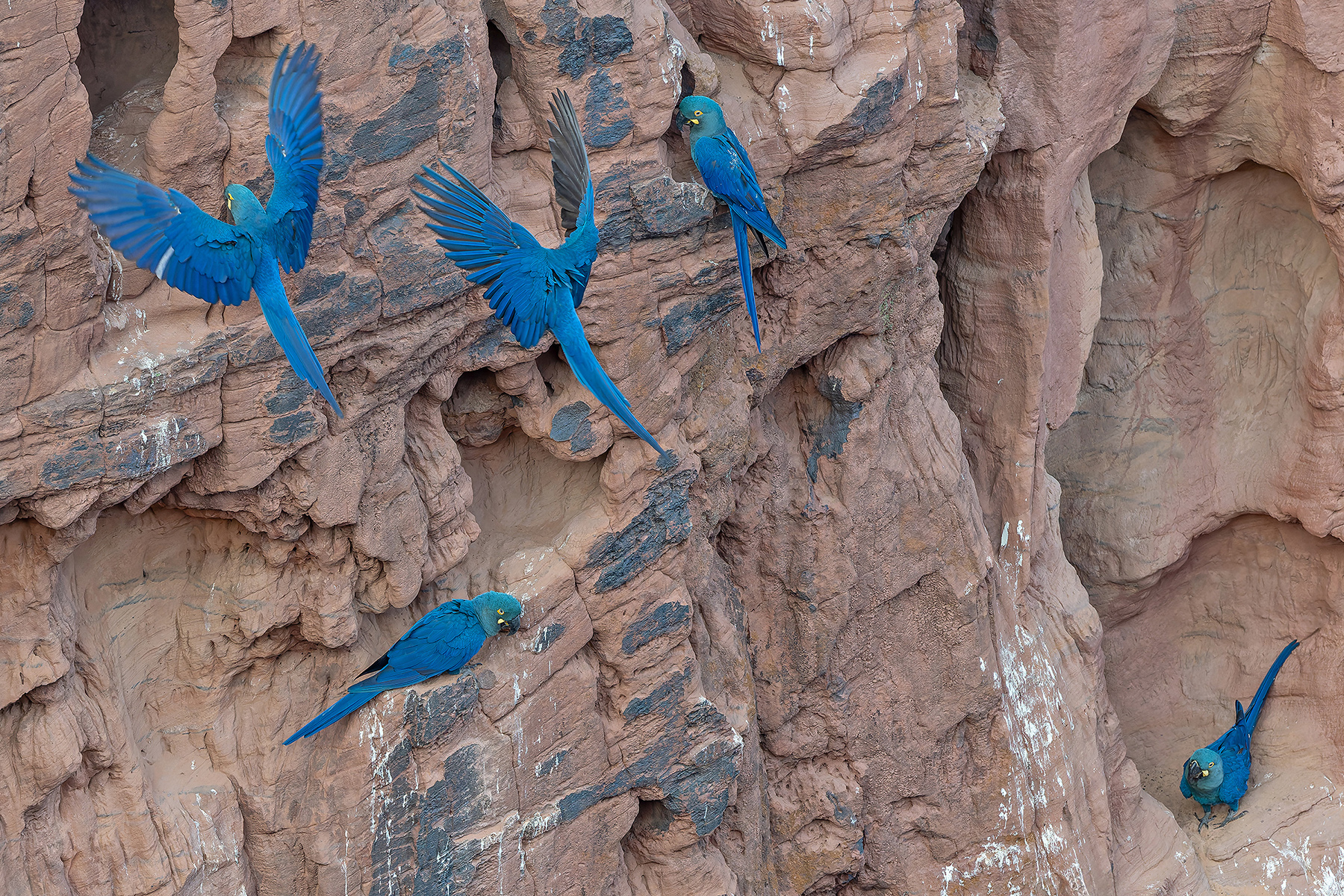
Lear's Macaws (image by Pete Morris)
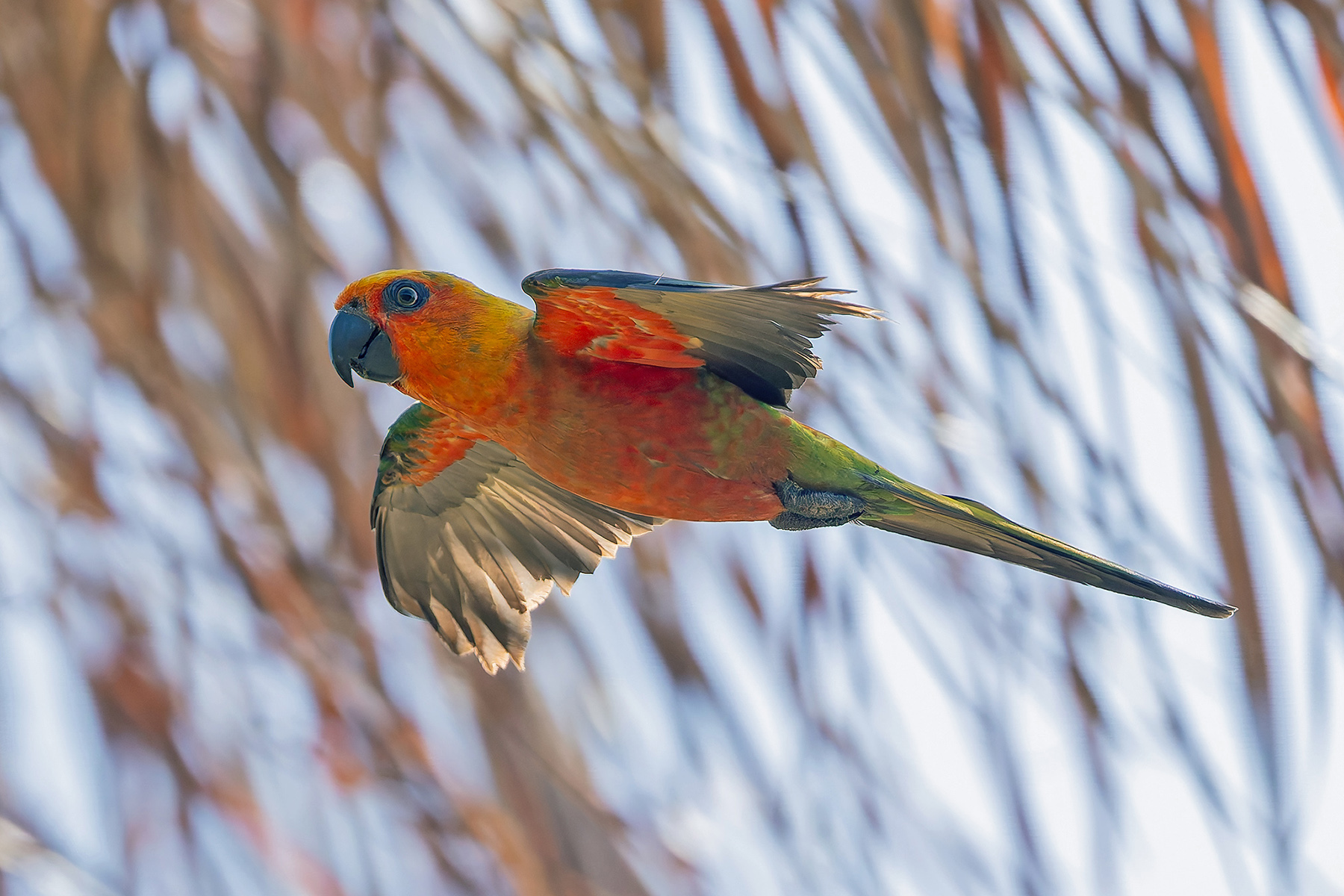
Jandaya Parakeet (image by Pete Morris)
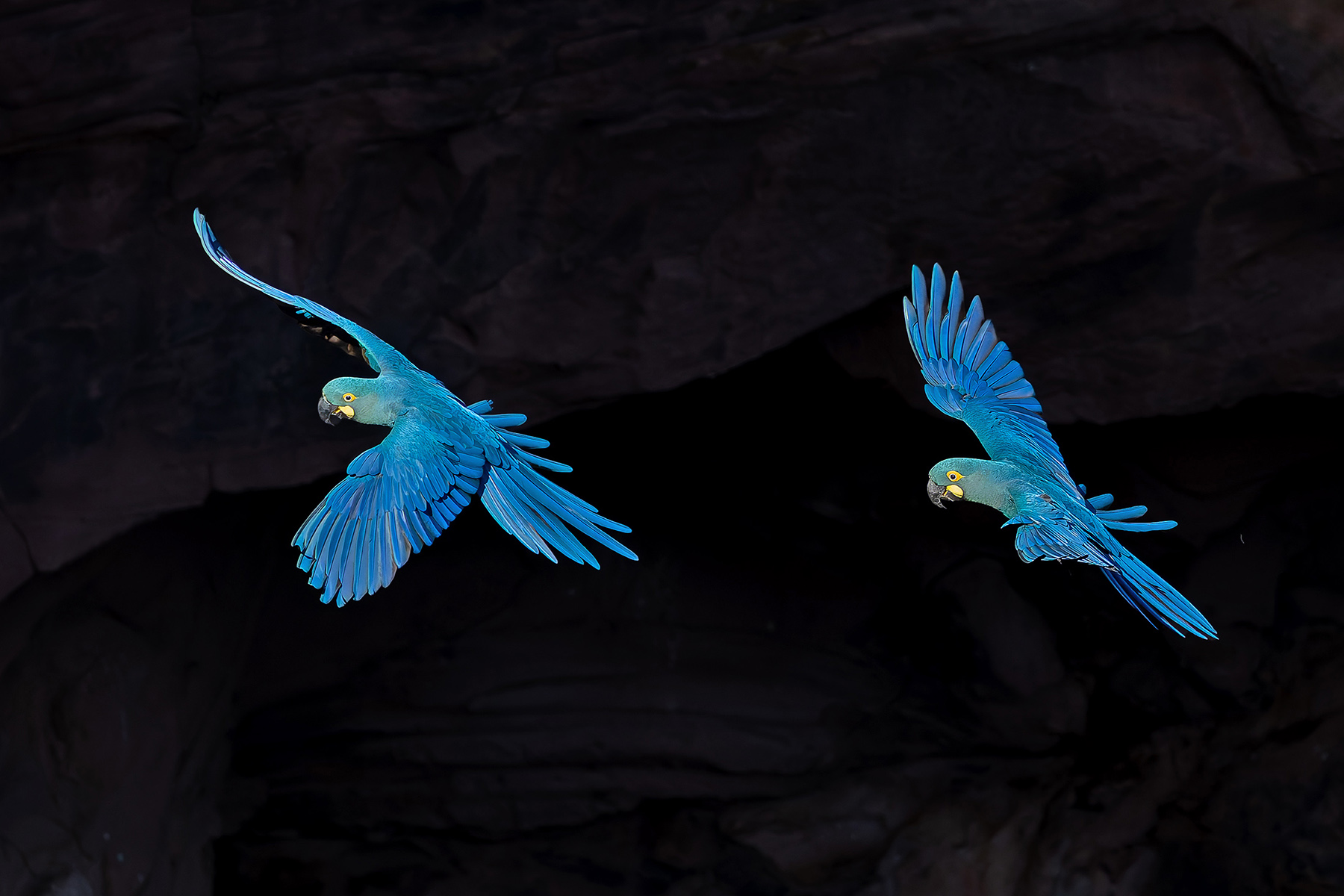
Lear's Macaws (image by Pete Morris)
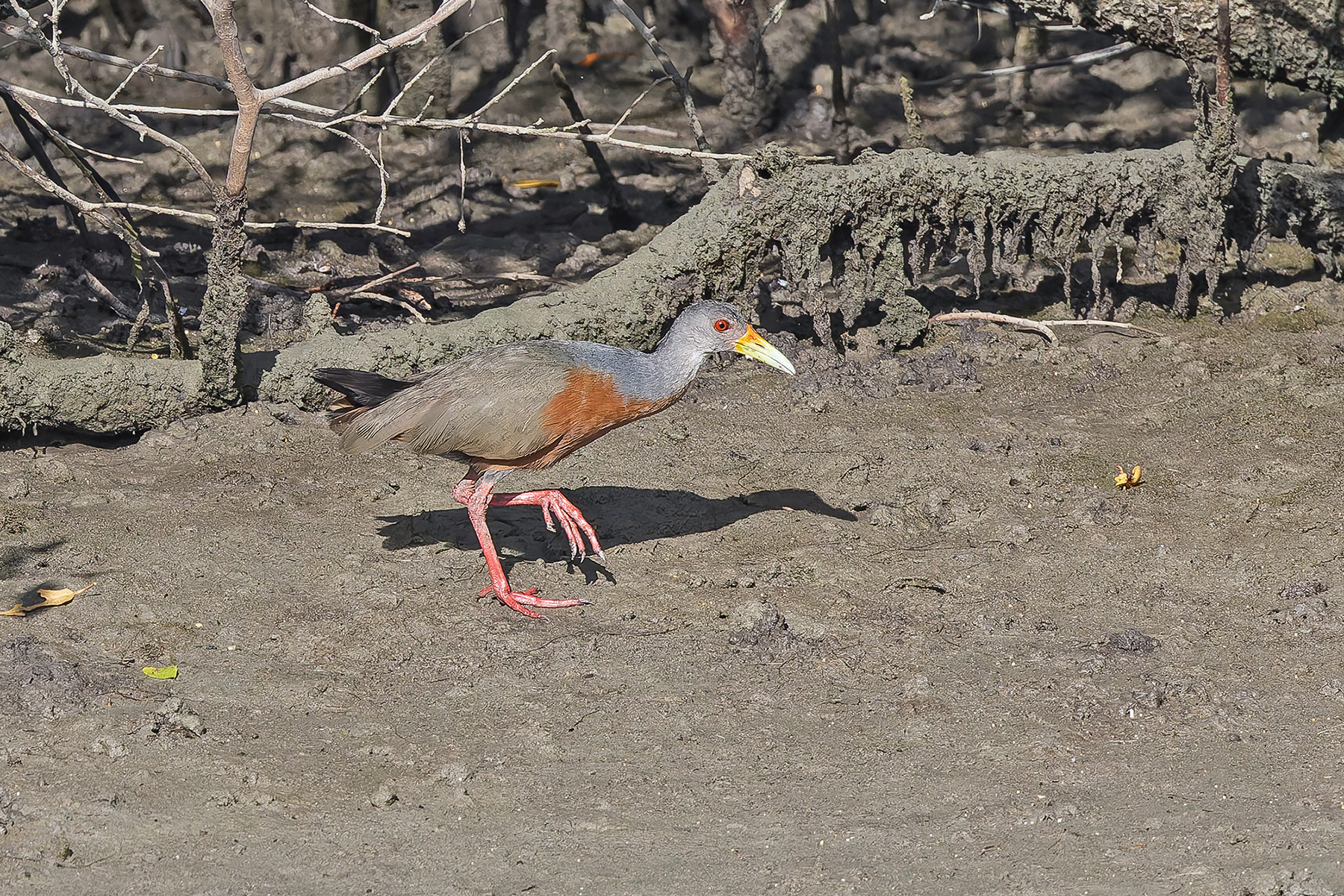
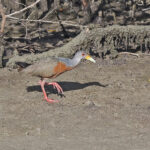
Little Wood Rail (image by Pete Morris)
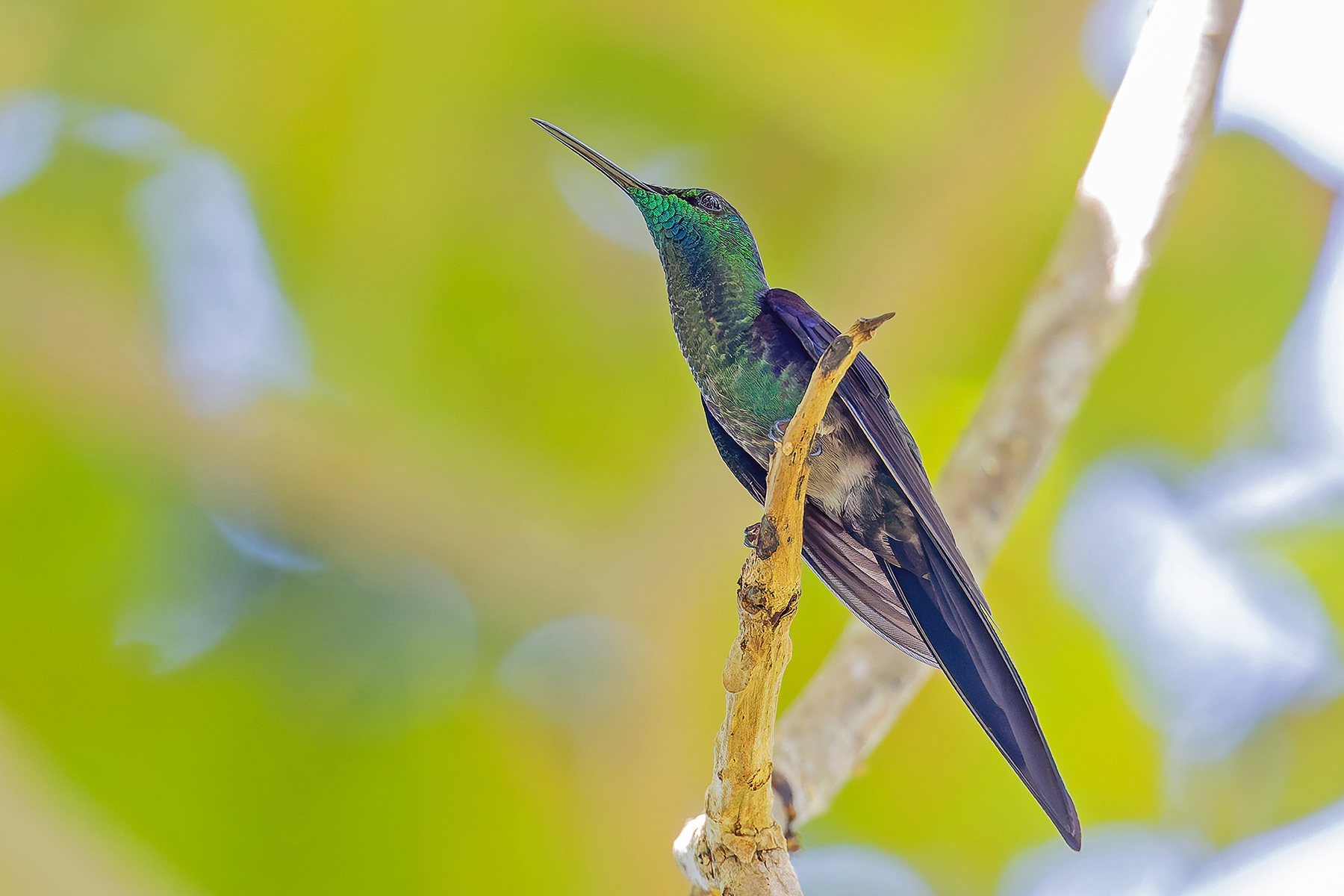
Long-tailed Woodnymph (image by Pete Morris)
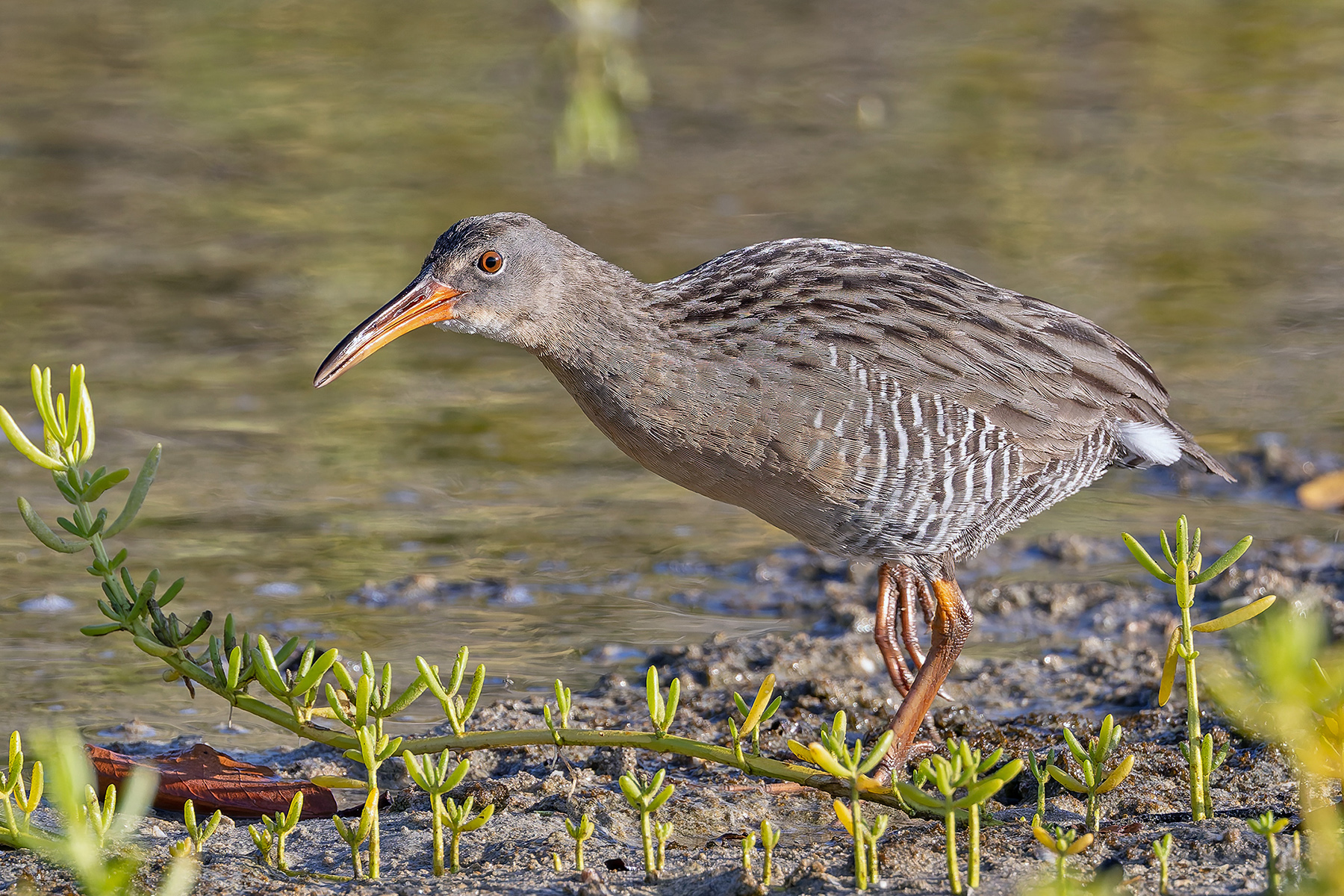
Mangrove Rail (image by Pete Morris)
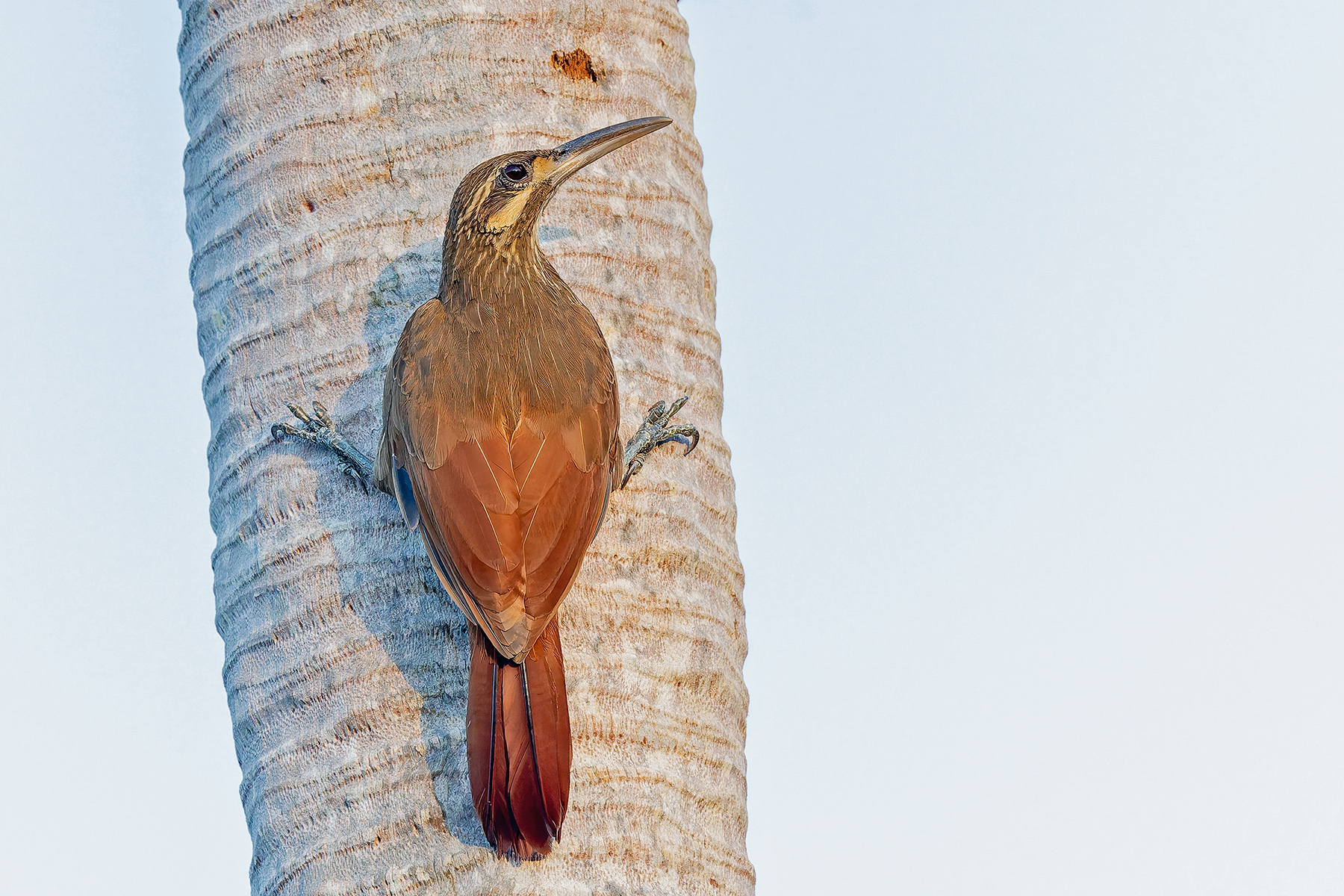
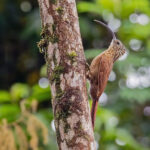
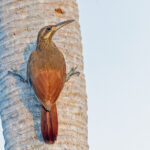
Moustached Woodcreeper (image by Pete Morris)
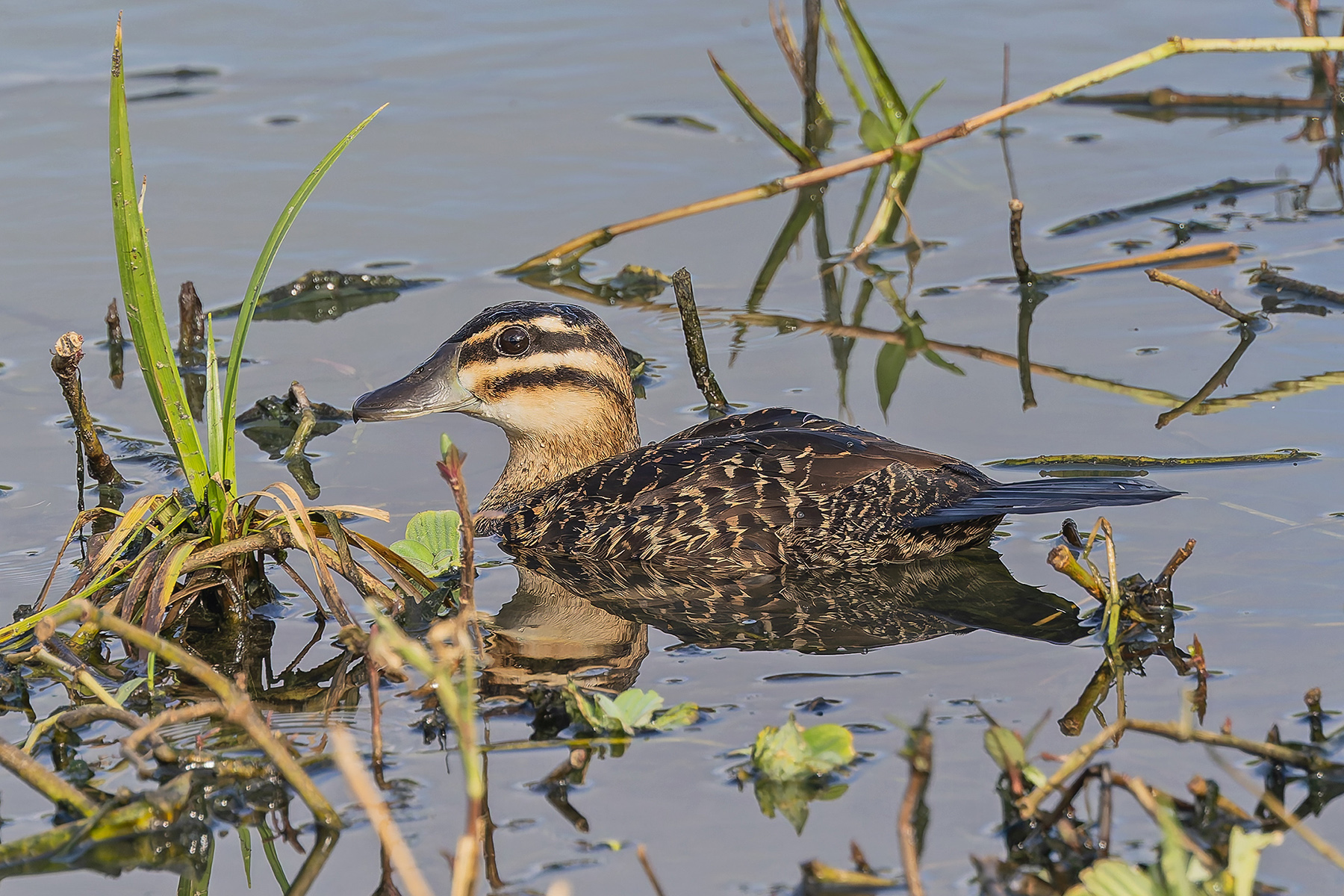
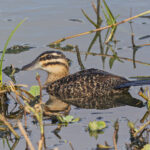
Masked Duck (image by Pete Morris)
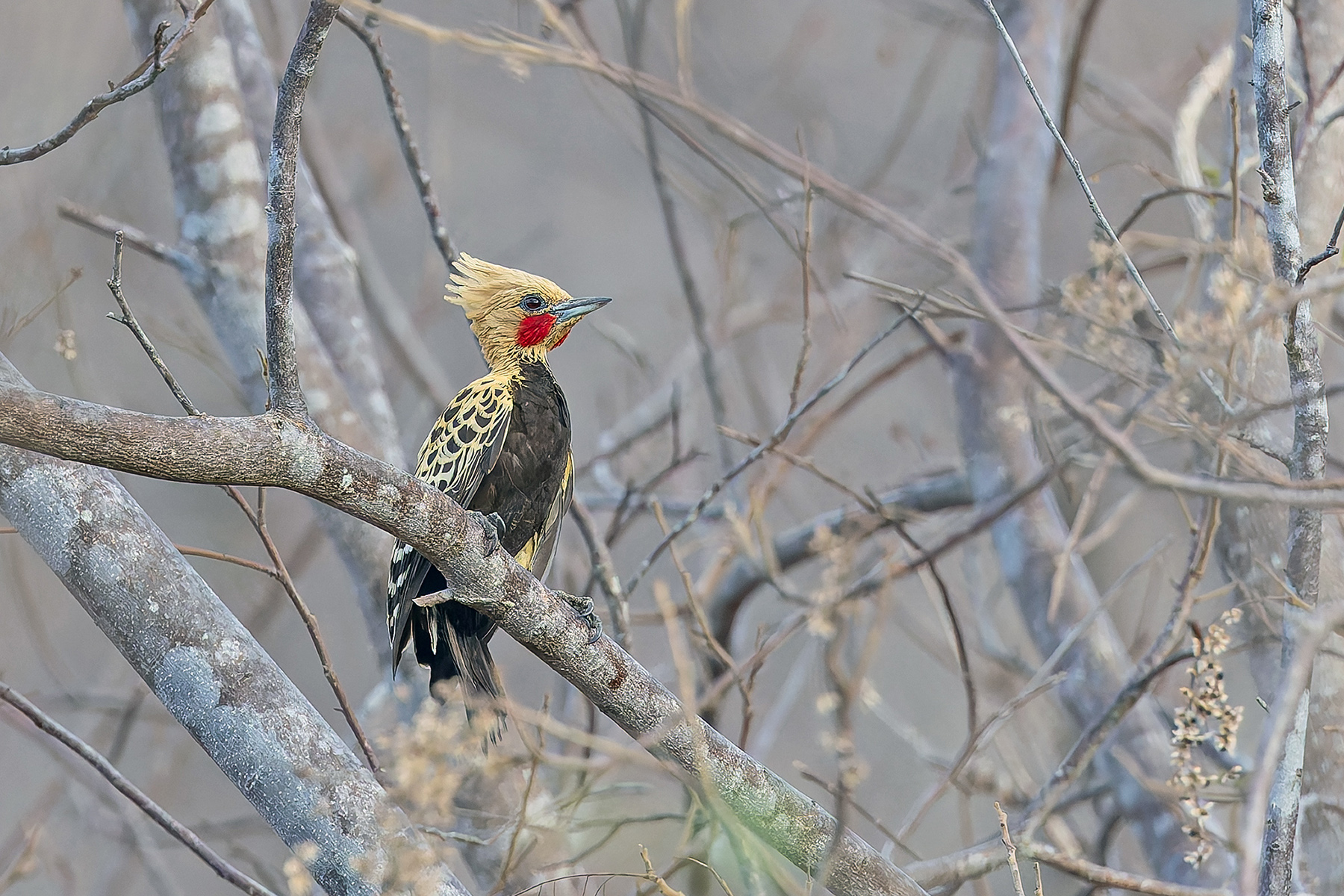
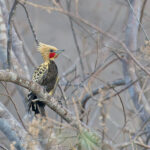
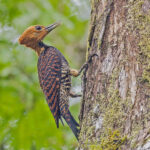
Ochre-backed Woodpecker (image by Pete Morris)
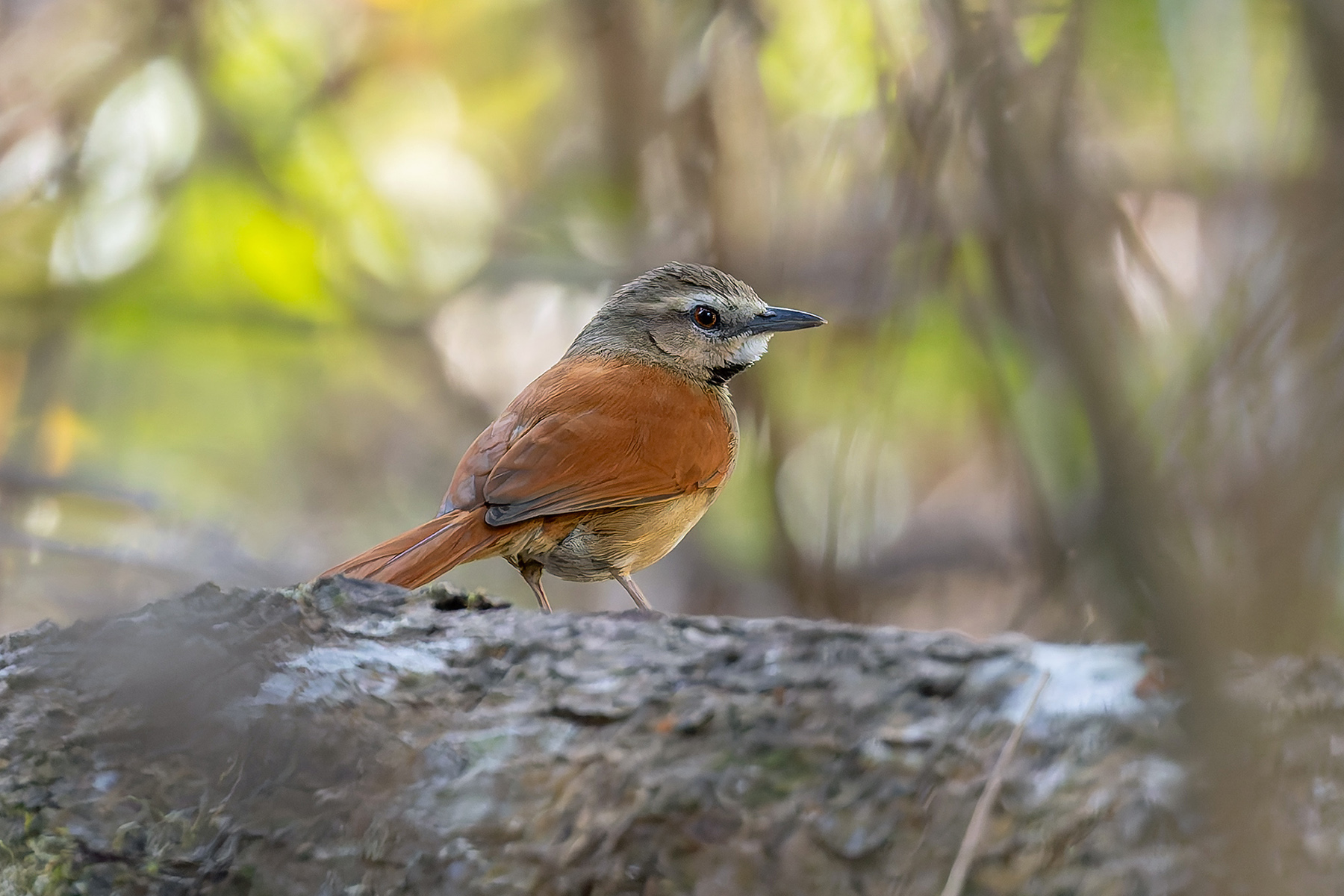
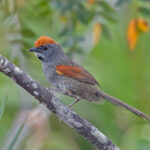
Ochre-cheeked Spinetail (image by Pete Morris)
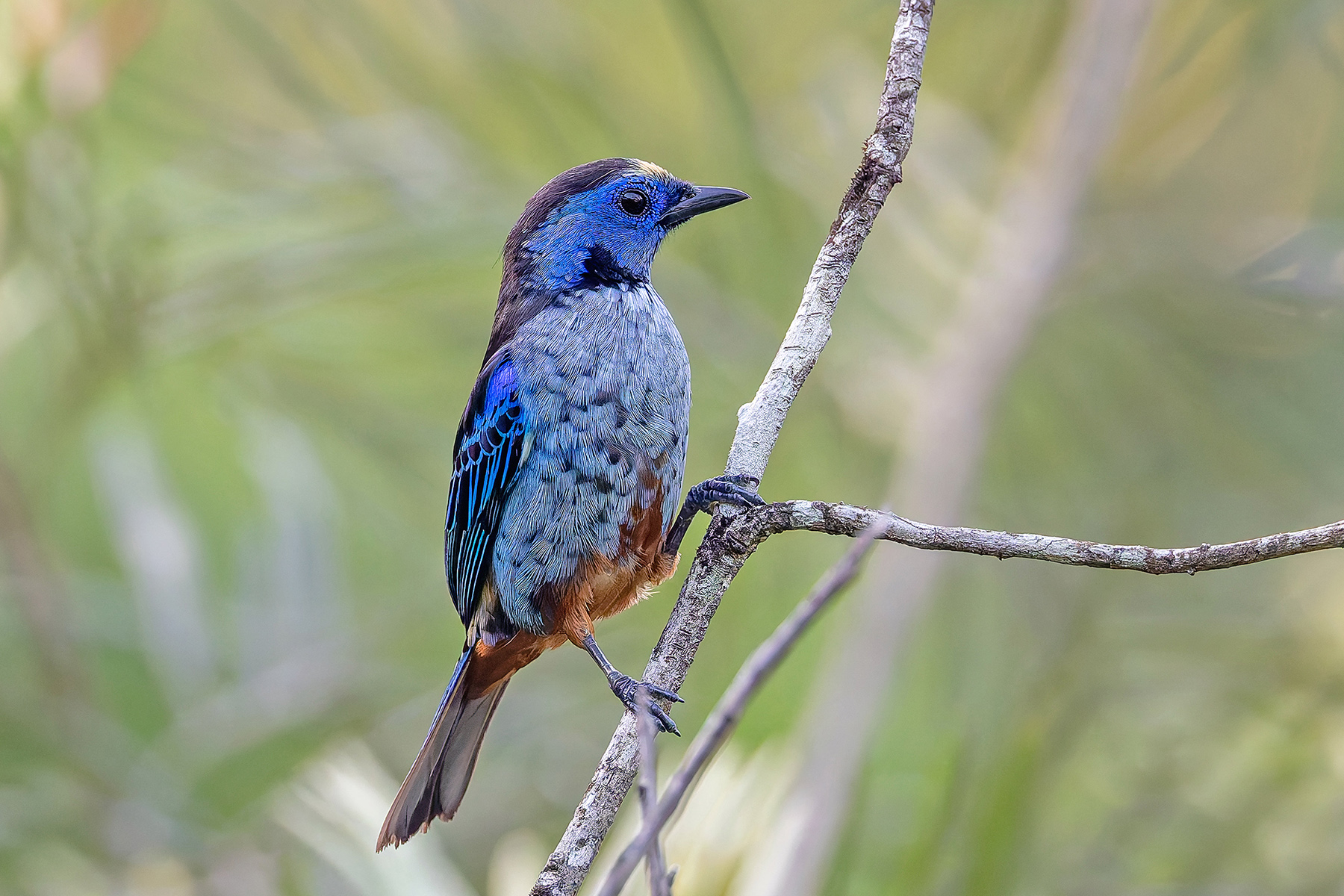
Opal-rumped Tanager (Silver-breasted T) (image by Pete Morris)
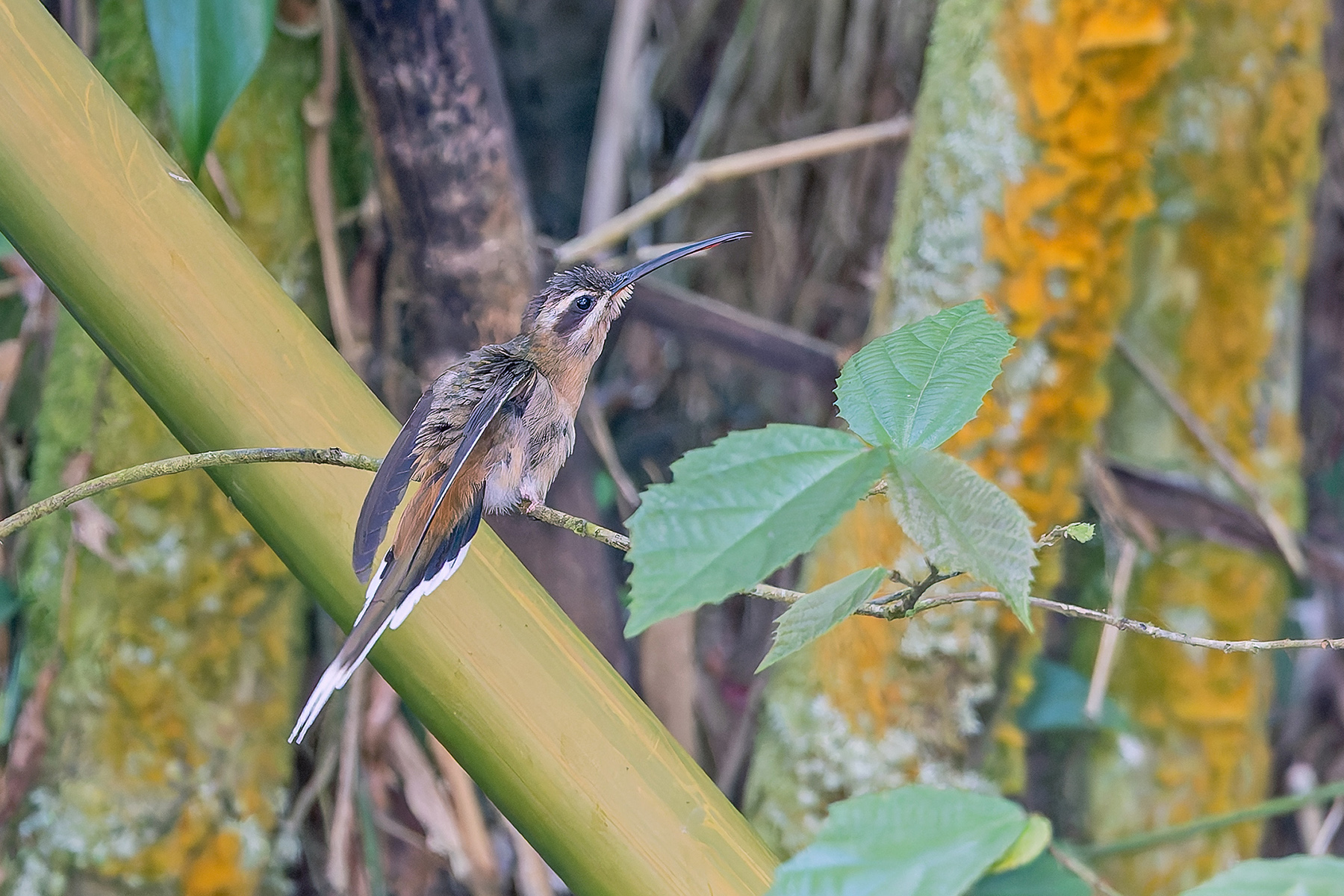
Planalto Hermit (image by Pete Morris)
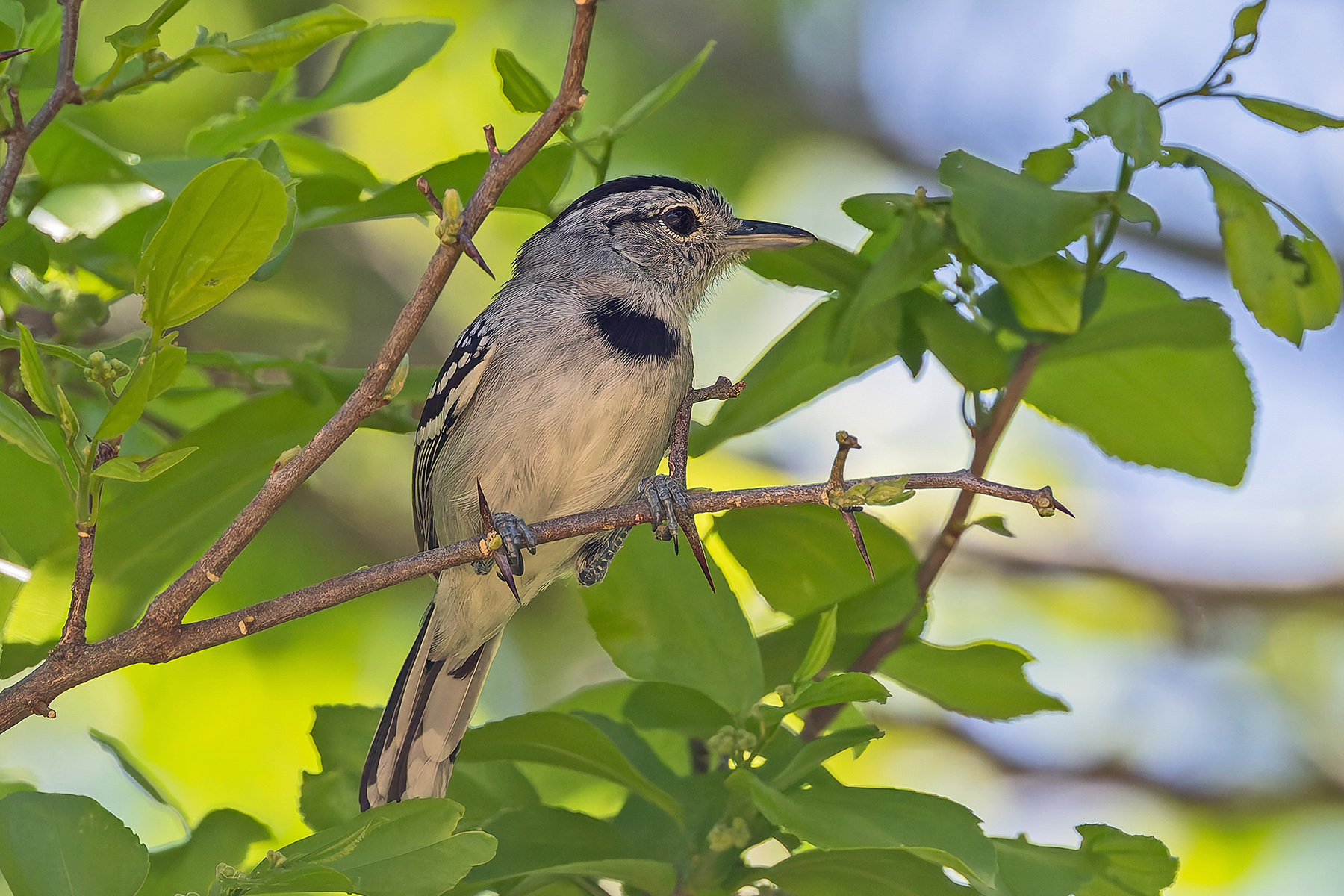
Pectoral Antwren (image by Pete Morris)
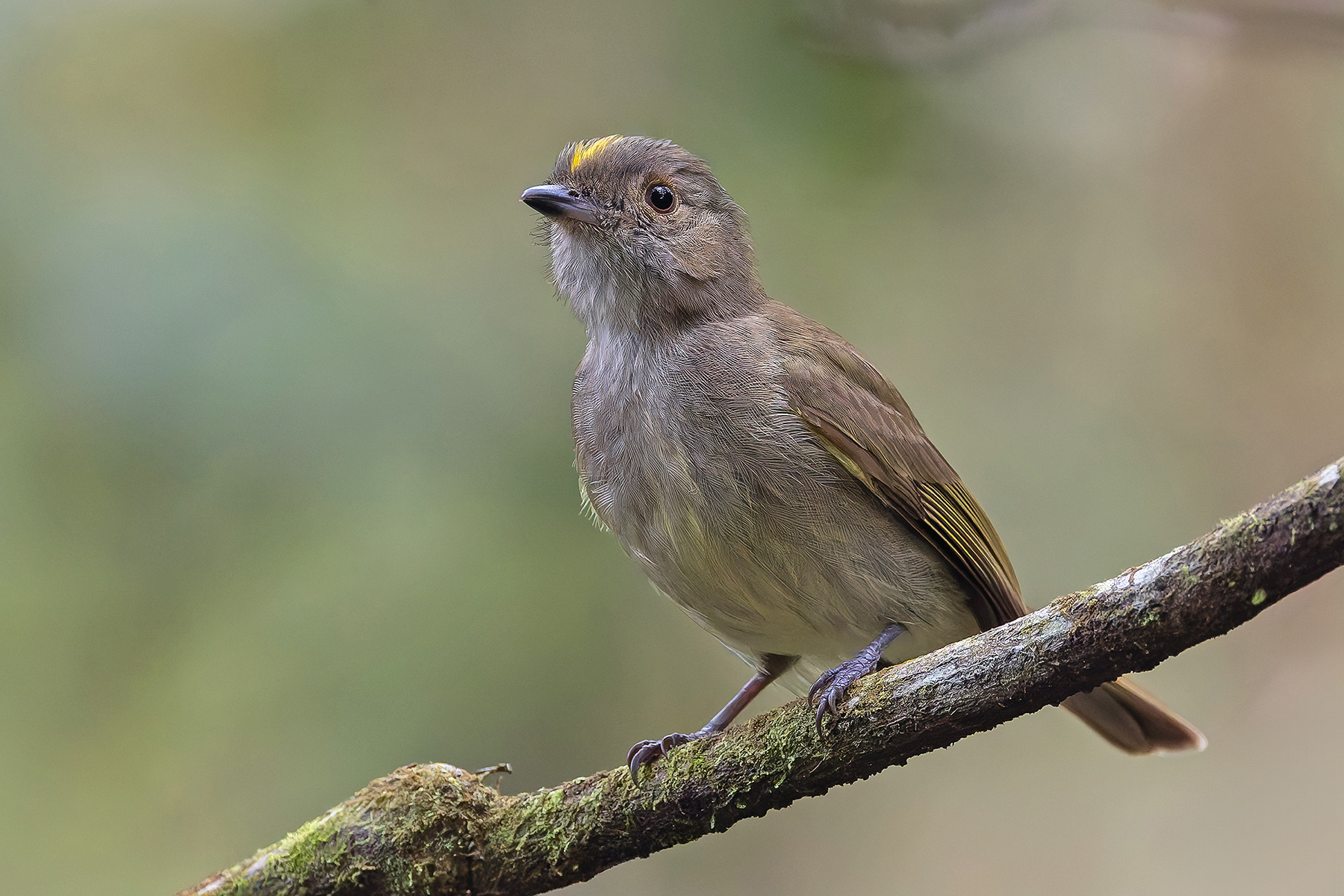
Pale-bellied Tyrant-Manakin (image by Pete Morris)
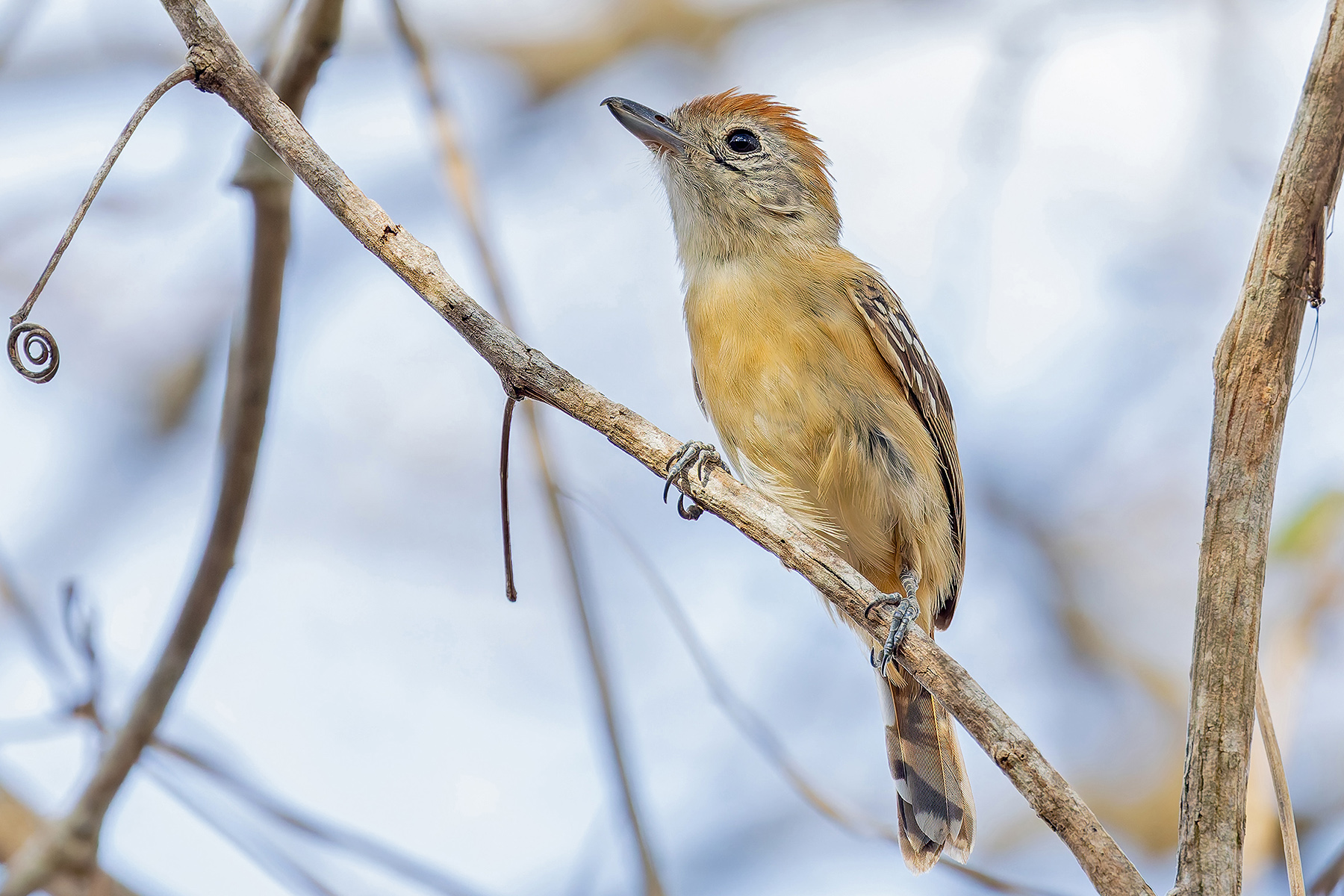
Planalto Slaty Antshrike (image by Pete Morris)
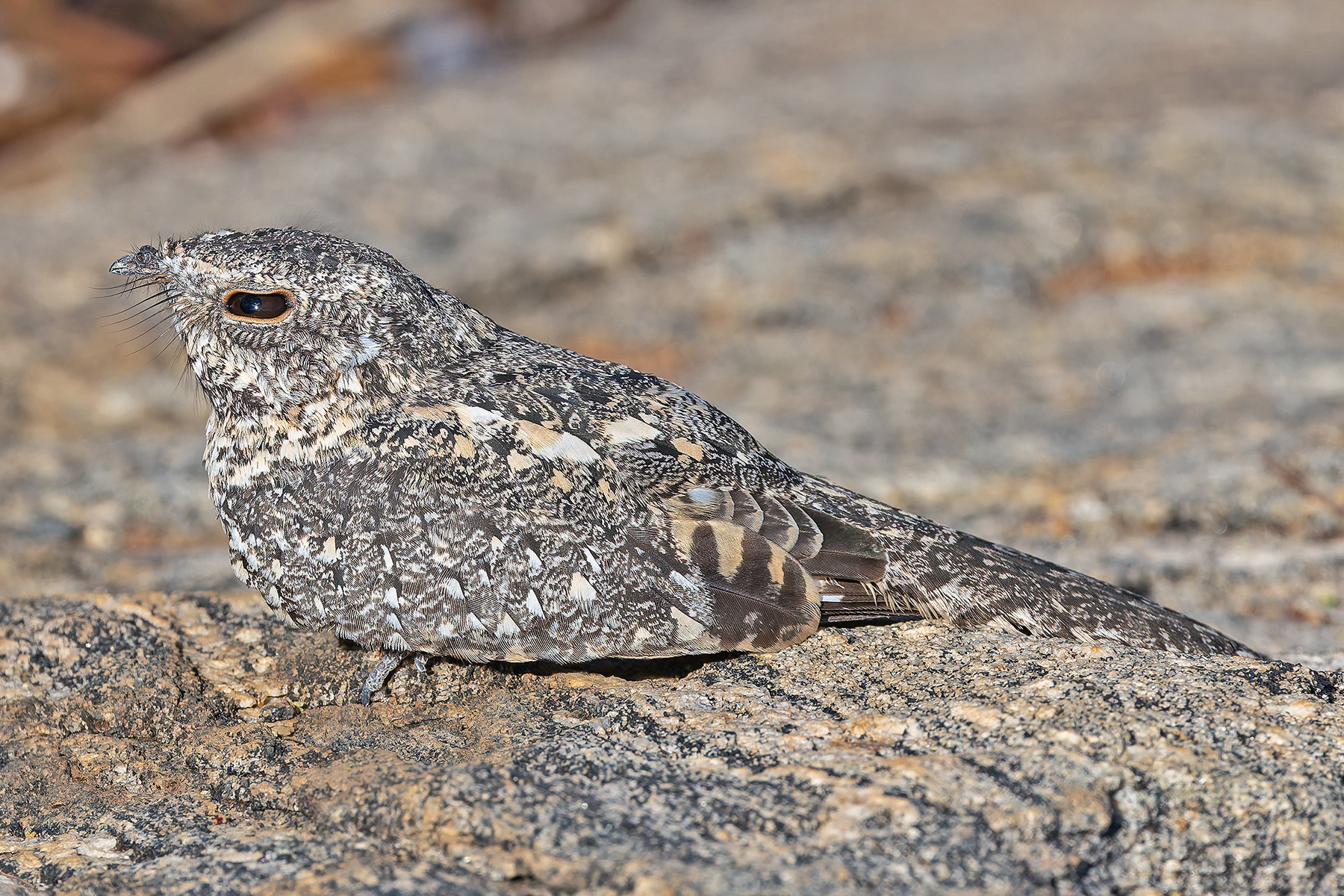
Pygmy Nightjar (image by Pete Morris)
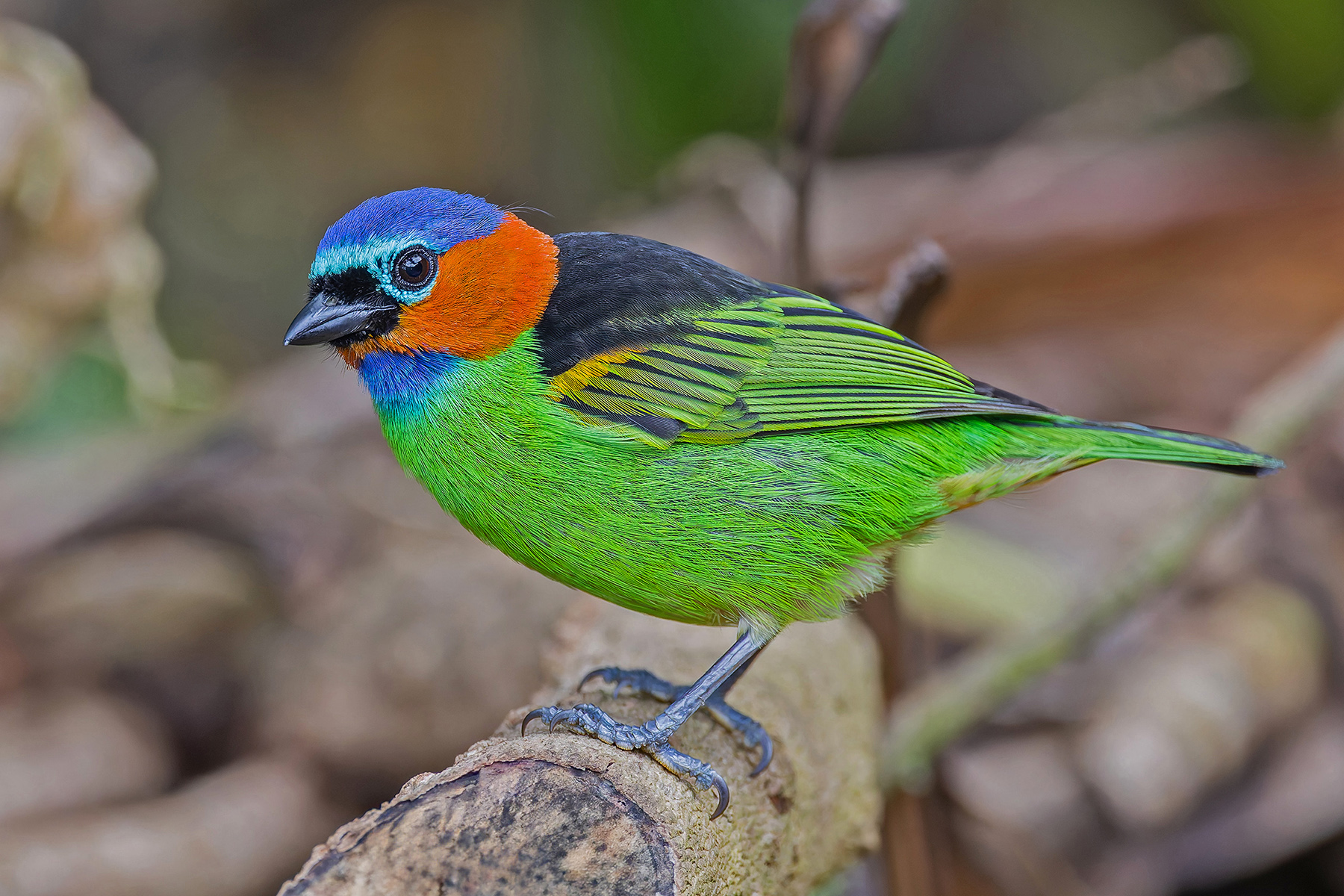
Red-necked Tanager (image by Pete Morris)
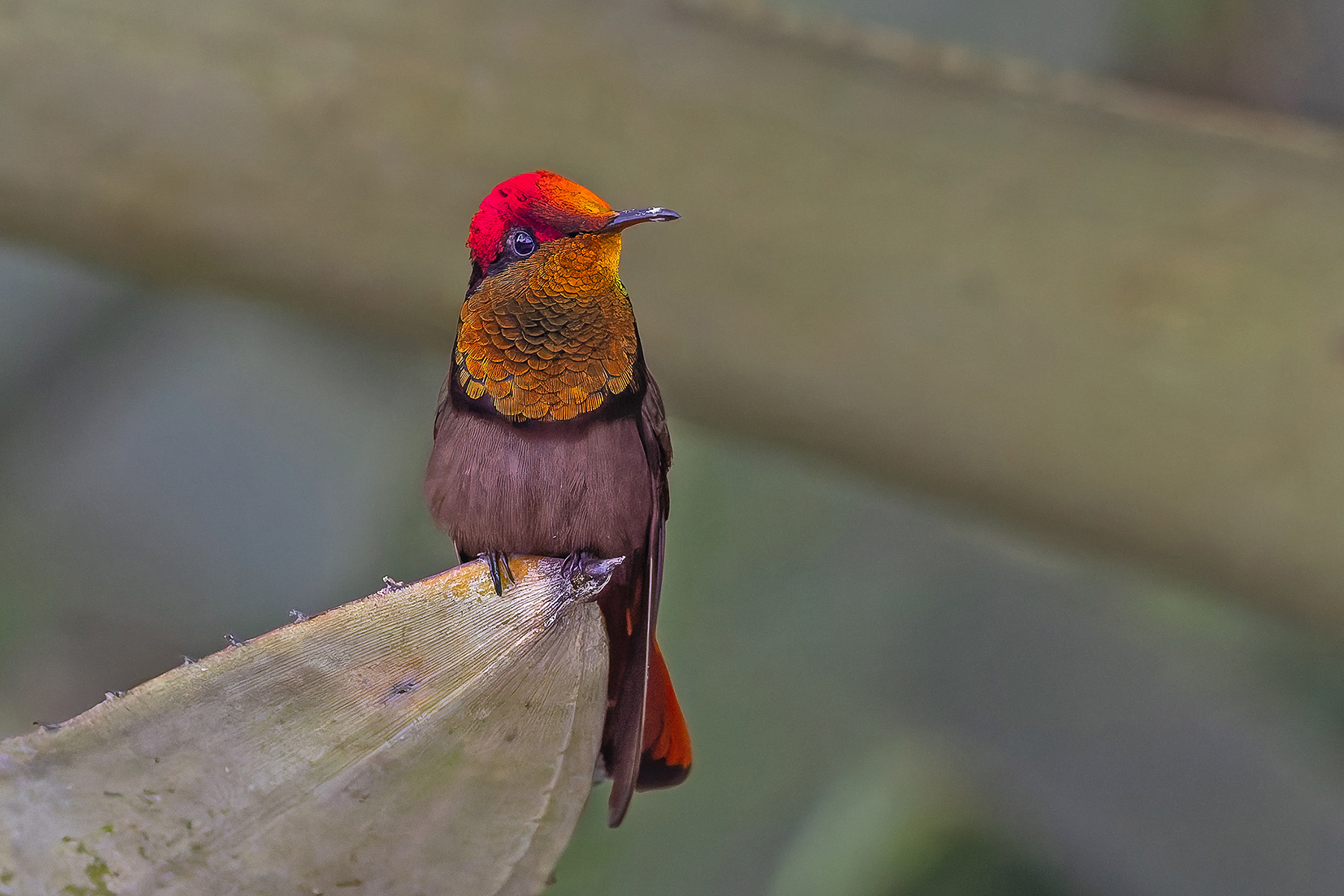
Ruby Topaz (image by Pete Morris)
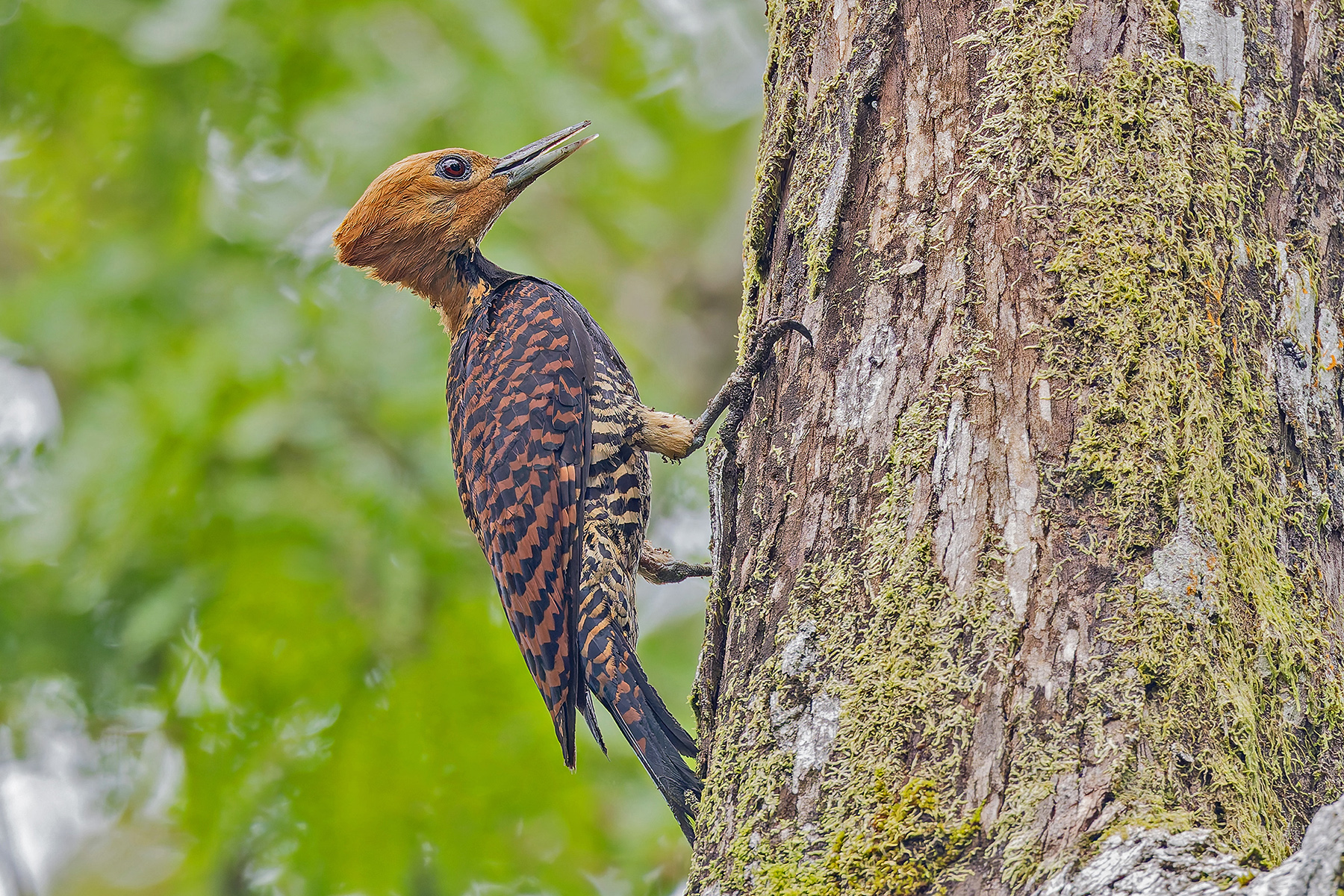
Ringed Woodpecker (Atlantic) (image by Pete Morris)
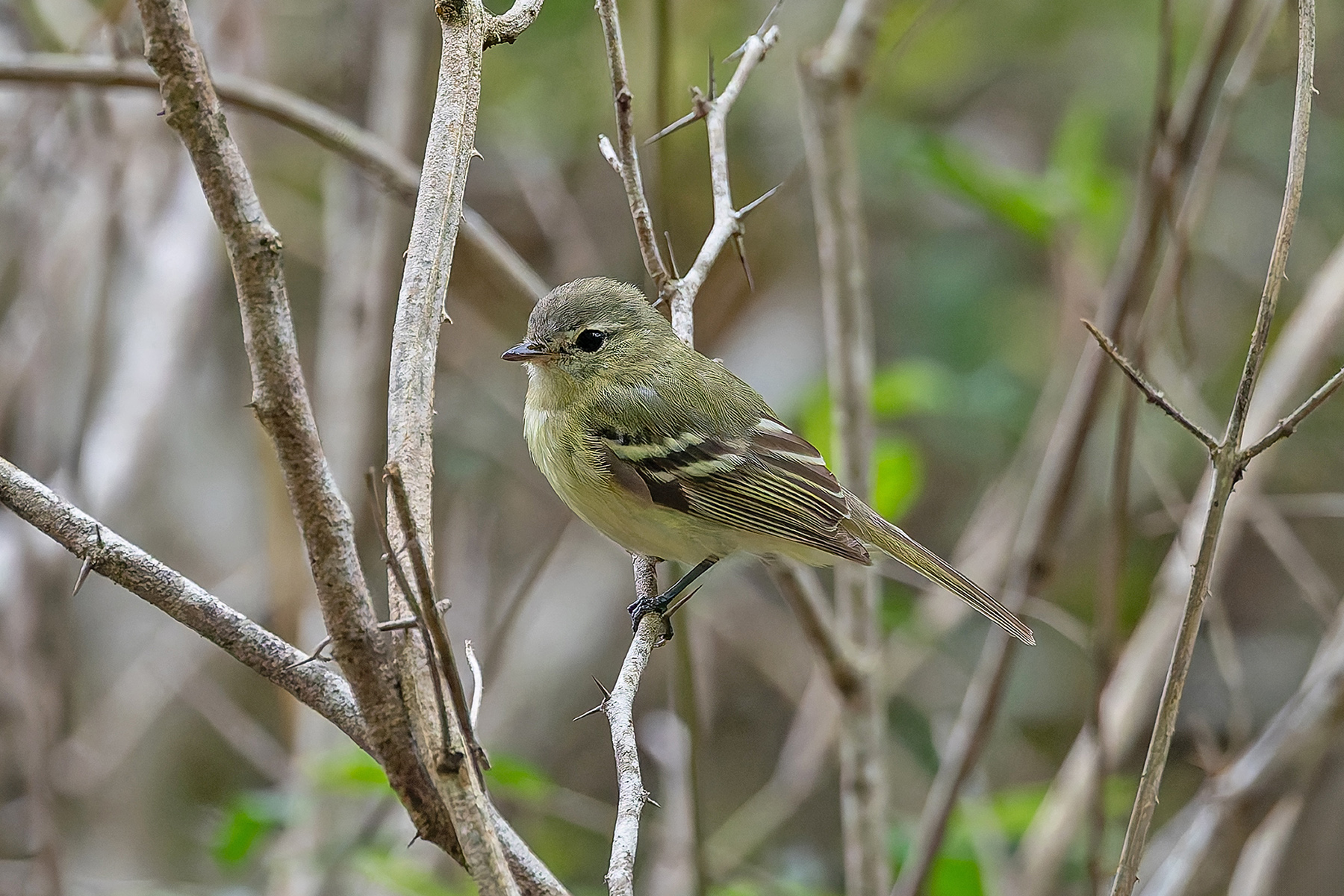
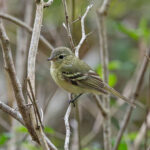
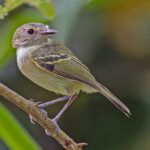
Reiser's Tyrannulet (image by Pete Morris)
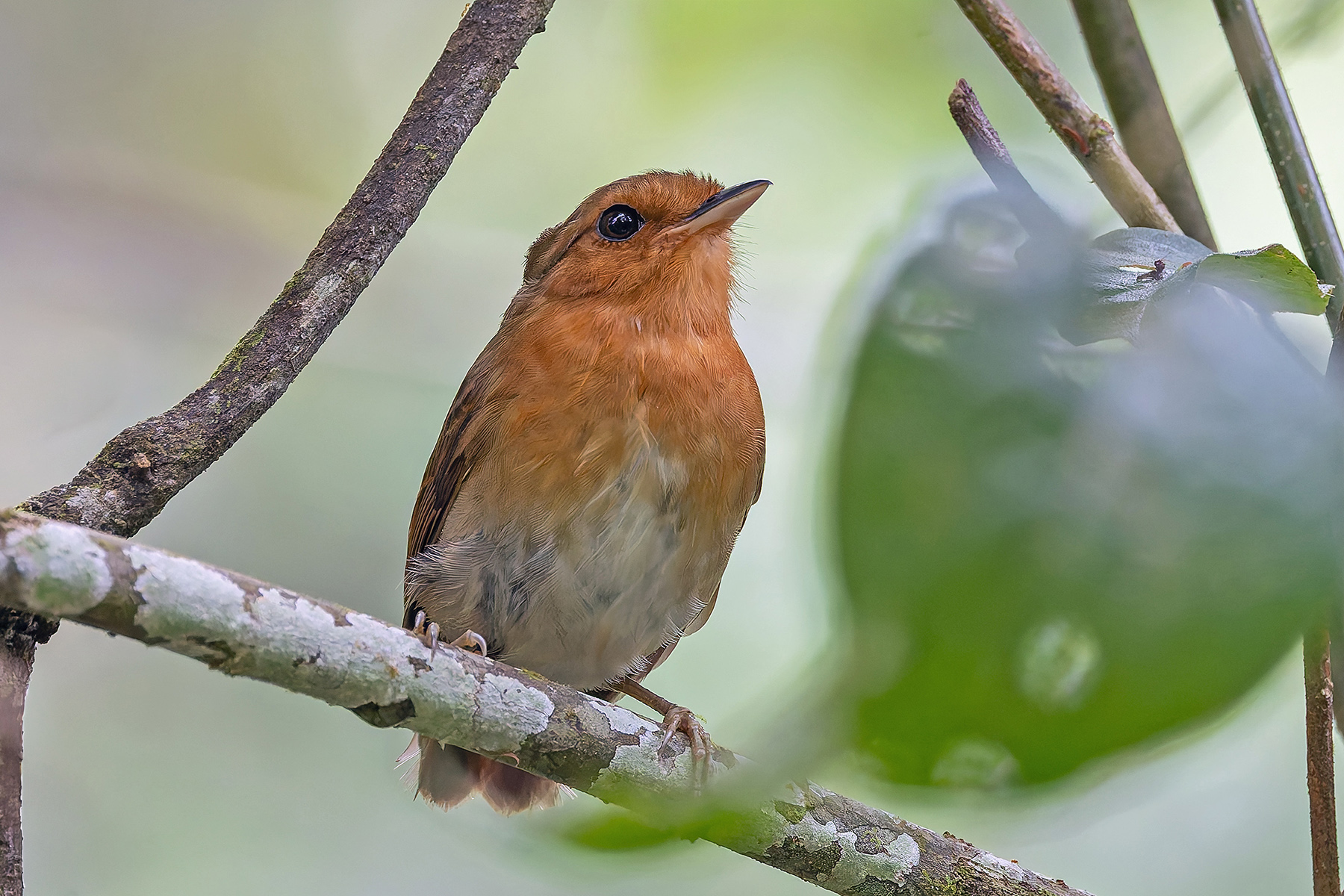
Rufous Gnateater (image by Pete Morris)
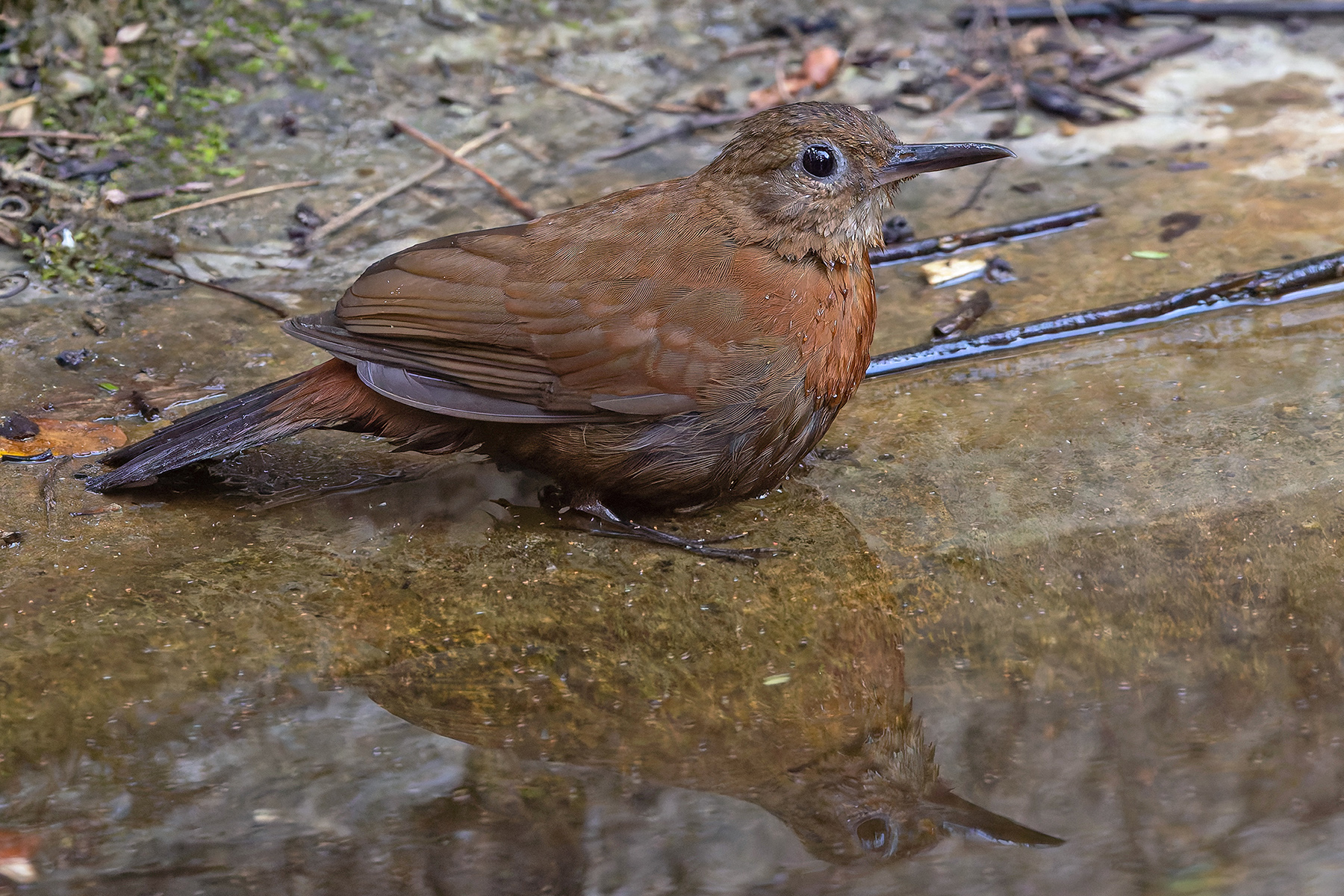
Rufous-breasted Leaftosser (image by Pete Morris)
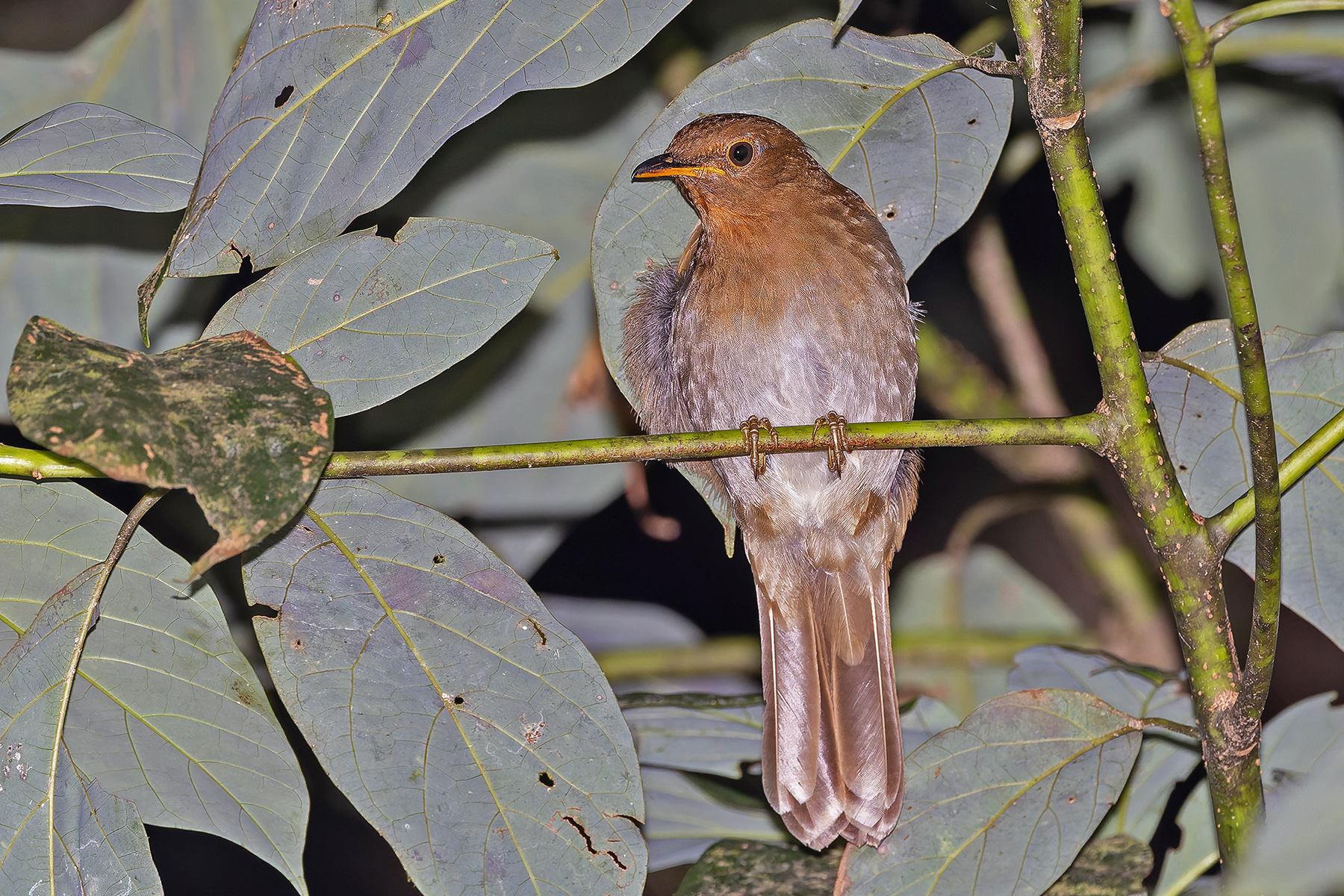
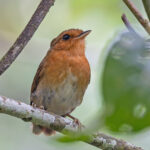
Rufous-brown Solitaire (image by Pete Morris)
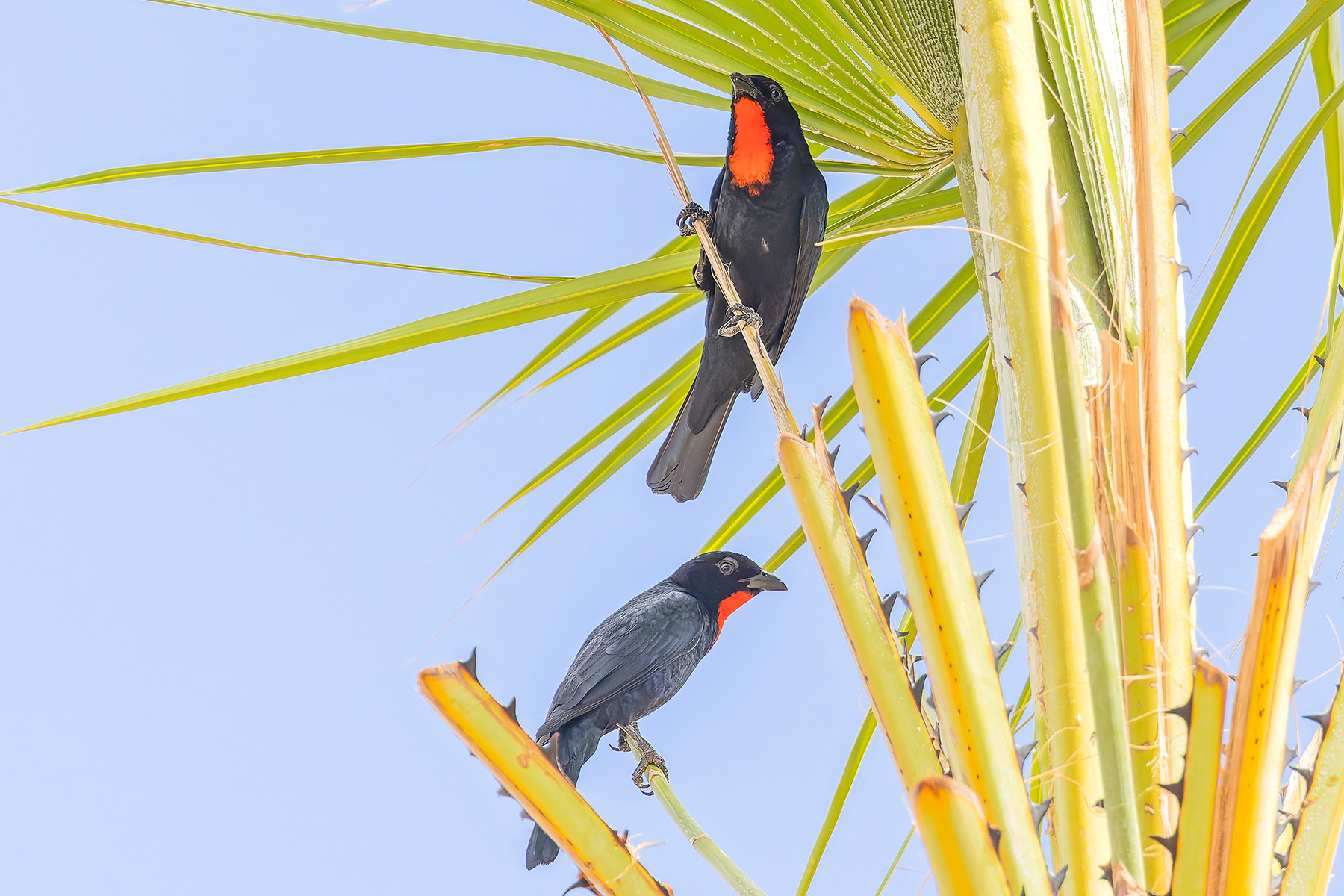
Scarlet-throated Tanager (image by Pete Morris)
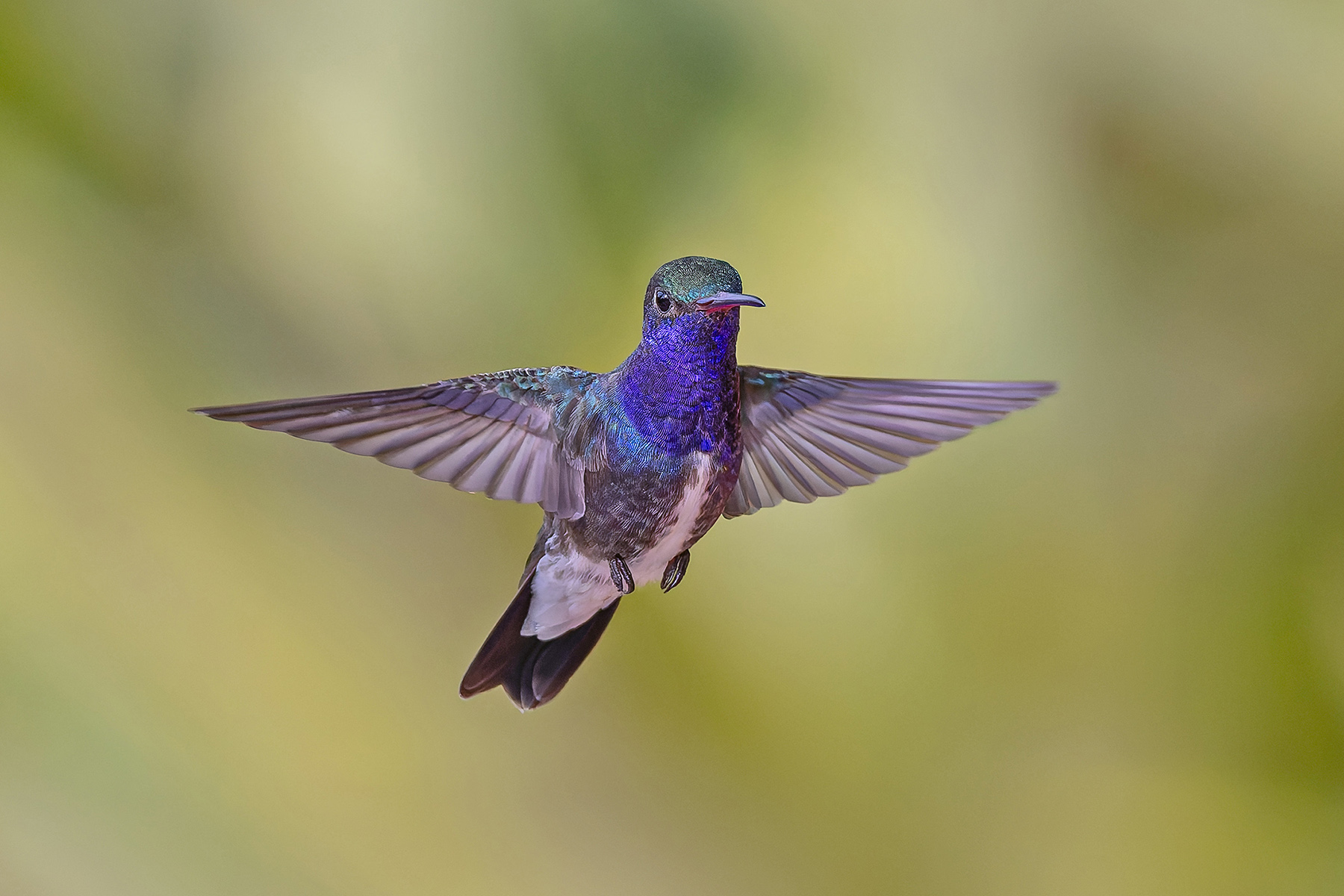
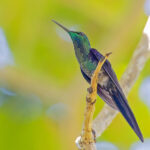
Sapphire-spangled Emerald (image by Pete Morris)
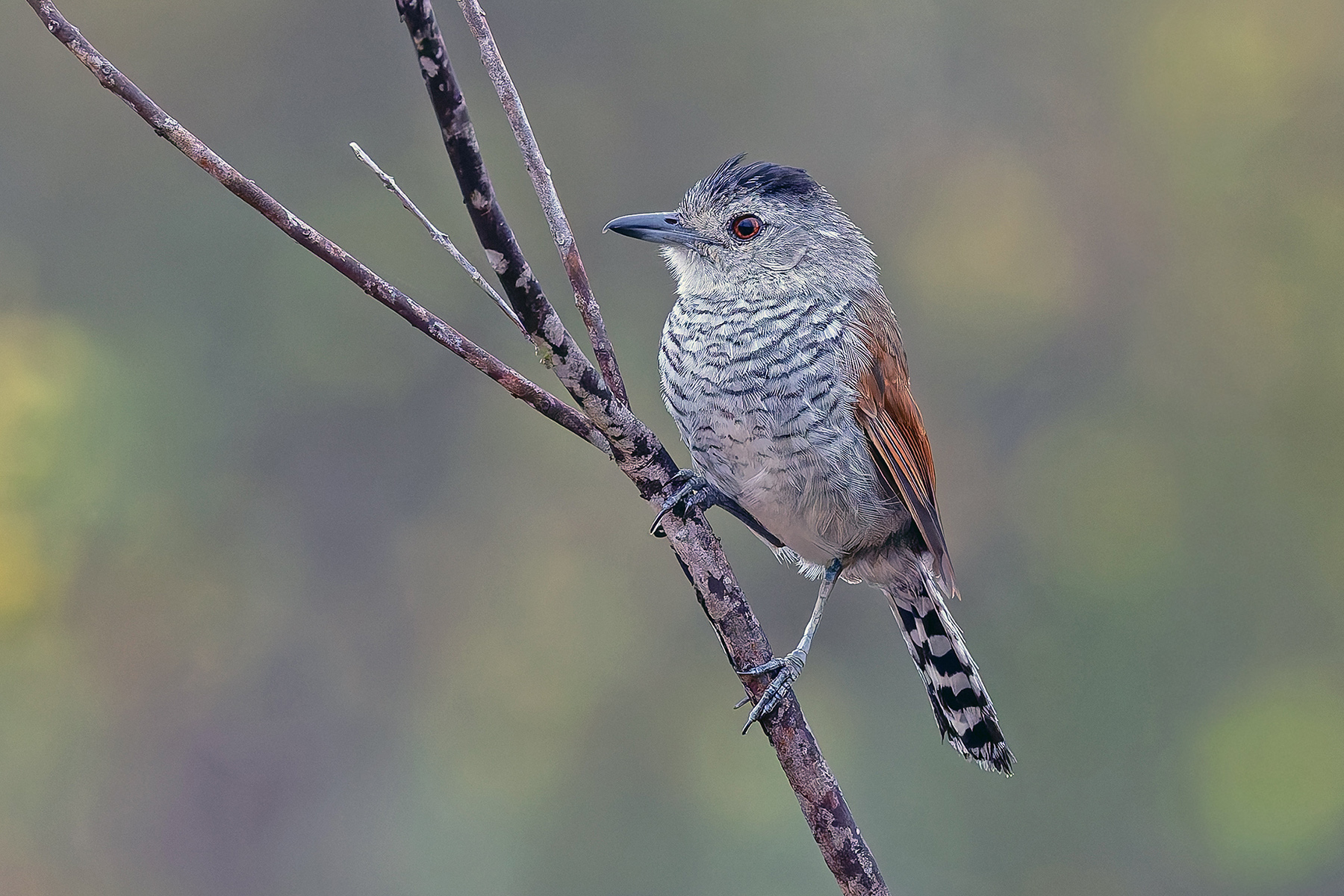
Rufous-winged Antshrike (image by Pete Morris)
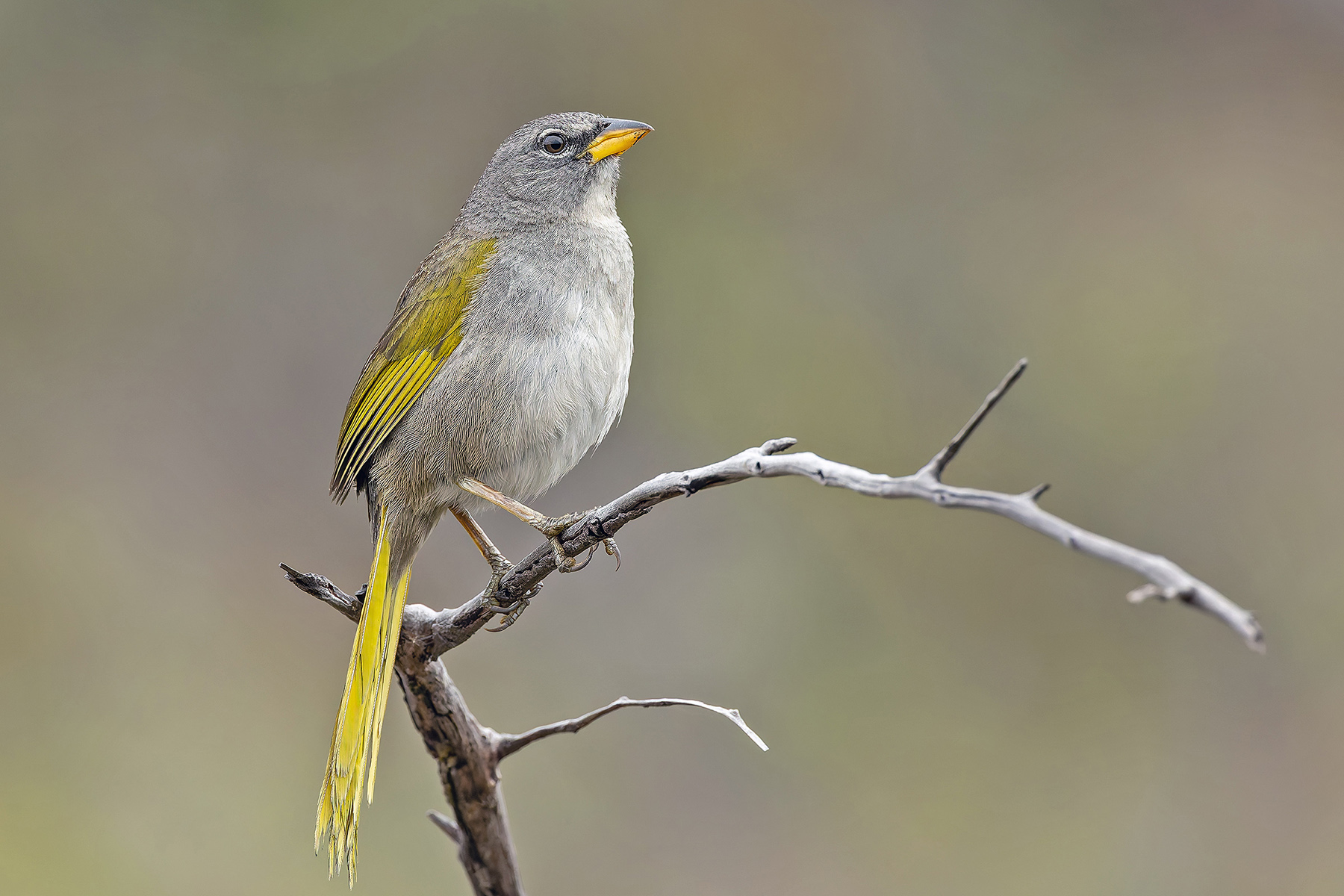
Serra Finch (image by Pete Morris)
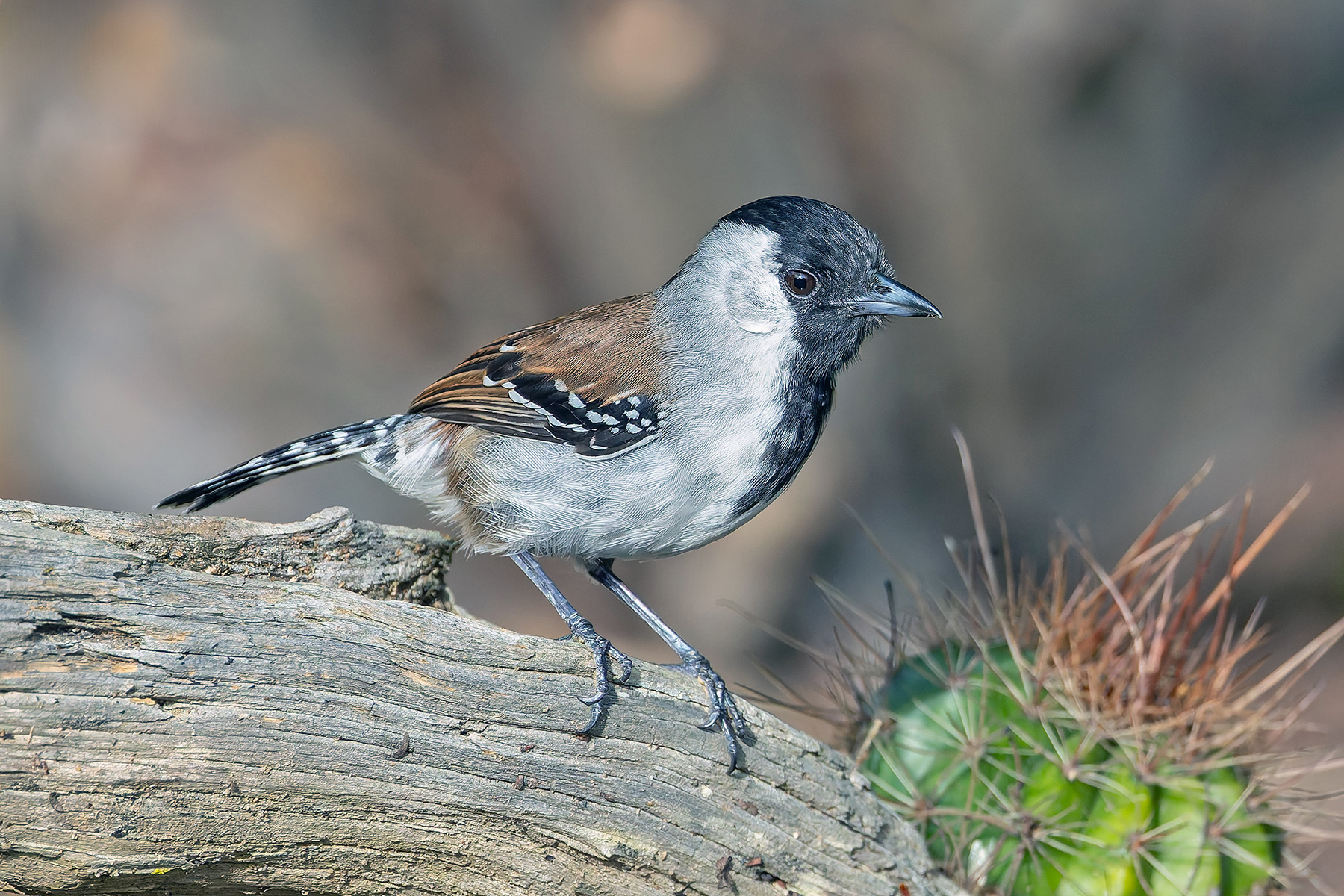
Silvery-cheeked Antshrike (image by Pete Morris)
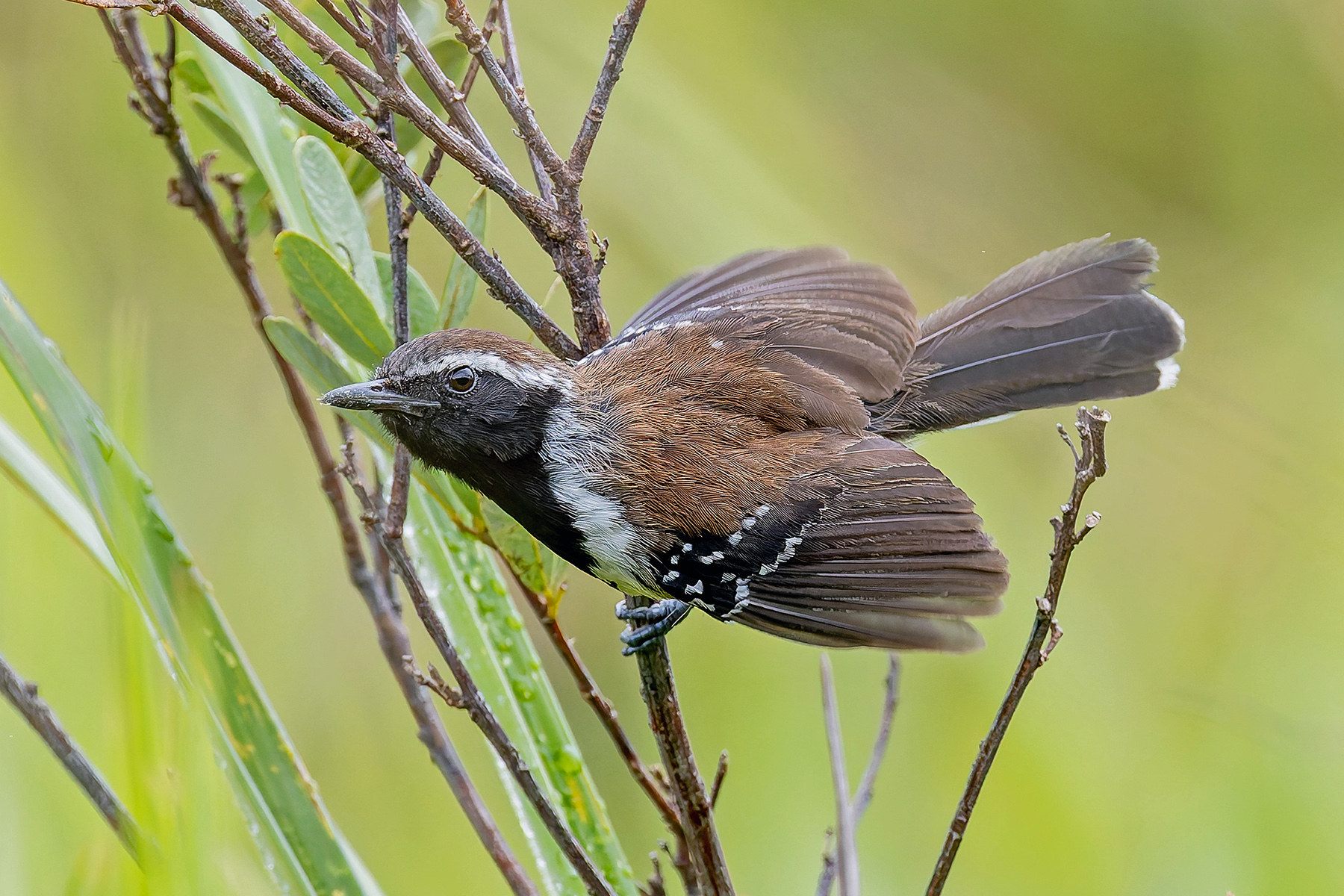
Sincora Antwren (image by Pete Morris)
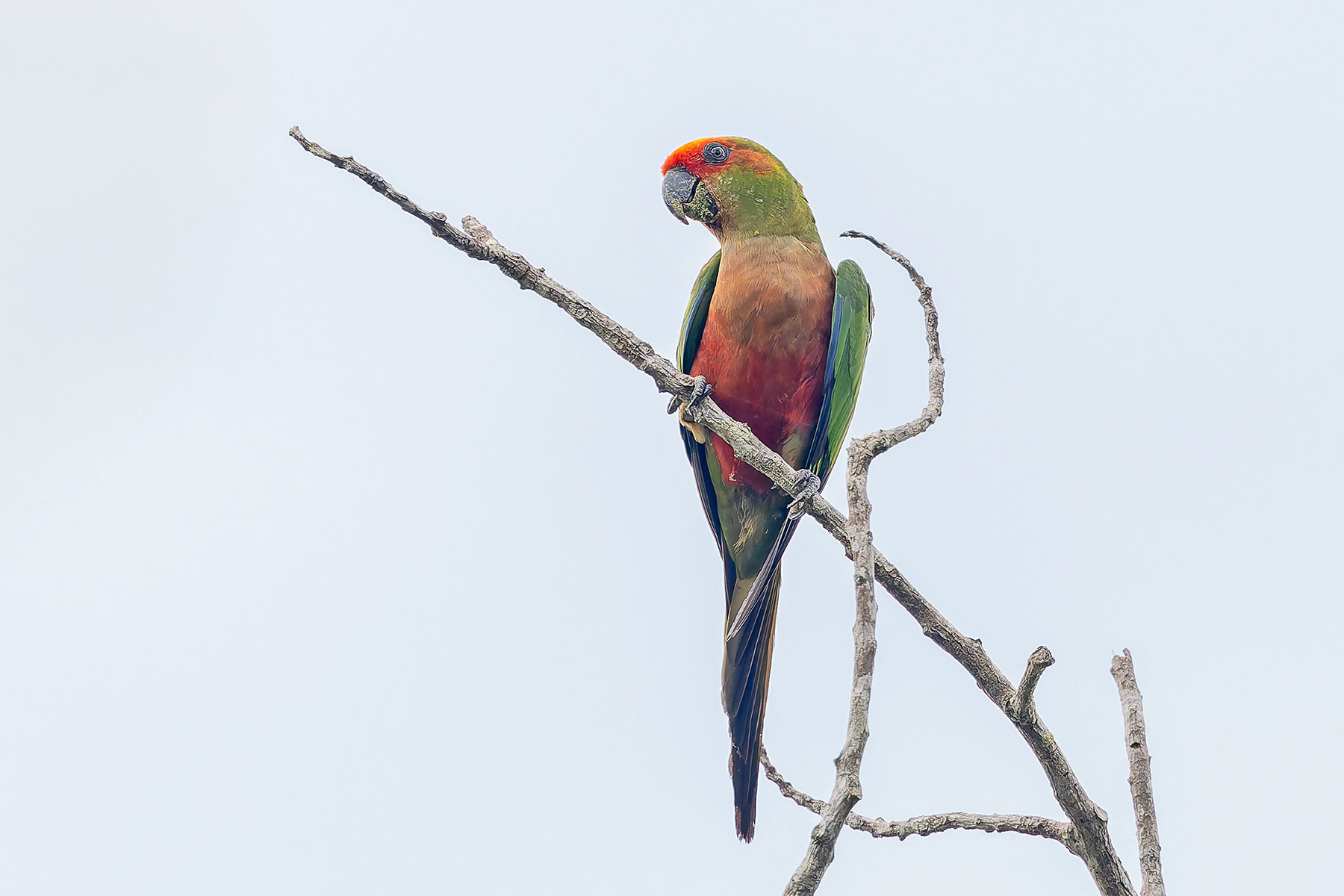
Golden-capped Parakeet (image by Pete Morris)
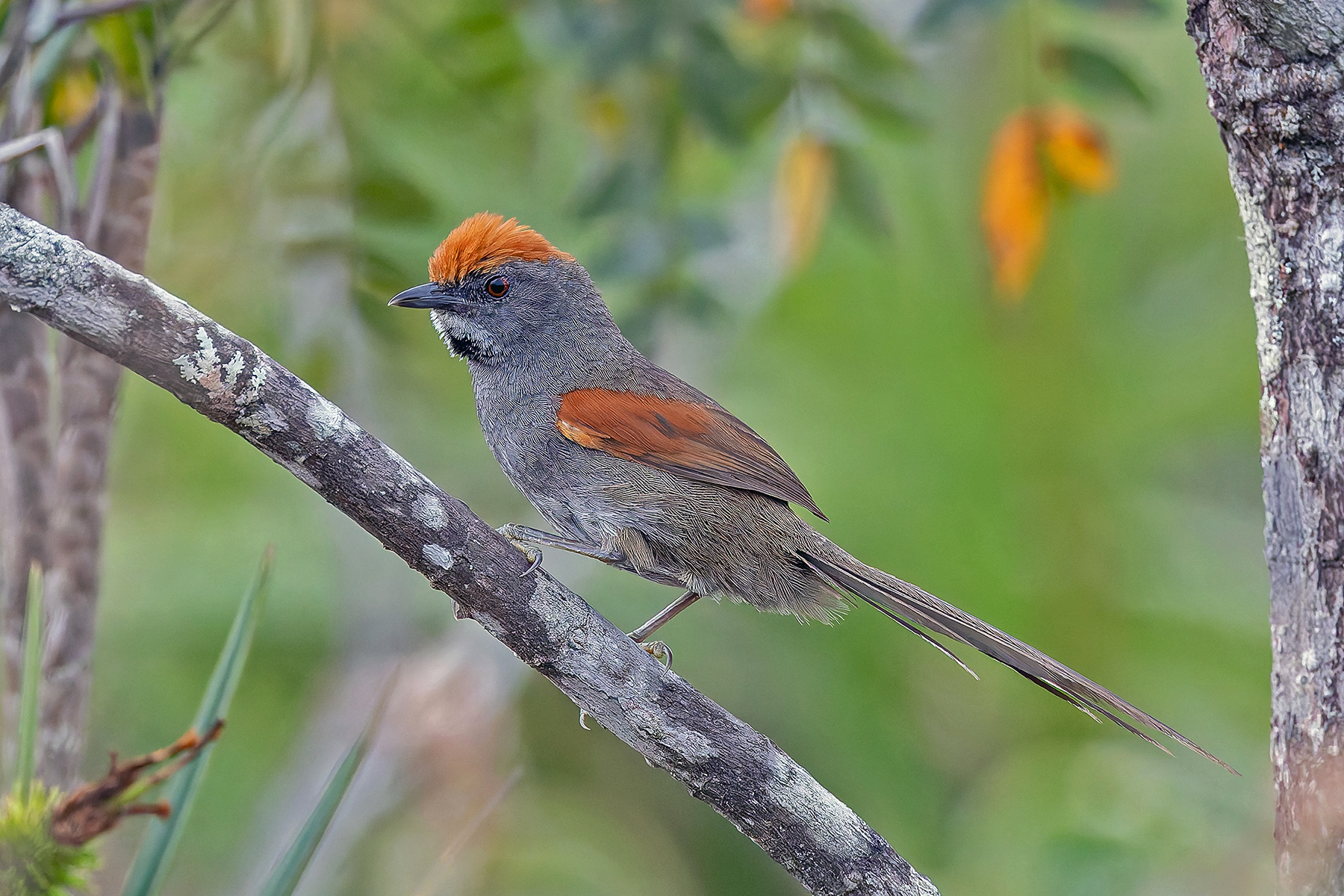
Spix's Spinetail (image by Pete Morris)
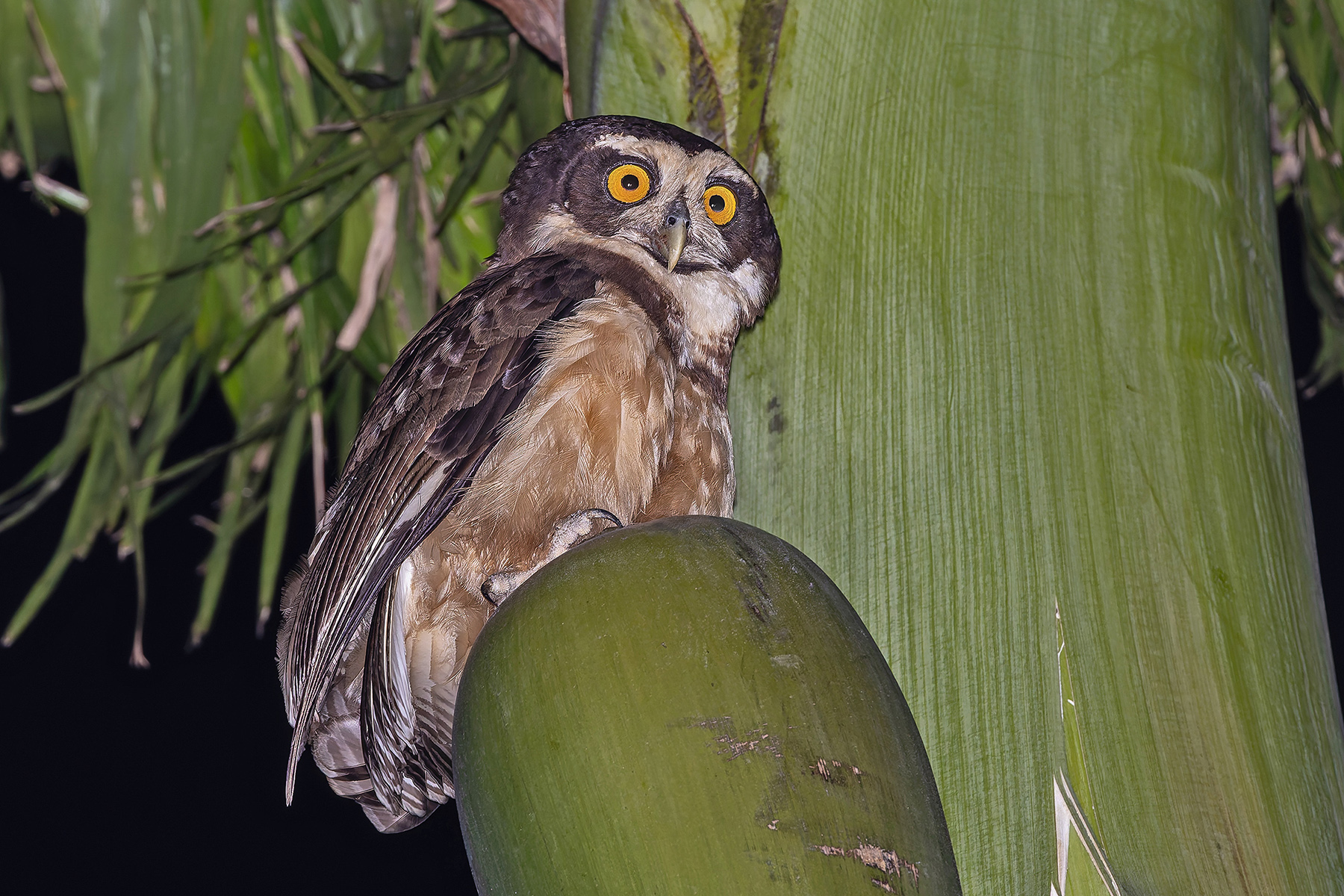
Spectacled Owl (image by Pete Morris)
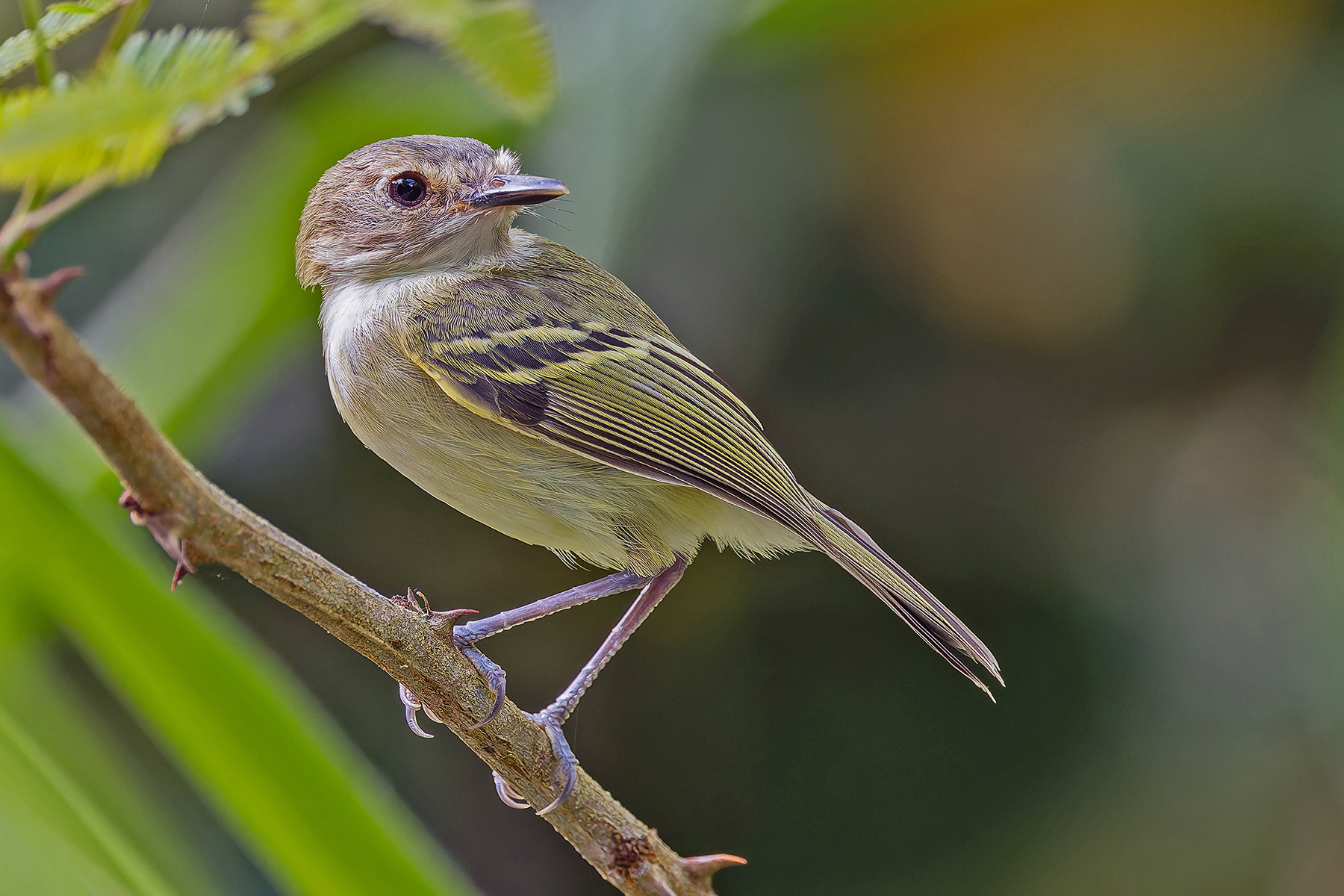
Smoky-fronted Tody-Flycatcher (image by Pete Morris)
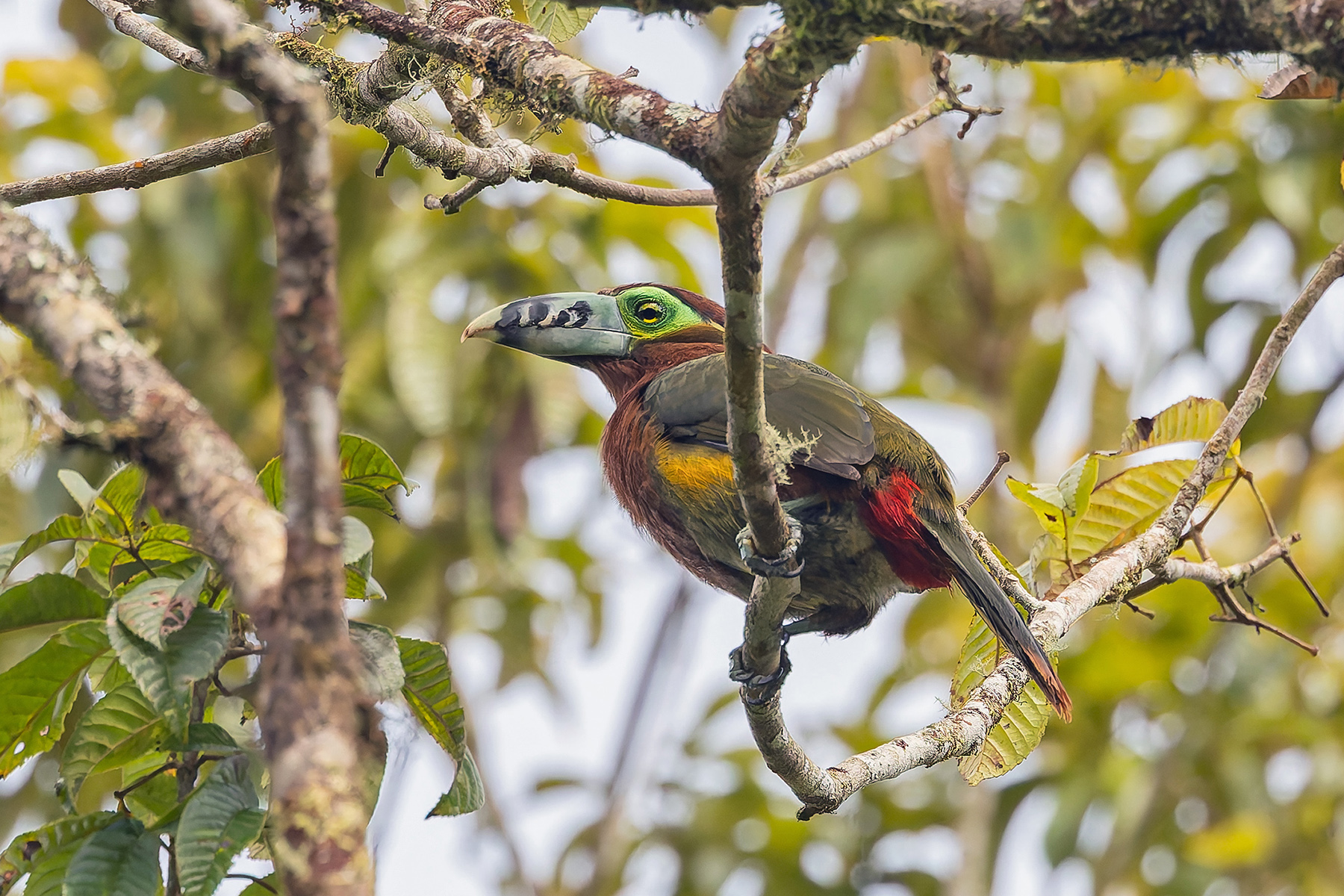
Spot-billed Toucanet (image by Pete Morris)
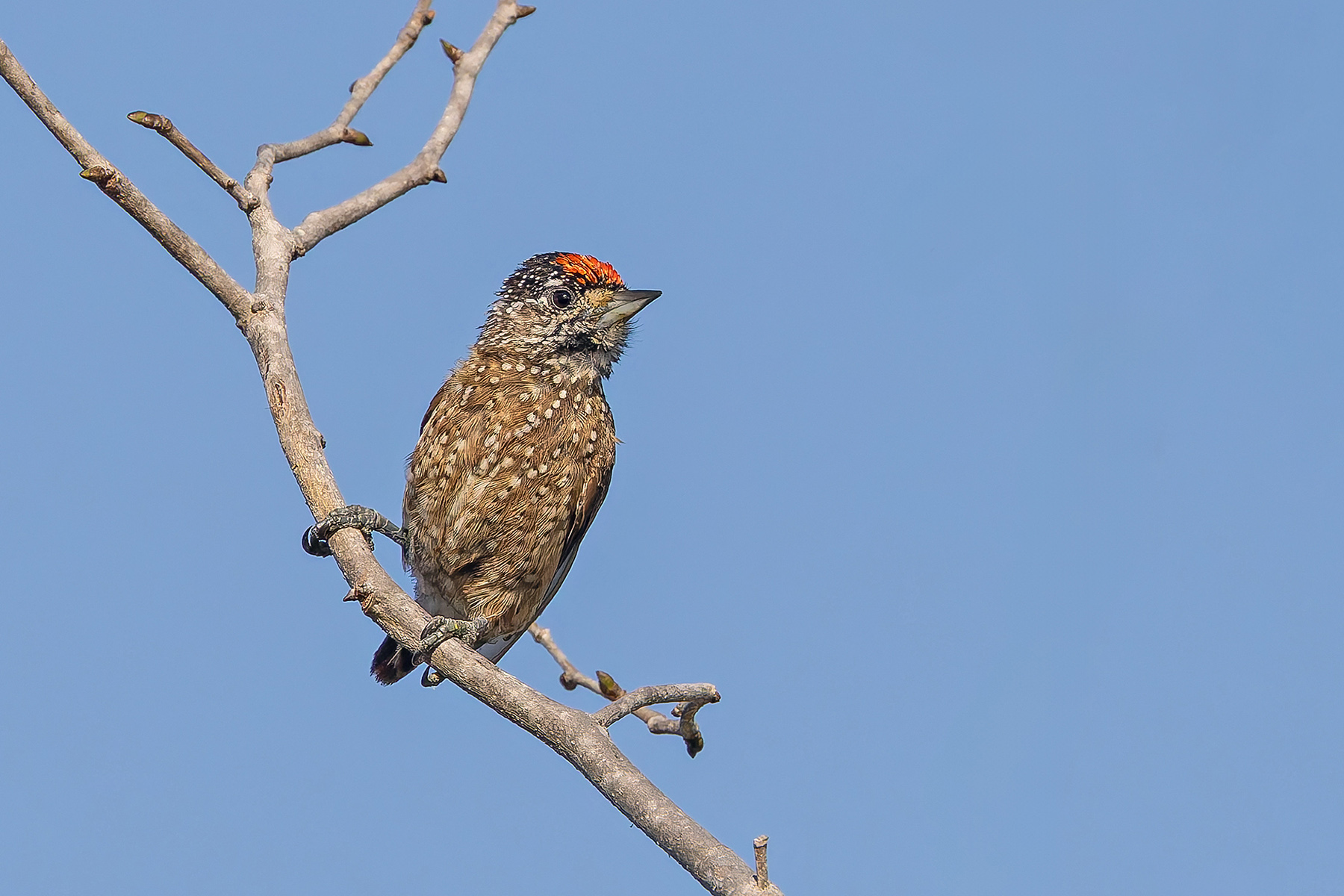
Spotted Piculet (image by Pete Morris)
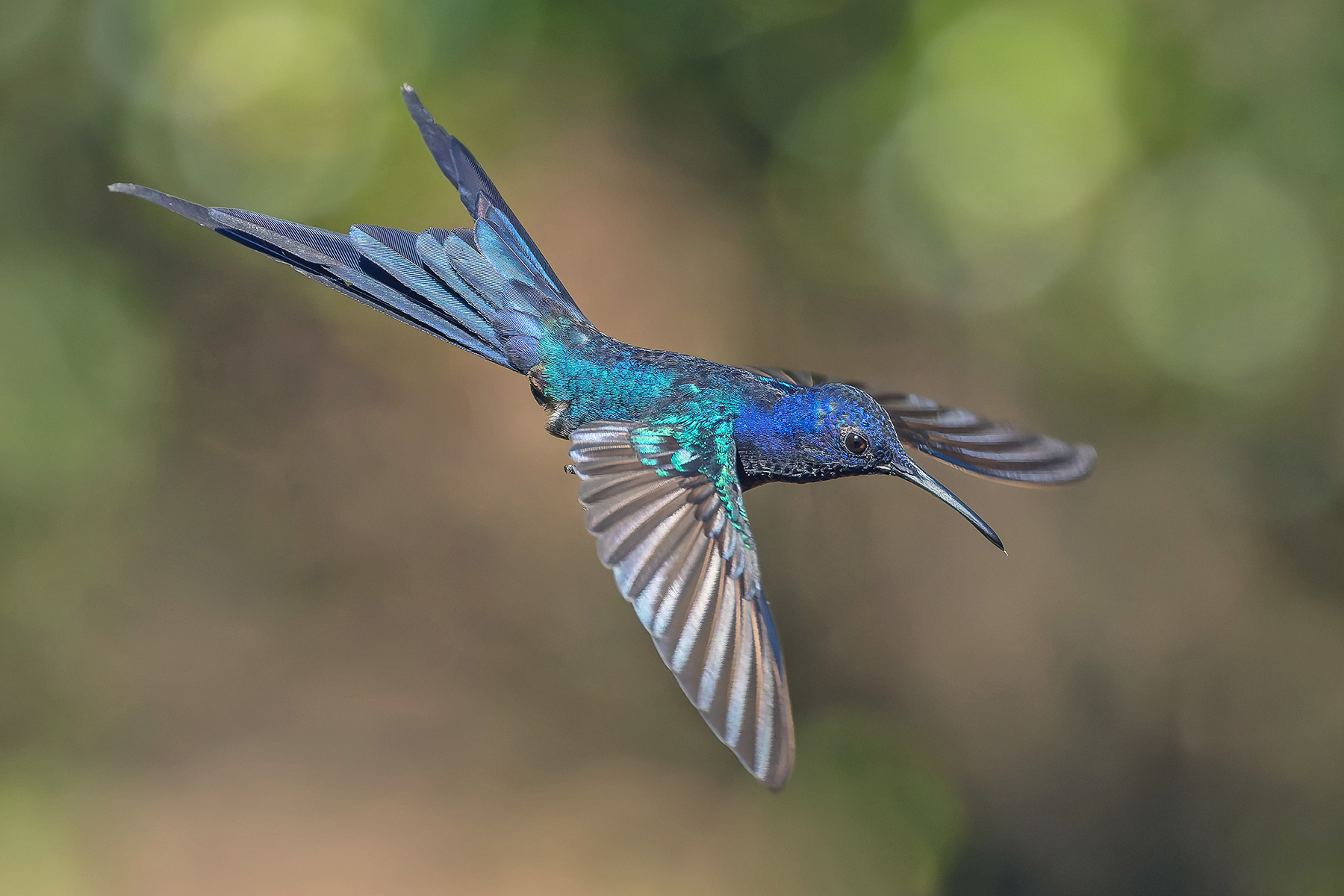
Swallow-tailed Hummingbird (image by Pete Morris)
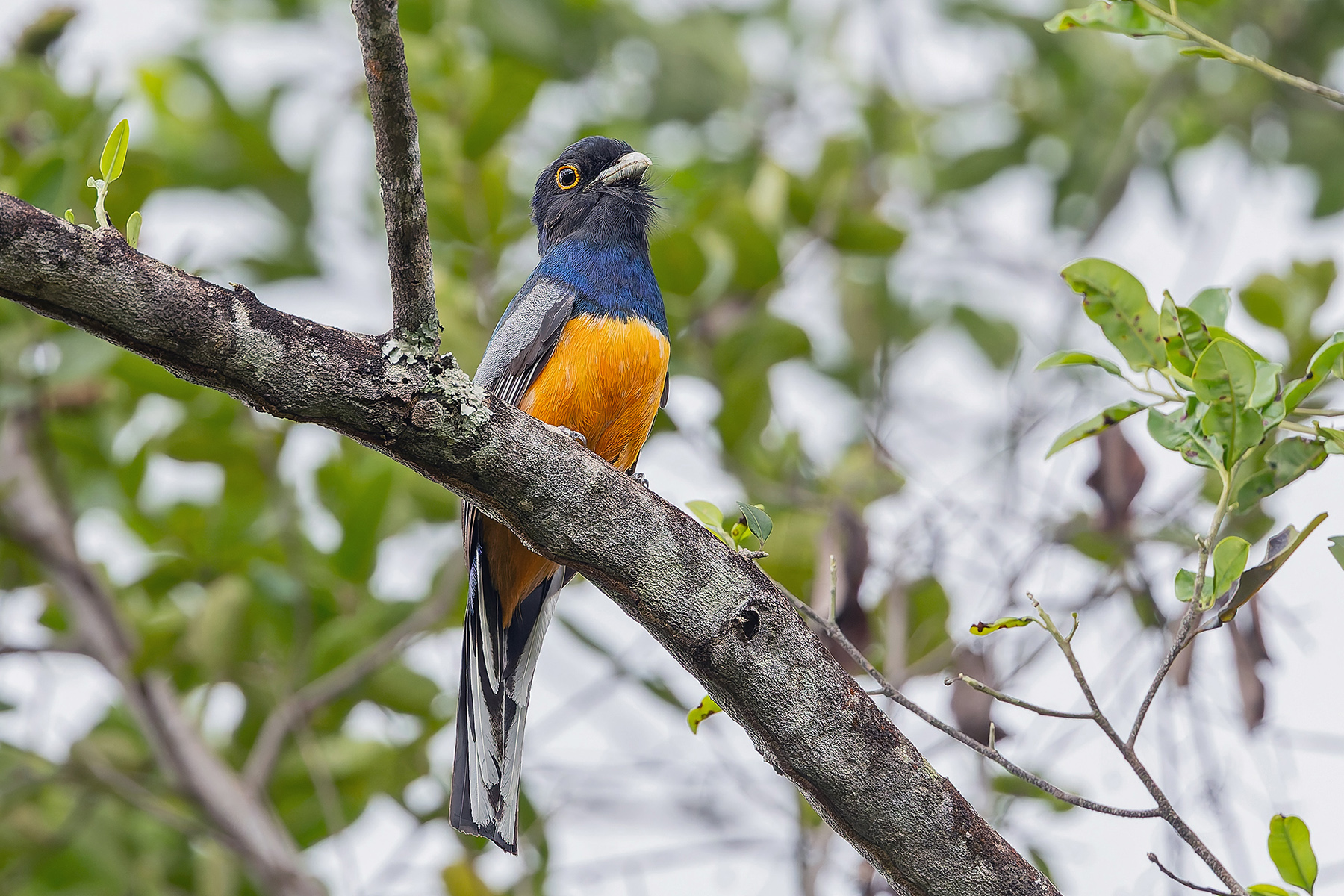
Surucua Trogon (orange-bellied) (image by Pete Morris)
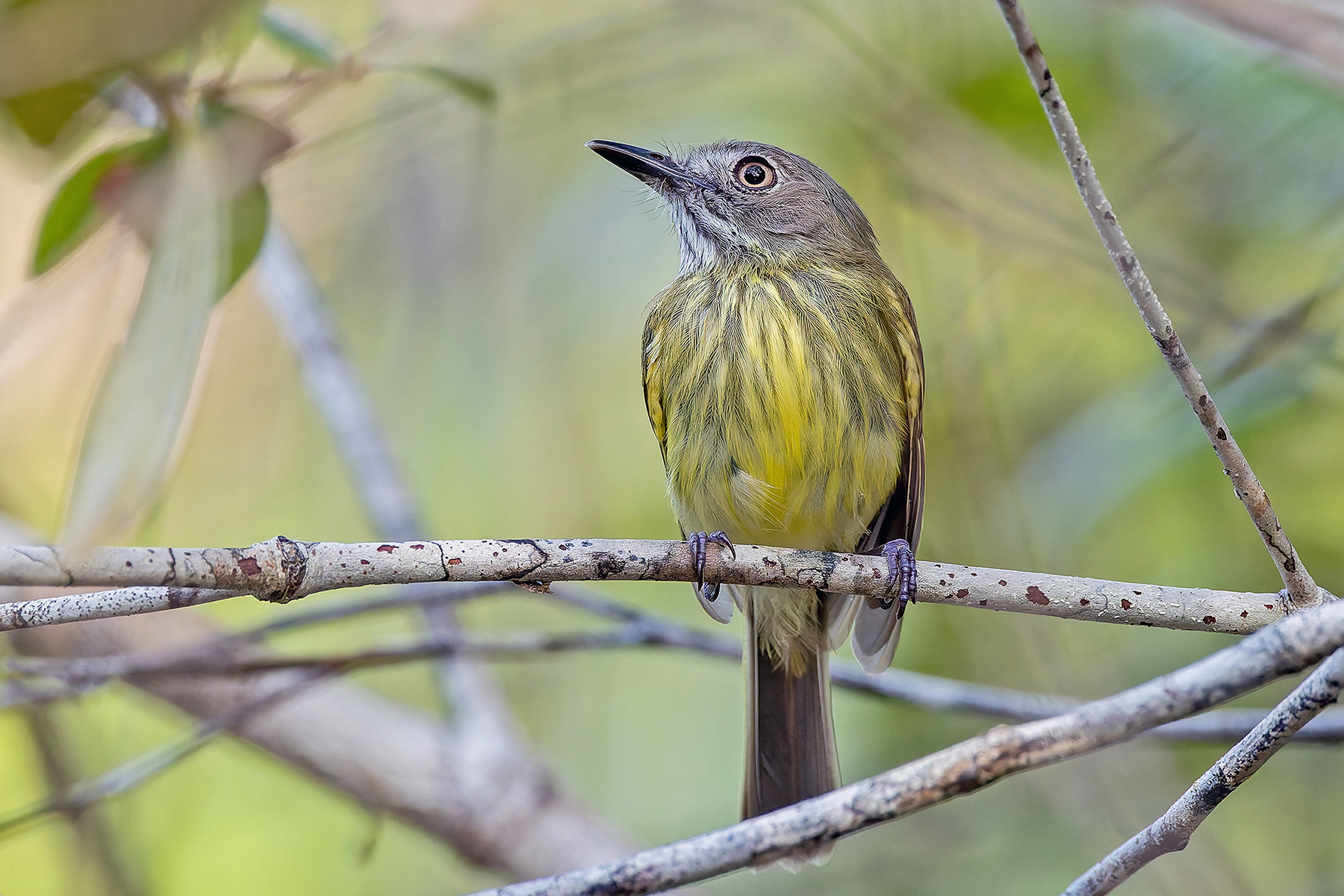
Stripe-necked Tody-Tyrant (image by Pete Morris)
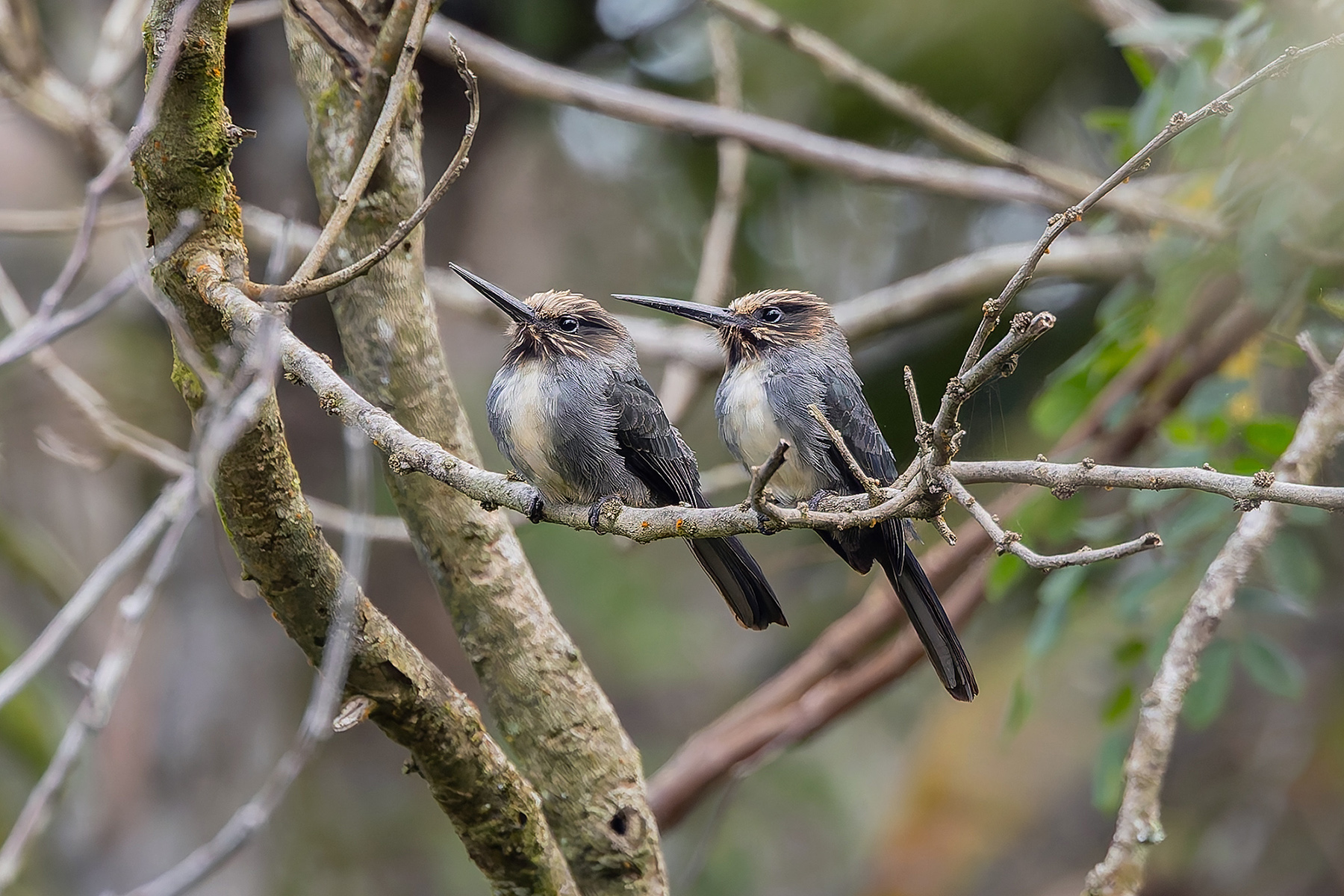
Three-toed Jacamar (image by Pete Morris)
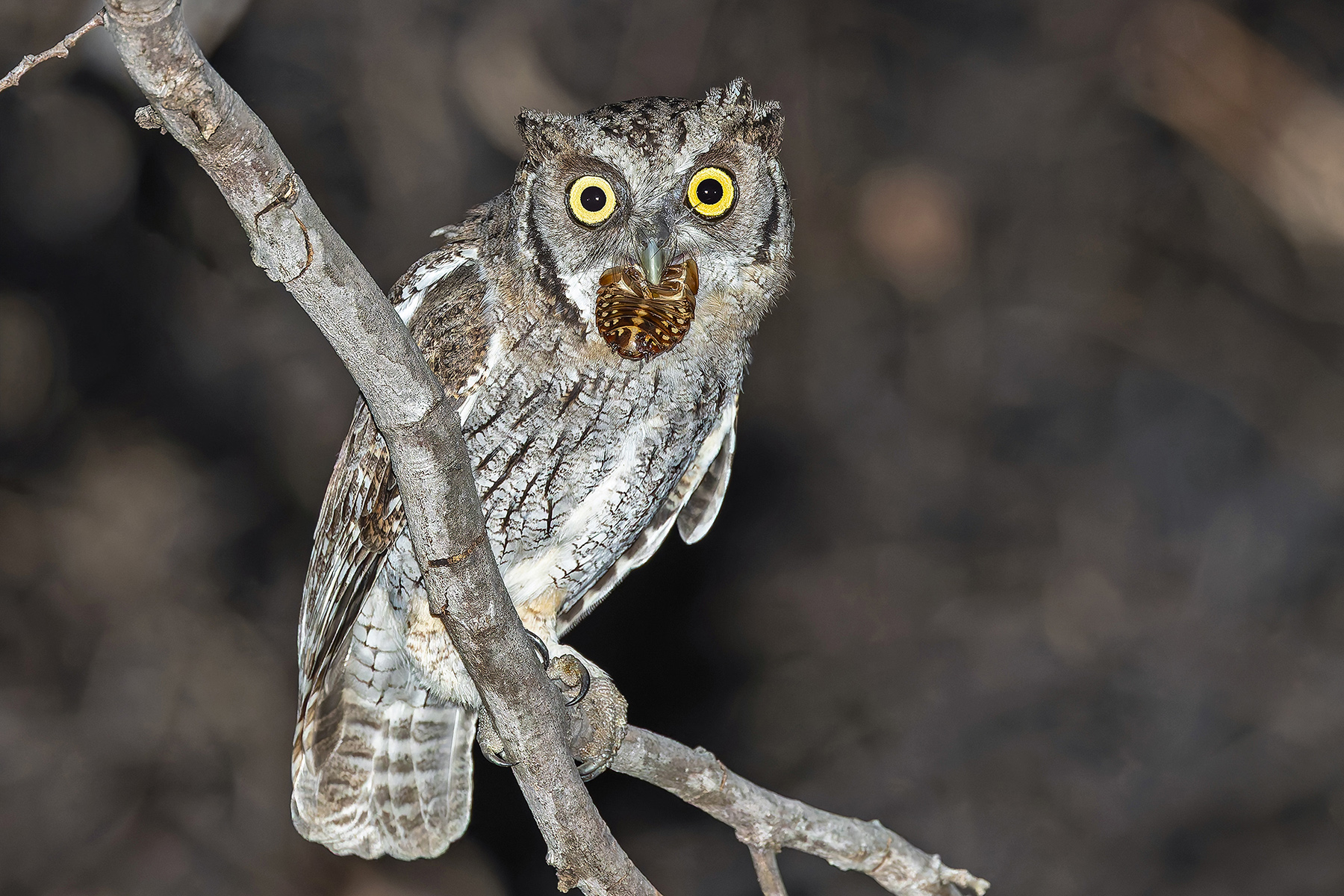
Tropical Screech Owl (image by Pete Morris)
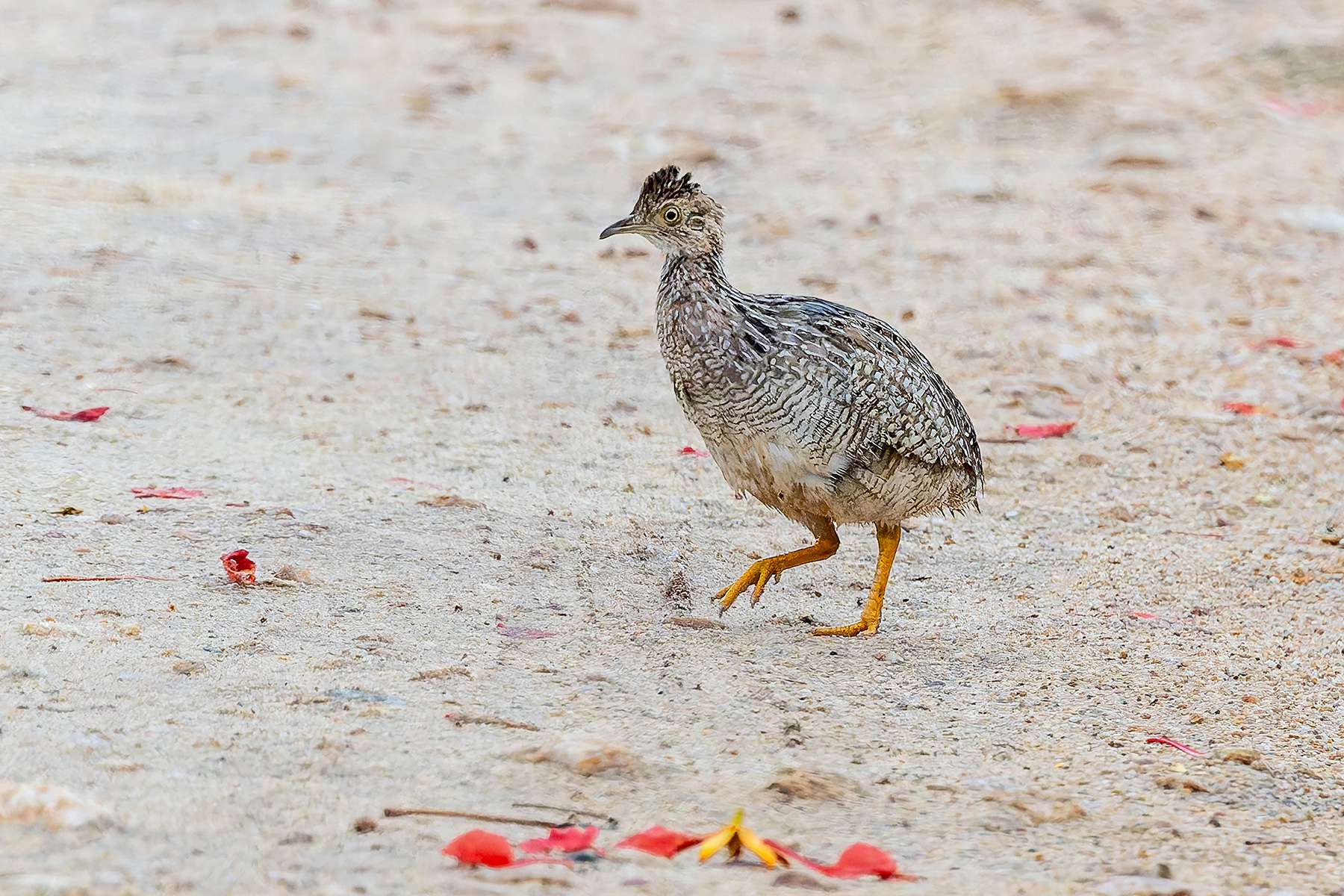
White-bellied Nothura (image by Pete Morris)
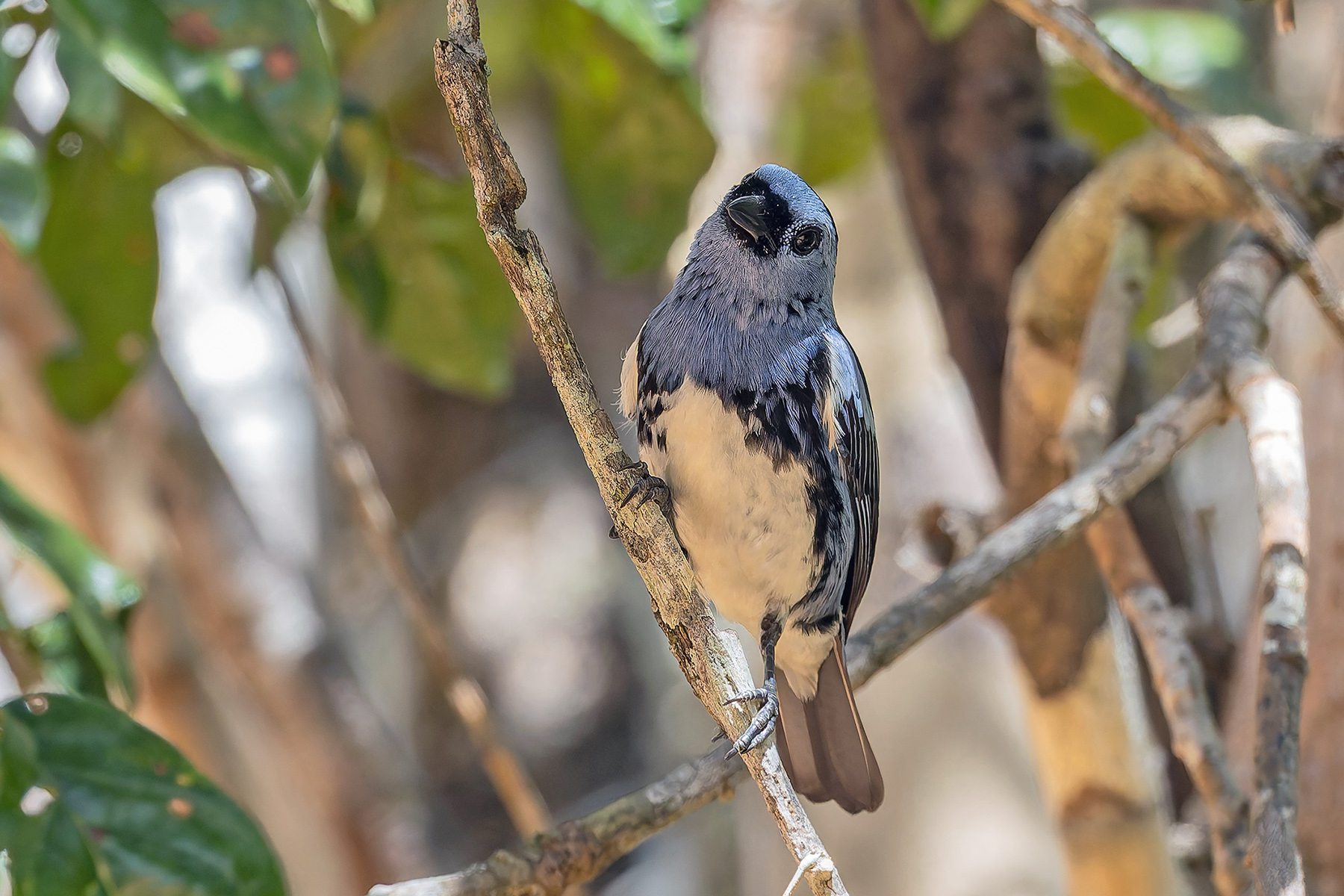
White-bellied Tanager (image by Pete Morris)
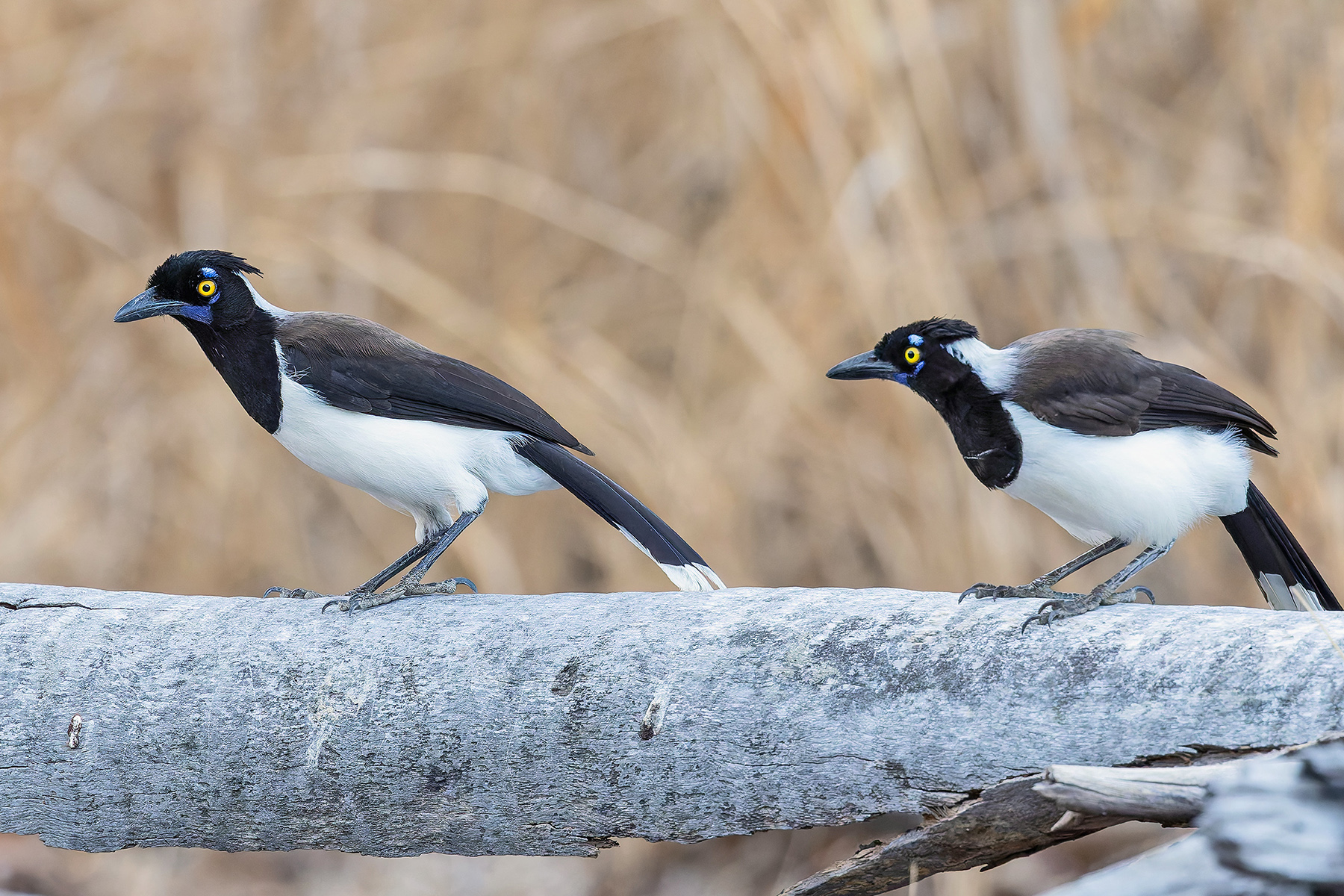
White-naped Jay (image by Pete Morris)
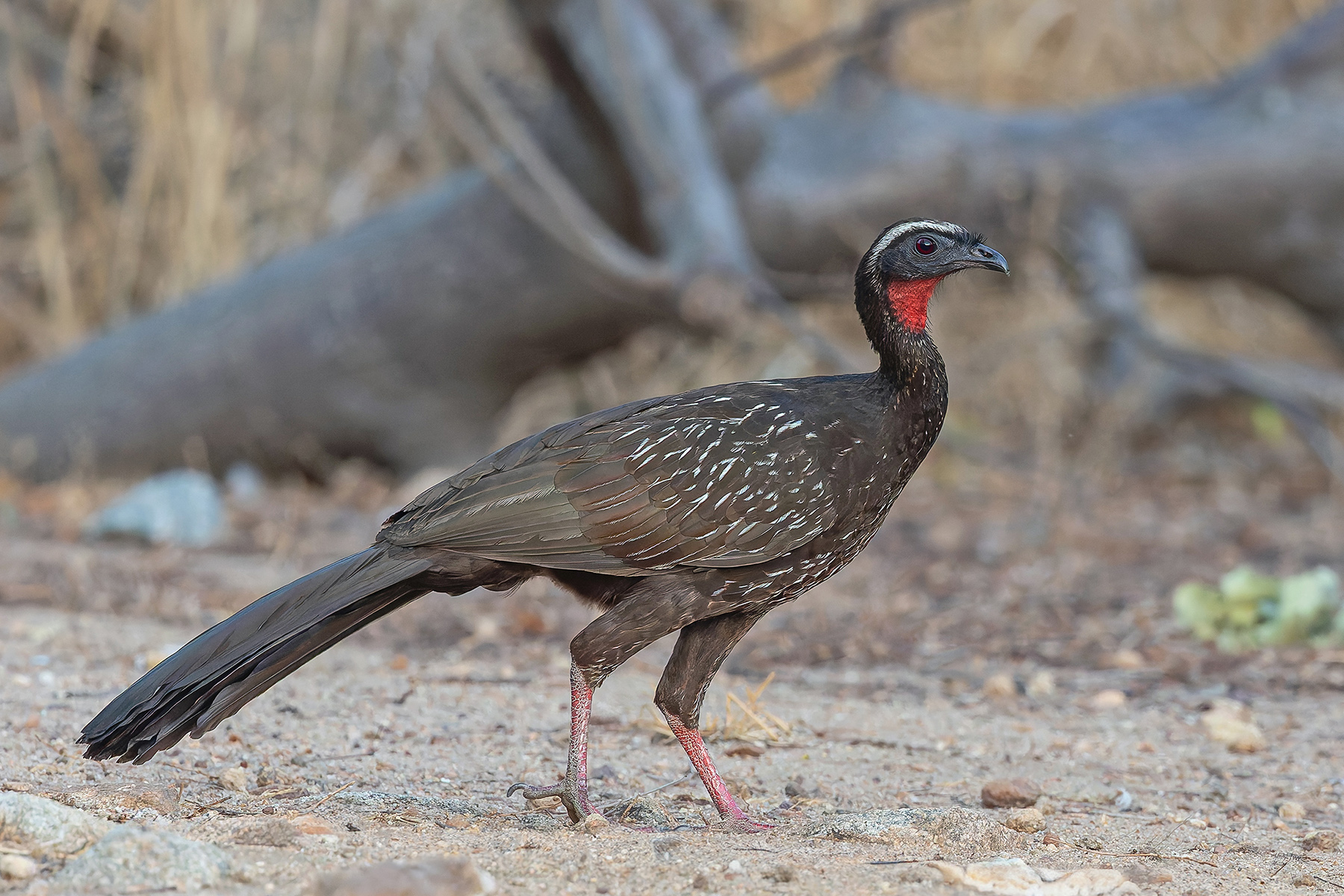
White-browed Guan (image by Pete Morris)
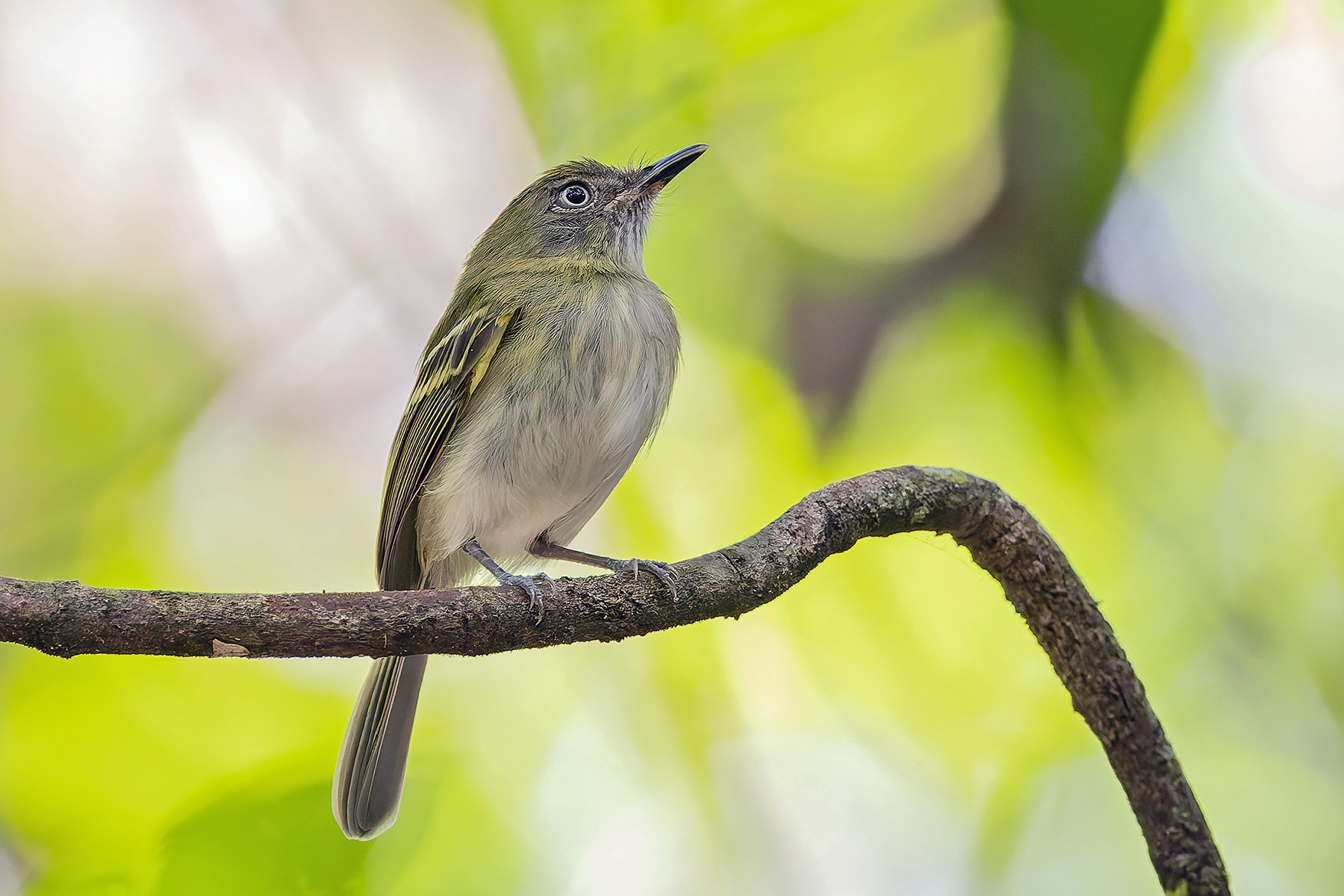
White-bellied Tody-Tyrant (image by Pete Morris)
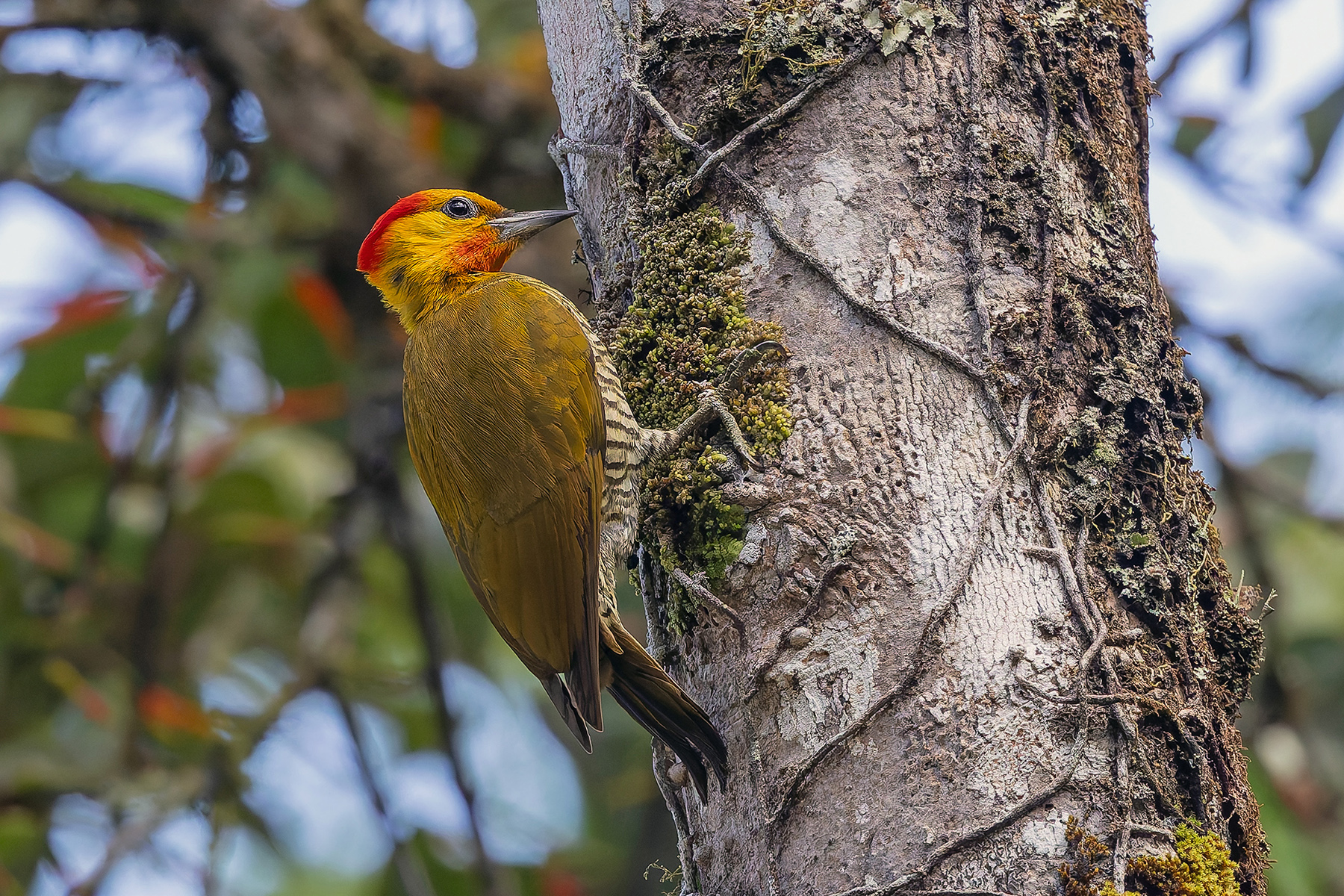
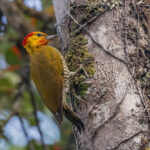
Yellow-throated Woodpecker (image by Pete Morris)
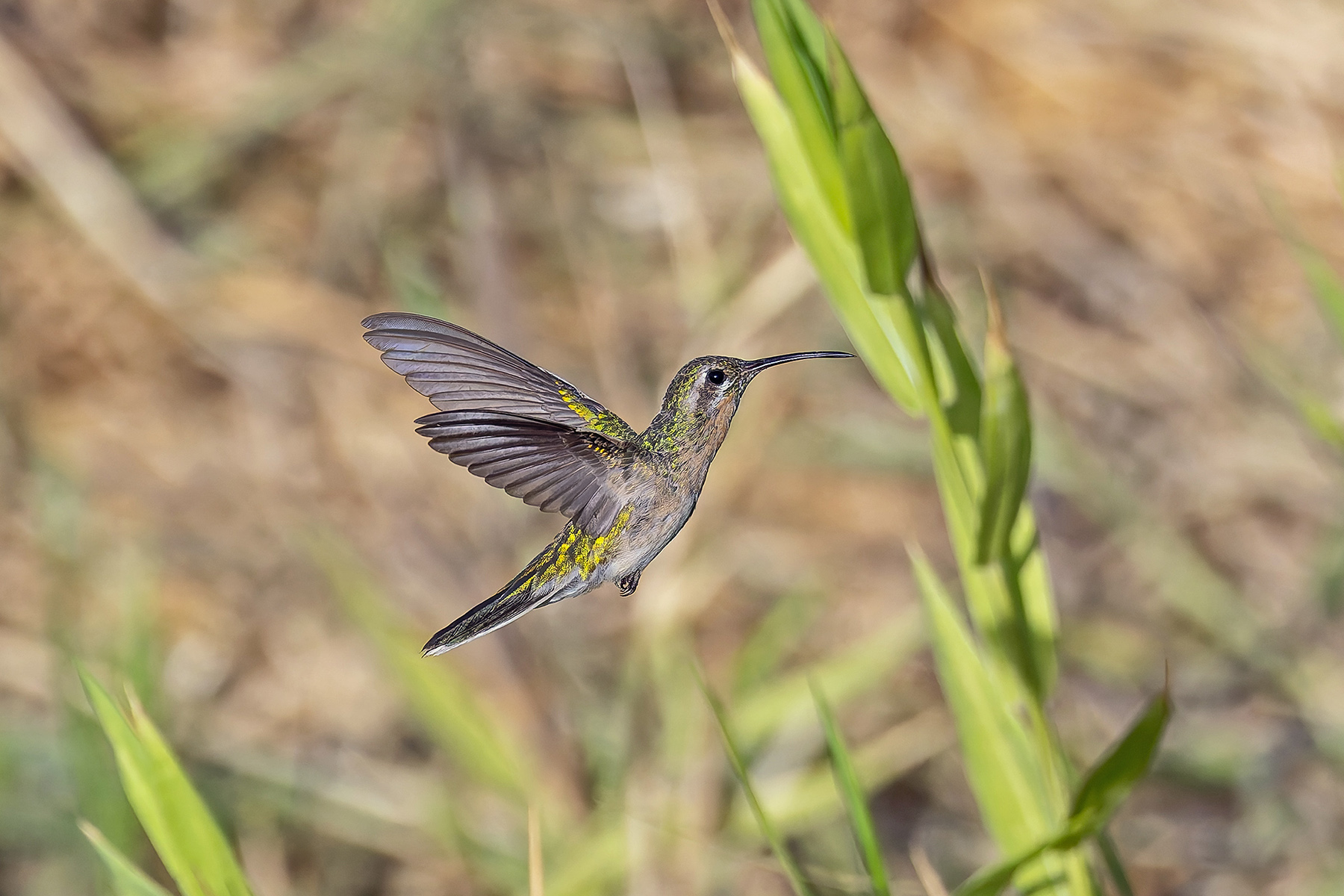
White-tailed Goldenthroat (image by Pete Morris)
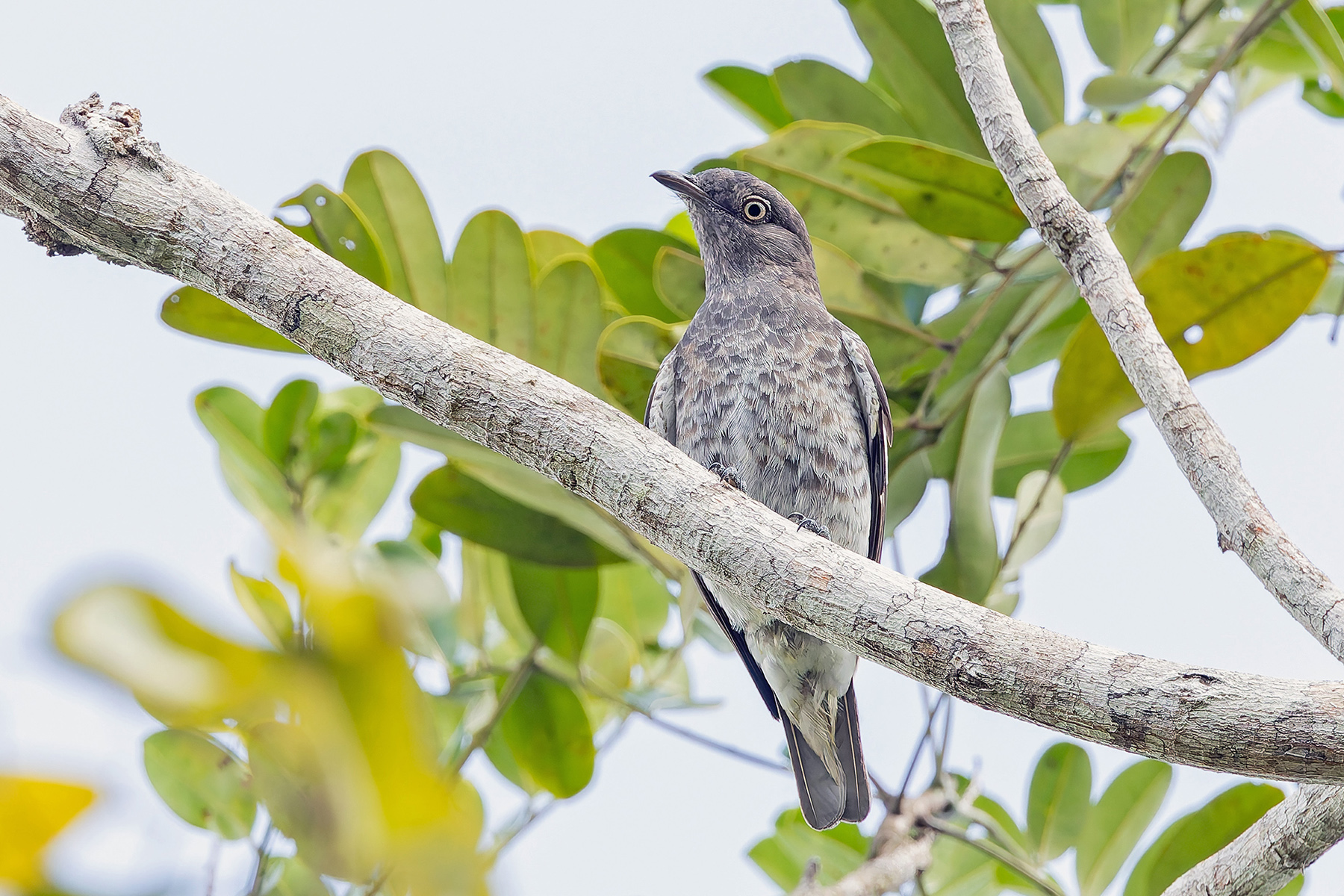
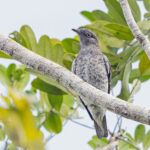
White-winged Cotinga (image by Pete Morris)
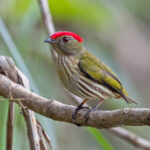
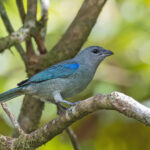
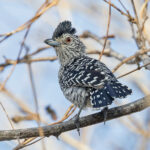
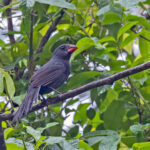
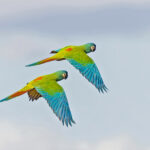
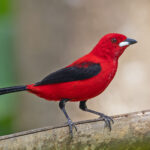
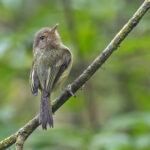
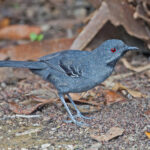
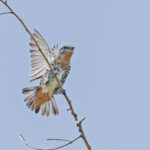
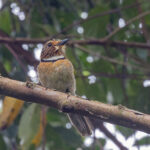
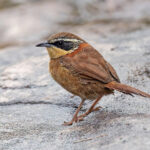
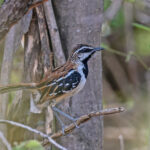
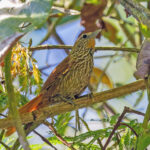
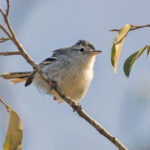
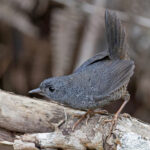
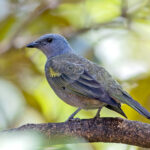
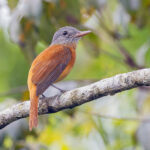
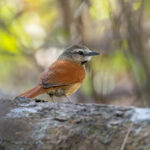
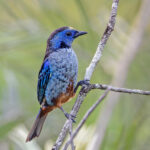
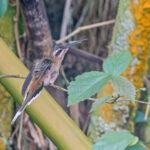
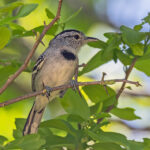
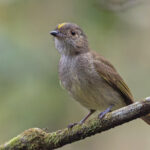
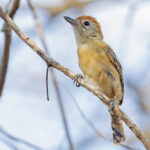
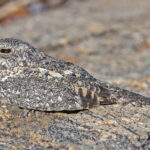
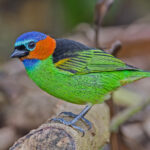
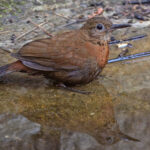
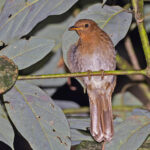
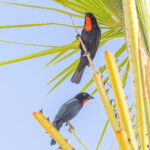
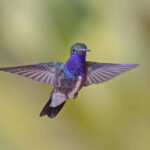
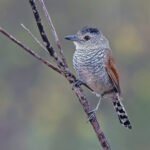
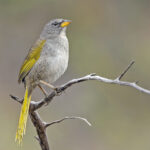
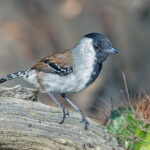
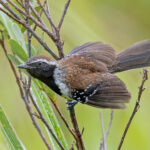
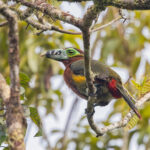
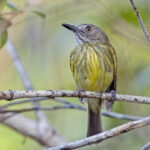
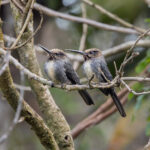
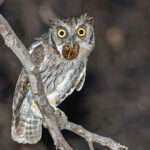
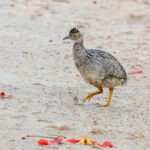
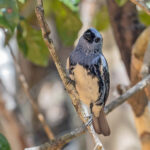
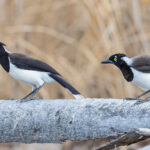
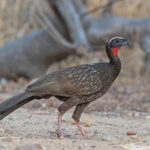
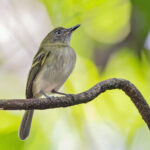


Banded Cotinga (image by Pete Morris)
Araripe Manakin (image by Pete Morris)
Lear's Macaw (image by Pete Morris)
Ceara Gnateater (image by Pete Morris)
Seven-colored Tanager (image by Pete Morris)
Giant Snipe (image by Pete Morris)
Band-tailed Manakin (image by Pete Morris)
Grey-backed Tachuri (image by Pete Morris)
Helmeted Manakin (image by Pete Morris)
Hooded Gnateater (image by Pete Morris)
Horned Sungem (image by Pete Morris)
White-collared Kite (image by Pete Morris)
White-winged Potoo (image by Pete Morris)
Yellow-faced Siskin (image by Pete Morris)
Grey-breasted Parakeet (image by Pete Morris)
Pygmy Nightjar (image by Pete Morris)
Hooded Visorbearer (image by Pete Morris)
Kinglet Manakin (image by Pete Morris)
Ochre-marked Parakeets (image by Pete Morris)
Ruby Topaz (image by Pete Morris)
Mantled Hawk (image by Pete Morris)
Agile Gracile Opossum (image by Pete Morris)
Pink-legged Graveteiro (image by Pete Morris)
Amethyst Woodstar (image by Pete Morris)
Ash-throated Crake (image by Pete Morris)
Ruby Topaz (image by Pete Morris)
Atlantic Black-throated Trogon (image by Pete Morris)
Blue Manakin (image by Pete Morris)
Golden-headed Lion Tamarin (image by Pete Morris)
Azure-shouldered Tanager (image by Pete Morris)
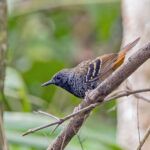
Scalloped Antbird (image by Pete Morris)
Bahia Treehunter (image by Pete Morris)
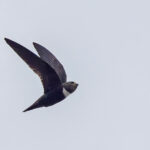
Biscutate Swift (image by Pete Morris)
Barred Antshrike (Caatinga) (image by Pete Morris)
Black Hawk-Eagle (image by Pete Morris)
Black-and-white Hawk Eagle (image by Pete Morris)
Black-billed Scythebill (image by Pete Morris)
Blackish Rail (image by Pete Morris)
Blue-crowned Parakeets (image by Pete Morris)
Ocellated Poorwill (image by Pete Morris)
Blue Finch (image by Pete Morris)
Black-throated Grosbeak (image by Pete Morris)
Blue-winged Macaws (image by Pete Morris)
Brazilian Tanager (image by Pete Morris)
Buff-breasted Tody-Tyrant (image by Pete Morris)
Slender Antbird (image by Pete Morris)
Buff-throated Purpletuft (image by Pete Morris)
Crescent-chested Puffbird (image by Pete Morris)
Collared Crescentchest (image by Pete Morris)
Stripe-backed Antbird (image by Pete Morris)
Striated Softtail (image by Pete Morris)
Caatinga Antwren (image by Pete Morris)
Diamantina Tapaculo (image by Pete Morris)
East Brazilian Pygmy Owl (image by Pete Morris)
Fadus Sphinx (image by Pete Morris)
False Fer-de-lance (image by Pete Morris)
Frog sp. (image by Pete Morris)
Fringe-backed Fire-eye (image by Pete Morris)
Fork-tailed Tody-Tyrant (image by Pete Morris)
Fork-tailed Palm Swift (image by Pete Morris)
Geoffroy's Tufted-ear Marmoset (image by Pete Morris)
Stripe-breasted Starthroat (image by Pete Morris)
Gilt-edged Tanager (image by Pete Morris)
Great Xenops (image by Pete Morris)
Gould's Toucanet (image by Pete Morris)
Golden-chevroned Tanager (image by Pete Morris)
Greater Rhea (image by Pete Morris)
Green-backed Trogon (image by Pete Morris)
Green-headed Tanager (image by Pete Morris)
Grey-hooded Attila (image by Pete Morris)
Grey-headed Spinetail (image by Pete Morris)
Hook-billed Hermit (image by Pete Morris)
Lear's Macaws (image by Pete Morris)
Jandaya Parakeet (image by Pete Morris)
Lear's Macaws (image by Pete Morris)
Little Wood Rail (image by Pete Morris)
Long-tailed Woodnymph (image by Pete Morris)
Mangrove Rail (image by Pete Morris)
Moustached Woodcreeper (image by Pete Morris)
Masked Duck (image by Pete Morris)
Ochre-backed Woodpecker (image by Pete Morris)
Ochre-cheeked Spinetail (image by Pete Morris)
Opal-rumped Tanager (Silver-breasted T) (image by Pete Morris)
Planalto Hermit (image by Pete Morris)
Pectoral Antwren (image by Pete Morris)
Pale-bellied Tyrant-Manakin (image by Pete Morris)
Planalto Slaty Antshrike (image by Pete Morris)
Pygmy Nightjar (image by Pete Morris)
Red-necked Tanager (image by Pete Morris)
Ruby Topaz (image by Pete Morris)
Ringed Woodpecker (Atlantic) (image by Pete Morris)
Reiser's Tyrannulet (image by Pete Morris)
Rufous Gnateater (image by Pete Morris)
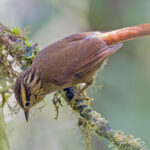
Rufous-breasted Leaftosser (image by Pete Morris)
Rufous-brown Solitaire (image by Pete Morris)
Scarlet-throated Tanager (image by Pete Morris)
Sapphire-spangled Emerald (image by Pete Morris)
Rufous-winged Antshrike (image by Pete Morris)
Serra Finch (image by Pete Morris)
Silvery-cheeked Antshrike (image by Pete Morris)
Sincora Antwren (image by Pete Morris)
Golden-capped Parakeet (image by Pete Morris)
Spix's Spinetail (image by Pete Morris)
Spectacled Owl (image by Pete Morris)
Smoky-fronted Tody-Flycatcher (image by Pete Morris)
Spot-billed Toucanet (image by Pete Morris)
Spotted Piculet (image by Pete Morris)
Swallow-tailed Hummingbird (image by Pete Morris)
Surucua Trogon (orange-bellied) (image by Pete Morris)
Stripe-necked Tody-Tyrant (image by Pete Morris)
Three-toed Jacamar (image by Pete Morris)
Tropical Screech Owl (image by Pete Morris)
White-bellied Nothura (image by Pete Morris)
White-bellied Tanager (image by Pete Morris)
White-naped Jay (image by Pete Morris)
White-browed Guan (image by Pete Morris)
White-bellied Tody-Tyrant (image by Pete Morris)
Yellow-throated Woodpecker (image by Pete Morris)
White-tailed Goldenthroat (image by Pete Morris)
White-winged Cotinga (image by Pete Morris)


ULTIMATE NORTHEAST BRAZIL TOUR REPORT 2025

8 / 12 November – 2 December 2025
Pete Morris
Northeast Brazil is one of those absolutely classic tour destinations! It has a great number of species including a good number of mouthwatering stars, and at the same time harbours a number of critically endangered habitats and species that sadly may not be with us for too much longer. There are one or two success stories, the notable one being the brilliant Lear’s Macaw, but overall, the stories were of shrinking numbers, dwindling diversity and the odd species slipping away, even from one tour to the next. It is another of those must do, and better sooner than later, tours, one of an increasing number in this category.
Our tour was a classic in every sense! A great group with a willingness to get out and find the birds; a fantastic co-guide Carlos, who knew every squeak in the forest and was ably assisted in some areas by knowledgeable local guides; smooth logistics with comfortable hotels and plenty of great food; and a brilliant set of birds. On the latter front we did very well, nailing nearly all of our major targets and with some stunning encounters as we went! On the pre-tour extension to Pernambuco we found some great rarities such as Pernambuco Foliage-gleaner, Forbes’s Blackbird, the ultra-rare White-collared Kite, endangered Pinto’s Spinetail and Orange-bellied Antwren, the rare Alagoas Tyrannulet, Buff-throated Purpletuft and the simply stunning Seven-colored Tanager. The main tour was a massive road journey from north to south snaking through a variety of sites and habitats including the dry caatinga, the cerrado and the diverse Atlantic forest. We covered well over 5000 kms and found a great number of highly desirable and rare species including: Moustached Woodcreeper and stunning Hooded Gnateaters around Sobral; rare Grey-breasted Parakeets and White-browed Guans around Guaramiranga; a fabulous Little Wood Rail in Icapui; brilliant Pygmy Nightjars in Quixada; stunning Araripe Manakins and Great Xenops around Crato; brilliant Lear’s and Blue-winged Macaws and the rare Pectoral Antwren around Canudos; the rare Fringe-backed Fire-eye and Rufous Crab Hawk around Crasto; stunning scenery and a flurry of goodies in the Chapada Diamantina area including Hooded Visorbearer, Horned Sungem, Diamantina Tapaculo, Sincora Antwren and Sao Francisco Sparrow; Rio de Janeiro Antbird and Slender Antbirds, Narrow-billed Antwren, Striated Softtail, Bahia Spinetail, and a plethora of goodies in the Boa Nova area; the rare Reiser’s Tyrannulet, Giant Snipe and Three-toed Jacamar around Pocoes; the rare Yellow-faced Siskin at Itacare; the recently described Pink-legged Graveteiro near Ilheus; the stunning Banded Cotinga, rare Bahia Tyrannulet and yet-to-be-described ‘Bahia’ Treehunter at Serra Bonita and the rare Red-browed Amazon, Hook-billed Hermit and a stunning White-winged Potoo at the Veracal Reserve, Puerto Seguro. We also saw a few brilliant mammals including the amazing Golden-headed Lion Tamarin and a Lowland Tapir that wandered across right in front of us. All in all, an amazing trip, but if that’s not whet your appetite, read on…
We assembled on the pre-tour in Fortaleza, and made our way early doors to a small forest patch where we found the rare Pernambuco Foliage-gleaner (a tailless individual) and a very confiding White-bellied Tody-Tyrant. We didn’t stay for too long as this day, like most, was a day where timing was of the essence! With long distances to cover, and many sites to visit and birds to find, a certain amount of ‘military precision’ was required, and Carlos did a great job of keeping us in order! We arrived at Tamandere in time for a quick look before our first of many pay-by-weight lunch buffets. These establishments are perfect for bird tours: a huge amount of variety of fresh fruit, vegetables, meats and just about anything anyone could ever want! Just grab what you fancy, sit down and eat. What could be easier?! So we were back out soon after lunch, enjoying flashy Jandaya Parakeets, Caatinga Puffbird, and, eventually, finding our only rare endemic Forbes’s Blackbird of the tour. Moving on, we paused at the roadside where amongst the common additions to our list we enjoyed Orange-headed Tanagers and Guianan Tyrannulets, before heading further on to our base at Cupira. It really was a day that set the tone!
We were of course up early the following day and exploring the excellent Pedra D’Antas Reserve. In fact we had two days in the reserve which protects a decent tract of Atlantic rainforest tucked away in the vast swathes of sugarcane that dominate the landscape. We had a suite of endemics and localized specialities to find here and did very well. The real rarities we saw were the skulking Pinto’s Spinetail, the canopy-loving Alagoas Tyrannulet, the fabulous trio of White-collared Kites that displayed overhead, the endemic Long-tailed Woodnymph, a fabulous Scalloped Antbird, and the simply incredible Seven-colored Tanager. The supporting cast was good too, with some crackers such as a displaying Pale-bellied Tyrant Manakin, stunning Red-headed Manakins, Black-cheeked and Ceara Gnatcatchers, Brazilian Tanager, and a surprise group of White-winged Cotingas, as well as a displaying Black Hawk-Eagle, Lettered Aracari, Golden-spangled Piculet of the local Pernambuco form, Ceara Woodcreeper, Variable Antshrike, East Amazonian Fire-eye and the localized Smoky-fronted Tody-Flycatcher. We also spent some time in the hummingbird garden, where goodies such as Swallow-tailed Hummingbird, Black Jacobin and Sombre Hummingbird entertained, and also ventured outside the reserve where we found the scarce Cinereous-breasted Spinetail. Sadly the only Golden-tailed Parrotlets flashed overhead without stopping.
After an excellent visit, we made our way back to Recife, stopping first at the Saltinho Biological Station. There was little of note around the entrance, other than our first Grey-crowned Flatbill, so we decided to visit a nearby area. This proved to be a great decision as we managed a series of excellent sightings which included a surprise pair of Black-faced Tanagers, a smart Sooty-fronted Spinetail, a very obliging Ash-throated Crake and, best of all, a fantastic trio of Buff-throated Purpletufts amongst a plethora of mobbing birds! It was then time to make our way back to Recife, from where we took a flight to Fortaleza, concluding what had been an excellent pre-tour extension.
The following day we were up early and heading west. Our first brief stop was at a large roadside wetland where we found our first White-cheeked Pintails and our first Rufescent Tiger Herons. It was getting warm by the time we arrived in the Sobral area and picked up our local guide. We then had an action-packed day in various spots which yielded many goodies. We began with a fine pair of Ochre-backed Woodpeckers, a smart Blue-crowned Trogon and a fantastic flock of Scarlet-throated Tanagers, but no sign of the main target… yet! A look at a nearby wetland yielded Narrow-billed Woodcreeper and a number of wetland species including a brief Grey-breasted Crake and an excellent Yellow-breasted Crake. We then moved to some dry forest in the hills where the Red-billed Scythebill, Ochre-cheeked Spinetail and Caatinga (Barred) Antshrike were all completely eclipsed by the fantastic male Hooded Gnateater! We then retraced our steps before nailing a stunning pair of Moustached Woodcreepers. Quite a day! Sadly, the attempted owling was not so successful, though we did enjoy a lovely Agile Opossum.
The following morning, we tried another wetland where we found, amongst others, showy Rufous-sided Crakes, an excellent Masked Duck, Least Bittern, White-tailed Goldenthroat and the localized Orange-fronted Yellow Finch. Further attempts to lure out more rallids were largely unsuccessful and soon it was time to head on to the delightful town of Guaramiranga situated in the pleasant Serra de Baturite. Having checked in, and enjoyed an excellent lunch, we visited the nearby Grey-breasted Parakeet reserve. This lived up to its name, with some fantastic sightings of this endangered parrot as well as a number of other special birds which included our first impressive White-browed Guan, Grey-headed Spinetail and, at a small pool, stunning Band-tailed Manakins and the local form of Rufous-breasted Leaftosser, a potential split. Our excellent dinner that night was preceded by a fine Spectacled Owl, and later we saw a Crab-eating Fox from the restaurant.
The weather deteriorated somewhat overnight, and we awoke to cool and somewhat wet conditions. We birded a little nearer to town without much luck, and then headed to the highest parts of the Serra de Baturite. The conditions were still not ideal, but we headed along a trail and gradually found our targets which included the localized Buff-breasted Tody-Tyrant, the attractive Gould’s Toucanet, the local form of the lovely Red-necked Tanager and some more smart Ceara Gnateaters. Once again it was time to move… this time the relatively long drive to Icapui. We punctuated the journey with a couple of brief stops, including for our first Red-legged Seriema and for a smart Pearl Kite, and rolled into our hotel in time for lunch. After lunch, we explored various wetland sites nearby where pride of place went to a fantastic Little Wood Rail that was catching crabs along a mangrove-fringed river. The nearby ponds housed a confiding pair of Mangrove Rails and Bicolored Conebill, and were teeming with shorebirds which included a few Stilt Sandpipers and numerous Short-billed Dowitchers (including one in fresh breeding plumage!). Nearby, we tried another area of mangroves where we found the localized Plain-bellied Emerald, our final target on an increasingly windy evening. That evening a quick post dinner stroll yielded a fantastic pair of Tropical Screech Owl, with a rufous female and a grey male with a cockroach in his bill!
A quick look around the hotel the following morning yielded a few birds including a fine pair of Hepatic Tanagers, a confiding Ferruginous Pygmy Owl and Pearly-vented Tody-Tyrant. After a fine breakfast it was time to move again, this time to Quixada, and the brilliant Hotel Pedra dos Ventos. A quick look in some rather hot and dry caatinga yielded a few birds including our first smart Black-bellied Antwrens, before we moved to the main event, a fantastic trio of Pygmy Nightjars on some rocks, that we watched on various occasions at point blank range!
The rest of the afternoon and the following morning we explored the caatinga around the hotel. Good numbers of White-browed Guans and White-naped Jays were often on show and we were happy to have more looks at stunning Ochre-backed Woodpeckers. Golden-green Woodpecker showed well, Harris’s Hawk and King Vulture were noted overhead, and Rock Cavys hid in the escarpment. After breakfast, we moved on again, this time bound for Crato. A stop at a marsh on the way produced some lovely White Monjitas and a good number of waterbirds including some surprise Stilt Sandpipers. We made an extended stop for lunch and birding around Sitio Prau Preto, adding a number of excellent caatinga birds such as the caatinga form of Greater Wagtail-Tyrant, Bahia Wagtail-Tyrant, the smart Stripe-backed Antbird, Caatinga Antwren, Pale Baywings and a singing White-naped Xenopsaris. Around the lodge itself we saw Chestnut-capped Blackbirds and stunning Red-cowled Cardinals at the feeders, and at dusk, a couple of Least Nighthawks put in an appearance.
The following morning, we first explored some excellent caatinga in the Chapada do Araripe National Forest. Although the habitat was great, the birds were rather more difficult. We encountered White-browed Antpitta, Ash-throated Casiornis and Great Xenops, but all were tricky to see and although some got good looks, they all left us wanting more! We didn’t want to spend too long here however, as we had another appointment to keep, and we made our way to the Arajara Water Park, an area that protects some nice hill forest. Very soon after entering the trail, our main quarry was heard, and we spent the next couple of hours marvelling at the antics of two or three stunning Araripe Manakins, one of the real stars of the tour! Even after a couple of hours, we had to tear ourselves away, and continue again, this time heading to Canudos. After another longish drive, we arrived at a dry river bed in the late afternoon. Here we almost immediately saw some stunning Blue-winged Macaws and further explorations yielded Suiriri Flycatchers, Blue-crowned Parakeets and our first Stripe-breasted Starthroats. We headed back to town to organize, as tomorrow was destined to be another of those very special days!
We arose early and made our way in a series of four-wheel drives to the Canudos Biological Station. Even on the way we saw our first Lear’s Macaws, which were great, but when we arrived at the viewpoint, our breath was quite literally taken away! Staring across a dramatic red-stone canyon, the clear crisp air filled with raucous calls, we were confronted by dozens of incredible electric-blue Lear’s Macaws! Some were flying just below us, others allopreening on the cliffs, some digging into the rocks with their huge bills and others chasing each other around, establishing who owned which nesting crevice! It was mesmerizing and once again, the couple of hours we spent there flashed by in no time! Blue-crowned Parakeets joined them on the cliffs, a couple of Turquoise-fronted Amazons passed by, King Vultures circled and we found our only Black-throated Saltator of the tour singing from a small bush. Heading back to town, we made an extended stop in the caatinga, this time getting some great views of Great Xenops, and we also found a smart Red-shouldered Spinetail, a stunning group of Spotted Piculets and smart Silvery-cheeked Antshrikes. As we headed back to the hotel for a well-earned breakfast, admiring Burrowing Owls as we went, we almost had to pinch ourselves to believe what had just happened, really happened!!
Heading on once more, we paused for some fantastic views of the localized Pectoral Antwren before arriving in the late afternoon at Crasto. Here, the forest was very quiet initially, so we explored nearby finding the confusing population of Golden-capped/Jandaya Parakeets and, to our great delight, a pair of Rufous Crab Hawks. Returning to the forest, some diligent searching eventually revealed a pair of the localized endemic Fringe-backed Fire-eye, which showed well. A quick return visit the following morning brought the hoped-for Stripe-necked Tody-Tyrant, as well as some stunning Blue-chinned Sapphires and Ruby Topaz hummingbirds. As always it was then time to move on, this time heading for the Chapada Diamantina National Park. It was a long transfer, and we arrived in the late afternoon, and immediately began our search for the endemics in this scenic area. Very soon we had incredible close-range views of the localized Diamantina Tapaculo, and then found Spix’s Spinetails, a male Velvety Black Tyrant, flocks of Biscutate and White-collared Swifts and our first Hooded Visorbearer, though the brevity of the sighting of the latter definitely left us wanting more!
The following day we had a brilliant morning exploring some rocky cerrado where birds came thick and fast! We began with a couple of smart Least Nighthawks at close range and a Horned Sungem (though sadly a female), and soon found a variety of other cerrado species such as Rufous-winged Antshrike, Plain-crested Elaenia, Cinnamon Tanager and Plumbeous Seedeater. Heading further on, White-vented Violetears flitted between flowers, Stripe-tailed Yellow Finches and Serra Finches sang from bush tops, and White-eared Puffbird and Rusty-backed Antwren delighted. On the way back down we struck gold with the smart and localized Grey-backed Tachuri. Breakfast had been well and truly earnt!
After breakfast we tried another area in an unsuccessful quest for the elusive Sao Francisco Sparrow. There were plenty of other birds to keep us occupied including colourful Sapphire-spangled Emeralds, speedy Broad-tipped Hermits, White-winged Becard, Flavescent Warblers, Black-tailed Myiobius and even some more Great Xenops. By now we were beginning to fall behind the military schedule, and needed to speed up a little! Our drive through the Chapada Diamantina, from Mucuge to Lencois, was punctuated by numerous stops. Before lunch, we managed to find a confiding Rufous-sided Scrub Tyrant and, at a small wetland, Copper, White-bellied and White-throated Seedeaters. Lunch itself in Guine was worth a mention – perhaps the best spread of the tour, and immediately after lunch we feasted, this time with our eyes, on an astounding male Horned Sungem. Wow, simply incredible, and another tour highlight! Moving on, further stops yielded a brilliant male Blue Finch, attractive Shrike-like and White-rumped Tanagers and East Brazilian Chachalacas. Ending the day again not finding sparrows, a real deluge began, filling usually dry rivers in no time and giving everything a real soaking! It was rain of truly biblical proportions!
The following morning we were again looking for the wretched sparrow, but this time with success as a singing Sao Francisco Sparrow perched up for us. A number of other caatinga species obliged including Fulvous-crowned Scrub Tyrant and an obliging pair of Long-billed Wrens, but we needed to change location and get searching for another endemic… Soon we were heading down a trail, admiring our first stunning Gilt-edged Tanagers as we went. The shrubby cerrado was generally quiet, until some quiet notes revealed the presence of a pair of Sincora Antwrens, which gave some truly fantastic views. Town was hectic, and we only just managed to squeeze in to a buffet! We then made our way up to a nearby forest patch for a refreshingly relaxed afternoon. Here, a stunning male Helmeted Manakin entertained us, an orange-bellied Surucua Trogon was equally obliging and other goodies included a surprise Brown Violetear, White-bearded Manakin and an unusually low-down Grey-headed Elaenia.
The following morning we still had some unfinished business to attend to and headed back to the trail we had explored the previous day. This time, with a bit of maneuvering, we managed some incredible views of a pair of Collared Crescentchests and, after some searching, a stunning male Hooded Visorbearer. We could now leave the Chapada Diamantina area feeling complete! So, after another fine breakfast, we loaded the bus and headed south once more, this time to Boa Nova, pausing for Greater Rheas on the way and stopping at a small wetland where we found Yellow-browed Tyrant and a smart pair of Green-backed Becards. On arrival we had a rainy hour or two to explore the wet Atlantic Forest. The conditions really did not help us, but nevertheless we found some of the hoped-for species including our first Bahia Spinetail, the impressive Striated Softtail and a singing Black-throated Grosbeak, as well as Yellow-lored Tody-Flycatcher, Lesser Woodcreeper and a skittish pair of Tufted Antshrikes. Our most impressive sighting though was of a troop of the incredibly rare Yellow-breasted Capuchin that paused in the canopy for us.
We had the following day to explore the various habitats around Boa Nova, and although not much driving was involved, it was still a busy day. We began in the dry forest, noting White-bellied Nothuras on the road as we went. Here the White-browed Antpittas again gave us the run around though did offer some better views, endemic Slender Antbirds showed well, and we found our only Dark-billed Cuckoo of the tour. We then returned to the wet forest where we eventually got some great views of the localized Rio de Janeiro Antbird. Also here, we watched Striated Softtails attending their impressive nest and found Black-eared Fairy, our first of several East Brazilian Pygmy Owls, a smart Crescent-chested Puffbird, a fine Black-billed Scythebill, Pallid Spinetail, Spot-breasted Antvireos, a showy White-shouldered Fire-eye, a smart Rufous Gnateater and the attractive Rufous-headed Tanager.
After lunch, we began in the ‘tangled forest’ where we quickly found our two main targets in the shape of a fine Narrow-billed Antwren and a showy Hangnest Tody-Tyrant. We then changed location and visited the fabulous hummingbird garden nearby. Here we were utterly mesmerized by the stunning show put on by the brilliant Ruby Topaz hummingbirds, and these were joined by colourful Stripe-breasted Starthroats, Sapphire-spangled Emeralds, Violet-capped Woodnymphs and, for one of us, a brief Hook-billed Hermit. We also enjoyed Silvery-cheeked Antshrikes and Slender Antbirds feeding at close range.
We had the next day to explore the area around Pocoes. We began with a trek up into the Arrepio Mountains with one real target in mind. It was a bit of a hike along narrow and confusing trails but we eventually got to the spot and found a confiding pair of rare Reiser’s Tyrannulets. Many other birds were on show, and through the morning we found goodies such as Grey-capped Tyrannulet, Blue Manakin, the elusive Wied’s Tyrant-Manakin, Greenish Schiffornis, a shy Barred Forest Falcon, Scaled Woodcreeper, a smart Rufous-capped Antthrush and a stunning White-bibbed Antbird. We all made it safely back down the slippery path and after lunch visited an area of broken forest where the hoped-for Three-toed Jacamar soon obliged. Also here were some smart Golden-capped Parakeets and a sneaky Ochre-faced Tody-Flycatcher. Moving on, we eventually arrived at an area where we found a smart Orange-eyed Thornbird, and then moved on to a marsh where we spent the rest of the day. A pair of Blackish Rails showed well, and then, just at dusk, we heard our first Giant Snipe. They proved pretty elusive at first, but eventually we found one feeding and got some incredible views of one feeding at close range in the spotlight!
The following morning we once again explored the dry forest, and although we saw many of our familiar friends again, including unexpected Suiriri Flycatchers, and a family of cute Burrowing Owls, little else was happening. We moved on and made our first attempt for the tricky Pink-legged Graveteiro. This proved unsuccessful, though we did find a few other goodies including Chestnut-backed Antshrikes, gorgeous Green-headed Tanagers and a Grey-lined Hawk, whilst nearby an absolutely fantastic Kinglet Manakin was the star of the morning. After lunch, we moved on to the Itacare area and headed inland to a huge area of sunflowers! Here, we struck gold with fantastic views of the rare Yellow-faced Siskin as well as a few other species including Campo Troupials and our only Blue Ground Dove. Nearby a few common forest species included Black-necked Aracaris and smart Yellow-fronted Woodpeckers.
Our one main dip occurred the following day, when there was no sight nor sound of the rare Bahia Tapaculo. Perhaps they were otherwise occupied? Nevertheless, we found some other goodies in the area including showy East Brazilian Pygmy Owls, Scaled Antbird, Bahia Antwren, smart Yellow-green Grosbeaks, the rare Band-tailed Antwren and White-bellied and (Silver-breasted) Opal-rumped Tanagers. In the afternoon we tried another area that was generally fairly quiet, although we did get some excellent views of a pair of Russet-crowned Crakes and a surprise sighting of the isolated local form of Band-rumped Swift.
Our mission the following day was to find the now vital Pink-legged Graveteiro. Our first stop proved a bit fretful and unproductive so we switched locations and, after a tense wait, both for the rain to abate and for the bird to appear, we were blessed with some fantastic views of this somewhat aberrant furnarid. We then spent a bit of time looking for something a little different, the fantastic Golden-headed Lion Tamarin, a small group of which entertained us! It was then a long drive to Piracanga, where we had time to make an initial unsuccessful search at Fazenda Paris, to where we returned the following morning. This farm and the adjacent Fazenda Santa Antonio have become the sites to look for Banded Cotinga, and this was our prime target. We spent many hours searching before we got sensational views of a dazzling male Banded Cotinga feeding in a cecropia tree at close range. Right, there was our bird of the trip! Whilst looking we found a number of other interesting species including entertaining colonies of Red-rumped and Yellow-rumped Caciques, a smart Grey-hooded Attila, (Atlantic) Ringed, (Atlantic) Cream-coloured, Blond-crested and Yellow-throated Woodpeckers, an impressive pair of White-throated Woodcreepers, a brief Buff-bellied Puffbird, an amazing Black-and-white Hawk-Eagle being mobbed by a Swallow-tailed Kite, White-eared Parakeets and a splendid Rufous-breasted Hermit building a nest. In the open country nearby, we found a surprise male Lined Seedeater.
Flushed with success, we swapped vehicles and headed to the highlands in four-wheel drives, and on to the fabulous Serra Bonita Reserve where we spent an excellent couple of nights. Set in beautiful cloud forest, we were lucky that the rain that had been so prevalent for the previous week, had more or less abated, allowing us to get on with our task! During our couple of days we were pretty successful, finding most of our targets which included the rare Bahia Tyrannulet, the yet-to-be-described ‘Bahia’ Treehunter, Pale-browed Treehunter, the rare Salvadori’s Antwren, the sluggish Plumbeous Antvireo, Rufous-brown Solitaire, the canopy-loving Three-striped Flycatcher, a pair of energetic Fork-tailed Tody-Tyrants and several Pin-tailed Manakins. Around the feeders we were treated to spectacular views of Red-necked, Green-headed, Azure-shouldered and Golden-chevroned Tanagers as well as cheeky Wied’s Marmosets, and other species found here included a fine Short-tailed Nighthawk, Scale-throated Hermit, a couple of amazing Mantled Hawks perched, Grey-fronted Doves, our first Atlantic Black-throated Trogon, cracking Spot-billed Toucanets, an unexpected Red-billed Scythebill, White-collared and White-eyed Foliage-gleaners, Streak-capped Antwren, Spot-backed Antshrike, Ferruginous Antbirds, a smart male Star-throated Antwren, the aptly-named Drab-breasted Bamboo-Tyrant, a pair of Large-headed Flatbills, a smart showy Sharpbill, the local form of Lemon-chested Greenlet and a colourful male Chestnut-bellied Euphonia. Sadly, the hooting Variegated Antpittas remained unseen. It was not just the birds though, as we also saw an incredible variety of amazing moths at the moth sheets and were privileged to have a private viewing of the incredible moth collection of Dr Vitor Becker. Vitor set up the reserve, has the largest private moth collection in the world and has described more than 400 species. Quite an incredible achievement. What an honour!
It was time to leave, and as we headed down from the reserve we paused, seeing a stunning male Amethyst-throated Woodstar and some fabulous Mantled Hawks in flight. Lower down we enjoyed a pair of Black-capped Donacobius before reuniting with Regionaldo and our bus. It was another fairly long drive, but by the afternoon we had arrived at the Veracal Reserve, near to Puerto Seguro. Our first afternoon here was fairly quiet, and a little frustrating though we did manage to see the hoped-for Red-browed Amazon and some Tawny-browed Owls after dark.
The following day went much better. The morning session provided the hoped for Hook-billed Hermit and Black-headed Berryeater, both of which showed brilliantly, and we finally got some great looks at the stunning Ochre-marked Parakeet. We also found more White-winged Cotingas, a female Racket-tailed Coquette, Grey-headed Kite, showy Sooretama Antshrikes, a female White-capped Manakin, smart White-chinned and Rufous-throated Sapphires, Ochre-bellied Flycatcher and many species we were by now familiar with. We then returned to Porto Seguro for an early lunch, where we were entertained by lovely Geoffroy’s Tufted-ear Marmosets, and a good rest. We returned to the forest just at dusk for one final nightbird push, and this proved to be a great success! Not only did we get incredible views of a stunning White-winged Potoo and a brilliant Ocellated Poorwill, but we also saw a Black-capped Screech Owl, and, to top it all off, we saw an amazing Brazilian Tapir crossing the track just in front of us! What a night!
The following morning we still had smiles on our faces! The birding was a little slow, though that didn’t matter too much! We saw our favourites again and enjoyed spectacular views of a fine male Atlantic Black-throated Trogon. Heading back for more food, rest, and packing time, we could reflect back on what had been an incredibly successful and highly enjoyable tour. Many thanks to Regionaldo for his tireless driving, to Carlos for his profound knowledge, and to the group for making it so easy and such fun. Brazil really is a brilliant birding destination and I cannot wait to return!
BIRD OF THE TOUR
1st BANDED COTINGA
2nd= WHITE-WINGED POTOO
2nd= LEAR’S MACAW
4th Araripe Manakin
5th Yellow-faced Siskin
6th Pygmy Nightjar
7th Pink-legged Graveteiro
8th Horned Sungem
9th Hooded Visorbearer
10th Seven-colored Tanager
A remarkable 46 species of bird received at least one vote showing the incredible diversity of memorable sightings during the tour!
SYSTEMATIC LIST OF SPECIES RECORDED
BIRDS
Species marked with the diamond symbol (◊) are either endemic to the country or local region or considered ‘special’ birds for some other reason (e.g.: it is only seen on one or two Birdquest tours; it is difficult to see across all or most of its range; the local form is endemic or restricted-range and may in future be treated as a full species).
The species names and taxonomy used in the bird list follows AviList v2025 (AviList Core Team. 2025. AviList: The Global Avian Checklist, v2025). AviList was first published in June 2025, and is a global checklist which brings together the taxonomies of the eBird (Clements taxonomy), IOC, and Birdlife International checklists, and will ultimately replace those checklists. The AviList Global Avian Checklist is available at www.avilist.org.
Where the subspecies seen is/are known, these are often given in parentheses, usually at the end of the species comment.
Greater Rhea Rhea americana Four roadside birds seen on the journey from Lencois to Boa Nova [nominate].
White-bellied Nothura ◊ Nothura boraquira A few seen well on the roads around Boa Nova.
Spotted Nothura Nothura maculosa Heard only. One heard at dusk at Sitio Prau Preto, near to Potengi [cearensis].
Red-winged Tinamou Rhynchotus rufescens Heard only, in open grassland at the edge of the Chapada Diamantina National Park [catingae].
Solitary Tinamou ◊ Tinamus solitarius Heard only, at dusk at the Veracal Reserve, near to Porto Seguro.
Little Tinamou Crypturellus soui Heard around Boa Nova and at the Veracal Reserve, near to Porto Seguro [albigularis].
Yellow-legged Tinamou ◊ Crypturellus noctivagus Heard only including some at close range in the Arrepio Mountains, near to Pocoes.
Variegated Tinamou Crypturellus variegatus Heard only, at dusk at the Veracal Reserve, near to Porto Seguro.
Small-billed Tinamou Crypturellus parvirostris Heard at dusk at Sitio Prau Preto, near to Potengi and one flushed in open grassland at the edge of the Chapada Diamantina National Park.
Tataupa Tinamou Crypturellus tataupa Heard a few times including in the Arrepio Mountains, near to Pocoes.
White-faced Whistling Duck Dendrocygna viduata c10 seen in the marsh on the east side of Acude Arrebita, southeast of Sobral. Also seen on the journey to Canudos.
Masked Duck Nomonyx dominicus One in flight, showing white central wing patch, at the marsh on the east side of Acude Arrebita, southeast of Sobral, then excellent views of two female types in the marsh by the Acarau River in Sobral.
Muscovy Duck Cairina moschata c10 seen in the marsh on the east side of Acude Arrebita, southeast of Sobral.
Southern Pochard Netta erythrophthalma At least ten seen well in the scope at Acude de Barro Alto, southwest of Iguatu [nominate].
Brazilian Teal Amazonetta brasiliensis One seen in the marsh on the east side of Acude Arrebita, southeast of Sobral. Seen at many other wetlands as we worked our way south [nominate].
White-cheeked Pintail Anas bahamensis Eight seen at Lagoa de Croata, west of Fortaleza. Seen again on the journey to Boa Nova. Also c40 on a pool on the drive to Boa Nova [rubrirostris].
White-browed Guan ◊ Penelope jacucaca Brilliant views of one coming to food at the Grey-breasted Parakeet Reserve in Guaramiranga. Another seen briefly on the road at Pico Alto in the Sierra Baturite near Guaramiranga, the following day. Up to ten seen well at Hotel Pedra dos Ventos, south of Quixada.
East Brazilian Chachalaca ◊ Ortalis araucuan First seen near to Lavinha, on the drive from Mucuge to Lencois. A few others seen including at the hotel in Porto Seguro!
Least Grebe Tachybaptus dominicus First seen in the marsh on the east side of Acude Arrebita, southeast of Sobral. Plenty more seen [brachyrhynchus].
Pied-billed Grebe Podilymbus podiceps First seen at Lagoa de Croata, west of Fortaleza [antarcticus].
Guira Cuckoo Guira guira First seen whilst driving near to Recife. First seen well in marshy areas about 2km west of Tamandare. Seen several times subsequently.
Smooth-billed Ani Crotophaga ani Common and widespread.
Striped Cuckoo Tapera naevia Heard only, the first in marshy areas about 2km west of Tamandare.
Common Squirrel Cuckoo Piaya cayana A few seen, with the subspecies pallescens in the north and nominate in the south.
Dark-billed Cuckoo Coccyzus melacoryphus One seen well, though not for long, at Mato de Goiabeira (dry forest) at Boa Nova.
Blue Ground Dove Claravis pretiosa Good views of a male near to Urucuca, a few kms beyond Serra do Conduru, near to Itacare.
Ruddy Ground Dove Columbina talpacoti Common and widespread.
Scaled Dove Columbina squammata Fairly common and widespread [nominate].
Picui Ground Dove Columbina picui Fairly common. First seen around Sobral [strepitans].
Ruddy Quail-Dove Geotrygon montana One seen briefly in the highlands at the Serra Bonita Reserve.
White-tipped Dove Leptotila verreauxi Common. Particularly conspicuous at Hotel Pedra dos Ventos, south of Quixada [approximans].
Grey-fronted Dove Leptotila rufaxilla Several seen in the highlands at the Serra Bonita Reserve [bahiae].
Eared Dove Zenaida auriculata Just a few including a flock seen at Sitio Prau Preto, near to Potengi [noronha].
Pale-vented Pigeon Patagioenas cayennensis First seen around Lencois, where a couple were noted. A few others, mostly flyovers [sylvestris].
Scaled Pigeon Patagioenas speciosa One seen flying over along the access road to the Pedro D’Antas Reserve. Several more heard and seen flying over, later in the trip.
Picazuro Pigeon Patagioenas picazuro First seen flying over near to Sobral. A few seen subsequently.
Plumbeous Pigeon Patagioenas plumbea One seen in the highlands at the Serra Bonita Reserve and others heard [nominate].
Rock Dove (introduced) (Feral Pigeon) Columba [livia] var_domestica Introduced vermin.
Limpkin Aramus guarauna Just a few, the first seen at Lagoa de Croata, west of Fortaleza [nominate].
Blackish Rail Pardirallus nigricans Great views of a pair in the marsh southeast of Pocoes [nominate].
Ash-throated Crake Mustelirallus albicollis Brilliant views of one, that came right out on to the road near to Tamandare [nominate].
Little Wood Rail ◊ Aramides mangle Brilliant views of two in the riverside mangroves at Icapui.
Grey-cowled Wood Rail Aramides cajaneus First seen southeast of Sobral. Another seen in Guaramiranga [nominate].
Mangrove Rail Rallus longirostris Stunning views of a pair in the mangrove-fringed pools (salinas) at Icapui [crassirostris].
Common Gallinule Gallinula galeata Common. First seen at Lagoa de Croata, west of Fortaleza [nominate].
Purple Gallinule Porphyrio martinica A couple seen at Lagoa de Croata, west of Fortaleza. Many more around Sobral etc.
Russet-crowned Crake ◊ Rufirallus viridis Excellent views of a pair in the marshy area along the road to Piracanga, near to Itacare [nominate].
Yellow-breasted Crake Laterallus flaviventer Excellent views of one in the marsh on the east side of Acude Arrebita, southeast of Sobral [nominate].
Rufous-sided Crake Laterallus melanophaius Plenty heard, and excellent views of a pair in the marsh by the Acarau River in Sobral [nominate].
Grey-breasted Crake Laterallus exilis Heard in the marsh on the east side of Acude Arrebita, southeast of Sobral, and seen in flight there! Heard and glimpsed elsewhere.
Black-necked Stilt Himantopus mexicanus One seen at Lagoa de Croata, west of Fortaleza. Plenty more seen as we headed south [nominate].
American Oystercatcher Haematopus palliatus Non-leader from the vehicle at Icapui.
Grey Plover Pluvialis squatarola A few seen around Icapui [cynosurae].
Pied Plover Hoploxypterus cayanus One seen at Ibicuitinga Lake, on the drive to Quixada, and a few at Acude de Barro Alto, southwest of Iguatu.
Semipalmated Plover Charadrius semipalmatus 20+ seen around Icapui.
Southern Lapwing Vanellus chilensis Very common and widespread [lampronotus].
Wattled Jacana Jacana jacana First seen at Lagoa de Croata, west of Fortaleza. Plenty more seen as we headed south [nominate].
Hudsonian Whimbrel Numenius hudsonicus A few seen around Icapui [nominate].
Short-billed Dowitcher Limnodromus griseus 100s seen well around Icapui, including one in fresh breeding plumage [griseus]!
Giant Snipe ◊ Gallinago undulata Absolutely fantastic views of one spotlit down to a few metres in the marsh southeast of Pocoes [gigantea].
Spotted Sandpiper Actitis macularius A few seen around Icapui.
Solitary Sandpiper Tringa solitaria One seen at Ibicuitinga Lake, on the drive to Quixada and 10+ at Acude de Barro Alto, southwest of Iguatu.
Lesser Yellowlegs Tringa flavipes At least four seen at Acude de Barro Alto, southwest of Iguatu.
Willet (Eastern W) Tringa [semipalmata] semipalmata c20 seen around Icapui.
Ruddy Turnstone Arenaria interpres c20 seen around Icapui.
Stilt Sandpiper Calidris himantopus c5 seen in amongst the dowitchers around Icapui. Four at Acude de Barro Alto, southwest of Iguatu were a surprise!
Semipalmated Sandpiper Calidris pusilla c40 seen around Icapui.
Yellow-billed Tern Sternula superciliaris A couple seen around Icapui.
Gull-billed Tern Gelochelidon nilotica One seen in the mangrove-fringed pools (salinas) at Icapui.
Sandwich Tern (Cayenne T) Thalasseus [sandvicensis] eurygnathus One seen over the pools at Icapui.
Laughing Gull Leucophaeus atricilla Non leader seen at Icapui.
Wood Stork Mycteria americana 20 seen at a roadside pool on the journey to Canudos.
Anhinga Anhinga anhinga One circling at Acude de Barro Alto, southwest of Iguatu [nominate].
Neotropic Cormorant Nannopterum brasilianum First seen at Lagoa de Croata, west of Fortaleza. Plenty more seen as we headed south [nominate].
Rufescent Tiger Heron Tigrisoma lineatum An adult and a juvenile at Lagoa de Croata, west of Fortaleza. A few others seen including a leucistic juvenile in the marsh by the Acarau River in Sobral. A few others seen [marmoratum].
Least Bittern Botaurus exilis Seen well in flight in the marsh by the Acarau River in Sobral [erythromelas].
Little Blue Heron Egretta caerulea Several seen around Icapui.
Snowy Egret Egretta thula First seen at Lagoa de Croata, west of Fortaleza [nominate].
Black-crowned Night Heron Nycticorax nycticorax First seen at Lagoa de Croata, west of Fortaleza [hoactli].
Striated Heron Butorides striata Small numbers seen at a number of sites.
Great Egret (American G E) Ardea [alba] egretta First seen in Recife.
Western Cattle Egret Ardea ibis First seen in Recife.
Cocoi Heron Ardea cocoi At least one seen at Acude de Barro Alto, southwest of Iguatu.
Short-tailed Nighthawk (Semi-collared N) Lurocalis semitorquatus Great views of one at dusk by the cabins at the Serra Bonita Reserve.
Pygmy Nightjar ◊ Nyctipolus hirundinaceus Brilliant views of three (a male and two females) on rocks at Hotel Pedra dos Ventos, south of Quixada [cearae].
Pauraque Nyctidromus albicollis Very common along the road at the Veracal Reserve, near to Porto Seguro [nominate].
Ocellated Poorwill Nyctiphrynus ocellatus A fabulous singing male seen brilliantly at the Veracal Reserve, near to Porto Seguro [nominate].
Least Nighthawk ◊ Chordeiles pusillus Two distantly at dusk at Sitio Prau Preto, near to Potengi and two seen better on the drive into the Canudos Biological Station. Then great views of two at dawn at the edge of the Chapada Diamantina National Park.
Great Potoo Nyctibius grandis One, heard only, at the Veracal Reserve, near to Porto Seguro.
Common Potoo Nyctibius griseus
White-winged Potoo ◊ Nyctibius leucopterus Incredible views of one along the road at the Veracal Reserve, near to Porto Seguro. What a stunning bird!
White-collared Swift Streptoprocne zonaris Many seen in the Chapada Diamantina National Park.
Biscutate Swift ◊ Streptoprocne biscutata Good numbers seen, often mixed with the previous species in the Chapada Diamantina National Park.
Grey-rumped Swift Chaetura cinereiventris Several seen well and heard, the first in the Itacare area [nominate].
Band-rumped Swift Chaetura spinicaudus It was a surprise to see, hear and photograph a pair in the marshy area along the road to Piracanga, near to Itacare [nominate].
Sick’s Swift ◊ Chaetura meridionalis First seen well over marshy areas about 2km west of Tamandare. Plenty more seen during the tour.
Fork-tailed Palm Swift Tachornis squamata Seen well, including at the nest, around Sobral [nominate].
Black Jacobin ◊ Florisuga fusca Plenty seen well at the Pedro D’Antas Reserve. Seen at a few other sites.
Hook-billed Hermit ◊ Glaucis dohrnii Brilliant views of two at the Veracal Reserve, near to Porto Seguro. The tiny little hook on the tip of the upper mandible, from where it gets its name, was even visible!
Rufous-breasted Hermit Glaucis hirsutus Seen particularly well at Fazenda Santa Antonio, in the lowlands of the Serra Bonita Reserve, where one was building a nest [nominate].
Broad-tipped Hermit ◊ Anopetia gounellei One seen well but briefly at Pico Alto in the Sierra Baturite near Guaramiranga. Also, excellent views of singles in dry forest near to Casquilho, c33km southwest of Mucuge and in roadside dry forest just south of Palmeiras. Both times to the mobbing tape!
Reddish Hermit Phaethornis ruber Brilliant views of one along the trail at the Pedro D’Antas Reserve. Several more seen well, including a couple of roosting birds found with the thermal [nominate]!
Planalto Hermit Phaethornis pretrei Great views of one at our lunch stop, Cachoeira do Catuca, east of the Pedro D’Antas Reserve. A few others seen subsequently.
Scale-throated Hermit ◊ Phaethornis eurynome One or two seen, fairly in the highlands at the Serra Bonita Reserve [nominate].
Hooded Visorbearer ◊ Augastes lumachella After a few less satisfactory sightings we finally found a good male along the Bonem Trail (Lencois Pai Inacio), in the Chapada Diamantina National Park.
White-vented Violetear ◊ Colibri serrirostris A few seen at the edge of the Chapada Diamantina National Park, west of Mucuge.
Brown Violetear Colibri delphinae Good views of two at Barro Branco forest, 3km northwest of Lencois.
Horned Sungem ◊ Heliactin bilophus A few seen at the edge of the Chapada Diamantina National Park, including a stunning male seen just to the east of Guine. What a bird!
Black-eared Fairy Heliothryx auritus One seen at Mata do Charma (wet forest) at Boa Nova, then excellent views of one at the Veracal Reserve, near to Porto Seguro
White-tailed Goldenthroat Polytmus guainumbi Excellent views of one in the marsh by the Acarau River in Sobral [thaumantias?].
Ruby-topaz Hummingbird Chrysolampis mosquitus Plenty seen well, the first at the Pedro D’Antas Reserve. Incredible views at Lajedo dos Beija-Flores (Hummingbird Garden) at Boa Nova.
Black-throated Mango Anthracothorax nigricollis Several. First seen at the hummingbird garden at the Pedro D’Antas Reserve [nominate].
Racket-tipped Thorntail ◊ Discosura longicaudus Excellent views of a female in the Mucununga Forest at the Veracal Reserve, near to Porto Seguro.
Stripe-breasted Starthroat ◊ Heliomaster squamosus At least three, including an immature male, seen well at the Bendengo River, 25km west of Canudos. Some stunning males at Lajedo dos Beija-Flores (Hummingbird Garden) at Boa Nova.
Amethyst Woodstar Calliphlox amethystina An immature male seen well from the canopy tower at the Pedro D’Antas Reserve and a female seen at Pico Alto in the Sierra Baturite near Guaramiranga. Best was a brilliant male seen on the drive down from the cabins at the Serra Bonita Reserve.
Glittering-bellied Emerald Chlorostilbon lucidus Seen well a number of times. The first good views were along the access road to the Pedro D’Antas Reserve [pucherani].
Violet-capped Woodnymph Thalurania glaucopis Common, with many seen well on the second half of the tour. First seen around Boa Nova.
Long-tailed Woodnymph ◊ Thalurania watertonii Great views along the access road and around the visitor centre and hummingbird garden at the Pedro D’Antas Reserve. All those seen were males.
Fork-tailed Woodnymph Thalurania furcata First seen well at the small pool at the Grey-breasted Parakeet Reserve in Guaramiranga [baeri].
Sombre Hummingbird ◊ Eupetomena cirrochloris Several seen well, the first few at the Pedro D’Antas Reserve, where a nest was visible from the canopy tower.
Swallow-tailed Hummingbird ◊ Eupetomena macroura Plenty seen well with the first stunning views around the hummingbird garden at the Pedro D’Antas Reserve.
Versicolored Emerald Chrysuronia versicolor A couple seen well at the Pedro D’Antas Reserve, the first in the hummingbird garden. Also seen well at Pico Alto in the Sierra Baturite near Guaramiranga and elsewhere.
Plain-bellied Emerald ◊ Chrysuronia leucogaster Excellent views of two or three along the boardwalk at Icapui [bahiae].
Sapphire-spangled Emerald Chionomesa lactea Excellent views of a few, the first in dry forest near to Casquilho, c33km southwest of Mucuge [nominate].
Glittering-throated Emerald Chionomesa fimbriata First seen well at our lunch stop, Cachoeira do Catuca, east of the Pedro D’Antas Reserve. Plenty more seen [nigricauda].
Rufous-throated Sapphire Hylocharis sapphirina Best were the excellent views of a few fine males at the Veracal Reserve, near to Porto Seguro.
White-chinned Sapphire Chlorestes cyanus A few seen well at the Veracal Reserve, near to Porto Seguro [nominate].
Blue-chinned Sapphire Chlorestes notata A couple seen well around the hummingbird garden at the Pedro D’Antas Reserve. A few others, including some stunners seen well at Crasto Forest, south of Estancia [nominate].
Burrowing Owl Athene cunicularia Nicest was the family of cute recently fledged youngsters at Boa Nova [grallaria].
East Brazilian Pygmy Owl ◊ Glaucidium minutissimum Several seen well. First seen at Mata do Charma (wet forest) at Boa Nova. Also seen well around Itacare and at the Veracal Reserve, near to Porto Seguro.
Ferruginous Pygmy Owl Glaucidium brasilianum First seen, very well, at the Icapui hotel. A few others seen including a confiding bird at Barro Branco forest, Lencois [nominate].
Tropical Screech Owl Megascops choliba Brilliant views of a pair at the Icapui hotel [decussatus].
Black-capped Screech Owl ◊ Megascops atricapilla One seen in the spotlight along the road at the Veracal Reserve, near to Porto Seguro.
Spectacled Owl Pulsatrix perspicillata Great views of one by the restaurant in Guaramiranga [nominate].
Tawny-browed Owl ◊ Pulsatrix koeniswaldiana A couple of decent looks at the Veracal Reserve, near to Porto Seguro.
King Vulture Sarcoramphus papa First seen distantly near to Hotel Pedra dos Ventos, south of Quixada. At least four seen, better at the Canudos Biological Station, but best views were of birds passing over at the Serra Bonita Reserve.
Black Vulture Coragyps atratus Common and widespread.
Turkey Vulture Cathartes aura Common and widespread.
Lesser Yellow-headed Vulture Cathartes burrovianus Fairly common and widespread [urubutinga].
Pearl Kite Gampsonyx swainsonii Great views of one along the road near to Icapui. Another seen at Hotel Pedra dos Ventos, south of Quixada [nominate].
White-collared Kite ◊ Leptodon forbesi Brilliant views of three adults displaying over the canopy at the Pedro D’Antas Reserve.
Grey-headed Kite Leptodon cayanensis Good views of one circling at the Veracal Reserve, near to Porto Seguro [monachus].
Hook-billed Kite Chondrohierax uncinatus Good views of a dark adult over the access road to the Pedro D’Antas Reserve [nominate].
Swallow-tailed Kite Elanoides forficatus A few seen well around Serra Bonita.
Black Hawk-Eagle Spizaetus tyrannus Brilliant views of one over the canopy tower at the Pedro D’Antas Reserve [nominate].
Black-and-white Hawk-Eagle Spizaetus melanoleucus Brilliant views of one, being mobbed by a Swallow-tailed Kite, over Fazenda Santa Antonio, in the lowlands of the Serra Bonita Reserve.
Rufous-thighed Kite Harpagus diodon One seen briefly flying over Crasto Forest, south of Estancia.
Plumbeous Kite Ictinia plumbea One seen over the Pedro D’Antas Reserve.
Crane Hawk Geranospiza caerulescens Good views of an adult over the access road to the Pedro D’Antas Reserve [gracilis].
Snail Kite Rostrhamus sociabilis A few seen in the marsh on the east side of Acude Arrebita, southeast of Sobral [nominate].
Rufous Crab Hawk ◊ Buteogallus aequinoctialis A pair scoped circling over the mangroves at Crasto.
Savanna Hawk Buteogallus meridionalis An immature bird seen well in the marsh by the Acarau River in Sobral. A pair seen well at Chapada Diamantina.
Great Black Hawk Buteogallus urubitinga One seen circling over the mangroves at Crasto [nominate].
Roadside Hawk Rupornis magnirostris Fairly common and widespread [nattereri].
Harris’s Hawk Parabuteo unicinctus Several seen near to the Hotel Pedra dos Ventos, south of Quixada [nominate].
Mantled Hawk ◊ Pseudastur polionotus Brilliant views of two perched adults in the highlands at the Serra Bonita Reserve, and two or more seen well in flight on the drive down.
Black-chested Buzzard-Eagle Geranoaetus melanoleucus One seen well over the Hotel Pedra dos Ventos, south of Quixada [nominate].
Grey-lined Hawk Buteo nitidus One seen well by the Rio Cachoeira, west of Ilheus [nominate].
Zone-tailed Hawk Buteo albonotatus A few including a couple seen well over the Pedro D’Antas Reserve.
Short-tailed Hawk Buteo brachyurus A few seen, the first a dark morph and light morph pair from the viewpoint at Trapiche, northwest of Tamandare [nominate].
Green-backed Trogon Trogon viridis Quite common at the end of the trip. First seen near to Itacare.
Blue-crowned Trogon Trogon curucui Good views of a male at Forquilha, southeast of Sobral.
Surucua Trogon ◊ Trogon surrucura Great views of a fine orange-bellied male at Barro Branco forest, Lencois [aurantius].
Atlantic Black-throated Trogon ◊ Trogon chrysochloros One male seen in the highlands at the Serra Bonita Reserve and another seen very well at the Veracal Reserve, near to Porto Seguro [nominate].
Ringed Kingfisher Megaceryle torquata A few, the first at Hotel Pedra dos Ventos, south of Quixada [nominate].
Amazon Kingfisher Chloroceryle amazona A few, the first by the road near to Crasto Forest.
Green Kingfisher Chloroceryle americana A female seen well in the marsh by the Acarau River in Sobral. A few others seen [nominate].
Three-toed Jacamar ◊ Jacamaralcyon tridactyla Excellent views of four near Barra do Choca, south-southwest of Pocoes.
Rufous-tailed Jacamar Galbula ruficauda Several seen very well, the first at the Pedro D’Antas Reserve [rufoviridis].
White-eared Puffbird ◊ Nystalus chacuru Great views of one at the edge of the Chapada Diamantina National Park.
Spot-backed Puffbird ◊ Nystalus maculatus A pair seen in the marshy area about 2km west of Tamandare. A few others seen briefly on roadside wires [nominate].
Swallow-winged Puffbird (Swallow-wing) Chelidoptera tenebrosa Plenty seen well, the first near to Itacare [nominate].
Crescent-chested Puffbird ◊ Malacoptila striata Excellent views of one at Mata do Charma (wet forest) at Boa Nova [nominate].
Buff-bellied Puffbird ◊ Notharchus swainsoni One scoped briefly at Fazenda Paris, in the lowlands of the Serra Bonita Reserve.
Channel-billed Toucan Ramphastos vitellinus A stunner, seen well at Fazenda Paris, in the lowlands of the Serra Bonita Reserve [ariel].
Lettered Aracari Pteroglossus inscriptus Good views of two from the canopy tower at the Pedro D’Antas Reserve [nominate].
Black-necked Aracari Pteroglossus aracari Several seen well, the first at Serra do Conduru, near to Itacare [nominate].
Gould’s Toucanet ◊ Selenidera gouldii Excellent views of a female at Pico Alto in the Sierra Baturite near Guaramiranga.
Spot-billed Toucanet ◊ Selenidera maculirostris Excellent views of a female, and a male briefly, in the highlands at the Serra Bonita Reserve. Also seen at the feeders by some.
Golden-spangled Piculet Picumnus exilis Two forms seen. A female from the canopy tower at the Pedro D’Antas Reserve, and a male at the Hummingbird Garden there [pernambucensis]. Several seen well at the Serra Bonita Reserve and at the Veracal Reserve, near to Porto Seguro [nominate].
Spotted Piculet ◊ Picumnus pygmaeus Excellent views of three in caatinga on the journey back from the Canudos Biological Station. Also seen around Boa Nova.
Ochraceous Piculet ◊ (Tawny Piculet) Picumnus limae Two forms seen. Excellent views of one along the access road to the Pedro D’Antas Reserve and another in open country southwest of the reserve [fulvescens]. One seen briefly at the Meruoca Mountains, northwest of Sobral and better views of one at Hotel Pedra dos Ventos, south of Quixada [nominate].
Lineated Woodpecker Dryocopus lineatus A male seen in the marshy area about 2km west of Tamandare. A couple of others seen later in the trip [nominate].
Ringed Woodpecker ◊ (Atlantic Black-breasted W) Celeus [torquatus] tinnunculus Brilliant views of a female at Fazenda Paris, in the lowlands of the Serra Bonita Reserve. A potential split.
Cream-colored Woodpecker ◊ Celeus flavus Excellent views of a female at Fazenda Paris, in the lowlands of the Serra Bonita Reserve. A potential split [subflavus].
Ochre-backed Woodpecker ◊ Celeus ochraceus Great views of a pair at Forquilha, southeast of Sobral. Another pair seen very well by the Hotel Pedra dos Ventos, south of Quixada.
Blond-crested Woodpecker ◊ Celeus flavescens A pair seen at Fazenda Paris, in the lowlands of the Serra Bonita Reserve [intercedens].
Yellow-throated Woodpecker Piculus flavigula A few seen well, the first at Fazenda Paris, in the lowlands of the Serra Bonita Reserve. The smart red-throated race [erythropis]!
Golden-green Woodpecker Piculus chrysochloros Excellent views of a pair near to the Hotel Pedra dos Ventos, south of Quixada [paraensis].
Green-barred Woodpecker Colaptes melanochloros Good views of a pair at Sitio Prau Preto, near to Potengi. A few others noted [nattereri].
Campo Flicker Colaptes campestris A handful seen, the first on the journey from Lencois to Boa Nova [nominate].
White Woodpecker Melanerpes candidus One seen in flight in the marshy area about 2km west of Tamandare and another seen over the marsh by the Acarau River in Sobral.
Yellow-fronted Woodpecker ◊ Melanerpes flavifrons First seen well at Serra do Conduru and also seen well at Fazenda Paris.
Little Woodpecker Veniliornis passerinus Best views were of the pair responding to the pygmy-owl tape, along the road to Sitio Disvoia, between the Saltinho Biological Station and Tamandare [taenionotus].
Red-stained Woodpecker Veniliornis affinis A few seen, the first by the Rio Cachoeira, along the side road running south from Banco da Vitoria, west of Ilheus [nominate].
Red-legged Seriema ◊ Cariama cristata A few seen from the road on journeys.
Laughing Falcon Herpetotheres cachinnans One heard at Mato de Goiabeira (dry forest) at Boa Nova, and one seen on the drive up to the highlands at the Serra Bonita Reserve [nominate].
Barred Forest Falcon Micrastur ruficollis A pair heard and seen briefly in the Arrepio Mountains, near to Pocoes [nominate]..
Crested Caracara (Southern C C) Caracara [plancus] plancus Quite common and widespread.
Yellow-headed Caracara Daptrius chimachima A few seen, the first just outside the Pedro D’Antas Reserve [nominate].
American Kestrel Falco sparverius A few seen, the first in Sobral [cearae].
Aplomado Falcon Falco femoralis First seen well flying over the marsh by the Acarau River in Sobral [nominate].
Peregrine Falcon Falco peregrinus One seen flying over the marsh on the east side of Acude Arrebita, southeast of Sobral [tundrius].
Golden-tailed Parrotlet ◊ Touit surdus A few heard and then a group flying over (c10) along the access road to the Pedro D’Antas Reserve.
Cobalt-rumped Parrotlet Forpus xanthopterygius Quite common. First see at the Pedro D’Antas Reserve. Plenty more around Sobral and elsewhere [flavissimus].
Plain Parakeet ◊ Brotogeris tirica First seen at the roadside west of Ilheus. Seen well at several sites, especially around Itacare.
Yellow-chevroned Parakeet Brotogeris chiriri First seen flying around in the Guaramiranga area [nominate].
Scaly-headed Parrot Pionus maximiliani Heard only in the Arrepio Mountains, near to Pocoes.
Red-browed Amazon ◊ Amazona rhodocorytha A single close fly-by at the Veracal Reserve, near to Porto Seguro. Others heard there.
Turquoise-fronted Amazon (Blue-fronted A) Amazona aestiva A pair seen in flight at the Canudos Biological Station [nominate].
Mealy Amazon Amazona farinosa
Orange-winged Amazon Amazona amazonica A few pairs seen flying over at Crasto Forest, south of Estancia.
Ochre-marked Parakeet ◊ (Blue-throated P) Pyrrhura cruentata Some brief looks in the lowlands of the Serra Bonita Reserve, then stunning views of a few in the Mucununga Forest at the Veracal Reserve, near to Porto Seguro.
Maroon-bellied Parakeet (Reddish-bellied P) Pyrrhura frontalis Particularly confiding at the feeders at the restaurant at the Serra Bonita Reserve [nominate].
Grey-breasted Parakeet ◊ Pyrrhura griseipectus Brilliant views of c15 at the Grey-breasted Parakeet Reserve in Guaramiranga.
White-eared Parakeet ◊ Pyrrhura leucotis Brilliant views at both at Fazenda Paris and Fazenda Santa Antonio, in the lowlands of the Serra Bonita Reserve.
Lear’s Macaw ◊ (Indigo M) Anodorhynchus leari Brilliant views of c60 or more from the macaw viewpoint at the Canudos Biological Station. A stunning experience watching and listening to them on the cliffs, pair-bonding, eating rock, flying around etc. Brilliant!
Jandaya Parakeet ◊ Aratinga jandaya Lots seen well in the Tamandare area, the first in the marshy area about 2km west of Tamandare.
Golden-capped Parakeet ◊ Aratinga auricapillus Three seen in palms at the edge of Crasto Forest, south of Estancia. Assumed to be this form, but also quite similar to Jandaya Parakeet, and may be somewhat intermediate? Perhaps the nominate form? Further south, several were seen well, the first near Barra do Choca, south-southwest of Pocoes [aurifrons].
Blue-winged Macaw ◊ Primolius maracana Three or four stunning pairs seen superbly at the Bendengo River, 25km west of Canudos. Also seen flying over at the Serra Bonita Reserve.
Peach-fronted Parakeet ◊ Eupsittula aurea A few seen, the first in the marshy area about 2km west of Tamandare. Some big flocks going to roost in Port Seguro!
Caatinga Parakeet ◊ (Cactus P) Eupsittula cactorum Plenty seen well, the first in the Sobral area [caixana].
Blue-crowned Parakeet Thectocercus acuticaudatus Brilliant views of a pair at the Bendengo River, 25km west of Canudos, and more from the macaw viewpoint at the Canudos Biological Station at Toco Velha, southeast of Canudos [haemorrhous].
Red-shouldered Macaw Diopsittaca nobilis Common in the Tamandare and Pedro D’Antas Reserve areas, with many seen well. A few seen at Crasto Forest, south of Estancia [cumanensis].
White-eyed Parakeet Psittacara leucophthalmus Seen flying over, high up, in the lowlands of the Serra Bonita Reserve [nominate].
Pale-bellied Tyrant-Manakin ◊ Neopelma pallescens Brilliant views of a displaying male, hopping up and down, along the trail at the Pedro D’Antas Reserve. One or two others seen.
Wied’s Tyrant-Manakin ◊ Neopelma aurifrons One seen in the Arrepio Mountains, near to Pocoes
Pin-tailed Manakin ◊ Ilicura militaris Several female-plumaged birds seen well in the highlands at the Serra Bonita Reserve.
Araripe Manakin ◊ Chiroxiphia bokermanni Brilliant views of three males and a female at Arajara Park, south of Crato.
Helmeted Manakin ◊ Chiroxiphia galeata Brilliant views of a male at Barro Branco forest, near Lencois.
Blue-backed Manakin Chiroxiphia pareola A few seen along the trail at the Pedro D’Antas Reserve. A male seen very well at Crasto Forest, south of Estancia. A female seen well at Barro Branco forest, 3km northwest of Lencois [nominate].
Blue Manakin ◊ Chiroxiphia caudata Some great views, especially of the first ones seen in the Arrepio Mountains, near to Pocoes
White-bearded Manakin Manacus manacus Best views were of males at Barro Branco forest, Lencois [gutturosus].
Band-tailed Manakin ◊ Pipra fasciicauda Fantastic views of c10 coming to the small pool at the Grey-breasted Parakeet Reserve in Guaramiranga. These included several stunning males [scarlatina].
Kinglet Manakin ◊ Machaeropterus regulus Stunning views of a male by the Rio Cachoeira, along the side road running south from Banco da Vitoria, west of Ilheus. Others heard.
White-crowned Manakin Pseudopipra pipra Good views of a red-eyed female in the Mucununga Forest at the Veracal Reserve, near to Porto Seguro [cephaleucos].
Red-headed Manakin Ceratopipra rubrocapilla A few seen along the trail at the Pedro D’Antas Reserve, including a fantastic male. A few seen subsequently.
Black-headed Berryeater ◊ Carpornis melanocephala Excellent views of a couple of individuals at the Veracal Reserve, near to Porto Seguro.
Red-ruffed Fruitcrow Pyroderus scutatus Heard only, the deep booming was heard in the Arrepio Mountains, near to Pocoes [nominate].
White-winged Cotinga ◊ Xipholena atropurpurea Four, including a couple of stunning males, seen from the canopy tower at the Pedro D’Antas Reserve. Also a few females seen well at the Veracal Reserve, near to Porto Seguro.
Banded Cotinga ◊ Cotinga maculata What a bird! A stunning male and two females seen brilliantly at Fazenda Paris, in the lowlands of the Serra Bonita Reserve. After hours of searching, a male popped up in a cecropia, and moved to feed in another cecropia where he was joined by two females. What a mega!
Bare-throated Bellbird ◊ Procnias nudicollis Heard only, several heard in the last few days, the first at Quitungo, Mata do Rio da Serra (Bahia Tapaculo spot) near to Itacare.
Screaming Piha Lipaugus vociferans A few hear at various sites and one seen at the Veracal Reserve, near to Porto Seguro.
Cinnamon-vented Piha ◊ Lipaugus lanioides Seen by some of the group at the Serra Bonita Reserve.
Brown-winged Schiffornis Schiffornis turdina Several heard, and one seen as a passing bullet in the Mucununga Forest at the Veracal Reserve, near to Porto Seguro [nominate].
Greenish Schiffornis ◊ Schiffornis virescens Excellent views of a couple in the Arrepio Mountains, near to Pocoes.
Buff-throated Purpletuft ◊ Iodopleura pipra Brilliant views of three, responding to the pygmy-owl tape, between the Saltinho Biological Station and Tamandare [leucopygia].
Black-tailed Tityra Tityra cayana A pair seen at Fazenda Paris, in the lowlands of the Serra Bonita Reserve [braziliensis].
Black-crowned Tityra Tityra inquisitor A pair seen by the roadside near to Itajuipe [pelzelni].
White-naped Xenopsaris ◊ Xenopsaris albinucha Excellent views of one near to Sitio Prau Preto, near to Potengi [nominate].
Green-backed Becard Pachyramphus viridis Great views of a pair at a roadside stop by a pool, c30km northwest of Jequie, on the drive from Lencois to Boa Nova [nominate].
Chestnut-crowned Becard Pachyramphus castaneus First seen well at Mata do Charma (wet forest) at Boa Nova [nominate].
White-winged Becard Pachyramphus polychopterus Great views of a male in dry forest near to Casquilho, c33km southwest of Mucuge [nominate].
Black-capped Becard Pachyramphus marginatus A few seen, the first at Quitungo, Mata do Rio da Serra near to Itacare [nominate].
Sharpbill Oxyruncus cristatus Great views of one in the highlands at the Serra Bonita Reserve. Others heard [nominate].
Whiskered Myiobius (W Flycatcher) Myiobius barbatus One or two seen well at Mata do Charma (wet forest) at Boa Nova [mastacalis].
Black-tailed Myiobius (B-t Flycatcher) Myiobius atricaudus A couple seen well, the first in dry forest near to Casquilho [snethlagei].
White-throated Spadebill Platyrinchus mystaceus Excellent views of one along the trail at the Pedro D’Antas Reserve [niveigularis]. Also, one found roosting in the highlands at the Serra Bonita Reserve [nominate].
Sepia-capped Flycatcher Leptopogon amaurocephalus One seen in the highlands at the Serra Bonita Reserve, and others at the Veracal Reserve, near to Porto Seguro [orinocensis].
Ochre-bellied Flycatcher Mionectes oleagineus Great views of a couple at the Veracal Reserve, near to Porto Seguro, the first doing its fruit-tyrant thing [nominate]!
Bahia Tyrannulet ◊ Phylloscartes beckeri Good views of one at the Serra Bonita Reserve.
Alagoas Tyrannulet ◊ (Long-tailed T) Phylloscartes ceciliae One seen quite briefly from the canopy tower at the Pedro D’Antas Reserve and another seen better along the access road there.
Yellow-olive Flatbill Tolmomyias sulphurescens First seen well at Mata do Charma (wet forest) at Boa Nova [nominate].
Grey-crowned Flatbill Tolmomyias poliocephalus Good views of one by the entrance to the Saltinho Biological Station. Also heard in the Mucununga Forest at the Veracal Reserve, near to Porto Seguro [sclateri].
Ochre-lored Flatbill Tolmomyias flaviventris Fairly common, often coming to the pygmy-owl [nominate].
Yellow-lored Tody-Flycatcher ◊ (Grey-headed T-F) Todirostrum poliocephalum Quite a few seen well, the first at Mata do Charma (wet forest) at Boa Nova.
Common Tody-Flycatcher Todirostrum cinereum Widespread. Two forms seen: coloreum in the north, cearae in the south.
Ochre-faced Tody-Flycatcher ◊ Poecilotriccus plumbeiceps Excellent views of one near Barra do Choca, in the Pocoes area [cinereipectus].
Smoky-fronted Tody-Flycatcher ◊ Poecilotriccus fumifrons Brilliant views of a pair along the access road to the Pedro D’Antas Reserve, and seen well again along the road to Sitio Disvoia, between the Saltinho Biological Station and Tamandare [nominate].
Drab-breasted Bamboo Tyrant ◊ (D-b Pygmy T) Hemitriccus diops A few seen well in the highlands at the Serra Bonita Reserve.
White-bellied Tody-Tyrant Hemitriccus griseipectus Brilliant views of one at Pitanga Forest, northwest of Recife [naumburgae].
Stripe-necked Tody-Tyrant ◊ Hemitriccus striaticollis Excellent views of one at Crasto Forest, south of Estancia [nominate].
Hangnest Tody-Tyrant ◊ Hemitriccus nidipendulus Brilliant views of one at Mata de Cipo (Tangled Forest) at Boa Nova [nominate].
Pearly-vented Tody-Tyrant Hemitriccus margaritaceiventer First seen at the hotel at Icapui. Plenty more seen, especially in and around the Chapada Diamantina National Park [wuchereri].
Buff-breasted Tody-Tyrant ◊ Hemitriccus mirandae Excellent views of one in the Sierra Baturite near Guaramiranga.
Fork-tailed Tody-Tyrant ◊ Hemitriccus furcatus Excellent views of a smart and active pair in the highlands at the Serra Bonita Reserve.
Eared Pygmy Tyrant ◊ Myiornis auricularis A few heard, but only seen at Quitungo, Mata do Rio da Serra (Bahia Tapaculo spot) near to Itacare [cinereicollis].
Cliff Flycatcher (Swallow F) Hirundinea [ferruginea] bellicosa A few seen at the Canudos Biological Station at Toco Velha, southeast of Canudos. A few more seen around the Chapada Diamantina National Park and at Fazenda Paris, in the lowlands of the Serra Bonita Reserve.
Guianan Tyrannulet Zimmerius acer Several seen well, the first from the viewpoint at Trapiche, northwest of Tamandare.
Bahia Wagtail-Tyrant ◊ Stigmatura bahiae A pair seen well near to Sitio Prau Preto, near to Potengi.
Greater Wagtail-Tyrant ◊ (Caatinga W-T) Stigmatura [budytoides] gracilis Excellent views of a pair near to Sitio Prau Preto, near to Potengi.
Fulvous-crowned Scrub Tyrant Euscarthmus meloryphus Excellent views of one between Lavinha and Palmeiras [nominate].
Rufous-sided Scrub Tyrant ◊ Euscarthmus rufomarginatus An incredibly confiding bird seen brilliantly in open grassland at the edge of the Chapada Diamantina National Park.
White-lored Tyrannulet Ornithion inerme One seen from the canopy tower at the Pedro D’Antas Reserve.
Southern Beardless Tyrannulet Camptostoma obsoletum Fairly common. First seen, responding to the pygmy-owl tape, along the road to Sitio Disvoia, between the Saltinho Biological Station and Tamandare [cinerascens].
Grey-headed Elaenia ◊ Myiopagis caniceps Good views of a male at the Grey-breasted Parakeet Reserve in Guaramiranga and then great views of a pair at Barro Branco forest, Lencois.
Greenish Elaenia Myiopagis viridicata A few seen well, the first in dry forest near to Casquilho, c33km southwest of Mucuge [viridicata].
Plain-crested Elaenia Elaenia cristata Very common in and around the Chapada Diamantina National Park [nominate].
Small-headed Elaenia ◊ Elaenia sordida A few seen, the first at the edge of the Chapada Diamantina National Park.
Yellow-bellied Elaenia Elaenia flavogaster Fairly common, first seen around the Pedro D’Antas Reserve [nominate].
Large Elaenia ◊ Elaenia spectabilis First seen at our hotel north of Icapui. A few more seen well in the caatinga.
Suiriri Flycatcher ◊ Suiriri suiriri Excellent views of a few at the Bendengo River, 25km west of Canudos. Also seen well at Mata da Goiabeira (dry forest) at Boa Nova.
Yellow Tyrannulet Capsiempis flaveola First seen along the trail at the Pedro D’Antas Reserve. A few subsequently, including in the highlands at the Serra Bonita Reserve [cerula].
Reiser’s Tyrannulet ◊ Phyllomyias reiseri Great views of a pair in the Arrepio Mountains, near to Pocoes.
Planalto Tyrannulet ◊ Phyllomyias fasciatus Several seen well, the first along the access road to the Pedro D’Antas Reserve [cearae].
Grey-capped Tyrannulet ◊ Phyllomyias griseocapilla Brilliant views of a couple in the Arrepio Mountains, near to Pocoes.
Mouse-colored Tyrannulet (Southern M-c T) Nesotriccus [murinus] murinus Many seen well, often coming to the pygmy-owl playback.
Grey-backed Tachuri ◊ Polystictus superciliaris Brilliant views of one at the edge of the Chapada Diamantina National Park.
White-crested Tyrannulet Serpophaga subcristata A pair seen very well in roadside dry forest just south of Palmeiras [straminea].
Large-headed Flatbill Ramphotrigon megacephalum Good views of a pair in the highlands at the Serra Bonita Reserve [nominate].
Ash-throated Casiornis ◊ Casiornis fuscus One seen in caatinga at Carrasco – Chapada do Araripe, southwest of Crato.
Greyish Mourner Rhytipterna simplex A few seen well, the first at Mata do Charma (wet forest) at Boa Nova [nominate].
Dusky-capped Flycatcher Myiarchus tuberculifer A pair seen at the Veracal Reserve, near to Porto Seguro [nominate].
Swainson’s Flycatcher Myiarchus swainsoni Heard only, a couple of times, notably in the Arrepio Mountains, near to Pocoes. Several unidentified Myiarchus seen too [nominate group].
Short-crested Flycatcher Myiarchus ferox First seen by the entrance to the Saltinho Biological Station. Several seen and confirmed by their distinctive calls [nominate].
Brown-crested Flycatcher Myiarchus tyrannulus Several seen [bahiae].
Piratic Flycatcher Legatus leucophaius Heard frequently. First seen at the hummingbird garden at the Pedro D’Antas Reserve [nominate].
Grey-hooded Attila ◊ Attila rufus Excellent views at Fazenda Paris, in the lowlands of the Serra Bonita Reserve and again in the highlands at the Serra Bonita Reserve [hellmayri].
Bright-rumped Attila Attila spadiceus Heard only at the Veracal Reserve, near to Porto Seguro [uropygiatus].
Cattle Tyrant Machetornis rixosa First seen in Recife. Small numbers at several other sites [nominate].
Great Kiskadee Pitangus sulphuratus Common and widespread.
Social Flycatcher Myiozetetes similis Fairly common and widespread [pallidiventris].
Streaked Flycatcher Myiodynastes maculatus Several seen, the first at Mata da Goiabeira (dry forest) at Boa Nova [solitarius].
Boat-billed Flycatcher Megarynchus pitangua First seen around the visitor centre at the Pedro D’Antas Reserve. Seen at several other sites [pitangua].
Three-striped Flycatcher ◊ Conopias trivirgatus Excellent views of a tree-top singing pair along the loop trail in the highlands at the Serra Bonita Reserve [nominate].
Variegated Flycatcher Empidonomus varius First seen well in dry forest near to Casquilho, Mucuge. Several subsequently [nominate].
Fork-tailed Flycatcher Tyrannus savana One seen on the drive in to the Pedro D’Antas Reserve [nominate].
Tropical Kingbird Tyrannus melancholicus Fairly common and widespread [despotes].
Bran-colored Flycatcher Myiophobus fasciatus A few seen, the first along the road to Sitio Disvoia, between the Saltinho Biological Station and Tamandare.
Southern Scrub Flycatcher Sublegatus modestus A couple seen well at Sitio Prau Preto, near to Potengi [nominate].
Long-tailed Tyrant Colonia colonus A few seen, the first pair seen in dry forest near to Casquilho [nominate].
White-headed Marsh Tyrant Arundinicola leucocephala A few seen, the first along the road to Sitio Disvoia, between the Saltinho Biological Station and Tamandare.
Black-backed Water Tyrant Fluvicola albiventer First seen in the marsh by the Acarau River in Sobral.
Masked Water Tyrant Fluvicola nengeta Common and widespread [nominate].
Fuscous Flycatcher Cnemotriccus fuscatus A few, first seen well in roadside dry forest just south of Palmeiras [bimaculatus].
Euler’s Flycatcher Lathrotriccus euleri A few seen well, the first at Quitungo, Mata do Rio da Serra near to Itacare [nominate].
Southern Tropical Pewee Contopus cinereus One seen in roadside dry forest just south of Palmeiras. a few seen subsequently including one foraging from its nest at Mata do Charma (wet forest) at Boa Nova [pallescens].
Yellow-browed Tyrant Satrapa icterophrys Great views of one at a roadside stop by a pool, c30km northwest of Jequie, on the drive from Lencois to Boa Nova.
Velvety Black Tyrant ◊ Knipolegus nigerrimus A male seen well in the Chapada Diamantina National Park.
White Monjita Xolmis irupero First seen at Acude de Barro Alto, southwest of Iguatu. A few other roadside birds noted, with high numbers for the tour (20+).
Collared Crescentchest ◊ Melanopareia torquata After a few failed attempts, stunning views of a pair, even hopping on the trail, in the Chapada Diamantina National Park [nominate].
Black-cheeked Gnateater ◊ Conopophaga melanops A female seen well along the trail at the Pedro D’Antas Reserve [nigrifrons].
Ceara Gnateater ◊ Conopophaga cearae Great views of one along the trail at the Pedro D’Antas Reserve. Also brilliant views of a pair at Pico Alto in the Sierra Baturite near Guaramiranga.
Hooded Gnateater ◊ Conopophaga roberti Great views of a stunning male at the Meruoca Mountains, northwest of Sobral. A real cracker!
Rufous Gnateater ◊ Conopophaga lineata Great views at Mata do Charma (wet forest) at Boa Nova [nominate].
Stripe-backed Antbird ◊ Myrmorchilus strigilatus Brilliant views of a pair at Sitio Prau Preto, near to Potengi. Many others heard [nominate].
Streak-capped Antwren ◊ Terenura maculata A pair seen at Quitungo, Mata do Rio da Serra near to Itacare then better views in the highlands at the Serra Bonita Reserve.
Orange-bellied Antwren ◊ Terenura sicki After some effort, great views of a pair along the access road to the Pedro D’Antas Reserve.
White-flanked Antwren (Silvery-flanked A) Myrmotherula [axillaris] luctuosa Seen briefly at Pitanga Forest, northwest of Recife, then good views of a pair along the trail at the Pedro D’Antas Reserve.
Salvadori’s Antwren ◊ Myrmotherula minor Excellent views of several in mixed flocks along the trail at the Serra Bonita Reserve.
Band-tailed Antwren ◊ Myrmotherula urosticta Good views of a pair at Quitungo, Mata do Rio da Serra near to Itacare.
Narrow-billed Antwren ◊ Formicivora iheringi Excellent views of a male at Mata de Cipo (Tangled Forest) at Boa Nova, and a female seen in the Arrepio Mountains, near to Pocoes.
Southern White-fringed Antwren Formicivora grisea A female seen well at Crasto Forest, south of Estancia [nominate].
Black-bellied Antwren ◊ Formicivora melanogaster Excellent views of a couple of pairs around the Hotel Pedra dos Ventos, south of Quixada [bahiae].
Rusty-backed Antwren ◊ Formicivora rufa A pair seen well, especially the male, at the edge of the Chapada Diamantina National Park, near Mucuge [chapmani].
Sincora Antwren ◊ Formicivora grantsaui Stunning views of a pair, sometimes virtually at touching distance, in the Chapada Diamantina National Park.
Star-throated Antwren ◊ Rhopias gularis A fine male seen along the trail in the highlands at the Serra Bonita Reserve.
Great Antshrike Taraba major A few with good views at the Grey-breasted Parakeet Reserve in Guaramiranga [semifasciatus].
Spot-backed Antshrike ◊ Hypoedaleus guttatus Many heard and a male seen in the highlands at the Serra Bonita Reserve.
Tufted Antshrike ◊ Mackenziaena severa A pair seen at Mata do Charma (wet forest) at Boa Nova.
Silvery-cheeked Antshrike ◊ (Northern S-c C) Sakesphoroides [cristatus] niedeguidonae A pair seen at Chapada da Torre, near to Potengi and excellent views of a male in caatinga a few kilometres back from the macaw viewpoint at the Canudos Biological Station.
Silvery-cheeked Antshrike ◊ (Northern S-c C) Sakesphoroides [cristatus] cristatus A couple of males seen well in roadside dry forest just south of Palmeiras.
Caatinga Antwren ◊ Radinopsyche sellowi One seen well at Chapada da Torre, near to Potengi, then excellent views of a pair in caatinga at Carrasco – Chapada do Araripe.
Spot-breasted Antvireo ◊ Dysithamnus stictothorax First seen well at Mata do Charma (wet forest) at Boa Nova. Also seen well in the highlands at the Serra Bonita Reserve.
Plain Antvireo Dysithamnus mentalis Heard only at the Serra Bonita Reserve.
Plumbeous Antvireo ◊ Dysithamnus plumbeus Great views of a male on two occasions and a female more briefly in the highlands at the Serra Bonita Reserve.
Bahia Antwren ◊ Herpsilochmus pileatus Good views of one at Quitungo, Mata do Rio da Serra (Bahia Tapaculo spot) near to Itacare.
Black-capped Antwren ◊ Herpsilochmus atricapillus Great views of one by the visitor centre at the Pedro D’Antas Reserve. Also seen at Pico Also in the Sierra Baturite near Guaramiranga and elsewhere.
Pectoral Antwren ◊ Herpsilochmus pectoralis Brilliant views of a pair in roadside forest along the road between Canudos and Jeremoabo.
Rusty-winged Antwren Herpsilochmus frater Excellent views of one from the canopy tower at the Pedro D’Antas Reserve [nominate].
Rufous-margined Antwren ◊ Herpsilochmus rufimarginatus Several seen well, the first at Mata do Charma (wet forest) at Boa Nova.
Barred Antshrike ◊ (Caatinga A) Thamnophilus [doliatus] capistratus Great views of a male at the Meruoca Mountains, northwest of Sobral. Also seen very well in the garden of out hotel north of Icapui.
Rufous-winged Antshrike ◊ Thamnophilus torquatus Great views of several at the edge of the Chapada Diamantina National Park, west of Mucuge.
Chestnut-backed Antshrike Thamnophilus palliatus Great views of a pair by the Rio Cachoeira, along the side road running south from Banco da Vitoria, west of Ilheus. Also seen near to Itacare [vestitus].
Planalto Slaty Antshrike ◊ Thamnophilus pelzelni Great views of three, two males, at the Meruoca Mountains, northwest of Sobral. Several more noted and common around the Chapada Diamantina National Park.
Sooretama Slaty Antshrike ◊ Thamnophilus ambiguus A male seen at Quitungo, Mata do Rio da Serra near to Itacare, then several seen well at the Veracal Reserve, near to Porto Seguro.
Variable Antshrike Thamnophilus caerulescens Good views of a male along the access road to the Pedro D’Antas Reserve [cearensis].
Rio de Janeiro Antbird ◊ Cercomacra brasiliana After some effort, a pair seen well at Mata do Charma (wet forest) at Boa Nova.
Ferruginous Antbird ◊ Drymophila ferruginea Good views of a couple in the highlands at the Serra Bonita Reserve.
Scaled Antbird ◊ Drymophila squamata Several singing, and a couple seen at Quitungo, Mata do Rio da Serra, near to Itacare.
Scalloped Antbird ◊ Myrmoderus ruficauda Many heard along the trails at the Pedro D’Antas Reserve, where we eventually got excellent views of one [soror].
White-bibbed Antbird ◊ Myrmoderus loricatus Great views of a smart individual in the Arrepio Mountains, near to Pocoes.
Slender Antbird ◊ Rhopornis ardesiacus Great views of pairs at Mata da Goiabeira (dry forest) at Boa Nova and at Lajedo dos Beija-Flores (Hummingbird Garden) at Boa Nova.
East Amazonian Fire-eye ◊ Pyriglena leuconota Excellent views of one along the access road to the Pedro D’Antas Reserve, and others heard and seen more briefly there [pernambucensis].
Fringe-backed Fire-eye ◊ Pyriglena atra Good views of a pair at Crasto Forest, south of Estancia.
White-shouldered Fire-eye Pyriglena leucoptera A few seen well, the first at Mata do Charma (wet forest) at Boa Nova.
White-browed Antpitta ◊ Hylopezus ochroleucus A bit of a pain! Heard at Chapada da Torre, near to Potengi, and more heard and one seen poorly in caatinga at Carrasco – Chapada do Araripe, southwest of Crato. Heard and better views fore some at Mata da Goiabeira (dry forest) at Boa Nova.
Variegated Antpitta Grallaria varia A few heard, some at close range, in the highlands at the Serra Bonita Reserve, though sadly no luck [intercedens].
Diamantina Tapaculo ◊ Scytalopus diamantinensis Brilliant views of a pair in the Chapada Diamantina National Park, near to Mucuge.
Short-tailed Antthrush Chamaeza campanisona Heard in the highlands at the Serra Bonita Reserve. Sadly no luck [nominate].
Rufous-capped Antthrush Formicarius colma Good views for some of one in the Arrepio Mountains, near to Pocoes [ruficeps].
Rufous-breasted Leaftosser ◊ (Ceara L) Sclerurus [scansor] cearensis Excellent views of one bathing in the small pool at the Grey-breasted Parakeet Reserve in Guaramiranga.
Wedge-billed Woodcreeper Glyphorynchus spirurus A pair seen, foraging low down, at the Veracal Reserve, near to Porto Seguro [cuneatus].
Olivaceous Woodcreeper Sittasomus griseicapillus Good views of a singing bird at Hotel Pedra dos Ventos, south of Quixada [reiseri].
Plain-winged Woodcreeper ◊ Dendrocincla [turdina] turdina A few seen well, at Mata do Charma (wet forest) at Boa Nova, in the highlands at the Serra Bonita Reserve, and at the Veracal Reserve, near to Porto Seguro.
Moustached Woodcreeper ◊ Xiphocolaptes falcirostris Stunning views of a brilliant pair, at Forquilha, southeast of Sobral. Seen at close range in great late afternoon light [nominate].
White-throated Woodcreeper ◊ Xiphocolaptes albicollis Great views of a pair at Fazenda Paris, in the lowlands of the Serra Bonita Reserve and seen again in the highlands at the Serra Bonita Reserve [bahiae].
Ceara Woodcreeper ◊ Xiphorhynchus atlanticus Good views of a couple at the Pedro D’Antas Reserve.
Lesser Woodcreeper ◊ Xiphorhynchus fuscus A few seen well at Mata do Charma (wet forest) at Boa Nova [tenuirostris].
Buff-throated Woodcreeper Xiphorhynchus guttatus A few seen/heard, the first at Quitungo, Mata do Rio da Serra, near to Itacare [nominate].
Straight-billed Woodcreeper Dendroplex picus A few seen, the first around the visitor centre at the Pedro D’Antas Reserve.
Red-billed Scythebill Campylorhamphus trochilirostris Excellent views of one at the Meruoca Mountains, northwest of Sobral. Also, surprisingly, one in the highlands at the Serra Bonita Reserve [nominate].
Black-billed Scythebill ◊ Campylorhamphus falcularius Brilliant views of one at Mata do Charma (wet forest) at Boa Nova, 23/11.
Narrow-billed Woodcreeper Lepidocolaptes angustirostris Excellent views of one by the marsh on the east side of Acude Arrebita, southeast of Sobral.
Scaled Woodcreeper ◊ Lepidocolaptes squamatus Great views of one in the Arrepio Mountains, near to Pocoes [nominate].
Amazonian Plain Xenops Xenops genibarbis A few seen, the first at Pitanga Forest, northwest of Recife [nominate].
Atlantic Plain Xenops ◊ Xenops minutus Great views of one at Mata do Charma (wet forest) at Boa Nova.
Streaked Xenops Xenops rutilans Great views of at least one at Barro Branco forest, northwest of Lencois [nominate].
Pale-browed Treehunter ◊ Cichlocolaptes leucophrus Brilliant views of pairs on a couple of occasions in the highlands at the Serra Bonita Reserve [nominate].
Bahia Treehunter ◊ Heliobletus sp. nov. Great views of one for some of us in a small mixed flock at the Serra Bonita Reserve. Closely resembles Sharp-billed Treehunter.
Black-capped Foliage-gleaner ◊ Philydor atricapillus Heard only at the Serra Bonita Reserve
White-collared Foliage-gleaner ◊ Anabazenops fuscus Great views of one in the highlands at the Serra Bonita Reserve.
Great Xenops ◊ Megaxenops parnaguae One seen in caatinga at Carrasco – Chapada do Araripe, southwest of Crato, then better views of two in caatinga a few kilometres back from the macaw viewpoint at the Canudos Biological Station. A few more seen around the Chapada Diamantina National Park.
Pernambuco Foliage-gleaner ◊ Automolus lammi One seen reasonably well at Pitanga Forest, northwest of Recife. A little bit awkward in the lower canopy, but some good views for most. Sadly it had no tail!
White-eyed Foliage-gleaner ◊ Automolus leucophthalmus A few seen well in the highlands at the Serra Bonita Reserve [nominate].
Band-tailed Hornero ◊ (Wing-banded H) Furnarius figulus Great views of a pair in the marsh by the Acarau River in Sobral. A few others seen later in the tour [nominate].
Pale-legged Hornero Furnarius leucopus First seen in the marsh on the east side of Acude Arrebita, southeast of Sobral. Also seen very well at several sites subsequently [assimilis].
Rufous Hornero Furnarius rufus First seen around Mucuge and common thereafter [albogularis].
Rufous-fronted Thornbird Phacellodomus rufifrons Several seen well, the first few at the Pedro D’Antas Reserve [specularis].
Orange-eyed Thornbird ◊ Phacellodomus erythrophthalmus Great views of one by the road at Espetos, c30km south-southeast of Pocoes.
Caatinga Cacholote ◊ Pseudoseisura cristata First seen well at Forquilha, southeast of Sobral. Several more seen and heard subsequently.
Pink-legged Graveteiro ◊ Acrobatornis fonsecai Great views of a male by the Rio Cachoeira, west of Ilheus.
Striated Softtail ◊ Thripophaga macroura Great views, including a pair attending a nest at Mata do Charma (wet forest) at Boa Nova. Also seen very well in the highlands at the Serra Bonita Reserve.
Pallid Spinetail ◊ Cranioleuca pallida Best views were at Mata do Charma (wet forest) at Boa Nova.
Grey-headed Spinetail ◊ Cranioleuca semicinerea Great views of one at the Grey-breasted Parakeet Reserve in Guaramiranga.
Yellow-chinned Spinetail Certhiaxis cinnamomeus First seen well in the marsh by the Acarau River in Sobral. Plenty more subsequently [cearensis].
Ochre-cheeked Spinetail ◊ Synallaxis scutata Excellent views of a pair at the Meruoca Mountains, northwest of Sobral [nominate].
Red-shouldered Spinetail ◊ Synallaxis hellmayri Good views of one in caatinga on the way back from the macaw viewpoint at the Canudos Biological Station.
Bahia Spinetail ◊ Synallaxis cinerea Great views of several at Mata do Charma (wet forest) at Boa Nova.
Pinto’s Spinetail ◊ Synallaxis infuscata Excellent views of one along the access road to the Pedro D’Antas Reserve, and another seen well near the visitor centre there, the following day.
Cinereous-breasted Spinetail ◊ Synallaxis hypospodia Great views of a pair in open country southwest of the Pedro D’Antas Reserve. Also seen well in the marshy area along the road to Piracanga, near to Itacare.
Spix’s Spinetail Synallaxis spixi Excellent views of a pair in the Chapada Diamantina National Park, northeast of Mucuge. Others heard.
Pale-breasted Spinetail Synallaxis albescens A few seen, the first at the edge of the Chapada Diamantina National Park.
Sooty-fronted Spinetail Synallaxis frontalis Excellent views of one along the road to Sitio Disvoia, between the Saltinho Biological Station and Tamandare.
Rufous-browed Peppershrike Cyclarhis gujanensis Common by voice. First seen in the marshy area about 2km west of Tamandare [cearensis].
Grey-eyed Greenlet ◊ Hylophilus amaurocephalus One seen well in caatinga at Carrasco – Chapada do Araripe, southwest of Crato. A few seen subsequently.
Lemon-chested Greenlet Hylophilus thoracicus Excellent views in the mixed flock along the trail in the highlands at the Serra Bonita Reserve. The nominate form, a potential split?
Chivi Vireo Vireo chivi Fairly common. First seen at Pitanga Forest, northwest of Recife [agilis].
White-naped Jay ◊ Cyanocorax cyanopogon First seen on the drive west from Fortaleza. Many more including lots around the feeding station at Hotel Pedra dos Ventos, south of Quixada.
Black-capped Donacobius Donacobius atricapilla Great views of a pair near to Fazenda Paris, in the lowlands of the Serra Bonita Reserve [nominate].
White-winged Swallow Tachycineta albiventer First seen well in the marsh on the east side of Acude Arrebita, southeast of Sobral. Many subsequently.
Grey-breasted Martin Progne chalybea Fairly common. First seen on the way to the Pedro D’Antas Reserve [macrorhamphus].
Brown-chested Martin Progne tapera Several seen well, mostly at wetlands, the first in open grassland at the edge of the Chapada Diamantina National Park [fusca].
Southern Rough-winged Swallow Stelgidopteryx ruficollis Fairly common [nominate].
Blue-and-white Swallow Pygochelidon cyanoleuca Plenty seen well [nominate].
Barn Swallow Hirundo rustica One seen at Acude de Barro Alto, southwest of Iguatu [erythrogaster].
Trilling Gnatwren Ramphocaenus melanurus Seen along the trail at the Pedro D’Antas Reserve [nominate]. Also heard at the Veracal Reserve, near to Porto Seguro [austerus].
Tropical Gnatcatcher Polioptila plumbea First seen in the marsh on the east side of Acude Arrebita, southeast of Sobral. Plenty more seen, often at the mobbing tape [atricapilla].
Thrush-like Wren Campylorhynchus turdinus A few seen well, the first by the Rio Cachoeira, west of Ilheus [nominate].
Southern House Wren Troglodytes musculus First seen by the entrance to the Saltinho Biological Station. Plenty more seen [clarus].
Moustached Wren Pheugopedius genibarbis First seen along the access road to the Pedro D’Antas Reserve. Plenty more heard and a few more seen [nominate].
Long-billed Wren ◊ Cantorchilus longirostris One seen briefly at Hotel Pedra dos Ventos, south of Quixada and then seen well in caatinga at Carrasco – Chapada do Araripe, southwest of Crato. Better views still in roadside dry forest just south of Palmeiras [bahiae].
Chalk-browed Mockingbird Mimus saturninus First seen along the road to Sitio Disvoia, between the Saltinho Biological Station and Tamandare. Several seen around Canudos and elsewhere [arenaceus].
Tropical Mockingbird Mimus gilvus Common in the Icapui area. Strangely brownish and surprisingly prominent head patterns [antelius].
Rufous-brown Solitaire ◊ Cichlopsis leucogenys Great views on a few occasions in the highlands at the Serra Bonita Reserve [nominate].
Creamy-bellied Thrush Turdus amaurochalinus Several seen with good views first in roadside dry forest just south of Palmeiras.
Yellow-legged Thrush Turdus flavipes A couple of individuals seen in the highlands at the Serra Bonita Reserve [nominate].
White-necked Thrush Turdus albicollis A few heard and seen briefly, until seen well in the highlands at the Serra Bonita Reserve [crotopezus].
Pale-breasted Thrush Turdus leucomelas First seen briefly at the Pedro D’Antas Reserve. Plenty more seen subsequently [albiventer].
Rufous-bellied Thrush Turdus rufiventris Fairly common. First seen along the road to Sitio Disvoia, between the Saltinho Biological Station and Tamandare [juensis].
Common Waxbill (introduced) Estrilda astrild Introduced – first seen in the marsh by the Acarau River in Sobral.
House Sparrow (introduced) Passer domesticus Introduced.
Yellowish Pipit Anthus chii Good views of one in open country southwest of the Pedro D’Antas Reserve [nominate].
Purple-throated Euphonia Euphonia chlorotica First seen, a pair roosting, near to Sobral. Also seen well at Icapui and at other sites later in the tour [nominate].
Violaceous Euphonia Euphonia violacea Very common around the visitor centre and hummingbird garden at the Pedro D’Antas Reserve. A few others seen including at Crasto Forest, south of Estancia [aurantiicollis].
Orange-bellied Euphonia Euphonia xanthogaster A few seen, the first at Quitungo, Mata do Rio da Serra near to Itacare [nominate].
Chestnut-bellied Euphonia ◊ Euphonia pectoralis A few heard and a male seen well in the highlands at the Serra Bonita Reserve.
Yellow-faced Siskin ◊ Spinus yarrellii Brilliant views of c6, including at least three males, near to Urucuca, a few kms beyond Serra do Conduru, near to Itacare. Great views of singing males and birds preening etc. A yellow-washed female siskin at the edge of the Chapada Diamantina National Park may also have been this species?
Hooded Siskin Spinus magellanicus Non leader near to Boa Nova.
Grassland Sparrow Ammodramus humeralis One or two seen well at the Bendengo River, 25km west of Canudos [nominate].
Pectoral Sparrow Arremon taciturnus First seen well at the Grey-breasted Parakeet Reserve in Guaramiranga [nominate].
Sao Francisco Sparrow ◊ Arremon franciscanus One seen well, though briefly, in roadside dry forest just south of Palmeiras.
Rufous-collared Sparrow Zonotrichia capensis Not seen until the caatinga at Carrasco – Chapada do Araripe, southwest of Crato [matutina].
White-browed Meadowlark Leistes superciliaris A few seen, the first a male at the small marsh at the edge of Crasto Forest, south of Estancia.
Crested Oropendola Psarocolius decumanus First seen at Forquilha, southeast of Sobral [nominate].
Solitary Cacique (S Black C) Cacicus solitarius A few seen, the first at Forquilha, southeast of Sobral.
Yellow-rumped Cacique Cacicus cela Common, with some great looks at the colony at Fazenda Paris, in the lowlands of the Serra Bonita Reserve [nominate].
Red-rumped Cacique Cacicus haemorrhous Common, with some great looks at the colony at Fazenda Paris, in the lowlands of the Serra Bonita Reserve [affinis].
Variable Oriole Icterus pyrrhopterus Several seen, the first seen along the access road to the Pedro D’Antas Reserve [tibialis].
Campo Troupial ◊ Icterus jamacaii A few seen well, the first in the Sobral area.
Shiny Cowbird Molothrus bonariensis Several. First seen at Icapui [nominate].
Forbes’s Blackbird ◊ Anumara forbesi Just one, seen well in the marshy area about 2km west of Tamandare.
Chopi Blackbird Gnorimopsar chopi Plenty seen, the first around the Chapada Diamantina National Park.
Pale Baywing ◊ Agelaioides fringillarius A few, the first seen briefly near to Sitio Prau Preto, near to Potengi.
Chestnut-capped Blackbird Chrysomus ruficapillus A female seen poorly at Lagoa de Croata, west of Fortaleza. Lots seen well coming to the feeders at Sitio Prau Preto, near to Potengi [frontalis].
Southern Yellowthroat Geothlypis velata A pair seen at Mata do Charma (wet forest) at Boa Nova.
Tropical Parula Setophaga pitiayumi First heard at the Pedro D’Antas Reserve. First seen at Pico Alto in the Sierra Baturite near Guaramiranga [nominate].
Flavescent Warbler Myiothlypis flaveola Frequently heard and a few great views, the first in dry forest near to Casquilho [nominate].
Golden-crowned Warbler Basileuterus culicivorus First seen well along the access road to the Pedro D’Antas Reserve. A few others seen including at the Grey-breasted Parakeet Reserve in Guaramiranga [auricapilla].
Ultramarine Grosbeak Cyanoloxia brissonii A male seen well at Sitio Prau Preto, near to Potengi.
Red-crowned Ant Tanager Habia rubica A few seen and heard, with best views in the highlands at the Serra Bonita Reserve [bahiae].
Yellow-green Grosbeak Caryothraustes canadensis Brilliant views of a flock at Quitungo, Mata do Rio da Serra, near to Itacare. Also seen in the highlands at the Serra Bonita Reserve.
Hepatic Tanager (Lowland Hepatic T, Red T) Piranga [flava] flava Excellent views of a smart pair in the garden at Icapui [saira].
Scarlet-throated Tanager ◊ Compsothraupis loricata Brilliant views of a flock of 12, including three adult males, at Forquilha, southeast of Sobral. Also seen well (10+) at Hotel Pedra dos Ventos, south of Quixada.
Hooded Tanager Nemosia pileata A few, the first a pair seen well along the road to Sitio Disvoia, between the Saltinho Biological Station and Tamandare.
Red-legged Honeycreeper Cyanerpes cyaneus Common around the visitor centre and hummingbird garden at the Pedro D’Antas Reserve. A few seen elsewhere [holti].
Blue Dacnis Dacnis cayana Very common, especially around the visitor centre and hummingbird garden at the Pedro D’Antas Reserve [nominate]. At the more southerly sites we saw the form paraguayensis.
Green Honeycreeper Chlorophanes spiza A few seen well, the first at Quitungo, Mata do Rio da Serra, near to Itacare [axillaris].
Guira Tanager Hemithraupis guira First seen well around the visitor centre at the Pedro D’Antas Reserve [nominate].
Rufous-headed Tanager ◊ Hemithraupis ruficapilla Seen well at Mata do Charma (wet forest) at Boa Nova, including a tailless male [bahiae].
Yellow-backed Tanager Hemithraupis flavicollis Great views of a pair (smart male) at Quitungo, Mata do Rio da Serra, near to Itacare [melanoxantha].
Blue-black Grassquit Volatinia jacarina Several, the first at the viewpoint at Trapiche, northwest of Tamandare [nominate].
Black-goggled Tanager Trichothraupis melanops One seen, fairly briefly, at Mata do Charma (wet forest) at Boa Nova [nominate].
Flame-crested Tanager Loriotus cristatus One seen in a small mixed flock at Pitanga Forest, northwest of Recife. Also seen at Quitungo, Mata do Rio da Serra, near to Itacare [brunneus].
Grey Pileated Finch (Pileated F) Coryphospingus pileatus First seen at the hotel north of Icapui, and plenty more along the road near to Icapui and other sites [nominate].
White-lined Tanager Tachyphonus rufus Fairly common. First seen from the viewpoint at Trapiche, northwest of Tamandare.
Brazilian Tanager ◊ Ramphocelus bresilia Several seen very well around the visitor centre and hummingbird garden at the Pedro D’Antas Reserve. Also seen at Crasto Forest, south of Estancia and very common by the Rio Cachoeira, along the side road running south from Banco da Vitoria, west of Ilheus [nominate].
Bicolored Conebill Conirostrum bicolor Excellent views of several in the mangroves at Icapui [nominate].
Chestnut-vented Conebill Conirostrum speciosum A pair seen well near to Urucuca, a few kms beyond Serra do Conduru, near to Itacare and also seen at Fazenda Paris, in the lowlands of the Serra Bonita Reserve [nominate].
Stripe-tailed Yellow Finch Sicalis citrina A few seen very well at the edge of the Chapada Diamantina National Park, west of Mucuge. One or two others noted in the Chapada Diamantina National Park [nominate].
Orange-fronted Yellow Finch Sicalis columbiana A male and a couple of females seen well in the marsh by the Acarau River in Sobral [nominate].
Saffron Finch Sicalis flaveola First seen along the road to Sitio Disvoia, between the Saltinho Biological Station and Tamandare. Several seen subsequently [brasiliensis].
Grassland Yellow Finch Sicalis luteola Plenty seen well. First seen at the edge of the Chapada Diamantina National Park, where many were present [luteola-group].
Black-throated Saltator ◊ Saltatricula atricollis One scoped up singing at the Canudos Biological Station.
Buff-throated Saltator Saltator maximus First seen at the Pedro D’Antas Reserve. Many more seen well [nominate].
Green-winged Saltator Saltator similis One seen at Sitio Prau Preto, near to Potengi. Just one or two others noted [nominate].
Black-throated Grosbeak ◊ Saltator fuliginosus Excellent views of a couple of males at Mata do Charma (wet forest) at Boa Nova.
Serra Finch ◊ Embernagra longicauda Great views of a pair at the edge of the Chapada Diamantina National Park, west of Mucuge.
Wedge-tailed Grass Finch Emberizoides herbicola A few seen, the first at the edge of the Chapada Diamantina National Park, west of Mucuge [nominate].
Blue Finch ◊ (Yellow-billed B F) Rhopospina caerulescens Great views of a smart male at the roadside, north of Guine, on the drive from Mucuge to Lencois.
Lined Seedeater Sporophila lineola Excellent views of a smart male in the open areas between Fazenda Paris and Fazenda Santa Antonio, in the lowlands of the Serra Bonita Reserve.
White-bellied Seedeater ◊ Sporophila leucoptera First seen in the small marsh south of Guine, on the drive from Mucuge to Lencois. Several others seen well [cinereola].
Copper Seedeater ◊ (Capped S) Sporophila bouvreuil Great views of several in the small marsh near Guine, on the drive from Mucuge to Lencois. Also a pair seen by a pool, c30km northwest of Jequie, on the drive from Lencois to Boa Nova.
Yellow-bellied Seedeater Sporophila nigricollis A flock of c30 seen at Sitio Prau Preto, near to Potengi. A few others seen subsequently.
Plumbeous Seedeater Sporophila plumbea A few seen well, the first at the edge of the Chapada Diamantina National Park, west of Mucuge.
White-throated Seedeater ◊ Sporophila albogularis First seen, a male, at Ibicuitinga Lake, on the drive to Quixada. Another male seen at the Bendengo River, 25km west of Canudos, and a few subsequently.
White-rumped Tanager ◊ Cypsnagra hirundinacea Good views of three in roadside cerrado north of Guine, on the drive from Mucuge to Lencois [nominate].
Orange-headed Tanager Thlypopsis sordida A few seen, the first from the viewpoint at Trapiche, northwest of Tamandare [nominate].
Bananaquit Coereba flaveola Common and widespread [luteola-group].
Shrike-like Tanager ◊ (White-banded T) Neothraupis fasciata Good views of one in roadside cerrado north of Guine, on the drive from Mucuge to Lencois.
Magpie Tanager Cissopis leverianus Seen a couple of times, the first at Fazenda Paris, in the lowlands of the Serra Bonita Reserve [major].
Cinnamon Tanager ◊ Schistochlamys ruficapillus Fairly common in and around the Chapada Diamantina National Park, with several great views [capistrata].
Black-faced Tanager Schistochlamys melanopis Two seen well along the road to Sitio Disvoia, between the Saltinho Biological Station and Tamandare, were a surprise [amazonica].
Red-cowled Cardinal ◊ Paroaria dominicana First seen at the Meruoca Mountains, northwest of Sobral. Several more seen later in the trip.
White-bellied Tanager ◊ Tangara brasiliensis First seen well in the marshy area along the road to Piracanga, near to Itacare. Also seen very well at the Veracal Reserve, near to Porto Seguro.
Opal-rumped Tanager ◊ (Silver-breasted T) Tangara [velia] cyanomelas First seen well at Quitungo, Mata do Rio da Serra, near to Itacare. Also seen very well at the Veracal Reserve, near to Porto Seguro.
Green-headed Tanager ◊ Tangara seledon First seen by the Rio Cachoeira, west of Ilheus. Also very common and confiding in the highlands at the Serra Bonita Reserve.
Seven-colored Tanager ◊ Tangara fastuosa Fantastic views of several around the visitor centre at the Pedro D’Antas Reserve.
Red-necked Tanager ◊ Tangara cyanocephala Great views of a pair at Pico Alto in the Sierra Baturite near Guaramiranga [cearensis]. Apparently a potential split, but not very different! A few seen well at the Pedro D’Antas Reserve and very common and confiding in the highlands at the Serra Bonita Reserve [corallina].
Gilt-edged Tanager ◊ Tangara cyanoventris A stunning species, first seen along the Bonem Trail in the Chapada Diamantina National Park. Also common at Mata do Charma (wet forest) at Boa Nova.
Sayaca Tanager Thraupis sayaca Fairly common and widespread. First seen at the Pedro D’Antas Reserve [nominate].
Azure-shouldered Tanager ◊ Thraupis cyanoptera Excellent views around the feeders by the restaurant at the Serra Bonita Reserve.
Golden-chevroned Tanager ◊ Thraupis ornata Excellent views around the feeders by the restaurant at the Serra Bonita Reserve.
Palm Tanager Thraupis palmarum Common and widespread [nominate].
Burnished-buff Tanager Stilpnia cayana Fairly common and widespread. First seen at the Pedro D’Antas Reserve [flava].
MAMMALS
The species names and taxonomy used in the mammal list follow the mammal list on the iGoTerra website (www.igoterra.com). This list largely follows IUCN (International Union for Conservation of Nature) taxonomy with just a few modifications. It is listed in family order, alphabetically by genera within families. Some alternative names are given in parentheses.
Southern Black-eared Opossum Didelphis aurita One seen at the Veracal Reserve, near to Porto Seguro.
Agile Opossum (Agile Gracile O) Gracilinanus agilis One in the spotlight near to Sobral.
Nine-banded Armadillo Dasypus novemcinctus Good views of one on the road near to Itacare.
Crab-eating Fox Cerdocyon thous Seen well from the restaurant at Guaramiranga.
South American Coati Nasua nasua One seen at the Veracal Reserve, near to Porto Seguro.
Tayra Eira barbara Non leader seen at Hotel Pedra dos Ventos, south of Quixada.
Lowland Tapir Tapirus terrestris Amazing views of one crossing the road at the Veracal Reserve, near to Porto Seguro.
Collared Peccary Pecari tajacu A few seen at the Serra Bonita Reserve.
Yellow-breasted Capuchin (Buff-headed C) Sapajus xanthosternos An incredibly rare primate, a group of which were seen well at Mata do Charma (wet forest) at Boa Nova.
Geoffroy’s Tufted-ear Marmoset Callithrix geoffroyi Amazing views at our hotel at Porto Seguro.
Common Marmoset (White-tufted M) Callithrix jacchus Seen at several sites early in the tour.
Wied’s Marmoset Callithrix kuhlii Brilliant views at the Serra Bonita Reserve.
Golden-headed Lion Tamarin Leontopithecus chrysomelas A stunning mammal, seen brilliantly near to Ilheus.
Coimbra-Filho’s Titi Callicebus coimbrai Heard only, in Crasto Forest.
Black-rumped Agouti Dasyprocta prymnolopha Seen on the road by some in Chapada Diamantina National Park.
Greater Capybara Hydrochoerus hydrochaeris One seen in the marsh near to Crasto Forest.
Rock Cavy Kerodon rupestris A few seen near to the Hotel Pedra dos Ventos, south of Quixada.