
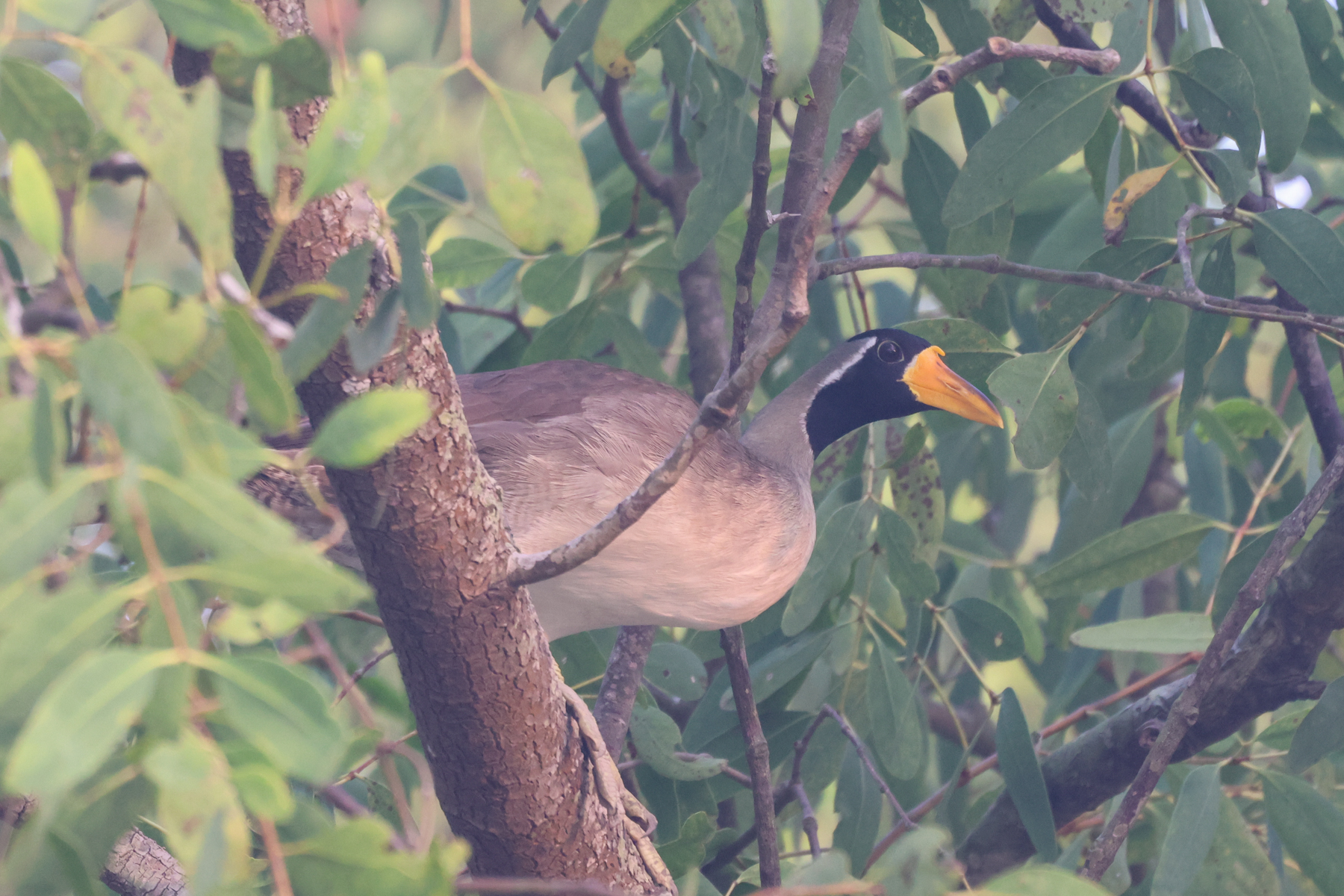
Masked Finfoot (image by Hannu Jännes)
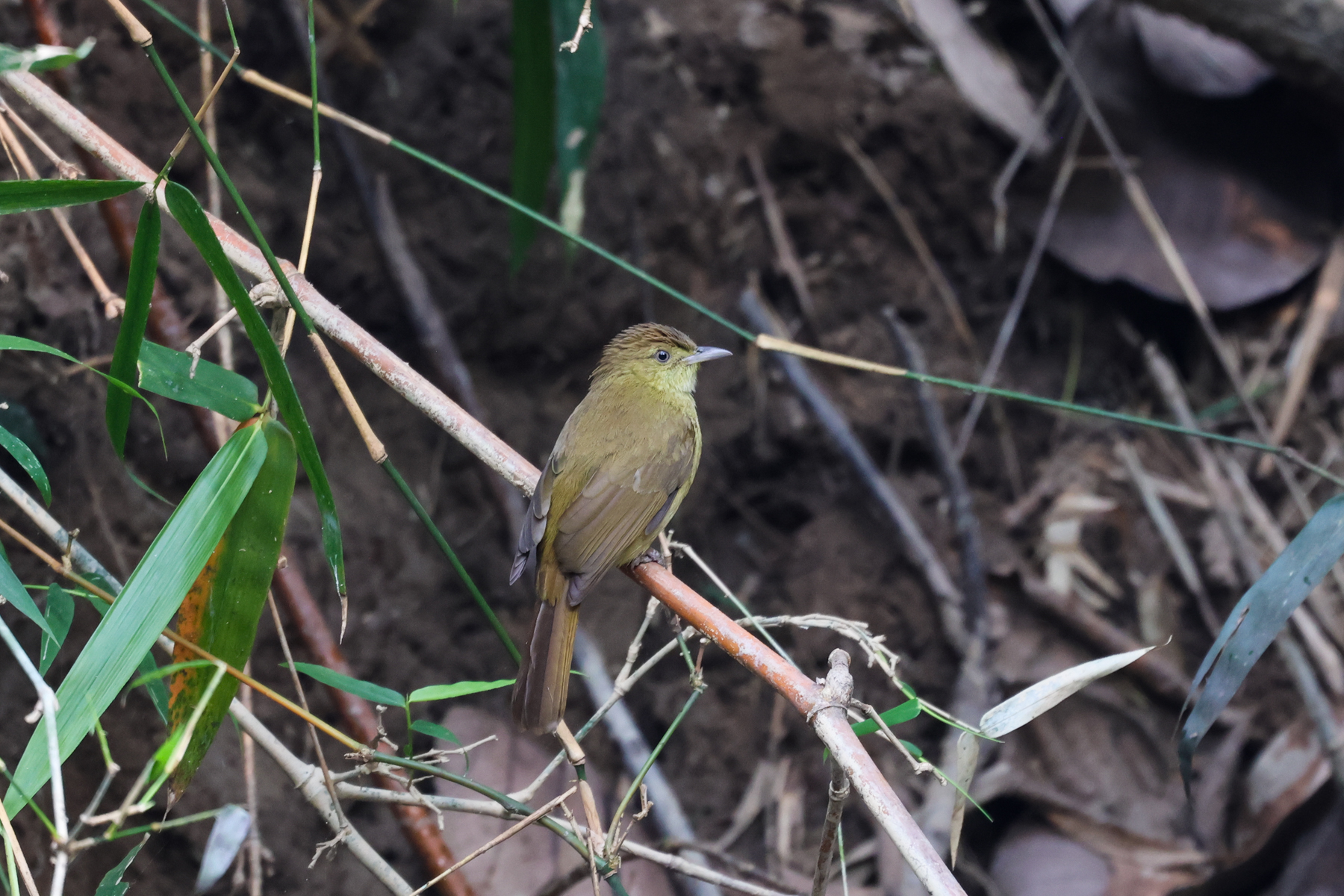
Cachar Bulbul (image by Hannu Jännes)
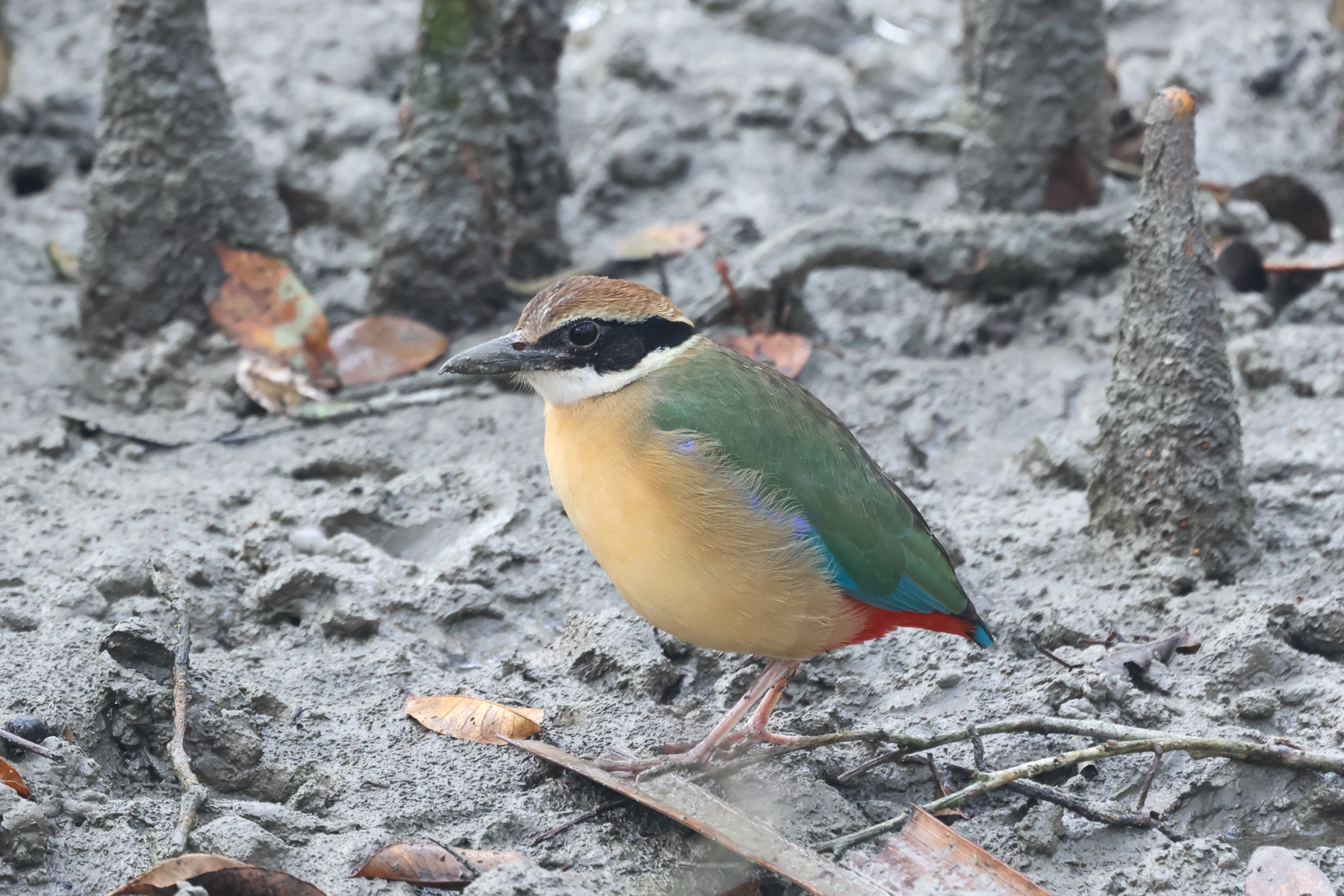
Mangrove Pitta (image by Hannu Jännes)
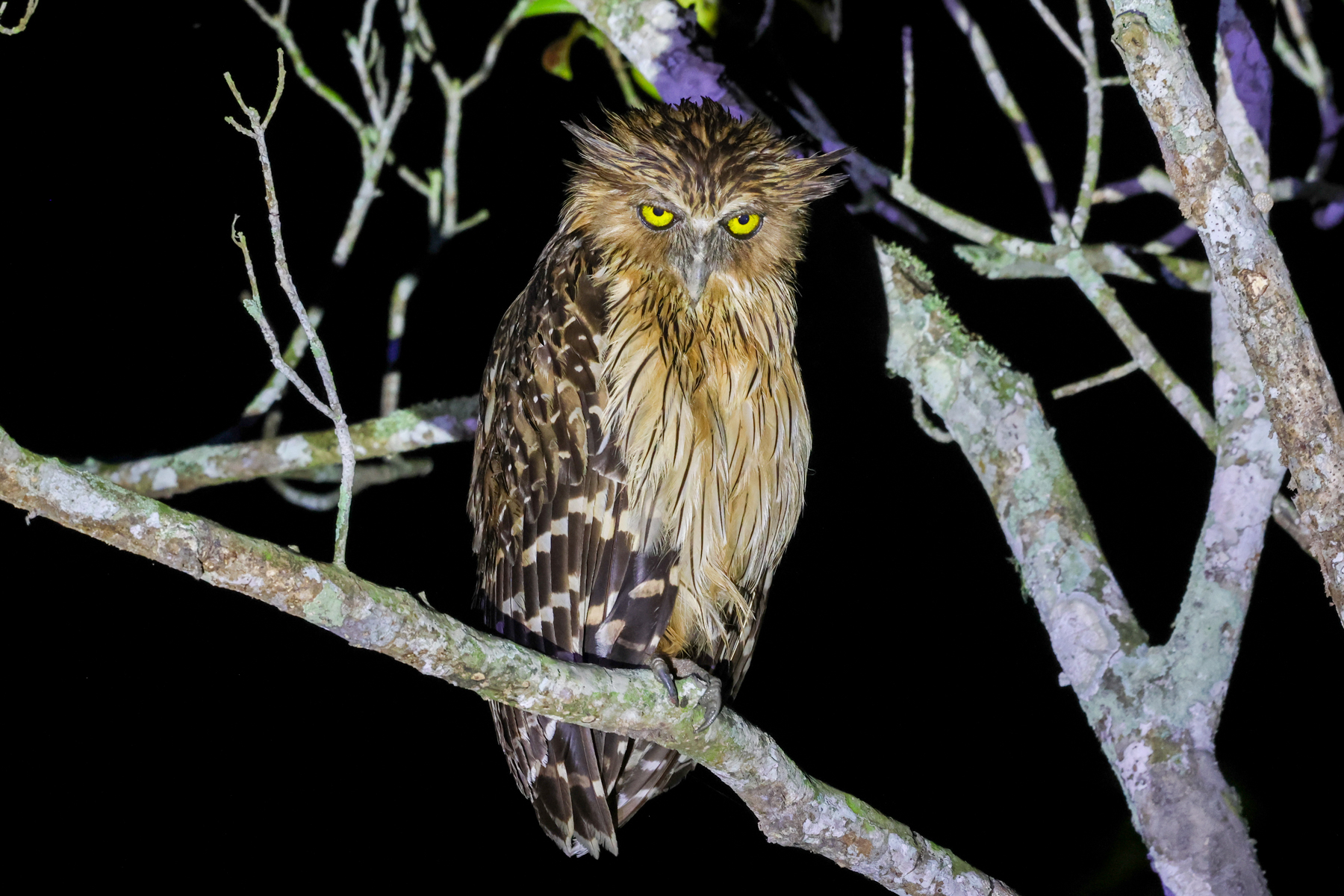
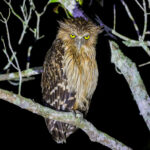
Buffy Fish Owl (image by Hannu Jännes)
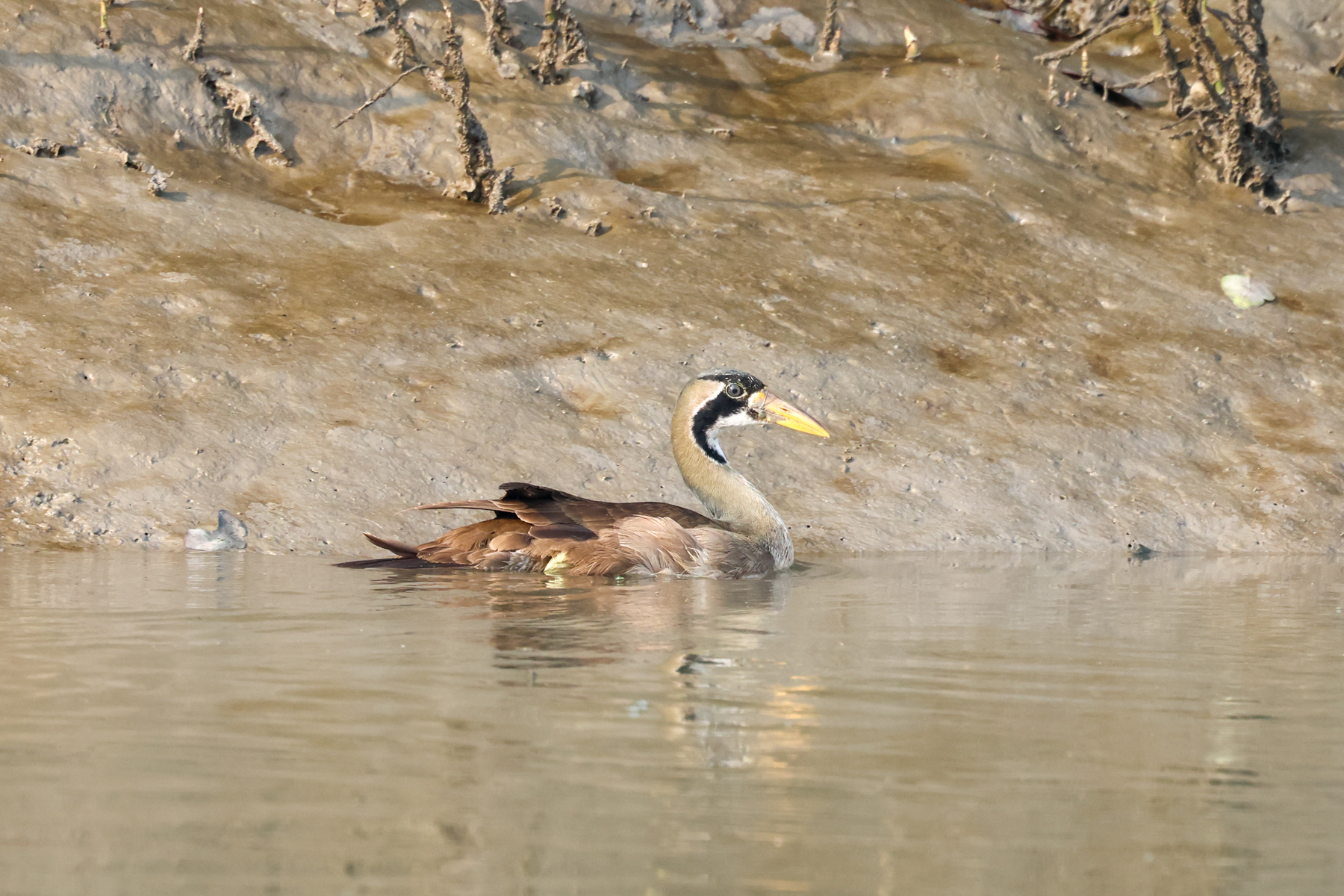
Masked Finfoot (image by Hannu Jännes)
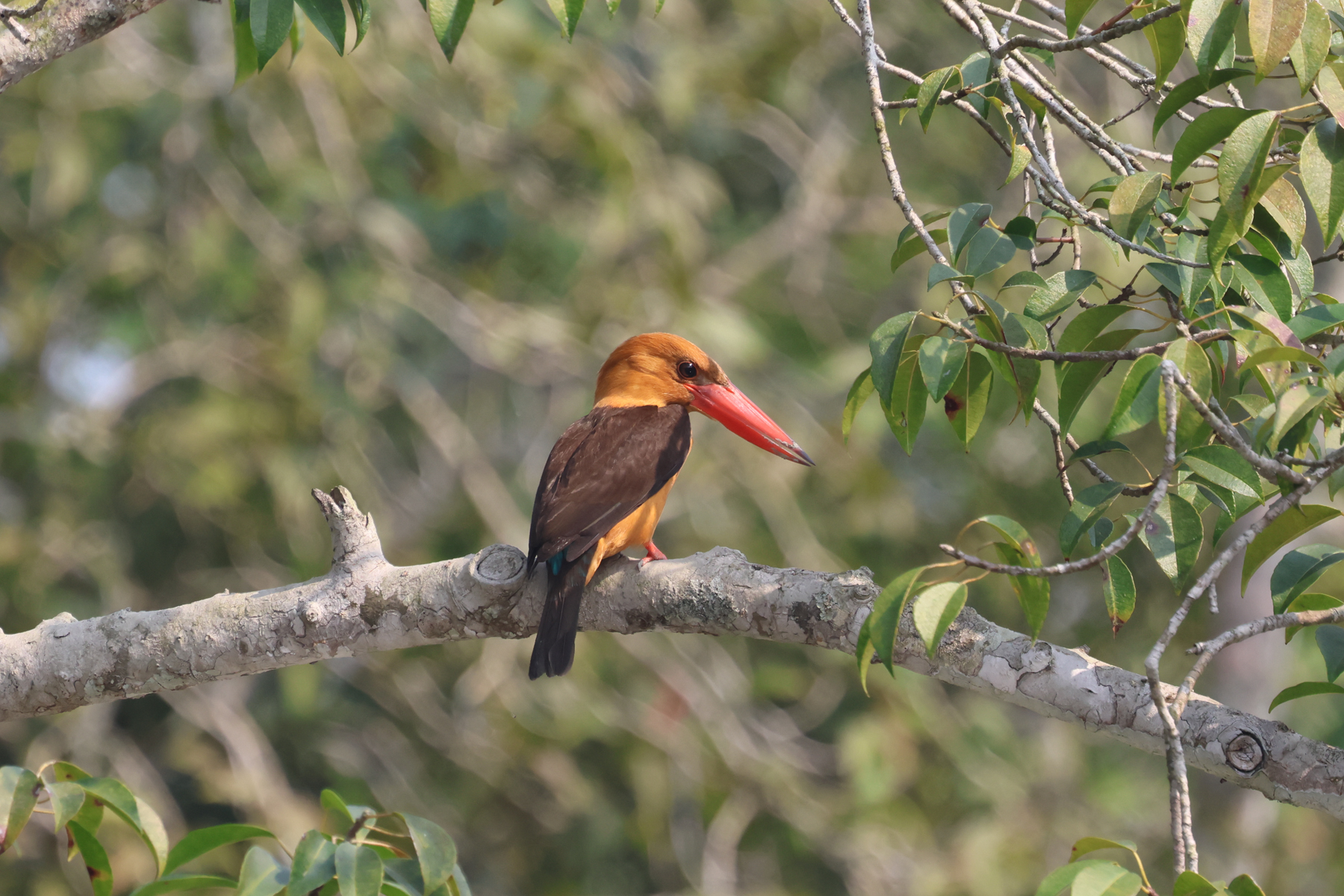
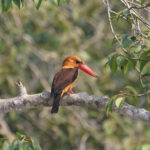
Brown-winged Kingfisher (image by Hannu Jännes)
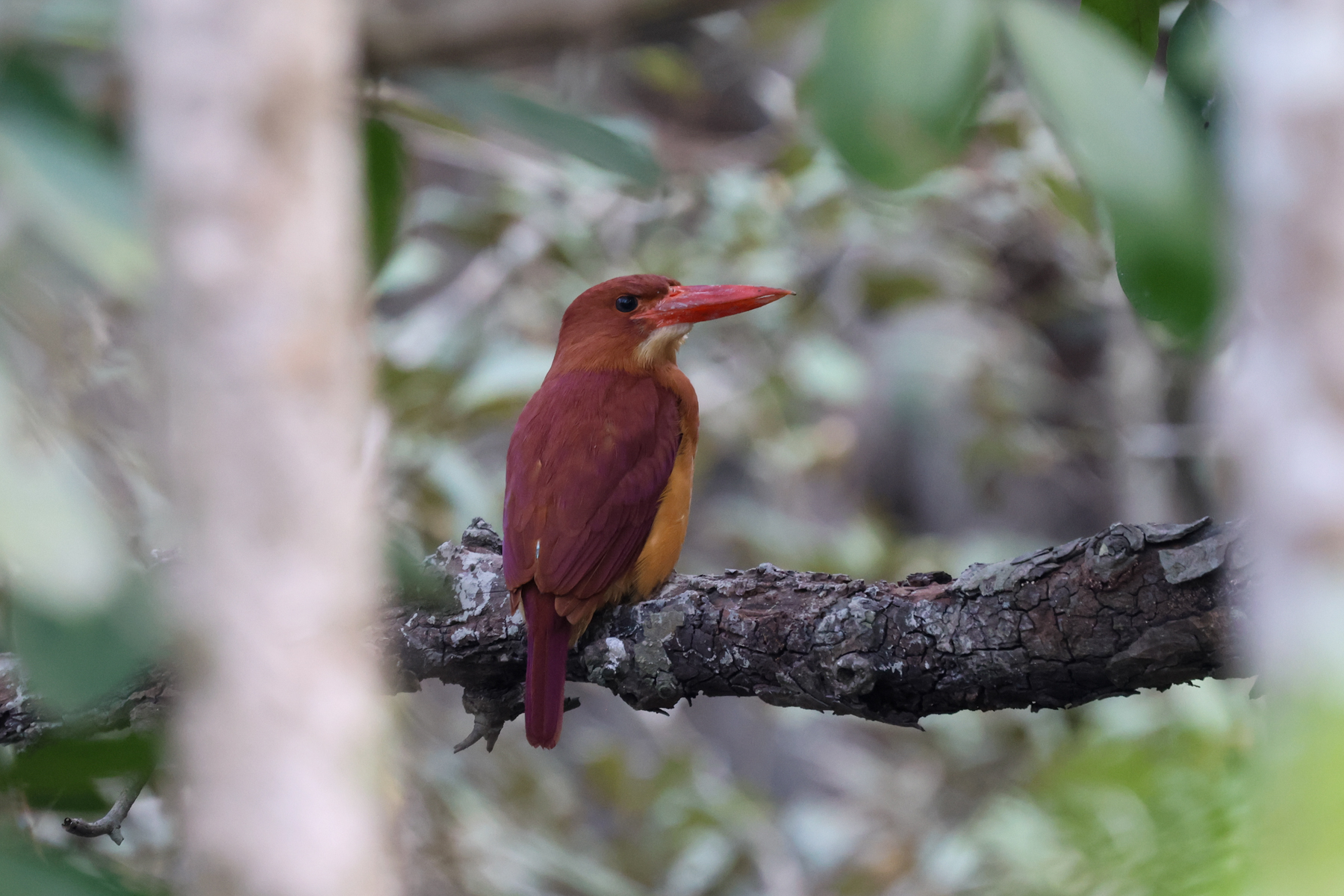
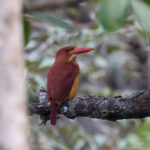
Ruddy Kingfisher (image by Hannu Jännes)
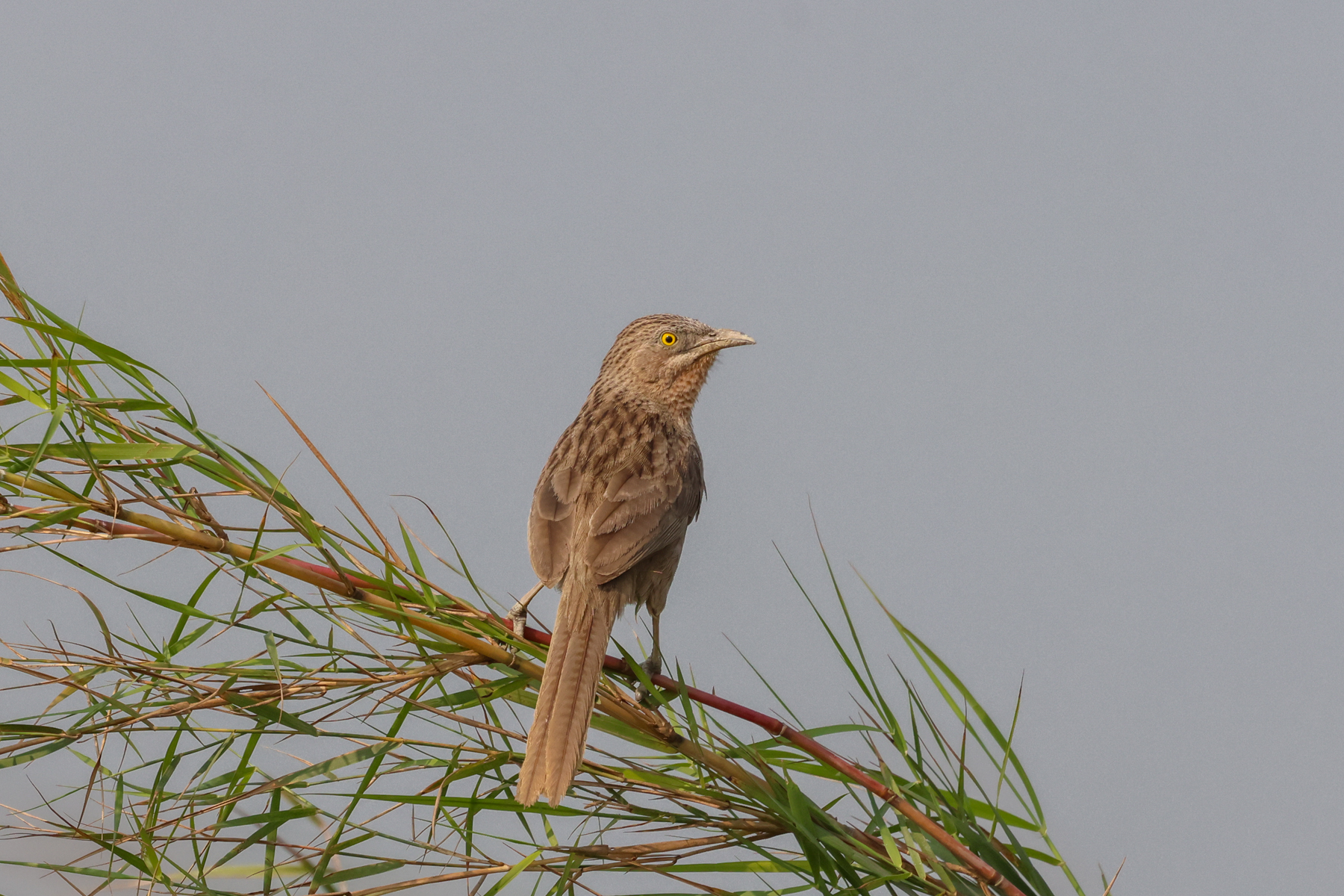
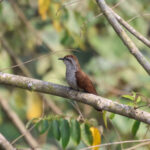
Striated Babbler (image by Hannu Jännes)
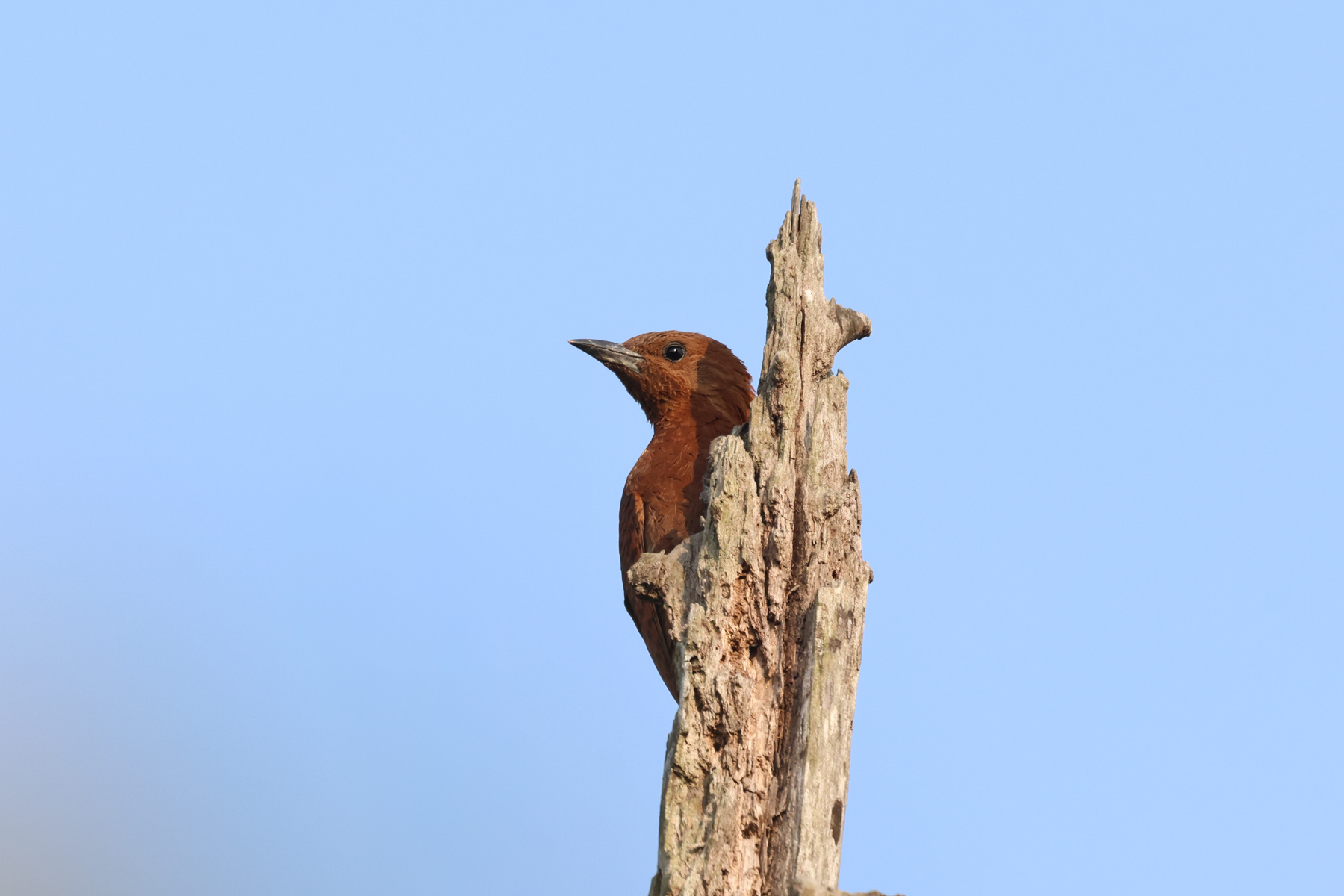
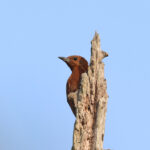
Rufous Woodpecker (image by Hannu Jännes)
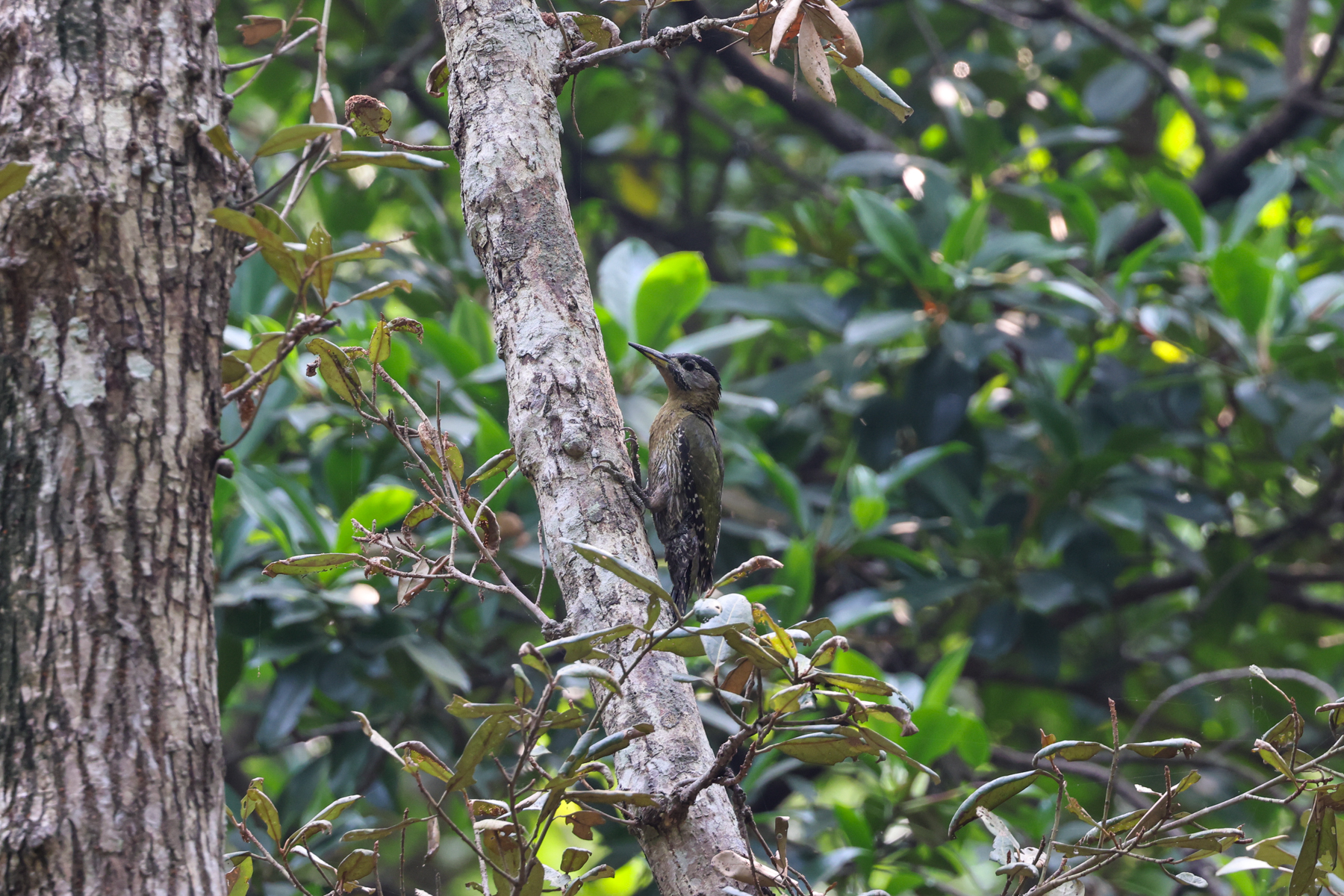
Streak-breasted Woodpecker (image by Mika Ohtonen)

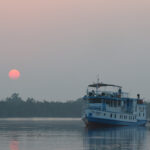
Bawali (image by Hannu Jännes)
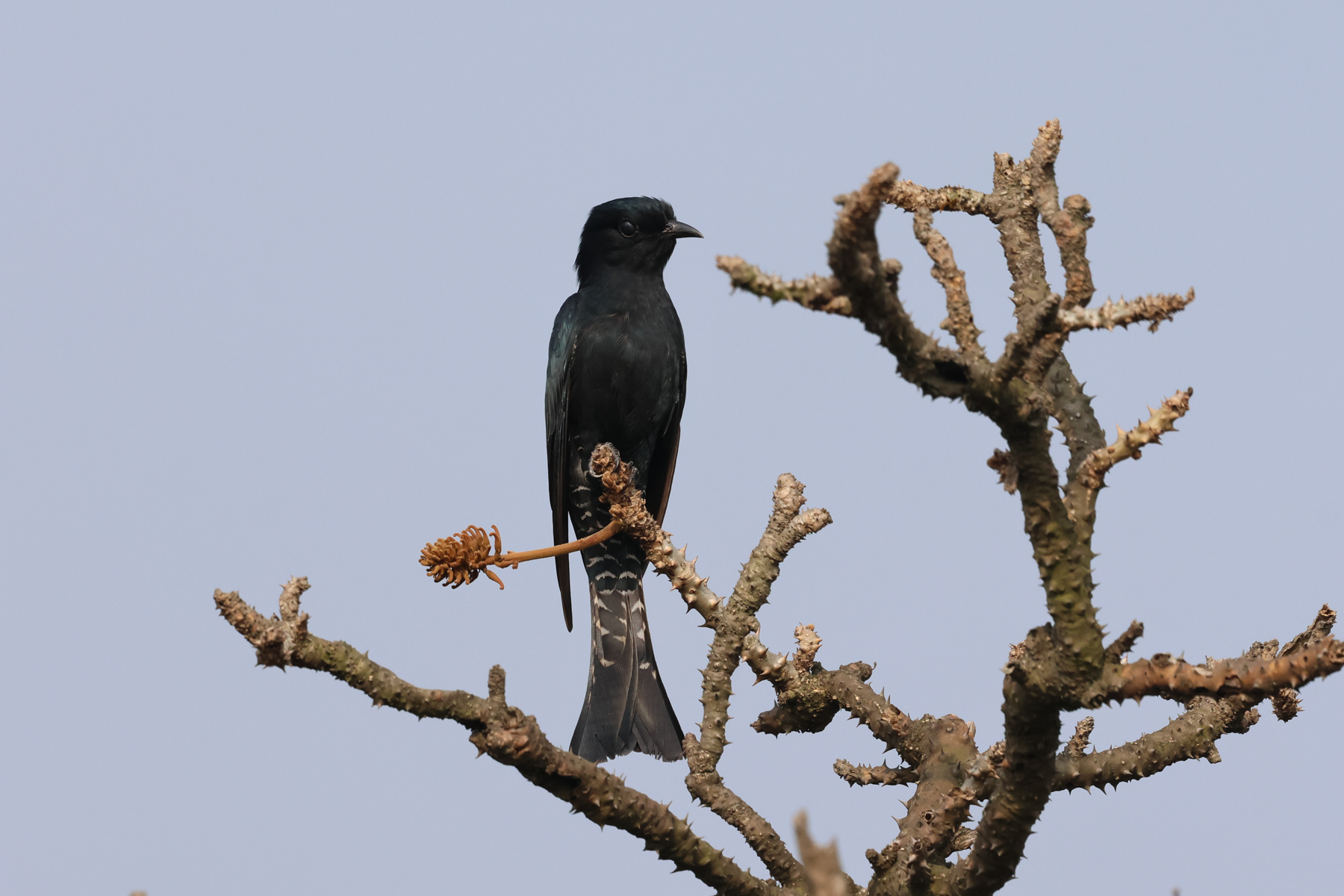
Square-tailed Drongo Cuckoo (image by Hannu Jännes)
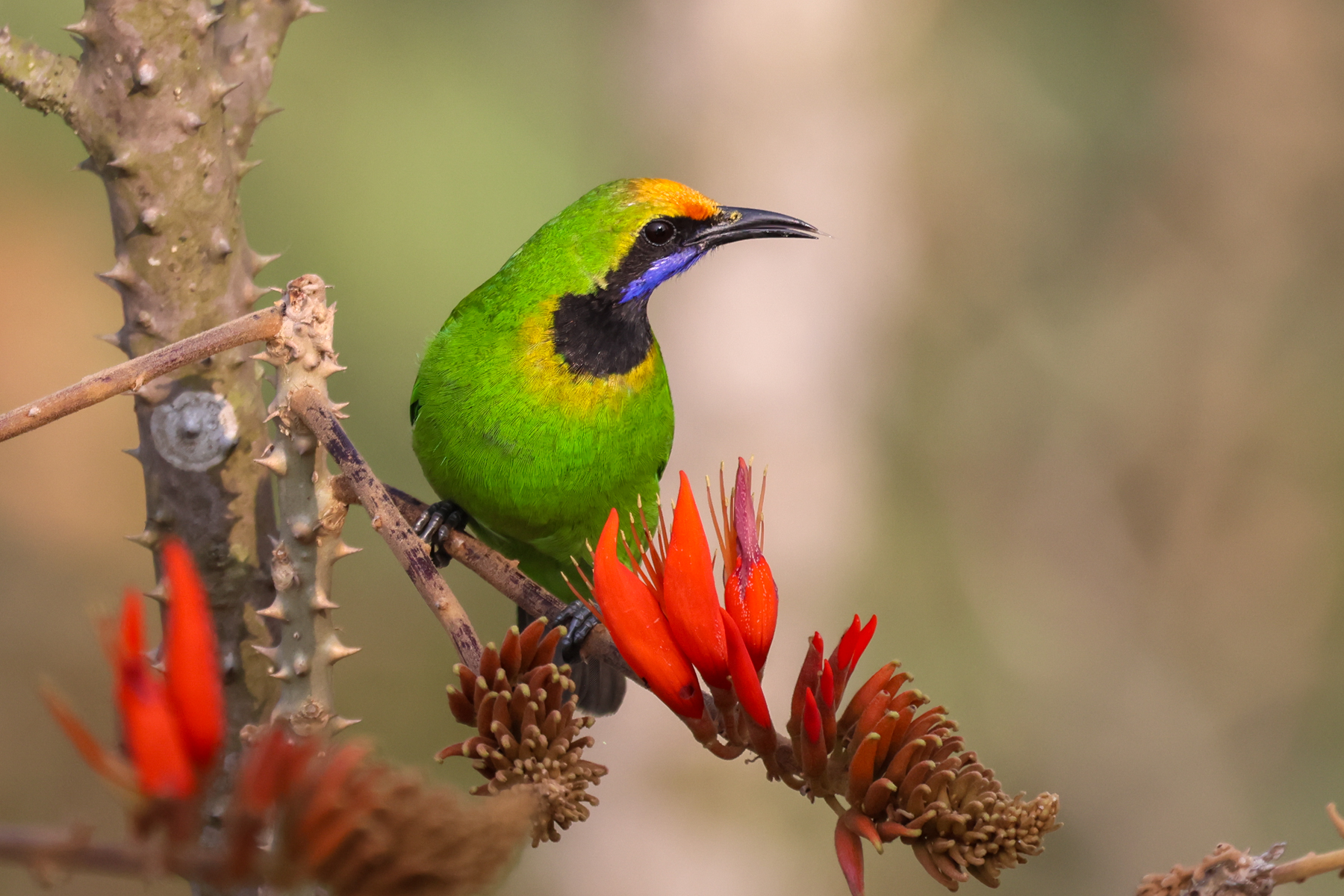
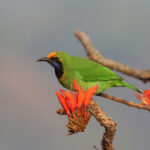
Golden-fronted Leafbird (image by Hannu Jännes)
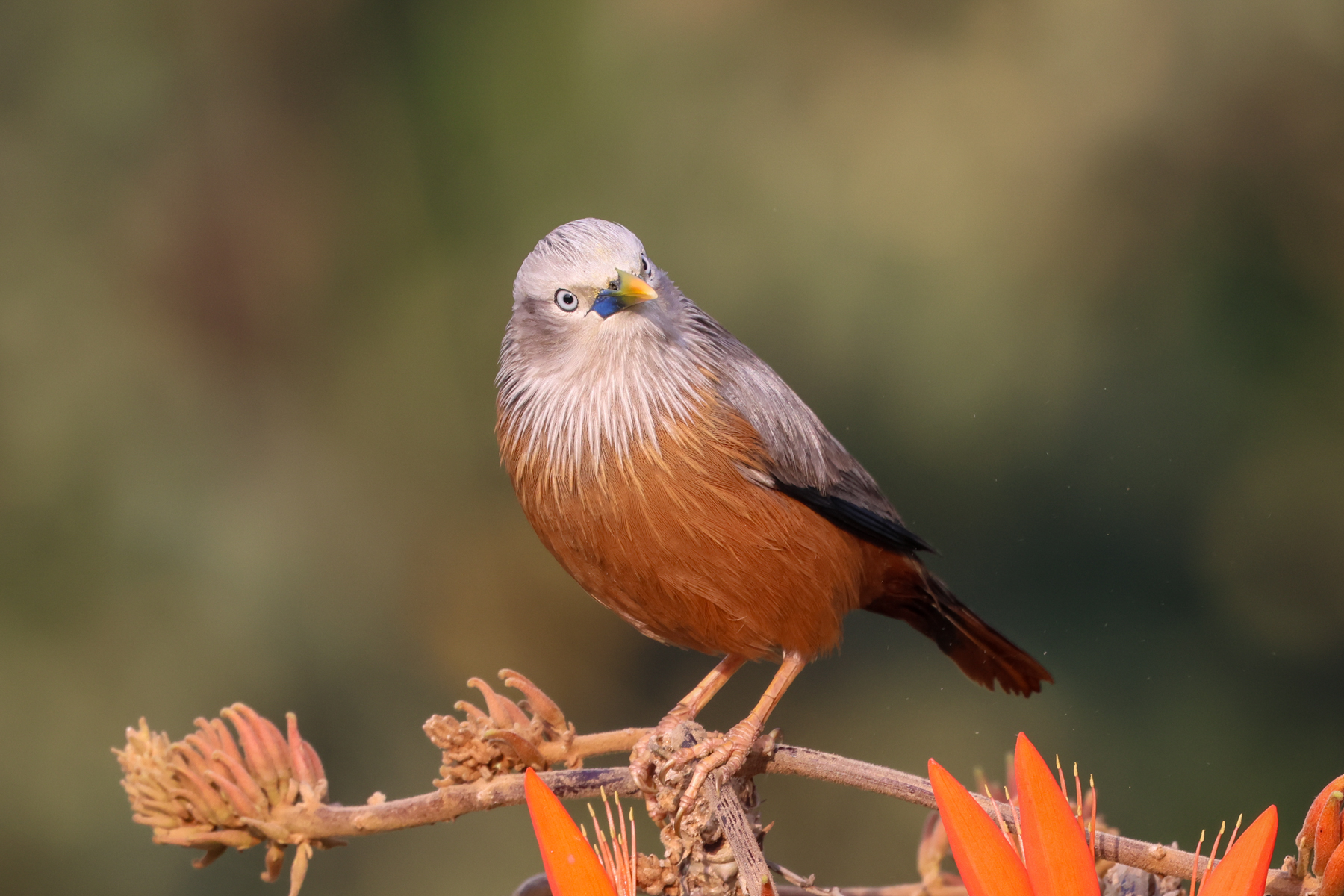
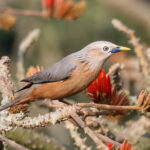
Chestnut-tailed Starling (image by Hannu Jännes)
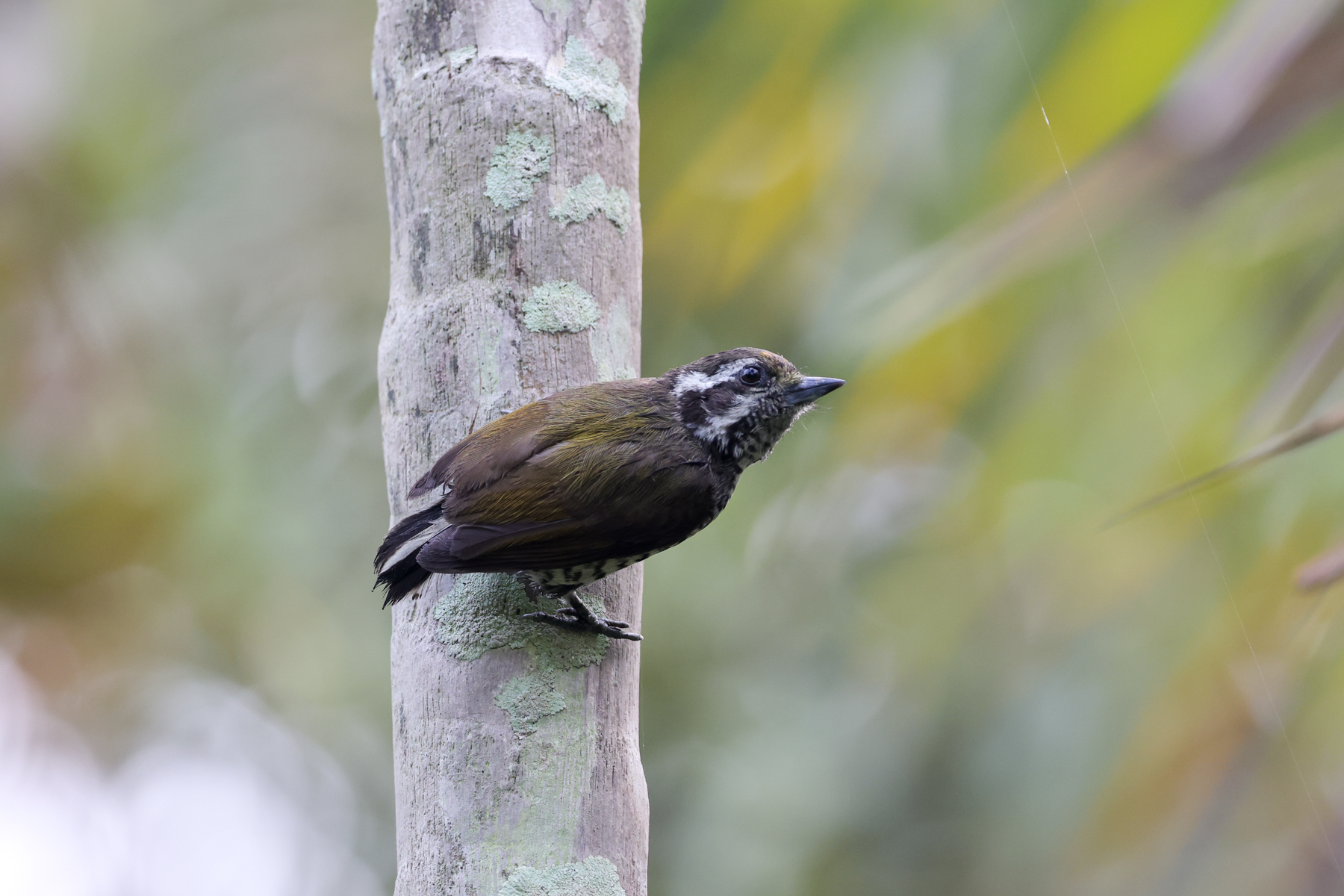
Speckled Piculet (image by Mika Ohtonen)
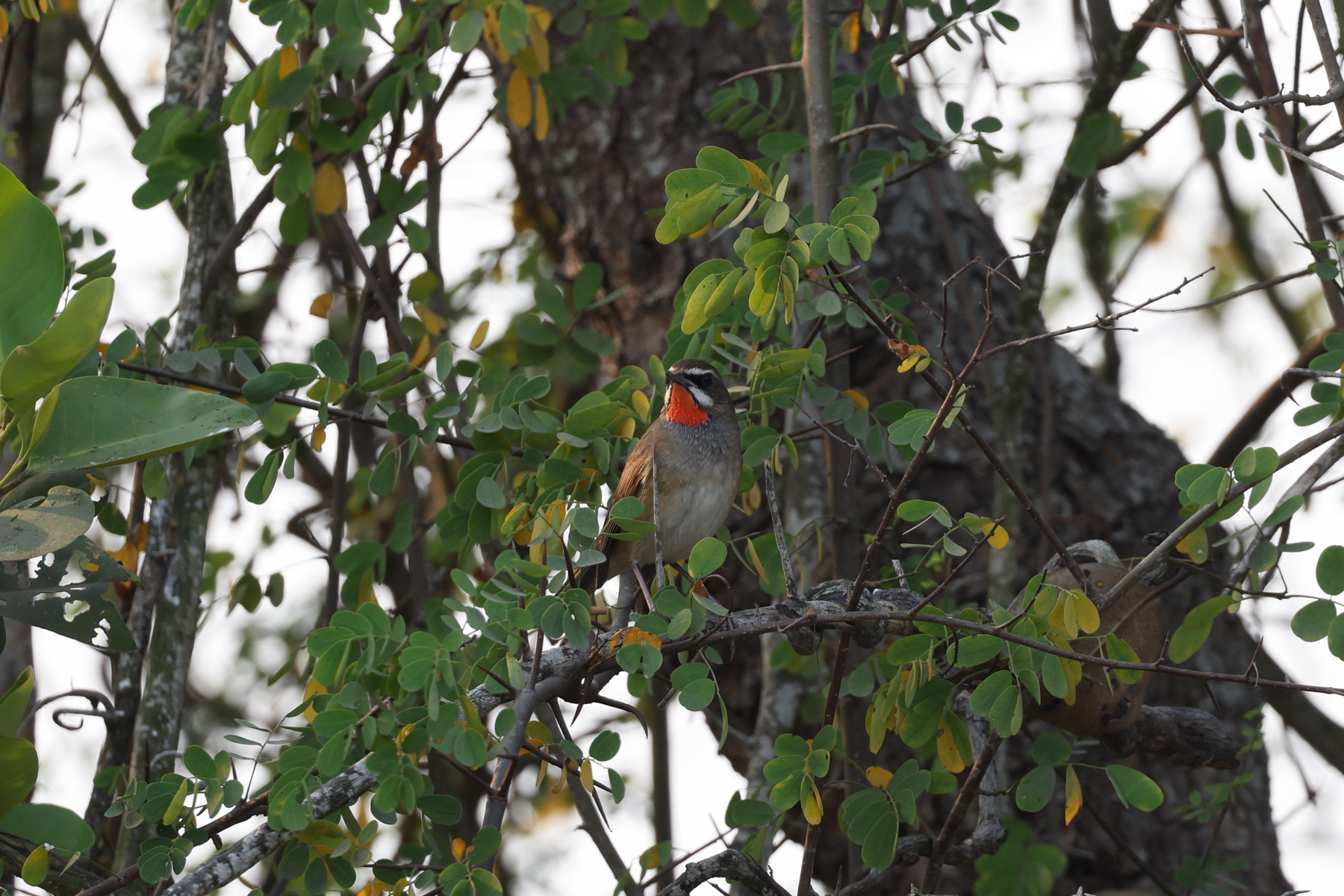
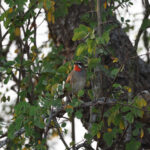
Siberian Rubythroat (image by Mika Ohtonen)
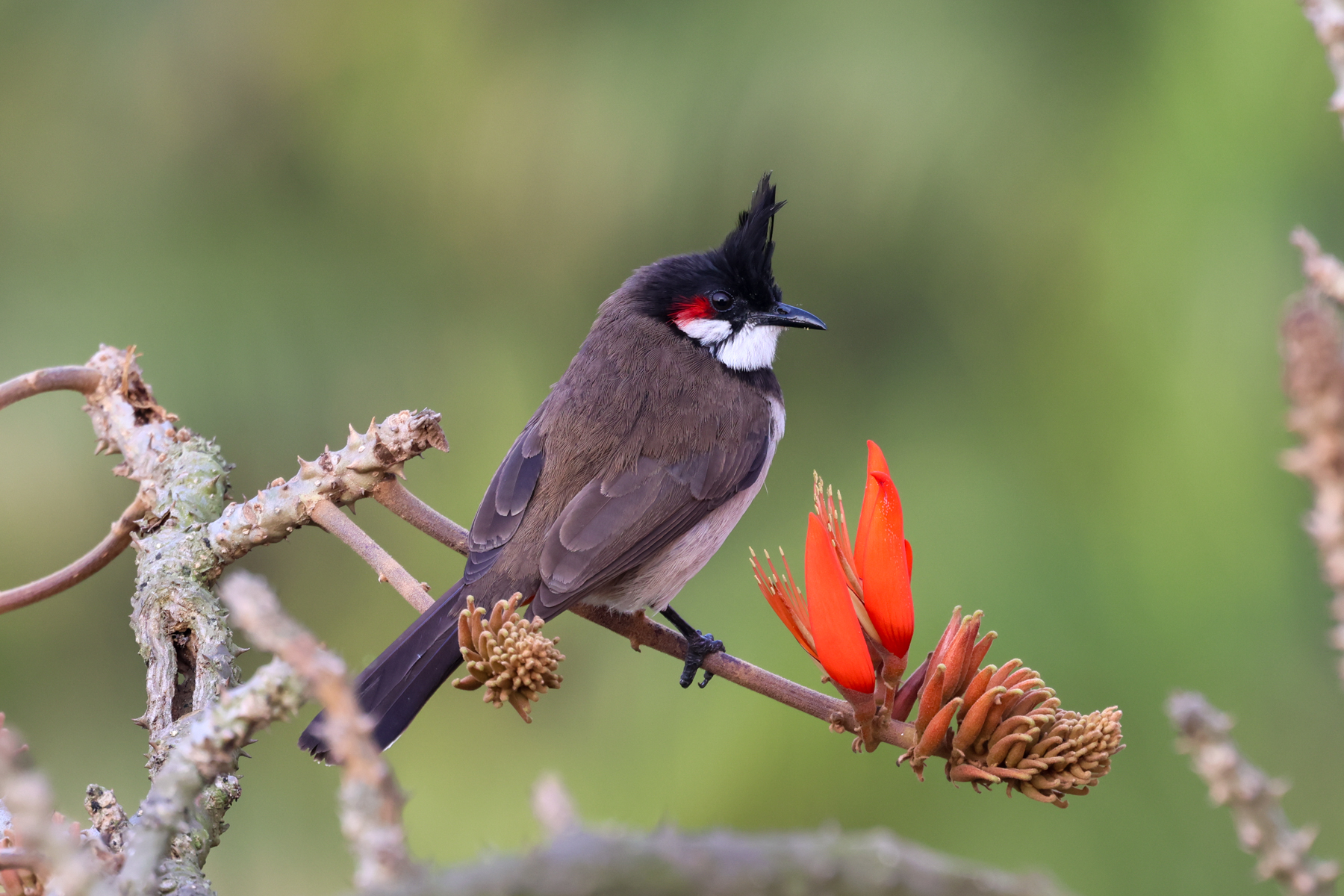
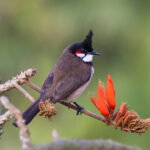
Red-whiskered Bulbul (image by Hannu Jännes)
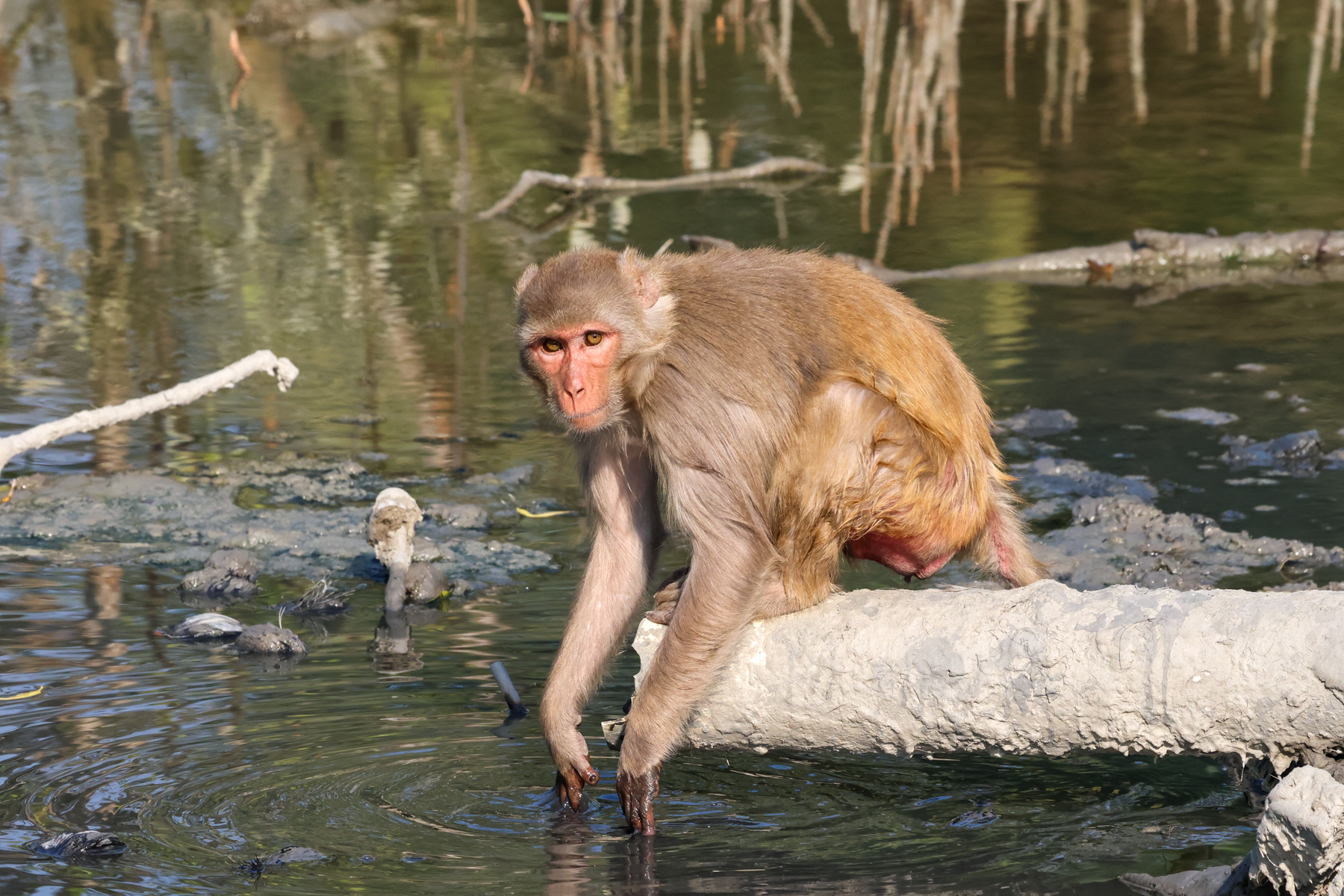
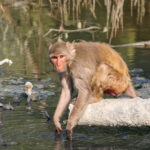
Rhesus Macaque (image by Hannu Jännes)
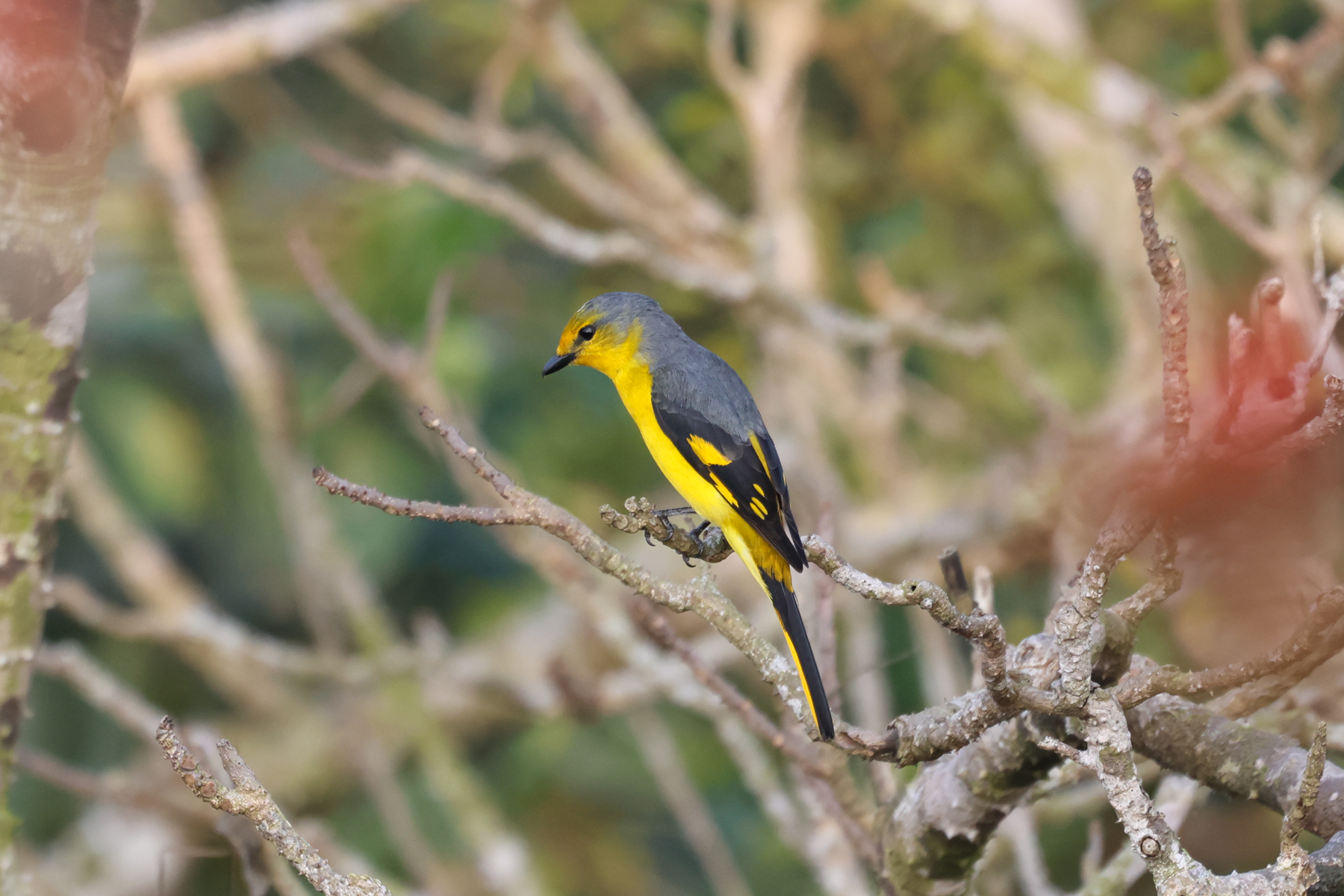
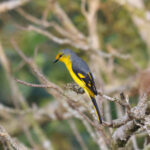
Scarlet Minivet (image by Hannu Jännes)
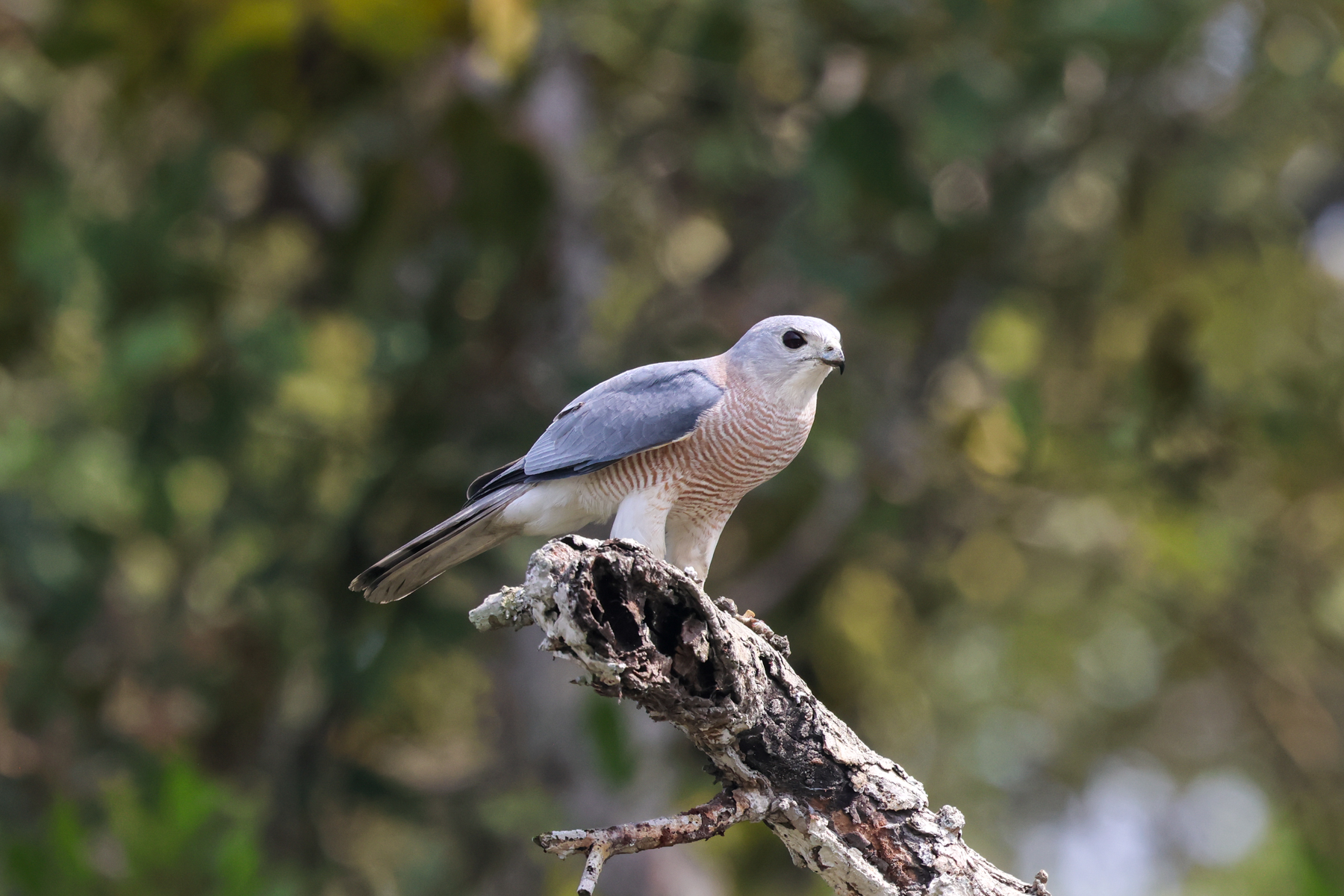
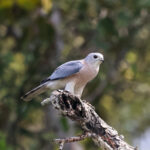
Shikra (image by Hannu Jännes)
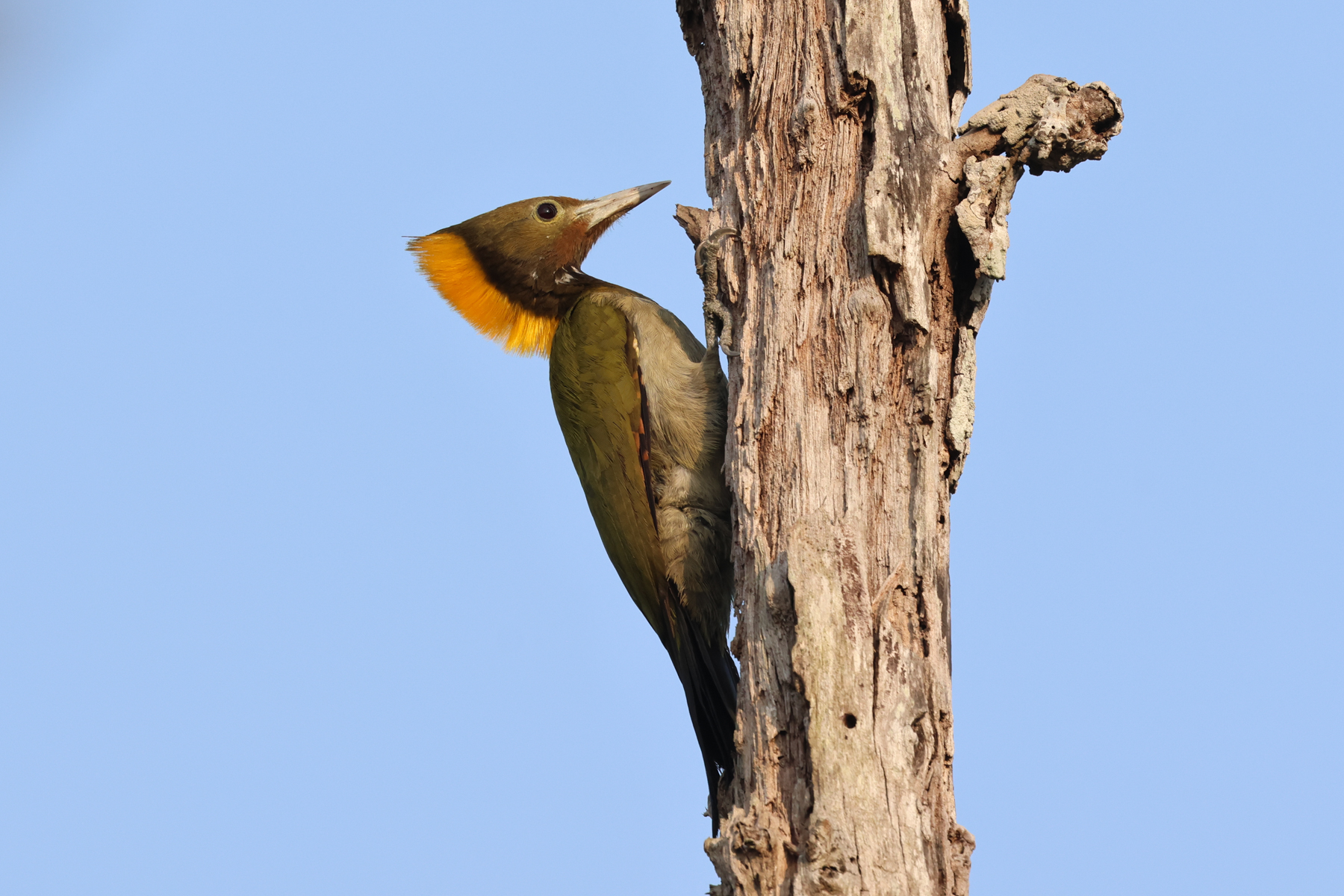
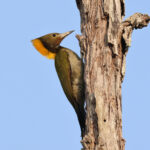
Greater Yellownape (image by Hannu Jännes)
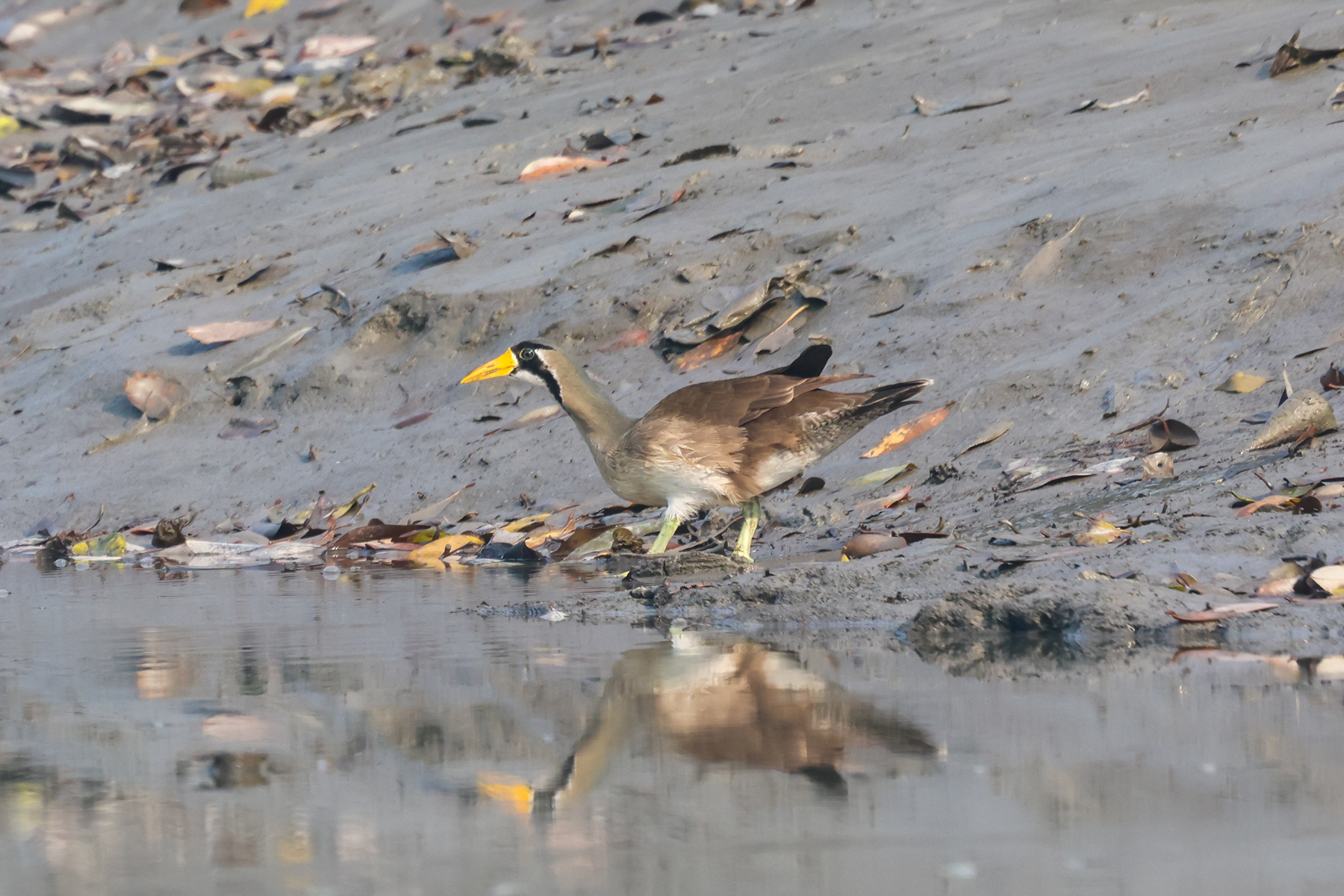
Masked Finfoot (image by Hannu Jännes)
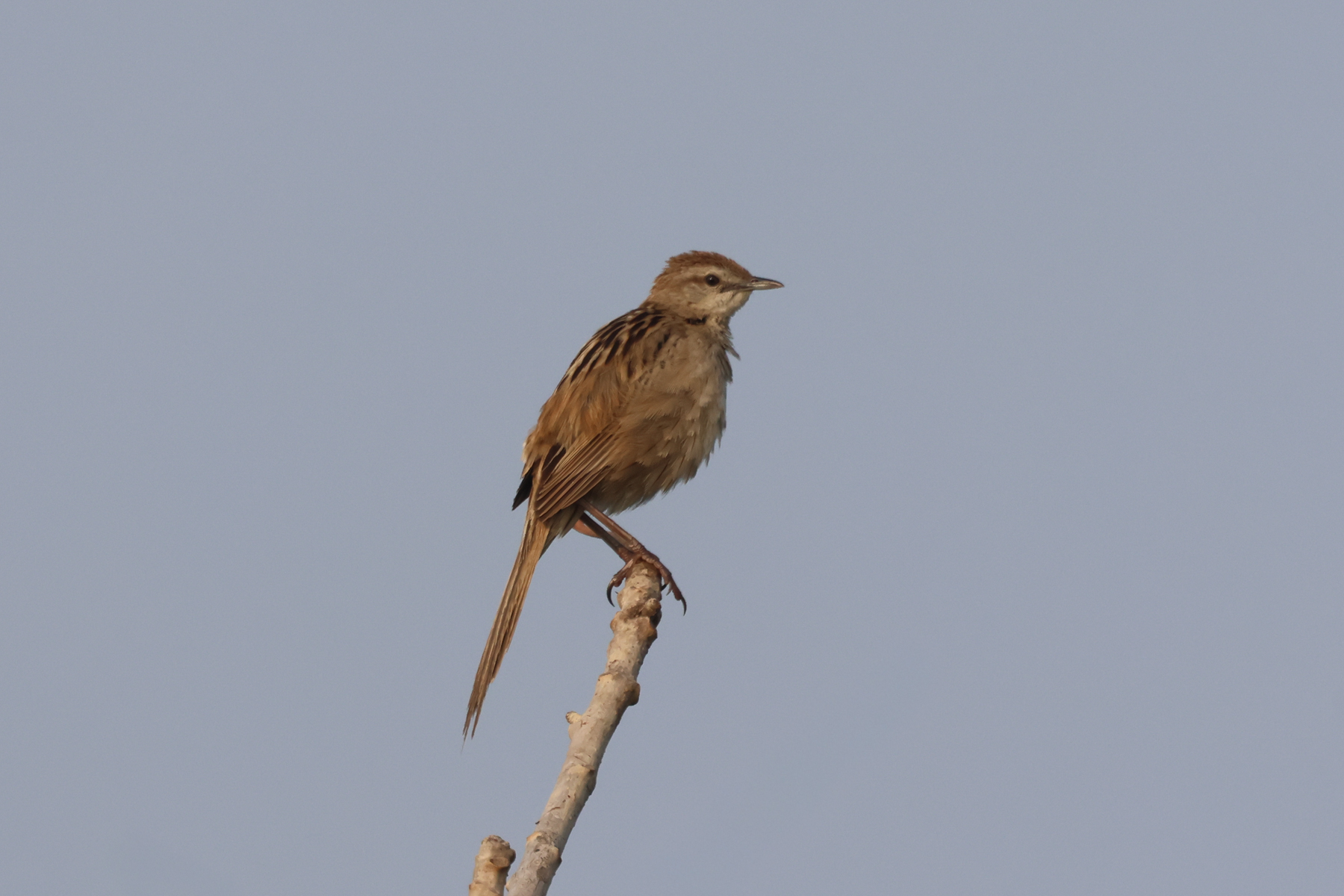
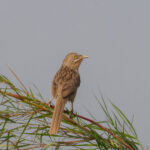
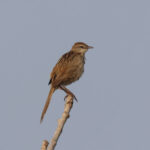
Striated Grassbird (image by Hannu Jännes)
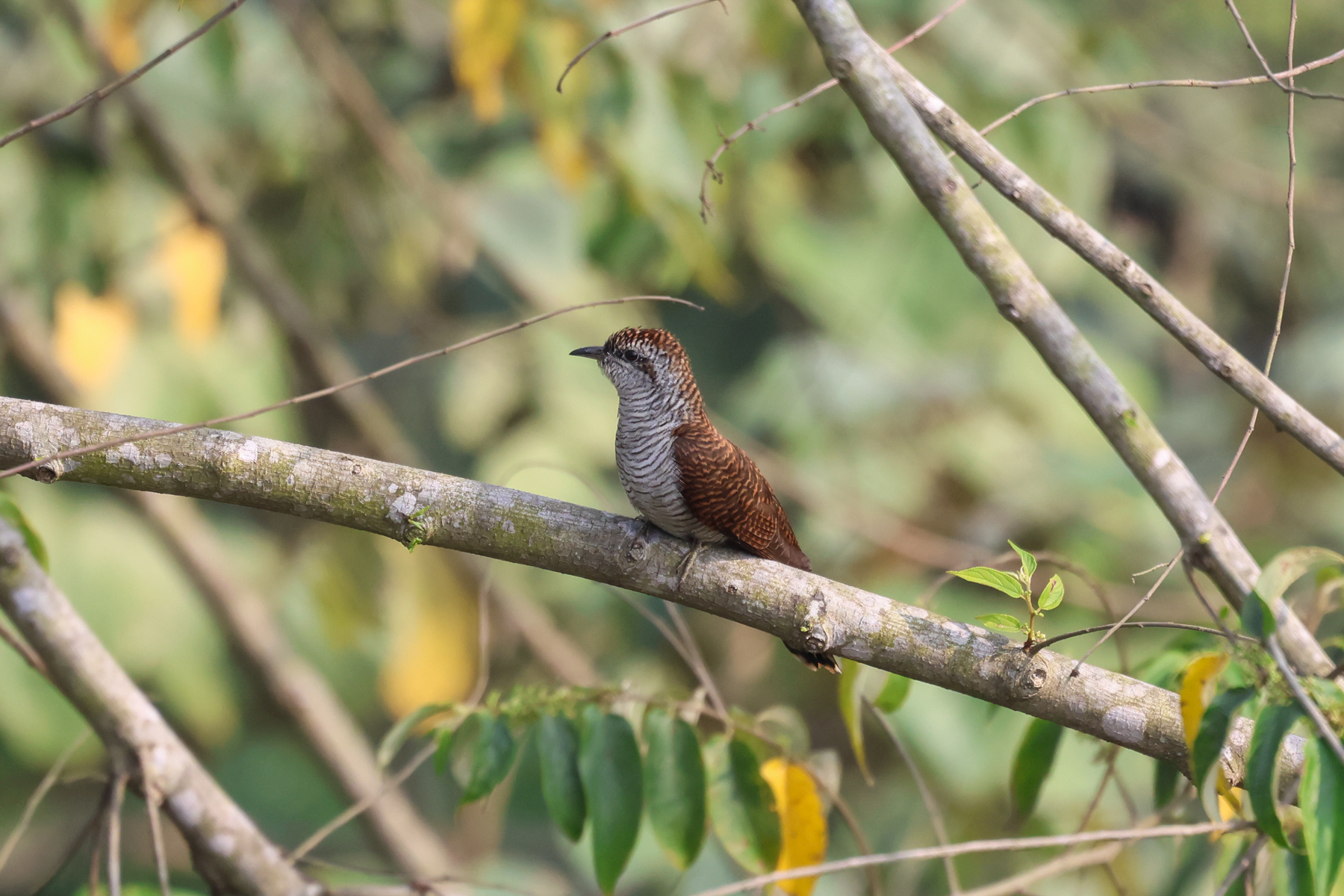
Banded Bay Cuckoo (image by Hannu Jännes)
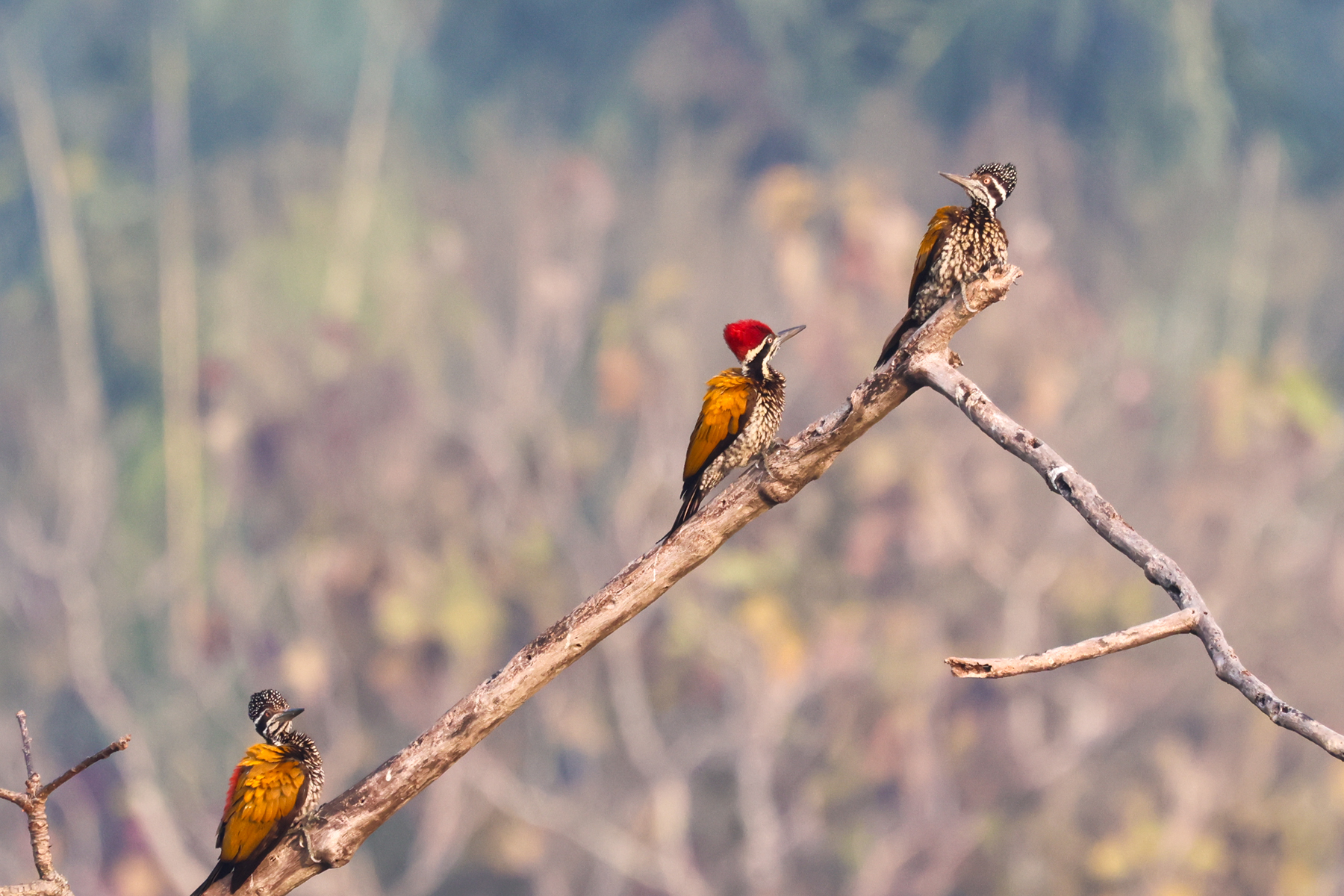
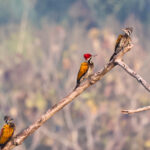
Greater Flamebacks (image by Hannu Jännes)
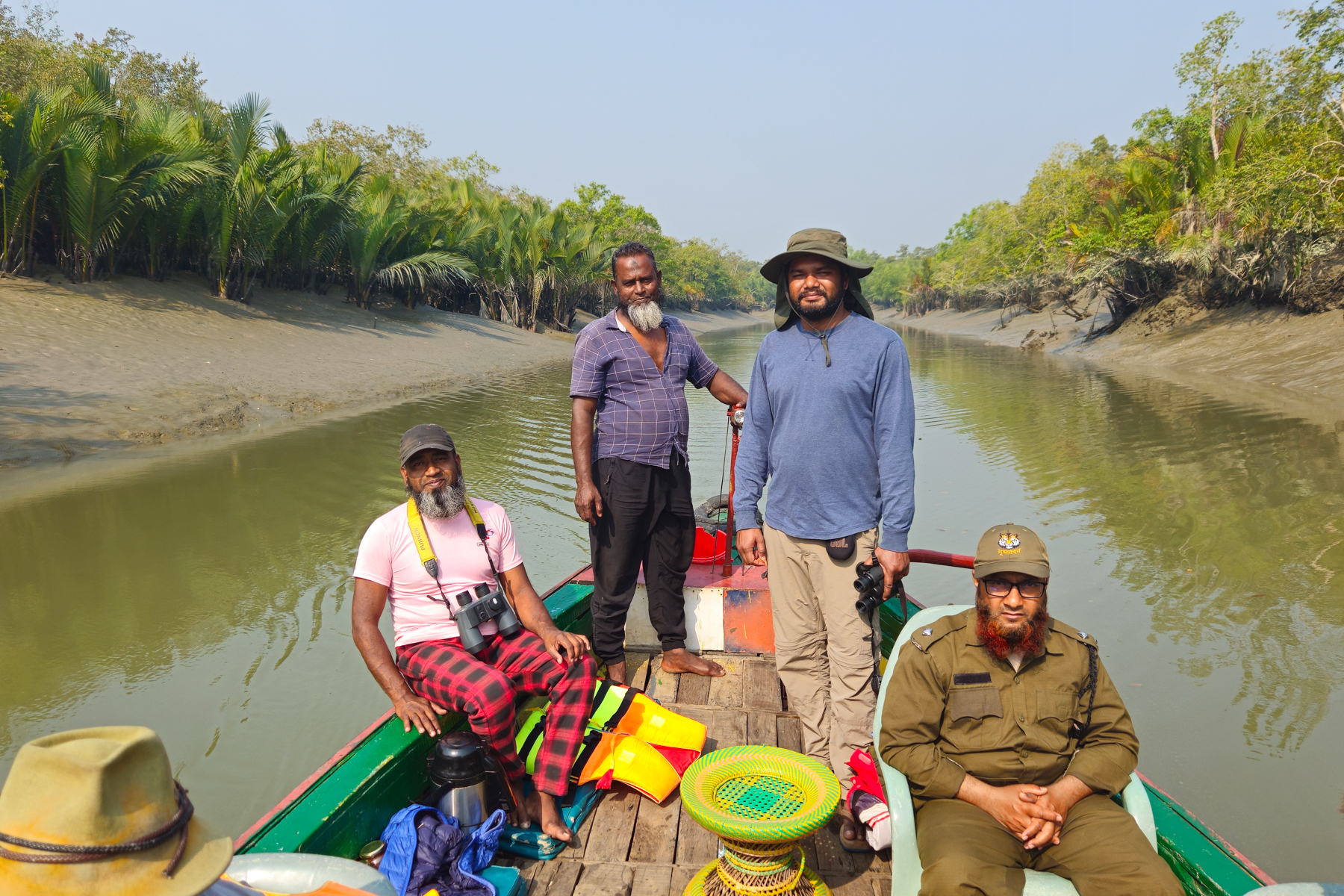
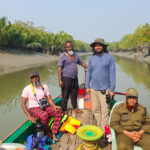
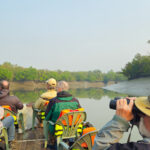
Crew (image by Hannu Jännes)
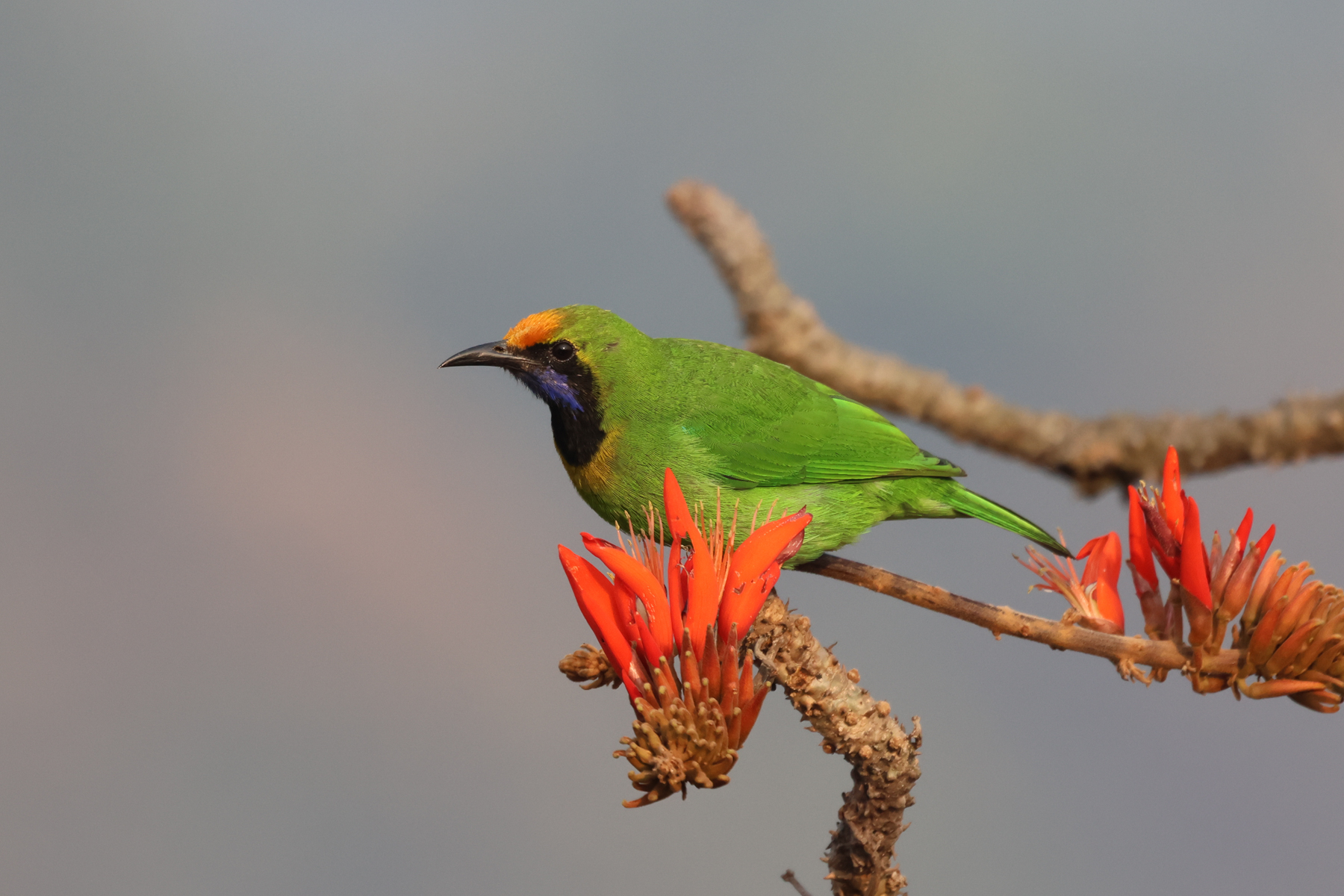
Golden-fronted Leafbird (image by Hannu Jännes)
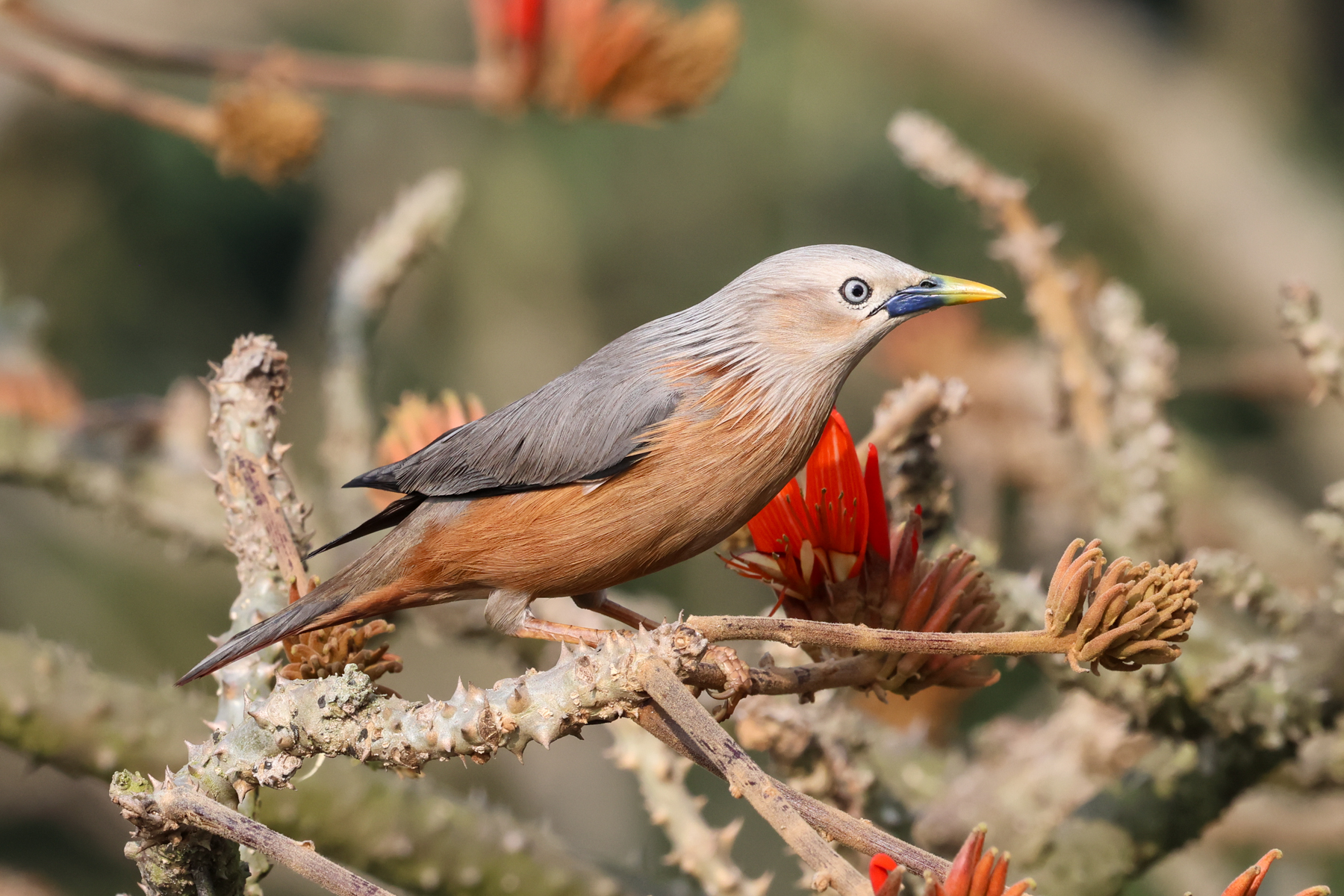
Chestnut-tailed Starling (image by Hannu Jännes)
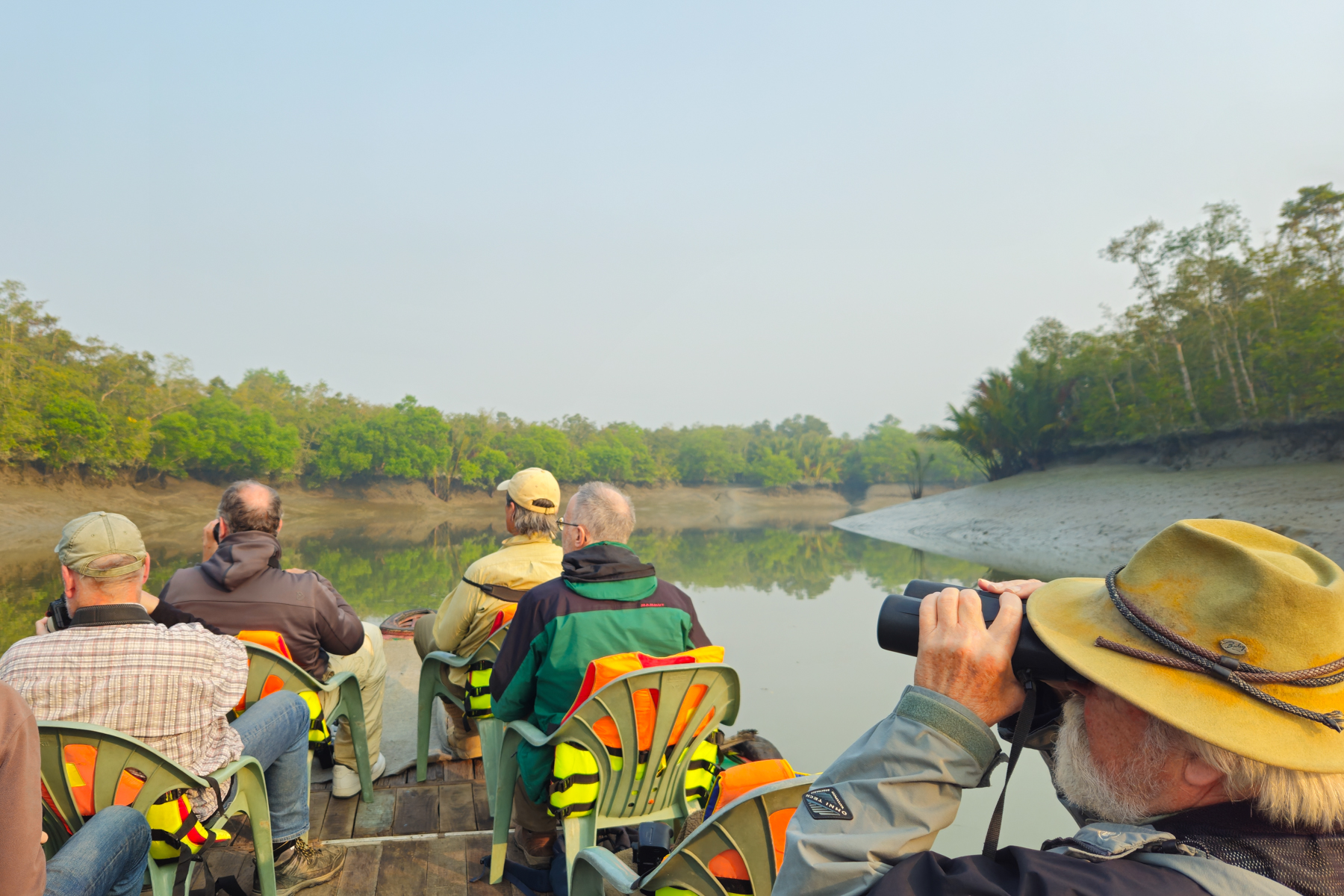
Country Boat (image by Hannu Jännes)
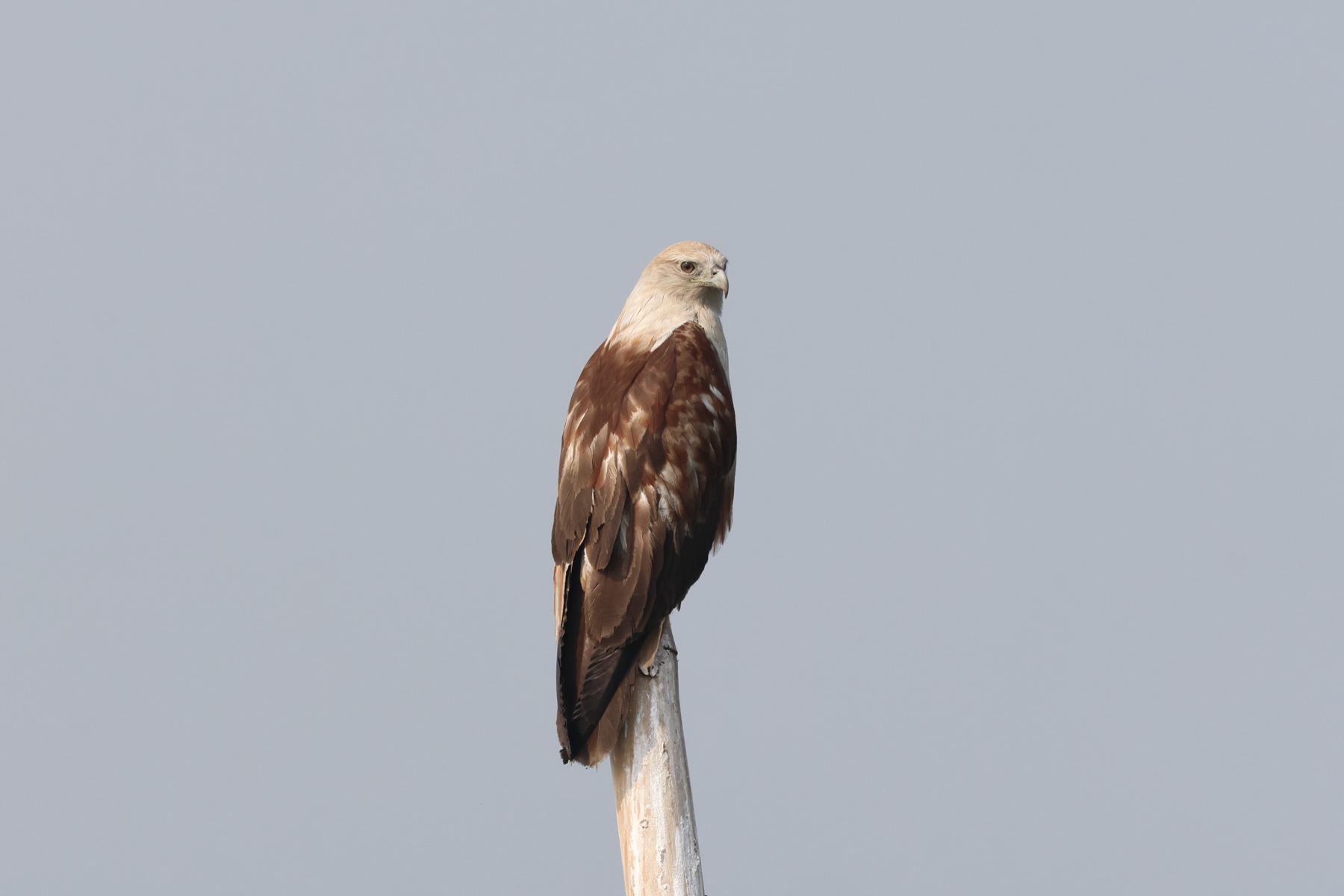
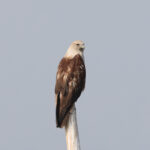
Brahminy Kite (image by Hannu Jännes)
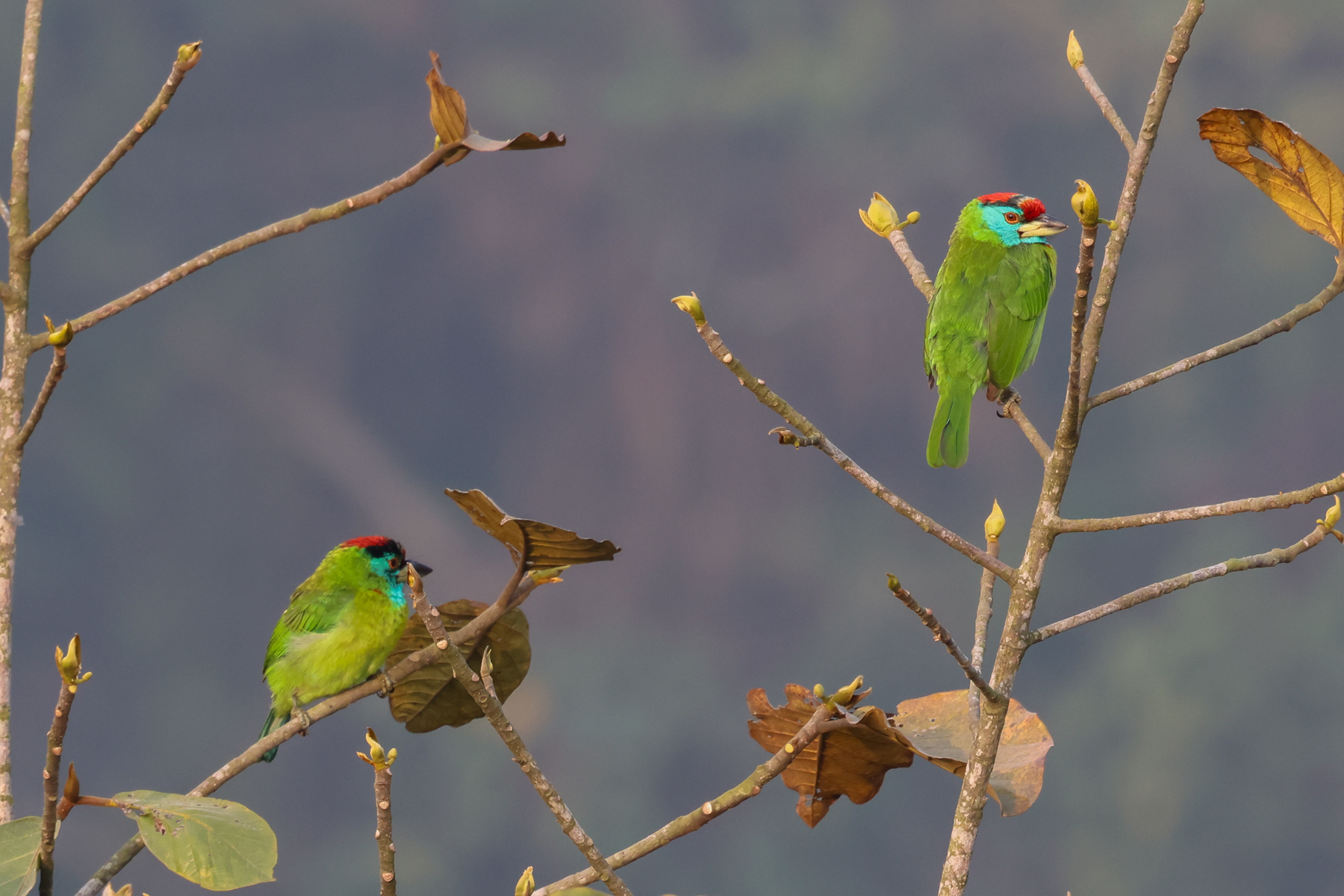
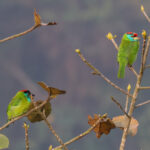
Blue-throated Barbets (image by Hannu Jännes)
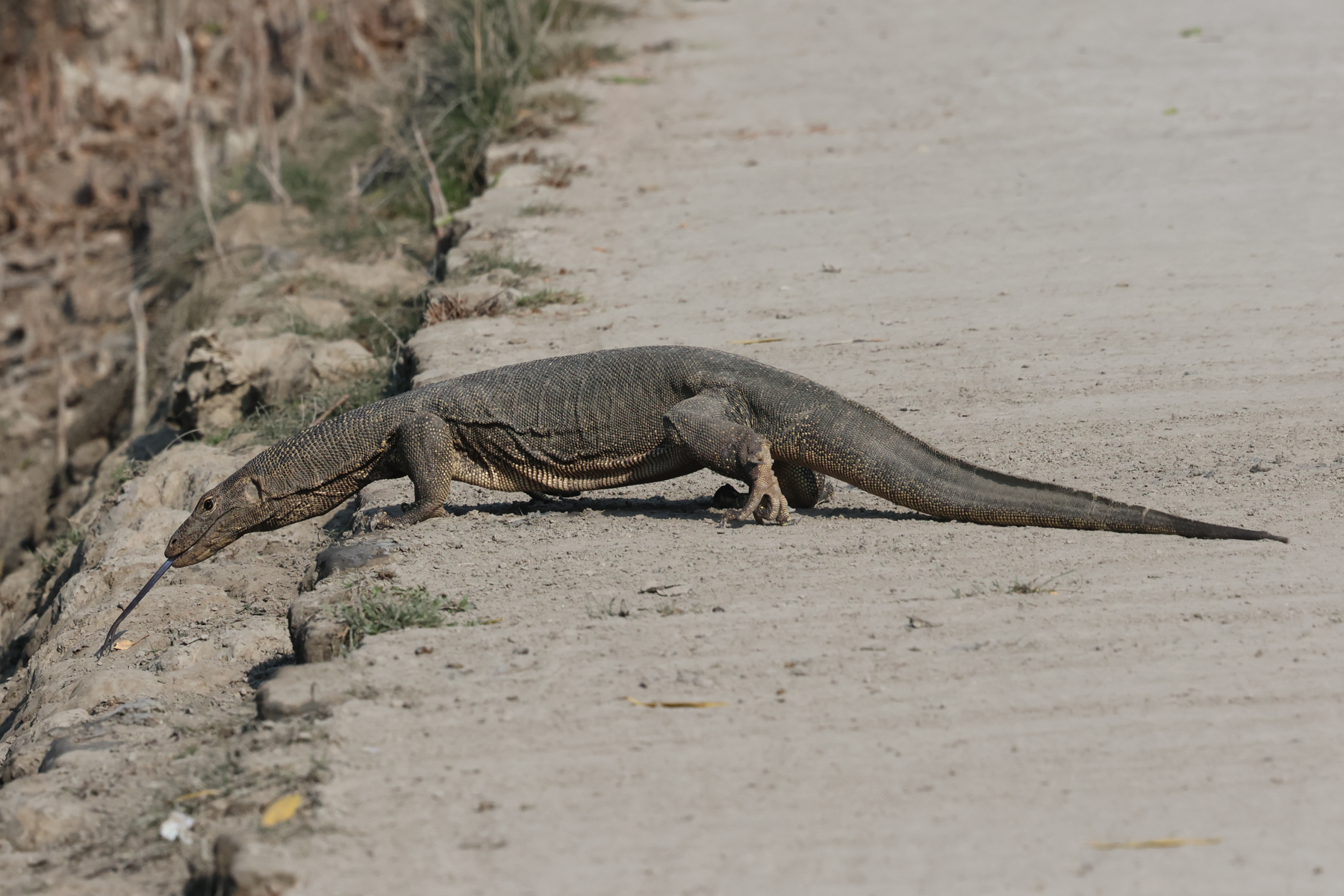
Asian Monitor (image by Hannu Jännes)
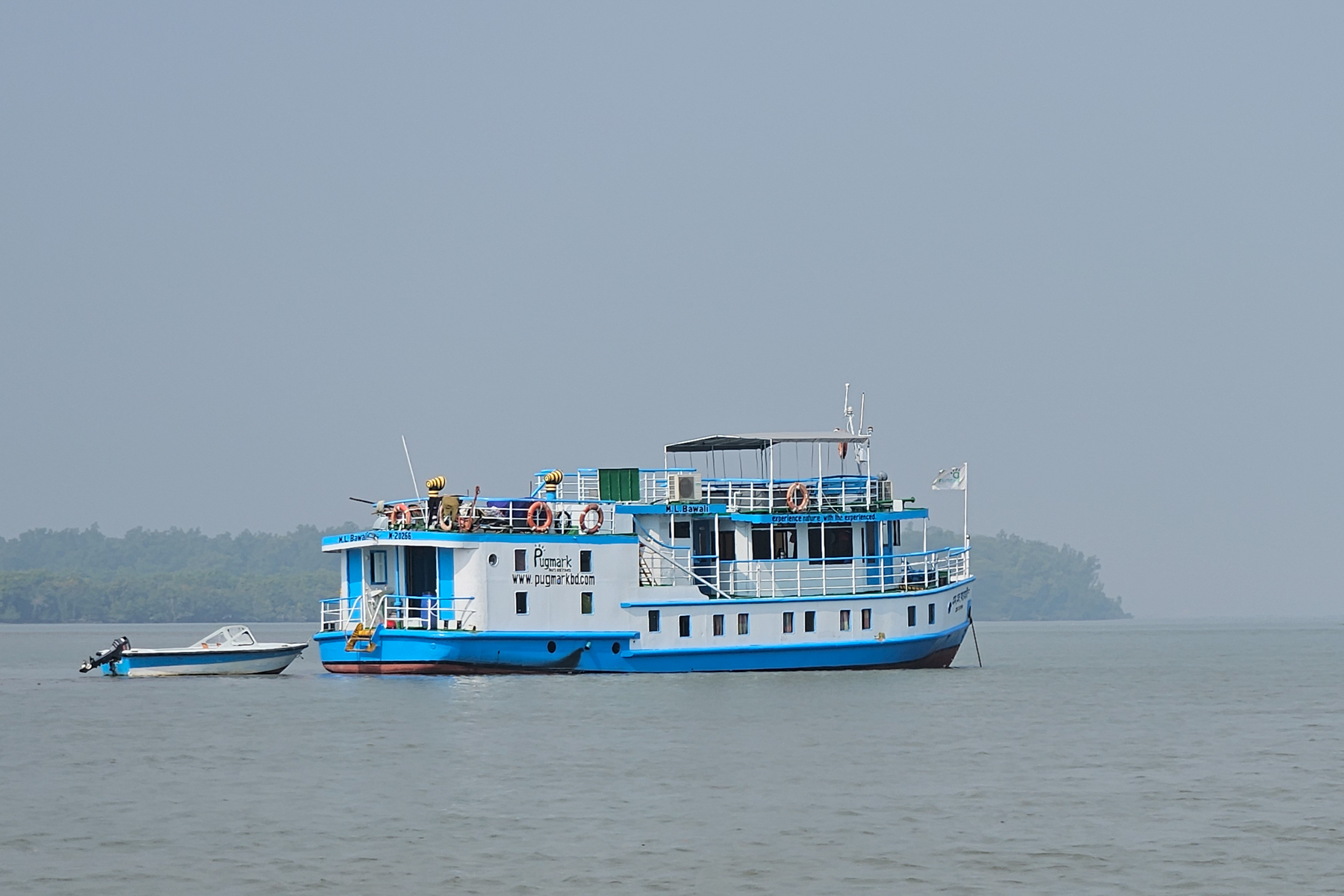
Bawali (image by Hannu Jännes)
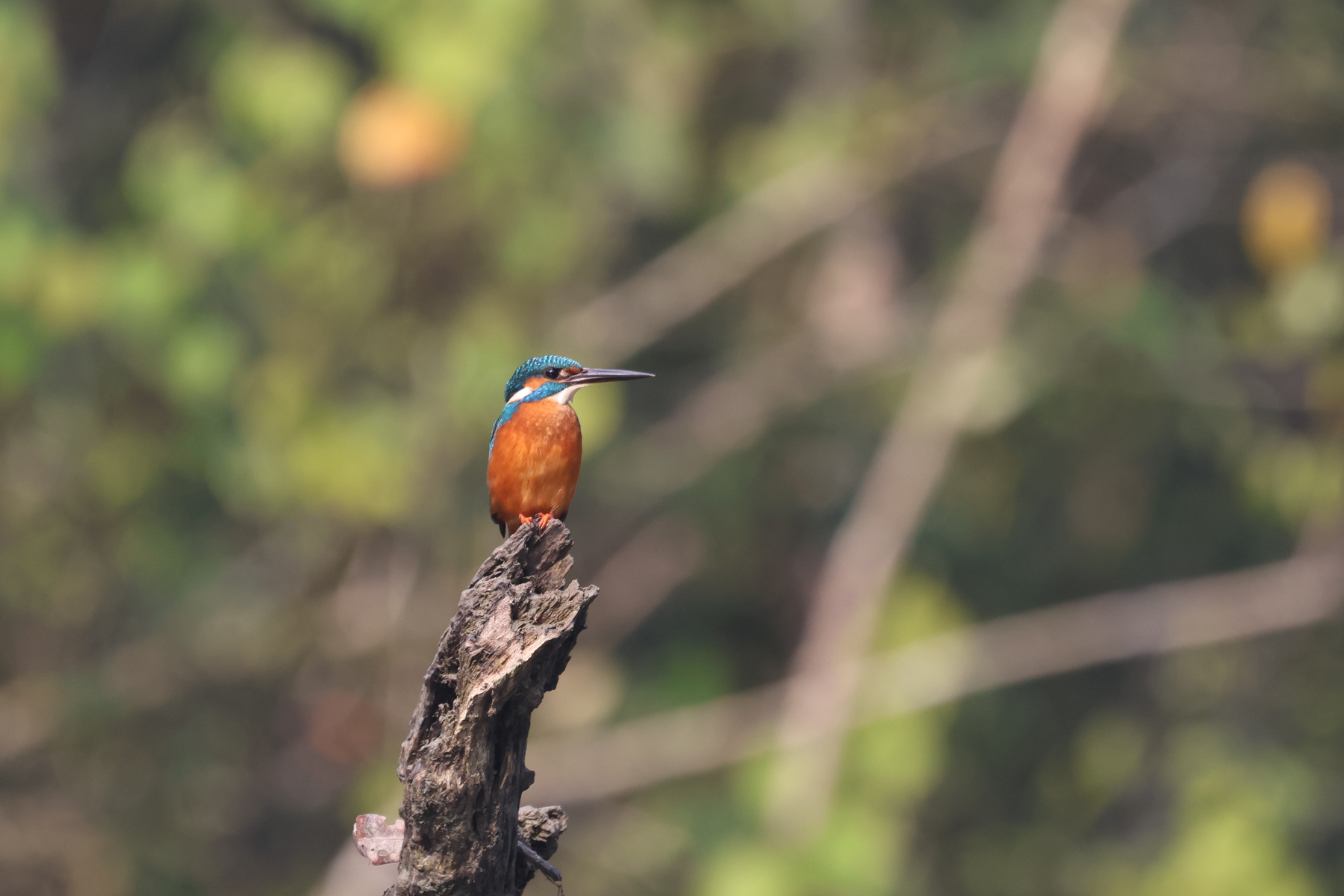
Common Kingfisher (image by Hannu Jännes)
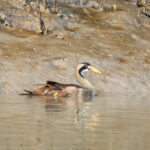


Masked Finfoot (image by Hannu Jännes)
Cachar Bulbul (image by Hannu Jännes)
Mangrove Pitta (image by Hannu Jännes)
Buffy Fish Owl (image by Hannu Jännes)
Masked Finfoot (image by Hannu Jännes)
Brown-winged Kingfisher (image by Hannu Jännes)
Ruddy Kingfisher (image by Hannu Jännes)
Striated Babbler (image by Hannu Jännes)
Rufous Woodpecker (image by Hannu Jännes)
Streak-breasted Woodpecker (image by Mika Ohtonen)
Bawali (image by Hannu Jännes)
Square-tailed Drongo Cuckoo (image by Hannu Jännes)
Golden-fronted Leafbird (image by Hannu Jännes)
Chestnut-tailed Starling (image by Hannu Jännes)
Speckled Piculet (image by Mika Ohtonen)
Siberian Rubythroat (image by Mika Ohtonen)
Red-whiskered Bulbul (image by Hannu Jännes)
Rhesus Macaque (image by Hannu Jännes)
Scarlet Minivet (image by Hannu Jännes)
Shikra (image by Hannu Jännes)
Greater Yellownape (image by Hannu Jännes)
Masked Finfoot (image by Hannu Jännes)
Striated Grassbird (image by Hannu Jännes)
Banded Bay Cuckoo (image by Hannu Jännes)
Greater Flamebacks (image by Hannu Jännes)
Crew (image by Hannu Jännes)
Golden-fronted Leafbird (image by Hannu Jännes)
Chestnut-tailed Starling (image by Hannu Jännes)
Country Boat (image by Hannu Jännes)
Brahminy Kite (image by Hannu Jännes)
Blue-throated Barbets (image by Hannu Jännes)
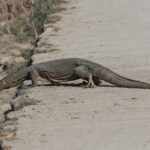
Asian Monitor (image by Hannu Jännes)
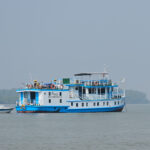
Bawali (image by Hannu Jännes)
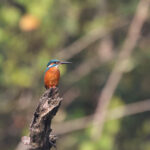
Common Kingfisher (image by Hannu Jännes)


BANGLADESH & THE SUNDARBANS TOUR REPORT 2026

14 - 23 February 2026
Hannu Jännes
Our first scheduled tour to Bangladesh, building on the successful 2024 expedition, proved highly rewarding. The tour’s main objective, the critically endangered Masked Finfoot, exceeded all expectations, as during our six-night stay in the Sundarbans, we enjoyed prolonged and excellent views of three different individuals. Another priority species, the elusive White-eared Night Heron, required both patience and timing but ultimately we had satisfactory views of a single bird. A third key target was the very localized Cachar Bulbul, restricted to a small area of northeastern Bangladesh and adjacent India, which was seen well in Satchari National Park. An additional highlight was spending an extended time at the park’s canopy tower, where flowering and fruiting trees attracted a rich diversity of forest birds, often allowing close and prolonged views well suited for photography. Our exploration of the Sundarbans, both small country boat through narrow mangrove channels and on foot along well-build boardwalks, produced an impressive array of species. These included Buffy Fish Owl, Brown-winged, Black-capped, Ruddy and Collared Kingfishers, an outstanding Mangrove Pitta and twelve species of woodpecker, amongst which was the sought-after Streak-breasted Woodpecker. Mammal highlights were Ganges and Irrawaddy Dolphins, Asian Small-clawed Otter and Leopard Cat. Spending six nights aboard our vessel deep within the Sundarbans added a particularly memorable and tranquil dimension to the experience.
The tour began with an early departure from Dhaka to avoid the city’s heavy traffic. Our destination, Satchari National Park in northeastern Bangladesh, is a compact but species-rich protected forest. Upon arrival, we visited a tall observation tower offering panoramic views over the surrounding forest canopy. The flowering and fruiting trees around the tower attracted an impressive diversity of birds and a few mammals including Ashy-headed and Yellow-footed Green Pigeons, Banded Bay Cuckoo, Crested Serpent Eagle, Crested Goshawk, Chestnut-headed Bee-eater, several Oriental Dollarbirds, Greater Flameback, Black-headed and Black-crested Bulbuls, Blue-throated, Coppersmith and Lineated Barbets, Square-tailed Drongo-Cuckoo, Vernal Hanging-Parrot, Red-breasted Parakeet, Bar-winged Flycatcher-shrike, Common Iora, Common Hill Myna, Chestnut-tailed Starling, Red-whiskered Bulbul, Golden-fronted Leafbird, Purple-rumped and Crimson Sunbirds, Scarlet-backed Flowerpecker, Irrawaddy Squirrel and Capped Langur. Later in the day we spent several hours at a forest drinking pool, where our main target, the Cachar Bulbul, eventually appeared and provided excellent views. The pool and the surrounding forest also attracted a variety of other species including Black-breasted Thrush, Greater-necklaced Laughingthrush, Greater Racket-tailed Drongo, Blue-bearded Bee-eater, Greater Yellownape, White-throated Bulbul, Black-naped Monarch, Puff-throated Babbler and White-tailed Robin. During the day we also saw Small, Rosy and Swinhoe’s Minivets, Green-crowned Warbler, Greater Flameback and Pale-billed Flowerpecker. A group of Western Hoolock Gibbons added a memorable mammal highlight. In the evening, we continued to our comfortable resort, where we enjoyed a Valentine’s Day dinner buffet.
The following day, after observing a pair of Brown Boobooks in the hotel garden, we returned to Satchari. We again spent the early morning hours at the observation tower, where we encountered many of the species seen the previous day, along with several new additions. These included Red Junglefowl, Thick-billed Green Pigeon, Green-billed Malkoha, Blue-eared Barbet, an excellent Violet Cuckoo, Hair-crested Drongo, Black-winged Cuckooshrike, Blossom-headed Parakeet, Lesser Yellownape, Ashy Woodswallow, a singing male Van Hasselt’s Sunbird (one of the most striking of the family) and Taiga Flycatcher.
Later, we explored the park’s trails and revisited the forest drinking pool, where we added several more species to our list, including Asian Barred Owlet, Oriental Pied Hornbill, Large Woodshrike, Yellow-vented Warbler, our first visual encounter with Abbott’s Babbler, White-rumped Shama, Blue-throated Flycatcher and Ruby-cheeked Sunbird. A Blue-naped Pitta was heard calling but remained unseen.
Early the next morning we visited Baikka Beel, a large and bird-rich wetland to the north. As our time was limited, we focused on the more open shoreline areas, which held exceptionally high numbers of birds. Among the many species recorded were Cotton Pygmy Goose, Purple Swamphen, Grey-headed Lapwing, Pheasant-tailed Jacana, Common Snipe, Spotted Redshank, Oriental Darter, Glossy Ibis, Asian Openbill, Little and Great Cormorants, Brahminy Kite, a wide selection of ducks and egrets, Striated Babbler, Richard’s and Rosy Pipits, Bengal Bush Lark, Eastern Yellow (two forms) and Citrine Wagtails and Greater Spotted Eagle. After this productive stop, we continued by road through several busy towns en route to Mawa, arriving well after nightfall.
At sunrise the following morning, we arrived at a birding site along the Padma River (the Ganges). During a productive three-hour visit, we recorded Siberian Rubythroat, Thick-billed, Paddyfield and Blyth’s Reed Warblers, Eastern Marsh Harrier, large numbers of Common Snipe and an unexpected Jack Snipe, as well as White-tailed Stonechat, Chestnut Munia, Rosy Minivet, Delicate and Plain Prinias, Paddyfield Pipit and several other species. After this rewarding session, we continued to Khulna port, where we soon boarded a small skiff for the short transfer to our riverboat, Bawali, which would be our home for the next six nights. Once aboard, we settled into our cabins, familiarised ourselves with the dining and communal areas, and gathered on the spacious observation deck as the journey truly began. We initially travelled through the densely populated lowlands of Bangladesh, but as daylight faded the scenery gradually gave way to quieter, less inhabited waterways. During the afternoon, we observed several dolphins, all of which were identified as Ganges River Dolphins. By evening, we had reached the edge of the renowned Sundarbans. Along the way, we became acquainted with our friendly crew and enjoyed our first taste of the excellent Bangladeshi cuisine that would be a highlight throughout our time on board.
Setting out before dawn the following morning, we were filled with anticipation at the prospect of encountering a Masked Finfoot and other notable wildlife as our skiff (locally known as a ‘country boat’) left Bawali and headed into a mangrove-lined channel. With our thermal cameras fully charged, we began our exploration and soon encountered the first highlight of the day, a Buffy Fish Owl hunting along the channel edge, giving us superb close-range views. After sunrise, we attempted to enter a narrow side channel that has recently been frequented by a female Masked Finfoot. However, the tide was still too low, forcing us to continue along the main channel. Before long, Mika expertly detected a male Masked Finfoot, roosting midway up a large tree overhanging the water. We approached slowly and were ultimately rewarded with exceptionally clear views as the bird remained motionless on a thick branch. According to our highly experienced local guide, Romeo, this was a particularly rare sighting—only the second roosting individual he had encountered during his many journeys through these waterways. The excitement continued when we soon located a second Masked Finfoot, this time a female, that allowed prolonged views as it walked along the muddy banks and swam in the channel.
The extensive mangrove forests lining the broad, mud-fringed waterways also produced multiple sightings of the impressive, range-restricted, Brown-winged Kingfisher, along with numerous striking Black-capped Kingfishers. The Sundarbans’ dense mangrove forests also conceal a surprising diversity of mammals. Over the course of our combined morning and evening boat safaris, we observed two Mainland Leopard Cats, two Asian Small-clawed Otters, numerous Chital (Spotted Deer), several Greater Bandicoot Rats climbing in bushes along the channels and Rhesus Macaques. In the afternoon, we visited a boardwalk at Kalabogi, just a short boat ride from our anchorage. This allowed us to venture deeper into the mangrove forest and provided improved viewing opportunities for several species characteristic of the habitat. Our primary target was Mangrove Pitta, which we heard calling on several occasions but were unfortunately unable to see. Nonetheless, the visit proved productive, giving us our first Collared Kingfishers and Black-rumped Flamebacks, Brown-capped and Grey-headed Woodpeckers, Greater Flameback, an excellent flock of Small Minivets, several striking Velvet-fronted Nuthatches and our first good views of Brown Shrike. As dusk fell, we returned to the narrow channels by country boat in search of another regional specialty, the White-eared Night Heron. However, one participant became unwell, necessitating an immediate return to the vessel. We did venture out again later in the evening, but by then the tide was at its highest, and bird activity was limited during our second excursion.
Early the following morning we returned to the Kalabogi boardwalk, where we soon located one of the Mangrove Pittas known to frequent the area. The bird showed exceptionally well, allowing excellent and prolonged views. Other species recorded during the morning included a heard-only Large-tailed Nightjar, Common Flameback, Hair-crested Drongo and Asian Monitor. In the late afternoon we headed back into the channels to search for White-eared Night Heron. Despite a great deal of effort, the heron was not detected, leading us to question whether we needed a different approach.
The following morning, we returned to the mangrove-lined channels and relocated the male Masked Finfoot observed earlier. However, the bird remained extremely shy and stayed concealed in dense vegetation despite a long wait. Bird activity otherwise followed a familiar pattern, with regular sightings including four species of kingfishers, Shikras, numerous Great Egrets, several Little Egrets, Indian Pond Herons and Striated Herons, as well as Oriental Turtle Doves. We also recorded Pin-striped Tit Warblers, Black-naped Monarchs, Purple Sunbirds, Greenish Warblers and Chestnut-tailed Starlings, although most were heard calling rather than seen. In the afternoon, we visited the Kalabogi boardwalk for the third time and were finally rewarded with excellent views of a Ruddy Kingfisher, a scarce species in the area. The visit also produced a good selection of woodpeckers with Greater Yellownape, Rufous Woodpecker, Speckled Piculet, Grey-capped Pygmy Woodpecker, Greater Flameback and Grey-headed Woodpecker. Other notable species included Velvet-fronted Nuthatch, Taiga Flycatcher, Dusky Warbler and Scarlet-backed Flowerpecker. During the evening, we returned to the waterways, this time coinciding with a falling tide. This proved highly productive, as we located a striking, though somewhat shy, White-eared Night Heron along one of the main channels. The bird was later relocated giving us further views of this much desired species. Having covered the same area during previous visits on a rising tide, it became evident that this heron favors falling tide conditions and freshly exposed, wet mudbanks. Other highlights during the evening included several Buffy Fish Owls, a calling Brown Wood Owl, briefly seen by some participants,and calling Oriental Scops Owls.
Early next morning, we repositioned our boat to a new site approximately two hours away and explored a different network of mangrove channels. Here we encountered our third Masked Finfoot of the tour, an impressive female that, after a patient wait, became very confiding and gave us excellent views. In the afternoon, we visited the Shekkertrek area, home to a 16th-century Hindu temple now largely reclaimed by the surrounding jungle. Although bird activity was relatively subdued, we recorded only our second Lesser Yellownape of the tour, along with our first Red-whiskered Bulbuls and Jungle Mynas in the Sundarbans. The day concluded with an evening excursion along another channel, where an obliging Oriental Scops Owl provided fine views. We also heard two Collared Scops Owls calling nearby, though unfortunately neither chose to reveal itself.
The morning of our final full day in the Sundarbans began with a visit to the Karamjal boardwalk. Focusing our search we were rewarded with sightings of two Streak-breasted Woodpeckers, alongside five other woodpecker species already recorded on the tour. Additional highlights included a confiding Green-billed Malkoha, Oriental Cuckooshrike, Black-hooded and Black-naped Orioles, Greater Racket-tailed, Ashy and Hair-crested Drongos, Orange-bellied Flowerpecker, two Forest Wagtails, Scaly-breasted Munia and a White Wagtail of the alboides form. The visit was further enlivened by several bold Rhesus Macaques, one of which craftily relieved Jesper of his packet of biscuits. In the afternoon, we undertook a longer walk, through a village and adjacent agricultural areas, along the Rupsha River. Notable sightings included an exceptionally cooperative Plaintive Cuckoo, Red-collared Doves, Grey-headed Lapwings, one of the few Black-winged Kites recorded during the tour and only the second Asian Green Bee-eaters of the trip. We also observed a Fulvous-breasted Woodpecker, a Brown Shrike and numerous Long-tailed Shrikes, several Plain Prinias and Zitting Cisticolas, Blyth’s Reed Warblers, Bluethroats, a fine male Siberian Rubythroat, White-rumped and Scaly-breasted Munias, a cooperative Paddyfield Pipit, Common Rosefinch and a Small Indian Mongoose. Earlier in the day, during a river cruise, Jesper also spotted two Irrawaddy Dolphins, adding a new mammal species to the tour list.
On our final evening, we sailed back to Khulna, where some of us visited the local market and shared a farewell dinner together. The following day, we travelled back to Dhaka, bringing the tour to a close. En route, we made a final stop to look for Bank Myna, which proved to be the final addition to the bird list. In Dhaka, it was time to say our goodbyes and thank everyone for their excellent company—an essential element to any tour that, together with the outstanding birds and memorable locations, made the tour such an enjoyable and rewarding experience. Special thanks go to our guides, Sayamol and Haris in the north, as well as to Romeo and the excellent boat crew in the Sundarbans.
BIRDS OF THE TRIP’ WINNERS 2026:
1st: Masked Finfoot
2nd: White-eared Night Heron
3rd: Mangrove Pitta
4th: Buffy Fish Owl & Cachar Bulbul
5th: Brown-Winged Kingfisher
SYSTEMATIC LIST OF SPECIES RECORDED DURING THE MAIN TOUR
Species marked with the diamond symbol (◊) are either endemic to the country or local region or considered ‘special’ birds for some other reason (e.g., it is only seen on one or two Birdquest tours; it is difficult to see across all or most of its range; the local form is endemic or restricted-range and may in future be treated as a full species).
The species names and taxonomy used in the bird list follow Gill, F., Donsker, D., & Rasmussen, P. (Eds). 2025. IOC World Bird List (v15.1).
Where the subspecies seen is/are known, these are often given in the species comment.
BIRDS
Lesser Whistling Duck Dendrocygna javanica Non-leader. One at Baikka Beel.
Ferruginous Duck Aythya nyroca 200 or so at Baikka Beel.
Cotton Pygmy Goose Nettapus coromandelianus 25 at Baikka Beel.
Northern Shoveler Spatula clypeata Small numbers at Baikka Beel.
Garganey Spatula querquedula Small numbers Baikka Beel.
Gadwall Mareca strepera Small number seen at Baikka Beel.
Eurasian Wigeon Mareca penelope Small number noted at Baikka Beel.
Northern Pintail Anas acuta Small numbers at Baikka Beel.
Green-winged Teal Anas crecca Small number noted at Baikka Beel.
Red Junglefowl Gallus gallus A few in the Kachari NP and then again in the Sundarbans [murghi].
Little Grebe Tachybaptus ruficollis Small numbers at Baikka Beel.
Greater Coucal Centropus sinensis Seen most days [sinensis].
Green-billed Malkoha Phaenicophaeus tristis Two, one in Kachari and another at Karamjal [tristis].
Asian Koel Eudynamys scolopaceus Noted on seven days.
Banded Bay Cuckoo Cacomantis sonneratii Great views at Kachari [sonneratii].
Plaintive Cuckoo Cacomantis merulinus One at Halia village on our last afternoon [querulus].
Square-tailed Drongo-Cuckoo Surniculus lugubris Two gave great views in Kachari [brachyurus].
Spotted Dove Spilopelia chinensis Widespread [tigrine].
Red Collared Dove Streptopelia tranquebarica Noted on two days in the agricultural areas.
Oriental Turtle Dove Streptopelia orientalis Common in the Sundarbans [agricola].
Eurasian Collared Dove Streptopelia decaocto
Rock Dove Columba livia
Common Emerald Dove (Asian E D) Chalcophaps indica Two in Sachari [indica].
Ashy-headed Green Pigeon Treron phayrei A pair on both visits to Sachari.
Thick-billed Green Pigeon Treron curvirostra Four in Sachari on our second visit [nipalensis].
Yellow-footed Green Pigeon Treron phoenicopterus Noted in Sachari [phoenicopterus].
Masked Finfoot ◊ Heliopais personatus Brilliant encounters with a male and two females in the Sundarbans. This critically endangered species, with an estimated global population of only 100–300 individuals, faces multiple threats even within protected areas. These include hunting, the collection of eggs and chicks, illegal forest clearance, and the use of poisons in fishing. The widespread use of monofilament fishing nets is likely the most serious threat, as it causes significant disturbance and results in substantial bycatch, including finfoots. In addition, sea-level rise poses a major long-term challenge to conservation efforts in the Sundarbans. There is already clear evidence that saltwater intrusion is reducing available feeding habitat, with the species’ breeding range gradually retreating towards the northern edge of the mangrove forests.
Eurasian Coot Fulica atra Small numbers at Baikka Beel.
Purple Swamphen (Grey-headed S) Porphyrio [porphyrio] poliocephalus Small numbers at Baikka Beel.
White-breasted Waterhen Amaurornis phoenicurus A handful of birds seen.
Little Ringed Plover Thinornis dubius Ten or so.
Grey-headed Lapwing ◊ Vanellus cinereus Noted on four days with ca30 at Baikka Beel being the highest number.
Red-wattled Lapwing Vanellus indicus One at Kamargaon.
Tibetan Sand Plover Anarhynchus atrifrons Non-leader. 50 or so in the Sundarbans one evening [atrifrons].
Pheasant-tailed Jacana Hydrophasianus chirurgus Small numbers at Baikka Beel.
Bronze-winged Jacana Metopidius indicus Seen on two days.
Eurasian Whimbrel Numenius phaeopus Small numbers in the Sundarbans [rogachevae].
Jack Snipe Lymnocryptes minimus One was flushed at Kamargaon. A nice surprise.
Common Snipe Gallinago gallinago Common at Baikka Beel and especially at Kamargaon.
Common Sandpiper Actitis hypoleucos
Green Sandpiper Tringa ochropus A few were noted.
Marsh Sandpiper Tringa stagnatilis 30 at Baikka Beel.
Wood Sandpiper Tringa glareola Noted on three days with 100 at Baikka Beel being the highest count.
Common Redshank Tringa totanus Non-leader. One in the Sundarbans [atrifrons].
Common Greenshank Tringa nebularia One on the way to Satchari.
Spotted Redshank Tringa erythropus Small numbers noted at Baikka Beel.
Temminck’s Stint Calidris temminckii Small numbers at Baikka Beel.
Little Stint Calidris minuta Small numbers at Baikka Beel.
Ruff Calidris pugnax 50 or so at Baikka Beel.
Asian Openbill Anastomus oscitans Noted on four days in the agricultural areas.
Lesser Adjutant Leptoptilos javanicus One in the Sundarbans.
Oriental Darter Anhinga melanogaster Small numbers at Baikka Beel.
Little Cormorant Microcarbo niger Seen on five days in the agricultural areas. No sightings in the Sundarbans.
Great Cormorant Phalacrocorax carbo Small numbers at Baikka Beel.
Glossy Ibis Plegadis falcinellus Small numbers at Baikka Beel.
Black-headed Ibis Threskiornis melanocephalus Small numbers at Baikka Beel.
White-eared Night Heron ◊ Oroanassa magnifica One in the Sundarbans on the third ‘night drive’.
Little Egret Egretta garzetta Widespread.
Black-crowned Night Heron Nycticorax nycticorax Noted on three days.
Little Heron Butorides atricapilla Noted almost daily in the Sundarbans [javanica].
Indian Pond Heron Ardeola grayii Widespread and common.
Great Egret (Eastern G E) Ardea [alba] modesta Widespread and common.
Medium Egret Ardea intermedia Small numbers at Baikka Beel.
Eastern Cattle Egret Ardea coromanda Seen in the agricultural areas. None seen in the Sundarbans.
Purple Heron Ardea purpurea Non-leader. One at Baikka Beel.
Grey Heron Ardea cinerea Seen on two days.
Large-tailed Nightjar Caprimulgus macrurus Heard only [bimaculatus].
Asian Palm Swift Cypsiurus balasiensis Noted almost daily [infumatus].
House Swift Apus nipalensis A small flock on the way back to Dhaka [nipalensis].
Brown Boobook Ninox scutulata A pair at our resort near Satchari and a heard only bird in Mava [lugubris].
Spotted Owlet Athene brama Heard only [ultra].
Asian Barred Owlet Glaucidium cuculoides Noted on three days in the north [rufescens].
Collared Scops Owl Otus lettia Heard only in the Sundarbans [lettia].
Oriental Scops Owl Otus sunia Good views of one in the Sundarbans where we also heard several birds [sunia].
Buffy Fish Owl ◊ Ketupa ketupu Great views of several birds during our stay in the Sundarbans. What a beast!
Brown Wood Owl Strix leptogrammica In the Sundarbans one was heard by all (and also glimpsed briefly by some) and another one was heard by Mika only [newarensis].
Osprey (Western O) Pandion [haliaetus] haliaetus Noted on three days in the Sundarbans.
Black-winged Kite Elanus caeruleus Rather scarce. Seen on three days [vociferus].
Crested Honey Buzzard (Oriental H B) Pernis ptilorhynchus One on the way back to Dhaka [ruficollis].
Crested Serpent Eagle Spilornis cheela Noted on five days [cheela].
Greater Spotted Eagle Clanga clanga One at Baikka Beel.
Crested Goshawk Lophospiza trivirgata Two in Satchari and one in the Sundarbans [indicus].
Shikra Tachyspiza badia Rather common in the Sundarbans and one in Satchari [poliopsis].
Eurasian Sparrowhawk Accipiter nisus One in the Sundarbans.
Eastern Marsh Harrier Circus spilonotus One in Karamjal.
Brahminy Kite Haliastur indus
Black Kite Milvus migrans Both forms [lineatus] and [govinda] were seen in more inhabited areas.
Common Hoopoe Upupa epops
Oriental Pied Hornbill Anthracoceros albirostris Two in Satchari.
Oriental Dollarbird Eurystomus orientalis A few in Satchari [cyanocollis].
Indochinese Roller Coracias affinis Few birds were noted in the agricultural areas.
Blue-bearded Bee-eater Nyctyornis athertoni Two in Satchari.
Chestnut-headed Bee-eater Merops leschenaulti Rather common in Satchari [leschenaultia].
Asian Green Bee-eater Merops orientalis Only a few were noted [ferrugeiceps].
Common Kingfisher Alcedo atthis [bengalensis].
Pied Kingfisher Ceryle rudis A few sightings only.
Brown-winged Kingfisher ◊ Pelargopsis amauroptera Conspicious and common in the Sundarbans.
Ruddy Kingfisher ◊ Halcyon coromanda Two sightings in the Sundarbans [coromanda].
Black-capped Kingfisher Halcyon pileata Conspicious and common in the Sundarbans.
White-throated Kingfisher Halcyon smyrnensis Noted on most days [perpulchra].
Collared Kingfisher Todiramphus chloris Small numbers in the Sundarbans [humii].
Coppersmith Barbet Psilopogon haemacephalus A handful of birds seen [indicus].
Blue-eared Barbet Psilopogon cyanotis A few in Satchari.
Lineated Barbet Psilopogon lineatus A few in the north [hodgsoni].
Blue-throated Barbet Psilopogon asiaticus Great views in Satchari, and a few more in Halia village [asiatica].
Eurasian Wryneck Jynx torquilla One at Kamargaon [chinensis].
Speckled Piculet Picumnus innominatus Four with some brilliant views [innominatus].
Rufous Woodpecker Micropternus brachyurus Great views of one at Kalabogi [phaioceps].
Common Flameback Dinopium javanense One at Kalabogi boardwalk [intermedium].
Black-rumped Flameback Dinopium benghalense A handful of birds in the Sundarbans [benghalense].
Lesser Yellownape Picus chlorolophus Two sightings.
Streak-breasted Woodpecker Picus viridanus Two birds at the Karamjal boardwalk.
Grey-headed Woodpecker Picus canus Noted on six days [hessei].
Greater Yellownape Chrysophlegma flavinucha Rather common in all taller forests [flavinucha].
Greater Flameback Chrysocolaptes guttacristatus Fairly widespread, noted on six days [guttacristatus].
Grey-capped Pygmy Woodpecker Yungipicus canicapillus Quite widespread, noted on four days [canicapillus].
Fulvous-breasted Woodpecker Dendrocopos macei Non-leader. One seen by Mika at Halia village [macei].
Rose-ringed Parakeet (introduced) Psittacula krameria Four encounters.
Blossom-headed Parakeet Psittacula roseata Noted on six days.
Red-breasted Parakeet Psittacula alexandri Rather common in Satchari.
Vernal Hanging Parrot Loriculus vernalis Small numbers in Satchari.
Blue-naped Pitta Hydrornis nipalensis Heard only. Two birds were heard at Satchari.
Mangrove Pitta ◊ Pitta megarhyncha Great views of one at Kalabogi. In addition several birds were heard only.
Small Minivet Pericrocotus cinnamomeus Fairly common in the Sundarbans. Also sighted at Satchari [vividus].
Scarlet Minivet Pericrocotus flammeus Small numbers at Satchari [semiruber].
Swinhoe’s Minivet ◊ Pericrocotus cantonensis Non-leader. Two for Mika at Satchari.
Rosy Minivet ◊ Pericrocotus roseus Seen at Satchari and in Kamargaon.
Oriental Cuckooshrike Coracina javensis One at Karamjal [nipalensis].
Black-winged Cuckooshrike Lalage melaschistos One at Satchari.
Ashy Woodswallow Artamus fuscus Small numbers on five days.
Common Iora Aegithina tiphia Small numbers almost daily [tiphia].
Bar-winged Flycatcher-shrike Hemipus picatus Small numbers on five days [capitalis].
Large Woodshrike Tephrodornis virgatus Two at Satchari.
Black-hooded Oriole Oriolus xanthornus Noted daily [xanthornus].
Black-naped Oriole (Chinese Golden O) Oriolus [chinensis] diffusus A total of four in the Sundarbans.
White-throated Fantail Rhipidura albicollis Heard only. Several birds were heard singing, but no visual contact [stanleyi].
Bronzed Drongo Dicrurus aeneus Common in the Sundarbans [aeneus].
Greater Racket-tailed Drongo Dicrurus paradiseus Noted almost daily [grandis].
Hair-crested Drongo Dicrurus hottentottus Seen on three days [hottentottus].
Ashy Drongo Dicrurus leucophaeus Sighted in Satchari on both days and also in Karamjal [hopwoodi].
Black Drongo Dicrurus macrocercus Locally very common [albrictus].
Black-naped Monarch Hypothymis azurea Widespread [stanyi].
Long-tailed Shrike Lanius schach Rather common in the agricultural areas [tricolor].
Brown Shrike Lanius cristatus Only a few noted [cristatus].
Rufous Treepie Dendrocitta vagabunda [vagabunda]
House Crow Corvus splendens [splendens]
Large-billed Crow (Eastern Jungle C) Corvus [macrorhynchos] levaillantii
Grey-headed Canary-flycatcher Culicicapa ceylonensis A handful of birds in Satchari [calochrysea].
Cinereous Tit Parus cinereus Noted daily in the Sundarbans [nipalensis].
Bengal Bush Lark ◊ Plocealauda assamica Singing birds at Baikka Beel and Kamargaon.
Common Tailorbird Orthotomus sutorius Noted daily [patia].
Delicate Prinia Prinia lepida A few with great views at Kamargaon [stevensi].
Plain Prinia Prinia inornata Noted at Kamargaon and in Halia. Subspecies involved is [fusca], ‘Brahmaputra Prinia’, a potential split.
Zitting Cisticola Cisticola juncidis Noted at Kamargaon and in Halia [cursitans].
Paddyfield Warbler Acrocephalus agricola A few with excellent views at Kamargaon.
Blyth’s Reed Warbler Acrocephalus dumetorum Noted at Kamargaon and in Halia.
Thick-billed Warbler Arundinax aedon One at Kamargaon.
Striated Grassbird Megalurus palustris Common at Baikka Beel and Kamargaon. Also noted on the way back to Dhaka [toklao].
Grey-throated Martin Riparia chinensis Two at Kamargaon.
Sand Martin (Bank Swallow) Riparia riparia Non-leader. One at Baikka Beel.
Barn Swallow Hirundo rustica Widespread.
Yellow-browed Warbler Phylloscopus inornatus Heard on most days, but sighted only a couple of times.
Dusky Warbler Phylloscopus fuscatus Noted almost daily.
Green-crowned Warbler Phylloscopus burkii One was seen and another one heard at Katchari.
Greenish Warbler Phylloscopus trochiloides Noted almost daily [trochiloides].
Yellow-vented Warbler ◊ Phylloscopus cantator Good views of one at Satchari.
Black-headed Bulbul Microtarsus melanocephalos Common at Satchari.
Black-crested Bulbul Rubigula flaviventris Rather common at Satchari [flaviventris].
Red-whiskered Bulbul Pycnonotus jocosus Noted at Satchari, Shekkertrek and Karamjal [monticola].
Red-vented Bulbul Pycnonotus cafer Widespread [bengalensis].
White-throated Bulbul ◊ Alophoixus flaveolus Several birds at Satchari.
Cachar Bulbul ◊ Iole cacharensis Two at the drinking pool in Satchari. Great views!
Indian White-eye Zosterops palpebrosus Widespread [palpebrosus].
Pin-striped Tit-Babbler Mixornis gularis Widespread but more often heard than seen [rubricapilla].
Puff-throated Babbler Pellorneum ruficeps Good views at Satchari [chamelum].
Abbott’s Babbler Malacocincla abbotti Good views at Satchari [abbotti].
Striated Babbler Argya earlei Noted at Baikka Beel and Kamargaon.
Greater Necklaced Laughingthrush Pterorhinus pectoralis Good views at Satchari [pectoralis].
Velvet-fronted Nuthatch Sitta frontalis Noted daily in the Sundarbans [frontalis].
Common Hill Myna Gracula religiosa Rather common in Satchari [peninsularis].
Indian Pied Myna Gracupica contra Common in the agricultural areas [sordida].
Chestnut-tailed Starling Sturnia malabarica Widespread [malabarica].
Bank Myna ◊ Acridotheres ginginianus Six at a stake-out on the way back to Dhaka.
Common Myna Acridotheres tristis Common in the agricultural areas.
Jungle Myna Acridotheres fuscus Locally common in the agricultural areas.
Black-breasted Thrush Turdus dissimilis One gorgeous male at Satchari.
Oriental Magpie-Robin Copsychus saularis Widespread, noted almost daily [erimelas].
White-rumped Shama Copsychus malabaricus Two birds in Satchari [indicus].
Verditer Flycatcher Eumyias thalassinus One in Satchari [thalassinus].
Blue-throated Blue Flycatcher Cyornis rubeculoides Non-leader bird at Satchari [rogersi].
Bluethroat Luscinia svecica A few birds at Kamargaon and Halia.
Siberian Rubythroat Calliope calliope One female at Kamargaon and a showy male at Halia.
White-tailed Robin Myiomela leucura Couple of sightings at the drinking pool in Satchari [leucura].
Taiga Flycatcher Ficedula albicilla A handful of birds.
White-tailed Stonechat ◊ Saxicola leucurus One at Kamargaon.
Siberian Stonechat Saxicola maurus Three at Kamargaon [maurus].
Orange-bellied Flowerpecker Dicaeum trigonostigma A few at Karamjal boardwalk. Good looking bird!
Pale-billed Flowerpecker Dicaeum erythrorhynchos Sighted at Satchari and Kamargaon.
Scarlet-backed Flowerpecker Dicaeum cruentatum Widespread in small numbers [cruentatum].
Little Spiderhunter Arachnothera longirostra A few at Satchari NP [longirostra].
Ruby-cheeked Sunbird Chalcoparia singalensis Two at Satchari NP [assamensis].
Purple-rumped Sunbird Leptocoma zeylonica Noted at Satchari and then again at Karamjal and Halia.
Van Hasselt’s Sunbird Leptocoma brasiliana Great scope views of a singing male at Satchari. What a bird! [brasiliana]
Crimson Sunbird Aethopyga siparaja Widespread in small numbers [labecula].
Purple Sunbird Cinnyris asiaticus Small numbers seen daily in the Sundarbans [intermedius].
Golden-fronted Leafbird Chloropsis aurifrons Noted on five days with amazing close-up views in Satchari [aurifrons].
Asian Fairy-bluebird Irena puella Heard only. A few were heard in Satchari [puella].
Baya Weaver Ploceus philippinus 15 at Kamargaon [burmanicus].
Scaly-breasted Munia Lonchura punctulata Noted on two days [subundulata].
White-rumped Munia Lonchura striata One at Karamjal and another at the Halia village [acuticauda].
Chestnut Munia Lonchura atricapilla A flock of 40 at Kamargaon.
House Sparrow Passer domesticus Rather common around villages/towns [indicus].
Forest Wagtail ◊ Dendronanthus indicus Two at Karamjal.
Citrine Wagtail Motacilla citreola Small numbers at Baikka Beel and Kamargaon [citreola].
Eastern Yellow Wagtail Motacilla tschutschensis Small numbers at Baikka Beel and Kamargaon
White Wagtail (Himalayan W) Motacilla [alba] alboides One at Karamjal and another at Halia village
White-browed Wagtail Motacilla maderaspatensis A few sightings.
Richard’s Pipit Anthus richardi Small numbers at Baikka Beel and Kamargaon.
Paddyfield Pipit Anthus rufulus Two at Kamargaon and one in Halia [rufulus].
Rosy Pipit Anthus roseus Five at Baikka Beel.
Common Rosefinch Carpodacus roseus Non-leader bird at the Halia village.
MAMMALS
Jungle Cat Felis chaus Good views at Kamargaon.
Mainland Leopard Cat Prionailurus bengalensis Two sightings in the Sundarbans.
Small Indian Mongoose Urva auropunctata One near the Halia village.
Golden Jackal (Common J) Canis aureus Five with some good views at Kamargaon.
Asian Small-clawed Otter ◊ Lutra cinerea Several sightings in the Sundarbans.
Eurasian Wild Pig Sus scrofa Several sightings in the Sundarbans.
Chital Axis axis Common in the Sundarbans.
Northern Red Muntjac Muntiacus vaginalis Seen and heard in Katchari NP.
Ganges River Dolphin Platanista gangetica Twenty on the cruise from Khulna to Kalabogi on our first evening, but only a scattered few after that.
Irrawaddy Dolphin Orcaella brevirostris Non-leader. Jesper had two on our last day in the Sundarbans.
Assamese Macaque Macaca assamensis One in Katchari.
Rhesus Macaque Macaca mulatta Widespread, noted almost daily.
Capped Langur Trachypithecus pileatus Small numbers in Katchari.
Western Hoolock Gibbon Hoolock hoolock Small numbers in Katchari.
Irrawaddy Squirrel Callosciurus pygerythrus Small numbers in Katchari.
Black Rat Rattus rattus A few in our vessel!
Greater Bandicoot Rat Bandicota indica Noted on all our ‘night drives’ in the Sundarbans.
REPTILES
Asian Monitor Varanus salvator Two sightings.
Saltwater Crocodile Crocodylus porosus Two sightings.