
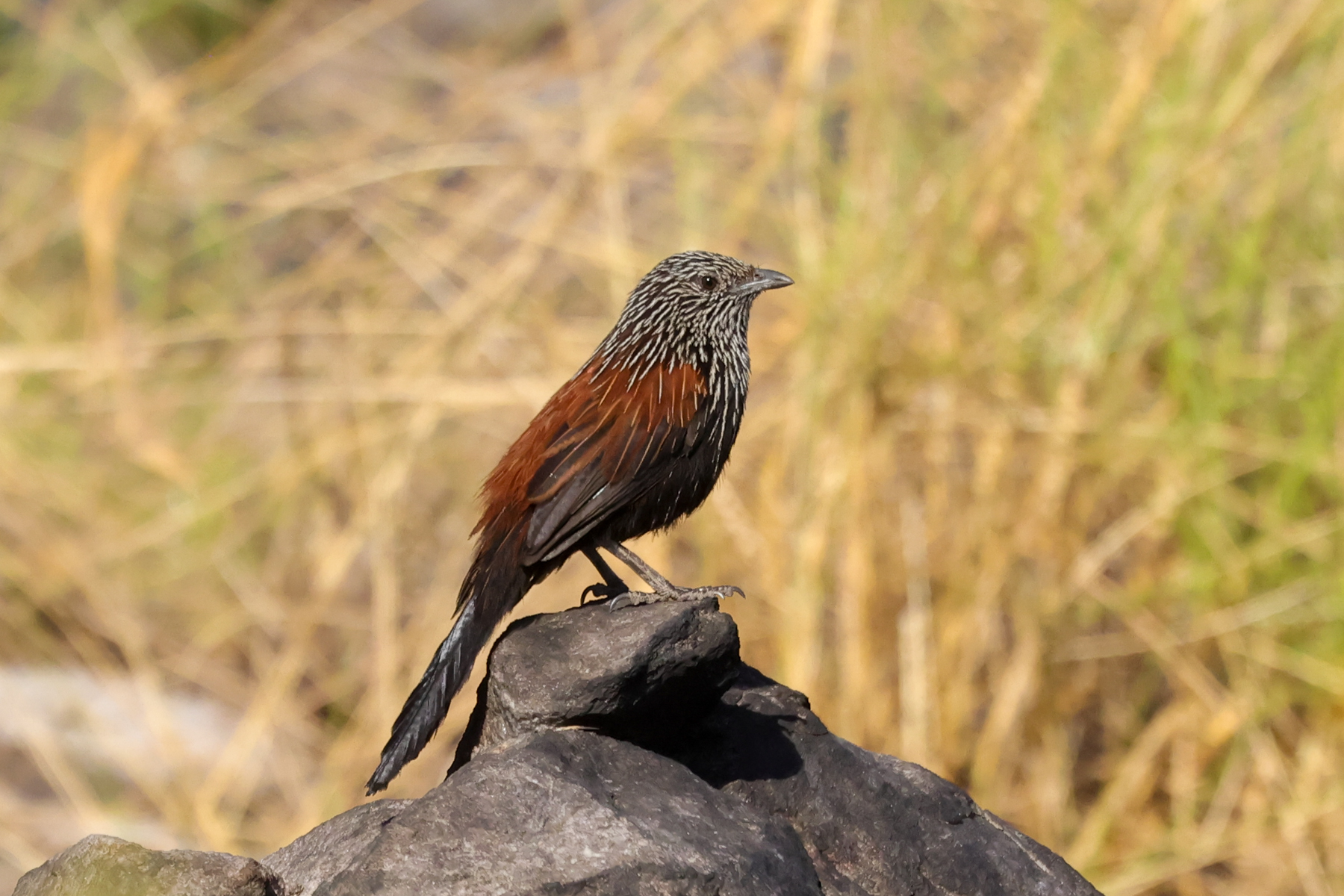
Black Grasswren (image by Hannu Jännes)
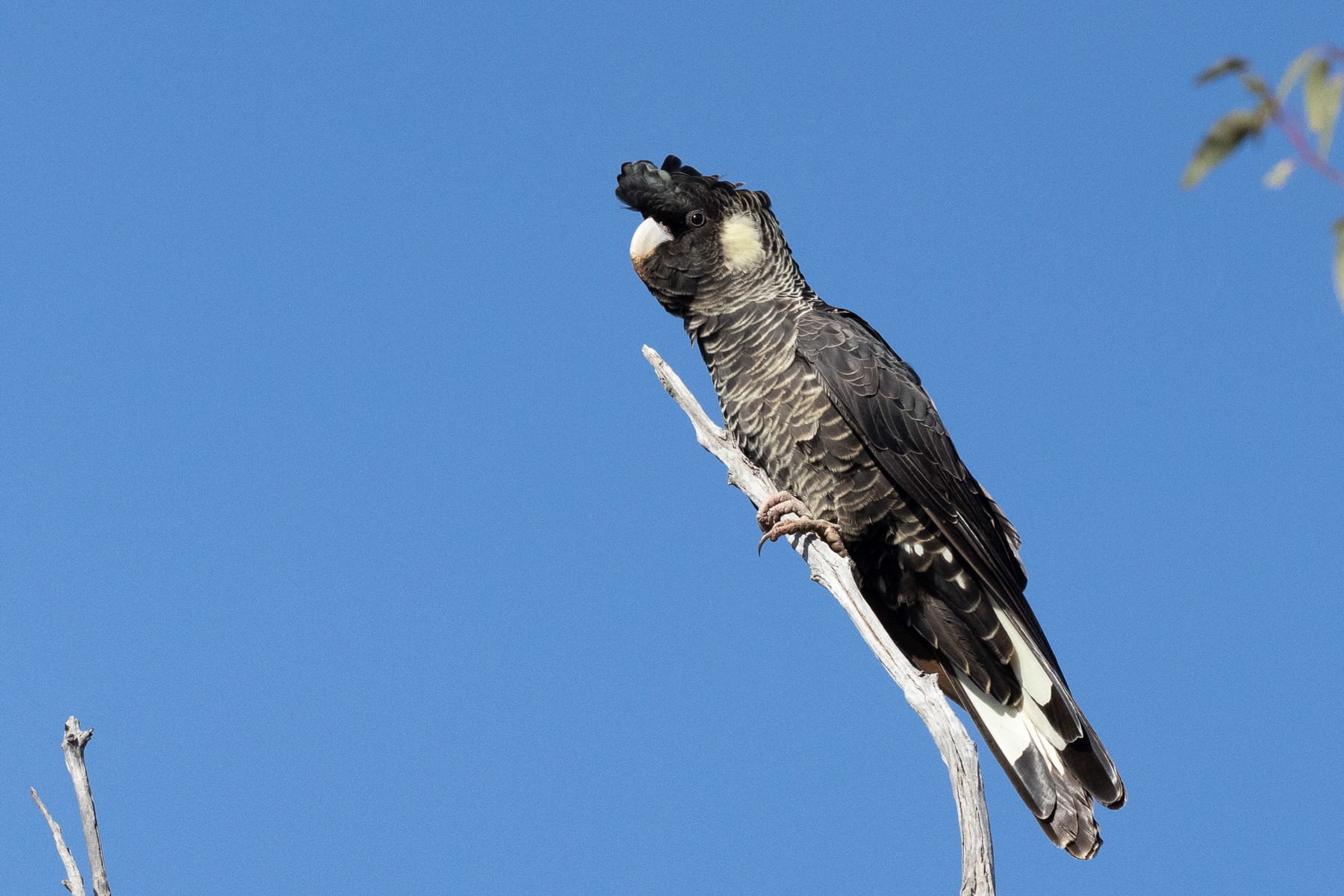
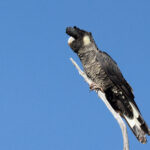
Baudin's Black Cockatoo (image by Frederic Pelsy)
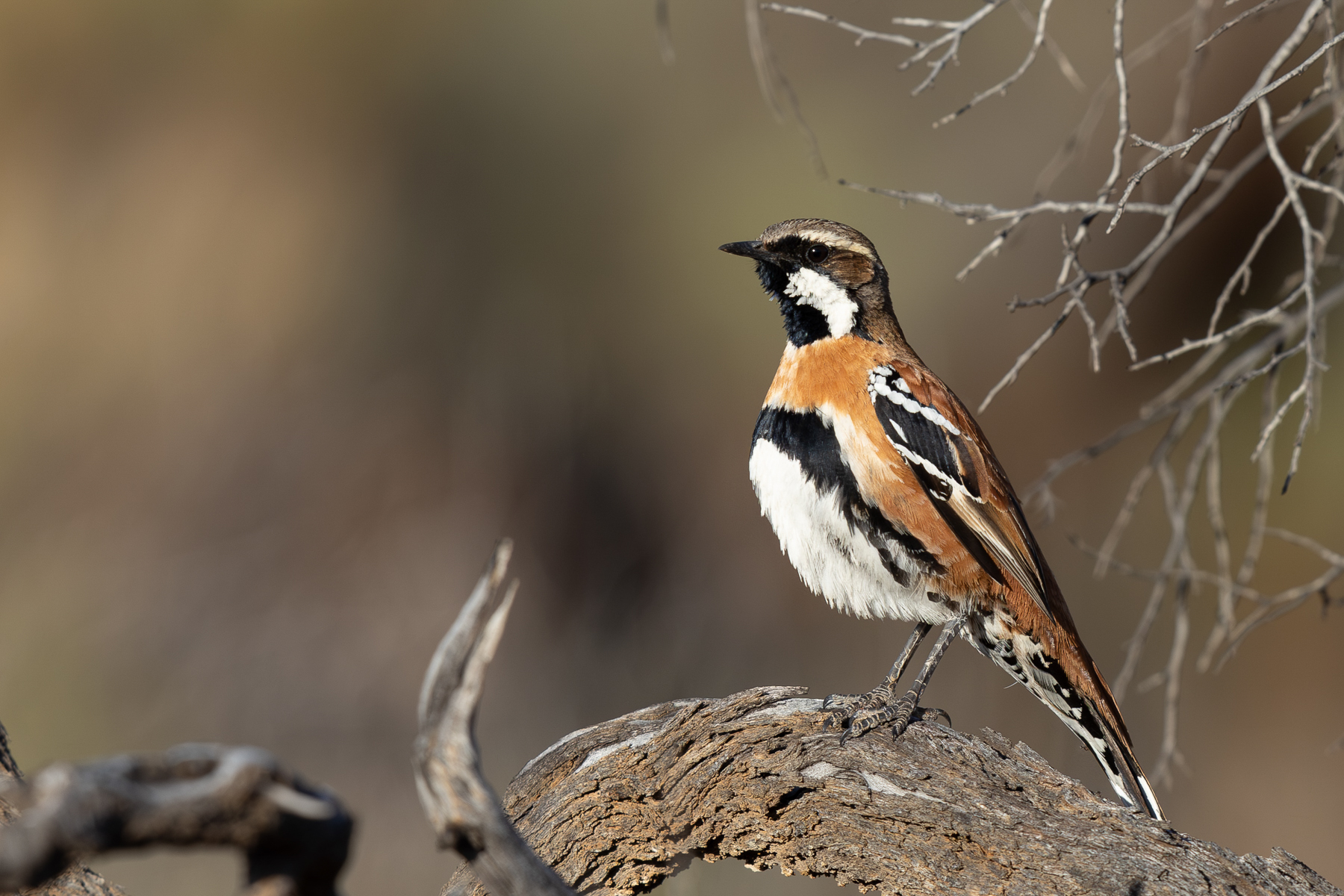
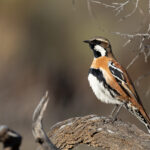
Western Quail-thrush (image by Frederic Pelsy)
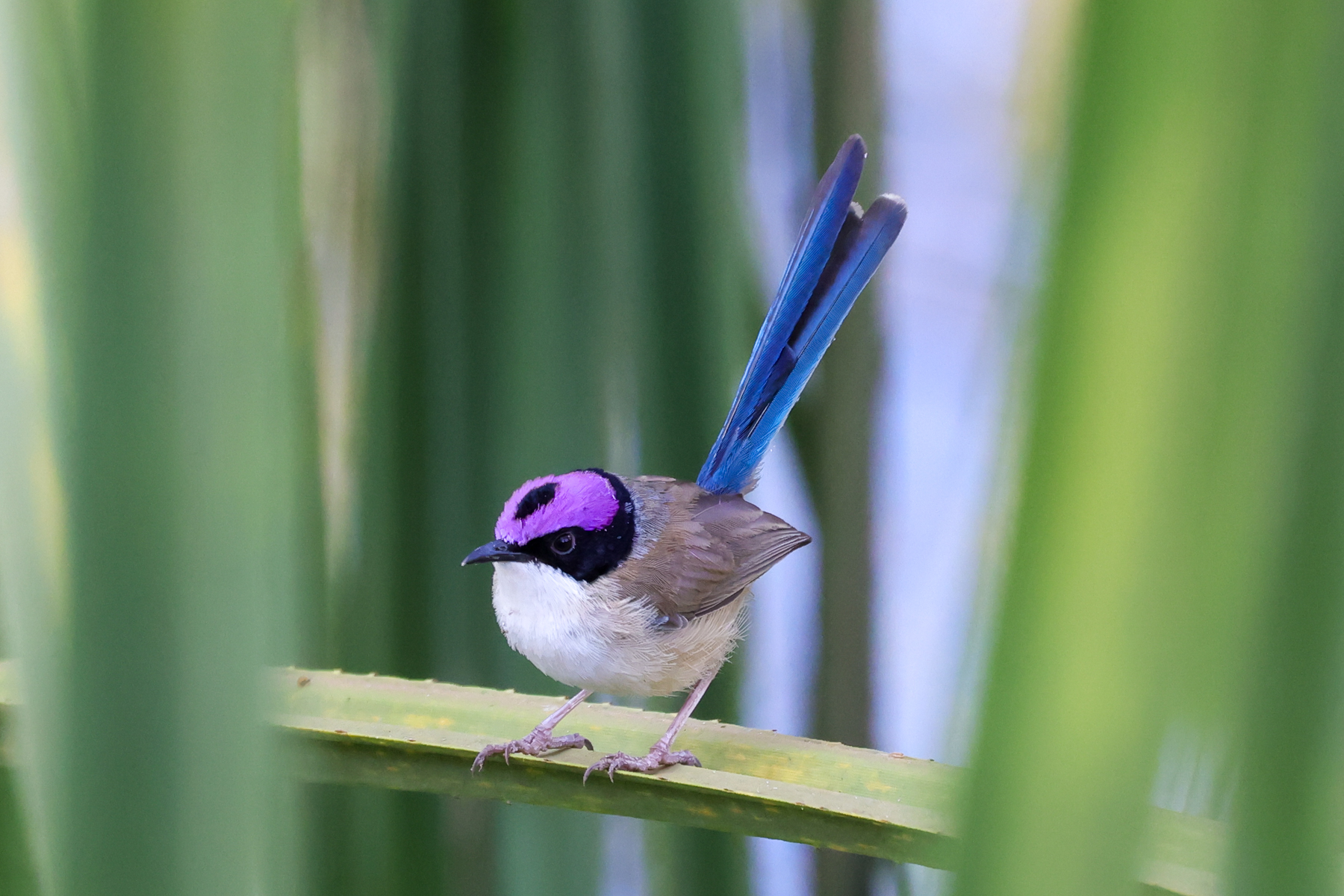
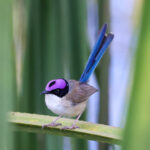
Purple-crowned Fairywren (image by Hannu Jännes)
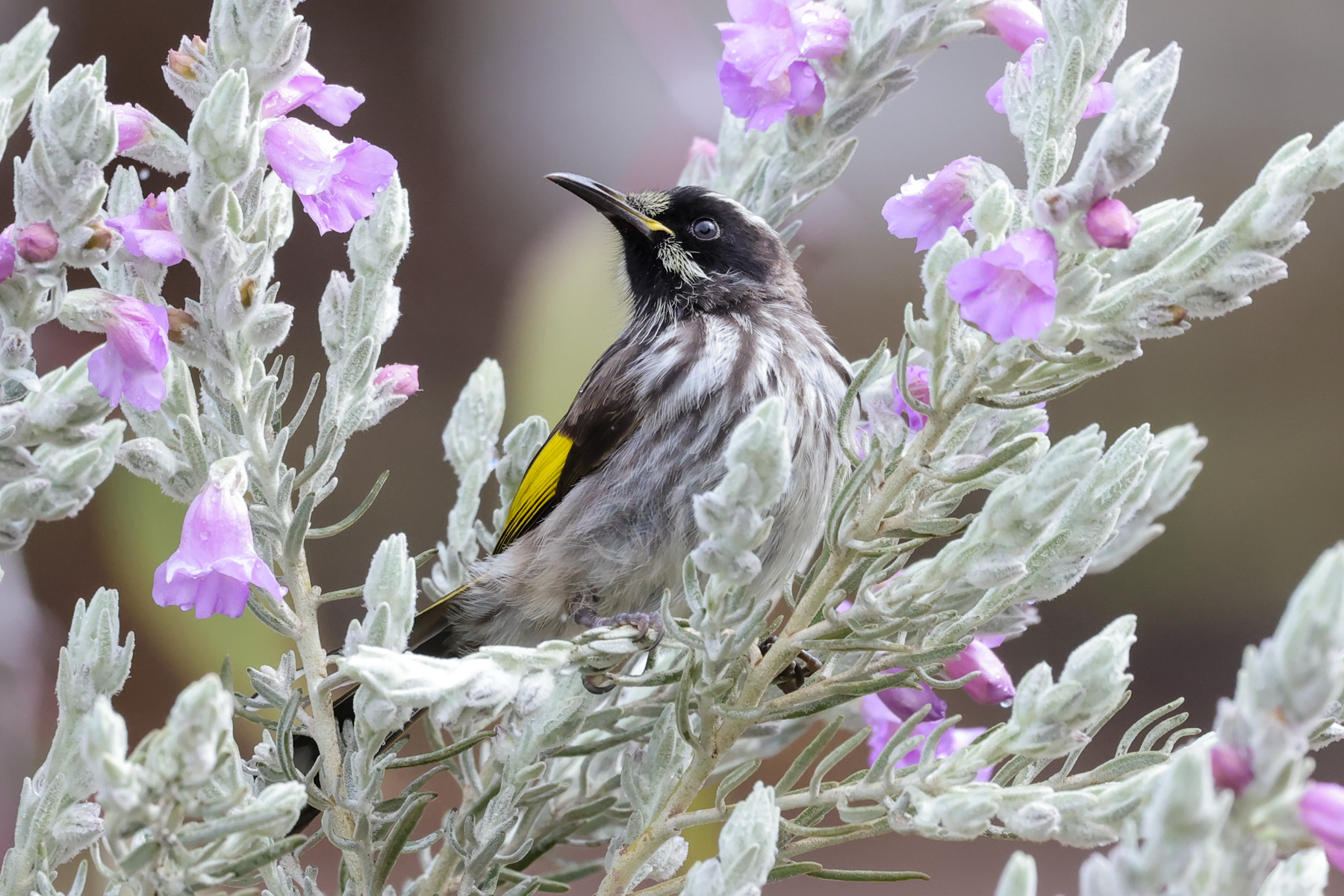
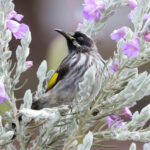
New Holland Honeyeater (image by Hannu Jännes)
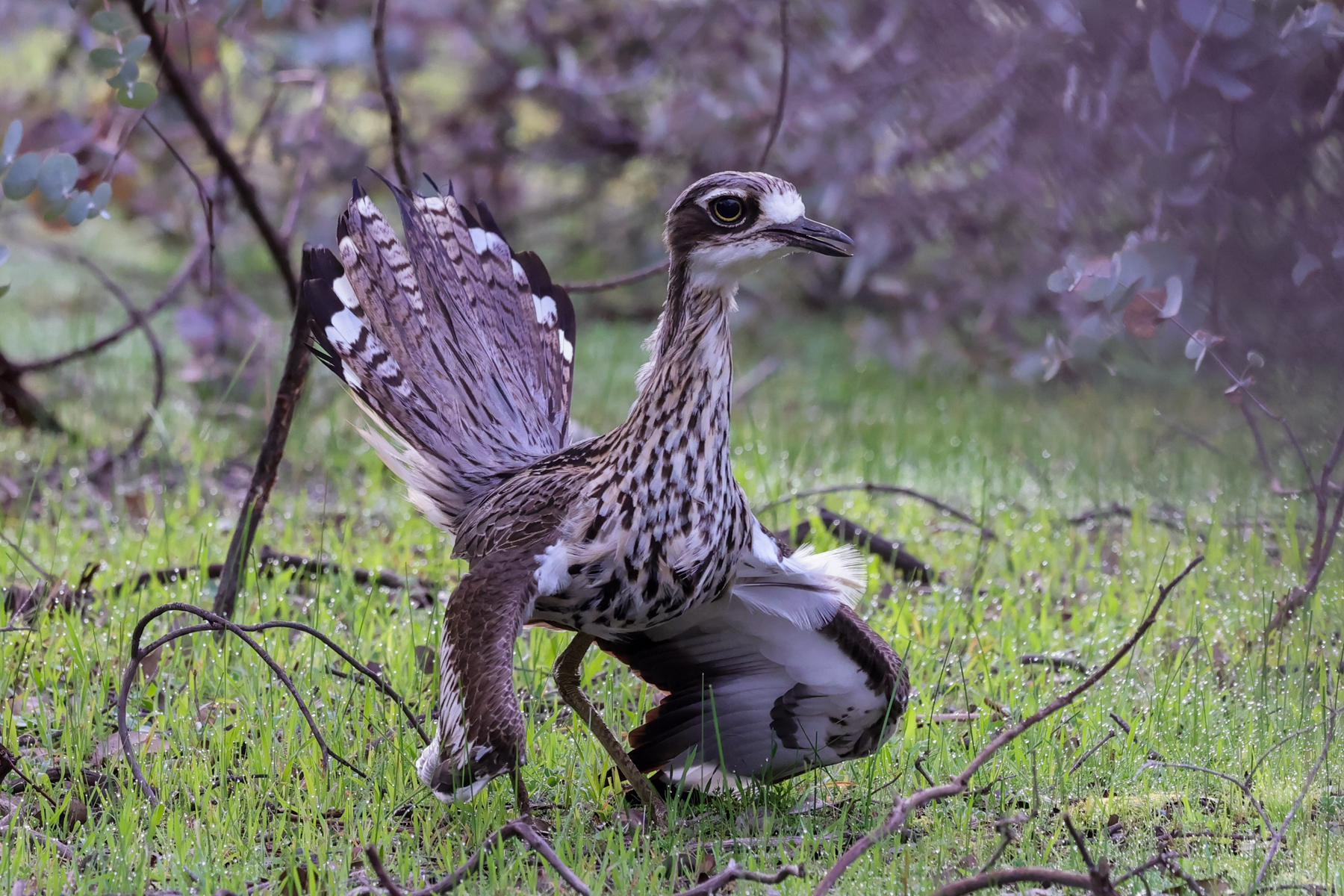
Bush Thick-knee (image by Hannu Jännes)
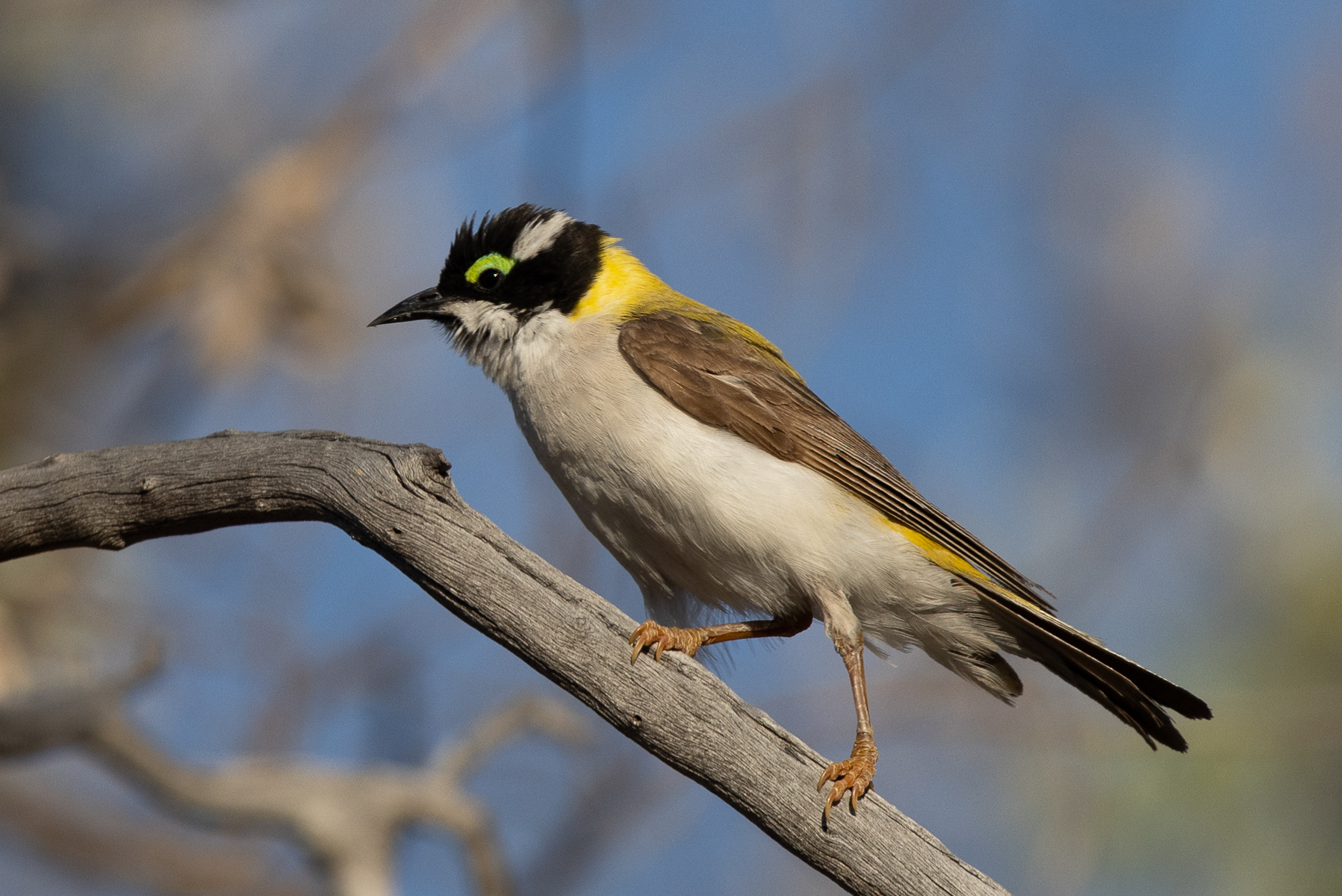
Black-chinned Honeyeater (image by Frederic Pelsy)
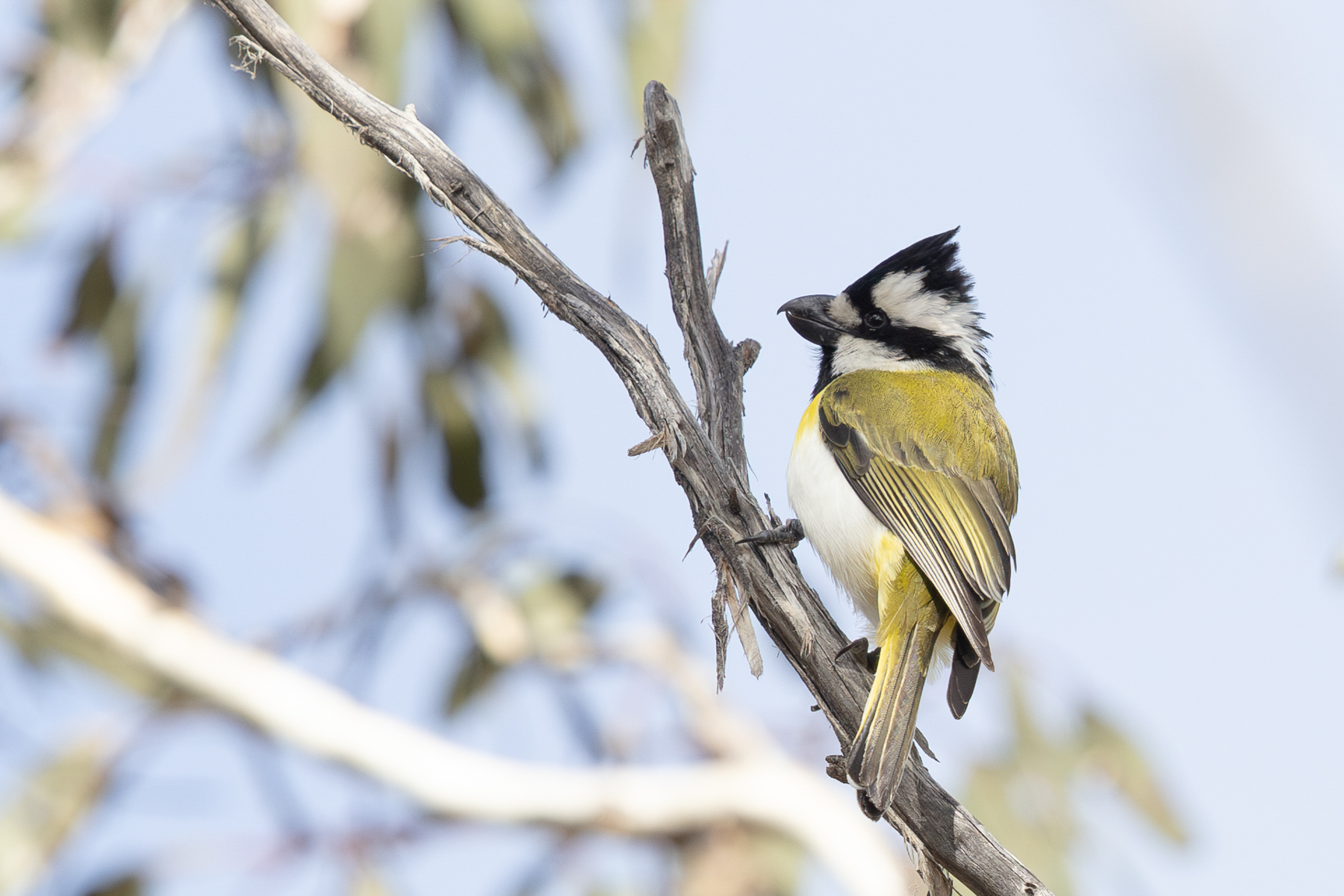
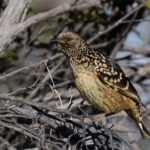
Western Shriketit (image by Frederic Pelsy)
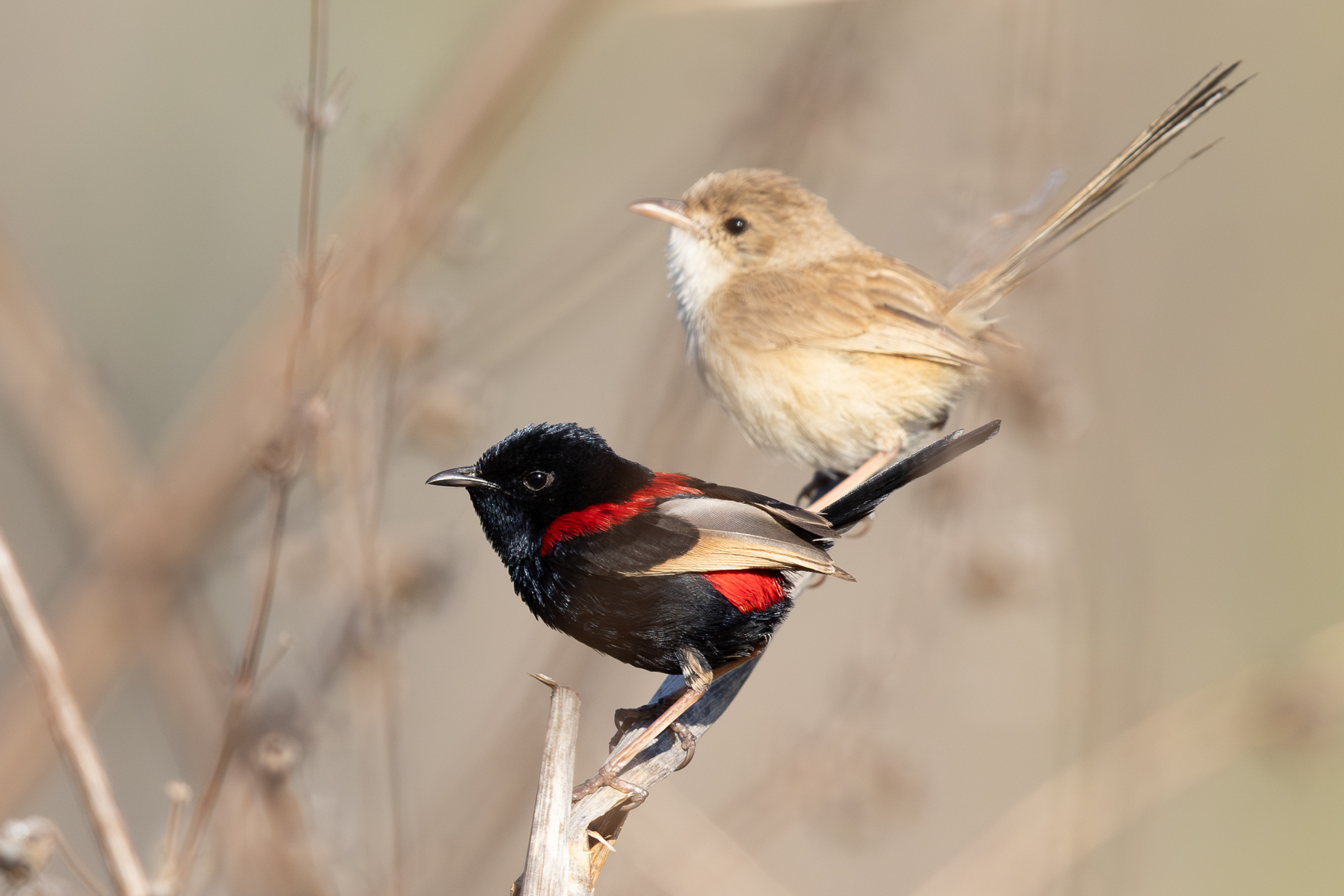
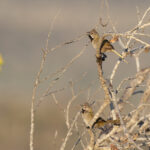
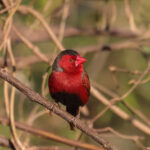
Red-backed Fairywrens (image by Frederic Pelsy)
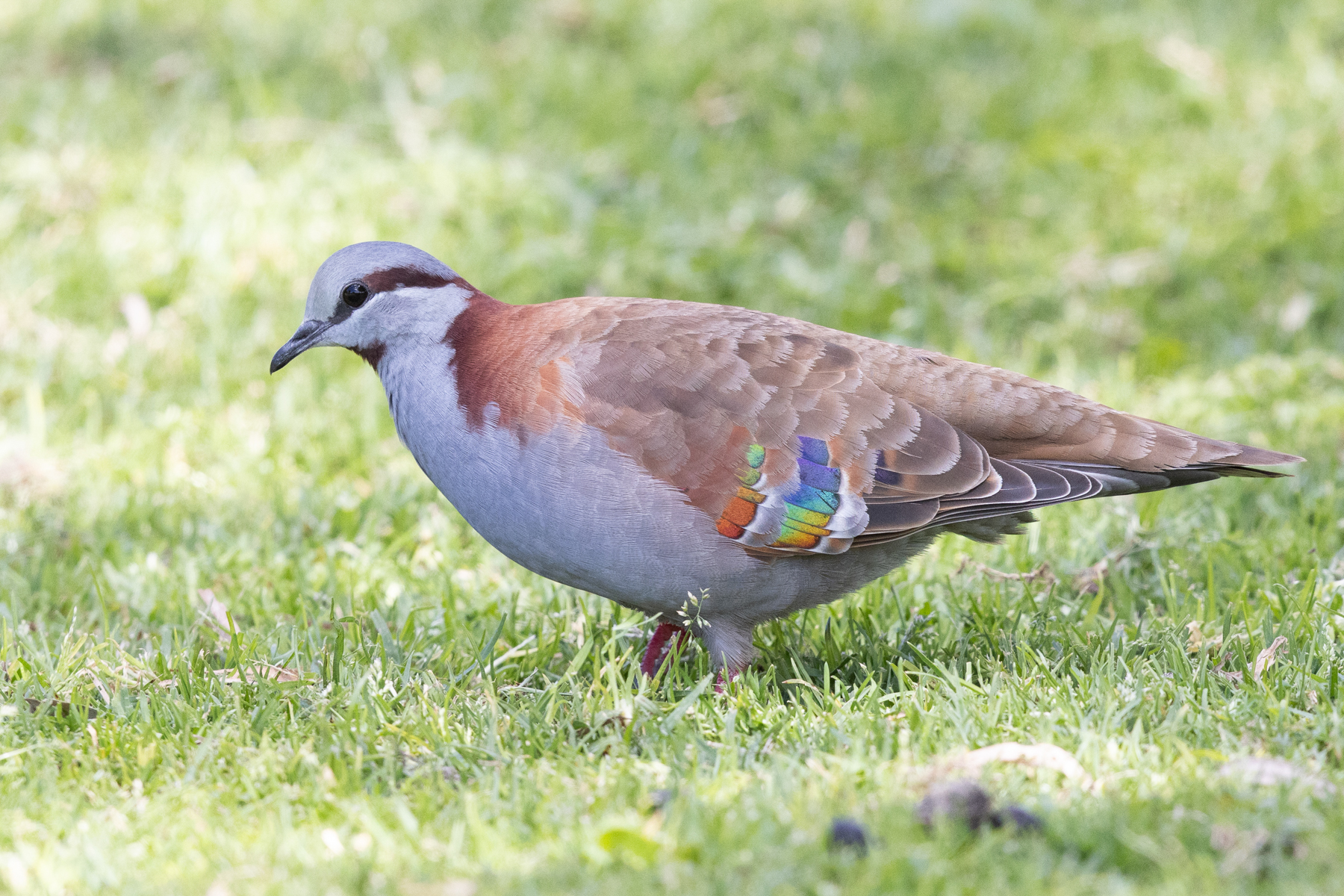
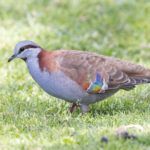
Brush Bronzewing (image by Frederic Pelsy)
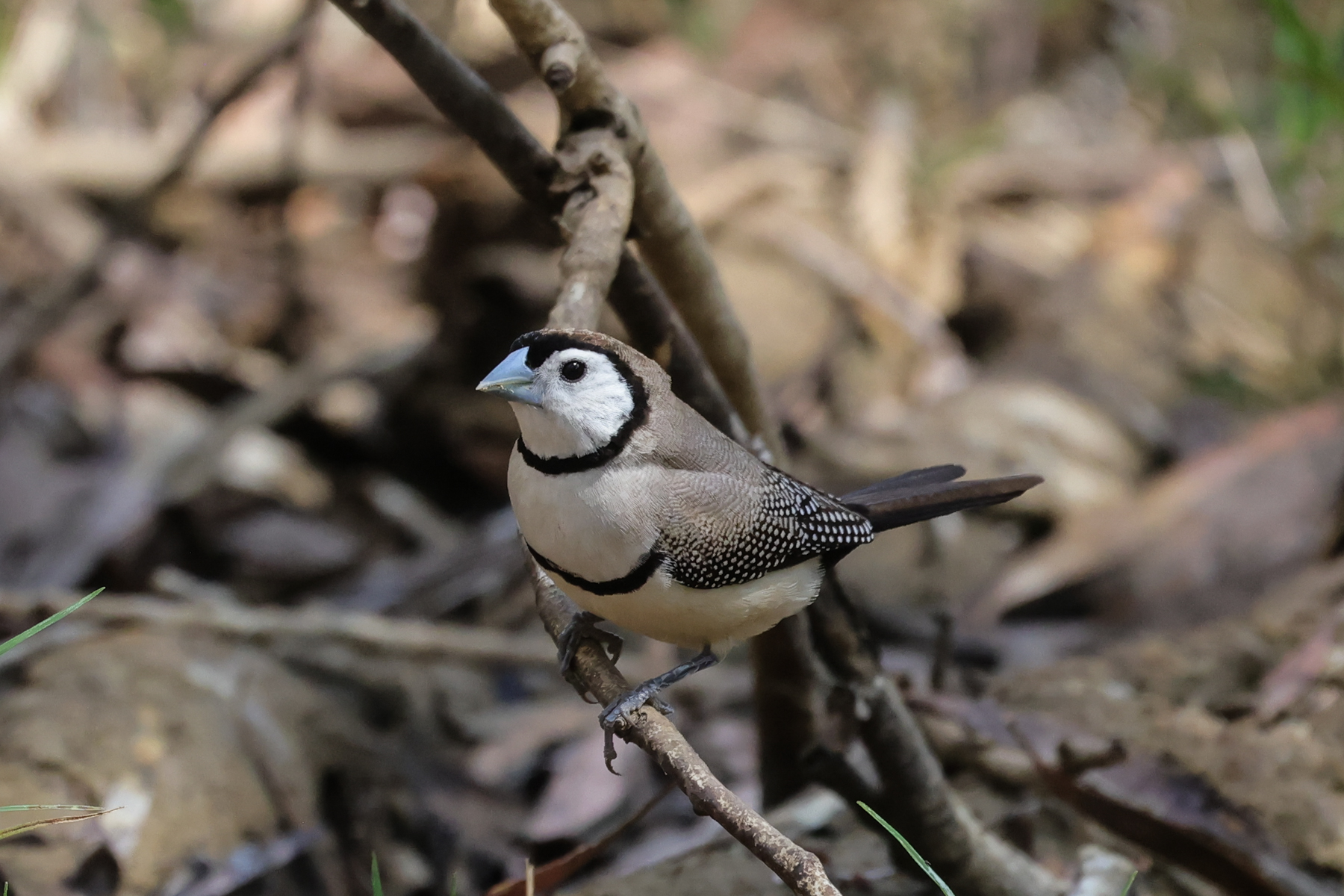
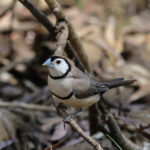
Double-barred Finch (image by Hannu Jännes)
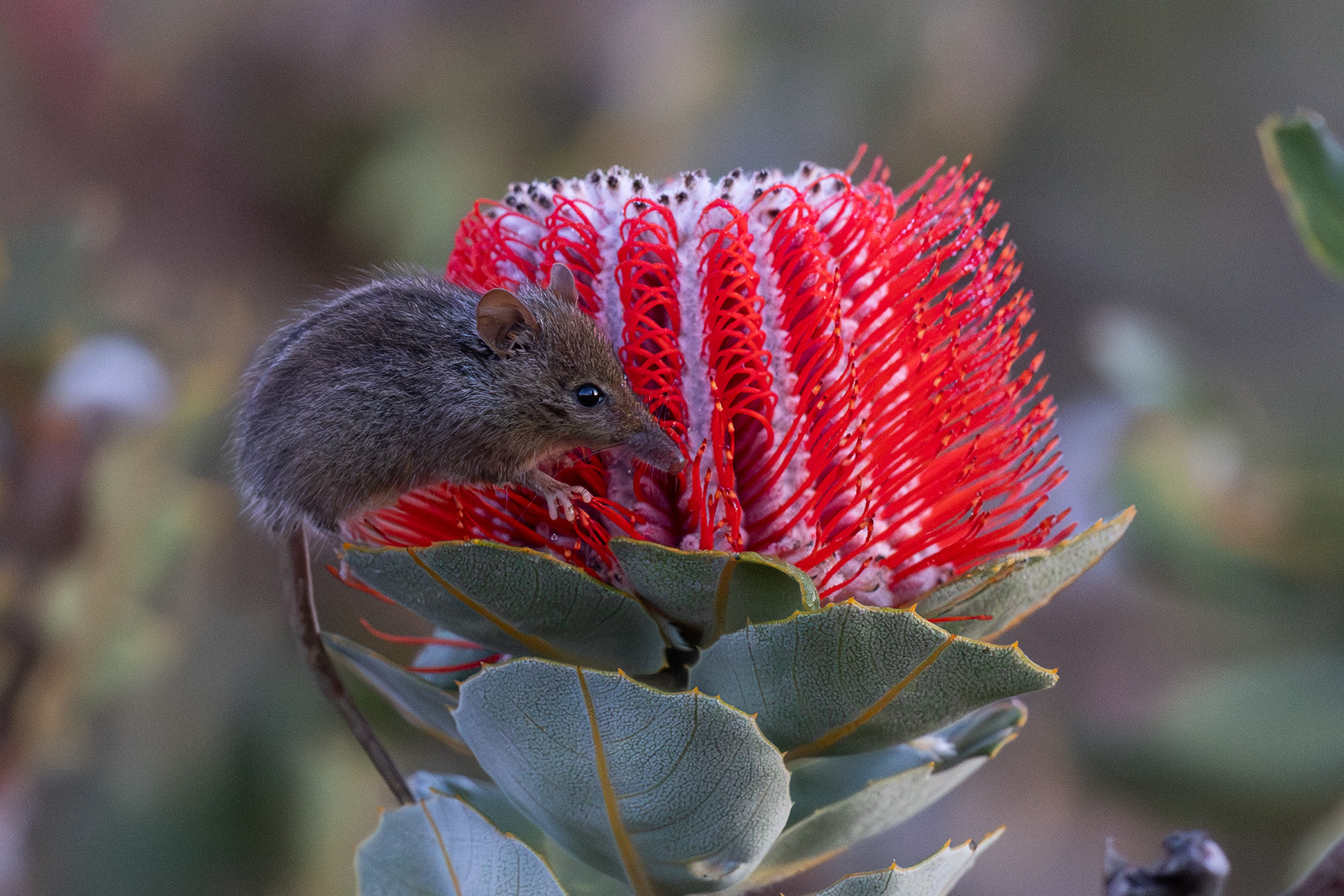
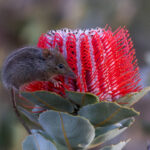
Honey Possum (image by Frederic Pelsy)
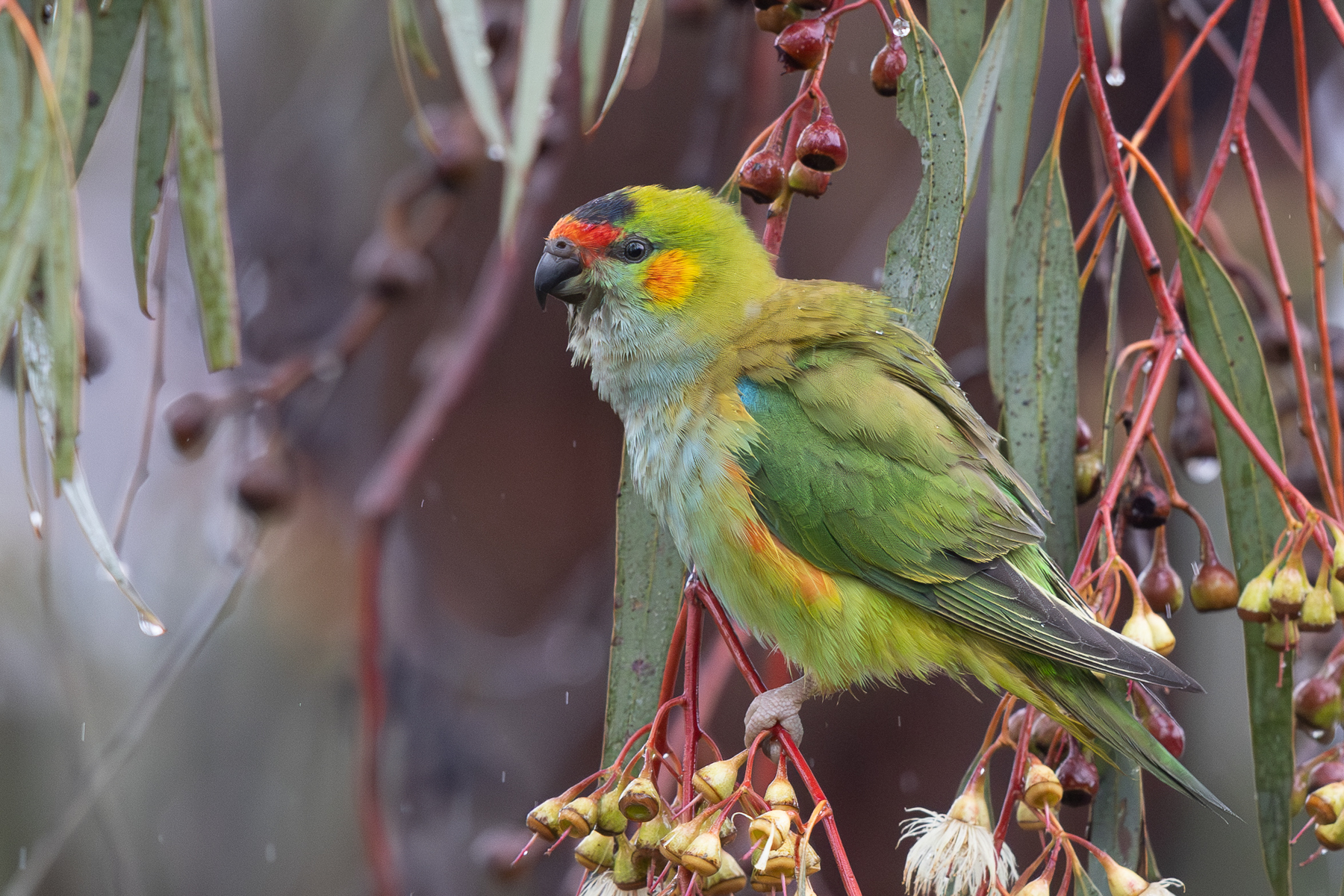
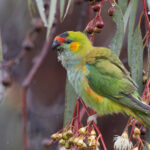
Purple-crowned Lorikeet (image by Frederic Pelsy)
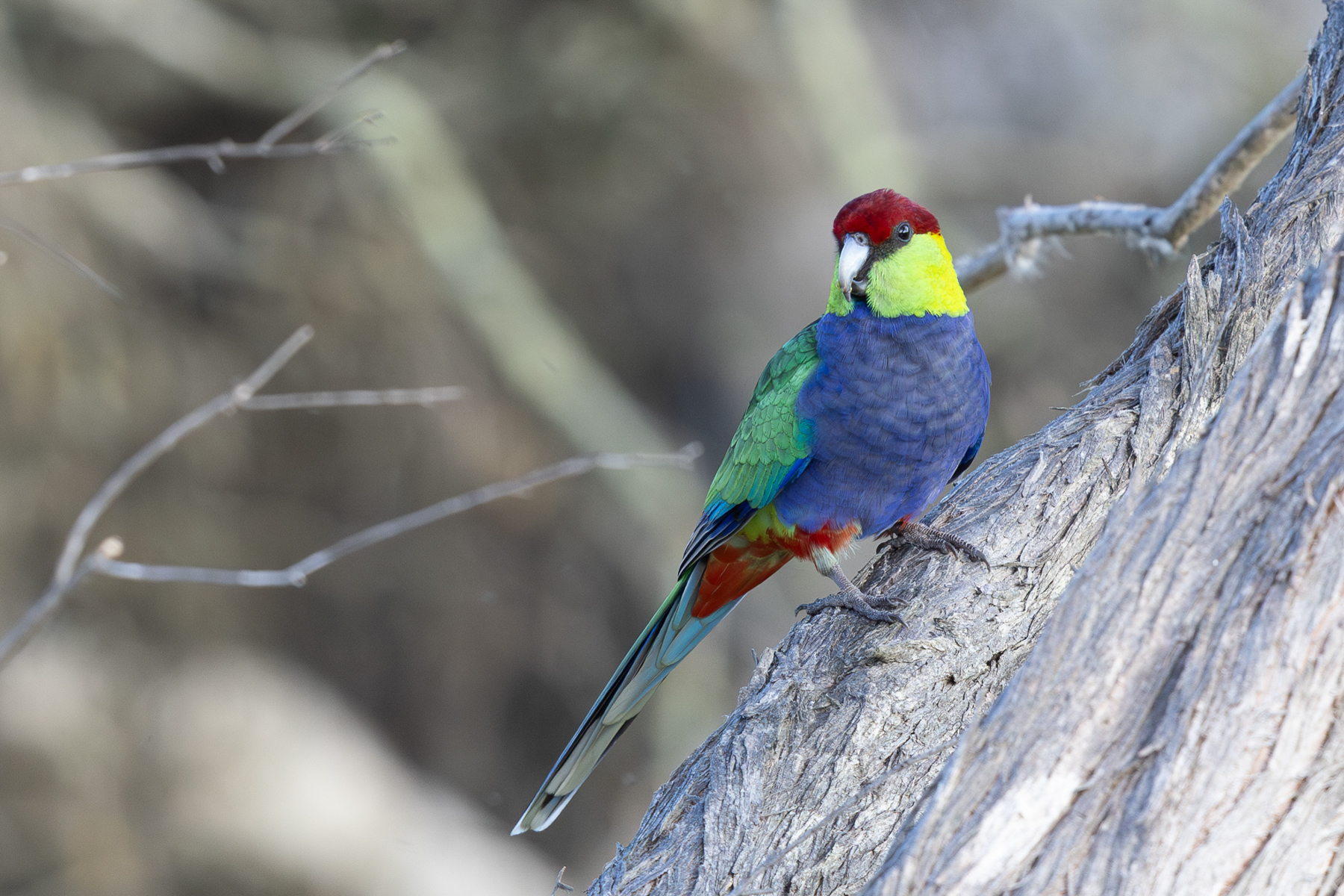
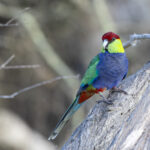
Red-capped Parrot (image by Frederic Pelsy)
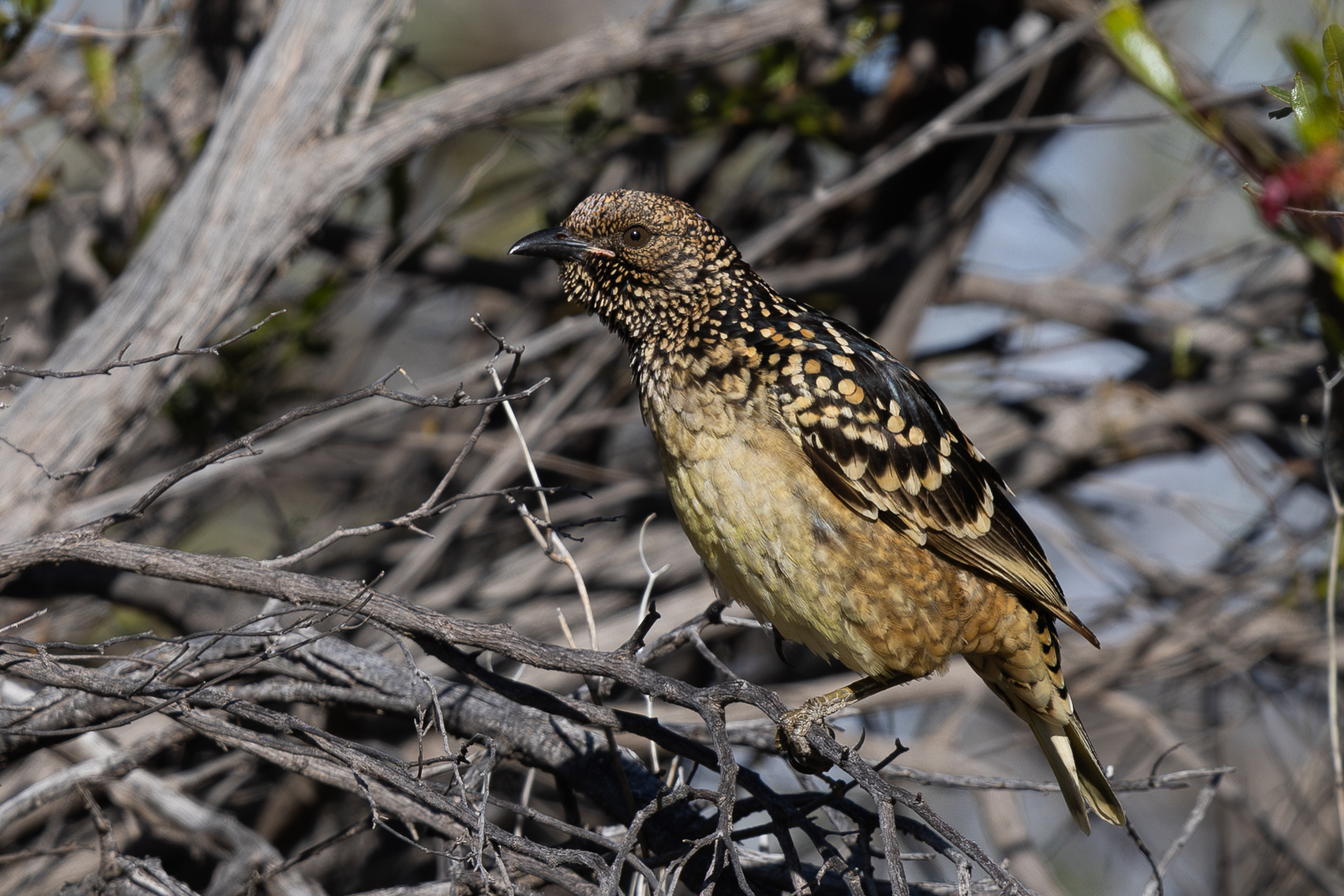
Western Bowerbird (image by Frederic Pelsy)
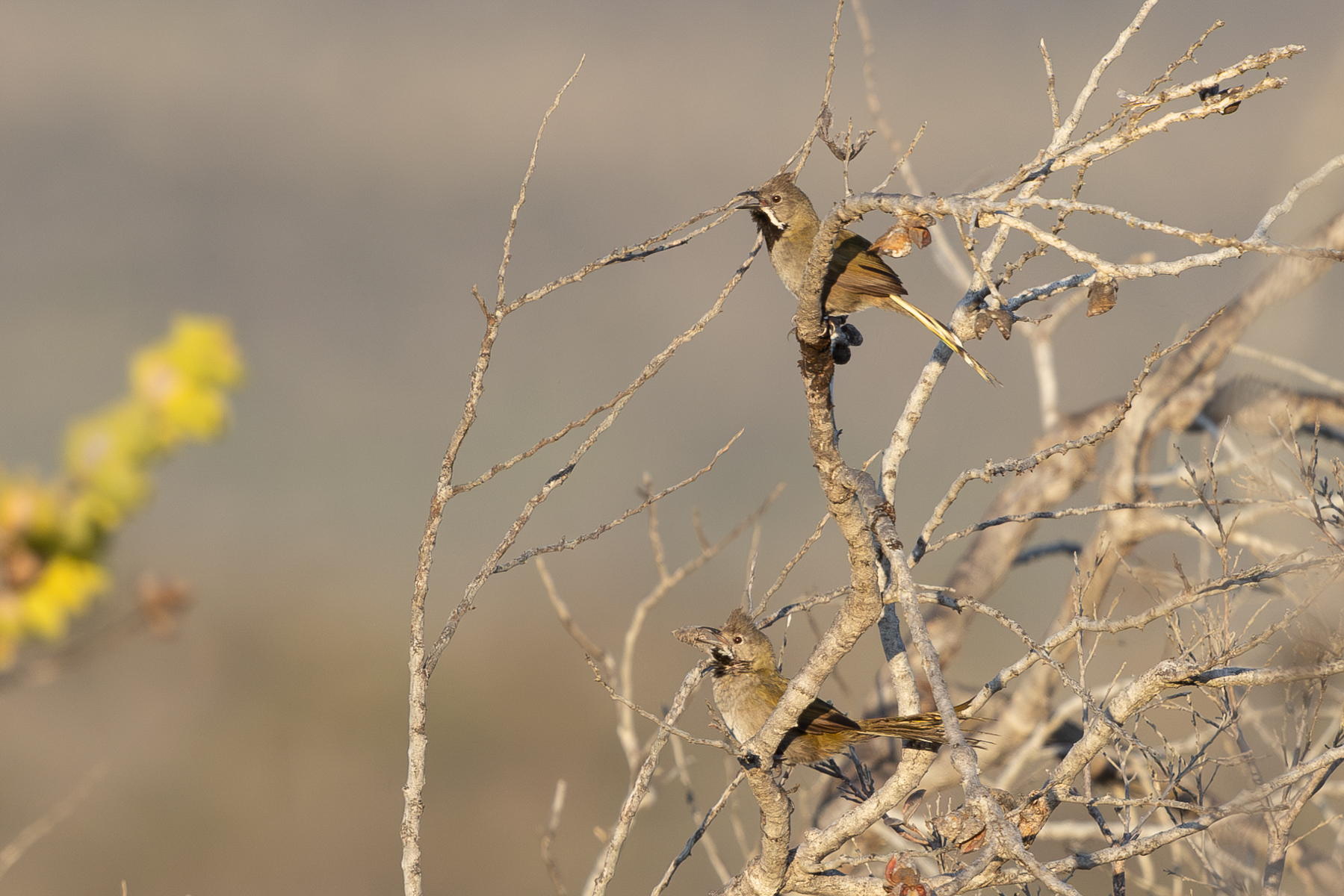
Western Whipbirds (image by Frederic Pelsy)
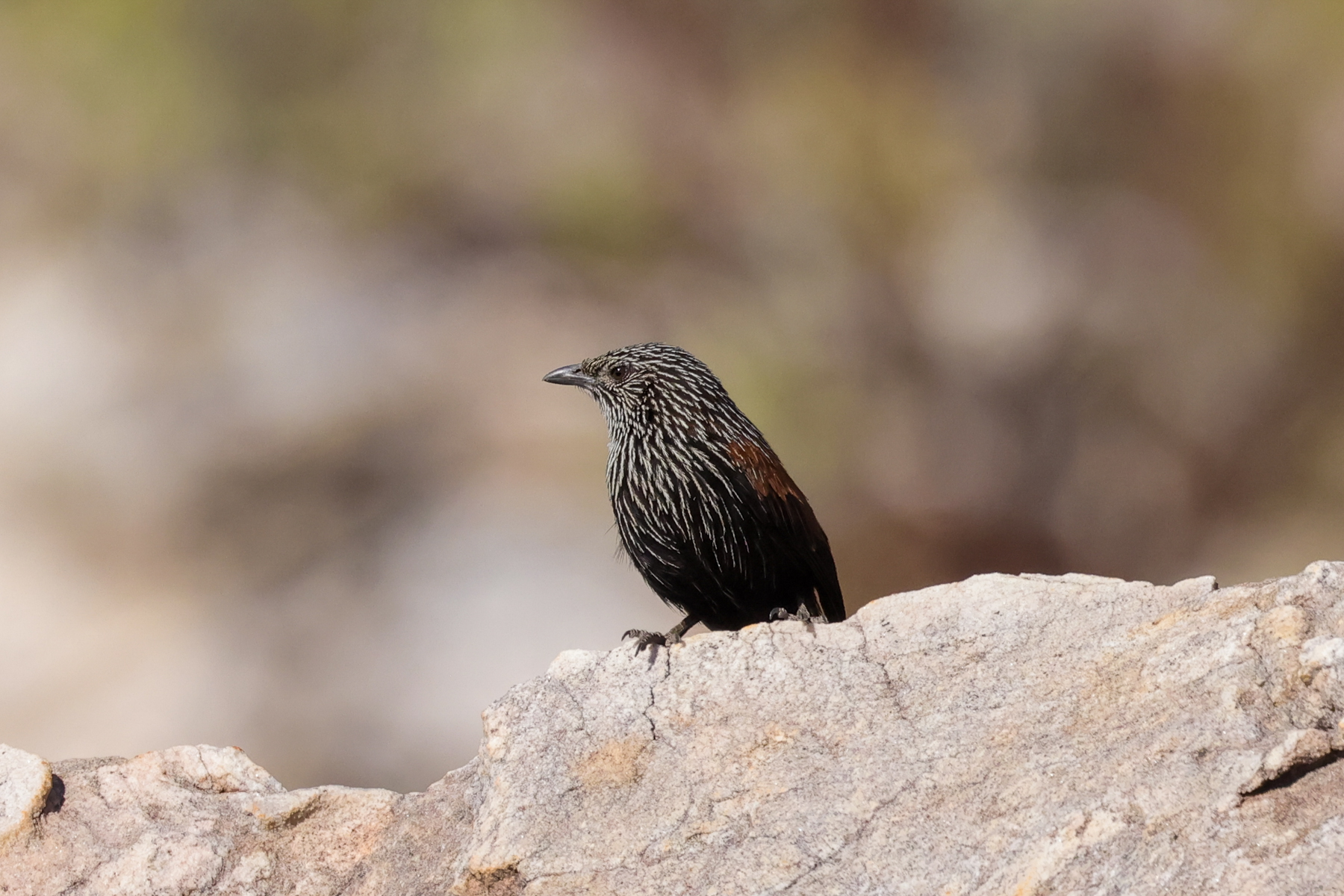
Black Grasswren (image by Hannu Jännes)
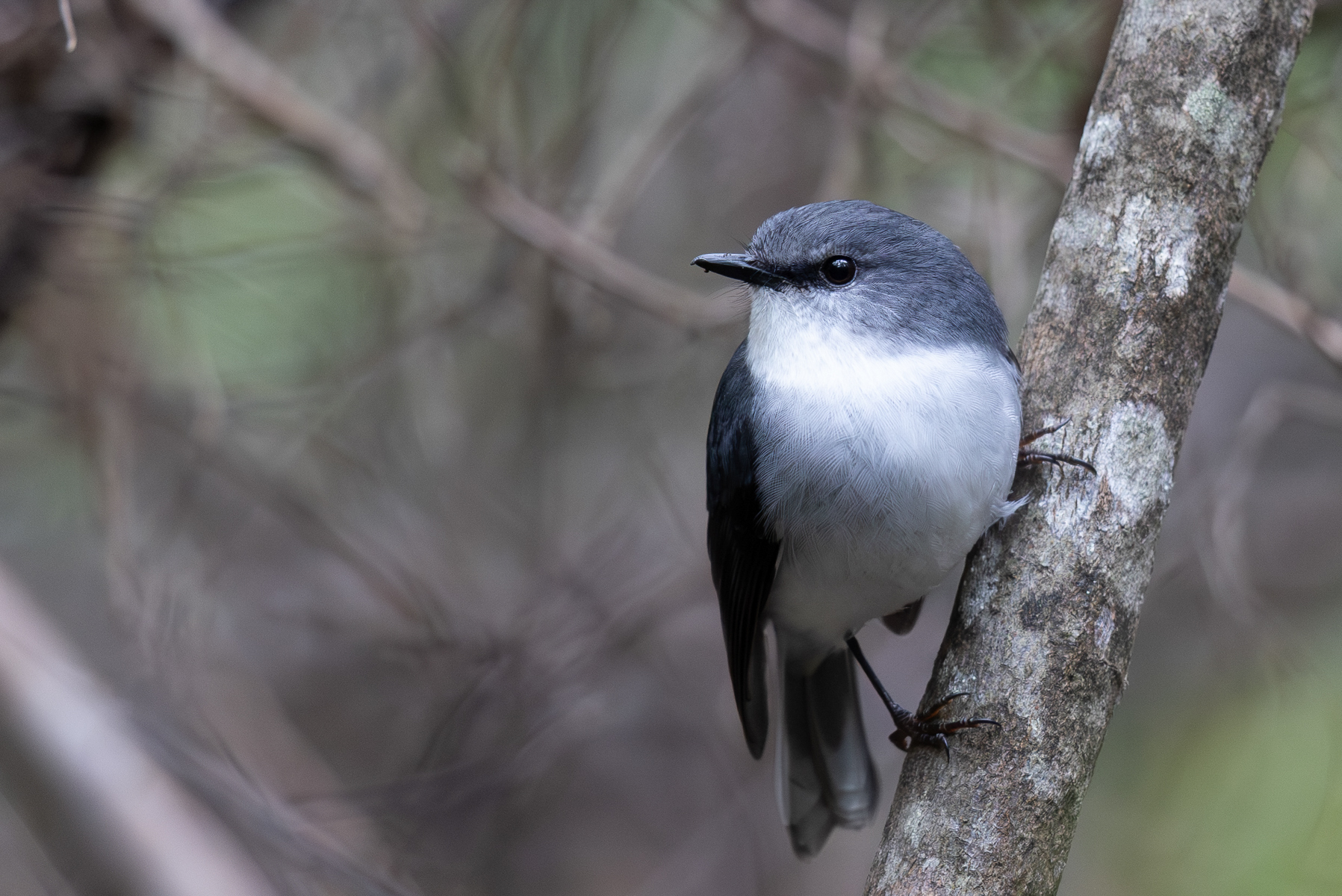
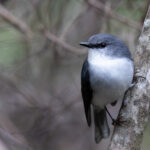
White-breasted Robin (image by Frederic Pelsy)
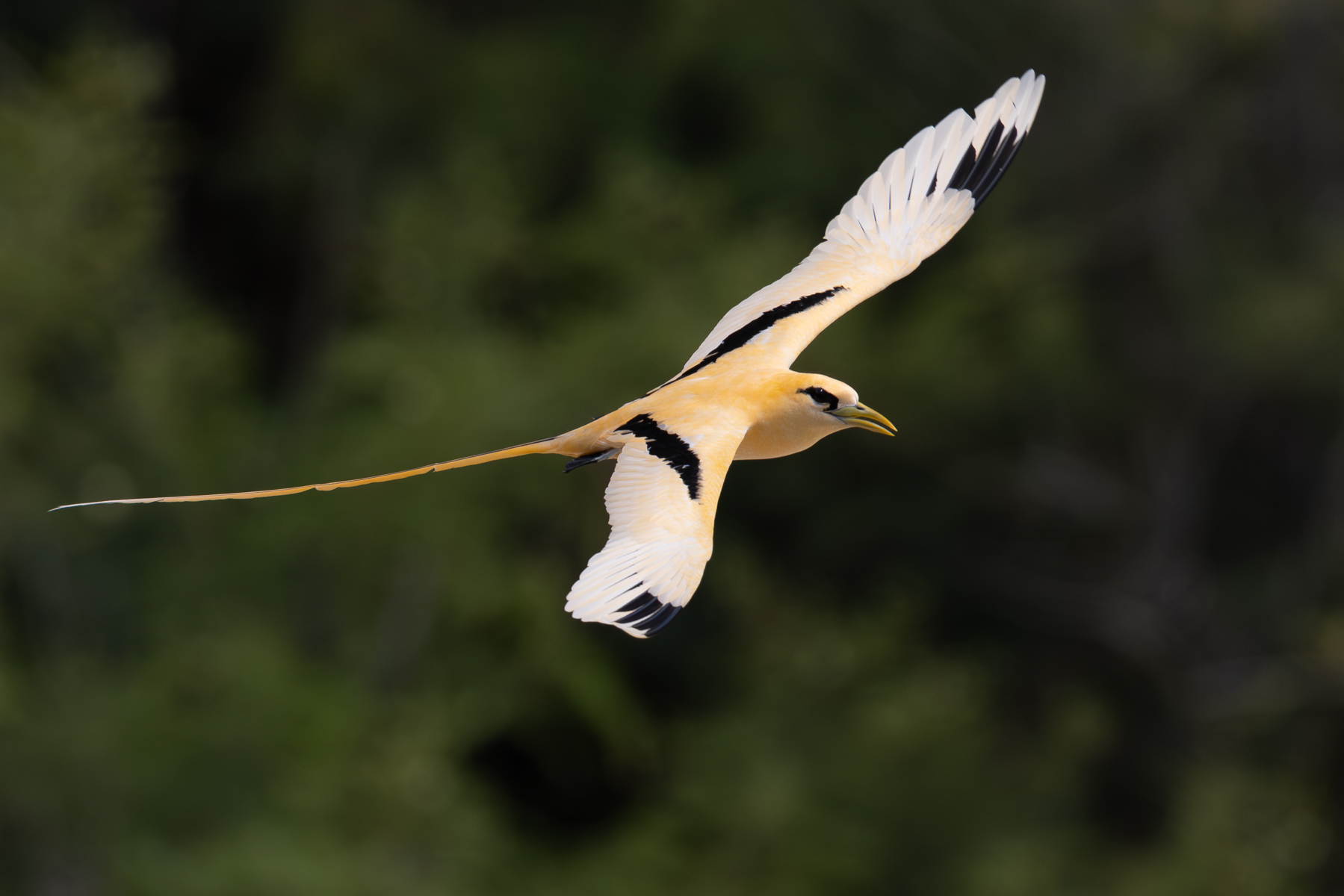
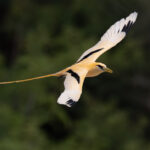
White-tailed Tropicbird ssp fulvus (image by Frederic Pelsy)
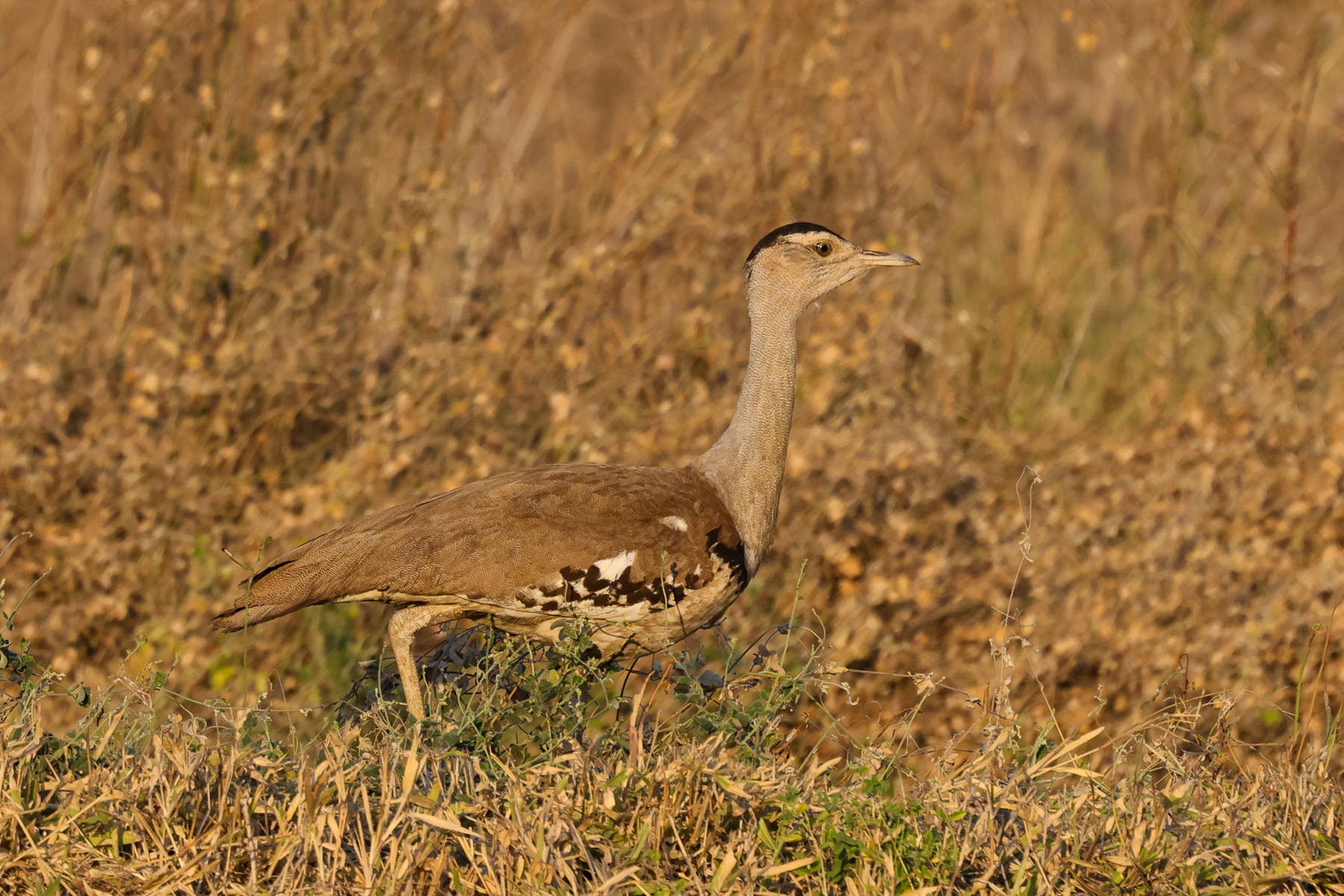
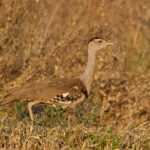
Australian Bustard (image by Hannu Jännes)
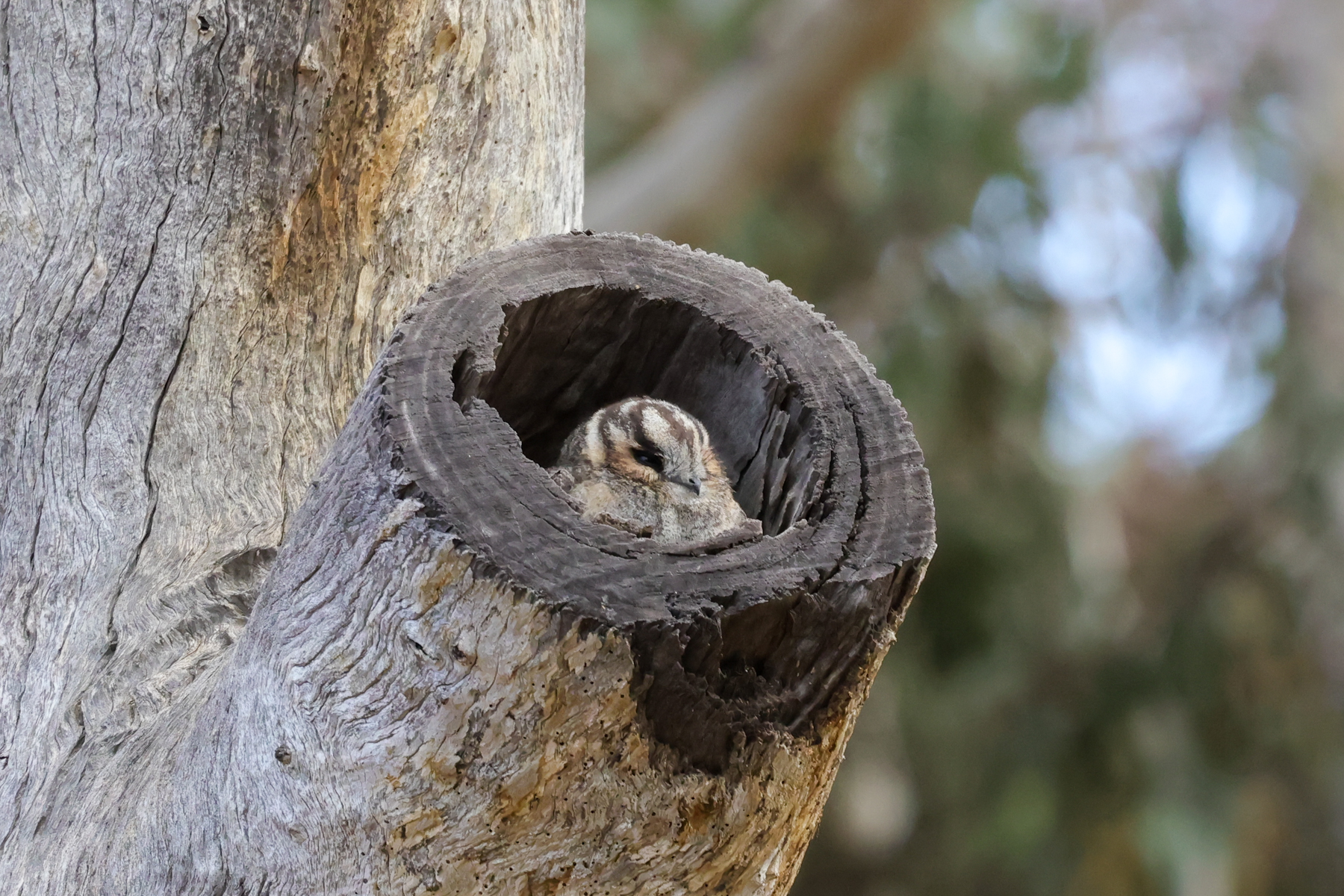
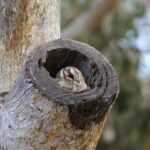
Australian Owlet-nightjar (image by Hannu Jännes)
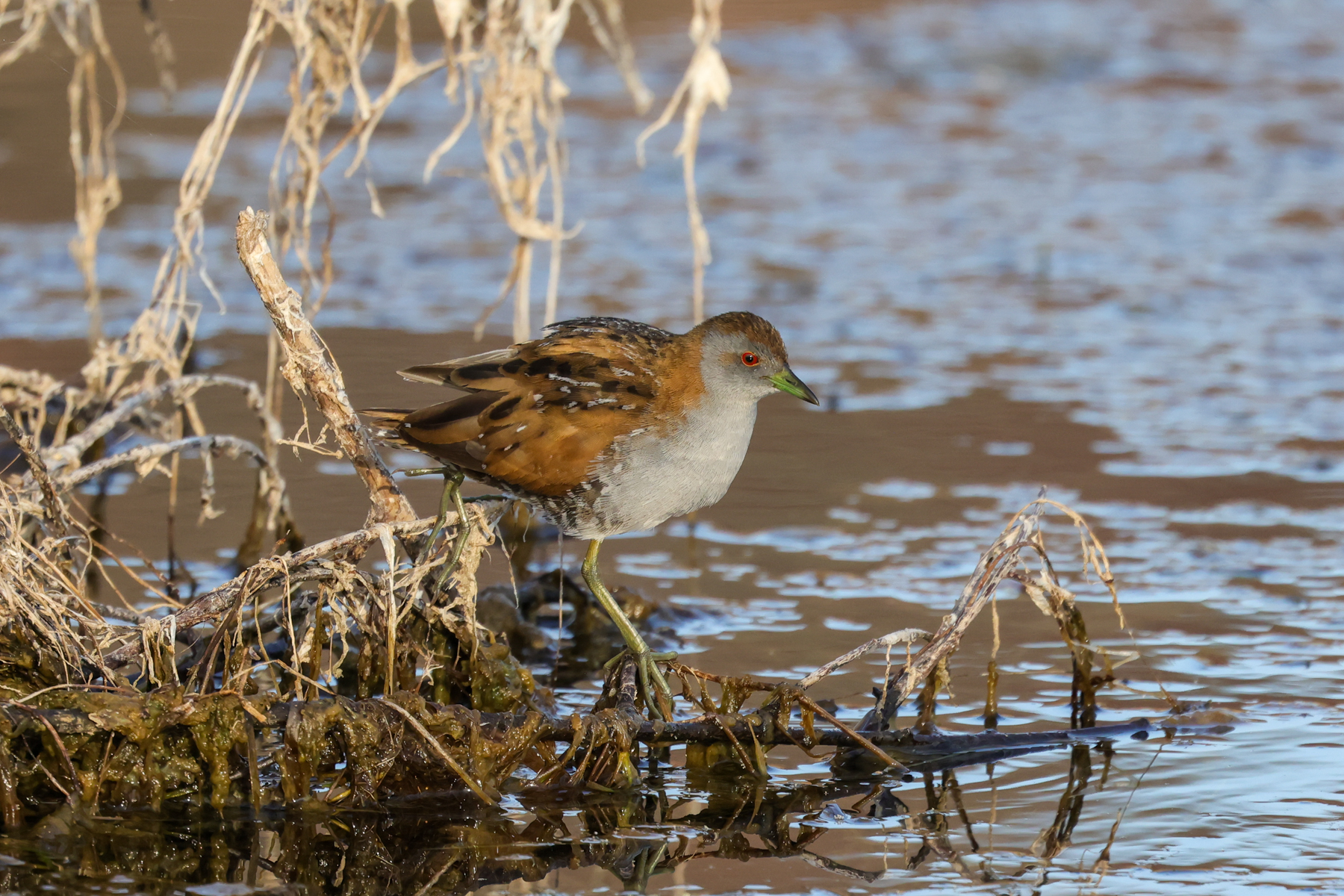
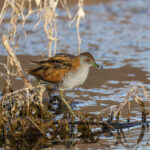
Baillons Crake (image by Hannu Jännes)
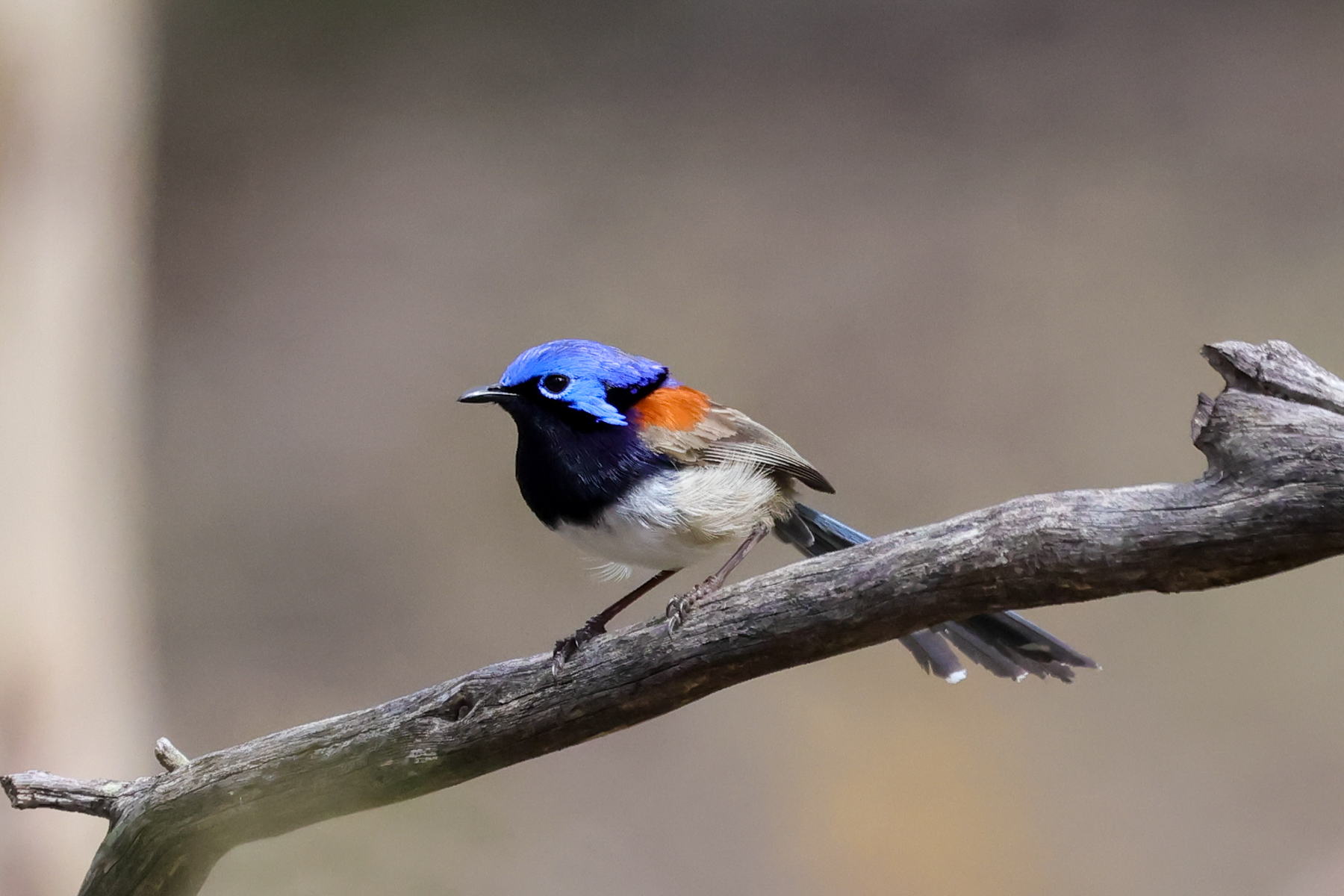
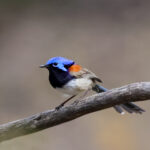
Blue-breasted Fairywren (image by Hannu Jännes)
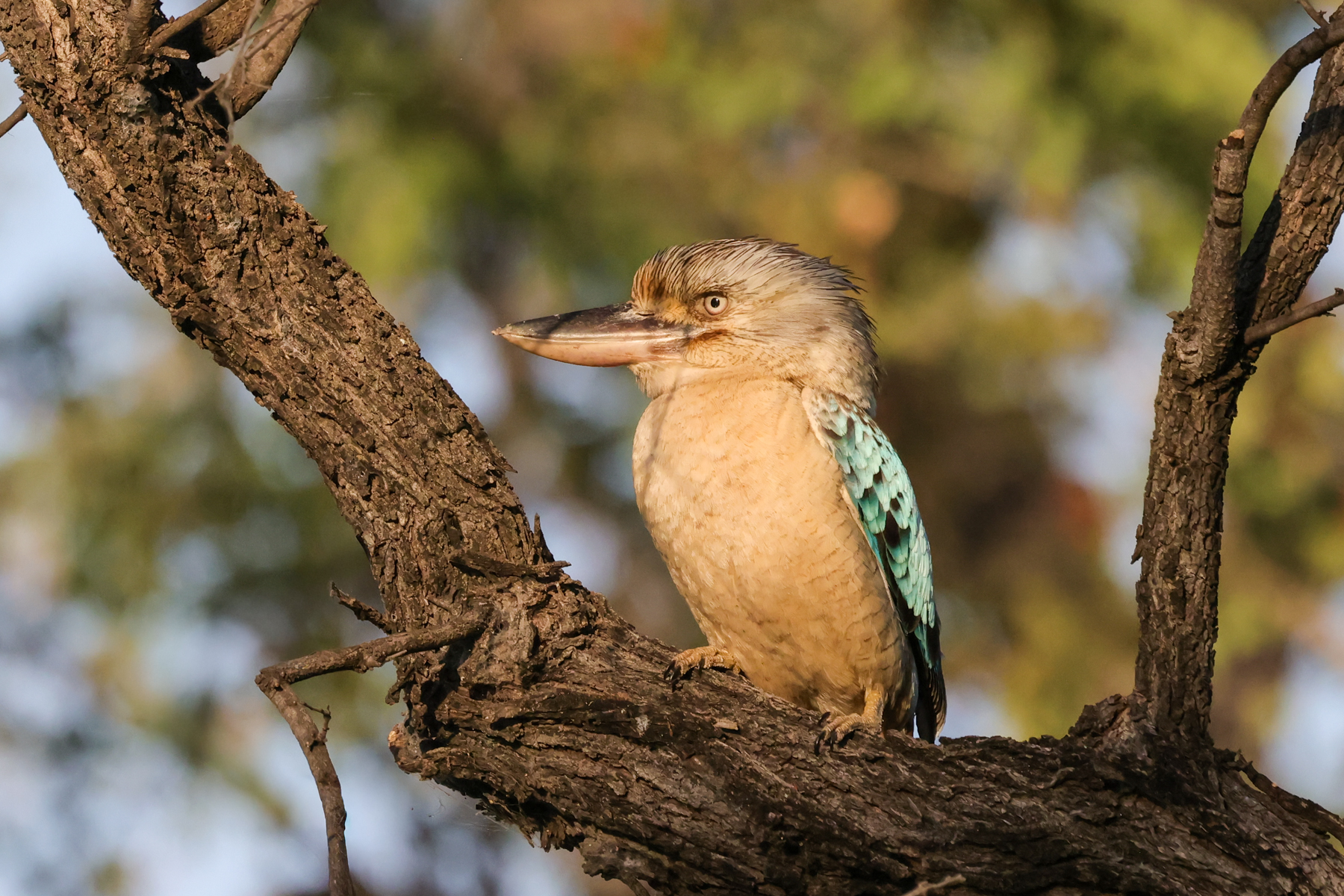
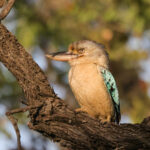
Blue-winged Kookaburra (image by Hannu Jännes)
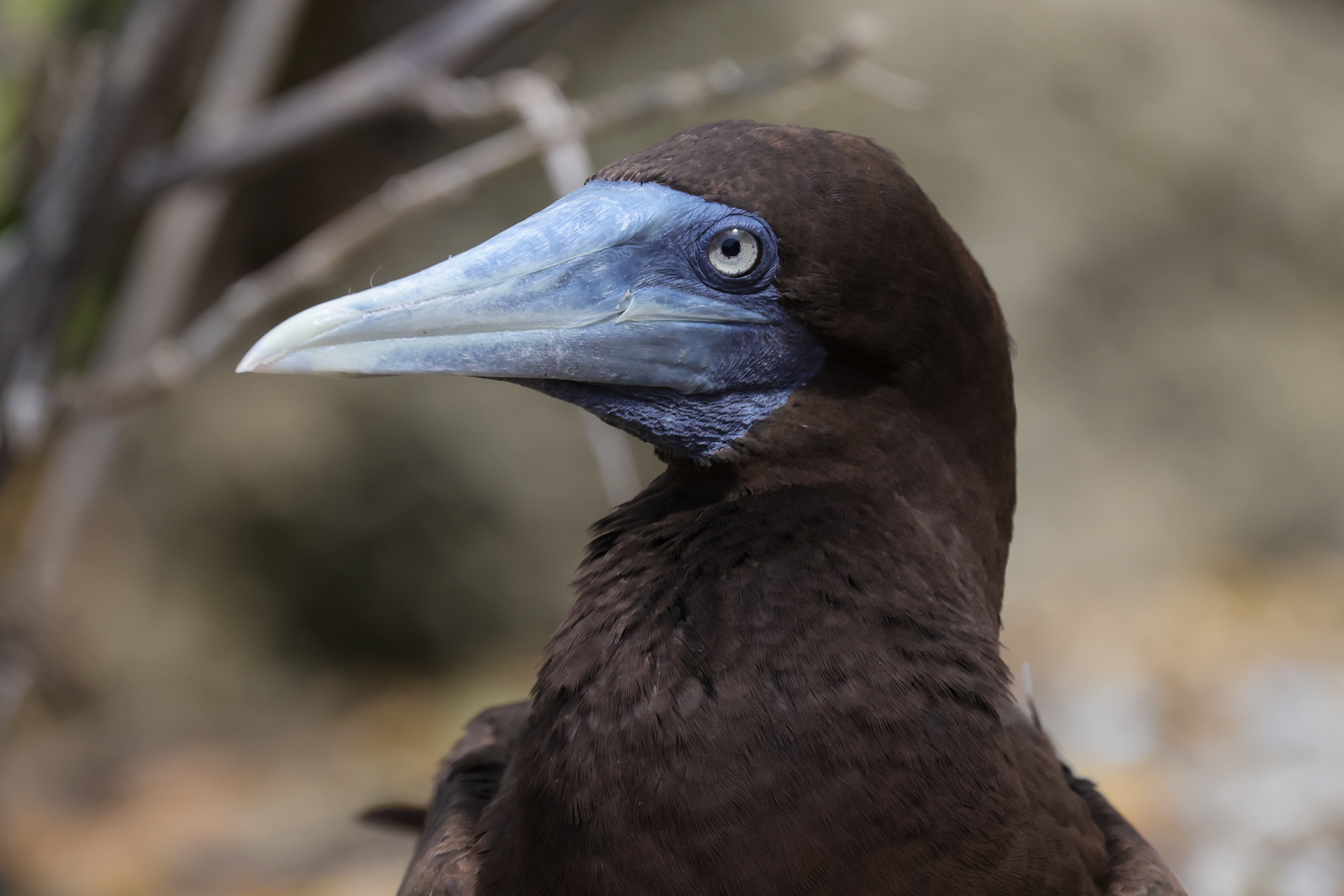
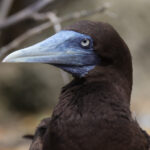
Brown Booby (image by Hannu Jännes)
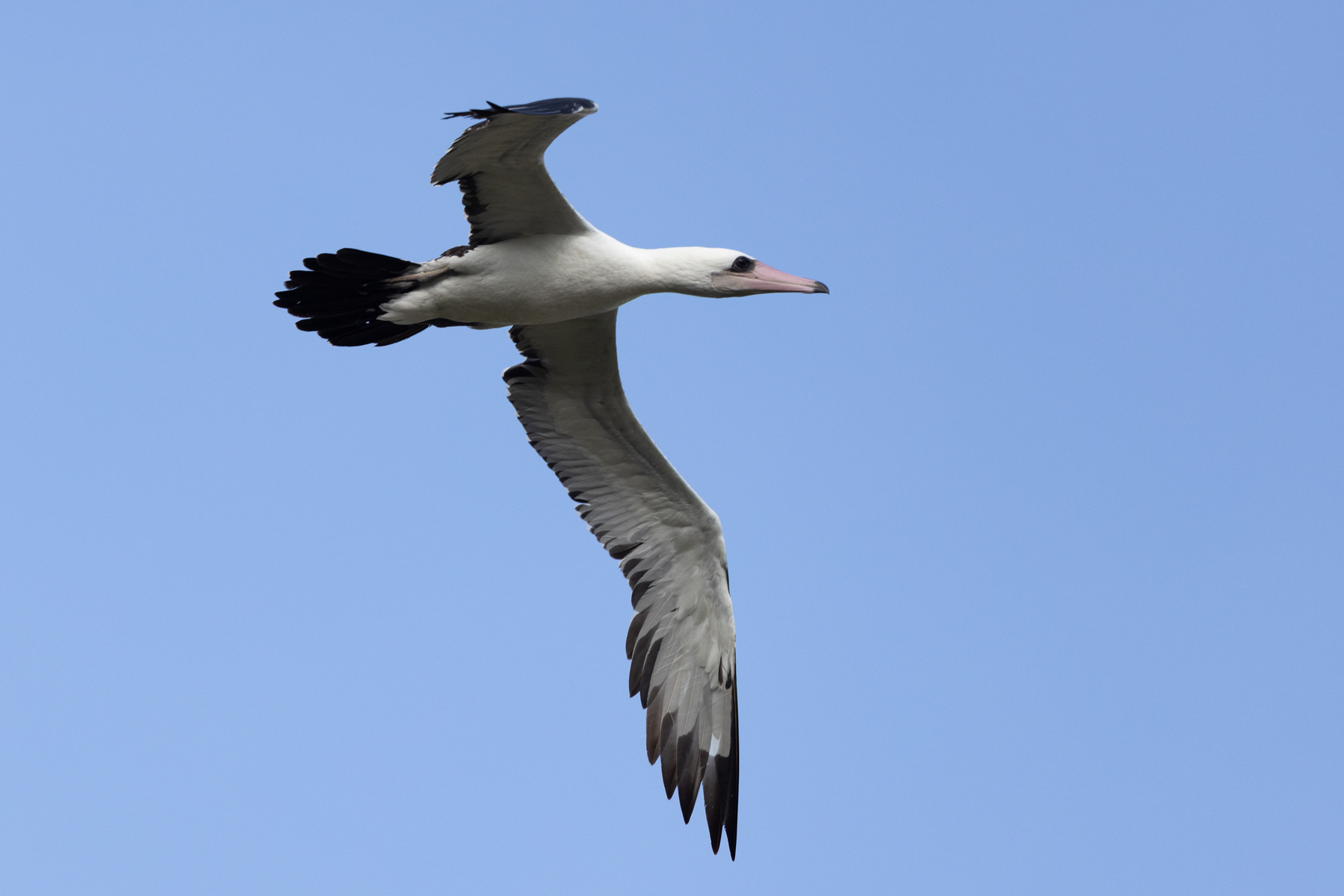
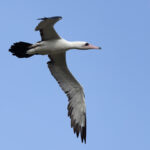
Abbott's Booby (image by Frederic Pelsy)
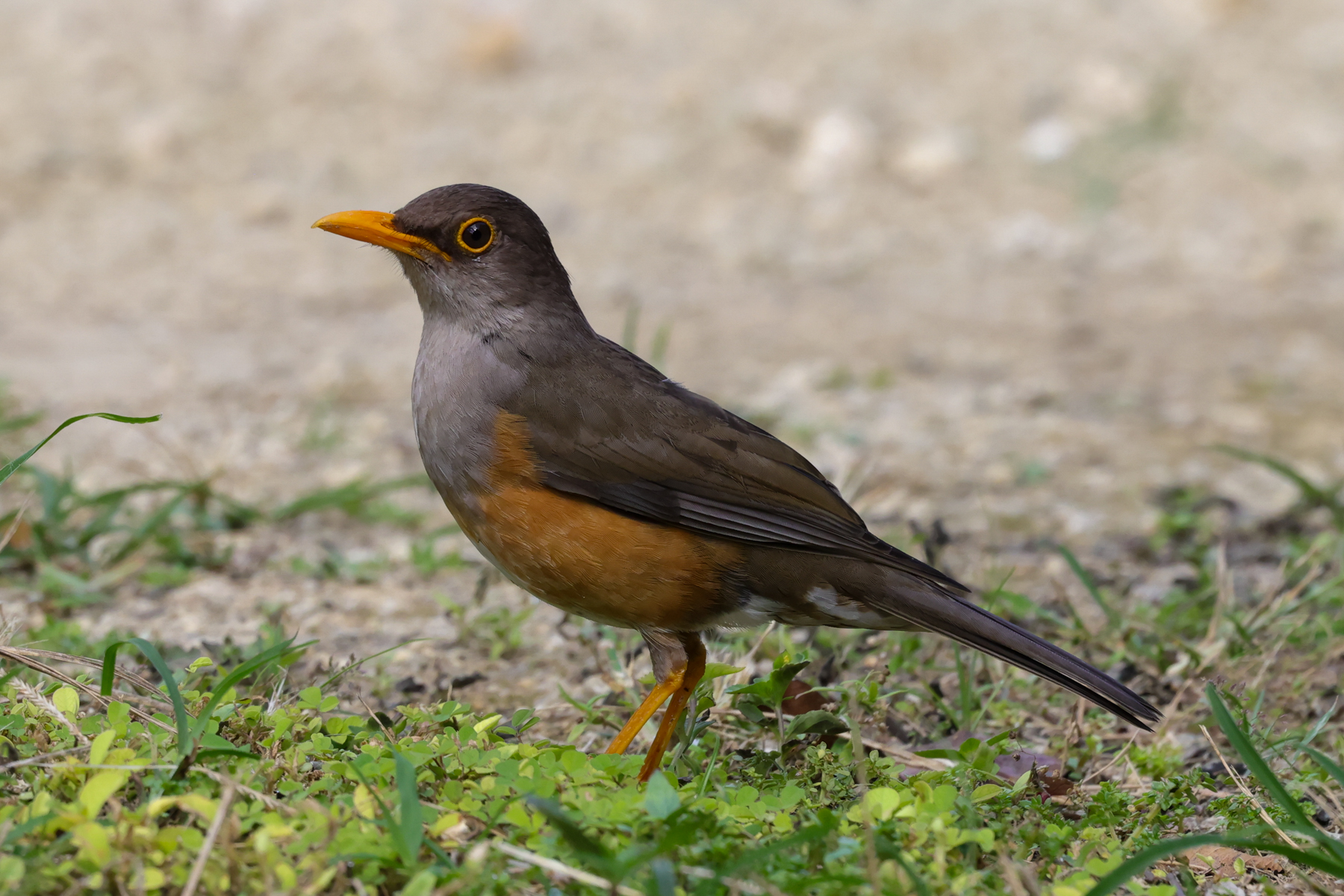
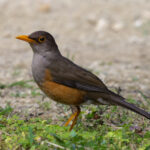
Christmas Island Thrush (image by Hannu Jännes)
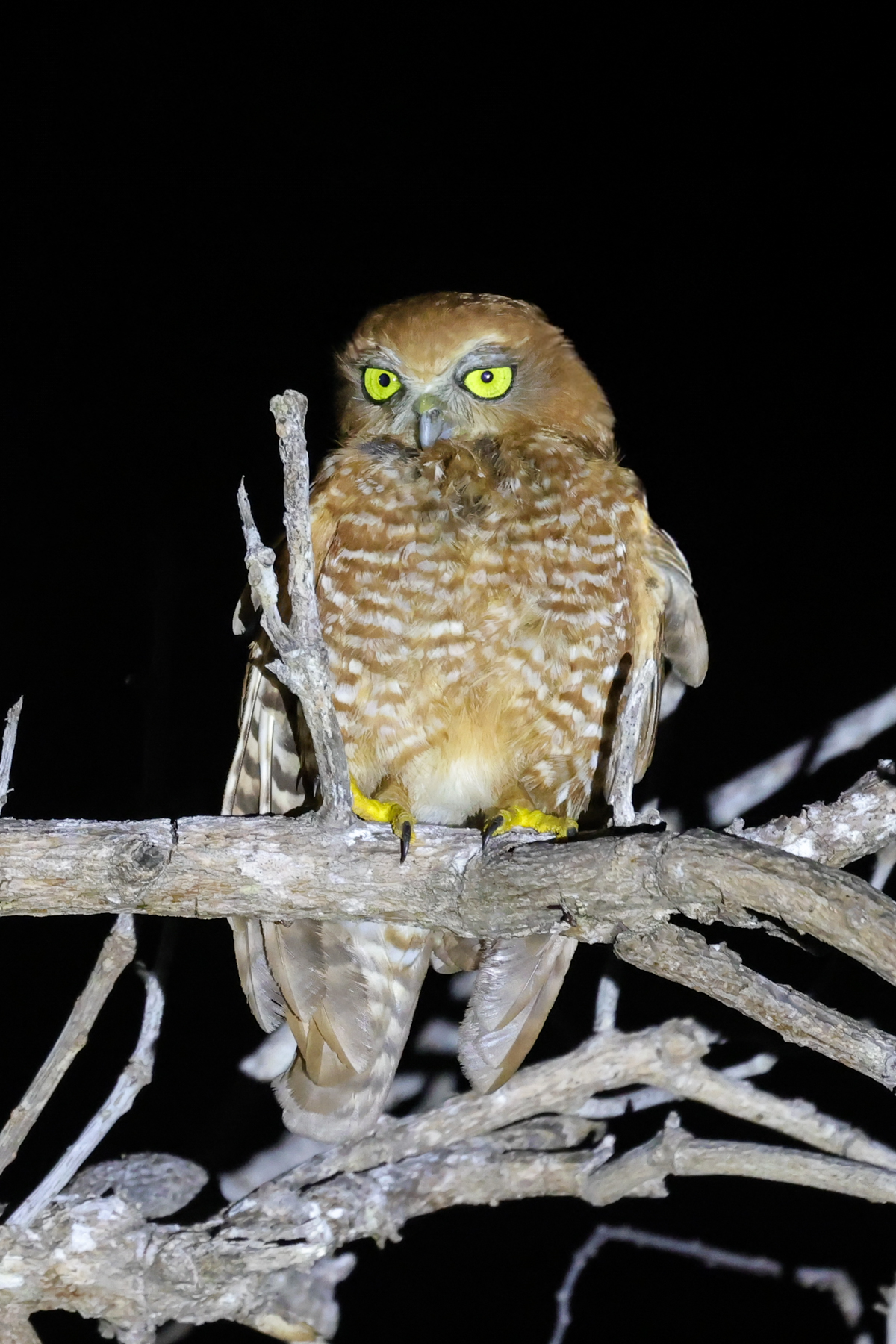
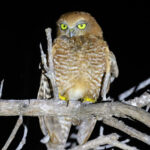
Christmas Boobook (image by Hannu Jännes)
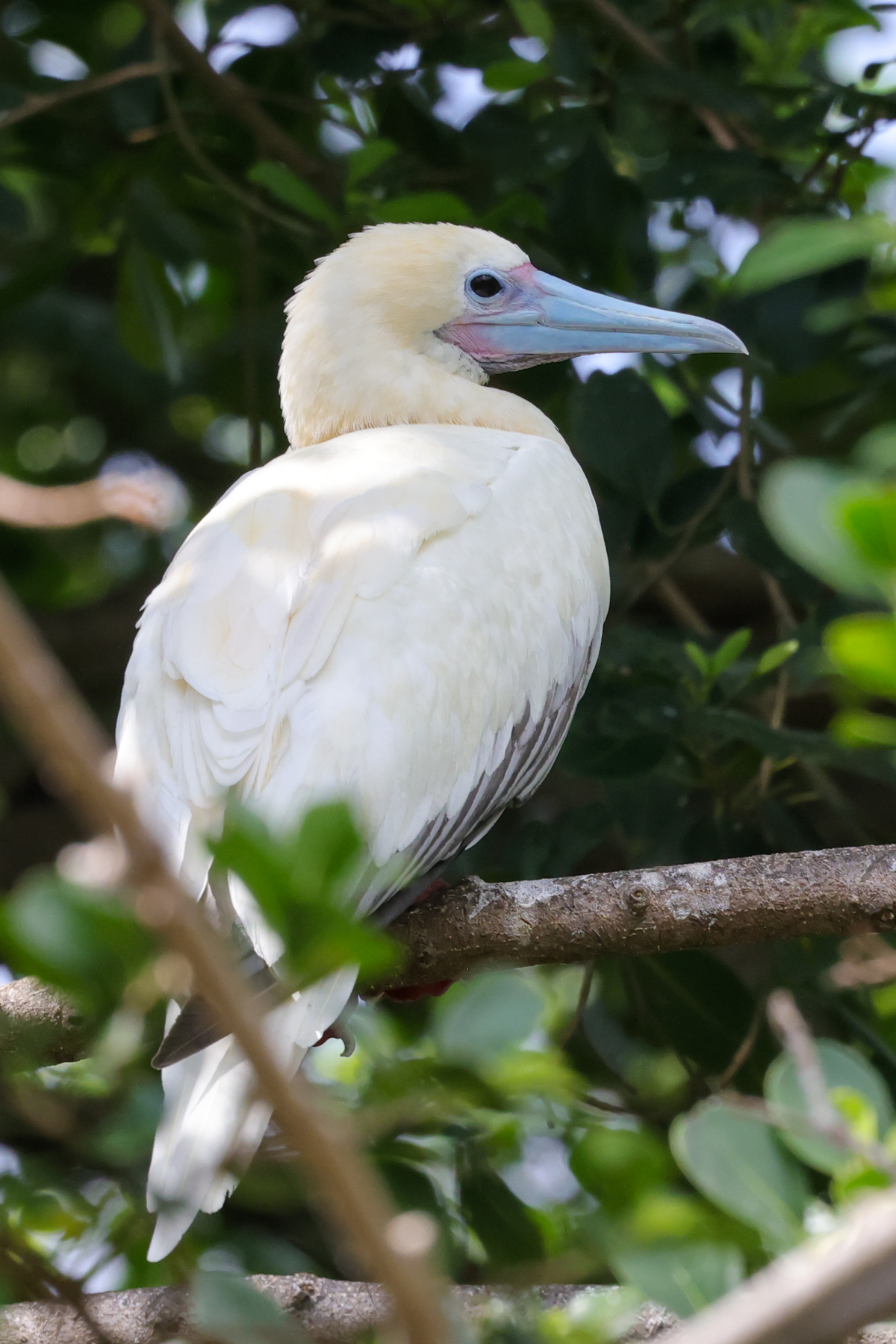
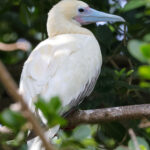
Red-footed Booby (image by Hannu Jännes)
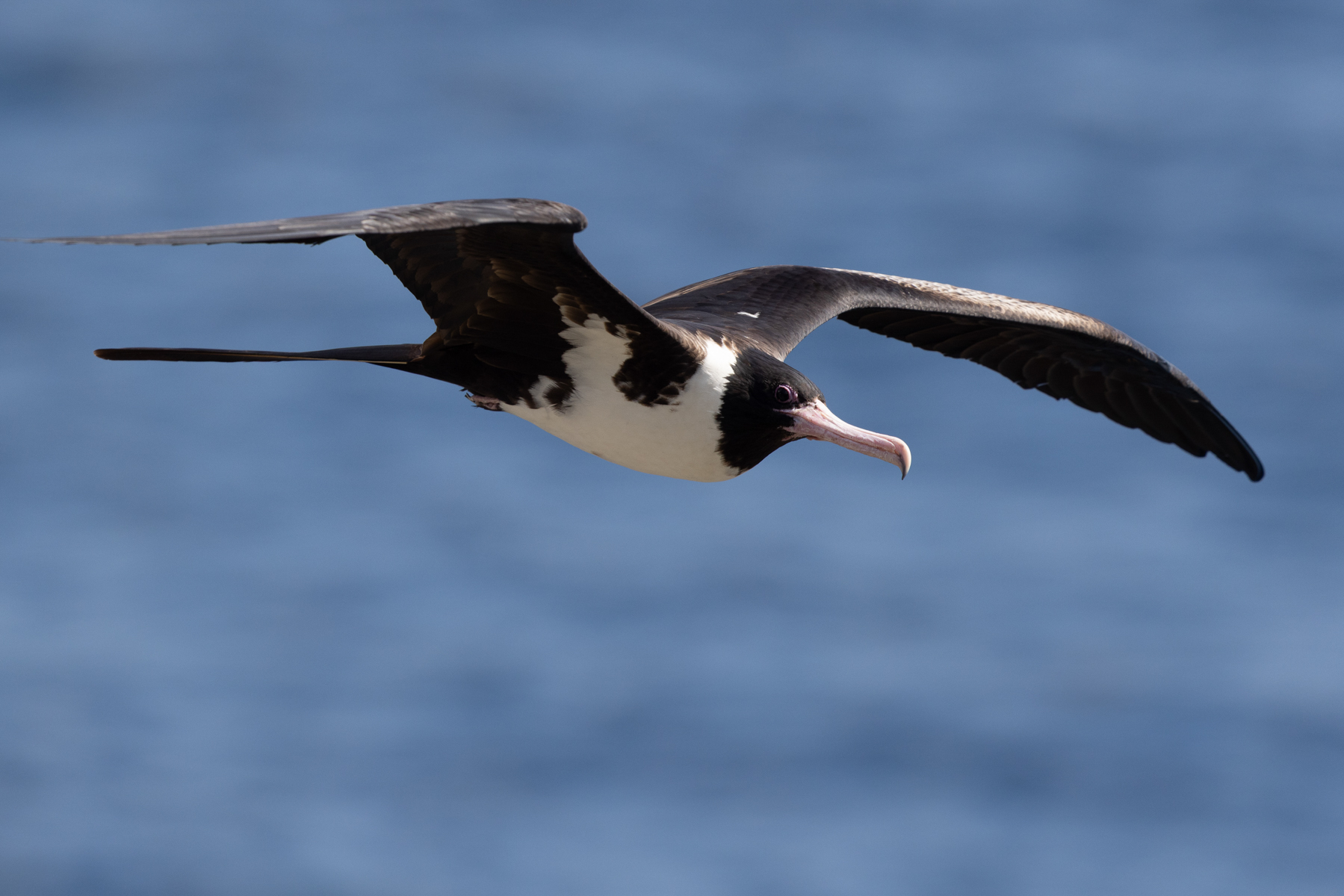
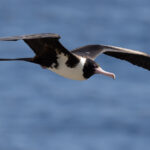
Christmas Frigatebird (image by Frederic Pelsy)
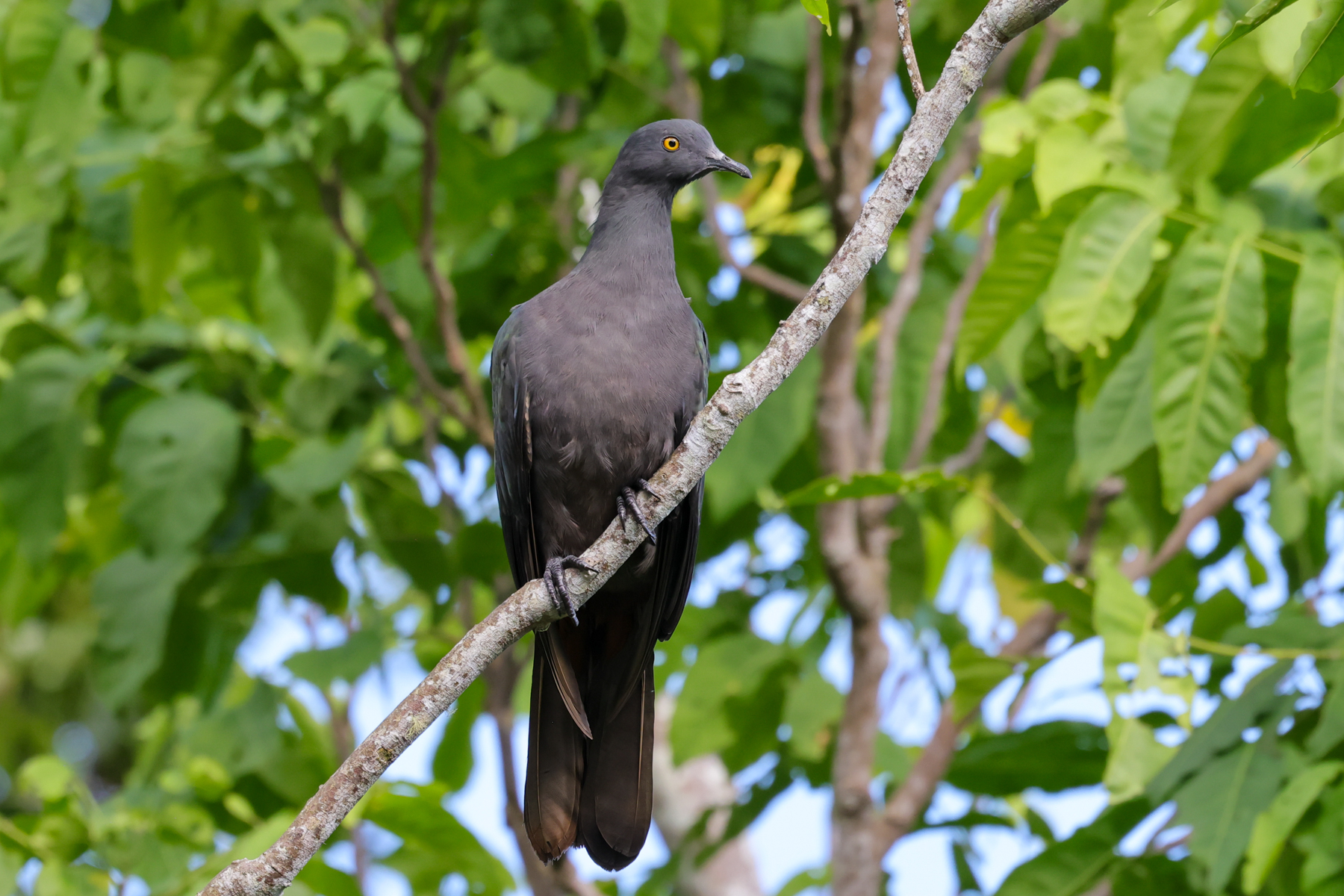
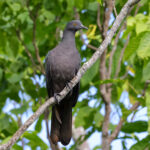
Christmas Imperial Pigeon (image by Hannu Jännes)
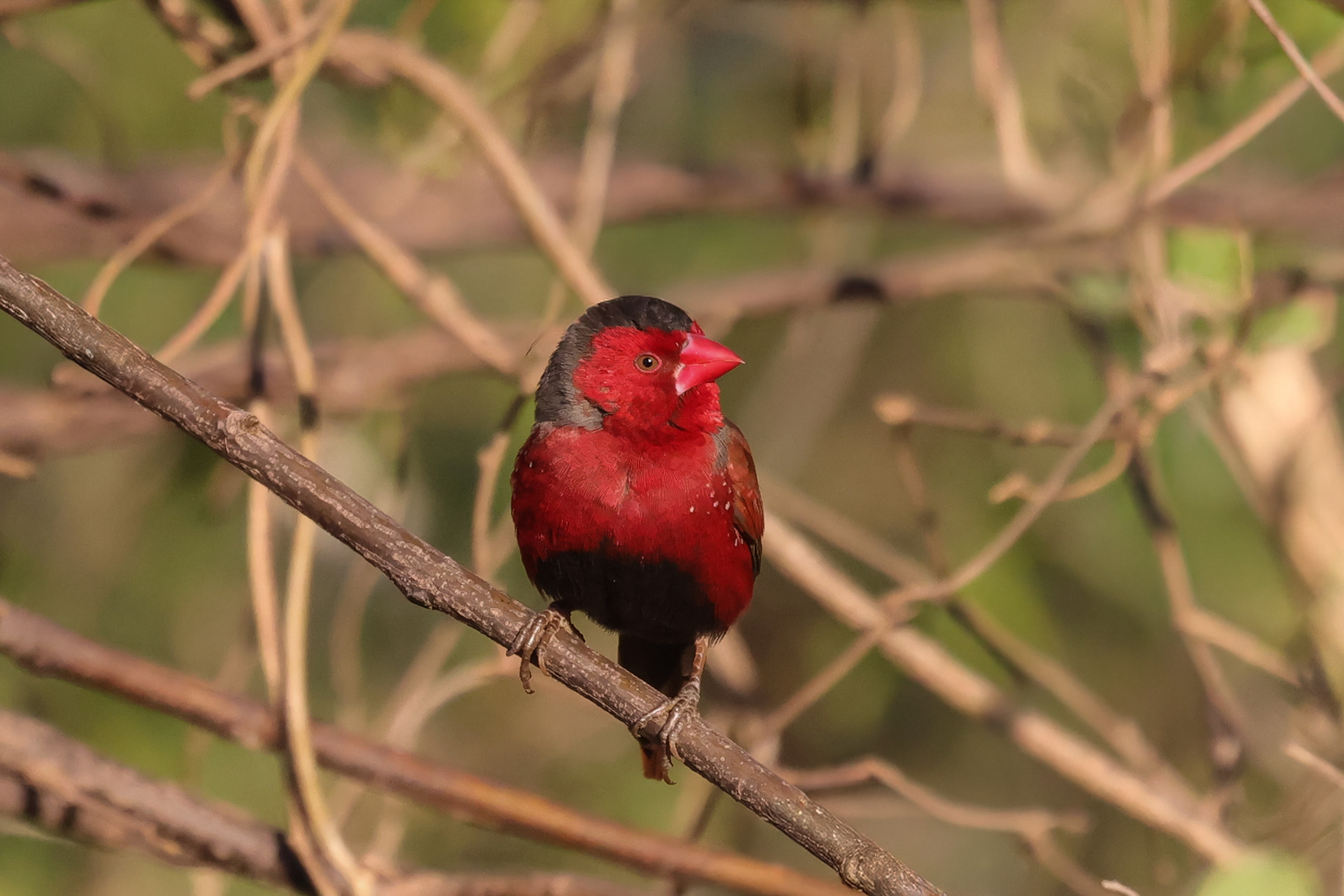
Crimson Finch (image by Hannu Jännes)
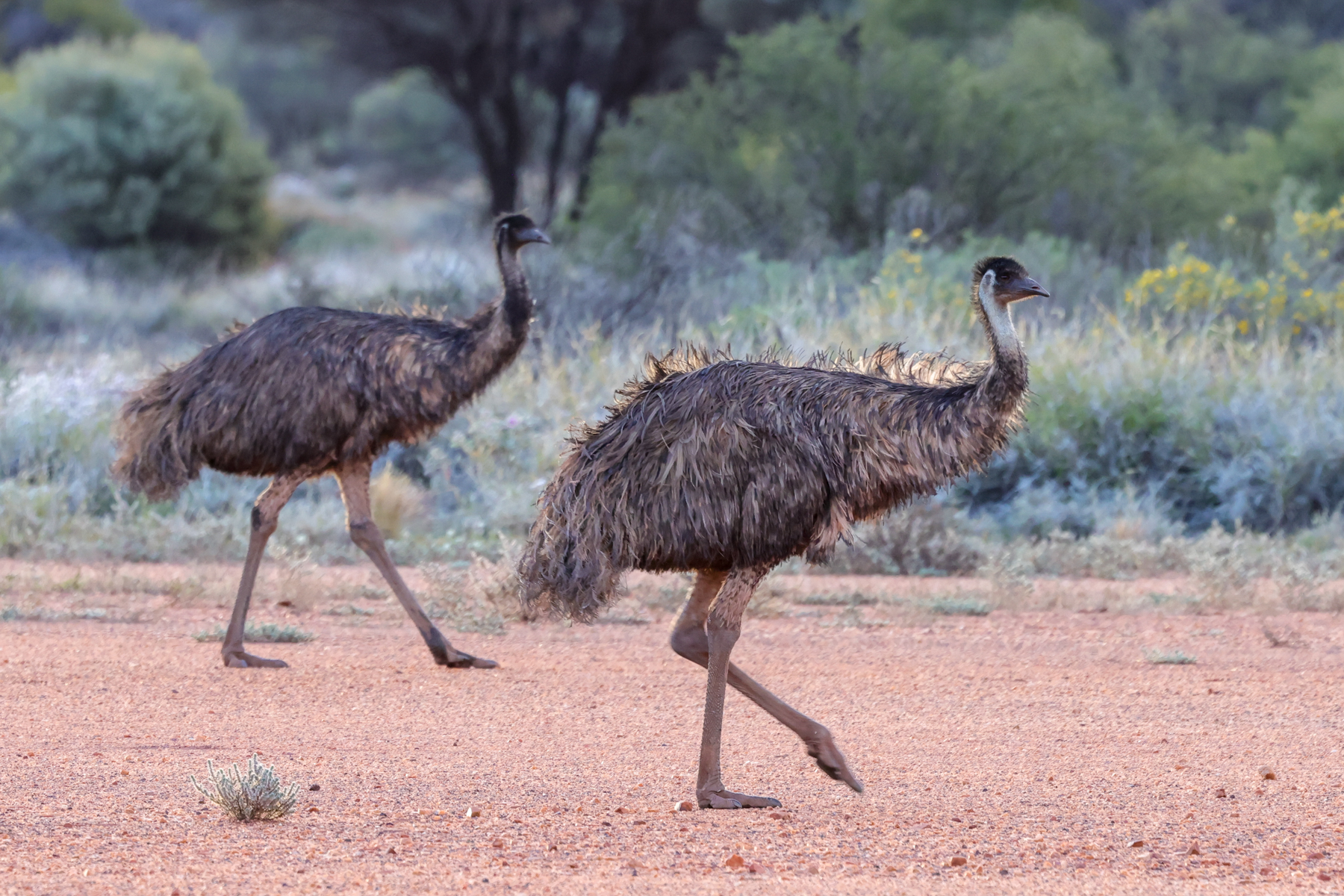
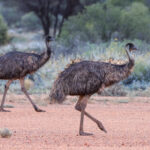
Emus (image by Hannu Jännes)
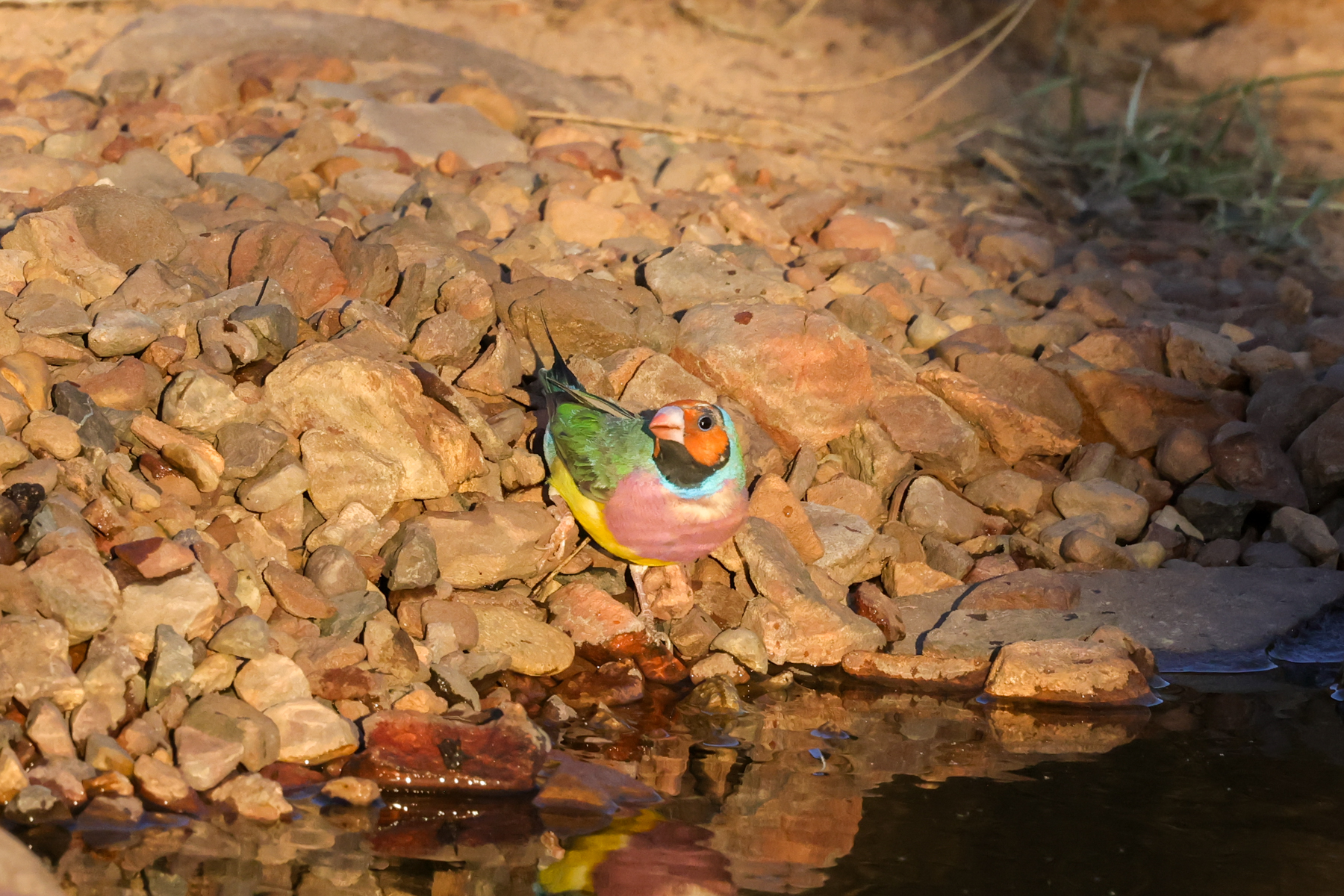
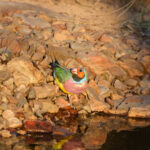
Gouldian Finch (image by Hannu Jännes)
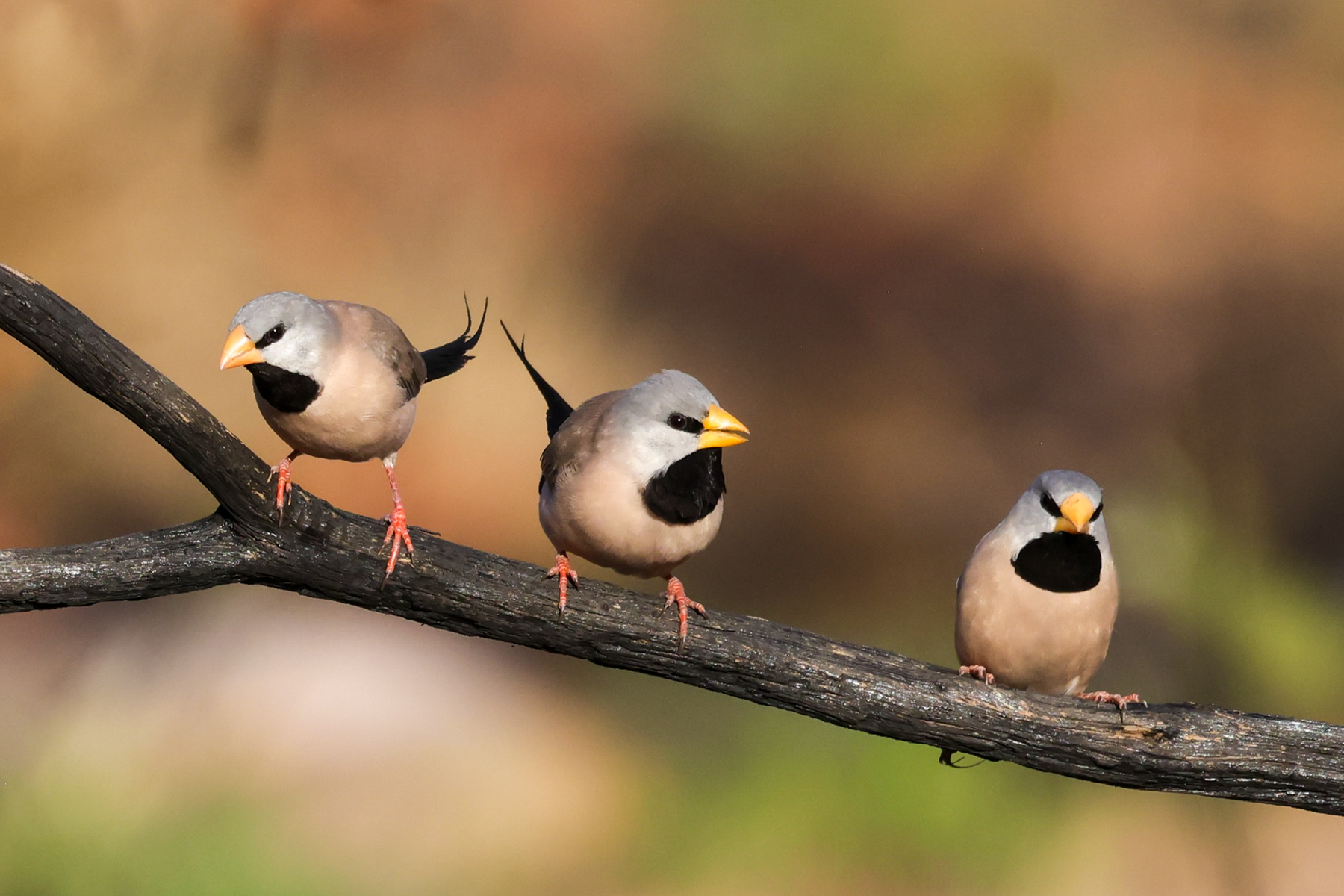
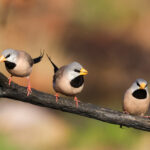
Long-tailed Finches (image by Hannu Jännes)
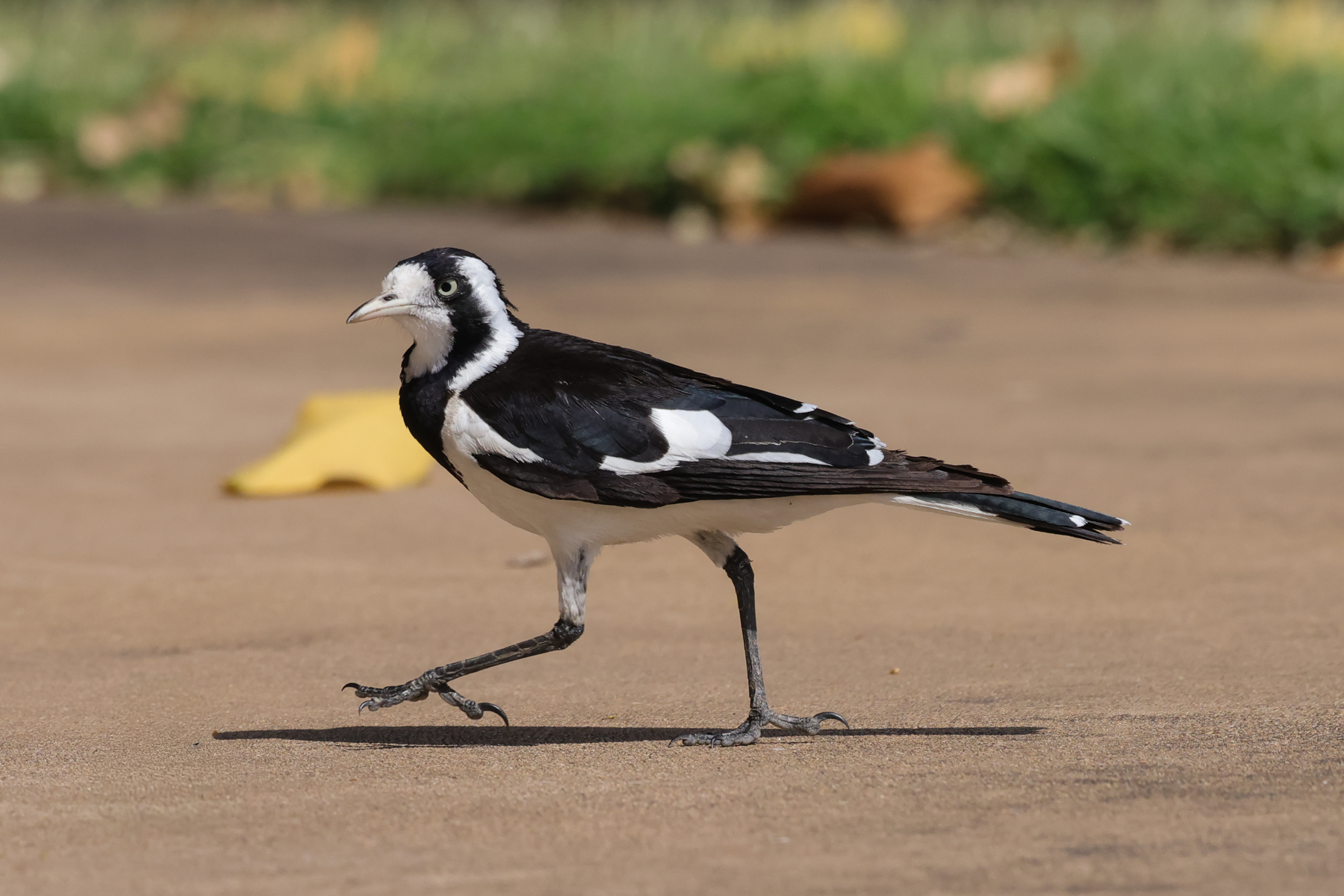
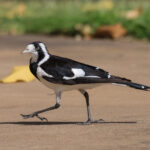
Magpie-Lark (image by Hannu Jännes)
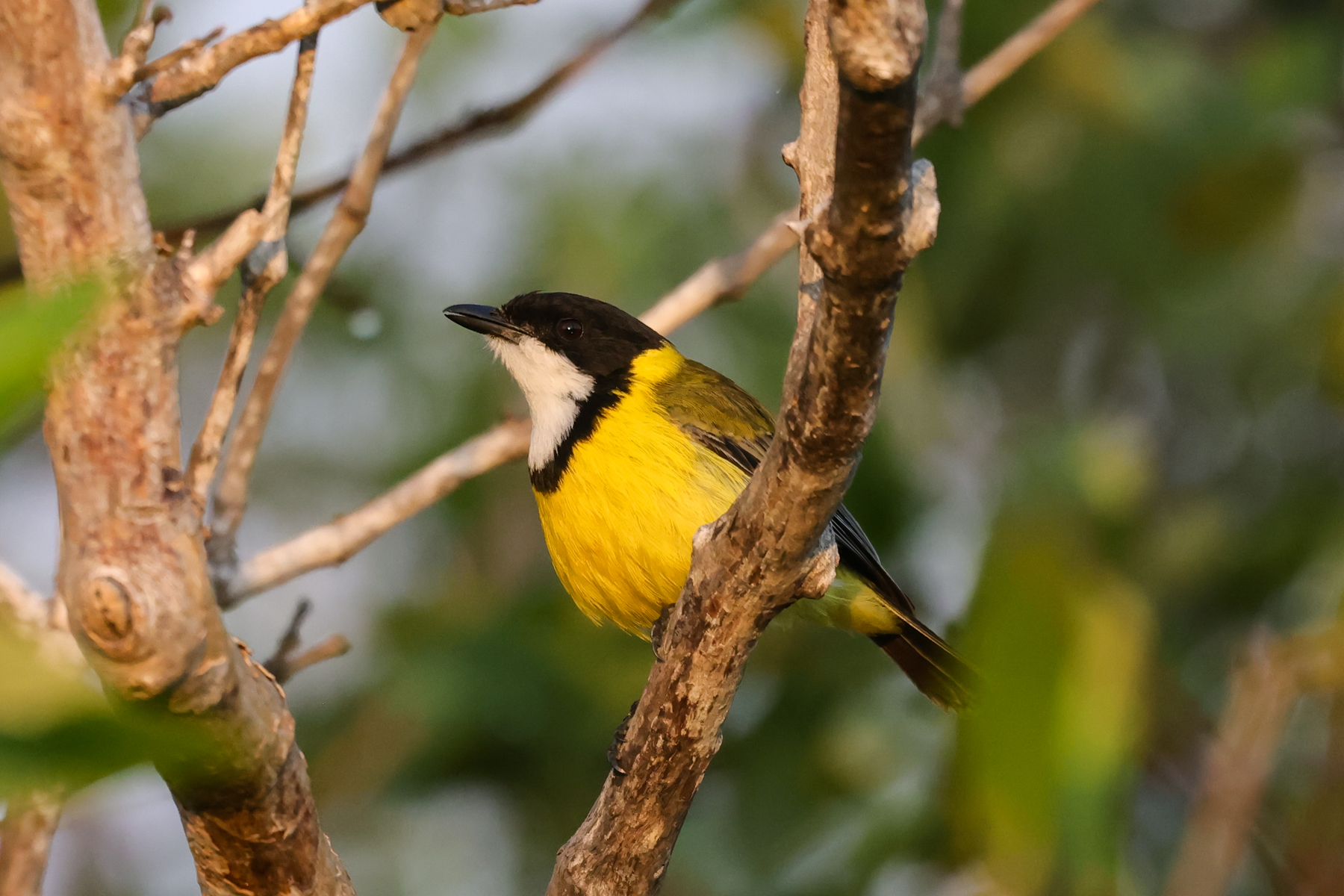
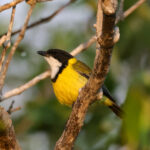
Mangrove Golden Whistler (image by Hannu Jännes)
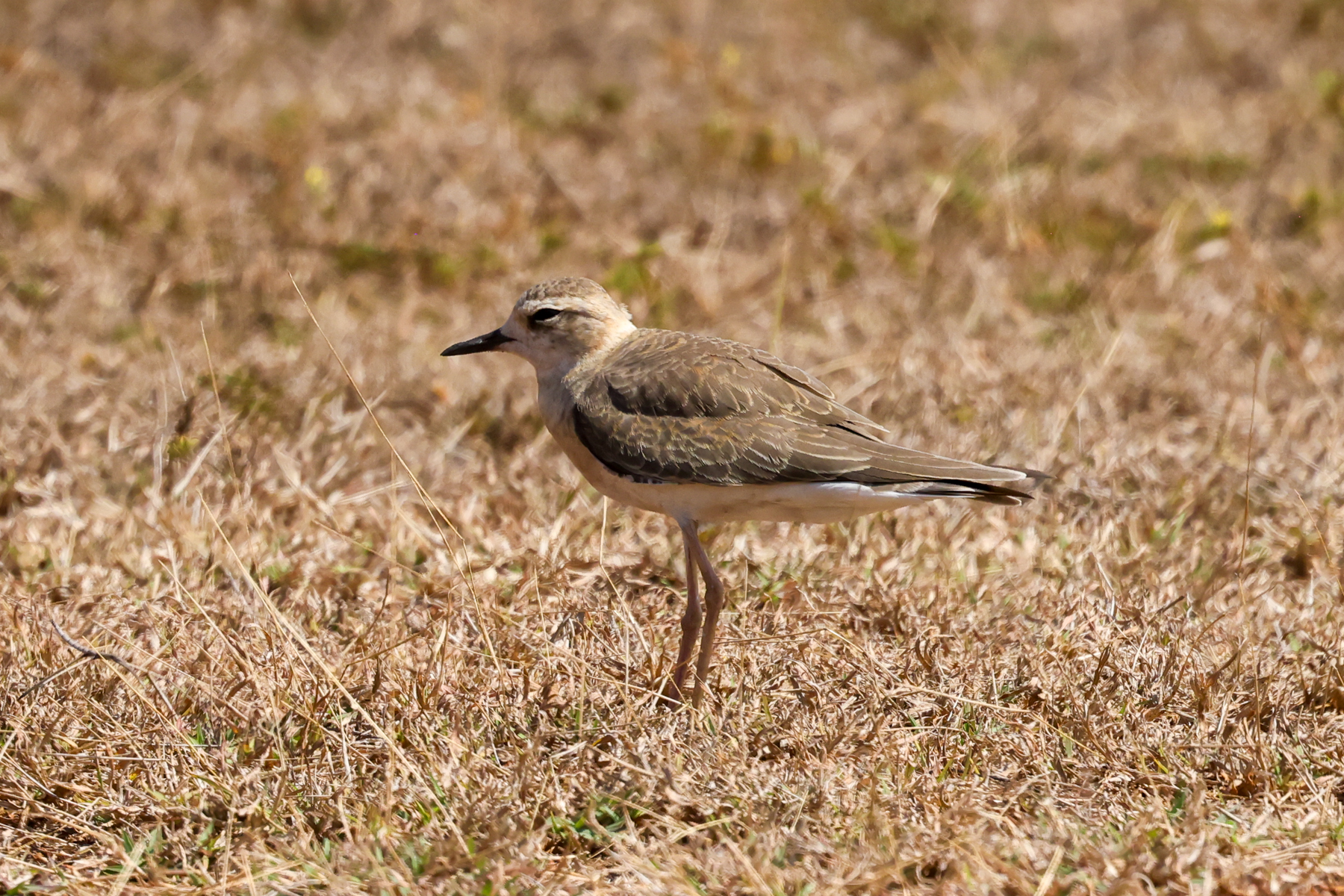
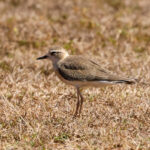
Oriental Plover (image by Hannu Jännes)
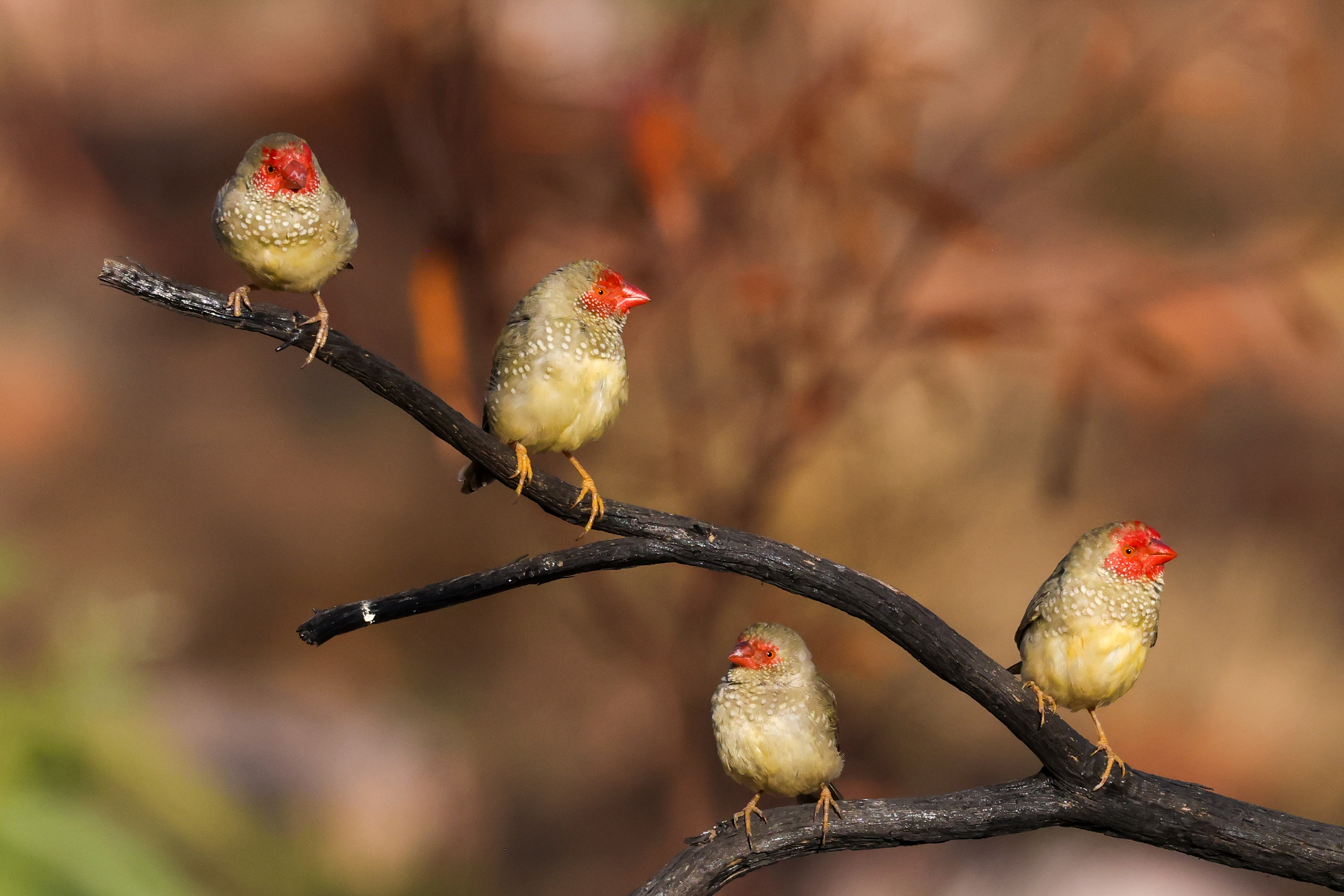
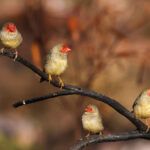
Star Finches (image by Hannu Jännes)
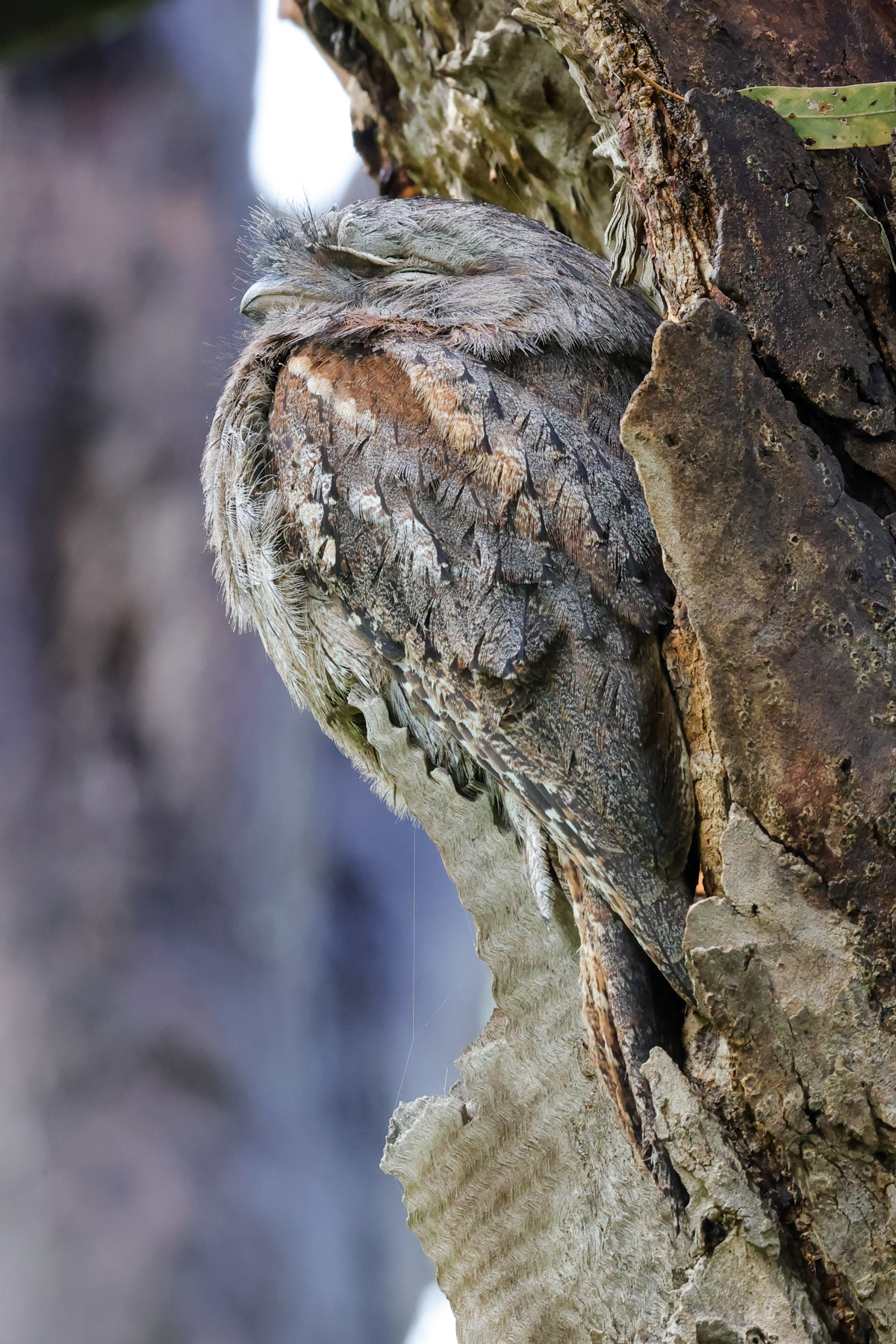
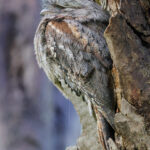
Tawny Frogmouth (image by Hannu Jännes)
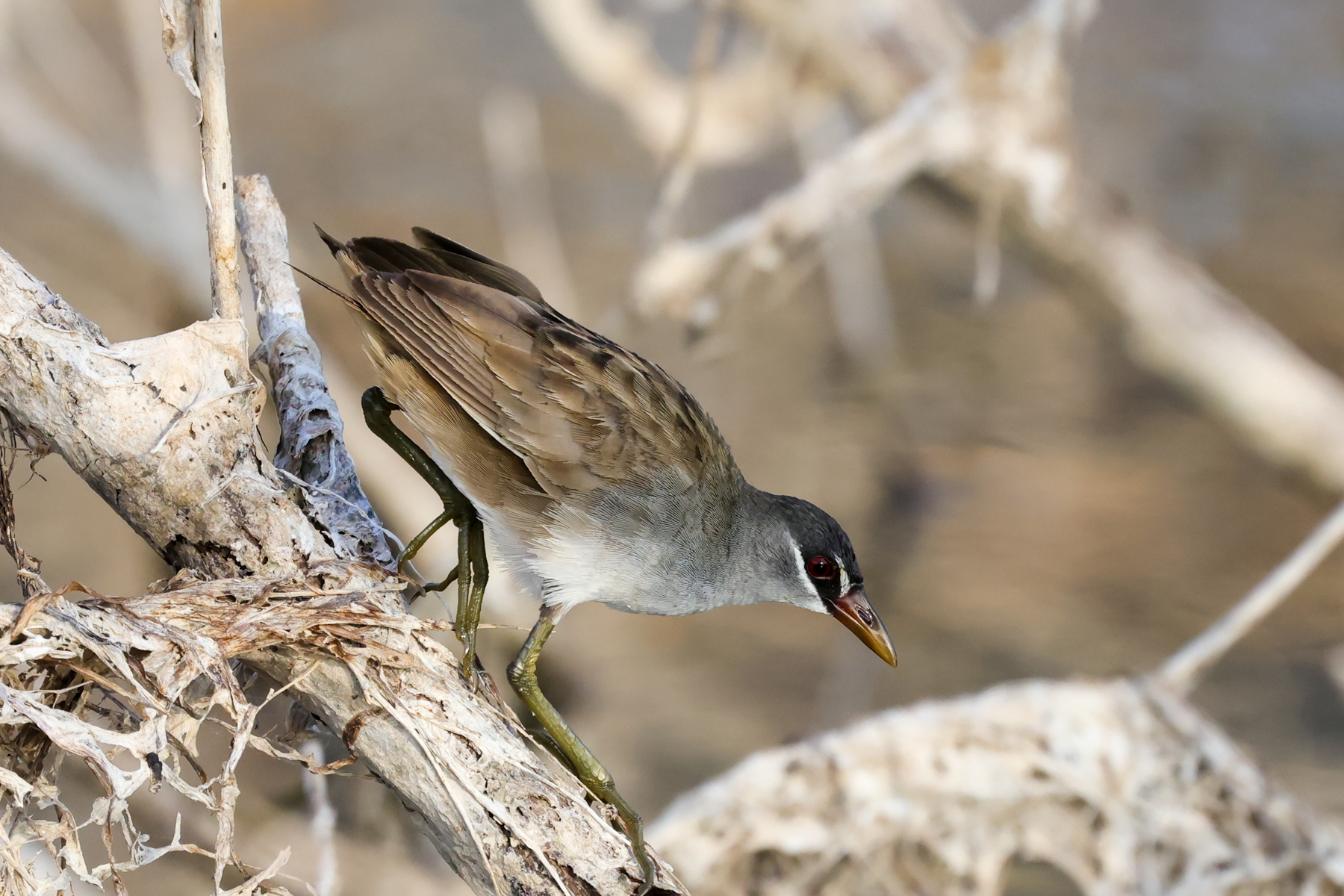
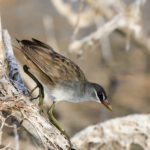
White-browed Crake (image by Hannu Jännes)
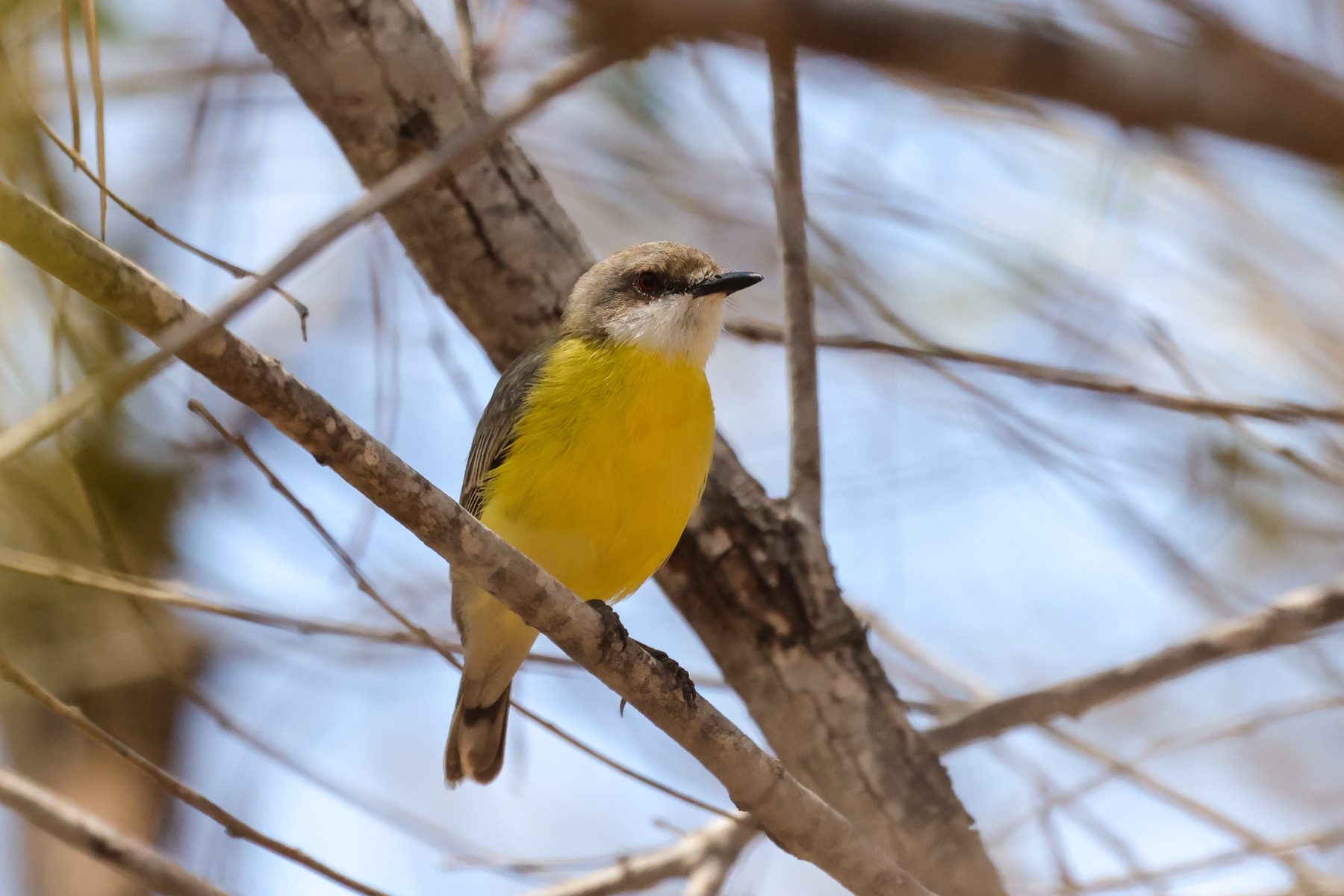
White-throated Gerygone (image by Hannu Jännes)
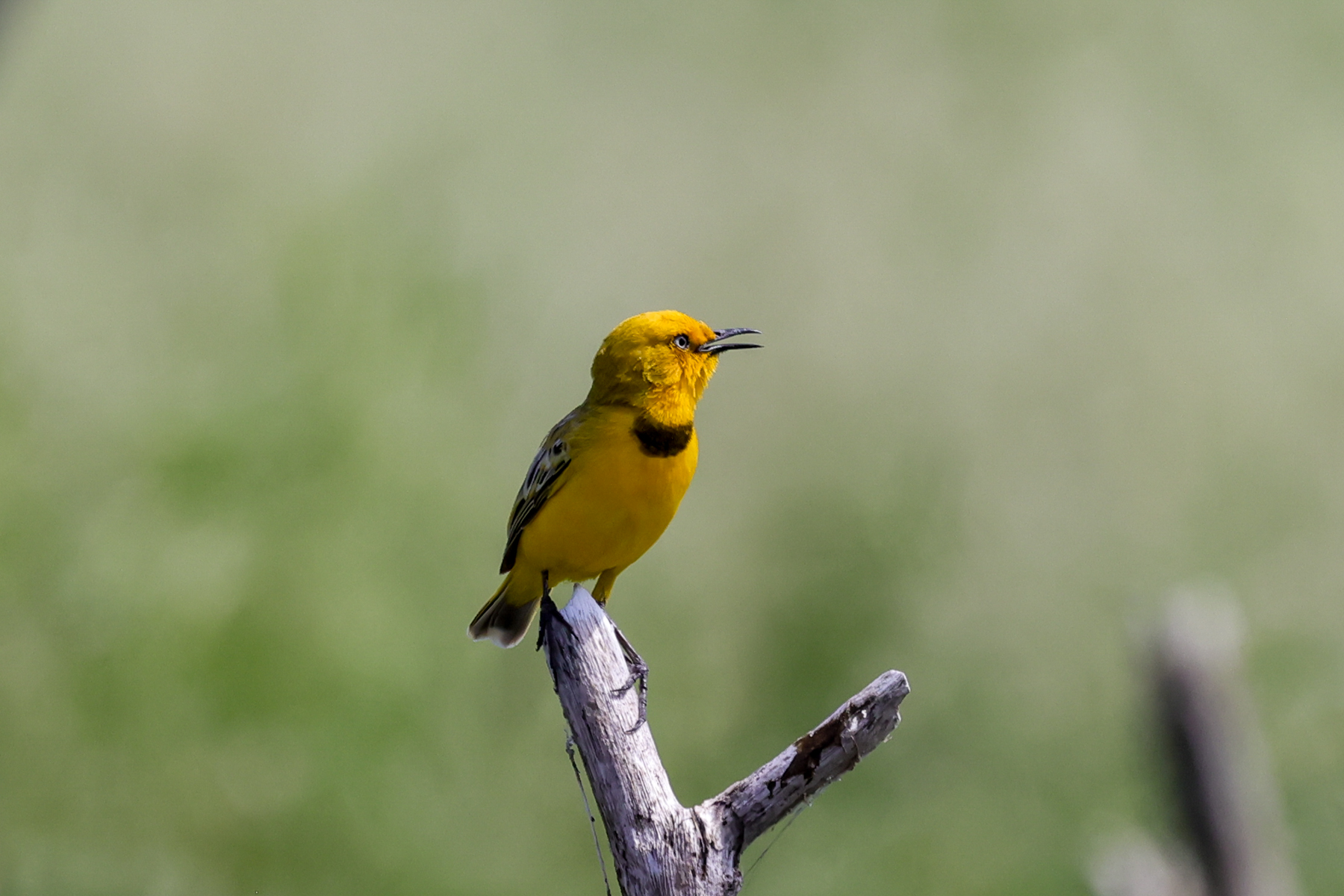
Yellow Chat (image by Hannu Jännes)
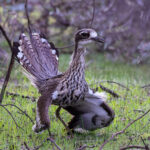
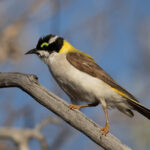
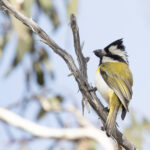
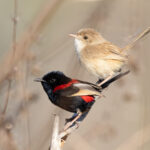
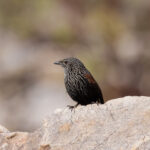
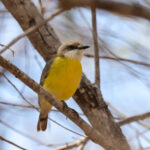
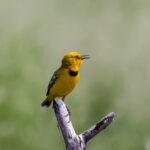


Black Grasswren (image by Hannu Jännes)
Baudin's Black Cockatoo (image by Frederic Pelsy)
Western Quail-thrush (image by Frederic Pelsy)
Purple-crowned Fairywren (image by Hannu Jännes)
New Holland Honeyeater (image by Hannu Jännes)
Bush Thick-knee (image by Hannu Jännes)
Black-chinned Honeyeater (image by Frederic Pelsy)
Western Shriketit (image by Frederic Pelsy)
Red-backed Fairywrens (image by Frederic Pelsy)
Brush Bronzewing (image by Frederic Pelsy)
Double-barred Finch (image by Hannu Jännes)
Honey Possum (image by Frederic Pelsy)
Purple-crowned Lorikeet (image by Frederic Pelsy)
Red-capped Parrot (image by Frederic Pelsy)
Western Bowerbird (image by Frederic Pelsy)
Western Whipbirds (image by Frederic Pelsy)
Black Grasswren (image by Hannu Jännes)
White-breasted Robin (image by Frederic Pelsy)
White-tailed Tropicbird ssp fulvus (image by Frederic Pelsy)
Australian Bustard (image by Hannu Jännes)
Australian Owlet-nightjar (image by Hannu Jännes)
Baillons Crake (image by Hannu Jännes)
Blue-breasted Fairywren (image by Hannu Jännes)
Blue-winged Kookaburra (image by Hannu Jännes)
Brown Booby (image by Hannu Jännes)
Abbott's Booby (image by Frederic Pelsy)
Christmas Island Thrush (image by Hannu Jännes)
Christmas Boobook (image by Hannu Jännes)
Red-footed Booby (image by Hannu Jännes)
Christmas Frigatebird (image by Frederic Pelsy)
Christmas Imperial Pigeon (image by Hannu Jännes)
Crimson Finch (image by Hannu Jännes)
Emus (image by Hannu Jännes)
Gouldian Finch (image by Hannu Jännes)
Long-tailed Finches (image by Hannu Jännes)
Magpie-Lark (image by Hannu Jännes)
Mangrove Golden Whistler (image by Hannu Jännes)
Oriental Plover (image by Hannu Jännes)
Star Finches (image by Hannu Jännes)
Tawny Frogmouth (image by Hannu Jännes)
White-browed Crake (image by Hannu Jännes)
White-throated Gerygone (image by Hannu Jännes)
Yellow Chat (image by Hannu Jännes)


WESTERN AUSTRALIA TOUR REPORT 2025

2 - 24 September 2025
Hannu Jännes
Western Australia, the largest Australian state, is diverse region with a wide range of habitats and a rich fauna with a high degree of endemism. The tour gave us an unrivalled opportunity to cover many key birding areas of the state and a varied range of habitats, as well as the offshore territory of Christmas Island. During our 23-day adventure we explored the temperate Karri and Wandoo woodlands and mallee of the southwest, the costal heathlands of the south-west coast, dry scrub and extensive woodlands of the interior, coastal plains and mangroves around Broome, and the red-earth savanna habitats and tropical woodland of the Kimberley-Kununurra region. The first part of the main Western Australia tour concentrated on finding the endemics and specialties of the southwest with such excellent species as Musk Duck, Tawny Frogmouth, the cute Australian Owlet-nightjar, Carnaby’s and Baudin’s Black Cockatoos, Western Corella, Red-capped Parrot, Western Rosella, Regent and Elegant Parrots, Purple Crowned Lorikeet, Hooded Dotterel, the elusive Noisy Scrubbird, Blue-breasted and Red-winged Fairywrens, Southern Emu-wren, Western Bristlebird, Black-throated Whipbird (both forms), Western Shrikethrit, Rufous Treecreeper, White-breasted, Scarlet and Western Yellow Robins, Red-eared Firetail, Western Fieldwren, Spotted Scrubwren, Western Whistler, Western Wattlebird, White-cheeked and Gilbert’s Honeyeaters and Western Spinebill. Further northeast, in the dry interior around Hyden and Kookynie we connected with the much-wanted Western Quail-thrush, Mulga Parrot, admired a Western Bowerbird, enjoyed great views of Redthroat and Gilbert’s Whistler, and encountered a selection of dry country honeyeaters. In the north, around Broome, the highlights included the wader spectacle at Roebuck Bay and a handful of the restricted range mangrove specialists, including Mangrove Golden and White-breasted Whistlers, Mangrove and Dusky Gerygones, Broad-billed Flycatcher and Mangrove Fantail. In the Kimberley area highlights included a splendid pair of the range restricted Black Grasswrens, Partridge Pigeon, Brolga, Australian Bustard, a fine pair of Barking Owls, Varied and Red-collared Lorikeets, Blue-winged Kookaburra, Great Bowerbird, Black-tailed Treecreeper, Kimberley Honeyeater, Paperbark Flycatcher, a selection of northern honeyeaters and the amazing Purple-crowned and equally striking Red-backed Fairywrens. In the Kununurra area the most memorable tour highlight was a very enjoyable boat cruise along Lake Argyle, where we saw, amongst many other birds, some splendid Yellow Chats. Another tour highlight was an early morning session at a drinking pool visited by five species of finches including the exquisite Gouldian Finch. A real finch fiesta! Other species worth mentioning included confiding Baillon’s and White-browed Crakes, Black Falcon, White-gilled and Spinifex Pigeons, confiding Buff-sided Robins and Lemon-bellied Flyrobins, Green and Olive-backed Orioles, Pictorella and the range restricted Yellow-rumped Mannikins. The lovely, very relaxed Christmas Island pre tour extension produced amazing views of such marvelous birds as Red-tailed and the exquisite “golden” form of White-tailed Tropicbirds, Christmas Frigatebird, the antediluvial-looking Abbott’s Booby plus great views of the island’s endemic landbirds including a boobook, a pigeon, a swiftlet, a white-eye and a goshawk.
Mammals are not a great feature of this tour, but we had a delightful encounter with two Honey Possums in the southwest, and we also encountered Short-beaked Echidnas there. Western Grey Kangaroos were noted on several days, Agile Wallaby showed on three days, Antilopine and Common Wallaroos, Northern Nail-tailed Wallaby, Antelopine and Short-eared Rock Wallabies were all seen. Additional mammal sightings included Southern Right Whale, Common Bottlenose Dolphin and Black and Black-eared Flying Foxes.
The group gathered for the pre tour extension to the renowned Christmas Island at Perth airport. After a smooth flight we arrived at the 135 km2 island, which is situated just 350 km south of the Indonesian island of Java. On arrival we collected our two rental vehicles that had seen better days and drove to our pleasant guesthouse situated on the coast at Flying Fish Cove. In addition to the nice ocean view there is a bonus of a continuous stream of boobies, frigatebirds, tropicbirds and noddies flying past the guesthouse in thousands every morning and afternoon.
The next two and half days were spent exploring this tropical paradise, rightly famous for its breeding seabirds. During our stay we observed good numbers of Brown and Red-footed Boobies flying around the coast and at their breeding grounds, where we had amazing views of perched birds. The third booby species, Abbott’s Booby, which only breeds on Christmas Island with an estimated population of 2500 pairs, was less often seen on the coast, but we had great sightings of birds flying over the island’s dense forests further inland, and of birds sitting on their nests in tall Syzigium trees.
Of the island’s three frigatebirds the Great Frigatebird was the commonest, but the endemic Christmas Frigatebird was also noted in good numbers daily. The Lesser Frigatebird was also seen regularly, but in much smaller numbers. Perhaps the most amazing group of seabirds breeding on the island are tropicbirds, of which the Christmas Island breeding golden form fulvus of the White-tailed Tropicbird (Golden Bosunbird) is perhaps the most spectacular. In addition to this distinct Christmas Island morph, we also noted small numbers of the white birds of the nominate subspecies. Red-tailed Tropicbird was commonly encountered, even breeding next to the verandah of our guesthouse.
There is not much in the way of land birds on Christmas Island, and we easily found the more common ones including endemic Christmas Imperial Pigeon, Christmas White-eye, the endemic erythropleura race of Island Thrush, which has recently gained species status as Christmas Island Thrush and Christmas Swiftlet. The Boobook was first observed on the way to the restaurant on our first night but only gave rather poor views. Luckily the second bird just 100 meters from our guesthouse was more cooperative and gave us great views and photo opportunities. On my previous visit in 2023 the Christmas Island Goshawk (now lumped with the Brown Goshawk) took time and effort to find, but this year we had multiple great views early on. Add to this Common Emerald Dove, Eurasian Tree Sparrow, White-breasted Waterhen, Common Sandpiper, Brown Noddy, Medium Egret, White-faced Heron, Pacific Reef Heron, Nankeen Kestrel, the long staying pair of Glossy Ibises (a local rarity) and you have the complete list of the bird species we saw on the island during our stay. In addition to birds the island is famous for its many crabs, of which we saw the unmistakable Red, the huge Robber (or Coconut) and Blue.
Back in Perth, Leo, Jaap and Mark joined our group, and we were soon ready for some birding action. Our first official birding in mainland Australia was at Lake Herdsman in Perth, where a couple of hours of intensive birding amidst heavy rain showers yielded a good selection of species including Pink-eared Duck, Australian Shoveler, Hardhead, Musk Duck, Black Swan, Maned Duck, Australian Pelican and we also saw a brilliant Tawny Frogmouth at its day roost, two Buff-banded Rails feeding on a lawn, Little Corellas, Rainbow Lorikeets and Laughing Kookaburras (both these are Eastern Australian species introduced in Perth) and had our first taste of Australia’s peculiar passerines including New Holland and Brown Honeyeaters, Red Wattlebird and Magpie-lark. Later, en route to Narrogin, a few roadside stops produced brilliant views of confiding Baudin’s Black Cockatoos, a species that can be tricky to find, some impressive Red-tailed Black Cockatoos, our first flock of beautiful Galahs, and Australian Ringnecks and Red-capped Parrots.
Next morning, we were in Dryandra woodland well before dawn to try and locate the nocturnal Bush Stone-curlews, which at first were skittish hiding in the bushes, but later, when we stumbled on one of their small chicks became very aggressive towards us and showed extremely well. The rest of the morning was spent birding various parts of the forests at Dryandra, where most of the birds were new to us and included Purple-crowned Lorikeet, Rufous Treecreeper, Blue-breasted and Splendid Fairywrens, Yellow-plumed Honeyeater, Striated Pardalote, Weebill, Spotted Scrubwren, Yellow-rumped and Inland Thornbills, brief Western Gerygones, Dusky Woodswallow, Varied Sittella, Western and Rufous Whistlers, Grey Shrikethrush, Grey Fantail, Restless Flycatcher, Red-capped and Scarlet Robins, Jacky Winter, with its distinct Wood Lark type song, and Western Yellow Robin. We also spent some time in areas where the rare Numbat had been seen recently but had to make do with two Short-beaked Echidnas. Western Grey Kangaroo was also common in the area. On the way to our next destination, Stirling Range Retreat, we stopped at a lake, where we soon located a beautiful Hooded Dotterel and found several handsome Tawny-crowned Honeyeaters.
The new day saw us on the heath covered lower slopes of Mt Trio, where our birding efforts were ruined by heavy rain and high winds. Rain continued more or less unabated till early afternoon, and much of our birding was done from the comfortable verandah of a café, where we watched various birds visiting the flowering Eucalyptus just outside. A couple of short walks close to our accommodation produced a cute Australian Owlet-nightjar, Banded Lapwing, many Purple-crowned Lorikeets, Brown-headed and Gilbert’s Honeyeaters, Spotted Pardalote and Grey Butcherbird. Parrots are also well represented in the area, and we saw, mostly by the roadsides when driving around, Baudin’s and Carnaby’s Black Cockatoos, many Galahs, good numbers of Regent, Red-capped and Elegant Parrots, flocks of Australian Ringnecks and some Western Rosellas. The rain eased off late in the afternoon, and we were back on the slopes of Mt Trio trying to locate the secretive Western Whipbird (subspecies oberon), which we heard distantly but failed to see. A supporting cast of good birds during our afternoon session included confiding Southern Emu-wrens, Western Spinebills and White-cheeked Honeyeaters, all new birds for us.
On our last morning at Stirling Range, we paid a quick visit to Mt Trio for yet another try for the Western Whipbird, which was calling frequently in the distance, but was only seen by some of us. We then visited a privately owned forest reserve, where we were shown two Malleefowl nest mounds. Unfortunately, apparently due to cold and rainy weather, the birds were not actively attending their nests and only two of us managed to see a Malleefowl walking in the dense bush. Other birds seen in this interesting area included Pied Stilts, Red-necked Avocets, two skittish Emus, a pair of Chestnut Teals and two Purple-gaped Honeyeaters. After lunch in our favorite café we paid yet another visit to Mt Trio, where we had great views of a pair of Western Fieldwrens. On the way to Albany, we had a brief stop at Porongorup NP, where we were entertained by Gilbert’s Honeyeaters, confiding White-breasted Robins, our first Fan-tailed Cuckoos and Western Rosellas.
It was an early start the next morning as we tried to find the Honey Possums at Cheynes Beach about 70 kms from our base in Albany. These tiny, mouselike marsupials are visible in flowering Banksias for a short period of time around sunrise before they disappear for the rest of the day. Unfortunately, my old site for this quality mammal didn’t produce and we failed to find it despite an extensive search. Next, we concentrated on the special birds of this vast area of coastal heath. The Western Bristlebird gave up quite easily, and we had brilliant views of a singing bird. Seeing the Noisy Scrubbird, which only survives in a tiny area (45 km2) here with an estimated population of 700 individuals, was far more difficult. We heard couple of birds giving their distinctive and very loud song but failed to get any views of them. Also, the Western Whipbird (of the subspecies nigrogularis) we heard during the scrubbird chase remained unseen. Despite the struggles with the scrubbird and whipbird we enjoyed a great morning’s birding in beautiful sunny weather, where new birds included Brown Quail, Shining Bronze Cuckoo, showy Fan-tailed Cuckoos, a pair of Brush Bronzewings, Osprey, Square-tailed Kite (always a tricky bird to find), Little Eagle, several Wedge-tailed Eagles, our first Brown Falcon, Red-winged and Splendid Fairywrens, Southern Emu-wren, Western Spinebill, Western Wattlebird and Red-eared Firetail for some. After a good lunch at Cheynes beach we drove to Albany and spent the afternoon birding the Seppings Lake where big numbers of breeding Straw-necked and Australian Ibises roam around. Best birds here included showy Western Rosellas, two confiding White-breasted Robins, Musk and Blue-billed Ducks, Hoary-headed Grebe, couple of showy Buff-banded Rails, Red-winged Fairywren and Australasian Reed Warbler. The day was rounded off at Emu Point in Albany, where Pied Oystercatchers, Pacific and Silver Gulls, Caspian and Greater Crested Terns and Little Pied, Australian Pied, Little Black and Great Cormorants entertained us.
The next day started even earlier than the previous one as we had a meeting with an Australian Boobook in one of the suburbs of Albany. After having great views of this obliging bird, we hurried back to Cheynes beach, where we tried another patch of flowering Banksias and managed to locate two Honey Possums, which allowed good, prolonged views. What a cute little ‘mouse’ it is! The rest of the morning was spent chasing the scrubbird, and in the end, we managed to find an individual that showed some signs of cooperation and allowed all of us to have multiple very acceptable views of it walking along thick branches and even stopping to sing for a moment. We also had a very good encounter with some Red-eared Firetails and sighted both Short-beaked Echidna and Southern Right Whale.
It was now time to head for pastures new, but on the way we paid yet another early morning visit to the Cheynes area where we finally managed to connect with an excellent pair of the coastal subspecies (nigrogularis) of the Western Whipbird, a bird we had only heard earlier. Next was a stop at the very windy Corackerup National Park, where showy Southern Scrub Robin and White-browed Babbler were added to our bird list. Later in the afternoon we stopped at a salt lake, where we had White-fronted Chat and Australian Hobby as new birds. The rest of the day was spent driving to Hyden, where we arrived after dark
After a very early start and a 180 kms drive along gravel roads we reached our next birding destination, Mcdermid Rock, in good time despite spending time with a roadside Spotted Nightjar on the way. The Copperback Quail-thrush, our main target here, was nowhere to be found despite an extensive search, but we managed to see some excellent Redthroats, Chestnut-rumped Thornbills and two White-eared Honeyeaters. A puncture to one of our vehicles slowed us down quite a bit and we didn’t really have much time to try alternative sites for the Quail-thrush, but we managed the long drive to Kookynie, seeing a group of four fearless Emus on the way. In Kookynie we stayed at the wonderfully frozen in time Grand Hotel, built in 1905 and seemingly little changed since then.
Next day began in the area around Niagara Dam Nature Reserve near Kookynie, where the first target was the much-needed Western Quail-thrush, which we managed to locate quite easily enjoying great views. The same area also held nice Crested Bellbird another new bird for us. Next was a visit to the dam itself, where the birding was quite productive, and we saw several new species including Black-fronted Dotterel, several Mulga Parrots, a fine Western Bowerbird, Spiny-cheeked Honeyeater and Little Crow. A flock of eight Pied Honeyeaters (a write-in) was only seen by some of us. Later, on the way to our accommodation in Southern Cross, we spent quite some time in a large forest area searching for Copperback Quail-thrush but had to make do with White-fronted Honeyeater and Gilbert’s Whistler. Another stop at the very windy sewage ponds near Bolder brought us the usual ducks and a few waders including Wood Sandpiper and Red-kneed Dotterel, both new birds for the list.
A new morning saw us at a sewage farm near Southern Cross, where we managed to connect with a small group of White-winged Fairywrens. Later we had a good encounter with some roadside Western Corellas of the subspecies derbyi, before it was time to head for Wandoo NP, where couple of hours of intensive birding gave us the rest of the endemic birds we still needed with Western Thornbill and a pair of cooperative Western Shrike-tits. In addition, we had good looks of a Hooded Robin. For the night we drove to Lancelin on the coast, where some late afternoon birding brought us good numbers of Bridled Terns and Brown Noddies.
The next day was mainly devoted to travel. First, a drive to Perth from where we flew 1700 kms north to the tropical center of Broome, where Mark Ley, our assistant guide and driver of the third vehicle, was already waiting for us. After organizing three rental vehicles and having late lunch we rushed to Roebuck Bay for some late afternoon high tide wader watching. Unfortunately, the tide was not very strong during our visit, and we never really got close to the massive wader concentrations the place is famous for, but we still managed to pick up nearly all the desired species during this evening and the following day.
Shorebirds seen along the Roebuck Bay on our three visits included Great and Red Knots, Curlew Sandpipers, Greater and Siberian Sand Plovers, Grey Plovers, Red-necked Stints, Terek Sandpipers, Bar-tailed and Black-tailed Godwits, Ruddy Turnstones, Grey-tailed Tattlers, Common Greenshanks, Marsh Sandpipers, Pied Oystercatchers, Red-capped Plovers, Eurasian Whimbrels, Far Eastern Curlews and half a dozen Broad-billed Sandpipers, a rather scarce and sought after species here. A good selection of terns was also found as Australian, Gull-billed, Caspian, Little, Common and Whiskered Terns were all present. A mid-morning visit to mangroves nearby produced badly needed species like Mangrove Fantail, Broad-billed Flycatcher, Dusky Gerygone and Mangrove Golden and White-breasted Whistlers and Little Bronze Cuckoo. A visit to the Broome Bird Observatory gave us brilliant views of Greater Bowerbird, White-gaped, Rufous-throated and Brown Honeyeaters, Purple-backed Fairywrens and many Double-barred Finches visiting bird baths just outside the building. A short stroll around the woodland surrounding the observatory gave us brilliant views of a family party of Grey-crowned Babblers and White-throated Gerygone. During the late afternoon we visited a creek, where two Australian Bustards entertained us and it was also good to see some Brown Songlarks, Brolgas and a flock of around 40 Common Greenshanks. At sunset we spent some time in an area where Eastern Grass Owl had been seen earlier in the season but had to settle for a Tawny Frogmouth.
Our last morning in Broome was spent at the Broome waterfront, where we quickly located Mangrove Gerygone, Northern Fantail and some Red-headed Myzomelas, all species we still needed, and we also connected with a gorgeous and confiding male Mangrove Golden Whistler. Then we drove to Derby, where we visited the Water Treatment Plant, a good place for some relaxed birding and field lunch. From Derby it was a long drive to our next destination, Mt Elizabeth Station, where we arrived late in the evening. New birds encountered during the day included Plumed Whistling Duck, Diamond Dove, Royal Spoonbill, White-necked Heron, Black-breasted Buzzard, Oriental Dollarbird, Cockatiel, Red-winged Parrot, a large flock of Varied Lorikeets feeding on seeding Eucalyptus, Black-tailed Treecreeper, Red-backed Fairywren, Banded Honeyeater, Yellow-tinted Honeyeater, Paperbark Flycatcher, good numbers of Fairy Martins and Long-tailed Finch. A pleasant pre-breakfast birding session in the vicinity of Mt Elisabeth station was very productive and included our first Sahul Brush Cuckoo, a brief Black Bittern, Bar-breasted, Banded, Blue-faced, White-throated, White-gaped and Yellow-tinted Honeyeaters, Little and Silver-crowned Friarbirds, White-bellied Cuckooshrike, Olive-backed Oriole, Leaden Flycatcher, showy Red-collared Lorikeets, Pheasant Coucals and large flock of noisy Little Corellas. We also had a chance to look at a Greater Bowerbirds bower, an impressive structure decorated with a well-organized collection of white pebbles, silvery screws and bolts, pieces of green and bright glass, empty shells of land snails and green berries. On the way out of Mt Elizabeth Station Brian picked up his dream bird, an Oriental Plover, at an airstrip, and naturally we had to spend some time photographing this rather confiding first-winter bird. We reached the Drysdale River around noon and had a field lunch and birding by the river, where Azure Kingfisher and a gorgeous family party of Purple-crowned Fairywrens entertained us. After some rest at the pleasant Drysdale River Station during the hottest time of the day we had a short birding session around our accommodation before early dinner.
After a short night’s sleep, we were rolling again at 01.00 am and reached our destination at Mitchell Plateau at sunrise. After a quick breakfast we went straight to the spot where I had seen our main target bird, the Black Grasswren, on my recce three weeks earlier, but as this spot was a no show we moved on checking areas that had been saved from the big fire two years earlier. After an intensive search checking suitable unburnt areas with plenty of Spinifex and large rocks, we heard the familiar call of this rare species, and soon we were all admiring a beautiful pair of this amazing species. Other good birds seen during the morning included the range restricted Kimberley Honeyeater, a brief Partridge Pigeon, Varied Triller (for Leo only) and Silver-backed Butcherbird. The temperature was getting very high now, and we started to drive back to Drysdale around 10.30. On the way we had some rest stops, and it wasn’t until around 15.30 that we reached our accommodation. After a brief rest we had a short outing by the Drysdale River, which produced a brilliant pair of Barking Owls.
After a brief morning’s birding around Drysdale River Station, we drove to Kununurra, where we arrived late in the afternoon. On the way we had roadside stops for birding and a field lunch. Before reaching Kununurra we had a detour via the Grotto, where we had brilliant views of a pair of White-quilled Rock Pigeons and a Shorth-eared Rock Wallaby.
Next morning we took the very enjoyable boat trip to explore the Lake Argyle shoreline and its several islands. We had a long stop, and tasty breakfast, in a secluded bay and a walk around a low-lying island, which gave us a mouth-watering list of goodies. The main species of interest was the very attractive Yellow Chat, which we saw extremely well. Other highlights included thousands of Magpie Geese, many Rajdah Shelducks and Green Pygmy Geese, Plumed and Wandering Whistling Ducks, amazingly confiding Baillon’s and White-browed Crakes, our first and only records of Long-toed Stint, Pacific Golden Plover, Little Curlew and Australian Pratincole, 200 Oriental Plovers, close Sharp-tailed Sandpipers, a showy Black Bittern, Red-backed Kingfisher, Horsfield’s Bush Lark, a flock of Gouldian Finches and Crimson Finches. After a break during the hotter hours of the day, we headed to Weaber Plains north of Kununurra and soon located small flocks of Yellow-rumped and Chestnut-breasted Mannikins and a single Green Oriole, all new birds for us, in dense roadside bushes. Later in the afternoon we still had the energy to visit the Lily Pond Creek, where Torresian Imperial Pigeon was a new bird for us.
An early start got us to the Wyndham area by dawn, where we had a pre-arranged meeting with our local guide, who took us to his superb drinking pool for a real finch fiesta. We spent the next couple of hours watching and photographing good numbers of Star, Double-barred, Masked, Long-tailed and, best of all, ten or so Gouldian Finches coming in for a bath or quick sip. In addition, we had brilliant views of Rufous-throated, Black-chinned, Yellow-tinted and Grey-fronted Honeyeaters visiting the pool. Later, after yet another field breakfast, we spent quite some time searching for Spinifex Pigeon, which we eventually managed to find. Later we checked the mangroves at the King River road and at Wyndham jetty without seeing anything new and had lunch in a café in Wyndham. An early afternoon visit to Parry’s Creek Farm gave us excellent views of Buff-sided Robins and a pair of Lemon-bellied Flyrobins. Next, we visited Marglu Billabong for late afternoon birding seeing on the way a good flock of Pictorella Mannikins and the scarce Black Falcon, both new birds for us. The billabong was thronged with birds, and we stayed there till early evening.
On the last morning of the tour, we went back to Lily Creek and Discovery Park for some easy birding and found, among other things, a pair of Tawny Frogmouths with a nest. After an interesting breakfast at the local service station, it was time to say our goodbyes, and to thank everyone for their great company, which, together with all the excellent birds and exciting places, made this such a memorable trip. Special thanks to Leo and Mark L. for excellent driving and assistance, Mark T. and Frederic for working as my navigators in the Perth area and Brian for driving the second vehicle on Christmas Island.
BIRD OF THE TRIP
- Black Grasswren
- Gouldian Finch
- Western Quail-thrush & Western Whipbird
- Noisy Scrubbird & Honey Possum
SYSTEMATIC LIST OF SPECIES RECORDED DURING THE TOUR
Species marked with the diamond symbol (◊) are either endemic to the country or local region or considered ‘special’ birds for some other reason (e.g., it is only seen on one or two Birdquest tours; it is difficult to see across all or most of its range; the local form is endemic or restricted-range and may in future be treated as a full species).
The species names and taxonomy used in the bird list follow Gill, F., Donsker, D., & Rasmussen, P. (Eds). 2025. IOC World Bird List (v15.1).
Where the subspecies seen is/are known, these are often given in parentheses at the end of the species comment.
BIRDS
Emu ◊ Dromaius novaehollandiae Endemic to Australia. Seen on three days with excellent views.
Magpie Goose ◊ Anseranas semipalmata Endemic to Australia. Good numbers at Lake Argyle and at Marglu Billabong.
Plumed Whistling Duck ◊ Dendrocygna eytoni Endemic to Australia.
Wandering Whistling Duck ◊ Dendrocygna arcuata
Black Swan ◊ Cygnus atratus Endemic to Australia.
Radjah Shelduck ◊ Radjah radjah
Australian Shelduck ◊ Tadorna tadornoides Endemic to Australia.
Pink-eared Duck ◊ Malacorhynchus membranaceus Endemic to Australia.
Maned Duck ◊ Chenonetta jubata Endemic to Australia.
Green Pygmy Goose ◊ Nettapus pulchellus
Australasian Shoveler ◊ Spatula rhynchotis Noted on two days in the southwest.
Pacific Black Duck Anas superciliosa
Grey Teal ◊ Anas gracilis
Chestnut Teal ◊ Anas castanea Endemic to Australia. Seen on two days in the southwest.
Hardhead ◊ Aythya australis
Blue-billed Duck ◊ Oxyura australis Endemic to Australia. Seven at Lake Seppings in Albany.
Musk Duck ◊ Biziura lobata Endemic to Australia.
Malleefowl ◊ Leipoa ocellata Non-leader. One in a private reserve near Stirling range was seen by two of the group.
Red Junglefowl (introduced) Gallus gallus Common on Christmas Island.
Brown Quail ◊ Synoicus ypsilophorus
Spotted Nightjar ◊ Eurostopodus argus Endemic breeding bird to Australia. One in the Albany area, and a total of four between Hyden and Kookynie with good views.
Tawny Frogmouth ◊ Podargus strigoides Endemic to Australia. Great views in Perth [brachypterus] and again in the north [phalenoides].
Australian Owlet-nightjar ◊ Aegotheles cristatus Endemic to Australia. Great daytime views at Stirling range. Also sighted in the north [cristatus].
Christmas Swiftlet ◊ Collocalia natalis Endemic. Common on Christmas Island.
Australian Bustard ◊ Ardeotis australis Two sightings in the north.
Pheasant Coucal Centropus phasianinus [melanurus]
Asian Koel Eudynamys scolopaceus Heard only on Christmas Island.
Horsfield’s Bronze Cuckoo ◊ Chalcites basalis Heard only. Endemic breeding bird to Australia.
Shining Bronze Cuckoo Chalcites lucidus
Little Bronze Cuckoo ◊ Chalcites minutillus [minutillus]
Pallid Cuckoo ◊ Heteroscenes pallidus Endemic breeding bird to Australia.
Fan-tailed Cuckoo ◊ Cacomantis flabelliformis Common in the southwest.
Sahul Brush Cuckoo Cacomantis variolosus Common in the north [dumetorum]
Rock Dove (introduced) Columba livia
Spotted Dove (introduced) Spilopelia chinensis
Laughing Dove (introduced) Spilopelia senegalensis
Common Emerald Dove Chalcophaps indica Common on Christmas Island.
Common Bronzewing ◊ Phaps chalcoptera Endemic to Australia.
Brush Bronzewing ◊ Phaps elegans Endemic to Australia. A showy pair at Cheynes Beach [occidentalis].
Crested Pigeon ◊ Ocyphaps lophotes Endemic to Australia. Widespread, [whitlocki] in the southwest, [lophotes] in the north.
Spinifex Pigeon ◊ Geophaps plumifera Endemic to Australia. Difficult to find this year, but eventually we had great encounter with a flock of four birds [plumifera].
Partridge Pigeon ◊ (Yellow-faced P P) Geophaps [smithii] smithii A single bird was flushed at the Mitchell Falls. This form is endemic to Kimberley region.
White-quilled Rock Pigeon ◊ Petrophassa albipennis Endemic to Kimberley region and parts of NT. Two sightings, including an excellent pair near Wyndham [albipennis].
Diamond Dove ◊ Geopelia cuneata Endemic to Australia.
Peaceful Dove Geopelia placida [placida].
Bar-shouldered Dove ◊ Geopelia humeralis [inexpecta]
Christmas Imperial Pigeon ◊ Ducula whartoni Endemic. Common and easy to see and hear on Christmas Island.
Torresian Imperial Pigeon ◊ Ducula spilorrhoa Three birds in Kununurra.
Buff-banded Rail Hypotaenidia philippensis [mellori]
Dusky Moorhen ◊ Gallinula tenebrosa
Eurasian Coot (Australasian C) Fulica [atra] australis
Australasian Swamphen ◊ Porphyrio melanotus [bellus] in the southwest and [melanotos] in the north.
Baillon’s Crake Zapornia pusilla Mind blowing views at Lake Argyle [palustris].
White-browed Crake Poliolimnas cinereusi Mind blowing views from the boat at Lake Argyle. Also sighted at a lake in Kununurra.
White-breasted Waterhen Amaurornis phoenicurus Two seen on Christmas Island, where a recent colonist.
Brolga ◊ Antigone rubicunda Good numbers and great views in the north.
Australasian Grebe Tachybaptus novaehollandiae
Hoary-headed Grebe ◊ Poliocephalus poliocephalus Endemic to Australia.
Great Crested Grebe (Australian C G) Podiceps [cristatus] australis
Buttonquail sp Turnix sp
Bush Stone-curlew ◊ (B Thick-knee) Burhinus grallarius A pair with small chicks in Dryandra.
Pied Oystercatcher ◊ (Australian P O) Haematopus longirostris
Pied Stilt ◊ Himantopus leucocephalus
Red-necked Avocet ◊ Recurvirostra novaehollandiae
Grey Plover (Black-bellied P) Pluvialis squatarola
Pacific Golden Plover Pluvialis fulva
Hooded Plover ◊ (H Dotterel) Charadrius cucullatus Endemic to Australia. One at a lake in the Stirling range [tregellasi].
Black-fronted Dotterel ◊ Charadrius melanops A few were seen in the southwest and again in the north.
Banded Lapwing ◊ Vanellus tricolor Endemic to Australia. Four near our accommodation in Stirling Range.
Masked Lapwing ◊ Vanellus miles [novaehollandiae] in the southwest and [miles] in the north.
Red-kneed Dotterel ◊ Erythrogonys cinctus Endemic to Australia. Singletons in the southwest and in the north.
Oriental Plover ◊ Anarhynchus veredus A single bird was spotted by Brian at Mt Elizabeth station and the Chat Island of Lake Argyle held 200!
Siberian Sand Plover Anarhynchus mongolus
Greater Sand Plover Anarhynchus leschenaultii
Red-capped Plover ◊ Anarhynchus ruficapillus Endemic to Australia.
Comb-crested Jacana ◊ Irediparra gallinacea Common in suitable habitat in the Kununurra region.
Eurasian Whimbrel (Eurasian W) Numenius phaeopus
Little Curlew ◊ (L Whimbrel) Numenius minutus A flock of 18 on the Chat Island of Lake Argyle was a great surprise.
Far Eastern Curlew (Eastern C) Numenius madagascariensis
Bar-tailed Godwit Limosa lapponica
Black-tailed Godwit (Eastern B-t G) Limosa [limosa] melanuroides
Terek Sandpiper Xenus cinereus
Common Sandpiper Actitis hypoleucos
Grey-tailed Tattler Tringa brevipes
Marsh Sandpiper Tringa stagnatilis
Wood Sandpiper Tringa glareola A few were noted.
Common Greenshank Tringa nebularia
Ruddy Turnstone Arenaria interpres
Great Knot Calidris tenuirostris
Red Knot Calidris canutus
Broad-billed Sandpiper Calidris falcinellus A flock of six at Roebuck Bay near Broome.
Sharp-tailed Sandpiper Calidris acuminata
Curlew Sandpiper Calidris ferruginea
Long-toed Stint Calidris subminuta Two on the Chat Island of Lake Argyle was the only record.
Red-necked Stint Calidris ruficollis
Australian Pratincole ◊ Stiltia Isabella Endemic breeding bird to Australia. Two on the Chat Island of Lake Argyle was the only observation.
Brown Noddy Anous stolidus Common on Christmas Island and again in Lancelin north of Perth.
Bridled Tern Onychoprion anaethetus Numerous around the bird island in Lancelin [anatheus].
Little Tern Sternula albifrons
Gull-billed Tern Gelochelidon nilotica Four at Roebuck Bay [affinis].
Australian Tern (A Gull-billed T) Gelochelidon macrotarsa Small numbers around Broome and again near Wyndham.
Caspian Tern Hydroprogne caspia
Whiskered Tern Chlidonias hybrida
Common Tern (Eastern C T) Sterna [hirundo] longipennis A few at Roebuck Bay.
Greater Crested Tern (Crested T) Thalasseus bergii
Silver Gull ◊ Chroicocephalus novaehollandiae
Pacific Gull ◊ Larus pacificus Endemic to Australia [georgii].
Red-tailed Tropicbird Phaethon rubricauda Common on Christmas Island.
White-tailed Tropicbird Phaethon [lepturus] lepturus The white subspecies was seen in small numbers on Christmas Island.
White-tailed Tropicbird ◊ Phaethon [lepturus] fulvus The golden subspecies was sighted regularly on Christmas Island.
Black-necked Stork ◊ Ephippiorhynchus asiaticus Small numbers were seen in the north.
Lesser Frigatebird Fregata ariel Small numbers with some good views on Christmas Island.
Great Frigatebird Fregata minor Very common on Christmas Island.
Christmas Frigatebird ◊ Fregata andrewsi Common on Christmas Island, where endemic breeding bird.
Abbott’s Booby ◊ Papasula abbotti Endemic breeder on Christmas Island.
Australasian Gannet Morus serrator
Red-footed Booby ◊ Sula sula Common on Christmas Island.
Brown Booby Sula leucogaster Common on Christmas Island
Australasian Darter ◊ Anhinga novaehollandiae
Little Pied Cormorant Microcarbo melanoleucos
Australian Pied Cormorant ◊ (Pied C) Phalacrocorax varius
Little Black Cormorant Phalacrocorax sulcirostris
Great Cormorant Phalacrocorax carbo
Australian White Ibis (Australian I) Threskiornis molucca
Straw-necked Ibis ◊ Threskiornis spinicollis
Glossy Ibis Plegadis falcinellus Noted in the north, and two birds on Christmas Island.
Royal Spoonbill ◊ Platalea regia
Yellow-billed Spoonbill ◊ Platalea flavipes Endemic to Australia.
Black Bittern Botaurus flavicollis Three sightings, including a showy bird at Lake Argyle, in the north.
Nankeen Night Heron (Rufous N H) Nycticorax caledonicus
Pacific Reef Heron (Eastern Reef Egret, P R Egret) Egretta sacra
Little Egret Egretta garzetta
Pied Heron ◊ Egretta picata
White-faced Heron Egretta novaehollandiae
Little Heron Butorides atricapilla [stagnatilis]
White-necked Heron ◊ (Pacific H) Ardea pacifica
Great Egret (Eastern G E) Ardea [alba] modesta
Plumed Egret ◊ Ardea plumifera Several sightings of this recently split form in the north.
Medium Egret Ardea intermedia One on Christmas Island.
Eastern Cattle Egret Ardea coromanda
Australian Pelican ◊ Pelecanus conspicillatus
Osprey (Eastern O) Pandion [haliaetus] cristatus
Black-shouldered Kite ◊ (Australian K) Elanus axillaris Endemic to Australia.
Black-breasted Buzzard ◊ Hamirostra melanosternon Endemic to Australia. Only two sightings, a singleton and a pair at nest, both in the north.
Square-tailed Kite ◊ Lophoictinia isura Endemic to Australia. One at Cheynes Beach.
Little Eagle ◊ Hieraaetus morphnoides Endemic to Australia.
Wedge-tailed Eagle ◊ Aquila audax Widespread in small numbers.
Brown Goshawk (Christmas Island G) ◊ Tachyspiza fasciata natalis Great views of several birds on Christmas Island. This form [natalis] is now lumped back with the Brown Goshawk.
Brown Goshawk ◊ Tachyspiza fasciata [fasciatus] in the southwest, [didimus] in the north.
Spotted Harrier ◊ Circus assimilis
Swamp Harrier Circus approximans
Black Kite Milvus migrans
Brahminy Kite Haliastur indus
Whistling Kite ◊ Haliastur sphenurus
White-bellied Sea Eagle Icthyophaga leucogaster
Barking Owl ◊ Ninox connivens Great views of a pair at Drysdale [peninsulae].
Australian Boobook ◊ Ninox boobook Great views in Albany [ocellata].
Christmas Boobook ◊ Ninox natalis Endemic to Christmas Island.
Oriental Dollarbird (Dollarbird) Eurystomus orientalis
Laughing Kookaburra ◊ Dacelo novaeguineae Endemic to Australia [novaeguineae].
Blue-winged Kookaburra ◊ Dacelo leachii [leachii].
Sacred Kingfisher Todiramphus sanctus
Red-backed Kingfisher ◊ Todiramphus pyrrhopygius Good views of one at Lake Argyle and four for Frederik in the southwest.
Azure Kingfisher ◊ Ceyx azureus One at Drysdale [ruficollaris].
Rainbow Bee-eater Merops ornatus
Nankeen Kestrel ◊ (Australian K) Falco cenchroides Endemic breeding bird to Australia.
Australian Hobby ◊ Falco longipennis [murchisonianus] in the north, [longipennis] in the southwest.
Brown Falcon ◊ Falco berigora
Black Falcon ◊ Falco subniger Endemic to Australia. One on the way to Marglu Billabong.
Baudin’s Black Cockatoo ◊ (Long-billed B C) Zanda baudinii Endemic to SW Australia.
Carnaby’s Black Cockatoo ◊ (Short-billed B C) Zanda latirostris Endemic to SW Australia.
Red-tailed Black Cockatoo ◊ Calyptorhynchus banksii Endemic to Australia; [naso] in the southwest, [samueli] in the interior of southwest and [macrorhynchus] in the north.
Cockatiel ◊ Nymphicus hollandicus Endemic to Australia. Two sightings of a small flock in the north
Galah ◊ Eolophus roseicapilla Endemic to Australia; [roseicapilla] in the southwest, [kuhli] in the north.
Western Corella ◊ Cacatua pastinator Endemic to SW Australia [derbyi].
Little Corella ◊ Cacatua sanguinea [sanguinea].
Sulphur-crested Cockatoo Cacatua galerita [fitzroyi].
Regent Parrot ◊ Polytelis anthopeplus Endemic to Australia [anthopeplus].
Red-winged Parrot ◊ Aprosmictus erythropterus
Mulga Parrot ◊ Psephotellus varius Endemic to Australia. Ten or so at Niagara Dam
Red-capped Parrot ◊ Purpureicephalus spurius Endemic to SW Australia.
Northern Rosella ◊ Platycercus venustus Endemic to Top End and Kimberley.
Western Rosella ◊ Platycercus icterotis Endemic to SW Australia [icterotis].
Australian Ringneck ◊ Barnardius zonarius Endemic to Australia. The form [semitorquatus] aka Twenty-eight Parrot in the southwest, [zonarius] aka Port Lincoln Parrot in the interior southwest.
Elegant Parrot ◊ Neophema elegans Endemic to Australia [carteri].
Varied Lorikeet ◊ Psitteuteles versicolor Endemic to Australia. A flock of hundred or so were feeding on seeding Eucalyptus on the way to Mt Elizabeth.
Purple-crowned Lorikeet ◊ Parvipsitta porphyrocephala Endemic to Australia. Great views in the southwest.
Rainbow Lorikeet ◊ Trichoglossus moluccanus Only noted in Perth, where introduced.
Red-collared Lorikeet ◊ Trichoglossus rubritorquis Endemic to northern Australia. Locally common in the north.
Noisy Scrubbird ◊ Atrichornis clamosus Endemic to SW Australia. It took some searching, but in the end we had good views (relatively speaking) of a singing bird at Cheynes Beach. We noted there 4-5 birds in total.
Western Bowerbird ◊ Chlamydera guttata Endemic to Australia. A singleton at Niagara Dam [guttata].
Great Bowerbird ◊ Chlamydera nuchalis Endemic to Australia. Rather common and highly visible bird in the north [nuchalis].
Rufous Treecreeper ◊ Climacteris rufus Endemic to Australia. Fairly common in suitable forest habitat in the southwest.
Black-tailed Treecreeper ◊ Climacteris melanurus Endemic to Australia. Three encounters with this very cool species in the north [melanura].
Purple-backed Fairywren ◊ Malurus assimilis Endemic to Australia.
Blue-breasted Fairywren ◊ Malurus pulcherrimus Endemic to SW Australia.
Red-winged Fairywren ◊ Malurus elegans Endemic to SW Australia.
Splendid Fairywren ◊ Malurus splendens Endemic to Australia [splendens].
Purple-crowned Fairywren ◊ Malurus coronatus Endemic to northern Australia. Brilliant encounter with a family party at the Drysdale River [coronatus].
Red-backed Fairywren ◊ Malurus melanocephalus Endemic to Australia. Great views, including breeding plumaged males in the north [cruentatus].
White-winged Fairywren ◊ Malurus leucopterus Endemic to Australia. A family party sighted near Southern Cross [leucopterus].
Southern Emu-wren ◊ Stipiturus malachurus Endemic to Australia. A few encounters in the southwest [littleri].
Black Grasswren ◊ Amytornis housei Endemic to Kimberley region. It took some searching but in the end we had excellent encounter with a pair of this MEGA!
Western Spinebill ◊ Acanthorhynchus superciliosus Endemic to SW Australia. Small numbers in the southwest.
Yellow Chat ◊ Epthianura crocea Endemic to Australia. Four or so at the Chat Island on Lake Argyle [crocea].
White-fronted Chat ◊ Epthianura albifrons Endemic to Australia. A food carrying pair at a salt lake on the way to Hyden.
Rufous-throated Honeyeater ◊ Conopophila rufogularis Endemic to Australia.
Bar-breasted Honeyeater ◊ Ramsayornis fasciatus Endemic to Australia.
Tawny-crowned Honeyeater ◊ Gliciphila melanops Endemic to Australia.
Pied Honeyeater ◊ Certhionyx variegatus Endemic to Australia. A flock of eight of this nomadic species at the Niagara Dam.
Red-headed Myzomela ◊ (R-h Honeyeater) Myzomela erythrocephala Great views in Broome [erythrocephala].
Little Friarbird ◊ Philemon citreogularis [sordidus].
Silver-crowned Friarbird ◊ Philemon argenticeps Endemic to northern Australia [argenticeps].
New Holland Honeyeater ◊ Phylidonyris novaehollandiae Endemic to Australia [longirostris].
White-cheeked Honeyeater ◊ Phylidonyris niger Endemic to Australia [gouldii].
Brown Honeyeater Lichmera indistincta [indistincta].
Banded Honeyeater ◊ Cissomela pectoralis Endemic to Australia.
White-eared Honeyeater ◊ Nesoptilotis leucotis Endemic to Australia. Two in the dry interior of southwest [novaenorciae].
Blue-faced Honeyeater ◊ Entomyzon cyanotis Endemic to Australia. The form [albipennis] aka White-quilled Honeyeater was rather common in the north.
Black-chinned Honeyeater ◊ Melithreptus gularis Endemic to Australia. The form [laetior] aka Golden-backed Honeyeater was seen twice in the Wyndham area.
Brown-headed Honeyeater ◊ Melithreptus brevirostris Endemic to Australia. Only noted on two days in the southwest [leucogenys].
White-throated Honeyeater ◊ Melithreptus albogularis Endemic to Australia. Noted on three days in the north [albogularis].
Gilbert’s Honeyeater ◊ (Swan River H) Melithreptus chloropsis Endemic to SW Australia. Noted on four days.
White-gaped Honeyeater ◊ Stomiopera unicolor Endemic to Australia.
White-fronted Honeyeater ◊ Purnella albifrons Endemic to Australia. Two near Kalgoorlie.
Purple-gaped Honeyeater ◊ Lichenostomus cratitius Endemic to Australia. Two at the private Mallefowl reserve near Stirling range [occidentalis].
Kimberley Honeyeater ◊ Territornis fordiana Endemic to Kimberley region. Another MEGA!
Singing Honeyeater ◊ Gavicalis virescens Endemic to Australia; [virenscens] in the southwest, [forresti] in the north.
Yellow-tinted Honeyeater ◊ Ptilotula flavescens [flavescens].
Grey-fronted Honeyeater ◊ Ptilotula plumula Endemic to Australia; [planasi].
Yellow-plumed Honeyeater ◊ Ptilotula ornata Endemic to Australia.
Western Wattlebird ◊ Anthochaera lunulata Endemic to SW Australia.
Red Wattlebird ◊ Anthochaera carunculata Endemic to Australia [woodwardi].
Spiny-cheeked Honeyeater ◊ Acanthagenys rufogularis Endemic to Australia. A handful of birds in the dry interior of southwest.
Yellow-throated Miner ◊ Manorina flavigula Endemic to Australia; [obscura] in the southwest, [lutea] in the north.
Western Bristlebird ◊ Dasyornis longirostris Endemic to SW Australia. Great views at Cheynes Beach.
Spotted Pardalote ◊ Pardalotus punctatus Endemic to Australia [punctatus].
Striated Pardalote ◊ Pardalotus striatus Endemic to Australia; [substriatus] in the southwest, [uropygialis] in the north.
Redthroat ◊ Pyrrholaemus brunneus Endemic to Australia. A few in the dry interior of southwest.
Western Fieldwren ◊ Calamanthus montanellus Endemic to SW Australia. A pair at Mt Trio gave us a good show [montanellus].
Weebill ◊ Smicrornis brevirostris Endemic to Australia; [occidentalis] in the southwest, [flavescens] in the north.
Spotted Scrubwren ◊ Sericornis maculatus Endemic to Australia. Widespread in the southwest.
Yellow-rumped Thornbill ◊ Acanthiza chrysorrhoa Endemic to Australia [chrysorrhoa].
Inland Thornbill ◊ Acanthiza apicalis Endemic to Australia [apicalis].
Chestnut-rumped Thornbill Acanthiza uropygialis Endemic to Australia. Small number of sightings in the dry interior of southwest.
Western Thornbill ◊ Acanthiza inornata Endemic to SW Australia. Great views at Wandoo NP.
White-throated Gerygone ◊ Gerygone olivacea Two at Broome Bird Observatory [rogersi].
Dusky Gerygone ◊ Gerygone tenebrosa Endemic to W Australia. Only noted in the Broome mangroves [tenebrosa].
Mangrove Gerygone ◊ Gerygone levigaster Small numbers were noted in the north [levigaster].
Western Gerygone ◊ Gerygone fusca Small numbers were noted in the southwest [fusca].
Grey-crowned Babbler ◊ Pomatostomus temporalis Endemic to Australia [rubeculus].
White-browed Babbler ◊ Pomatostomus superciliosus Endemic to Australia [ashbyi].
Western Whipbird ◊ Psophodes nigrogularis Endemic to SW Australia. [nigrogularis] in the coastal heath, [oberon] on the inland mountains.
Western Quail-thrush ◊ Cinclosoma marginatum Endemic to W Australia. Three birds with excellent views of a pair near Kookynie.
White-breasted Woodswallow Artamus leucorynchus
Black-faced Woodswallow ◊ Artamus cinereus [cinereus] in the southwest, [melanotos] in the north.
Dusky Woodswallow ◊ Artamus cyanopterus Endemic to Australia. Noted on seven days in the southwest [perthi].
Little Woodswallow ◊ Artamus minor [derbyi].
Australian Magpie ◊ Gymnorhina tibicen White-backed [dorsalis] in the southwest, black-backed forms in the north.
Grey Butcherbird ◊ Cracticus torquatus Endemic to Australia [torquatus].
Silver-backed Butcherbird ◊ Cracticus argenteus Endemic to Australia. Two sightings, first two at the Mitchell plateau and then one by the Drysdale River [coiletti].
Pied Butcherbird ◊ Cracticus nigrogularis Endemic to Australia [picatus].
Grey Currawong ◊ Strepera versicolor Endemic to Australia [plumbea].
Black-faced Cuckooshrike ◊ Coracina novaehollandiae Widespread and especially common in the north [melanops].
White-bellied Cuckooshrike Coracina papuensis Rather common in the north [hypoleuca].
White-winged Triller ◊ Lalage tricolor
Varied Triller ◊ Lalage leucomela One for Leo at the Mitchell Falls [macrura].
Varied Sittella ◊ Daphoenositta chrysoptera Endemic to Australia. Only noted in Dryandra [pileate].
Crested Bellbird ◊ Oreoica gutturalis Endemic to Australia. A few, with some good views, in the interior of southwest [gutturalis].
Western Shriketit ◊ Falcunculus leucogaster Endemic to SW Australia. A brilliant pair at Wandoo NP.
Gilbert’s Whistler ◊ Pachycephala inornata Endemic to Australia. A nice male near Kalgoorlie.
Western Whistler ◊ Pachycephala fuliginosa Endemic to SW Australia. Noted on five days.
Mangrove Golden Whistler ◊ Pachycephala melanura First a pair in the mangroves at Roebuck Bay and then a cooperative male in the Broome mangroves [melanura]
Rufous Whistler ◊ Pachycephala rufiventris Widespread, [rufiventris] in the south, [falcata] in the north.
White-breasted Whistler ◊ Pachycephala lanioides Endemic to northern Australia. Brilliant views of two pairs of this beast in the mangroves of Roebuck Bay [lanioides].
Grey Shrikethrush ◊ Colluricincla harmonica Widespread and vocal, [rufiventris] in the south, [brunnea] in the north.
Sandstone Shrikethrush ◊ Colluricincla woodwardi Endemic to N Australia. One from the boat on Lake Argyle.
Olive-backed Oriole ◊ Oriolus sagittatus [affinis].
Green Oriole ◊ (Yellow O) Oriolus flavocinctus [flavocinctus].
Spangled Drongo Dicrurus bracteatus Only noted at the Mitchell Falls [balleyi].
Willie Wagtail Rhipidura leucophrys [leucophrys] in the southwest, [picata] in the north.
Northern Fantail ◊ Rhipidura rufiventris Three sightings in the north [isura].
Grey Fantail ◊ Rhipidura albiscapa [preissi] in the southwest, [alisteri] in the north.
Mangrove Fantail ◊ (M Grey F) Rhipidura phasiana Four in the mangroves at Roebuck Bay..
Magpie-lark ◊ (Australian M-l) Grallina cyanoleuca [cyanoleuca] in the southwest, [neglecta] in the north.
Leaden Flycatcher ◊ Myiagra rubecula [concinna].
Broad-billed Flycatcher ◊ Myiagra ruficollis Noted on two days in the mangroves around Broome.
Paperbark Flycatcher ◊ Myiagra nana
Restless Flycatcher ◊ Myiagra inquieta Endemic to Australia.
Torresian Crow ◊ Corvus orru
Little Crow ◊ Corvus bennetti Endemic to Australia.
Australian Raven ◊ Corvus coronoides Endemic to Australia [perplexus].
Red-capped Robin ◊ Petroica goodenovii Endemic to Australia.
Scarlet Robin ◊ Petroica boodang Endemic to Australia [campbelli].
Lemon-bellied Flyrobin ◊ Microeca [flavigaster] flavigaster A pair at Parry’s Creek near Wyndham.
Jacky Winter ◊ Microeca fascinans [assimilis] in the south, [pallida] in the north
Southern Scrub Robin ◊ Drymodes brunneopygia Endemic to SW and S Australia. Great views in Corackerup NP.
Buff-sided Robin ◊ Poecilodryas cerviniventris Endemic to N Australia. Great views of two different pairs in the Kununurra area.
Hooded Robin ◊ Melanodryas cucullata Endemic to Australia. Nice views at Wandoo NP. Rarely seen bird on this itinerary [westralensis].
Western Yellow Robin ◊ Eopsaltria griseogularis Endemic to SW and S Australia. Noted on four days with some excellent views.
White-breasted Robin ◊ Quoyornis georgianus Endemic to SW Australia. Noted on three days with some excellent views.
Singing Bush Lark (Australasian B) Mirafra javanica A few birds on the Chat Island at Lake Argyle [forresti].
Welcome Swallow ◊ Hirundo neoxena [carteri].
Fairy Martin ◊ Petrochelidon ariel Endemic breeding bird to Australia.
Tree Martin ◊ Petrochelidon nigricans
Australian Reed Warbler ◊ Acrocephalus australis
Brown Songlark ◊ Cincloramphus cruralis Endemic to Australia.
Golden-headed Cisticola (Bright-capped C) Cisticola exilis [alexandrae].
Canary White-eye Zosterops luteus Endemic to Australia: [balstoni] in Broome and [luteus] in Kununurra
Silvereye ◊ Zosterops lateralis [chloronotus].
Christmas White-eye ◊ Zosterops natalis Endemic to Christmas Island.
Christmas Island Thrush ◊ Turdus erythropleurus Endemic to Christmas Island.
Mistletoebird ◊ Dicaeum hirundinaceum
Eurasian Tree Sparrow (introduced) Passer montanus Seen on Christmas Island, where introduced.
Pictorella Mannikin ◊ Heteromunia pectoralis Endemic to Australia. It was good to connect with this tricky species near Marglu Billabong in the north.
Red-eared Firetail ◊ Stagonopleura oculata Endemic to SW Australia.
Crimson Finch ◊ Neochmia phaeton Noted on two days in the Kununurra area [phaeton].
Star Finch ◊ Bathilda ruficauda Endemic to Australia. Brilliant views of this colourful finch in the Wyndham-Kununurra area. [subclarescens].
Double-barred Finch ◊ Stizoptera bichenovii Endemic to Australia. Rather widespread from Broome to Kununurra. Excellent views were obtained [annulosa].
Australian Zebra Finch ◊ Taeniopygia castanotis Originally endemic to Australia, but local populations originating from escaped cagebirds occur elsewhere.
Masked Finch ◊ Poephila personata Endemic to Australia. Excellent views of a small number of birds visiting a drinking pool with other finches.
Long-tailed Finch ◊ Poephila acuticauda Endemic to Australia. Excellent views of this smart finch were obtained in the Kununurra region.
Yellow-rumped Mannikin ◊ Lonchura flaviprymna Endemic to Top End and adjacent East Kimberley. 15 or so with other finches in the Kununurra area.
Chestnut-breasted Mannikin ◊ Lonchura castaneothorax Ten or so with other finches in the Kununurra area.
Gouldian Finch ◊ Chloebia gouldiae Endemic to northern Australia. First 30 or so from the boat on the Lake Argyle cruise, then excellent views of a small flock visiting a drinking pool with other finches.
Australian Pipit Anthus australis [australis].
MAMMALS
Short-beaked Echidna Tachyglossus aculeatus
Honey Possum Tarsipes rostratus
Western Grey Kangaroo Macropus fuliginosus
Agile Wallaby Notamacropus agilis
Northern Nail-tailed Wallaby Onychogalea unguifera
Antilopine Wallaroo (Antelope W) Osphranter antilopinus
Common Wallaroo (Euro) Osphranter robustus
Short-eared Rock Wallaby Petrogale brachyotis
Domestic Cat (introduced) Felis catus
Southern Right Whale Eubalaena australis
Common Bottlenose Dolphin Tursiops truncatus
Black Flying Fox (Central F-f) Pteropus alecto
Black-eared Flying Fox Pteropus melanotus
European Rabbit (introduced) Oryctolagus cuniculus
Norwegian Rat Rattus norwegicus
CRUSTACEANS
Robber Crab (Coconut Crab) Birgus latro Small number of these giants on Christmas Island. World’s biggest land crustacean.
Christmas Island Red Crab Gecarcoidea natalis Commonly encountered on Christmas Island.
Blue Crab Discoplax hirtipes Regularly encountered on Christmas Island.