

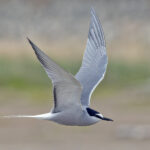
Aleutian Tern (image by Pete Morris)

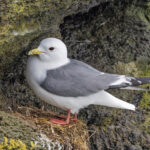
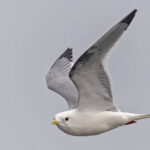
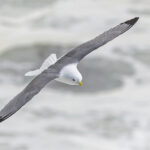
Red-legged Kittiwake (image by Pete Morris)

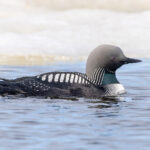
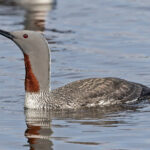
Pacific Diver (image by Pete Morris)

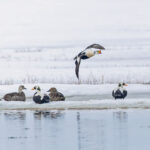
Spectacled Eiders and two King Eiders (image by Pete Morris)

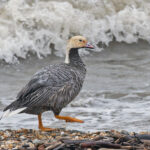
Emperor Goose (image by Pete Morris)

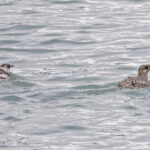
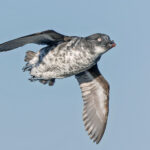
Kittlitz's Murrelets (image by Pete Morris)

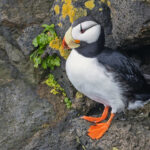
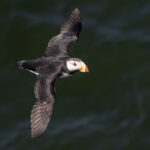
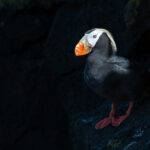
Horned Puffin (image by Pete Morris)

Red-legged Kittiwake (image by Pete Morris)

Ancient Murrelets (image by Pete Morris)

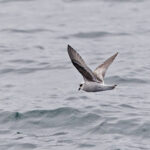
Sabine's Gull (image by Pete Morris)

Least Auklets (image by Pete Morris)

Killer Whales (Orca - resident) (image by Pete Morris)

Steller's Eider (image by Pete Morris)

Black-backed Woodpecker (image by Pete Morris)

Northern Hawk Owl (image by Pete Morris)

Boreal Chickadee (image by Pete Morris)

Long-tailed Skua (image by Pete Morris)

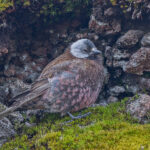
Grey-crowned Rosy Finch (image by Pete Morris)

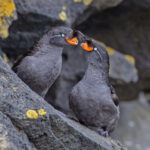
Crested Auklets (image by Pete Morris)

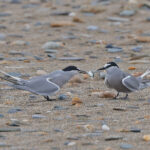
Aleutian Terns (image by Pete Morris)

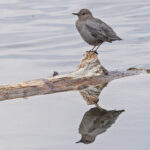
American Dipper (image by Pete Morris)

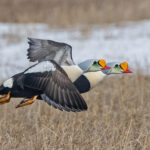
King Eiders (image by Pete Morris)

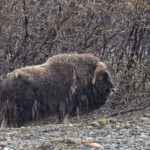
Muskox (image by Pete Morris)

Fork-tailed Storm Petrel (image by Pete Morris)

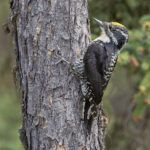
American Three-toed Woodpecker (image by Pete Morris)

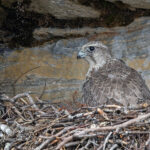
Gyr Falcon (image by Pete Morris)

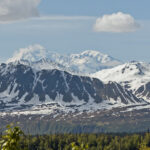
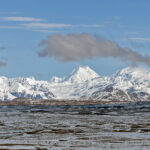
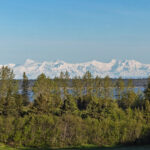
Mount Denali (image by Pete Morris)

Least Auklet (image by Pete Morris)

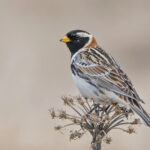
Lapland Bunting (image by Pete Morris)

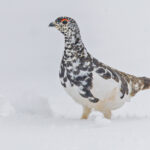
White-tailed Ptarmigan (image by Pete Morris)

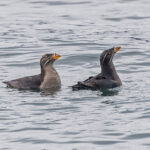
Rhinoceros Auklets (image by Pete Morris)

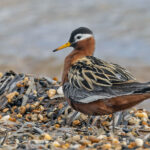
Red Phalarope (image by Pete Morris)

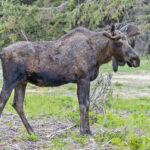
Moose (image by Pete Morris)

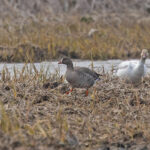
Lesser White-fronted Goose (image by Pete Morris)

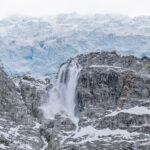
Kenai Fjords (image by Pete Morris)

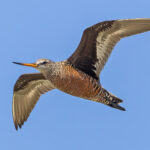
Hudsonian Godwit (image by Pete Morris)

Horned Puffin (image by Pete Morris)

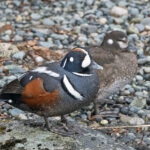
Harlequin Ducks (image by Pete Morris)

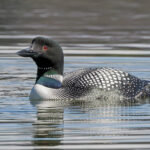
Great Northern Diver (image by Pete Morris)

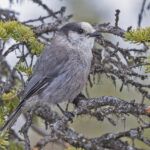
Canada Jay (image by Pete Morris)

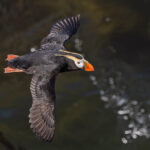
Tufted Puffin (image by Pete Morris)

Denali Highway (image by Pete Morris)

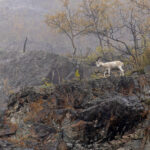
Dall Sheep (image by Pete Morris)

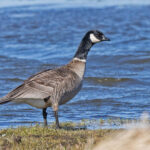
Cackling Goose (Aleutian) (image by Pete Morris)

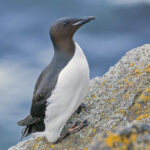
Brunnich's Guillemot (image by Pete Morris)

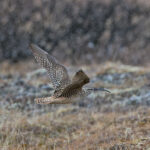
Bristle-thighed Curlew (image by Pete Morris)

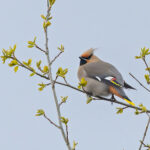
Bohemian Waxwing (image by Pete Morris)

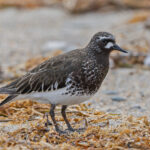
Black Turnstone (image by Pete Morris)

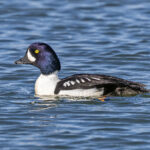
Barrow's Goldeneye (image by Pete Morris)

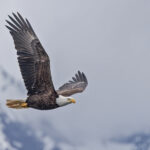
Bald Eagle (image by Pete Morris)

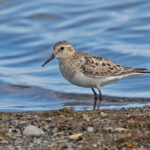
Baird's Sandpiper (image by Pete Morris)

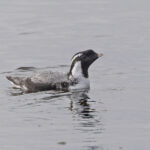
Ancient Murrelet (image by Pete Morris)

Anchorage (image by Pete Morris)

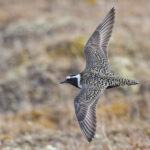
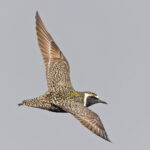
American Golden Plover (image by Pete Morris)

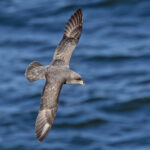
Northern Fulmar (image by Pete Morris)

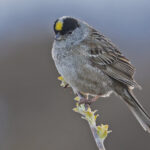
Golden-crowned Sparrow (image by Pete Morris)

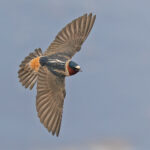
American Cliff Swallow (image by Pete Morris)

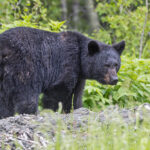
American Black Bear (image by Pete Morris)

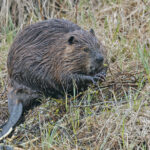
American Beaver (image by Pete Morris)

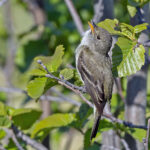
Alder Flycatcher (image by Pete Morris)

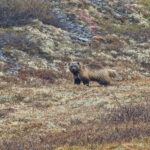
Wolverine (image by Pete Morris)

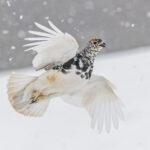
White-tailed Ptarmigan (image by Pete Morris)

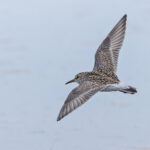
White-rumped Sandpiper (image by Pete Morris)

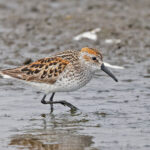
Western Sandpiper (image by Pete Morris)

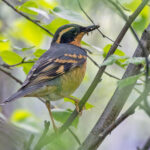
Varied Thrush (image by Pete Morris)

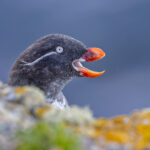
Parakeet Auklet (image by Pete Morris)

Tufted Puffin (image by Pete Morris)

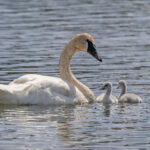
Trumpeter Swan (image by Pete Morris)

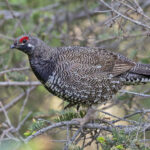
Spruce Grouse (image by Pete Morris)

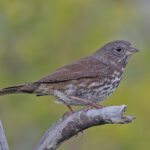
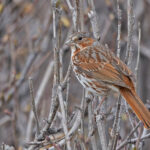
Sooty Fox Sparrow (image by Pete Morris)

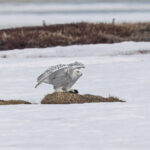
Snowy Owl (image by Pete Morris)

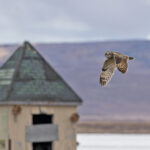
Short-eared Owl (image by Pete Morris)

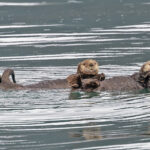
Sea Otters (image by Pete Morris)

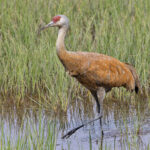
Sandhill Crane (image by Pete Morris)

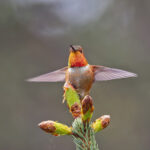
Rufous Hummingbird (image by Pete Morris)

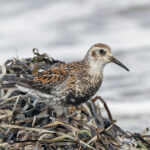
Rock Sandpiper (Nome) (image by Pete Morris)

Red-throated Diver (image by Pete Morris)

Red-legged Kittiwake (image by Pete Morris)

Red-faced Cormorant (image by Pete Morris)

Red Fox Sparrow (image by Pete Morris)

Polar Bears (image by Pete Morris)

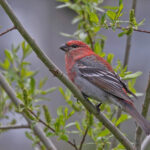
Pine Grosbeak (image by Pete Morris)

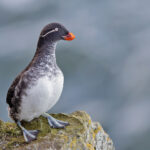
Parakeet Auklet (image by Pete Morris)

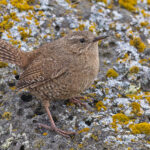
Pacific Wren (image by Pete Morris)

Pacific Golden Plover (image by Pete Morris)

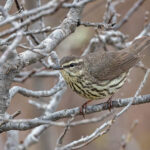
Northern Waterthrush (image by Pete Morris)
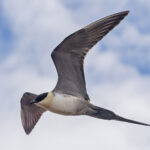


Aleutian Tern (image by Pete Morris)
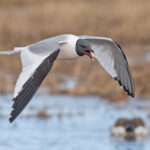
Red-legged Kittiwake (image by Pete Morris)
Pacific Diver (image by Pete Morris)
Spectacled Eiders and two King Eiders (image by Pete Morris)
Emperor Goose (image by Pete Morris)
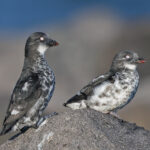
Kittlitz's Murrelets (image by Pete Morris)
Horned Puffin (image by Pete Morris)
Red-legged Kittiwake (image by Pete Morris)
Ancient Murrelets (image by Pete Morris)
Sabine's Gull (image by Pete Morris)
Least Auklets (image by Pete Morris)
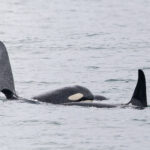
Killer Whales (Orca - resident) (image by Pete Morris)
Steller's Eider (image by Pete Morris)
Black-backed Woodpecker (image by Pete Morris)
Northern Hawk Owl (image by Pete Morris)
Boreal Chickadee (image by Pete Morris)
Long-tailed Skua (image by Pete Morris)
Grey-crowned Rosy Finch (image by Pete Morris)
Crested Auklets (image by Pete Morris)
Aleutian Terns (image by Pete Morris)
American Dipper (image by Pete Morris)
King Eiders (image by Pete Morris)
Muskox (image by Pete Morris)
Fork-tailed Storm Petrel (image by Pete Morris)
American Three-toed Woodpecker (image by Pete Morris)
Gyr Falcon (image by Pete Morris)
Mount Denali (image by Pete Morris)
Least Auklet (image by Pete Morris)
Lapland Bunting (image by Pete Morris)
White-tailed Ptarmigan (image by Pete Morris)
Rhinoceros Auklets (image by Pete Morris)
Red Phalarope (image by Pete Morris)
Moose (image by Pete Morris)
Lesser White-fronted Goose (image by Pete Morris)
Kenai Fjords (image by Pete Morris)
Hudsonian Godwit (image by Pete Morris)
Horned Puffin (image by Pete Morris)
Harlequin Ducks (image by Pete Morris)
Great Northern Diver (image by Pete Morris)
Canada Jay (image by Pete Morris)
Tufted Puffin (image by Pete Morris)
Denali Highway (image by Pete Morris)
Dall Sheep (image by Pete Morris)
Cackling Goose (Aleutian) (image by Pete Morris)
Brunnich's Guillemot (image by Pete Morris)
Bristle-thighed Curlew (image by Pete Morris)
Bohemian Waxwing (image by Pete Morris)
Black Turnstone (image by Pete Morris)
Barrow's Goldeneye (image by Pete Morris)
Bald Eagle (image by Pete Morris)
Baird's Sandpiper (image by Pete Morris)
Ancient Murrelet (image by Pete Morris)
Anchorage (image by Pete Morris)
American Golden Plover (image by Pete Morris)
Northern Fulmar (image by Pete Morris)
Golden-crowned Sparrow (image by Pete Morris)
American Cliff Swallow (image by Pete Morris)
American Black Bear (image by Pete Morris)
American Beaver (image by Pete Morris)
Alder Flycatcher (image by Pete Morris)
Wolverine (image by Pete Morris)
White-tailed Ptarmigan (image by Pete Morris)
White-rumped Sandpiper (image by Pete Morris)
Western Sandpiper (image by Pete Morris)
Varied Thrush (image by Pete Morris)
Parakeet Auklet (image by Pete Morris)
Tufted Puffin (image by Pete Morris)
Trumpeter Swan (image by Pete Morris)
Spruce Grouse (image by Pete Morris)
Sooty Fox Sparrow (image by Pete Morris)
Snowy Owl (image by Pete Morris)
Short-eared Owl (image by Pete Morris)
Sea Otters (image by Pete Morris)
Sandhill Crane (image by Pete Morris)
Rufous Hummingbird (image by Pete Morris)
Rock Sandpiper (Nome) (image by Pete Morris)
Red-throated Diver (image by Pete Morris)
Red-legged Kittiwake (image by Pete Morris)
Red-faced Cormorant (image by Pete Morris)
Red Fox Sparrow (image by Pete Morris)
Polar Bears (image by Pete Morris)
Pine Grosbeak (image by Pete Morris)
Parakeet Auklet (image by Pete Morris)
Pacific Wren (image by Pete Morris)
Pacific Golden Plover (image by Pete Morris)
Northern Waterthrush (image by Pete Morris)


ALASKA TOUR REPORT 2025

26 / 31 May – 14 June 2025
Pete Morris
Wow, just wow!! Are there enough superlatives to describe Alaska!? The scenery was simply awesome, the birding was brilliant and the selection of ‘dream’ mammals we saw was beyond any of our expectations! To say that Alaska once again delivered is an understatement. It really is a superb destination for anyone with an interest in wildlife, and our tour gave us a brilliant series of experiences, taking in the pacific seabird colonies of St Paul in the Bering Sea; the scenic forests and mountains around Anchorage; the vast wetlands and mountains around Nome; the incredibly scenic and bird and mammal rich Kenai Fjords; the remarkable Denali Highway, one of the most scenic roads on our planet; and, to cap it all off, a visit to the Arctic Circle at Barrow (Utqiagvik), complete with its amazing diversity of wildfowl and waders. And what Alaska lacks in overall species numbers, it surely makes up for in quality. Our highlights were many, but included Red-legged Kittiwakes, Horned and Tufted Puffins, Least, Parakeet and Crested Auklets, Ancient Murrelets and Rock Sandpipers on St Paul (as well as finding North America’s fourth Lesser White-fronted Goose!). Around Anchorage we found Black-backed and American Three-toed Woodpeckers, Spruce Grouse, White-tailed Ptarmigan and Black and Grizzly Bears. Emperor Goose, Stejneger’s Scoters, Yellow-billed and Pacific Loons, Gyr Falcon, Bristle-thighed Curlews, Sabine’s Gulls, Aleutian Terns and a magnificent Wolverine were seen around Nome. Around Seward we found Rufous Hummingbird, Northern Hawk Owl, Pine Grosbeaks and took a fantastic boat trip which yielded Kittlitz’s Murrelets, Rhinoceros Auklets and Fork-tailed Storm Petrel as well as endearing Sea Otters and impressive Orcas. Our trip up to the Denali Highway produced incredible scenery as well as stunning Bohemian Waxwings, another Northern Hawk Owl and smart Arctic Warblers. We ended the tour in Barrow where Spectacled and Steller’s Eiders and Snowy Owl were top of the bill, though the four Polar Bears offshore on the endless sea ice were certainly another tour highlight! All in all, a mouthwatering list!
Having met up in Anchorage, our first destination was the remote island of St Paul, situated out in the Bering Sea. At this time of year, sea fog can be a problem, and flight disruptions are not uncommon. For this reason, we had factored in a four night stay, though we needn’t have worried as our flights worked like clockwork, giving us ample time to explore the brilliant island! Our first surprise upon landing was to see two F-16 US Airforce fighter jets parked up at the side of the runway! As it turned out, this was big news for the island as, following a malfunction on a flight from South Korea to Fairbanks, the jets had been diverted to St Paul, where they spent nine days before being able to get away again! Quite a thrill for the local folk to have that excitement on their doorstep!
We were blessed with largely good weather during our stay, and even saw some prolonged sunny periods, though the mornings and evenings tended to be pretty cool and often misty and overcast. We had plenty of time to enjoy what we had really come for, and that was the brilliant seabird colonies. At this time of year the birds have not settled to breed, and activity is best in the mornings. Red-legged Kittiwakes stole the show, and we spent plenty of time watching them nest-building, bathing, and gliding around the cliffs with the paler Pacific Black-legged Kittiwakes. Horned and Tufted Puffins were much admired, whilst rows of Thick-billed and Common Murres jostled for space. Smaller numbers of Parakeet and cute Crested Auklets nestled in crevices, colourful Red-faced Cormorants were admired, Northern Fulmars of various colour morphs patrolled the cliffs, and on the boulder fields, squadrons of tiny Least Auklets entertained us. Offshore we also found Pigeon Guillemot and Ancient Murrelet, and on one memorable occasion, enjoyed a pair of the latter right in the kelp just below us!
The wetlands held another series of birds. A smart flock of Aleutian Cackling Geese were much appreciated, though as much as we tried, we could not find the Emperor Goose that was present shortly before our visit. That one would have to wait! It was a goose though that was our claim to fame, as whilst watching a distant Snow Goose, it dawned on me that the ‘whitefront’ next to it looked a little on the small side. A minor panic and a hike across the grass, and we were staring at North America’s fourth ever Lesser White-fronted Goose, causing major excitement amongst the birders on the island!
A few Tundra Swans were also present as well as a good variety of ducks, including Eurasian Teal and Tufted Duck as well as a few Buffleheads, lots of smart Long-tailed Ducks and even a Eurasian Common Merganser (an actual Goosander!). Waders were well represented too, with breeding Rock Sandpipers everywhere, plenty of Red-necked Phalaropes, a few Least, Western and Pectoral Sandpipers, several Semipalmated Plovers, a very smart pair of Pacific Golden Plovers, a few Wandering Tattlers, and a few scarce migrants, namely a Long-billed Dowitcher, Common Snipe and Wood and Common Sandpipers. Along the coast, Glaucous-winged Gulls were ever present, interspersed with a few immature Glaucous Gulls, whilst on the sea we admired flocks of Harlequin Ducks, and smaller numbers of King Eiders, including some fine drakes, and we also noted Pomarine, Parasitic and Long-tailed Jaegers, and even saw a Yellow-billed Loon fly overhead!.
Just a handful of passerines are resident, and we enjoyed watching displaying Lapland Longspurs, smart Snow Buntings and chunky Grey-crowned Rosy Finches. Small numbers of Redpoll were present, and in the more sheltered areas we enjoyed numerous encounters with dinky Pacific Wrens. A few scarcer passerines were encountered too. A couple of chunky Hawfinches were attracted to a feeding station, and we also saw a Grey-cheeked Thrush, White-crowned Sparrow and Dark-eyed Junco, all scarce on the island. We also saw an American Pipit, and had another flyover pipit that, on call, was most likely a Pechora Pipit, though we were unable to re-find it to confirm it. Short-eared Owls were seen on several occasions, a Bald Eagle popped up a couple of times and Arctic Foxes were frequently seen. Other mammals included numerous Northern Fur Seals, a few Steller’s Sealions and Harbour Seals, and, offshore, Grey Whales could frequently be seen blowing.
After what had been an excellent stay, we made our way back to Anchorage on another trouble free flight, and settled into the Coast Inn, a regular base for us throughout the trip, and with a great variety of waterfowl just outside our windows! These included our first Surf Scoter, some smart Barrow’s Goldeneyes, and both Redhead and Canvasback.
Due to the nature of a visit to St Paul, and the risk of weather disruption, our extension also included a couple of ‘contingency days’ based in Anchorage. With everything still working like clockwork, we had time to use these to our advantage. The first day began cold, damp and windy, and our attempt to find a Spruce Grouse ended in abject failure! Indeed birds were in short supply, though we caught up with a few common species such as Swainson’s Thrush, American Robin, Golden-crowned Kinglet, Myrtle Warbler, and for some, an American Goshawk. A hearty breakfast re-ignited our enthusiasm, and we headed north to Hatcher Pass for the afternoon. We stopped for Northern Waterthrush and on arrival soon admired our first Hermit Thrush and Golden-crowned Sparrows. However, there was a slight issue… there was rather a lot of snow, and the area where we had seen White-tailed Ptarmigans in the past was going to require some serious effort. Fortunately the ptarmigans were not too far along the snow-covered track, but it did require some walking through snow, at times in a blizzard, but to be honest it was quite exhilarating, and our encounters with the White-tailed Ptarmigans were truly thrilling. Sadly, not everyone could make it on this occasion, but we had plans!! Once back down we were greeted by a rather bold Willow Ptarmigan. We still had a few hours of good birding time, and with improved weather we visited a couple of spots around Anchorage, admiring our first Trumpeter Swan, a couple of excellent White-winged Scoters, Sandhill Cranes, lovely Red-necked Grebes, Hudsonian Godwits, Short-billed Dowitchers, a smart Surfbird, numerous Short-billed Gulls, Bonaparte’s Gull and several Bald Eagles.
We were off early again the following morning, this time to the ‘Sockeye Burn’ an area of spruce forest that burnt more than ten years ago, north of Anchorage. This proved to be an excellent spot, and in quick succession we admired a stunning pair of Black-backed Woodpeckers (a burn specialist) and a cracking male American Three-toed Woodpecker. Also here were Canada Jays, smart Boreal Chickadees, and our first brilliant Varied Thrush. After a great morning, we retired for a rather ample lunch, and then made our way to the Eagle River Nature Centre. Here we spent much time on a wooden platform admiring American Dippers, our first Wilson’s Snipe and Blackpoll Warblers with their insect-like songs. A Sharp-shinned Hawk drifted over the mountains, and studious scanning of the hills yielded our first Thinhorn (or Dall) Sheep, a distant Black Bear and then a Grizzly Bear that ambled across the slopes!
Flushed with success we made our way back to Anchorage and made another attempt to find the elusive Spruce Grouse, and this time we hit the jackpot, as a fabulous male grouse wandered around us and sat in Spruce trees. What a great bird! A Moose with her calf was admired, but respected, especially in view of the recent trampling in the park! A few other species were noted, including our first Brown Creeper. Back at our hotel, we had a quick shuffle of personnel, welcoming those that were joining us for the main tour and saying goodbye to our friend that was just with us for the pre-tour.
The main tour began with another flight, this time far to the north to Nome, situated on the south coast of the Seward Peninsula. We had the best part of four days to explore this stunning area, and got to work as soon as we could. The need to find an Emperor Goose was rising in our list of priorities, and as a result, we spent the first two days exploring the area from town out to Safety Sound and beyond, looking for this localized rarity. The first day we drew a blank, but on the second morning we located one that suddenly disappeared again at Cape Nome. A tense search and wait ensued, but eventually the bird obliged, and was enticed on to the beach in front of us. A collective sigh of relief was apparent, and we could enjoy the rest of the birds!
Indeed there were many other birds to enjoy in these first couple of days. Countless waterfowl included good numbers of Tundra Swans, Black Brants and smart Pacific Common Eiders with their orange bills, and both Red-throated and Pacific Loons were fairly common. Numerous waders were present, with good numbers of stunning Western Sandpipers and more subtle Semipalmated Sandpipers, and smart Dunlin, Red Knot, Sanderling and Bar-tailed Godwits, all in breeding plumage. Around Safety Sound, the river mouth and kelp attracted a fantastic array of species. Mixed flocks of gorgeous Red and Red-necked Phalaropes flicked around in the surf and mingled with exquisite Sabine’s Gulls, whilst smart Black and Ruddy Turnstones, Surfbirds and even a Rock Sandpiper fed in the adjacent kelp. It really was a sight to behold! At the various river mouths we also took time to admire the small numbers of Aleutian Terns (sadly a species in serious decline) that mingled with the Arctic Terns, and saw our first of a few Vega Gulls. In the areas of tundra, numerous Short-eared Owls and Long-tailed Jaegers patrolled for voles, and impressive Muskoxen loafed, whilst the scrubby areas held smart Red Fox Sparrows as well as American Tree Sparrow, numerous Grey-cheeked Thrushes and plentiful Redpolls of both the ‘Common’ and ‘Arctic’ persuasions! We also spent some time seawatching, where the highlight was a summer-plumaged Yellow-billed Loon, and we also enjoyed seeing Black, White-winged and Surf Scoters, and, unusually, a passage of alcids which included numerous Parakeet Auklets and a Horned Puffin!
With the Emperor Goose nemesis put to bed, we had time on the second day to make a quick excursion up the Kougarok Road, and met Frank for the first time, a great guy who we will not forget in a hurry! Here birding was a little slow, but we did see a pair of Rough-legged Buzzards, and had our first encounter with a Gyrfalcon, albeit a somewhat distant one. Nearer to town we were delighted to find a Northern Shrike, and noted good numbers of Vega Gulls at the dump!
The following day was another big one as we made an early start and headed a good distance north along the scenic Kougarok Highway to the famous area known as Coffee Dome. We passed numerous Willow Ptarmigan as we went, but we wanted to arrive early and walk up on to the tundra to find our quarry. And it did not take too long before we were watching a brilliant Bristle-thighed Curlew. It was fairly wary, and was frequently harassed by a Hudsonian Whimbrel, but over the next couple of hours we got some great looks. Also here were gorgeous American Golden Plovers, frequently in display flight, smart Long-tailed Jaegers and even a Bluethroat in full song. Our first Rock Ptarmigan was admired at length before we returned to the vehicles. It had been a fabulous and relatively straightforward walk, and heading back to Nome, we took our time and made numerous stops. At one stop, a colony of Cliff Swallows and a Say’s Phoebe entertained, at another we admired our first Rusty Blackbirds, whilst various pools held smart Surf Scoters, Greater White-fronted Geese, gorgeous Pacific Loons, and another lovely Bluethroat. We also saw Golden Eagle and Rough-legged Buzzard on their nests.
On our final day in Nome we explored the Council Road again. We began near to town where a Black-headed Gull was a surprise. A little further along a check of a creek resulted in a change of plan when I realised there was something interesting lurking in the scoter flocks offshore! We quickly made our way to the coast and soon located not one, but two drake Stejneger’s Scoters loafing with the White-winged Scoters, and giving great scope views. Not only that but there was a fabulous Yellow-billed Loon at relatively close range, a real belter, and five others further offshore! The day was off to a great start, and making our way along Safety Lagoon, we once more admired the fantastic phalaropes, the other waders including a Hudsonian Godwit, and the Sabine’s Gulls. We decided to continue south, which ended up as a good option as we found ourselves eyeball to eyeball with a Gyrfalcon on the nest! Viewing was a little limited, as we could not get out of the car, but we could all get amazingly close views from the vehicle! We decided to leave the birds in peace as we did not want to disturb them. They were nesting in an old Golden Eagle eyrie and would have occupied it before the road was opened (when the snow was cleared), so sadly had not picked the best spot! Heading back, our hearts got racing when a Wolverine suddenly ran onto the road. It absolutely legged it for a few hundred metres before heading into the bushes and then emerging further up the hill! It was a whirlwind sighting, but of a rare and seldom seen creature, and we were all thrilled!! Heading back, we enjoyed some smart Eastern Yellow Wagtails and a gorgeous Pacific Golden Plover in display We spent the rest of the day making our way back slowly, admiring many of the goodies again! Back in Nome we had our final meal in our favourite restaurant, where the amazing five ramen challenge was completed by one of the group!!
On our final morning in Nome, we just had long enough to visit the Nome River mouth, where this time there were two very smart summer plumaged Red-necked Stints. We also had a last chance to admire the Aleutian Terns, and were surprised to see a confiding American Beaver. Heading back to Anchorage, we picked up our vehicles and explored a few sites, Westchester Lagoon yielded great looks at many common waterbirds, including a pair of Trumpeter Swans with cygnets, and we also found Red-breasted Nuthatch and Downy Woodpecker and admired a pair of Common Loons (Great Northern Divers). A return visit to Kincaid Park saw us quickly finding the Spruce Grouse, as well as Hairy Woodpecker and Brown Creeper, and on what was now a warm spring evening, we had time for a quick look at Potter Marsh, where there was a very close Moose as well as Lincoln’s Sparrow, a singing Alder Flycatcher and a very close, bathing Bald Eagle. The late afternoon scenery, looking south across Turnagain Arm, was once again jaw-dropping!
The following day we made our way down to Seward. We stopped for Ring-necked Ducks at Potter Marsh, saw our first Sooty Fox Sparrows, and explored the Girdwood area where, as well as a fine breakfast, we also found some smart Pine Grosbeaks, Chestnut-backed Chickadee, Townsend’s Warblers and the hoped for Black Bears! Heading on, we studied Greater and Lesser Scaup side-by-side, saw our only Greater Yellowlegs of the tour, and admired more scenery. Nearer to Seward, we paused at a salmon ladder where numerous Sockeye Salmon were jumping, and another American Dipper was present. We then made our way to Lowell Point where we saw our first Marbled Murrelets and Sea Otters as well as more stunning Harlequin Ducks. In the small forest patch here we admired a fantastic male Rufous Hummingbird and a Steller’s Jay, whilst along the shore, numerous ‘Northwestern’ Crows foraged and a shedload of Glaucous Gulls gathered for fish scraps.
With grim, wet and windy weather forecast, we had decided to postpone our trip out into the Kenai Fjords, and when we awoke to very ordinary weather, it was apparent that we had made the right decision! We were not going to sit around doing nothing, so after a later than average start, and a Song Sparrow in the rain, we made our way to Skilak Lake and drove the loop road there. This proved to be a great decision. First up we found a very unexpected Northern Hawk Owl that gave fantastic views just above our heads! Continuing on, we ended up with numerous encounters with amazing American Black Bears at close range, and admired more great views of goodies such as Varied Thrush and Pine Grosbeak. Heading back we scoped up a couple of small groups of Rocky Mountain Goats and made our way back to town for another lavish meal, and we even had a Great Blue Heron, a write-in, fly over the restaurant. The weather was definitely on the up too!
The following day we got to go out on our full day boat trip into the Kenai Fjords. Again, the scenery was out of this world, with incredible waterfalls, calving glaciers and snow-covered peaks! The wildlife wasn’t far behind it either. Mammals were amazing, with numerous Sea Otters, a pod of ‘resident’ Orcas, a female ‘transient’ Orca, a Humpback Whale, Rocky Mountain Goats, Steller’s Sealions and Harbour Seals! Kittlitz’s Murrelets were the stars of the show for the birders, and we saw several birds feeding in the glacial meltwaters. Rhinoceros Auklet gave some stunning views and other great birds included Horned and Tufted Puffins, Ancient Murrelets, Parakeet Auklets, Thick-billed and Common Murres, Pigeon Guillemots, Red-faced Cormorants and a surprise in the form of a few Fork-tailed Storm Petrels.
After a long day at sea, we had to hightail it back to Anchorage, for another meal in Piper’s Restaurant. It had been a long but excellent day, and another long day lay ahead! Setting off reasonably early, the weather had turned against us again, and we headed north through lots of fog and rain! We paused for more Dall Sheep in the mist, and enjoyed another lavish breakfast! The weather slowly improved, and a couple of roadside stops yielded our first Olive-sided Flycatcher, some smart Rusty Blackbirds, photogenic Trumpeter Swans and some flyby Bohemian Waxwings. We paused for lunch at a pleasant roadhouse, and here there were some tame Canada Jays and some much more showy Bohemian Waxwings. We then made our way on to the Denali Highway, but other than more stunning scenery, and more of our regular favourite birds, we did not add much. Our lodge proved to be a lovely spot, with a great array of waterfowl, including lovely Buffleheads, and some very obliging American Beavers.
The following morning we had our only really unsuccessful search of the tour. Smith’s Longspurs were not home, and it seems that they were not there at all this summer. It may well be that the bogs are getting too dry, and whether this is a temporary or permanent issue will be apparent in due course, but it may well be another effect of climate change sadly. Nevertheless, we had a pleasant morning along one of the world’s most scenic roads, and as well as enjoying a good variety of waterbirds, we managed to find a couple of Arctic Warblers. We then headed to Cantwell, at the west end of the highway, finding another stunning Northern Hawk Owl and a brief Northern Flicker as we went. The drive from Cantwell back to Anchorage was fairly uneventful, though we did have some spectacular views of the impressive Mount McKinley, which at 20,310 feet (6,190m), is the highest mountain in North America.
We had a spare morning before our flight to Barrow (Utqiagvik), and used this to have another crack at the ptarmigans at Hatchers Pass. On arrival, Golden-crowned Sparrows were present in the car park, and a lively family of Hoary Marmots were scurrying around on the snow opposite. Since our previous visit, a fair amount of the snow had melted, making the walk up to the ptarmigans a little easier, and it didn’t take too long before we found a male White-tailed Ptarmigan, and then two, or so we thought. The situation then got slightly bizarre, as we realized that there was one Rock Ptarmigan and one White-tailed Ptarmigan, and they were chasing each other around, and both were calling! We all made it back, and on the way back to Anchorage, found our only Harlan’s (Red-tailed) Hawk of the trip. Surprisingly it was a light morph adult, a rare morph that only makes up a tiny proportion of the population.
It was then time for the grand finale of the trip, a visit to the Arctic Circle. Our flight to Barrow went smoothly, and we then had two days to explore the few miles of road that come out of town. The biggest problem in Barrow is that the sun never sets, meaning that the birder seldom sleeps! The light is better when the sun is low, there is less heat haze, and some wildlife, especially Polar Bear, is more likely to be visible! So it was a pretty full-on couple of days, but ultimately successful! We were acutely aware that it was a late spring, and birders returning just the day before our visit reported that all the pools were still frozen solid! Thankfully they all started opening up on the day that we arrived, and we had an absolute blast! Good numbers of Spectacled, Steller’s and King Eiders really stole the show, but the four Polar Bears and the two Snowy Owls, including one which caught a lemming, were a pretty good supporting cast! Stunning Sabine’s Gulls, Baird’s and White-rumped Sandpipers and another Red-necked Stint were much appreciated, and seeing so many gorgeous Red and Red-necked Phalaropes in immaculate plumage alongside displaying Pectoral Sandpipers and gorgeous Long-billed Dowitchers really was fantastic. Snow Buntings and Semipalmated Sandpipers literally lived under our hotel, and other goodies included a couple of Mandt’s Black Guillemots, a few Pomarine Skuas, huge numbers of Long-tailed Ducks, flocks of Black Brants, Greater White-fronted and Snow Geese, stunning Pacific Loons, Grey (or Black-bellied) Plovers, several Short-eared Owls, a Peregrine and a few less than expected passerines including Barn Swallows, Wilson’s Warblers and a Varied Thrush. Describing a visit here is difficult to put into words. The sea was frozen for as far as the eye could see, huge chunks of ice easily hiding the Polar Bears, and the number of birds has to be seen to be believed. It really is an awesome part of our planet!
Heading back on our delayed flight, we persuaded Bambi to keep the restaurant open, and enjoyed one last meal and a few beers together. We reflected on what had been a superb adventure, one that had surpassed most of our expectations. Alaska really is a stunning destination, and I urge anyone that has the chance to go to grasp it sooner rather than later!
BIRD OF THE TOUR
1st EMPEROR GOOSE
2nd SPECTACLED EIDER
3rd TUFTED PUFFIN
4th Snowy Owl
5th Bristle-thighed Curlew
6th White-tailed Ptarmigan
MAMMAL OF THE TOUR
1st WOLVERINE
2nd POLAR BEAR
3rd SEA OTTER
SYSTEMATIC LIST OF SPECIES RECORDED
BIRDS
Species marked with the diamond symbol (◊) are either endemic to the country or local region or considered ‘special’ birds for some other reason (e.g., it is only seen on one or two Birdquest tours; it is difficult to see across all or most of its range; the local form is endemic or restricted-range and may in future be treated as a full species).
The species names and taxonomy used in the bird list follows Gill, F., Donsker, D., & Rasmussen, P.(Eds). 2024. IOC World Bird List (v15.1) (this was the current version when the checklist for the tour report was created).
Species only seen on the pre-tour extension are marked (E). Where the subspecies seen is/are known, these are often given in parentheses at the end of the species comment.
Brant Goose ◊ (Black Brant) Branta [bernicla] nigricans Good numbers seen well at both Safety Sound, Nome, and at Barrow. Many of the birds were quite pale, similar to Grey-bellied Brents.
Canada Goose ◊ (Lesser C G) Branta [canadensis] parvipes Plenty seen but quite variable. Dusky looking birds in Anchorage, and smaller and paler birds in Nome.
Cackling Goose ◊ (Aleutian C G) Branta [hutchinsii] leucopareia (E) Great views of six at Antone Sleugh, St Paul, and a couple of others nearer to town.
Cackling Goose ◊ (Taverner’s C G) Branta [hutchinsii] taverneri A few probables around the Nome area, though could be intergrades with parvipes.
Emperor Goose ◊ Anser canagicus Excellent views of one around Cape Nome.
Snow Goose Anser caerulescens First seen on St Paul. A few seen around Nome and good numbers at Barrow, including blue phase birds. [Nominate subspecies – Lesser S G]
Greater White-fronted Goose Anser albifrons A few seen in the Nome area and common at Barrow [gambelli/sponsa].
Lesser White-fronted Goose ◊ Anser erythropus (E) An amazing surprise finding one of these at Webster Lake on the northeast of St Paul Island, 27/5. A 2cy bird, with a Snow Goose, it showed well, and was only the fourth or fifth for North America.
Trumpeter Swan ◊ Cygnus buccinator Plenty seen well including breeding birds at Westchester Lagoon and Potter Marsh in Anchorage. Several others seen well too.
Tundra Swan ◊ (Whistling S) Cygnus [columbianus] columbianus First seen on St Paul. Also lots seen well in the Nome area and smaller numbers at Barrow.
Northern Shoveler Spatula clypeata Fairly common and widespread. First seen at St Paul, and we also saw a pair in Barrow where they are scarce.
Gadwall Mareca strepera Small numbers seen at several sites including Barrow, where fairly scarce [nominate].
American Wigeon Mareca americana Common and widespread. First seen around Anchorage.
Mallard Anas platyrhynchos Common and widespread in small numbers. First seen around Anchorage [nominate].
Northern Pintail Anas acuta Common and widespread. First seen around Anchorage.
Eurasian Teal Anas crecca (E) Small numbers of drakes seen on St Paul Island. Also one or two hybrids seen, including one with both stripes!
Green-winged Teal Anas carolinensis Common and widespread. First seen around Anchorage. A few on St Paul where outnumbered by Eurasian Teal.
Canvasback Aythya valisineria A drake at Lake Spenard, Anchorage, and a few seen at Nome.
Redhead Aythya americana Up to 10 at Lake Spenard, Anchorage, and a few seen at Nome. Also a drake along the Denali Highway.
Ring-necked Duck Aythya collaris First seen at Potter Marsh in Anchorage. Small numbers elsewhere.
Tufted Duck Aythya fuligula (E) Up to four seen on St Paul, where it is a regular scarce migrant.
Greater Scaup Aythya marila Common and widespread. First seen at sites in Anchorage. Nice to see them side by side with the following species on a few occasions, including at Tern Lake [nearctica].
Lesser Scaup Aythya affinis Common and widespread. First seen at sites in Anchorage. Nice to see them side by side with the previous species on a few occasions, including at Tern Lake.
Steller’s Eider ◊ Polysticta stelleri Excellent views of up to 20 on the recently melted pools at Barrow.
Spectacled Eider ◊ Somateria fischeri At least 14 of these stunners seen well on the recently melted pools at Barrow.
King Eider ◊ Somateria spectabilis First seen well on St Paul where several seen including some fine drakes. Also seen at Nome and good numbers of the stunner on the recently melted pools at Barrow.
Common Eider ◊ Somateria mollissima Good numbers at Nome and smaller numbers at Barrow, though generally quite shy [v-nigrum].
Harlequin Duck ◊ Histrionicus histrionicus Many brilliant views. First seen on St Paul. Also common around Nome and Seward and seen inland along rivers at a few locations.
Surf Scoter ◊ Melanitta perspicillata First seen at Lake Spenard, Anchorage. A few seen well off Nome and then good looks on various lakes there and along the Denali Highway.
White-winged Scoter ◊ Melanitta deglandi A couple off St Paul, a fine pair at Westchester Lagoon, Anchorage, and then good numbers seen well off Nome. A few others elsewhere.
Stejneger’s Scoter ◊ Melanitta stejnegeri Great scope views of two drakes off Hastings Creek, Nome. Seen with White-winged, the darker flanks, horn at the base of the bill, and differences in bill colour were all apparent.
Black Scoter ◊ Melanitta americana First seen on St Paul. Plenty seen elsewhere, with biggest numbers off Nome.
Long-tailed Duck Clangula hyemalis First seen on St Paul. Plenty seen elsewhere, with biggest numbers around Nome and in particular Barrow where 100s were present..
Bufflehead ◊ Bucephala albeola Small numbers seen on St Paul. A single drake at Nome and good views of several others, especially along the Denali Highway.
Common Goldeneye Bucephala clangula First seen on St Paul. Also a flock of c30 seen at Nome [americana].
Barrow’s Goldeneye ◊ Bucephala islandica Many great views. A cracking duck, first seen well at Lake Spenard, Anchorage.
Common Merganser (Goosander) Mergus [merganser] merganser (E) A single apparent female seen on St Paul. Identified by the local birders on wing pattern.
Common Merganser Mergus [merganser] americanus Fairly common. First seen at Westchester Lagoon, Anchorage. Most common around Nome.
Red-breasted Merganser Mergus serrator Good numbers around Nome, and a few around Seward etc.
White-tailed Ptarmigan ◊ Lagopus leucura Brilliant views of two males at Hatcher Pass, north of Anchorage, on our first visit, and a male seen again on our second visit. The first walk in the snow through a blizzard was an interesting experience and resulted in views of males around our feet and flying through the blizzards [peninsularis].
Willow Ptarmigan ◊ Lagopus lagopus First seen at Hatcher Pass, north of Anchorage. Particularly common around Nome and the Denali Highway where many were seen well [peninsularis].
Rock Ptarmigan ◊ Lagopus muta Great views of a couple of males along the Kougarok Highway at Nome. Another male caused some confusion at Hatcher Pass on our second visit, chasing around with the male White-tailed Ptarmigan!!
Spruce Grouse ◊ Canachites canadensis Brilliant views of a male in Kincaid Park, Anchorage, on two occasions [canadensis-group].
Rufous Hummingbird ◊ Selasphorus rufus Great views of a couple of stunning males at Lowell Point, Seward.
Rock Dove (Feral Pigeon) Columba livia ‘feral’ Introduced vermin!
Sandhill Crane Antigone canadensis Small numbers seen at a few sites, with closest views at Westchester Lagoon, Anchorage [nominate].
Red-necked Grebe Podiceps grisegena Common and widespread. First seen well at various lakes in Anchorage [holbollii].
Grey Plover (Black-bellied P) Pluvialis squatarola A couple of summer-plumaged birds seen at Barrow [nominate].
Pacific Golden Plover Pluvialis fulva First seen on St Paul, where a showy pair were enjoyed. Also a displaying bird seen brilliantly at Nome.
American Golden Plover Pluvialis dominica Best views were of the displaying birds along the Kougarok Highway at Nome.
Semipalmated Plover Charadrius semipalmatus Fairly common and widespread. First seen at Westchester Lagoon, Anchorage and on St Paul.
Bristle-thighed Curlew ◊ Numenius tahitiensis Brilliant views of at least two individuals at Coffee Dome along the Kougarok Highway at Nome. One was frequently chased around by a Hudsonian Whimbrel.
Hudsonian Whimbrel Numenius hudsonicus Several seen well at Nome and around Seward.
Bar-tailed Godwit Limosa lapponica Several seen in the Nome area where up to five were noted. Large and bright [baueri]!
Hudsonian Godwit Limosa haemastica A few seen at Westchester Lagoon, Anchorage, and another at Safety Lagoon, Nome.
Long-billed Dowitcher Limnodromus scolopaceus A single on St Paul, one at Nome, then great views of many breeding birds at Barrow.
Short-billed Dowitcher Limnodromus griseus Some good views at Westchester Lagoon, Anchorage [caurinus].
Common Snipe Gallinago gallinago (E) One flushed a couple of times from the Town Marsh at St Paul [nominate].
Wilson’s Snipe Gallinago delicata Many seen well and often heard calling and displaying. The first one seen well as at Eagle River Nature Centre, north of Anchorage.
Red Phalarope ◊ Phalaropus fulicarius First seen off St Paul. Great views of plenty in the surf and on the kelp around Safety Sound, Nome, and then common at Barrow. Stunners.
Red-necked Phalarope Phalaropus lobatus Fairly common and widespread, with many spectacular views. Particularly memorable were the mixed phalarope flocks at Nome.
Common Sandpiper Actitis hypoleucos (E) One found at Marunich in the north of St Paul, 27/5.
Spotted Sandpiper Actitis macularius Just a few seen, the first in the Nome area.
Solitary Sandpiper Tringa solitaria (E) Non leader, seen by some flying over Hatcher Pass.
Wandering Tattler Tringa incana A few seen, the first on St Paul. Also seen well at Lowell Point Seward.
Wood Sandpiper Tringa glareola (E) A couple seen well on St Paul.
Lesser Yellowlegs Tringa flavipes Just small numbers seen, the first at Westchester Lagoon, Anchorage.
Greater Yellowlegs Tringa melanoleuca Only seen at Tern Lake, on the drive to Seward.
Ruddy Turnstone Arenaria interpres First seen on St Paul. A few others seen including at Westchester Lagoon, Anchorage and around Safety Sound, Nome [nominate].
Black Turnstone ◊ Arenaria melanocephala Several seen very well around Safety Sound, Nome.
Red Knot Calidris canutus A few stunning breeding-plumaged birds around Safety Sound, Nome [roselaari].
Surfbird Calidris virgata One at Westchester Lagoon, Anchorage and then several seen well around Safety Sound, Nome.
Red-necked Stint Calidris ruficollis Two summer-plumaged adults seen well at the Nome River mouth, and another seen well at Barrow.
Sanderling Calidris alba Small numbers of summer-plumaged birds seen well at both Nome and Barrow [rubida].
Dunlin Calidris alpina Some smart breeding-plumaged adults seen well at Nome and Barrow. Bright and long-billed [pacifica/arcticola].
Rock Sandpiper ◊ Calidris ptilocnemis Common on St Paul, where many were seen well [nominate]. A single feeding in the kelp around Safety Sound, Nome was brilliant to see with the turnstones, Surfbirds and phalaropes [tschuktschorum].
Baird’s Sandpiper Calidris bairdii Two were seen well at Barrow.
Least Sandpiper Calidris minutilla Only a few seen, the first in Anchorage, and a few on St Paul.
White-rumped Sandpiper Calidris fuscicollis A couple of smart breeding-plumaged adults were seen superbly at Barrow.
Pectoral Sandpiper Calidris melanotos First seen on St Paul. Plenty of others noted, but particularly good to see the displaying males at Barrow.
Western Sandpiper Calidris mauri First seen on St Paul and then very common around Nome where many stunning breeding-plumaged birds were noted.
Semipalmated Sandpiper Calidris pusilla Common at Nome and Barrow, and often quite confiding.
Aleutian Tern ◊ Onychoprion aleuticus Small numbers seen very well at various spots at Nome. Another stunner. This species is in serious decline in Alaska. According to the Birds of the World website: “Numbers in Alaska have declined 8·1% annually since 1960 or 92·9% over three generations (33 years), with large colonies experiencing greater declines than small colonies. The observed trend in Alaska is alarming but no obvious explanation is available, although predation, egging and other anthropogenic disturbances, and degraded habitat may cause population change at local levels.”
Arctic Tern Sterna paradisaea Common and widespread. First seen at Westchester Lagoon, Anchorage.
Black-legged Kittiwake ◊ (Pacific K) Rissa [tridactyla] pollicaris Thousands on St Paul, good numbers around Nome and Seward and just a few at Barrow.
Red-legged Kittiwake ◊ Rissa brevirostris Stunning views of good numbers on St Paul, where up to 60 or more were noted daily. Great birds!
Sabine’s Gull Xema sabini Brilliant views of good numbers around Safety Sound, Nome, and at Barrow. Mega birds!
Bonaparte’s Gull Chroicocephalus philadelphia Small numbers seen, the first at Lake Spenard and Westchester Lagoon, Anchorage.
Black-headed Gull Chroicocephalus ridibundus A fine summer-plumaged adult was found at the Nome River mouth.
Short-billed Gull ◊ (Mew G) Larus brachyrhynchus Fairly common and widespread, first seen at Westchester Lagoon, Anchorage.
Vega Gull ◊ Larus vegae Good numbers, including some smart adults, at Nome.
Glaucous Gull Larus hyperboreus A few on St Paul and then common around Nome and Barrow [barrovianus].
American Herring Gull Larus smithsonianus A few around Anchorage and Seward, though many showed hybrid characteristics.
Glaucous-winged Gull ◊ Larus glaucescens Common on St Paul and in the Seward area where very confiding.
Long-tailed Jaeger (L-t Skua) Stercorarius longicaudus Many seen well, with particularly good views at a few sites in the Nome area. A real stunner [pallescens].
Parasitic Jaeger (Arctic Skua) Stercorarius parasiticus A couple seen on St Paul, and several showing well at Nome and Barrow.
Pomarine Jaeger (P Skua) Stercorarius pomarinus A couple of smart adults seen passing St Paul, with a few others off Nome and Barrow. One seen well on the tundra at the latter site.
Rhinoceros Auklet ◊ Cerorhinca monocerata Great views of at least 20 on the boat trip to Northwest Glacier in the Kenai Fjords.
Tufted Puffin ◊ Fratercula cirrhata Brilliant views of good numbers on St Paul. Also plenty seen well on the boat trip to Northwest Glacier in the Kenai Fjords.
Horned Puffin ◊ Fratercula corniculata Brilliant views of good numbers on St Paul. One seen passing Nome and then plenty seen well on the boat trip to Northwest Glacier in the Kenai Fjords.
Least Auklet ◊ Aethia pusilla (E) Great views of good numbers on St Paul. Charismatic little fellas!
Crested Auklet ◊ Aethia cristatella Brilliant views of small numbers on St Paul. Superb birds!
Parakeet Auklet ◊ Aethia psittacula Many seen very well on St Paul. 100s seen passing Nome one day, and then good views of small numbers on the boat trip to Northwest Glacier in the Kenai Fjords.
Kittlitz’s Murrelet ◊ Brachyramphus brevirostris Great views of at least three pairs on the boat trip to Northwest Glacier in the Kenai Fjords.
Marbled Murrelet Brachyramphus marmoratus Plenty seen well of Seward and on the boat trip to Northwest Glacier in the Kenai Fjords.
Black Guillemot ◊ (Mandt’s G) Cepphus [grylle] mandtii Excellent views of two on an island in the salt lagoon at Barrow. This arctic breeding form may merit specific status.
Pigeon Guillemot ◊ Cepphus columba A few seen of St Paul and Nome and plenty seen well around Seward [nominate].
Thick-billed Murre ◊ (Brunnich’s G) Uria lomvia Brilliant views of good numbers on St Paul. Also at least ten seen well on the boat trip to Northwest Glacier in the Kenai Fjords [arra].
Common Murre (C Guillemot) Uria aalge Common on St Paul, off Nome and around Seward, especially on the boat trip to Northwest Glacier in the Kenai Fjords [inornata].
Ancient Murrelet ◊ Synthliboramphus antiquus A few seen on St Paul, including brilliant views of a pair that were lured right into the surf! Also good numbers seen in choppy seas during the boat trip to Northwest Glacier in the Kenai Fjords [nominate].
Red-throated Loon (R-t Diver) Gavia stellata First seen in Nome, where common and showy. Also seen around Barrow.
Pacific Loon ◊ (P Diver) Gavia pacifica Fairly common and widespread. Particularly good views in the Nome and Barrow areas.
Common Loon (Great Northern Diver) Gavia immer Many great looks. First seen at Westchester Lagoon in Anchorage. One of Cape Nome was the most northerly.
Yellow-billed Loon ◊ (White-billed Diver) Gavia adamsii A smart individual flew over us at St Paul. We then had one off Cape Nome and brilliant views of a summer-plumaged individual on the sea of Hastings Creek Nome, with at least five others more distantly there. Also three seen flying over at Barrow.
Fork-tailed Storm Petrel ◊ Hydrobates furcatus At least four seen on the boat trip to Northwest Glacier in the Kenai Fjords.
Northern Fulmar Fulmarus glacialis Common on St Paul with great looks at a variety of colour morphs from almost white to all sooty [rodgersii].
Sooty Shearwater Ardenna grisea Two thought to be this species on the boat trip to Northwest Glacier in the Kenai Fjords.
Short-tailed Shearwater ◊ Ardenna tenuirostris A few distant birds off St Paul were assumed to be this species, and one closer for some.
Red-faced Cormorant ◊ Urile urile Many seen well on St Paul and a handful on the boat trip to Northwest Glacier in the Kenai Fjords.
Pelagic Cormorant Urile pelagicus A few seen on St Paul and a handful off Nome and on the boat trip to Northwest Glacier in the Kenai Fjords [nominate].
Double-crested Cormorant Nannopterum auritum Small numbers seen around Seward including on the boat trip to Northwest Glacier in the Kenai Fjords [cincinatum].
Great Blue Heron Ardea herodias One seen flying over Seward town one evening [fannini].
Osprey (American O) Pandion [haliaetus] carolinensis A total of four seen, the first north of Anchorage.
Golden Eagle Aquila chrysaetos A few noted including an occupied nest along the Kougarok Highway at Nome [canadensis].
Sharp-shinned Hawk Accipiter striatus A circling bird was seen well at Eagle River Nature Centre, north of Anchorage [velox].
American Goshawk ◊ Astur atricapillus Non leader. An immature for some of the group at Kincaid Park in Anchorage [nominate].
Northern Harrier Circus hudsonius Small numbers seen at a number of sites, with most sightings in the Nome area.
Bald Eagle Haliaeetus leucocephalus Many great sightings. Particularly common from Anchorage down to Seward [washingtoniensis].
Red-tailed Hawk ◊ (Harlan’s H) Buteo [jamaicensis] harlani A pale morph adult was seen very well north of Anchorage.
Rough-legged Buzzard ◊ (R-l Hawk) Buteo lagopus A pair seen at an occupied nest along the Kougarok Highway at Nome, and another seen along the Council Road [sanctijohannis].
Northern Hawk-Owl ◊ Surnia ulula Excellent views of one along the Skilak Lake Loop Road, and another seen superbly along the Denali Highway [caparoch].
Short-eared Owl Asio flammeus Lots seen this year. A couple seen on St Paul, and then plenty of individuals around Nome and at Barrow [nominate].
Snowy Owl ◊ Bubo scandiacus A distant male seen perched at Barrow, and a female seen much better from the same spot a couple of days later. We even watched her catch a lemming!
Belted Kingfisher Megaceryle alcyon A few seen, including, surprisingly, one along the Kougarok Highway in Nome.
American Three-toed Woodpecker ◊ Picoides dorsalis fasciatus (E) Excellent views of a male at the Sockeye Burn, north of Anchorage.
Black-backed Woodpecker ◊ Picoides arcticus (E) Brilliant views of first a female and then a pair at the Sockeye Burn, north of Anchorage. The male was very smart!
Downy Woodpecker Dryobates pubescens Seen well at Westchester Lagoon in Anchorage [medianus].
Hairy Woodpecker (Eastern H W) Leuconotopicus [villosus] villosus Excellent views in Kincaid Park, Anchorage [septentrionalis].
Northern Flicker (Yellow-shafted F) Colaptes [auratus] auratus One seen briefly along the Denali Highway [luteus].
Merlin Falco columbarius A single at Westchester Lagoon and a couple of brief flybys whilst driving [nominate].
Gyrfalcon ◊ Falco rusticolus One seen distantly along the Kougarok Highway, Nome, then a ridiculously close nest along the Council Road, with one adult seen at close range at the nest, and the other adult seen in flight.
Peregrine Falcon Falco peregrinus Seen well around the quarry at Cape Nome [tundrius].
Say’s Phoebe Sayornis saya A few seen, the first at the Kuzitron River along the Kougarok Highway, Nome [nominate].
Olive-sided Flycatcher Contopus cooperi The first was along the road south of Glen Allen, and another at the Maclaren River Lodge along the Denali Highway.
Western Wood Pewee Contopus sordidulus One seen along the Richardson Highway, north of the Gakona Junction.
Alder Flycatcher Empidonax alnorum Great views of a singing bird at Potter Marsh.
Northern Shrike ◊ Lanius borealis One seen on a couple of dates just north of the landfill site in Nome [nominate].
Canada Jay ◊ (Grey J) Perisoreus canadensis Several seen well. First seen at the Sockeye Burn, North of Anchorage. Hand-feedable youngsters seen at the Meier’s Lake RV Park [canadensis-group].
Steller’s Jay ◊ (Coastal S J) Cyanocitta [stelleri] stelleri Just one or two seen at Lowell Point, Seward.
Black-billed Magpie ◊ Pica hudsonia Common and widespread. First seen around Anchorage.
American Crow ◊ (Northwestern C) Corvus [brachyrhynchos] caurinus Common around Seward.
Northern Raven Corvus corax Present in small numbers throughout [principalis].
Bohemian Waxwing ◊ Bombycilla garrulus First seen along the Richardson Highway, north of the Gakona Junction, then excellent views of several around the Meier’s Lake RV Park.
Chestnut-backed Chickadee ◊ Poecile rufescens Excellent views of one at Girdwood, on the drive to Seward [nominate].
Boreal Chickadee ◊ Poecile hudsonicus (E) A pair seen very well at the Sockeye Burn, North of Anchorage
Black-capped Chickadee ◊ Poecile atricapillus Plenty seen well, the first in and around Anchorage [turneri].
Sand Martin (Bank Swallow) Riparia riparia Small numbers at a number of sites, the first on St Paul [nominate].
Tree Swallow Tachycineta bicolor Fairly common and widespread. First seen around Anchorage.
Violet-green Swallow Tachycineta thalassina Fairly common and widespread. First seen around Anchorage [nominate].
Barn Swallow (American B S) Hirundo [rustica] erythrogaster A surprising number seen, with the first on St Paul. We even saw them as far north as Barrow!
American Cliff Swallow Petrochelidon pyrrhonota Seen well at a number of sites, with spectacular views of the breeding birds at the Kuzitron River bridge, along the Kougarok Highway, Nome [nominate].
Arctic Warbler Phylloscopus borealis A couple seen well along the Denali Highway.
Ruby-crowned Kinglet Corthylio calendula More often heard than seen. First seen well in Kincaid Park, Anchorage and at the Sockeye Burn, north of Anchorage [grinnelli].
Golden-crowned Kinglet Regulus satrapa First seen well in Kincaid Park, Anchorage and at the Sockeye Burn, north of Anchorage [apache].
Pacific Wren ◊ Troglodytes pacificus (E) Several seen very well on St Paul Island [alascensis].
Red-breasted Nuthatch Sitta canadensis Seen well at Westchester Lagoon, Anchorage.
Brown Creeper Certhia americana A pair seen feeding a youngster in a nest under some bark on a dead tree in Kincaid Park, Anchorage [alascensis].
Common Starling [vulgaris] Sturnus vulgaris Plenty seen around Anchorage. Introduced vermin [nominate]!
Varied Thrush ◊ Ixoreus naevius A real stunner. First seen at the Sockeye Burn, north of Anchorage. Also seen well at a few sites in the Seward area. Also seen at Barrow.
Swainson’s Thrush Catharus ustulatus Most regular in the Anchorage area [incanus].
Hermit Thrush Catharus guttatus First seen at Hatcher Pass, with a few others seen subsequently [guttatus-group].
Grey-cheeked Thrush Catharus minimus First seen on St Paul where a scarce migrant. Also plenty seen around Nome [aliciae].
American Robin Turdus migratorius Common and widespread. First seen around Anchorage [nominate].
Bluethroat (Red-spotted B) Luscinia [svecica] svecica Excellent views of a couple of singing males near to Nome.
American Dipper Cinclus mexicanus A breeding pair seen brilliantly at Eagle River Nature Centre, north of Anchorage. Also seen well at the salmon ladder at Bear Creek Road, just north of Seward [unicolor].
Eastern Yellow Wagtail (Alaskan W) Motacilla [tschutschensis] tschutschensis A few seen well in the Nome area.
White Wagtail (East Siberian W) Motacilla [alba] ocularis Non leader, seen by some of the group outside the restaurant in Nome!
Pechora Pipit Anthus gustavi (E) A pipit heard, and seen badly in flight, at St Paul, was thought to probably be this species, but we could not relocate it.
American Pipit (Buff-bellied P) Anthus rubescens First seen on St Paul and then a few on the mainland, including good views along the Council Road, Nome [nominate].
Hawfinch ◊ Coccothraustes coccothraustes (E) Two or three coming to the feeders at Marunich, St Paul [japonicus].
Pine Grosbeak (American P G) Pinicola [enucleator] leucura At least 4, including a fine male, seen well at Girdwood. A couple more, including another male, seen well along the Skilak Lake loop.
Grey-crowned Rosy Finch ◊ (G-faced R F) Leucosticte [tephrocotis] griseonucha Common and many seen well on St Paul [umbrina].
Redpoll (Common R) Acanthis [flammea] flammea Many ‘Common’ Redpolls seen well. Frequently with ‘Arctic’ types.
Redpoll (Coue’s Arctic R, Hoary R) Acanthis [flammea] exilipes Plenty of ‘Arctic’ Redpolls seen, the first in mixed flocks around Safety lagoon, Nome.
Pine Siskin Spinus pinus Just one seen along Crow Creek Road, at Girdwood [nominate].
Lapland Longspur (L Bunting) Calcarius lapponicus Very common on St Paul, and around Barrow and Nome [alascensis].
Snow Bunting Plectrophenax nivalis Plenty seen well on St Paul Island [townsendi] and very common around Barrow [nominate].
Sooty Fox Sparrow ◊ Passerella unalaschcensis A few seen between Anchorage and Seward. First seen well at the McHugh Creek Trailhead near to Beluga Point.
Red Fox Sparrow ◊ Passerella iliaca Plenty seen well and others heard in the Nome area. Smart bird [zaboria].
American Tree Sparrow ◊ Spizelloides arborea First seen well in Nome. Also seen well along the Denali Highway [ochracea].
Dark-eyed Junco ◊ (Slate-colored J) Junco [hyemalis] hyemalis Common in the Anchorage area, and several elsewhere including one on St Paul where uncommon.
White-crowned Sparrow Zonotrichia leucophrys First seen in the Anchorage area. Also one seen on St Paul, where uncommon [gambelii].
Golden-crowned Sparrow ◊ Zonotrichia atricapilla First seen at Hatcher Pass, and frequently heard and seen elsewhere.
Savannah Sparrow Passerculus sandwichensis Common and widespread and found in open areas throughout [anthinus].
Song Sparrow ◊ (Pacific S S) Melospiza [melodia] rufina Only seen well by the dock in Seward [kenaiensis].
Lincoln’s Sparrow Melospiza lincolnii Best views were at Potter Marsh in Anchorage.
Rusty Blackbird ◊ Euphagus carolinus First seen along the Kougarok Highway in Nome. Also seen well at a small pool along the Richardson Highway, north of the Gakona Junction [nominate].
Northern Waterthrush Parkesia noveboracensis First seen on the way up to Hatcher Pass. Particularly common in the Nome area.
Orange-crowned Warbler Leiothlypis celata Fairly common. First noted in the Anchorage area [nominate].
American Yellow Warbler Setophaga aestiva First seen in Nome, with plenty thereafter.
Blackpoll Warbler Setophaga striata Seen at several sites in small numbers, the first at Eagle River Nature Centre, north of Anchorage.
Myrtle Warbler Setophaga coronata Fairly common and widespread. First seen around Anchorage [hooveri].
Townsend’s Warbler Setophaga townsendi Plenty heard and a few seen, the first at Girdwood, and the others in the Seward area.
Wilson’s Warbler Cardellina pusilla Several seen well around Nome and along the Denali Highway. Also a couple in Barrow where uncommon [pileolata].
MAMMALS
Arctic Fox Vulpes lagopus A few on St Paul and at Barrow.
American Black Bear Ursus americanus A couple of distant animals were eclipsed by our series of close encounters along the Skilak Lake Loop Road.
Brown Bear (Grizzly B) Ursus arctos A chunky individual scoped at the Eagle River Nature Centre.
Polar Bear Ursus maritimus Brilliant to scope four at Barrow!
Northern Fur Seal Callorhinus ursinus (E) Many excellent encounters at St Paul.
Steller Sea Lion Eumetopias jubatus First seen on St Paul then much better views around Seward and on the Kenai Fjords boat trip.
Harbor Seal (Common S) Phoca vitulina Seen on St Paul then much better views around Seward and on the Kenai Fjords boat trip.
Sea Otter Enhydra lutris Some great encounters around Seward and on the Kenai Fjords boat trip.
Wolverine Gulo gulo Brilliant to see a skittish individual near to Nome.
Moose (Elk) Alces alces We had several close encounters with these beasts!
Caribou (Reindeer) Rangifer tarandus Just a couple seen along the Denali Highway.
Rocky Mountain Goat Oreamnos americanus Some good views of these agile creatures, including a mother and kid on the Kenai Fjords boat trip.
Muskox (reintroduced) Ovibos moschatus A few impressive herds in the Nome area.
Thinhorn Sheep (Dall S) Ovis dalli First seen well just south of Anchorage, and seen again on the drive to Glenallen.
Grey Whale Eschrichtius robustus (E) A few scoped off of St Paul.
Humpback Whale Megaptera novaeangliae Great views of one on the Kenai Fjords boat trip.
Killer Whale (Orca) Orcinus orca Stunning views of a pod of ‘residents’ and later a female ‘transient’ on the Kenai Fjords boat trip.
Harbor Porpoise Phocoena phocoena One seen distantly off of Nome.
Snowshoe Hare Lepus americanus Particularly common along the Kougarok Highway, Nome.
North American Porcupine Erethizon dorsatum A couple of sightings, including a debated individual along the Denali Highway.
Hoary Marmot Marmota caligata Excellent views of a family at the Hatcher Pass.
North American Red Squirrel Tamiasciurus hudsonicus Several seen well.
Arctic Ground Squirrel (A Souslik) Urocitellus parryii Many sightings.
North American Beaver Castor canadensis Seen really well at Nome and again at the Maclaren River along the Denali Highway.
Root Vole (Tundra Vole) Alexandromys oeconomus A few seen around Nome.
Nearctic Brown Lemming Lemmus trimucronatus A few seen well around Barrow.
Common Muskrat Ondatra zibethicus This mini-beaver was first seen near our hotel in Anchorage, with a few others during the tour.