
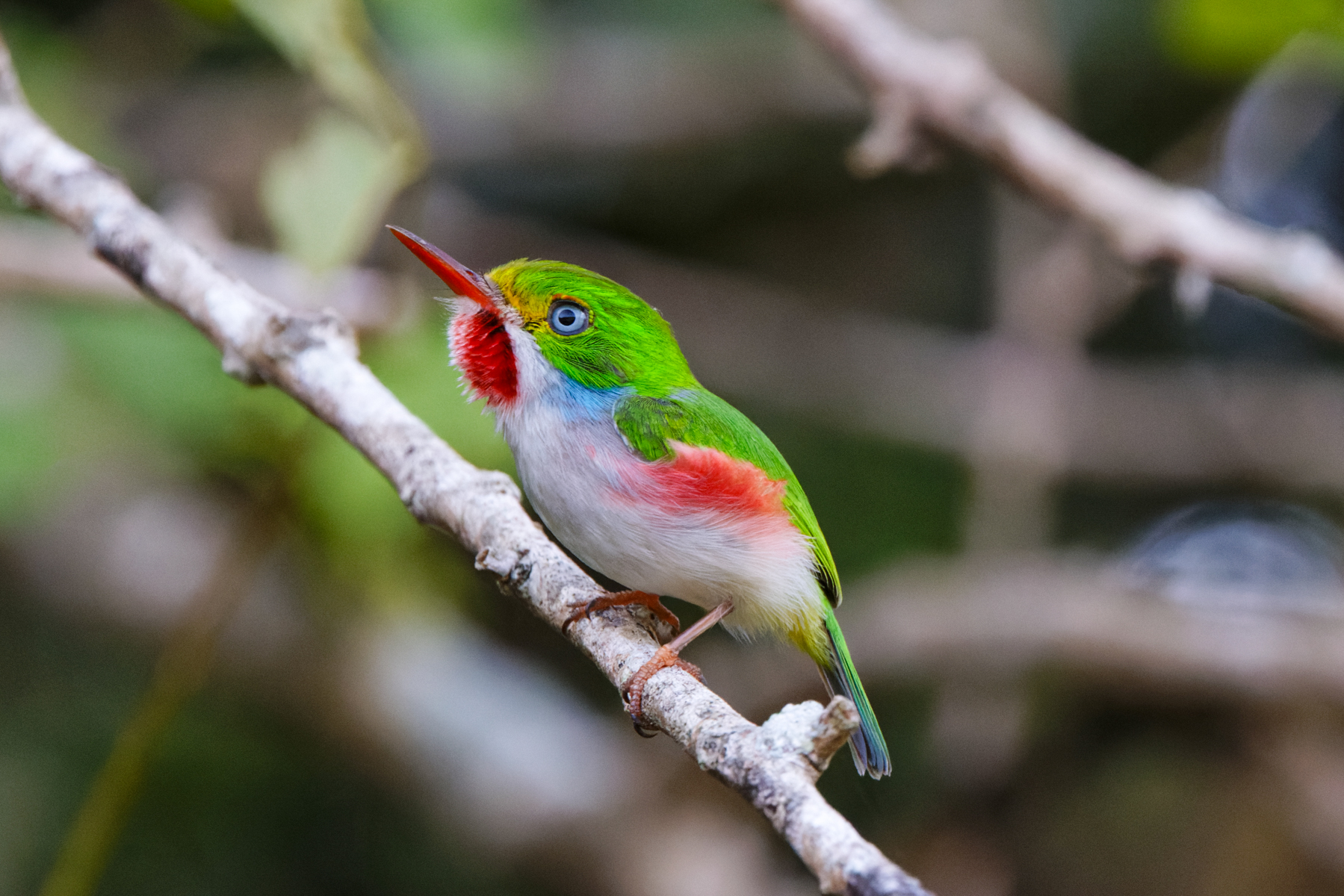
Cuban Tody (image by Leo Garrigues)
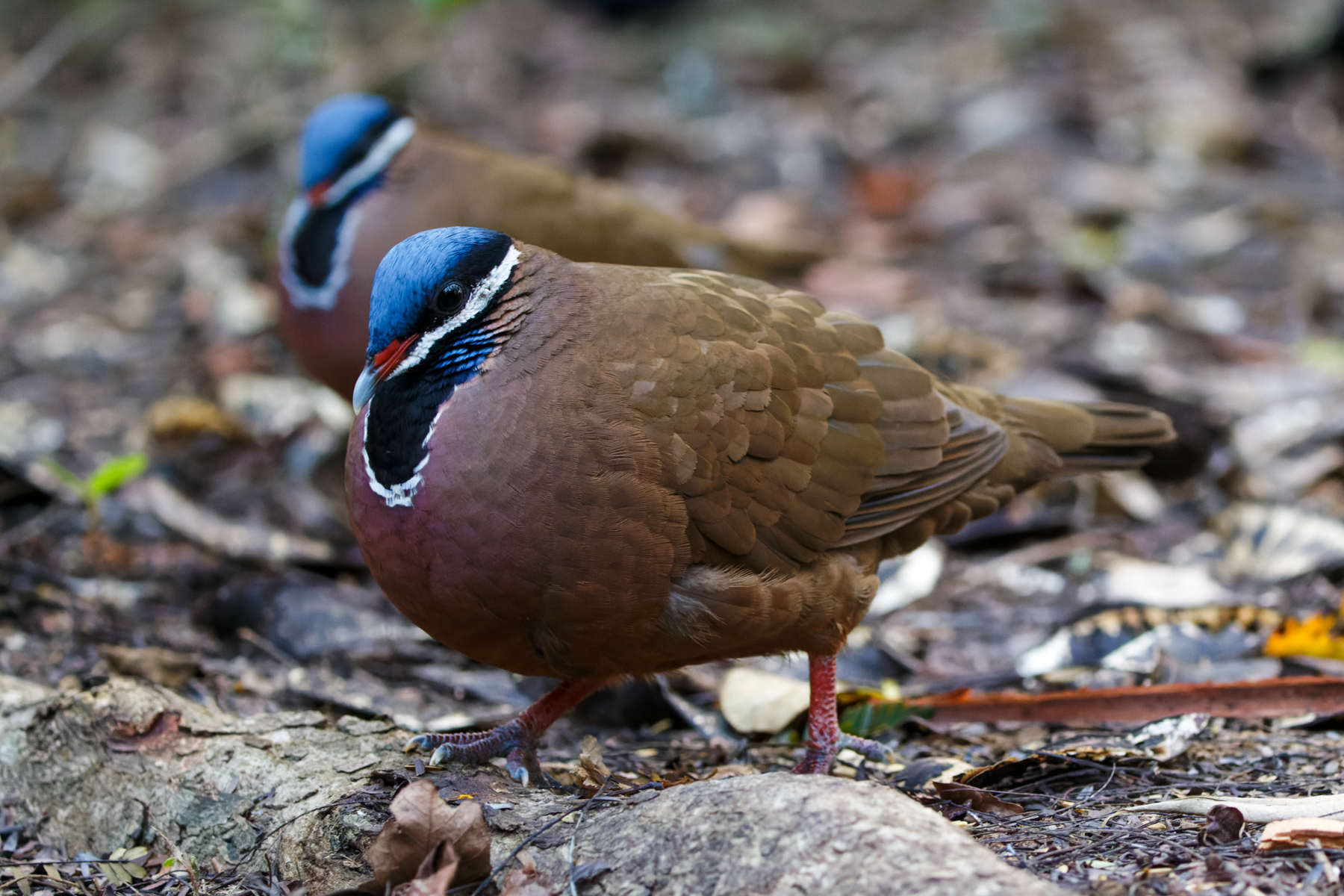
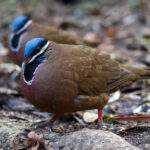
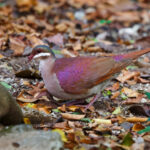
Blue-headed Quail Doves (image by Leo Garrigues)
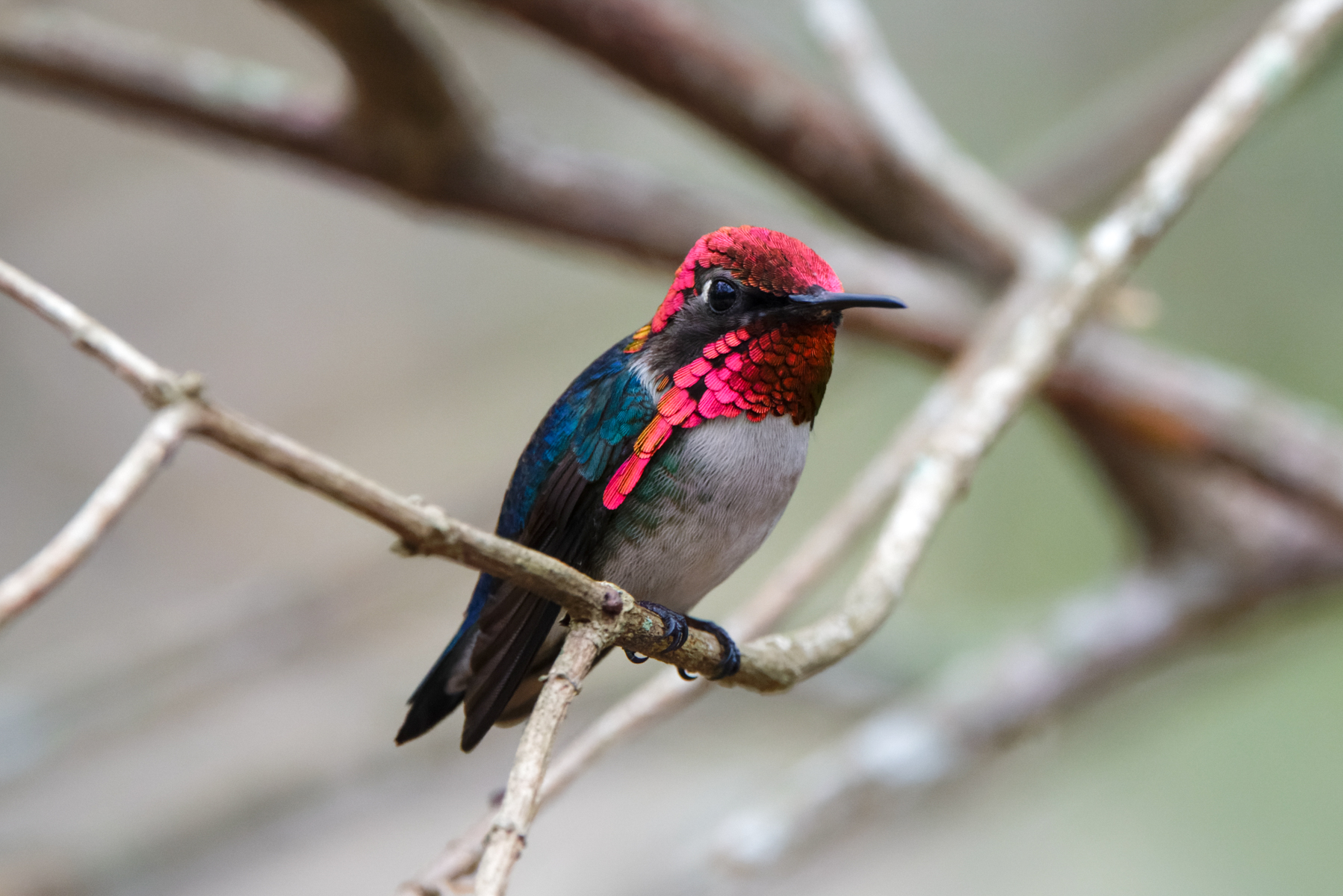
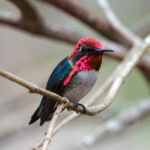
Bee Hummingbird (image by Leo Garrigues)
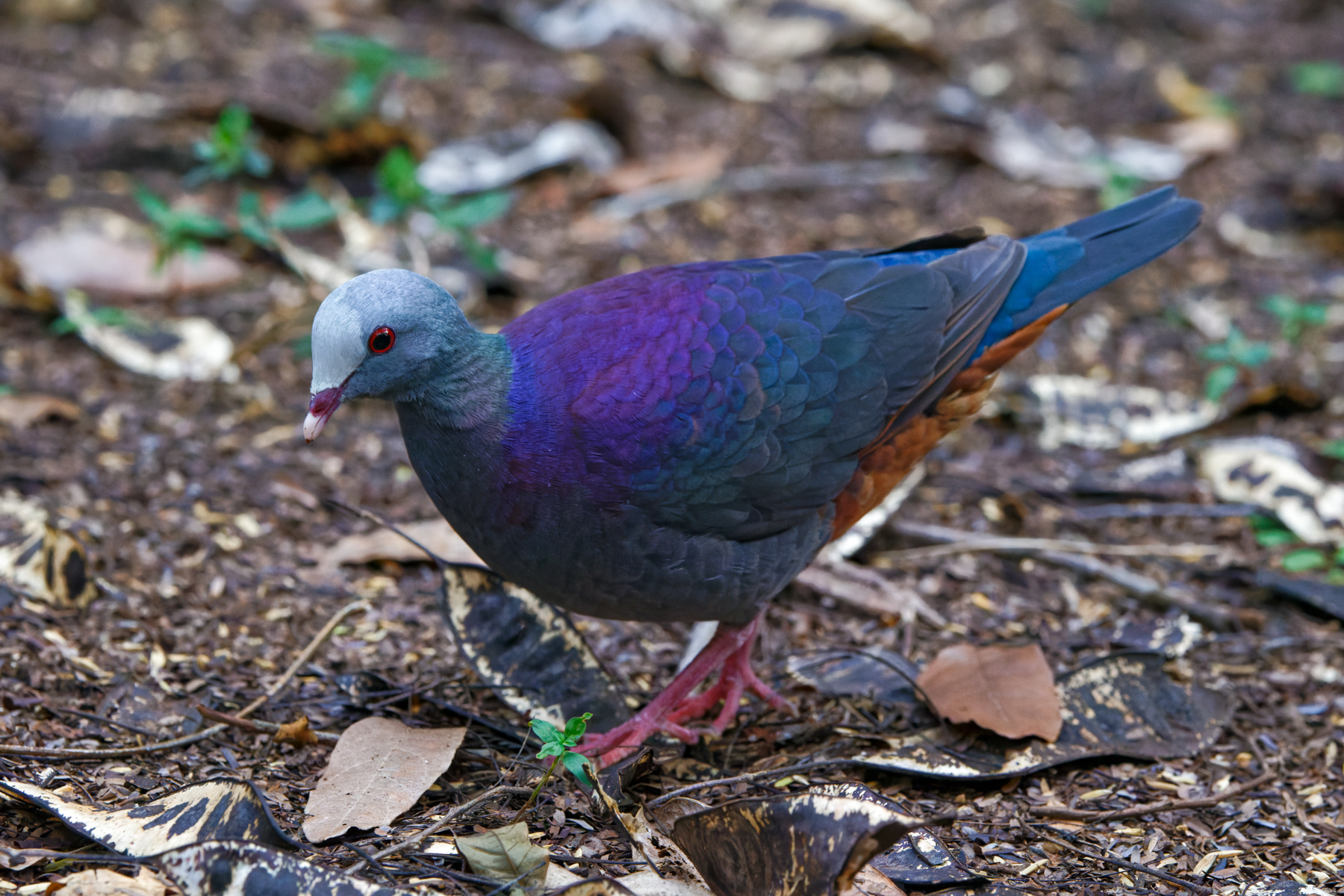
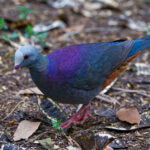
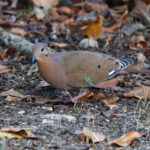
Grey-fronted Quail-Dove (image by Leo Garrigues)
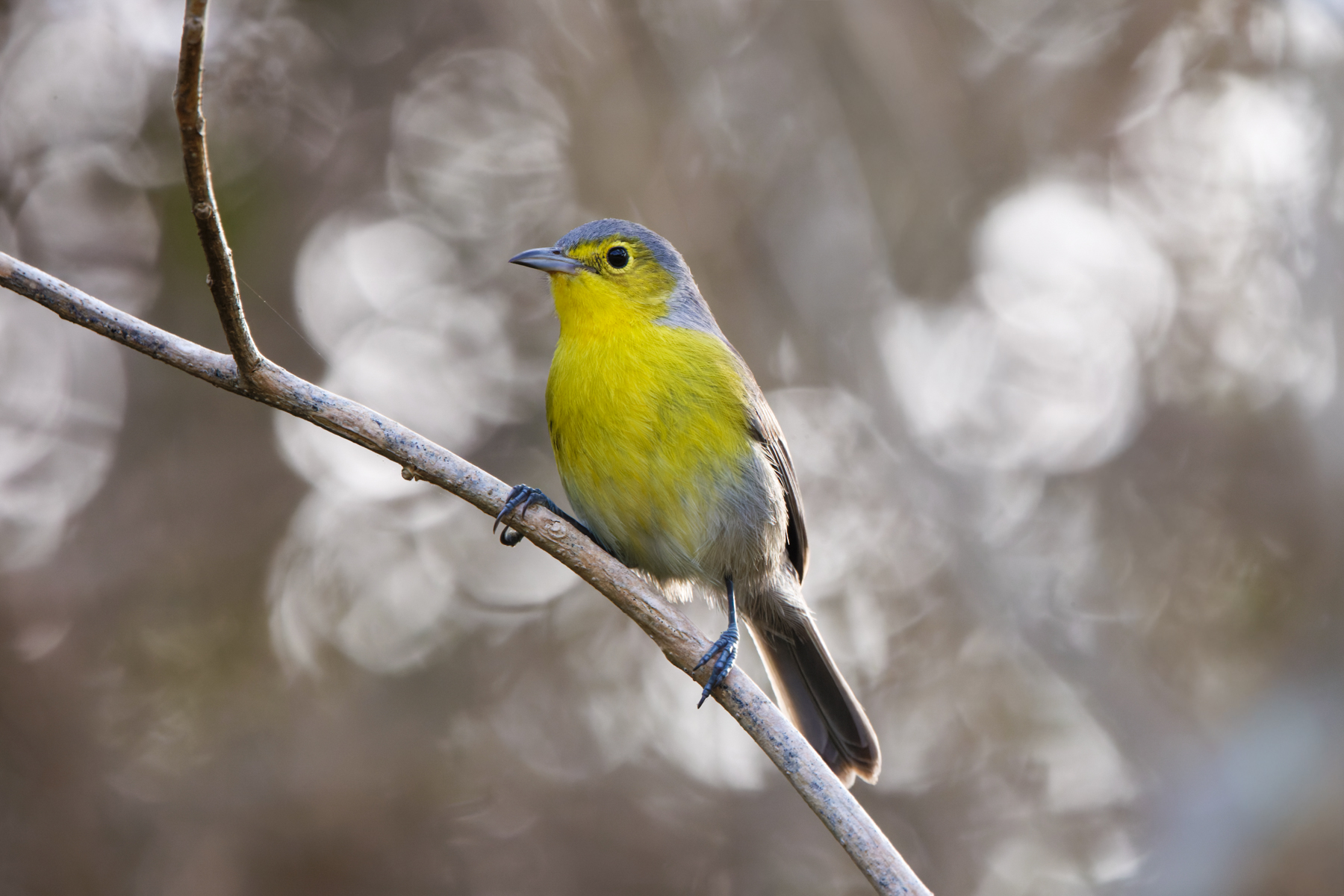
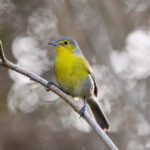
Oriente Warbler (image by Leo Garrigues)
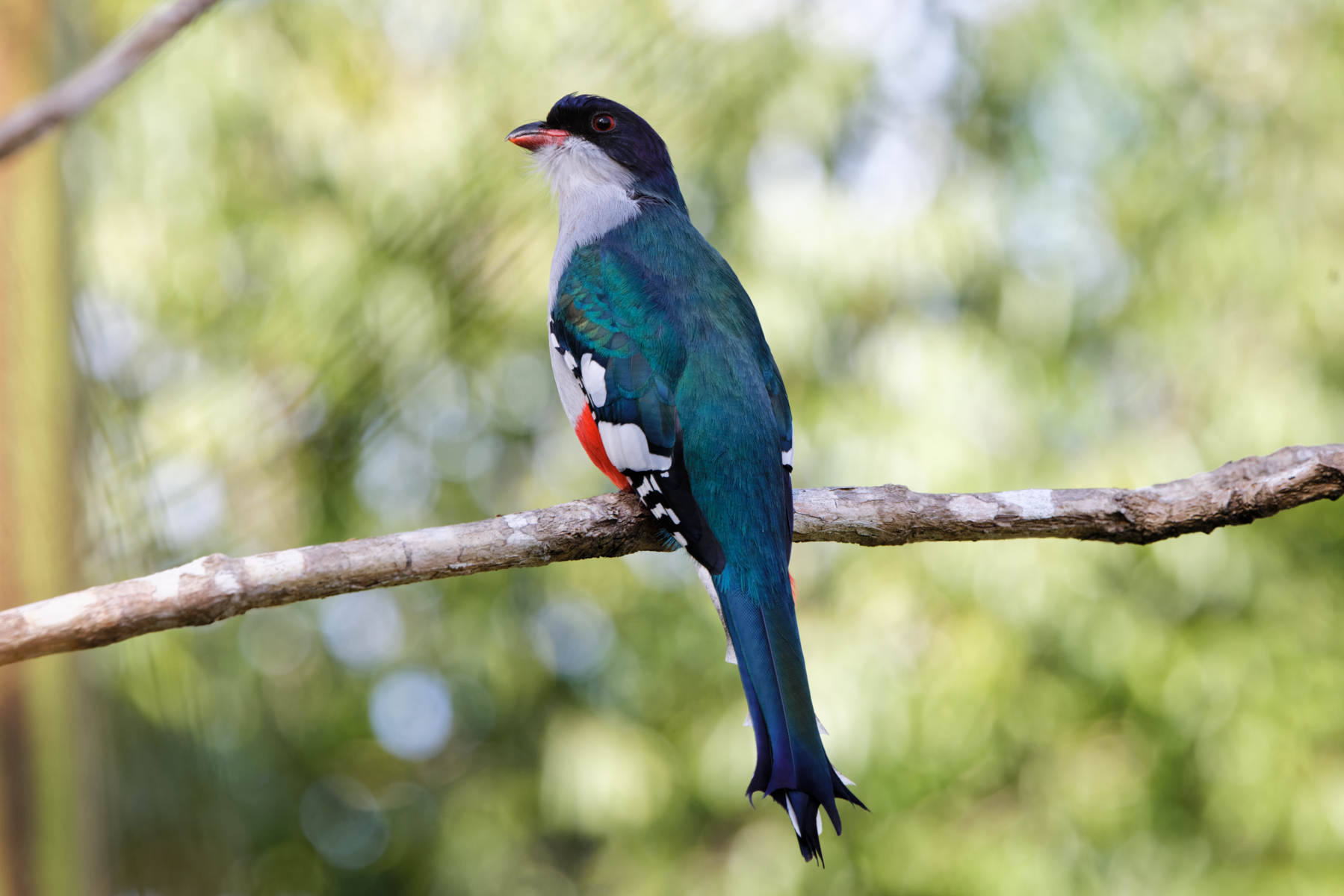
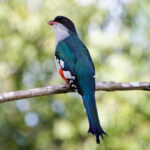
Cuban Trogon (image by Leo Garrigues)
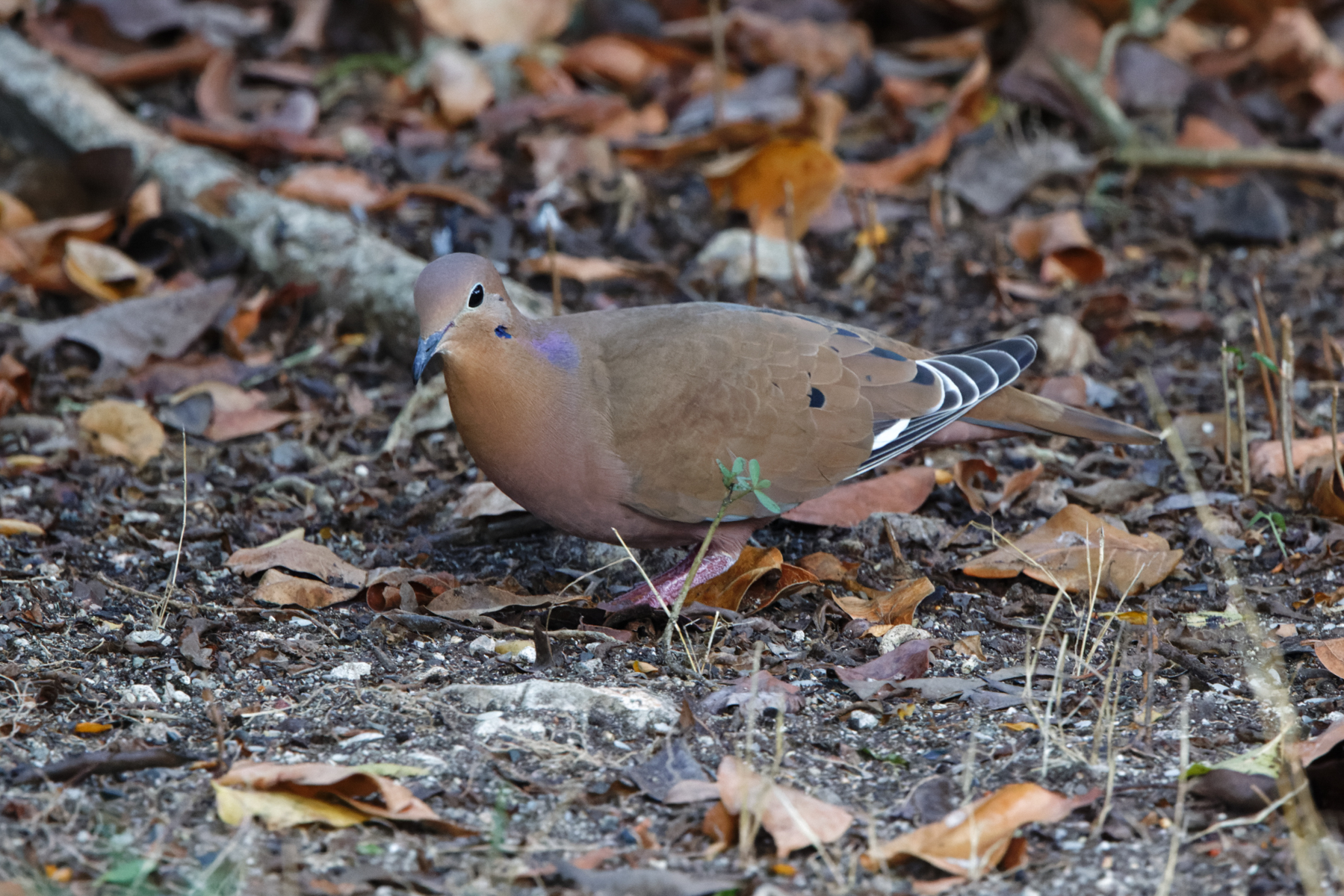
Zenaida Dove (image by Leo Garrigues)
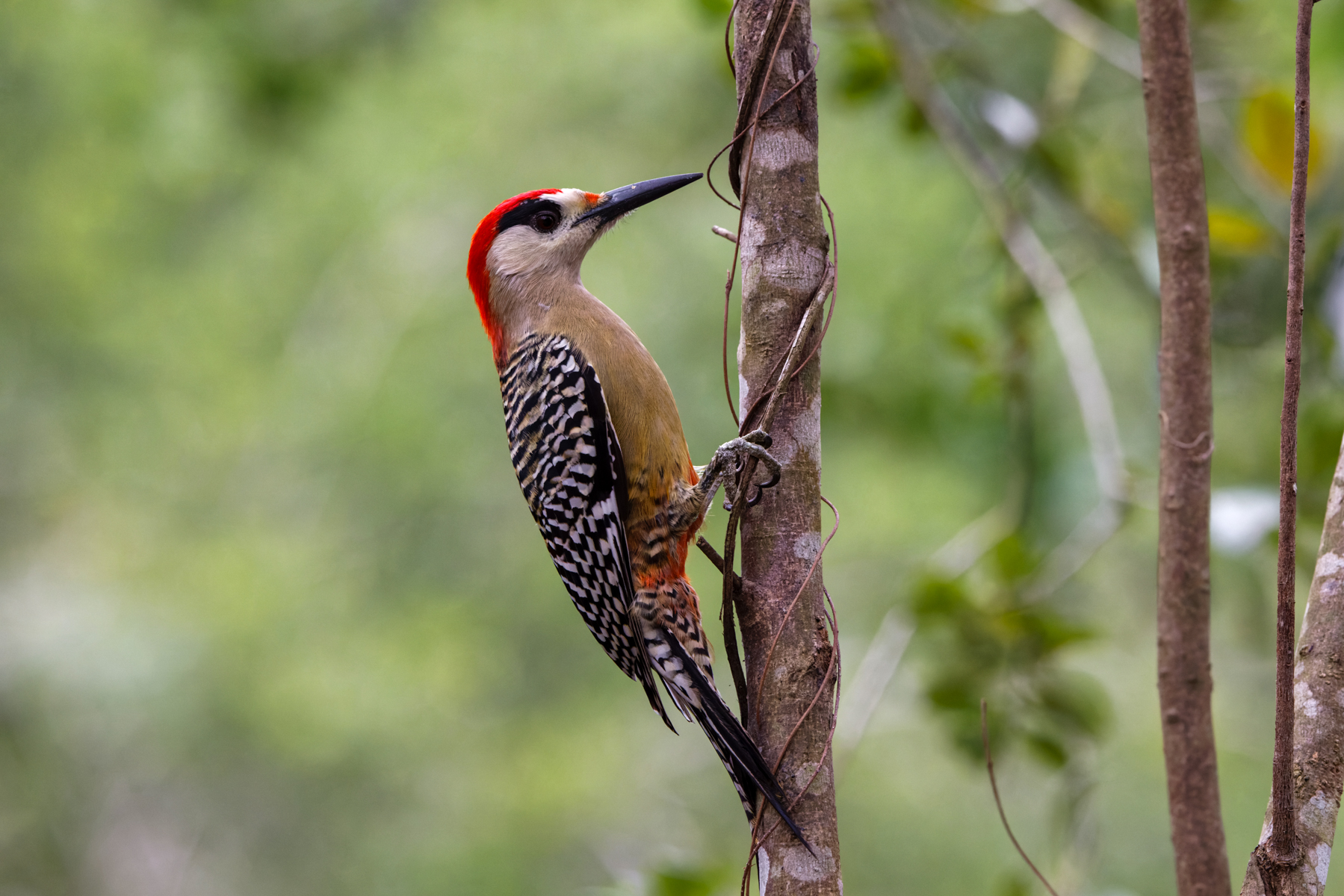
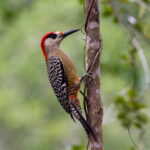
West Indian Woodpecker (image by Leo Garrigues)
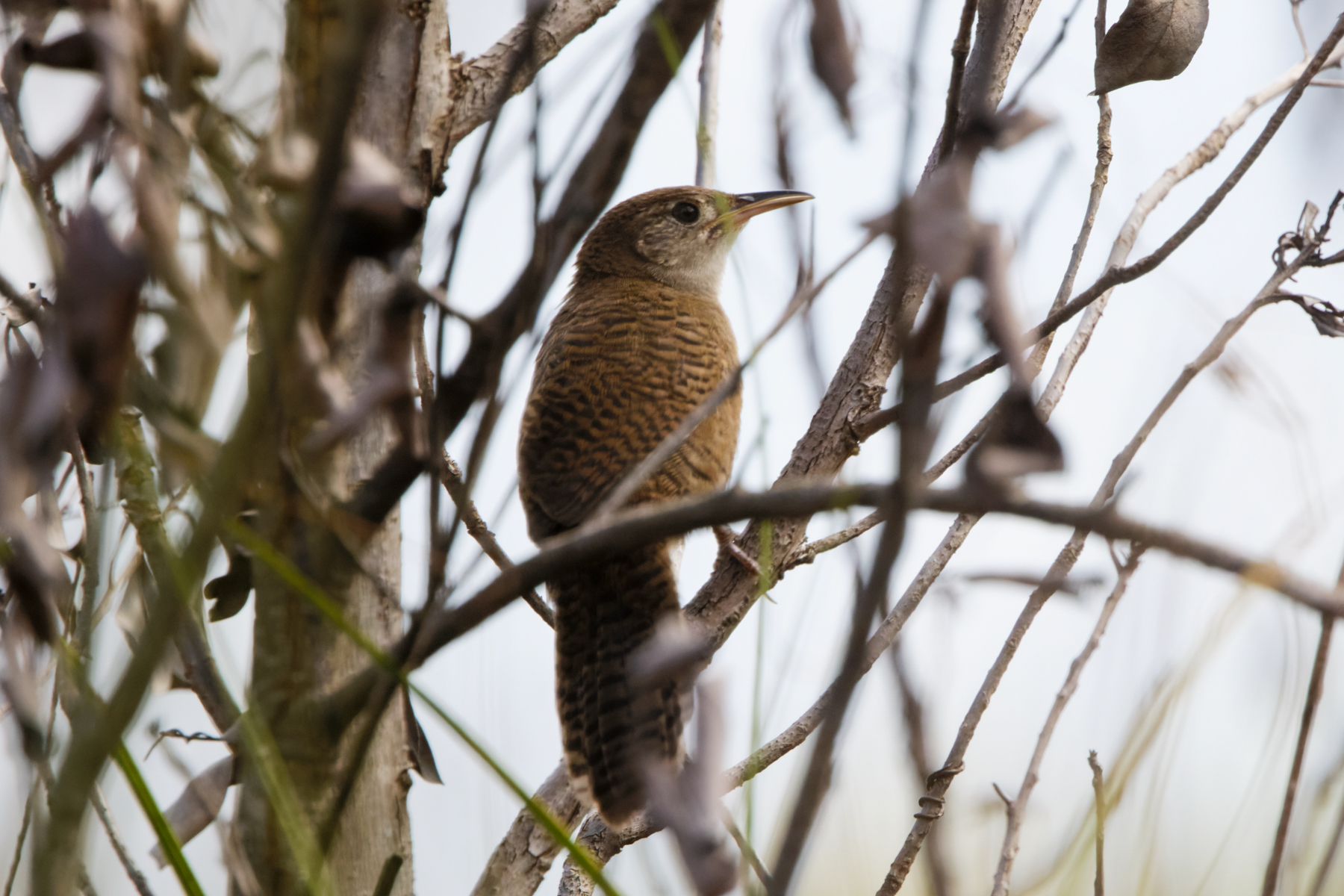
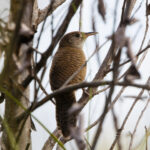
Zapata Wren (image by Leo Garrigues)
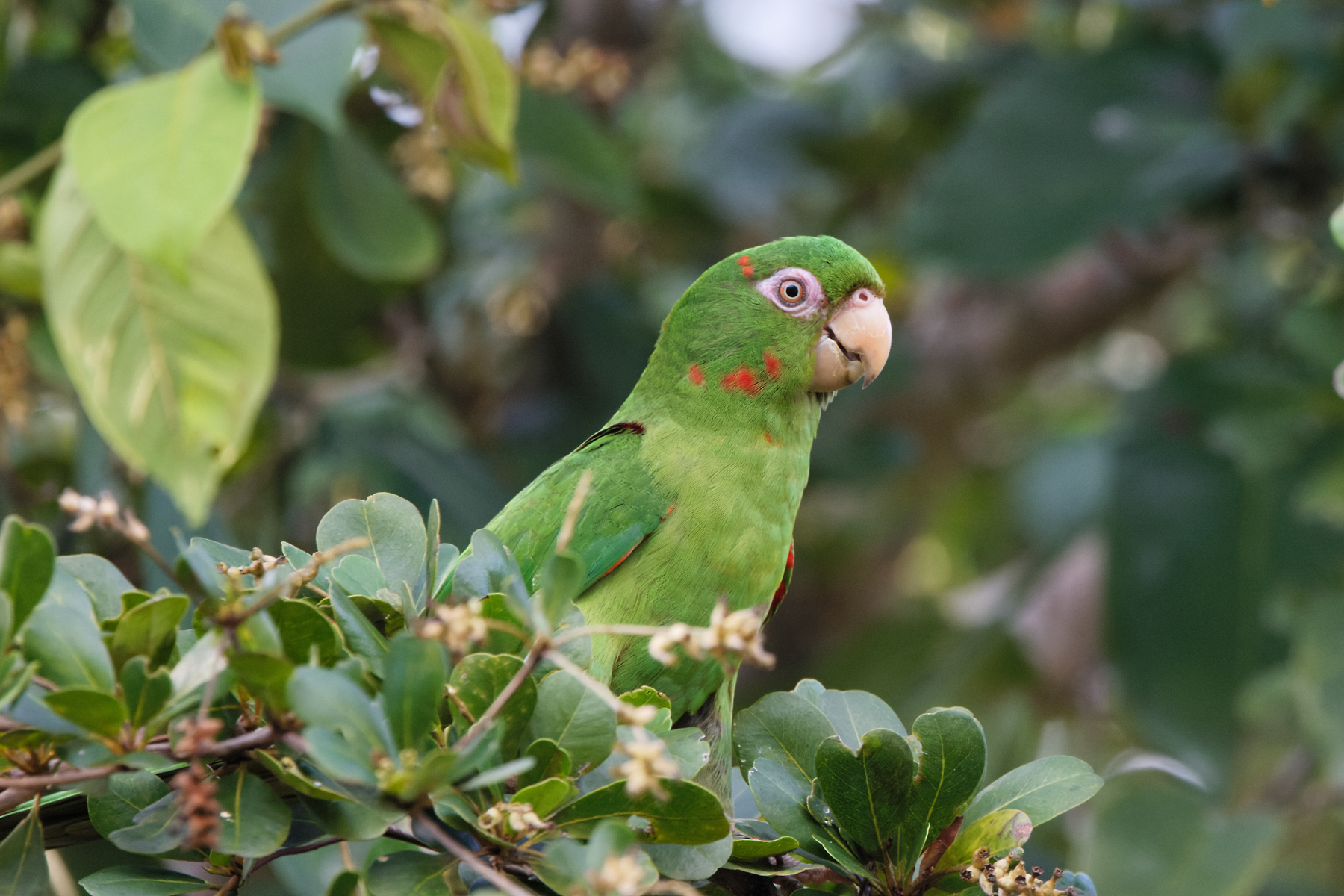
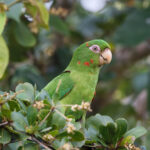
Cuban Parakeet (image by Leo Garrigues)
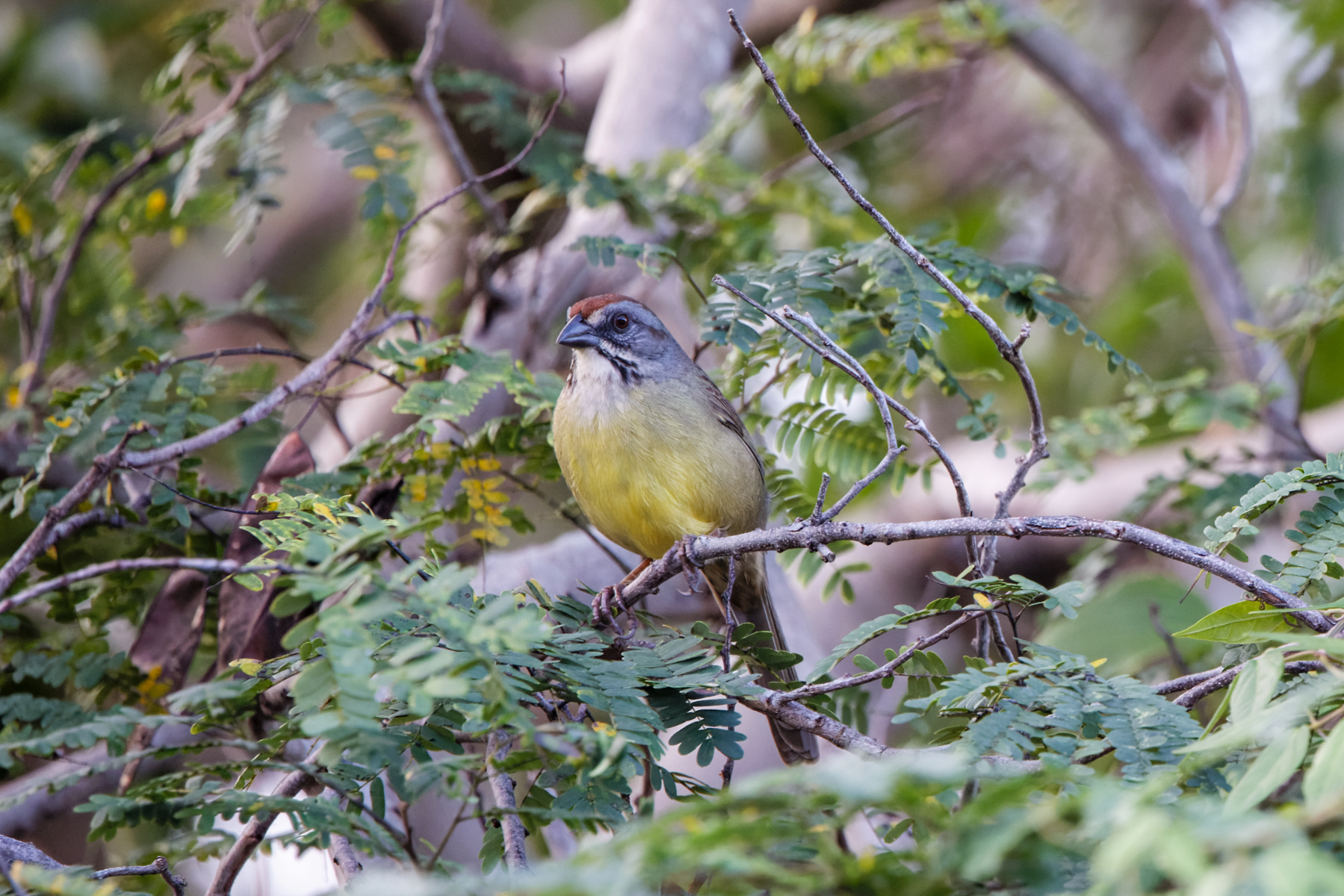
Zapata Sparrow (varonai) (image by Leo Garrigues)
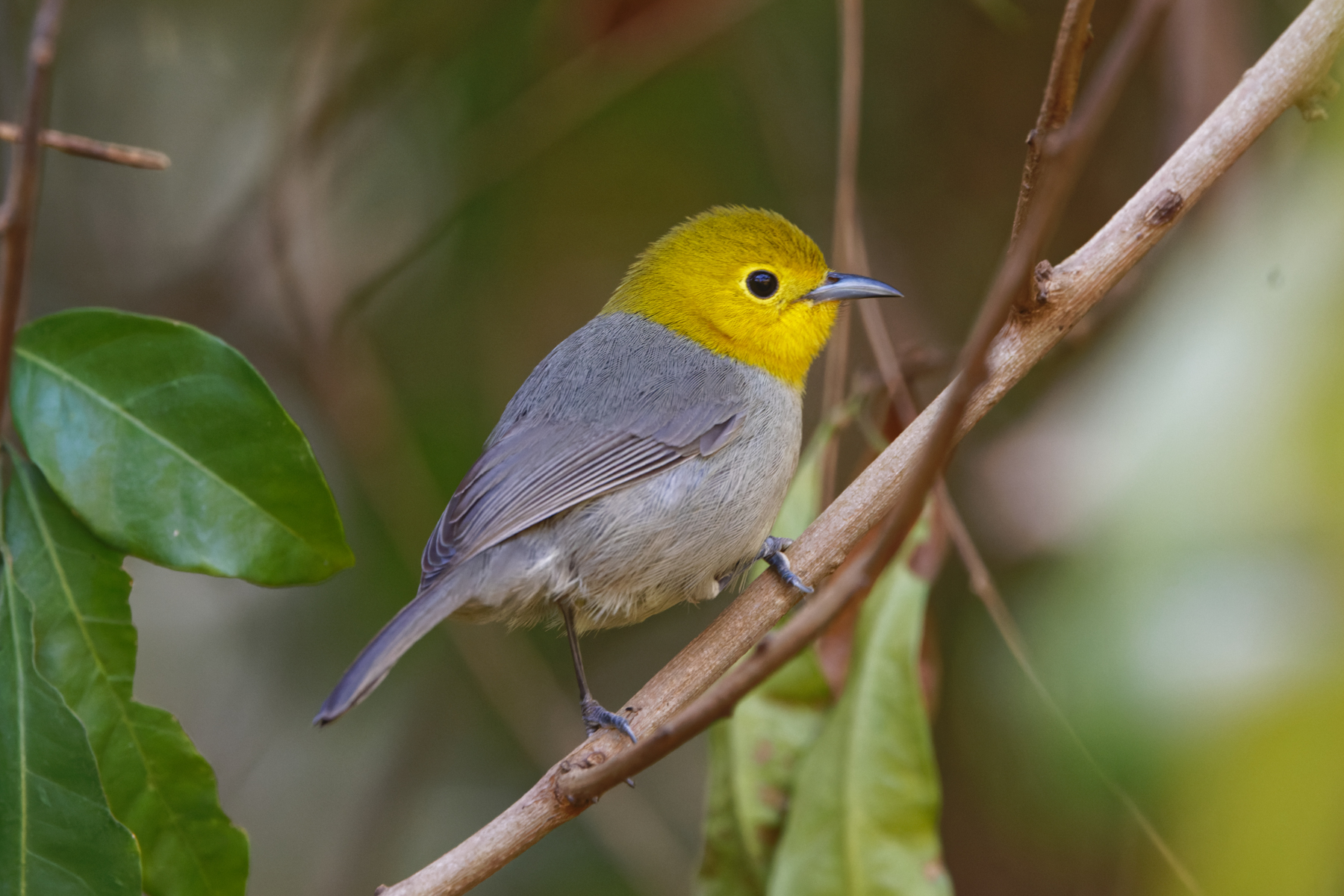
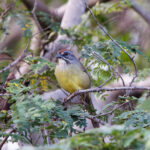
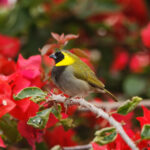
Yellow-headed Warbler (image by Leo Garrigues)
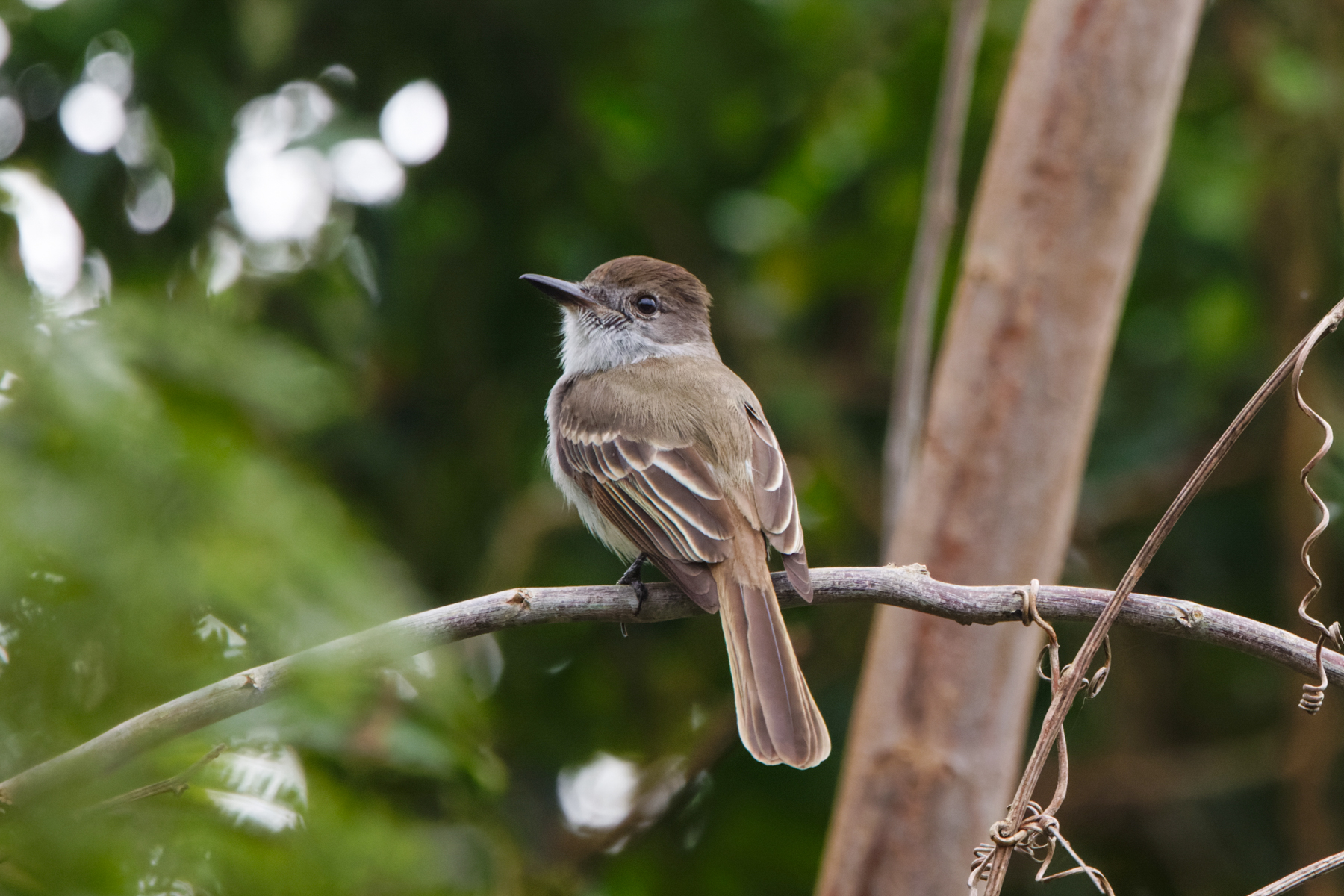
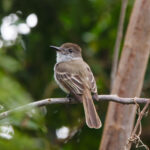
La Sagra's Flycatcher (image by Leo Garrigues)
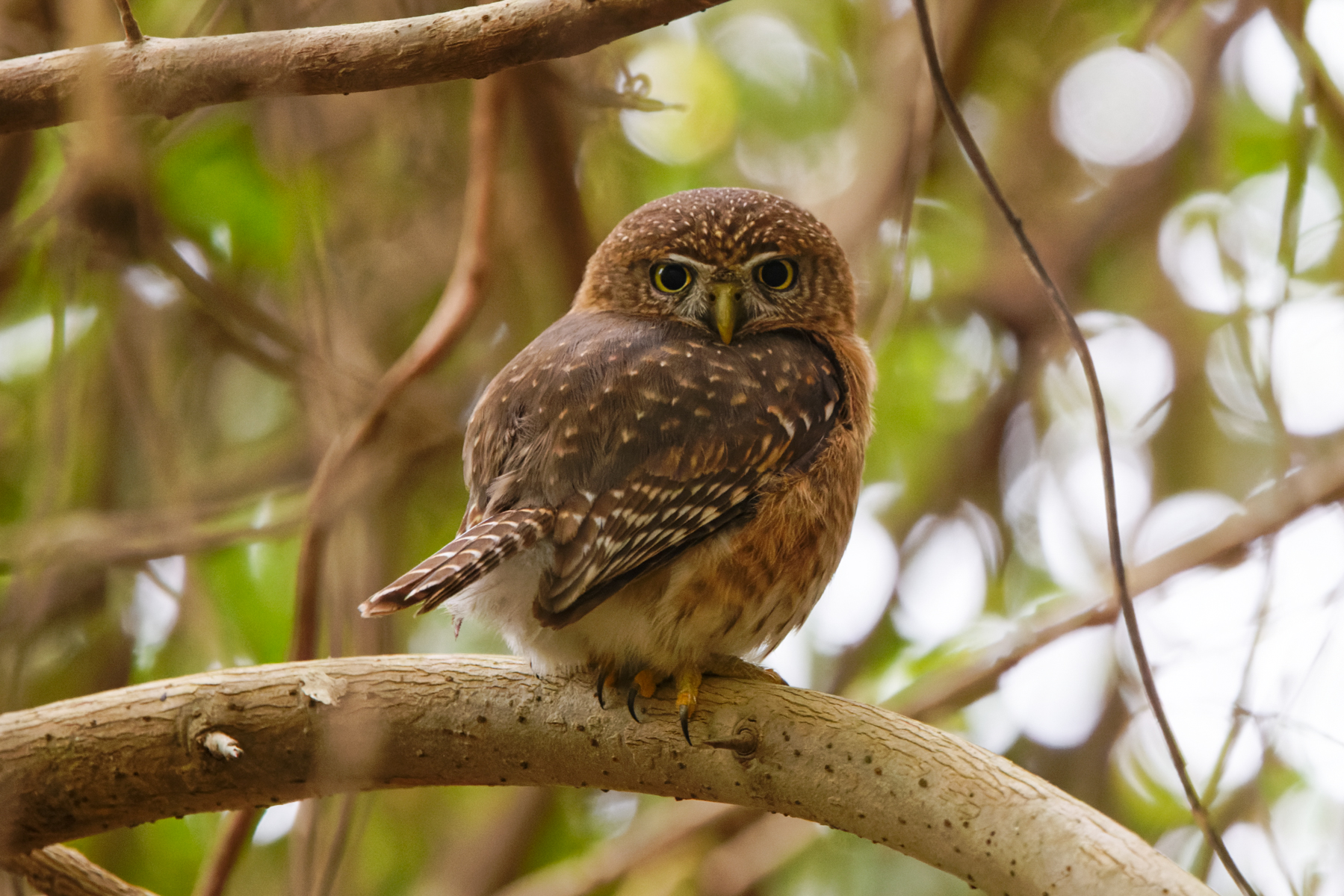
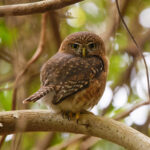
Cuban Pygmy Owl (image by Leo Garrigues)
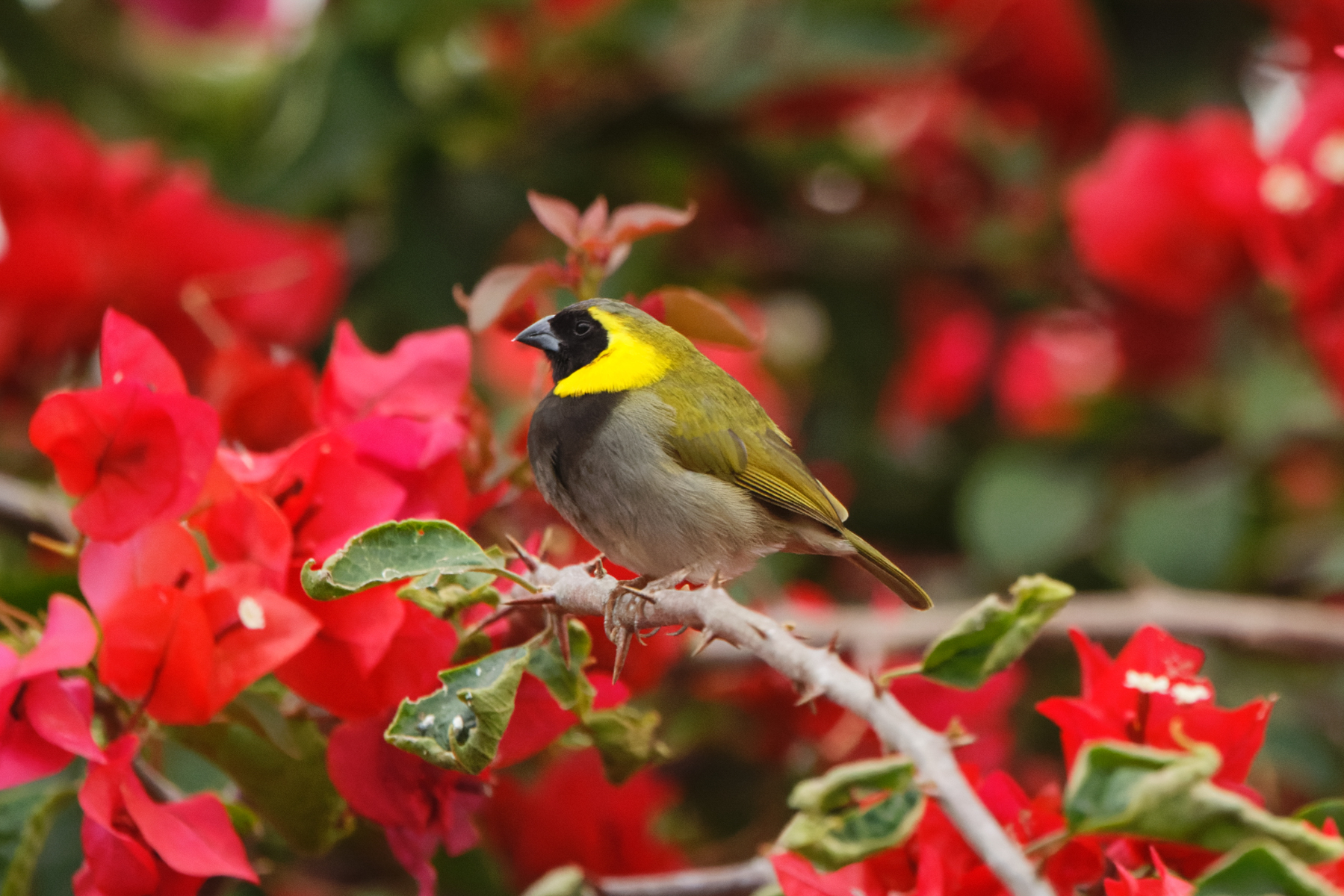
Cuban Grassquit (image by Leo Garrigues)
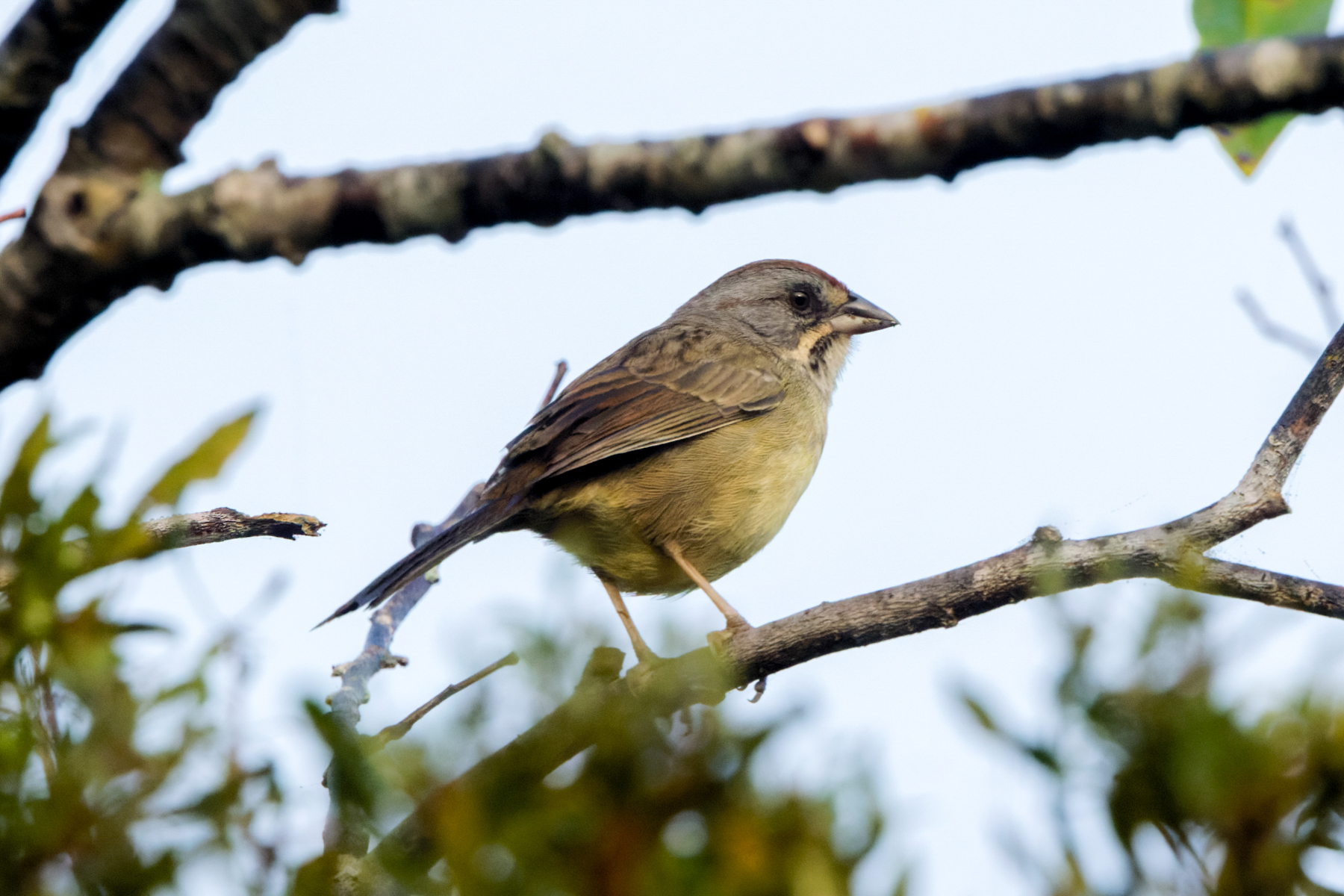
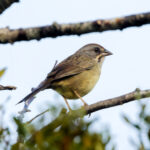
Zapata Sparrow (nominate) (image by Leo Garrigues)
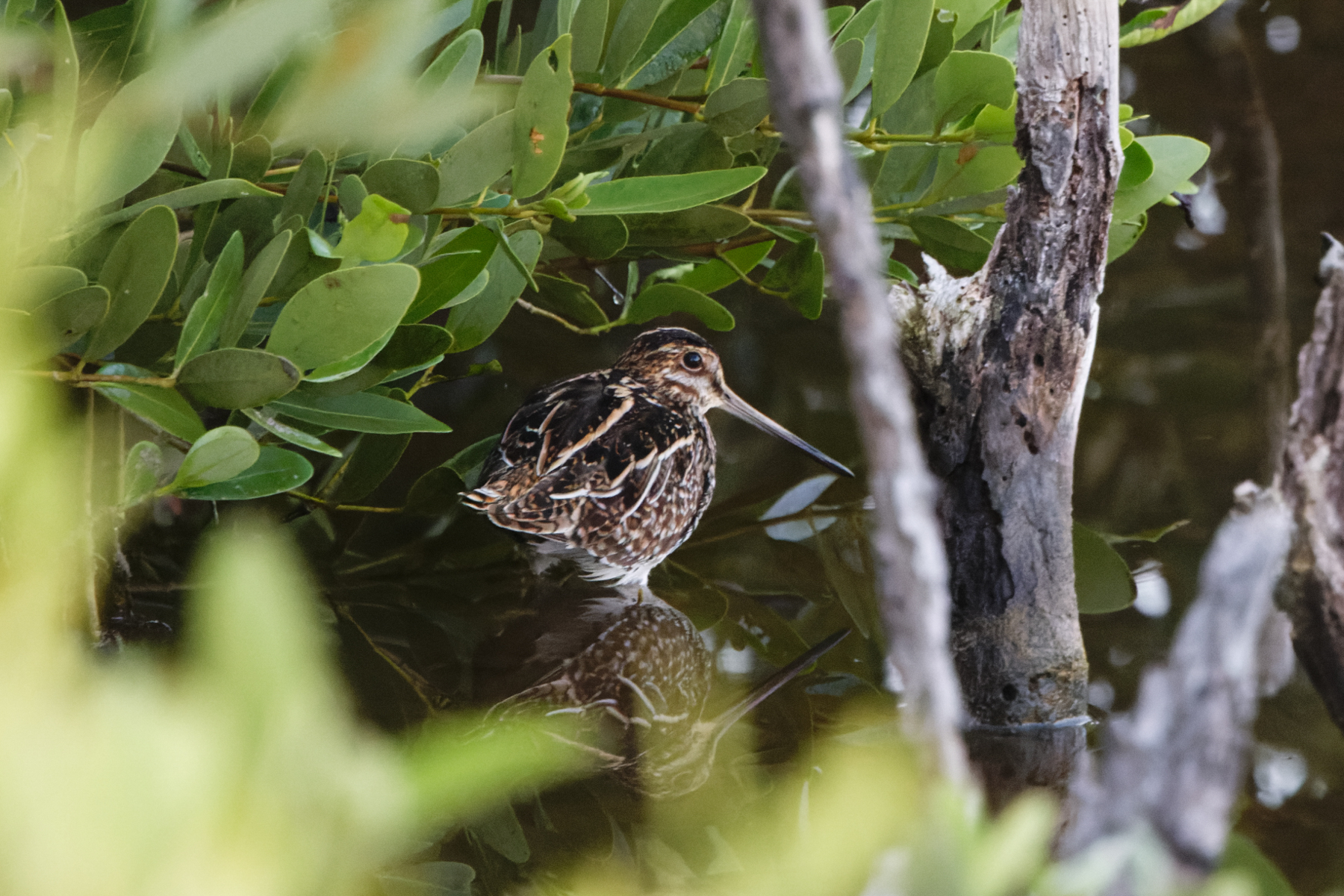
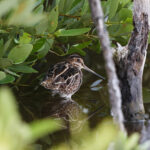
Wilson's Snipe (image by Leo Garrigues)
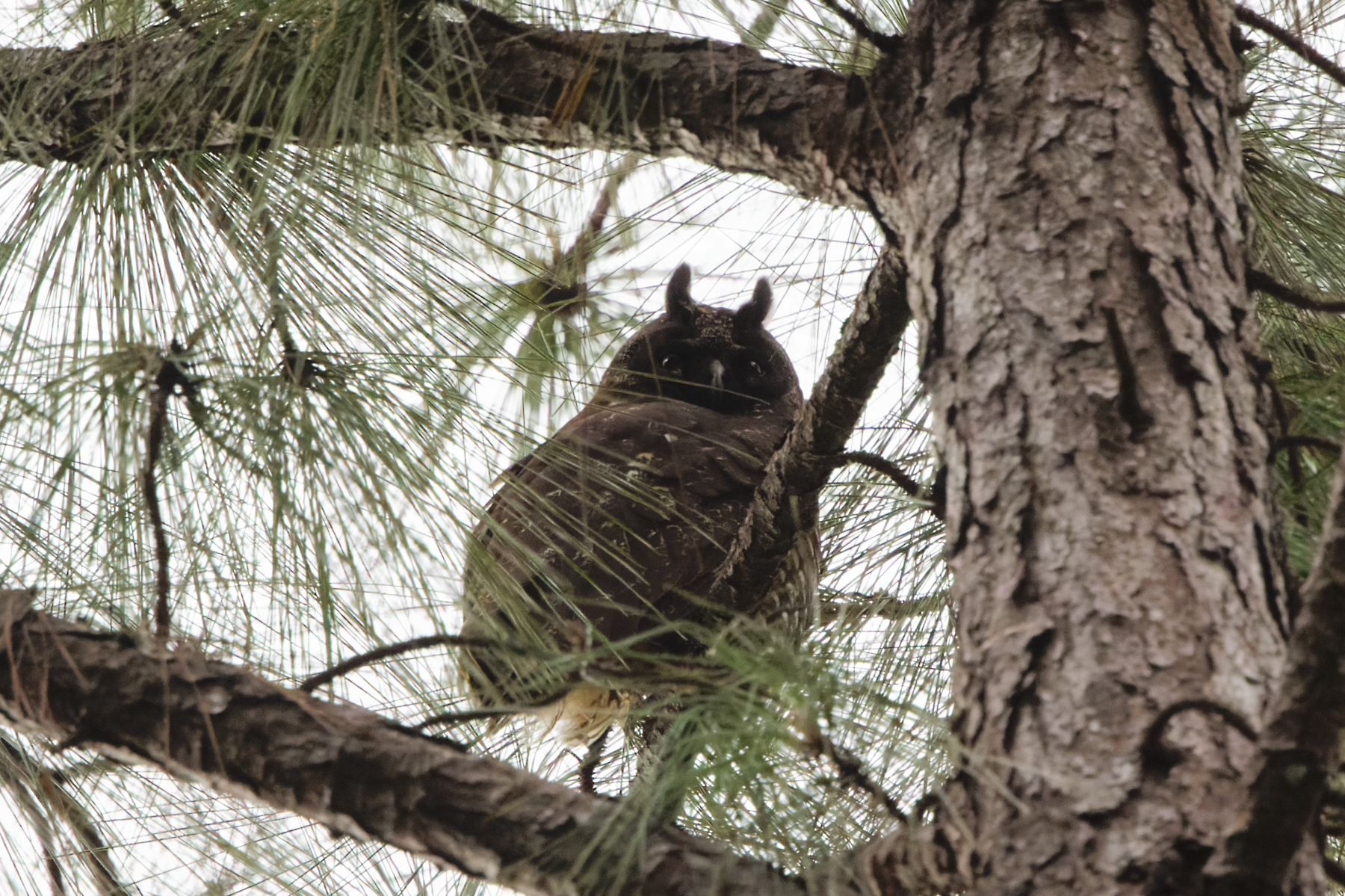
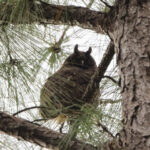
Stygian Owl (image by Leo Garrigues)
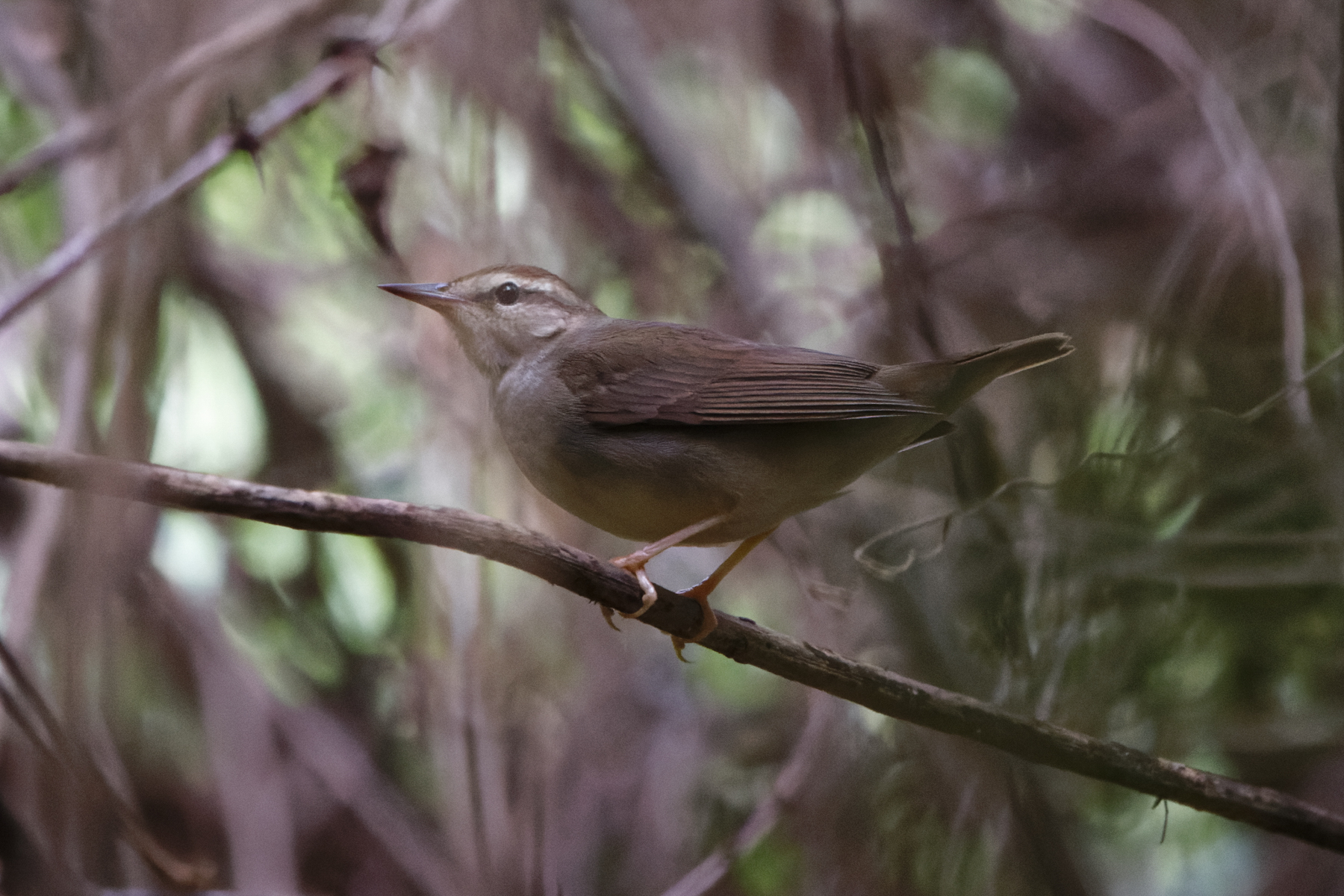
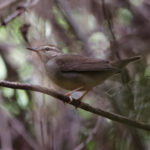
Swainson's Warbler (image by Leo Garrigues)
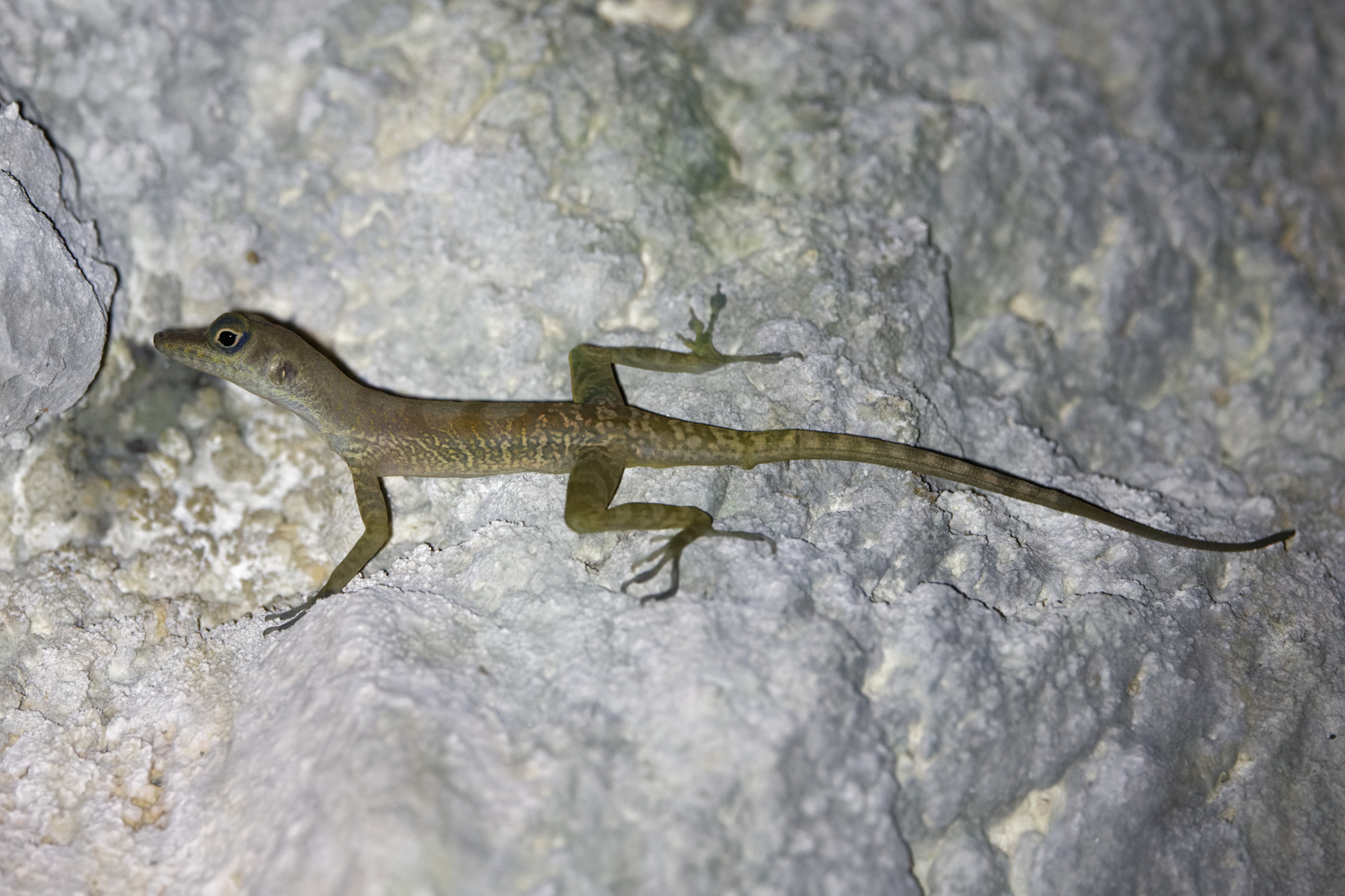
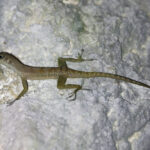
West Cuban Anole (image by Leo Garrigues)
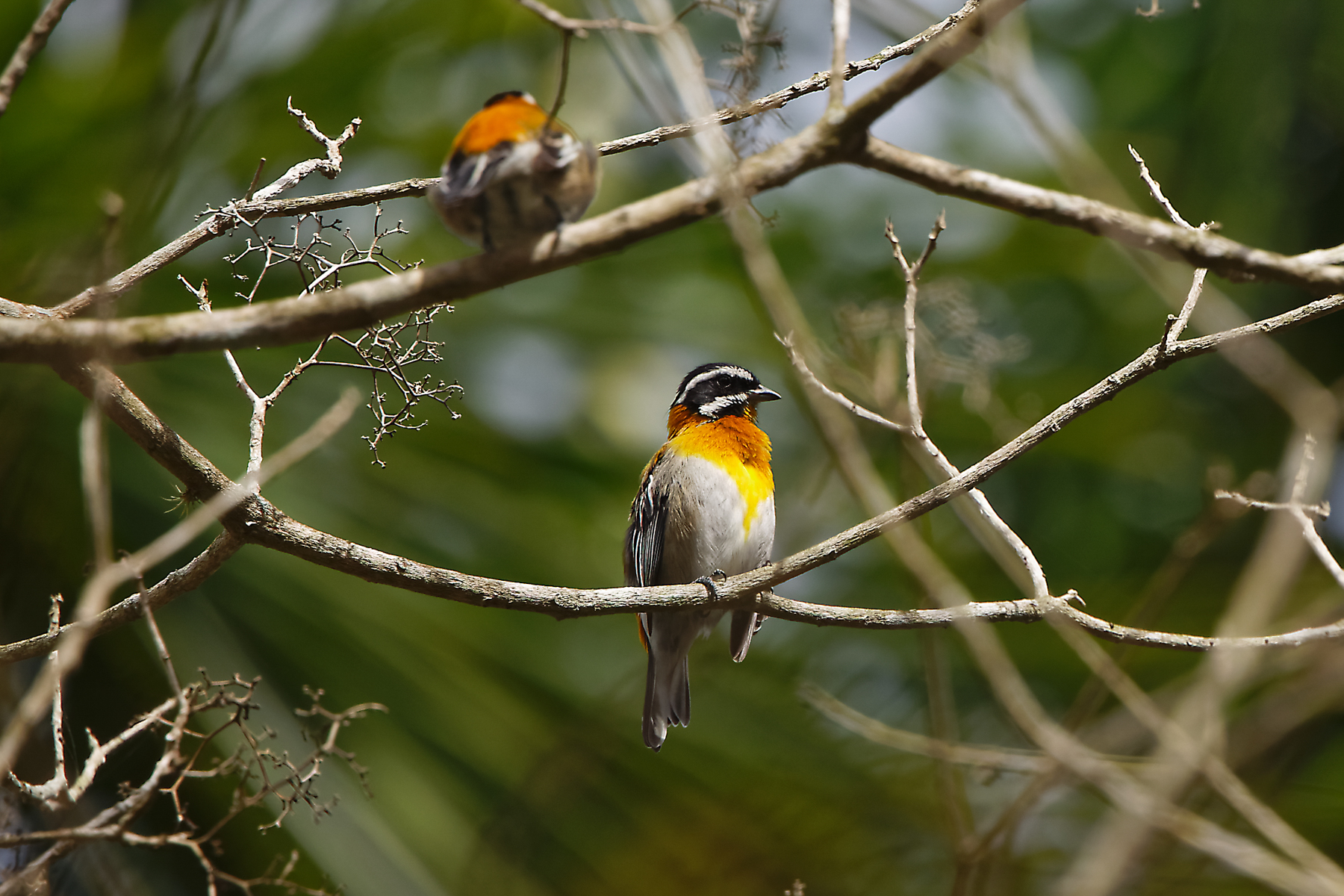
Western Spindalis (image by Leo Garrigues)
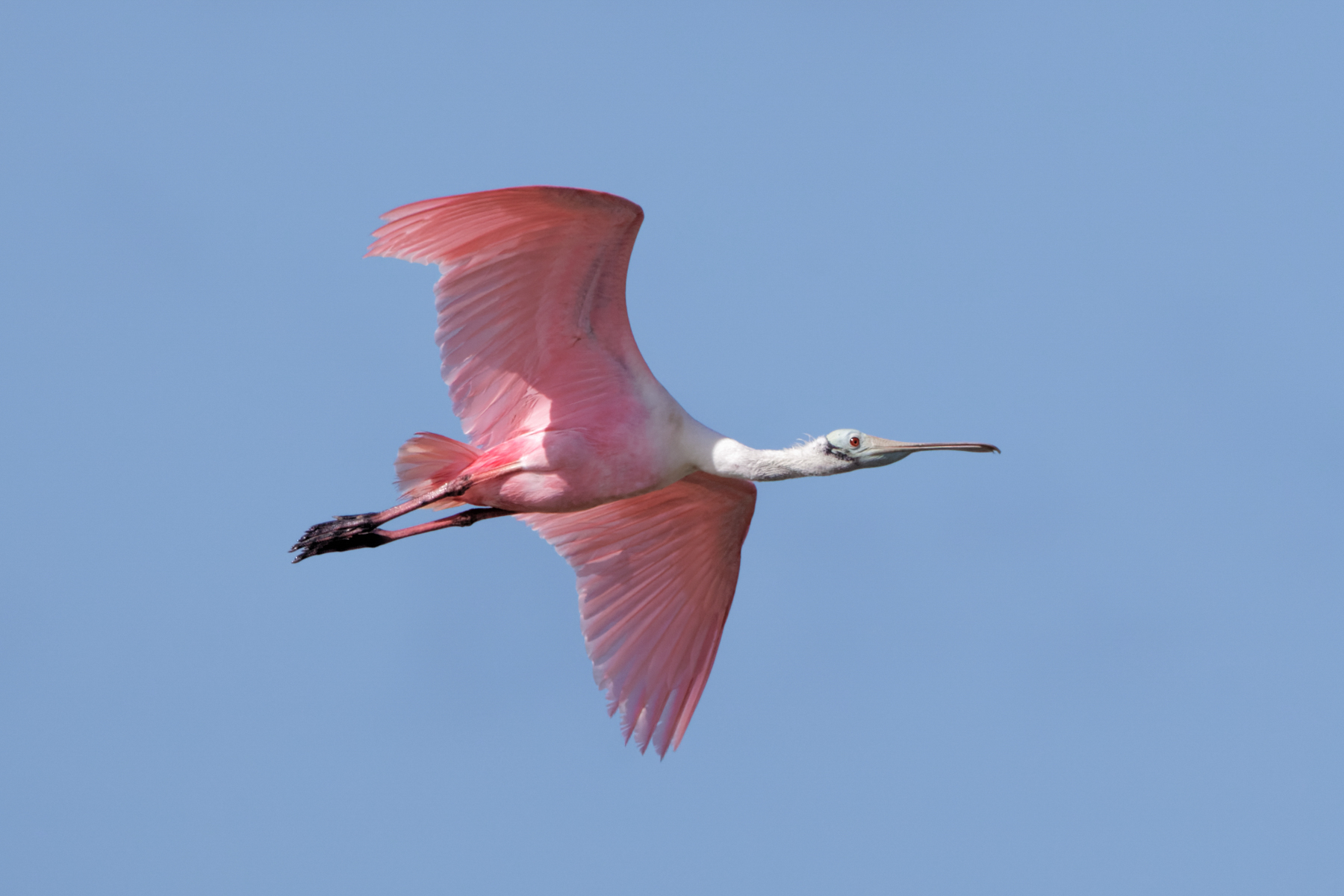
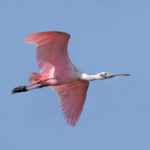
Roseate Spoonbill (image by Leo Garrigues)
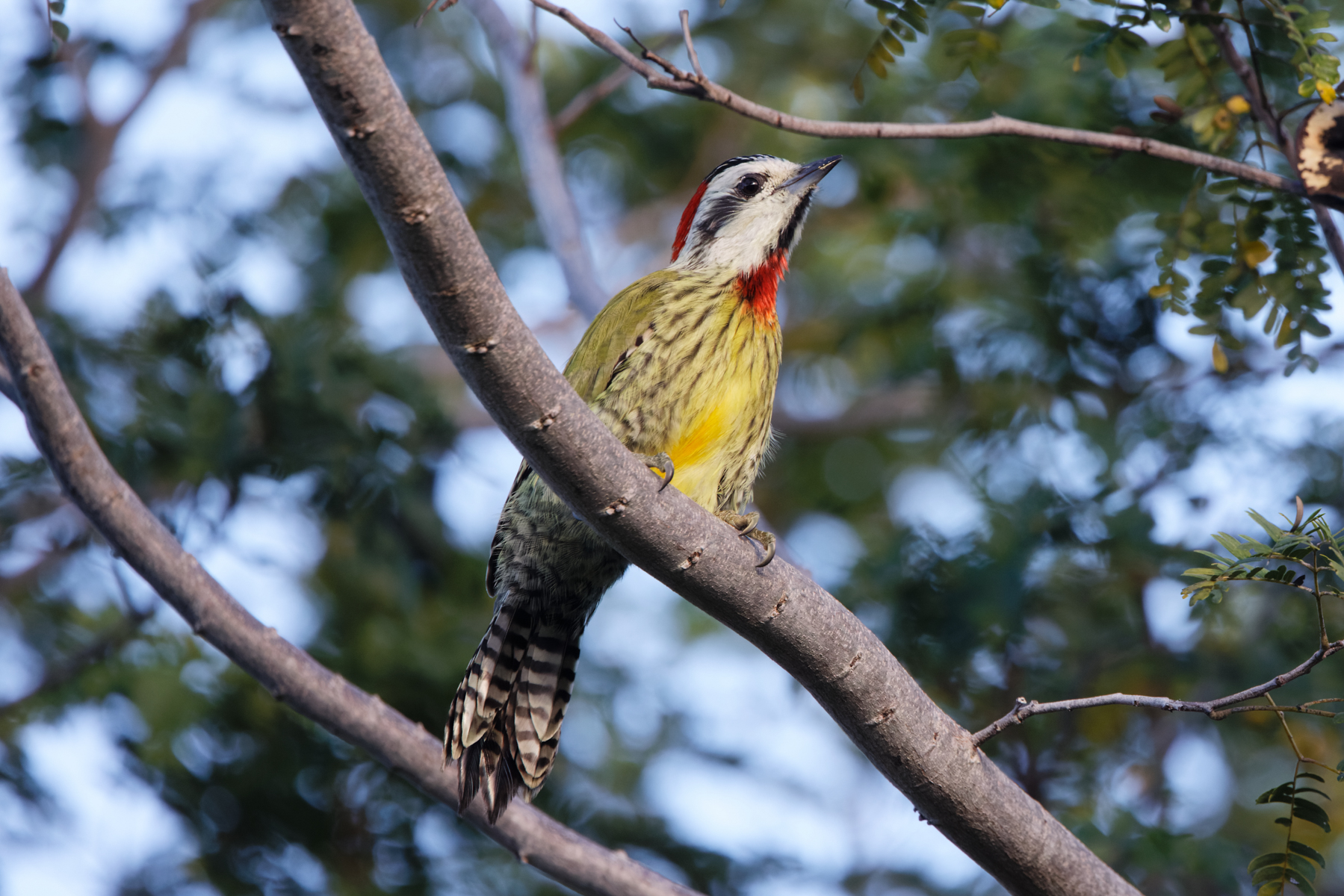
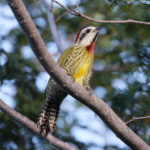
Cuban Green Woodpecker (image by Leo Garrigues)
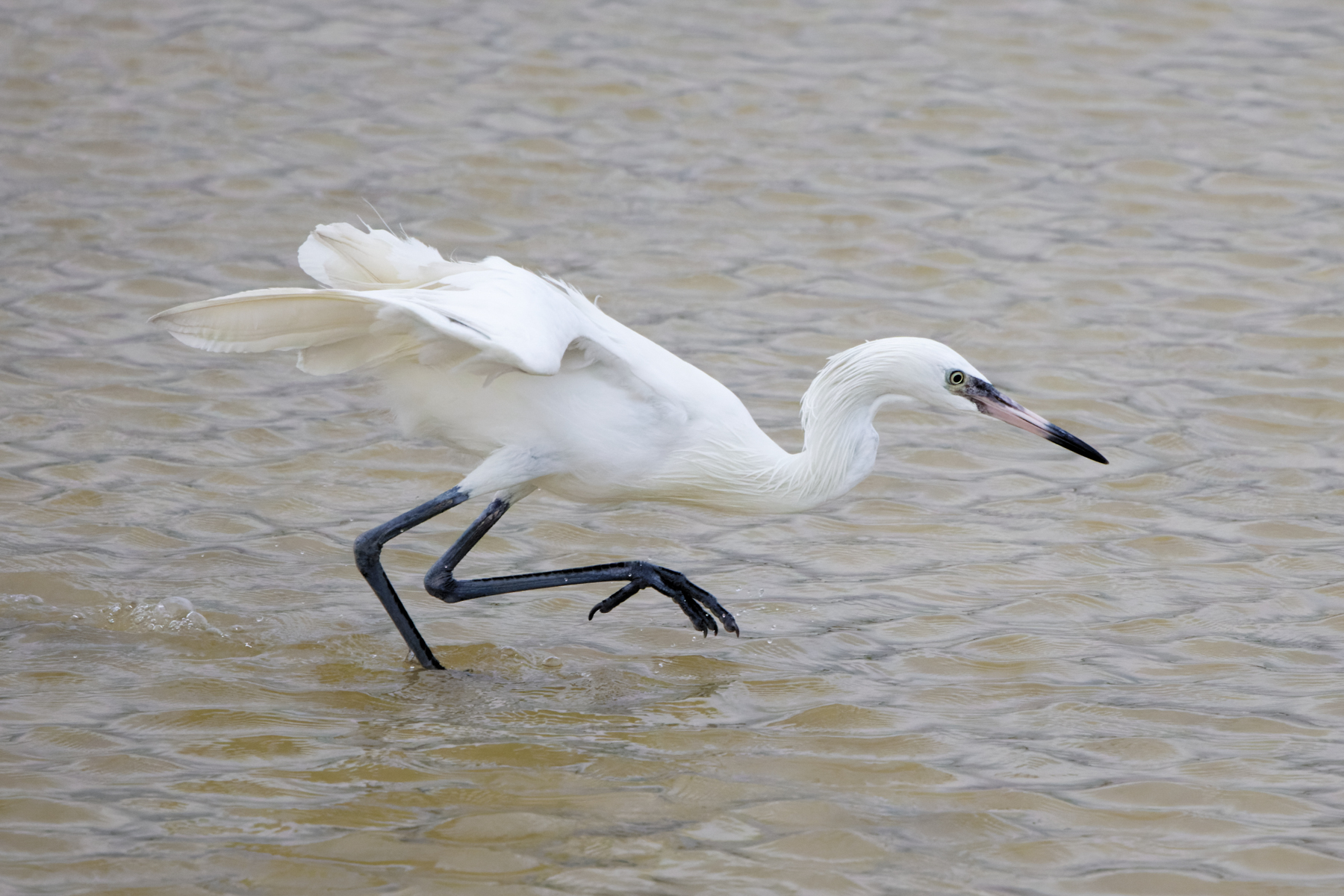
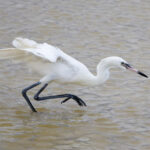
Reddish Egret (image by Leo Garrigues)
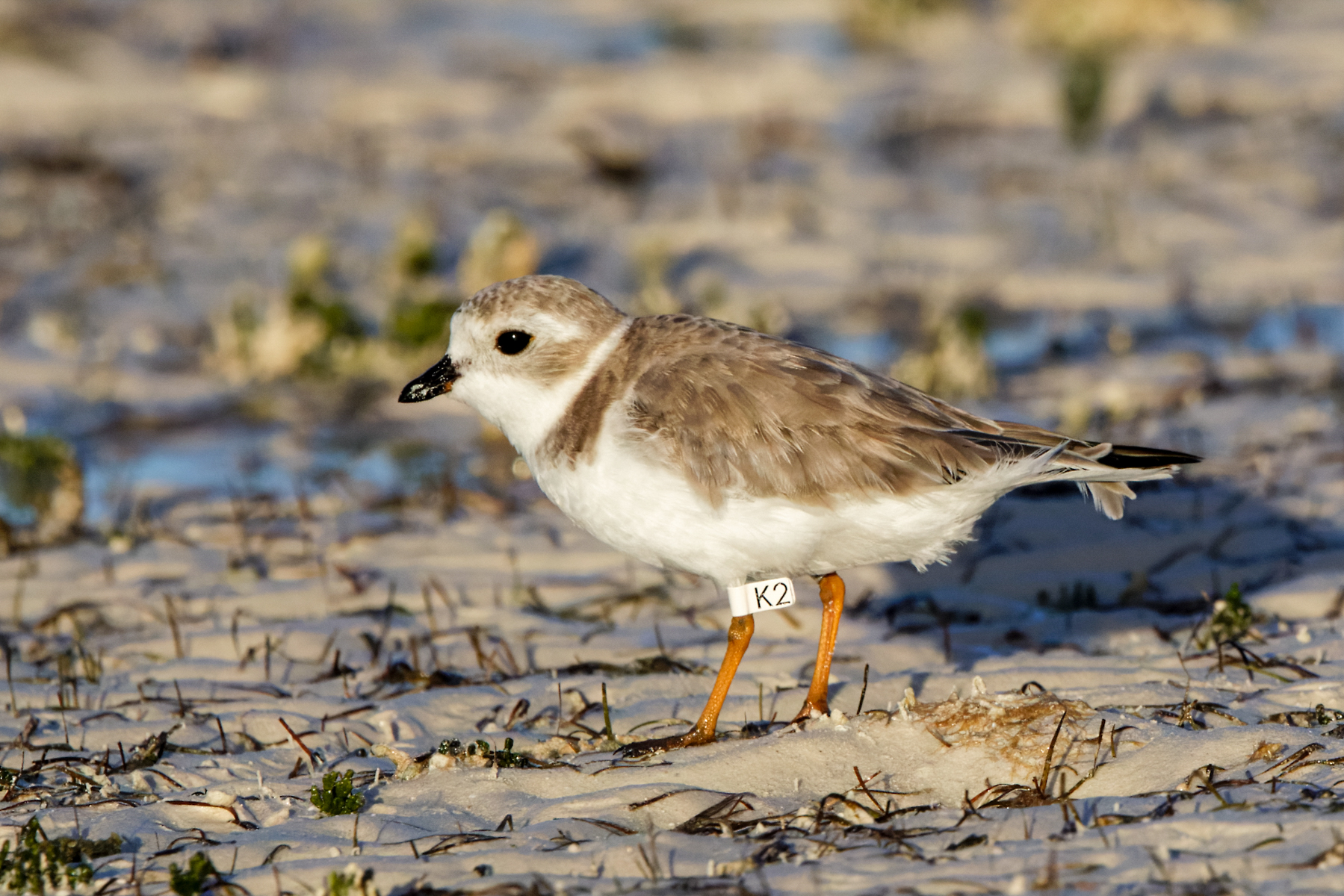
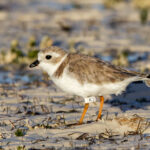
Piping Plover (image by Leo Garrigues)
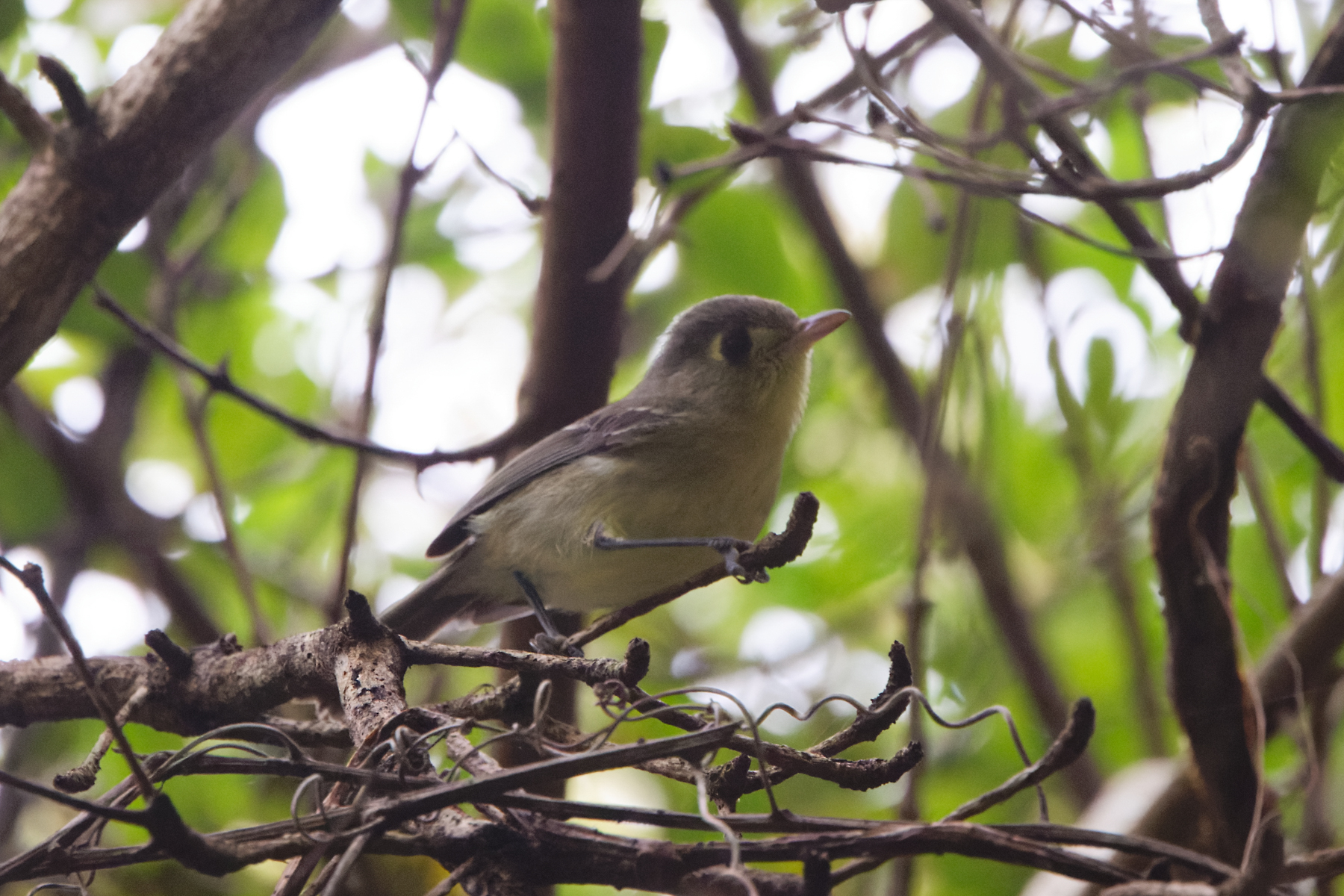
Cuban Vireo (image by Leo Garrigues)
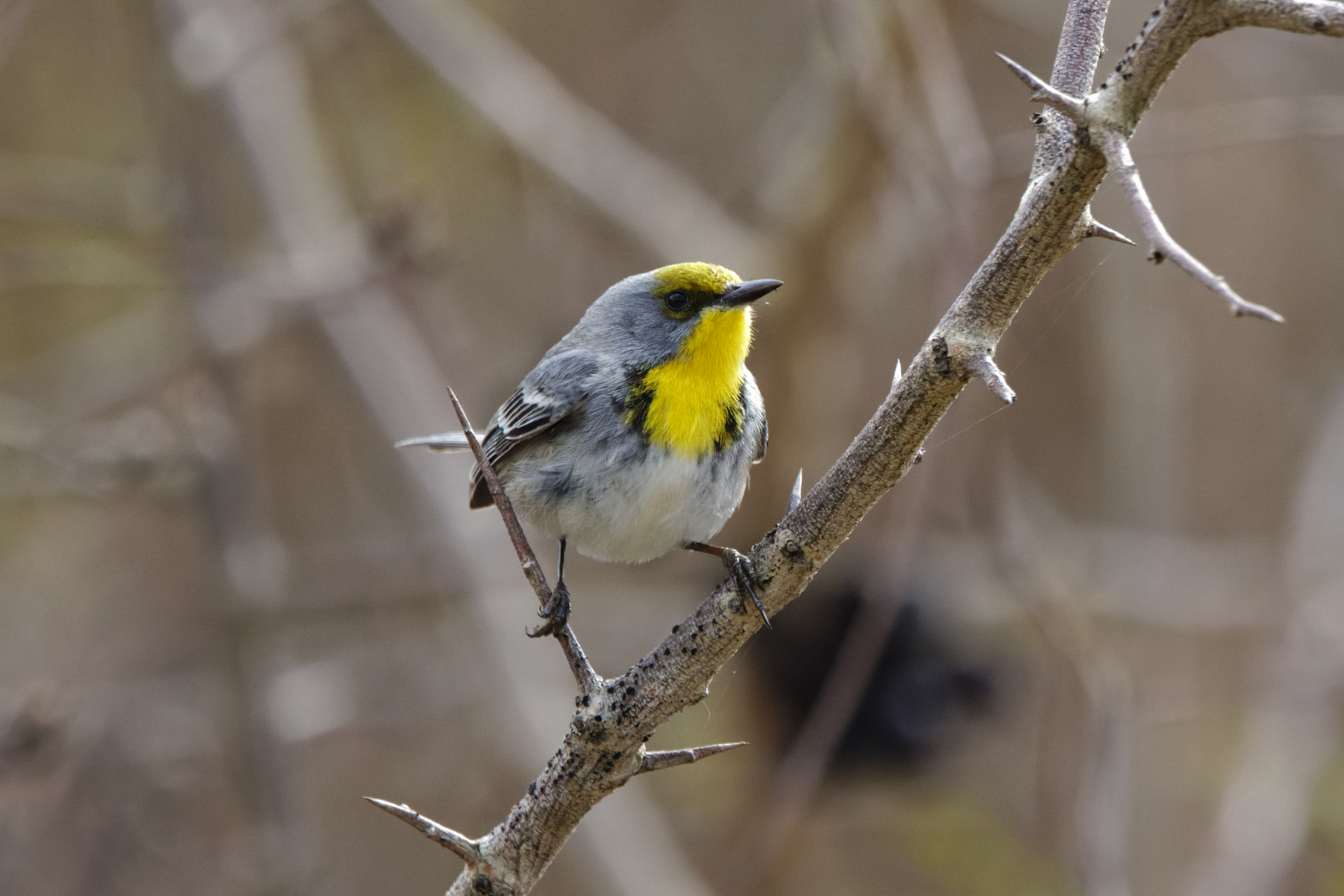
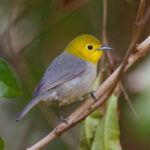
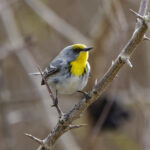
Olive-capped Warbler (image by Leo Garrigues)
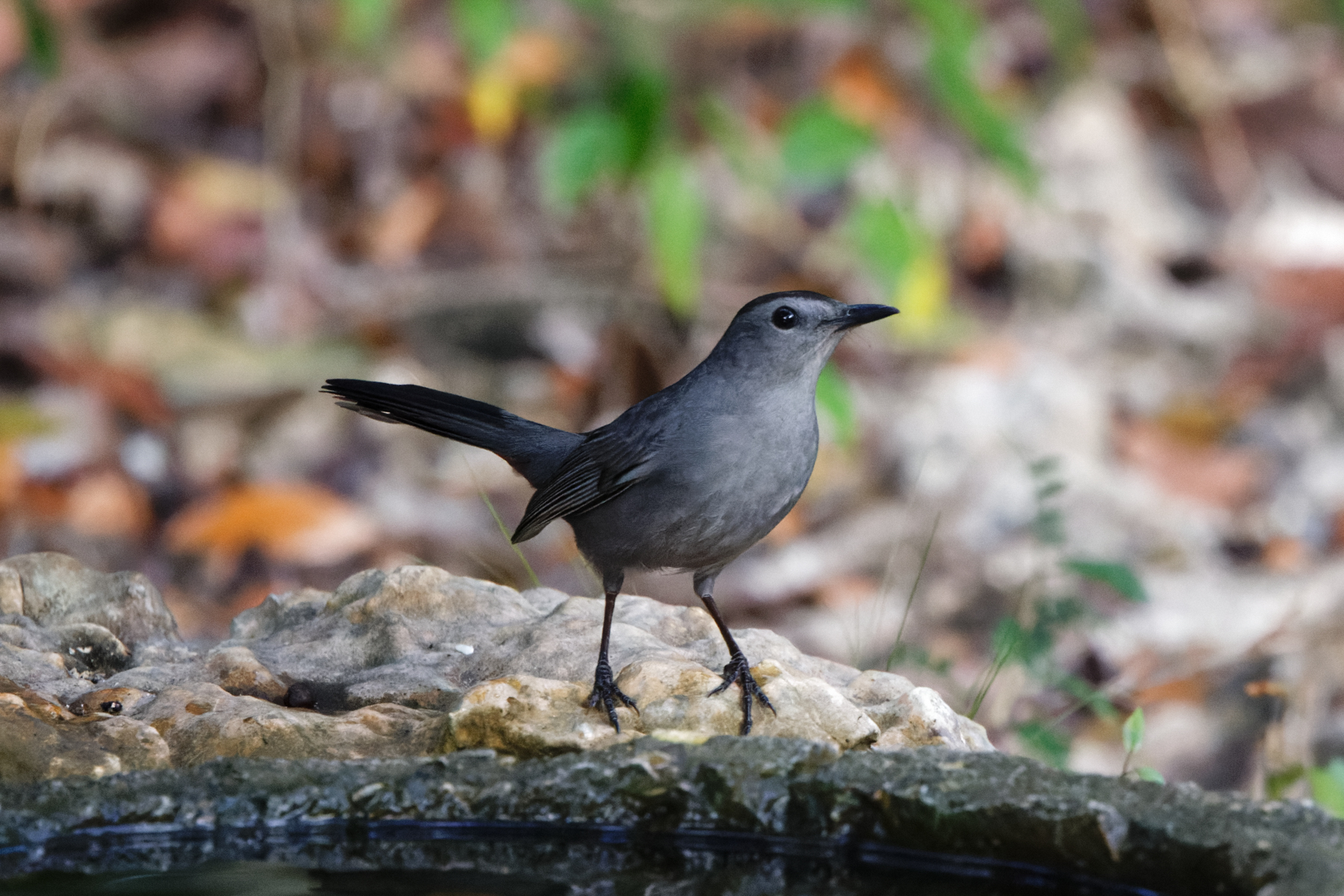
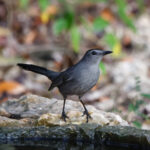
Grey Catbird (image by Leo Garrigues)
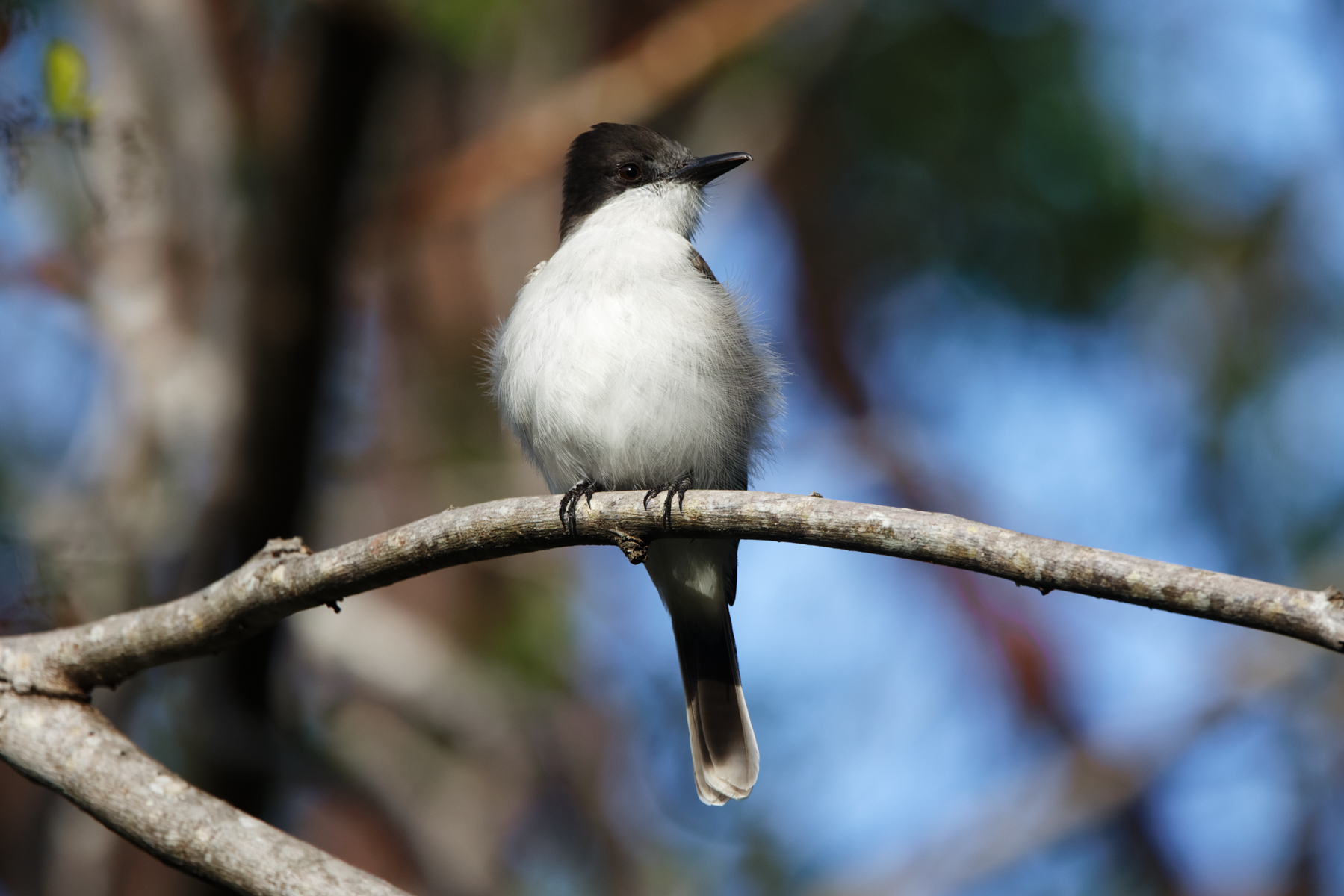
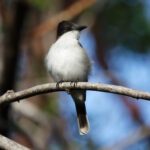
Loggerhead Kinkgbird (image by Leo Garrigues)
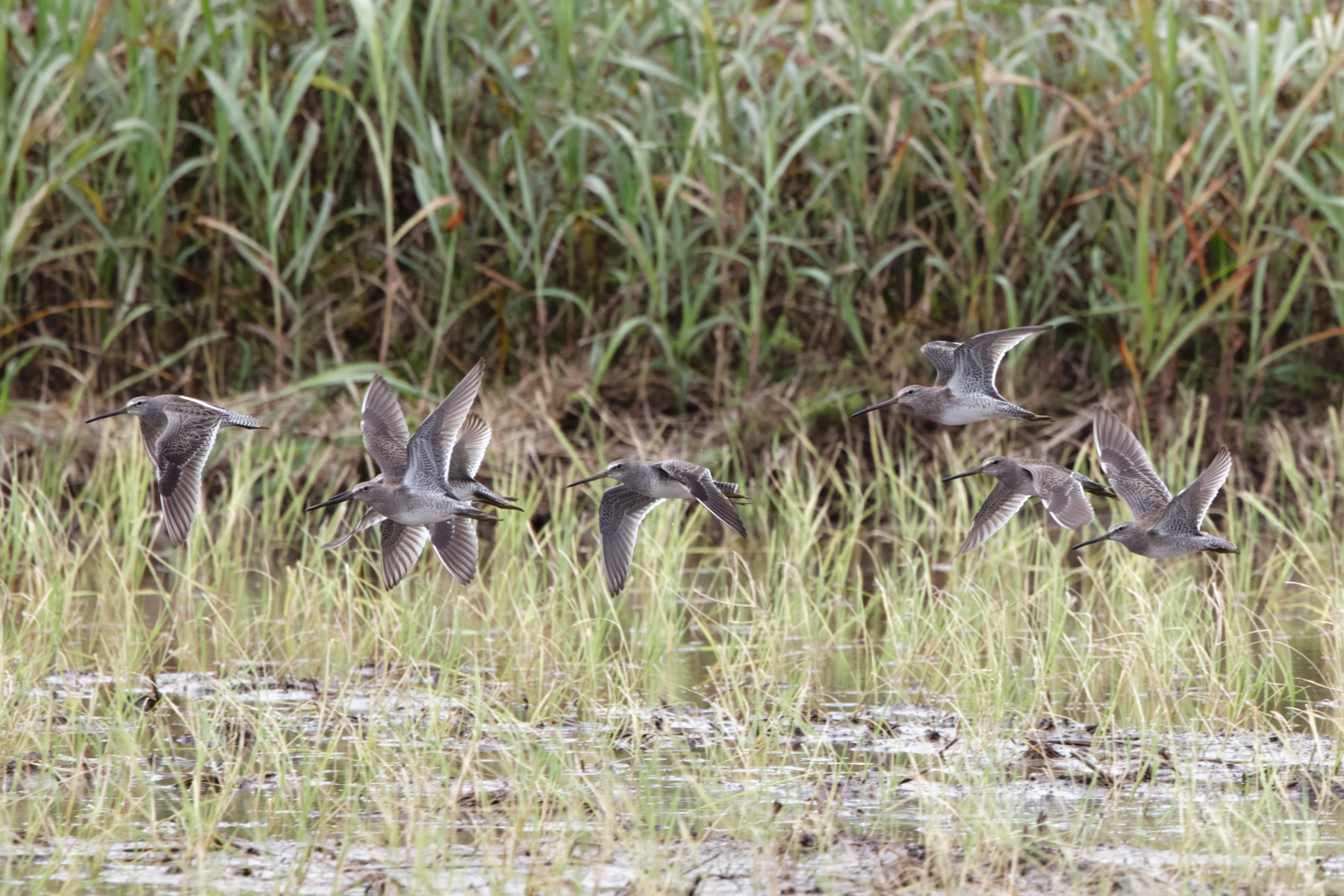
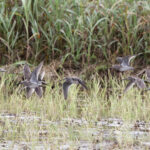
Long-billed Dowitchers (image by Leo Garrigues)
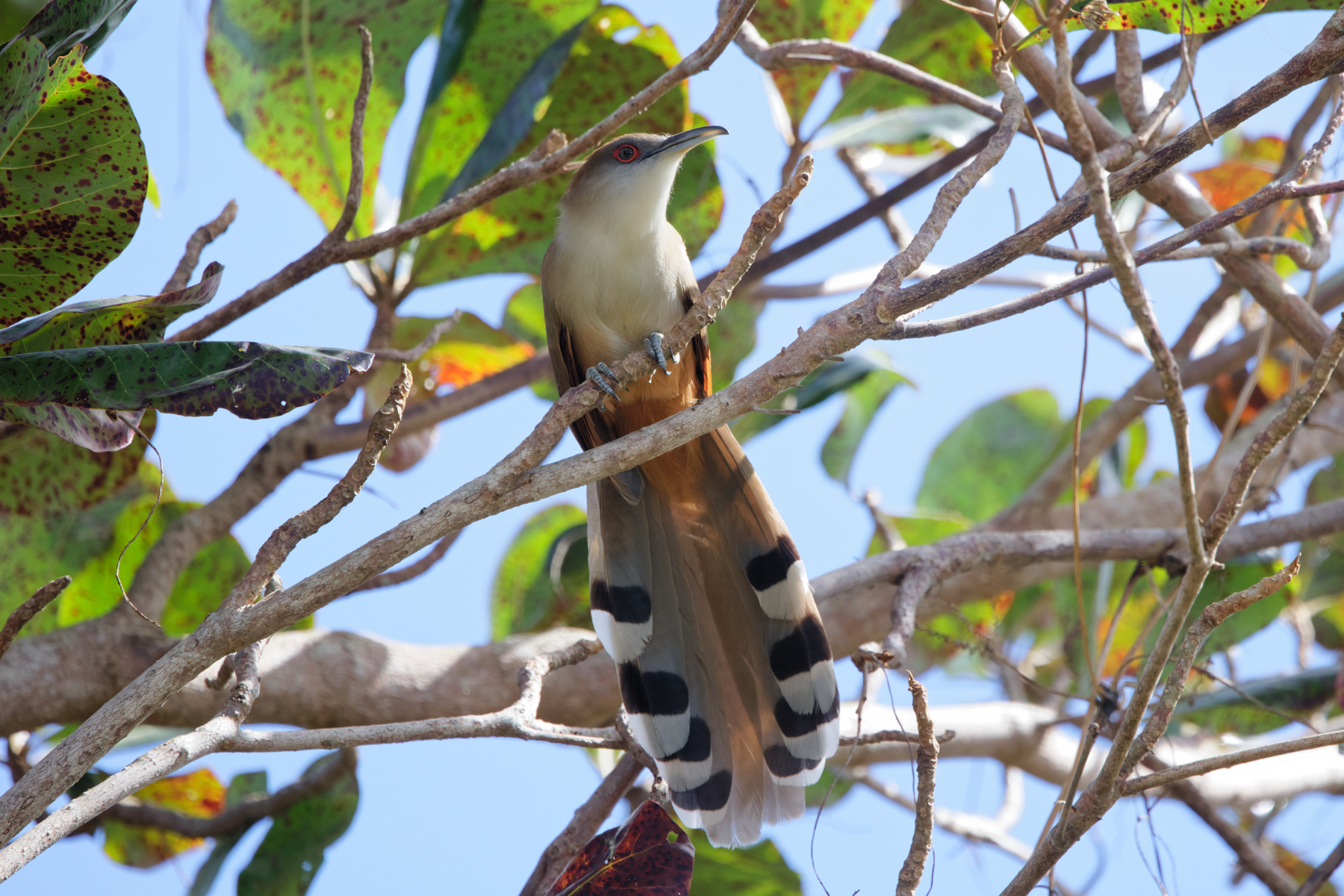
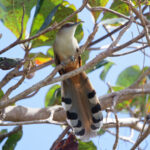
Great Lizard-Cuckoo (image by Leo Garrigues)
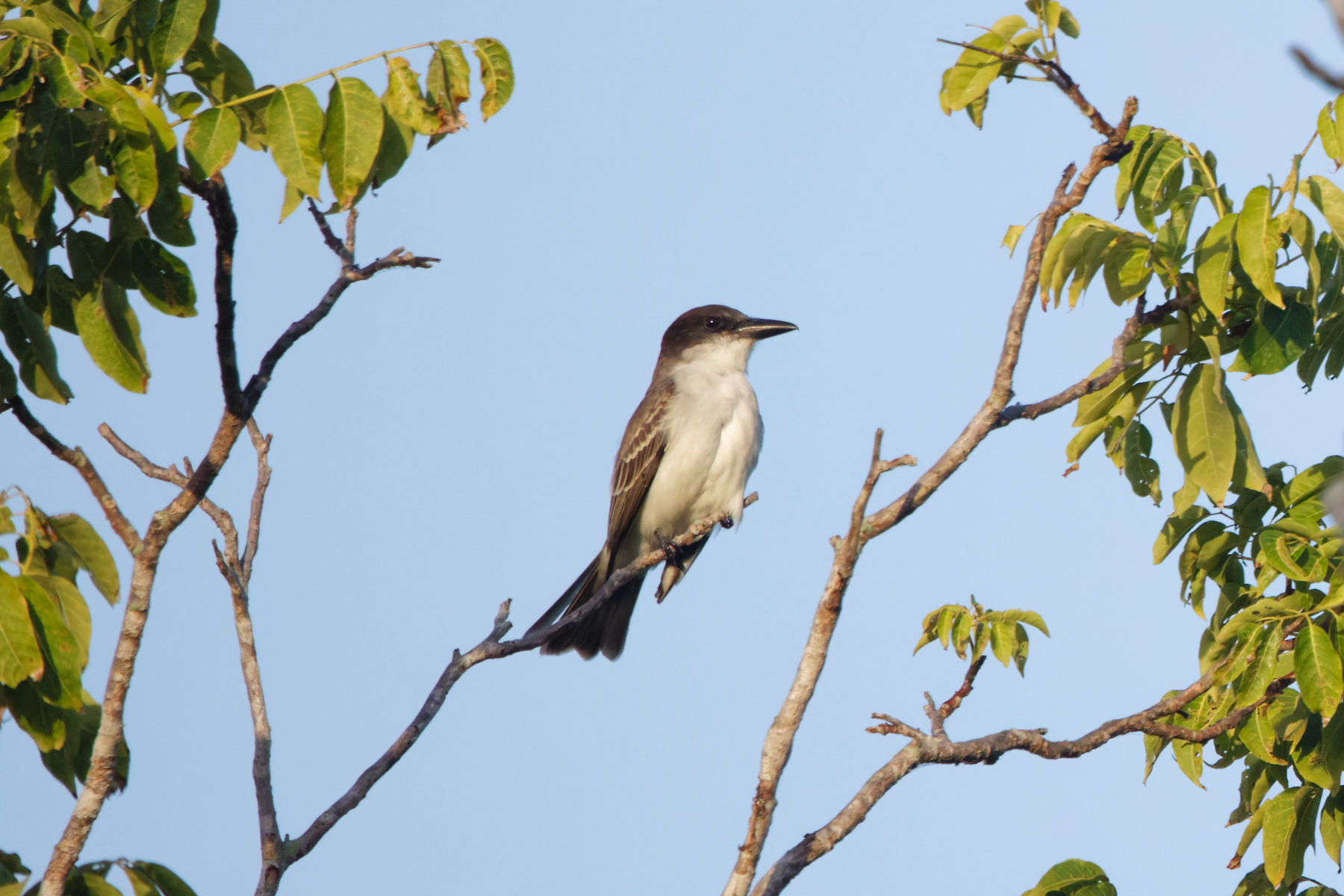
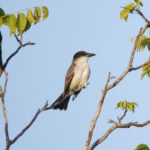
Giant Kingbird (image by Leo Garrigues)
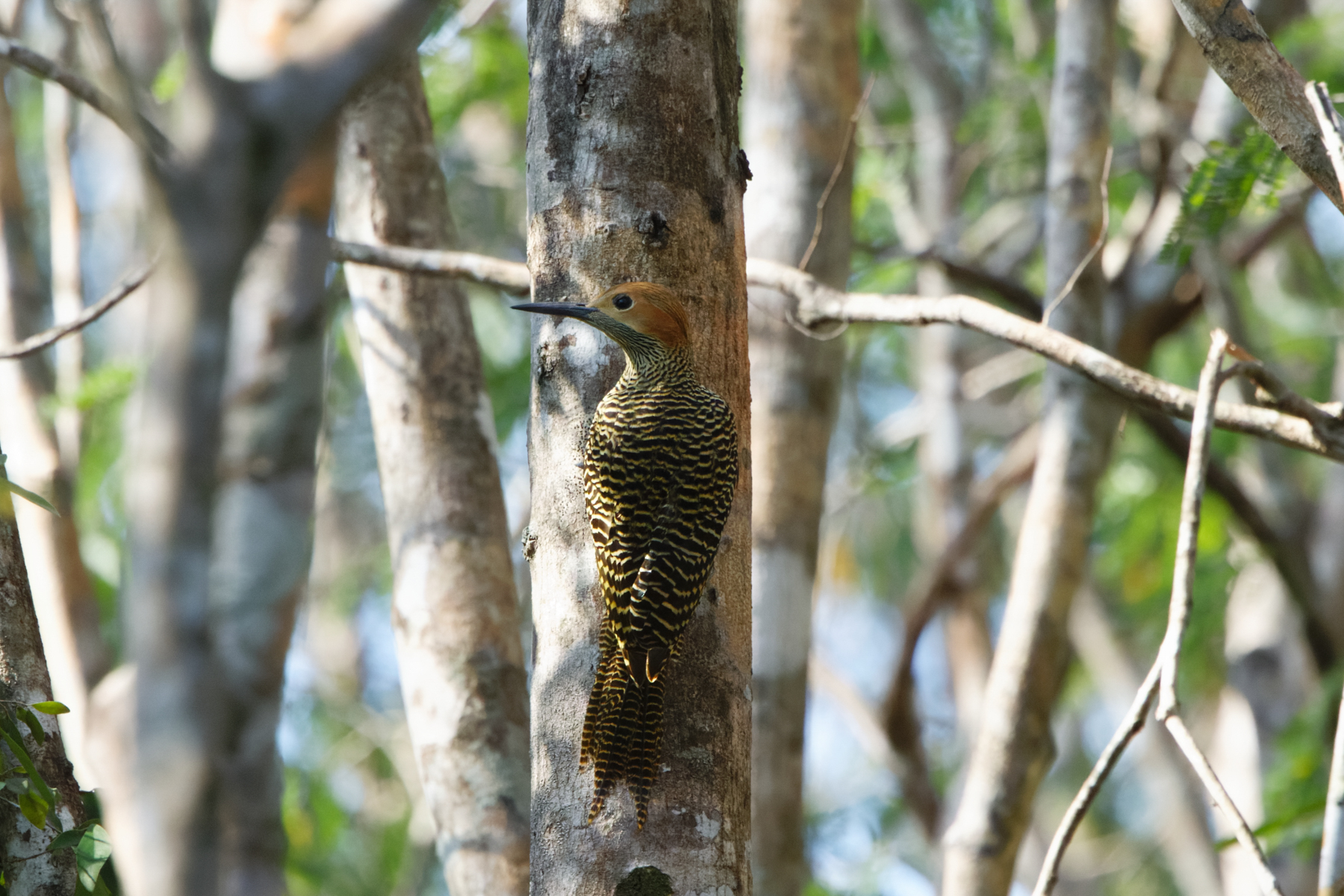
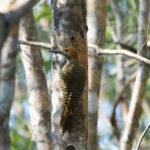
Fernandina's Flicker (image by Leo Garrigues)
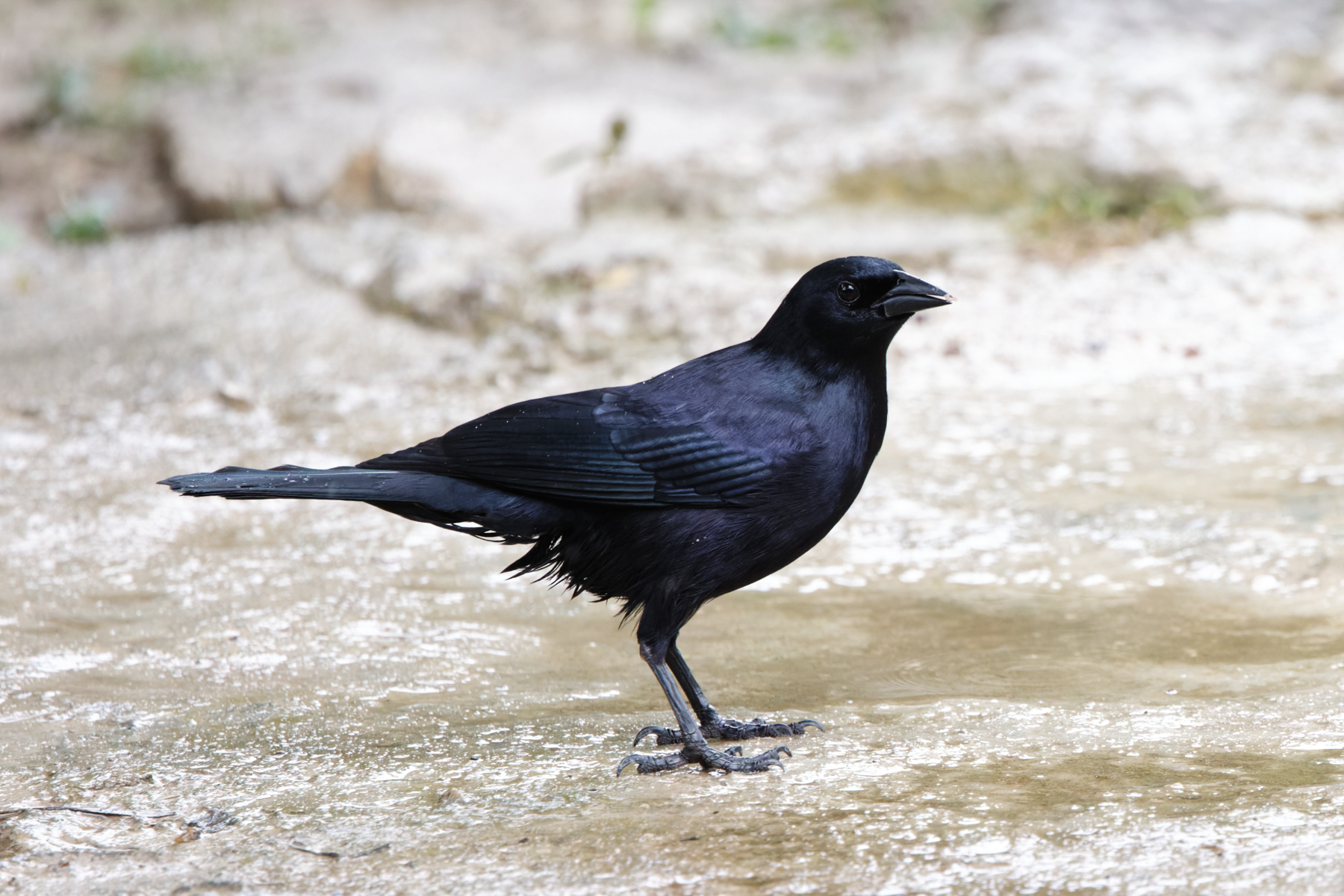
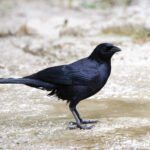
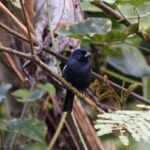
Cuban Blackbird (image by Leo Garrigues)
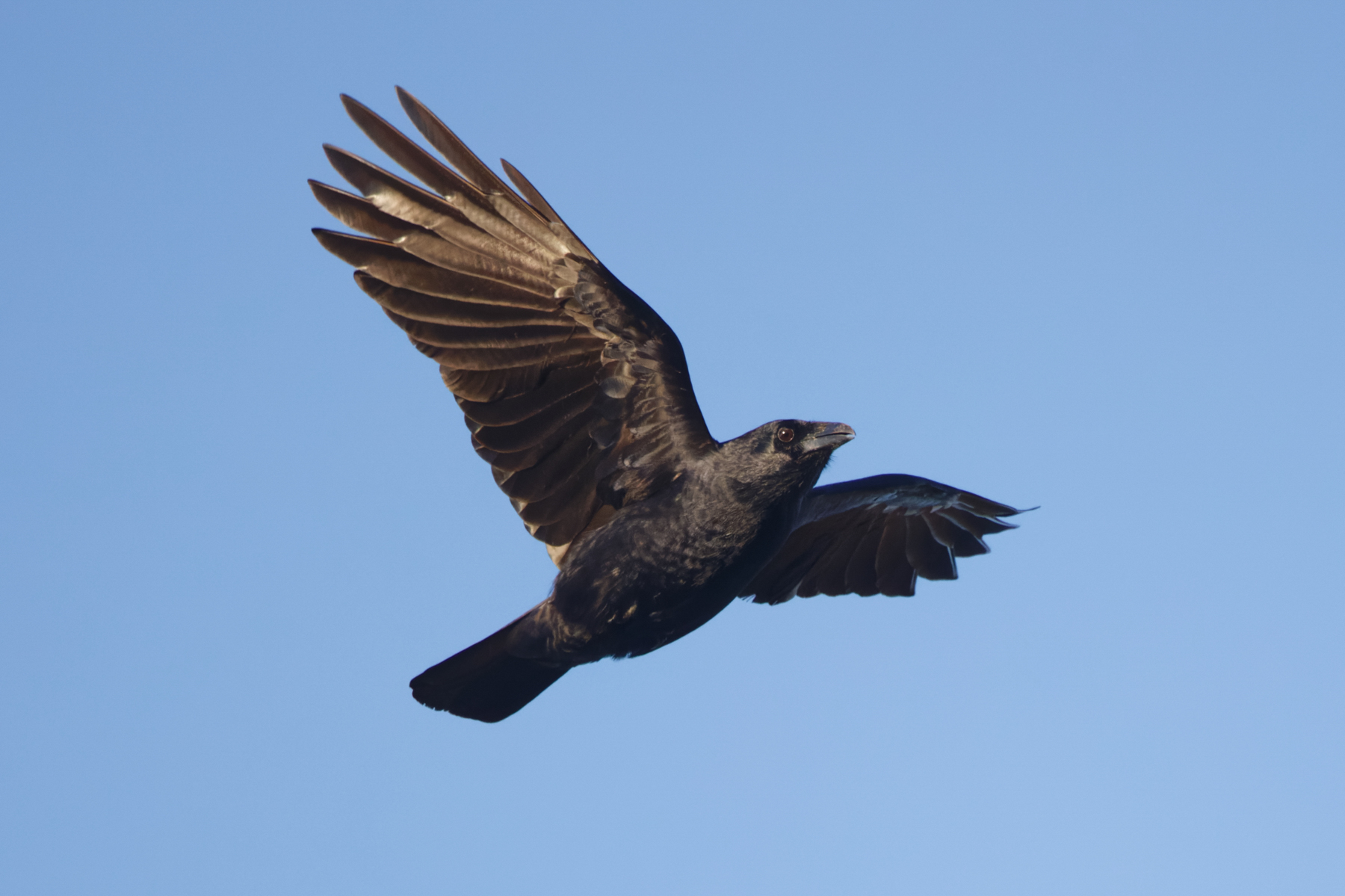
Cuban Palm Crow (image by Leo Garrigues)
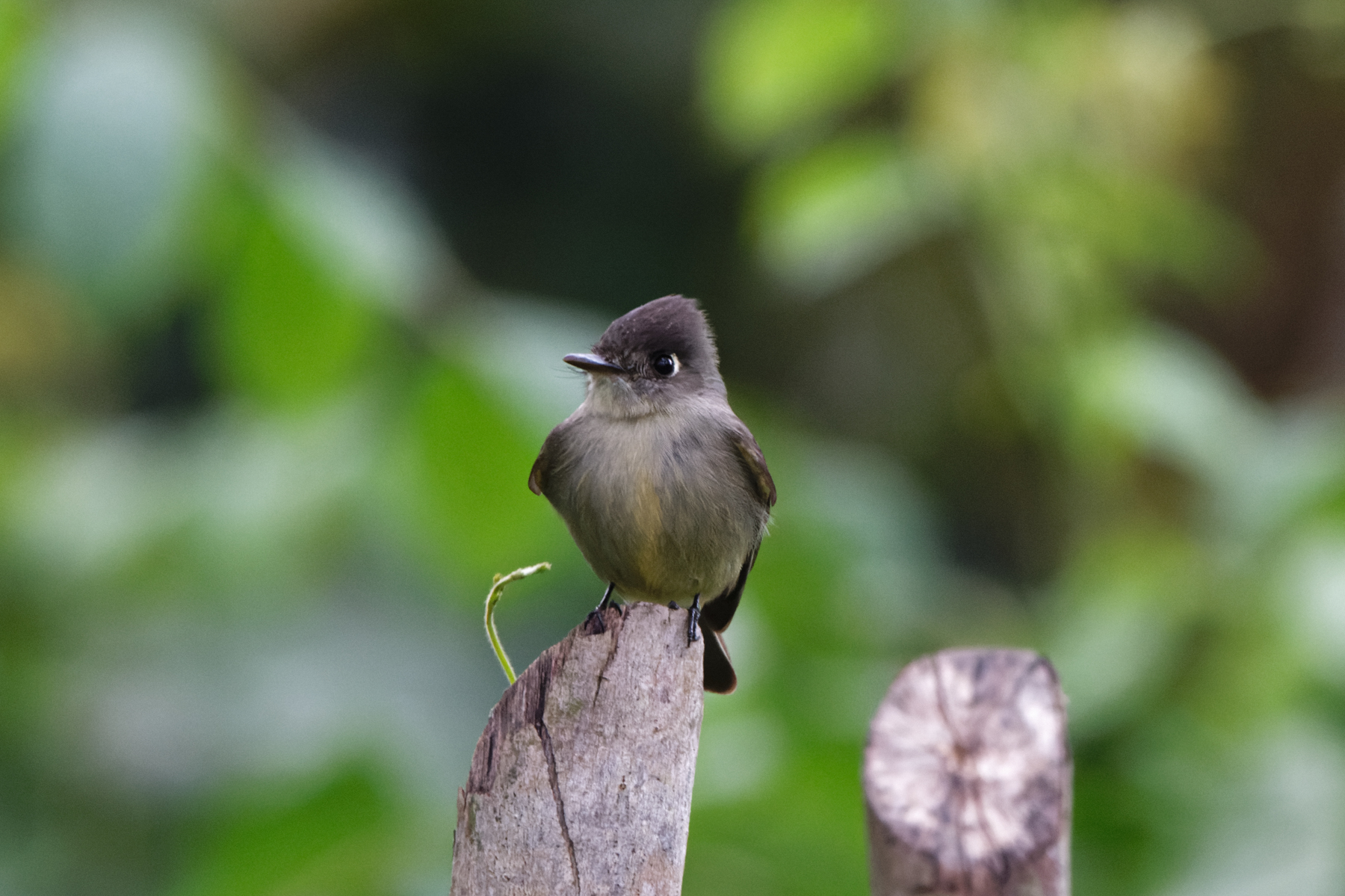
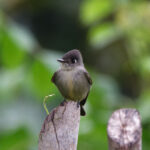
Cuban Pewee (image by Leo Garrigues)
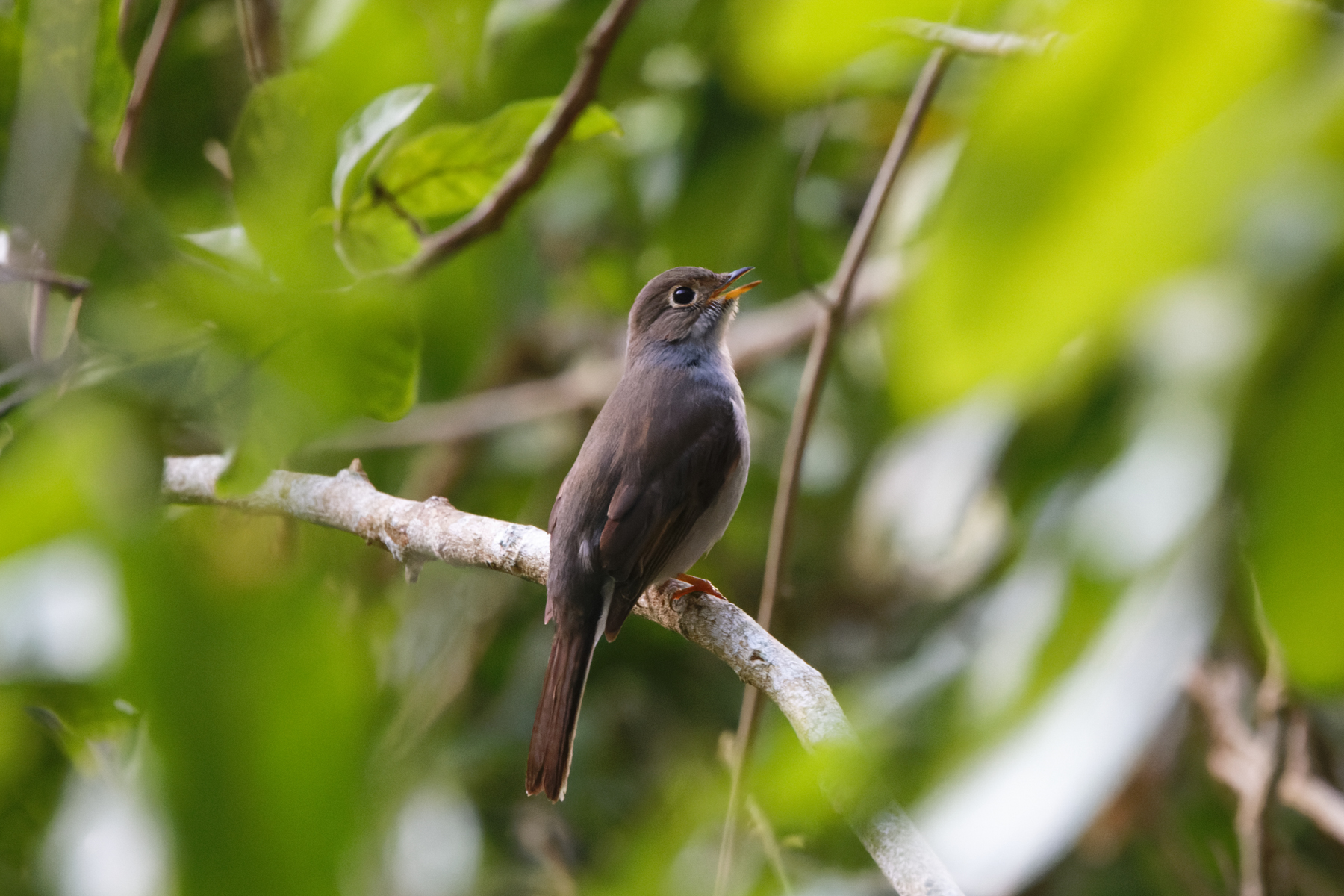
Cuban Solitaire (image by Leo Garrigues)
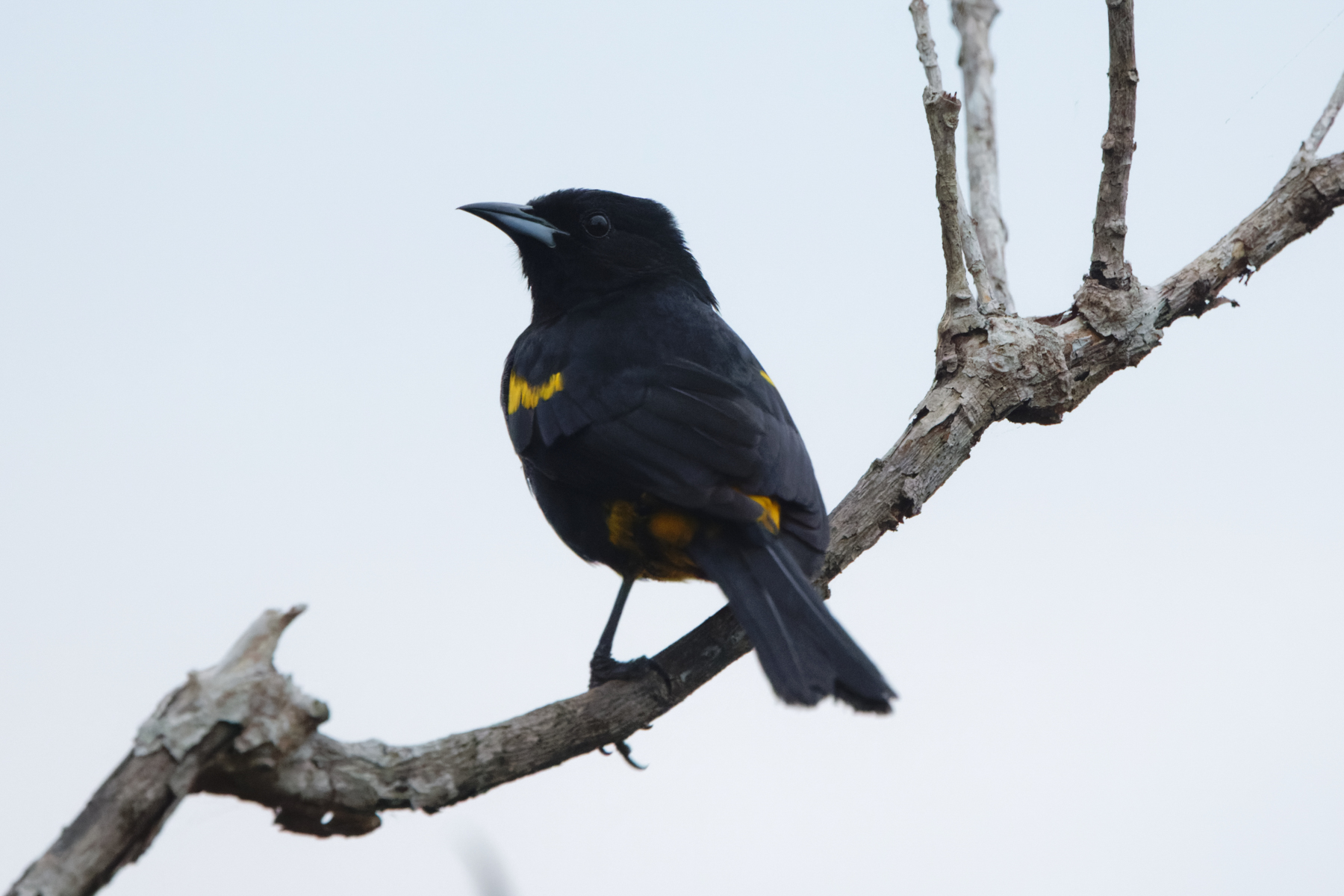
Cuban Oriole (image by) Leo Garrigues
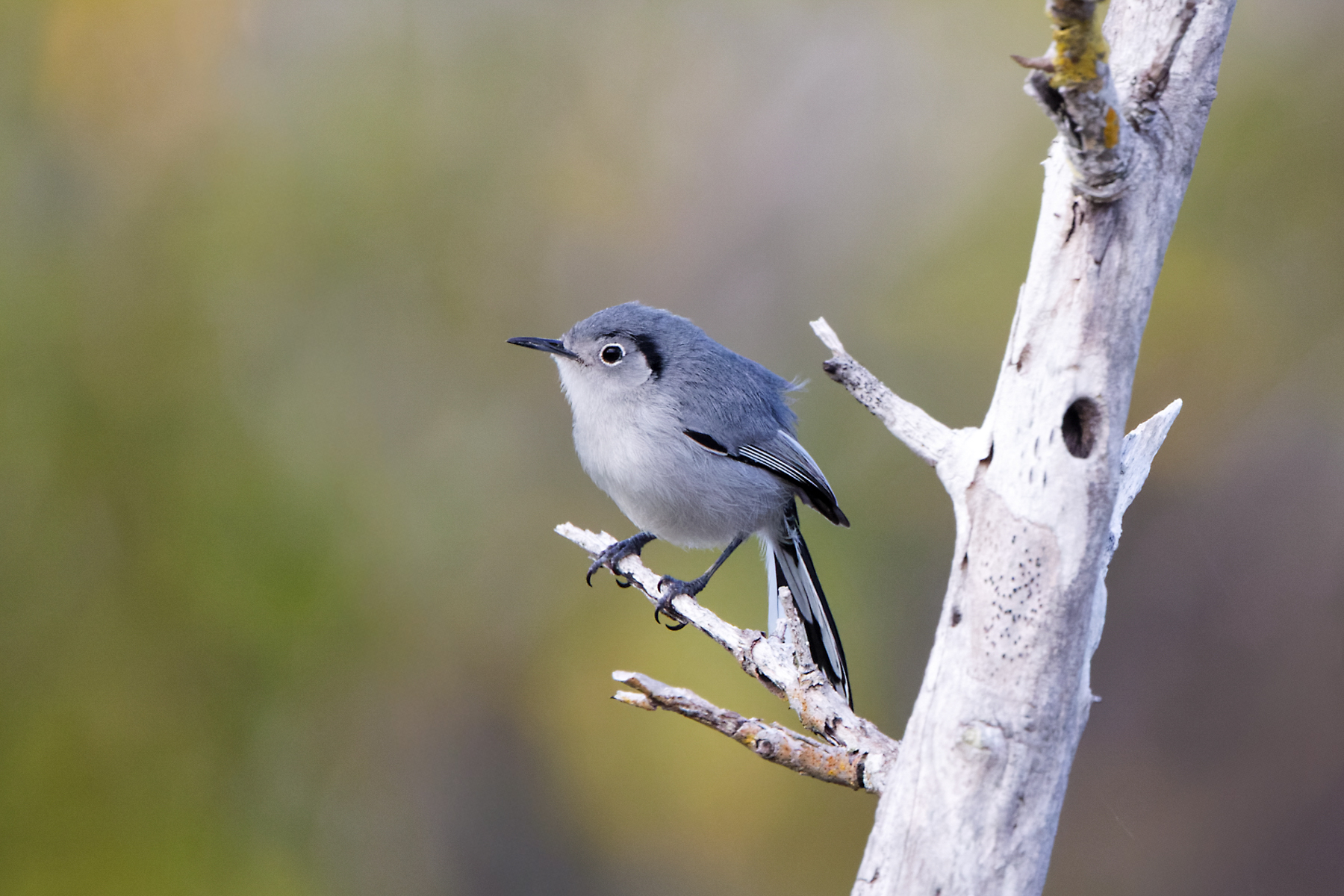
Cuban Gnatcatcher (image by Leo Garrigues)
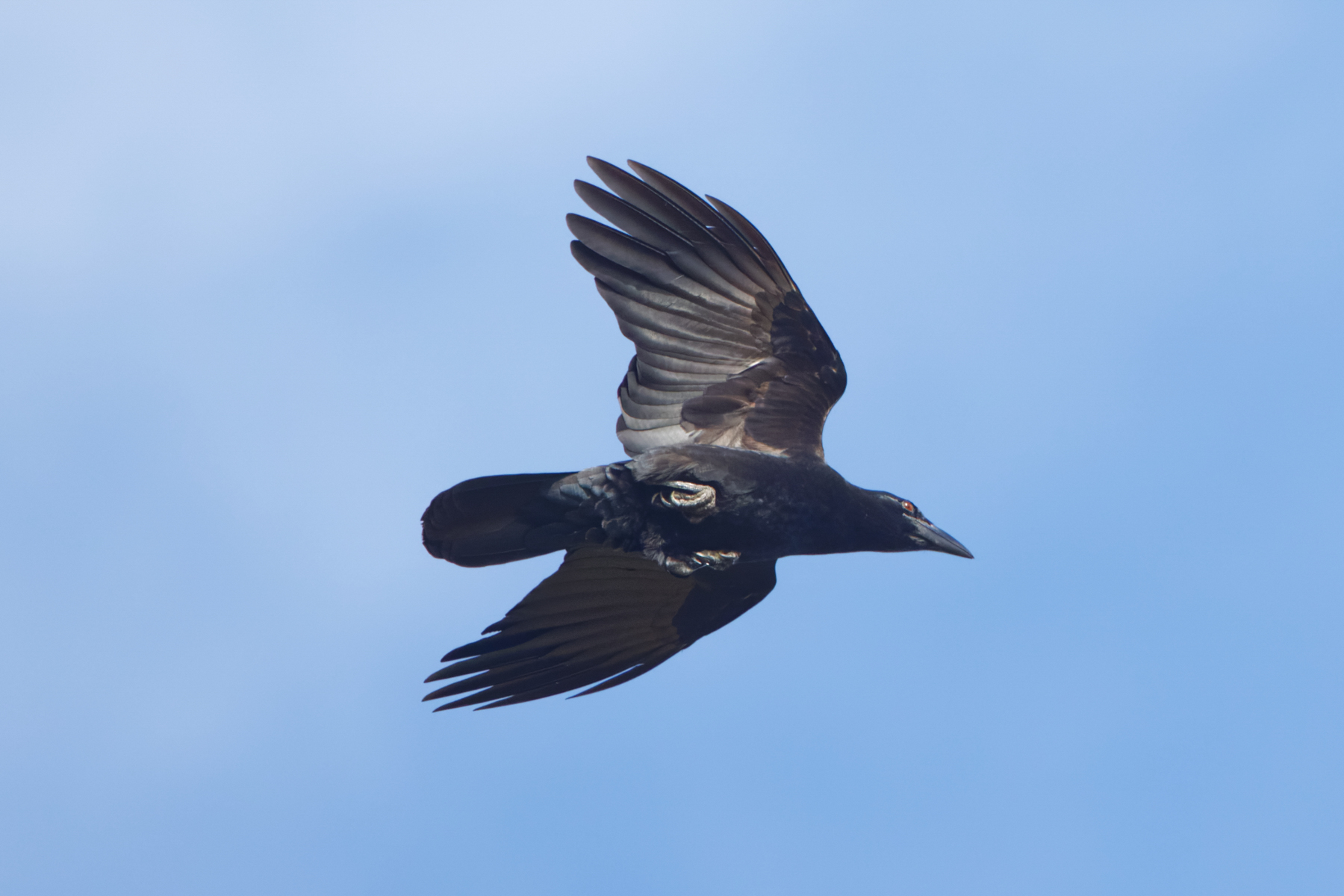
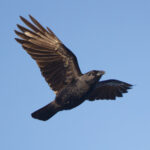
Cuban Crow (image by Leo Garrigues)
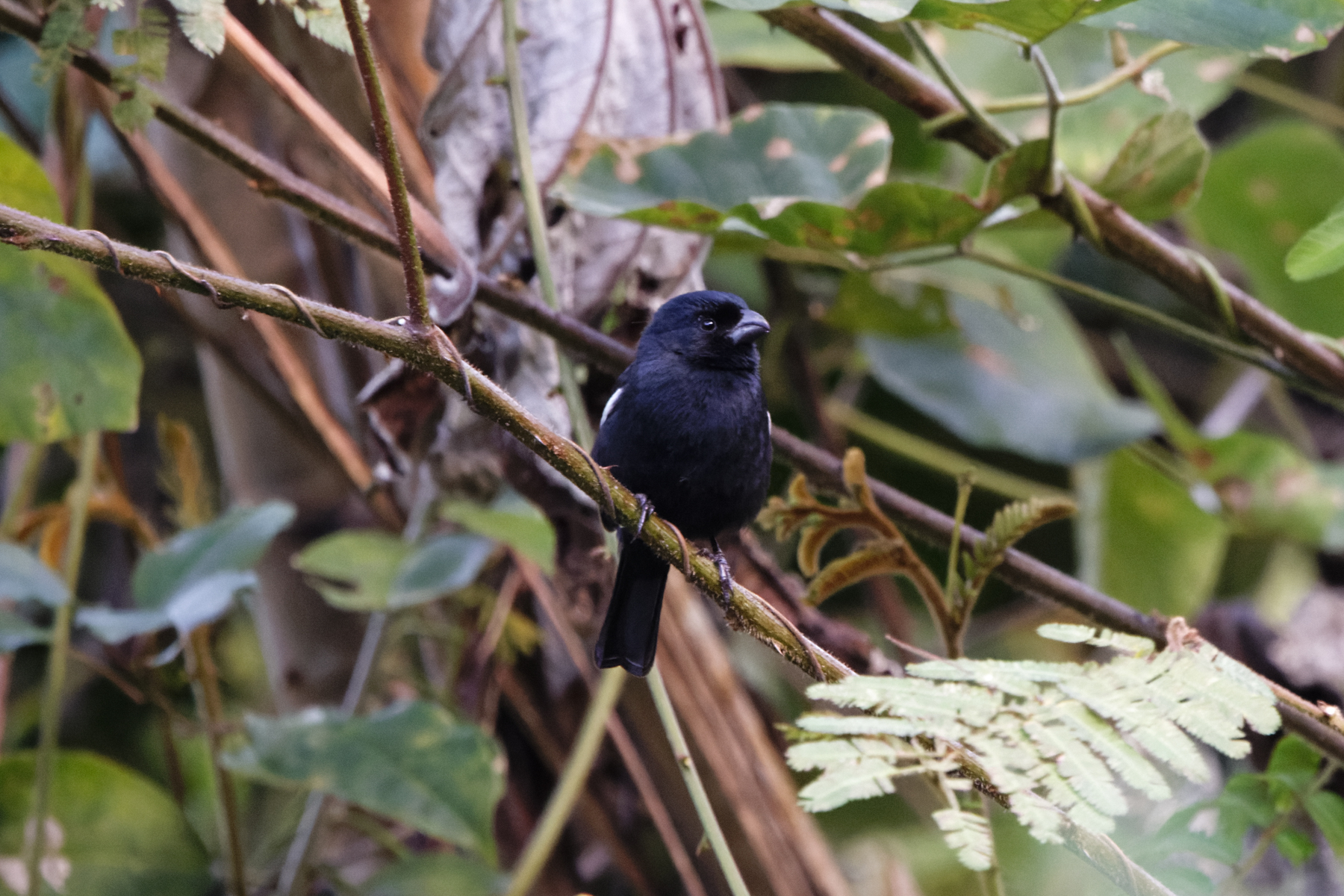
Cuban Bullfinch (image by Leo Garrigues)
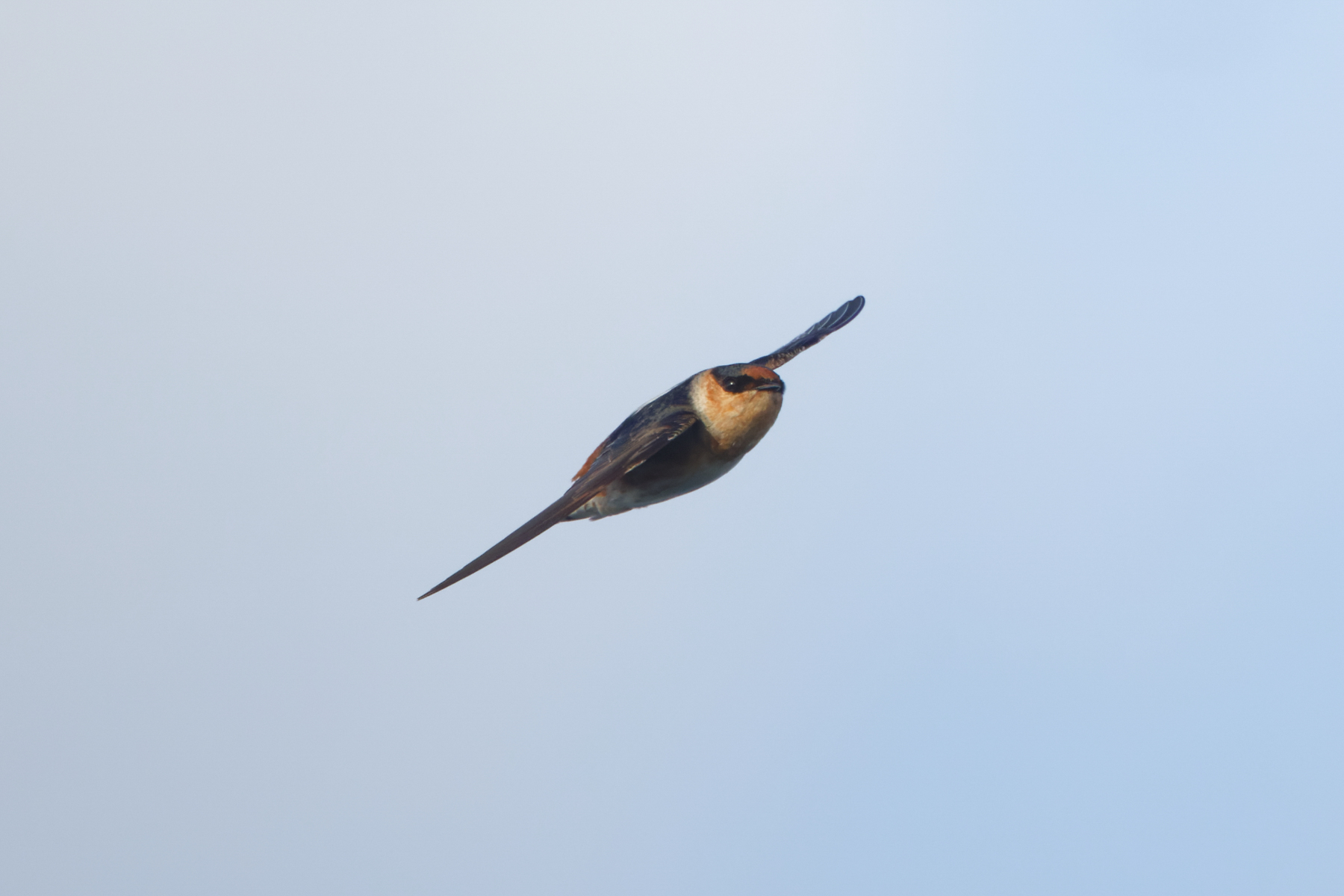
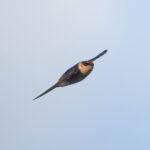
Cave Swallow (image by Leo Garrigues)
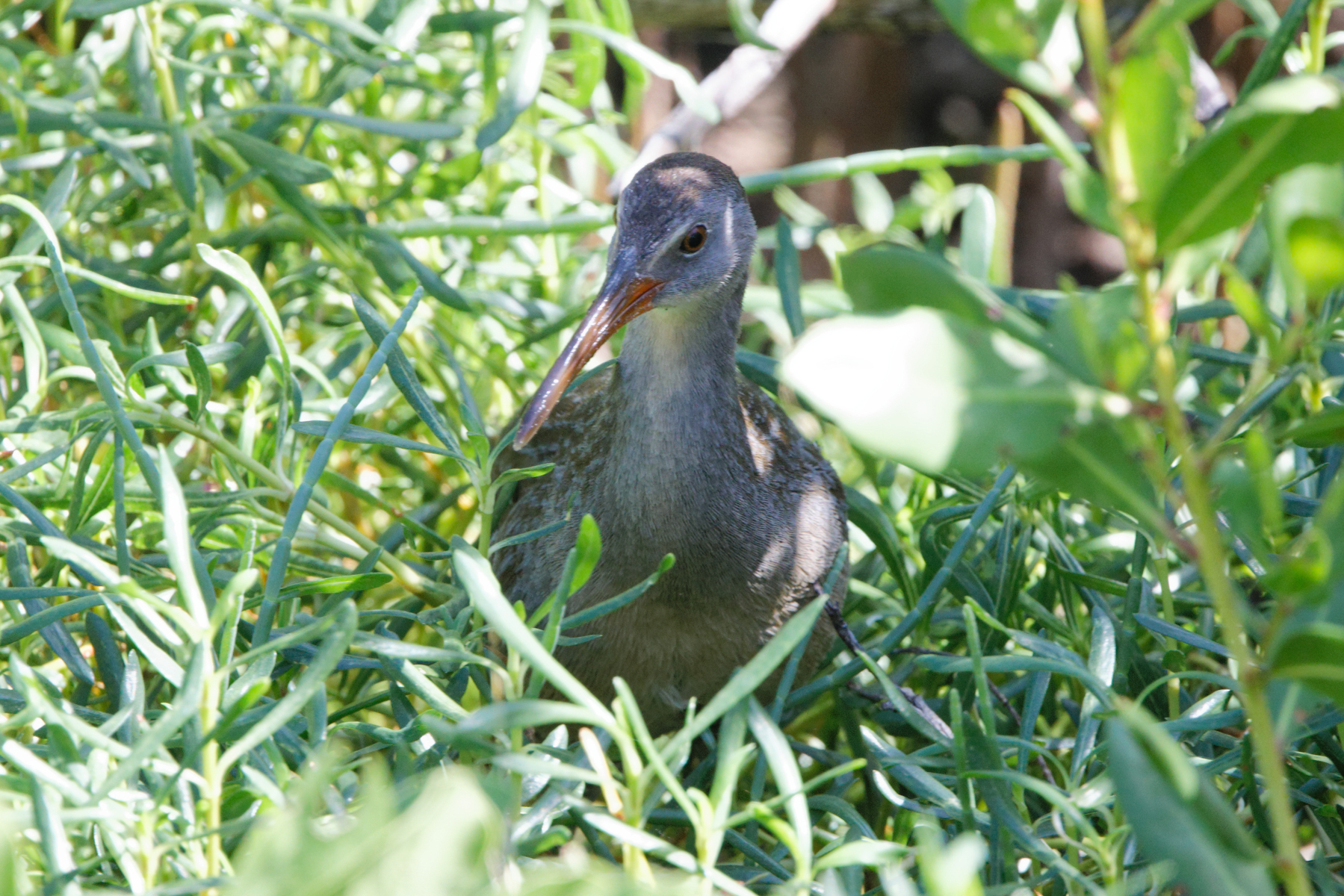
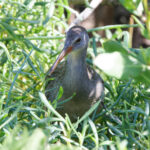
Clapper Rail (image by Leo Garrigues)
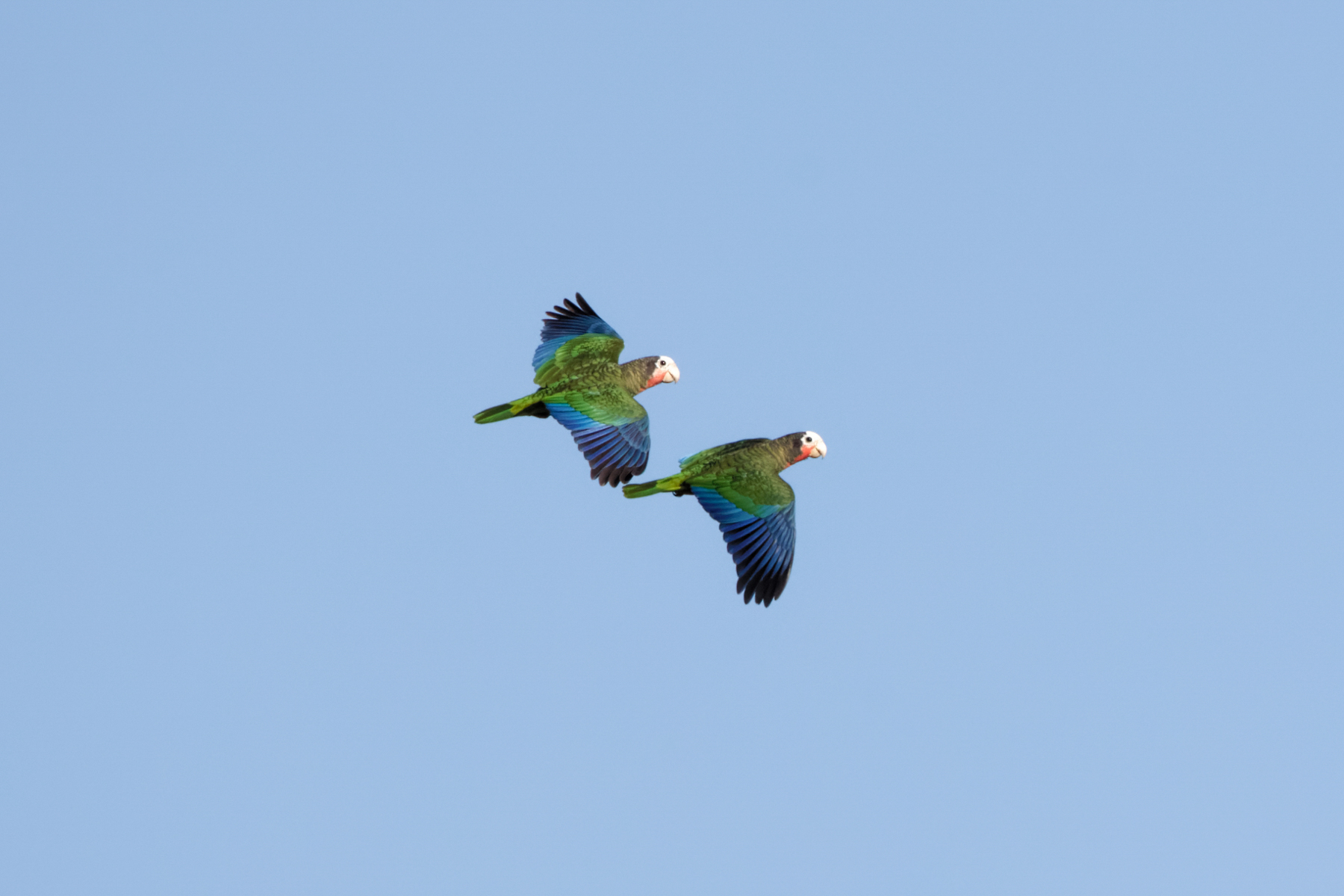
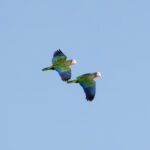
Cuban Amazons (image by Leo Garrigues)
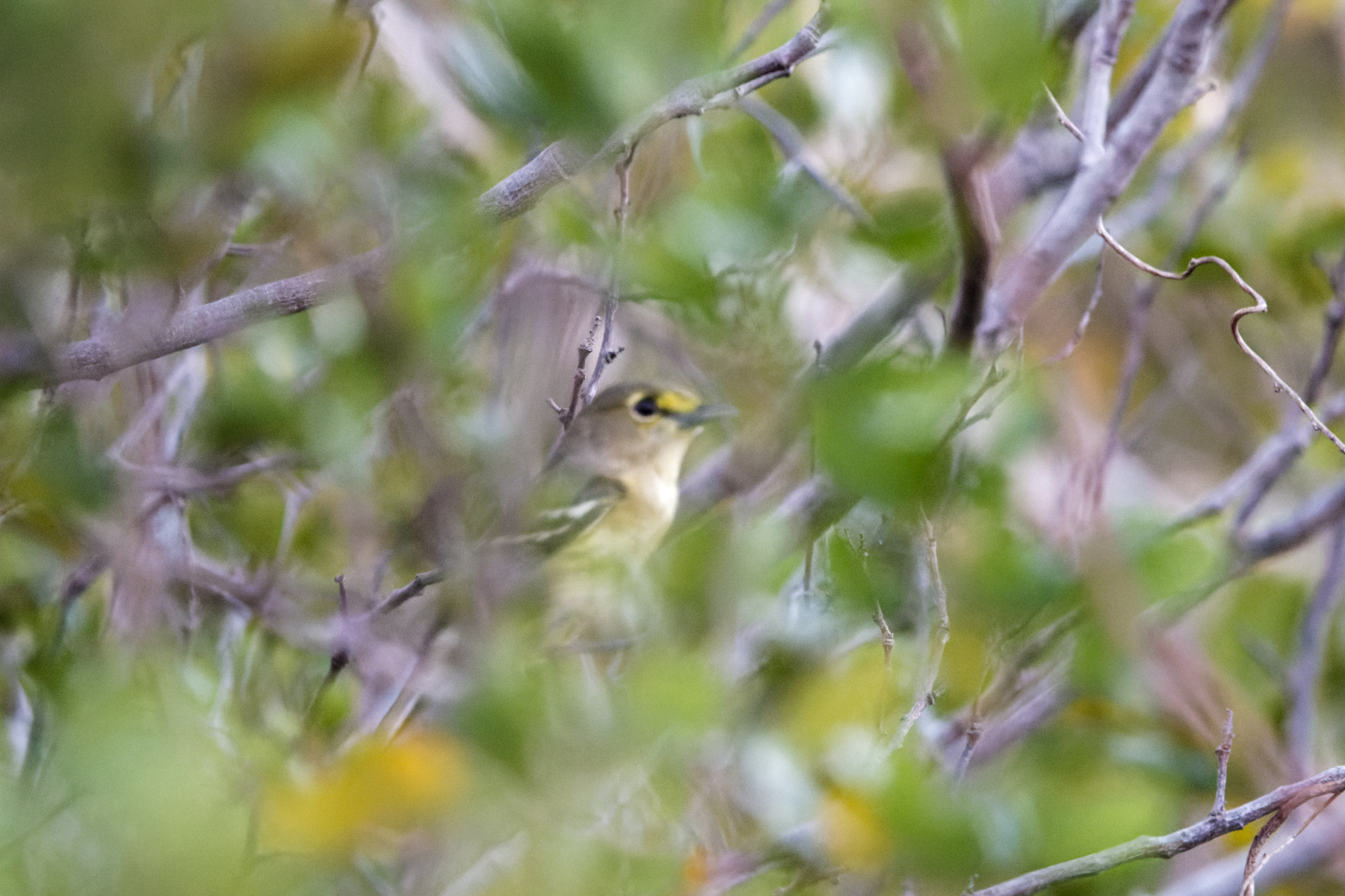
Thick-billed Vireo (image by Leo Garrigues)
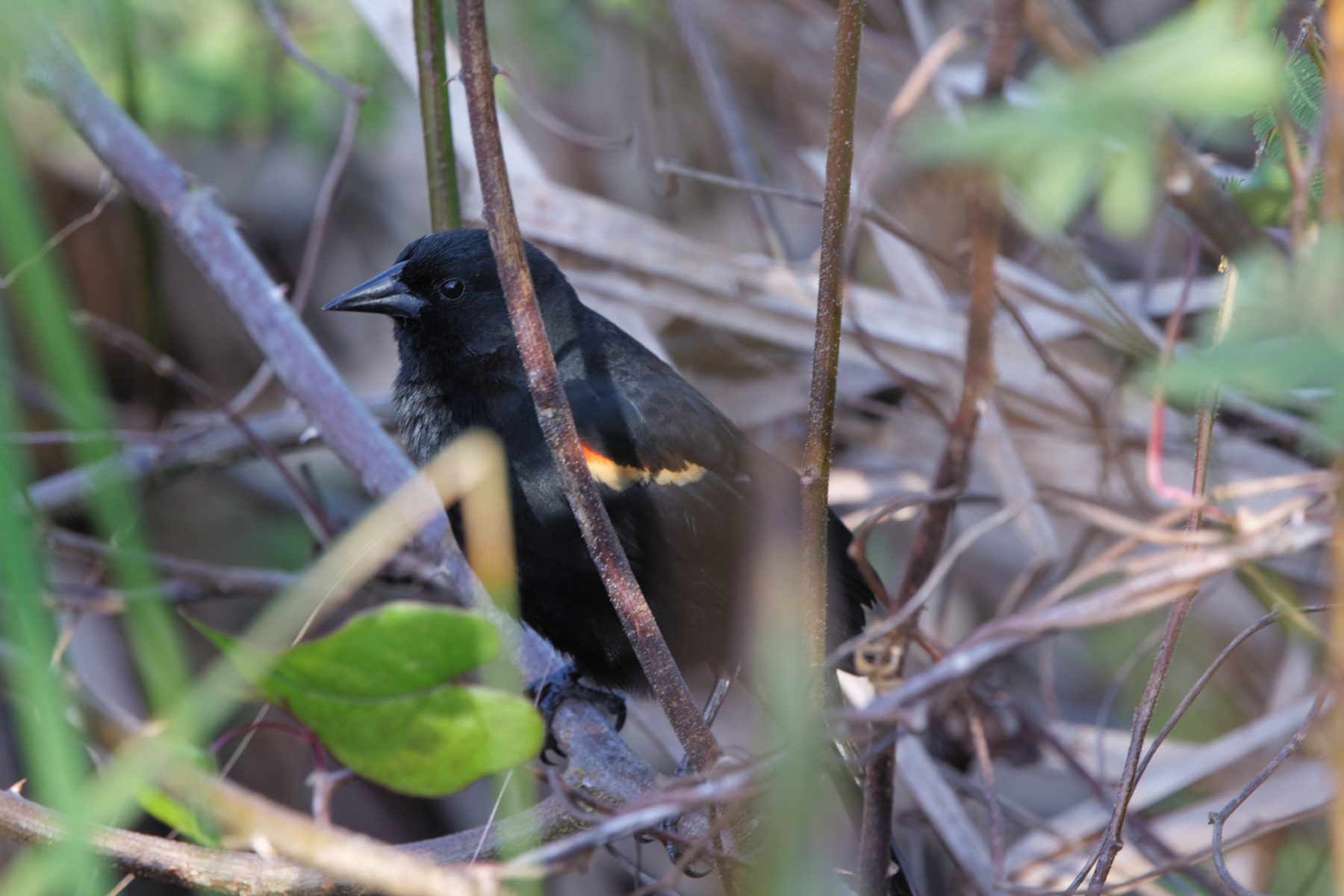
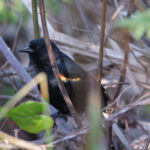
Red-shouldered Blackbird (image by Leo Garrigues)
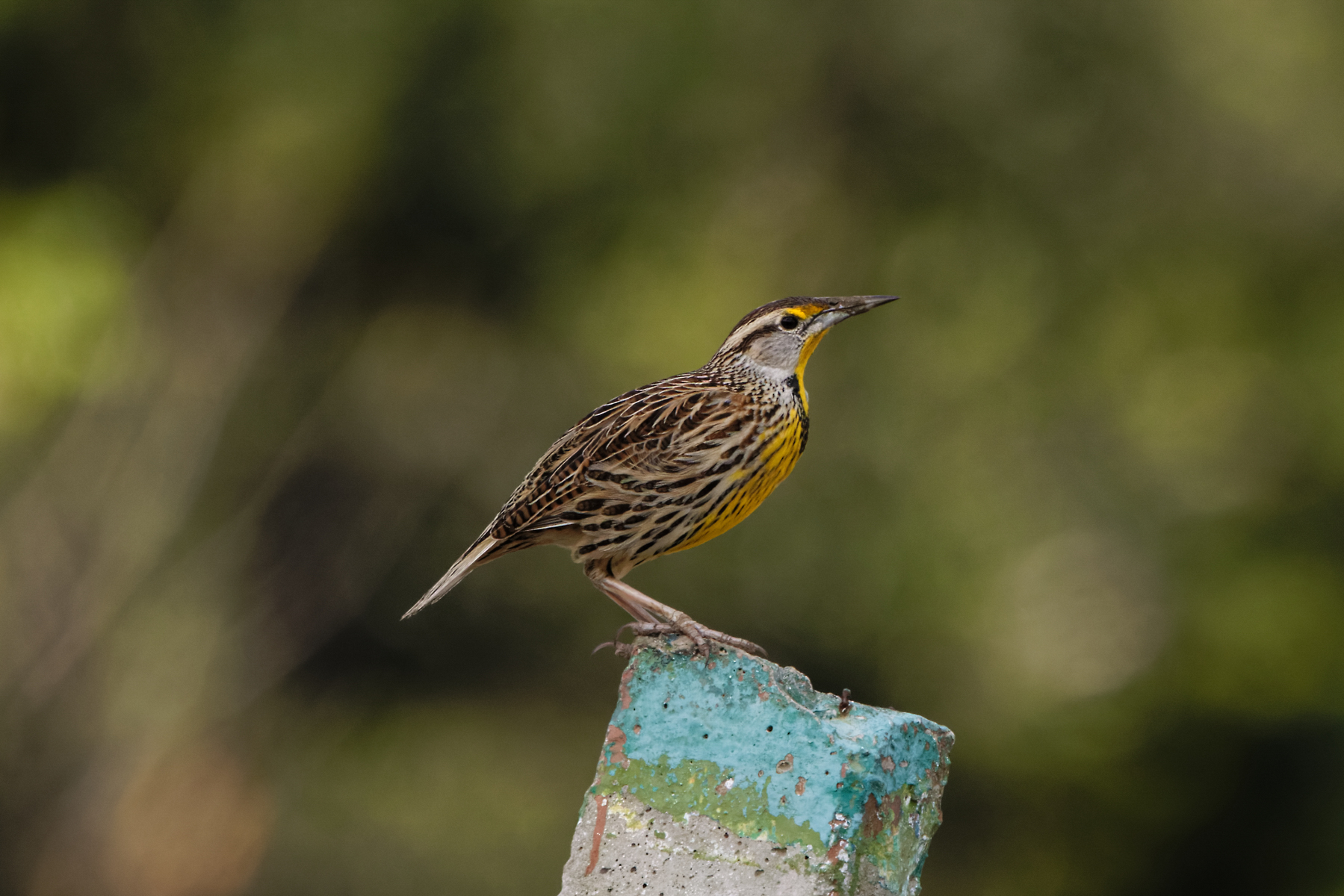
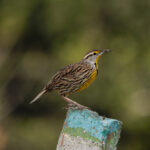
Eastern Meadowlark (image by Leo Garrigues)
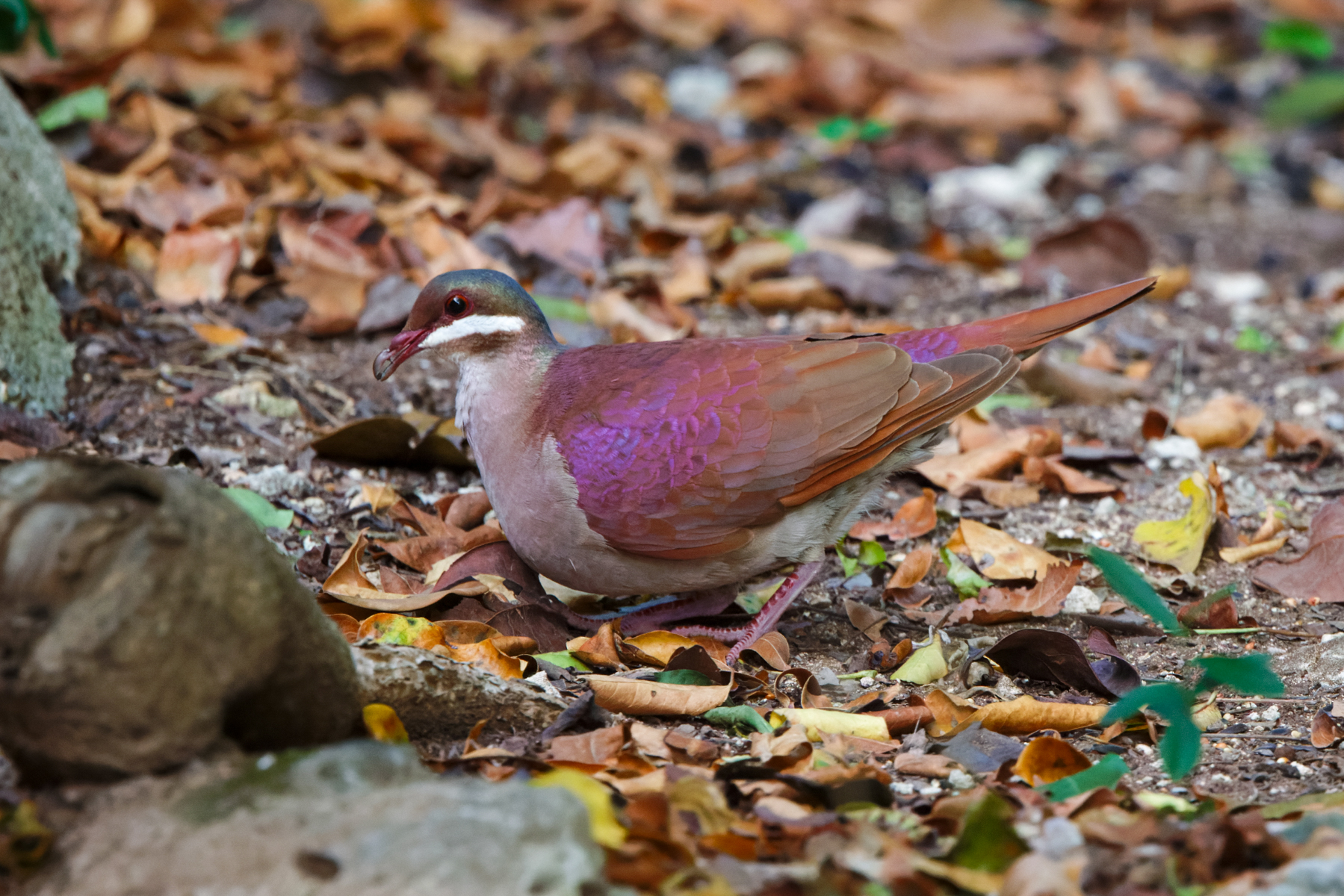
Key West Quail-Dove (image by Leo Garrigues)
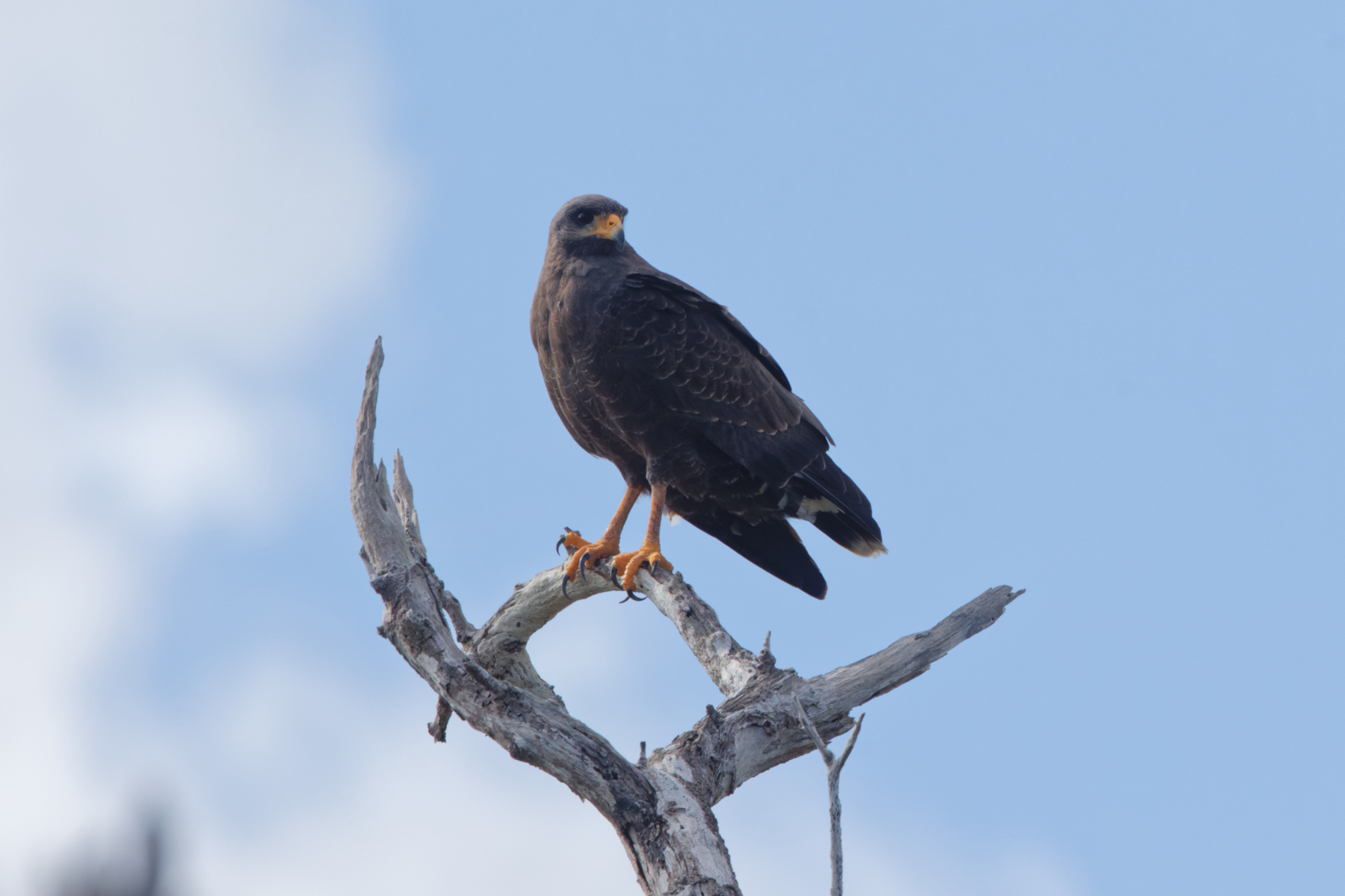
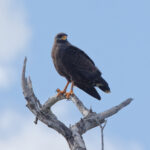
Cuban Black Hawk (image by Leo Garrigues)
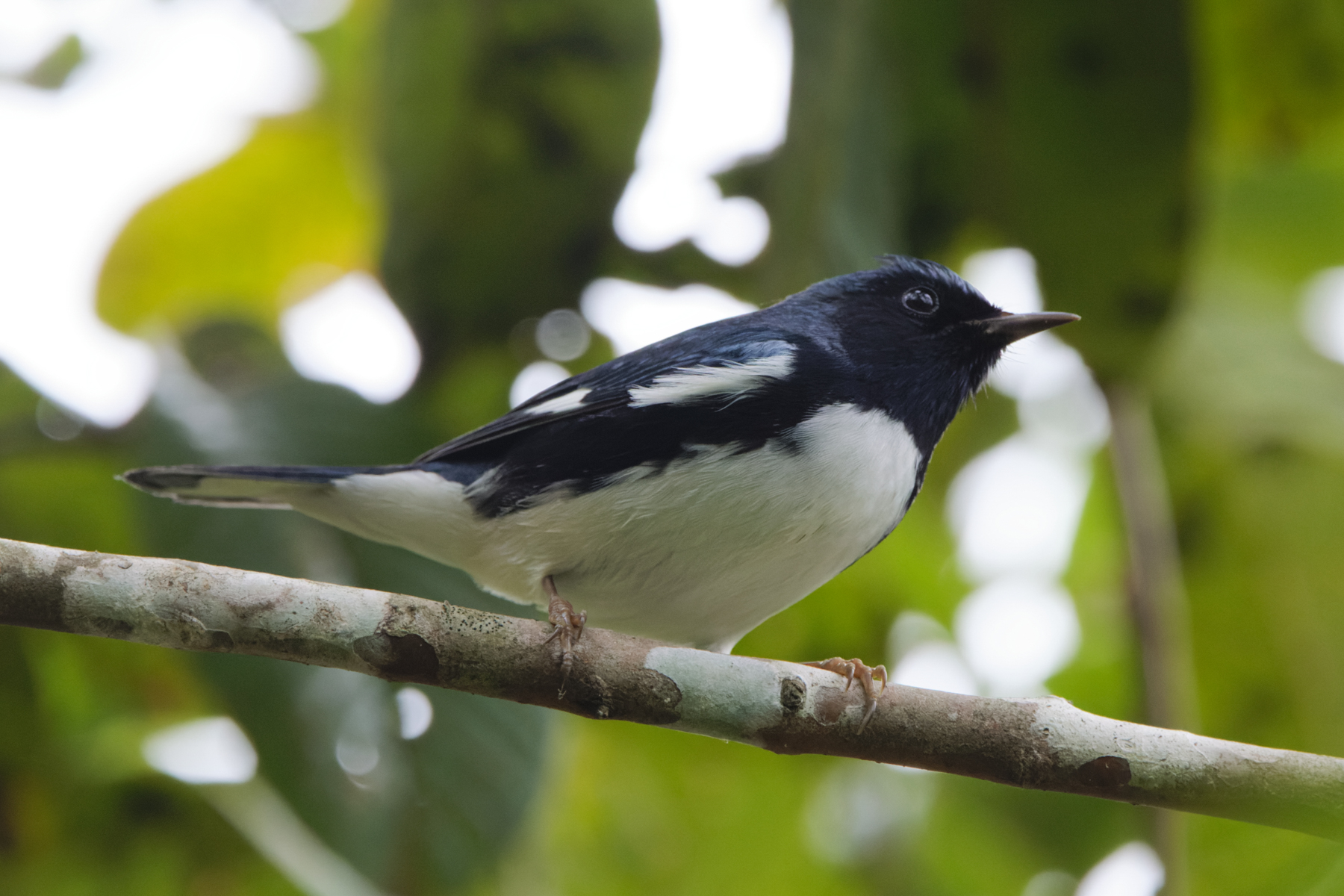
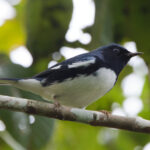
Black-throated Blue Warbler (image by Leo Garrigues)
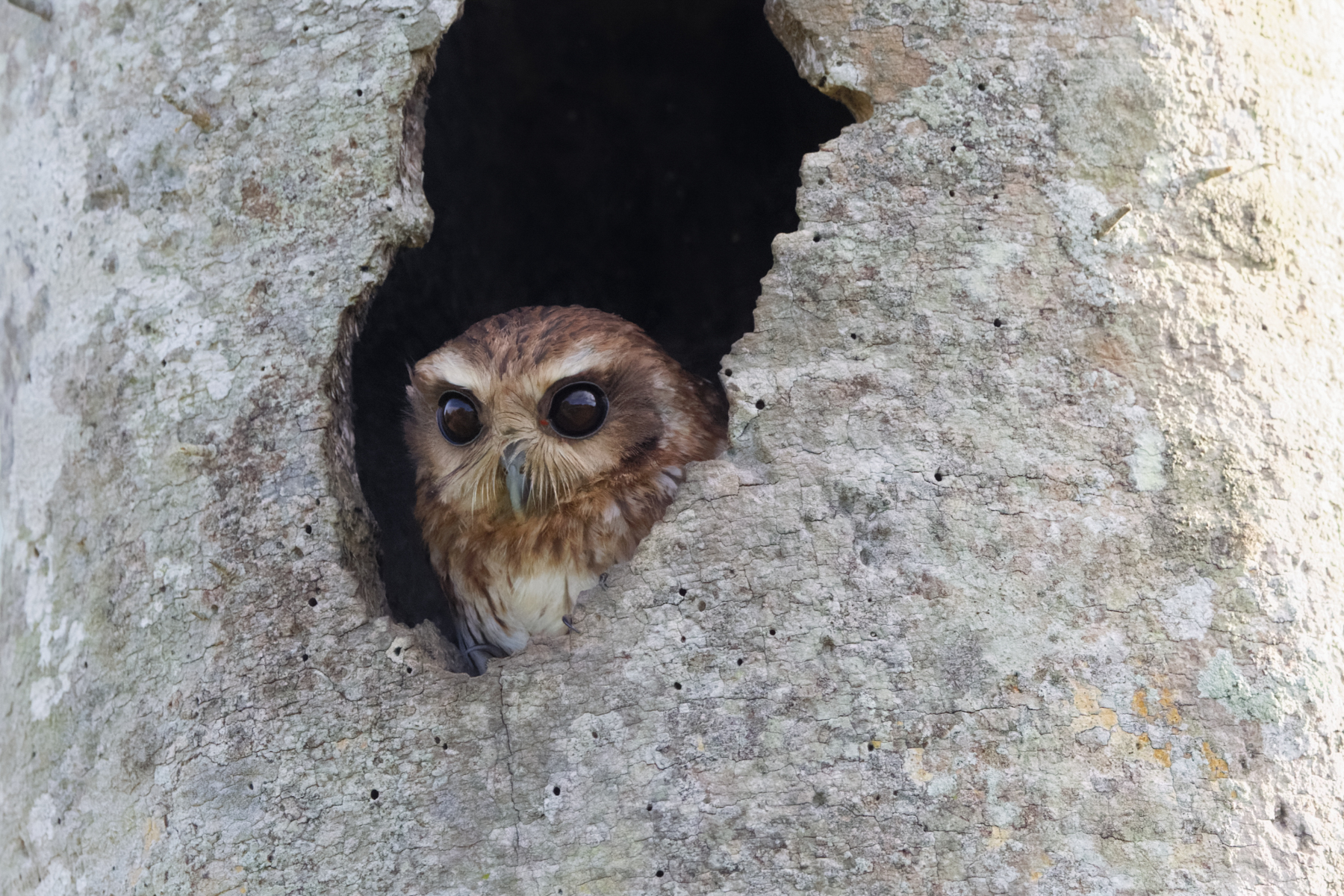
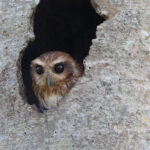
Bare-legged Owl (image by Leo Garrigues)
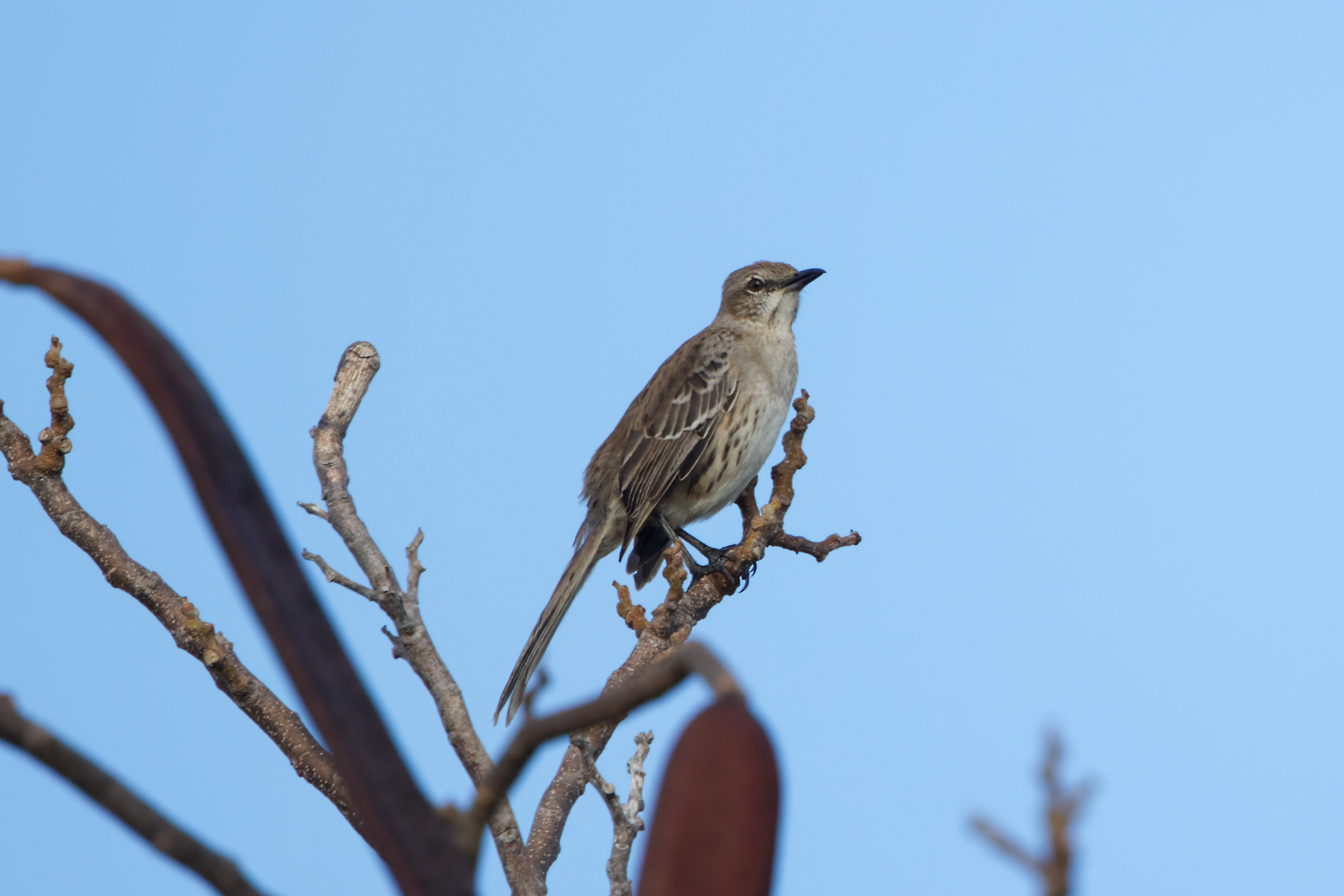
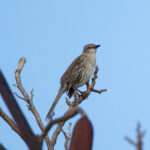
Bahama Mockingbird (image by Leo Garrigues)
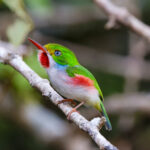
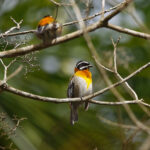
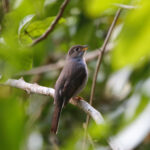
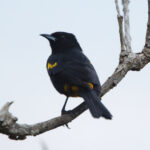
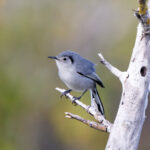
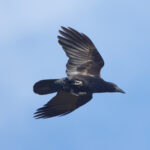


Cuban Tody (image by Leo Garrigues)
Blue-headed Quail Doves (image by Leo Garrigues)
Bee Hummingbird (image by Leo Garrigues)
Grey-fronted Quail-Dove (image by Leo Garrigues)
Oriente Warbler (image by Leo Garrigues)
Cuban Trogon (image by Leo Garrigues)
Zenaida Dove (image by Leo Garrigues)
West Indian Woodpecker (image by Leo Garrigues)
Zapata Wren (image by Leo Garrigues)
Cuban Parakeet (image by Leo Garrigues)
Zapata Sparrow (varonai) (image by Leo Garrigues)
Yellow-headed Warbler (image by Leo Garrigues)
La Sagra's Flycatcher (image by Leo Garrigues)
Cuban Pygmy Owl (image by Leo Garrigues)
Cuban Grassquit (image by Leo Garrigues)
Zapata Sparrow (nominate) (image by Leo Garrigues)
Wilson's Snipe (image by Leo Garrigues)
Stygian Owl (image by Leo Garrigues)
Swainson's Warbler (image by Leo Garrigues)
West Cuban Anole (image by Leo Garrigues)
Western Spindalis (image by Leo Garrigues)
Roseate Spoonbill (image by Leo Garrigues)
Cuban Green Woodpecker (image by Leo Garrigues)
Reddish Egret (image by Leo Garrigues)
Piping Plover (image by Leo Garrigues)
Cuban Vireo (image by Leo Garrigues)
Olive-capped Warbler (image by Leo Garrigues)
Grey Catbird (image by Leo Garrigues)
Loggerhead Kinkgbird (image by Leo Garrigues)
Long-billed Dowitchers (image by Leo Garrigues)
Great Lizard-Cuckoo (image by Leo Garrigues)
Giant Kingbird (image by Leo Garrigues)
Fernandina's Flicker (image by Leo Garrigues)
Cuban Blackbird (image by Leo Garrigues)
Cuban Palm Crow (image by Leo Garrigues)
Cuban Pewee (image by Leo Garrigues)
Cuban Solitaire (image by Leo Garrigues)
Cuban Oriole (image by) Leo Garrigues
Cuban Gnatcatcher (image by Leo Garrigues)
Cuban Crow (image by Leo Garrigues)
Cuban Bullfinch (image by Leo Garrigues)
Cave Swallow (image by Leo Garrigues)
Clapper Rail (image by Leo Garrigues)
Cuban Amazons (image by Leo Garrigues)
Thick-billed Vireo (image by Leo Garrigues)
Red-shouldered Blackbird (image by Leo Garrigues)
Eastern Meadowlark (image by Leo Garrigues)
Key West Quail-Dove (image by Leo Garrigues)
Cuban Black Hawk (image by Leo Garrigues)
Black-throated Blue Warbler (image by Leo Garrigues)
Bare-legged Owl (image by Leo Garrigues)
Bahama Mockingbird (image by Leo Garrigues)


CUBA TOUR REPORT 2026

18 - 29 January 2026
Leo Garrigues
Our 2026 Cuba tour took place during a period of significant challenges for the country. Nevertheless, despite fuel shortages and other logistical limitations, our itinerary was never affected, thanks to the outstanding efforts of our local guides, driver and support team. The tour proved to be highly successful. By the end of the trip, we had recorded an impressive total of 174 species. Even more importantly, we managed to find all 28 possible endemic species, as well as all of the near-endemic species. Highlights included the delightful Cuban Tody, which emerged as the group’s favourite bird of the tour, followed by the Bee Hummingbird, the Zapata Wren—which required a bit of extra effort this time—excellent views of Blue-headed, Grey-fronted, and Key West Quail-Doves, the rare Red-shouldered Blackbird and very rare Thick-billed Vireo, good views of King and Clapper Rails, close encounters with Piping Plover, the white occidentalis form of the Great Blue Heron, Cuban Nightjar, Bare-legged Owl, Cuban Pygmy Owl, Stygian Owl, Gundlach’s Hawk, Cuban Trogon, Fernandina’s Flicker, Cuban Parakeet, Giant Kingbird, Cuban Palm Crow and Cuban Crow, Cuban Martin, Cave Swallow, Cuban Gnatcatcher, Bahama Mockingbird, Cuban Solitaire, both subspecies of Zapata Sparrow (varonai and the nominate form), Western Spindalis, Yellow-headed and Oriente Warblers, Cuban Oriole, Olive-capped Warbler, and 18 species of North American warblers, including Swainson’s, Worm-eating, Hooded, Black-throated Blue, Cape May, and Prairie Warblers, as well as Cuban Bullfinch and Cuban Grassquit.
The first afternoon we met our local guide Darian and we did a casual birding session at Monte Barreto Metropolitan Park, mainly to familiarize ourselves with some of Cuba’s more widespread bird species. Species seen included Common Ground Dove, Eurasian Collared Dove, Magnificent Frigatebird, Western Cattle Egret, Antillean Palm Swift, Cuban Emerald, Yellow-bellied Sapsucker, West Indian Woodpecker, American Kestrel (spaverioides), Cuban Pewee, Yellow-throated Vireo, Northern Mockingbird, Western Red-legged Thrush, Cuban Blackbird, Greater Antillean Grackle, Ovenbird, Black-throated Blue, Yellow-throated and Prairie Warblers, and Red-legged Honeycreeper.
Our first full morning of Cuban birding was spent in the vicinity of Cueva de Los Portales. A cave within this National Monument served as Che Guevara’s headquarters during the Cuban Missile Crisis in 1962. The scenic caves, combined with the surrounding protected forest, created an attractive setting and provided habitat for the Cuban Solitaire, our main target of the morning. Merlin, our local guide in the area, took us to a stakeout for the Cuban Solitaire, and we enjoyed excellent views of this melodious species. We also had our first sighting of the Cuban Trogon, which performed exceptionally well for the group. Other species seen during our visit to Cueva de los Portales included the White-crowned Pigeon, Belted Kingfisher, Cuban Green Woodpecker, La Sagra’s Flycatcher, Loggerhead Kingbird, Western Spindalis, Louisiana Waterthrush, Yellow-faced Grassquit and Cuban Bullfinch.
After or visit to Cueva de Los Portales, we birded some nearby pine woodlands in search of a special warbler species that occurs only in a few localities in Cuba and the Bahamas, the Olive-capped Warbler. After some searching, we were rewarded with terrific eye-level views of this attractive species. Following our success with the Olive-capped Warbler, we checked several lagoons and open areas where we encountered a variety of other birds, including our first Great Lizard Cuckoo of the tour. Other species seen included Common Gallinule, Black-necked Stilt, Killdeer, Solitary and Least Sandpipers, Royal Tern, Anhinga, Brown Pelican, Tricolored Heron, Snowy Egret, Osprey, and American Yellow, Palm and Prairie Warblers. We also spent some time looking for the local Cuban subspecies of the Eastern Meadowlark (hippocrepis), which eventually gave us excellent views.
We spent the afternoon at Hacienda Cortina, a nice complement to an already productive day. The highlights of our visit were two different owl species, both observed during daylight hours. First was the Bare-legged Owl, which Merlin knew was roosting in a cavity within a dead palm trunk. We also enjoyed fantastic views of our first Cuban Pygmy Owl of the tour. We also tried for the Cuban Tody, but on this occasion the species was not cooperative, so we left it for another day. Other species recorded during our visit to Hacienda Cortina included Smooth-billed Ani, Green Heron, Yellow-bellied Sapsucker, Crested Caracara, Yellow-throated and Cuban Vireos, Cuban Oriole, Tawny-shouldered Blackbird, Ovenbird, Black-and-white, Black-throated Blue, and Yellow-throated Warblers, Summer Tanager, and Yellow-faced Grassquit. We also enjoyed good views of the Yellow-headed Warbler, one of the two members of the Cuban endemic family Teretistridae. After our session at Hacienda Cortina, we continued to our family-run guesthouse, where we spent the night and enjoyed one of the best meals of the entire tour.
The next day, we left our family-run guesthouse after breakfast and headed to the Las Terrazas area. While loading our luggage onto the bus, we spotted our only Northern Flicker (chrysocaulosus) of the tour, an endemic Cuban subspecies and a potential future split. Once at Las Terrazas, we were joined by Carlos, a local guide who also knew several productive stakeouts. Our first stop was the pig farm at Las Terrazas, where Cuban Grassquits are regularly found. We enjoyed excellent views of several Cuban Grassquits, along with Yellow-faced Grassquits and a few Cuban Blackbirds. Other species seen during our visit to the pig farm included White-winged Dove, Baltimore Oriole, and another Cuban Trogon. It was a windy day, a sign that a cold front was approaching. General birding was somewhat slow, but we did find our main prize: two roosting Stygian Owls, an adult and a juvenile, both of which provided excellent views. Some of the species that complemented our morning at Las Terrazas included White-crowned Pigeon, American Coot, Purple Gallinule, Northern Jacana, Great Blue Heron, Snail Kite, White-eyed Vireo, Western Red-legged Thrush, Western Spindalis, Common Yellowthroat, and another Olive-capped Warbler.
After lunch, we began our drive to La Habana, making a few stops along the way to check several reservoirs. There was nothing particularly remarkable, but we were able to add a few species to our cumulative trip list, including Ring-necked Duck, Lesser Scaup, Least and Pied-billed Grebes, Limpkin, Spotted Sandpiper, and Belted Kingfisher. By late afternoon, we arrived in La Habana, where we spent the night.
We left La Habana early in the morning and headed to Rio Hatiguanico. Arriving just before dawn, we were fortunate that our driver, Pupilo, spotted the shining eyes of a bird along the roadside. We stopped and were rewarded with excellent views of a Cuban Nightjar, a great start to the day. Bird activity at Río Hatiguanico was rather slow, as we were experiencing the effects of a cold front. The unusually cool temperatures did little to encourage bird activity during our morning session. One of our main targets was the nominate subspecies of the Zapata Sparrow, which is restricted to the Zapata Marsh region. We searched hard for this specialty, but managed only to hear a single individual, which unfortunately did not cooperate. Some of the species recorded during our visit included Mourning Dove, La Sagra’s Flycatcher, Tree Swallow, Grey Catbird, Cuban Oriole, Northern and Louisiana Waterthrushes, American Redstart, and Northern Parula.
After our session at Río Hatiguanico, the remainder of the day was largely devoted to driving as we made our way to Camagüey. One noteworthy sighting was a group of Long-billed Dowitchers foraging in flooded rice fields. Other species seen during the journey included Lesser and Greater Yellowlegs, Antillean Palm Swift, Northern Harrier, Blue-grey Gnatcatcher, and Cape May and Prairie Warblers. We arrived in Camagüey in the evening, where we enjoyed a nice dinner accompanied by a few mojitos.
After an early breakfast, we headed to La Belén area, where we met our local guide, Camilo. Weather conditions that year had been wetter than usual, and the poor condition of the road prevented our bus from reaching the protected area of Sierra de los Chorrijos. Fortunately, Camilo knew where to find our key target species in the La Belén area. We obtained excellent views of both Cuban crow species, the Cuban Palm Crow and the Cuban Crow. Another key bird was the Giant Kingbird, which also showed very well. The bird of the morning, however, was a Gundlach’s Hawk soaring overhead at close range. Another major highlight was our first Cuban Tody of the tour, always one of the group’s favorite species. Other birds recorded during the morning included Plain Pigeon, Cuban Green and West Indian Woodpeckers, Cuban Amazon, Loggerhead Kingbird, Cuban Pewee, Cuban Oriole and Tawny-shouldered Blackbird.
We spent the afternoon birding around the Manuel Ascunce Reservoir, where species recorded during our session included Pied-billed Grebe, Great Lizard Cuckoo, Common Ground Dove, Lesser Yellowlegs, Anhinga, Neotropic Cormorant, Tricolored Heron, Cuban Emerald, Osprey, Cuban Tody, Belted Kingfisher, Tree Swallow, Northern Rough-winged Swallow, Blue-grey Gnatcatcher and Cape May Warbler.
After breakfast, we left Camagüey to begin our journey to Cuba’s northern cays. Along the way, we crossed the Sierra de Cubitas, where we made our first birding stop of the day. Here we completed the endemic family Teretistridae when we found the Oriente Warbler, the second member of this family, which showed very well for the group. Another new species for the tour was the Scaly-naped Pigeon, with at least three individuals observed. Other species seen during our visit included Western Spindalis, Cuban Oriole, Northern Parula, Red-legged Honeycreeper and Cuban Bullfinch.
Once at Los Cayos causeway, we began seeing a variety of coastal birds, including Red-breasted Merganser, American Flamingo, Ruddy Turnstone, Caspian Tern, Laughing, Ring-billed and Herring Gulls, Magnificent Frigatebird, Double-crested Cormorant, Roseate Spoonbill, Reddish Egret and Cuban Black Hawk. We arrived at our hotel on Cayo Coco in time for lunch.
After meeting up with our local guide, Odey, we spent the afternoon exploring several sites around Cayo Coco. We first visited a Cuban Gnatcatcher stakeout, where the species showed very well. Other birds seen in the nearby woodlands included Cuban Green Woodpecker, Cuban Vireo, Grey Catbird, Ovenbird, Hooded, Black-throated Blue, and Yellow-throated Warblers, along with Indigo Bunting. We also visited Playa Colorada in search of Piping Plovers, and counted seven individuals. Another highlight was the Caribbean subspecies of the Osprey (ridgwayi), with a pair observed at an active nest. Other species recorded during our visit included American Oystercatcher, Grey Plover, Semipalmated Plover and Sanderling.
The next morning, we made an early excursion to Cayo Paredón Grande, which is still considered the best area to search for the range-restricted Thick-billed Vireo. This species has only a small and vulnerable population in Cuba due to habitat loss associated with resort development in the region, and it has also suffered from the impacts of recent hurricanes. The species was missed on our previous tour, but on this occasion, we were rewarded with good views of a Thick-billed Vireo. Other notable birds seen in the same habitat included Mangrove Cuckoo, Wilson’s Snipe, Sora and Cave Swallows.
On the way back to our hotel, we recorded a Lesser Black-backed Gull and had our first encounter with the varonai subspecies of the Zapata Sparrow. Before reaching the hotel, Odey took us to a new Bahama Mockingbird stakeout, where we were eventually rewarded with excellent views of a cooperative bird.
We continued our exploration of Cayo Guillermo to round out the first part of the morning. Good numbers of waterfowl were present, including West Indian Whistling Duck, Ring-necked Duck, Blue-winged Teal, Northern Shoveler, American Wigeon, and Northern Pintail. We enjoyed good views of a Clapper Rail, which ventured into the open on several occasions, while the “Great White” occidentalis form of the Great Blue Heron was another noteworthy sighting. Other species recorded at Cayo Guillermo included American Coot, Willet, Short-billed Dowitcher, Red Knot, Least Sandpiper, Ring-billed Gull, Cuban Black Hawk and Northern Mockingbird.
During the afternoon, we visited Cueva del Jabalí, a bird-feeding area with several water pools that attracted a good variety of species. The highlight of our visit was the Key West Quail-Dove, which eventually appeared after a patient wait and provided excellent views. Other species that visited the area included Zenaida Dove, Grey Catbird, Greater Antillean Grackle, Ovenbird, Worm-eating, Black-and-white, Hooded, Black-throated Blue, Cape May, Yellow-throated, and Prairie Warblers, as well as Cuban Bullfinch. At the “disco caves” we saw two different species of bats which included the Waterhouse’s Leaf-nosed Bat and the Big Brown Bat. On the way back to our hotel, we added a Merlin, a fitting way to round off our birding day.
The following morning, we visited the sewage lagoons, where we added Ruddy Duck and American Avocet to our trip list. Afterwards, we spent the remainder of the early morning at Cueva del Jabalí. We checked the feeders and the surrounding scrub, where we enjoyed even better views of the varonai subspecies of the Zapata Sparrow. Other notable species included White-crowned Pigeon, Oriente Warbler, Cuban Blackbird and Cuban Bullfinch.
After our final birding session on Cayo Coco, it was time to begin the drive to Playa Girón. While crossing again Los Cayos causeway, we saw several Red-breasted Mergansers, including some at fairly close range, along with many of the regular coastal species such as American Flamingo, American Oystercatcher, Ruddy Turnstone, Caspian and Royal Terns, Double-crested Cormorant, Roseate Spoonbill, and various egrets and herons. A new addition to our trip list was the American White Pelican, with several groups observed through the scope.
There was not much birding on route, aside from our regular lunch stop and a few opportunistic stops to check for raptors, during which we recorded several Northern Harriers. We also checked some rice fields near the village of Babiney. Although nothing particularly unusual was encountered, species recorded included Mourning Dove, Limpkin, Killdeer, Wilson’s Snipe (seen only by leader), Lesser and Greater Yellowlegs, Least Sandpiper, American White Ibis, Crested Caracara, Cuban Amazon, Cuban Crow, House Sparrow, and Tawny-shouldered Blackbird. We also tried for Red-shouldered Blackbird, Cuban Parakeet, and Fernandina’s Flicker, but were unsuccessful with all three. After our afternoon session, we continued to our accommodations at Playa Girón, which would serve as our base for exploring the Zapata Marsh region over the following days.
Due to the fuel shortages affecting the country, we had to carefully plan our movements over the following days and think strategically about how to visit all the sites we needed to cover as efficiently as possible. Fortunately, our crew managed the fuel situation very well, and everything worked out smoothly during the final days of the tour. As an added precaution, they always had backup plans in place. Our first full day in the area we visited the area of Santo Tomas, where we would search for the famous “Ferminia,” as it is known locally in Cuba, or Zapata Wren as it is known to birders. On route to Santo Tomás, we picked up Mario, our excellent local guide in the Zapata Marsh region, who would accompany us over the following days. Once at the area, we boarded small boats that carried us through the channels of the Zapata Marsh.
On the way to the Zapata Wren site, we enjoyed excellent views of a nominate Zapata Sparrow. Once at the Zapata Wren site, however, things proved more challenging, and the bird refused to show itself. Mario ventured deeper into the marsh in search of the wren, but initially all we managed were distant calls.
We decided to try a different area using the same strategy. Mario again headed into the marsh to locate a wren, while we waited for his signal to follow him. While waiting, I began playing King Rail calls, and to our surprise a King Rail responded almost immediately. Just as we were focusing our attention on the rail, we heard Mario calling us over—he had found the wren. We quickly abandoned our efforts with the rail and headed off to see the Zapata Wren. With a bit of patience and careful positioning, we eventually obtained excellent views of the Zapata Wren. Once everyone had enjoyed satisfactory views, we resumed our search for the King Rail. This time the rail cooperated beautifully, crossing the path in front of us and providing outstanding views for the group. What had started as a rather difficult morning suddenly turned into a terrific one.
During the afternoon session, we visited the Soplillar area in search of Fernandina’s Flicker, but unfortunately the species remained elusive. Fortunately, we were more successful with another endemic still missing from our trip list, the Cuban Parakeet. After hearing a group calling in the distance, we worked our way toward the tree where they were feeding and were rewarded with excellent views. Other species recorded during the afternoon included Magnolia Warbler, Bare-legged Owl and Cuban Crow.
The next morning, we visited Refugio de Fauna Bermejo, where Orlando has spent years feeding birds with rice. As a result, several normally shy quail-dove species regularly visit the area, making them much easier to observe than under natural conditions. We positioned ourselves behind a hide and waited for the birds to come in and feed on the rice. Initially, Cuban Blackbirds were the first birds to appear, but it was not long before the first Blue-headed Quail-Doves began to emerge from the surrounding vegetation. At one point, as many as nine different individuals were feeding on the rice. Once they became accustomed to our presence, they showed little concern for us, allowing exceptionally close views. We were also hoping to see a Grey-fronted Quail-Dove, but this species is considerably shyer. Eventually, a single individual appeared, only to be startled and quickly disappear back into the dense vegetation. Nevertheless, we enjoyed some truly memorable moments with the Blue-headed Quail-Doves. Watching these beautiful birds at such close range was almost an unreal experience.
After the quail-dove spectacle had come to an end, we went in search of another challenging endemic, the Red-shouldered Blackbird. It took some persistence, but we eventually located a pair, and at one point the male approached very closely, allowing outstanding views. With the blackbird secured, we shifted our focus to Fernandina’s Flicker.
After trying a couple of sites without success, Mario finally got a response from a Fernandina’s Flicker. We positioned ourselves quietly and waited until a pair of flickers came into view, providing excellent looks for the group. After enjoying good views of them, we continued with a forest walk through Refugio de Fauna Bermejo to see what else we could find. The highlight of the hike was a cooperative Swainson’s Warbler, one of the more elusive migrant species and often a difficult bird to see well. Other species recorded during the morning included Zenaida Dove, Wood Stork, Antillean Palm Swift, Cuban Trogon, Cuban Tody, Cuban Vireo, Yellow-headed, Palm, and Yellow-throated Warblers, and Yellow-faced Grassquit.
During the afternoon, we visited Salinas de Brito in an effort to add a few more species to our trip list. Our main targets were shorebirds and, hopefully, a few tern species as well. Temperatures remained unusually cool, and bird activity was generally slow, but we still managed to record several interesting species. Among the additions to the trip list were Gull and Forster’s Terns, with several individuals of both species observed. Another new species for the tour was the Mangrove Warbler. Other birds recorded during our visit included Grey Plover, Ruddy Turnstone, Wood Stork, American White Ibis, Roseate Spoonbill, American White Pelican, Reddish Egret, Cuban Black Hawk, Belted Kingfisher and a Merlin.
Shortly after dawn, we returned to Refugio de Fauna Bermejo in hopes of obtaining better views of the Grey-fronted Quail-Dove, and we were not disappointed. A pair appeared and provided excellent views. The same nine Blue-headed Quail-Doves were also present, along with several Zenaida Doves, all of which put on a fine show. After seeing the quail-doves, we spent some time walking the forest trails to see what else we could find. We encountered Grey-fronted Quail-Doves again well away from the feeding station, although they were probably the same pair seen earlier. We also flushed a Ruddy Quail-Dove from the trail, but only managed brief views before it disappeared into the vegetation. Other interesting sightings included Blue-winged and Worm-eating Warblers, although most of the remaining birds were species we had already recorded earlier in the tour.
During the afternoon, we visited Adrián and Ana’s Bee Hummingbird feeding station, where we spent a very enjoyable time watching the world’s smallest bird. Several male and female Bee Hummingbirds visited the feeders, along with Cuban Emeralds. Other visitors included Cape May, Black-throated Blue, and Yellow-throated Warblers, which were also attracted to the feeding station. We also recorded Yellow-crowned Night-Heron, Cuban Crow, and several Northern Rough-winged Swallows during our visit.
On our final morning, we searched for Cuban Martins around the town of Playa Girón. After some persistent scanning, we eventually located several martins flying over the houses of the town. While searching for the Cuban Martins, we also recorded a few Cave Swallows.
During the drive back to La Habana, we spotted a Red-tailed Hawk, another new species for the tour. Once in La Habana, Darien took us on an informative and enjoyable city tour. During our time in the city, we added a Peregrine Falcon and another sighting of American Herring Gull to our trip list.
We rounded off the tour with a farewell mojito before heading to the airport to catch our international flights home. Before concluding this report, I would like to extend our sincere thanks to all the local guides and support staff who accompanied us throughout the tour. Despite the many challenges currently facing Cuba, their dedication, resourcefulness, and good humor ensured that our trip was both successful and enjoyable. We also hope that conditions in Cuba improve in the near future. The country remains one of the Caribbean’s most rewarding birding destinations, blessed with remarkable wildlife and warm, welcoming people. We sincerely wish the very best for all our Cuban friends and look forward to returning to this wonderful island in the years ahead.
TOP 5 BIRDS
1st Cuban Tody
2nd Bee Hummingbird
3rd Grey-fronted Quail-Dove
4th Zapata Wren
5th Gundlach’s Hawk
SYSTEMATIC LIST OF SPECIES RECORDED
Species marked with the diamond symbol (◊) are either endemic to the country or local region or considered ‘special’ birds for some other reason (e.g.: it is oly seen on one or two Birdquest tours; it is difficult to see across all or most of its range; the local form is endemic or restricted-range and may in future be treated as a full species).
The species names and taxonomy used in the bird list follows AviList v2025 (AviList Core Team. 2025. AviList: The Global Avian Checklist, v2025). AviList was first published in June 2025, and is a global checklist which brings together the taxonomies of the eBird (Clements taxonomy), IOC, and Birdlife International checklists, and will ultimately replace those checklists. The AviList Global Avian Checklist is available at www.avilist.org. Where the subspecies seen is/are known, these are often given in parentheses, usually at the end of the species comment.
BIRDS
West Indian Whistling Duck ◊ Dendrocygna arborea Around 50 individuals at Cayo Guillermo.
Ruddy Duck Oxyura jamaicensis A pair at the sewage ponds.
Red-breasted Merganser Mergus serrator Seen along Los Cayos causeway.
Ring-necked Duck (W) Aythya collaris First seen at La Coronela water reservoir, also at Cayo Guillermo.
Lesser Scaup (W) Aythya affinis
Blue-winged Teal Spatula discors
Northern Shoveler (W) Spatula clypeata Seen at Cayo Cocos and Cayo Guillermo.
American Wigeon (W) Mareca americana Some at Cayo Guillermo.
Northern Pintail (W) Anas acuta A pair at Cayo Guillermo.
American Flamingo (Caribbean F) Phoenicopterus ruber
Least Grebe Tachybaptus dominicus
Pied-billed Grebe Podilymbus podiceps
Smooth-billed Ani Crotophaga ani
Mangrove Cuckoo Coccyzus minor
Great Lizard Cuckoo ◊ Coccyzus merlini Seen at different localities during the tour.
Common Ground Dove Columbina passerina
Blue-headed Quail-Dove ◊ Starnoenas cyanocephala Endemic. Fantastic views at Refugio de Fauna Bermejo, 9 individuals.
Ruddy Quail-Dove Geotrygon montana One was flushed in the forest trails of Refugio de Fauna Bermejo.
Grey-fronted Quail-Dove ◊ Geotrygon caniceps Endemic. Great views at Refugio de Fauna Bermejo.
Key West Quail-Dove ◊ Geotrygon chrysia Great views at La Cueva del Javali, Cayo Cocos.
White-winged Dove Zenaida asiatica One at Las Terrazas Pig Farm.
Mourning Dove Zenaida macroura
Zenaida Dove ◊ Zenaida aurita
Scaly-naped Pigeon ◊ Patagioenas squamosa Seen at Sierra Cubitas.
White-crowned Pigeon ◊ Patagioenas leucocephala
Plain Pigeon ◊ Patagioenas inornate Seen at La Belen.
Eurasian Collared Dove (introduced) Streptopelia decaocto
Rock Dove (introduced) Columba [livia] var_domestica
Limpkin Aramus guarauna
Sandhill Crane Antigone canadensis Heard-only at Santo Domingo.
King Rail ◊ Rallus elegans Seen at Zapata Marsh.
Clapper Rail ◊ Rallus crepitans Seen at Cayo Guillermo.
Sora Porzana carolina Seen at Cayo Paredon.
Common Gallinule Gallinula galeata
American Coot Fulica americana
Purple Gallinule Porphyrio martinica
American Avocet Recurvirostra americana Seen at Los Cayos sewage ponds.
Black-necked Stilt Himantopus mexicanus
American Oystercatcher Haematopus palliatus Seen at Playa Las Coloradas (Cayo Cocos) also at Los Cayos causeway.
Grey Plover (Black-bellied P) Pluvialis squatarola
Killdeer Charadrius vociferus
Semipalmated Plover Charadrius semipalmatus
Piping Plover ◊ (W) Charadrius melodus Great views at Playa Las Coloradas (Cayo Cocos).
Wilson’s Plover Anarhynchus wilsonia Seen in one of our lunch sessions at Playa Giron.
Northern Jacana Jacana spinosa
Long-billed Dowitcher Limnodromus scolopaceus A small group (10+) in some rice fields on route to Camagüey.
Short-billed Dowitcher Limnodromus griseus Seen at Cayo Guillermo and Cayo Paredon Grande.
Wilson’s Snipe (W) Gallinago delicata One seen at Cayo Paredon Grande.
Spotted Sandpiper Actitis macularius
Solitary Sandpiper Tringa solitaria
Lesser Yellowlegs Tringa flavipes
Willet Tringa semipalmata Seen at Salinas de Brito.
Greater Yellowlegs Tringa melanoleuca
Ruddy Turnstone Arenaria interpres
Red Knot Calidris canutus Seen at Cayo Guillermo.
Stilt Sandpiper Calidris himantopus Seen at Cayo Guillermo.
Sanderling Calidris alba Seen at Playa Las Coloradas.
Least Sandpiper Calidris minutilla
Caspian Tern Hydroprogne caspia
Gull-billed Tern Gelochelidon nilotica Seen at Salinas de Brito.
Royal Tern Thalasseus maximus
Forster’s Tern Sterna forsteri Seen at Salinas de Brito.
Laughing Gull Leucophaeus atricilla
Ring-billed Gull Larus delawarensis Seen at Los Cayos causeway, also at Cayo Guillermo.
American Herring Gull Larus smithsonianus Seen at Los Cayos causeway.
Lesser Black-backed Gull Larus fuscus Seen on the journey to Cayo Paredon Grande.
Wood Stork Mycteria americana Seen at Salinas de Brito.
Magnificent Frigatebird Fregata magnificens
Anhinga Anhinga anhinga
Neotropic Cormorant Nannopterum brasilianum
Double-crested Cormorant Nannopterum auritum Seen at Los Cayos Causeway.
American White Ibis Eudocimus albus
Roseate Spoonbill Platalea ajaja
American White Pelican Pelecanus erythrorhynchos Seen at Los Cayos causeway and Salinas de Brito.
Brown Pelican Pelecanus occidentalis
Little Blue Heron Egretta caerulea
Tricolored Heron Egretta tricolor
Reddish Egret Egretta rufescens Seen at Los Cayos causeway and Salinas de Brito.
Snowy Egret Egretta thula
Black-crowned Night Heron Nycticorax nycticorax Seen by the first boat at Zapata Marsh, Santo Domingo.
Green Heron Butorides virescens
Great Egret (American G E) Ardea [alba] egretta
Western Cattle Egret Ardea ibis
Great Blue Heron Ardea Herodias Several sightings of the nominate subspecies, but also the “Great White” form occidentalis was noted at Cayo Guillermo.
Cuban Nightjar ◊ Antrostomus cubanensis Good views at Rio Hatiguanico.
Antillean Palm Swift ◊ Tachornis phoenicobia
Bee Hummingbird ◊ Mellisuga helenae Endemic. Excellent views at Adrian & Ana’s feeder station.
Cuban Emerald ◊ Riccordia ricordii Fairly common, seen at different localities.
Bare-legged Owl ◊ (Cuban Screech O) Margarobyas lawrencii Endemic.Seen at Hacienda Las Cortinas and El Soplilliar.
Cuban Pygmy Owl ◊ Glaucidium siju Endemic.Best views at Refugio de Fauna Bermejo, but was seen in other localities during the trip.
Stygian Owl ◊ Asio stygius We saw an adult and the juvenile roosting at Las Terrazas.
Turkey Vulture Cathartes aura
Osprey Pandion haliaetus Several sightings of the carolinensis subspecies, and one sighting of the Caribbean form ridwayi at Playa Coloradas (nesting).
Gundlach’s Hawk ◊ Astur gundlachi Endemic. Seen at La Belen.
Northern Harrier Circus hudsonius Seen on different occasions while we were driving the highways.
Snail Kite Rostrhamus sociabilis Seen at Las Terrazas and La Coronela water reservoir.
Cuban Black Hawk ◊ Buteogallus gundlachii Endemic. Seen at Los Cayos areas, also seen at Salinas de Brito.
Red-tailed Hawk Buteo jamaicensis One was noted during the last day before to arrive to La Habana.
Cuban Trogon ◊ Priotelus temnurus Endemic. Several sightings in forested areas.
Cuban Tody ◊ Todus multicolor Endemic. First seen at Camaguey, also good views in Zapata Marsh areas.
Belted Kingfisher Megaceryle alcyon
Northern Flicker ◊ Colaptes auratus Just seen in one occasion at the parking lot in our hotel of our second day of the tour.
Fernandina’s Flicker ◊ Colaptes fernandinae Endemic. Good views of a pair at Bermejo.
Yellow-bellied Sapsucker (W) Sphyrapicus varius
Cuban Green Woodpecker ◊ Xiphidiopicus percussus Endemic. Seen on different localities during the trip.
West Indian Woodpecker ◊ Melanerpes superciliaris A common regional endemic.
Crested Caracara (Northern C C) Caracara [plancus] cheriway
American Kestrel ◊ Falco sparverius
Merlin Falco columbarius Seen at Cayo Coco and Salinas de Brito.
Peregrine Falcon Falco peregrinus One seen during our city tour at La Habana.
Cuban Amazon ◊ (Rose-throated Parrot) Amazona leucocephala Near-endemic. Seen at Camaguey and Zapata Marsh area.
Cuban Parakeet ◊ Psittacara euops Endemic. Great views at Soplilliar.
La Sagra’s Flycatcher ◊ Myiarchus sagrae Near-endemic. Seen in eight different days of the tour.
Giant Kingbird ◊ Tyrannus cubensis Endemic. Good views at La Belen.
Loggerhead Kingbird ◊ Tyrannus caudifasciatus First seen at Cueva de Los Portales, also at Camaguey, Los Cayos and Zapata Marsh.
Cuban Pewee ◊ (Crescent-eyed P) Contopus caribaeus Near-endemic. Common species through the island. Nominate form.
Yellow-throated Vireo Vireo flavifrons
Thick-billed Vireo ◊ Vireo crassirostris These near-endemic is one the trickiest birds of the tour, very localized and with low density populations. Seen at Cayo Paredon Grande.
Cuban Vireo ◊ Vireo gundlachii Endemic. First seen at Hacienda Las Cortinas, also at Cayo Coco and Bermejo.
White-eyed Vireo Vireo griseus Seen on two different days, first at Las Terrazas pig farm, also at Cayo Coco.
Cuban Crow ◊ Corvus nasicus Near-endemic. Common at La Belen, also seen at Zapata Marsh area.
Cuban Palm Crow ◊ Corvus minutus Endemic. Great views at La Belen.
Tree Swallow Tachycineta bicolor They were noted at 5 different localities of the trip, first seen at Rio Hatiguanico.
Cuban Martin ◊ Progne cryptoleuca Endemic. Seen during our last day at the town of Playa Giron.
Northern Rough-winged Swallow Stelgidopteryx serripennis Seen at two localities of the tour, first at Camaguey, also seen at the Bee Hummingbird feeders station.
Cave Swallow Petrochelidon fulva Seen on two localities, first at Cayo Guillermo also at Playa Giron town. The subspecies cavicola is the one that occurs in Cuba (also in Florida USA).
Cuban Gnatcatcher ◊ Polioptila lembeyei Endemic. Great views at Cayo Coco.
Blue-grey Gnatcatcher (W) Polioptila caerulea
Zapata Wren ◊ Ferminia cerverai Endemic. It was tricky this time but finally we had great views at Zapata Marsh.
Grey Catbird Dumetella carolinensis
Bahama Mockingbird ◊ Mimus gundlachii Near-endemic. Good views at Cayo Coco.
Northern Mockingbird Mimus polyglottos
Cuban Solitaire ◊ Myadestes elisabeth Endemic. Good views in our first day at Cueva de Los Portales.
Western Red-legged Thrush ◊ Turdus plumbeus Near-endemic. Quite common during the tour.
Scaly-breasted Munia (introduced) Lonchura punctulata Seen by some during the first afternoon at Monte Barreto Metropolitan Park, La Habana.
House Sparrow (introduced) Passer domesticus
Zapata Sparrow ◊ (Cuban S) Torreornis inexpectata Endemic. Two different forms were seen. The nominate form at Zapata Marsh area, and varonai at Cayo Coco.
Western Spindalis ◊ Spindalis zena Seen at eight different localities during the tour (regional endemic).
Yellow-headed Warbler ◊ Teretistris fernandinae Endemic. Together with Oriente Warbler they are an endemic family as well. Seen at five different localities, best views at Zapata Marsh area and Hacienda Cortinas.
Oriente Warbler ◊ Teretistris fornsi Endemic. Good views at Sierra Cubitas and Cueva del Javali, Cayo Coco.
Eastern Meadowlark ◊ Sturnella magna Seen at five localites in open fields habitat. Endemic race hippocrepis.
Cuban Oriole ◊ Icterus melanopsis Endemic. Seen at 4 different localities, great views at Rio Hatiguanico.
Baltimore Oriole Icterus galbula Seen at Terrazas pig farm, the only sight of the species.
Red-shouldered Blackbird ◊ Agelaius assimilis Endemic. One of the tricky endemics, a pair was noted at Bermejo.
Tawny-shouldered Blackbird ◊ Agelaius humeralis Near-endemic. Noted at six different localities at widespread sites.
Cuban Blackbird ◊ Ptiloxena atroviolacea Endemic. Common and widespread species through the island.
Greater Antillean Grackle ◊ Quiscalus niger Common and widespread species.
Ovenbird Seiurus aurocapilla
Northern Waterthrush Parkesia noveboracensis Seen at Rio Hatiguanico.
Louisiana Waterthrush Parkesia motacilla Seen at Cueva de Los Portales and Hacienda La Cortina.
Worm-eating Warbler ◊ Helmitheros vermivorum Seen at Cueva del Javali and Refugio de Fauna Bermejo.
Black-and-white Warbler Mniotilta varia
Swainson’s Warbler ◊ Limnothlypis swainsonii Great views at Refugio de Fauna Bermejo, not a common warbler species.
Blue-winged Warbler ◊ Vermivora cyanoptera Seen briefly joining a mix-species flock at Refugio de Fauna Bermejo.
Common Yellowthroat Geothlypis trichas
American Redstart Setophaga ruticilla
Hooded Warbler Setophaga citrina Seen at Cueva de Javali.
Black-throated Blue Warbler Setophaga caerulescens A widespread migrant in Cuba, great views at Cueva del Javali and Bee Hummingbird feeder station.
Northern Parula Setophaga americana
Magnolia Warbler Setophaga magnolia Seen at Soplilliar.
American Yellow Warbler Setophaga aestiva Seen at Pinar del Rio area, the same locality than the last tour actually.
Mangrove Warbler Setophaga petechia Seen at Salinas de Brito.
Cape May Warbler Setophaga tigrina First noted at Camaguey area, not the most common North American Warbler in Cuba.
Palm Warbler Setophaga palmarum Probably the most common North American Warbler in Cuba, seen daily.
Yellow-throated Warbler Setophaga dominica Fairly common North American Warbler in Cuba.
Olive-capped Warbler ◊ Setophaga pityophila Near-endemic. Excellent views at pine woodlands at La Guira, also seen at Las Terrazas.
Prairie Warbler Setophaga discolor Seen at eight different localities but in small numbers.
Rose-breasted Grosbeak Pheucticus ludovicianus Seen at Hacienda La Cortina.
Indigo Bunting Passerina cyanea One bird seen at Cueva del Javali.
Summer Tanager Piranga rubra Seen at Hacienda La Cortina, also at Las Terrazas.
Red-legged Honeycreeper (introduced) Cyanerpes cyaneus
Yellow-faced Grassquit Tiaris olivaceus Seen on different occasions during the tour.
Cuban Bullfinch ◊ Melopyrrha nigra Endemic. First seen at Cueva de Los Portales, also seen at Los Cayos and Zapata Marsh area.
Cuban Grassquit ◊ Phonipara canora Endemic. Excellent views at Terrazas Pig farm, we also saw it at the lunch place at Las Terrazas.
MAMMALS LIST
Jamaican Fruit-eating Bat Artibeus jamaicensis Seen under the roof of a building at Santa Clara restaurant.
Waterhouse’s Leaf-nosed Bat Macrotus waterhousii Seen at Cueva del Javali.
Brazilian Free-tailed Bat Tadarida brasiliensis Seen at Cueva de Los Portales.
Big Brown Bat Eptesicus fuscus Seen at Cueva del Javali.
REPTILES
Cuban Curly Lizard Leiochephalus cubensis Seen at Playa Giron area.
West Cuban Anole Anolis bartschi Endemic. Seen at Cueva de Los Portales.
Auber’s Ameiva Pholidoscelis auberi Seen at Cueva del Javali.
Cuban Slider Trachemys decussata Seen at Hacienda Las Cortinas.